Minnesota Prairie Roots

Writing and photography by Audrey Kletscher Helbling

In praise of monarchs, milkweeds & fireflies July 16, 2025

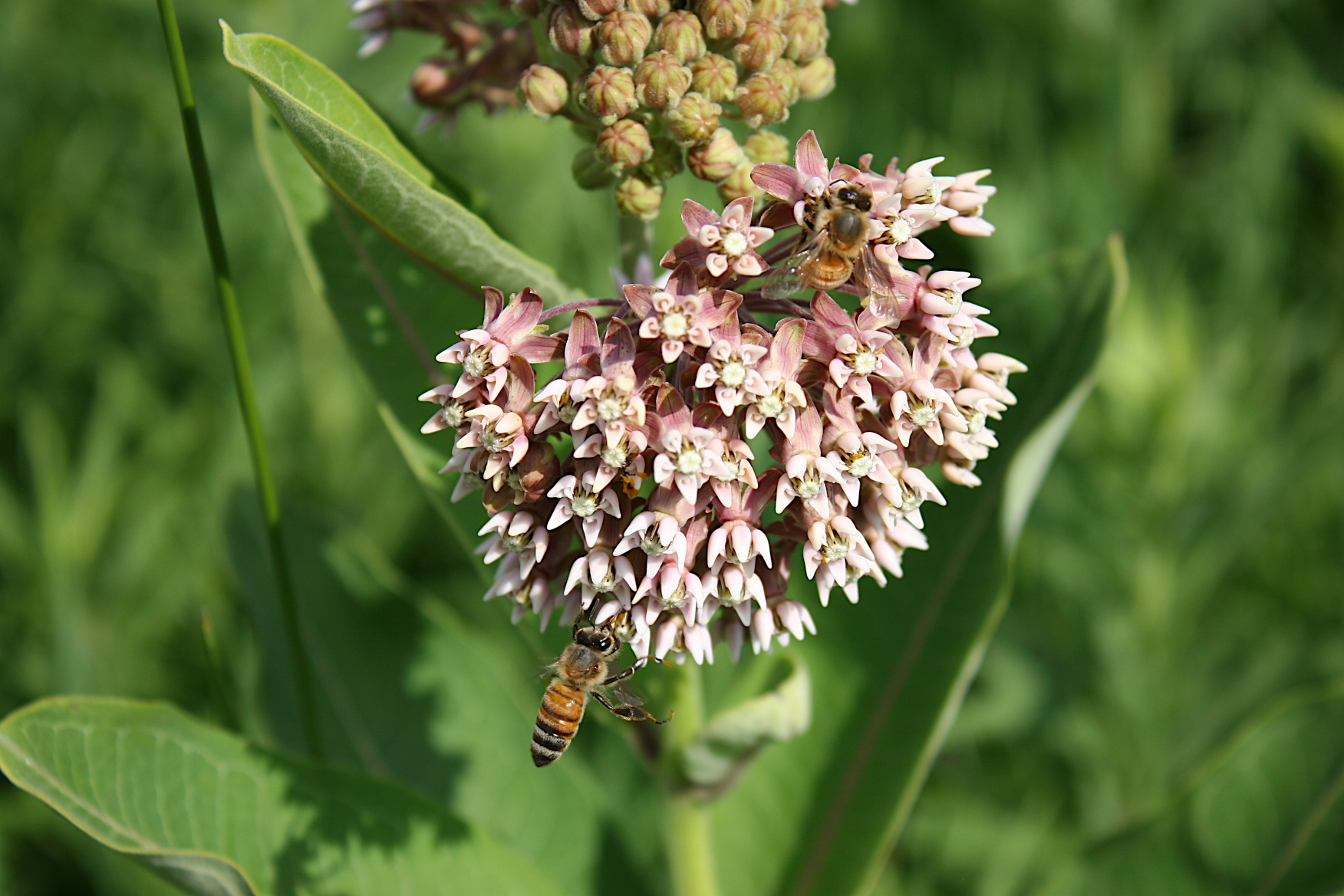
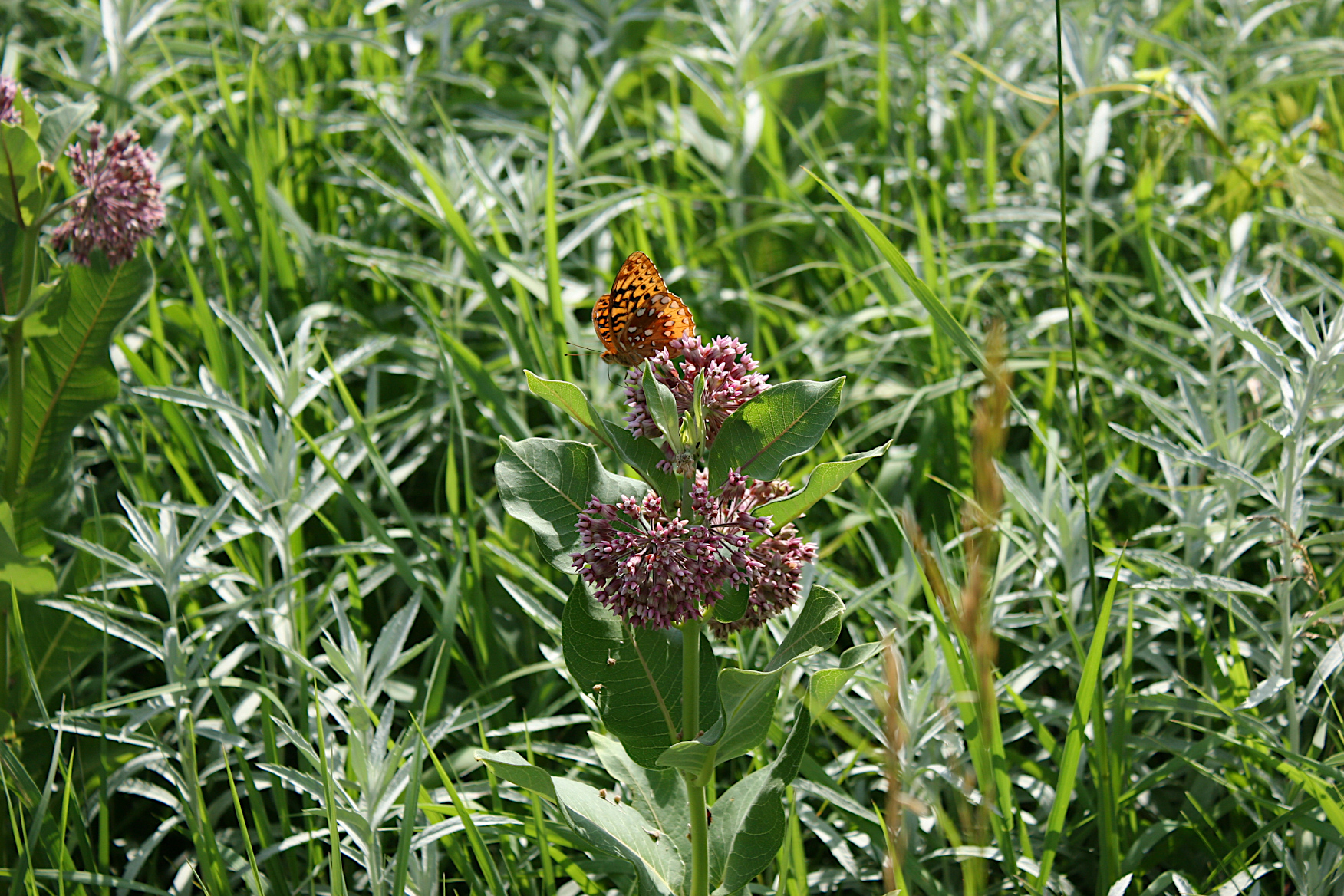
A monarch butterfly feeds on a milkweed flower. (Minnesota Prairie Roots copyrighted file photo)

ON A RECENT AFTERNOON, I looked up from washing dishes and out the kitchen window to see a solitary monarch butterfly flitting among milkweeds. Something as common as a butterfly remains, for me, one of summer’s simplest delights. Along with milkweeds and fireflies.
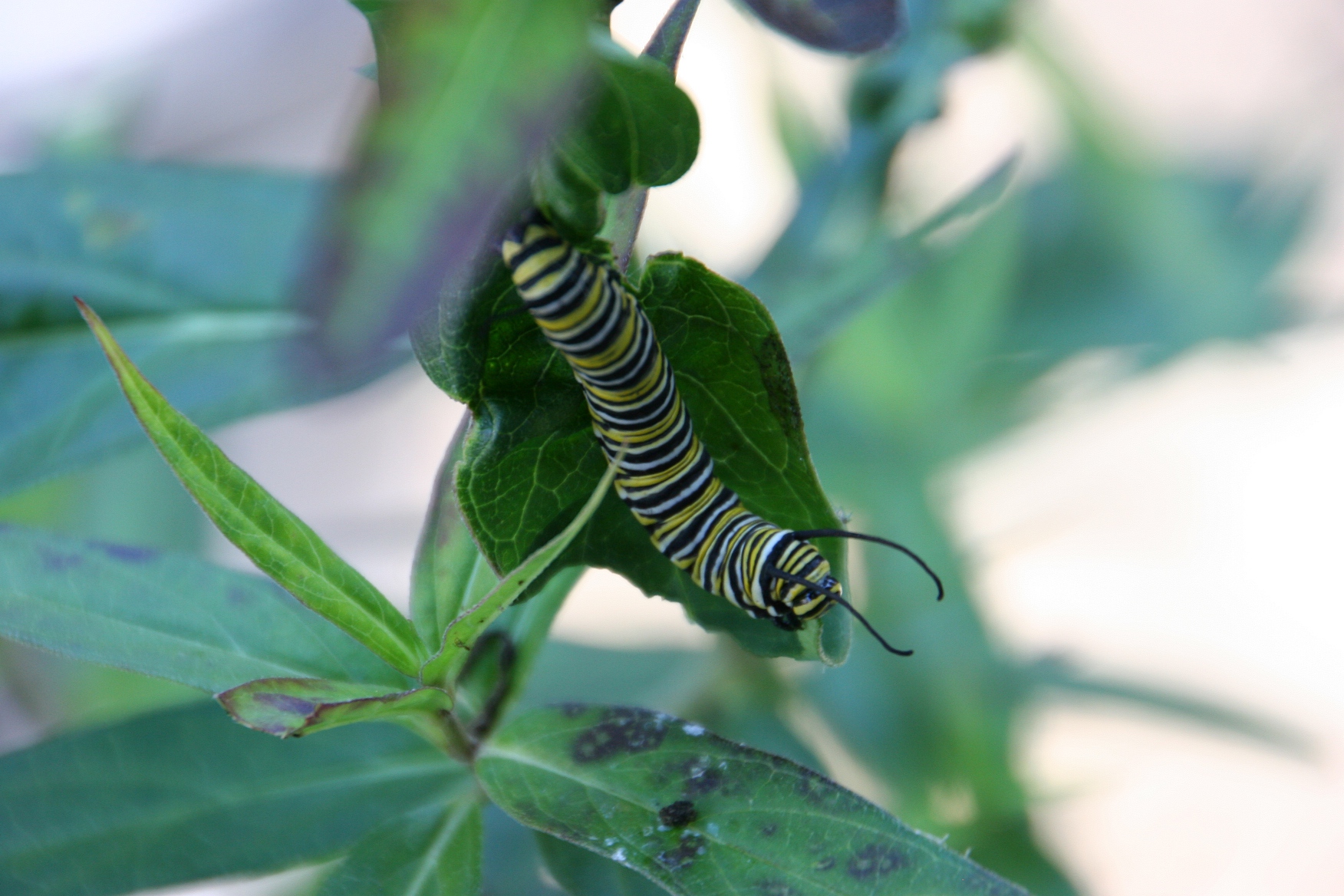
A monarch caterpillar on milkweed. (Minnesota Prairie Roots copyrighted file photo)

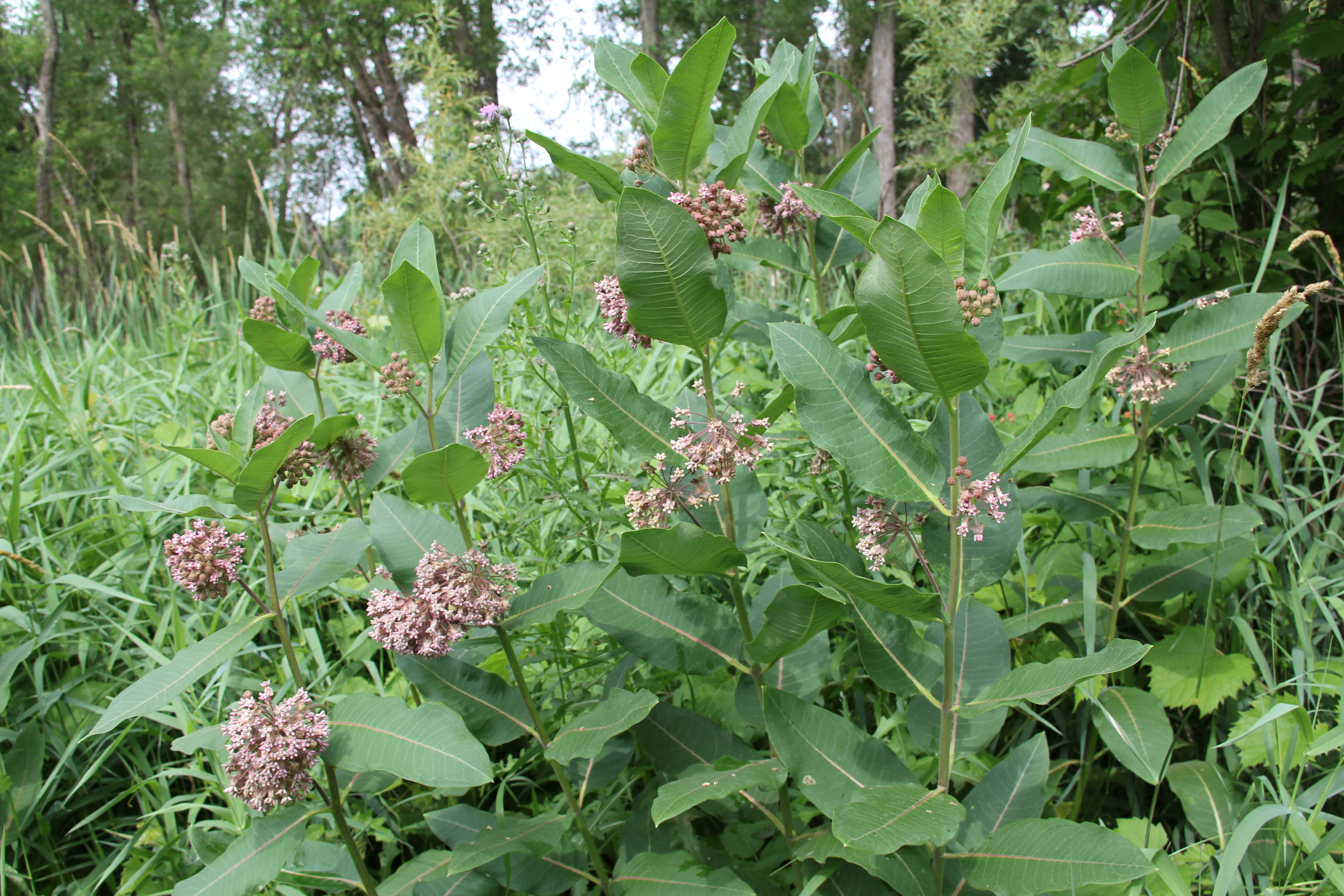
This year I have a bumper crop of milkweed plants growing in and along flowerbeds and retaining walls. I stopped counting at 24 plants. I have no idea why the surge in milkweeds. But I am happy about their abundance given monarchs need milkweed. It is the only plant upon which the monarch lays eggs and the sole source of food for monarch caterpillars.
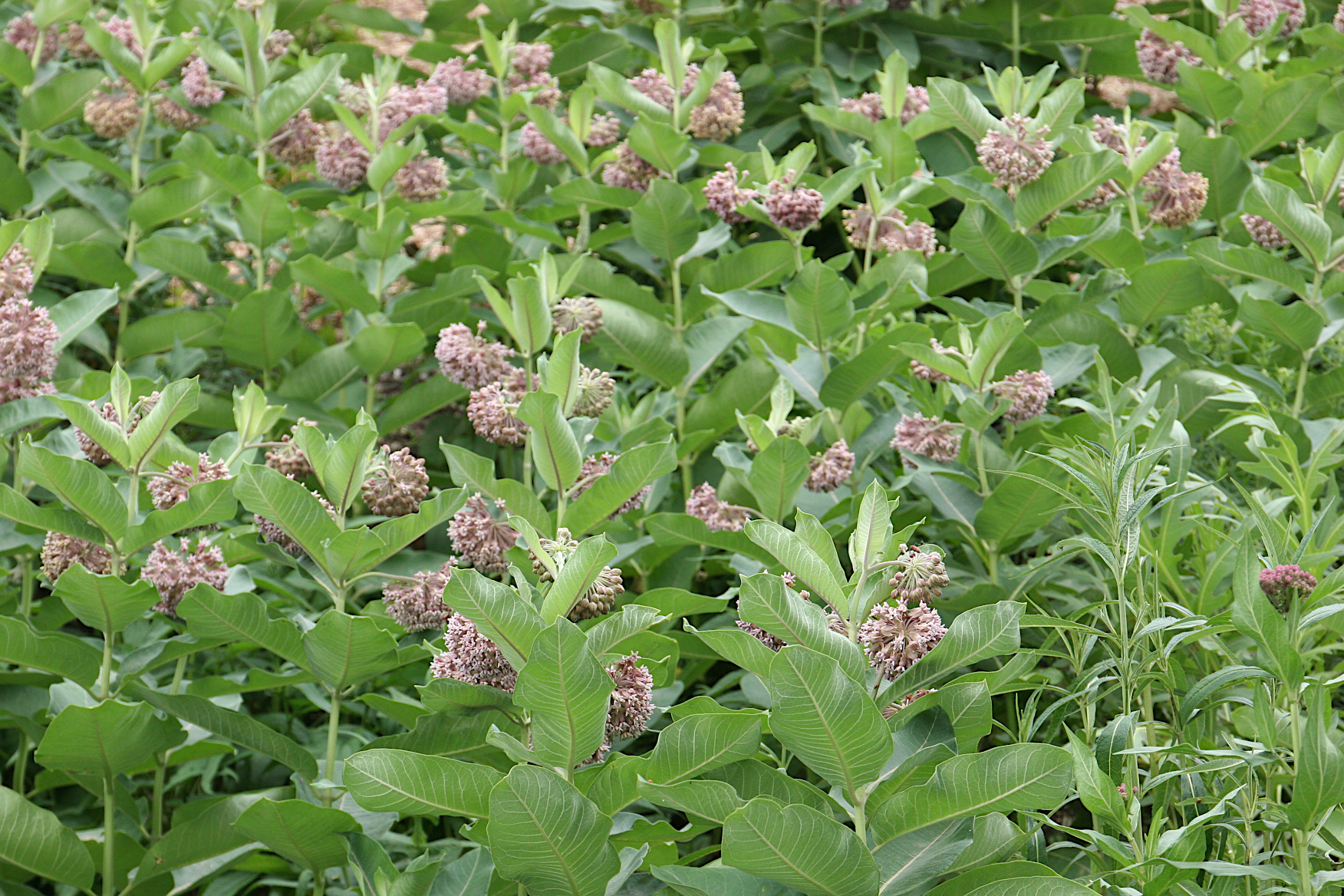
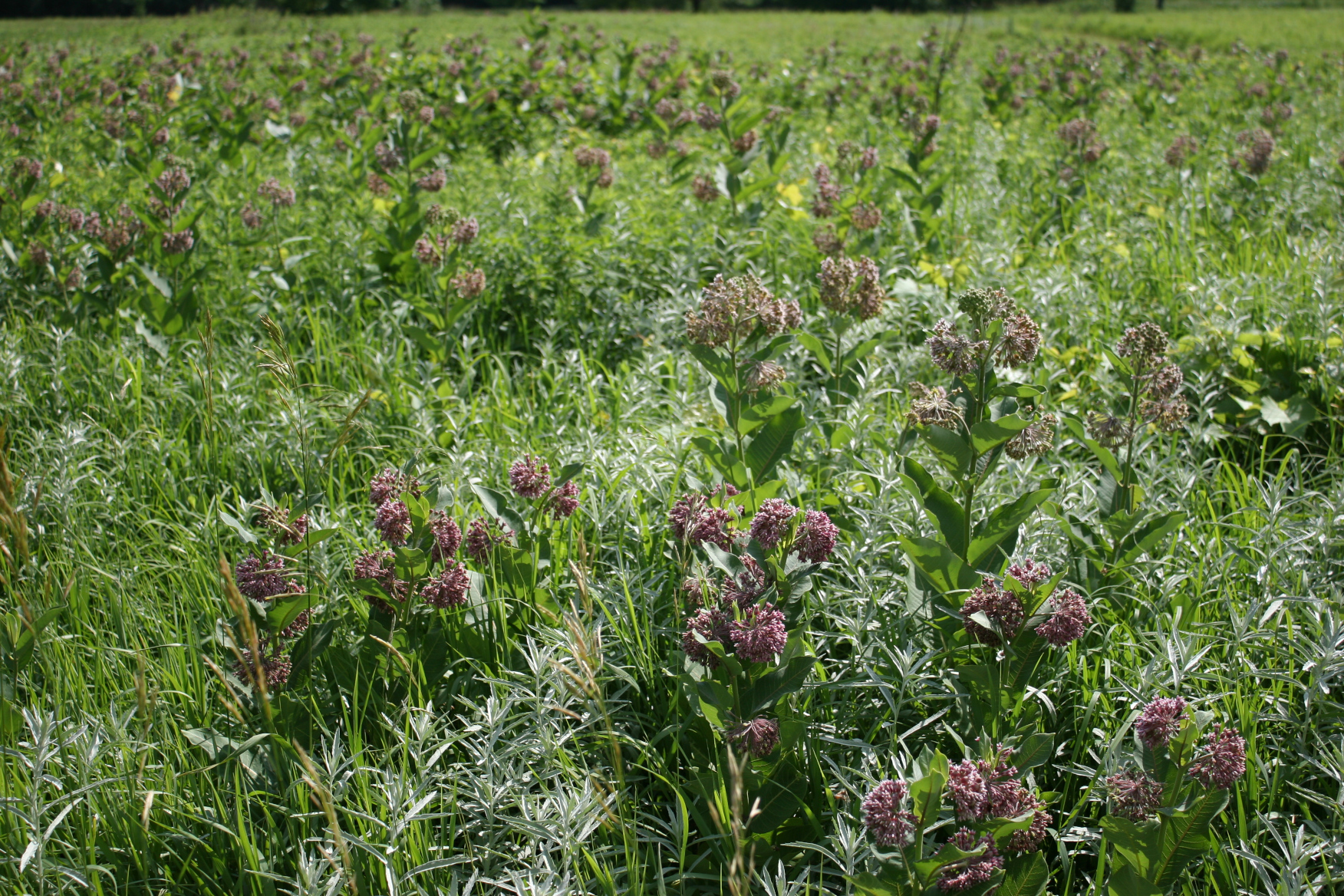
A crop of milkweeds in a public garden. (Minnesota Prairie Roots copyrighted file photo)

My farmer dad, if he was still alive, would likely offer a different opinion about milkweeds. As children, my siblings and I walked rows of soybean fields eradicating milkweeds, thistles and the notorious cocklebur. This was called “walking beans,” a job that we hated, but was necessary to keep fields mostly weed-free without the use of chemicals.

I never considered then that I might some day appreciate milkweeds, the “weed” I pulled from the rich dark soil of southwestern Minnesota. On many a hot and humid afternoon, sweat rolled off my forehead and dirt filtered through the holes of my canvas tennis shoes while hoeing and yanking unwanted plants from Dad’s soybean fields and on my cousin John’s farm.

Today I instruct my husband not to pull or mow any milkweed plants in our Faribault yard. Randy understands their value, even if he didn’t walk beans on his childhood farm. He more than made up for that lack of field work by picking way more rocks than I ever did. Morrison County in central Minnesota sprouts a bumper crop of rocks compared to my native Redwood County, where I also picked rocks.
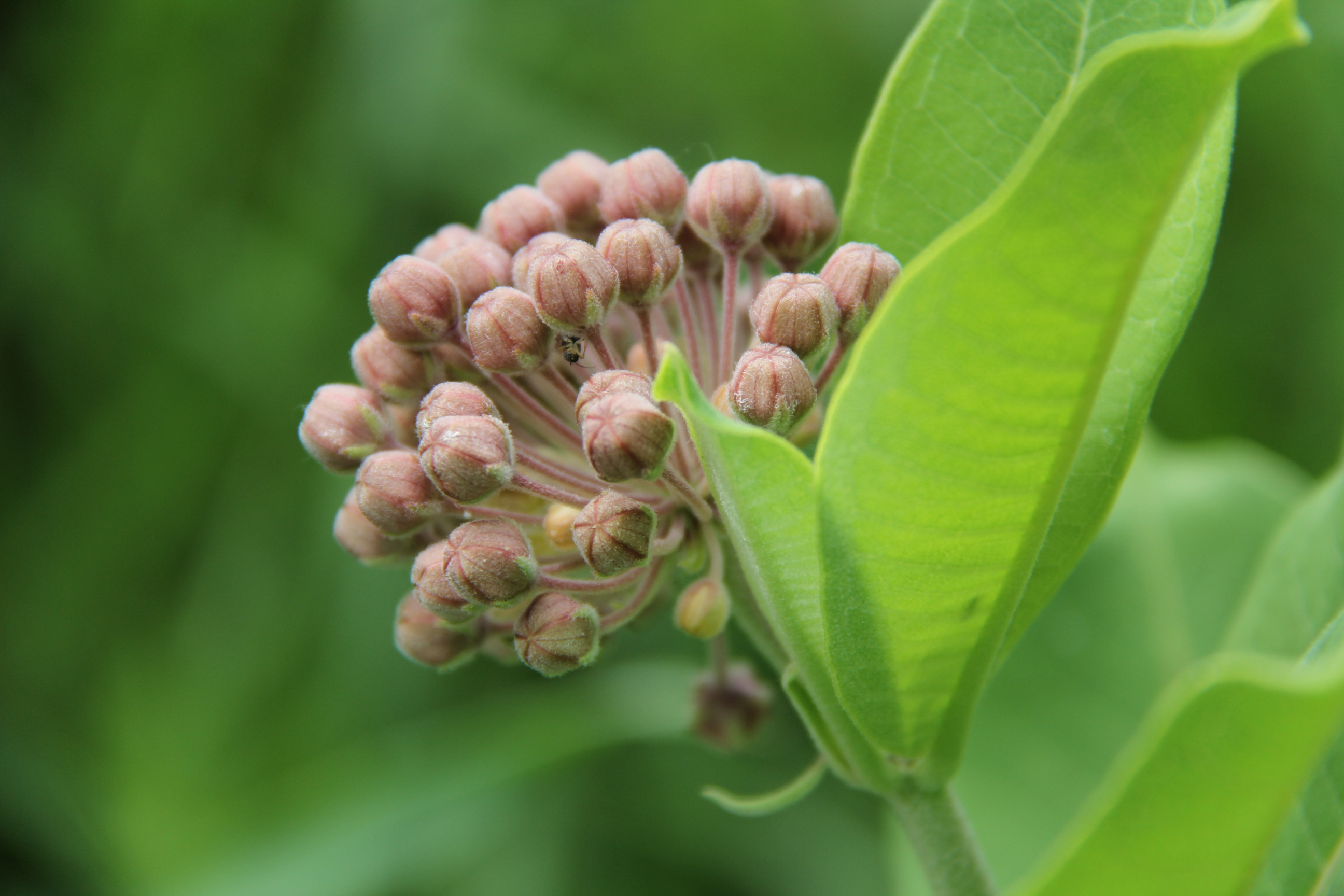
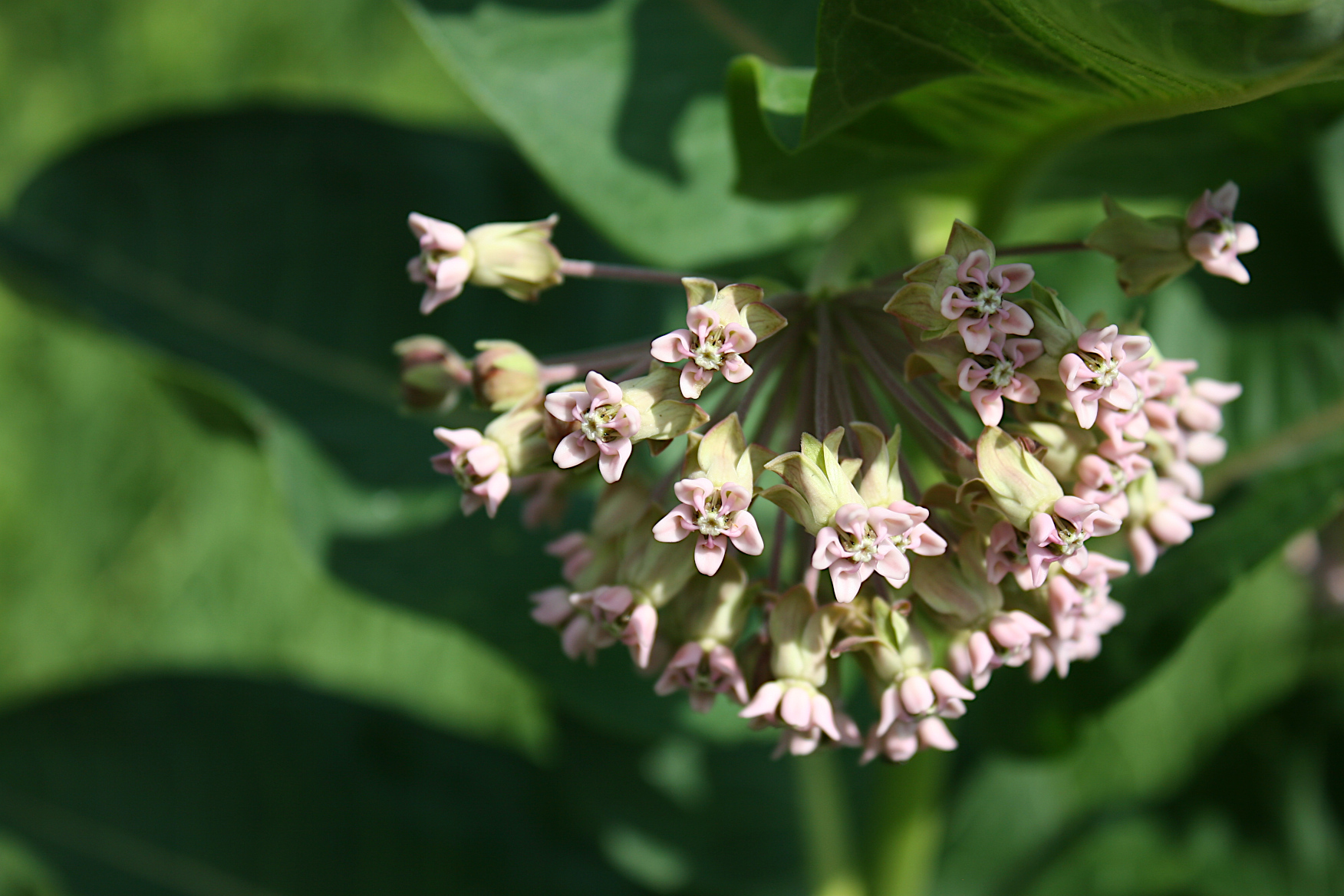
A milkweed about to open. (Minnesota Prairie Roots copyrighted file photo)

But back to milkweeds. I love the scent of the dusty rose-colored common milkweed. So if you drive by my Faribault home or walk through River Bend Nature Center or Central Park or past Buckham Memorial Library and see me dipping my nose into a cluster of milkweed flowers, that’s why.

As summer progresses, I’m curious to see how many monarchs soar among the milkweeds in the tangled messes of plants that define my untamed flowerbeds. Thankfully our next door neighbor appreciates milkweeds also and is OK if the wind carries seeds onto his property.
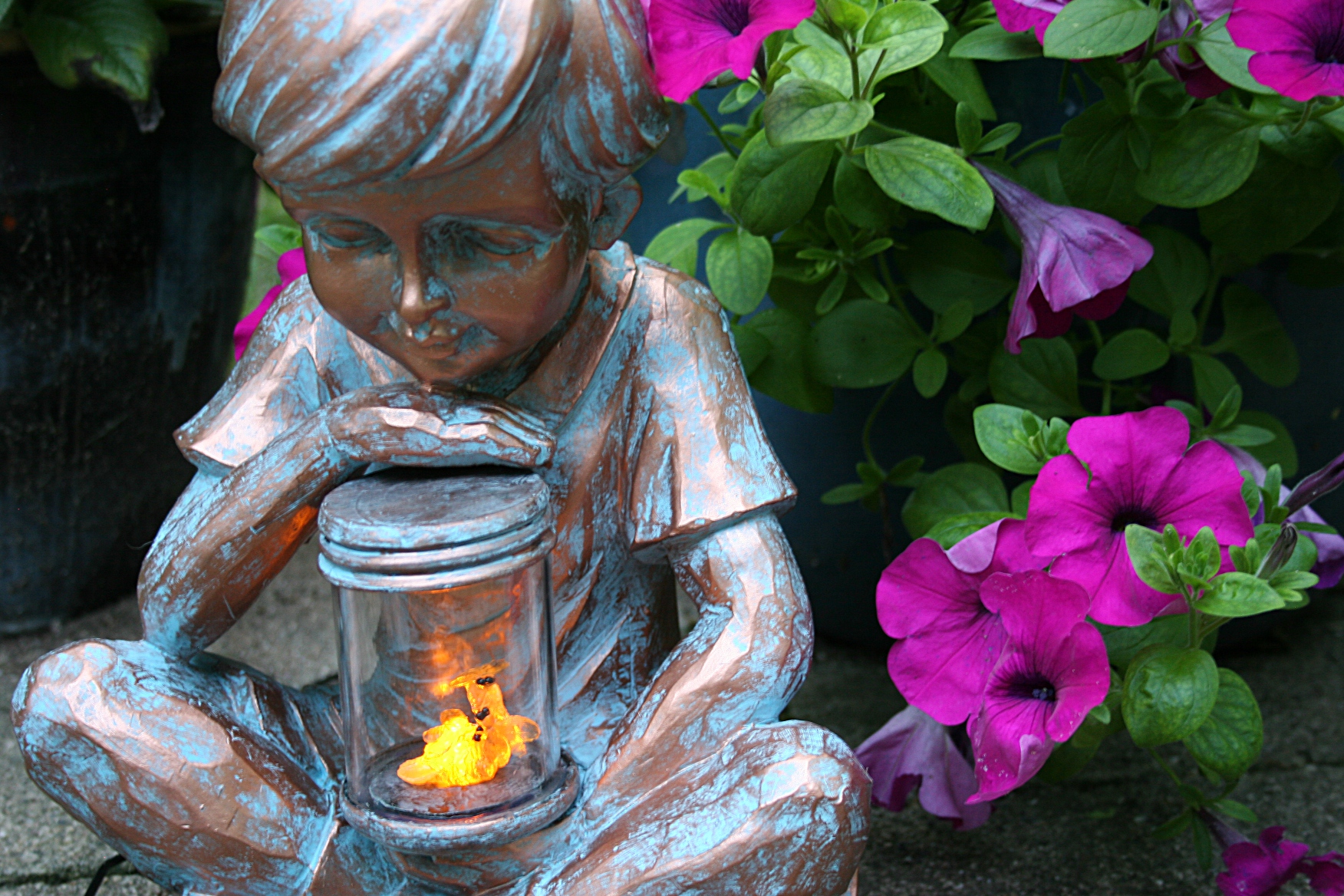
Fireflies glow in the garden art honoring my nephew Justin. (Minnesota Prairie Roots copyrighted file photo)

I’ve already seen fireflies aplenty in our backyard, which abuts a wooded hillside. And recently, while driving home in the early dark of a summer evening, Randy and I saw hundreds of fireflies lighting up grassy road ditches. It was truly magical, reminding me of childhood sightings and of Eric Carle’s children’s picture book, The Very Lonely Firefly. I had a copy for my kids, battery included to light up firefly illustrations. And, until it stopped working, I had a solar-powered firefly garden sculpture honoring my nephew Justin, who loved light and fireflies and died at age 19 in 2001 of Hodgkins disease.

Often what we love is about much more than simply whatever we love. I see, in writing this story, that my love of milkweeds, monarchs and fireflies connects to memories. Summer memories. Farm memories. Family memories. These are the stories we carry within us, that help define who we are, whether we consider a milkweed to be a weed, or a flower.

TELL ME: What simple summer things delight you and why?

© Copyright 2025 Audrey Kletscher Helbling


Appreciating Owatonna’s revamped, pedestrian-friendly downtown October 1, 2024

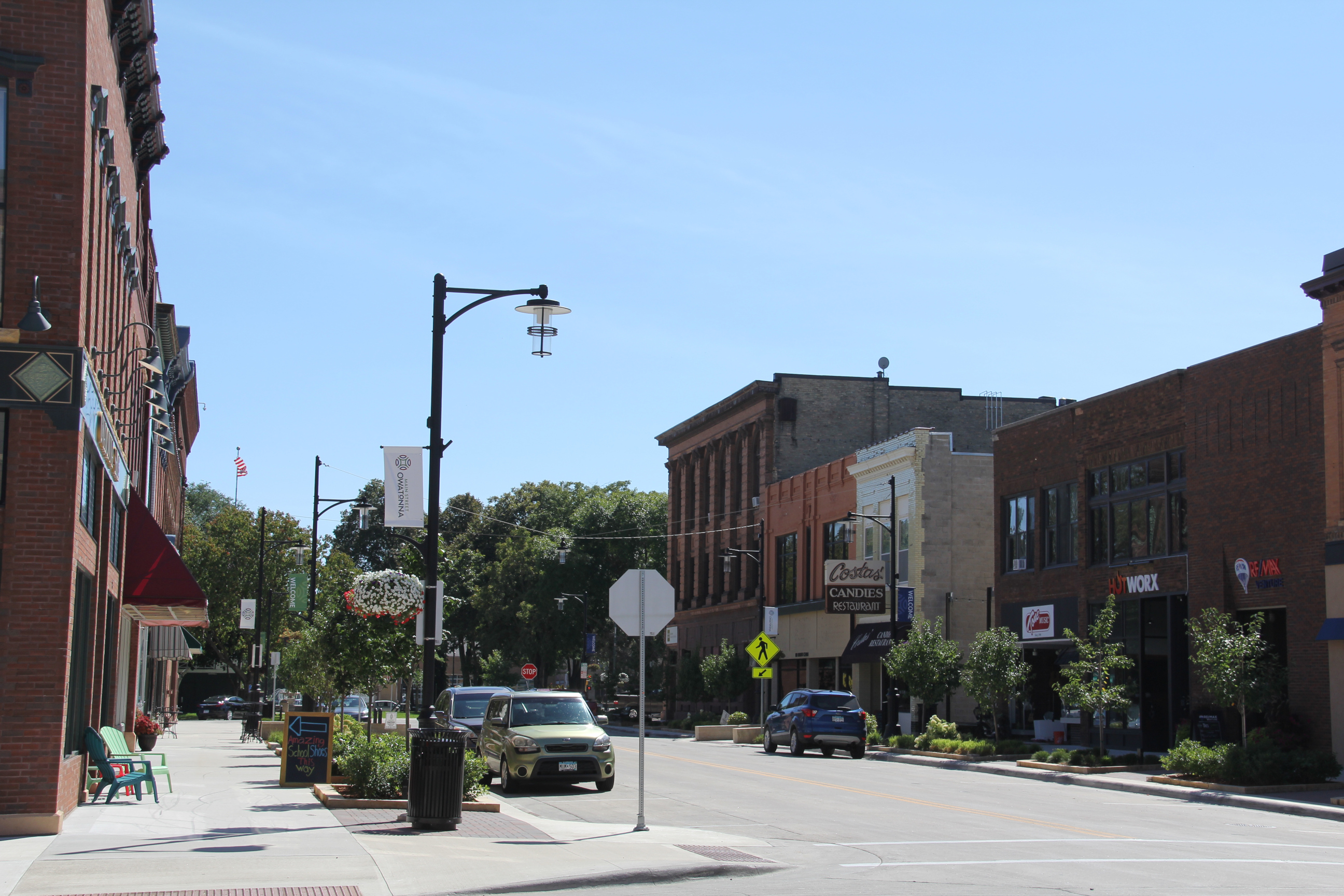
An overview of Owatonna’s new streetscape. (Minnesota Prairie Roots copyrighted photo September 2024)

FILL A DOWNTOWN WITH LUSH greenery and flowers in over-sized planters, add water features, and places to sit, mingle and converse, and you have what I consider an inviting space. That would be downtown Owatonna.

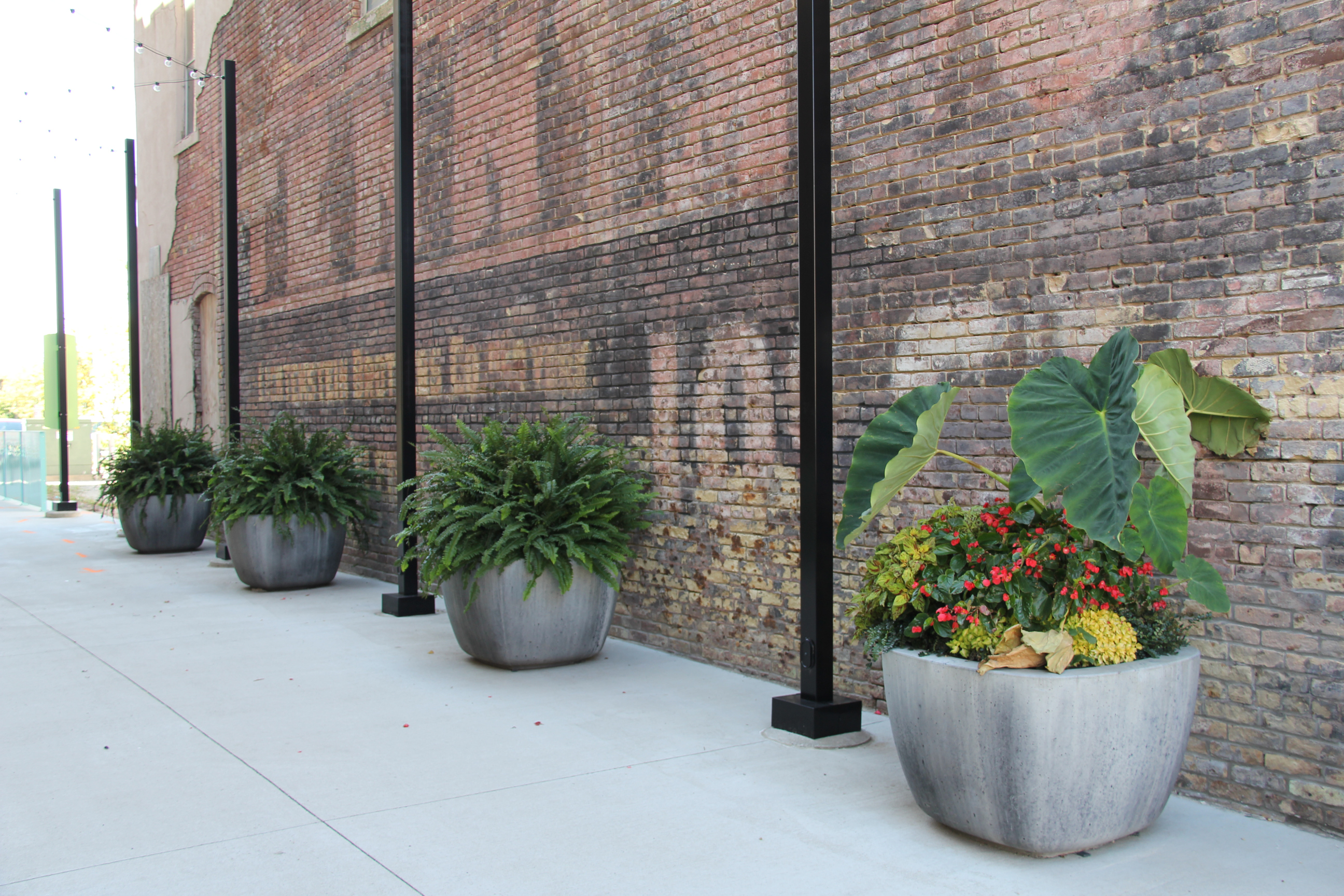
Lush planters front a ghost sign in a repurposed space, like a pocket park, between buildings. (Minnesota Prairie Roots copyrighted photo September 2024)

On a recent visit to this southern Minnesota city an hour south of Minneapolis along Interstate 35, I discovered a visually-appealing, pedestrian-friendly business district along revamped North Cedar Avenue. I haven’t walked through downtown Owatonna in awhile, not since a major streetscape project was completed in the fall of 2022. And I must say, the results are simply stunning.

Signage on a building notes past preservation efforts. (Minnesota Prairie Roots copyrighted photo September 2024)

As I walked block after block through this National Register Historic District, I focused not so much on the buildings as on the beauty. Trees, shrubs, perennials, annuals, all have been incorporated into the streetscape. Within limestone edged planters. In mammoth free-standing planters. In hanging baskets.

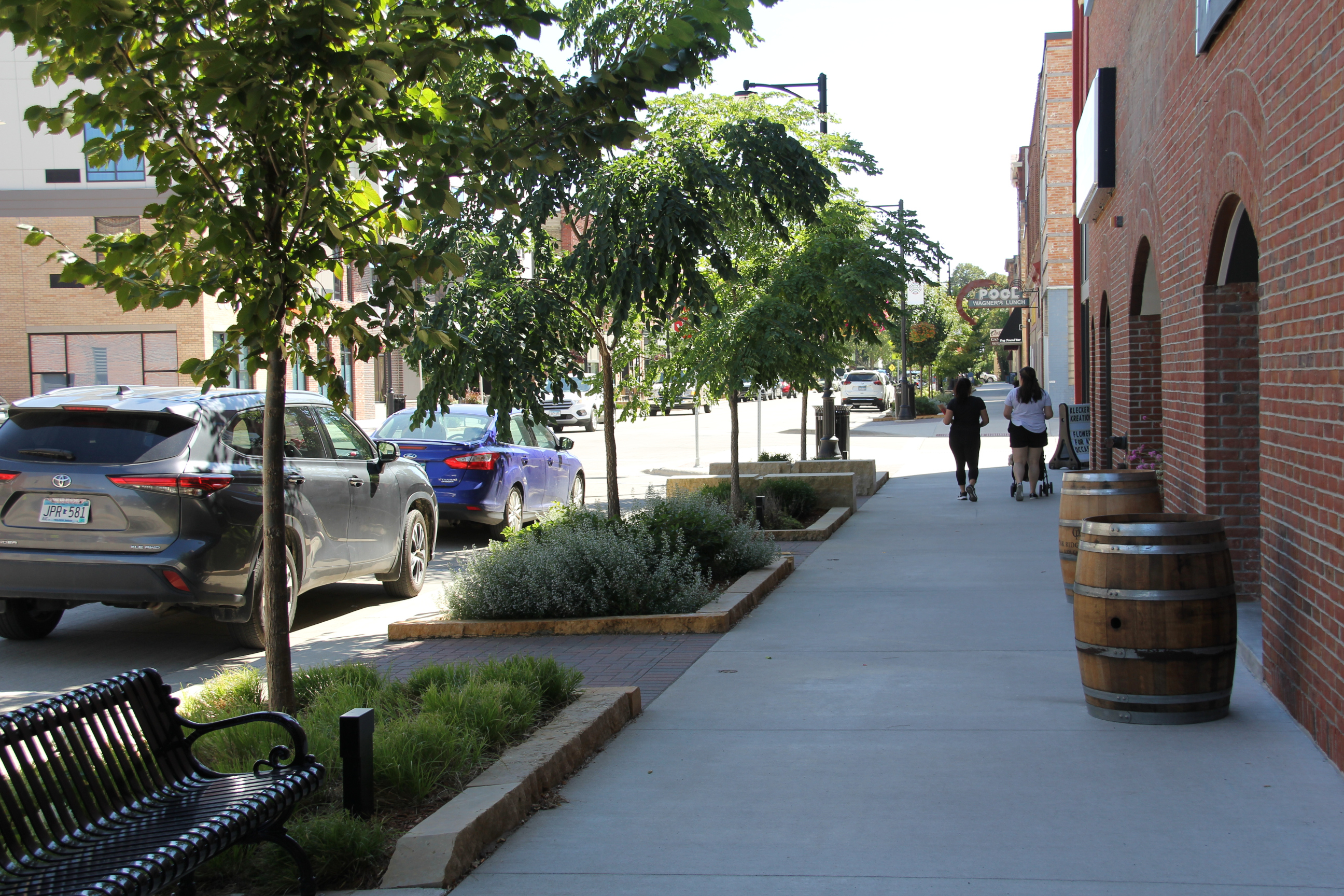
So many inviting details here in bench, barrels and plantings. (Minnesota Prairie Roots copyrighted photo September 2024)

The results present a harmonious connection with nature, a garden-like appearance, a feeling of serenity, of wanting to linger. And that’s exactly what business owners and others hope. Stick around. Connect. Shop. Spend money. Enjoy.

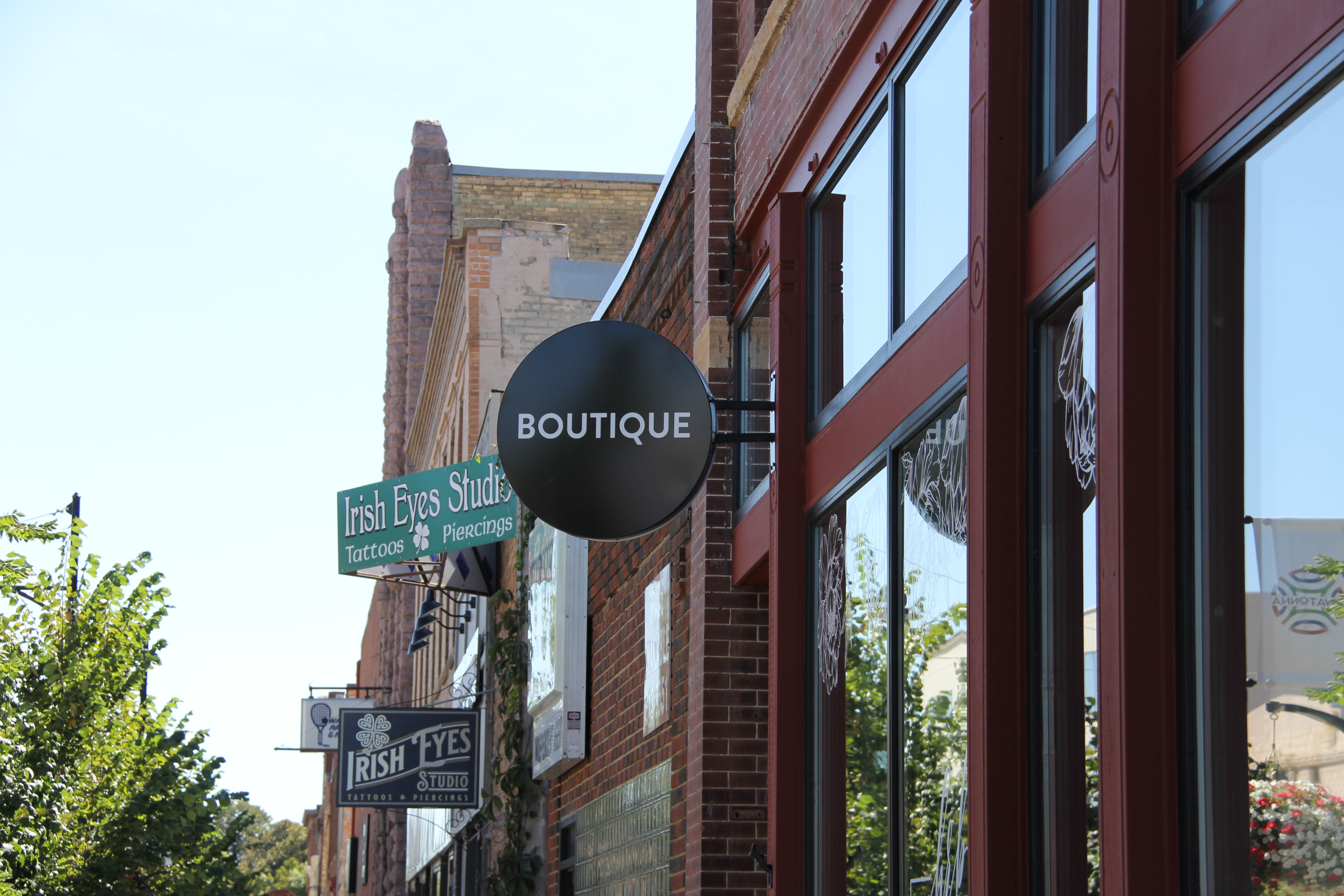
An example of businesses located along North Cedar Avenue. (Minnesota Prairie Roots copyrighted photo September 2024)

Downtown Owatonna offers a good mix of service-oriented businesses, retail shops from shoe store to boutiques to bookshop and more, along with places to dine, drink and even stay overnight. A new Courtyard by Marriott anchors a downtown corner, complete with outdoor sidewalk-side seating and a fire pit.

In a narrow space between buildings, bistro tables await. (Minnesota Prairie Roots copyrighted photo September 2024)

Everywhere, I spotted these welcoming spaces. Some are squeezed between buildings—in narrow areas I assume were once alleyways. Planters lush with ferns and flowers soften the hardscapes of brick and cement. Cozy bistro tables with seating for two to larger round tables with spots for four encourage outdoor dining and conversation. Overhead party lights crisscross some areas, adding to the evening ambiance. Only the addition of outdoor public art would up the charm. Maybe that’s coming.

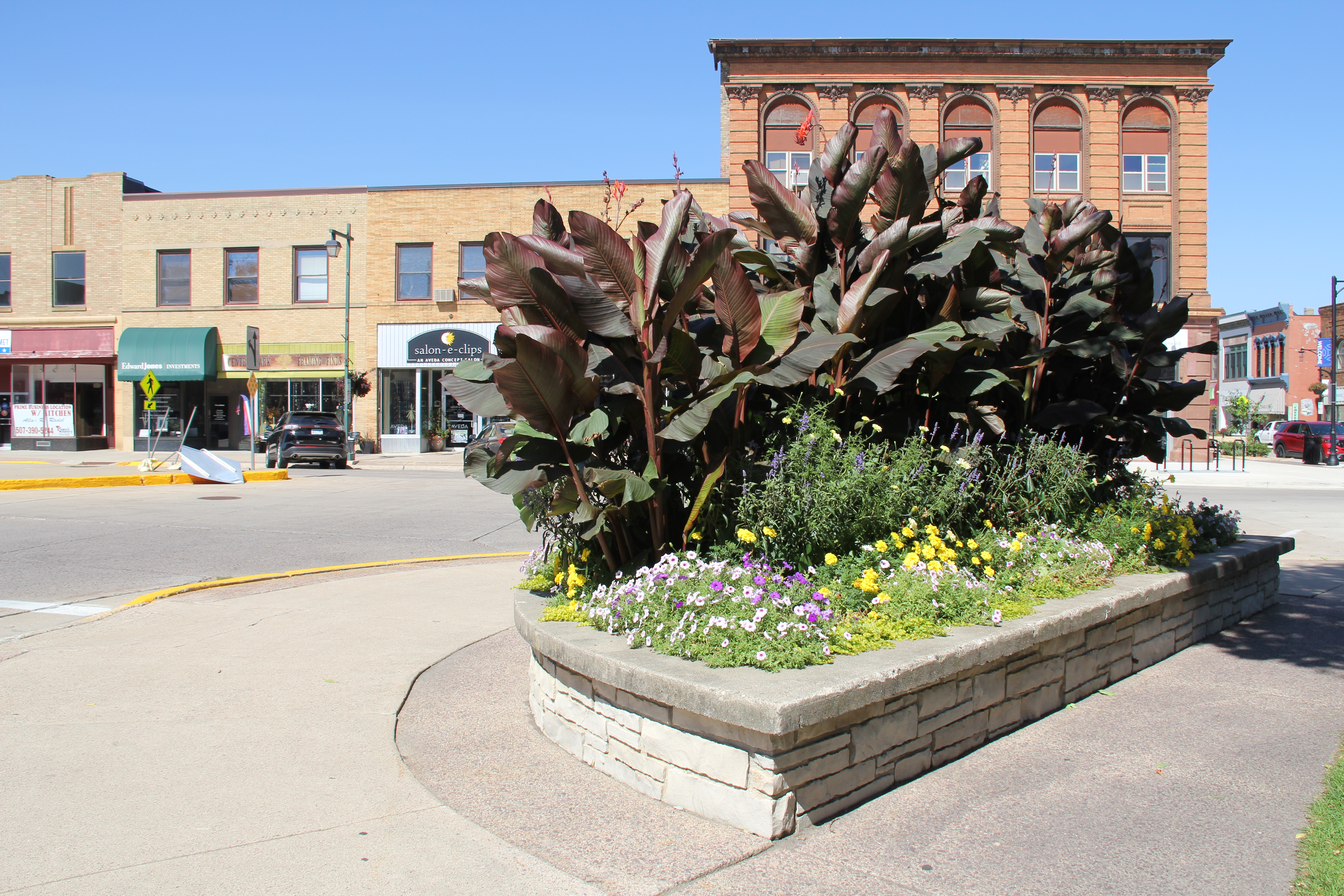
Flowers make a strong statement on a downtown anchor corner by Central Park. (Minnesota Prairie Roots copyrighted photo September 2024)

There’s more, much more. Rectangular limestone planters flush with trees, perennial flowers, shrubs and grasses create a living buffer between street and storefront that feels protective, naturally calming.

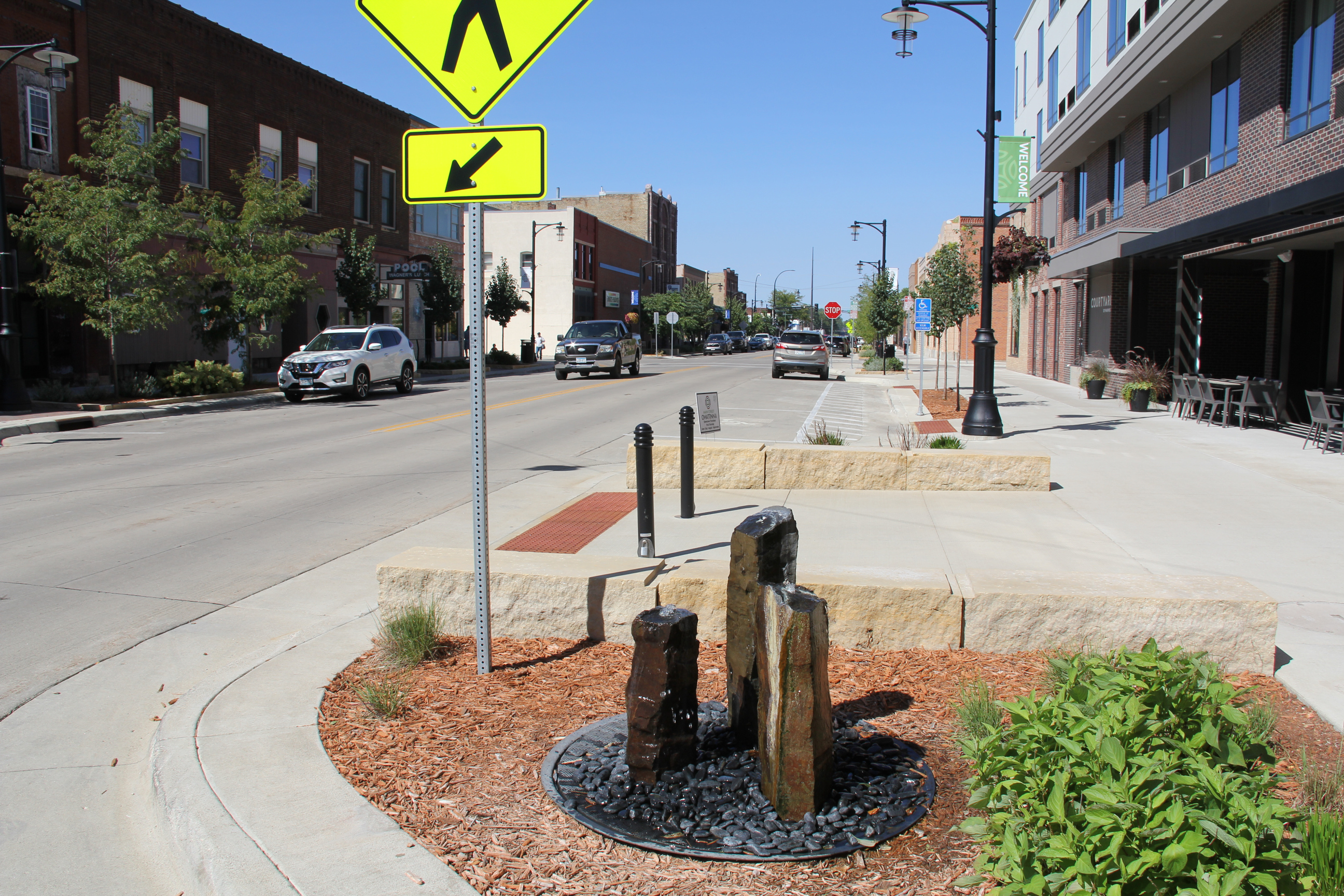
I spotted several of these fountains. (Minnesota Prairie Roots copyrighted photo September 2024)

Unobtrusive small scale water features scatter throughout the downtown. Benches beckon. There’s a neighborly vibe here, of connectedness.

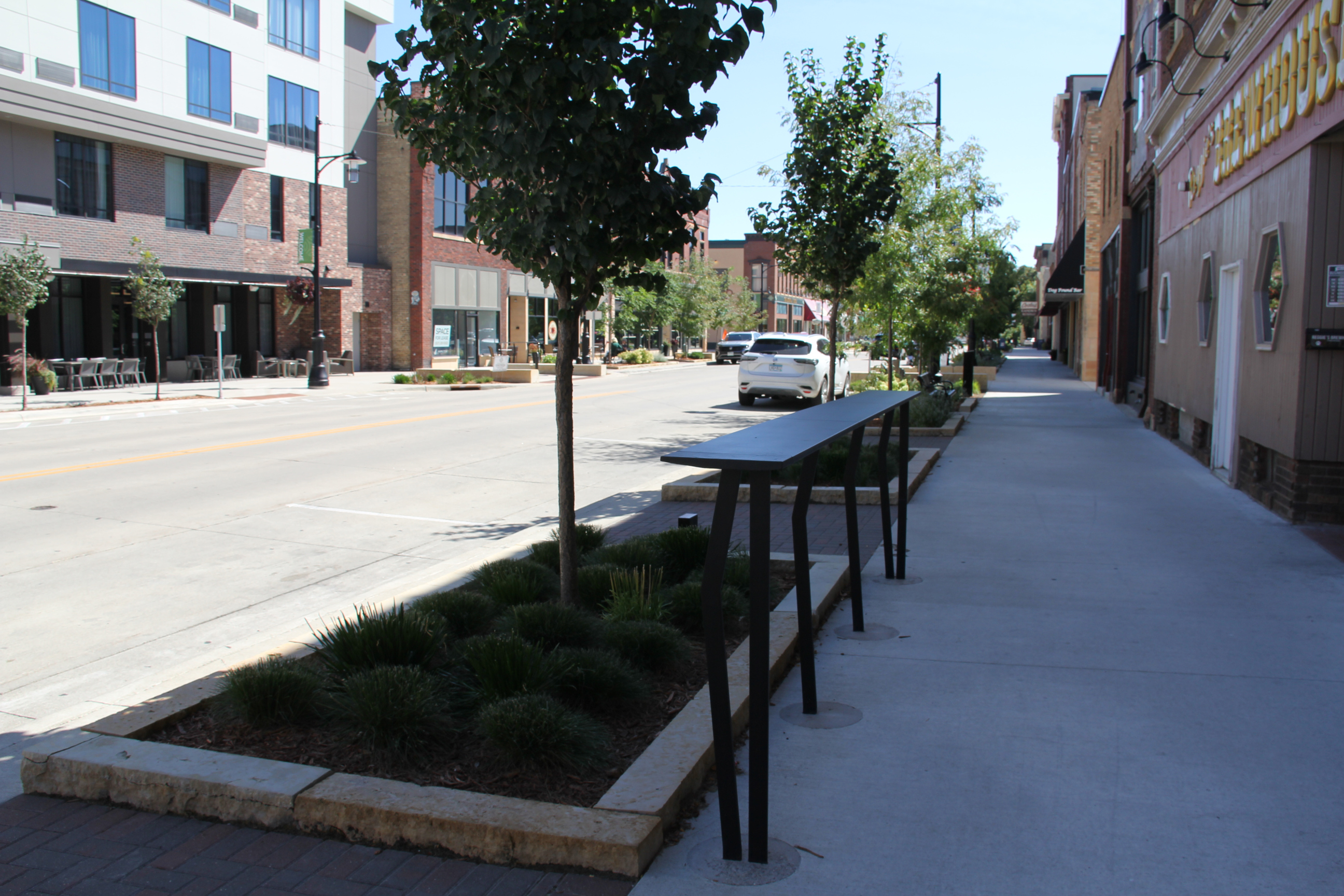
A high-top narrow table caught my eye. (Minnesota Prairie Roots copyrighted photo September 2024)

I even spotted a skinny high-top table, minus chairs, cemented into the sidewalk, ideal for standing and chatting while nibbling or sipping. Outside a wine bar, two wooden barrels hold space.

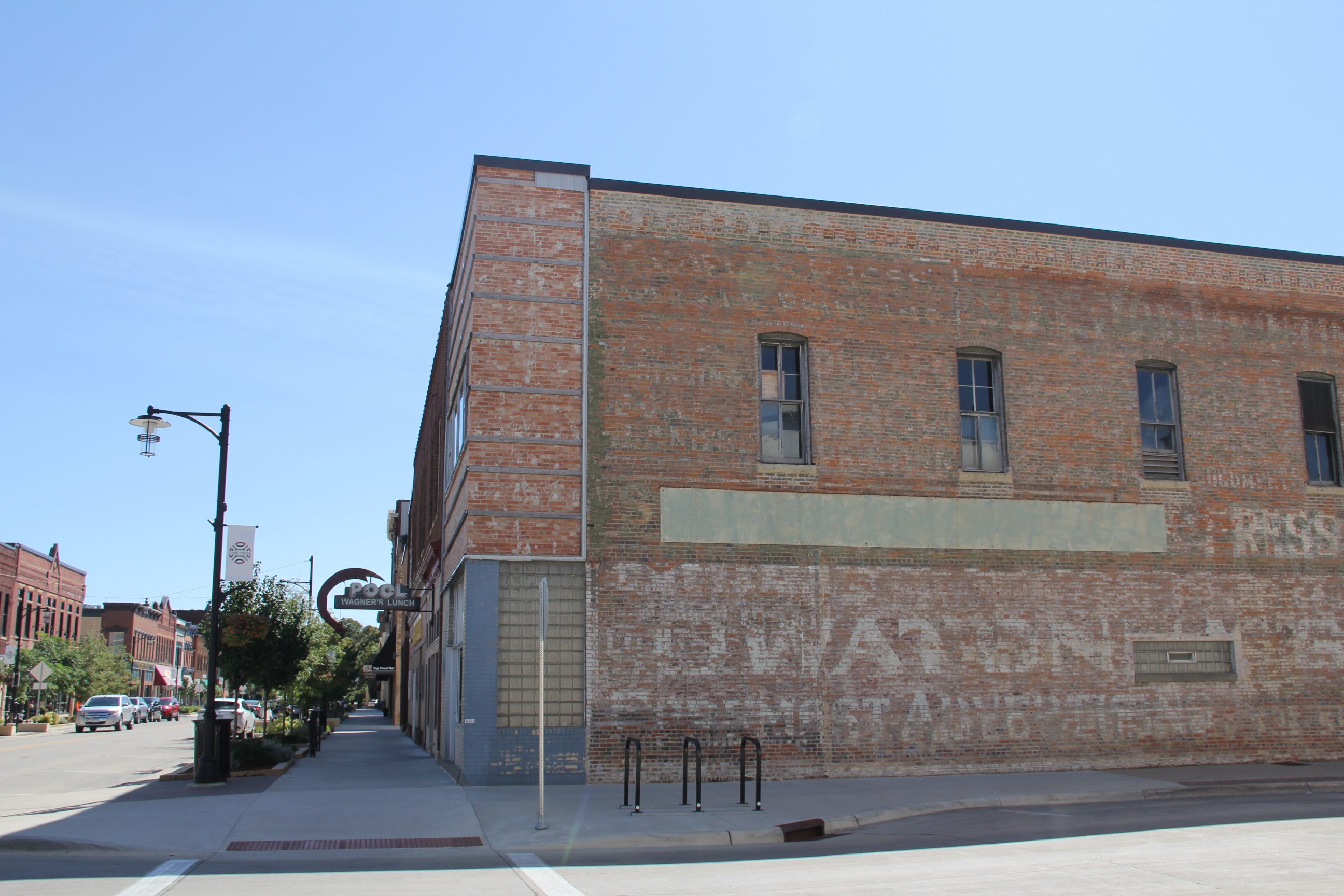
Bike racks, like these corner ones, are placed throughout downtown, making this a biker-friendly area. (Minnesota Prairie Roots copyrighted photo September 2024)

All of this, everything, speaks to me: “Welcome, we’re happy you’re here. Wander. Engage. Relax.” Owatonna got it right in this redo of their downtown. I appreciate when people take precedence over motor vehicles. (There’s still plenty of parking available.)

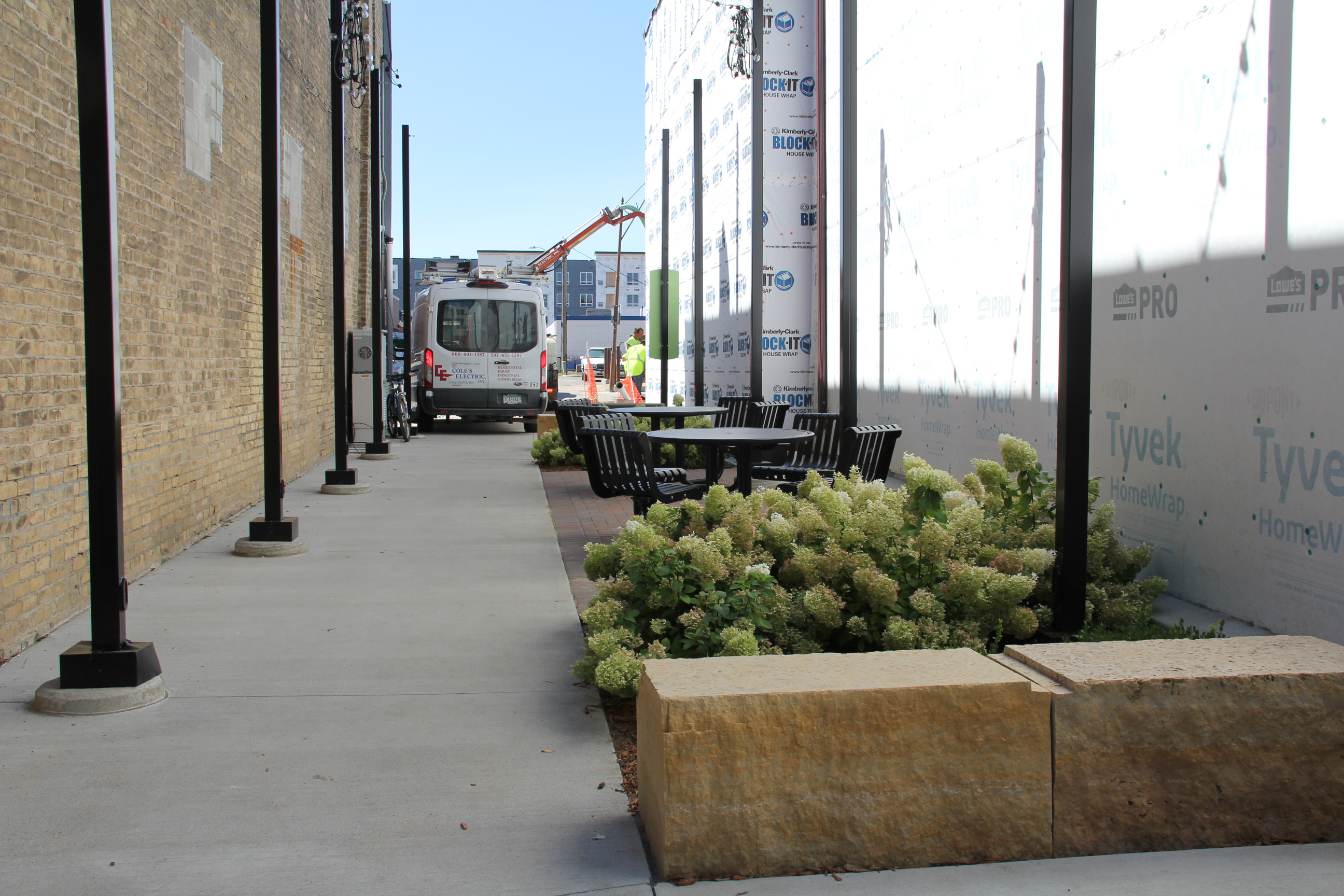
Hydrangea grow in this welcoming space, where work continues. (Minnesota Prairie Roots copyrighted photo September 2024)

I like the feeling I get in this downtown, along North Cedar Avenue. One of friendliness. One of deliberate attention to details. One of offering spaces that connect, that build community. One of feeling embraced in a carefully-curated nature-oriented environment.

This downtown feels like a place where I could listen to acoustic music, peruse a pop-up mini art show or listen to a local poet read poetry in a revamped alleyway. Mostly, though, downtown Owatonna feels pedestrian-friendly in a way that most downtowns do not. And that, to me, holds infinite appeal.

© Copyright 2024 Audrey Kletscher Helbling
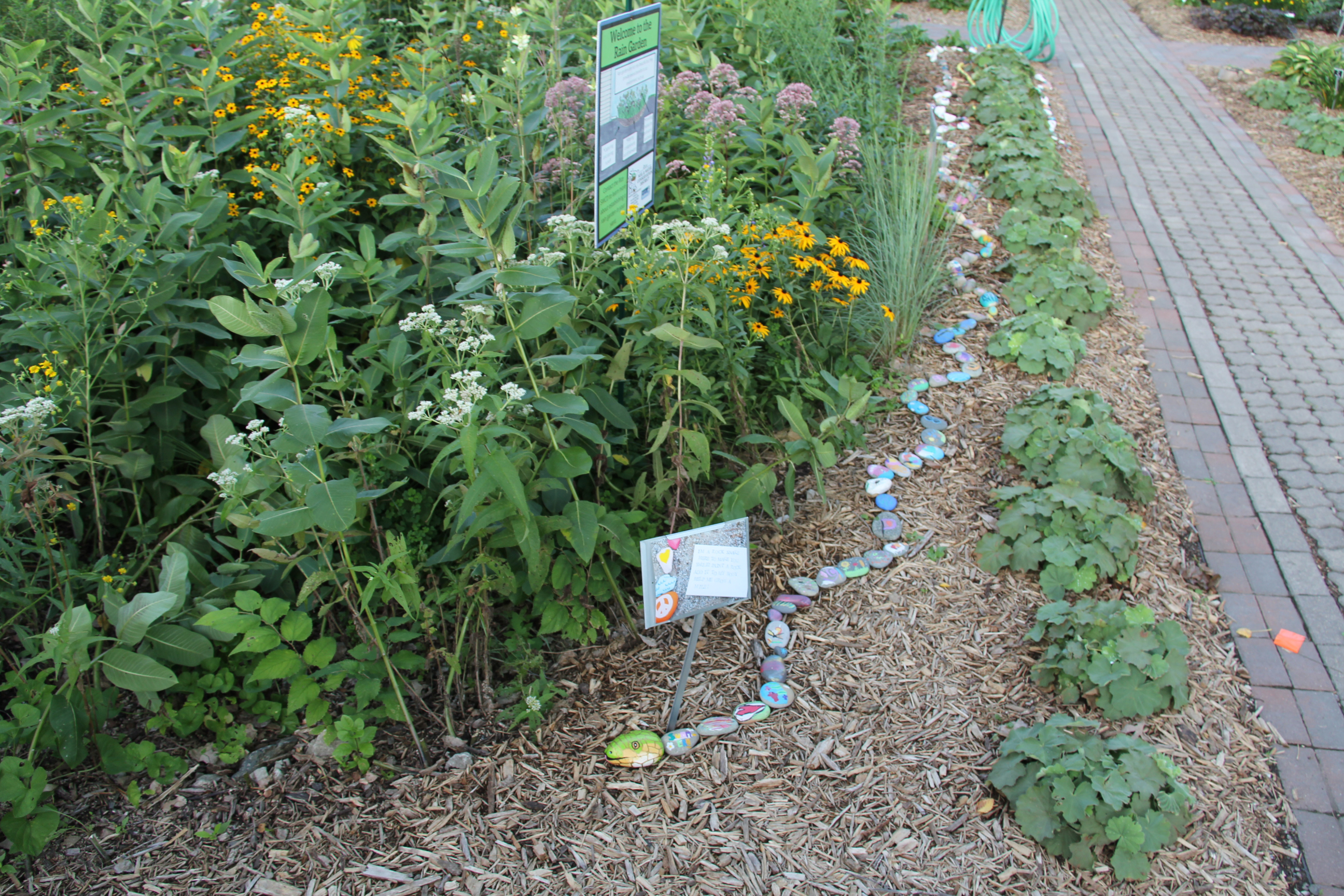
 

A rock snake in Faribault’s Garden of Eden August 27, 2024

The snake I found in a Faribault garden. (Minnesota Prairie Roots copyrighted photo August 2024)

AS THE BIBLICAL STORY GOES, a cunning snake tempted Eve, convincing her that she could eat fruit from a tree growing in the middle of the Garden of Eden. She believed the snake’s claim of knowledge and immortality. Turns our he manipulated her. Things did not go so well after Eve ate the forbidden fruit and shared it with Adam.

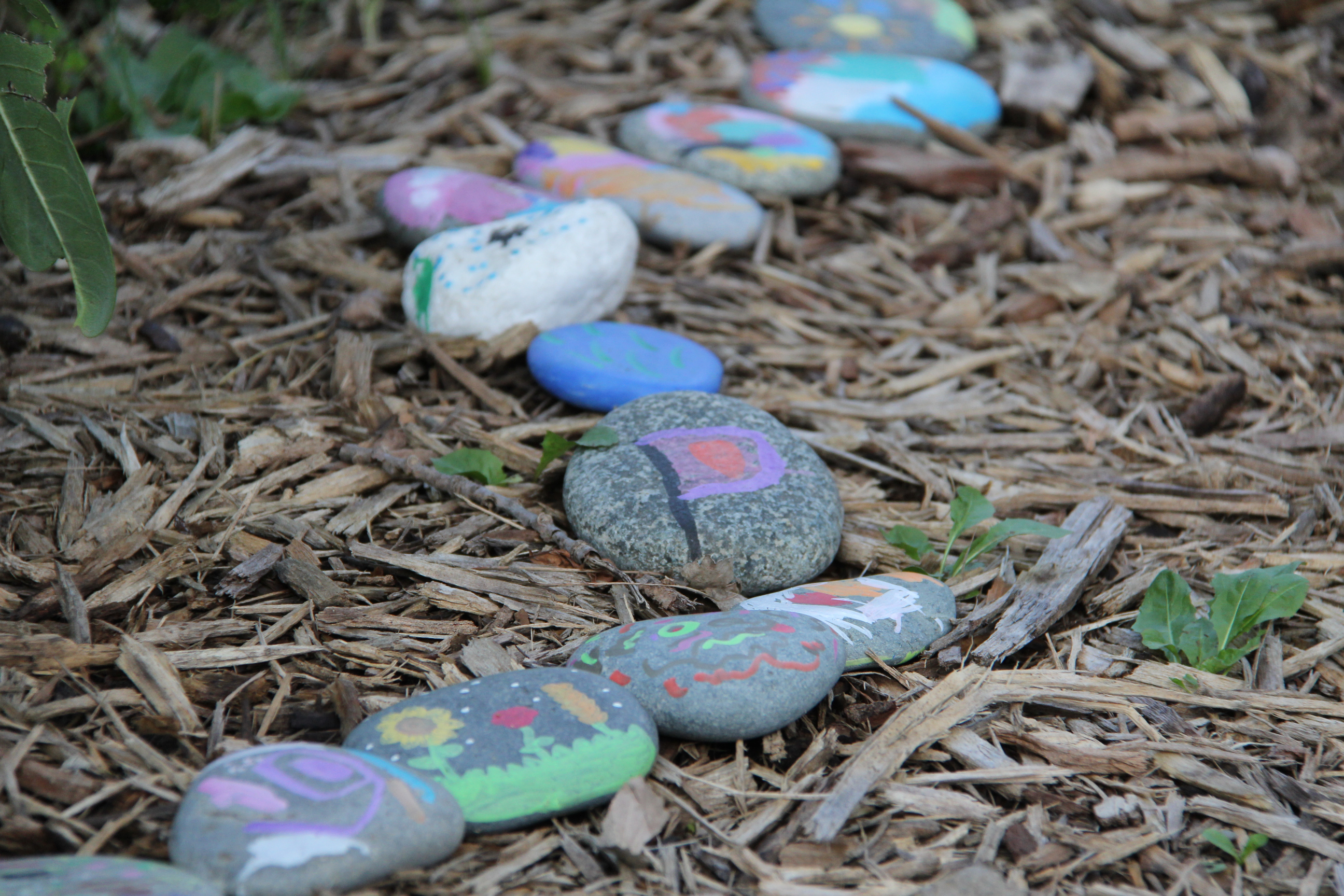
I stood atop a bench to get this photo of the long and winding Rock Snake. (Minnesota Prairie Roots copyrighted photo August 2024)

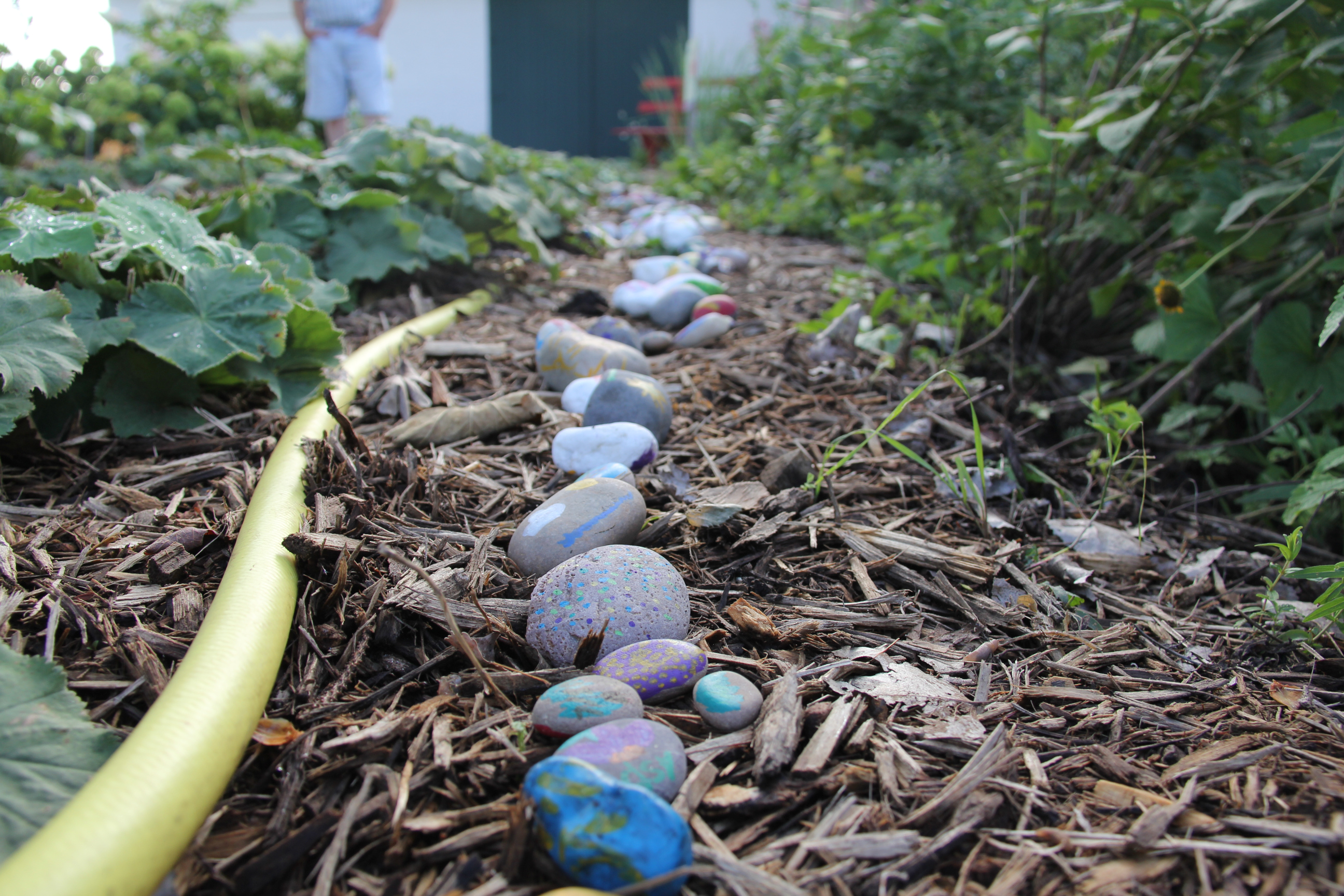
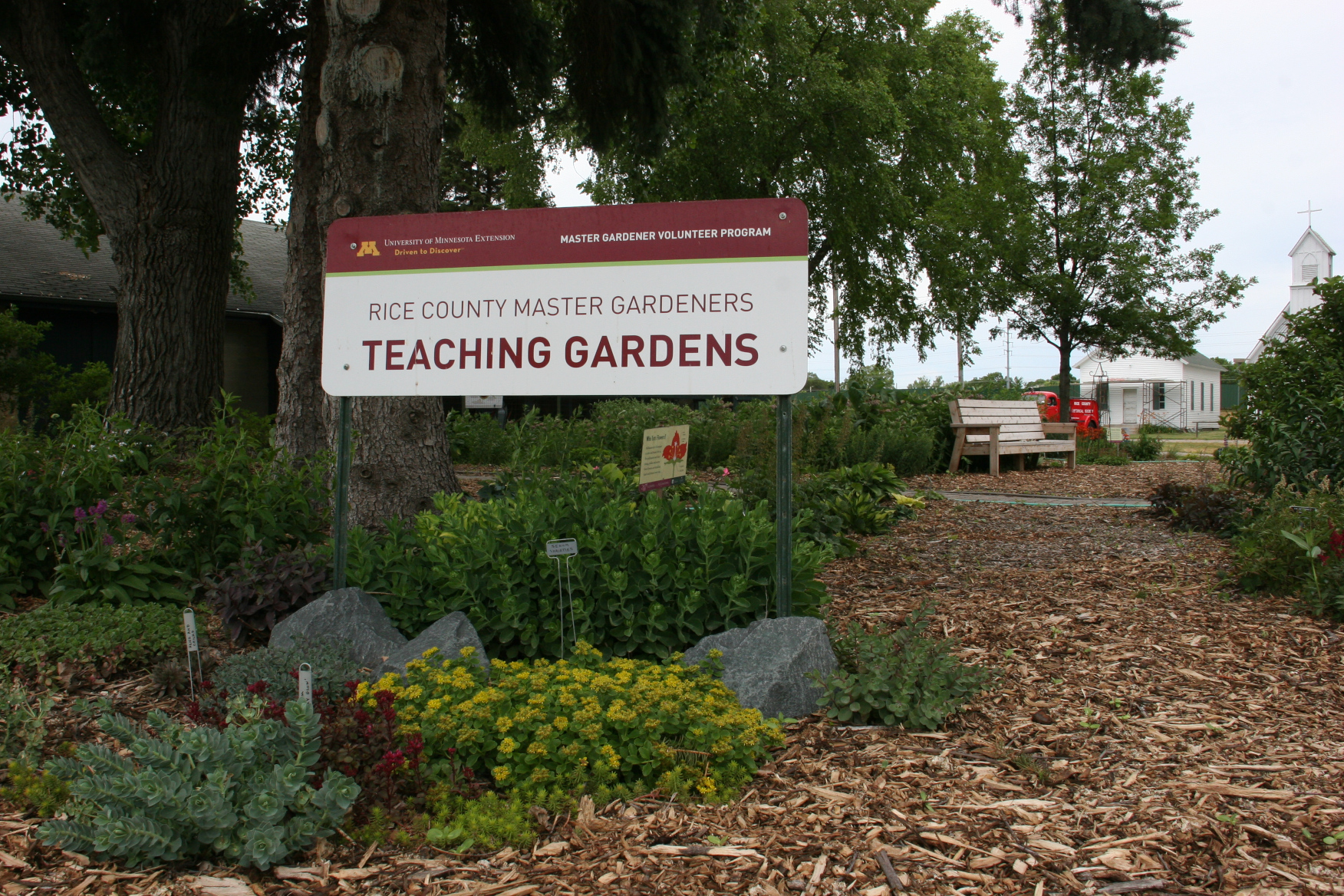
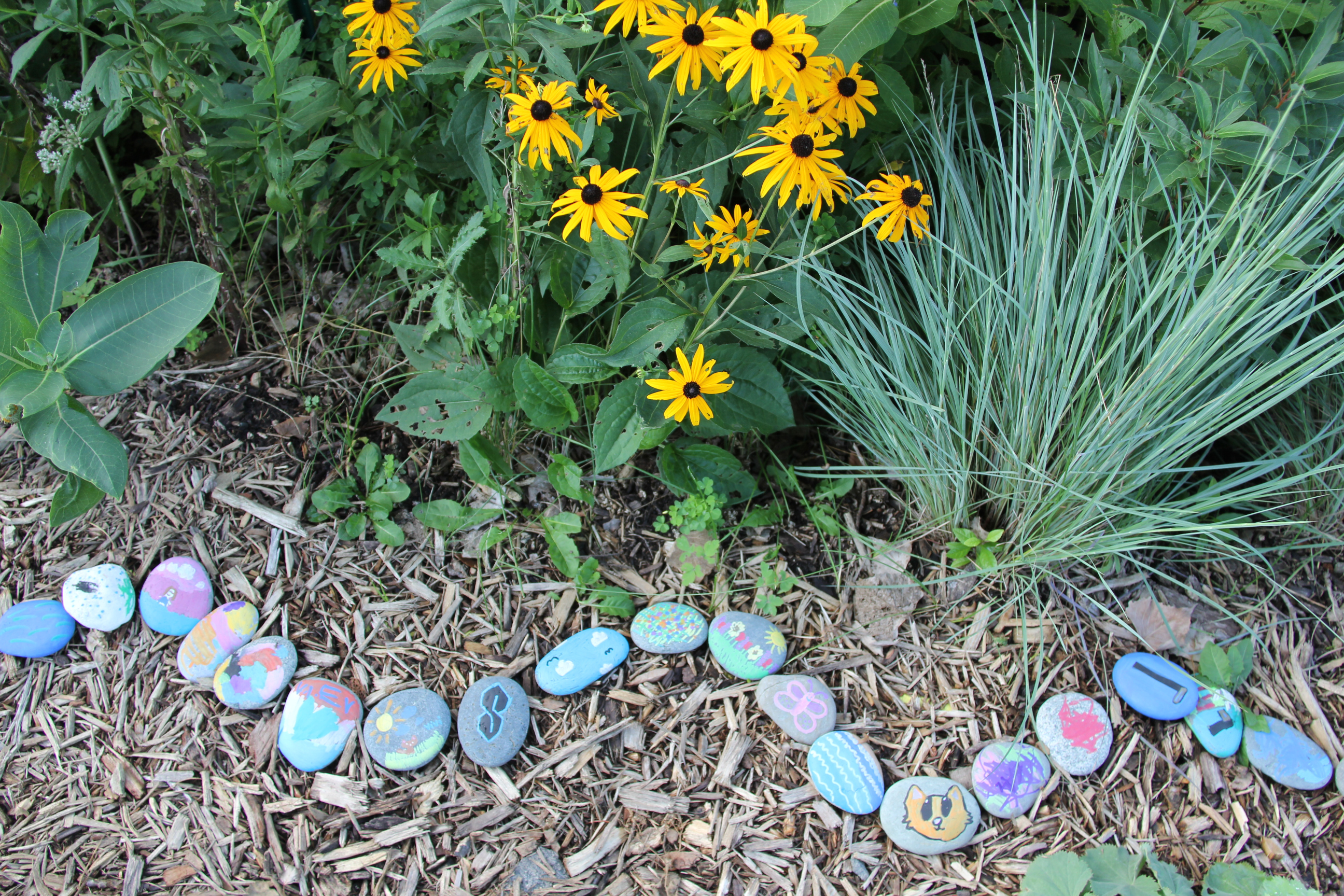
Not all snakes are liars and evildoers. Some, like the one I found recently in a Faribault garden, are quite the opposite. The Rock Snake that stretches an estimated 40 feet across wood chips between a brick pathway and a rain garden in the Rice County Master Gardeners’ Teaching Gardens exudes only goodness.

The Rock Snake slithers (well, not really) past the rain garden. (Minnesota Prairie Roots copyrighted photo August 2024)

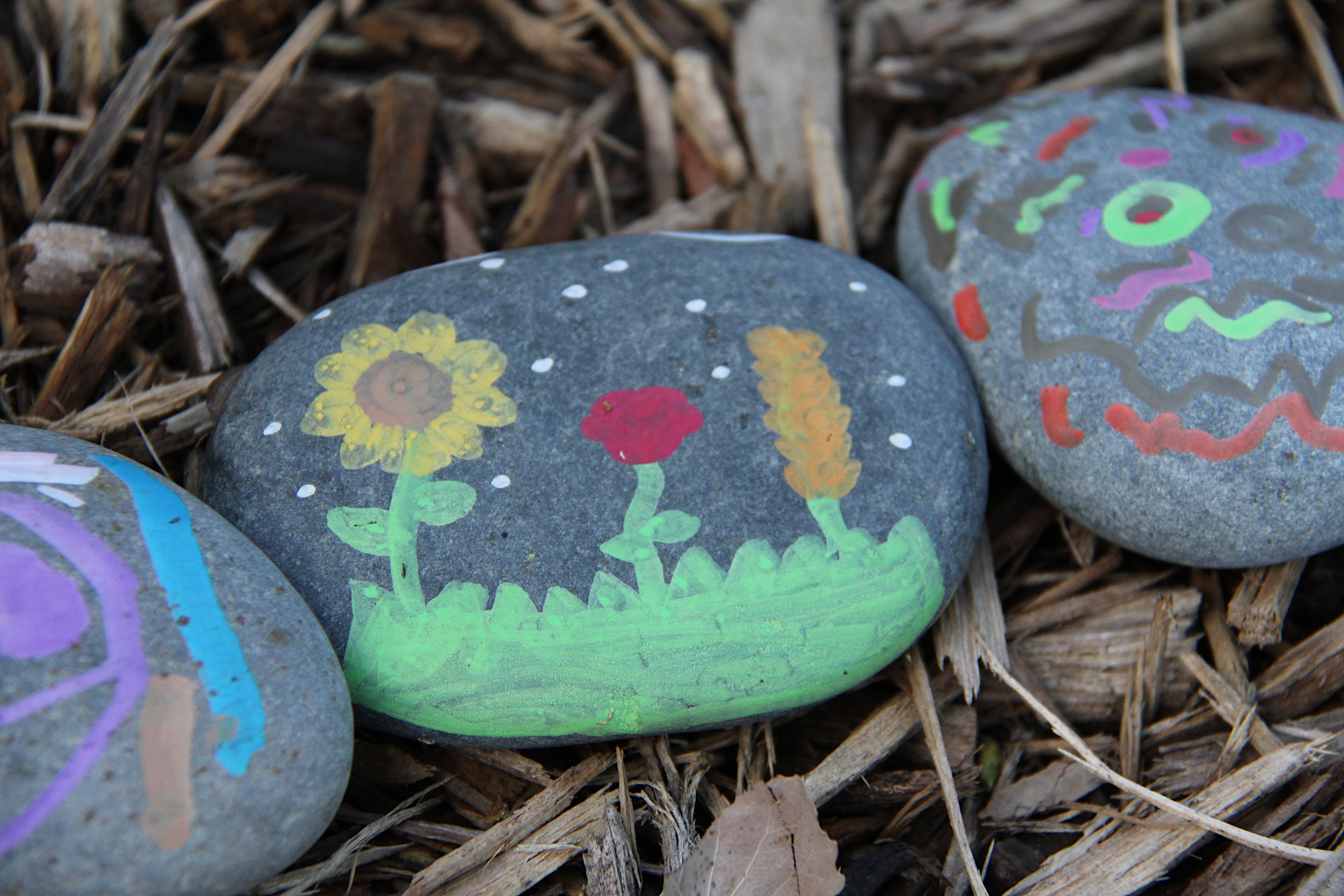
I resisted the temptation to snatch away a segment—a painted rock—of the snake. Some 220 painted stones comprise the serpent. I learned a lesson from Eve. Be strong. Don’t give in to those who would mislead you.

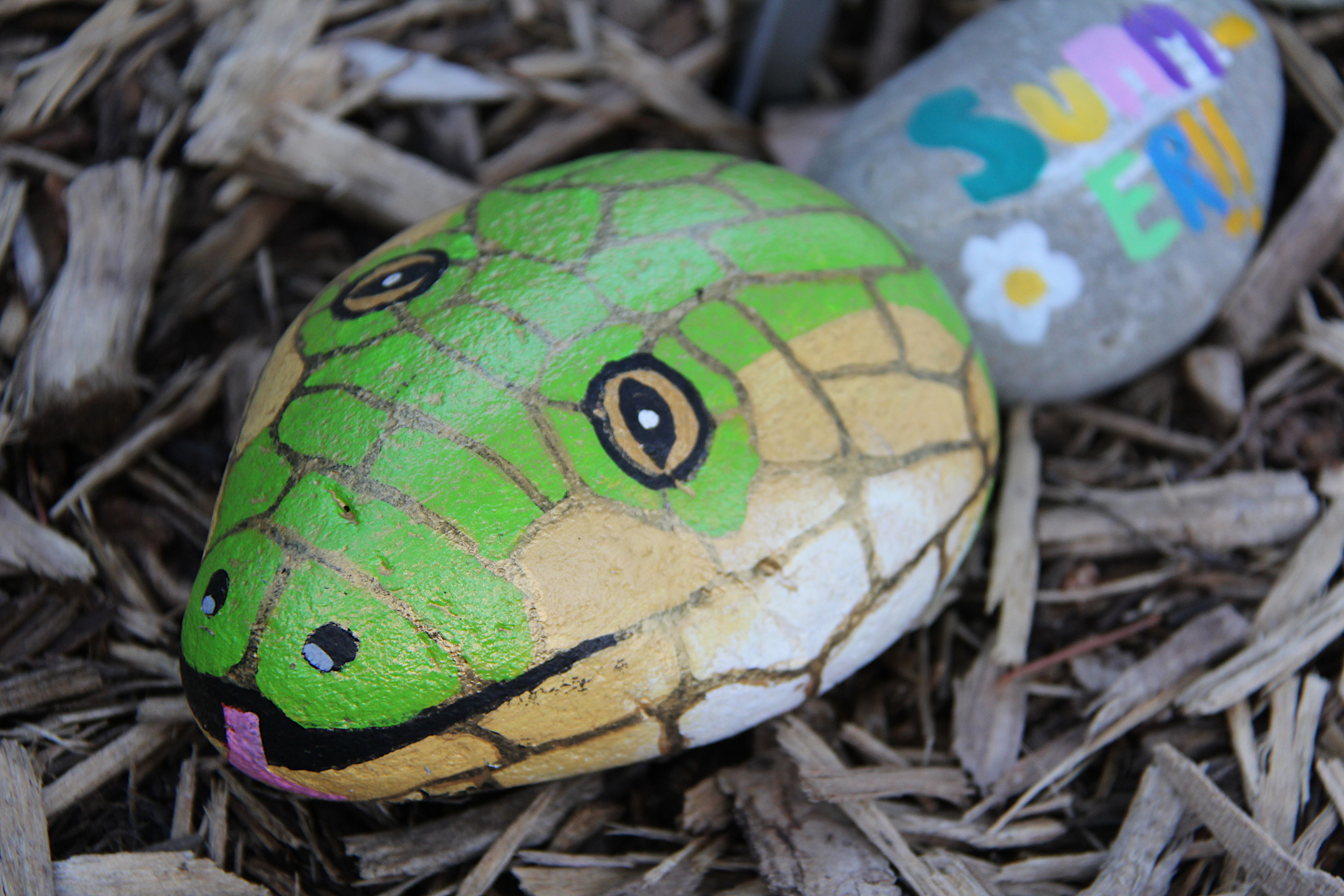
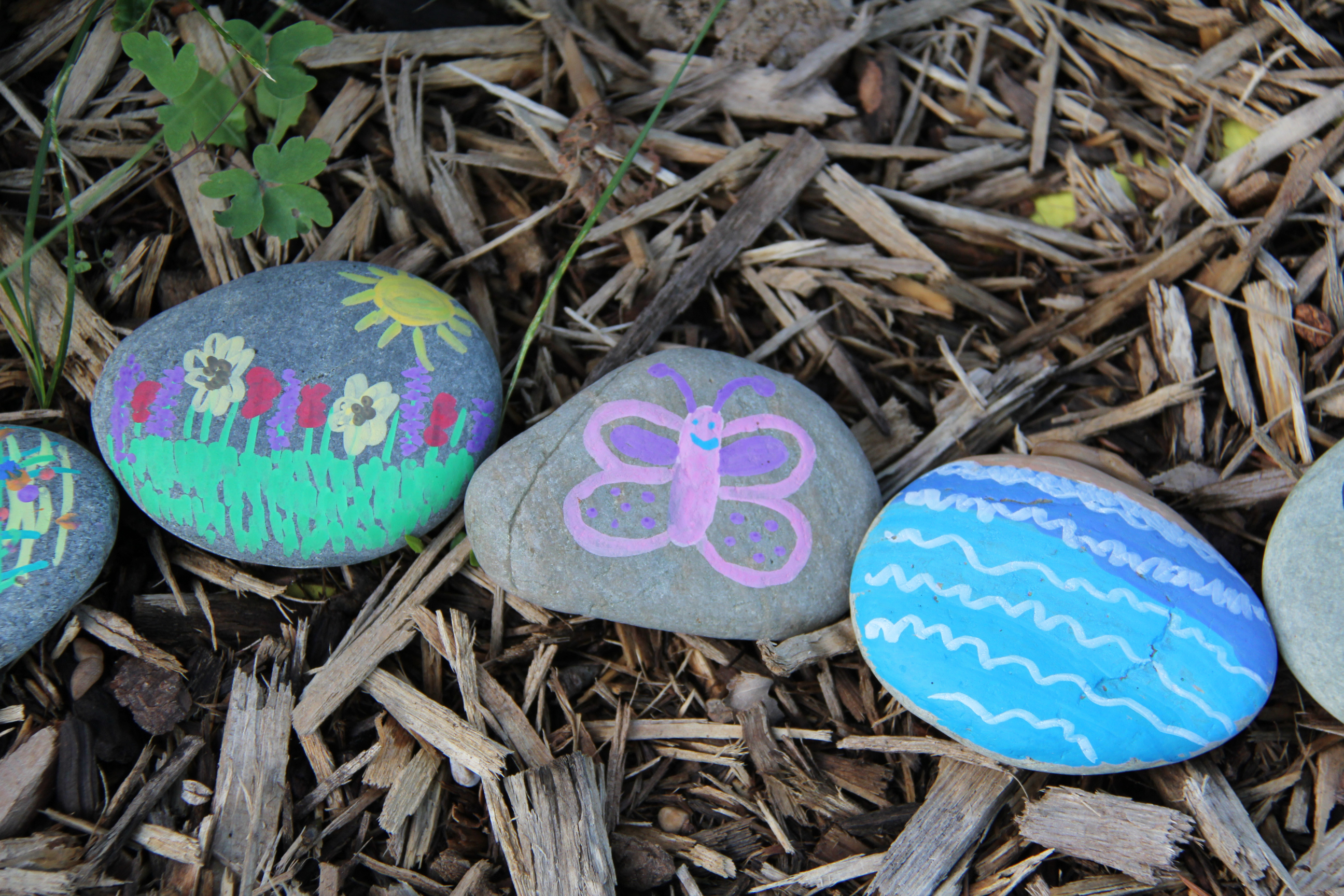
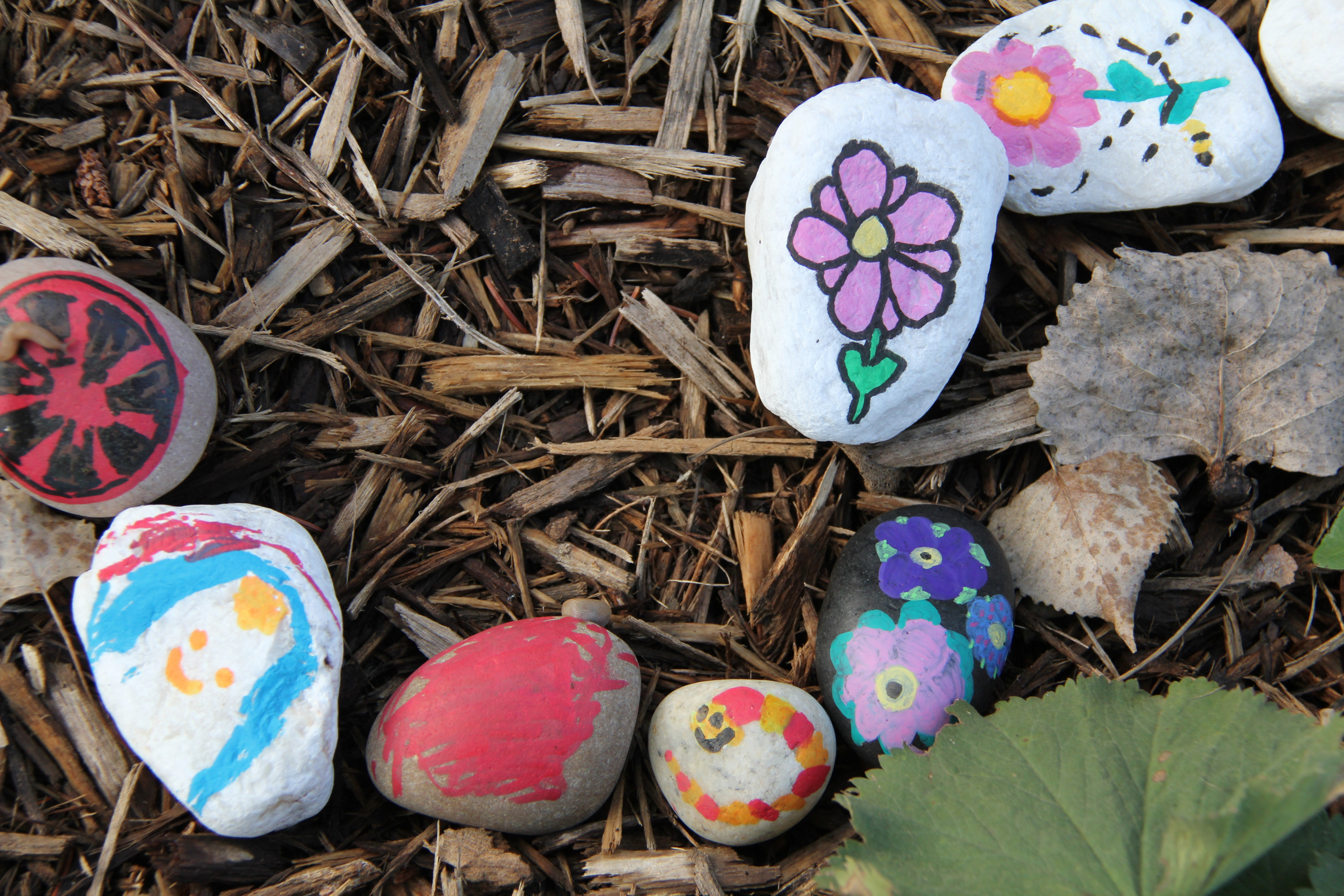
These painted rocks are themed to summer. (Minnesota Prairie Roots copyrighted photo August 2024)
More sunshine and flowers on the snake’s body. (Minnesota Prairie Roots copyrighted photo August 2024)
And yet more flowers bloom on the Rock Snake. (Minnesota Prairie Roots copyrighted photo August 2024)

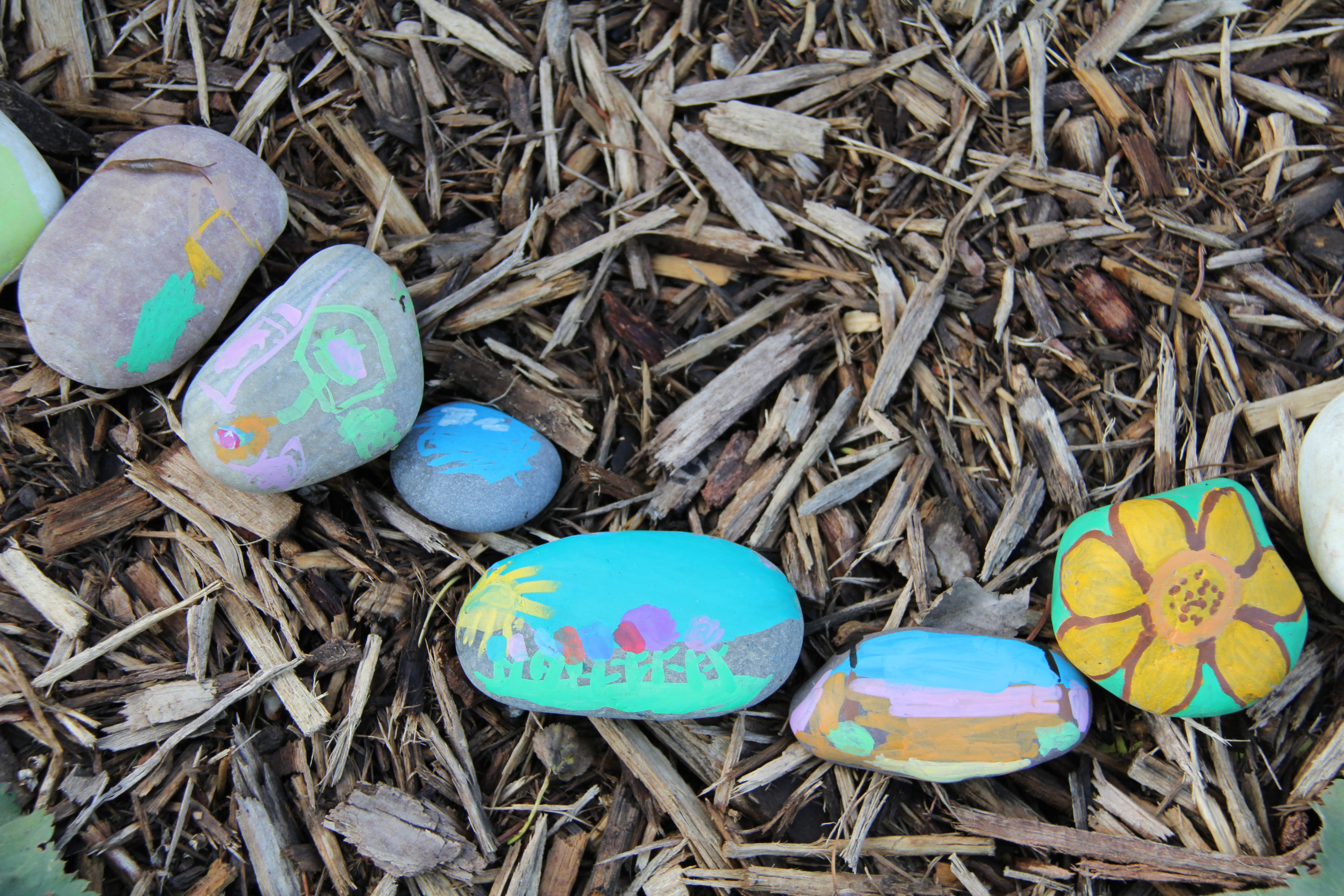
Rather, I opted to photograph and enjoy the Rock Snake with its inspiring, joyful messages, its colorful art. A posted sign invites people to add their own painted rocks, lengthening the snake designed to bring a smile.

(Minnesota Prairie Roots copyrighted photo August 2024)

And smile I did as I followed the snake’s winding body, bending low to study the art, the words. Many of the stones were painted at the Master Gardeners’ booth during the recent Rice County Fair.

An overview of a small section of the gardens. (Minnesota Prairie Roots copyrighted photo August 2024)
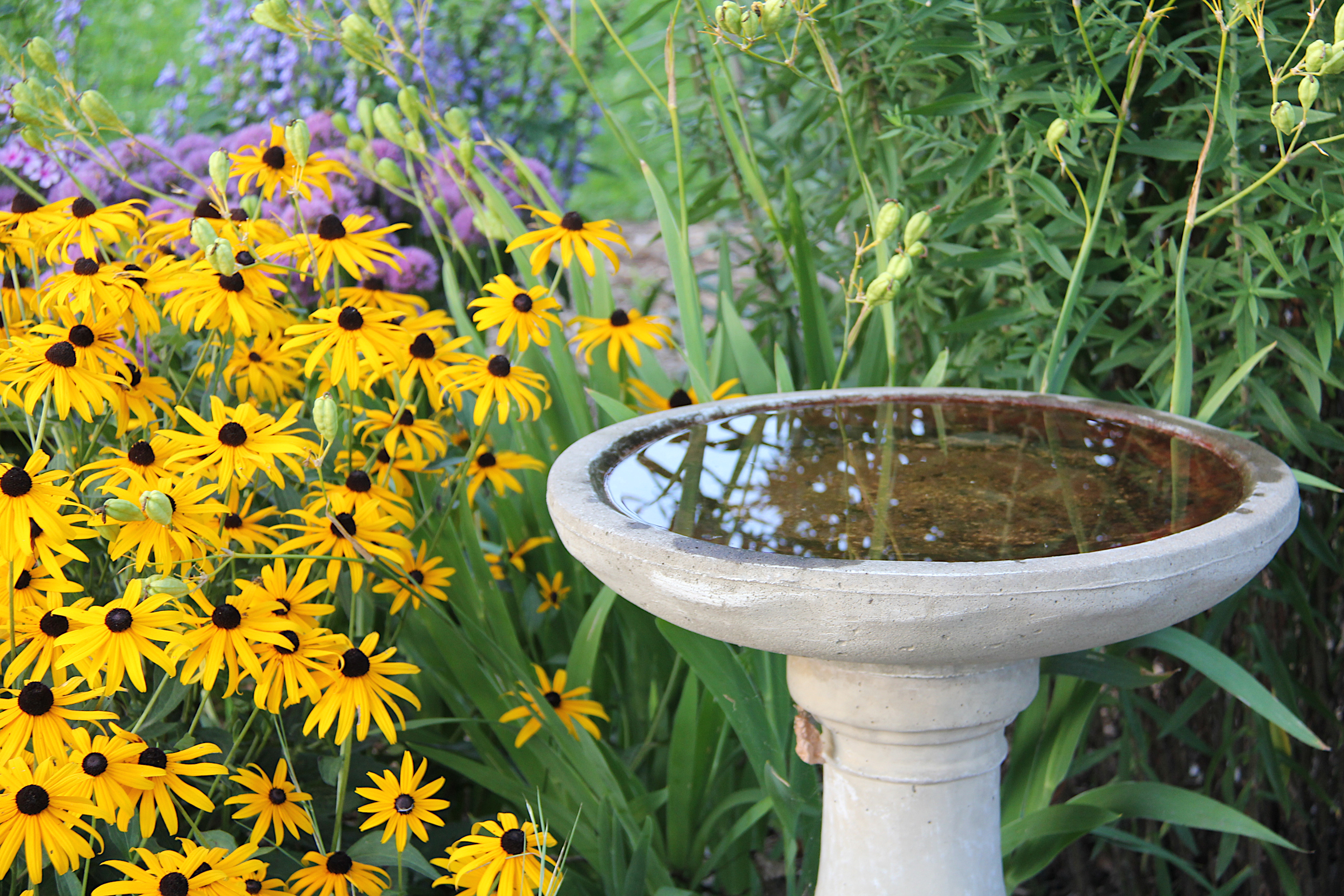
Water features include a bird bath, pond and fountains. (Minnesota Prairie Roots copyrighted photo August 2024)
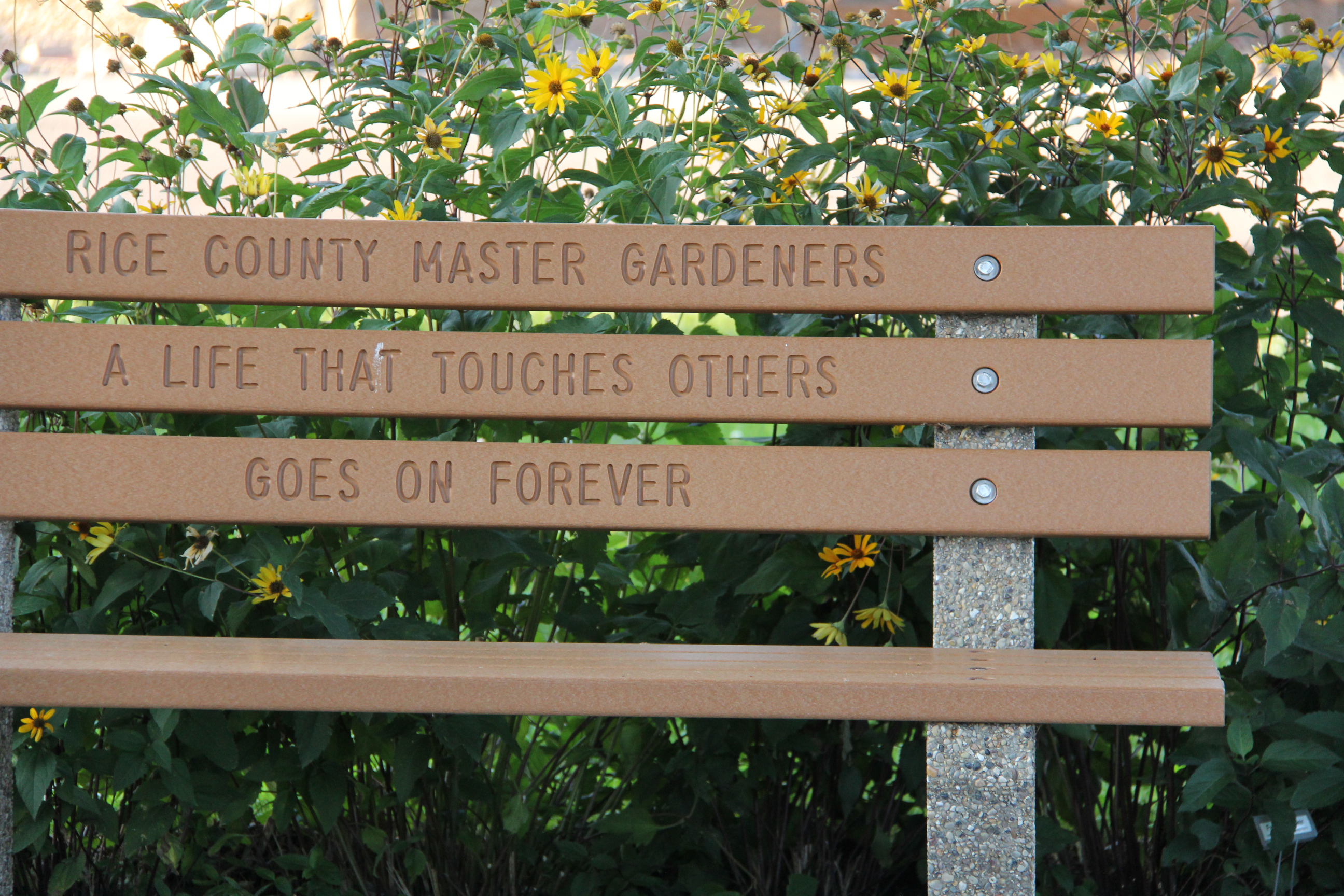
Several benches offer a place to rest, contemplate and enjoy the gardens. (Minnesota Prairie Roots copyrighted photo August 2024)

These gardeners, through their volunteer efforts, have created Faribault’s own Garden of Eden in a spacious area next to the conservation building and the Rice County Historical Society on the city’s north side. It’s taken years to get the garden to this lush, well-kept, welcoming space.

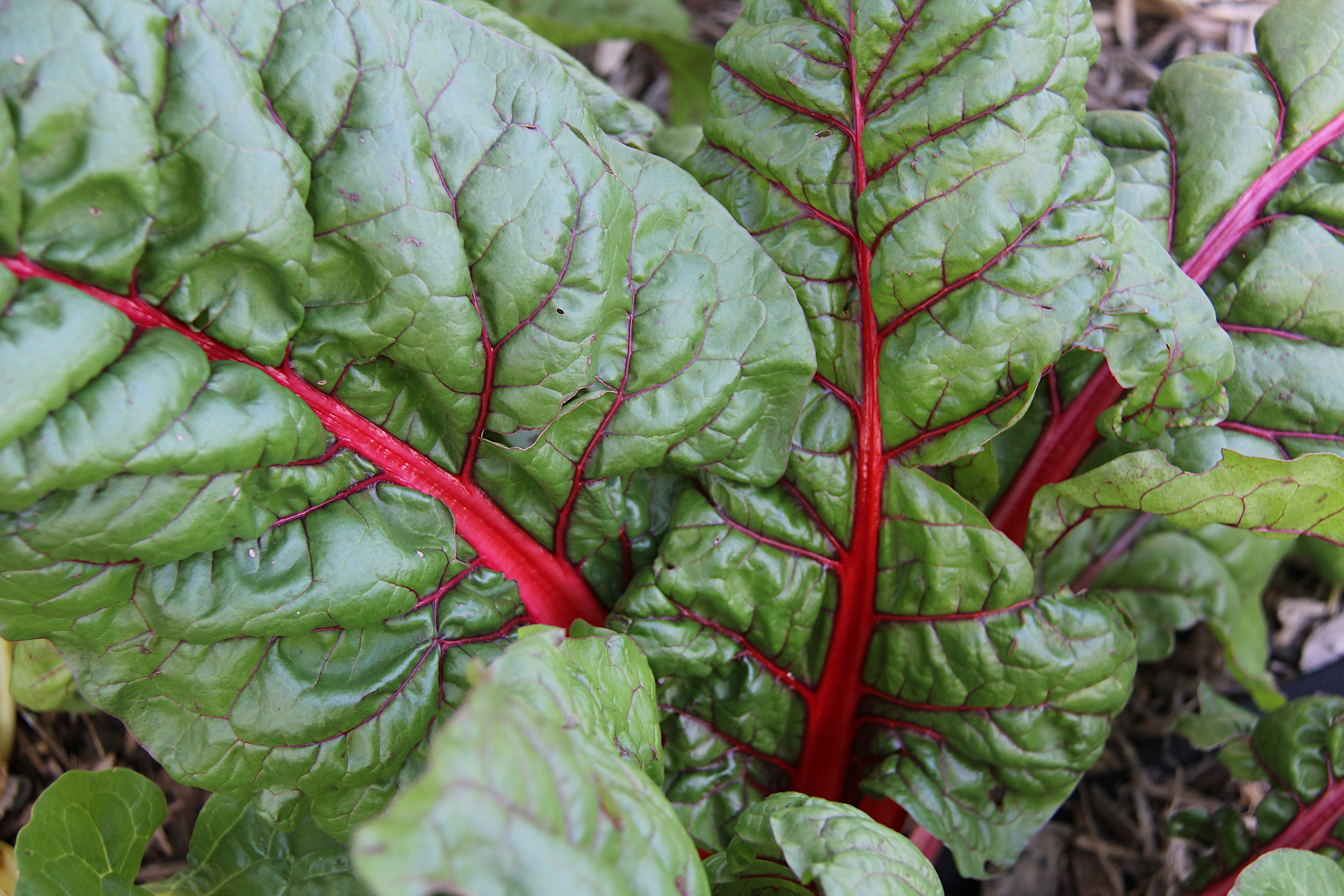
Swiss chard grows in the trial garden. (Minnesota Prairie Roots copyrighted photo August 2024)

I enjoy coming here, meandering among blooming flowers and plants, past the water features, pausing to examine the fairy garden. And now there’s more to see in the Rock Snake and a new bee lawn with habitat. There are trial gardens here and free seeds for the taking and benches for sitting. It is, indeed, a bit of paradise, a respite, a place to rest and contemplate and envelope one’s self in nature.

Flowers are always blooming. (Minnesota Prairie Roots copyrighted photo August 2024)
A garden hose runs alongside the Rock Snake. (Minnesota Prairie Roots copyrighted photo August 2024)
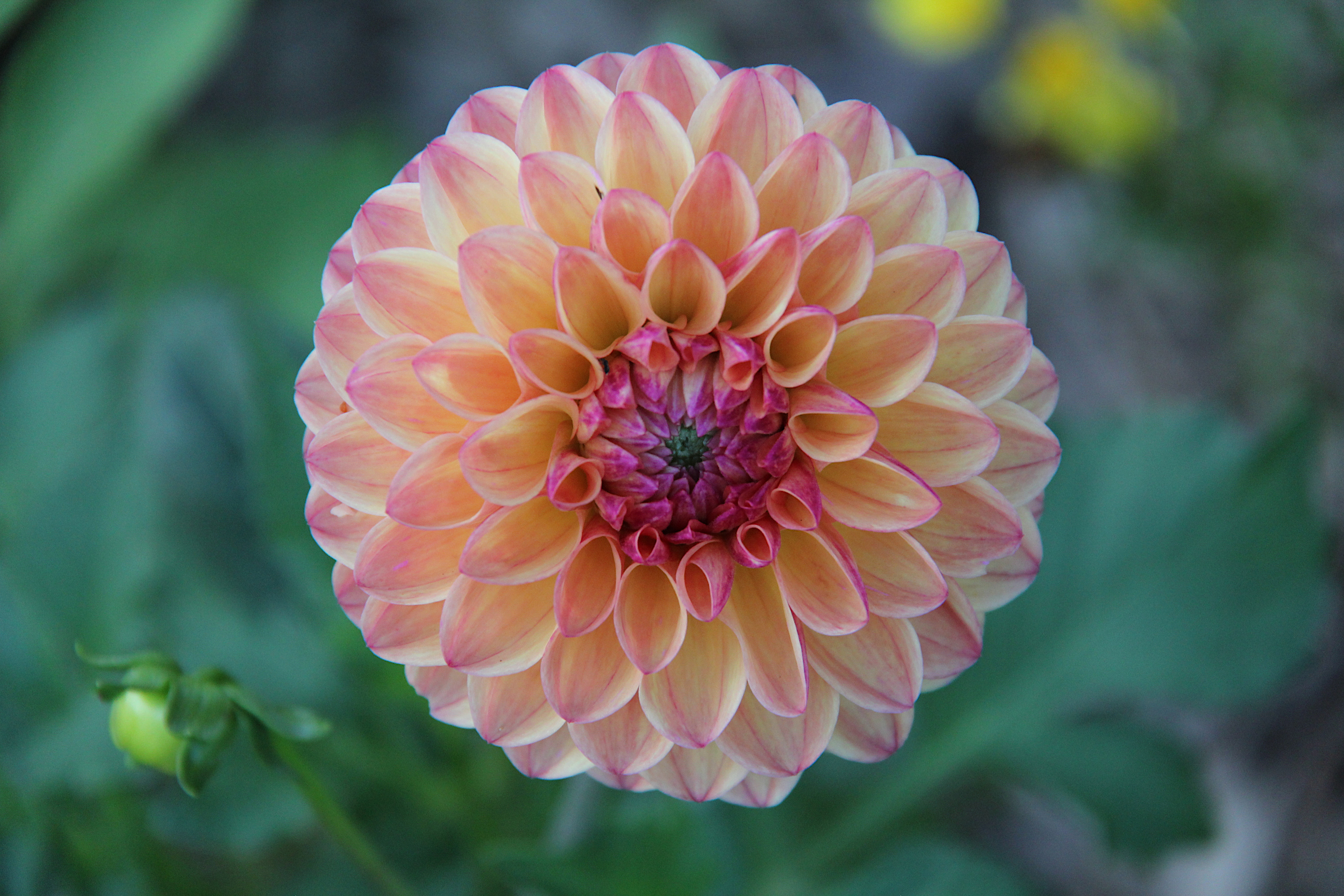
A sturdy dahlia blooms. (Minnesota Prairie Roots copyrighted photo August 2024)

Goodness thrives here. I experience it with my senses. My eyes take in the birds, blooms, bees, butterflies, the colorful Rock Snake. I smell the scent of blossoms. I hear water burbling in fountains, birds chirping. And if I could pluck vegetables from the trial gardens, I would assuredly taste goodness. But I won’t. I will not be tempted. Rather I will look and not touch. Leave and not take. I will leave this bit of Eden as I found it, beautiful and wondrous, a place of peace for anyone who visits.

© Copyright 2024 Audrey Kletscher Helbling
 

The unwanted birthday gift has its day March 6, 2024

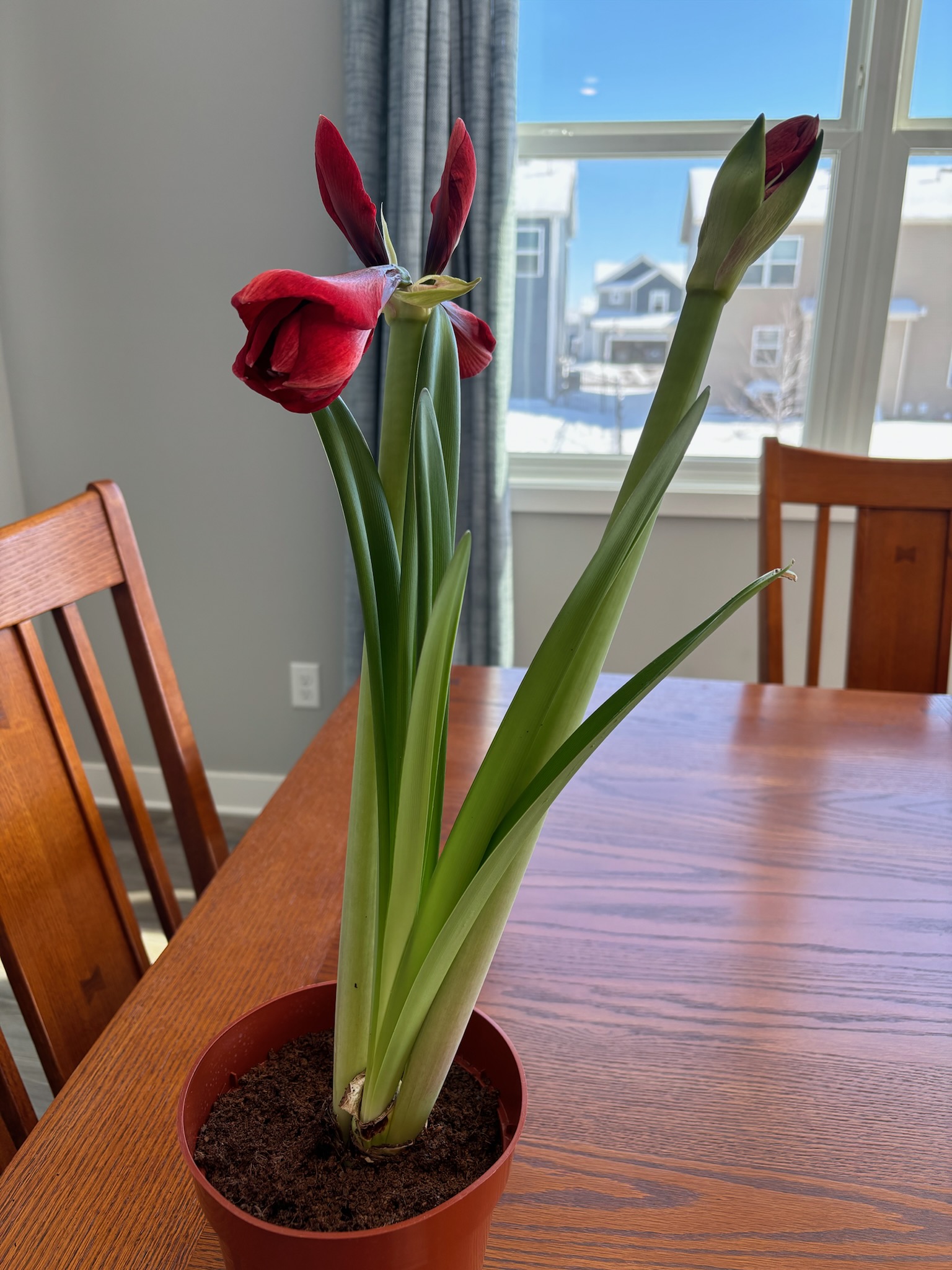
An amaryllis begins to bloom. (Photo credit: Amber Schmidt)

THE BOXED BULBS on an end cap at a big box store caught my eye, as intended. I worked briefly as a grocery store clerk back in the day when cashiers read and punched prices onto cash register keys. I learned then all about moving products by strategically placing them on the end of a shelf row.

So here I was, falling for the age-old marketing gimmick of pushing impulse purchases. But on this day, I was thankful for that end cap display of boxed amaryllis bulbs. This would make the perfect birthday gift for my soon-to-be 5-year-old grandson. Or so I thought.

On Isaac’s birthday in early January, we gathered to celebrate. As Isaac opened his gift stash, it was obvious he liked some presents more than others. That’s the thing about kids his age. They can’t hide their honest reaction, their true feelings. He loved the LEGO sets, the sticker book, the… But when he pulled the boxed bulb from the gift bag, Isaac promptly tossed it aside. Not set the box on the carpet, but threw it. Not even an explanation from Grandma about planting the bulb which would flower in big, beautiful red blooms changed his mind. He didn’t care.

I should back up a minute and explain why I thought this would be a good gift for my grandson. Last spring I gave several packets of seeds to the grandkids. Spinach, carrot and flower seeds, which my eldest daughter planted with her son. He took an interest once the seeds sprouted and the plants grew. Amber called him “Farmer Isaac.”

The farm girl in me felt encouraged. My grandchildren, who live in a sprawling new housing development in the south metro, are far-removed from their rural heritage. It’s important to me that they understand their agrarian roots. Randy and I grew up on crop and dairy farms—farms with large gardens from whence came most of our food. Youth like Isaac and his sister, Isabelle, need to know that food originates on farms, not grocery store shelves. As preschoolers, they loved to dig in the dirt at our house. I would hand them shovels and the dirt would fly. Kids need to touch the earth, splash in mud puddles, gather sticks and pine cones and leaves and do all those activities that connect them to the land. And make their hands dirty.

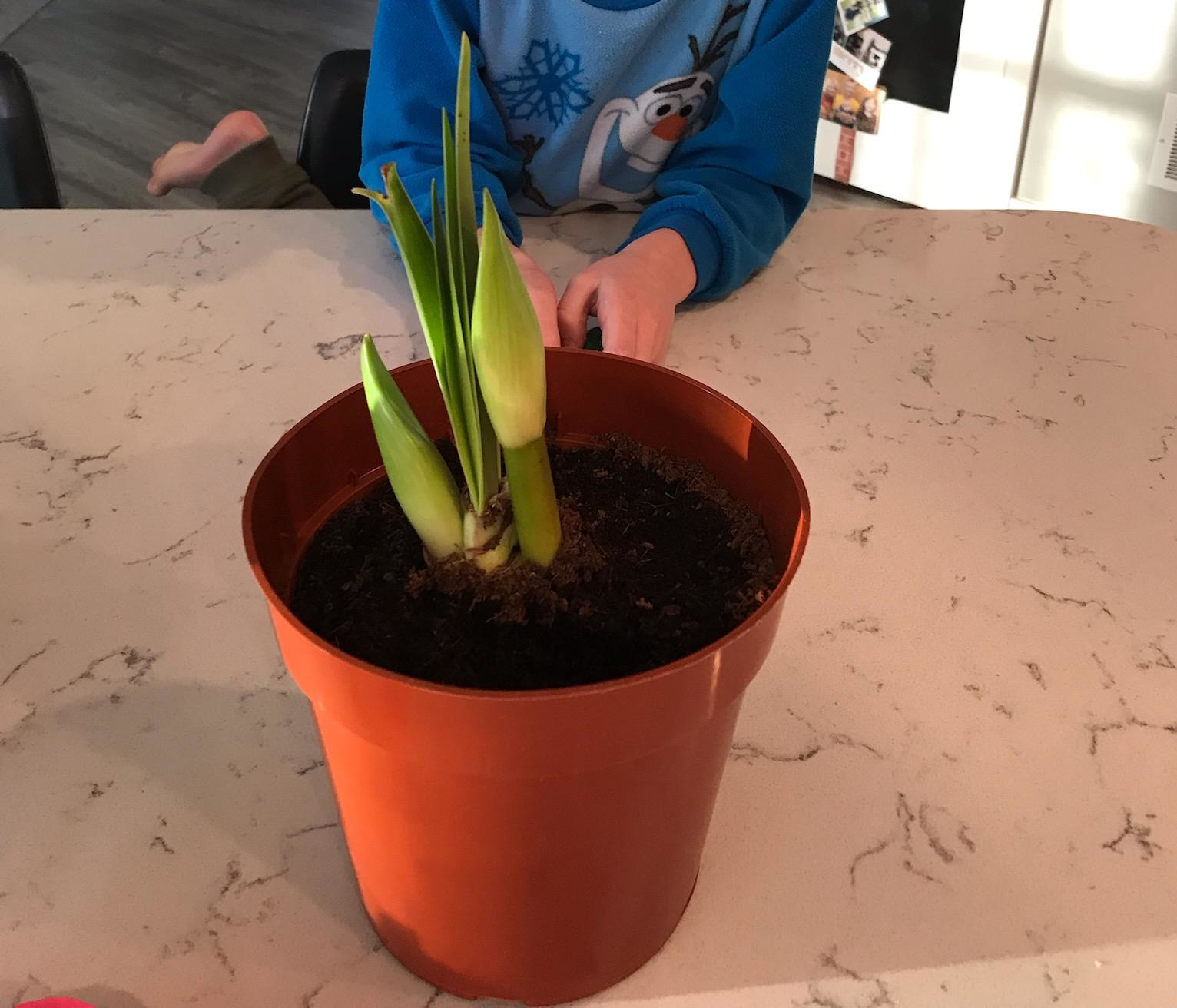
Emerging amaryllis. (Edited photo; Photo credit: Amber Schmidt)

But now here was this dormant amaryllis bulb all ugly and brown and not looking at all like anything that would ever grow. But, once potted, grow it did. When the first green leaves emerged from the massive bulb at the end of January, Isaac suddenly took an interest. “You better take a picture to show Grandma,” he instructed his mom.

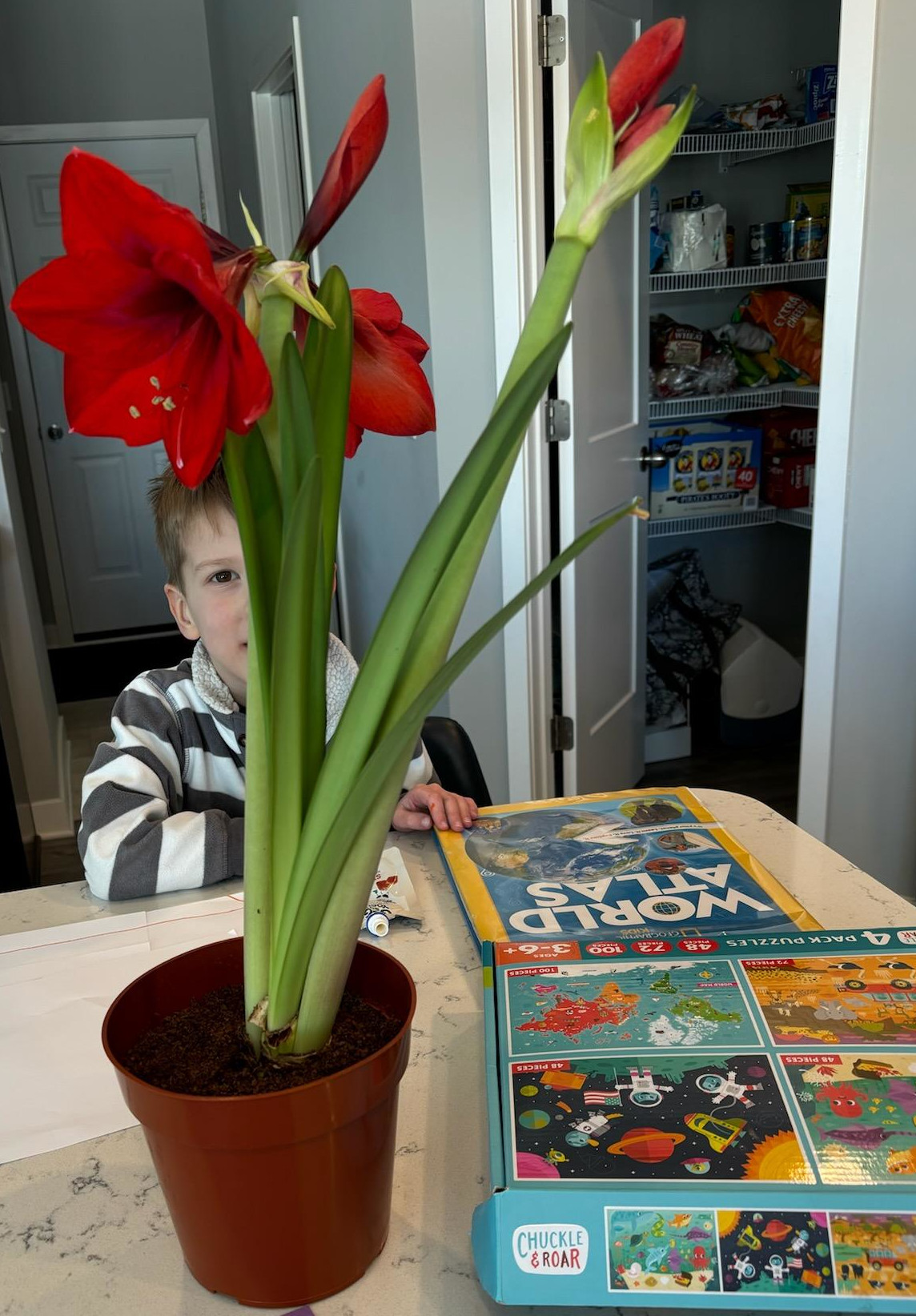
Isaac loves space, puzzles, art and now amaryllis. (Photo credit: Amber Schmidt)

A few weeks later, the first of several flowers bloomed. And there was Isaac again in a photo, right elbow learning on the kitchen island by sheets of paper for his next art project, left hand on his world atlas, jigsaw puzzles and that once dormant amaryllis bulb now blooming in the foreground. His smile was wide, his happiness evident. The amaryllis had its moment. Big. Bold. Beautiful red. No longer tossed aside. Finally and fully appreciated by the birthday boy.

© Copyright 2024 Audrey Kletscher Helbling
 

Of monarch butterflies & milkweeds August 14, 2023

Monarch on milkweed flower at the Rice County Master Gardeners Teaching Gardens, Faribault. (Minnesota Prairie Roots copyrighted photo June 2023)

ADMITTEDLY, A TIME EXISTED when I considered milkweeds to be, well, weeds. A weed, by definition, is an unwanted plant. And my farmer dad didn’t want milkweeds growing in his Redwood County soybean fields. So we—meaning me and my siblings—were instructed to eradicate milkweeds, cockle burrs and thistles while walking beans.

If the term “walking beans” is unfamiliar, it simply means walking between soybean rows to remove weeds either via pulling or hoeing, preferably yanking so as to assure root removal. This was a necessary, albeit unpleasant, task assigned to farm kids who labored and sweated under a hot summer sun. The reward was a clean field. And a grateful farmer father.

Occasionally, this job paid…if done for anyone other than Dad. One summer my cousin John hired my sister Lanae and I and two of our cousins to walk his beans. As the oldest among the four, I was the designated crew leader, quickly thrust into settling arguments between my two cousins. I decided then and there that I wasn’t management material.

Milkweeds flourish at River Bend Nature Center, Faribault. (Minnesota Prairie Roots copyrighted photo July 2023)

But back to those milkweeds. Now, some 50+ years later, my opinion about milkweeds has changed. I no longer pull them. I plant them and then allow them to go to seed. And this year I have a bumper crop growing in my flowerbeds, much to my delight.

Milkweed flowers are not only beautiful, but also smell lovely. (Minnesota Prairie Roots copyrighted photo July 2023)

Milkweeds are the host plant for monarch butterfly larvae, the reason I grow this food source. I want to do my part to protect the monarch, today considered to be endangered. I’ve been rewarded with monarchs flitting among my phlox and other plants in my tangled mess of flower gardens.

The other evening, while walking in a local park, I watched two monarchs swooping and dancing in a pre-mating ritual. Their aerial acrobatics impressed me like a line of well-written poetry. In many ways, their performance was poetry. Beautiful. Creative. Mesmerizing. Connective in a way that touched my spirit.

If my farmer dad (gone 20 years) heard me describe monarchs in this context, he may just shake his head and wonder about that poet daughter of his. And he would wonder even more whether I learned anything from pulling milkweeds all those summers ago in his southwestern Minnesota soybean fields.

#

FYI: You can learn about monarch butterflies and how you can help them, see caterpillars, then hike to look for monarchs during a 10-11:30 a.m. Saturday, August 19, program at the Nerstrand Big Woods State Park amphitheater. Minnesota Master Naturalist Katy Gillispie is leading the Friends of Nerstrand Big Woods State Park free “Monarchs and Milkweeds” event. A state park parking pass is required for entry to the park near Nerstrand.

© Copyright 2023 Audrey Kletscher Helbling
 

Delighting in Nature’s summer glory July 19, 2023

An unopened dusky milkweed brings a soft color into the prairie landscape. (Minnesota Prairie Roots copyrighted photo July 2023)

MID-SUMMER, AND THE MINNESOTA landscape is awash in color, despite the drought.

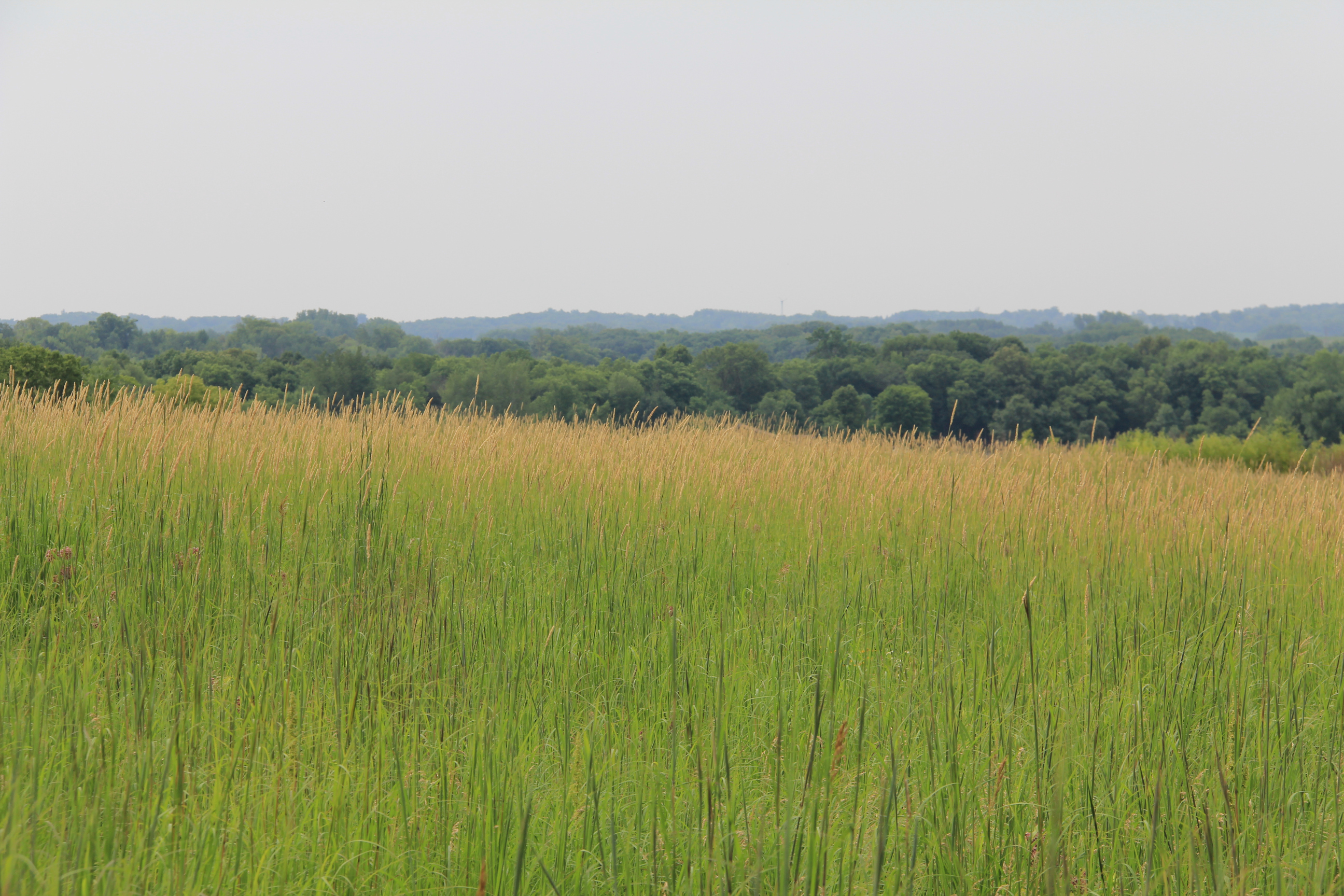
Walk the prairie or the woods. (Minnesota Prairie Roots copyrighted photo July 2023)

This is the season to get outdoors and explore. Walk the land. Through woods or across prairie. Around a city block or park or public garden. Along a river, upon a beach. Delight in the essence of Nature in all her summer glory.

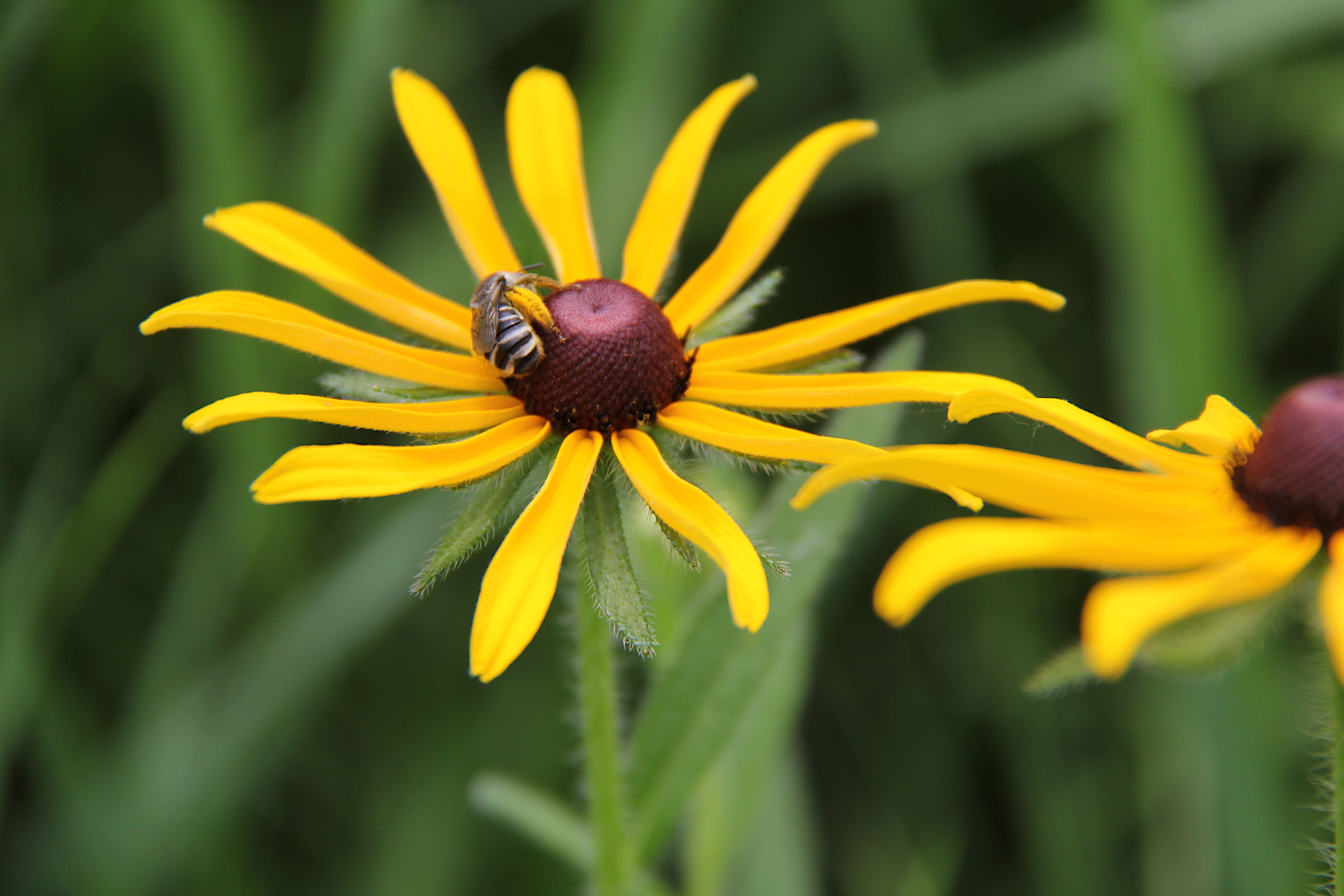
Black-eyed Susan. (Minnesota Prairie Roots copyrighted photo July 2023)

Flowers flush color.

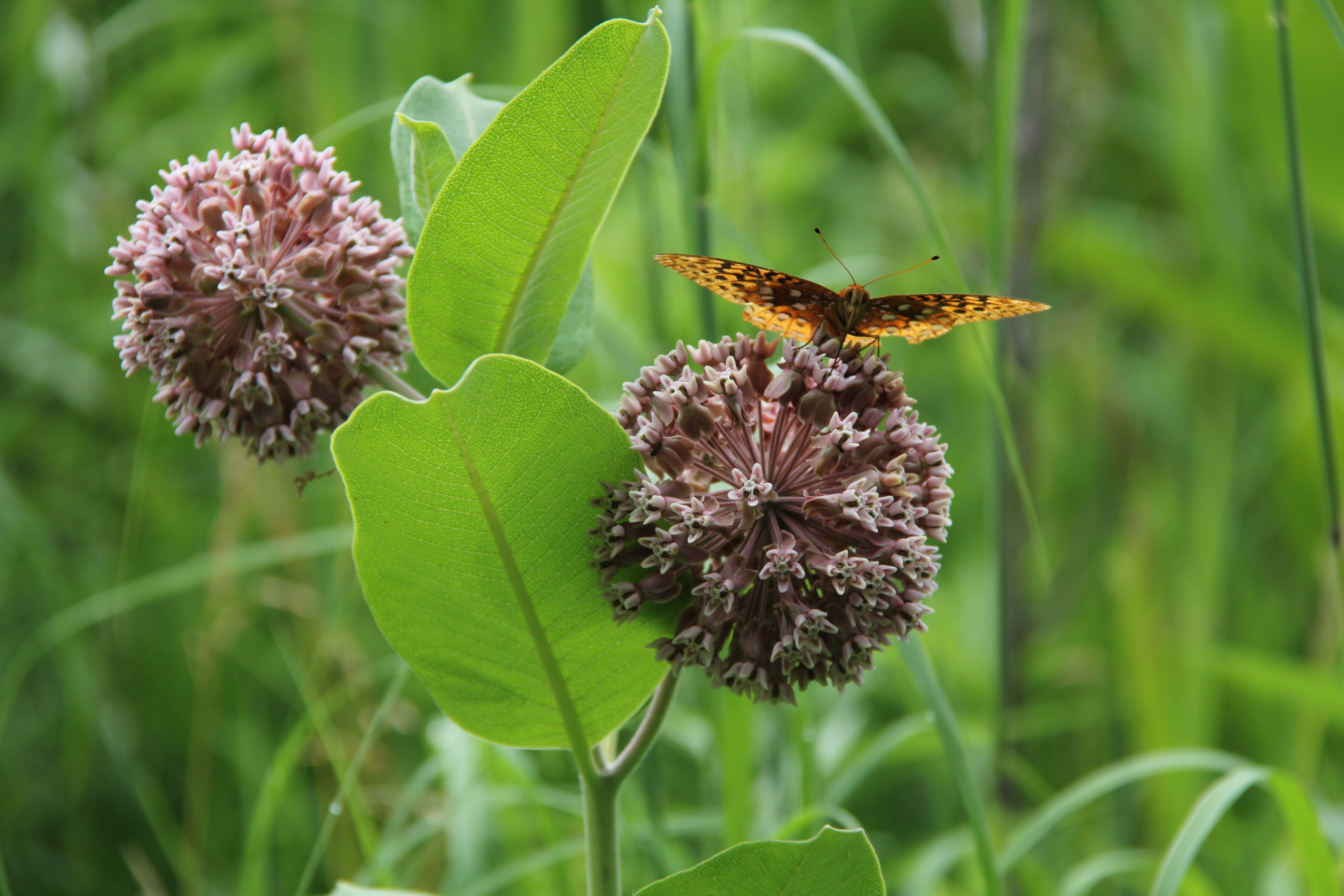
A butterfly feeds on a milkweed flower. (Minnesota Prairie Roots copyrighted photo July 2023)

Patterned butterflies flit, then pause to unfurl proboscis and drink of sweet floral nectar.

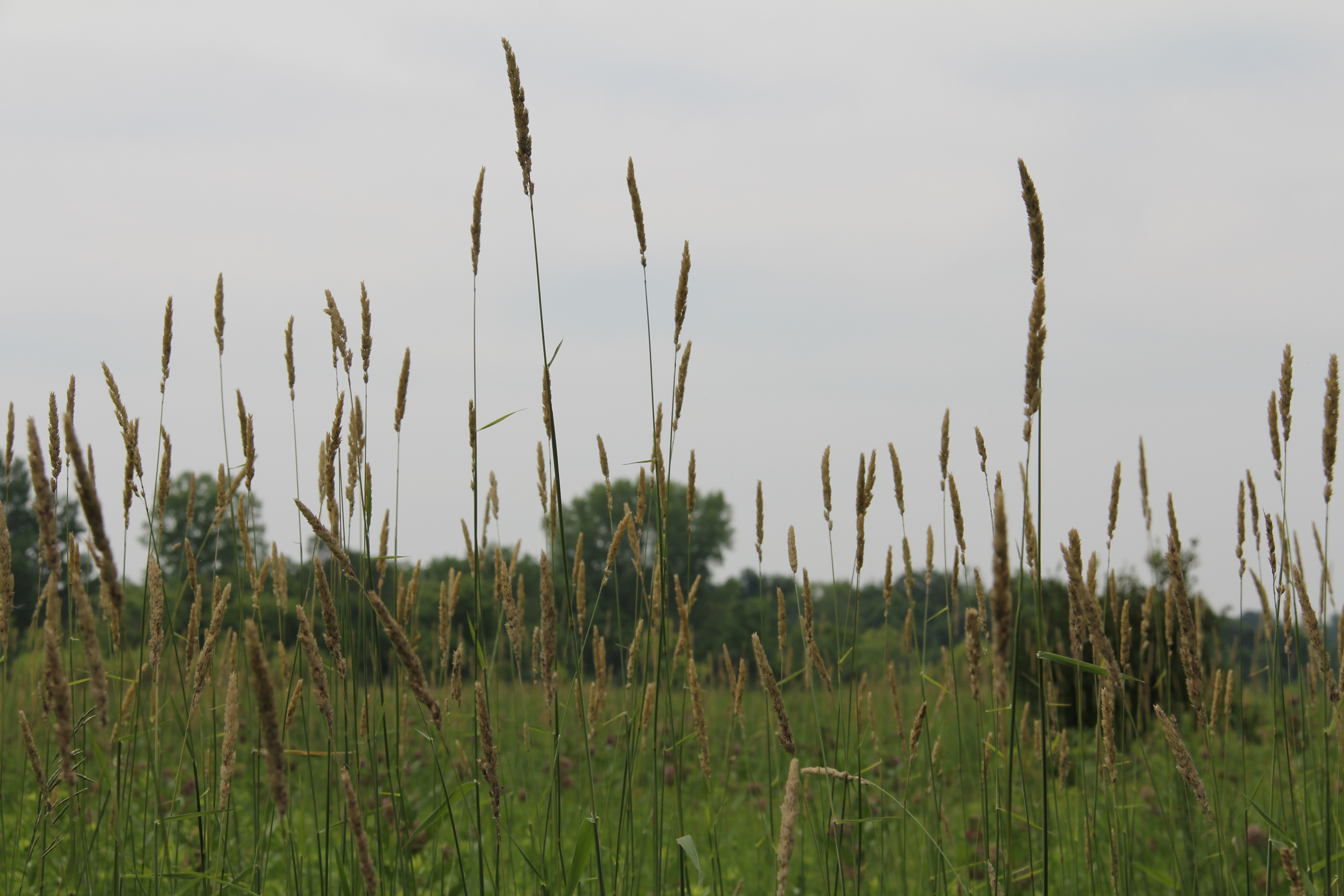
Prairie grasses. (Minnesota Prairie Roots copyrighted photo July 2023)

Long-stemmed grasses stretch toward the July sky.

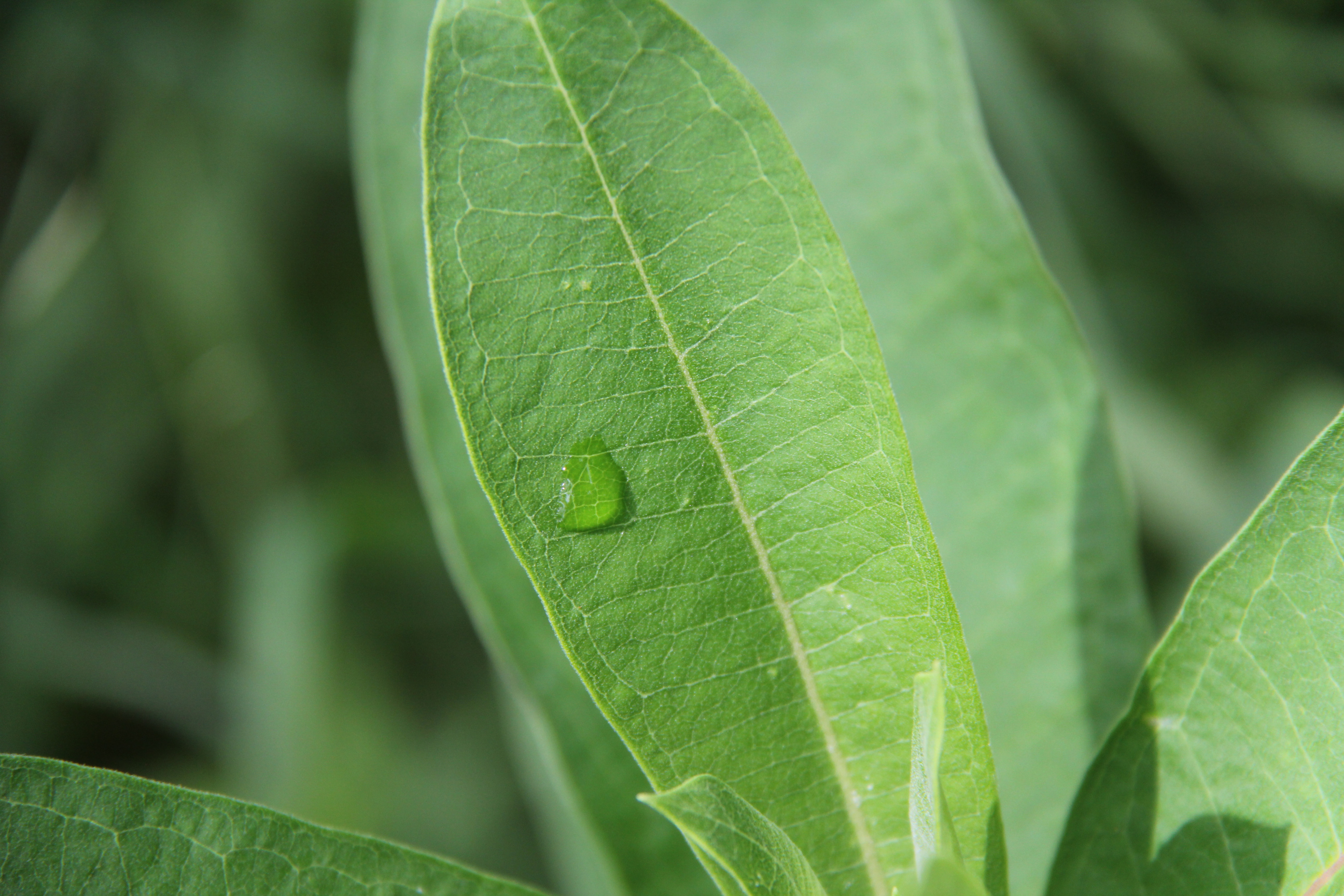
A solitary dewdrop on a milkweed leaf. (Minnesota Prairie Roots copyrighted photo July 2023)
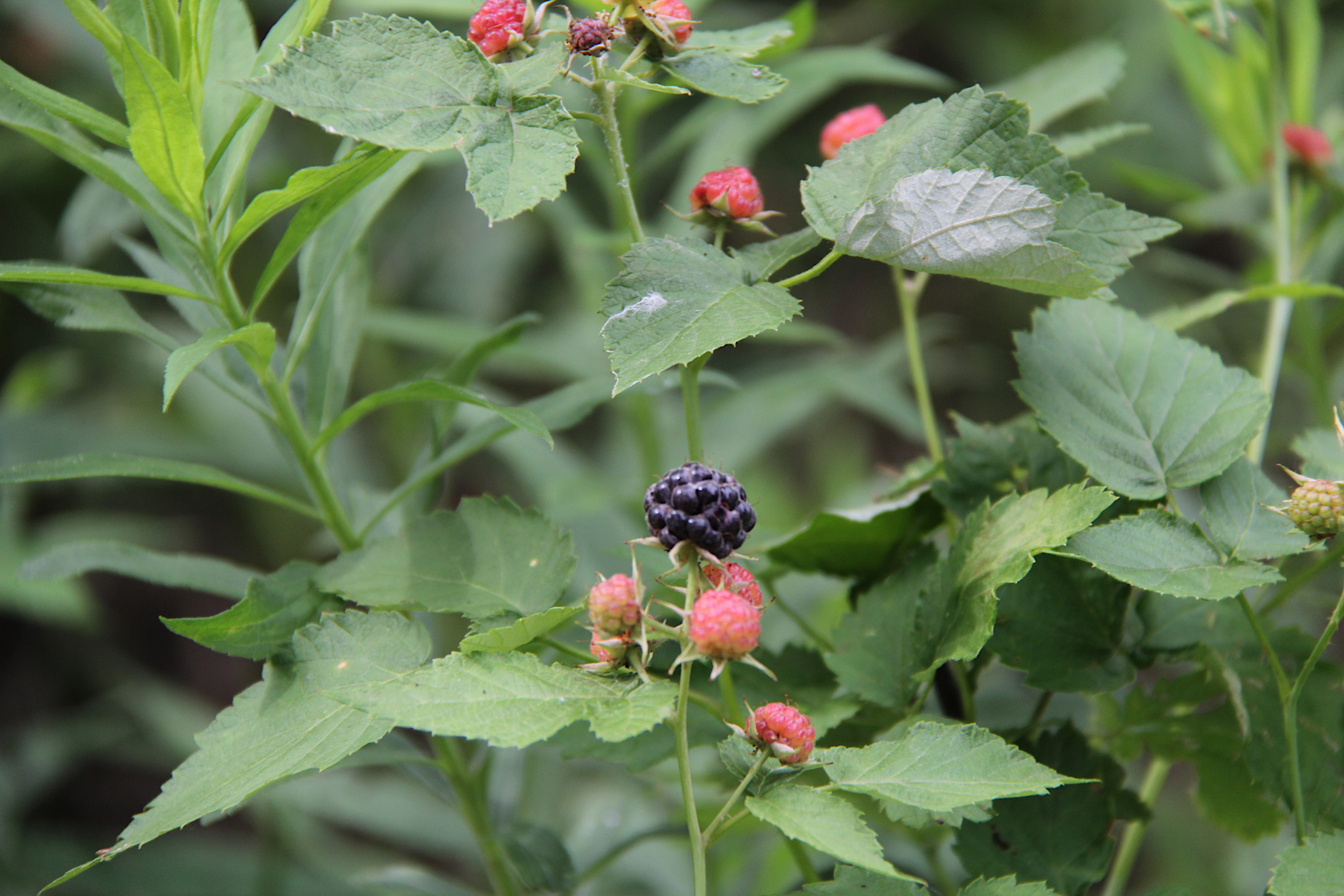
Wild raspberries. (Minnesota Prairie Roots copyrighted photo July 2023)
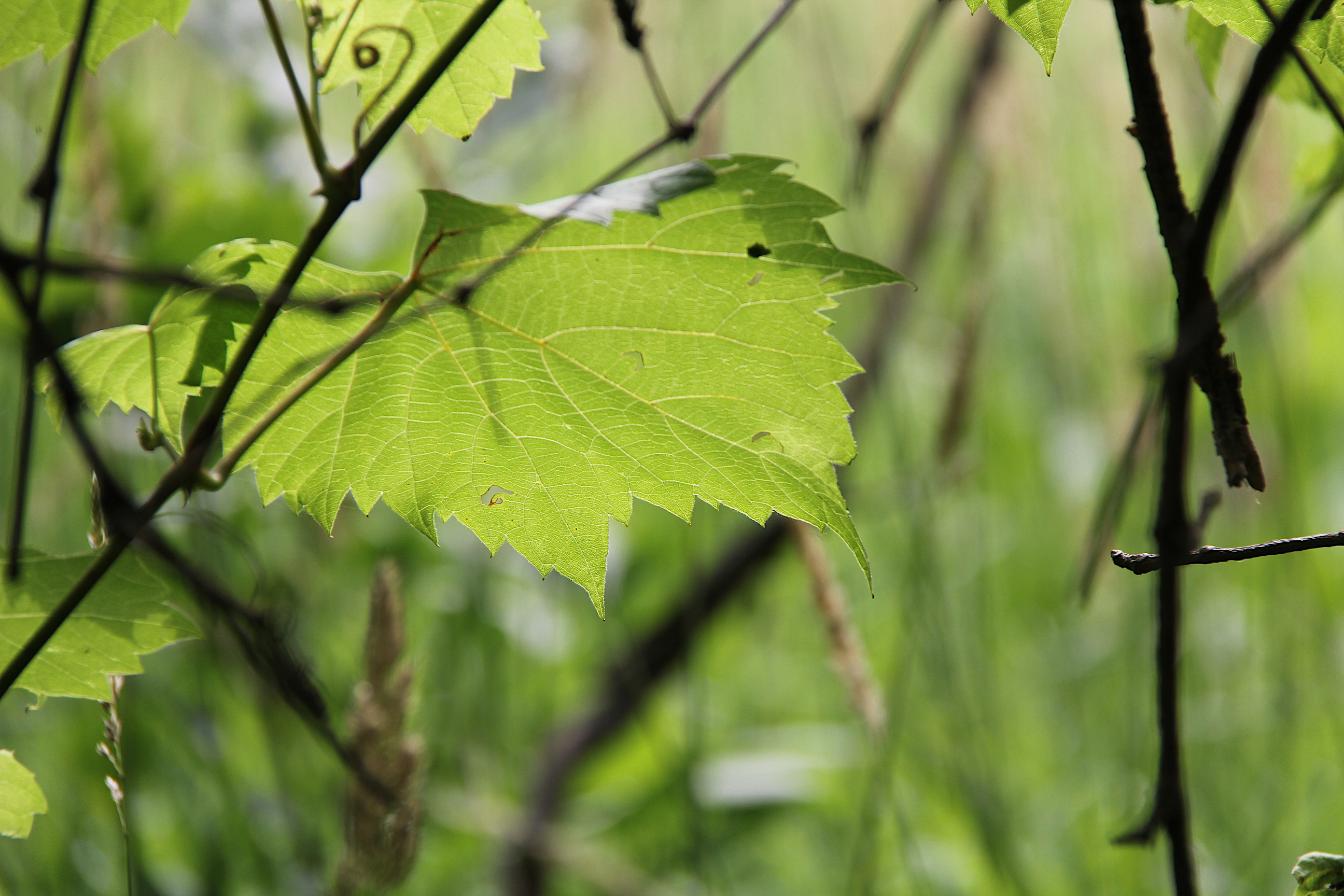
Veins run through the leaves of wild grapes. (Minnesota Prairie Roots copyrighted photo July 2023)

I tend to notice details, especially with camera in hand. And therein, in the part of the whole, is the beauty we often pass by in our hurried lives. I encourage you to slow your pace so as not to miss a solitary dewdrop, the texture of leaves, the deep purple of a plump wild raspberry.

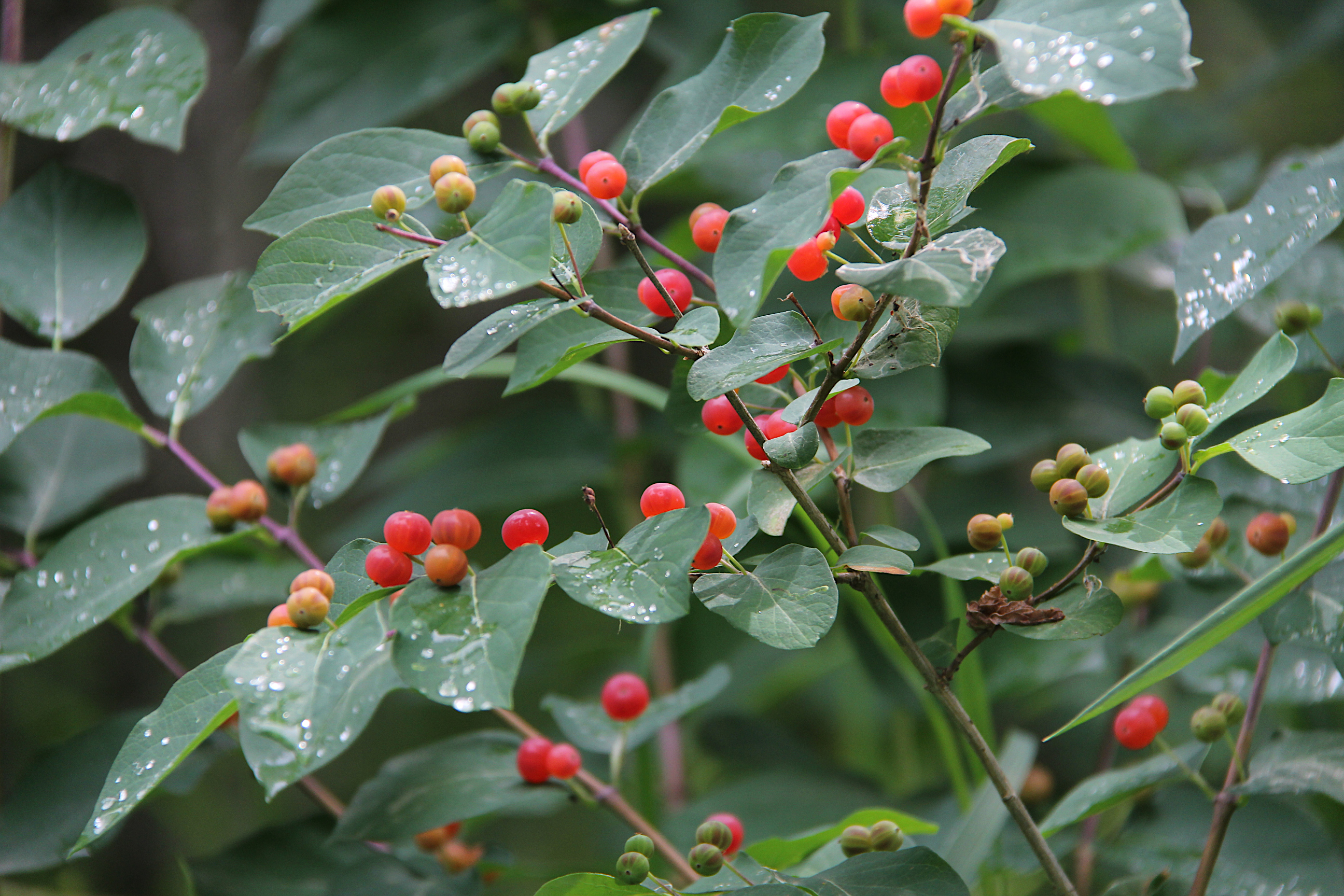
Bold berries jolt color into the greenery. (Minnesota Prairie Roots copyrighted photo July 2023)
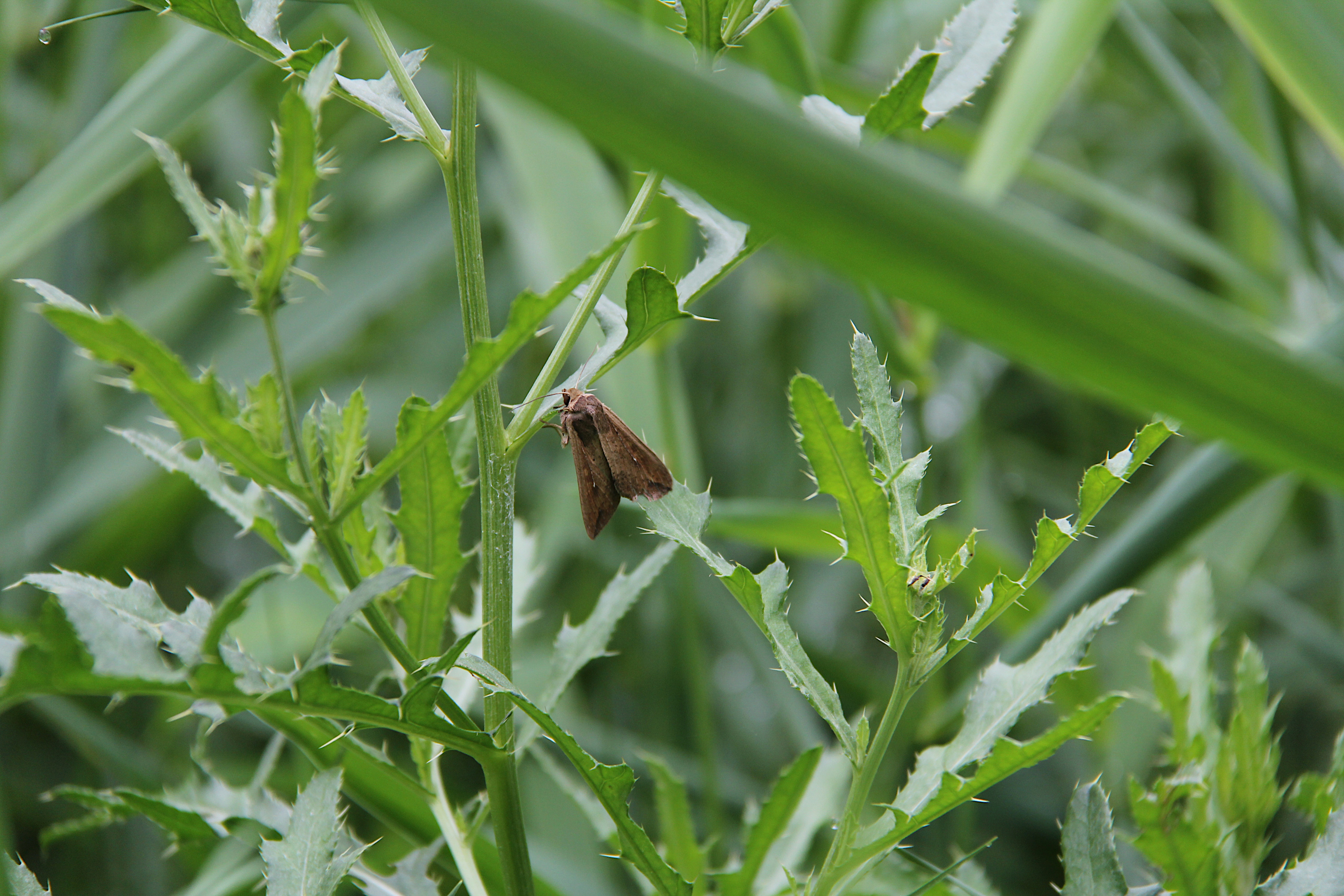
Moth upon thistle holds its own beauty. (Minnesota Prairie Roots copyrighted photo July 2023)
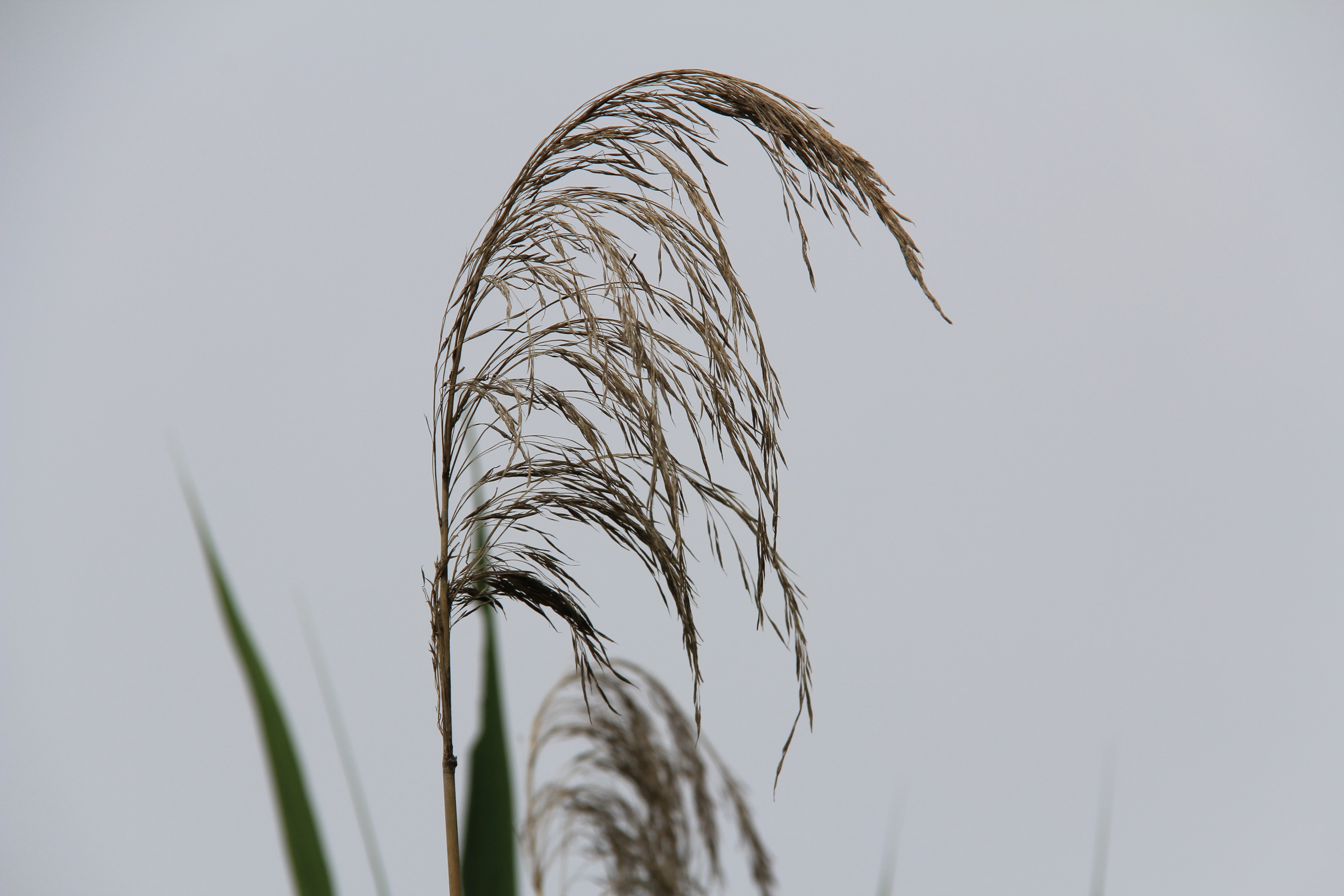
Tall tall grass bends. (Minnesota Prairie Roots copyrighted photo July 2023)

Notice the veins in bright red berries, the dusky moth among thistles, the way grass heads heavy with grain bend toward the earth.

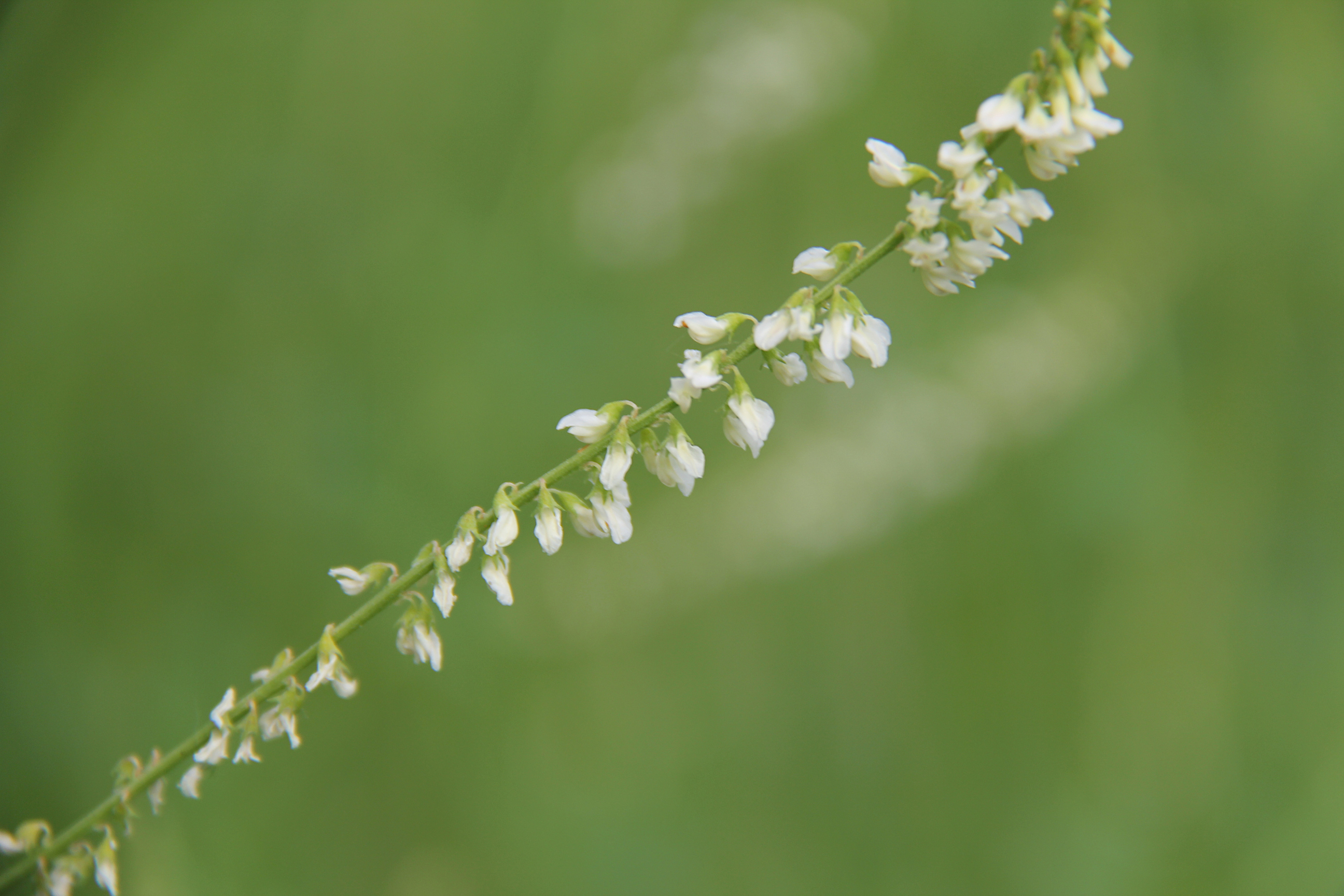
Unidentified white flower. (Minnesota Prairie Roots copyrighted photo July 2023)

From the daintiest of white blossoms laddering a stalk to the bold gold of a prairie wildflower, there is much to see, to appreciate, to embrace in these summer days.

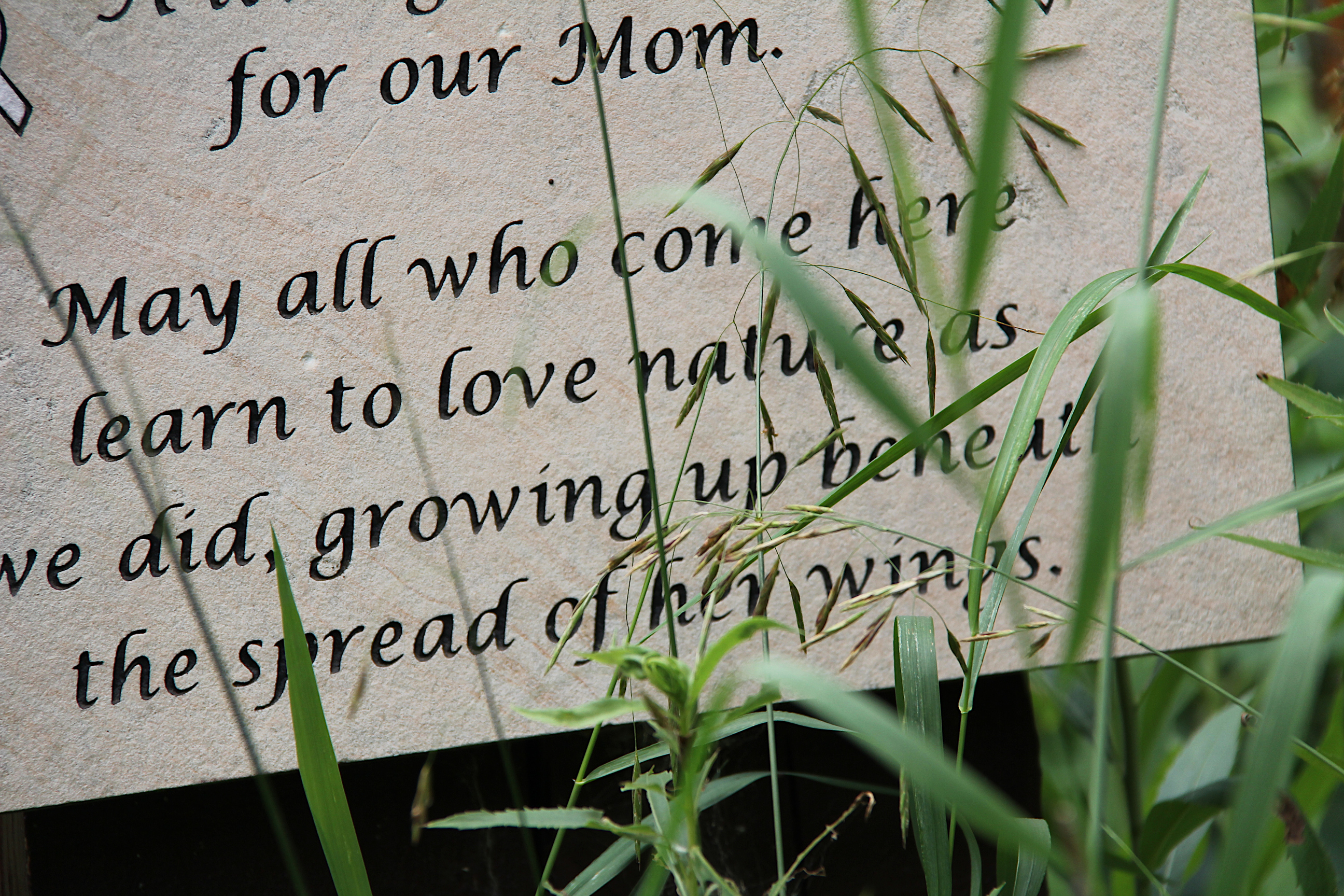
A nature-themed memorial at River Bend Nature Center, Faribault. (Minnesota Prairie Roots copyrighted photo July 2023)

Fill your eyes, your heart, your spirit, your mind with Nature’s beauty. Ride on the wings of the butterflies. Sway in the wind like blades of grass. Then settle, like a single dewdrop upon a leaf. Quiet. Filled with peace. Calmed in the presence of the land.

NOTE: All photos were taken recently at River Bend Nature Center, Faribault.

© Copyright 2023 Audrey Kletscher Helbling
 

An oasis at the Rice County Fairgrounds, Part I July 18, 2022

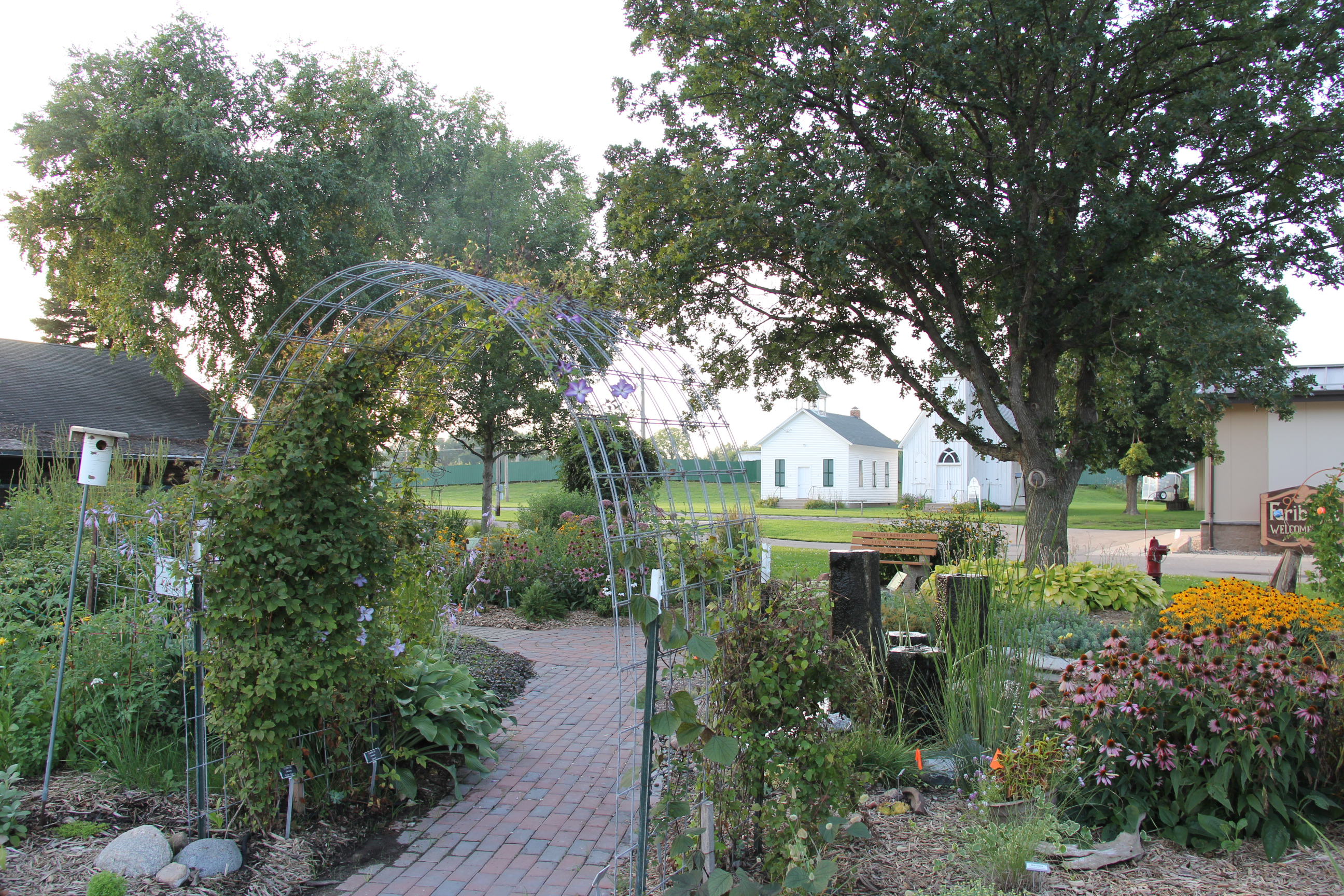
Next to the conservation building, with an historic church and school in the background, the Teaching Gardens grace the Rice County Fairgrounds. (Minnesota Prairie Roots copyrighted photo July 2022)

AT THE RICE COUNTY FAIRGROUNDS in Faribault, an unexpected oasis brings nature into a setting of buildings, grandstand and roadways. It’s a welcome respite, this Rice County Master Gardeners Teaching Gardens.

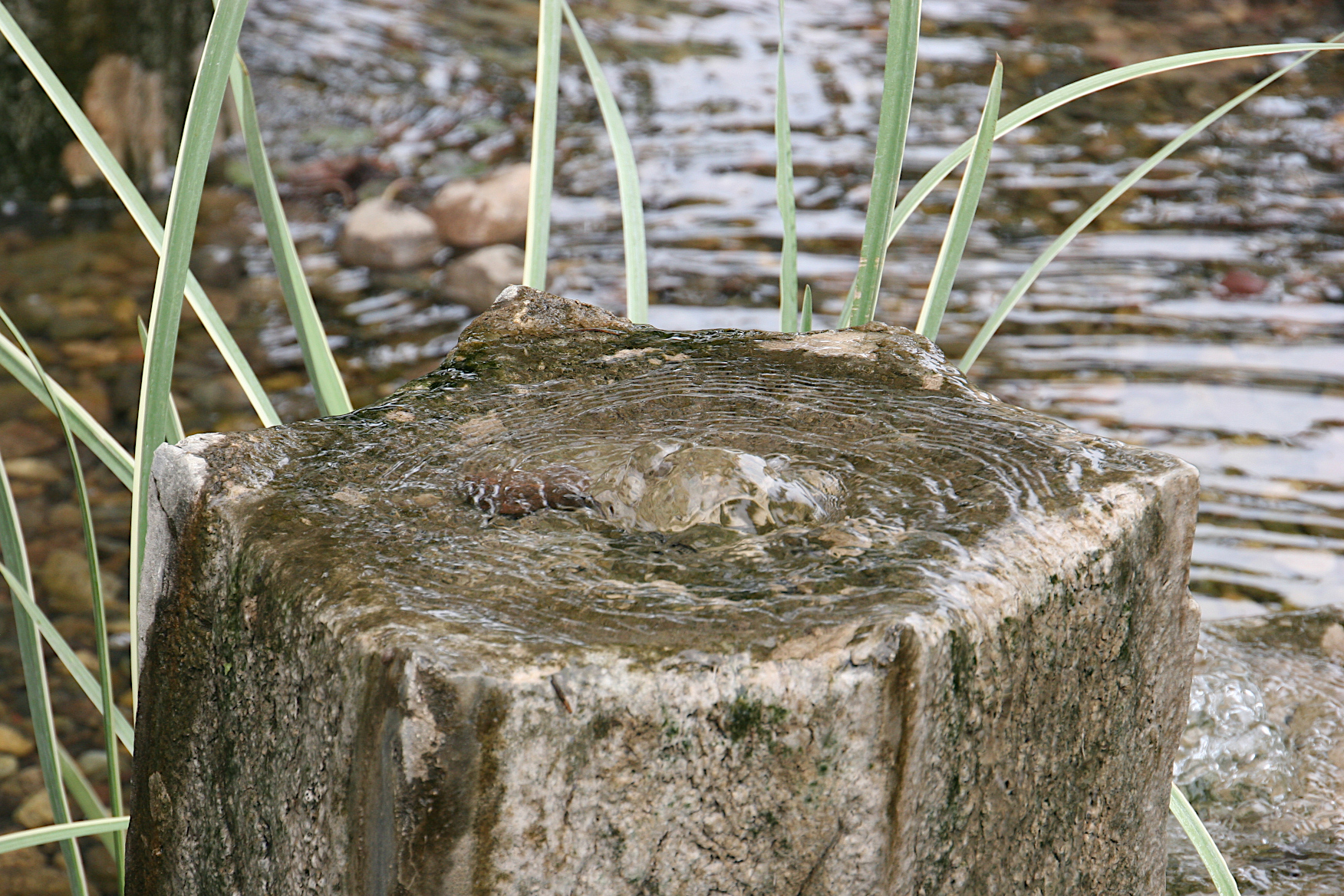
I love the “tree stump” water feature that blends so naturally into the garden. (Minnesota Prairie Roots copyrighted photo July 2022)

On a Sunday in early July, Randy and I packed a picnic lunch and set out for the fairgrounds garden, a place we haven’t previously lunched. There we settled onto a fountain-side shaded bench, the soothing rush of water creating a peaceful ambiance.

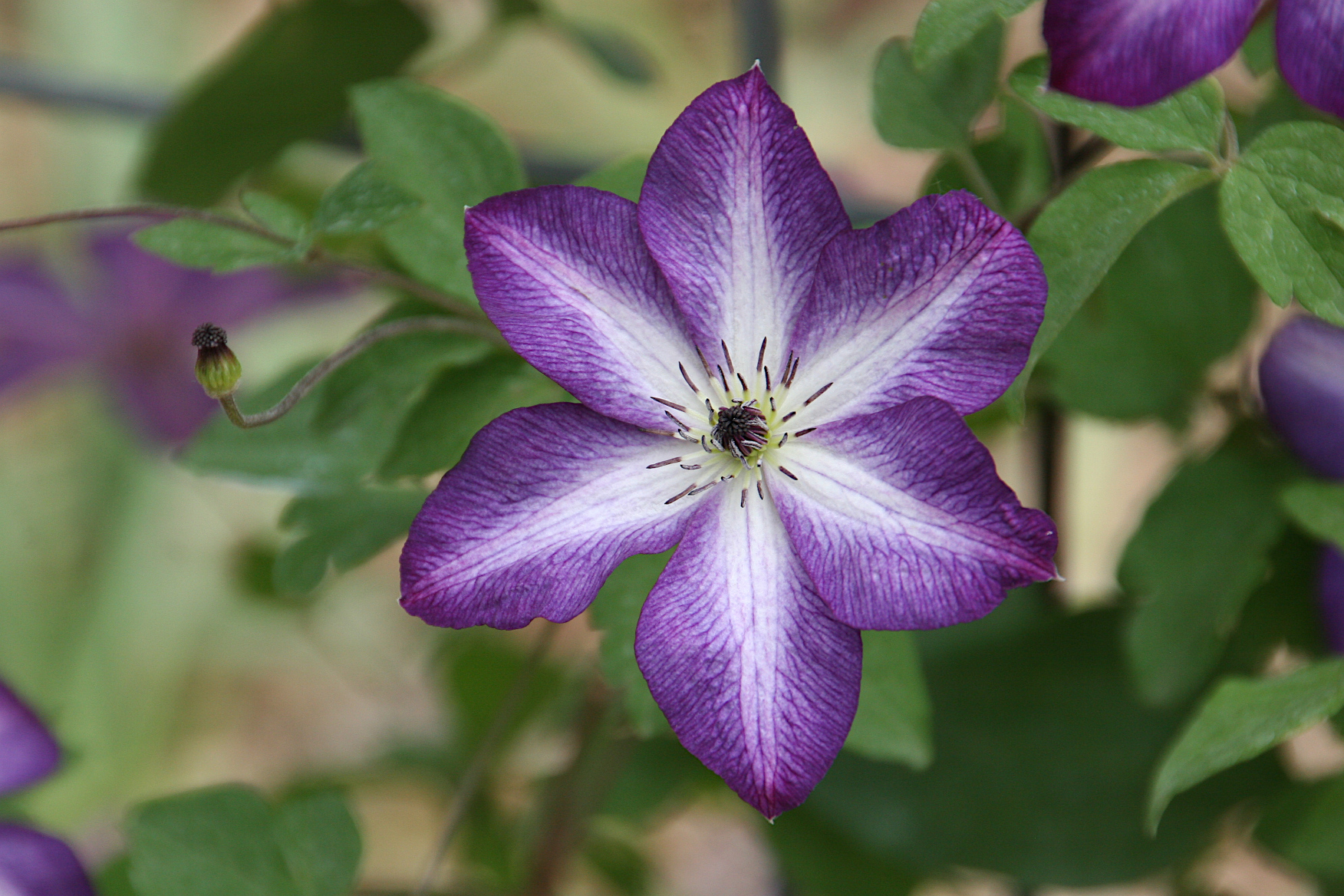
Clematis. (Minnesota Prairie Roots copyrighted photo July 2022)
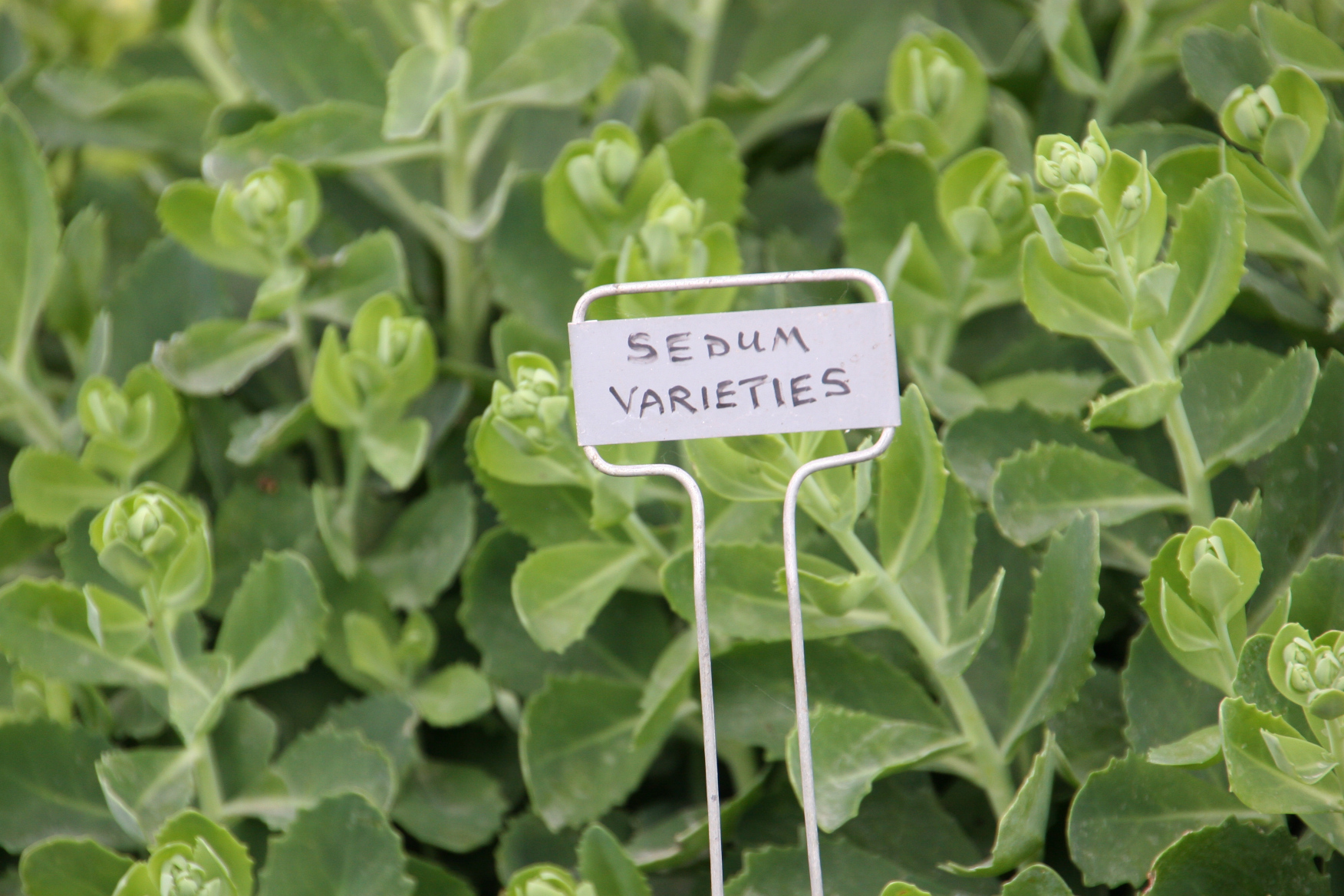
Sedum. (Minnesota Prairie Roots copyrighted photo July 2022)
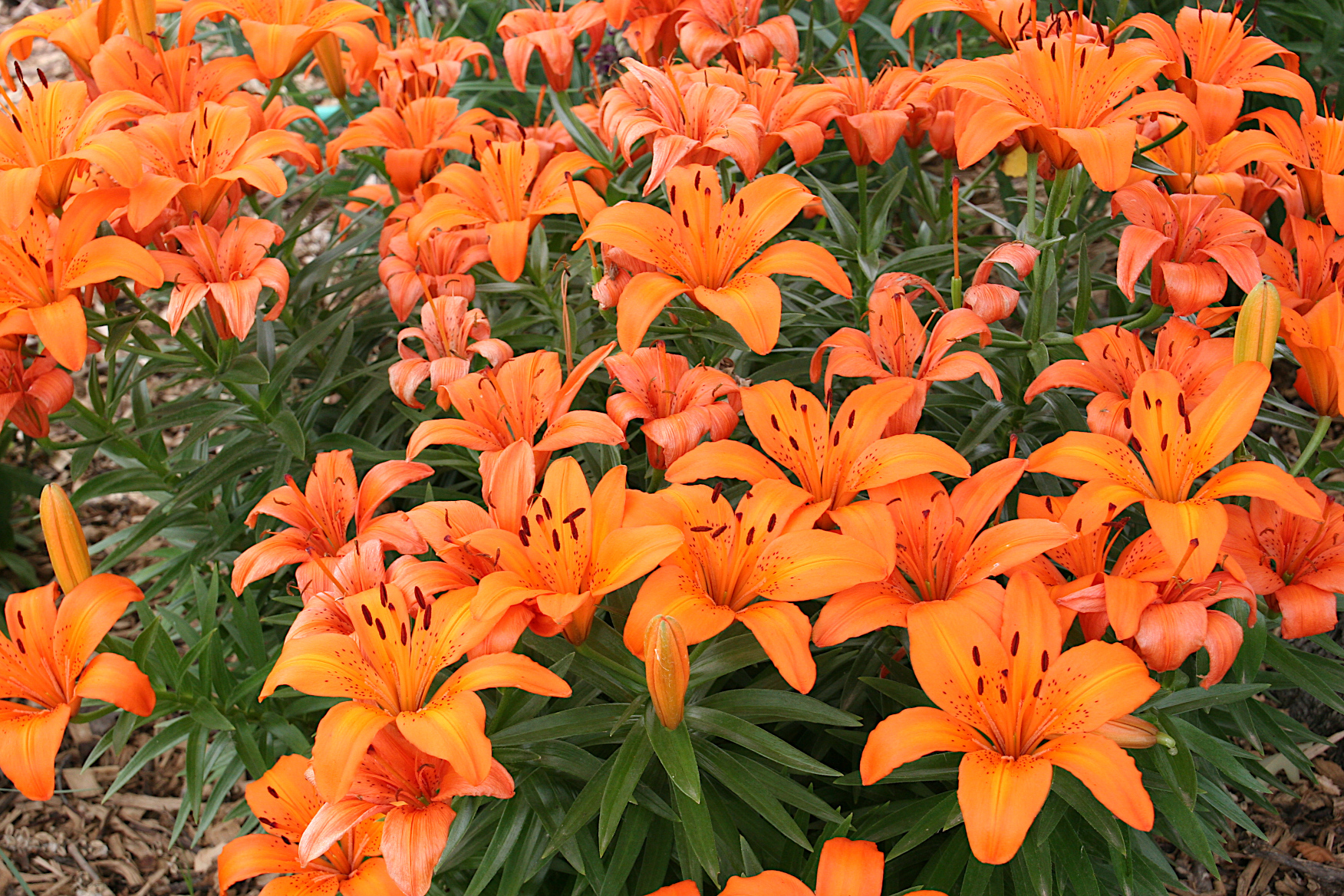
Lilies. (Minnesota Prairie Roots copyrighted photo July 2022)

Afterwards, I ambled through these gardens, admiring the plants and blooming flowers. Clematis climbing an arbor. Sedum. Hosta. Lilies and roses and Pig Squeak. Masses of milkweed for monarch caterpillars. Eggplant, prickly pear cactus, Mugo pine and much more.

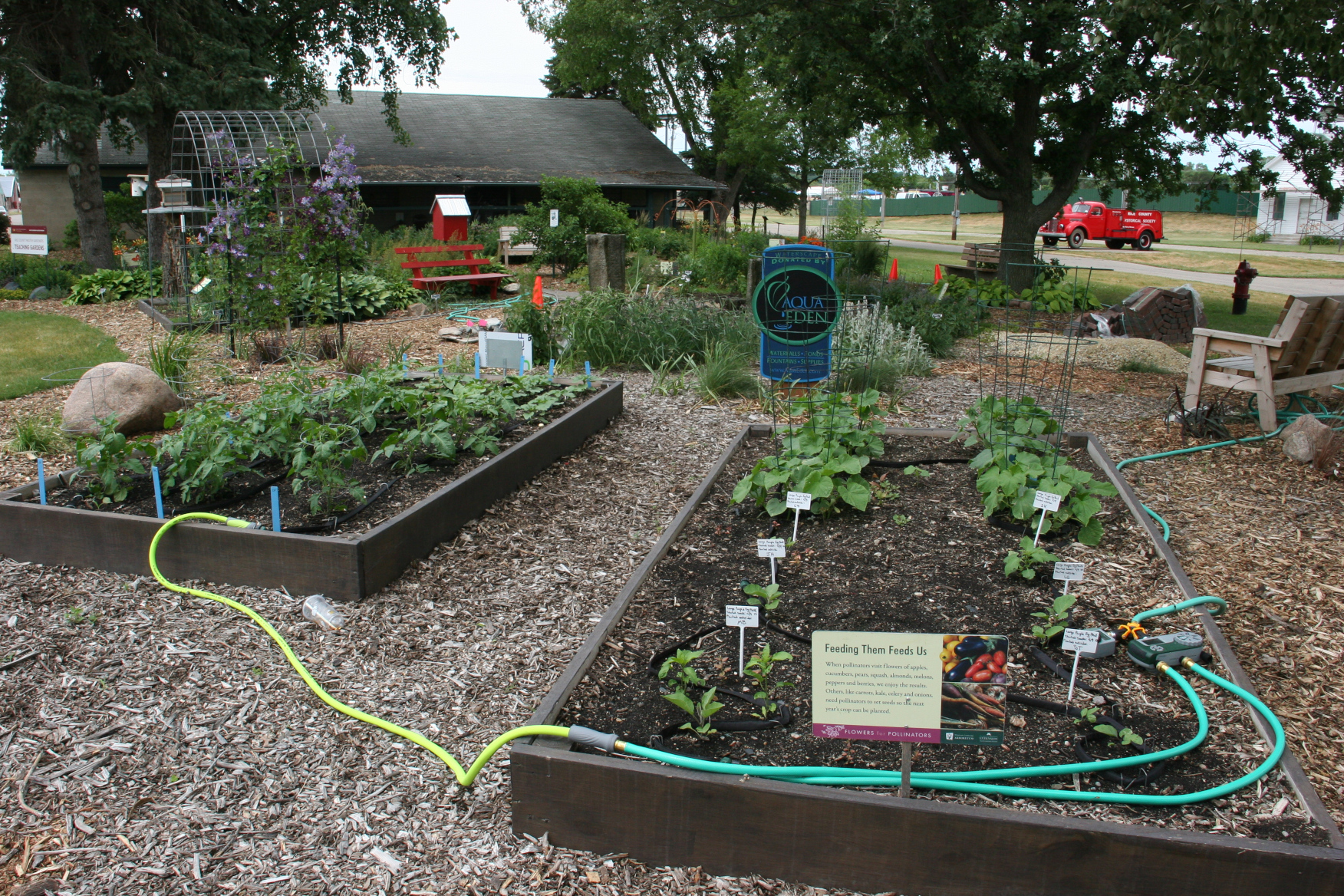
An overview of the gardens with vegetables in the foreground. (Minnesota Prairie Roots copyrighted photo July 2022)

If you’re into gardening, and even if you’re not, this compact garden patch showcases a wide variety of plants that are beautiful to behold. Some are grown as seed trial plants for the University of Minnesota.

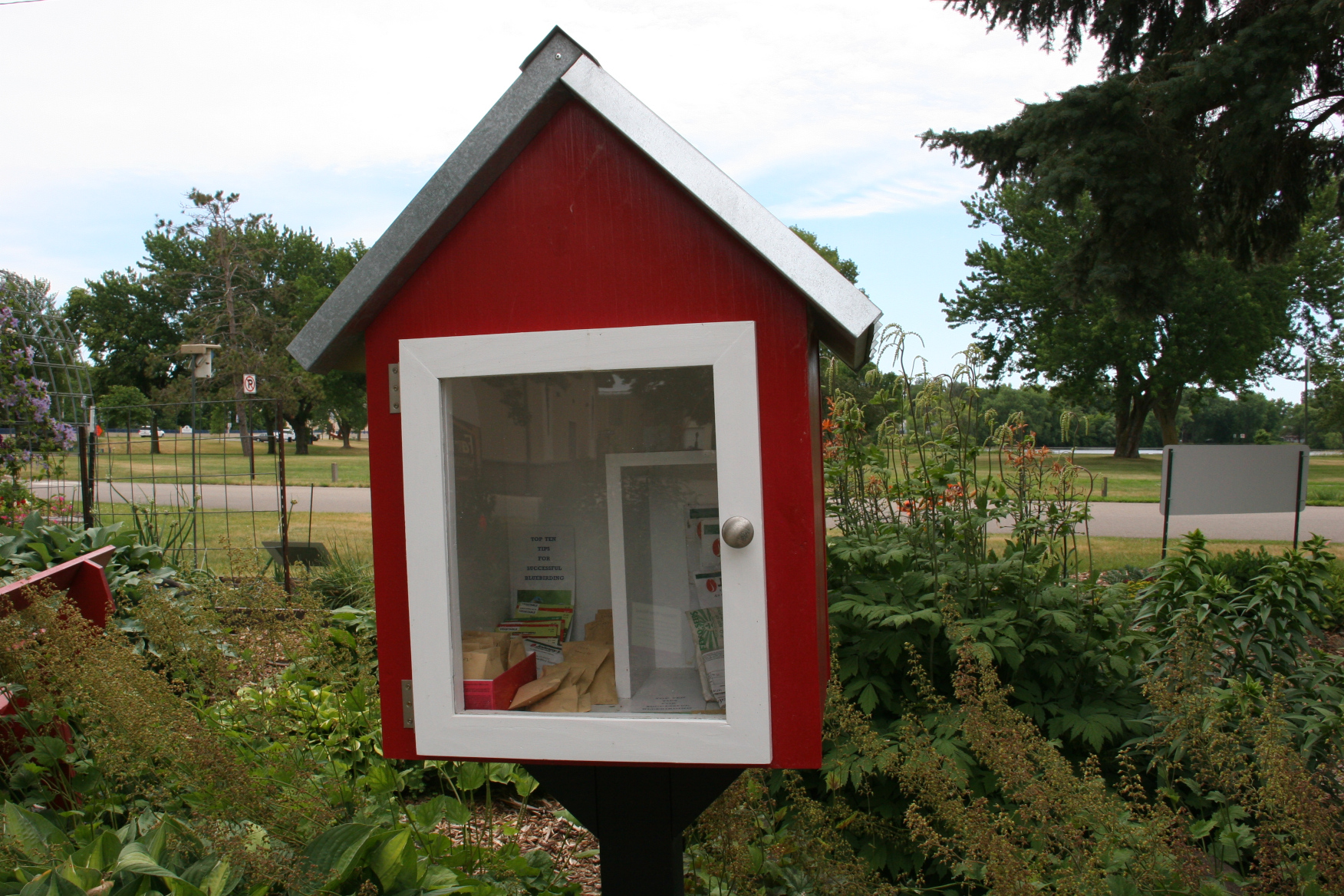
The Seed Library. (Minnesota Prairie Roots copyrighted photo July 2022)
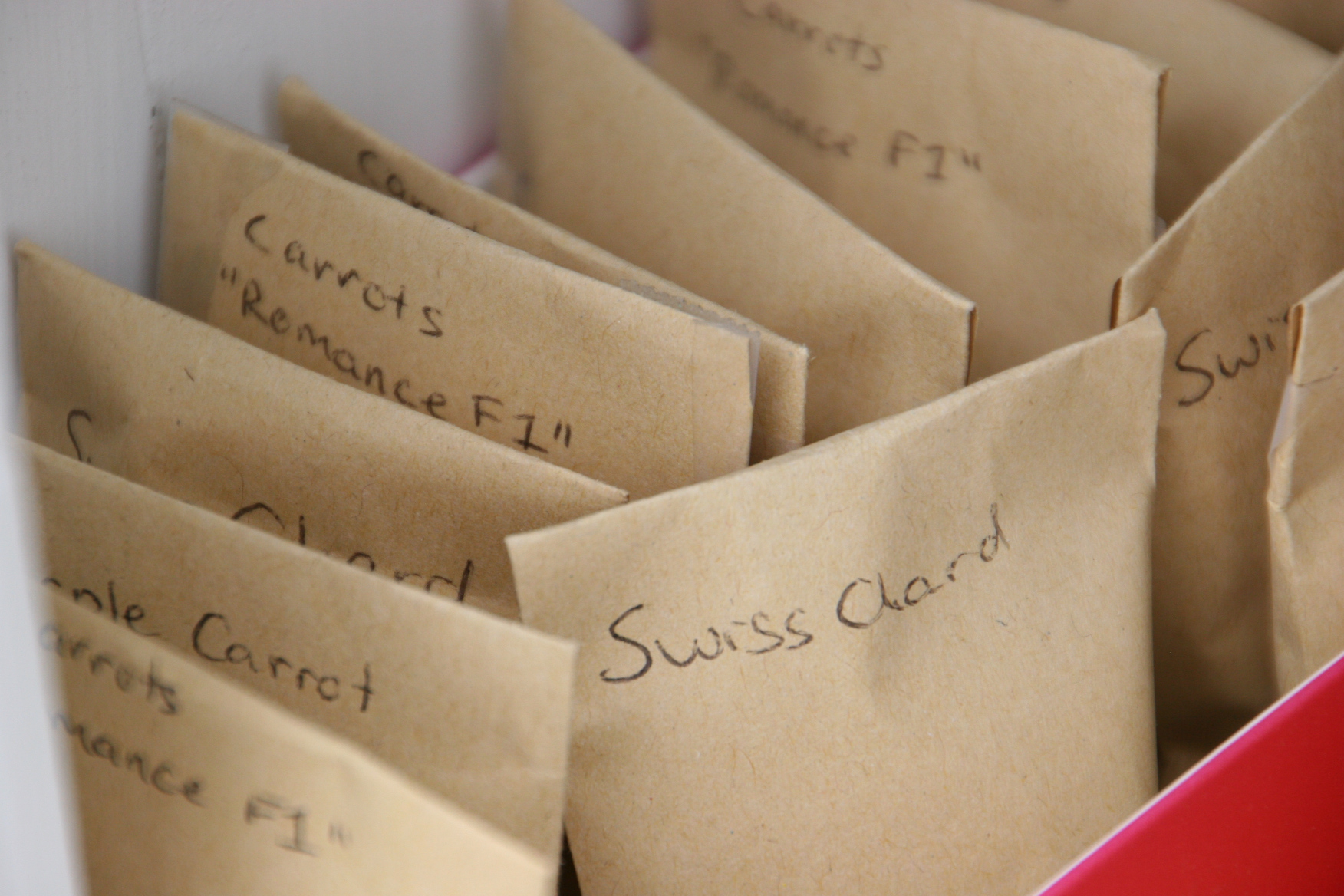
Seed packets inside the library. (Minnesota Prairie Roots copyrighted photo July 2022)

There’s a seed library, too, with packets of seeds tucked into a tiny red house similar to a Little Free Library.

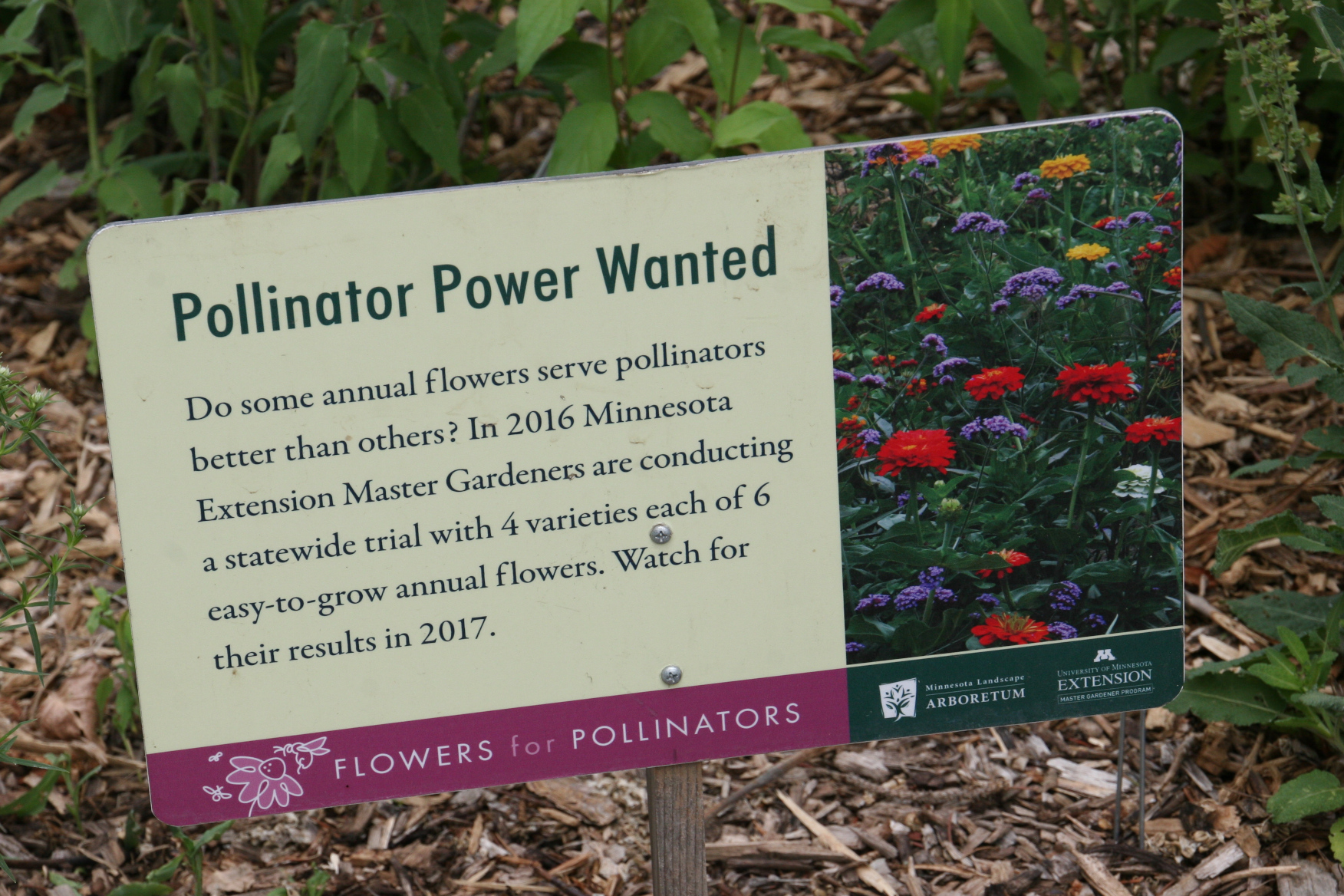
Informational signage in the gardens. (Minnesota Prairie Roots copyrighted photo July 2022)

Strategically-placed signs identify plants and provide information about gardening in general. This is, after all, a teaching garden.

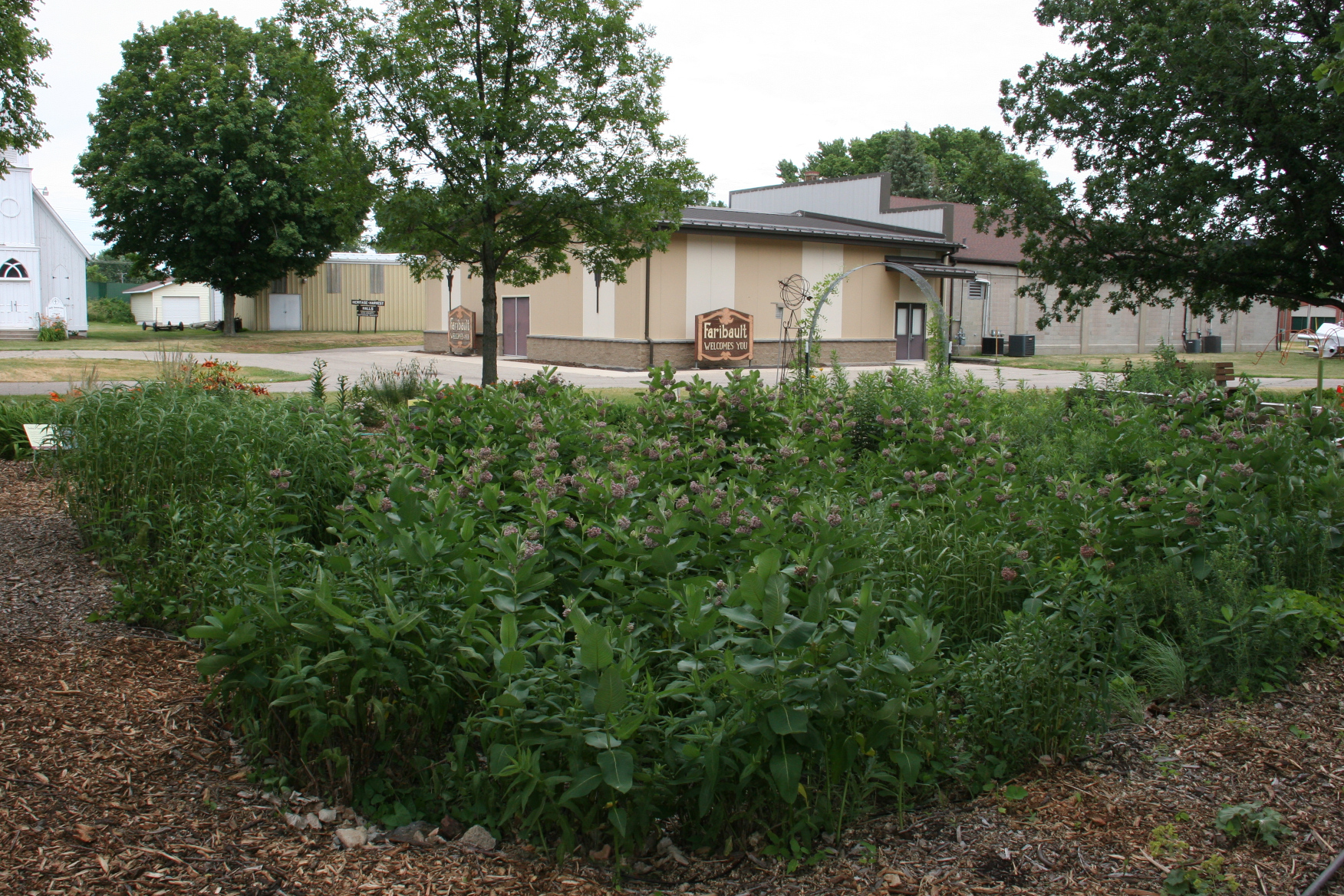
The milkweed patch with the Rice County Historical Society in the background. (Minnesota Prairie Roots copyrighted photo July 2022)
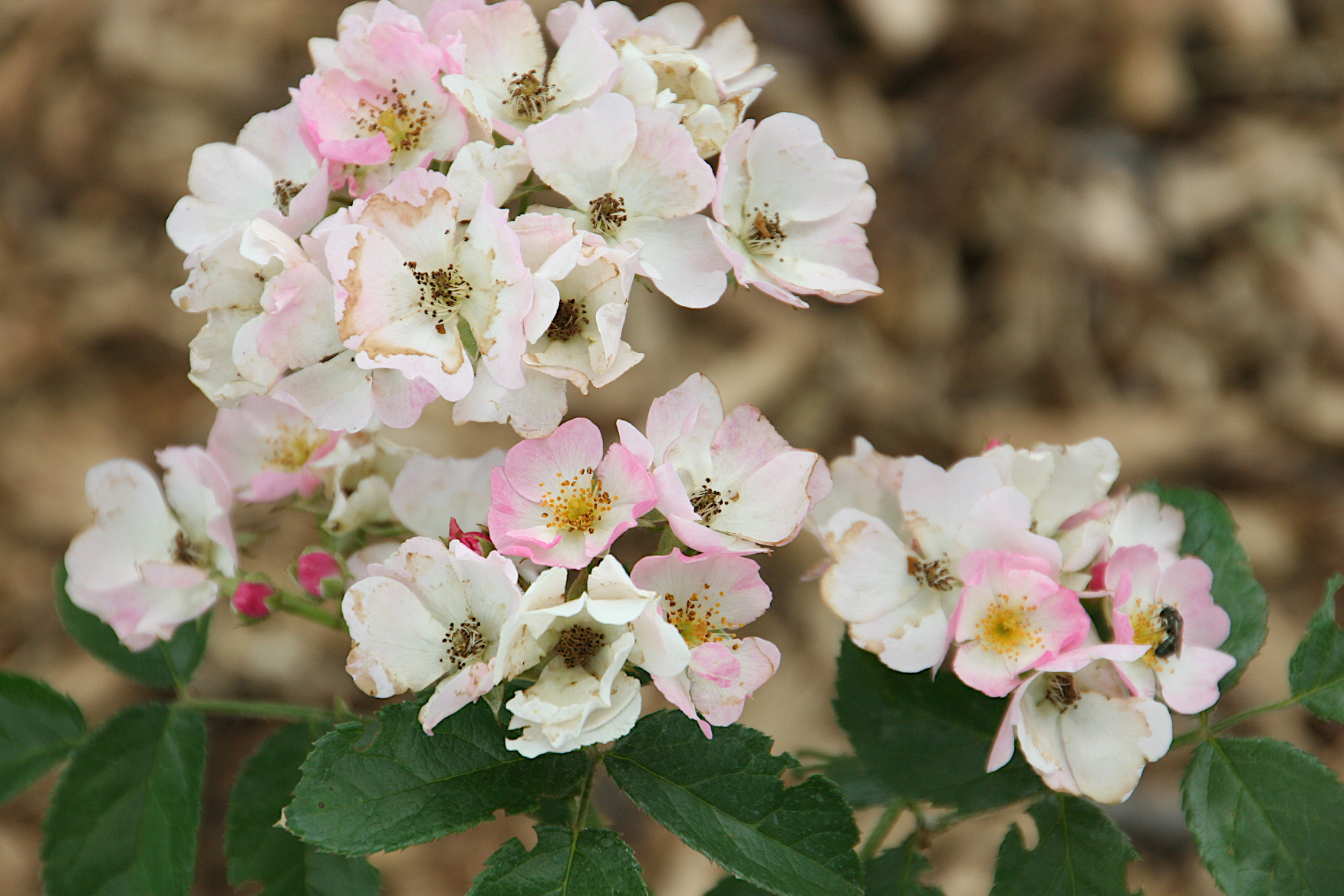
Roses. (Minnesota Prairie Roots copyrighted photo July 2022)

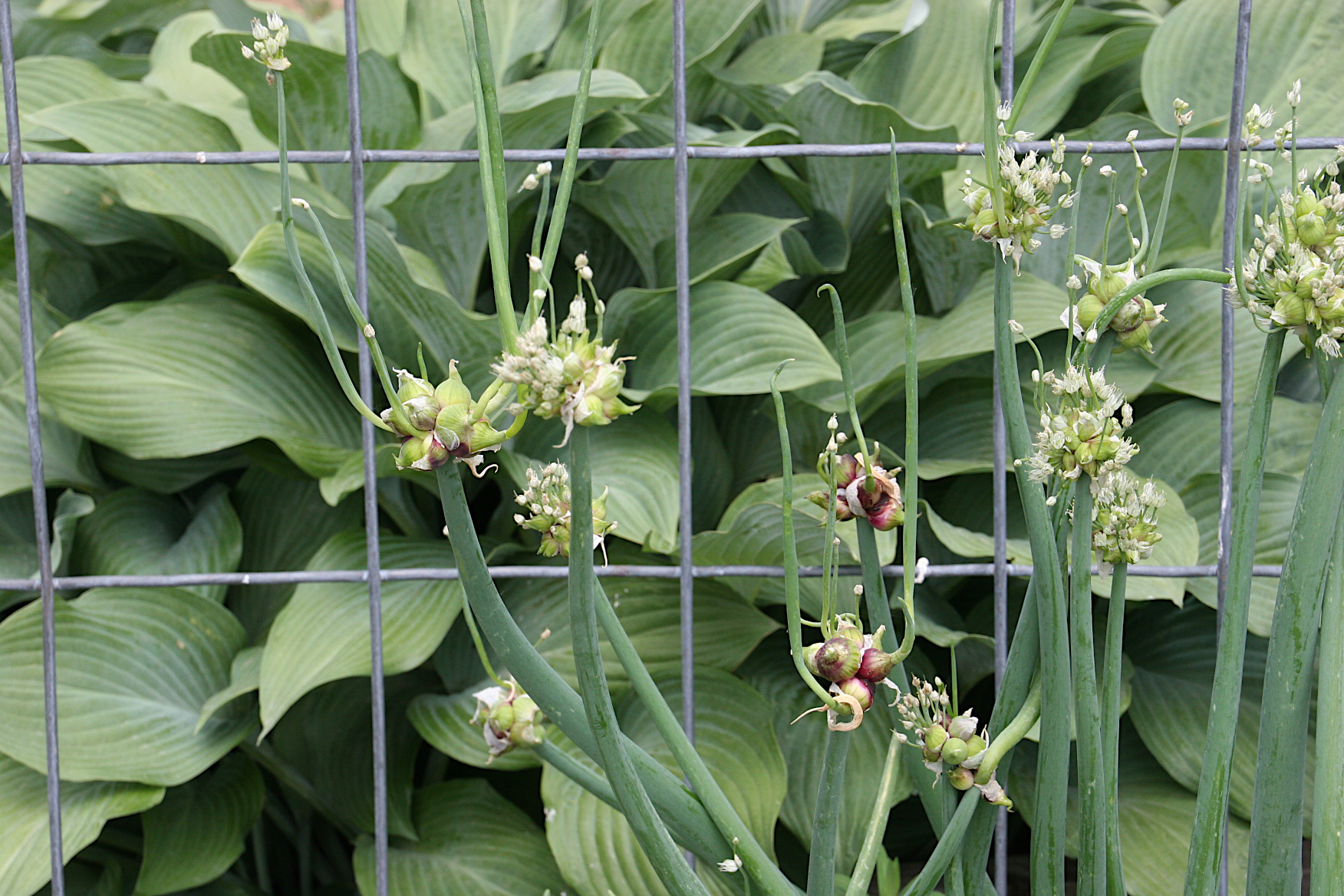
I believe these are onions gone to seed. (Minnesota Prairie Roots copyrighted photo July 2022)

But for me, these gardens proved primarily a spot to retreat for a bit, to immerse myself in a place that feels restful, soothing, calming. Connecting to nature, whether in a natural or cultivated setting always, always renews my spirit.

TELL ME: Have you found a similar oasis mini garden where you live?

Please check back for more photos from this lovely teaching garden in additional posts.

© Copyright 2022 Audrey Kletscher Helbling
 

Milkweeds flourish at River Bend July 23, 2021

Bees feed on a milkweed flower at River Bend Nature Center, Faribault. Minnesota Prairie Roots copyrighted photo.

IN MY MESS OF FLOWERBEDS, which are anything but orderly, random milkweeds grow. Some sprouted in the lawn. Others simply popped up among the phlox and ferns and iris and greenery, seeds blown by the wind, dropping to the ground, rising now toward the sun.

Milkweeds thrive on the prairie at River Bend. Minnesota Prairie Roots copyrighted photo.

Back in the days of my youth, I would have yanked these milkweeds from the soil under the direction of my farmer father. Remove those weeds from the corn and soybean fields. I know better now. Milkweed plants are essential to the monarch butterfly.

I love the dusty hue of the common milkweed. Minnesota Prairie Roots copyrighted photo.

The milkweed is the host plant for the monarch. They lay eggs on the leaves, the larvae then feeding on those leaves.

The milkweed attracts more than just monarchs. Minnesota Prairie Roots copyrighted photo.

Without milkweeds, the monarch would become extinct.

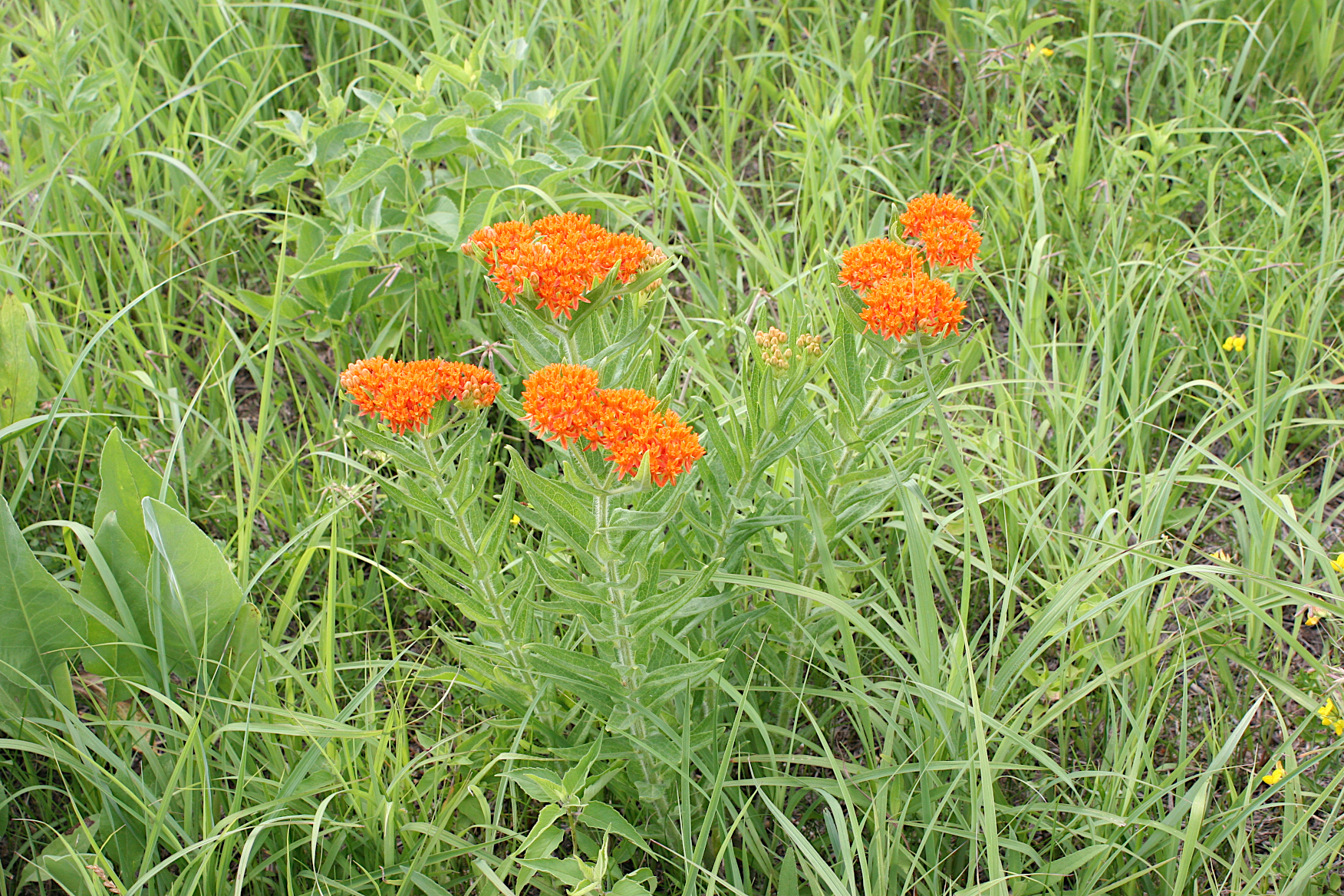
Butterfly milkweed, although much less abundant, also grows at River Bend. Minnesota Prairie Roots copyrighted photo.

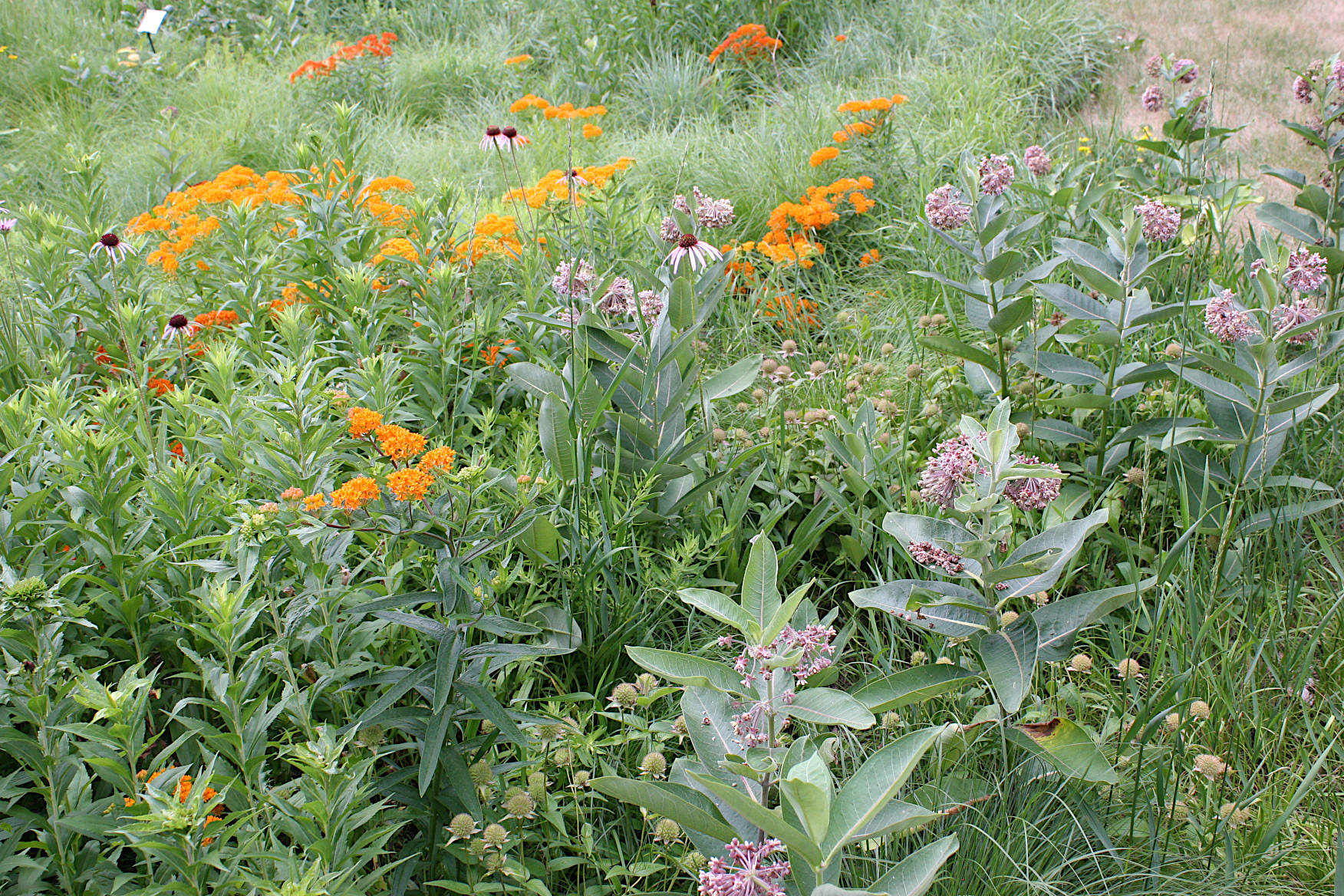
More and more, if you take note, you will see milkweeds growing. At River Bend Nature Center in Faribault, fields of common milkweed, dusty pink in color, grow, as do some of the more flashy orange butterfly milkweed.

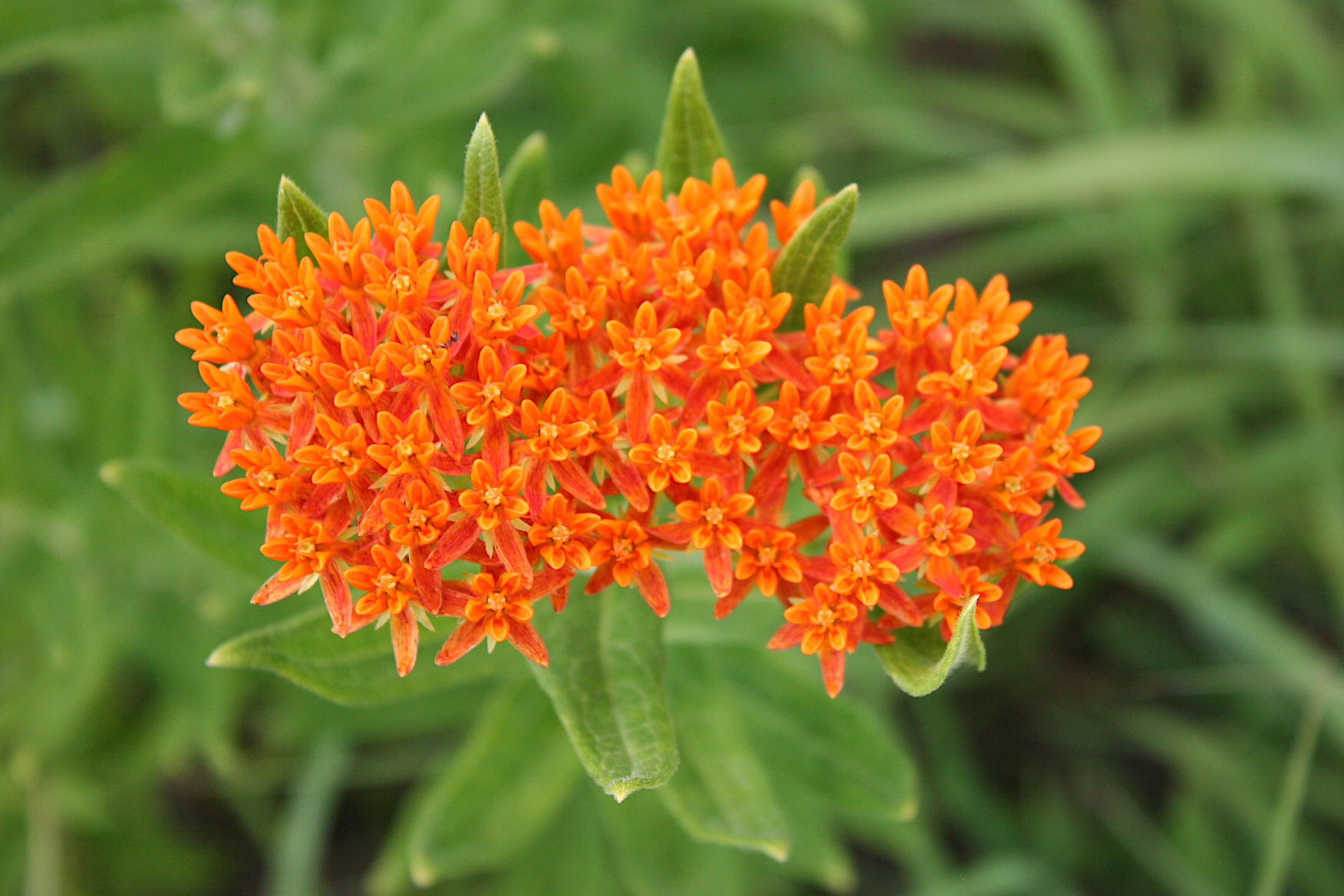
The exceedingly brilliant butterfly milkweed, up close. Minnesota Prairie Roots copyrighted photo.

I appreciate the value of this plant in the natural cycle, in sustaining the monarch butterfly population. This is but one example of how we are all intertwined. Every creature. One dependent on the other.

Milkweed and flowers flourish on the River Bend prairie. Minnesota Prairie Roots copyrighted photo.

I marvel at this intricate world God created. I love to watch a monarch butterfly flit through the air, settle on a blossom, drink its fill of nectar, then rise and fly. Delicate, yet sturdy. Dependent on milkweed and other flowers, yet free.

What a lovely and beautiful sight in a world where beauty is too often missed in the busyness of life, among all the weeds.

© Copyright 2021 Audrey Kletscher Helbling


Among the wildflowers in Kaplan’s Woods May 5, 2021

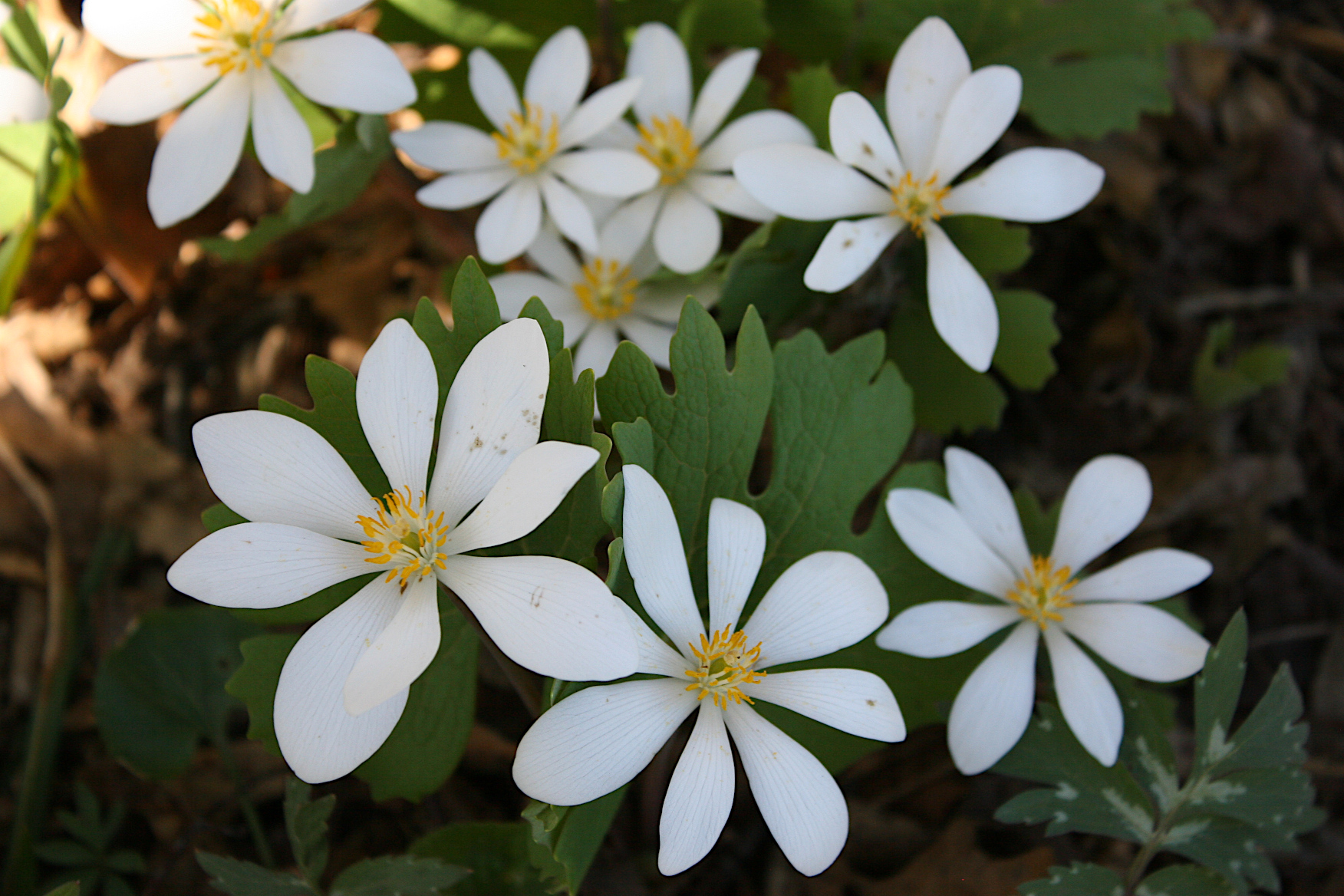
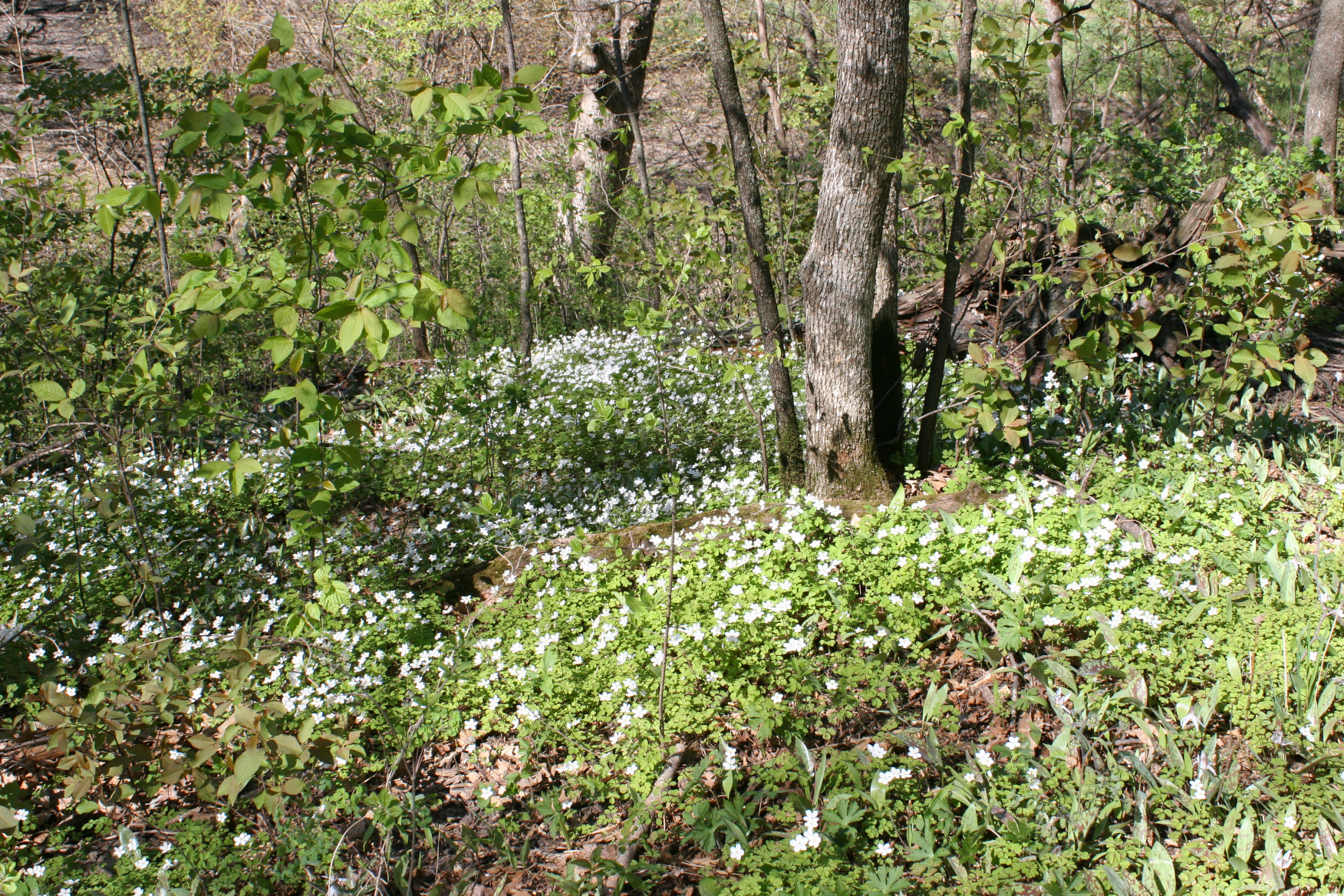
Spring wildflowers at Kaplan’s Woods. Minnesota Prairie Roots photo.

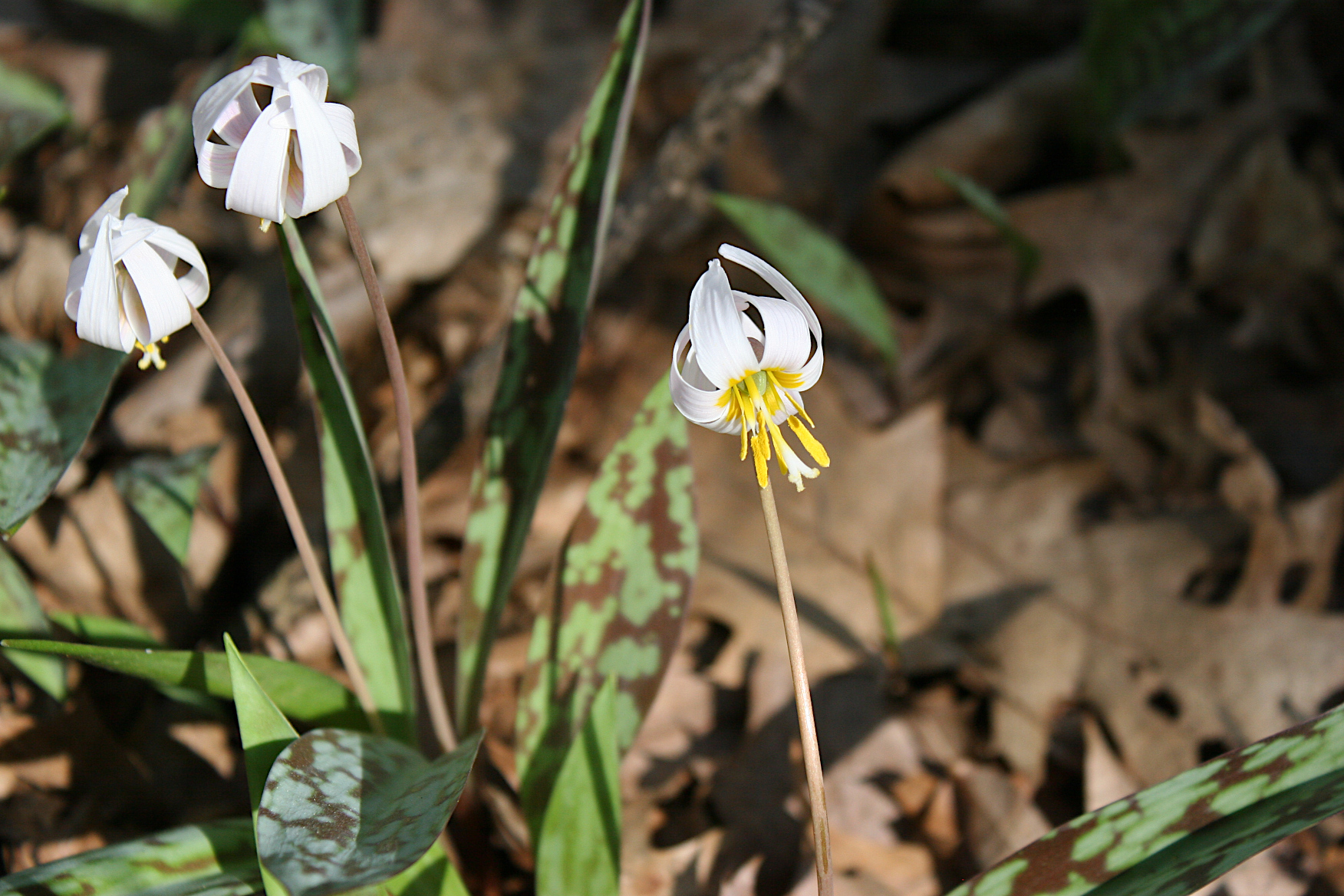
FLOWERS OF SPRING EMERGE in the woods. Among layers of dried leaves. Among fallen limbs. Sometimes blanketing hillsides.

White trout lilies. Minnesota Prairie Roots photo.
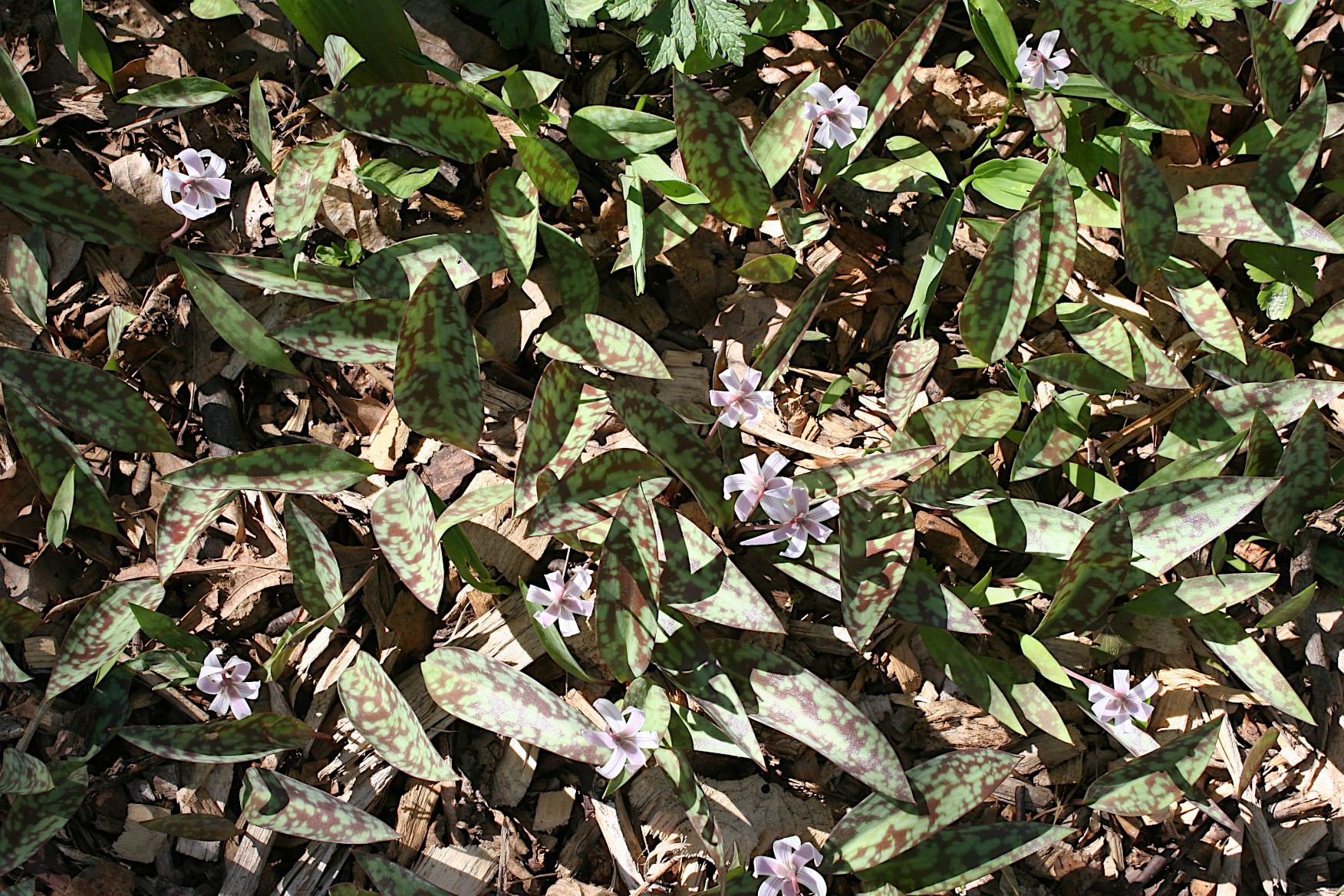
A mass of white trout lilies in the woods. Minnesota Prairie Roots photo.
An unidentified, by me, wildflower cluster. Minnesota Prairie Roots photo.

Saturday morning, as Randy and I hiked through Kaplan’s Woods Park in Owatonna, I found myself searching the edges of the wood chip covered trails for wildflowers.

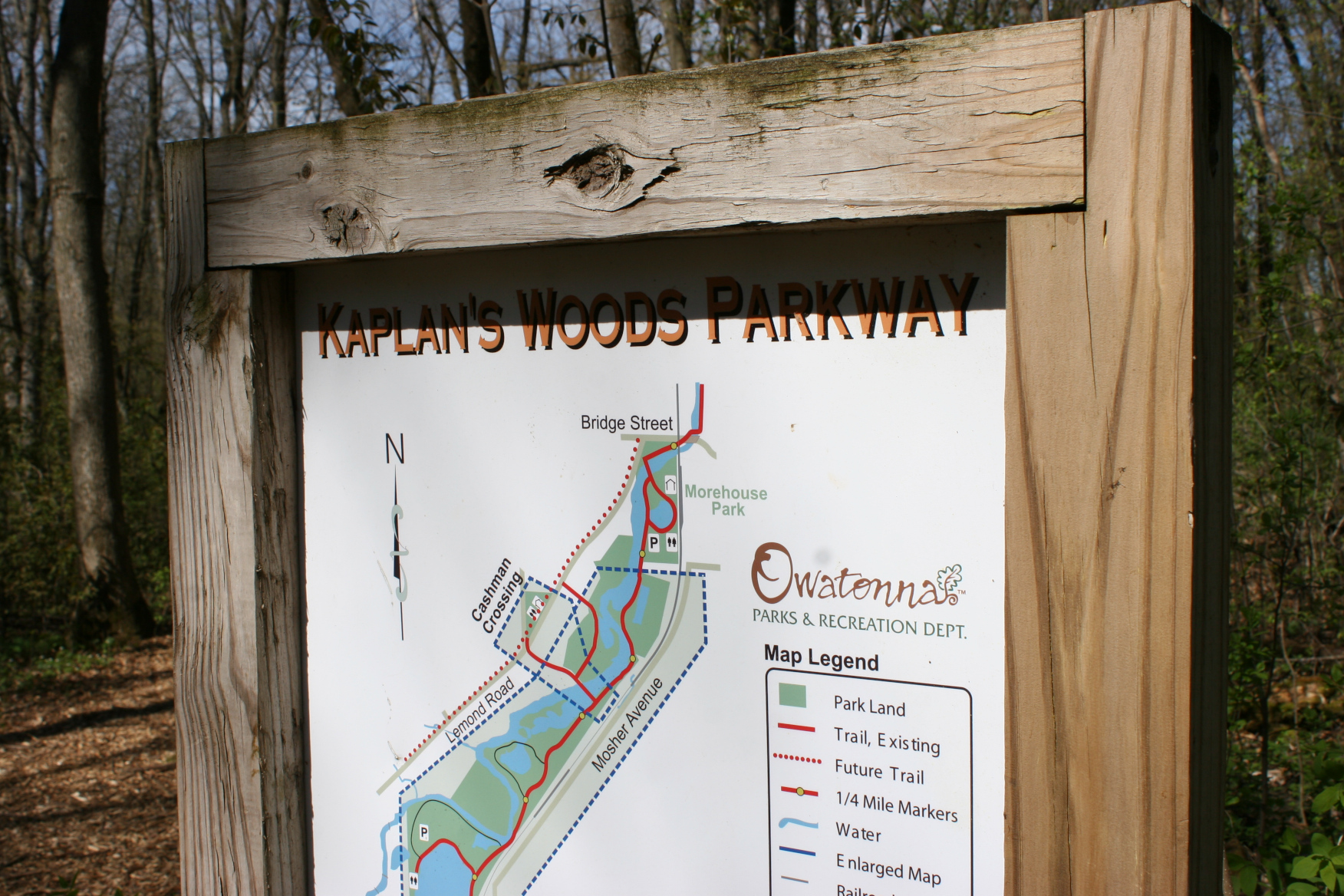
A sign inside the woods details the Parkway. Minnesota Prairie Roots photo.
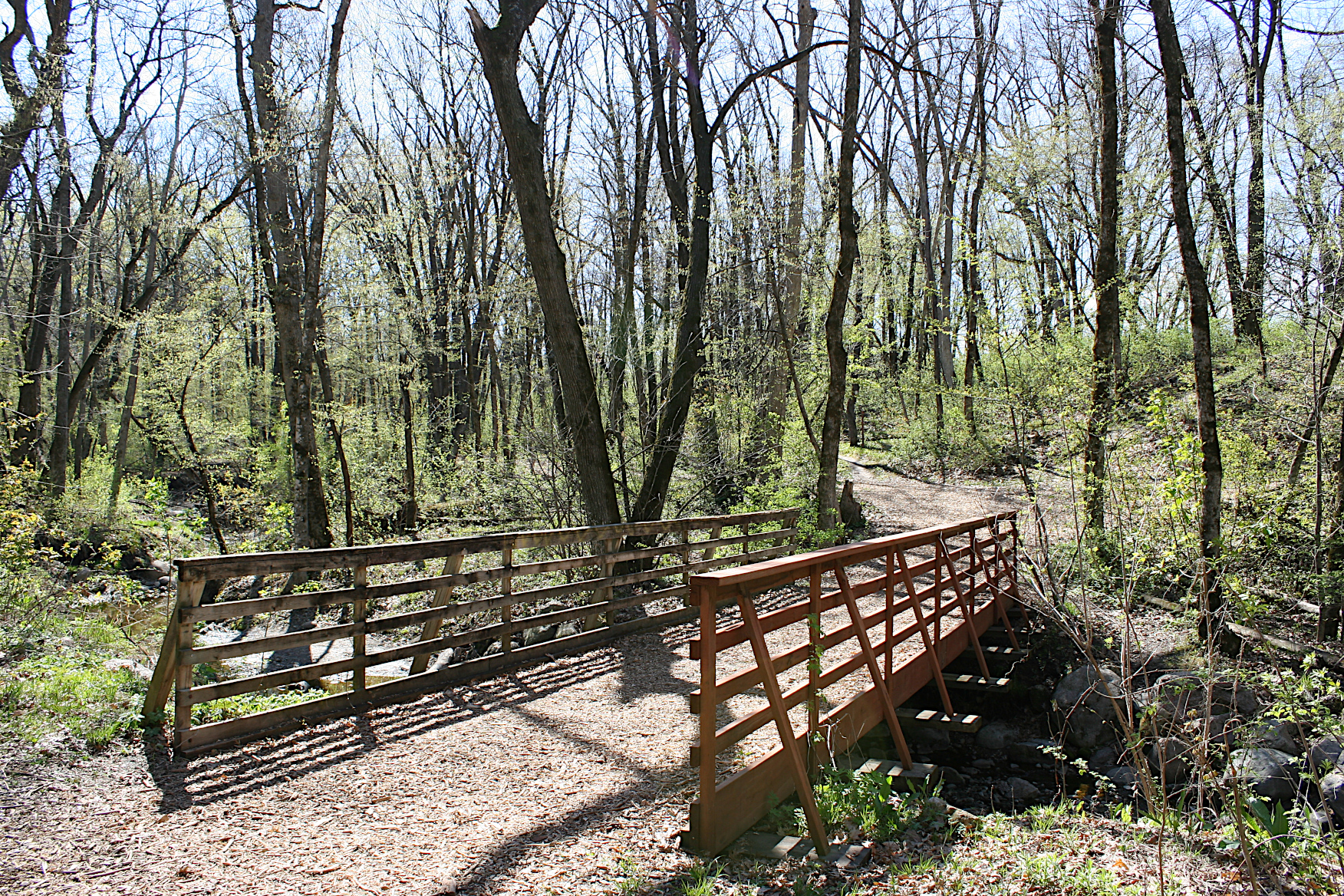
I love this foot bridge which crosses the creek and leads into the woods. Minnesota Prairie Roots photo.
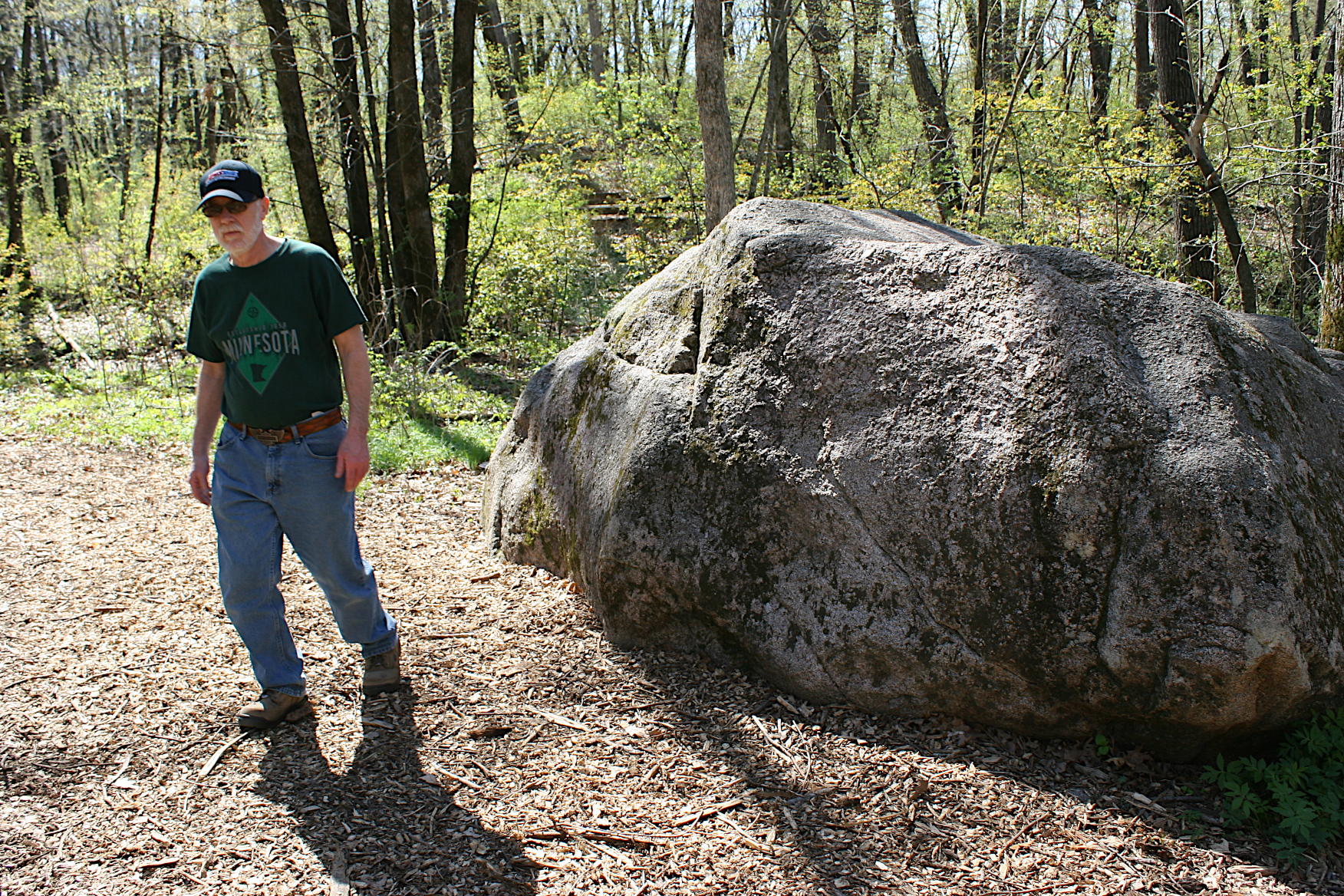
Near the creek, this solo boulder seems out of place in the woods. Minnesota Prairie Roots photo.

This time of year, especially, I crave flowers. They represent the shifting of seasons, of plant life erupting as the landscape transforms.

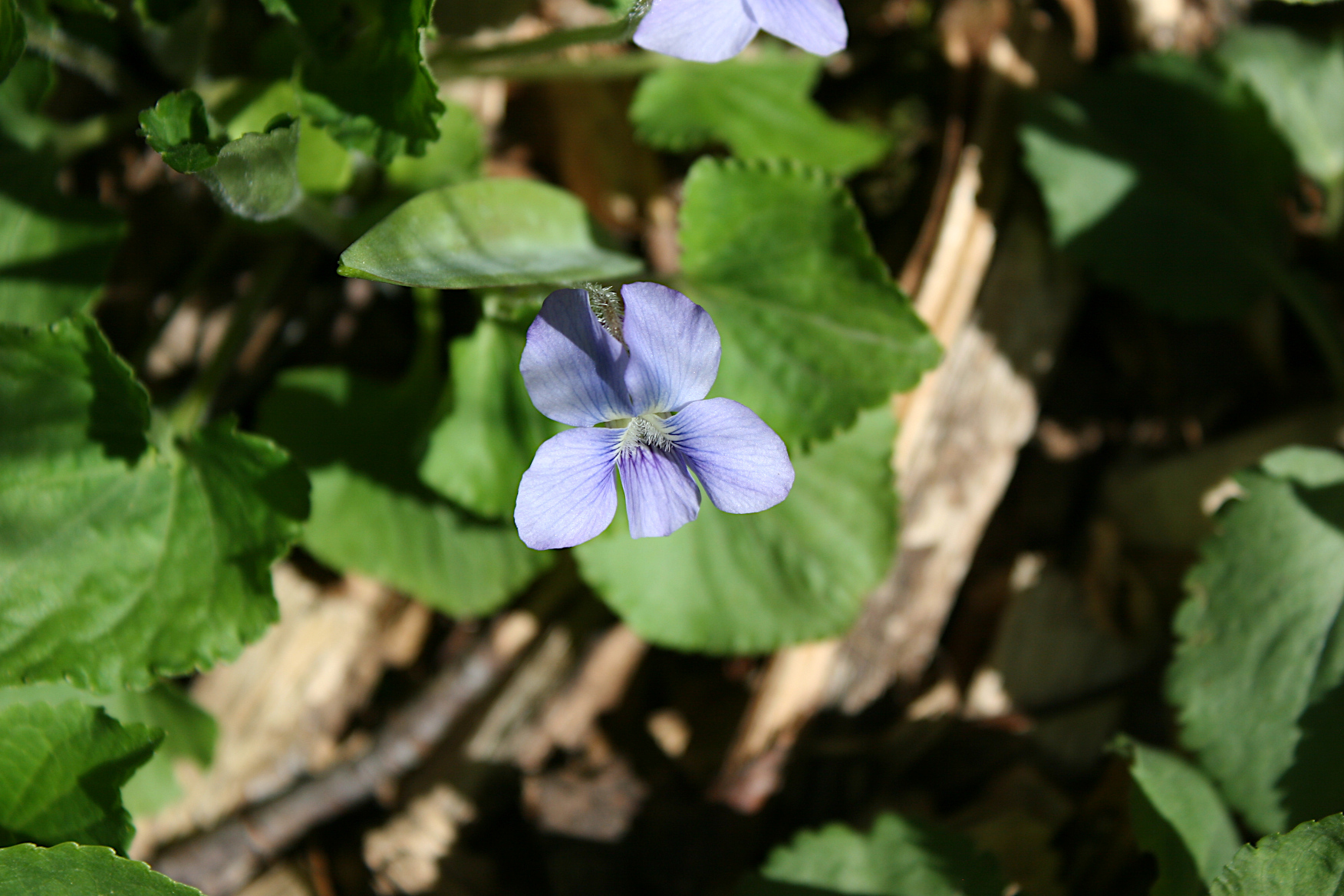
Dainty violets are among the spring wildflowers. Minnesota Prairie Roots photo.
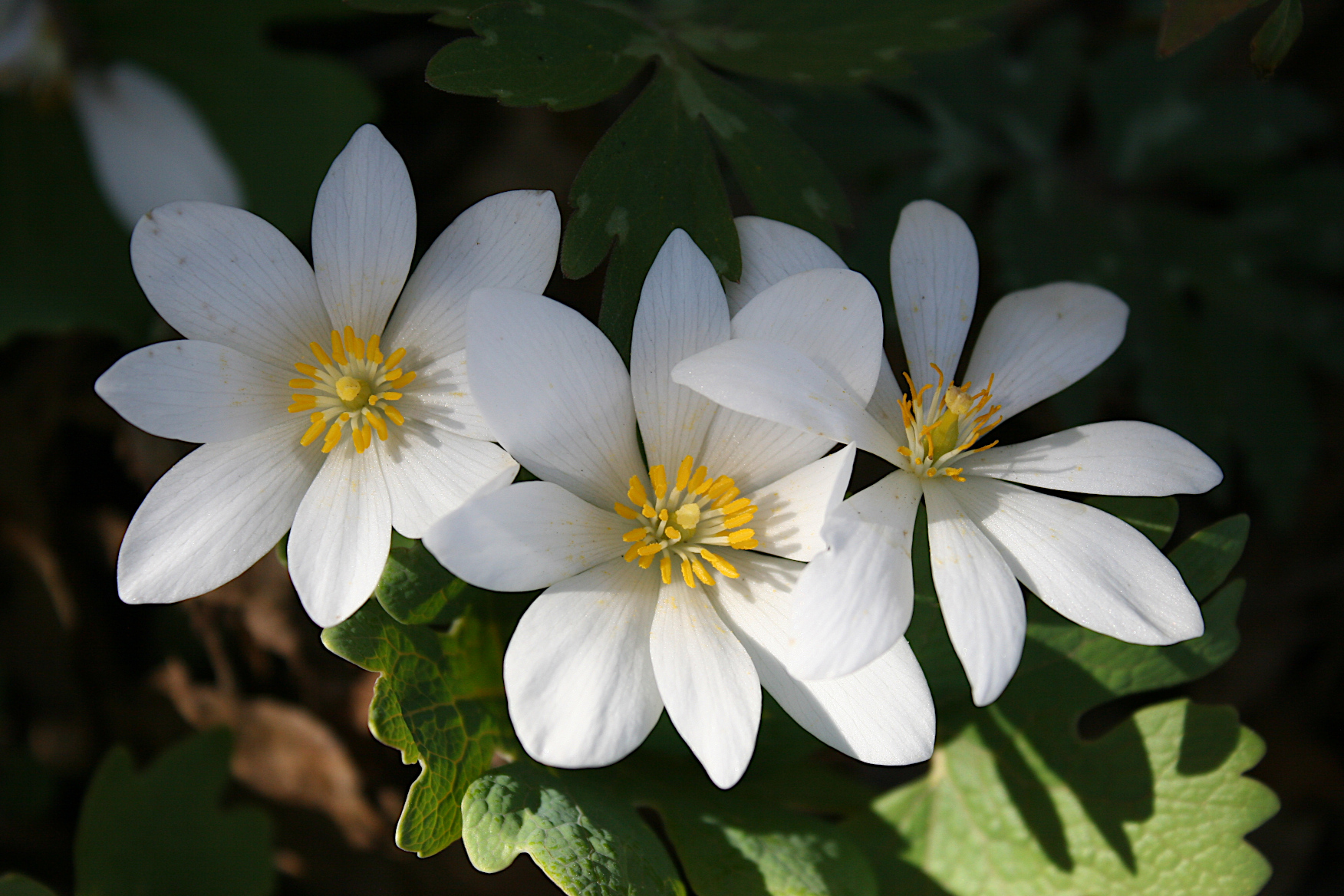
The largest of the wildflowers I saw. Can anyone identify these? Minnesota Prairie Roots photo.
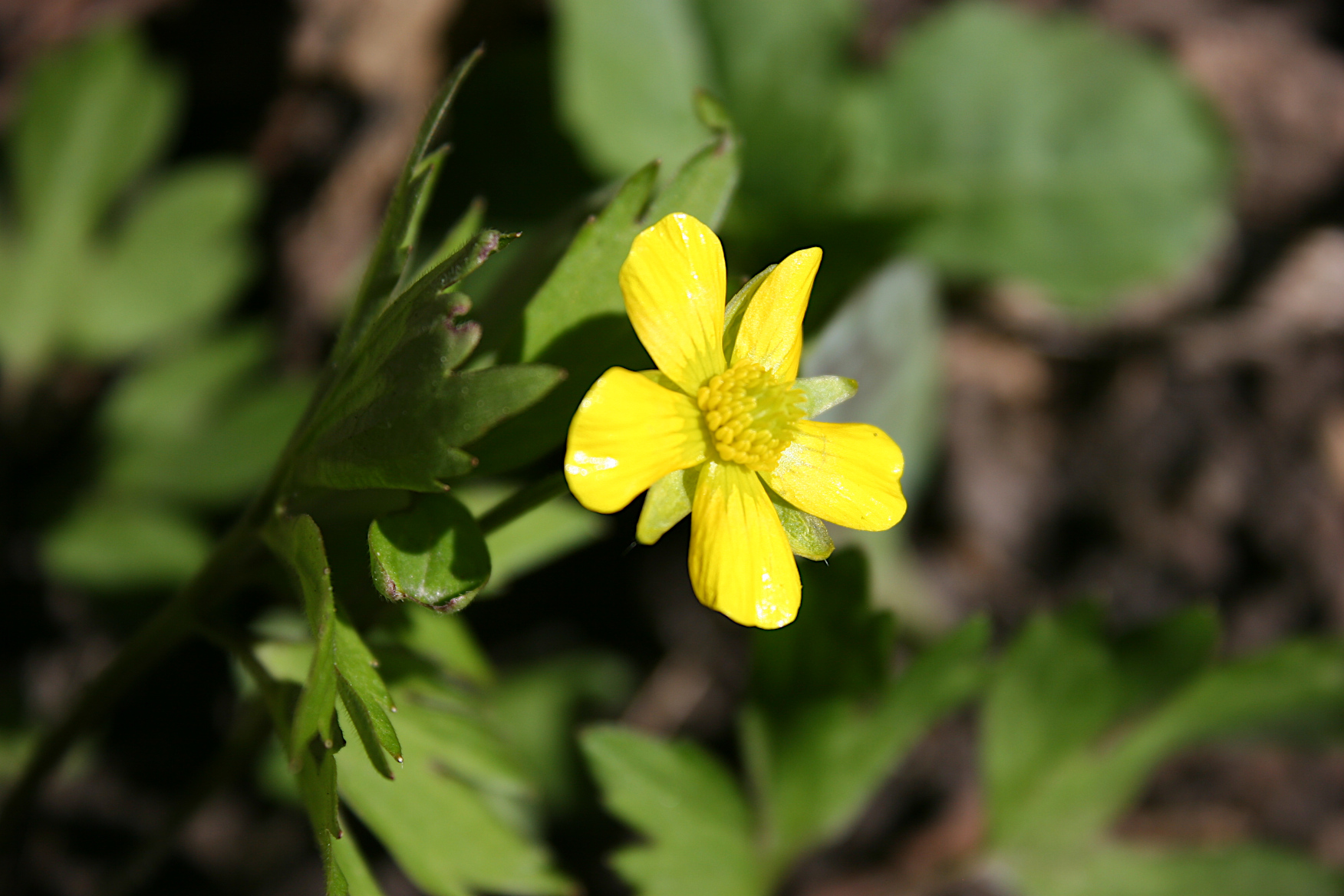
The brightest of the flowers I spotted, this one also unknown to me. Minnesota Prairie Roots photo.

Green begins to fill the woods, accented by bursts of violet and yellow and white hugging the earth. Low to the ground, easily missed if you focus only on the trail ahead.

Low water. Minnesota Prairie Roots photo.

We have walked Kaplan’s only a few times and this visit I noticed the low water level of the creek that winds through the woods.

Hillside wildflowers. Minnesota Prairie Roots photo.

I noticed also the noise of traffic from nearby Interstate 35. Motorists en route somewhere on an incredibly warm and sunny morning in southern Minnesota. I hope that at some point they paused to appreciate the day. The sun. The trees. Maybe even the wildflowers. And the brush strokes of green tinting the landscape.

© Copyright 2021 Audrey Kletscher Helbling
 

April observations from my Minnesota backyard April 23, 2021

Filed under: Uncategorized — Audrey Kletscher Helbling @ 5:00 AM
Tags: , , , , , , , ,
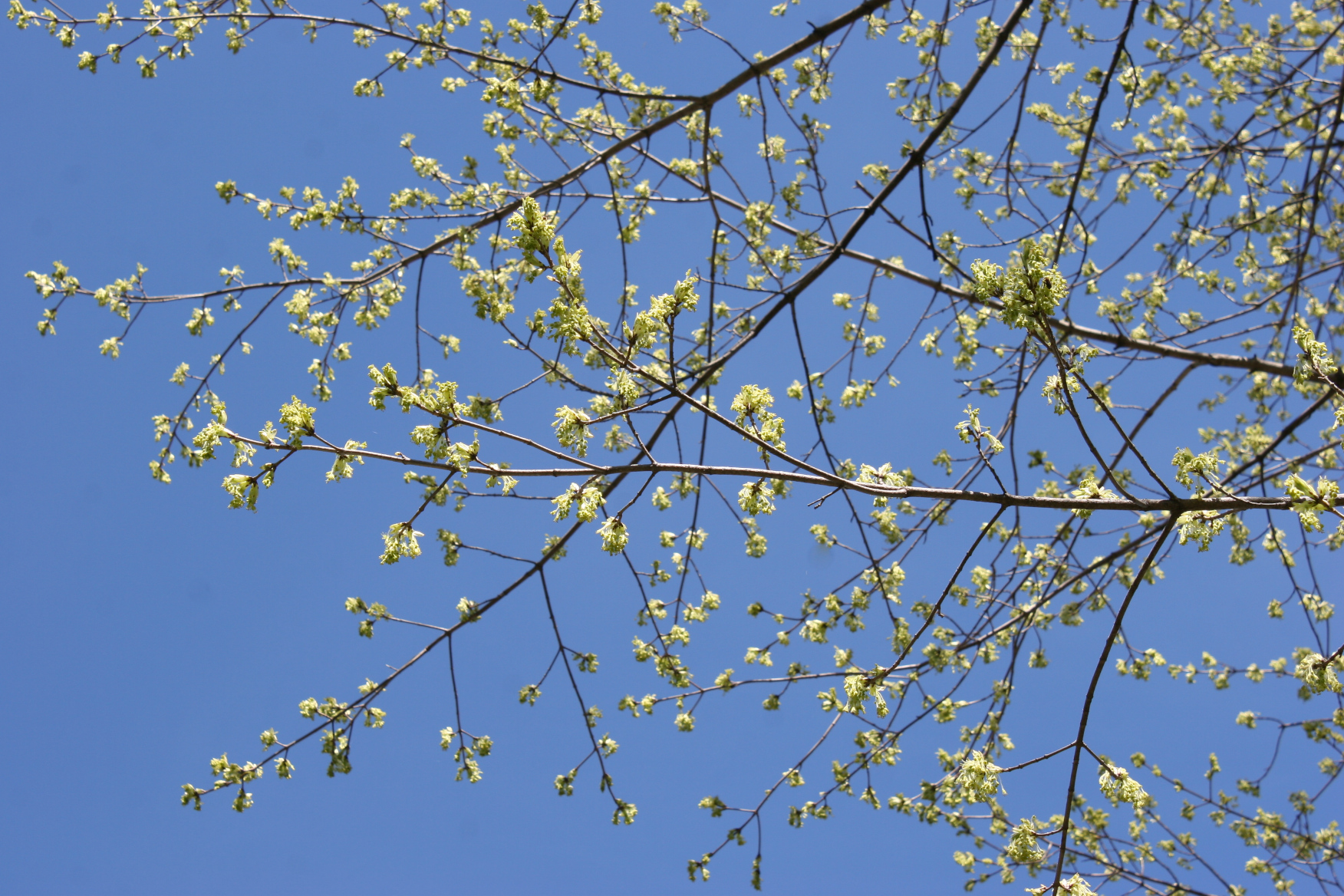
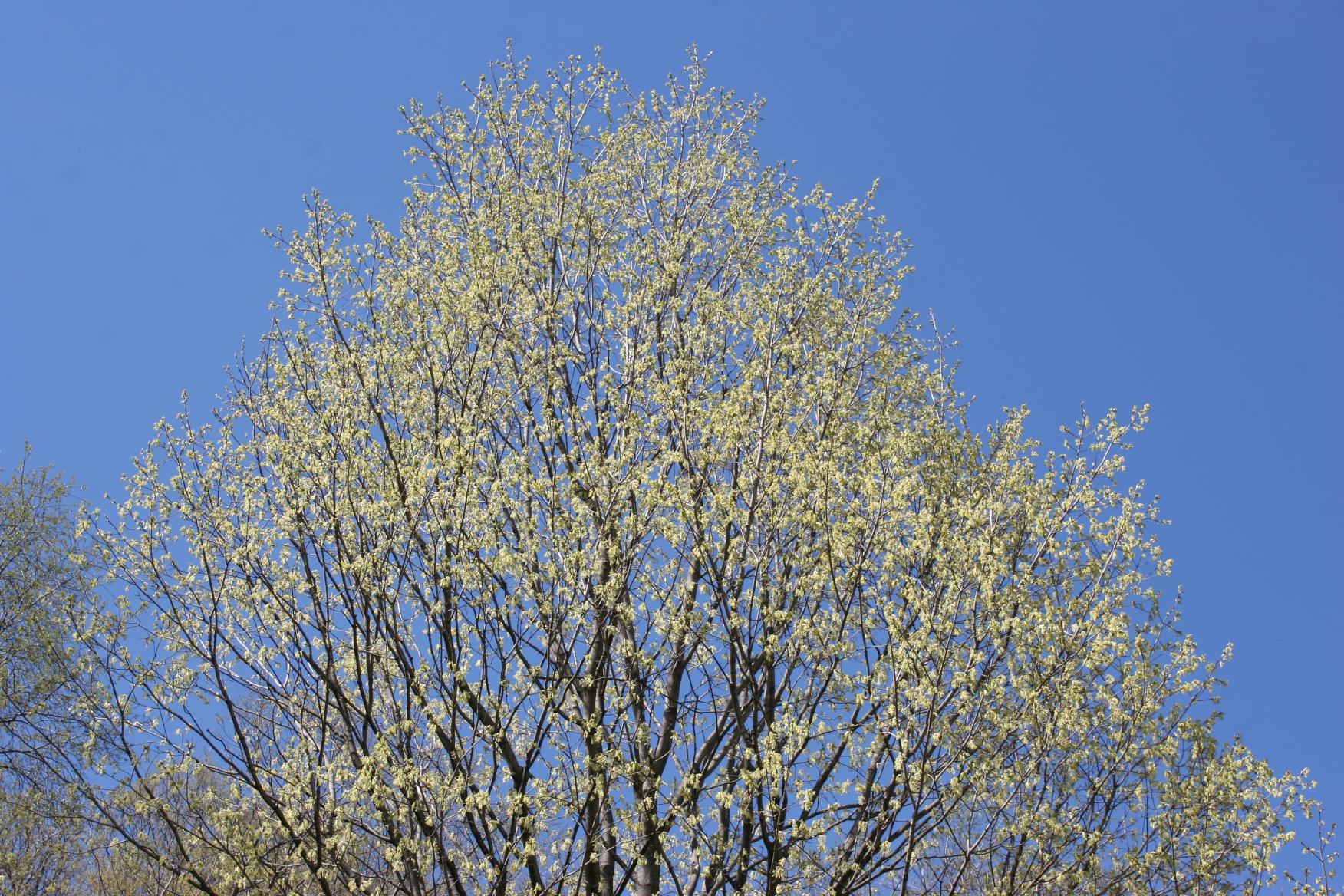
Oh, to see the trees leafing out…a sure sign of spring in Minnesota.
SPRING IN MINNESOTA brings depth to the landscape. A richness of color. Months of grey and brown fade, replaced by pops of vibrant hues in spring flowers, by vivid blue skies, by bursts of green in leafing trees.
My backyard shows all those signs of spring. As I hang laundry on the line on an April morning with a lingering nip of cold, the sun shines bright. The shrill voice of cardinals pierces through the steady noise of traffic.

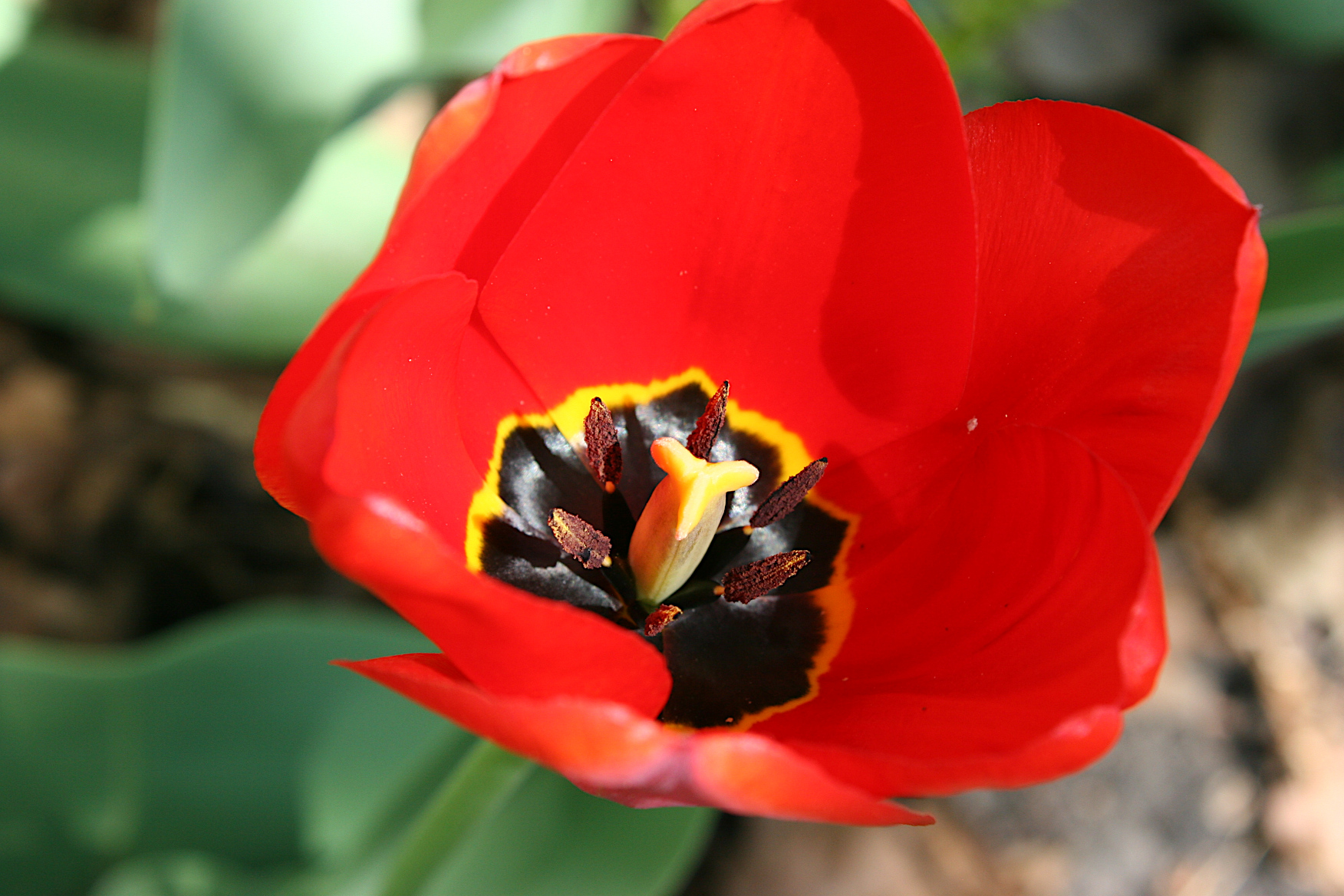
Tulips color my yard.

Around the corner, next to the house foundation, 18 red and yellow tulips await the shifting of the sun. Soon they will “open their mouths,” as my now 30-something daughter assessed as a toddler.

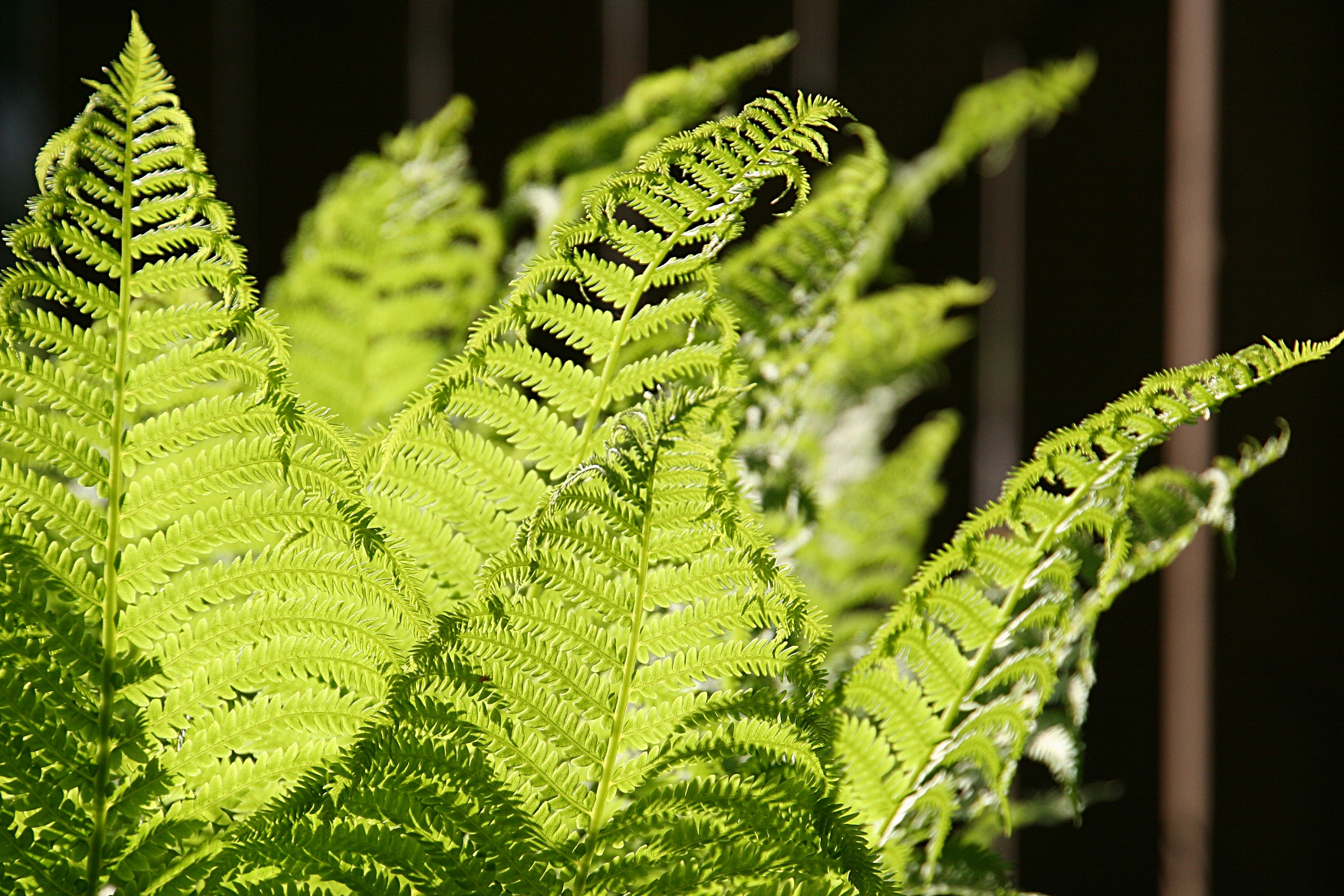
Soon ferns will unfold in fullness. Minnesota Prairie Roots file photo.

In the same flowerbeds, ferns rise from the earth. Soon to fill the space, to wave in the wind with a rhythm that seems poetically beautiful.

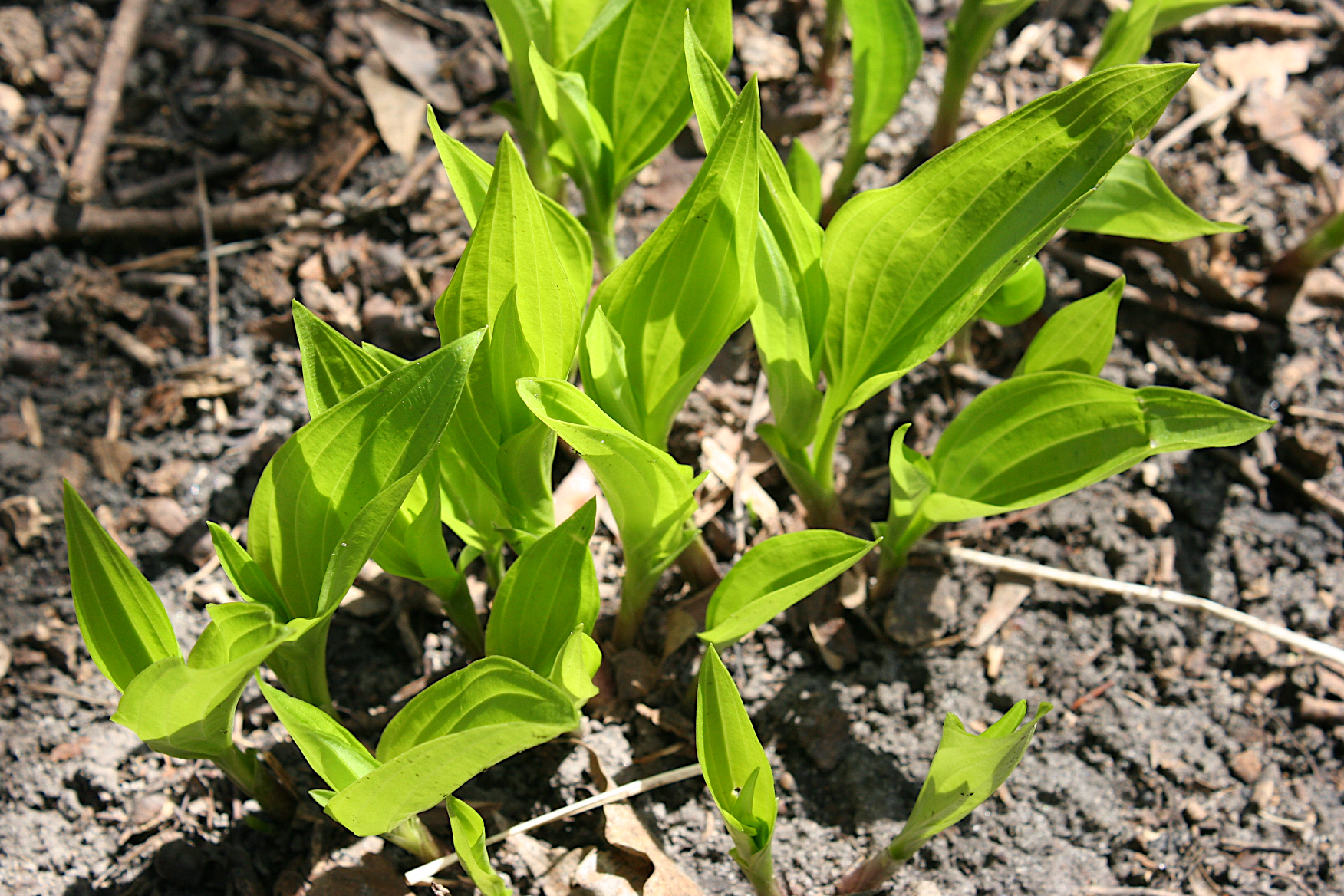
Oh, the light on these hosta leaves…

Hostas erupt in clusters of green leaves that will eventually spread wide.

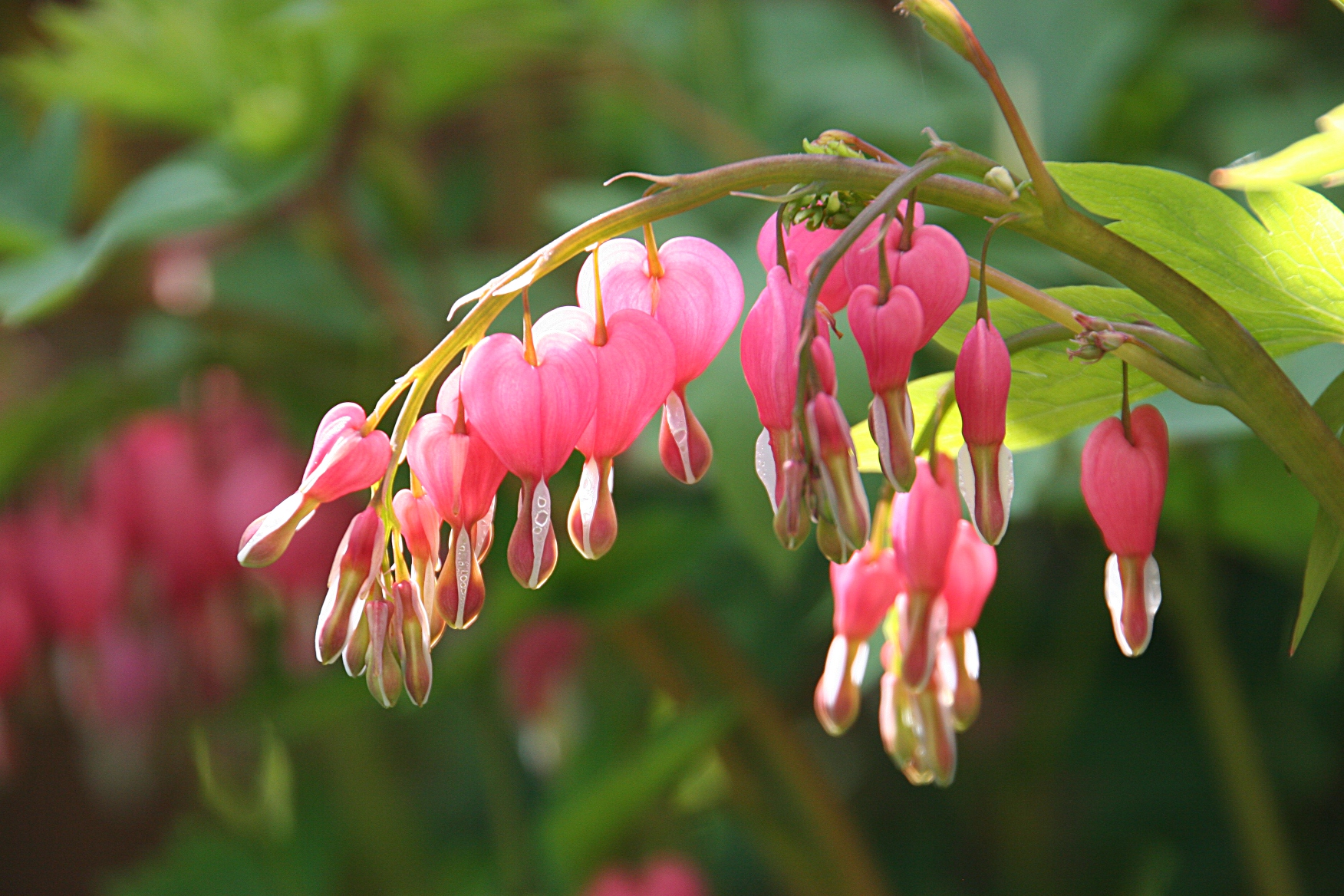
Soon the bleeding hearts will bloom. Minnesota Prairie Roots file photo.

And in three spots along the fence, bleeding hearts emerge, buds already forming on one plant.

This week has proven hard on plants with morning temps in the 20s. Tulip heads and bleeding heart buds drooped, bowing to the cold. They’ve since rebounded.

The reality of spring in Minnesota is fickle. One day sunshine and warmth, the next snow flurries and cold. I never quite trust, even in April and into early May, that winter has exited. We’ve experienced May snowstorms and certainly plenty in April. Snow shovels remain at the ready.

The greens of trees and of grass and plants seems particularly vivid in spring.

But for today, I believe in spring. I see it. Overhead in the greening of trees against the blue sky. Below in the push of plants through the cold soil. And in my spirit, I feel a renewed sense of optimism, a joyfulness that comes in this season of hanging laundry on the line with the sun beaming bright.

© Copyright 2021 Audrey Kletscher Helbling