Minnesota Prairie Roots

Writing and photography by Audrey Kletscher Helbling

Rural Faribault church presents 50th annual The Last Supper Drama March 29, 2012

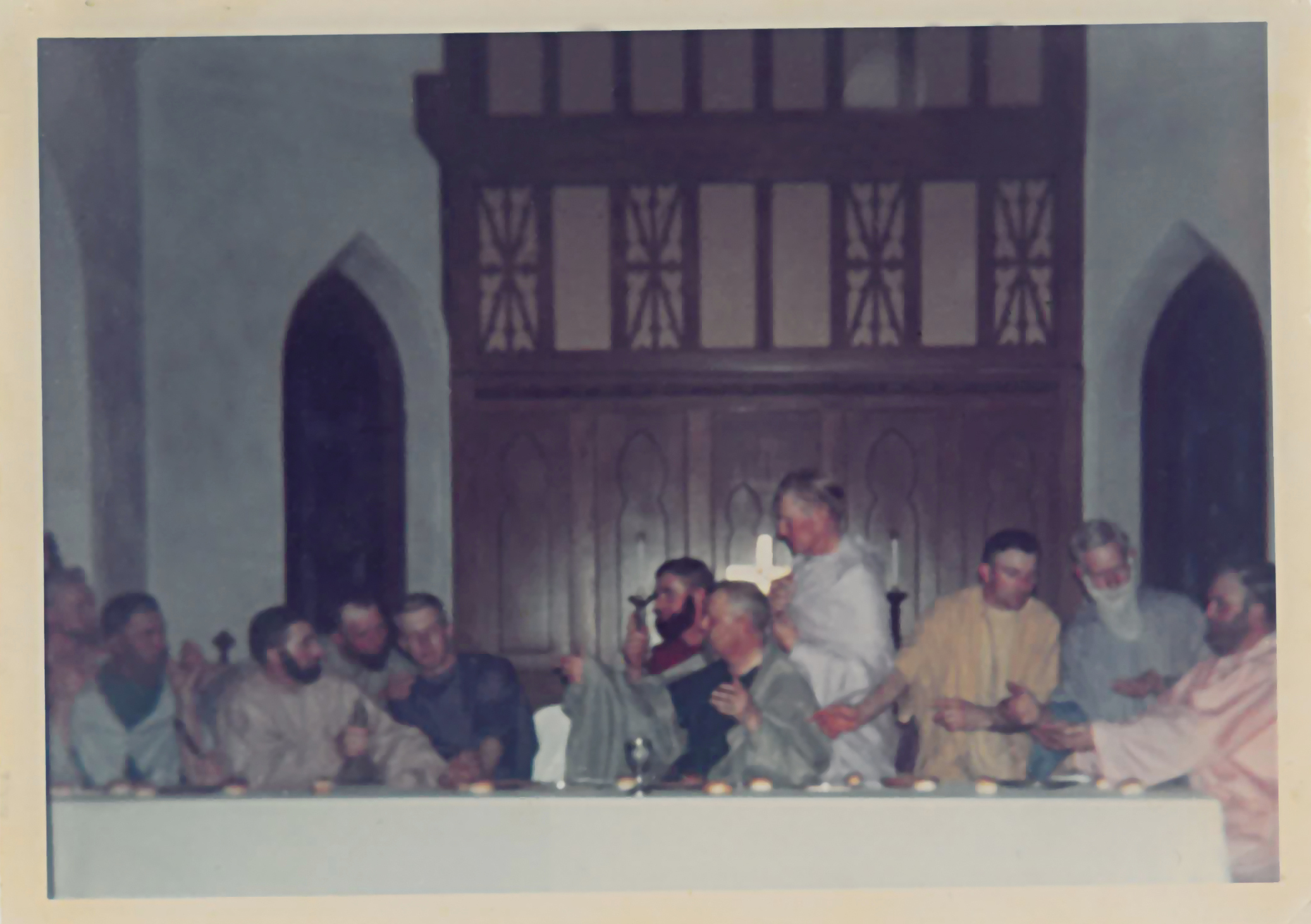
St. John's members portray the disciples in this undated vintage photo, the first record of a photograph from The Last Supper Drama. Actors, from left to right, are Luverne Hafemeyer, Earl Meese, Victor Luedke, Howard Meese, Virgil Bosshart, Arnold Keller, P.L. Golden, Alvin Bosshart, Paul Bauer, Elmer Covert Sr. and Arnold Bauer. Photo courtesy of St. John's United Church of Christ, Wheeling Township.

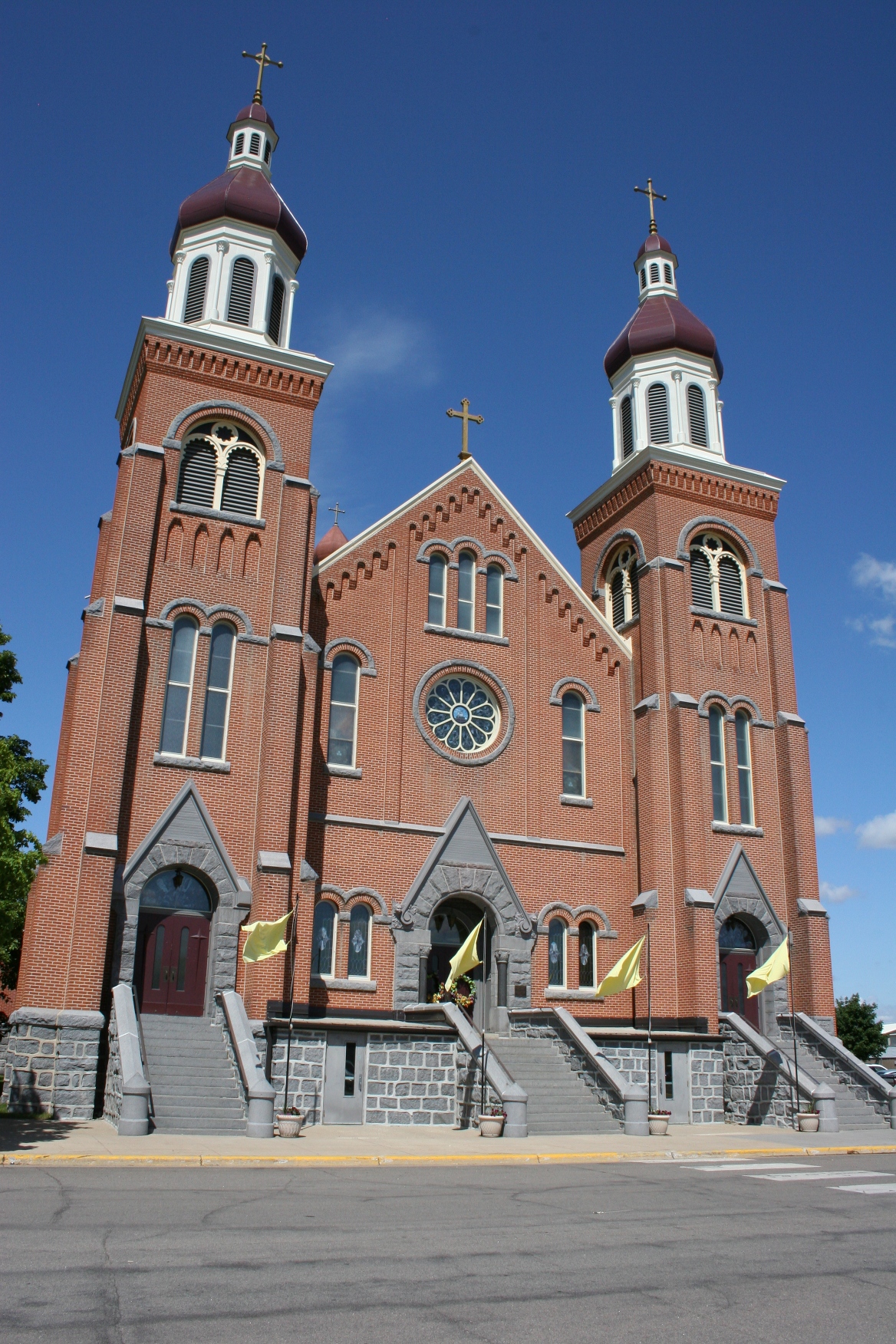
EVERY LENTEN SEASON since 1963, worshipers and actors have gathered inside the 1870 limestone sanctuary of St. John’s United Church of Christ—Wheeling Township, rural Faribault, for The Last Supper Drama.

It is, says 2012 co-director Pauline Wiegrefe, a moving, emotional Palm Sunday drama that puts participants and attendees “in the mindset of Holy Week.”

Sunday, April 1, marks the 50th anniversary presentation of the drama penned by long-ago St. John’s pastor the Rev. Walter C. Rasche. He wrote the script while serving in an Indiana parish and brought it with him to Minnesota. When Rasche left St. John’s in 1969, The Last Supper Drama tradition continued.

The script, which features 12 men positioned like the disciples in Leonardo da Vinci’s The Last Supper painting and then speaking individually about their relationships with Christ, has remained unchanged in five decades.

Cast members in the 2011 The Last Supper Drama, left to right: Todd Lein, Craig Mueller, Alan Meyer, Grant Meese, Martin Budde, Paul Meyer, Thad Monroe, Kyle Keller, Doug Spike, Keith Keller, Randy Tatge and Brian Little. The white pillow on the empty chair represents Christ.

Likewise, the same hymn, “Here, Oh My Lord, I See Thee Face to Face,” continues as the single participatory musical selection. Craig Keller, drama organist, plays the same taped mood-setting organ music he’s used since 1968. Prior to that, introductory music emitted from a record player stationed behind the altar.

For original cast member and life-long St. John’s member Luverne Hafemeyer, 84 of Northfield, the drama is, he says, an emotional and inspirational experience that prepares him for Easter.

As a young farmer, Luverne jumped at the opportunity to join the original 1963 cast. During his high school years, except for an annual Youth Fellowship play presented in the nearby Nerstrand Town Hall, he had never acted. Farm work and gas rationing during WW II kept him from participating in high school activities.

But once Luverne joined The Last Supper Drama cast, he stayed on for 15 – 20 performances, finally relinquishing his role as James just five years ago. (Casts alternate from year to year.) He still helps sometimes with lighting and the post performance coffee hour.

His lines, however, remain engrained in his memory: “I am James the son of Zebedee, the elder brother of John…”

Like Luverne 50 years ago, all of today’s actors at this rural church come from a farm background. Co-director Pauline remembers her father, Arnold Keller, and her brother Keith practicing their lines while milking cows.

Actors, past and present, will be recognized during the 50th anniversary presentation set for 8 p.m. this Sunday inside the old stone church.

FYI: St. John’s United Church of Christ is located eight miles east of Faribault on Minnesota Highway 60 and then two miles north on Rice County Road 24 at 19086 Jacobs Avenue.

Visit the church website by clicking here.

To read a blog I posted about last year’s The Last Supper Drama, click here. You’ll find many more images of the drama posted here.

© Copyright 2012 Audrey Kletscher Helbling


The Sunday School Christmas program December 18, 2011

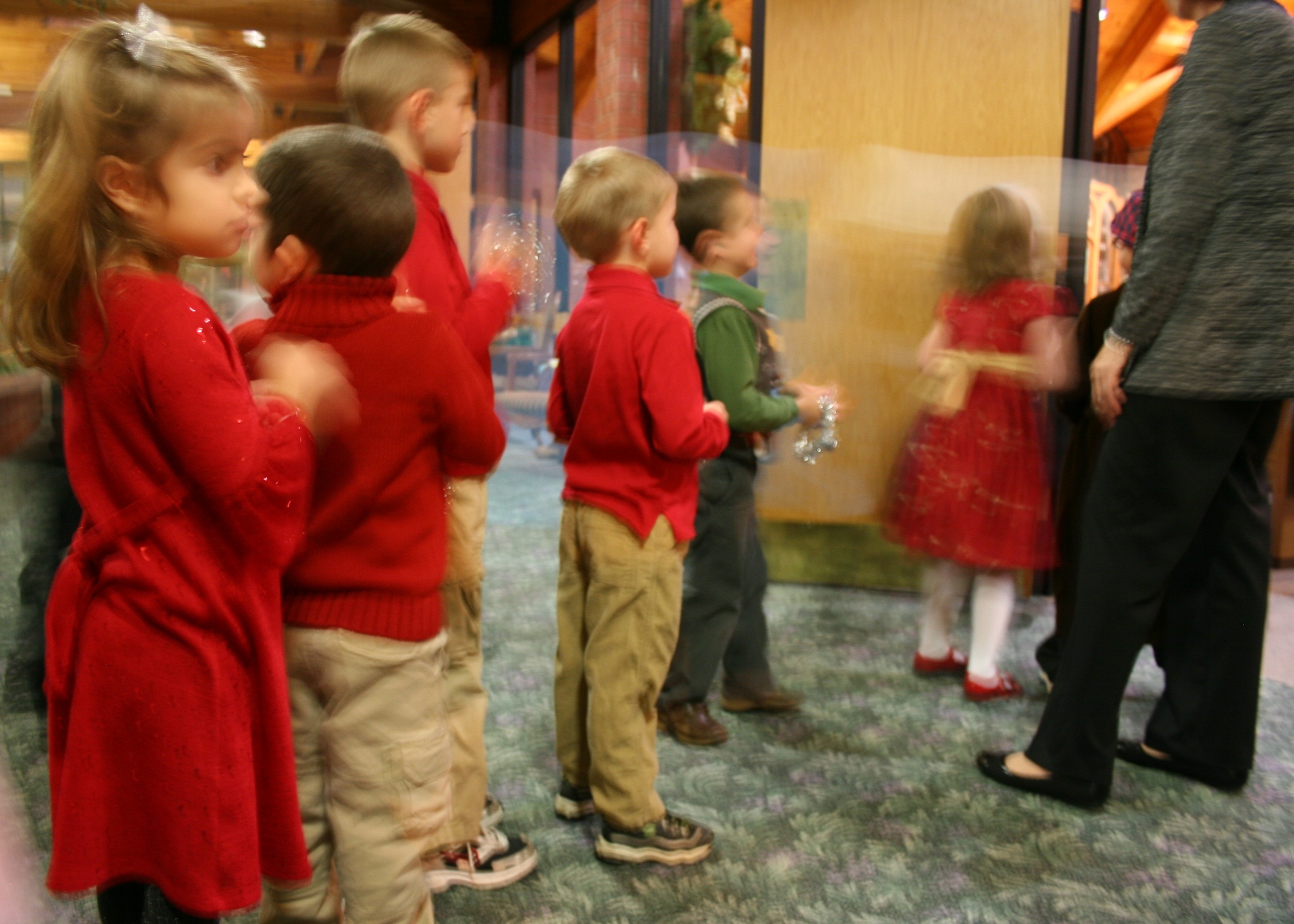
KIds wait in the narthex of Trinity Lutheran Church, Faribault, for the processional into the sanctuary during the Sunday School Christmas program. I shot with natural light, meaning a slow shutter speed, perfect for capturing the "can't stand still" action of these little ones who were so excited.

CHRISTMAS IS NOT Christmas to me without the Sunday School Christmas program.

From little on—when  I recited my “piece” at the St. John’s Evangelical Lutheran Sunday School Christmas Eve program, hoping I wouldn’t get a long bible verse with a word like “Nazareth” to trip my tongue—to today, when I can simply sit and observe, I’ve always treasured this part of celebrating Christ’s birth.

Through the years, my own three children participated at Trinity Lutheran in Faribault, playing the roles of Mary and an angel and Joseph and maybe even a shepherd. I have forgotten.

I do remember, though, the year I was 7 ½ months pregnant with my son and waddled into church feeling like the Blessed Mother herself. That was 18 years ago.

Saturday night I grabbed my camera and attempted to capture those moments that have always endeared me to this special children’s worship service—the red Christmas dresses, the bathrobe shepherd’s garb, the fluttering of angel’s wings, the joyful singing of familiar Christmas hymns, the kids who can’t stand still no matter how hard they try or don’t try, the goodie bags…

At Trinity in Faribault, a new generation of children sang and I remembered those Christmases so many years ago back on the prairie, waiting in the basement of  St. John’s, inching up the stairway, walking in pairs down the church aisle singing “Oh, Come All Ye Faithful…”

Such memories. Such joy at Christmas time.

The beginning of the children's Christmas program at Trinity on Saturday evening.

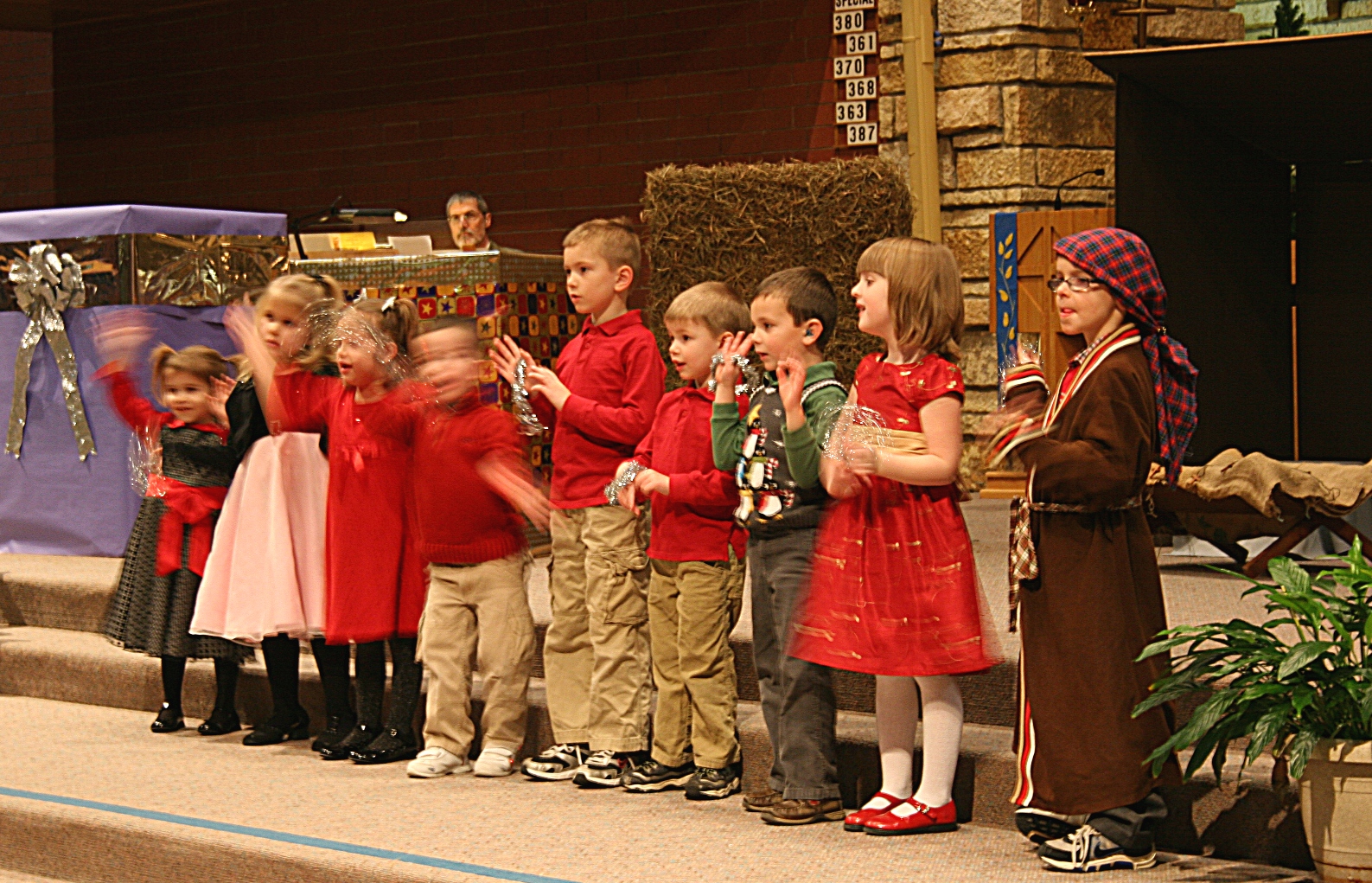
Children, ages 3 through kindergarten, sing. Lots of action here.

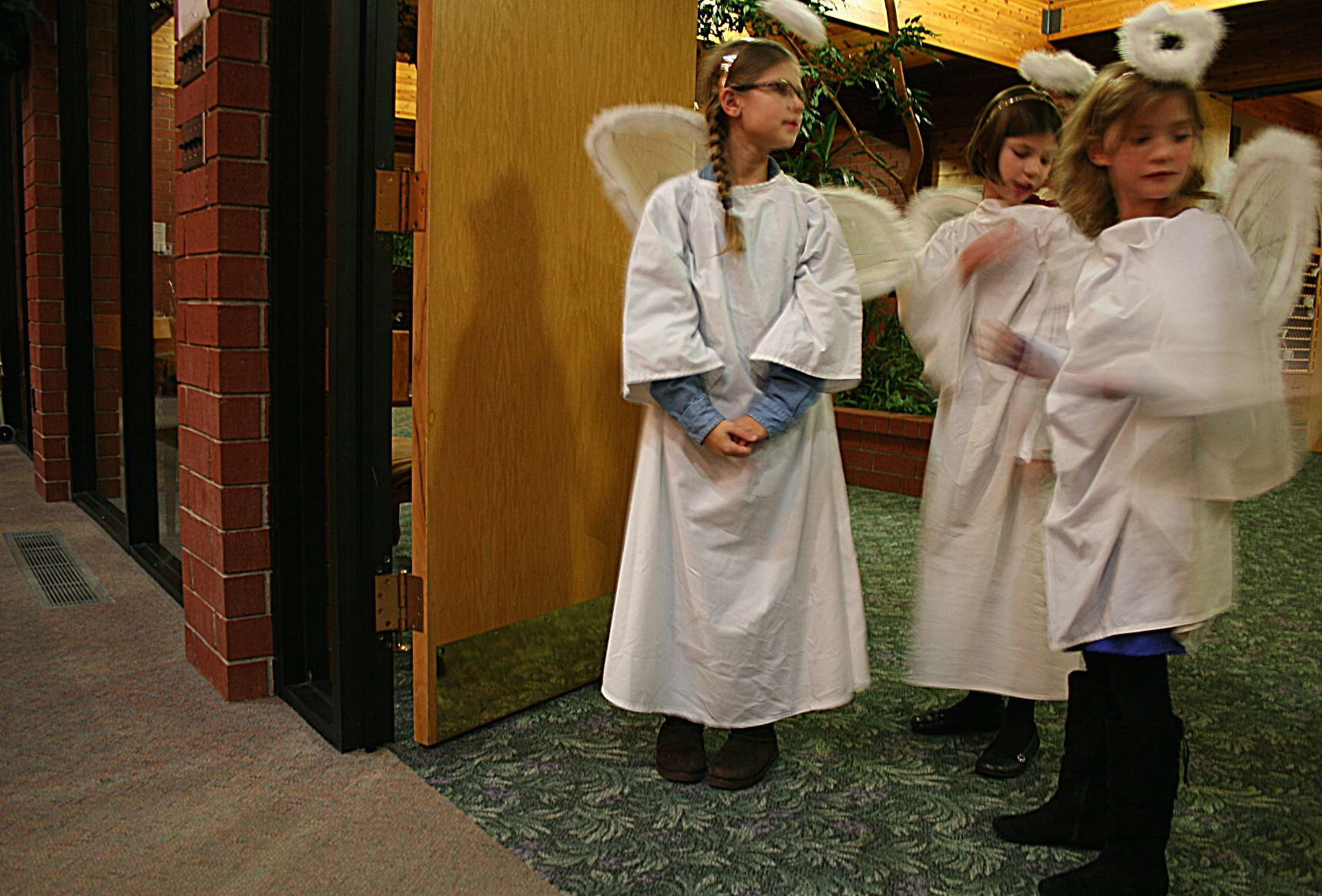
The angels wait just outside the sanctuary for their cue to enter.

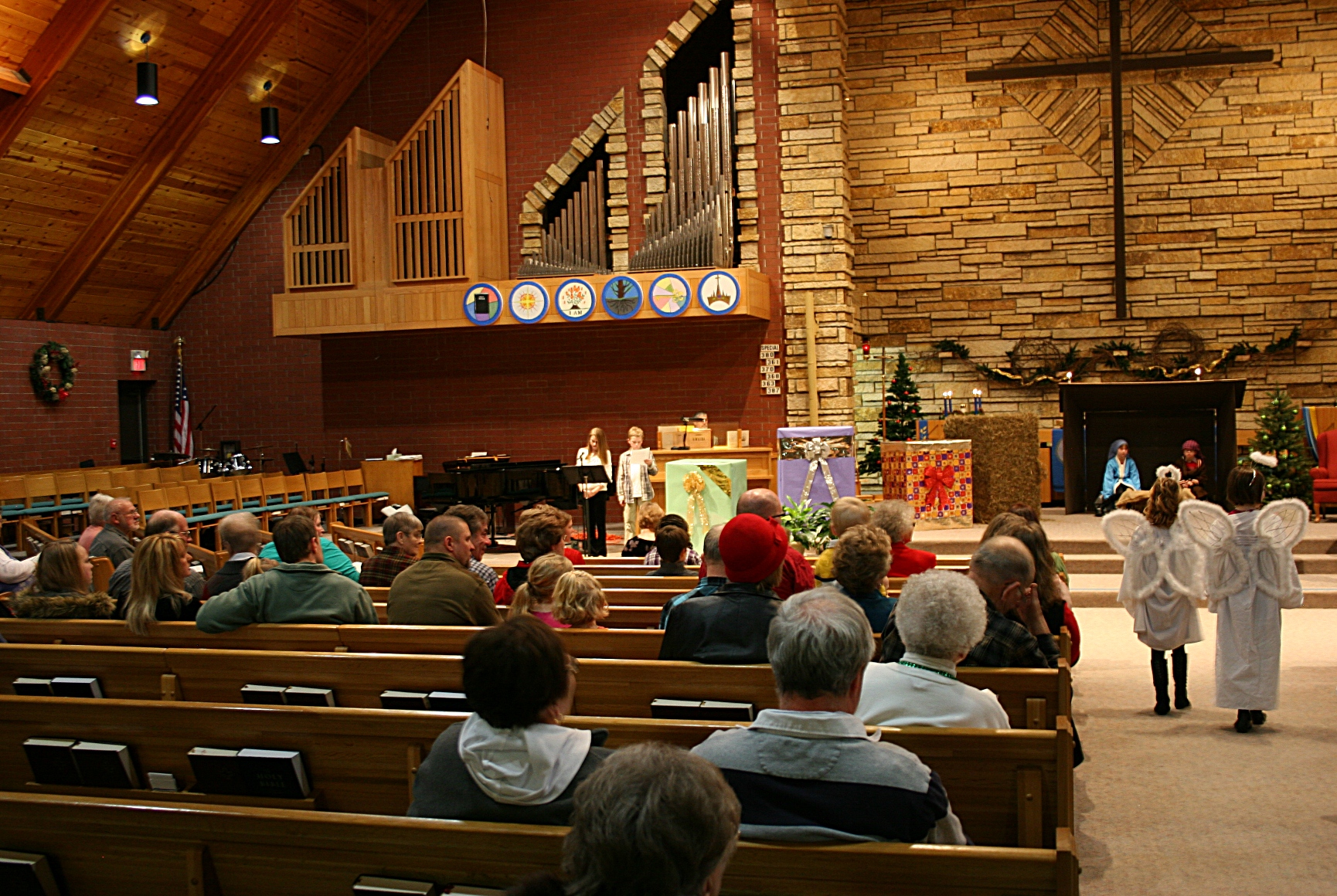
The angels approach the manger at the front of the church.

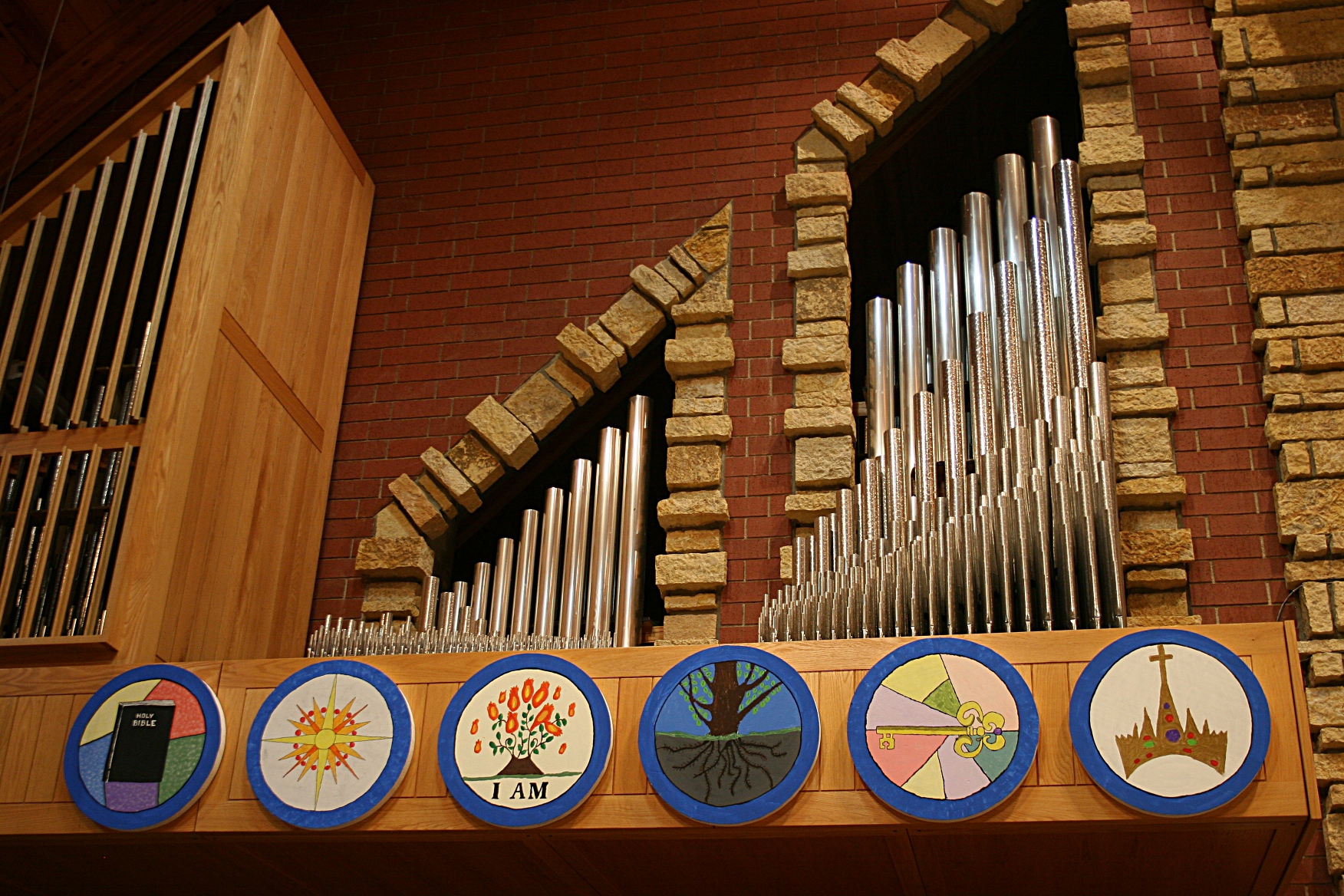
"O Antiphons," lined up below the pipes of the organ, were used during Advent services to symbolize the names or titles given to the coming Messiah, Jesus Christ, in many Old Testament prophecies.

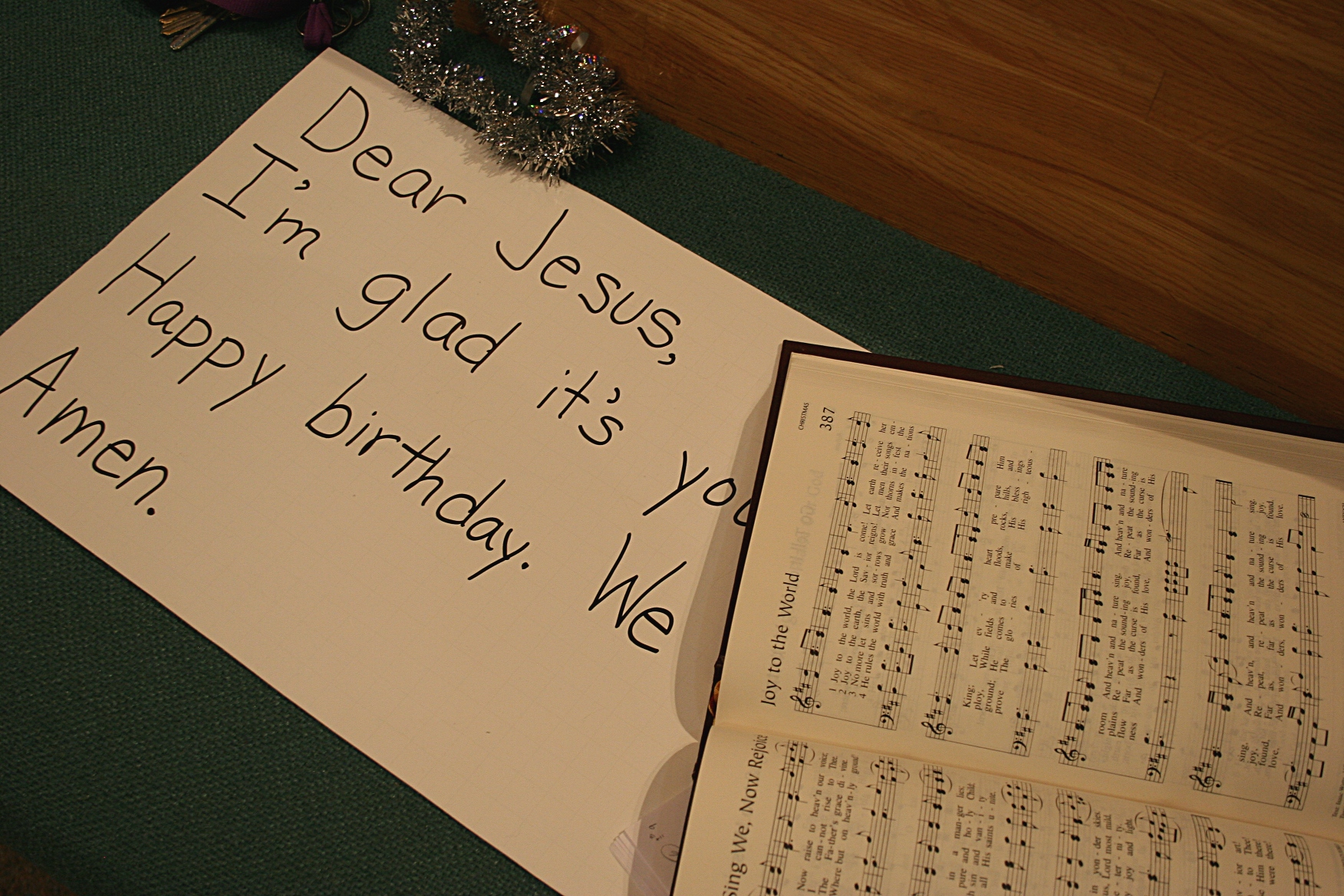
After the service, I found this cue card for the children and this hymnal, open to "Joy to the World," on a front pew.

DO YOU HAVE special memories of a Sunday School Christmas program?

© Copyright 2011 Audrey Kletscher Helbling
 

In praise of German food and missions November 6, 2011

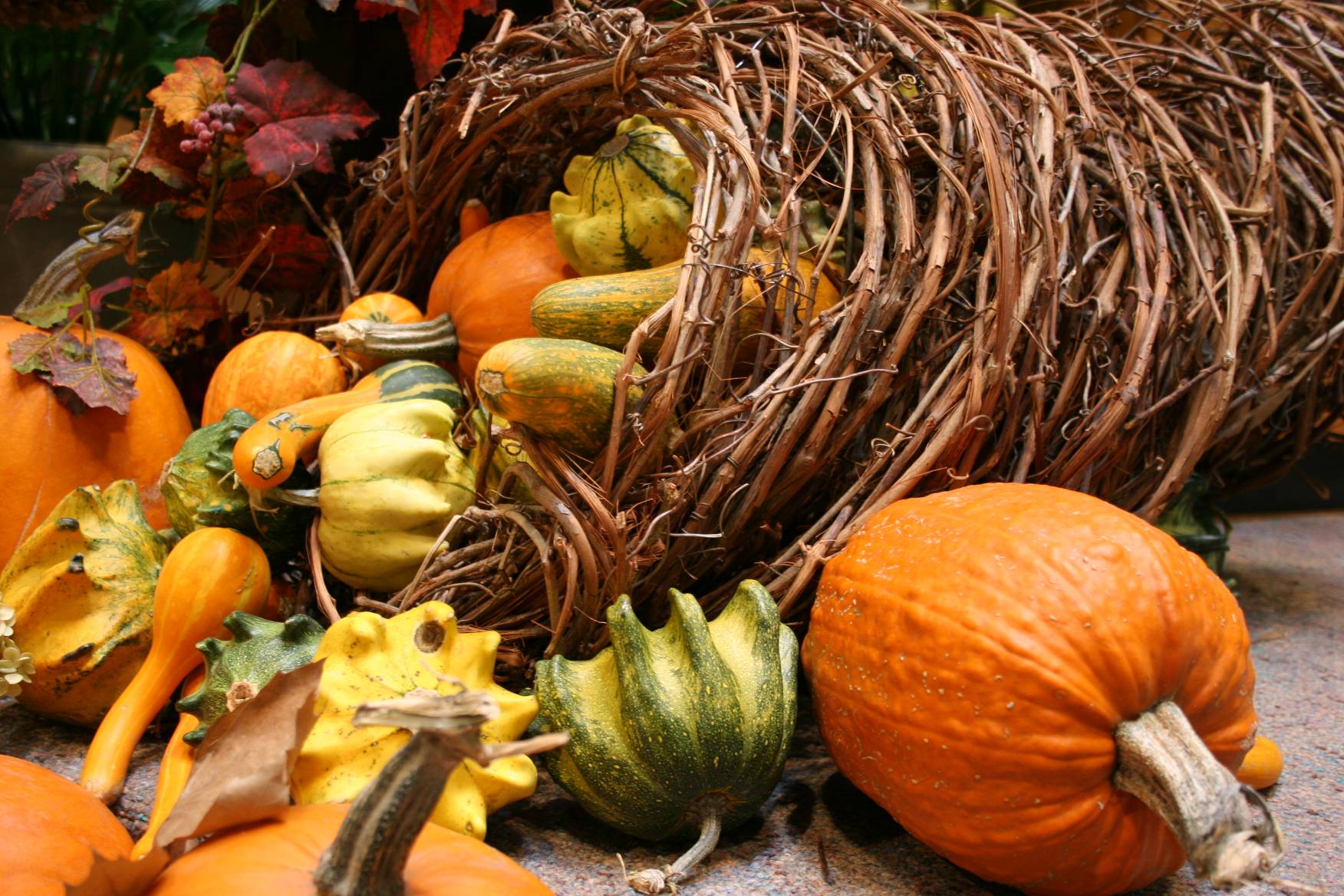
A 2009 Thanksgiving display at Trinity Lutheran Church, Faribault.

WITH THANKSGIVING only weeks away, it behooves us to begin expanding our stomachs in preparation for the big meal.

It also behooves us to focus our thoughts on thanksgiving and praise.

If you live anywhere near Faribault, you can accomplish both by attending two upcoming events at my church, Trinity Lutheran, at 530 Fourth Street Northwest, across from McDonalds. Trinity isn’t sponsoring the events, lest you think I’m specifically promoting my congregation here.

Rather Morristown-based Cannon Valley Lutheran High School and rural Waterville-based Camp Omega are coordinating these separate Sunday worship services followed by meals.

ONE WEEK FROM TODAY, on Sunday, November 13, CVLHS is offering a German Fest of Thanks and Praise at 4 p.m. followed by a supper of traditional German foods at 4:30 p.m. Attend one or both, and I’d highly recommend both, especially if you appreciate the Mother Tongue and good great German food.

The plated portion of the authentic German meal served last year by CVLHS.

I attended this Lutheran high school’s first-ever German worship service and dinner last year and enthusiastically endorse it, otherwise I wouldn’t recommend it to you here. (Click here to read a blog post from the 2010 German celebration.)

After you’ve thanked and praise, you can indulge in that ethnic meal of sauerbraten with spaetzle, sweet and sour red cabbage, bratwurst and sauerkraut, pfeffernusse and bread pudding (to die for).

And let me tell you, these Cannon Valley volunteers know how to cook.

If you want to partake in the German meal, you need to act soon. Tomorrow, Monday, November 7, is the deadline to purchase tickets, which are $13 for adults, $7 for ages 5 – 10 and free for preschoolers. Call CVLHS at (507) 685-2636.

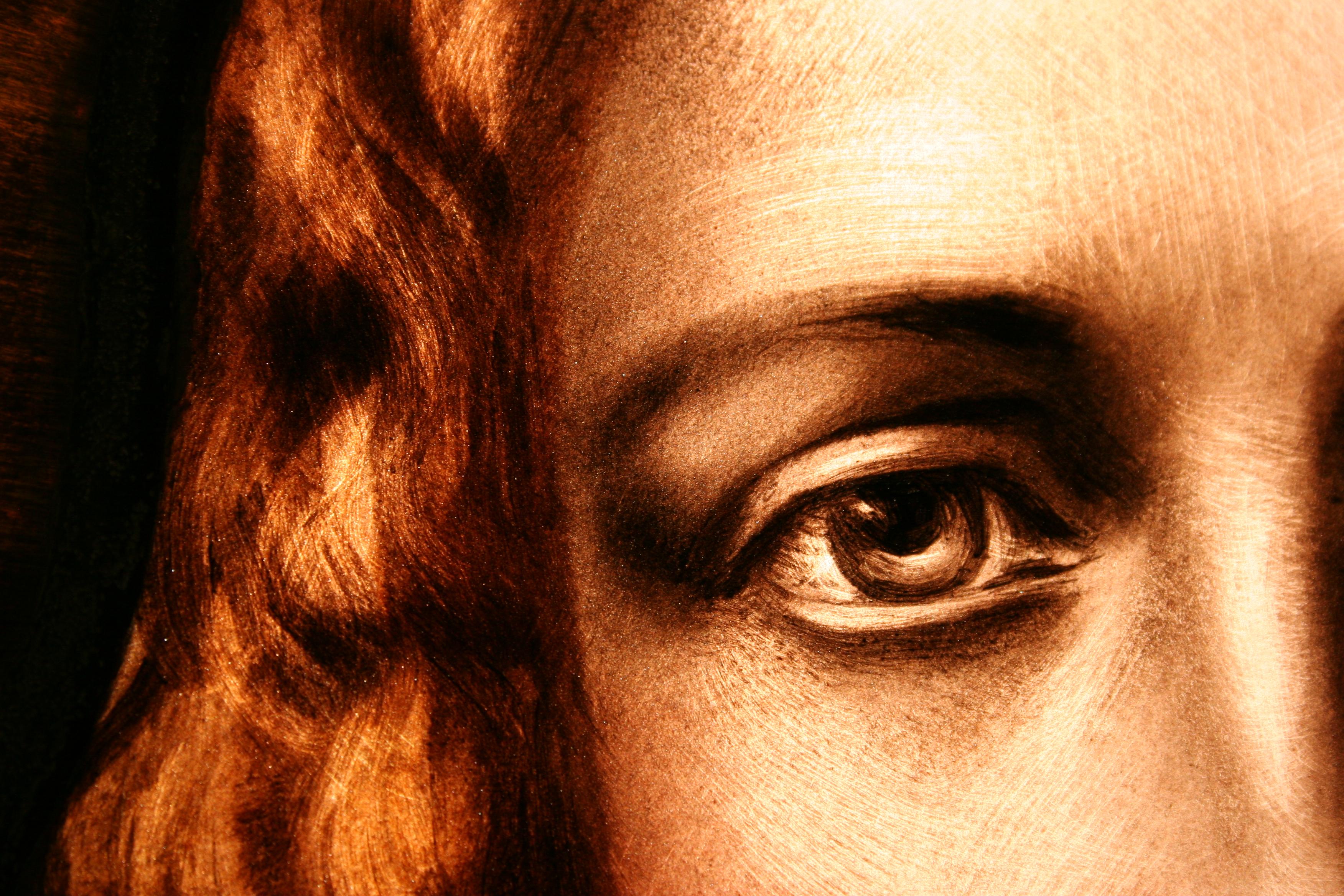
A portion of Jesus face, photographed from a stained glass window at Trinity Lutheran Church, Faribault.

THE FOLLOWING SUNDAY, November 20, I’d suggest you return to Trinity at 2 p.m. for a two-hour “Let the People Praise!” service followed by a Camp Omega-sponsored free turkey supper. Yes, you read that right—free worship service, free food.

First the worship service, which truly is two hours long and which evolves around missions: Think of it as Mission Sunday or a mission rally or something along those lines. Missionaries involved in Hispanic, Sudanese, Hmong, Liberian, Anglo and campus ministries will participate.

There’ll be singing by a Hmong choir and Liberians and, yes, even drumming and dancing. In a Lutheran church. Would you want to miss that? I didn’t think so.

I can almost guarantee that you’ll be emotionally and spiritually moved based on the music alone. I anticipate many pastors attending this service and, boy, can they sing.

After the service, Camp Omega is sponsoring that free turkey supper several blocks away at the Faribault American Legion with Gary Thies, mission development counselor for the Lutheran Church Missouri Synod, as the presenter. He’s traveled to 76 countries and spoken at more than 1,250 churches throughout the U.S. I’ve heard this man speak. He’s fired up for missions. He’ll address “Missionary Ministry in our Daily Lives.”

Thies will also give messages at the 5:30 p.m. Saturday, November 19, and 8 a.m. and 10:30 a.m. Sunday, November 20, Trinity worship services.

Anyway, organizers are hoping to fill the Trinity sanctuary and the Legion. If you want to attend the free 4:30 p.m. turkey supper on November 20 at the Legion, you must RSVP to Curt at Camp Omega, (507) 685-4266. He needs a head count soon. You can’t just walk in the door on the day of the dinner and expect to get seated. It won’t happen.

So, there you go—two wonderful opportunities to prepare for Thanksgiving.

© Copyright 2011 Audrey Kletscher Helbling
 

Connecting to God at country churches August 28, 2011

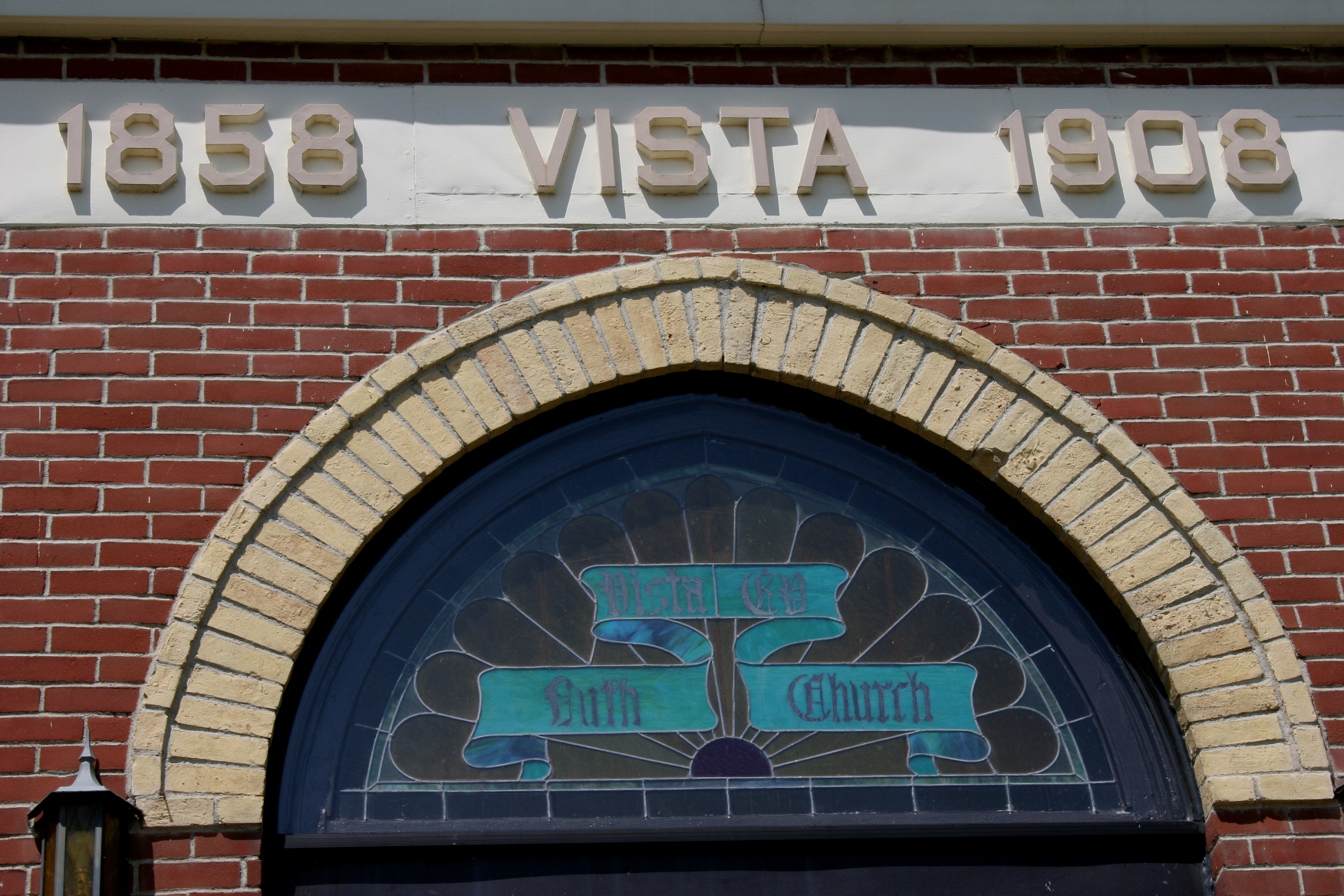
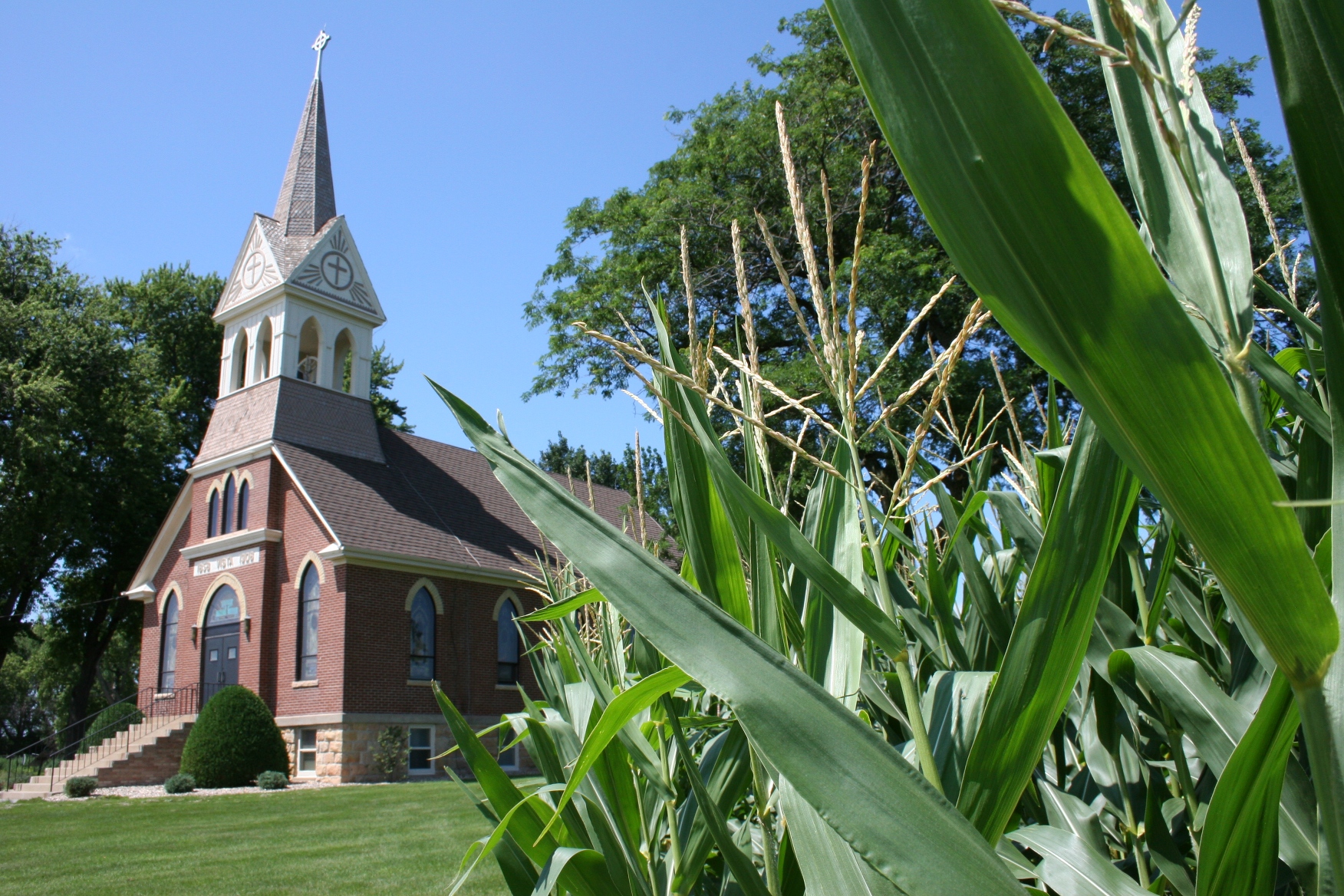
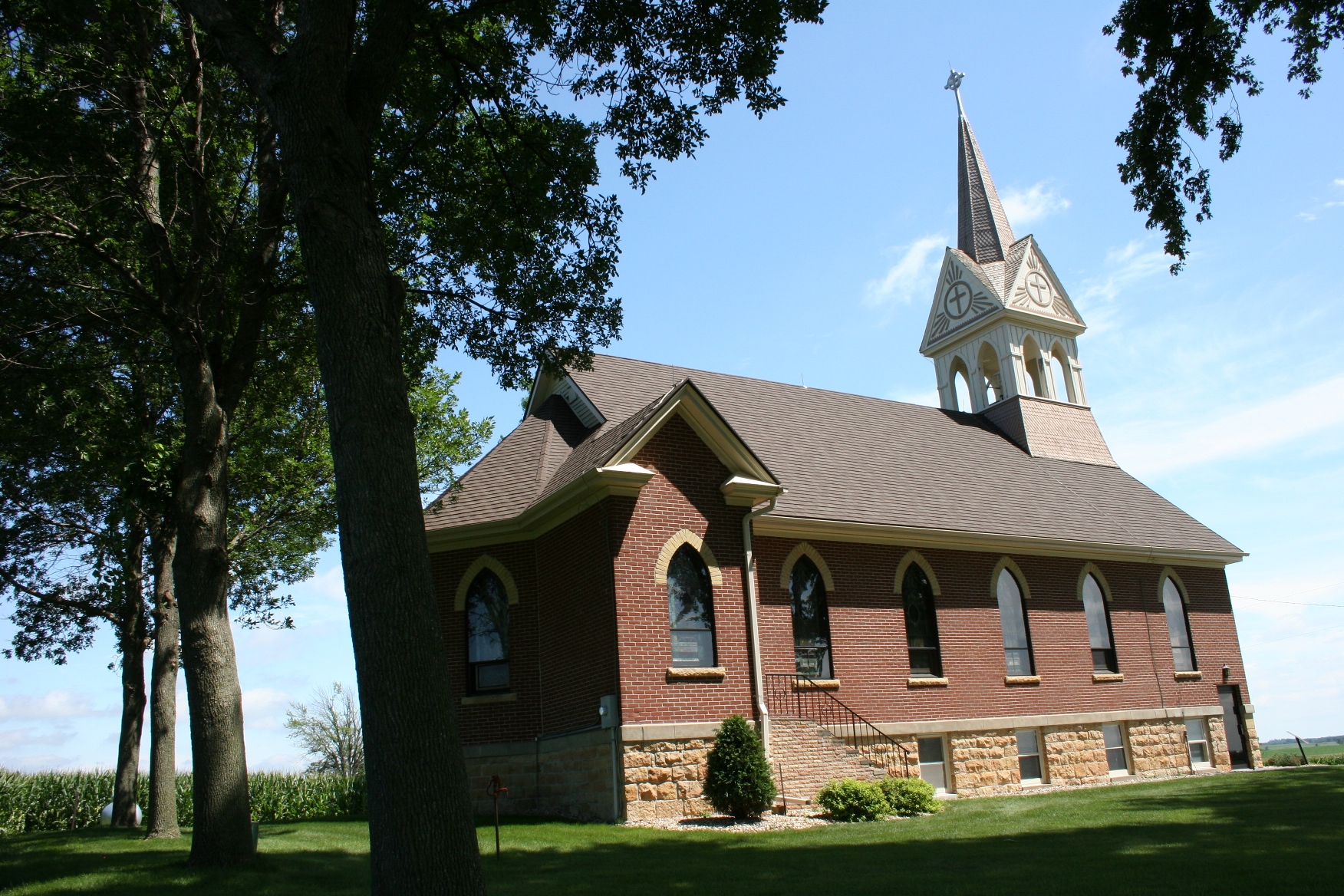
Vista Evangelical Lutheran Church, located at the intersection of Waseca County Roads 20 and 56 northeast of New Richland was built in 1908 and is on the National Register of Historic Places.

DURING THE PAST FEW YEARS, whenever I spot an old country church and have the time to stop and photograph it, I do.

I possess a sincere appreciation for the history, architecture, beauty and art found in these rural houses of worship.

There’s also something about a church in the country that exudes a deep sense of peace not found in a church built in a town and surrounded by homes or businesses, confined by concrete or pavement.

In the country, a church feels more closely connected to God by the sky, the land, the stirring of the wind through the trees, the background buzz of bugs on an end-of-summer day.

Serene. Peaceful. Calm. A certain sense of comfort comes from walking through a country churchyard, through the adjoining cemetery that links to farm fields where congregational forefathers worked the land and, on Sunday mornings, paused to thank God for the blessings bestowed upon them.

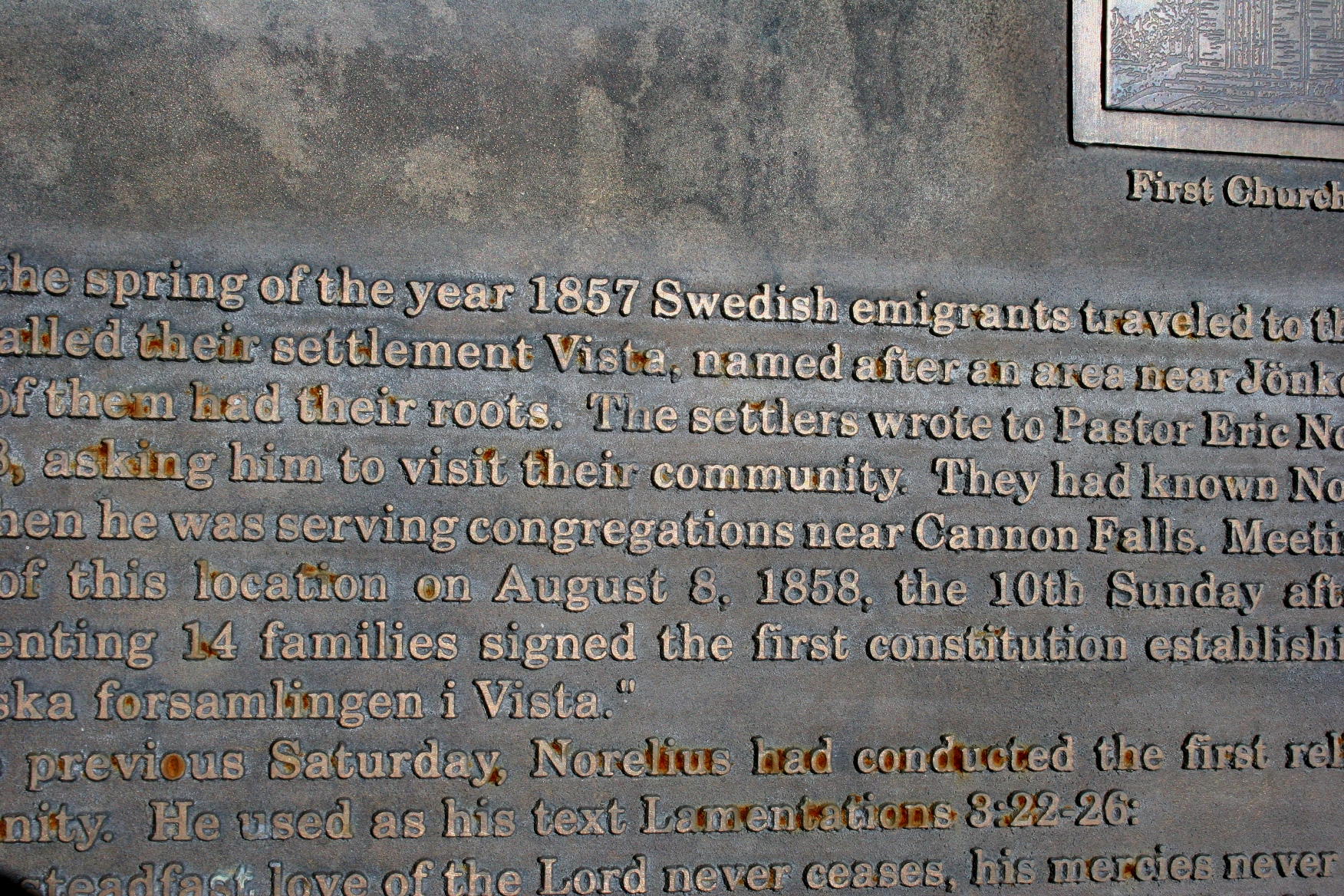
A plaque at Vista details the congregation's Swedish roots and history. Early settlers met on a hill north of the current church on August 8, 1858, and signed a constitution.

Most times on these brief visits to country churches, I find the doors locked. It wasn’t always this way. Perhaps even a decade ago, I could have walked inside. But times are different. Worry about theft requires locked doors.

So I can only imagine the sun streaming through stained glass windows, the worn pews, the ornate altar, the frayed rope of the bell pull.

Nearly every old country church features irreplaceable stained glass windows.

As I circle the church exterior, I consider the families that have come together here to celebrate baptisms and marriages and to mourn the loss of loved ones. Ashes to ashes, dust to dust.

Cornfields snuggle up to Vista's church yard. It's the most beautiful of settings.

Here, standing with my feet planted next to the church next to a corn or soybean field overlooking the picturesque countryside, I can feel the almighty presence of God the Creator as I contemplate words from “Beautiful Savior,” my favorite hymn:

Beautiful Savior, King of creation, Son of God and Son of Man!

Truly I’d love thee, Truly I’d serve thee,

Light of my soul, my joy, my crown.

#

Fair are the meadows, Fair are the woodlands, Robed in flow’rs of blooming spring;

Jesus is fairer, Jesus is purer,

He makes our sorr’wing spirit sing.

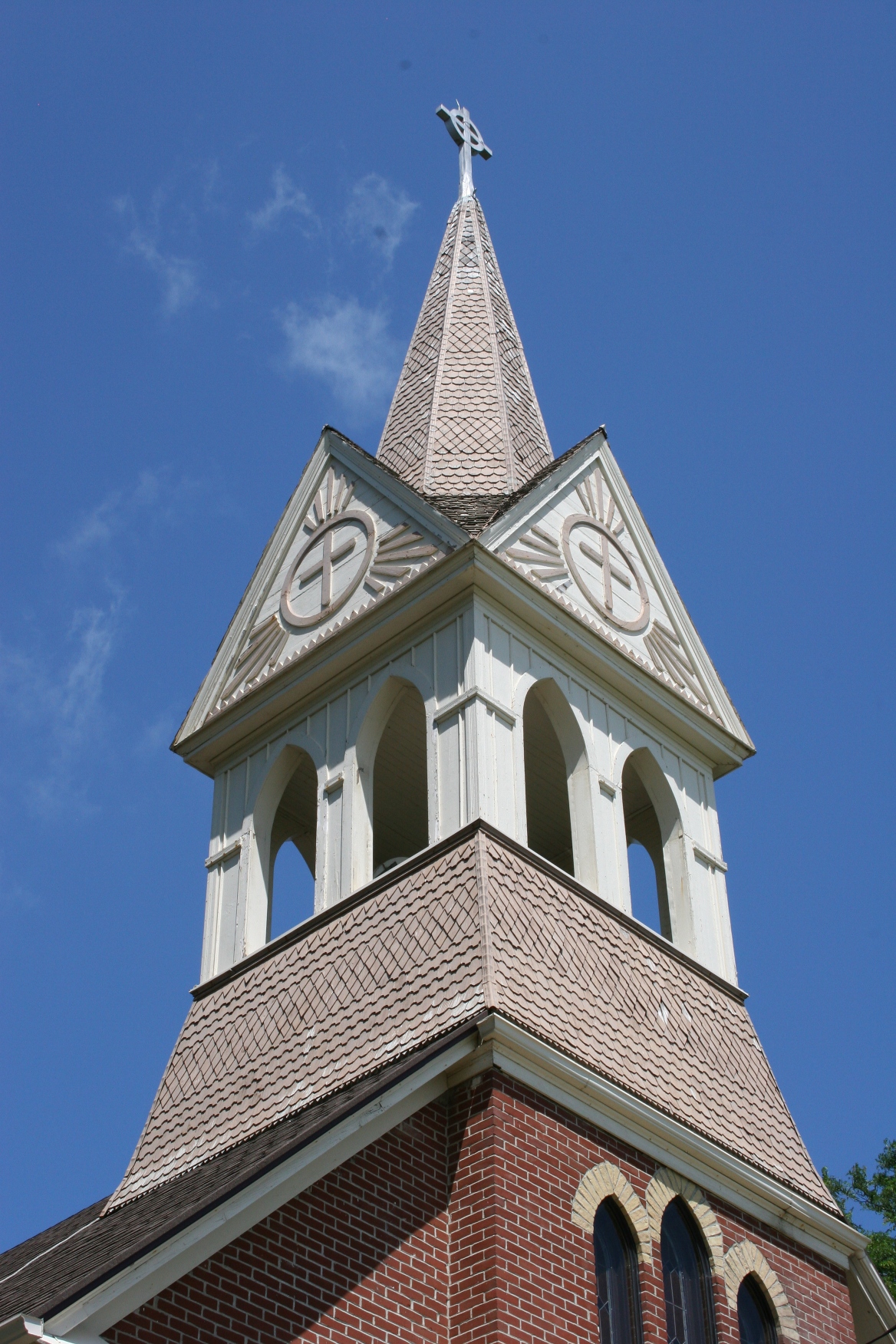
Vista's steeple rises above the countryside as a local landmark.

A lovely grassy area of shade trees lies to the north and west of the Vista church.

© Copyright 2011 Audrey Kletscher Helbling
Verses one and two of “Beautiful Savior” are from The Lutheran Worship hymnal.


Celebrating the Czech heritage at Veseli Ho-Down August 23, 2011

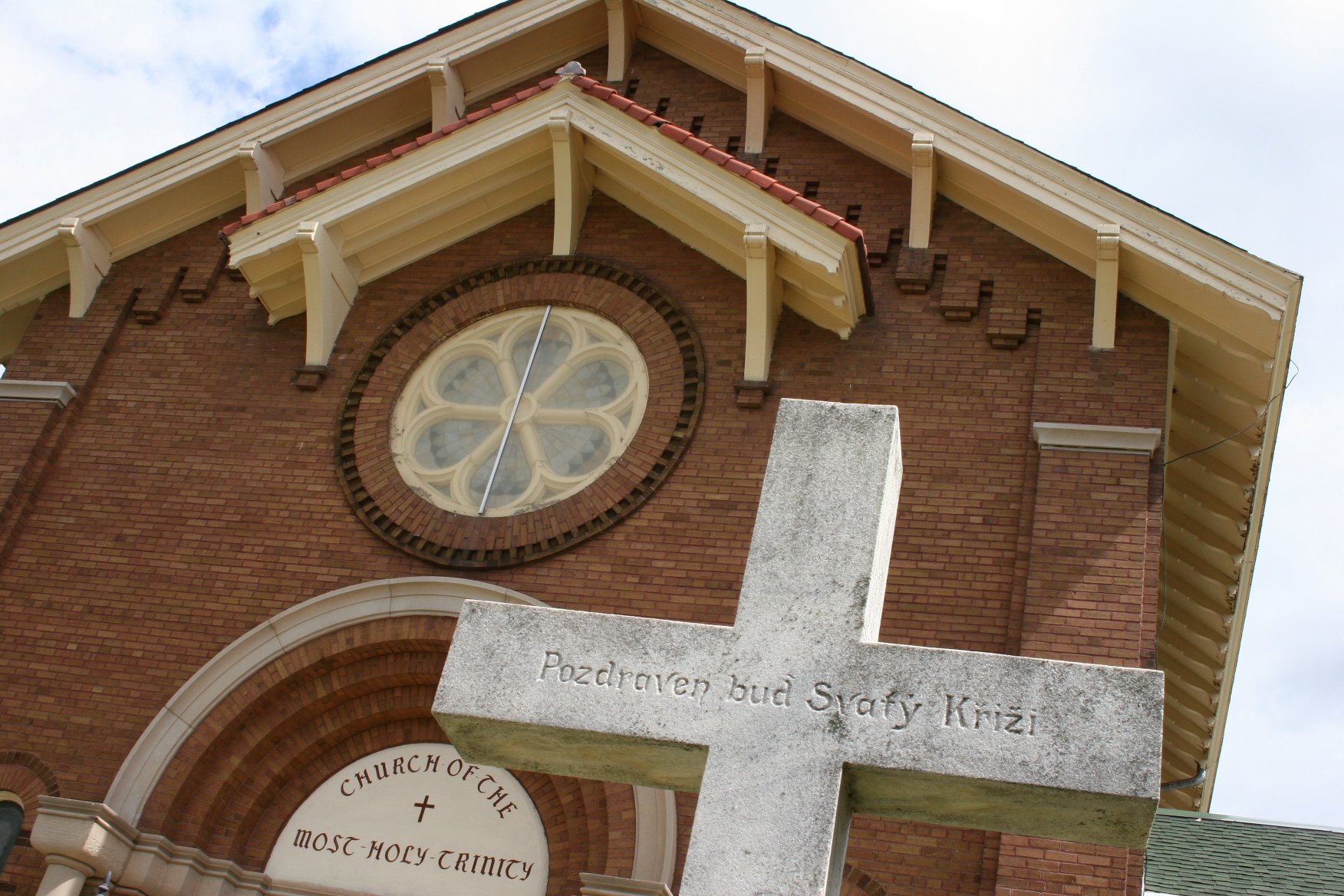
AROUND 10:15 a.m. we pull into Veseli, population 200, in northwestern Rice County and are directed to a parking spot on a ball field just below Most Holy Trinity Catholic Church. My husband Randy and I have barely exited our car when Fritz and young Joe arrive in their golf cart, offering us a ride around the block so we don’t have to climb the steep hill to the church.

We learn on the short jaunt that this marks the 44th annual Holy Trinity celebration, which began as a typical church festival but today has evolved into the Veseli Ho-Down.

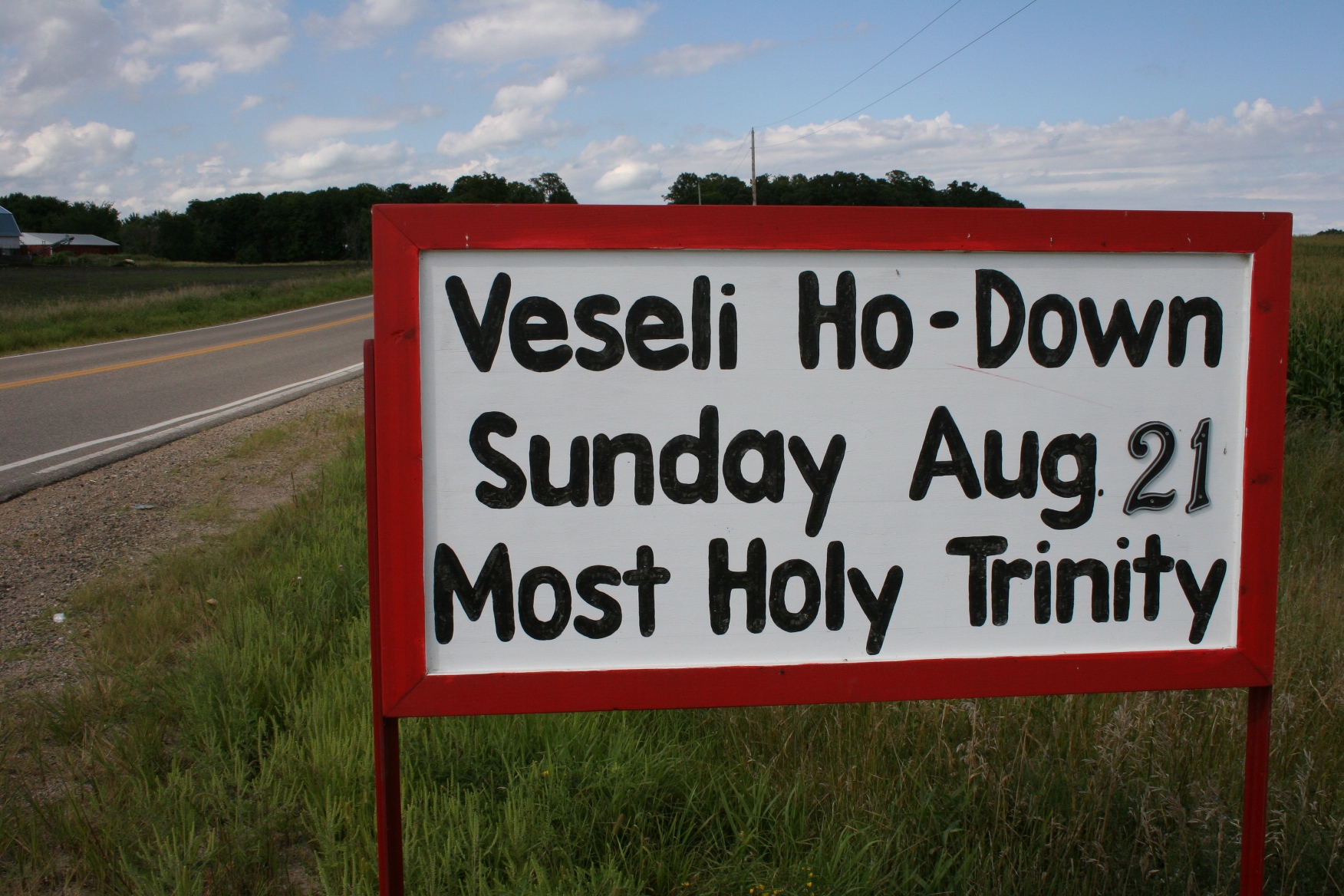
A sign several miles from Veseli directs motorists to the Ho-Down.

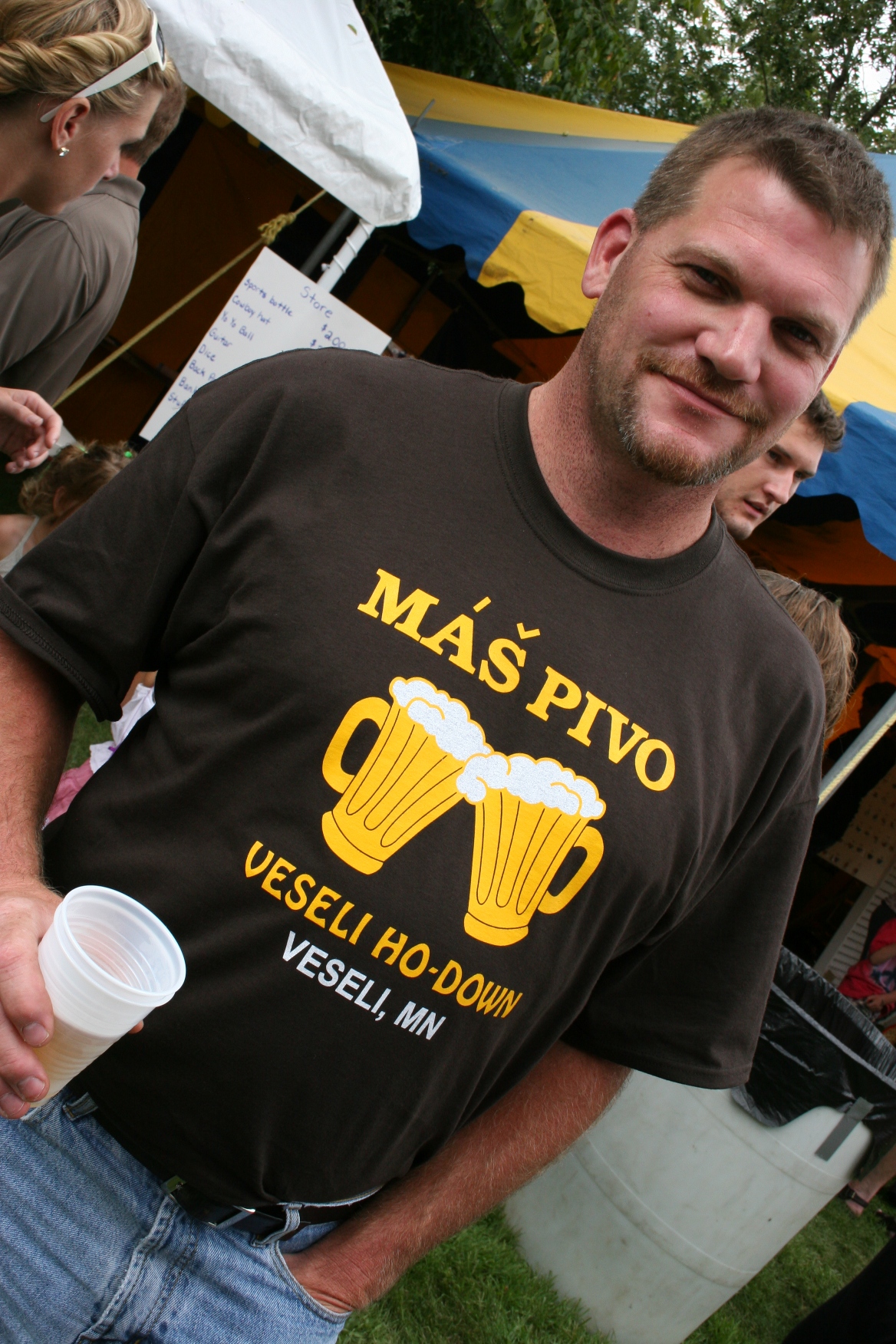
A fest-goer sports a Veseli Ho-Down t-shirt.

It is an event complete with a polka mass, raffles galore, a chicken dinner, kids’ games, home-baked Czech goodies, bingo, entertainment by 11 musical groups and beer, lots of beer.

In between all the activity, you’ll catch snippets of the Czech mother tongue, spoken by the old-timers from Veseli, Lonsdale, Montgomery, New Prague and Webster.

But you needn’t be Czech, or even Catholic, to enjoy this event that swells Veseli’s population on this Sunday in August. I’m Lutheran and I’m German. Chat it up with those attending, and you’ll discover that many grew up in Veseli, or the area, and are back for the day to celebrate, support the church and mingle with family and friends.

John Hertaus Jr. and his wife, Joseth (she’s part French and has a name of French origin), coordinate the chicken dinner served from a tent to around 1,000 diners. Down the hill and around the corner by Novak’s Garage, volunteers grill the 514 chickens, which are then placed in surplus military issue containers and hauled on a wagon to the church grounds.

The Hertauses keep a watchful eye on the entire chicken dinner, which was added to the festival, along with the polka mass, about 20 years ago upon the suggestion of John Jr.’s parents, John Sr. and Rita.

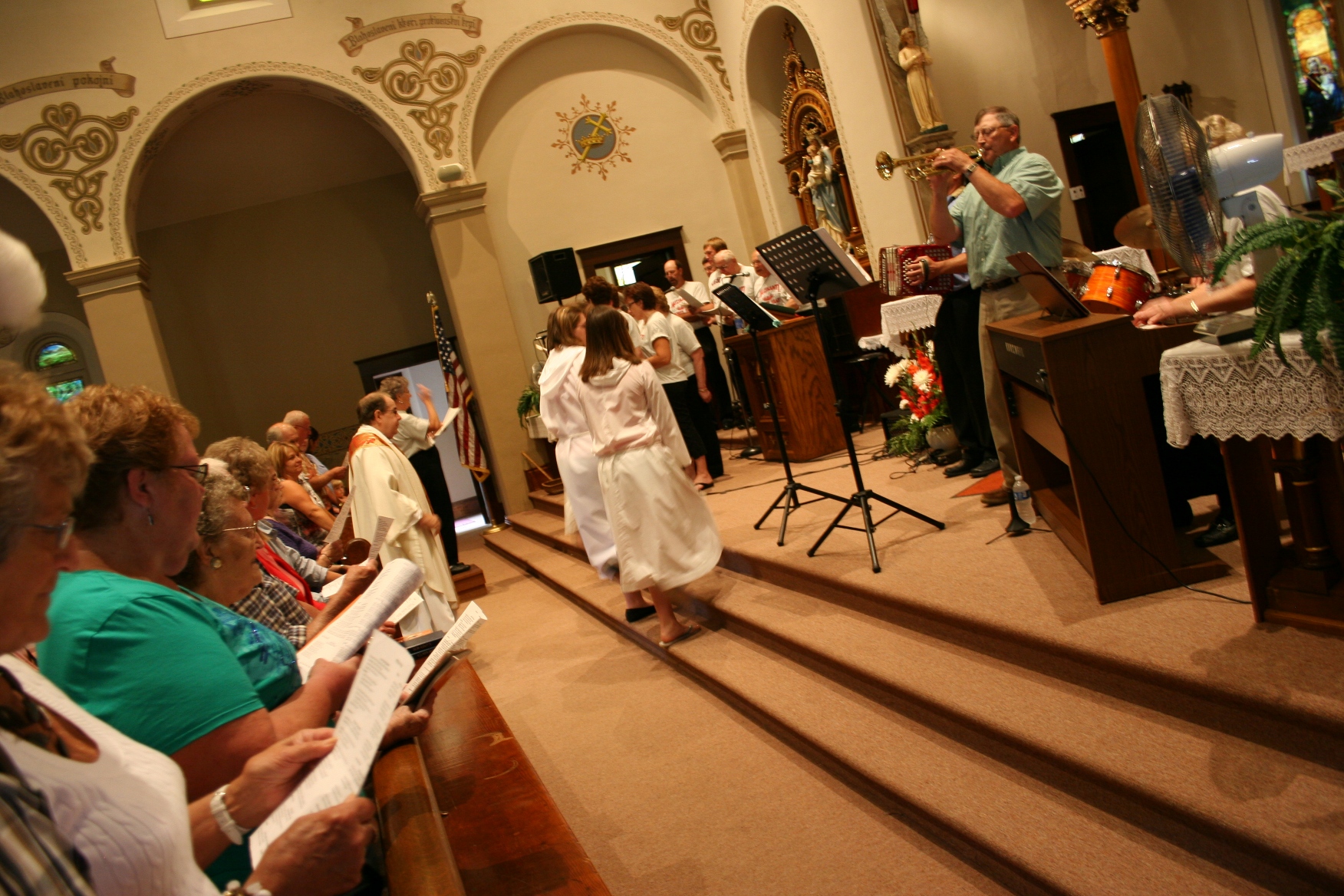
Well before 11 a.m., attendees are already buying $10 tickets for the chicken dinner and filing into the sanctuary. By mass time, worshippers pack the pews, fill folding chairs along the side aisles and overflow into the church entry. Without a program—they ran out—I can’t follow the worship service, so I just sit and stand and fold my hands and bow my head when I am supposed to do so.

The polka mass begins.

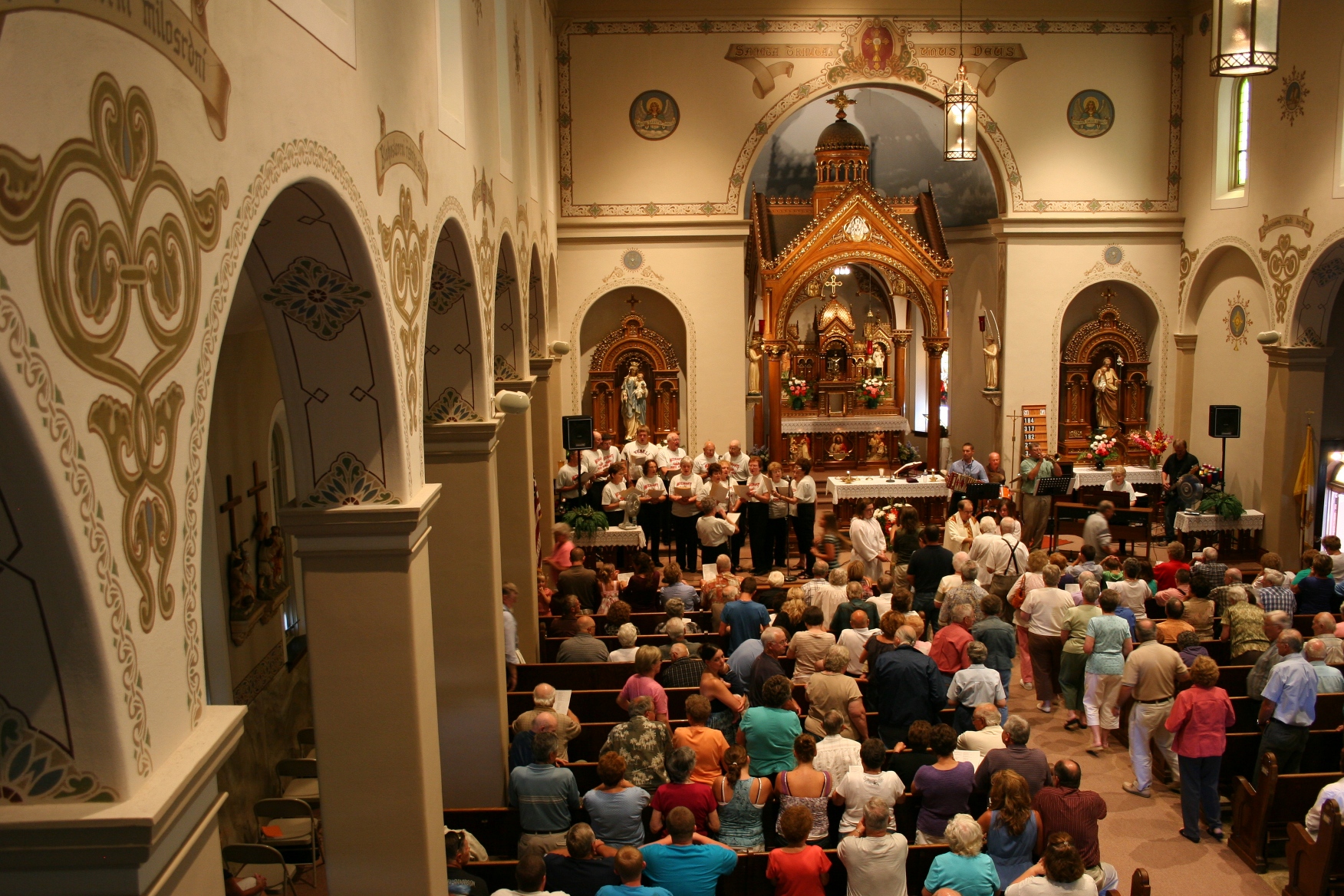
A view from the balcony of Most Holy Trinity Catholic Church.

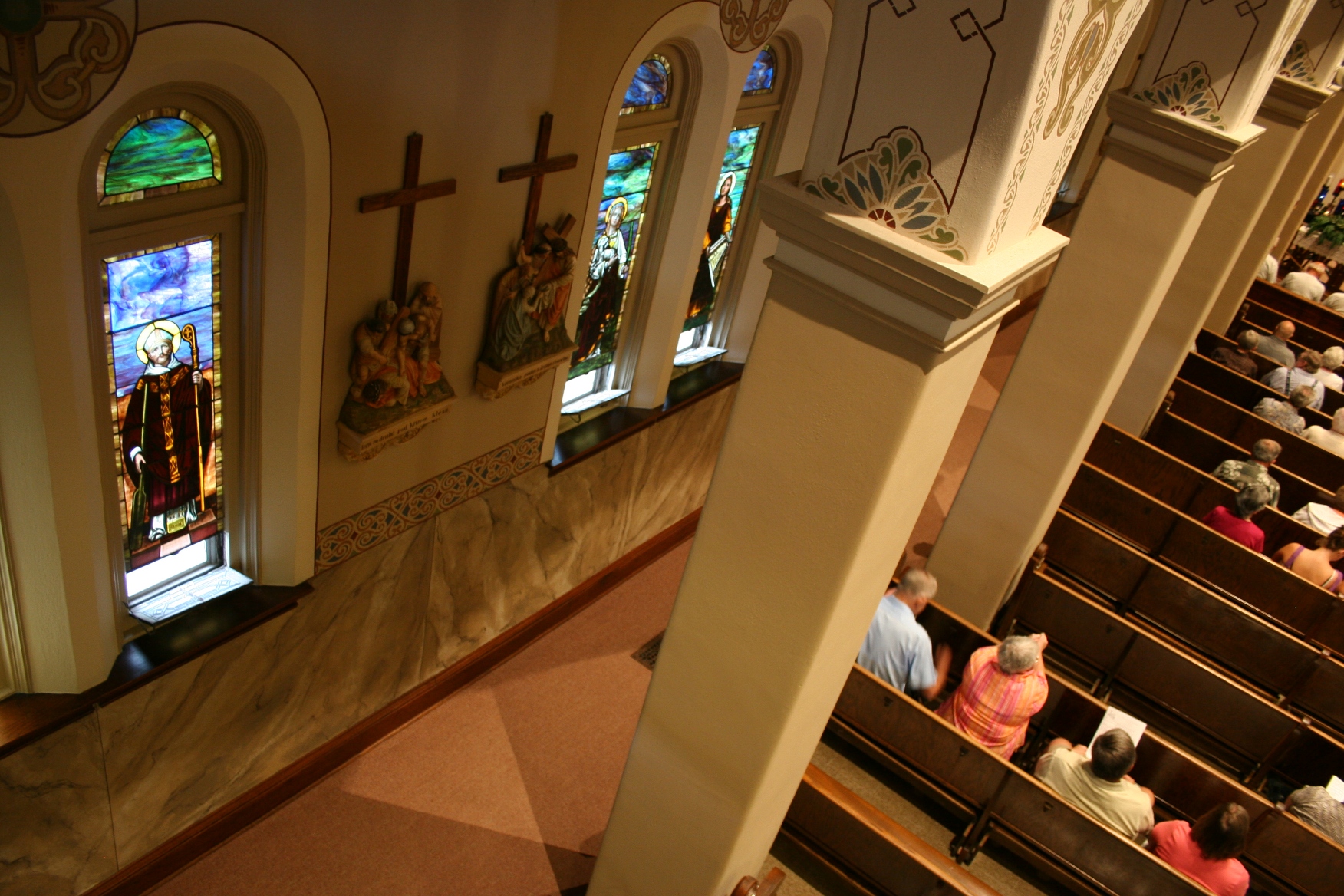
Soaring pillars, stenciling and stained glass windows define the sides of the church.

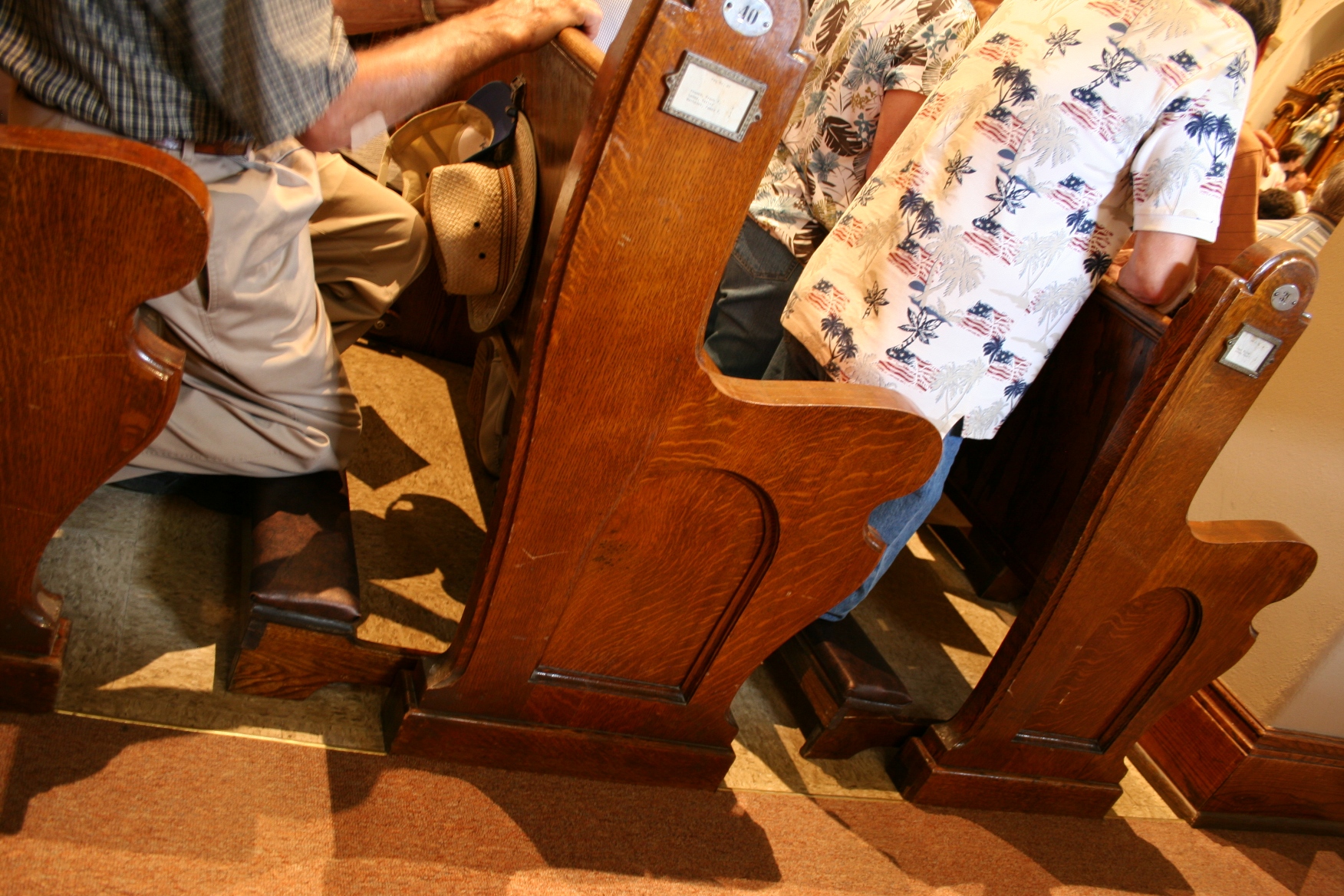
In this image, notice the details: the hats attached to clips on the back of the pew and the name tags, with parishioners' names, tagging the pew ends. I asked my husband, a former Catholic, about the name tags. He said that in some churches families rented pews. I don't know whether that is still practiced at Holy Trinity.

In between, I take photos, plastering myself against the thick support pillars that block my view of the altar area. I slip upstairs for awhile to get a bird’s eye view of the crowd. Back in my wall-hugging folding chair, I notice the details—the name tags attached to pew ends, the pew back clips for hats, the stenciled walls and ceiling, the stained glass windows, the time-worn wood, the cracked plaster walls, the ornate altar, the sway of hands and feet and bodies to music that seems more suited for an old-time dance than a church service.

Yet, even though I can’t understand any of the words sung with the concertina, trumpet, drums, keyboard and bass guitar due to acoustics and my hearing loss, I still feel spiritually uplifted by music that shouts praise instead of party.

Muzikante, pojd’te hart, tu pisnicku, co mam rad,

Dneska budem ja a moje pany, Panu Bohu dekovat.

Ted and Dorothy Winczewski drove two hours from Coon Rapids to celebrate their 57th wedding anniversary after reading about the polka mass in The Catholic Spirit. “It was just something to do, something spiritual,” Dorothy says. The polka music reminds her of the wedding dances she attended in New Prague while growing up in nearby Shakopee. “I loved it.”

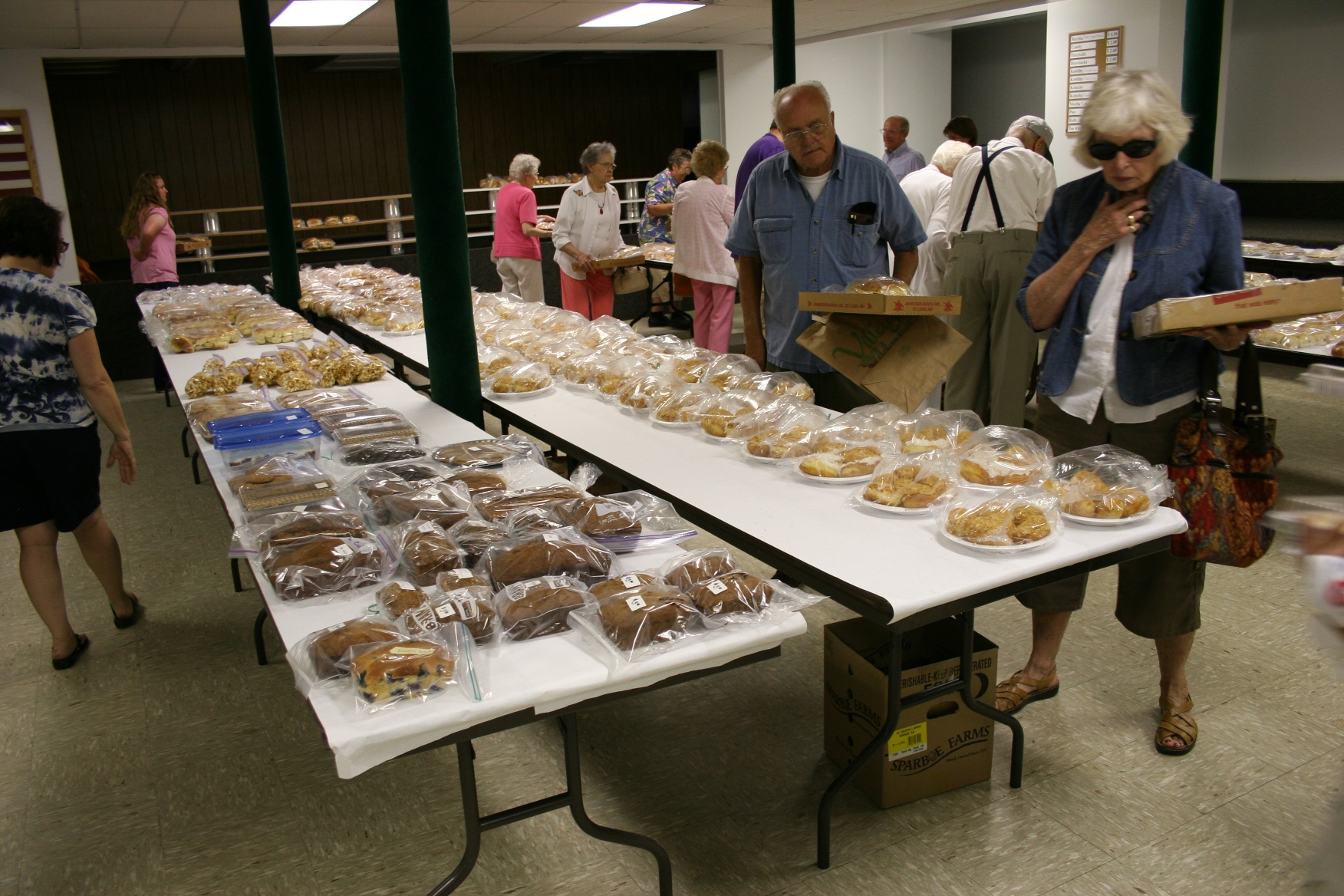
Shoppers look over the mostly Czech baked goods filling tables in the church basement.

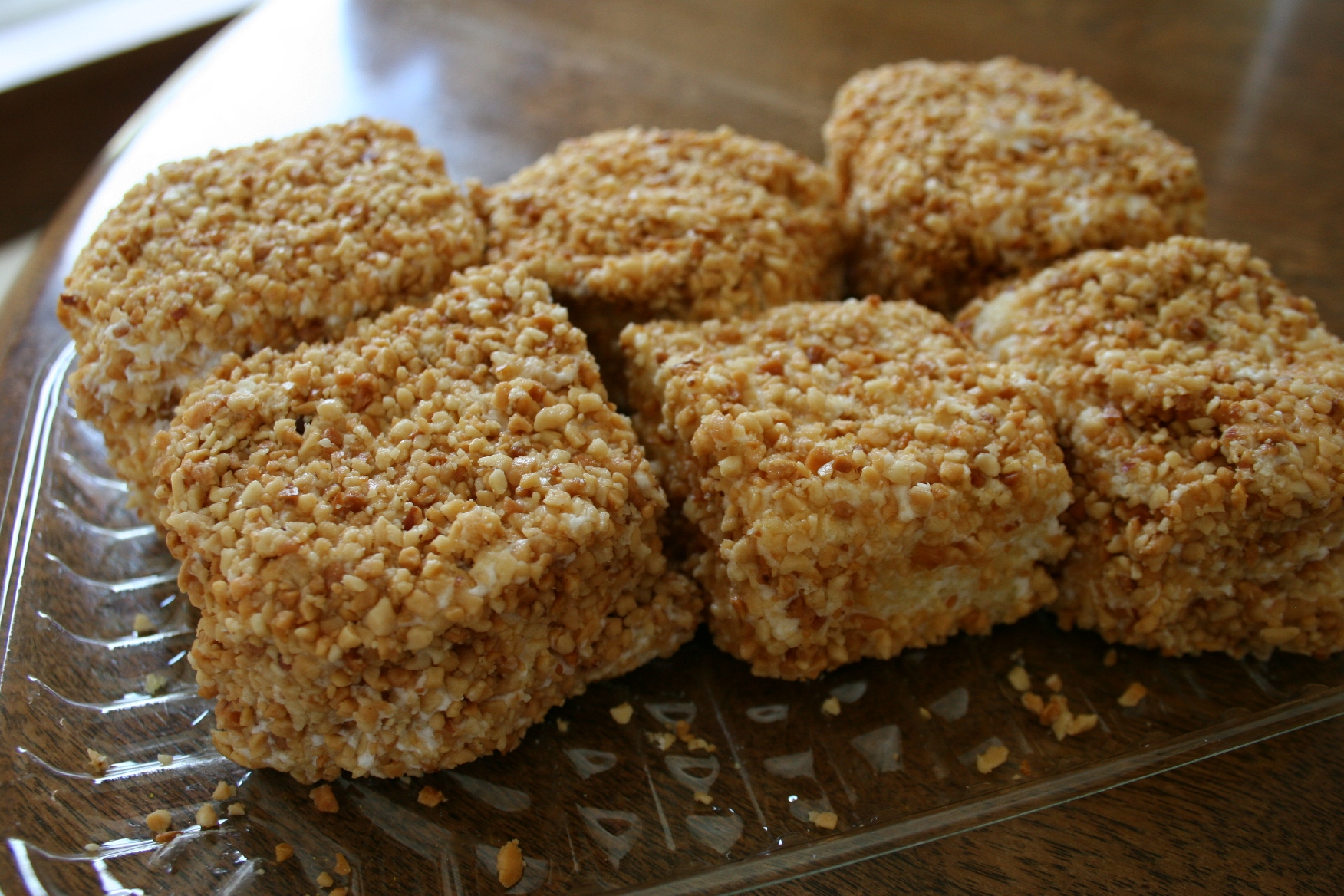
The mocha cakes we bought.

In the church basement, while perusing the tables covered with Czech and other treats like kolacky, buchta, koblihy and mocha cakes, I meet a native of nearby Montgomery now living in Bloomington who has orders from his coffee group to pick up poppyseed kolacky. He does.

Most of the goods are baked on-site. And, yes, my husband and I leave with koblihy (like raised doughnuts) and mocha cakes (absolutely divine yellow mini-cakes frosted on all sides and rolled in nuts).

As we wander the church grounds, I am struck by the universal age appeal of this festival. From weeks-old babes to those in their 90s, the Ho-Down draws everyone. And they are friendly lot.

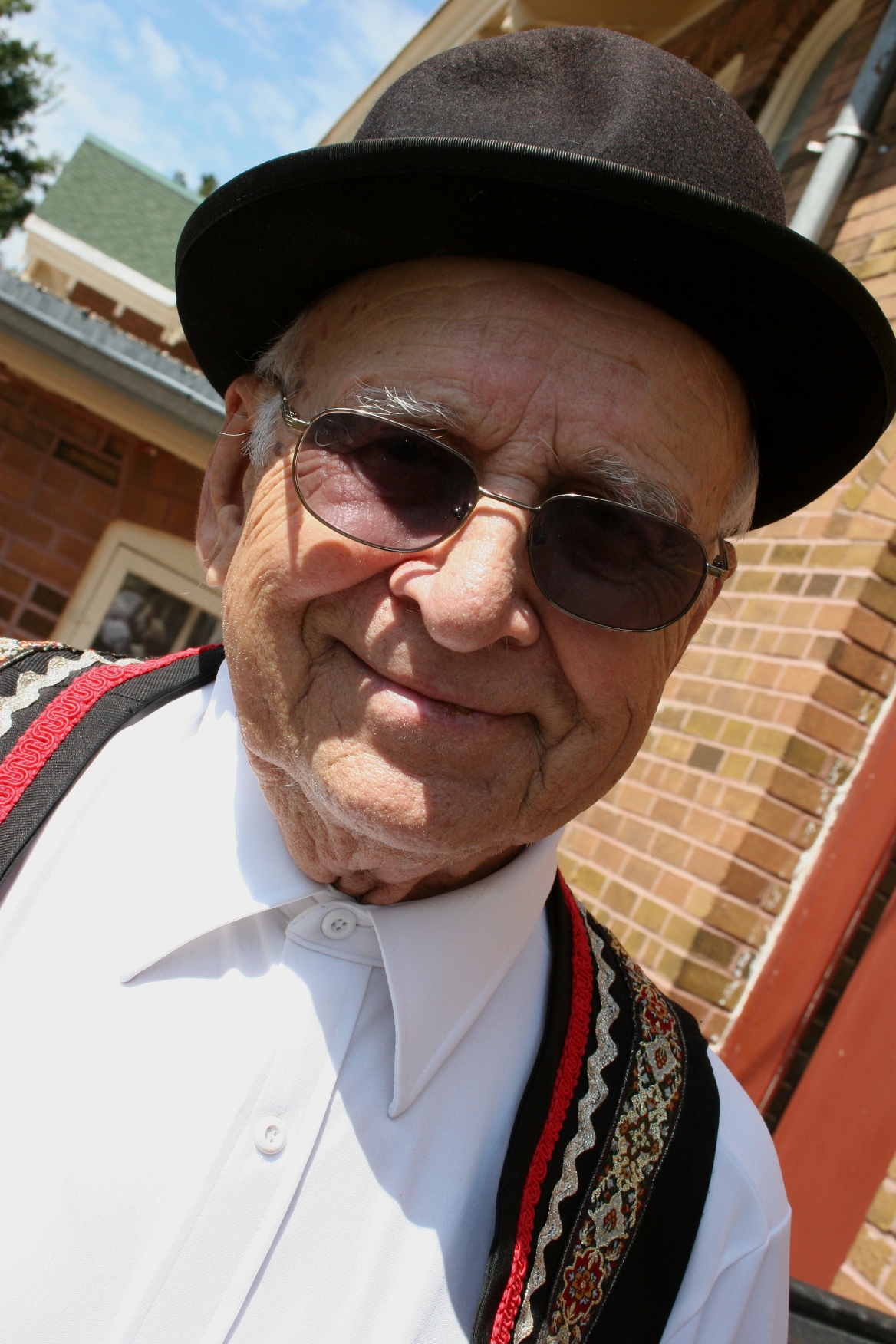
Clarence Smisek

When I approach 88-year-old Clarence Smisek of New Prague, dressed in an ethnic costume as a long-time member of the New Prague Czech Singers, he flashes a broad smile and informs me that Veseli means “to be happy.” He’s right. I later check Google translate. This Czech, who grew up a mile south of Veseli, was baptized at Holy Trinity and up until recently gave tours of the church, seemed a happy fellow.

He also tells me that Smisek means “to smile,” although I can’t verify that.

Ask Clarence to define the Czech people, and he’ll tell you this: “They are hard-working people and they are generous.”

I agree, based on the hard work, time and energy that I know goes into planning and carrying out a successful festival like the Veseli Ho-Down.

But I’d add two more adjectives to Clarence’s description of the Czech. That would be fun-loving and friendly.

CONTINUE SCROLLING BELOW for more Ho-Down images and then check back for additional posts featuring festival photos. Also scan The Catholic Spirit, your local newspaper or elsewhere, and plan to attend a Minnesota church festival this fall.

The front of the historic 1905 Most Holy Trinity Catholic Church, Veseli.

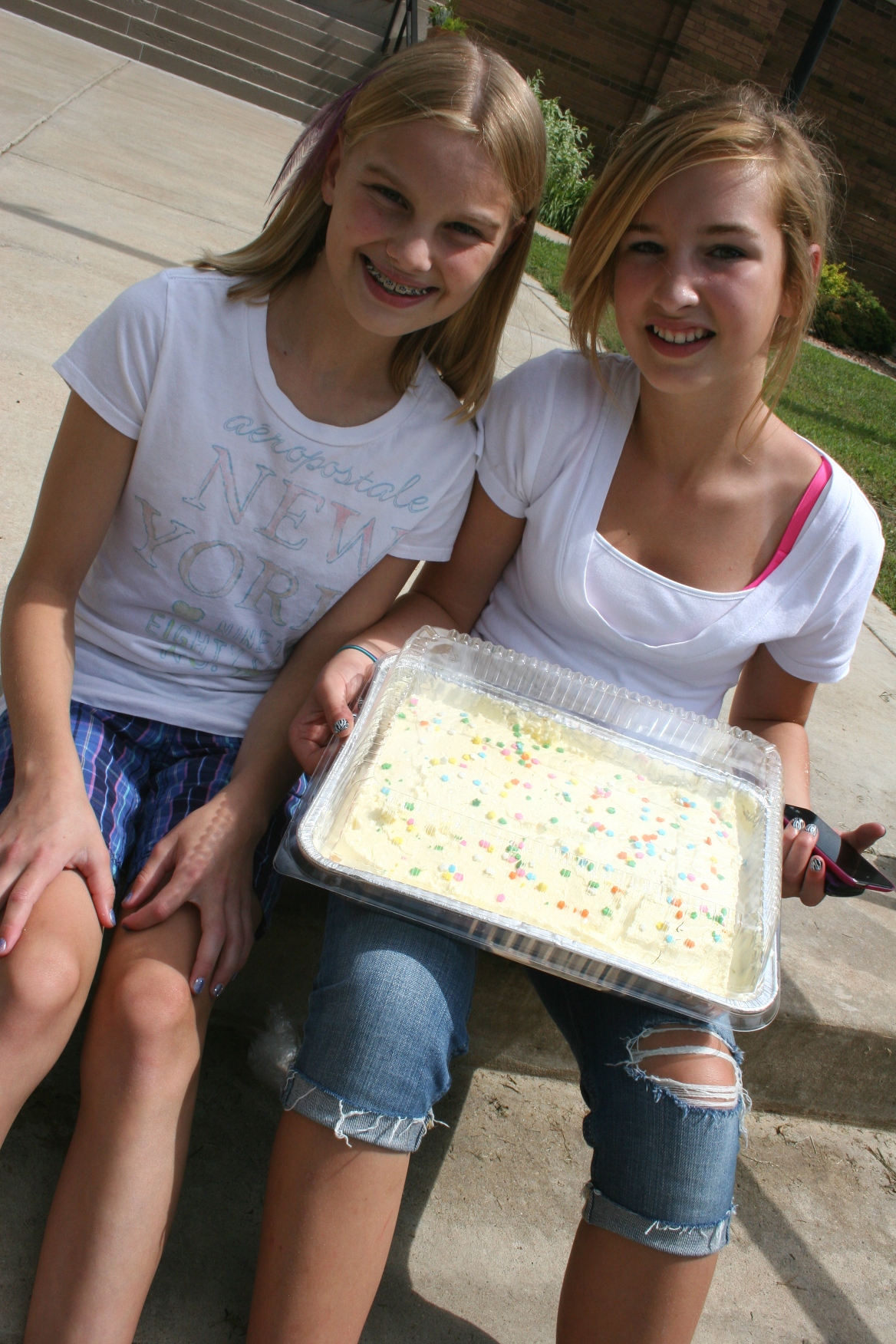
I found cousins Kayla, right, and Brianna sitting on the bank of steep steps leading to the church entry. Kayla, who attends Holy Trinity, won a cake in the cake walk and later would help with clean-up at the tattoo station. Brianna was visiting from Zumbrota.

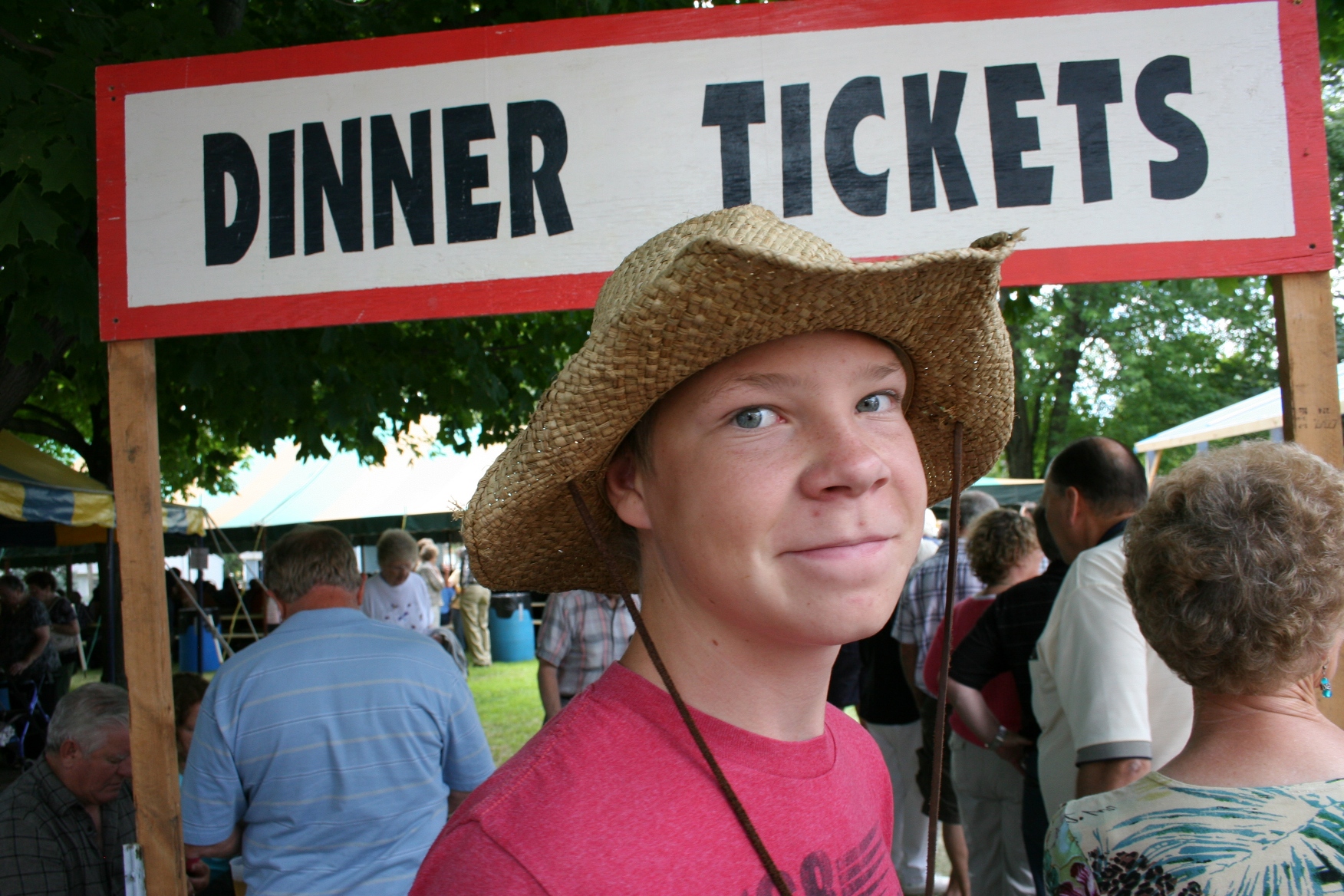
I waited in line for my chicken dinner next to Bradley, 15, of New Prague and his grandma, Janet, from Veseli. They picked up 11 dinners. Bradley didn't wear the hat just for the Ho-Down. He wears it every day.

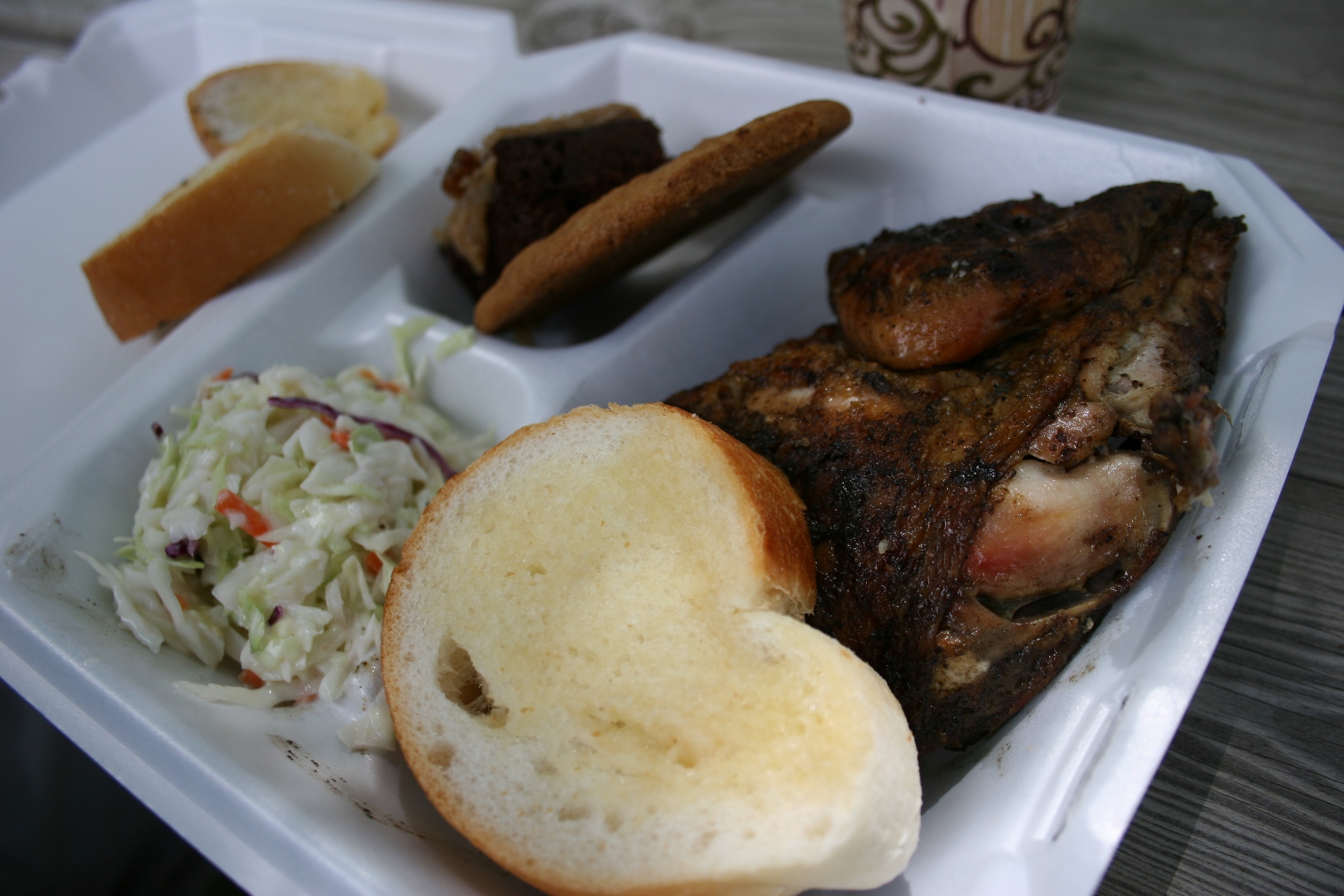
My husband and I split a single chicken dinner (half a chicken.)

A volunteer staffs a Spin-the-Wheel prize booth that proved popular with kids. A blue tarp providing shade over the game area lends a bluish tint to this photograph.

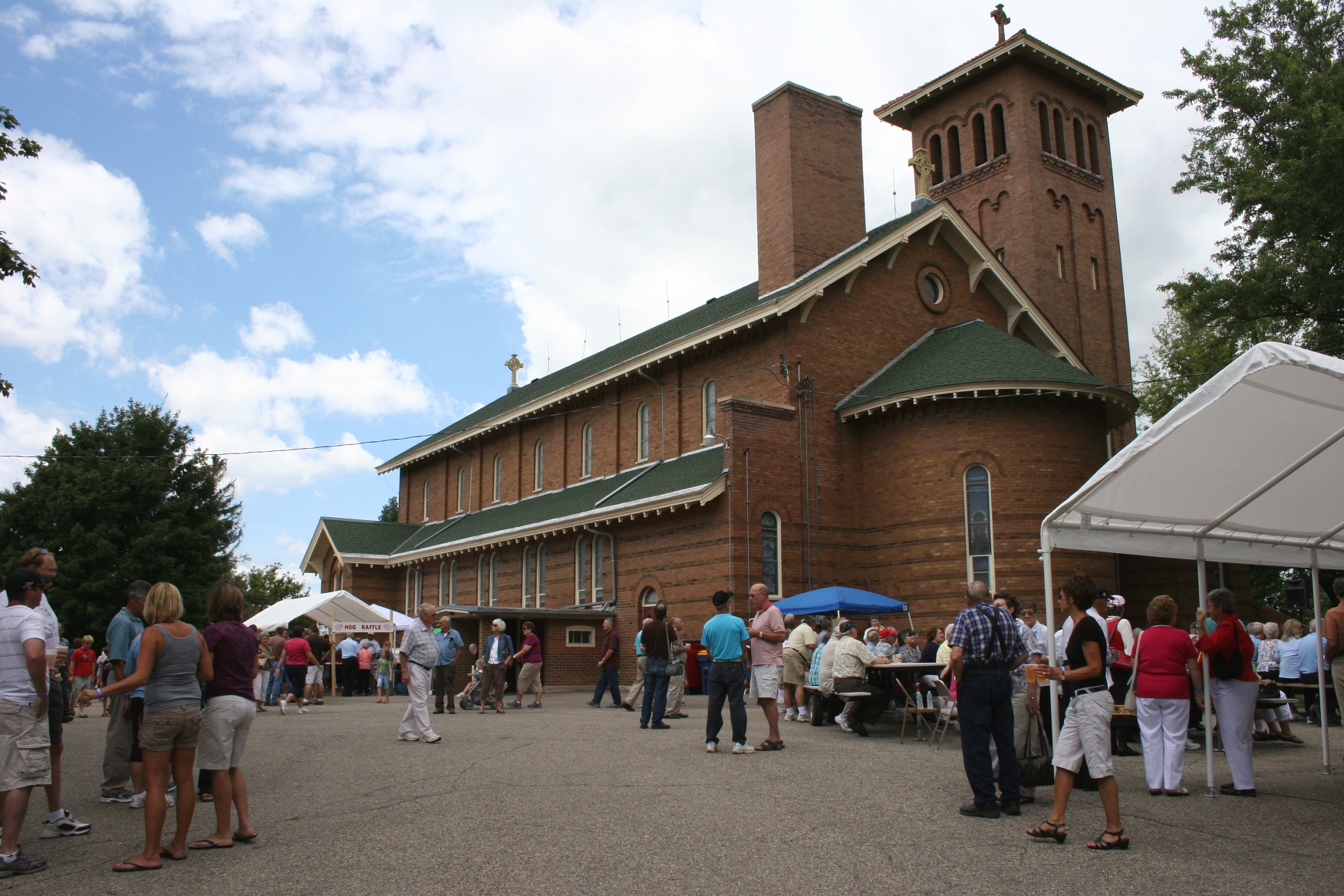
A partial view of the festivities from the back side of the church.

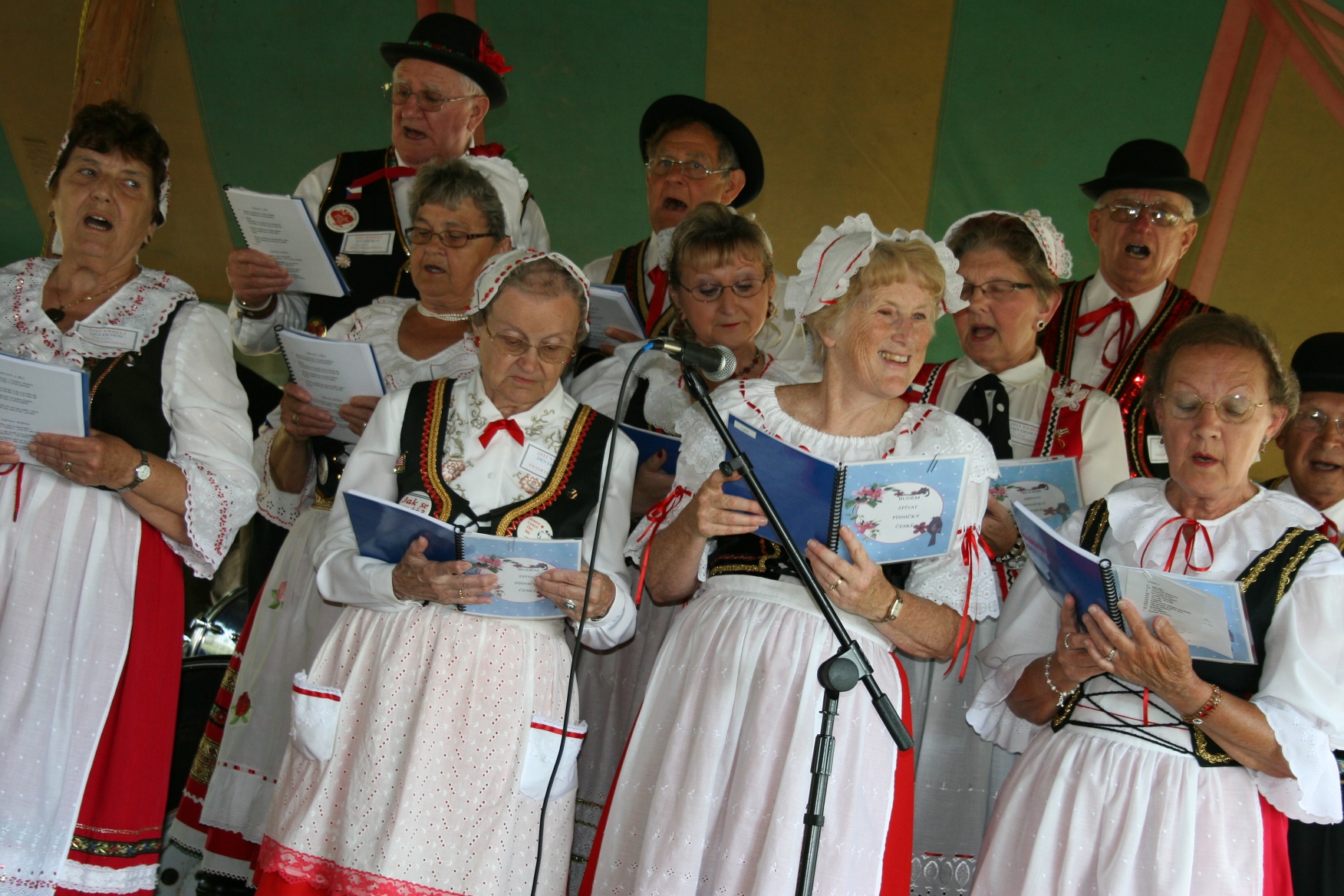
The New Prague Czech Singers sing during the mid-afternoon, one of 11 musical groups who donated their time and talents. The youngest member of the group is her 50s and learned Czech from her grandmother.

© Copyright 2011 Audrey Kletscher Helbling
 

The armless Jesus at storm-damaged St. John’s in Vesta August 4, 2011

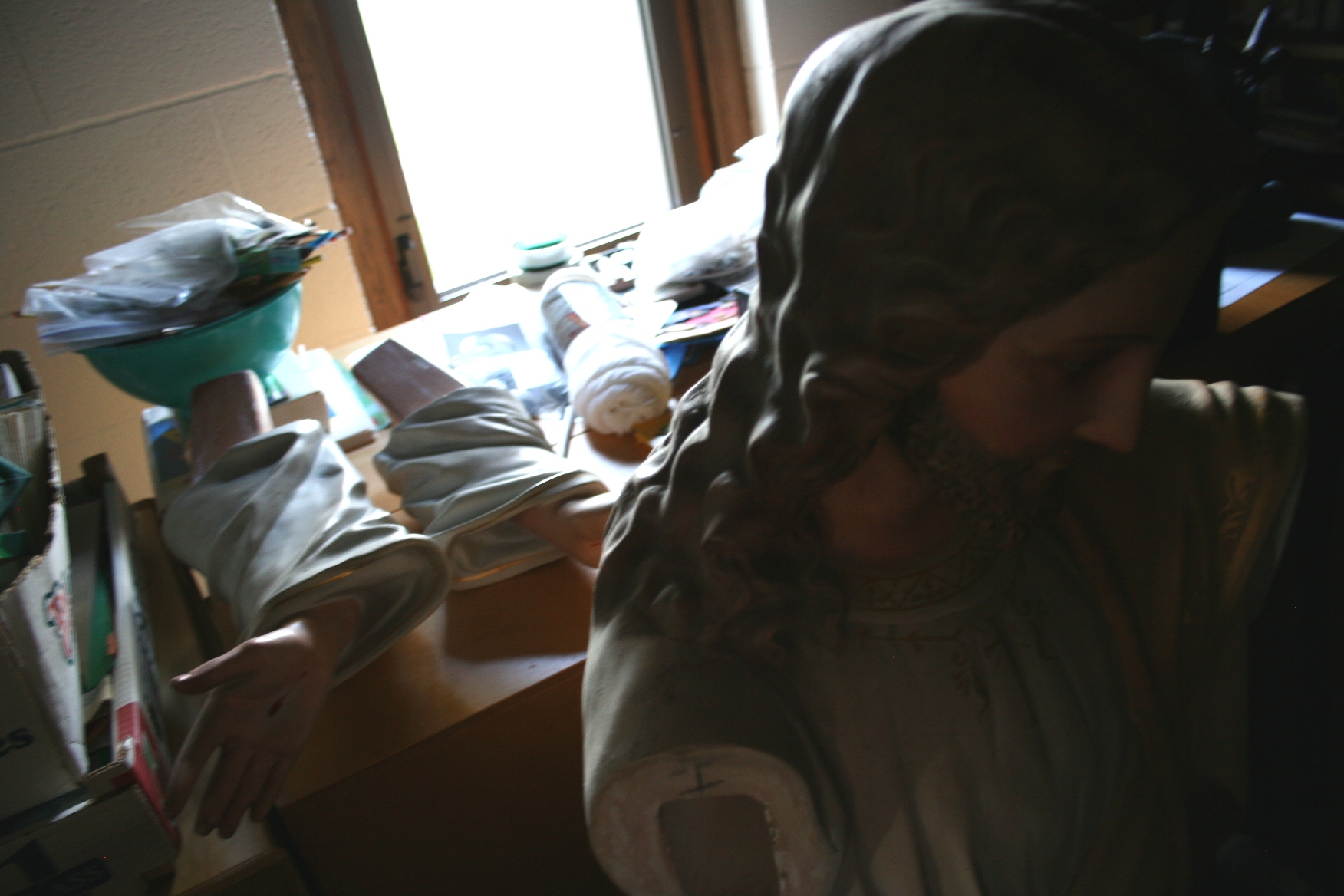
THE ARMLESS JESUS stood there, shoved into the back corner against a desk in the dark fellowship hall packed with misplaced pews.

That’s when I panicked, thought for a moment that Jesus had lost his arms in the July 1 storm, until I realized his appendages had been removed, not broken.

To the right in this photo, stands Jesus. His arms were removed and lie behind him on a desk.

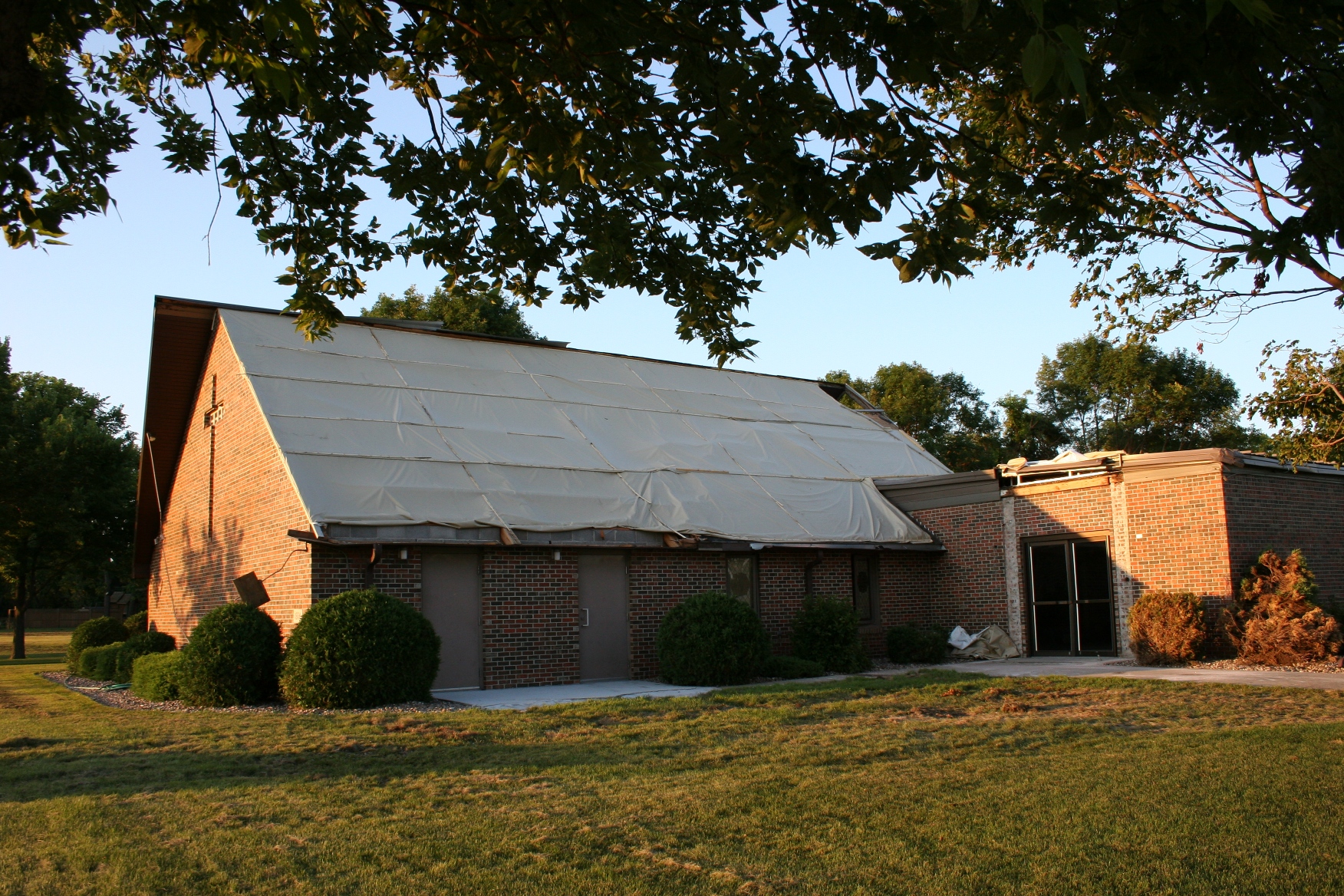
The statue of Christ has been my greatest concern ever since a series of downbursts with winds of 90 – 100 mph ripped half the roof from St. John’s Lutheran Church, exposing the sanctuary and Jesus to the heavens.

One month after that strong windstorm, I returned to my hometown of Vesta in southwestern Minnesota and viewed the damage I’d only seen in photos. The town looks better than I’d feared, although I’m certain if I’d been there right after the storm, I wouldn’t be writing that.

St. John's, hours after the July 1 storm with half of the south roof ripped off by high winds. The roof fell against and cracked the bell tower, which has since been taken down. Photo courtesy of Brian Kletscher.

It’s the damage to St. John’s that I knew would impact me the most emotionally. My worries centered on that Jesus statue, the single remaining visual reminder of the old 1900 church building across town where I was baptized and confirmed and worshipped for the first 18 years of my life. In May of 1982, I was married in the new brick church built in 1974.

Jesus, who once blessed us with outstretched arms from the altar of the old church, was alright. For that I was thankful.

As St. John’s members await word from an engineer on whether the damaged building is structurally-sound or will need to be demolished, they are attending their sister church, Peace Lutheran, in Echo seven miles to the north.

That seems to be working for now. But come winter, when travel can sometimes be difficult and dangerous on the southwestern Minnesota prairie due to blowing snow, options to worship in Vesta may need to be considered. Or maybe not. Pastor Dale Schliewe doesn’t expect the church to be rebuilt by the time the snow flies.

Right now, though, church members are more concerned about getting the building process started. That could include an expansion.

No matter what ultimately happens, this congregation remains a thriving one, attended by many members of my extended family. My great grandfather, Rudolph Kletscher, helped found St. John’s. The first church service was held in his home one mile east of Vesta.

My emotional attachment to this congregation runs deep, rooted in that legacy of faith passed from generation to generation.

I understand that a building does not comprise a church. Yet, when I walked into the empty sanctuary of St. John’s, gazed upward at the tarp covering the missing roof, saw the splintered wood, walked around the pews jammed into the fellowship hall, noticed Jesus standing armless in the corner, spotted the hymnals stacked on a kitchen counter and skirted the pile of debris in the church parking lot, my soul ached.

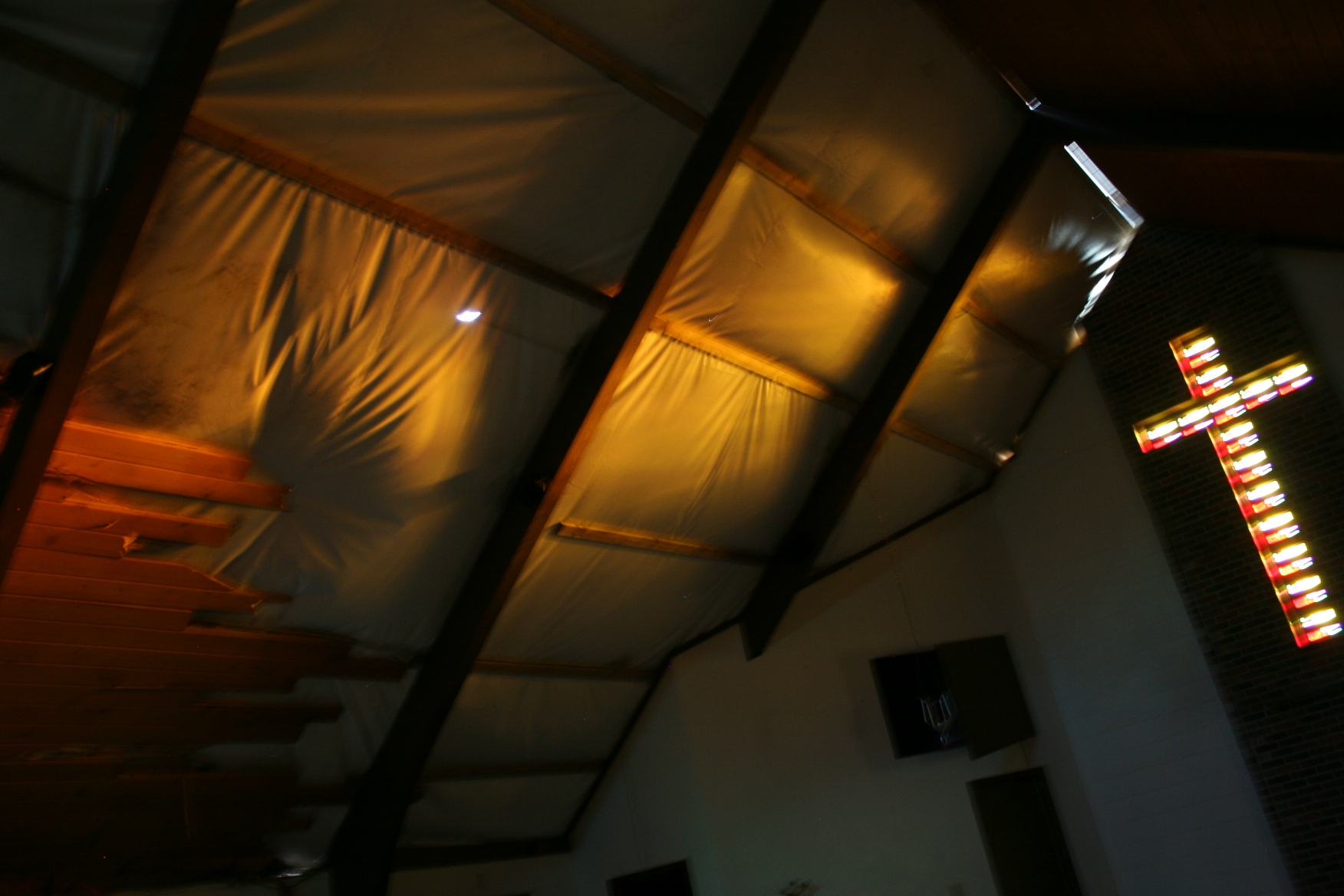
Inside the sanctuary, you see the damage to the roof, now covered by a tarp. To the right, a stained glass cross centers the worship area in this photo shot at an angle.

One month after the storm, the south side of the roof is covered with a tarp.

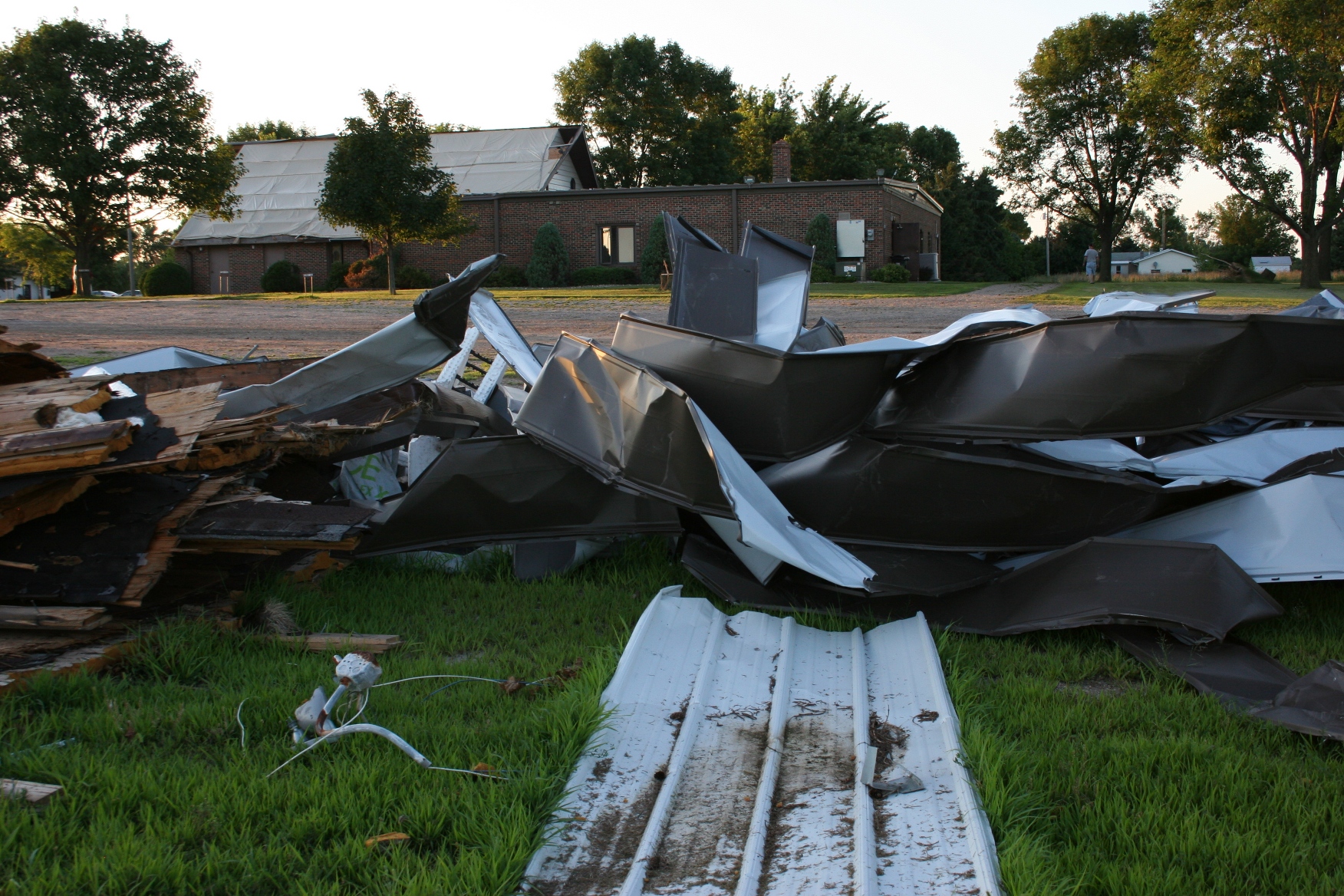
A debris pile on the edge of the parking lot includes pieces of steel from the roof and brick from the bell tower.

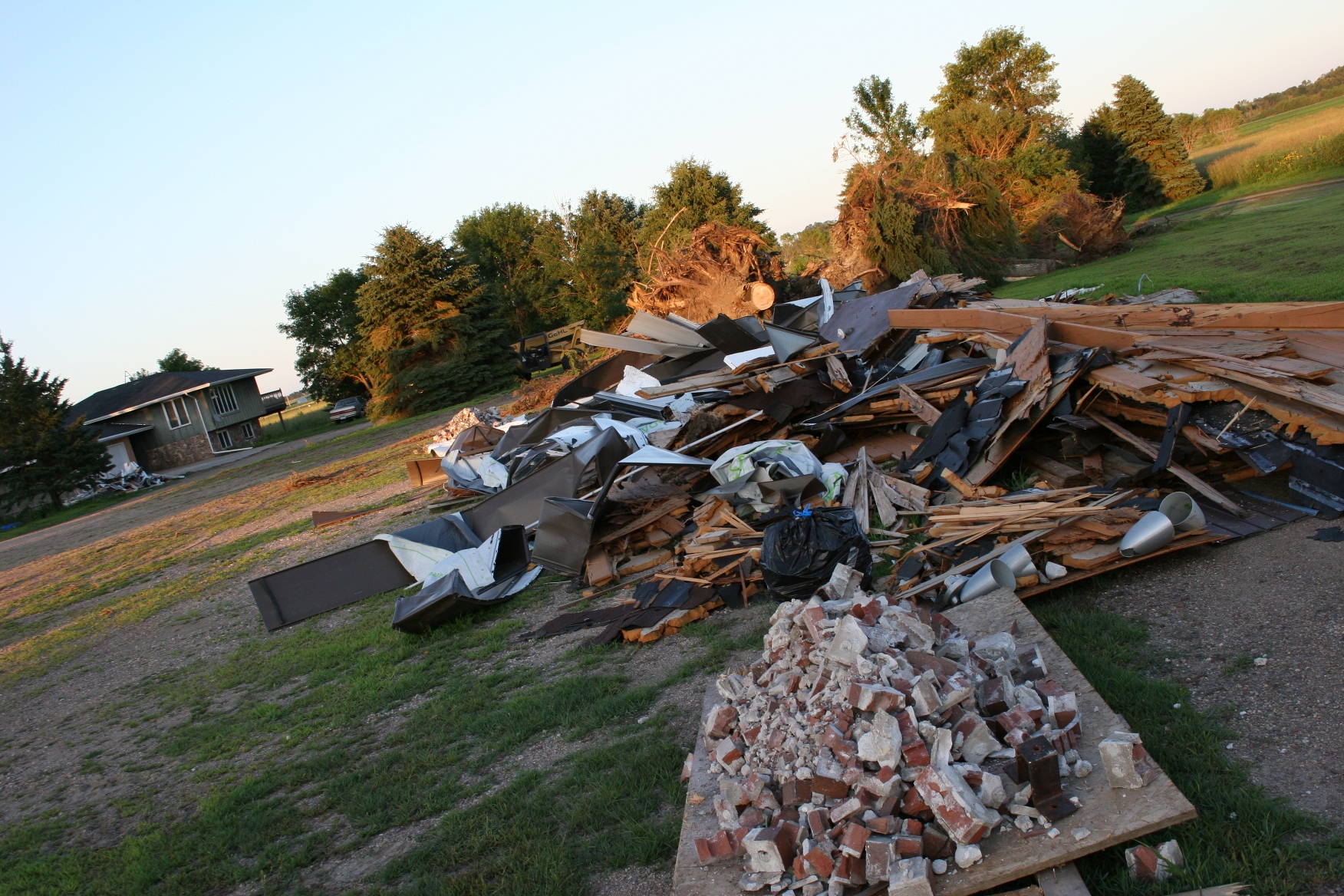
Another angle of that debris pile shows uprooted trees and, to the east, a house which was damaged.

© Copyright 2011 Audrey Kletscher Helbling
 

St. Mary’s of Melrose, Part II July 17, 2011

STARK CHURCHES appeal to me. The ones with the simple wooden cross, the white clapboard siding, the time-worn pews settled upon plain plank floors.

But the ornate houses of worship likewise snag my soul with crosses of gold, walls of brick and gleaming, carved pews.

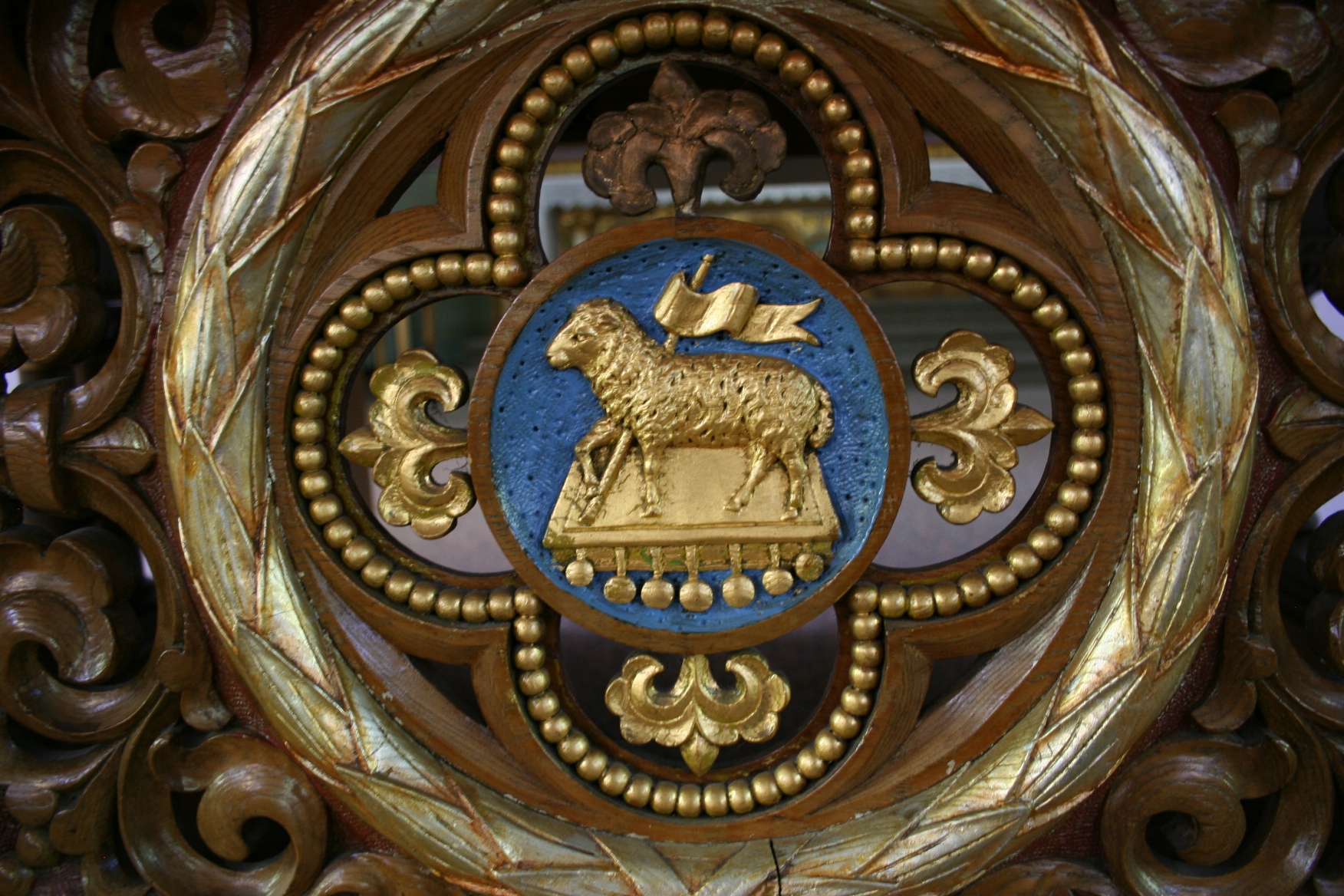
One of the many ornate carvings at St. Mary's Catholic Church in Melrose.

I am most comfortable with, most accustomed to, the unadorned churches of the Lutherans, my religious heritage. We keep things simple. No cluster of burning candles. No wafting incense. No pools of holy water. Minimal, if any, gold.

Perhaps for that reason, when I step into an historic Catholic church, I feel like I’ve entered a foreign land. I am often awed by the opulence, by the details that visually overwhelm me.

The side aisle on the left leads to an ornate altar in St. Mary's which is on the National Register of Historic Places.

That’s exactly how I felt upon entering St. Mary’s Catholic Church of Melrose, featured here in an earlier post. Overwhelmed. But good overwhelmed. Because I could not possibly present all of the images I wanted to share with you in a single post, here are the remainder.

No matter your religious affiliation, you simply have to appreciate a place like St. Mary’s. What beauty. What art. What history. What heavenly splendor.

This was the top or bottom of something. Can't recall what. But it sure is stunning.

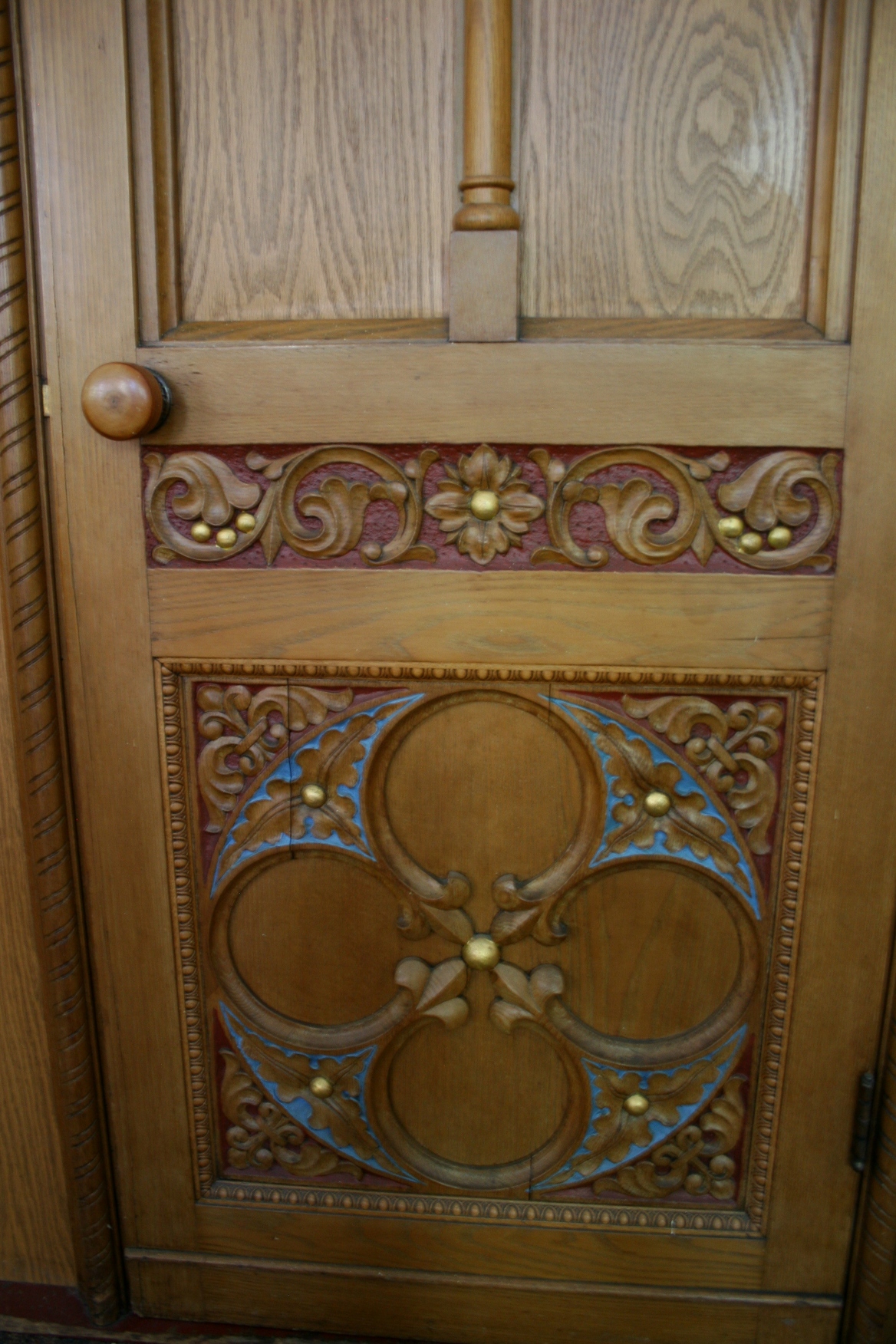
Look at this gorgeous, carved door, will you?

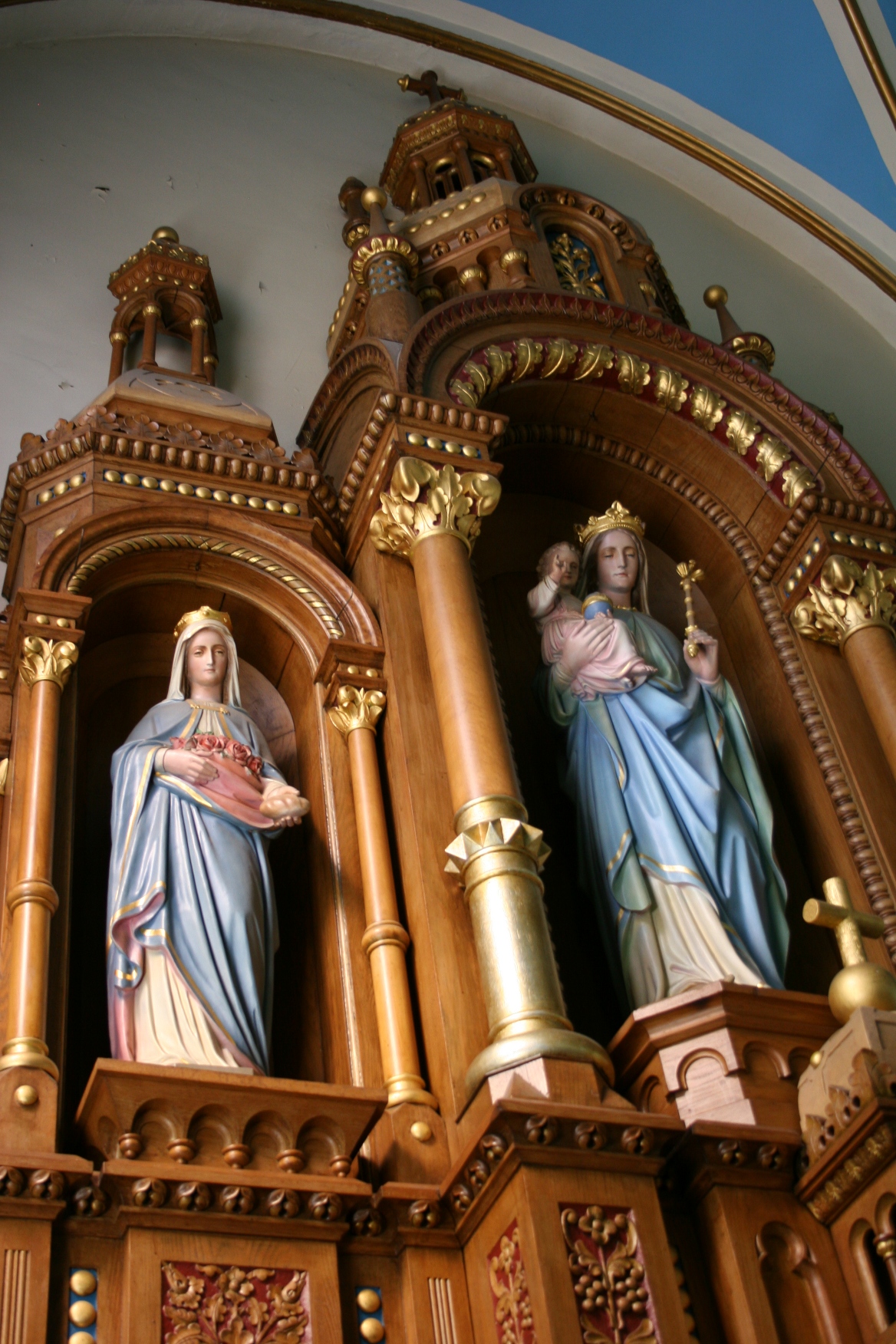
Golden statues. Beautiful.

Just look at this detailed side altar. I could have spent hours in St. Mary's.

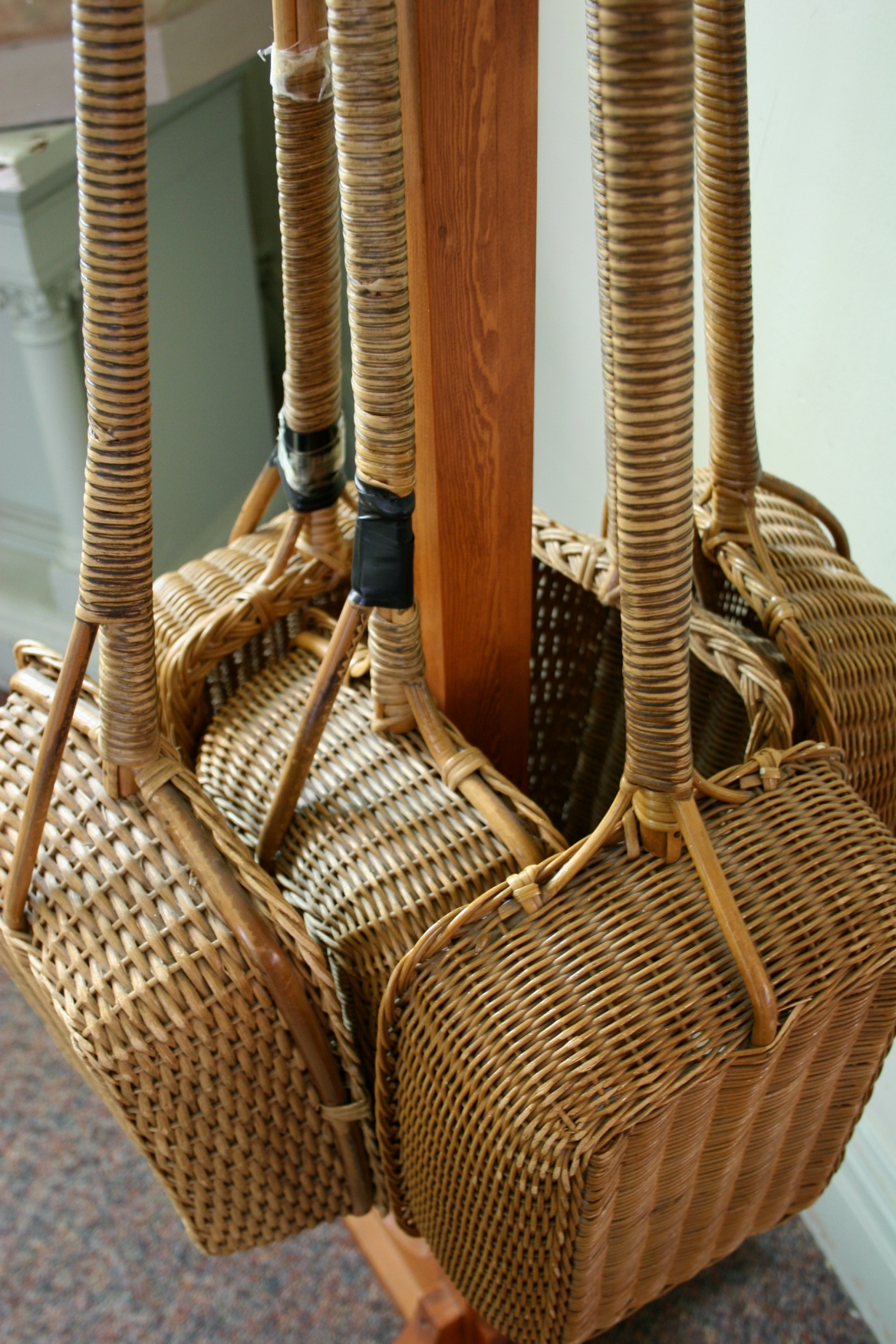
And then I discovered these collection baskets hanging from a rack. We Lutherans don't have wicker baskets with long handles. These contrast so sharply with the the ornateness in the church and that is why I so appreciated this grouping.

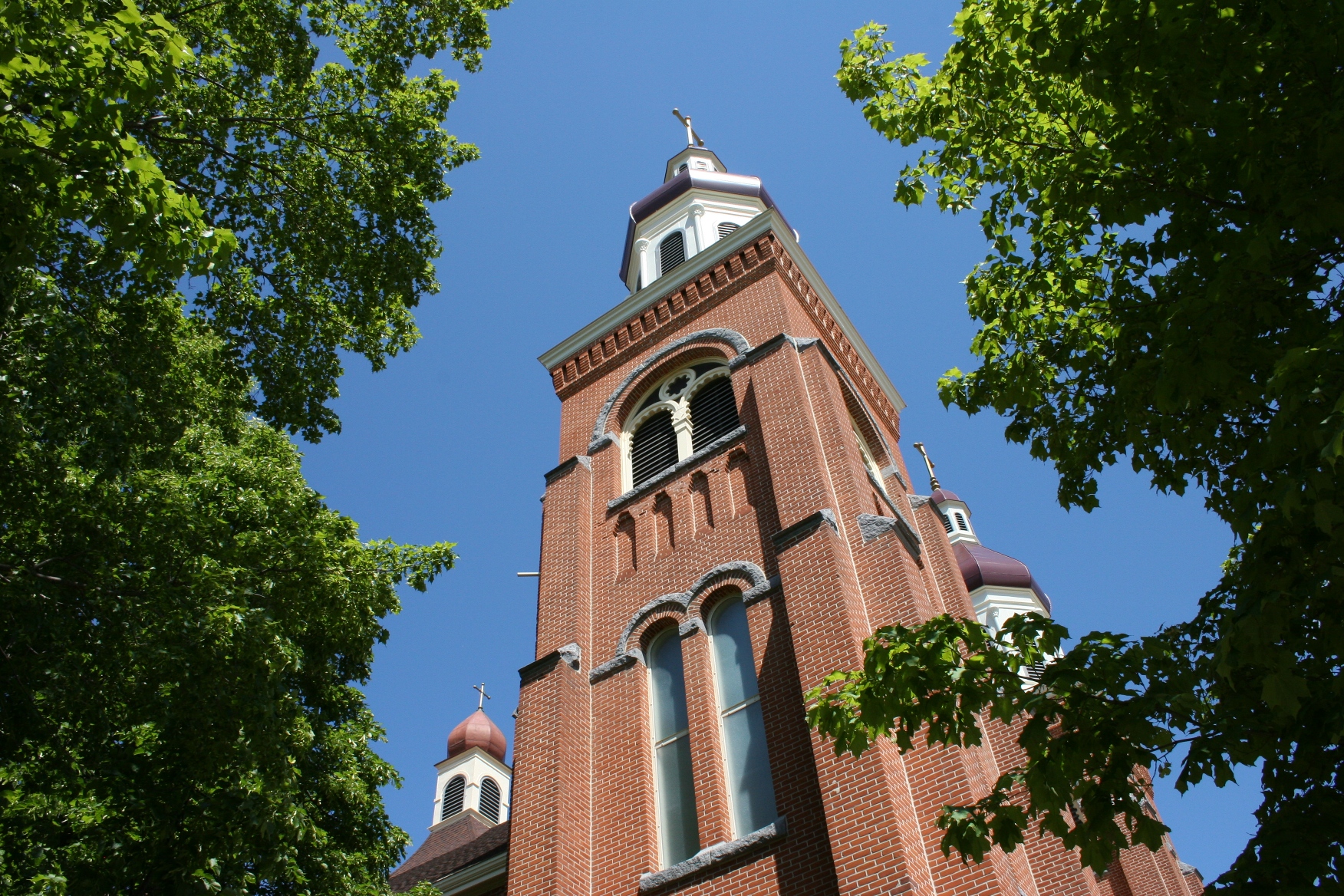
St. Mary's Catholic Church stands strong as a fortress in Melrose, next to the turkey plant, its towering steeples visible from nearby Interstate 94 in west central Minnesota.

© Copyright 2011 Audrey Kletscher Helbling
 

Hail St. Mary’s of Melrose June 26, 2011

The steeples of St. Mary's Catholic Church of Melrose.

I STOOD THERE. Just stood there. For minutes, taking in the glorious splendor before me.

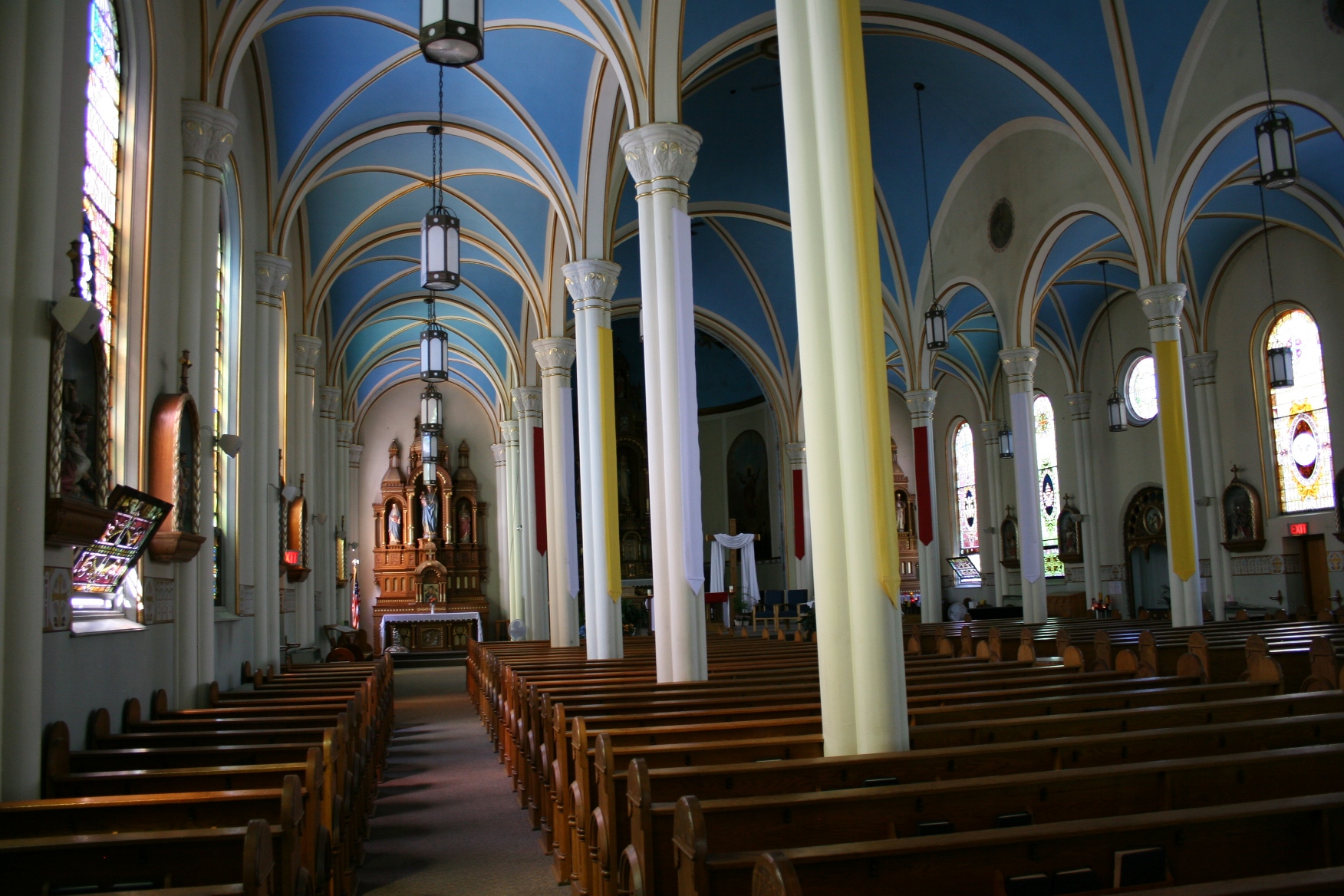
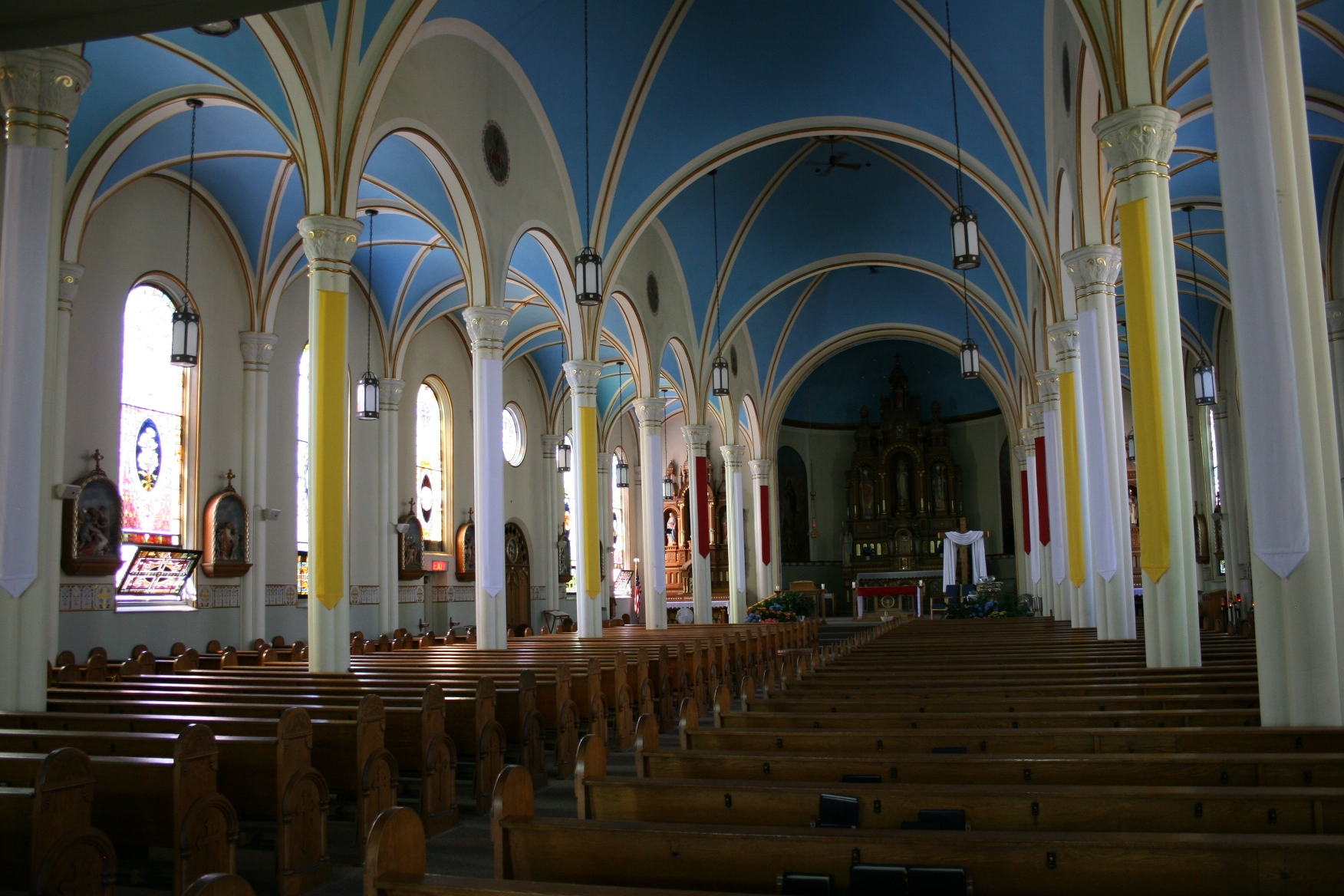
The cornflower blue of the arched ceiling. The pillars. Pews—endless carved pews stretching from the fonts of holy water to the steps leading to the altar.

A view from the back of St. Mary's Catholic Church looking toward the main altar.

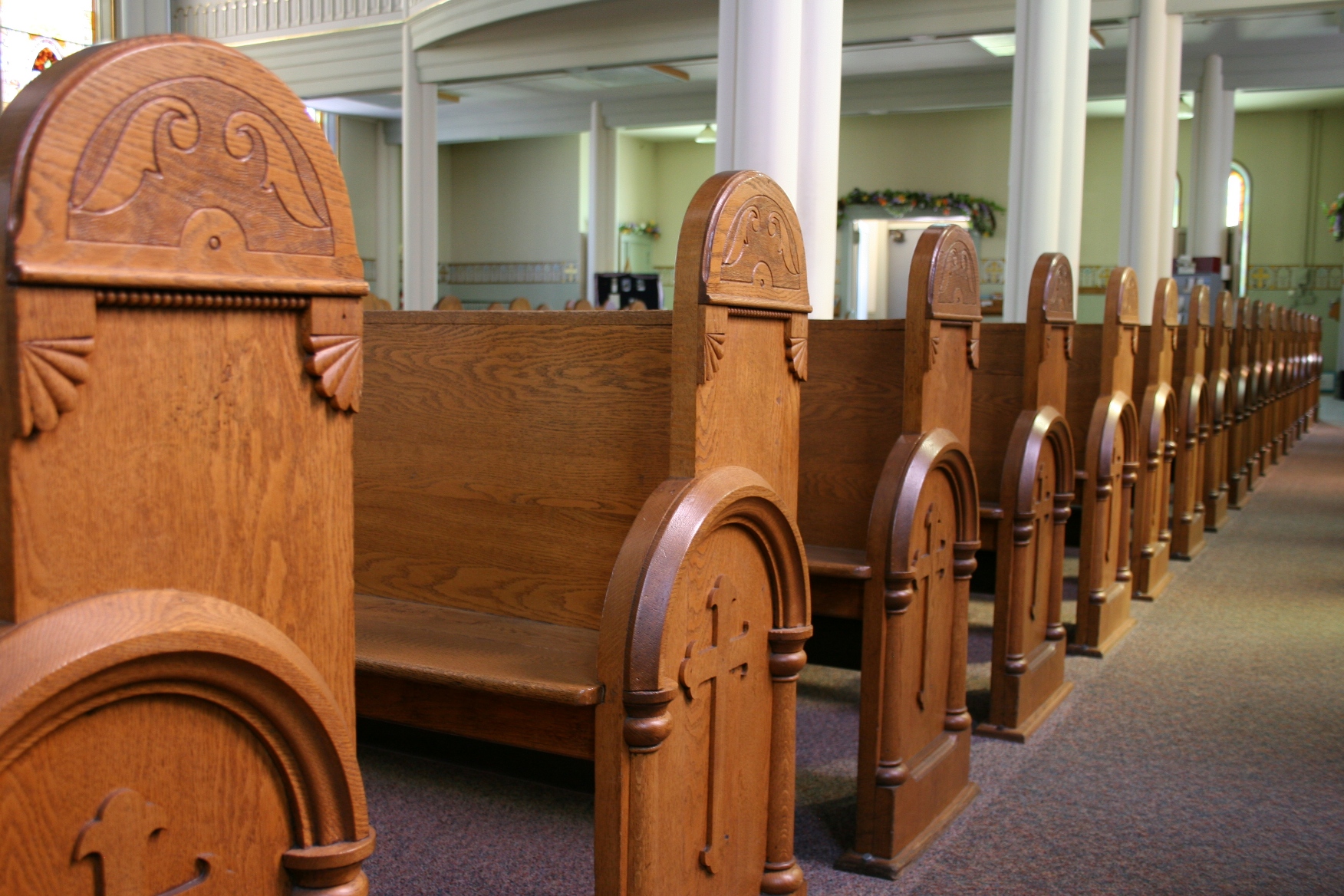
I didn't even try to count the hand-carved pews that grace this church. But they are many.

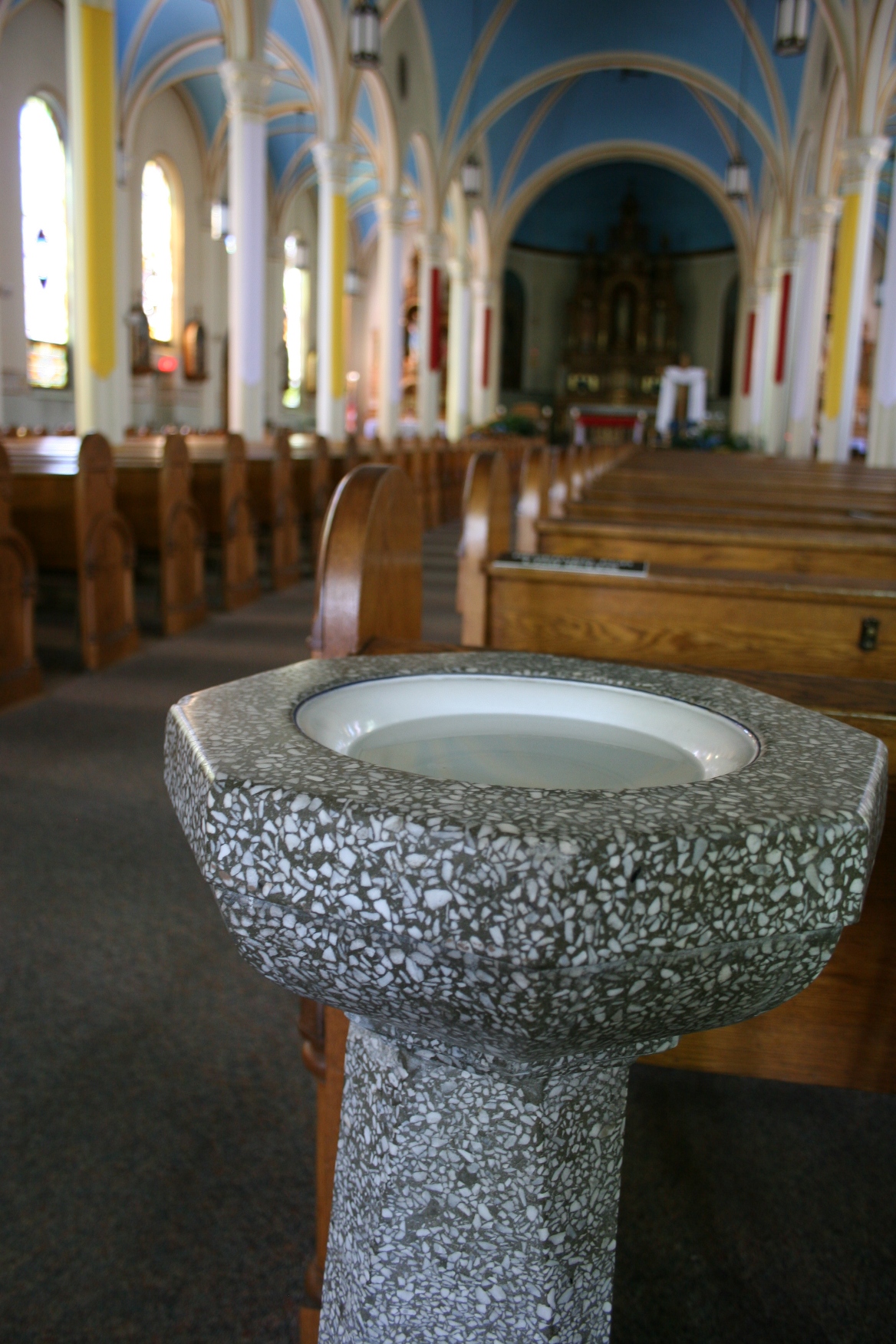
A stone font holding holy water at the back of the church.

Such beauty. Such holiness. Such wonderment.

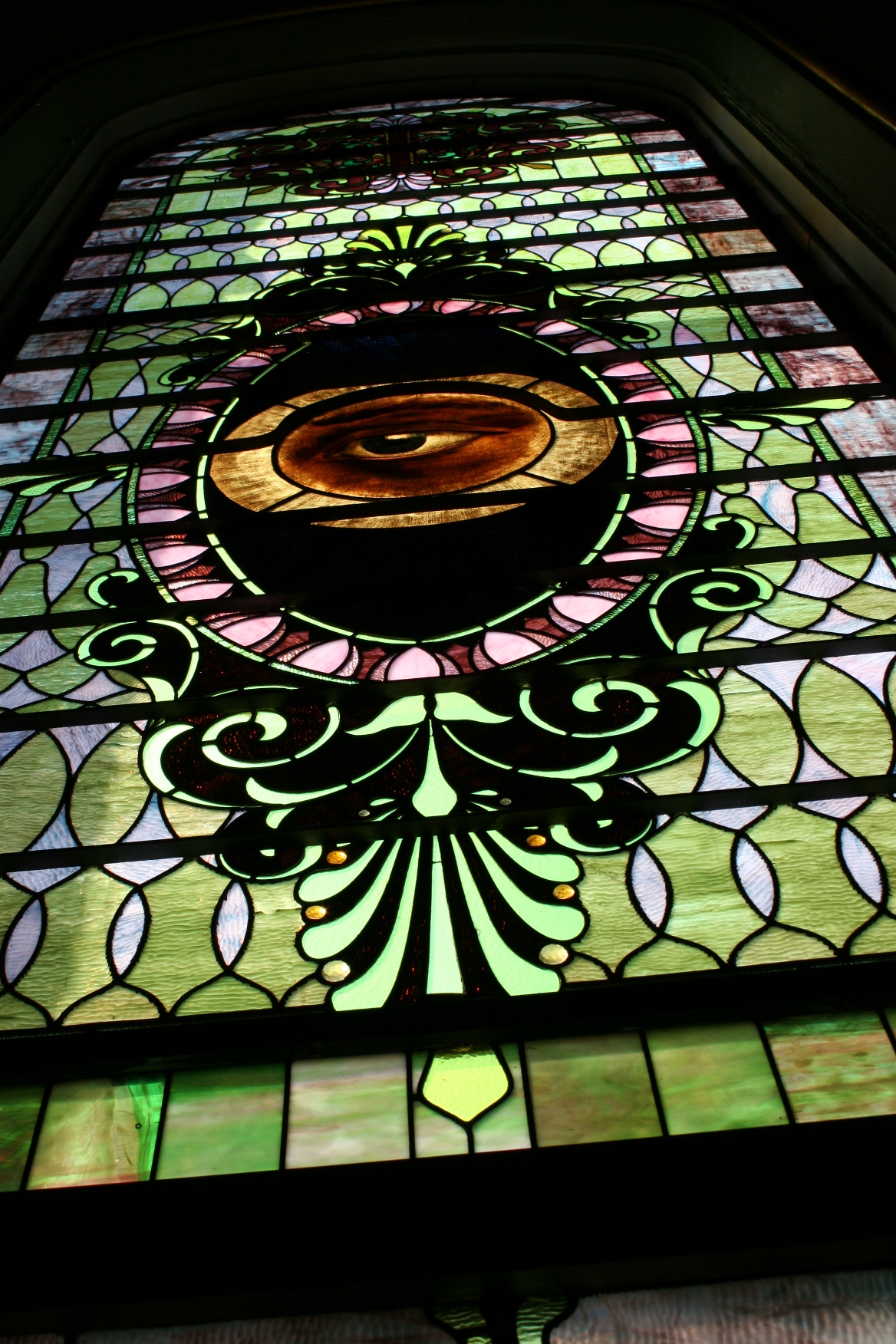
Opulent, stained glass windows bedecking the sanctuary like jewels on a crown.

One of too many stained glass windows to count.

Statues fit for the finest of museums.

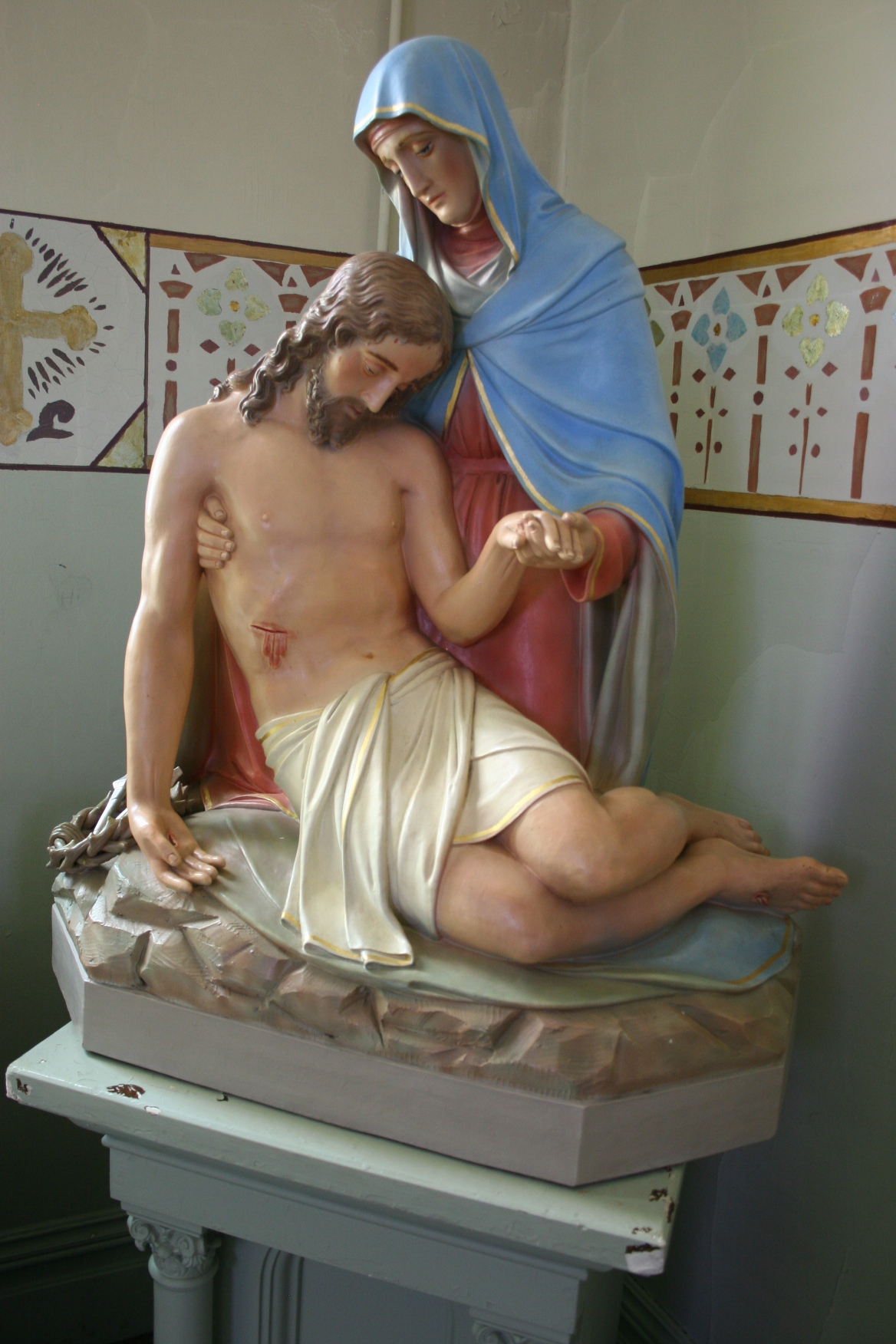
This statue of Jesus and Mary sits at the back of the church.

And then I moved, not sure which direction to go, wondering how I could possibly see every detail. Prayerful hands. Flickering candles. The frayed ends of the bell pull. Gold-leaf stenciled crosses. Worn wood. Angels in flight above the altar.

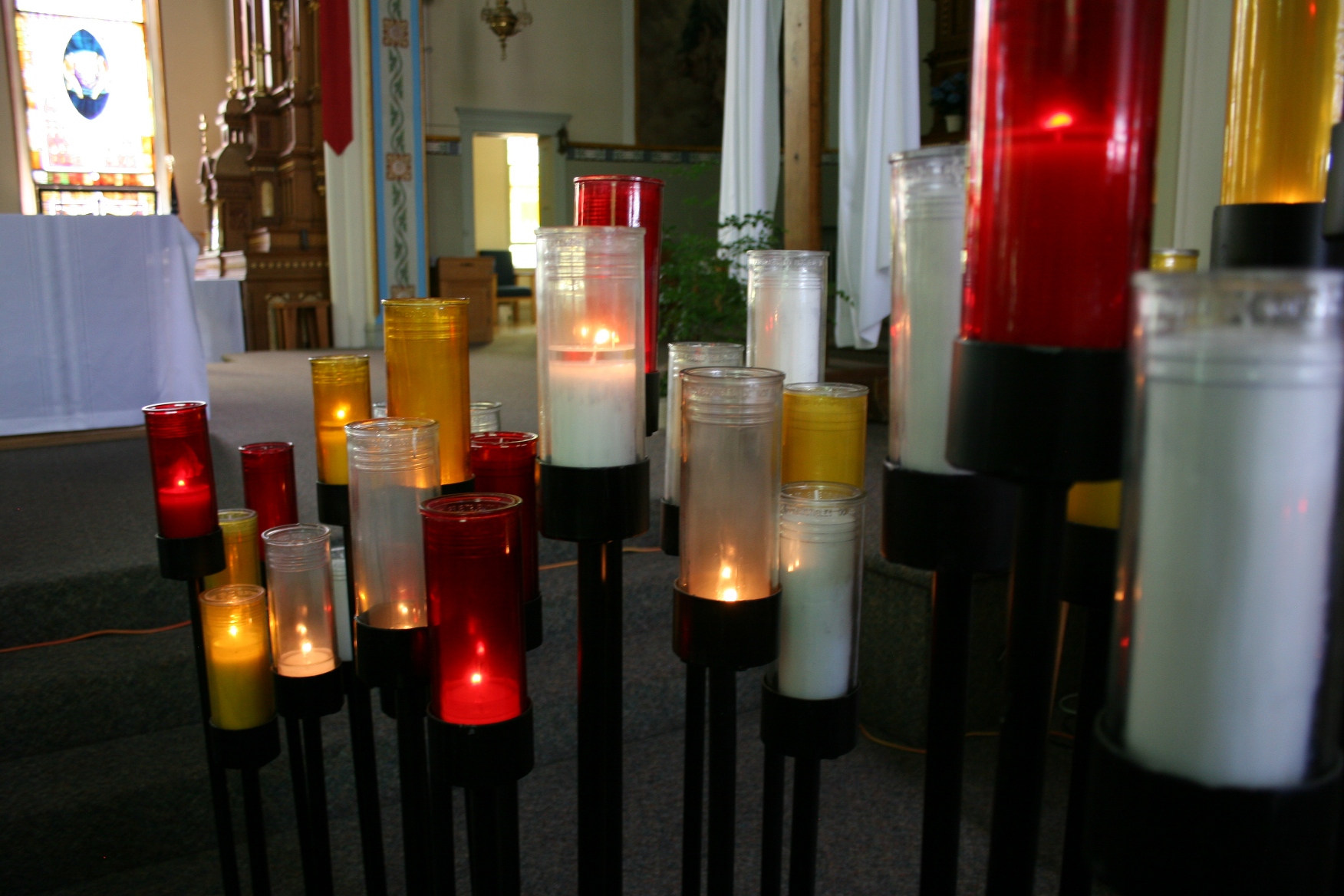
Clustered candles of prayer at St. Mary's.

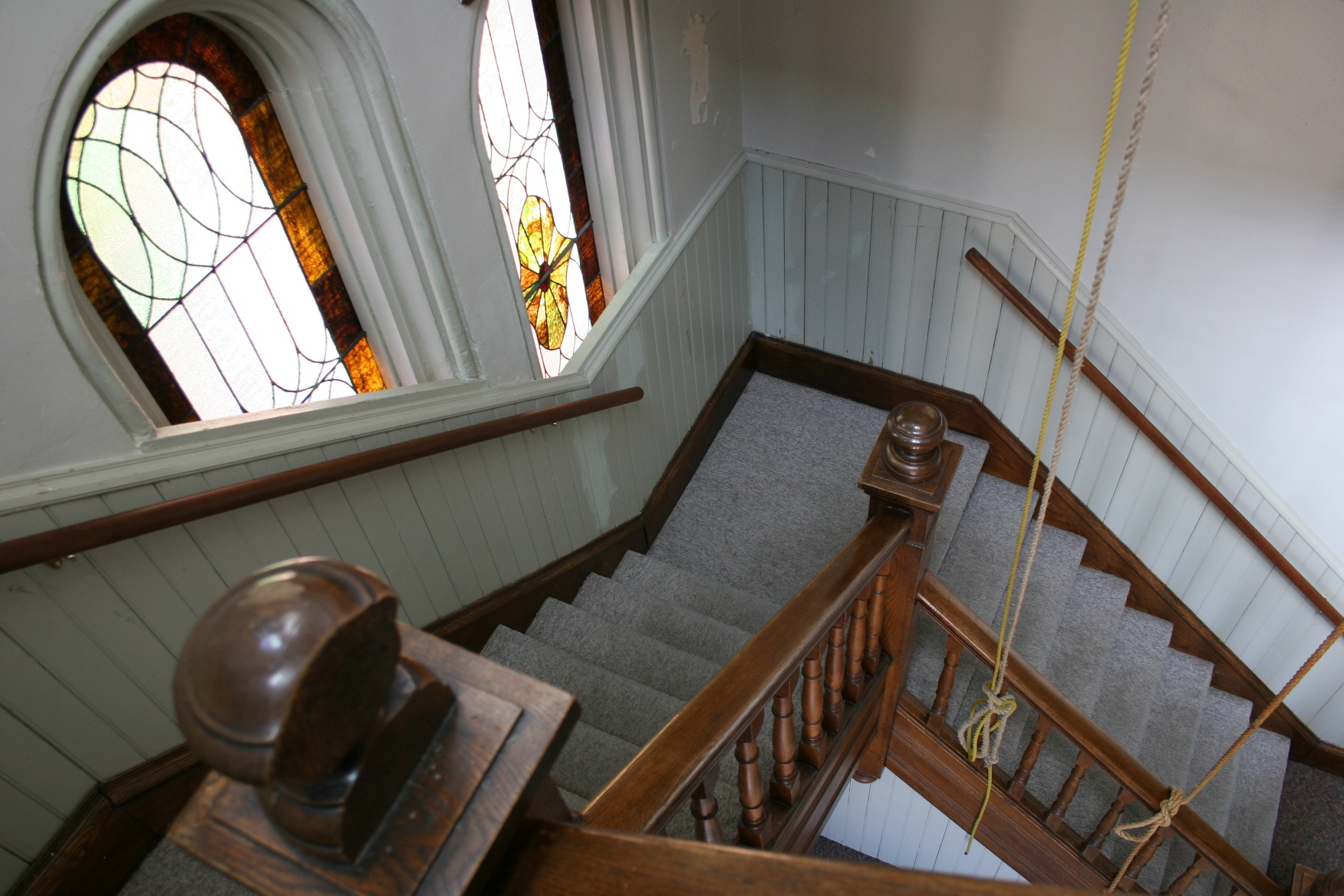
Bell ropes dangle by the balcony stairway. Two stairways lead to the balcony.

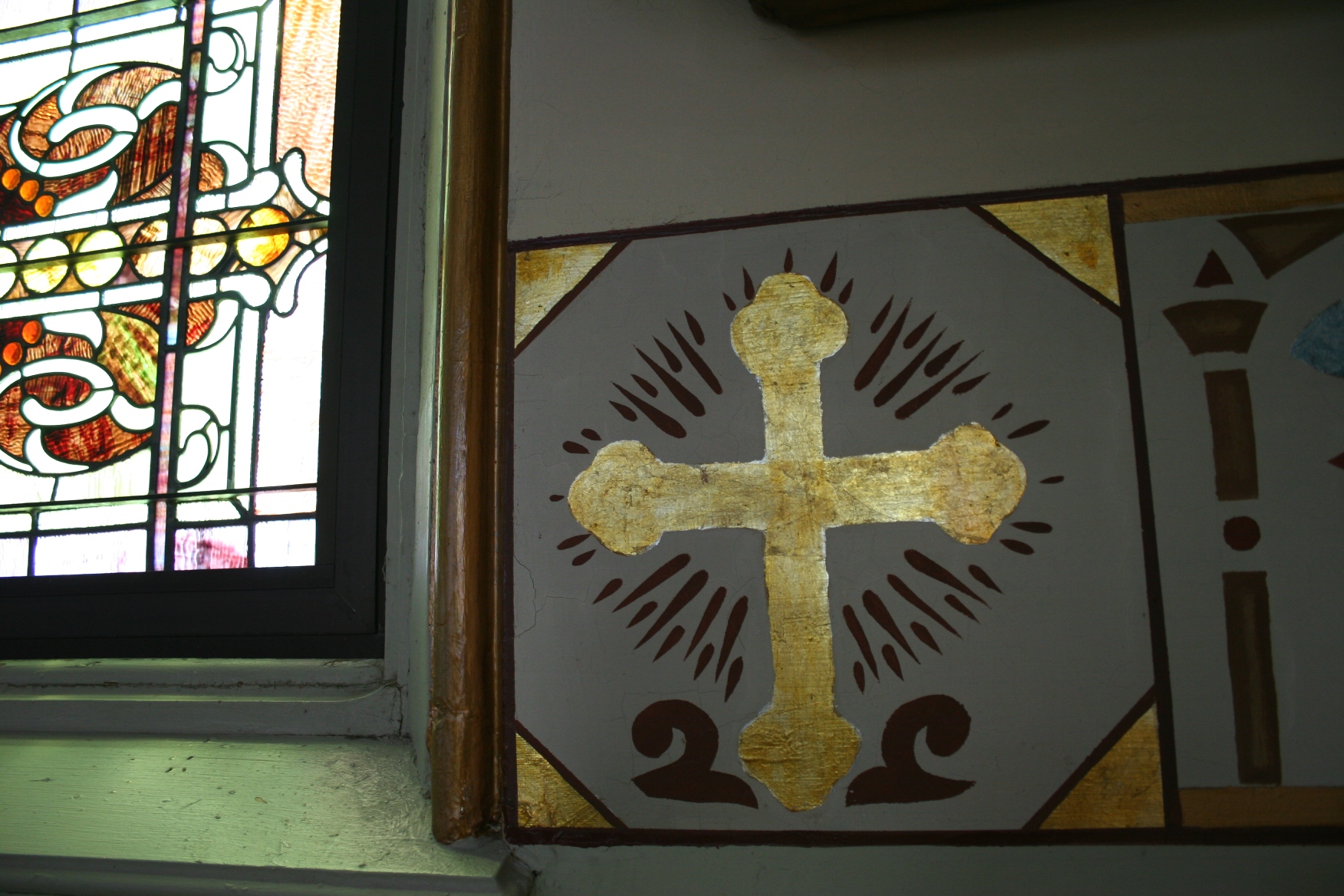
A gold-leafed stenciled cross borders a side wall of the sanctuary.

My eyes swept across the Church of St. Mary’s, or St. Mary’s Catholic Church of Melrose. Choose the moniker you prefer.

The name and the denomination of this 1898 church mattered not to me. I cared only for the heavenly feel of this holy place.

How could I not be impressed by this multi-steepled house of worship next to the turkey plant and soaring above the landscape 100 miles northwest of the Twin Cities?

How many times, if you travel Interstate 94 in central Minnesota, have you noticed those steeples while zipping by Melrose, but never taken the time to drive into town? Placed on the National Register of Historic Places in 1993, this Catholic church is worth a stop if you appreciate craftsmanship, art, history and reverent beauty beyond belief.

The church rises above the land, defining Melrose.

The 113-year-old building was constructed by the parishioners of St. Boniface and renamed St. Mary’s when St. Boniface and St. Patrick’s parishes merged in 1958.

History runs deep here. You will see it in the hitching post out front, smell it in the incense, hear it in the creak of steps leading to the locked balcony.

And if you listen closely, you can almost hear the whispered prayers of those who have come here on bended knees to lift up their sorrows to the Lord.

#

I COULD NOT POSSIBLY share my many photos of St. Mary’s with you in one blog post. Please check back for more images in a future post.

© Copyright 2011 Audrey Kletscher Helbling
 

Thou shalt not photograph the Amish June 14, 2011

TEMPTATION TEMPTED ME on Saturday afternoon, wrapping her slippery fingers around mine, tightening her grip, nudging my index finger toward the shutter button.

But Right resisted, reminding Temptation, “Thou shalt not photograph the Amish.”

The battle waged for a good 15 minutes on a grassy wedge of land along a main route through Osakis, southeast of Alexandria.

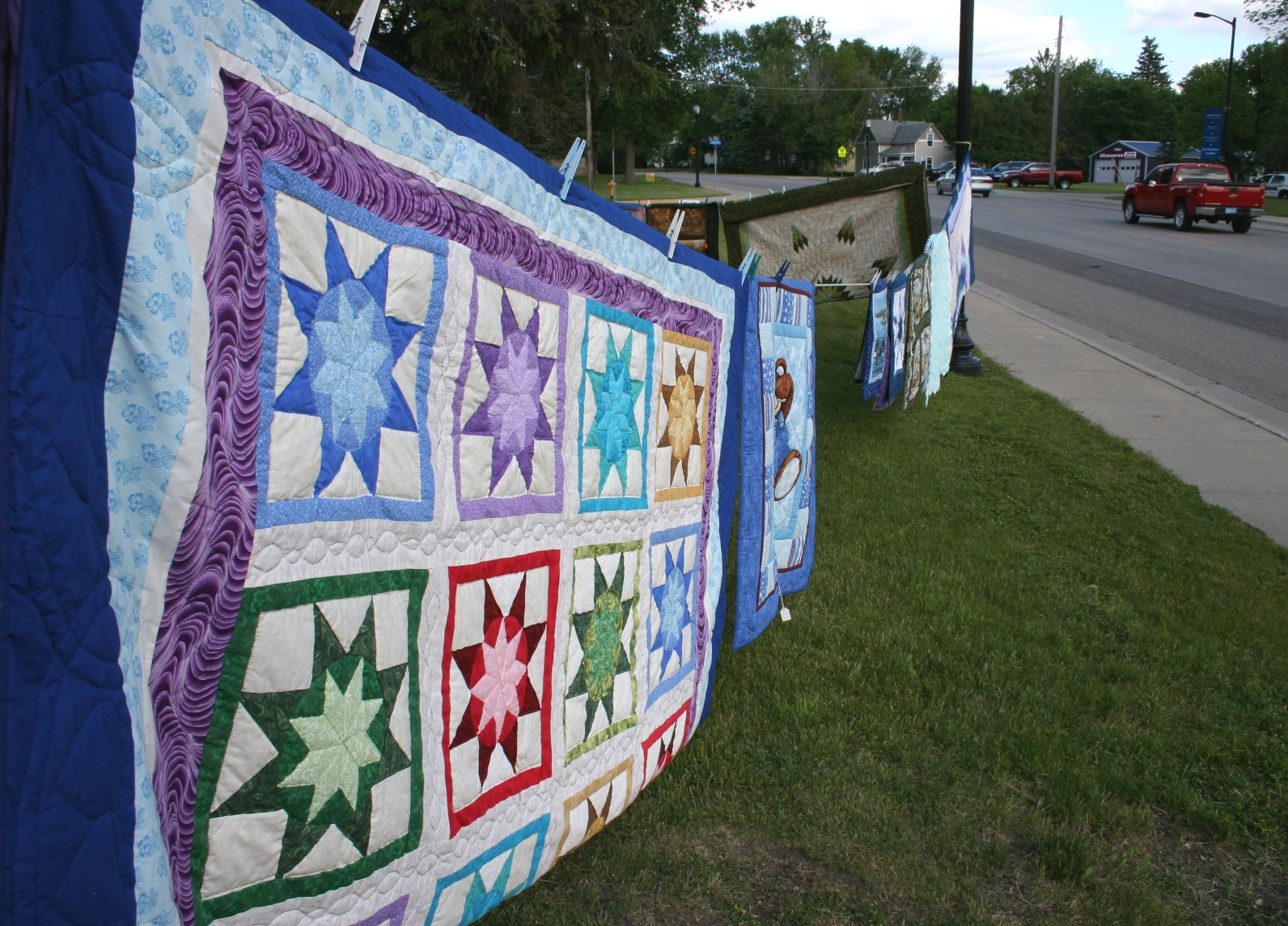
Here quilts, clipped to clothesline strung between a light post and trees, drew my husband and me off the road. When we turned onto the side street and I spotted the black buggy, I couldn’t believe our luck. I’ve wanted, always, to encounter the Amish up close and photograph them.

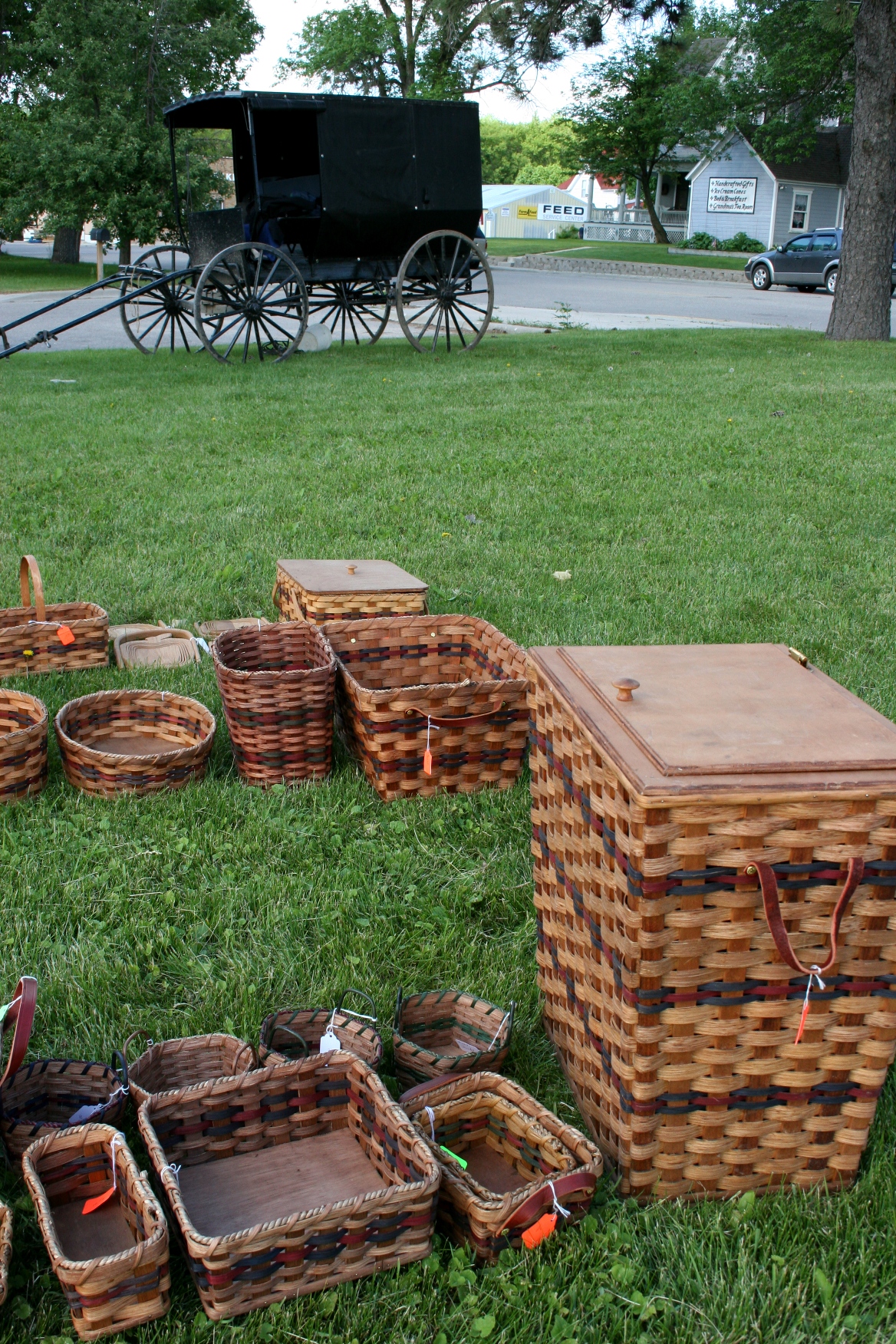
The Amish buggy parked at a roadside market in Osakis.

But then Right niggled my conscience: “Thou shalt not photograph the Amish.”

At least without asking, I thought, although Temptation urged me to click the shutter button of my camera immediately and then ask. But I didn’t. “Is it OK if I take your picture?” I inquired of the bonneted mother cozied with her two black-bonneted daughters on a blanket spread upon the grass.

“No.”

What did I expect? That she would say “yes” and smile for the camera. So I tried again. “How about if I photograph you from the back?”

“No.”

I tried for the third time. “Can I photograph your quilts and baked goods?”

The Amish mom agreed, as long as I didn’t include her or her two pre-teen daughters in my photos. But I was still tempted, oh, so tempted, to sneak them into the images. Would they notice if I edged the camera lens over the clothesline while photographing the quilts?

Right prevailed and I photographed the hand-stitched blankets, the rows of baskets, the preserves and homemade noodles and that black buggy, minus its passengers and minus the horse that was tethered in the shade of trees behind nearby buildings.

I should also have photographed the fly swatters and woven rugs, but I didn’t want to push my luck, appear too pushy and offend these Amish.

Beautiful, hand-stitched quilts stretched on the clothesline.

Preserves and a few baked goods remained when we arrived at this mini Amish market late Saturday afternoon.

This close-up photo shows the detailed stitching in these hand-stitched Amish quilts.

Hand-woven baskets for sale by the Amish.

All the while the two young girls watched me like a hawk. I could feel their eyes following me, boring into my conscience. I wondered what they were thinking. Were they interested in my fancy schmancy camera, or did they simply wish me gone?

Were they worried that I would photograph them, thereby stealing their souls or creating a graven image, or whatever reason the Amish have for shunning photos of themselves?
I remained so focused on possible covert photo ops that I failed to notice details, except those black bonnets, the blue and plum dresses and the wide, plain copper-colored wedding band on the mother’s ring finger (which I wanted to photograph). I wish I had noticed their shoes.
I also failed to ask many questions of the trio. I learned that they live 10 miles east of Osakis, that the buggy trip takes an hour and that they come to town every Saturday (not in winter, of course) to peddle their goods. All of this the mother shared in a brogue that I couldn’t place, but which reminded me of a far-away homeland, of the thick tongue of an immigrant.

While the mother spoke, her two daughters perched, respectful, still and mute as statues, until I looked directly into the brown eyes of one and asked whether she had made any of the market merchandise.

“Cookies,” she blurted, her face blossoming into an appreciative smile.

I wished in that moment, more than any, that I could have photographed her happiness, shown you the delight blooming upon that young Amish girl’s face when I paused to acknowledge her presence, to include her, to boost her self-confidence.

But I could not. “Thou shalt not photograph the Amish.”

Not on this June Saturday afternoon in Osakis.

The one item we purchased, a superb (except for the burned crust), flavorful $6 pie oozing with tasty red raspberries. FYI, there were no cookies remaining or I would have bought some.

© Copyright 2011 Audrey Kletscher Helbling