Christdala Swedish Lutheran Church, rural Millersburg. (Minnesota Prairie Roots copyrighted file photo August 2020)
IN MY BACKROADS travels around Minnesota, I’ve often stopped at churches, drawn by their history, architecture and art. Churches are, to me, more than houses of worship. They are also galleries, museums, centers of praise and grief and joy.
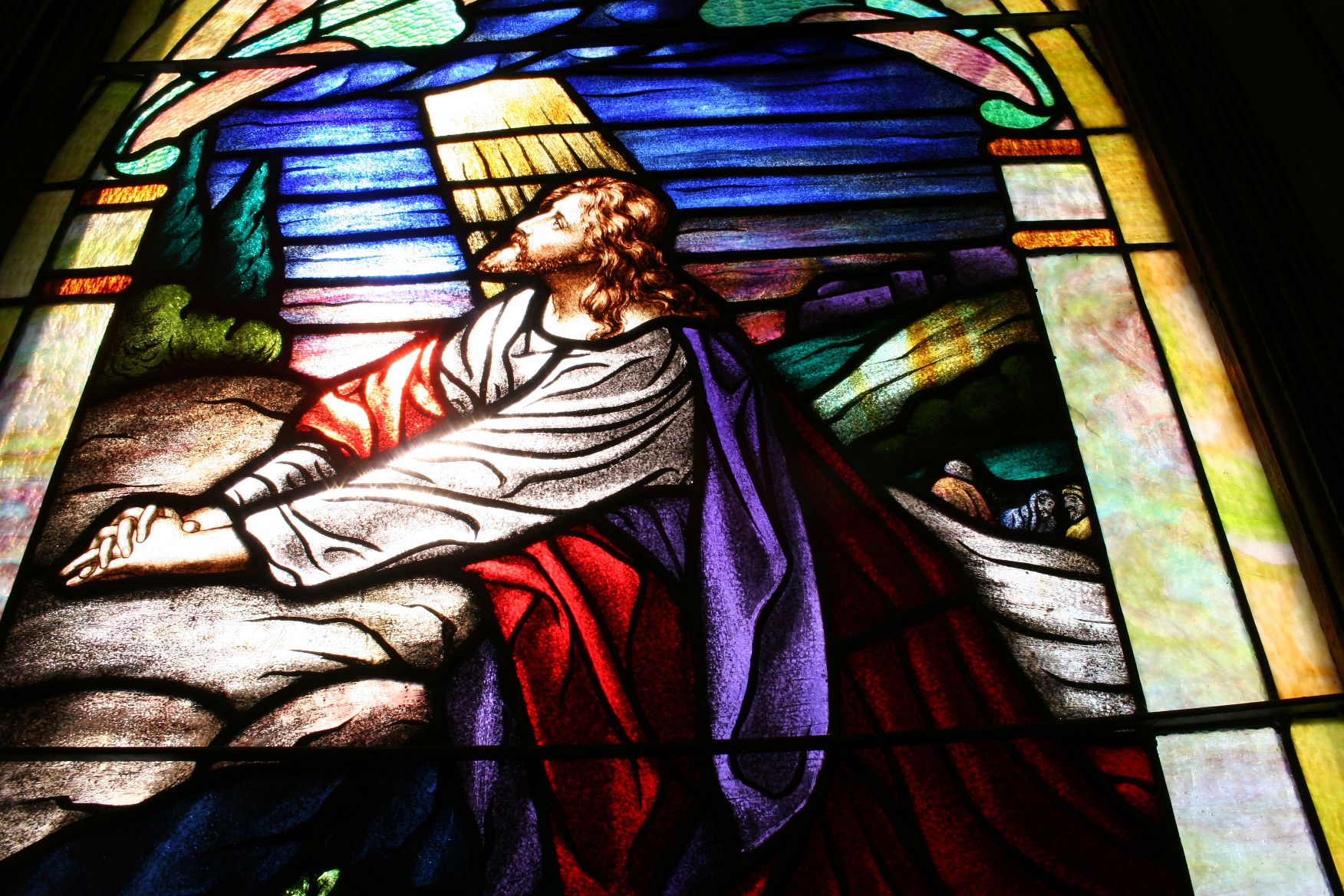
Inside Vang Lutheran Church, rural Dennison, a depiction of Jesus praying in the Garden of Gethsemane. (Minnesota Prairie Roots copyrighted file photo October 2014)
There’s almost something holy about stepping inside a church, into the quiet of a space graced by colorful stained glass windows, religious sculptures, pews worn by the hands of many.
I feel a sense of reverence in the light, in the stillness, in the peace that fills an empty sanctuary. I feel centered. Calm. Enveloped by the sheer beauty surrounding me.
Inside St. Michael’s Catholic Church in Buckman in Morrison County, stained glass art shows Jesus carrying His cross. (Minnesota Prairie Roots copyrighted file photo January 2021)
That beauty often emanates from the art. Stained glass windows, designed and built by skilled artisans, add a dimension of sacredness that appears heavenly when sunlight streams through glass.
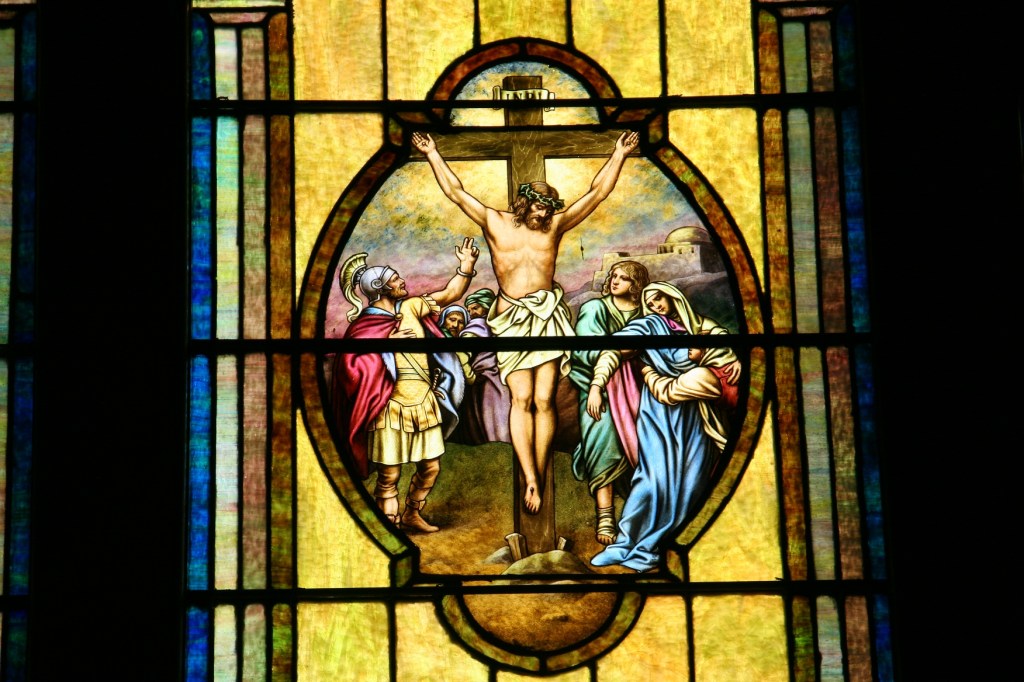
Jesus’ crucifixion depicted in a stained glass window inside Holden Lutheran Church, rural Kenyon.(Minnesota Prairie Roots copyrighted file photo March 2016)
Themed to history, those windows visually tell stories written within the bible. Many focus on Holy Week: The Last Supper. Jesus praying in the garden of Gethsemane. The crucifixion of Jesus. And then His glorious resurrection on Easter morning.
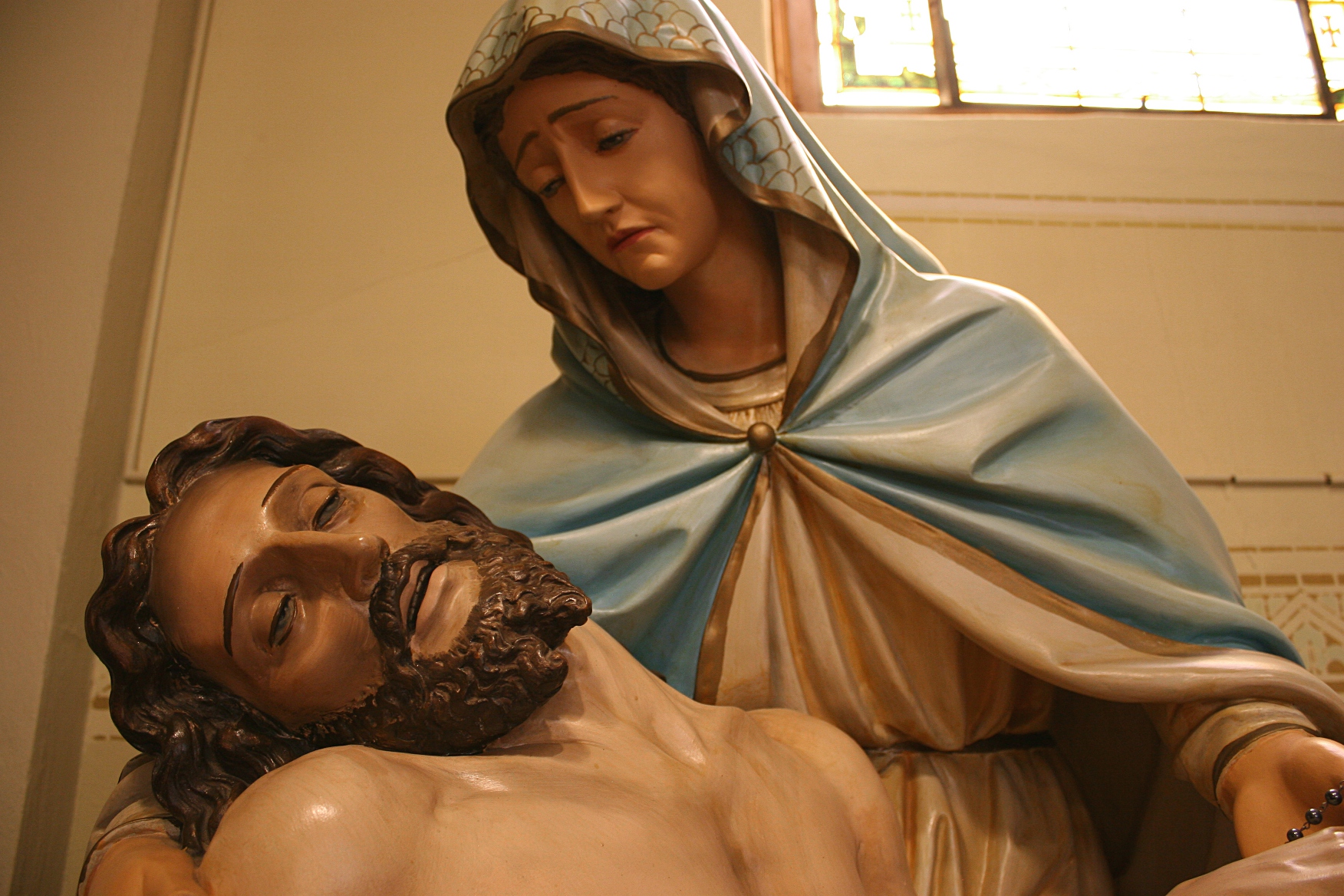
This statue of Mary grieving the loss of her son shows deep emotion. It’s inside St. Mary’s Catholic Church, New Trier. (Minnesota Prairie Roots copyrighted file photo April 2017)
Sculptures, too, depict the same in life-size statues.
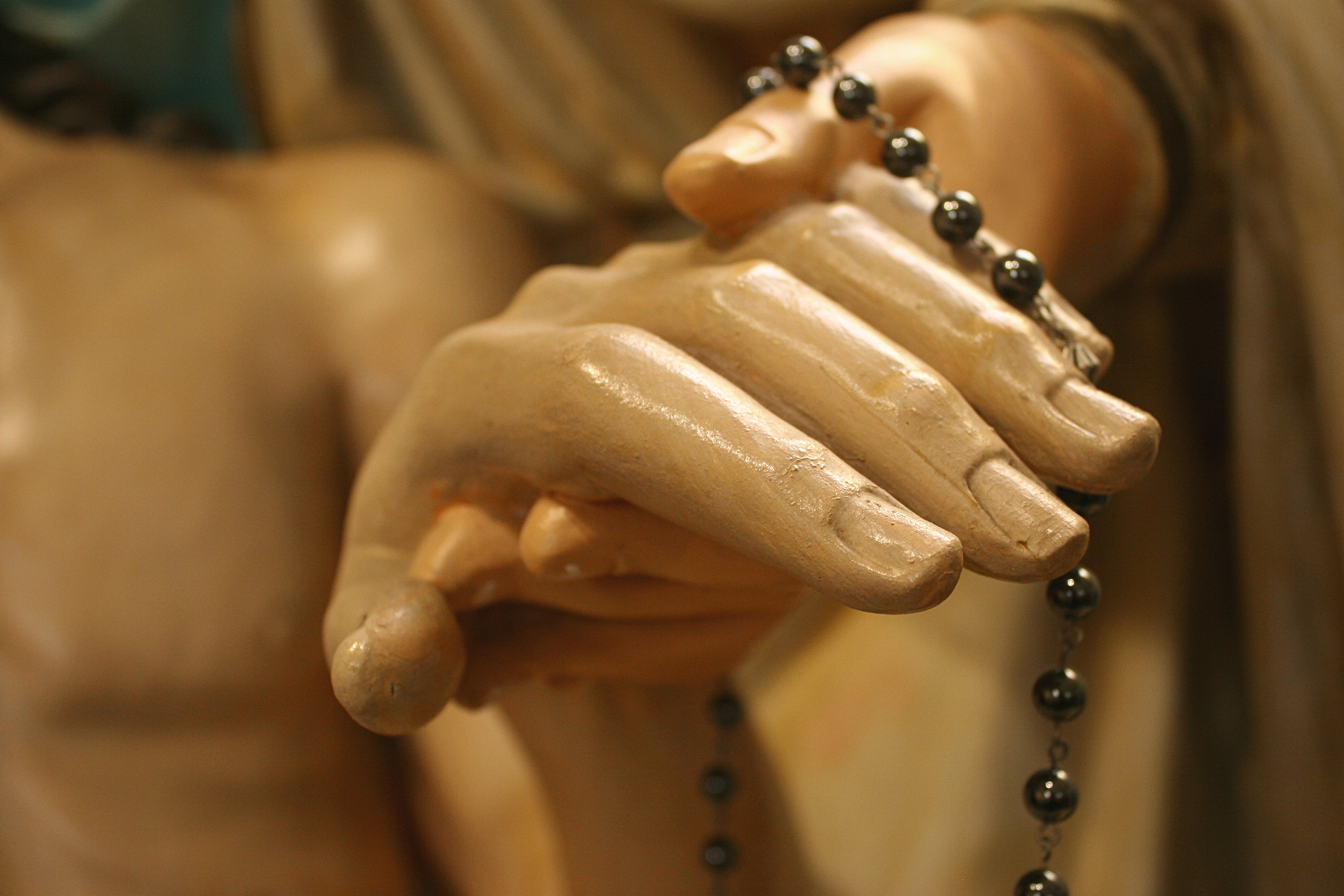
Hands convey so much love in intimate details in this sculpture of Mary holding Jesus’ hand. Photographed at St. Mary’s Catholic Church, New Trier. (Minnesota Prairie Roots copyrighted file photo April 2017)
Sacred and religious art is powerful. It evokes emotions. Inspires. Uplifts. Gives reason to pause and reflect.
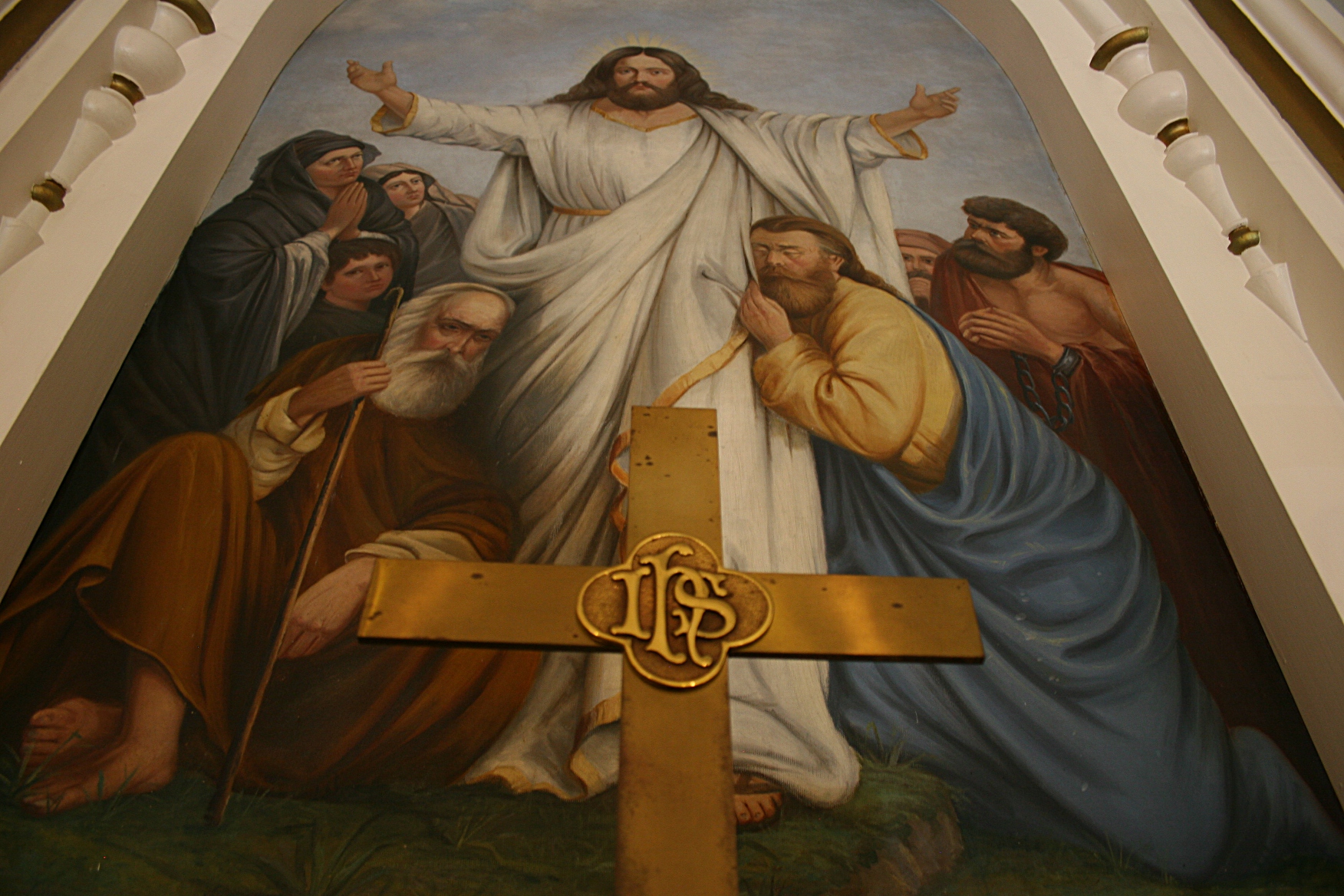
This shows a snippet of the center stained glass window in a trio above the altar at Trinity Lutheran Church, Wanamingo. It depicts Christ’s resurrection. (Minnesota Prairie Roots copyrighted file photo March 2016)
This Holy Week, as my thoughts turn more reflective and inward, I feel deep gratitude for the long ago faithful who created the stained glass windows, the sculptures and other art adorning churches. These works of art are worthy of our attention, our appreciation, no matter religious affiliation or not.
A full view of the altar painting by A. Pederson inside Moland Lutheran Church, rural Kenyon. It’s based on Matthew 11: 28 – 30. “Come to me, all you who are weary and burdened…” (Minnesota Prairie Roots copyrighted file photo June 2013)
I can only imagine how many eyes have focused on the art within sanctuary walls. During baptisms. During weddings. During funerals. And during worship services. Joy. Comfort. Peace. Blessings. They’re there, all there, within the art within these sacred spaces.
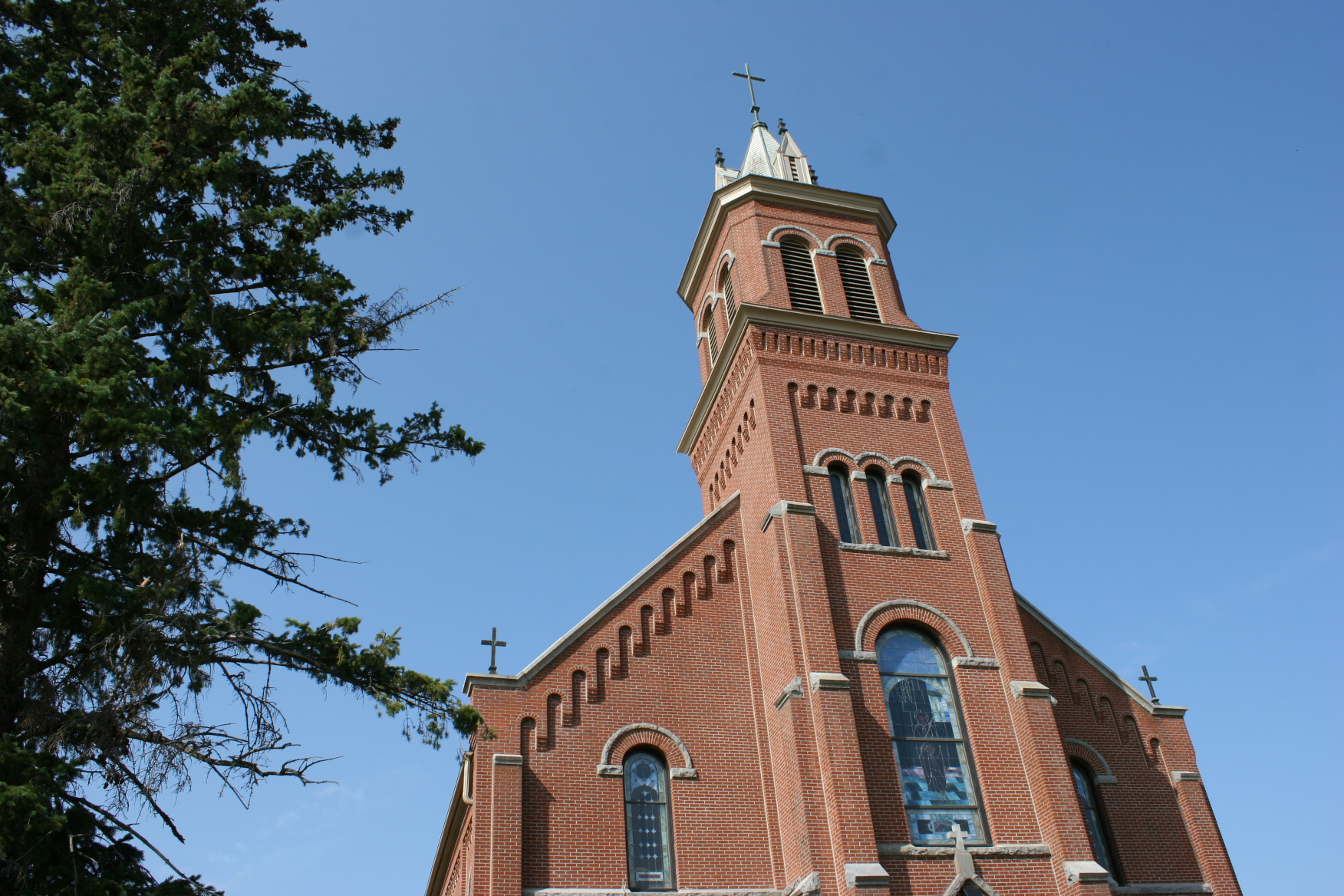
St. Michael’s Catholic Church in Buckman. Minnesota Prairie Roots file photo September 2020.
WHEN I STEP INSIDE A CHURCH like St. Michael’s Catholic Church in Buckman in central Minnesota, I feel overwhelmed by the sheer artistic beauty and craftsmanship. I wonder about those who built this massive church in 1903, dedicating it on September 29, St. Michael’s Day. How did they manage to build this 118 years ago without modern equipment? That amazes me.
Looking toward the front of St. Michael’s. Minnesota Prairie Roots file photo September 2020.
Beyond the actual structure, which surely took much muscle, many manpower hours and grit to complete, I wonder about the artists behind the artwork inside. Who crafted the stained glass windows? Who built the altars? Who shaped the statues and painted the angels and built the pews?
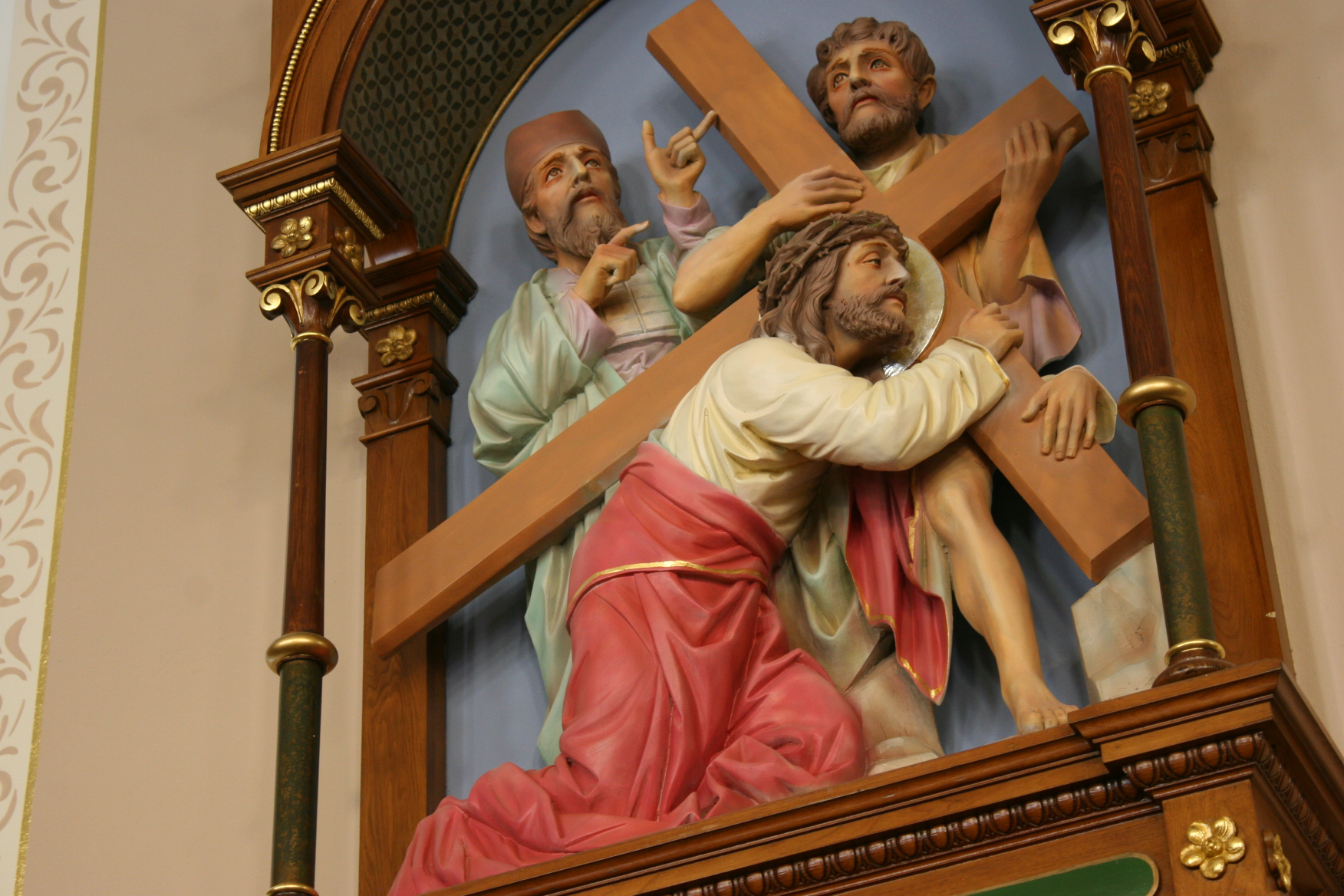
A stained glass depiction of Jesus carrying his cross. Minnesota Prairie Roots file photo September 2020.
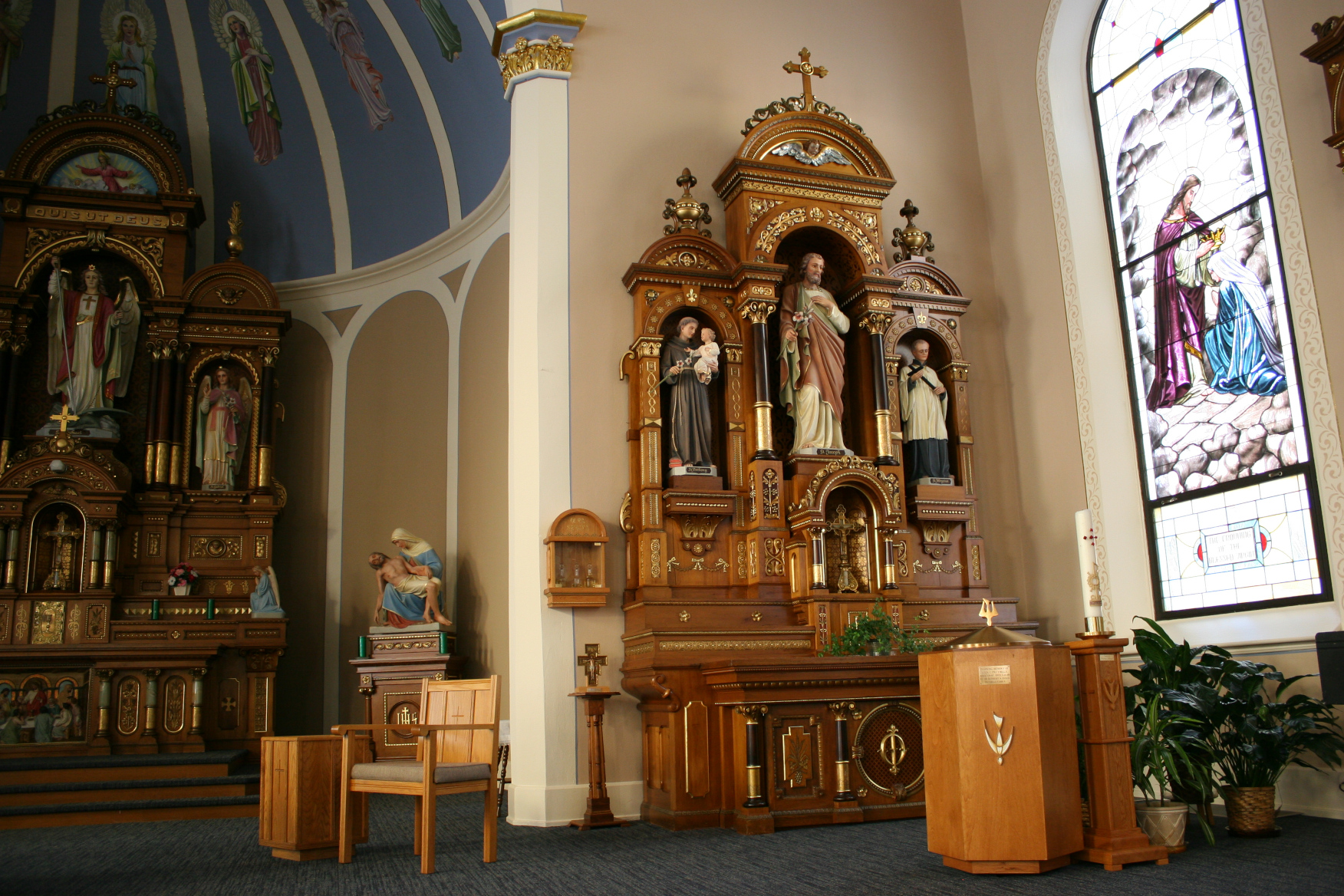
One of the side altars, right, at St. Michael’s. Minnesota Prairie Roots file photo September 2020.
The Nativity represented in stained glass, left. Minnesota Prairie Roots file photo September 2020.
I am grateful to those faith-focused artists and craftsman who created such beauty here in the middle of Minnesota. A place for farm families (mostly) to gather for Mass. To praise God. To confess their sins. To press their hearts in prayer. To mourn. To celebrate. To grow deeper in their faith.
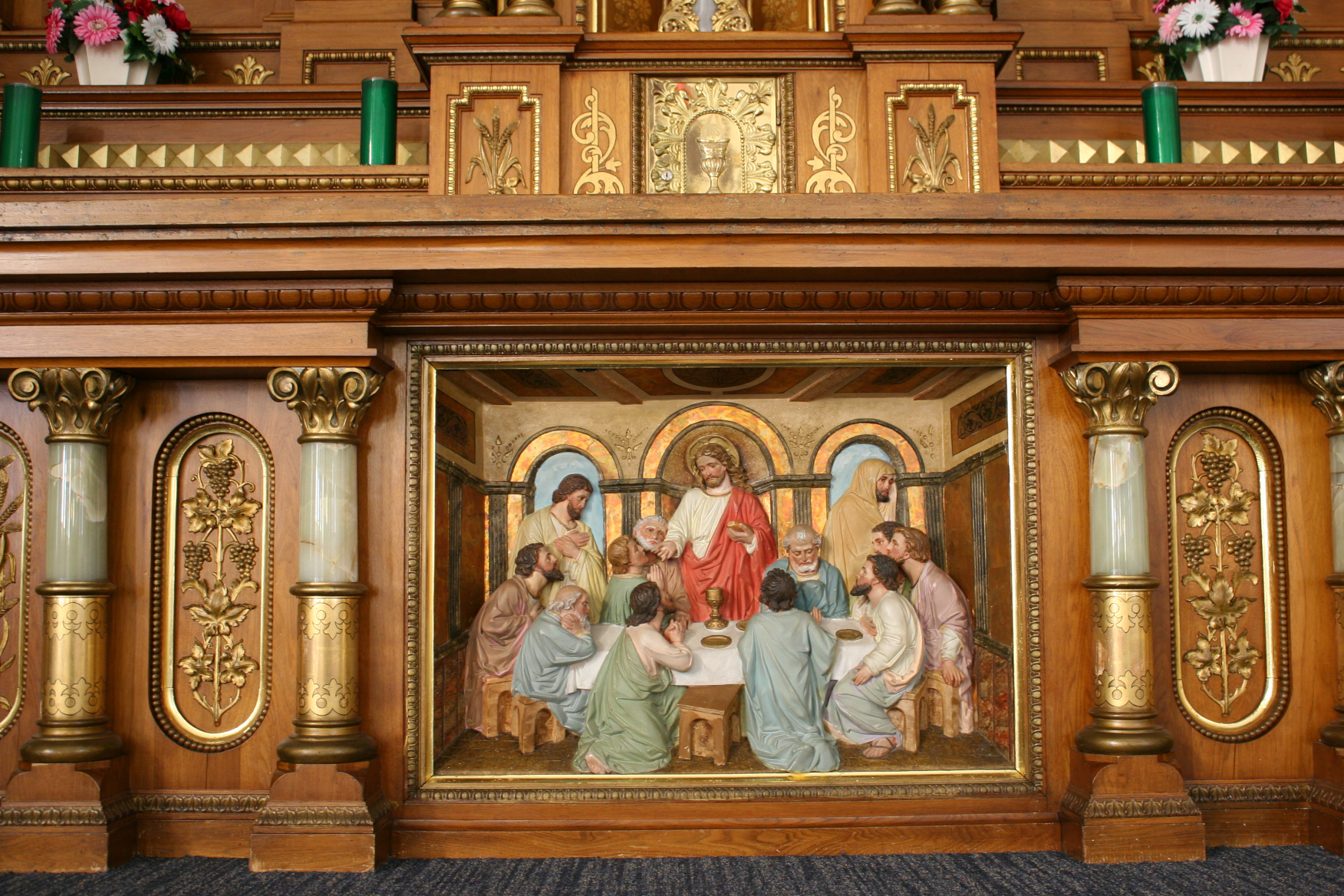
The Last Supper is depicted on the lower part of the main altar. Simply stunning. Minnesota Prairie Roots file photo September 2020.
The Helbling family made St. Michael’s their church home upon relocating to Minnesota from North Dakota in 1963. My husband, Randy, and his siblings attended elementary school across the street. That school, next to the cemetery, is long gone. My mother-in-law and a brother-in-law are buried here, across Minnesota Highway 25 from the church. So, by marriage, St. Michael’s is now part of my history.
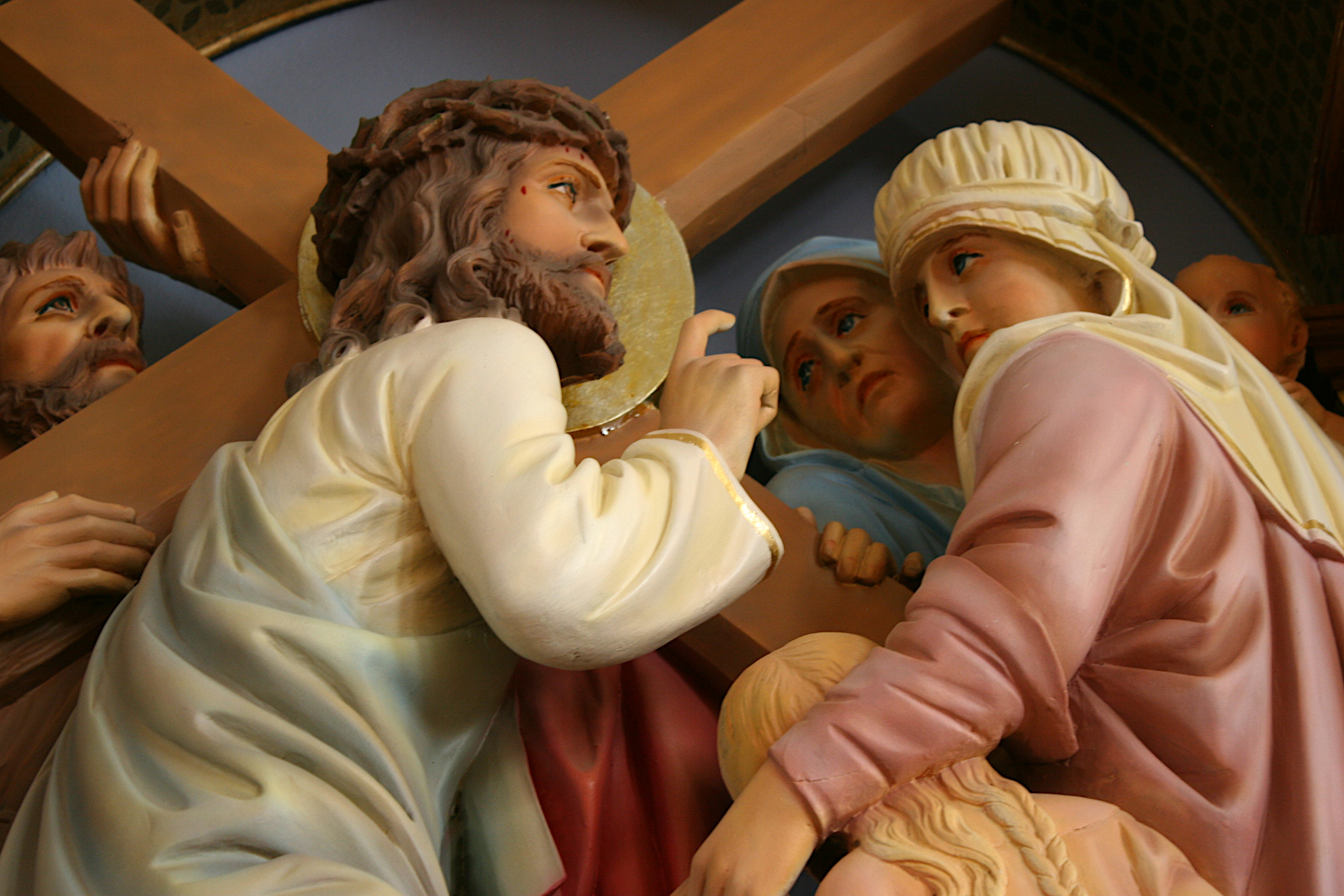
Just look at the emotions sculpted into this art. I see peace, pain, determination… Minnesota Prairie Roots file photo September 2020.
Certainly, I don’t hold the deep emotional connection that comes from years of worshiping within the walls of this rural Minnesota church. But I still hold a deep appreciation for this place which was such a valued part of my in-laws’ lives.
Stained glass windows and sculptures adorn the side walls of St. Michael’s. Minnesota Prairie Roots file photo September 2020.
As a woman of faith—I grew up Lutheran—I value aged churches and art. Religious art is often symbolic, reinforcing Bible truths and stories. It can uplift, comfort, provide peace, bring joy, remind us of our weaknesses and the source of strength and hope. It can center and ground us when we most need to feel centered and grounded.
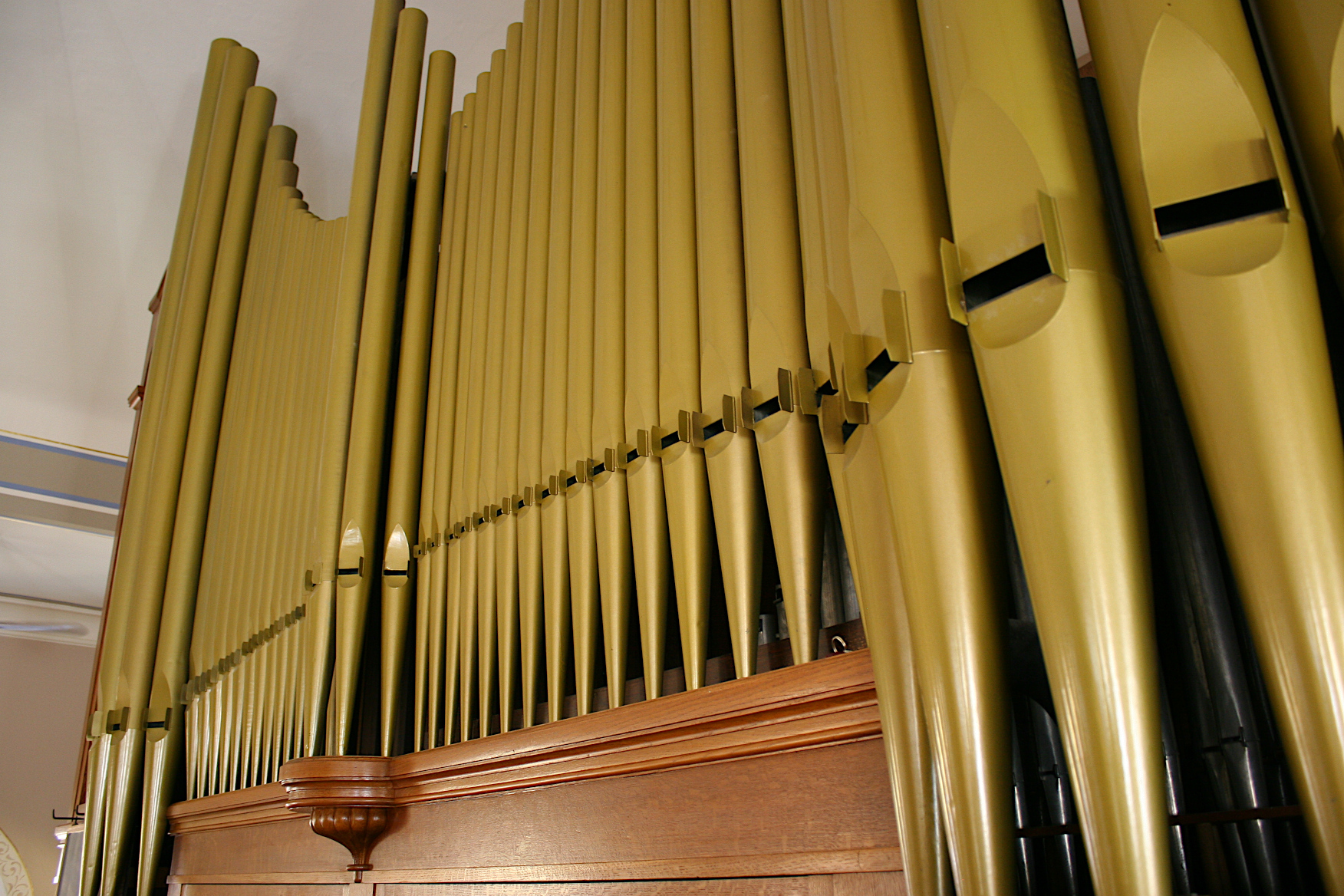
Massive pipes on the pipe organ in the St. Michael’s balcony. Minnesota Prairie Roots file photo September 2020.
Many times, church art has reinforced my faith, helped me to feel the presence and closeness of God whether in a stained glass window, the words of a familiar hymn or the comfort of a worn wooden pew.
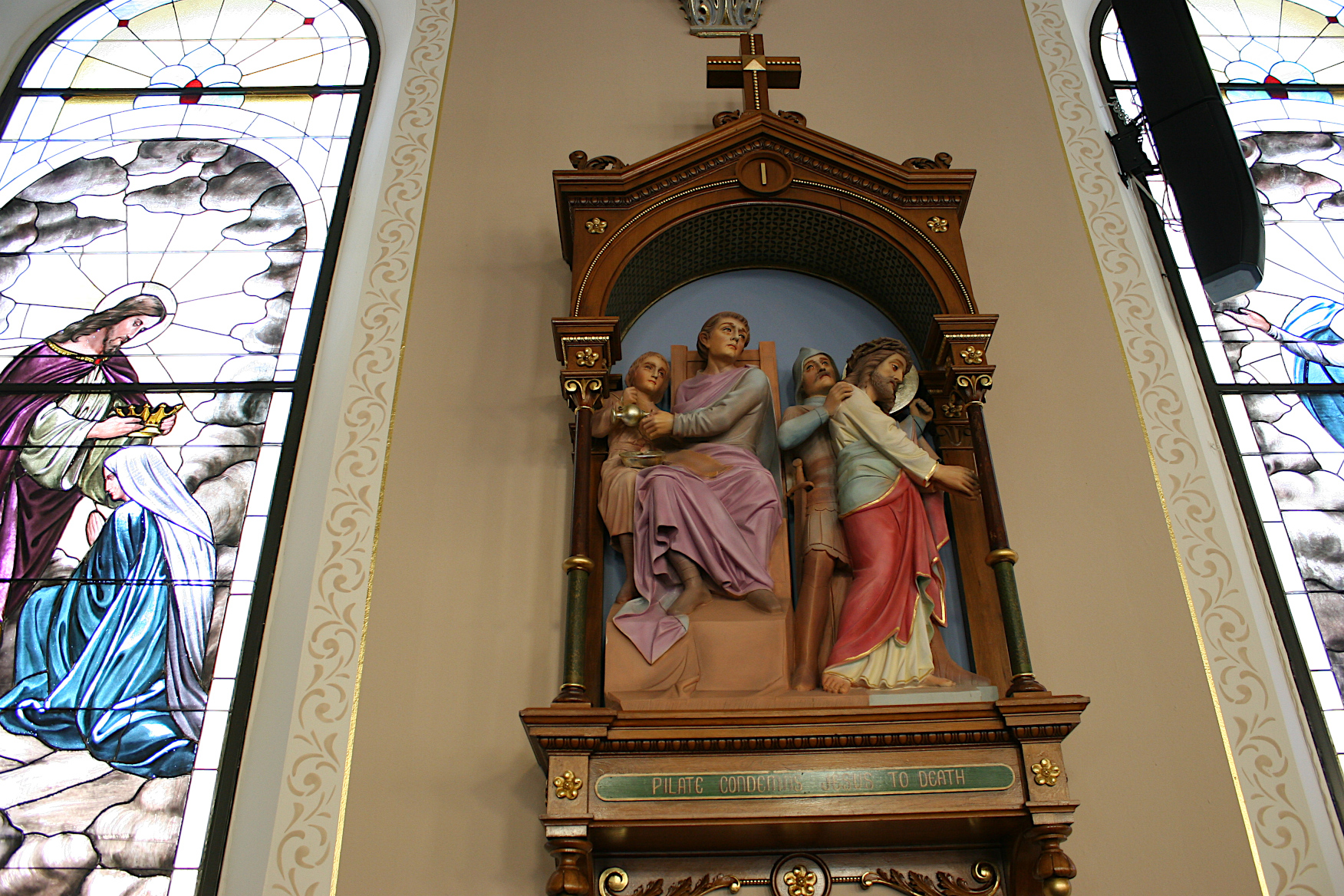
“Pilate condemns Jesus to death” sculpture between two stained glass windows. Minnesota Prairie Roots file photo September 2020.
Inside St. Michael’s, generations of families have gathered. I am grateful for those early settlers who labored to create this sanctuary in the small town of Buckman, Minnesota.
Please check back as I take you inside St. Michael’s for the final post in this three-part series.
IMAGINE, AS A YOUNG BOY, moving nearly 400 miles across the plains of North Dakota east to Minnesota with your family to start a new life. You’ve left behind your grandparents and other extended family, and the comforting familiarity of farm home, church and school. For my husband, that was reality.
St. Michael’s Catholic Church in Buckman. Minnesota Prairie Roots file photo September 2020.
As the Tom and Betty Helbling family settled onto a farm southeast of Buckman in central Minnesota in the early 1960s, Randy found himself adjusting from a one-room country schoolhouse with one teacher to a parochial school with multiple classrooms and teachers. He no longer faced cancellation of recess due to coyotes circling the playground at Chimney Butte School near St. Anthony. Rather, he faced nuns slapping his hands with a ruler or drilling thumbs into his skull, adding to his angst as the new boy in school. And then there was the matter of the frightening statue across the street inside the massive St. Michael’s Catholic Church.
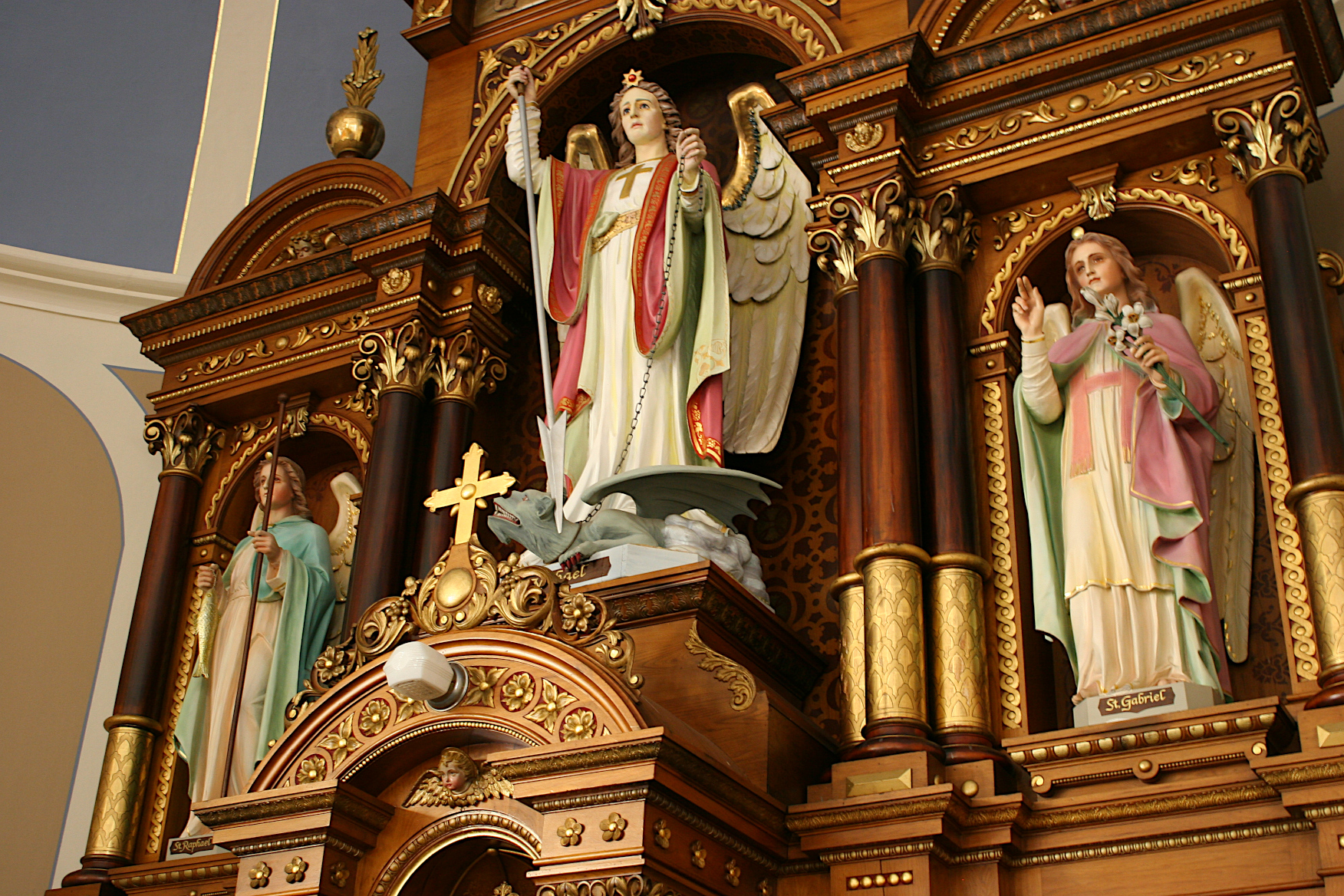
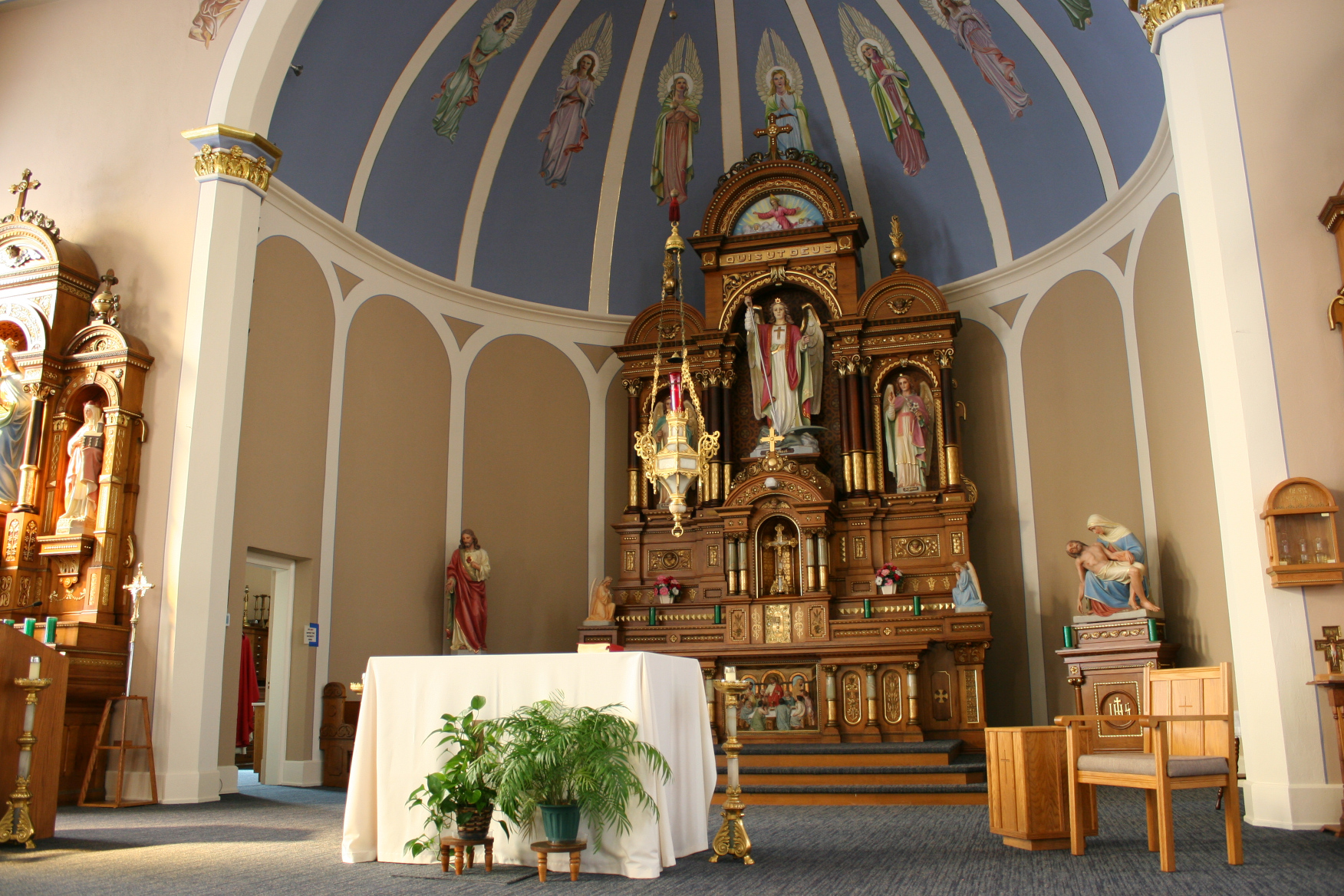
In the center, St. Michael overpowering Satan. Minnesota Prairie Roots file photo September 2020.
Some six months ago, I heard for the first time about Randy’s boyhood fear of the statue which centers the main altar at St. Michael’s, where he attended weekday and Sunday Mass. The statue features a triumphant St. Michael overpowering Satan with a spear. A horrid, crouching other-worldly creature with an open mouth of sharp teeth and equally sharp claws represents Satan. Enough to scare any child looking over adult heads to that altar art. Not even the chain and weapon would be enough to inspire confidence in the Evil One’s captivity.
St. Michael’s stretches long and high. Minnesota Prairie Roots file photo September 2020.
All of that aside, St. Michael’s is a truly beautiful church. Massive in size and vast in art. I’ve come to know it only through marriage as I grew up 145 miles to the south of Buckman and in the Lutheran faith.
“The Nativity” stained glass, one of many similar windows inside St. Michael’s. Minnesota Prairie Roots file photo September 2020.
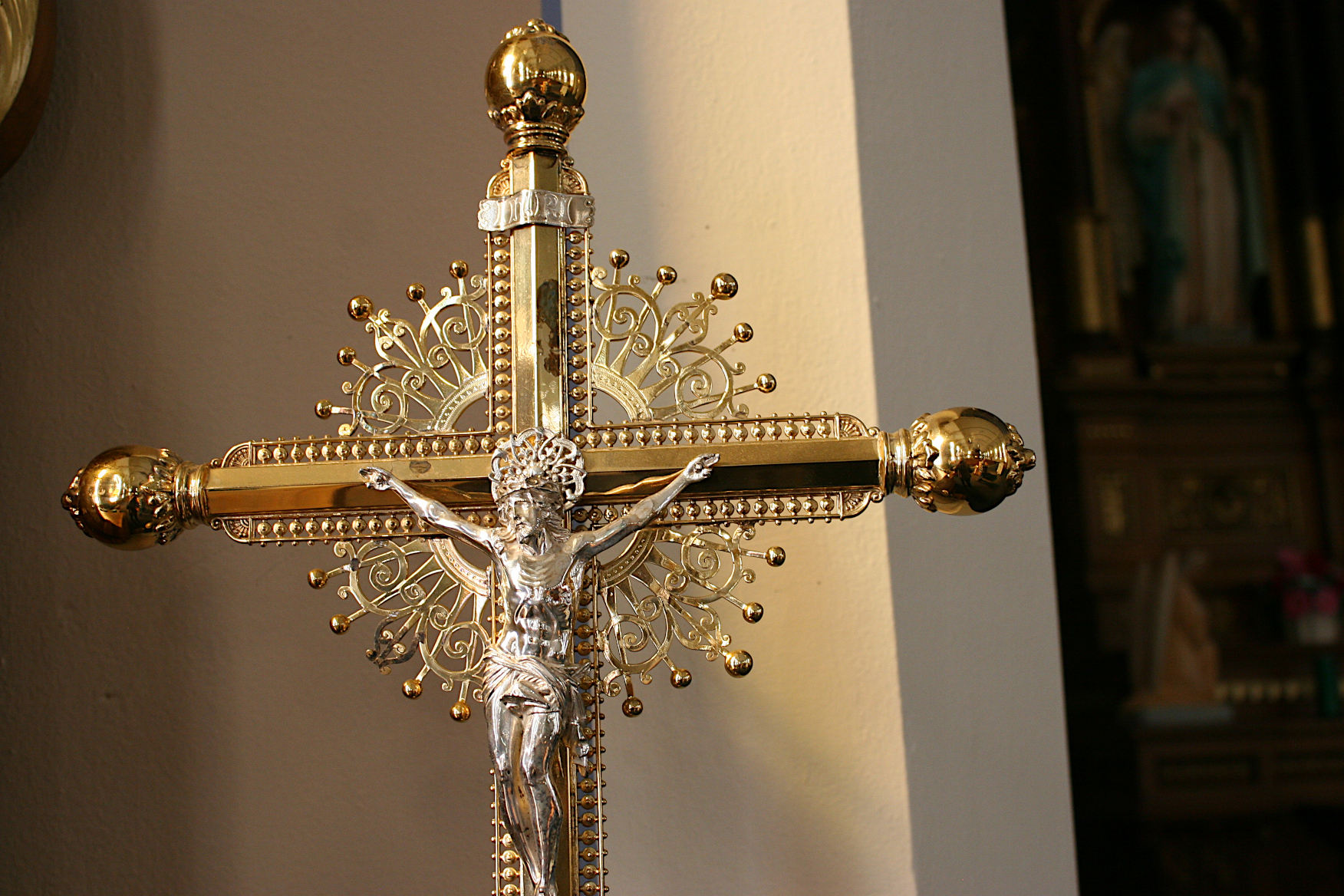
A stunningly beautiful cross, one of many. Minnesota Prairie Roots file photo September 2020.
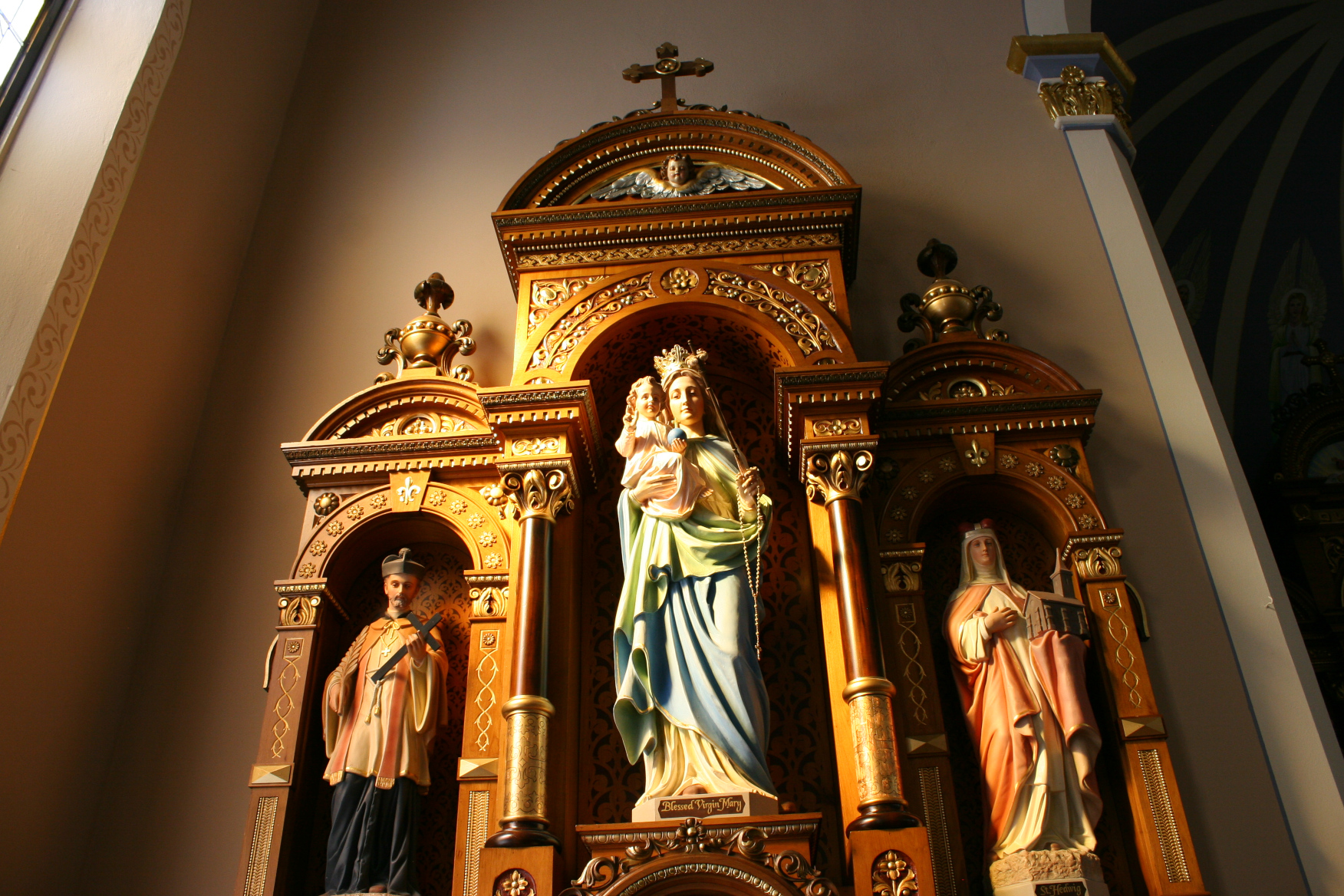
Statues on a side altar. Minnesota Prairie Roots file photo September 2020.
I don’t pretend to understand the meaning of all the art which graces this space. But one thing I do understand is that this house of worship excels in craftsmanship and artistry. Each piece of art holds meaning, significance, purpose. From the stained glass windows to the sculptures to the ornate altars.
Looking toward the back of the church and to the balcony. Minnesota Prairie Roots file photo September 2020.
Years have passed since I stepped inside St. Michael’s. So when Randy and I visited his mother’s and brother’s gravesites at the church cemetery last September, we decided to also check out the recently-restored church. I expected locked doors, so often the case now in rural and small town churches. But the doors to an addition were open and we had the place to ourselves. Note that plenty of security cameras film visitors.
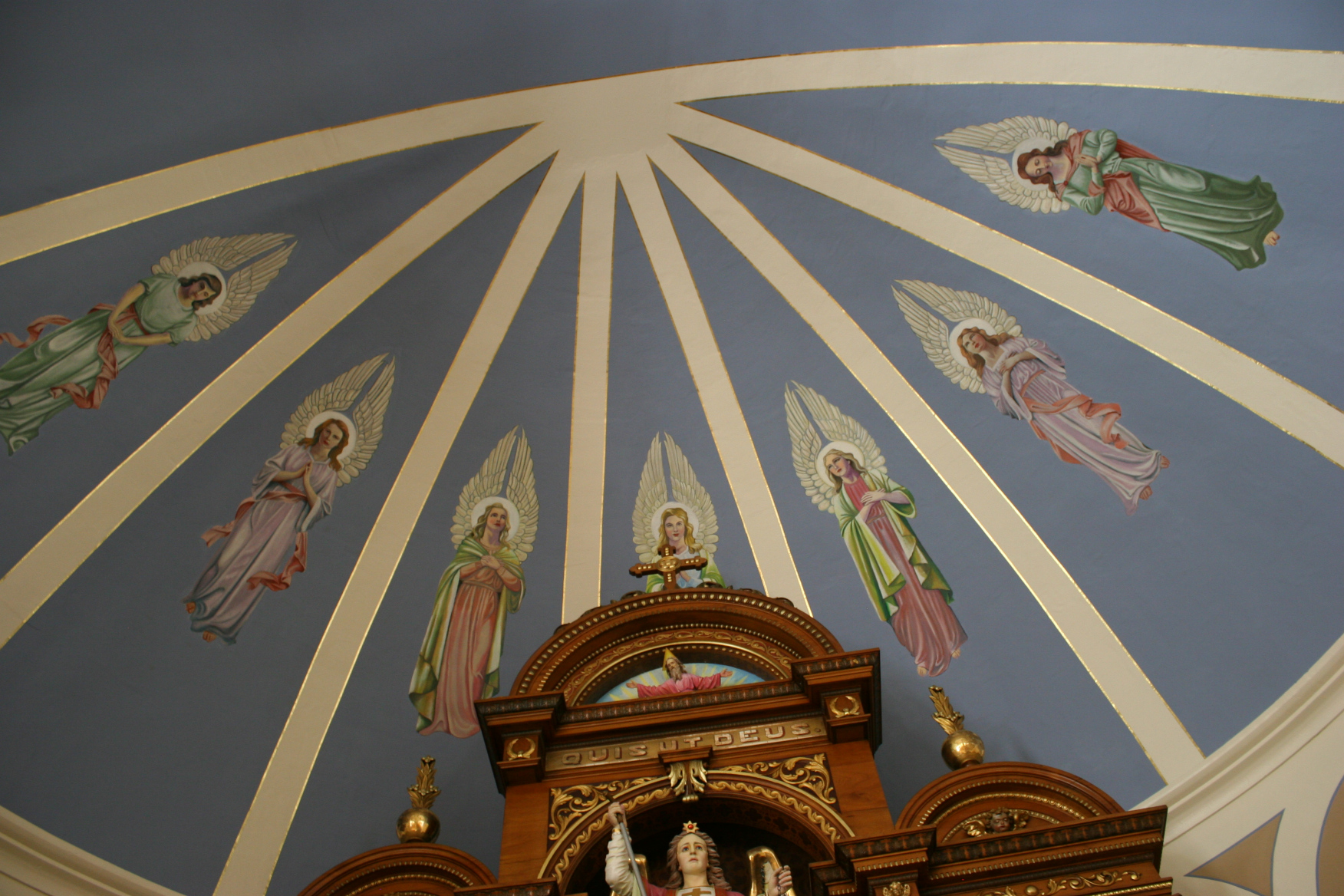
My favorite art in St. Michael’s are these angels painted on the ceiling above the altar. Minnesota Prairie Roots file photo September 2020.
My reaction was one of awe as I stood inside the sanctuary with its soaring ceiling, art seemingly everywhere. It’s a photographer’s paradise. An art lover’s dream. A place of peace for the faithful.
A side altar up close. Minnesota Prairie Roots file photo September 2020.
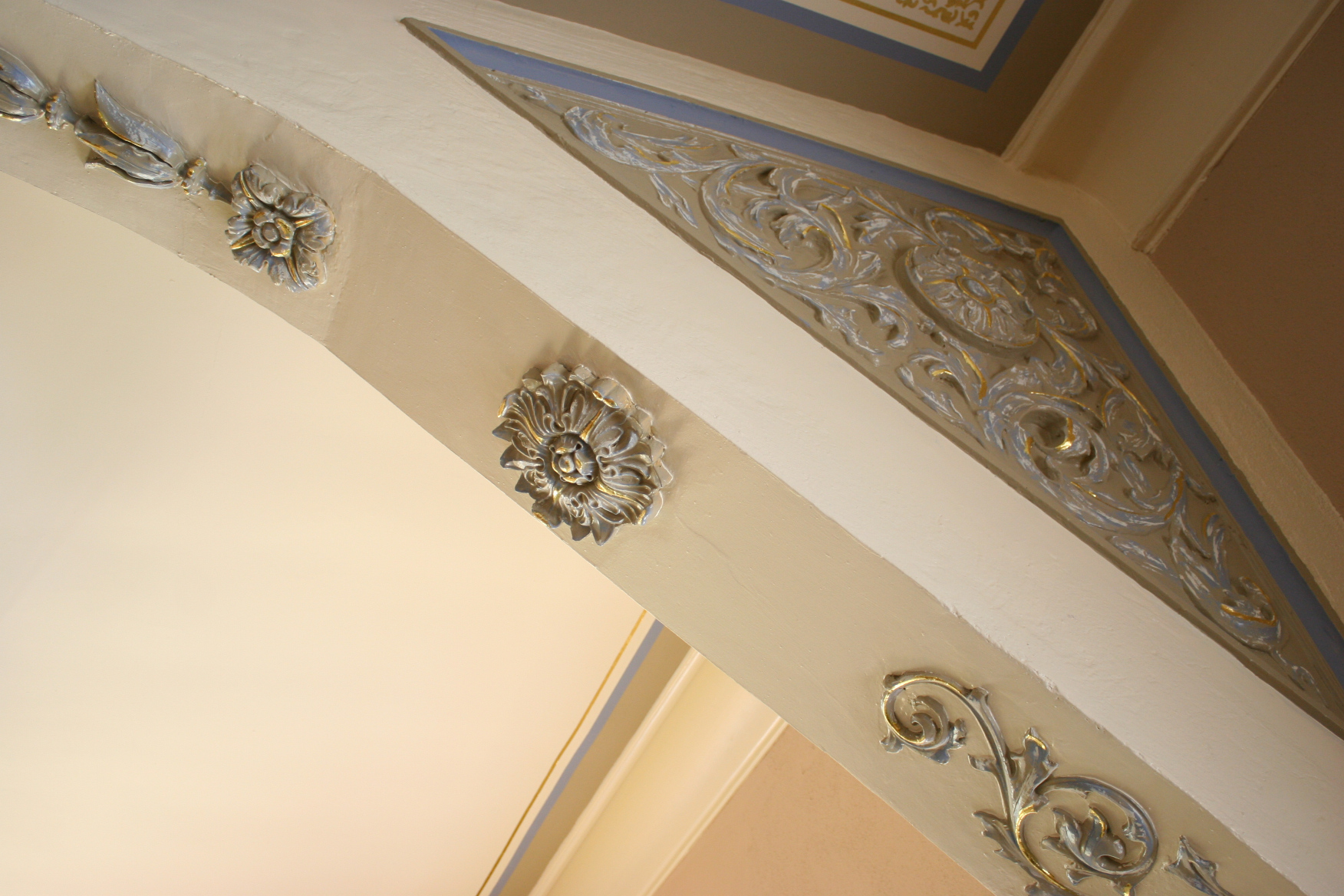
Ornate ceiling details. Minnesota Prairie Roots file photo September 2020.
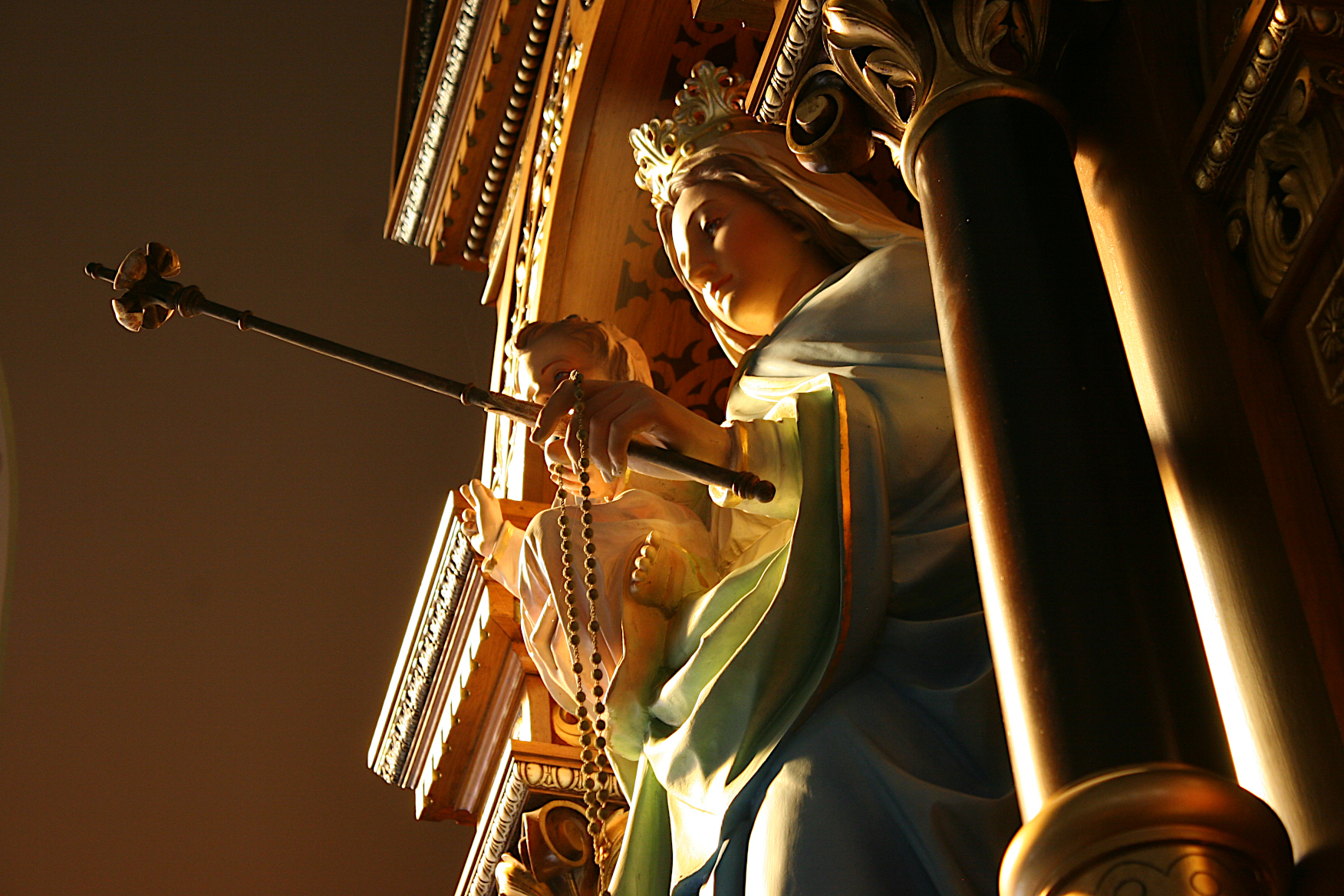
One of many detailed sculptures. Minnesota Prairie Roots file photo September 2020.
I felt overwhelmed as I moved from one area of the church to the next—attempting to take in all I saw. The whole picture. The details. Oh, the details.
The center altar, with that frightening statue. Minnesota Prairie Roots file photo September 2020.
I stood for a moment, placing myself in Randy’s shoes as that young boy from North Dakota seeing this all for the first time. I locked eyes on the statue of St. Michael towering over Satan, the terrible, horrible creature with the sharp teeth and claws. And I understood Randy’s fear manifested there all those decades ago.
Please check back as I bring you more photos from inside St. Michael’s Catholic Church, Buckman, Minnesota.
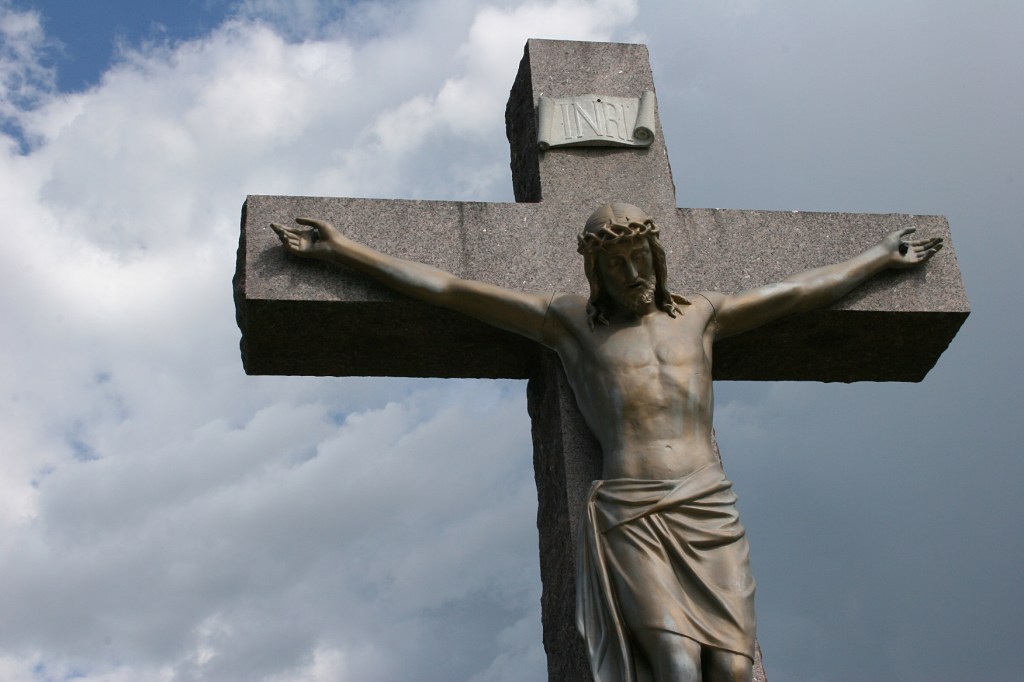
From sculpted tombstones to glorious and vibrant stained glass windows, this art inspires, uplifts and illustrates history recorded in biblical accounts. Like Good Friday and the crucifixion of Jesus.
In the face of Mary, I see profound grief in losing her son, Jesus. Sculpture photographed at St. Mary’s Catholic Church, New Trier, MN. Minnesota Prairie Roots file photo.
Today I’ve selected a few photos from my files that honor Christ, this important day and my Christian faith.
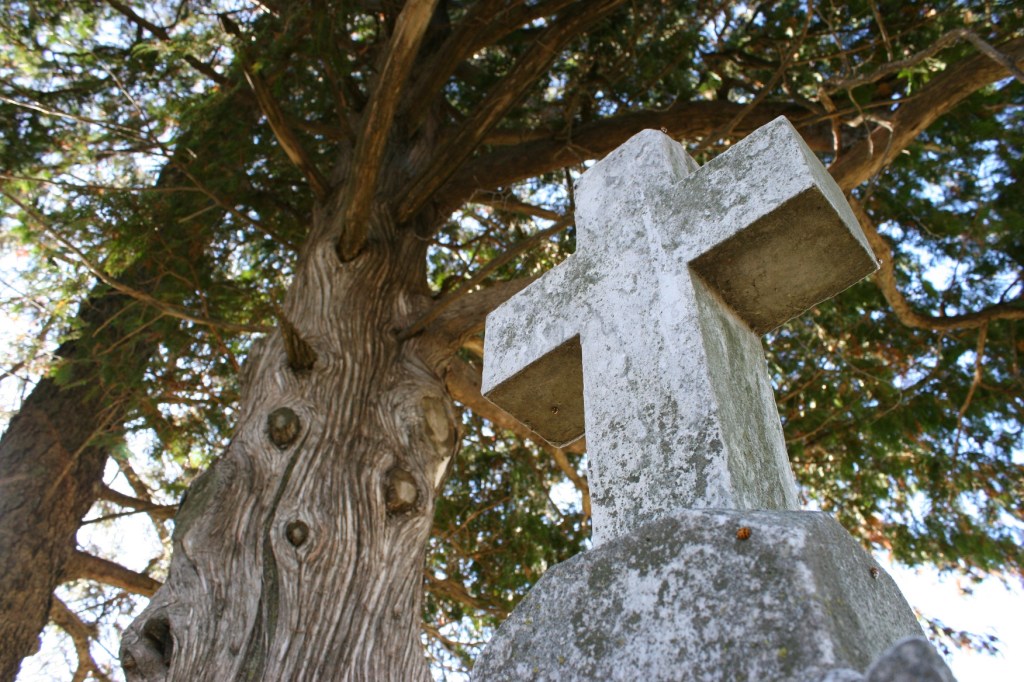
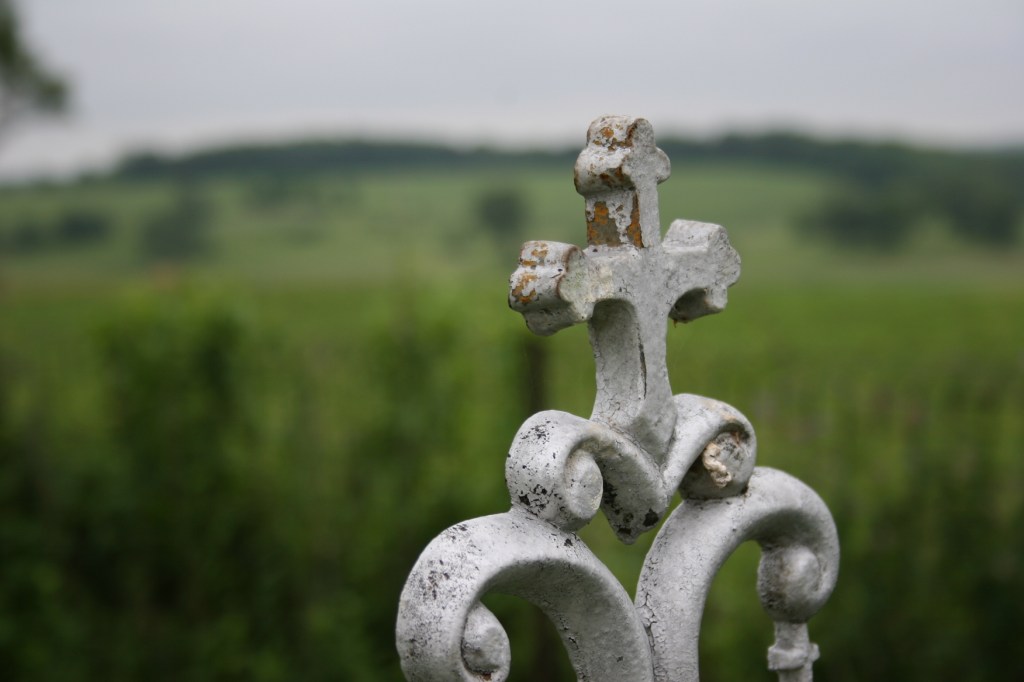
A cross in Trebon Cemetery, 10 miles northwest of Faribault in Shieldsville Township. Minnesota Prairie Roots file photo.
I appreciate the skills of these artists. Their work stirs emotions. And thoughts, especially of gratitude.
A monument in St. Michael’s Cemetery, Buckman, MN., where my mother-in-law in buried. Minnesota Prairie Roots file photo, August 2012.
In the darkness and sadness of Good Friday, I anticipate the light and joy of Easter. Even more so in these current difficult days.
OVER-SIZED SCULPTURES, roadside kitsch—whatever term you tag to mammoth outdoor art, I’m a fan. Many Minnesota communities, from Fergus Falls’ otter to Rothsay’s prairie chicken to Garrison’s walleye, identify themselves with public art symbols.
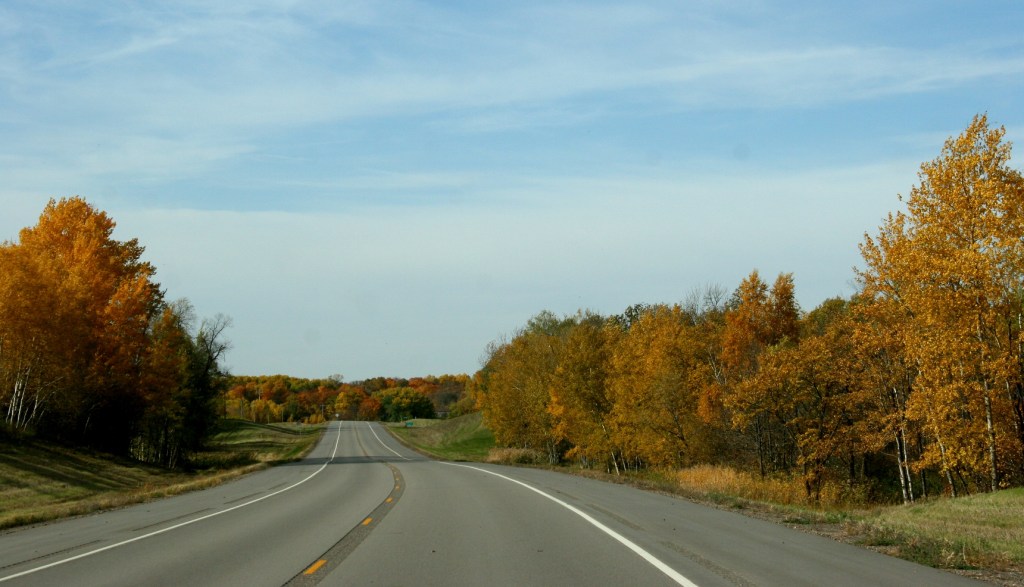
The scenic early October drive to Pelican Rapids from Detroit Lakes.
Most recently I discovered Pete the Pelican in Pelican Rapids, a northwestern Minnesota town some 50 miles from Fargo, North Dakota. We made a day trip there from Detroit Lakes, where we stayed for a few days recently. Our eventual destination: Maplewood State Park to the east of Pelican Rapids.
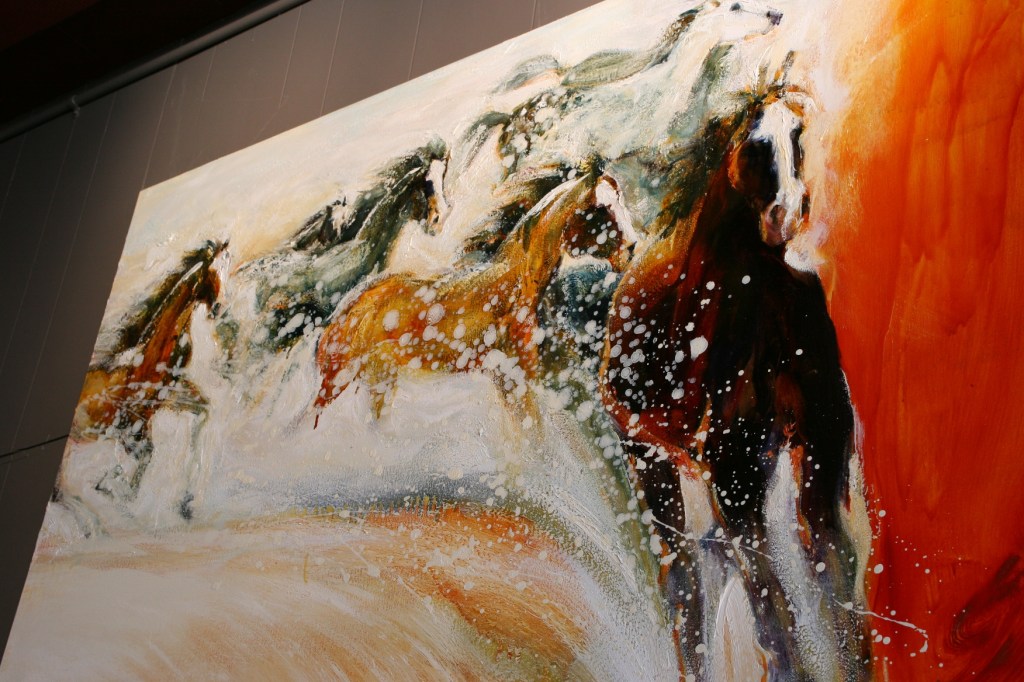
The horses seem to be galloping off this painting by Marcella Rose, such is the movement she brushed into the scene.
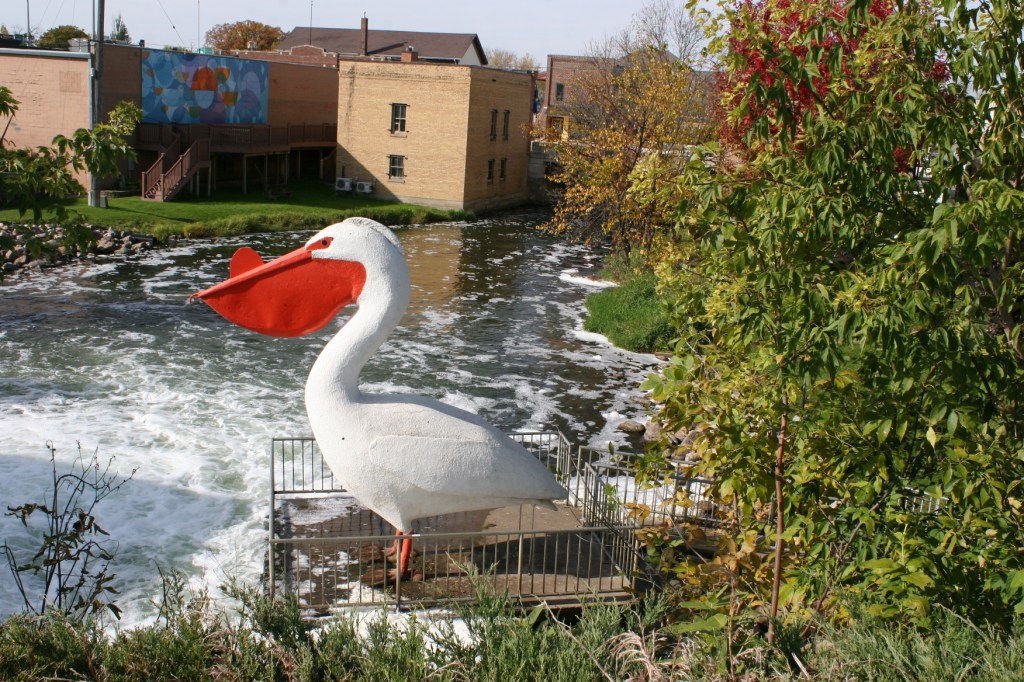
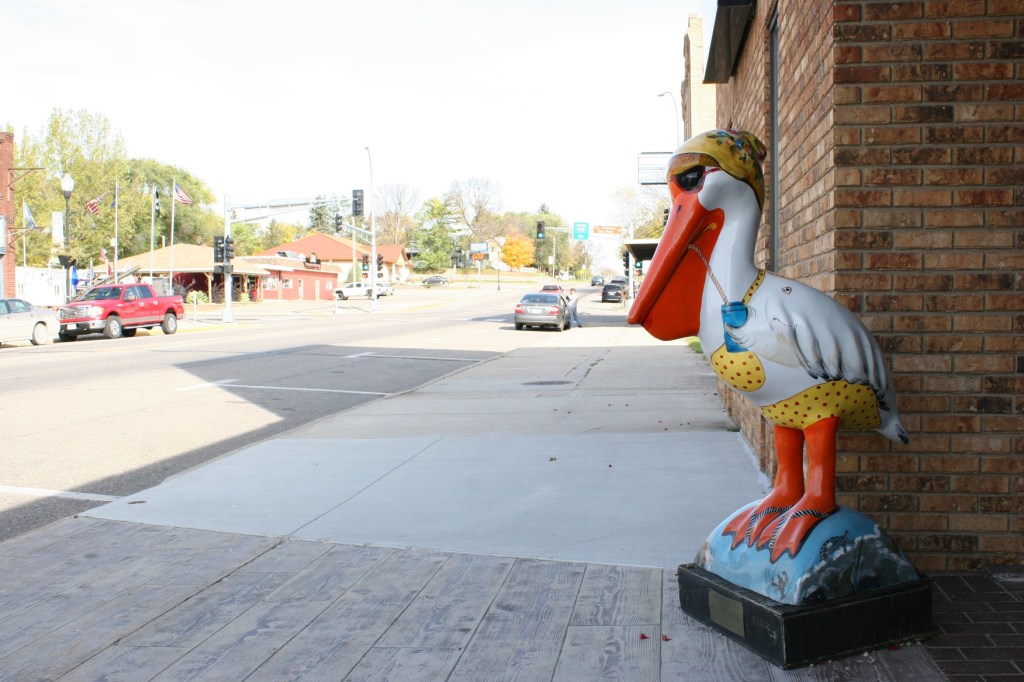
and then looked for Pete the Pelican. The iconic symbol stands 15 ½ feet high and was built from steel, concrete and plaster in 1957. He sits on a concrete base at Mill Pond Dam along the Pelican River.
Walking toward the suspension bridge. More info coming in a second post.
A nearby park features a unique suspension bridge which also drew our interest.
Other, smaller, “friends of Pete” pelican sculptures are scattered throughout the downtown adding to the town’s artsy appeal.
Pete the Pelican from another perspective.
Pete the Pelican has become a tourist attraction in Pelican Rapids, providing lots of photo ops. This is a town I’ll long remember precisely because of the public pelican art.
TELL ME: Are you drawn to over-sized sculptures? Give me examples of such public art you’ve seen and like. What value do they add to a place?
Please check back for another post from Pelican Rapids.
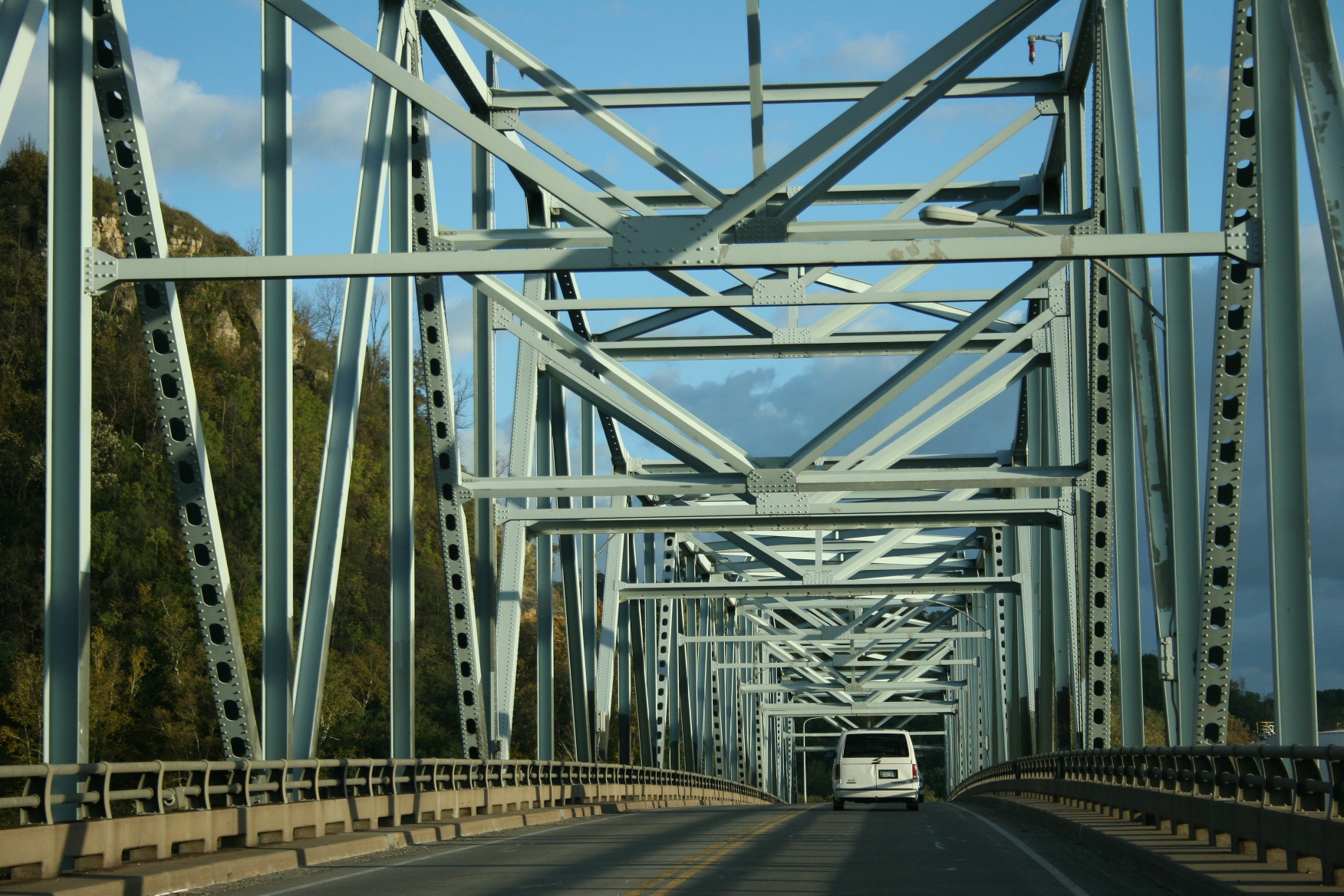
Crossing the Mississippi River bridge from Wisconsin into Red Wing, Minnesota.
RED WING. What do those two words evoke? Images of pottery? Boots upon your feet? Historic buildings? All three define this Mississippi River town in southeastern Minnesota.
Boot sculptures scattered throughout the downtown honor Red Wing shoes.
My husband and I visited in late 2014, walking and dining downtown and then touring the then new Pottery Museum of Red Wing, the Red Wing Pottery Salesroom, the Red Wing Shoe Store and the Red Wing Shoe Company Museum. We packed a lot into our brief tour of this community, which is deserving of more time than we gave it.
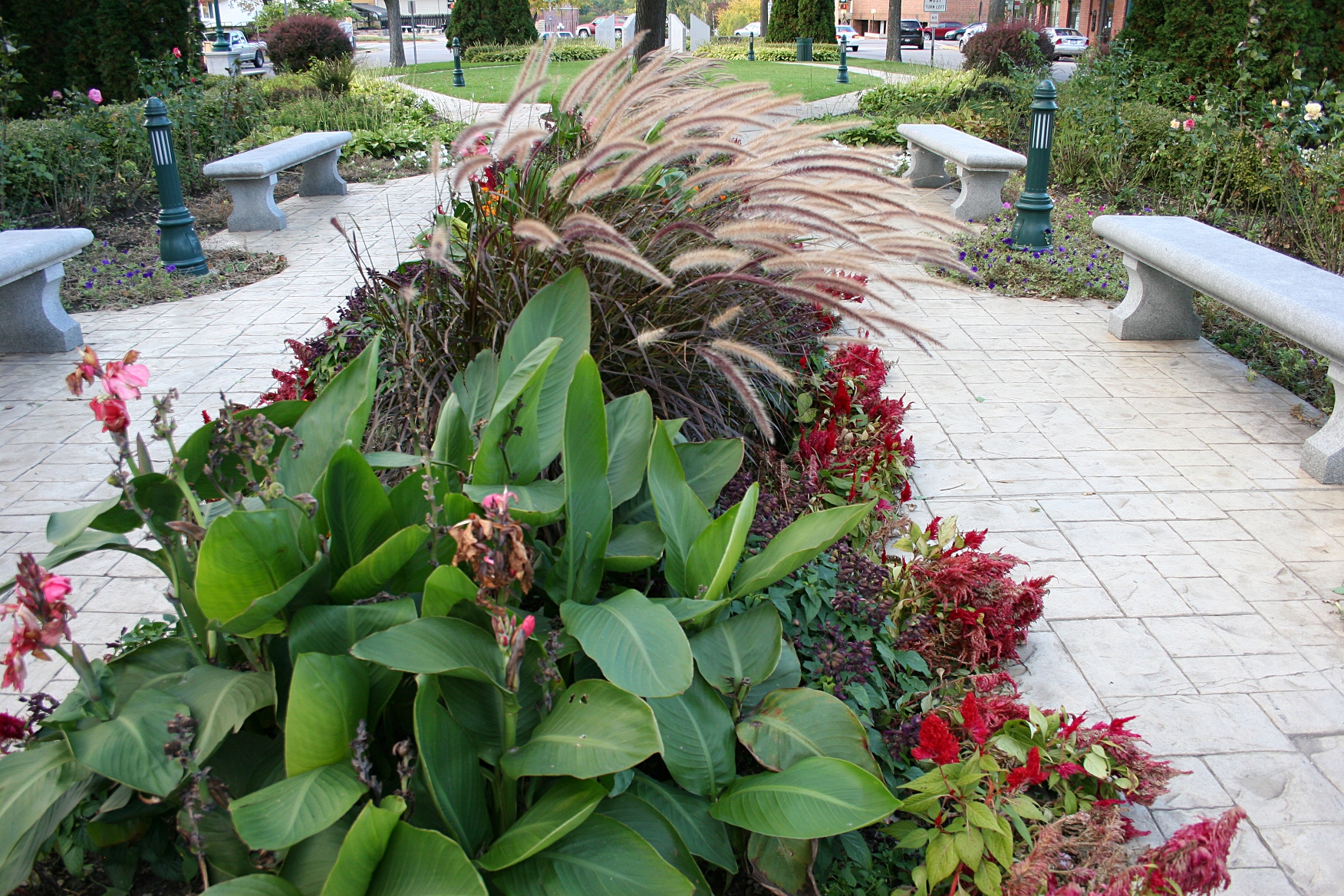
Flowers, grasses and other plants grace a park in the heart of the downtown.
Through a series of photo essays, I’ll present my photographic perspective of portions of Red Wing. Remember, I pulled these images from an October 2014 visit to this city. Some scenes may be different four years later.
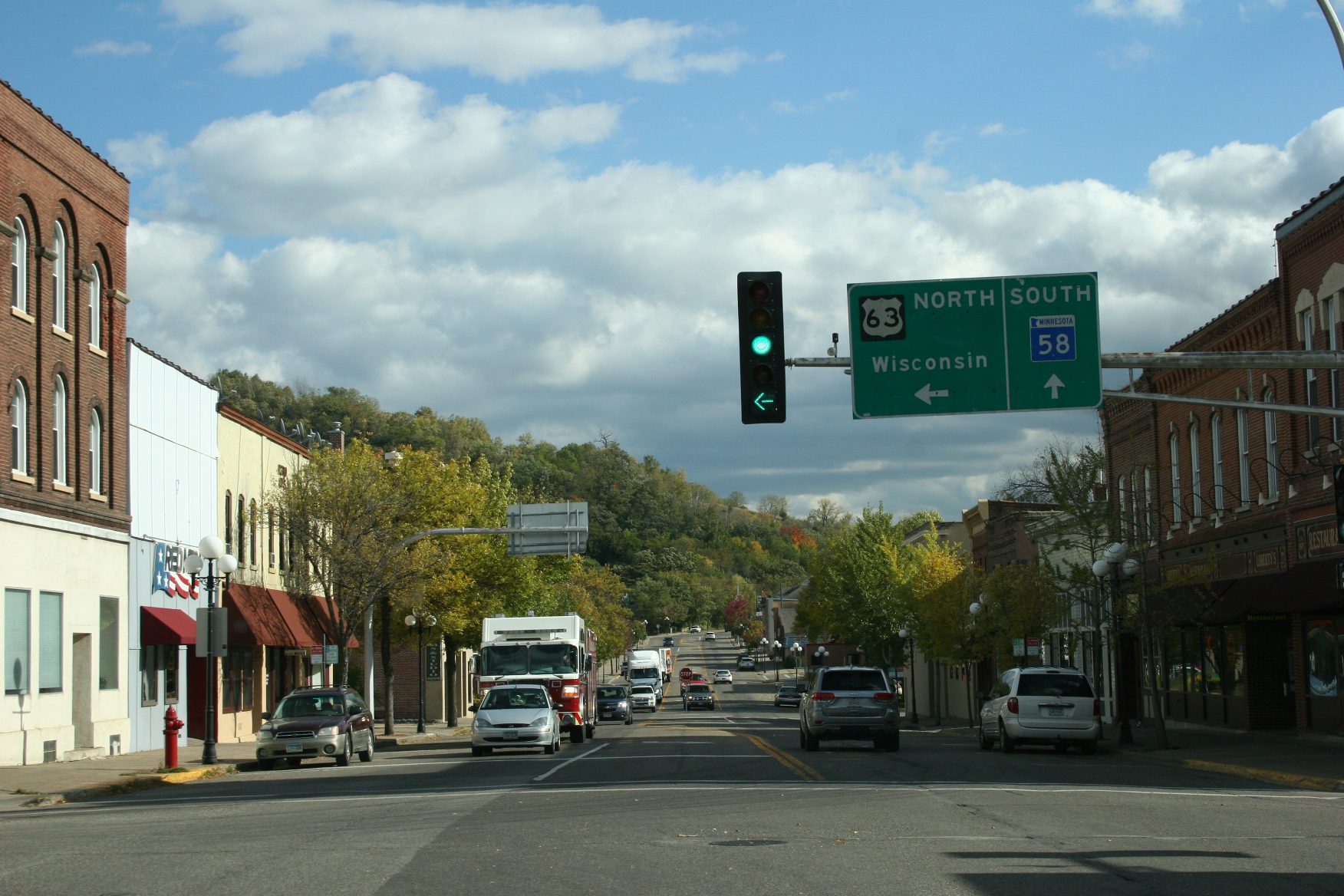
Driving through historic downtown Red Wing.
We begin our visit with photos from downtown Red Wing:
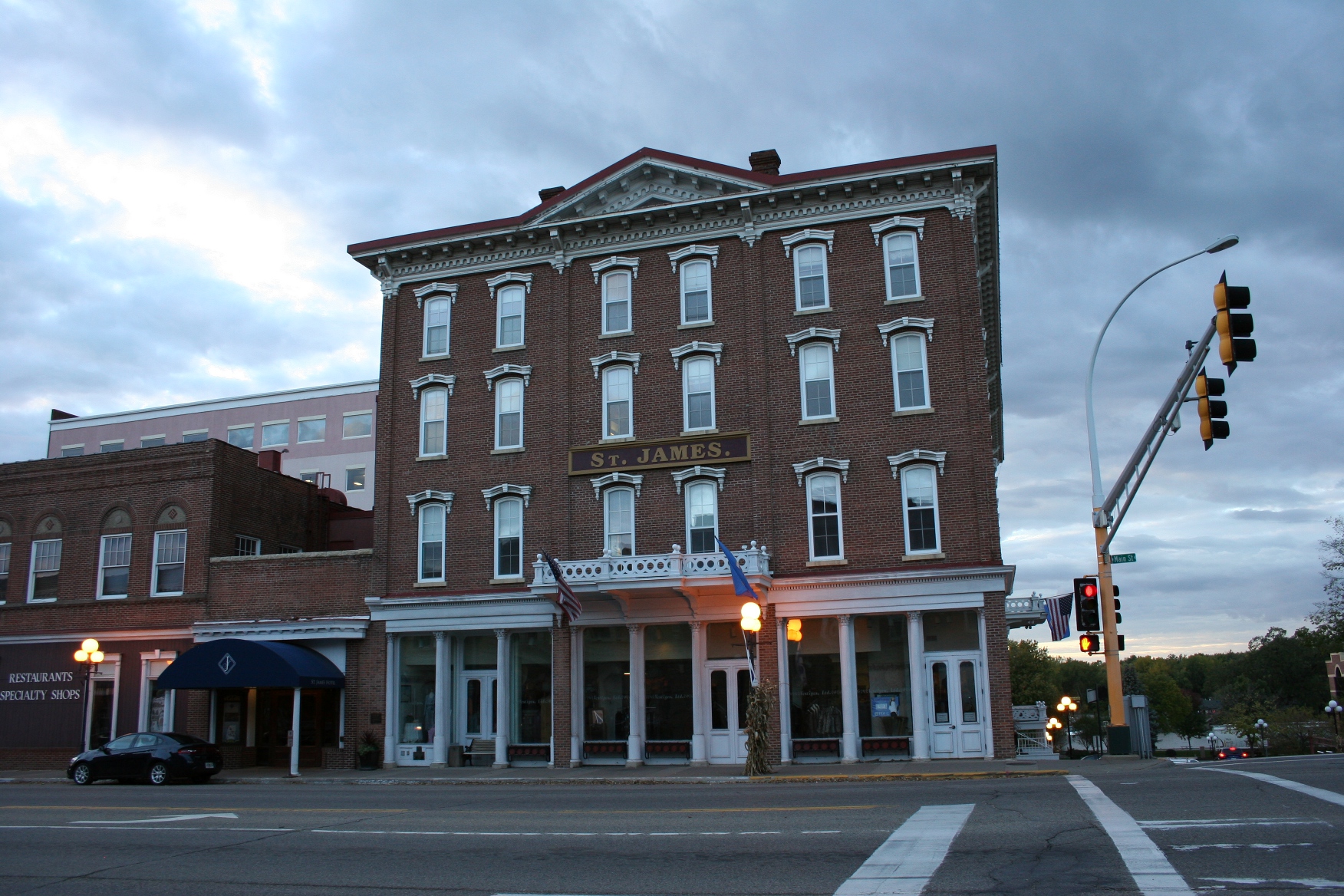
The historic St. James Hotel is a popular dining and overnight destination.
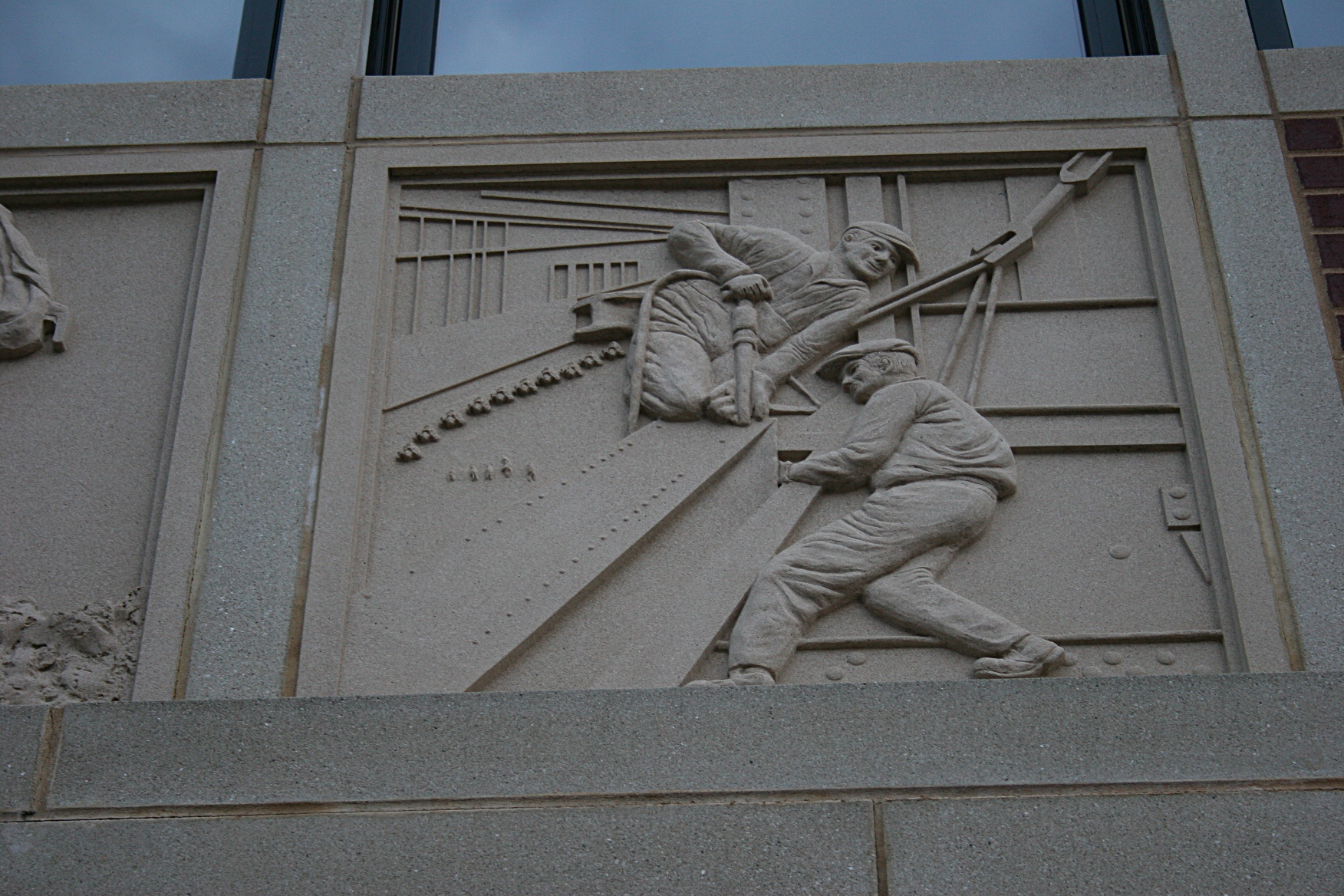
The community definitely has an artsy vibe. I spotted this sculpture on a downtown building. Red Wing is home to the Sheldon Theatre and many other arts venues.
Like a throw-back in time.
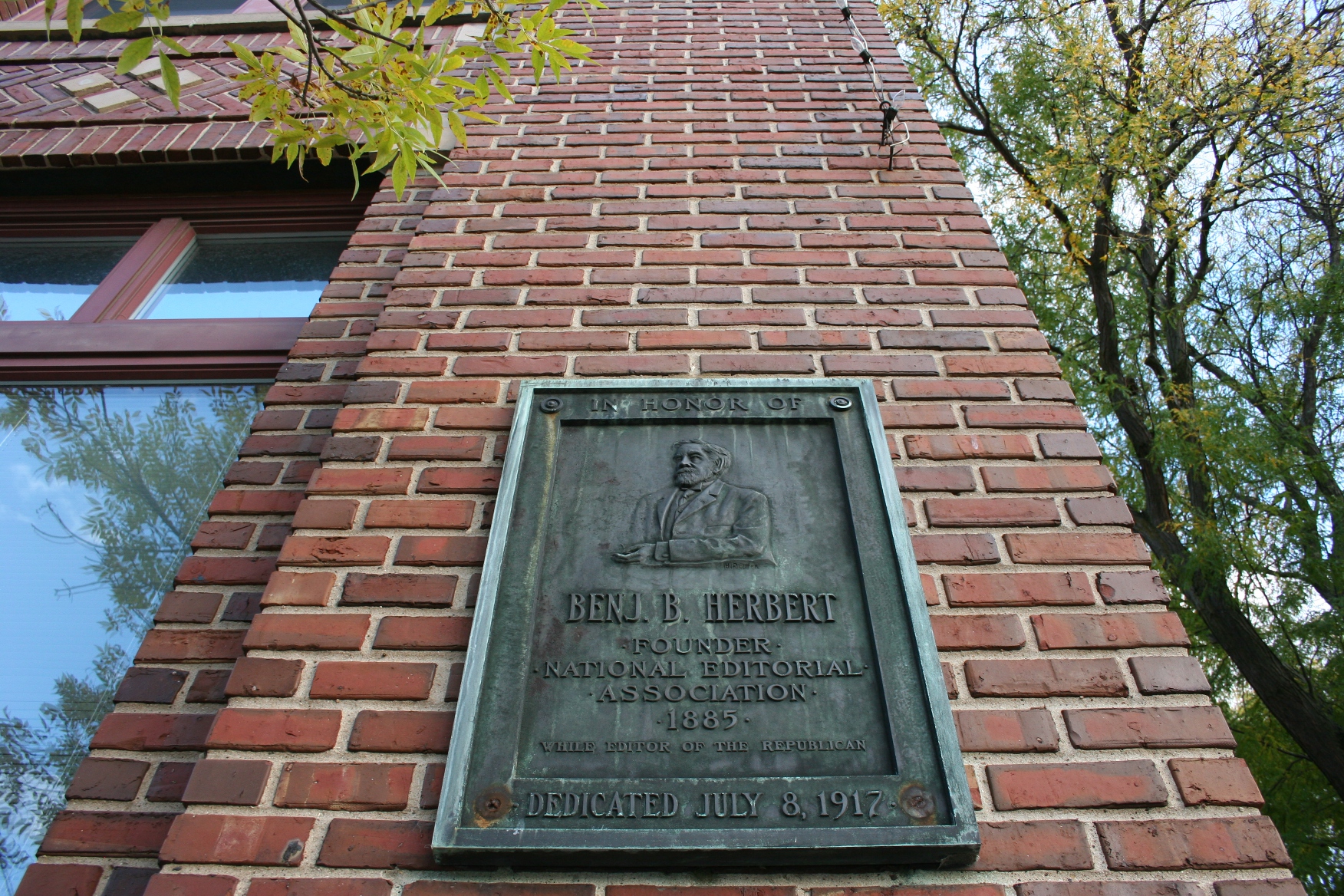
This plaque honors Benjamin Briggs Herbert, a Red Wing newspaper editor who started the National Newspaper Association, conceiving of the idea in 1882. The association serves as the voice and vehicle of grassroots journalism.
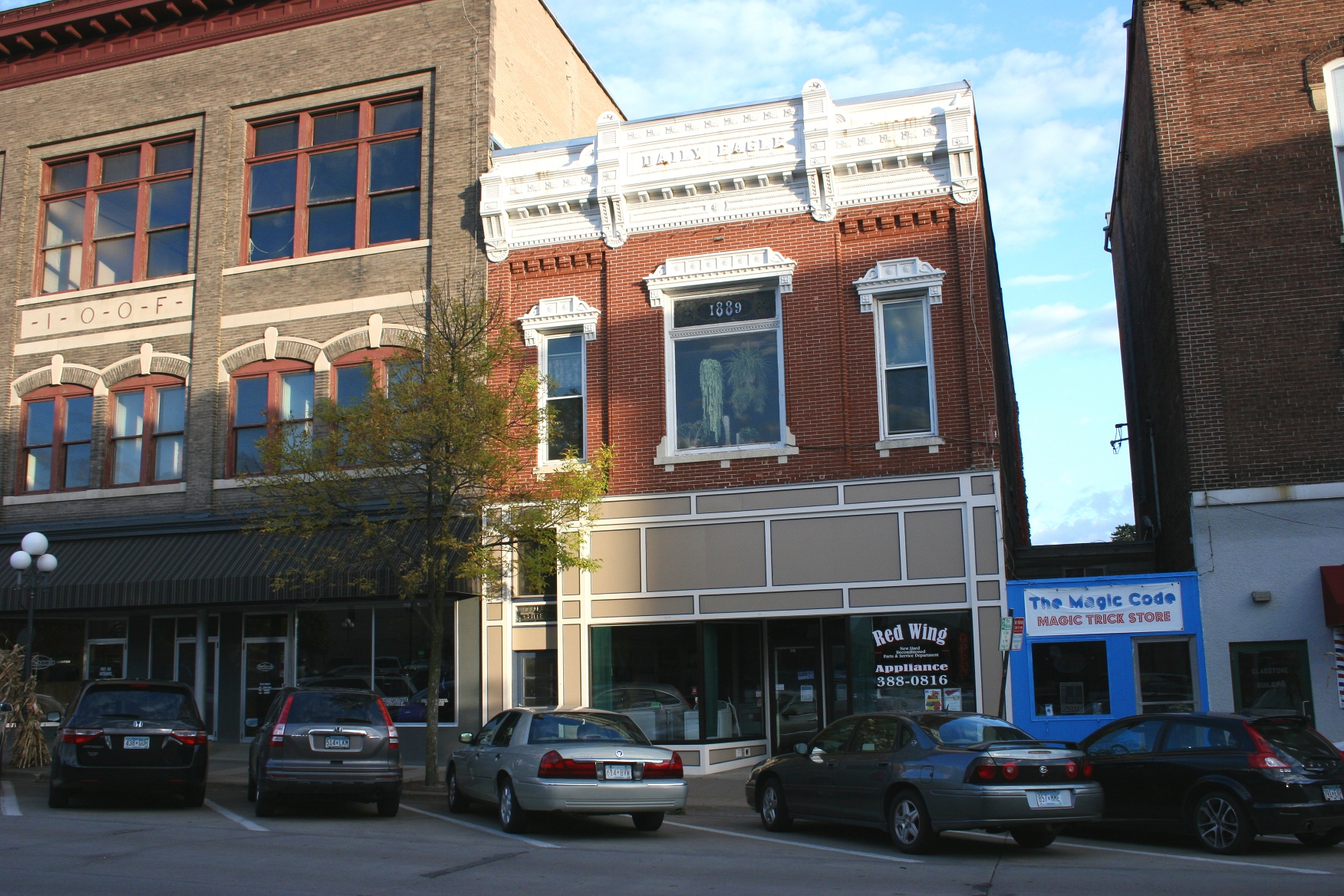
That blue hue of The Magic Code tucked between aged buildings caught my eye.
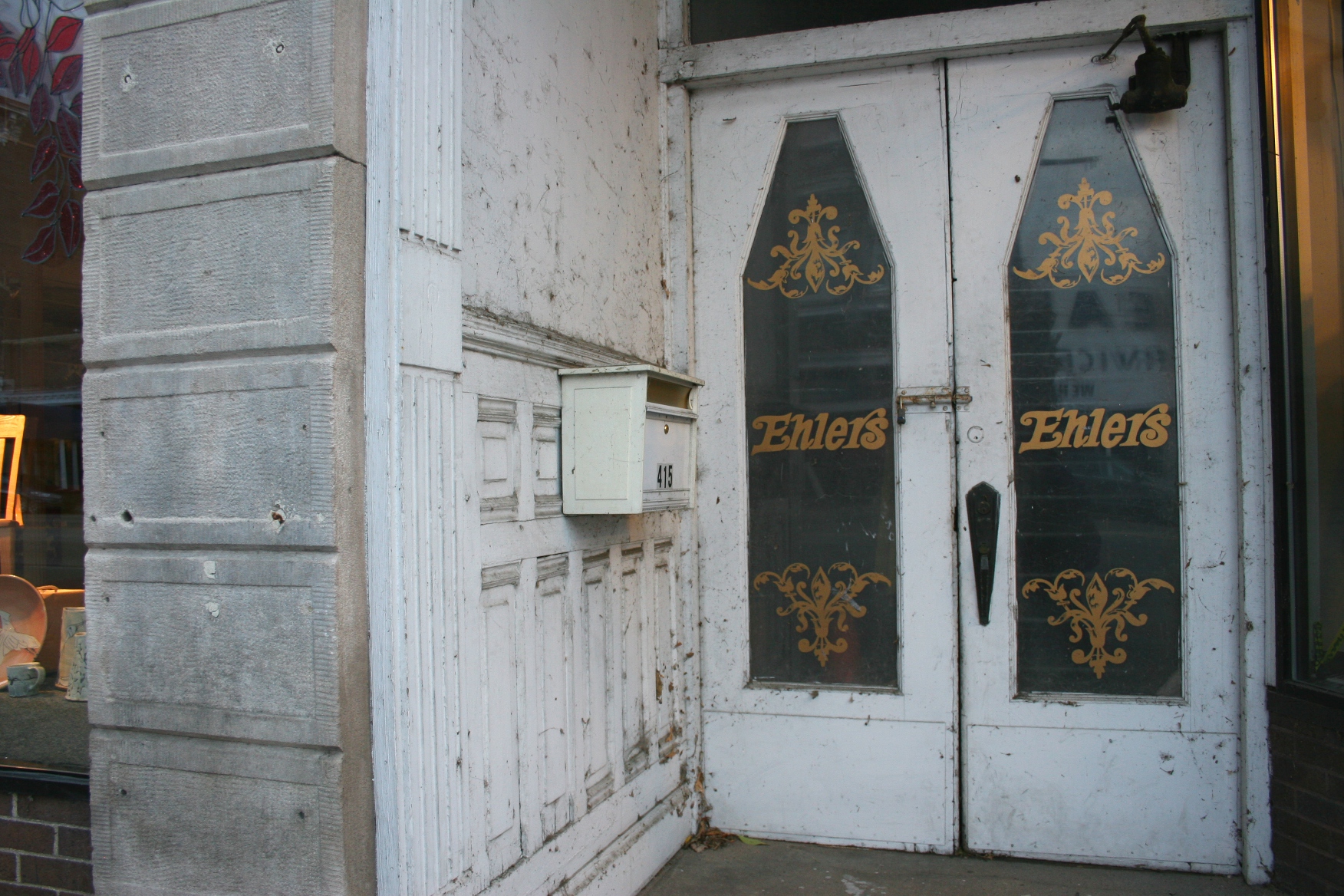
I assume these doors once opened to an Ehlers Department Store.
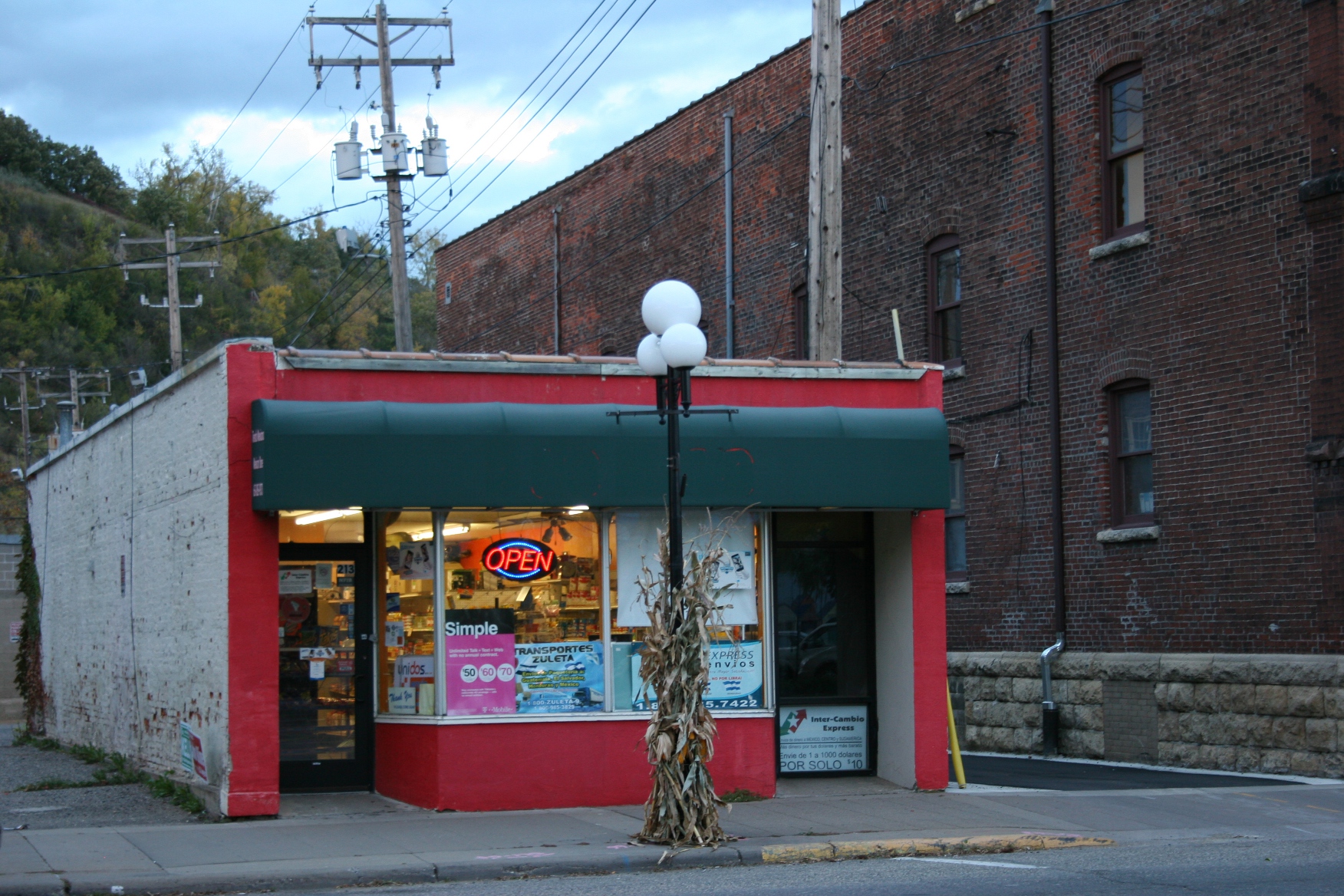
Another colorful business that I noticed.
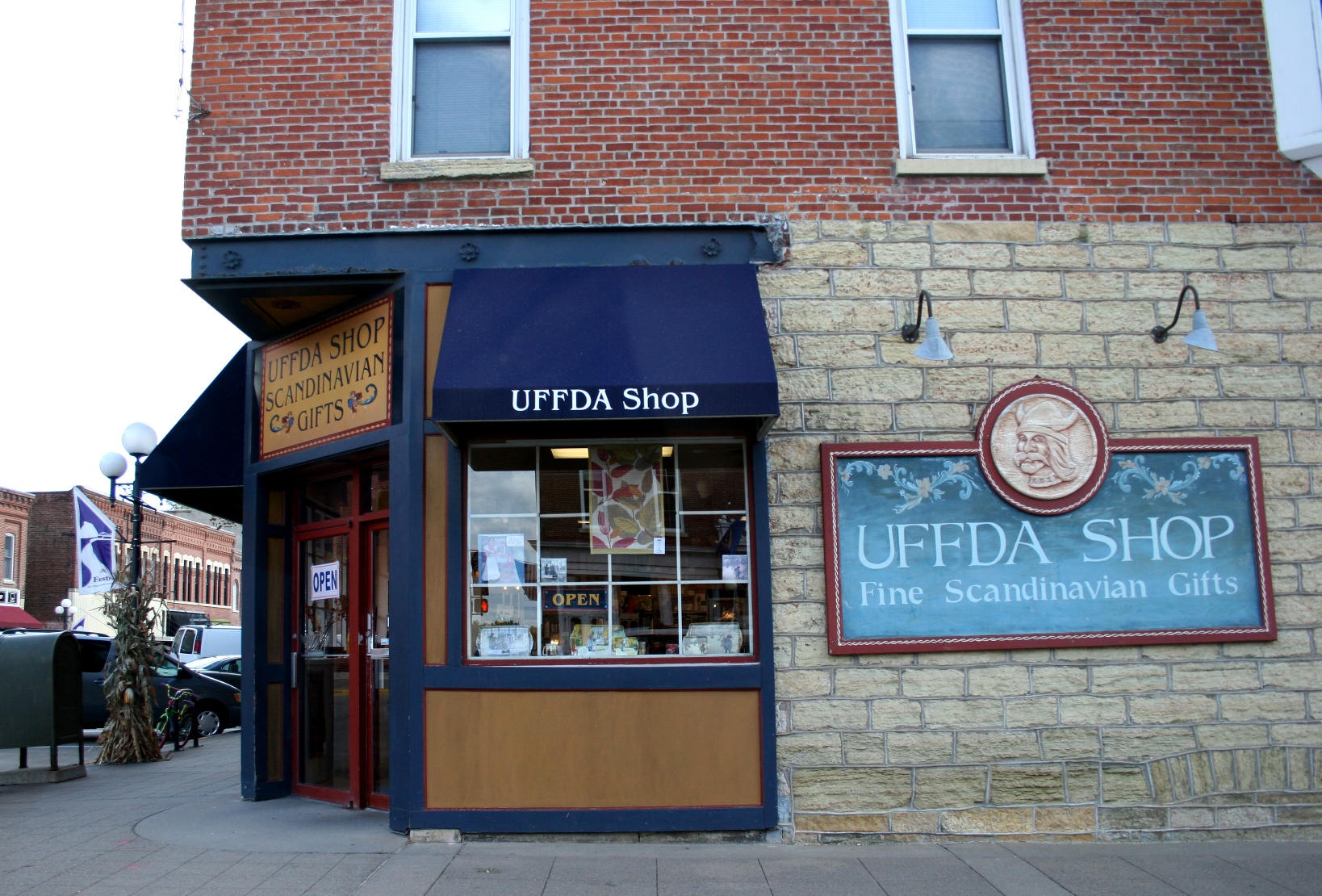
There are lots of shops in downtown Red Wing, including this Uffa Shop. We arrived at a time when most were closed.
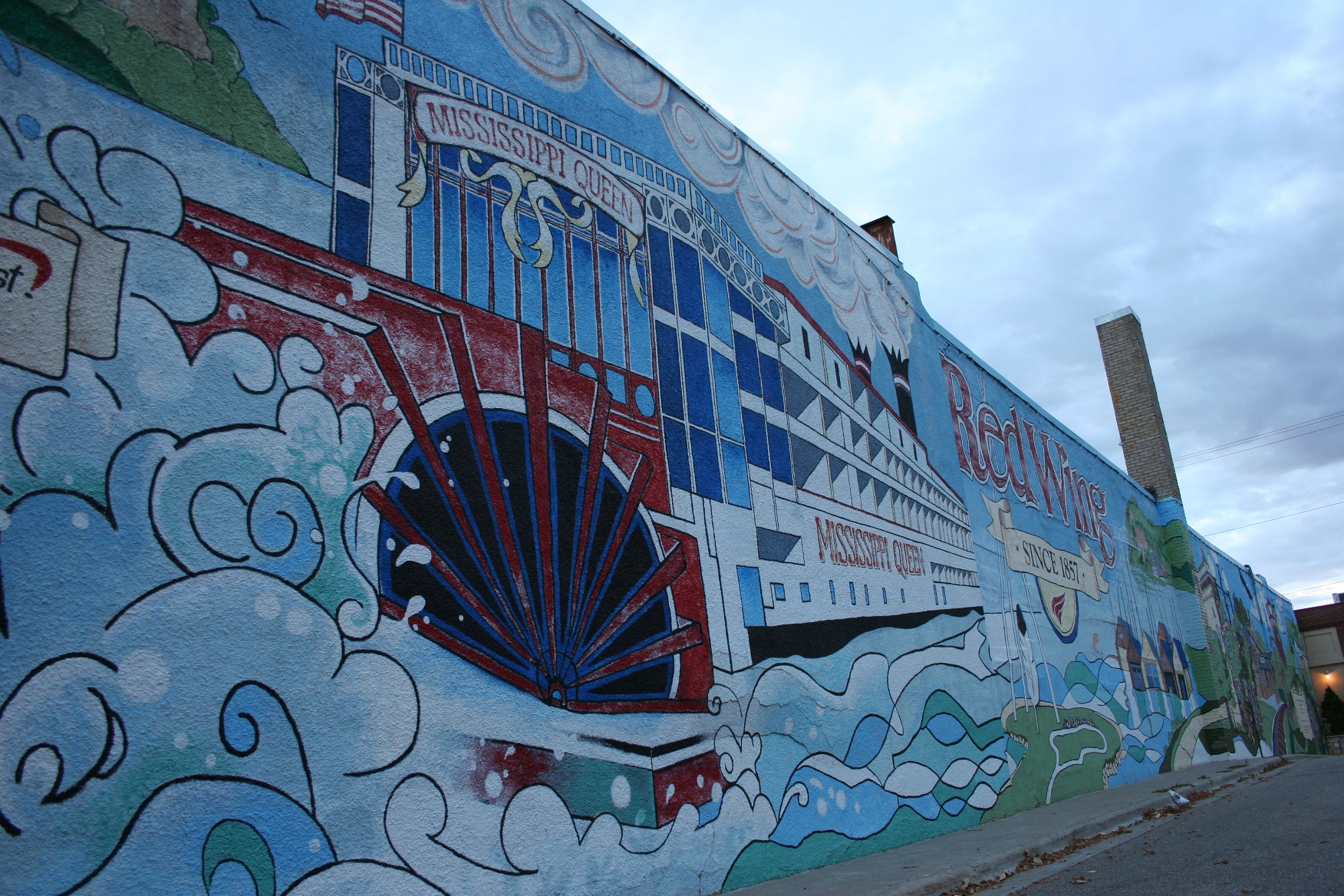
This sprawling downtown mural honors Red Wing’s location and travel on the Mississippi River.
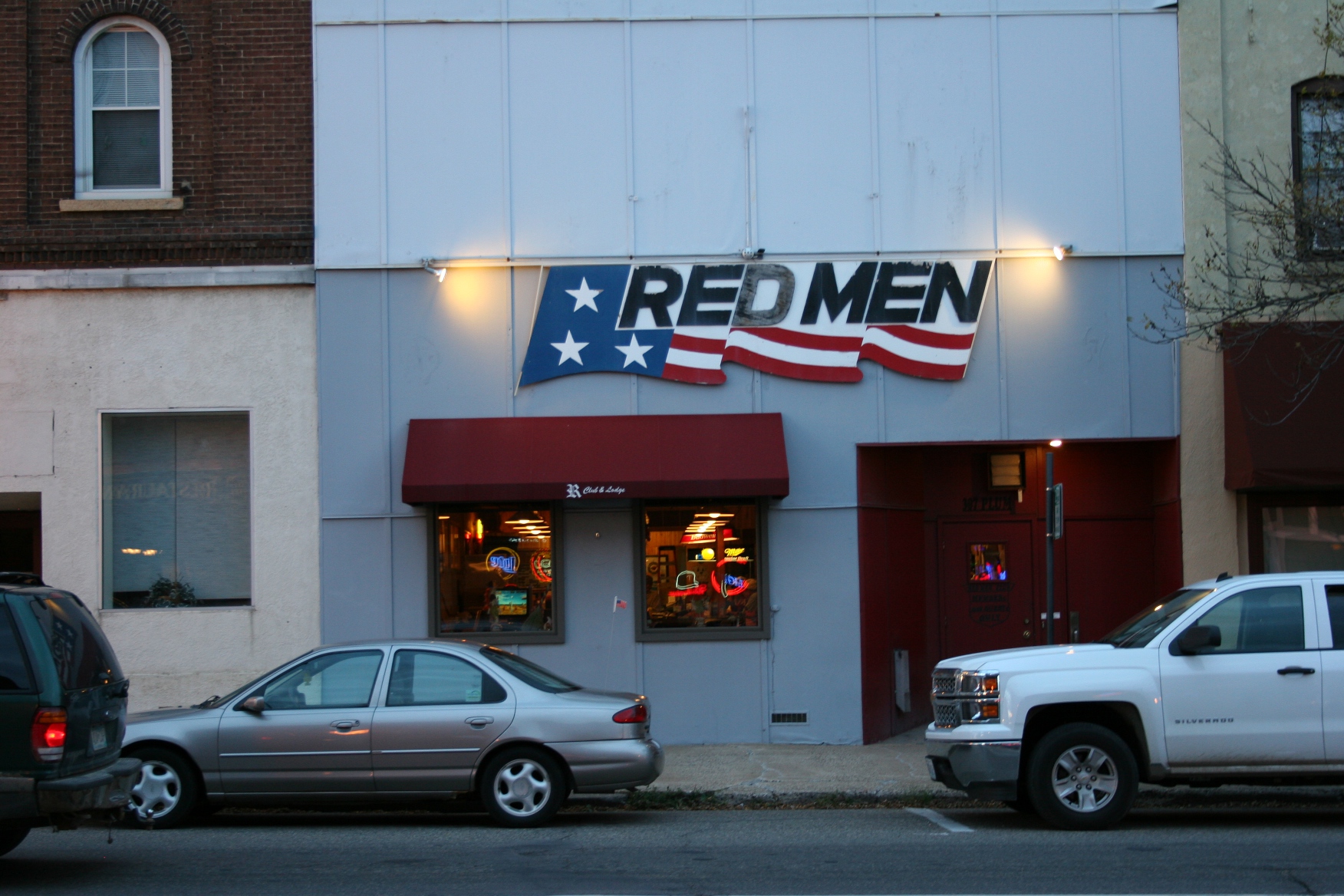
A sports club and bar.
There’s nothing quite as quaint and nostalgic as a hometown barbershop.
TO ALL MY WINTER WEARY readers in Minnesota, Iowa, Wisconsin, North Dakota, South Dakota and any other place where cold and snow are lingering too long into spring, I offer you a visual respite.
This is for you, as much as for me.
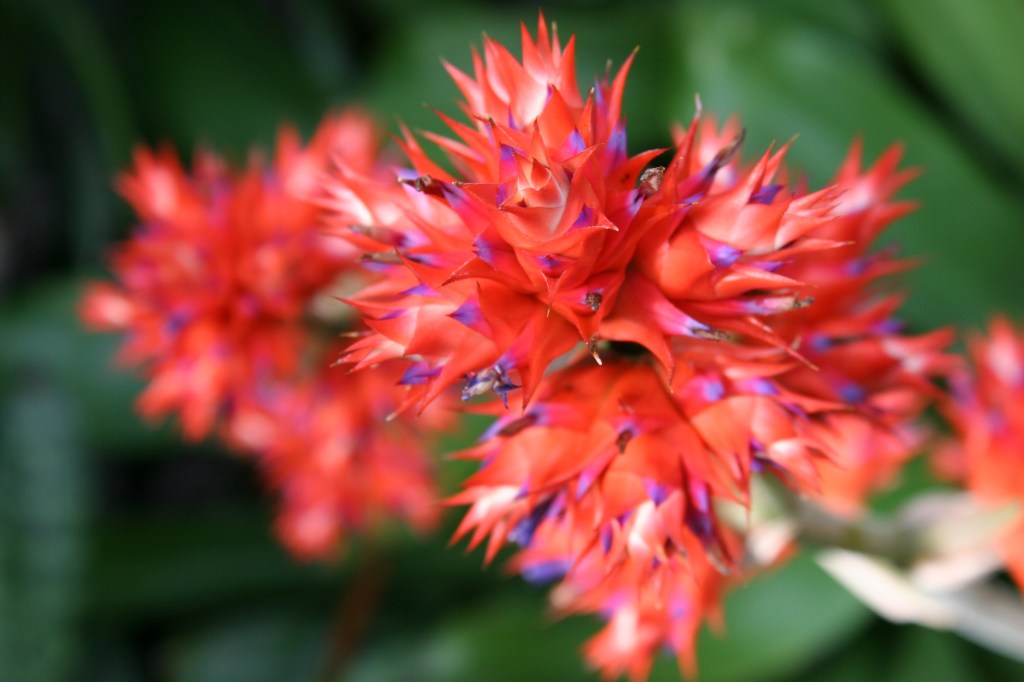
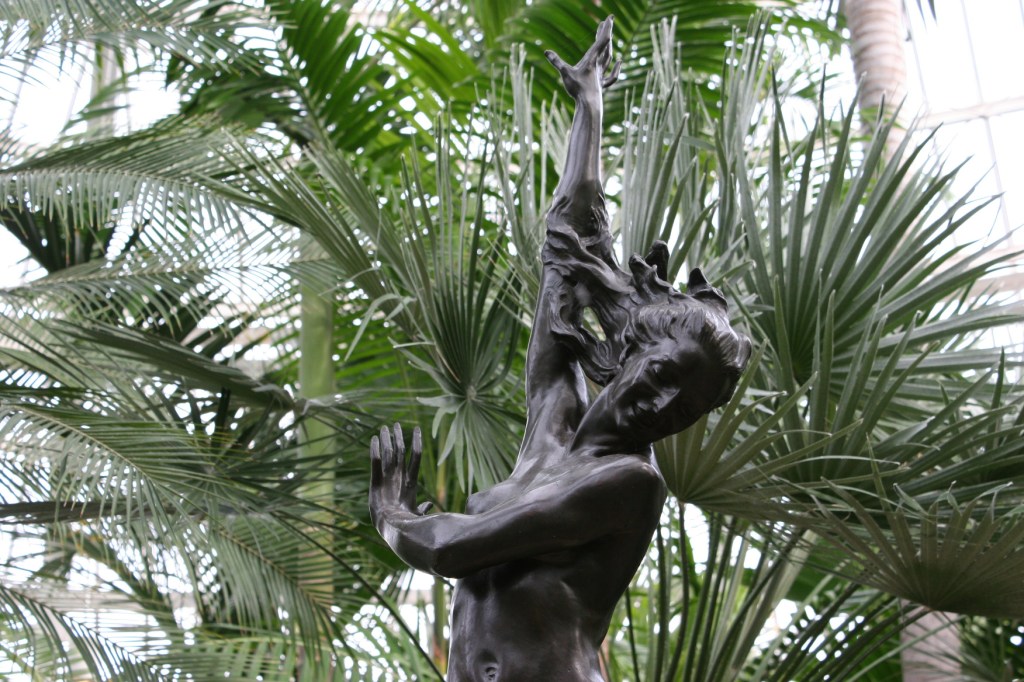
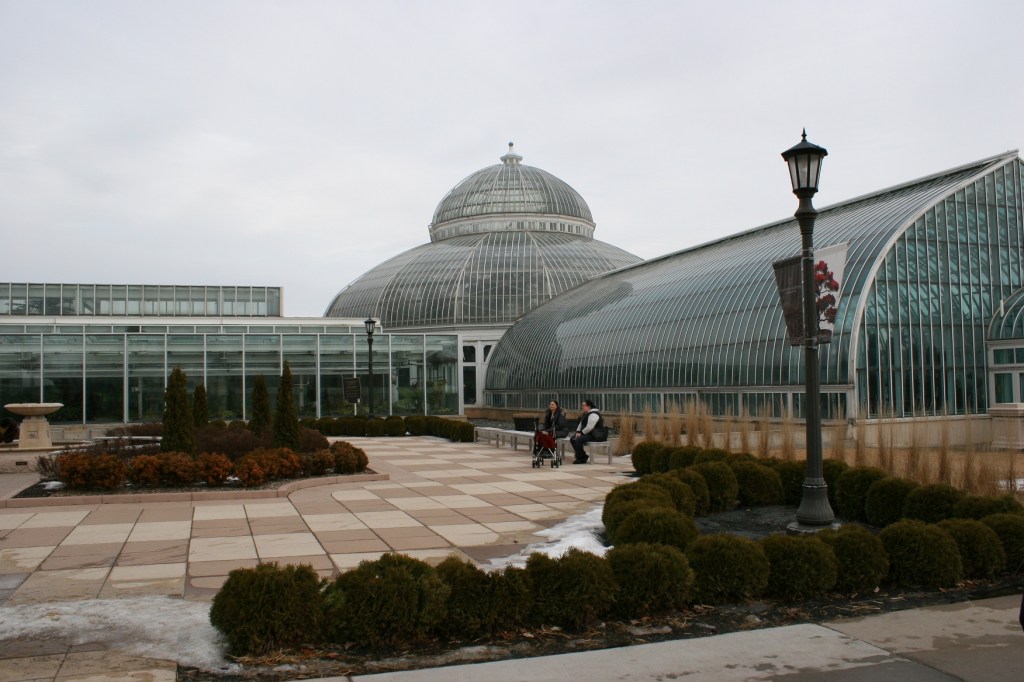
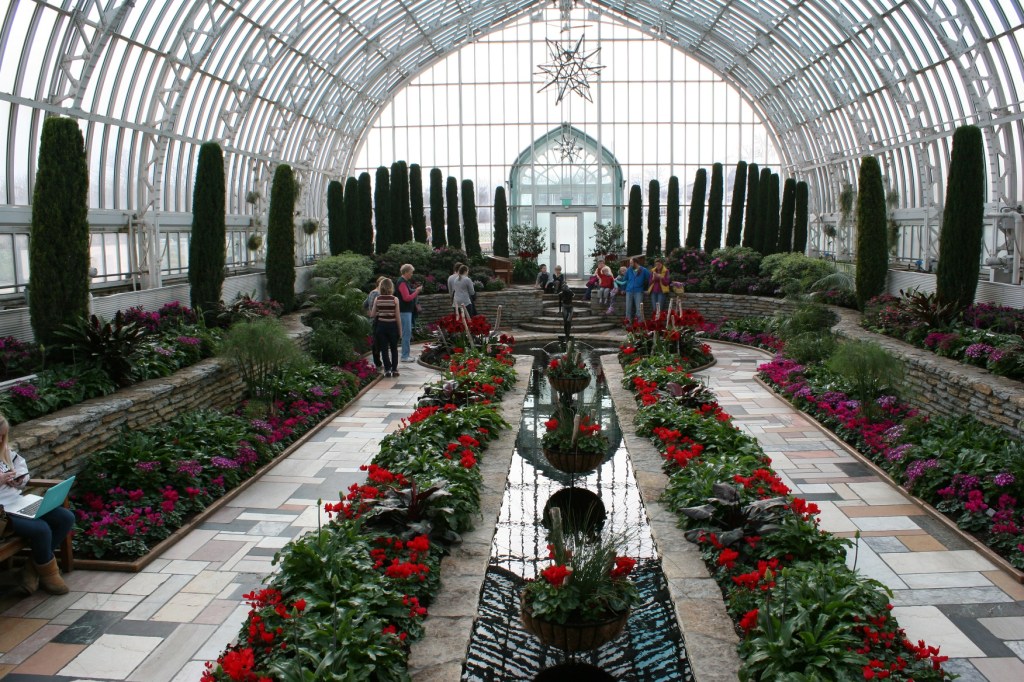
A spot exists in Minnesota where flowers now bloom, the air hangs humid and palm trees rise. The proof lies in the photos I took in February 2017 at Como Park Zoo and Conservatory in St. Paul. I should have gone there this winter, just to take in the greenery, to pretend for an hour or so that I wasn’t in Minnesota.
Since I can’t physically flee to a warm climate of sunshine and seashore, I must mentally and visually escape. I can imagine I’m in Hawaii or Florida or California or some such spot through these photos I took just a little over a year ago inside the Conservatory.
Currently, the Spring Flower Show is in bloom inside the Sunken Garden, differing from the flowers in the photos showcased here. Imagine daffodils, tulips, hyacinths…the perfumed scent and bright hues of spring.
Mostly, imagine that you are in a setting devoid of snow and cold, that winter has vanished and spring arrived.
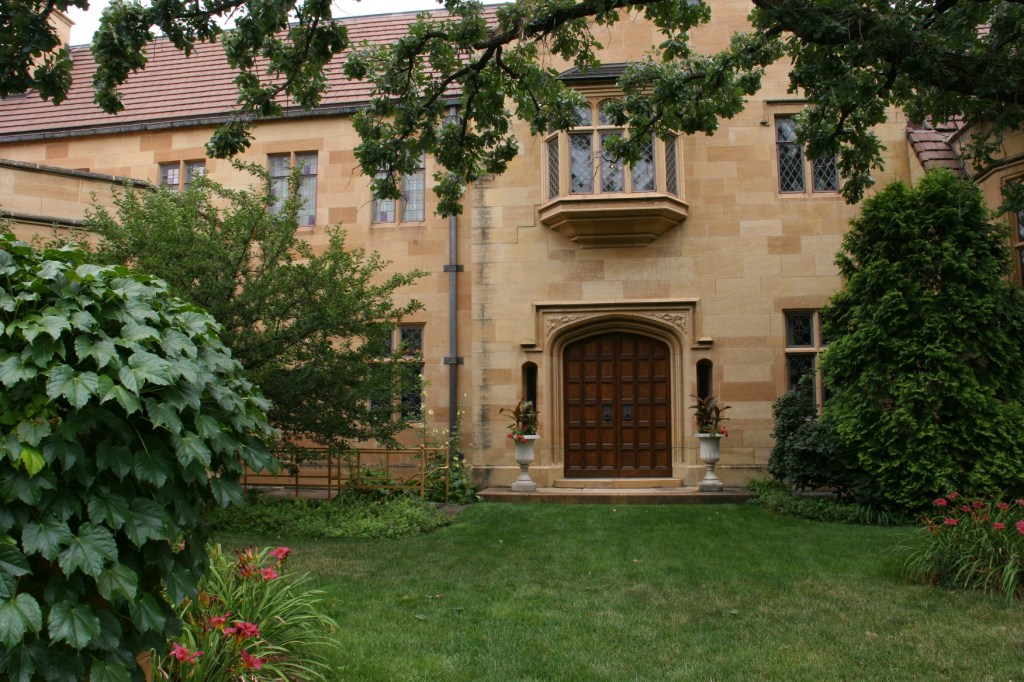
Massive doors and architectural details define the entry.
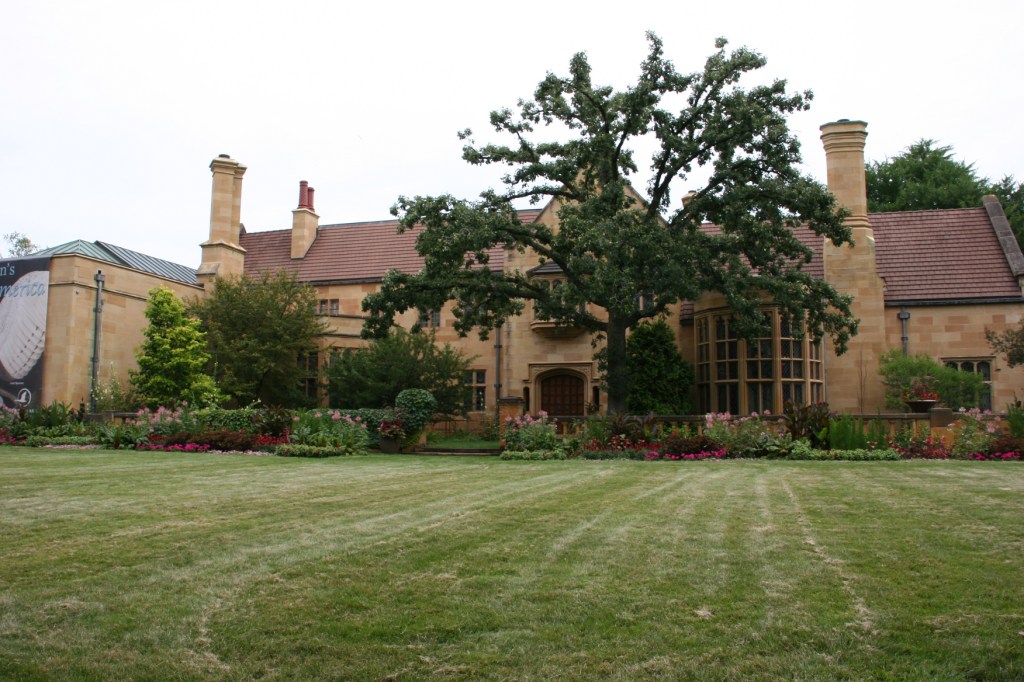
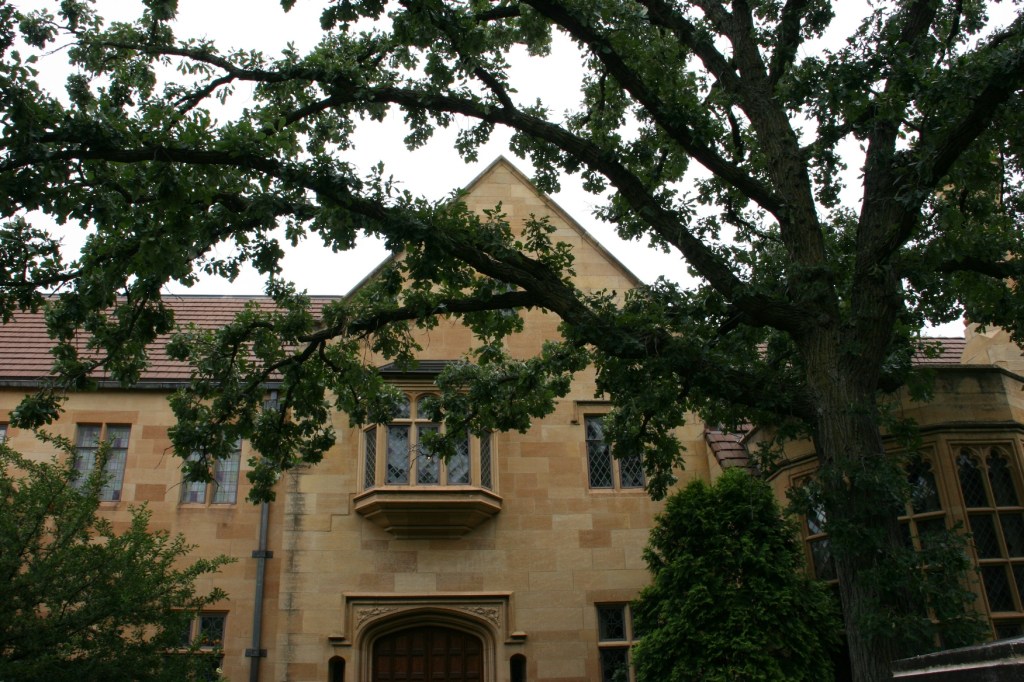
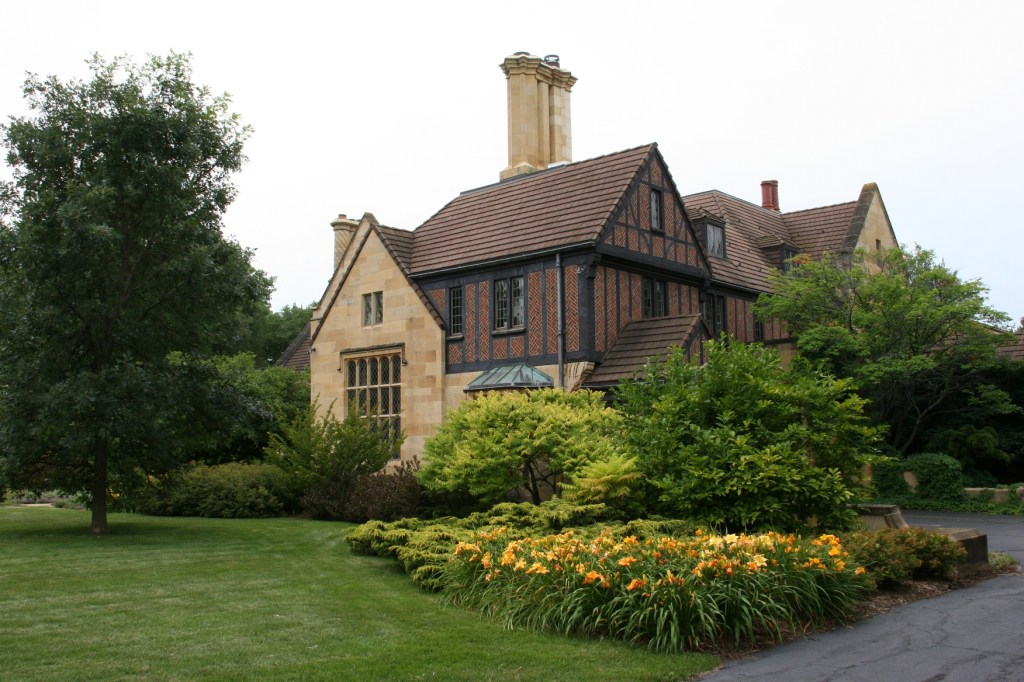
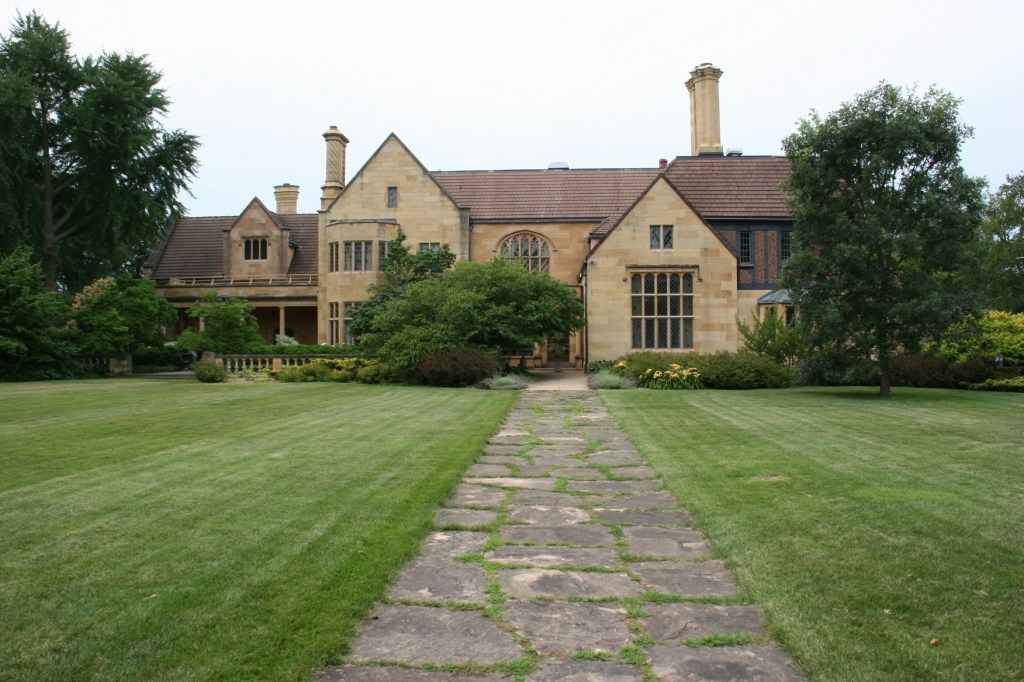
The Paine presents many opportunities to embrace art. Natural and man-made. All connect to showcase an historic late 1920s mansion designed by Ithaca, New York architect Bryant Fleming. The English country house reflects three centuries of Tudor and Gothic styles all complemented by beautiful gardens.
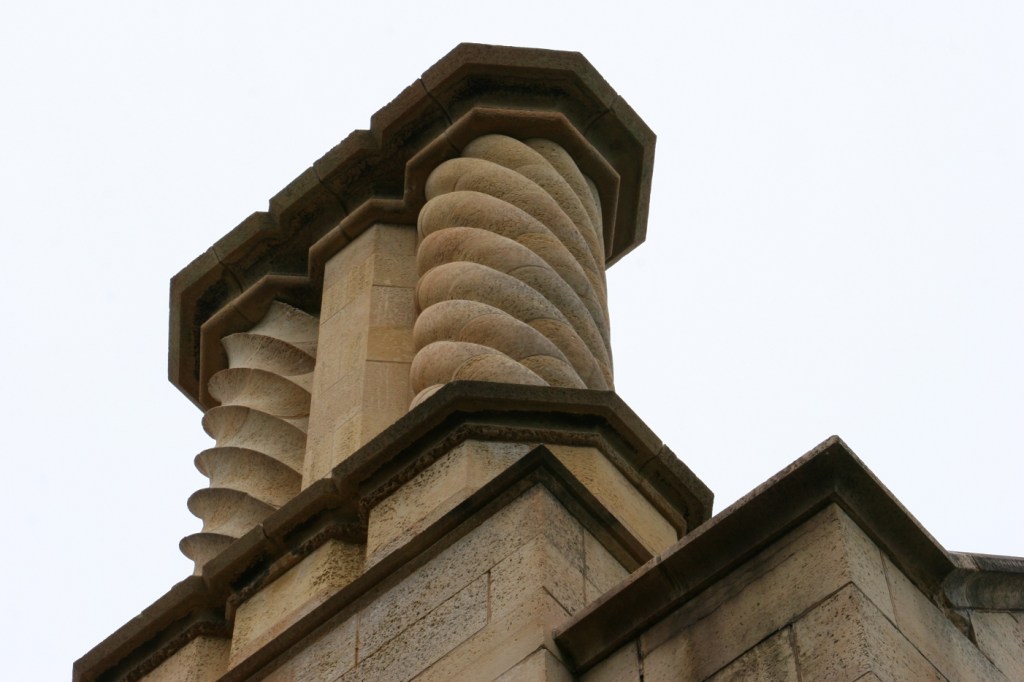
Details in architecture and construction include the use of Kasota limestone.
Also noteworthy is the Minnesota connection to this Wisconsin site on the National Register of Historic Places. The home’s stonework is mostly Kasota limestone from southern Minnesota.
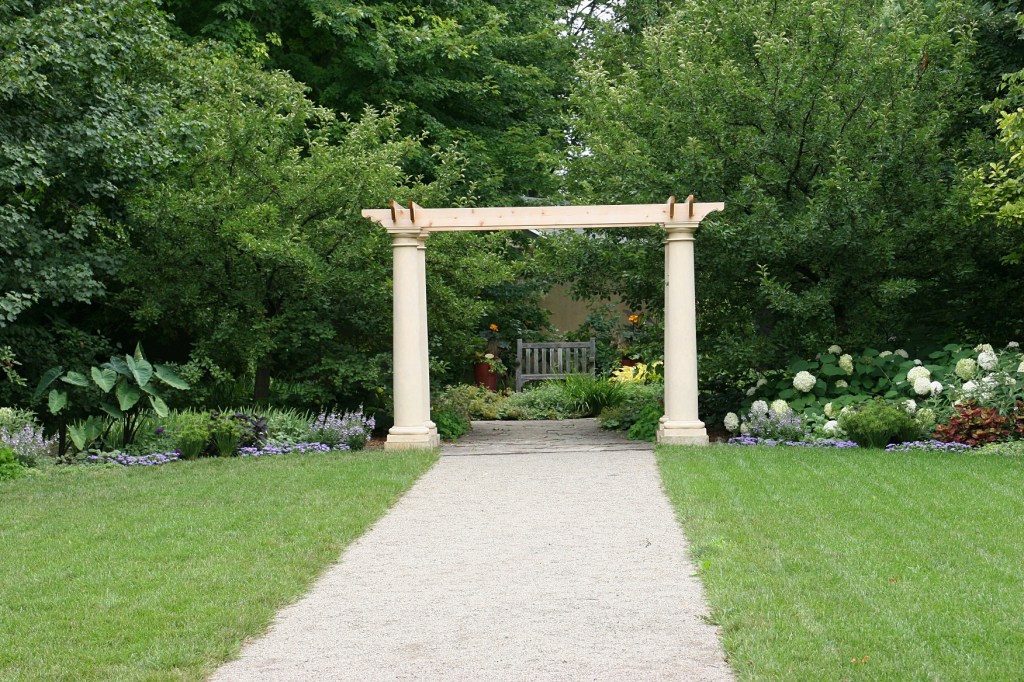
One of many garden “rooms.”
A majestic native oak graces the front yard.
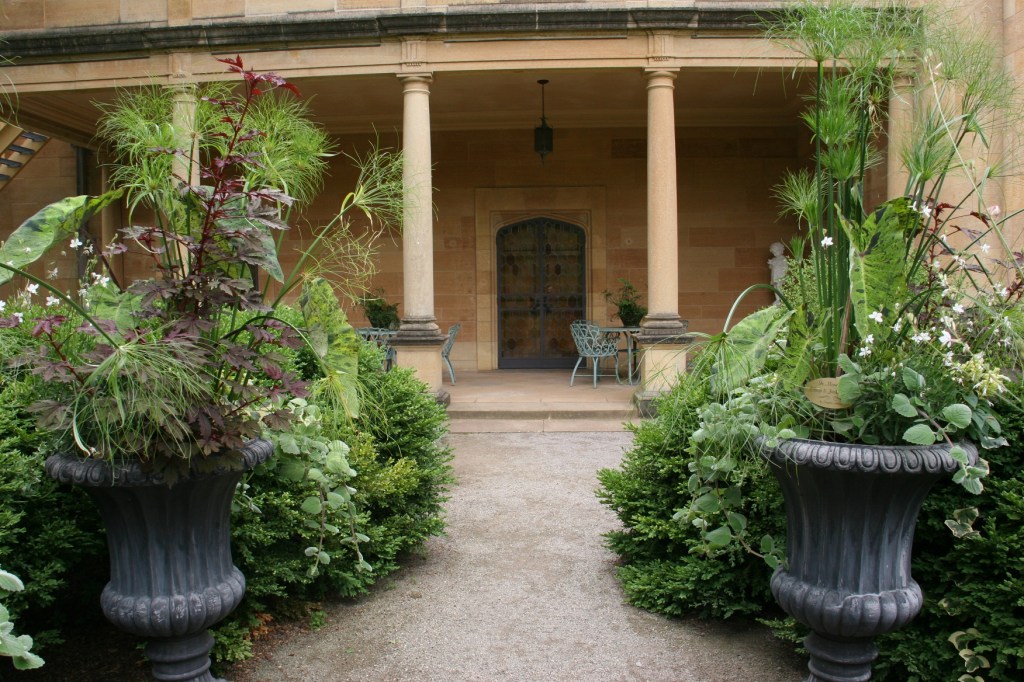
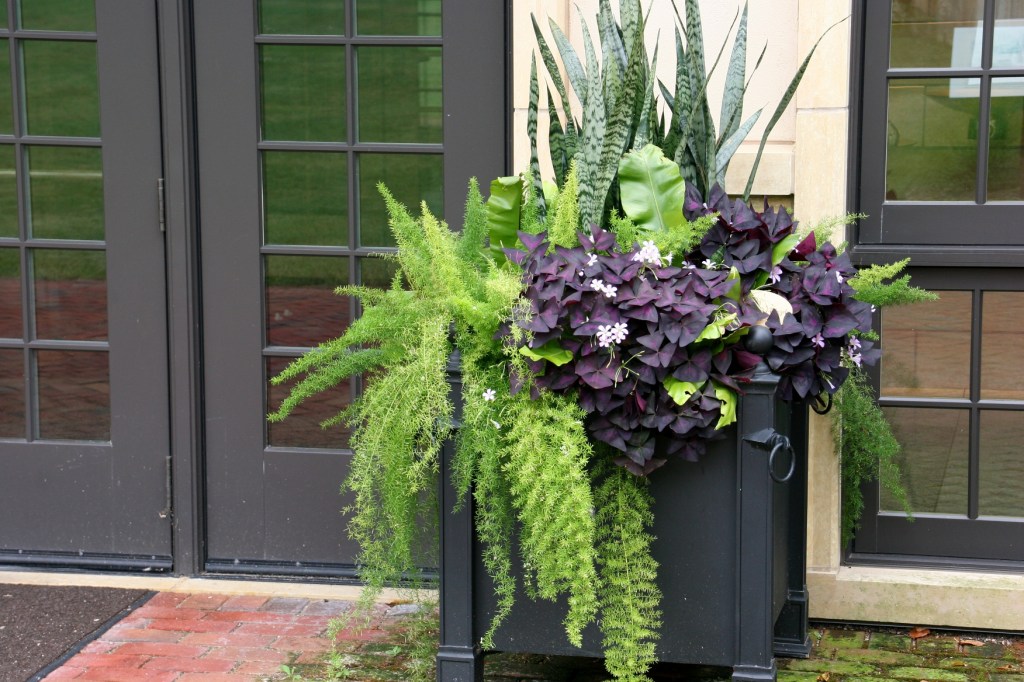
Stately planters and lush plantings frame a path to the Morning Terrace.
The gardens, likewise, mimic perennials, trees and shrubs hardy to Minnesota. Given the climate similarities between the two states, this is logical. Annuals and bulbs are also incorporated into The Paine gardens.
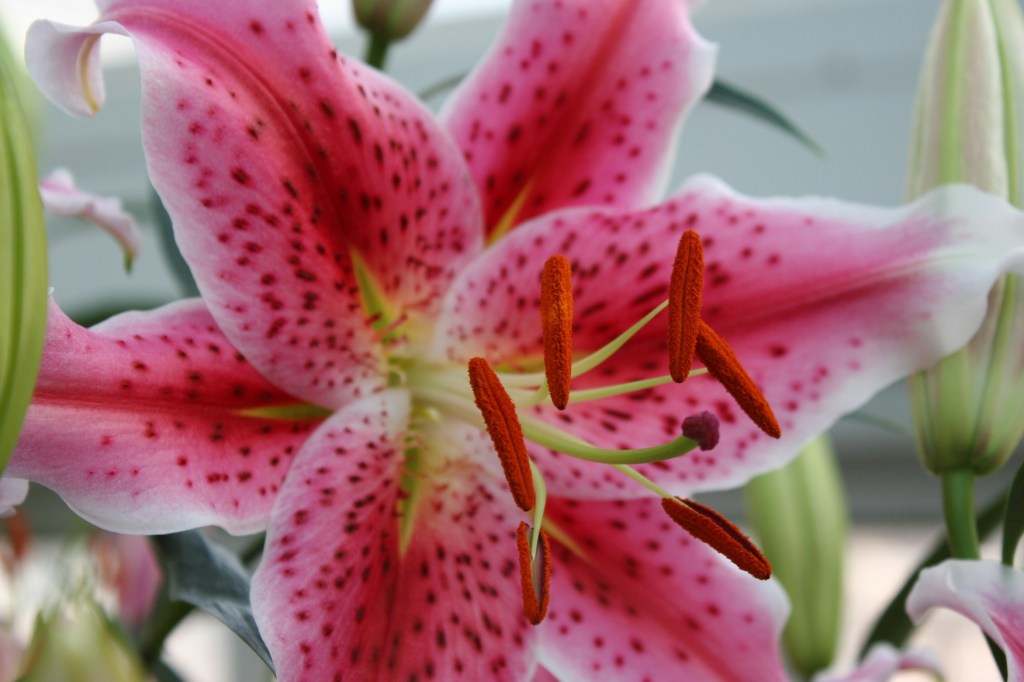
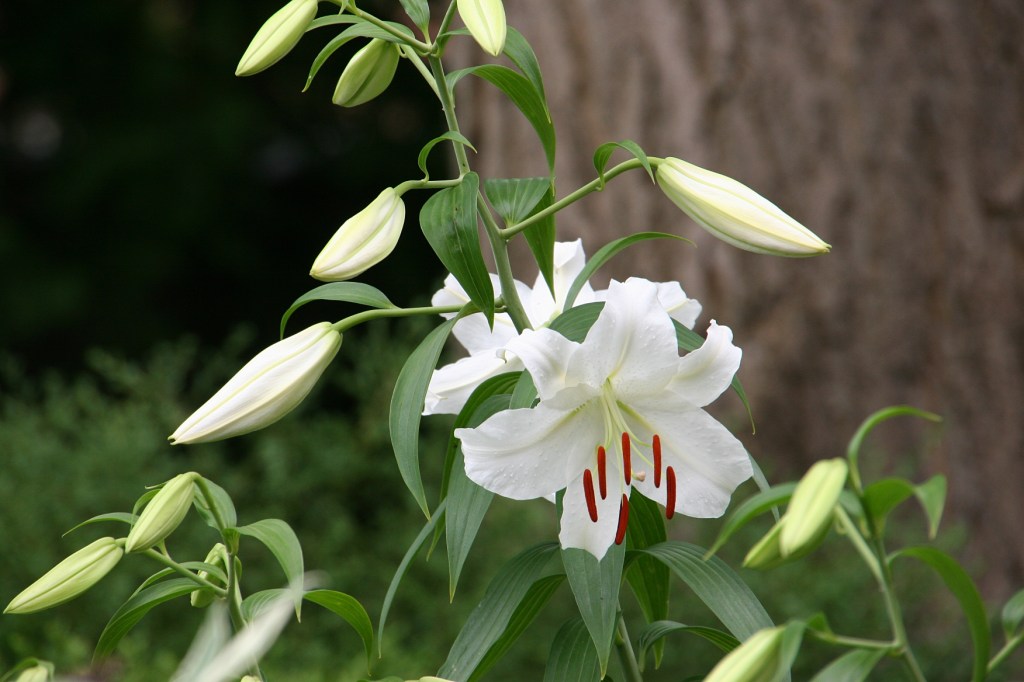
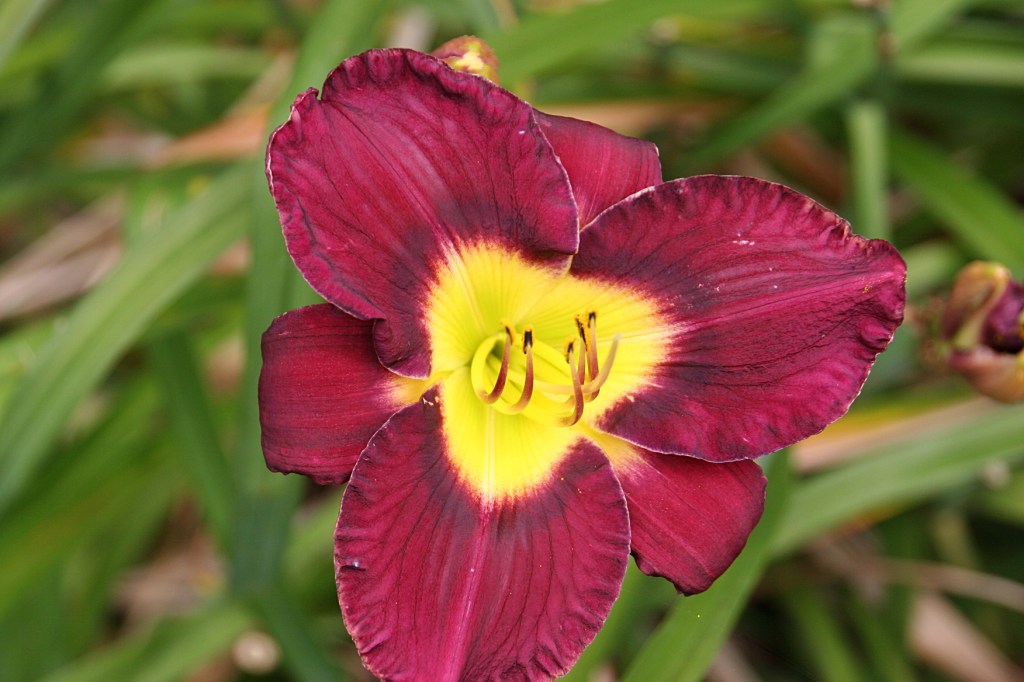
Lilies bloomed during my July 2016 visit.
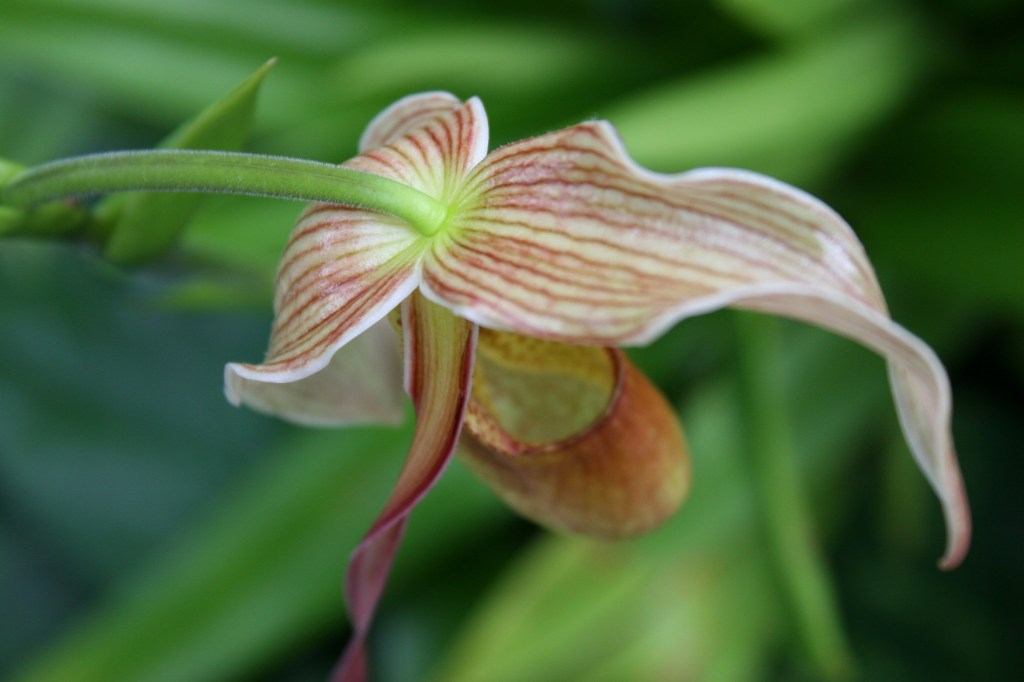
Flowers in bloom during my mid-summer 2016 visit differ from those blooming earlier or later. The estate landscape is like an evolving art gallery. There’s a certain visual appeal in that, in observing nature’s art always changing.
BONUS PHOTOS:
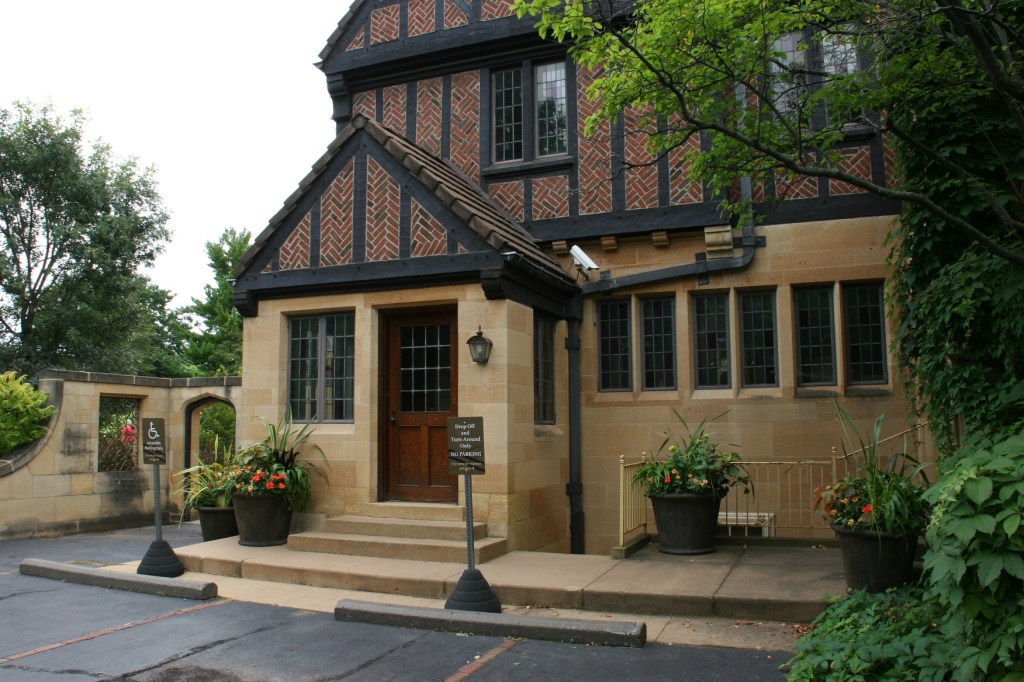
The public entry to The Paine Art Center.
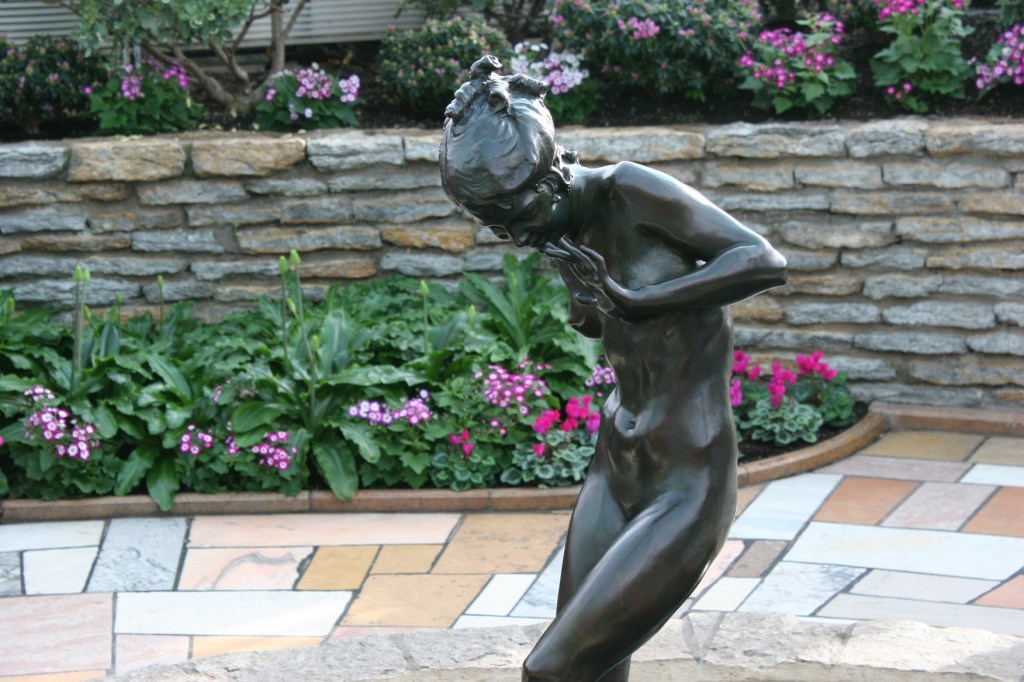
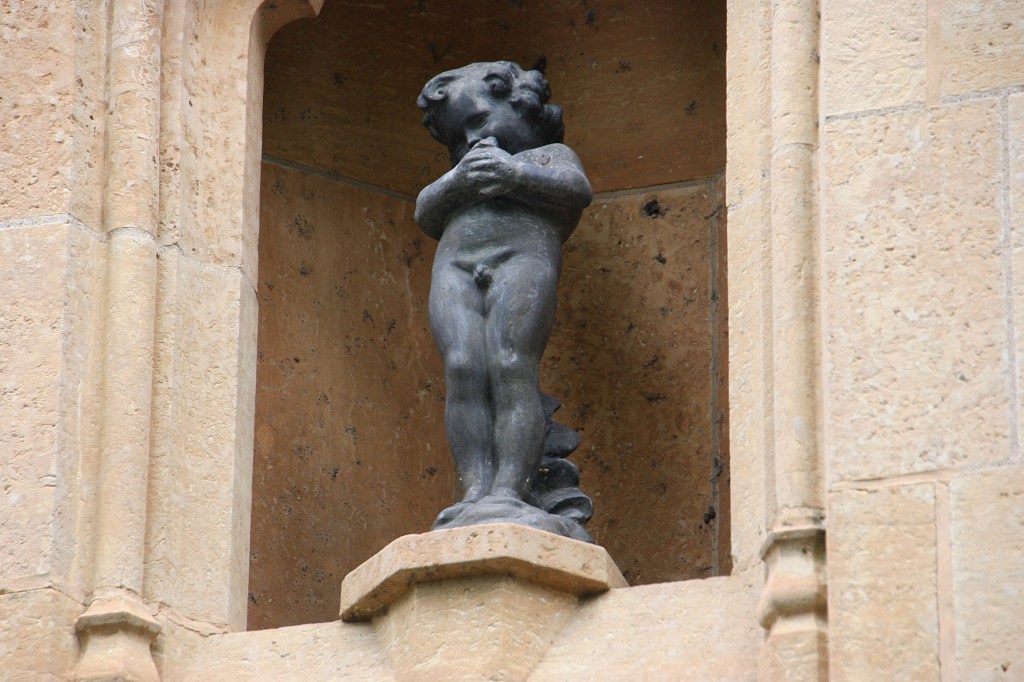
The first sculpture I spotted, near the entry.
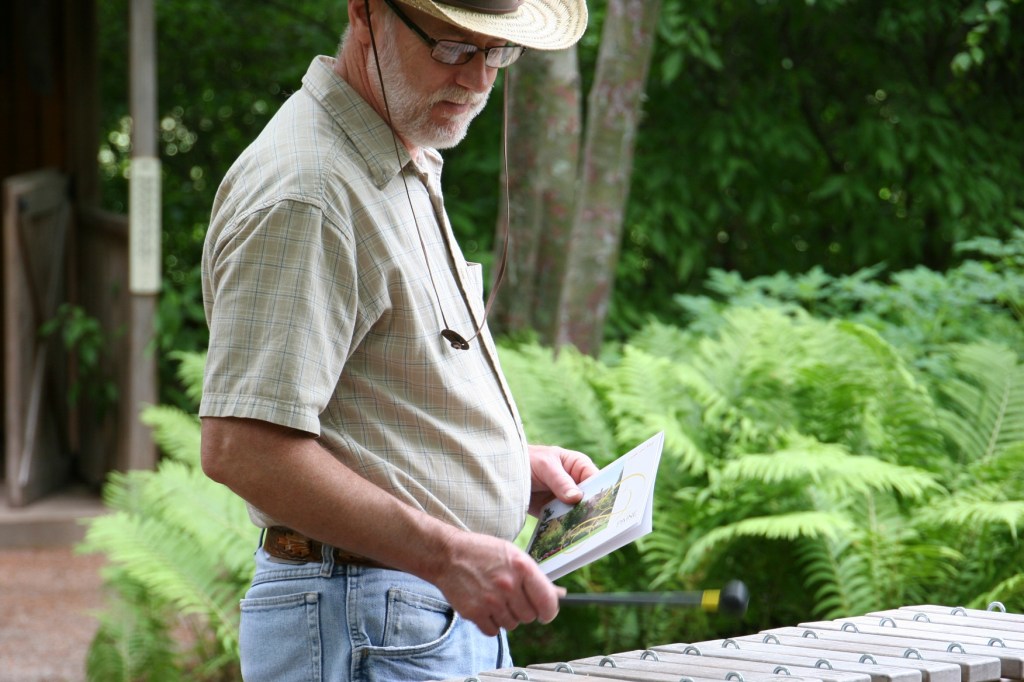
My husband, Randy, plays a xylophone in The Children’s Field Station.
HEAT AND HUMIDITY PRESSED heavy upon me as I wandered the gardens of The Paine Art Center on a summer day in Oshkosh, Wisconsin. Yet, the heat didn’t stop me from appreciating the lush flowers and plants, the water features, the sculptures and more showcased on this estate.
It’s a lovely place, this late 1920s mansion and the landscape surrounding it. An episode of The Bachelor was filmed here in October.
I realize most of you likely will never travel to eastern Wisconsin to tour The Paine. My second daughter lives in the area. So please join me on this walk around the grounds—a welcome visual summer respite for us dwellers of the North. And for those of you in other regions, I hope you, too, will appreciate the beauty of this estate once owned by Nathan and Jessie Paine of Wisconsin lumber business wealth.
A sweeping lawn stretches between the gardens and the rear of the late 1920s mansion.
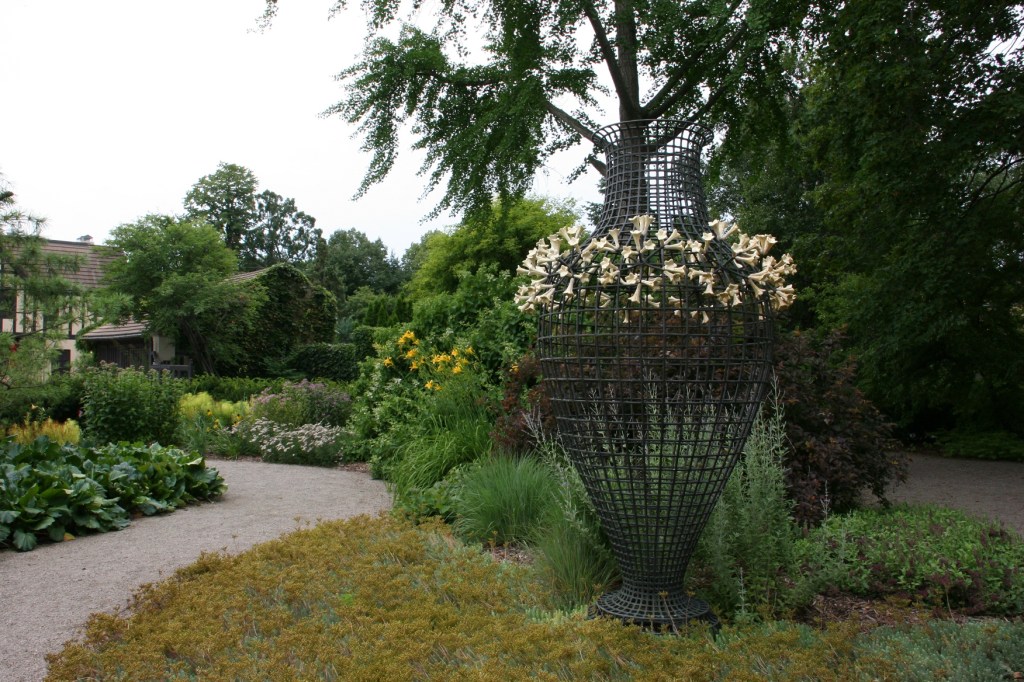
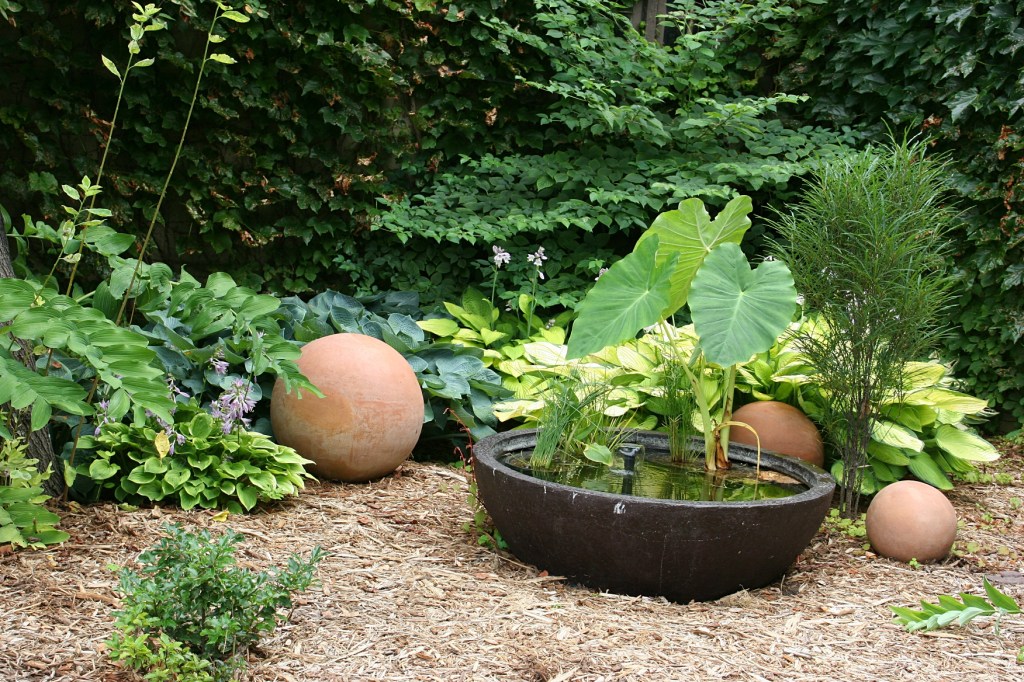
Sculptures, water features, plants and flowers all intertwine in the gardens.
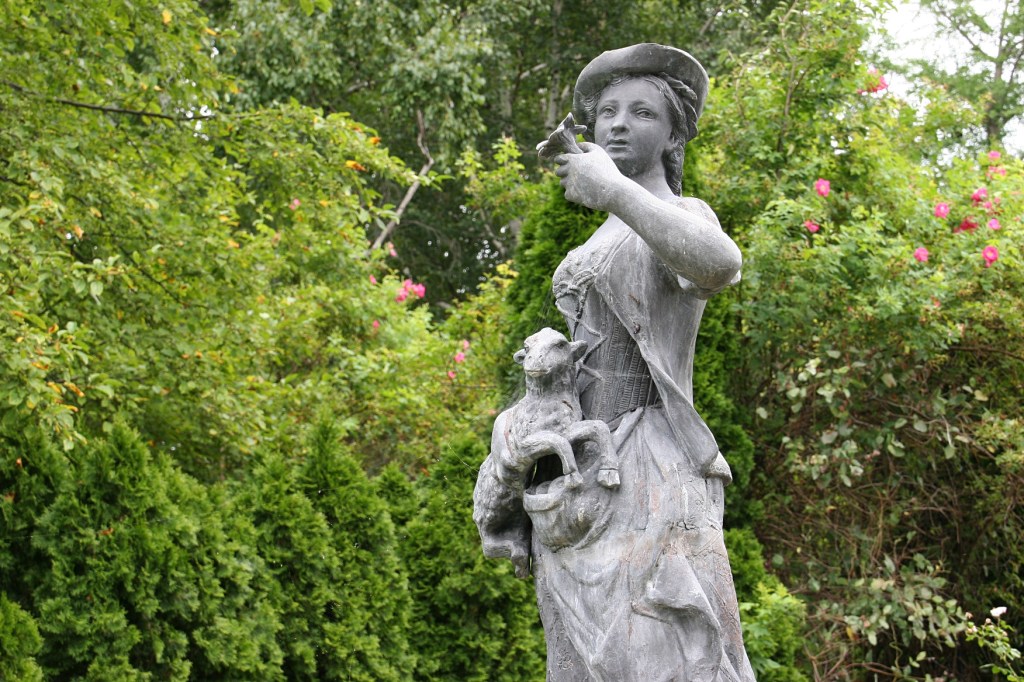
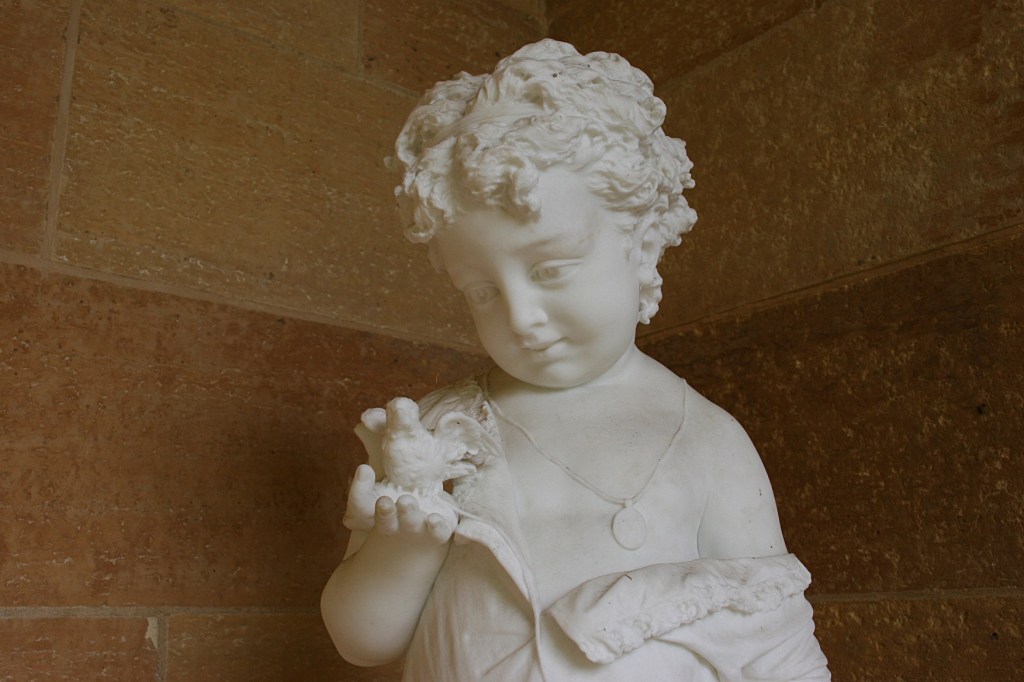
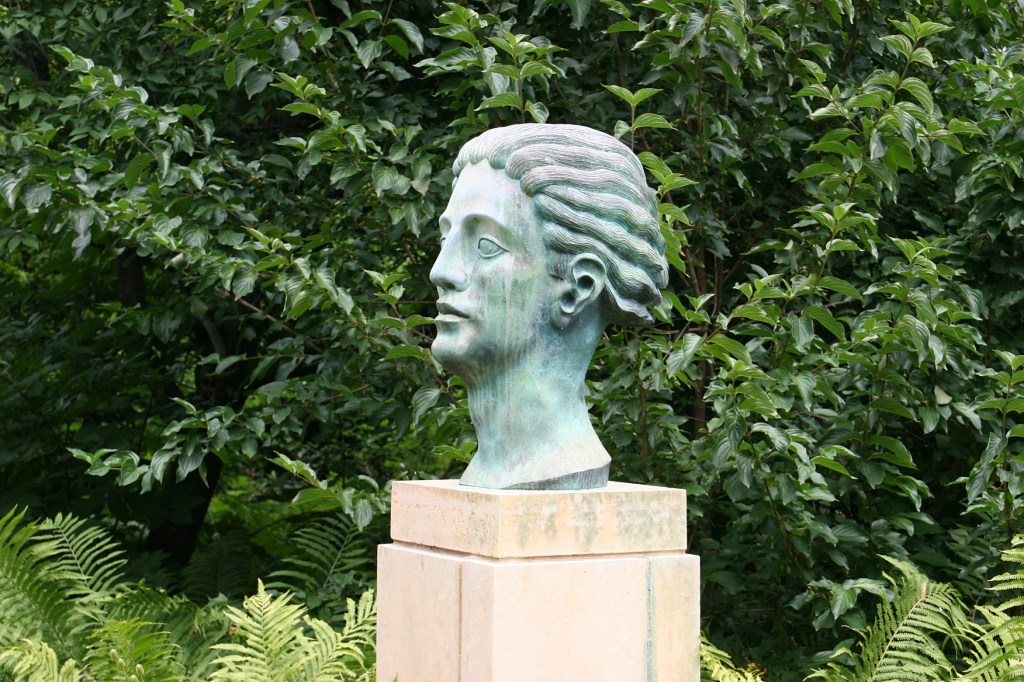
Italian master sculptor created this marble sculpture titled “Girl with a Bird.”
Artsy and beautiful planters abound, including this one outside the Carriage House.
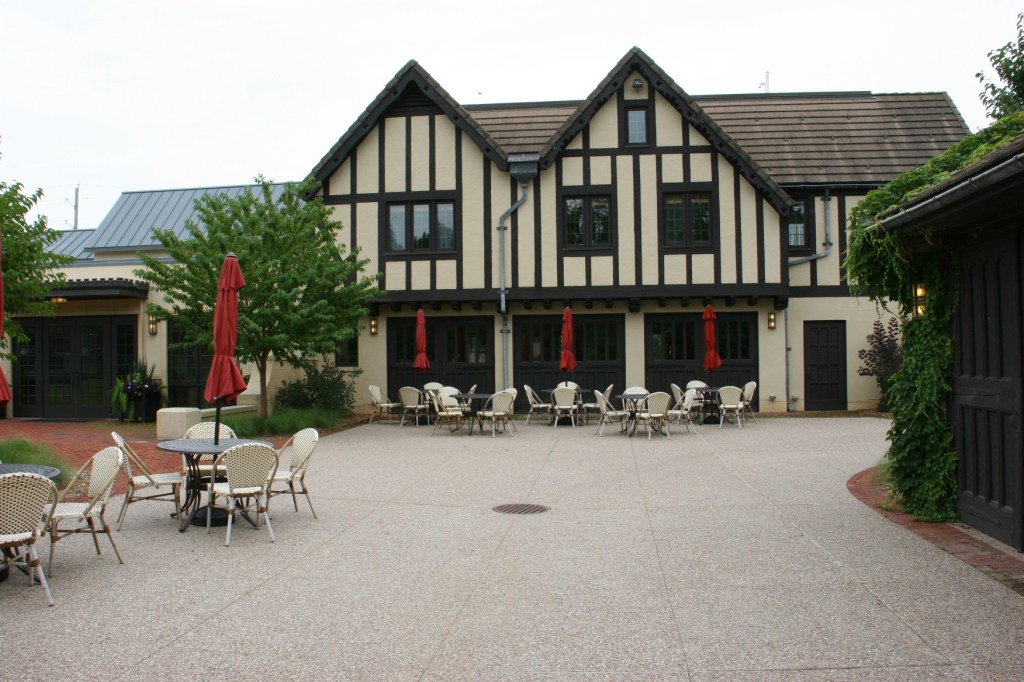
The Carriage House is available for rent, for events like wedding receptions.
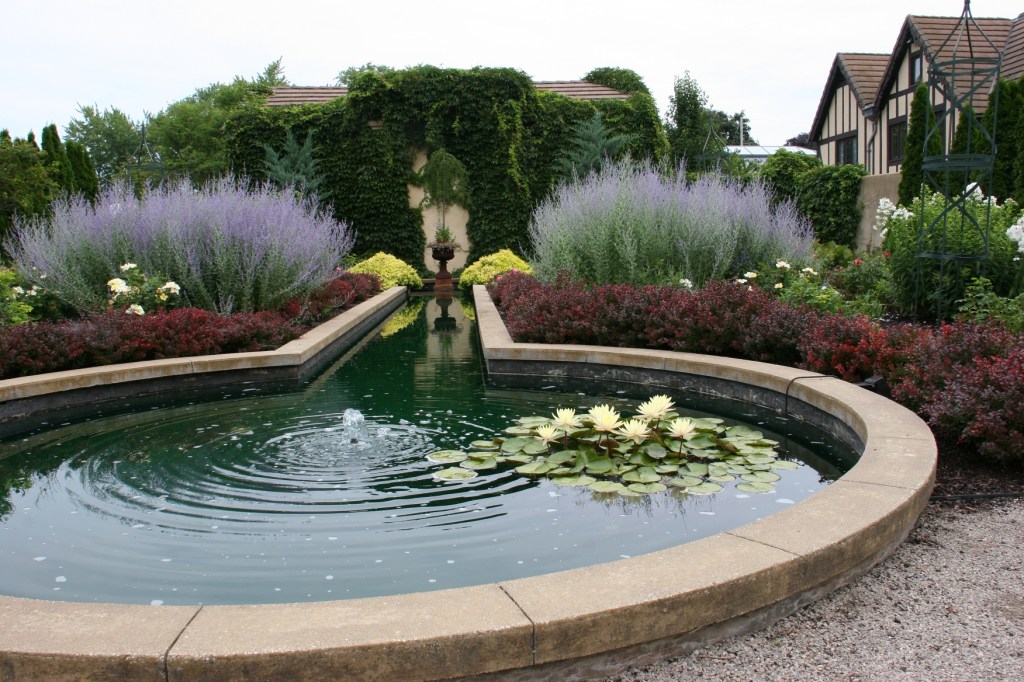
The showcase reflecting pond.
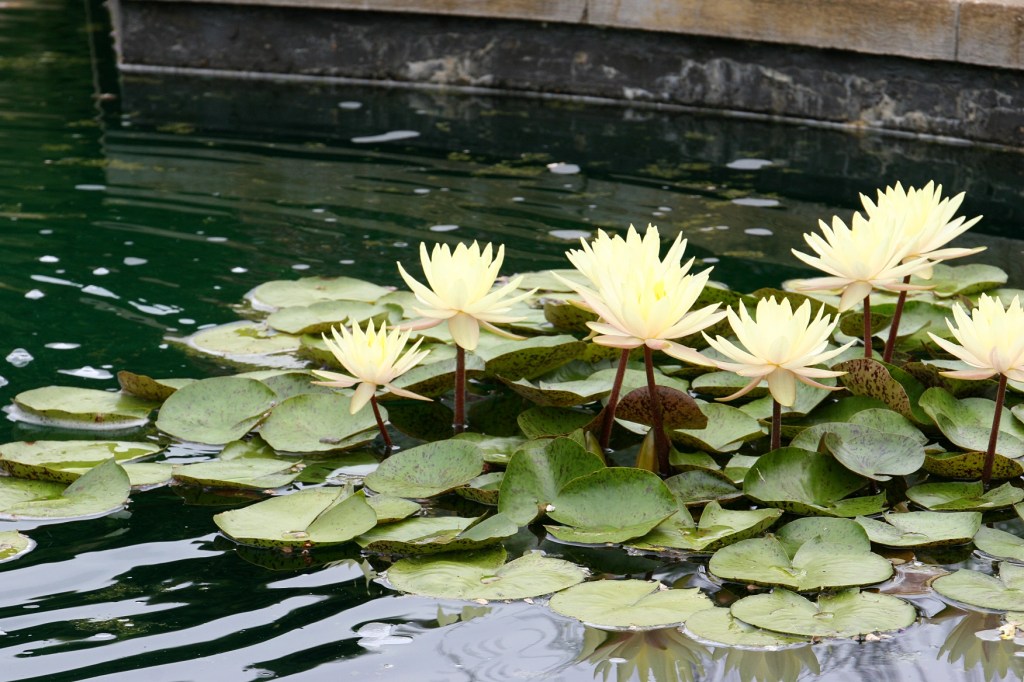
How lovely those lilies in the pond.
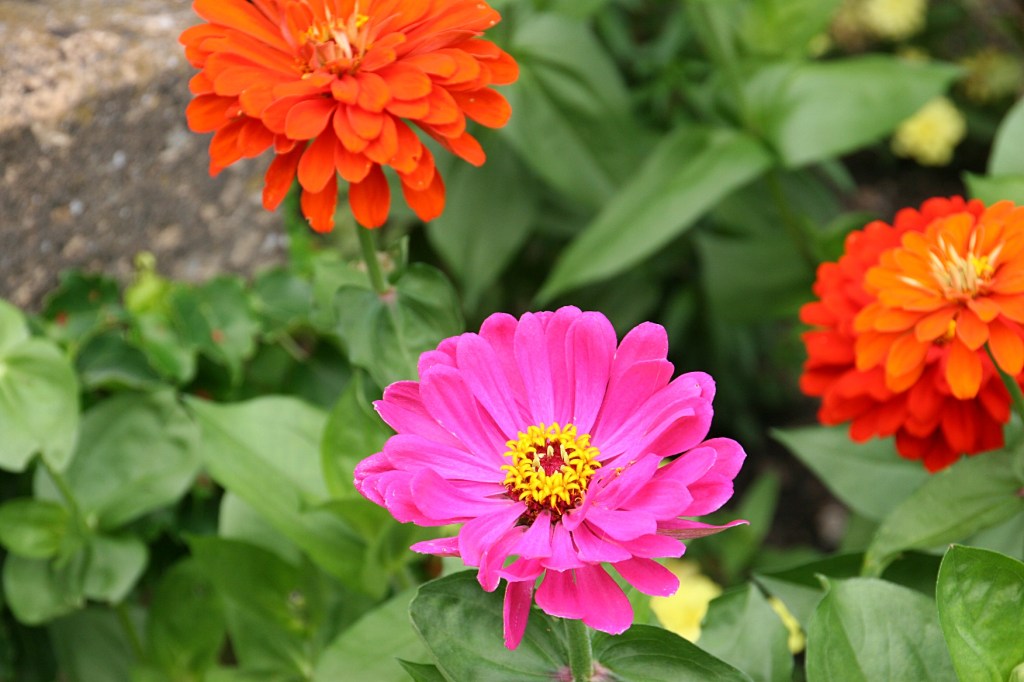
And how lovely the other lilies growing in the gardens.
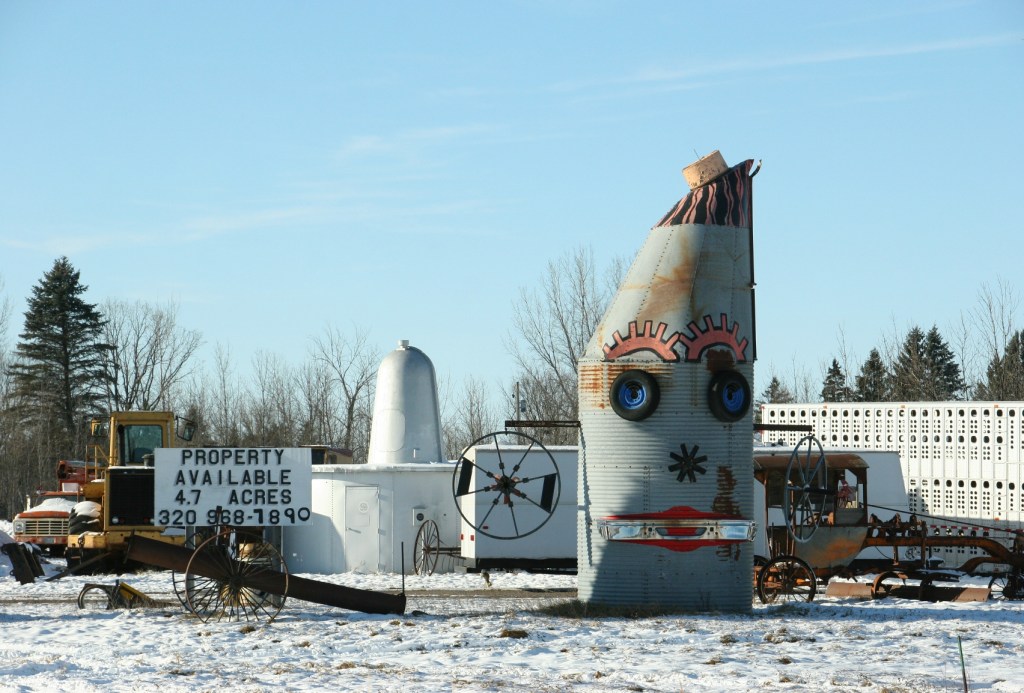
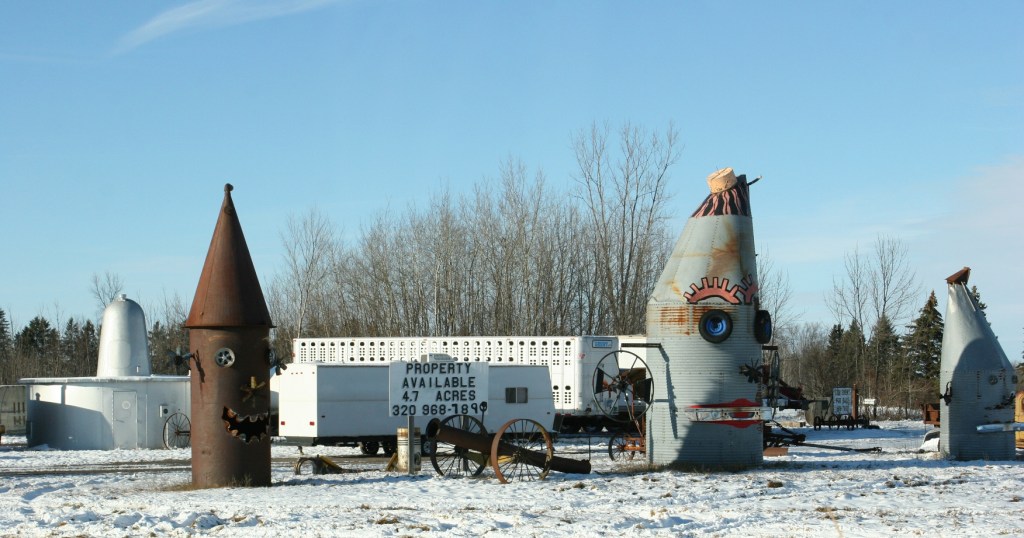
AN ECLECTIC MIX OF CAST-OFFS rests roadside at the intersections of Minnesota State Highways 23 and 25 in Foley.
I don’t know what to make of this collection. Trucks. Trailers. Wheels. Sections of perhaps culverts and grain bins. All jumbled together.
Storage lot mixed with art, I assess.
If anything, the scene succeeds in grabbing the attention of passersby who, perhaps like me, wonder about the story behind these sculptures, this space.

























 Minnesota Prairie Roots
Recent Comments