Minnesota Prairie Roots

Writing and photography by Audrey Kletscher Helbling

A Minnesotan’s impression of Davis Square in Somerville June 9, 2016

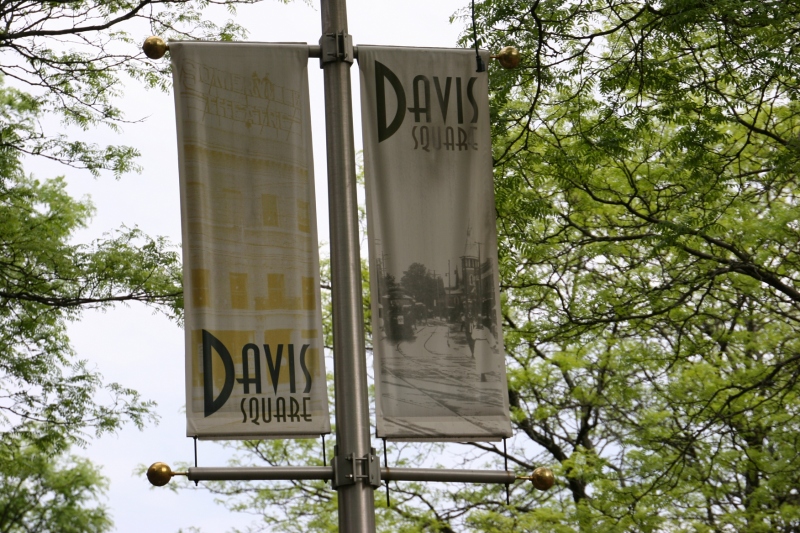
Banners mark Davis Square in Somerville, Massachusetts.

Banners mark Davis Square in Somerville, Massachusetts.

UP UNTIL RECENTLY, I was unfamiliar with squares. Not as in geometric shapes, but as in a geographical location in a city. When my son, who lives in Somerville, Massachusetts, would talk about Davis, Harvard and Porter Squares, I pictured a park-like setting centering cultural events.
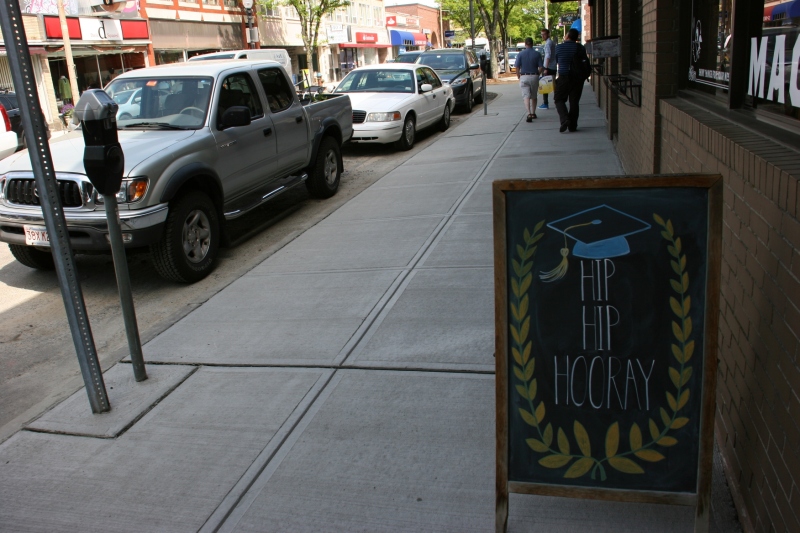
A streetscape in Davis Square.

A streetscape in Davis Square.

Well, a square is not exactly or solely that. Rather, the two squares I visited (Davis and Porter) recently are the convergence of about a half-dozen streets with businesses surrounding them. These seem city versions of small town Main Streets with a mix of retail, restaurants, professional, service and entertainment oriented businesses and nonprofits packed into a compact area.
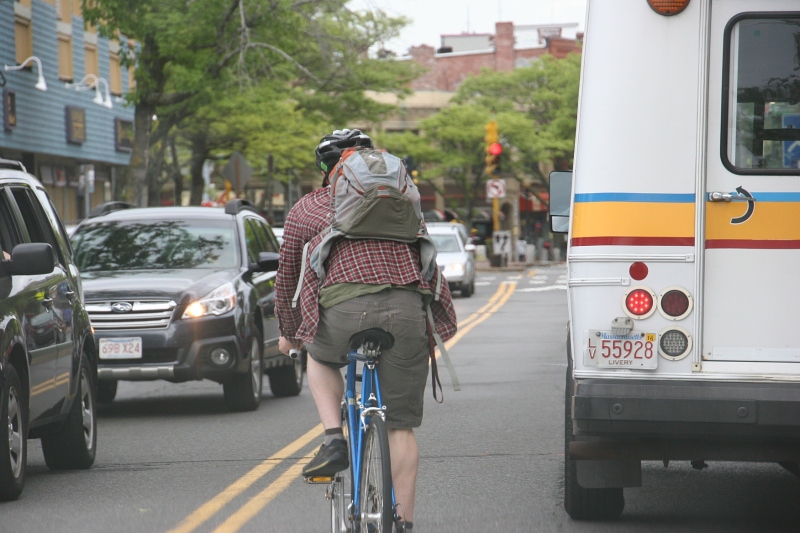
A biker squeezes around a bus in busy Davis Square.

A biker squeezes around a bus in busy Davis Square.

Sure, there’s a bricked area with picnic and patio tables, benches, trees and art in Davis Square. But lacking are the lawn, abundance of flowers and water features I expected. Hard surfaces handle the heavy pedestrian, bike and vehicle traffic that make this place visually chaotic for a rural Minnesotan like me.
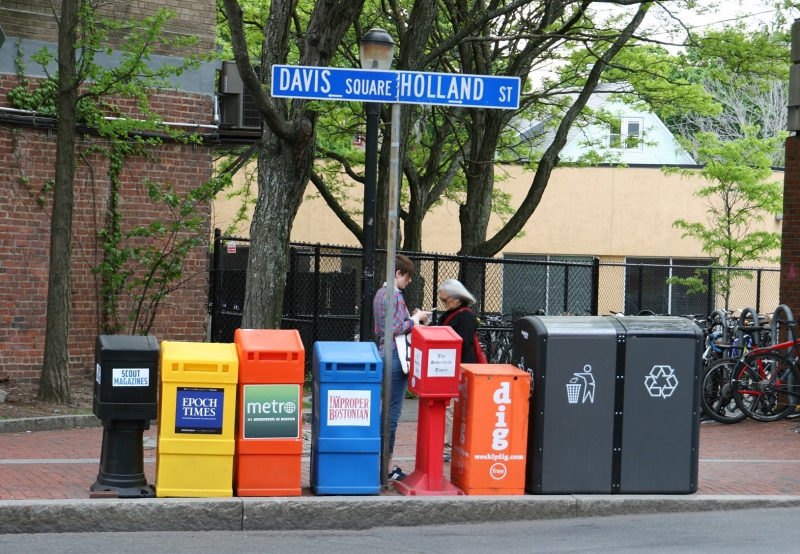
A snapshot of pedestrian traffic.

A snapshot of pedestrian traffic.

When my husband, son and I—all native Minnesotans—waited for the “walk” signal to cross a street, we found ourselves standing alone while others hurried around us, intent on getting wherever they were going. Pedestrians obviously rule here. People just step right in front of vehicles, seemingly oblivious that they could be struck. That, more than anything, scared me during a recent trip to greater Boston.
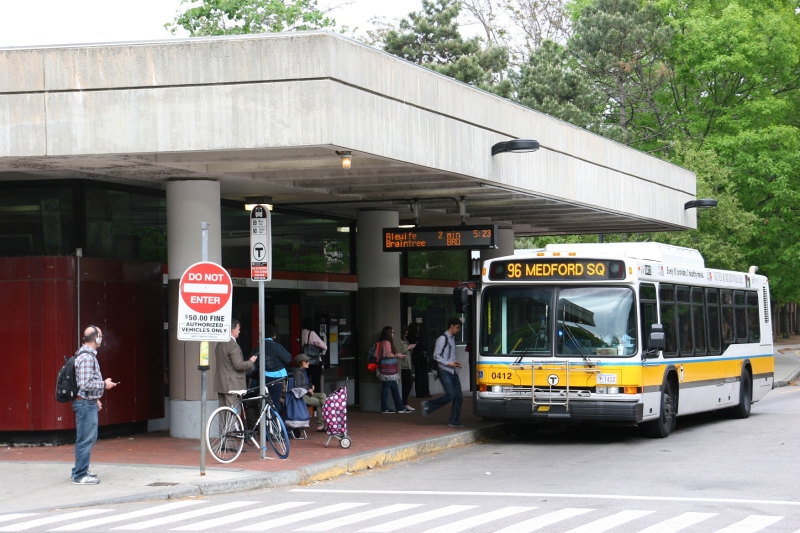
Mass transit is a necessity in this densely populated metro area.

Mass transit is a necessity in this densely populated metro area.

As for the converging streets in the square, you better know where you’re driving. Sort of like roundabouts but not, these intersections are confusing to someone unfamiliar with the streets and how the traffic pattern works. I understand why public transportation, available at the squares, is the preferred way of getting around.
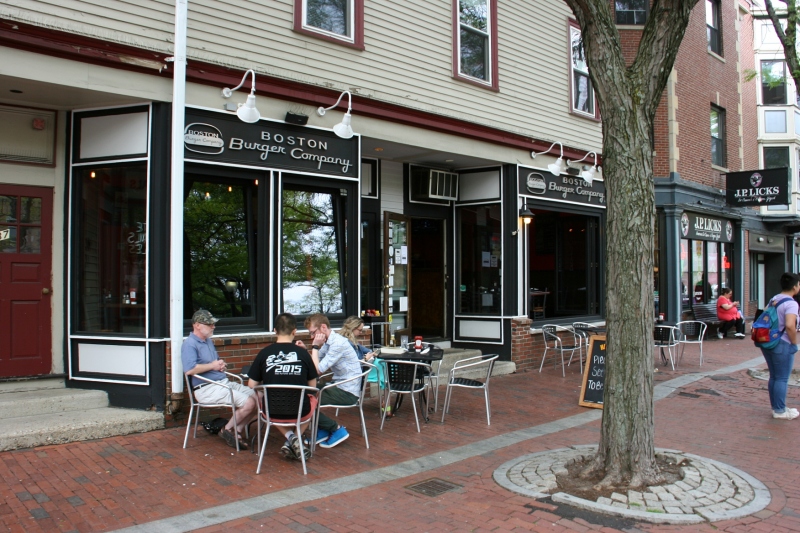
On a beautiful late May afternoon, we chose to dine outside The Boston Burger Company.

On a beautiful late May afternoon, we chose to dine outside The Boston Burger Company.

That all said, I enjoyed people-watching in Davis Square where the three of us dined at The Boston Burger Company late on a Monday afternoon.
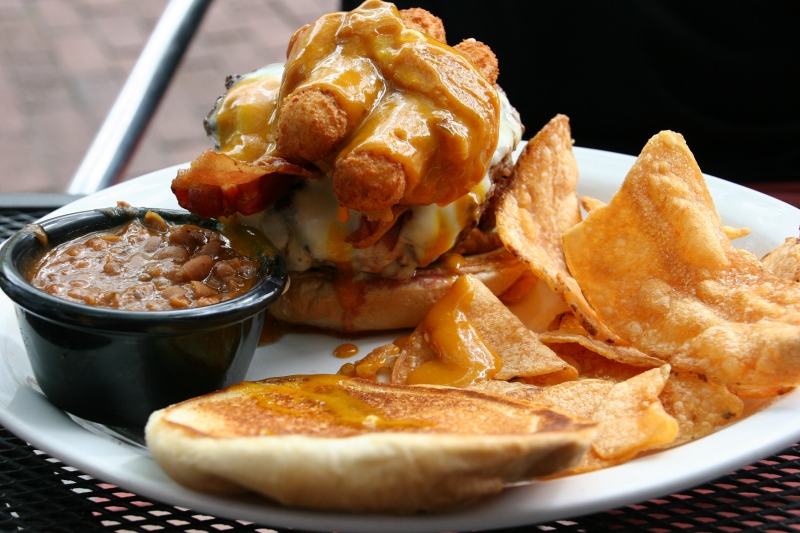
The 420 burger was way too thick to fit in my mouth.

The 420 burger was way too thick to fit in my mouth.

I ordered the 420 burger (mozzarella sticks, fried mac & cheese, onion rings, fries, bacon, golden BBQ sauce and American cheese) available at 4:20 for $4.20.

That sandwich board would be for a burger.

That sandwich board would be for a burger.

And, yes, 420 was explained to me as I was totally clueless that it references cannabis. Anyone who knows me well would also be surprised that I actually ate a burger.
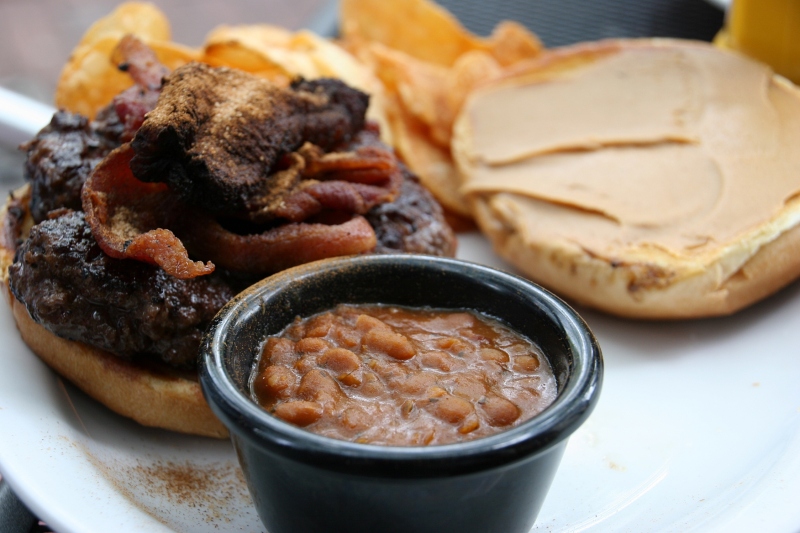
My son let me sample his King burger. I loved it. And the beans were great, too. Authentic Boston baked perhaps?

My son let me sample his The King burger. I loved it. And the beans were great, too. Authentic Boston baked perhaps?

The husband, as I expected, ordered his predictable burger, one topped with blue cheese. The son chose The King, a burger featuring peanut butter, bacon and a fried banana dusted in cinnamon and sugar. It was delicious.
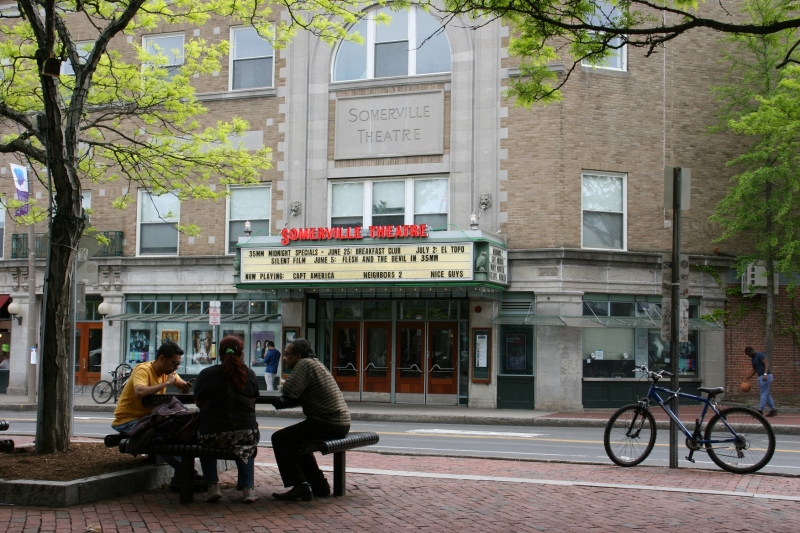
I regret not taking the time to step inside this theatre.

I regret not taking the time to step inside this theatre.

I’d highly recommend dining outside The Boston Burger Company across from the Somerville Theatre for a front row seat to people-watching. I was thoroughly entertained.
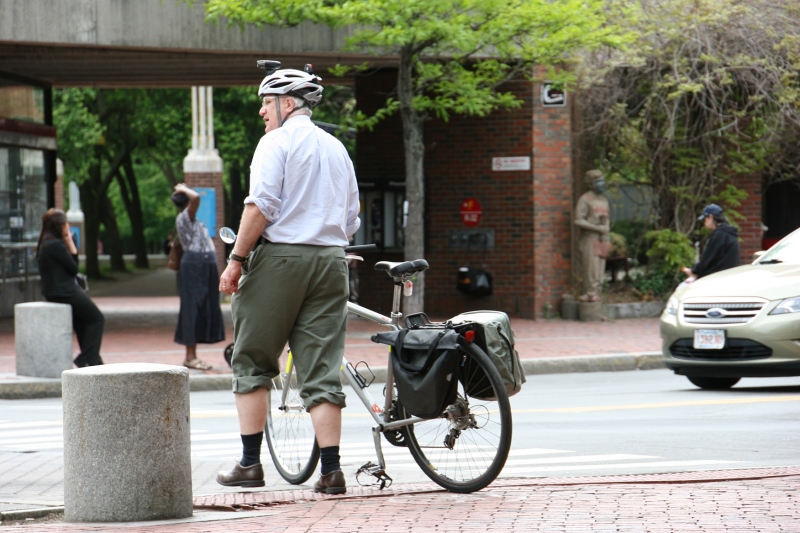
Most cyclists take biking safety seriously. And they should given the heavy vehicle traffic.

Most cyclists take biking safety seriously. And they should given the heavy vehicle traffic.

The list of characters was ever-changing. From the inebriated man whom we worried was about to pee in public, to the young man dribbling a basketball, to the cyclist businessman with his pants legs rolled up to the woman with crimson hair to the chain of daycare kids to the man shouting to himself, I could have penned a dozen stories prompted by the people I saw.
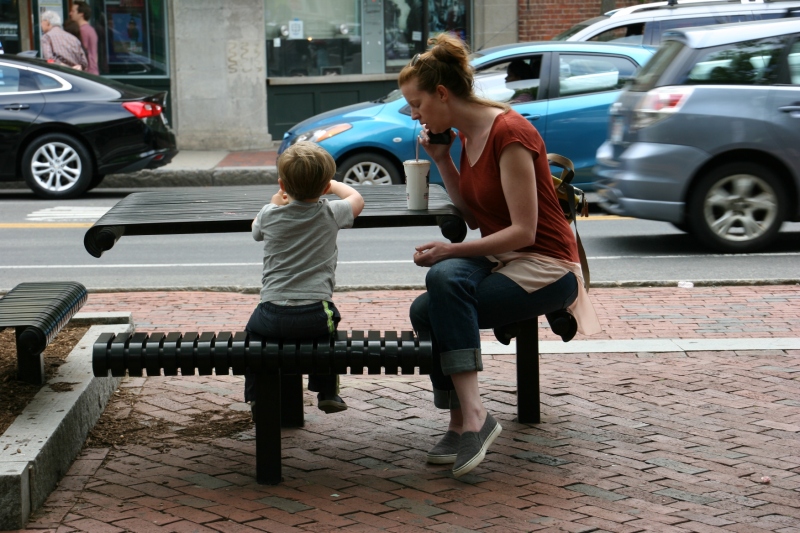
I noticed lots of kids with their parents when I was at Davis Square.

I noticed lots of kids with their parents when I was at Davis Square.

One thing was particularly noticeable to me. With the exception of parents and their kids, I noticed few people interacting. It was as if all these individuals crossing Davis Square were in their own little worlds, en route to wherever they needed to be. The pace was hurried. The scene reminded me of the ants in the Ant Hill Farm my oldest brother had as a kid.

This is the most unusual cyclist I saw with his son riding in front.

This is the most unusual cyclist I saw.

I understand that those who frequent this area may not view Davis Square as I did on a late Monday afternoon in late May. And that’s OK. I was, after all, simply a visitor from Minnesota not widely-traveled outside the Midwest.

BONUS ART PHOTOS:
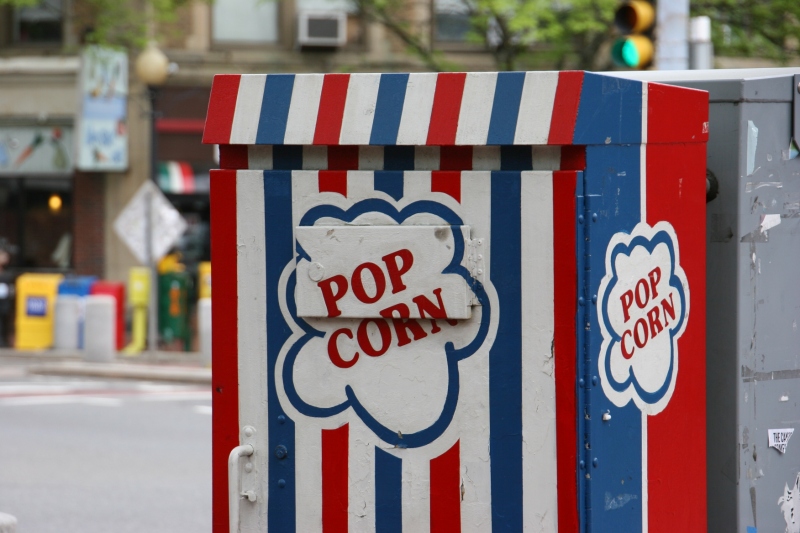
This colorful art creatively disguises a utility box. I love this type of street art.
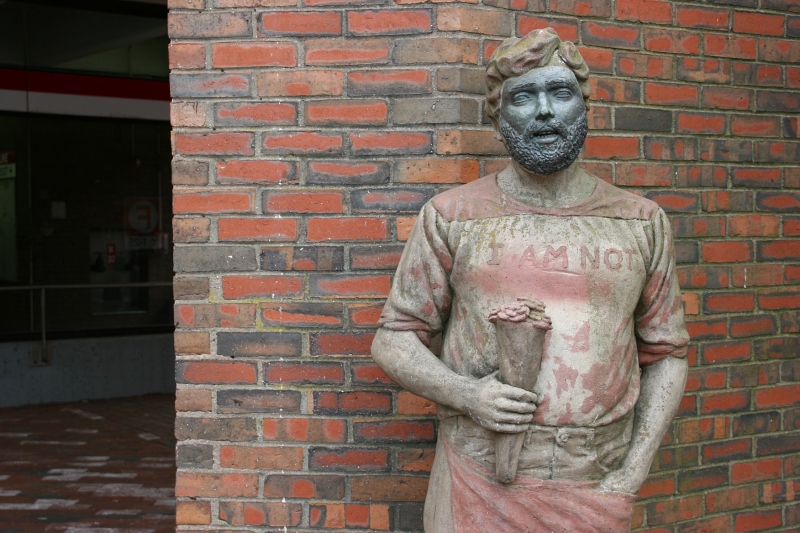
This colorful art creatively disguises a utility box. I love this type of street art.

One of two sculptures I spotted.

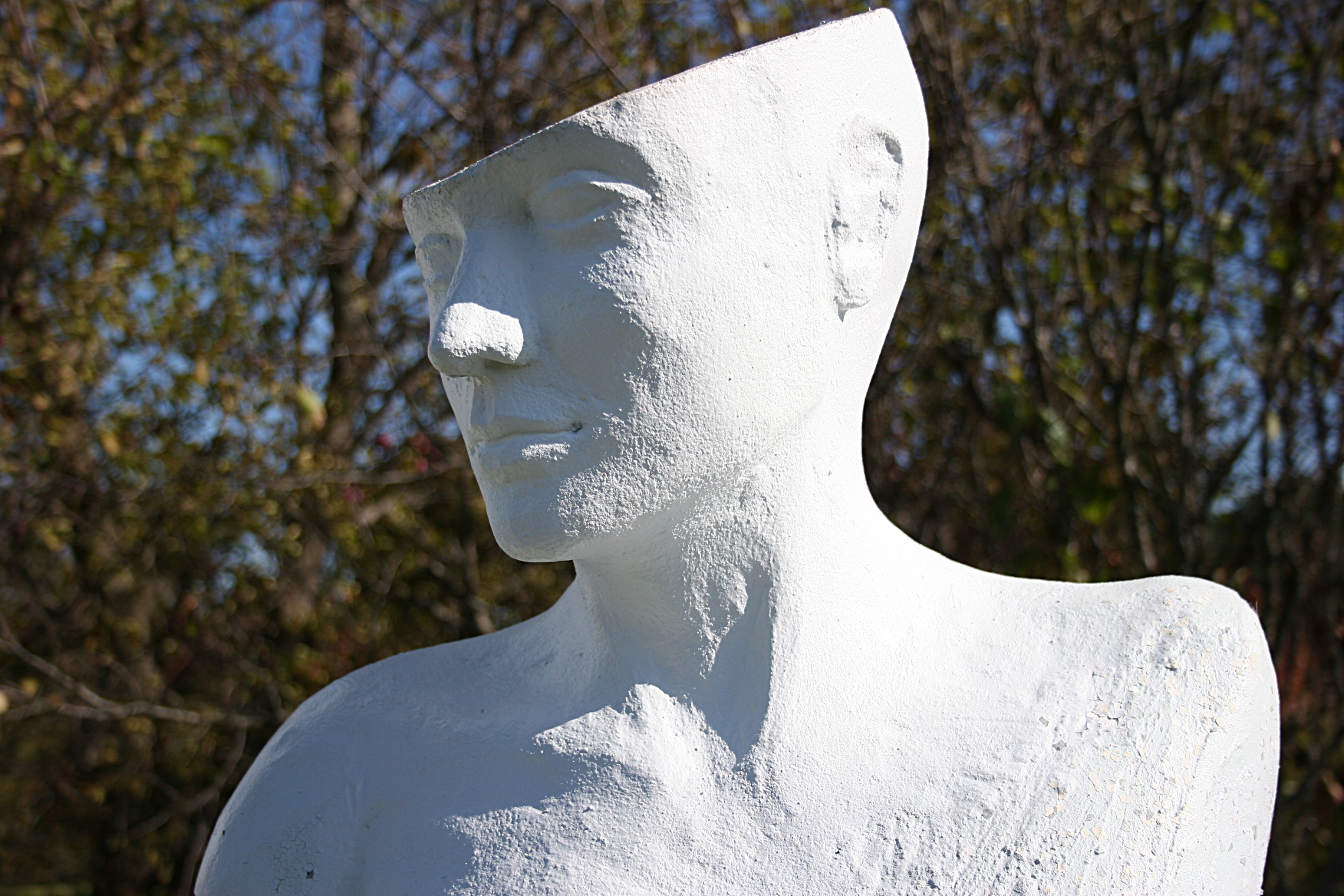
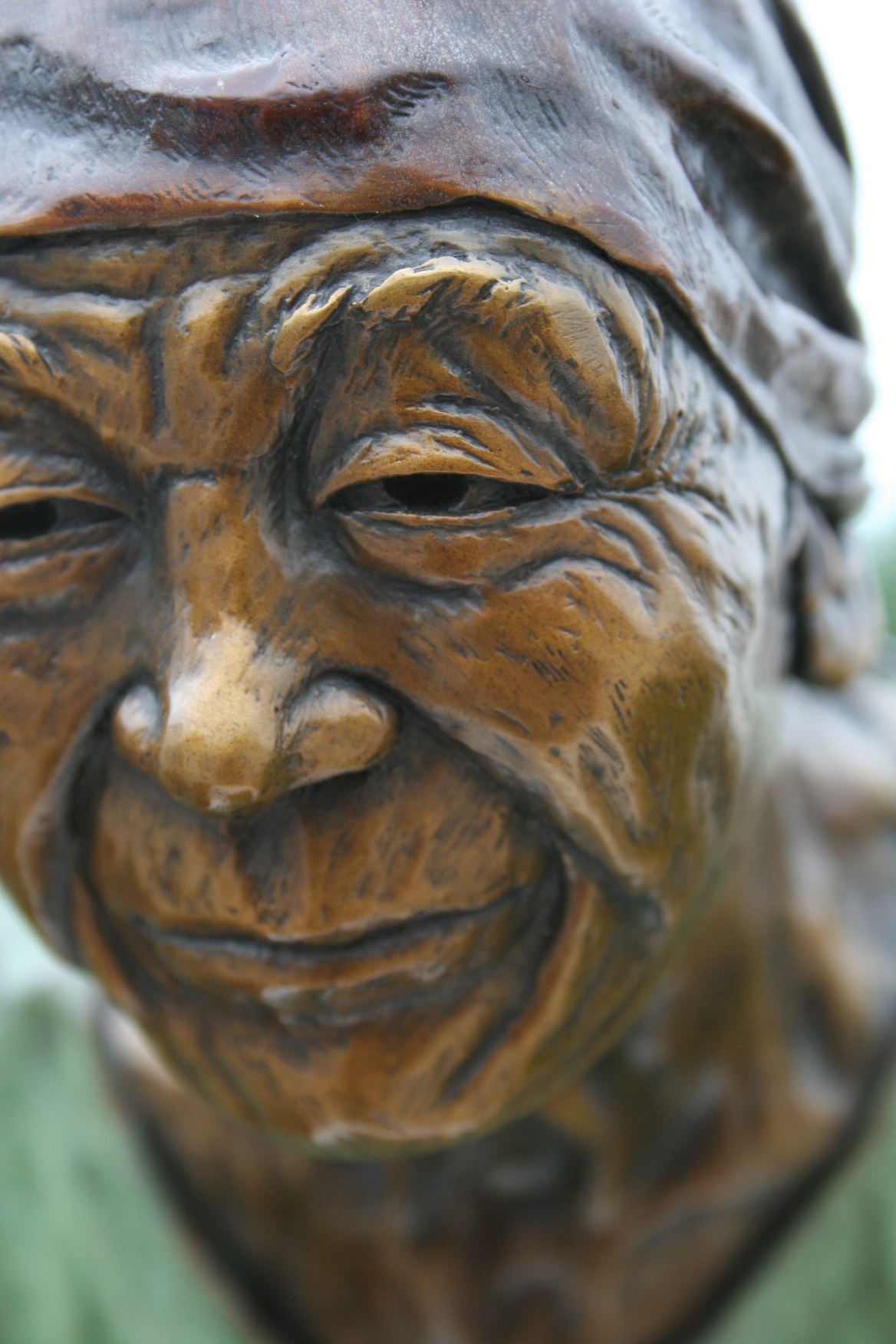
One of two sculptures I spotted. The bronze masks on the Davis Square sculptures were installed after the original sculptures were vandalized. The sculptures are based on actual people who lived in the Square area.
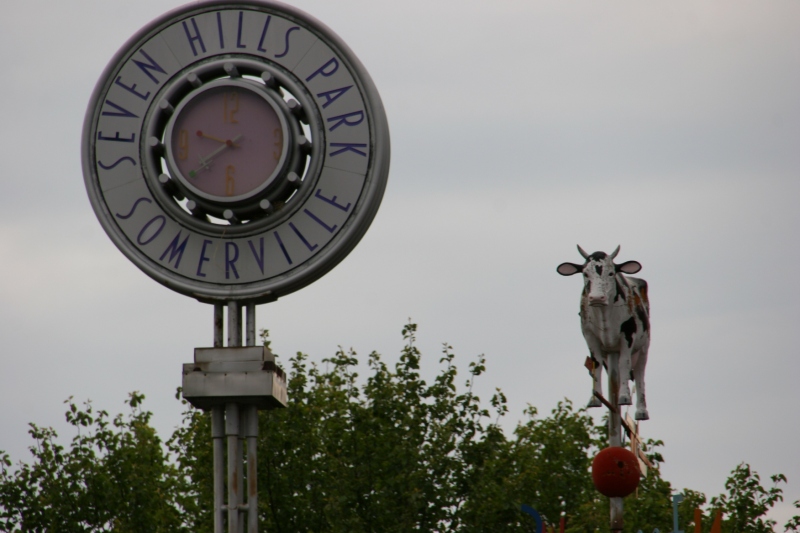
I spotted this sign while dining, but then forgot to check out the park once I finished my burger.
I spotted this sign while dining, but then forgot to check out the park once I finished my burger.

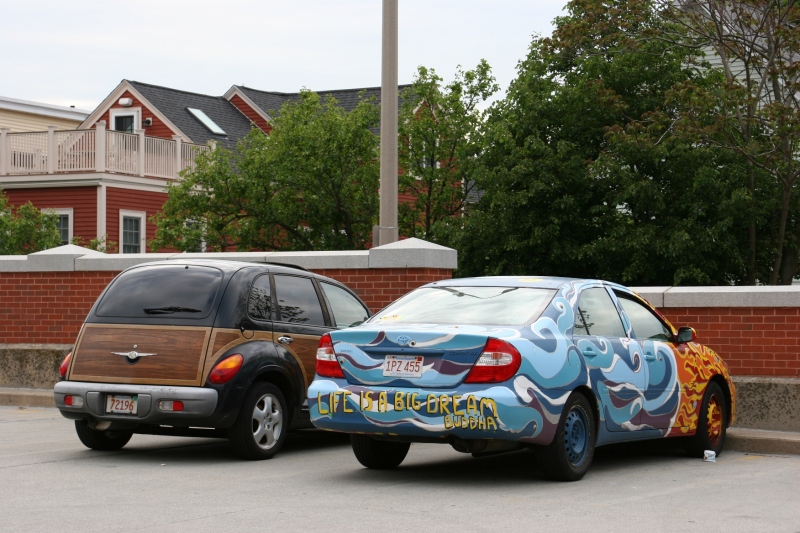
Lucky for us, there was room to park in one of the public parking lots late on a Monday afternoon.

Lucky for us, there was room to park in one of the public parking lots late on a Monday afternoon. That’s where I photographed the colorful car art.

© Copyright 2016 Audrey Kletscher Helbling


The patriotism of the Winnebago County, Iowa, courthouse square May 21, 2015

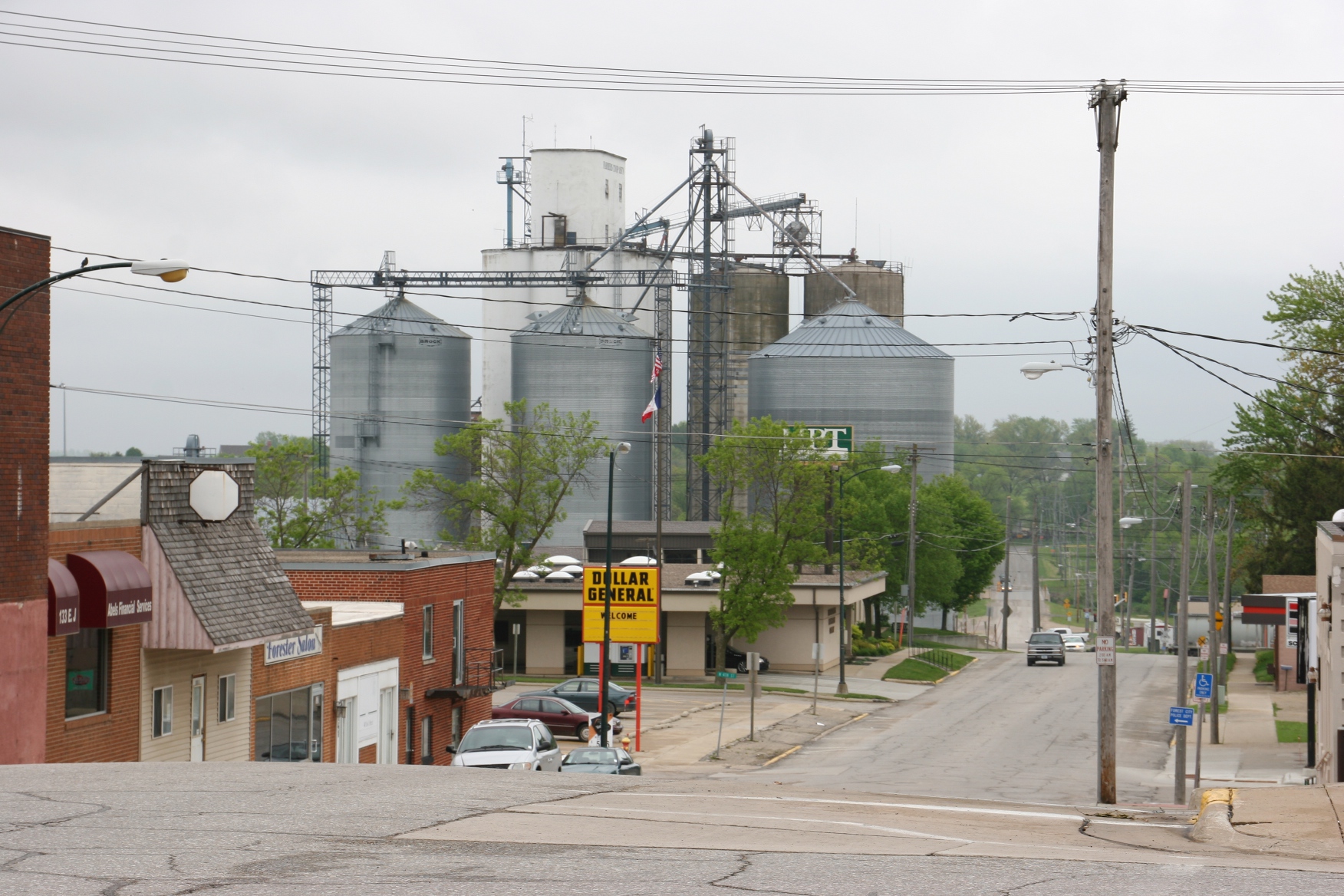
At the top of the hill looking down the street we just traveled to reach downtown Forest City and courthouse square.

At the top of the hill looking down the street we just traveled to reach downtown Forest City and courthouse square.

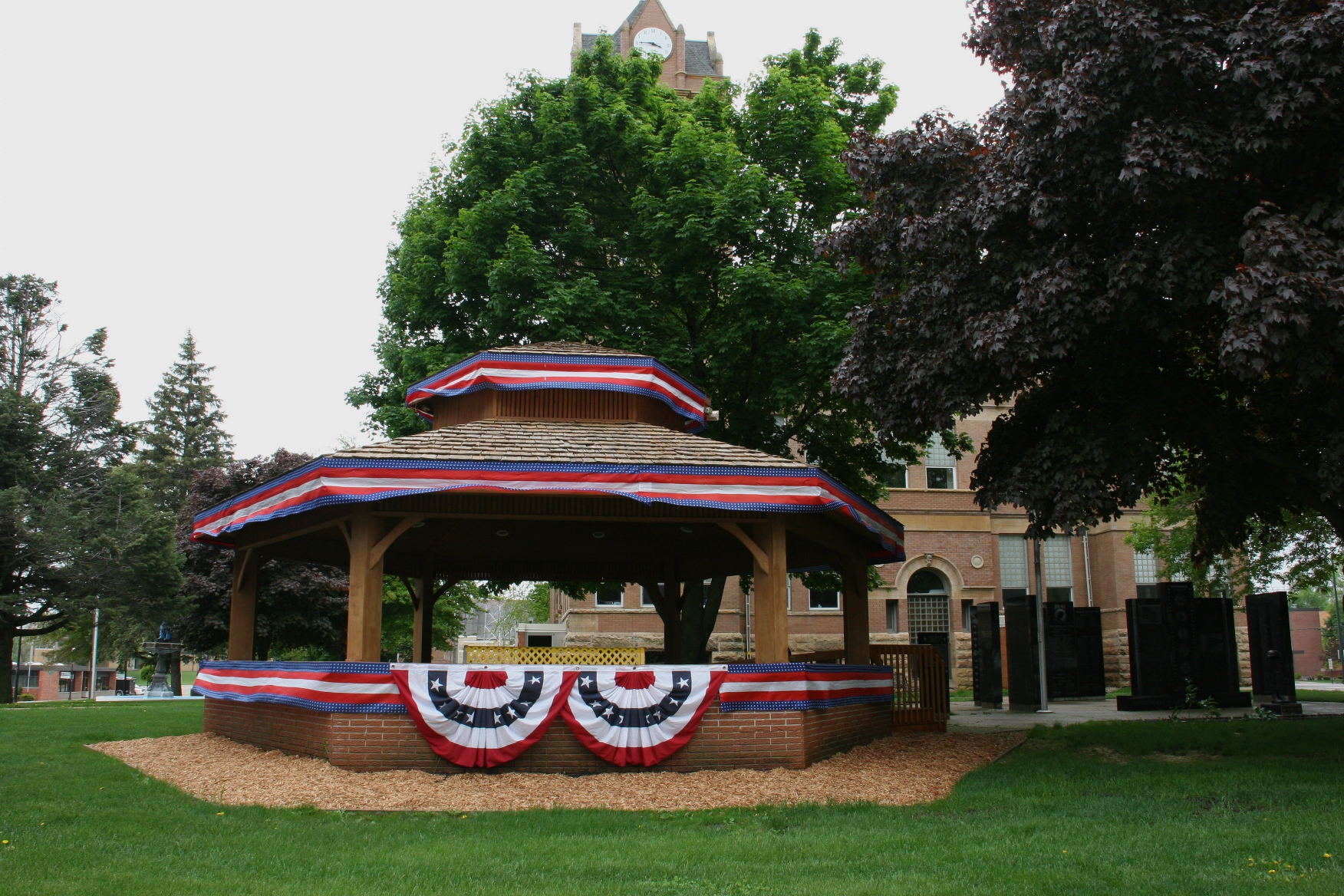
THE RED-WHITE-AND-BLUE BEDECKED gazebo caught my attention as we drove up the hill, past grain bins and Dollar General, into downtown Forest City two Saturdays before Memorial Day.

This oversized gazebo sits in the Winnebago County Courthouse square.

This oversized gazebo sits in the Winnebago County Courthouse square.

What a delightful, patriotic welcome to this northern Iowa county seat, home to Waldorf College, Winnebago Industries and Heritage Park of North Iowa.

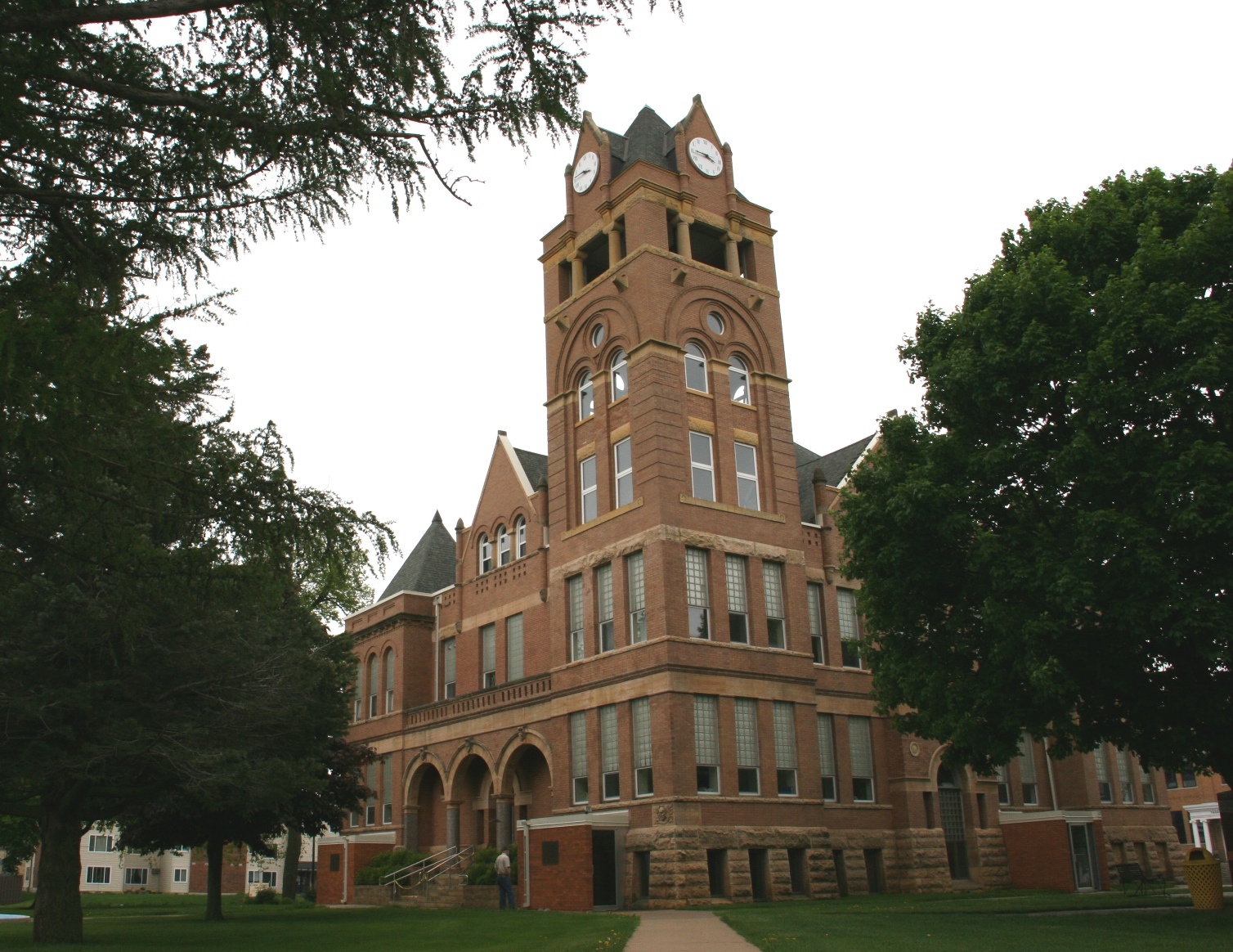
The courthouse was built in 1897 for $20,496. A south wing was added later.

The courthouse was built in 1897 for $20,496. A south wing was added later.

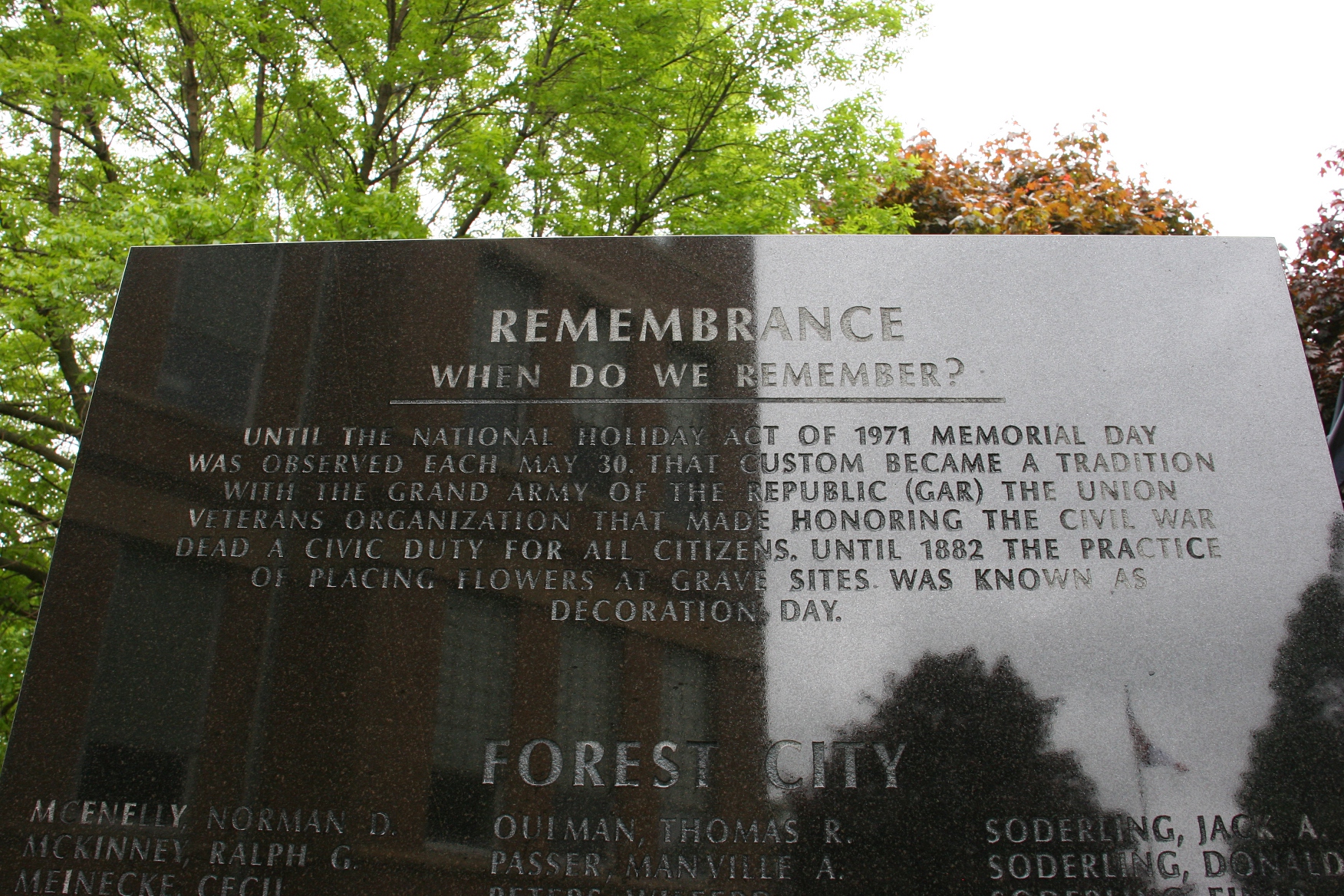
The Winnebago County Veterans Memorial rests on the side of the courthouse near the gazebo.

The Winnebago County Veterans Memorial rests on the side of the courthouse near the gazebo.

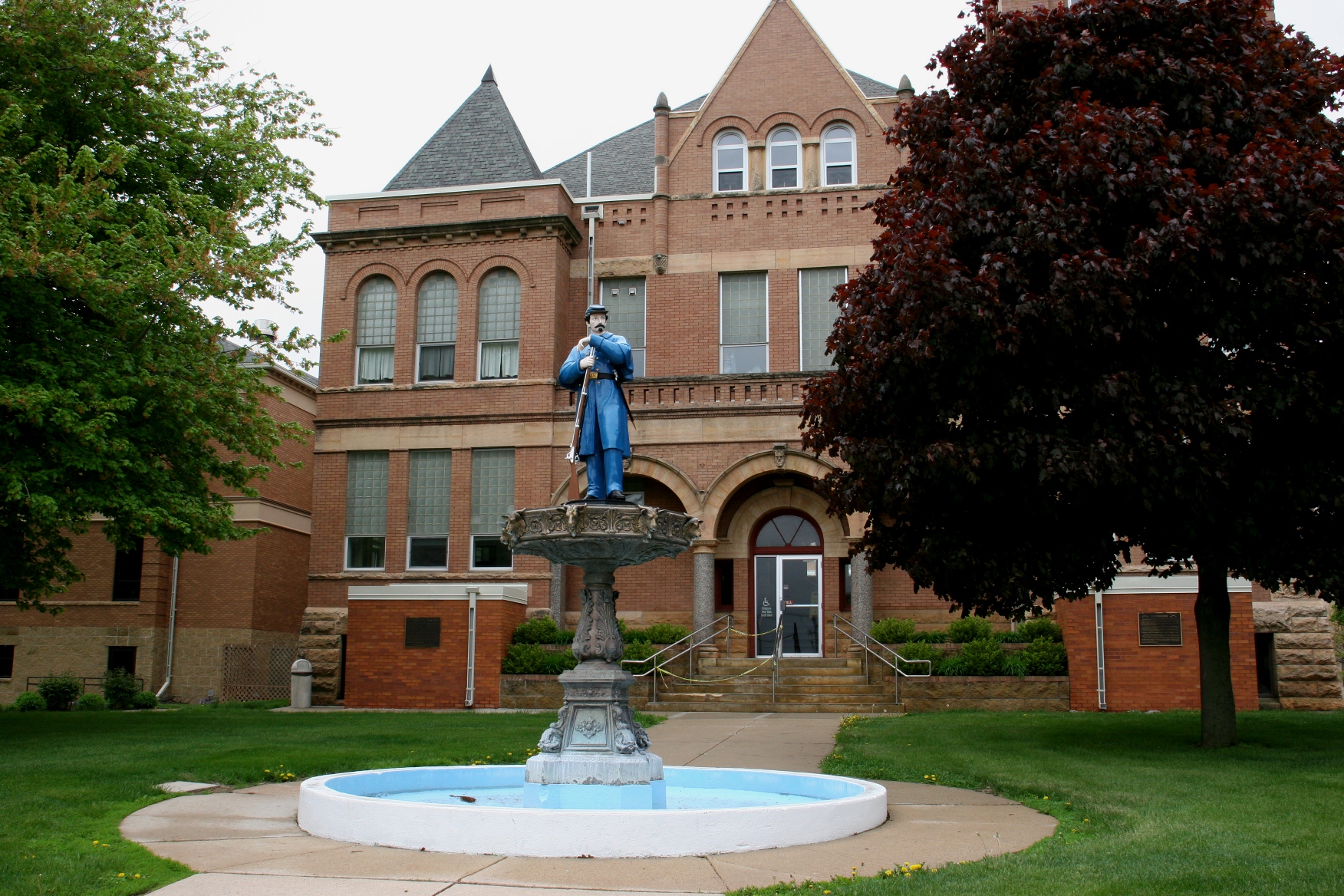
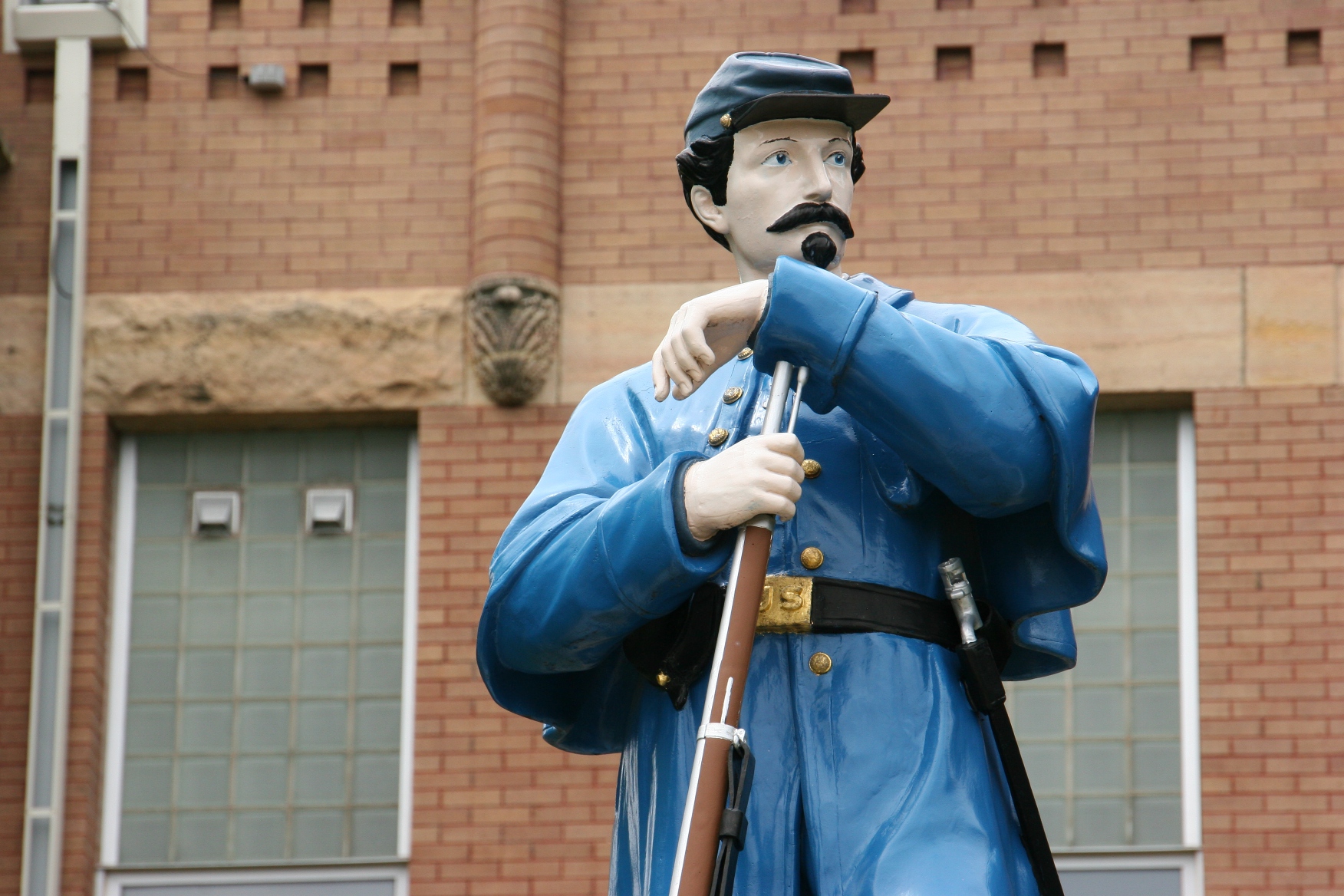
The Union Soldier statue was purchased by the local Women's Relief Corps in 1899. The chapter was founded to care for Union soldiers and to assist their widows and orphans and to honor the dead. There are 151 Civil War veterans buried in Winnebago County.

The Union Soldier statue was purchased by the local Women’s Relief Corps in 1899. The chapter was founded to care for Union soldiers and to assist their widows and orphans, and to honor the dead. There are 151 Civil War veterans buried in Winnebago County.

This eye-catching display of American pride drew my eyes to the gazebo and then to the imposing 1897 Romanesque style courthouse. Both sit in the Winnebago County Courthouse square, graced by two war memorials—that of a Union soldier and the Winnebago County Veterans Memorial.

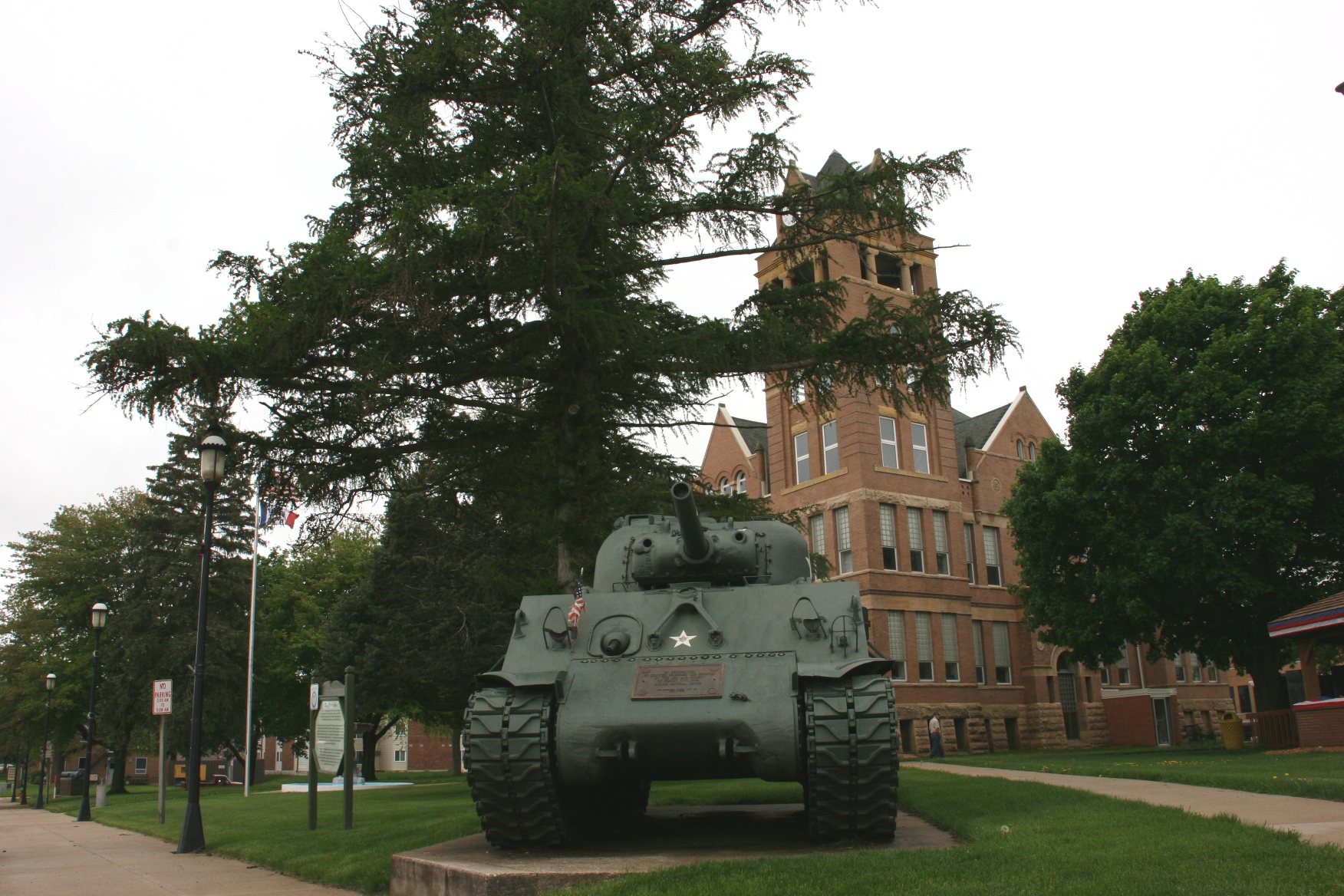
The vintage Sherman tank.

The vintage Sherman tank.

A Sherman tank anchors a corner of the block.

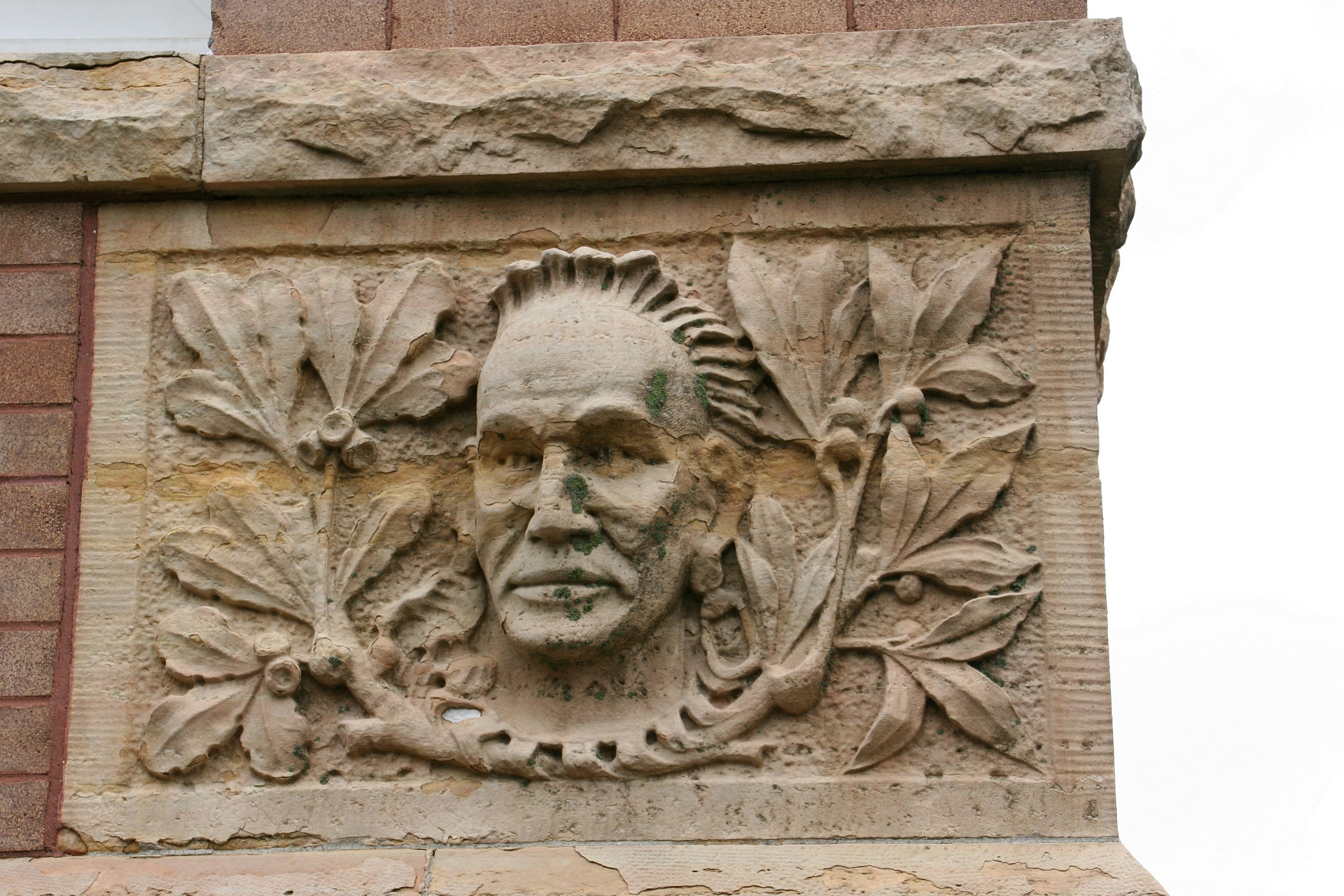
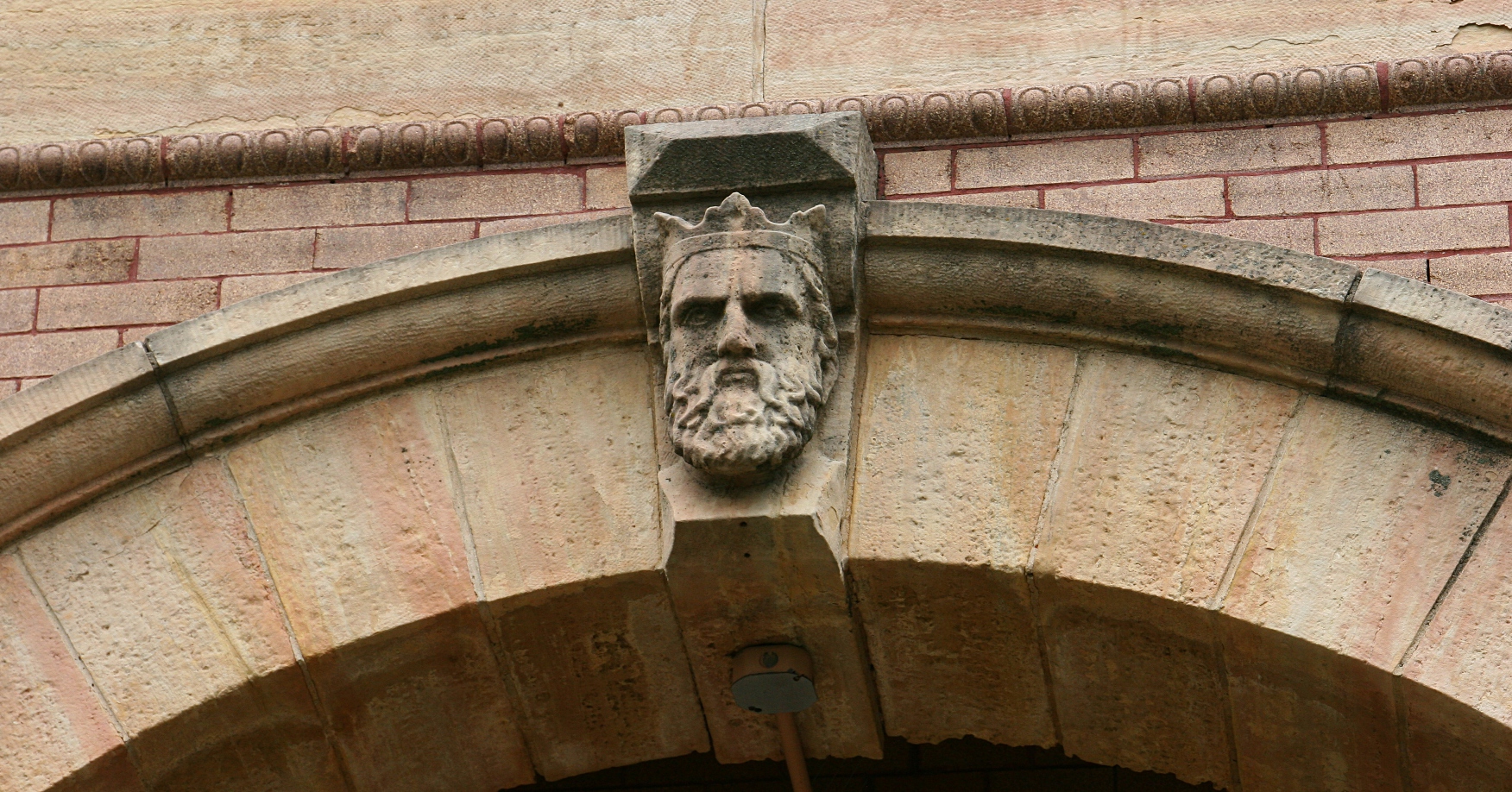
A sculpture on a corner of the courthouse.

A sculpture on a corner of the courthouse.

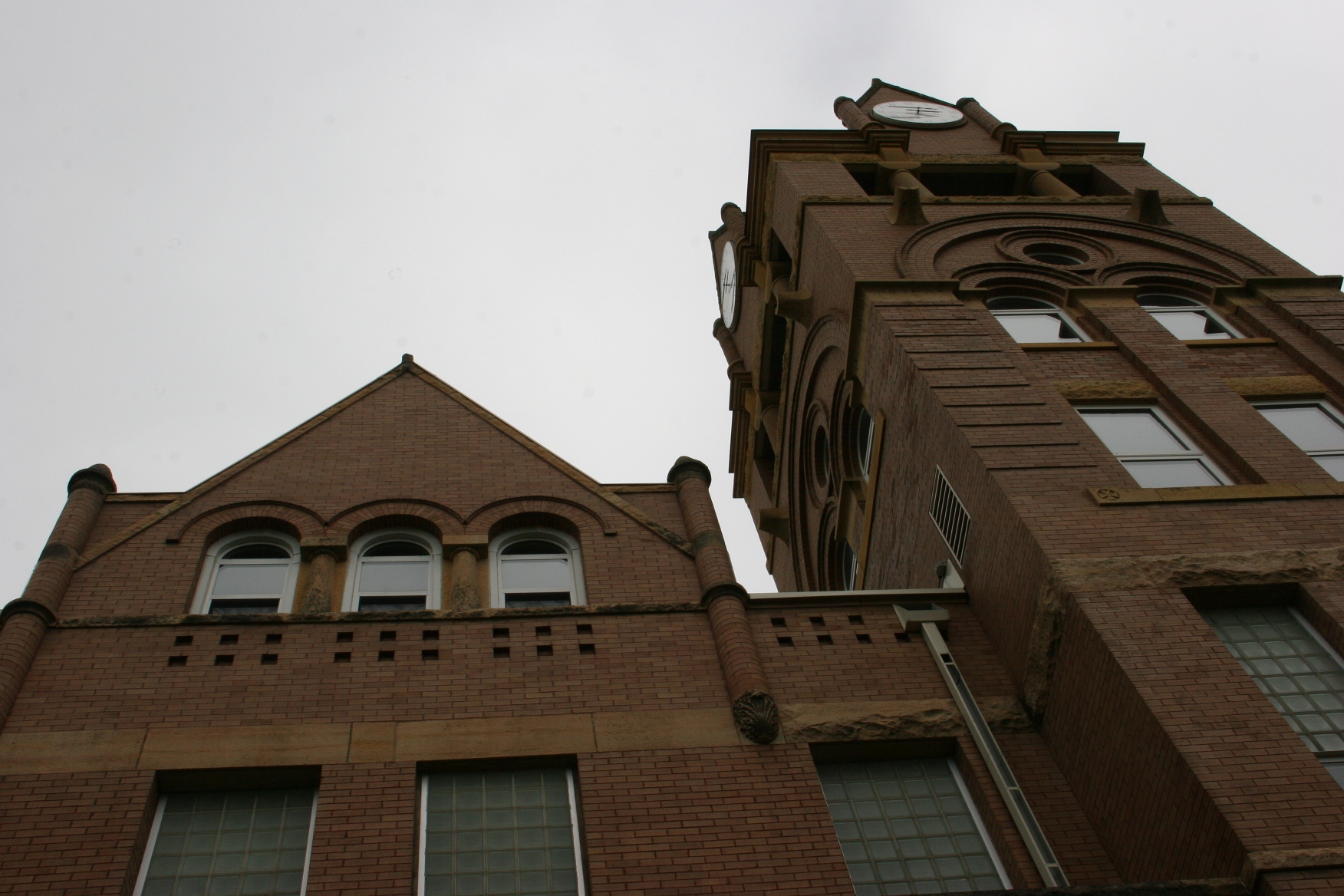
Aiming my camera up at the towering courthouse.

Aiming my camera up at the towering courthouse. Notice all that architectural detail.

Another courthouse sculpture.

Another courthouse sculpture.

The Union Soldier was constructed from zinc by J. L. Mott Iron Works of Trenton, New Jersey, at a cost of $155.

The Union Soldier was constructed from zinc by J. L. Mott Iron Works of Trenton, New Jersey, at a cost of $155. The monument was restored in 2005.

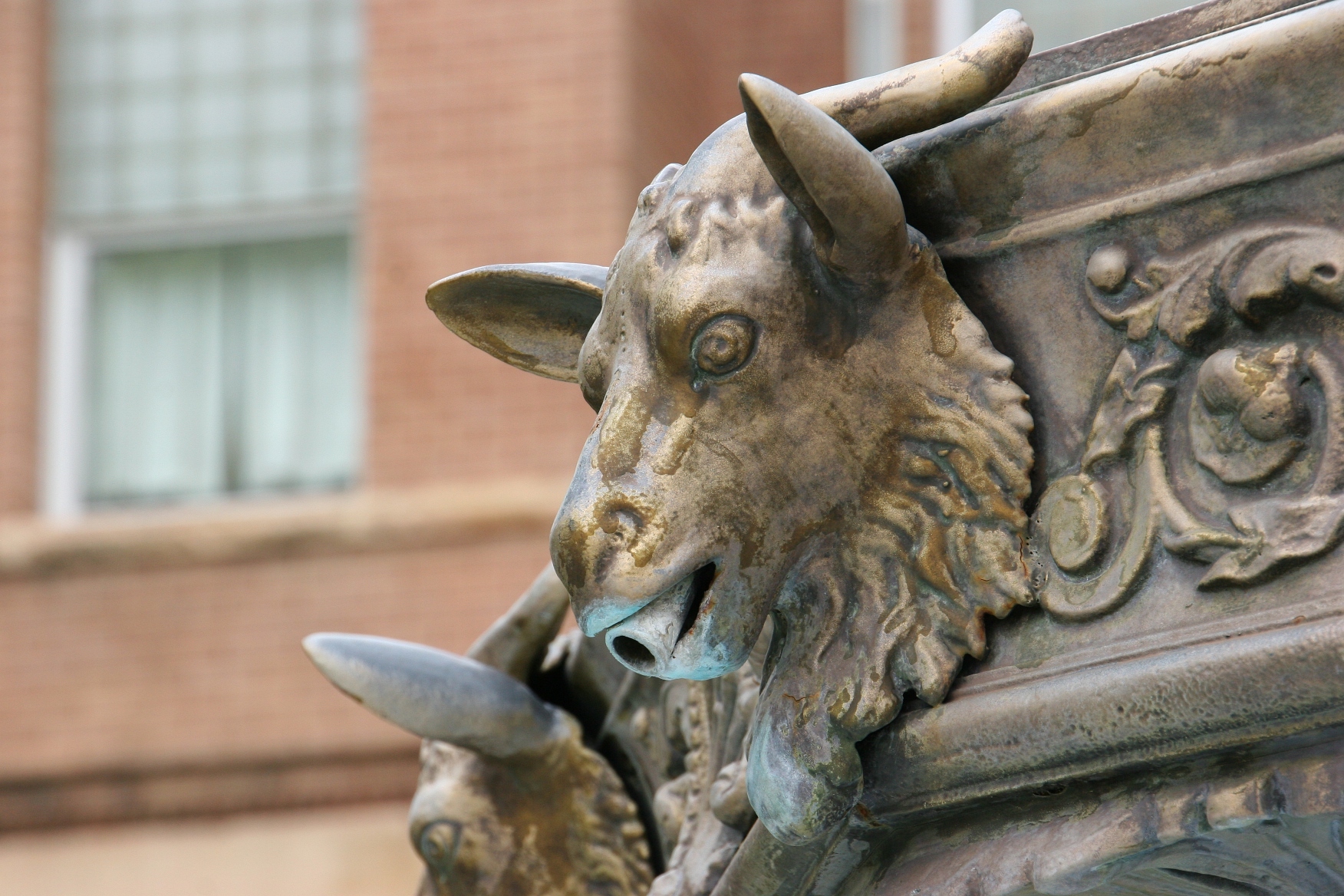
The fountain atop which the Union soldier stands was also built by J. L. Mott Iron Works. It is of French Victorian design. The goat head symbolizes strength and victory.

The fountain atop which the Union soldier stands was also built by J. L. Mott Iron Works. It is of French Victorian design. The goat heads symbolize strength and victory.

It was a lot to take in, to photograph. Artsy architectural details add visual interest to the fountain and courthouse, which is on the National Register of Historic Places. I only wished it had been a week day so I could have toured the courthouse interior.

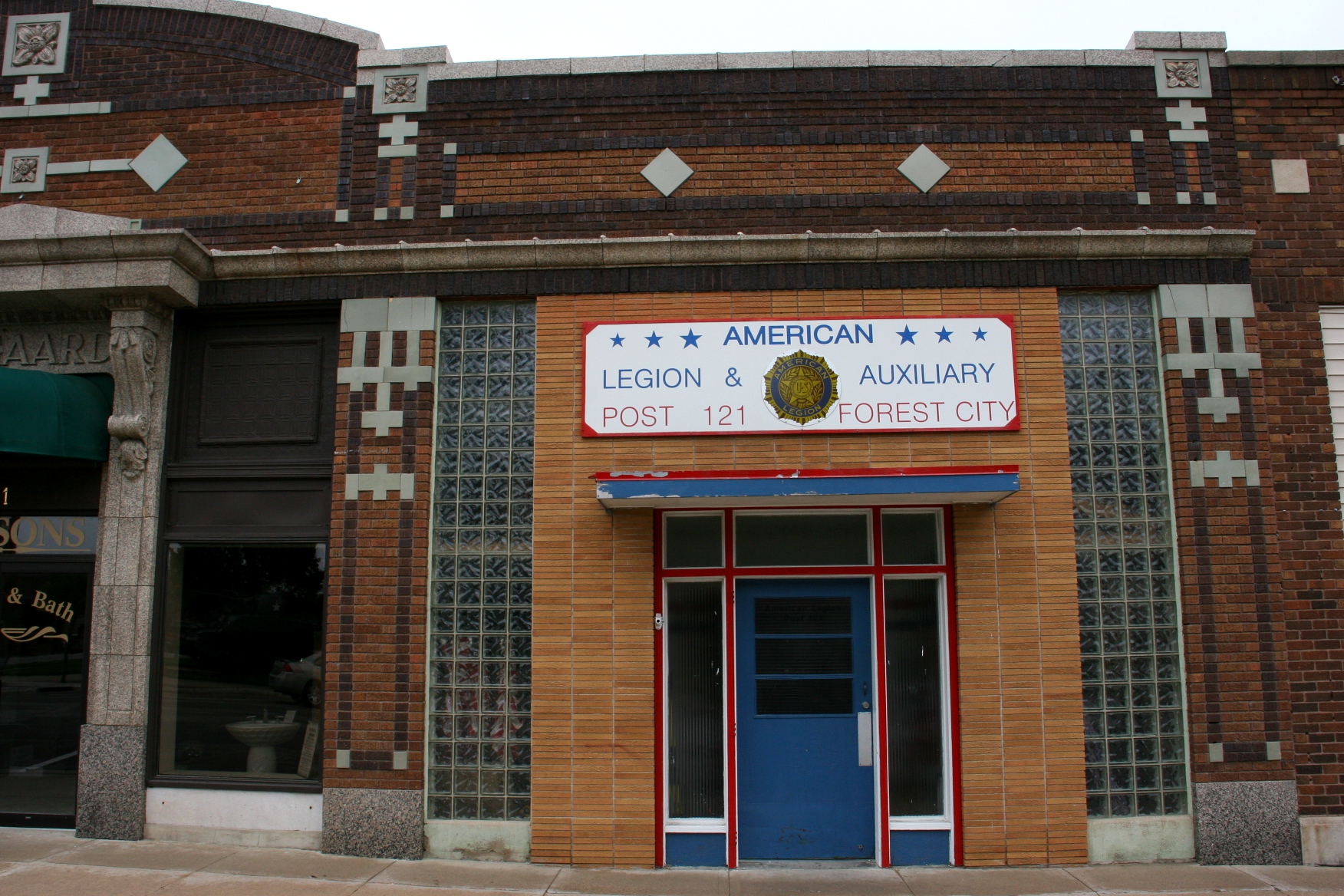
I appreciated the patriotic colors on The Legion.

I appreciated the patriotic colors on The Legion.

But, since I couldn’t get inside, I focused my camera on the exterior, all the while watched by two elderly men across the street near the Legion. I expect they were wondering about the couple in the car with Minnesota plates and the woman shooting pictures with a fancy camera. Perhaps I should have chatted it up with them. The likely could have told me a story or ten.

FYI: Click here to read my first, and then my second, blog post on other Forest City, Iowa, attractions.

© Copyright 2015 Audrey Kletscher Helbling
 

Touring Franconia Sculpture Park, Part II October 23, 2014

Filed under: Uncategorized — Audrey Kletscher Helbling @ 6:00 AM
Tags: , , , , , , ,

IF YOU’RE LIKE ME and grew up in a rural area with minimal access to the arts, you appreciate every affordable opportunity to experience art as an adult. For that reason, I often showcase the arts here.

I want you to be aware of the wonderful arts opportunities right in your own Minnesota backyard. To you readers who live elsewhere, I expect you will find local or regional artistic venues unknown to you or unexplored by your for whatever reason.

A snippet overview of Franconia shows "The Harris Project" by Ohio artist Araan Schmidt in the foreground.

A snippet overview of Franconia shows “The Harris Project” by Ohio artist Araan Schmidt in the foreground.

That brings us back to the Franconia Sculpture Park which, since its founding in 1996, has supported 735 national and international artists. Impressive. It offers an artist residency program. And to think I’ve never explored this 25-acre park with 100-plus oversized sculptures southwest of Taylors Falls until a few weeks ago.

But then again I’ve never been to the Minneapolis Sculpture Garden either and that’s been around since 1988 and its even closer to my home than Franconia. I really must tour the Minneapolis park sometime. It’s my lack of fondness for urban traffic and urban areas that’s kept me away.

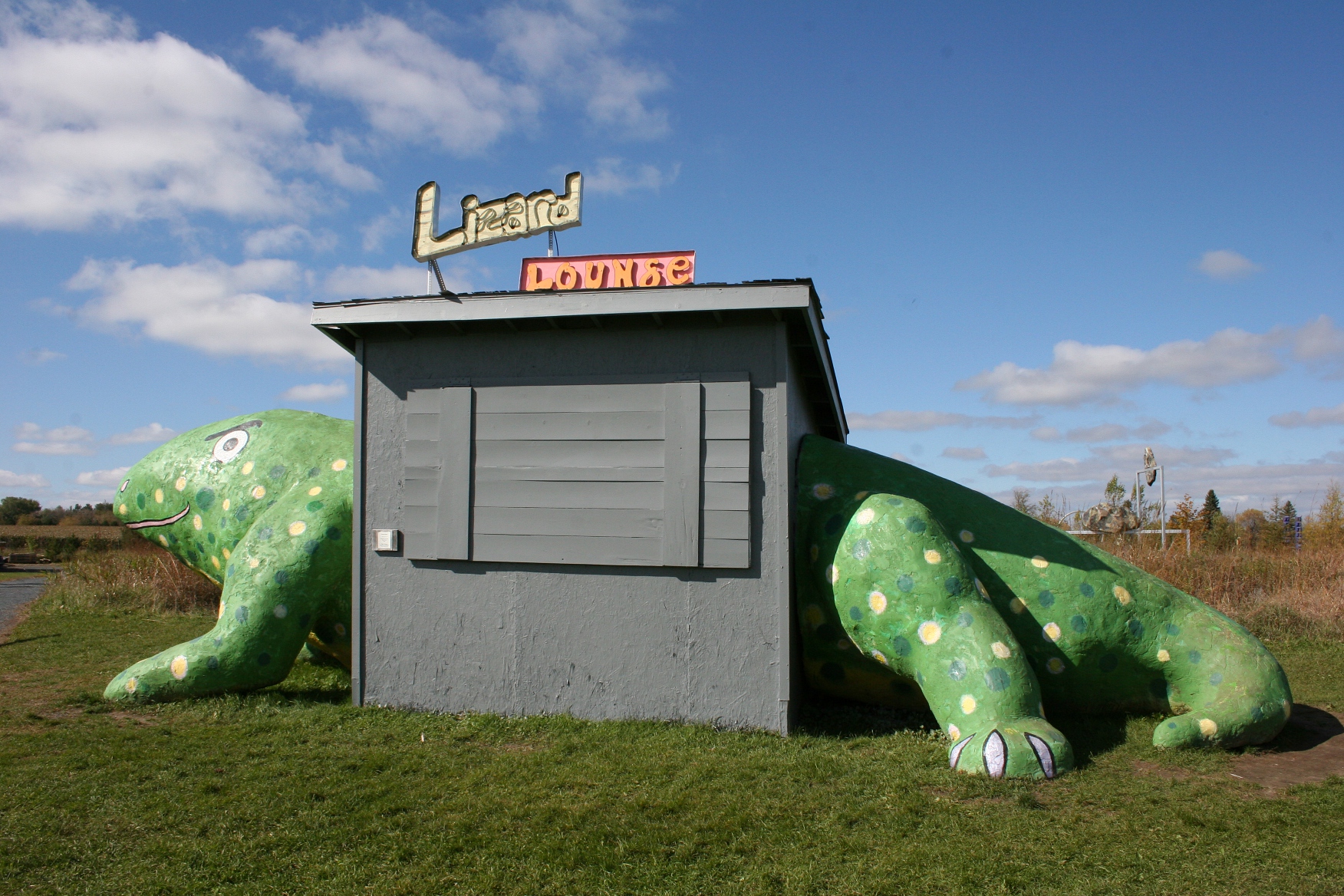
Minnesota artist Mary Johnson's "Lizard Lounge."

Minnesota artist Mary Johnson’s “Lizard Lounge.”

Give me rural any day, one of the reasons I appreciate Franconia so much. It’s located in Franconia Township, which nestles the St. Croix River. The park runs flat and open and stands next to farm fields.

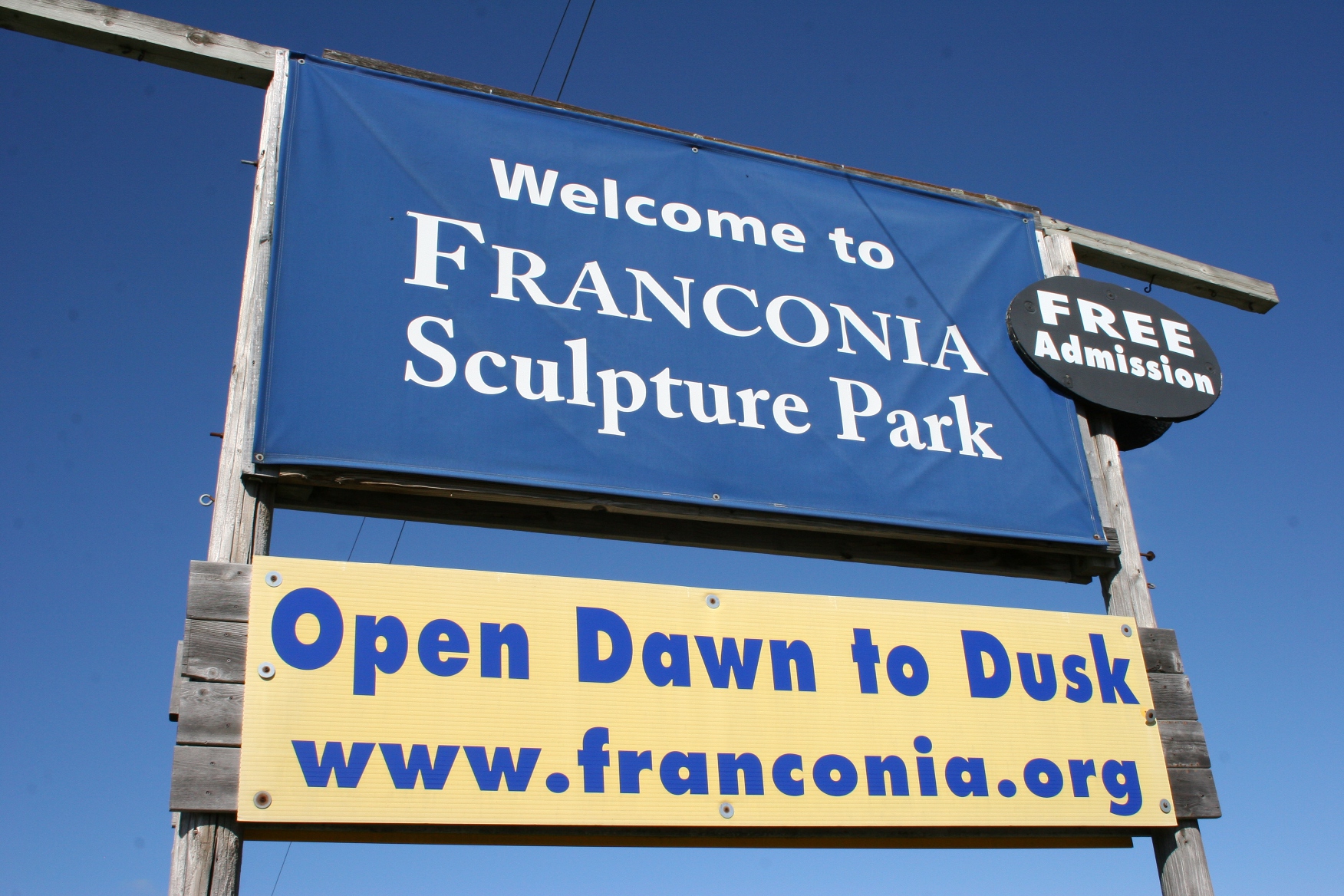
With these hours, there's ample opportunity to tour Franconia.

With these hours, there’s ample opportunity to tour Franconia.

Yesterday I offered you a photo tour glimpse of Franconia, which is open dawn to dusk every day. Here’s one more peek at the art you’ll find there.

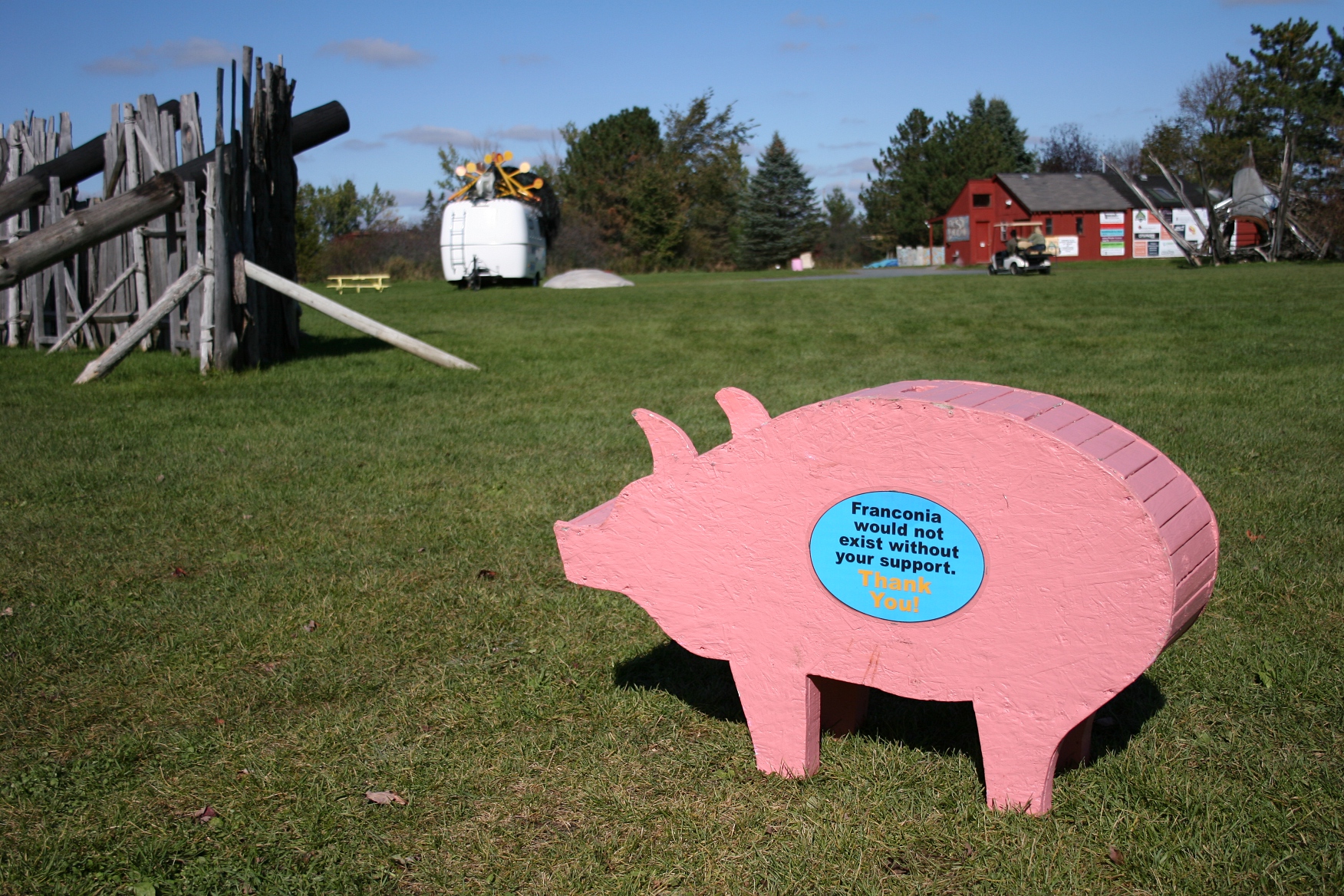
Donations are encouraged to support the park.

Donations are encouraged to support the park.

Admission is free, although donations are encouraged.

ONWARD, INTO THE TOUR:

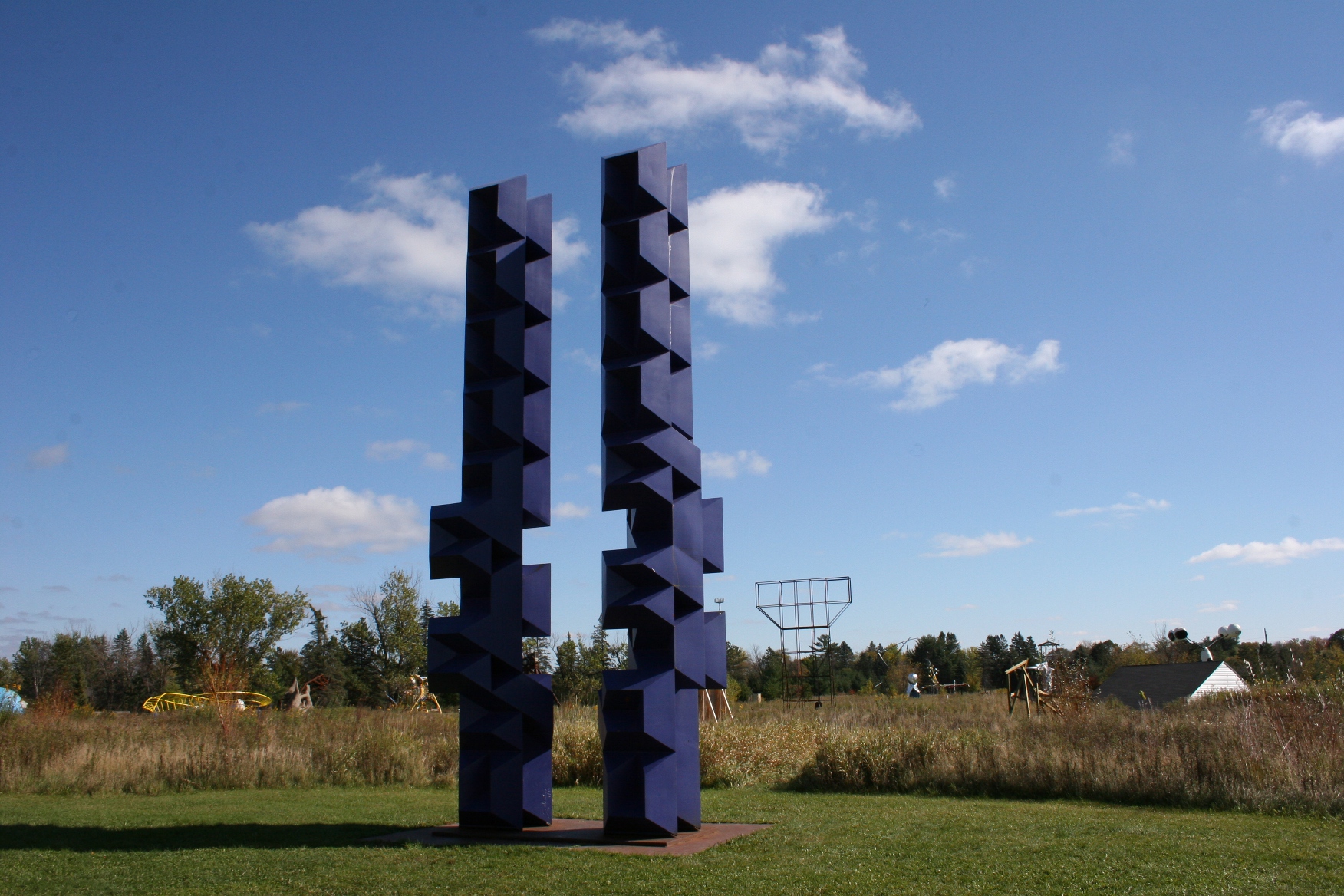
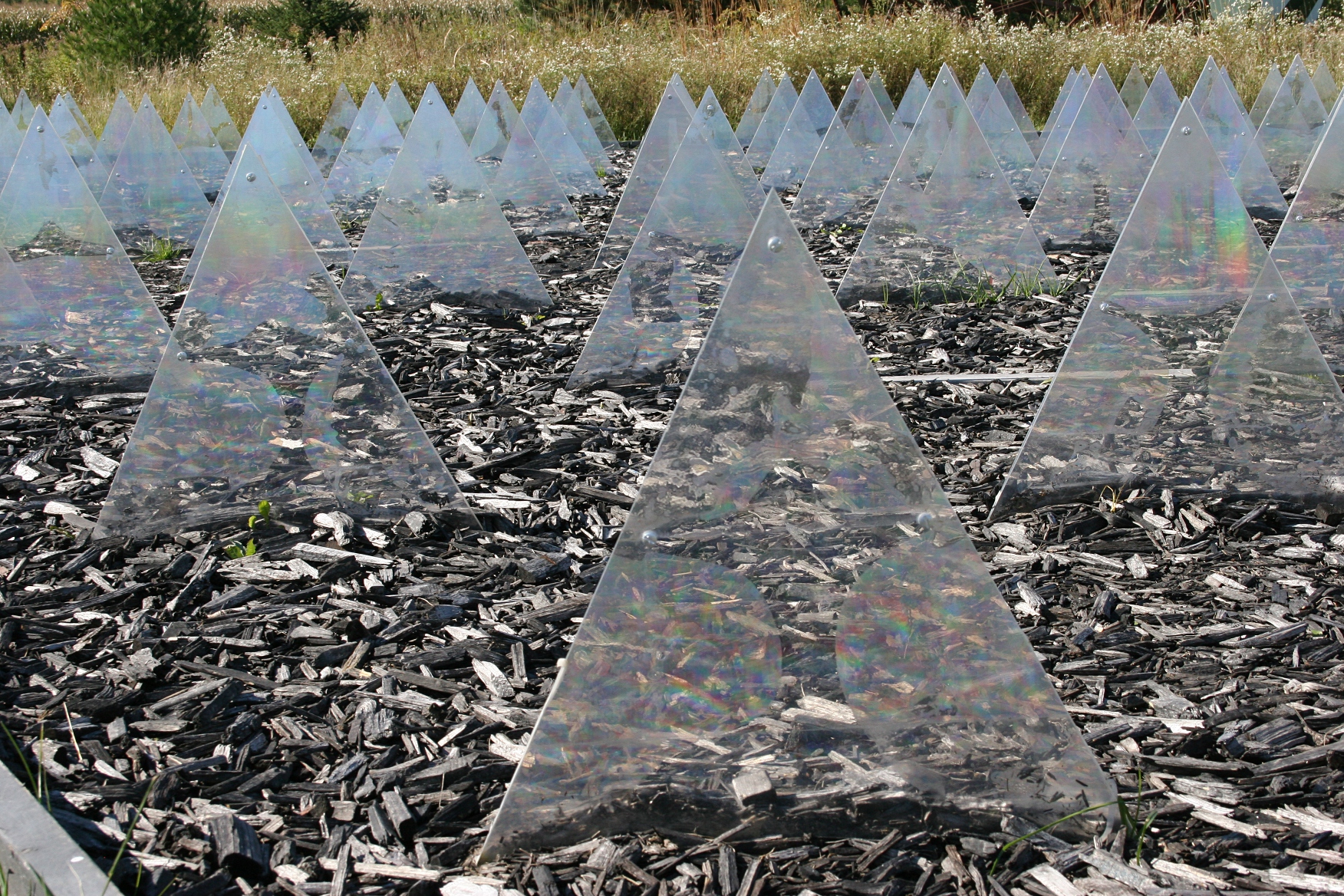
It's interesting to study the light reflecting on these triangles. New York City artist Ryan W. Turley created this sculpture which he calls "Spectacle."

It’s interesting to study the light reflecting on these triangles. New York City artist Ryan W. Turley created this sculpture which he calls “Spectacle.”

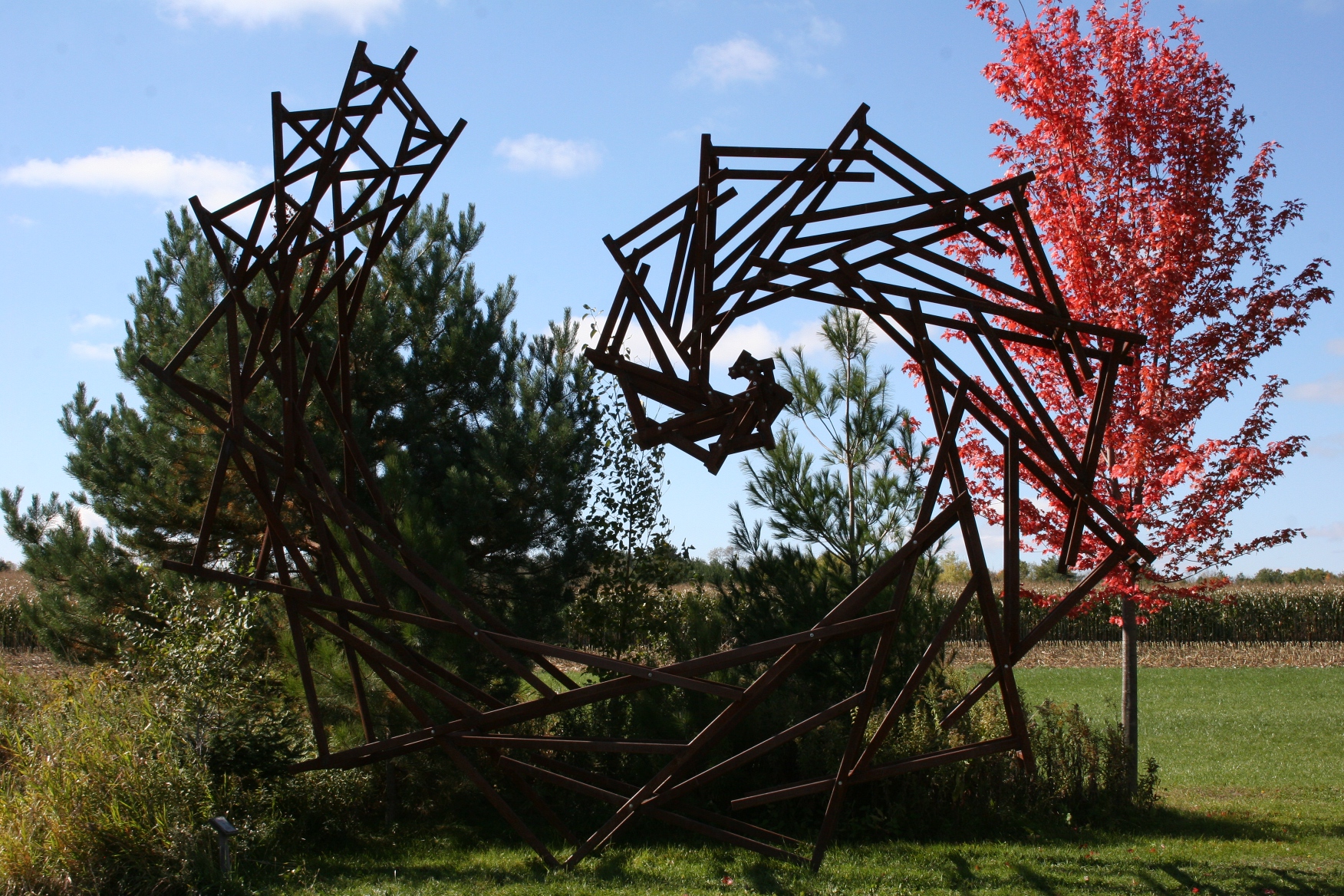
There's something about the bend of this sculpture and its positioning that drew my eye.

There’s something about the bend of this sculpture and its positioning that drew my eye. And, yes, that’s a cornfield in the background.

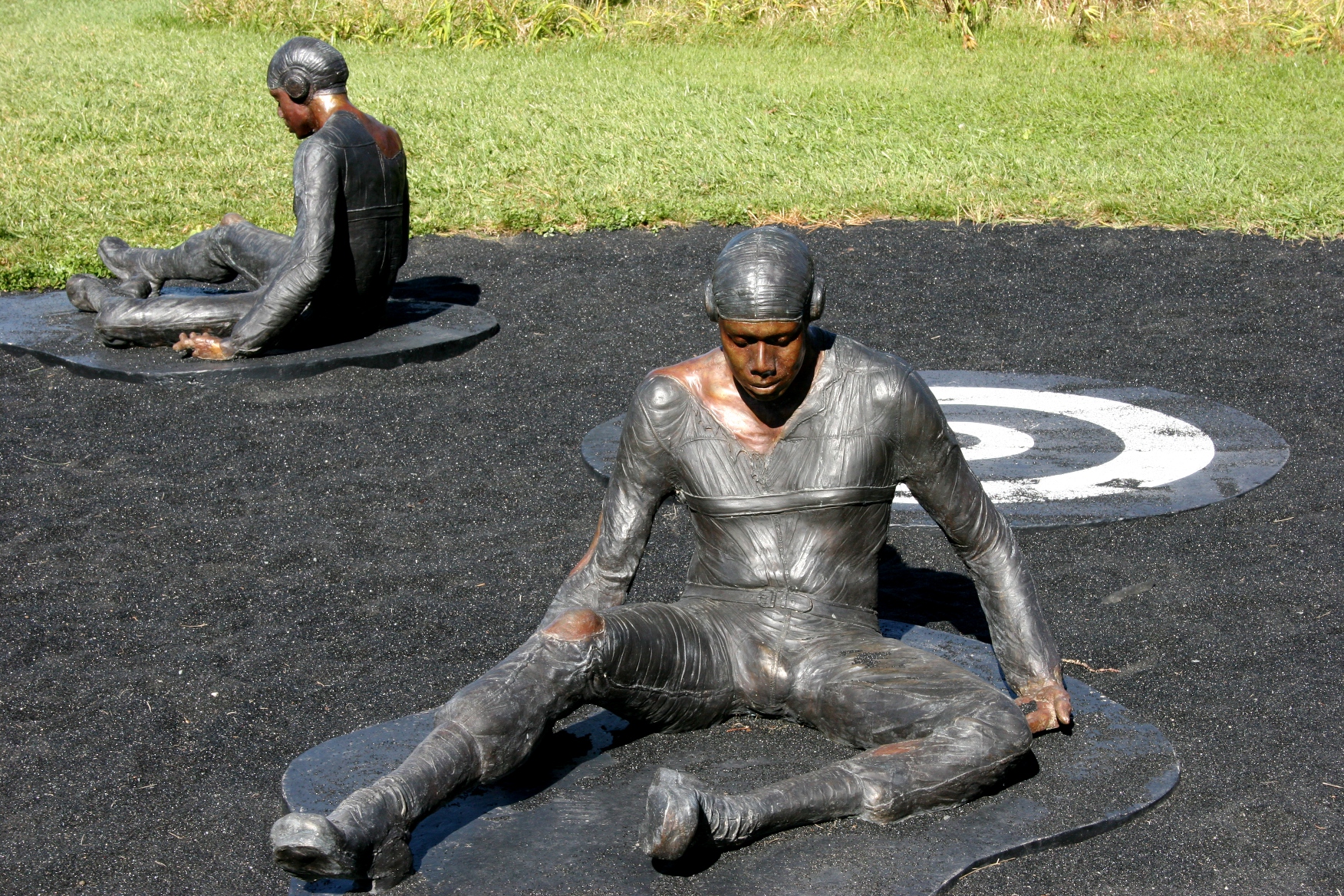
There are a few, what one would consider, more traditional sculptures like this one.

There are a few, what one would consider, more traditional sculptures like this haunting one.

Art in progress.

Art in progress.

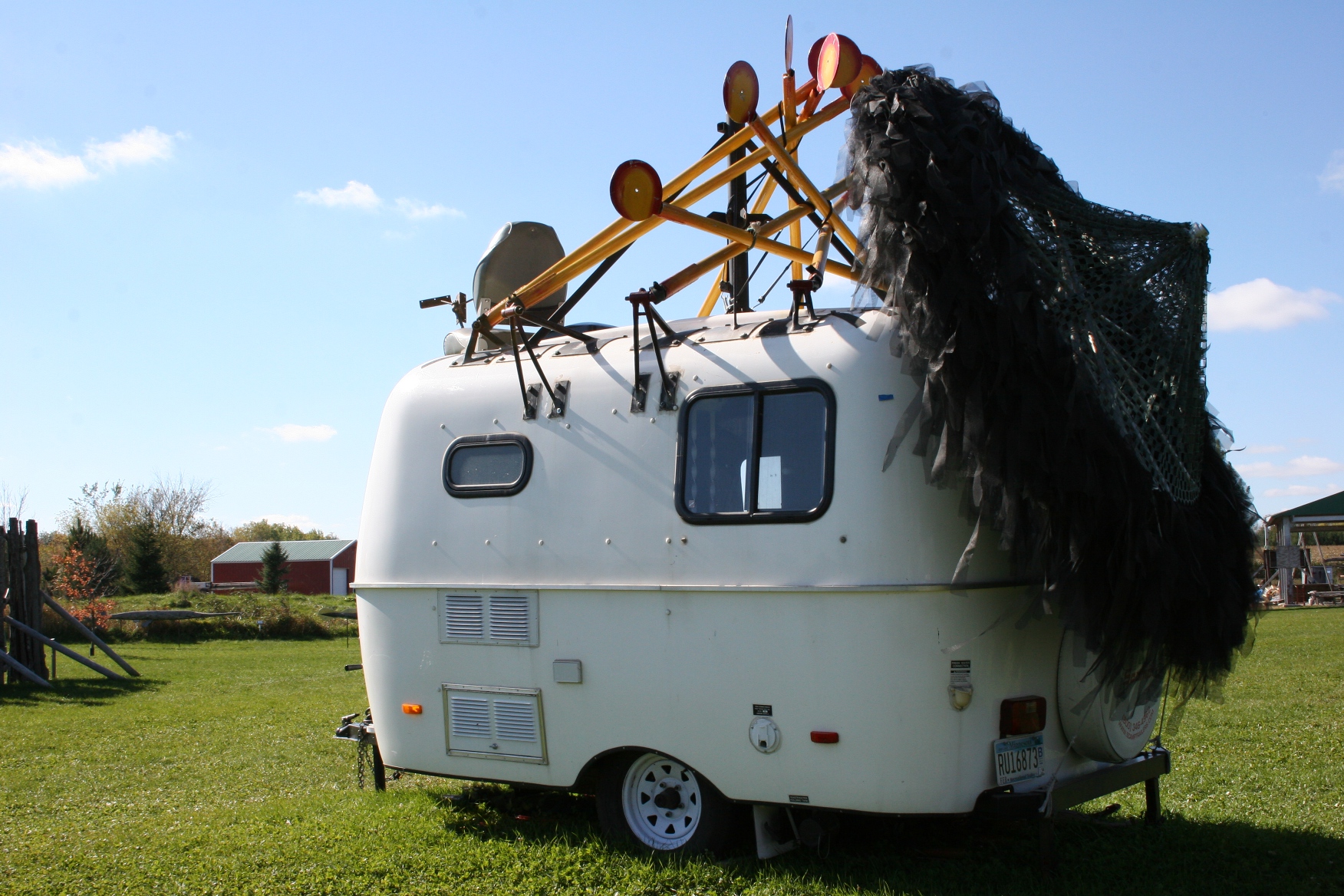
I couldn't figure out if this was art or the home of a resident artist or both.

I couldn’t figure out if this was art or the home of a resident artist or both.

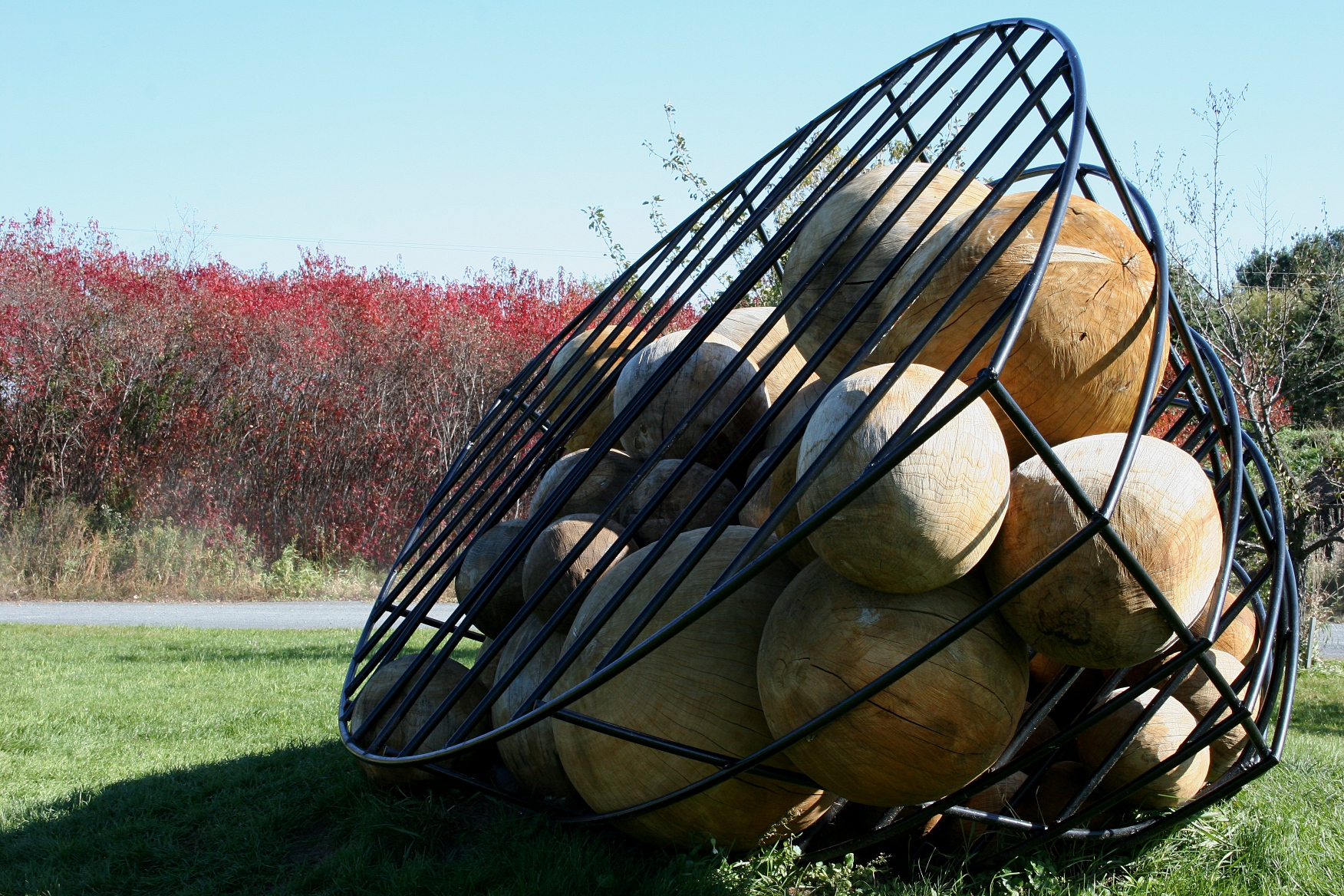
Maryland artist James R. Long calls his sculpture "Vessel with Orbs." To me it looks like BINGO balls minus the numbers and letters.

Maryland artist James R. Long calls his sculpture “Vessel with Orbs.” To me it looks like BINGO balls minus the numbers and letters.

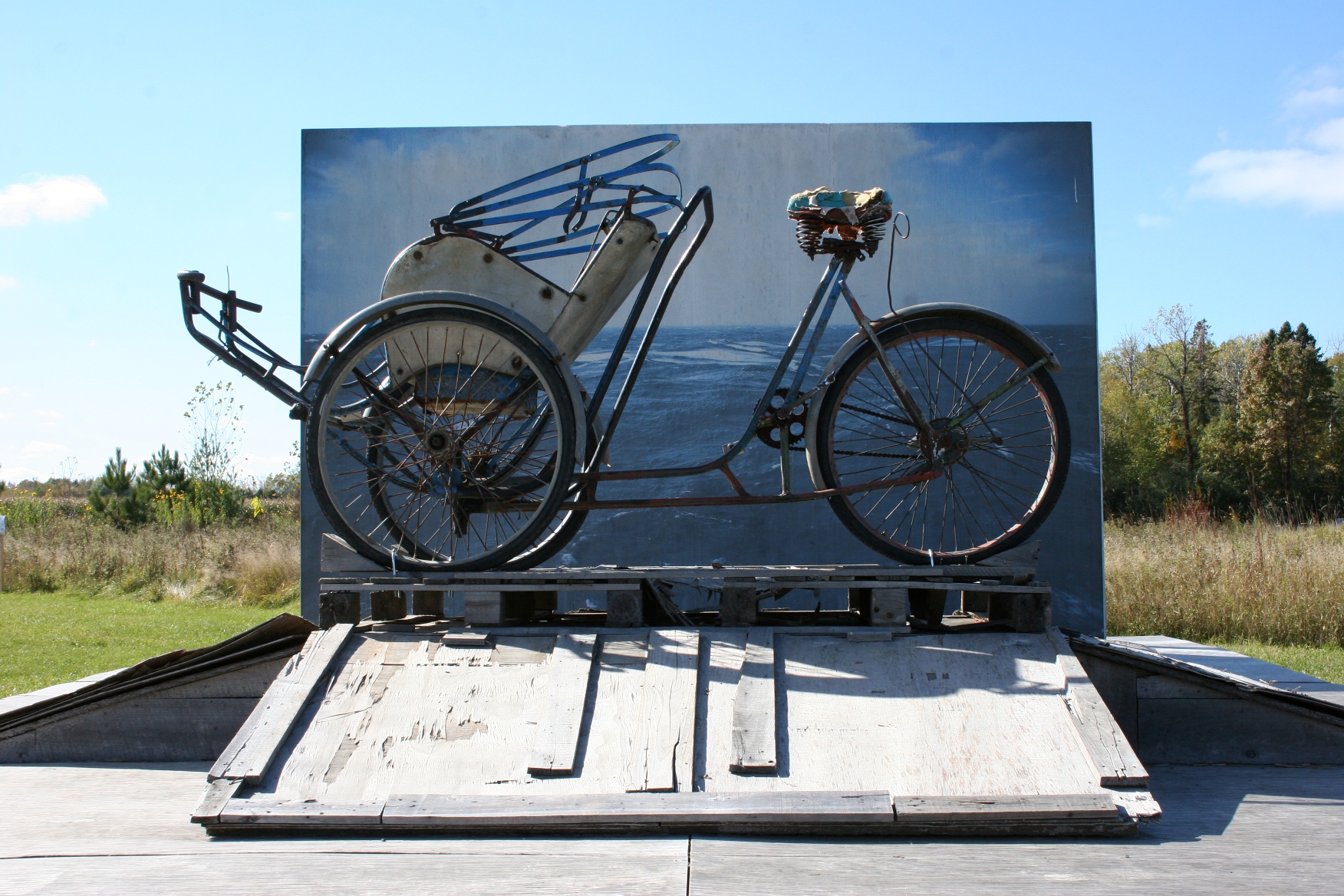
I really liked this sculpture

My impression of this sculpture: escape.

CLICK HERE TO READ my first post about Franconia Sculpture Park.

© Copyright 2014 Audrey Kletscher Helbling
 

Franconia, up close: A visit to a rural Minnesota sculpture park October 22, 2014

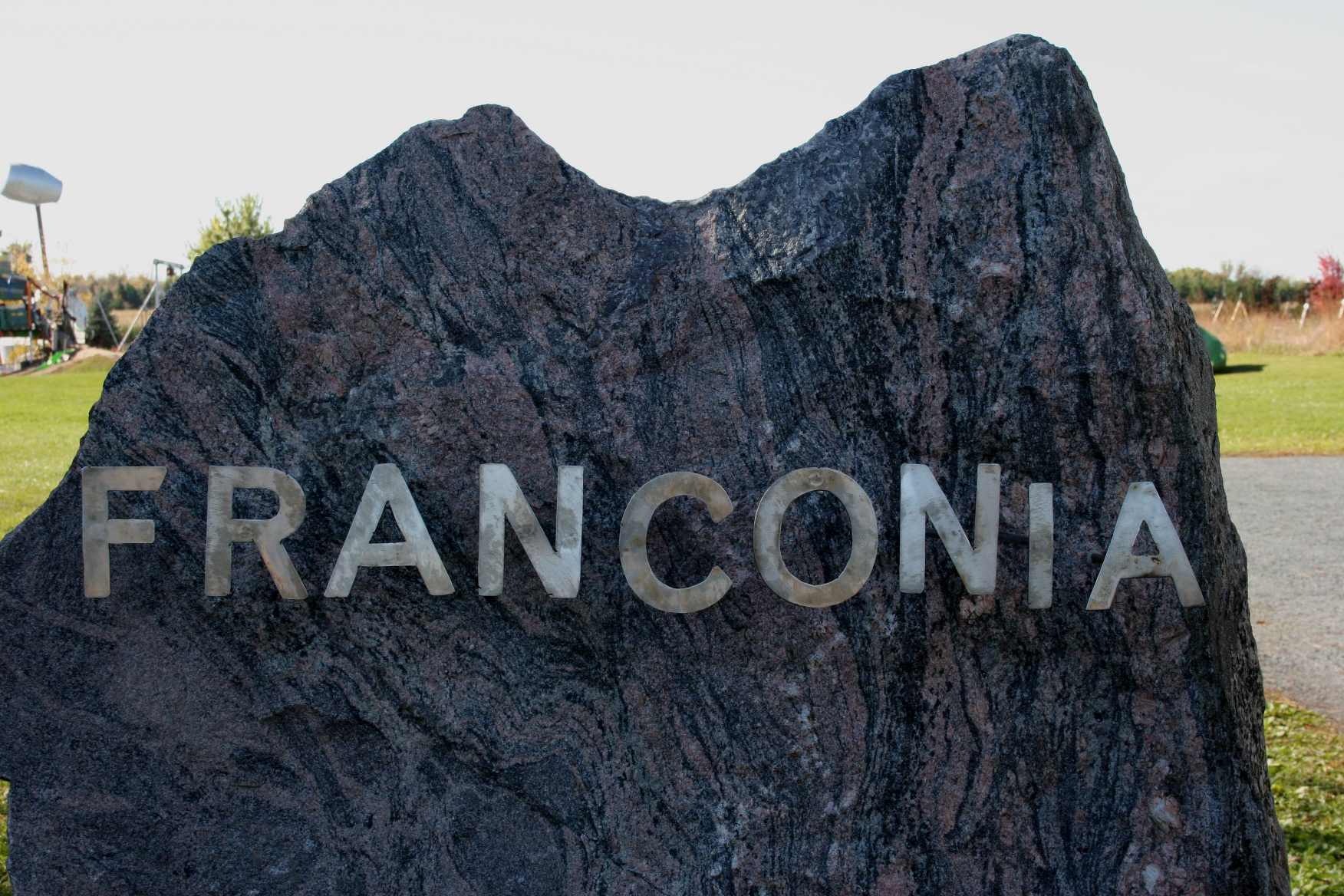
Welcome to Fraconia Sculpture Park.

Welcome to Franconia Sculpture Park.

EXPLAINING THE 25-ACRE Franconia Sculpture Park in rural Shafer, Minnesota, eludes a succinct definition.

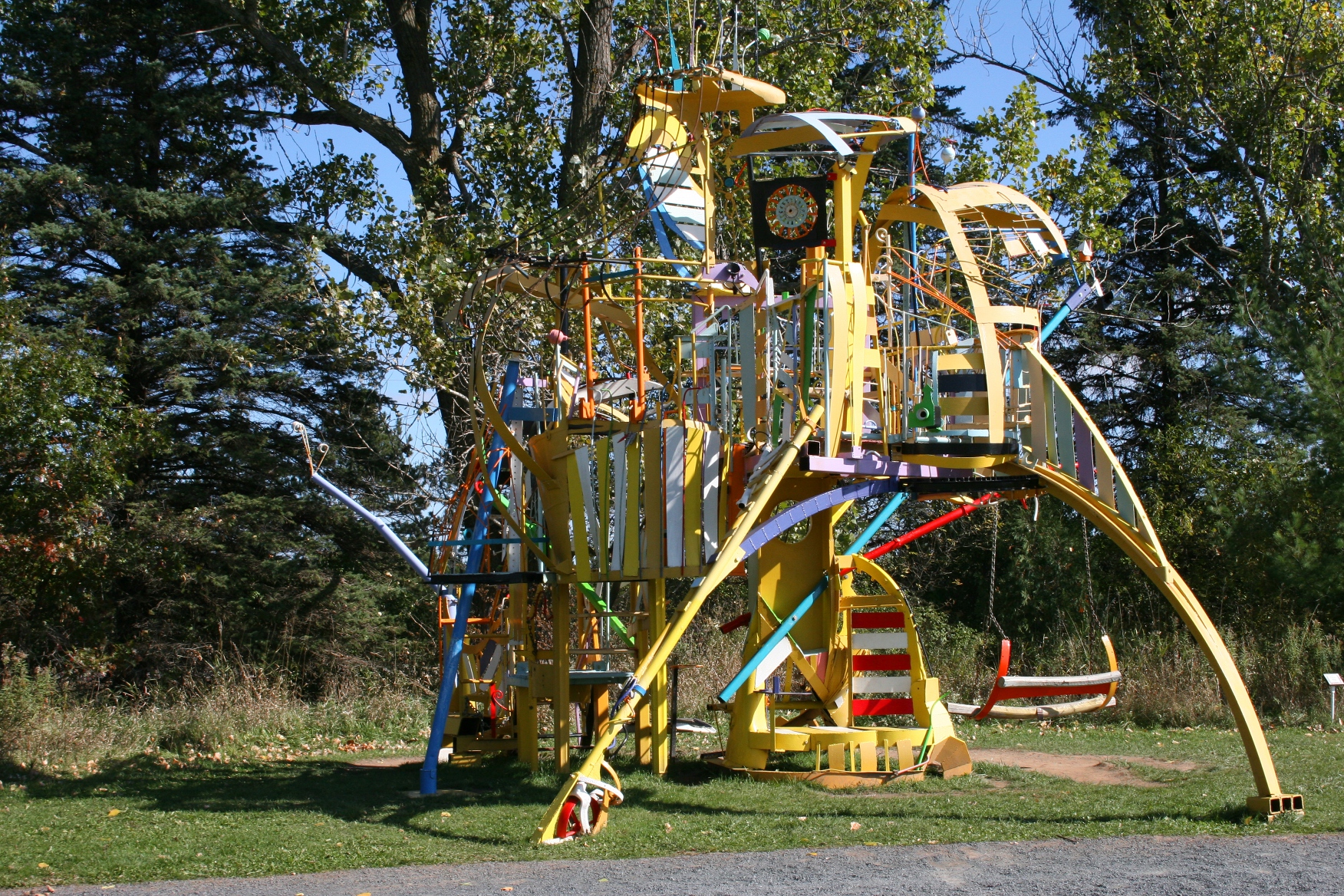
Some of the pieces invite interaction and play.

Some of the pieces invite interaction and play.

This place, just west of Taylors Falls off U.S. Highway 8 where State Highway 95 turns south in Franconia Township, seems a playground for the imagination. For here you will find 105 oversized sculptures and others in progress that are mostly abstract and open to interpretation.

An overview of a section of the park shows its size and scale.

An overview of a section of the park shows its size and scale.

And isn’t that part of what defines art, the perspective the viewer brings to the piece?

How we view art is rooted deep in our experiences.

How we view art is rooted deep in our experiences.

I won’t pretend to bring any studied art knowledge to this mini photo tour of Franconia. I bring only my background, my life experiences, my interpretation and a deep appreciation for the creative process. For whether we create with words or paint, metal or wood, or any other material, the reason for creating remains rooted in passion and the need to express one’s self.

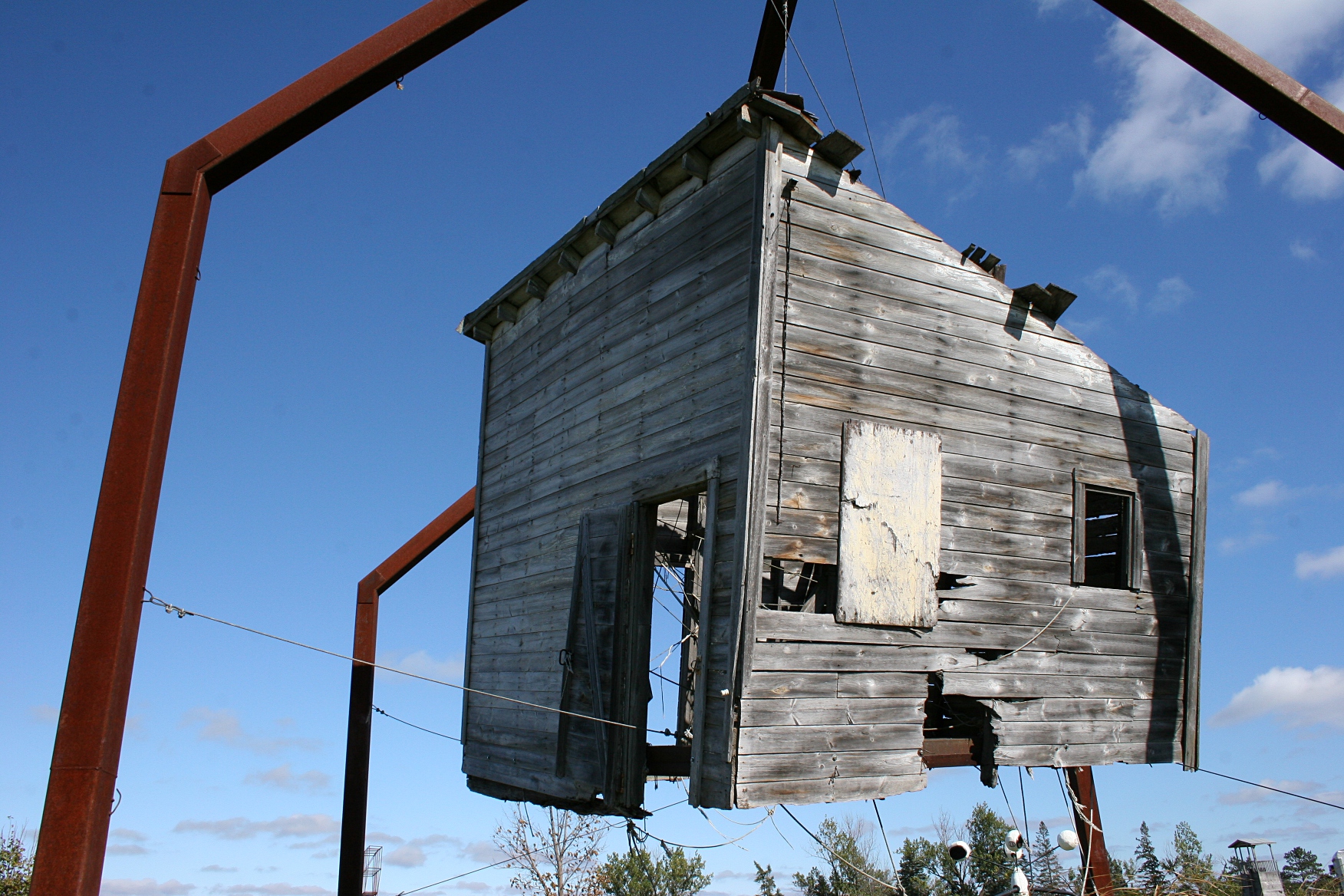
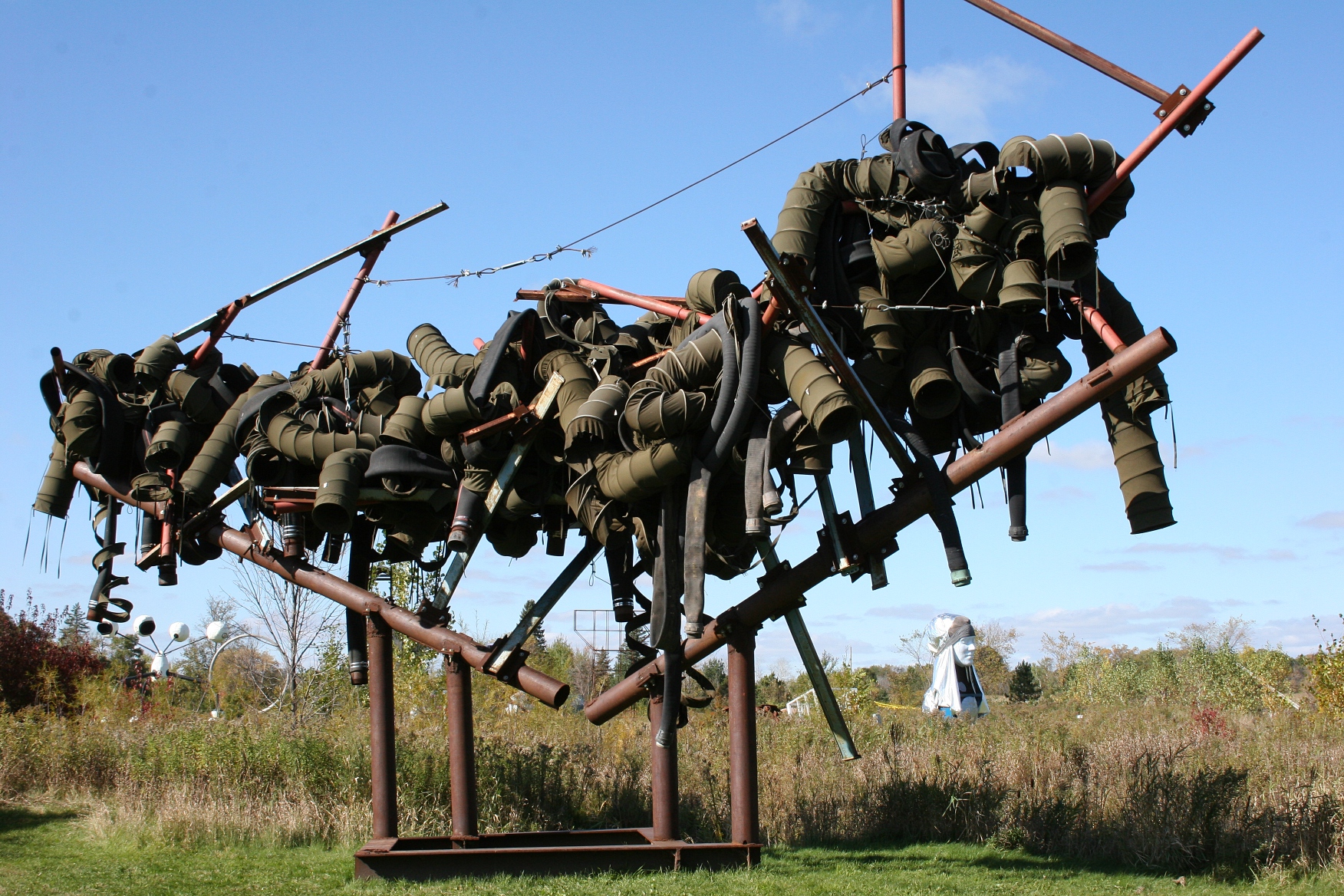
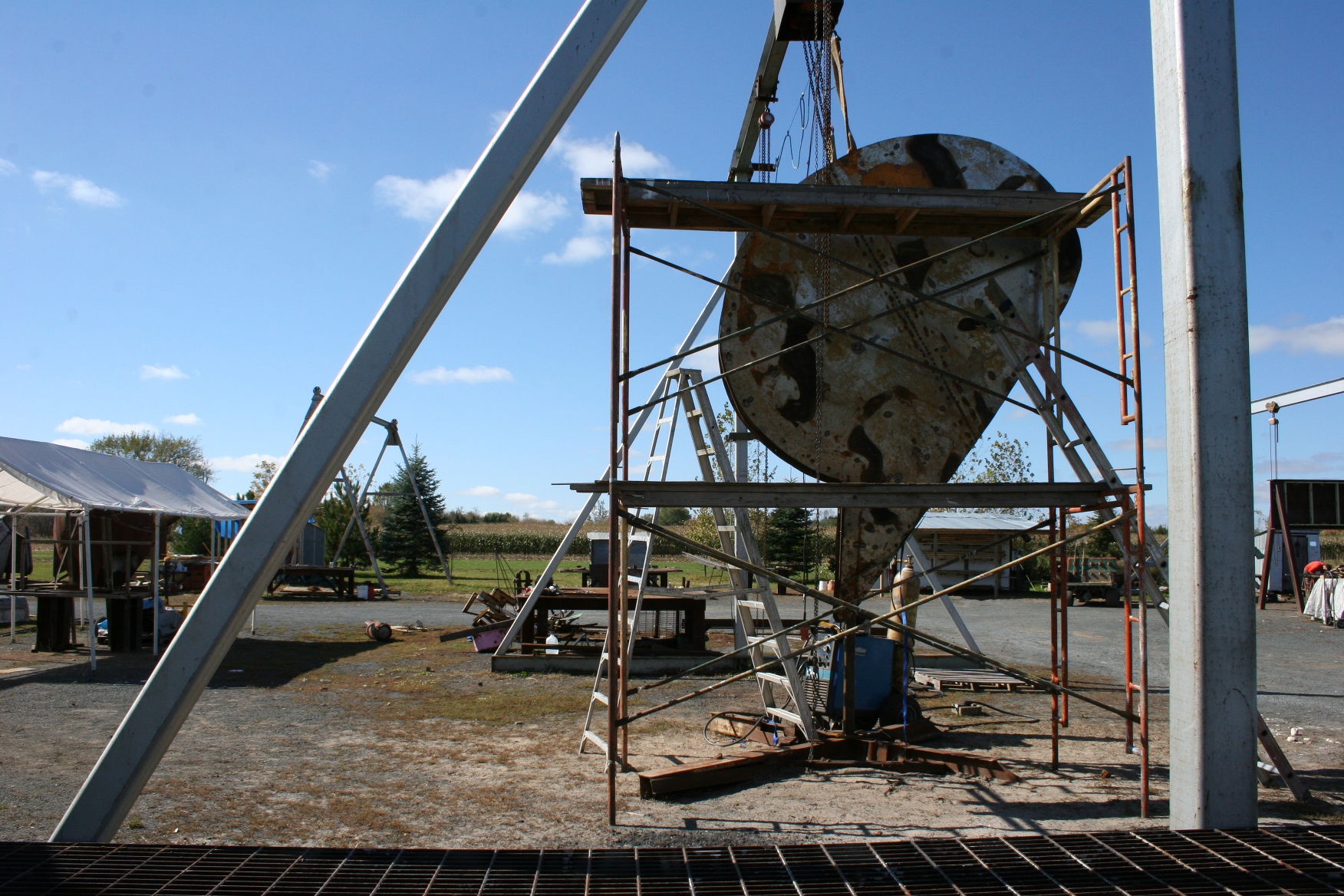
This suspended sculpture by Minnesota artist Melanie VanHouten is titled "Reclamation." All I could think were Dorothy and "you're not in Kansas anymore" and tornadoes and "The Wizard of Oz."

This suspended sculpture by Minnesota artist Melanie VanHouten is titled “Reclamation.” All I could think were Dorothy and “you’re not in Kansas anymore” and tornadoes and “The Wizard of Oz.”

Franconia is worth a visit, whether to immerse yourself or for a quick study of art worked from mostly found/repurposed objects. I especially appreciate that aspect of this sculpture park.

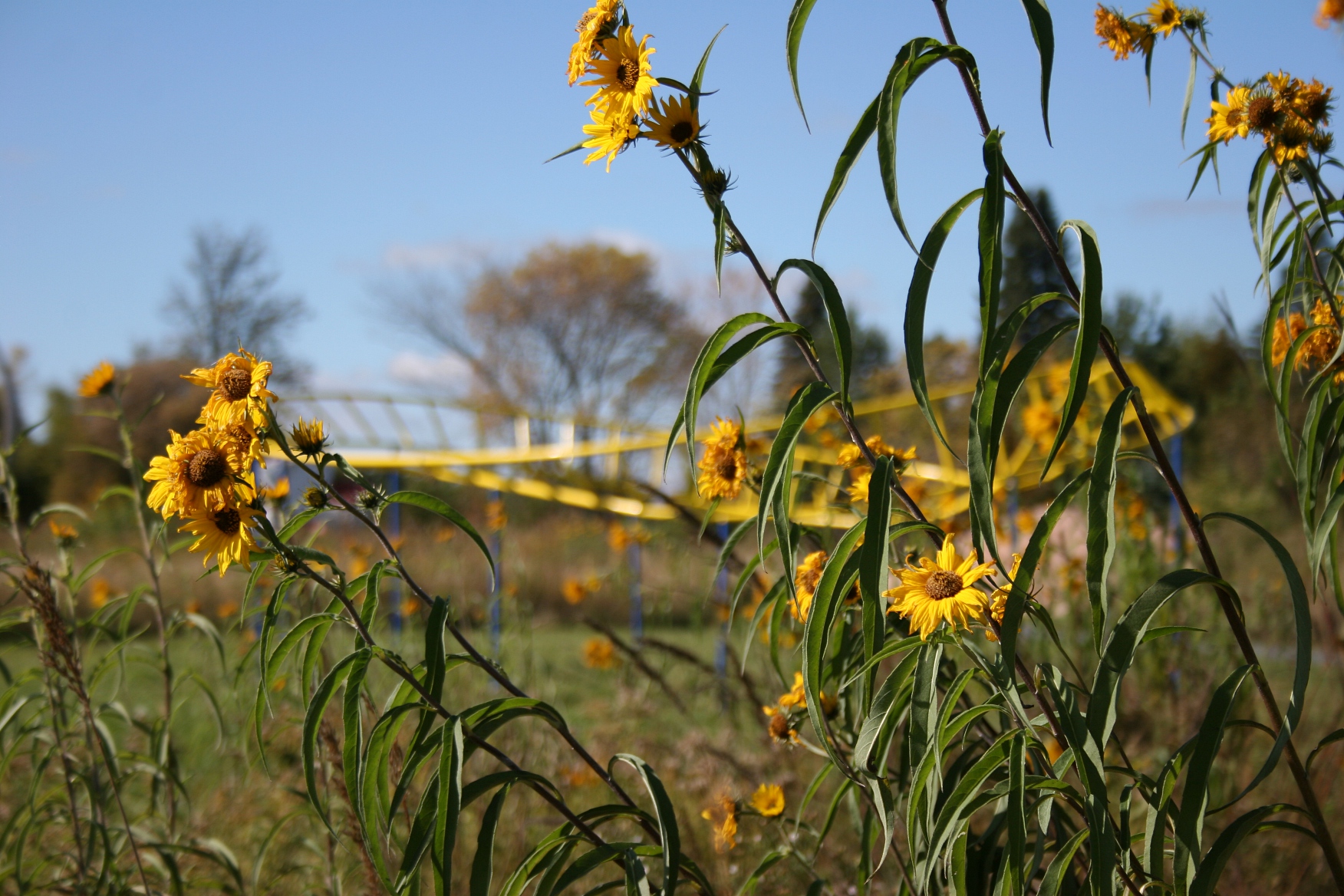
I noticed how the trailside flowers mimicked a sculpture behind them.

I noticed how the trailside flowers mimic a sculpture behind them.

It’s a vast, wide open rural space that anchors these sculptures and hosts resident artists. Allow plenty of time to meander the many trails that wind among the sculptures. And, if it’s a cold and windy day, clamp a cap upon your head. You’ll need it.

SELECTED PHOTOS from my tour of Franconia, with more to come in a second post:

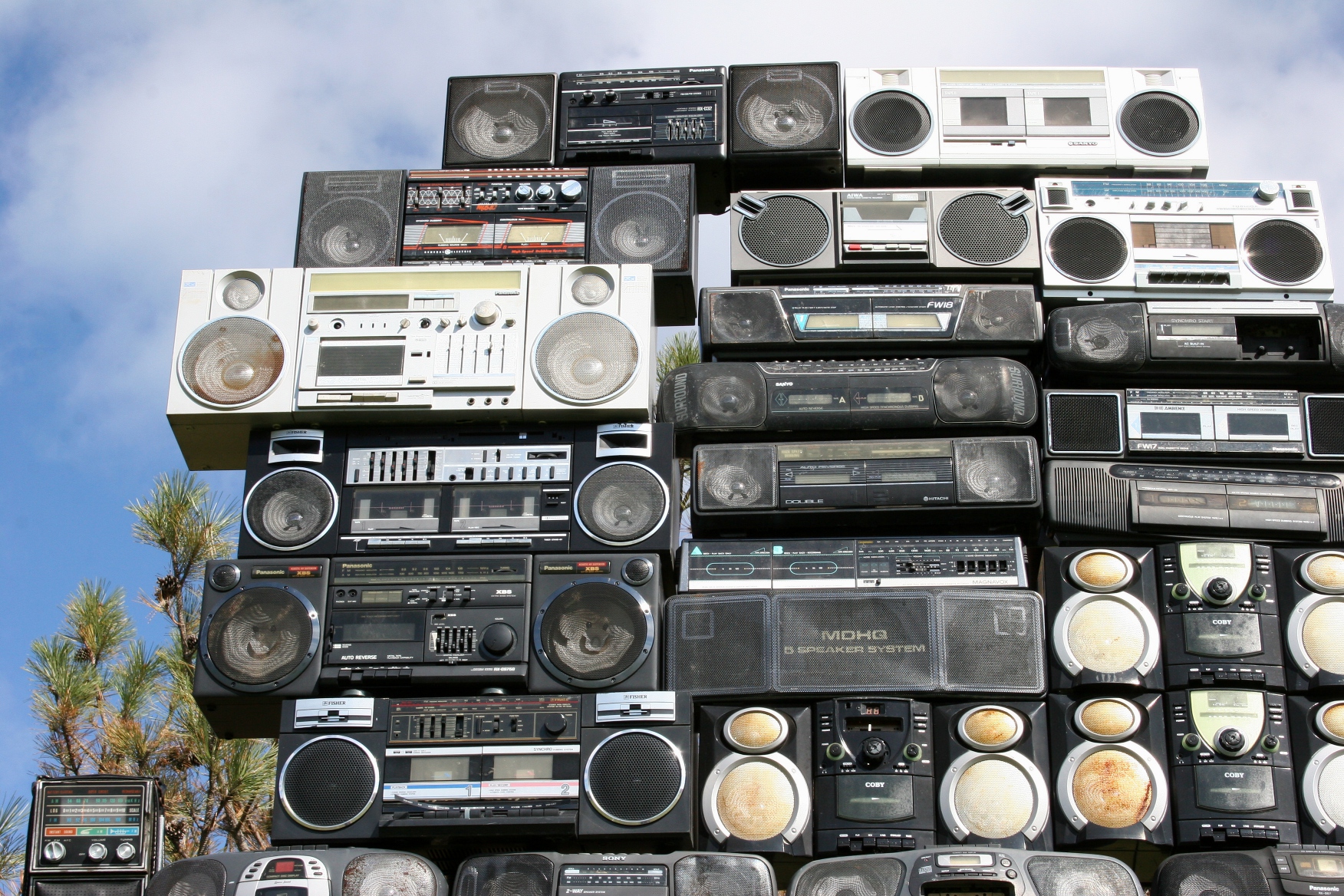
Bayete Ross Smith of New York City created "God the Power: Minnesota," a towering stack of boomboxes. Remember these?

Bayete Ross Smith of New York City created “Got the Power: Minnesota,” a towering stack of boomboxes.

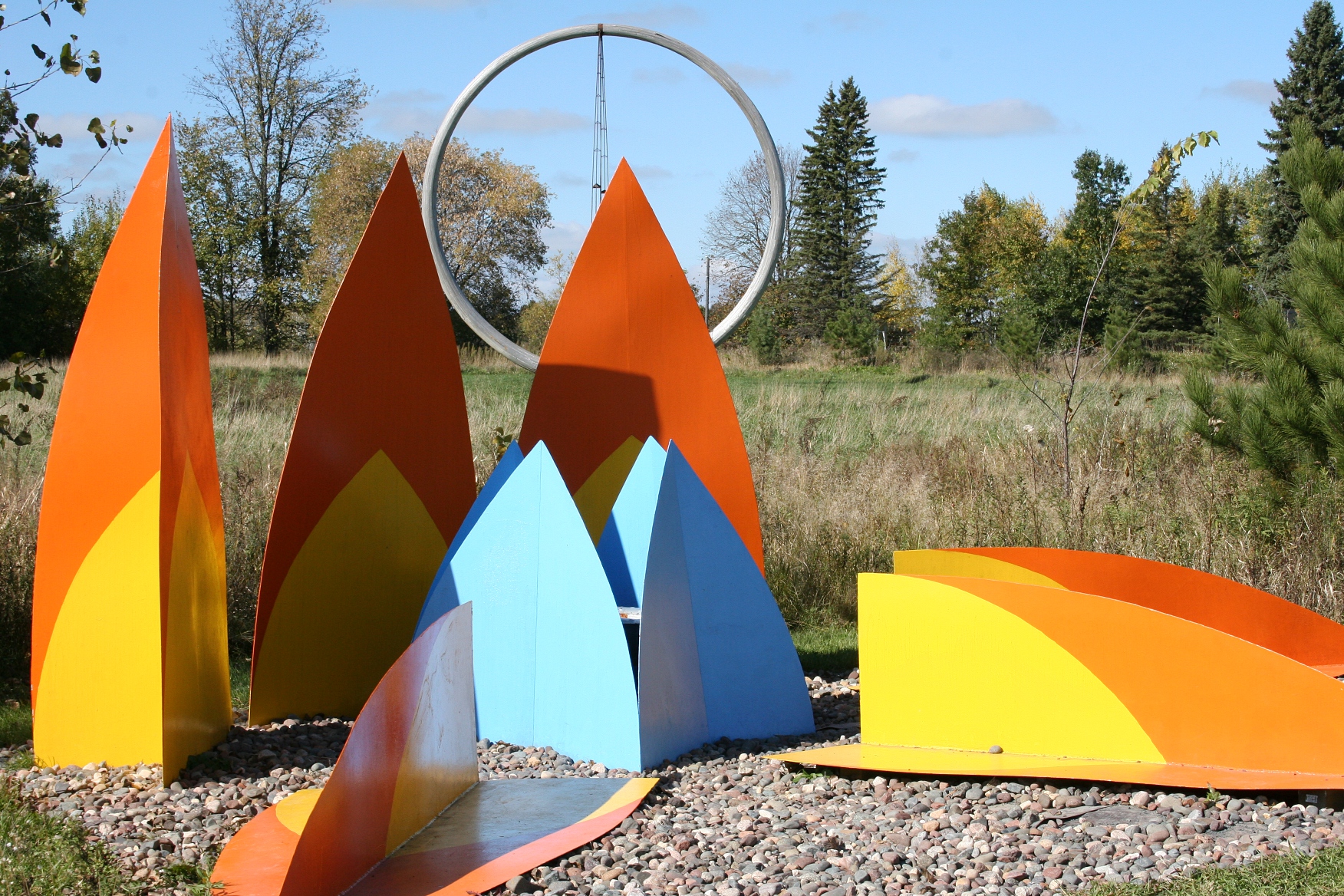
These remind me of broken surfboards. They certainly inject a jolt of color into the park.

These remind me of broken surfboards. They certainly inject a jolt of color into the park. The circle is part of another sculpture in the background.

A somewhat more traditional sculpture.

A somewhat more traditional sculpture.

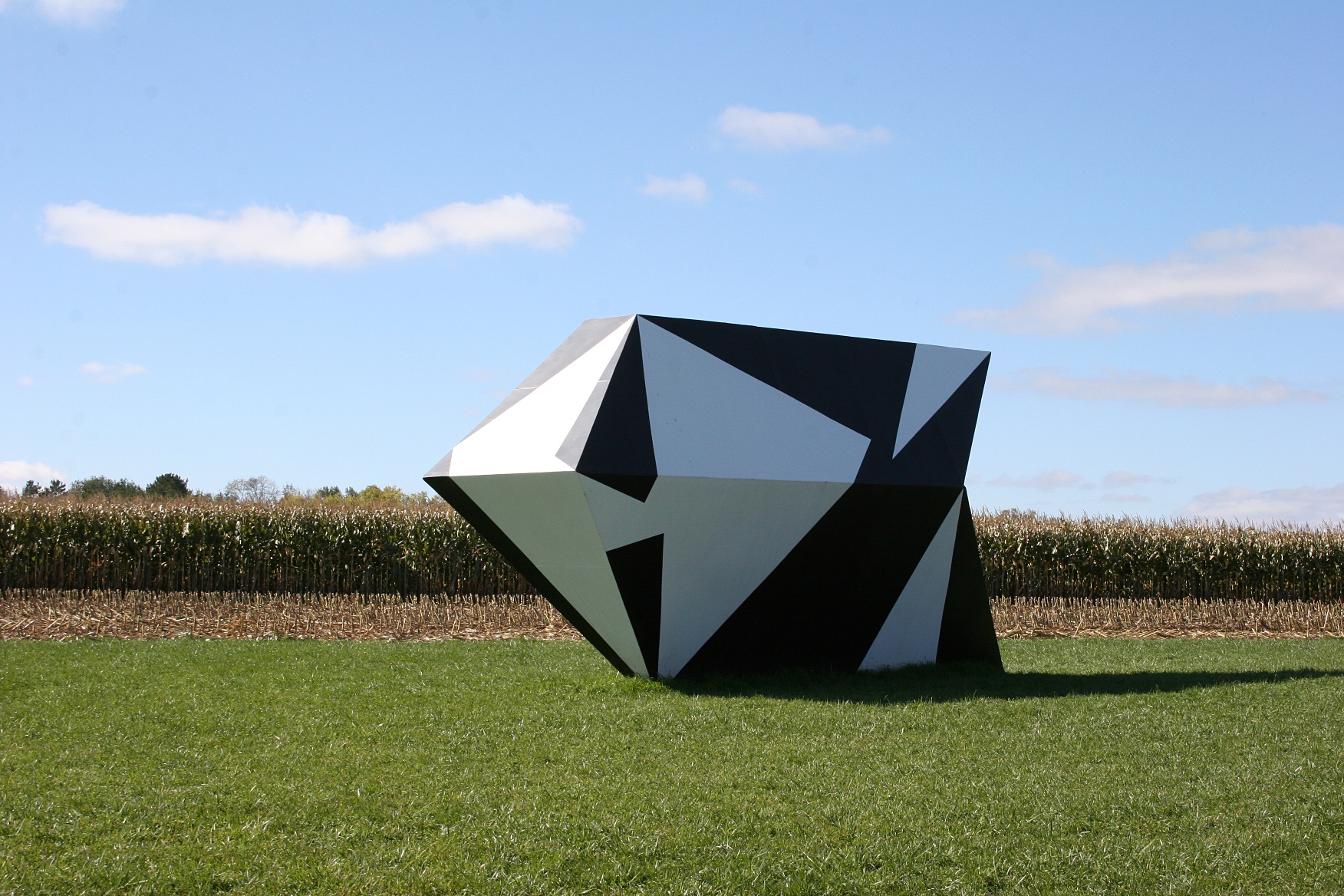
It is the setting of this geometric art that especially pleases me. Right next to a cornfield.

It is the setting of this geometric art, right next to a cornfield, that especially pleases me.

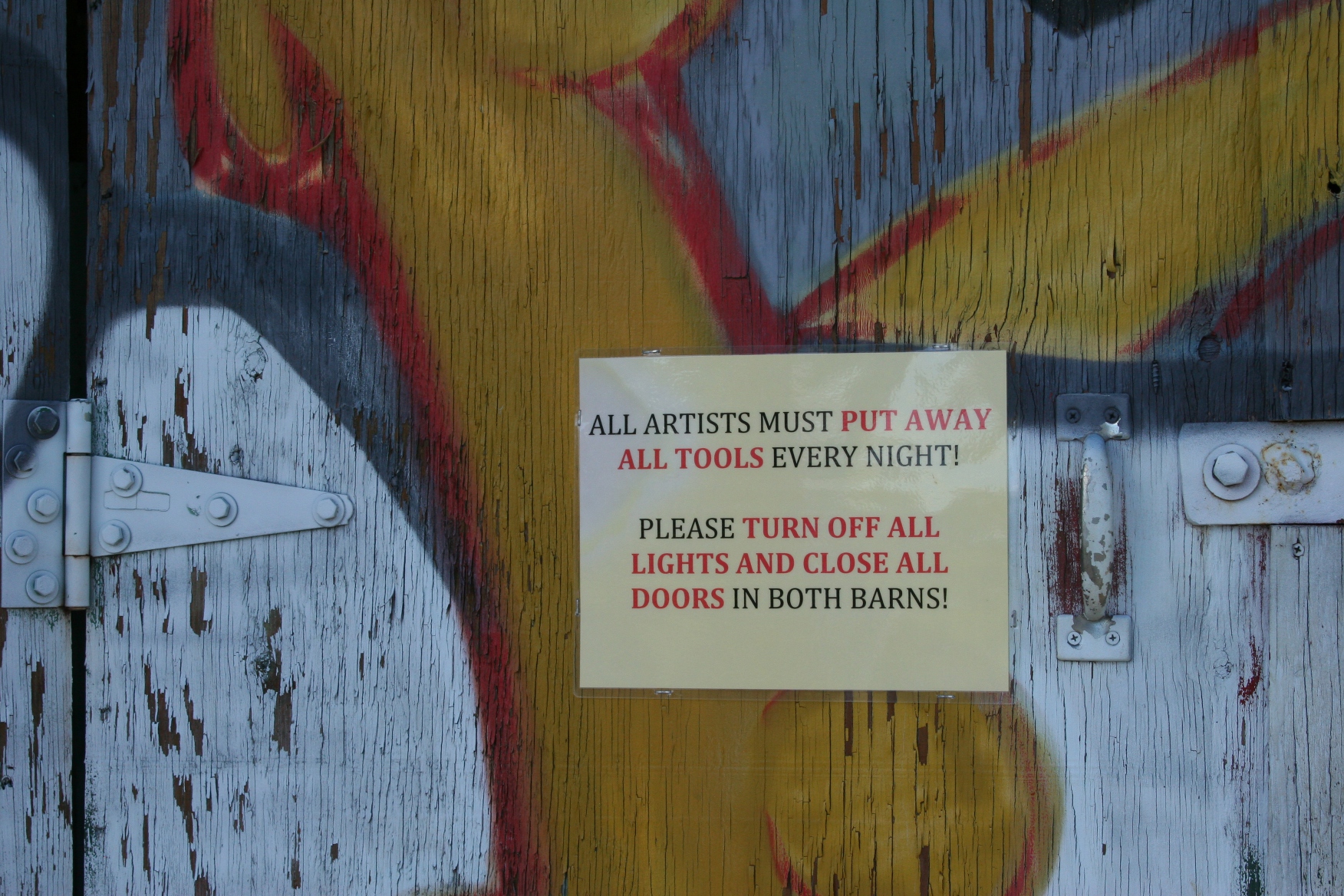
I happened upon this sign, a reminder that artists are actively at work here.

I happened upon this sign, a reminder that artists work here.

game

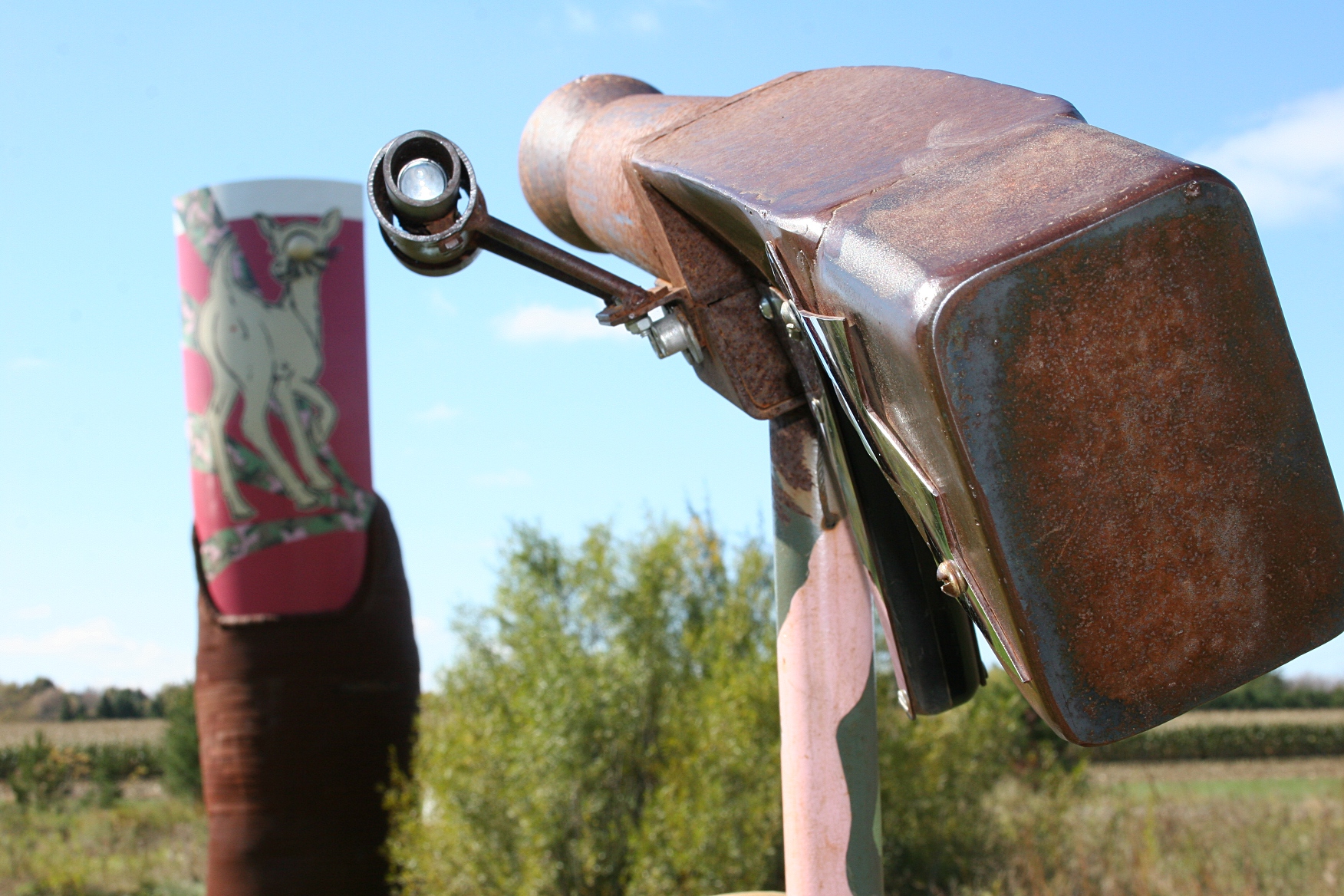
Minnesota artist Kari Anne Reardon’s “The Big Game”drew my attention for the subject matter and scale. Yes that is a “gun” aiming at a deer.

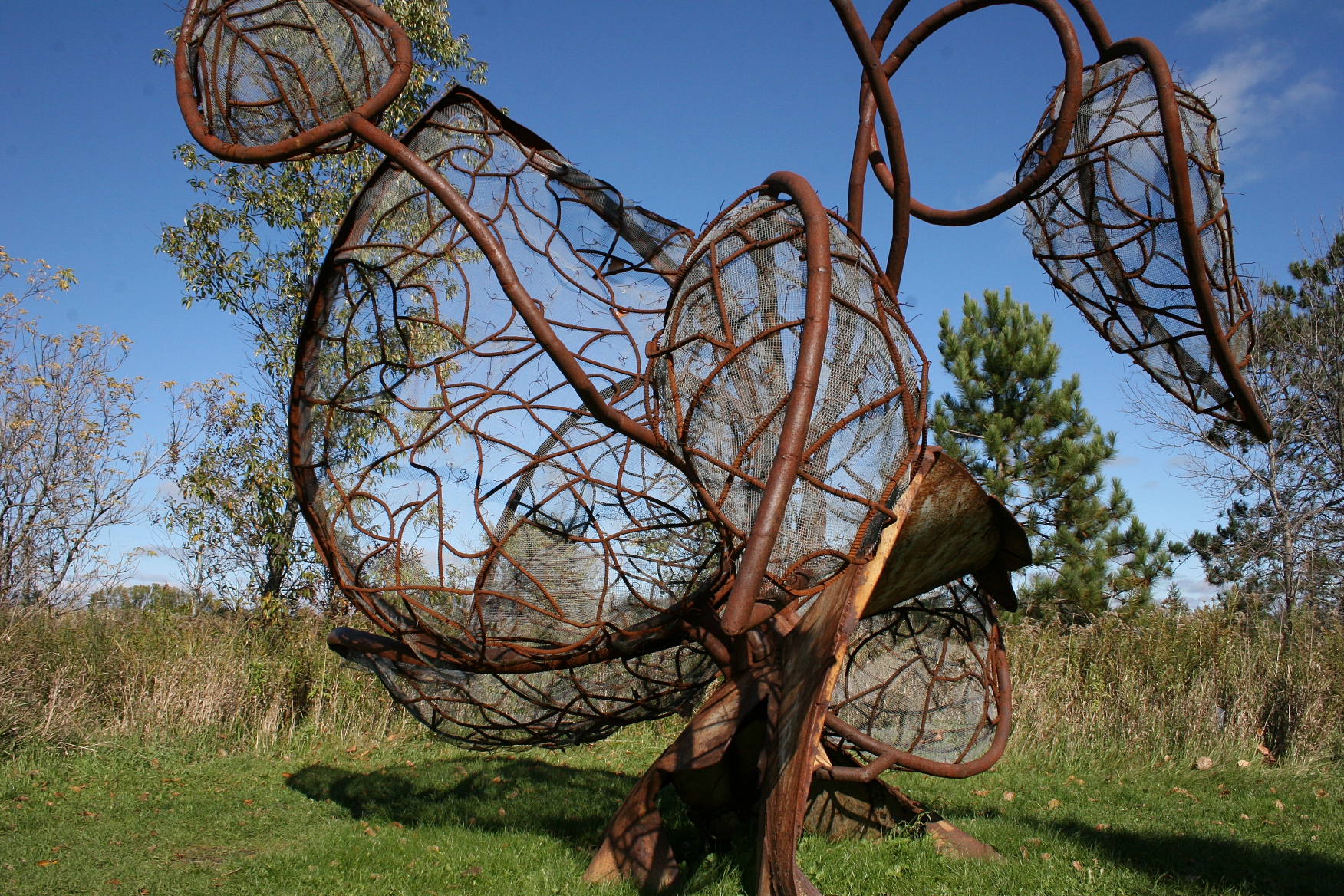
This sculpture was among my favorites and reminds me of milkweeds.

This sculpture was among my favorites and reminds me of milkweed pods.

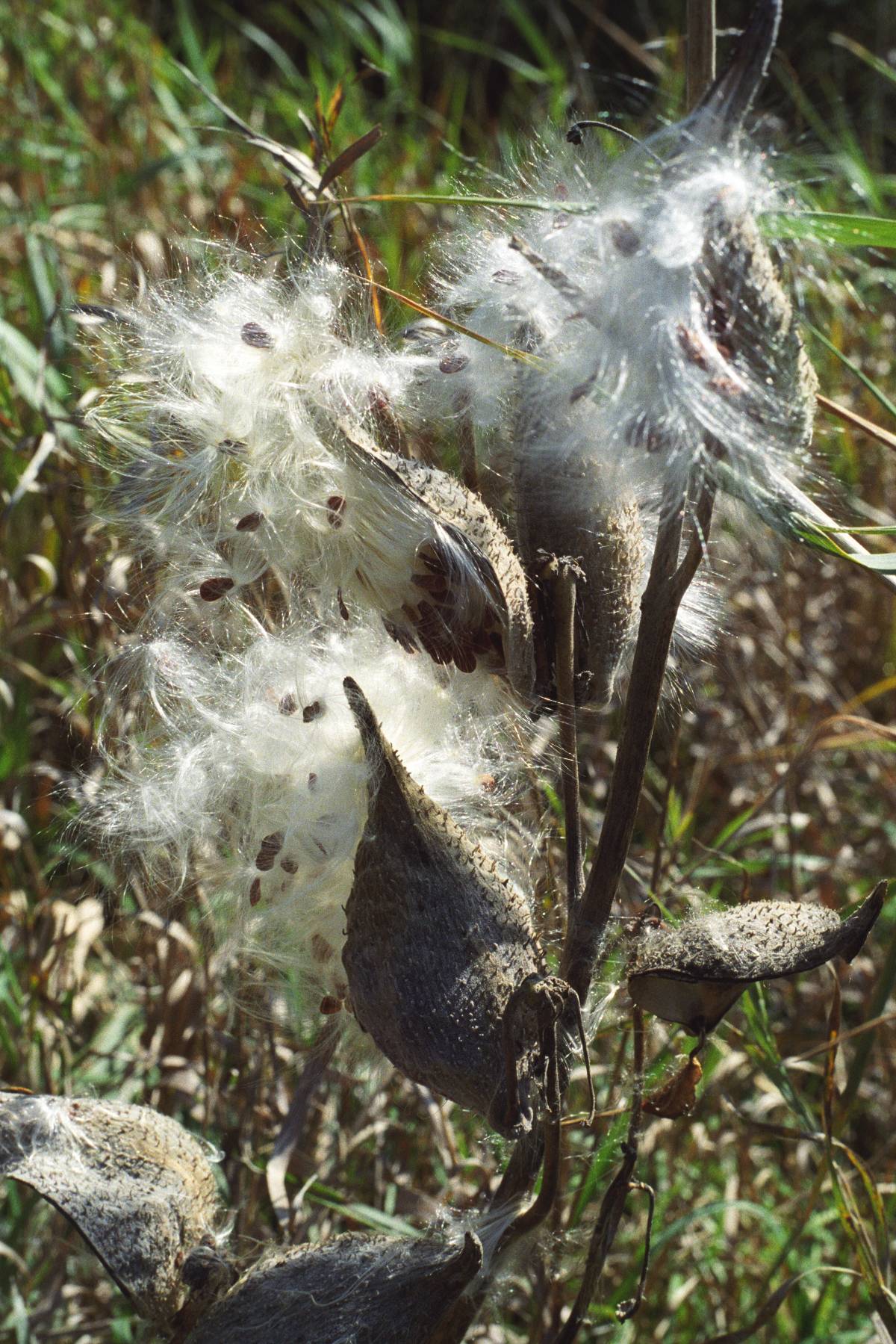
Milkweed pods, along the Minnesota River Valley National Scenic Byway near Morton, autumn 2006

See the resemblance to milkweed? You’ll find real milkweed growing at Franconia. Minnesota Prairie Roots file photo.

"Black Book," the work of Minnesota artist Peyton features multiple paintings on "pages."

“Black Book,” the work of Minnesota artist Peyton, features multiple paintings on “pages.”

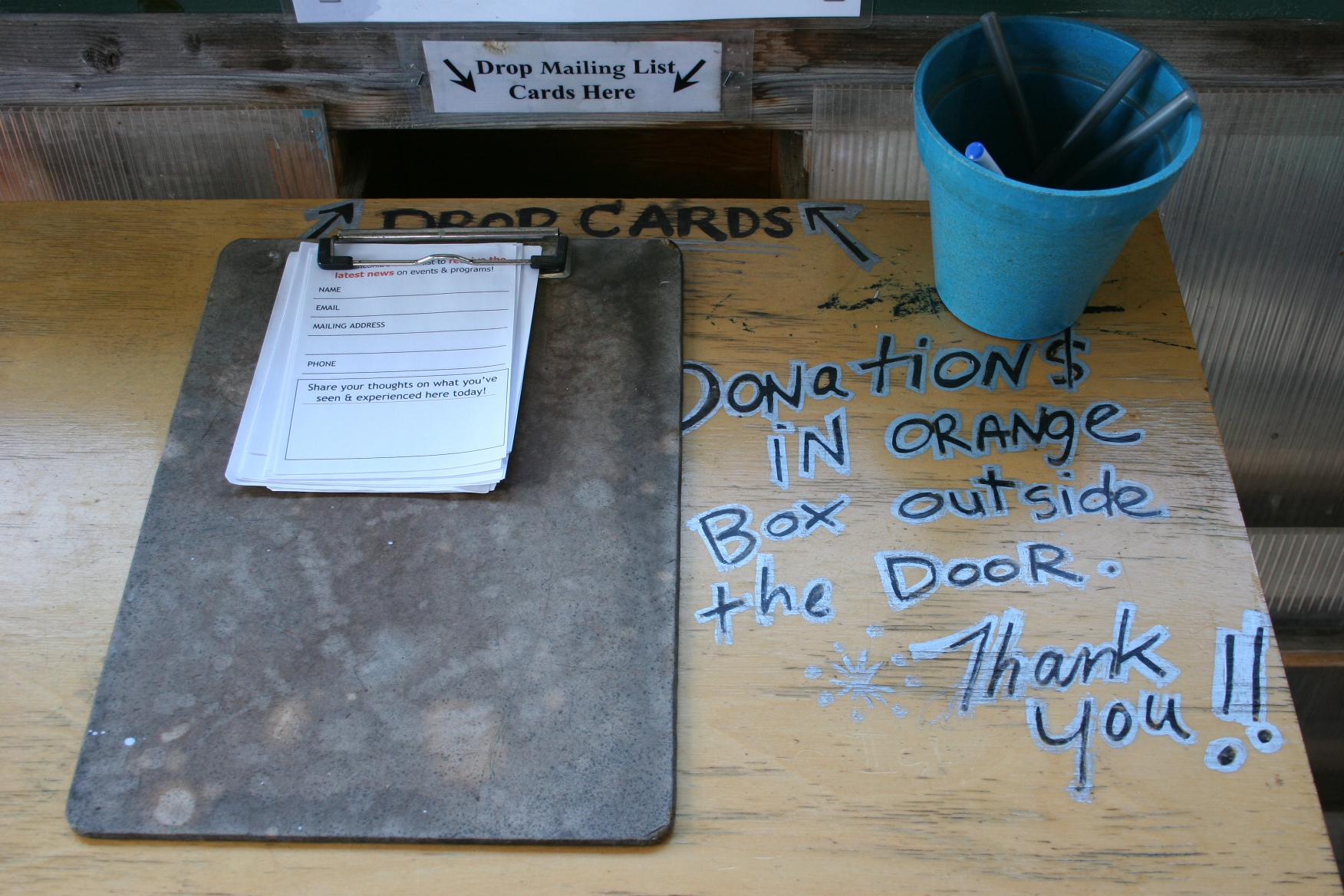
Donations to this nonprofit arts organization are welcome.

Donations to this nonprofit arts organization are welcome.

Note: Please visit the Franconia website (click here) for titles of artwork and the artists and for more info about the art shown here.

© Copyright 2014 Audrey Kletscher Helbling


In praise of community sculpture walks, like the one in Mason City October 8, 2014

BRINGING ART TO THE STREETS, in essence to the general public, excites me.

Not all of us have the opportunity to tour big city art galleries or other places that showcase the creations of renowned sculptors.

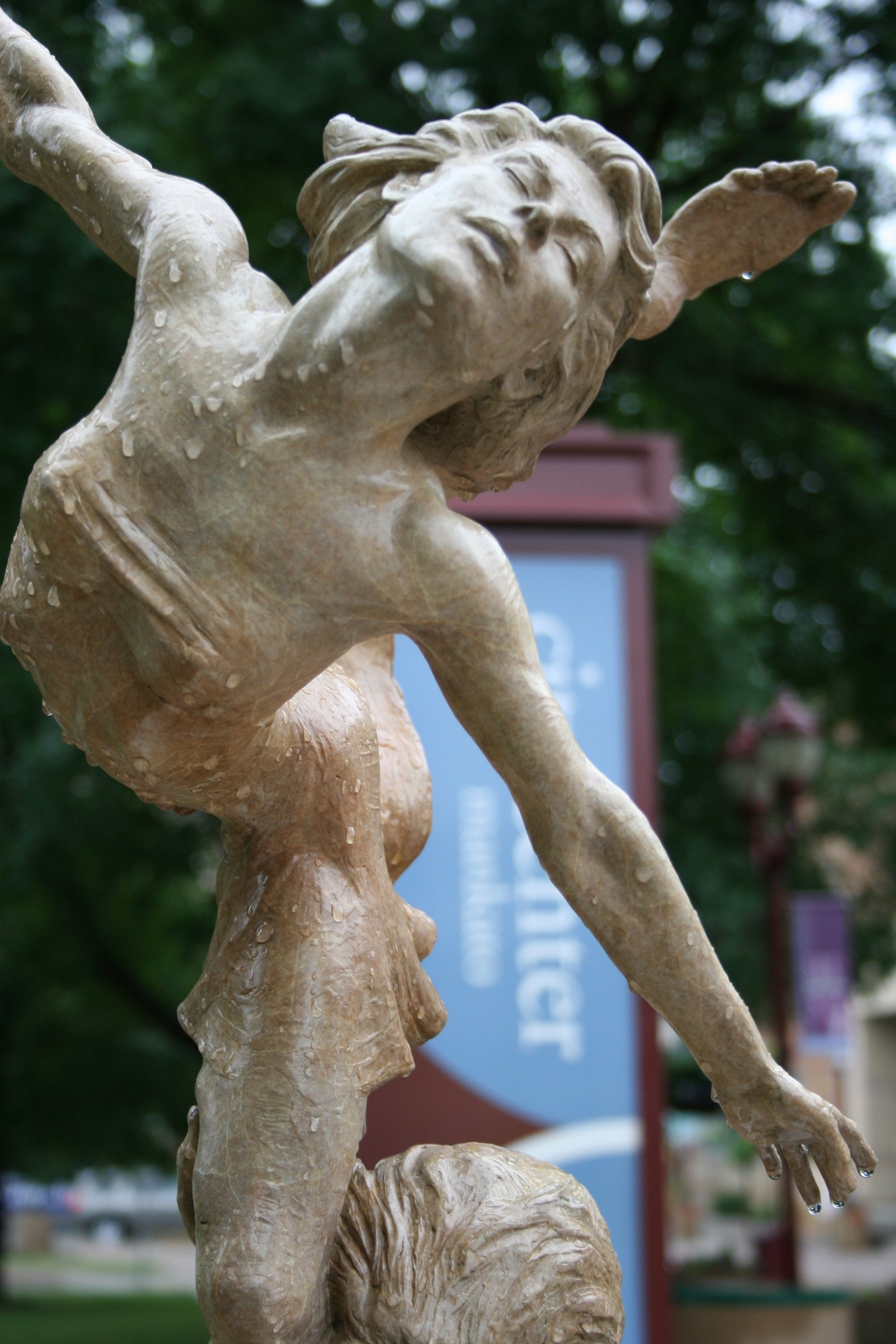
Martin Eichinger of Portland, Oregon, created this graceful "Bird in the Hand" bronze sculpture valued at $14,500 and posed near the Mankato Civic Center.

Martin Eichinger of Portland, Oregon, created this graceful “Bird in the Hand” bronze sculpture valued at $14,500 and posed near the Mankato Civic Center during my visit there in 2011.

So when communities like Mankato and Bemidji, Minnesota; Sioux Falls, South Dakota; Eau Claire, Wisconsin; and Mason City, Iowa, bring sculptures to the streets, I want to stand up and shout, “Thank you!”

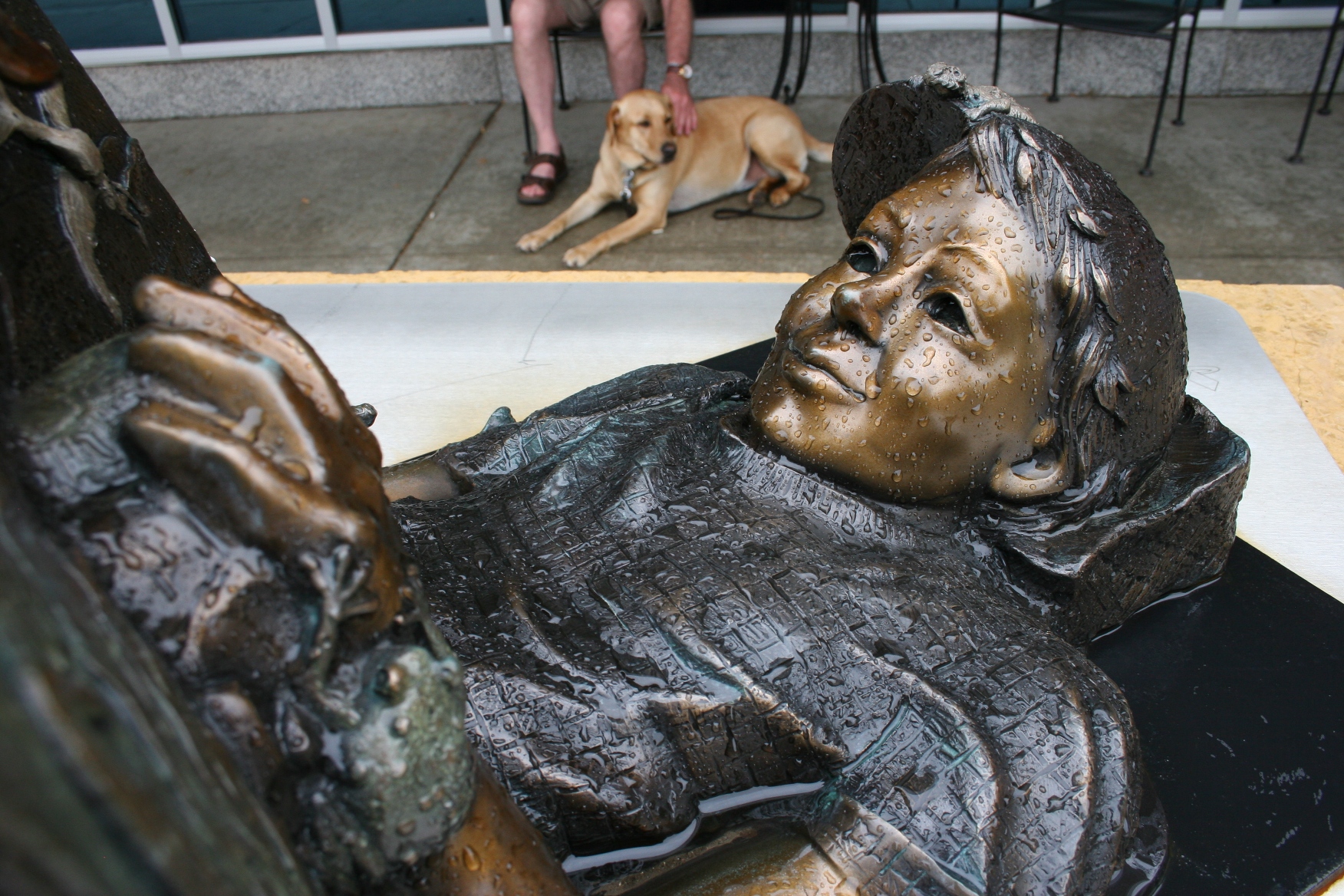
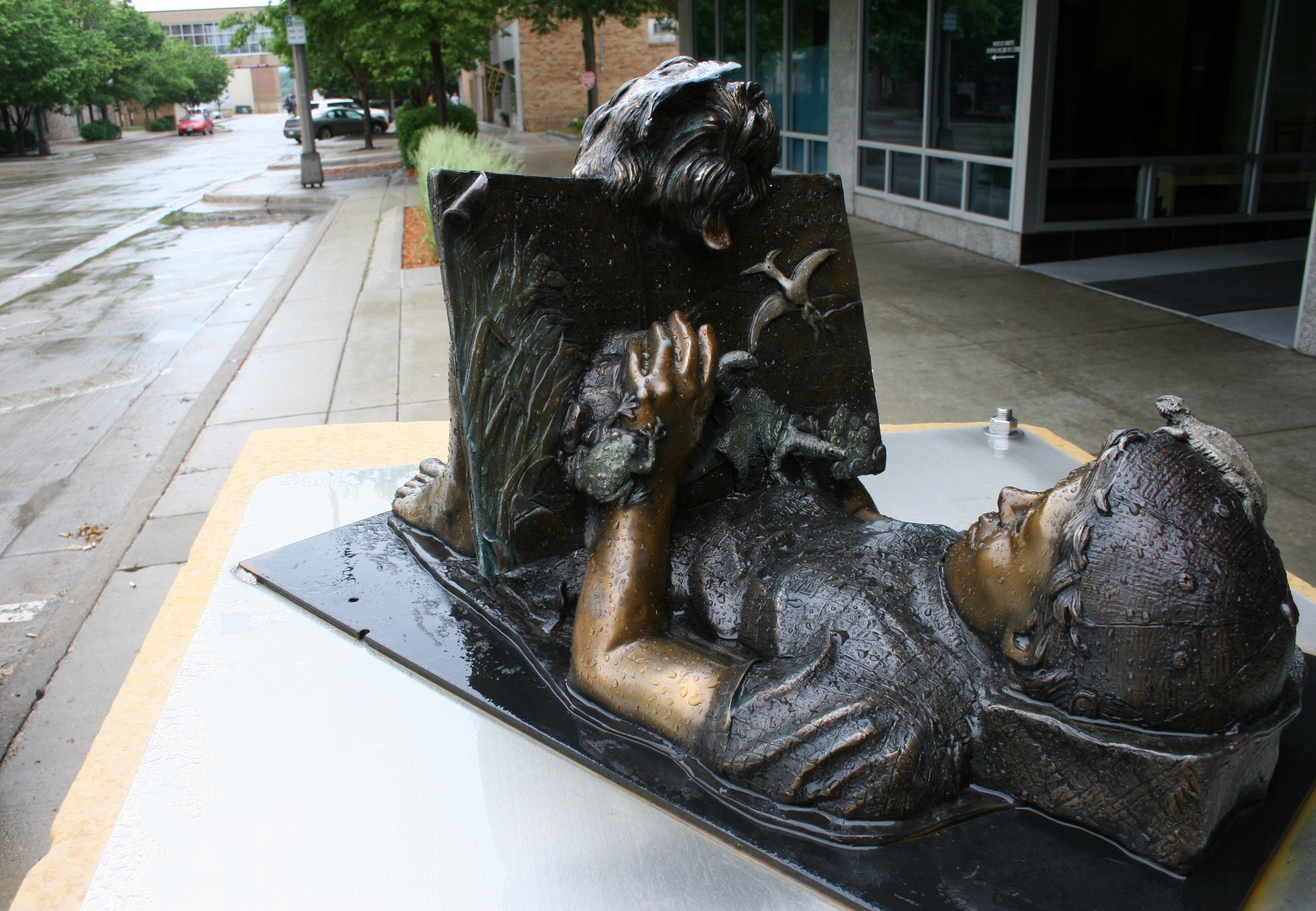
Details define "Reading Magic," a $8,500 bronze sculpture by Julie Jones of Fort Collins, Colorado.

Details define “Reading Magic,” a $8,500 bronze sculpture by Julie Jones of Fort Collins, Colorado, displayed in the 2011 CityArt Walking Sculpture Tour in Mankato.

I’ve toured the Bemidji and Mankato outdoor sculpture collections and recently spotted several of the 33 sculptures on loan and/or permanent display as part of River City Sculptures on Parade in Mason City. The artwork is exhibited for a year before a new set of sculptures rolls into town. All of the art is for sale, so some remains permanently in the host cities.

Isn’t this just the greatest idea?

Here’s a look at some of the sculptures, and the settings in which they are placed, in Mason City:

This downtown Mason City building dwarfs a corner placed sculpture, "The Thinker," by Serge Mozhnevsky.

This downtown Mason City building, the former First National Bank, dwarfs a corner placed sculpture, “The Thinker,” by Serge Mozhnevsky. John Dillinger and other gangsters robbed the bank on March 13, 1934, escaping with about $52,000.

Directly across the street you'll find "Bruno" by artist Eric Thorsen in the Federal Avenue Plaza.

Directly across the street you’ll find “Bruno” by artist Eric Thorsen in the Federal Avenue Plaza.

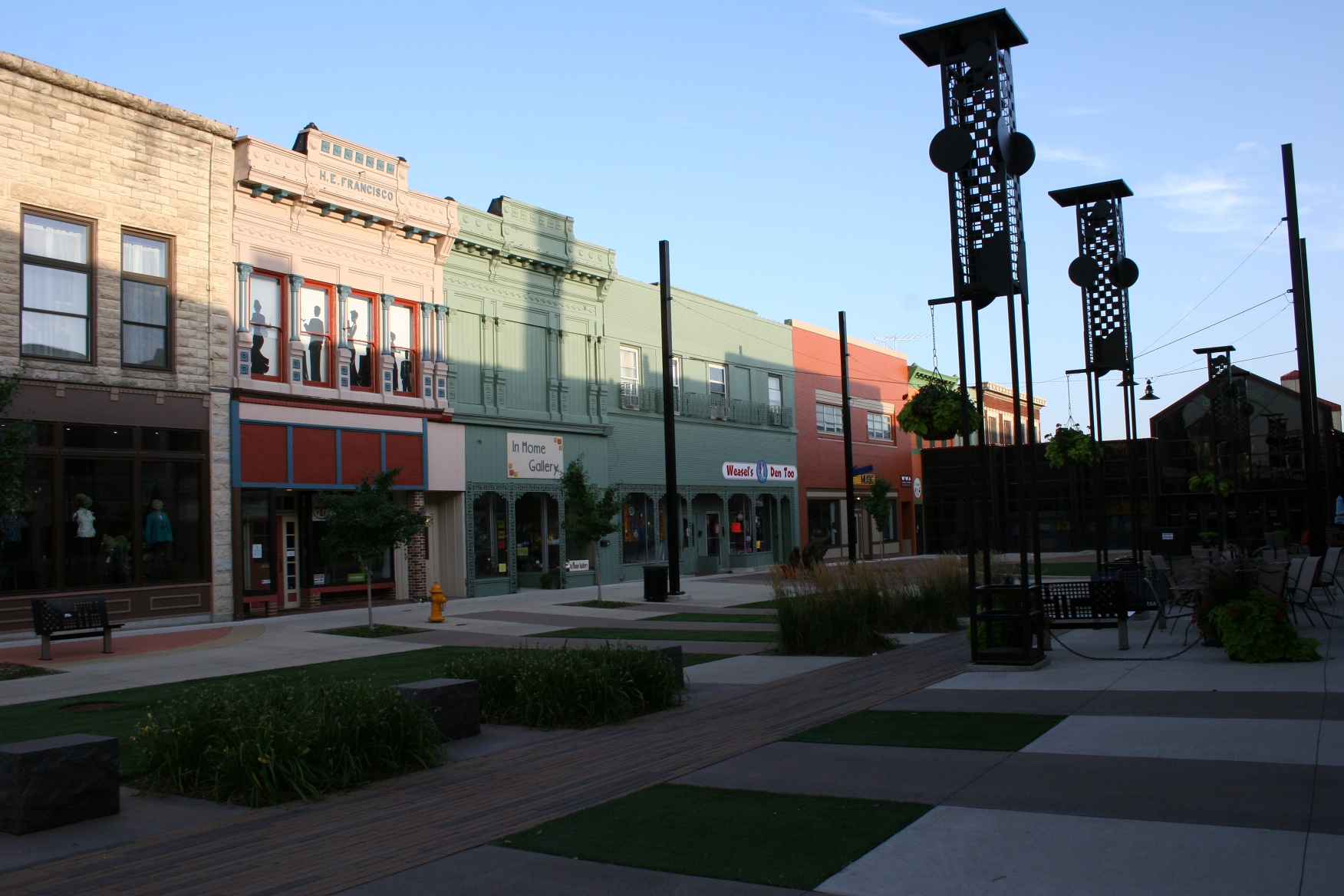
The Plaza, a green space (even if it is artificial turf) in downtown Mason City, provides an ideal location for sculptures.

The Plaza, a green space (of artificial turf, cement and bricks) in downtown Mason City, provides an ideal location for sculptures.

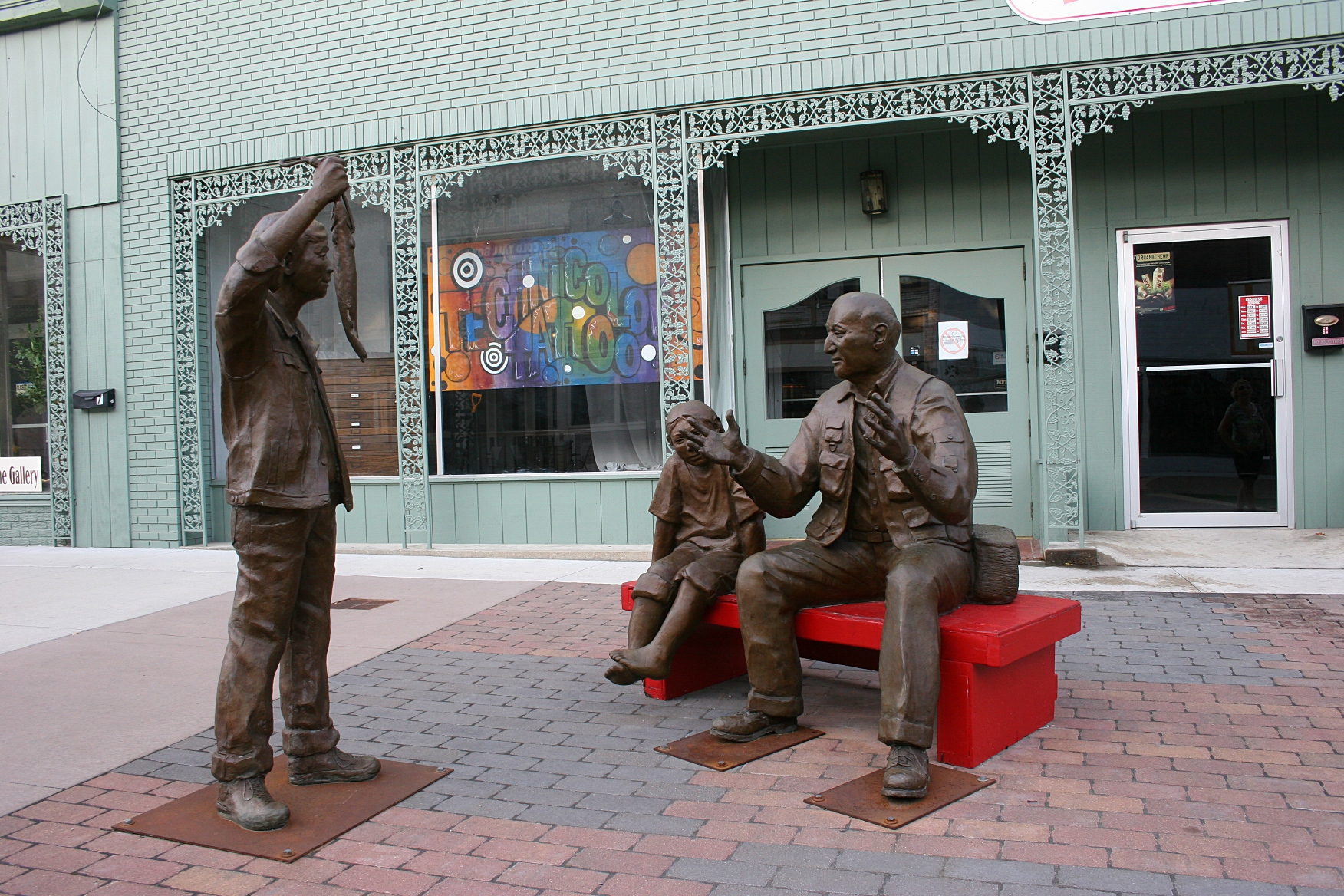
Sculptor Martha Pettigrew's "Fish Story," featuring a grandfather and two of his grandchildren, has been purchased as a permanent part of the city's sculpture collection. The red bench was recently replaced by a gray bench.

Sculptor Martha Pettigrew’s “Fish Story,” featuring a grandfather and two of his grandchildren, has been purchased as a permanent part of the city’s sculpture collection. The red bench was recently replaced by a less distracting gray bench. The art is located in the Plaza.

Art on the Plaza extends beyond the sculptures. Look up.

Art on the Plaza extends beyond the sculptures. Look up.

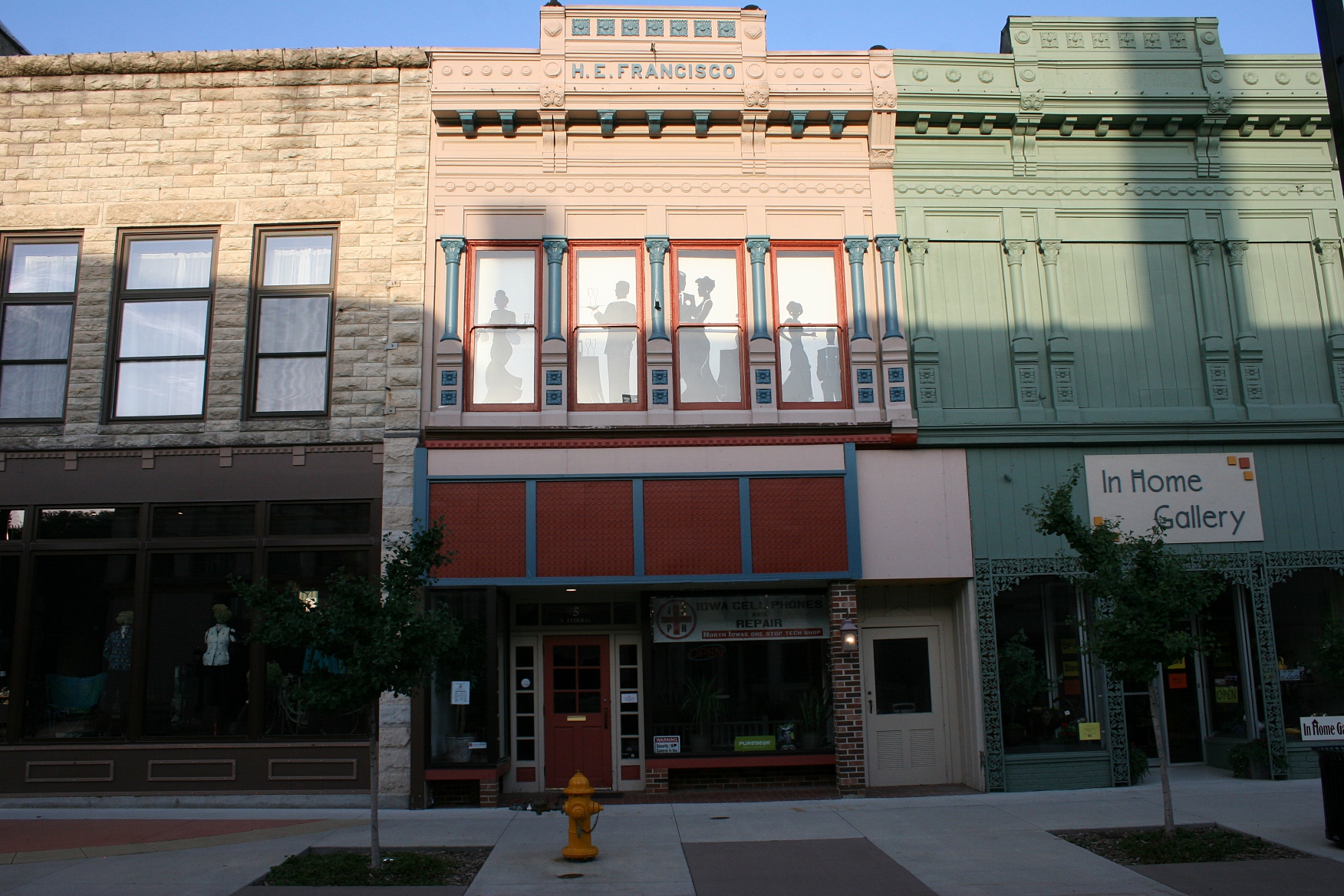
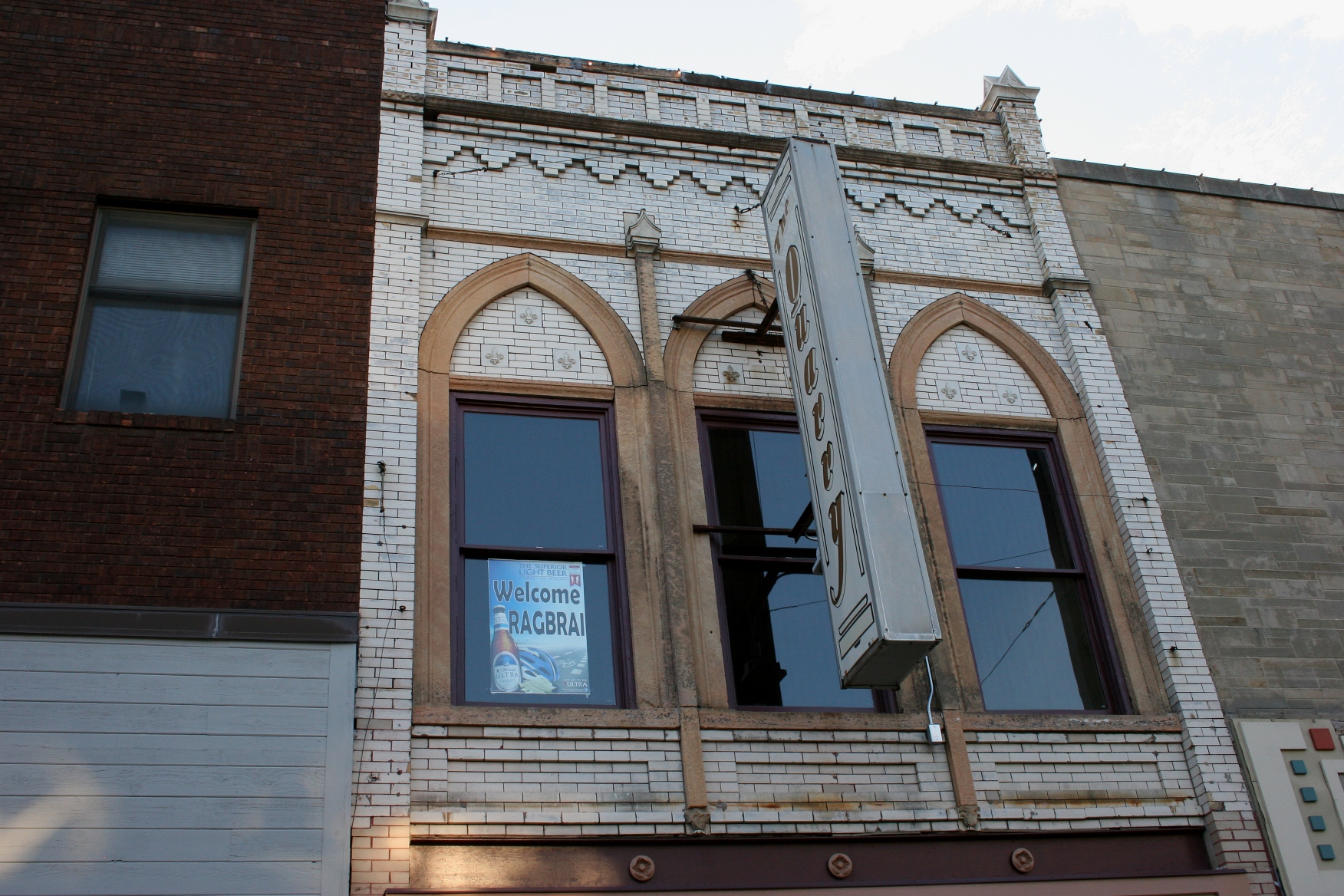
The buildings themselves are art.

The buildings themselves are art.

The Plaza presents a welcoming and inviting spot to linger in the heart of downtown Mason City.

The Plaza presents a welcoming and inviting spot to linger in the heart of downtown Mason City.

Martha Pettigrew's "American Architect," a portrait of Frank Lloyd Wright, stands permanently in Central Park. The famous Prairie School style architect designed a house, hotel and bank in Mason City.

Martha Pettigrew’s “American Architect,” a portrait of Frank Lloyd Wright, stands permanently in Central Park. The famous Prairie School style architect designed a house, hotel and bank in Mason City.

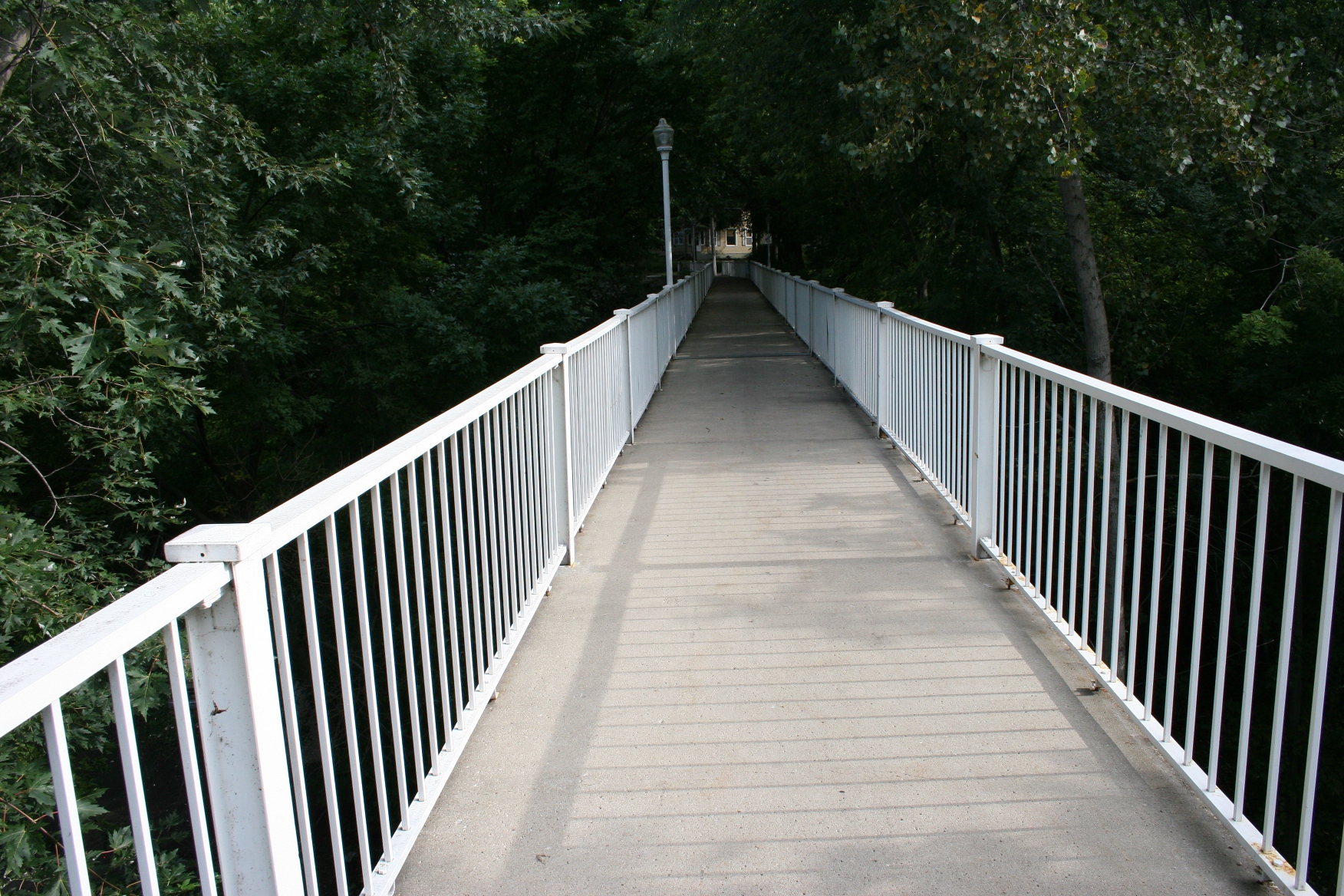
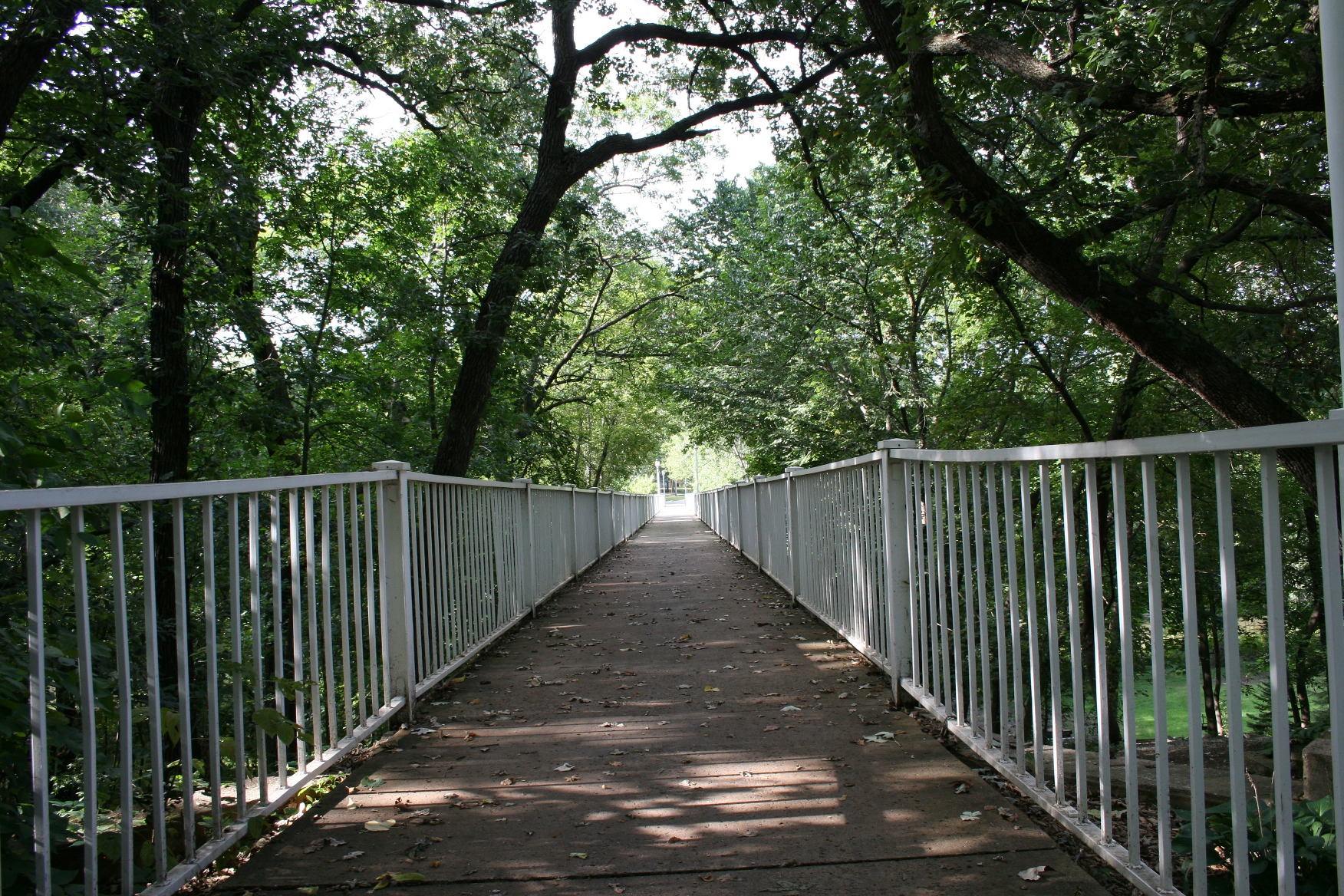
The Meredith Willson Footbridge, named after "The Music Man" composer, was built in 1940 and spans Willow Creek.

The Meredith Willson Footbridge, named after “The Music Man” composer, was built in 1940 and spans Willow Creek. It is, in itself, a work of art.

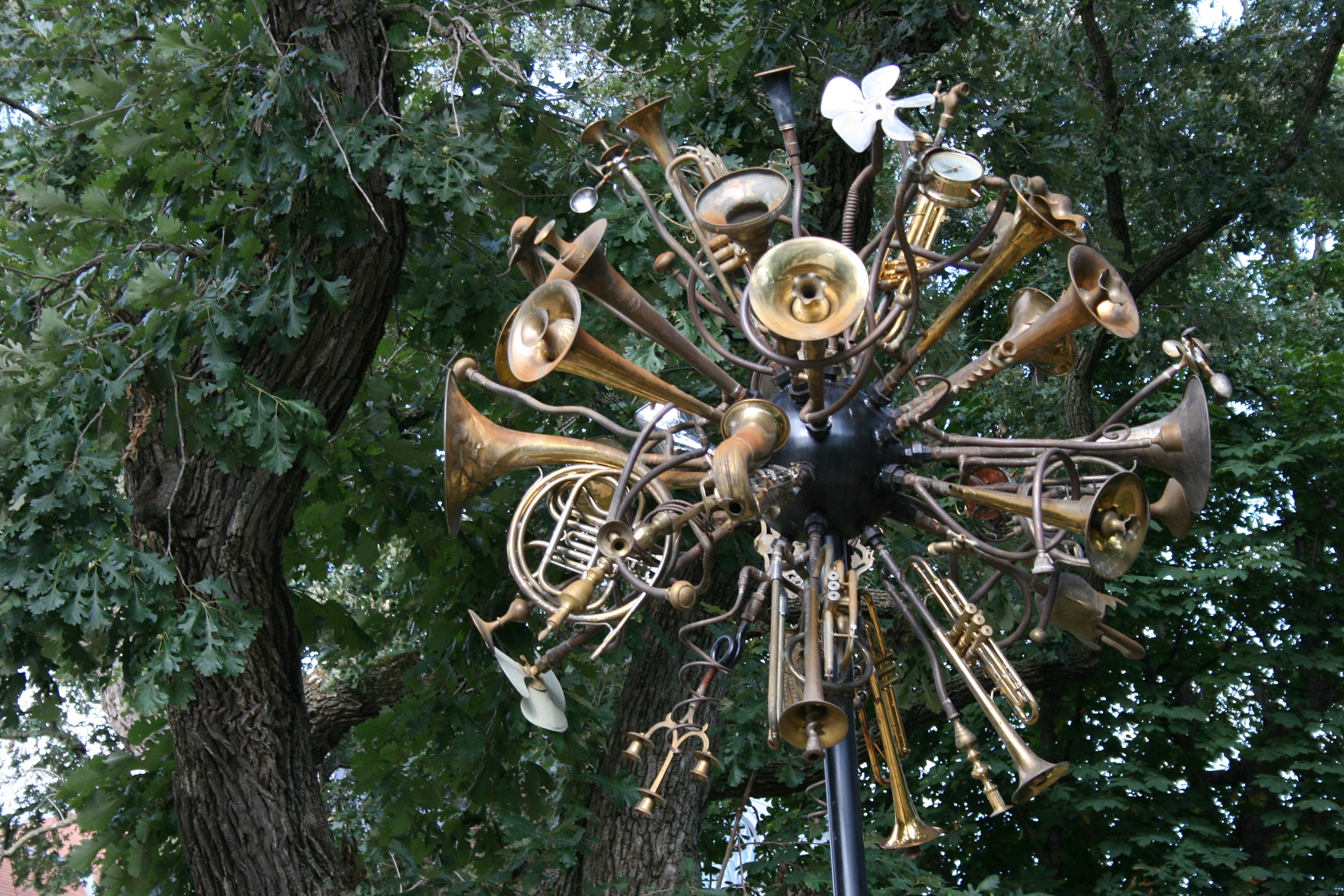
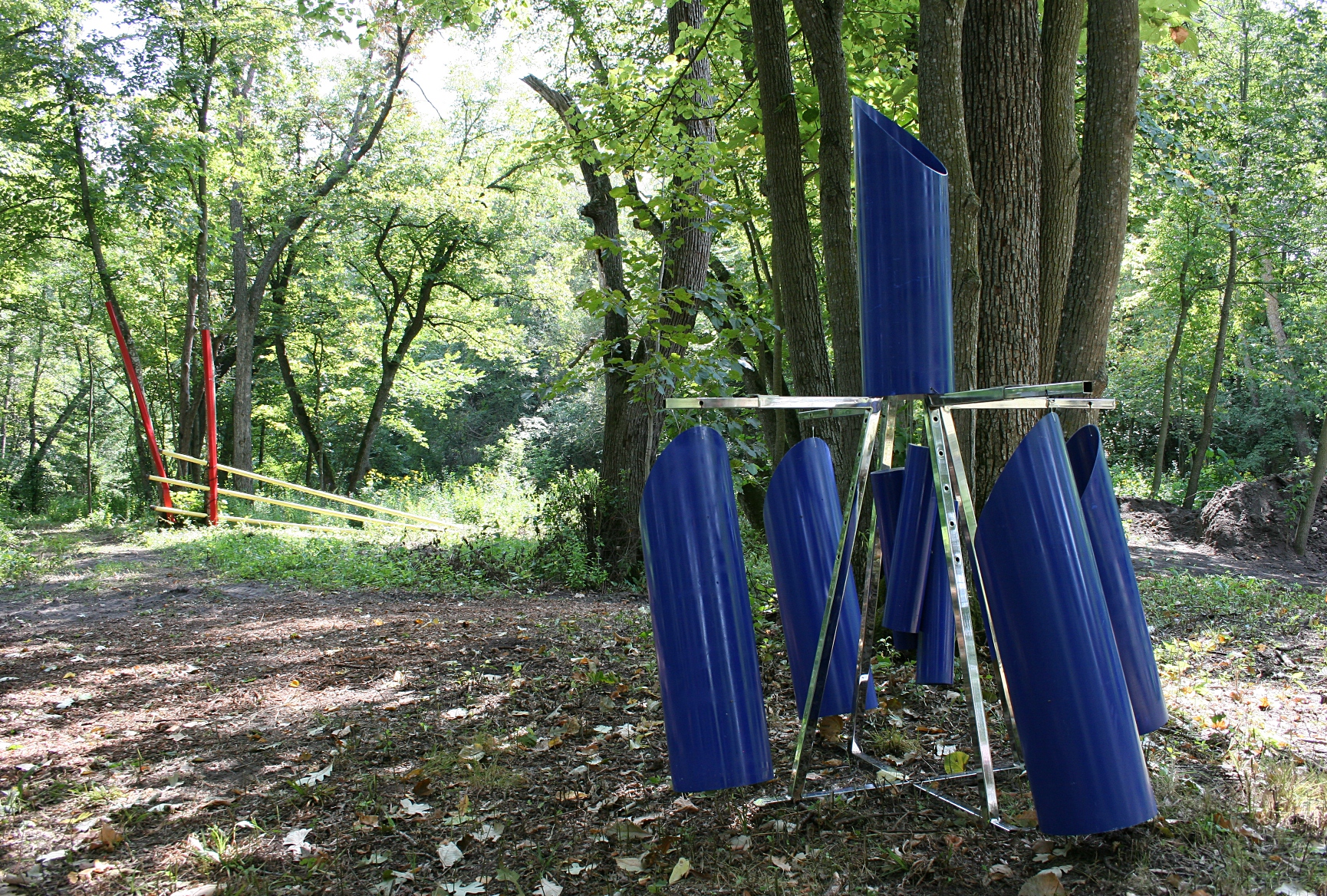
"Kinetic Weather Disturbance Ensemble," a sculpture by Douglas Walker, is located at one end of the bridge. It is now part of the city's permanent sculpture collection.

“Kinetic Weather Disturbance Ensemble,” a sculpture by Douglas Walker, is located at one end of the bridge. It is now part of the city’s permanent sculpture collection.

Just another view of the long and scenic bridge. On the afternoon we visited, three deer frolicked in the creek.

Just another view of the long and scenic bridge. On the afternoon we visited, three deer frolicked in the creek.

© Copyright 2014 Audrey Kletscher Helbling
 

Artwerk, Steve style September 11, 2014

Filed under: Uncategorized — Audrey Kletscher Helbling @ 6:00 AM
Tags: , , , , , ,

MY FRIEND STEVE, married to my friend Jackie, is an artist. Oh, he may not term himself as such and he prefers you call his creations artwerk rather than artwork. Seems more masculine, this bulk of a guy claims.

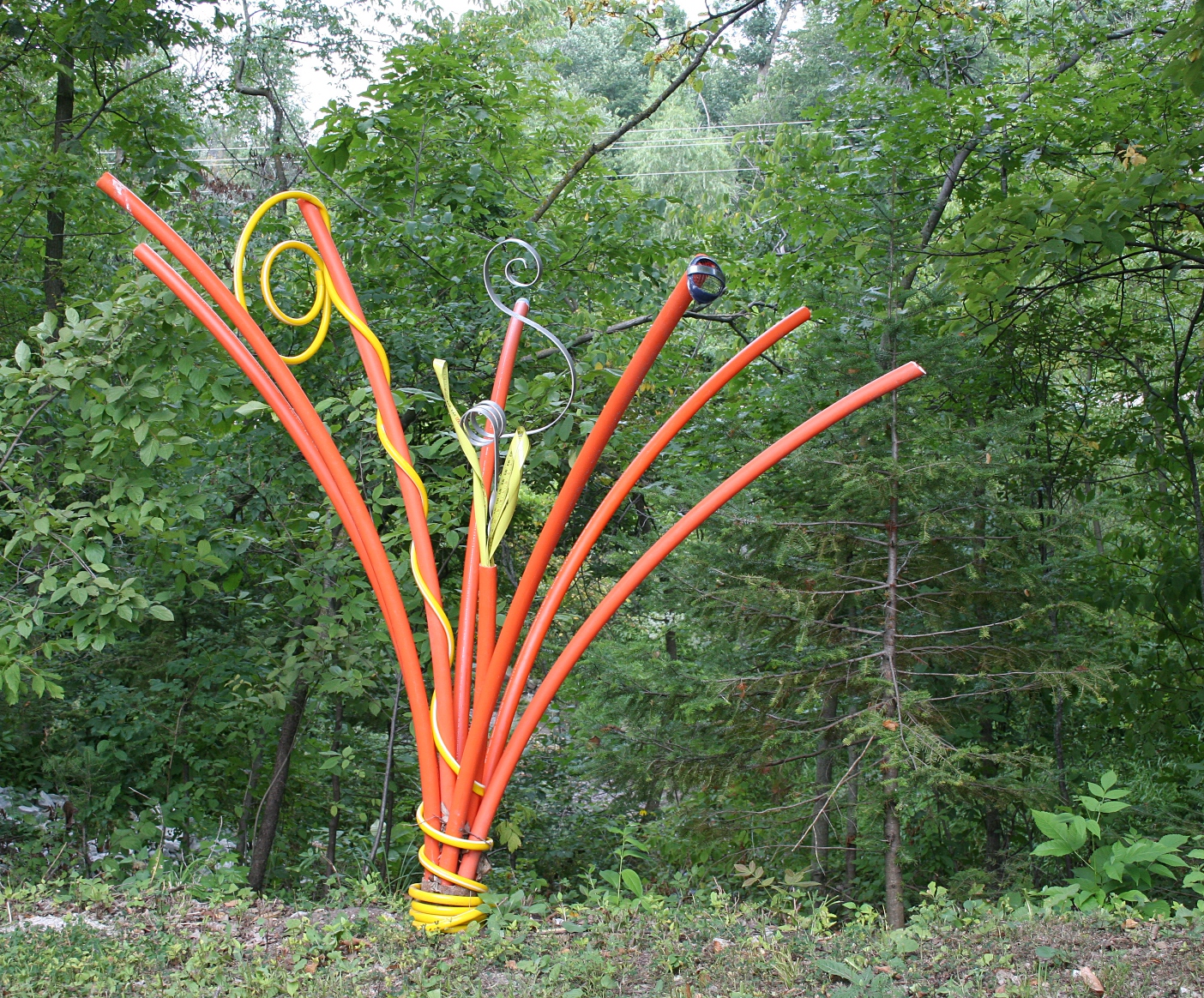
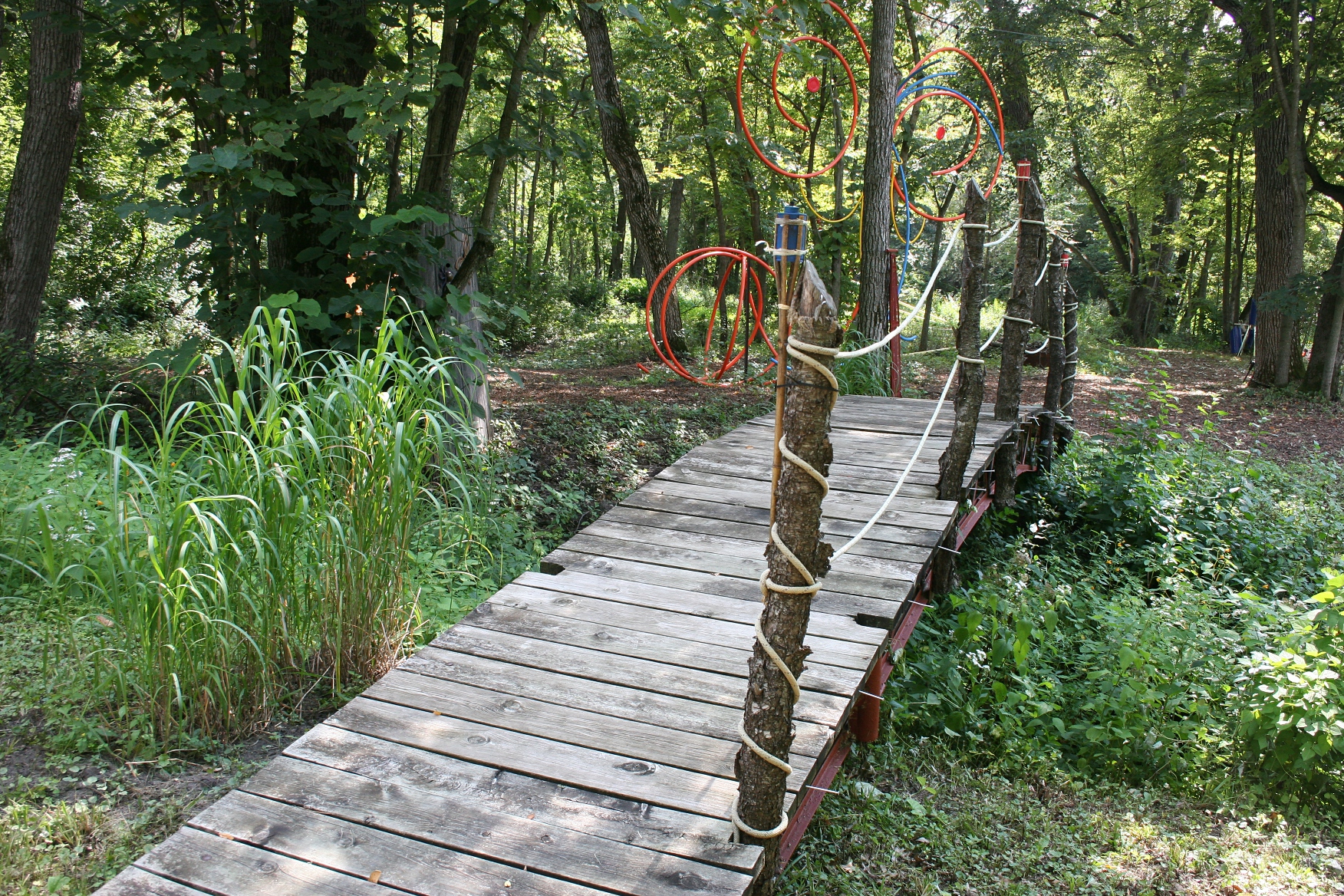
Conduit and pipes transformed into art for placement on Steve's wooded acreage.

Conduit, pipes and metal transformed into art for placement on Steve’s wooded acreage.

But I am 100 percent certain that the art Steve crafts from what many would term junk qualifies him as a bonafide artist. He’s even dumpster dived for art materials and salvaged items from scrap piles.

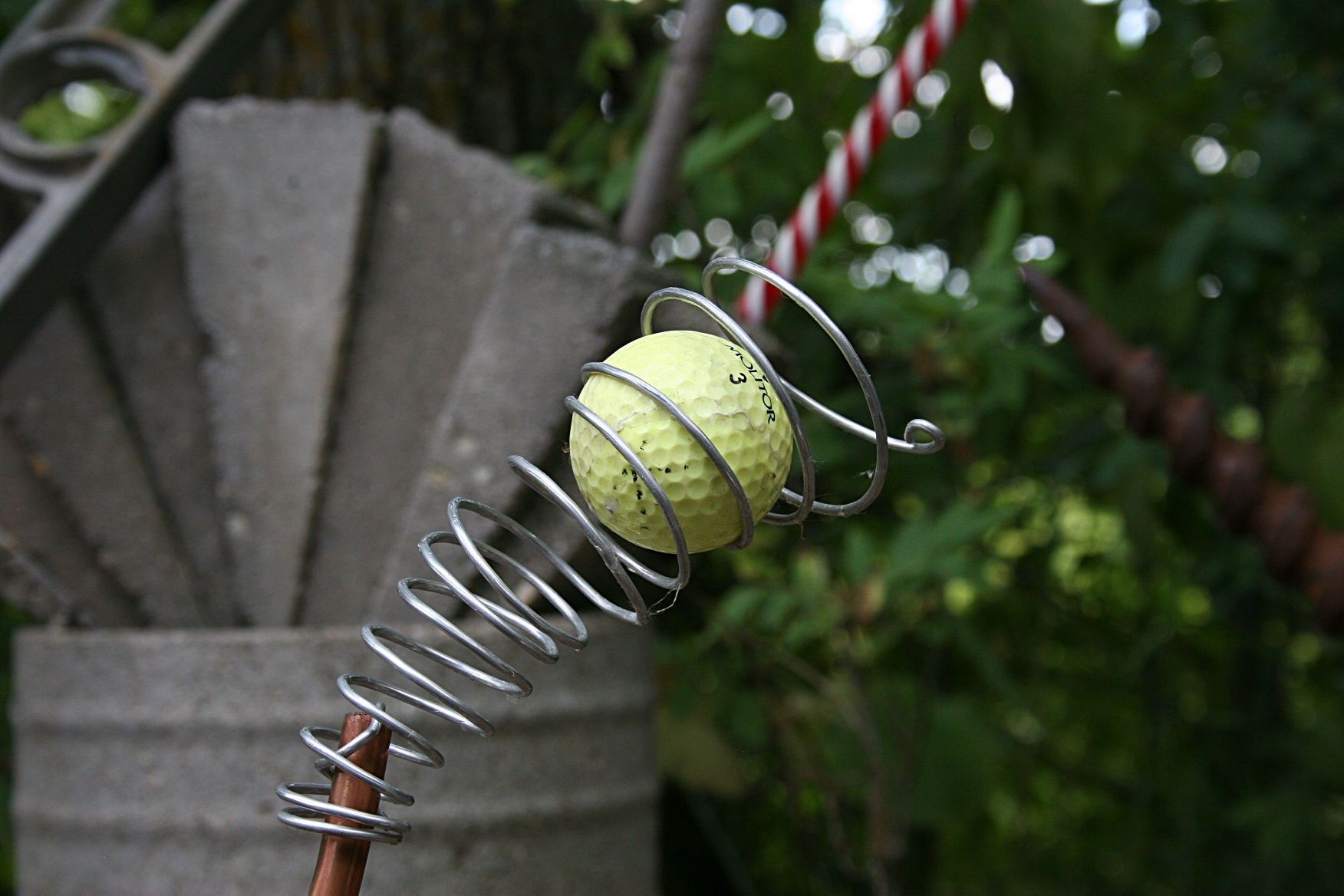
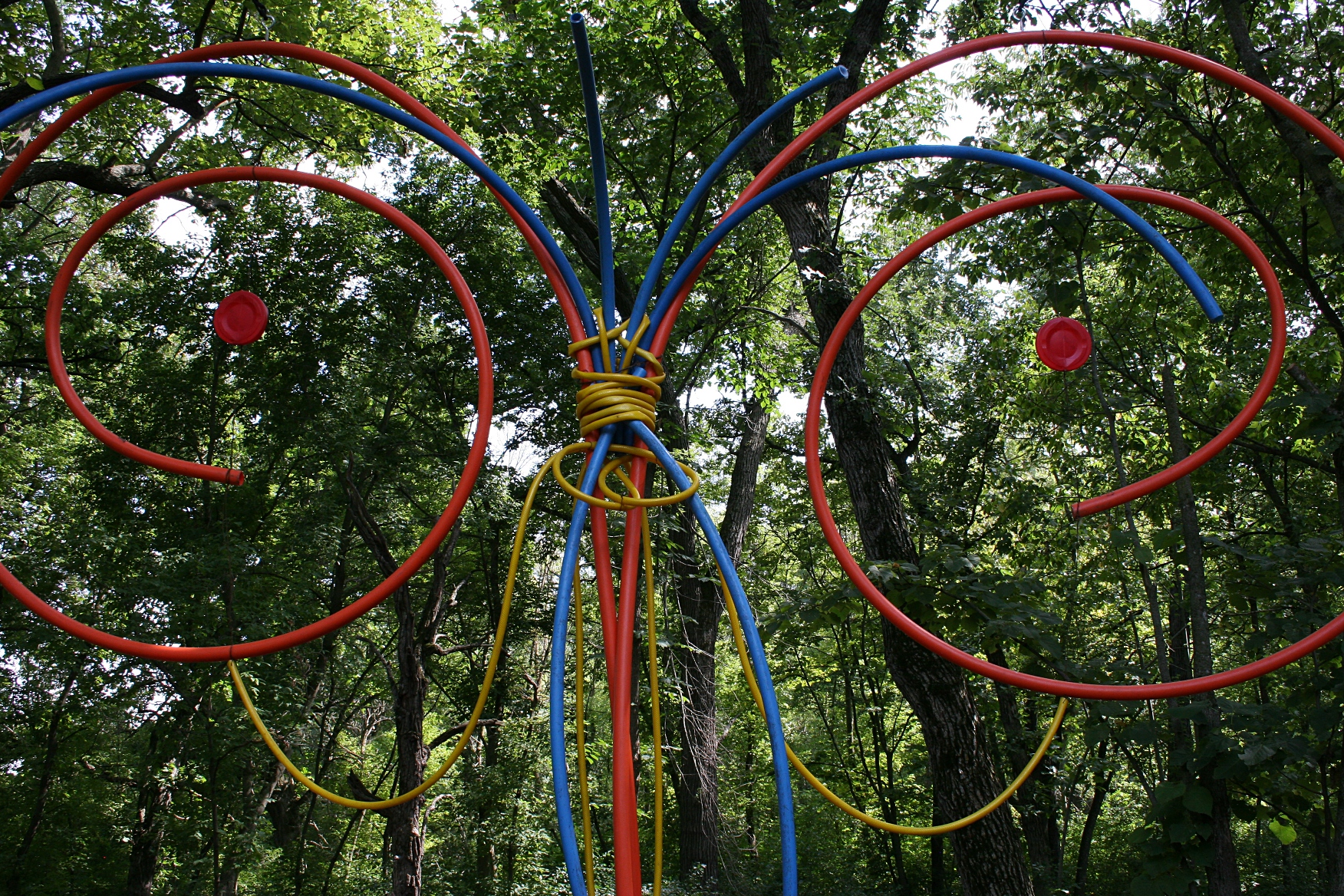
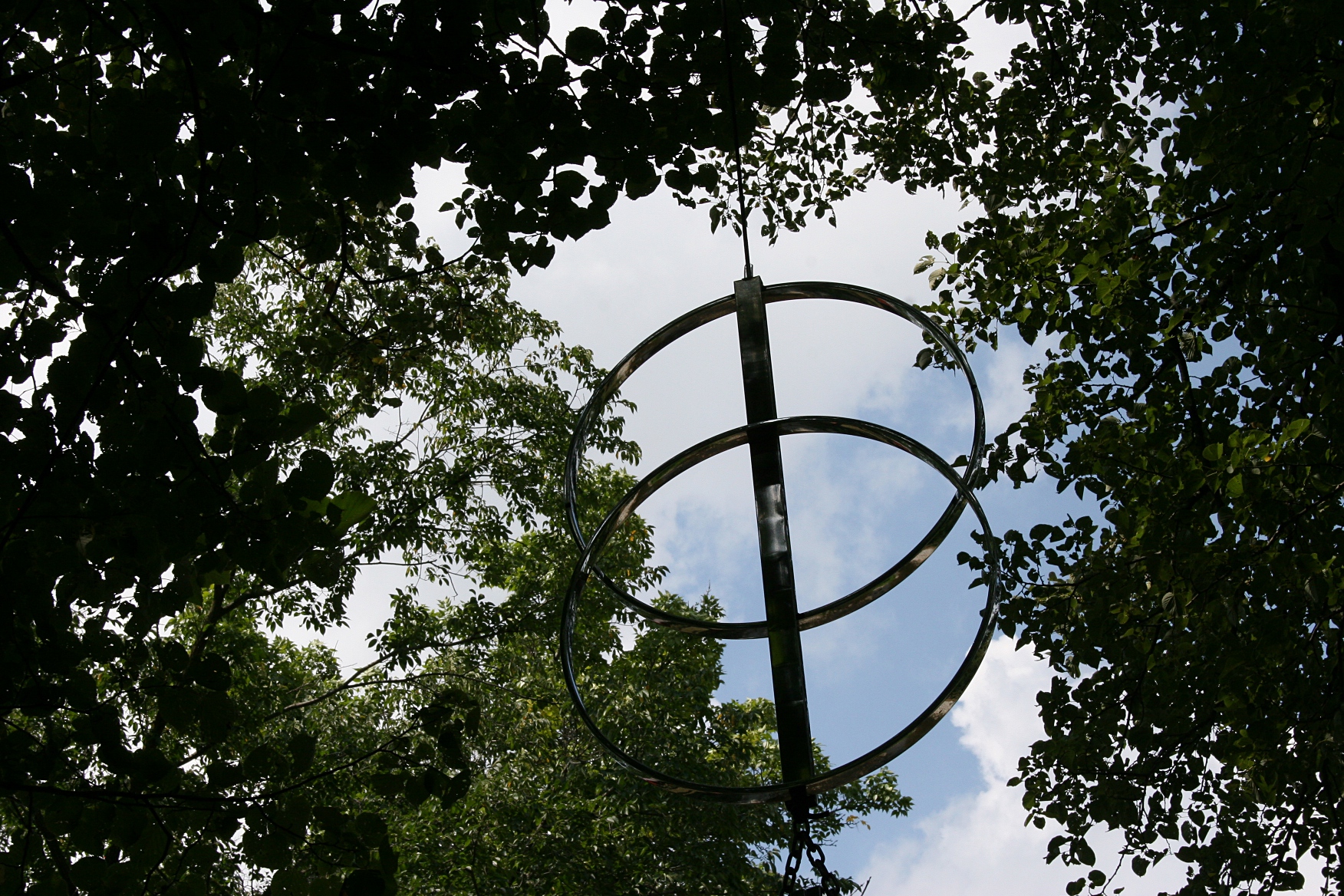
Circles and spirals appear often in Steve's art.

Circles and spirals appear often in Steve’s art.

For now this one-time welder pursues his art passion as a hobby. I’m convinced he could sell his pieces or create works on commission and have suggested such to him. He’s already selected a business name—Big “N” Ugly’s Iron Werks. Catchy. But Steve is certainly not ugly. If I remember correctly, the name relates to some crazy story from his past.

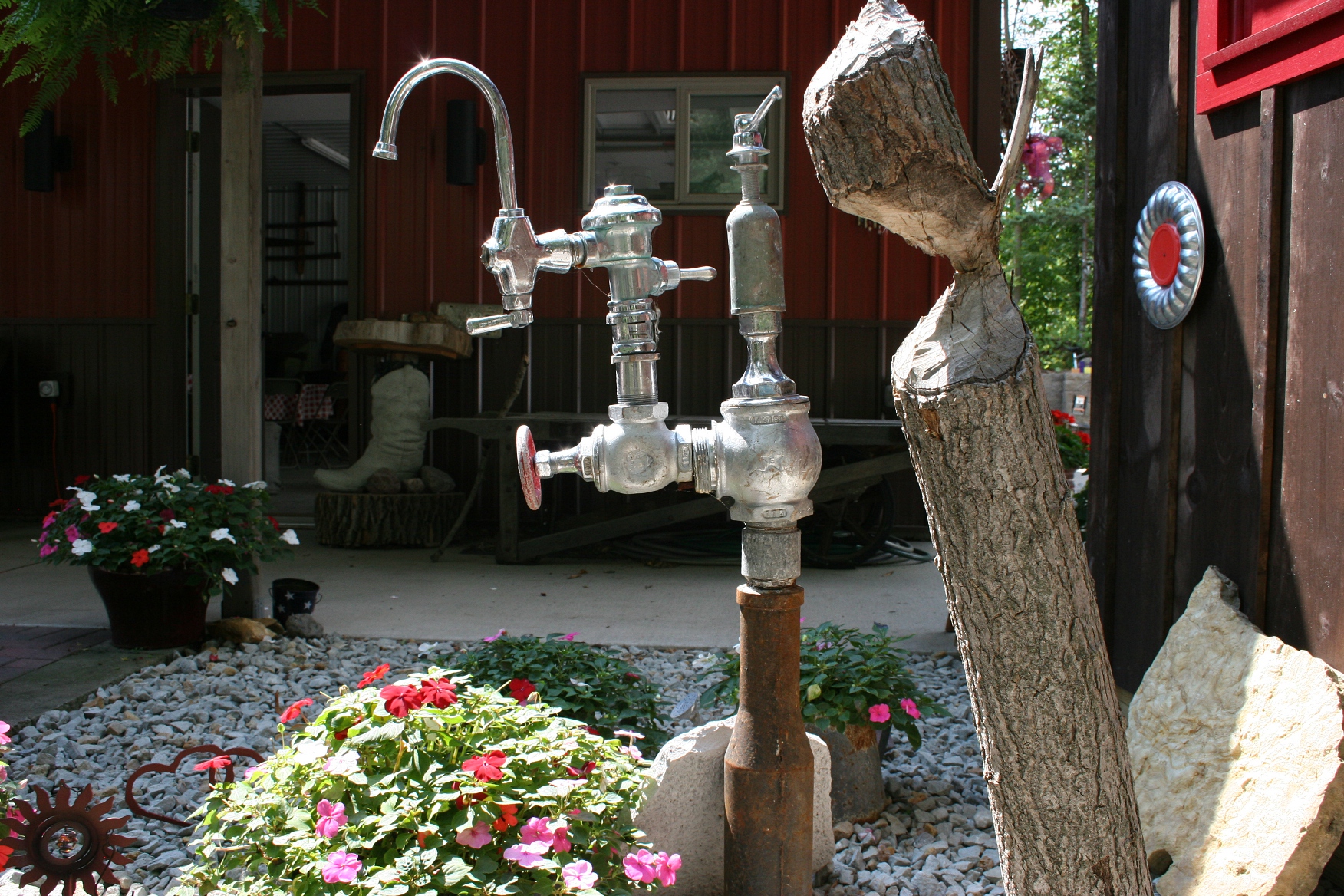
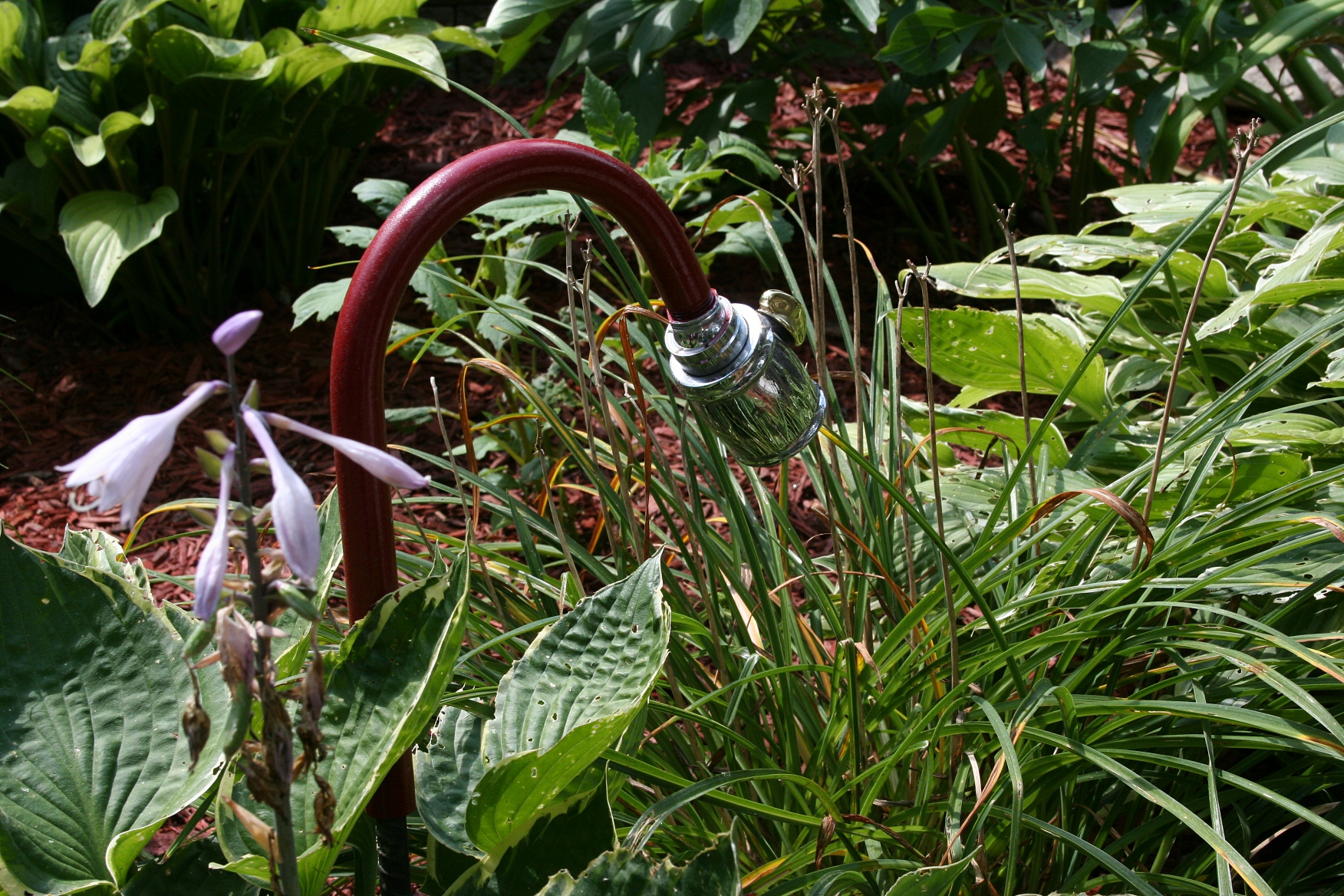
Discarded plumbing provides materials for art in a flower garden.

Discarded plumbing provides materials for art in a flower garden.

Jackie wishes this flowerbed faucet was functional.

Jackie wishes this flowerbed faucet art was functional.

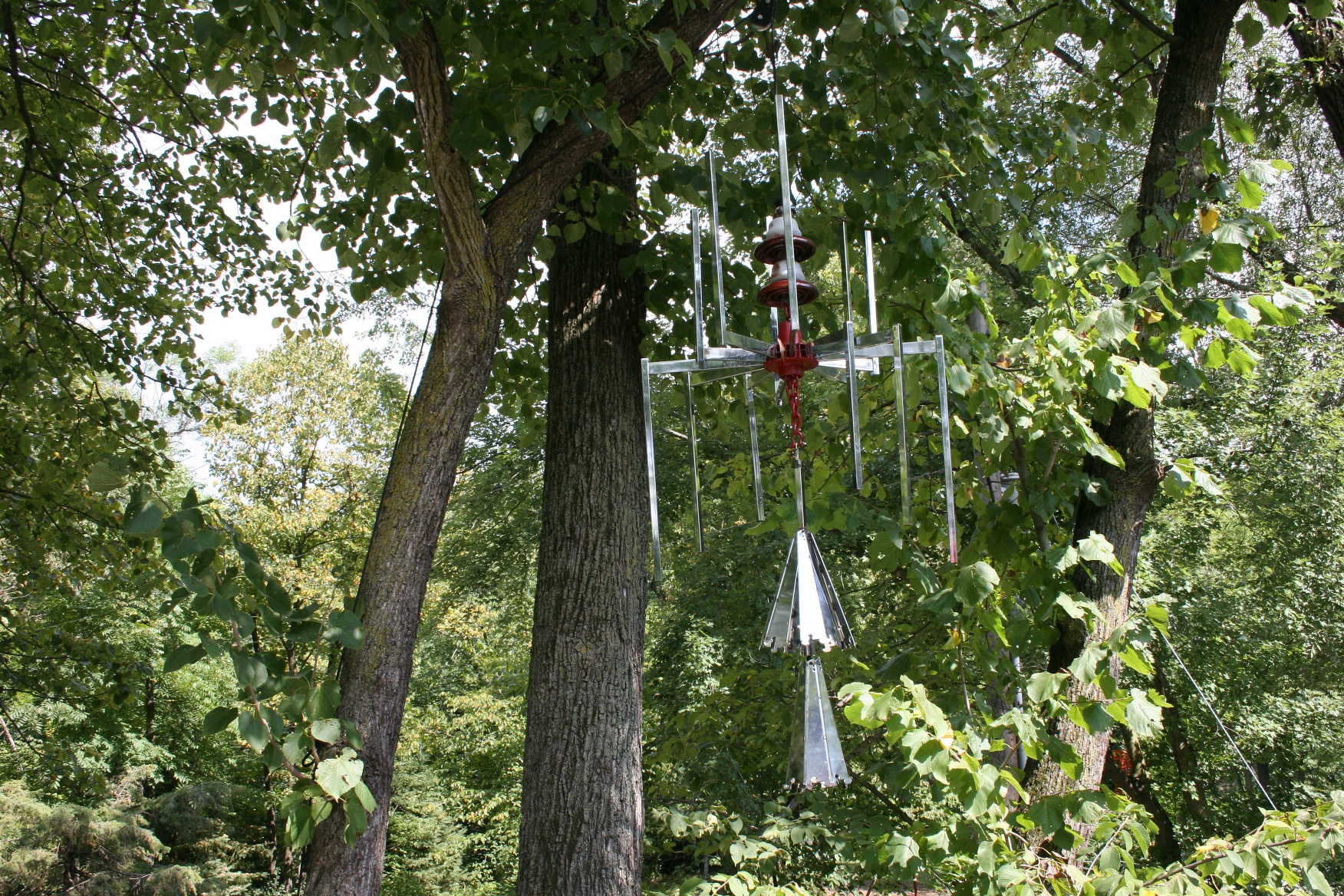
Oversized chimes crafted from discarded clothing racks (etc.) and strung high in a tree.

Oversized chimes crafted from discarded clothing racks (etc.) and strung high in a tree.

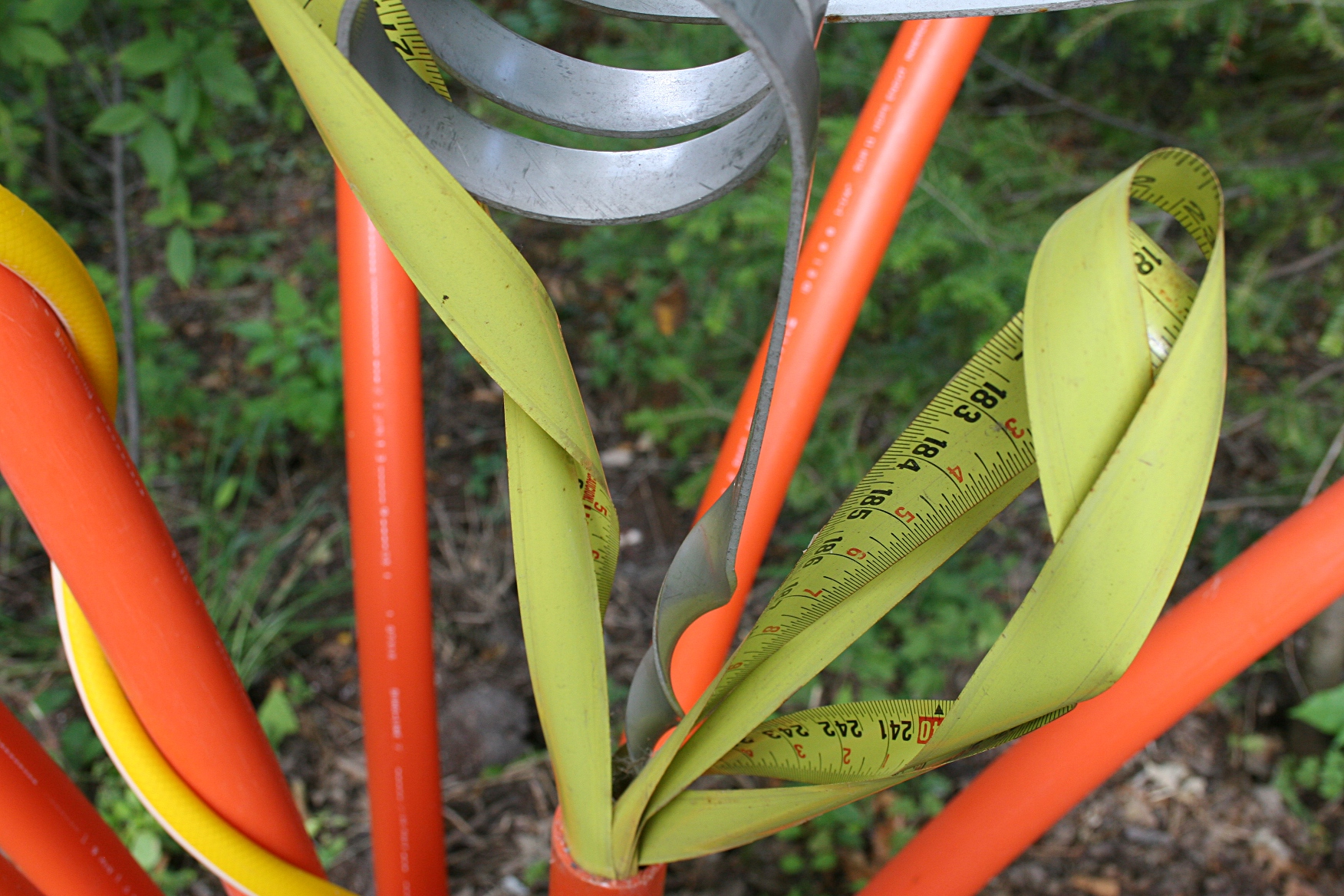
He’s transformed clothing racks, tape measures, a springform pan, old faucets, a grater, conduit and more into visual, and sometimes functional, art. The pieces are strategically placed on the couple’s wooded creekside property just off a quiet county road northeast of Medford. I love their land and many times have wished aloud that I desire to retreat here until all stress has exited my life.

Conduit turned art.

Conduit turned art.

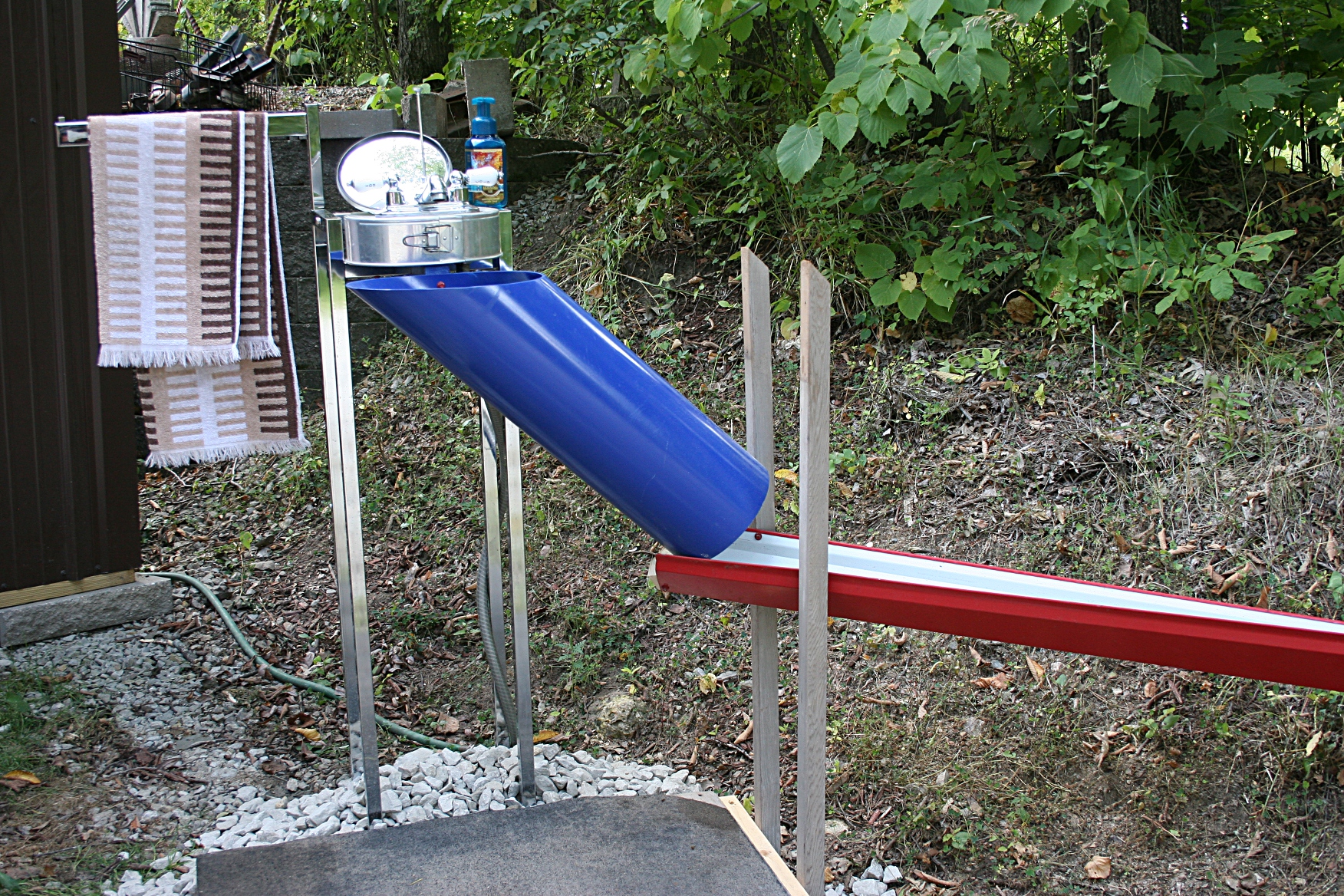
A portable outdoor functioning sink created with old faucets, springform pan, plastic pipes and more.

A portable outdoor functioning sink created with old faucets, springform pan, plastic pipes and more.

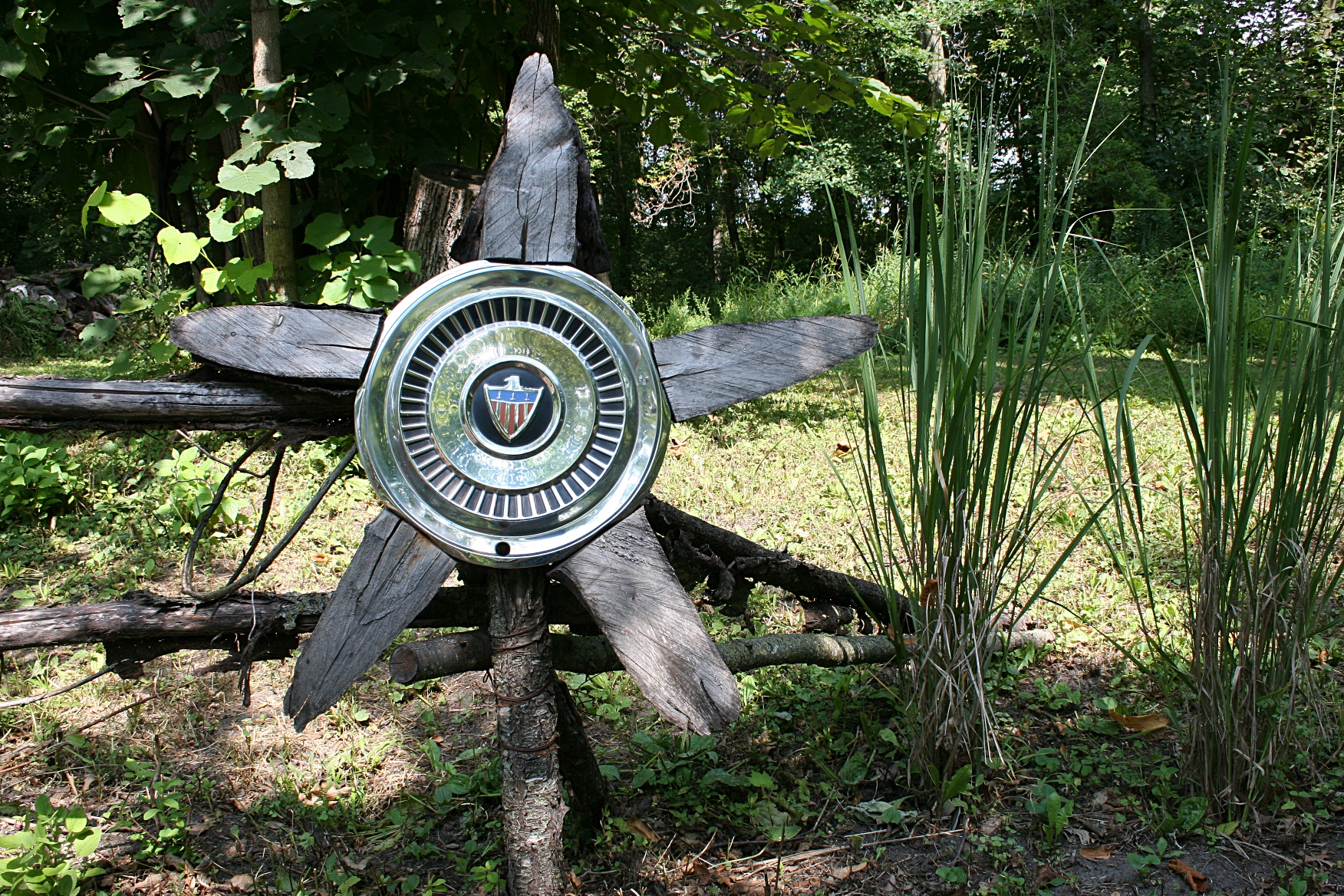
Fence art.

Fence art.

On a recent steamy summer Sunday afternoon, Steve and Jackie invited my husband and me to tour their outdoor sculpture garden featuring Steve’s vast collection of original art.

The close-up spirals on one of Steve's pieces.

The close-up spirals on one of Steve’s pieces.

A full view of the same piece above and one of the bridges Steve built.

A full view of the same piece above and one of the bridges Steve built.

Even old tape measures are worked into his art.

Even old tape measures are worked into his art.

To view his pieces is to wonder how he can possibly come up with ideas to twist and shape and bend and sculpt cast-offs into abstract art that grabs your attention for its uniqueness, cleverness and artsy appeal.

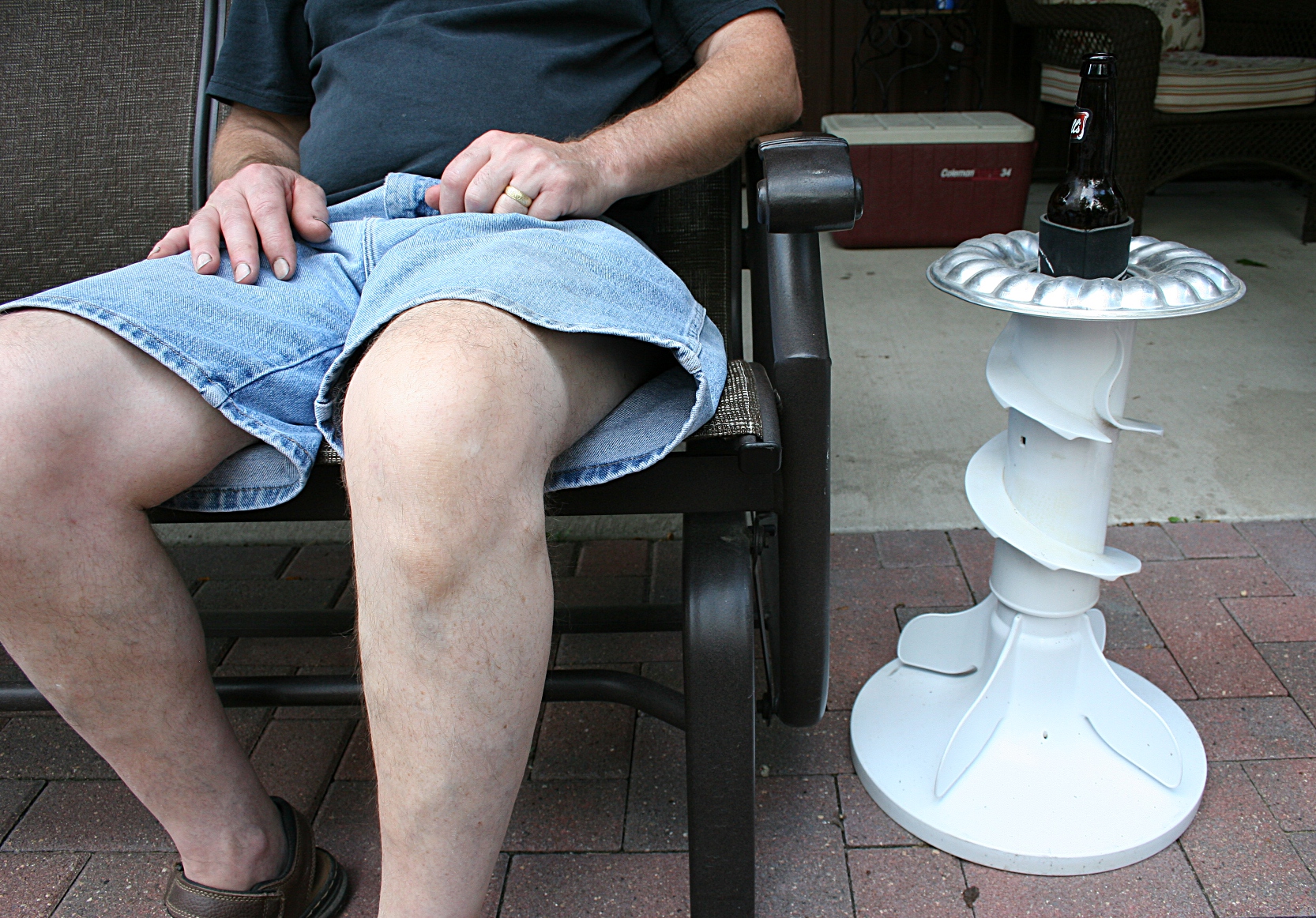
A practical use for an otherwise useless washer agitator, repurposed as a beverage holder.

A practical use for an otherwise useless washer agitator, repurposed as a beverage holder.

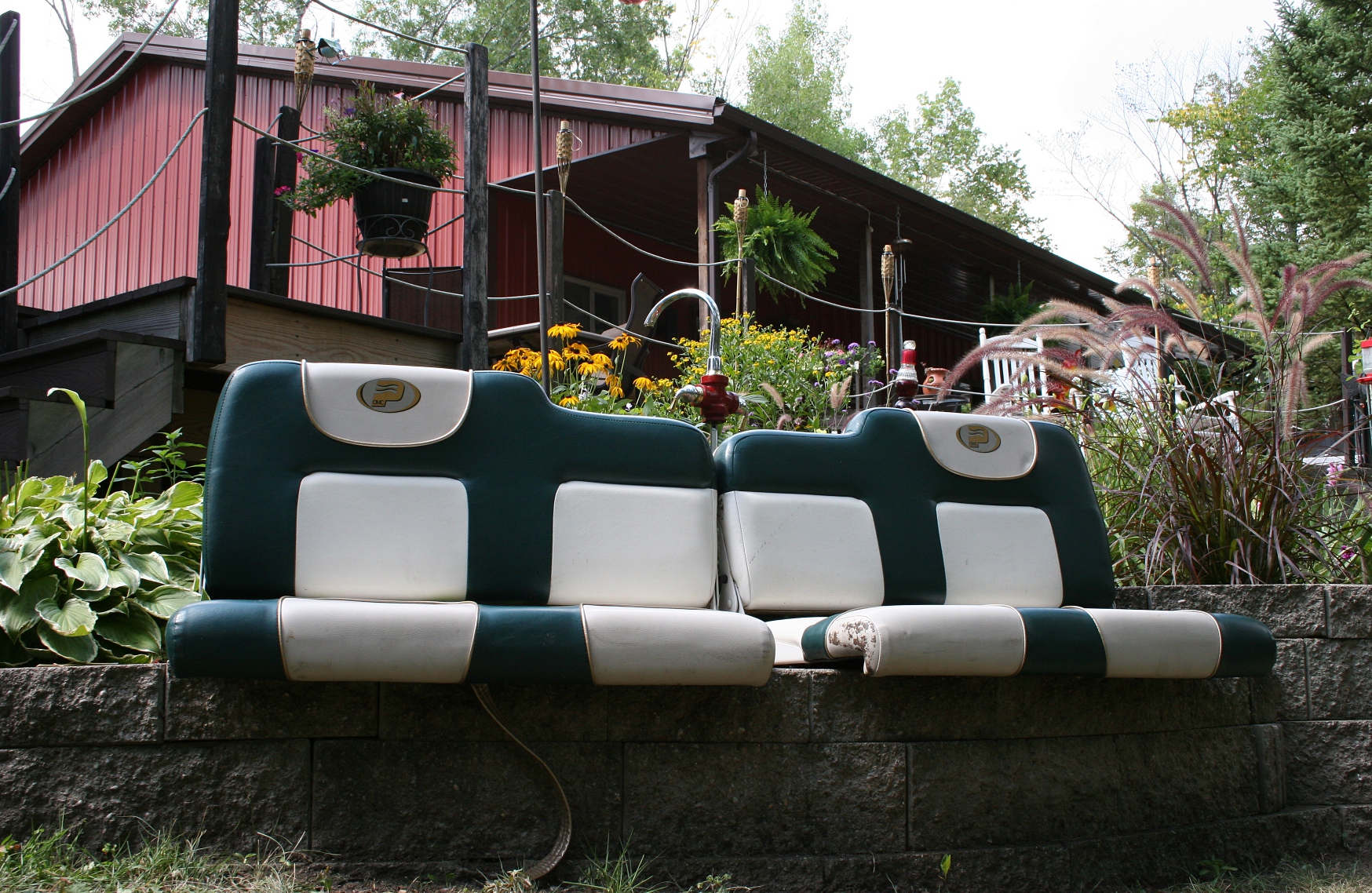
Boat seats repurposed as a seating area on a retaining wall.

Boat seats repurposed as a seating area on a retaining wall.

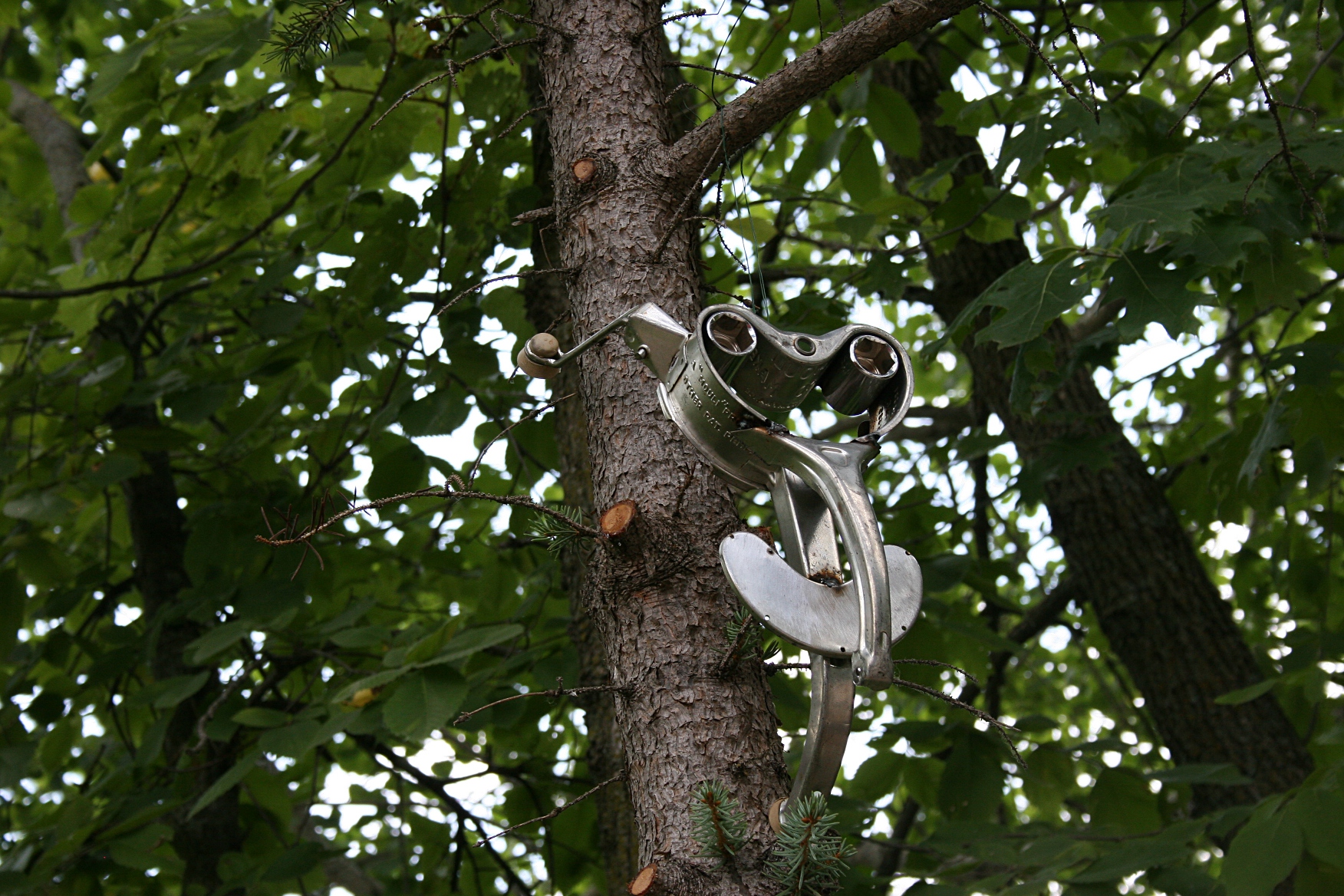
Who thinks of using a vintage meat grinder for art, then suspending it in a tree? Steve.

Who thinks of using a vintage grinder for art, then suspending it in a tree? Steve.

Talk to Steve about his artwerk and you hear his unbridled enthusiasm. This is what he’s meant to do. To create. Artwerk.

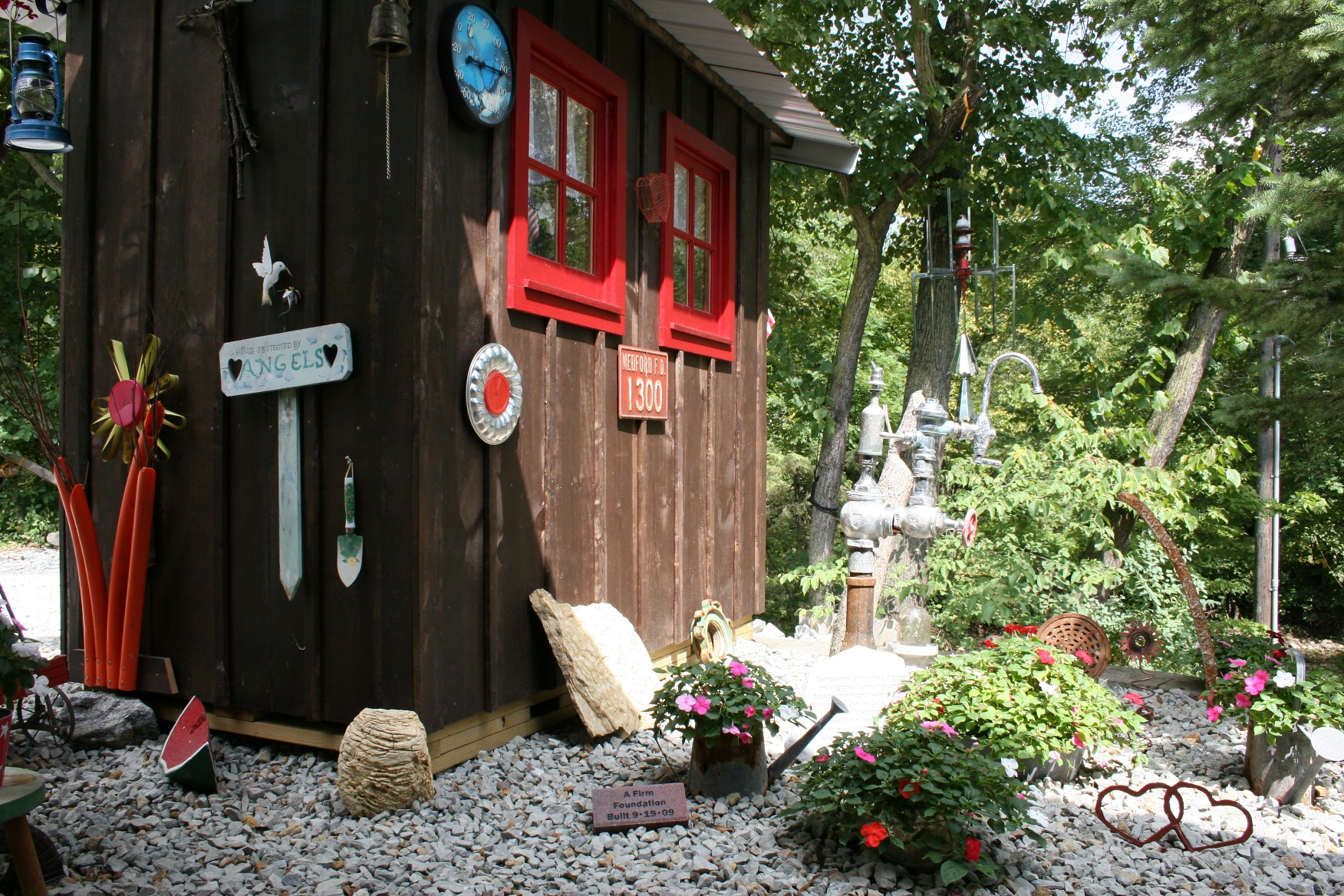
Steve has built several of these sheds, this one graced with some of the art he's crafted.

Steve has built several of these sheds, this one graced with some of the art he’s crafted.

Seriously, how does one shape barbed wire into a ball?

Seriously, how does one shape barbed wire into a ball?

A snippet of an art piece dangling high in the trees.

A snippet of an art piece dangling high in the trees.

FYI: If you are interested in purchasing Steve’s art or having him create a piece on commission, let me know via a comment here or in an email (see my “about” page). I’m tapping Steve’s creative brain about a metal headboard from my childhood. Believe me, he can turn anything into art. Anything.

Steve did not want a photo of himself published, which is why you’re not seeing one here. I have one, but…I will honor his request.

© Copyright 2014 Audrey Kletscher Helbling
 

A photographic tour of downtown Fergus Falls May 30, 2013

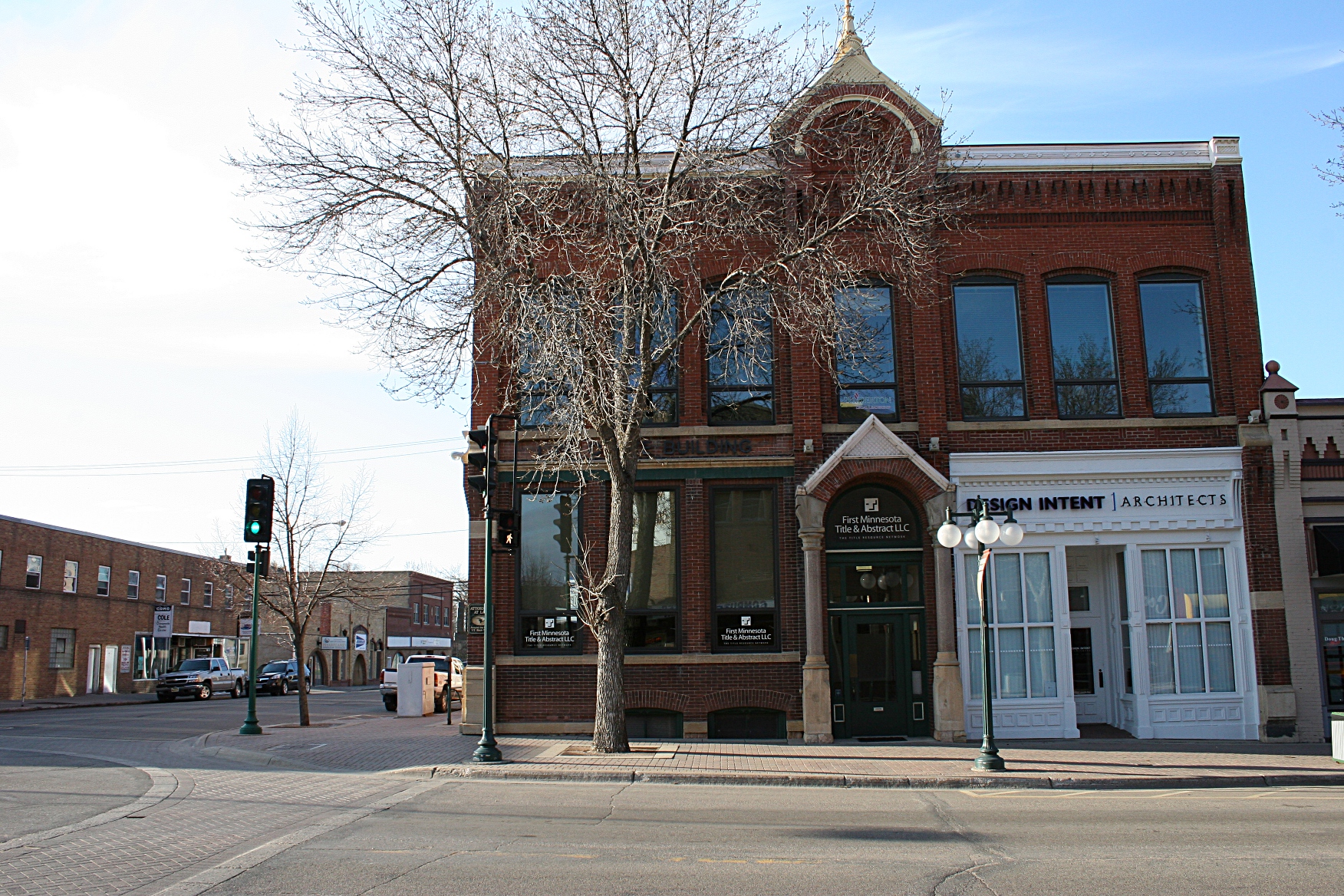
A snippet of Fergus Falls' downtown.

A snippet of Fergus Falls’ historic and pedestrian friendly downtown.

I SINCERELY HOPE the fine people of Fergus Falls in west central Minnesota appreciate their historic downtown. It’s a gem.

A stroll through the downtown business district on a recent Thursday evening left me gaping at the detailed architecture, words imprinted in granite, sculpted eagles and sculpted otters, stately brick buildings, a lovely old theatre, quaint signage and art, yes, art.

This Otter Tail riverside community of nearly 14,000 along Interstate 94 an hour southeast of Fargo impresses me. Join me on a photographic tour and I expect you will feel likewise.

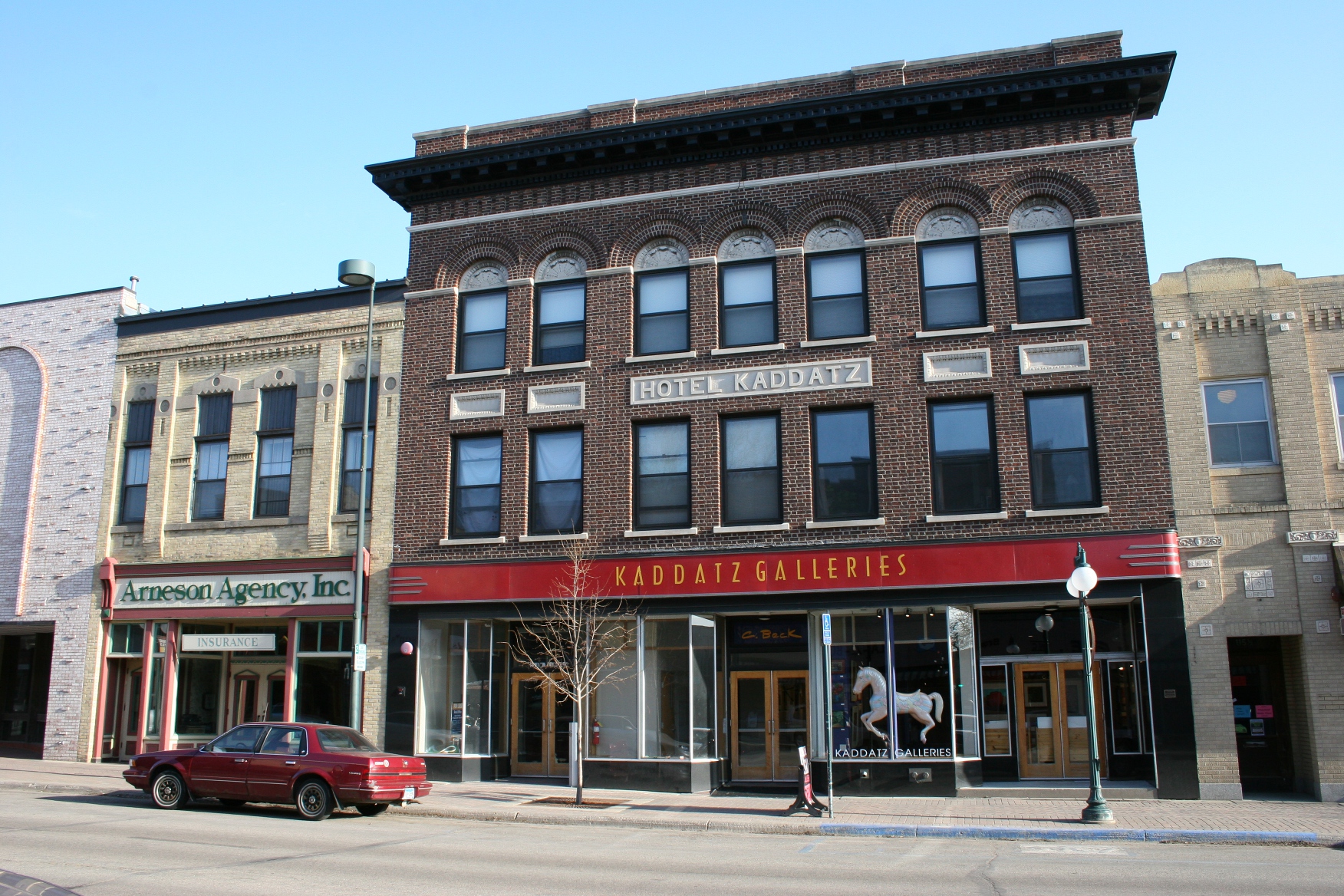
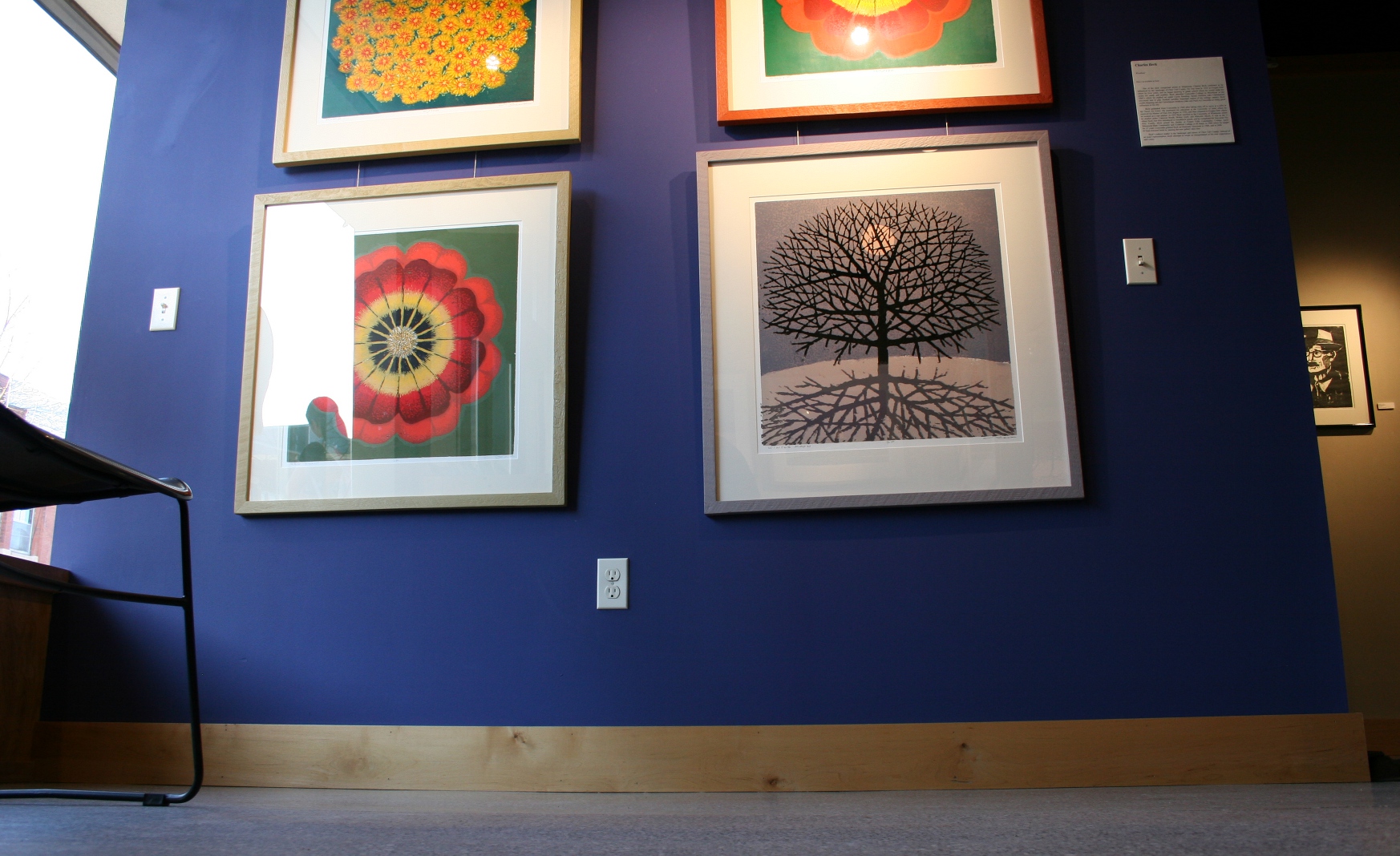
The Kaddatz Galleries features the work of noted Fergus Falls artist Charles Beck, known for his woodcut prints.

Kaddatz Galleries features, among other art, the work of noted Fergus Falls artist Charles Beck, known for his woodcut prints.

Examples of Charles Beck's woodcut prints in the Kaddatz Galleries.

Examples of Charles Beck’s woodcut prints in the Kaddatz Galleries.

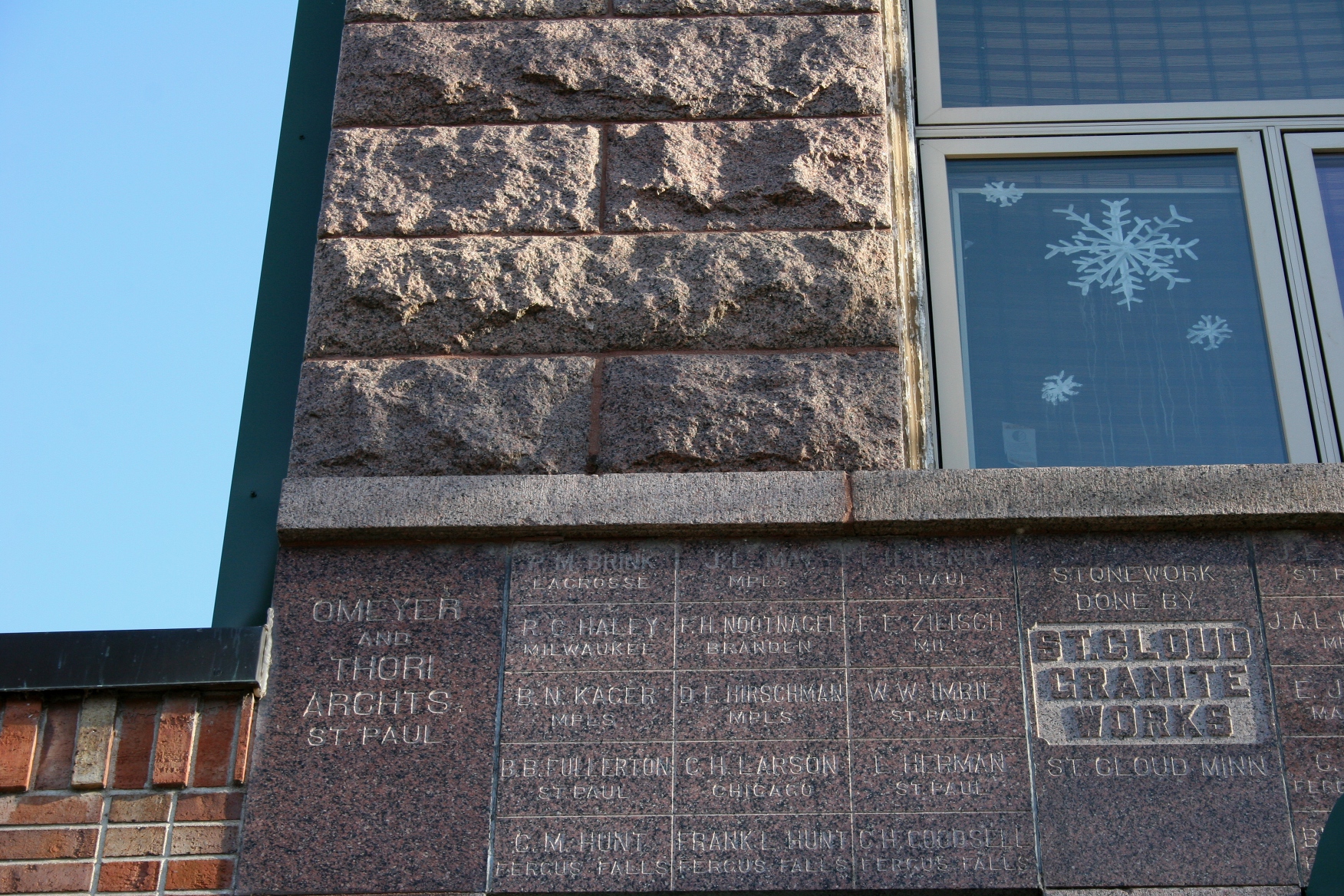
Words chiseled in granite on the front of a building. I would love to know the story behind this.

Words chiseled in granite…I would love to know the story behind this. The inscriptions cover the bottom front of the building.

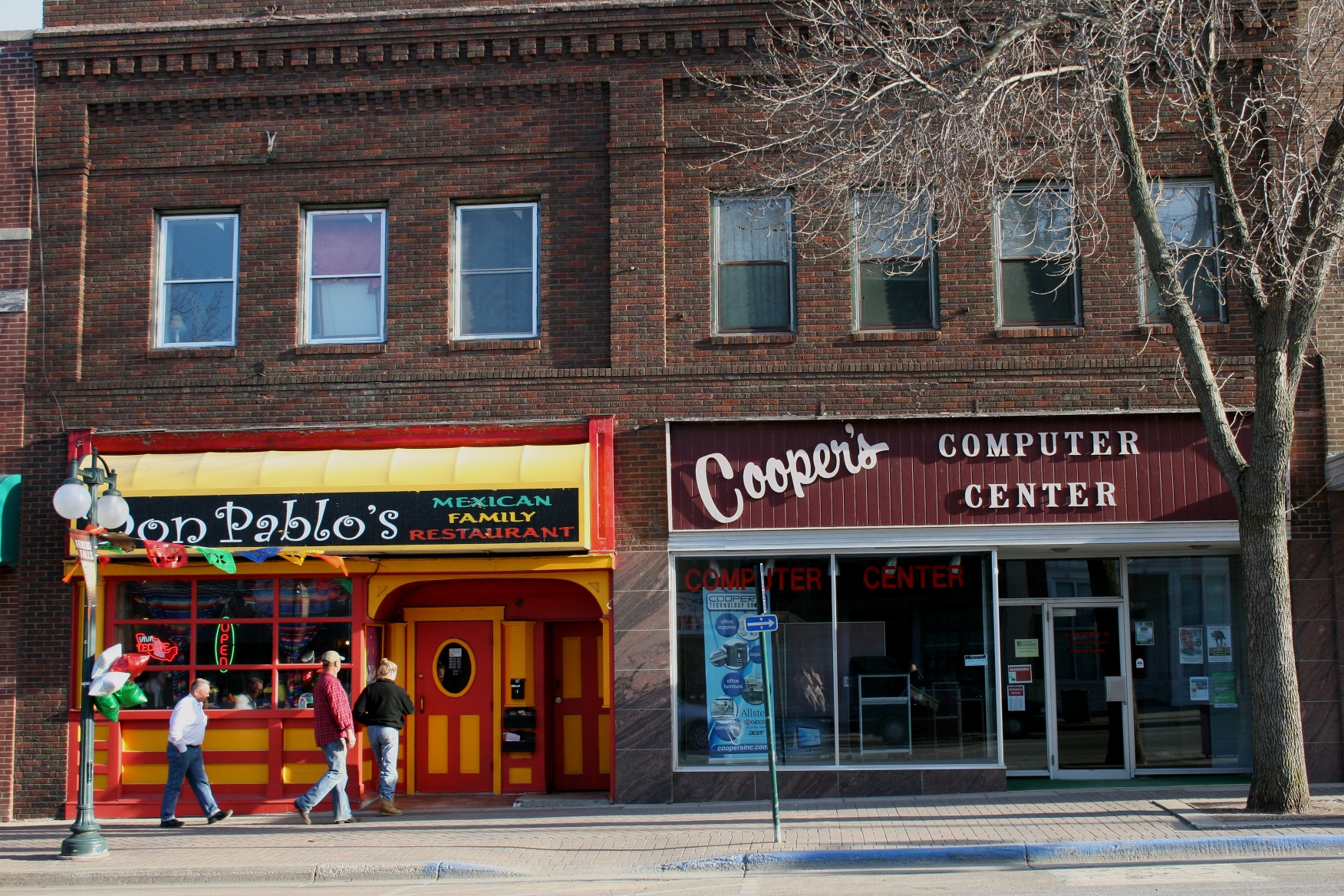
A Mexican restaurant adds a jolt of color to the downtown.

A Mexican restaurant adds a jolt of color to the downtown.

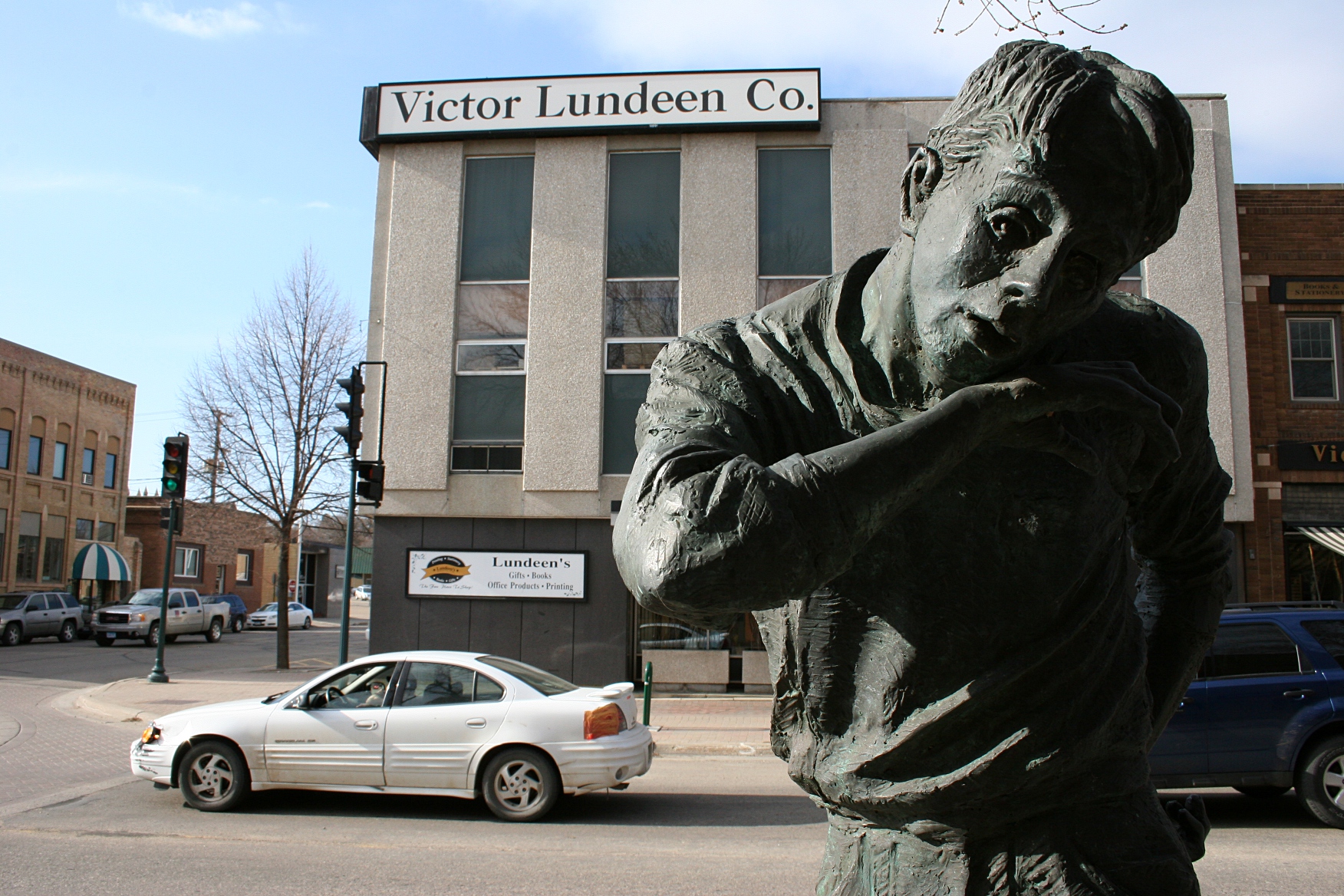
When I inquired at Kaddatz Galleries about the identity of this street corner statue, I didn't get an answer.

When I inquired at Kaddatz Galleries about the identity of this street corner statue, I didn’t get an answer. The gracious gallery tender says plans are in place to identify public art. Good idea.

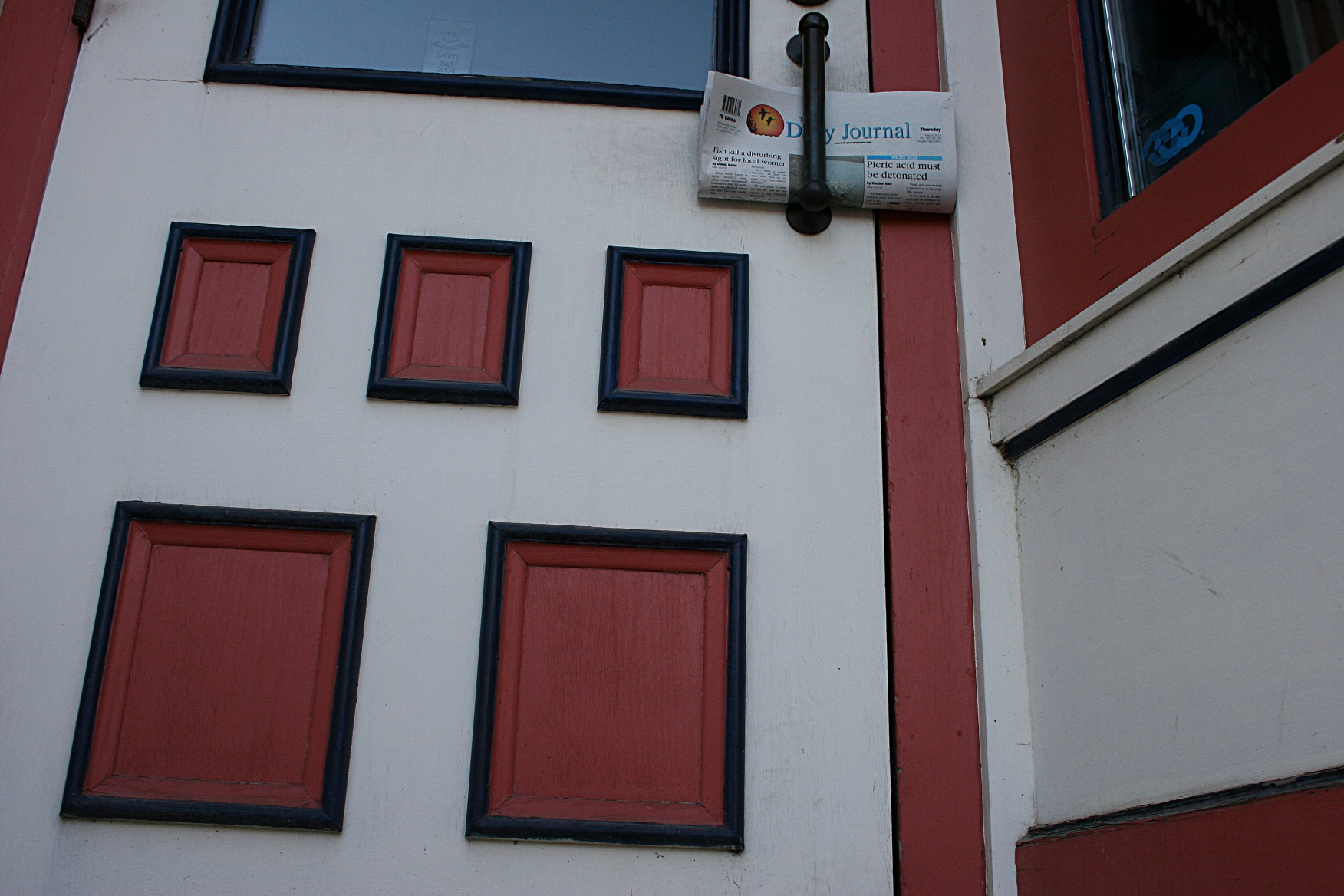
I spotted The Fergus Falls Daily Journal tucked into a door handle downtown.

I spotted The Fergus Falls Daily Journal tucked into a door handle downtown.

Another stately corner building.

Another stately corner building.

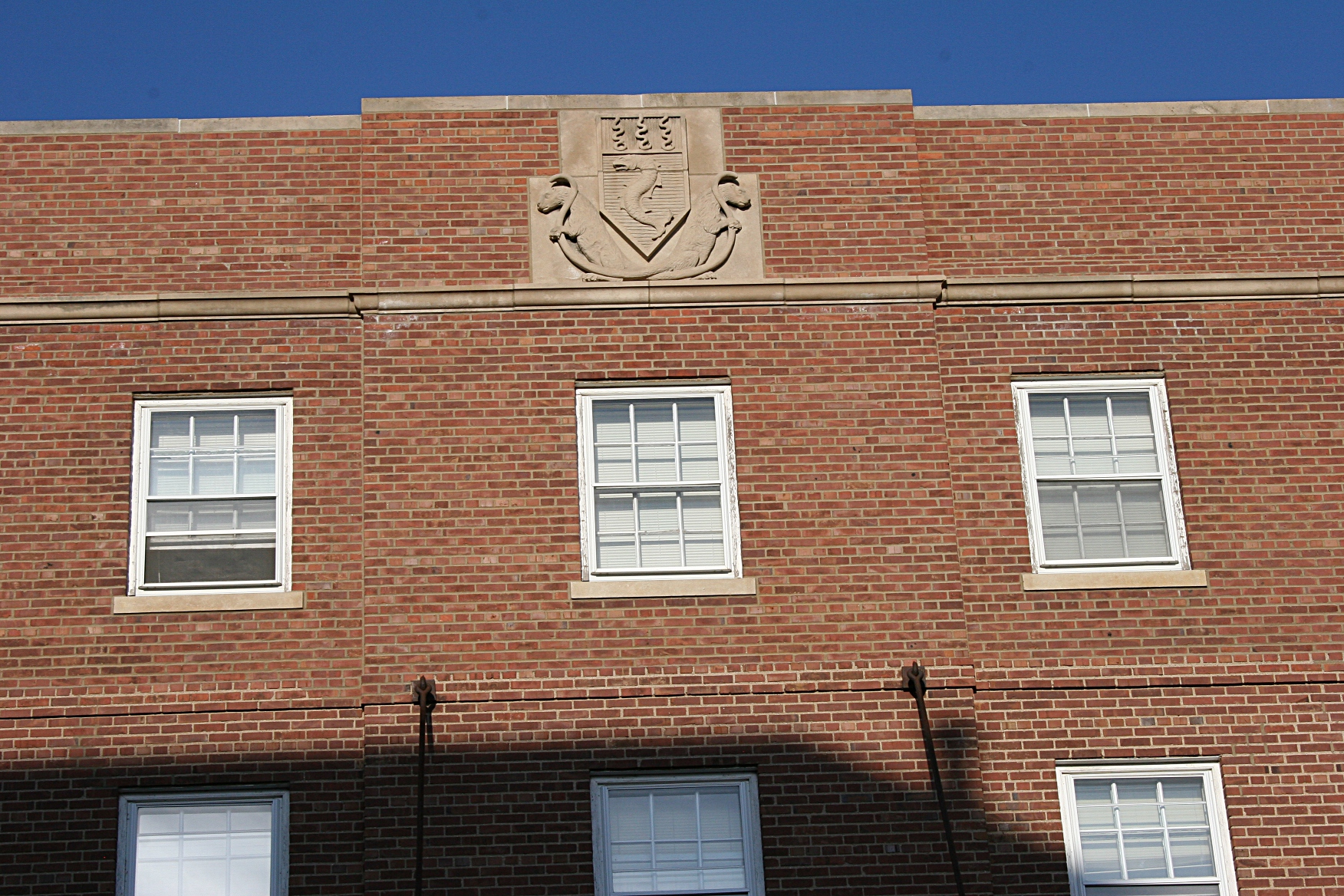
I stared for awhile at this sculpture atop the historic River Inn before realizing these are otters. The inn sits along the banks of the Otter Tail River.

I stared for a while at this sculpture atop the historic River Inn before realizing these are otters. The inn sits along the Otter Tail River. I believe this building today houses only apartments and does not operate as an inn.

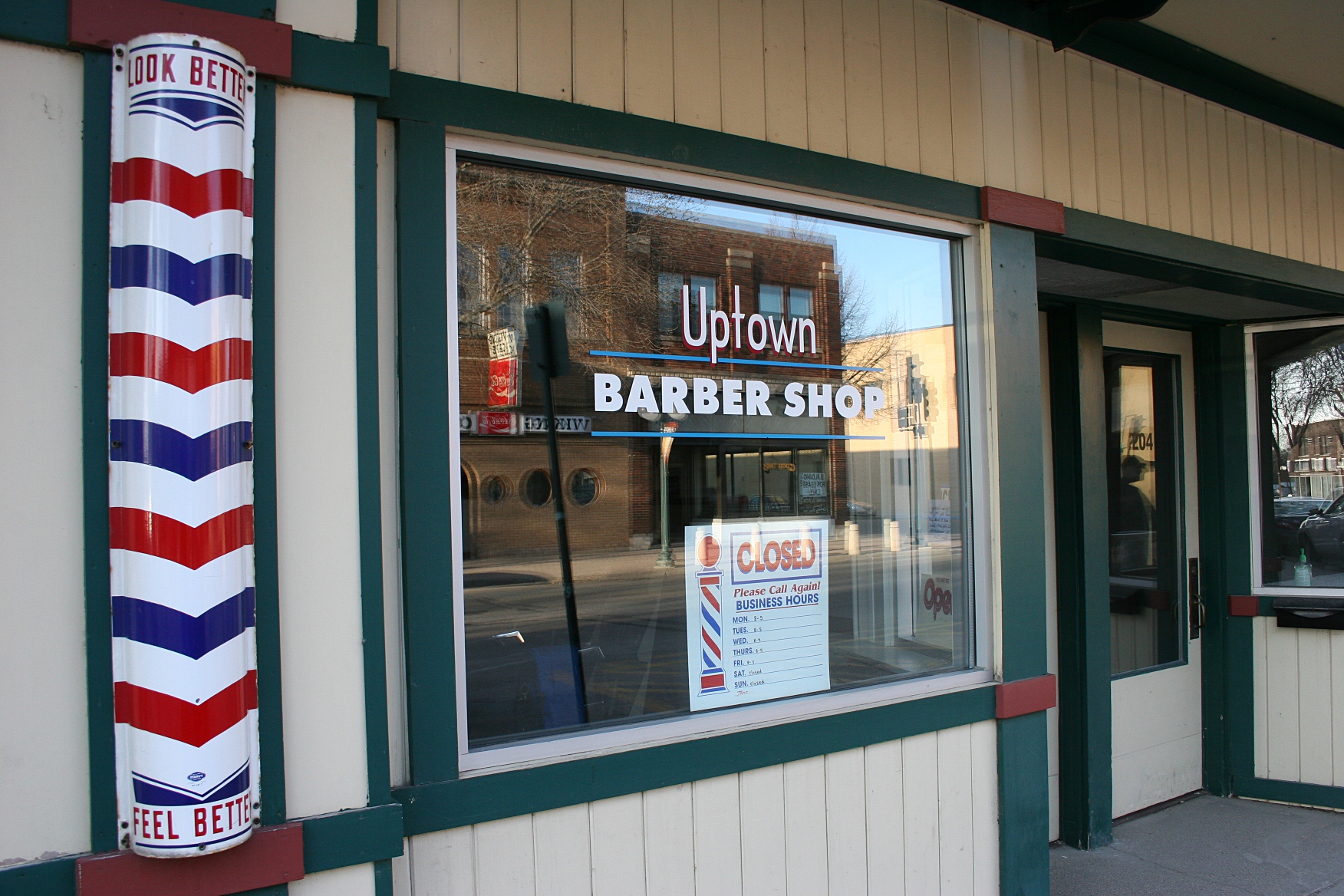
A downtown barbershop complete with a barber's pole charms visitors like me.

The Uptown Barber Shop, complete with a barber’s pole, charms visitors like me.

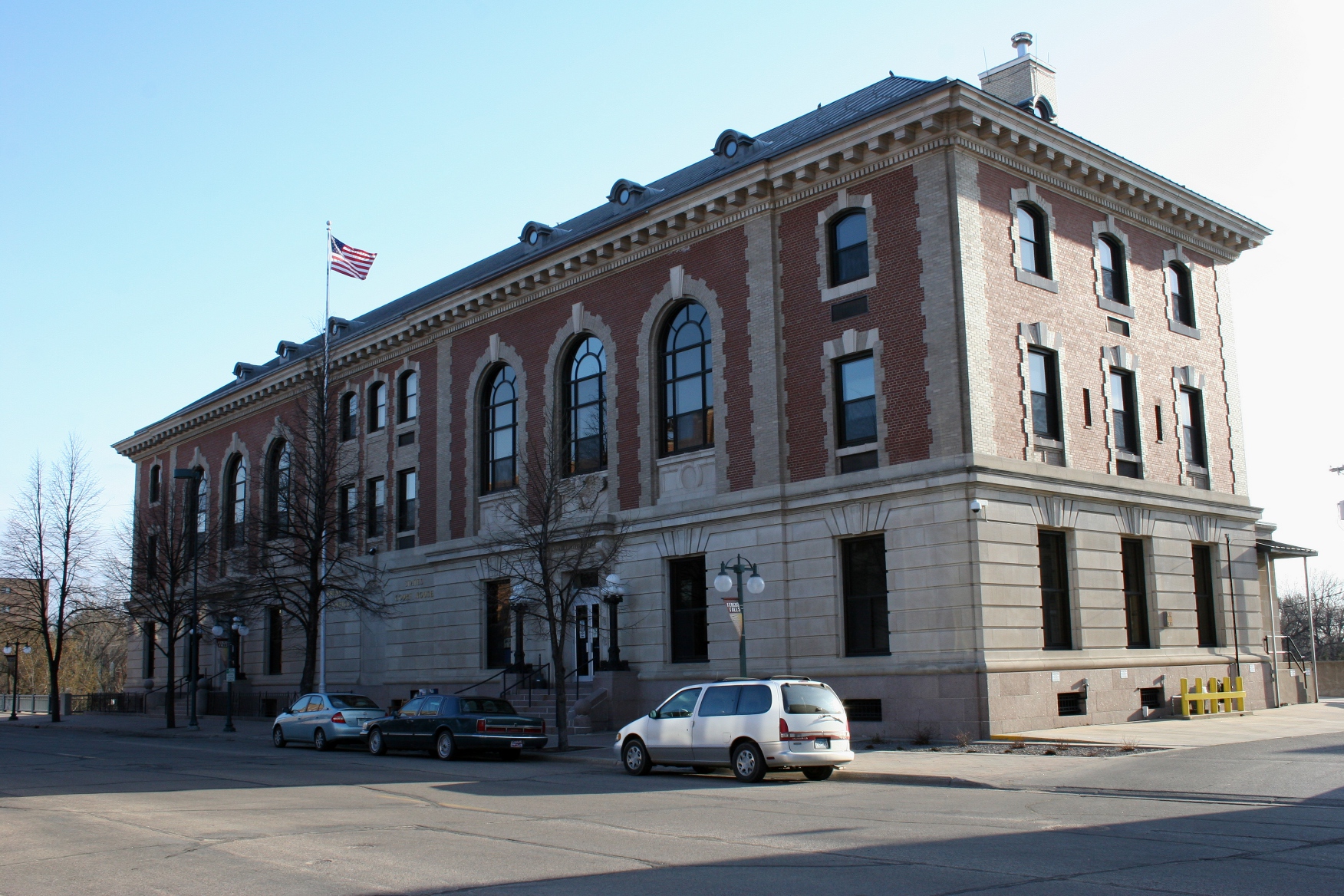
This hulking federal building houses courtrooms and the post office.

This hulking federal building houses courtrooms and the post office.

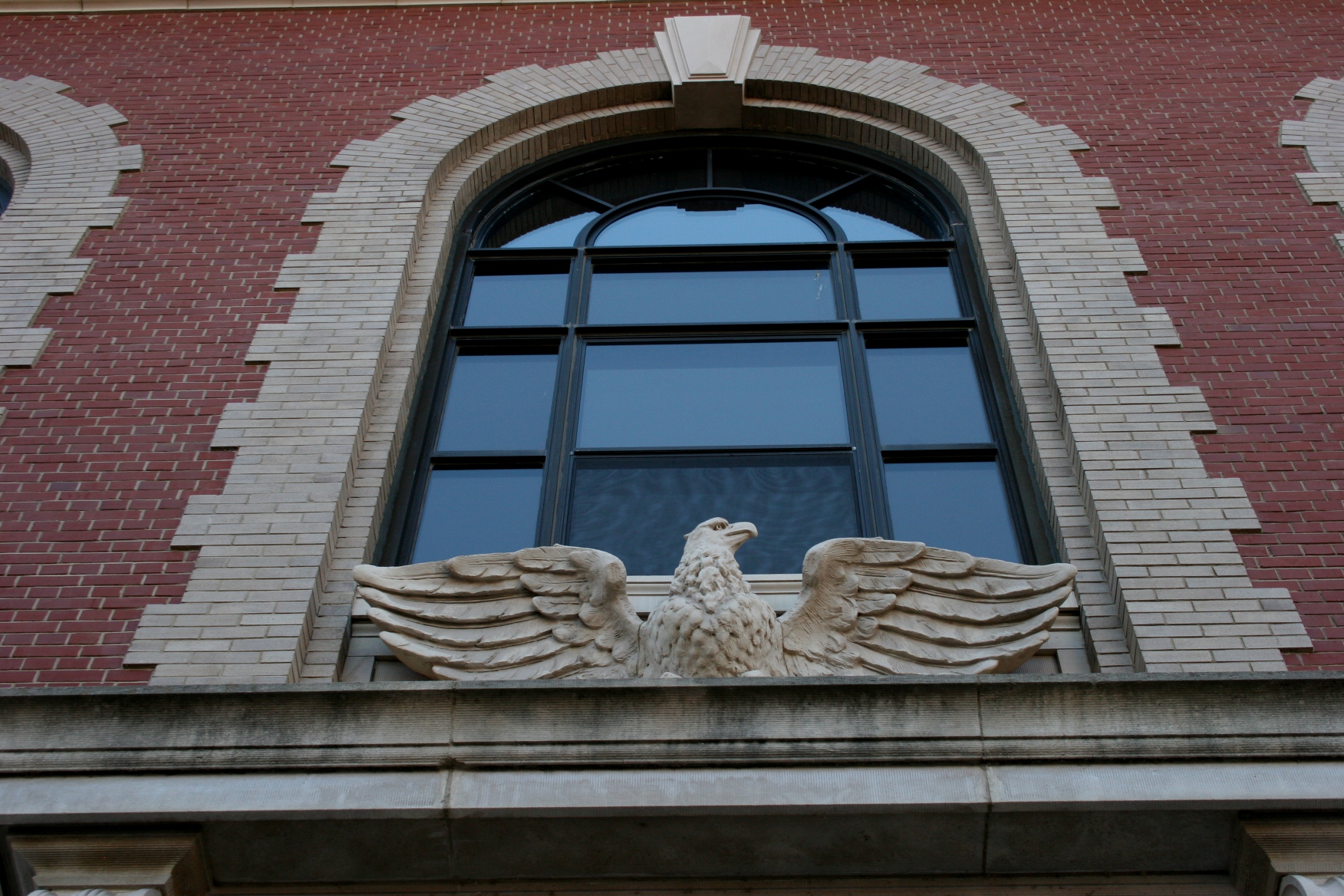
Stunning eagle sculptures span the entries into the federal building.

Stunning eagle sculptures span the front entries into the federal building.

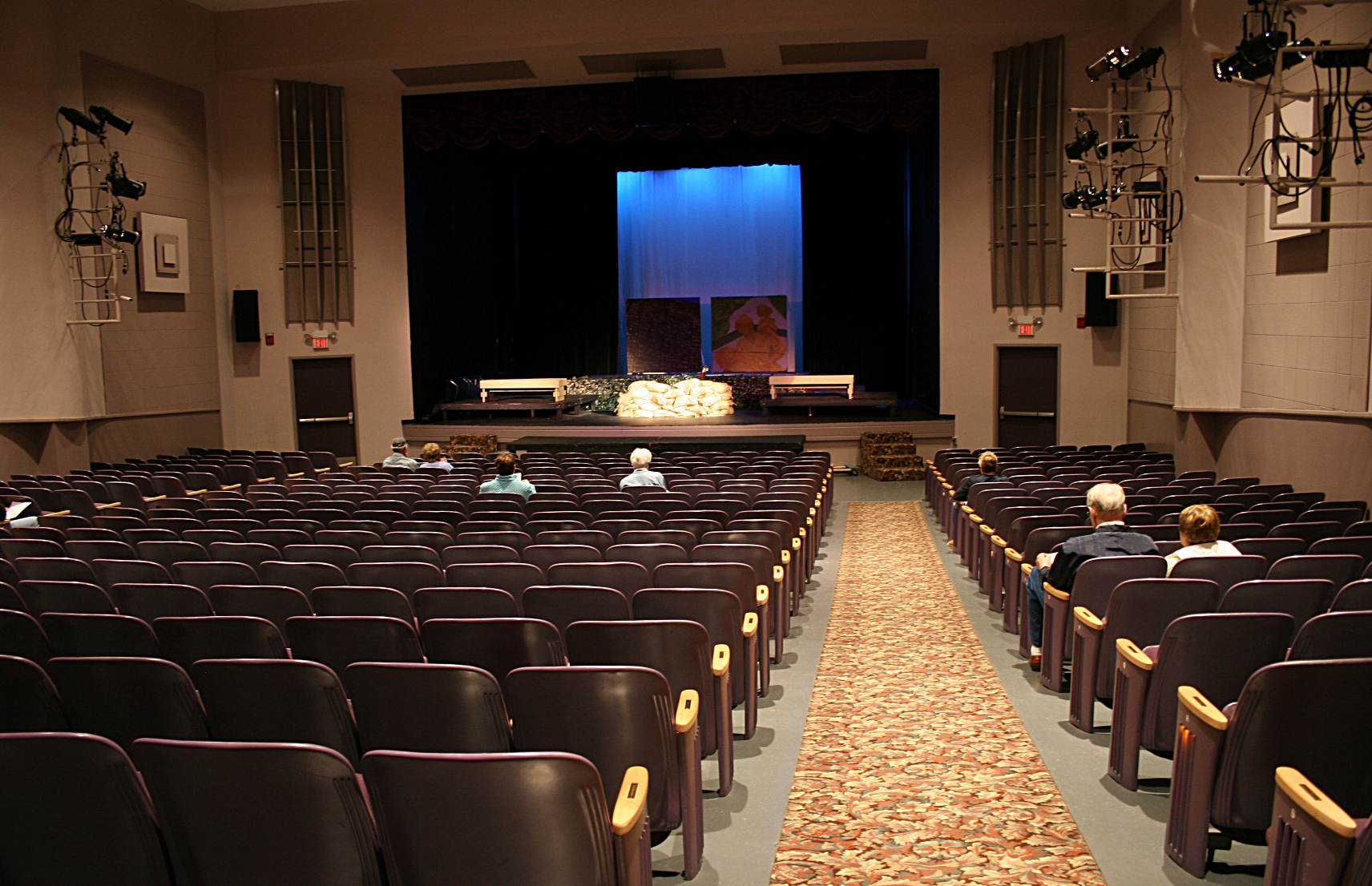
Audience members filter into an historic theatre for a play presented at a Center for the Arts.

Audience members filter into an historic theatre for a play presented at A Center for the Arts.

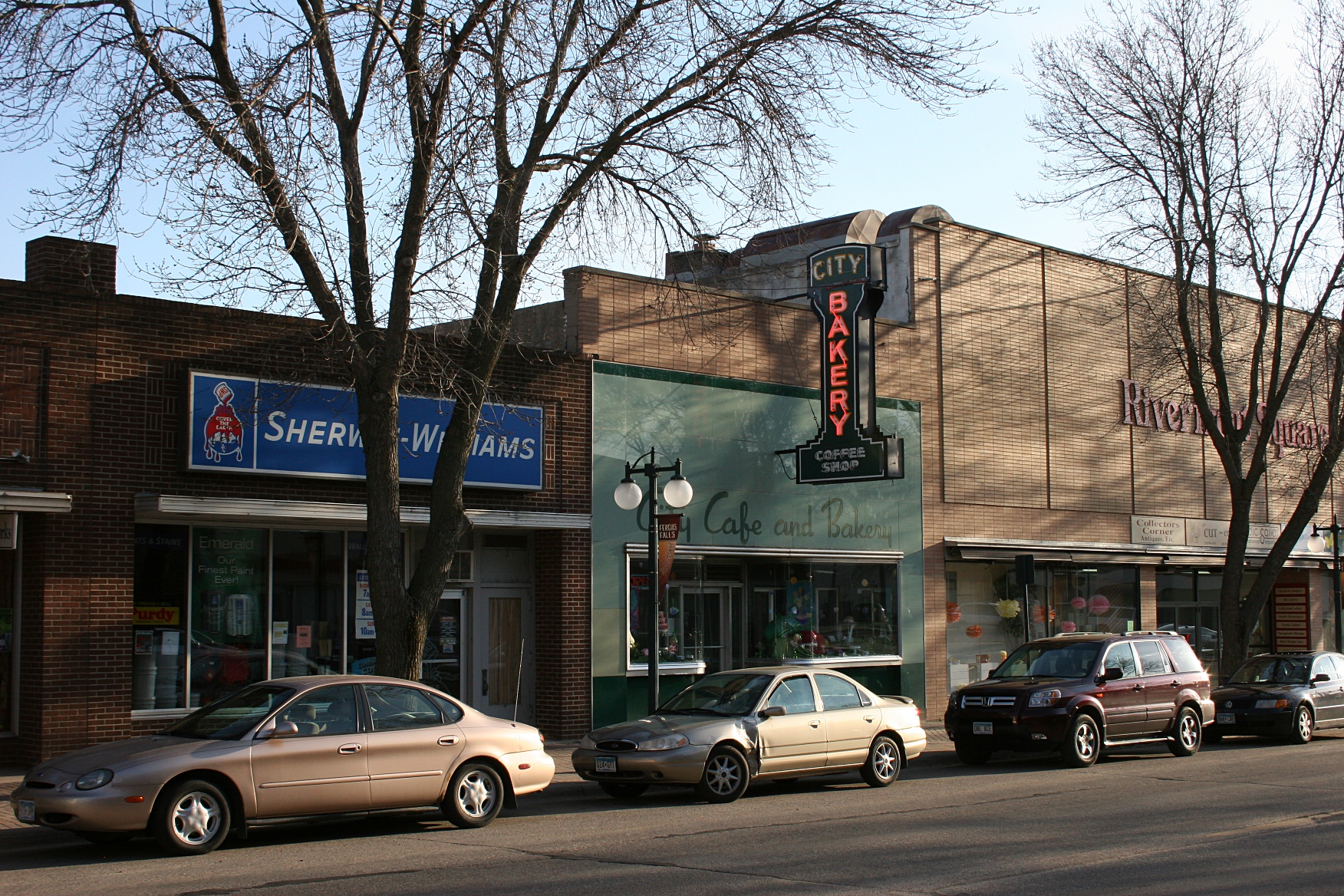
Just another shot of businesses in downtown Fergus Falls.

Just another shot of businesses in downtown Fergus Falls.

FYI: To view previous posts from Fergus Falls, use my blog search engine to check my archives. I posted last week and during the week of June 12-18, 2011, on my first visit to Fergus Falls.  Also, watch for more posts from this community.

© Copyright 2013 Audrey Kletscher Helbling
 

A virtual tour of Mankato’s sculpture walk July 9, 2011

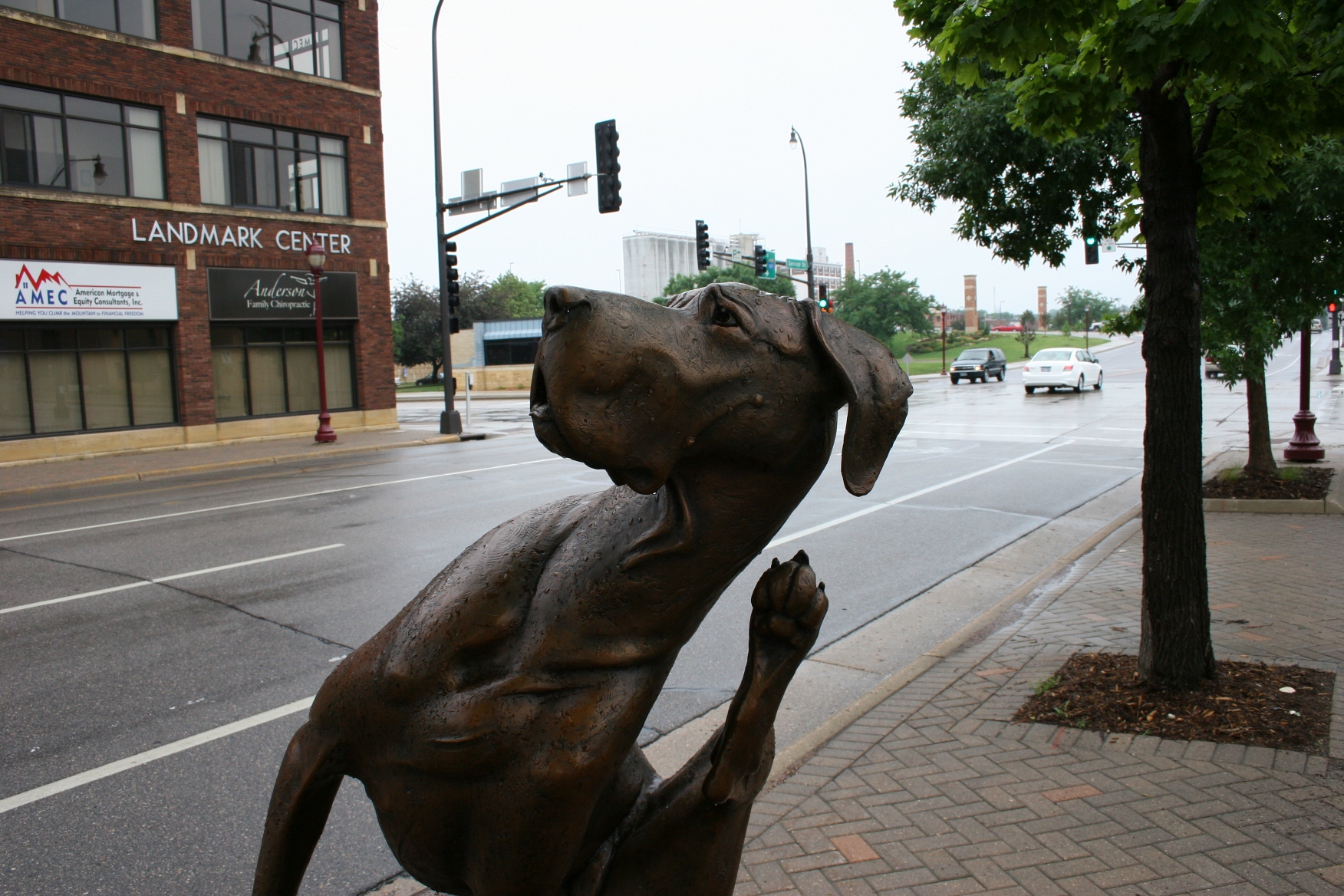
Louise Peterson of Guffey, CO. created this $20,000 bronze sculpture of a playful Great Dane titled "Tickled."

DEAR READERS,

I realize that some, maybe even many, of you, do not live anywhere near Mankato, the southeastern Minnesota community where I recently viewed sidewalk sculptures.

Heck, some of you don’t even live in states bordering Minnesota. Your chances of ever seeing these 25 pieces of art in person are about zilch.

So, for those of you who will view the City Art Walking Sculpture Tour only via Minnesota Prairie Roots, I’ve pulled together one last blog post. Please read my previous two posts for more details and photos of this community art project by first clicking here and then here.

This whole concept of bringing art to the streets through a rotating sculpture tour pleases me immensely. What a grand idea. Such art adds to the vibe of a downtown, to its art, history and culture.

Thank you, Mankato, and everyone who supported this cause financially, for bringing these sculptures to southeastern Minnesota, within quick driving distance of my Faribault home.

Yours gratefully,

Audrey Kletscher Helbling at Minnesota Prairie Roots
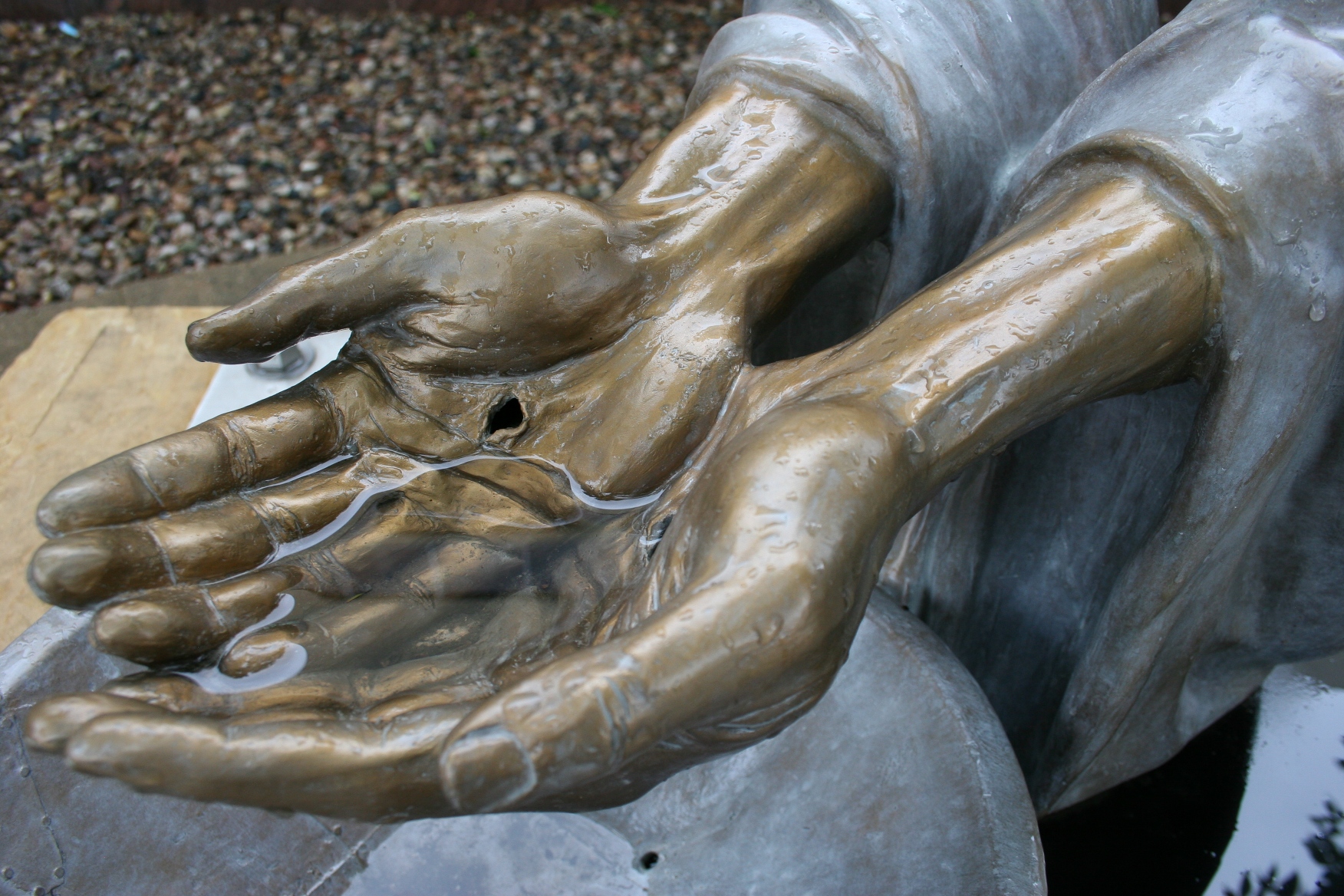
Sioux Falls artist Darwin Wolf's $13,500 sculpture, "The Fountain of Life," references Jesus washing Peter's feet at the Passover. It emphasizes the healing, life-giving qualities of water.

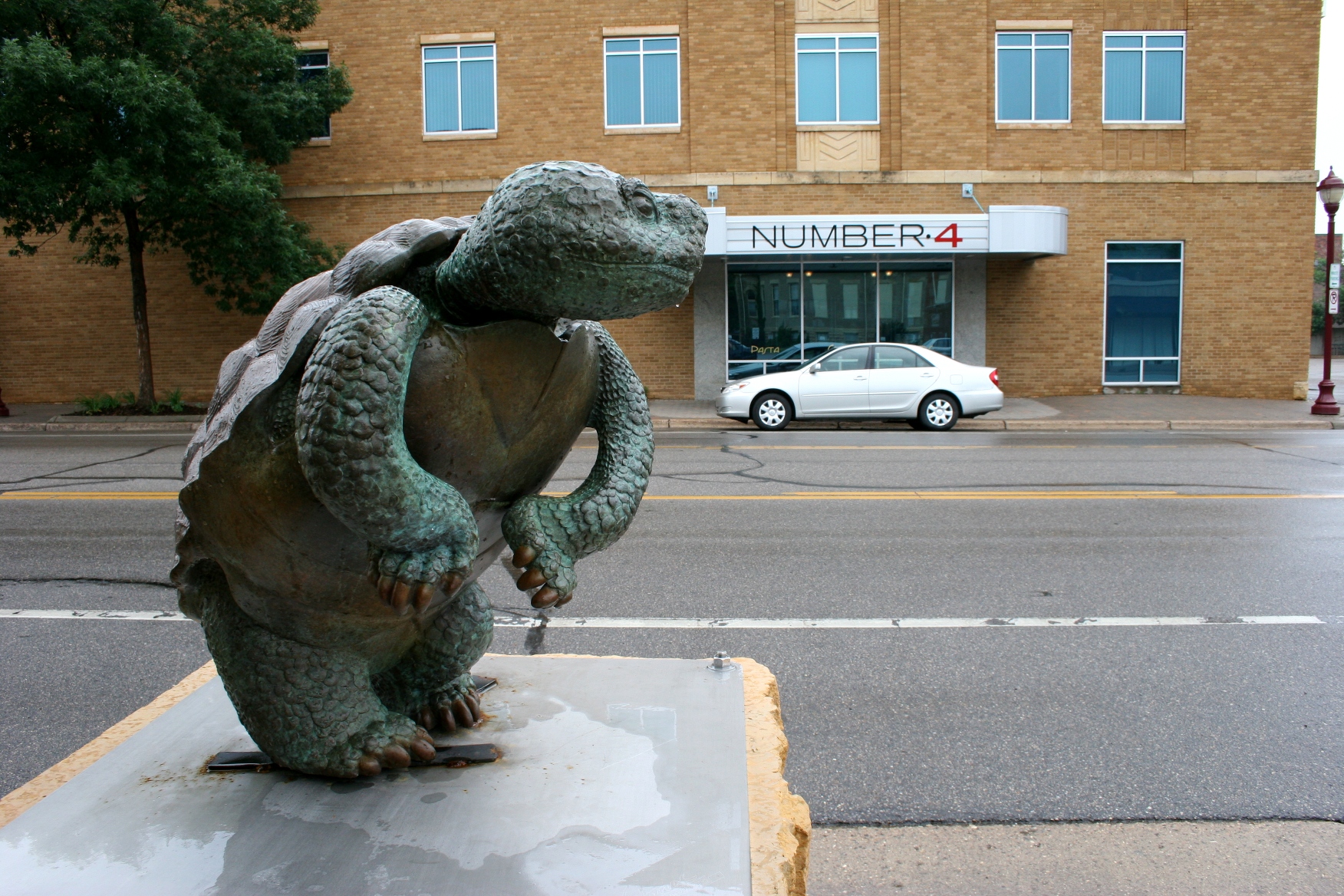
"Poco a Poco" a $12,000 bronze sculpture by Pokey Park of Tucson, Arizona, highlights the tortoise, representative of wisdom in American Indian culture. The building in the background houses Number 4 American Bar & Kitchen.

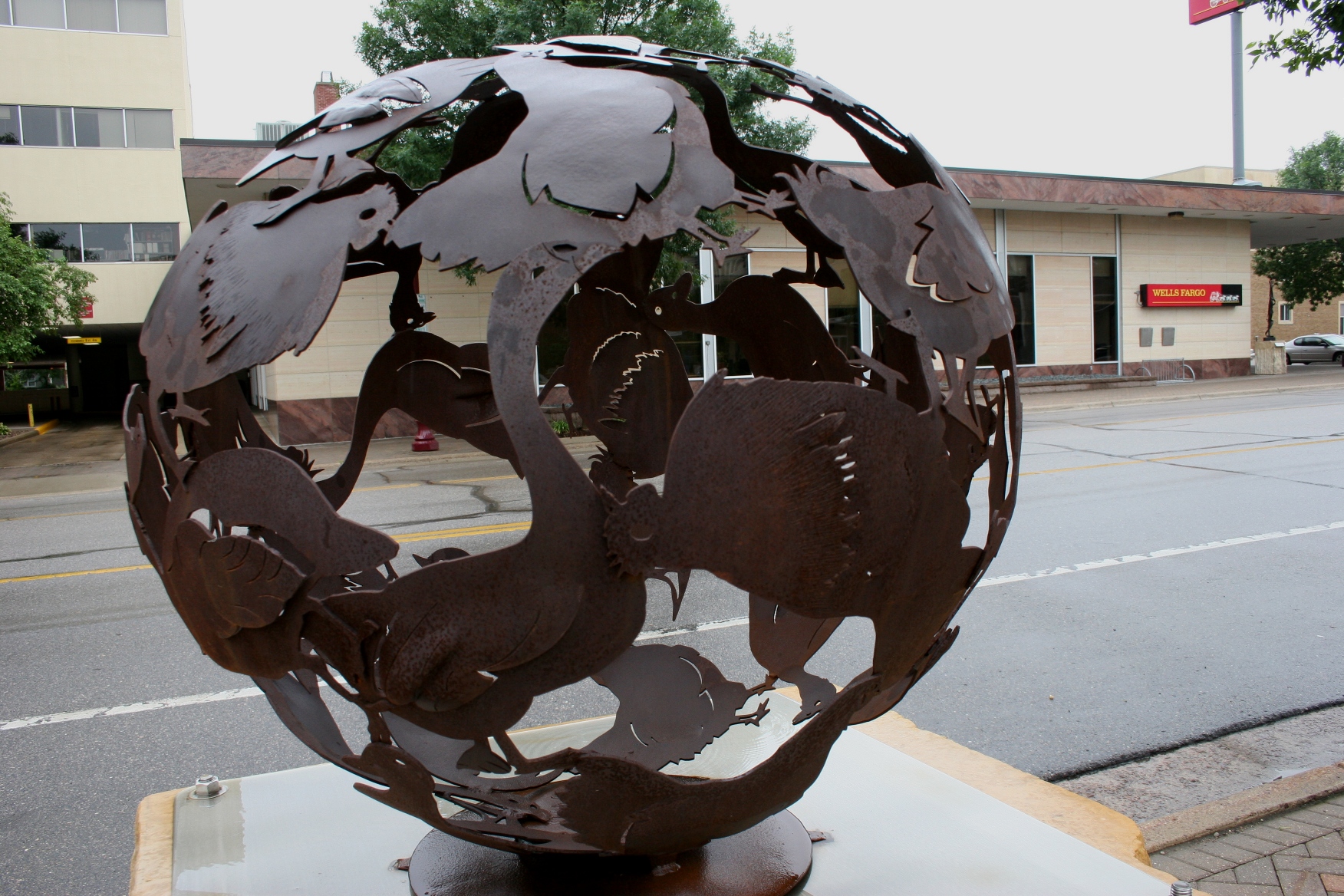
"Fowl Ball" celebrates geese, ducks, turkeys and chickens in this $7,600 forged and welded weathered steel sculpture by Lee W. Badger of Hedgesville, West Virginia.

All of the sculptures are marked with informational signage.

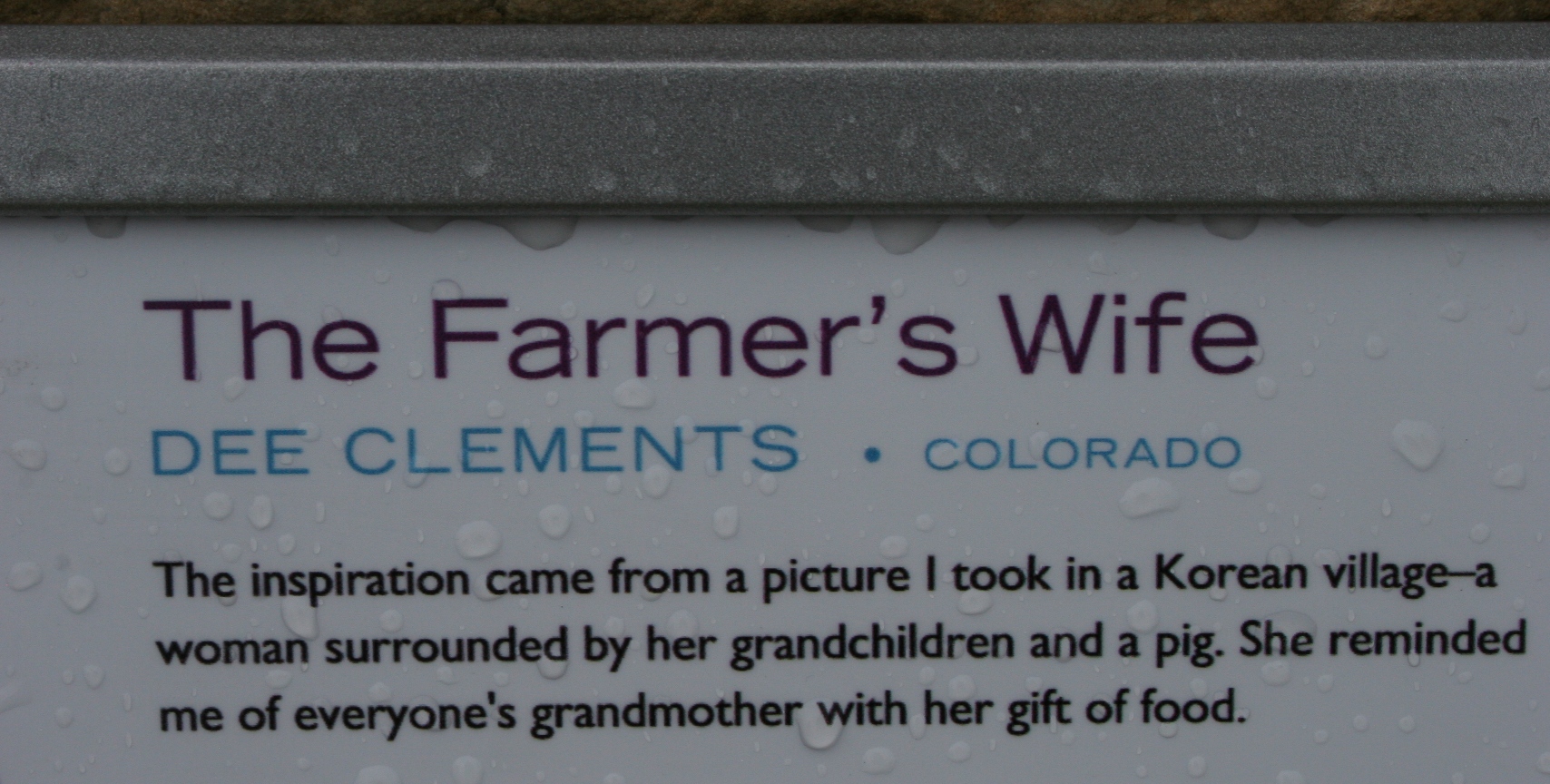
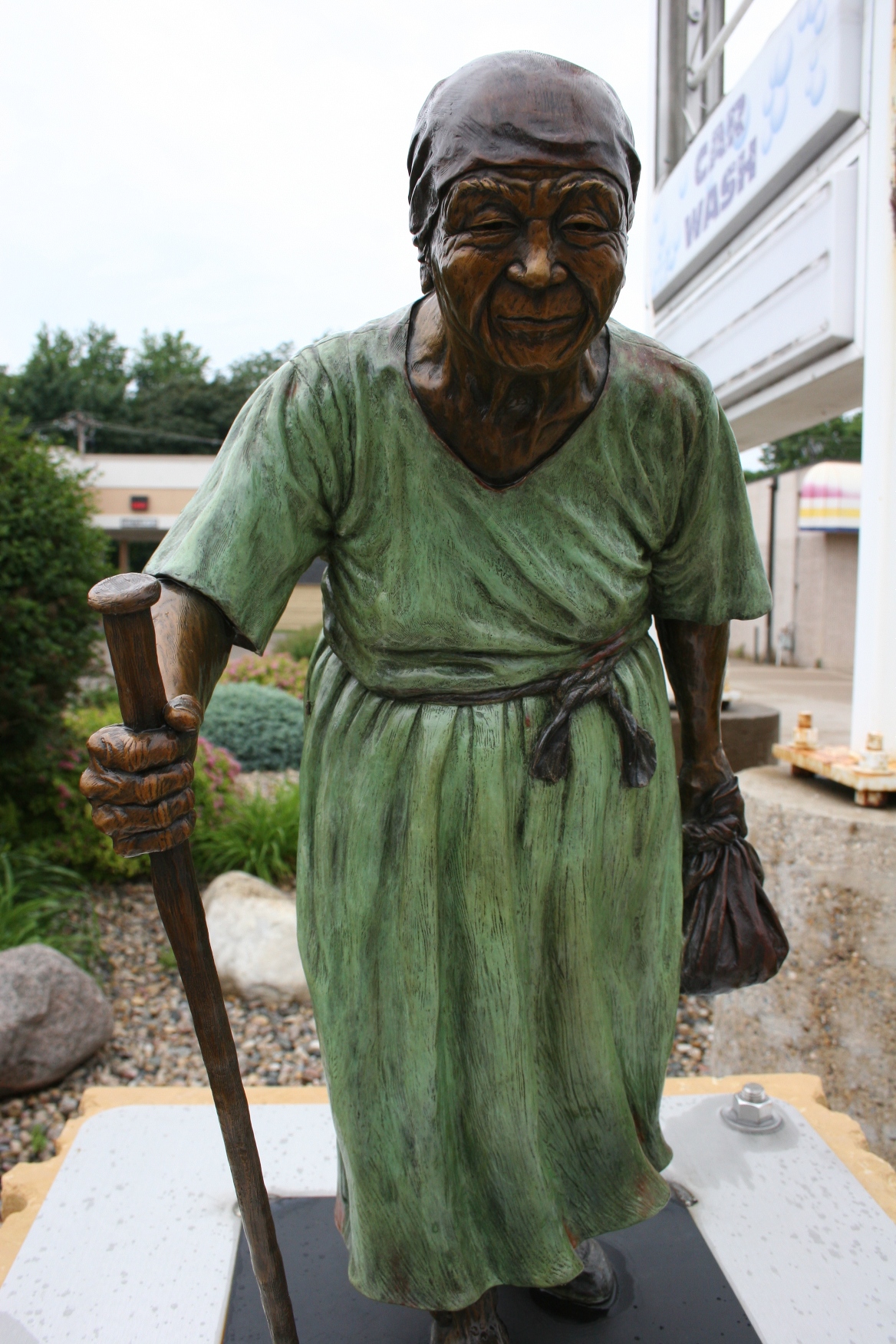
Dee Clements of Loveland, Colorado, created the $6,000 bronze "The Farmer's Wife," one of my favorite exhibit pieces.

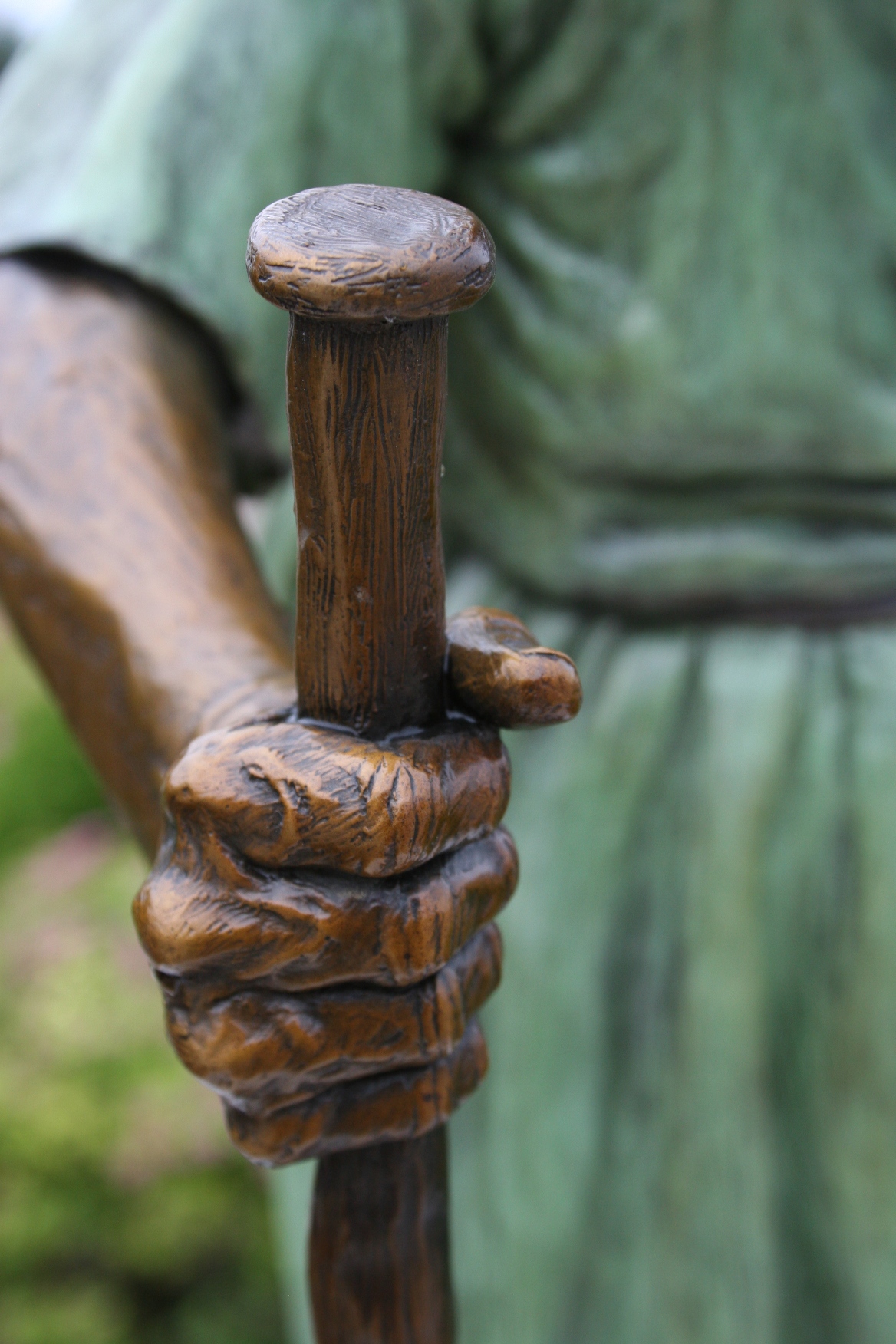
To fully appreciate these sculptures, you must notice the details, including the Korean woman clenching her walking stick in "The Farmer's Wife."

Details define "Reading Magic," a $8,500 bronze sculpture by Julie Jones of Fort Collins, Colorado.

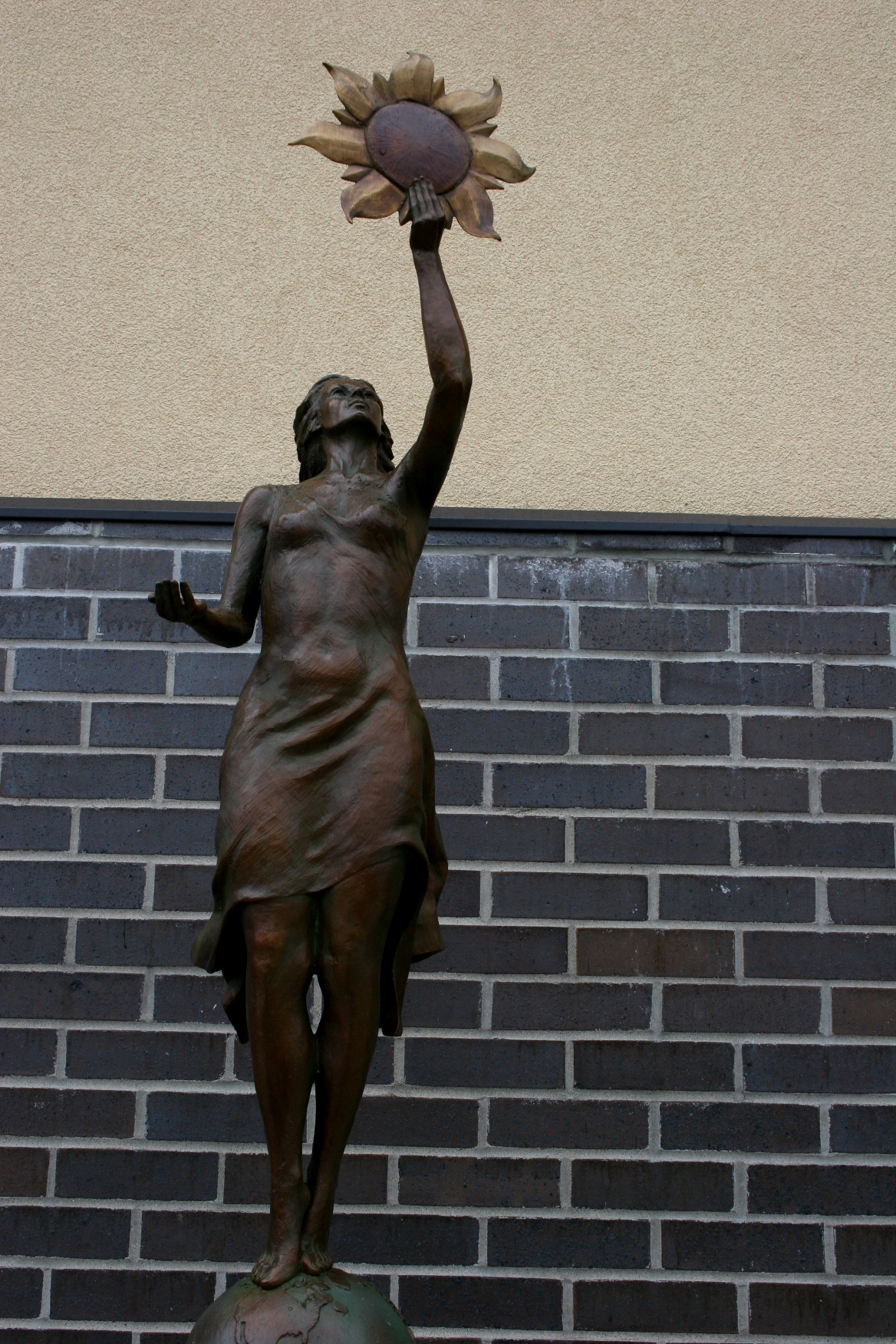
"Spirit of Energy," a $8,400 bronze by Karen Crain of LIttleton, Colorado, represents three renewable energy resources: sun, wind and water.

© Copyright 2011 Audrey Kletscher Helbling
 

A historic bank and White Buffalo Calf Woman June 23, 2011

SET ME IN FRONT of an architecturally-stunning historic building and I’m in history heaven.

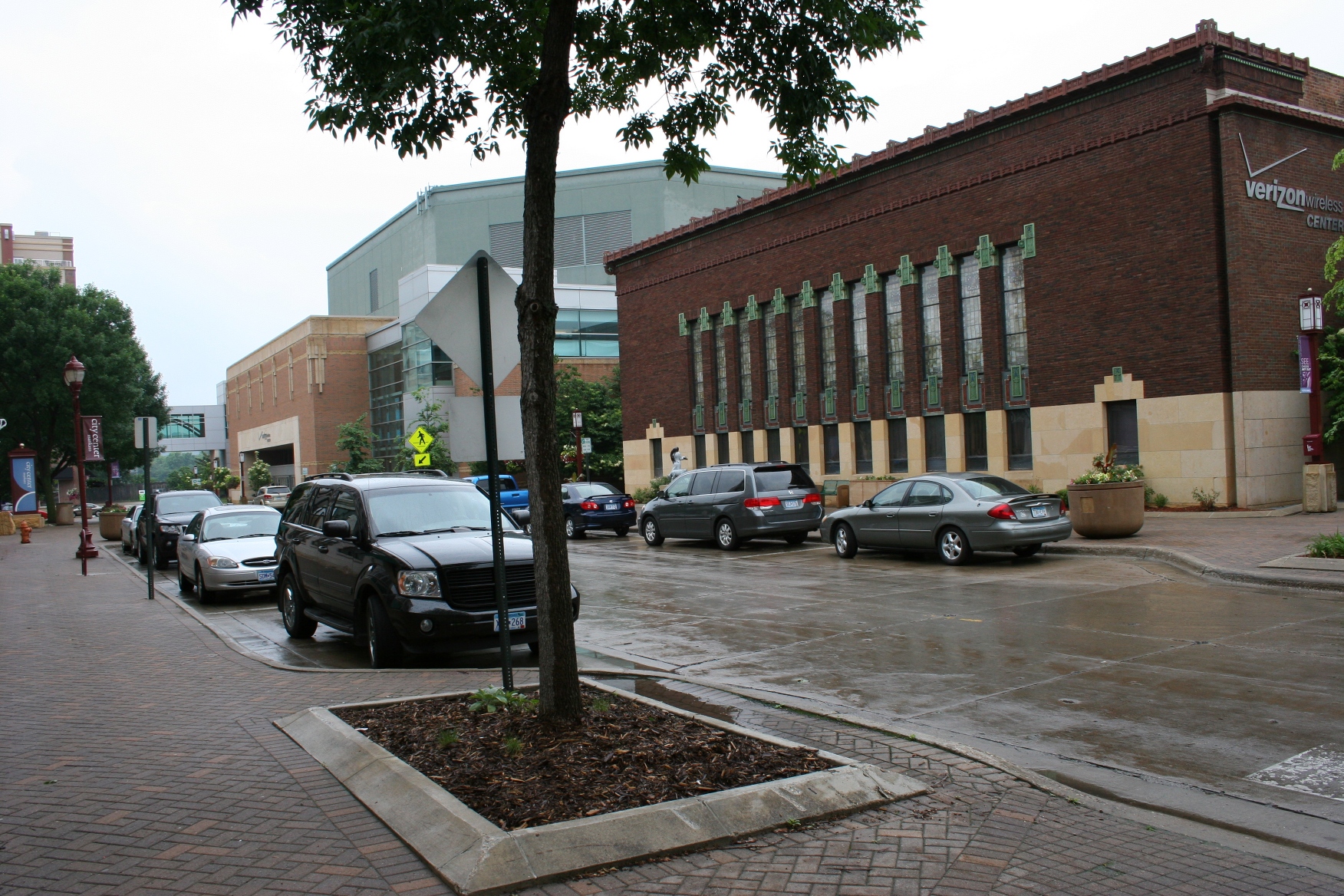
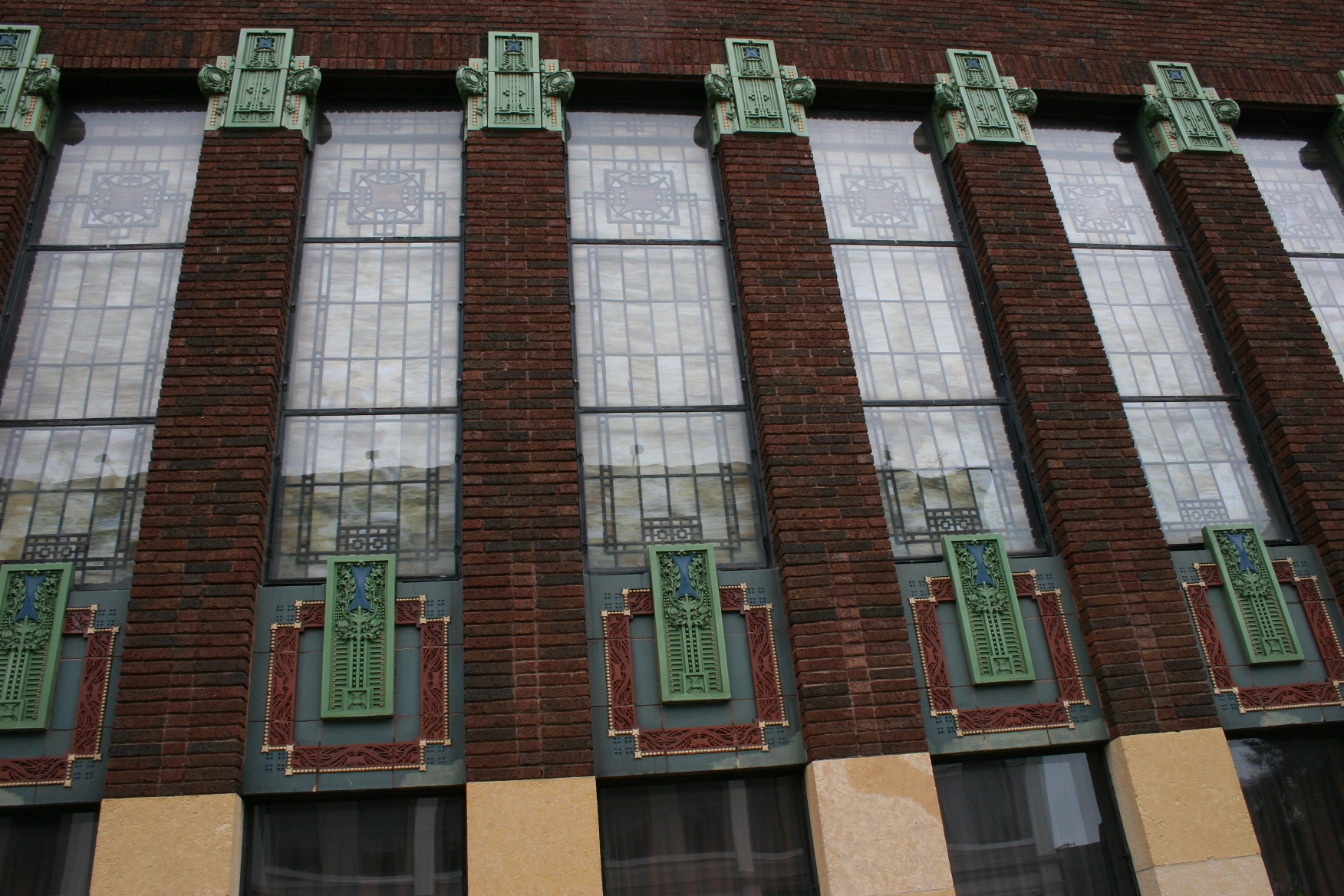
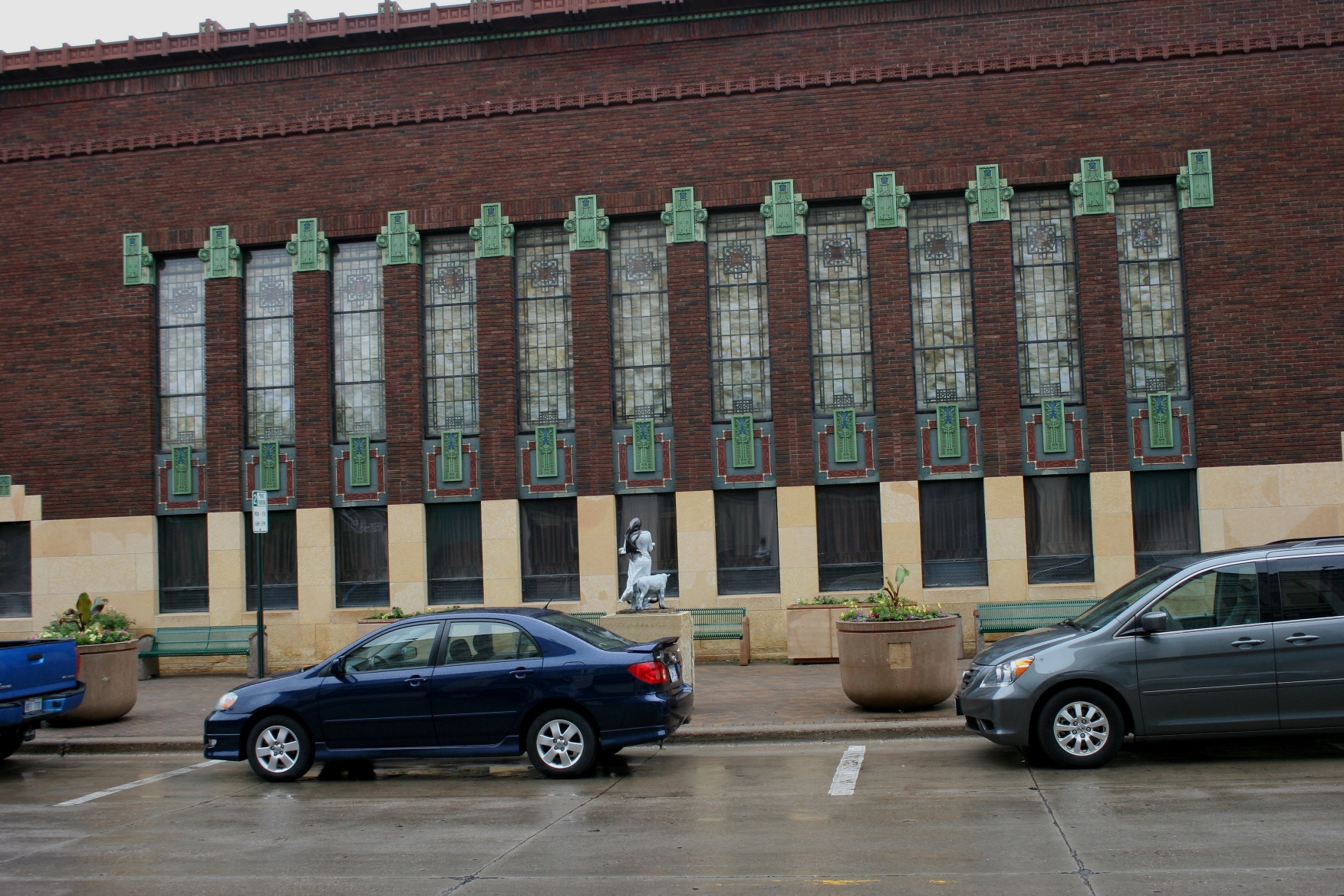
Just look at the lines, the colors, the window leading, the carvings…of the Old First National Bank of Mankato building, now a Verizon Wireless Center reception hall.

I didn’t step inside the former bank, didn’t even try a door. I was content last Saturday afternoon to view the exterior with its Prairie School style architecture.

“It’s like that bank in Owatonna,” my husband said as we gawked at the building built of brick, Mankato limestone and terra cotta along Civic Center Plaza in downtown Mankato.

He was, of course, referring to Chicago architect Louis Sullivan’s “jewel box,” National Farmer’s Bank in Owatonna, a brick building with terra cotta accents, splendid for its stained glass windows, arches and other architectural details.

The Mankato building features Frank Lloyd Wright-inspired stained glass and detailed ornamentation along the roof line.

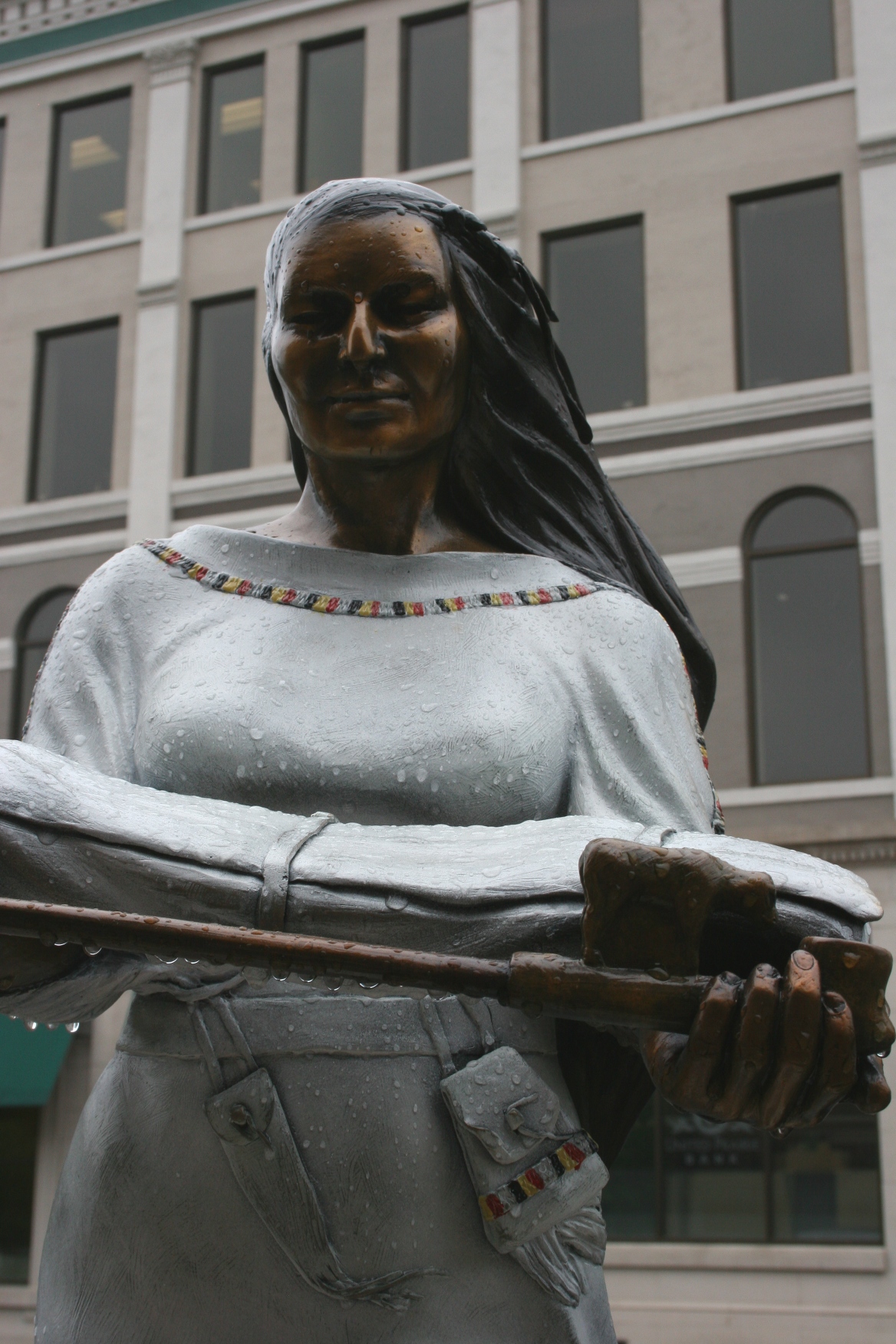
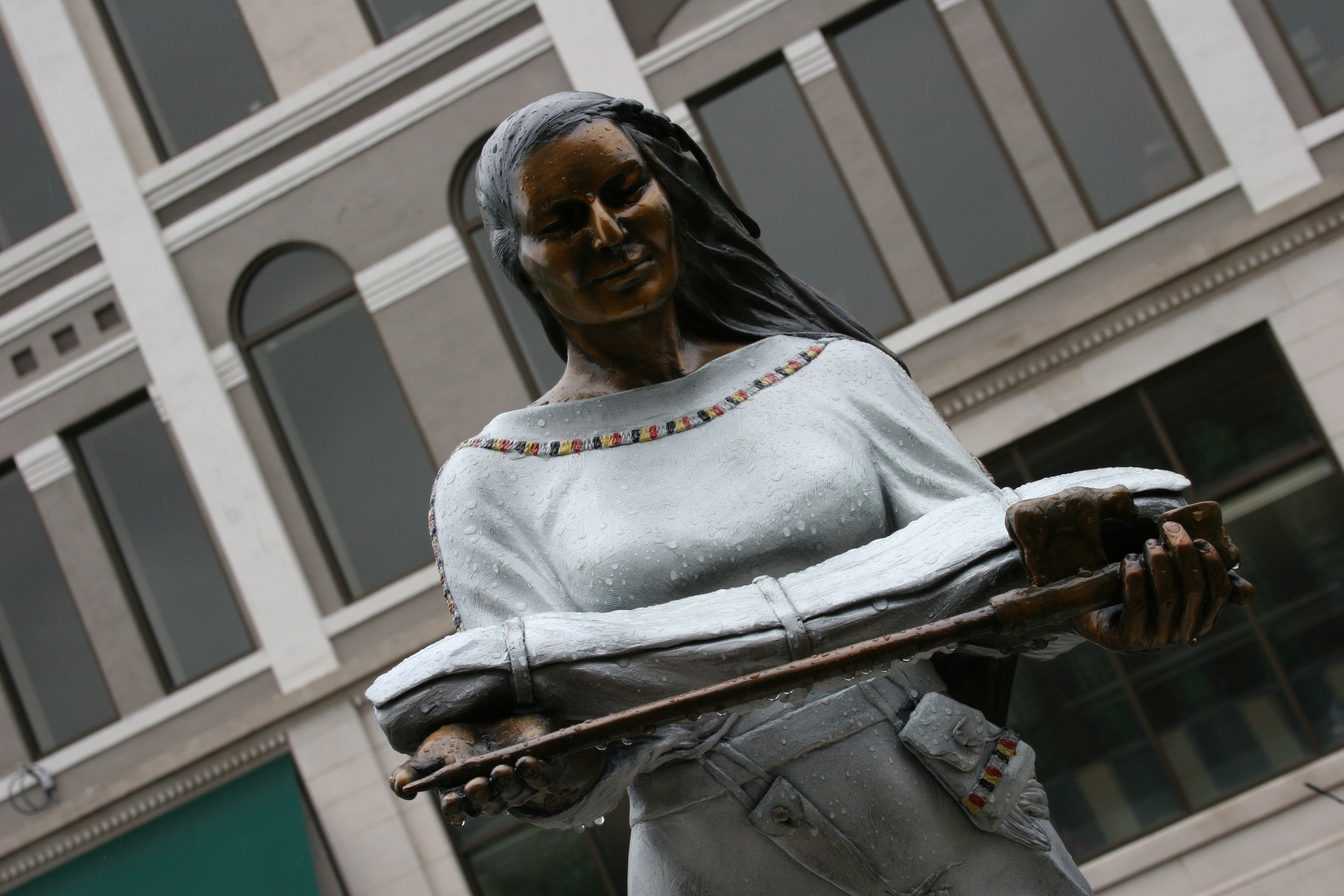
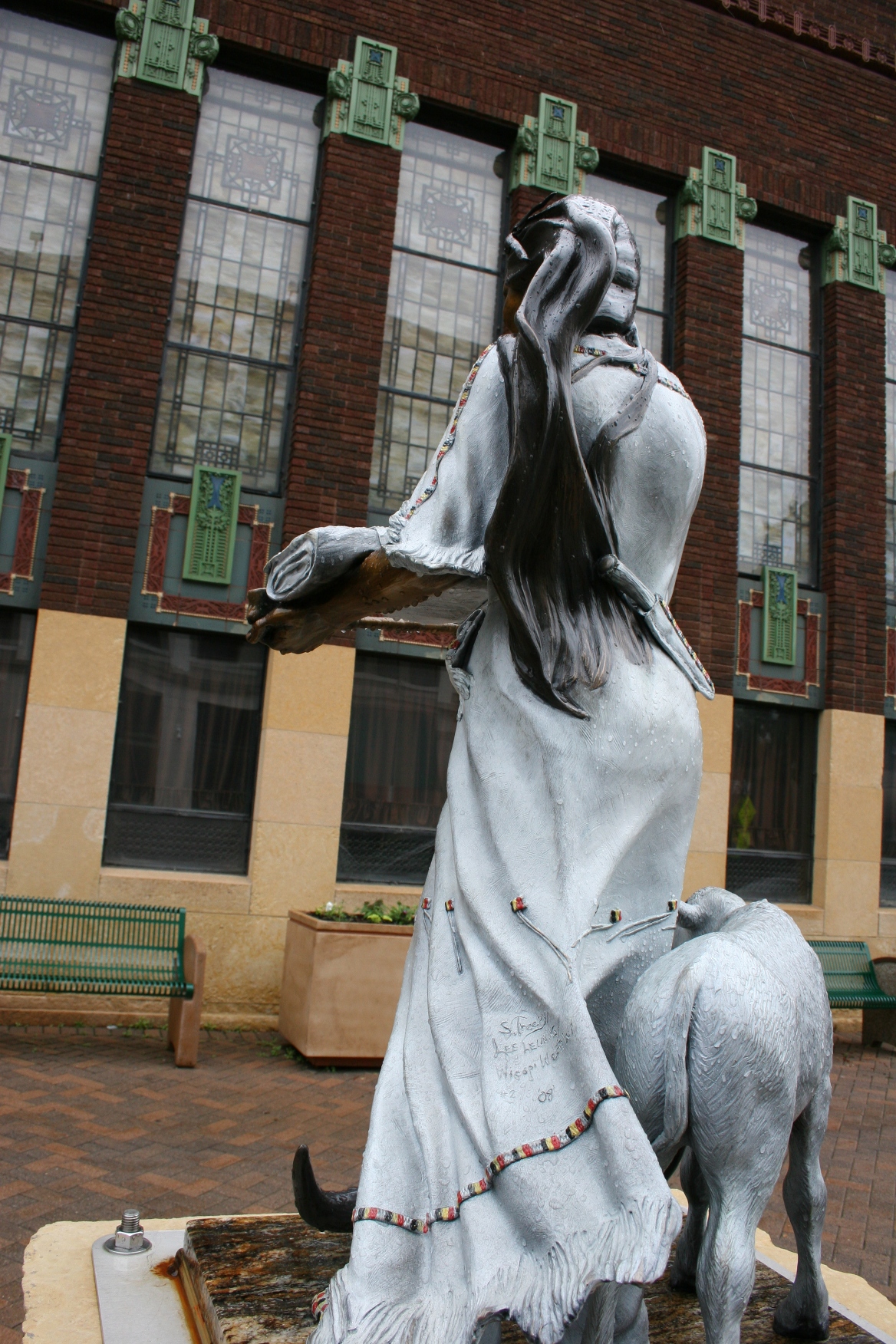
And now it also showcases a bronze sculpture of White Buffalo Calf Woman by South Dakota artists Lee Leuning and Sherri Treeby as part of Mankato’s City Art Walking Sculpture Tour.


If you peer at the woman’s face, examine her beaded moccasins and the trim on her buckskin dress and pouch, you’ll notice how the colors mimic those of the historic bank building. Whether this Native American sculpture’s placement was planned or accidental, I don’t know, but it fits seamlessly with the historical vibe of the locale, enhancing the whole art viewing experience.

The city of Mankato, apparently named after a varied translation of the Dakota word Mahkato, meaning “blue earth,” owns a place in Minnesota and national history for the mass hanging of 38 Dakota here on December 26, 1862. Three hundred warriors were accused of killing civilians and soldiers and of other crimes during the U.S.-Dakota Conflict. After a public outcry, President Abraham Lincoln commuted the sentences of all but 38. Certainly, Mankato is not proud of this moment in history. But efforts have been made to honor the Dakota at monuments in the city.

And now sculptures like White Buffalo Calf Woman also help heal and educate the public about the Native American culture. According to information on the sculpture placard, this prophetess is the only religious icon accepted by all Native American tribes. She “brings a message of healing, hope and peace among the races to all the people.”

More than just art, I also got a history lesson along a Mankato city street on a Saturday afternoon in June.

PLEASE VIEW MY JUNE 20 post for more photos and information about the Walking Sculpture Tour. Additional images will be forthcoming.

© Copyright 2011 Audrey Kletscher Helbling
 

Mankato brings art to the sidewalks with walking sculpture tour June 21, 2011

Martin Eichinger of Portland, Oregon, created this graceful "Bird in the Hand" bronze sculpture valued at $14,500 and posed near the City Center.

You'll find "Play Thing" by Ryszard, Denver, Colorado, and sculpted from Colorado marble, in North Mankato.

MAYBE IT’S BECAUSE I grew up without much art—no paintings, no piano, no library—that I so appreciate the visual, performing and literary arts.

I still can’t paint a painting or read a musical note. But I value those two art forms and words, which have always been a part of me, who I am.

Several years ago I walked the Bemidji Sculpture Walk and I quickly became enamored with the idea of placing sculptures in a community and then swapping them out a year later for new sculptures. The touring sculptures scattered primarily through-out Bemidji’s downtown impressed me as an ingenious way to get art before the general public.

Now I needn’t drive hours and hours and hours to view such public art. In 45 minutes I can reach downtown Mankato and view the 25 sculptures positioned there and in North Mankato as part of the City Art Walking Sculpture Tour. For free.

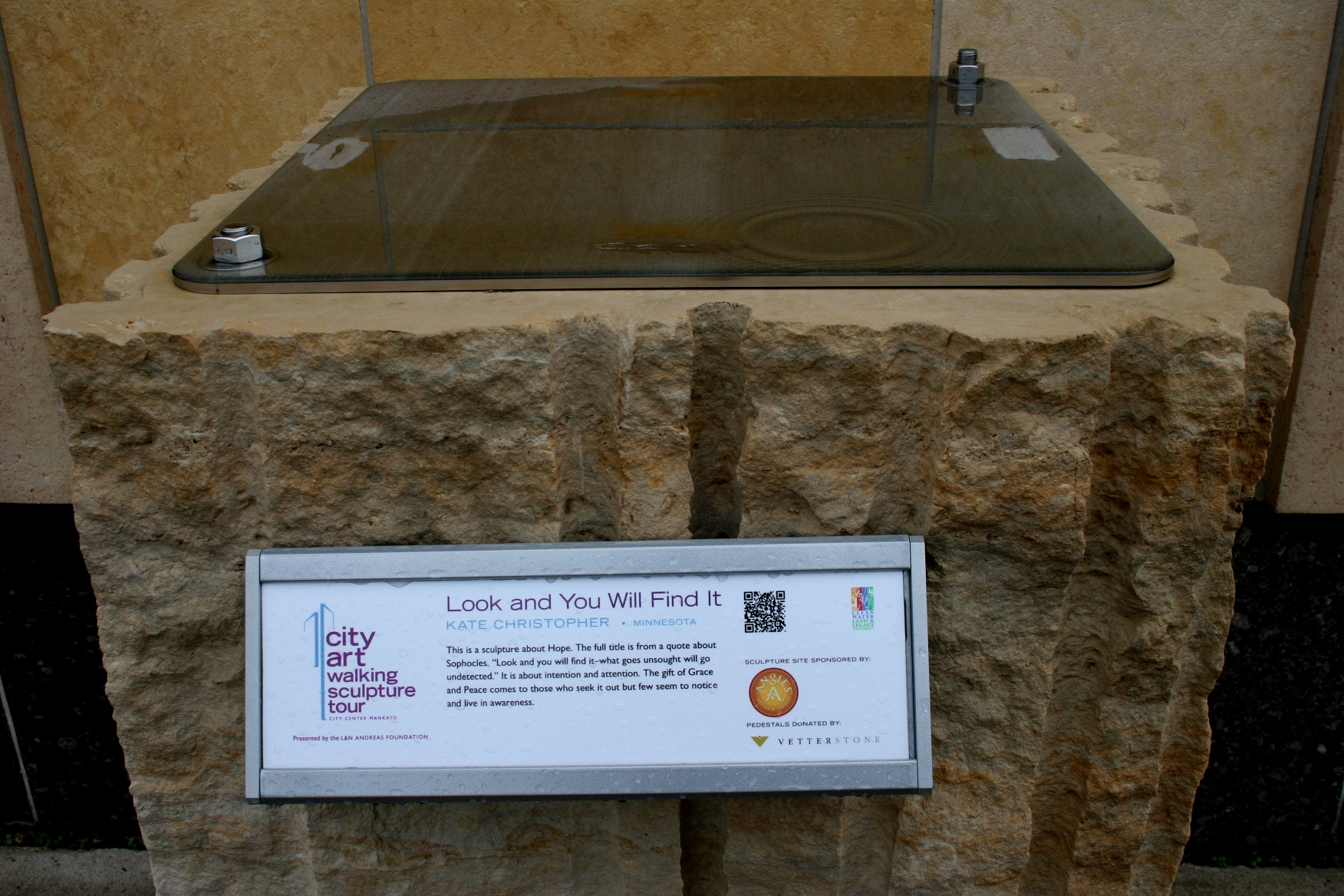
On Saturday, while in Mankato for a graduation reception, my husband and I made it a point of afterward checking out those sculptures. We missed seeing only a few of the art pieces, including one along Belgrade Avenue that was vandalized and, ironically, titled “Look and You Will Find.” We found only an empty block of Minnesota limestone, donated by Vetter Stone, where the sculpture once stood.

Mahtomedi artist Kate Christopher's $6,900 bronze sculpture, "Look and You Will Find It," was vandalized. The art piece symbolized HOPE.

I expected to find a bustling downtown Mankato. Obviously I have not been downtown for many years. Nearly all of the shopping has moved to the fringes of the city, into the malls and big box stores, and the downtown houses primarily office buildings, restaurants, bars, a hotel and the Verizon Wireless Center. Honestly, except for the sporadic motor traffic on Second Street and a few pedestrians, the place was basically deserted around mid-afternoon. Granted, the weather was less than ideal with on-again-off-again rain. We could park almost anywhere we wanted and walk to the sculptures within a several-block area.
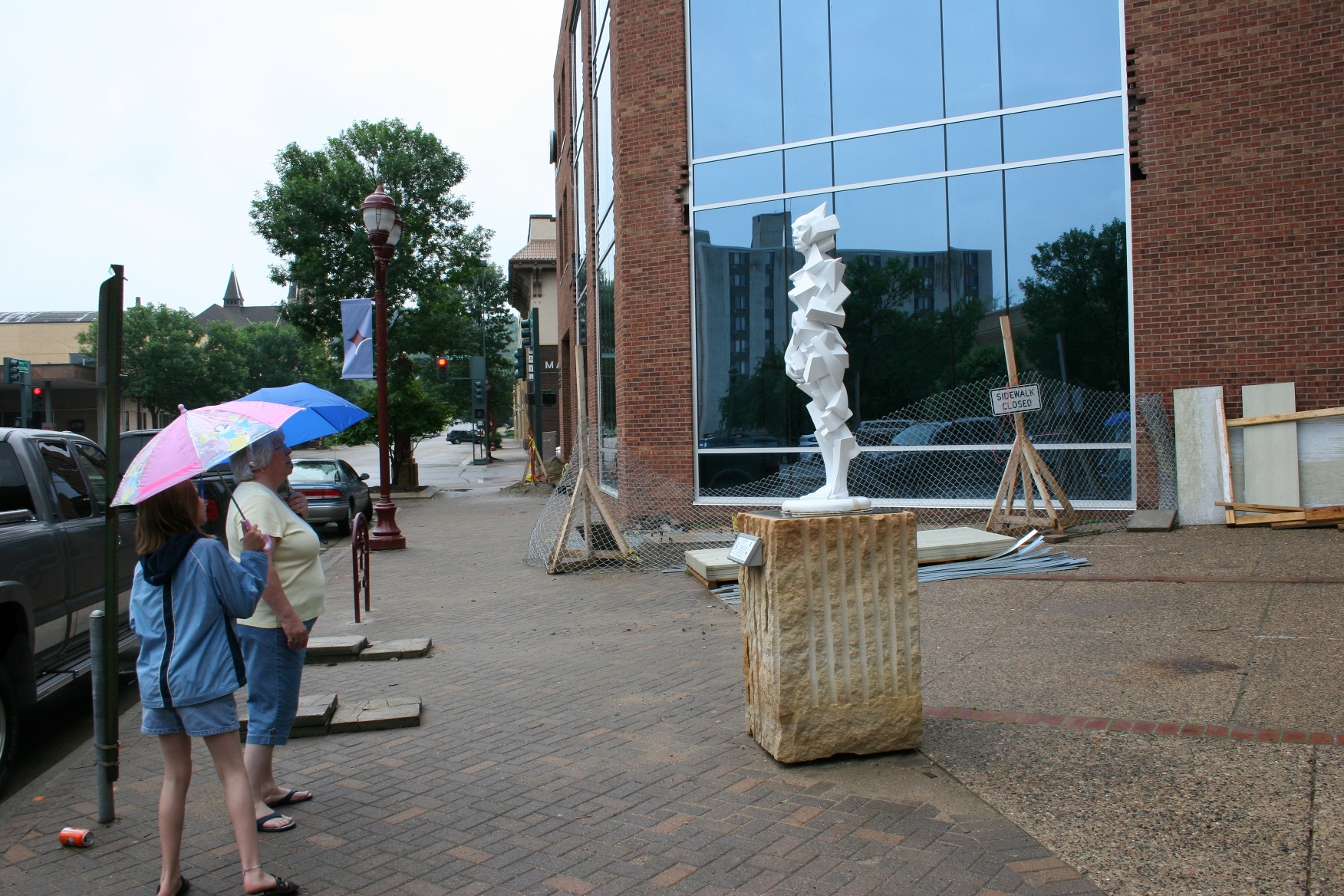
We spotted only two other individuals walking around viewing the sculptures. Dana Parlier of Brooklyn, New York, created this resin sculpture, "Cubist Woman." The man-made concrete canyons of New York City inspired this contemporary art, which seems to match the modern look of the building.
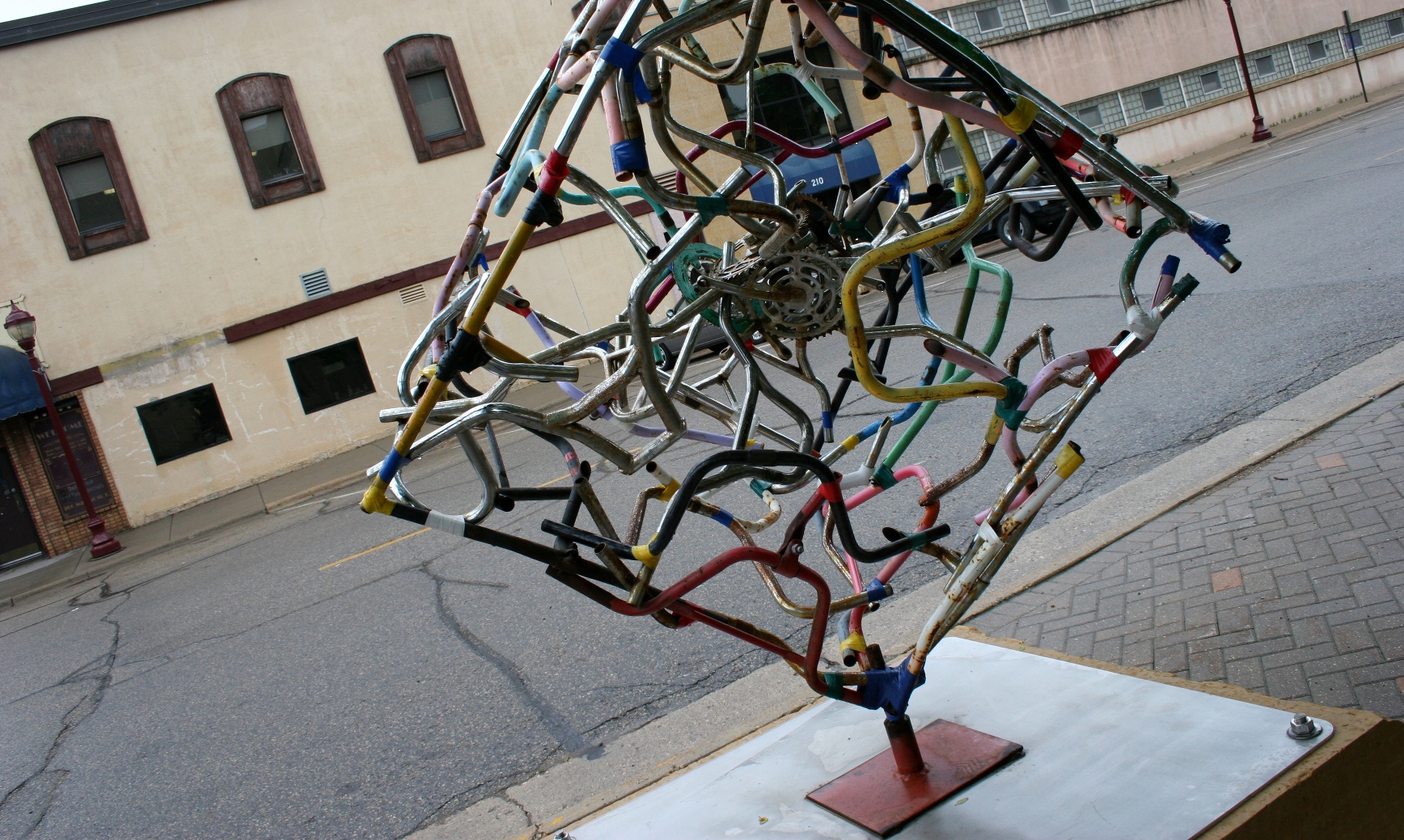
The art pieces certainly present a reason to visit downtown Mankato and then cross the Minnesota River to North Mankato to view several more sculptures. I’m not going to tell you I liked every sculpture, because I didn’t. But that’s OK; no one expects that. Sometimes first impressions change though. When I spotted “Twenty Seven (China)” from across the street, I honestly thought it looked like a mess of twisted junk. But up close, the steel sculpture of recycled bicycle parts—mostly handle bars—grew on me. Joe Forrest Sacke’s $3,500 conglomeration seemed modernish and hippyish and vintageish jumbled into one. Art will surprise you that way.
Joe Forrest Sacke's "Twenty Seven (China)."

You can vote for your favorite, for The People’s Choice Award. We didn’t, although I narrowed my favorites down to three. Voting booths are strategically located through-out the Walk area.
One of my three favorite sculptures, "White Buffalo Calf Woman," a bronze piece created by Aberdeen, South Dakota, artists Lee Leuning and Sherri Treeby. Notice how the dominant color in the sculpture blends with the building's color. Wait until you see the building on the other side of this Native American woman. You will be wowed. I'll share those images with you in another post.
This bronze piece, "The Farmer's Wife," by Dee Clements of Loveland, Colorado, is also among my three favorite sculptures. A photo Clements took in a Korean village inspired this art creation.

The detail in this bronze, "Reading Magic," by Julie Jones of Fort Collins, Colorado, appeals to me and makes it one of my top favorites among the 25 sculptures in the exhibit.

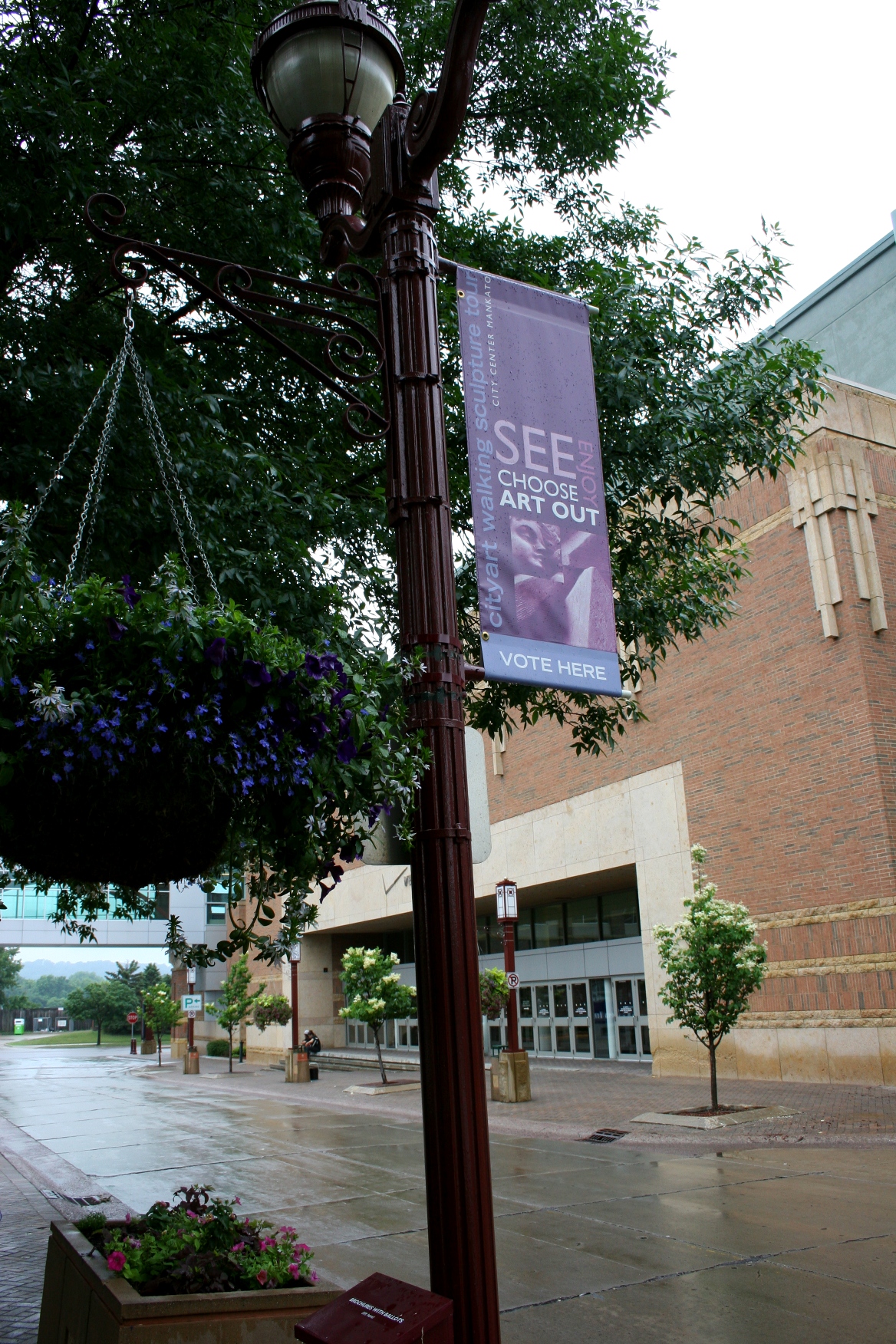
Banners draw visitors to the sculptures and to voting spots in downtown Mankato.

I also noticed, and I don’t know whether this was on purpose, but the sculptures often seemed to jive, architecturally and environmentally, with the buildings they were situated near.

Mankato is committed for the next five years to bringing these rotating sculptures into the community via a partnership with the Sioux Falls-based SculptureWalk program. Of course, this all costs money and with the help of a grant, business sponsorships, donations and more, Mankato has managed to bring this art directly to the people.

It’s a grand idea. I expect to return to Mankato to see next year’s art and perhaps other area attractions. Even though I attended college here for four years, I really didn’t appreciate the city. And so much has changed since 1978.

For someone like me, who doesn’t venture into Minneapolis to engage in the art scene there, mostly because I don’t like the congestion and busyness of the metro, outstate art opportunities like City Art in Mankato offer me culture at a quieter, more enjoyable (at least for me) pace.

#

SINCE I CAN’T POSSIBLY show you all of my photos in one post, I’ll bring you more images in future stories.

© Copyright 2011 Audrey Kletscher Helbling