Minnesota Prairie Roots

Writing and photography by Audrey Kletscher Helbling

In which I learn about African culture & make new friends in my community February 19, 2024

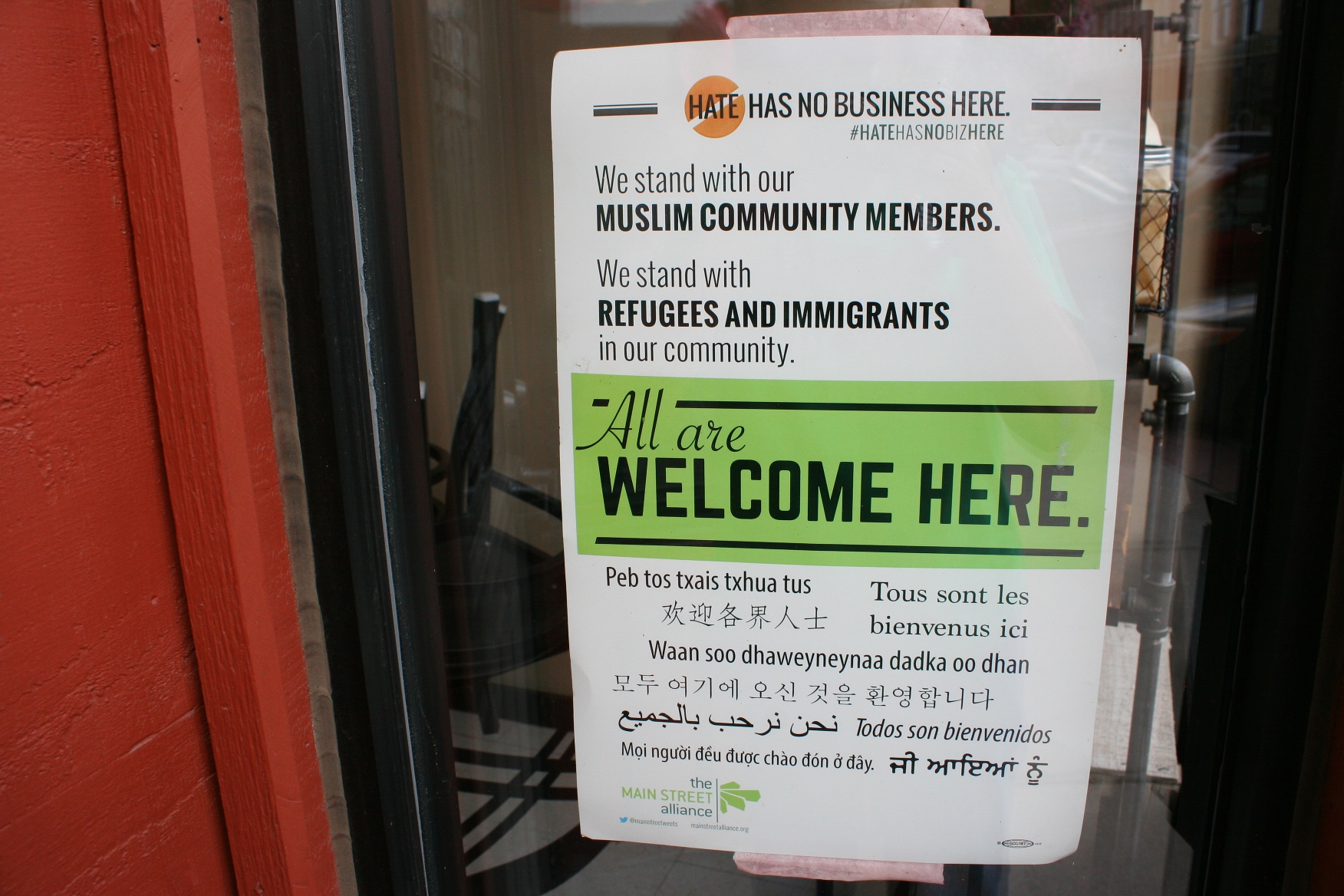
This welcoming sign was posted on the door of a downtown Faribault business in 2018. (Minnesota Prairie Roots copyrighted file photo 2018)

IN A VALENTINE’S DAY post last week, I focused on connecting in everyday life, on hugging all of humanity. Those words proved prophetic for me personally. And I am the better, the richer, for the insights I learned, the connections I made, during a February 15 talk by a Minnesota college professor, cultural consultant and author at Books on Central in Faribault.

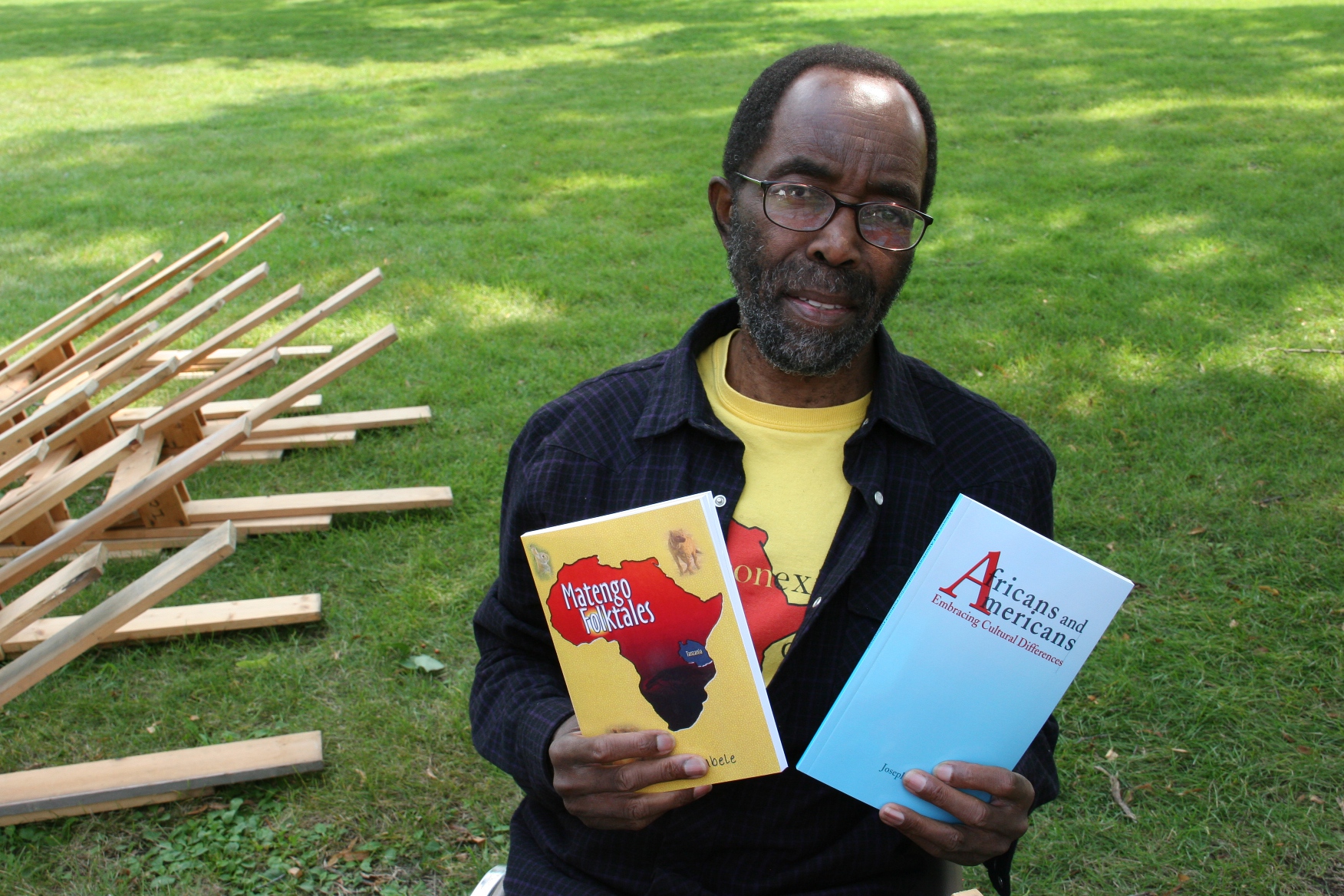
Author Joseph L. Mbele, photographed at the International Festival Faribault in 2015. (Minnesota Prairie Roots copyrighted file photo 2015)

Joseph L. Mbele was the featured speaker at this public event highlighting cultural differences. Faribault is a culturally-diverse community, home to many immigrants, including significant Somali and Hispanic populations. And that has all too often created tension between locals and those who now call my southern Minnesota city home. Mbele recognizes that and has worked with community leaders, business owners and others in Faribault and neighboring cities to raise awareness of cultural differences and bridge the gaps which divide us.

Via storytelling, humor and insightful perspectives as someone who grew up in Tanzania and has lived in the U.S. for 32 years, Mbele riveted the attention of the group gathered in the used bookshop run by Rice County Area United Way. Rather than fully recap Mbele’s presentation, I want to focus on the personal interactions I experienced with two young Somali men in attendance.

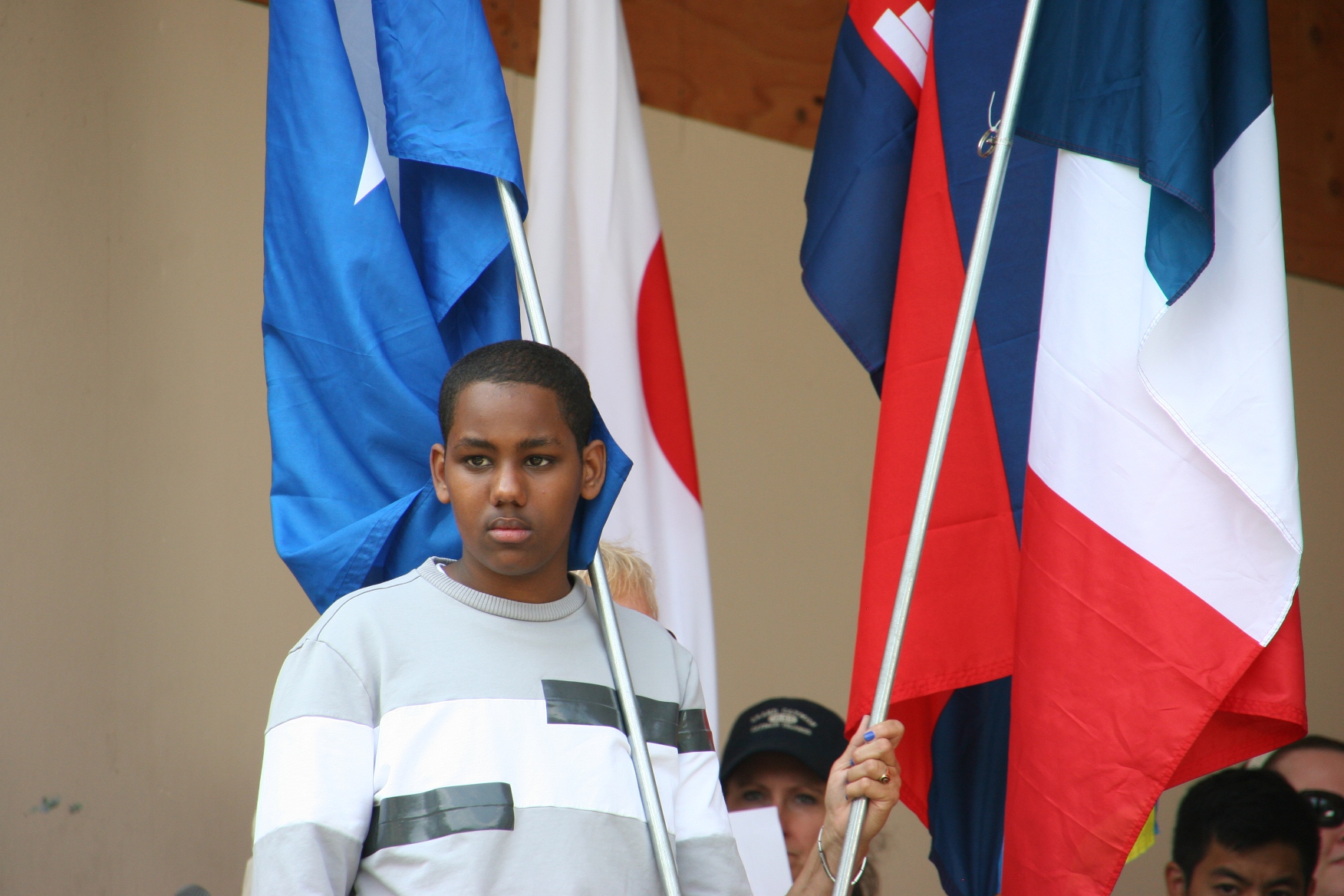
This teen represented Somalia (blue flag with a white star) at the International Festival Faribault in 2015. (Minnesota Prairie Roots copyrighted file photo 2015)

When I arrived at the bookstore, I settled onto a folding chair next to Solomon, as I heard it, (or perhaps correctly Sulaiman/Suleiman; I didn’t ask for the spelling of his name). I can’t sit next to someone and not engage in conversation. I soon learned that Sulaiman, 34, came to the U.S. from Somali at age 14, graduated from Faribault High School, played soccer on the fields by the junior high, has a wife in Somalia (the process is lengthy to bring her to the U.S., he said), works as an over-the-road trucker and has a job interview with a local company this week. Any business would be fortunate to have him on their team. He impressed me with his friendly personality, wide smile and openness. Sulaiman reflected what Joseph Mbele stated earlier about Africans being highly-social, desiring to be around and engage with other people.

I felt thankful to learn from my new friend that he hasn’t faced many challenges as a native Somalian living in Faribault. I didn’t have the heart to share the negative comments I’ve heard about Somalians. I focused instead on getting to know this delightful young man pressed next to me in a row of folding chairs in the cozy bookshop.

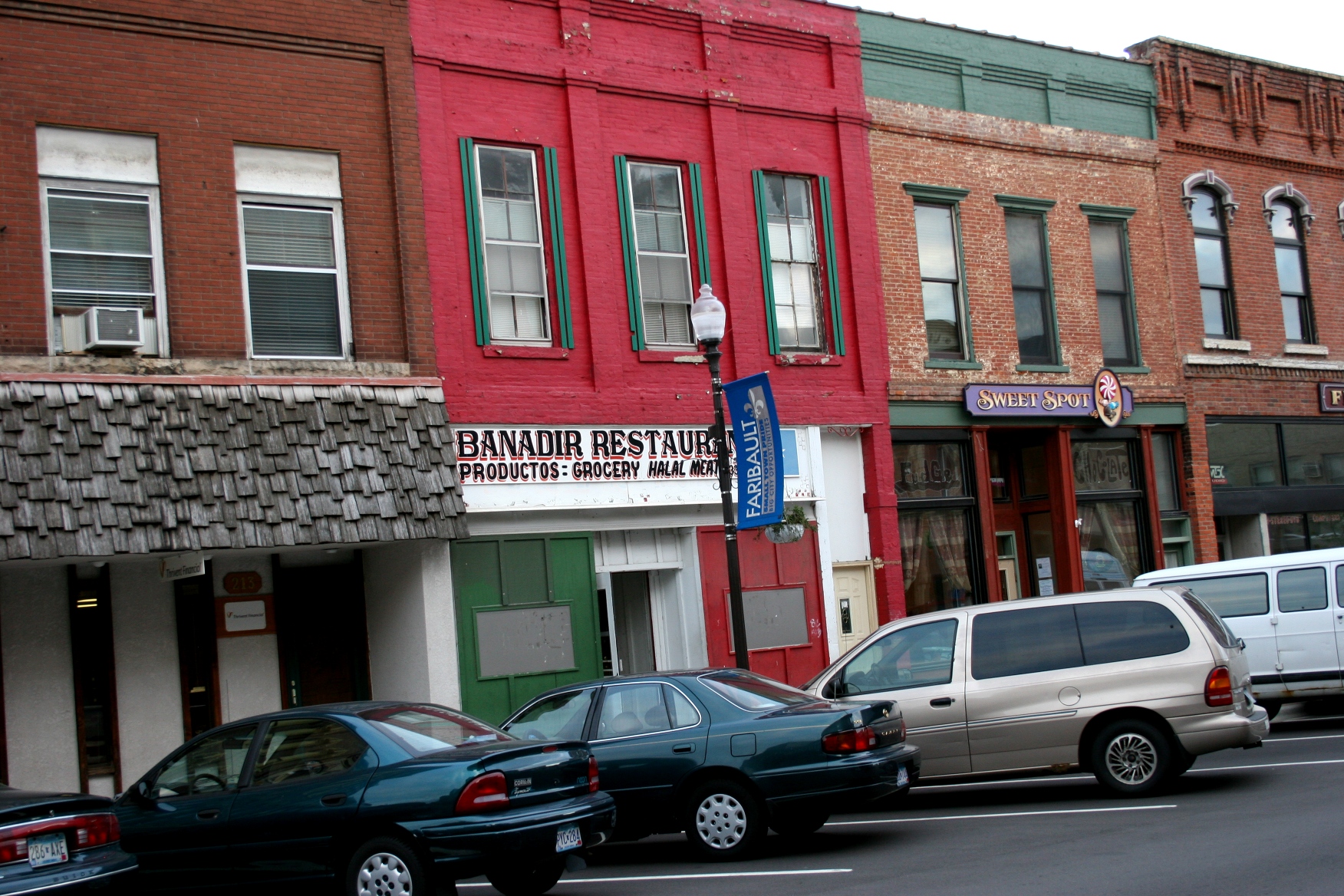
Banadir, a Somali restaurant and grocery, is located in historic downtown Faribault. (Minnesota Prairie Roots copyrighted file photo 2011)

Throughout Mbele’s talk highlighting African culture like African time (versus American time when everyone is on time), sidewalk gatherings to share news and to socialize, the social importance of food and music among Africans, the value of coming together and much more, I felt the sense of understanding unfolding. Laughter erupted often. Heads nodded. Questions surfaced during discussion. It felt good to be part of this gathering, to learn, to connect. I love that Mbele addressed bookstore volunteer Dave Campbell as “brother.” That endearing name shows that Mbele values Campbell and their personal connection. They are friends.

A diverse group attended a past International Festival Faribault, here observing the flag ceremony. (Minnesota Prairie Roots copyrighted file photo 2015)

And I felt, too, that I’d made a new friend in Sulaiman and, afterwards his brother, Ibrahim (again, I’m uncertain on the name spelling), also in attendance. As I retreated to the rear of the bookstore to grab a sweet treat and refill my water glass, Ibrahim approached and we chatted. He extended his hand in a handshake, significant because Muslims typically would not shake a woman’s hand. Mbele explained earlier the separation of men and women is not one of disrespect but faith-based and cultural.

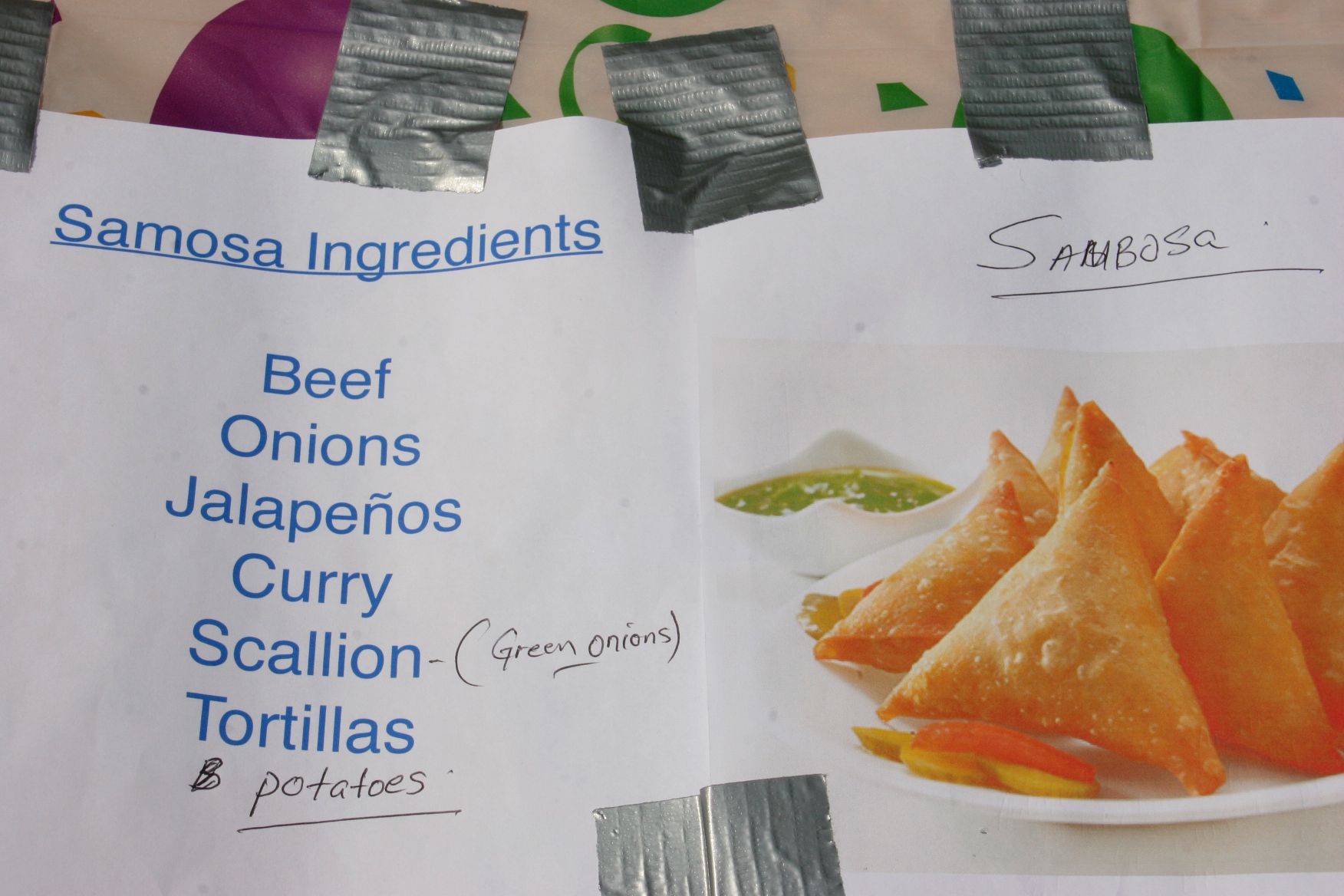
A sign photographed at a past International Festival Faribault, where I first tasted sambusa. (Minnesota Prairie Roots copyrighted file photo)

Ibrahim and I talked only briefly. He was, like his brother, warm, engaging, friendly. I remember him telling me that food brings people together, that he likes pizza. And I replied that I like sambusa, a Somali triangle-shaped pastry stuffed with spicy meat. We laughed. Earlier he invited those attending the bookshop gathering to visit Somali restaurants and shops in downtown Faribault.

And then Ibrahim asked, “Can I hug you?” Of course. We embraced right there in the back of the United Way bookshop. I felt such warmth, such affection, for this young man I’d just met. There were no cultural differences between us. We were simply two individuals who respected and appreciated one another. United by our humanity.

#

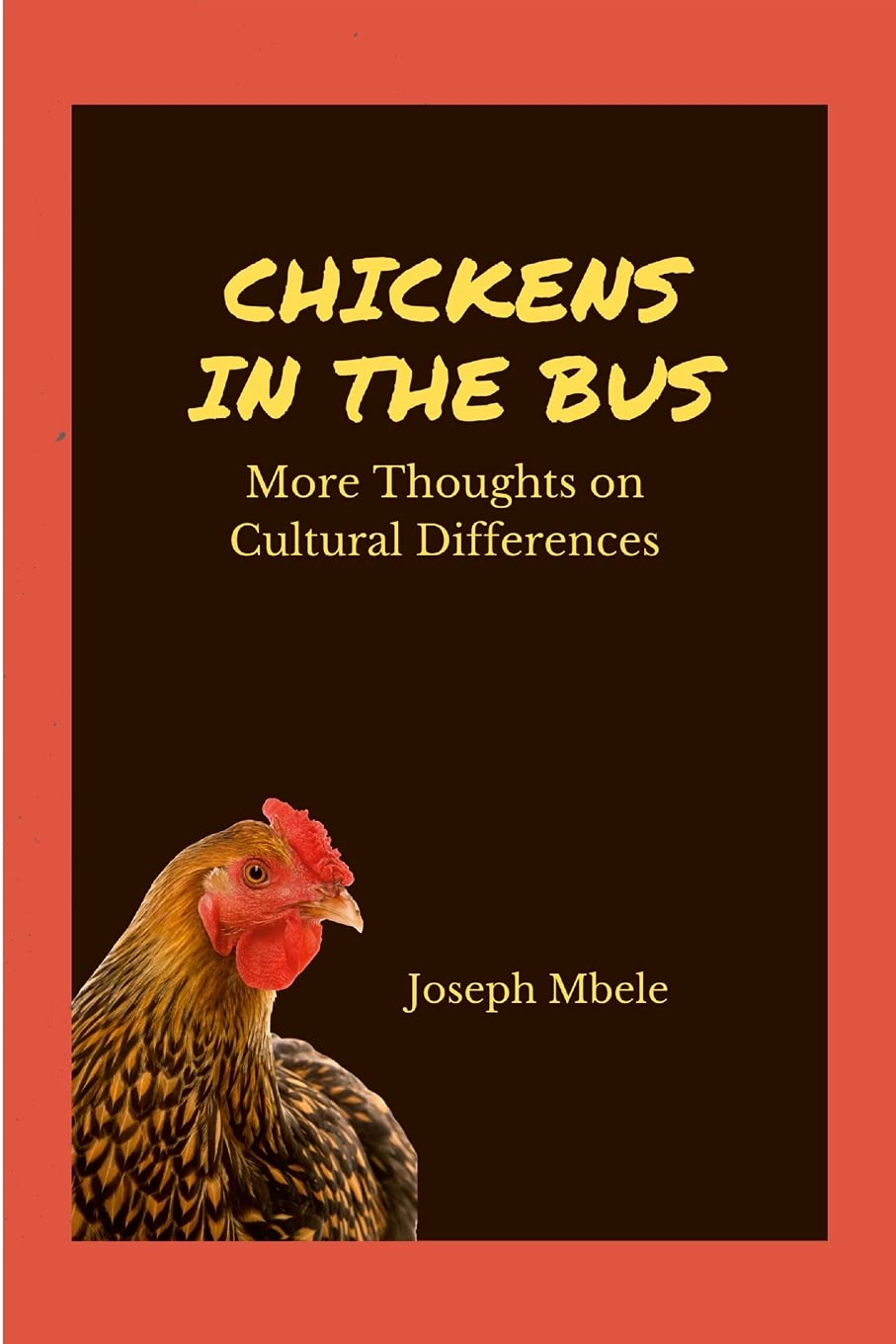
Jospeh Mbele’s latest book, an easy and informative read. (Book cover sourced online)

FYI: I’d encourage you to read any or all of the books written by Joseph L. Mbele: Africans and Americans: Embracing Cultural Differences; Chickens in the Bus: More Thoughts on Cultural Differences; and Matengo Folktales. This professor at St. Olaf College in Northfield is a gifted storyteller and writer. I’d also encourage you, if you live in my area, to shop at Books on Central. All proceeds from book sales go to the Rice County Area United Way and help people and organizations in my area.

© Copyright 2024 Audrey Kletscher Helbling
 

Connecting with my new neighbors via “Amazing Africa: A to Z” May 15, 2023

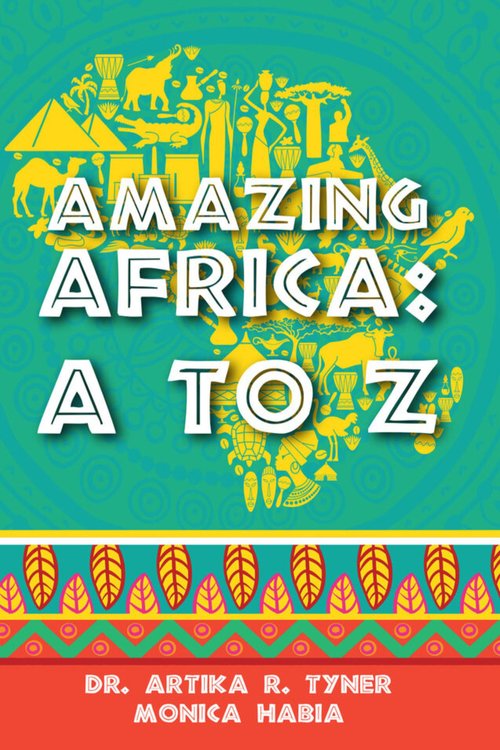
(Book cover credit: Artika Tyner’s website)

BUSY PATTERNS. Bold hues. Strong images and words. All define Amazing Africa: A to Z, a children’s picture book co-authored by Minnesotan Dr. Artika Tyner and Ghanaian Monica Habia and illustrated by Reyhana Ismail of the UK.

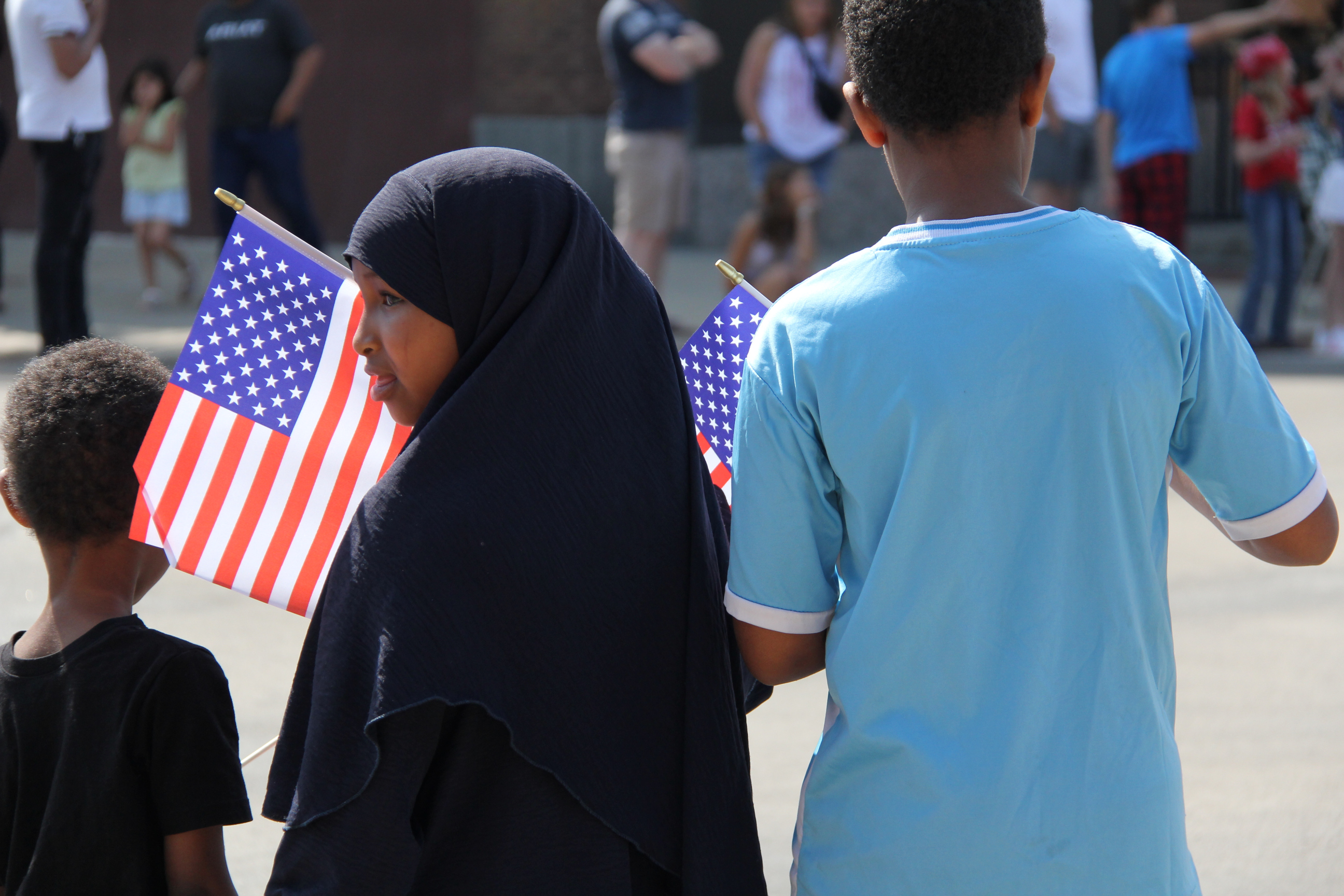
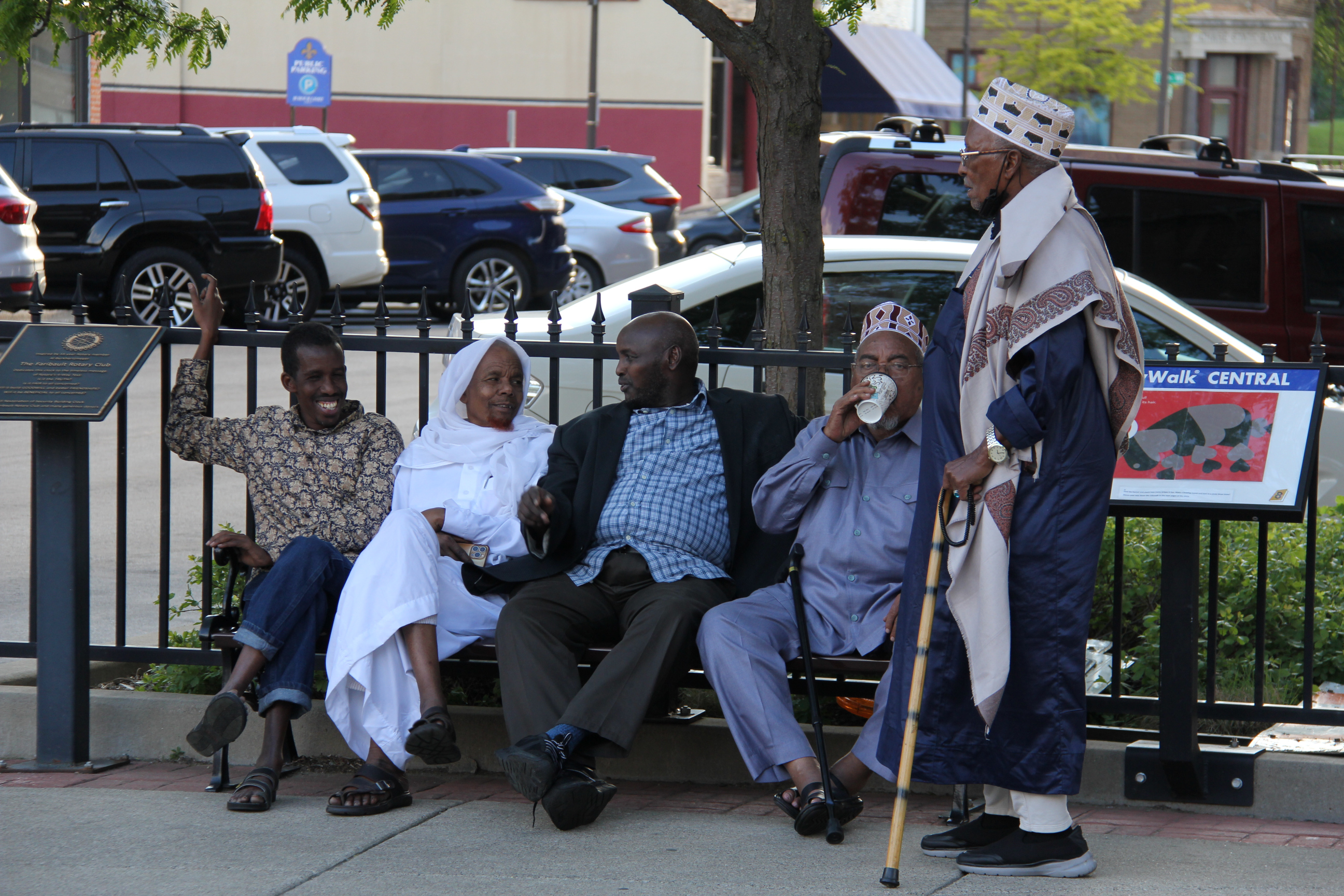
Somalians are very much a part of the Faribault community, photographed here at a Downtown Car Cruise Night. (Minnesota Prairie Roots copyrighted file photo)

For a community like mine, with a sizable Somali population, this book proves a natural draw. I always appreciate learning more about my new Faribault neighbors from the east African country of Somalia. The more we know about each other, the more comfortable and connected we feel. Disconnect and conflict often arise from lack of knowledge, fear of the unknown and differences. Differences in dress, food, language, culture, faith.

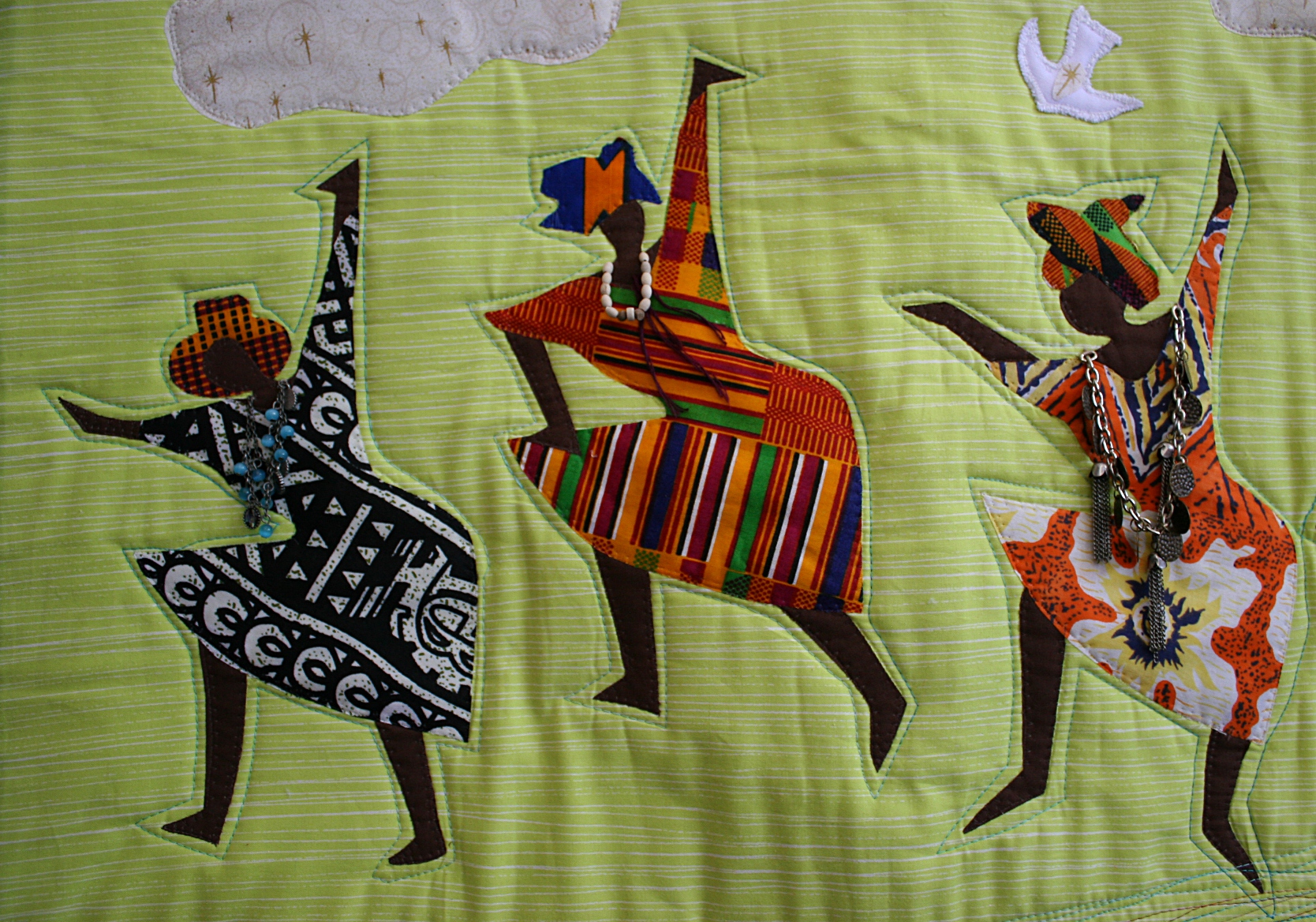
Nigerian-themed quilt art by my friend Susan Griebel. The fabric is from the collection of her mother-in-law, Margaret Griebel. Margaret’s husband was a Lutheran missionary in Nigeria, where the family lived. (Minnesota Prairie Roots copyrighted file photo)

This book bridges differences via facts and art that carries a signature African style of intense patterns and colors. With every new bit of information, with every turn of the page, I feel more and more connected to this continent of 54 countries. For example, the word hospitality, chosen to represent the letter “H” in this alphabet book, strikes me as exactly what I hope for in Faribault. Africans believe no one is an island; rather everyone is part of the community, the text reads in part. Two clasped hands visually reinforce that belief.

Lul Abdi shows off beautiful wood crafts from Kenya and Somalia at a past International Festival Faribault (Minnesota Prairie Roots copyrighted file photo)

Events like the Faribault Diversity Coalition’s summer International Festival Faribault and now occasional public talks by immigrants and others are ways we join hands and grow community. I’ve seen the art of my neighbors from Africa. I’ve heard the music, tasted the sambusa, admired colorful clothing… Faribault’s newest residents add a depth and richness to my southern Minnesota city.

A sign posted in a downtown Faribault business storefront window several years ago. (Minnesota Prairie Roots copyrighted file photo)

Consider African proverbs, chosen in Amazing Africa: A to Z to represent the letter “P.” These wise sayings span cultures. The authors include this powerful Swahili proverb, among several, at the end of the book: “Unity is strength, division is weakness.” If only we all read and take those words to heart. I firmly believe that we, as individuals and as community, need to be here for one another. We truly are stronger when not divided.

A sign lists Somali food sold at a past International Festival Faribault. (Minnesota Prairie Roots copyrighted file photo)

As I read of 1,000 languages spoken throughout Africa, I think of the Somalians now living in my community. Many have overcome war, poverty and other unimaginable challenges to settle in Minnesota. And now they must also overcome language barriers and resentment. If only we would all pause for a moment and remember that, for most of us Minnesotans, English was not the native tongue of our immigrant forefathers. Mine spoke German. Others spoke Norwegian, French, Dutch…

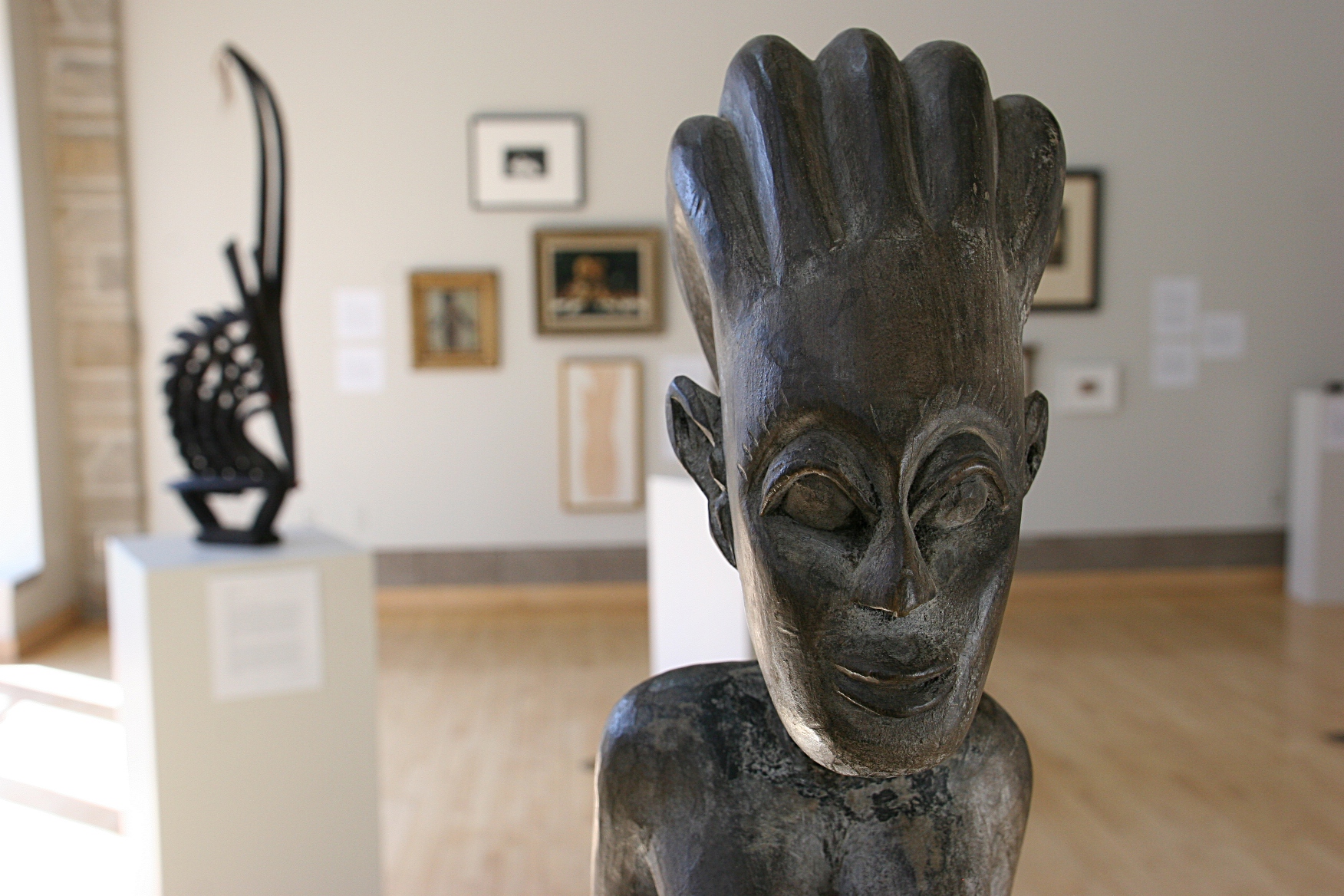
A wood sculpture from Africa, artist unknown, and titled “Seated Maternity Figure.” Exhibited at St. Olaf College, Northfield, in 2015. (Minnesota Prairie Roots copyrighted file photo April 2015)

I certainly can’t pronounce all of the words published in this book about Africa. Words like Uhuru, Yamoussoukro, Ugali and more. But I can appreciate the beauty of language, the way these words speak the rhythm of the continent of Africa.

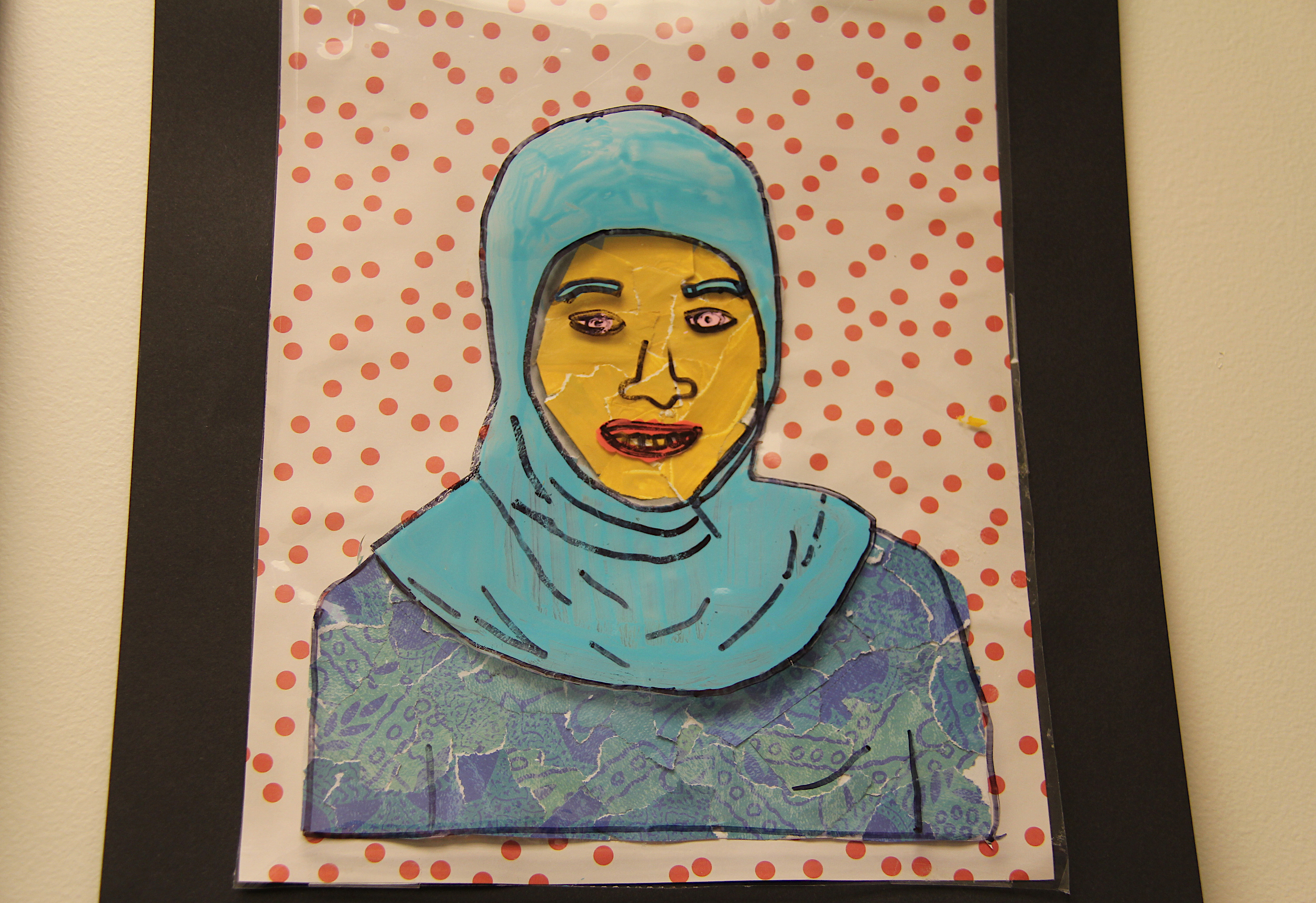
Bisa Butler inspired art created by fourth grader Ilwad and exhibited at a Student Art Show in Faribault. Butler is an award-winning African American textile artist. (Minnesota Prairie Roots copyrighted file photo March 2023)

Africa is the story of slavery, of dancing, of the world’s largest waterfall, of greatness, of so much richness and depth. You’ll find that, see that, read that in Amazing Africa: A to Z.

FYI: Dr. Artika Tyner, co-author of this book (and many others) and also a motivational speaker, educator and attorney, will speak on her journey towards justice from 6-7 pm Tuesday, May 16, at Buckham Memorial Library, Faribault. She is part of the Southeastern Libraries Cooperating 2023 Minnesota Author Tour. In her work, she focuses on racial and economic justice and social change. Tyner founded the nonprofit, Planting People Growing Justice Leadership Institute.

I previously reviewed Tyner’s children’s book, Justice Makes a Difference—The Story of Miss Freedom Fighter, Esquire. To read that book review, click here.

© Copyright 2023 Audrey Kletscher Helbling
 

Learning about my Somali neighbors via a new children’s book December 7, 2022

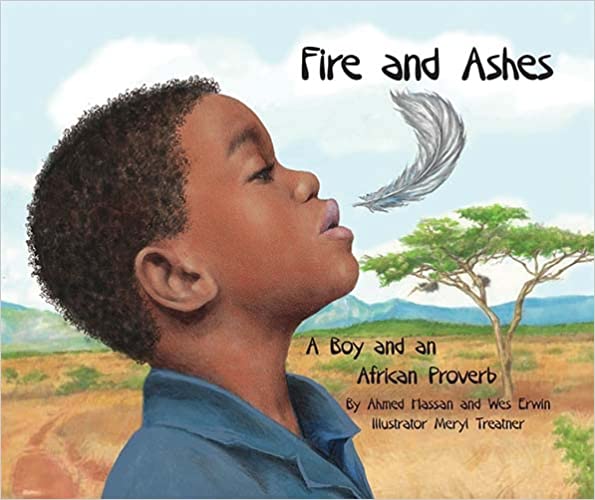
LIVING IN A MINNESOTA community with a sizable Somali population, I was excited to read the recently-published children’s picture book Fire and Ashes—A Boy and an African Proverb co-authored by Minnesotans Ahmed Hassan and Wes Erwin. Why? It’s important for me to learn about my new neighbors, their homeland, their culture, their experiences before resettling in Faribault. Reading books is one way to gain insights.

Fire and Ashes, even though a book geared toward children, is an enlightening read for adults, too. I found myself fully-engaged in the story of young Warfa, a refugee from Somalia who experienced unimaginable trauma. His trauma flares when he works on a school assignment—creating a poster about himself. I can almost feel my tummy hurting, my head spinning, my heart racing right along with Warfa as he relives terrifying moments in Africa. That includes witnessing the violent death of a neighbor. (Because of that, children should read this story with an adult.)

Award-winning children’s book illustrator Meryl Treatner reinforces the story line with art so realistic that I felt like I stepped into Africa and then into Warfa’s American classroom. I could almost smell the flowery scent of the acacia tree, feel the threat in a shadowy figure, hear Warfa’s uneven breathing.

It is Warfa’s grandma who helps her “little lion” deal with his anxiety via an African proverb and practical visualization and breathing techniques. Proverbs are used in many cultures to effectively teach, to pass along wisdom. The co-authors of Fire and Ashes, both licensed counselors, wrote this book not only to share a proverb, to tell Warfa’s story, but also to shine a light on mental health and self-care. The book includes authors’ notes and a link to additional supportive resources.

There are so many reasons to appreciate Fire and Ashes. The book gives readers like me a glimpse into atrocities experienced by my new neighbors. This book gives insights into culture. And for those who have endured any type of trauma, whether young like Warfa or two generations older, this book opens the door to discussion and then to healing, to an understanding that memories are ashes, not fire.

FYI: Fire and Ashes—A Boy and an African Proverb is available for check-out at Buckham Memorial Library in Faribault and the Lanesboro Public Library, local requests only. I hope other libraries in the 11-county Southeastern Libraries Cooperating system add this book to their collections. This book, published by The Little Fig, is the first in a series focusing on African proverbs. I’d recommend purchasing Fire and Ashes for your personal library or as a gift.

© Copyright 2022 Audrey Kletscher Helbling