Minnesota Prairie Roots

Writing and photography by Audrey Kletscher Helbling

My story: Insights learned from whooping cough April 16, 2020


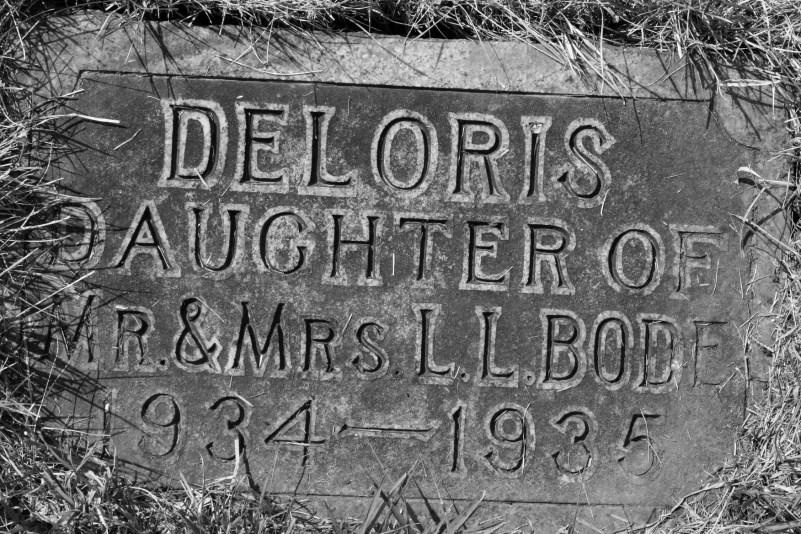
The gravestone of Deloris Edna Emilie Bode, my aunt who died of highly-contagious whooping cough at age nine months. A great aunt, Ida, also died of pertussis at the same age. Minnesota Prairie Roots file photo.


FROM THE BLOG ARCHIVES

In the summer of 2005, when I was 48, I came down with what I initially thought was a bad cold. Turns out the horrific sore throat, followed by the equally horrific cough, was actually whooping cough. After three doctor’s visits and a misdiagnosis of bronchitis, I was correctly diagnosed with pertussis, the first case my physician had ever seen in his longtime career.

When he informed me that pertussis is also known as the 100-day cough, he was not joking. I was racked by uncontrollable fits of coughing from around July Fourth until well after Labor Day.

For me, the summer of 2005 was spent languishing on the couch, feeling like absolute crap, exhausted from lack of sleep (ever try sleeping when you are constantly coughing), utterly worn down, unable to barely function.

The worst, and I mean absolute worst, moment came when I awoke one night gasping for air, my windpipe narrowed. In retrospect, that asthmatic type attack warranted a 911 call and I now consider myself fortunate to have survived. Yes, it was that bad and necessitated another visit to the doctor for a regiment of the inflammation reducing steroid prednisone and an inhaler.

I don’t know why I experienced a particularly bad case of whooping cough. Typically the young and elderly are most harshly affected. Unvaccinated infants can even die.

Nor do I know how I got a disease I thought had vanished decades ago and which claimed the life of my Aunt Deloris in 1935 at nine months old. My doctor speculated that I could have been exposed waiting in the check-out line at the grocery store. I’ll never know.


FAST FORWARD TO 2020

Why do I share this experience, which I first blogged about in 2010? I reblog this because it’s a very real example of how easily I became infected with a highly-contagious bacterial disease simply by being out and about in public. To this day, I have no idea where I picked up whooping cough and then passed it along to two family members. Since then, I’ve learned that the vaccine for pertussis, a serious respiratory tract infection, wears off and re-vaccination is needed.

When I consider how ill I became from whooping cough at age 48, I can only guess how the much more serious COVID-19 might affect me 15 years later at age 63. I recognize the two differ—one is bacterial, the other viral, for example, with many other differences. But some similarities.

Having contracted pertussis via community spread illustrates and underscores the importance of social distancing, of staying at home, of recognizing how quickly and easily the highly-contagious and potentially deadly COVID-19 virus can spread.


WHAT I’M SEEING

I shop at the grocery store weekly because, you know, I eat. I’ve seen too many people who don’t seem to care about social distancing. I can tell right away. They hog the aisle, don’t move over, come too close. In all fairness, many people are being safe, careful and respectful and I appreciate that.

While en route to the grocery store or to a park (about the only places I go now days), I’ve observed groups of obviously unrelated people chatting, even leaning into car windows. No social distancing. I’ve seen landscapers clustered around the back of a pick-up truck.

I recognize that we live in a free country and that people will make choices that are unwise, unsafe and not in the best interests of their health. But when those decisions affect the health of the general public, it’s different. We are all aware that COVID-19 is highly-contagious, even deadly. Every single one of us ought to care because our lives, and the lives of those we love, of our friends, our neighbors and, yes, even the woman in the grocery store, depend on us caring. Whether we live in New York or Minnesota, this virus does not distinguish between rural and urban. No one is immune.

© Copyright 2020 Audrey Kletscher Helbling


With gratitude for community newspapers April 15, 2020

Published in the Faribault Daily News in August 2017 as part of a “Whiteout” campaign by Minnesota newspapers during Minnesota Newspaper Week. Minnesota Prairie Roots file photo 2017.


NOW, MORE THAN EVER, our community newspapers need our support. They, like so many businesses, have been negatively affected by COVID-19.

Ad revenue has plummeted due to business closures. One only need page through a local newspaper to notice the drop. Advertising, and subscriptions, pay expenses from printing to payroll.


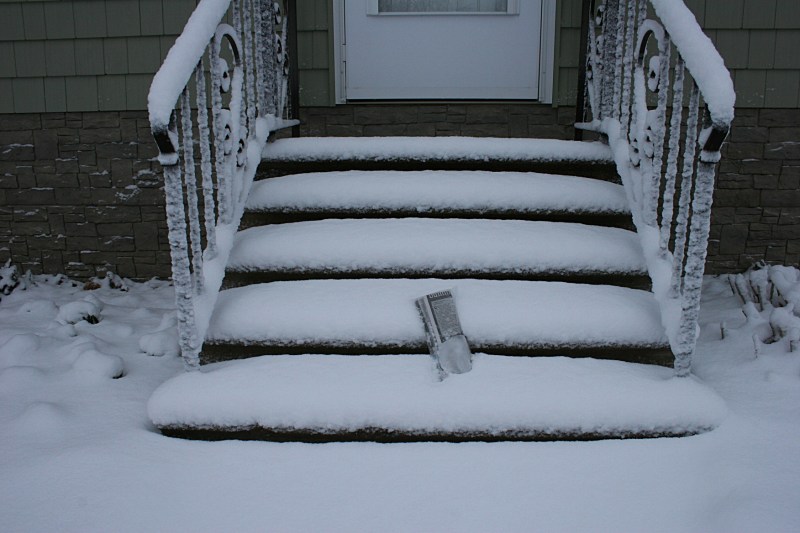
The Faribault Daily News on my front steps, when it was still delivered by carrier. Today the paper lands in my mailbox, delivered by the post office. Minnesota Prairie Roots file photo.


Already in Minnesota, several newspaper—The Hastings Star-Gazette and the Bulletin, serving Woodbury and Cottage Grove and owned by River Town Multimedia—will cease publication in early May. In Fargo/Moorhead, The Forum is no longer publishing a print paper on Mondays and Fridays.

In my community and throughout the region, Adams Publishing Group employees’ hours have been cut. And more. I’ve lost work as a freelancer and columnist for an APG arts/entertainment/lifestyle magazine that has temporarily suspended publication.

I view this issue from an insider perspective, having earned a degree in journalism and with experience as a small town newspaper reporter and photographer, albeit decades ago. I understand the importance of community journalism. I understand how hard these reporters and editors work to bring you local news. I understand the long and odd hours and the low pay. I’ve been there. Now, more than ever, newspapers are an essential business in keeping communities informed.


Published as part of the “Whiteout” campaign in 2017. Minnesota Prairie Roots file photo 2017.


Journalists commit to bringing you the stories that matter in your community. Think about that for a moment. Stories that matter in your community. The feel-good stories. The watchdog stories about public meetings. The hard news. Only in a local paper will you see those stories and photos targeted specifically for your community or region.


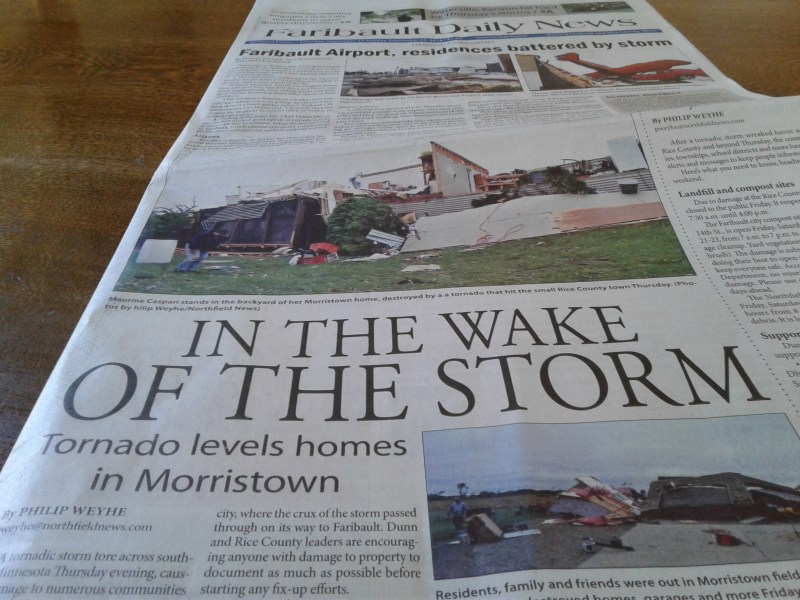
The front page of the Faribault Daily News following a devastating tornado in September 2018. Local news found only in community newspapers. Minnesota Prairie Roots file photo 2018.


I am grateful to the reporters, editors, page designers, ad reps and more at my local paper, the Faribault Daily News, who continue to invest their time and energy in community journalism. All too often, people criticize their work. Complain. Please, don’t kill the messenger who delivers bad news, along with the good. The reporter is just doing his/her job.

Rather, we should be grateful. We should thank these hard-working men and women for all they do. And today that means making sense of COVID-19 on a local level—writing about locals sewing face masks, hospital staff cuts and, yes, even the difficult stories about people infected with the virus. You won’t necessarily hear or read those stories in other media outlets. Our community newspapers are just that, all about community. Your community.

Please support community journalism by subscribing to your local newspaper, by purchasing ads (if your budget and situation allow), by saying “thank you.”


What if your community lost its newspaper? This is the front page of the Faribault Daily News during the 2017 “Whiteout” campaign. Minnesota Prairie Roots file photo 2017.


FYI: I invite you to read my August 2017 post about a “Whiteout” campaign by 200 Minnesota newspapers reminding people about the importance of local newspapers in their communities. It’s worth a read. Click here. And remember that a free press is a vital part of our democracy. We need reporters asking tough questions, gathering information and presenting the facts.

JOIN ME in expressing your gratitude for community newspapers in the comments section below. Tell me what you appreciate about your local newspaper and those who work there. Thank you.

© Copyright 2020 Audrey Kletscher Helbling


Another birthday party missed… April 4, 2020

Filed under: Uncategorized — Audrey Kletscher Helbling @ 5:25 PM
Tags: , , , , , , , , ,

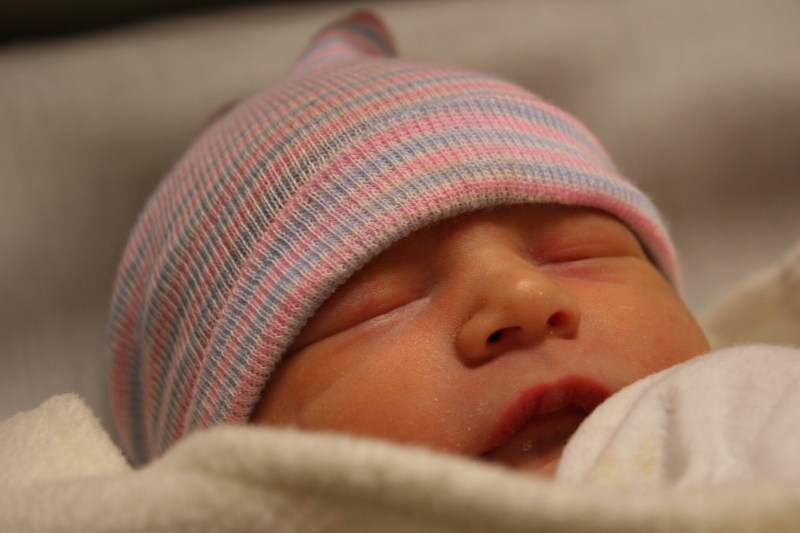
My granddaughter, Isabelle (“Izzy” for short). Photographed when she was about 17 hours old in April 2016. Minnesota Prairie Roots file photo.


MY CELLPHONE PINGED YESTERDAY with a notification. For my granddaughter’s fourth birthday party. Today. At an interactive indoor play area in the northern Twin Cities metro. The party was canceled a few weeks ago, but I’d forgotten to delete the notice from my phone.

So today, instead of celebrating with my darling Isabelle, her parents and little brother, and a whole bunch of Izzy’s friends, I am home. Separated from the ones I love because of the COVID-19 crisis. I have no reason to complain. Everyone in my immediate family is healthy and in the extended family, too, although we had a bit of a scare recently. My mom remains on hospice in a care center 120 miles distant.

We are all making the best of this pandemic which now shapes our lives. We do what we must to stay healthy and to keep others healthy. While out grocery shopping earlier and then on to a Big Box store to buy a garage door because, you know, the garage door just had to break right now, I saw some people with masks. Not a lot. But I noticed more social distancing signs and the larger retail store banning anyone under age 16 from entering. I also saw too many folks not heeding social distancing. I steered clear of them, including employees at one local grocery store which has no COVID-related signs, nothing.


Izzy’s first birthday cake. Minnesota Prairie Roots file photo April 2016.


Yes, I should have been hugging my granddaughter today instead of grocery shopping and buying a garage door. I should have been watching Izzy blow out candles while singing happy birthday to her and celebrating with gift-opening and cake. The year before last, I missed her party because of a blizzard. In retrospect, that is nothing compared to missing a birthday party due to coronavirus.

Isabelle, in a video chat earlier this week, seemed unfazed by the change in plans. She excitedly shared, “I’m celebrating with my family!” She told me about the planned pink birthday cake—her favorite color—frosted and decorated with unicorn sprinkles. I inwardly thanked her parents for stressing to their daughter what she will still have, not what she’s lost in the postponed (until October) party.


One of my favorite photos of Isabelle is this one I took of her in September 2019. Minnesota Prairie Roots file photo.


I decided to add to Izzy’s celebration by reaching out to friends and family with a request to send birthday cards to my granddaughter. Many responded and for that I am grateful.

This afternoon, while returning home with the $470 garage door strapped to the top of our van, I saw a family celebrating what appeared to be a birthday. A clutch of colorful balloons decorated the front stoop and people stood in the yard. Social distancing. The scene made me think of my sweet Isabelle and how much I miss her. Especially on her birthday. And I wonder just how long it will be until I can hug her again.

© Copyright 2020 Audrey Kletscher Helbling
 

Five people, two dogs, no kids April 1, 2020


Ducks swim in the Cannon River at North Alexander Park, Faribault.


NOW, MORE THAN EVER, the desire to get outdoors, to stretch my legs, to connect with nature, to escape all things COVID-19 related intensifies. I need the mental break, the sense of calm that prevails when I distance myself from the current crisis.

I live in a city of some 24,000 with an extensive recreational trail and park system and a sprawling nature center. We can spread out within city limits or quickly drive into the countryside for a rural escape.


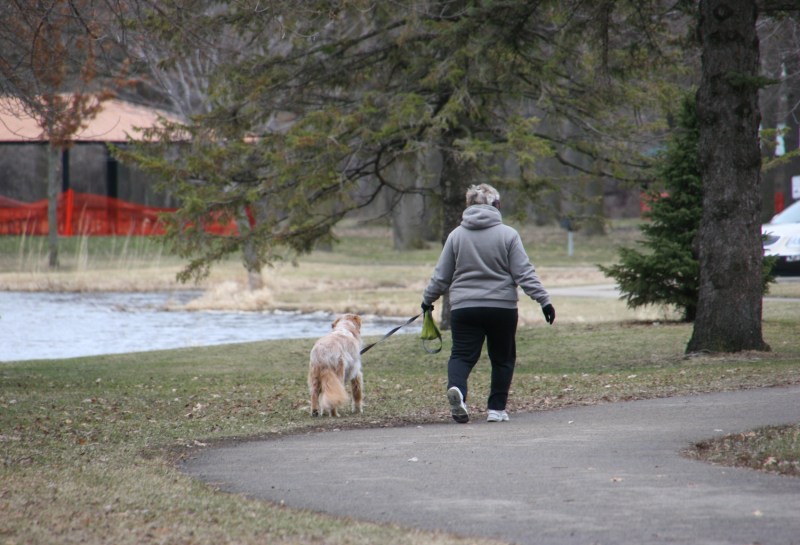
Walking the dog along the trail in North Alexander Park.


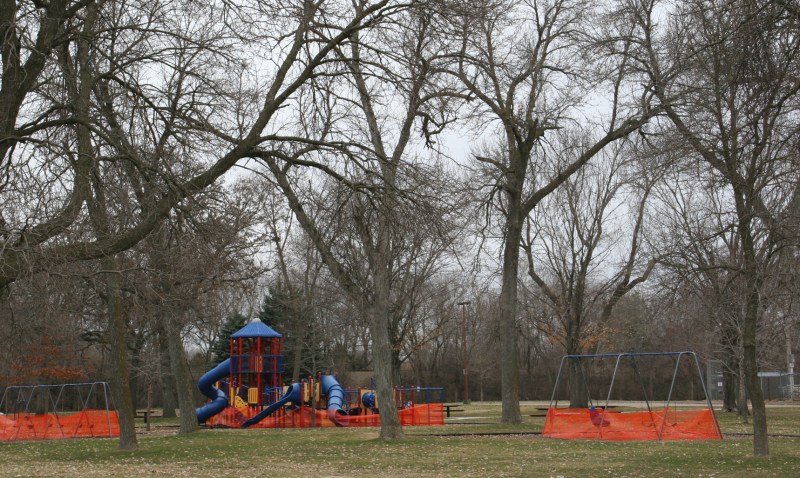
On Saturday morning, before a day of rain began, Randy and I drove to North Alexander Park on the other side of Faribault to walk the Northern Link Trail connecting with the Straight River Trail. The paved path hugs the Cannon River, curving past trees, playgrounds, picnic shelters, and clusters of ducks and geese.


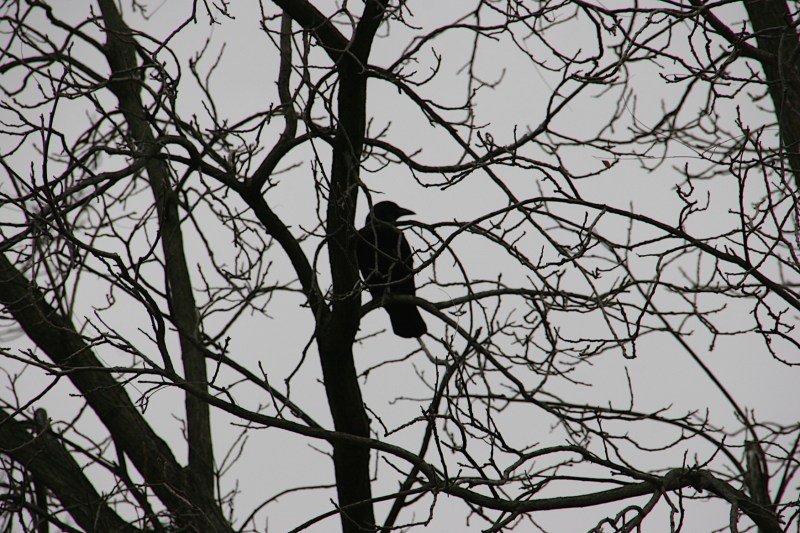
A section of the trail passes through a space populated by trees, and birds.


I enjoy this section of trail for several reasons—the river, the waterfowl, the diversity in open and wooded spaces, and the minimal number of people walking or biking here. It’s always been that way, even pre-coronavirus. While the trail is typically uncrowded, the park itself is usually busy. Teens shoot hoops. Families picnic. Athletes play baseball and softball. Kids use the playgrounds. But not now. Not during the COVID-19 pandemic.


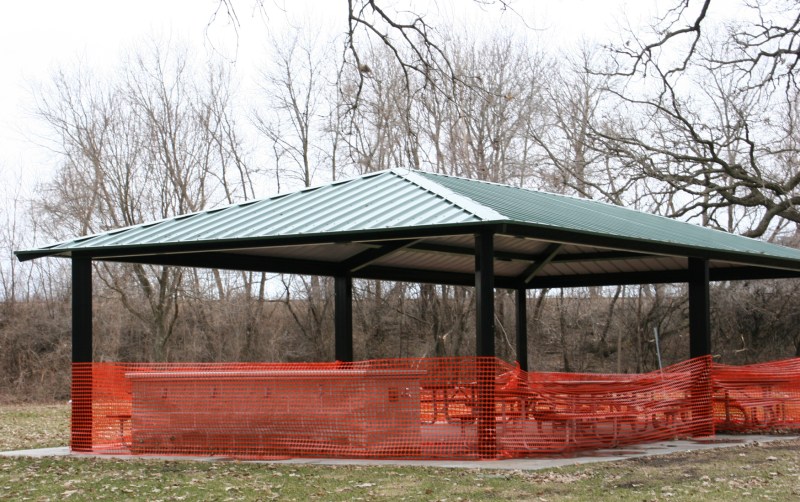
Fences block picnic shelters.


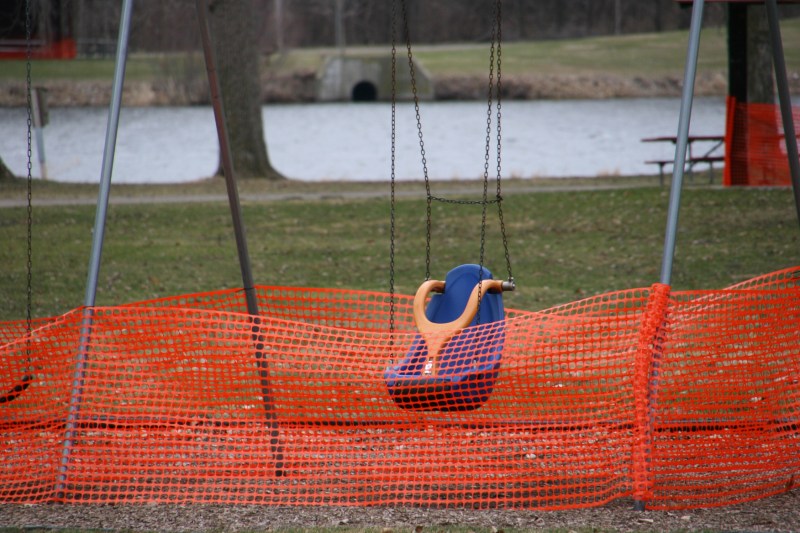
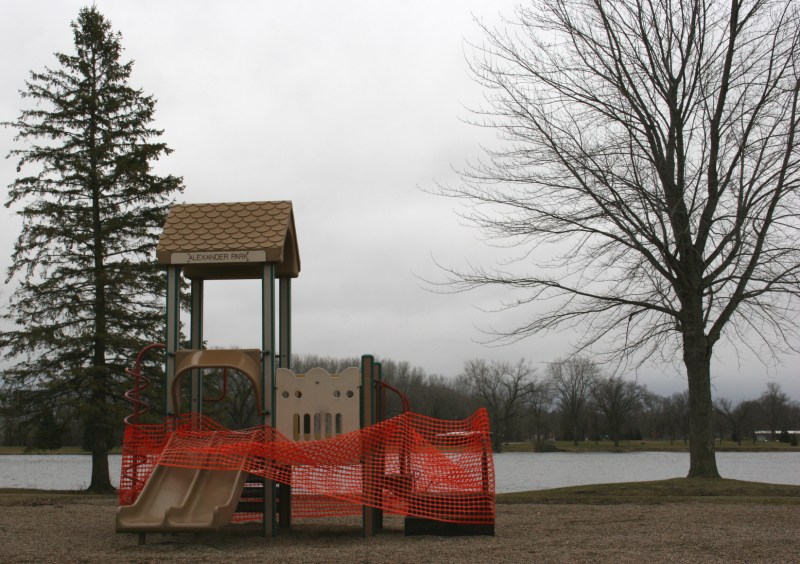
A broad view of the now off-limits playground.


Stay off the playground.


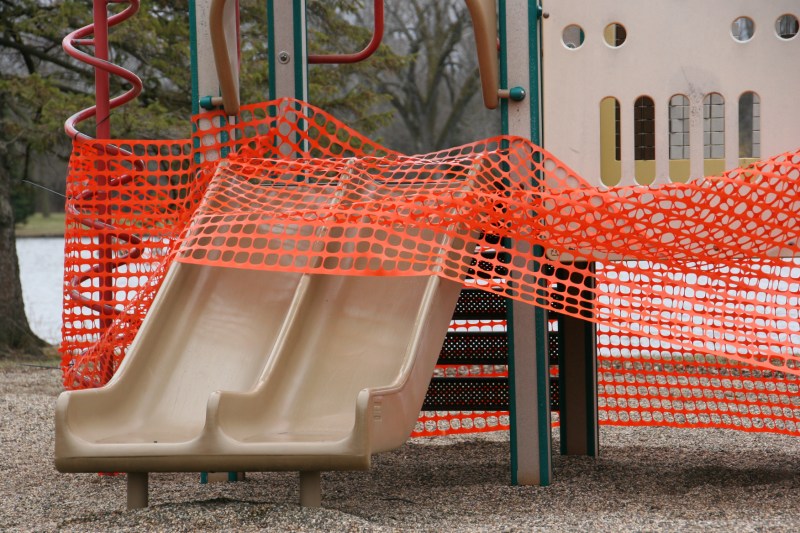
With a “Stay at Home MN” executive order and social distancing in effect, park amenities can no longer be used. Orange snow fences wrap picnic shelters and playgrounds. When I saw those, I stopped. Sadness swept over me to see these places, where families often gather, where kids swing and slide and climb, closed. This is our new reality. Intellectually, I understand. Mentally, I rebel.


In my mind’s eye, I see a little one swinging.


A playground near the Cannon River.


No sliding here…


I want to hear the laughter of children. I want to see kids run and slide. And swing sticks at pinatas during family celebrations, as I have during past walks here.


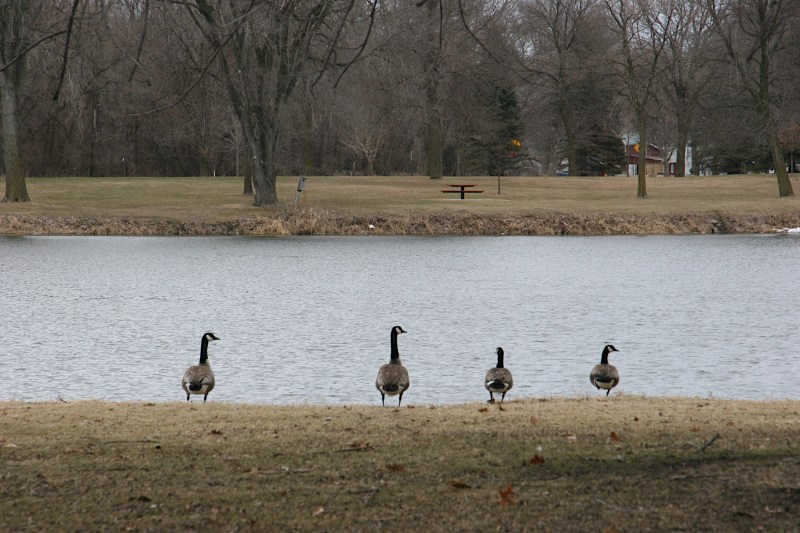
Geese line the bank of the Cannon River in North Alexander Park.


But on this Saturday I saw none of that. Heard none of that. Instead I observed only three other adults (besides Randy and me) and two dogs. And I heard the warning honks of nesting geese, breaking the morning silence.

© Copyright 2020 Audrey Kletscher Helbling


Sunday thoughts about worry, connecting & faith March 29, 2020

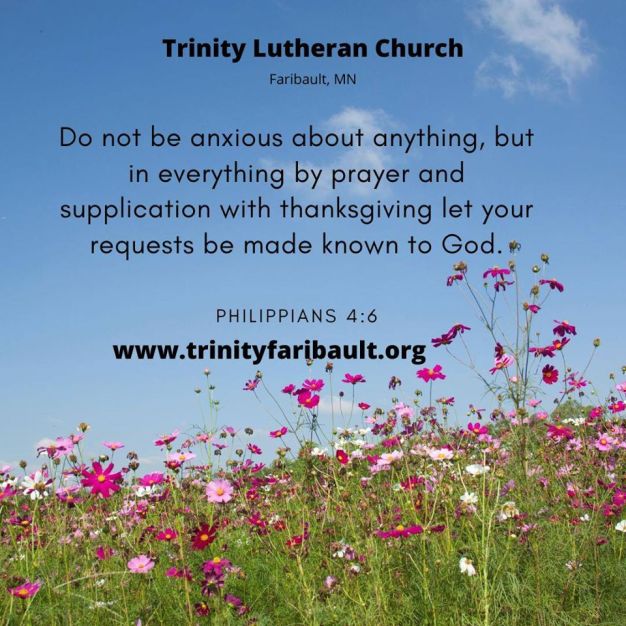
On the Trinity Lutheran Church Facebook page, you will find daily inspirational bible verses such as this one posted last week.


I TEND TO BE AM a worrier. I overthink things. I consider all angles and possibilities. Maybe my journalism persona is partly to blame. Lessons learned in college classes and in my days of news reporting called for balanced, unbiased reporting. Consider all sides of a story.

But, in all honesty, my personality is such that I ruminate. I don’t particularly like change. I like to feel some sense of control. I expect that applies to many of you. Especially now.

These are days that challenge us in so many ways. The uncertainty. The fears. Separation from loved ones. The reality of COVID-19 touching us personally. Our families. Our friends.

Now, more than ever, I rely on my faith. To calm me. To give me hope. To reassure me.

This morning I listened, for the second week in a row, to worship services online, live-streamed from my church, Trinity Lutheran in Faribault. This was a gospel service with violin and piano music and old familiar hymns. Volunteers and staff practiced social distancing during that service. Not to worry.

As I listened to the music, the sermon and Scripture read, and prayed, I remembered the pastor’s opening words that we can still be “spiritually present with one another.” Yes, we can. I miss my faith family, people who mean a great deal to me. People who have supported me during really difficult times. People who have celebrated with me. People whom I care for deeply.

I care about you, too.


A photo of Christ’s face from a stained glass window in my church, Trinity Lutheran, Faribault. Minnesota Prairie Roots file photo.


While listening to the songs played today in the Trinity worship service, I jotted down these especially meaningful snippets:

O Mighty God, great is your love.

All to Jesus I surrender, Lord, I give myself to thee.

Let trials turn us not aside.

In the children’s message and pastor’s sermon, we were encouraged to “go” (without “going”) and do what we can—even in this time of isolation—to spread the love of Jesus. Make cards. Call people. Connect.


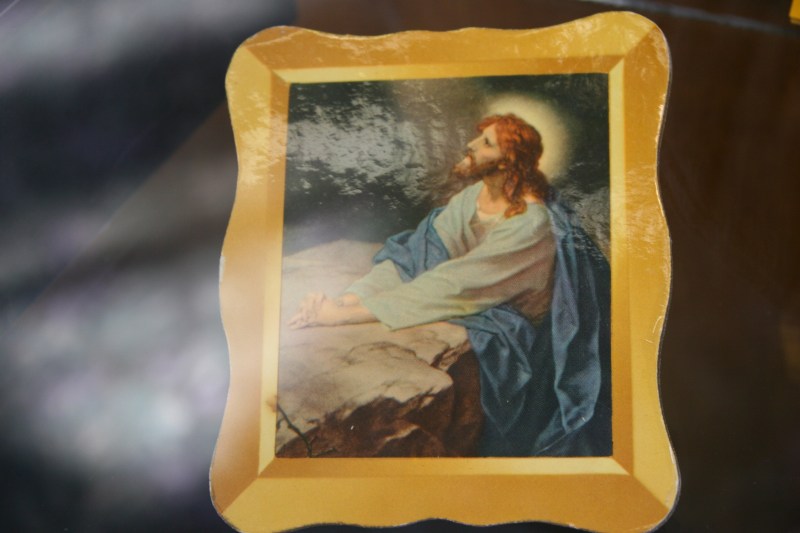
Vintage art from the Trinity radio room. Minnesota Prairie Roots file photo.


We all have the power to do exactly that. From our homes. Even when ordered to stay home, to social-distance, to isolate, we can support and encourage each other. Be there for one another. Work together through the fear, worry and anxiety. I turn to Scripture, too, to uplift, encourage and give me peace. I pray.

And I write, because writing is a way to help myself and others through the COVID-19 crisis. Click here to read my latest Warner Press blog post, “Past Plagues Remind Us of God’s Power & Compassion,” published as part of our new Sunday “Scriptures of Hope” series.

These all help me deal in these difficult days… Be well, my friends.

PLEASE SHARE WITH ME ways you are connecting with others, dealing with your personal concerns, etc. I’d like to hear. We can all learn from on another. Watch this week for posts showing ways people in my community are sharing the love.

FYI: To hear this morning’s Trinity worship service and more, click here, for Trinity Radio and Video YouTube videos.

Disclaimer: I am paid for my work as the Warner Press blog coordinator. 

© Copyright 2020 Audrey Kletscher Helbling
 

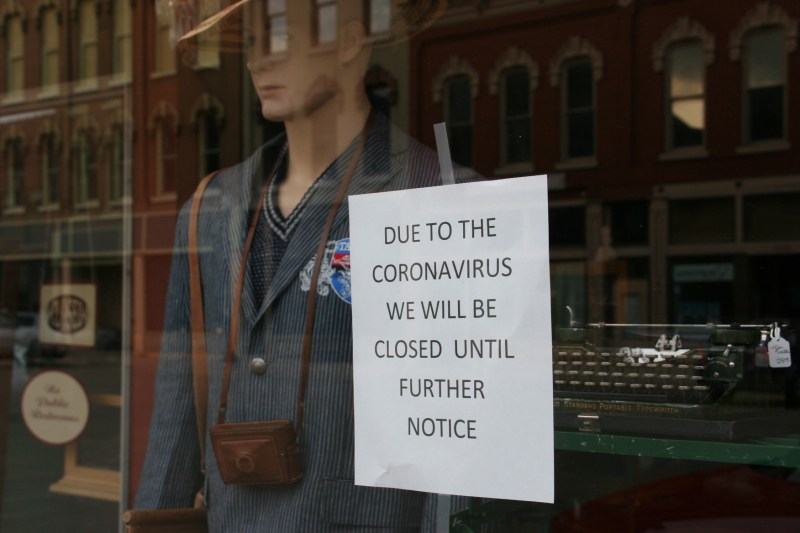
From southern Minnesota: Signs of the times March 19, 2020

Posted in the window of Keepers Antiques, downtown Faribault, Minnesota.


LIFE FEELS ALMOST SURREAL. Like we’re living in a science fiction film. Or a horror movie.


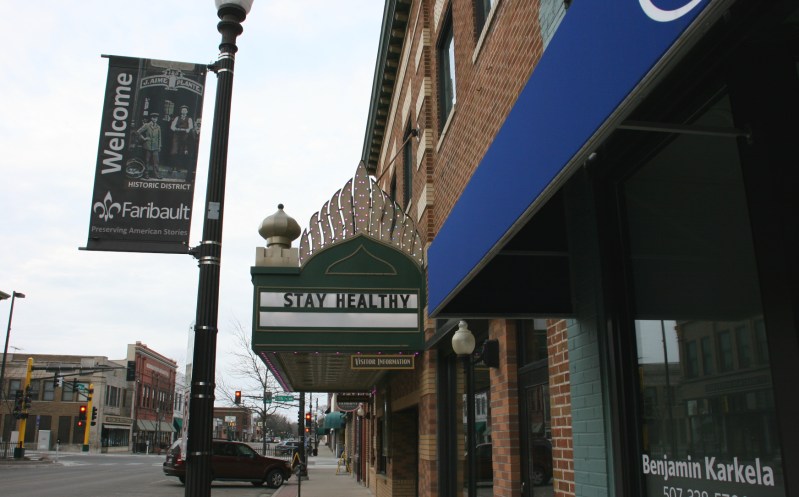
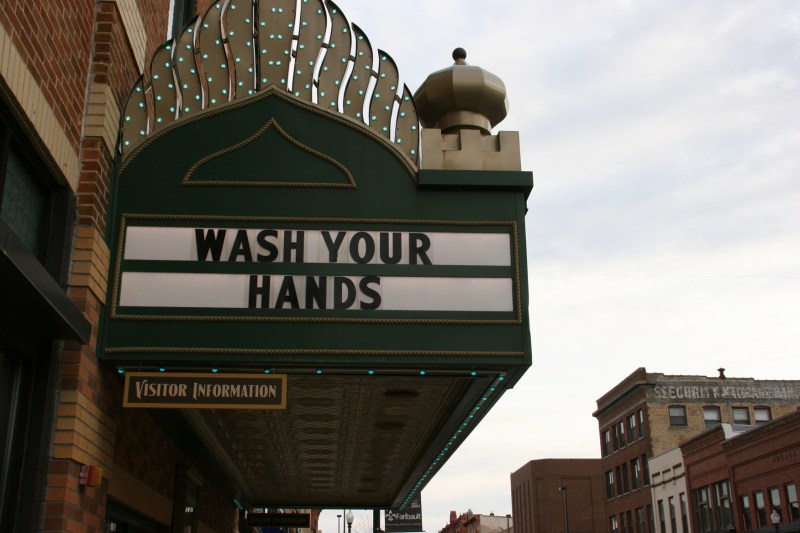
The Paradise Center for the Arts in downtown Faribault is closed until April (or longer). Messages like “STAY HEALTHY” mark the PCA marquee.


Each day brings more bad news as COVID-19 spreads and more restrictions are put in place. The anxiety is almost palpable. No matter where we live—from rural to suburban to urban—we are affected.


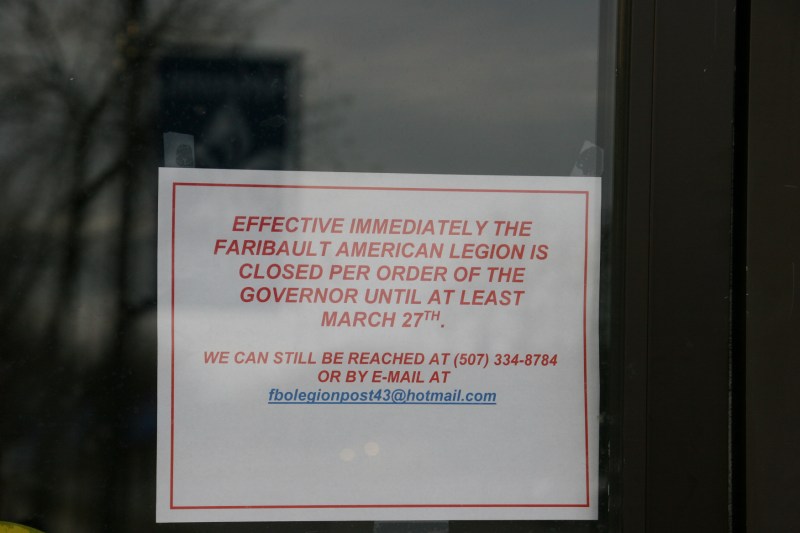
Posted on the door of the local American Legion, which serves food and beverages and is also an event center.


Tuesday evening, on the day the Governor of Minnesota ordered all bars and restaurants and other social gathering places like bowling alleys, theaters and museums to close by 5 pm, I grabbed my camera to document this order. In signs posted in my southern Minnesota community.


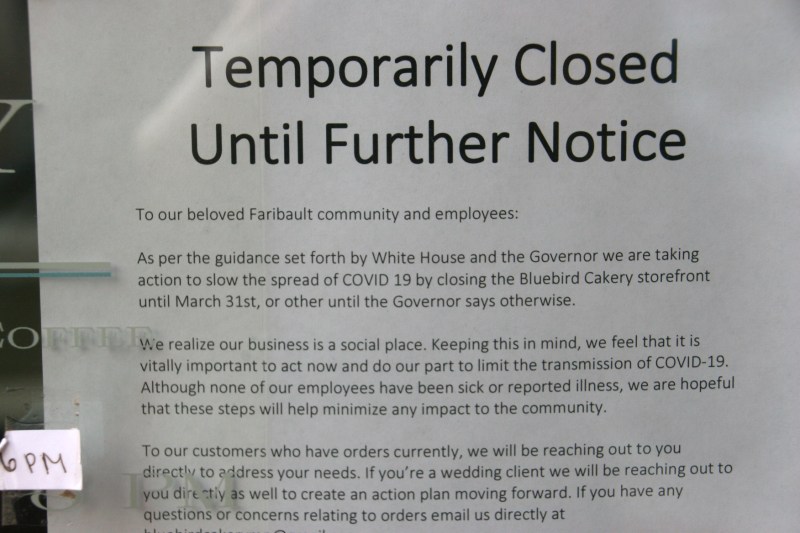
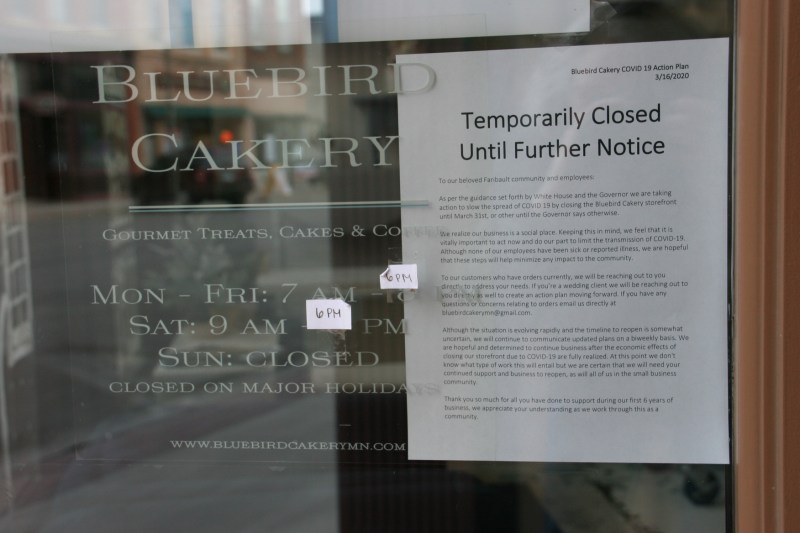
Posted at Bluebird Cakery.


Most messages are simple. But the sign displayed in the window of Bluebird Cakery carries an emotional tone, beginning with these words: To our beloved Faribault community and employees…


Bluerbird Cakery is a popular gathering spot in the heart of downtown Faribault.


Beloved. That’s such a powerful heart-touching word, especially in these difficult times.


A helpful reminder posted on the Paradise Center for the Arts marquee.


If we can all remember that we are beloved to one another, then we will have brought something beautiful out of this crisis. That is my hope. That we will care more deeply for one another. That we will grow in compassion and love. That we appreciate and value one another more. That we can rise above that which separates us to that which brings us together. And for now, together means standing unified in our efforts to stop the spread of the coronavirus.


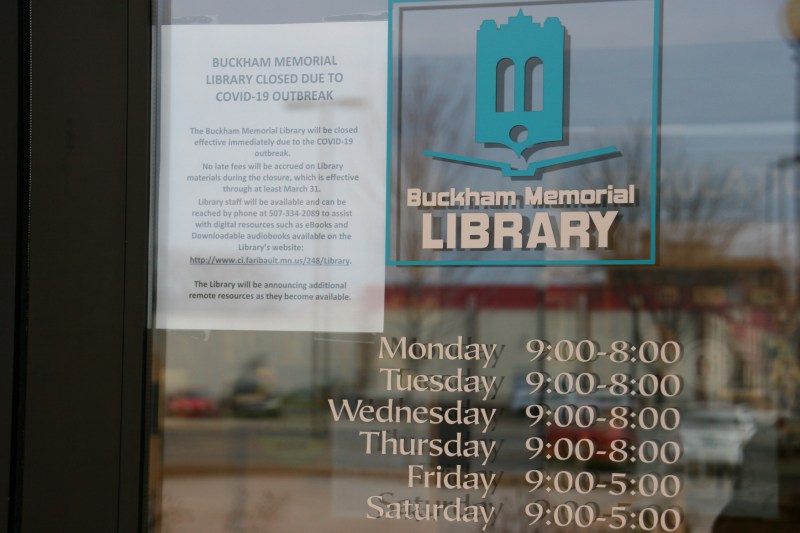
Our local library closed on Monday.


PLEASE FEEL FREE to share in the comments section specifics on what’s happening in your part of the world as it relates to COVID-19.

© Copyright 2020 Audrey Kletscher Helbling


A look at COVID-19 from a personal perspective March 12, 2020

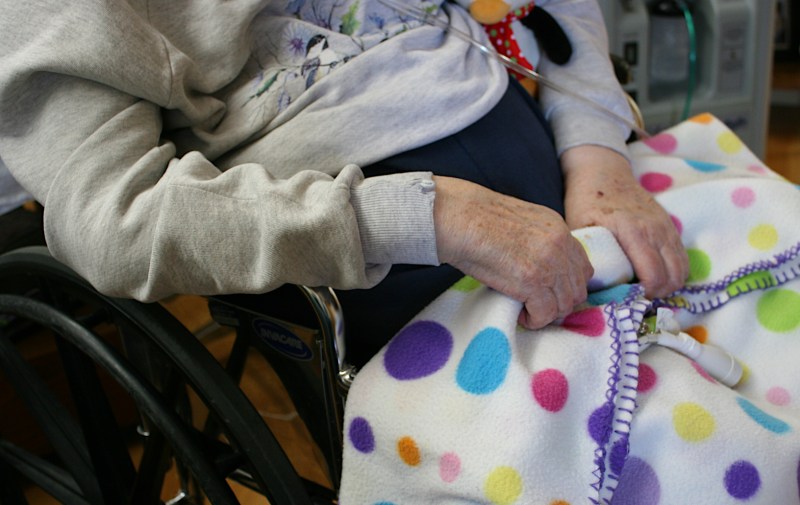
I photographed my mom’s hands during a visit with her last Saturday.


HOW IS COVID-19 affecting you and those you love? Your friends? Your neighbors? How is this pandemic changing the way you go about your daily life? Are you worried? Anxious?

I would describe my attitude as one of cautious concern. I’ve not yet stockpiled any supplies. But I hold concerns as the situation touches my life. All of our lives in some way, I suppose.

Last evening my brother texted that my mom’s senior living care center is restricting visitors, specifically banning those who have recently traveled overseas or been on a cruise. That’s a smart move designed to protect the vulnerable, at risk population. Anyone not feeling well and with cold and flu-like symptoms should stay away. Staff must clear all visitors before they are allowed to enter, my brother wrote. I’m thankful this center, in a very rural region of Minnesota, is taking this action, as they sometimes do during influenza season.

The facility details this policy on its Facebook page. I’m grateful for these efforts to protect my mom, who is on hospice, and others who live there. Even in rural southwestern Minnesota, where one might consider the risk of exposure to the Coronavirus to be low, the possibility exists. People from this region travel, too, as do those who visit the area.

With the continuing spread of the virus and these new restrictions, I’m thankful Randy and I drove 2.5-hours one-way last weekend to see Mom. We typically limit our visits to 1.5 hours. While each visit is bittersweet given Mom’s confusion and memory loss, I remain grateful for this bonus time with her. When I started talking about Coronavirus to Mom, Randy caught my eye, successfully conveying with his warning look that I should stop. I promptly did. He’s right. Mom doesn’t need to hear about a pandemic.

But I’ve heard plenty about it from others—how it’s affecting vacation plans and raising fears about loved ones with compromised immune systems and other health issues. I worry some about my second daughter, who works in the healthcare field in Wisconsin. And then there’s my son, currently attending an international conference in Florida and the risks that involves, especially with air travel. But neither are in the noted vulnerable population.

So daily life goes on. I’m probably listening to and reading way too many media reports. But I’ve always been a news junkie since pre-teen on, never wanting to miss the CBS Evening News with Walter Cronkite. (Yes, that dates me.) Is it any wonder I went on to earn a mass communications degree and then work in journalism? I’m thankful for a media which keeps us informed. And, no, I don’t want to get into a discussion here about the media. The World Health Organization has declared COVID-19 to be a global pandemic. Period.

It’s up to each of us to take Coronavirus seriously, even if we aren’t personally at risk. We have a responsibility to protect individuals like my mom. We’re in this together.

© Copyright 2020 Audrey Kletscher Helbling
 

Focus on mental health: What you can do, what “we” can do March 10, 2020


I photographed this at an ethnic celebration last fall at the Northfield Public Library. This message refers to the struggles with mental illness. Minnesota Prairie Roots file photo September 2019.


THEY’RE NOT NUTS, crazy or whatever other derogatory term you want to tag to someone with mental health struggles.

Such uninformed, inaccurate and offensive words continue to perpetuate the stigma, the blame, the discrimination against those diagnosed with anxiety, depression, obsessive compulsive disorder, bipolar, schizophrenia, post traumatic stress disorder (PTSD) and more.

If you sense a bit of anger in my words, it’s because I’m trying to come to terms with something offensive I saw in small town Minnesota this past weekend as it relates to mental illness. I’m currently processing this, recognizing that a knee jerk emotional reaction won’t help.


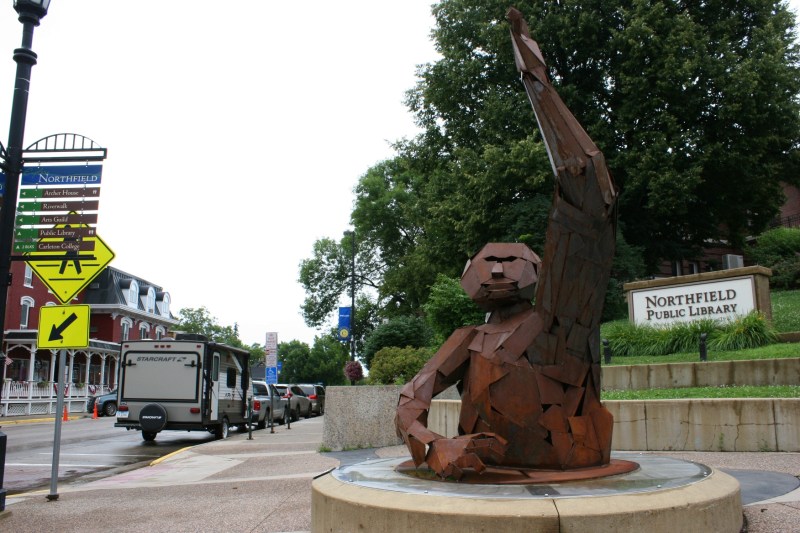
This sculpture outside the Northfield library is called “Waist Deep” and addresses the topic of mental health. Minnesota Prairie Roots file photo September 2019.


So let’s set that aside and talk about positive things that are happening now to raise awareness and educate about mental health. This Thursday, March 12, Minnesota’s National Alliance on Mental Illness (NAMI) is organizing “Mental Health Day on the Hill” at the Minnesota state capitol in an effort to strengthen and expand our mental health system. That’s much-needed in a state with a severe shortage of mental healthcare professionals. A rally is set for 11 am to noon in the capitol rotunda.


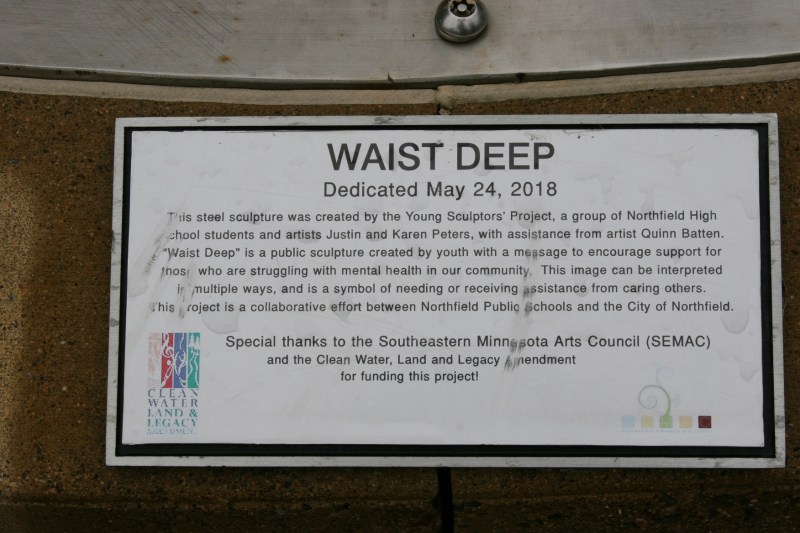
A sign explains the story behind the “Waist Deep” sculpture. Minnesota Prairie Roots file photo September 2019.


Rallies are effective because they draw attention to a cause. But we need to do more. And that starts with each of us individually, personally. We need to educate ourselves, to show support, care and compassion to our families, our friends, our neighbors, anyone who is struggling with their mental health. Just like we rally when someone is diagnosed with cancer, we need to give that same support during a mental health crisis. But how many GoFundMe pages or local community fundraisers have you seen for someone facing insurmountable medical and other bills due to a mental illness? Not many or none, I would guess.

However, there are exceptions. Recently a Faribault police officer took his own life. In an obit published in my local newspaper, the family shared this about their loved one: He took a medical retirement after a 10 year career. He was diagnosed with PTSD and lost his battle with the disease by taking his own life. A GoFundMe page has been set up to help cover his funeral expenses with any extras going toward his children’s education. We read often in an obituary that someone died after a long, brave battle with cancer. To read about someone battling a disease like PTSD is equally as important, especially in ending the associated stigma.

There’s a reason mental illness is sometimes called the “no casserole disease.” In Minnesota, I’d say, the “no hotdish disease.” It’s time for that to change—time for us to start taking hotdishes to, sending cards, visiting, calling and otherwise supporting those who are in the throes of a mental health crisis or recovery. (And their families.) Just as we do when someone is hospitalized during and after surgery or going through chemo or…


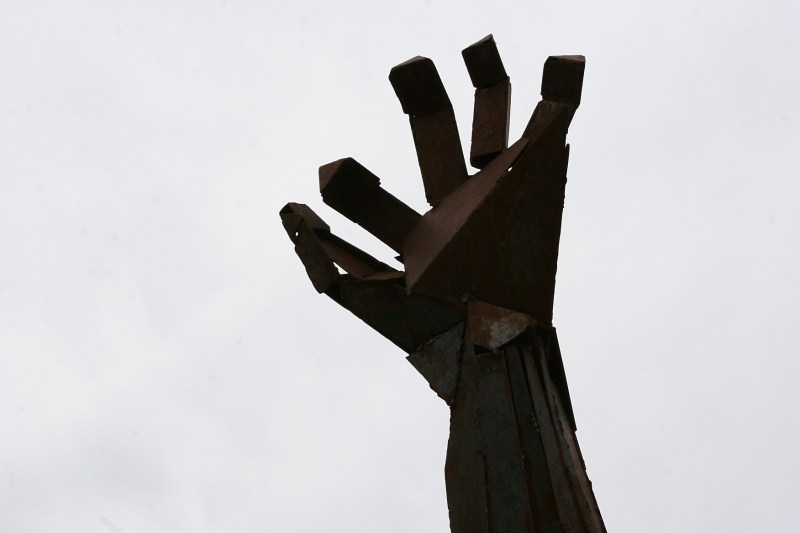
A close-up of that reaching hand on the Northfield, Minnesota, sculpture. Minnesota Prairie Roots file photo 2019.


And we need to speak up when people use stigmatizing words like “nuts” and “crazy.”

I appreciate that this week, and again in late April, Faribault Community School is offering an 8-hour youth mental health first aid training course to help adults identify, understand and respond to signs of mental illness or substance abuse. The more we learn, the better prepared we are to help one another.

NAMI is a fantastic resource and help for anyone dealing with mental health issues. With state chapters nationwide, you can often find a nearby peer or family support group. My community doesn’t offer a family support group. But neighboring Owatonna and Northfield do.

No matter who you are, where you live, dealing with a mental health issue or not, we need to work harder on ending the stigma, raising awareness and showing compassion. I am committed to that. I hope you are, too. This affects all of us, even if you don’t realize it.

THOUGHTS?

© Copyright 2020 Audrey Kletscher Helbling
 

Reminders to “be still” & the value therein March 4, 2020

Filed under: Uncategorized — Audrey Kletscher Helbling @ 5:00 AM
Tags: , , , , , , , , ,

Minnesota Prairie Roots edited file photo December 2017.


WHAT DOES IT MEAN to be still?

The answer to that, I suppose, can be far-ranging depending on context. Ask a child to be still and you likely want them to sit quietly. Waiting.

Ask an adult to be still and you likely want them to listen.

Waiting and listening. Both are important in relationships, in communicating, in understanding.

Now take those two words and consider them from a faith perspective. Be still and know that I am God. That scripture, Psalm 46:10, has once again—thrice in the past several days—popped right before my eyes. And I mean that in the literal sense although “popped” may be a bit of a stretch. While reading the book, Red Letter Challenge, for a Lenten series focus at my church, that bible verse showed up on page 19 in the introduction.

Only two days prior I found Psalm 46:10 penned in my handwriting on an envelope buried in a drawer I haven’t looked in for months.

And then, yesterday, I found a bookmark inside Troubled Minds—Mental Illness and the Church’s Mission by Amy Simpson (a book I’d highly recommend) and gifted to me by a dear friend. She’d tucked the bookmark, with the verse, Be still and know that I am God, inside. I read the book months ago. But a recent sermon on the stigmas of mental illness by the pastor at my friend’s church, Emmaus in Northfield, prompted me to pull the Simpson book from the shelf. And then rediscover the be still bookmark. I’d highly recommend you listen to this sermon series about the “no casserole disease.”

But back to Psalm 46:10. I’ve written here previously about that scripture first emphasized to me by my friend Steve. And then soon thereafter, during an especially challenging period in my family’s life, the bible verse just kept showing up. In hymns, devotionals, on a child’s drawing, on a print in the public restroom of my mom’s care center, on a handcrafted paper angel…

Some might call this coincidence. I don’t. As a woman of faith, I believe these words were meant to be imprinted upon my heart. Psalm 46:10 reminds me that even in the midst of chaos, God is here, with me, carrying me through difficult days, encouraging me to be calm, to be still, to understand that I am not alone.

Nor are you alone. As human beings, we all hold the capacity to be there for one another. To sit quietly. To listen. And then, when we can, offer compassion, support, hope and encouragement. To bring the hotdish when no one else does. To love and embrace. To be there.

THOUGHTS?

© Copyright 2020 Audrey Kletscher Helbling
 

Sample billboards along Interstate 90 in Wisconsin February 19, 2020

Filed under: Uncategorized — Audrey Kletscher Helbling @ 5:00 AM
Tags: , , , , , , , ,

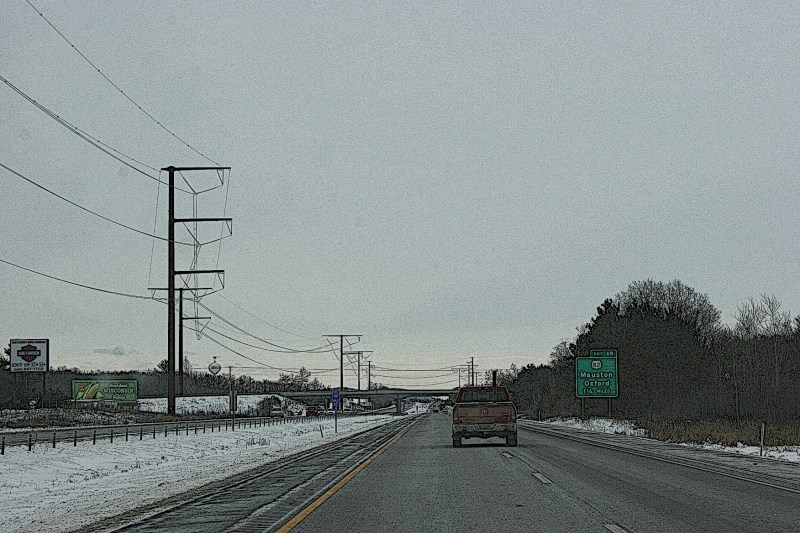
Drive Interstate 90 between La Crosse and Madison, Wisconsin, and you’ll see lots of billboards around the larger cities and in the area by the Dells. Edited Minnesota Prairie Roots photo.


BILLBOARDS CAN CLUTTER the landscape. Too many words. Too many materialistic messages. Too much visual imprint when I’d rather see the natural surroundings.


As you would expect in Wisconsin, there are lots of signs for cheese places along I-90. Edited photo by Minnesota Prairie Roots.


But I understand the value of signs, large or small, in drawing people into businesses, to destinations, to detour off the interstate. That said, I noticed a lot of vacant billboard real estate while traveling Interstate 90 from La Crosse to Madison, Wisconsin, this past weekend. I can only speculate that in a tech driven world, this form of marketing to the masses is declining.
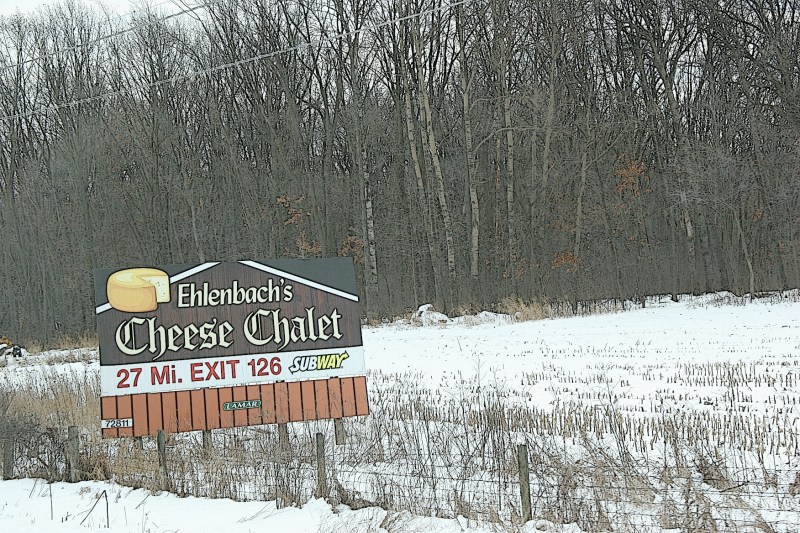
 

Edited photo by Minnesota Prairie Roots. Anyone know the story behind this billboard?


Still, I pay attention to roadside signage and noticed a billboard with a simple and profound message: FORGIVE and BE KIND. I photographed the sign within 10 minutes of Exit 69, the road to Mauston and Oxford. A LAMAR Advertising credit runs along the bottom.
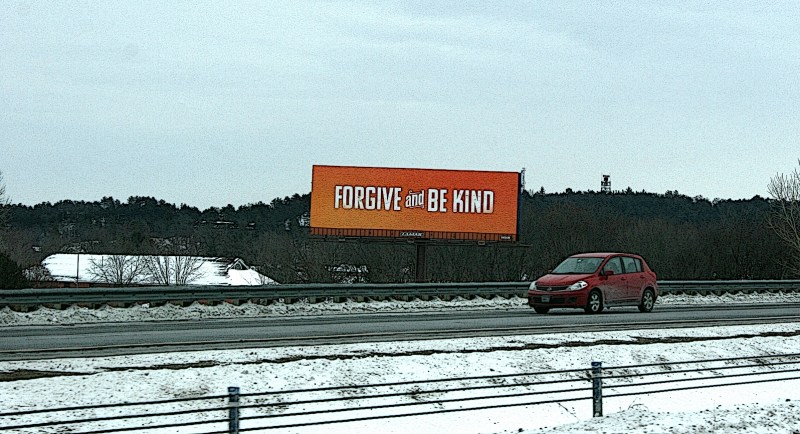
FORGIVE and BE KIND. The words are simple enough. But forgiveness and the added directive to “be kind” can prove a struggle when the pain and hurt run deep. Yet, both can be achieved. It takes work. Time. Healing.


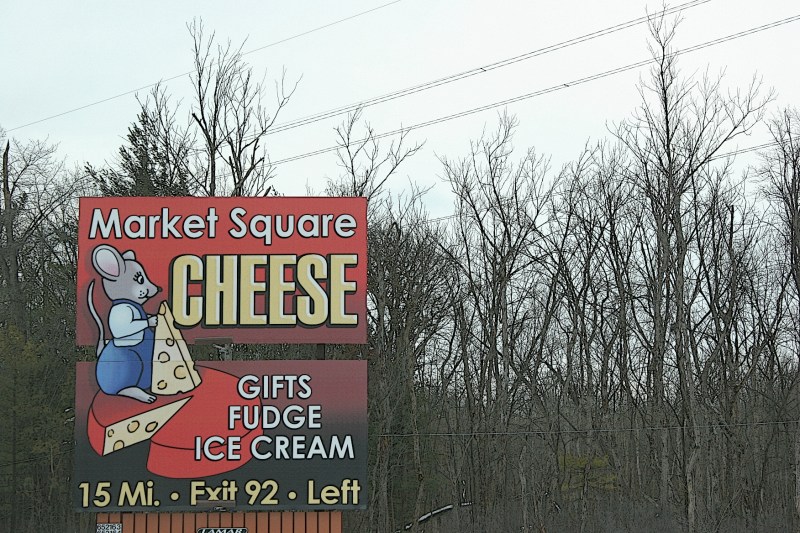
Another cheese sign along I-90 in south central Wisconsin. Edited photo by Minnesota Prairie Roots.


I’d like to hear your thoughts on the FORGIVE and BE KIND billboard and/or on billboards in general.

© Copyright 2020 Audrey Kletscher Helbling