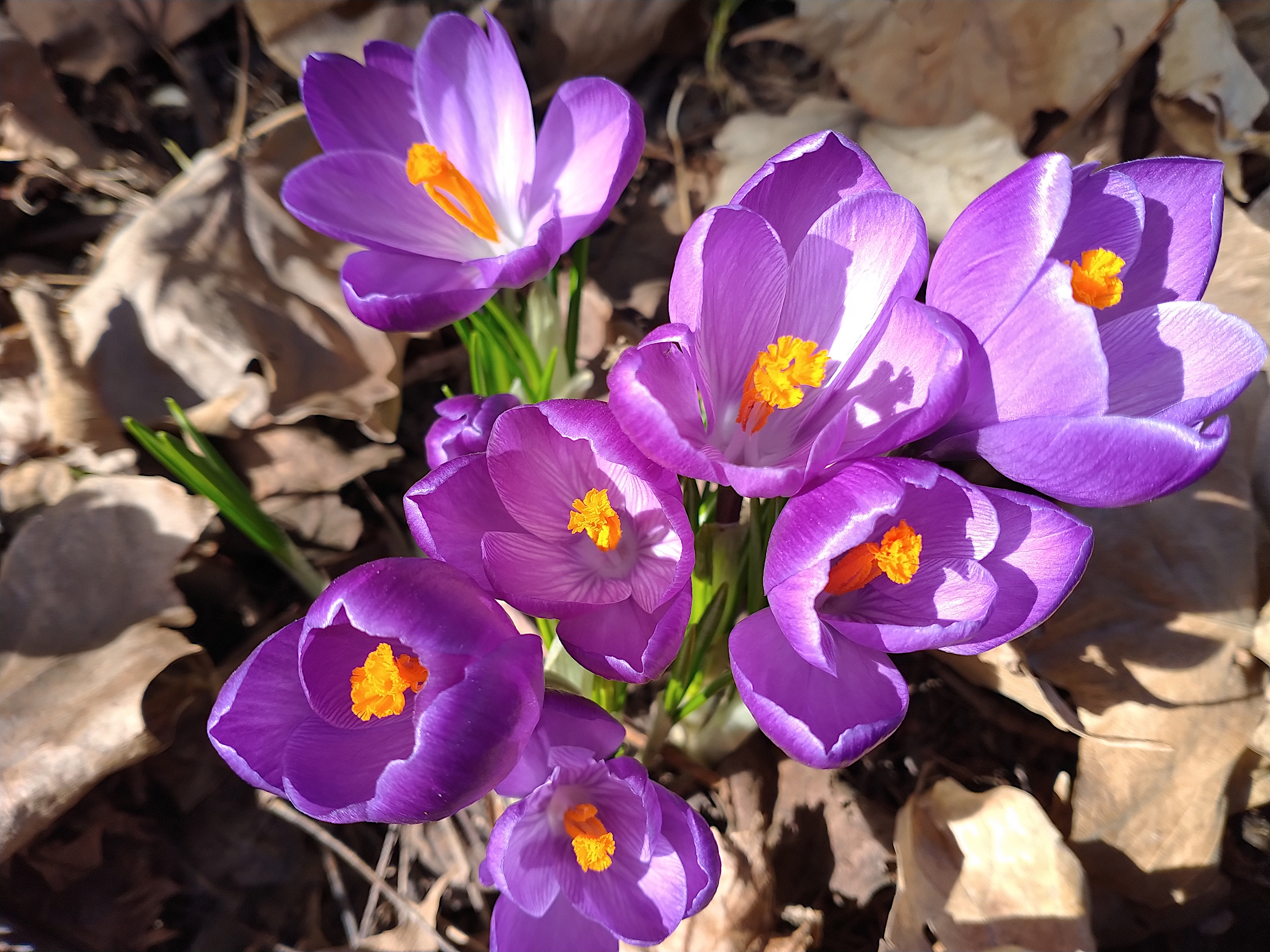
Crocuses blooming on March 12. (Minnesota Prairie Roots copyrighted photo March 2024)
DAYS AFTER I BRUSHED aside leaf mulch, my crocuses are in full bloom under the bold sunlight of March here in southern Minnesota.
Veins run through the cupped purple petals popping with golden centers. They are beautiful to behold. Vibrant in a landscape of brown.
Due to the unseasonably mild Minnesota winter, these crocuses are blooming weeks earlier than usual. Had I not uncovered the perennials several days ago to find a lone blossom leaning, I would have missed this explosion of color in my front yard flowerbed.
I admire crocuses, daffodils and tulips, the first brave flowers of spring. That they even survive in this harsh climate seems a miracle in itself. Crocuses store food in corms, their underground stem system.
And so I want to take a moment to celebrate this clutch of crocuses, to recognize the importance of noticing that which is right before our eyes. All too often we hurry through our days without pausing to appreciate the little things. The flush of blossoms. The bright flash of a cardinal. The scurrying of a squirrel. Today may you stop, look and see, really see, the beauty within this day.
TELL ME: What little thing are you seeing today that bring you joy?
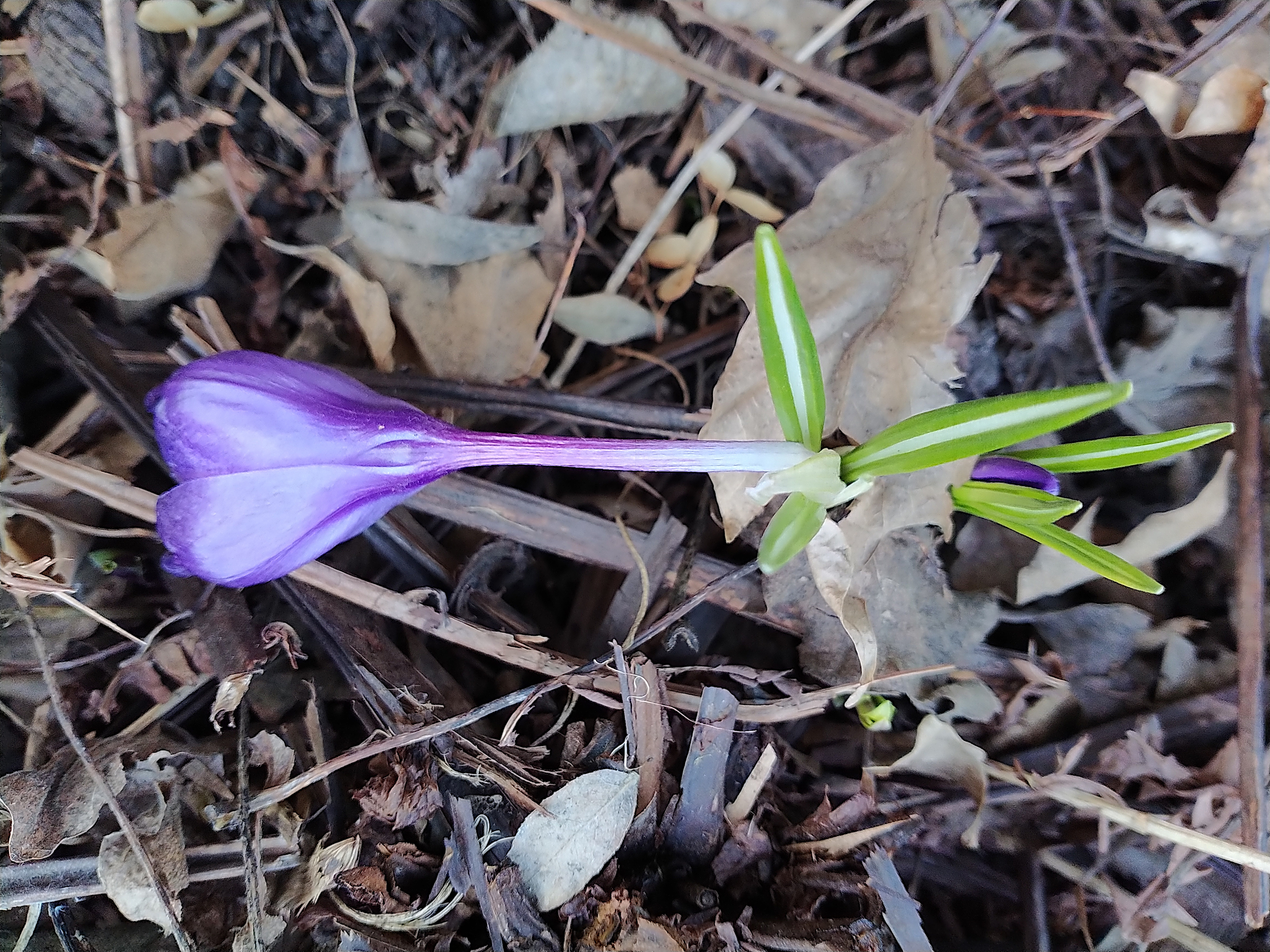
Under a layer of leaves, I found this blooming crocus. Already, in early March. (Minnesota Prairie Roots copyrighted photo March 2024)
IN TRULY UN-MINNESOTAN fashion, I have penned very little this winter about the weather. That is atypical of a life-long resident. We are, if anything, obsessed about weather in Minnesota. We take pride in our cold weather, our snow, in managing to persevere in an often harsh climate. Weather affects our lives on a daily basis.
But this winter season, our image as the Bold Cold North has significantly changed. These past four months have been primarily snow-less and unseasonably warm. Sure, we’ve had a bit of snow and some cold snaps with sub-zero temperatures. Yet nothing like we’ve come to expect.
As I write, I look out my office window to a scene devoid of snow. The temperature is 46 degrees. At 9:51 a.m. on an early March morning. Laundry is drying on the clothesline. And the sun blazes bright upon the monotone landscape.
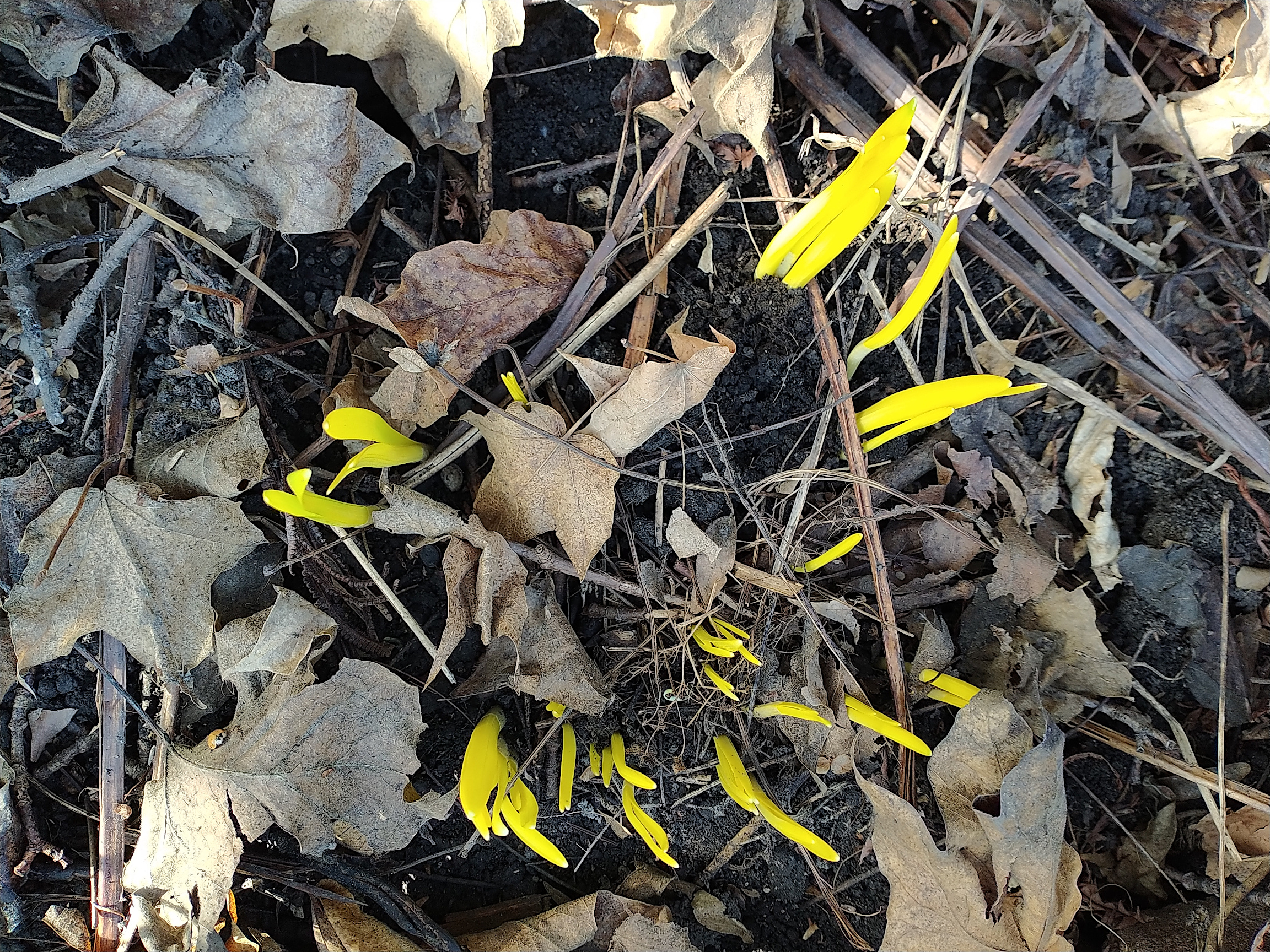
Daffodils, too, are emerging early. (Minnesota Prairie Roots copyrighted photo March 2024)
If I look closely, I see signs of spring come too soon. I need only examine my perennial flowerbeds to find spring flowers emerging from the soil. Under a layer of dried leaf mulch, I uncover a single crocus tipped on its side. I push more leaves aside revealing tender shoots of crocuses and daffodils. They need sunlight to thrive.
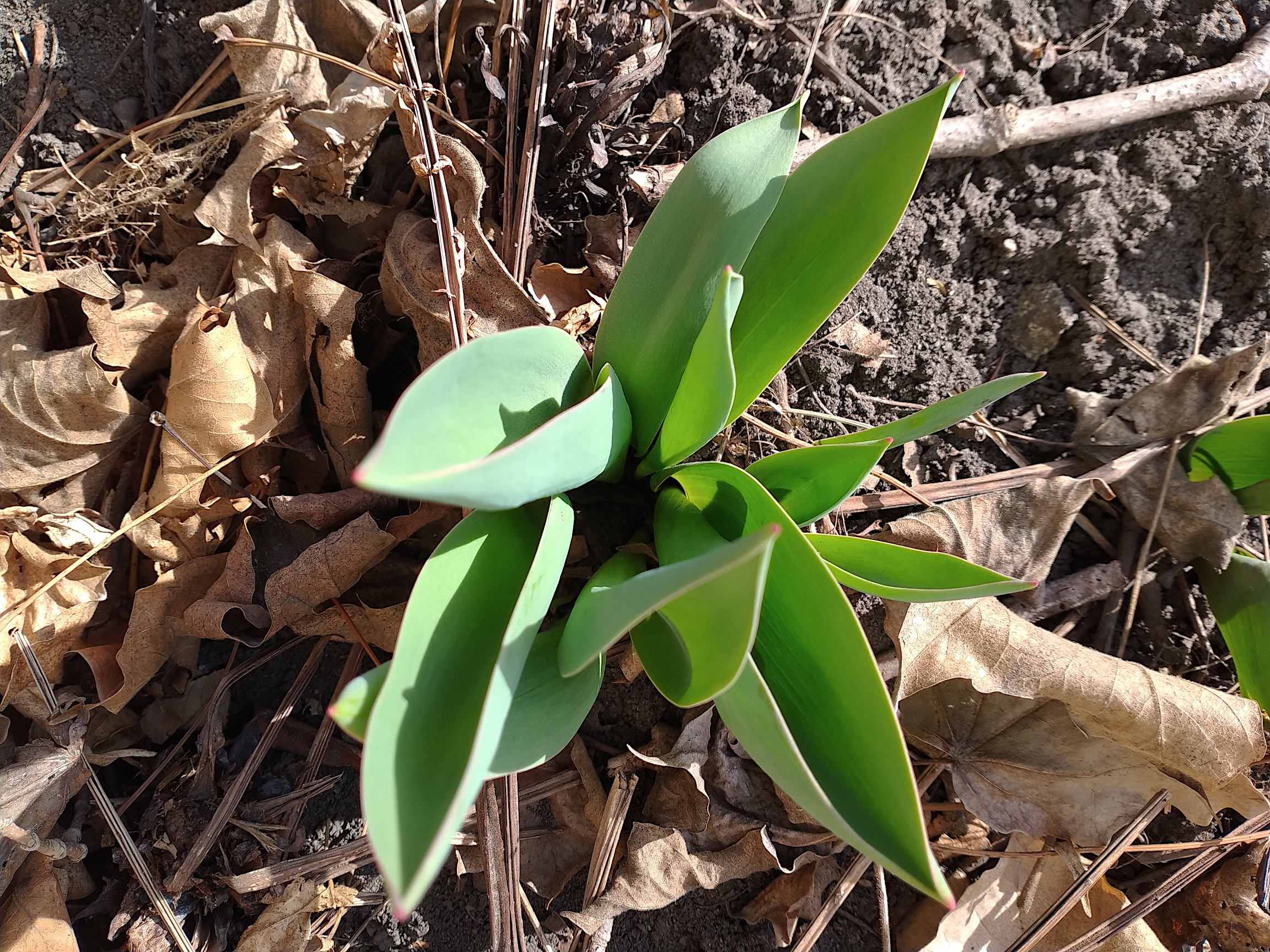
Tulips on the south-facing side of my house started popping weeks ago. (Minnesota Prairie Roots copyrighted photo March 2024)
Tulips and irises are up, too. Too soon. Not yet blooming. I noticed tulip bulbs popping greenery already in February.
All of this is an anomaly. We should be experiencing snowstorms and school closures, hearing the scrape of snowplows, the roar of snowblowers. Kids should be skating and sledding. As much as I appreciate the lack of icy roads and sidewalks, no snow to clear and no worry about winter weather, it just doesn’t feel right.
I’ve realized that I really do like the diversity of distinct seasons in Minnesota. There’s something to be said about anticipating spring after a long hard winter, like we experienced last year with record snowfall…
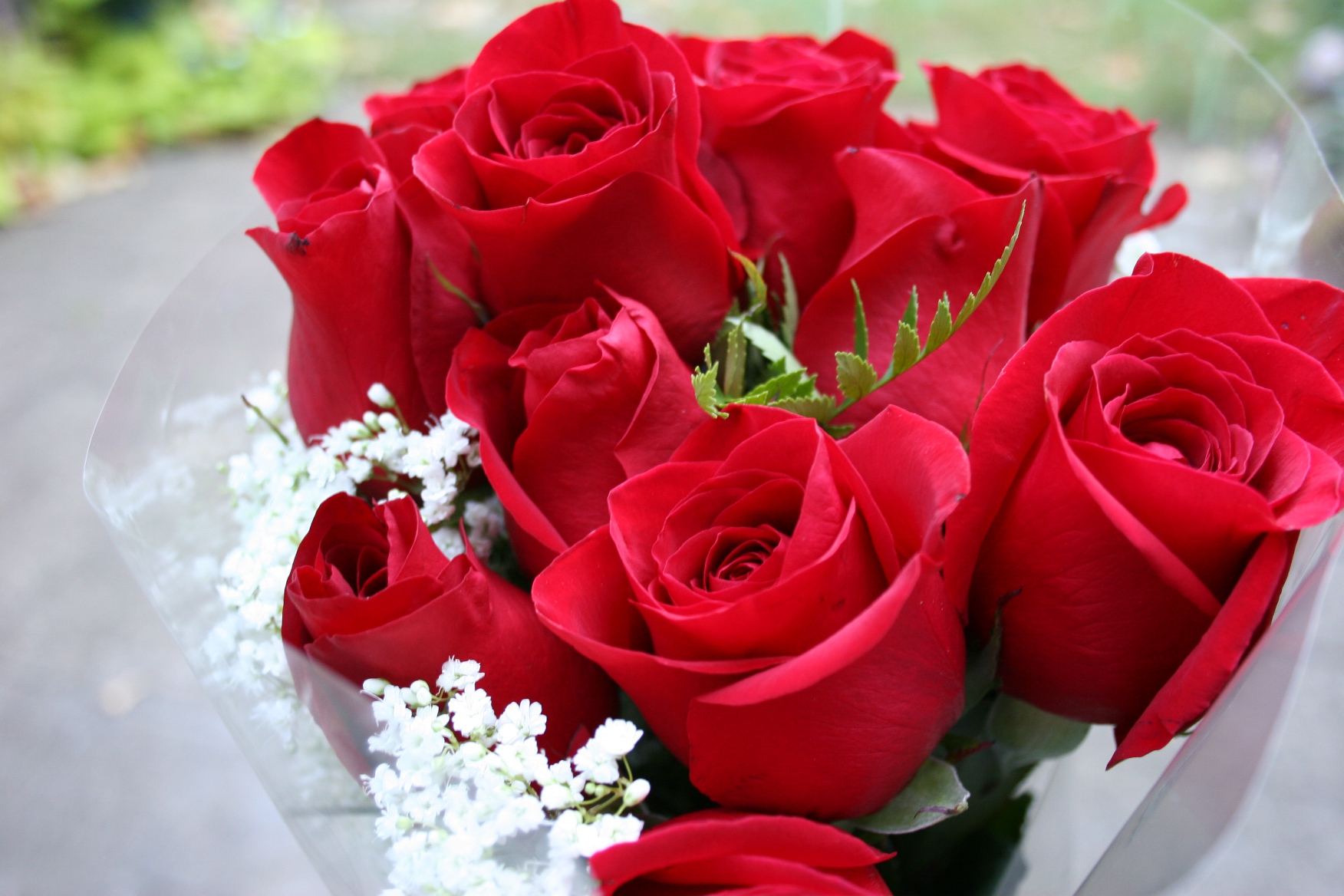
The traditional valentine bouquet, red roses. (Minnesota Prairie Roots copyrighted file photo)
AHEAD OF US ON THE SIDEWALK, two young men, both on rollerblades, paused. As Randy and I drew nearer, I noticed one holding a bundle of wrapped flowers. I couldn’t help myself. “Oh, for me! Thank you!” I exclaimed, stretching my arms as if to take the bouquet. They laughed.
It was one of those chance encounters that proved delightfully fitting on the Sunday before Valentine’s Day. Randy and I were out for an afternoon walk on the campus of the Minnesota State Academy for the Deaf when we met the teens. The state campus is often used as a pathway by students from Shattuck-St. Mary’s, a private college prep school in Faribault. MSAD sits between Shattuck’s upper and lower campuses.
Given their rollerblades, I figured the two were hockey players at Shattuck. They confirmed that. And they confirmed that the flowers were for a girlfriend. “He’s in love,” the Minnesotan said of his Canadian roommate. I smiled, happy to witness this gentle ribbing, this evidence of young love. Oh, to be sixteen again and feeling madly in love.
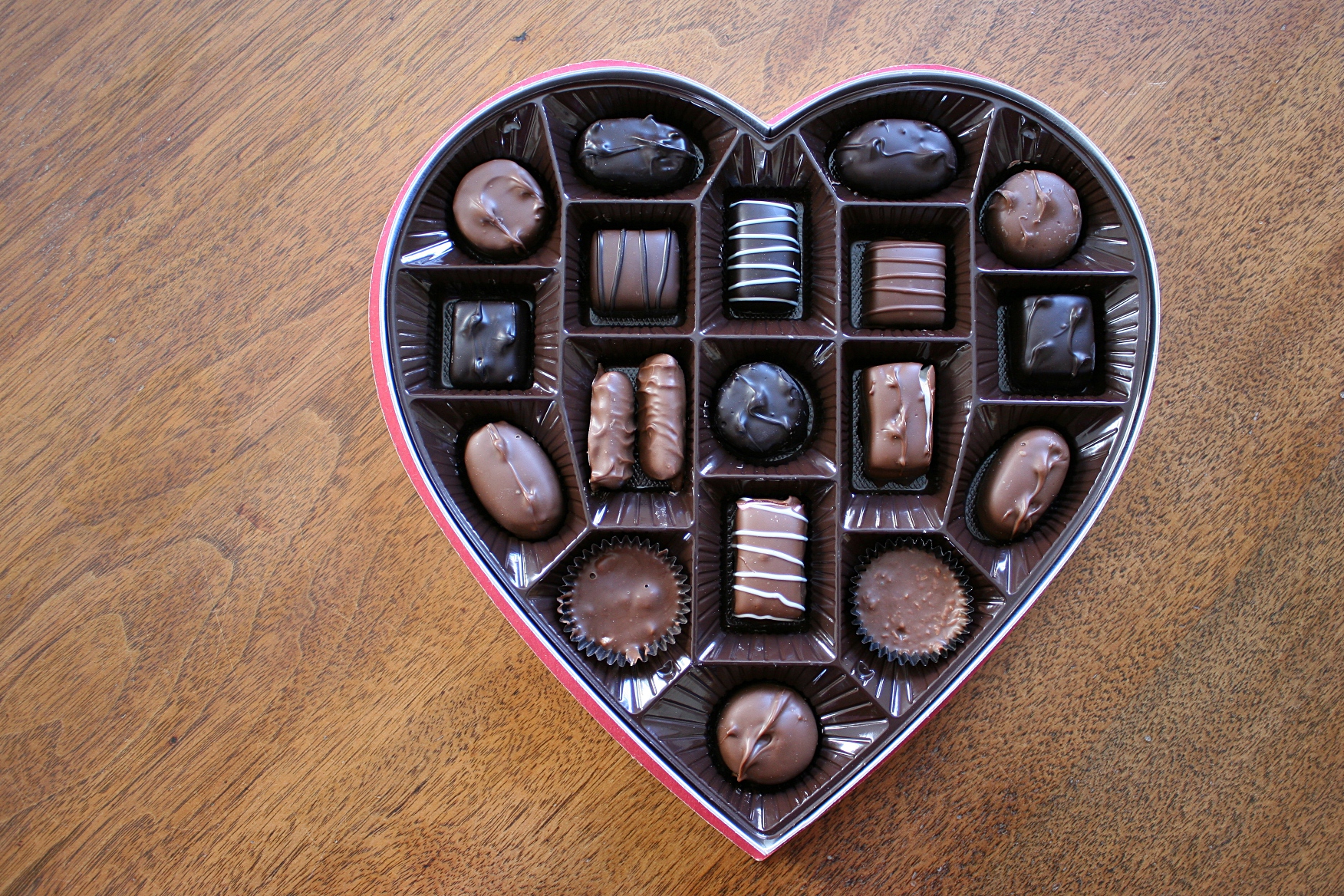
Another valentine tradition, assorted chocolates in a heart-shaped box. (Minnesota Prairie Roots copyrighted file photo)
Love. While we romanticize love on Valentine’s Day with flowers and chocolate and cards and dinner out, it is so much more than romanticism. Ask anyone who’s older and who has been in a relationship for awhile. Like me. Love is listening and caring and kindness and simply being there in the quiet of each other’s company. It’s supporting one another through challenging days and celebrating together in the good times. Or simply enjoying the ordinary days, which comprise the bulk of life.
And love in February is two 16-year-old hockey players skating along the sidewalk, one cradling wrapped flowers for a girl.
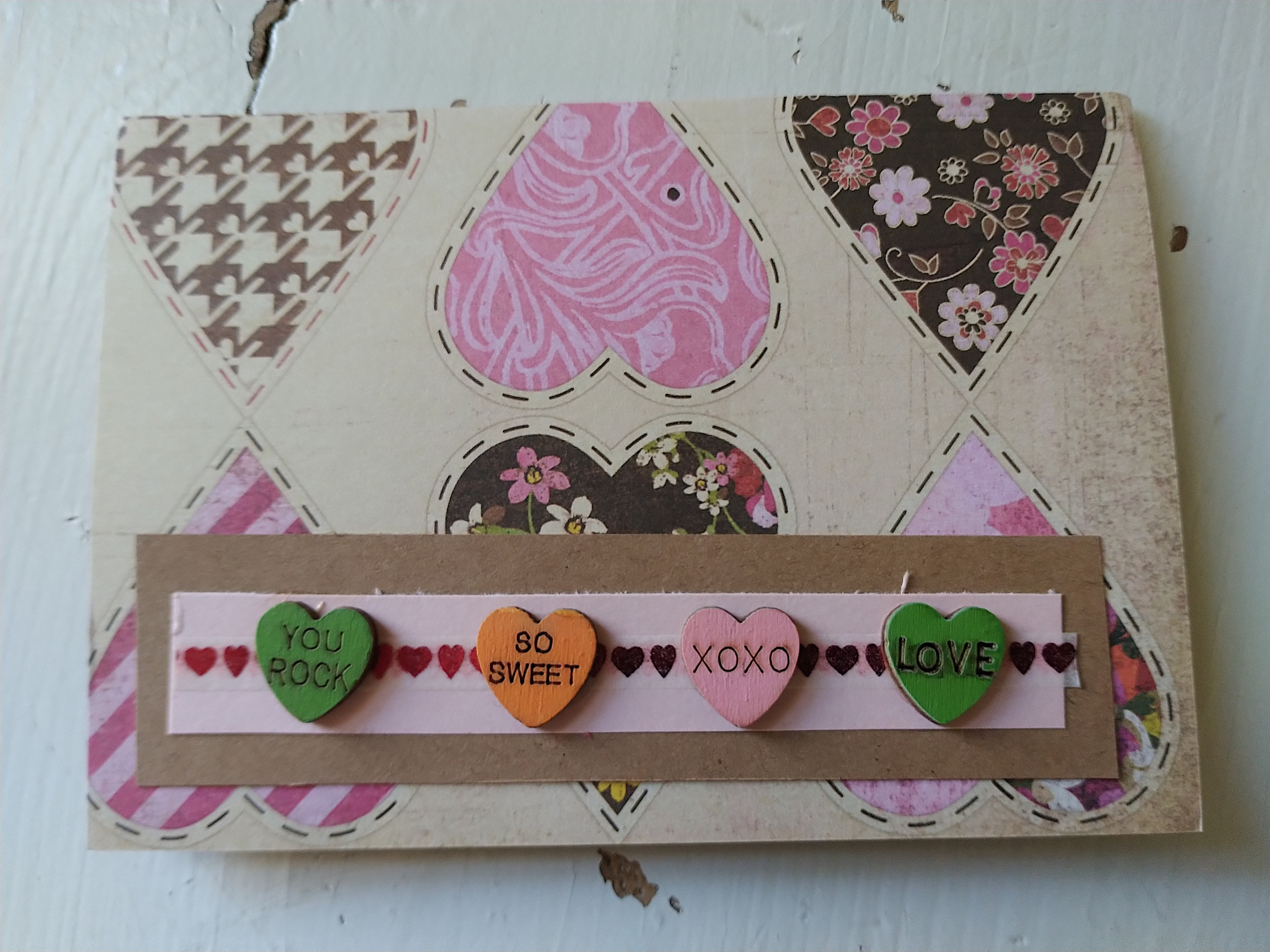
I received this handcrafted valentine in the mail from my friend Beth Ann. (Minnesota Prairie Roots copyrighted photo February 2024)
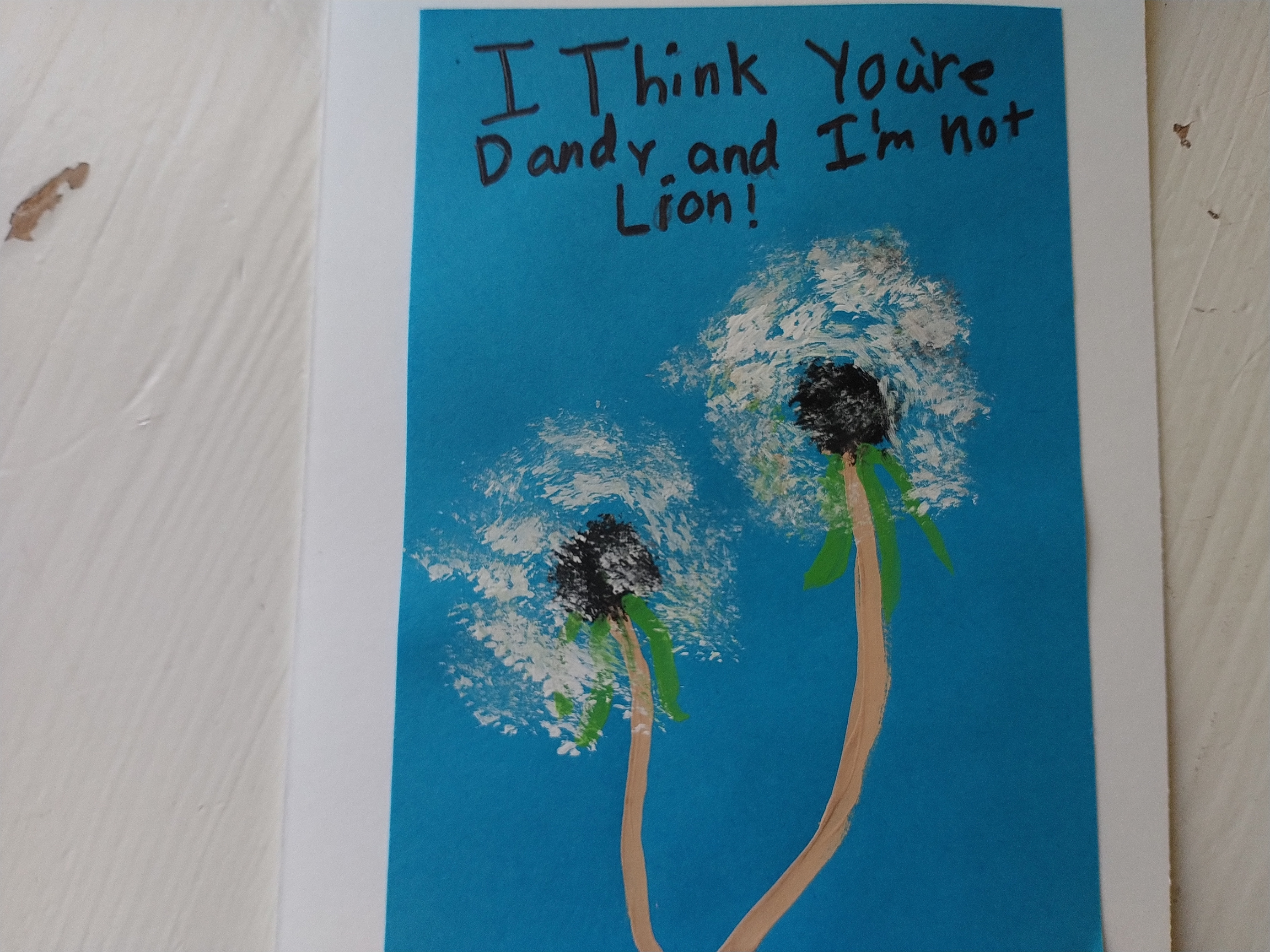
I adore this valentine crafted by Jack, Amelia and Ben and mailed to me from northwestern Minnesota. (Minnesota Prairie Roots copyrighted photo February 2024)
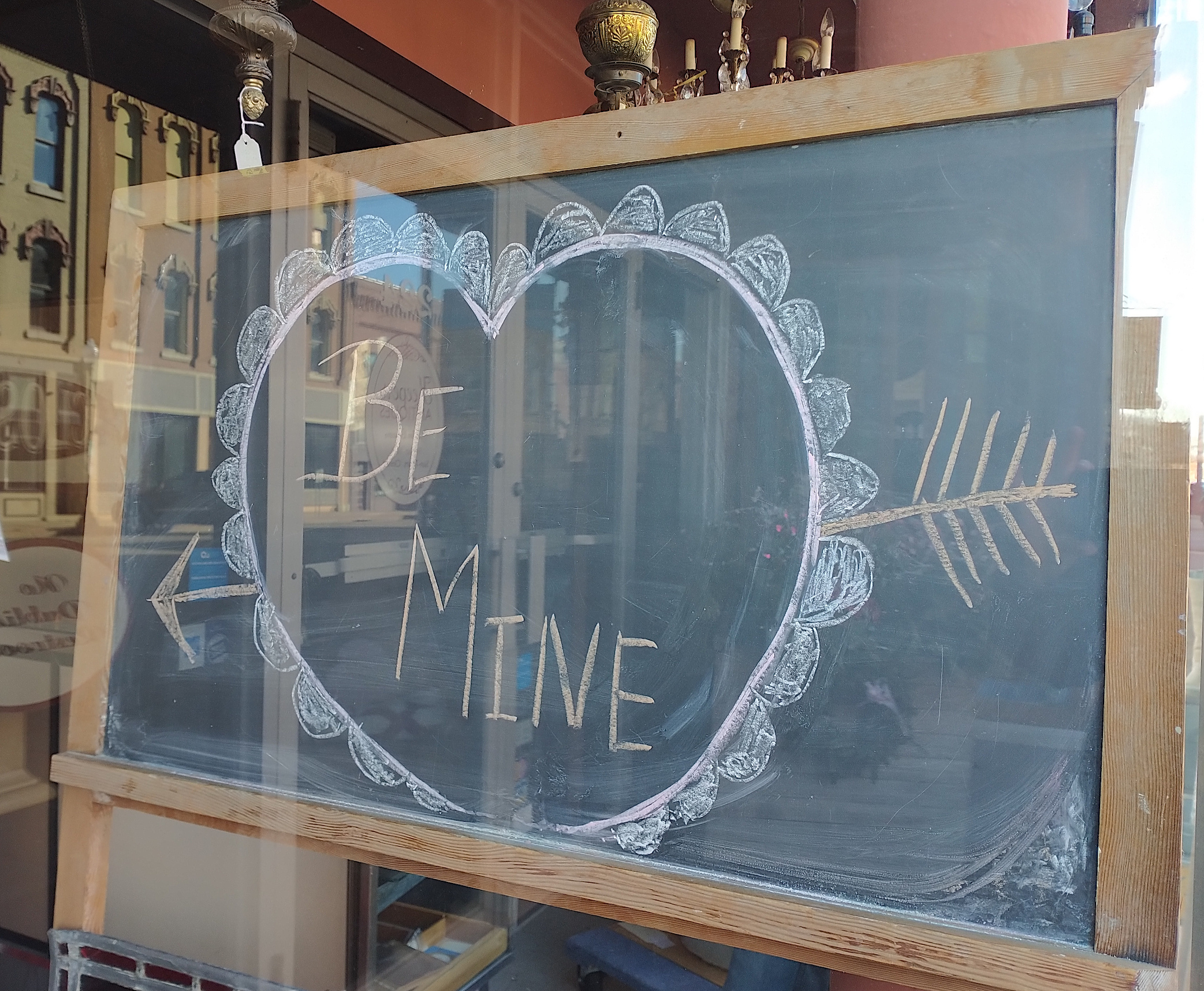
Valentine chalk heart in the window of Keeper’s Antiques in downtown Faribault. (Minnesota Prairie Roots copyrighted photo February 2024)
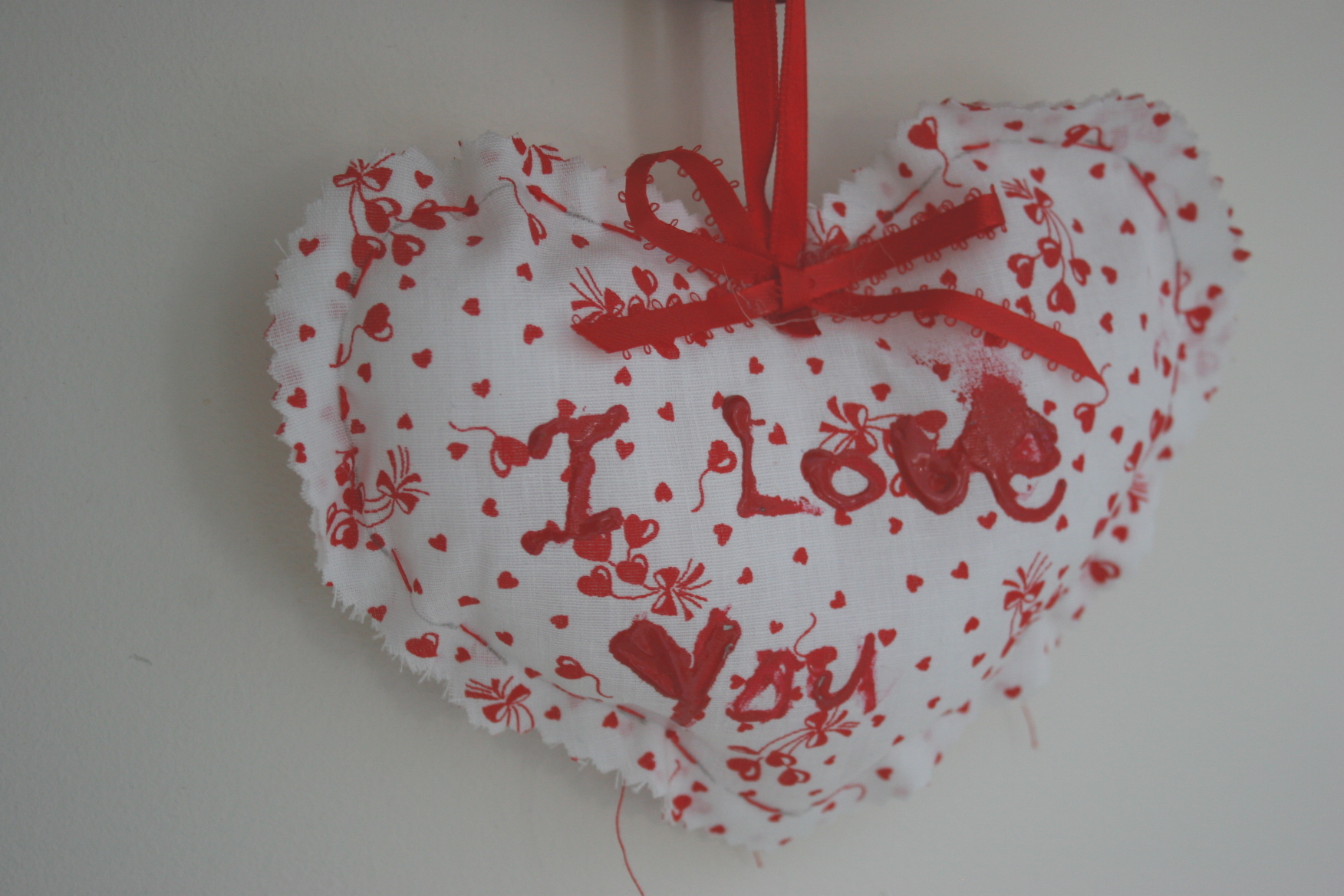
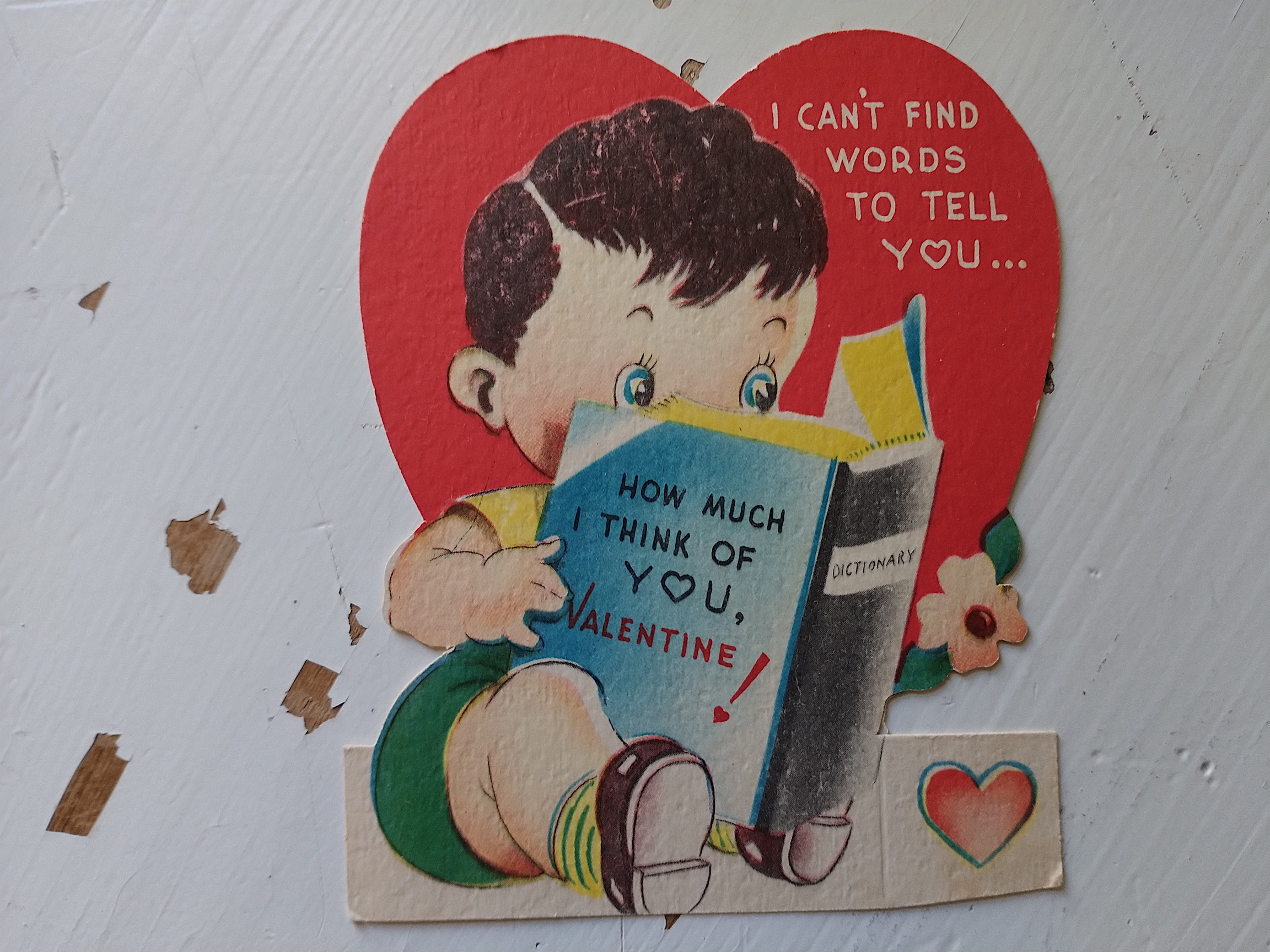
Valentine love, for me, is also handmade valentines in the mail, vintage valentines from my mom’s collection and window displays themed to February 14. It is childhood memories of shoeboxes crafted into valentine receptacles, boxes of candy conversation hearts and Juicy Fruit gum taped to red hearts. It is my 5-year-old grandson’s homemade paper valentine heart stuck to the front of my fridge.
My son crafted this cloth valentine 25 years ago in kindergarten. I hang it on my door every Valentine’s Day. (Minnesota Prairie Roots copyrighted file photo)
Valentine’s Day brings loving thoughts of family (including my husband of nearly 42 years) and friends. February 14 is truly a day that stretches beyond romantic love. I sincerely hope individuals who are not in romantic relationships feel included. Love is universal. Love hugs all of humanity.
One of my favorite valentines, because of its theme, among my mom’s vintage valentines. (Minnesota Prairie Roots copyrighted photo February 2024)
I love the vibe of Valentine’s Day, a day when our thoughts focus on a world full of love in a world too often filled with hatred. On this singular day, we can intentionally choose to exude positivity. We can choose to forgive and focus on that which connects, rather than divides, us. We can choose to listen and encourage and use only generously kind words. We can choose to skate along the sidewalk like 16-year-olds intent on delivering bouquets of happiness. And we can choose, too, to stop, stretch our arms toward those flowers and engage in conversation with individuals we meet in the everyday moments of life. We will all be the richer for having connected, for showing love to one another on Valentine’s Day and well beyond February 14.
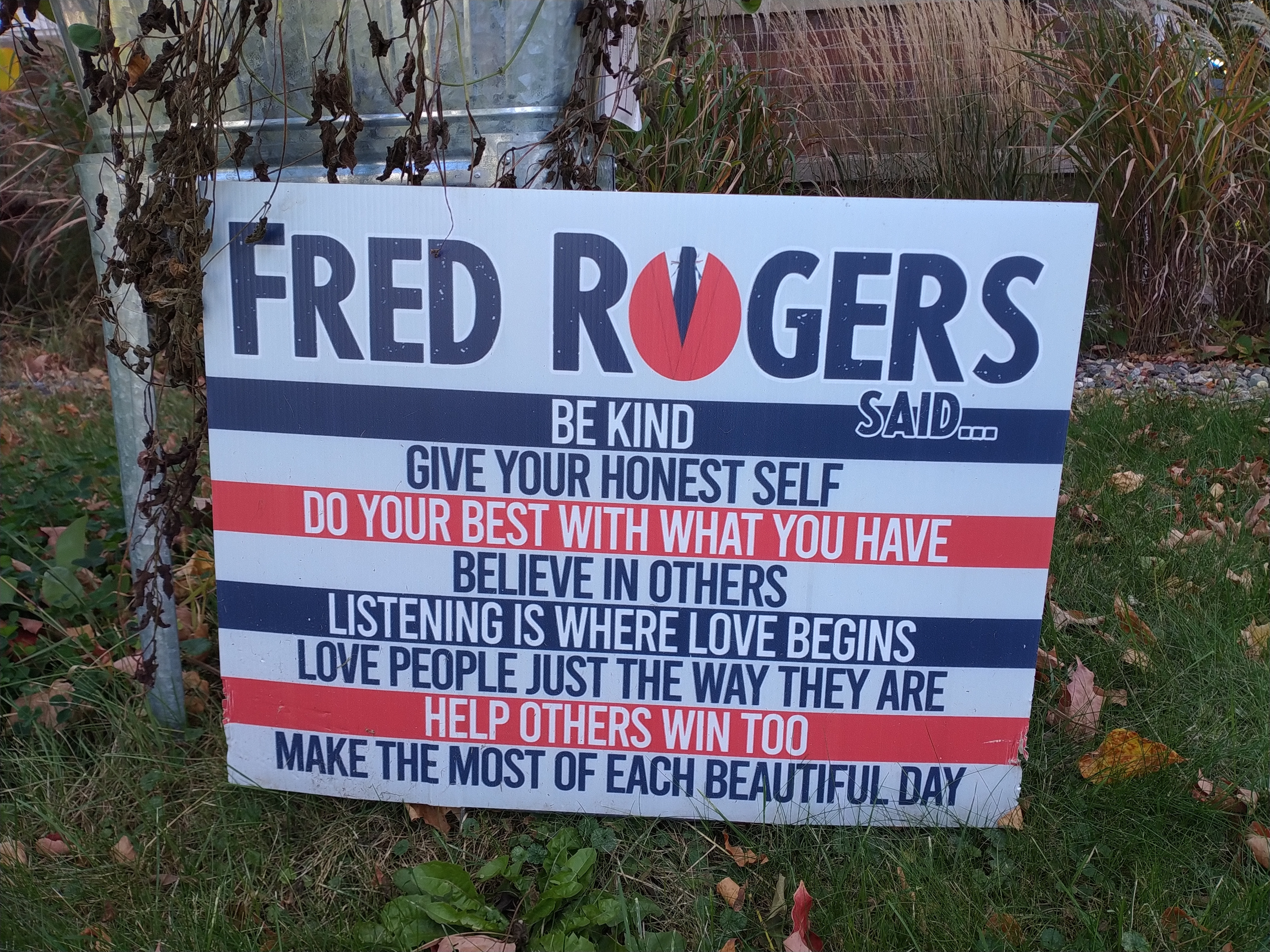
Inspirational signage photographed in a residential front yard, Nerstrand, Minnesota. (Minnesota Prairie Roots copyrighted photo October 2023)
WITH THE BEGINNING of a new year, thoughts turn to what may unfold in 2024. We just don’t know. So much is beyond our control, even if we think it isn’t.
Life brings joy. Life brings challenges. Life brings the unexpected. That’s a given. Life can be downright difficult at times. And that’s where we each have the power to make a difference in the lives of family, friends and even strangers. That starts with listening, not to our own voices, but rather to the voices of others.
How many times has someone asked how you’re doing and you answer honestly (or maybe not so honestly) only to then hear the questioner share his/her story? Suddenly the focus is on the other person and not your situation. Happens all the time. How does that make you feel? In those conversations, I’ve felt dismissed, unheard, like I don’t matter. And I am not a selfish, self-centered person.
The point here is, if you ask someone how they are, opt to listen. Keep the focus on them, not you. People appreciate someone who listens, who shows genuine care and compassion.
We Minnesotans have a tendency to use the word “fine” way too much when responding to “How are you?” I, for one, really want to know when I ask that question. I try not to use the phrase as a meaningless greeting. Oftentimes I’ll customize the question if I know, for example, that someone is facing challenges. That shows I truly care.
I suppose part of my perspective comes from my journalism background. To be a good news reporter requires well thought out questions and strong listening skills. As a reporter, you are an observer, a gatherer of information, not an active participant in the story. Those skills can translate to everyday life, too.
A few months ago I saw a sign in a front yard in small town Nerstrand listing quotes by the late Fred Rogers. Fifth on that list was this: LISTENING IS WHERE LOVE BEGINS. I love love love that quote stressing the importance of listening.
I loved listening to Rogers’ quiet, gentle, soothing voice on his TV show, “Mister Rogers’ Neighborhood.” He exuded calm, peace, serenity. His messages of kindness, love, listening, embracing the beauty in each day and more are definitively positive. We should each strive to live them. Smile. Hold a door. Thank someone. Encourage. And listen, really listen.
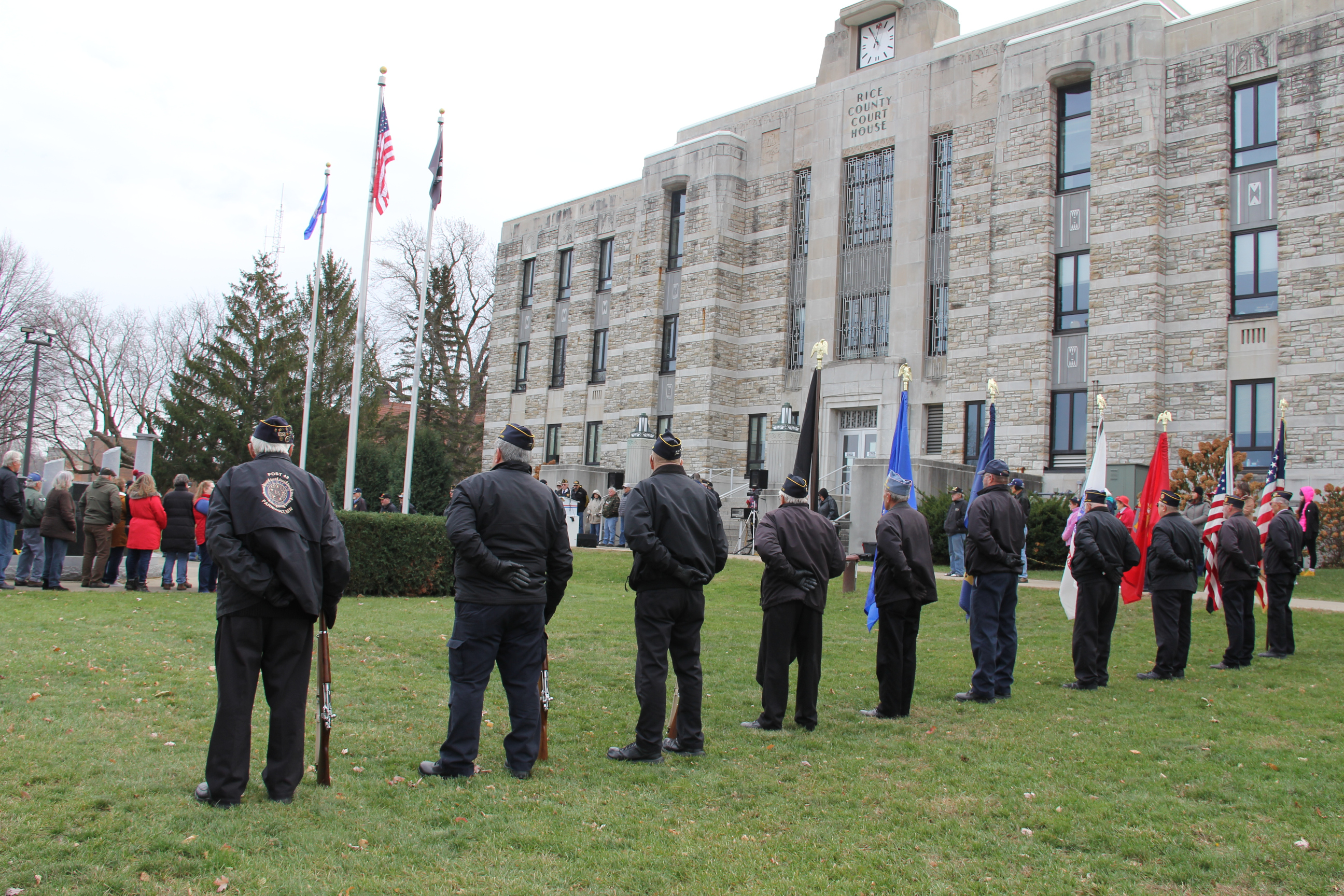
The Honor Guard and Color Guard in place for the Veterans Day ceremony in Faribault. (Minnesota Prairie Roots copyrighted photo November 2023)
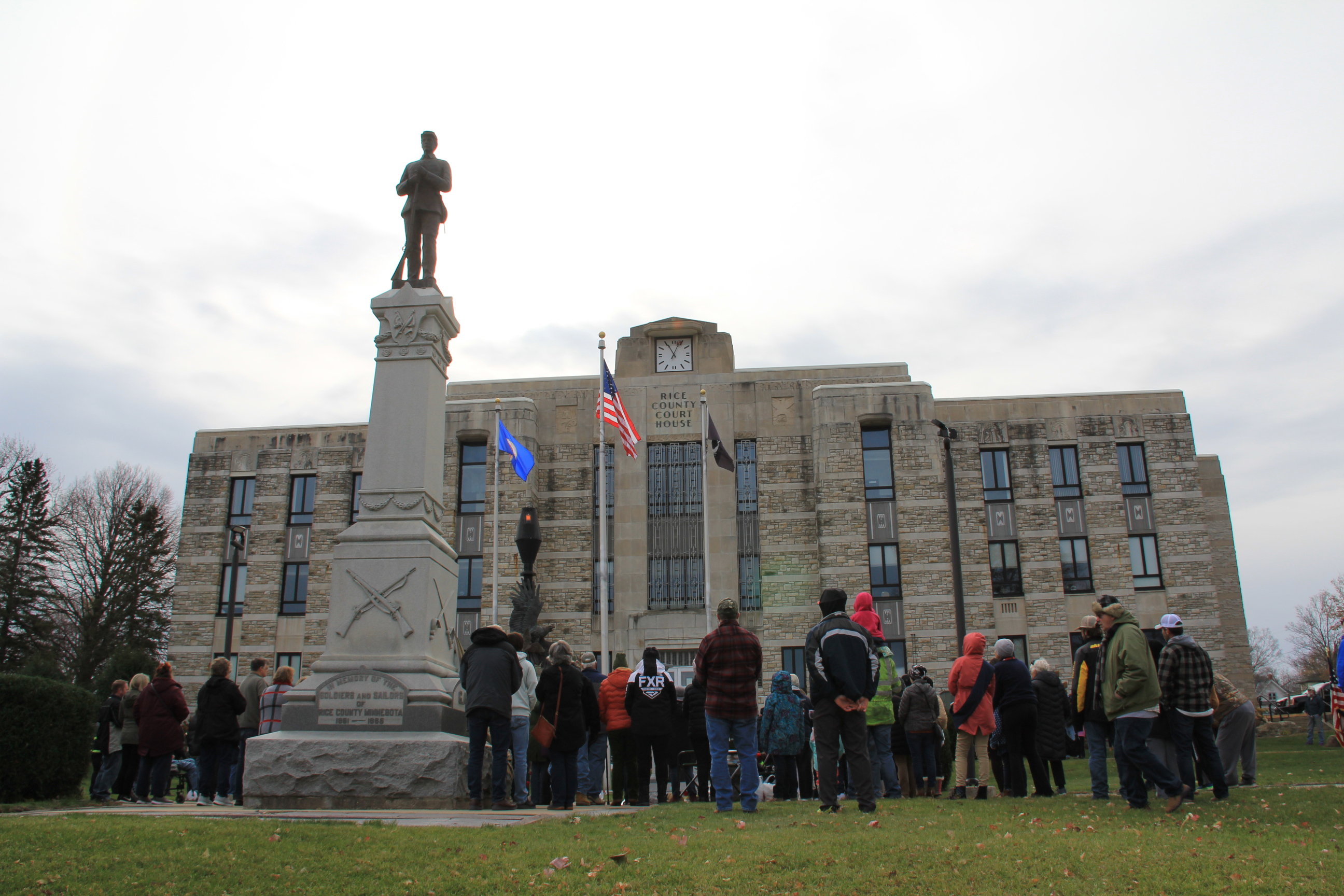
IT WAS, FOR MANY, an emotional day. A day of remembering, grieving, honoring, respecting. Veterans Day held all of those for me and many others who gathered in my community to honor those who have served our country in the military. That includes my father, a U.S. Army combat soldier in the Korean War.
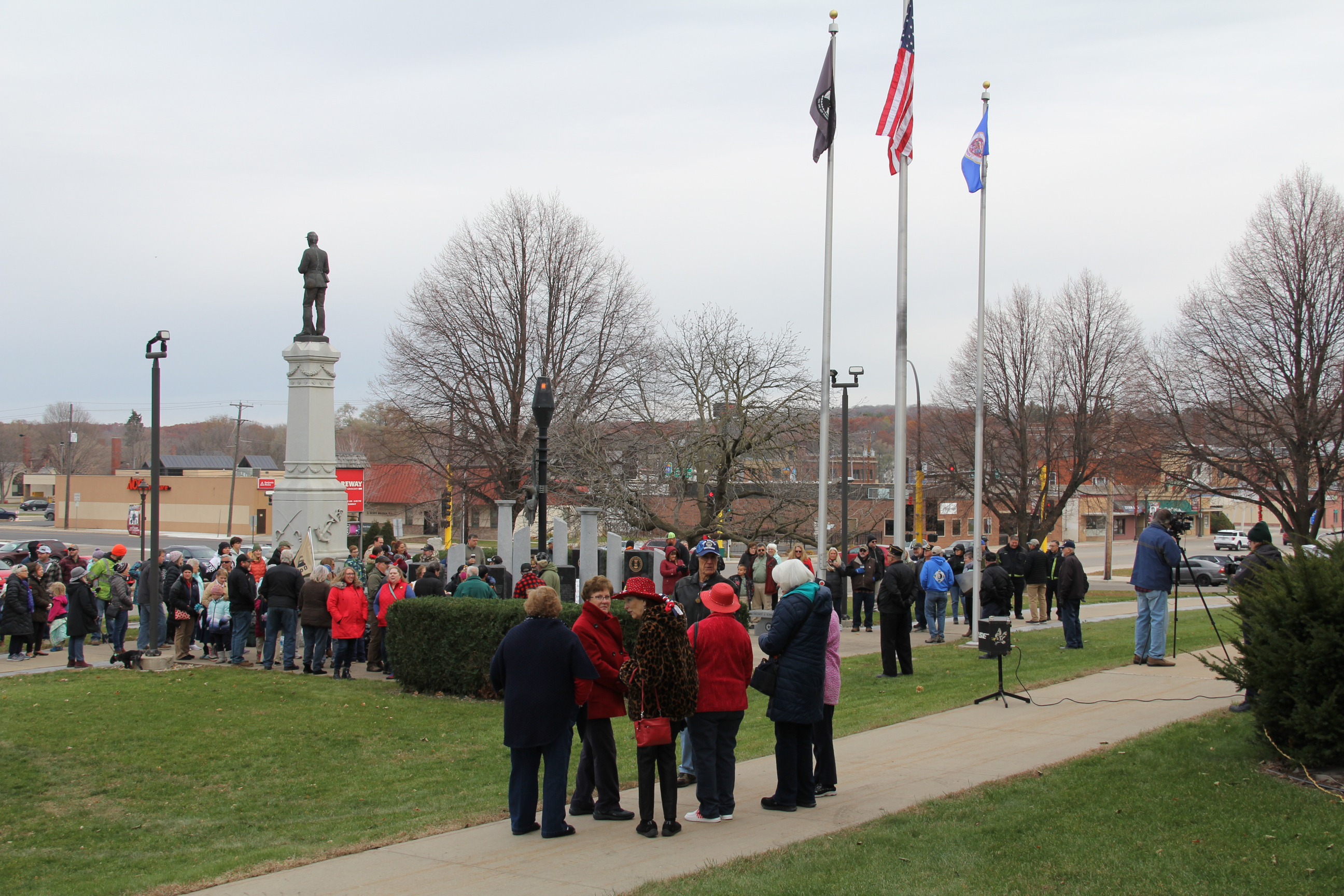
A crowd gathers Saturday morning for a short Veterans Day program outside the Rice County courthouse. (Minnesota Prairie Roots copyrighted photo November 2023)
A member of the Honor Guard. (Minnesota Prairie Roots copyrighted photo November 2023)
The only firing on this November 11 in Faribault was that of the Honor Guard shooting blanks from rifles.
A sizeable crowd gathers at the Rice County Veterans’ Memorial. (Minnesota Prairie Roots copyrighted photo November 2023)
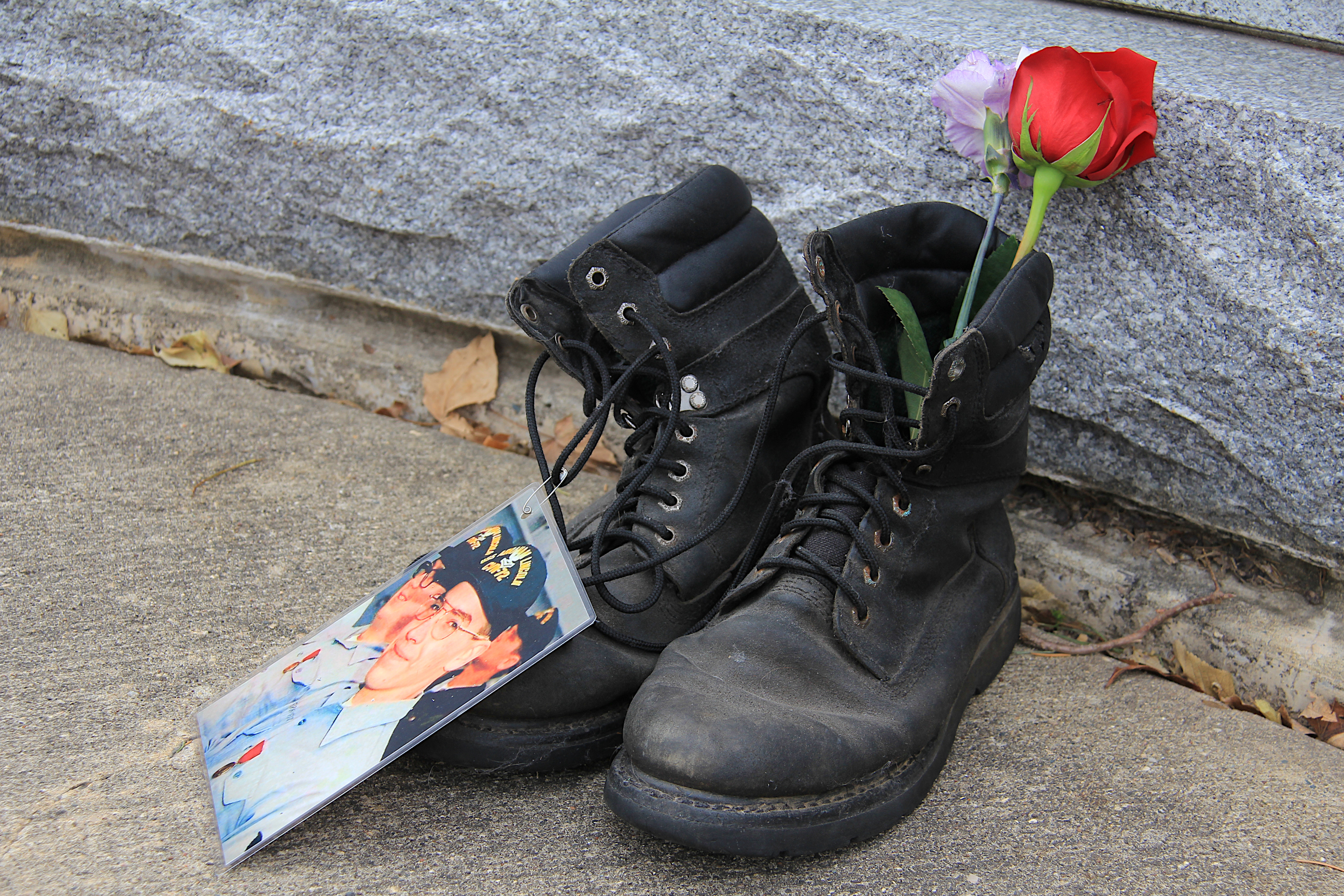
Upon my arrival at the courthouse lawn, I noticed first veterans, the American and other flags, the crowd and the red. Red coats. Red roses. Red symbolizes patriotism, sacrifice and bloodshed. And red in a rose symbolizes love.
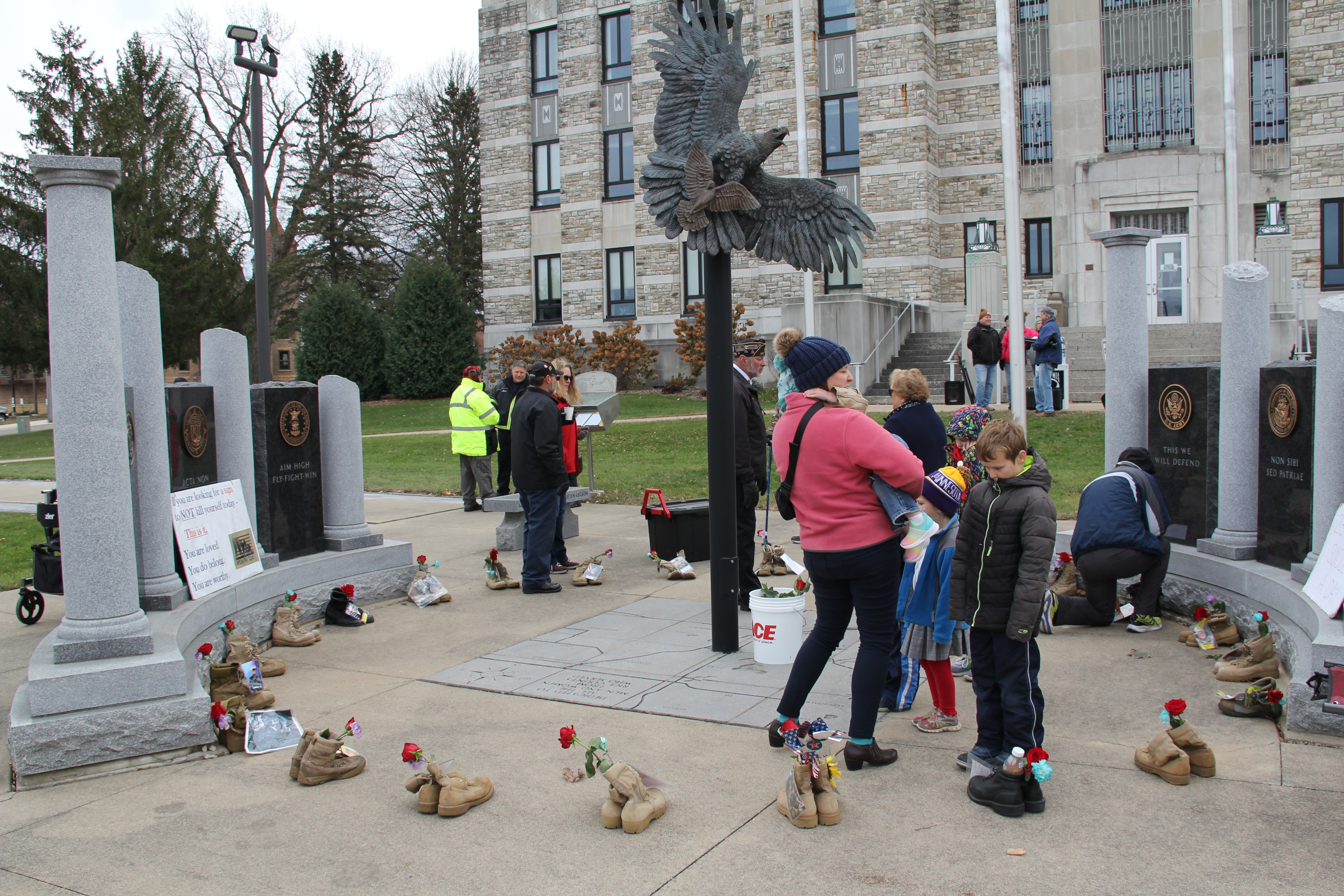
Among the 23 pairs of boots honoring a veteran who committed suicide. (Minnesota Prairie Roots copyrighted photo November 2023)
Those red roses were lovingly placed aside blue carnations in 23 boots representing the 23 American veterans who daily commit suicide. Local organizers of Operation: 23 to Zero, an organization that raises awareness about vet-related issues, including suicide and PTSD, set up the display and stood watch for 23 hours in honor of those who took their lives. Cole, Damian, Joel, Brandon, Nicole…
Operation: 23 to Zero display on the memorial plaza. (Minnesota Prairie Roots copyrighted photo November 2023)
Those boots circled the central monument focus of eagle and dove. Individual slabs of stone for each military branch edge that circle with fitting inscriptions like THIS WE DEFEND. A sign propped against one of the stones offered encouragement, a strong message of hope, and it touched me deeply: “If you are looking for a sign NOT to kill yourself today—This is it. You are loved. You do belong. You are worthy.”
Steve Bonde plays taps, hauntingly mournful. (Minnesota Prairie Roots copyrighted photo November 2023)
Although I knew none of the service men and women who died by suicide, I felt sadness and grief filling my thoughts. I could sense the collective grief, the somberness. This small circle of 23 boots on the veterans plaza seemed a sacred space.
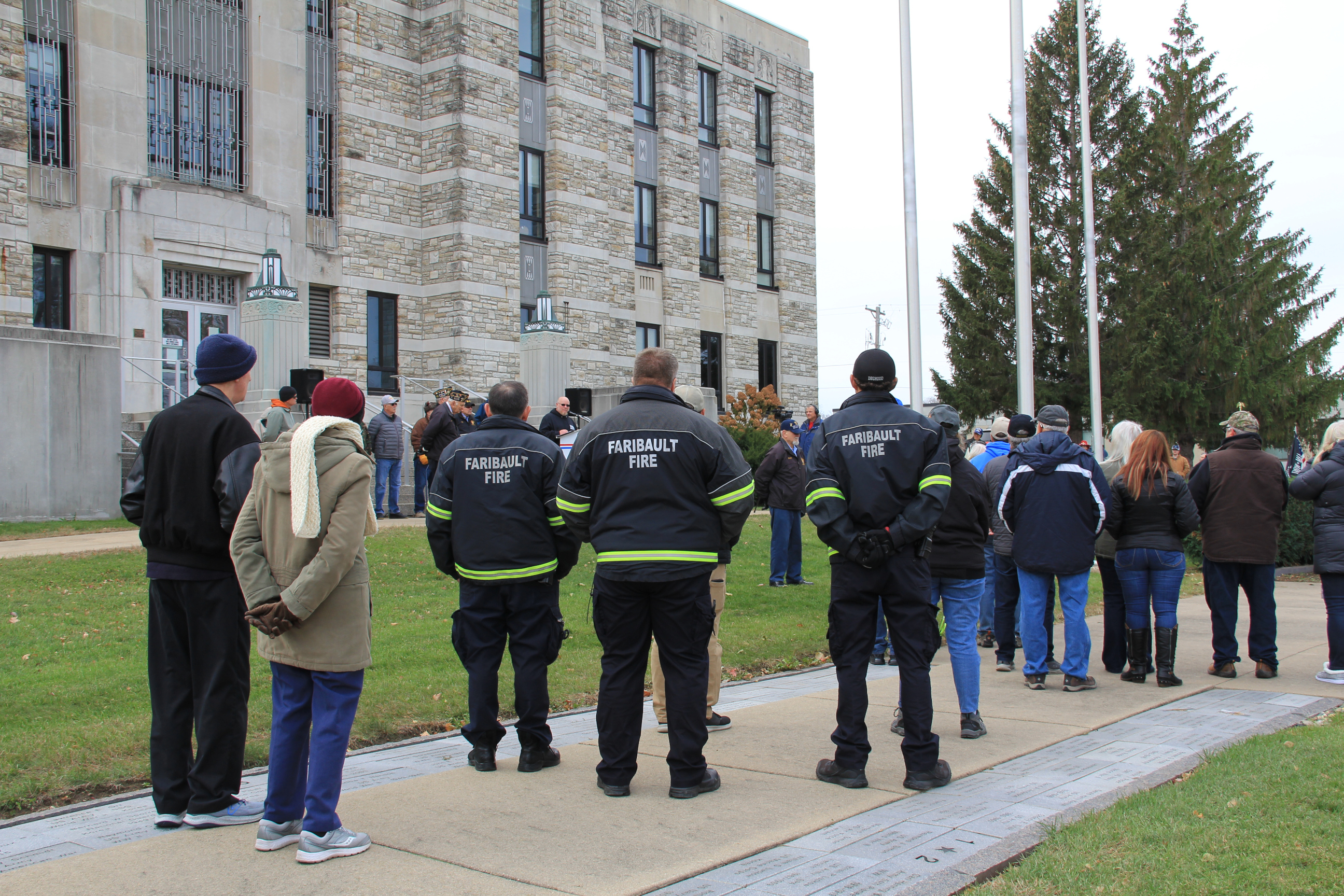
Faribault firefighters were among those in attendance. (Minnesota Prairie Roots copyrighted photo November 2023)
In the deafening noise of traffic from the nearby busy street and the mostly too low amplification system, I struggled to hear any of the speakers. So I focused instead on observing. I was pleased to see a cross-section of ages from children in parents’ arms to teens to young adults to middle age to aged. The presence of young people, especially, pleases me, for they, too, need to understand the meaning and importance of Veterans Day.
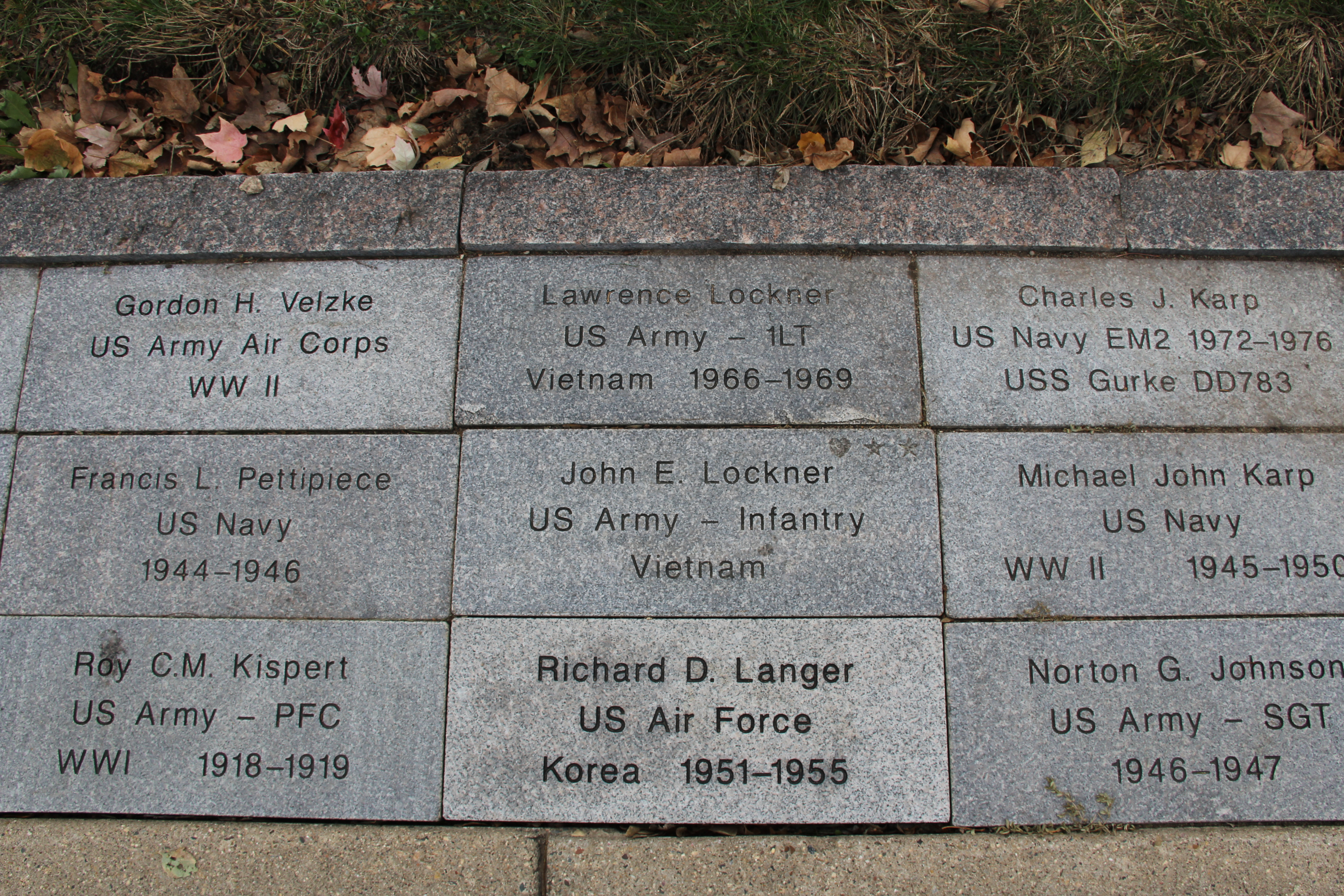
Among the hundreds of pavers surrounding the memorial. (Minnesota Prairie Roots copyrighted photo November 2023)
In the all of the gathering at the veterans memorial in Faribault, I felt not only deep emotions, but also pride in country and a unity that is not often seen these days. On this single day, this November 11, we came together to honor our veterans, despite our personal political viewpoints.
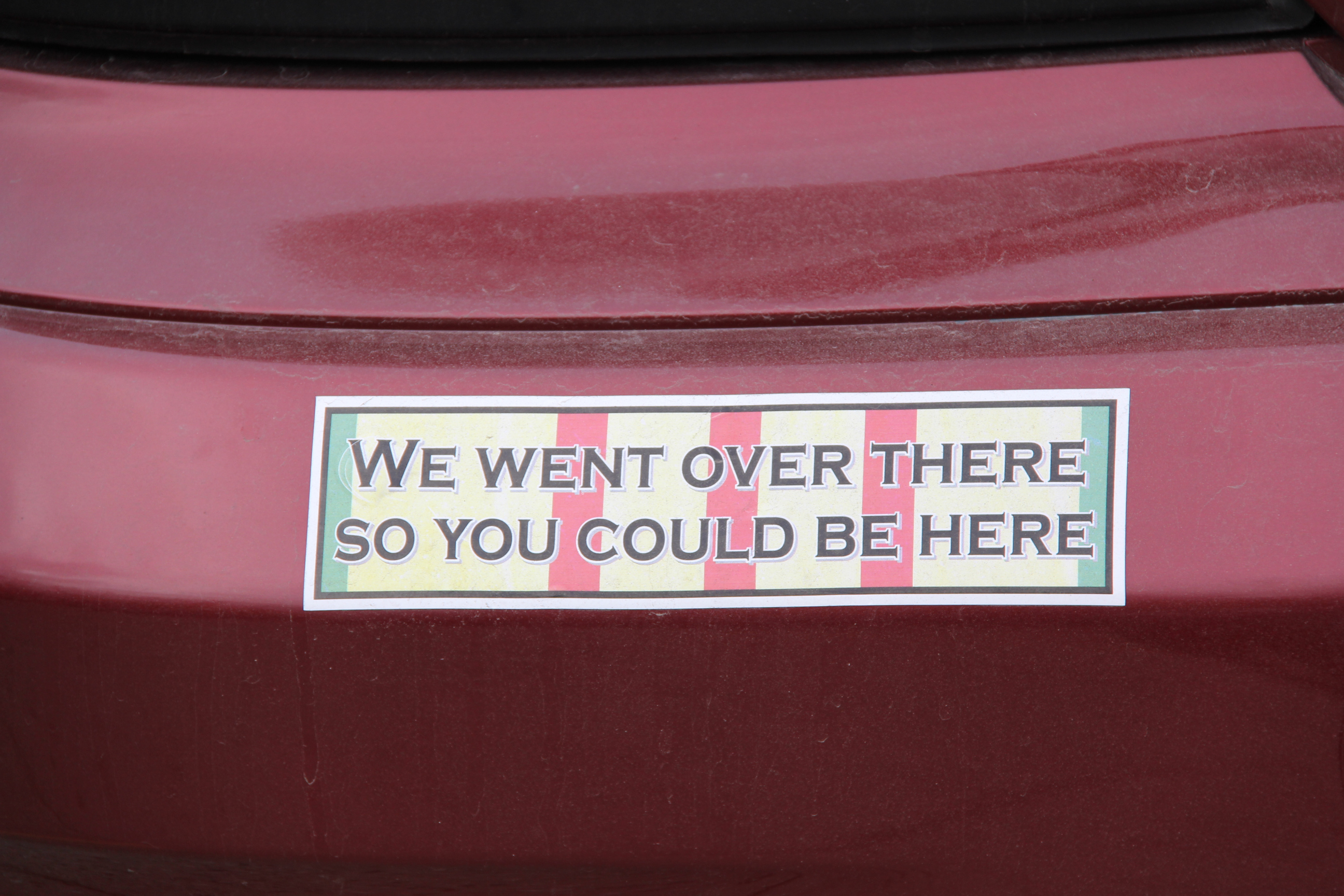
Memorable bumper sticker. (Minnesota Prairie Roots copyrighted photo November 2023)
A bumper sticker I noticed on a Vietnam veteran’s vehicle summarizes well the intent, the goal of those who have served abroad in war. “We went over there so you could be here.” It’s a seemingly simple phrase, yet profound in depth.
FYI: Please check back for more photos of the Operation: 23 to Zero display and a post about more Veterans Day events I attended in Faribault.It was a full day.
Among my Dad’s papers, etc.: A letter home to his parents, a page of military instructions he carried into war, a newspaper clipping and his dog tag, circling the words “hell hole” in his letter.(Minnesota Prairie Roots copyrighted photo November 2023)
I RUN MY FINGERS across his dog tag, thumb caressing the raised letters and numbers stamped into metal. His name, KLETSCHER, ELVERN A. B blood type. P for Protestant. His Selective Service number, the same number on his Armed Forces of the United States Geneva Convention Identification Card, the laminated card he carried with him into war. Just like the duplicate dog tags that would identify him if he was injured or killed in action.
This photo from my dad’s collection is tagged as “Kim, Rowe, Allen & me, May 1953 Machine Gun Crew.” That’s my father on the right.
Seventy-one years ago, my dad was a fresh-faced young Minnesota farm boy fighting in the Korean War as a combat soldier for the U.S. Army. Each November, around Veterans Day, I pull out two shoeboxes filled with photos, letters, documents and more from Dad’s time in the service. And although I’ve looked through the contents many times in the 20 years since Dad died, I still feel the same overwhelming sense of sadness in all he experienced. The death of combat buddies. His killing of the enemy. Orphan children begging for food across barbed wire fences. The cold and hunger and fear. And then the Post Traumatic Stress Disorder he suffered upon his return home to southwestern Minnesota.
My dad brought this 7 x 9-inch cloth “RETURNED FROM HELL” patch home with him after serving for nearly a year in Korea.(Minnesota Prairie Roots copyrighted file photo)
I feel all of that as I touch his dog tag, run my fingers along the short chain like fingers worrying rosary beads in prayer. War is hell.
On the back of this photo, my dad simply penned “a letter from home.” I appreciate this photo of my dad taken by an unknown buddy in Korea.
Hell. Dad used that word in a March 4, 1953, letter to his parents and siblings. He criticized the draft board, his anger fueled by the possibility that a younger brother might also end up in Korea. He wrote, in part: “Do they know what it’s like over here? Hell no. Why the heck don’t some of them come over here and look this over? They’d probably come to there (sic) senses…” Not everything he wrote is printable. But his anger and frustration are palpable. And I don’t blame him.
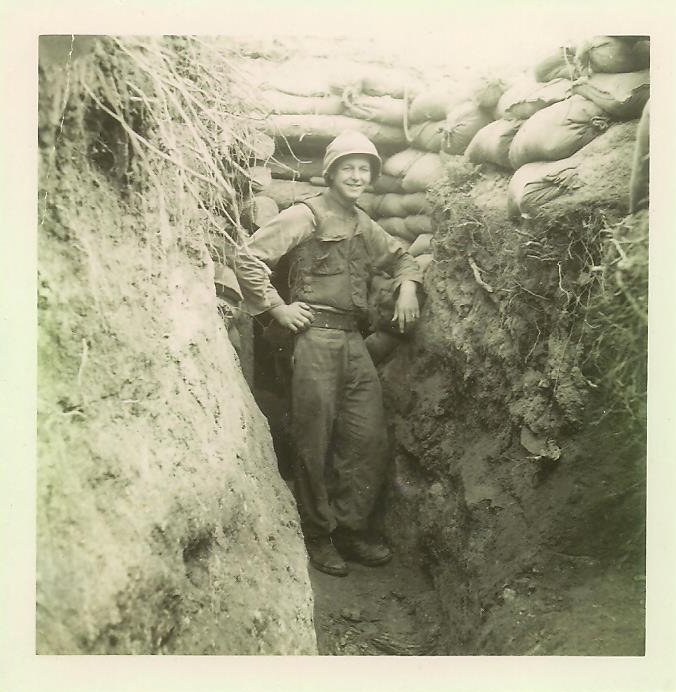
U.S. Army Cpl. Elvern Kletscher, my father, in the trenches in Korea.
War is hell. I try to imagine my dad penning that letter on his 22nd birthday. Missing his family. No cake, no nothing to celebrate. But rather worry about whether he would live to the next day. He had reason to fear for his life. Only a week prior, he was wounded in action at Heart Break Ridge while engaged in mortar firing with the enemy. Shrapnel struck him in the face and he was hospitalized for several days.
My grandparents, Ida and Henry Kletscher, posing with some of their children, flank my father, Elvern Kletscher, who is about to leave for military service in 1952.
Interestingly enough, Dad mentions none of that in his letter home. Rather, he closes with these sentences: “I’m feeling fine and don’t worry about me. I’ll write again soon.” I don’t believe Dad was “feeling fine,” in a place he called a “hell hole” in his letter.
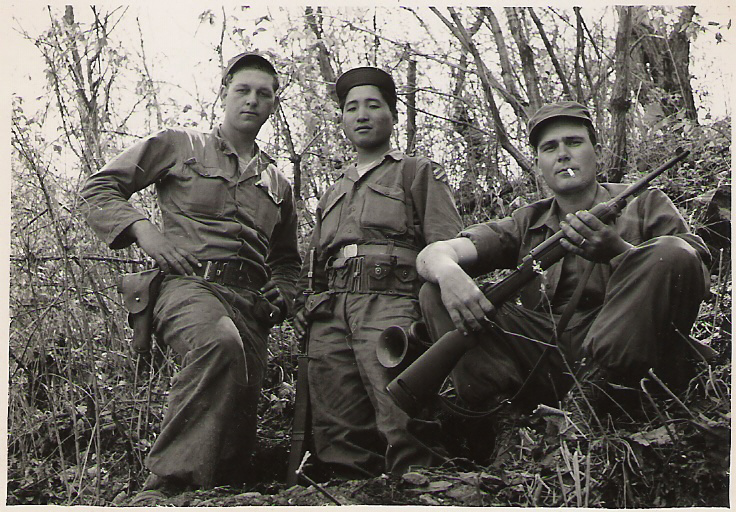
My father, Elvern Kletscher, on the left with two of his soldier buddies in Korea.
As I filter through the shoeboxes holding his military belongings, I pick up a hardcover 4 x 6-inch black book. It’s tattered, bent, dirty, obviously well-used. When I open the cover to read the words Dad penciled across lined paper, the realities of war strike me full force. Here are details and instructions on weaponry—60 mm mortars, submachine guns, tank mines, smoke screens, chemical warfare… He writes about reconnaissance, combat and security patrols and “avoid contact with enemy—may have to fight in self defense.” There are diagrams and fire commands and details I don’t understand, and don’t necessarily want to understand.
My dad carried home a July 31, 1953, memorial service bulletin from Sucham-dong, Korea. In the right column is listed the name of his fallen buddy, Raymond W. Scheibe.
But “Conduct on lines” and the details that follow need no deciphering: “1) Hold fire until enemy is within 500 yards. 2) Listening post must have cover and concealment, must have good route for withdrawal…” I expect Dad carried this book into war. Just as he carried deep trauma home from “The Forgotten War,” as the Korean War has been dubbed.
Words imprinted on the Veterans’ Memorial in Northfield, Minnesota. (Minnesota Prairie Roots copyrighted file photo May 2023)
War is hell, even if done for the right reasons—to defend democracy and freedom and country. For his time in the Army in 1953, Dad was paid $266.27. It’s documented on his federal income tax return. So little for so much given, not that there’s ever enough payment for a combat soldier.
My dad’s military marker in the Vesta City Cemetery. (Minnesota Prairie Roots copyrighted file photo)
I wish I could wrap my arms around Dad, hold him, tell him how deeply sorry I am for the horrors he endured while fighting as an infantryman on the front lines during the Korean War. Mostly, I wish I could simply listen, sitting quietly as I finger the chain of his dog tag, the beads providing tactile comfort as he talked (if he would talk) about the personal hell that is war.
The Rice County, Minnesota, Veterans’ Memorial in Faribault. This photo and five others I took now grace public spaces in the newly-opened State Veterans Home in Bemidji. (Minnesota Prairie Roots copyrighted file photo)
NOTE: Please use this Veterans Day as a time to thank those who have served our country. But more than thanking, listen, support and encourage. The voices of our veterans need, and deserve, to be heard.
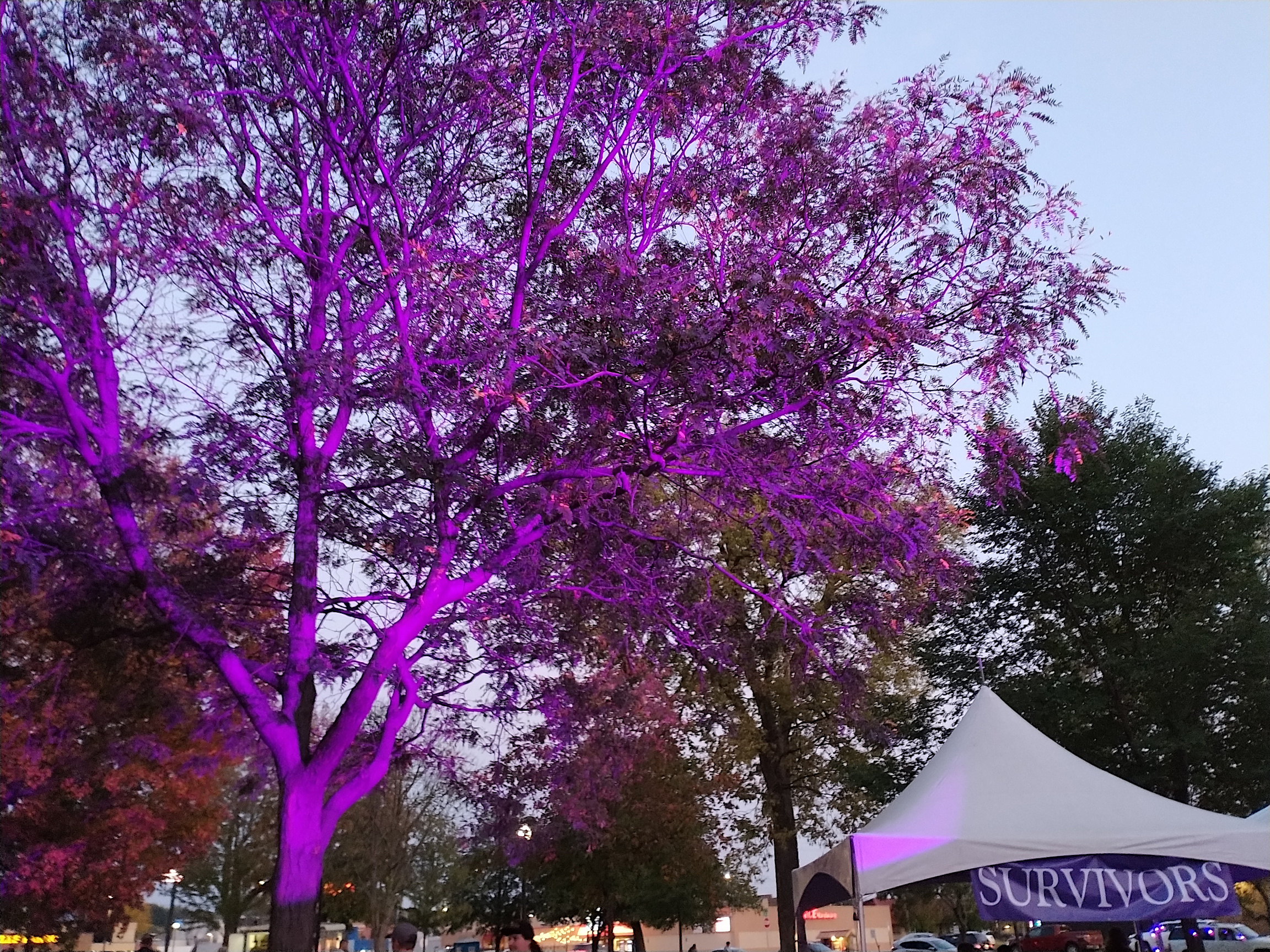
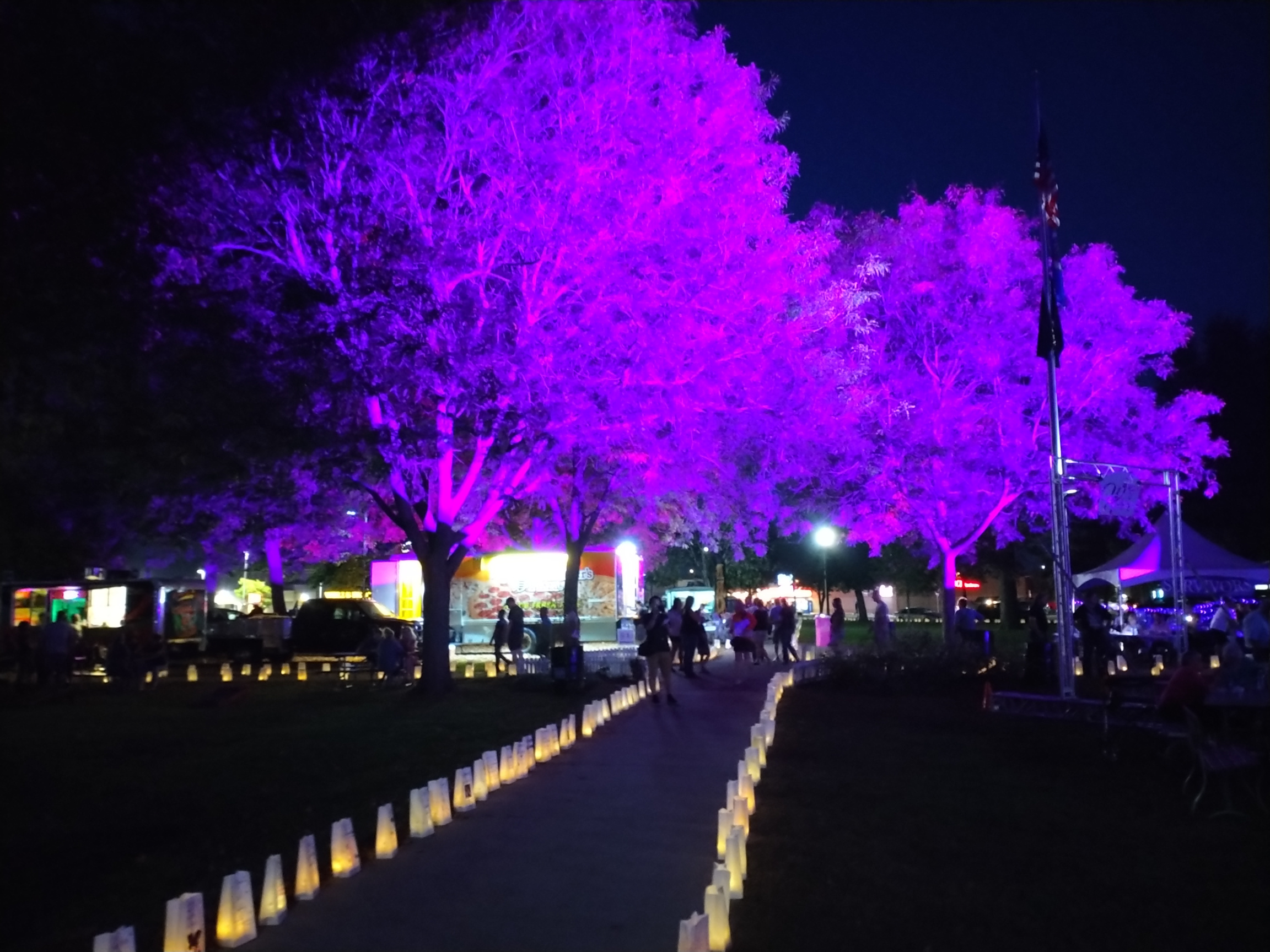
Purple spotlights transformed trees to shades of purple. (Minnesota Prairie Roots copyrighted photo September 2023)
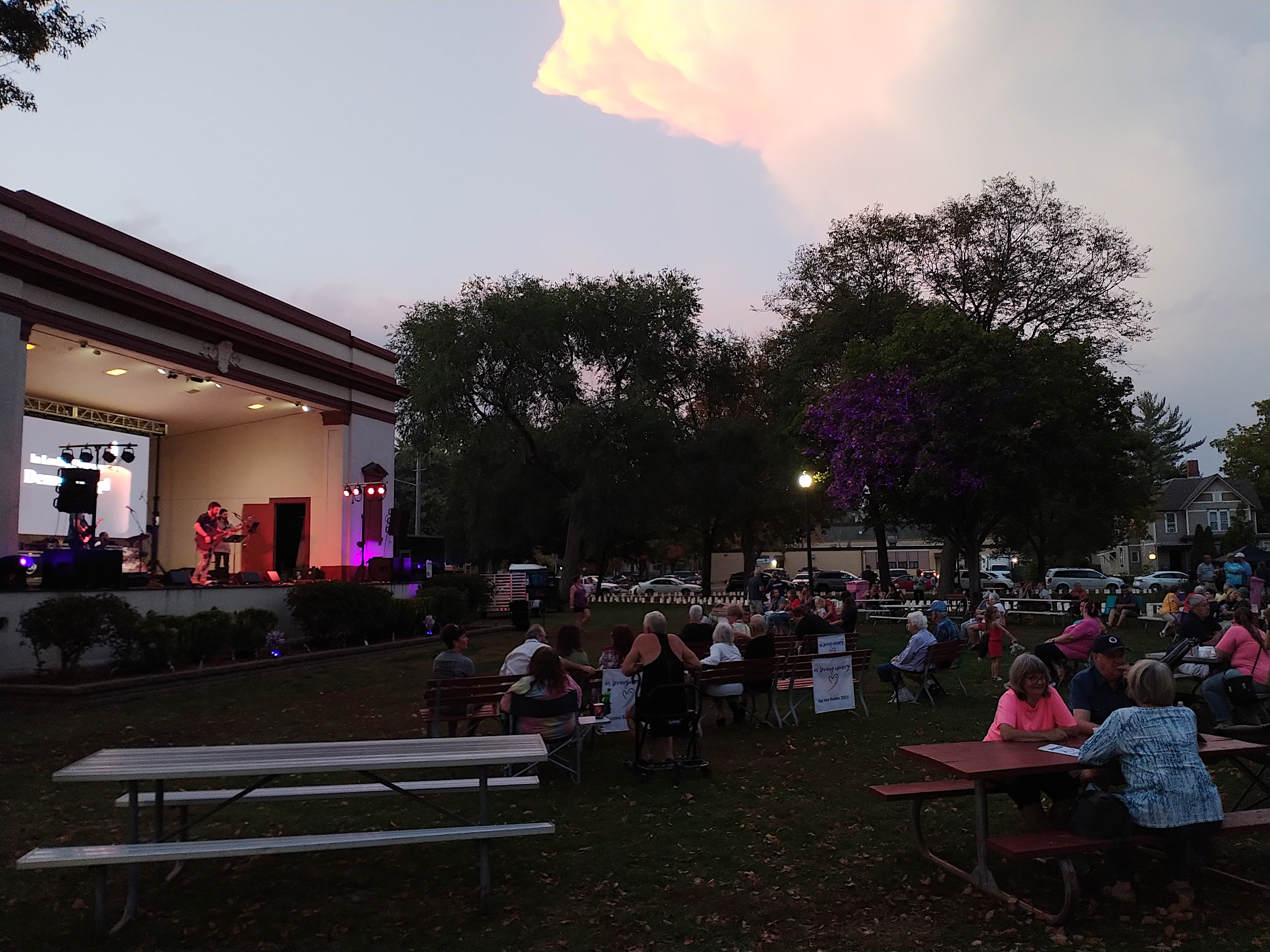
IN THE EARLY EVENING DARKNESS of Faribault’s Central Park, on an unseasonably summery September Saturday, I felt enveloped in a magical world of autumn leaves sparkling purple. The setting seemed surreal, magical, enchanting. And the feeling felt hopeful.
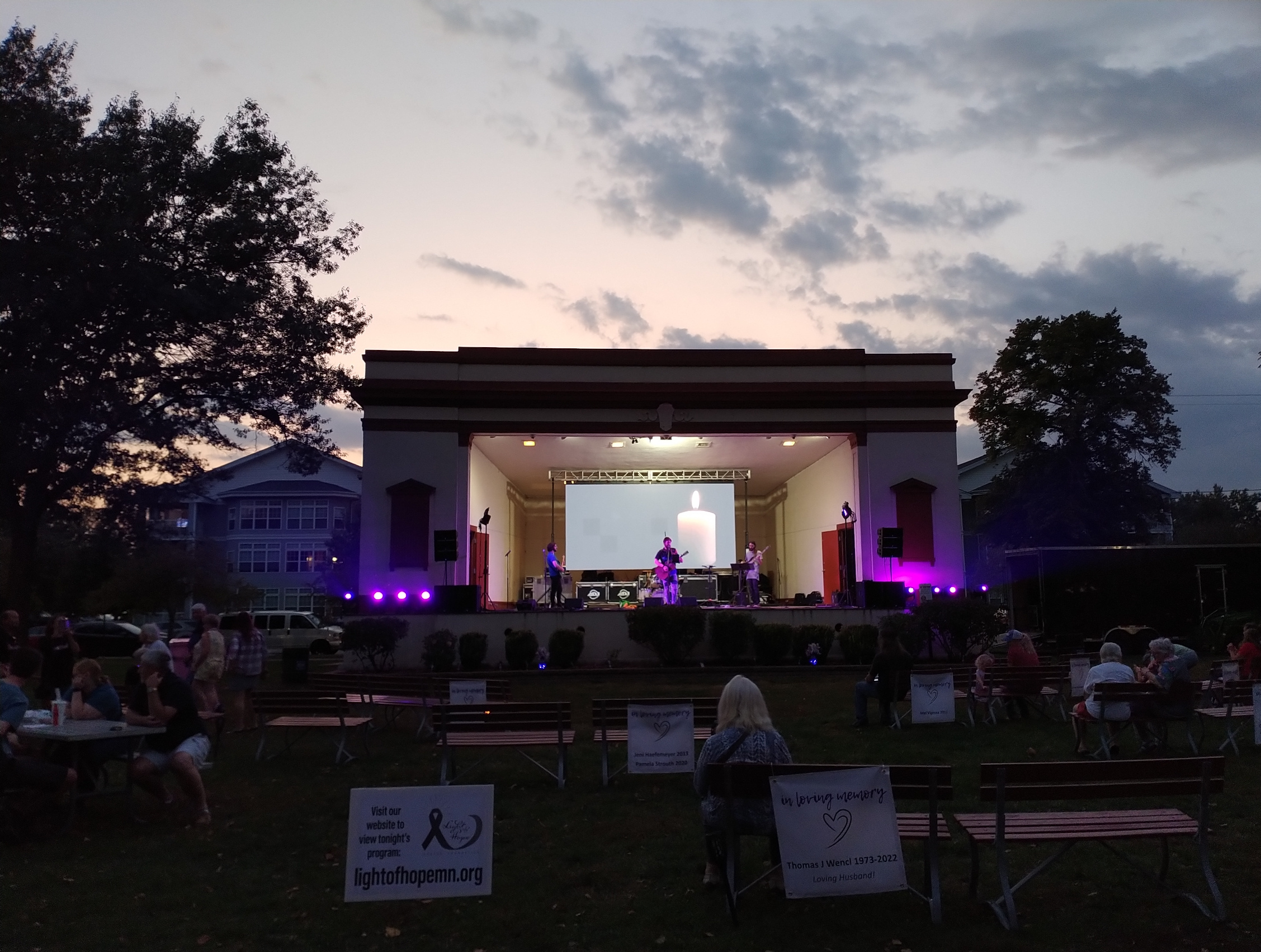
Musician Steve Huber performed first followed by Joe and the Mechanics in the Central Park Bandshell. (Minnesota Prairie Roots copyrighted photo September 2023)
I was among hundreds gathered for the first-ever Light of Hope Celebration to recognize those lost to cancer, those battling cancer, those who’ve survived cancer…and those of us who love (d) them. Purple spotlights shone on trees centering the park, creating a serene, yet celebratory, scene while musicians performed in the bandshell, speakers spoke and kids engaged in activities just for them.
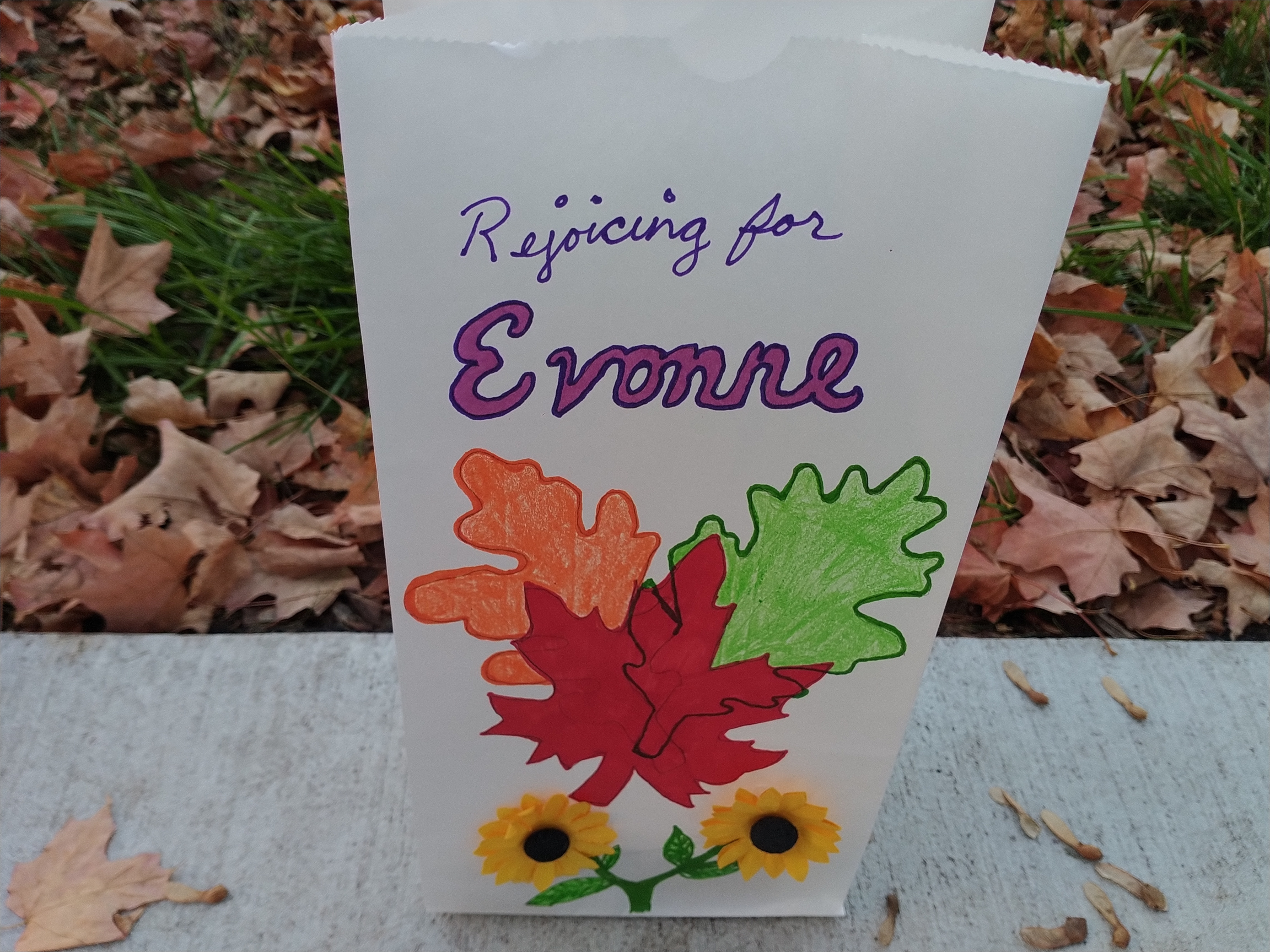
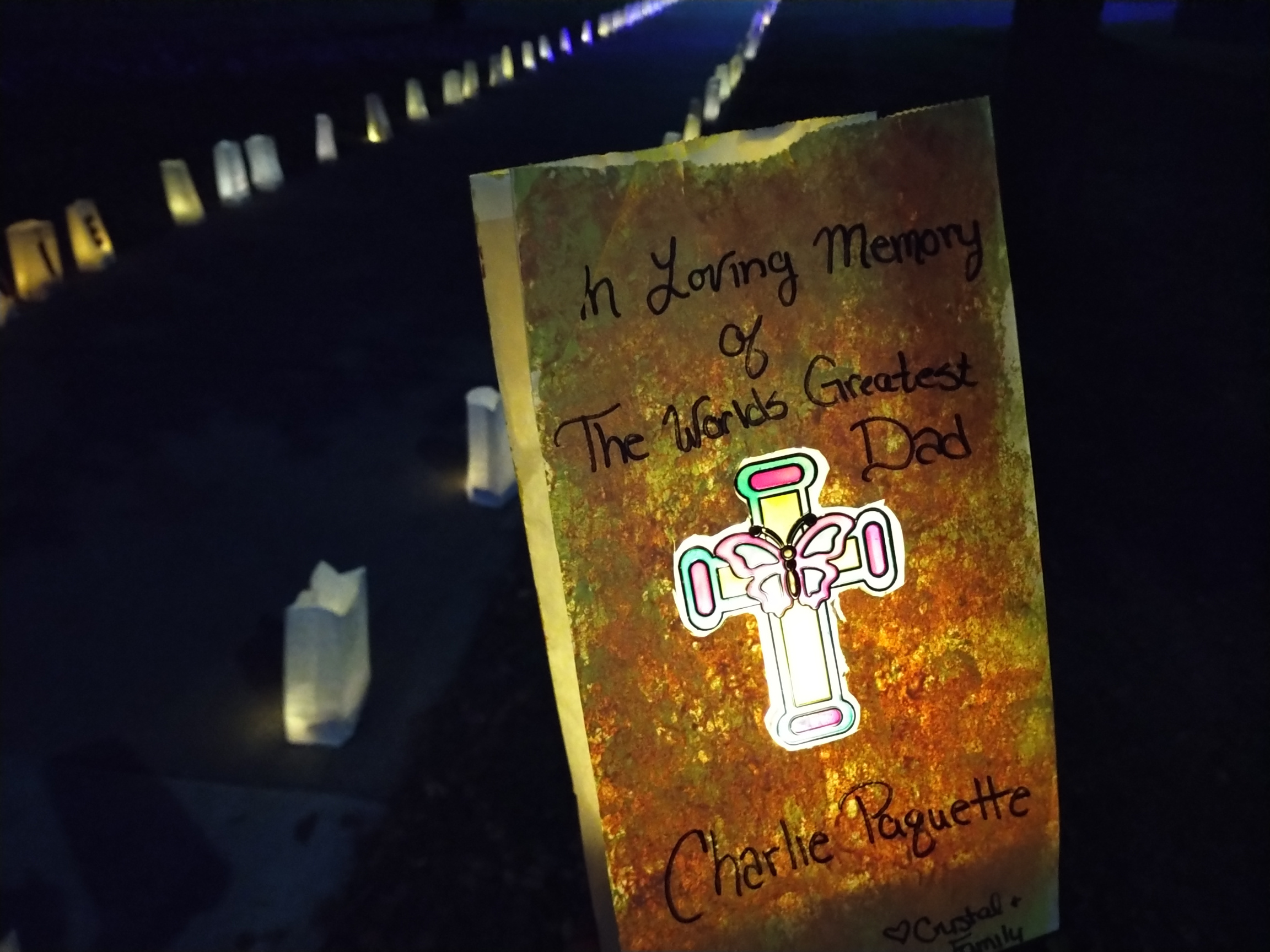
An autumn-themed luminary for a cancer survivor. (Minnesota Prairie Roots copyrighted photo September 2023)
My focus, though, was on the hundreds of luminaries lining the sidewalks that edged and crisscrossed this central community gathering spot. I walk here daily, among the towering trees and scampering squirrels. The din of traffic, the presence of others, the locations of St. Vincent de Paul and the Cathedral of Our Merciful Saviour across the streets are all reminders that Faribault truly is about community. We need one another. And I felt, at this event, a strong sense of community, of coming together, of leaning on one another.
Gathering to talk, to listen to music, to celebrate. (Minnesota Prairie Roots copyrighted photo September 2023)
I felt such love as I hugged the local x-ray tech who did my recent mammogram. I assured her my results were good. She and I have a history, meeting several years ago in the hospital ER when I broke my wrist. I hugged others, too, whom I haven’t seen in a while. It felt right, to reach out and encircle these individuals who, at some point, have been there for me, whether personally or professionally. And if my cousin and a friend, who are currently undergoing chemotherapy for aggressive, advanced breast cancer, had been there, I would have held them close in prolonged hugs also.
I saw so much love written upon luminaries by those who lost loved ones to cancer. (Minnesota Prairie Roots copyrighted photo September 2023)
Twenty years ago I was on the receiving end of many hugs as I stood inside my hometown church, St. John’s Lutheran in Vesta, embracing family and friends at the death of my dad. He died of esophageal cancer and other health issues. At the cemetery, I wrapped my arm around my mom, shaking with cold and grief on that brutal winter day. She was a breast cancer survivor.
Many family—including my husband, a sister and sister-in-law—and friends have survived cancer. Many family—including a dear nephew and aunt—and friends have died of cancer. And today many in my circle are battling cancer, including a much-beloved cousin, a brother-in-law and a dear friend. Cancer is brutal and awful and horrible. And it seemingly spares no family.
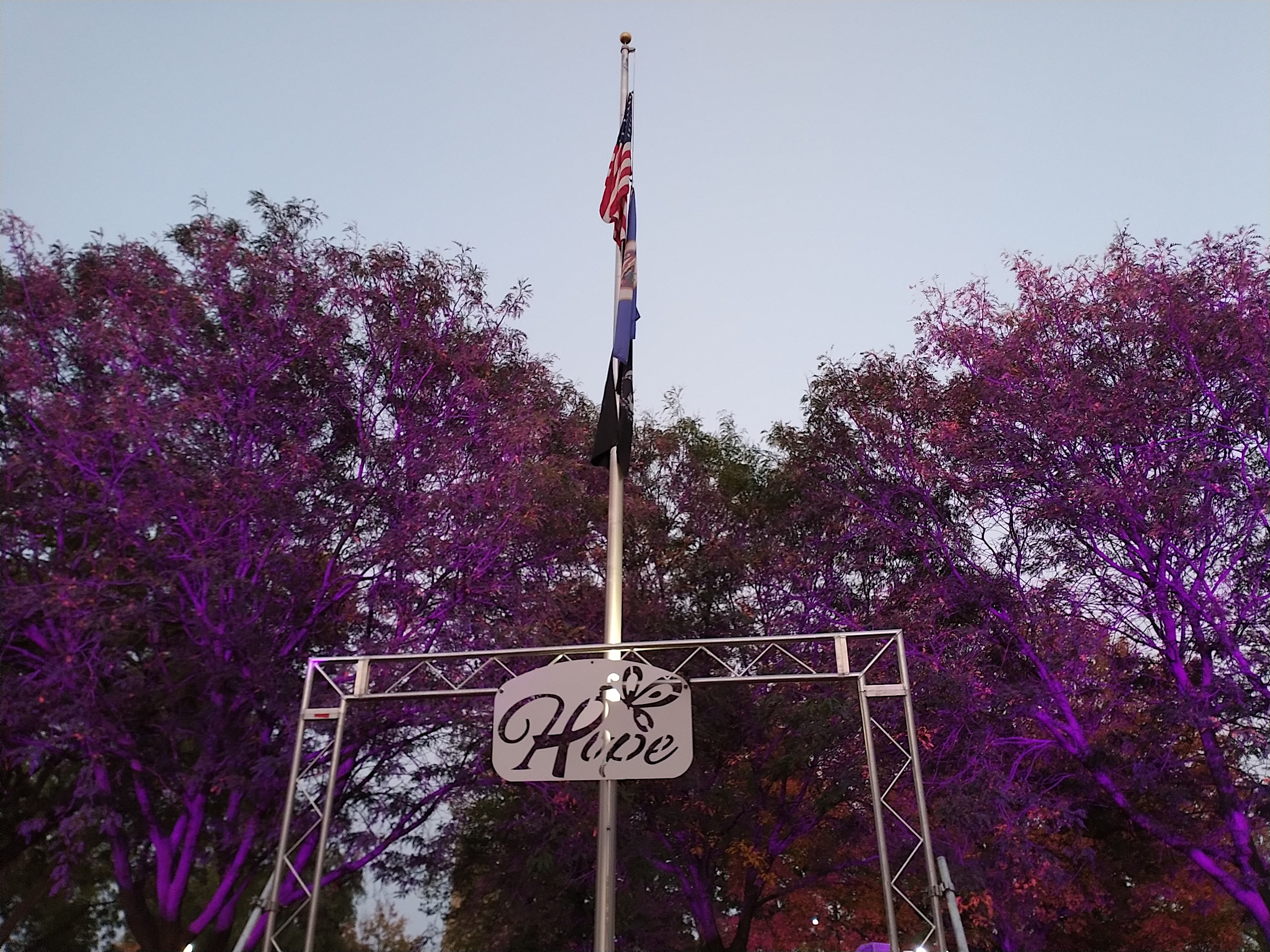
A beautiful hope sign suspended in the center of the park. (Minnesota Prairie Roots copyrighted photo September 2023)
But there is hope. In the support of others. In events like the one on Saturday organized by the Light of Hope Cancer Foundation with a mission “to empower local cancer patients and families to focus on treatment and healing by providing immediate and practical financial support while advocating and fundraising for research, education and cancer prevention.” There is strength in a supportive and caring community.
A survivors’ tent, right, offered survivors of cancer a place to gather, celebrate and enjoy cake. (Minnesota Prairie Roots copyrighted photo September 2023)
And there is hope, too, in knowing options are available for treatment. That is also personal for me as my uncle, Dr. Robert M. Bowman, developed the drug Letrozole (Femara), approved by the Food and Drug Administration in 1998 to treat certain types of breast cancer in post-menopausal women. Today, as my retired chemist uncle lies in hospice suffering from Parkinson’s, his wife, my beloved Aunt Dorothy, tells me how grateful Robin feels for having created a life-saving drug. He gave women hope.
I shot this scene shortly before leaving at 7:45 pm. So beautiful…the luminaries, the trees morphed purple by spotlights. (Minnesota Prairie Roots copyrighted photo September 2023)
As I walked among the hundreds of luminaries, first in the light of early evening and then in the darkness, I remembered, grieved silently, contemplated, celebrated… And I felt hope. Strong, beautiful, powerful hope.
A student watches a video of Martin Luther King, Jr. in the “Selma to Montgomery: Marching Along the Voting Rights Trail” exhibit at St. Olaf College, Northfield, in 2015. (Minnesota Prairie Roots copyrighted file photo 2015)
WE ALL HOLD DREAMS. Hopes and desires and wishes that improve our lives. Financially, mentally, emotionally and otherwise. Perhaps they are dreams directed inward. Or they are dreams for others in our lives, especially our loved ones.
Sixty years ago today, Martin Luther King, Jr. revealed his dream at the Lincoln Memorial in Washington, DC. His was a powerful speech packed with powerful words that resonated as much on August 28, 1963 as they do today:
I have a dream that one day this nation will rise up and live out the true meaning of its creed: We hold these truths to be self-evident, that all men are created equal.
I have a dream that my four little children will one day live in a nation where they will not be judged by the color of their skin but by the content of their character. I have a dream today.
Visitors could photograph themselves at the “Selma” exhibit and express their thoughts. (Minnesota Prairie Roots copyrighted file photo 2015)
King’s statements in “I have a dream” held the hope of Americans denied very basic civil and voting rights simply because of their skin color. A year later, the Civil Rights Act of 1964 became law, prohibiting discrimination (and segregation) in public places. Passage of the Voting Rights Act of 1965 followed, assuring the right to vote. But the struggle continued as it does today for people of color.
Back in 1964 and 1965, I was too young and too far removed from the Civil Rights Movement to have any knowledge of what was happening in the world beyond my childhood home in southwestern Minnesota. I lived in a rural area of primarily Germans and Scandinavians, where the only difference was in religion. Either you were Lutheran or you were Catholic with a few Presbyterians, Methodists and Brethren tossed in.
I don’t recall ever seeing a Black person. Few, if any, lived in Redwood County. Indigenous Peoples lived on nearby reservations to the east and to the west by Morton and Granite Falls. But I never saw the Dakota, never interacted. Mine was a world of whiteness. Now I am the mother-in-law of a man whose father is black, his mother white. I’ve heard my son-in-law’s unsettling stories of what it’s like to be a Black man in America today.
Opinions expressed in the “Selma” exhibit polling place. (Minnesota Prairie Roots copyrighted file photo 2015)
Today I live in a place of varied colors and cultures. For that I feel thankful. At the core, we are all just people with hopes, desires, wishes. We all hold dreams, no matter our skin color.
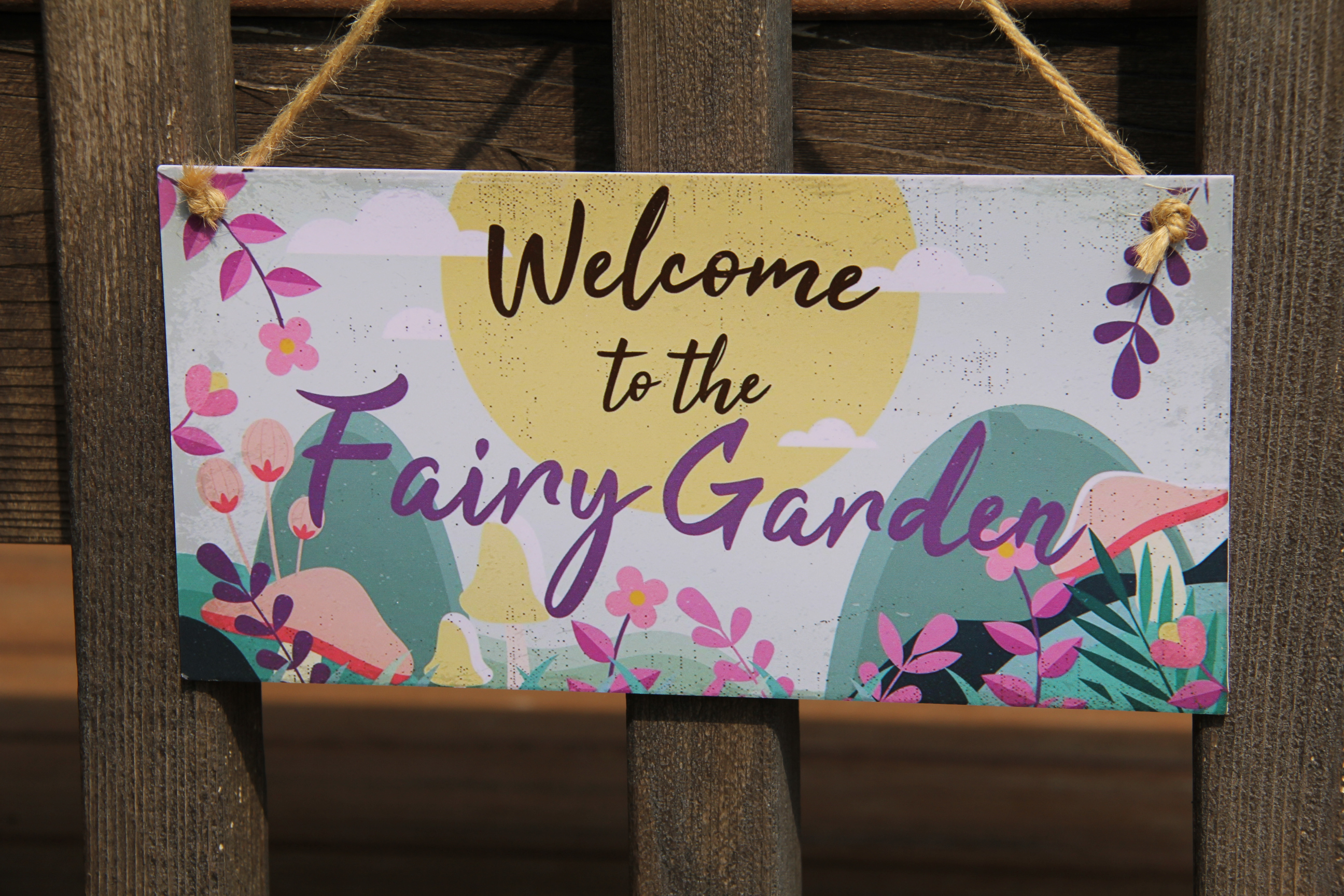
A sign marks the Fairy Garden at the Rice County Master Gardeners Teaching Gardens in Faribault. (Minnesota Prairie Roots copyrighted photo June 2023)
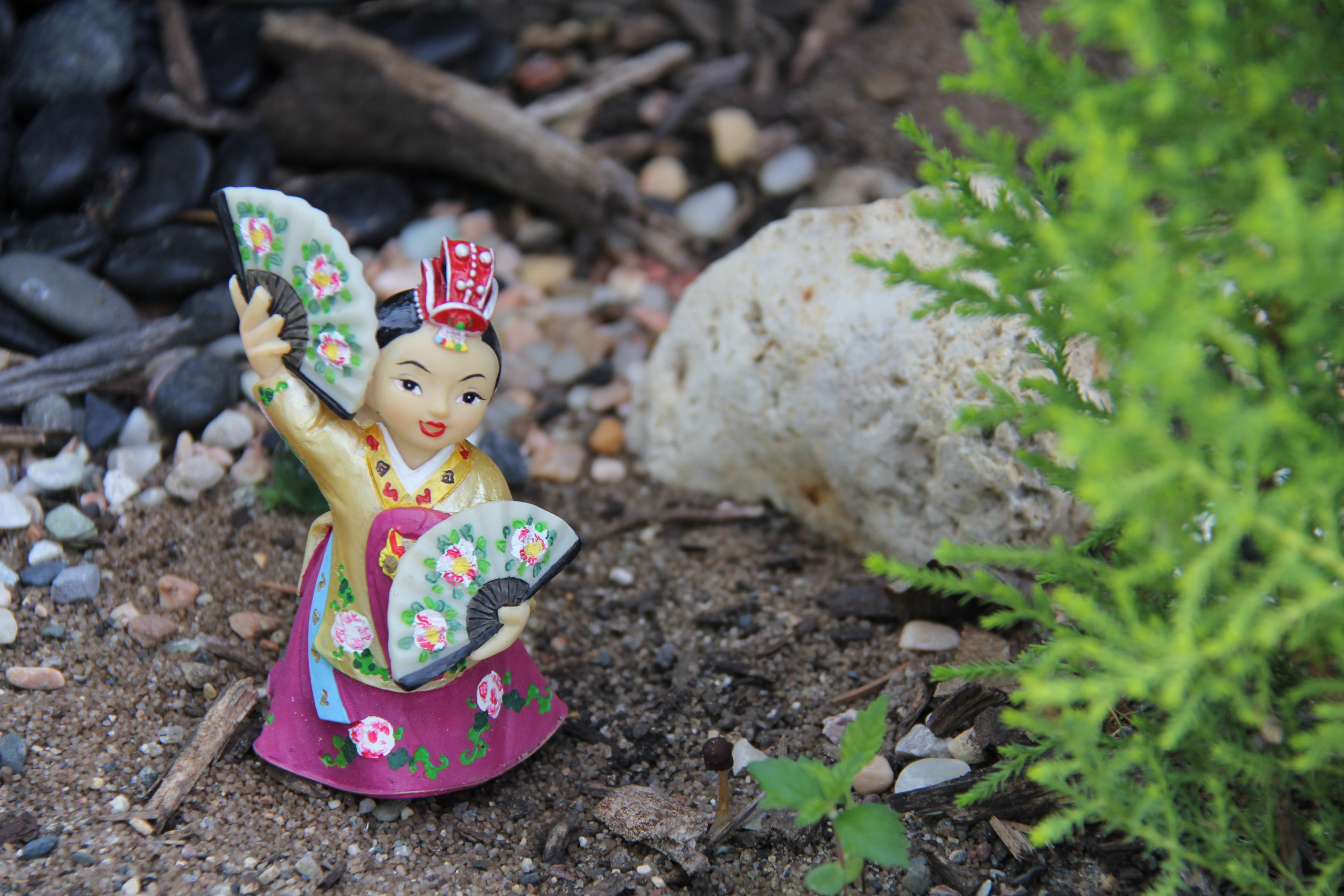
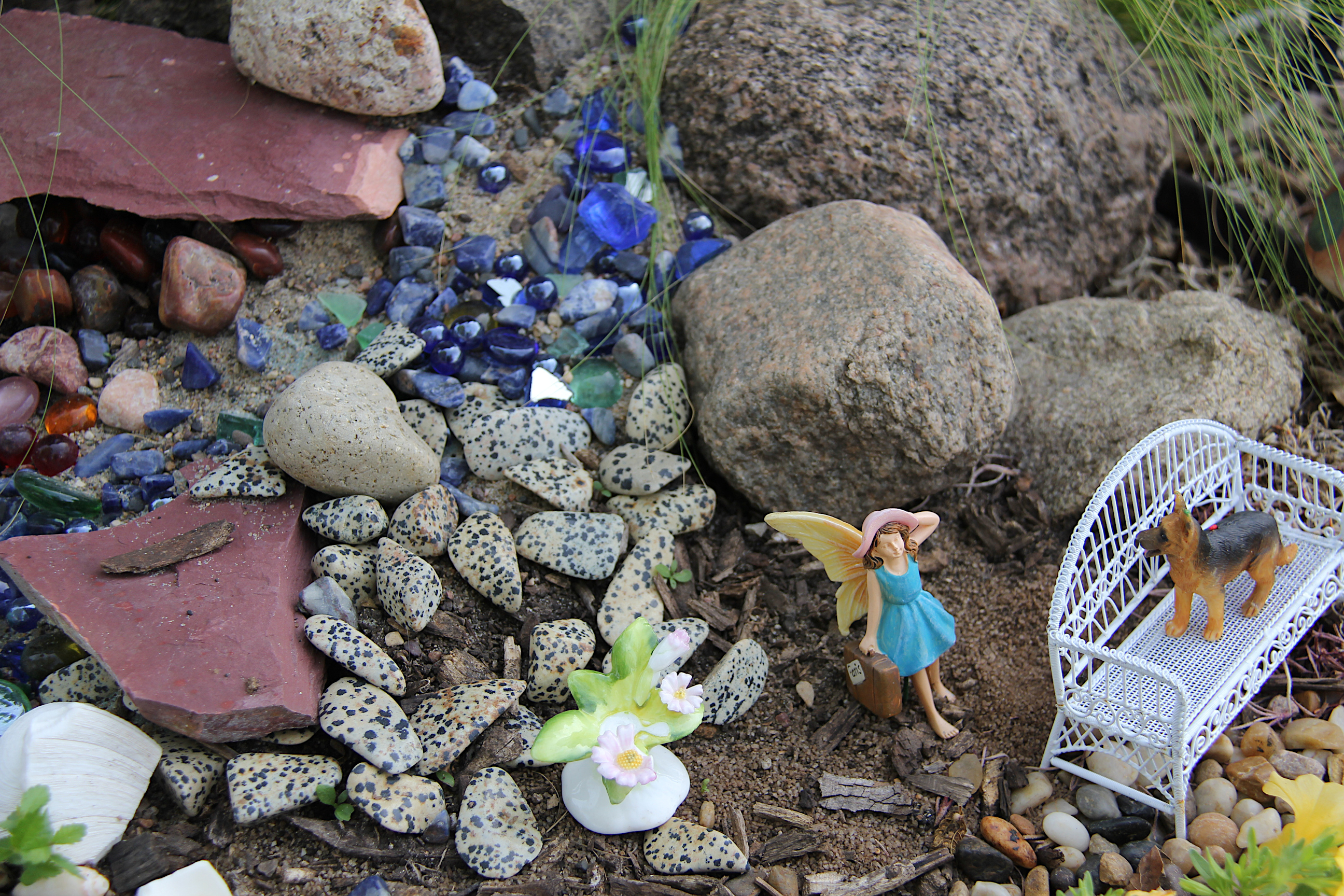
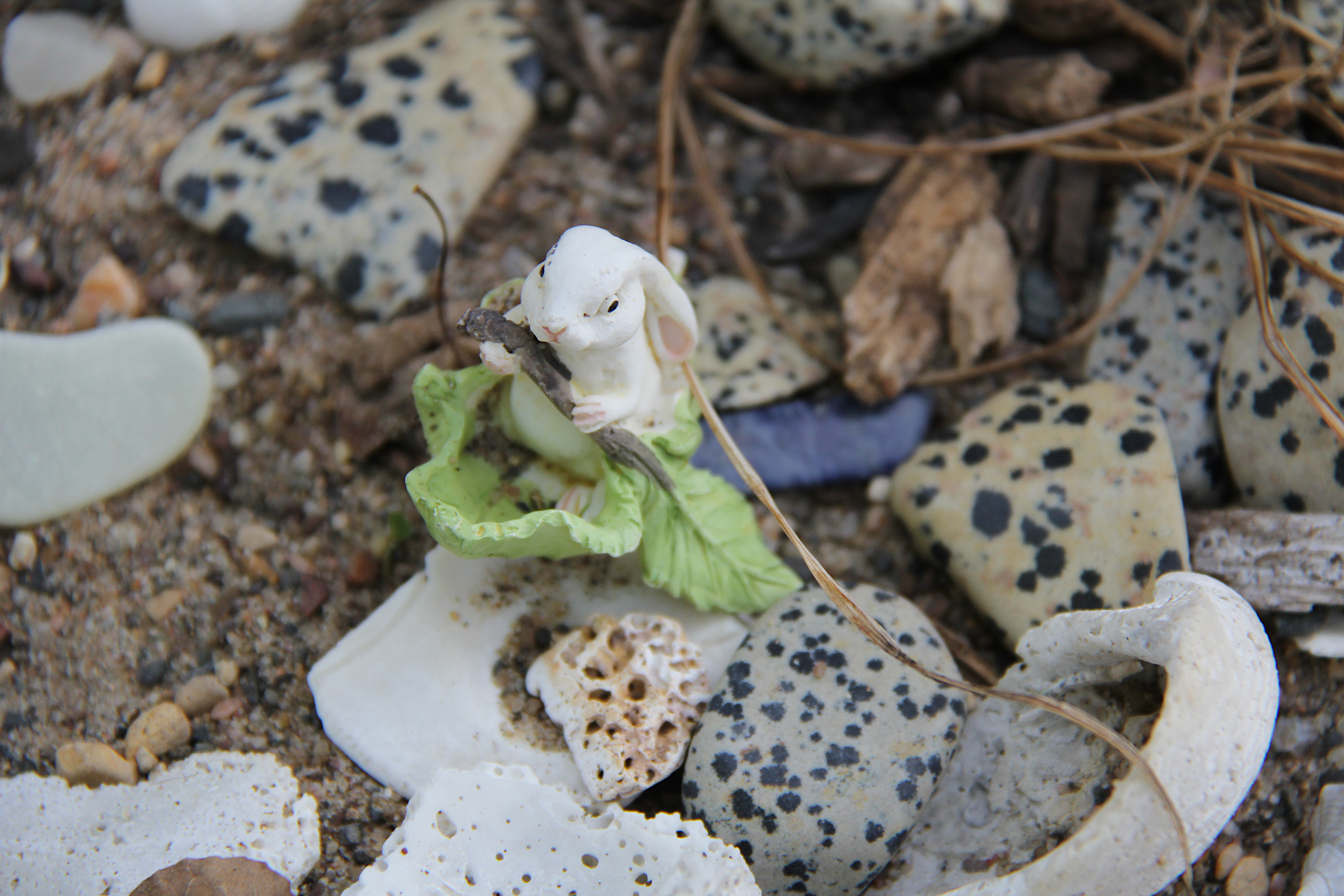
DECIDEDLY MAGICAL. Those words describe my reaction to fairy gardens, mini scenes created with small scale fairies, gnomes, animals and more in an unexpected spot within a flower garden.
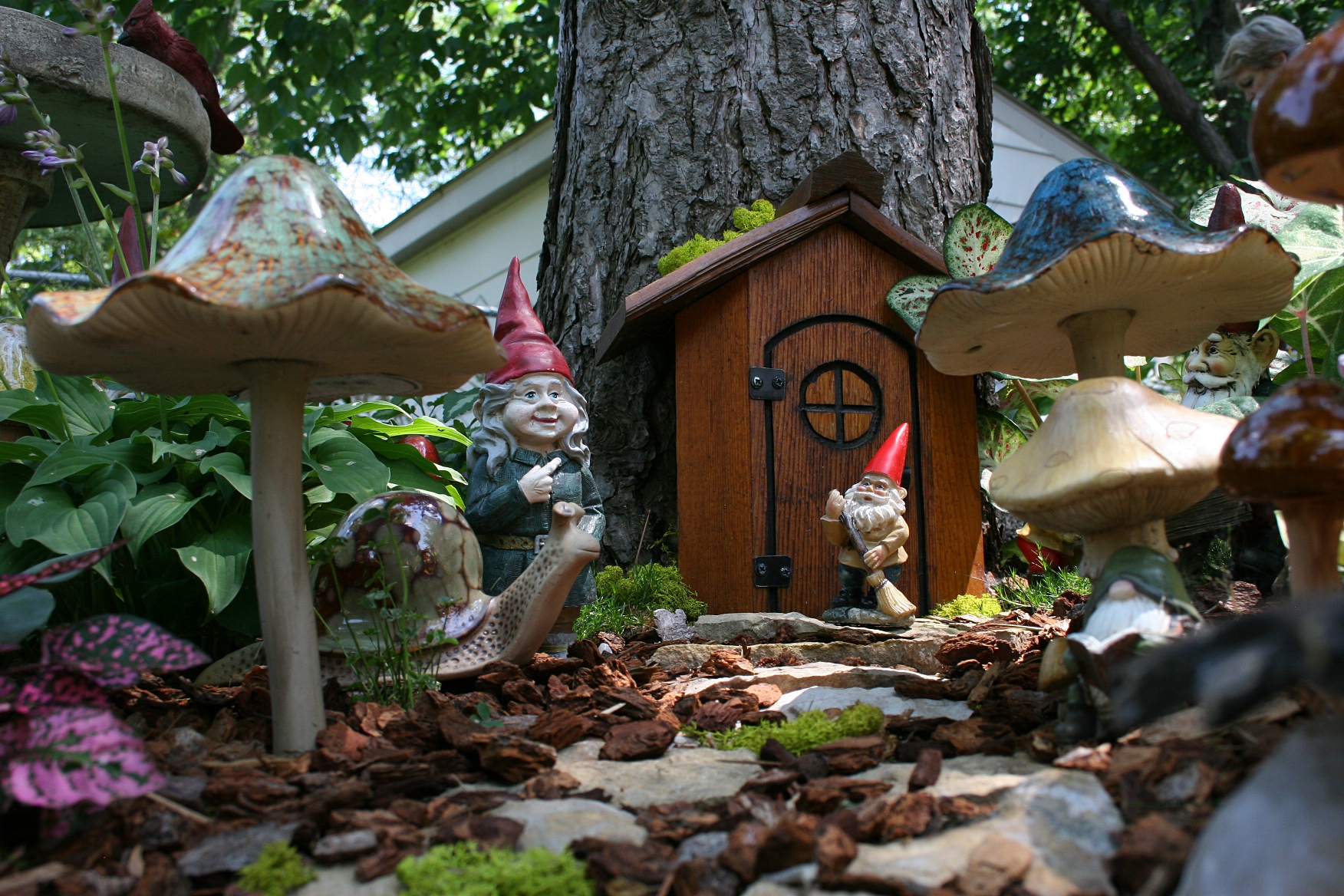
A ground level view of gnomes’ rocky woodland home in the gardens of Susan and Dale Kulsrud, featured in a 2014 garden tour. (Minnesota Prairie Roots copyrighted file photo July 2014)
I saw my first fairy gardens during the Northfield Garden Club 2014 Garden Tour and have loved them ever since.
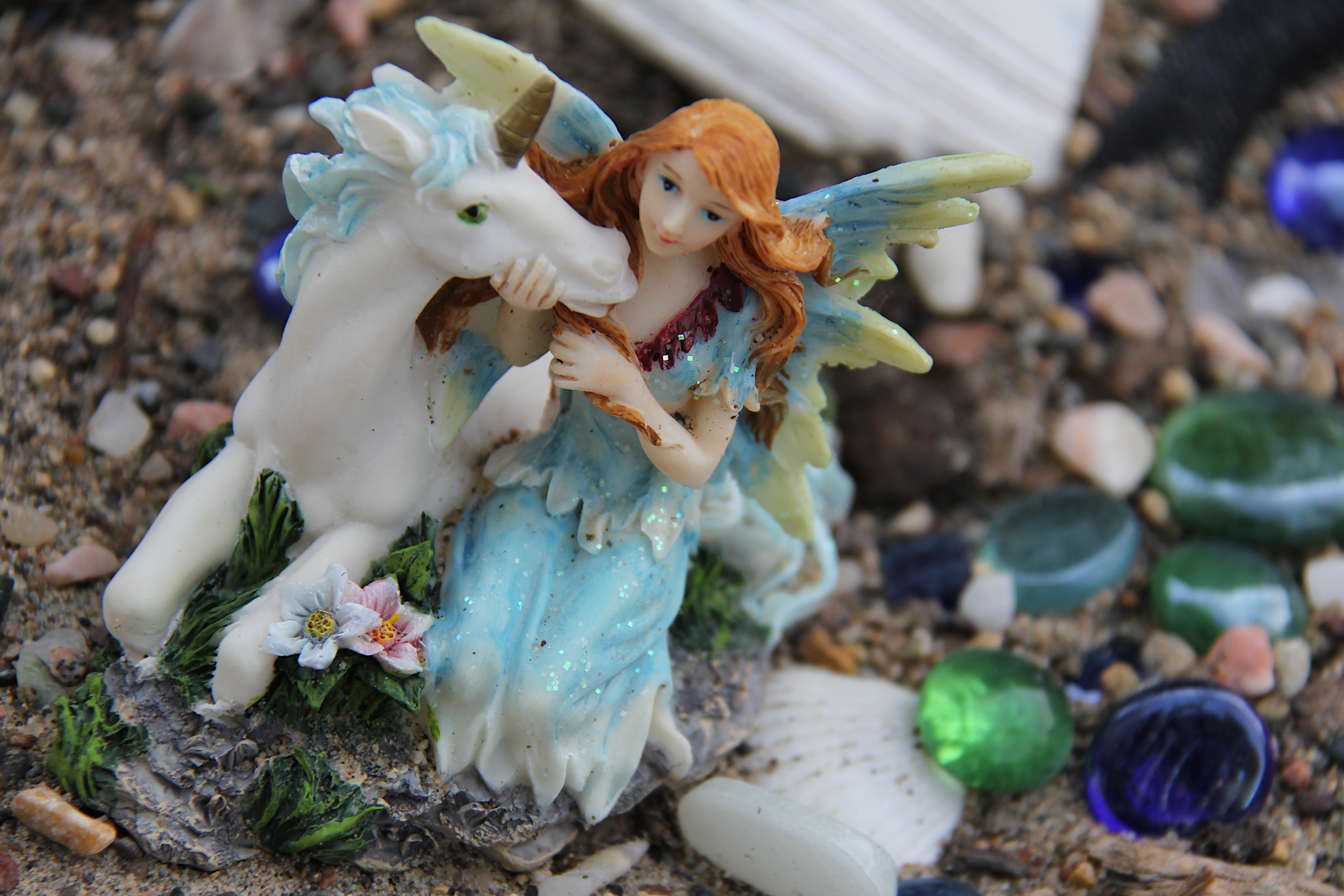
A unicorn-hugging fairy in the Faribault garden. (Minnesota Prairie Roots copyrighted photo June 2023)
Maybe it’s the kid in me or perhaps the creative in me that appreciates these delightful scenes that transport me from reality into a storybook world. We all need to escape the chaos of life occasionally, even if but for a few minutes. Fairy gardens do just that for me.
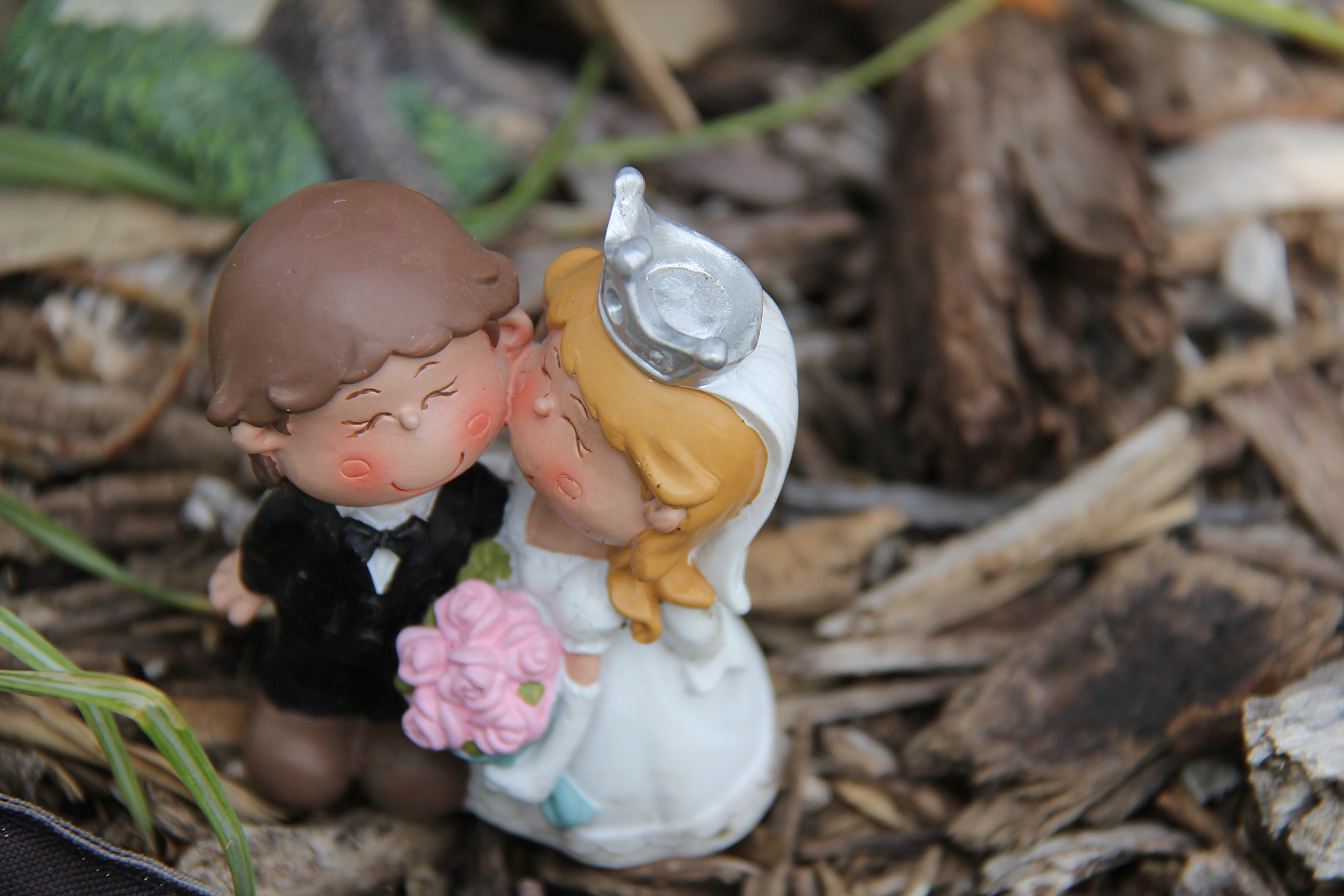
Love depicted in a bridal couple in the master gardeners’ garden. (Minnesota Prairie Roots copyrighted photo June 2023)
It’s OK to embrace the child within us, to imagine living in an enchanting place where goodness and kindness and love prevail and everyone gets along. I believe those truths when I spot a fairy garden in the tranquility of a flower garden.
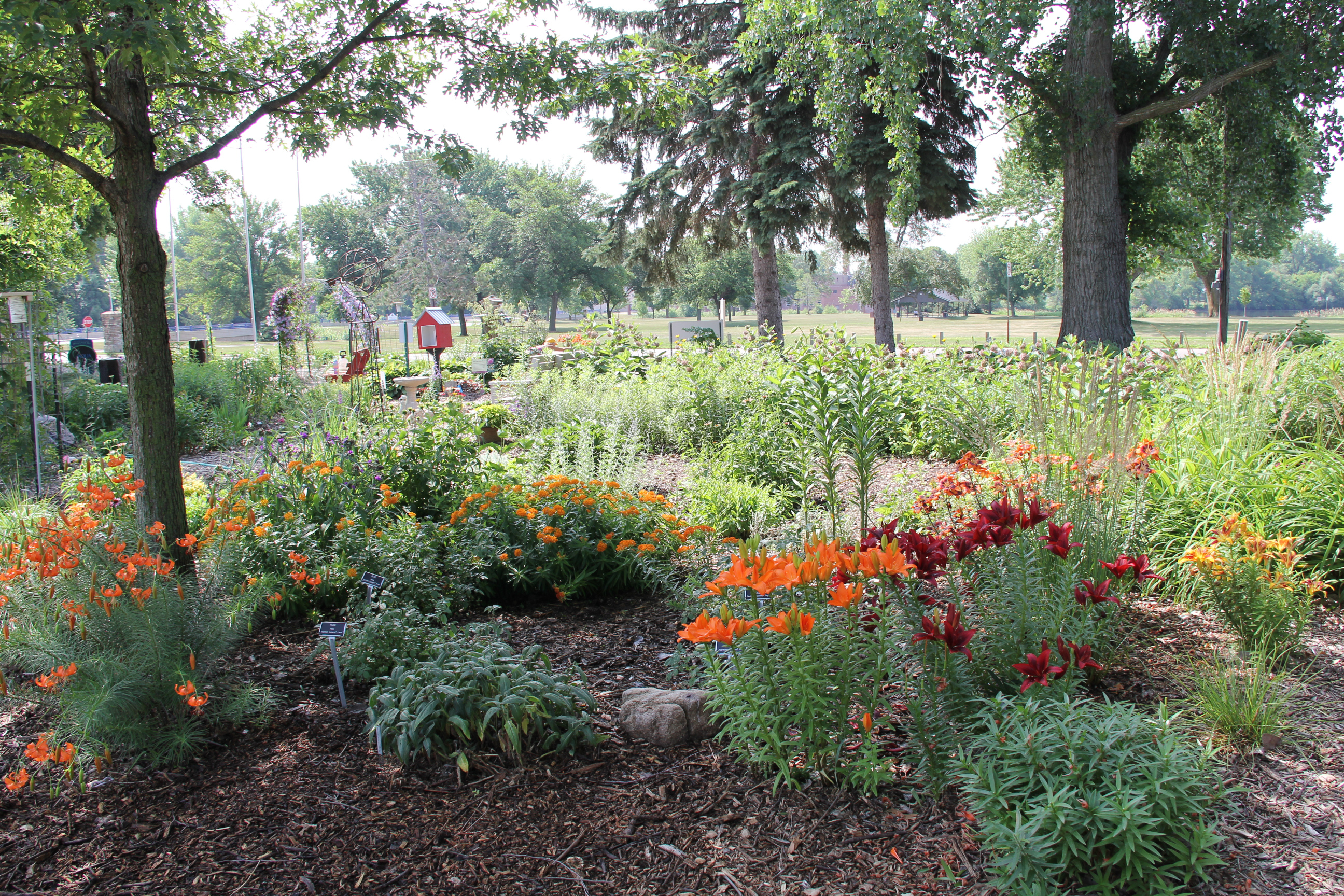
An overview of a section of the master gardeners’ garden in Faribault. (Minnesota Prairie Roots copyrighted photo June 2023)
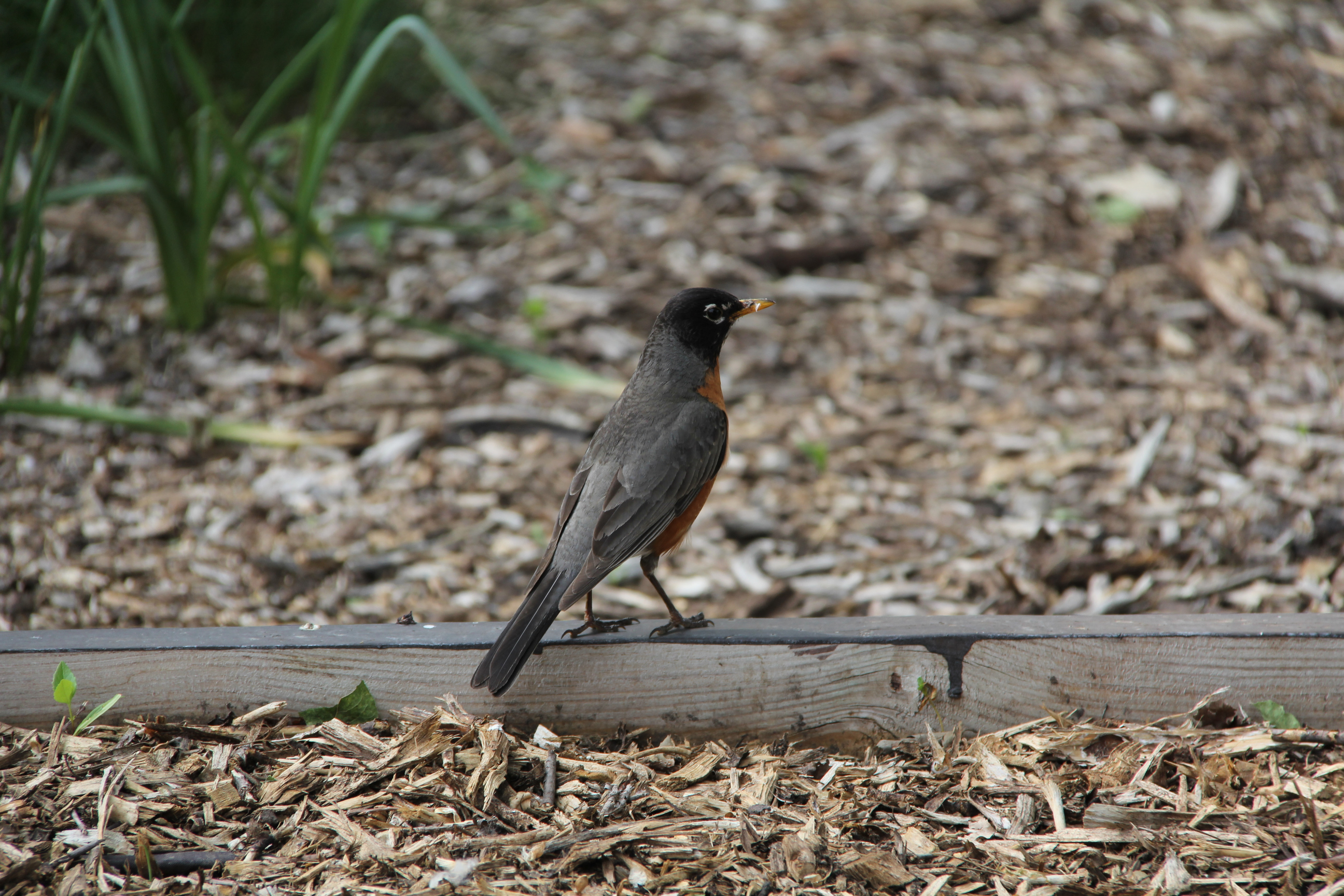
A variety of birds can be seen at the Faribault garden. (Minnesota Prairie Roots copyrighted photo June 2023)
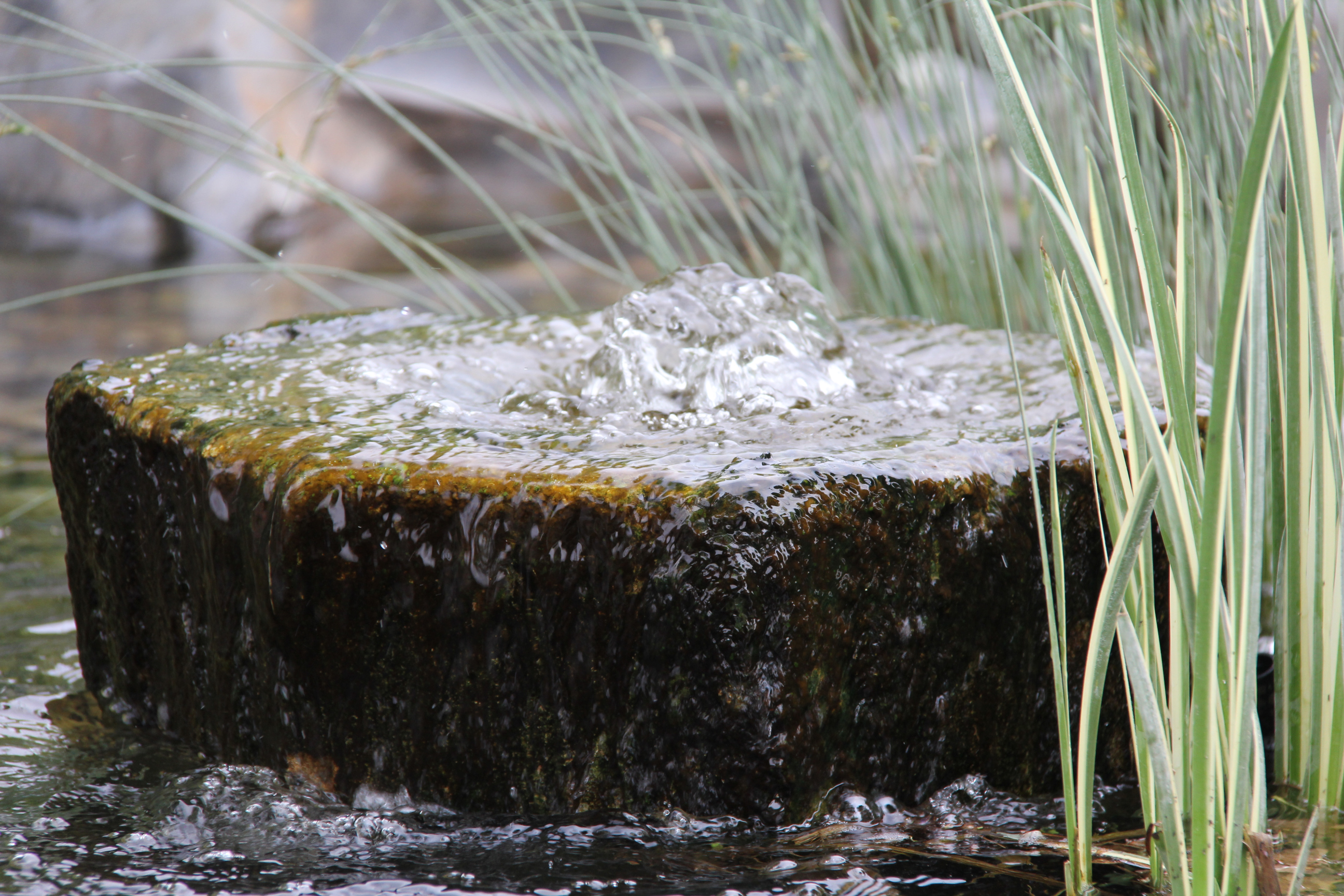
Water bubbles from a stump water feature inside the pond. (Minnesota Prairie Roots copyrighted photo June 2023)
Recently I discovered a new fairy garden at the Rice County Master Gardeners Teaching Gardens located on the Rice County Fairgrounds in Faribault. This garden had already been a favorite spot to visit, to walk among the flowers and other plants, to observe butterflies and birds, and to watch water spilling from a water feature inside a pond.
Reflecting the cultural diversity of Faribault. (Minnesota Prairie Roots copyrighted photo June 2023)
A volunteer working there on the day I stopped mentioned that the fairy garden is especially popular with kids, who often move the figurines. I love that—envisioning children playing with the mini people and animals, rearranging the scene, stories spinning through their heads. Imaginative play is something we should all engage in, even as adults. We’re never too old, or too young, for that.
Stones imitate water in this bucolic scene. (Minnesota Prairie Roots copyrighted photo June 2023)
Unlike real life, fairy tales always have happy endings. The prince finds Cinderella. Little Red Riding Hood defeats the Big Bad Wolf. Jack climbs the beanstalk, outsmarts the giant, escapes, and saves the day to live happily ever after. Ah, if only happily ever after was always the ending.
A bunny welcomed in the Faribault garden. (Minnesota Prairie Roots copyrighted photo June 2023)
Fairy gardens offer a respite, happiness, if we we choose to pause, bend low, see them. If we choose to believe in their magic.
Loving art by Izzy, age seven. (Minnesota Prairie Roots copyrighted photo June 2023)
THOSE OF US WHO HAVE parented or are parenting young children understand how proud kids are of their artwork. They carry drawings and paintings, ceramics and a whole lot of creations home in their backpacks. What to do with all of it?
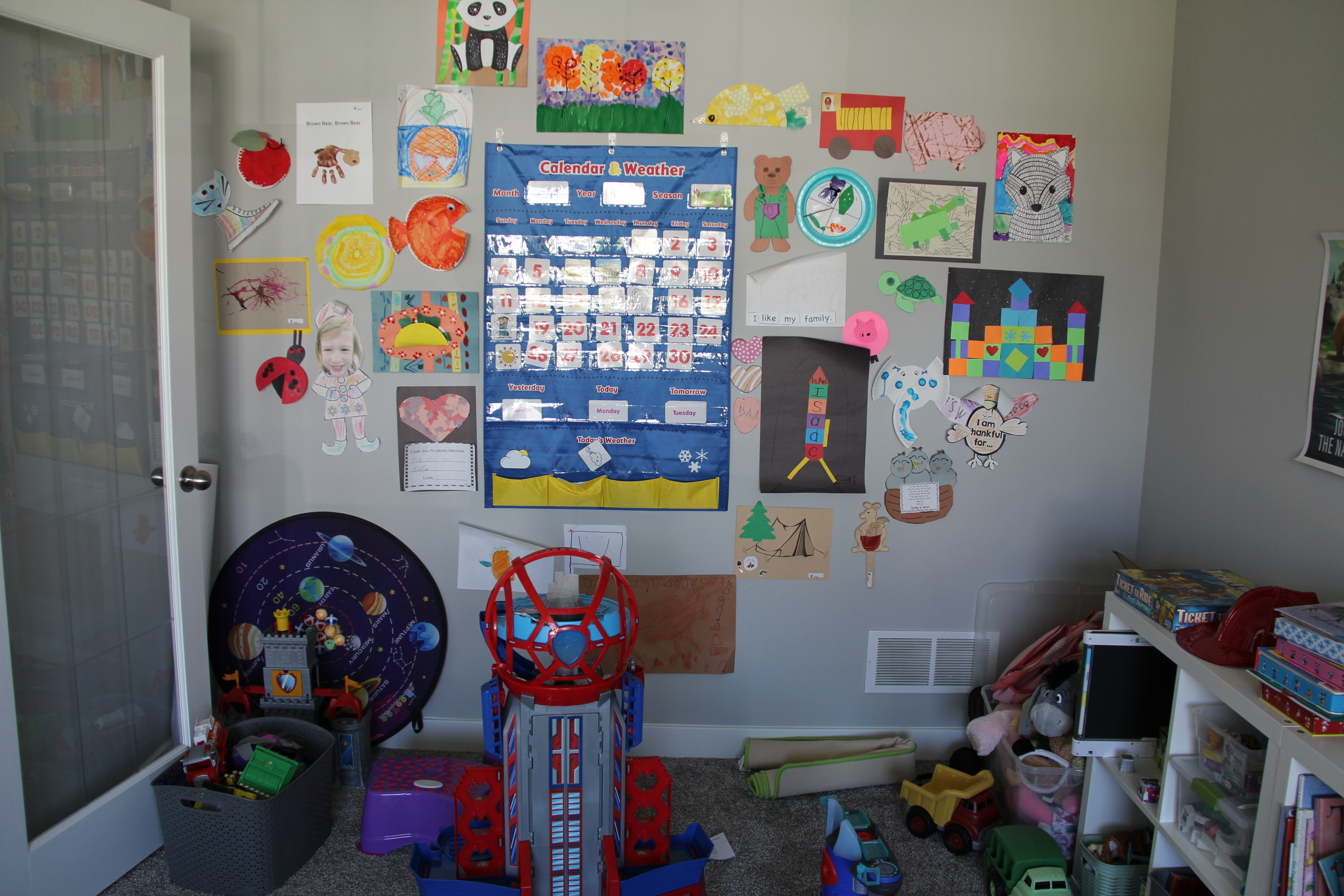
Toy room gallery space. (Minnesota Prairie Roots copyrighted photo June 2023)
My eldest daughter has created a gallery in the kids’ toy room to display Isabelle and Isaac’s art. Whenever I visit their south metro home, I check out my grandchildren’s wall of art. I ask the 4 ½-year-old and the 7-year-old about the pieces. At their ages, I want them simply to enjoy making art.
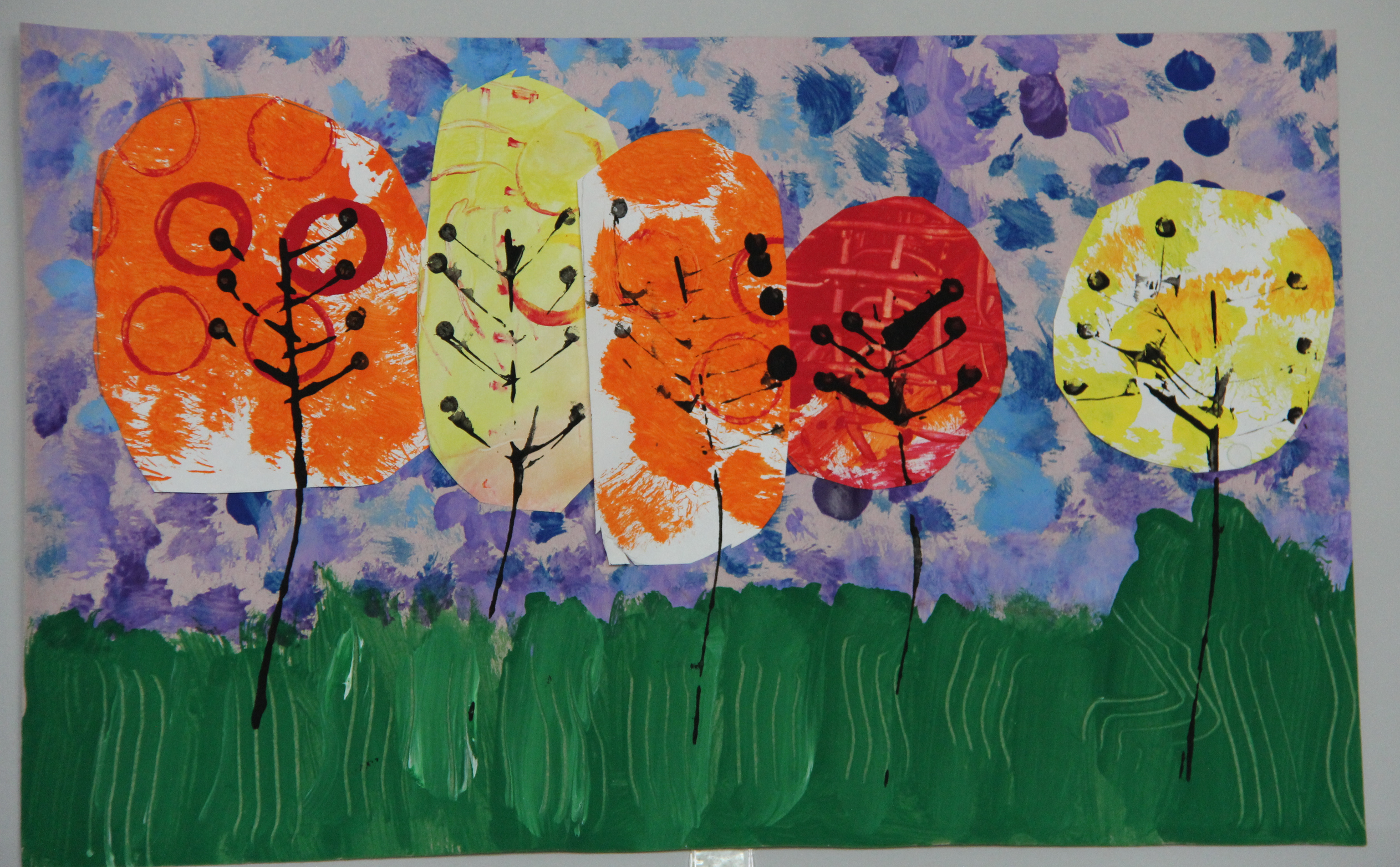
Bright flowers jolt color onto the gallery wall. (Minnesota Prairie Roots copyrighted photo June 2023)
I have no insider knowledge as to how their preschool and first grade teachers teach art. But I do hope the kids are not simply copycatting an example, but rather have some artistic freedom. I expect, though, that can prove challenging for a teacher with limited time and a classroom full of students.
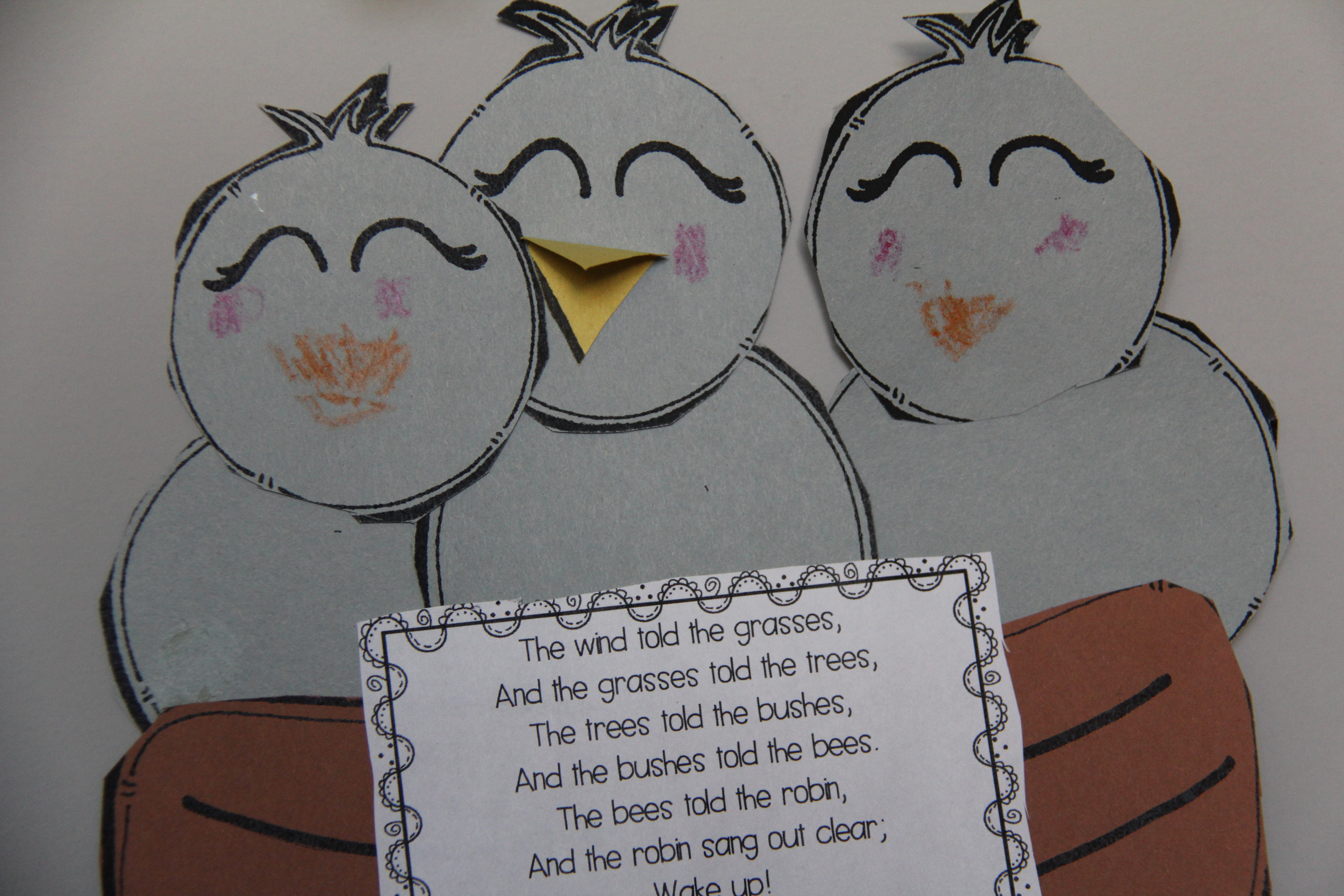
Combining the visual and literary arts. (Minnesota Prairie Roots copyrighted photo June 2023)
Whatever, I appreciate that my grandkids are creating. Art hasn’t always been valued when finances are tight in a school district. In the past, the arts have often been the first to get trimmed or cut. I feel like thinking on that has shifted. There’s a realization that we need the arts. Visual. Performing. Literary.
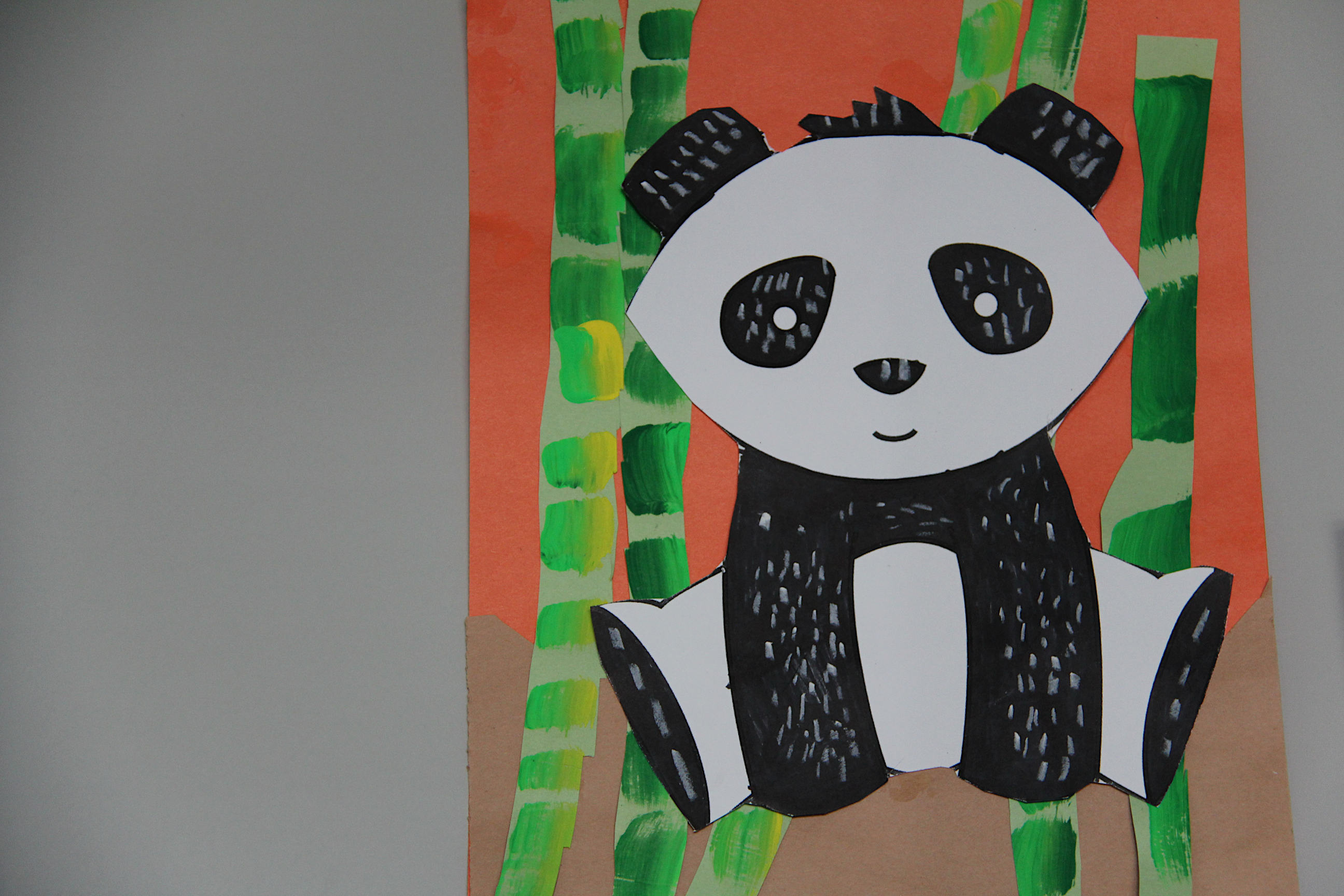
Texture emerges in this bamboo and panda art. (Minnesota Prairie Roots copyrighted photo June 2023)
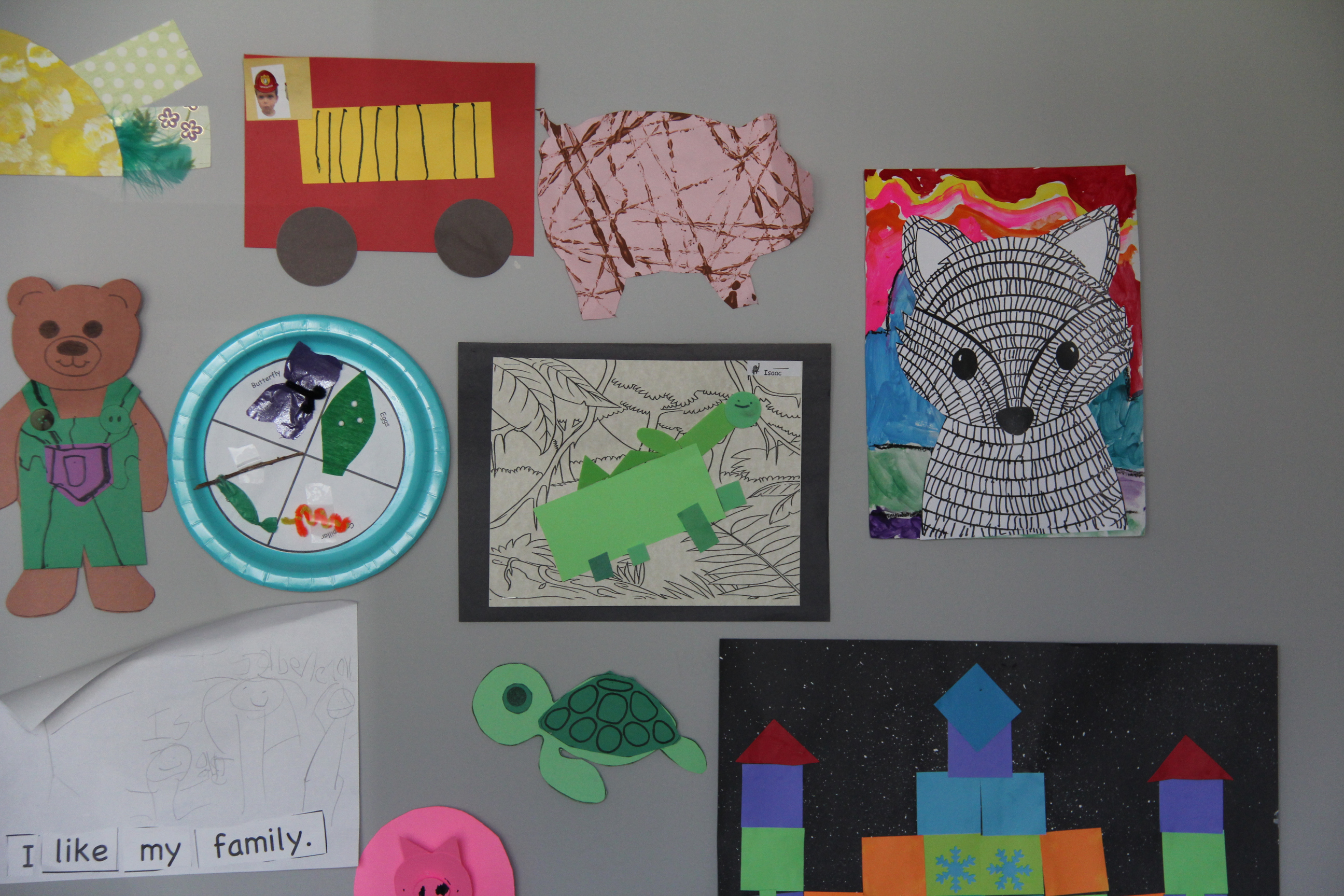
A close-up of a portion of the gallery wall. (Minnesota Prairie Roots copyrighted photo June 2023)
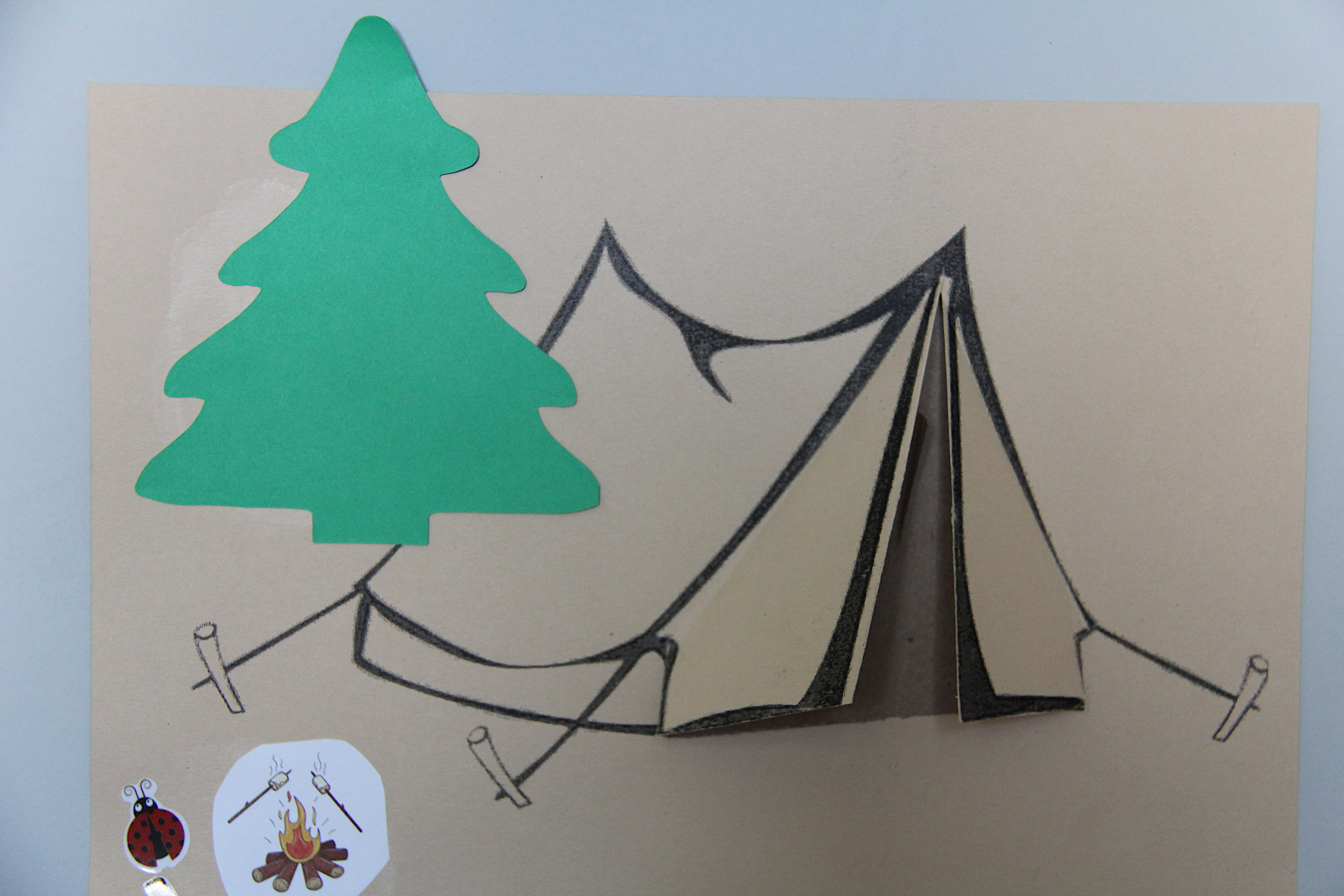
Interactive art:These tent flaps open to reveal a photo of Isaac tucked inside a sleeping bag.(Minnesota Prairie Roots copyrighted photo June 2023)
I cannot imagine a world without the value the arts bring. Value in expression. Value in entertainment. Value in communication. Value in lifting spirits, in bringing joy. Value in thought and sparking conversations. And for the littlest among us, value in hands-on creative learning.
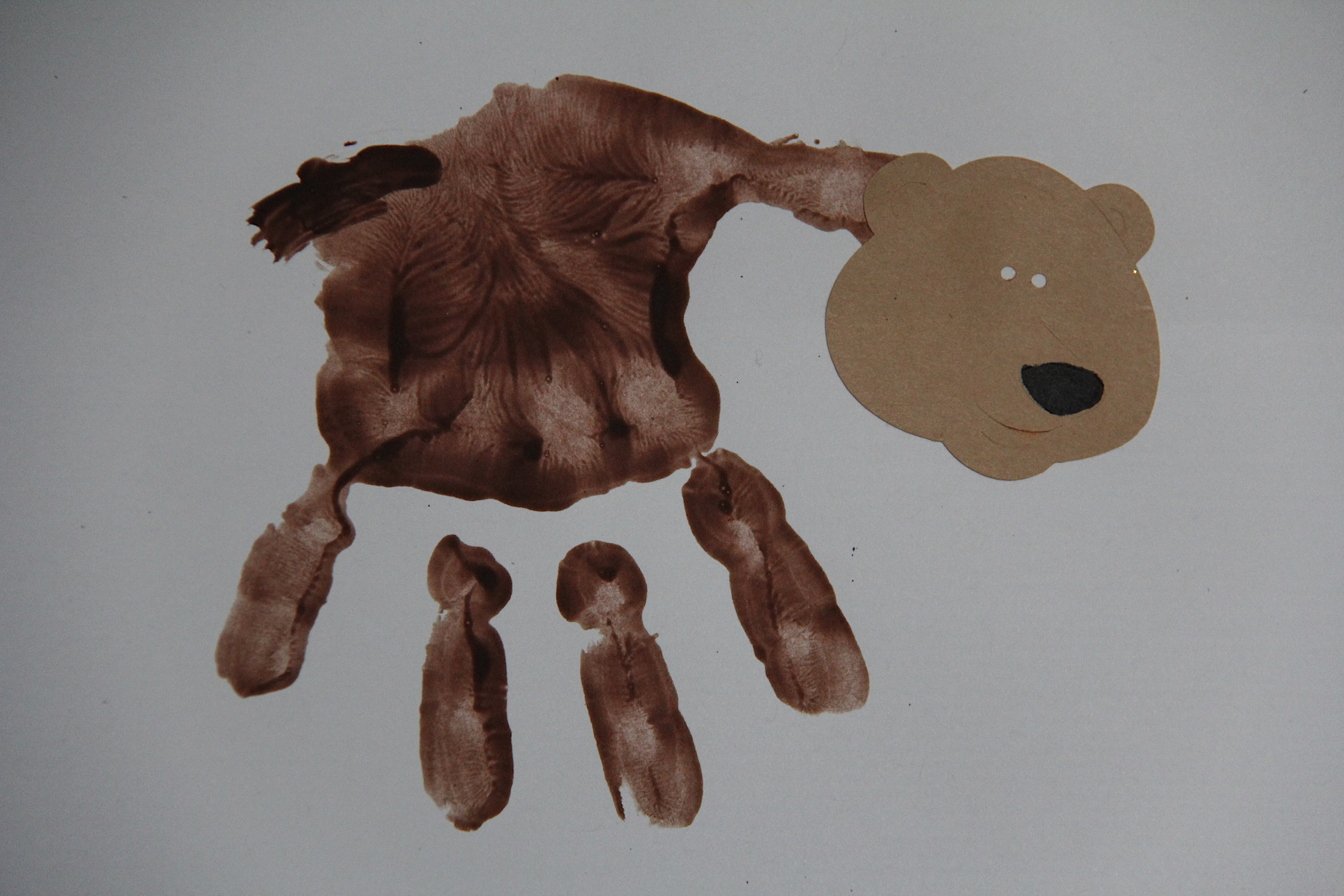
Handprint art to cherish. (Minnesota Prairie Roots copyrighted photo June 2023)
To see my grandchildren’s handprints, imperfect block letter printing, dabs of paint on paper and more is like a glimpse into their life at school and a glimpse at their creativity.
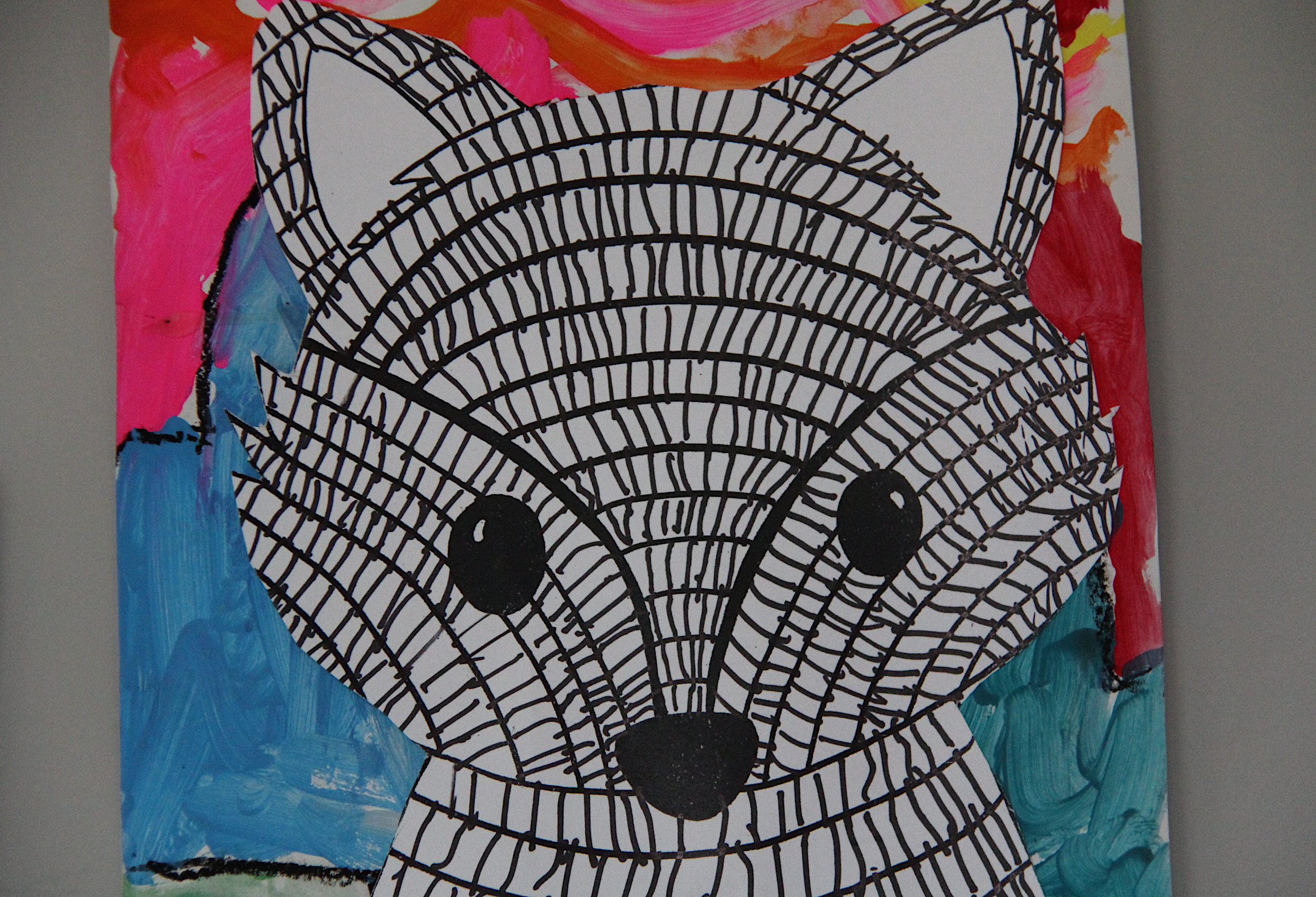
The power of lines in art. (Minnesota Prairie Roots copyrighted photo June 2023)
I love that my daughter showcases their work in a family gallery. How encouraging that is to Izzy and Isaac to have their art prominently displayed rather than stashed in a pile or tossed away. And, yes, I realize there’s a point when you can’t keep everything. Then it’s time to photograph the art, give some to loved ones and/or share with seniors in care centers.
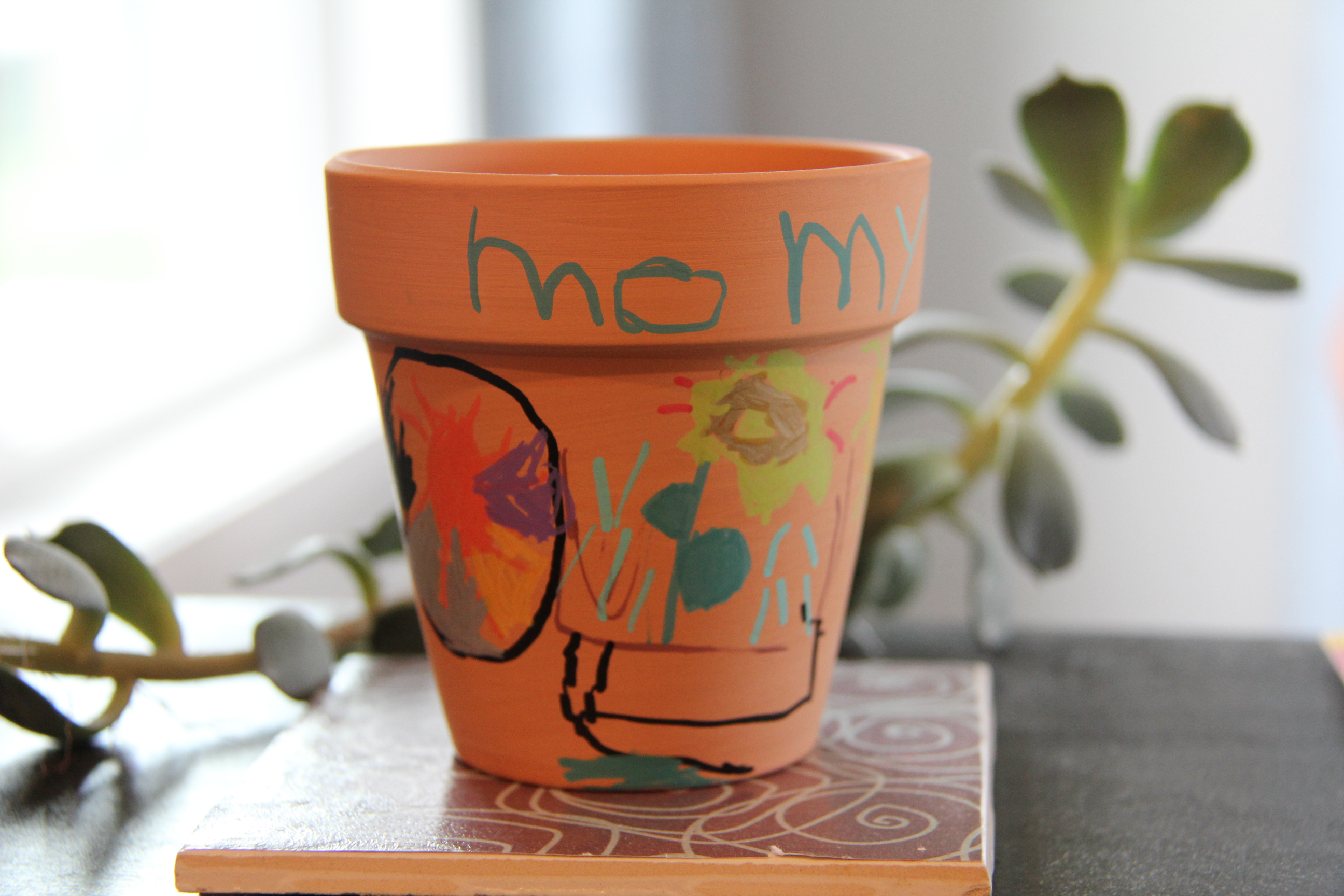
Not all art makes the wall. This artsy flowerpot was a Mother’s Day gift. (Minnesota Prairie Roots copyrighted photo June 2023)
But for now, in this moment, that wall of artwork from the past school year reveals that art holds importance in their household. And that makes this creative grandma especially happy.














Recent Comments