Minnesota Prairie Roots

Writing and photography by Audrey Kletscher Helbling

A maple bacon sundae & other delights at a Waterville coffee shop September 13, 2012

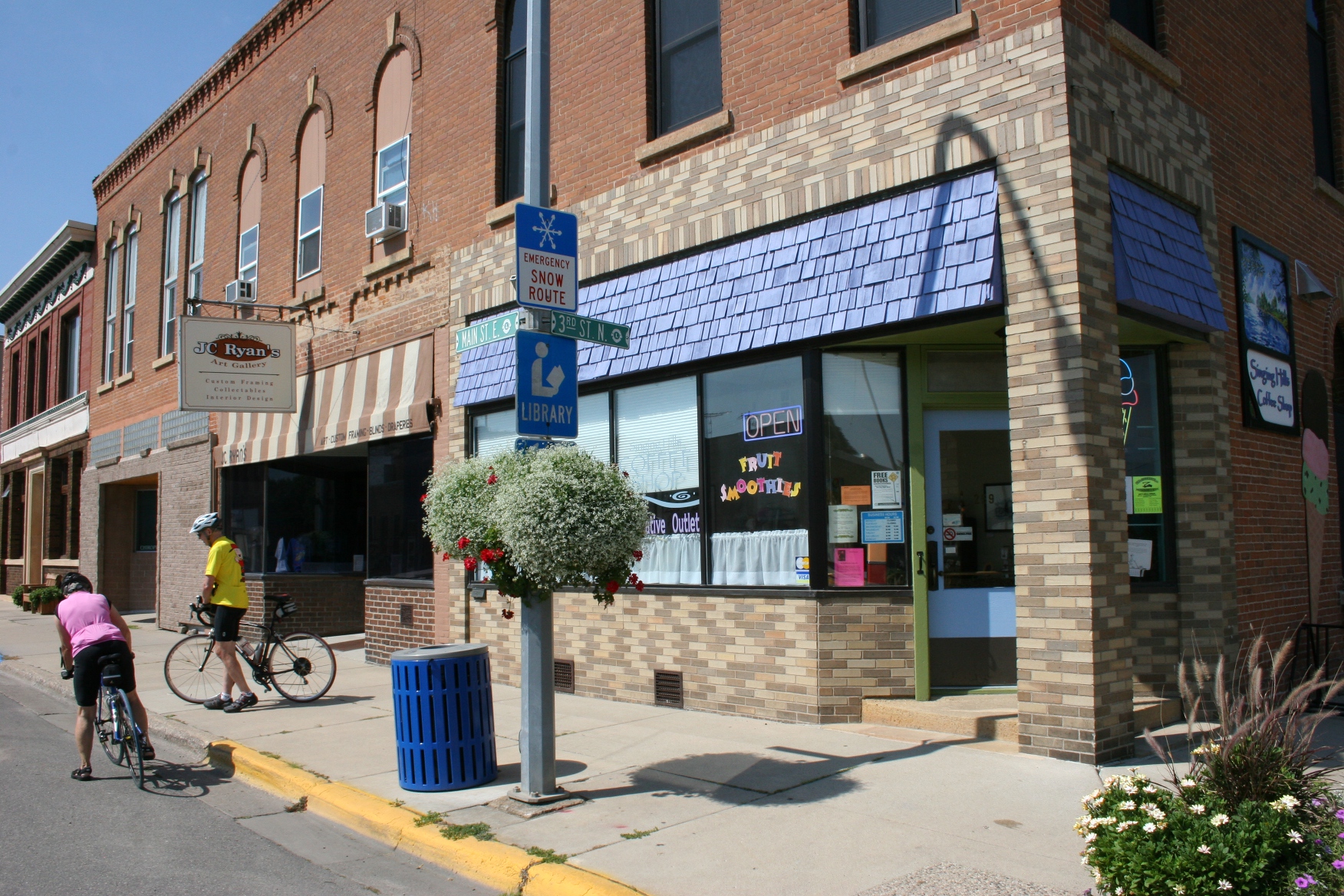
Singing Hills Coffee Shop, at the corner of Main and Third Streets in downtown Waterville in southern Minnesota.

KATHY GREW UP in Detroit, worked 20 years as a deck officer on a freighter for the Merchant Marine, met her husband at a Halloween party, birthed two daughters in her 40s and then, with no business experience, opened a coffee shop in December 2010.

That’s the life synopsis of the woman behind Singing Hills Coffee Shop in the southern Minnesota lakeside community of Waterville, best known for its bullheads and Buccaneers—as in the local high school champion football and basketball teams.
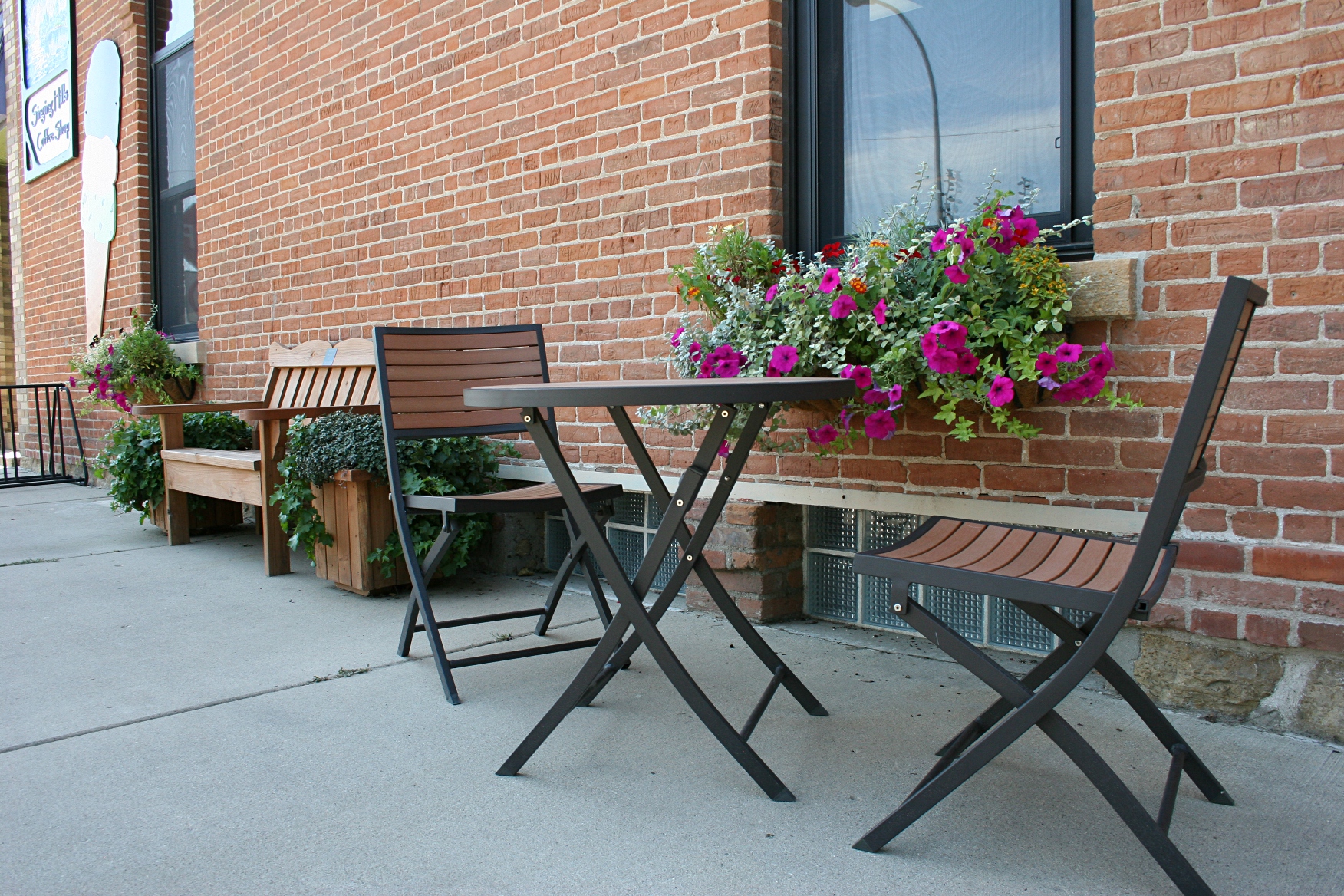
Inviting outside dining at the Singing Hills Coffee Shop.

One-third of a stately, anchor brick building on a corner of Waterville’s Main Street houses the coffee shop. It’s as inviting on the outside—with bistro tables and a bench and window baskets popping with hot pink petunias and luscious ivy spilling from pots—as it is inside.
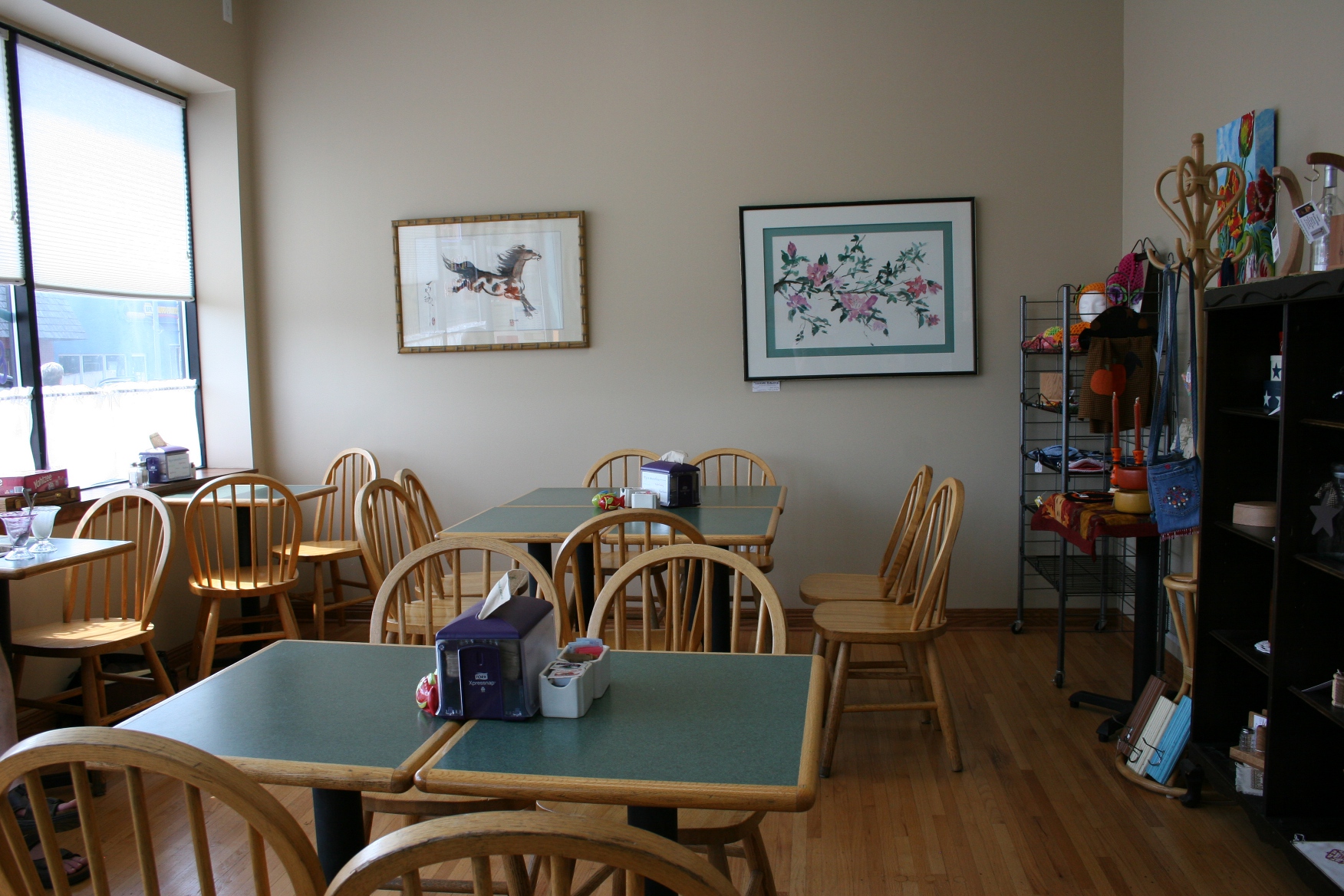
The bright, cozy dining area of the coffee shop with local arts and crafts displayed on shelves to the right and on walls.
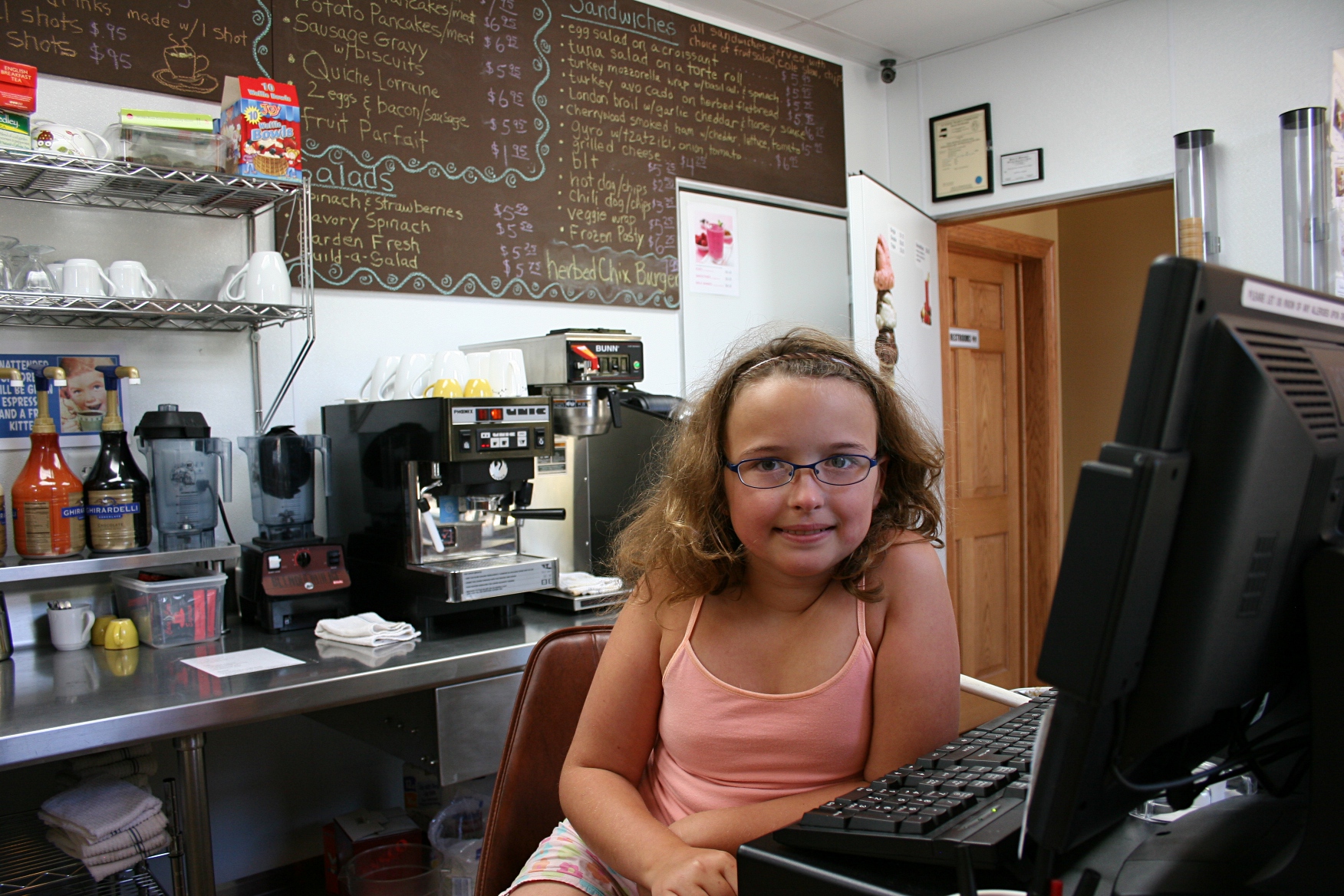
Kathy’s daughter, Marina, waits on customers.

On an early Sunday afternoon, 45 minutes before the 2 p.m. closing, Kathy hustles to prepare sandwiches and ice cream treats while her 10-year-old daughter, Marina (yes, her name is a nod to Kathy’s time on the water), takes orders, accepts payment and makes change.
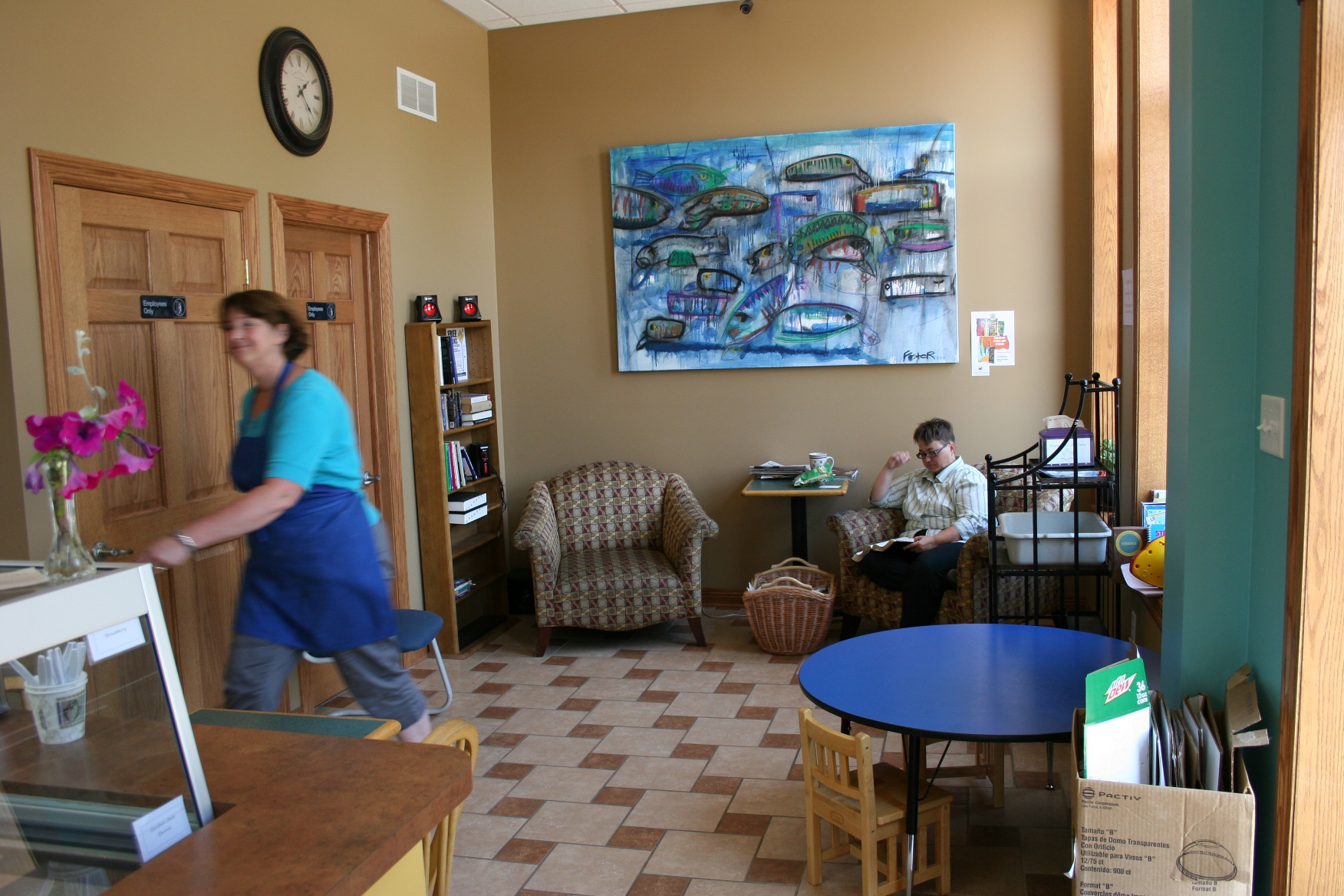
Kathy hurries back to the kitchen to prepare orders while customer and friend, Kari, relaxes in a back coffee shop corner. Tim Foster’s “American lures” painting (oil paint, oil pastels and graphite on canvas) anchors the wall. It was inspired, he says, by old fishing lures. Kathy would like to purchase the $450 painting as a permanent installment in her shop. I suggested she collect tips to help her buy it. Foster sells his mostly abstract and surreal paintings through his website and studio, at Hogan Brothers in Northfield and via art shows. Kathy saw “American lures” at the 2012 Sakatah Arts Experience in Waterville and invited Foster to bring his painting to her coffee shop.

In a comfy corner chair, Kathy’s friend, Kari, is reading her bible, seeking comfort at the recent, unexpected loss of her 36-year-old cousin. Light floods the homey space warmed by walls the hue of honey on two sides and a contrasting robin’s egg blue on the other.

A printed sign on a slim spot between two towering windows reads:

Conduct Code—Love your neighbor as yourself. Treat other people the way you want to be treated!
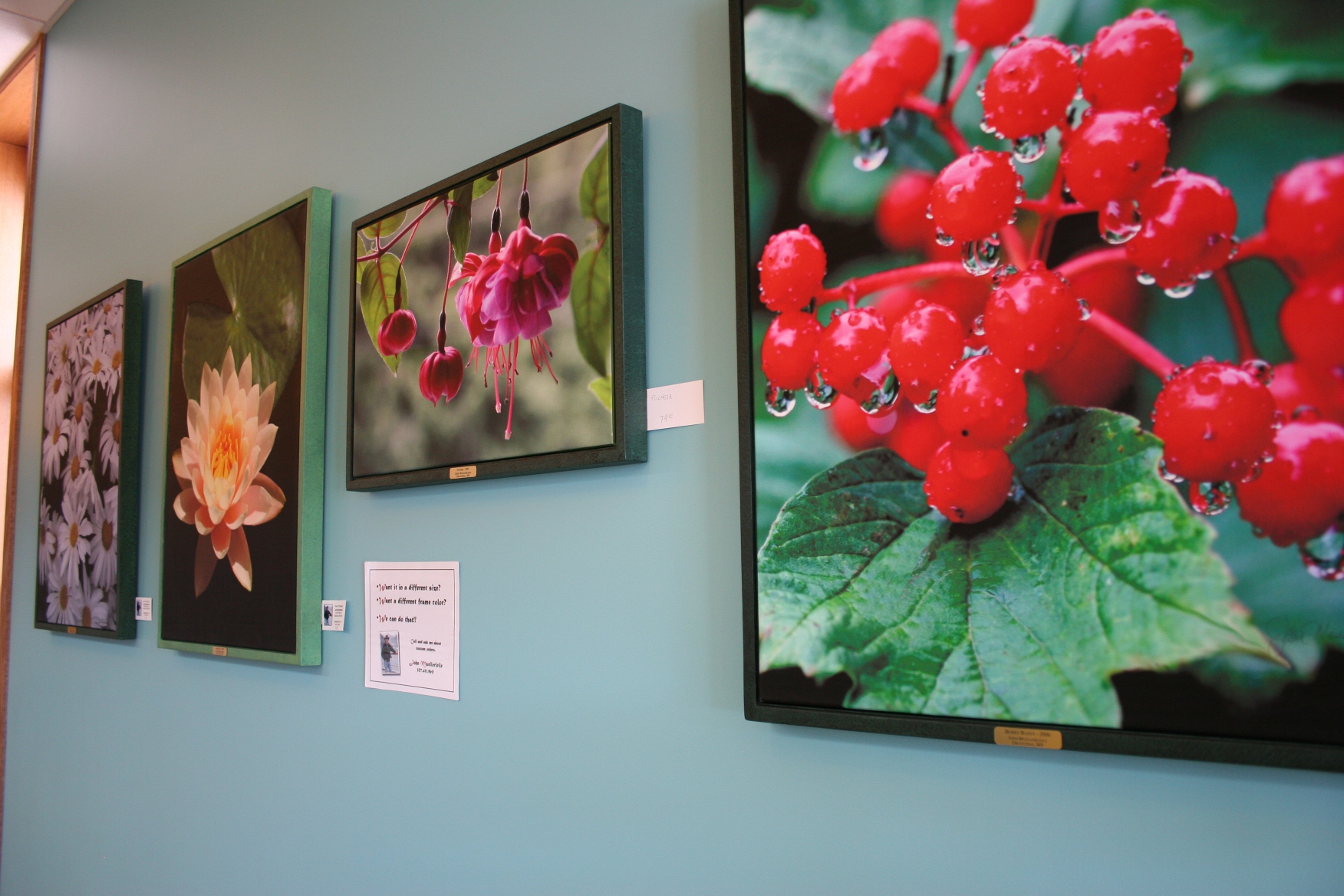
Owatonna resident John Muellerleile’s fine art photography on display and for sale.

Kathy welcomes customers and artists here, into this corner haven in a town that thrives on summer-time business from resort guests, cabin dwellers and users of the recreational Sakatah Singing Hills State Trail.

Her customers come here for the ever-popular smoothies and the favorite turkey avocado sandwich, for the coffee and the espressos and other beverages, for the breakfast and soup and sandwiches and salads and baked goods and ice cream treats.

On this Sunday, my husband and I have driven 15 miles for an ice cream treat upon the recommendation of our friend, Joy, who raves about the maple bacon sundae.

As Randy places our order with Marina, I chat with Kari in the corner, take photos and admire a focal point, 6-foot by 4-foot oil painting by Tim Foster of Northfield. His fish-themed art piece, titled “American lures,” is “so Watervillian,” Kathy tells me later, fitting this lakeside town which celebrates bullheads at an annual June festival. There’s a deeper meaning to the painting in which words like “love” and “prove it” and “Federal Reserve Bank” are hidden, Kathy says, but we don’t get into details.
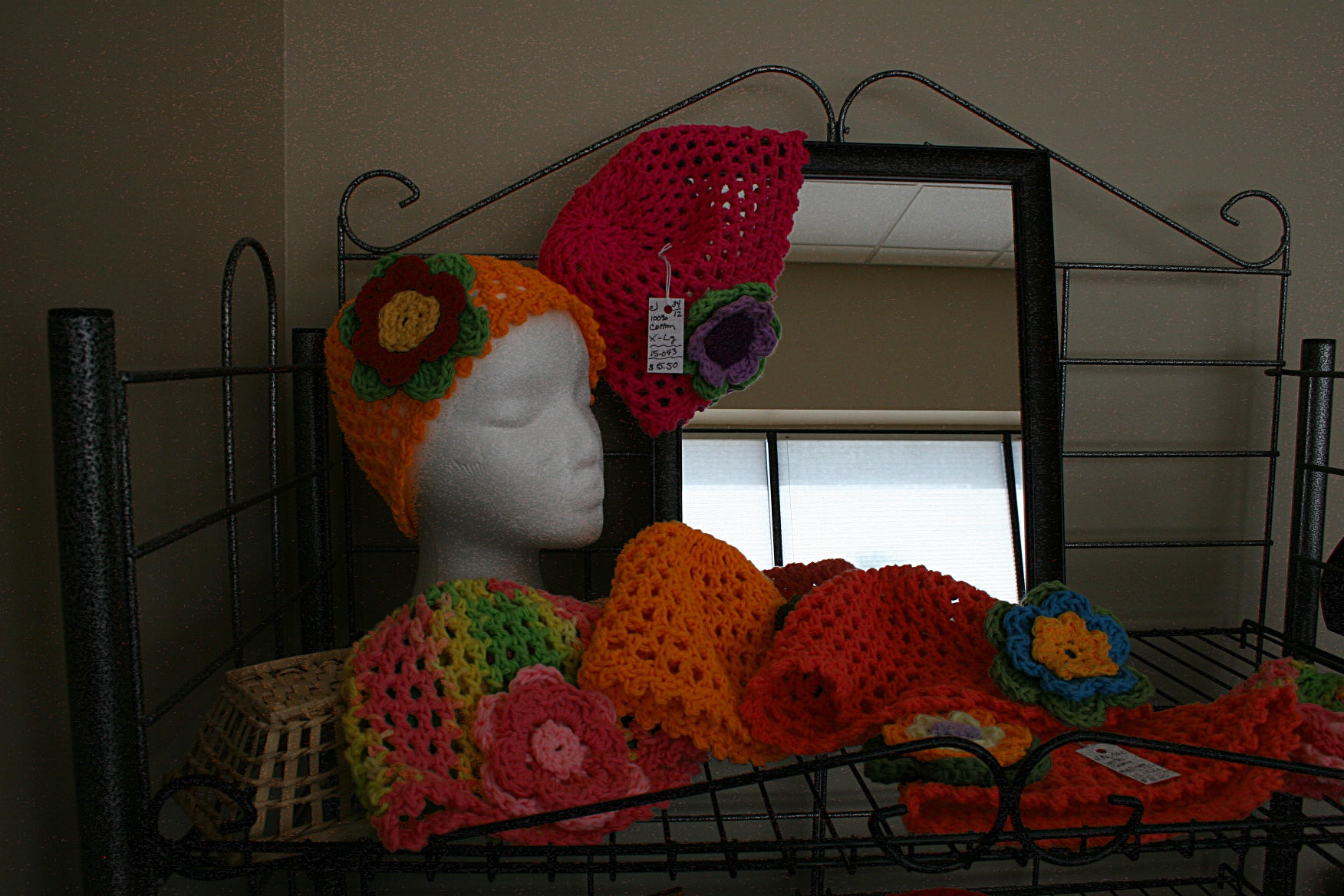
An example of the handcrafted work of local artisans for sale in the coffee shop.

Kathy works with the nonprofit Waterville Local Cooperative Outlet to provide a marketplace for some 8-10 local artisans and crafters. Their creations—from woodcrafts to crocheted caps, paintings, photos and more—are displayed on walls and on shelves through-out the coffee shop.
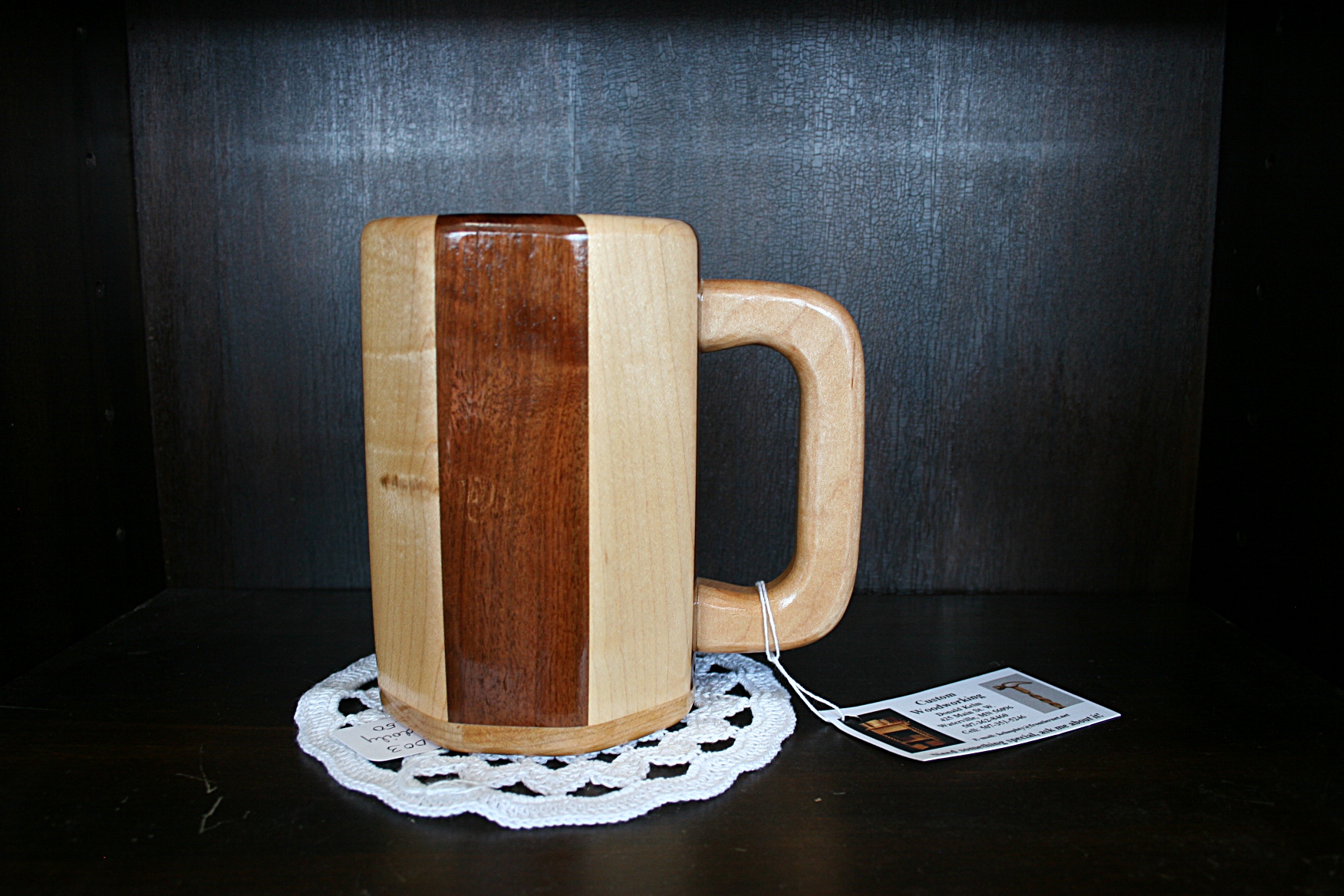
Donald Kelm of Waterville, a custom woodworker, created this mug.

Engaging the arts community exemplifies Kathy’s efforts at community development. That extends to the food aspect of her business, too. She wanted, she says, more dining options than bar food burgers and fries for the town she and her family now call home. And Kathy offers that with a sandwich menu which doesn’t include a single burger. The closest thing to fries are the chips accompanying sandwich orders.

On her sandwich menu, you’ll find choices like egg salad on a croissant; veggie wrap with hummus, provolone, red onion, red pepper and spinach; and cherrywood smoke ham with garlic cheddar, tomato and mustard sauce. You can build your own sandwich, order a cup of soup.

Hungry for a bakery treat? Kathy has selections from cupcakes to pie to traditional Upper Peninsula style pasties, a tribute to her native Michigan.

Singing Hills Coffee Shop’s delicious maple bacon sundae.

But, on this Sunday, I’ve come only to sample the maple bacon sundae with spicy maple-glazed pecans, homemade maple caramel and bacon, yes, bacon, on vanilla ice cream. My husband questions my choice. I don’t, and find the sweet and salty mix a perfect complement to the ice cream. I’d give the maple bacon sundae a five-star recommendation.

An equally tasty blueberry sundae.

My less daring spouse orders a blueberry sundae and is equally pleased with his selection.

These two boys came with their moms, and a sister of one, for ice cream treats. The boy on the right told the boy on the left that he had a mustache. Then I told the boy on the right that he had an ice cream mustache, too.

A retired couple who spend their summers at a Waterville resort rave about the sandwiches while two moms ordering ice cream for themselves and their kids endorse the ice cream.

Kathy, though, admits that business growth was slow during her first year and that she’s still learning, given her inexperience as a businesswoman. With summer winding down, she’s cutting back on hours. Singing Hills Coffee Shop is closed now on Mondays and Tuesdays, but open from 8 a.m. – 5 p.m. Wednesday – Saturday and from 8 a.m. – 2 p.m. on Sunday.

On October 14, the coffee shop will close for the season and then reopen in mid-April.

So, if you want to try that maple bacon sundae…

FYI: For more information about Singing Hills Coffee Shop in Waterville, click here to reach the shop’s website.

To learn more about the arts scene in Waterville, specifically the annual Sakatah Arts Experience, click here.

For more info about Northfield artist T. Andrew Foster, click here to visit his Creative Space Art Studio website. 

Copyright 2012 Audrey Kletscher Helbling


New exhibit highlights Rice County in the U.S.-Dakota War of 1862 September 2, 2012

IT IS EASY TO FORGET SOMETIMES, because I grew up in the region of Minnesota where the U.S.-Dakota War of 1862 was centered, that residents of the county in which I now live also played an integral role in the conflict.

Specifically, Rice County residents Bishop Henry Whipple and Alexander Faribault, after whom my community of Faribault is named, are key persons often noted in historical information written about the war.

I am always surprised that relatively few people from outside of southwestern and central Minnesota know so little about the bloody, six-week war between the Dakota and the white settlers and soldiers given it is a major, defining event in Minnesota history.

An overview of 1862, Through Rice County’s Eyes, which opened August 22 in Northfield.

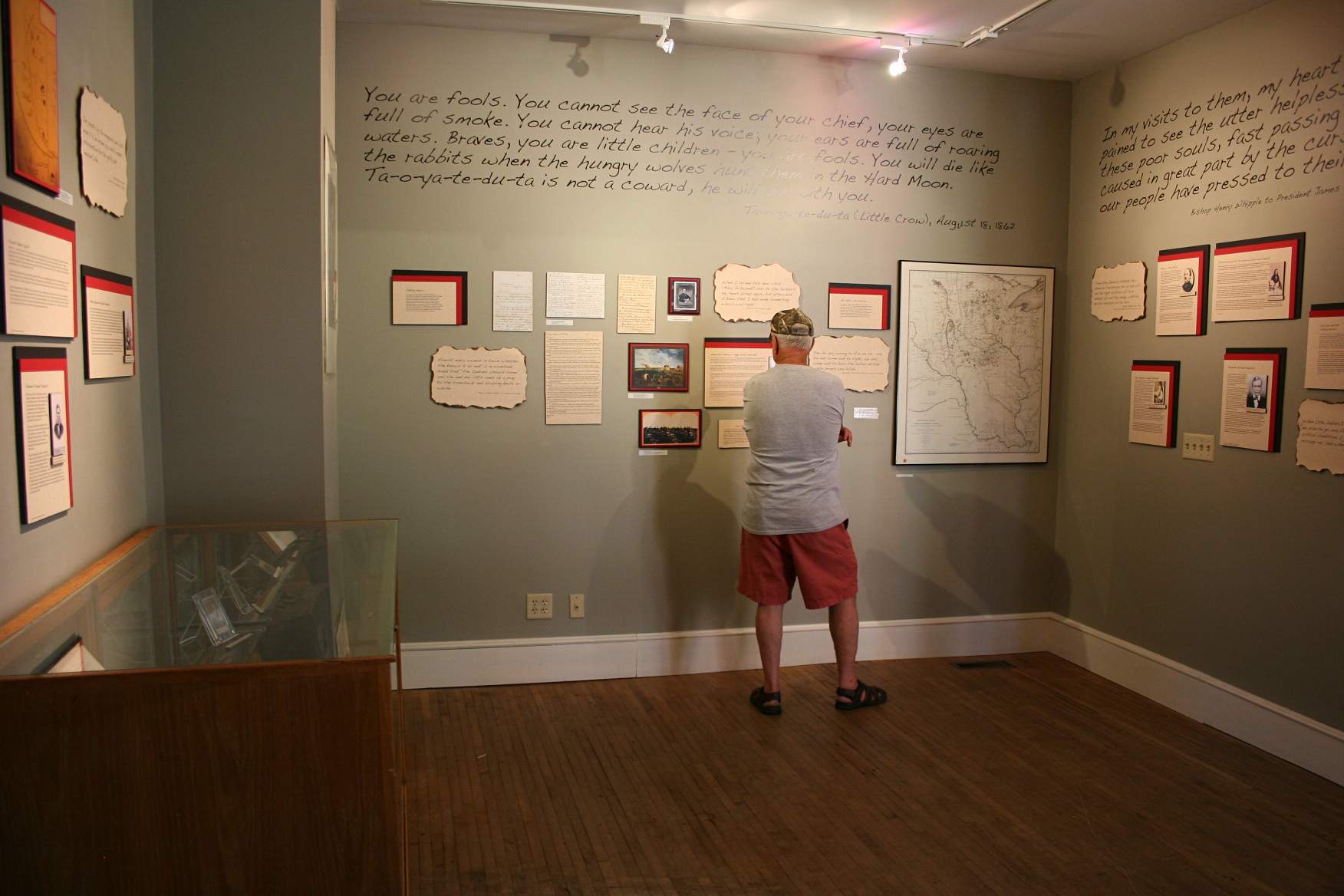
However, awareness has grown considerably this year on the 150th anniversary of the war, including right here in Rice County. The Northfield Historical Society, partnering with the Rice County Historical Society, is currently showcasing an exhibit, 1862, Through Rice County’s Eyes.

I recently checked out the Northfield exhibit, which features mostly memorable quotes, volumes of summarized information and copies of photos. It’s a lot of reading.

But if you’re interested in educating yourself, it’s worth the time and concentration needed to absorb the information presented in this exhibit. And I’ll admit to occasionally skimming the postings because I am more of a visual, multi media, show-and-tell kind of history learner. I also had a pretty good background of knowledge going into the exhibit.

This sculpture of Alexander Faribault trading with a Dakota trading partner stands in Faribault’s Heritage Park near the Straight River and site of Faribault’s trading post. Faribault artist Ivan Whillock created this sculpture which sits atop a fountain known as the Bea Duncan Memorial Fountain.

I knew, for example, that fur trader Alexander Faribault was one-quarter Dakota and married to Mary Elizabeth Graham, whose mother was a family member of a Dakota chief. I knew, too, that Faribault was involved in the negotiating and translating of land treaties between the government and the Dakota before the war and that he benefited financially.

I was aware that Alexander Faribault sheltered the Dakota.

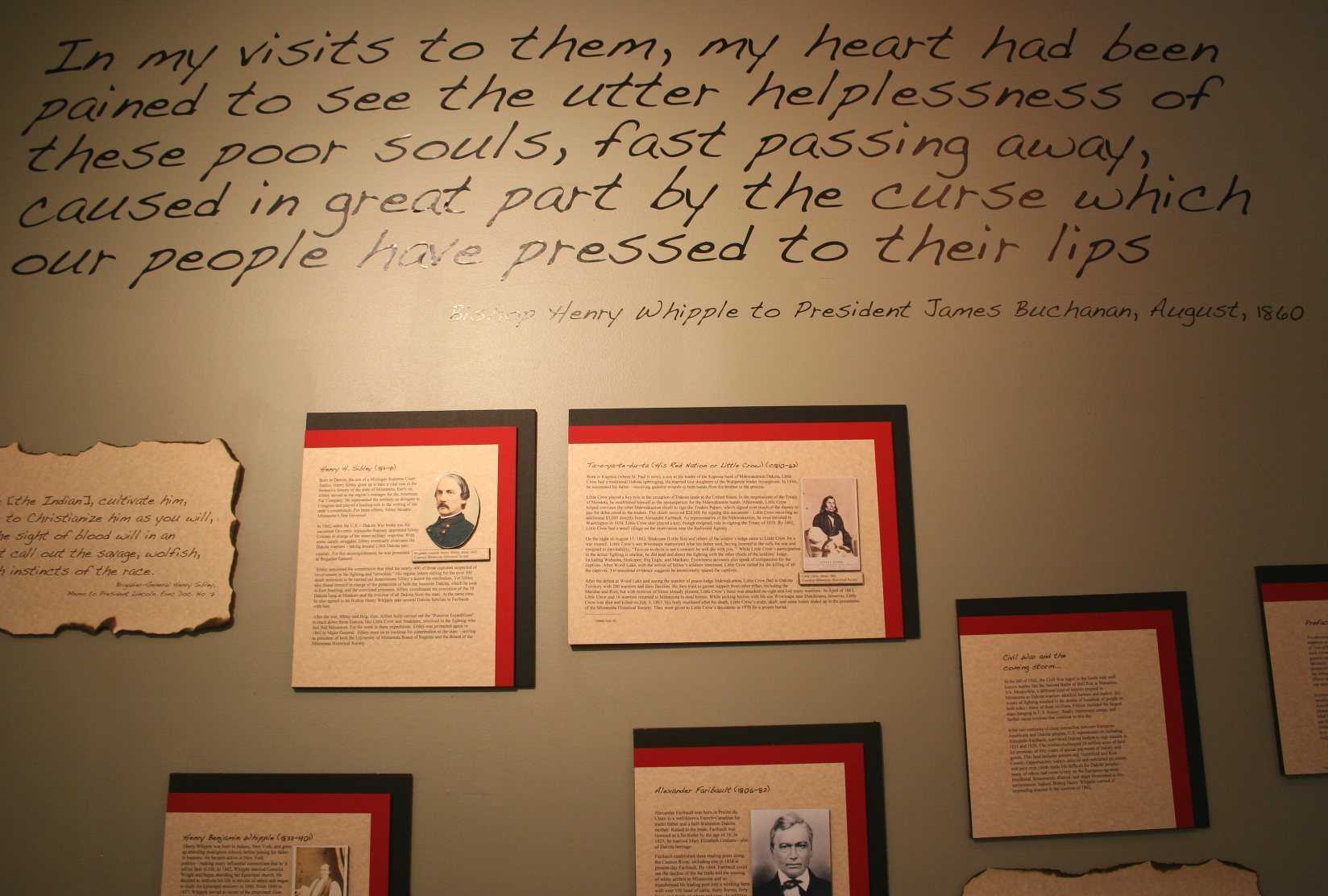
Above the photos and info is this quote by Bishop Henry Whipple to President Buchanan in August 1860: “In my visits to them, my heart had been pained to see the utter helplessness of these poor souls, fast passing away, caused in great part by the curse which our people have pressed to their lips.”

But I had forgotten that Bishop Henry Whipple, a long-time advocate for the rights of the Dakota and known to them as “Straight Tongue,” worked to find a safe refuge for them in the city of Faribault.

Alexander Faribault opened his land to the Dakota. Information in the exhibit states:

This land was the only safe-haven of its kind in a state now prejudiced in fear and anger against anyone with Dakota blood.

According to info in the exhibit, Alexander Faribault, whom you recall was one-fourth Dakota, also experienced prejudice against him. By 1869, this once successful fur trader, flour mill owner and politician had to sell his land and assets, including the land occupied by the Dakota.

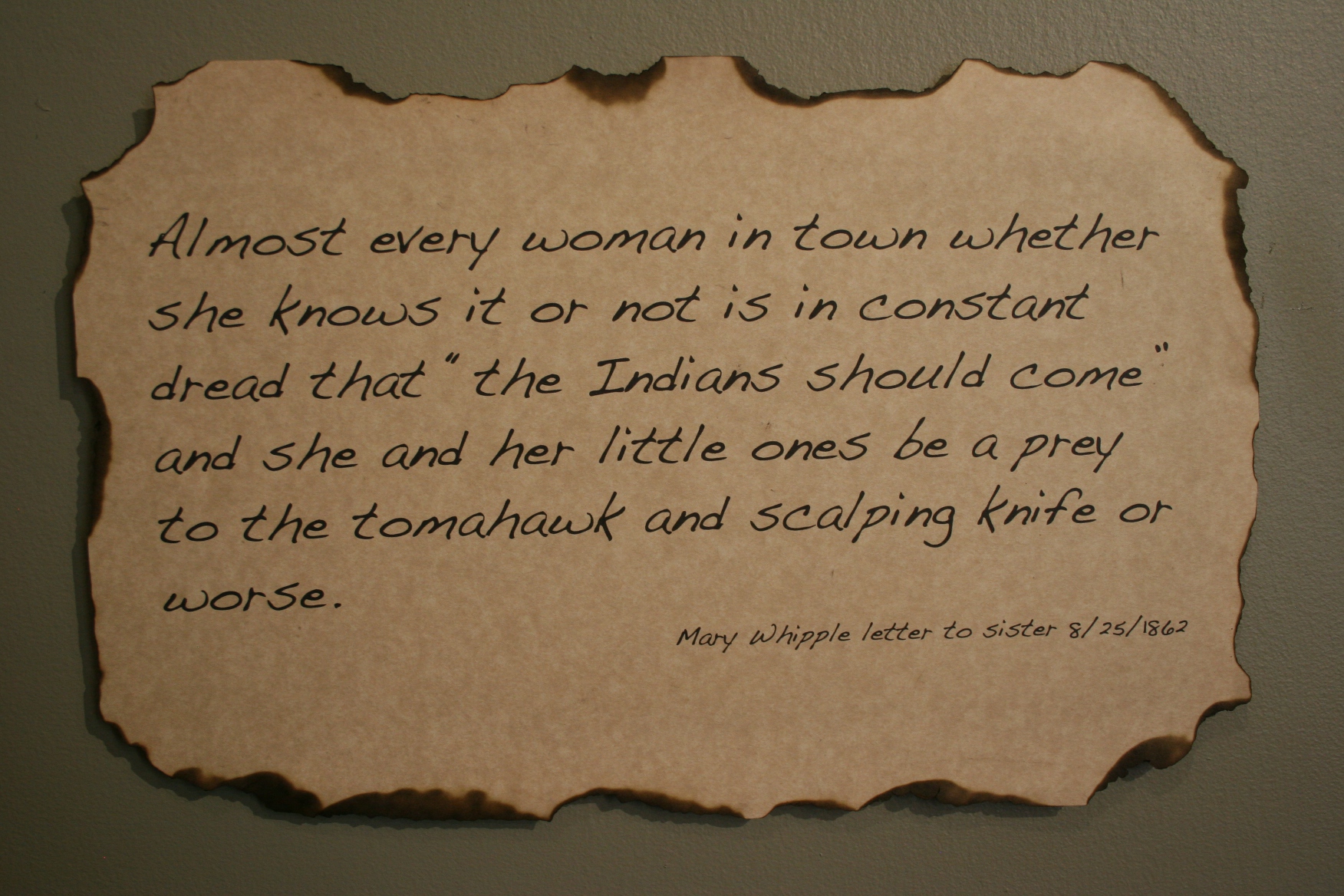
Equally interesting is the quote, below, attributed to Mary Whipple. Even though her husband, the bishop, worked tirelessly to help the Dakota, fear still existed in his home community.

A quote from a letter written by Mary Whipple to her sister during the U.S.-Dakota War.

Perhaps the most interesting fact I learned relates to that of Lt. Rollin Olin, a decade-long resident of Northfield. He was second in command of the Third Minnesota Regiment at the Battle of Wood Lake—the final battle of the war—and a member of a five-man military tribunal which tried the Dakota following the war. He signed more than 300 death sentences for nearly 400 Dakota charged with murder, rape and/or robbery.

For me, that raises the obvious question: How could someone who fought against the Dakota judge them without bias? All members of the tribunal, in fact, had fought the Dakota. The answer, of course, is that Lt. Olin and the other four could not.

Likewise, the Northfield Historical Society is wisely careful to indicate that its new, temporary exhibit may not please everyone or include everything on the topic of Rice County’s connection to the war. On the NHS website, you’ll read this disclaimer:

As varied as these and other local perspectives may be, any exploration of the U.S.-Dakota War of 1862 suffers from the inevitable limitations facing every historical examination—limitations such as scope and biases, past and present, which impact the telling and perception of the stories and data. In presenting the exhibit 1862, Through Rice County’s Eyes this fall, NHS endeavors to draw visitors into thoughtful interest and discussion of this momentous event and its aftermath by sharing local connections. Come and critically examine this exhibit.

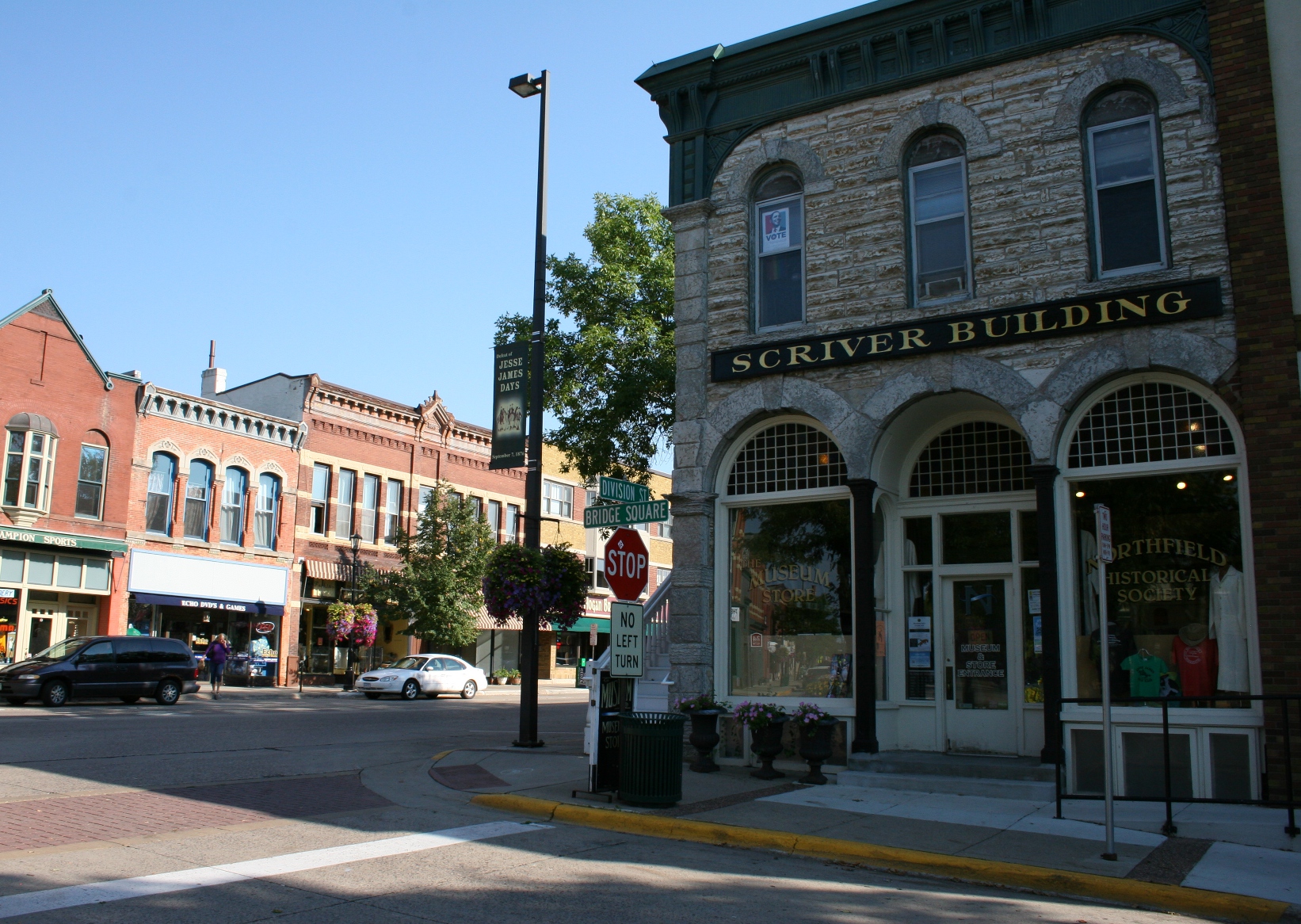
The exterior of the Northfield Historical Society, 408 Division Street, Northfield.

FYI: To learn more about 1862—Through Rice County’s Eyes, click here to the NHS website.

To learn more about the Minnesota counties, county by county, involved in the U.S.-Dakota War of 1862, click here.

© Copyright 2012 Audrey Kletscher Helbling
 

Discovering a beachfront style building in Fargo, of all places August 30, 2012

Filed under: Uncategorized — Audrey Kletscher Helbling @ 6:55 AM
Tags: , , , , , , , ,

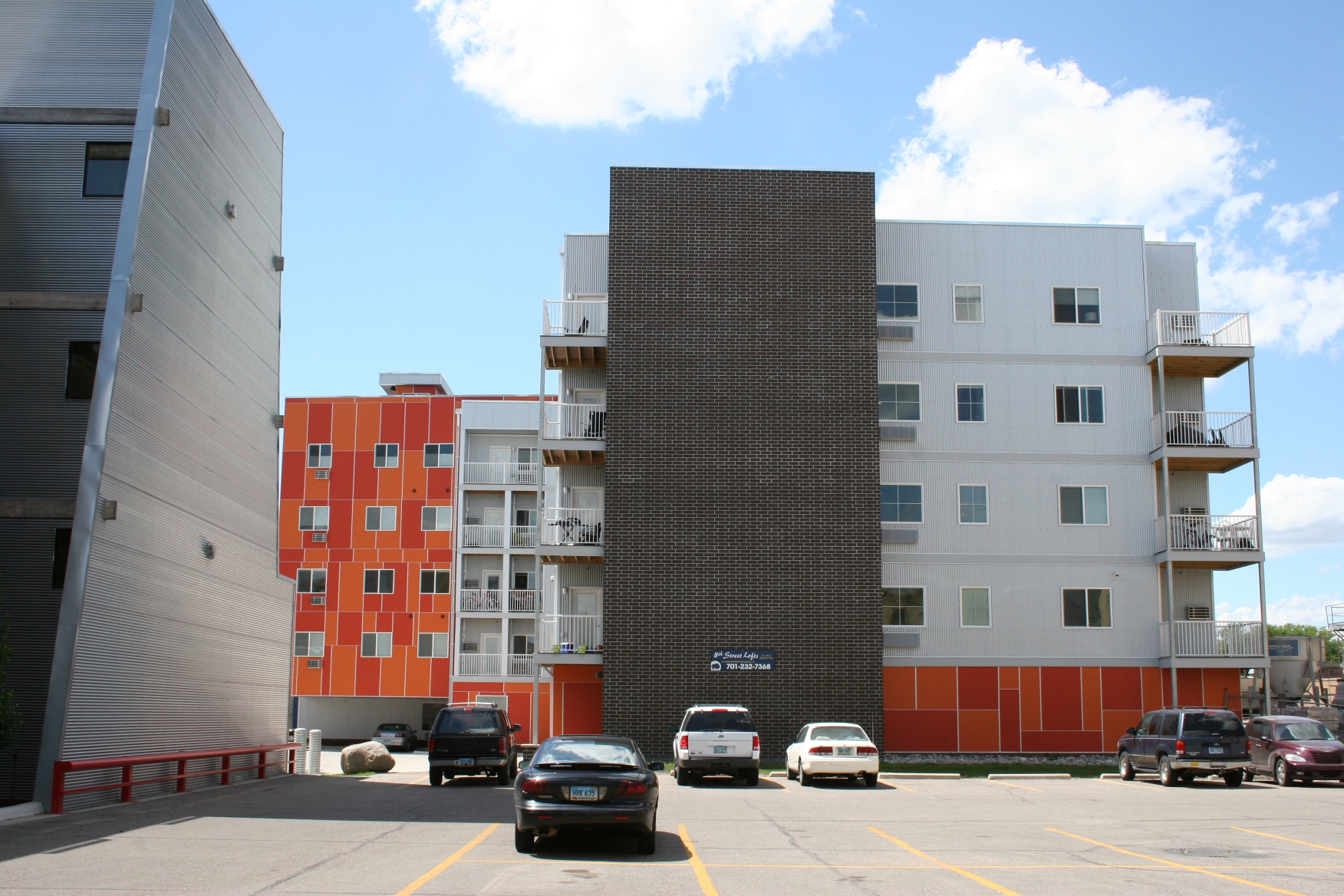
AMID ALL THE BUILDINGS—most of them mammoth brick structures—that I observed in a one-block walk-around in downtown Fargo, I never expected this one:

The 8th Street Lofts in downtown Fargo house apartments ranging in size from 465 to 1,445 square feet and renting for $560 – $1,800 a month, according to the Loft website.

Wow.

The rectangles of tangerine orange bursting in brilliant shades next to monotone gray walls set against the complementary soft blue of a summer afternoon sky caused me to pause, mouth agape.

Would you expect this in Fargo? Maybe along an ocean beachfront in Florida or California. But North Dakota?

That just goes to show that any preconceived notions of what buildings belong where can be proven wrong when you happen upon an architectural anomaly like this structure housing 8th Street Lofts.

Honestly, in the bone-chilling cold of a sub-zero, wind-flogging January morning, wouldn’t this cheery color cause you to smile? It would me.

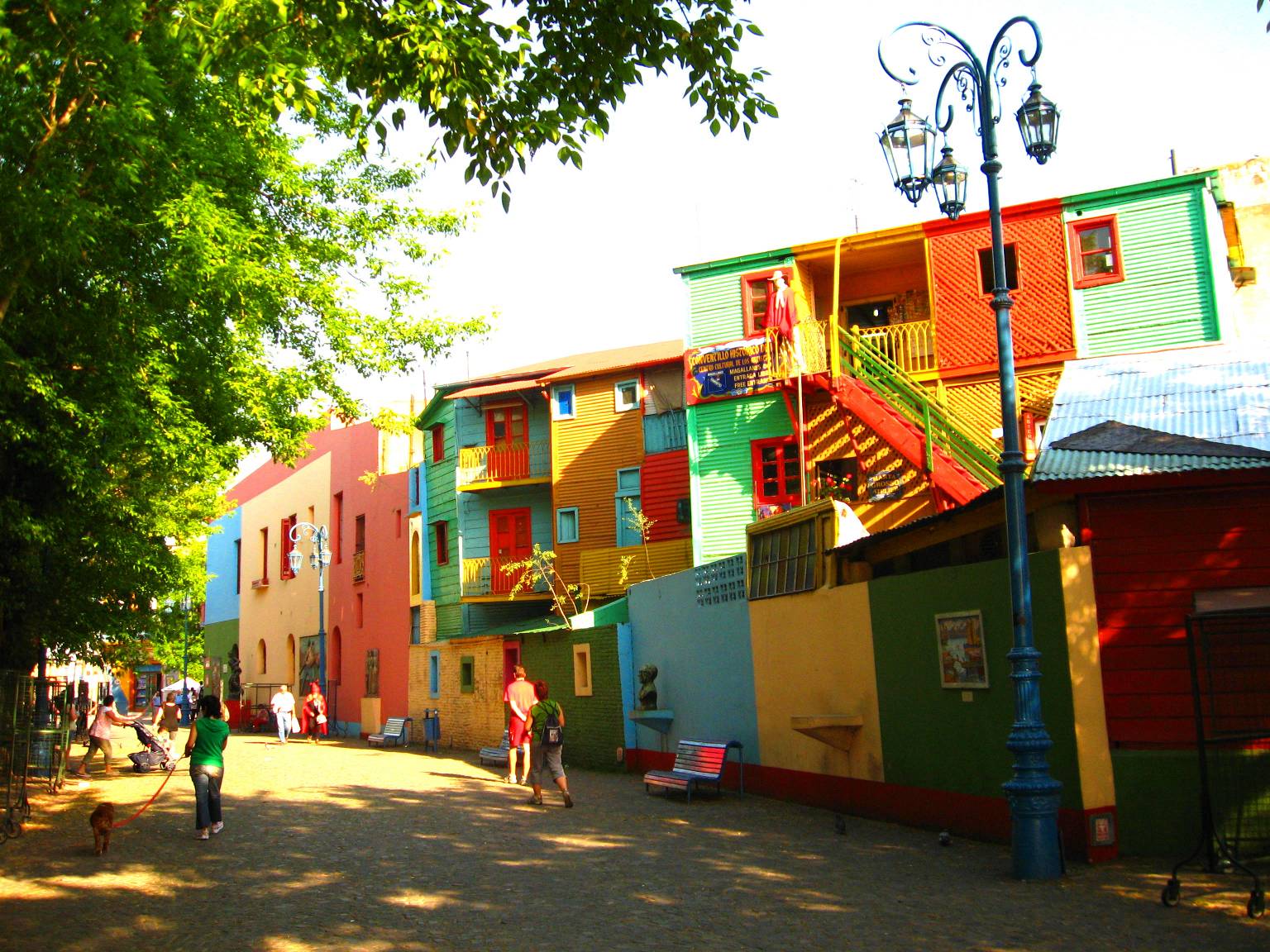
You’ll find brightly-colored buildings in the La Boca neighborhood of Buenos Aires, Argentina. Although primarily a tourist destination today, the area is surrounded by houses with painted sheet walls of different colors. Photo by Miranda Helbling.

The jolting orange shades remind me of the multi-colored buildings photographed by my second daughter in the La Boca barrio of Buenos Aires, Argentina. That rough, working class neighborhood along the banks of the Riachuelo River draws tourists to view the colorful houses built by the early Italian immigrants from cast-off ship building materials—planks, sheet metal and such—and then, as legend goes, painted with left-over paint.

I expect when my daughter saw those jolts-of-color buildings, she, too, stopped, mouth agape.

She failed to tell me, though, that the La Boca neighborhood is a rather dangerous place, especially at night. That figures given street criminals are drawn to tourists.

I wouldn’t expect the same in Fargo.

© Copyright 2012 Audrey Kletscher Helbling


Raising funds to preserve priceless paintings in Park Rapids August 27, 2012

BETWEEN NORTHWESTERN MINNESOTA and Chicago, you won’t find another art collection like the Gabor and Edith Nemeth Study Collection dating from the 15th to 19th centuries.

Now that “Old Masters” collection of 42 European paintings owned by the Nemeth Art Center in Park Rapids is in need of a permanent storage unit to preserve the valued art for future generations.

A campaign is currently underway to raise $1,200 for materials to construct a modular custom storage unit that will keep the paintings separated and vertical, thus preventing further damage. As of August 23, the NAC had raised $600 via an online campaign and direct contributions, according to NAC Executive Director Meredith Lynn.

Brian Stieler of the Minneapolis Institute of Arts has volunteered to design and build the storage structure. And representatives of the Midwest Art Conservation Center in Minneapolis have already been to Park Rapids to assess the collection and lay out plans for restoration.

“St. Jerome,” painted by a 17th century follower of Hendrik van Somer, and part of the collection.

About a third of the paintings require restoration, Lynn says, with several in such condition that they can no longer be exhibited. More than 30 of the pieces are continually on display (during the center’s open months from May – September) in the 1900 Victorian style brick courthouse turned art center which opened in 1977.

That was the year the historic and priceless collection of paintings, by students who studied well-known masters like Rembrandt, Rubens and Bosch, came to be owned by the then newly-established North Country Museum of Arts.

European born art restorer and dealer Gabor Nemeth, who came to the U.S. in the 1940s and worked thereafter primarily in Los Angeles, also maintained a home in the Park Rapids area (his primary residence now) and brought his collection to Minnesota in the mid 1970s.

After a three-day January 1977 exhibit of his collection in Park Rapids—a show which drew long lines of some 4,000 people total in the then town of 2,700, according to newspaper reports—Nemeth decided to offer the art to Park Rapids. Conjecture had long been that St. John’s University would be the recipient of the collection (for a reason unknown to Lynn; I asked).

In an article published in the May 2, 1977, issue of the Bemidji-based newspaper, The Pioneer, Nemeth is quoted: “There is really nothing up here as far as art goes. People will appreciate it (the collection) if they are given the chance to see it.”

“Adam and Eve,” a 17th century painting by a student of Cornelisz.

Clearly the people of Park Rapids realized the significance of Nemeth’s offer as 30 families borrowed $35,000 to purchase the paintings, a price “significantly less than the appraised value,” Lynn notes.

She won’t put a value on the paintings today other than to assess it’s “quite high.” Beyond the monetary value, the art center director calls the collection “historic and unique paintings with priceless cultural value.”

Speculation has existed that perhaps the masters themselves may have dipped their brushes into oil or tempera to work on paintings in the collection. The art center lays no official claim to that suggestion, although Lynn says, “…it’s possible that painters such as Rembrandt painted on several of the canvases that we own.”

The identities of whose who painted the pieces as part of a greater studio study setting are primarily lost to history, according to Lynn.

Many of the paintings were originally acquired for Lois Warschaw, an art collector and prominent political figure in Los Angeles, prior to ownership by Gabor Nemeth and his wife, Edith.

Today, as it always has, the Gabor and Edith Nemeth Study Collection centers the Nemeth Art Center, which opened in August 1977 after the Park Rapids community pulled together to purchase the paintings and remodel the courthouse into a center for the arts.

Says Lynn:

New visitors to the Nemeth Art Center are always pleasantly surprised by the beauty and historical relevance of our paintings. Park Rapids is a small town, but the arts community here is growing and hopefully our collection will help raise awareness of the town as an arts destination.

That’s exactly what Gabor Nemeth hoped for 35 years ago—that his collection of Old Masters paintings would draw tourists to this community in northwestern Minnesota. And it does. The collection includes works of biblical scenes like “Madonna and Child,” “Madonna of the Harpies,” “The Holy Family,” “Christ in the Garden of Gethsemane,” “Christ in the Wilderness,” and several genre paintings such as “Kitchen Scene” and “The Card Players.”

Today efforts also focus on preserving the collection via construction of the custom storage unit. With $600 more in contributions (as of August 23), the project can proceed.

But the art center’s goals go well beyond a storage fix. Options are under consideration to move into a handicapped accessible building with more consistent climate control. The center is also working on a seven-year plan to restore the study collection paintings.

Executive director Lynn summarizes the situation and needs:

The Nemeth Art Center is a unique institution, and this collection forms its backbone. Maintaining historic items is important and costly, and the NAC cannot provide the community with something so special without continued help.

“Portrait of a Noblewoman,” an 18th century painting by a follower of Rubens.

IF YOU’D LIKE to contribute to the storage unit fundraising effort, click here to reach the NAC storage unit project campaign on indiegogo.

Or visit the NAC website, by clicking here, for details and contact information.

To read a detailed history on The Gabor and Edith Nemeth Study Collection, click here to a presentation prepared by Steven R. Peterson with grant funding from the Region 2 Arts Council. Thanks to LouAnn Muhm, chairperson of the NAC Board of Directors, for directing me to this presentation, the source for some of the information cited in this post.

Special thanks to NAC Executive Director Meredith Lynn for answering my lengthy list of questions via email.

If you wish to view the Gabor and Edith Nemeth Study Collection, art center hours are from 10:30 a.m. – 4:30 p.m. Tuesday, Thursday and Saturday, May – September. Each month the NAC also features a curated exhibit of contemporary art in addition to pieces from its permanent collection.

Finally, check out the current “Rembrandt in America” exhibit now showing at the Minneapolis Institute of Arts by clicking here. Perhaps viewing that will inspire you to support efforts to preserve the priceless paintings in Park Rapids.

Images of paintings are courtesy of the Nemeth Art Center


The old blacksmith is watching, just ask John July 20, 2012

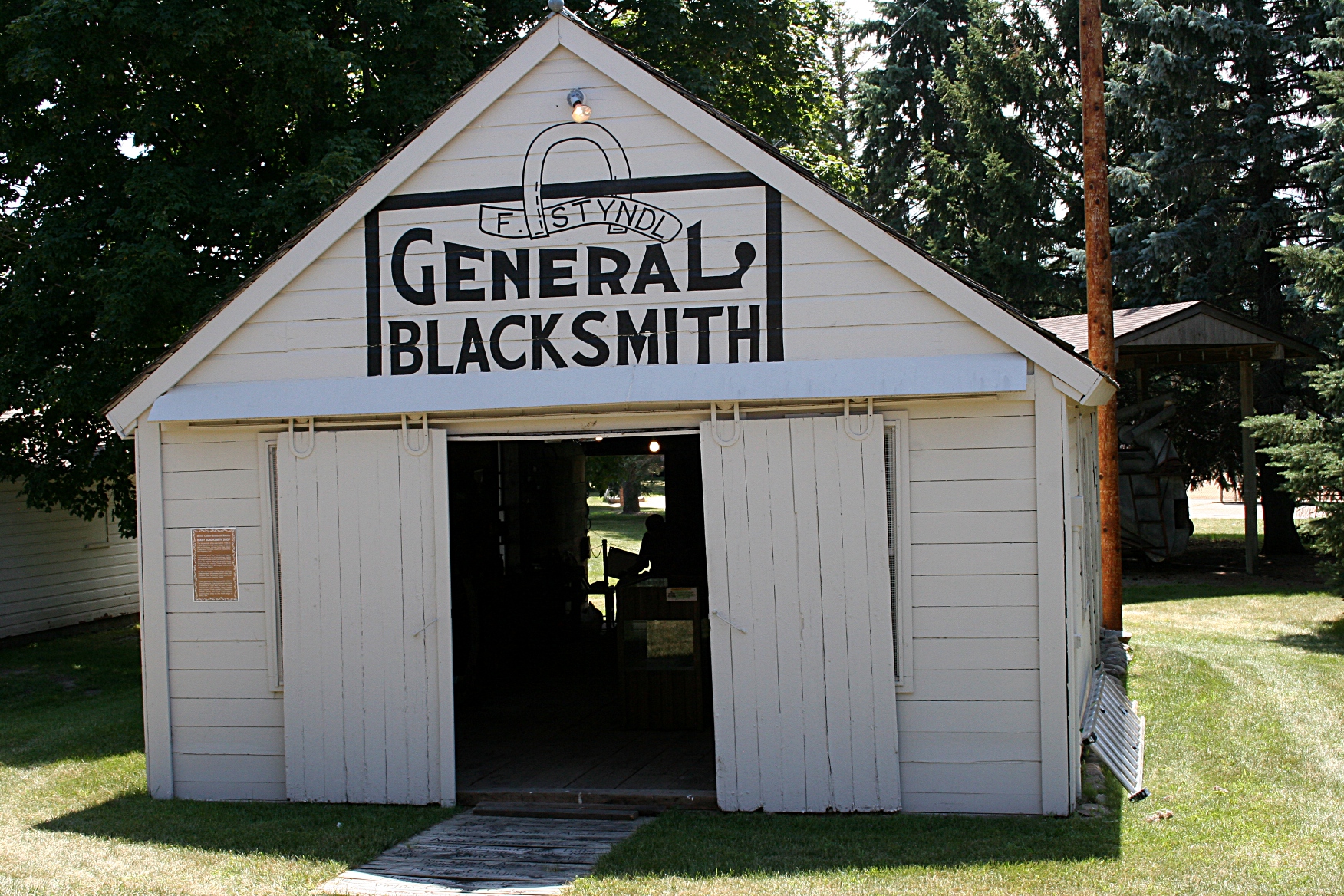
A sign tacked onto the blacksmith shop at the Village of Yesteryear in Owatonna reads: It reminds us of the “horse and buggy” days gone by. A lot of horseshoes, buggy and wagon wheels came in and out of the Bixby shop, as well as other blacksmith shops throughout the county. These shops were an essential part of all villages, towns and cities in the 1800’s.

INSIDE THE OLD BLACKSMITH SHOP, John Styndl is reading the newspaper on a lazy summer Sunday afternoon. He has no intention of firing up the forge or picking up the tools to demonstrate how his great great grandfather, Frank Styndl, once pounded hot metal into useful equipment or shaped shoes for horses.

Instead, he takes pride in telling visitors about the blacksmith shop Frank built on his farm east of Bixby in 1896, ten years after the Styndl family immigrated to the U.S. from the Czech Republic. Frank worked as a blacksmith in the Old Country and then in his own shop in Steele County, Minnesota, until his death in 1931.

Today that blacksmith shop sits on the grounds of the Steele County Historical Society’s Village of Yesteryear in Owatonna which, on a recent Sunday, hosted an historical extravaganza. John was volunteering in the blacksmith shop when I entered through double sliding doors into a dark room illuminated by the blinding glare of a bare light bulb and sunlight filtering through doors.

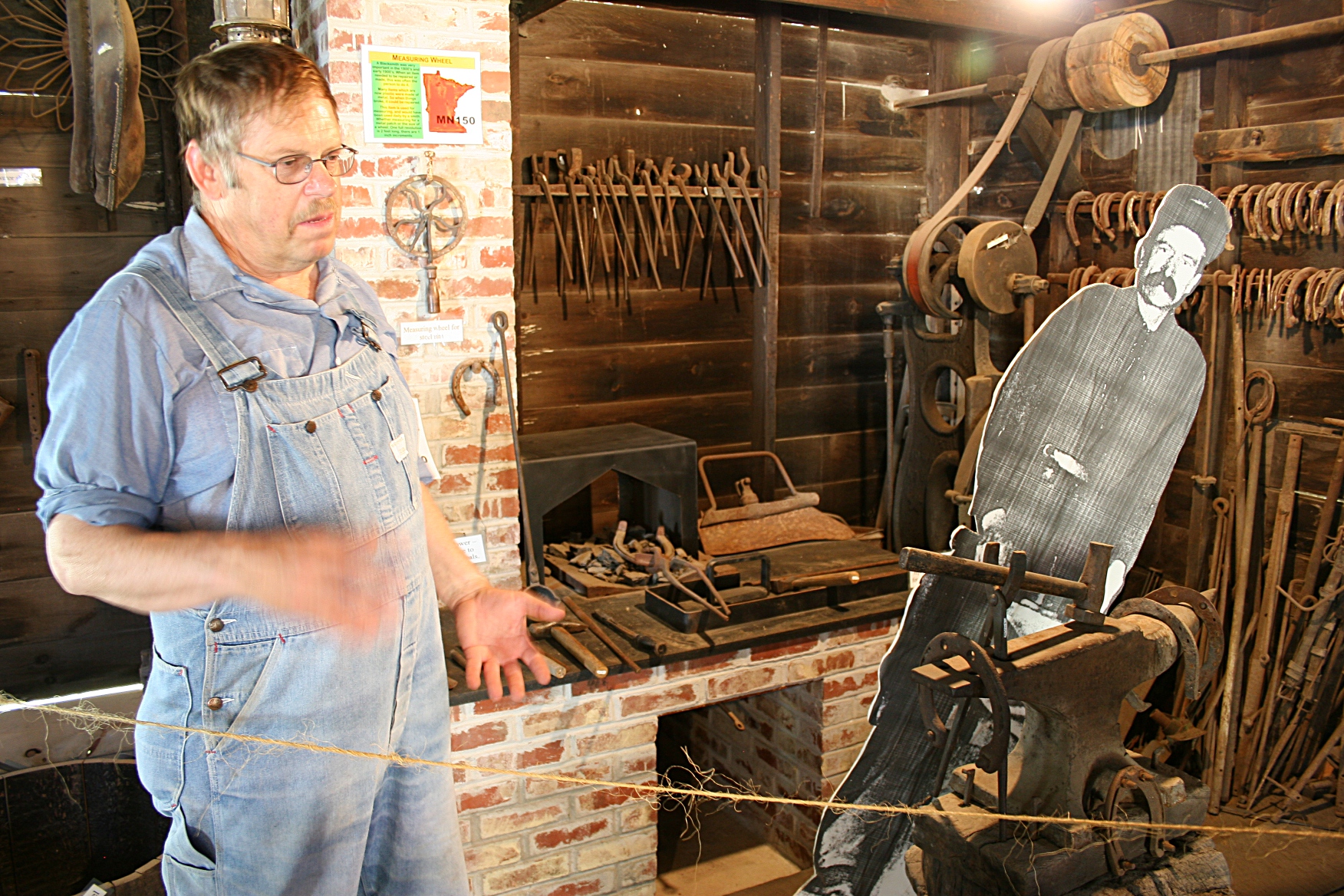
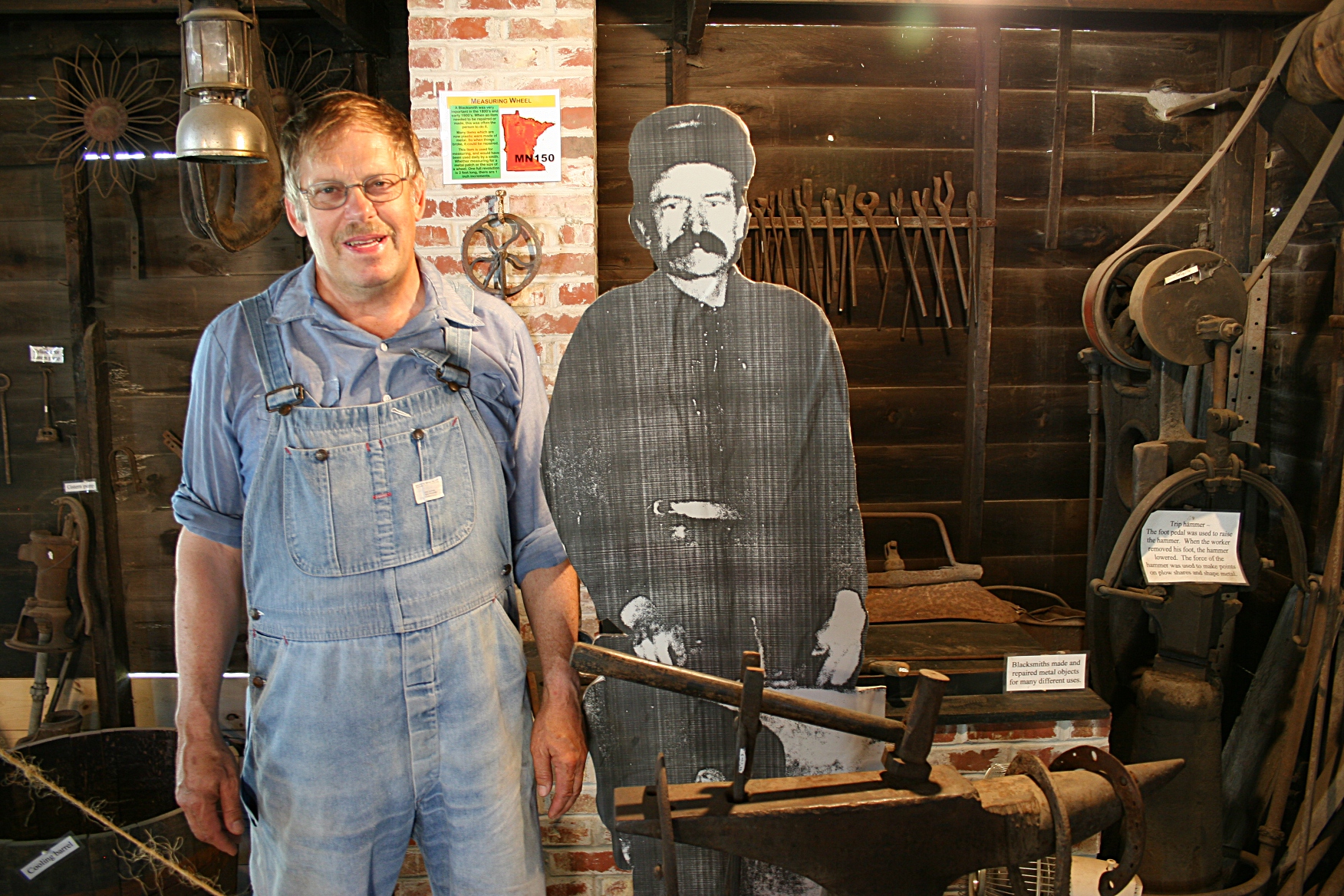
John in Frank’s blacksmith shop where, “all the equipment in the shop such as wheelbenders, drill presses, bench vises, foot grinders, files, hammers, tongs and other equipment were used by Frank.”

Rusty tools and horseshoes cling to the walls and a cut out, near life-sized photo of Frank leans next to an anvil draped with horseshoes as great great grandson John speaks about his interest and work in preserving the blacksmith shop.

He remembers biking past the abandoned blacksmith shop as a kid, asking his father about the faded signage on the building. His father and a great uncle did occasional blacksmithing, but nothing like that of three generations of the Styndls prior who earned their livelihoods as blacksmiths.

John dreamed of someday moving Frank’s shop to the Village of Yesteryear. Eventually that became a reality and, from 1991 – 1996, his family and neighbors worked to restore the building. He even found an old house chimney from the appropriate time period, knocked off the mortar and rebuilt the 240 bricks into a new chimney.

Family photo of John and Frank Styndl.

“I’m glad to be able to preserve it,” John says of F. Styndl’s blacksmith shop. He’ll tell you, though, that he gets a bit uneasy with Great Great Grandpa Frank’s likeness watching his every move.

About that time in our conversation, another visitor steps into the blacksmith shop and shares how he remembers, years ago, observing his local blacksmith, bent over, toiling in the heat of his shop. “He was always cranky,” he notes.

The three of us laugh and figure we’d be crabby, too, in such uncomfortable working conditions.

It is stories and remembrances like this which make a building like the old blacksmith shop more than just a structure occupying space at a site such as the Village of Yesteryear.

Stories connect buildings to people and to the past.

You need only take the time to pause and ask, to listen and to observe, if you are to understand the history that has molded lives and communities and is still shaping the future.

CLICK HERE TO READ a previous blog post about the Steele County Historical Society’s Extravaganza at the Village of Yesteryear. Then click here to read a second post on the event.

© Copyright 2012 Audrey Kletscher Helbling
 

Oh, the places I should have visited in Lake City July 19, 2012

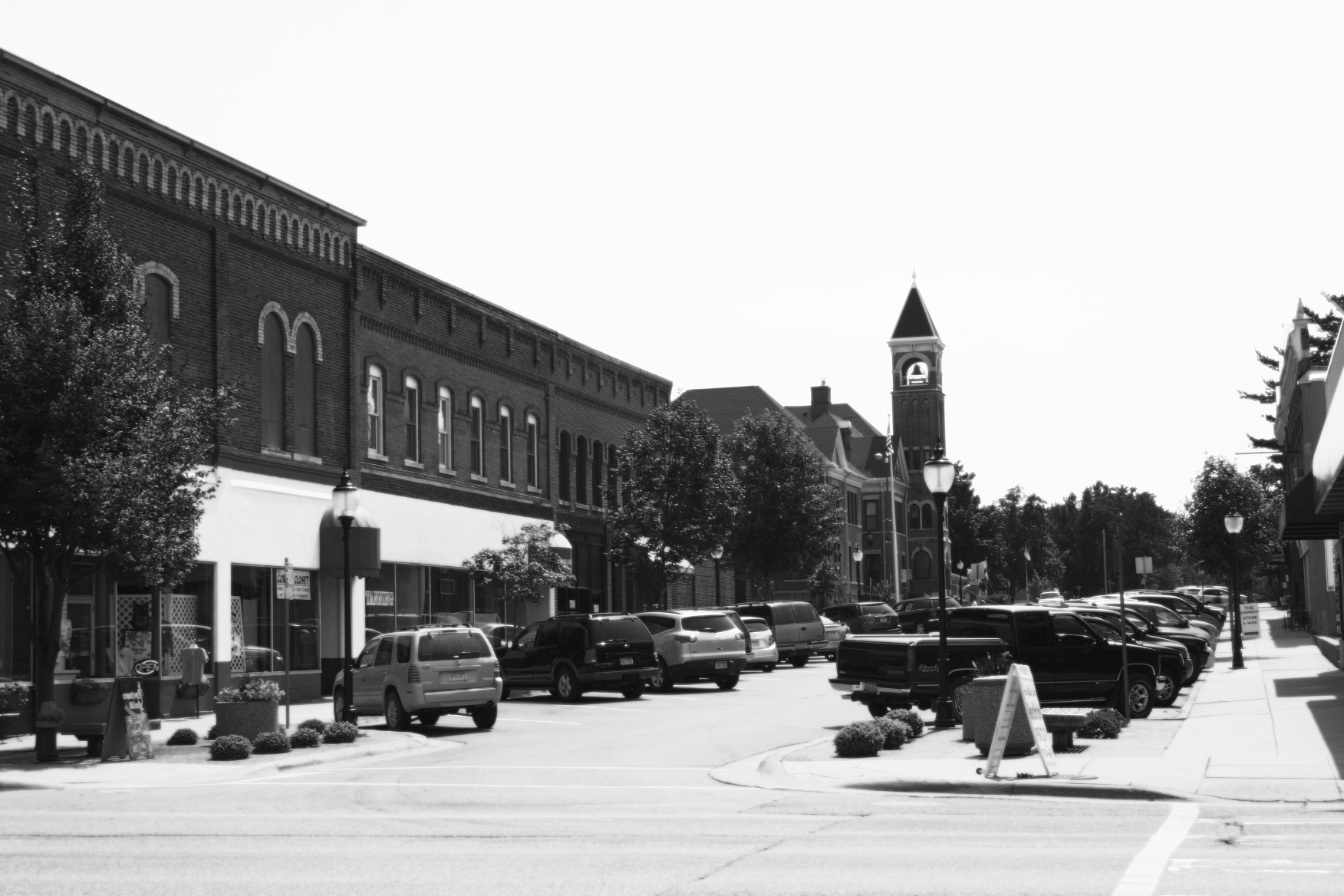
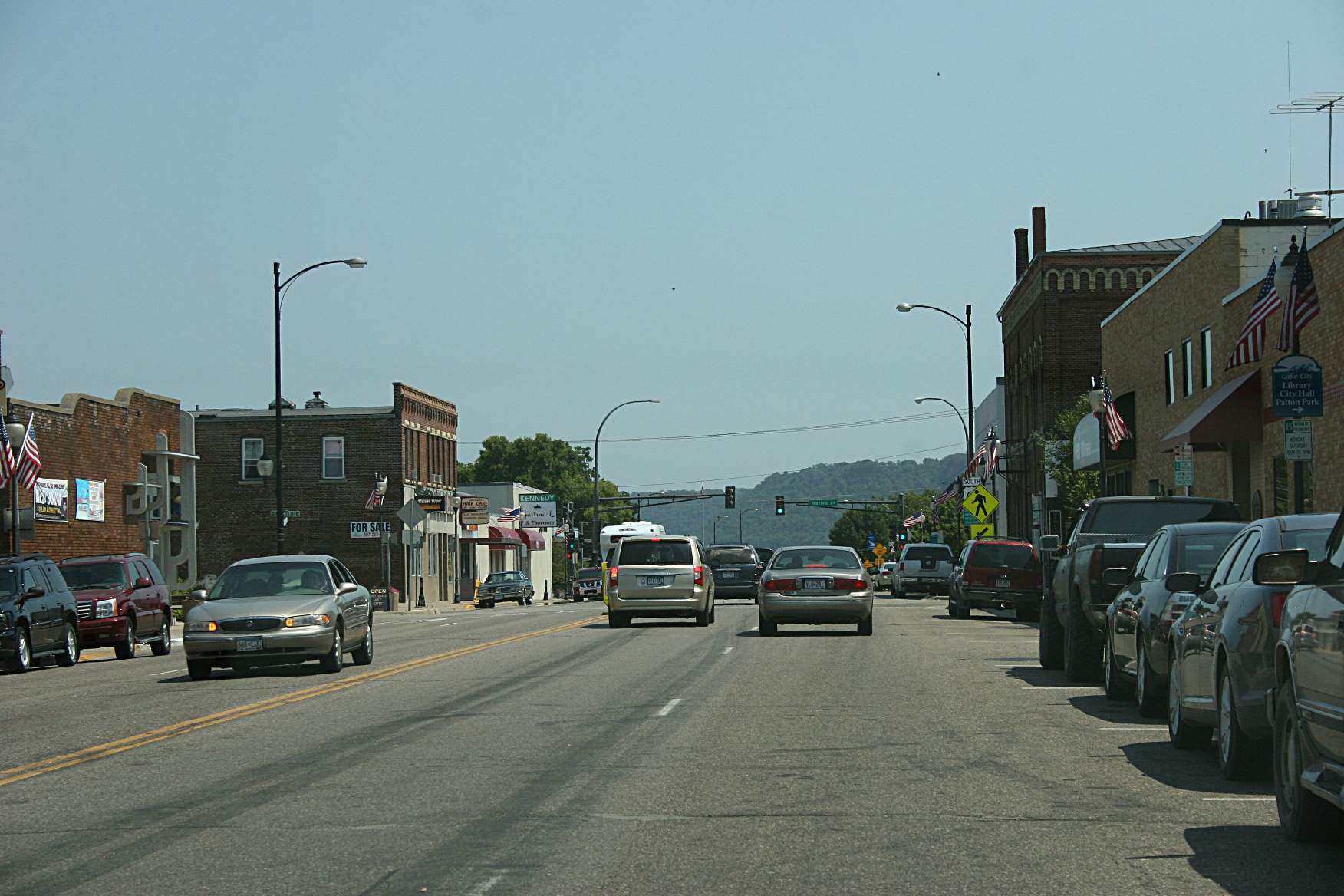
A side street in the downtown business district of Lake City Minnesota.

SO…YOU DRIVE into a town you’ve never been to and you and your traveling companion wonder where to eat, what to do, which places to visit.

How do you decide?

Trust the locals? Trust your instincts? Just start walking and see where the sidewalk leads you?

I suppose those thoughts run through any visitor’s mind upon arrival in an unfamiliar community. To my list I add the decision of what to photograph, made easier by ownership of a DSLR camera. As long as I have space on my CF cards, and a patient husband, I keep shooting.

Then back home, upon review of those images, I can see the places I missed because of time constraints or another restaurant chosen or a business closed for the day and I have visible reasons to return.

Here is photographic evidence for returning to Lake City, a southeastern Minnesota Mississippi River town my spouse and I recently visited on a way too hot summer afternoon in early July.

I’m not a boater, nor a swimmer. But the water still draws me close to gaze upon, to appreciate, its mesmerizing beauty. Next trip back to Lake City, my husband and I need to find a park along Lake Pepin where we can simply sit and enjoy the water or perhaps stroll along a beach. That treeline across the lake/river is Wisconsin.

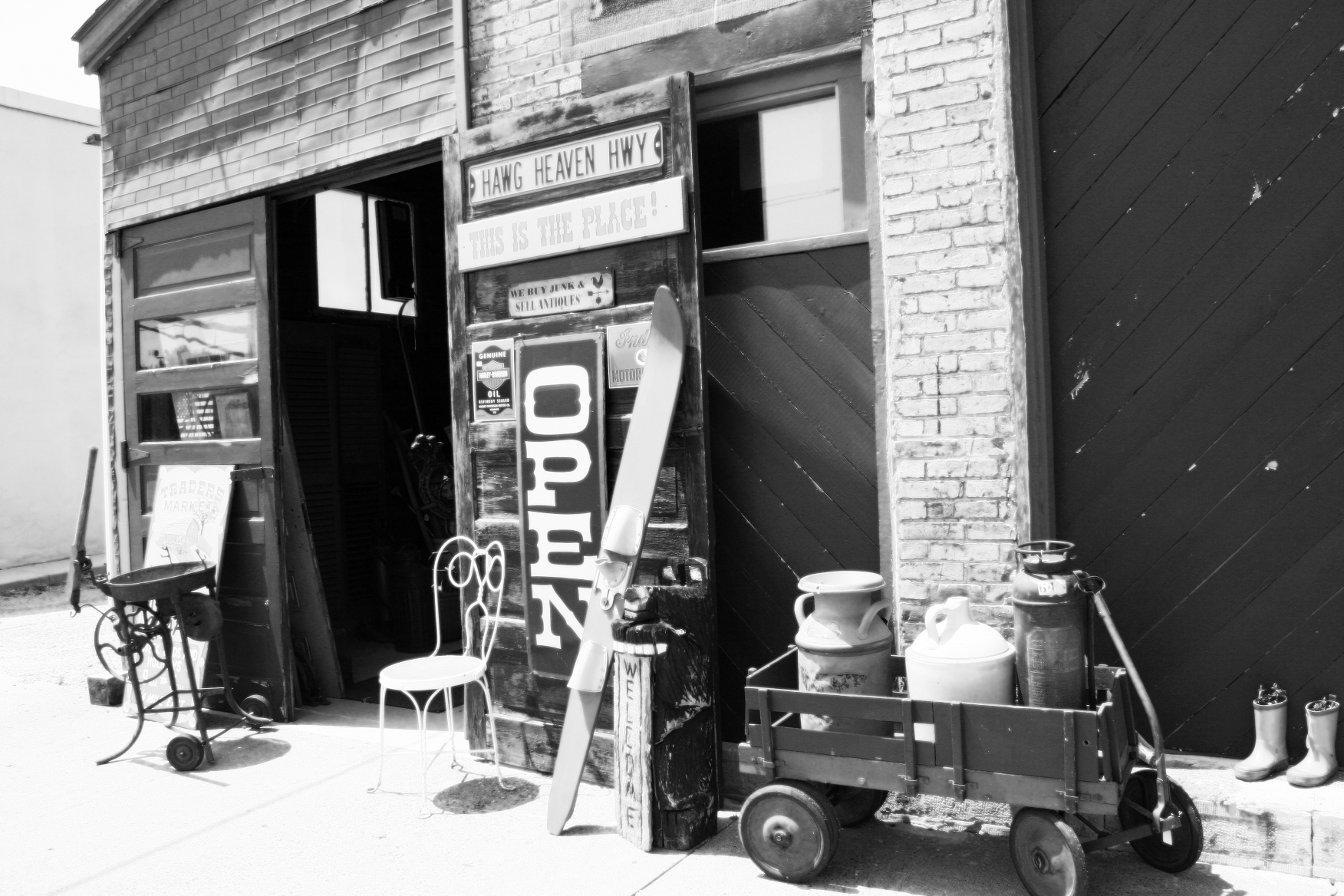
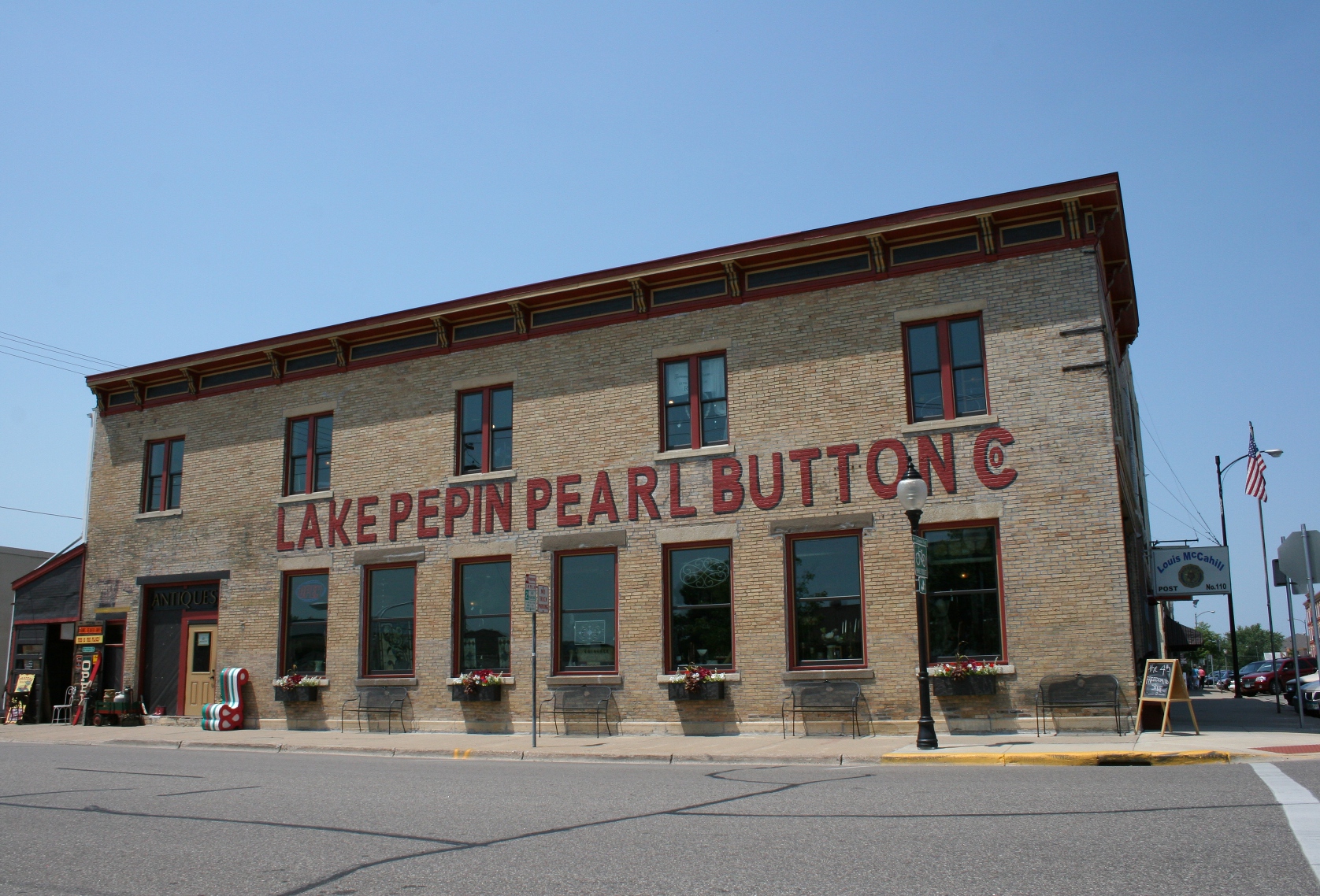
The Lake Pepin Pearl Button Co. antique shop features a little nook of a room off the spacious main shop area, exterior pictured here, in which I need to spend more time poking around. Poke, poke, poke.

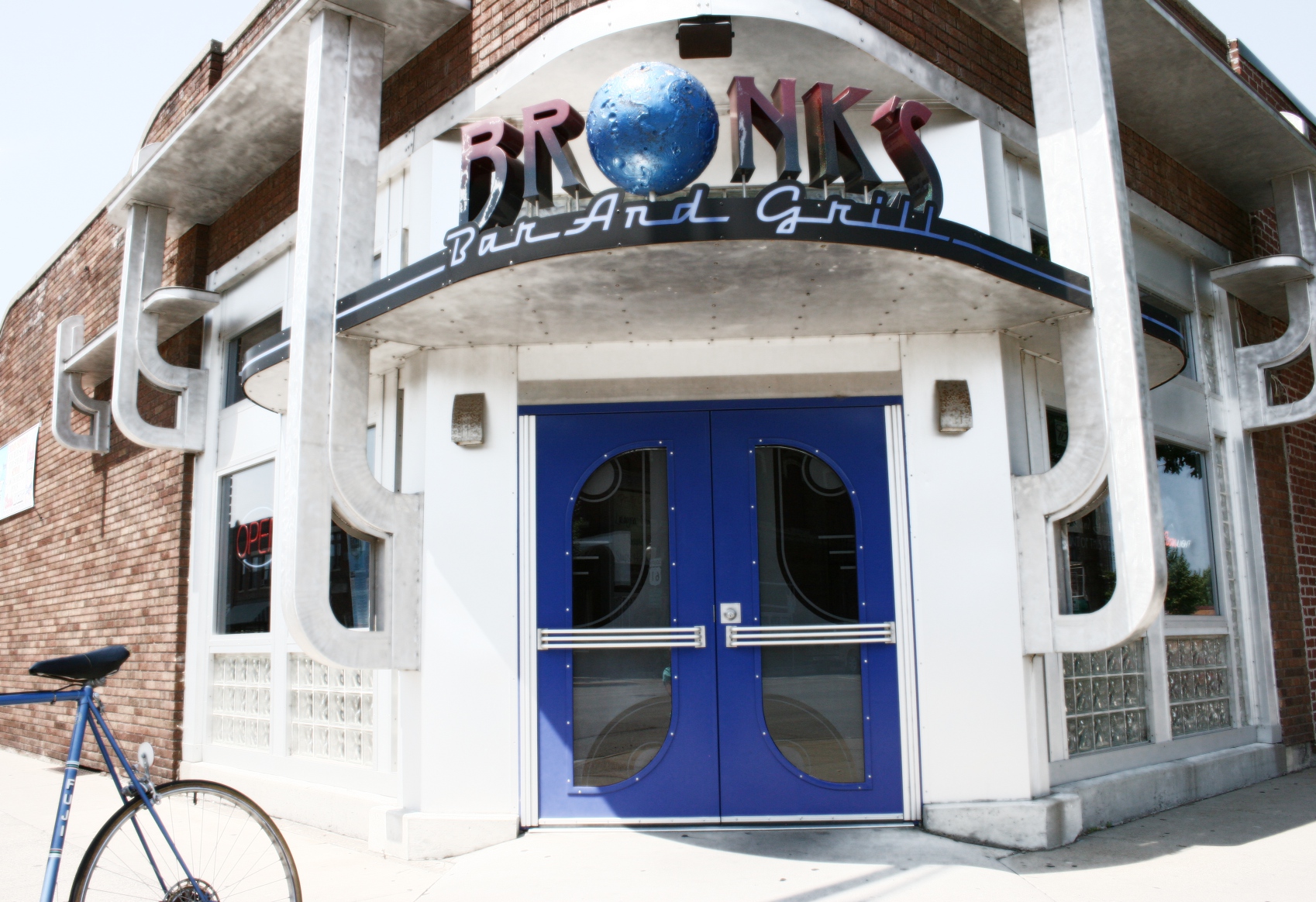
The entry to Bronk’s Bar and Grill angled into a downtown Lake City street corner caught my attention. Was this once a movie theater? No matter, Bronk’s claims “the best hamburgers in Lake City” made from only local fresh meat. Anyone eaten here?

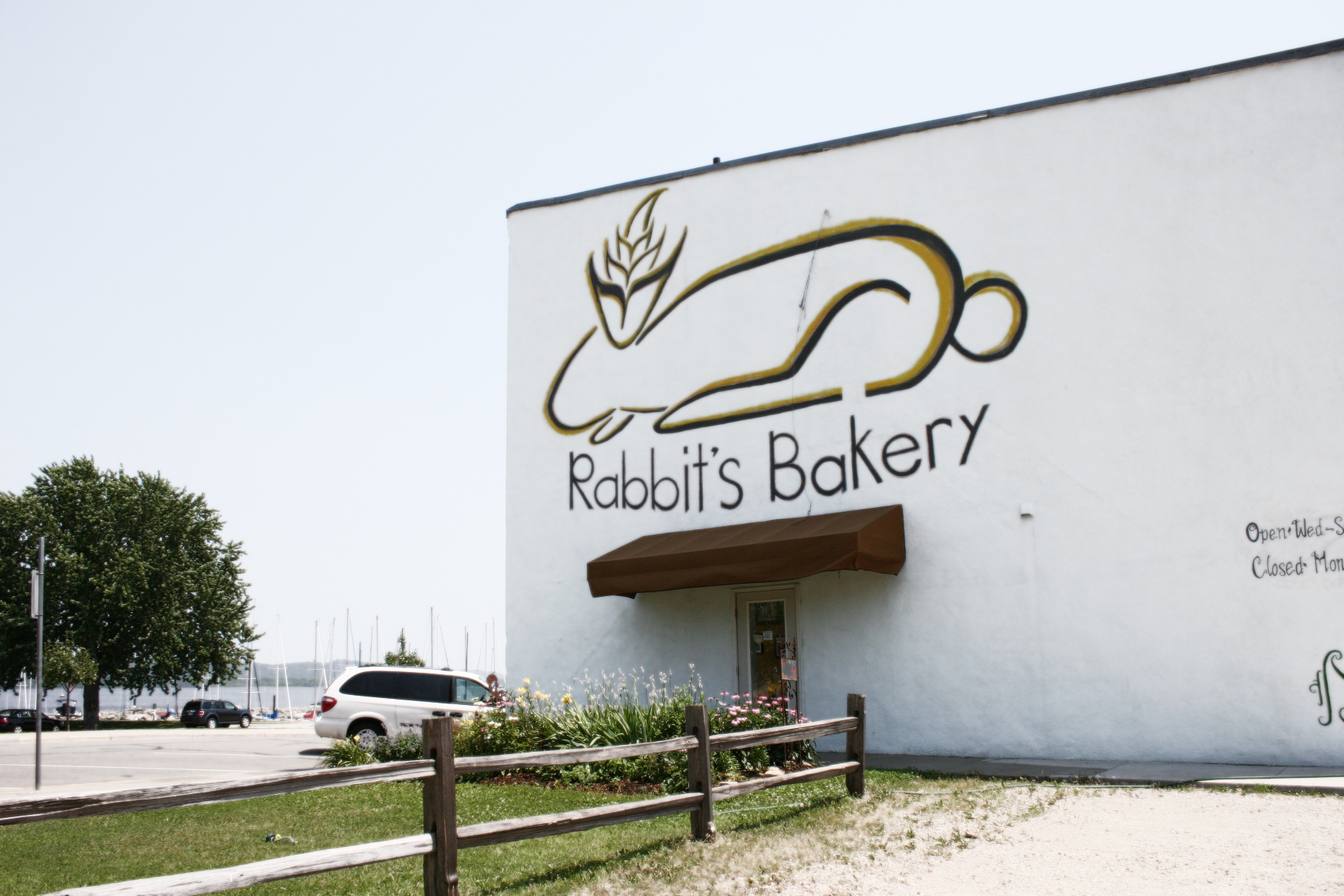
Unfortunately, Rabbit’s Bakery was closed on the Tuesday I was in Lake City or I surely would have stopped in here. Any business with “Rabbit” as part of its name naturally draws me to it given I graduated from Wabasso High School, home of the white rabbit. This photo was also encouraged by my husband who once (and still occasionally) called one of my sisters Rabbit. Love the graphic.

© Copyright 2012 Audrey Kletscher Helbling
 

Discovering a historic gem (pearl) in Lake City July 16, 2012

A view of downtown Lake City, Minnesota.

DRIVING INTO LAKE CITY on a recent sultry summer afternoon, I expected to learn about water skiing in this Lake Pepin side community which calls itself the birthplace of that water sport.

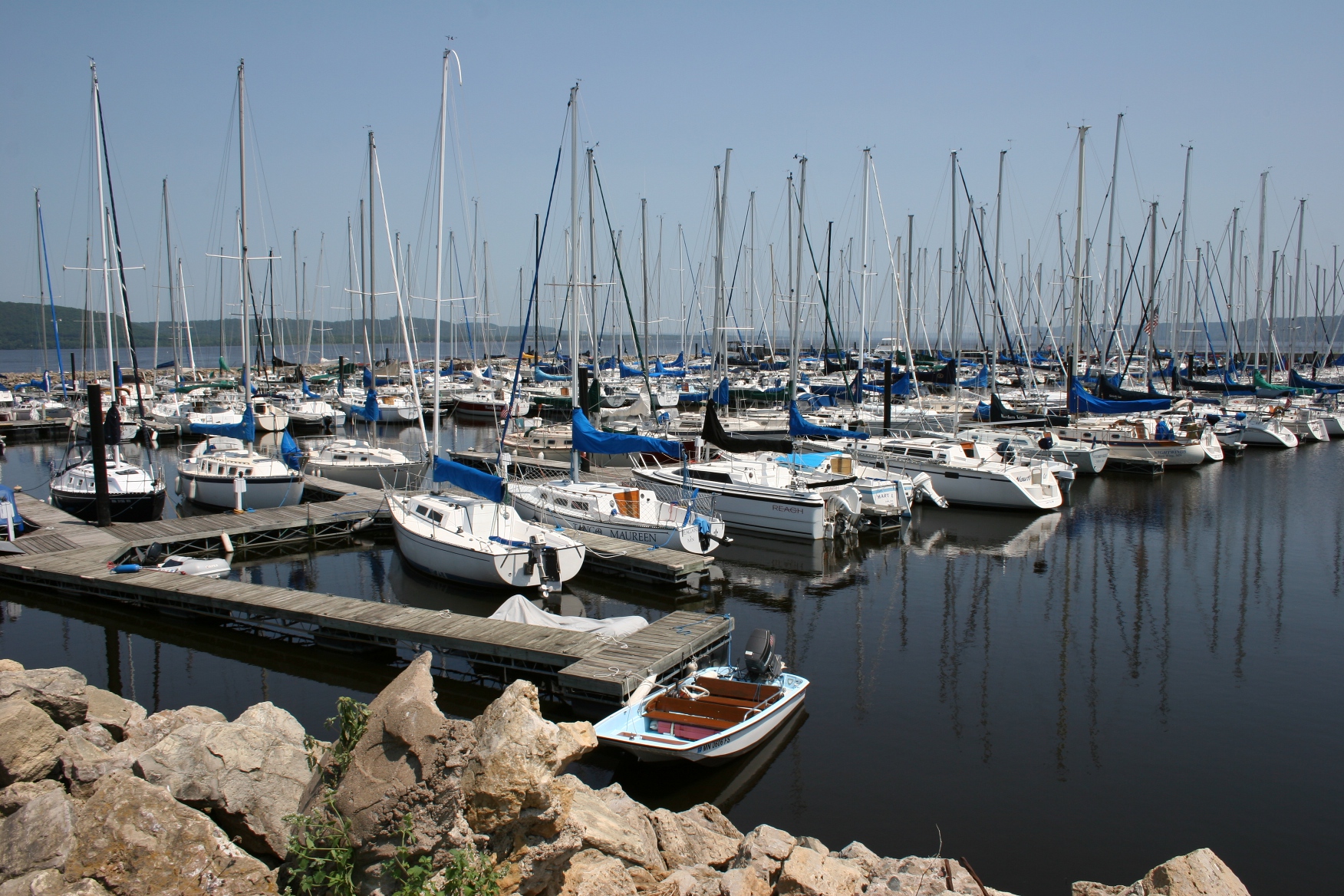
Lots and lots and lots of sailboats are moored in Lake City.

After all, the popularity of water sports is evident in the sailboats crammed and tethered in the harbor on a weekday, waiting to be unleashed on the weekend.

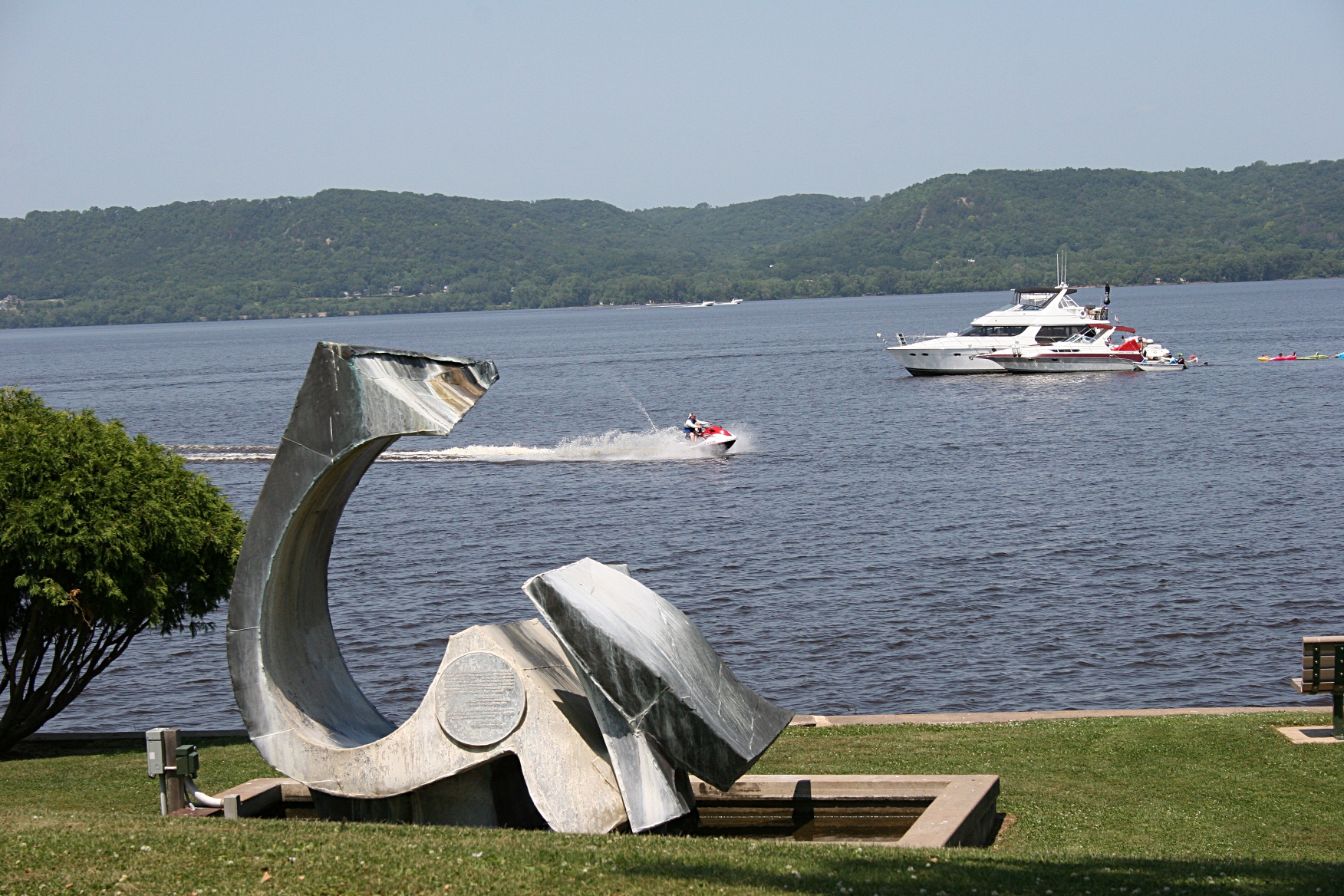
I wanted to check out the sculpture (an anchor?) along Lake Pepin, but no parking was allowed and the weather was too hot to walk any distance. That’s Wisconsin across the lake. Beautiful scenery here in this busy water sport area.

And around the bend, fancy yachts—at least that’s what I call boats so big that one arrived on a semi—float in the bay. And a bit farther, boaters enjoy a summer afternoon on the lake.

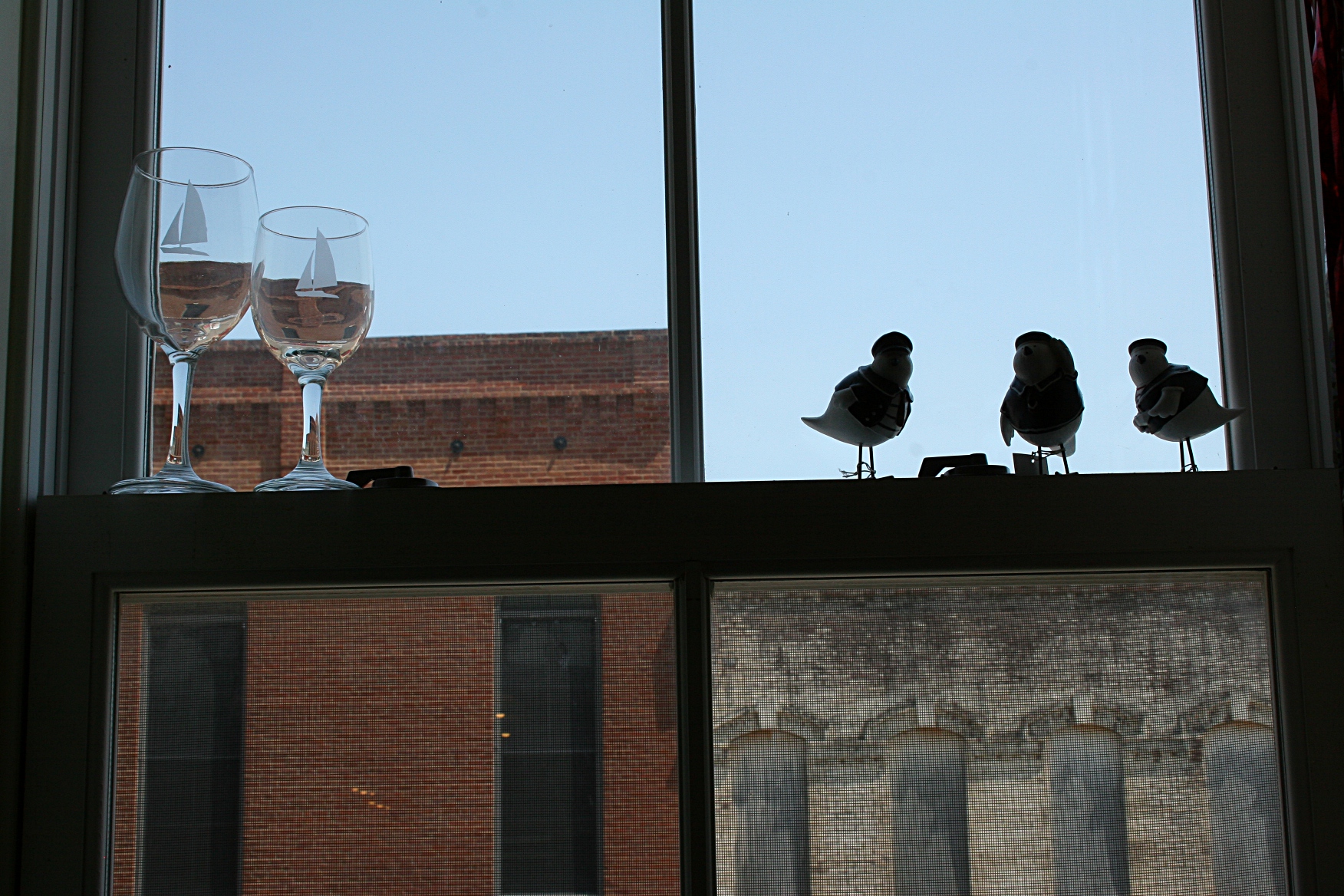
Nautical-themed merchandise perched on a window on the second floor of Treats and Treasures. The “treats” are homemade candy, found downstairs in the treats section.

Offshore, too, you’ll catch the nautical theme of this Mississippi River town in business names and merchandise.

A side view of the Lake Pepin Pearl Button Co., now an antique store featuring merchandise from some 40 dealers.

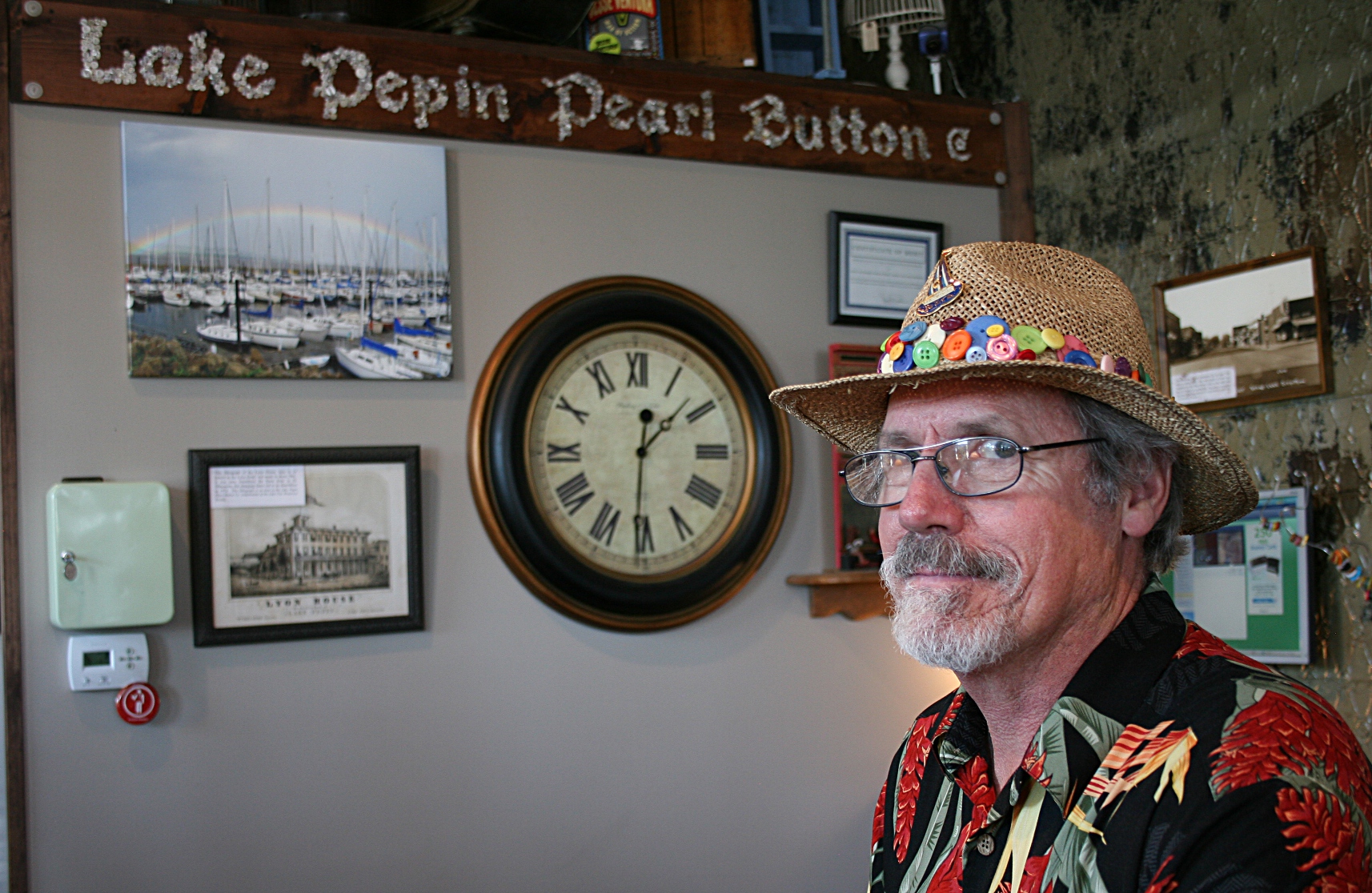
But, if you happen to walk into the Lake Pepin Pearl Button Company, which is today a place of “the old, odd and unusual,” you will learn the gem of history I found most interesting about Lake City. Dave Close, who along with his wife, Juleen, runs the aforementioned antique store, will educate you about Lake City’s role in making pearl buttons.

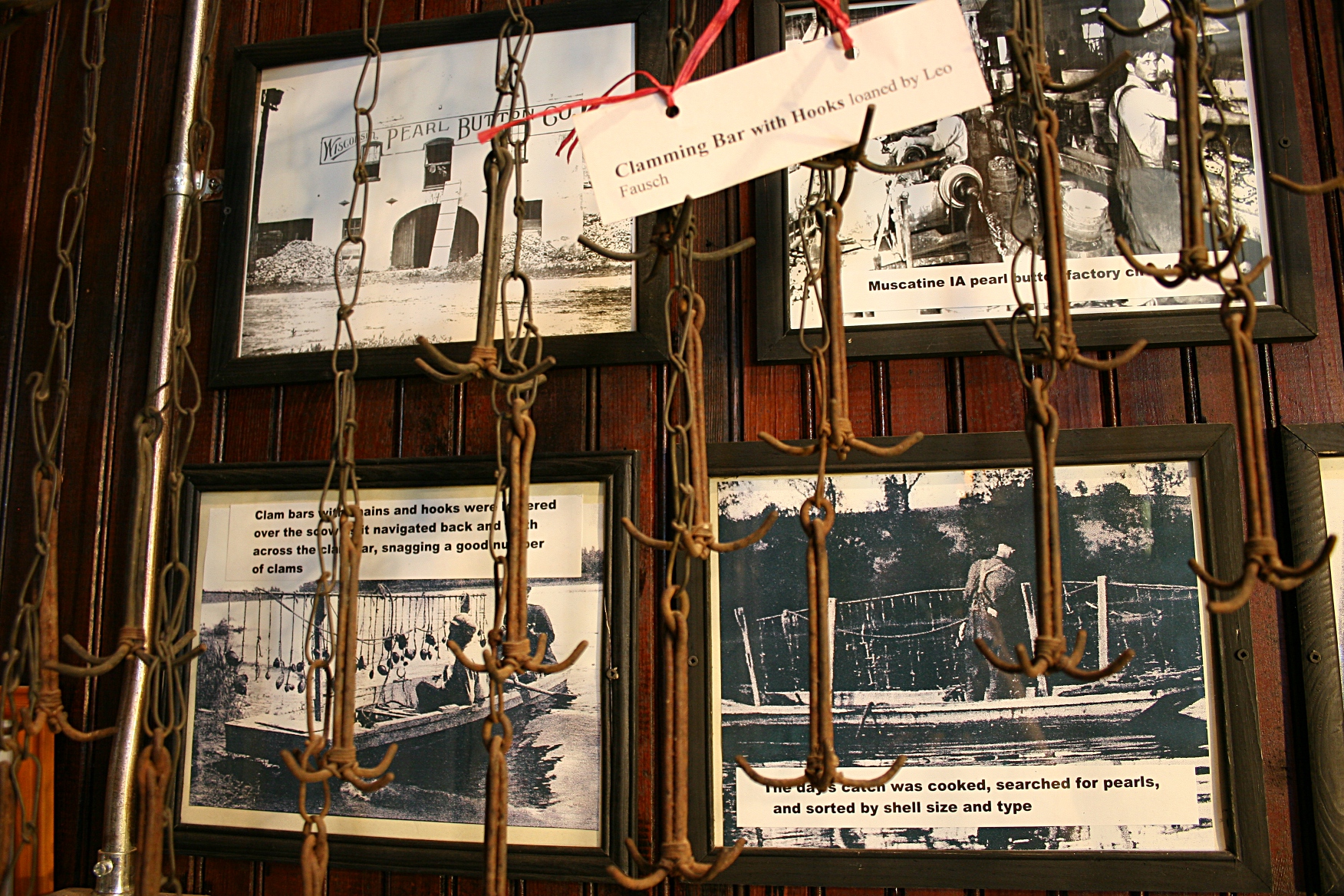
It’s fascinating to hear about clammers who once harvested freshwater clams from Lake Pepin, delivering them to the Lake Pepin Pearl Button Company and The Wisconsin Pearl Button Company (according to Steve Swan at Swan Jewelers). Both Swan and Close can offer detailed oral histories about local button making.

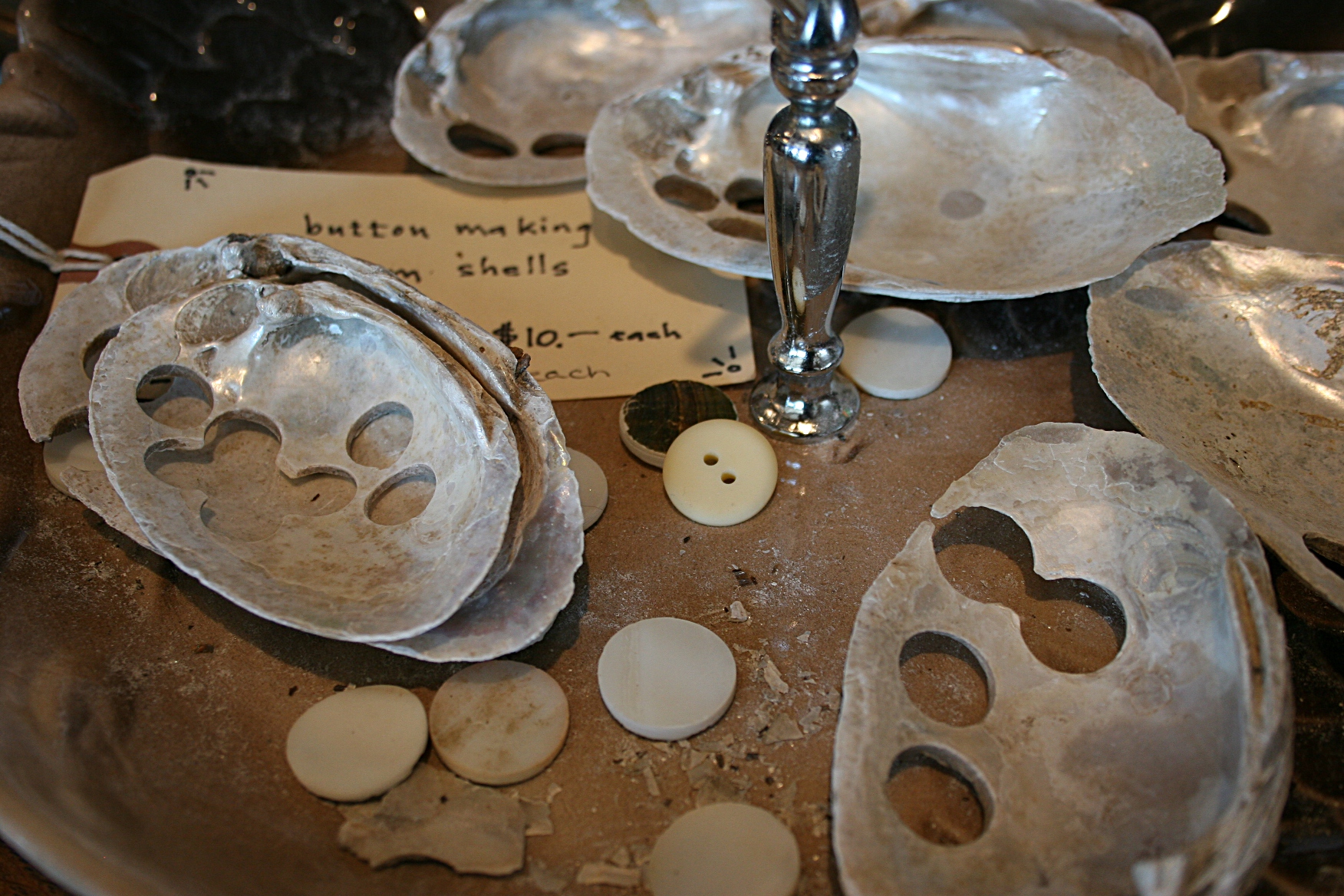
The Closes have this display of clam shells and button blanks in their shop.

According to Close, about 50 percent of the buttons in the world once came from the Upper Mississippi River, north of Ohio. That included Lake City, where factory workers sawed button “blanks” from clam shells before shipping the 50-pound burlap bags of clam shell cut-outs downriver to button finishing houses in La Crosse, Wisconsin, and Muscatine, Iowa.

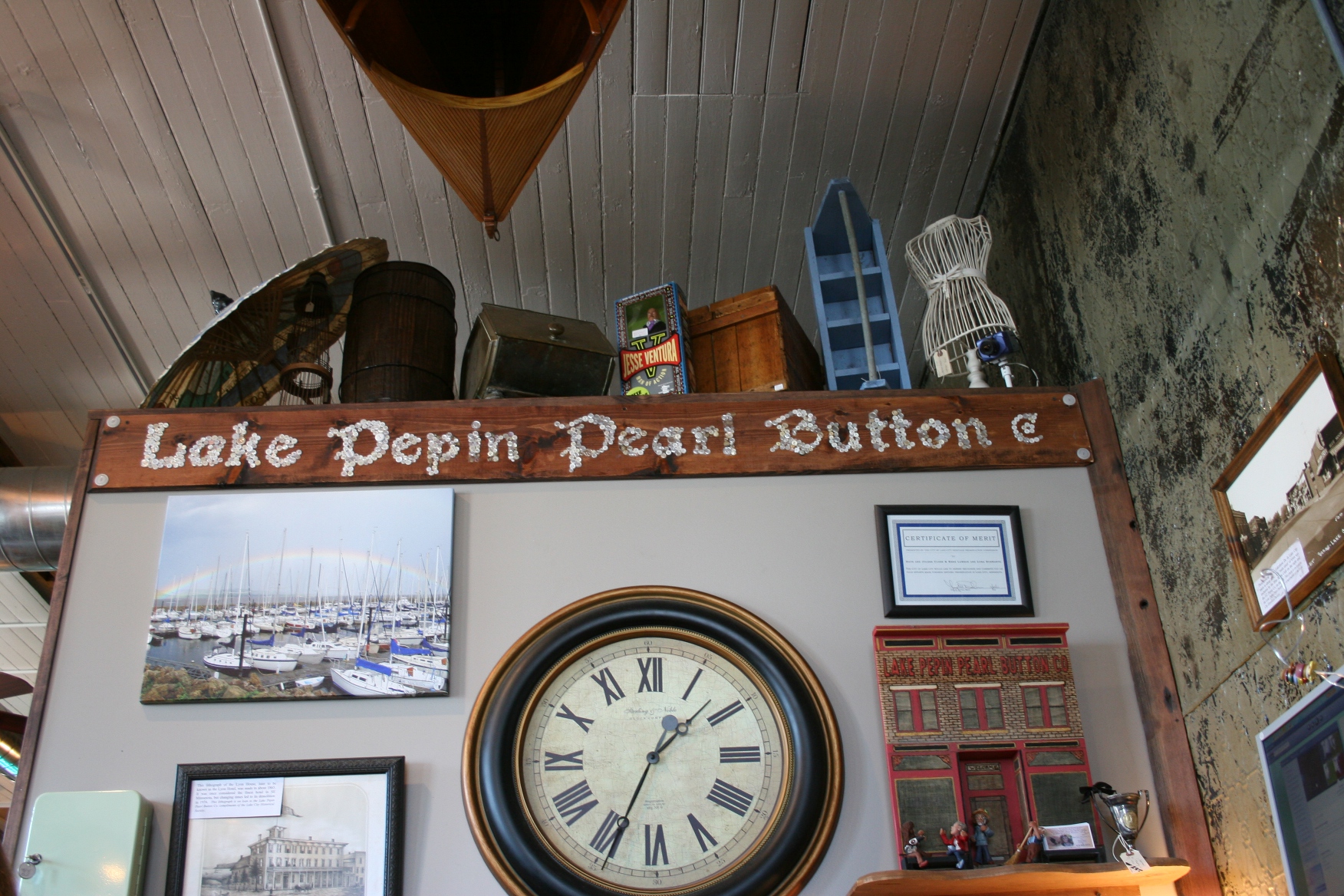
Old photos and more pay homage to this building’s former use as the Lake Pepin Pearl Button Co.

Next to the still operating original freight elevator, the Closes have posted vintage photos and other items, including these clamming bar hooks. Note also the beautiful original wainscoting from the building.

Dave Close, co-owner and in-house historian at the Lake Pepin Pearl Button Co.

Close has created a mini museum about this side of Lake City’s history behind the counter and in a corner of the 1866 former dry goods store which housed the button company from 1914 – 1920. It is the building’s history and Close’s clear appreciation for that history, which set his business apart from your typical antique shop. You need only notice the clam shells on the counter, the rainbow of buttons secured to his straw hat and the Pearl Button signage, inside and outside, to inquire about the Lake Pepin Pearl Button Company.

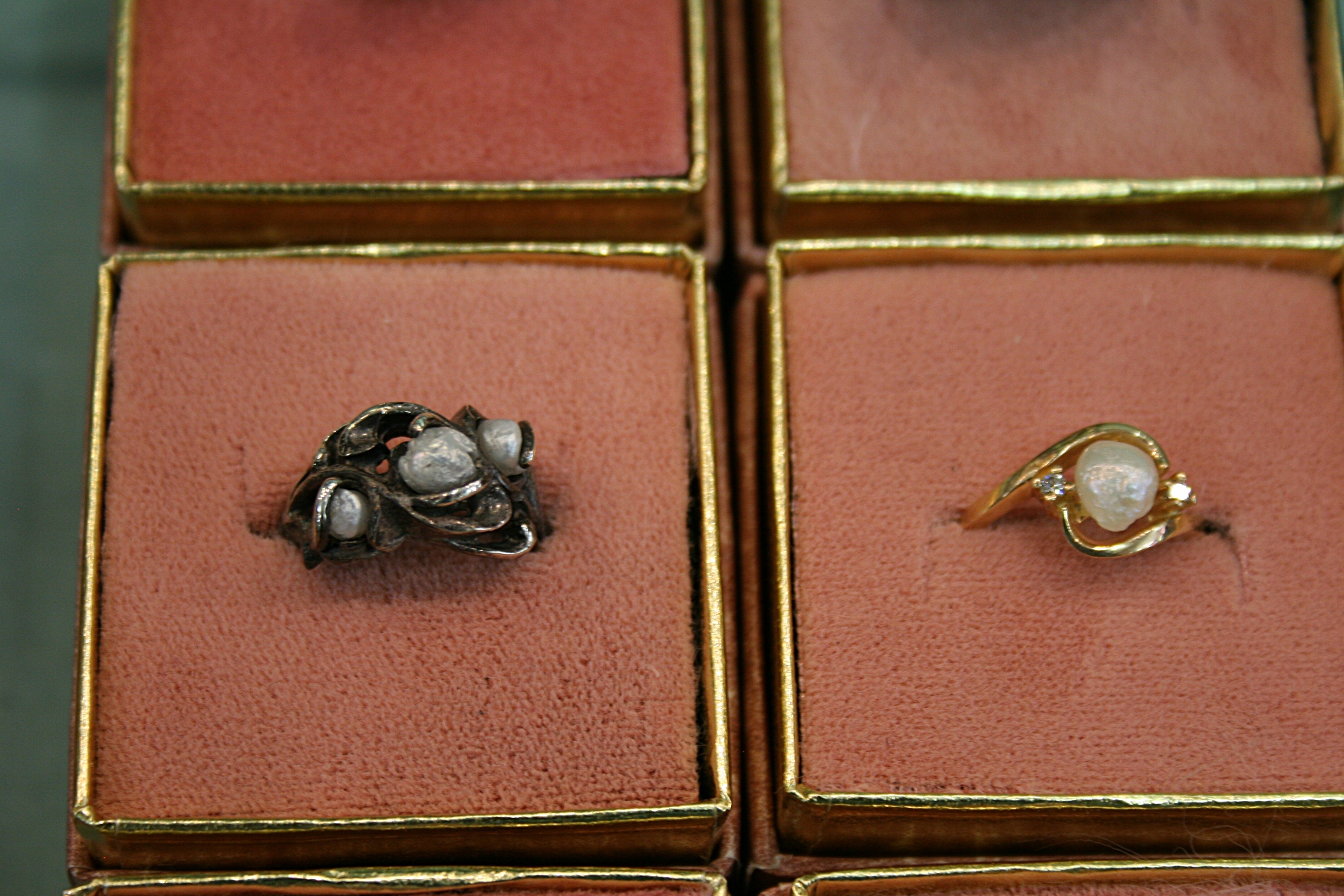
Two freshwater pearl rings crafted by jeweler Steve Swan of Swan Jewelers in Lake City.

Nearby, Swan also honors Lake City’s button past via a display in his jewelry store that includes jewelry he’s crafted from the pearls of freshwater clams. Up until about a dozen years ago, when the Minnesota Department of Natural Resources halted clamming operations on the river, this jeweler was buying from clammers.

However, the once thriving pearl button making industry ended long before that, in the late 1930s, when plastic buttons replaced pearl buttons, according to Swan.

All of this I learned on a sultry summer afternoon in Lake City, the birthplace of water skiing.

WATCH FOR ANOTHER POST from this southeastern Minnesota community of some 5,000 residents and many, many, many boats.

© Copyright 2012 Audrey Kletscher Helbling
 

Steele County showcases history in a big way July 10, 2012

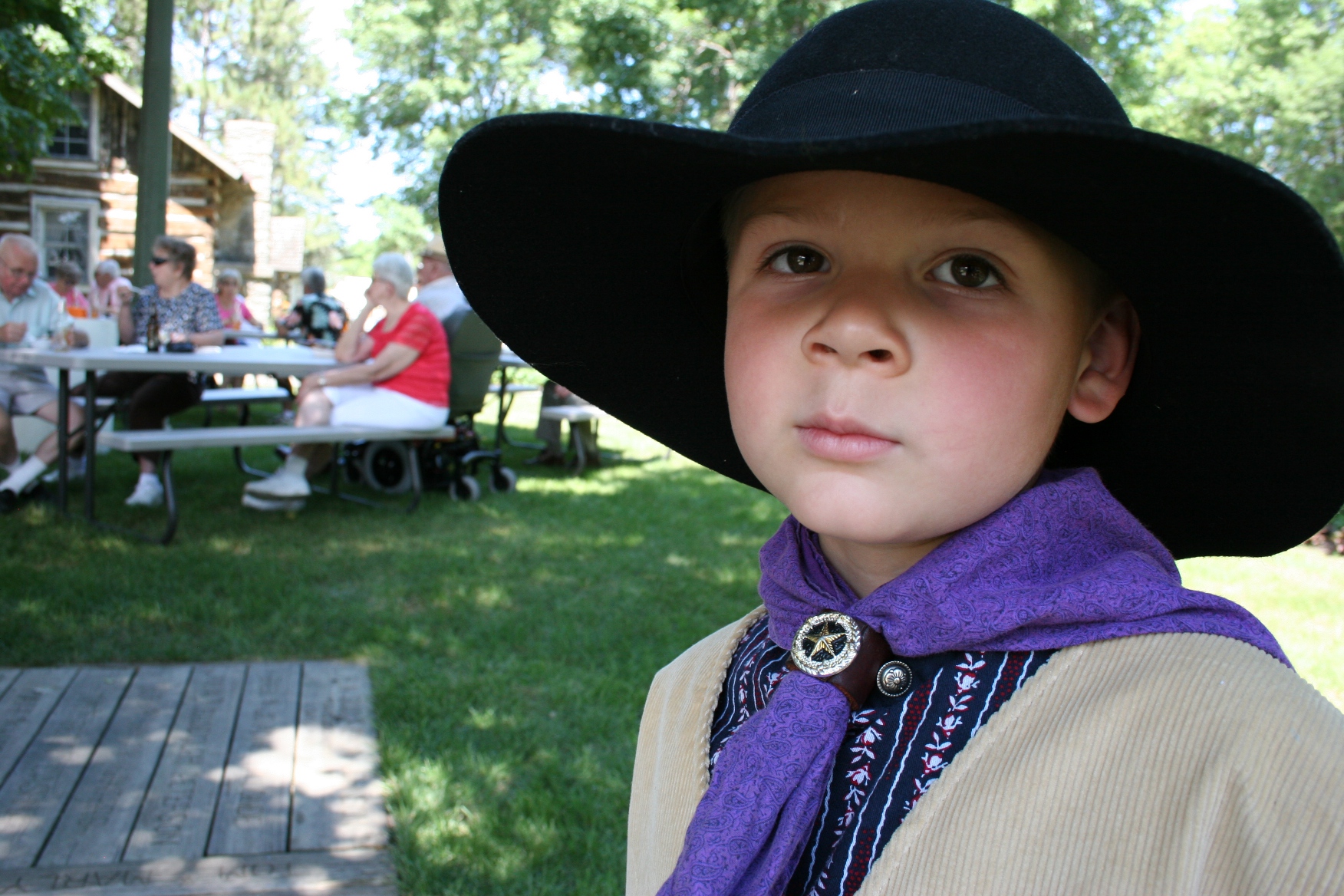
Five-year-old David of Faribault, aka Apache Shadow, was among costumed reenactors from the Old West Regulators.

WHEN THE STEELE COUNTY HISTORICAL SOCIETY in Owatonna throws an extravaganza, they put on a heckuva an event.

Late Sunday morning my husband Randy and I headed about 15 miles south on Interstate 35 to the Village of Yesteryear for the historical society’s 26th annual celebration of history. I cannot believe that I’ve never known about this extravaganza, which I’d recommend to anyone interested in a free family-friendly day of learning about the past.

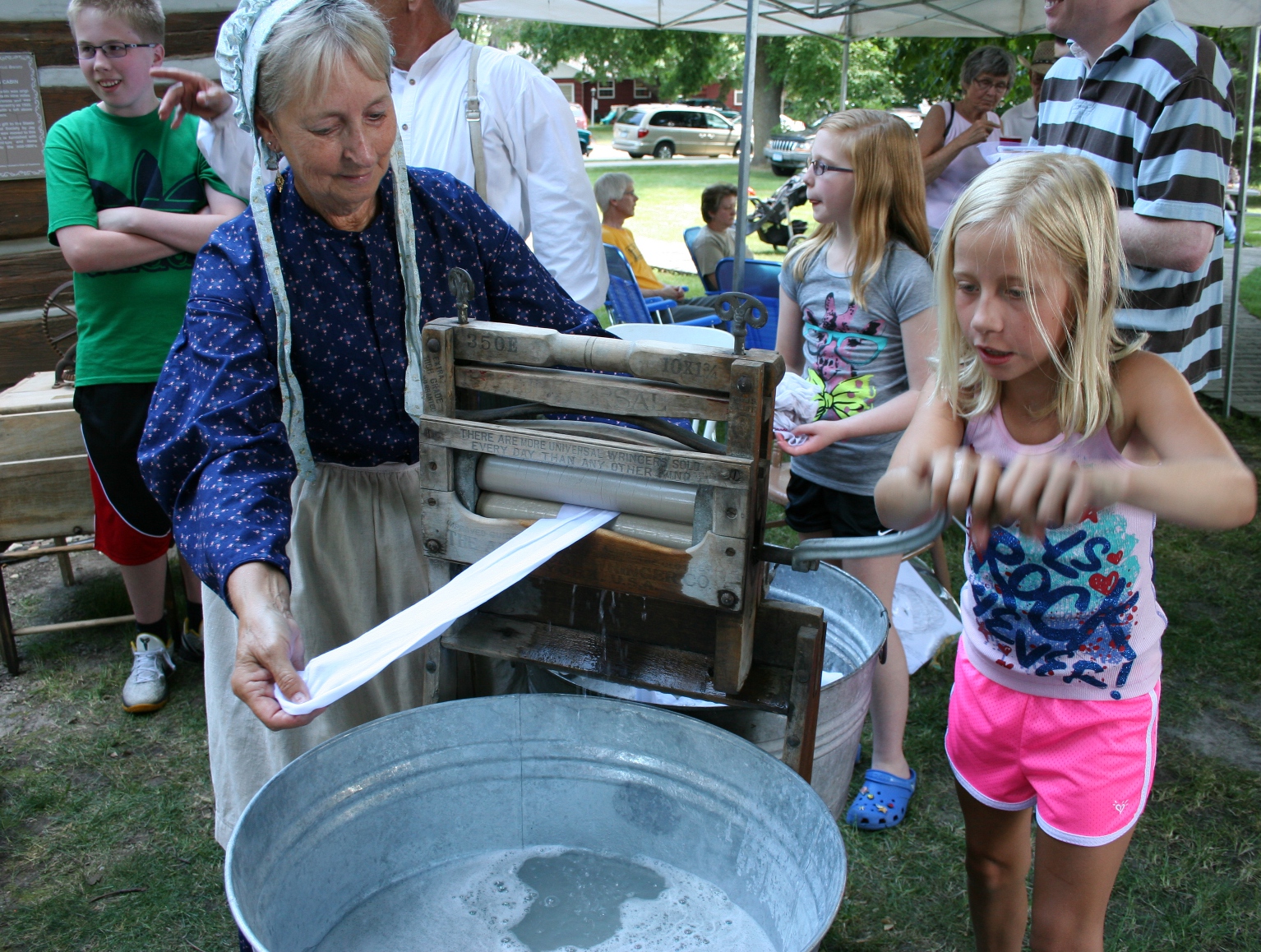
Kids, like Kennedy, right, were drawn to the water and the old-fashioned wringer.

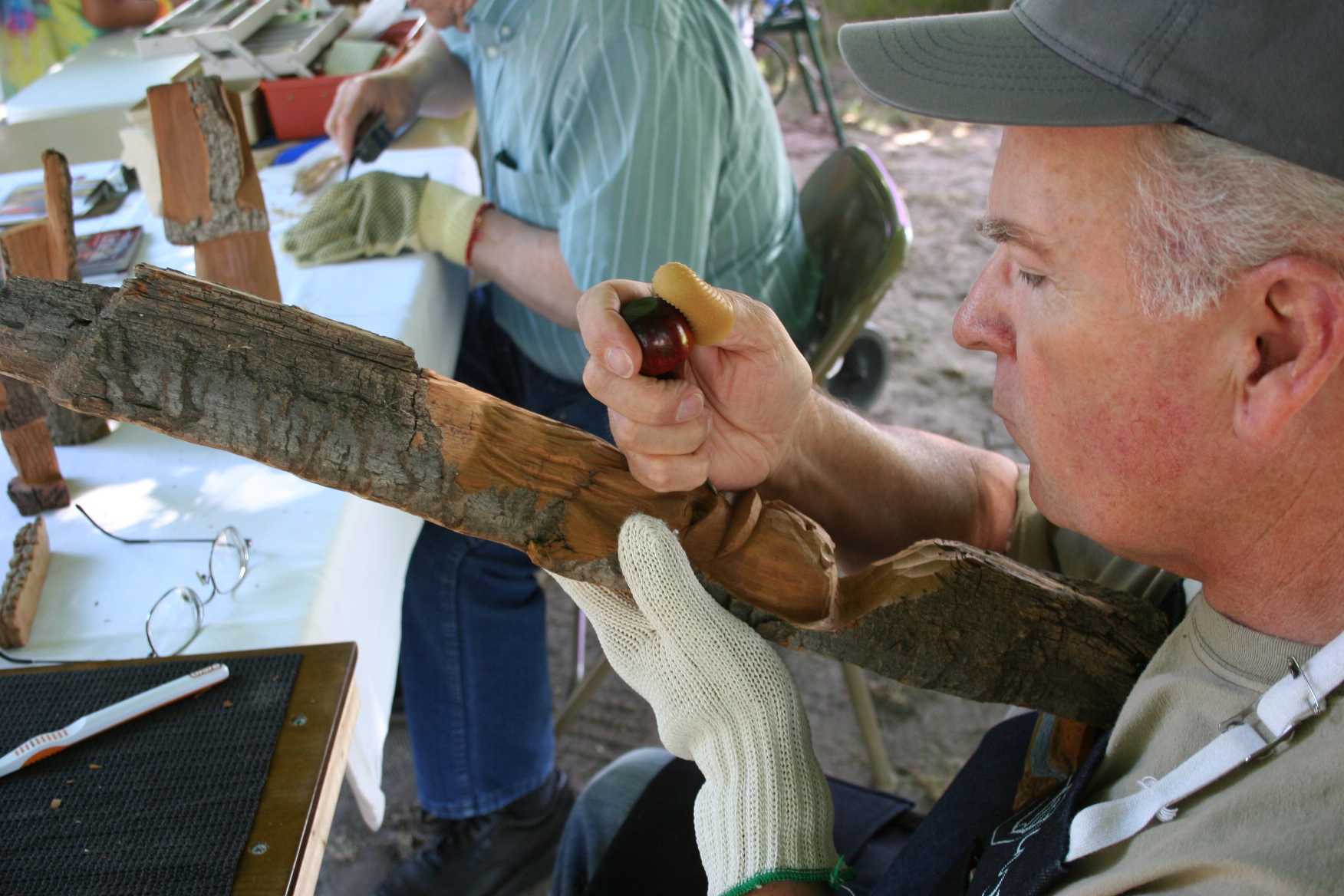
Owatonna resident Tom Gray carves a mountain man.

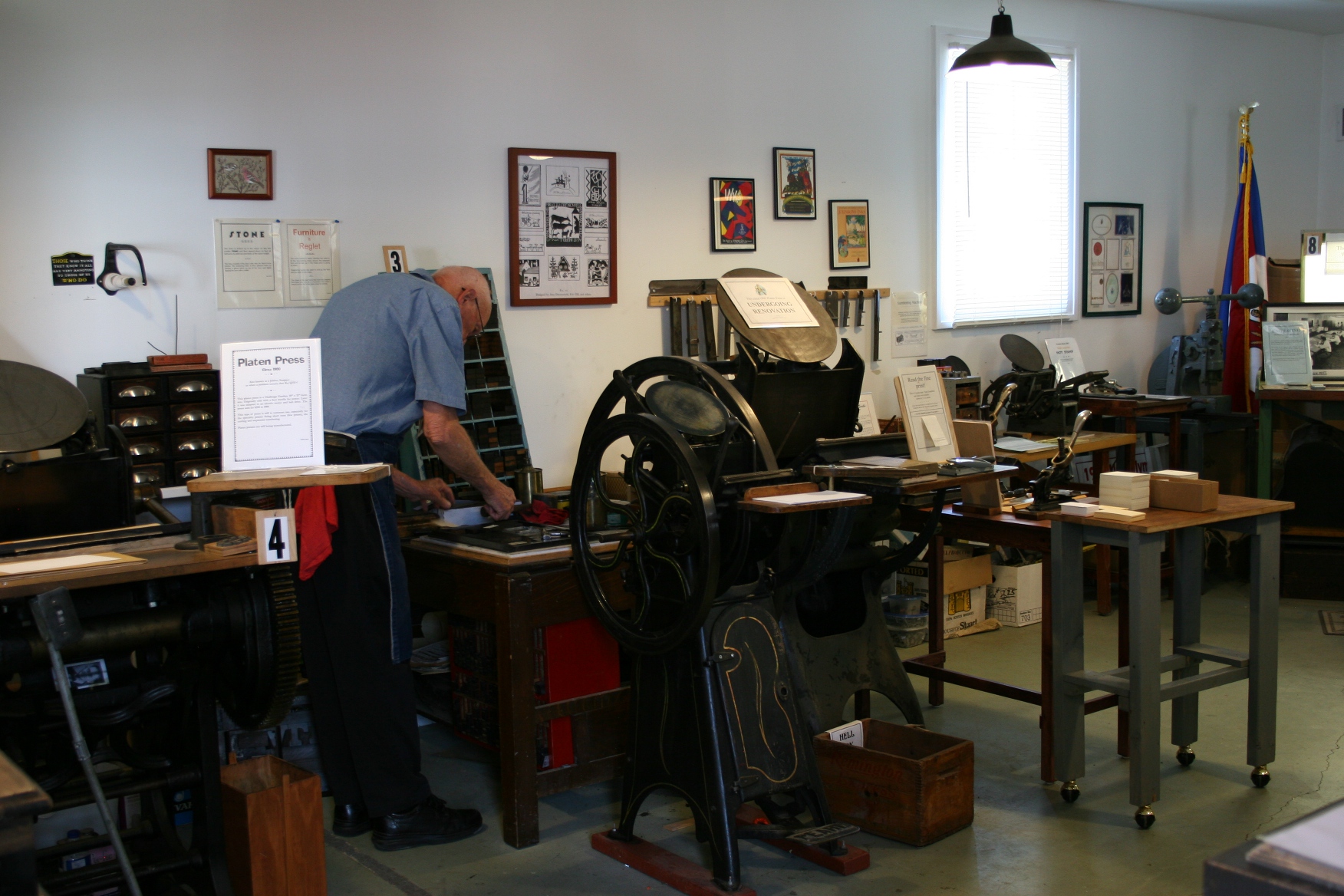
From hands-on demonstrations of rope making to washing clothes the old-fashioned way to printing on an aged press to carving wood and working with leather, and more, we observed an array of dedicated and passionate historians showcasing yesteryear.

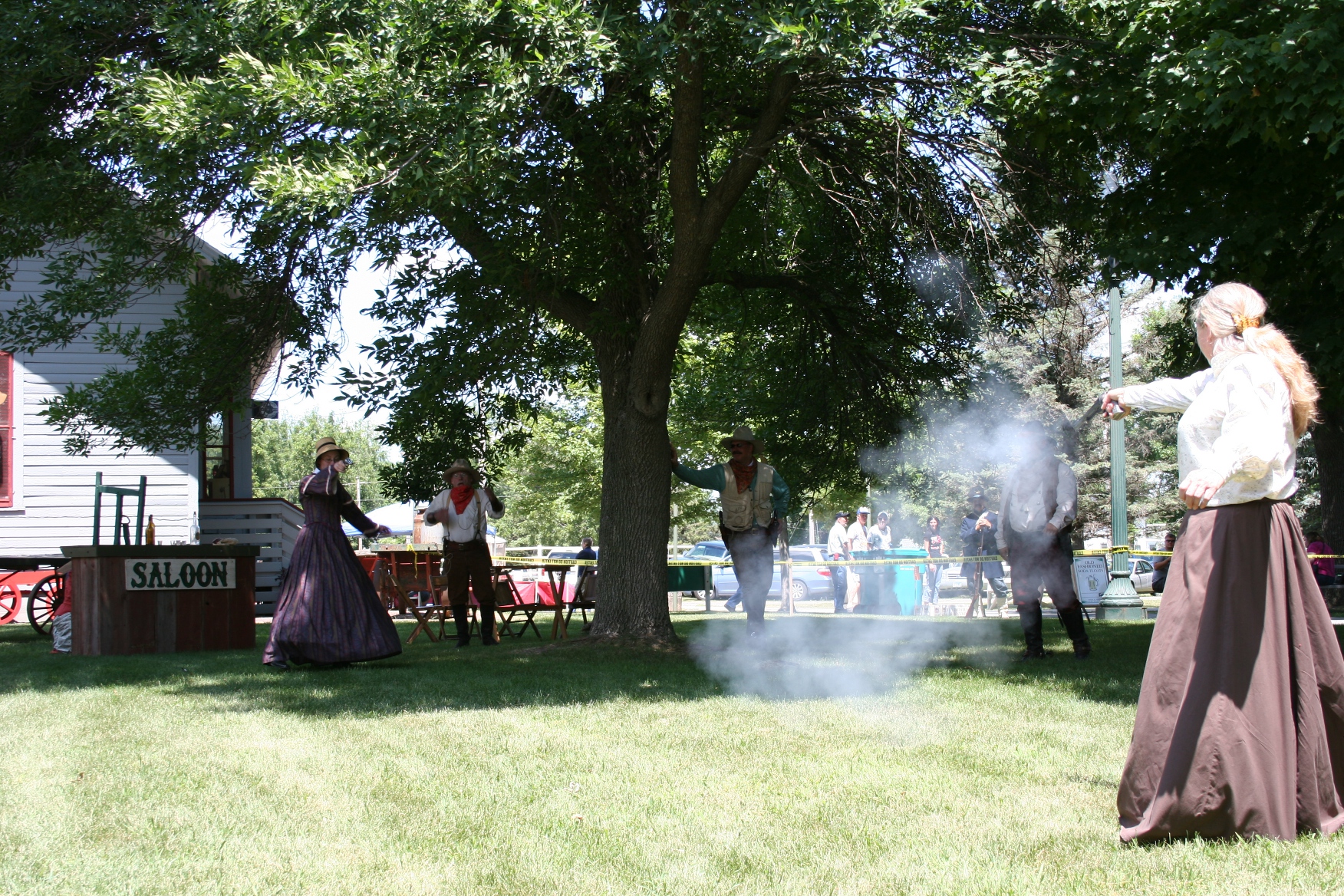
Two actresses shoot it out in a scenario presented by the Old West Regulators.

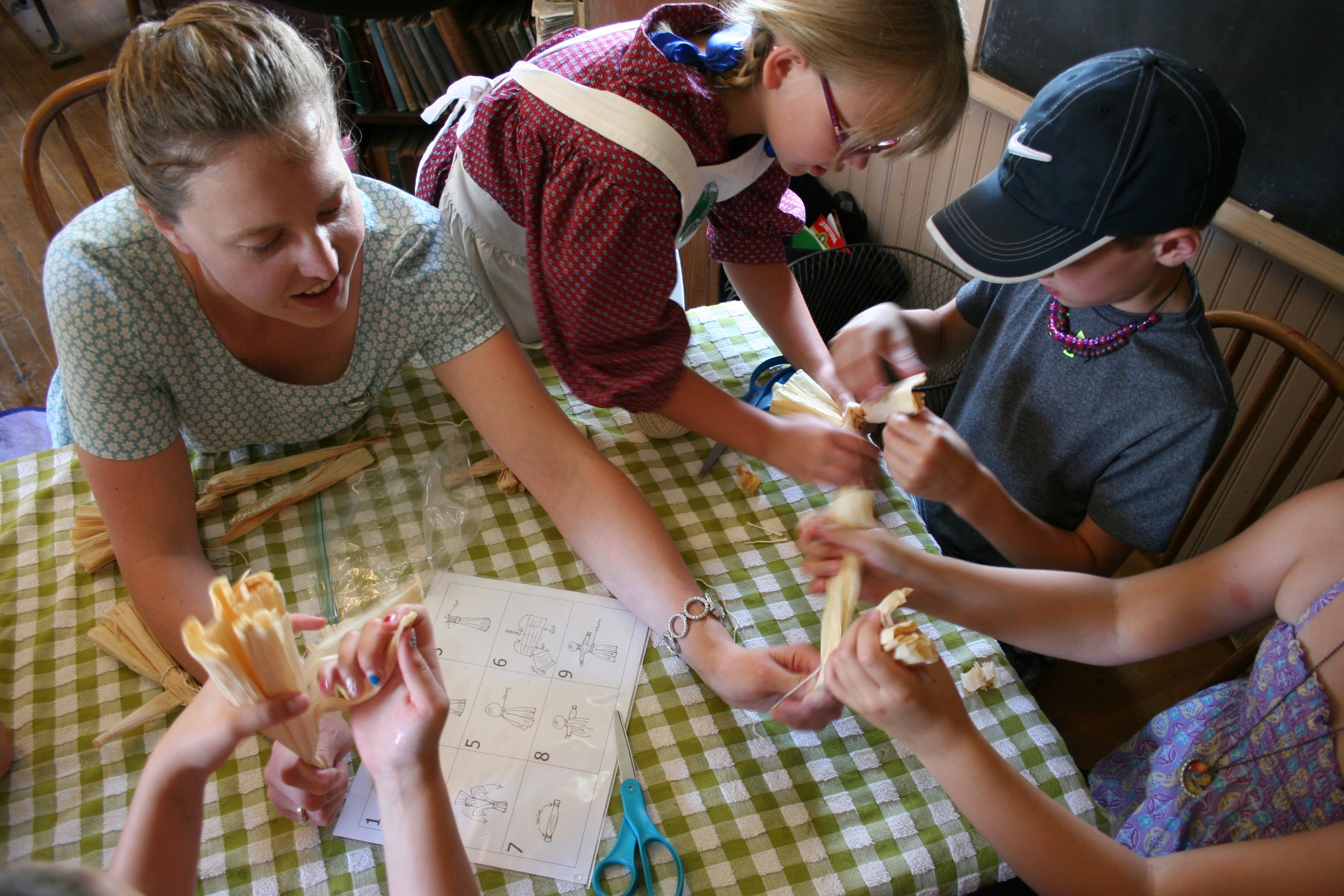
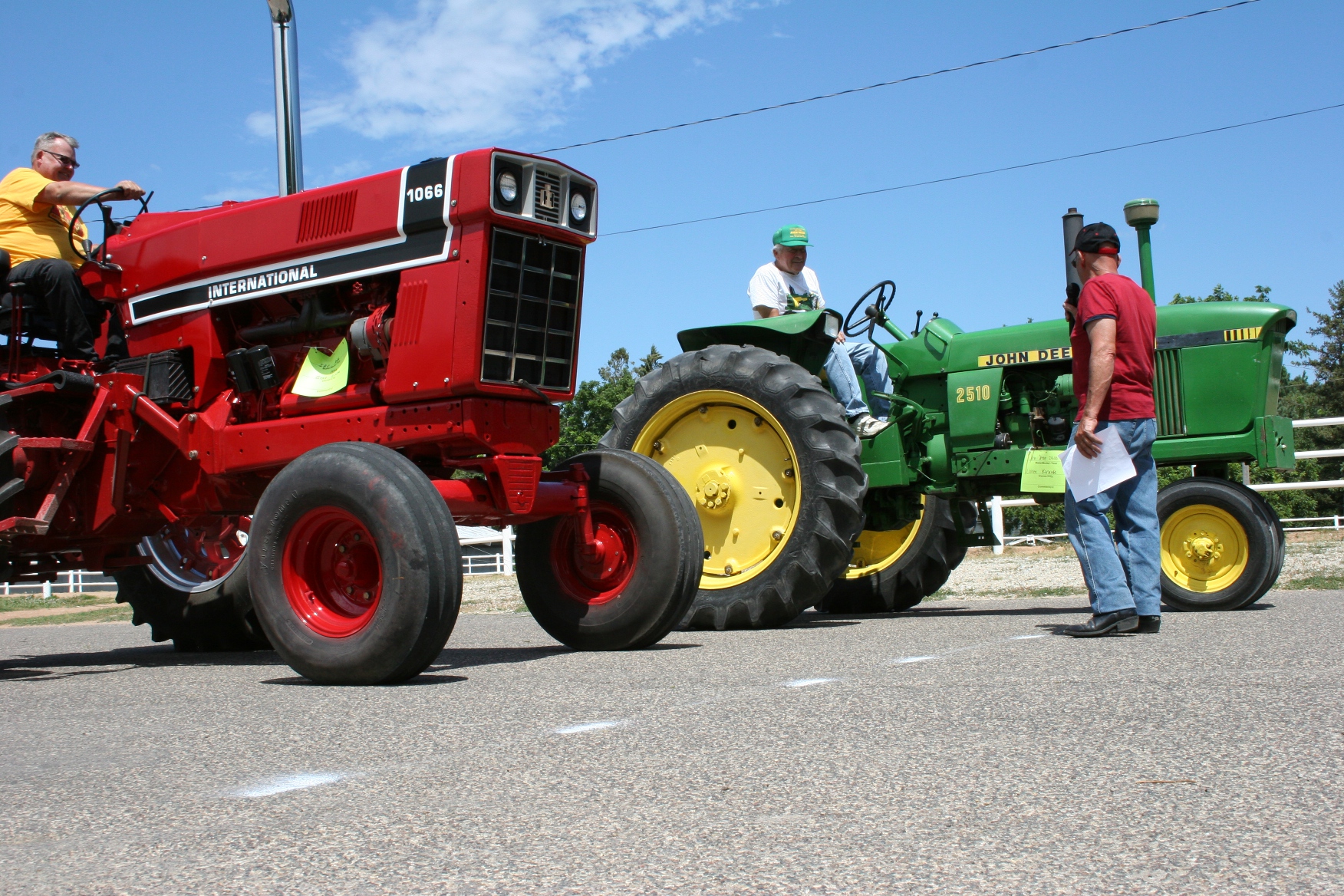
Add in costumed reenactors modeling period attire and shooting it out in mini dramas; a country singer crooning Hank Williams’ “Your Cheatin’ Heart;” kids circled around a table in an old country school crafting corn husk dolls; tractors snail-crawling toward the finish line in a slow tractor race; the tantalizing aroma of shredded pork sandwiches and the refreshing promise of icy root beer; 15 buildings, most of them vintage, plus a caboose to tour, and you have a full day.

Dunnell Lenort, who has performed at the Grand Ole Opry and elsewhere, presented a selection of songs, including “I Fought the Law.” It was, he said, “for those who have been on the wrong side of the law.”

Kids learned how to make corn husk dolls inside the former District 14 country school, built in 1856 and located about four miles south of Owatonna along Lemond Road. The school was closed by consolidation in 1962.

Lest you think the John Deere won this race, you would be wrong. The winner here was the tractor which drove the slowest along about a 50-foot stretch to the finish line in a slow tractor race.

Randy expected we would be there an hour; we left more than four hours later and could have stayed longer. We missed the vintage baseball game and other events.

Pete the printer at work in the Village of Yesteryear print shop.

Of course, my spouse will tell you that, had I not been so interested in the village print shop, we could have knocked perhaps 30 minutes off our extravaganza tour. But given my journalism background; two years of employment at a weekly newspaper which printed auction bills and other items on an old Linotype machine; and my appreciation for the art of printing, I was fascinated by the working print shop and its resident printer, Pete Baxter.

Randy indulged my print obsession and I, likewise, later feigned interest in the engine display over in the agricultural section of the extravaganza.

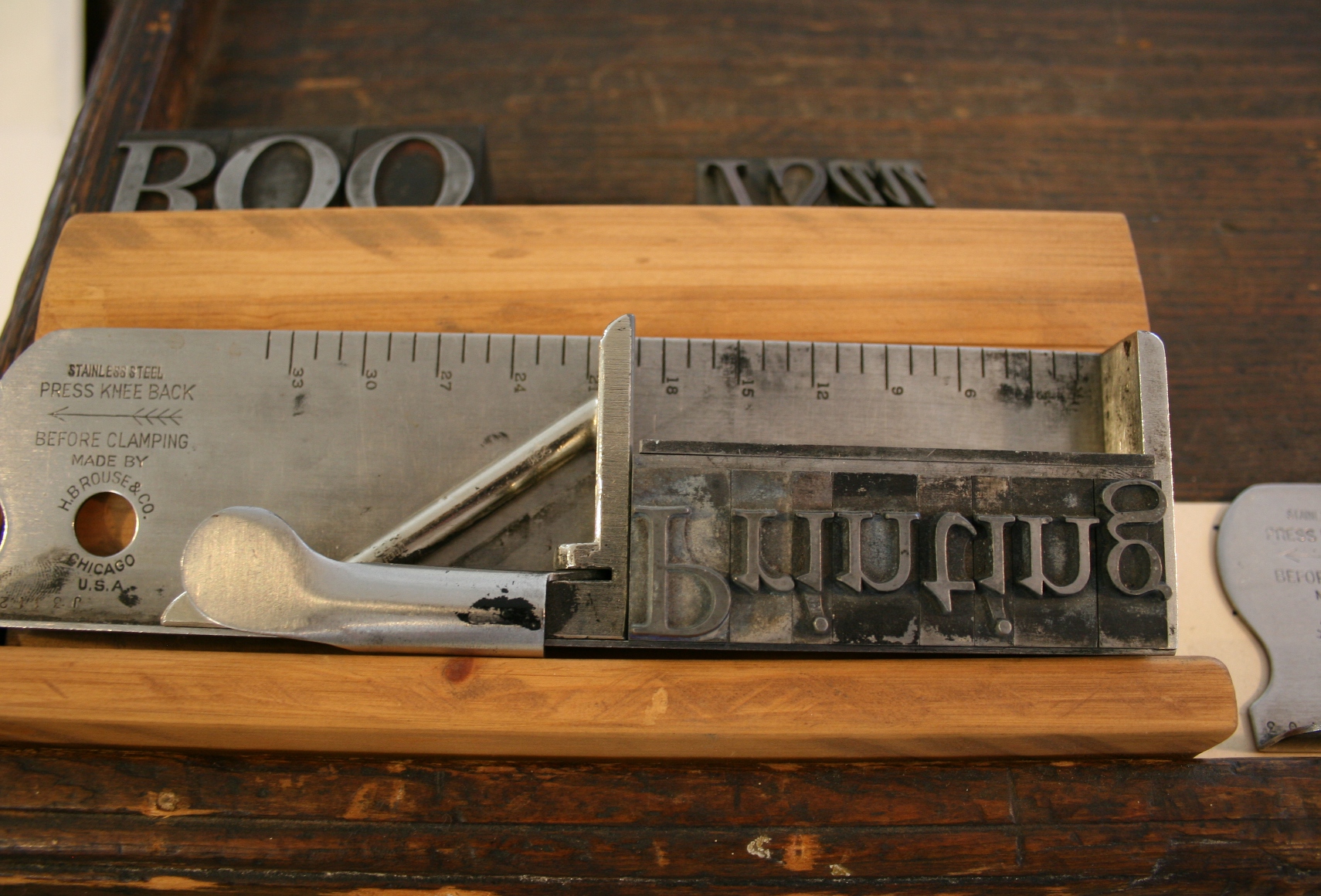
Letters laid out to spelling “printing.”

Let’s back up to that print shop and printer Pete, who once owned North Cal Printing, as you would expect, in California. Family brought Pete to Minnesota about a dozen years ago. And the old print shop at the Village of Yesteryear was one of the deciding factors in his settling specifically in Owatonna.

Today he’s an enthusiastic volunteer who dons a printer’s apron as he educates visitors, spins a few stories and inks up the press to spew out bookmarks and cards with messages like “Without a love for books the richest person is poor.”

Spend any time with this man who owns a library of 1,500 volumes; is a member of The Wördos, an organization which meets monthly in the metro to discuss errors in local and national media; and who knows the ins and outs of the printing business, and your interest in printing is likely to grow, too. When he mentioned the bit about The Wördos and their dissection of media grammar, usage and more, I wanted to grab back the business card I’d handed him for fear of him scrutinizing my writing. But I didn’t.

I wasn’t about to allow my insecurities to interfere with learning from an old-school printer educated in the 1940s at California Polytechnic State University during the transition from letterpress to offset printing.

Pete’s interest in printing stretches back to his childhood when he often accompanied his dad to a California street car station and stood at the window of a nearby newspaper office watching printers at work.

One day, as Pete dramatizes with arms gesturing, a worker exited the print shop, grabbed him by the arm and shouted, “Get your snot nose off my window.” He hauled young Pete inside, gave him a tour, and, as the printer says, “I was hooked.”

The next Christmas, he received a toy printing press and a case of type. Years later, he would earn a printing degree from Cal Poly and eventually own a print shop.

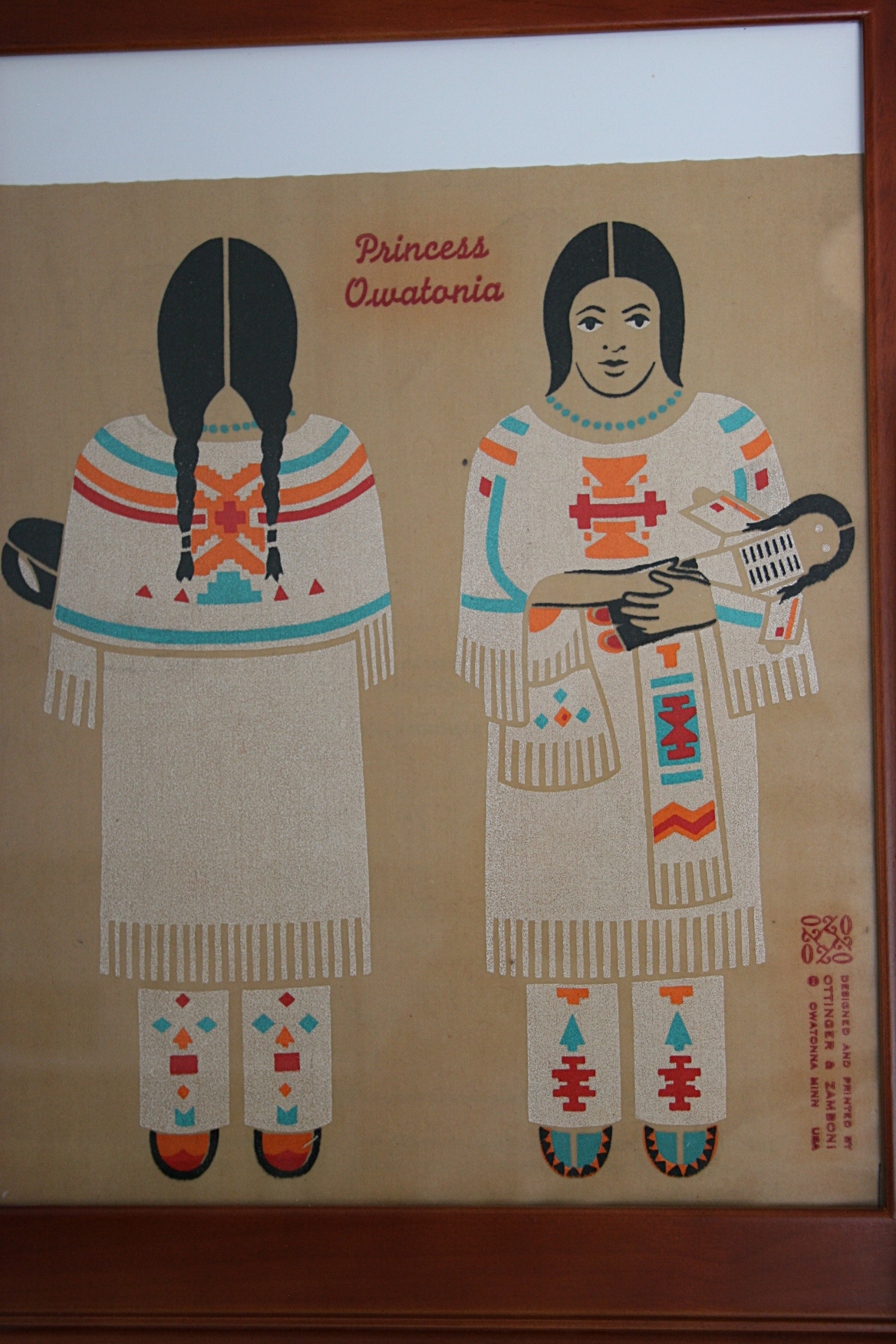
An original OZ Press print of the Indian princess after whom Owatonna is named, on display in the print shop.

That Pete the printer understands and appreciates printing is obvious to anyone who takes the time, as I did, to listen. He’s quick to spotlight the work of Owatonna’s probably most notable press, OZ Press. OZ co-owners Alice Ottinger and Jean Zamboni—thus the OZ name—donated an 1885 working printing press and artwork to the Village of Yesteryear print shop. Their press specialized in original art printing and silk screening during its 40 years in business, 22 of them in Owatonna.

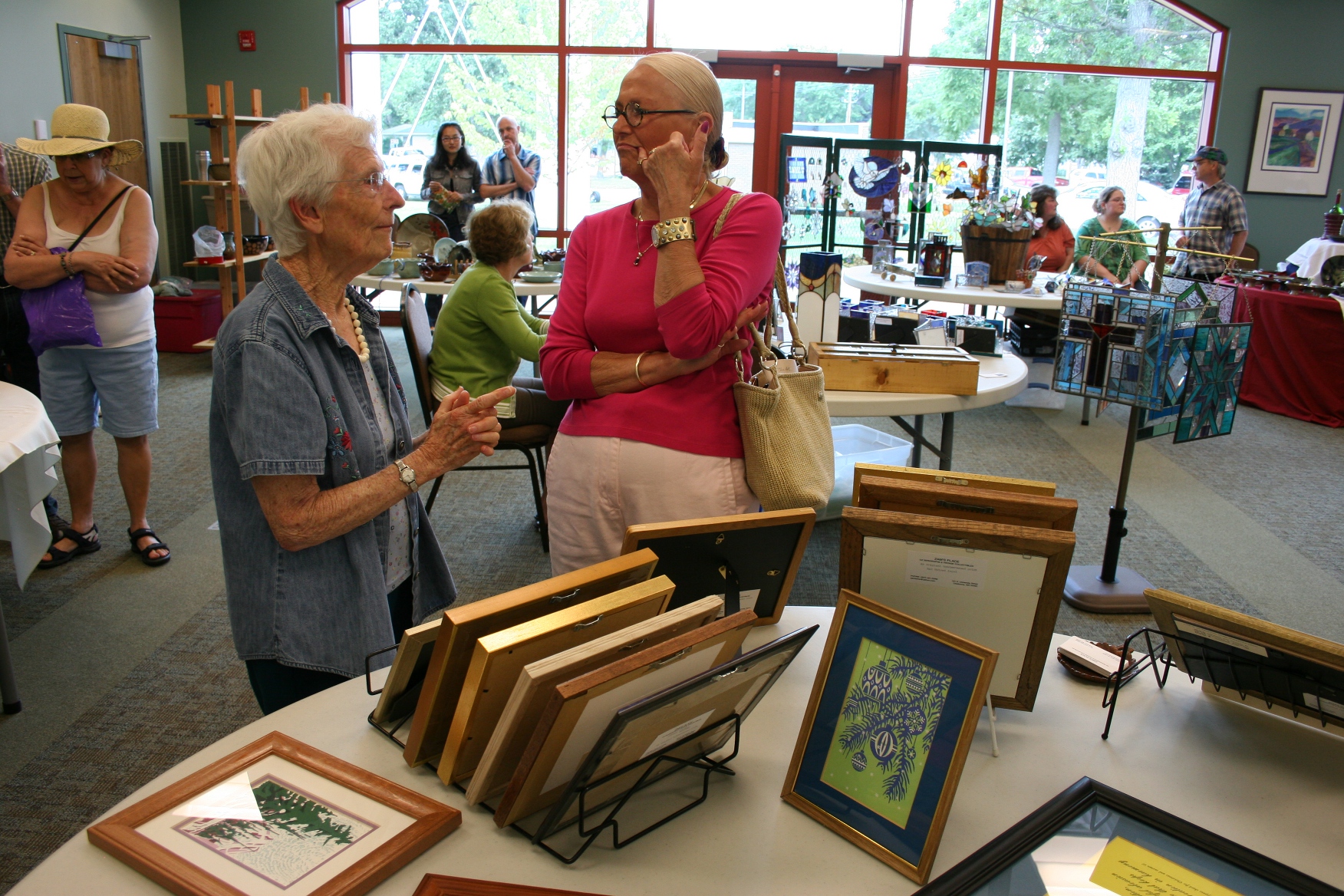
Jean Zambonia, left, talks about OZ Press at the artisan market. Framed OZ Press prints, on the table, were for sale.

Later I met Jean Zamboni in the new Steele County History Center and learned that she taught art at Minnesota State University, Mankato, before opening her press with friend Alice Ottinger. They designed some program covers for the college, did silk screening and eventually determined they could afford to start a press.

“So that was it,” Jean summarized as she stood next to a table where a limited selection of OZ framed prints were sold at the extravaganza. I wish now that I’d purchased one.

And you likely wish, about now, that I’d informed you of the Steele County Historical Society Extravaganza before the event. Mark it on your calendar for next July. Before that, though, you can attend Christmas in the Village, set for 4:30 – 8:30 p.m. Friday, November 30, and again from 10 a.m. – 2 p.m. on Saturday, December 1. The holiday celebration includes sleigh rides, visits by Santa and Mrs. Claus, children’s activities, selected buildings decorated for the season, a cookie sale, music and more. If it’s anything like the summer extravaganza, you will not want to miss it.

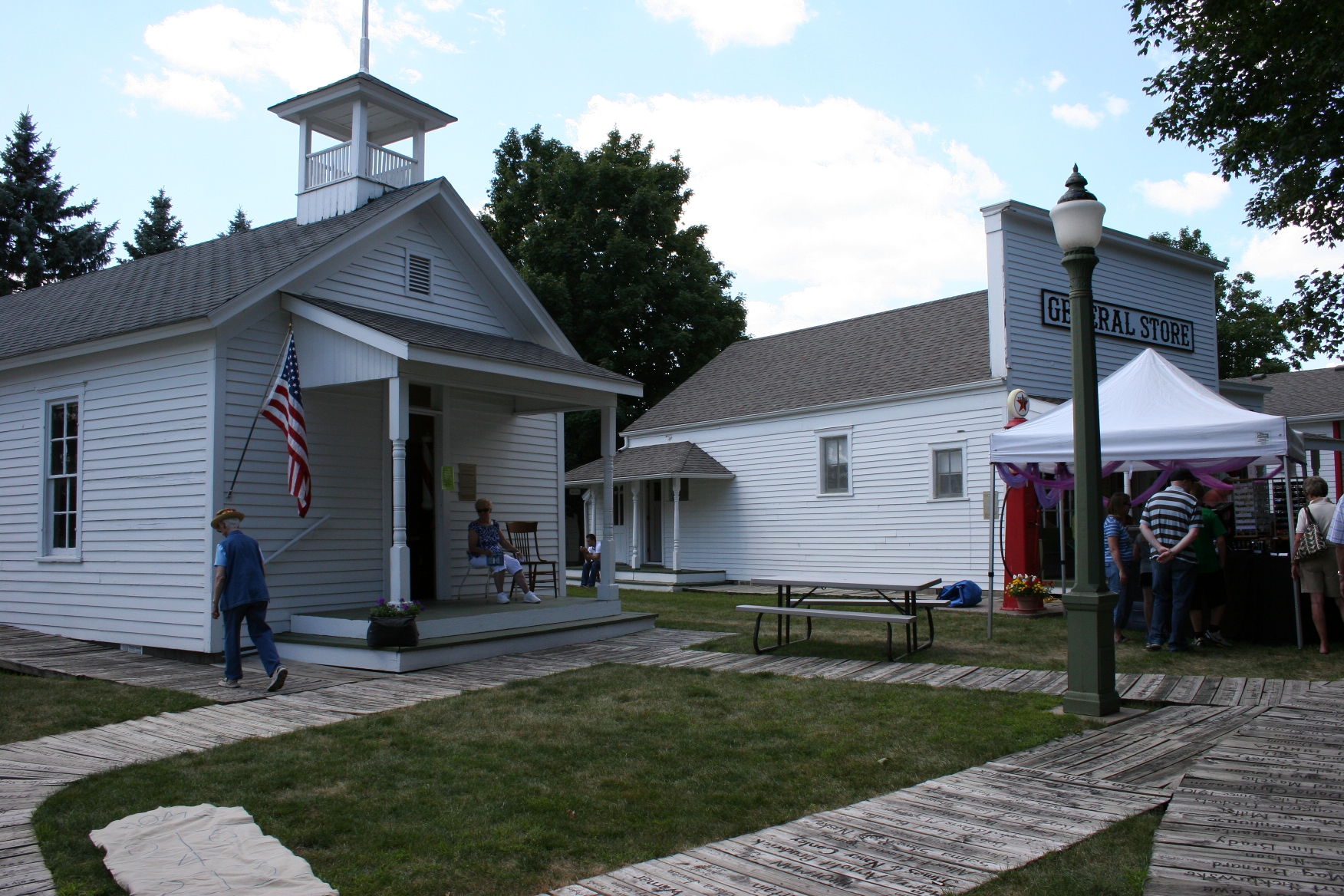
The general store and Museum of Professions at the Village of Yesteryear.

FYI: Click here to learn more about the Village of Yesteryear. Watch for several more posts from the extravaganza to be published here on Minnesota Prairie Roots.

© Copyright 2012 Audrey Kletscher Helbling
 

Welcome to Fargo, as in the “real” Fargo June 20, 2012

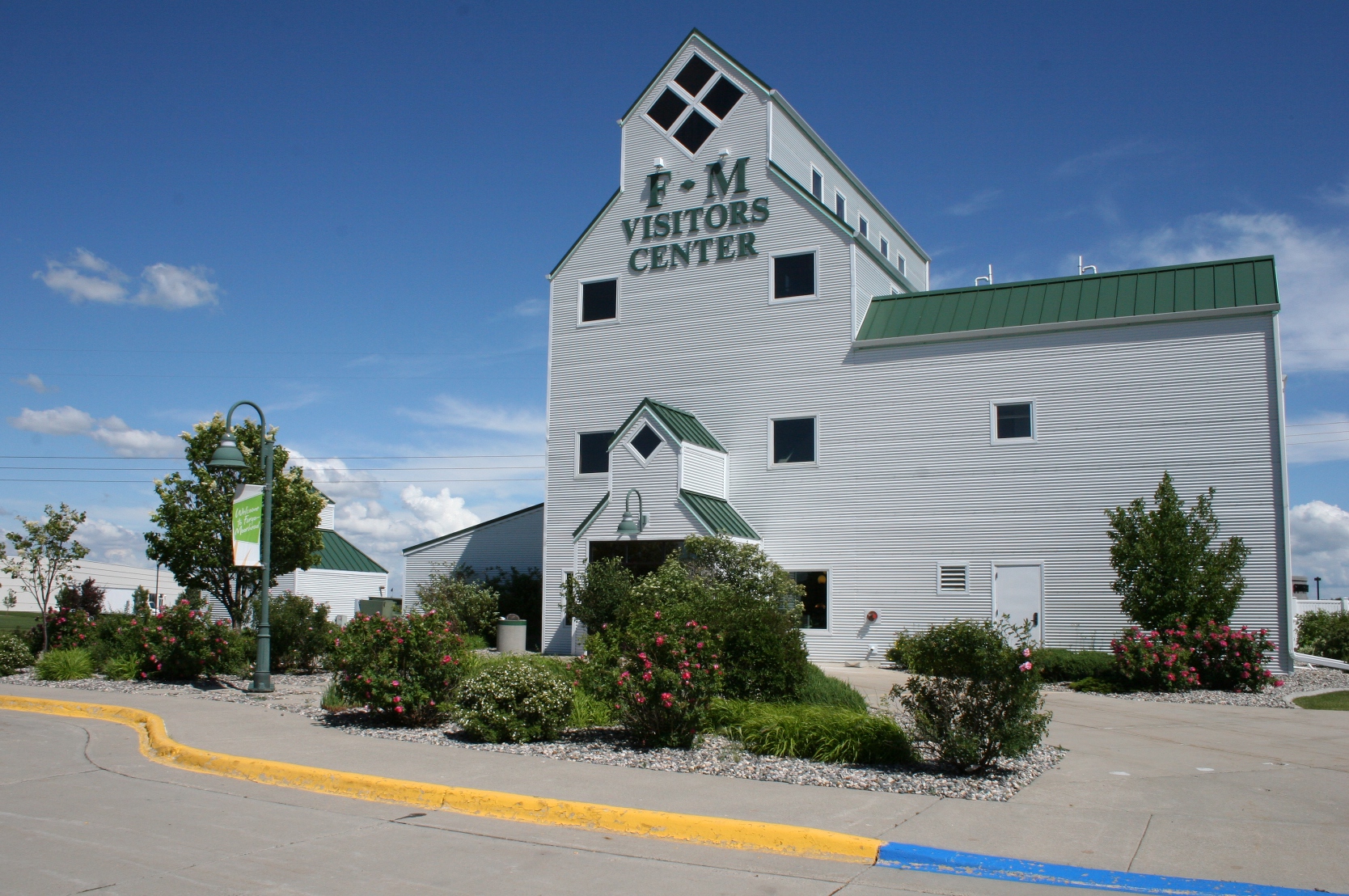
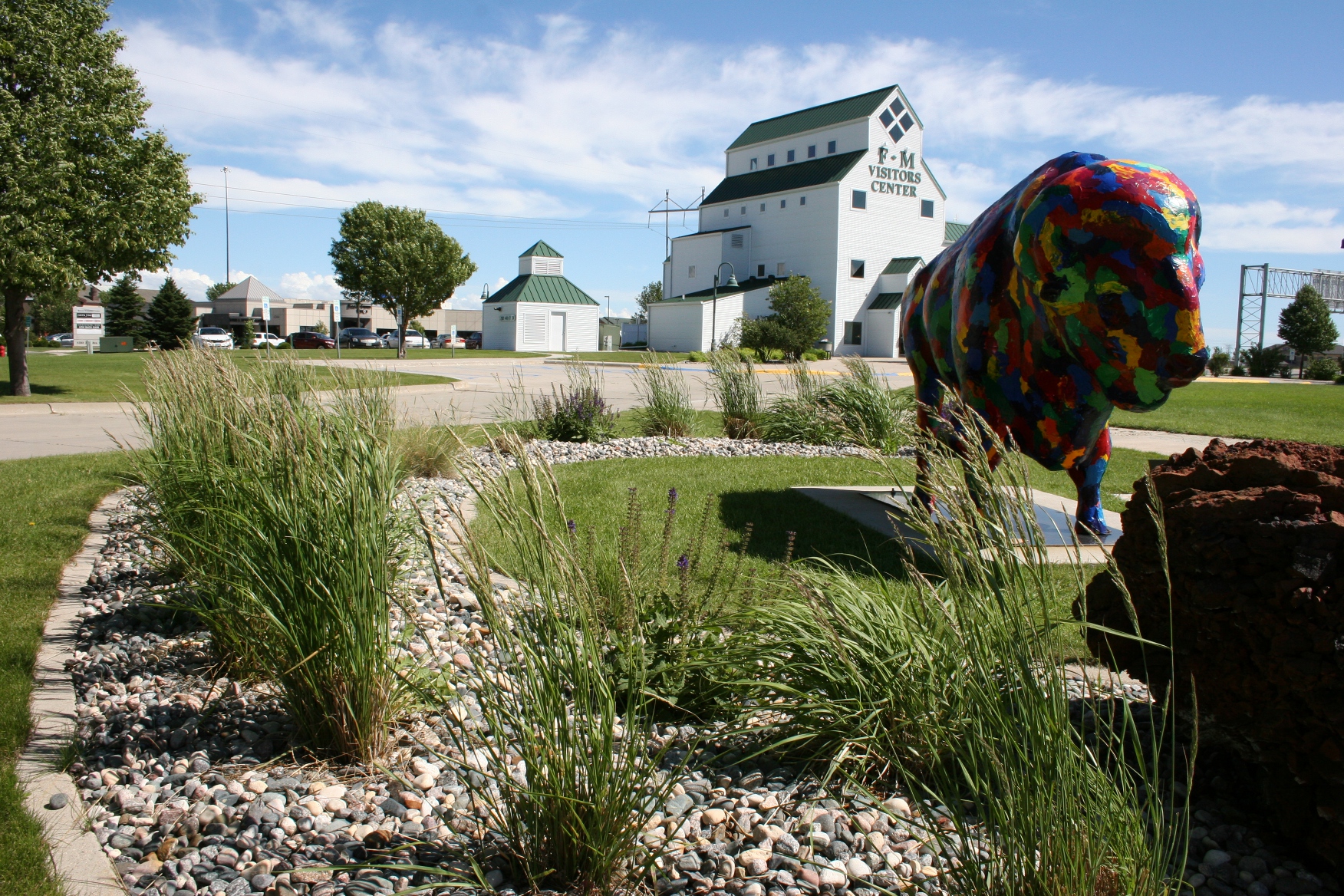
The official Fargo-Moorhead visitors guide reads: A warm welcome awaits you. Our Visitors Center, the “Grain Elevator,” located at Interstate 94 exit 348, has bushels of information, maps, brochures and a gift shop.

THE RAPID POP, pop, pop of tumbling popcorn, its buttery aroma scenting the air, impresses upon my senses as I enter the Fargo-Moorhead Vistors Center on a hang-onto-your-hat, grass-bending windy summer afternoon in North Dakota. (Is it always windy here?)

We’ve arrived in town around 4 p.m., five hours after leaving Faribault. I am determined on this, my third visit to Fargo—the first was 18 ½ years ago passing by on the interstate, the second in February—to see the infamous woodchipper from Minnesotans Joel and Ethan Coen’s 1996 award-winning dark comedy/crime film, Fargo.

The famous woodchipper from the movie, Fargo, is a focal point in the Visitors Center. Other film memorabilia is also on display.

In all honesty, I don’t recall the “feeding a body into the woodchipper” bit from the movie. Perhaps I shut my eyes or turned away as I cannot handle gruesome scenes. I remember, instead, the accents that made us northerners sound like backwoods hicks.

Visitors can also peruse copies of the Fargo script written by the Coen brothers from Minnesota.

But the F-M Visitors Center hypes up the film and specifically that woodchipper. And why not? Tourists embrace this kind of stuff, this opportunity to pull on furry ear flapper caps, pose next to the “real” woodchipper from the movie and then post the images on “The Woodchipper in Fargo” Facebook page.

I didn’t even attempt to persuade my husband and 18-year-old son to pose for a woodchipper photo.

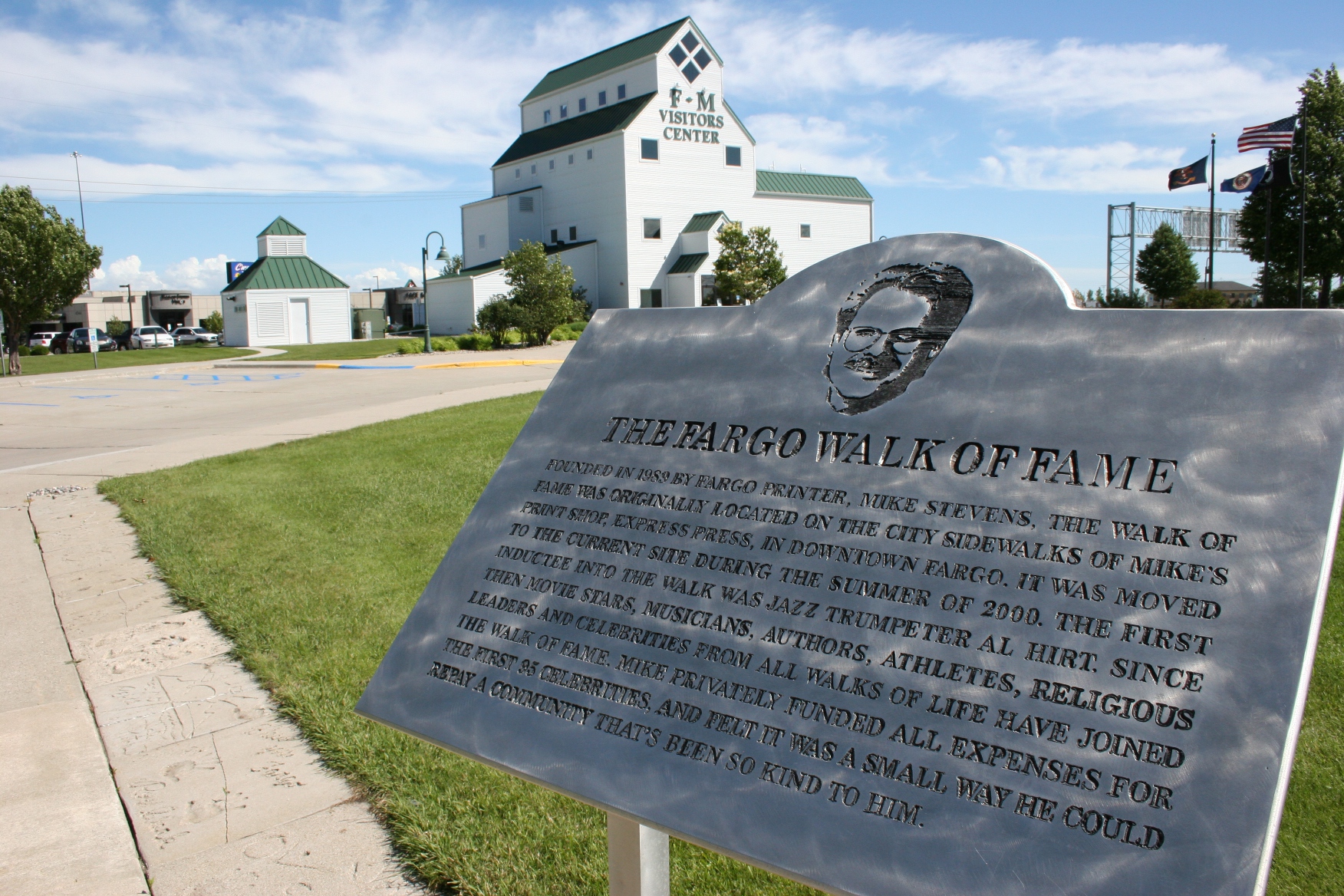
A Fargo businessman started the Celebrity Walk. When his business moved, the Walk was relocated to the F-M Visitors Center. Some of the cement squares cracked during the move. Others have cracked due to weather.

We just grabbed bags of popcorn, quite fitting for the whole going-on movie theme, and munched while gathering brochures, asking questions and then, back outside, checking out the names imprinted in cement on The Celebrity Walk of Fame. The Coen brothers were noticeably absent.

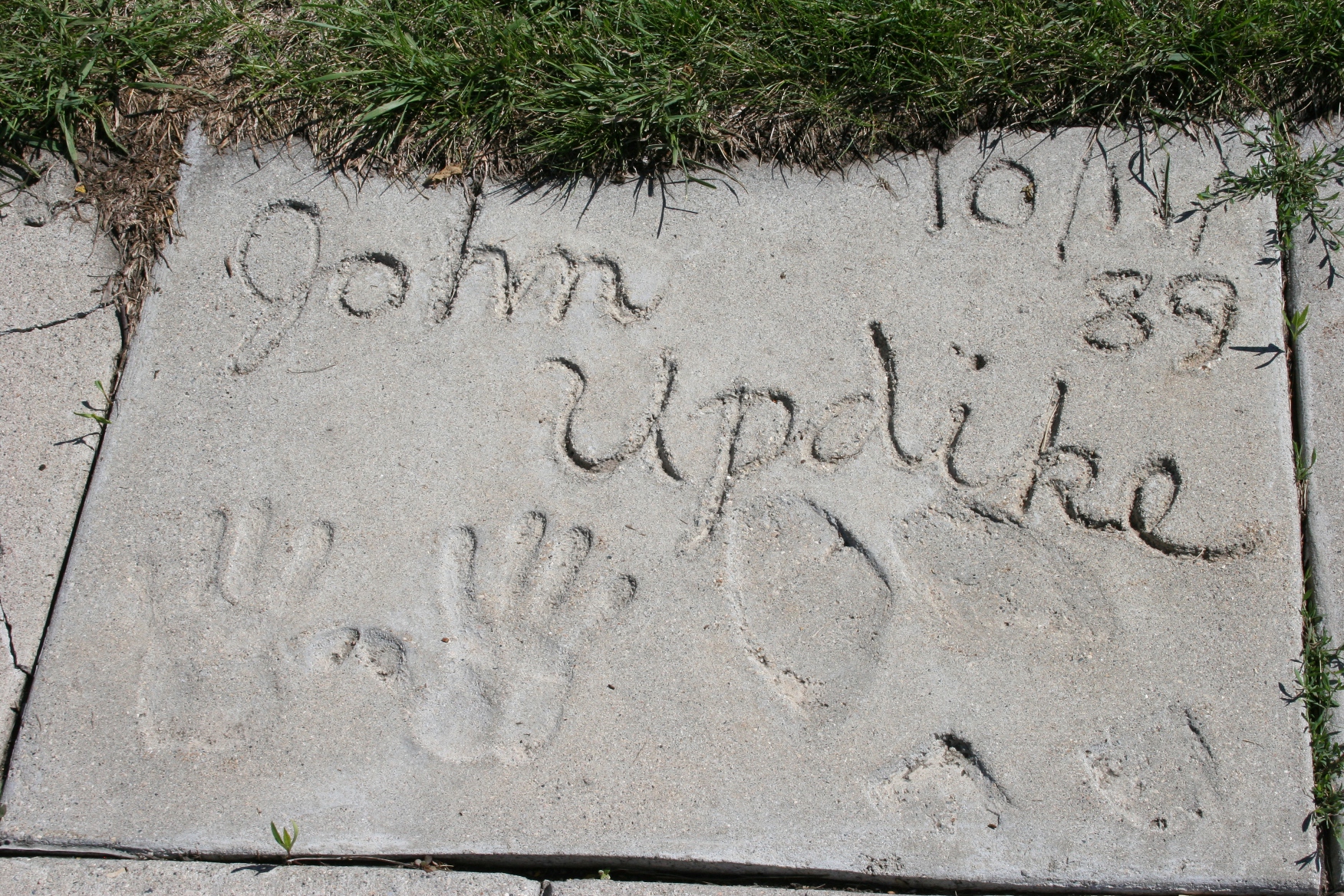
Of course, you might know that I would photograph the signature and handprints and footprints of a writer, like John Updike, who several times won the Pulitzer Prize in fiction.

But you’ll find the names, and sometimes hand and footprints and art, of 113 celebrities—from authors to movie stars to musicians and more—here. Notables like The Moody Blues, Bill Gates, Toby Keith, Paul Harvey, Travis Tritt, Conway Twitty, Garth Brooks, Kiss and many more have left their marks on 150-pound squares of cement in Fargo.

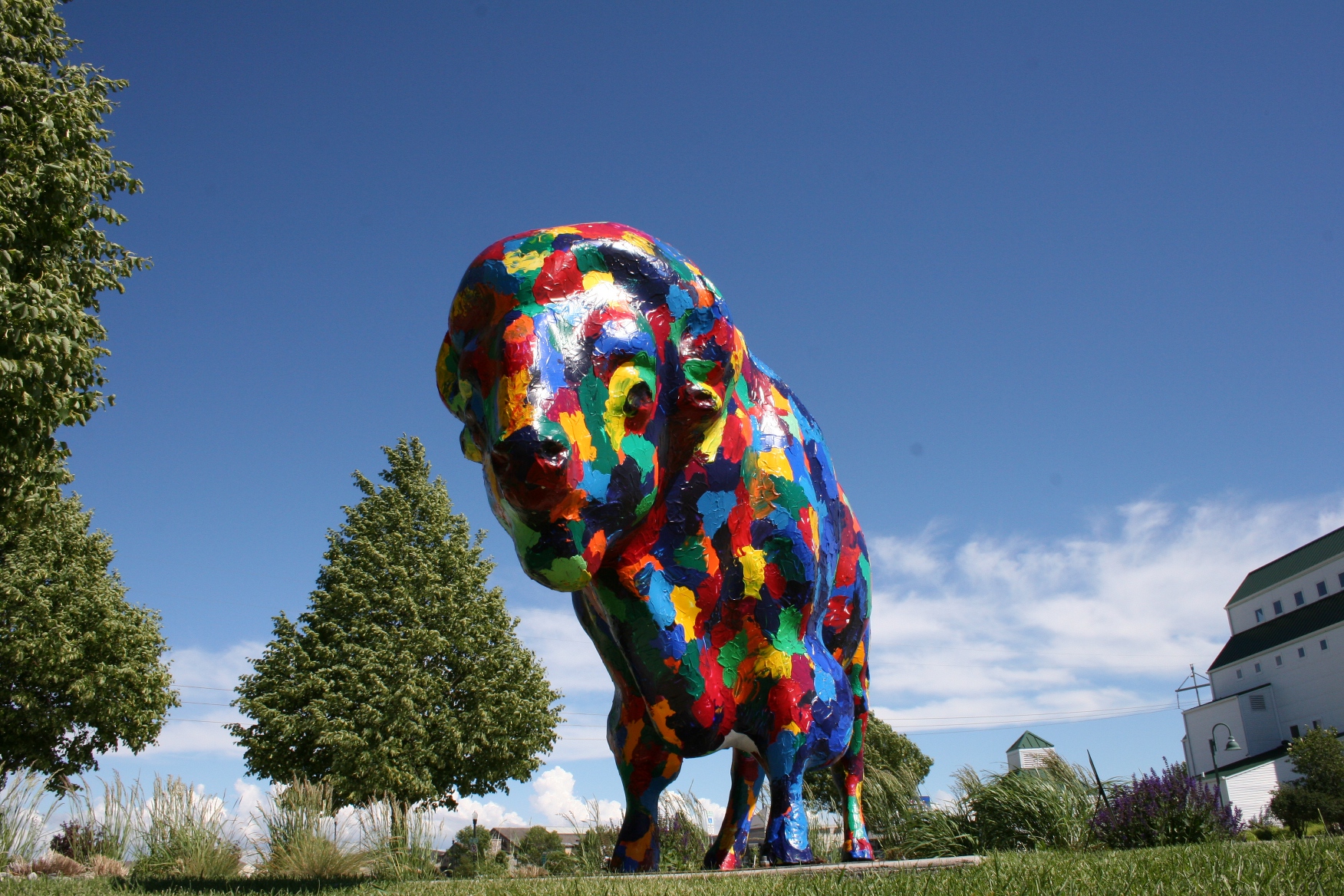
Anne Bradley Kiefel’s colorful “Herd About the Prairie” public art sculpture, right, is located at the Visitors Center.

While circling the Celebrity Walk, I broke away to snap photos of the colorful fiberglass buffalo sculpture, “Aunie,” created by Anne Bradley Kiefel as part of a 2006 Lake Agassiz Arts Council public art project, “Herd About the Prairie.” The Visitors Center bison is among 19 such sculptures in the Fargo-Moorhead area.

A looking-up-from-the-ground shot of the buffalo.

Spend any time here, and you’ll soon discover that these F-M folks love their buffalo as much as they love Fargo.

P.S. I just checked out a copy of the movie, Fargo, from my local public library last night. I never intended to do so. But as I was walking past a catch-all basket for books/movies/magazines, there was Fargo, right on the top, staring up at me. Gives you goosebumps, doesn’t it? So…, I will see if I am actually able to watch the woodchippper scene this time around.

© Copyright 2012 Audrey Kletscher Helbling
 

Historic Faribault Woolen Mill opens retail store with an artsy vibe June 12, 2012

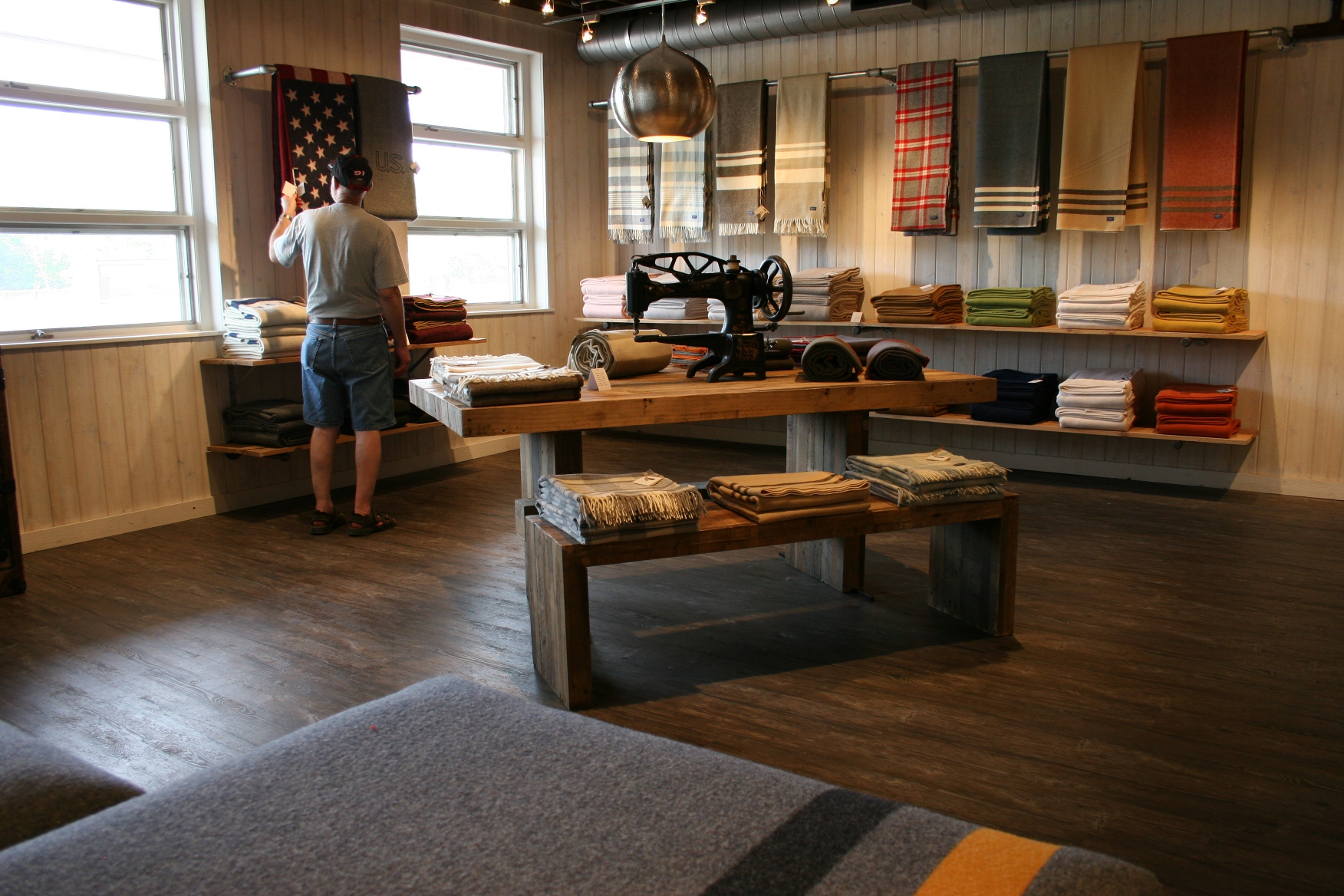
Perusing merchandise at the recently reopened Faribault Woolen Mill retail store.

RUSTIC. SIMPLISTIC. MINIMALIST.

Those words wash over me as I step into the Faribault Woolen Mill Company’s recently re-opened retail store.

I could have strolled into an art gallery for the artsy vibe of this place. It has that feel, that sense of style and creative energy, which tells you this is no cookie-cutter retail outlet but someplace special.

The retail store has a comfy, relaxed and trendy feel.

From the white-washed paneled walls to the utility spools brushed in crisp white paint to the shelves leveled upon a ladder to the uniform white cubbies, the décor here is bare bones basic. It’s perfect for showing off the woolen blankets hung and folded ever so precisely in this historic woolen mill along the banks of the Cannon River in Faribault.

Faribault Woolen Mill blankets/throws are artfully hung on a simple pipe.

Crisp white cubbies, ever so perfect for showing off blankets/throws.

Jean Moody is tending the store on this recent hot and humid Saturday afternoon in May when the thought of purchasing a wool blanket seems not even a remote possibility. My curiosity draws me inside the store, into this building where I’ve never set foot even though I’ve lived in Faribault for nearly 30 years.

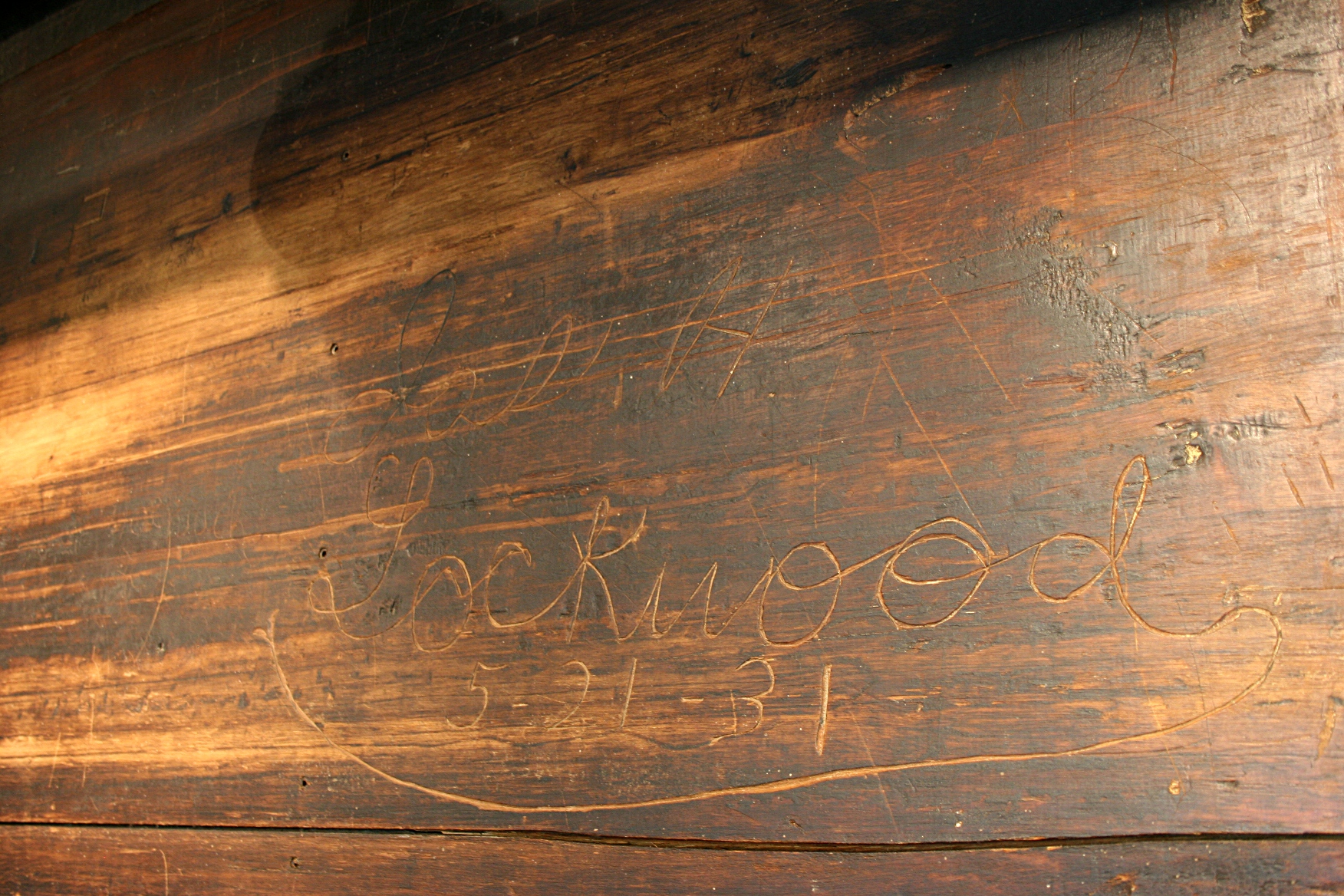
A wall once located near bathrooms has been incorporated into the retail store, behind the check-out counter, to showcase a name etched in wood in 1931.

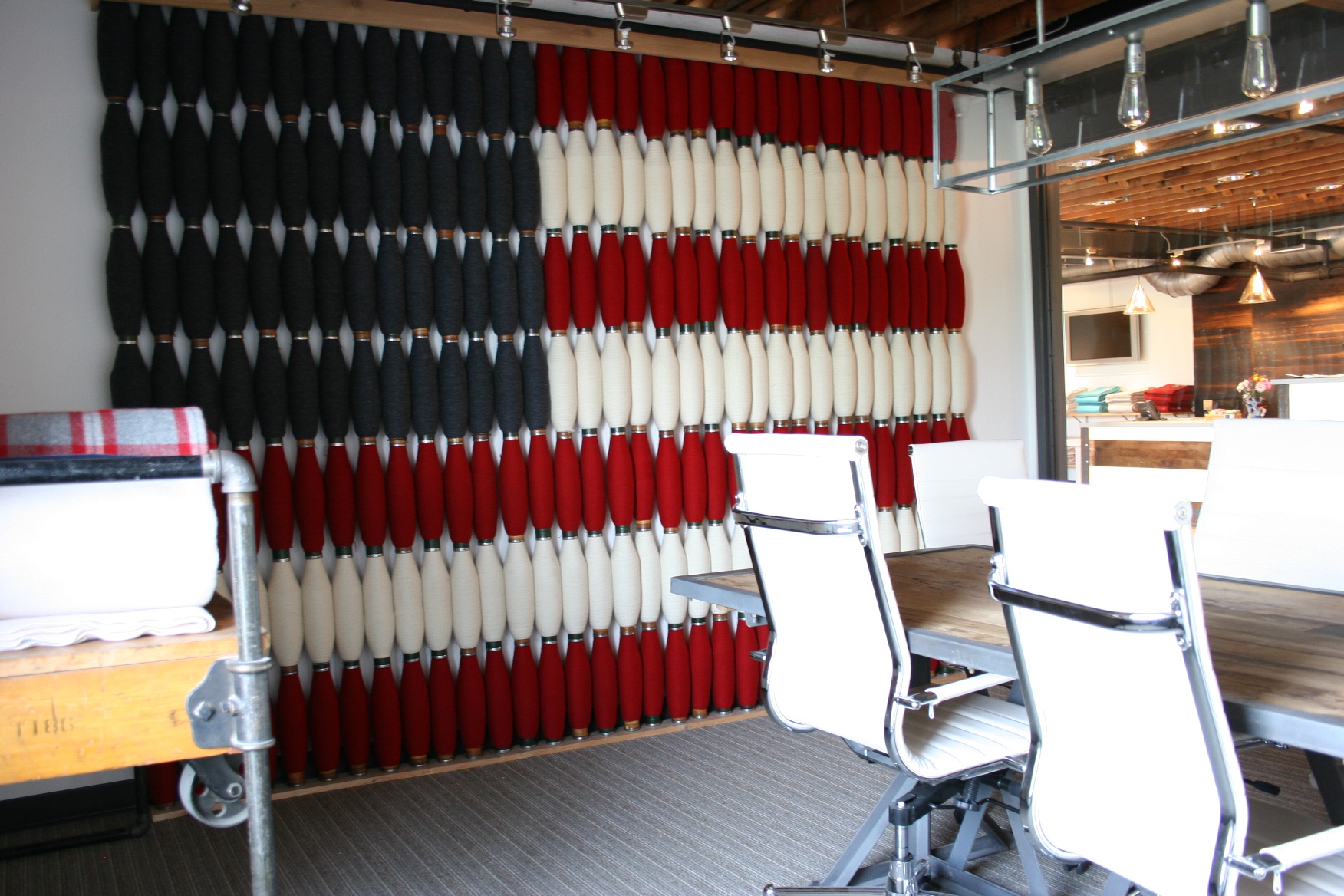
An American flag on a wall in a meeting room, visible through floor to ceiling glass in the retail store, emphasizes the Woolen Mill’s dedication to “American made” products.

On this afternoon, Jean welcomes me, obliging my request to photograph a meeting room and also a wall behind the retail counter. I have no idea she is the wife of Paul Mooty, who purchased the foreclosed mill and reopened it in 2011 with his cousin, Chuck Mooty, until she introduces herself later.

She’s friendly and engaging and genuinely interested in connecting with Faribault residents and grateful for the warm welcome given to her family.

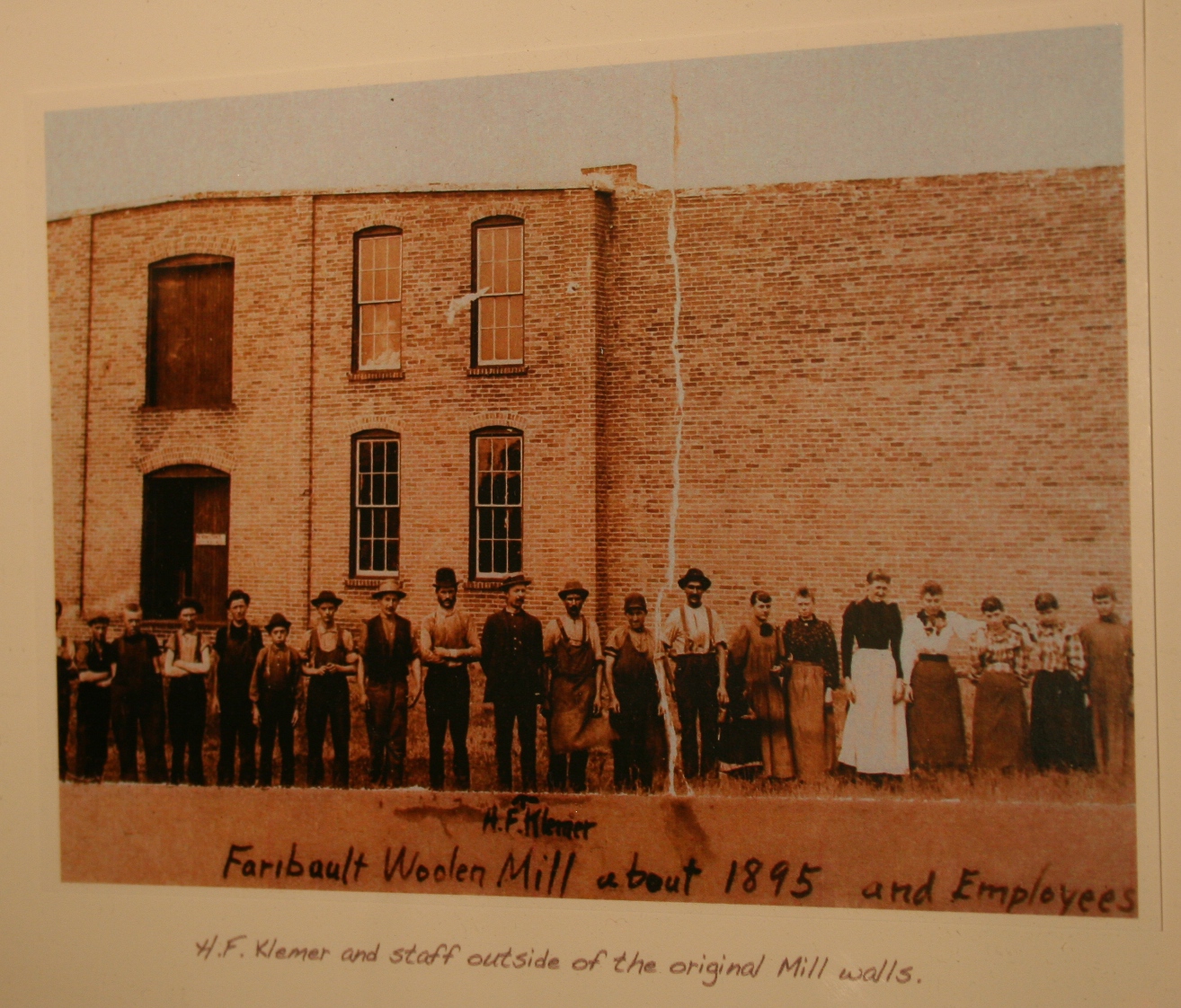
An historic 1895 circa photo from the mill, among those featured in a mini wall of Woolen Mill history.

After the sudden closure of the mill in 2009, locals seem delighted with the Mooty cousins’ revival of the mill which dates back to 1865.

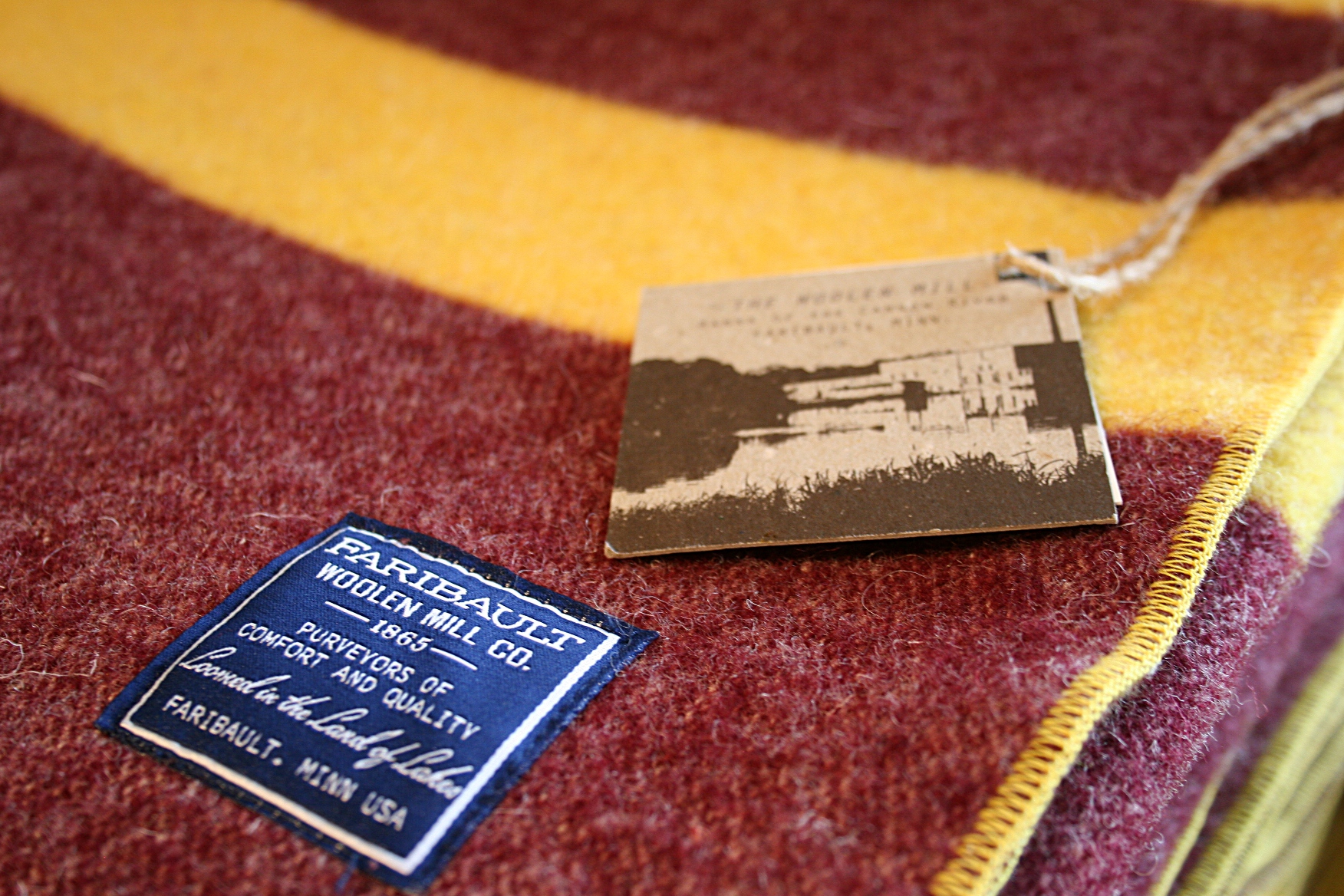
In its labeling, the mill promotes itself as “Purveyors of Comfort and Quality” with its products “Loomed in the Land of Lakes.”

The Faribault Woolen Mill’s mission, according to the company website is “to provide the finest quality goods made only by American craftsmen here in Faribault, Minnesota.”

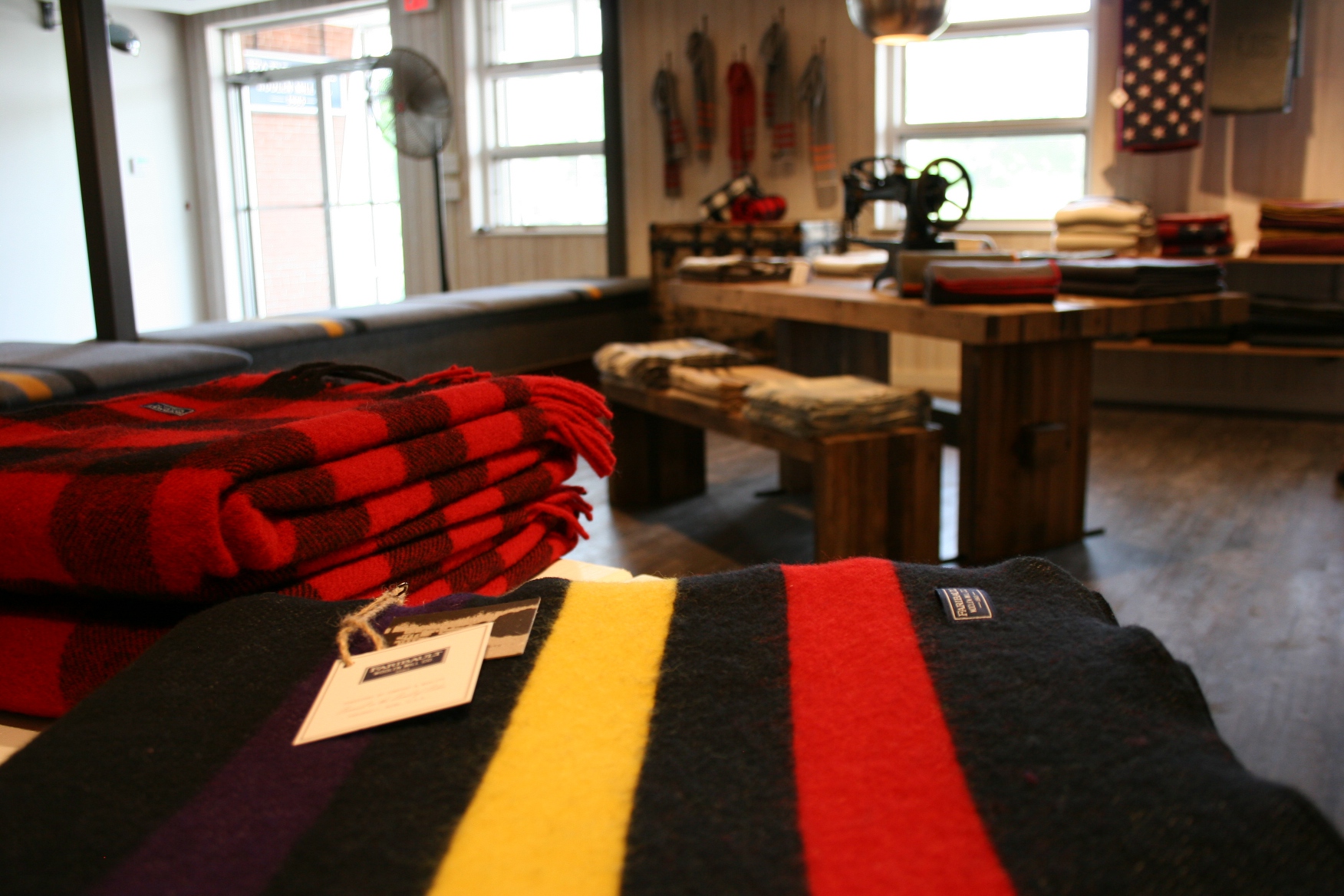
Wool blankets with a definite Northwoods feel are sold in the retail store.

Fine examples of that craftsmanship are presented to the public in the woolen blankets and throws so artfully displayed in the store which, according to Jean, has a Ralph Lauren/Northwoods look.

I’d agree. Comfort. Simplicity.  Americana. All qualities in Ralph Lauren’s signature fashion style exist in this mill store which seems destined to once again become a must-see destination for visitors to Faribault, one of Minnesota’s oldest and most historic cities.

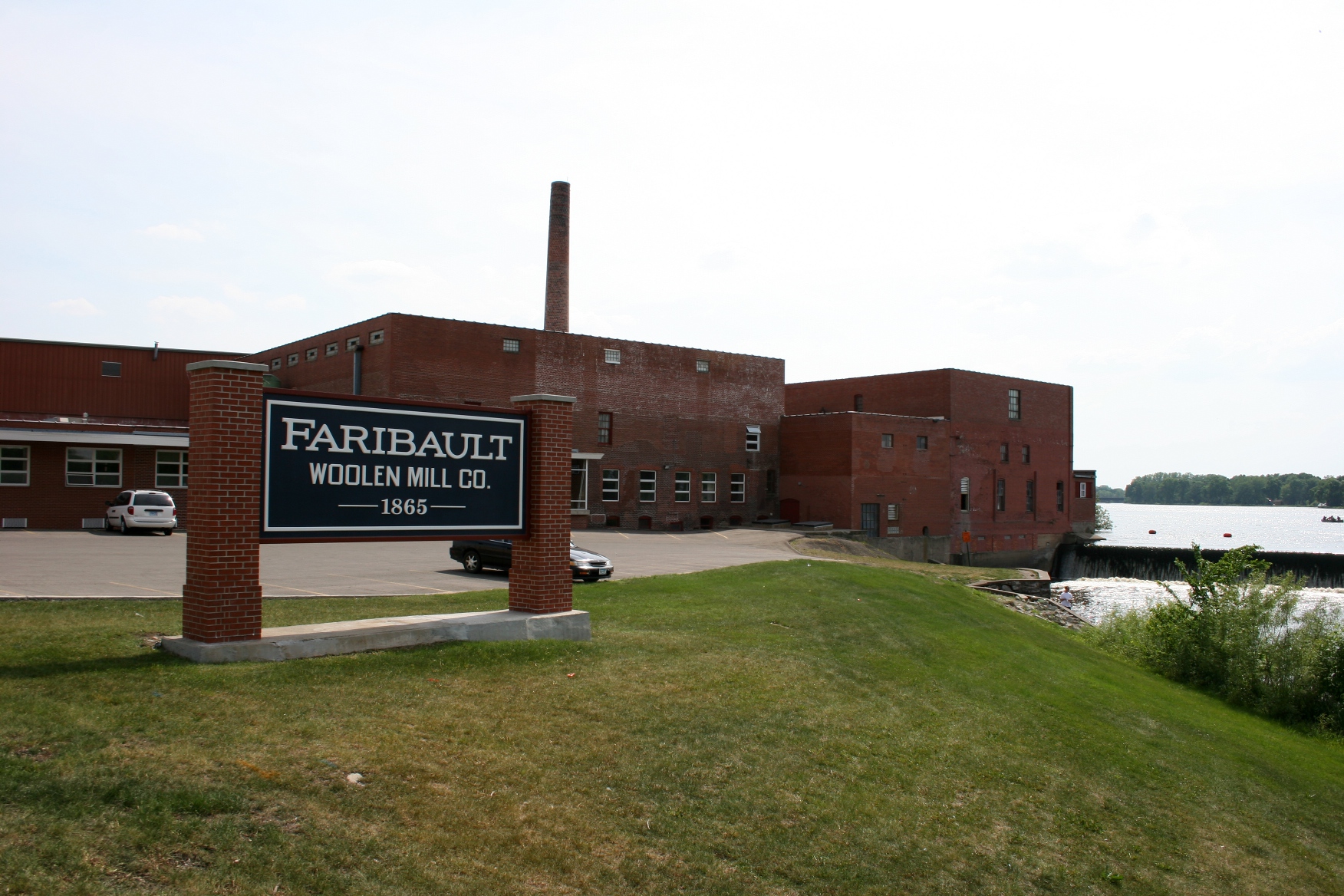
The historic Faribault Woolen Mill sits along the banks of the Cannon River.

FYI: The Faribault Woolen Mill retail store holds its grand opening from 4:30 p.m. – 7 p.m. on Thursday, June 14. A ribbon-cutting is scheduled in conjunction with the Faribault Heritage Days Mayor’s Reception.

Tours of the Woolen Mill, located on the banks of the Cannon River at 1500 Second Avenue Northwest near the Rice County Fairgrounds, will be offered as part of the Heritage Days celebration at 2 p.m. and 2:30 p.m. on Wednesday, June 13, and again on Friday, June 15. Preregister by calling (507) 334-2064.

For more info about the Faribault Woolen Mill, click here to link to the company website.

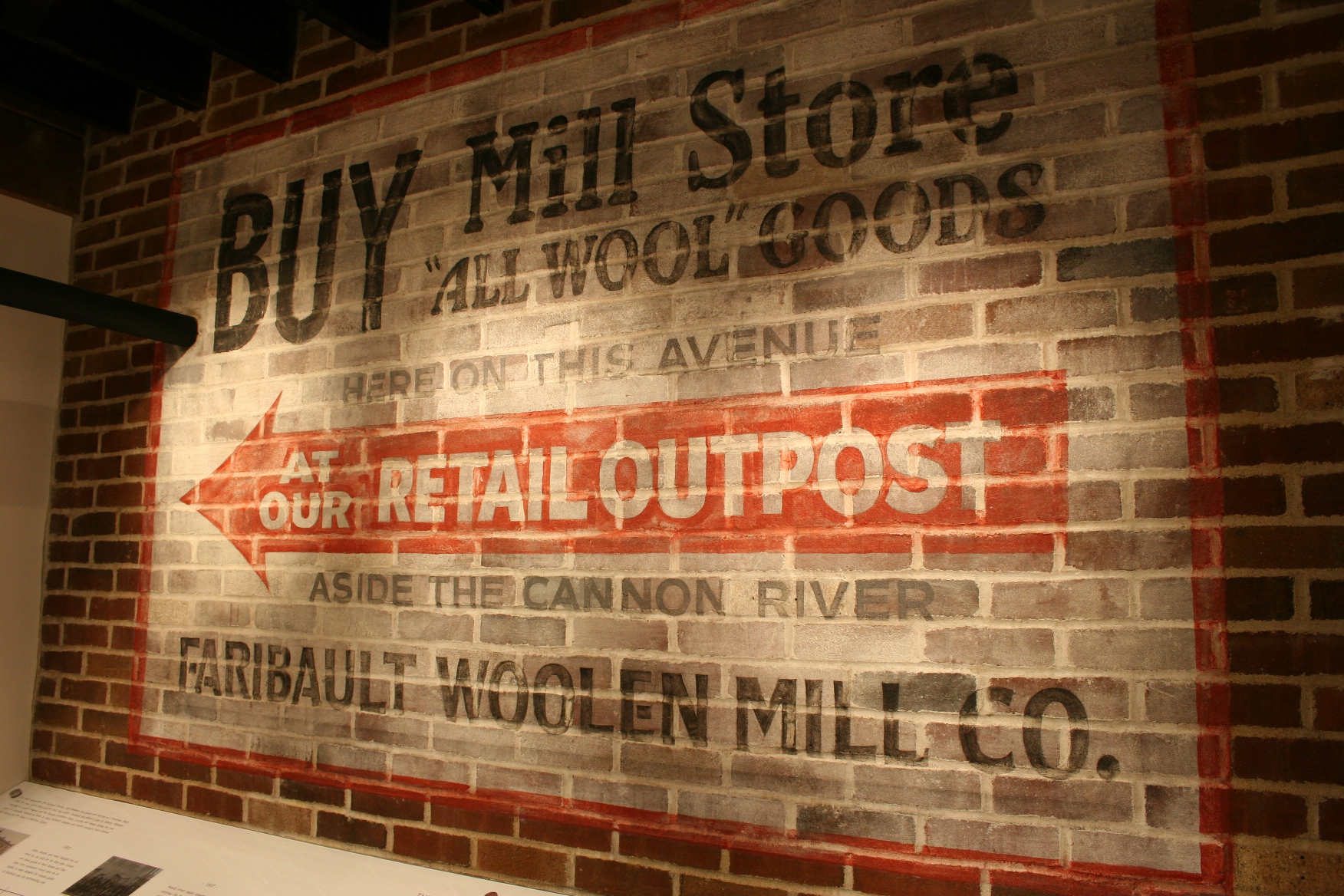
A replica of an original sign is now in the Woolen Mill’s historic display area.

Even this Woolen Mill conference/meeting room possesses an inviting, rustic appeal.

© Copyright 2012 Audrey Kletscher Helbling

Note: These photographs were shot one month ago.