Minnesota Prairie Roots

Writing and photography by Audrey Kletscher Helbling

Part I from Wanamingo, a classic small town in Minnesota March 21, 2016

Filed under: Uncategorized — Audrey Kletscher Helbling @ 5:00 AM
Tags: , , , , , ,
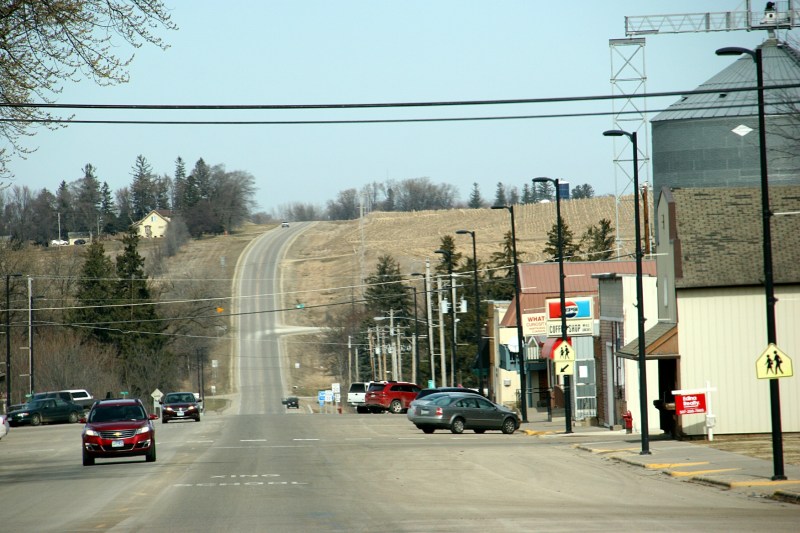
Driving into downtown Wanamingo along Minnesota State Highway 57 on a Saturday afternoon.

Driving into downtown Wanamingo along Minnesota State Highway 57 on a recent Saturday afternoon.

ON THE CITY WEBSITE, Wanamingo is described as a classic small Midwestern town in Southeastern Minnesota. That seems accurate.

What then is a classic small Midwestern town?

Visiting early Saturday afternoon in downtown Wanamingo.

Visiting early on a Saturday afternoon in downtown Wanamingo.

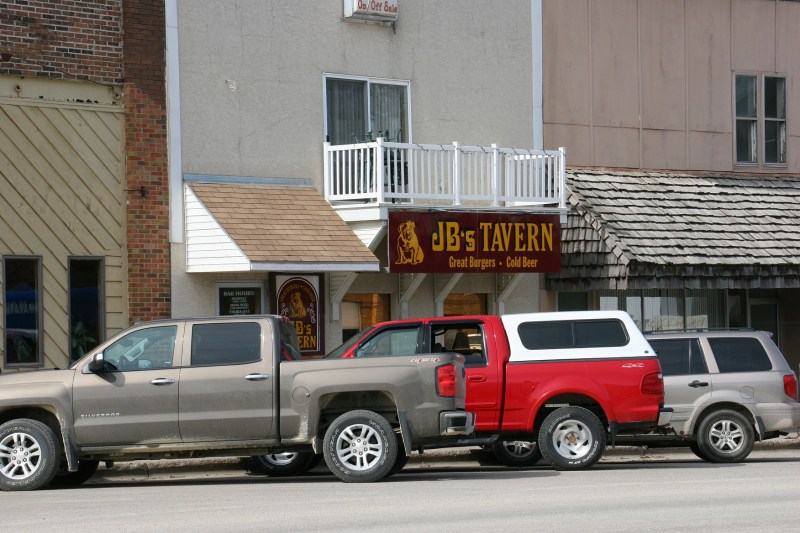
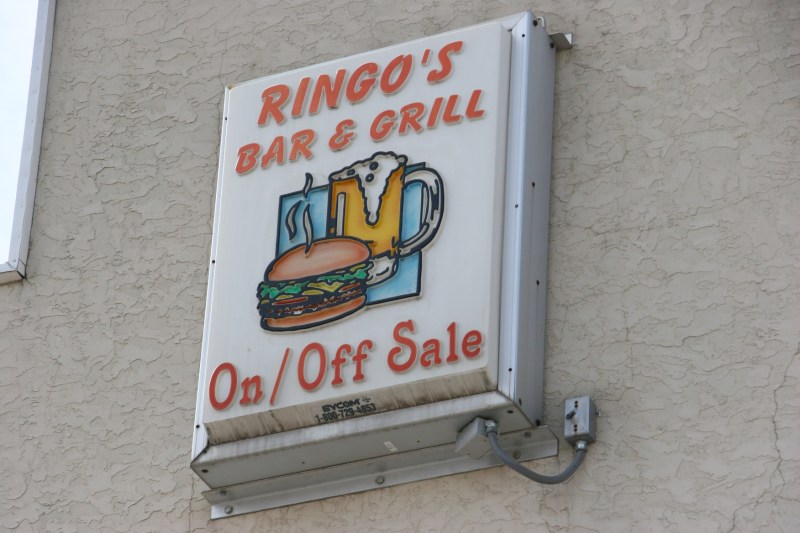
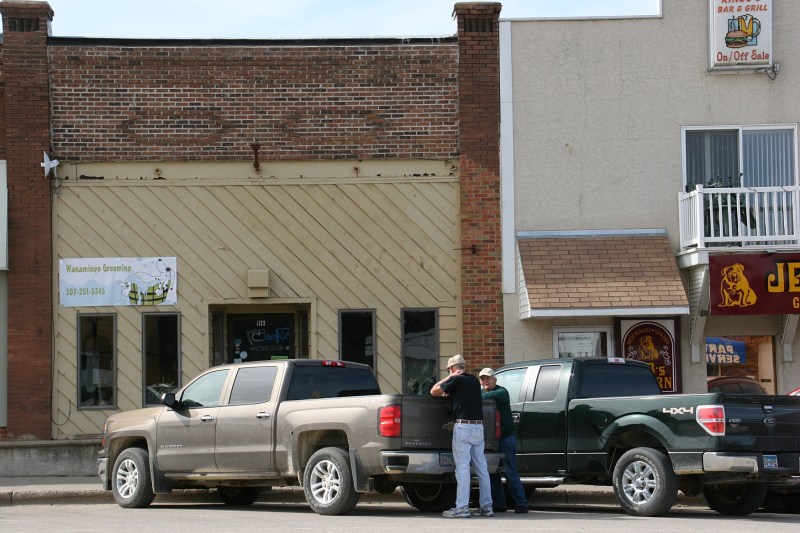
It is a place where, on a Saturday afternoon in March, two guys lean on the back of a pick-up truck and converse outside a bar and grill.

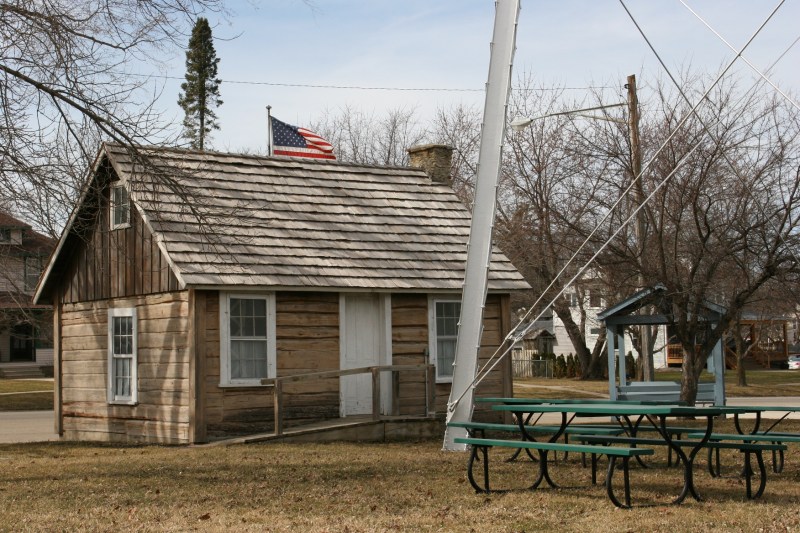
Posted at a local park. I edited the phone number from the photo.

Posted at a local park. I edited the phone number from the photo.

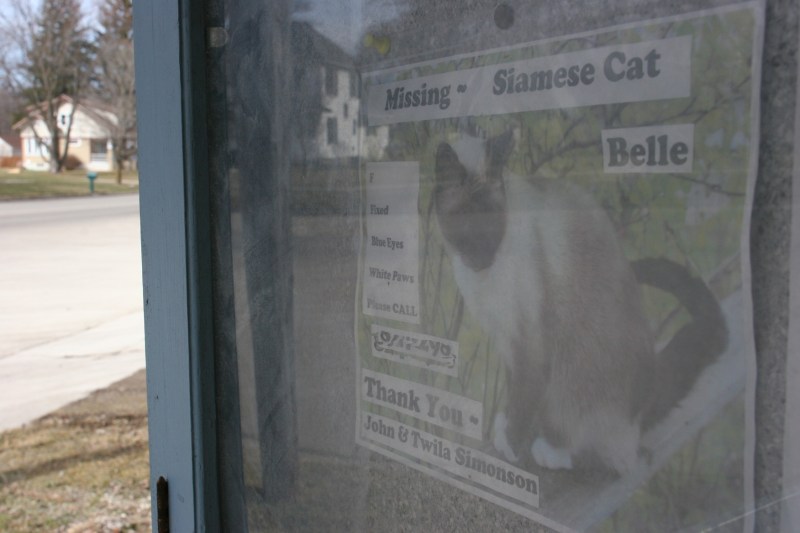
It’s a place where a notice in the park information center requests help in finding Belle, a missing Siamese cat.

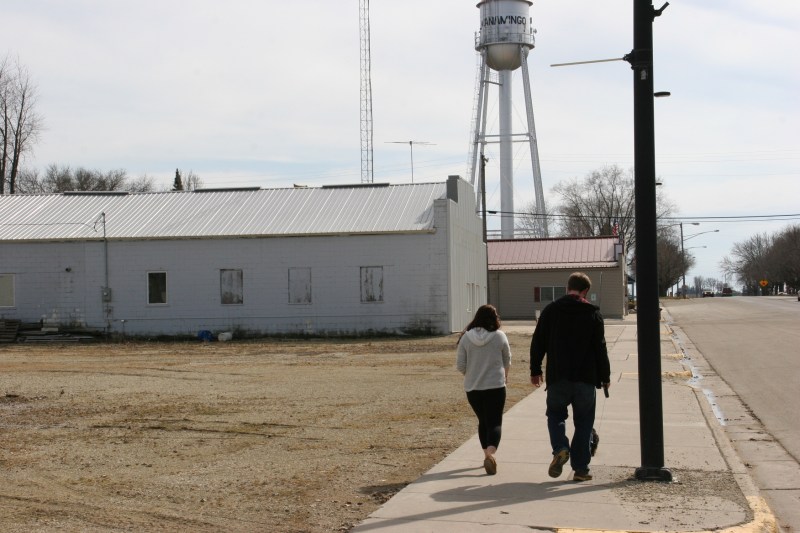
Walking the puppy downtown. Wanamingo still has an old style water tower.

Walking the puppy downtown. Wanamingo still has an old style water tower.

It’s a place where a friendly young couple walks their curly-haired puppy, allows a visitor to pet him and then wishes the out-of-towner a good afternoon.


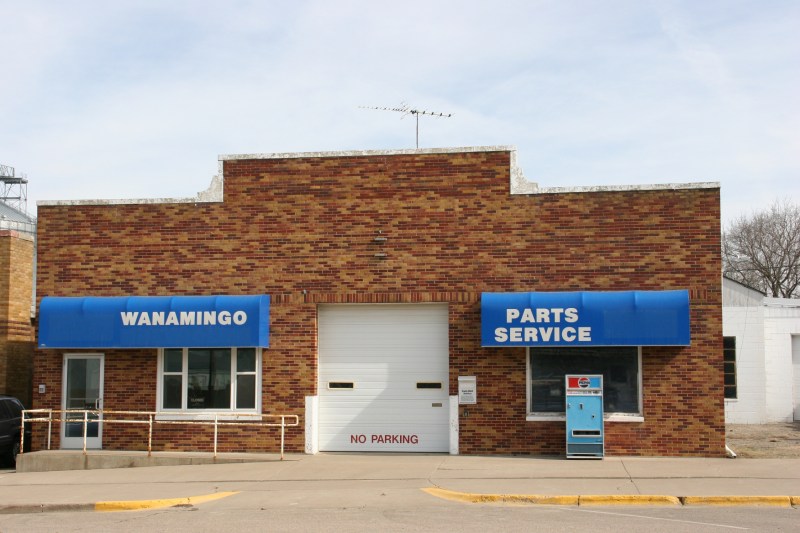
Small town Wanamingo, 37 parts service


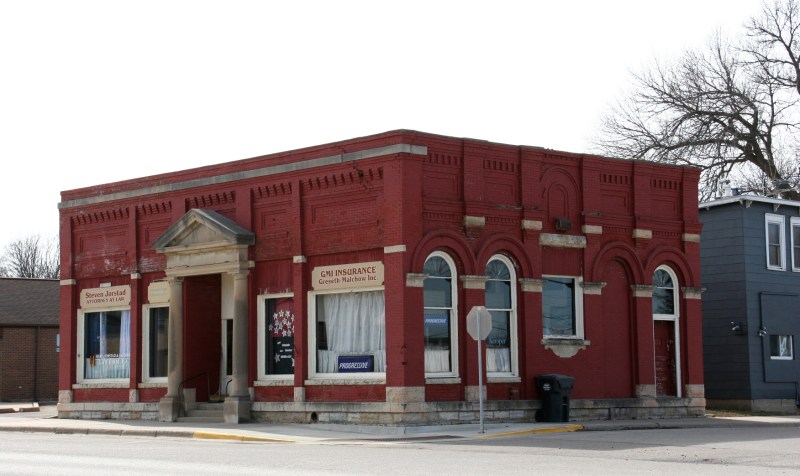
Small town Wanamingo, 40 insurance building


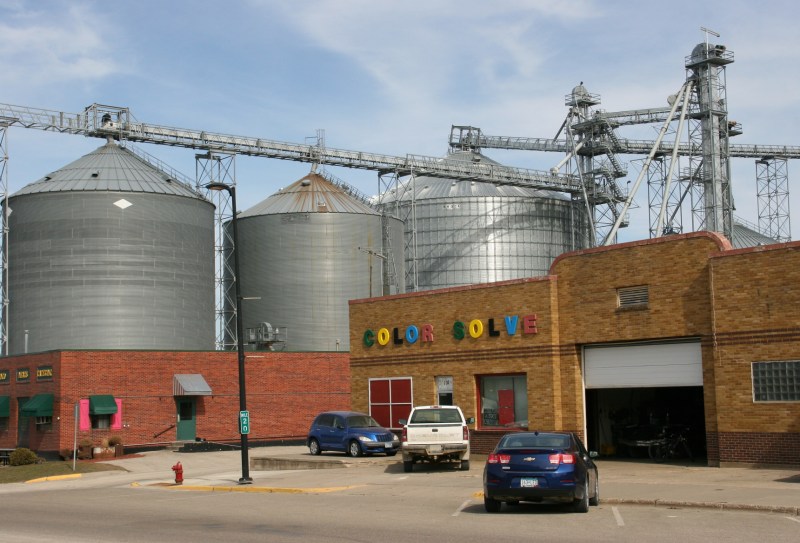
Small town Wanamingo, 36 grain bins


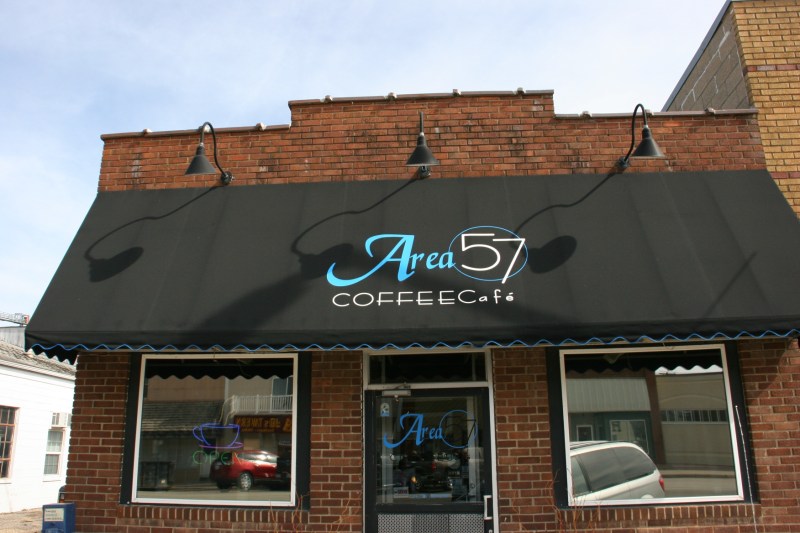
It’s a place with solid brick buildings in a downtown occupied by businesses like a meat market, a bar, a cafe, a garage, law and insurance offices, and grain bins banking the north end of Main Street.


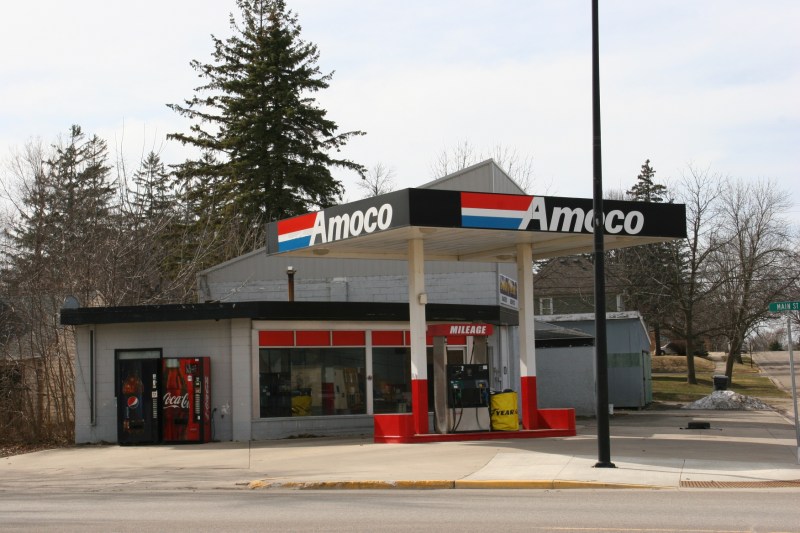
I love the classic corner angled gas station.

I love the classic corner angled gas station.

Wanamingo has that small town rural feel, that sense of life moving at a slower pace. Traffic is minimal downtown, even though Minnesota State Highway 57 doubles as Main Street. And, yes, the main street is named Main Street.


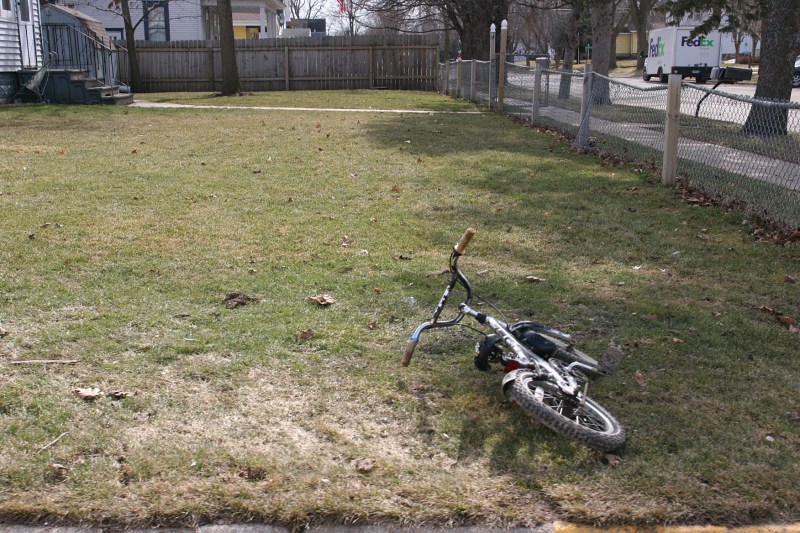
Small town Wanamingo, 46 bike in yard


In this classic small Midwestern town, kids drop bikes in yards.


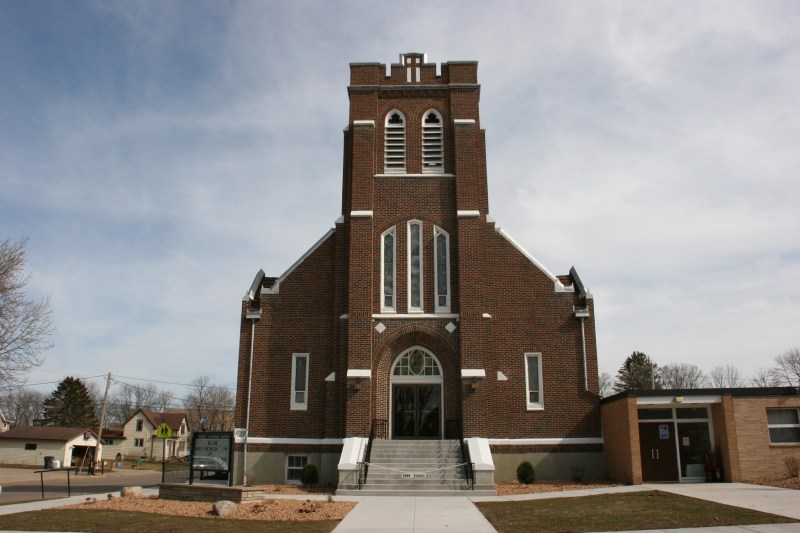
Beautiful Trinity Lutheran Church. I'll take you on a tour of the church in an upcoming post.

I’ll take you inside Trinity Lutheran Church in an upcoming post.

A life-long resident tinkers with a light post outside Trinity Lutheran, a stalwart brick corner church that holds the histories of so many local families. Births, marriages, deaths.

Wanamingo, platted in 1904, is not Utopia. No place is. But it is a community of about 1,100 that seems, from outward appearances, to care, to want to look its best, to be the kind of place folks want to visit or call home. It is a classic small Midwestern town.

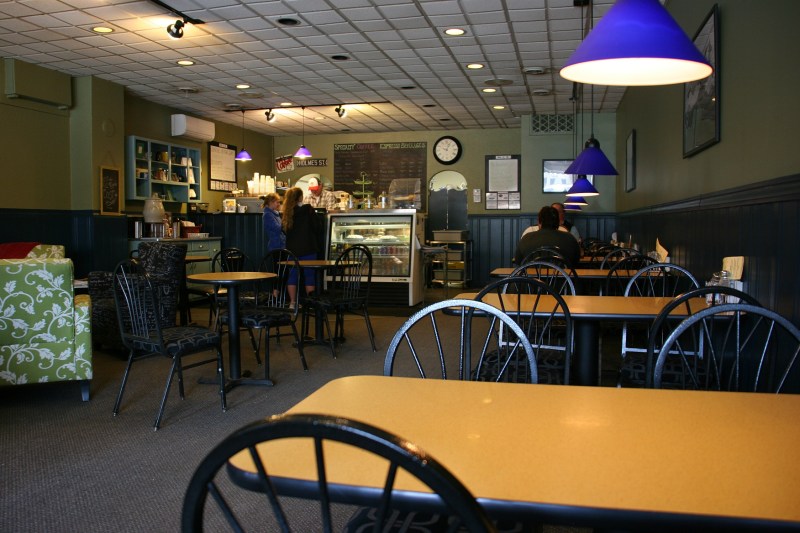
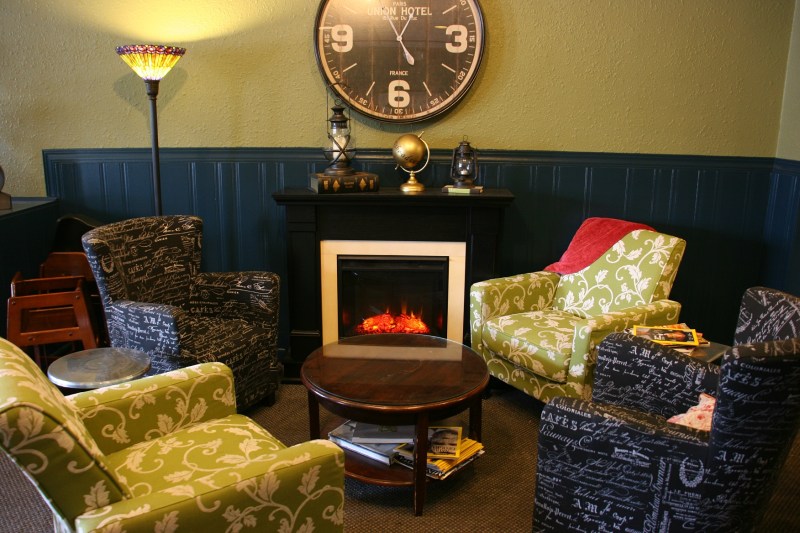
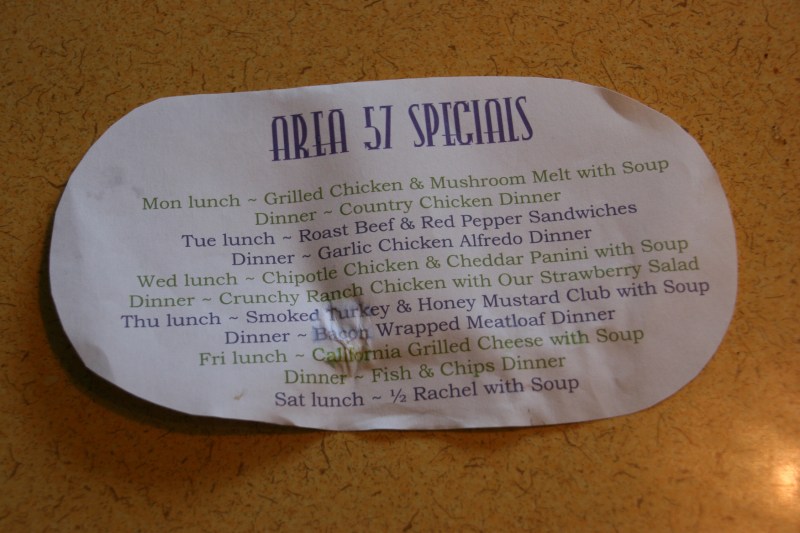
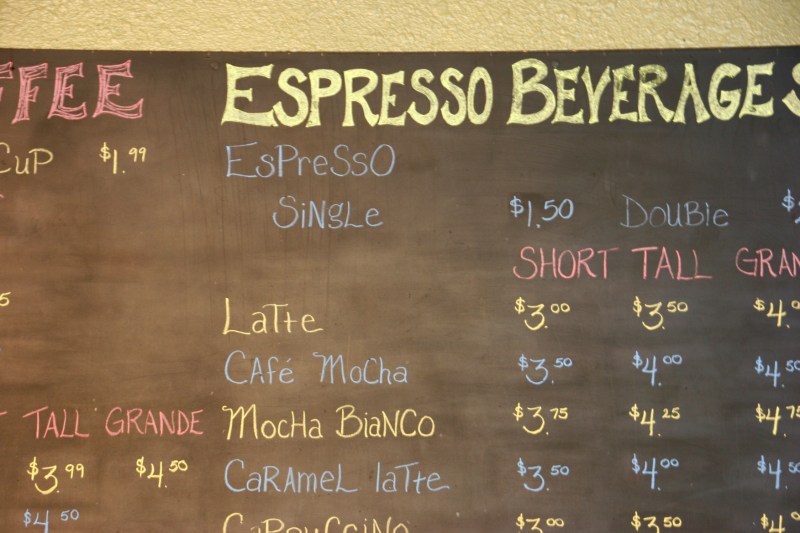
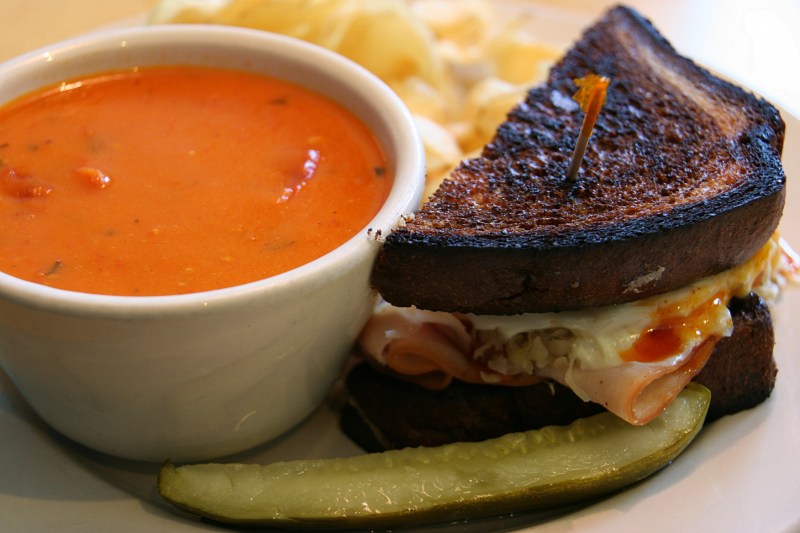
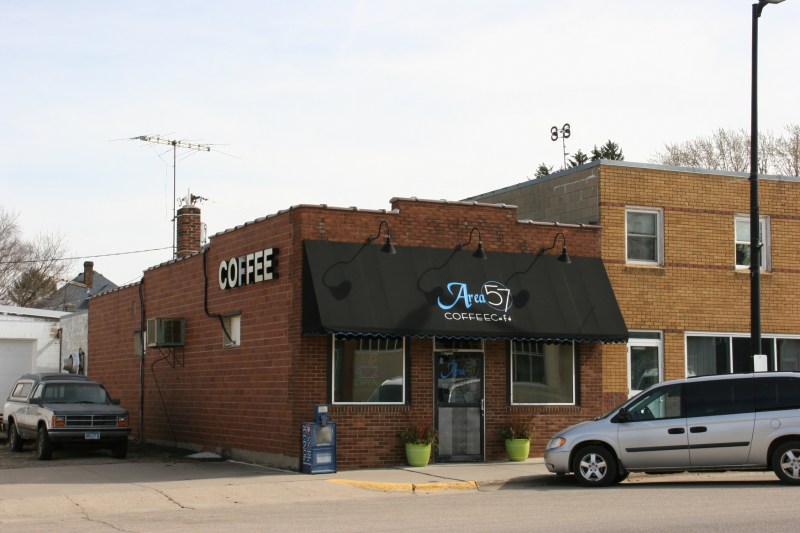
FYI: Check back tomorrow for the second post in my “from Wanamingo” series. I’ll take you inside the Area 57 Coffee Cafe.

© Copyright 2016 Audrey Kletscher Helbling


Enough to scare the blank out of you February 26, 2016

Filed under: Uncategorized — Audrey Kletscher Helbling @ 5:00 AM
Tags: , , , , ,

Semi view 1


AT FIRST GLANCE, you likely are questioning my sanity in photographing a semi seemingly headed directly at the vehicle in which I am a front seat passenger.

If I did not understand the context of this image taken in October, I, too, would be screaming at myself to get the blank out of the way.

But things are not always as they seem.

This is actually a photo of a semi cab hooked to a cab traveling along Interstate 90 near the Rochester exit in southeastern Minnesota. Now imagine if my husband hadn’t been paying close attention. He may have thought the semi was aiming toward us and took evasive action. Thank goodness someone (not me) in our vehicle was fully alert and not fooled by an optical illusion.

© Copyright 2015 Audrey Kletscher Helbling


A forever road February 24, 2016

Filed under: Uncategorized — Audrey Kletscher Helbling @ 5:00 AM
Tags: , , , , , ,
Minnesota State Highway 68 near Morgan.

Minnesota State Highway 68 near Morgan. Minnesota Prairie Roots file photo 2015.

WITHIN SOUTHWESTERN MINNESOTA, I occasionally travel sections of roadway that stretch visually into forever. One is the diagonal of State Highways 67 and 68 running from Evan through Morgan to Redwood Falls. It’s a distance of about 20 miles. But it seems much farther.

After years of following a section of that route back to my native Redwood County, I’ve realized that the flatness of the land along a road as straight as a ruler lengthens the distance in my mind.

Few farm places snug the highway. Trees stand only in groves sheltering farm sites. As far as I can see down the asphalt ribbon—and it’s a long ways—utility poles guard road ditches in precise vertical lines.

And because this roadway angles across the land rather than runs straight north or south, I feel geographically unbalanced. Any sense of direction is lost.

That all said, I delight in photographing forever roads like this which draw the viewer right into the scene. It’s as if I am writing poetry with my camera.

TELL ME, WHAT SECTION of roadway evokes this same reaction in you?

© 2015 Audrey Kletscher Helbling


Utica, not New York, but Minnesota February 23, 2016

Filed under: Uncategorized — Audrey Kletscher Helbling @ 5:00 AM
Tags: , , , , , ,
A farm site just minutes east of Utica.

A farm site just minutes east of Utica in southeastern Minnesota.

YOU NEVER KNOW what oddities will surprise you in a small town, which is precisely why I delight in exploring rural communities.

Utica, a town of about 300 located along U.S. Highway 14 between Rochester and Winona, definitely presented some attractions worth photographing this past September. I use the word “attractions” loosely. What I find interesting may go unnoticed by others.

I'm always happy to see a grain elevator that has been maintained and is appreciated.

I’m always happy to see a grain elevator that has been maintained and is appreciated. These are small town treasures.

It was the red and grey grain elevator jutting above Utica that drew my husband and me off the highway and into this community as a freight train roared through town.

Utica may not have a website, but it has this sign to tell you a bit about the town.

Utica may not have a website, but it has this sign to tell you a bit about the town.

From there we swung onto Main Street and noted that Utica was founded in 1858, if the signage on Utica Storage is accurate. We laughed at the “ELV. PRETTY HIGH” notation.

The law.

The law…

...up close.

…up close.

And, if not for Randy, I would have missed the 10 Commandments posted on the front of the building.

The "can't miss it" house.

The “can’t miss it” house.

Then, in a residential area, a Victorian house painted in lavender hues presided on a corner. I wondered for a second if it might be a tea house, but saw no such signage. Apparently the owner just really likes this hue given the outbuildings are also painted lavender.

This reminded me of my Aunt Marilyn, whose house is not lavender, but who loves the color. And I once worked with legendary Northfield News editor Maggie Lee, who wore only lavender.

Utica is definitely a farming community.

Utica is definitely a farming community.

Utica’s final attractions were two tractors—a wonderfully restored John Deere and a rusting Farmall—staged for sale outside a shed.

Now, if we’d taken the fast route home via Interstate 90, we would have missed all of this. Utica would remain just a sign along the interstate. I would know nothing of its character, its individuality, its colors.

© Copyright 2015 Audrey Kletscher Helbling


Oh, the lovely historic buildings of Weaver, Minnesota February 19, 2016

Another view of Carl and Marie Noble's studio and galleries.

The former Weaver Mercantile anchors Weaver.

MY KNOWLEDGE OF WEAVER is limited mostly to visual impressions. Digital images taken during a brief stop last September document an unincorporated Mississippi River settlement rich in history. That history reveals itself in aged buildings, like Weaver Mercantile.

Weaver United Methodist Church with the historic former schoolhouse next door.

Weaver United Methodist Church with an historic former schoolhouse next door.

A block or so away, Weaver United Methodist Church still welcomes the faithful into the congregation’s original house of worship. Except on Sundays when the temperature plummets to 10 degrees below zero or colder. The church building maintains its historic charm with modern touches, according to the church website. Indoor plumbing was only just installed in 2008.

The old schoolhouse is painted a lovely buttery yellow.

The old schoolhouse is painted a lovely buttery yellow.

Next to the church rests a lovely 1910 one-room schoolhouse, restored in 2008 by a couple for use as a get-away cottage and a weaving studio.

An unidentified building near the schoolhouse.

An unidentified building near the schoolhouse.

And then there’s an aged boxy building topped by a cupola. Perhaps a former creamery?

Even the schoolhouse bell tower was restored.

Even the schoolhouse bell tower was restored.

Places like Weaver—home to about 50 residents along U.S. Highway 61 north of Winona—intrigue me. I am always pleased to discover such settlements where remnants of history remain in aged buildings. I long to step inside these buildings, to open front doors like I am opening a book of stories.

© Copyright 2016 Audrey Kletscher Helbling

 

Murals & a myth at an historic mercantile in Weaver February 18, 2016

The historic former Weaver Mercantile Buiilding, once home to Noble Studio & Gallery.

The historic former Weaver Mercantile Building, once home to Noble Studio & Gallery.

AGED BUILDINGS, like one in Weaver just off U.S. Highway 61 in southeastern Minnesota, intrigue me. Initially, the architecture and photographic opportunities draw me in. But then I start thinking about the history and the stories.

Carl and Marie Noble opened Noble Studio & Gallery here in 1955.

Carl and Marie Noble opened Noble Studio & Galleries here in 1955.

As luck would have it, a local was jogging down the street toward the former Weaver Mercantile when I happened upon the historic building during an early September get-away. She tipped me off that the building last housed an art gallery. Signage confirmed that. The current owner, she added, lives on the second floor.

Historic designation came six years after Carl Noble's death.

Historic designation came six years after Carl Noble’s death.

The young woman also expressed her dream of someday transforming the place into a winery. She and her husband, she said, make wine from black caps growing wild on the hillside behind their Weaver home. Then she continued on her run through this unincorporated village of some 50 residents and I continued my exterior photographic exploration of this building listed on the National Register of Historic Places. According to the 1978 nomination for historic designation, the building is a “well-preserved example of commercial architecture in the Mississippi River Valley.” Hardware, groceries and dry goods were once sold in the first floor of Weaver Mercantile while furniture was sold on the upper floor. Additionally, the building housed the Weaver Post Office for many years.

A mural on the east side of the building denotes this as an artist's haven. Cannot you decipher the first word for me?

A mural on the east side of the building denotes this as an artist’s haven. Can you decipher the first word in the top portion, left?

Wanting to know more, I continued my internet search. In 1955, artist Carl E. Noble claimed this place as Noble Studio & Galleries (his home, studio and gallery). He died in 1972. An obituary for his widow, Marie Noble, who died 11 years ago, yielded the most information.

More signage toward the back of the building.

More signage toward the back of the building promotes Noble’s art.

Carl was, by the few accounts I found, an artist for the Federal Art Project of the Work Projects Administration in 1938. His name is listed among photos of FAP art in the Archives of American Art at the Smithsonian Institution.

Another view of Carl and Marie Noble's studio and galleries.

Another view of Carl and Marie Noble’s studio and galleries.

A muralist, cartoonist, illustrator and portrait artist, Carl Noble reportedly studied under Norman Rockwell (according to his wife Marie’s obit). I’ve been unable to verify that via a second source. However, the Nobles lived for awhile in Boston; Rockwell made his home in Stockbridge, MA.

The building was constructed in 1875 and opened as Weaver Mercantile.

The building was constructed in 1875 and opened as Weaver Mercantile.

I discovered that Carl painted six oil on canvas murals for Fire House, Southside Hose Co. No. 2 in Hempstead, New York, in 1938. The artwork depicts the history of local firefighting. Other than that, I’ve been unable to find other information of his WPA art or work at Noble Studio & Galleries. The former gallery itself, though, apparently showcases Carl’s murals on interior walls. If only I could have gotten inside to see and photograph his artwork.

One can only imagine the fun times here as guests enjoyed Marie's hospitality.

One can only imagine the fun times here as guests enjoyed Marie’s hospitality.

After her husband’s death in 1972, Marie opened a Bed & Breakfast in their home with a party area in the basement. That would explain the faded Mardi Gras Lounge sign above a back entry.

An overview of the Mardi Gras entry at the back of the building.

An overview of the Mardi Gras entry at the back of the building.

Marie reportedly regaled guests with stories, including that Jesse James robbed the Mercantile on his way to robbing the First National Bank in Northfield, Minnesota. Not believing everything I read, I contacted Mark Lee Gardner, noted historian, writer and musician on the western experience. He penned a book, Shot All to Hell: Jesse James, the Northfield Raid, and the Wild West’s Greatest Escape. He confirmed what I suspected. The story of the Weaver robbery is just that, a story.

Here’s Gardner’s response to my inquiry:

I’m afraid the story of Jesse robbing the building in Weaver, Minnesota, isn’t true. The Northfield Raid, as well as the known movements of the James-Younger gang, was heavily reported in the Minnesota newspapers at the time, and if they had been connected with a robbery in Weaver, it should appear in those papers. I never came across any mention of Weaver in my research. The other problem is that the gang didn’t go through Weaver on its way to Northfield. They are documented as having come from the west and south of Northfield.

…There are lots of Jesse James stories out there, and most of them are from someone’s imagination.

My first view of the former Weaver Mercantile and Noble Studio & Galleries.

My first view of the former Weaver Mercantile and Noble Studio & Galleries.

Still, none of this diminishes my appreciation for the Italianate style building in Weaver and my interest in the artists (Marie’s obit notes that she created many lovely paintings) who once lived and created therein.

The village of Weaver is located along U.S. Highway 61 north of Winona in Wabasha County.

The village of Weaver is located along U.S. Highway 61 north of Winona in Wabasha County.

IF YOU KNOW ANYTHING MORE about Carl and Marie Noble, their gallery and art or about the history of the building, I’d like to hear.

© Copyright 2015 Audrey Kletscher Helbling


My view of “The Cities” February 16, 2016

Filed under: Uncategorized — Audrey Kletscher Helbling @ 5:00 AM
Tags: , , , , , , ,

MINNEAPOLIS AND ST. PAUL. Two cities. The Twin Cities. Or, as I called them growing up, simply The Cities.

Frame 7: I love this painterly view of the Minneapolis skyline.

The Minneapolis skyline, Minnesota Prairie Roots file photo October 2015.

I am more familiar with Minneapolis, specifically south Minneapolis where an aunt and uncle lived until retiring to Arkansas.

Sailboats sit upon the waters of Lake Harriet.

Sailboats sit upon the waters of Lake Harriet. Minnesota Prairie Roots file photo, September 2009.

About once a year during my childhood, our farm family would pile into the Chevy—Dad, Mom, six kids and Grandpa—to visit our metro dwelling relatives. And, on a few occasions during summers of my youth, I boarded the Greyhound bus in Vesta to travel solo some 140 miles to Minneapolis for one-on-one time with my Aunt Rachel. We would bike around Lake Harriet, tour the Rose Garden, catch a city bus to purchase fabric at Munsingwear.

The Minnesota state capitol

The Minnesota state capitol, Minnesota Prairie Roots file photo.

To the east in St. Paul, my youthful memories connect to the State Capitol building and Minnesota History Center, which I toured as a sixth grader. I waited in our farmhouse kitchen one dark spring morning for headlights to swing into the yard indicating my ride to Vesta Elementary School had arrived. My stomach churned at the thought of leaving Redwood County on a school bus bound for St. Paul.

Driving through St. Paul on a recent Saturday morning.

Driving through St. Paul on a recent Saturday morning.

Growing up in a rural area, I’ve never been particularly comfortable in big cities. Traffic and tall buildings and cement and closeness and busyness sometimes overwhelm my senses. But I manage and I appreciate the cultural opportunities a place like the Twin Cities offers, although I seldom take advantage of such offerings.

Creeping along in a congested area near downtown Minneapolis.

Creeping along in a congested area near downtown Minneapolis. Minnesota Prairie Roots file photo.

My trips to The Cities are primarily through or around. To visit family.

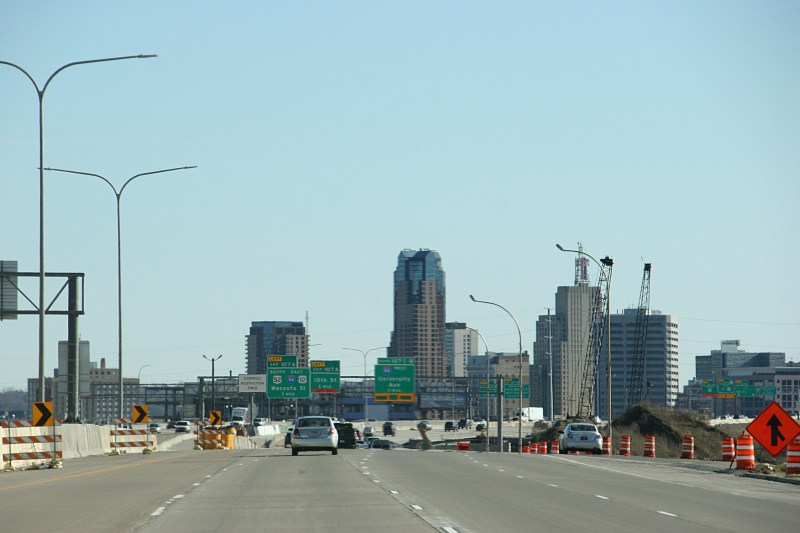
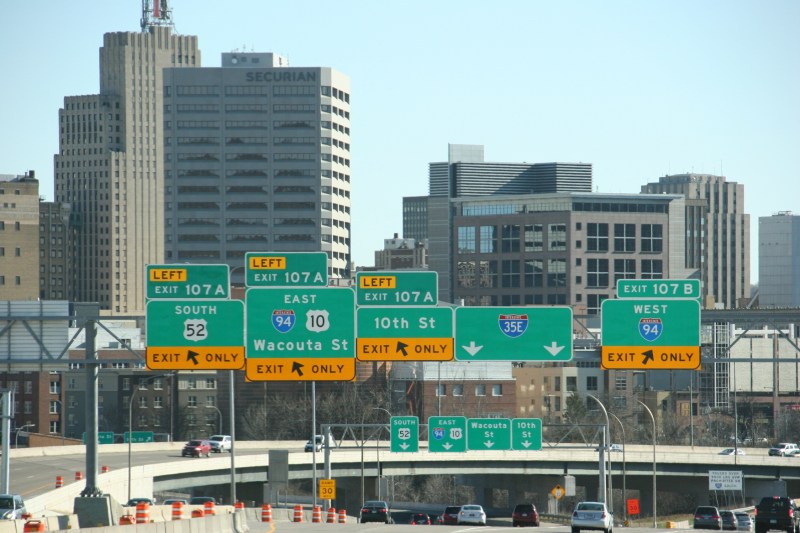
Approaching St. Paul from the south, the speed limit drops.

Approaching St. Paul from the south, the speed limit drops.

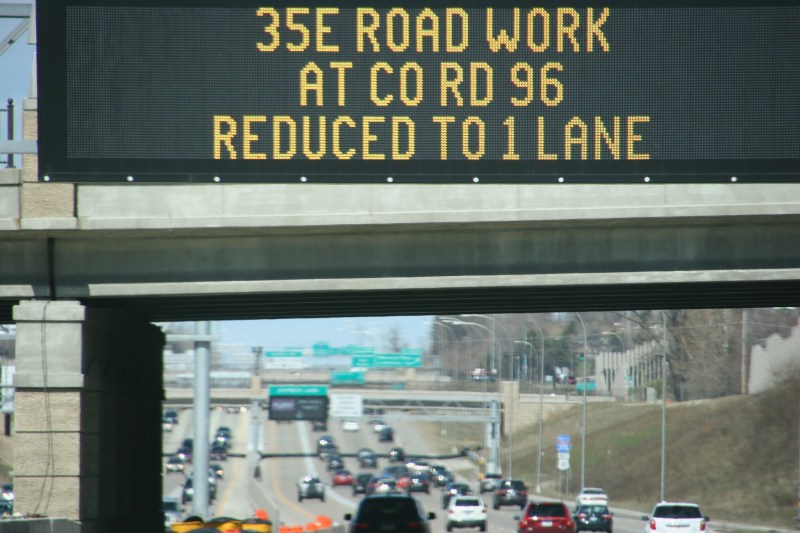
Each city, I’ve observed, has a unique look and feel. Minneapolis appears urban while St. Paul seems rooted to the land with a deep sense of place and history. I feel more comfortable in St. Paul, where even the Interstate 35-E speed limit drops to 45 mph for awhile upon entering the city. In Minneapolis, traffic races along Interstate 35-W toward downtown.

For awhile, my eldest daughter and son-in-law rented an apartment in a high-rise in the Mears Park neighborhood of Lowertown St. Paul. It’s the happening place, akin to Uptown or Northeast Minneapolis. The daughter lived in Uptown prior to her marriage and subsequent move to St. Paul. Now she and her husband have settled in a northern burb.

I prefer gravel roads to interstates. My East Coast dwelling son appreciates the extensive mass transit system in Boston.

I prefer gravel roads to interstates. This scene was photographed while traveling under an Interstate overpass in St. Paul. My East Coast dwelling son appreciates the extensive mass transit system in Boston.

My rural roots, and those of my husband, have not threaded into the DNA of our offspring. All three of our adult children live in metropolitan areas—in Minnesota, Wisconsin and Massachusetts. They need to be where they are happiest and feel most comfortable.

Not where I wish they lived. Geographically close and far away from any place defined as The Cities.

© Copyright 2016 Audrey Kletscher Helbling

 

A Groundhog Day snowstorm socks Minnesota February 3, 2016

Filed under: Uncategorized — Audrey Kletscher Helbling @ 5:00 AM
Tags: , , , , , , ,
A City of Faribault truck plows snow on the street past my house Tuesday afternoon.

A City of Faribault truck plows snow on the street past my house Tuesday afternoon.

MINNESOTA HUNKERED DOWN on Groundhog Day during the first major winter storm of the season.

In the southwestern corner, nearer the Iowa and South Dakota borders, Interstate 90 closed as did all state highways south of U.S. Highway 14 due to white-out conditions. I grew up in that prairie area and fully appreciate the power and dangers of a blizzard.

In my county of Rice, we received about eight inches of snow—according to the husband’s snow-clearing estimates—by early evening. Randy reported icy, snow-compacted lanes and drifting snow on Minnesota State Highway 3, his route home from work in Northfield.

For Minnesota kids, Tuesday was a day off from classes. Many schools announced closings already Monday evening in anticipation of the storm.

Some businesses closed early. Activities were canceled. There was no bingo at the Eagles in Faribault, no euchre at the Morristown Legion, no LeSueur County Cattlemen’s annual meeting.

This morning we resume the task of clearing away snow.

© Copyright 2016 Audrey Kletscher Helbling


Delighting in ice cream shops, yes, even in winter January 21, 2016

Filed under: Uncategorized — Audrey Kletscher Helbling @ 5:00 AM
Tags: , , , , , , , ,
Dairy Delite in Lakeville, photographed on a frigid Saturday afternoon.

Dairy Delite in Lakeville, photographed on a frigid Saturday afternoon in January.

IF I WAS TO CONDUCT a survey on Minnesotans’ consumption of ice cream, I expect the numbers would plummet in months like January and soar during the hot days of July. Makes sense considering the temperature.

My desire for ice cream drops considerably in winter. I’m cold enough without feeding more cold into my body. But not always.

Just the other night I craved not ice cream, but fro yo. I remember when my eldest daughter first mentioned fro yo probably five-plus years ago. The frozen treat was just trending in southern Minnesota. I had no idea what she was talking about. Eventually fro yo reached Faribault with the opening of Berry Blast in 2013. The business recently closed. I never got there.

In Faribault, Dairy Queen reigns with two shops within a short distance of one another. I like Dairy Queen. But if I get a treat there once a year, that’s about it. And then it’s only if I have a coupon to discount the high prices.

I’ve never been a chain restaurant fan. I much prefer locally-grown businesses with character, uniqueness and charm. Like the Dairy Delite, recently photographed in Lakeville. It’s closed for the season, has been since October, and will reopen in April.

I wish we had a quaint stand-alone nostalgic ice cream place like Dairy Delite in Faribault. Visitors look for such signature sites to purchase treats in the heat of a humid summer day. Locals appreciate these mom-and-pop ice cream shops, too. Here’s a thought—combine an ice cream place with promotion of the Tilt-A-Whirl, an Americana amusement ride which originated in Faribault. Just dreamin’ here in the midst of winter…

Tell me about your favorite original ice cream shop.

© Copyright 2016 Audrey Kletscher Helbling
 

If you’ve never explored Montgomery, Minnesota, that is January 20, 2016

Filed under: Uncategorized — Audrey Kletscher Helbling @ 5:00 AM
Tags: , , , ,
A snapshot of downtown Montgomery last Saturday afternoon as strong winds whipped a light snow.

A snapshot of downtown Montgomery last Saturday afternoon as strong winds whipped a light snow.

“WHAT’S IN MONTGOMERY?” friends asked when I mentioned that my husband and I had been there Saturday afternoon.

That would be Montgomery, Minnesota. Not Alabama.

What’s in Montgomery, a small town of nearly 3,000 that lies a half hour to the northwest of my Faribault home? I’m always surprised when people know little about nearby communities.

Vintage signage on historic buildings is part of Montgomery's charm.

Vintage signage on historic buildings is part of Montgomery’s charm.

So I rattled off a lengthy answer: Montgomery Brewing Company, Franke’s Bakery, Hilltop Hall (and the Curtain Call Theatre), Pizzeria 201 (with farm-to-table food), Quilter’s Dream, Bird’s Nest Thrift Store, Herrmann Drug, Card & Gifts, Big Honza’s Museum of Unnatural History, LaNette’s Antiques ‘n Lace, Main Street Barber, the Montgomery Veterans Project and several bars.

Of course, there’s much more to Montgomery and my list may not be totally current. I’ve posted about all of these places in the past.

Simply another view of the business district.

Simply another view of Montgomery’s business district.

If you enjoy exploring small towns like Randy and I do, you will appreciate Montgomery, a community with a deep Czech heritage reflected in its self-proclaimed Kolacky Capital of the World title and its annual summertime Kolacky Days celebration.
I love the look of this town with historic downtown buildings, cozy neighborhoods and a definite rural and patriotic feel. Flags line a section of the main drag. A grain elevator abuts train tracks on the north end, next to the grocery store.

Montgomery, at least when I’ve visited numerous times, is soothingly quiet and inviting. Not touristy. But welcoming in the sort of setting Norman Rockwell might have painted.
© Copyright 2016 Audrey Kletscher Helbling