Minnesota Prairie Roots

Writing and photography by Audrey Kletscher Helbling

Poking around Montgomery, Minnesota April 9, 2013

A shot of Main Street Montgomery.

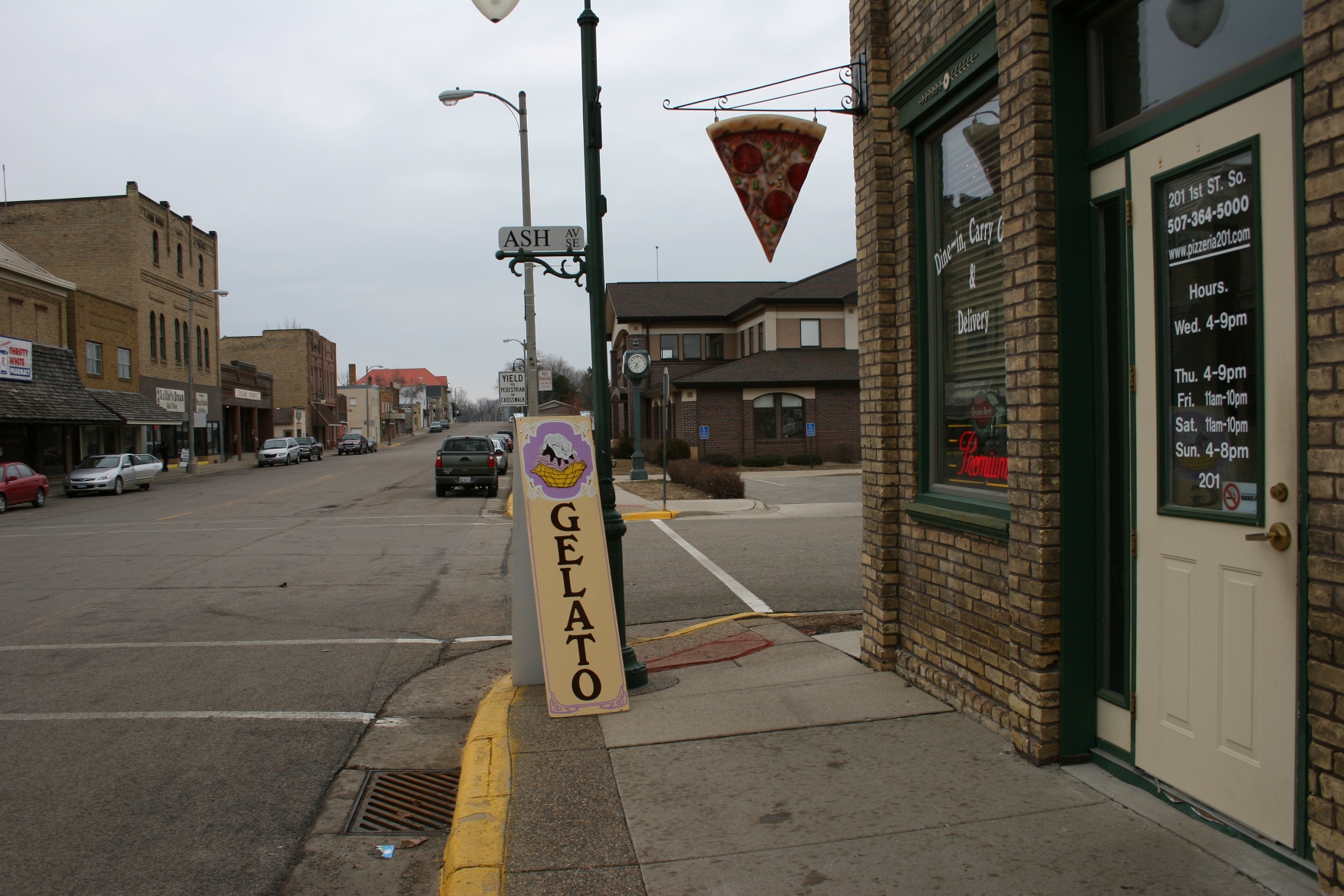
A shot of First Street in Montgomery’s downtown business district.

MONTGOMERY, IN MY OPINION, may be one of small town southern Minnesota’s best-kept secrets.

A wealth of historic buildings still stand in Montgomery, one reason I am particularly drawn to this community. Walk inside many businesses and you will find original tin ceilings and wood floors.

A wealth of historic buildings still stand in Montgomery, one reason I am particularly drawn to this community. Walk inside many businesses and you will find original tin ceilings and wood floors.

If you appreciate historic buildings, ethnic charm, friendly folks and one-of-a-kind home-grown businesses all packaged in a Main Street reminiscent of yesteryear, you’ll delight in Montgomery.

Dogs roaming and kids rollerblading along the sidewalks of Main Street.

Dogs roaming and kids rollerblading along the sidewalks of First Street.

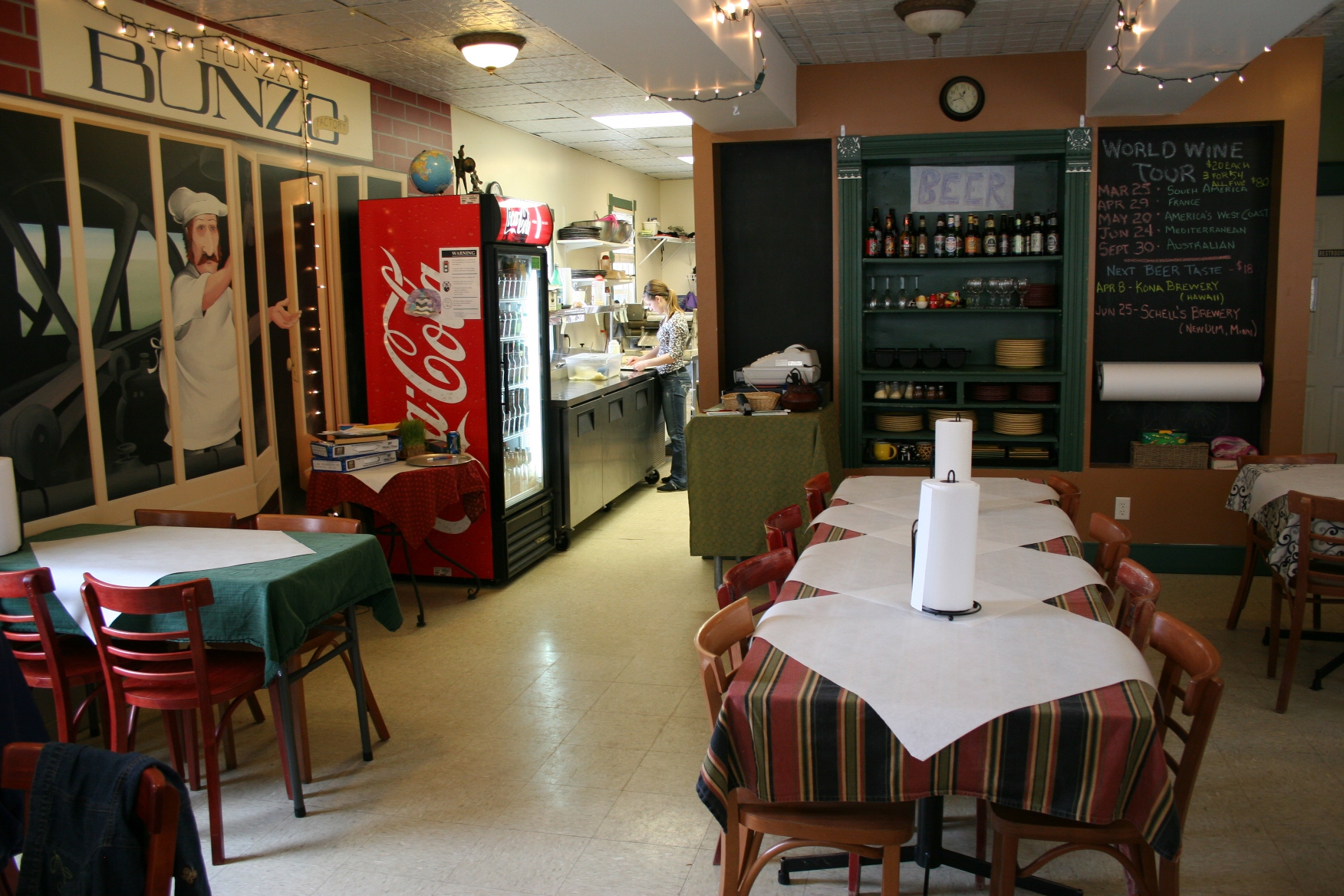
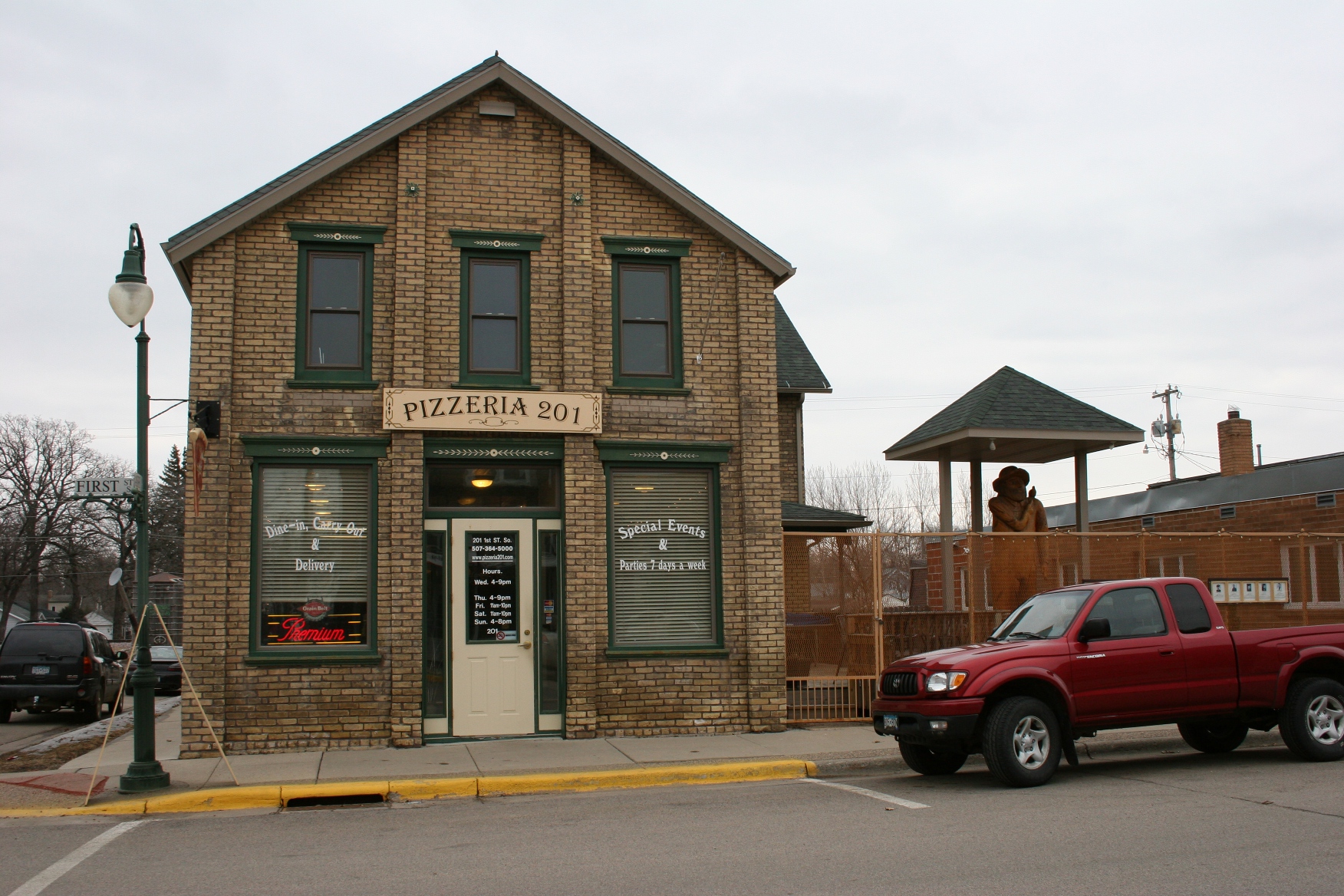
On Saturday, my husband and I drove a half hour northwest of Faribault to check out this Czech community’s downtown. We meandered from thrift shop to bakery to thrift shop to drugstore and quilt shop, and even bopped into an old-fashioned barbershop before visiting the town’s newest corner shop, Rani’s, and then walking a block north to order pizza for a late lunch.

Biking in downtown Montgomery.

Biking in downtown Montgomery past the Palace Bar which advertises a Pork/Dumpling Dinner from 12 – 8 p.m. on the last Thursday of the month.

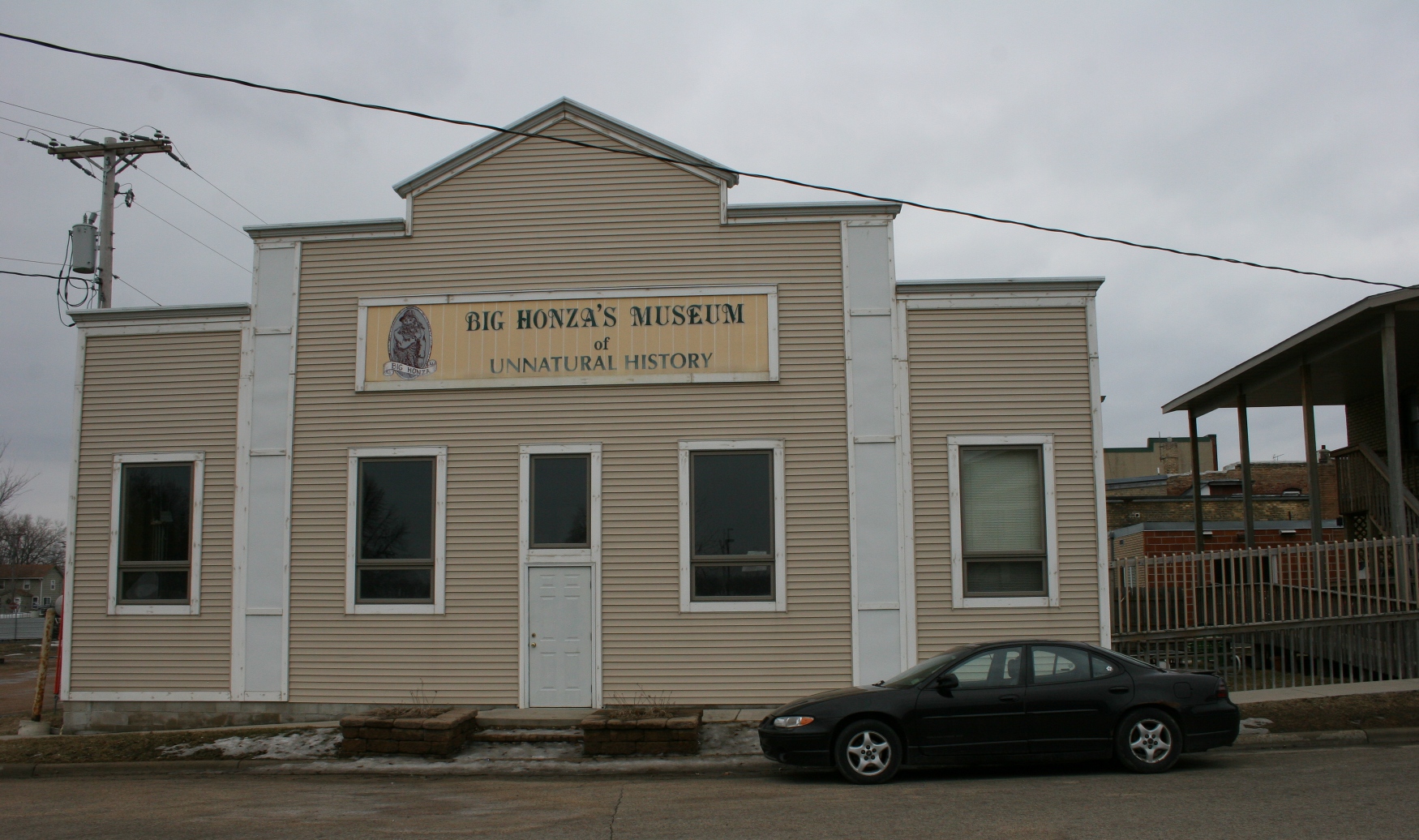
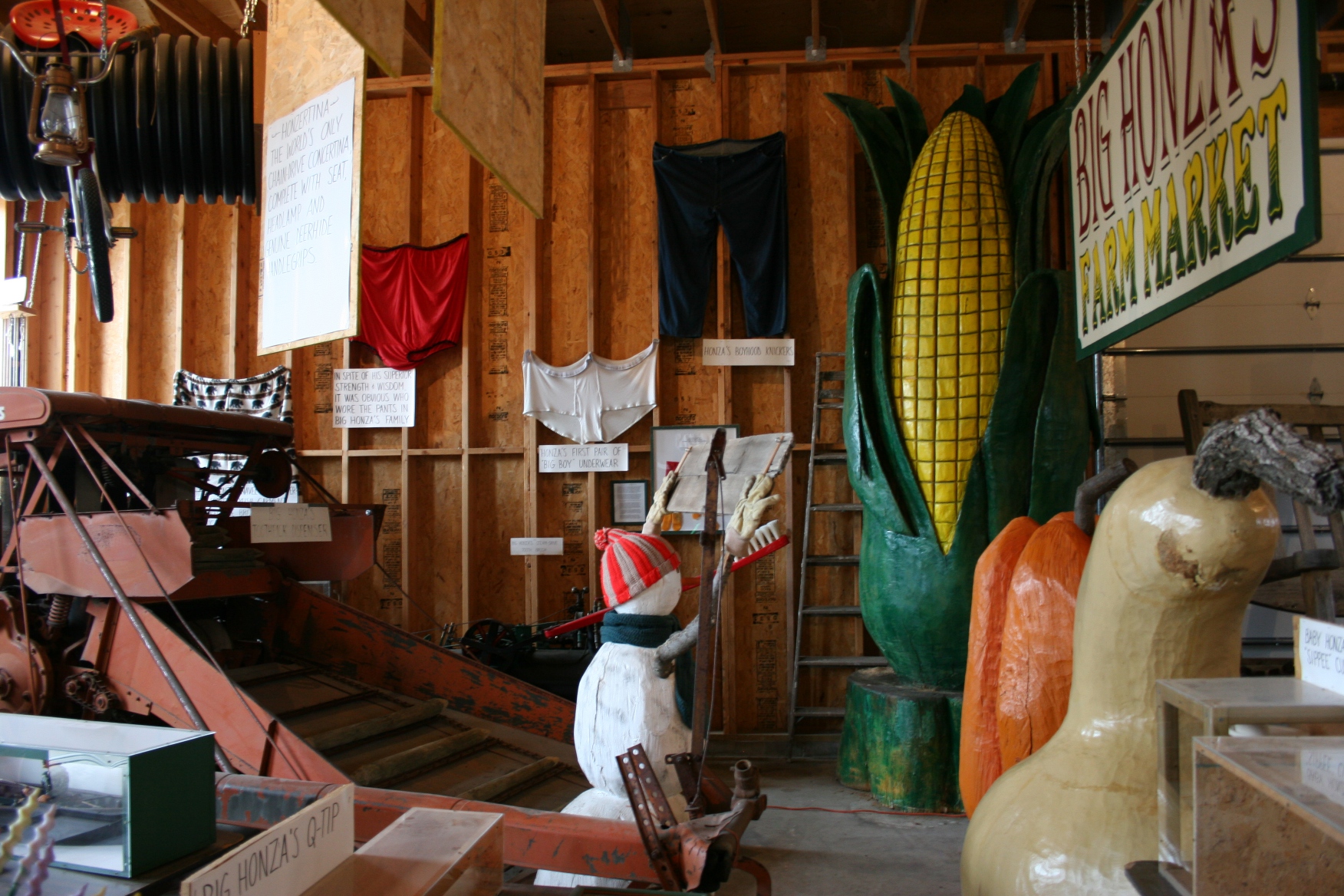
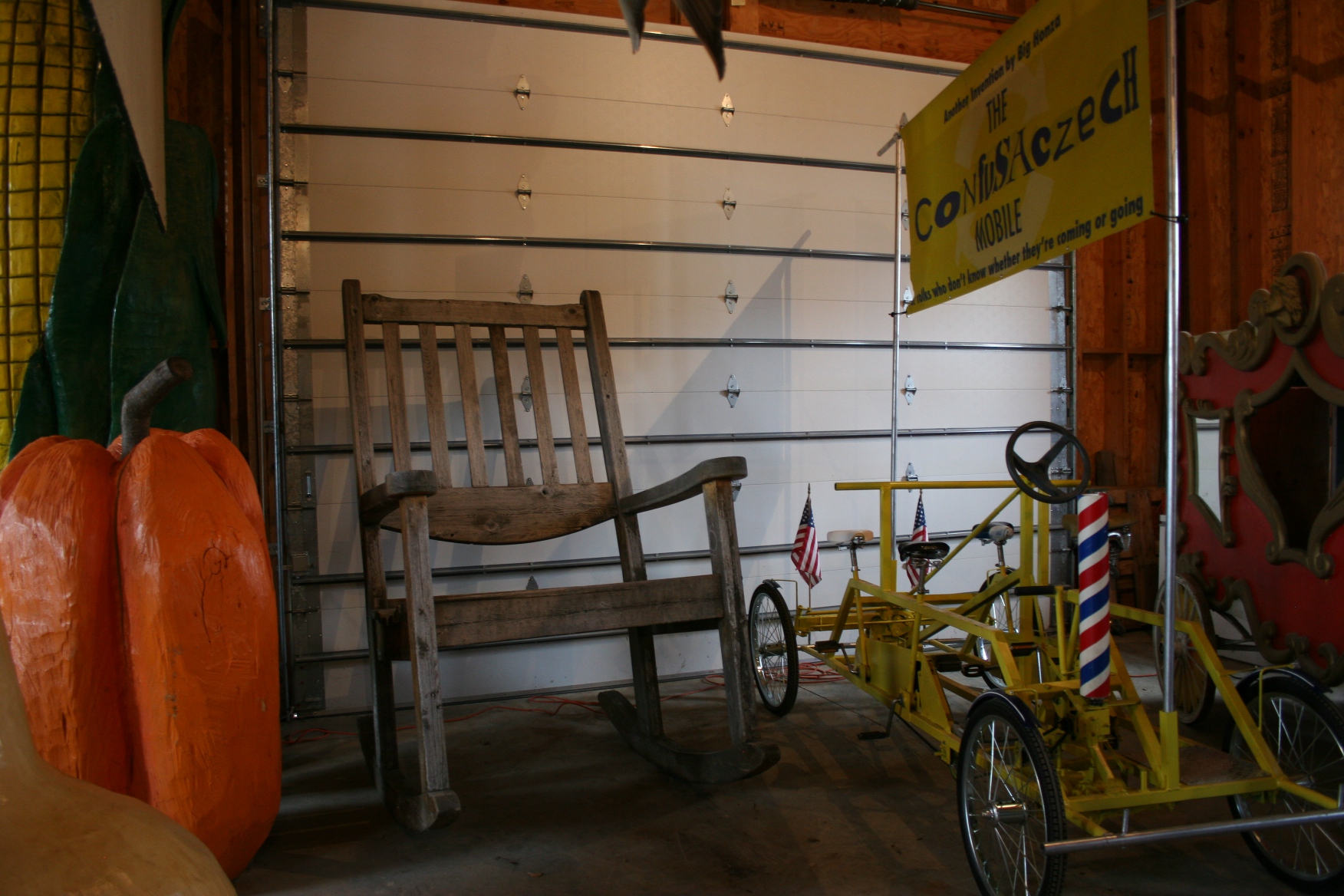
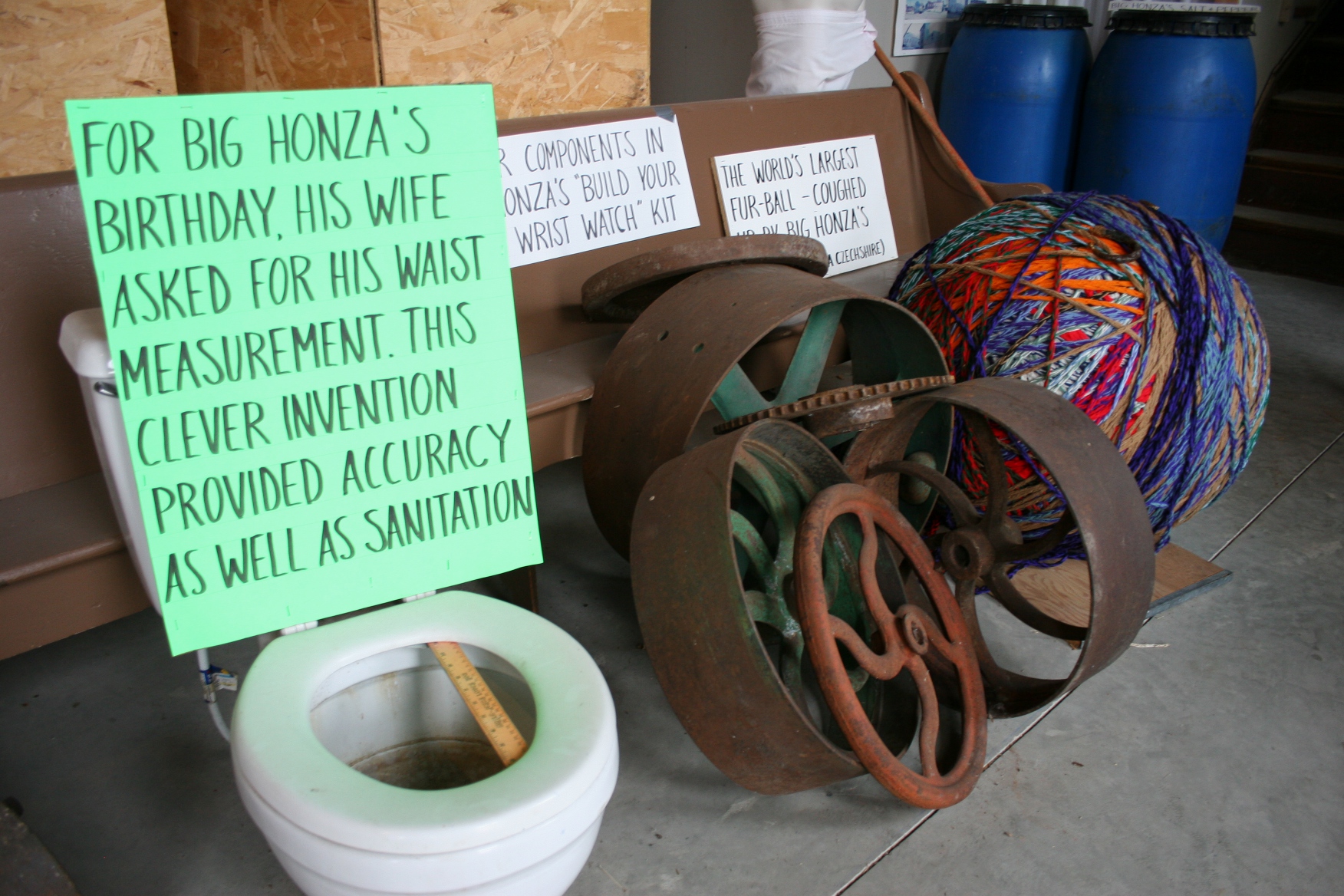
Afterward, we perused Big Honza’s Museum of Unnatural History, hit up another antique store and, finally, caught a Czech import shop on the way out of town.

The White Front Saloon, one of many bars we spotted.

The White Front Saloon, one of many bars we spotted.

But we didn’t hit a single of the half-dozen or so bars. Nor did we take in the 24th annual Miss Czech Slovak MN Pageant over at the American Legion, although several shopkeepers inquired whether we were in town just for that.

A Main Street mural

A downtown mural graces the side of the Bird’s Nest, a thrift store.

Nope, just two empty nesters poking around this self-proclaimed Kolacky Capital of the World.

Another shot of the Main Street business district.

Another shot of the downtown business district.

CHECK BACK for a series of posts featuring the places we visited in this Le Sueur County community of around 3,000. You can click here to read my post about Main Street Barber. Also check my March 4 – 8 archives for additional stories focusing on the artsy side of Montgomery.

For those not in the know, a kolacky is a Czech pastry. Montgomery celebrates Kolacky Days each July, this year the 26th through the 28th.

BONUS PHOTOS:

One of my favorite buildings and attached vintage signage. I need to return and explore this place.

One of my favorite buildings and attached vintage signage. I need to return and explore this place.

A block off the main drag, we spotted this tractor. "It's for sale," a man yelled from a window somewhere.

A block off the main drag, we spotted this tractor. “It’s for sale,” a man yelled from a window somewhere.

A parting shot of that historic Main Street.

A parting shot of that historic downtown.

© Copyright 2013 Audrey Kletscher Helbling


Right out of Mayberry: Main Street Barber in Montgomery April 7, 2013

Filed under: Uncategorized — Audrey Kletscher Helbling @ 10:19 AM
Tags: , , , , , , , , , ,
Steve Pan's barbershop in downtown Montgomery.

Steve Pan’s barbershop in downtown Montgomery, Minnesota.

I COULD HAVE BEEN WALKING into Floyd’s Barbershop in Mayberry on this first Saturday morning in April.

Same thing, according to the two customers at Main Street Barber, 106 First Street South, in Montgomery.

The old bakery cash register Steve got for his barbershop.

The old bakery cash register Steve got for his barbershop.

Barber Steve Pan agrees, as I note two Norman Rockwell paintings posted above a vintage cash register claimed from Franke’s Bakery down the street.

Above the bank of mirrors on the north side are vintage signs printed at Bohemian Club Beer.

Above the bank of mirrors on the north side are vintage signs endorsing Bohemian Club Beer. The signs were printed at the defunct Montgomery Brewing Company, which made the Bohemian beer.

Main Street Barber is about as rural Minnesota, Norman Rockwell Americana, small-town barbershop as you’ll find right down to chairs backed against the wall, trophy fish, a stand alone stove, an aged bottle of thick-as-tar “Auxiliator for the hair,” walls of mirrors, and barber chairs that hearken to the early 1900s.

Vintage chairs await customers.

Vintage chairs await customers.

Steve caught the walleye at Lake Gorman, the Northern at Red Lake.

Steve caught the walleye at Lake Gorman, the Northern at Red Lake.

This free standing stove heats the small barbershop.

This free standing stove heats the small barbershop.

An aged bottle of "auxiliator for the hair."

An aged bottle of “auxiliator for the hair.”

Looking toward the front of the barbershop and the window overlooking Main Street.

Looking toward the front of the barbershop and the window overlooking Main Street. I tested the chair in the foreground, per Bill’s urging.

I wonder, as customer Bill Becker urges me to try out a barber chair, how many hands have rested upon the arms of the chair, how many stories have been swapped here, how much hair has fallen upon this floor.

Bill guesses thousands of hands and I expect he would be right.

Steve gives Bill a flattop.

Steve gives Bill a flattop.

On this Saturday, 61-year-old Bill briefly serenades us with a verse from Marshall Tucker’s “A New Life” album while Steve sculpts his hair into a flattop. Bill remembers aloud, too, where he was when President John F. Kennedy and George Wallace and John Lennon were shot. I’m uncertain how we got on that topic because I’ve been distracted by photographing the historic charm of this place.

Tools of the trade and Steve's appointment book.

Tools of the trade and Steve’s appointment book.

Steve’s been barbering here since 1986, when he took over for Phil, who retired. “The opportunity was here…we’ll give it a shot back in the old hometown,” Steve recalls of his return to Montgomery from cutting hair in Hopkins. He’s the only barber in town now; the other two died.

Steve works on Bill's flattop.

Steve works on Bill’s flattop.

Nearly 30 years later, the hometown boy come home is still cutting hair…

Steve's scissors.

Steve’s scissors.

Bill jokes that he would have worn his wing tips had he known I would be photographing his feet.

Bill jokes that he would have worn his wing tips had he known I would be photographing his feet.

Hooks for caps hang by the vintage signs.

Hooks for caps hang by the vintage signs.

A Czech emblem, a nod to Steve's heritage and that of most folks living in Montgomery.

A Czech emblem, a nod to Steve’s heritage and that of most folks living in Montgomery.

More of those delightful old signs...and a reflection of me photographing them.

More of those delightful old signs…and a reflection of me photographing them and Steve shaping Bill’s flattop.

Family photos at Steve's work station.

A collage of photos and signage on the mirror above Steve’s work station.

Propped inside the entry.

Hung inside the entry.

PLEASE RETRUN FOR MORE stories and photos from Montgomery. Also, check my March 4 – 8 archives for a series of previous posts from this southern Minnesota community.

© Copyright 2013 Audrey Kletscher Helbling
 

A note about distracted drivers April 2, 2013

Red means STOP, people.

Red means STOP.

DEAREST GUARDIAN ANGEL,

My apologies for the delay in sending this thank you note. But sometimes it takes awhile for these things to sink in, to understand the gravity of the situation and what may have been.

For me, it was my husband stating, “He could have taken any one of us out.”

That comment slapped me like a sub-zero January morning. Rarely does Randy express such a strong opinion.

But he was right to assess just how bad this could have been—had I not glimpsed the white pick-up truck from the corner of my eye and yelled for my husband to stop, just as our 1995 Chrysler Concorde entered the intersection.

They always say it happens in an instant. How true. The glimpse of white. The realization that the truck was not slowing to stop for the red light on the four-lane. The thought formulating into words. The warning spewed from my lips. The foot to brake. The truck whizzing past, never slowing. The driver, totally clueless.

You, dearest angel, I am convinced, were hovering at Minnesota Highways 60 and 21, one of the busiest intersections in Faribault, around 10:30 p.m. Thursday. There is no other explanation. I could easily have been looking the other way, not spoken soon enough. My husband could have delayed his reaction.

Had Randy not stopped when he did, the truck would have t-boned our car, a direct hit to the driver’s side. I don’t even want to think about the serious injuries that would have been inflicted upon my loved ones, including our 19-year-old son sitting behind his dad and just home from Fargo for Easter.

I do not go through life unnecessarily pondering the “what ifs.” But sometimes particular events stick with you for a few days as reminders of how life truly can change, just like that. I suppose this incident lingers even more given my future son-in-law’s car was totaled by a red light runner in St. Paul several months ago.

My family’s near-collision Thursday evening was reinforced two days later by two drivers, both distracted by cell phones, who pulled out in front of us. One driver stopped just in time. The other, a woman in a van, head bent either texting or dialing, paused at a stop sign and drove straight into our path, not even noticing our approaching van.

To be honest, it scares the hell out of me sometimes how distracted and clueless many drivers are today.

My apologies, dear guardian angel, for referencing my concern with that overused phrase. But sometimes even writers struggle to define stupidity.

Gratefully,
Audrey

© Copyright 2013 Audrey Kletscher Helbling
 

Hope for one of Minnesota’s most dangerous rural highways March 29, 2013

IF YOU EVER HAVE traveled U.S. Highway 14 west of North Mankato, you will understand why I am thrilled that something is finally being done to improve a small stretch—the 10 miles between North Mankato and Nicollet—of this deadly roadway.

Heavy traffic on U.S. Highway 14 between Nicollet and North Mankato late last Sunday afternoon.

Heavy traffic on U.S. Highway 14 between Nicollet and North Mankato late last Sunday afternoon.

Based on my more than 30 years of traveling Highway 14, I can unequivocally tell you that this rural roadway rates as dangerous. Think narrow lanes, heavy traffic, speeding, few opportunities to pass safely and too many drivers passing when they shouldn’t be.

Read this revealing information from the Minnesota Department of Transportation:

The U.S. Highway 14 corridor between New Ulm and North Mankato in Nicollet County recorded 250 crashes from 2006 to 2010. This overall crash rate is consistent with comparable rural state highways. However, 11 of those crashes had either a fatality or a serious injury, leaving this portion of Hwy 14 with a fatal and serious injury crash rate 50 percent greater than comparable rural state highways. Safety in the area from North Mankato to Nicollet and at the intersection of Hwy 14 and Hwy 15 north of New Ulm is of particular concern.

Did you catch that statistic? A fatal and serious injury crash rate 50 percent greater than comparable rural state highways. Impressive and scary, huh?

You'll see lots of semis traveling this stretch of rural Minnesota highway.

You’ll see lots of semis traveling this stretch of rural Minnesota highway. This recently-installed buffer strip now runs all the way between North Mankato and Nicollet.

In recent years, when traveling to southwestern Minnesota to visit family, my husband and I often have taken the “back way” to Nicollet from Faribault, passing through towns like Le Center, Cleveland and St. Peter, to avoid that horrible 10-mile stretch of Highway 14 from North Mankato. We’ve checked mileage and travel time and found both routes to be nearly identical.

Entering the construction zone, westbound on Highway 14 in North Mankato.

Entering the construction zone, westbound on Highway 14 in North Mankato.

But many times we still take Highway 14 between North Mankato and Nicollet. Now it’s a bit safer with a buffer, traffic sticks (to prevent passing) and rumble strips recently added between lanes. Those changes marked the first stage of efforts to make this area of roadway safer.

We were driving eastbound in this Highway 14 construction area in North Mankato when I snapped this photo.

We were driving eastbound in this Highway 14 construction area in North Mankato when I snapped this photo.

Sometime in 2017 or 2018, construction is expected to begin on a project which will extend the four-lane all the way from North Mankato to Nicollet. Finally.

That still leaves about 15 miles of dangerous Highway 14 travel between Nicollet and New Ulm.

Ten miles are a start in saving lives along this notorious rural roadway. But I, personally, will not be satisfied until the entire 25-mile stretch between North Mankato and New Ulm becomes a four-lane.

Highway 14 slices through agricultural land, as seen in this photo taken between Nicollet and Courtland.

Highway 14 slices through agricultural land, as seen in this photo taken between Nicollet and Courtland.

IF YOU’VE EVER driven Highway 14 between North Mankato and New Ulm, I’d like to hear your stories and thoughts about travel there.

To see the entire listing of 2013 MnDOT road construction projects slated for Greater Minnesota, click here.

© Copyright 2013 Audrey Kletscher Helbling
 

Little General Store on the Prairie March 27, 2013

I LOVE BERNADETTE THOOFT’S infectious laugh and outgoing personality. And I love what this mother of seven is doing for my hometown.

The Store: Thrift and More sits just off Minnesota Highway 19 in Vesta in Redwood County.

The Store: Thrift and More sits just off Minnesota Highway 19 in Vesta in Redwood County.

In February she opened The Store: Thrift and More in Vesta, population 330 and the only town along the 40-mile stretch of Minnesota Highway 19 between Redwood Falls and Marshall.

The “more” part of Bernadette’s store includes eight shelving units stocked with foodstuff, personal care items, paper products and more in addition to perishables stashed in nearby coolers.

The grocery section of the store includes basic perishables like dairy products, some fruit, lettuce and more. Canned, boxed and bagged foods, personal care items, and miscellaneous items like greeting cards, tape and such fill eight shelving units.

The grocery section of the store includes basic perishables like dairy products, organic eggs, some fruit, lettuce and more. Canned, boxed and bagged foods; personal care items; and miscellaneous items like greeting cards, tape and such fill eight shelving units.

I don’t know exactly how long my hometown has been without a grocery store. But it’s been awhile. Locals, like my 80-year-old mom, have had to drive 20 miles either east or west to find the nearest grocery store. Now this community’s residents, many of them elderly, need only walk or drive to the west edge of town to buy a loaf of bread, a gallon of milk, organic eggs from Bernadette and Matt Thooft’s farm, fruit and an assortment of processed foods that include SPAM, much to my mom’s delight.

This is huge, to have groceries and basic necessities available in Vesta. Bernadette even offered to have her 11-year-old son deliver right to my mom’s doorstep a block away. Such small-town neighborliness simply warms my heart. Many times the good people of Vesta have assisted my mother. And for that, I am grateful.

Looking toward the back thrift section of the floor.

Looking from the front grocery section toward the back thrift area of The Store.

Bernadette tells me she originally hadn’t planned on stocking groceries, rather dedicating her floor space to thrift items that range from kitchenware to toys, books to clothing, gift items to home décor and an assortment of other merchandise.

Vintage glasses in the thrift section.

Vintage glasses in the thrift section.

Bernadette offers a great selection of used books for all ages.

Bernadette offers a great selection of used books for all ages.

You'll also find a selection of clothes.

You’ll also find a shoes and clothing.

One of my favorite finds in The Store, an $8 vintage Pyrex casserole, which I nearly purchased.

One of my favorite finds in The Store, an $8 vintage Pyrex casserole, which I nearly purchased.

But then she started getting requests to carry groceries. So Bernadette decided to buy food and products her family can use. That way, if items don’t sell, she doesn’t lose anything. Once a week this entrepreneur mother drives the 20 miles west to Hy-Vee Foods in Marshall, reselling her purchases in Vesta at a slightly marked up price that will help cover gas expenses.

Jason Kramer stops in to buy a few grocery items from Bernadette.

Jason Kramer stops in to buy a few grocery items from Bernadette.

Already several local families come to The Store once a week to purchase their groceries, she says. On the Saturday afternoon I visited, Jason Kramer popped in from his home across the street to pick up Oreos, chips, bread and milk. He calls opening of The Store “flippin’ awesome.”

It is that type of enthusiasm Bernadette hopes for from other Vesta area residents. She needs their support, and business off the highway, to make her venture work in this isolated prairie town.

Just another view of the store with Bernadette bagging Jason's purchases.

Just another view of the store and Bernadette’s office with Bernadette bagging Jason’s purchases.

In the short time I perused the store and spoke with Bernadette, several others stopped in—two middle schoolers to eye the toy collection and eventually purchase candy, a middle-aged couple scanning thrift items and then Jason for his groceries. I walked out with a kettle for my college-aged son and my husband grabbed packaging tape and a dispenser.

This 1800s general store counter anchors The Store.

This 1800s general store counter anchors The Store. Those are our purchases on the counter, that kettle and tape.

Bernadette says she’s aiming to recreate a Mom and Pop general store with a little bit of everything. I was delighted to find candy lining the 1800s checkout counter, reminding me of the penny candy I bought at Rasmussen’s Grocery while growing up in Vesta. The vintage counter, purchased from a Lake Benton antique store, originated from a general store between Lake Benton and Brookings, South Dakota. It’s the perfect fit for The Store, lending that historic authenticity reminiscent of yesteryear.

Like the old-fashioned general store, Bernadette has set up candy display, including my favorite Tootsie Pops.

Like the old-fashioned general store, Bernadette has set up a candy display, including my favorite Tootsie Pops.

I can remember when Vesta boasted two hardware stores, several restaurants/bars and a grocery store along with other businesses, in its one-block Main Street.

Rarely does a new business open here. But Bernadette, who lives on a farm near Lucan seven miles to the south, was looking to locate along the highway, conveniently next door to her husband’s business, Matt’s Frame Repair.

A young customer exits The Store, left, while three of the Thooft kids, including Maxwell, 4, and Beatrice, 21 months, hang out with Mom.

A young customer exits The Store, left, while three of the Thooft kids, including Maxwell, 4, and Beatrice, 21 months, hang out with Mom. The Thooft’s children include an 11-year-old, two 7-year-olds, two 4-year-olds, a 3-year-old and a 21-month-old.

She likes that Matt can walk over for lunch and spend time with her and the kids, ranging in age from 21 months to 11 years. She affectionately calls her seven, five of them birth children, two adopted, “the hoodlums.” The kids hang out in a room built into a corner of the poleshed style building.

Look around and you'll see Bernadette's sense of humor in signage and props like this doll perched upon the cash register.

Look around and you’ll see Bernadette’s sense of humor in signage and props like this doll perched upon the cash register.

While the kids play and Matt naps in that corner playroom, Bernadette tends to customers on this Saturday afternoon in March. Her laptop sits open on her desk, her reference source for the thrift merchandise purchased primarily from online auctions and also from garage sales.

This sign by the thrift store points travelers along Minnesota Highway 19, left, to The Store and the Vesta Cafe.

This sign by the thrift store points travelers along Minnesota Highway 19, left, to The Store and the Vesta Cafe.

Bernadette is donating 10 percent of thrift sale proceeds to local charities like the United Way, a crisis nursery, area schools and the broader Minnesota Citizens Concerned for Life. She’s also created a “Believe in the Backpack” charity whereby she fills backpacks for kids in foster care.

In the short time I’ve spent with Bernadette, it’s clear to me that this Osakis native and former daycare provider loves kids and cares about folks in my hometown enough to open her own little general store on the prairie. And for that I am grateful.

This sign graces the front of The Store: Thrift and More.

This sign graces the front of The Store: Thrift and More.

FYI: The Store: Thrift and More is open from 9 a.m. – 5:30 p.m. Monday and Wednesday; from 9 a.m. – 8 p.m. Thursday; and with varied hours on Friday and Saturday. Closed Sunday and Tuesday.

© Copyright 2013 Audrey Kletscher Helbling


Discovering Vasa, an historic Swedish settlement in Minnesota March 25, 2013

Driving into Vasa, established in 1868, according to a the historical marker, right.

Driving into Vasa, established in 1868, according to a the historical marker, right.

IT DOESN’T TAKE MUCH to draw me off the appointed route.

Recently, a sign for a church soup luncheon caused my husband and me to veer off Minnesota Highway 19 near Red Wing into historic Vasa, established in 1868.

We opted not to partake of the soup, although that was a tough call given my love of soup and church dinners. But we were under a time crunch with limited hours to get to Red Wing and back.

So Randy and I did a quick drive through Vasa, named in honor of King Gustav Vasa, Swedish ruler from 1523-1560. Hans Mattson encouraged Swedish immigrants to settle here in this place originally known as Mattson’s Settlement.

Several of Vasa's old buildings.

Several of Vasa’s old buildings.

From an outsider’s perspective, there’s not much to the several blocks long Vasa—some houses, an abandoned creamery, by the looks of it a former schoolhouse or town hall, then Vasa Lutheran Church atop the hill with the Lutheran Center across the road.

Vasa Lutheran Church, the congregation which started Lutheran Social Services, originally Vasa Children's Home.

Vasa Lutheran Church, the congregation which started Lutheran Social Services, originally Vasa Children’s Home. Construction on this church building began in 1867 with dedication in 1870.

Turns out, though, as I would later learn, that this seemingly obscure town along the highway is “the most intact and unchanged of the original Swedish colonies of Minnesota.” Vasa is designated on the National Historic Register as the Vasa Historic District with 19 structures of historical significance. I should have done my homework before we headed into Goodhue County.

This street sign led me to investigate and learn about the Vasa Children's Home.

This street sign led me to investigate and learn about the Vasa Children’s Home.

While in Vasa, I spotted an OLD CHILDRENS HOME RD street sign by the church. When Randy turned the car onto that road, he should have kept going. My instincts told me a story awaited us. Instead, we turned into a drive leading around the church. Had we continued along Old Children’s Home Road, we would have discovered the former Vasa Children’s Home built in 1899 and today a private residence. The home opened in 1865 in the Vasa church basement when four orphans arrived in town. This is considered the birthplace of Lutheran Social Services.

See what you learn when you detour off the planned route.

FYI: To learn more about the history of the Vasa Children’s Home, click here.

To learn more about Vasa Lutheran Church, click here.

For historic info on Vasa, click here. Also click on the highlighted phrases within the post for additional information.

© Copyright 2013 Audrey Kletscher Helbling
 

The TARDIS travels to Kenyon March 19, 2013

Filed under: Uncategorized — Audrey Kletscher Helbling @ 7:29 AM
Tags: , , , , , , , ,
The TARDIS is labeled as a Police Public Call Box. A note on the front reads: Advice and Assistance obtainable immediately. Officers and cars respond to all calls. Pull to open.

The TARDIS is labeled as a Police Public Call Box. A note on the front reads: Advice and Assistance obtainable immediately. Officers and cars respond to all calls. Pull to open. This shot was taken while driving westbound on Highway 60.

TRAVELING EASTBOUND into Kenyon along Minnesota Highway 60, I spot what appears to be a portable blue toilet seemingly randomly planted in a front yard near an American flag clipped to a pole.

Why would anyone place a porta potty in this visible location and in the snow near a flag?

Turns out I am not viewing an outdoor loo at all, but rather a TARDIS. Exactly. What’s a TARDIS, you ask?

My 19-year-old passenger son explains that a TARDIS is the featured mode of transportation on the BBC sci-fi television show, “Doctor Who.” The TARDIS, according to the series website, will take the doctor anywhere, anytime.

But to Kenyon, Minnesota?

With no time to stop and inquire about the Time and Relative Dimension in Space capsule, I can only wonder who placed this here and why?

LET’S HEAR your thoughts, readers. The more creative, the better. I’ll even accept the truth on the TARDIS placement. I am pretty much clueless as to the TARDIS and “Doctor Who.”

Another view. I don't know which house the TARDIS belongs to, the gray one or the white one.

Another view of the TARDIS.

© Copyright 2013 Audrey Kletscher Helbling
 

Thankful he’s back in Fargo & not stranded along I-94 March 18, 2013

FOX 9 news at 8 a.m. shows just how bad the current weather situation is in Minnesota.

FOX 9 news at 8 a.m. shows just how bad the weather situation is in Minnesota, North Dakota and Wisconsin. Fargo is located above the B in “Blowing.” Faribault lies 300 miles to the south and east along Interstate 35, in the eastern edge of the blizzard warning.

ALREADY SATURDAY AFTERNOON his dad and I were urging him to call Brittany, his ride back to North Dakota State University.

“You need to leave early on Sunday,” we suggested to our 19-year-old. We’d heard the weather forecast for snow and strong winds, creating blizzard conditions. “If you don’t, you’ll end up stranded in some town along I-94 because they’ve closed the interstate.”

He listened. Brittany listened. They left at 10 a.m. Sunday, picking up three other NDSU students en route, arriving six hours later in Fargo. They beat the snow and the wind, if you can ever beat the wind in North Dakota. Many times our son has declared, “It’s a good day in Fargo when the wind doesn’t blow.”

FOX 9 news at 8 a.m. today lists the I-94 and other western Minnesota road closures.

FOX 9 news at 8 a.m. today lists the I-94 and other western Minnesota road closures.

This morning I-94 between Alexandria and Fargo is closed as persistent wind gusts of 40-50 mph sweep through the region creating those white-out conditions, making travel impossible. Along other sections of that interstate, especially in the Stearns County area, the Minnesota Department of Transportation has tagged travel as hazardous.

This morning NDSU is closed. I expect the son is sleeping in.

Even though I’d love to have him home for an extra day of spring break, I’m relieved that my boy is tucked safe inside Johnson Hall. Better there than 300 miles away in Faribault and all of us worrying about how he would make it back to Fargo for classes tomorrow.

You see, always at the back of my mind niggles the memory of a horrific crash along icy I-94 west of Alexandria on February 20, 2012, which killed four young women from Minnesota, all students at NDSU.

TELL ME ABOUT weather and travel in your area. How bad is it out there?

© Text copyright 2013 Audrey Kletscher Helbling
 

This Minnesota mom welcomes her daughter back from Argentina, again March 12, 2013

Filed under: Uncategorized — Audrey Kletscher Helbling @ 7:16 AM
Tags: , , , , , , , , ,

WE RETRIEVED HER between bouts of morning and late afternoon snowfall from the parking lot of the Culver’s restaurant in Lakeville, wrapping winter coat arms around her thin frame.

Miranda in Valles Calchaquies, near the town of Cafayate in the Salta province.

Miranda in Valles Calchaquies, near the town of Cafayate in the Salta province.

She, her arms and torso snugged in a borrowed red parka, shivered in the Minnesota winter. Already she missed her beloved Argentina where the summer sun’s rays brushed bronze upon her skin.

As she and her dad lifted her travel-worn suitcase and lavender backpack from the trunk of her sister’s car, shifting them into the trunk of ours, I savored the sweet moment of her homecoming. Nearly four weeks earlier I’d embraced my second-born, tears trailing down my cheeks as she turned away. The scene of her wheeling that suitcase, slipping through the airport doors, remains imprinted upon my memory.

But on this Sunday afternoon, joy defined the minutes, the hour, in which all three of my adult children (it always seems odd to write that contradiction of words, “adult children”) and the boyfriend of the eldest, slid into a corner booth at Culver’s. The restaurant marked a deliberate dining choice by the oldest daughter whose sister once raved about the fast food eatery. Ironically, it’s headquartered in Wisconsin, where the returning traveler now lives.

Unique restaurant architecture in Cafayate, Salta province.

Unique restaurant architecture in Cafayate, Salta province.

I truly cared not where we ate. Rather, I cared that my family surrounded me. With two of my three now living 300 miles away in opposite directions, such togetherness happens only a few times a year. I am not complaining as many more miles, even oceans, separate families.

A tango band performs on the street during a fair in San Telmo barrio of Buenos Aires.

A tango band performs on the street during a fair in San Telmo barrio of Buenos Aires.

But tucked deep into the recesses of my mother’s worries exists the possibility that my second daughter, some day, will return to Argentina. Permanently. Twice she’s lived there, once visited. She’s been mistaken already numerous times as a local, Spanish flowing fluent from her tongue.

While she can claim a knowledge of Spanish as her own, I have passed along this genetic love of language, this appreciation for words and sentence structure and communication.

Riding the cable car in Salta.

Riding the cable car in Salta.

This desire to adventure, though, wells from within her, sourced perhaps from me. I intentionally encouraged her, like her sister before, her brother after, to travel, to see that which I’ve never seen, never will, for I possess not a distant traveler’s heart.

This has been my selfless mother’s gift—this unfurling of the fingers, this revealing of the palm, this opening to flight, this letting go.

Every Thursday afternoon the Mothers of the Plaza de Mayo march in front of the central government of Argentina. They are honoring the memories of, by most accounts, 30,000 protesters who disappeared during the "Dirty War" between 1976-1983. The then military/dictorial government, so my daughter tells me, kidnapped

Every Thursday afternoon the Mothers of the Plaza de Mayo march in front of the central government of Argentina, in Buenos Aires. They are honoring the memories of, by most accounts, 30,000 protesters who disappeared during the “Dirty War” between 1976-1983. The then military/dictatorial government, so my daughter tells me, kidnapped those who opposed the government and placed them in detention camps. Those detainees “disappeared,” killed in the camps or drugged and dropped from planes into the ocean, she further explains. Why have I not heard of this or why do I not remember this?  The white scarves identify the group and, she says, are embroidered with the names of the mothers’ lost children.

BONUS PHOTOS from Argentina:

Casa del Gobierno (House of Government) in San Miguel de Tucuman.

Casa del Gobierno (House of Government) in San Miguel de Tucuman.

El Mirador (Lookout), Valles Calchaquies, Salta.

El Mirador (Lookout), Valles Calchaquies, Salta.

An open air market in Purmamarca, Jujuy province.

An open air market in Purmamarca, Jujuy province.

A herd of vicunas, Jujuy province.

A herd of vicunas, Jujuy province.

A meat stand at Mercado del Norte (North Market), San Miguel de Tucuman.

A meat stand at Mercado del Norte (North Market), San Miguel de Tucuman.

Valles Calchaquies near Cafayate, Salta province.

Valles Calchaquies near Cafayate, Salta province.

© Copyright 2013 Audrey Kletscher Helbling
Photos courtesy of Miranda Helbling


Montgomery, Part V: Slinking through the alleys March 8, 2013

Filed under: Uncategorized — Audrey Kletscher Helbling @ 8:48 AM
Tags: , , , , ,

WRAPPING UP OUR TOUR of Montgomery, I present several bonus photos from this southern Minnesota community.

A view from a downtown Montgomery late on a Sunday afternoon.

A view from a downtown Montgomery alley late on a Sunday afternoon.

These photos don’t showcase anything particularly outstanding. Yet, they reveal interesting buildings or parts of buildings not seen unless you detour through an alley or along a less-traveled street.
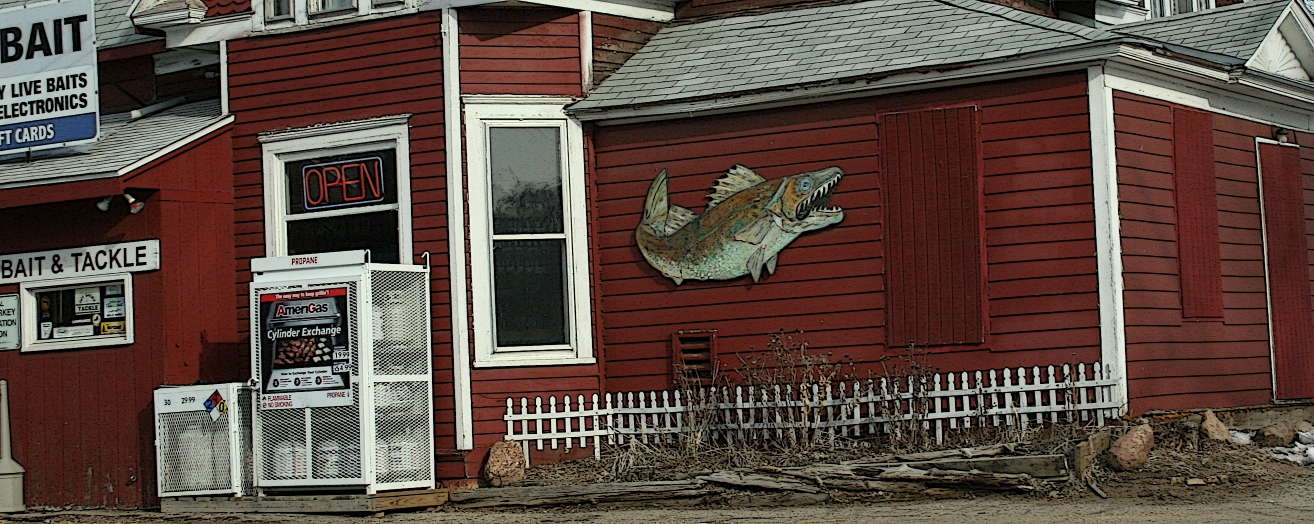
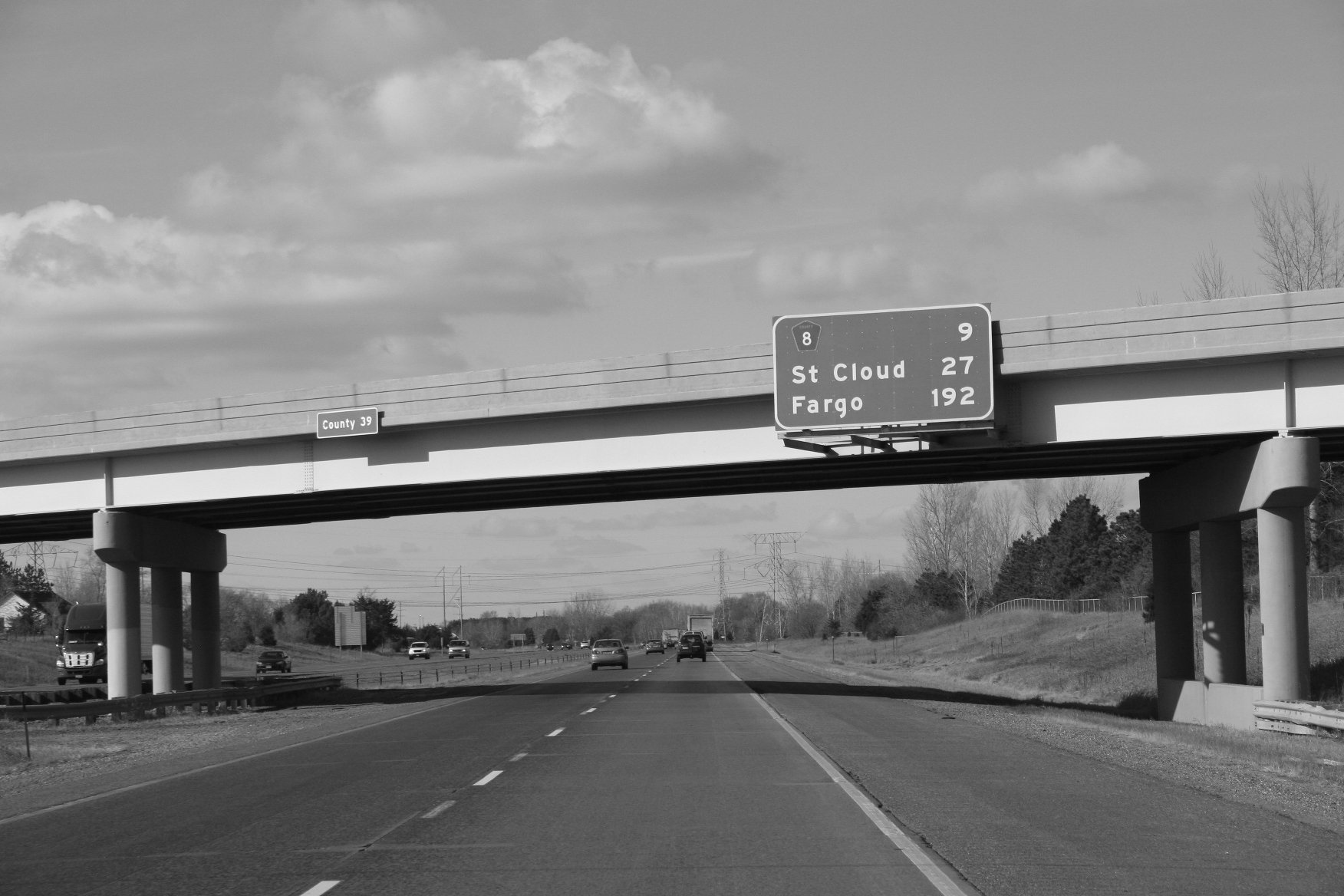
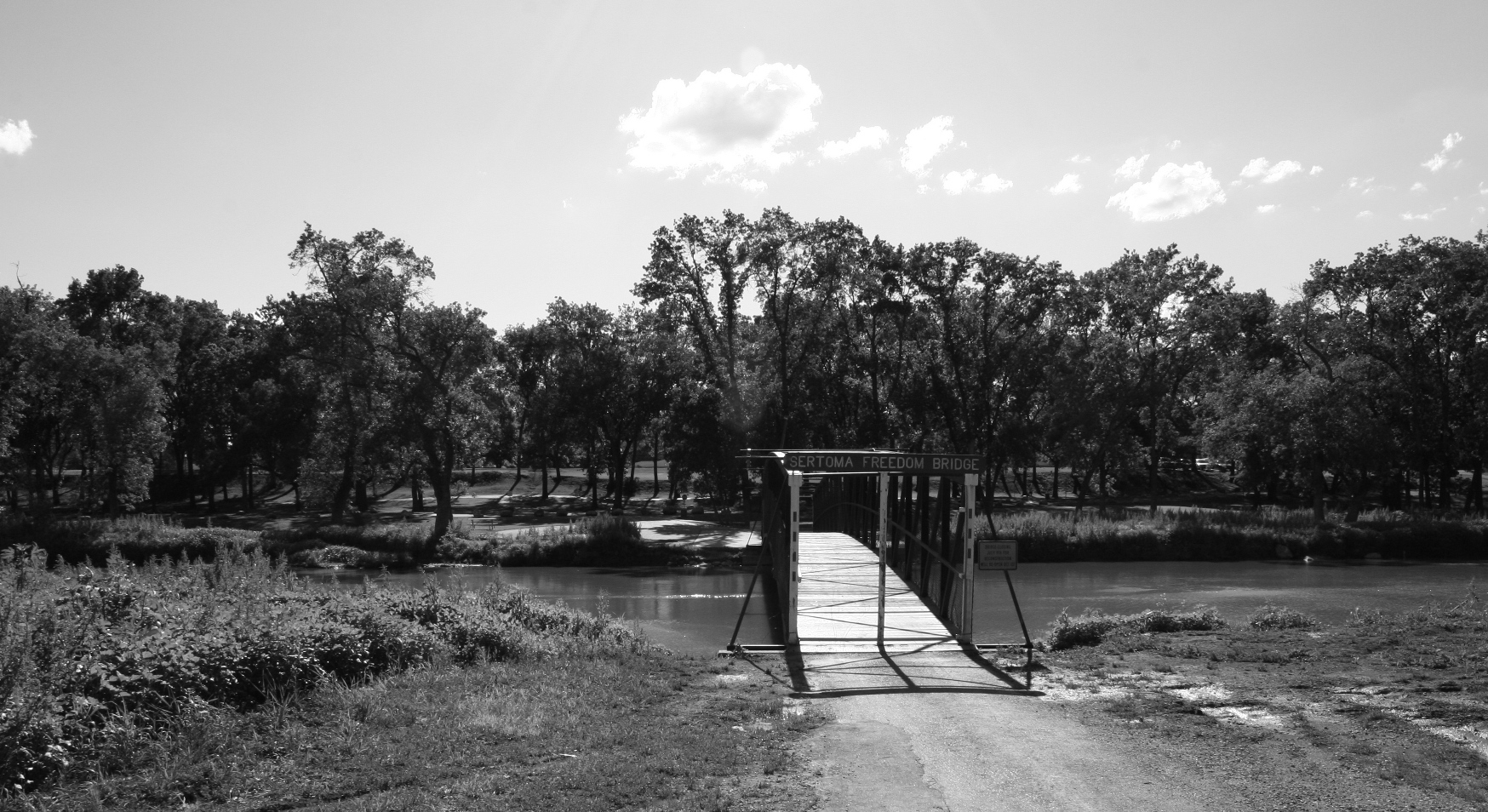
I’d always advise you to follow the road less-traveled. Always.

Discovered in that same alley.

Discovered in that same alley.

Another "blacksmith shop" across town.

Another “blacksmith shop” across town.

The rear handicapped accessible entry to historic Hilltop Hall.

The rear handicapped accessible entrance to historic Hilltop Hall which is built into the side of a hill. This entry off a narrow alley leads to the second floor performing arts center space.

I believe this building once housed Montgomery Brewing Company. Can anyone confirm?

I believe the building on the right once housed Montgomery Brewing Company. Can anyone confirm?

© Copyright 2013 Audrey Kletscher Helbling