Minnesota Prairie Roots

Writing and photography by Audrey Kletscher Helbling

Oh, the places I should have visited in Lake City July 19, 2012

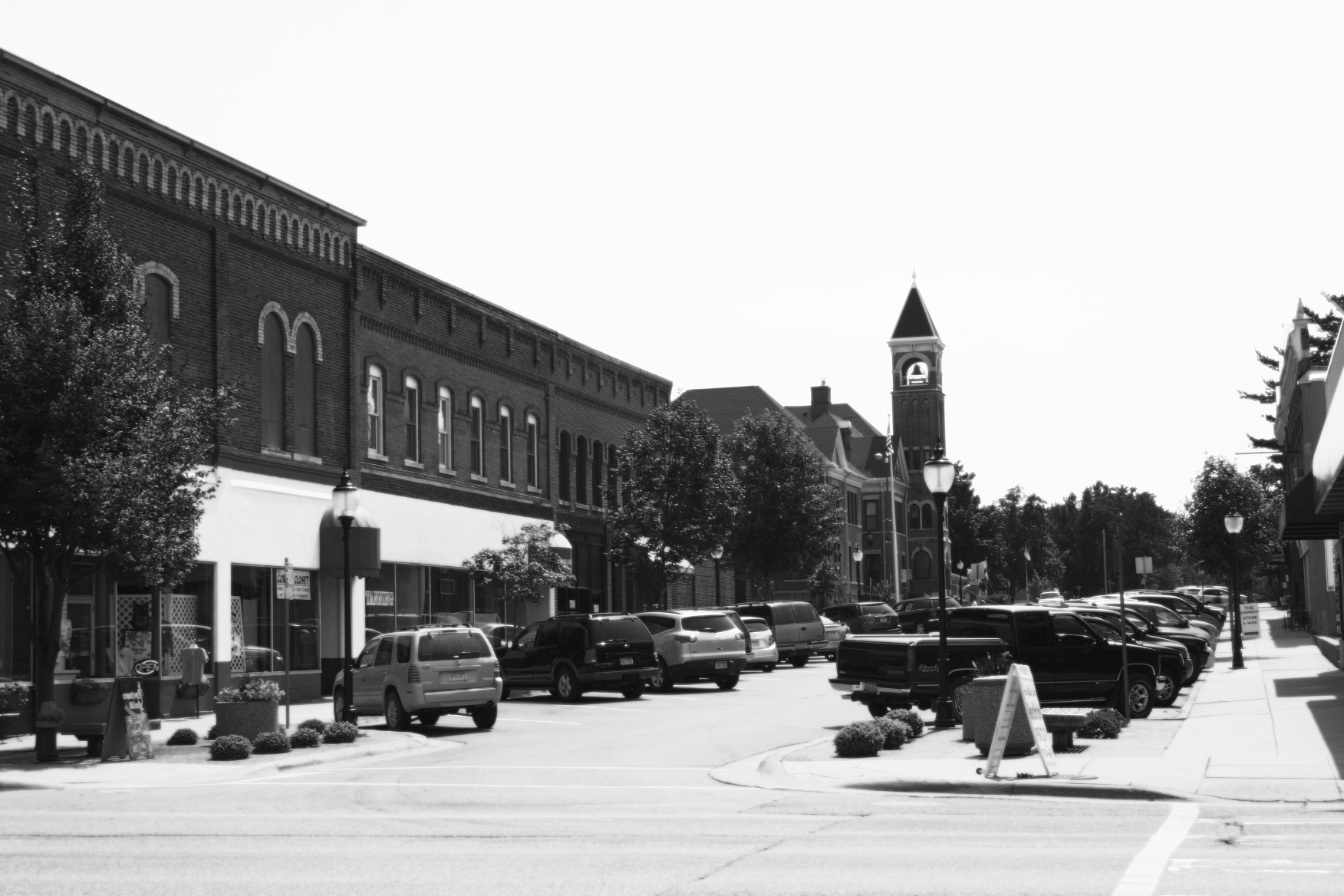
A side street in the downtown business district of Lake City Minnesota.

SO…YOU DRIVE into a town you’ve never been to and you and your traveling companion wonder where to eat, what to do, which places to visit.

How do you decide?

Trust the locals? Trust your instincts? Just start walking and see where the sidewalk leads you?

I suppose those thoughts run through any visitor’s mind upon arrival in an unfamiliar community. To my list I add the decision of what to photograph, made easier by ownership of a DSLR camera. As long as I have space on my CF cards, and a patient husband, I keep shooting.

Then back home, upon review of those images, I can see the places I missed because of time constraints or another restaurant chosen or a business closed for the day and I have visible reasons to return.

Here is photographic evidence for returning to Lake City, a southeastern Minnesota Mississippi River town my spouse and I recently visited on a way too hot summer afternoon in early July.

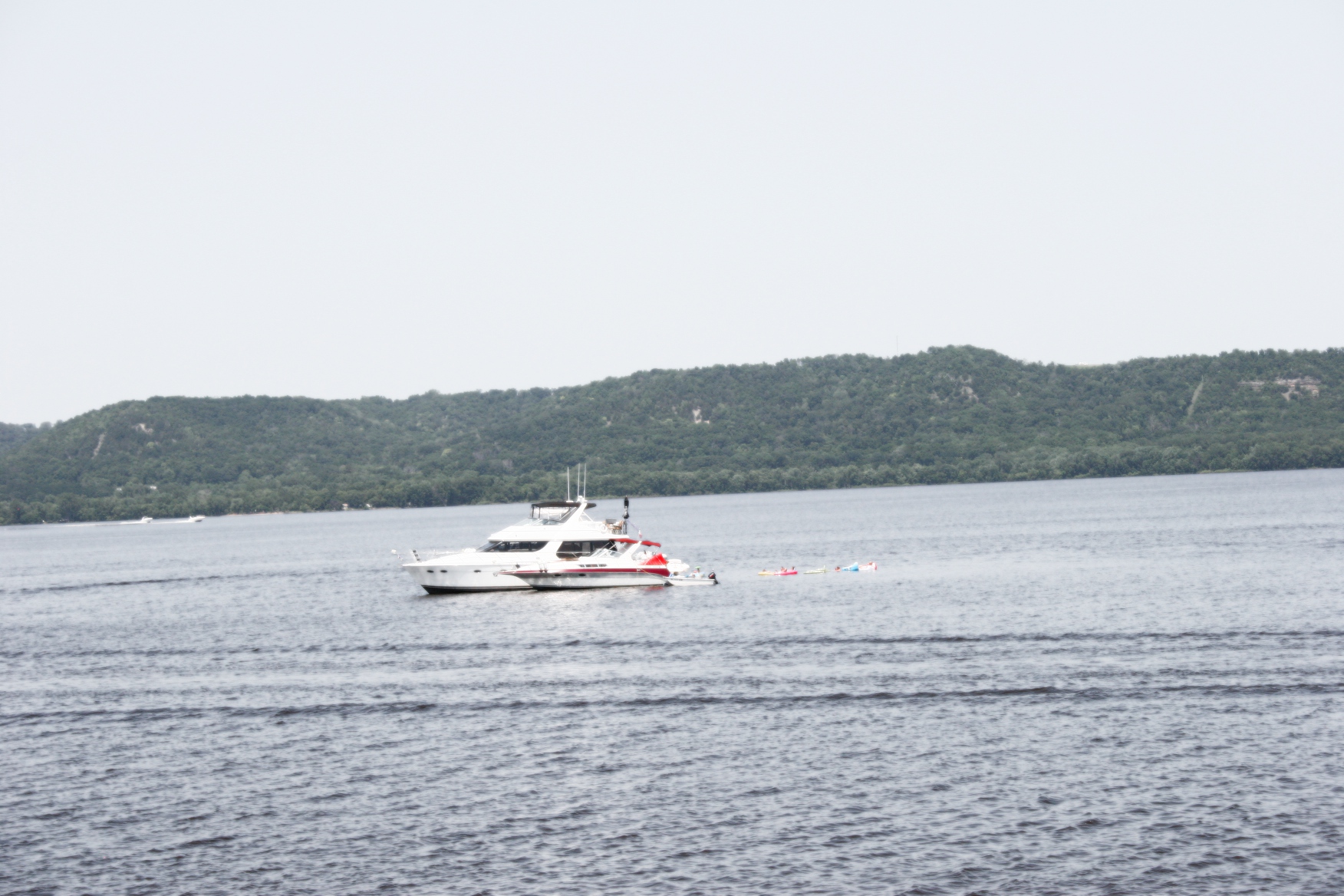
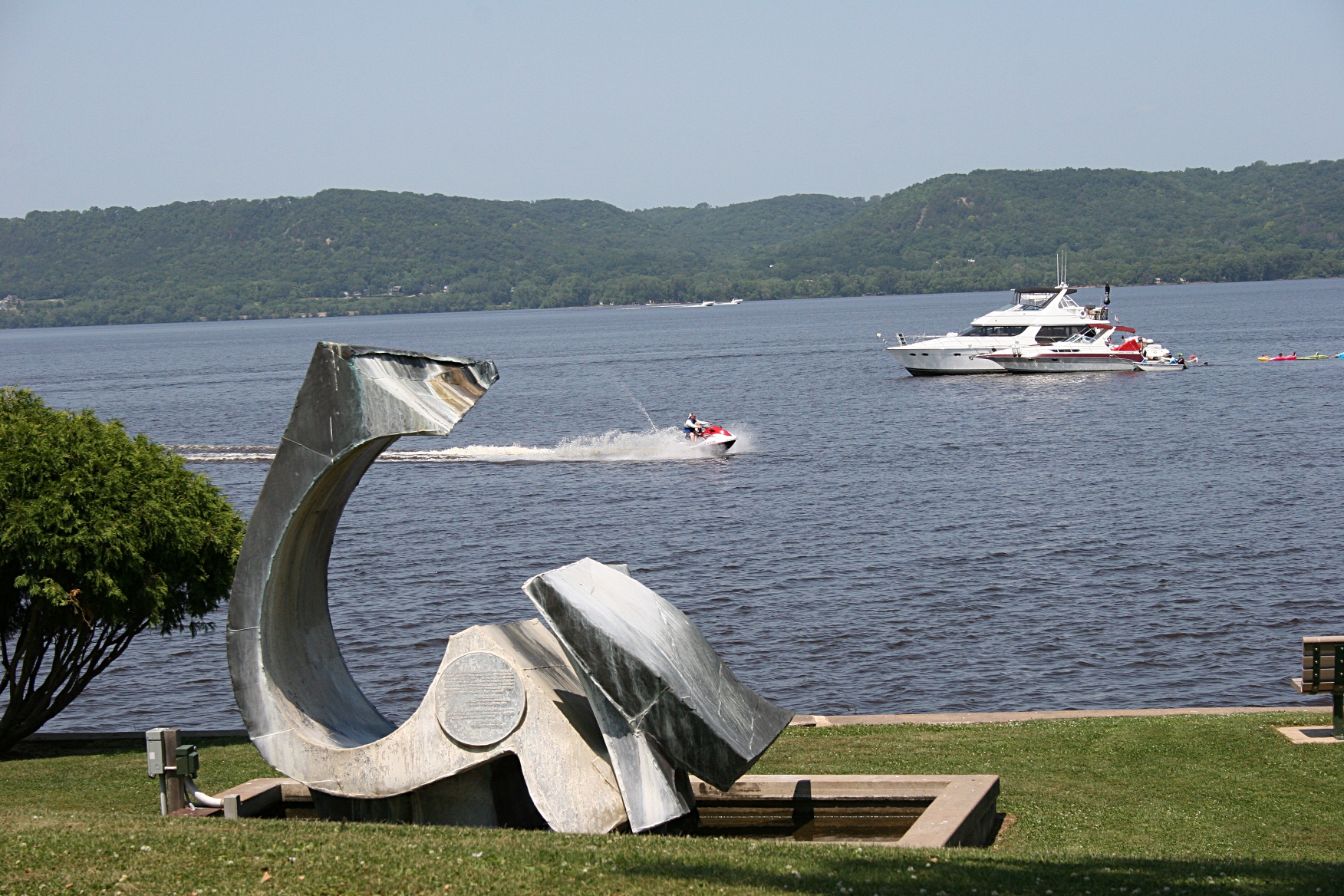
I’m not a boater, nor a swimmer. But the water still draws me close to gaze upon, to appreciate, its mesmerizing beauty. Next trip back to Lake City, my husband and I need to find a park along Lake Pepin where we can simply sit and enjoy the water or perhaps stroll along a beach. That treeline across the lake/river is Wisconsin.

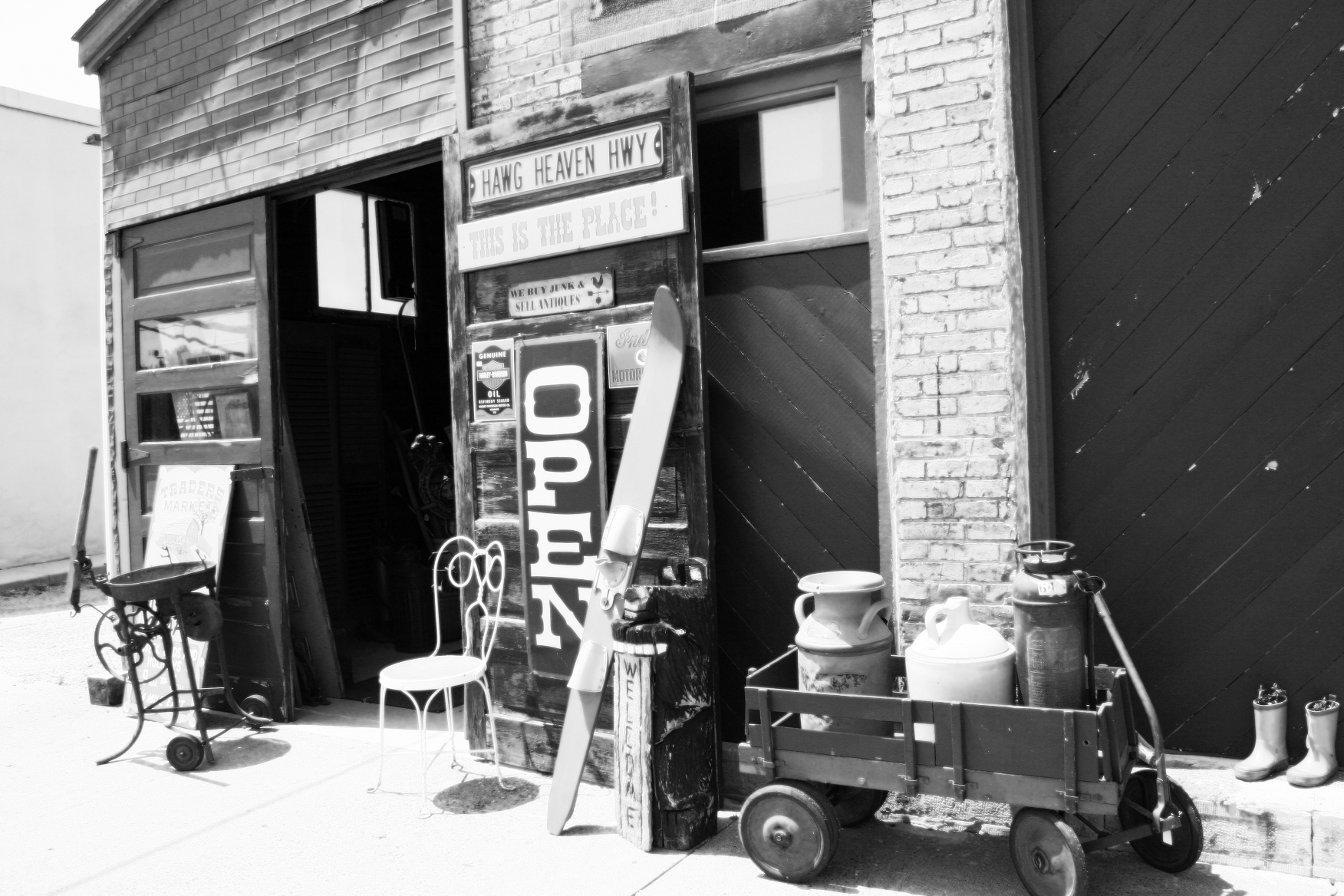
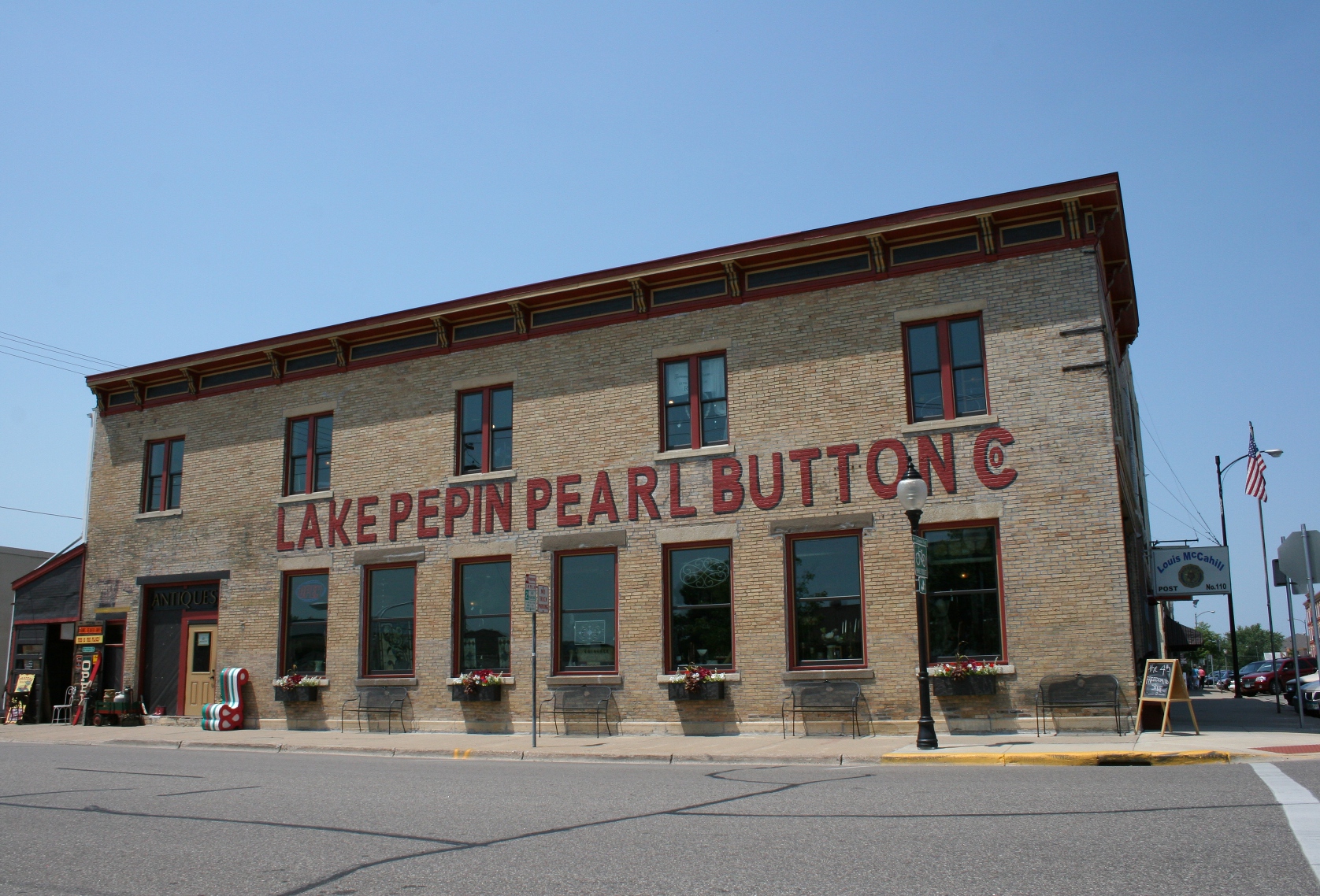
The Lake Pepin Pearl Button Co. antique shop features a little nook of a room off the spacious main shop area, exterior pictured here, in which I need to spend more time poking around. Poke, poke, poke.

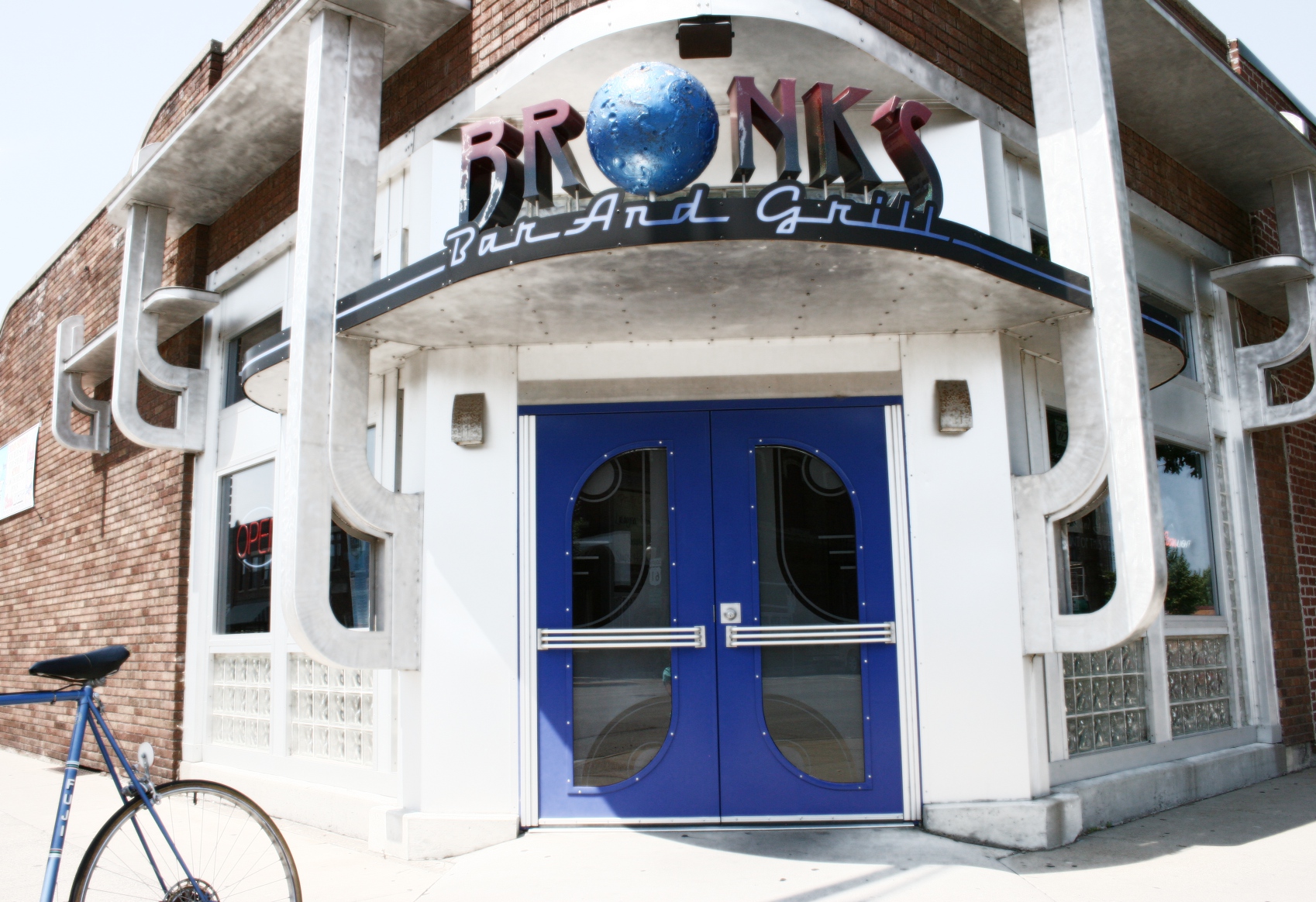
The entry to Bronk’s Bar and Grill angled into a downtown Lake City street corner caught my attention. Was this once a movie theater? No matter, Bronk’s claims “the best hamburgers in Lake City” made from only local fresh meat. Anyone eaten here?

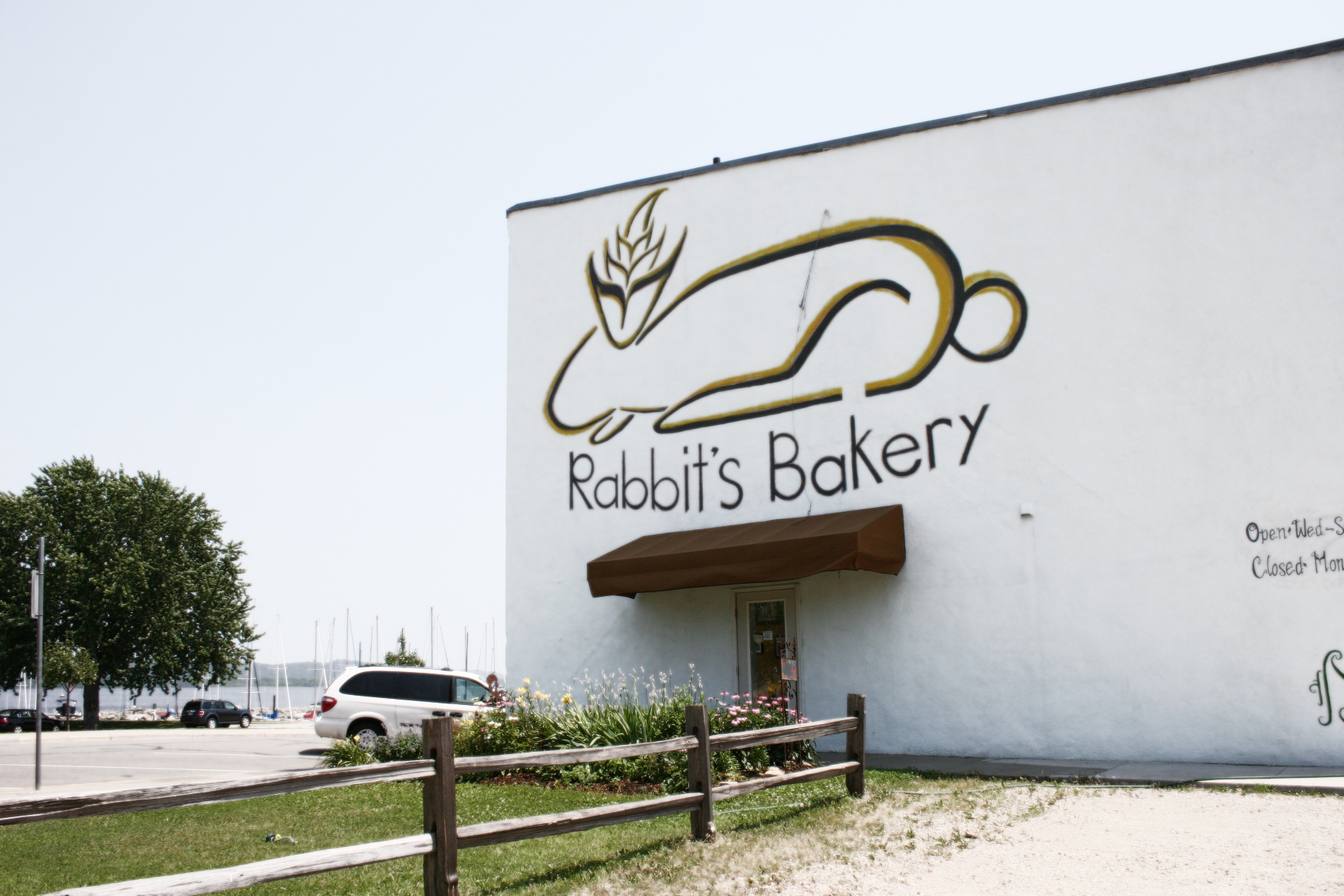
Unfortunately, Rabbit’s Bakery was closed on the Tuesday I was in Lake City or I surely would have stopped in here. Any business with “Rabbit” as part of its name naturally draws me to it given I graduated from Wabasso High School, home of the white rabbit. This photo was also encouraged by my husband who once (and still occasionally) called one of my sisters Rabbit. Love the graphic.

© Copyright 2012 Audrey Kletscher Helbling


No cherry picking for me as I miss out on The Cherry Orchard Project July 18, 2012

The Cherry Orchard Project promo photo.

I TRIED LAST WEEK to get two tickets to a production of Anton Chekov’s “The Cherry Orchard” in the historic Gunderson House in neighboring Kenyon. But, alas, I could not secure a pair for a weekend performance, much to my dismay.

If only I’d known prior to last Thursday about the unique, touring theatrical group which is sweeping into historic homes in five southern Minnesota communities this summer. I embrace the concept of professional actors from the Guthrie, Ten Thousand Things, the Jungle Theatre and Theatre de la Jeue Lune performing in rural Minnesota, because, frankly, I’m not one to venture into The Cities for theater, or much of anything. Just being honest here. The metro traffic and general busyness simply don’t suit me.

The Cherry Orchard Project, which presents Chekov’s play of an aristocratic Russian family about to lose their home and cherry orchard through foreclosure, seems an ideal way to extend performance art to Minnesotans like me. It also gives outstate actors/actresses an opportunity to work with pros. Each site-based production includes local performers working with those professionals.

This type of theater, staged in an historic home, presents an intimate venue for both performers and audience members, which also appeals to me.

Here’s a description of The Cherry Orchard Project from Brown Paper Tickets, the online ticket source for The Cherry Orchard Project:

Audiences move in and around the house to the strains of local musicians, experiencing the characters cooking, dancing, debating and attempting to indulge in their unrequited passions. It’s a rare opportunity to step inside the world of Chekhov’s eccentric and comedic characters, living the drama with them.

Now if that sounds like the type of close-up theater you might enjoy, consider purchasing your tickets immediately for an upcoming performance in one of the following communities:

Little Falls at the 1898 Musser Mansion, July 18 – 22
Taylors Falls at The Historic Folsom House, July 25 – 29
Worthington at the Historic Dayton House, August 1 – 5
Blue Earth, James B. Wakefield House, August 8 – 12, audience limit of 25

Do not wait until the last minute, like I did (because I was unaware), or you will not get tickets. Audiences at the performances I wanted to attend in Kenyon were limited to 30 – 40.

And, if your local community newspaper runs an online poll with this question, “Would you like to see more live local theater in our small towns?”, I hope you will respond favorably, unlike many who answered that exact question posed by The Kenyon Leader.

According to results posted on Tuesday afternoon, 57 percent of the 35 respondents to The Leader survey said they have little interest in live theater. Thirty-four percent said they would watch live local theater in small towns. The rest, nine percent, were interested in attending and/or participating.

Those poll results disappoint me. But then I suppose I can’t make anyone appreciate theater anymore than anyone can make me value sports. Plus, given the low survey response rate, I would question whether the results accurately reflect the overall consensus of Kenyon residents. The Cherry Orchard Project Facebook page reports a sell-out crowd and warm reception in Kenyon.

If only I’d been among those in the audience. Perhaps next year…

© Copyright 2012 Audrey Kletscher Helbling


Antiquing with my husband in Kenyon and Lake City July 17, 2012

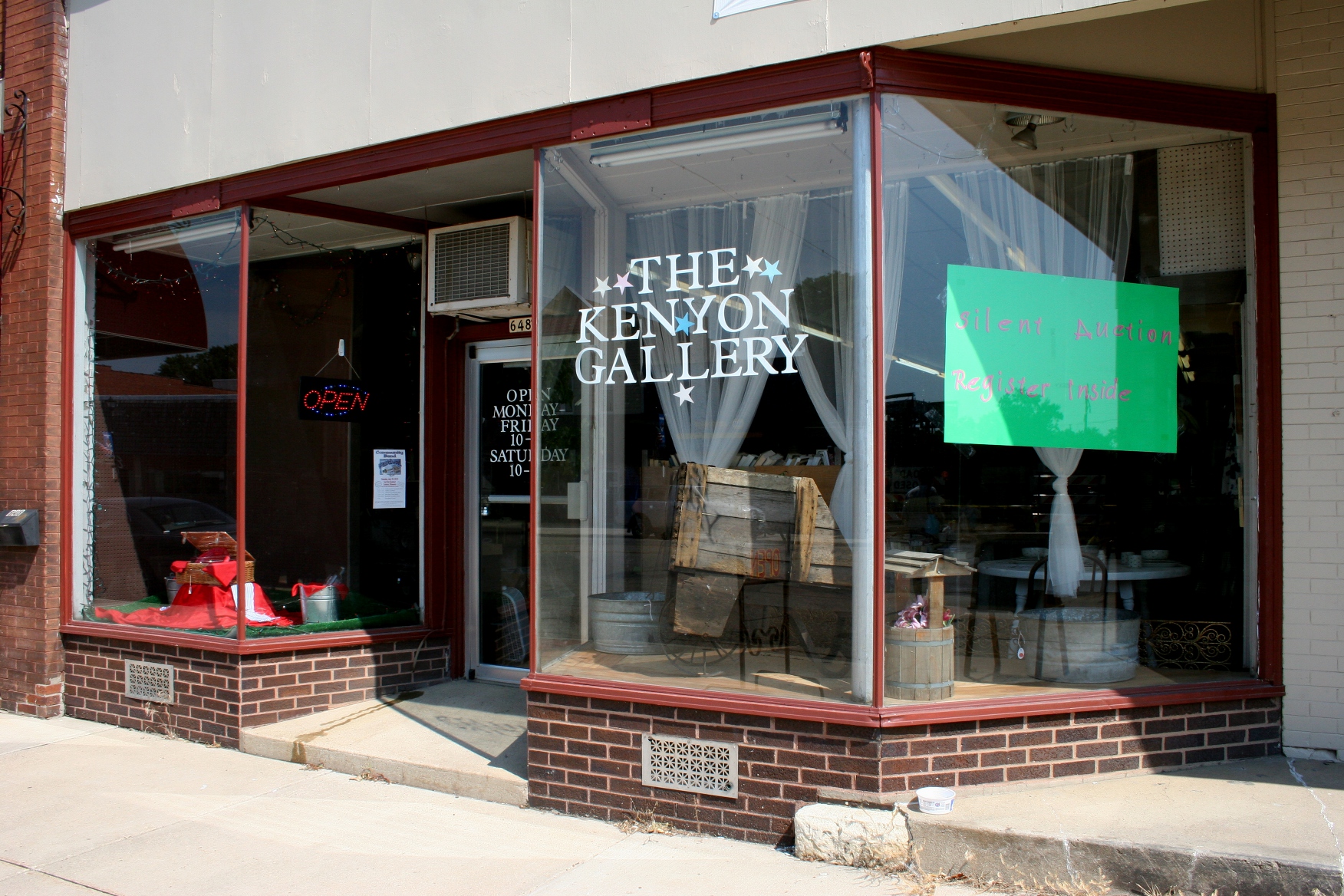
A sweet little gallery and antique shop, The Kenyon Gallery in Kenyon.

I AM ONE OF THOSE ANTIQUE SHOPPERS, emphasis on the word those.

Allow me to explain. I enjoy browsing through antique stores, but I seldom buy. Why? I am cheap and prefer to find my collectibles and antiques at thrift stores and rummage sales.

Perhaps that word cheap isn’t quite right. Let’s change that to budget conscious. Yes, that’s better.

It’s not that I haven’t ever made an antique store purchase. I have. Just not that often. I am sorry, antique dealers. I do appreciate you and all the effort you put into finding, displaying and selling your merchandise.

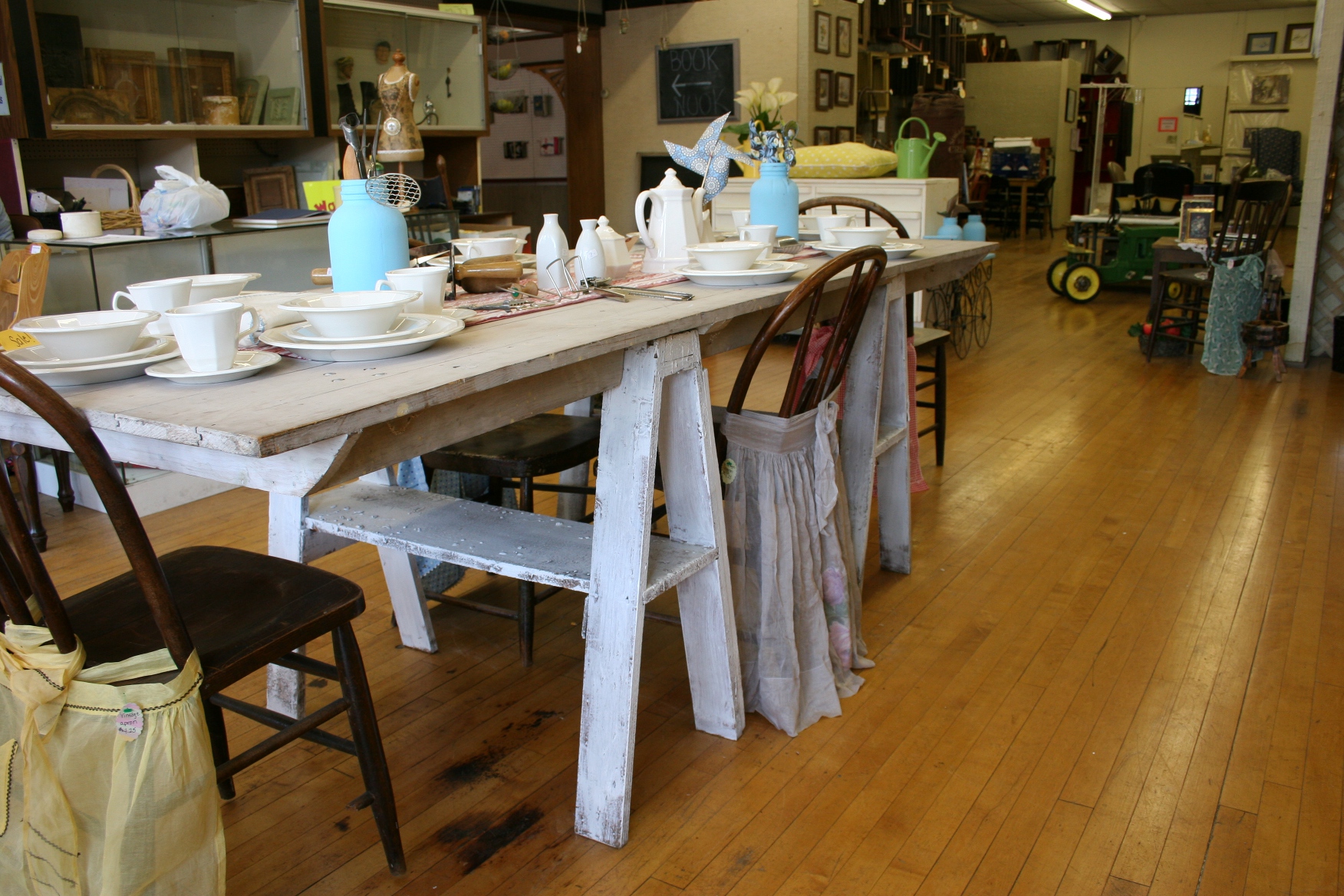
Loved this unassuming casual country style table setting inside The Kenyon Gallery.

I’ve always wondered, though, how can you bear to part with your treasures? If I had to give up one of my two dozen or so vintage tablecloths, I would struggle. Oh, yes, I’ve done that, loaning several to my eldest daughter. The emphasis here would be on the word loan.

Recently my husband and I took a day trip to Lake City, which is on Lake Pepin (aka a wide spot in the Mississippi River). But before we reached that southeastern Minnesota town, we stopped in Kenyon at The Kenyon Gallery, a shop that markets a mixture of merchandise including $5 frames, framed prints, antiques and collectibles.

Here are three particularly interesting items I eyed up with my camera until my husband said, “We’ve gotta keep moving along here.” He was right and out the door we went, still aiming for Lake City.

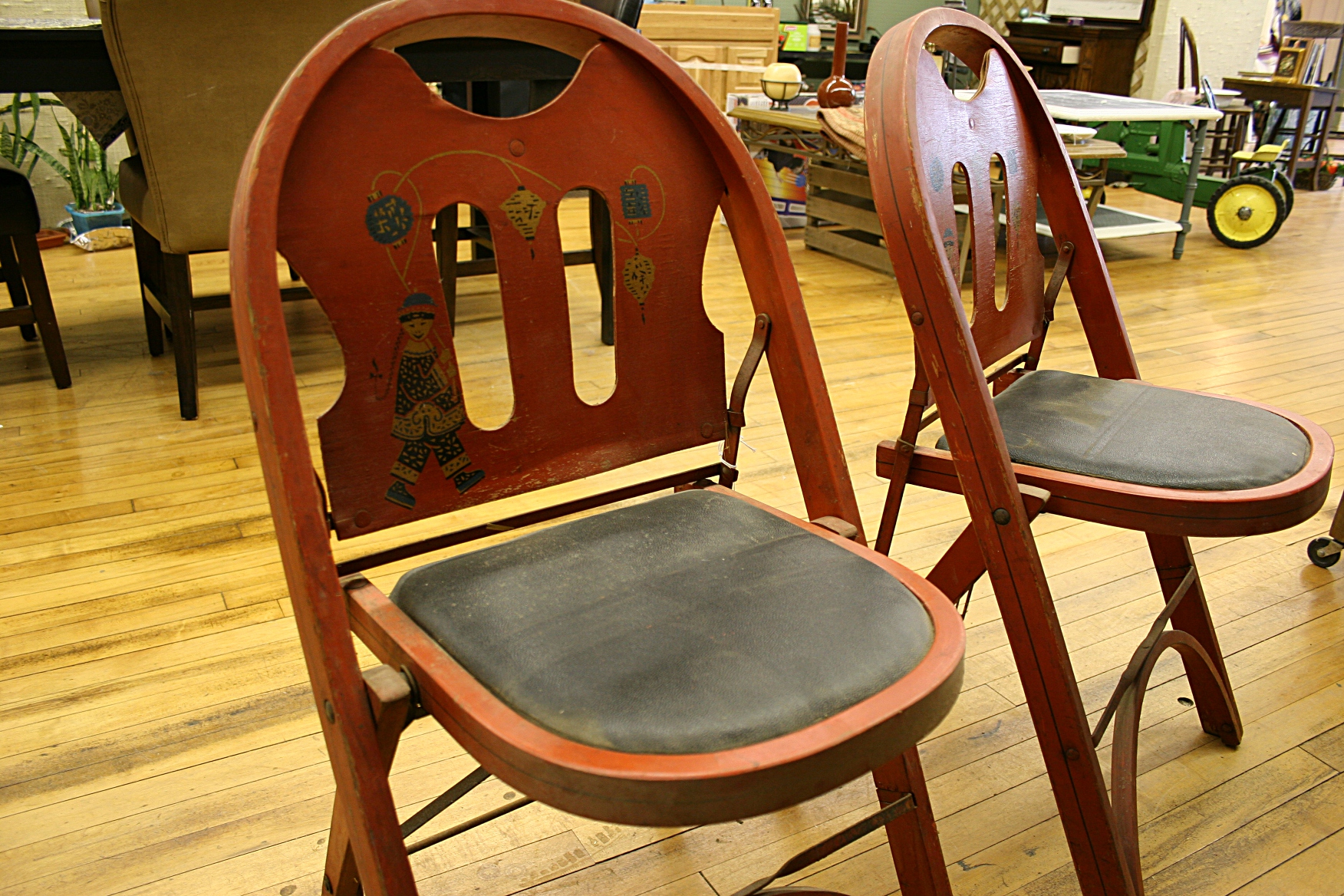
The design on these chair backs intrigues me; I’ve never seen anything like these chairs. Readers, do you know anything about these chairs or their value?

I call it art although both pieces really have to do with something involving the making of furniture. I think.

I grew up on a dairy farm. What can I say?

Before we got there, though, we had to stop in Bellechester and check out a cornfield.

And then we were back on the road to Lake City. The husband might have repeated, “We’ve gotta keep moving along here.”

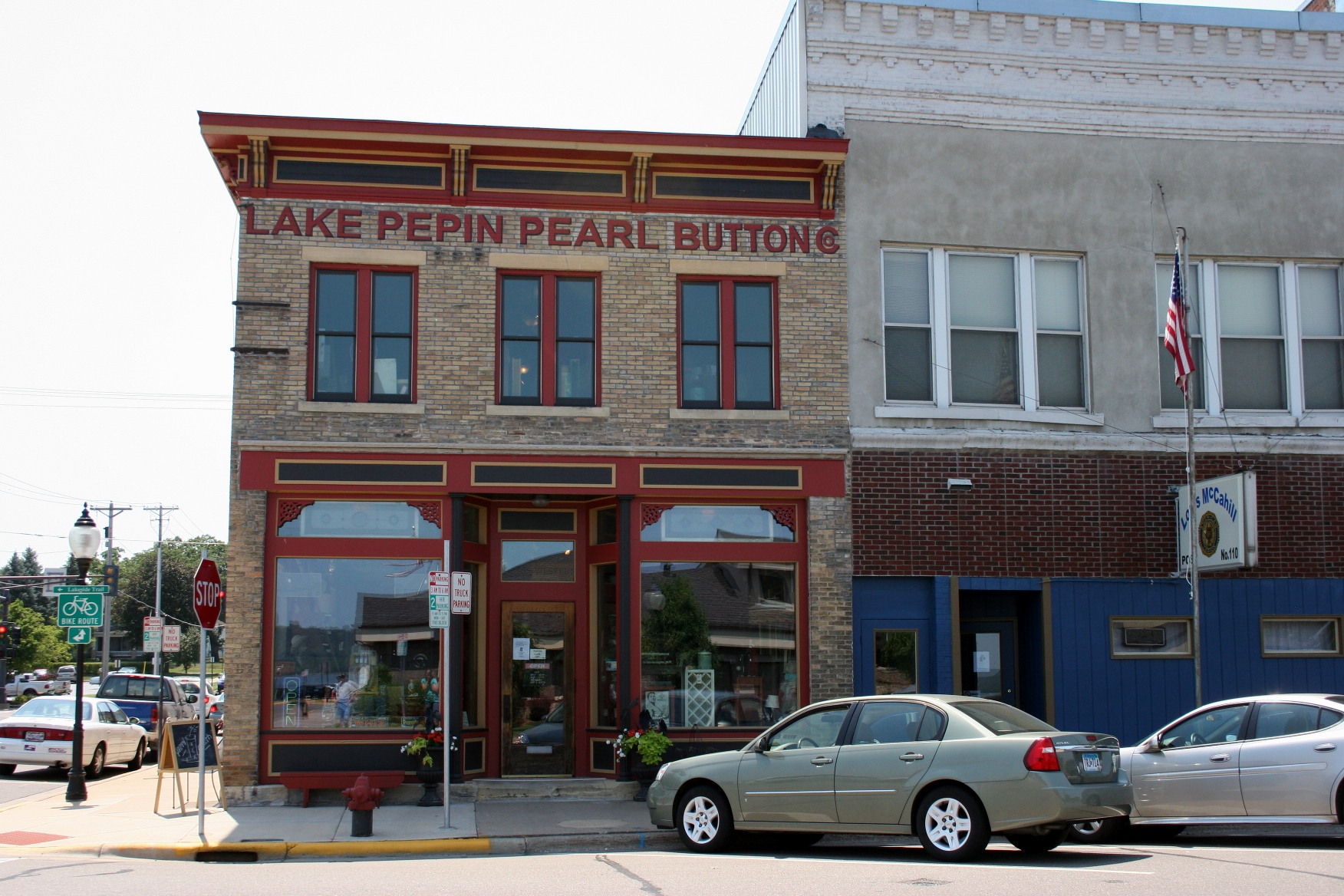
The Lake Pepin Pearl Button Co, a must-stop antique store in Lake City.

If you’re into antiquing, you’ll like the shopping in this riverside town. The Lake Pepin Pearl Button Co., located in a former button factory and dry goods store and with around 40 antique dealers, will easily occupy you for hours, if your spouse is patient. Not that I window-shopped for hours. But I could have.

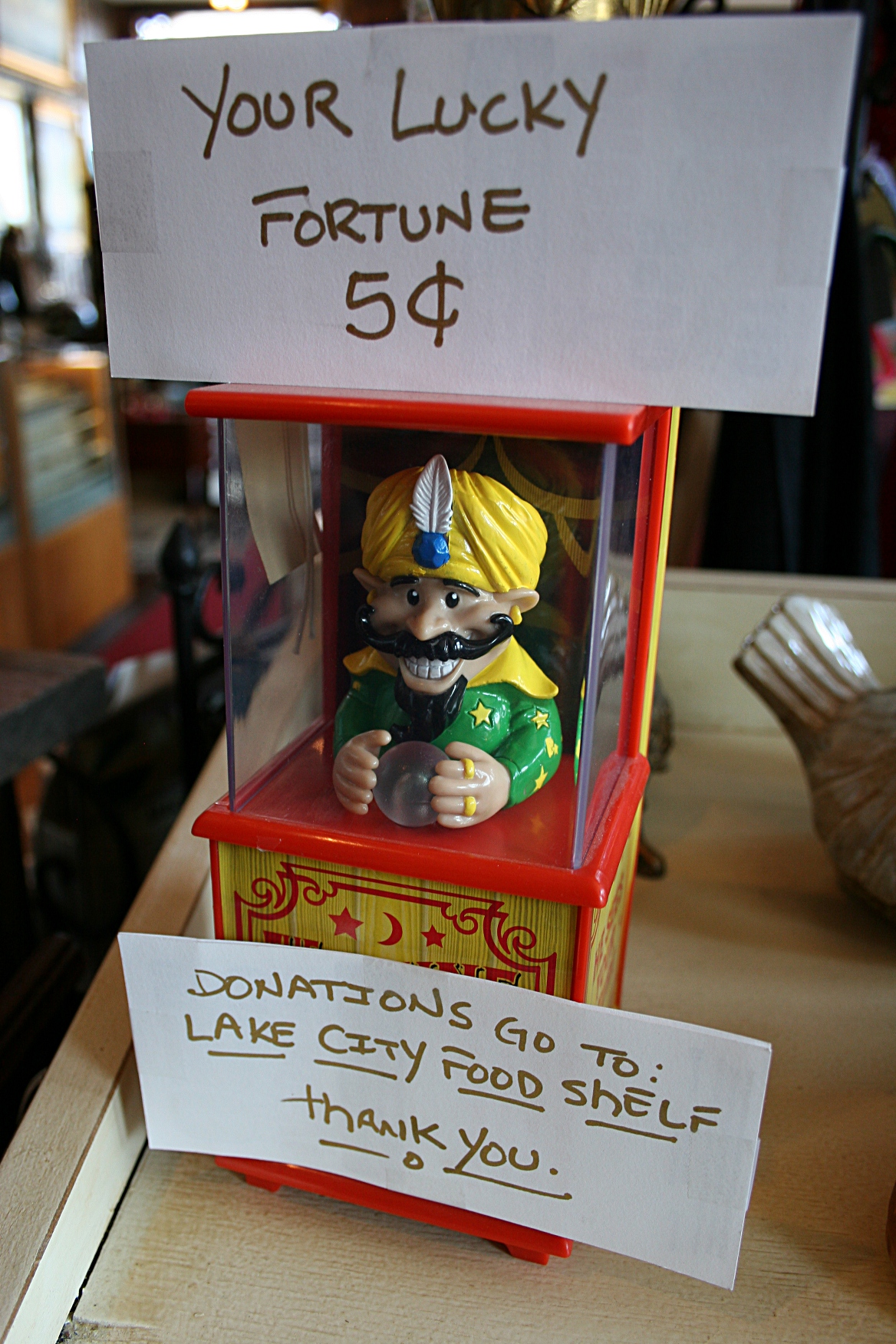
A nickel for your fortune and a nickel for the foodshelf at the Button Co.

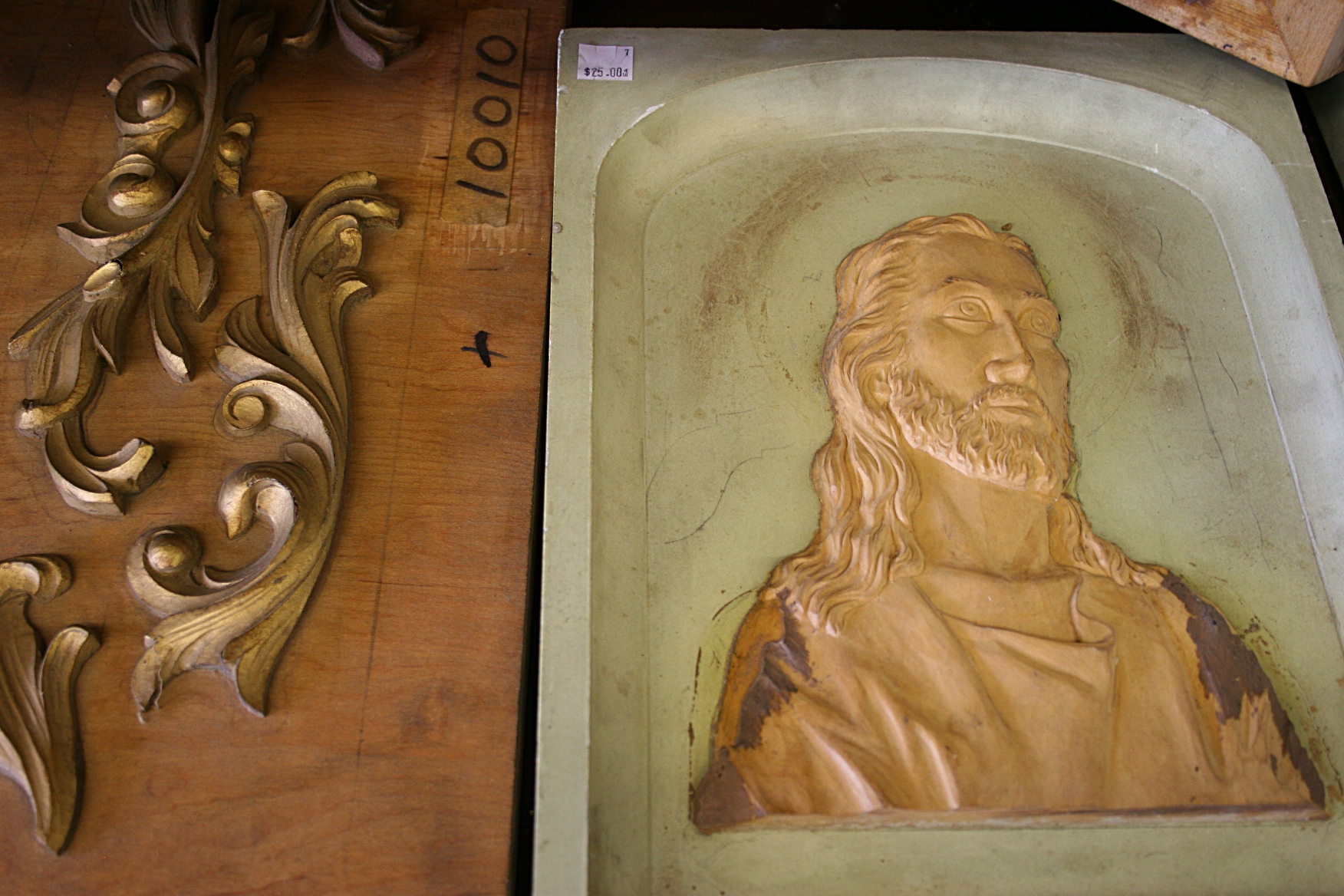
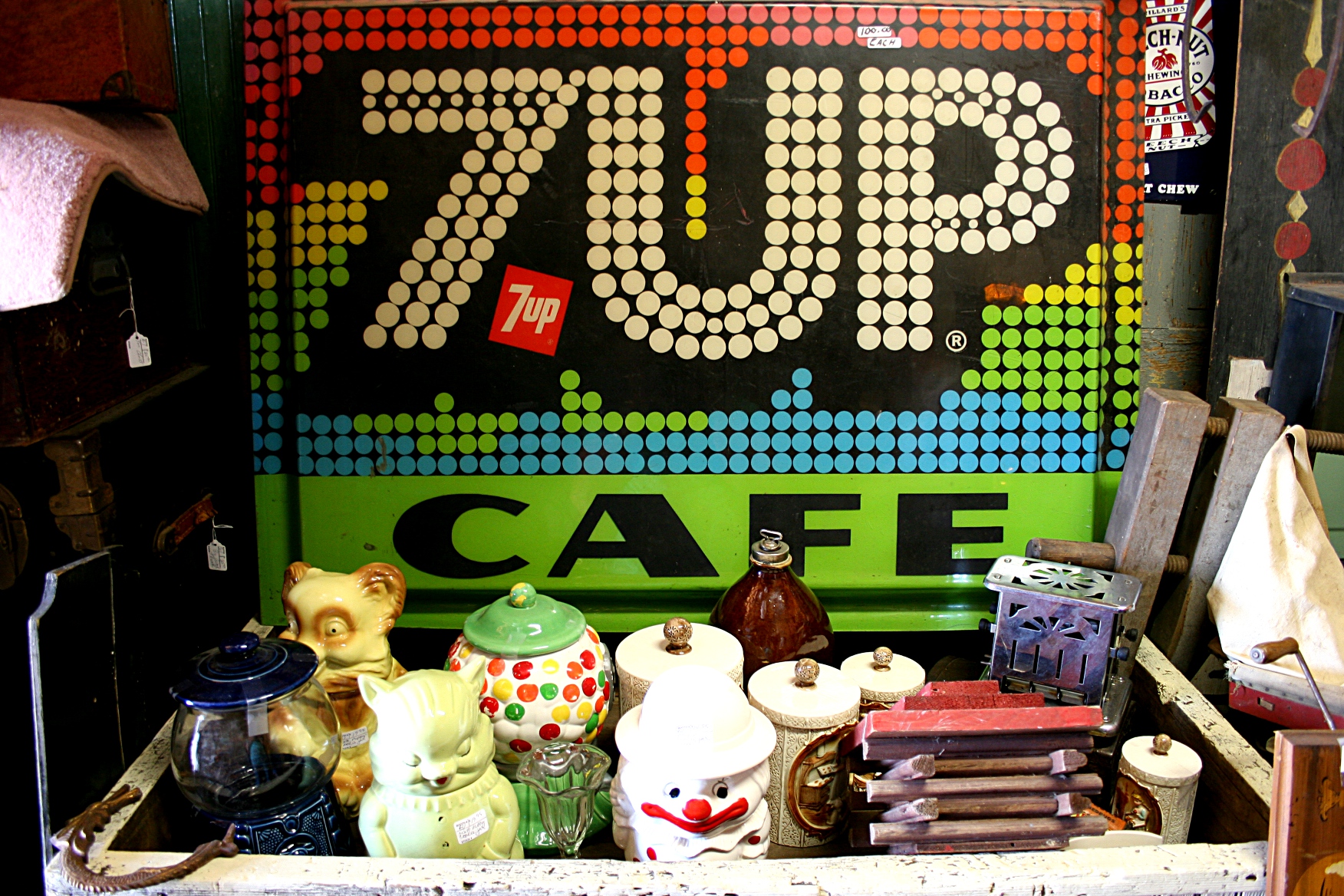
Pop art style graphics and my childhood fondness for 7-UP made this sign a tempting purchase at the Button Co.

So onward we traipsed in the heat and humidity.

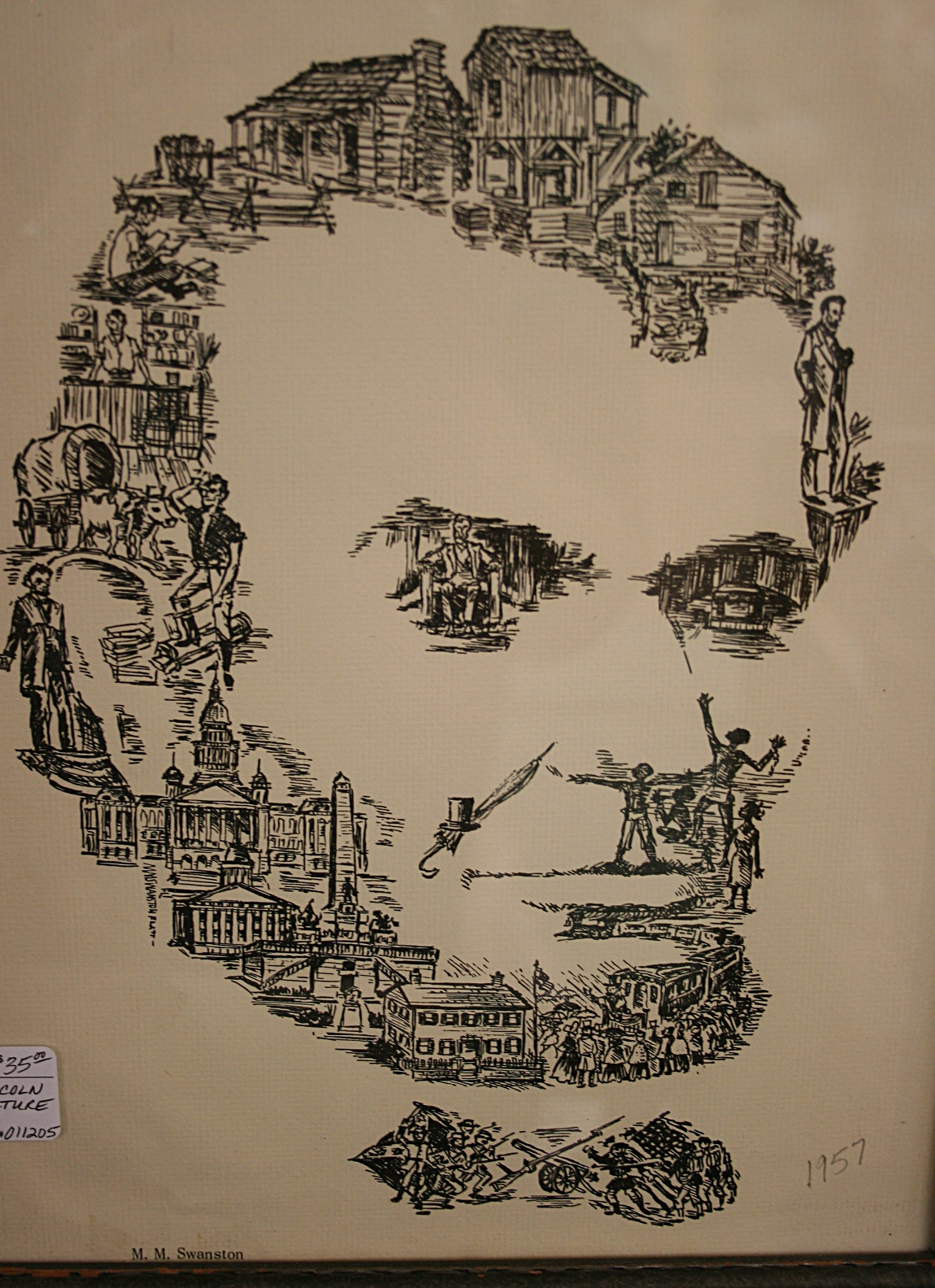
A 1957 pen and ink drawing print by M.M. Swanston.

In the basement of Mississippi Mercantile (don’t you love the names of these antique stores?), I spotted this unusual portrait of Abraham Lincoln.

On to the Antique Shopper, I found plenty of appealing merchandise on the main level and in the basement of this multi-dealer venue.

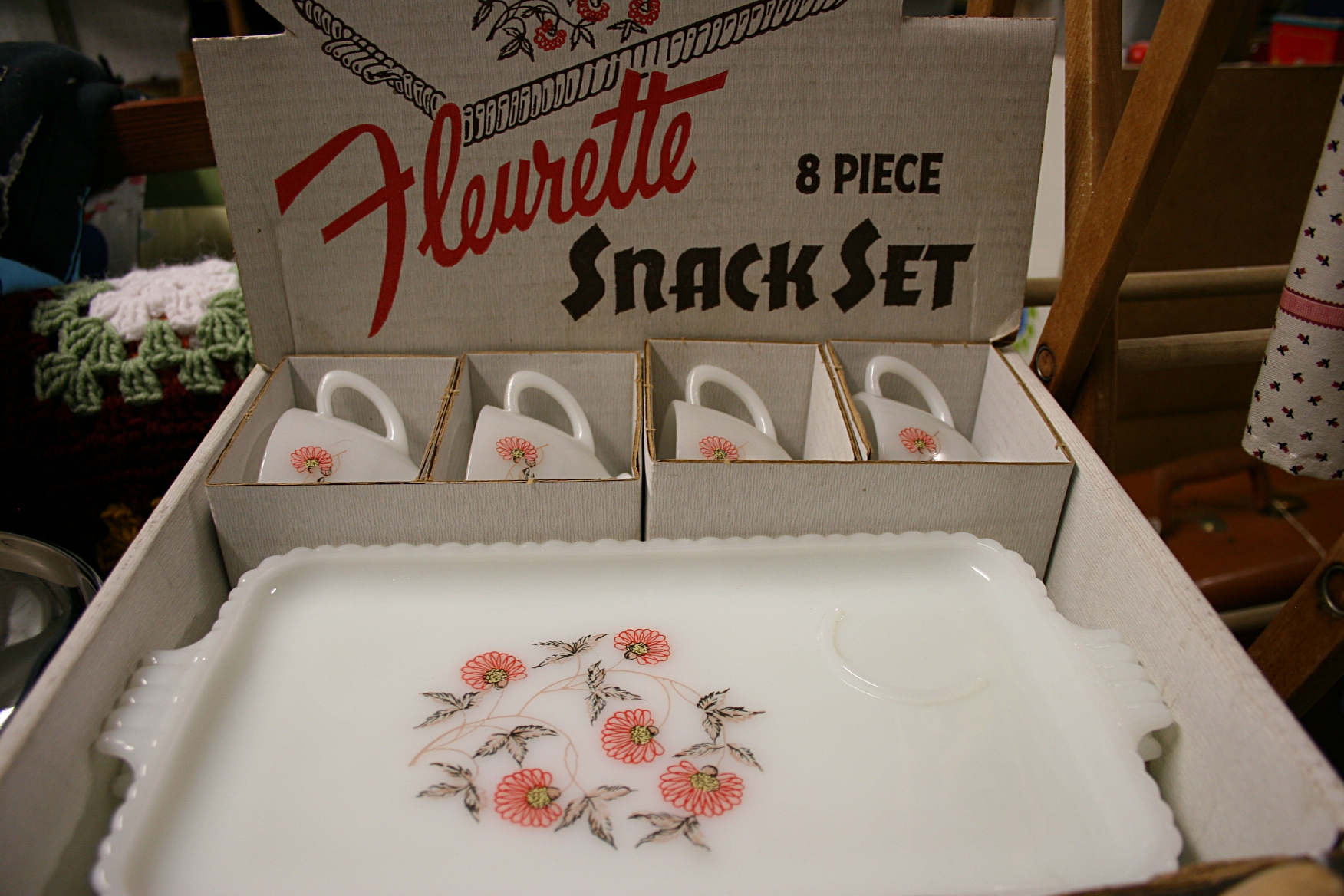
My mom used snack sets to serve company when I was growing up, the reason I am typically drawn to these fancy dishes.

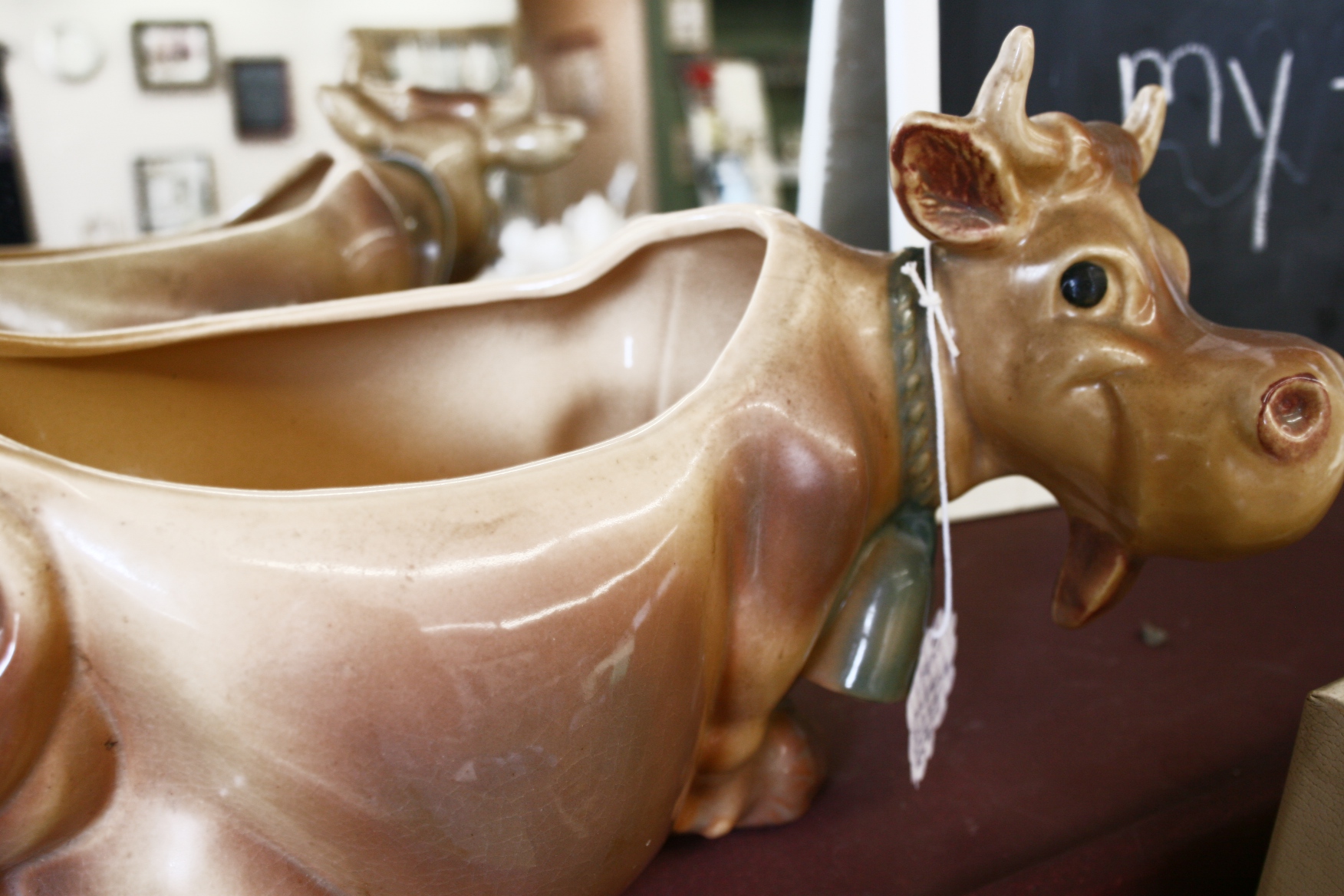
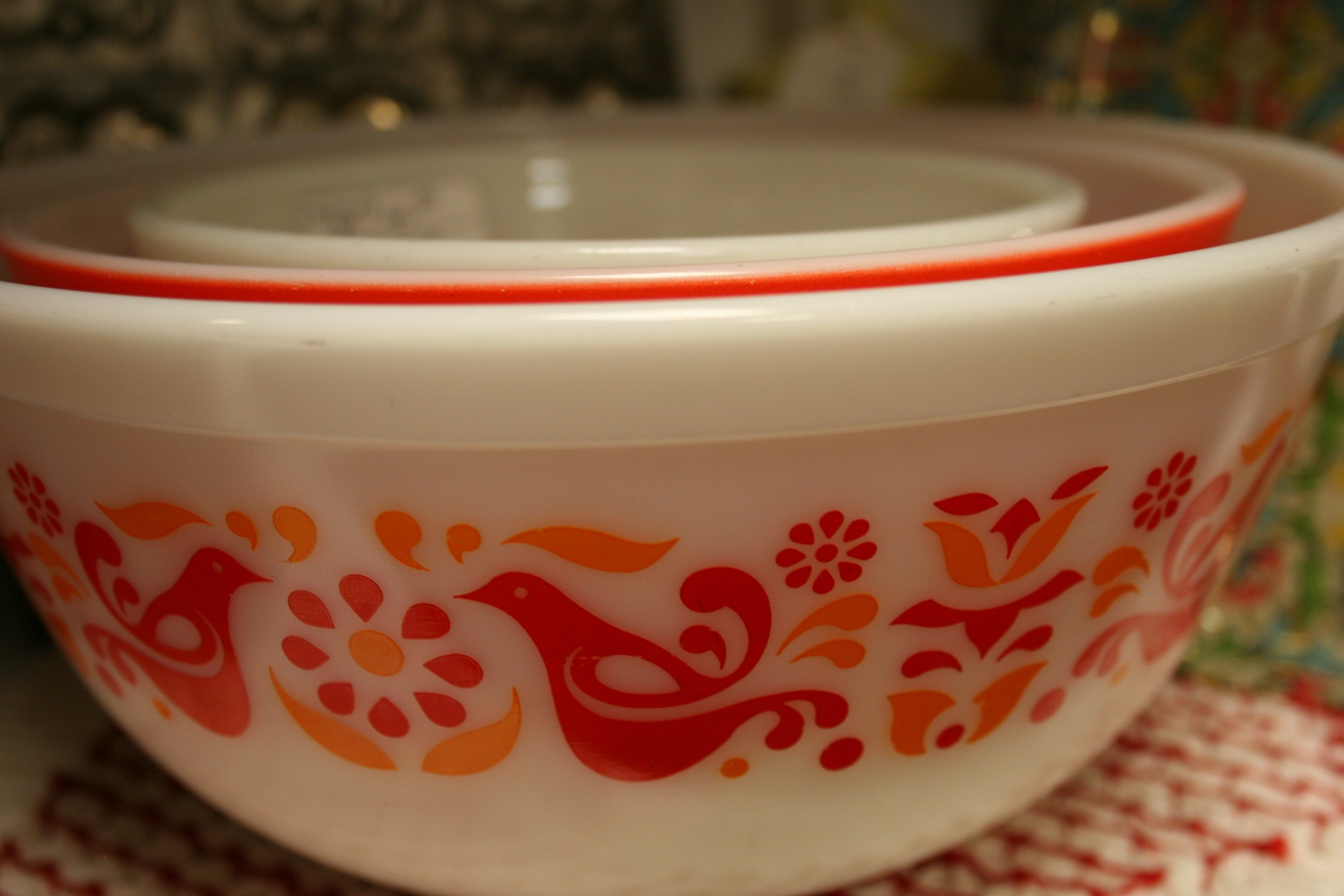
I had a tough time passing up these vintage bowls in the Antique Shopper. I have this thing for bowls, as my husband and kids will tell you. And these are beauties, unlike any I’ve seen.

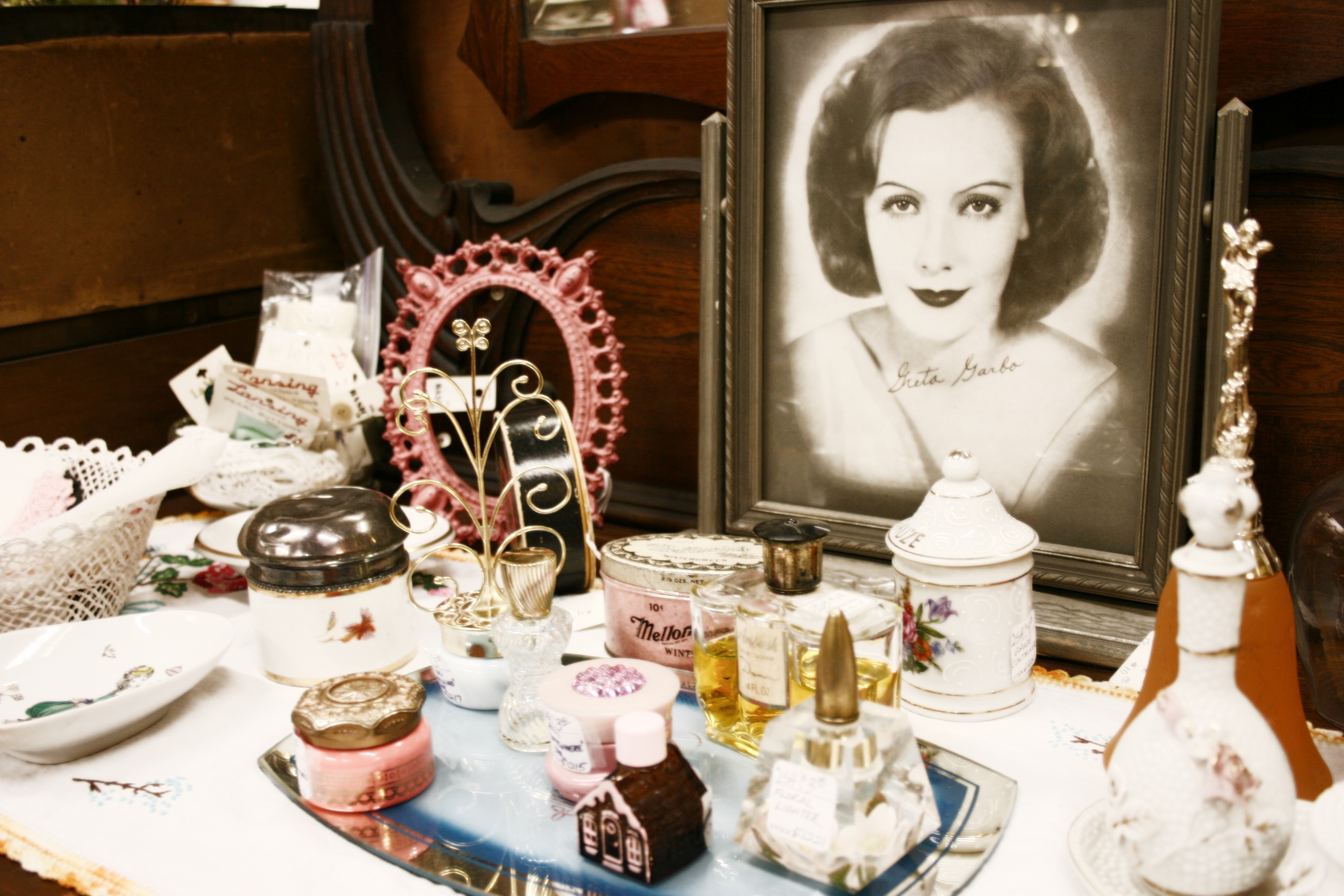
Simply a graceful display highlighted by that Greta Garble photo.

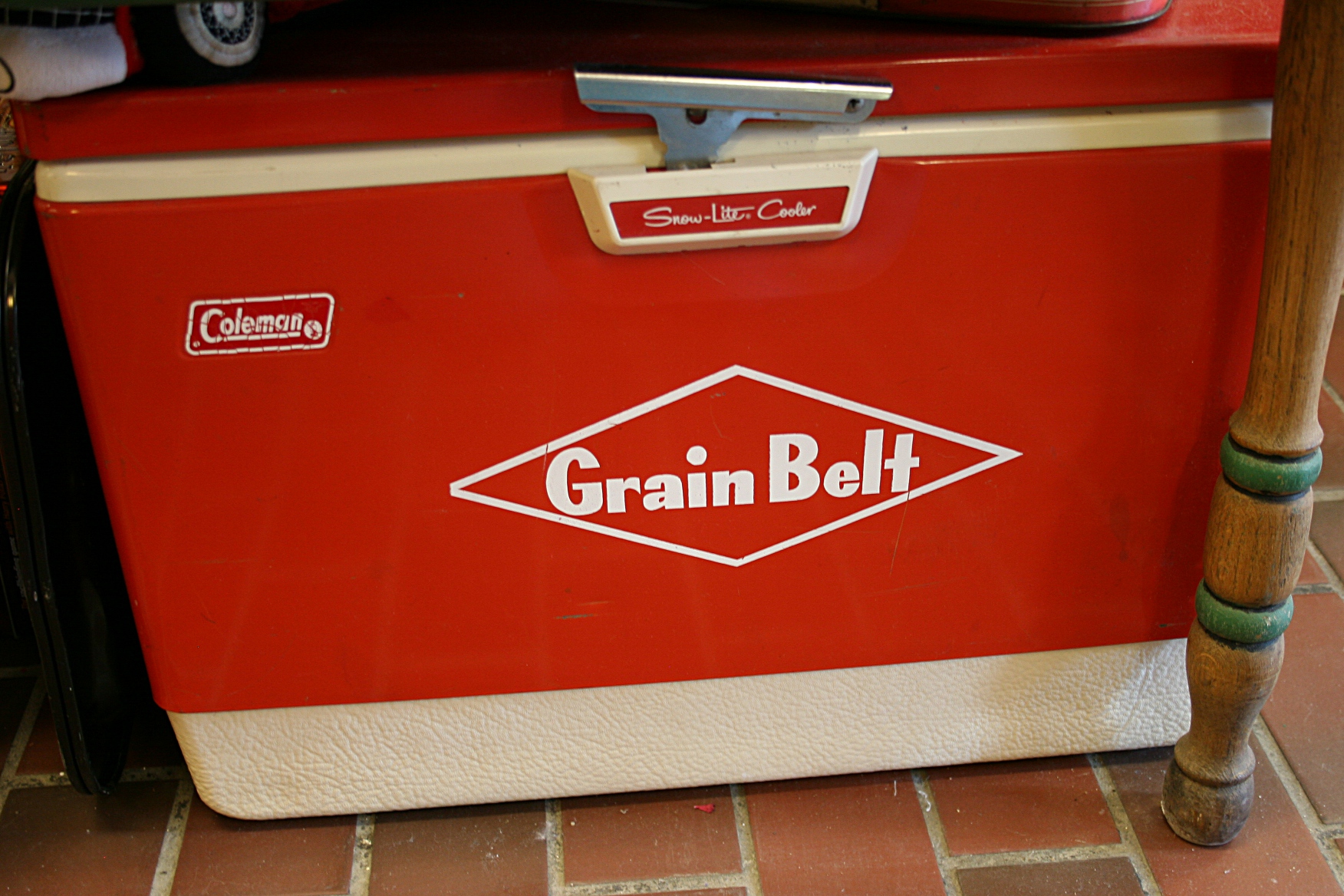
Just as we were heading for the door, my spouse spotted an antique Grain Belt beer cooler under a table and paused to admire it.

My husband lingered at this Grain Belt cooler in Antique Shopper.

The oppressively hot, humid and smothering weather coupled with a strong desire to swig a cold one compelled both of us to just stand there for a few seconds and stare.

But then I snapped out of my heat-induced stupor. “We’ve gotta be moving along,” I muttered and out the door we went.

CLICK HERE TO LINK to a previous post about Lake City, specifically its pearl button-making history.

© Copyright 2012 Audrey Kletscher Helbling


Discovering a historic gem (pearl) in Lake City July 16, 2012

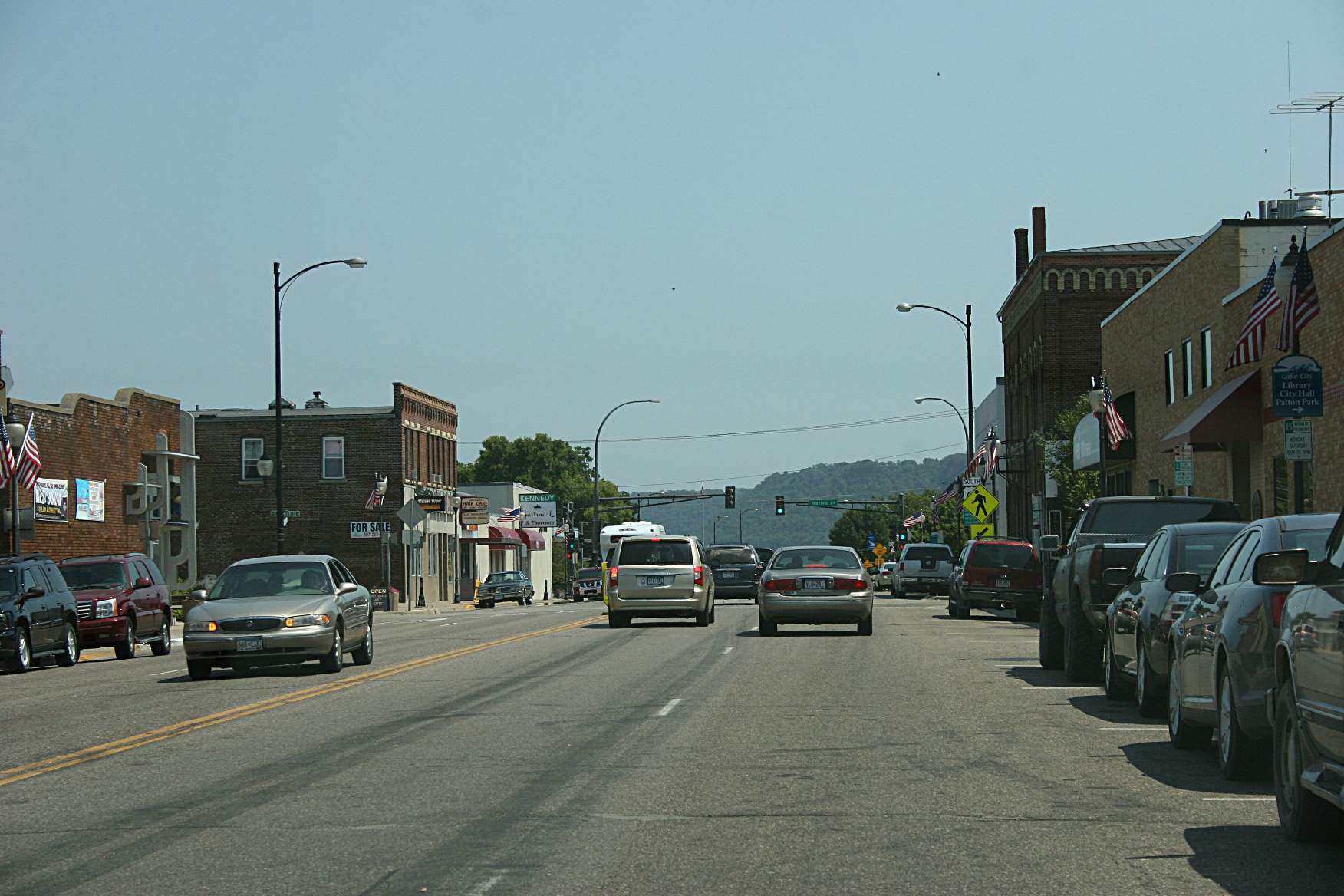
A view of downtown Lake City, Minnesota.

DRIVING INTO LAKE CITY on a recent sultry summer afternoon, I expected to learn about water skiing in this Lake Pepin side community which calls itself the birthplace of that water sport.

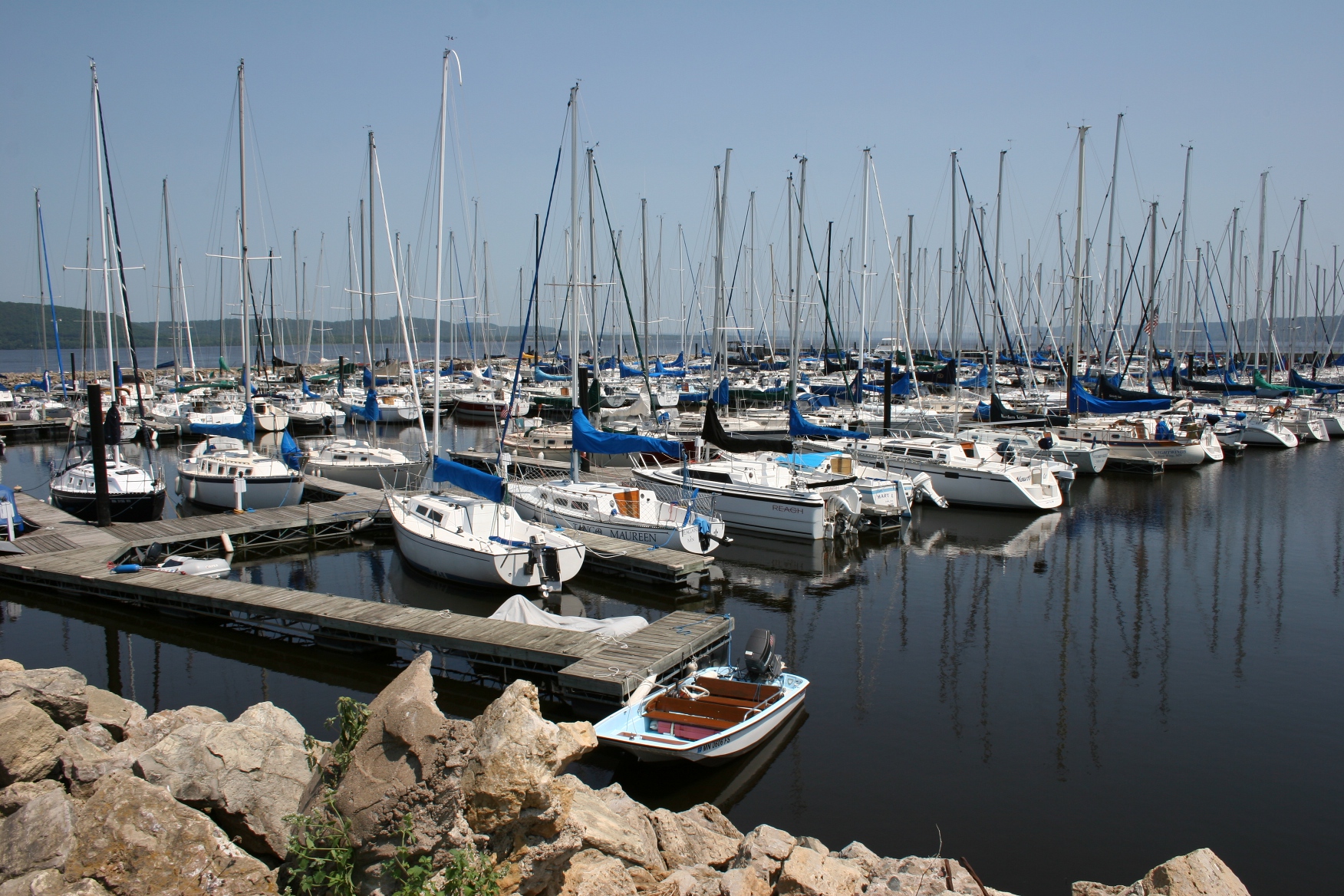
Lots and lots and lots of sailboats are moored in Lake City.

After all, the popularity of water sports is evident in the sailboats crammed and tethered in the harbor on a weekday, waiting to be unleashed on the weekend.

I wanted to check out the sculpture (an anchor?) along Lake Pepin, but no parking was allowed and the weather was too hot to walk any distance. That’s Wisconsin across the lake. Beautiful scenery here in this busy water sport area.

And around the bend, fancy yachts—at least that’s what I call boats so big that one arrived on a semi—float in the bay. And a bit farther, boaters enjoy a summer afternoon on the lake.

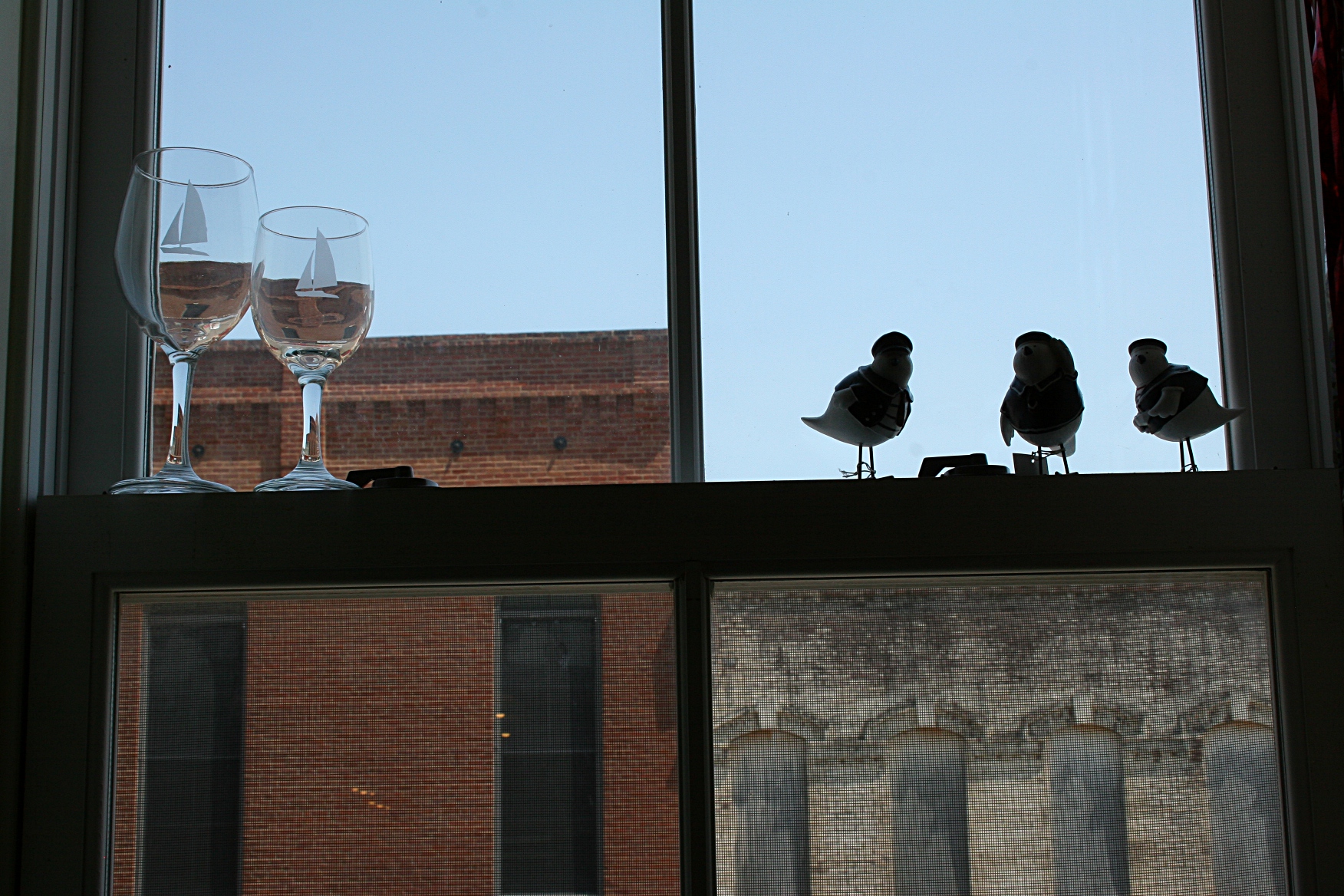
Nautical-themed merchandise perched on a window on the second floor of Treats and Treasures. The “treats” are homemade candy, found downstairs in the treats section.

Offshore, too, you’ll catch the nautical theme of this Mississippi River town in business names and merchandise.

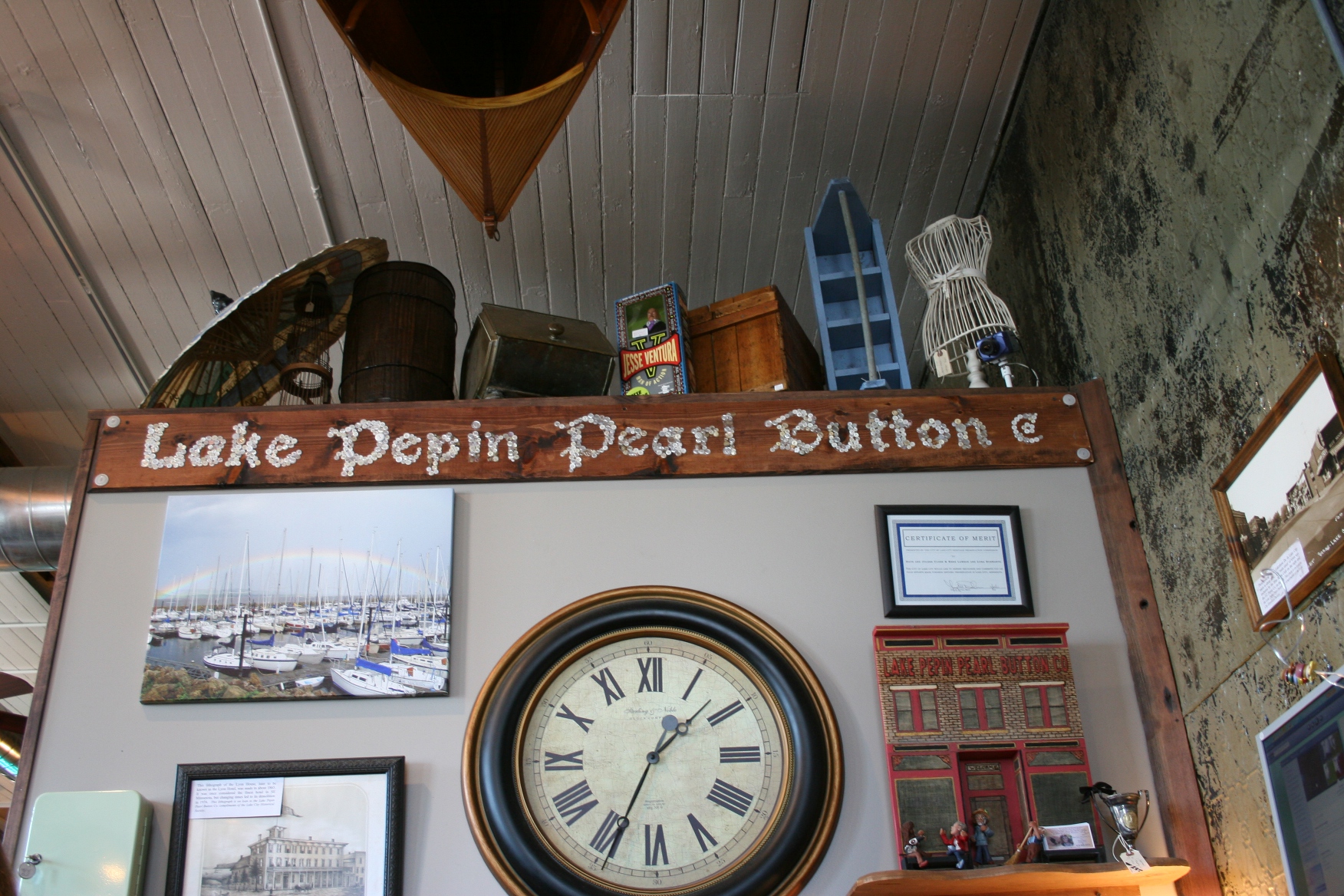
A side view of the Lake Pepin Pearl Button Co., now an antique store featuring merchandise from some 40 dealers.

But, if you happen to walk into the Lake Pepin Pearl Button Company, which is today a place of “the old, odd and unusual,” you will learn the gem of history I found most interesting about Lake City. Dave Close, who along with his wife, Juleen, runs the aforementioned antique store, will educate you about Lake City’s role in making pearl buttons.

It’s fascinating to hear about clammers who once harvested freshwater clams from Lake Pepin, delivering them to the Lake Pepin Pearl Button Company and The Wisconsin Pearl Button Company (according to Steve Swan at Swan Jewelers). Both Swan and Close can offer detailed oral histories about local button making.

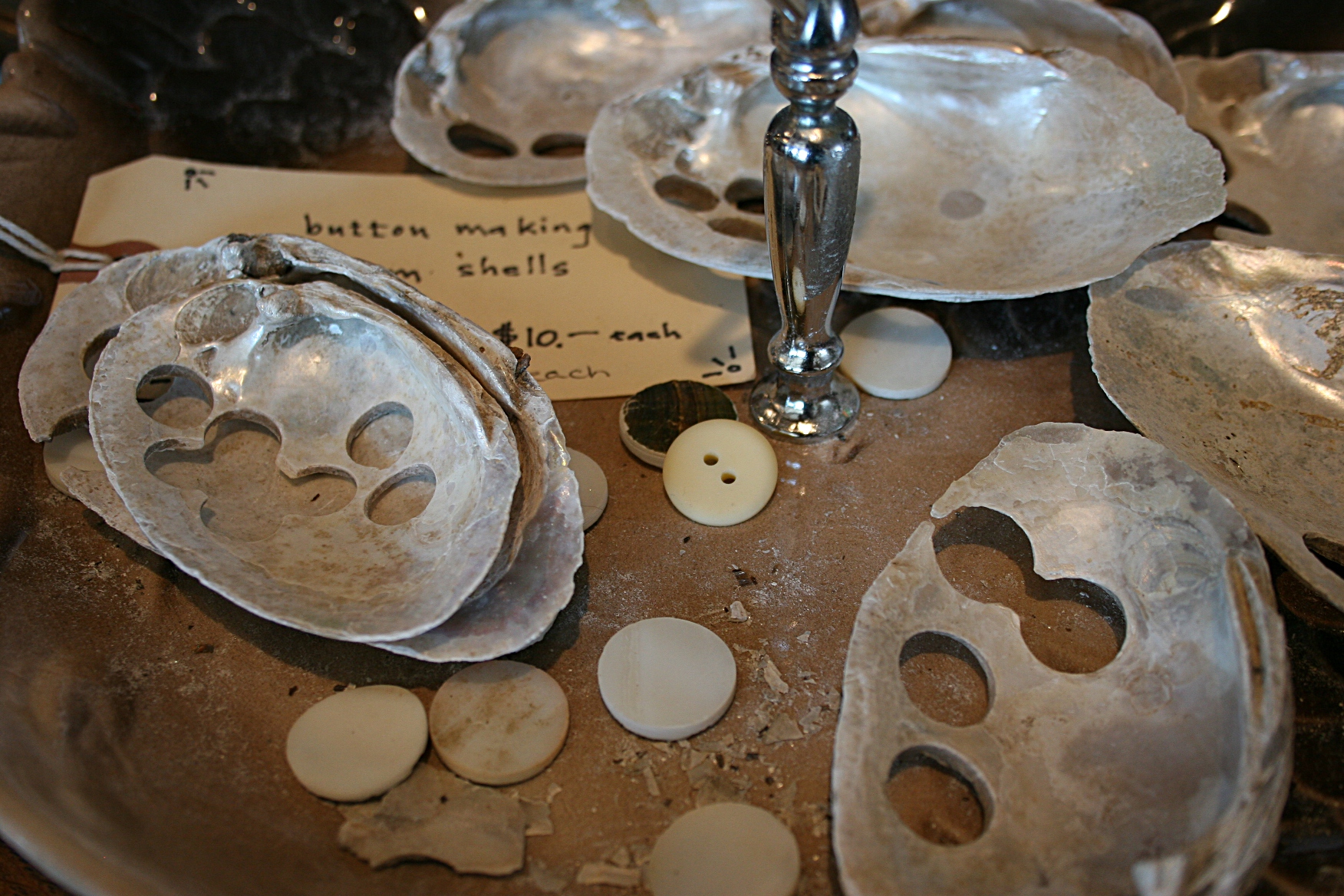
The Closes have this display of clam shells and button blanks in their shop.

According to Close, about 50 percent of the buttons in the world once came from the Upper Mississippi River, north of Ohio. That included Lake City, where factory workers sawed button “blanks” from clam shells before shipping the 50-pound burlap bags of clam shell cut-outs downriver to button finishing houses in La Crosse, Wisconsin, and Muscatine, Iowa.

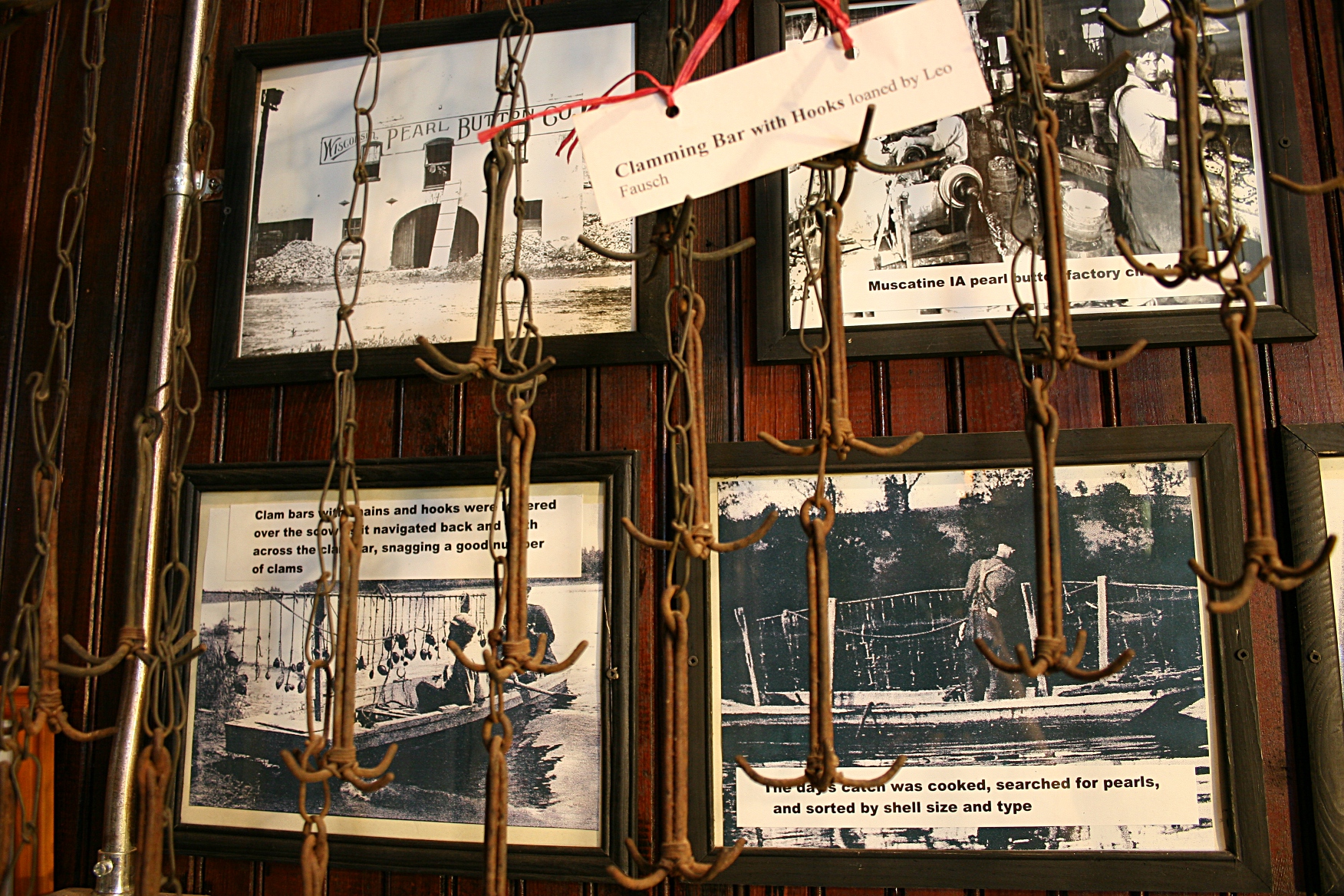
Old photos and more pay homage to this building’s former use as the Lake Pepin Pearl Button Co.

Next to the still operating original freight elevator, the Closes have posted vintage photos and other items, including these clamming bar hooks. Note also the beautiful original wainscoting from the building.

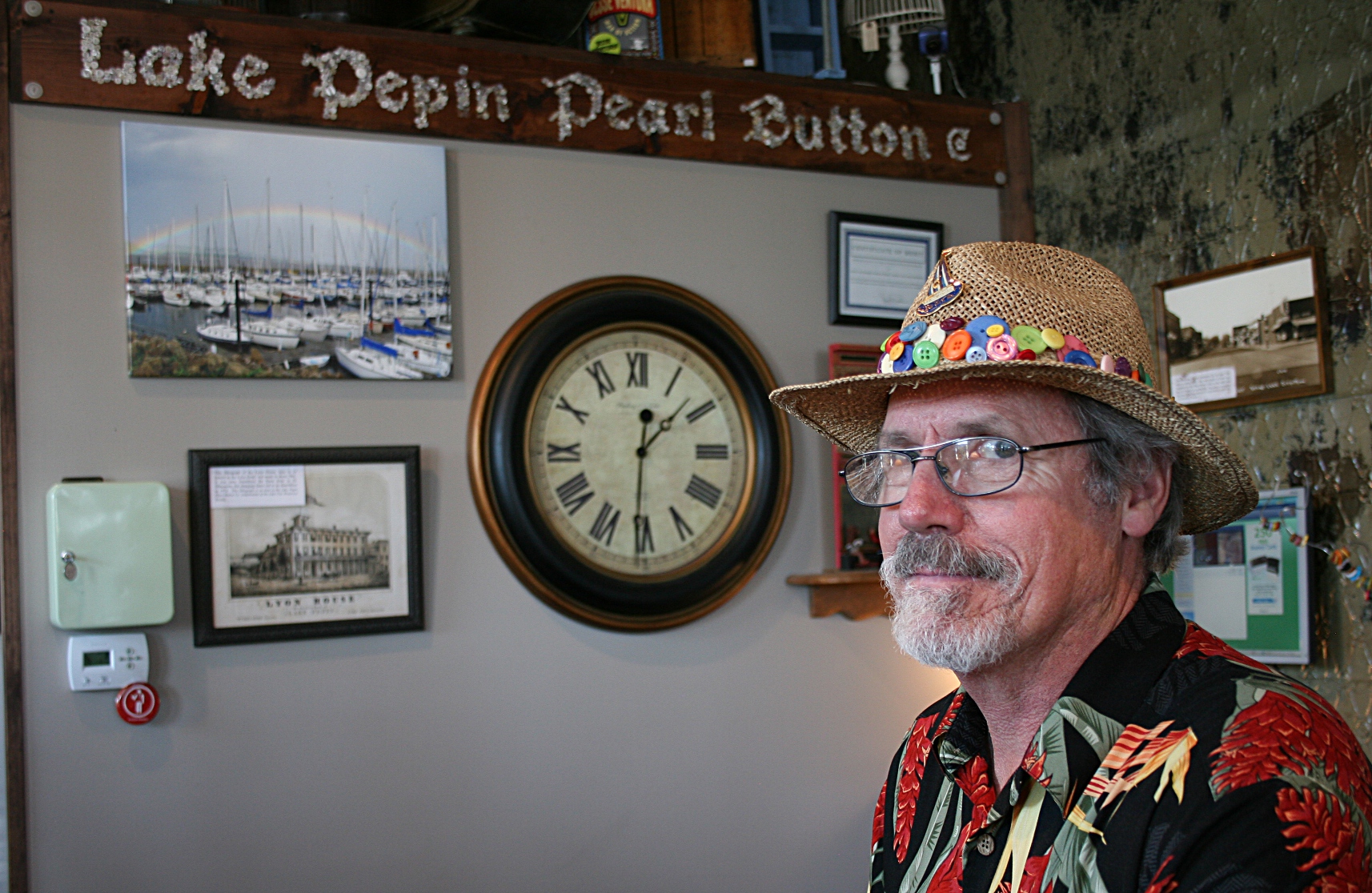
Dave Close, co-owner and in-house historian at the Lake Pepin Pearl Button Co.

Close has created a mini museum about this side of Lake City’s history behind the counter and in a corner of the 1866 former dry goods store which housed the button company from 1914 – 1920. It is the building’s history and Close’s clear appreciation for that history, which set his business apart from your typical antique shop. You need only notice the clam shells on the counter, the rainbow of buttons secured to his straw hat and the Pearl Button signage, inside and outside, to inquire about the Lake Pepin Pearl Button Company.

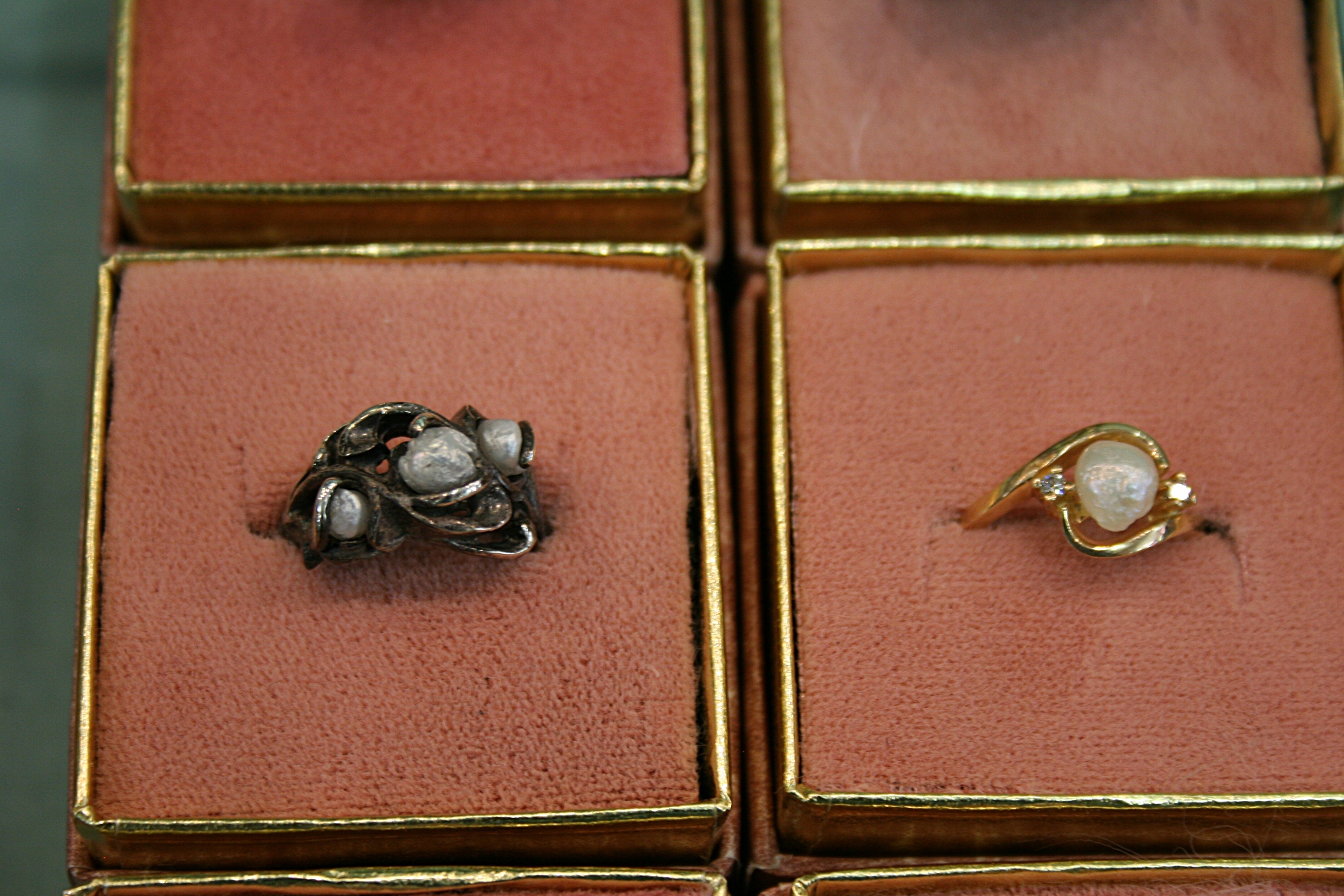
Two freshwater pearl rings crafted by jeweler Steve Swan of Swan Jewelers in Lake City.

Nearby, Swan also honors Lake City’s button past via a display in his jewelry store that includes jewelry he’s crafted from the pearls of freshwater clams. Up until about a dozen years ago, when the Minnesota Department of Natural Resources halted clamming operations on the river, this jeweler was buying from clammers.

However, the once thriving pearl button making industry ended long before that, in the late 1930s, when plastic buttons replaced pearl buttons, according to Swan.

All of this I learned on a sultry summer afternoon in Lake City, the birthplace of water skiing.

WATCH FOR ANOTHER POST from this southeastern Minnesota community of some 5,000 residents and many, many, many boats.

© Copyright 2012 Audrey Kletscher Helbling


Join efforts to connect neighbors in a celebration of cultural diversity July 14, 2012

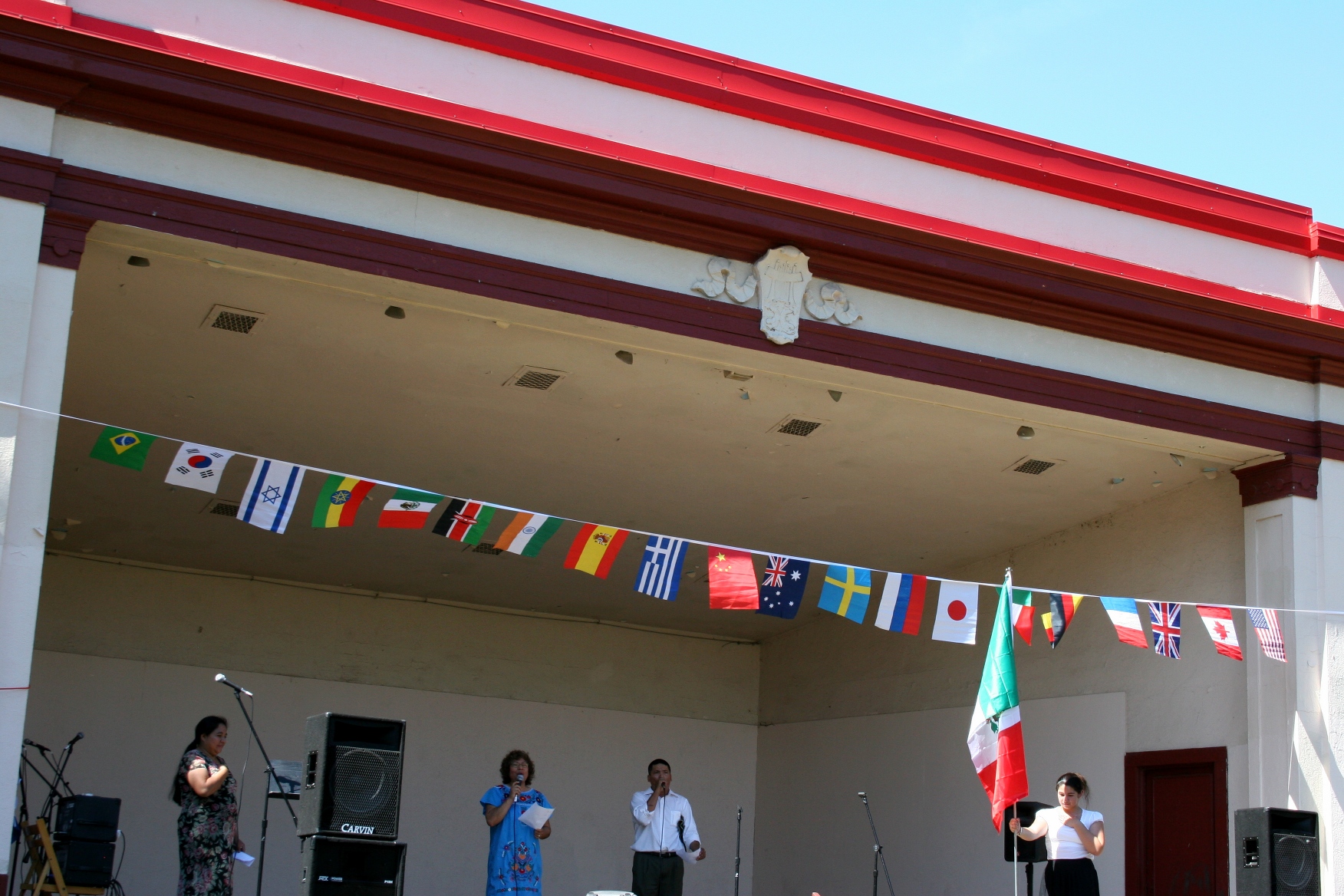
Several Latinos lead in singing of Mexico’s national anthem last September during the International Festival Faribault at Faribault’s Central Park.

ORGANIZERS OF THE SEVENTH ANNUAL international festival celebrating the cultural diversity of Faribault are looking for participants, help and donations for the Saturday, August 25 event.

Can you help?

And when I say “you,” I mean anyone, whether you live in or near Faribault or not.

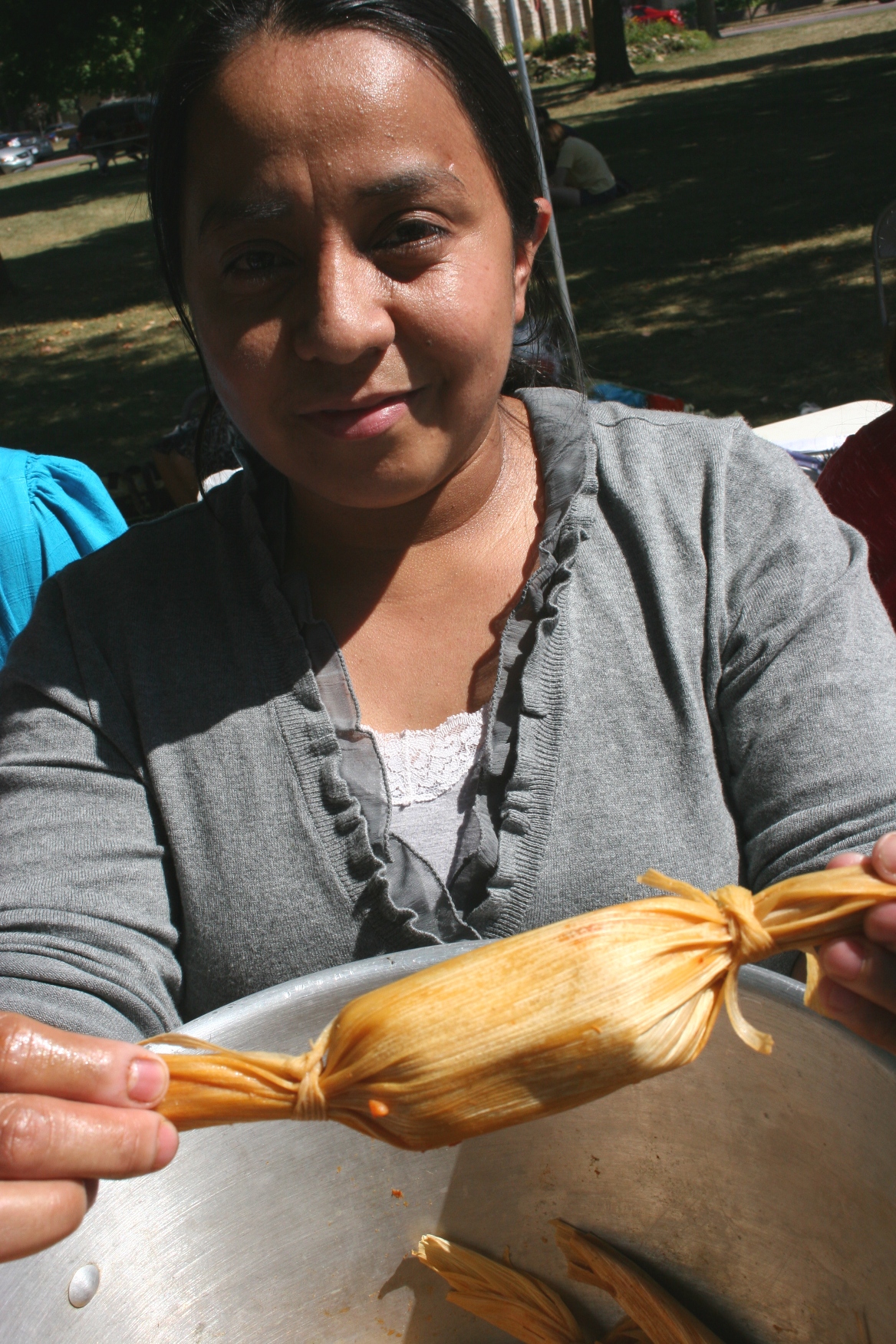
Served at the 2011 fest: Guatemalan chuchitos– chicken, corn and salsa wrapped in a corn husk.

Drive on down from the Cities; we’re only an hour from downtown Minneapolis. Or drive across town to set up a booth showcasing your culture at International Festival Faribault. Sell ethnic cuisine. Pedal your ethnic arts and crafts or other merchandise. Show and tell and educate the public about your culture in this event pegged as “neighbor meeting neighbor.”

I like that neighborly phrase, for it is when we meet face-to-face and engage in conversation and sample each others food and learn each others customs that the cultural barriers begin to fall and friendships (or at least understanding) form.

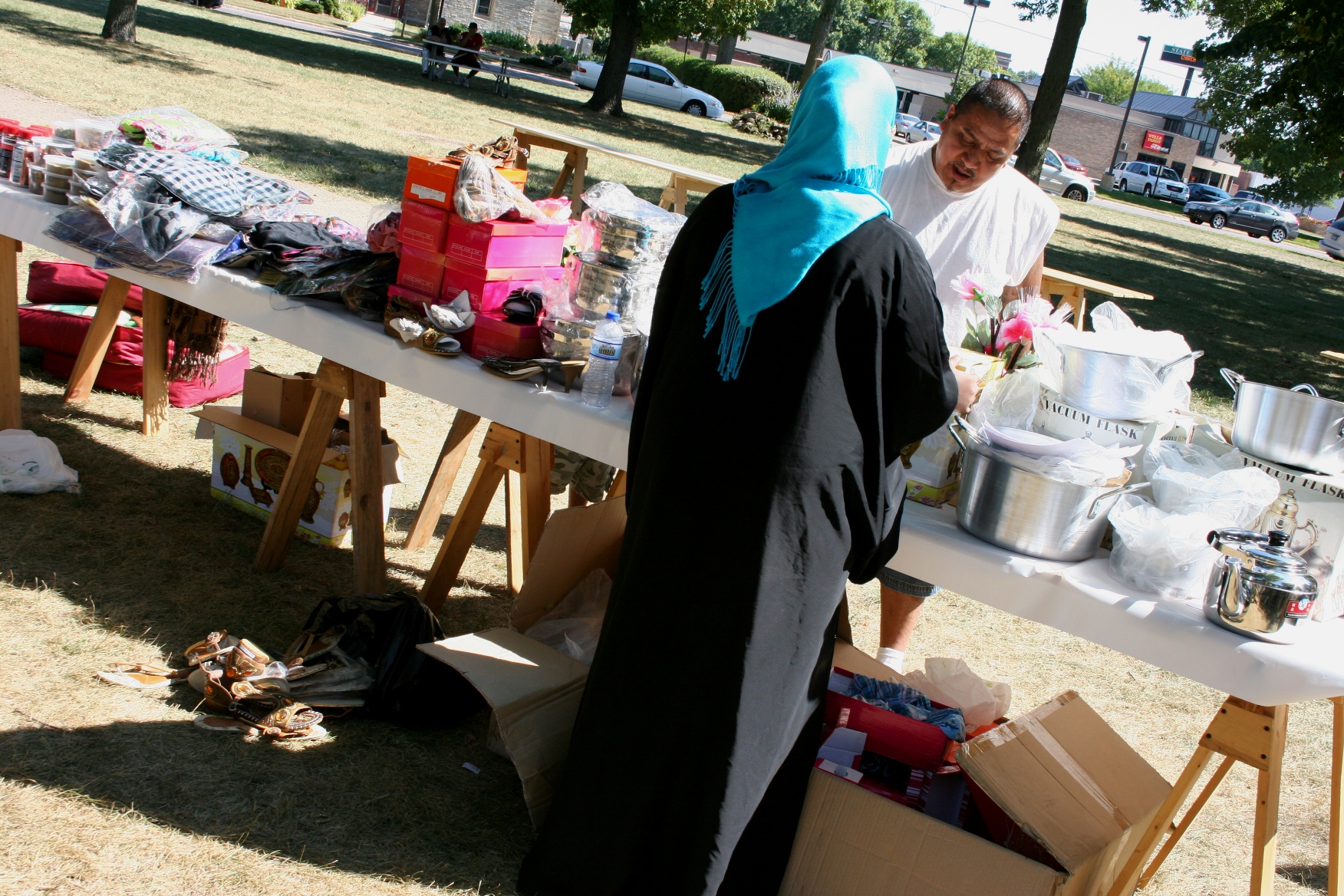
Vendors, like this Somali woman, peddled their wares at the 2011 festival.

Table and booth space at the 10 a.m. – 4 p.m. festival are currently available to the public for a $20 fee. But get this: You keep all profits earned. Non-profit organizations get free space.

Now if that isn’t enough incentive to book a spot in Faribault’s Central Park for the day, consider how you will help advance the mission of the non-profit International Festival Faribault. Here’s the organization’s mission:

…to promote understanding between diverse cultures within Faribault, MN; uniting the community with music, dance, ethnic foods and merchandise which is experienced at a once a year festival organized by the committee.

Hoop maker, performer and teacher Adrienne Lee teaches a Girl Scout the art of hoop dancing. The Girl Scouts were among the non-profit groups with booths at the 2011 fest.

Already, Spanish and Somali singers, a local dance academy and several small bands have committed to providing on-stage entertainment. A hula hooper and jugglers are signed on to wander through the crowd.

The scramble for candy after the pinata is broken at last year’s festival.

What can you contribute? Dancing, singing or other musical entertainment from your culture? On-site ethnic art/crafts demonstrations? Are you willing to sing your country’s National Anthem on the Central Park Bandshell stage? How about presenting a mini drama or storytelling focused on your ethnicity? Can you plan and lead ethnic activities for kids?

The group also needs volunteers to assist with set-up and clean-up, help throughout the day, etc.

Monetary and silent auction donations are also needed. Do you have a tent and/or tables the group can borrow? Can you help with banners or flyers? Donate food items?

Yes, the list of needs is lengthy. But remember the “neighbor” part of this festival? Neighbors help neighbors.

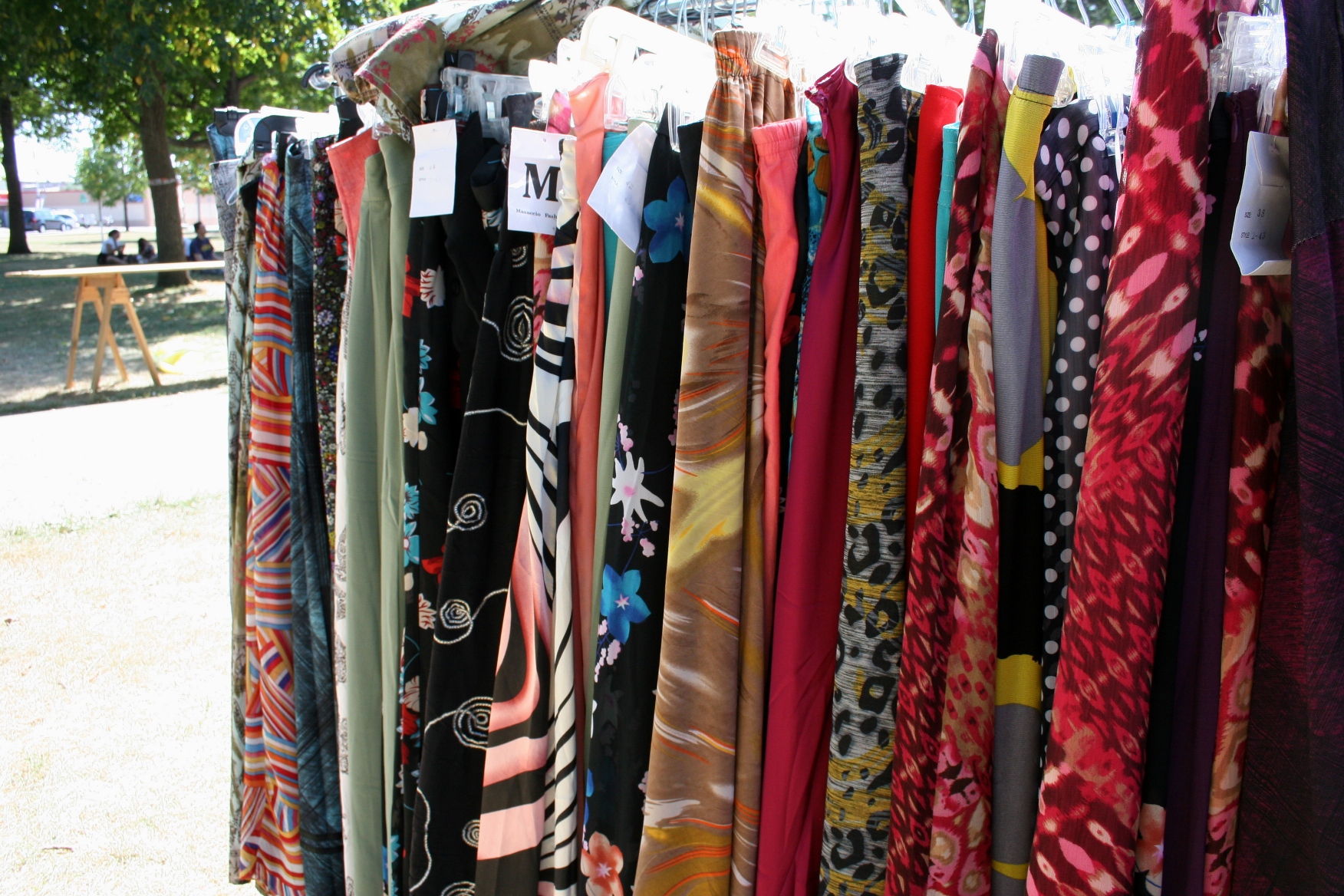
Colorful skirts for sale at Riyaam’s booth during the 2011 celebration.

If you are interested in participating, contributing or helping in any way, email internationalfestivalfaribault@gmail.com or call (507) 412-9139. You must complete an application form and submit the $20 payment in advance to reserve a booth/table space.

Also, click here to visit the festival website at http://internationalfestivalfaribault.blogspot.com.

Finally, even if you’re unable to participate or donate, mark your calendar for 10 a.m. – 4 p.m., Saturday, August 25, for the International Festival Faribault. Admission is free and I promise, you’ll come one step closer to understanding your neighbors.

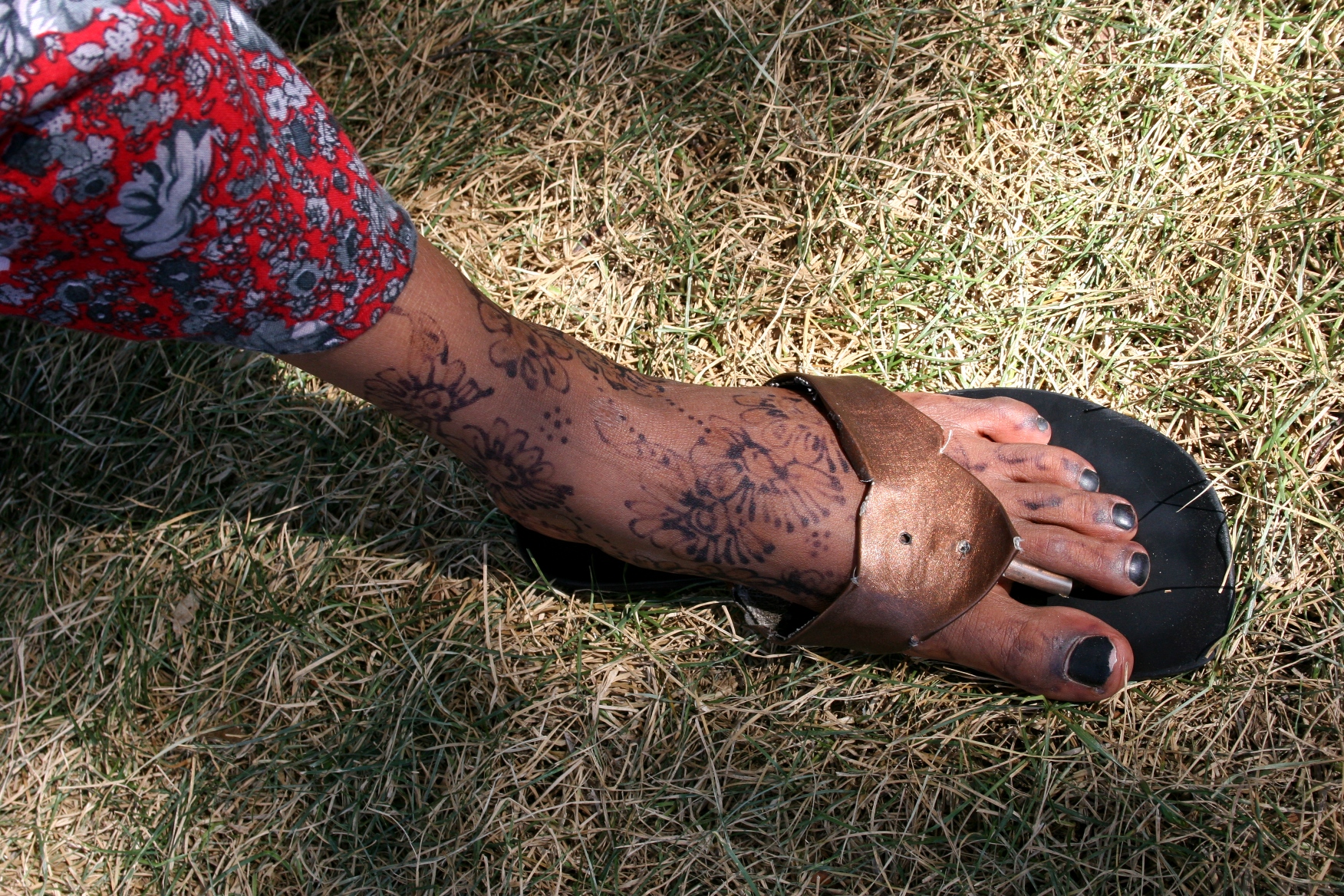
A young girl’s henna stained foot, photographed at the 2011 fest..

© Copyright 2012 Audrey Kletscher Helbling


Place it near a cornfield and they will come, or something like that July 13, 2012

Filed under: Uncategorized — Audrey Kletscher Helbling @ 7:09 AM
Tags: , , , , , , , ,

“IF WE DON’T FIND a bathroom soon, I’m just going to go in a cornfield.”

Such prophetic words I pronounced as my husband and I recently entered the burg of Bellechester, population 172, mostly in Goodhue County, partly in Wabasha County, in southeastern Minnesota.

Honestly, it isn’t like I haven’t peed in a cornfield. I detasseled corn in the 1970s; I’ve squatted between corn rows.

But I’m not exactly a teen any more and the idea of walking into a cornfield on a scorching summer morning to pee didn’t appeal to me.

So, after asking a local where I could find a public restroom in Bellechester and being told there were none and we’d need to drive 12 miles to Lake City, the cornfield option seemed a very real possibility.

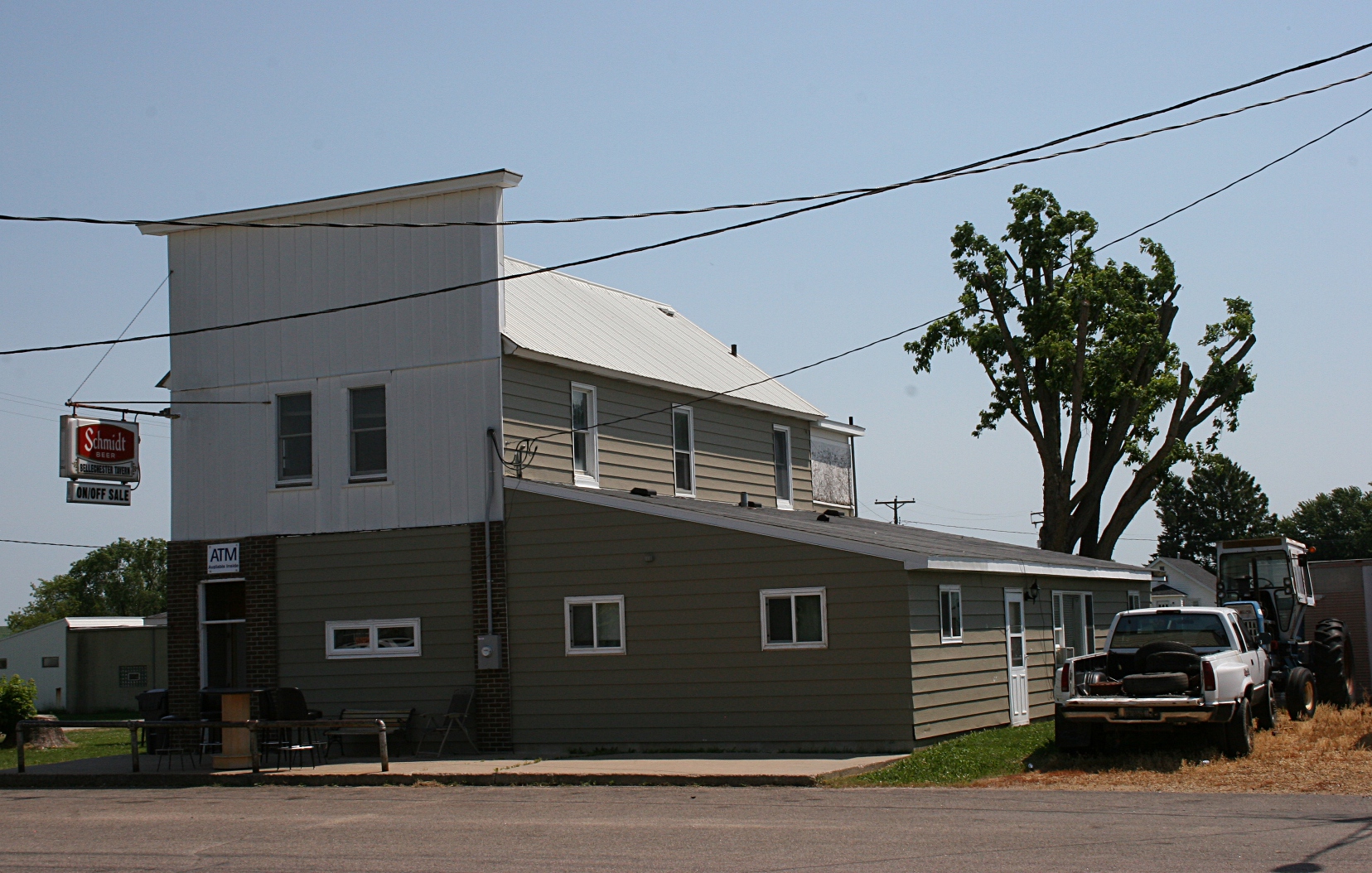
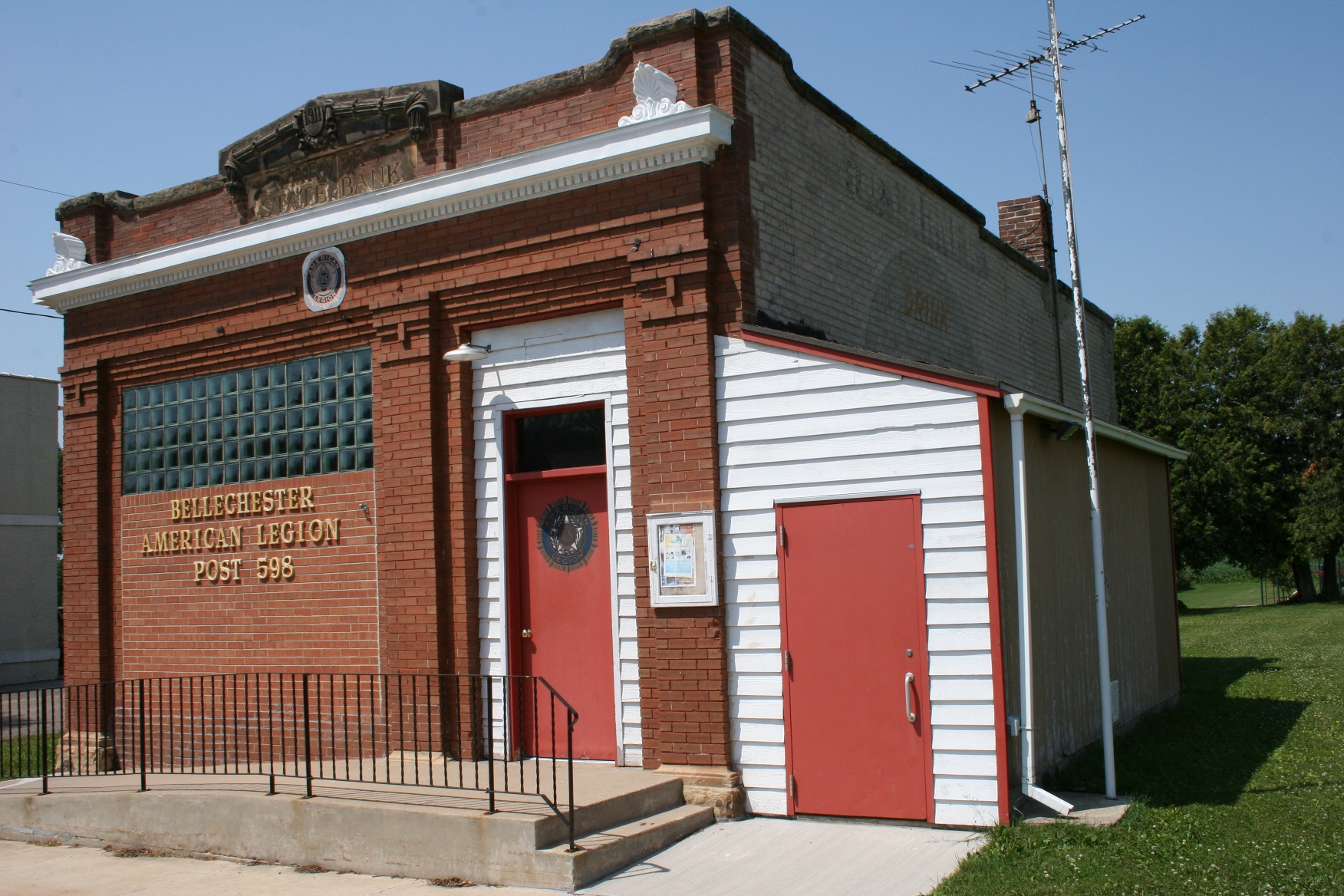
Not quite believing the man, though, my husband directed our van toward Bellechester’s one-block business district. Spotting the Bellechester Tavern and the Bellechester American Legion, I figured I’d dash inside one or the other and we’d be on our way.

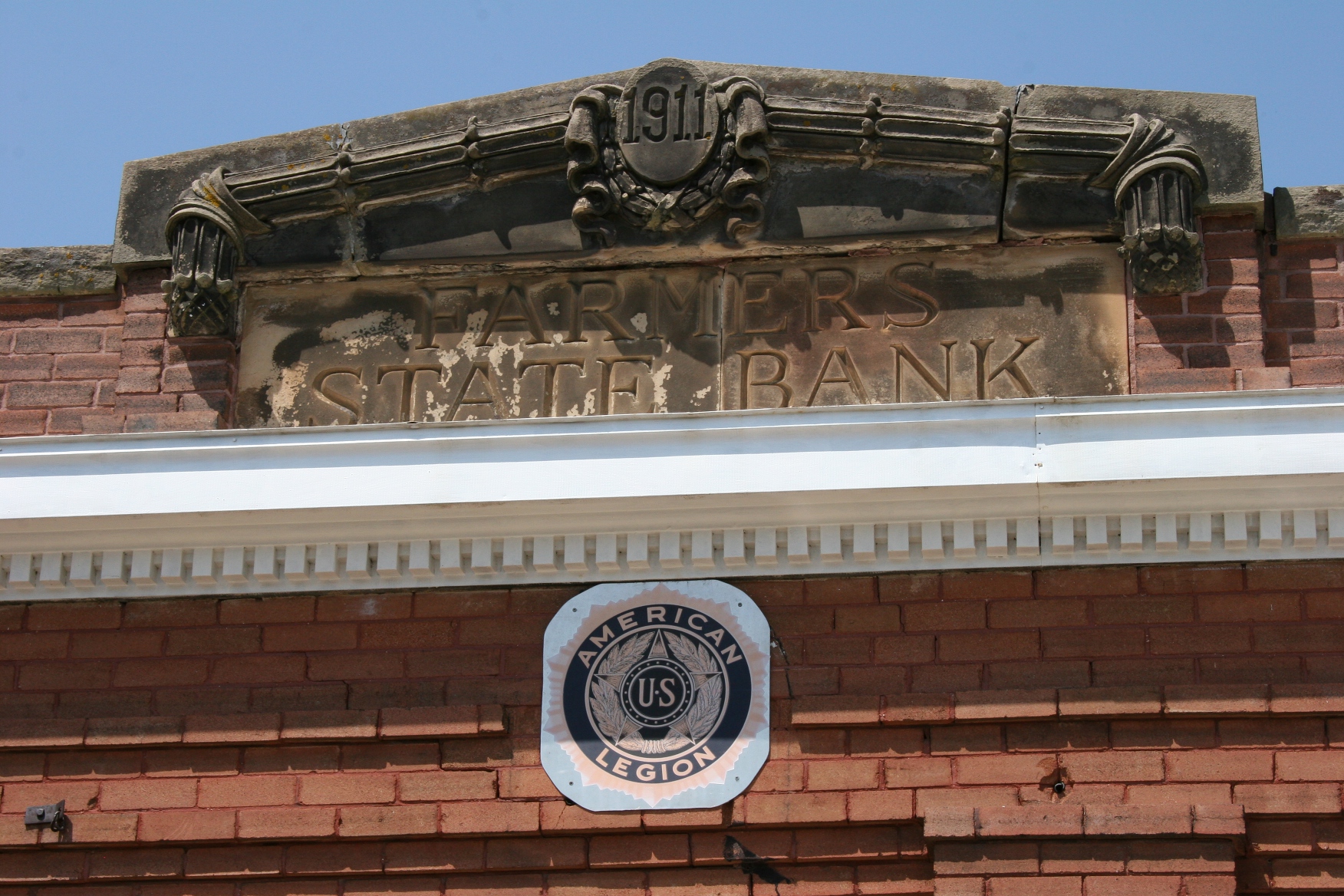
This former bank is home to the Bellechester American Legion. Yes, I took time to photograph the Legion and the tavern even though I really, really had to go. I love old buildings, what can I say?

Look at the gorgeous architectural detail on the former bank. Yes, I know, I really should be moving along.

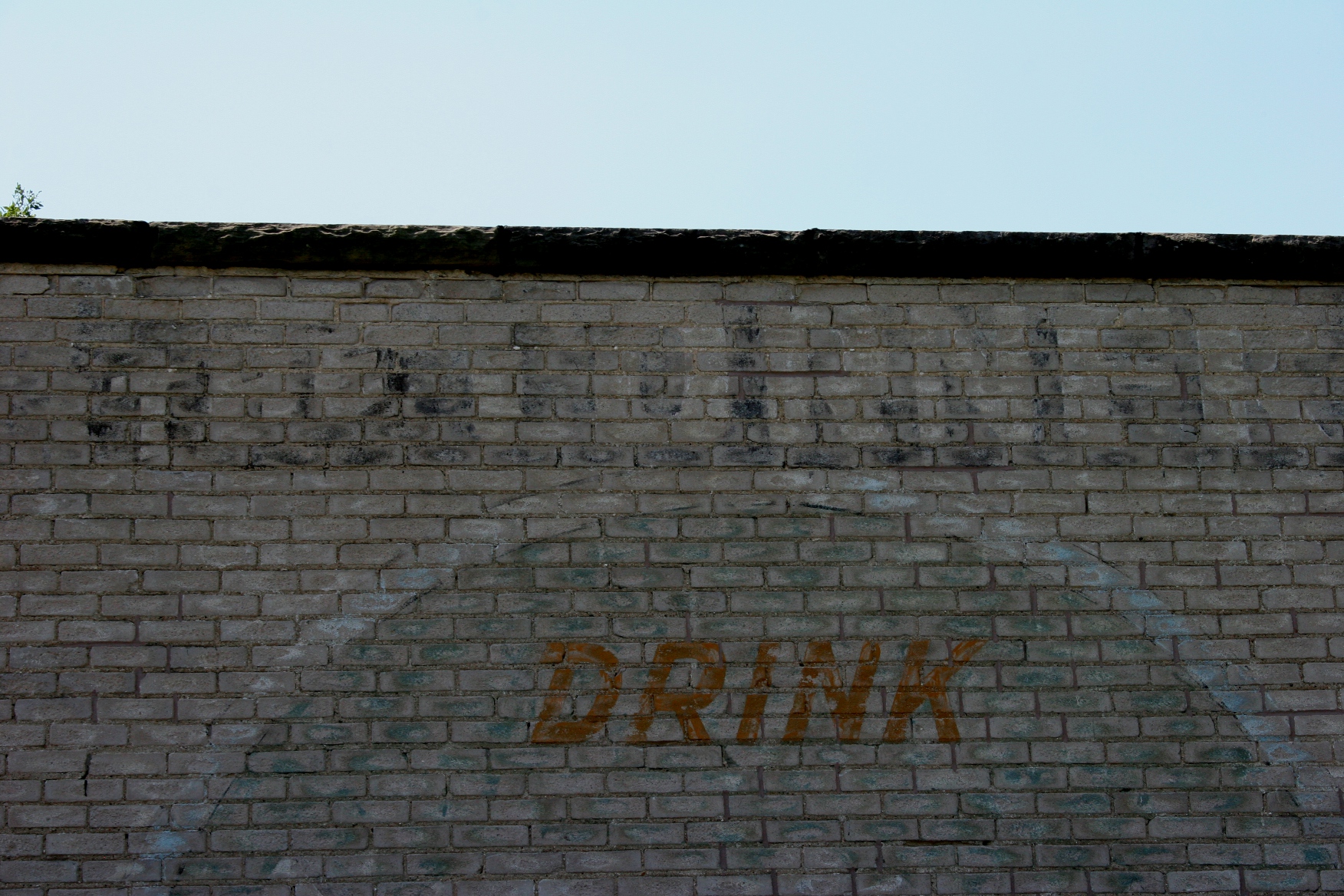
But wait, one more photo. Look at this faded signage on the side of the Legion.

Well, as long as I’m taking pictures, I may as well show you the bar I wished was open.

As luck would have it, the tavern and the Legion were closed. I considered the busy repair shop on the corner, for like two seconds. There’s something about walking into a garage full of men that left me crossing my legs (figuratively speaking) and nearly sprinting the other direction.

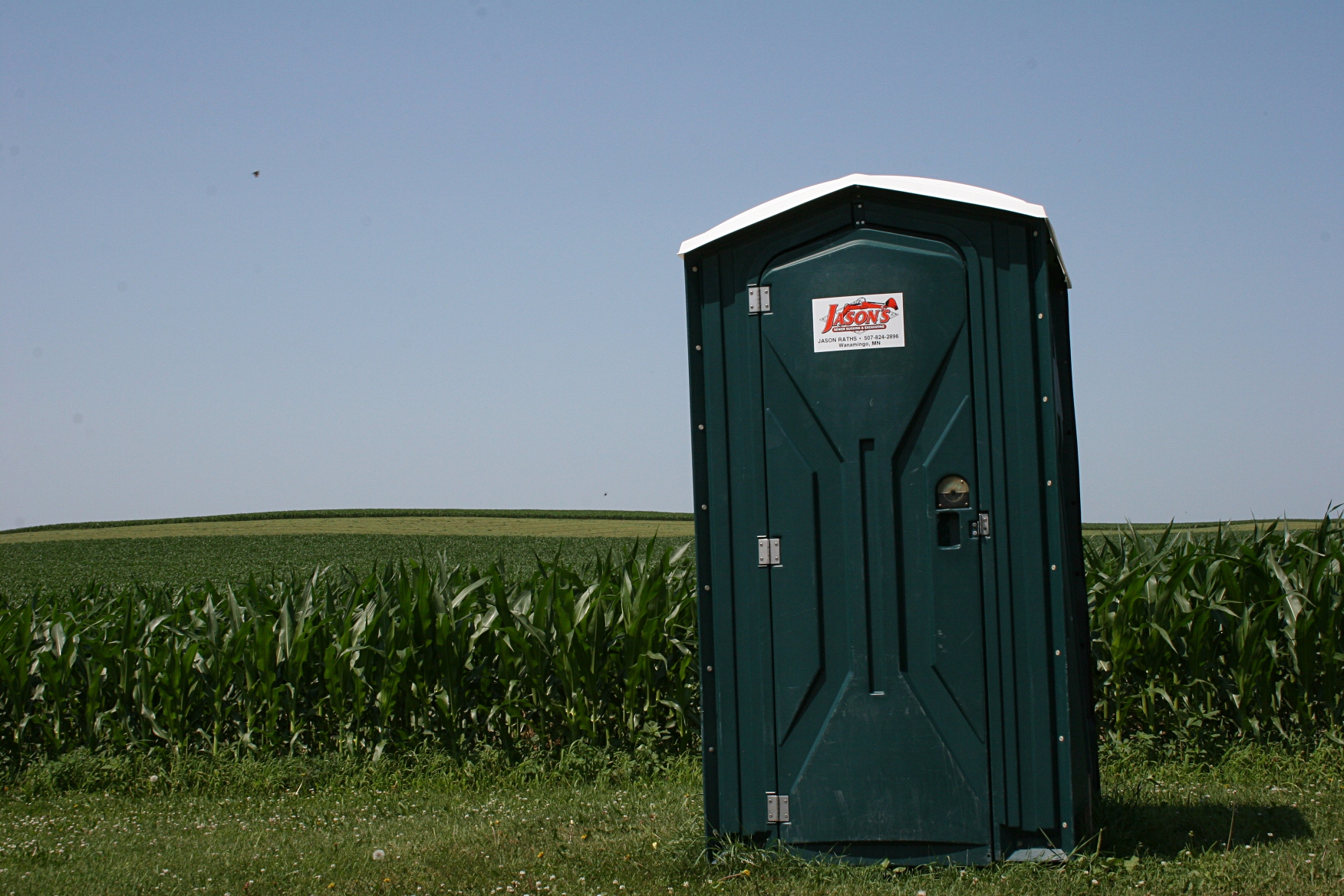
And that direction would be toward the porta potty which my kind, kind husband spotted way over yonder on the far end of a park, by the ball diamond and next to…the cornfield.

As close to a cornfield as it could be without being “in” the cornfield.

I started heading that way until my thoughtful spouse suggested we drive over there since it was too far to walk in the heat of the morning. That worked for me.

Around the corner and down a gravel road he drove to the edge of the cornfield. I handed my camera to him (I always have my camera out) and nearly rocketed out the door and into the porta potty next to the cornfield.

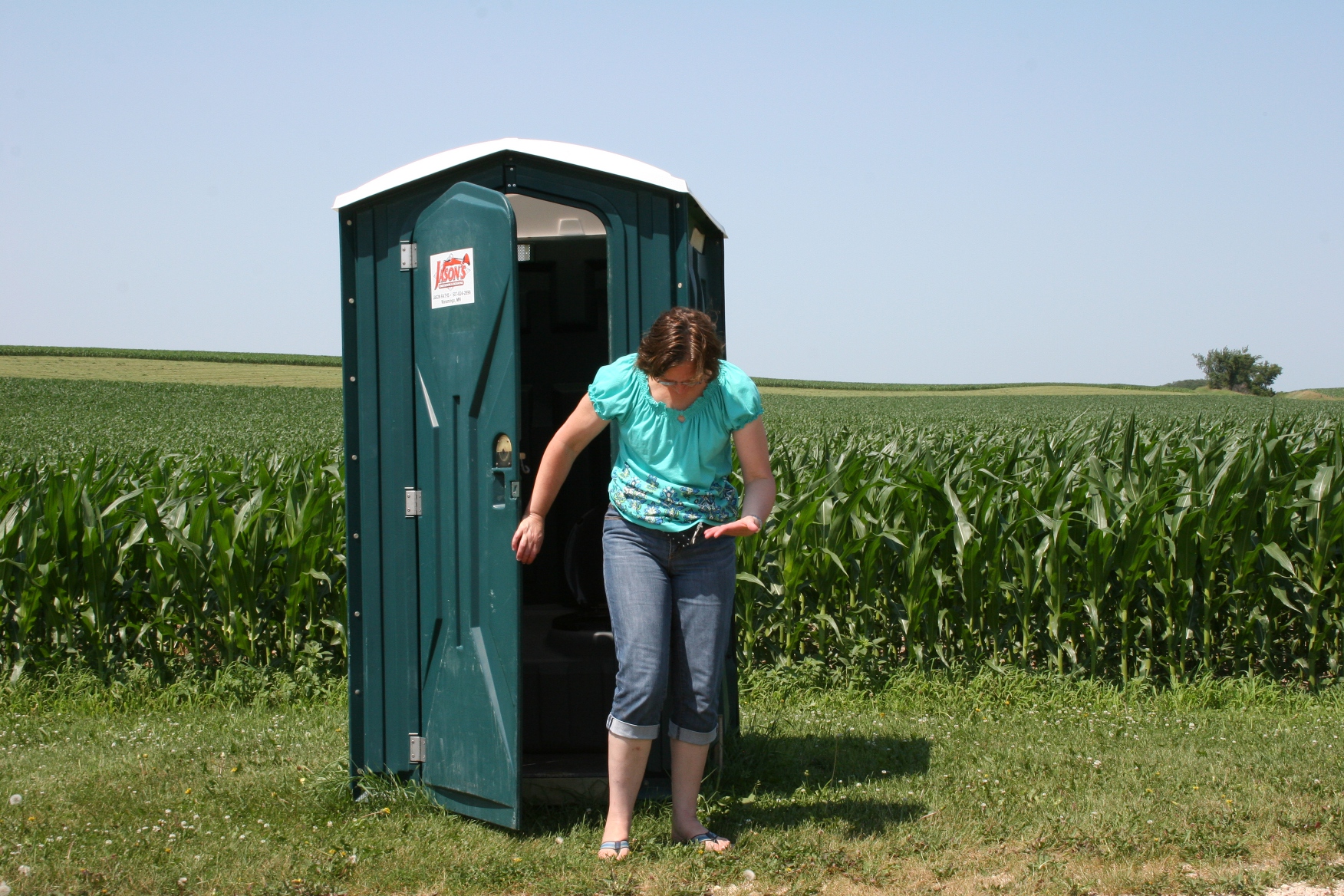
When I flung open the outhouse door while simultaneously buckling my belt (Hey, would you stay inside a porta potty any longer than you had to?), I realized I had made a major mistake.

After stepping out of the porta potty and before realizing the paparazzi was snapping pictures. I was reaching up to buckle my belt, just in case you are wondering whether I’m examining my hand.

That error would have been handing my camera over to my husband after carrying on about peeing in a cornfield. He most definitely recognized a photo op when he saw one.

And that, dear readers, is my peeing (almost) in a cornfield story and I’m sticking to it.

© Copyright 2012 Audrey Kletscher Helbling


Always obey Rule 99 & other historic reflections July 12, 2012

VISIT A PLACE like the Village of Yesteryear in Owatonna, especially during a celebration such as last weekend’s Steele County Historical Society Extravaganza, and you get an in-depth glimpse of life back in the day.

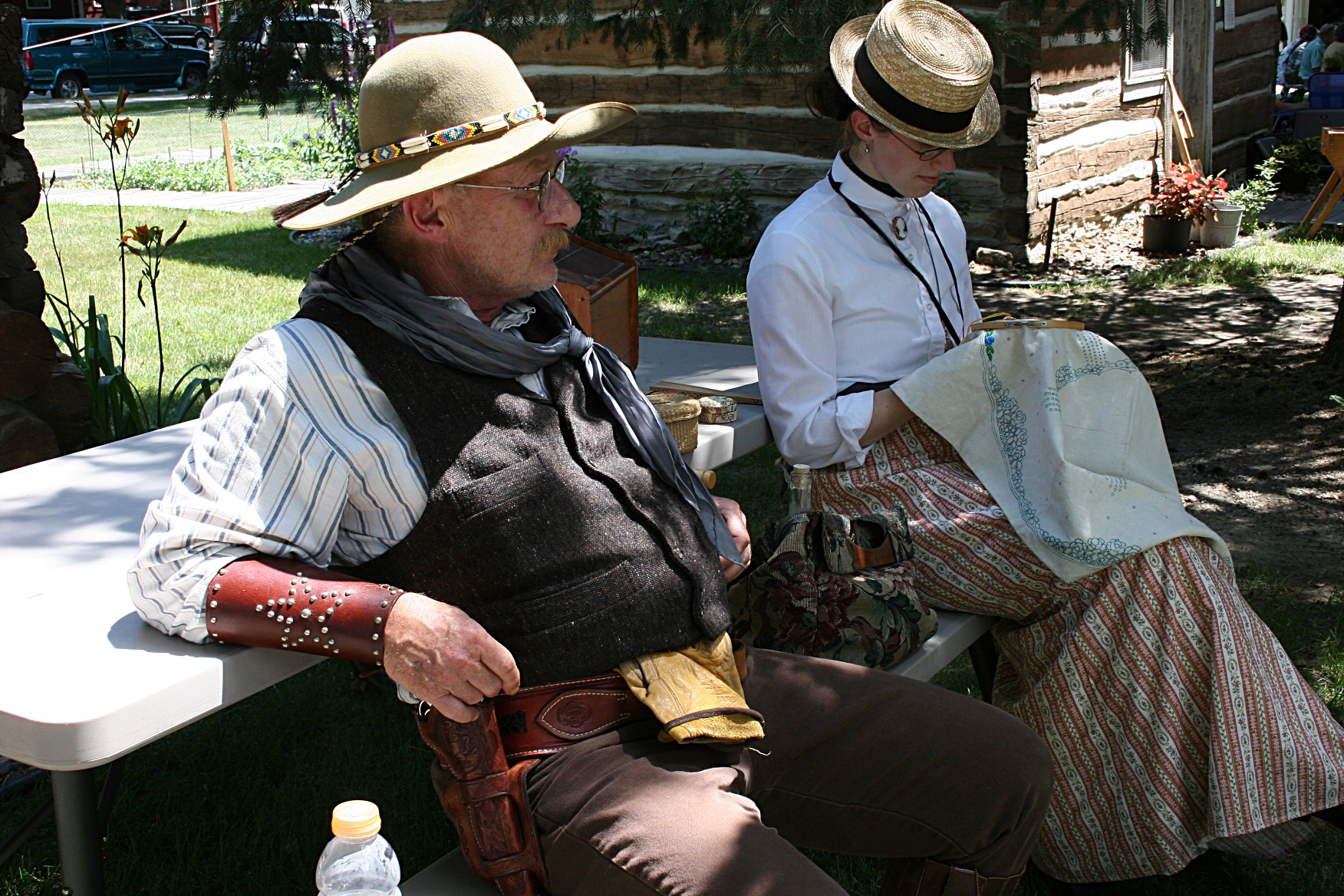
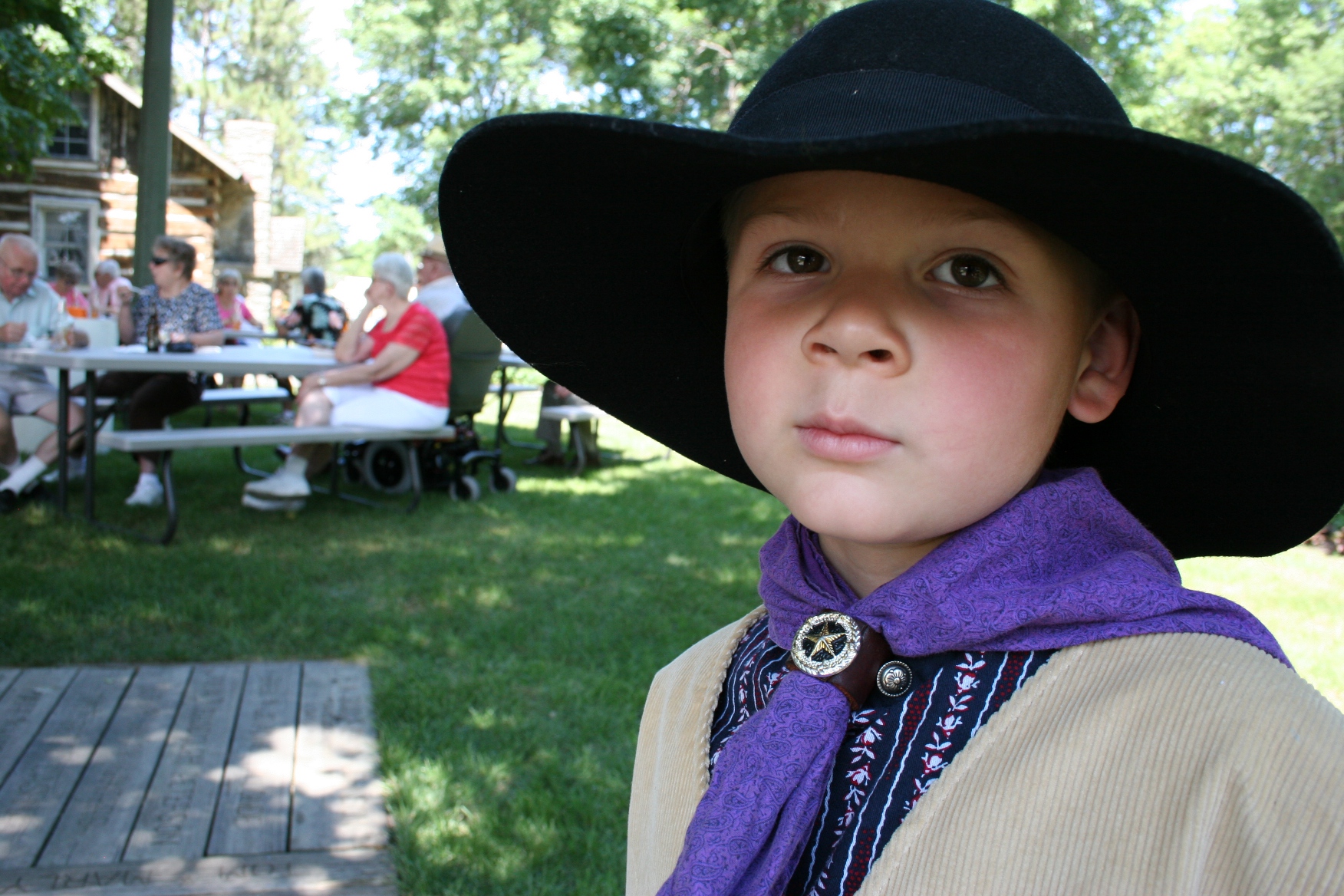
Dressed in period costumes, members of the Old West Regulators added a real-life element to the Extravaganza.

Guides, costumed reenactors and others, with their extensive historical knowledge, most assuredly add to the educational and entertainment value.

But, because it is impossible to speak with every one of them or to observe every activity or to read every informational sign, one must sometimes rely on simple observations to consider the historic stories and realities which define life years ago.

I therefore present these Extravaganza photos with basic information. Much more lies open to your interpretation, influenced perhaps by your experiences or the stories passed down from generation to generation within your family. That is your personal history. Take it. Remember it. Own it. Pass it along.

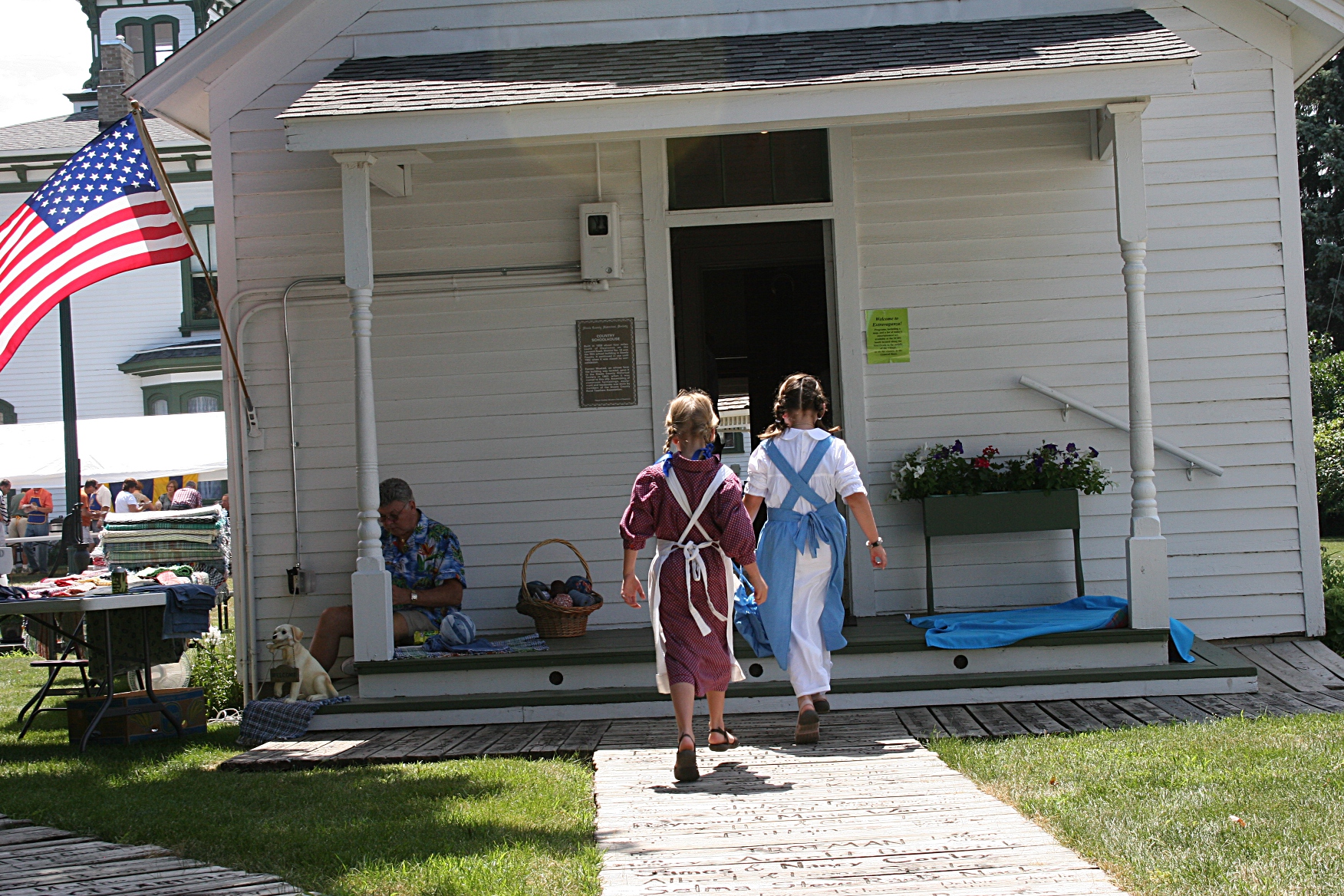
Memories of attending a one-room country school remain for many, including my 55-year-old husband. He attended Chimney Butte School in rural North Dakota and recalls the day students were kept indoors during recess because of coyotes roaming the schoolyard.

What memories does the District 14 country schoolhouse, pictured above, hold for those who were taught in this 1856 building four miles south of Owatonna until the school closed in 1962 due to consolidation?

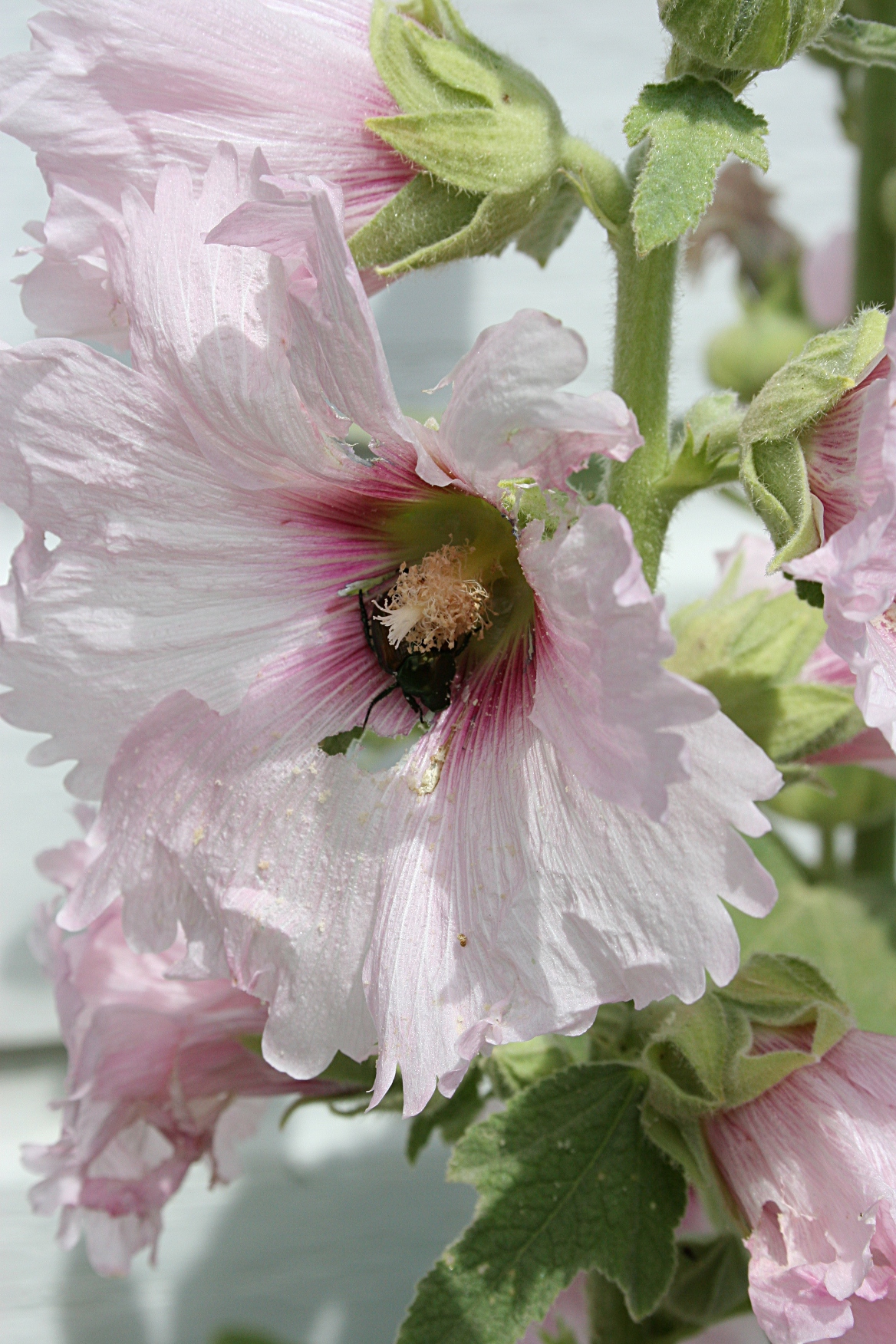
Hollyhocks stand strong and sturdy outside that same schoolhouse at the Village of Yesteryear.

But for me, hollyhocks belong next to the milkhouse, an odd place for flowers, it would seem. Yet, on the southwestern Minnesota dairy and crop farm where I grew up, that was their spot, a splash of beauty perhaps more for my mother than for her farmer husband.

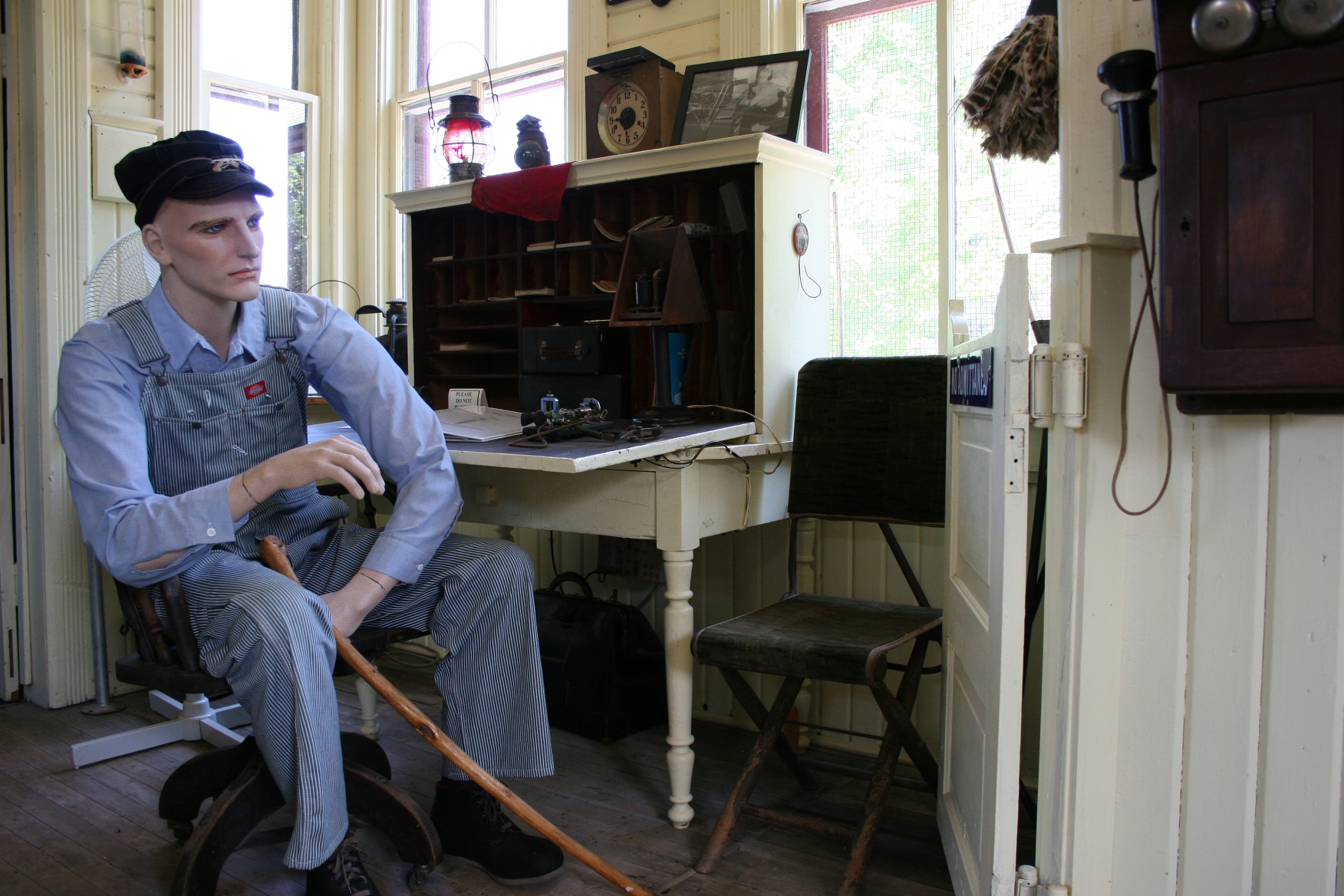
 A scene recreated in the 1866 Bixby railroad depot leaves you wondering about the railroad crew and passengers who waited here to board trains. Where were they going? And, for the passengers, why?

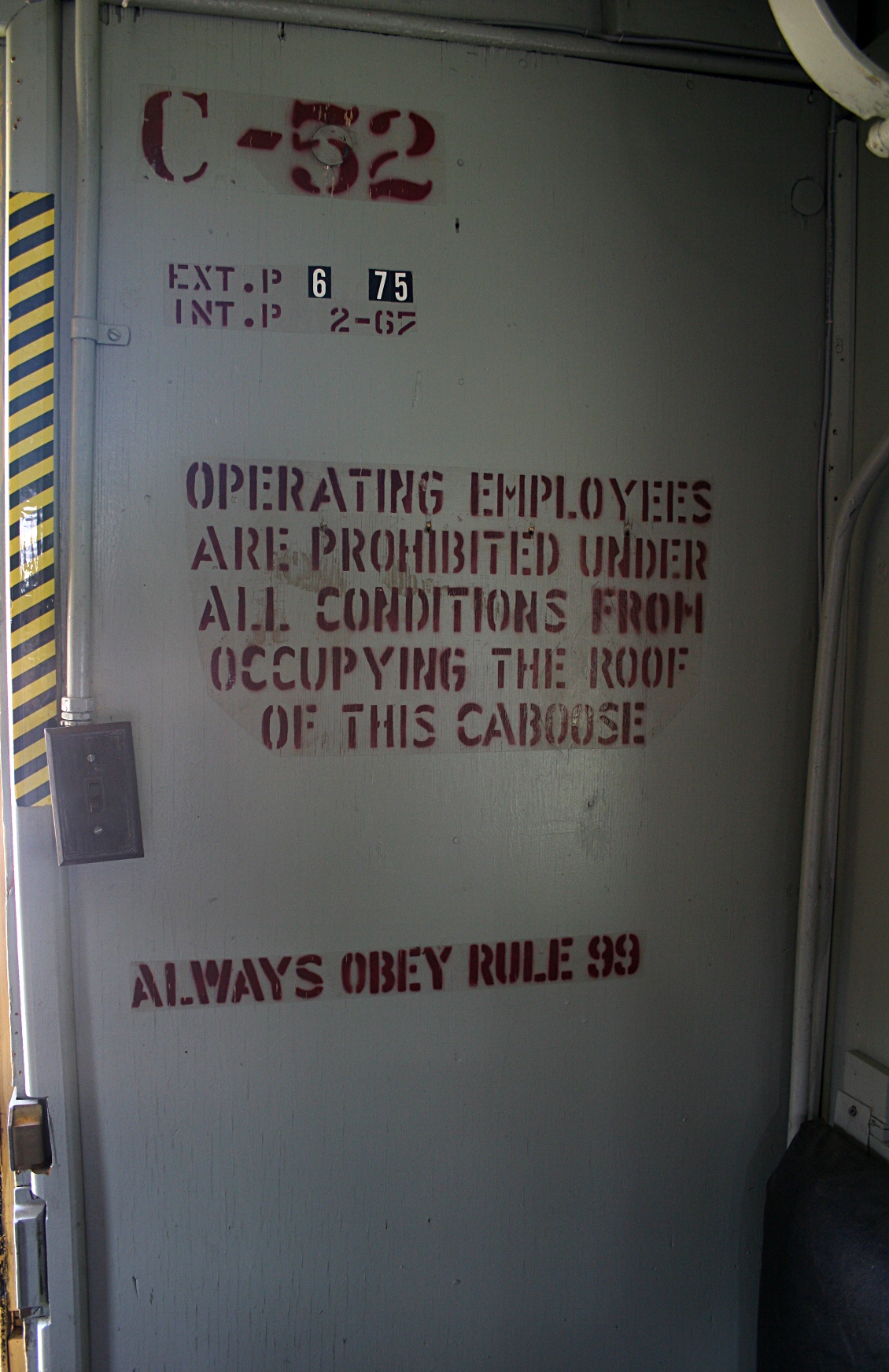
And then you see this sign inside an old caboose and completely forget about those passengers and question why the railroad employees climbed onto the roof of the caboose because they certainly must have or there would be no Rule 99.

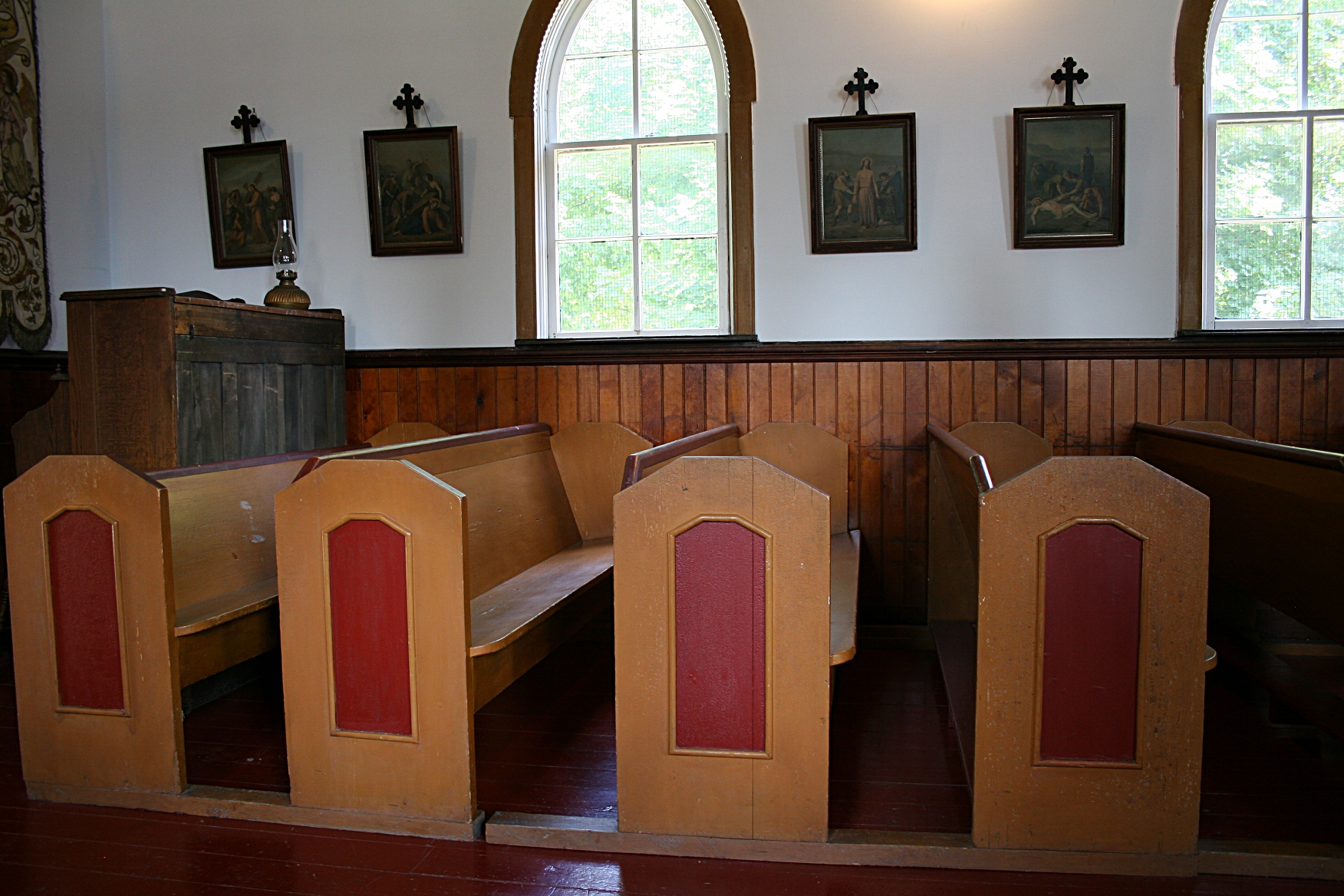
How many tears were shed, in joy and in sorrow, by those occupying these pews in the 1891 St. Wenceslaus Mission in Moravia Church built in 1891 in Moravia seven miles south of Owatonna? Who crafted these pews? And how did parishioners feel when their church closed in 1952?

Perhaps you could ask Tony Seykora, whose mother, Mary Meixner, attended St. Wenceslaus and whose daughter, Susan, was married here. He wasn’t sharing any stories on Sunday while touring his ancestral church at the Village of Yesteryear.

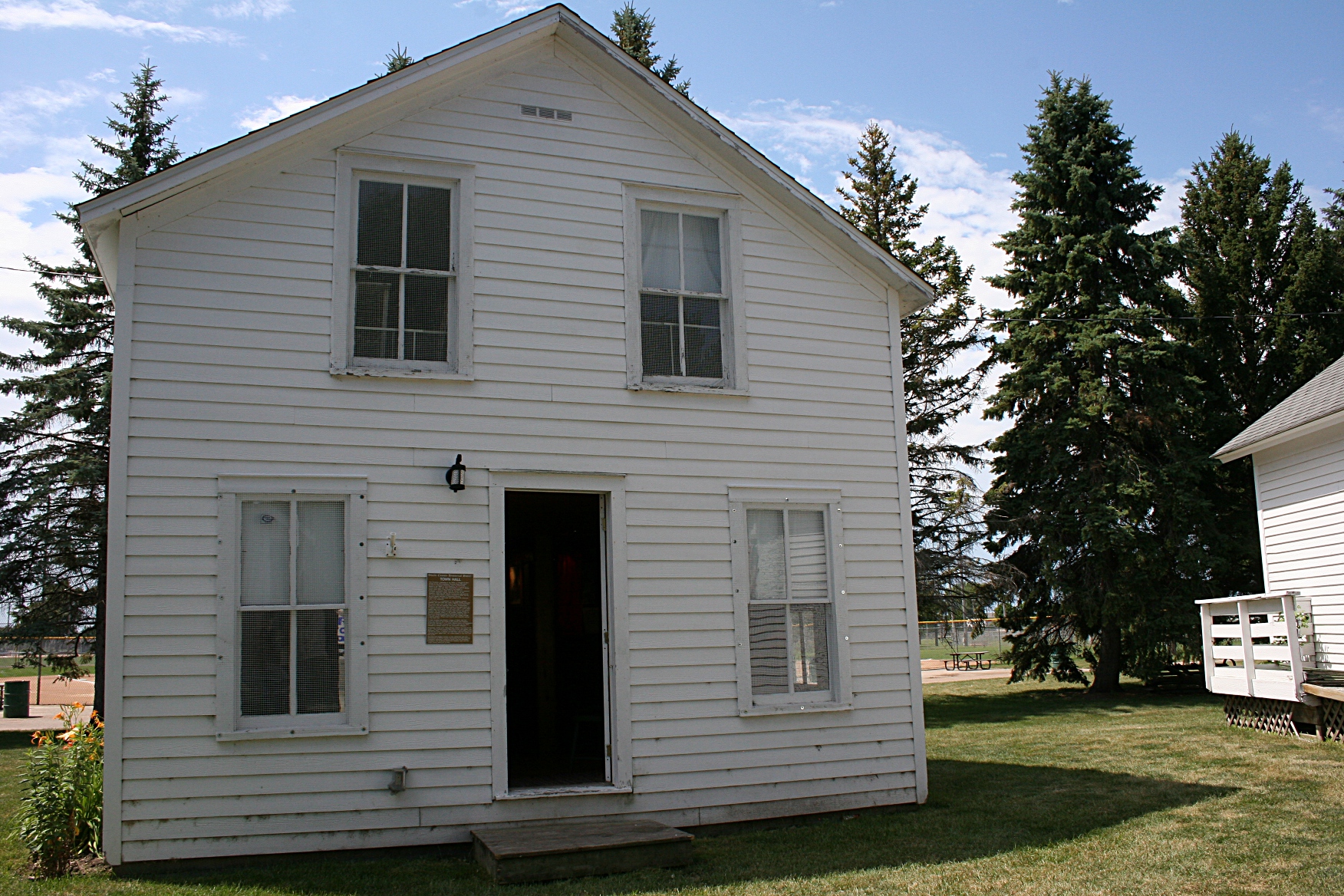
 Oh, the stories this old town hall, the Owatonna Town Hall built in the late 1850s, could tell about those who met here and shaped the future of the city.

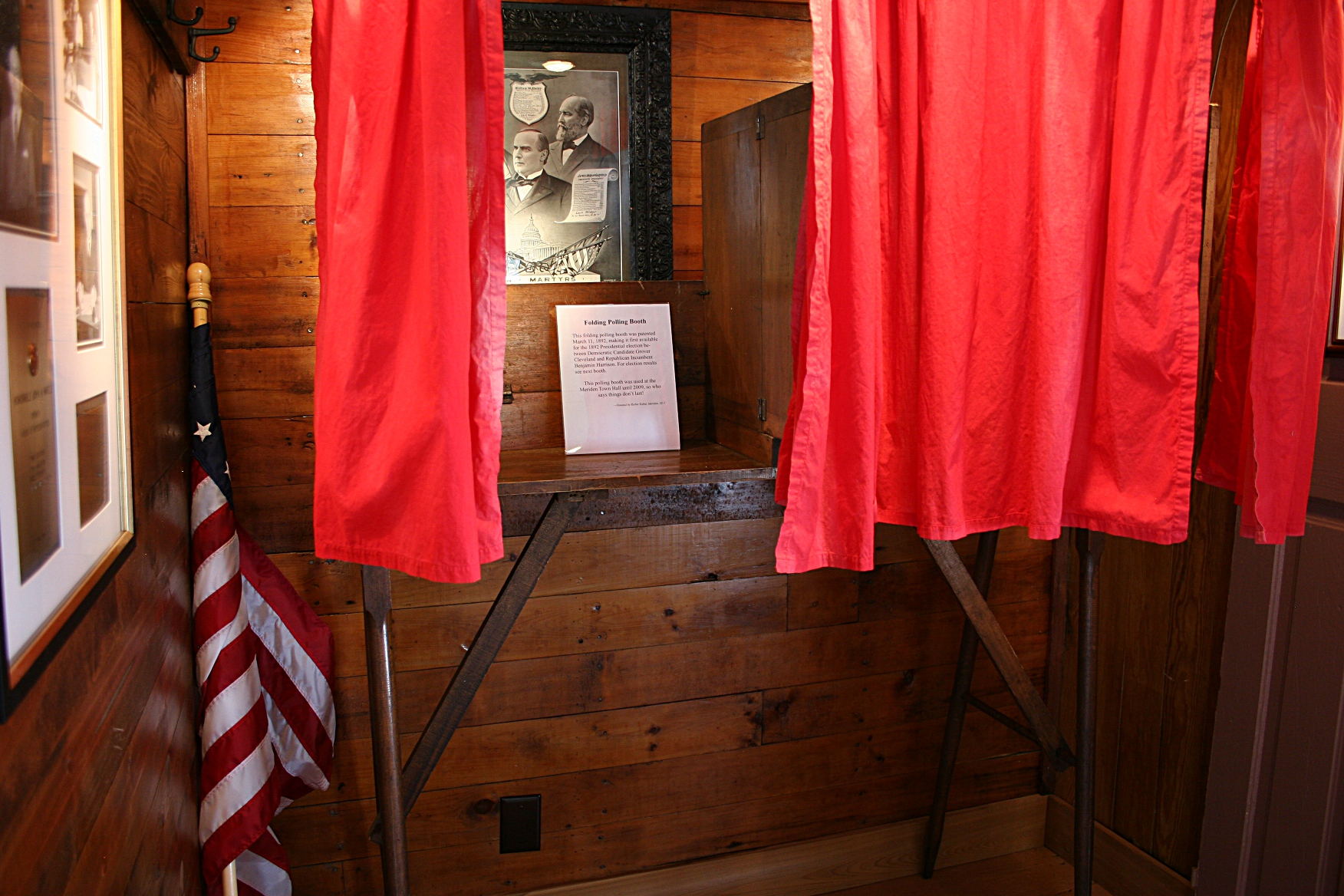
And if you could peek over their shoulders, would you to see how those in the Meriden area voted? This folding polling booth was patented in March of 1892 making it first available for the Presidential election that same year. The polling booth was used at the Meriden Town Hall until 2009. Until 2009, people.

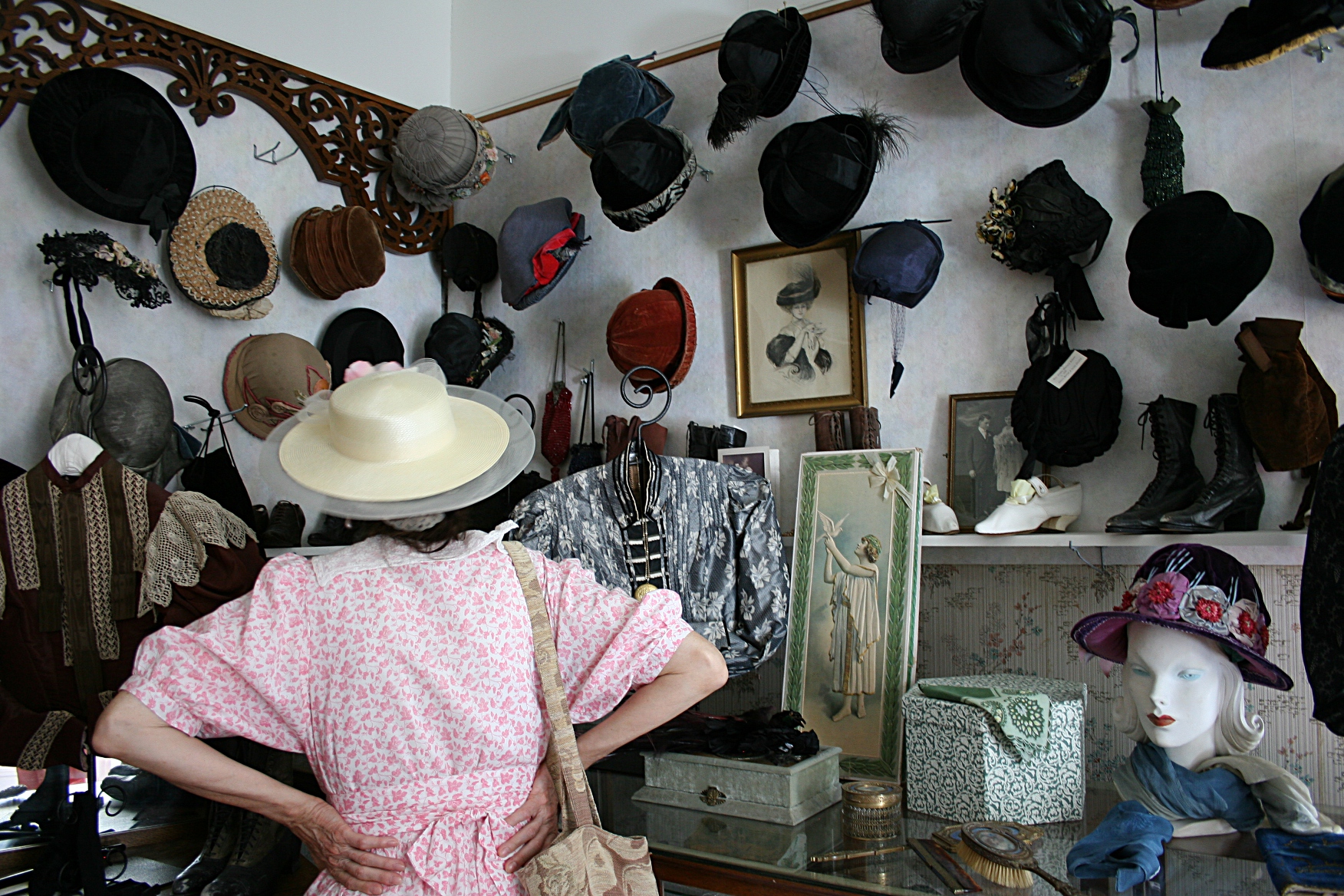
Who wore these hats displayed inside the historic 1868 Dunnell House, home of Minnesota legal scholar, educator and Congressman Mark Hill? Were they hats of mourning, hats of celebration, practical hats…?

A volunteer who works with the Blue Earth County Historical Society and the Betsy-Tacy Society in Mankato in decorating vintage hats studies the collection for ideas.

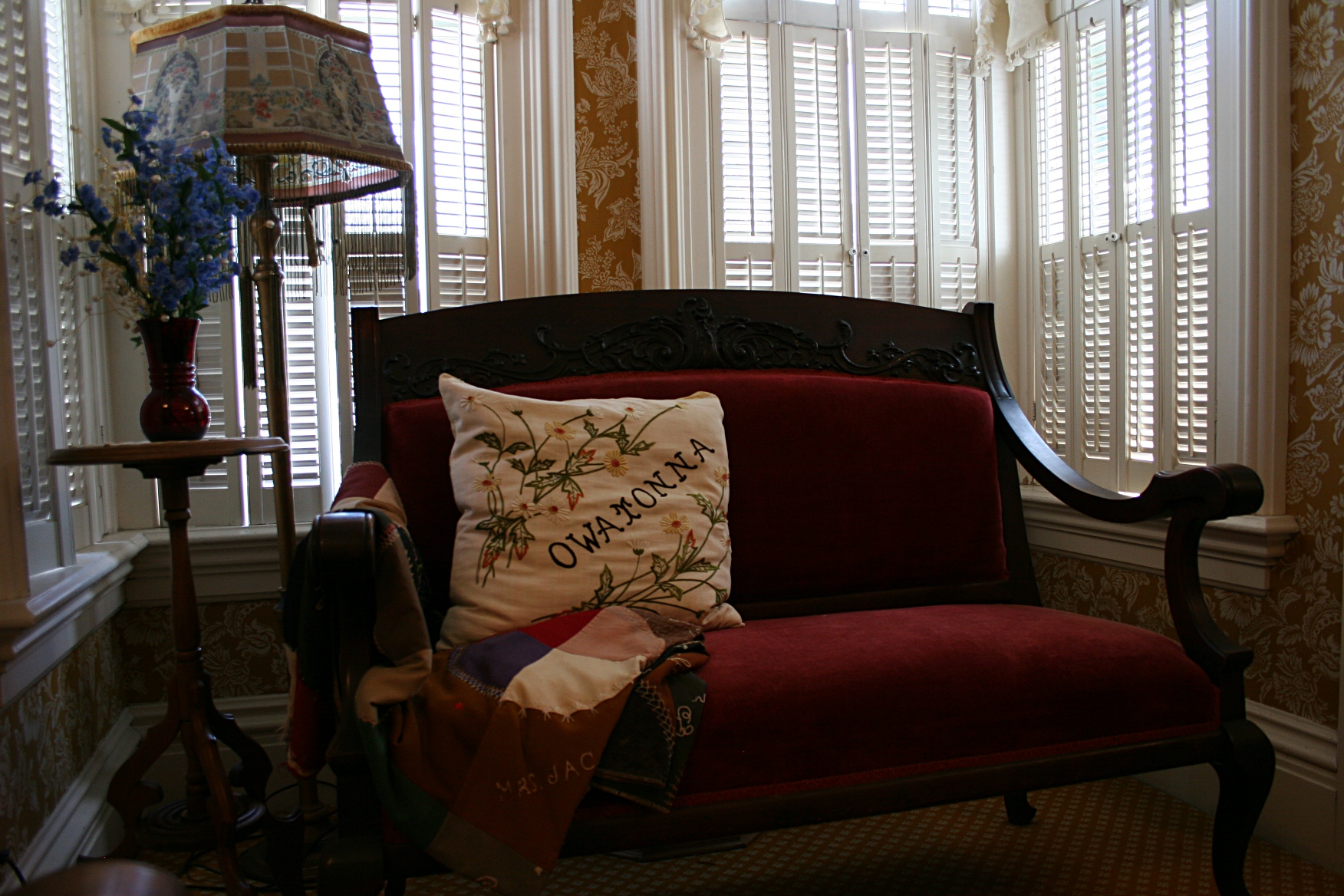
Also in the Dunnell House, a nook in the parlor offers a place for quiet conversation. Oh, to have been there, eavesdropping…the stories and secrets you may have heard about/from Congressman Hill and other legislators.

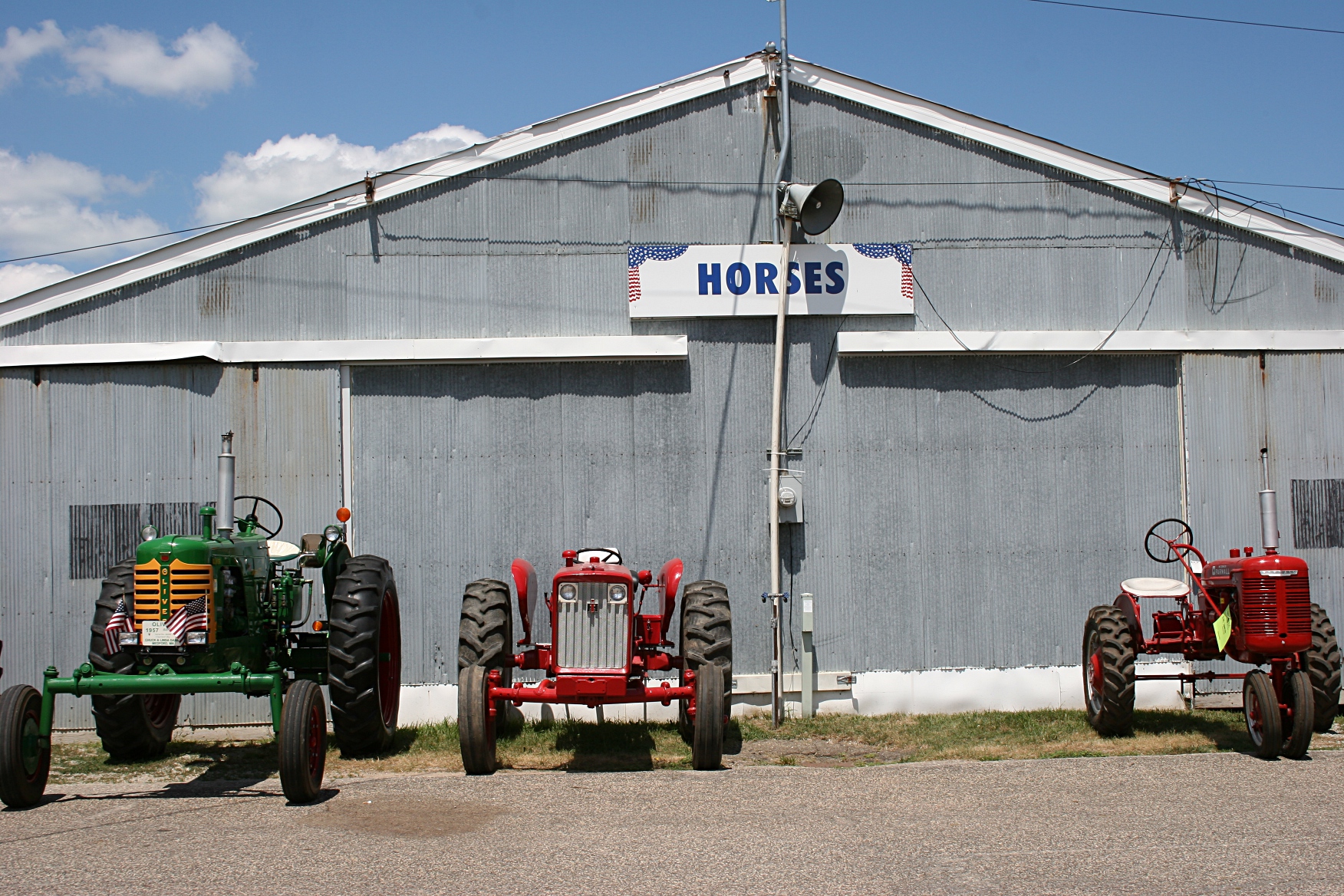
Horse power, but certainly not horses…these vintage tractors were parked next to the horse barn at the Steele County Fairgrounds. Surely they would speak of long, hard days on the farm, their wheels weighed down by the burdens of a farmer’s worries and the uncertainties that have always been a part of farming from the early days of Minnesota to current day Minnesota.

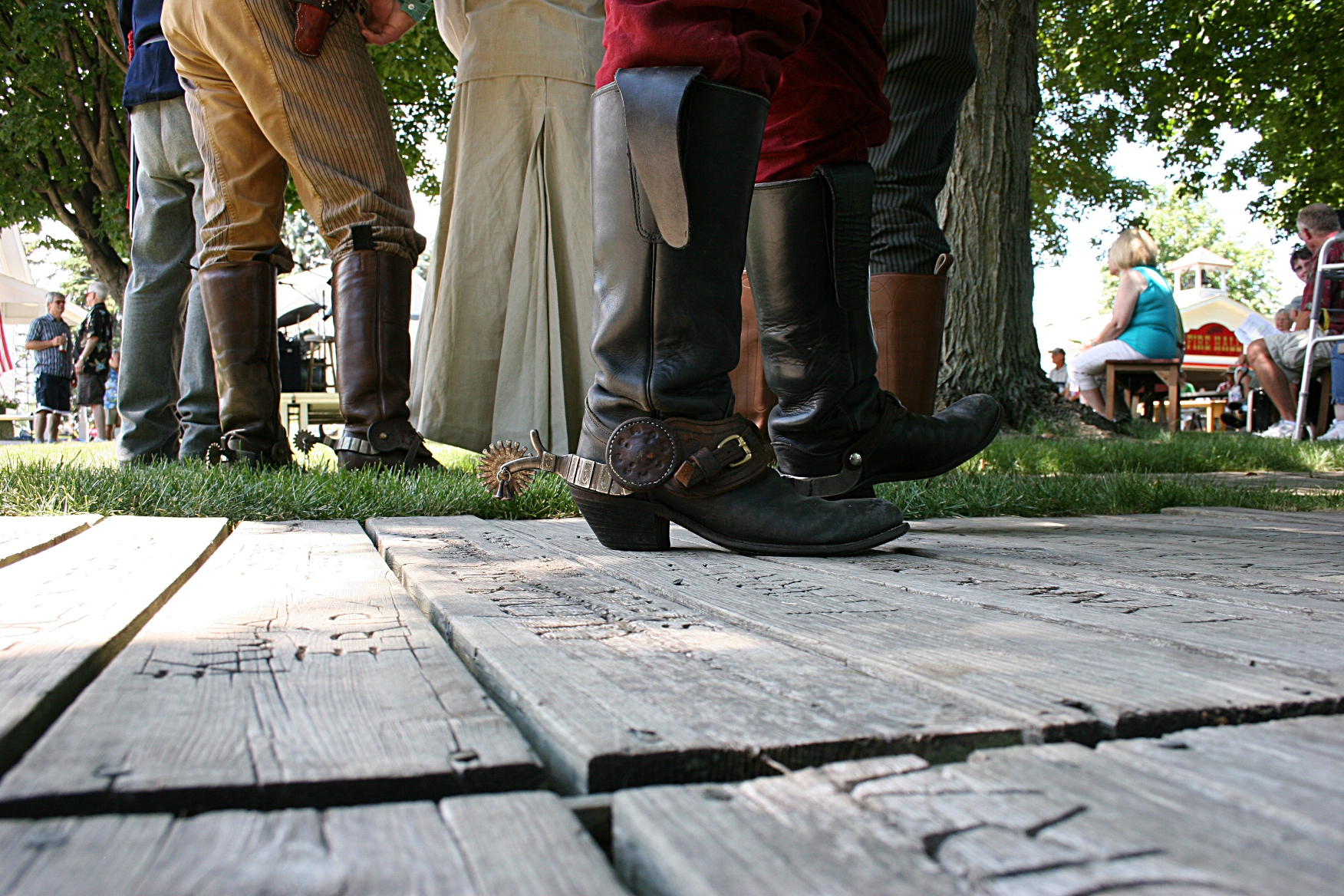
What is that saying? You haven’t walked a mile until you’ve walked in my shoes. Consider that, how challenging it would have been to walk in the boots/shoes of your ancestors for whom life presented so many daily challenges simply to survive.

FYI: To learn more about the Steele County Historical Society, click here.

CLICK HERE to read my first blog post about the Steele County Historical Society Extravaganza. Watch for one final, upcoming post.

© Copyright 2012 Audrey Kletscher Helbling


St. Paul artist connects art to geocaching via her GeoNiche Project July 11, 2012

A ST. PAUL ARTIST and educator with roots in the southwestern Minnesota prairie is bringing her art to the public via a project that links art to geocaching.

Felice Amato, who grew up in Cottonwood and Marshall, has hidden about 15 original works of ceramic art in St. Paul and in southeastern Minnesota through her GeoNiche Project, funded by a Minnesota State Arts Board Artist Initiative Grant awarded in 2011. To date, she’s stashed her sculptures at Swede Hollow, a St. Paul Park, and in or near Faribault, Red Wing and Winona. She’s created pieces for the Red River Valley area, too, but has yet to install them. And she would also like to sculpt GeoNiche art for her native prairie.

Amato follows the geocaching model wherein geocachers use GPS devices or smart phones to find her art based on geographic coordinates and clues. Her caches are listed on Geocaching.com as felice.amato and on Opencaching.com as felice1.

The project evolved as Amato considered a unique way to get the ceramic niches and tableaus she’s made for years out to the public. “My sister, brother and aunt are avid geocachers and it just struck me that this could be an interesting way to make my work public,” she explains.

Finding no one out there doing exactly what she proposed, Amato moved forward with the GeoNiche Project and her unifying theme of women’s lives.

“I wanted to create secular niches that spoke to a sense of place, history and continuity—and that honored the important life moments that we all experience,” she says.
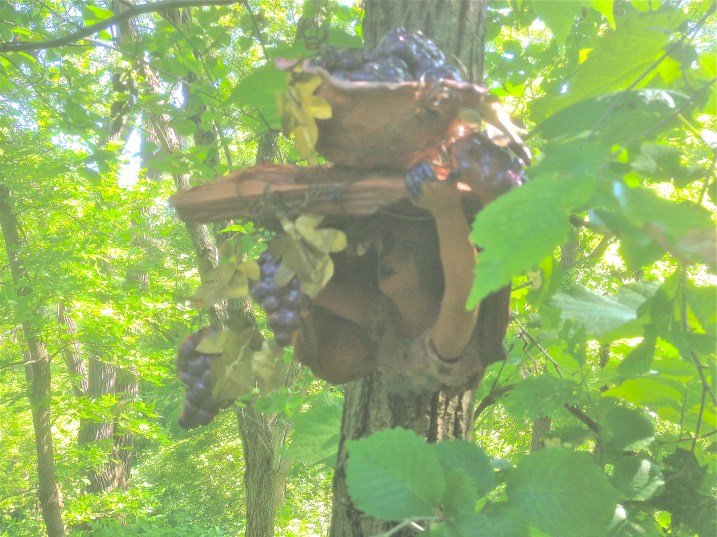
“Under the Arbor,” one of the GeoNiches placed in Swede Hollow. Photo courtesy of Felice Amato.

She placed her first GeoNiche close to home, a mile away in Swede Hollow, a St. Paul valley originally settled in the mid 1800s by Swedish immigrants and thereafter by Polish, Italians and Spanish Americans. “The rhythm of settlement in Swede Hollow made that especially rich,” Amato says. “Flooding, impermanence and the piecing together of community shanty by shanty—the thriving, the dispersal, the abandoning, the reclaiming—it all inspires my imagination.”
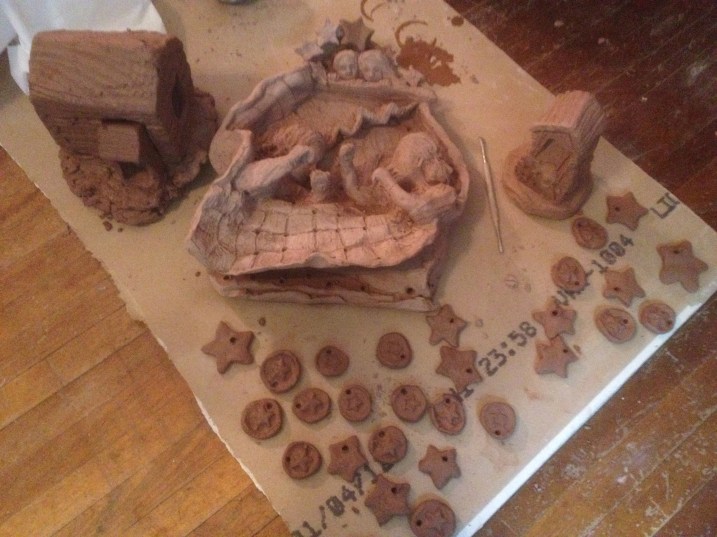
This photo, courtesy of Felice Amato, shows houses and quilters in progress for Swede Hollow.

Amato was inspired to shape pieces like “Mother and Child by the ‘Hobo’s Washroom’,” “Little Girl with birds,” “Bread house” and three other larger works for Swede Hollow. Those GeoNiches hint at folktales based on the experiences of the immigrants who once called this place home. A hand-drawn map to those artworks can be found inside a GeoNiche by Swede Hollow Cafe (coordinates N 44° 57.551’ W093° 04.330’) as Amato awaits approval of official Geocaching.com listings for Swede Hollow.
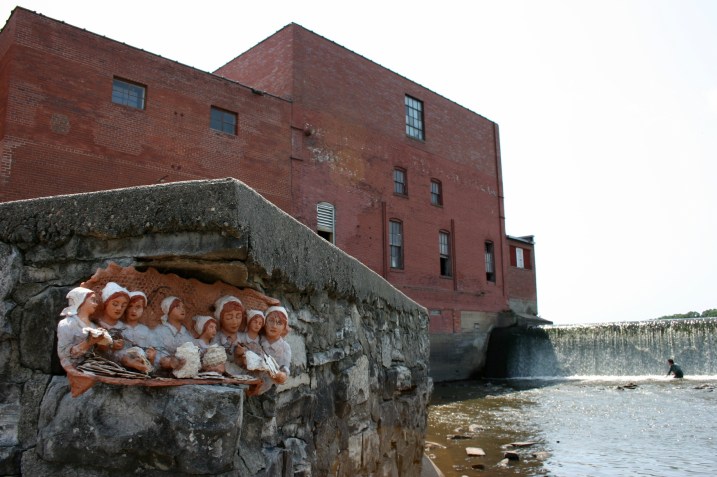
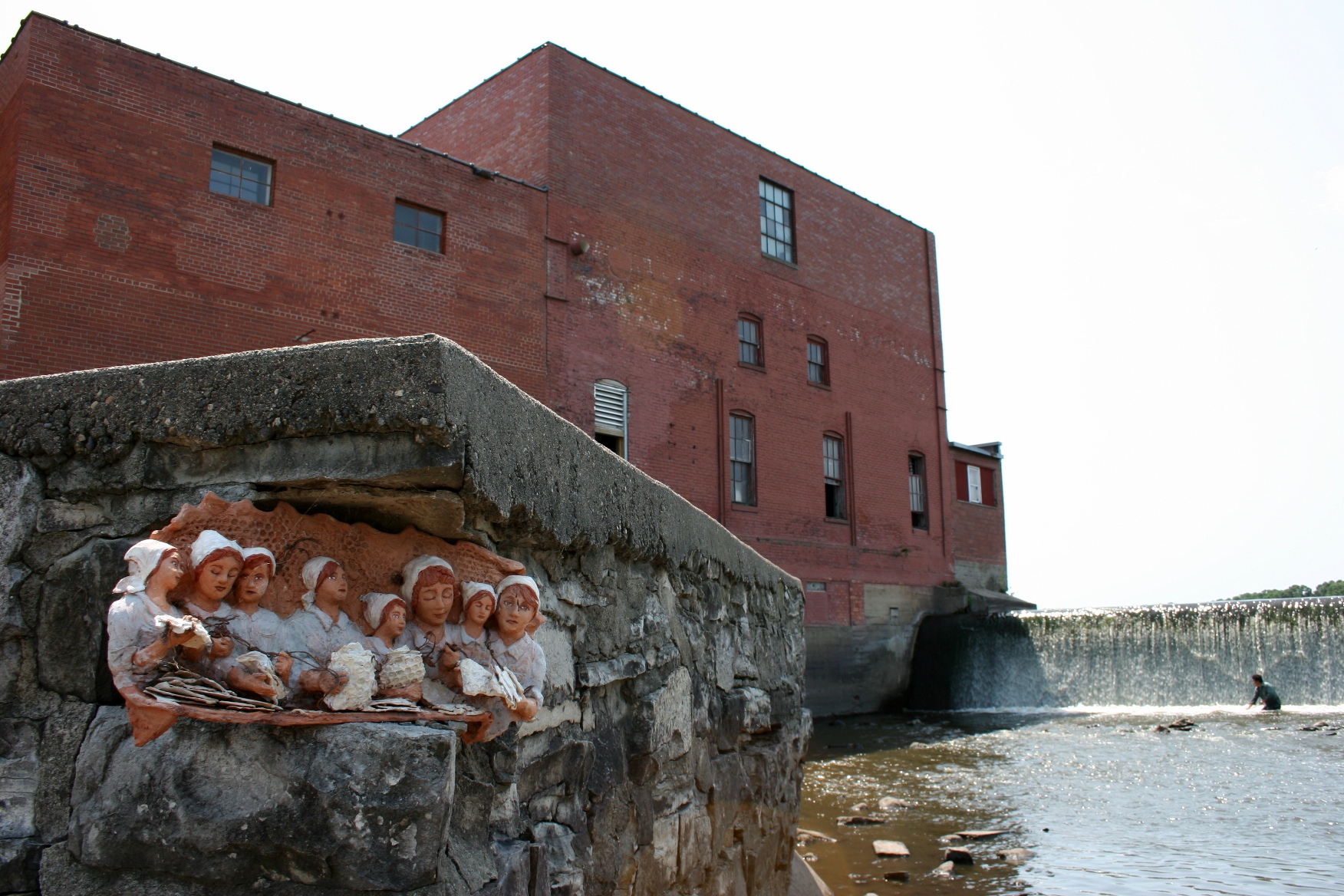
“Seamstresses” in place at the historic Faribault Woolen Mill along the Cannon River blends seamlessly into its environment. Photo by Audrey Kletscher Helbling.

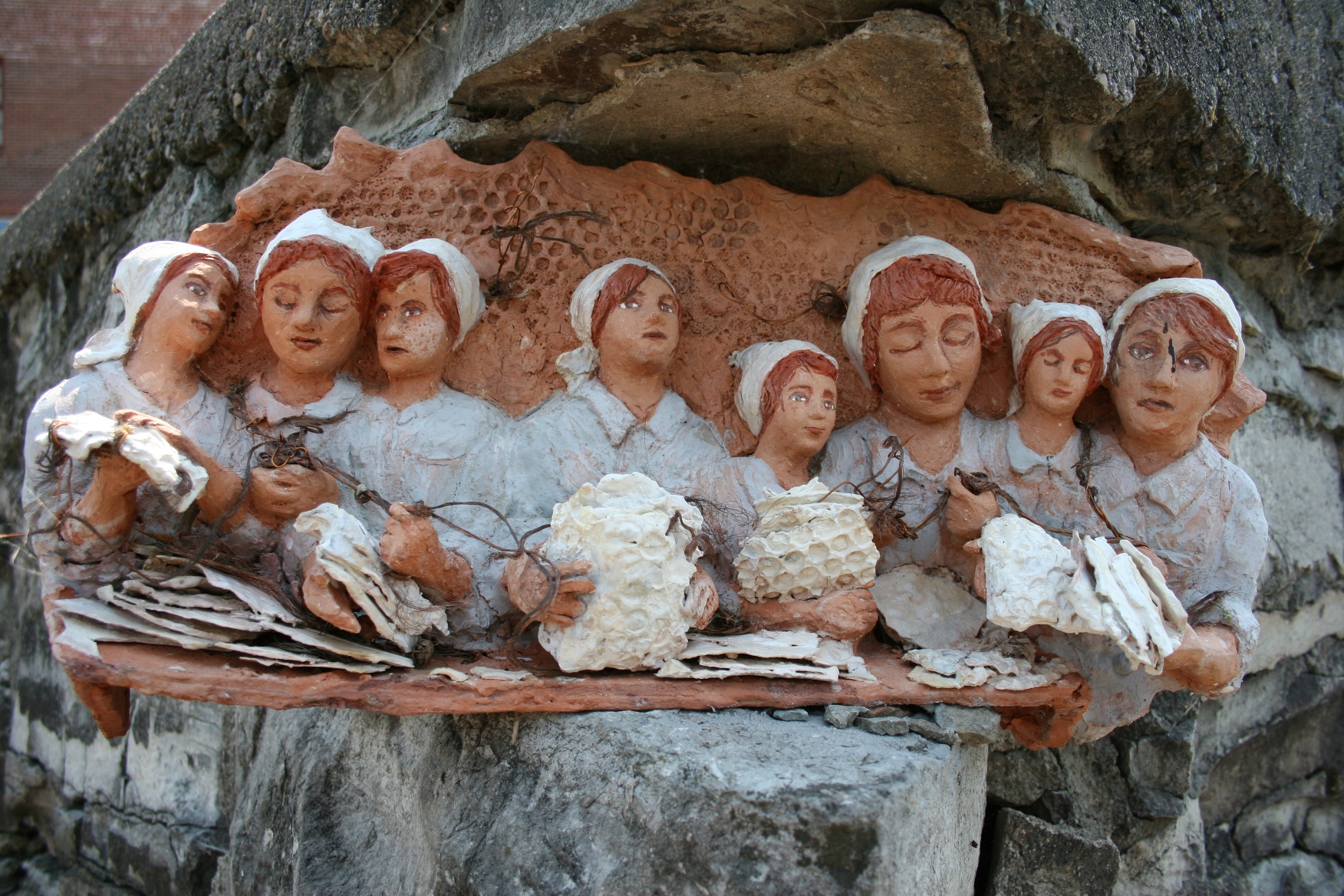
In Faribault, she was naturally drawn to the Faribault Woolen Mill, she says, because of an art series initiated several years ago on women in factory settings. Amato created “Seamstresses” and tucked it into a niche along a retaining wall at the mill next to the Cannon River.

Amato’s sculptures tell a story as seen in this close-up of woolen mill factory workers. Her sculptures are made from paperclay with wire details. Photo by Audrey Kletscher Helbling

Explains Amato of her women in factory art:

The metaphorical potential of women and labor—especially manual and repetitive labor—is enormous with so many different layers it makes my mind explode. To what did/do women give their lives? What other inner lives (maybe as poets or artists, or dreamers) did they have especially at times where realizing those passions was even more difficult than it is today? I wanted to speak to a sense of honor and even sacredness in the making, the plodding, the rote quality of manual tasks—often just a part of an end product. Sewing and weaving itself is rich with metaphor as is the factory setting: the balance of isolation and comradery.

Amato secured “Prairie” onto a tree near a bike trail west of Faribault. Photo by Kevin Kreger.

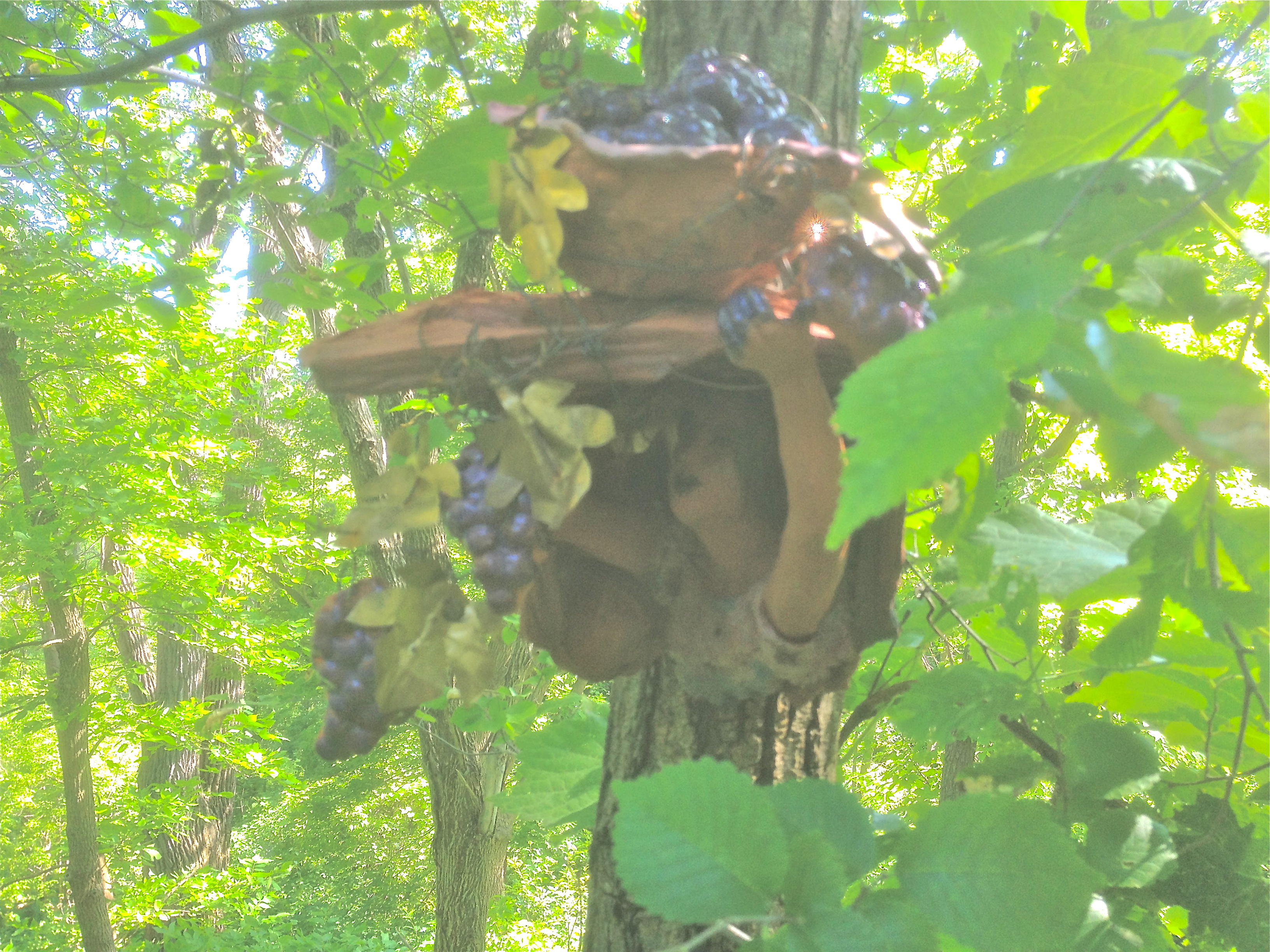
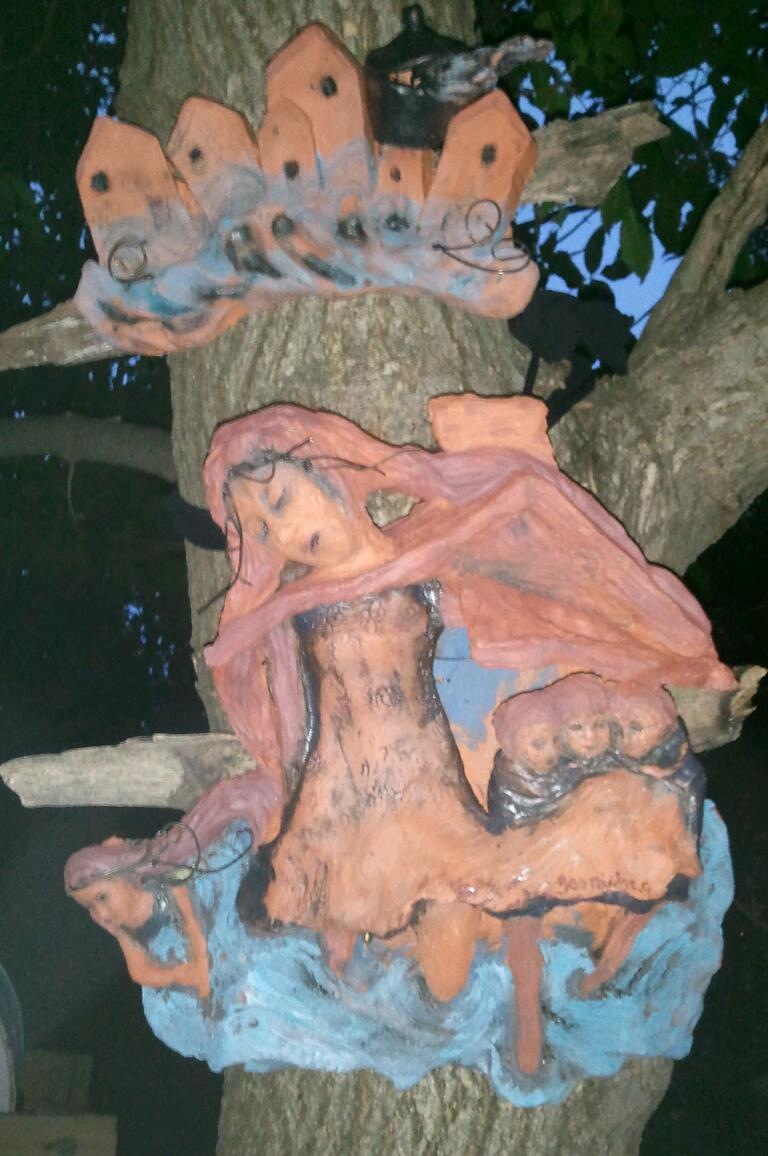
Outside of Faribault, lashed onto a tree along a bike trail, Amato switches to a rural theme in “Prairie,” a definitive piece which connects to her prairie roots. The sculpture was partially-influenced, she says, by “the solitude and perseverance of the prairie woman in her battles with so many forces—the soil, the wind, the grasshoppers, the fires.”

Geocacher Kevin Kreger of Faribault, who sought out both Faribault area GeoNiche art pieces, says he was drawn in by “Prairie” and found the placement of “Seamstresses” at the Woolen Mill a fitting location.
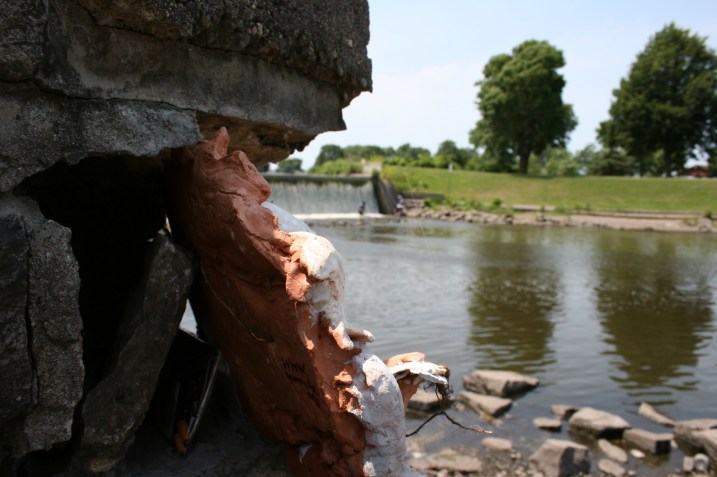
The sweet surprise GeoNiche at the Faribault Woolen Mill. Wear solid walking shoes as you will need to walk over rocks (not the ones photographed here) to reach this art treasure. Amato encourages finders to sign the logbook tucked into a plastic bag behind “Seamstresses.” Photo by Audrey Kletscher Helbling

“The idea (GeoNiche) delights me,” says Kreger who has been geocaching for half a dozen years everywhere from New York City to the Oregon coast and as near as a local county and city parks. “Turning the corner, seeing another’s idea of beauty in an unexpected spot, it’s one of those unanticipated sweet spots in life.”

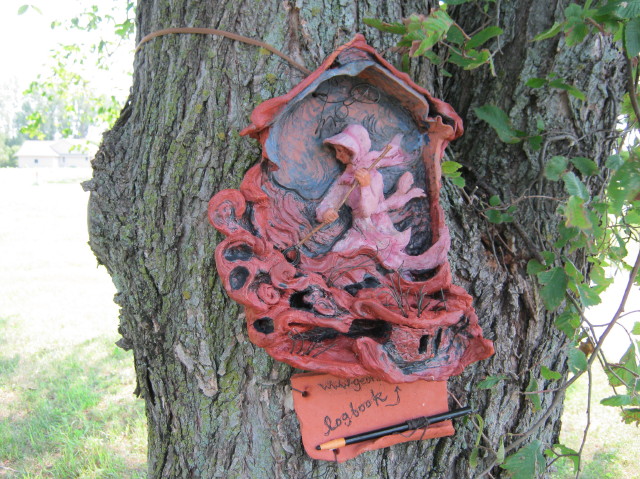
The first entry in the “Seamstresses” logbook. Photo by Audrey Kletscher Helbling

Amato hopes for that type of positive reaction from those who discover her public art hidden in niches. “Many people seem to really experience my work, seeing it as meaningful to them and that it is meaningful to me,” she says. “It evokes stories of memories or hooks people’s imagination and emotions.” She wants finders of her art to interact with her, to share their thoughts in her on-site logbooks and/or online.

Kreger appreciates the time and skill Amato has invested in creating her art, made from “paperclay,” a method of mixing paper pulp into recycled clay. He wonders, though, how long the GeoNiches will stay in place, comparing them to performance art and as a gift the artist must be willing to give up.

Another sculpture hidden in Swede Hollow Park. Photo courtesy of Felice Amato.

While one of her Swede Hollow GeoNiche sculptures was smashed, the rest have remained intact with one even moved to a more logical and visible location. Amato’s considered taking the pieces down for the winter or sealing them to protect the vulnerable clay from the elements. But she’s unsure. “When I installed “The Potter” in the pottery dump at Red Wing and looked at all the shards of broken ceramic work, I thought eventually she will be among that and it felt OK,” Amato says.
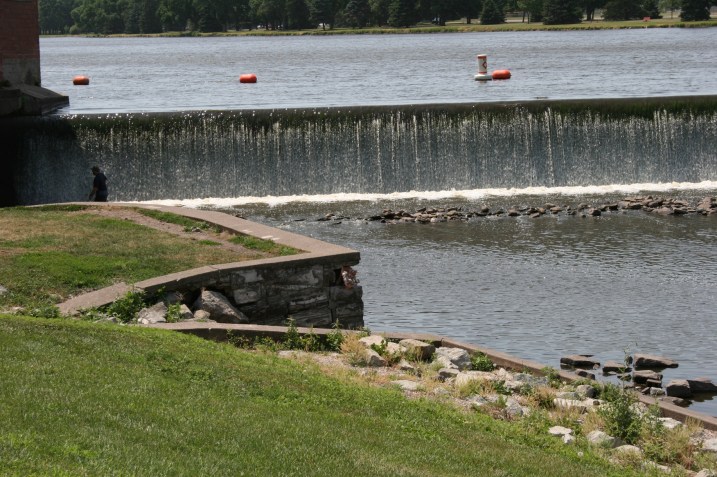
An overview of the location for “Seamstresses.” Look and you will find her sculpture in this image. The positive responses from the people of Faribault have been a huge incentive, Amato says, to explore the area more. Photo by Audrey Kletscher Helbling

Exact placement of her art is most successful, she adds, when the spot is discovered as though it was waiting.

Even though the grant period for her GeoNiche Project has ended, this St. Paul artist intends to seek additional funding to continue creating and hiding her art for geocachers and others who may happen upon it. She plans to work, also, with artist friends interested in GeoNiche. And she’s contemplating offering a GeoNiche workshop.

While she’ll seek out funding for her innovative project of connecting art and geocaching, Amato says she’s not a geocacher or a seeker.

“I would imagine,” she says, “most people are primarily either seekers or hiders. I am a hider.”
Artist Felice Amato. Photo courtesy of Felice Amato.

FYI: Felice Amato, the mother of two daughters, has been a public school teacher for nearly 20 years (teaching first Spanish and then art) and has also taught summer art classes and camps for children through the St. Paul non-profit, Art Start. She is an artist specializing in clay and tile making. Her artwork has been exhibited in numerous shows and in several galleries during the past 10 years with an upcoming show set for October 18 – November 17 at The Phipps Center for the Arts in Hudson, Wisconsin. For more information about Amato, click here to link to her Facebook page and here to link to her website.

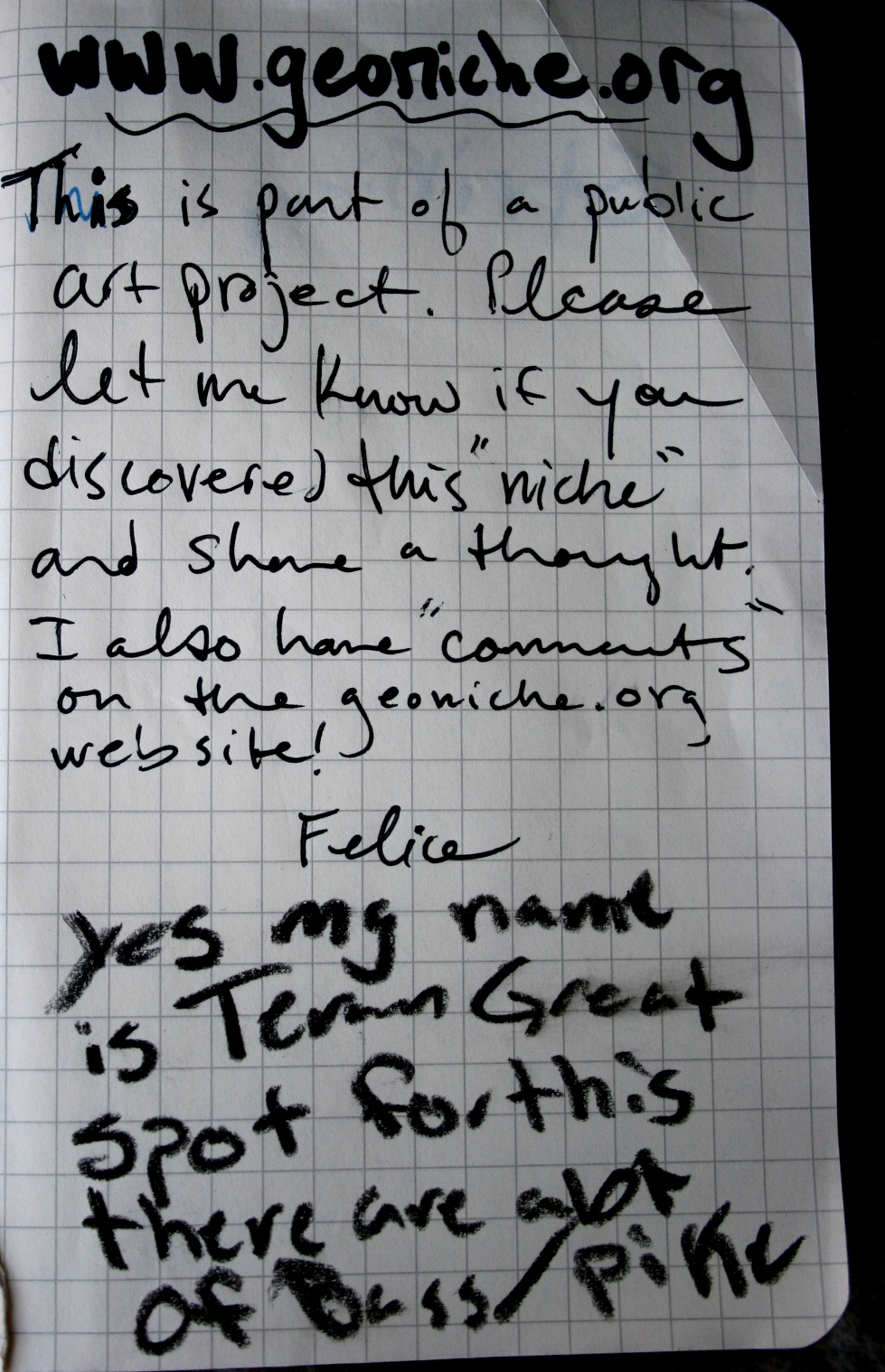
Click here to link to Amato’s GeoNiche website.

And click here to check out her GeoNiche Project Facebook page.

© Copyright 2012 Audrey Kletscher Helbling
Photos by Audrey Kletscher Helbling, Felice Amato and Kevin Kreger

 

Steele County showcases history in a big way July 10, 2012

Five-year-old David of Faribault, aka Apache Shadow, was among costumed reenactors from the Old West Regulators.

WHEN THE STEELE COUNTY HISTORICAL SOCIETY in Owatonna throws an extravaganza, they put on a heckuva an event.

Late Sunday morning my husband Randy and I headed about 15 miles south on Interstate 35 to the Village of Yesteryear for the historical society’s 26th annual celebration of history. I cannot believe that I’ve never known about this extravaganza, which I’d recommend to anyone interested in a free family-friendly day of learning about the past.

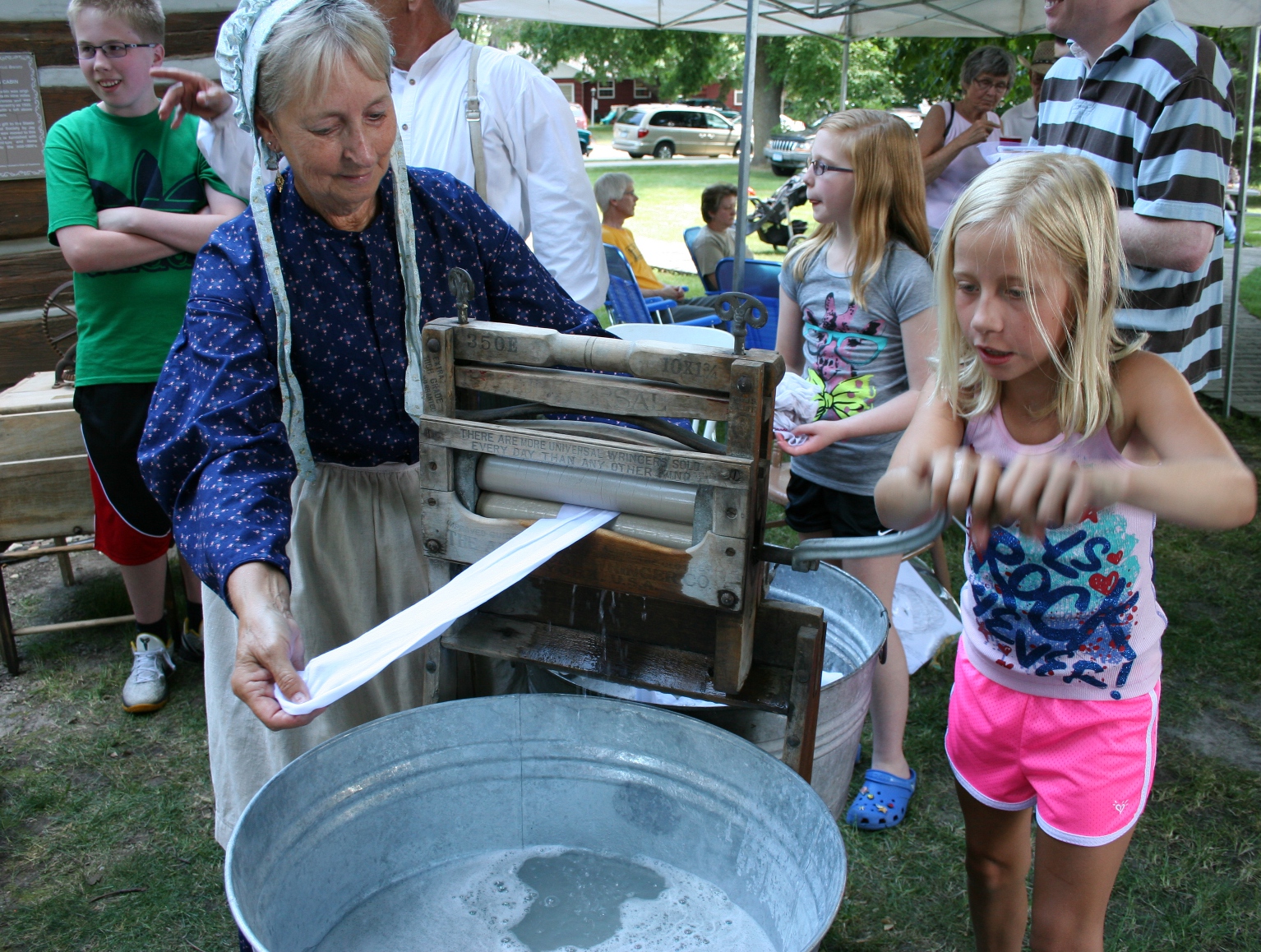
Kids, like Kennedy, right, were drawn to the water and the old-fashioned wringer.

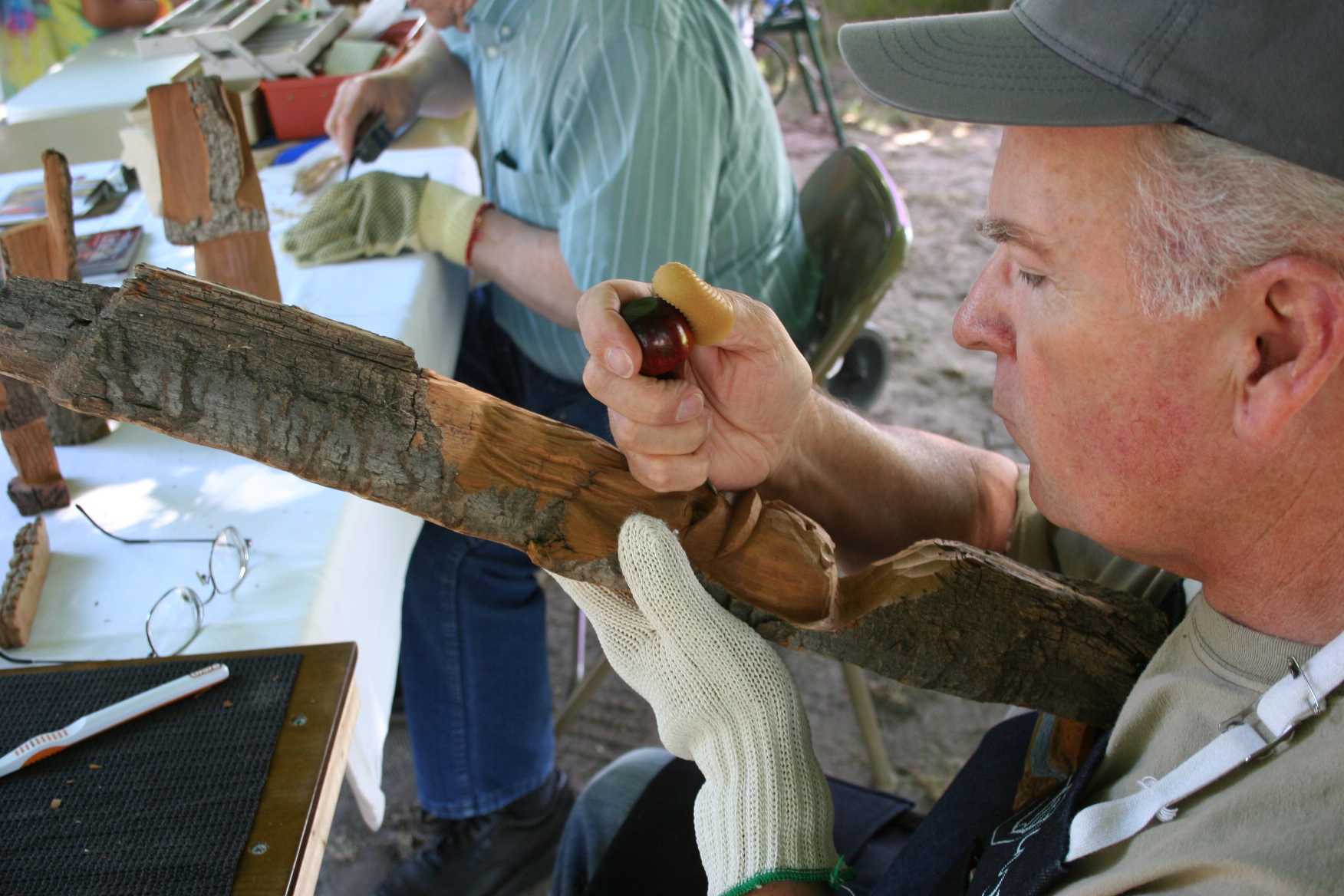
Owatonna resident Tom Gray carves a mountain man.

From hands-on demonstrations of rope making to washing clothes the old-fashioned way to printing on an aged press to carving wood and working with leather, and more, we observed an array of dedicated and passionate historians showcasing yesteryear.

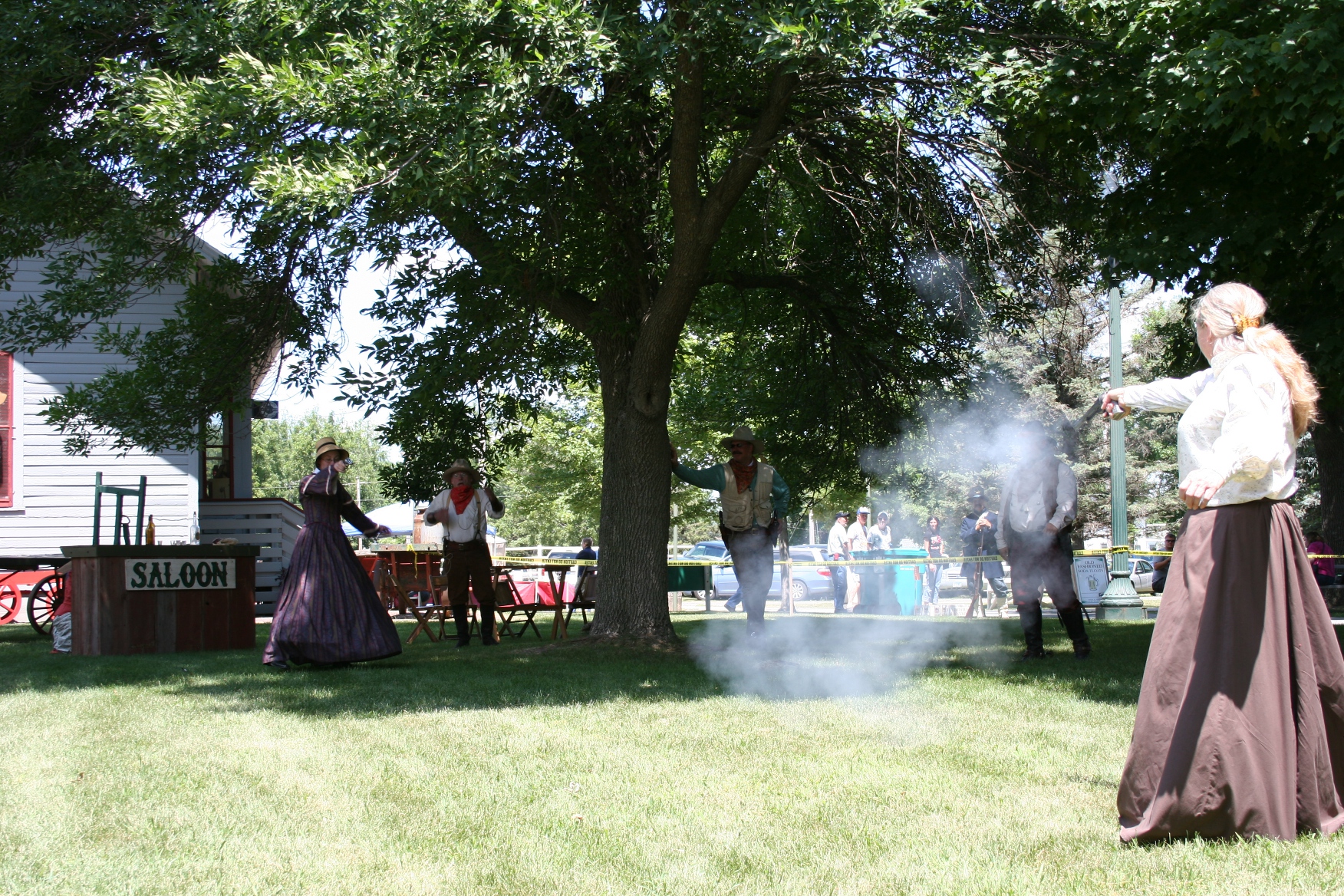
Two actresses shoot it out in a scenario presented by the Old West Regulators.

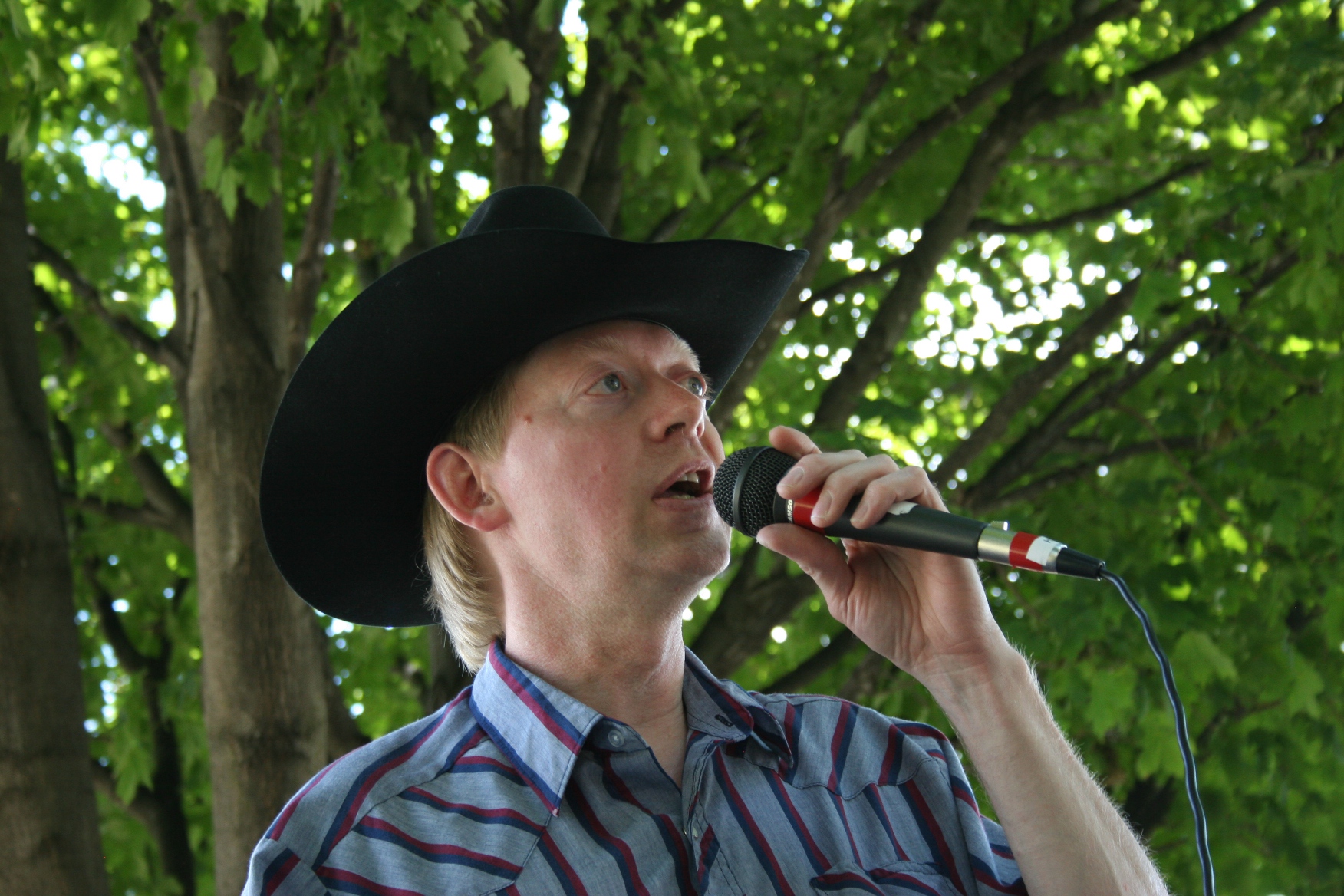
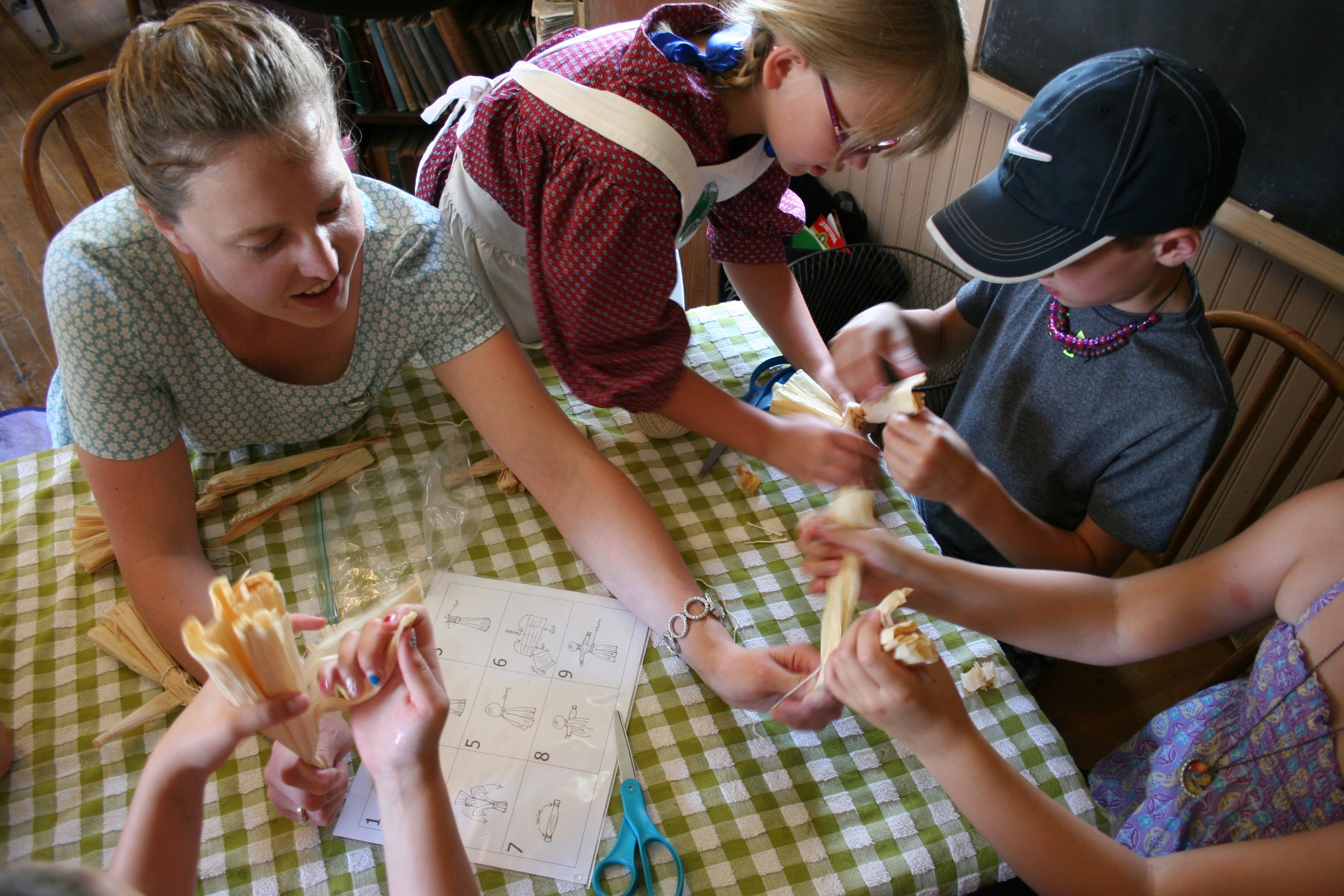
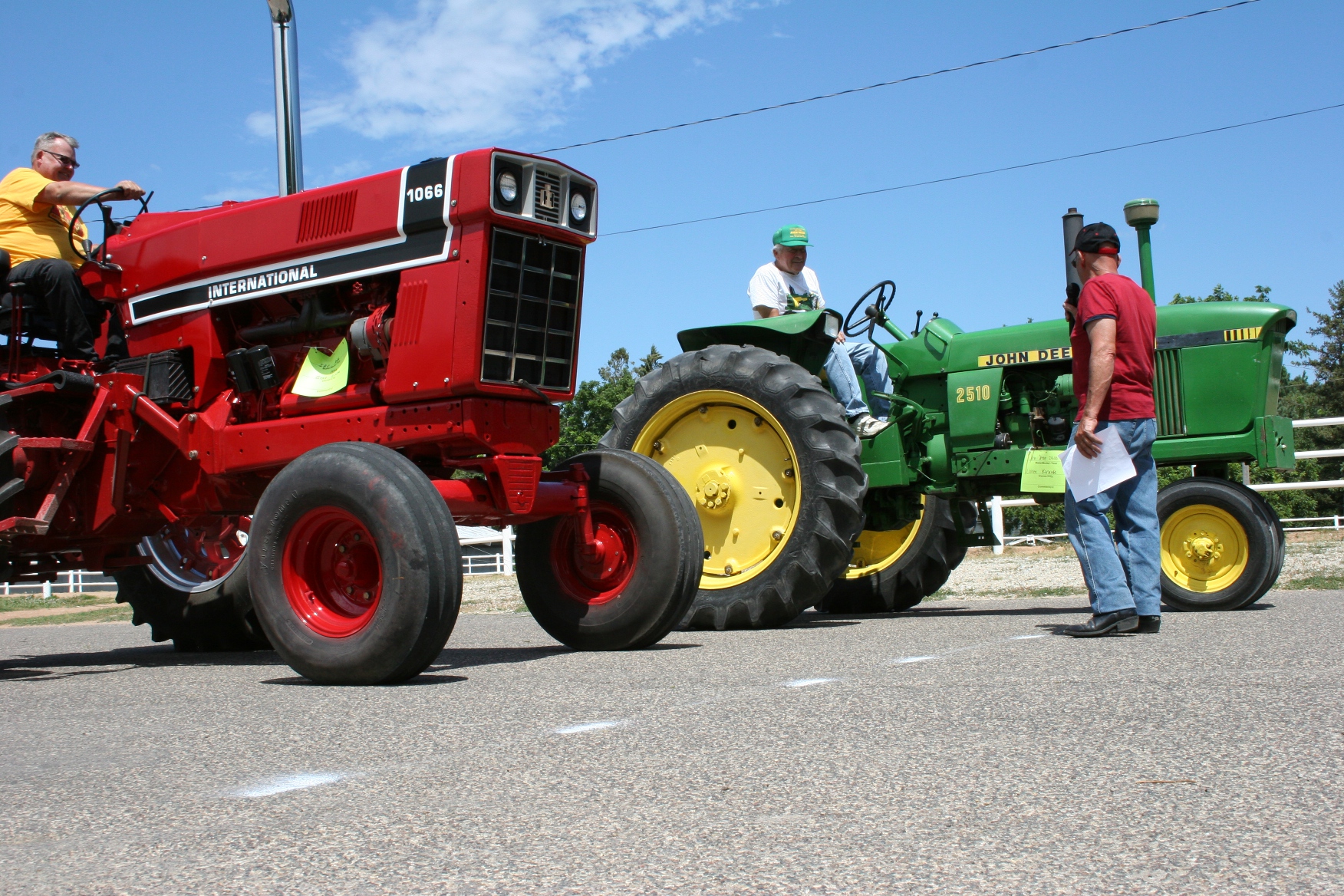
Add in costumed reenactors modeling period attire and shooting it out in mini dramas; a country singer crooning Hank Williams’ “Your Cheatin’ Heart;” kids circled around a table in an old country school crafting corn husk dolls; tractors snail-crawling toward the finish line in a slow tractor race; the tantalizing aroma of shredded pork sandwiches and the refreshing promise of icy root beer; 15 buildings, most of them vintage, plus a caboose to tour, and you have a full day.
Dunnell Lenort, who has performed at the Grand Ole Opry and elsewhere, presented a selection of songs, including “I Fought the Law.” It was, he said, “for those who have been on the wrong side of the law.”

Kids learned how to make corn husk dolls inside the former District 14 country school, built in 1856 and located about four miles south of Owatonna along Lemond Road. The school was closed by consolidation in 1962.
Lest you think the John Deere won this race, you would be wrong. The winner here was the tractor which drove the slowest along about a 50-foot stretch to the finish line in a slow tractor race.

Randy expected we would be there an hour; we left more than four hours later and could have stayed longer. We missed the vintage baseball game and other events.

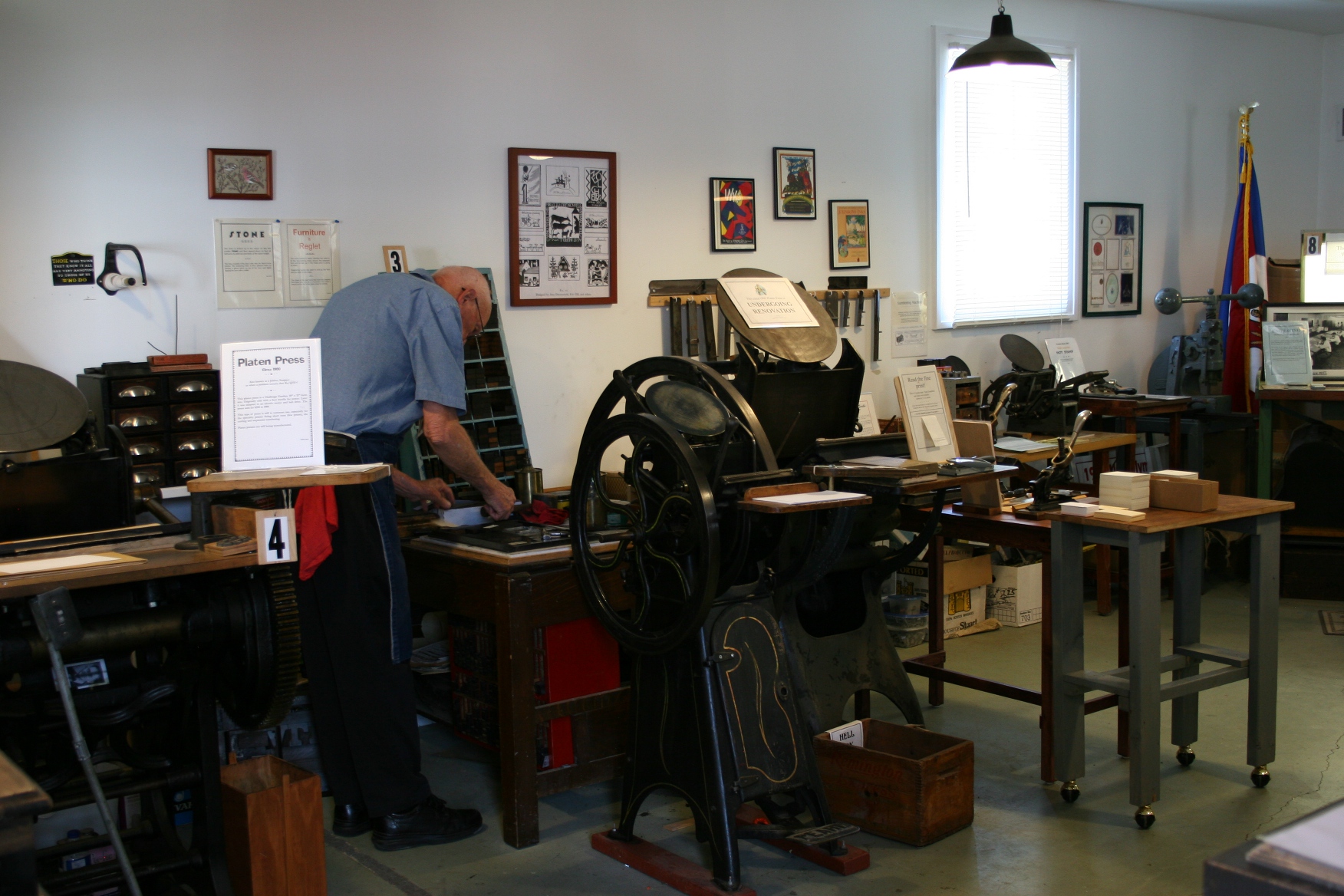
Pete the printer at work in the Village of Yesteryear print shop.

Of course, my spouse will tell you that, had I not been so interested in the village print shop, we could have knocked perhaps 30 minutes off our extravaganza tour. But given my journalism background; two years of employment at a weekly newspaper which printed auction bills and other items on an old Linotype machine; and my appreciation for the art of printing, I was fascinated by the working print shop and its resident printer, Pete Baxter.

Randy indulged my print obsession and I, likewise, later feigned interest in the engine display over in the agricultural section of the extravaganza.

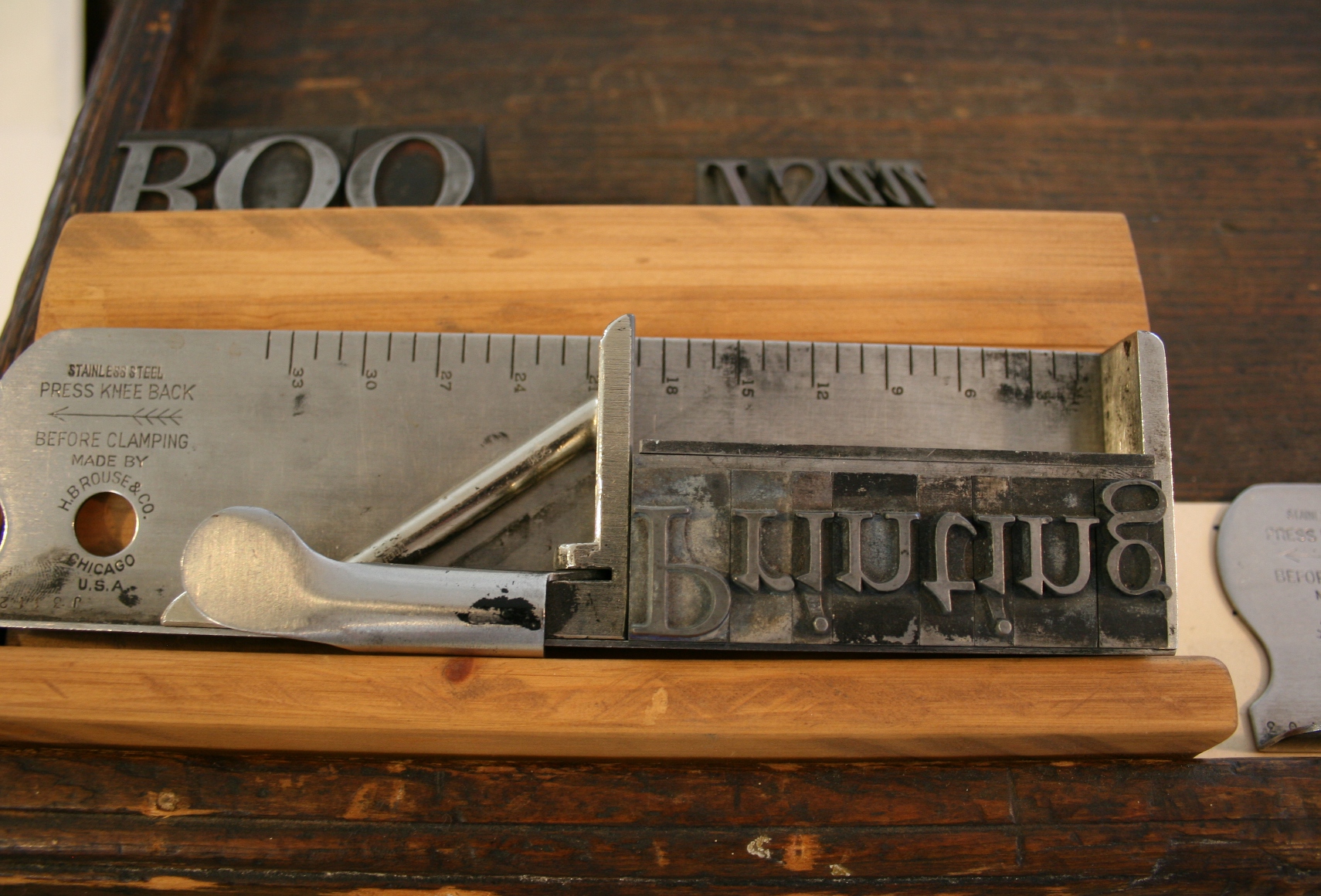
Letters laid out to spelling “printing.”

Let’s back up to that print shop and printer Pete, who once owned North Cal Printing, as you would expect, in California. Family brought Pete to Minnesota about a dozen years ago. And the old print shop at the Village of Yesteryear was one of the deciding factors in his settling specifically in Owatonna.

Today he’s an enthusiastic volunteer who dons a printer’s apron as he educates visitors, spins a few stories and inks up the press to spew out bookmarks and cards with messages like “Without a love for books the richest person is poor.”

Spend any time with this man who owns a library of 1,500 volumes; is a member of The Wördos, an organization which meets monthly in the metro to discuss errors in local and national media; and who knows the ins and outs of the printing business, and your interest in printing is likely to grow, too. When he mentioned the bit about The Wördos and their dissection of media grammar, usage and more, I wanted to grab back the business card I’d handed him for fear of him scrutinizing my writing. But I didn’t.

I wasn’t about to allow my insecurities to interfere with learning from an old-school printer educated in the 1940s at California Polytechnic State University during the transition from letterpress to offset printing.

Pete’s interest in printing stretches back to his childhood when he often accompanied his dad to a California street car station and stood at the window of a nearby newspaper office watching printers at work.

One day, as Pete dramatizes with arms gesturing, a worker exited the print shop, grabbed him by the arm and shouted, “Get your snot nose off my window.” He hauled young Pete inside, gave him a tour, and, as the printer says, “I was hooked.”

The next Christmas, he received a toy printing press and a case of type. Years later, he would earn a printing degree from Cal Poly and eventually own a print shop.

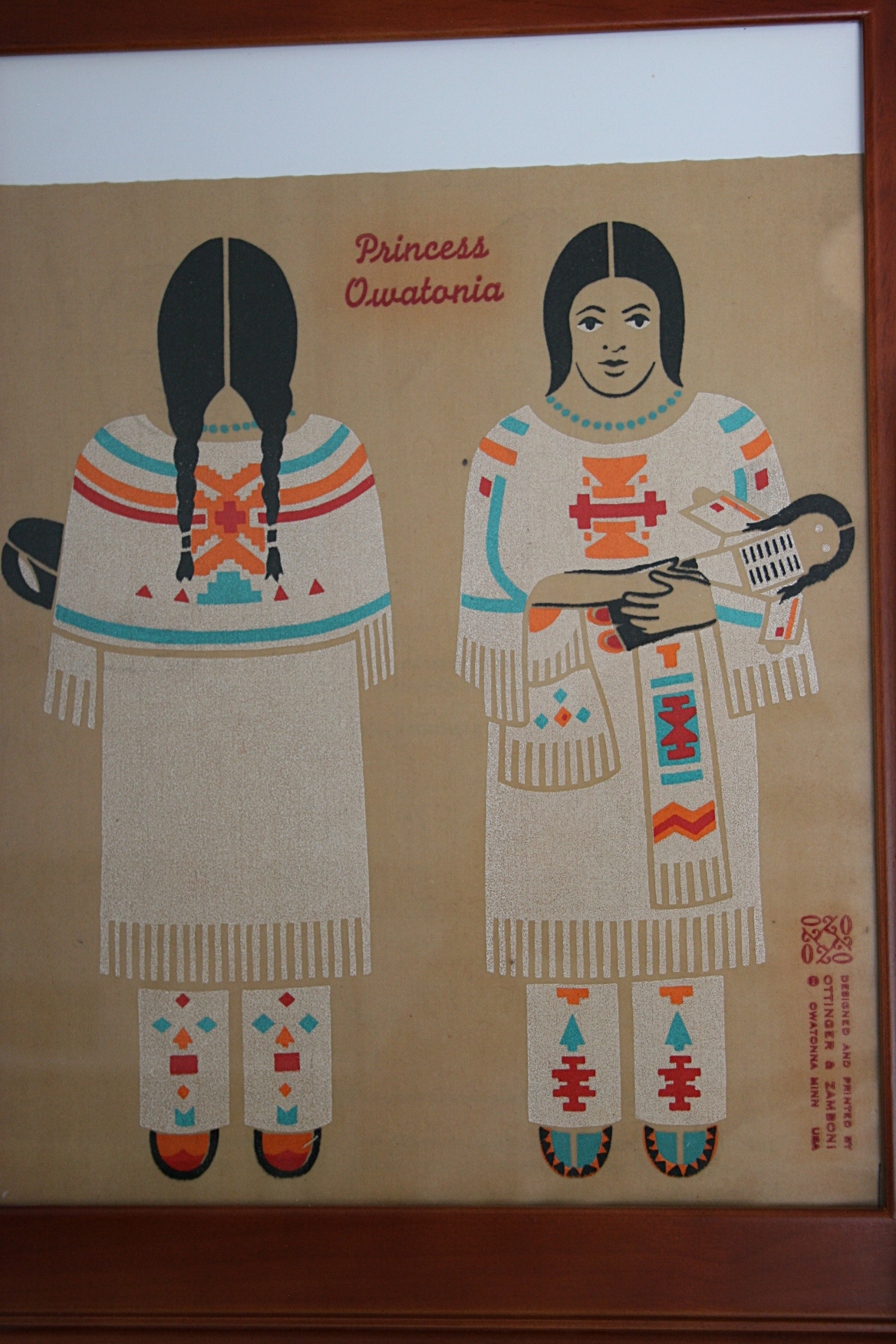
An original OZ Press print of the Indian princess after whom Owatonna is named, on display in the print shop.

That Pete the printer understands and appreciates printing is obvious to anyone who takes the time, as I did, to listen. He’s quick to spotlight the work of Owatonna’s probably most notable press, OZ Press. OZ co-owners Alice Ottinger and Jean Zamboni—thus the OZ name—donated an 1885 working printing press and artwork to the Village of Yesteryear print shop. Their press specialized in original art printing and silk screening during its 40 years in business, 22 of them in Owatonna.

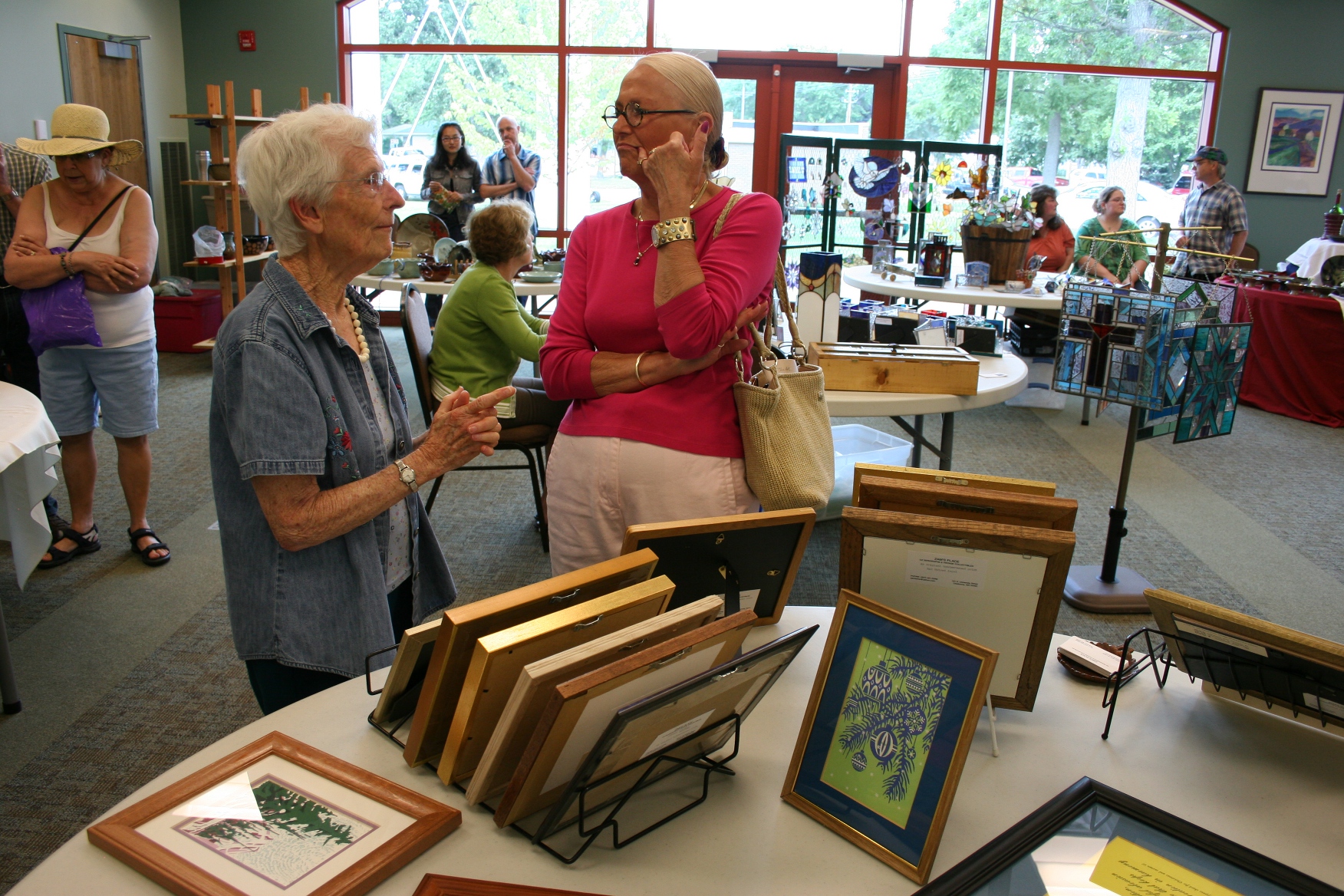
Jean Zambonia, left, talks about OZ Press at the artisan market. Framed OZ Press prints, on the table, were for sale.

Later I met Jean Zamboni in the new Steele County History Center and learned that she taught art at Minnesota State University, Mankato, before opening her press with friend Alice Ottinger. They designed some program covers for the college, did silk screening and eventually determined they could afford to start a press.

“So that was it,” Jean summarized as she stood next to a table where a limited selection of OZ framed prints were sold at the extravaganza. I wish now that I’d purchased one.

And you likely wish, about now, that I’d informed you of the Steele County Historical Society Extravaganza before the event. Mark it on your calendar for next July. Before that, though, you can attend Christmas in the Village, set for 4:30 – 8:30 p.m. Friday, November 30, and again from 10 a.m. – 2 p.m. on Saturday, December 1. The holiday celebration includes sleigh rides, visits by Santa and Mrs. Claus, children’s activities, selected buildings decorated for the season, a cookie sale, music and more. If it’s anything like the summer extravaganza, you will not want to miss it.

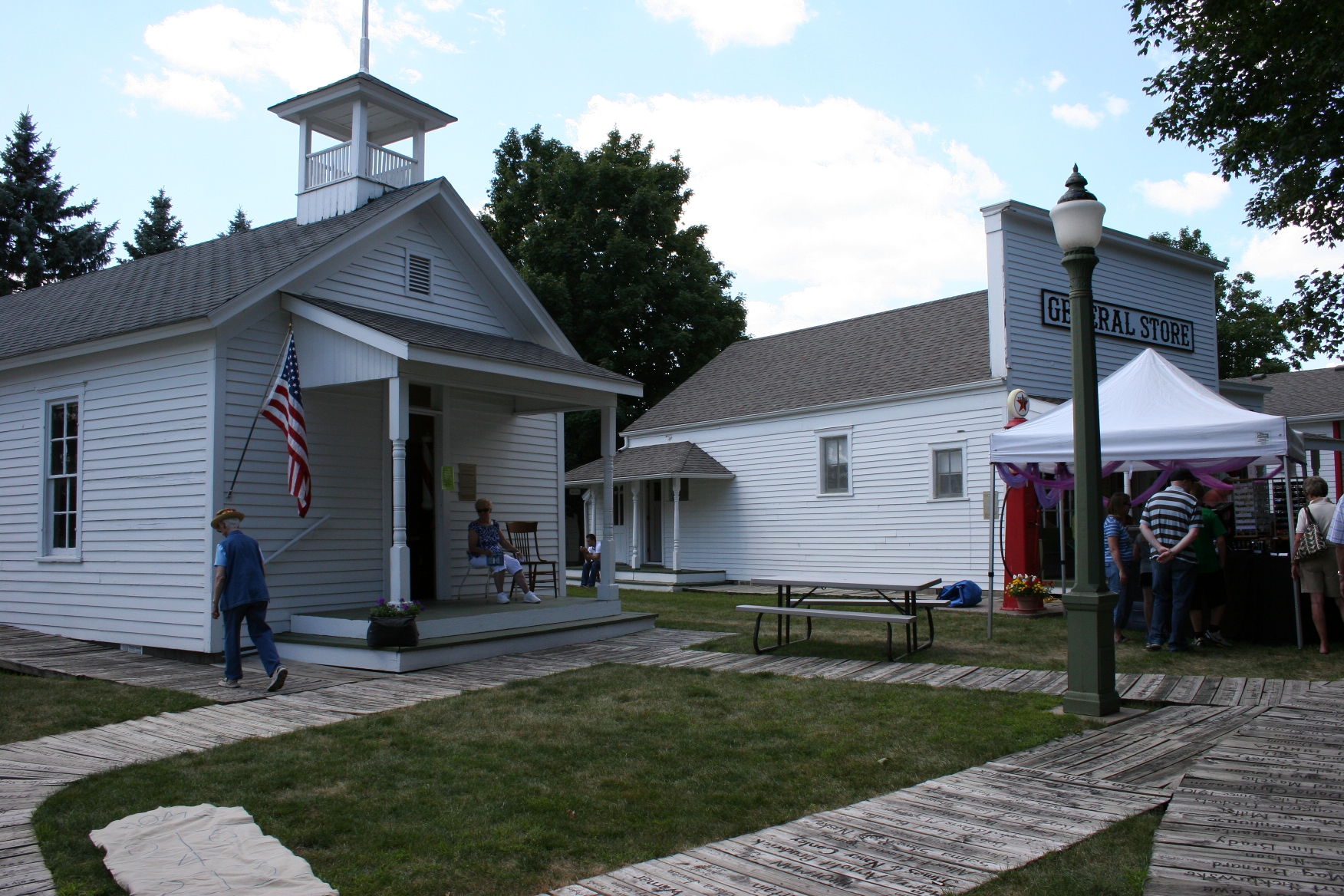
The general store and Museum of Professions at the Village of Yesteryear.

FYI: Click here to learn more about the Village of Yesteryear. Watch for several more posts from the extravaganza to be published here on Minnesota Prairie Roots.

© Copyright 2012 Audrey Kletscher Helbling


Gravel road on the prairie July 9, 2012

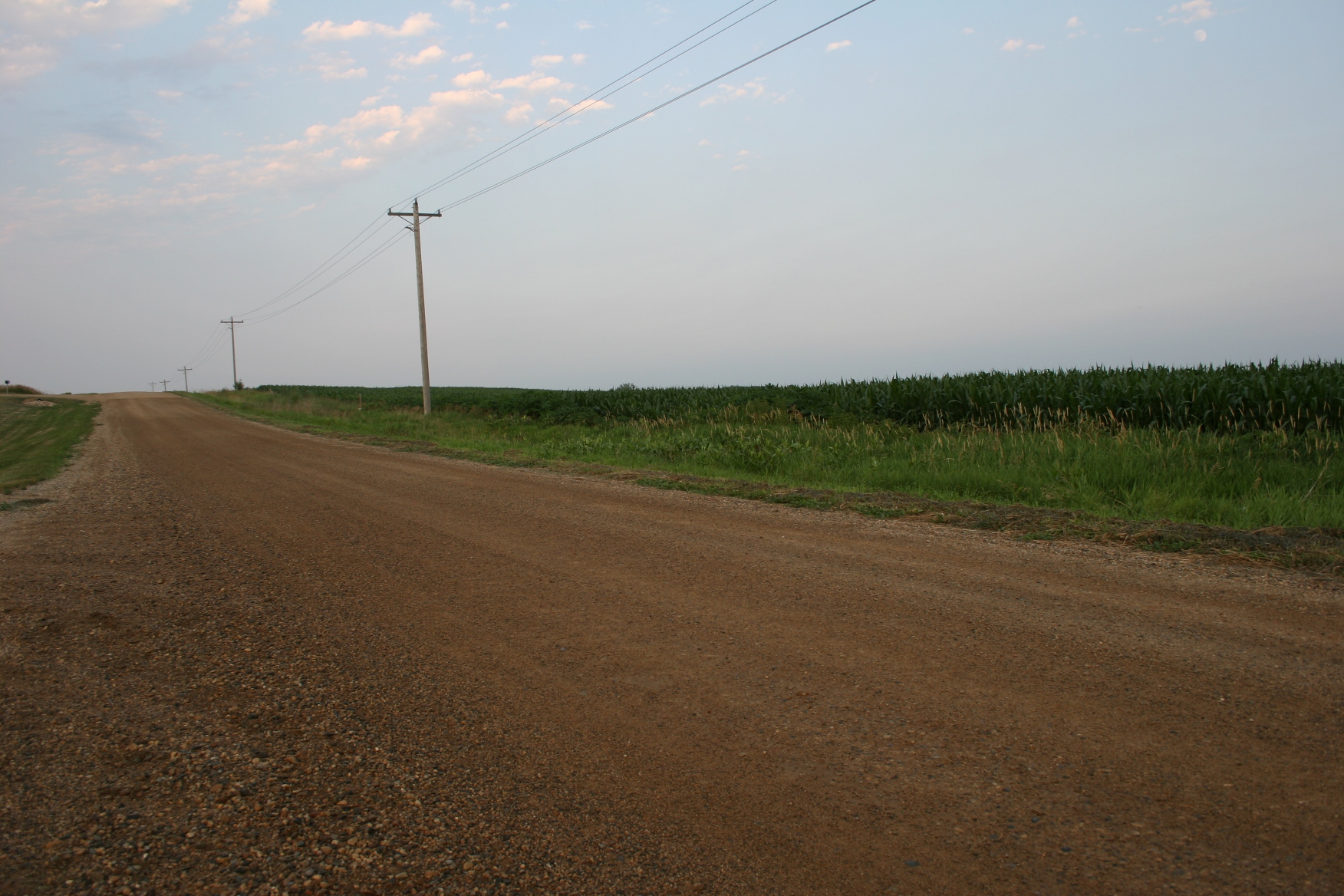
A gravel road just north of Lamberton in southwestern Minnesota.

WHAT IS IT ABOUT a gravel road?

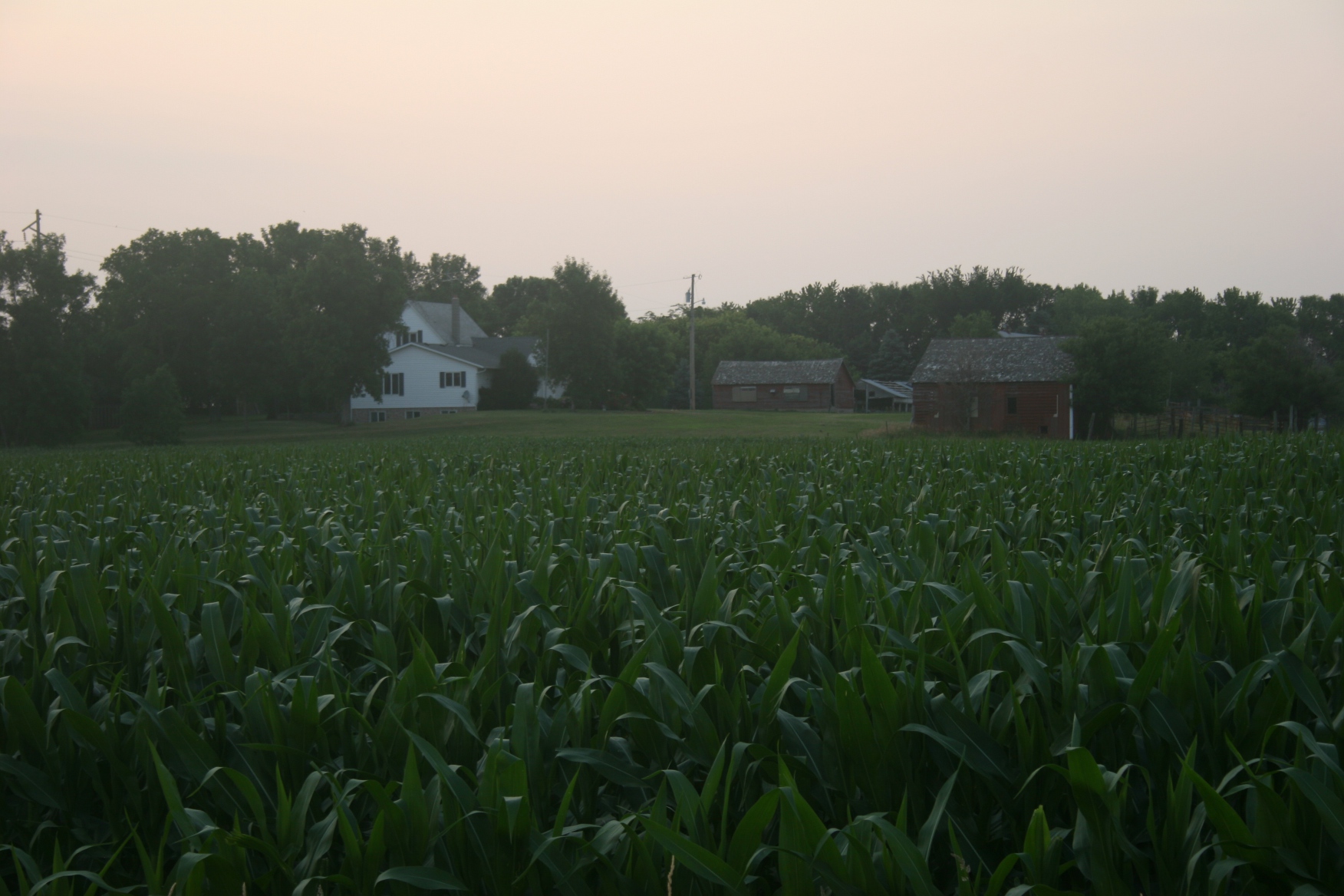
A picturesque farm site on a sultry summer evening as seen from a gravel road north of Lamberton.

It is poetry and peace, country and charm.

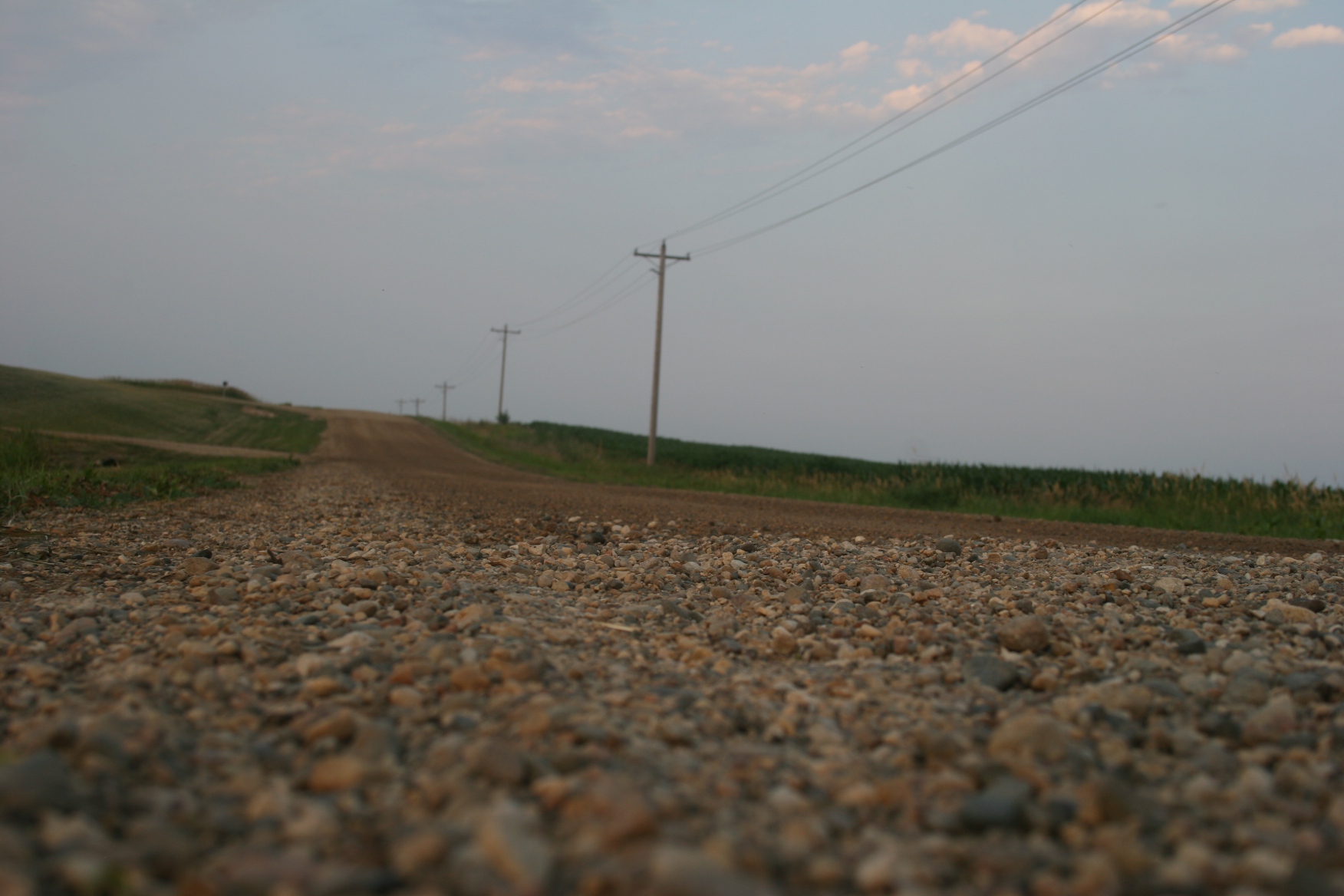
You can almost hear the crunch of the gravel in this image.

But it is more. It is small stones crunching under tires and feet as dust rises and lingers, marking the trail traveled.

As the sun sets on the prairie, a truck travels along a gravel road up to a paved roadway north of Lamberton.

It is a marker of townships, the route of massive yellow road graders blading the road surface to a flat finish or heaving snow toward ditches.

It is memories of bumpy school bus rides and squishing into the back seat of the family car between brothers and sisters.

It is Dad’s admonition to always, always, move to the right when cresting a hill.

Utility lines along the same gravel road stretch into forever.

It is the memory of pinpoint stars dotting the pitch black darkness of a prairie night and the sweet scents of wild roses (once) rambling in ditches and of freshly-mown alfalfa and of hay baled and stacked onto a swaying wagon.

A gravel road is all of these to me, and yet, in its most basic definition, it serves as a way to get from point A to point B, and marks borders between town and country.

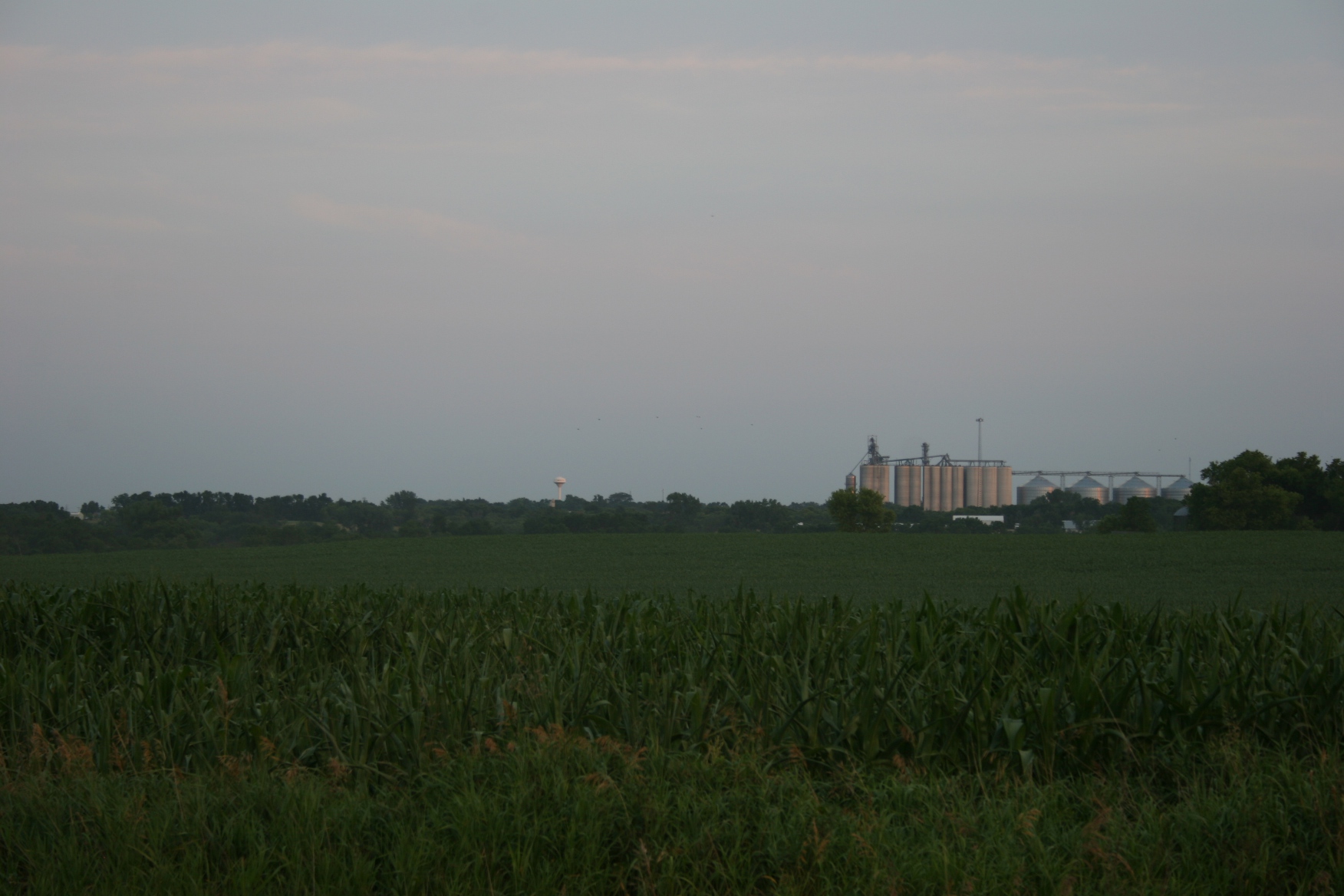
Standing on the gravel road, I turned south to photograph the cornfield and Lamberton in the distance.

It is a line in a plat book, a route connecting paved roads, a path to a rural home.

It is a gravel road on the prairie.

© Copyright 2012 Audrey Kletscher Helbling