Minnesota Prairie Roots

Writing and photography by Audrey Kletscher Helbling

Mother’s Day: Of love, loss & legacies May 14, 2023

Filed under: Uncategorized — Audrey Kletscher Helbling @ 5:00 AM
Tags: , , , , , ,
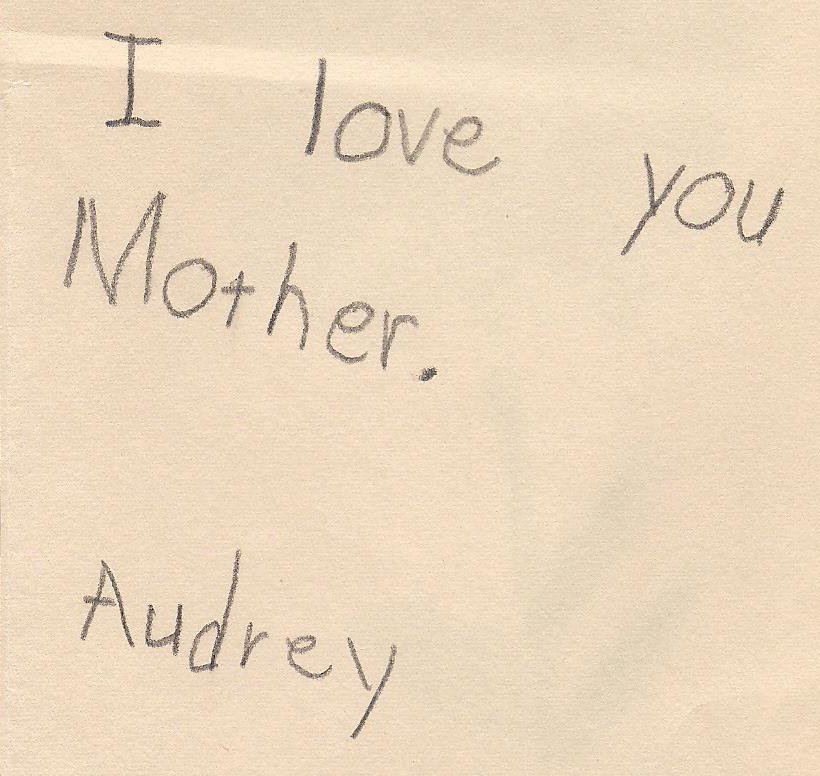
I printed this message inside a handmade Mother’s Day card for my mom back in elementary school. (Minnesota Prairie Roots copyrighted file photo)

I’VE WRITTEN OFTEN about my mom, the life she lived, the legacies of kindness, compassion and faith she left. But what about about you and your mom?

On this Mother’s Day, I invite you to share about your mom. What do you hold dear? What was she like? What did she pass along to you? Who was she, in addition to being your mother?

I don’t know what my children would write if asked those questions. But I hope they would describe me as loving, caring, compassionate, kind and supportive. Creative, too. I’ve tried to follow my mom’s example. And, even though my maternal grandmother died shortly after I was born, I’ve heard that Josephine was a kind and gentle soul. Just like my mom.

I recognize that Mother’s Day can be difficult, especially if you’ve recently lost your mom. Like my friend Gretchen. Grief rises anew in a day focused on mothers. To lose a mom is a profound loss, whether that occurred a month ago or 20 years ago. Mother and child share a bond unlike any other, which intensifies the depth of grief.
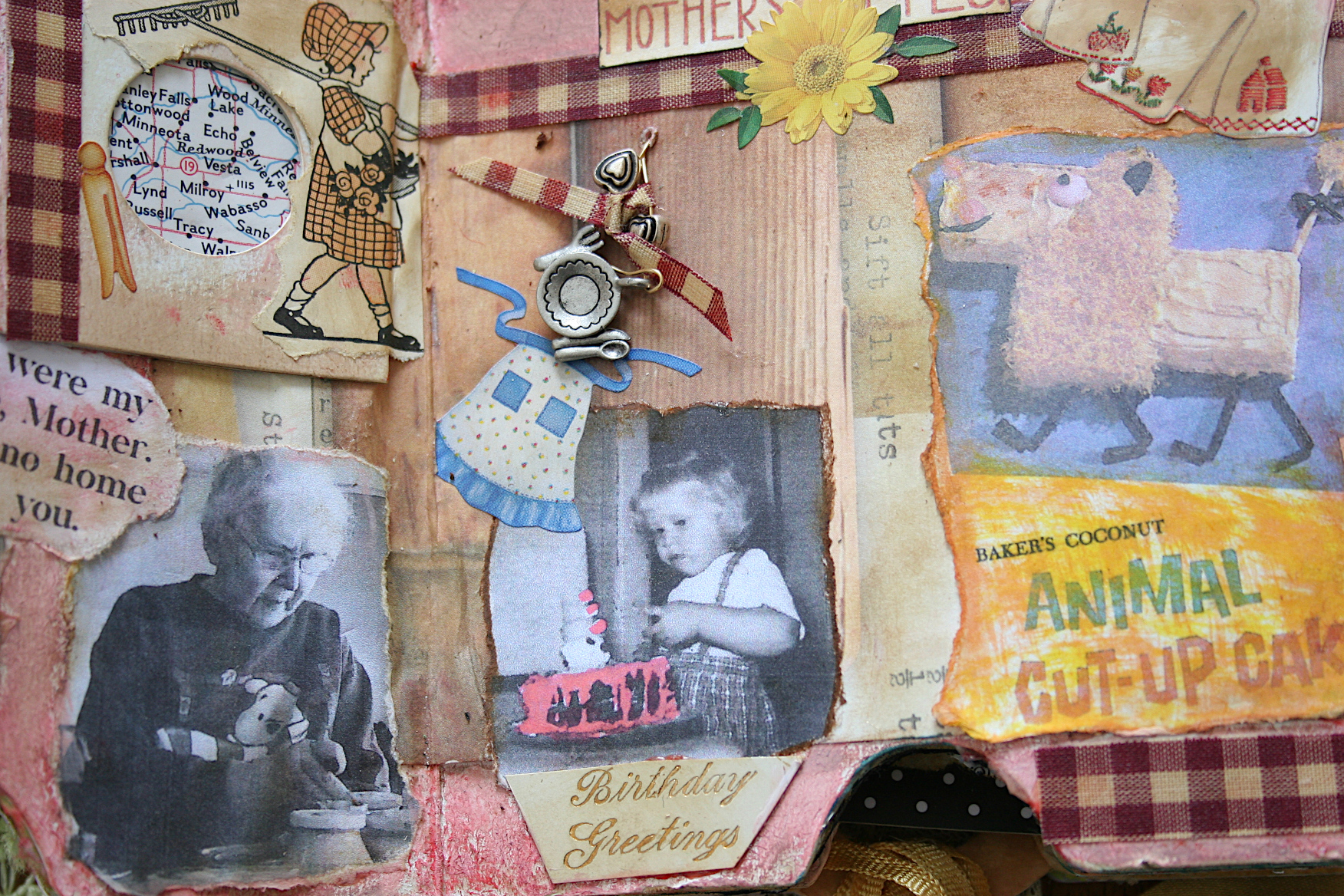
A page in an altered book my friend Kathleen created for me. That’s my mom on the left counting jars of homemade horseradish. That’s me with my clown birthday cake, which Mom made for my third birthday. (Minnesota Prairie Roots copyrighted file photo)

Yet, to grieve is to recognize that we have loved. I consider all the ways my mom loved me. Though she didn’t tell me she loved me or even hug me when I was growing up (that would come later), I felt and saw her love. Her love showed in homemade bread and peanut butter oatmeal bars. Her love showed in the animal-shaped birthday cakes she made for my five siblings and me. Her loved showed in clothes washed in a Maytag wringer washer. Her love showed in quarts of fruits and vegetables lining planks in a dirt-floored cellar. Her love showed in clothing stitched from flour sacks. Her love showed in poring through booklets of house designs from the lumberyard, always believing that some day she would move into a new house. One with a bathroom and a shower to replace a galvanized tub set on the kitchen floor and a makeshift shower of garden hose strung through an open porch window. One with more than three cramped bedrooms. One with a furnace rather than an oil-burning stove. One with windows that didn’t rattle in the winter prairie wind.

The old woodframe farmhouse where I lived the first 11 years of my life with our new house in the background. That’s my sister Lanae posing on the porch steps.

Mom taught me to hold hope. She finally got her new house in 1967, the year my youngest brother, her final child, was born.

On this Mother’s Day, let’s honor our moms—those selfless, wonderful women who raised us as best they could. Those women who carried us, physically and emotionally, who want (ed) the best for us. Being a mother requires strength, energy and so much more, but, most of all, unconditional love.

Happy Mother’s Day, if you’re a mom! And if you are missing your mom, let’s celebrate her, too.

© Copyright 2023 Audrey Kletscher Helbling


The Weekly Phone Call May 11, 2023

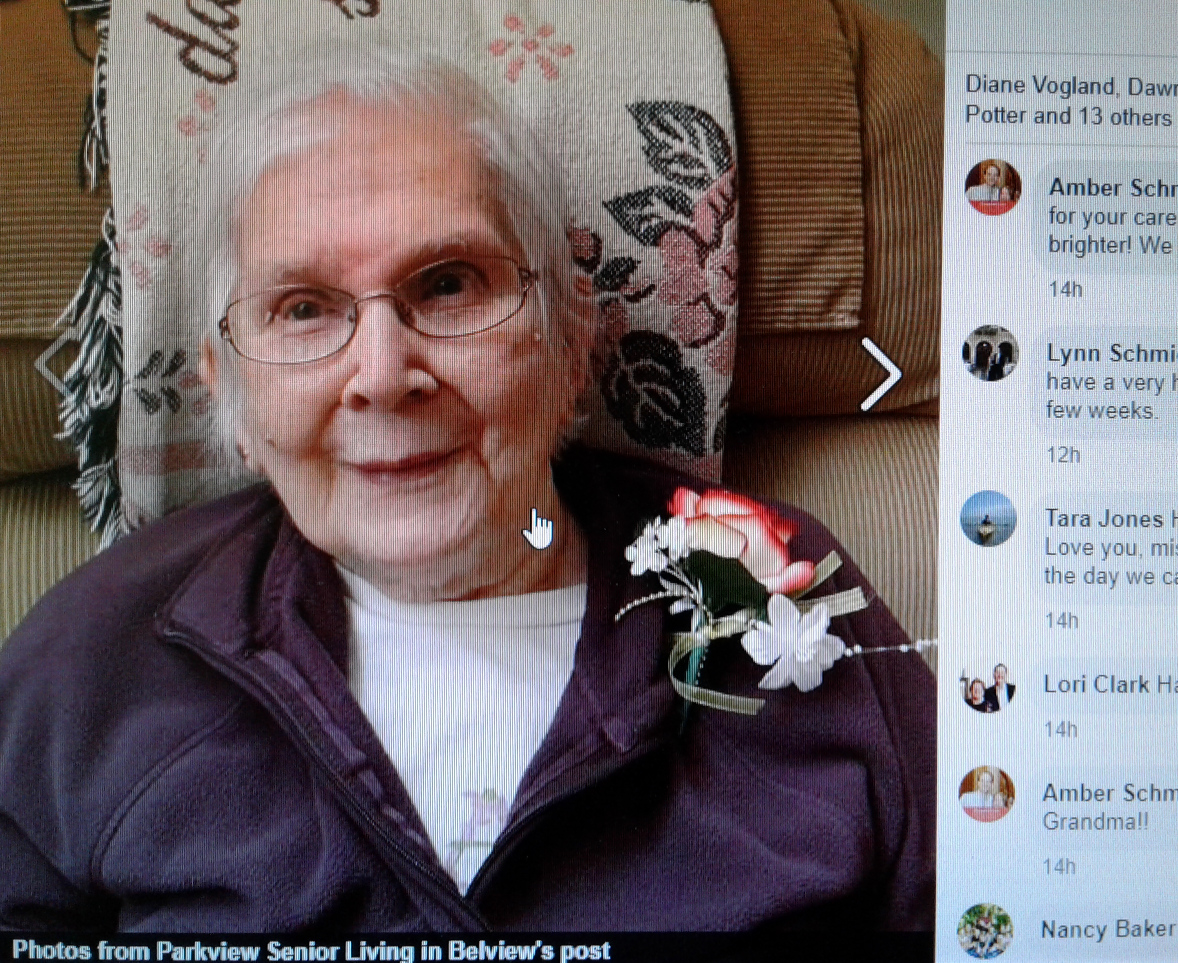
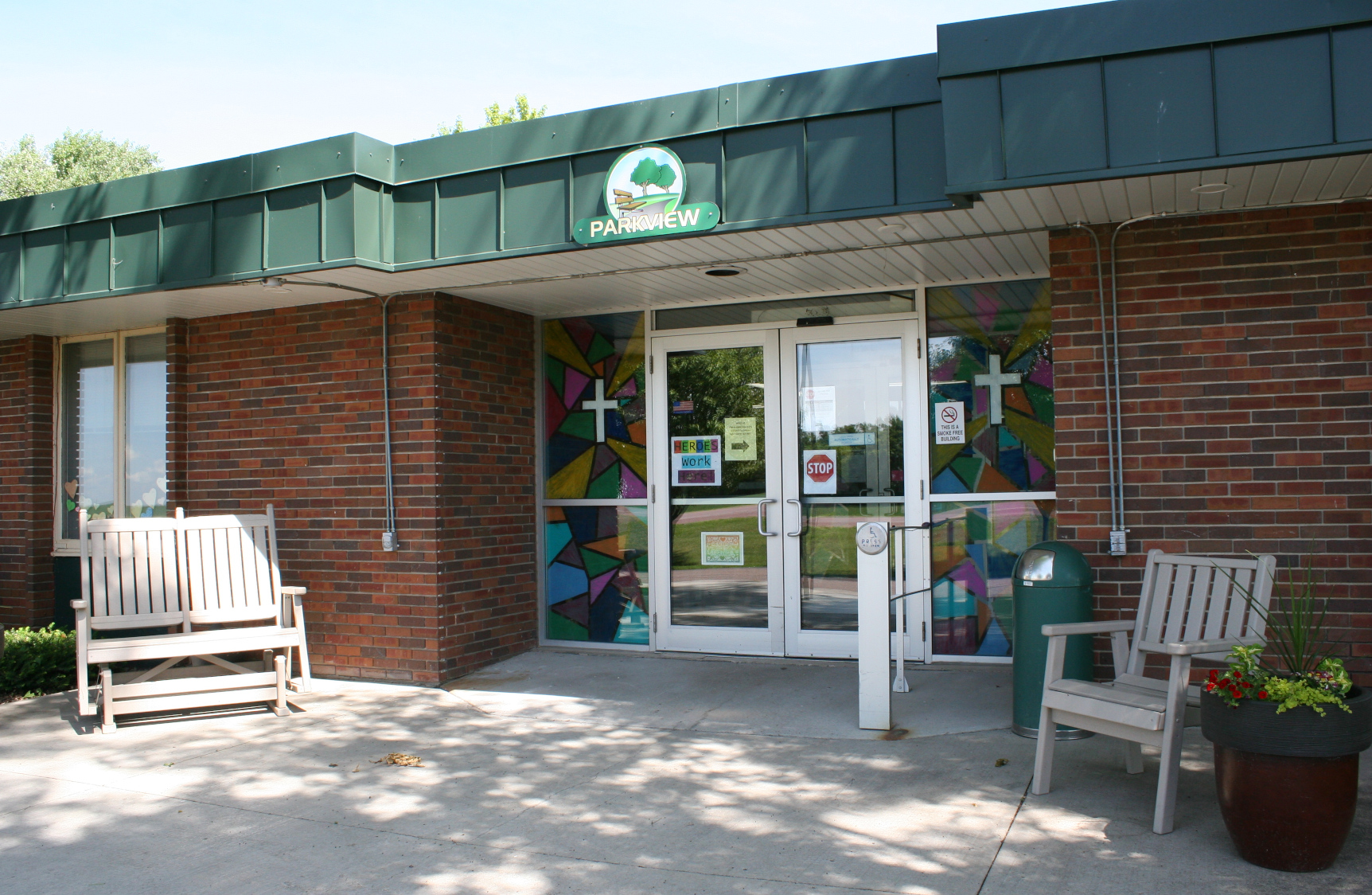
My sweet mom, featured on the Parkview Facebook page, Mother’s Day 2020. (Photo credit: Parkview Senior Living)

IN EVERYTHING I WRITE, truth rests. In creative nonfiction, more than any other genre, truth writes the story. In poetry and fiction, life experiences, observations and emotions weave into poems and stories. Not necessarily the full truth, but based on reality. The adage “write what you know” rings true for me.

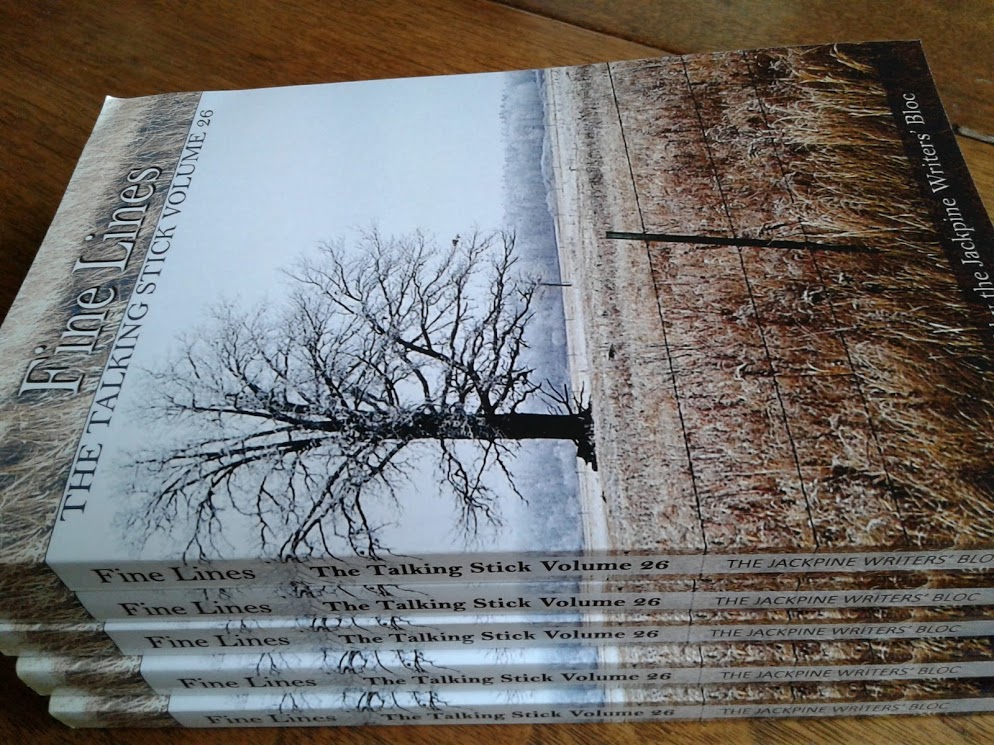
In 2017, I wrote a short story, “The Weekly Phone Call,” and entered it in the Jackpine Writers’ Bloc annual competition. That work of creative nonfiction along with two poems, two fictional short stories and another piece of creative nonfiction were chosen for publication in Fine Lines, The Talking Stick Volume 26. It marked my most successful year with TS, an annual anthology featuring work by Minnesota writers or those with a connection to Minnesota.

Five of my works (poetry, fiction and creative nonfiction) published in Fine Lines. (Minnesota Prairie Roots copyrighted file photo 2017)

The book title, Fine Lines fits my selected entry, a story about the Sunday evening phone calls I made to my mom. Every. Week. I looked forward to them, as did Mom. My short story is one of raw emotions, of grief and pain. And today, days before Mother’s Day, seems an appropriate time to share this piece of my writing.

I hope it sparks an understanding that simple connections linking us to those we love are to be valued. When Mom could no longer hold or talk on a phone in the years before her January 2022 death, I felt a deep loss. I missed her voice. I missed her stories. I missed sharing my life with her. And today, I miss her, as I try to recall her voice, the words she spoke, yet always remembering the love we shared.

Parkview Senior Living in Belview, where my mom lived for many years. While 120 miles separated us, Mom and I remained connected via our weekly calls. (Minnesota Prairie Roots copyrighted file photo)

The Weekly Phone Call

It’s 6:30 p.m. on Sunday when I punch the green phone icon.

“Hello, Arlene speaking,” she answers, the indiscernible dialogue of a television blaring in the background.

“Hi, this is Audrey,” I say, then wait while she turns off her TV. “How are you doing?”

Her answer never deviates. She is tired and blames the weather. Already sadness threads through my thoughts. Inside the sheltered walls of a care center, she can’t feel the bite of a winter prairie wind, the drench of rainfall, the smothering humidity of a July afternoon. She feels only artificial heat and cold while sequestered in her over-sized dorm style room.

My mind drifts as Mom laments an in-house obsession with BINGO, recounts an escape attempt by a friend—big and exciting news—and complains of failed jets in the whirlpool tub. I listen, insert appropriate responses, and await the usual repetition of information.

When she repeats herself, I say nothing. There is no point. My love prevails in silence. But inside, my anger rises at her declining memory. I want the mom who never forgot a birthday, who remembered what she ate for lunch, who knew names. I miss her undeniably kind and positive spirit. I am grieving.

But I tell her none of this. Instead, I end our conversation with “I love you” and a promise to call her next Sunday, at 6:30 p.m.

© Copyright 2023 Audrey Kletscher Helbling
Original 2017 publication credit: Fine Lines, The Talking Stick Volume 26


Mother’s Day gratitude: In her words, my mom’s gift to me May 10, 2023

Filed under: Uncategorized — Audrey Kletscher Helbling @ 5:00 AM
Tags: , , , , , , , , ,
Mom’s journals stacked in a tote. (Minnesota Prairie Roots copyrighted file photo)

DAYS BEFORE MOTHER’S DAY, I slide a clear plastic tote from a closet in the bedroom where my daughters once slept. I unlatch the lid. An overwhelming musty odor rises from the spiral-bound notebooks layered inside.

These are my mom’s journals. The story of her life recorded on paper from 1947 until her final entry on March 4, 2014, with a few years missing.

Mom died in January 2022. She left this handwritten documentation of an ordinary, yet extraordinary, life. As her oldest daughter and as a writer, I cherish the words she penned. They are not flowery poetic or personal entries, but rather a record of life as a farm wife and mother to six. Days that revolved around family, faith and farm life.

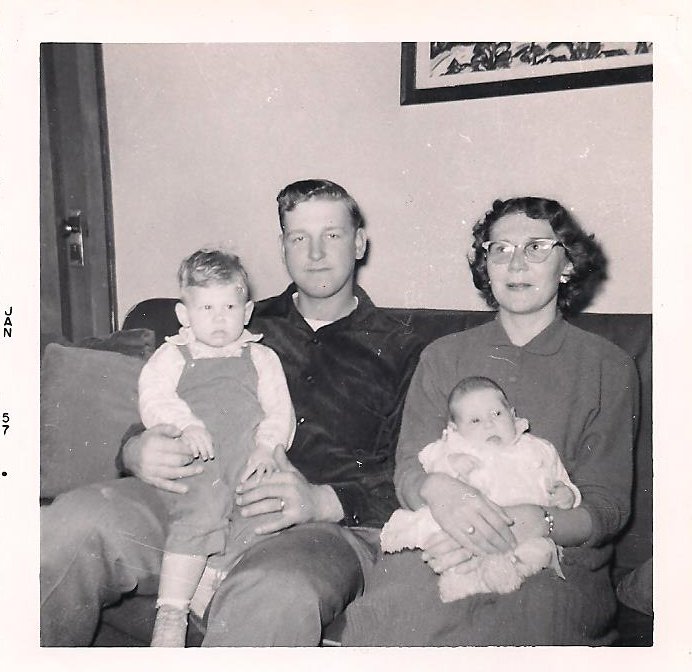
The only photo I have of my mom, Arlene, holding me. My dad is holding my brother, Doug.

With Mother’s Day only days away, I chose Mom’s 1955 journal, the year she became a mother, to begin reading. Mom invited her parents over for a Mother’s Day goose dinner that May, about two months before she gave birth to my oldest brother. I flipped ahead to July, reading her entries in the days right before Doug was born. Even at full-term, she kept working as hard as ever, freezing 24 boxes of green beans, canning a crate of cherries, pulling weeds in the garden and ironing clothes within days of delivering an 8-pound baby.

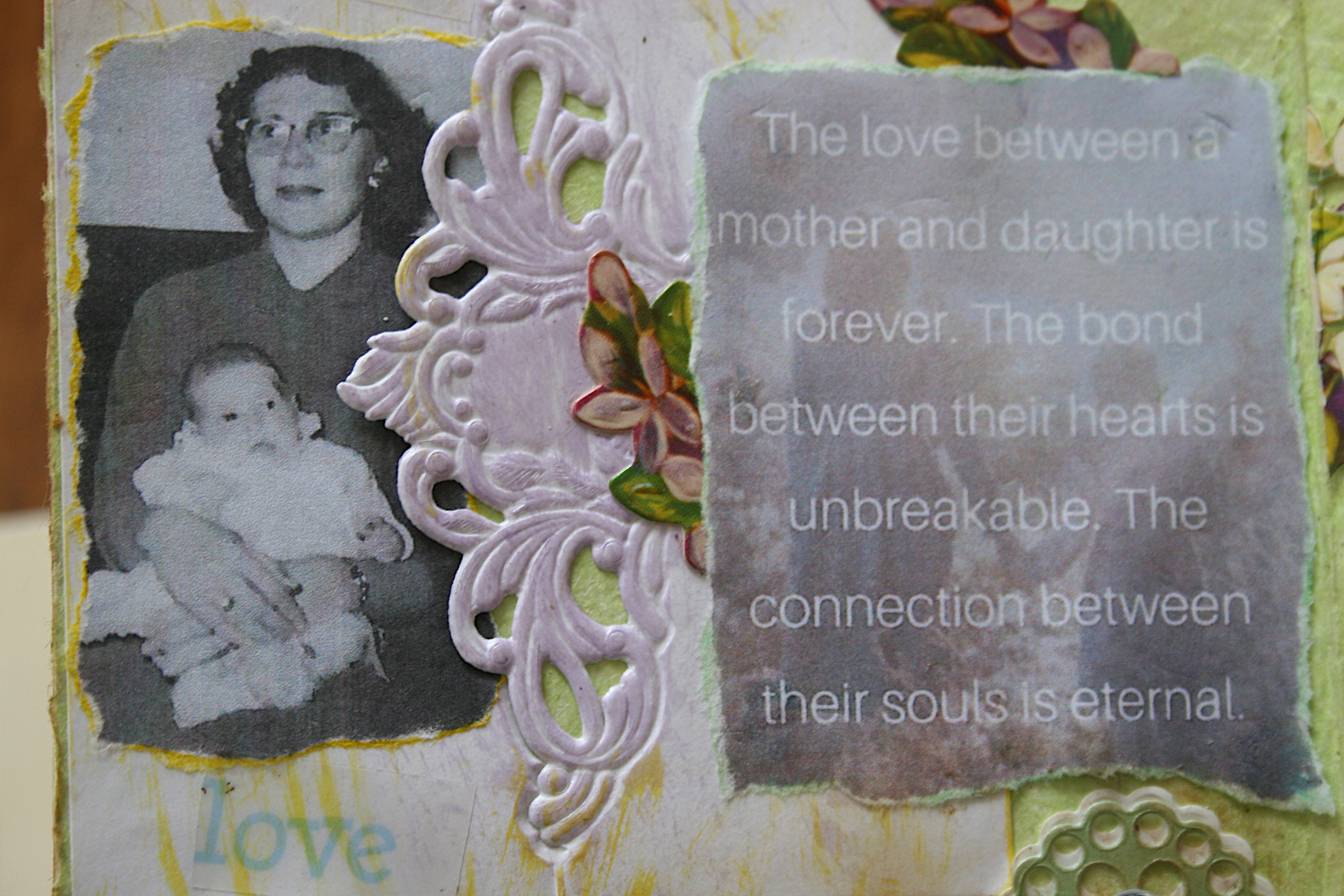
A page in an altered book crafted by my friend Kathleen. This page honors me and my mom. (Minnesota Prairie Roots copyrighted file photo)

Fast forward to May 1956. Mom notes in her Mother’s Day and subsequent entries that her mom went to the “Heart Hospital” on May 10 and came home May 17. Some six months later, Josephine died of a heart attack. She was only 48. And I was only two months old. I cannot imagine the grief my mom felt in the unexpected death of her mother. But she never put those emotions on paper. Rather her diary entries are straight forward, almost of journalistic detachment. Notations of her mom’s December 1 death, a funeral and writing thank yous.

My mom saved everything, including this Mother’s Day card I made for her in elementary school. I cut a flower from a seed catalog to create the front of this card. (Minnesota Prairie Roots copyrighted file photo)

On the next Mother’s Day in May 1957 and through 1961, there are no references to any special way in which my mom was honored. No gifts. No special meal. Only that I had a bad case of the measles as a nine-month-old. In May 1962, my brother had the mumps. But I did give Mom a paper flower at a school Mother’s Day program.

In entries in the years that followed, Mom always wrote of attending the Mother’s Day programs at Vesta Elementary School. I hold vague memories of standing on the stage, reading a poem about lavenders blue dilly dilly in verse that now eludes me.

And although I don’t remember, I gave Mom plants and, in 1967, “a fancy flower,” whatever that means. But most meaningful to me, a writer, was the gift of a writing pad to Mom in 1964. Now, in return, I have the gift of her words written in perfect, flowing penmanship.

In May 1963, Mom got a Whirlpool dishwasher. In May 1968, she redeemed Green Stamps for two lamps. She also got an automatic Maytag washing machine with suds saver for $300 from Quesenberry’s Appliance in Redwood Falls. I can only imagine how these Mother’s Day gifts of dishwasher and automatic washer eased her workload.

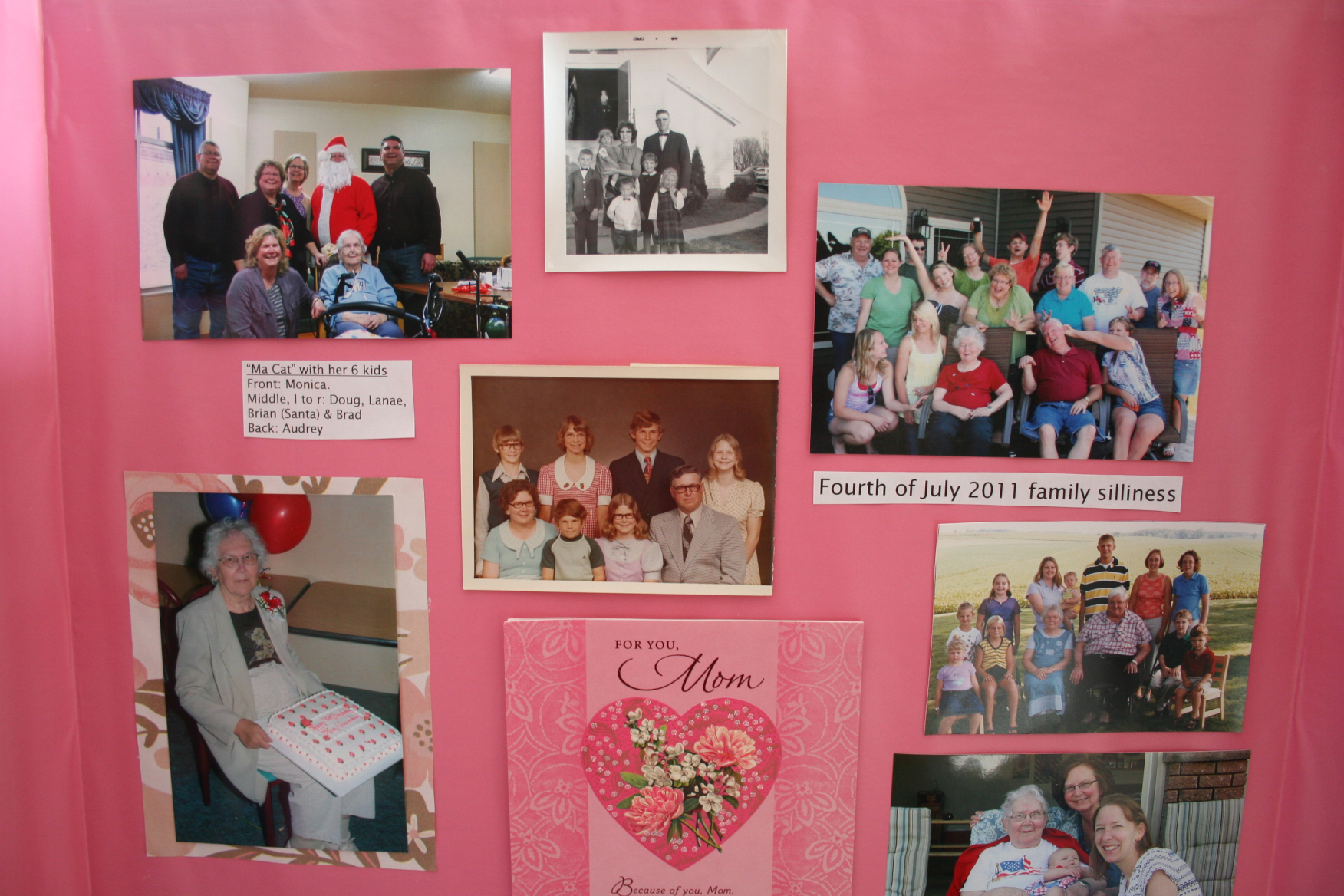
A section of a family-themed photo board I created for Mom’s January 2022 funeral. (Minnesota Prairie Roots copyrighted file photo 2022)

I wish I’d realized while growing up on the farm just how hard my mother worked. That would come later in life, when I became a mom in 1986, raising three kids, not six like her. In her final years, I thanked Mom many times for loving and caring for me, for raising me to be kind, compassionate, caring and a woman of faith. I hugged her and held her hand and cried whenever I left her care center, each time wondering if it would be the last time I would see Mom.

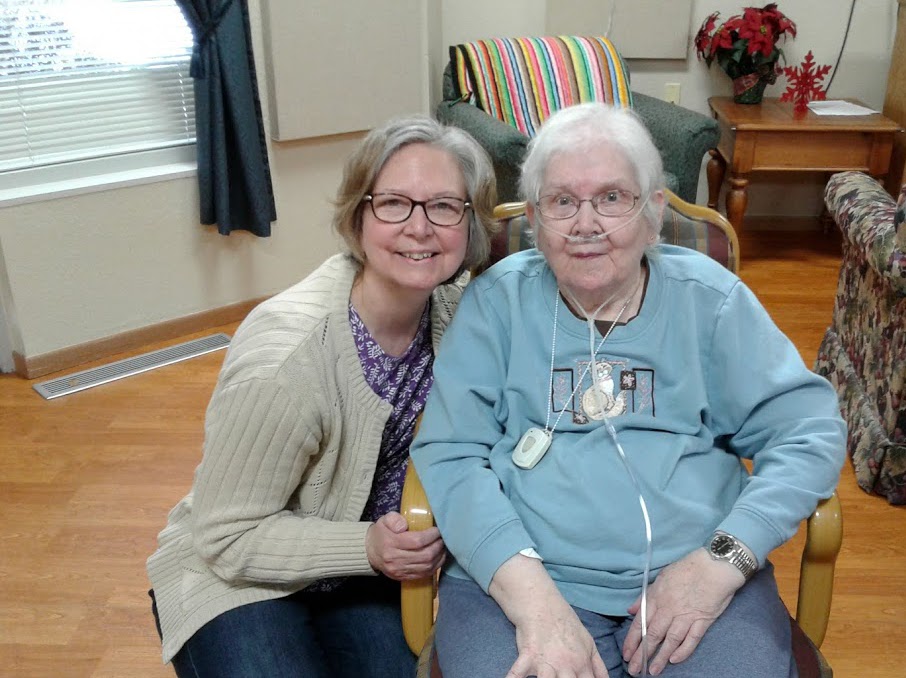
One of my favorite later photos with Mom, taken in 2017. (Photo credit: Randy Helbling)

Now, as I mark my second Mother’s Day without the mom I loved, still love, tears edge my eyes. I read page after page after page of her writing. Gratitude rises for this legacy she’s left, this story of her ordinary life on a southwestern Minnesota farm, this story of a mother who loved, labored, and lived a full and beautiful life.

© Copyright 2023 Audrey Kletscher Helbling
 

The greening of spring in southern Minnesota May 9, 2023

Filed under: Uncategorized — Audrey Kletscher Helbling @ 5:00 AM
Tags: , , , , , , , , , ,
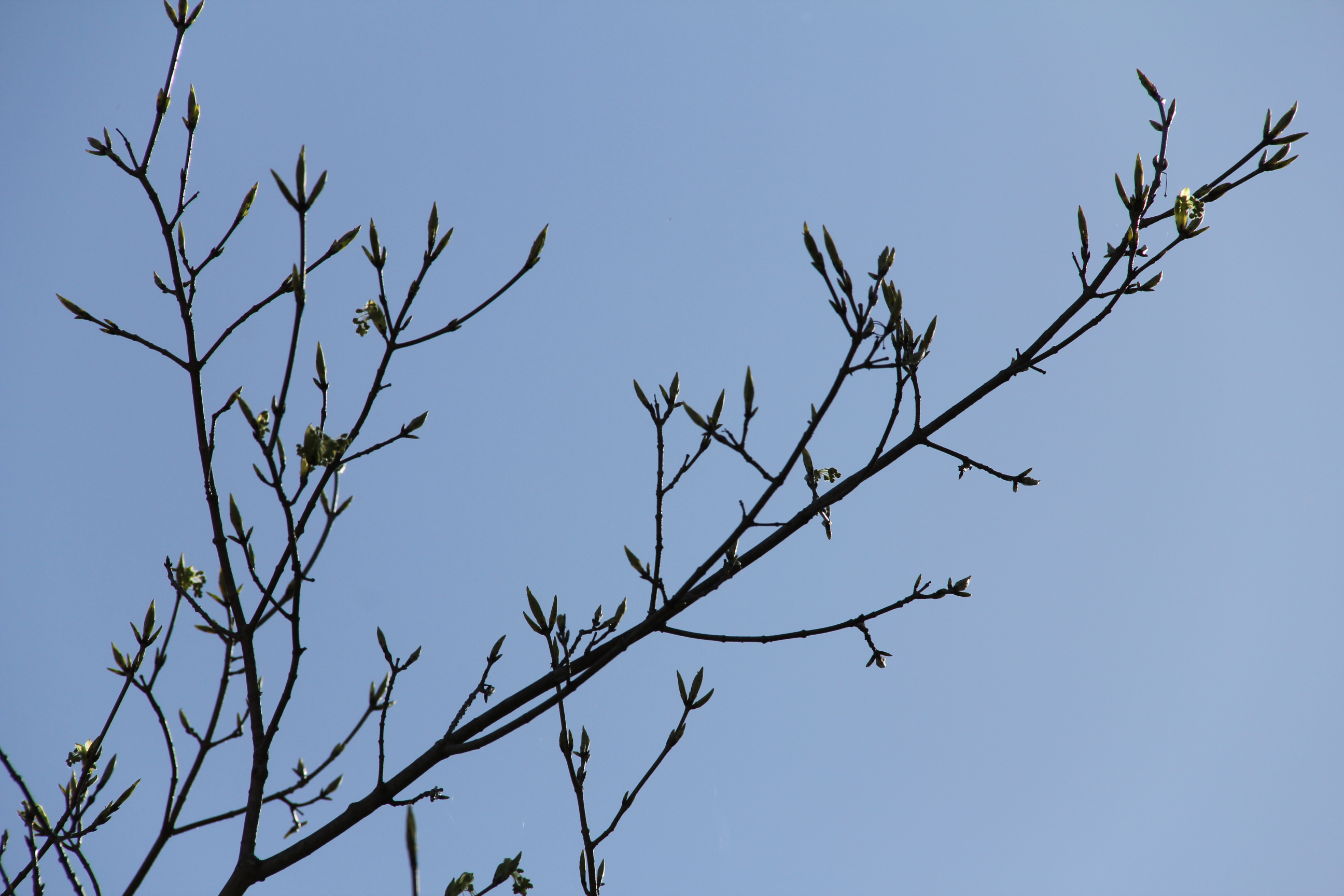
Buds begin to open on my backyard maple. (Minnesota Prairie Roots copyrighted photo May 2023)

AS A WRITER AND PHOTOGRAPHER, I view the natural world through a creative lens. I appreciate the nuances that comprise the whole. And right now those details are sharp, vivid and nearly visually overwhelming (in a good way) after living for too many months in a monochromatic environment.

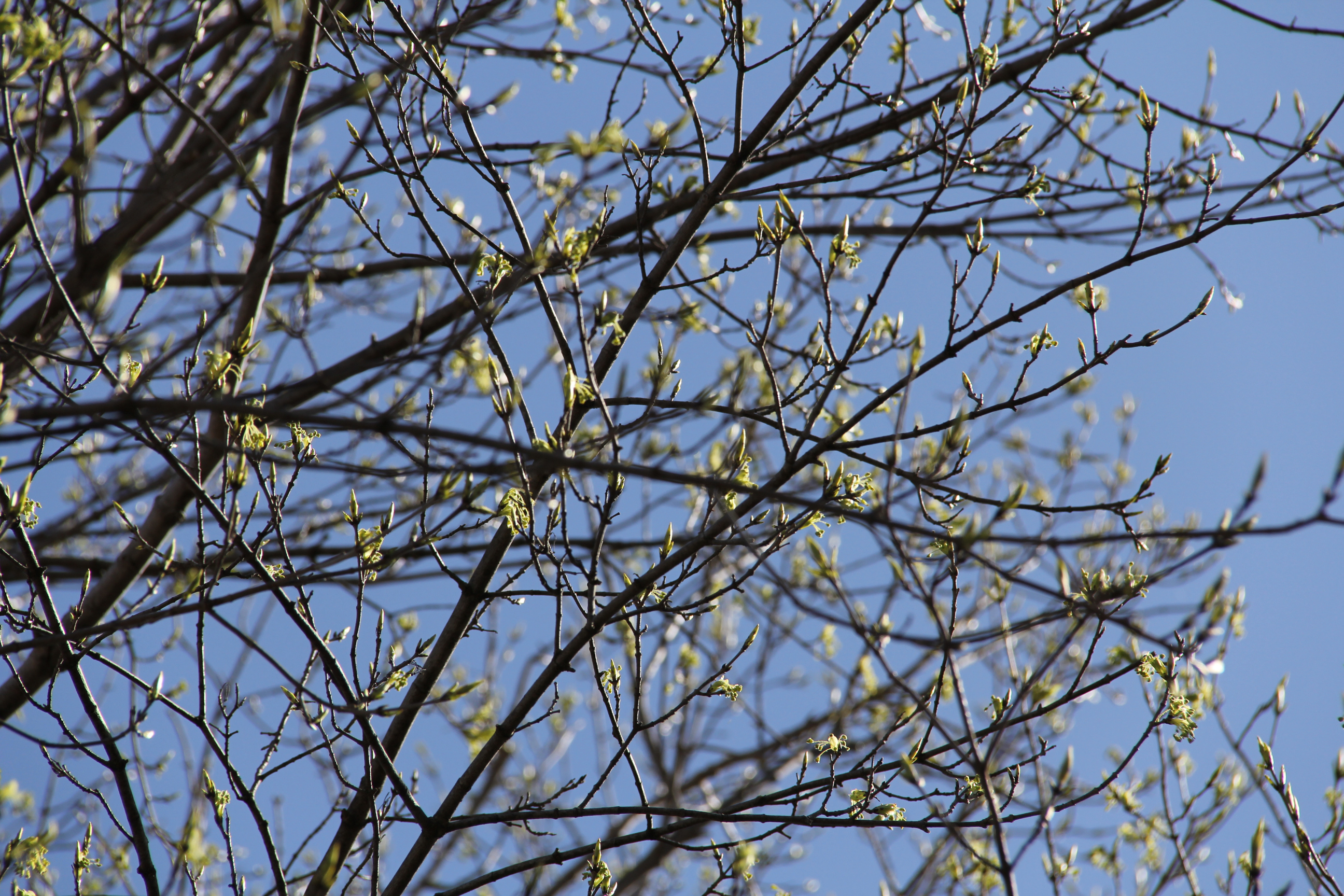
The maple flush in unfurling leaves. (Minnesota Prairie Roots copyrighted photo May 2023)

I need only step into my yard to take in the greening of spring. Buds forming and then unfurling on the maple.

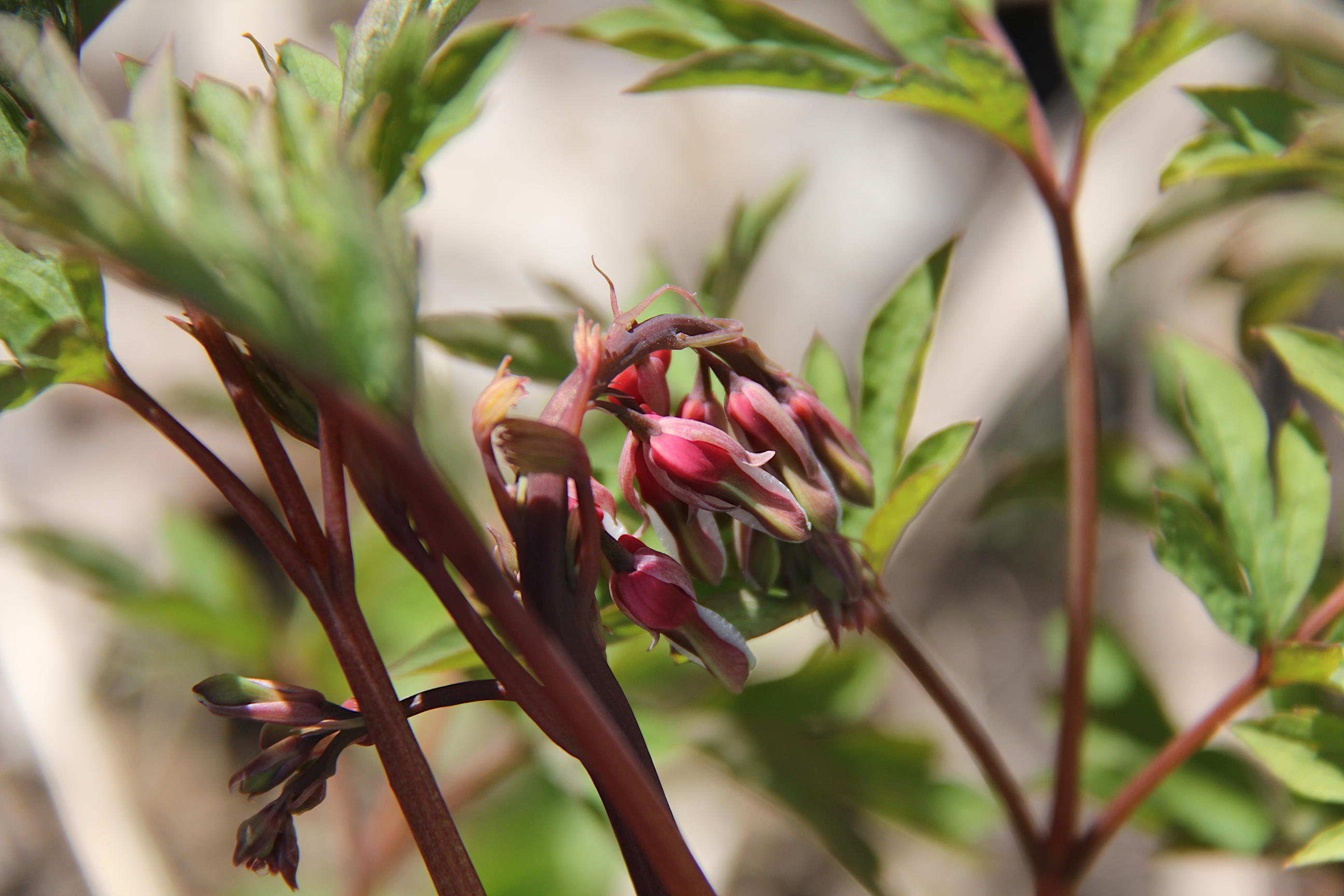
Bleeding hearts dangle, preparing to open. (Minnesota Prairie Roots copyrighted photo May 2023)

Clumped, clamped buds about to open into fuchsia bleeding hearts.

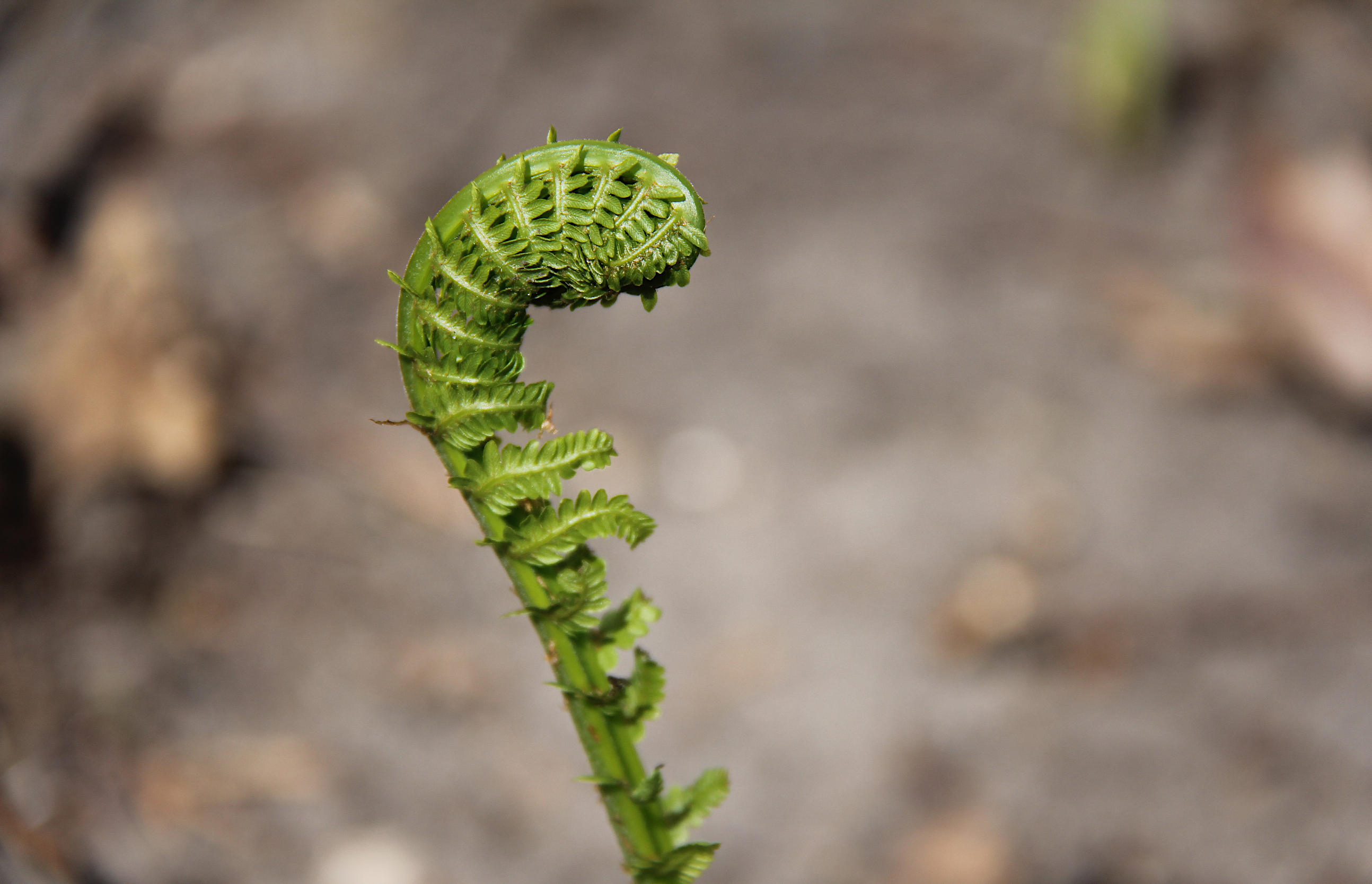
A tightly-clasped fiddlehead. (Minnesota Prairie Roots copyrighted photo May 2023)

Curled fiddleheads stretching, soon to unfold into fronds of ferns that wave in the wind.

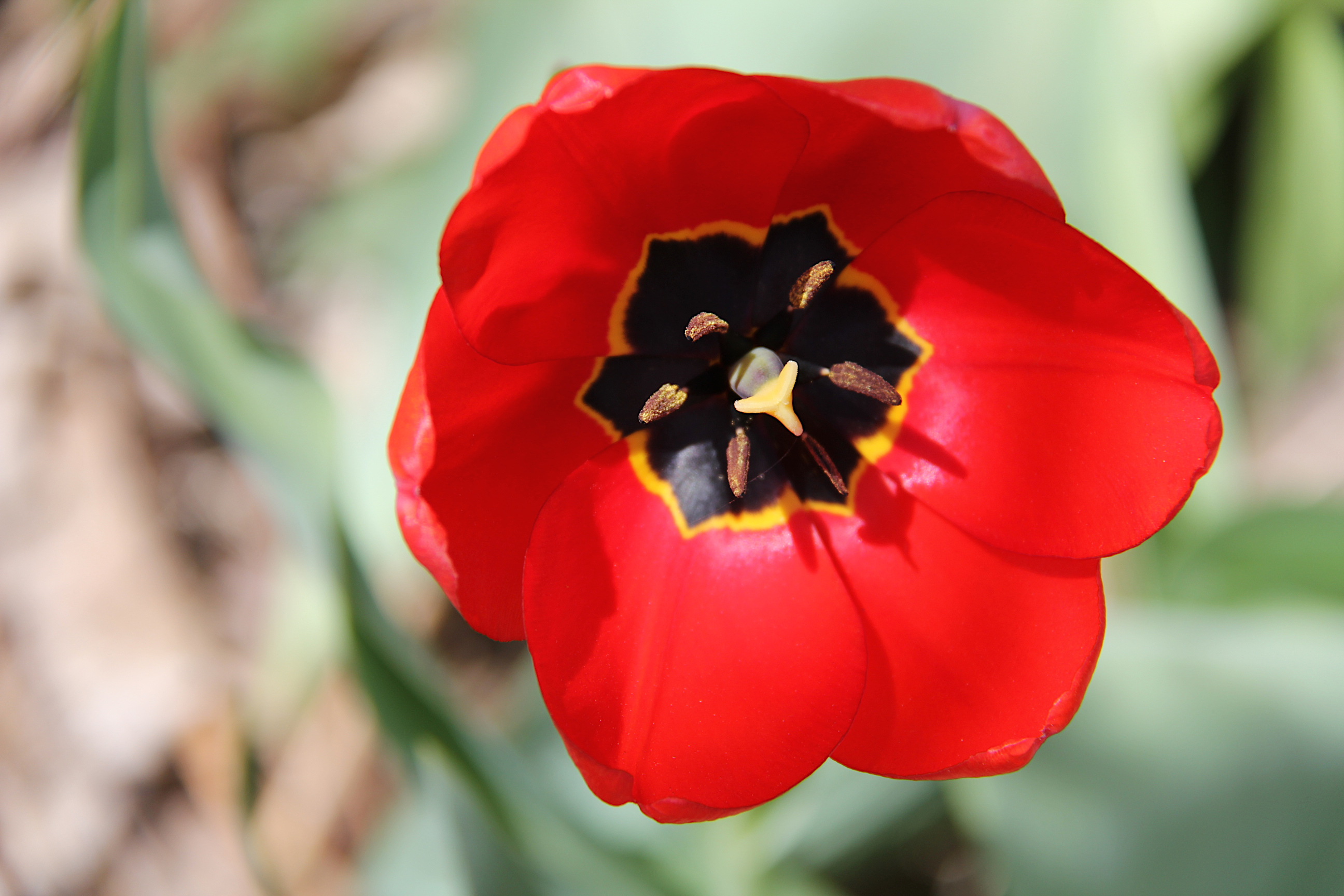
My tulips are in full bloom. (Minnesota Prairie Roots copyrighted photo May 2023)

Within the perimeters of my property, spring bursts in new growth. Tiny green buds line the thick wood stalks of old-fashioned hydrangea that will soon fill the spaces flanking my front steps. Red and yellow tulips jolt color into flowerbeds, among a jumbo of irises that will eventually blossom in yellow and purple, their sweet scent a reminder of my mother. Iris was her favorite flower.

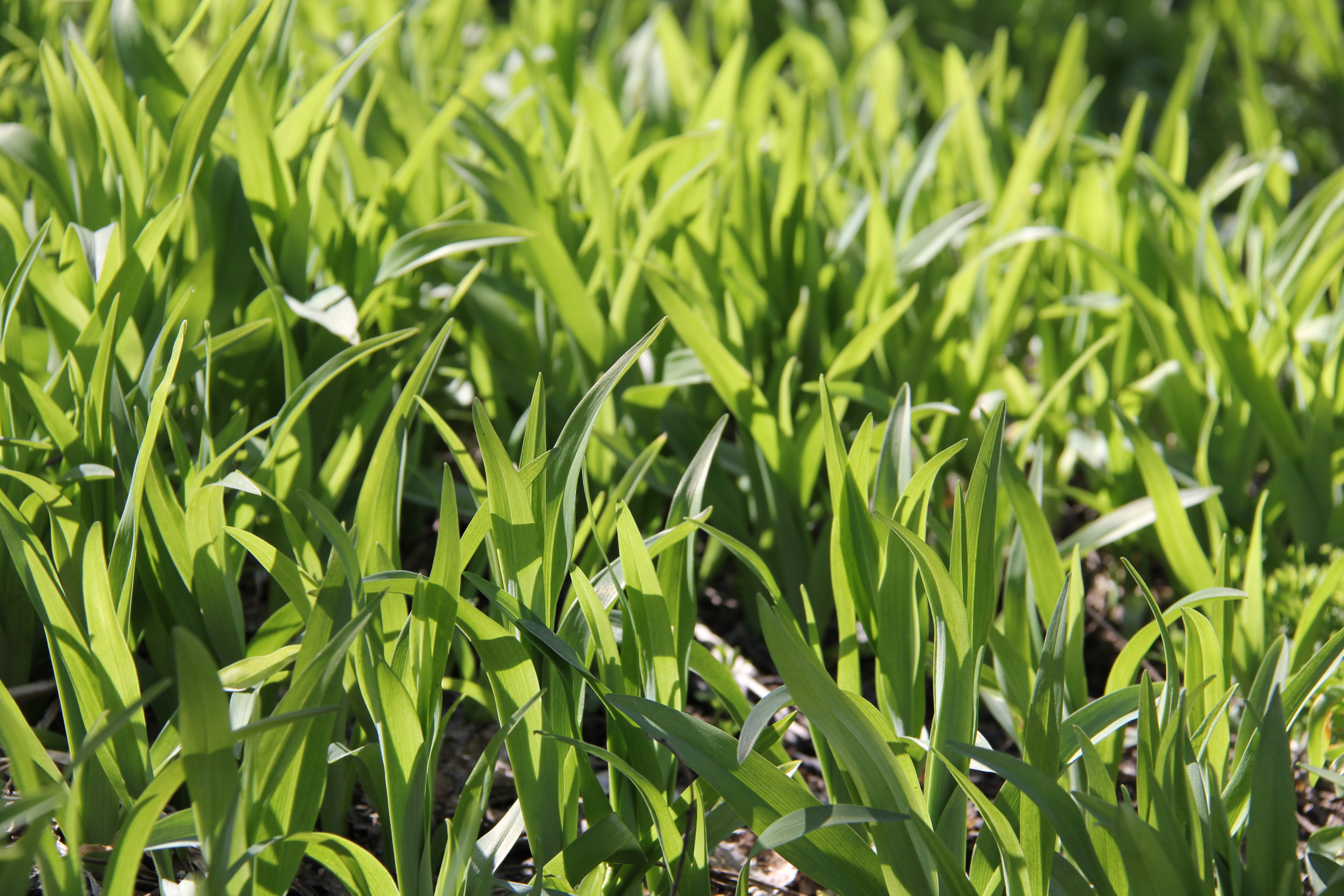
Tiger lilies grow wild on my backyard hillside, here emerging from winter dormancy. (Minnesota Prairie Roots copyrighted photo May 2023)

Oh, how I love these early days of May. These days when everything appears lush and intensely green. Spring green. Vibrant. It’s as if every bright green in a box of Crayola crayons colors the landscape. And when the sky is intensely blue, the greens seem even more intense.

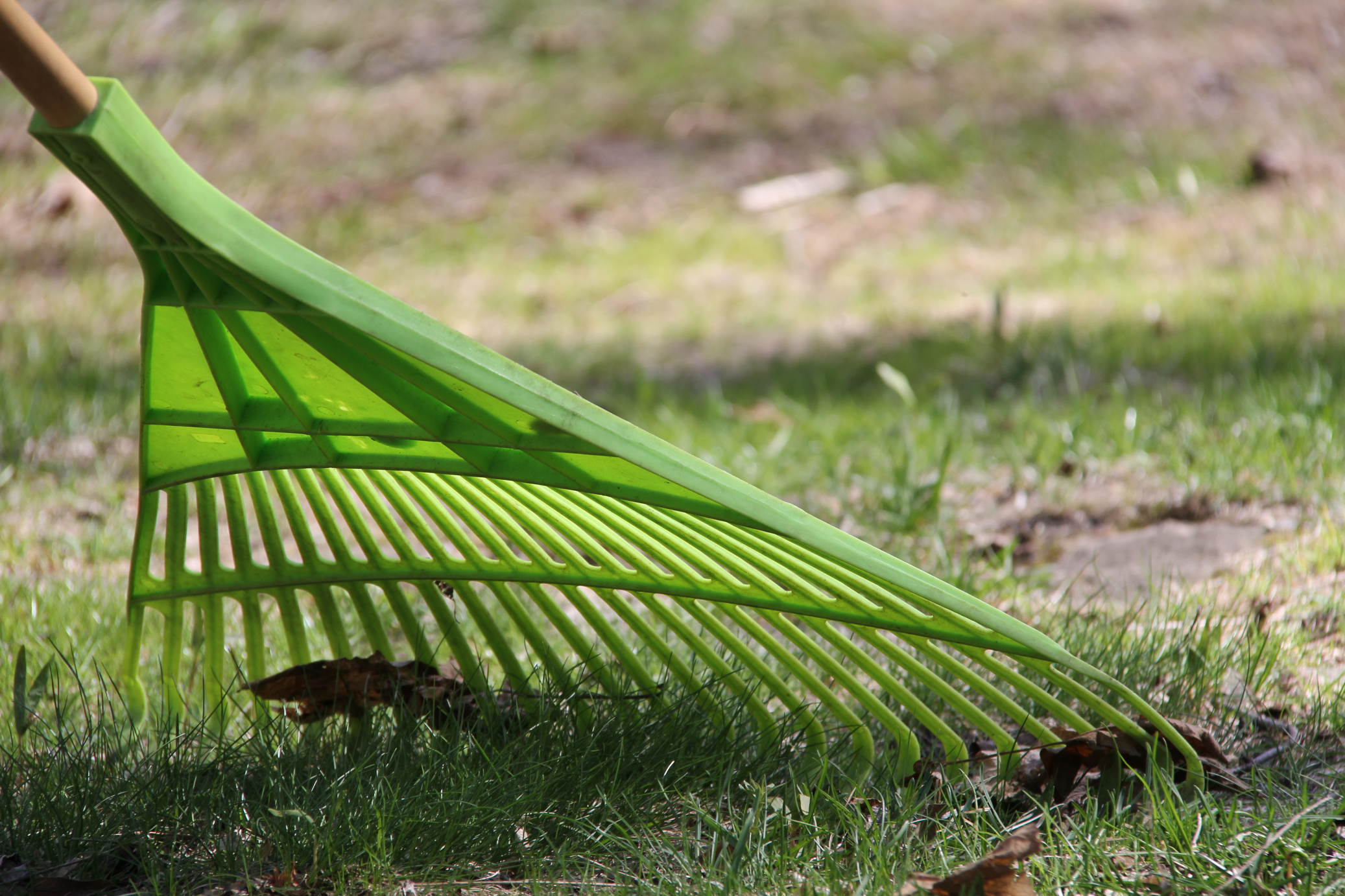
Even my rake is green. (Minnesota Prairie Roots copyrighted photo May 2023)

These are the days when dandelions pop and grass seemingly grows as you watch. These are the days, too, of raking away the leaf remnants of last fall and cutting back dead flower stems and mentally transitioning into this season we’ve been awaiting since the first snow fell.

My neighbor’s unidentified flowers grow just around the corner of my fence, jolting color into the landscape. (Minnesota Prairie Roots copyrighted photo May 2023)

It was an undeniably long winter in Minnesota with near-record snowfall, with teases of spring (even summer) before snow fell again. We are now only finally beginning to believe that we can put away the snow shovels, shove the snowblowers into the corners of our garages, banish winter coats to the back of the closet.

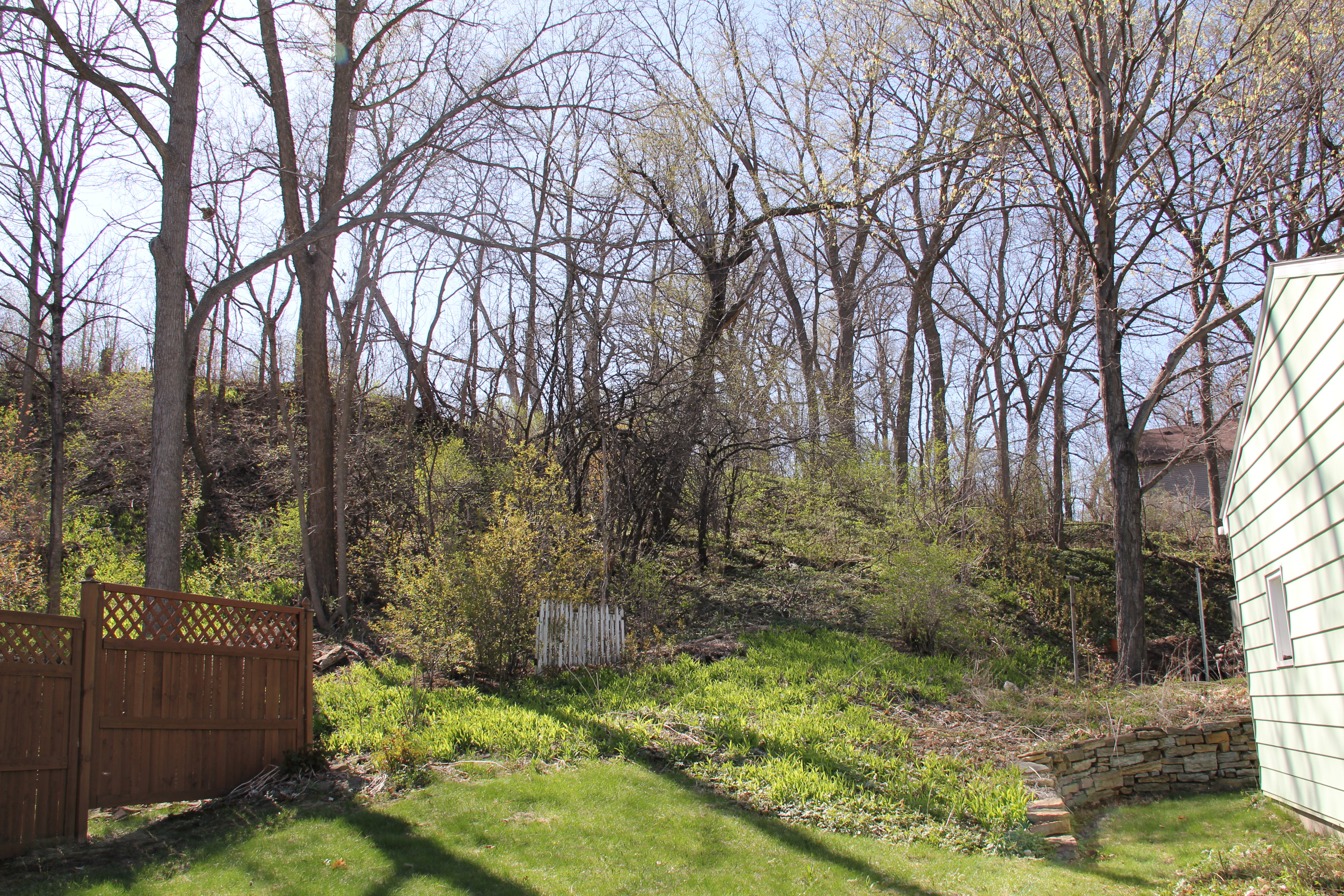
The wooded hillside behind my garage and house is just beginning to fill in with green. We own the open part of this hillside. (Minnesota Prairie Roots copyrighted photo May 2023)

Every day of warm temps and blue skies and new greens convinces me that this is for real. Spring has finally arrived in southern Minnesota in her poetically beautiful way. I hear it in birdsong, in the piercing whistle of a cardinal flashing red in the wooded hillside behind my house. I hear it in the rhythmic raking of dried leaves. I hear it in the roar of motorcycles flying down my street.

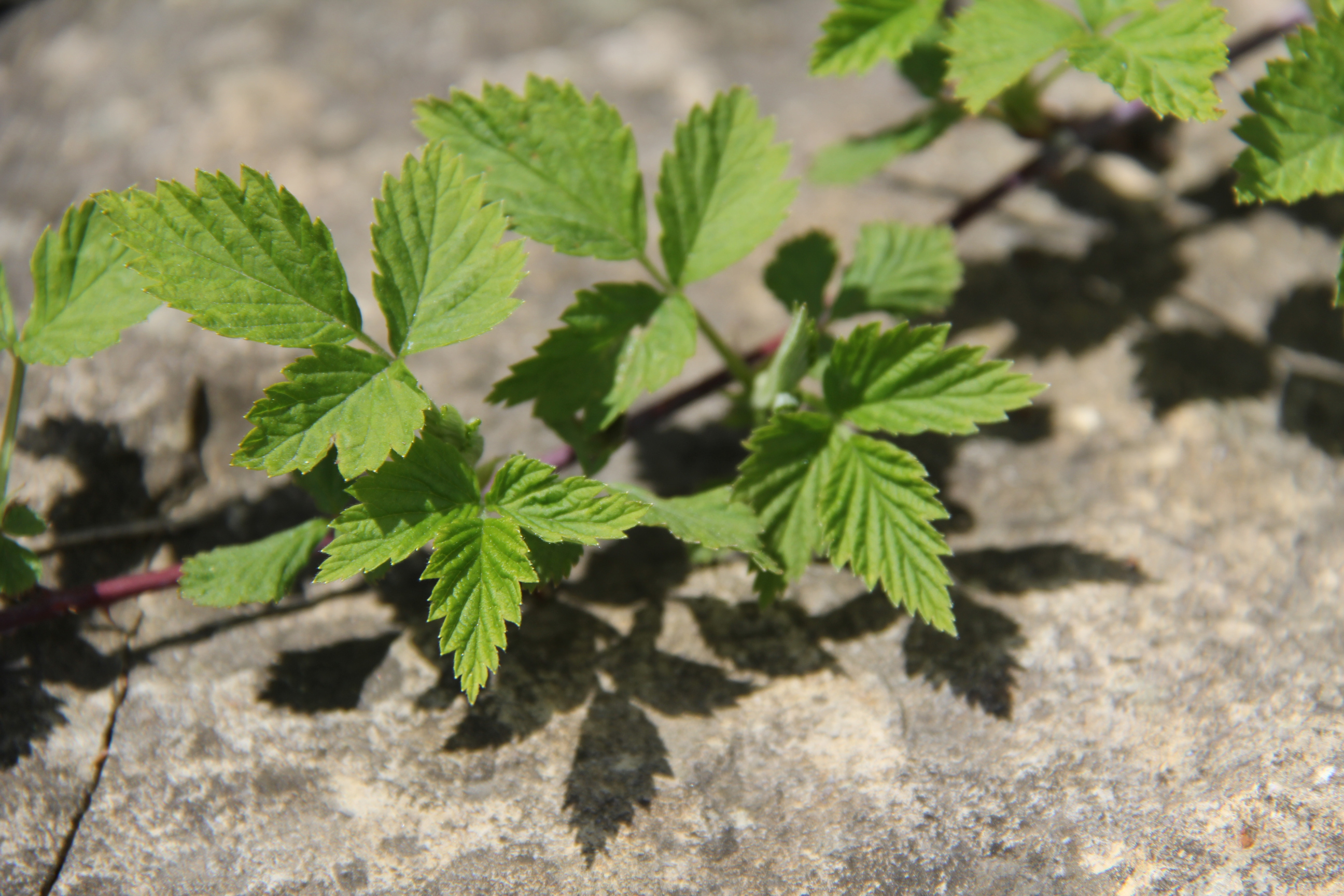
A raspberry vine shadows across the limestone wall Randy built many years ago from the foundation of a fallen barn. (Minnesota Prairie Roots copyrighted photo May 2023)

But mostly I see the shift of seasons in the greening of spring, of trees no longer bare, but spreading in a canopy of green. Of wild raspberries stretching across limestone wall to latch into the earth. Of hostas erupting.

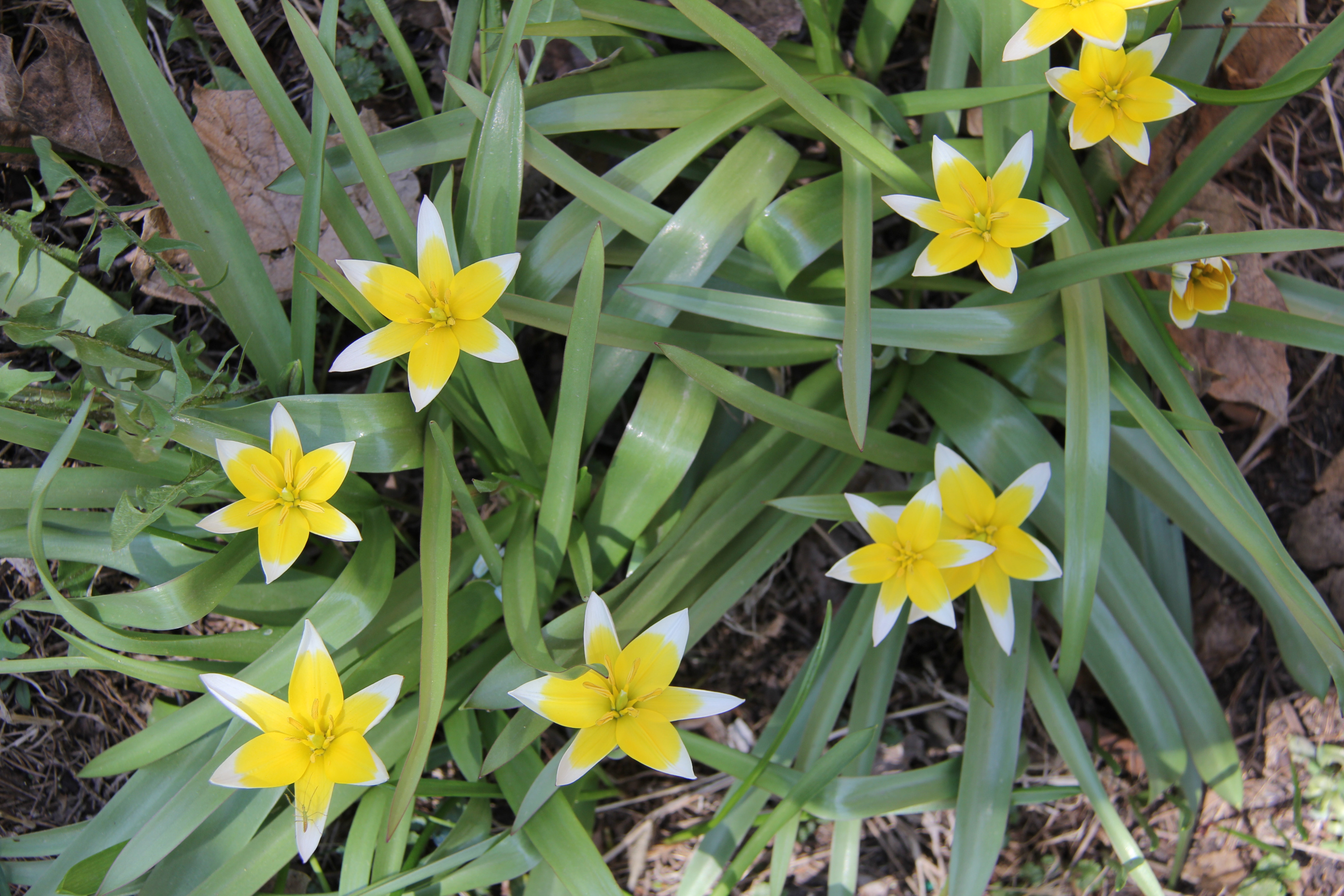
My neighbor’s lovely low-lying flowers, up close. (Minnesota Prairie Roots copyrighted photo May 2023)

This marks a time of renewal, of hope, of emerging from the cocooning quiet and oppressiveness of winter into a world that feels, looks, sounds utterly and joyfully alive.

© Copyright 2023 Audrey Kletscher Helbling
 

Roadblock inside my brain May 8, 2023

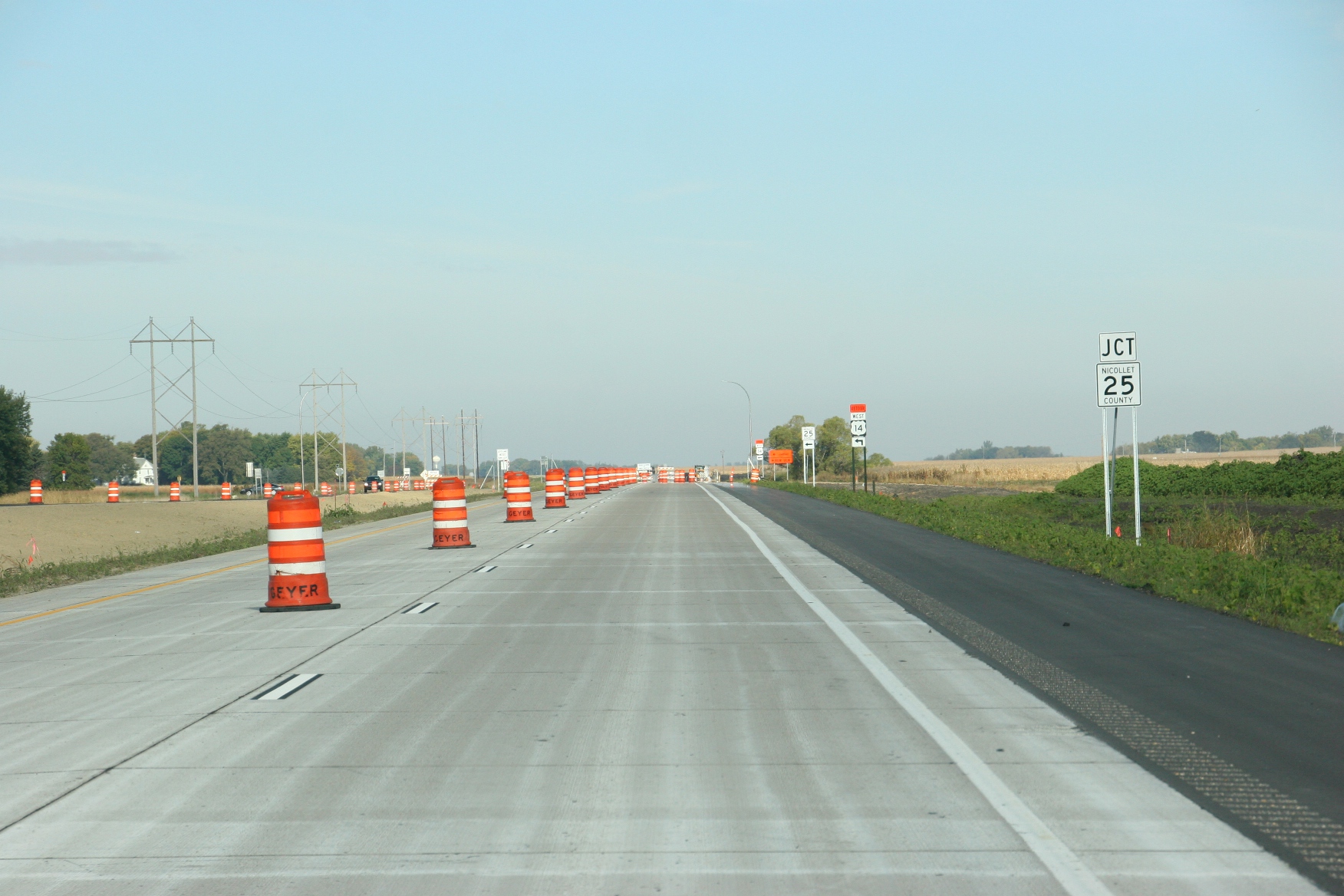
Just like along US Highway 14 in southern Minnesota, I’m dealing with a closed road in my brain. (Minnesota Prairie Roots copyrighted file photo)

IMAGINE YOU’RE ON THE ROAD, when, unexpectedly, you encounter a Road Closed Ahead sign. Now you must take an alternate route to reach your destination. You follow the detour signs, which lead you along twists and turns of back country roads. You are in a hurry and frustrated. But eventually you are back on your mapped route, arriving much later than planned.

That scenario is familiar. We’ve all experienced such travel detours. But not many have experienced vestibular neuronitis, a health issue I am currently facing. The road closed/detour analogy is the best way I can explain what’s happening inside my brain.

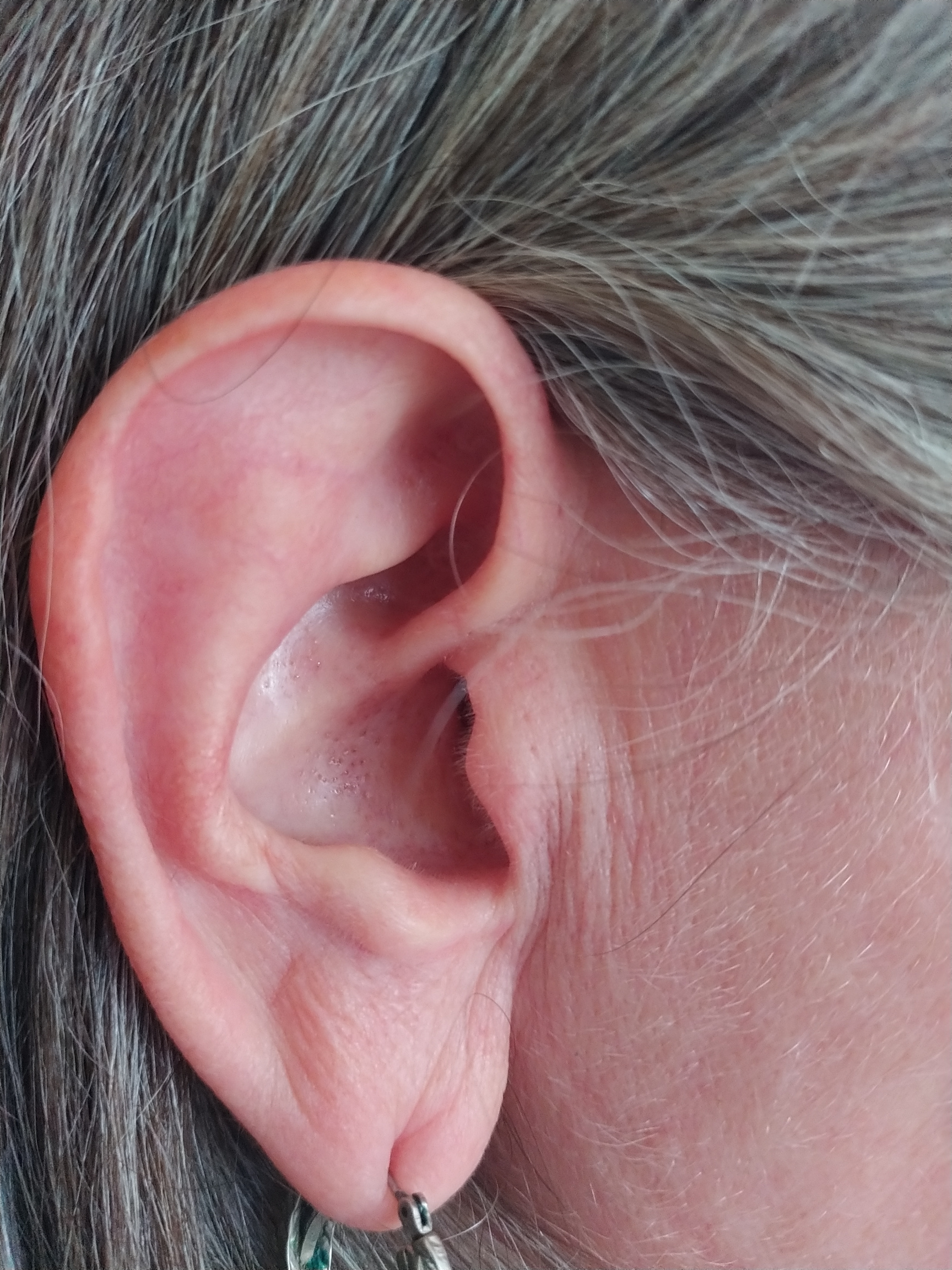
My problematic right ear… (Photo credit: Randy Helbling)

MULTI-LAYERED & COMPLEX

Mine is a complex diagnosis, a neurological condition resulting from an inflammation of the nerve(s) in the inner ear, in my case the right ear. The apparent cause, a viral infection. In 2011, a virus caused me to lose nearly all of the hearing in my right ear during an episode of sudden sensory hearing loss. This most recent virus affected the balance in my right ear. My initial symptom of feeling off-balance followed a really bad cold in early January. (Not COVID; I self-tested negative for that, twice.) I didn’t think too much of the off-kilter feeling, hoping it would pass. It didn’t.

My symptoms progressed: fullness, ringing, clicking and minor pain in my right ear; hyper-sensitivity to sound; double vision; awakening with headaches; feeling like someone slapped me on the right side of the head; unexplained anxiety; rosacea; fatigue; vertigo (only while sitting up from a supine position or rolling onto my right side in bed) and more I’m probably forgetting. I felt like my brain was working really hard to manage auditory and visual input, processing conversations, and balance. I still feel that way.

Kind of how my brain feels right now. Artwork by Bill Nagel, exhibited at the Paradise Center for the Arts earlier this year. (Minnesota Prairie Roots copyrighted file photo March 2023)

BRAIN FATIGUED

Back to that road closed analogy. The nerves/pathways in our brains are all interconnected, one leading to the other. Kind of like the system of roadways we follow to get from Point A to Point B. Now there’s a blocked road inside my head and my brain is struggling. It’s taxing to determine how to make this all work. Vision. Hearing. Maintaining my balance. I’m feeling brain fatigue.

One day I may feel fairly normal, the next, not so much. Or even through the course of the day, how I feel is affected by input into my brain. If I’m out and about, which I mostly am not, I quickly feel overwhelmed. Even by something as simple as a one-on-one conversation.

A tablet of Prednisone, a med which I took for two weeks. (Minnesota Prairie Roots copyrighted file photo)

SYMPTOMS LESSENING

Yet, today I see a lessening of my symptoms. The anti-inflammatory steroid Prednisone, as much as I disliked the insomnia, heart palpitations and anxiety side effects, reduced the nerve inflammation. My symptoms are less severe, but still linger under or at the surface and sometimes flare.

I am in vestibular rehab therapy, working with a skilled, knowledgeable and compassionate physical therapist who is determined to help me retrain my brain, to get me back on the right route. Ryan tells me I’m improving, even if I don’t always see that. I appreciate his encouragement and specialized training in the exact therapy I need. I listen. I ask questions. I do my exercise homework. Already I’ve seen improvements in my balance.

My vision has improved, too, although I still must work hard to focus and not see double. I can now tolerate my computer screen for more than 10 minutes. Headaches are mostly gone as is the feeling of being slapped on the side of my head. And I no longer need to close my eyes during a conversation because I can’t handle simultaneous visual and auditory input. That said, I will occasionally close my eyes when I feel overwhelmed and need to concentrate solely on hearing.

No big road trips for me as I navigate through vestibular neuronitis. (Minnesota Prairie Roots copyrighted file photo)

LIMITATIONS, FRUSTRATION, DISAPPOINTMENT

I have my moments when I feel depressed and frustrated and wish I was “all better.” I don’t know if I will ever be “all better” or whether this is something I will have to learn to live with and manage. There are moments when I feel overwhelmed. This whole vestibular neuronitis is difficult to explain and you can’t see it, so people don’t necessarily get it.

I’m sad because a long-planned trip to Indiana this coming week to attend my son’s graduation from Purdue University with his master’s in computer science will not happen for me. I am disappointed that I can’t be there in person to celebrate, to hug him, to congratulate him on his accomplishment. But I recognize my limits. I can’t handle a long road trip and attending commencement with the masses. It would be too much for my brain. I’m not even attending church yet because I can’t tolerate the organ. I’m not even grocery shopping because of the sensory overload. Mostly, my interaction with others is limited because my brain can’t handle much.

But onward I go, navigating away from the closed road in my brain to alternative routes that will allow me to reclaim my life. Soon. I hope.

#

NOTE: By writing this post, I hope to encourage others who are on a similar journey or who are supporting loved ones. I also aim to provide info on this unfamiliar-to most condition.

© Copyright 2023 Audrey Kletscher Helbling


Raining purple as Minnesota honors Prince May 5, 2023

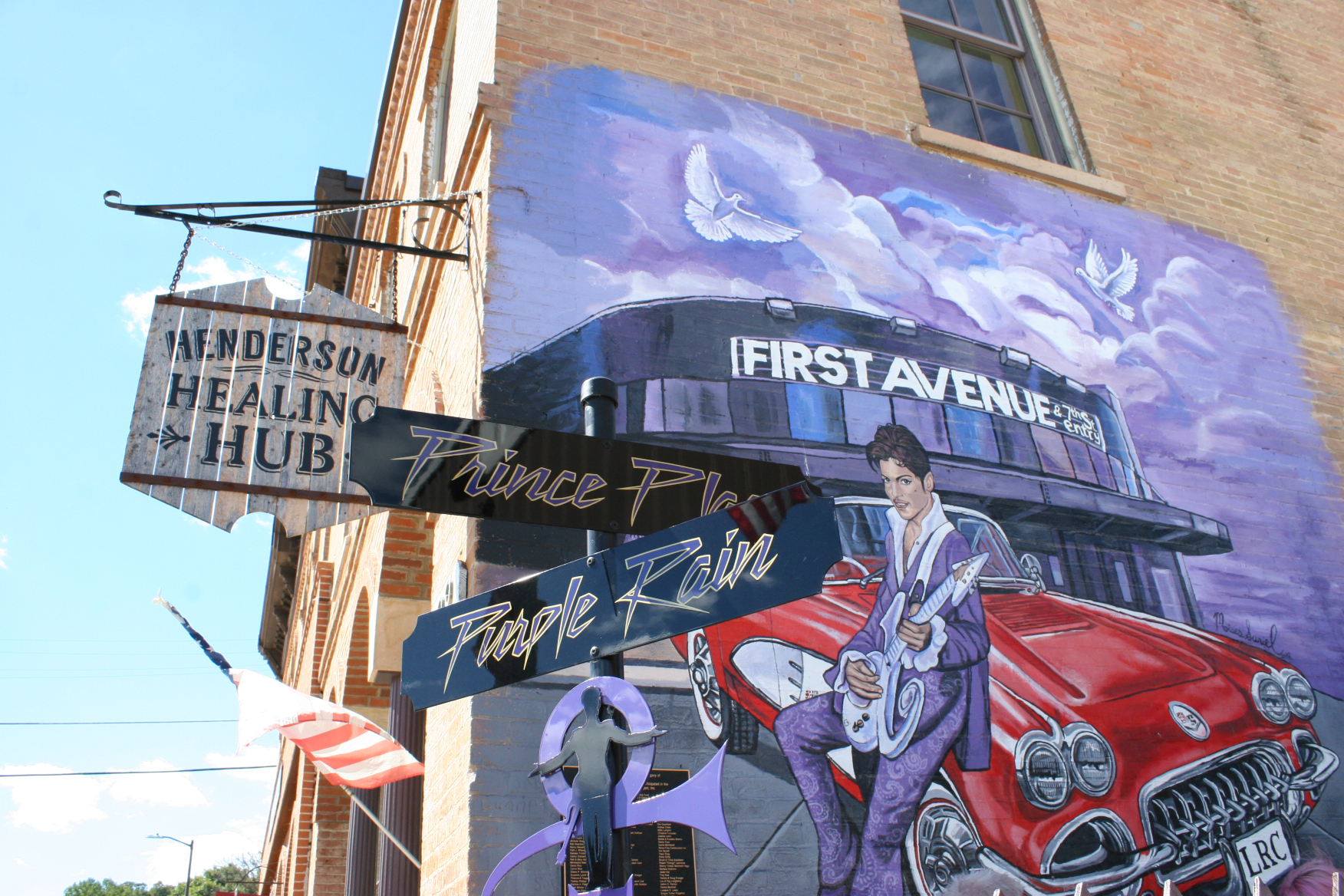
A mural and street signs honor Prince at Prince Garden in Henderson. This pocket park is no longer in Henderson. (Minnesota Prairie Roots copyrighted file photo August 2020)

IF RAIN FELL IN COLOR, the hue would be purple here in Minnesota. Not just for the Minnesota Vikings, but also for beloved homegrown musician Prince of “Purple Rain” fame.

Now road signs bearing Prince’s name will sport his signature color, purple. Thursday the State Senate approved a bill renaming a seven-mile stretch of State Highway 5 as Prince Rogers Nelson Memorial Highway. The House last month approved the same. The roadway runs past Paisley Park, Prince’s home and recording studio in Chanhassen, now open for public tours, concerts and more. Paisley Park is a museum of sorts following Prince’s untimely death from an opioid overdose in April 2016.

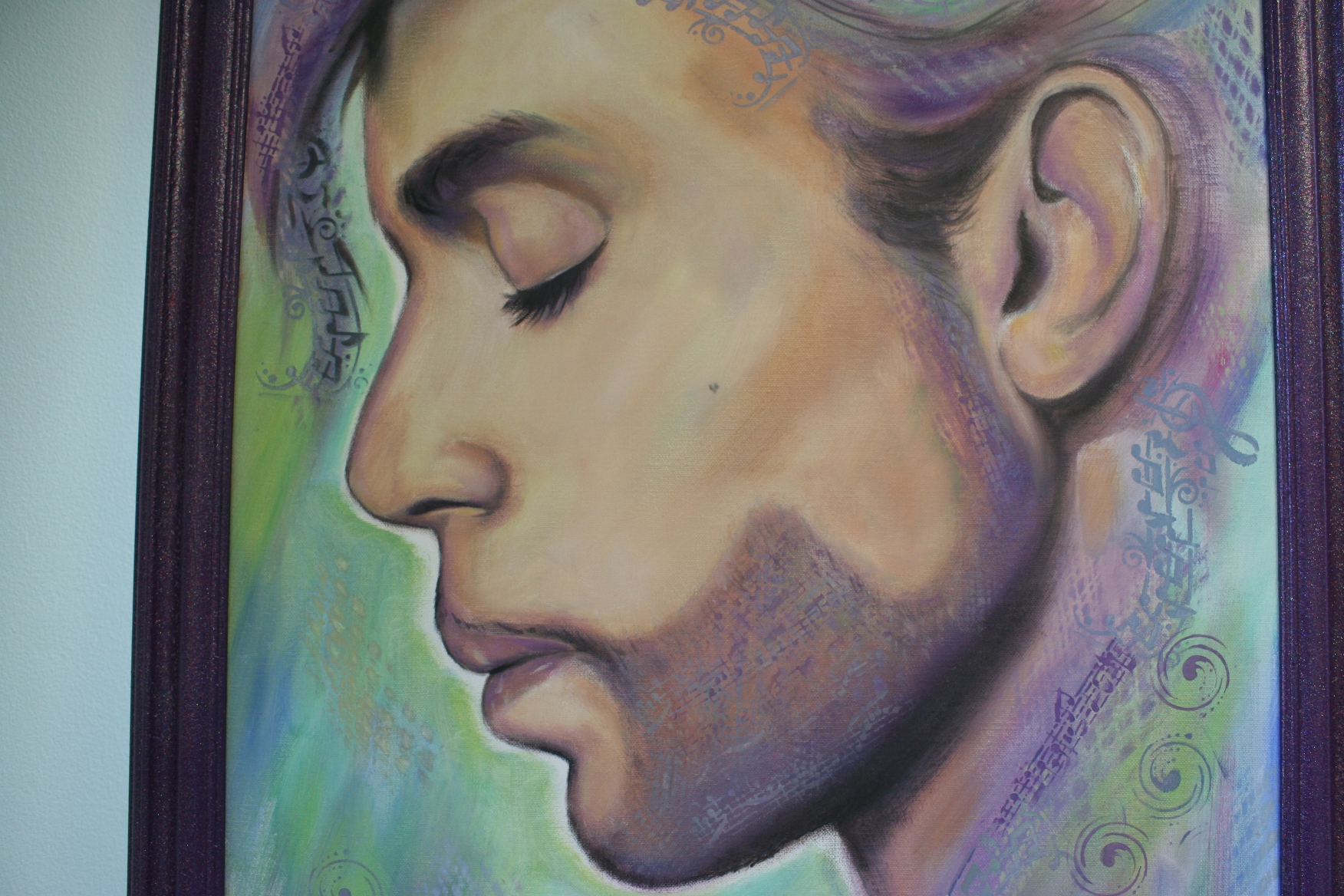
Dana Hanson, former Faribault resident, used a stencil to incorporate musical notes in to this painting of Prince. Notice the detail of the heart-shaped mole on the musician’s cheek. (Minnesota Prairie Roots copyrighted file photo)

While I’m admittedly not a Prince fan (I’ve not listened to his music), I respect that he is an accomplished singer, songwriter and performer with a worldwide fan base. With seven Grammy Awards, an Academy Award, music videos, and song releases too numerous to count, Prince certainly succeeded in his profession. He was inducted into the Rock and Roll Hall of Fame in 2004 and into the Minnesota Music Hall of Fame in 2007.

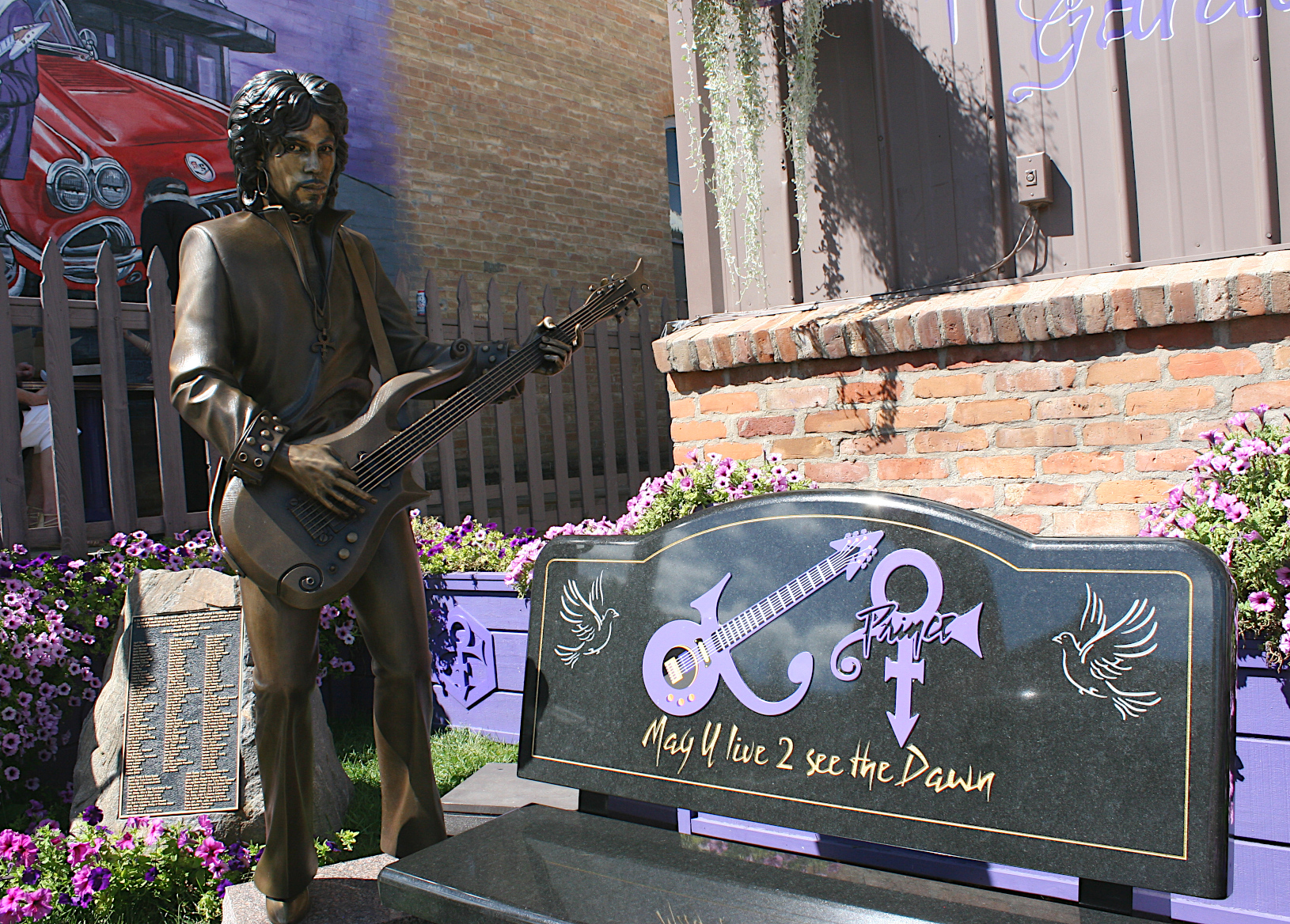
Up close with Prince, in bronze. (Minnesota Prairie Roots copyrighted file photo August 2020)

Ah, the Minnesota Music Hall of Fame. That’s not nearly as familiar to most Minnesotans as Paisley Park. But for Prince lovers, it likely will become a new pilgrimage destination. Located in New Ulm in southern Minnesota, the Hall of Fame now features a bronze statue of Prince, a memorial bench, street signs and more moved from Henderson.

The Prince Garden previously in Henderson. (Minnesota Prairie Roots copyrighted file photo August 2020)

In August 2020, I photographed the outdoor Prince shrine in Henderson, location of a scene in “Purple Rain” along the nearby Minnesota River. I was surprised to learn that the Prince Garden items are now in New Ulm. Apparently there were a few issues in Henderson.

This bronze statue of Prince is now at the Minnesota Music Hall of Fame in New Ulm. (Minnesota Prairie Roots copyrighted file photo August 2020)

Also coming to the New Ulm location is a 15-foot tall sculpture of Prince’s guitar. It was part of the Mankato CityArt Walking Sculpture Tour, a temporary annual installation of outdoor art. Iowa artist Jefferson Davis created the piece from upcycled metal. The now-dissolved Prince Legacy Henderson Project purchased the guitar art via fundraising and a grant. The sculpture will be placed near the entrance to the Minnesota Music Hall of Fame. Located along an arterial street through New Ulm, the over-sized purple guitar is sure to draw attention.

The museum, the movie, the music, the musician. And now a stretch of roadway renamed Prince Rogers Nelson Memorial Highway. I’d say it’s raining purple in Minnesota.

© Copyright 2023 Audrey Kletscher Helbling
 

Remembering Gordon Lightfoot & his ballad about the Edmund Fitzgerald May 3, 2023

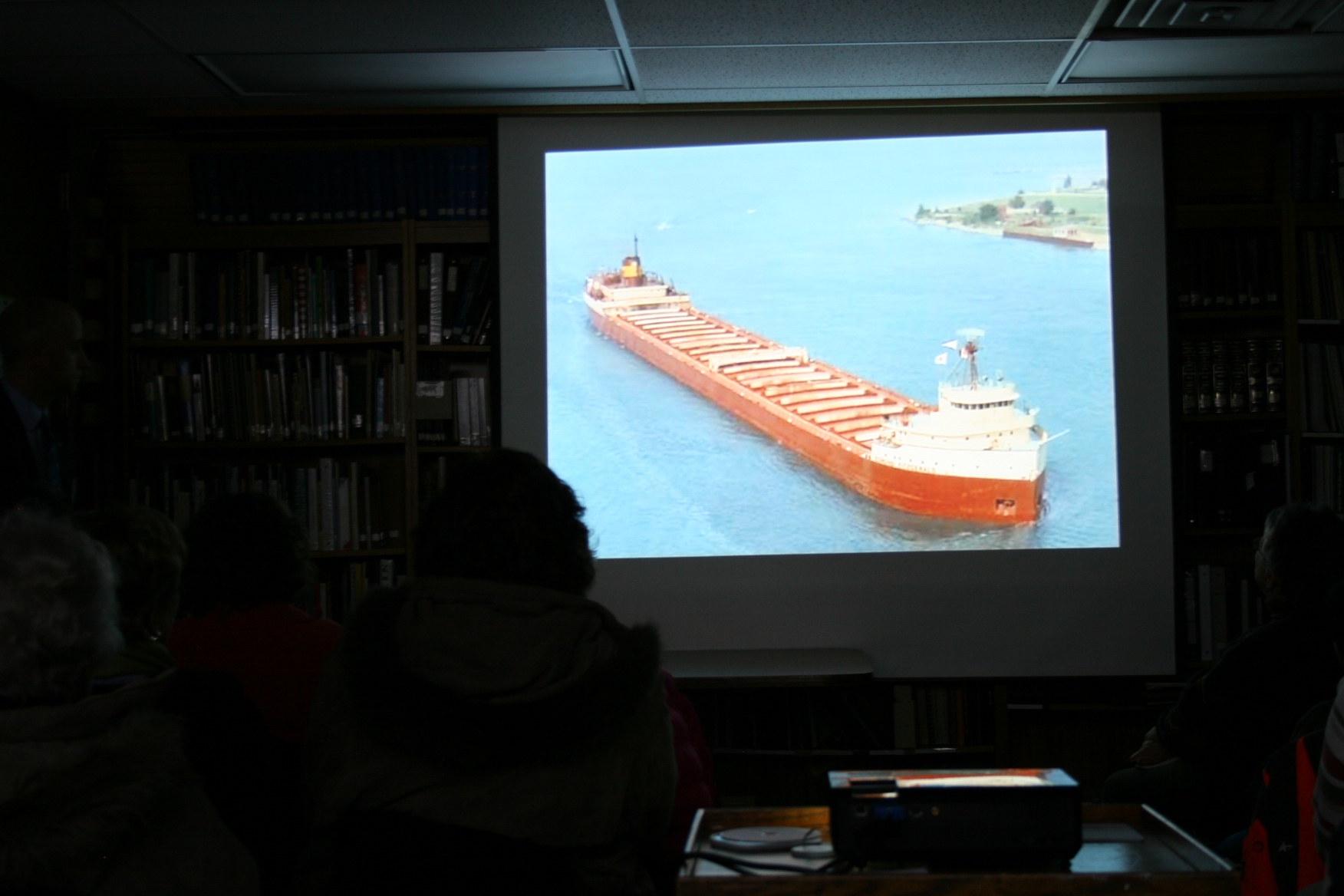
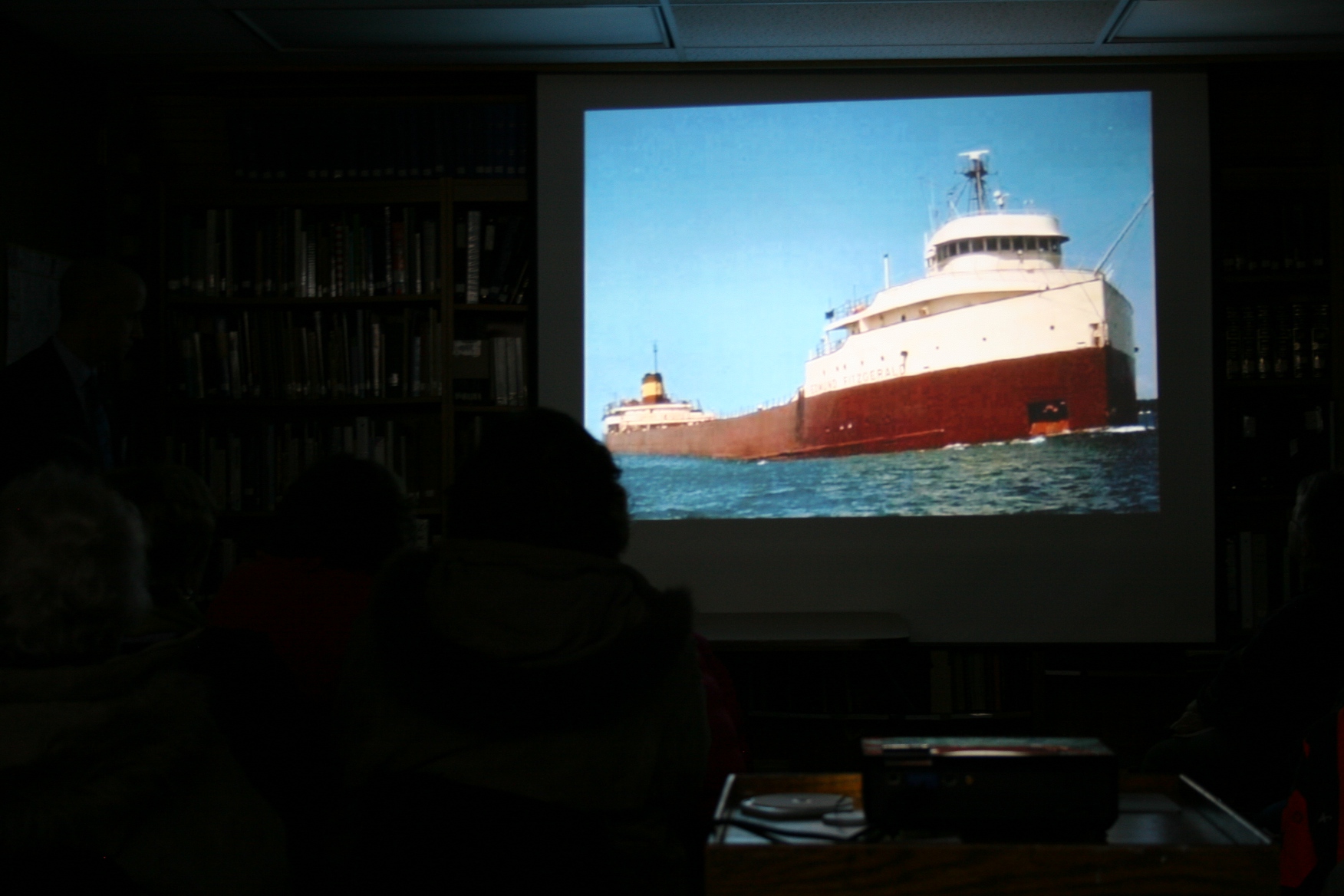
A photo of the Edmund Fitzgerald shown during a 2014 presentation in Faribault. (Minnesota Prairie Roots copyrighted file photo 2014)

CERTAIN SONGS FROM MY TEEN years into my early 20s occasionally surface like ear worms in my mind. Today that tune is “The Wreck of the Edmund Fitzgerald,” a ballad by Canadian singer, songwriter and guitarist Gordon Lightfoot.

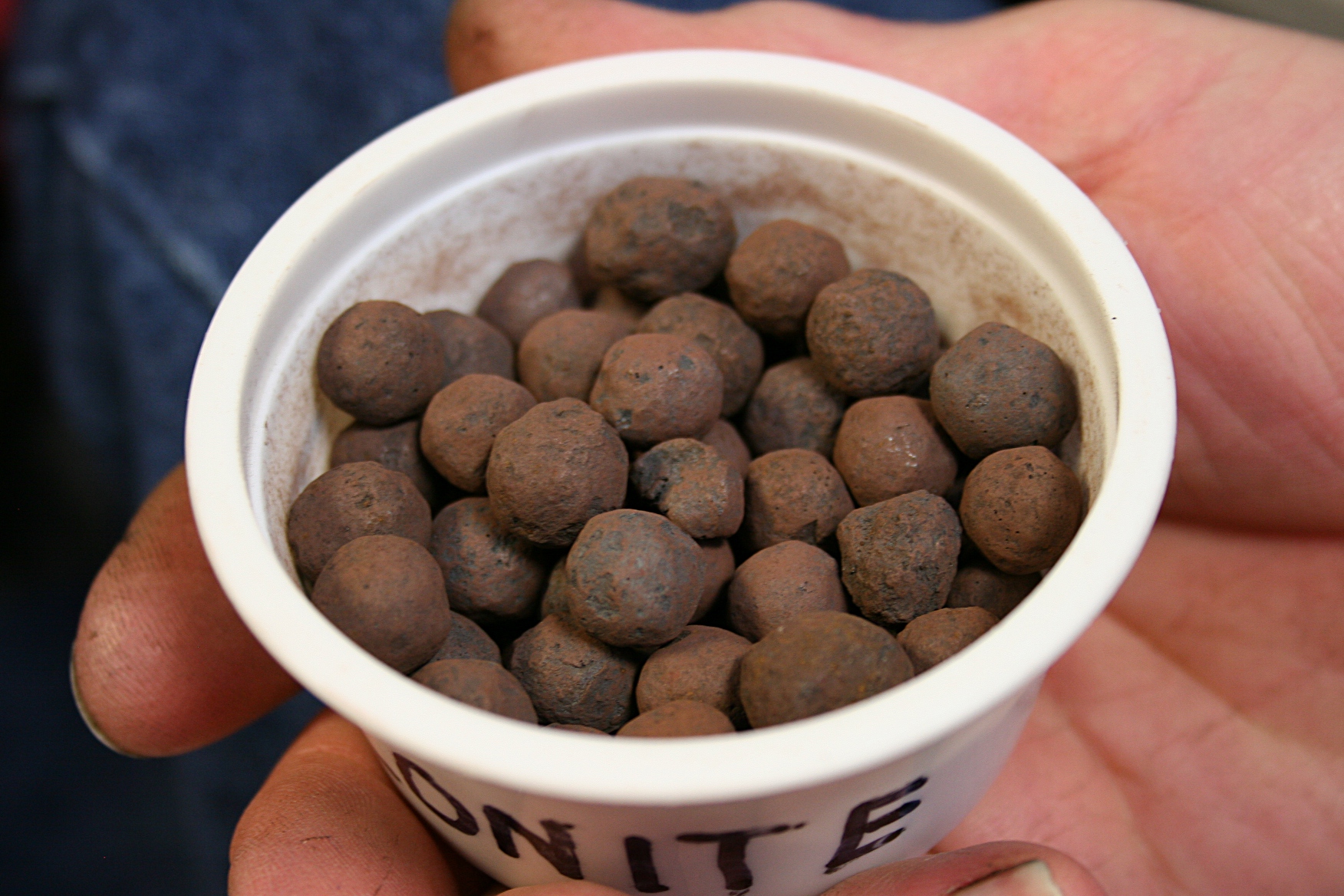
Taconite pellets, like these, filled the cargo holds of The Edmund Fitzgerald as it journeyed across Lake Superior on November 9 and 10, 1975. (Minnesota Prairie Roots copyrighted file photo 2014)

The 84-year-old musician died on Monday, leaving a legacy of storytelling that includes his version of the Edmund Fitzgerald’s fateful final journey. The iron ore carrier sank in Lake Superior on November 10, 1975, claiming the lives of 29 crewmen.

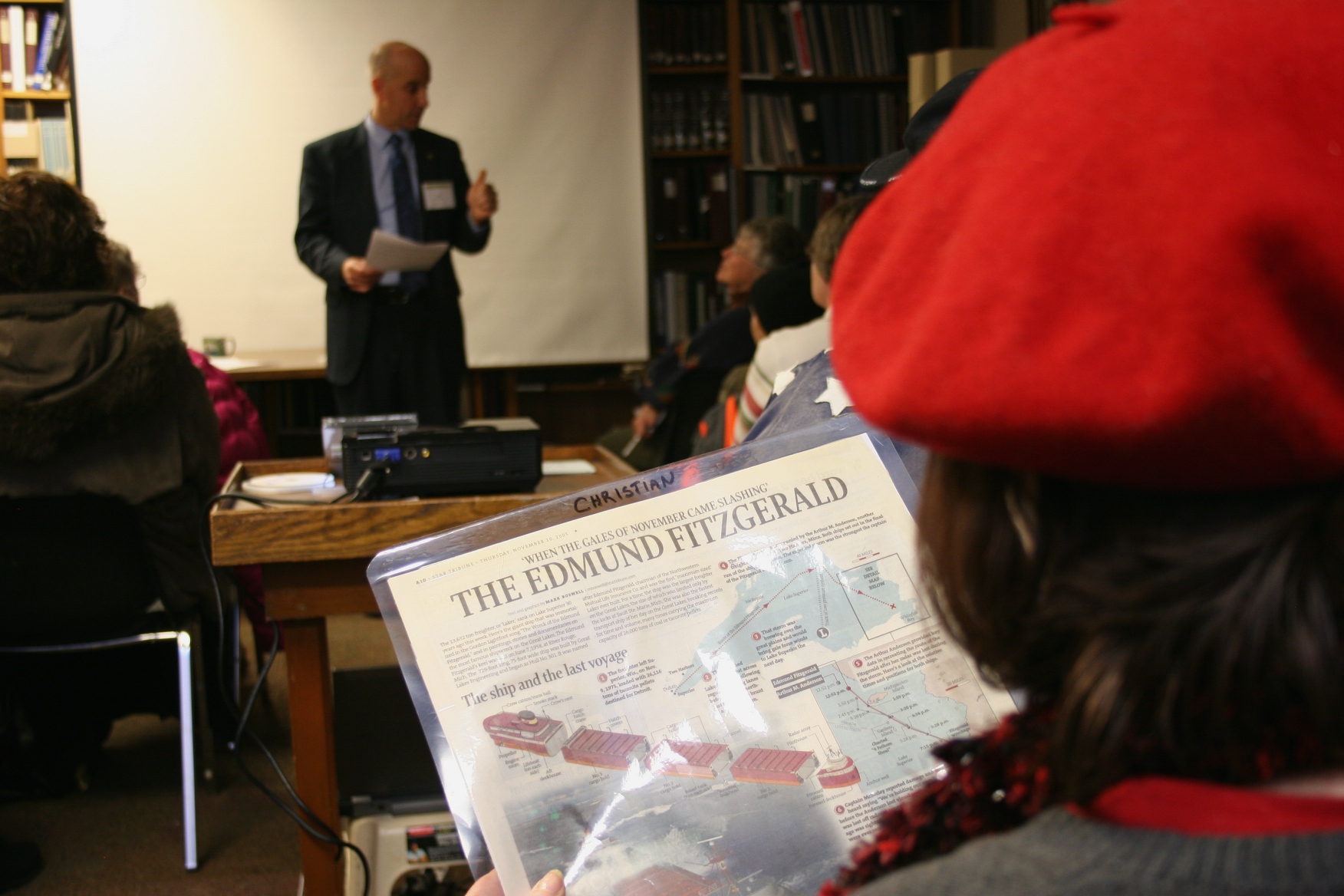
Newspaper clippings about The Fitz were passed around to audience members at a 2014 presentation in Faribault. (Minnesota Prairie Roots copyrighted file photo 2014)

Stories about the catastrophic shipwreck during a storm with hurricane force winds, waves reaching 70 feet and a gale force warning bannered newspapers. It was especially big news here in Minnesota since the 729-foot long by 75-foot wide ship left Superior, Wisconsin, just across from the port city of Duluth. The Fitzgerald was weighted with 26,000 tons of taconite pellets and bound for a steel mill near Detroit, Michigan.

PBS did a documentary on the Edmund Fitzgerald. (Minnesota Prairie Roots copyrighted file photo 2014)

On the afternoon of November 9, the freighter left Superior. By 7:15 pm the next evening, the USS Edmund Fitzgerald disappeared, the wreckage later found 17 miles northwest of Whitefish Point, Michigan.

In Lightfoot’s words:

The captain wired in he had water comin’ in
And the good ship and crew was in peril
And later that night when his lights went out of sight
Came the wreck of the Edmund Fitzgerald

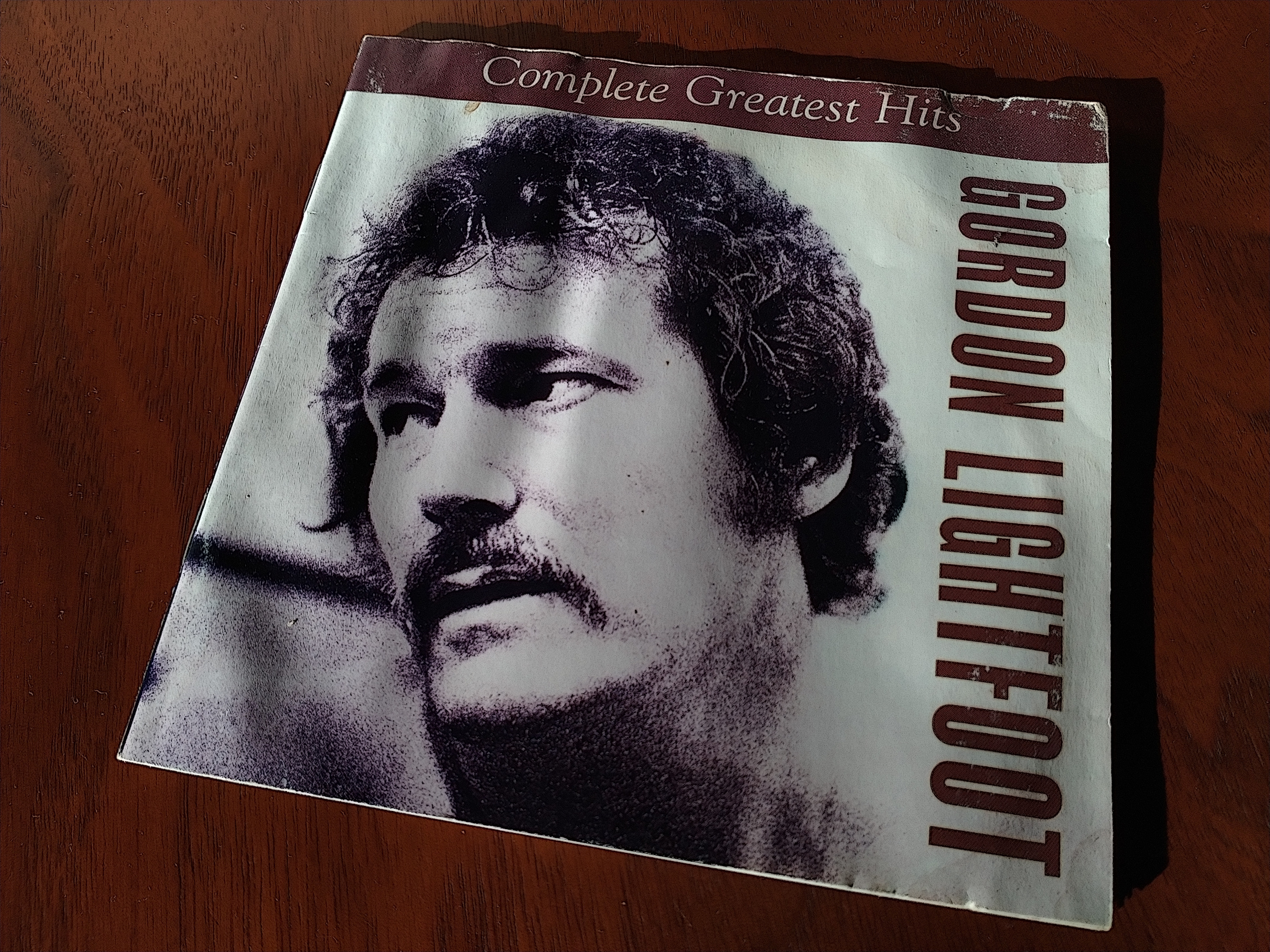
Lightfoot on the cover of his 2002 CD, which my husband owns. “The Wreck of the Edmund Fitzgerald” soared to #2 on the Pop chart and remained there for 21 weeks. (Minnesota Prairie Roots copyrighted photo May 2023)

The lengthy folk song of 6.5 minutes unfolds in suspenseful storytelling style. Lightfoot takes his listeners on board the massive Edmund Fitzgerald caught in the stormy, churning waters of Gitche Gumee (Ojibwe for Lake Superior). The songwriter uses some artistic license in his version of the disaster as noted when comparing facts to lyrics. Yet, his haunting song, like reality, carries the truth of death, the heavy emotions of loss. Every time I hear Lightfoot’s song, I feel overcome with sadness, as if the powerful, roiling waves of Superior are rolling over me, pulling me down down down into the dark depths of the lake.

The Edmund Fitzgerald stretched more than two football fields long. (Minnesota Prairie Roots copyrighted file photo 2014)

The emotional intensity of “The Wreck of the Edmund Fitzgerald” remains strong for me, even decades after I first heard the new release in 1976. And that’s a credit to Lightfoot, who wrote history into a ballad that is poetically and tragically memorable.

TELL ME: Are you a fan of Gordon Lightfoot or any of his songs? I’d like to hear your thoughts on him, this ballad or musicians and/or songs particularly memorable to you.

FYI: Click here to read a post I wrote in 2014 about a presentation on the Edmund Fitzgerald at the Rice County Historical Society Museum in Faribault.

© Copyright 2023 Audrey Kletscher Helbling
 

Gardening: Passing along my rural heritage & much more May 2, 2023

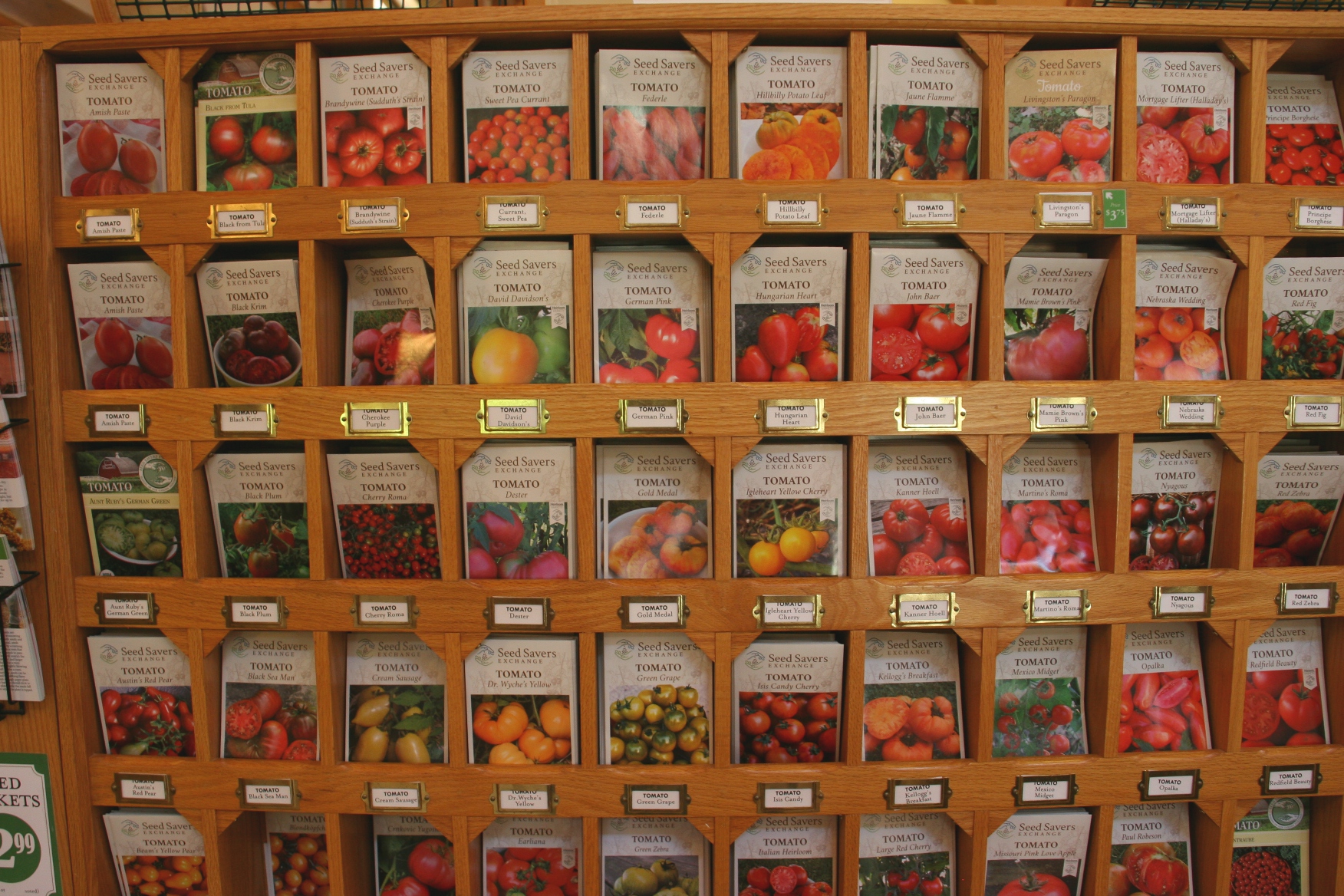
Seeds for sale at Seed Savers Exchange, Decorah, Iowa. (Minnesota Prairie Roots copyrighted file photo September 2018)

SEVERAL DAYS AGO, my 4-year-old grandson excitedly shared that his broccoli was growing. His mom, my eldest, clarified. Sixteen broccoli seeds and one carrot seed had sprouted, popping through potting soil in three days. That surprised even me, who grew up in a gardening family with most of our food from farm to table, long before that became a thing.

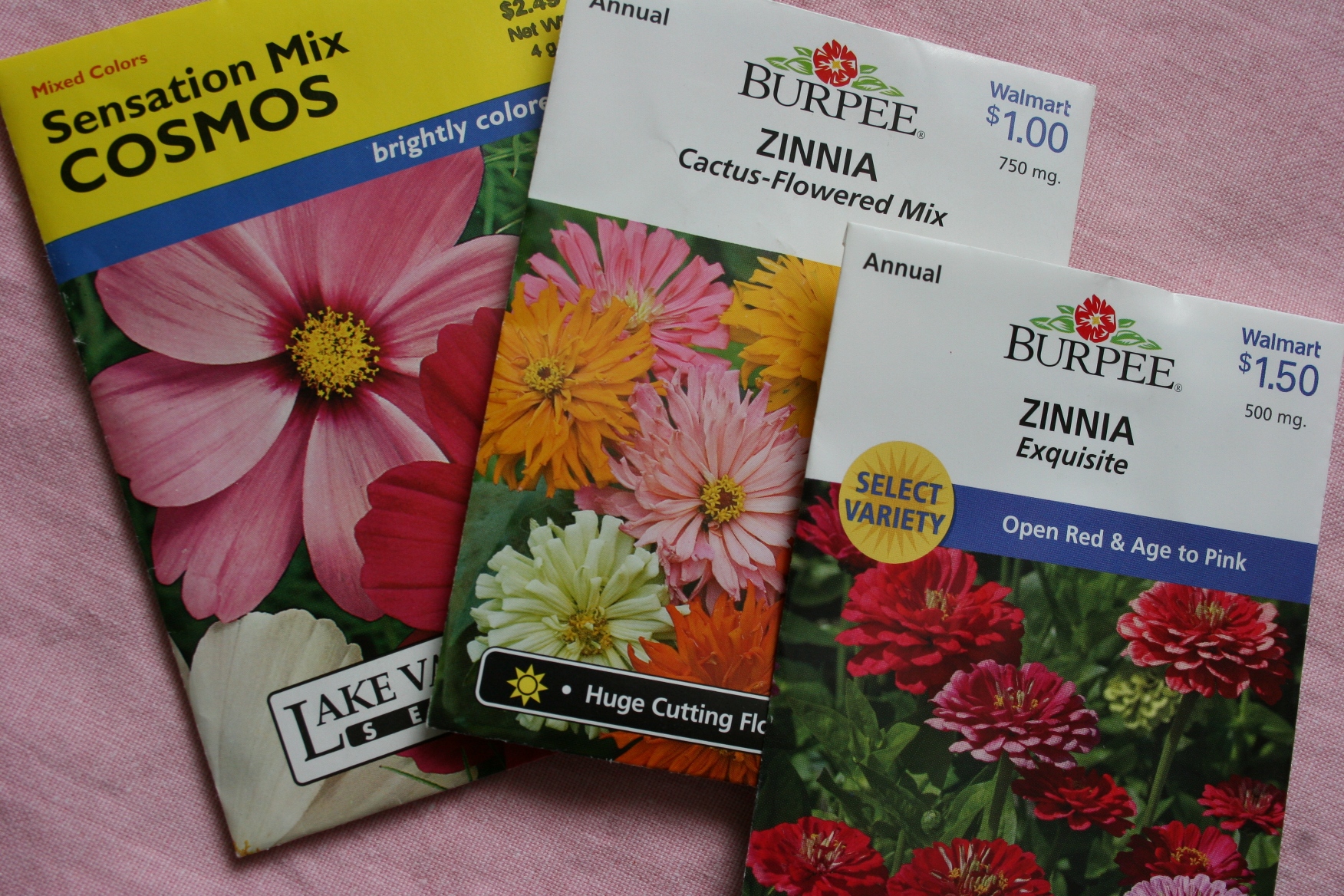
Annuals that are easy to grow from seed. (Minnesota Prairie Roots copyrighted file photo)

A year ago, I gifted my grandchildren with several packets of seeds. Flowers only. Zinnias and bachelor buttons, easy-to-grow-from-seed annuals that blossom throughout the summer. Isaac and his mom planted the seeds in flower pots. And then watched seeds emerge into tender plants that grew and bloomed in a jolt of color.

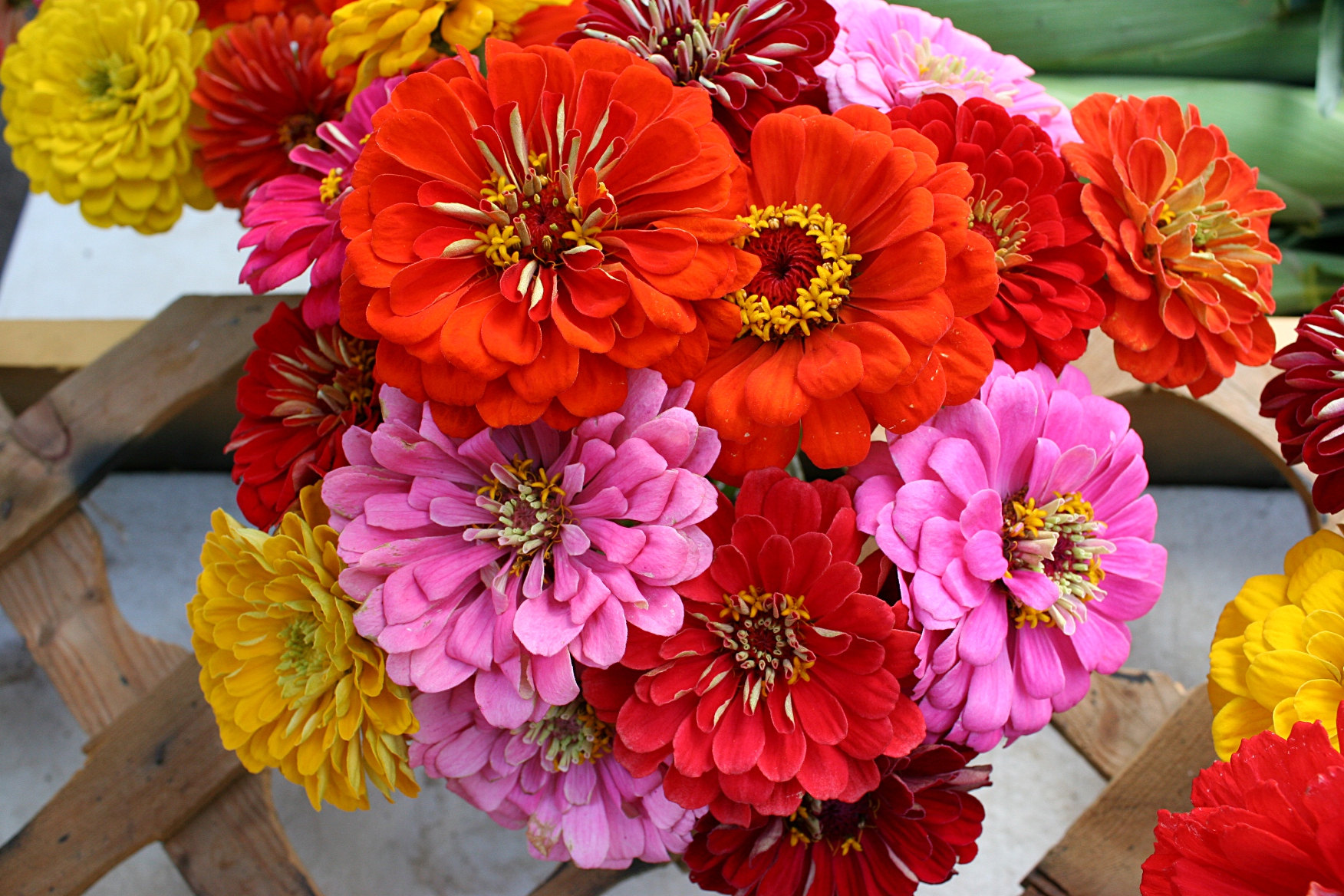
Old-fashioned zinnias grown by my friend Al and sold at the Faribault Farmers’ Market. (Minnesota Prairie Roots copyrighted file photo September 2019)

That was enough for the preschooler to get the gardening bug. This year, in selecting seeds for Isaac and his older sister, I added vegetables to the mix of flowers. Spinach because I knew it would grow quickly and flourish in Minnesota’s still cool weather. And carrots, because Isaac wanted to plant them. Later, he told his mom he also wanted to plant broccoli because he likes broccoli. I’m not sure that’s true. But Amber bought broccoli seeds for her son, whom she’s dubbed Farmer Isaac.

“Summer in a Jar,” sold at the Faribault Farmers’ Market. This photo published in the book “The World of Laura Ingalls Wilder, The Frontier Landscapes that Inspired The Little House Books” by Marta McDowell. (Minnesota Prairie Roots copyrighted file photo September 2015)

I can’t think of a better way to encourage kids to try vegetables. And to teach them about plants and that veggies don’t just come from the grocery store. With most families now a generation or two or three removed from the land, it’s more important than ever to initiate or maintain a connection rooted in the soil.

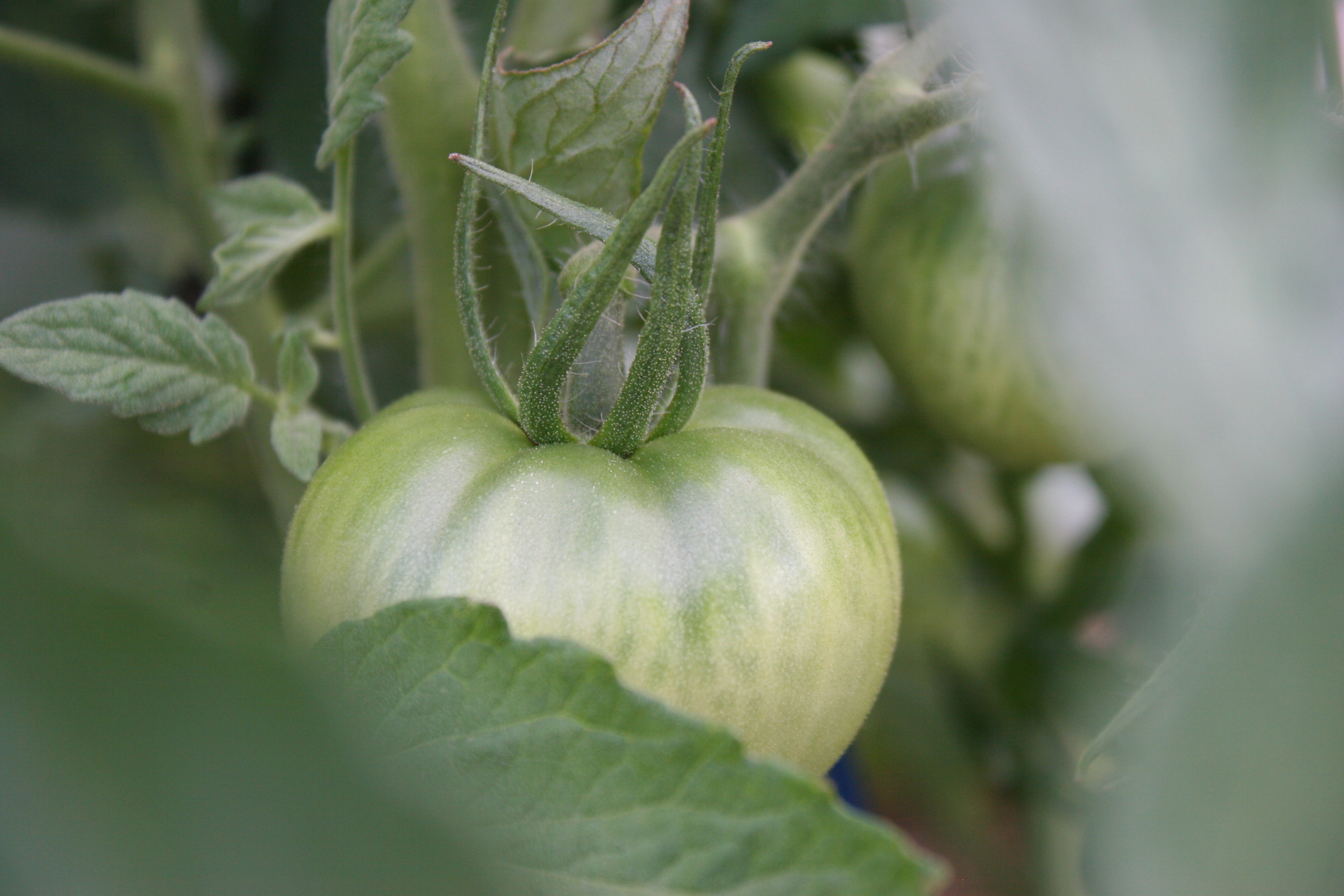
Several types of tomatoes grow in the garden outside Buckham Memorial Library, Faribault. (Minnesota Prairie Roots copyrighted file photo)

Soil was the gardening starting point for my grandchildren. Once when they stayed overnight, I got out the gardening shovels and directed them toward a corner flowerbed and a patch of dirt. The dirt flew as they dug and uncovered earthworms and half a walnut shell and bugs. I didn’t care if their hands got dirty. I simply wanted them to have fun, to feel the cold, damp earth, to appreciate the soil beneath and between their fingers.

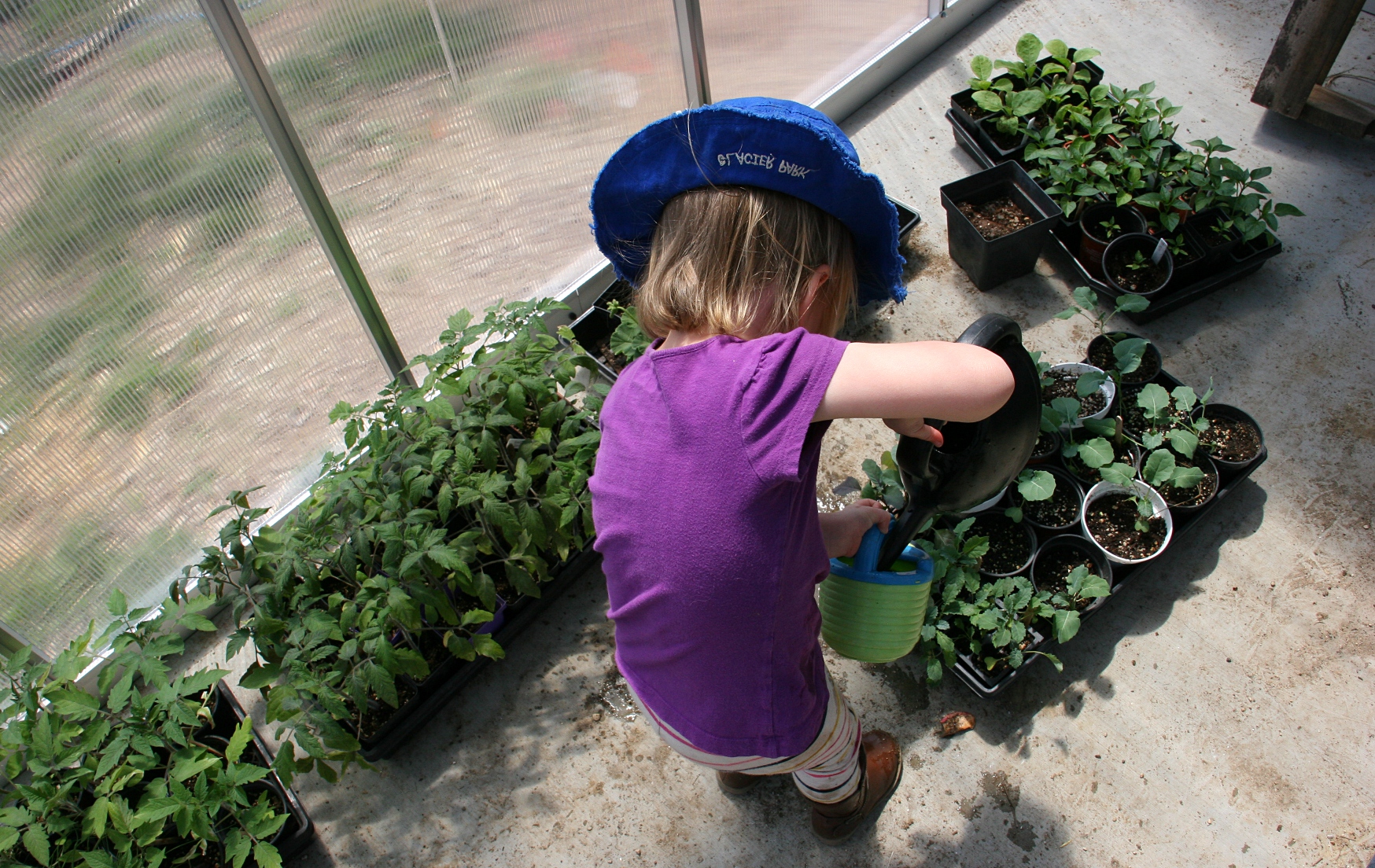
My great niece waters plants inside her family’s mini greenhouse. (Minnesota Prairie Roots copyrighted file photo May 2018)

I was a bit surprised when my eldest embraced gardening with her kids. But then again, she was the daughter who always watered flowers and observed that “the flowers are opening their mouths” (translation, “the tulips are blooming”) as a preschooler. I never had much of a garden due to lack of a sunny spot in my yard. But I usually grew tomatoes in pots and always had pots overflowing with flowers and flowers in beds. So Isaac and Isabelle’s mom did have a sort of gardening background.

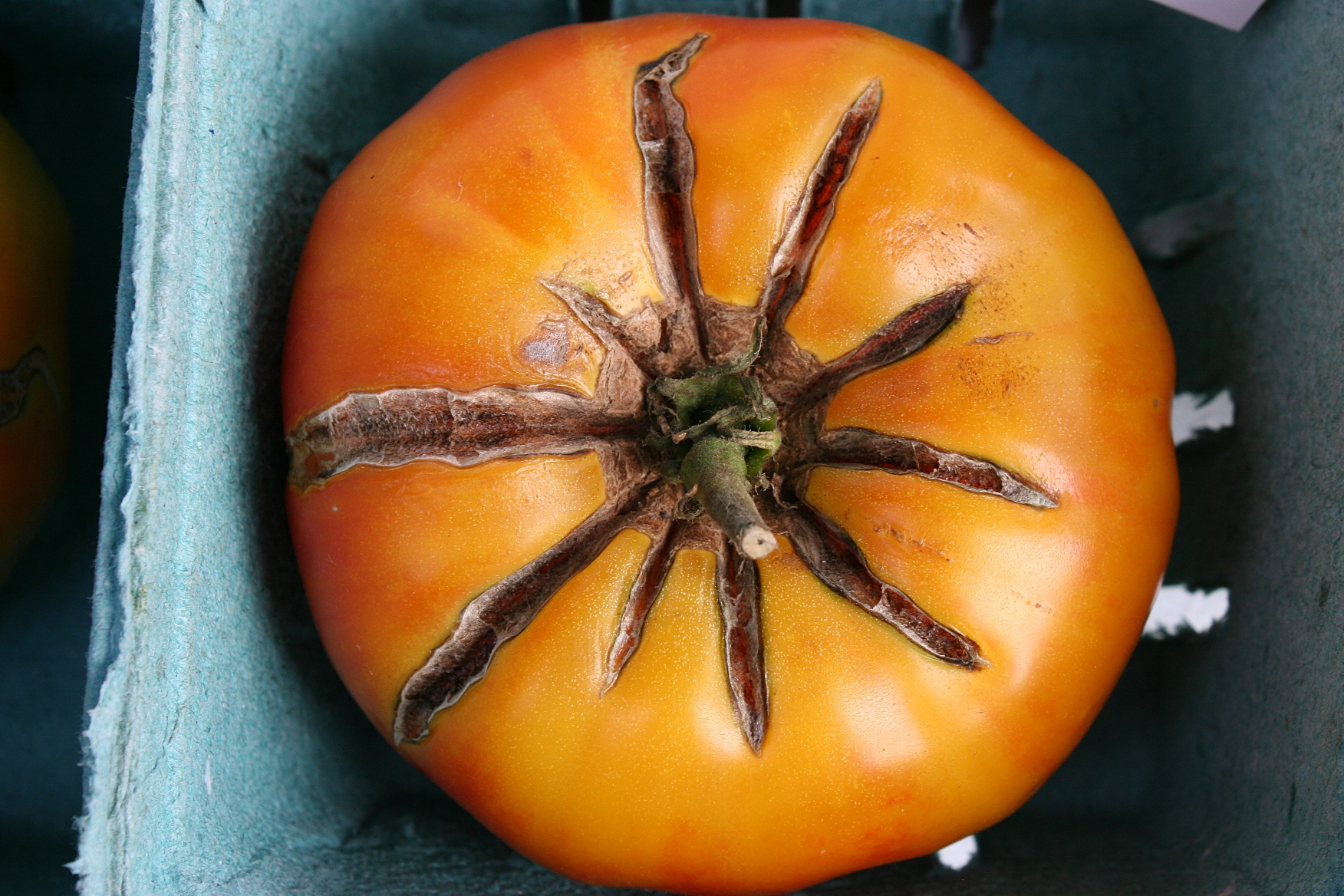
Heirloom tomato at the Faribault Farmers’ Market. (Minnesota Prairie Roots copyrighted file photo September 2019)

As a farmer’s daughter and a grandma, passing along something like gardening is like passing along part of my rural heritage. My Grandma Ida always had a big garden, an essential with a family of 10 kids. She continued to garden throughout her life, long after her kids were gone and she moved to town. Likewise, my mom planted a massive garden to feed her six kids. My siblings and I helped with the gardening—pulling weeds, picking vegetables… And shelling peas. Of all the garden-related tasks, the rhythmic act of running my thumb along an open pod to pop pearls of peas into a pan proved particularly satisfying. Plus, I loved the taste of fresh peas from the garden. There’s nothing like it except perhaps the juicy goodness of a sun-ripened tomato or leaf lettuce or a just-pulled carrot with dirt clinging to the root.

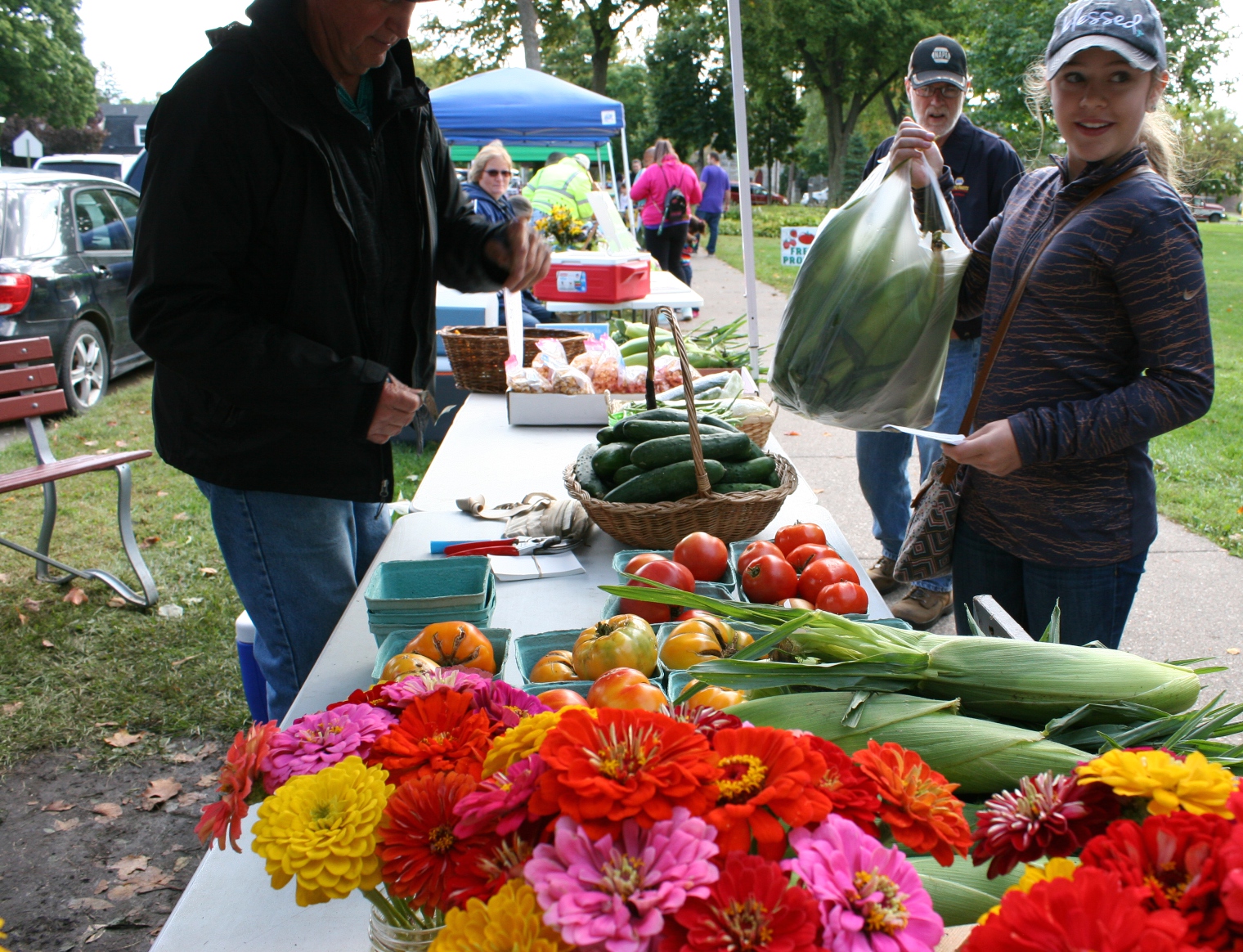
My friend Al vends flowers and vegetables at the Faribault Farmers’ Market. (Minnesota Prairie Roots copyrighted file photo September 2019)

I don’t expect my grandchildren will garden like their great great grandma or great grandma. But that’s OK. They’ve been introduced to gardening. They see now how seeds sprout and develop into plants that yield beauty or food. Hopefully they will gain an appreciation for garden-fresh, whether fresh from the pots on their patio or deck, or from a farmers’ market.

Purple beans grow in the library garden. (Minnesota Prairie Roots copyrighted file photo)

Even though they live in a south metro suburb, my grandkids remain close to the land with farm fields within view, not yet replaced by massive housing developments. It’s important to me that Isabelle and Isaac always feel connected to their rural heritage, that they value the land, that they grow up to remember the feel of cold, damp dirt on their hands. That they understand their food is not sourced from grocery stores, but rather from the earth.

© Copyright 2023 Audrey Kletscher Helbling


With gratitude on May Day May 1, 2023

A gift to me, with a note written in clearly disguised handwriting. (Minnesota Prairie Roots copyrighted photo May 2023)

THIS MORNING A PACKAGE landed on my front steps. Unexpected. A sweet surprise on this first day of May, a day typically reserved for May baskets left by someone who rings the doorbell, then runs away. I’ve previously received such May Day drops of treats and lovely wishes. But today, oh, today, I got a book dropped by the United States Postal Service.

Fed Up! A Feast of Frazzled Foods by Rex Barron was exactly what I needed. This ABC children’s picture book, which is really for any age, made me laugh. Laugh because it fits how I feel right now. Fed up. Not with anyone, but rather with my recent diagnosis of vestibular neuronitis. The nerve which controls balance in my right ear has been inflamed, leaving me with multi-layered issues. Basically, because of a roadblock in the interconnected pathways in my brain, I need to retrain my brain to navigate along different paths. I’m doing that via vestibular rehab therapy.
Someone among my blog readers latched onto that and found Fed Up!, a vivid and humorous book so fitting of how I feel and what I am attempting to accomplish—retraining of my brain. I have no idea who sent this to me. But thank you!

I also want to take a moment to thank all of my readers. When I started blogging in July 2009, I did so because I am passionate about writing and photography. I’d just ended a blogging gig with a Minnesota magazine, no longer in circulation, and wanted to continue blogging. So I launched Minnesota Prairie Roots. But blogging grew into much more than an outlet for my creativity. It grew into a community. A community that I’ve found incredibly kind, caring, compassionate and more. Friendships have formed. I’ve always felt encouraged, supported and appreciated, whether I’m writing about a day trip discovery, a new book or personal challenges. Likewise, I appreciate that readers share their stories so that I can reciprocate. We are, after all, all part of this family of humanity that ought to care about one another.

Fed Up!, the ABC book gifted to me today is just one of many examples of the kindnesses extended to me through my years of blogging. That an anonymous reader took the time to find this fitting book and then pen an appropriate note touched me deeply and reaffirms my belief that much good still exists in this chaotic world.

How could I not laugh at “Cabbage Crying over Coleslaw” or “Impatient Ice Cream” (with a graphic of a melting ice cream cone) or “Radishes Relax by a Radio”? I laughed in the humor of it all—images and word. But, even more than that, I feel gratitude on this May Day to this anonymous friend and to my wider community of caring readers. Thank you!

© Copyright 2023 Audrey Kletscher Helbling