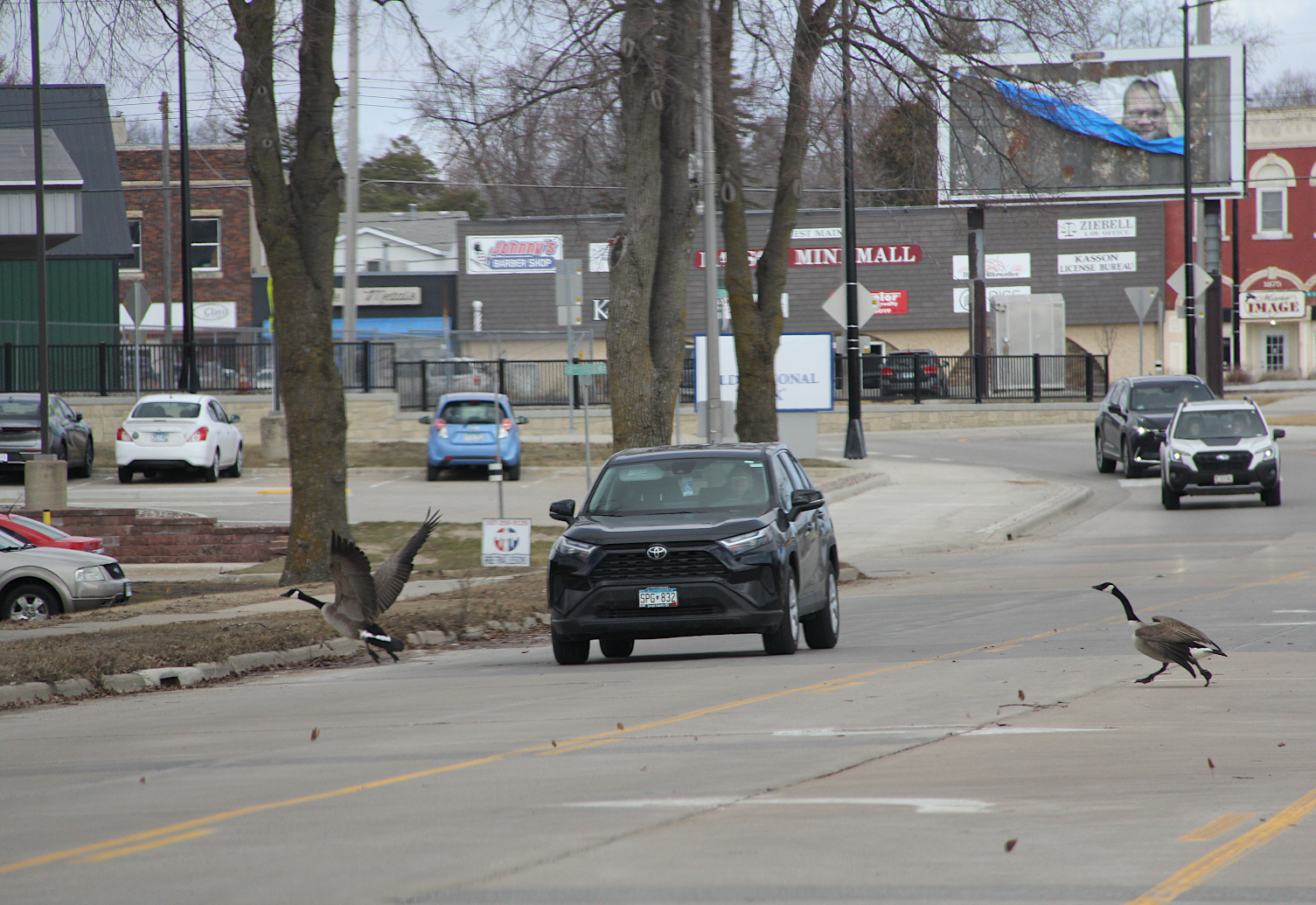
Geese cross a street in small town Kasson, Minnesota. (Minnesota Prairie Roots copyrighted photo March 2026)
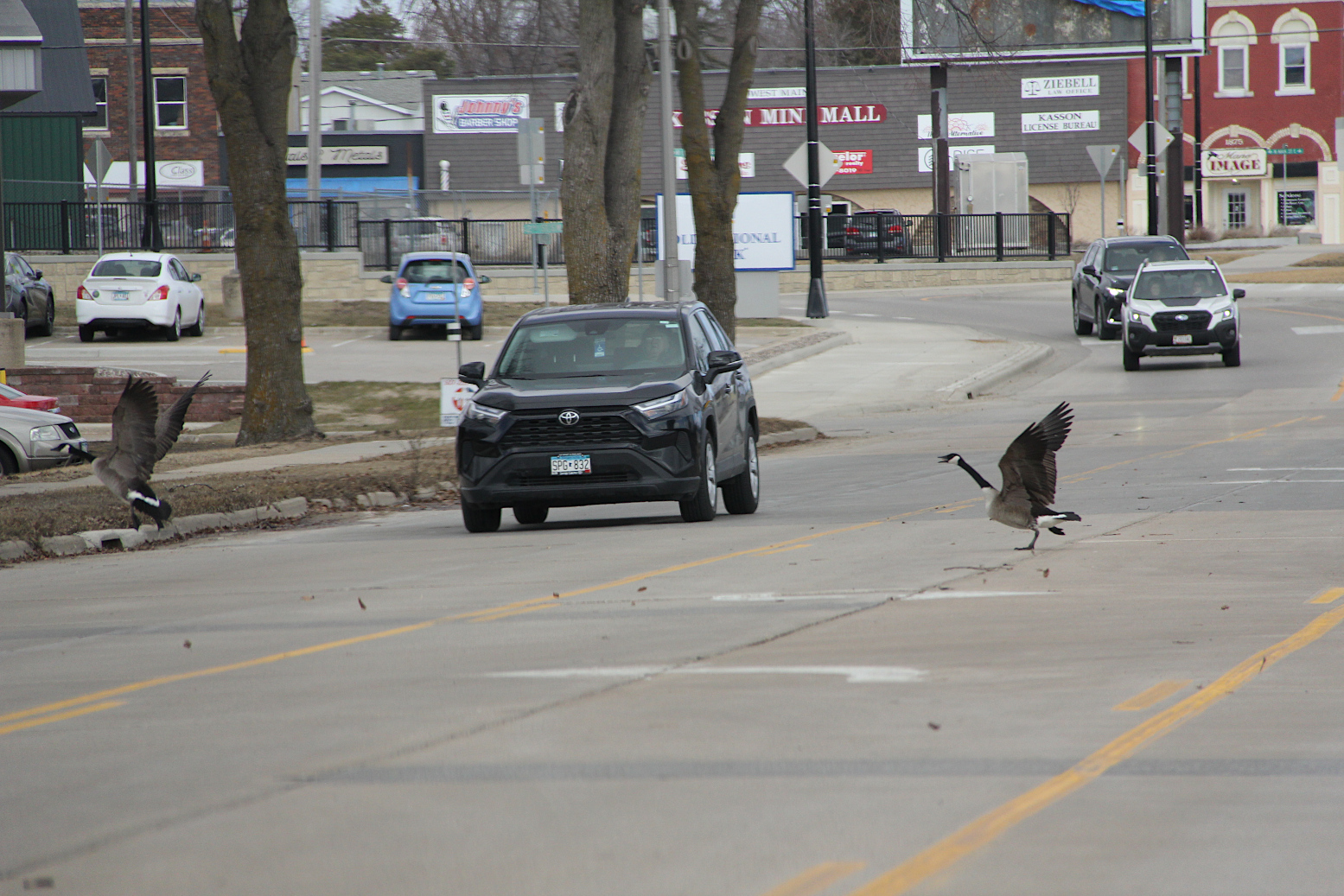
TO TAKE PAUSE is sometimes necessary, as in a recent road encounter in the southeastern Minnesota community of Kasson. Two Canadian geese hurriedly crossed a downtown street, their long legs stretching, necks craning, wings lifting in flight.
They understood the danger of approaching vehicles. And we, in our vehicles, understood the need to stop and allow them to go safely on their way.
This marked, in some ways, a sweet moment in time when all of us on that roadway paused in our journeys to respect these geese, who were really at our mercy.
Both geese spread their wings to fly away from danger. (Minnesota Prairie Roots copyrighted photo March 2026)
It felt good to be in community on this mid-March morning without thought of differences or division, but rather in communal understanding that we all needed to do what was right. Sometimes that’s all it takes to realize that we truly can work together for the common good, this time for the common good of those birds. And I suppose for us, too, as I doubt anyone wanted a goose in their radiator.
There are lessons to be learned in everyday life. Lessons in patience and understanding and cooperation. On this winter morning in Minnesota, two geese taught all of us to slow down, to work together, to recognize that little moments matter in life as much as the big moments. The lives of those geese mattered enough for all of us to stop and that is a lesson we can take with us into our communities, our country, our world.
THOUGHTS? Any similar stories to share of an everyday moment like this with lessons learned?
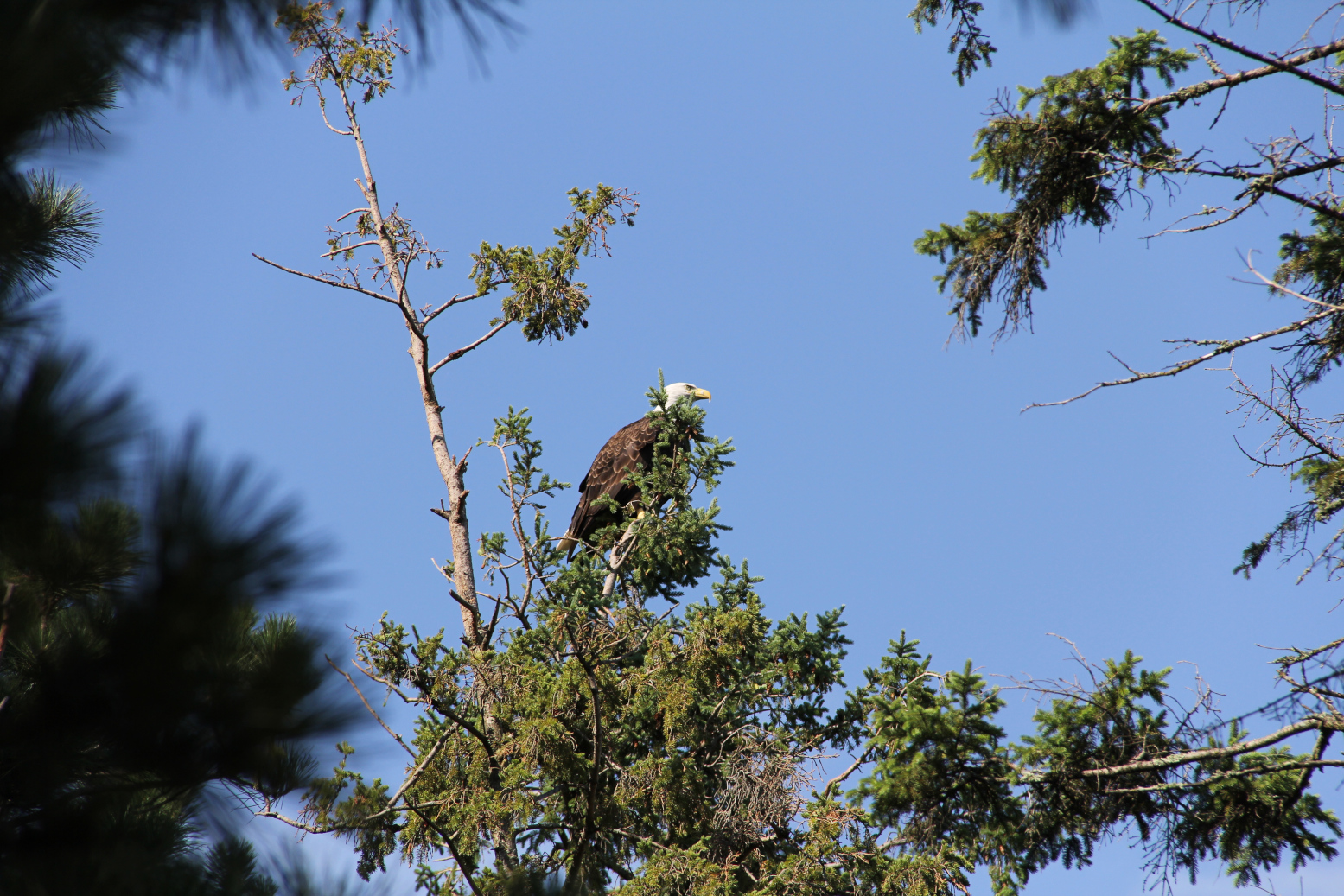
The bald eagle I saw nearby within hours of arriving at a central Minnesota lake cabin. (Minnesota Prairie Roots copyrighted photo July 2025)
LAST SUMMER, LOON sightings proved common at a family member’s lake cabin south of Crosslake in north central Minnesota. This summer, not so much. While Randy and I heard the haunting call of loons during a recent stay, we only saw them twice—once a threesome swimming near shore and then two flying westward before a thunderstorm rolled in.
But bald eagle sightings more than made up for the absence of loons. We’d been at the cabin only hours when one swooped onto the top of a towering pine near the patio where we were enjoying late afternoon drinks with my sister-in-law. Randy pulled out his cellphone to snap a few photos. I stayed put since my 35 mm camera was back at the cabin. I reasoned that, by the time I walked to the cabin and back, the eagle would have flown away. That’s my usual luck.
And so we continued to chat and catch up on family news, the eagle all the while perched atop the tree like some silent eavesdropper. Finally I couldn’t stand it any longer. I headed to the cabin for my Canon, cautiously optimistic that the eagle would still be in the tree upon my return. It was.
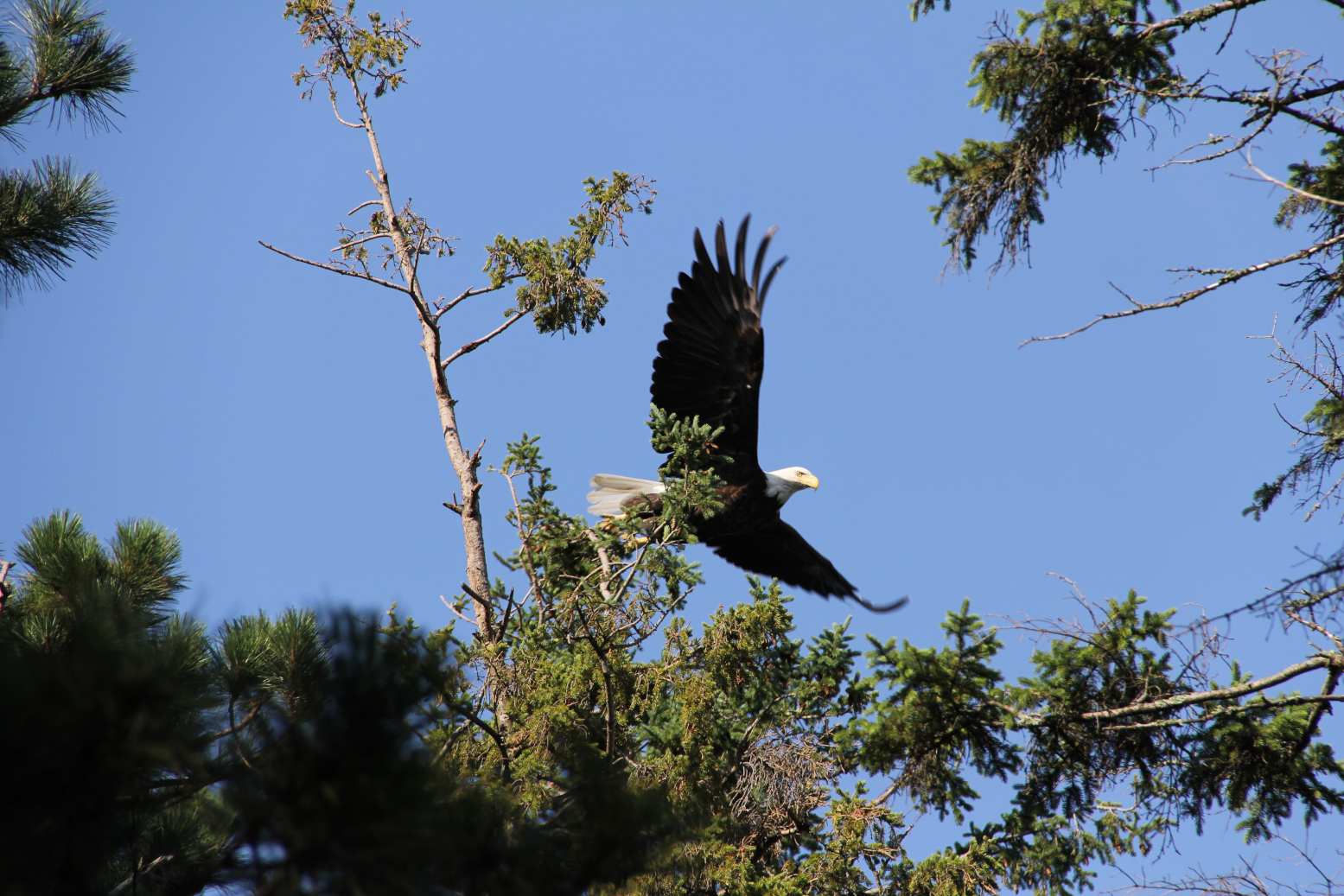
Wings spread wide, the bald eagle lifts off from the treetop. (Minnesota Prairie Roots copyrighted photo July 2025)
I moved slowly away from the patio, pine tree and eagle in view, aimed my telephoto lens skyward and snapped a single frame before the eagle lifted off. I can only surmise that my camera lens appeared threatening to the observant bird with exceptional vision. An eagle can see an animal the size of a rabbit running from three miles away, according to the Wabasha-based National Eagle Center.
Nine minutes later, that same eagle was back, but in a different pine near the lake and on the other side of the patio. Once again, I managed one photo before the majestic bird took flight.
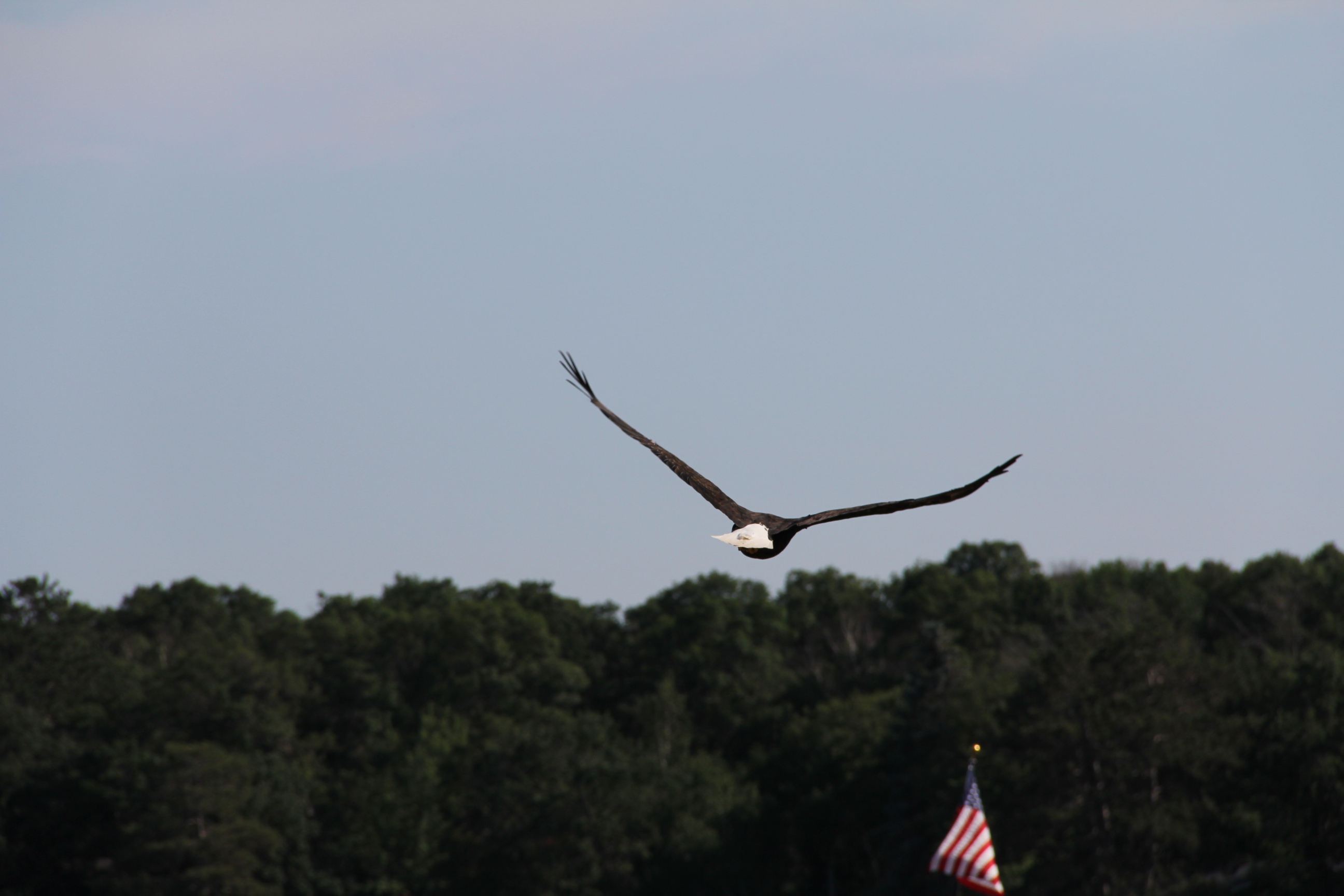
Two symbols of America: the flag and a bald eagle. (Minnesota Prairie Roots copyrighted photo July 2025)
I never tire of seeing eagles, whether flying or statue still. They are truly majestic. Regal. Commanding respect. And they are our national bird, a designation officially signed into law on December 23, 2024.
Throughout our week-long cabin stay, I observed bald eagles flying above Horseshoe Lake multiple times. Sometimes high above the water. Other times descending toward the surface, fishing for fish. I hoped I would see a fish grasped in eagle talons. I didn’t. Nor did I see the eagles any closer than that first afternoon at the lake.
On the drive back to Faribault, Randy and I spotted many eagles soaring above the land, especially around Mille Lacs Lake. I couldn’t help but think of the eagle’s spiritual and cultural importance among Native Americans. Strength. Courage. Wisdom. All are equated with eagles.
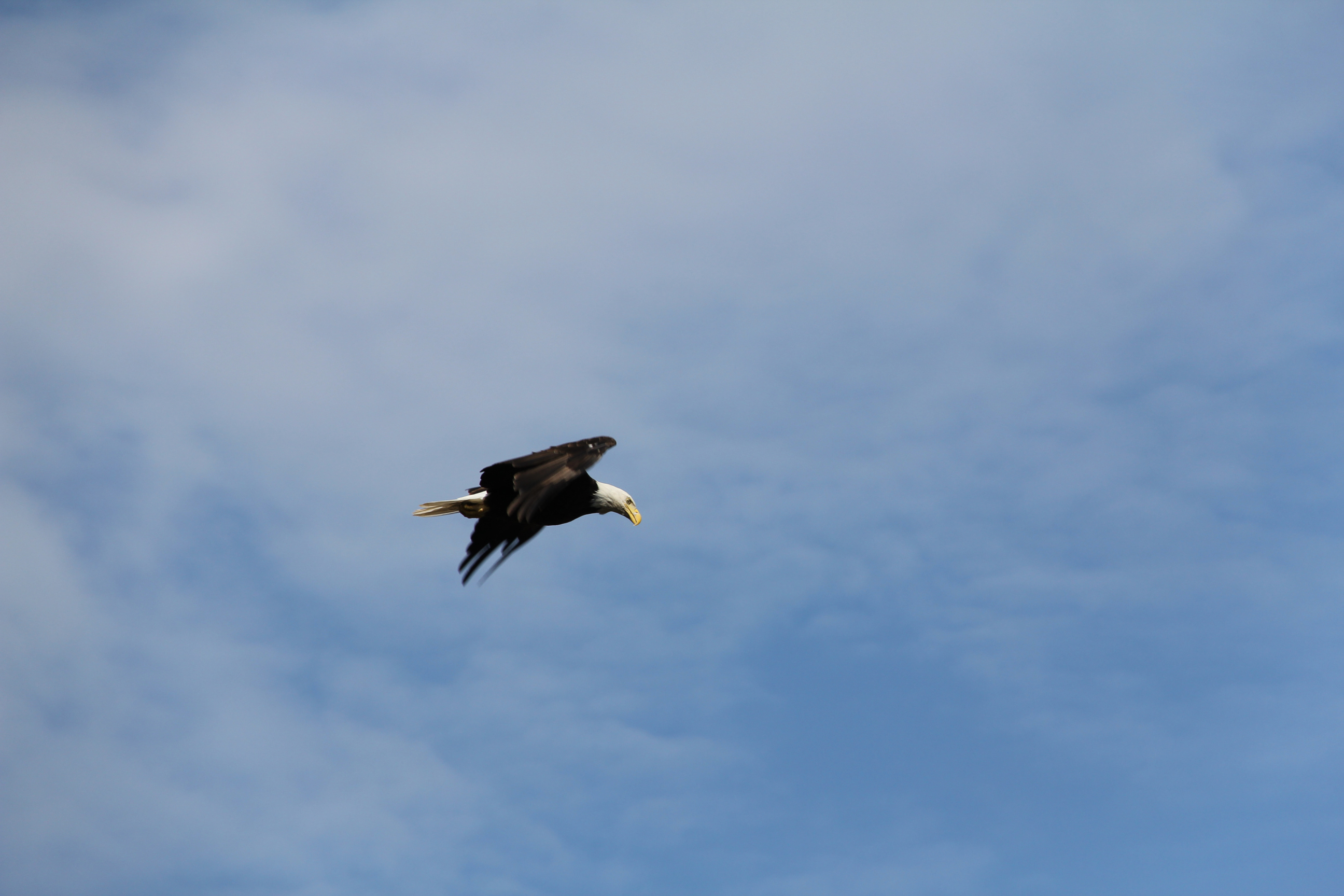
A bald eagle flies over Horseshoe Lake in the Brainerd lakes area. (Minnesota Prairie Roots copyrighted photo July 2025)
This wondrous national bird is so common now that I’m no longer surprised when I see one flying in and around Faribault or elsewhere in Rice County or in Minnesota. Yet, despite frequent sightings, I never tire of seeing a bald eagle. There’s something about this bird with an average wingspan of 6-7 ½ feet, piercing eyes and curved beak that makes me pause, take notice and appreciate their fierce, unyielding strength and beauty.
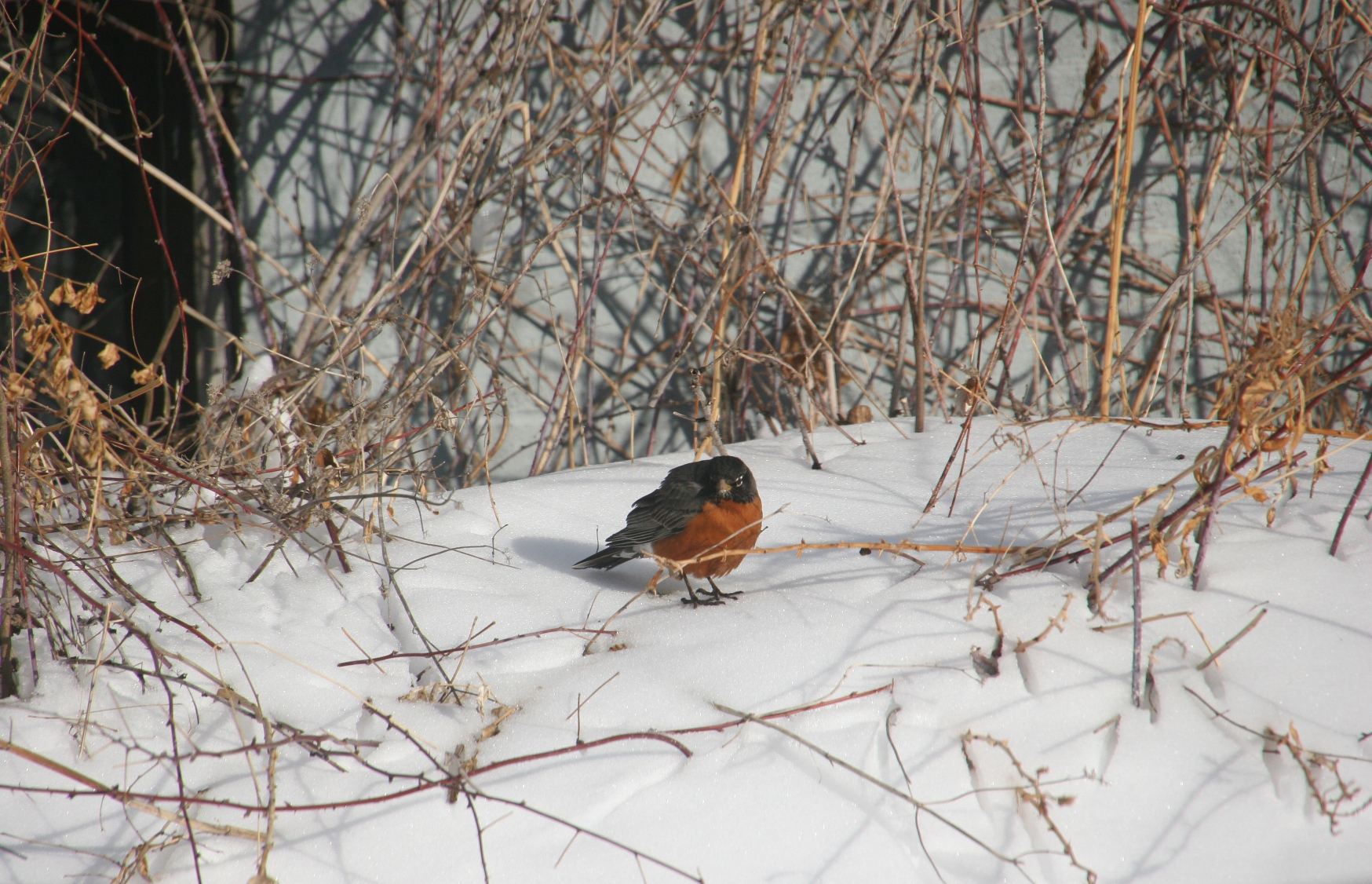
In April 2018, this robin huddled in the snow. (Minnesota Prairie Roots copyrighted file photo April 2018)
THIS TIME OF YEAR, birds sound louder, their voices amplified. Birds are marking territories, seeking mates. Or perhaps they are announcing their return to Minnesota or their survival of winter, even the mild one of 2023-2024.
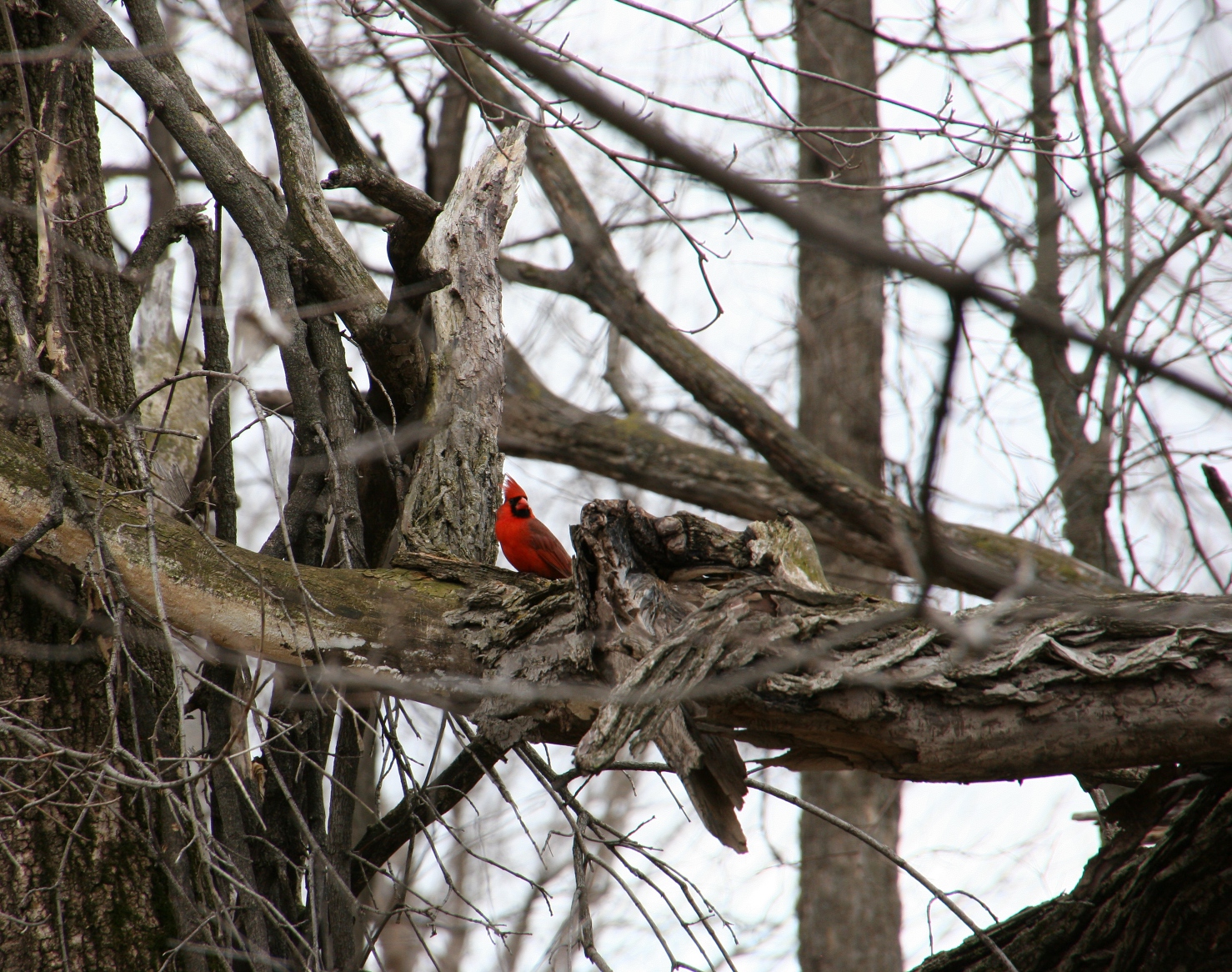
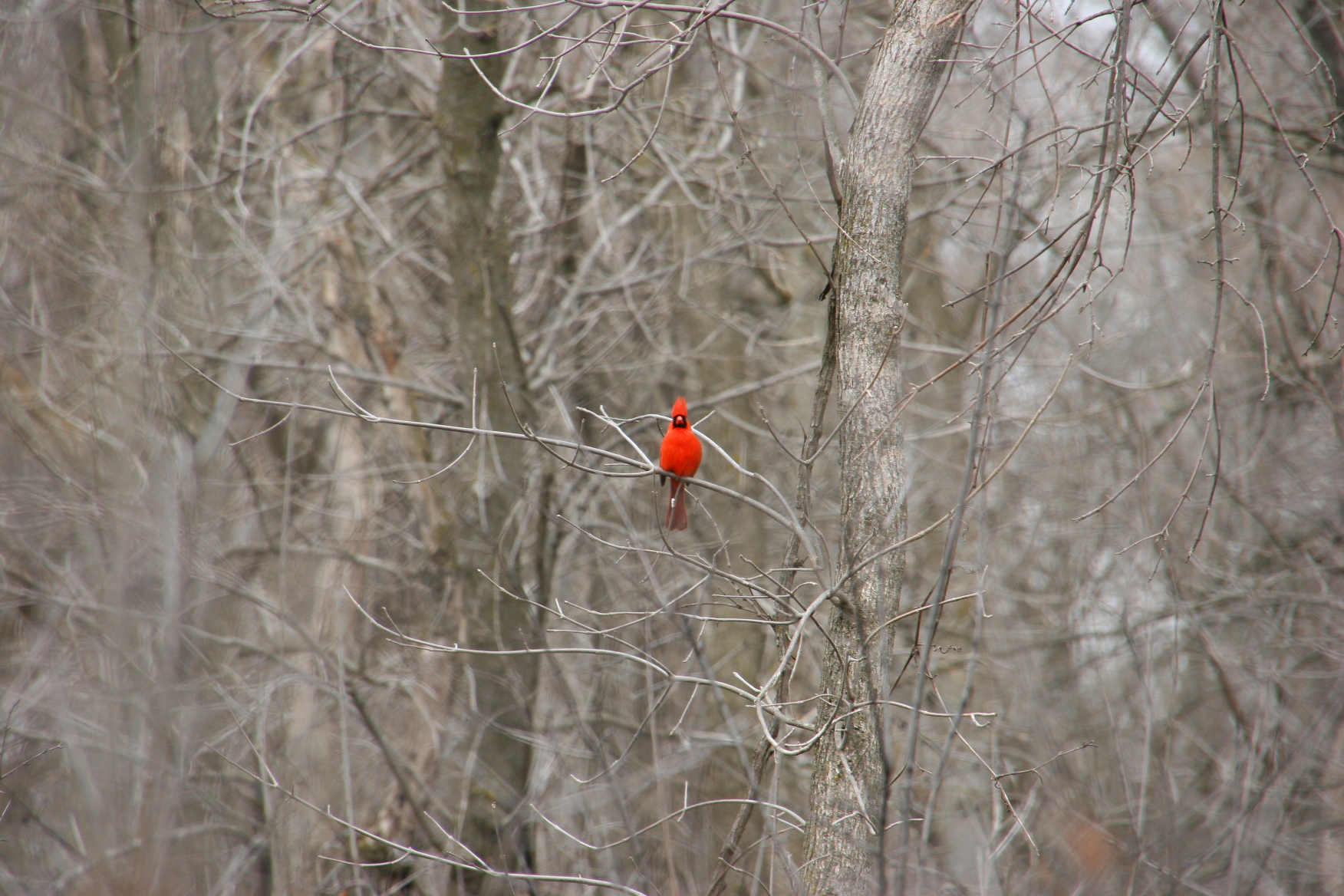
A cardinal. (Minnesota Prairie Roots copyrighted file photo April 2019)
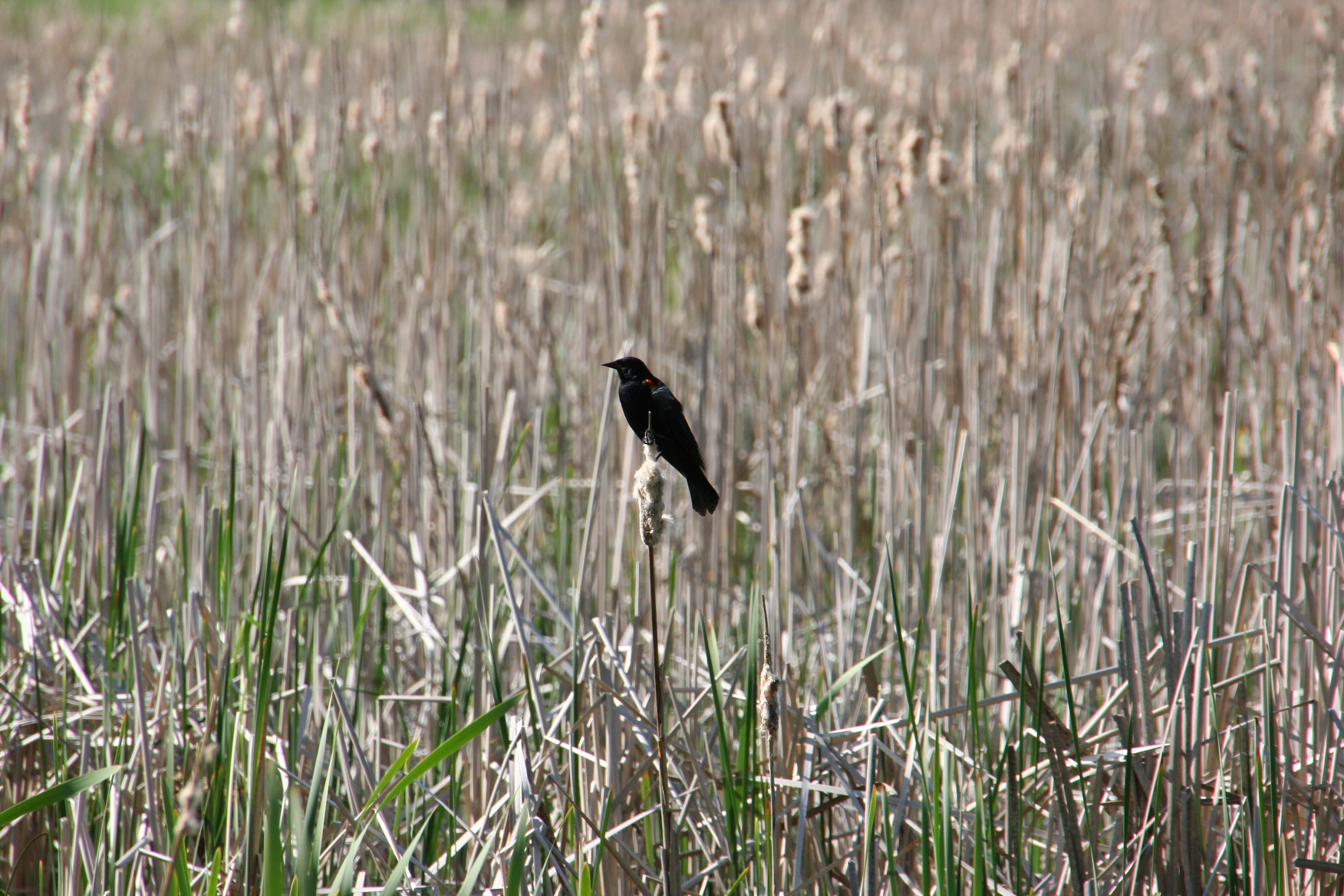
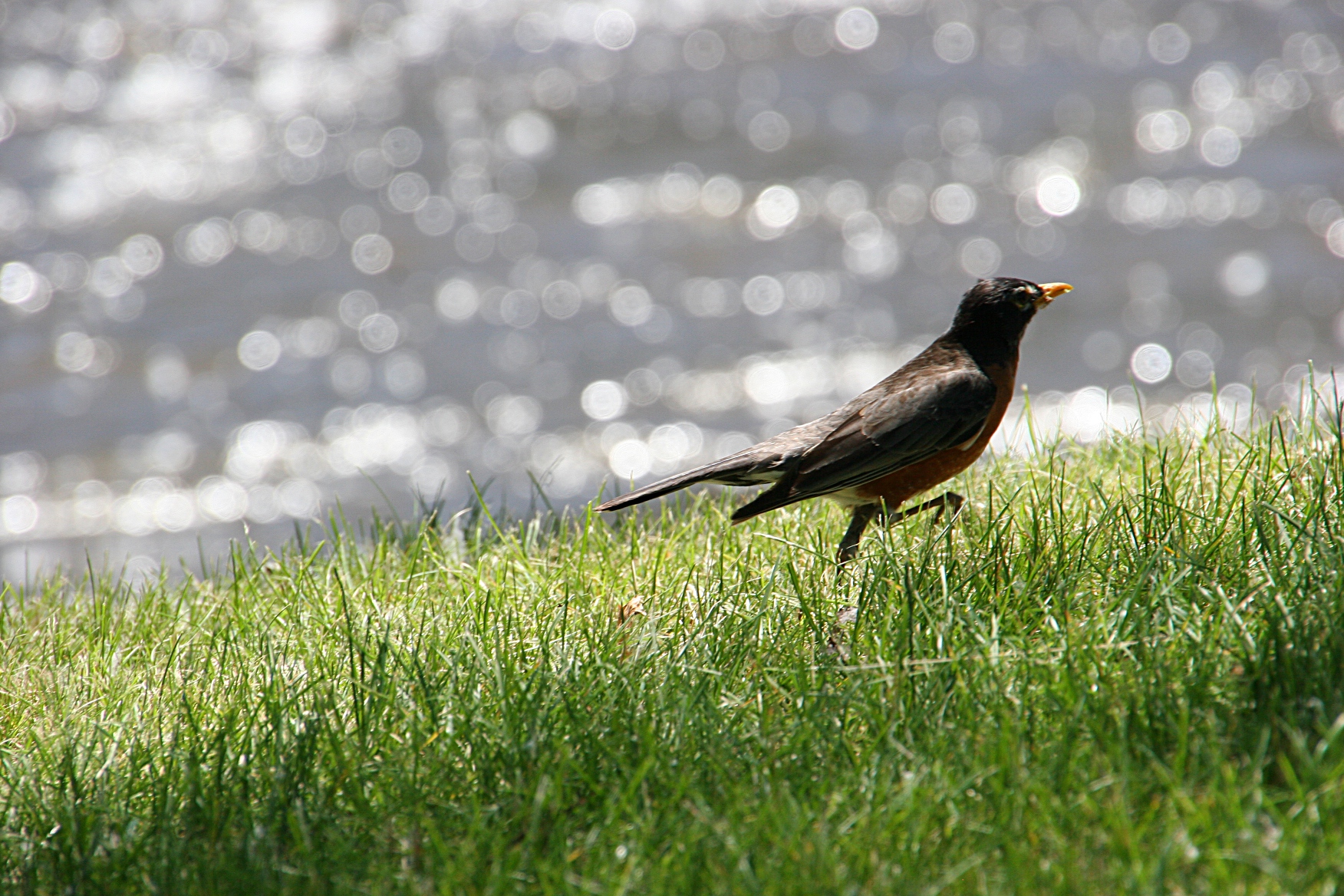
Cardinals trill. Red-winged blackbirds and robins sing in their distinguishable voices, which I can’t quite describe. But I know them when I hear them.
Red-winged blackbird among dried cattails in a pond. (Minnesota Prairie Roots copyrighted file photo May 2017)
When I step out my backdoor to hang laundry on the clothesline, I hear the morning birdsong, even above the drone of traffic along my busy street. When I walk at the local nature center, I hear birdsong rising from the woods, the marshes, the prairie. To hear birds singing is to hear the refrain of spring.
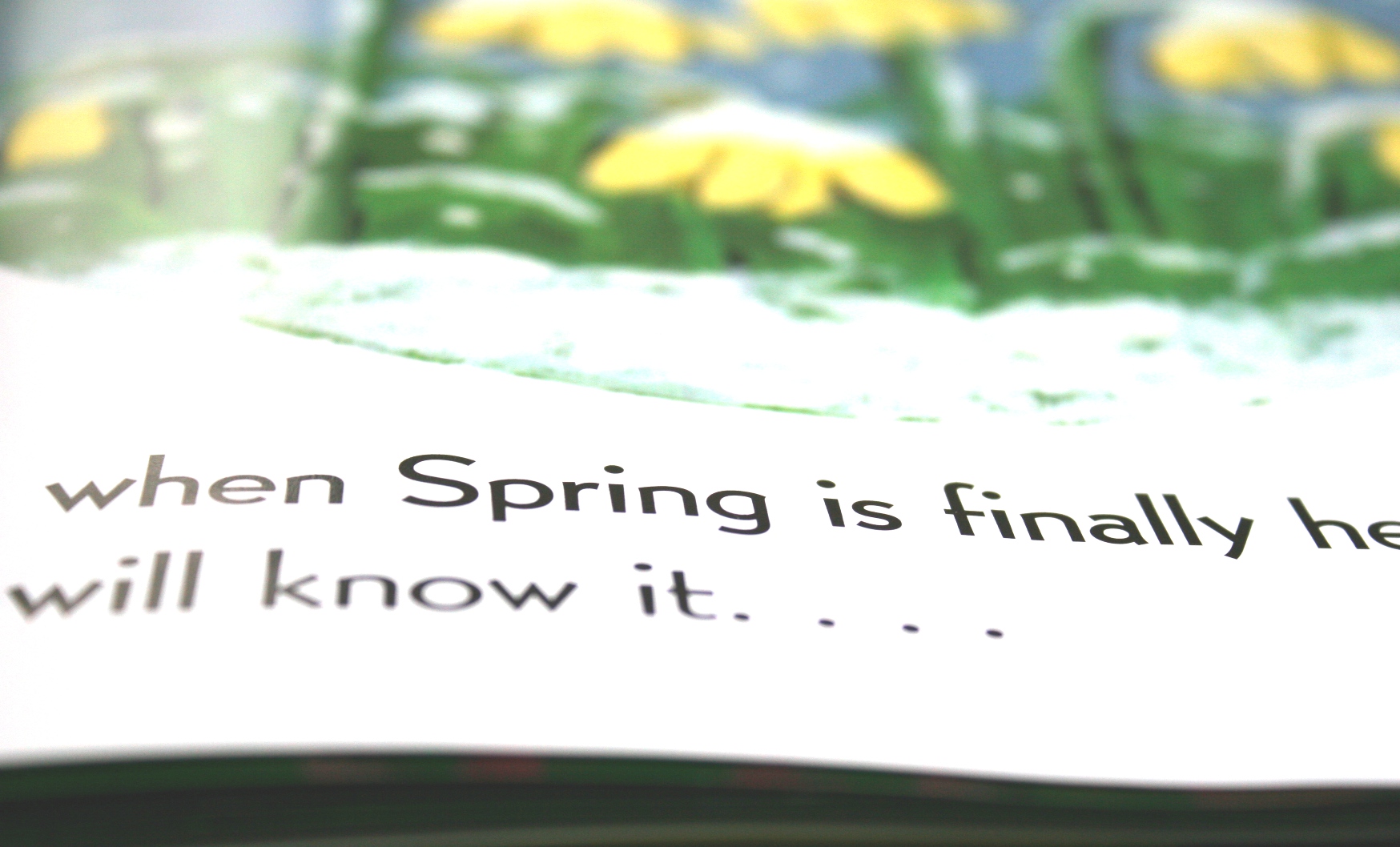
From the pages of a children’s picture book… Birds announce spring’s arrival in Minnesota. (Minnesota Prairie Roots file photo 2019)
It’s lovely and uplifting and hopeful. And in many ways remarkable. Here are these small feathered creatures singing spring songs that captivate us with their boldness, their melody.
Soon the grass will be lush and long, like a carpet for robins and other birds. (Minnesota Prairie Roots copyrighted file photo)
Each spring, without fail, I find myself listening intently to birdsong as if the song is a new release. In a way, it is. A release from winter’s grip. A release to days that are warmer and greener and teeming with life. Those are the signs, the hopes, of spring in Minnesota.
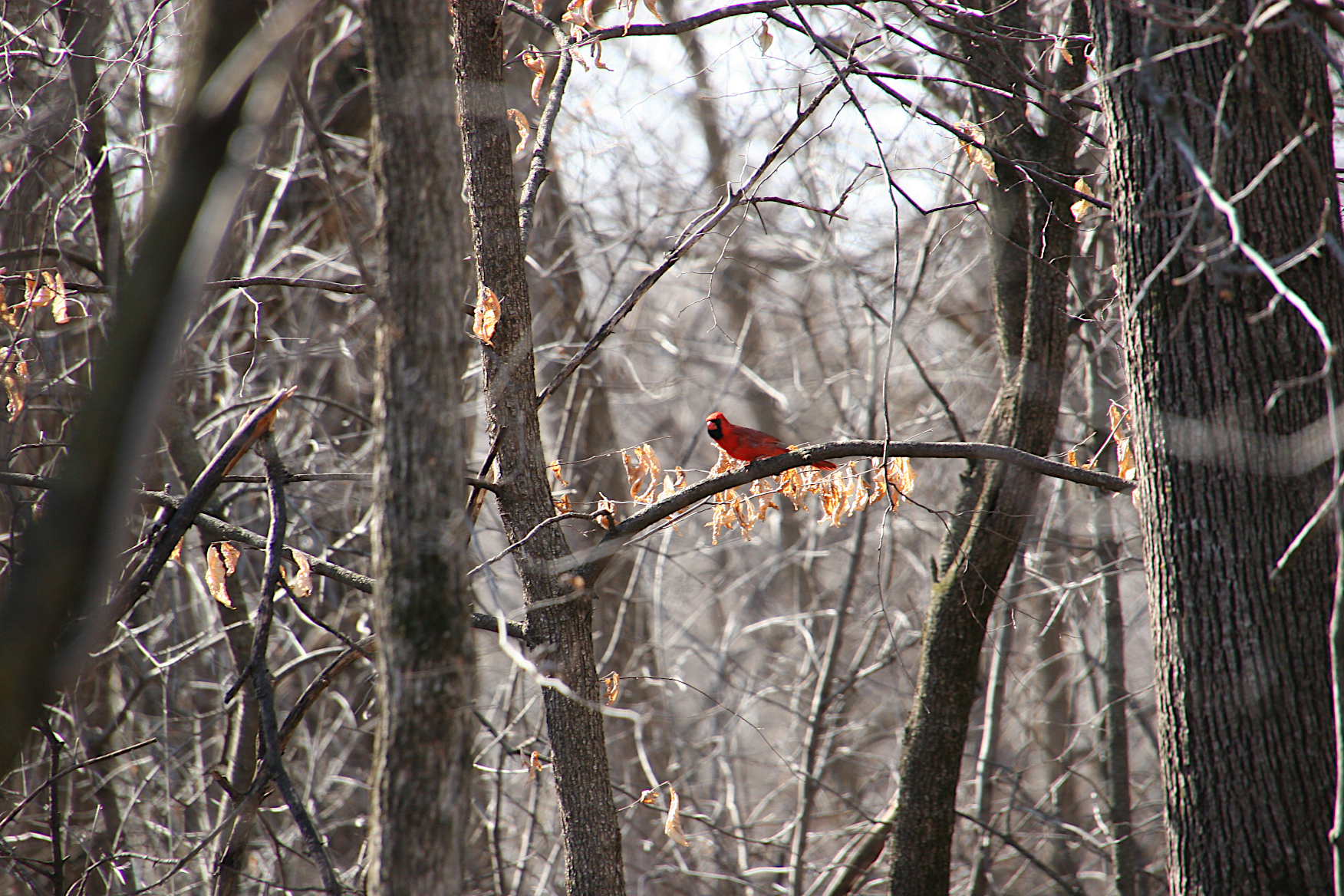
Cardinal photographed at River Bend Nature Center, Faribault. (Minnesota Prairie Roots copyrighted file photo)
PERHAPS HE SHOULDN’T MESS with their bird brains. That’s not Randy’s intention when he whistles back at whistling cardinals. But my husband seems to enjoy the challenge, the sport, the act of communicating with the cardinals that frequent our neighborhood.
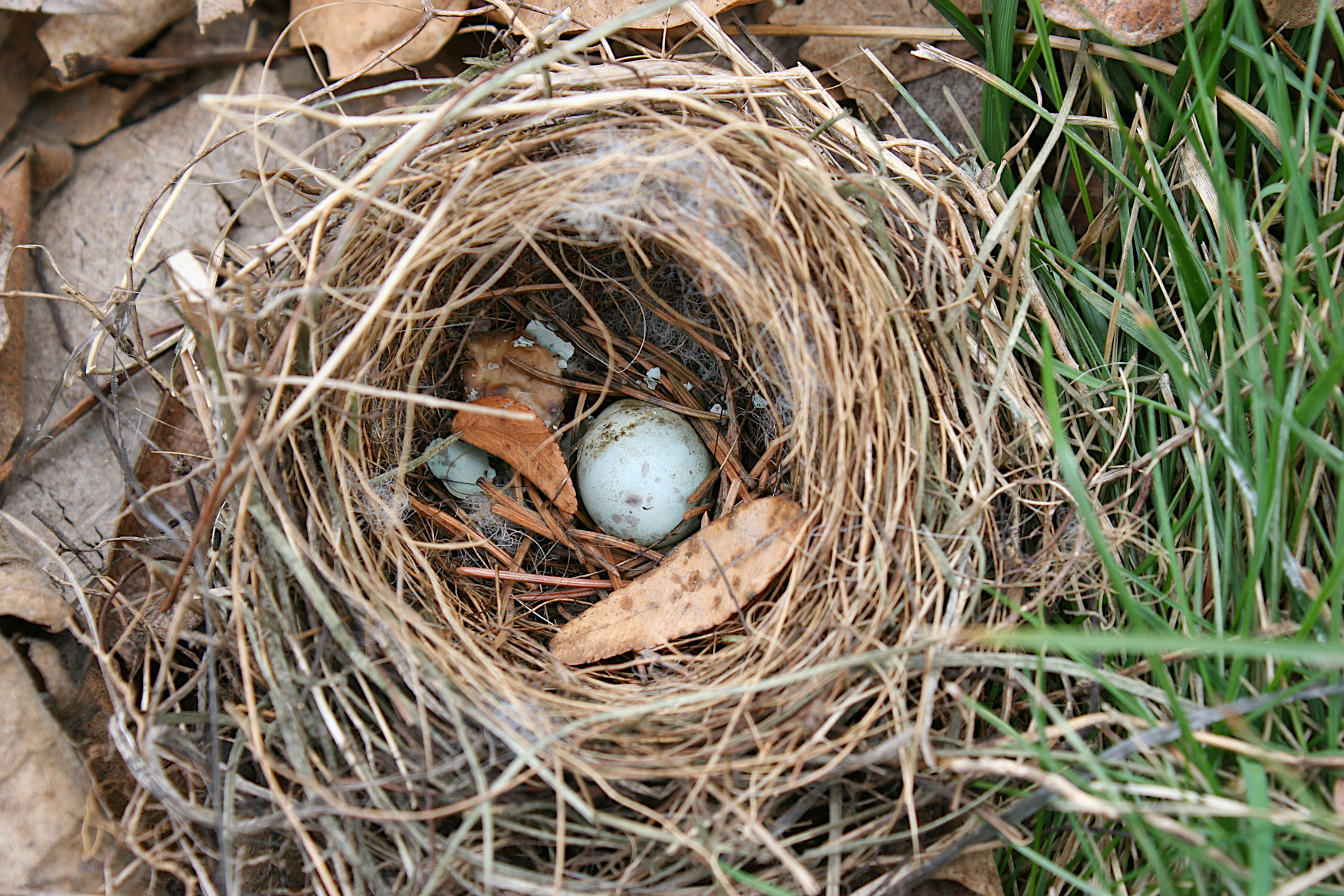
A bird nest and hatched egg (not a cardinal’s) found in my yard. (Minnesota Prairie Roots copyrighted file photo April 2021)
This time of year especially—which in Minnesota means weather that is spring on the calendar but yet sometimes still very much winter in reality—erupts in birdsong. Trees show just the slightest hint of green. Birds sense the shifting season, soon time to craft a nest, settle in and raise a family.
Cardinal at River Bend. (Minnesota Prairie Roots copyrighted file photo)
Randy recognizes that this boisterous season of bird calls brings endless opportunities to practice his cardinal calls. He doesn’t really need practice, in my opinion. He’s nailed the cardinal’s whistle so well that, if I close my eyes and listen, I can’t distinguish the human from the bird, the bird from the human.
Whether the birds can tell the difference, I’m uncertain. But the cardinals always answer him, which tells me Randy’s mimic of their whistle is convincing.
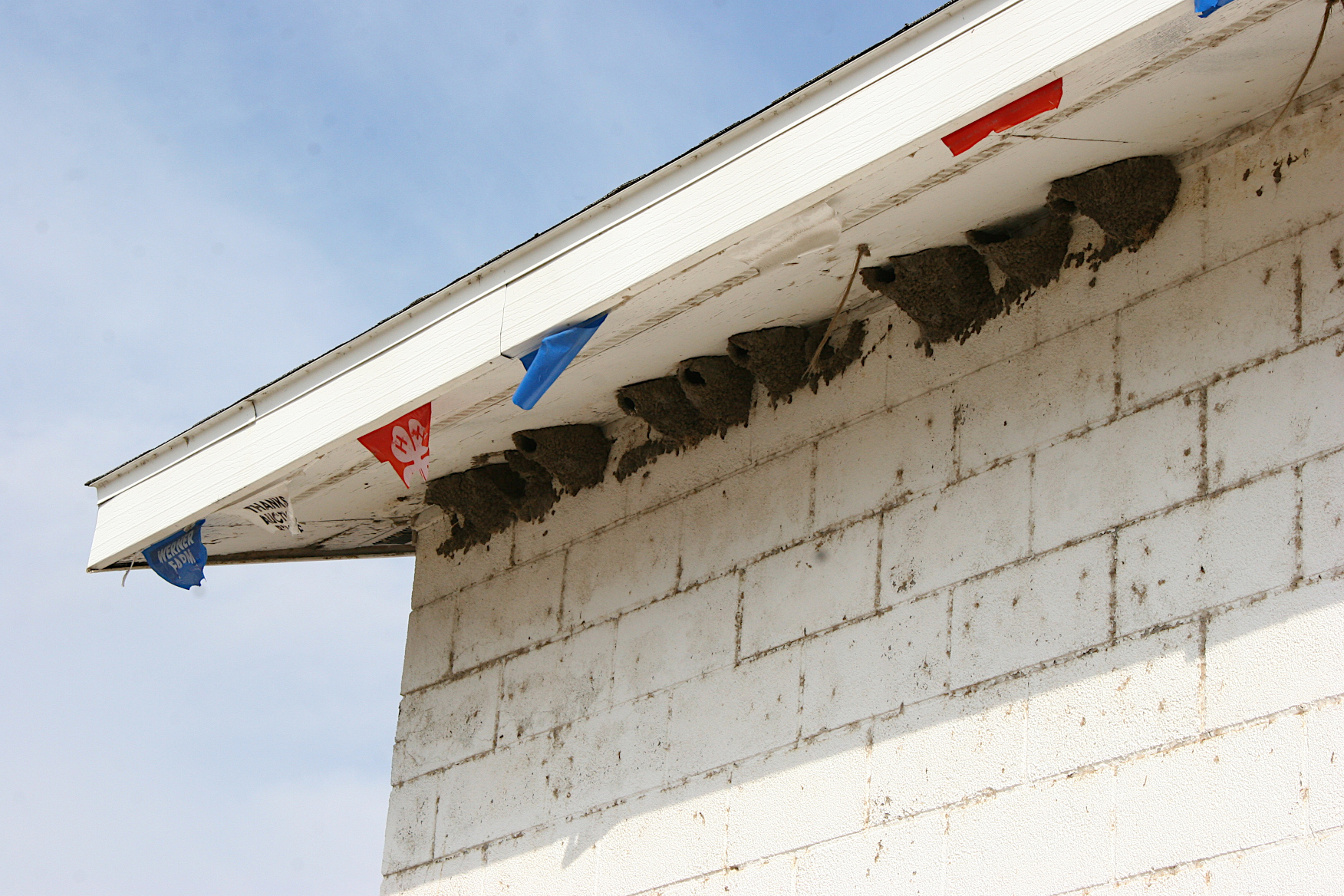
Barn swallow nests cling to a building at the Rice County Fairgrounds, Faribault. (Minnesota Prairie Roots copyrighted file photo March 2021)
I’ve never been much of a bird person, having grown up with rather common, plain birds like blackbirds, sparrows, robins and the detestable barn swallows. The bomb-diving swallows “attacking” me (so it seemed) as I pushed a wheelbarrow of ground feed down the barn aisle is the stuff of nightmares. Those unpleasant memories will never make me a fan of Alfred Hitchcock’s “The Birds.”
Only one bird on my native prairie home place could be considered anything but ordinary. It was not the cardinal; there were none. Rather we had a pair of Baltimore Orioles, which my mom adored. They were “her” birds, a bit of exotic avian beauty in her ordinary farm life world.
Cardinal at River Bend. (Minnesota Prairie Roots copyrighted file photo)
In my current-day ordinary town life world, the cardinal is my exotic bird. A flash of red. A sharp whistle that cuts through the street noise. And a time for me to bear witness to a conversation between man and bird.
TELL ME: Do you have a favorite bird? Any bird stories to share. I’d like to hear.
MY APOLOGIES TO ANYONE who checks out When We Were Young by Richard Roper from Buckham Memorial Library. I’m sorry about the smears at the top of page 309 in chapter forty-eight, the chapter wherein main characters Joel and Theo get some really good news. I did not intentionally smear the page with an unknown-to-the-next-reader substance.
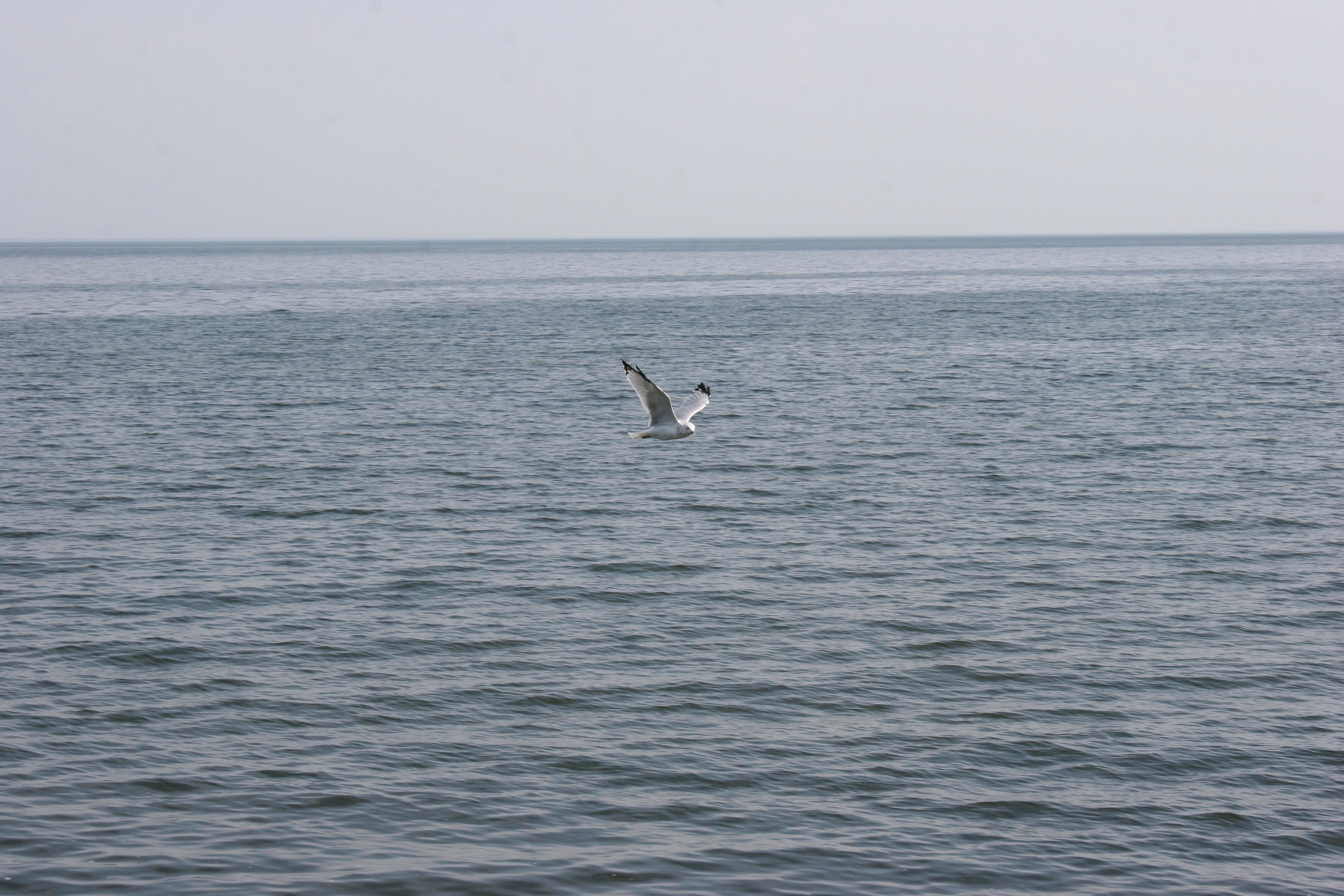
Near shore, a seagull wings across Mille Lacs Lake in central Minnesota. (Minnesota Prairie Roots copyrighted file photo September 2017)
Here’s my story, summarized in a family text I sent Sunday evening:
I just had the most disgusting thing happen. I’m sitting on the patio reading & I feel something wet hit the side of my face. A bird pooped on my face, my glasses & my book! Yuck! Dad looked up to see a bunch of gulls flying around. This is NOT Duluth or anywhere near water.
It should be noted here that, before texting anyone, I wiped the bird poop from below my eye and from the book and that Randy washed my glasses. A bit later I also splashed water into my eye, which was feeling a tad odd.
A gull landed by Randy and me as we ate a picnic lunch near Serpent Lake in Crosby earlier this summer. (Minnesota Prairie Roots copyrighted photo July 2022)
I should have anticipated that my family would have a bit of fun with this unfortunate incident. The granddaughter hoped for a photo. Randy said he could have taken one. He observed that the gulls had a pretty good aim for being 200 feet high. Gee, thanks, dear husband. He also wondered whether our actuary son-in-law could determine the chances of this happening again. That’s OK. I don’t need to know those odds.
But the other son-in-law shared that being pooped on by a bird means good luck in England, where he lived as a child and was also pooped upon once. I confirmed that in an online search—the poop-luck correlation. Now luck I’ll take, even though I didn’t feel one bit lucky when I felt a splat upon my face and then realized what had happened.
Yet, the poop did land on that page in a fictional book when two friends get double good news. Now what are the odds of that?
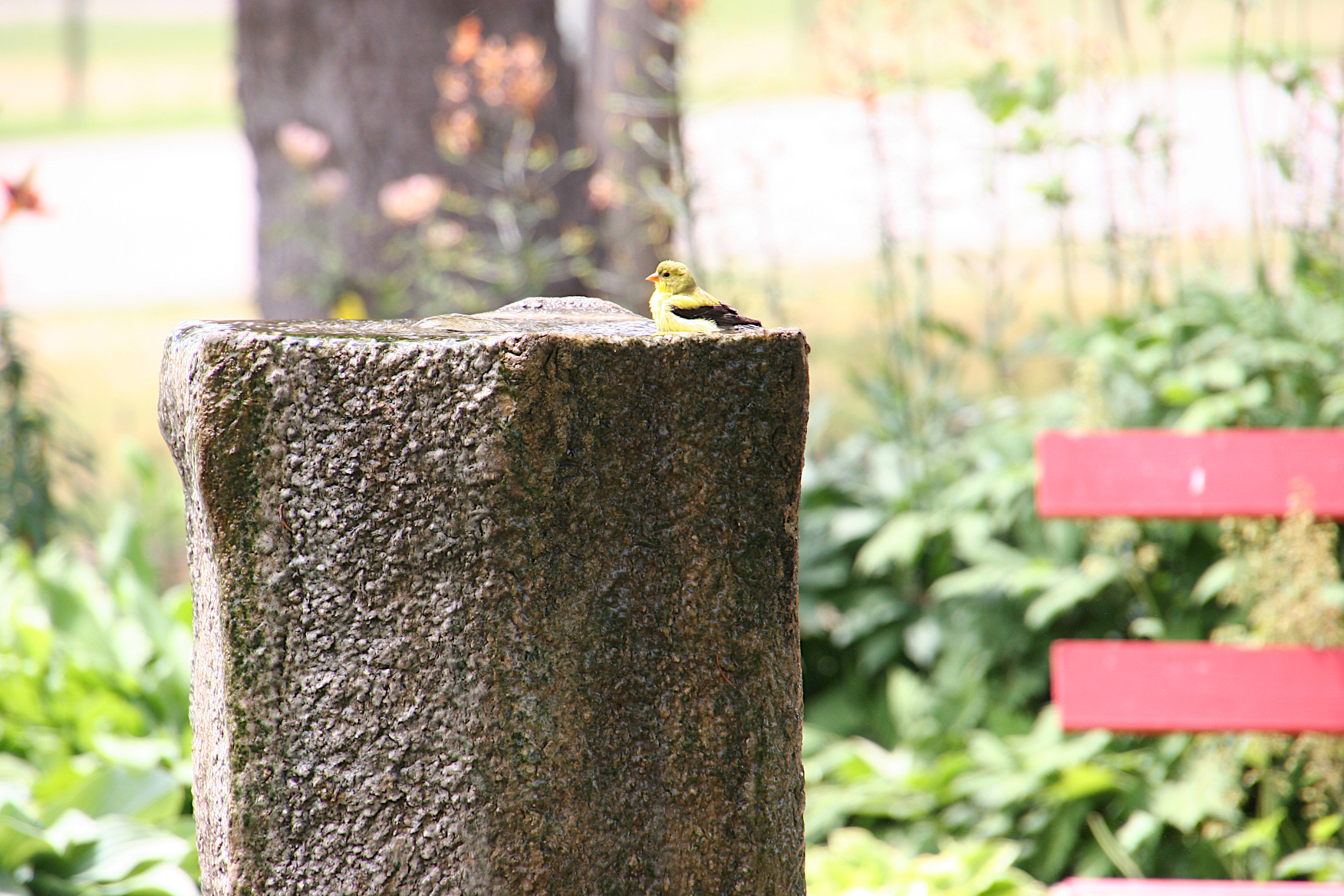
A tiny bird perches in a fountain at the Rice County Master Gardeners Garden, Faribault, Minnesota. (Minnesota Prairie Roots copyrighted file photo July 2022)
I HAVE A MIXED OPINION of birds. I appreciate them at a distance, but not necessarily up close, although I’ve grown more comfortable with their nearness as I’ve aged. Just don’t plunk me in an enclosed garage or other space with a trapped bird. Outdoors is mostly fine.
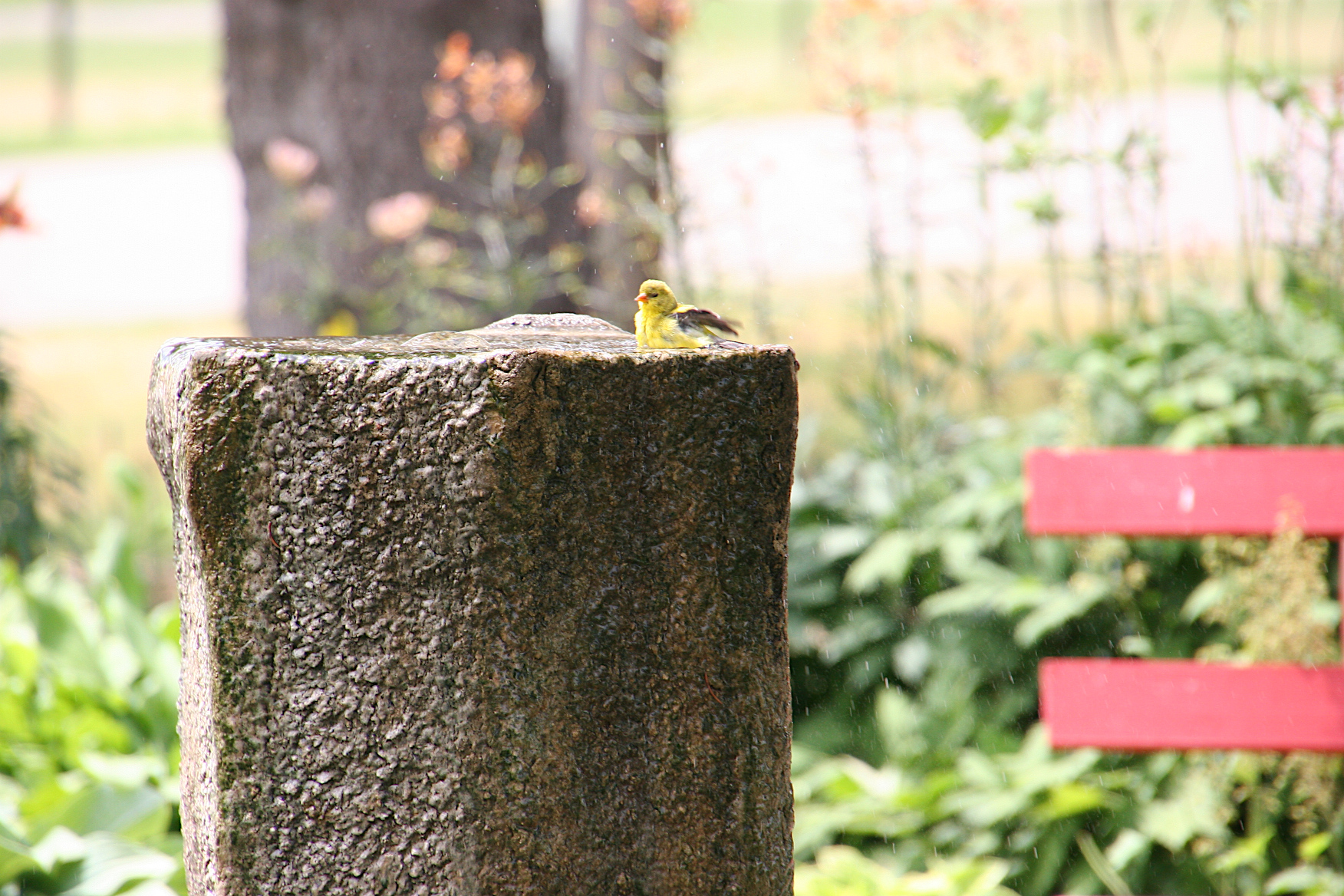
Unfolding of wings to splash in the fountain. (Minnesota Prairie Roots copyrighted photo July 2022)
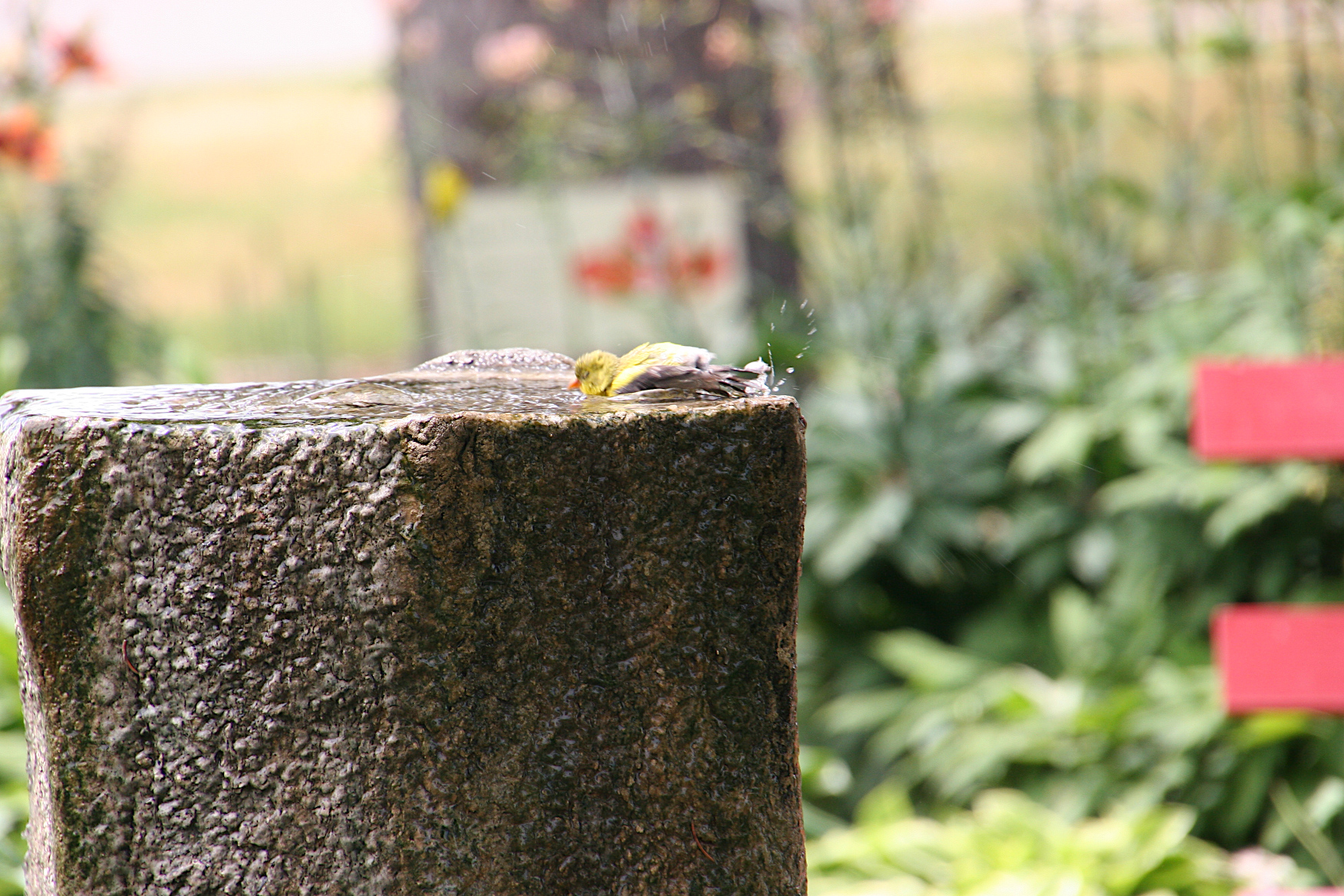
Recently I observed a cute little yellow bird, a finch, I think, dip into a tree stump water feature at the Rice County Master Gardeners Teaching Gardens at the county fairgrounds in Faribault. With a zoom lens on my 35 mm camera, I photographed the finch briefly splash in the water before flitting away. There was something joyful in that sole moment of focusing on a tiny winged creature.
Water droplets fly as this bird bathes in the fountain. (Minnesota Prairie Roots copyrighted photo July 2022)
We need such moments of simplicity. Of peace. Of birdsong, even if this bird isn’t singing. Moments to quiet our souls in the midst of too much busyness and too many distractions. And too much technology.
I remember how my mom loved the Baltimore orioles that one year, quite unexpectedly, showed up on my childhood farm in southwestern Minnesota flashing orange into the trees. She thrilled in their presence among all the blackbirds, sparrows and barn swallows. In her delight, Mom taught me that not all birds were like the swooping swallows I despised.
In my years of doing farm chores, I grew to dislike the swallows that dived as I pushed a wheelbarrow of ground feed down the barn aisle or shoved cow manure into gutters. That the barn ceiling was low only magnified their, to me, menacing presence. The swallows, I now acknowledge, were only protecting their territory, their young, in the mud nests they built inside the barn. And they ate mosquitoes, which I should have appreciated.
Yet I don’t miss the swallows or the rooster that terrorized my siblings and me, until the day Dad grabbed the axe and ended that.
More than 40 years removed from the farm, I seldom see barn swallows. Rather, in my Faribault backyard, I spot cardinals, wrens, robins and occasionally a blue jay. The front and side yards, however, bring massive crows lunching on remnants of fast food tossed by inconsiderate motorists who find my property a convenient place to toss their trash. I’ll never understand that disrespectful mindset of throwing greasy wrappers and bags, food bits, empty bottles and cans, cigarette butts, and more out a vehicle window.
And so these are my evolving bird stories—of shifting from a long ago annoyance of swallows to understanding their behavior, of delighting in the definitive whistle of a cardinal flashing red into the wooded hillside behind my Faribault home, of observing the feeding habits of crows in my front and side yards drawn to garbage tossed by negligent humans.
TELL ME: I’d like to hear your bird stories, positive or negative.
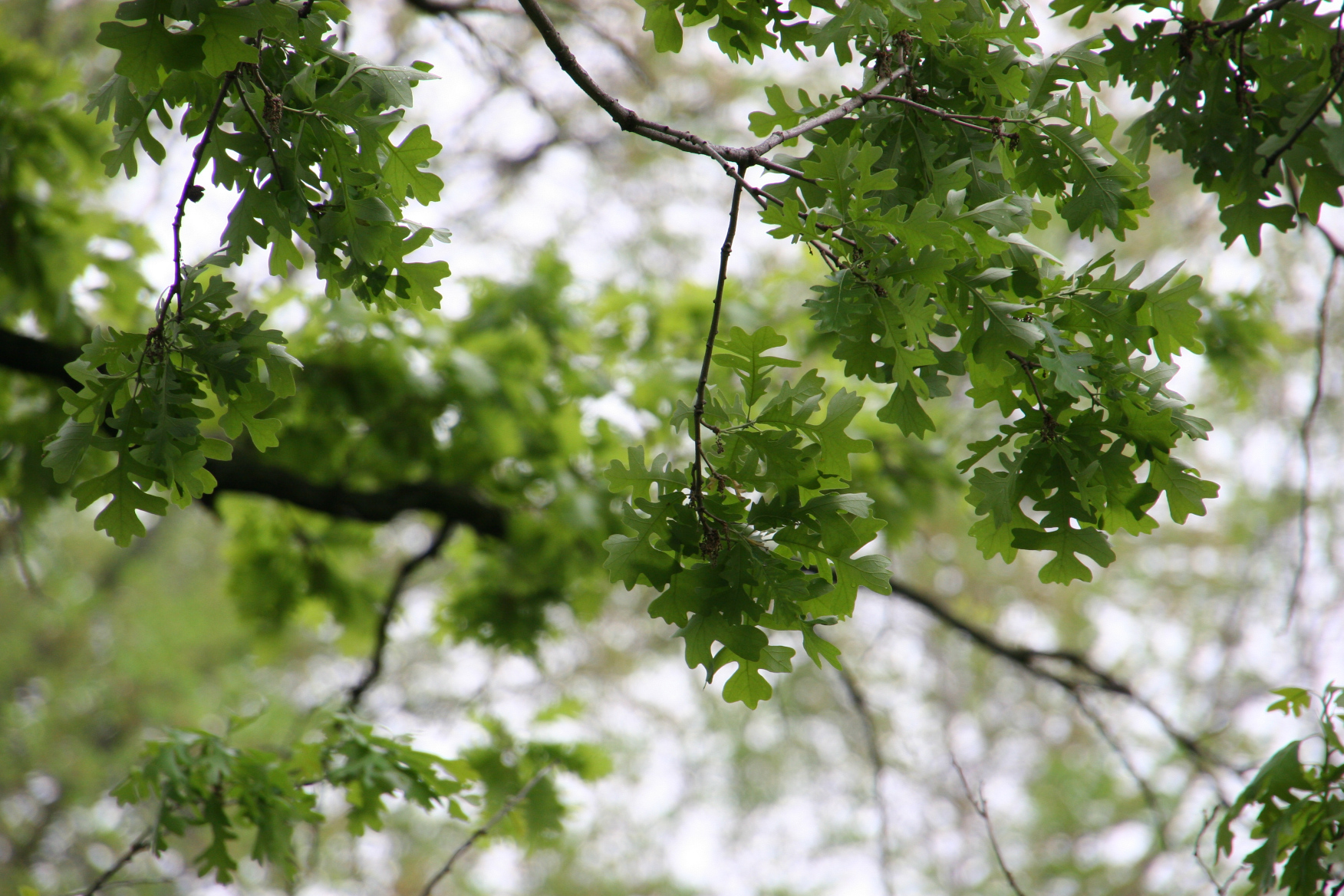
Acanopy of oak leaves. (Minnesota Prairie Roots copyrighted photo June 2022)
When life gets especially stressful, as it has thus far in 2022, enveloping myself in nature allows me to temporarily escape reality. Who doesn’t need a break? Focusing on the natural world rather than struggles and challenges brings a sense of peace, of calmness and sometimes clarity.
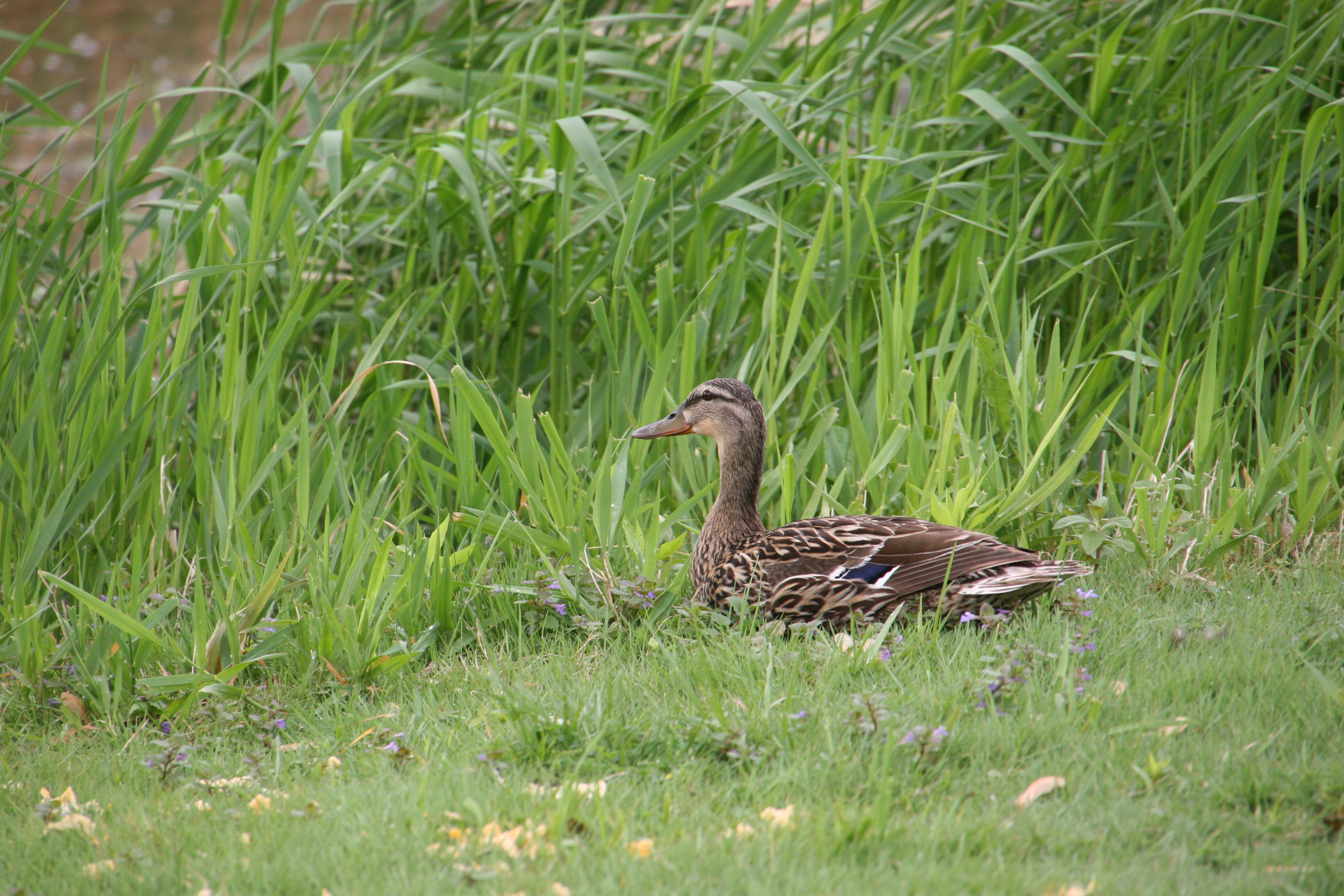
A mallard hen sits on the riverbank. (Minnesota Prairie Roots copyrighted photo June 2022)
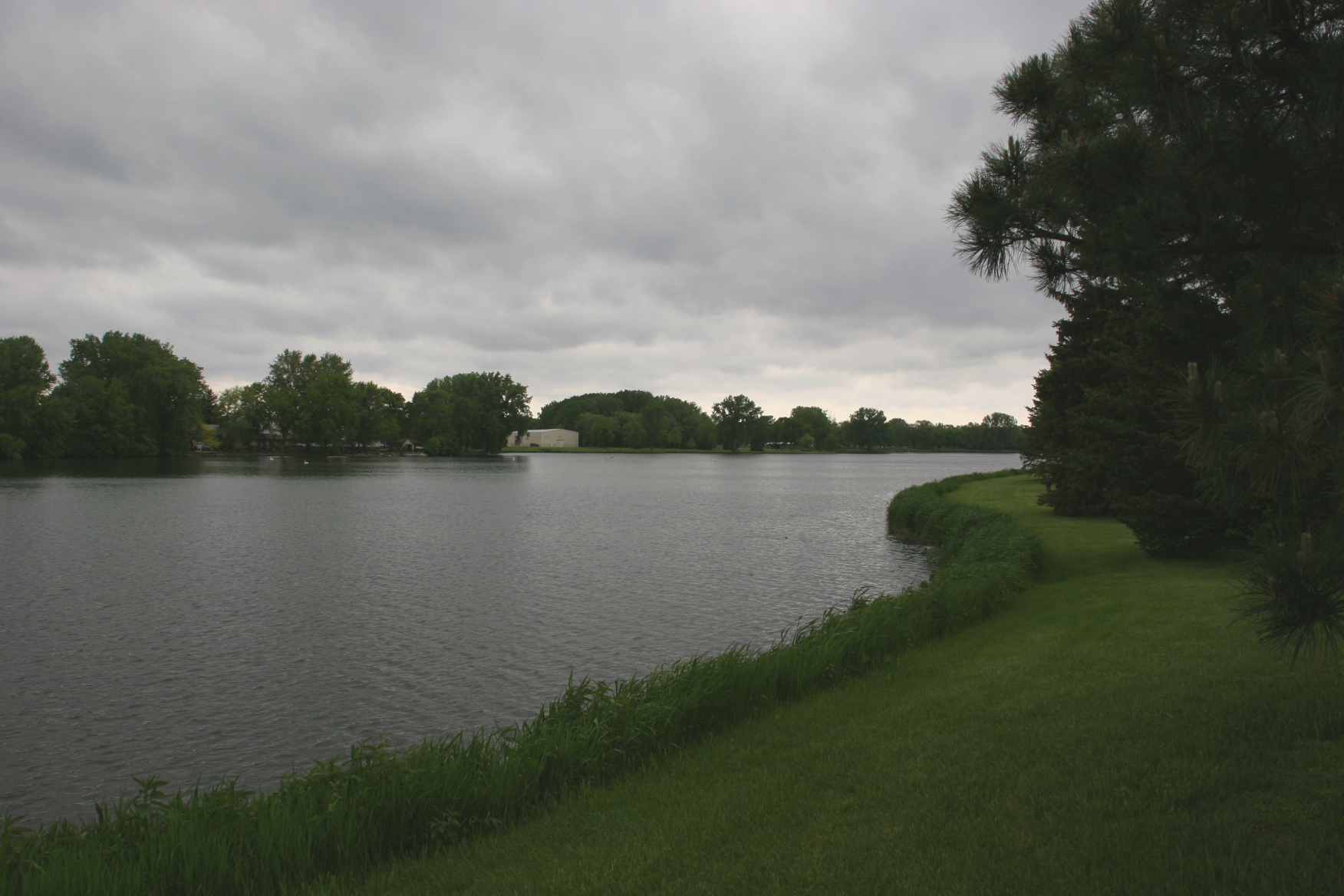
This sprawling park on Faribault’s north side is home to many waterfowl, drawn to the Cannon River. I never tire of watching them, whether in flight over the water, in the water or beside the water.
A view of the Cannon River in North Alexander Park. (Minnesota Prairie Roots copyrighted photo June 2022)
Their numbers seem down this year, perhaps due to avian influenza. Still enough ducks and geese meander the shoreline and trail to make me watch where I step.
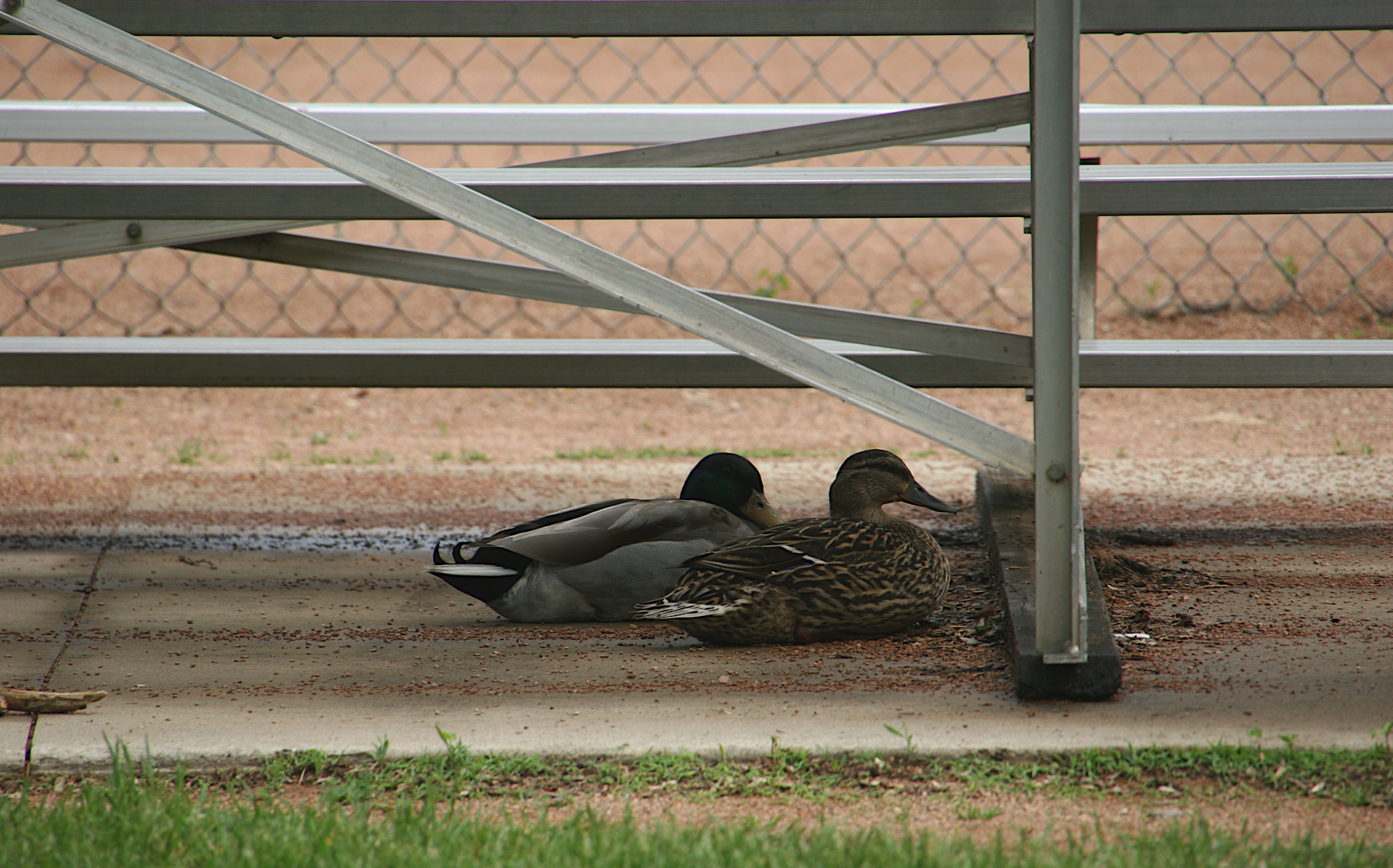
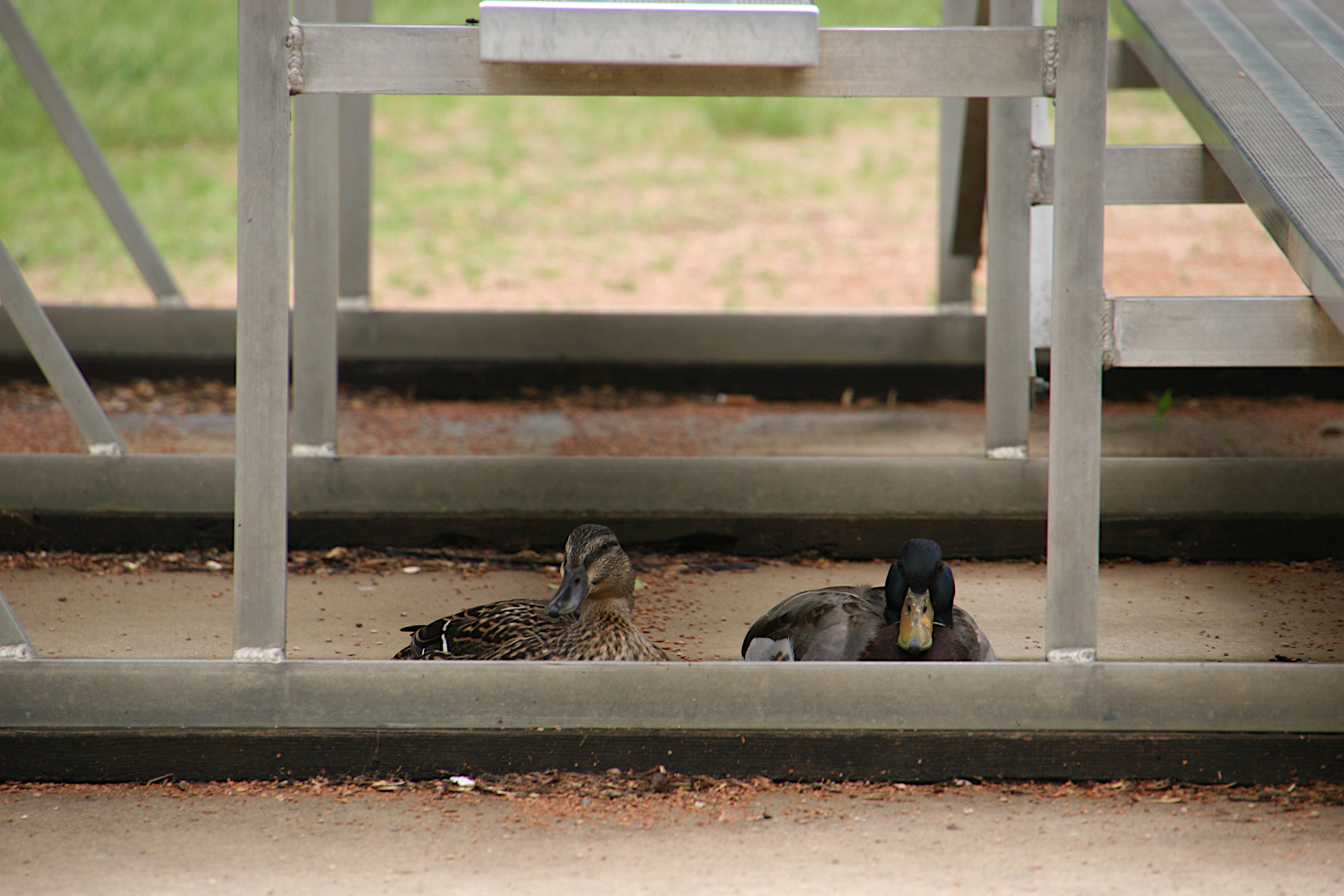
A pair of mallards huddle under the bleachers. (Minnesota Prairie Roots copyrighted photo June 2022)
Up close under the bleachers. (Minnesota Prairie Roots copyrighted photo June 2022)
I even spotted a pair far from shore, under the bleachers at a ball field.
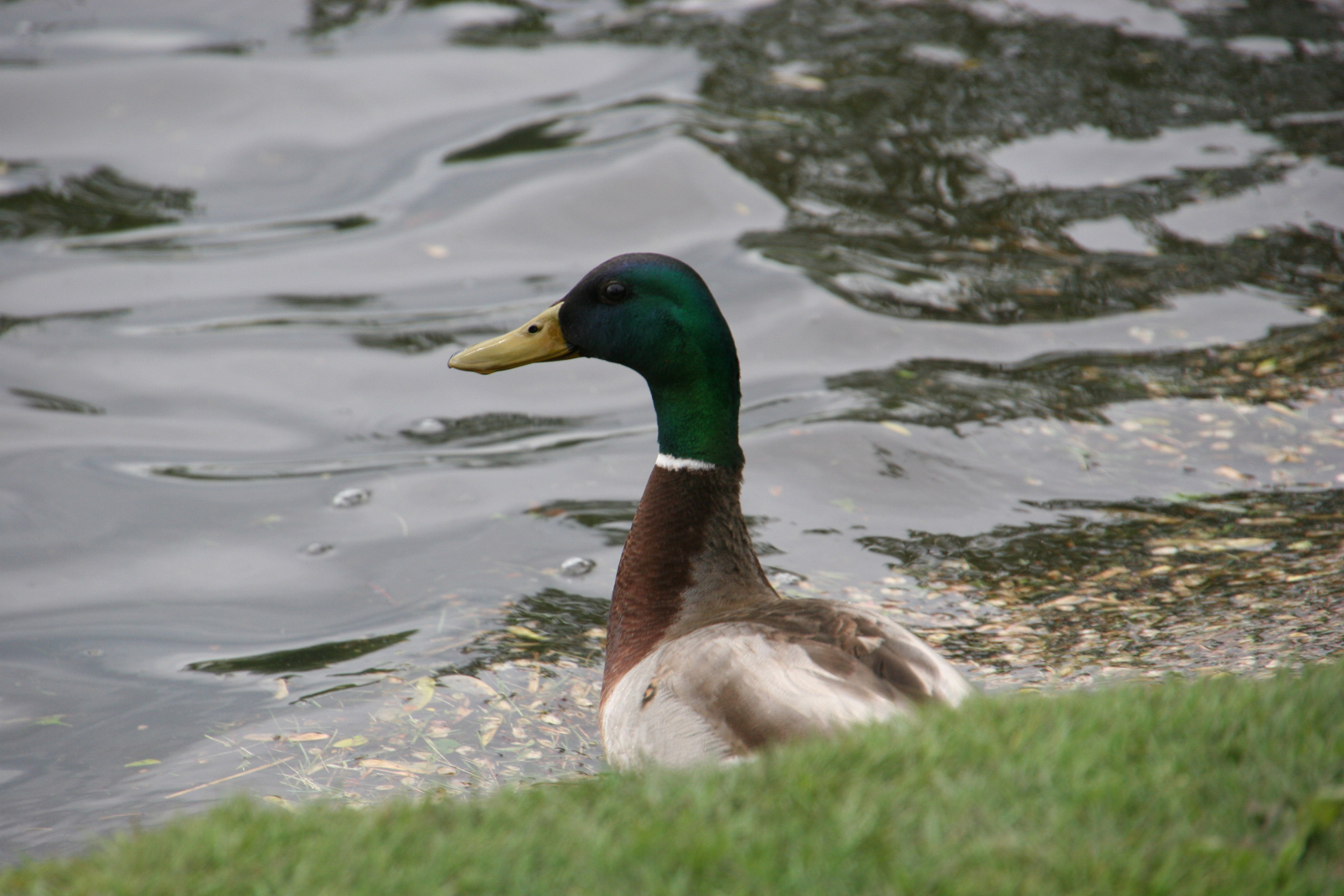
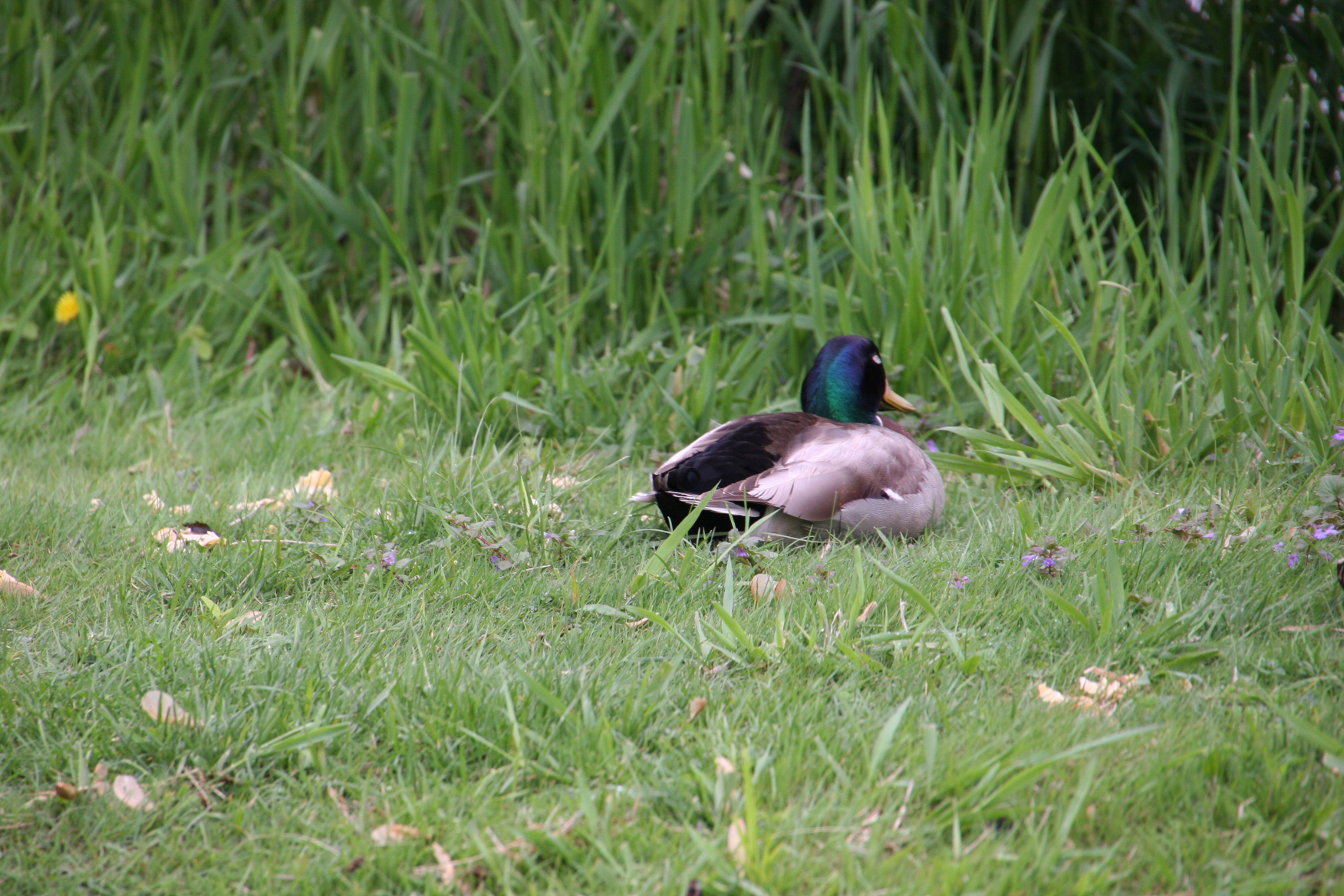
A mallard drake. (Minnesota Prairie Roots copyrighted photo June 2022)
While I’ve never been fond of winged anything up close, I certainly admire them (except bats) at a distance. Mallard drakes, with their iridescent green heads, practically shimmer with beauty. And the hens are lovely, too, in their mottled brown feathers.
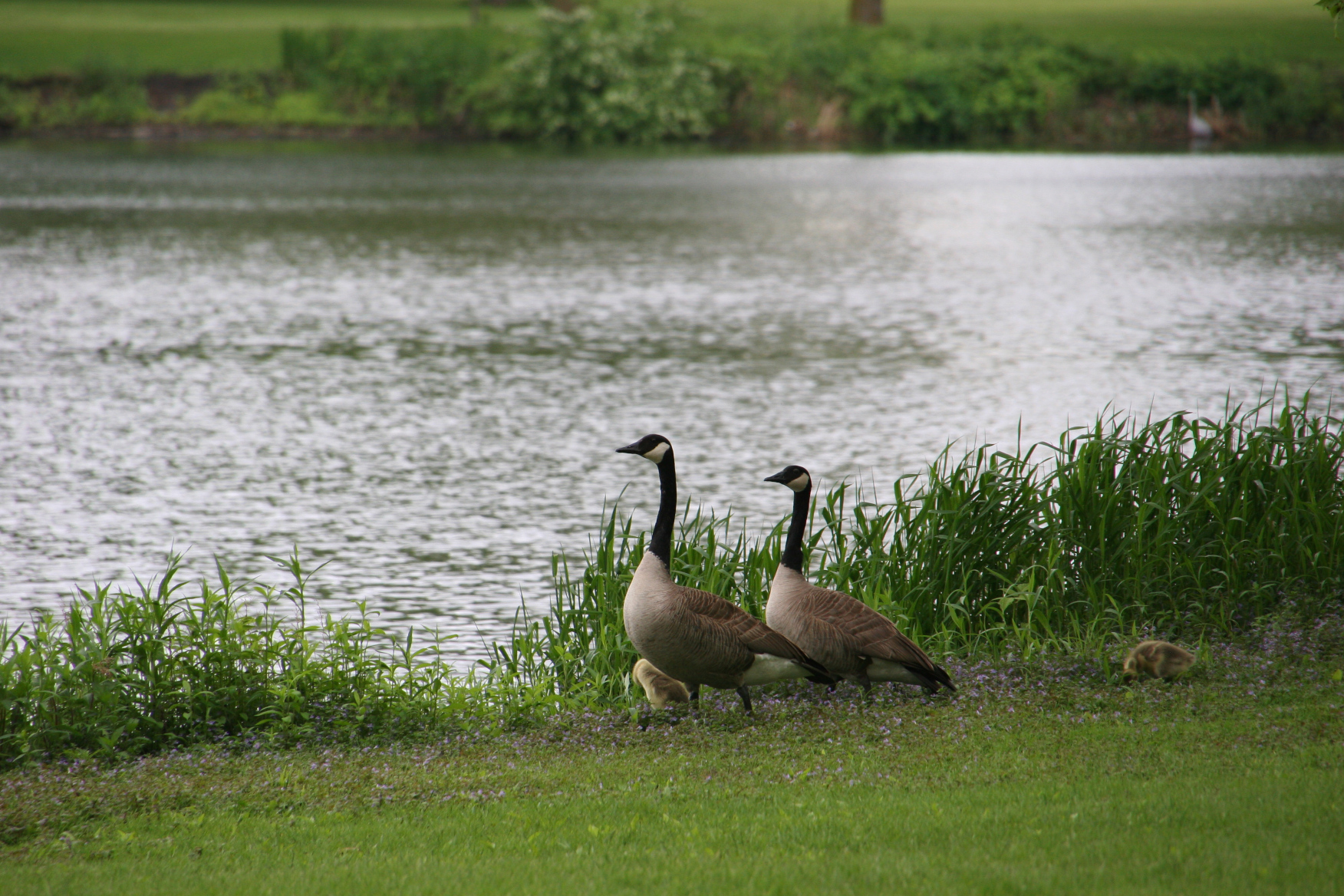
A family of geese photographed about a month ago along the river. (Minnesota Prairie Roots copyrighted photo June 2022)
In the spring, ducklings and goslings draw my motherly eye. There’s something about a baby.
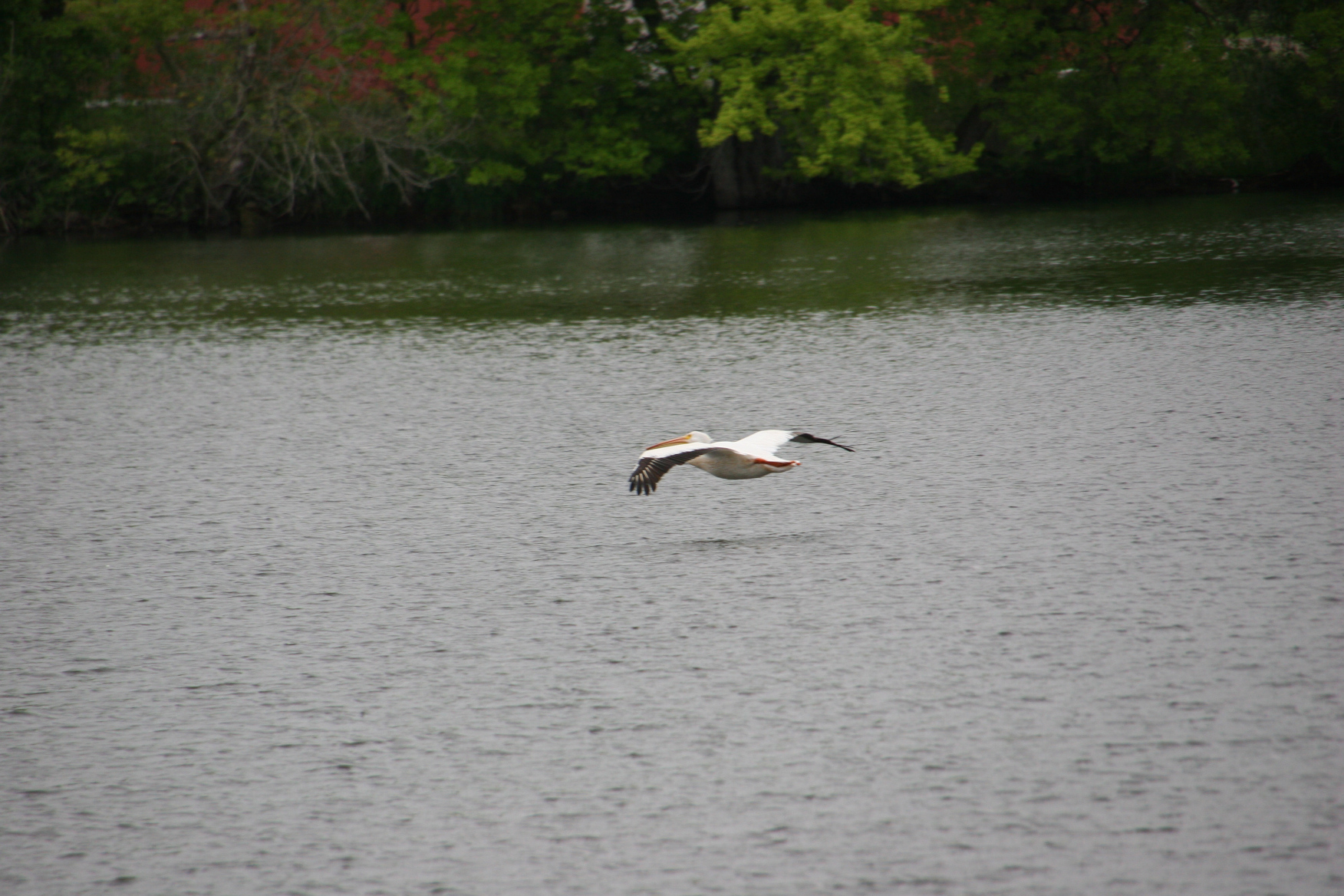
A pelican comes in for a landing atop the Cannon River. (Minnesota Prairie Roots copyrighted photo June 2022)
The Cannon River also attracts pelicans. And eagles. On a recent riverside walk, I saw an eagle trace the river, reverse course and settle low in a tree along the opposite shoreline. Too far away to photograph even with my zoom lens. It just sat there. I was hoping it would swoop down to grab a fish. But, when I left, the eagle still perched in that tree. Quiet. Still.
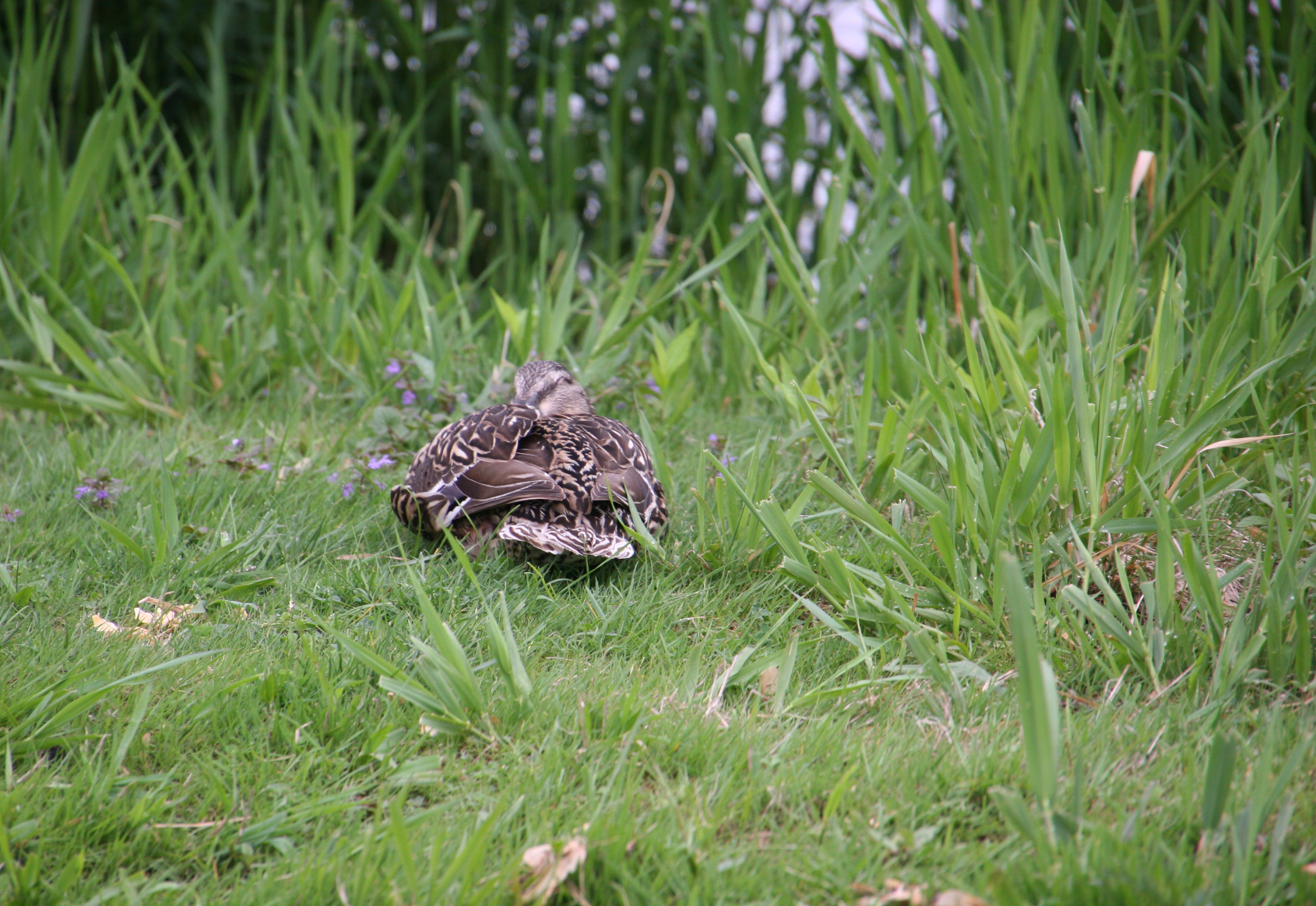
A snuggling mallard hen, defined by mottled feathers. (Minnesota Prairie Roots copyrighted photo June 2022)
There’s something to be learned from observing waterfowl. How they sit. How they glide. How they navigate wind and water. How they adapt.
So I will continue these riverside walks, immersing myself in nature, discovering the peace and quiet that comes from connecting with ducks and geese, pelicans and eagles at North Alexander Park in Faribault.
TELL ME: Do you escape into nature? If yes, where’s your favorite place to go and how does being in the natural world benefit you?
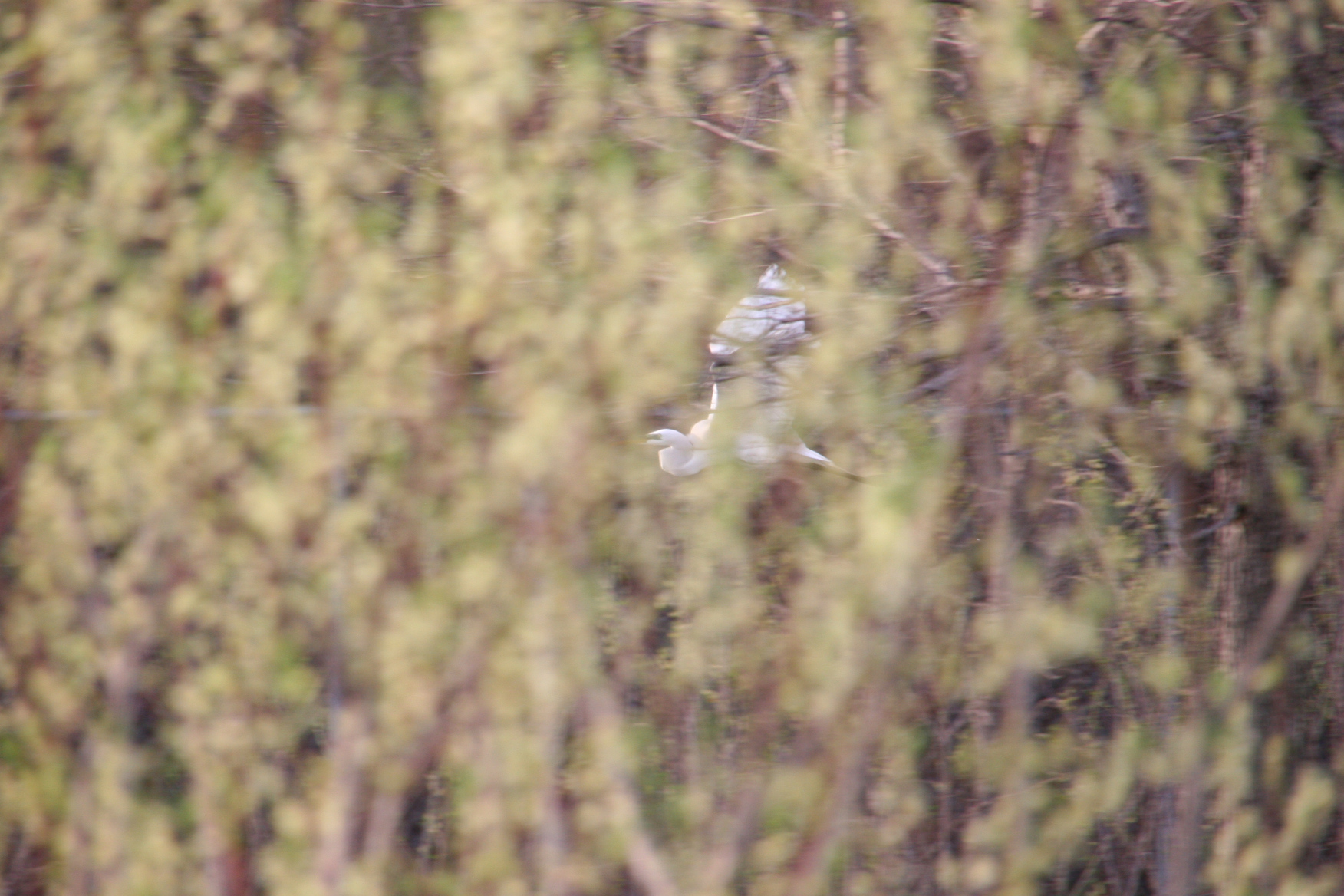
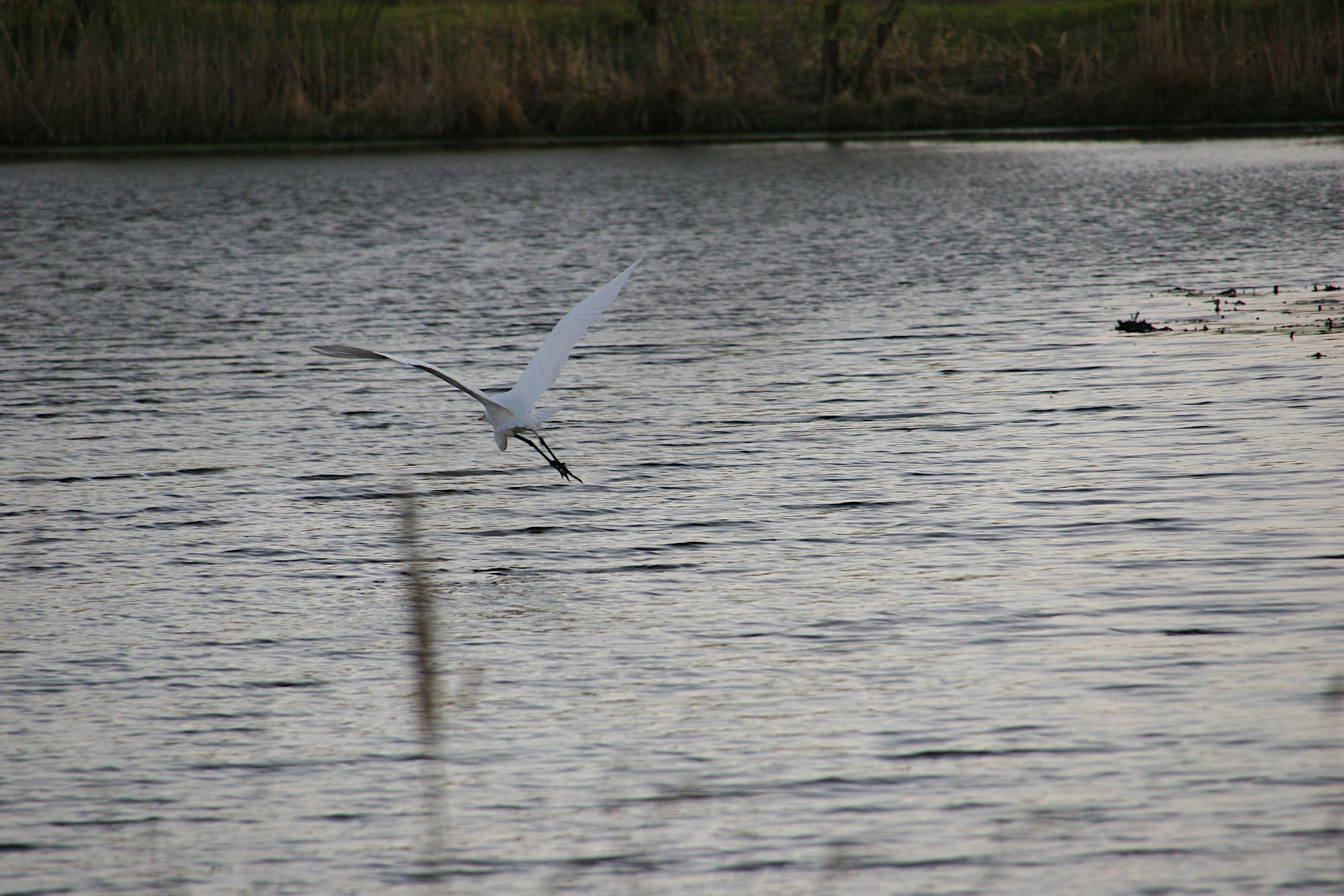
Through blurred trees in the foreground, an egret that has just taken flight. (Minnesota Prairie Roots copyrighted photo May 2022)
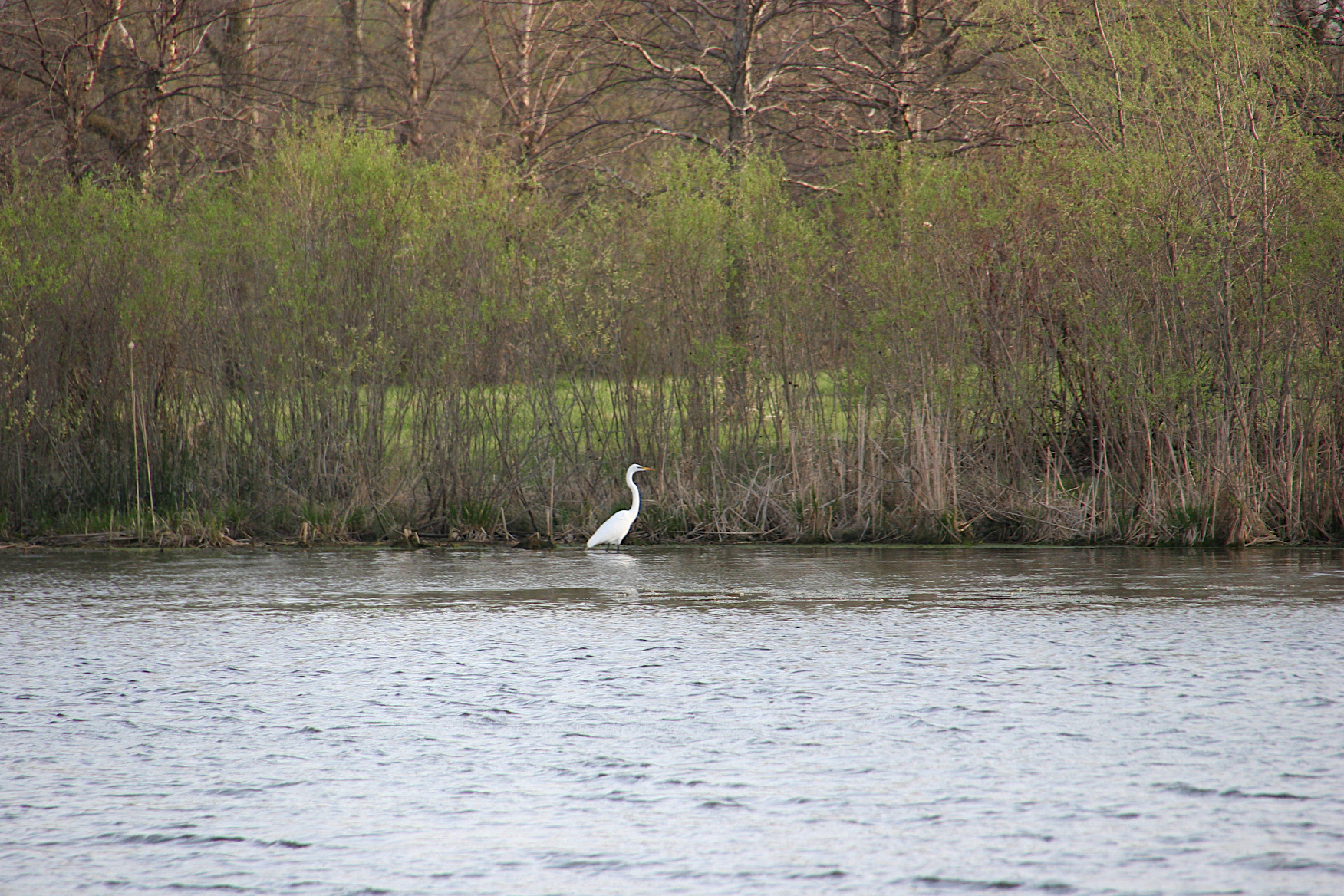
FROM ONE HOLDING POND to the next, then to the next, they flew. The elusive egrets.
Pond walking. (Minnesota Prairie Roots copyrighted photo May 2022)
On a recent evening, I tried to photograph egrets at the Faribault Energy Park, place of dirt trails, ponds, creek, assorted trees, wildflowers and wetlands along Interstate 35.
A wildlife photographer I am not. But that doesn’t keep me from trying.
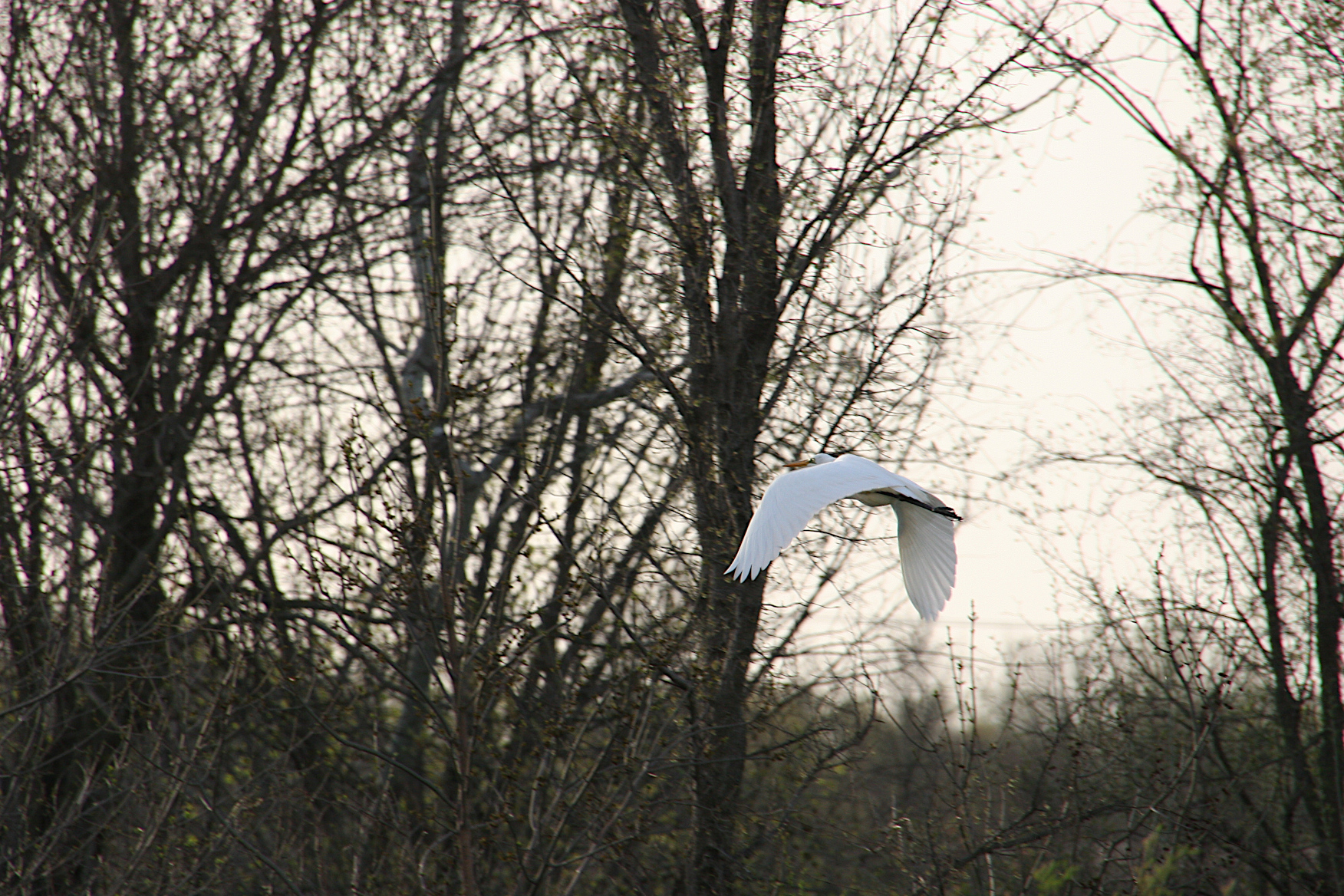
Wings so broad and white. (Minnesota Prairie Roots copyrighted photo May 2022)
Randy spotted the egrets first, in the waterway near the small shelter just off the entry road into the park. I hurried toward the shelter thinking I would quickly get the shots I wanted. But, as I soon discovered, egrets are observant and evasive. Before I even reached the site or had adjusted my camera for action shots, the two egrets were in the air.
Either landing or taking off, I can’t recall which. (Minnesota Prairie Roots copyrighted photo May 2022)
They flew toward the nearest holding pond. I followed, stood on the dirt trail, zoomed from afar and clicked the shutter button multiple times. When I moved, the egret of my focal attention took off. I was intentionally trying to respect the birds and remain unobtrusive. But I suspect, even if I had simply been walking the trails minus my camera, their behavior would have been the same.
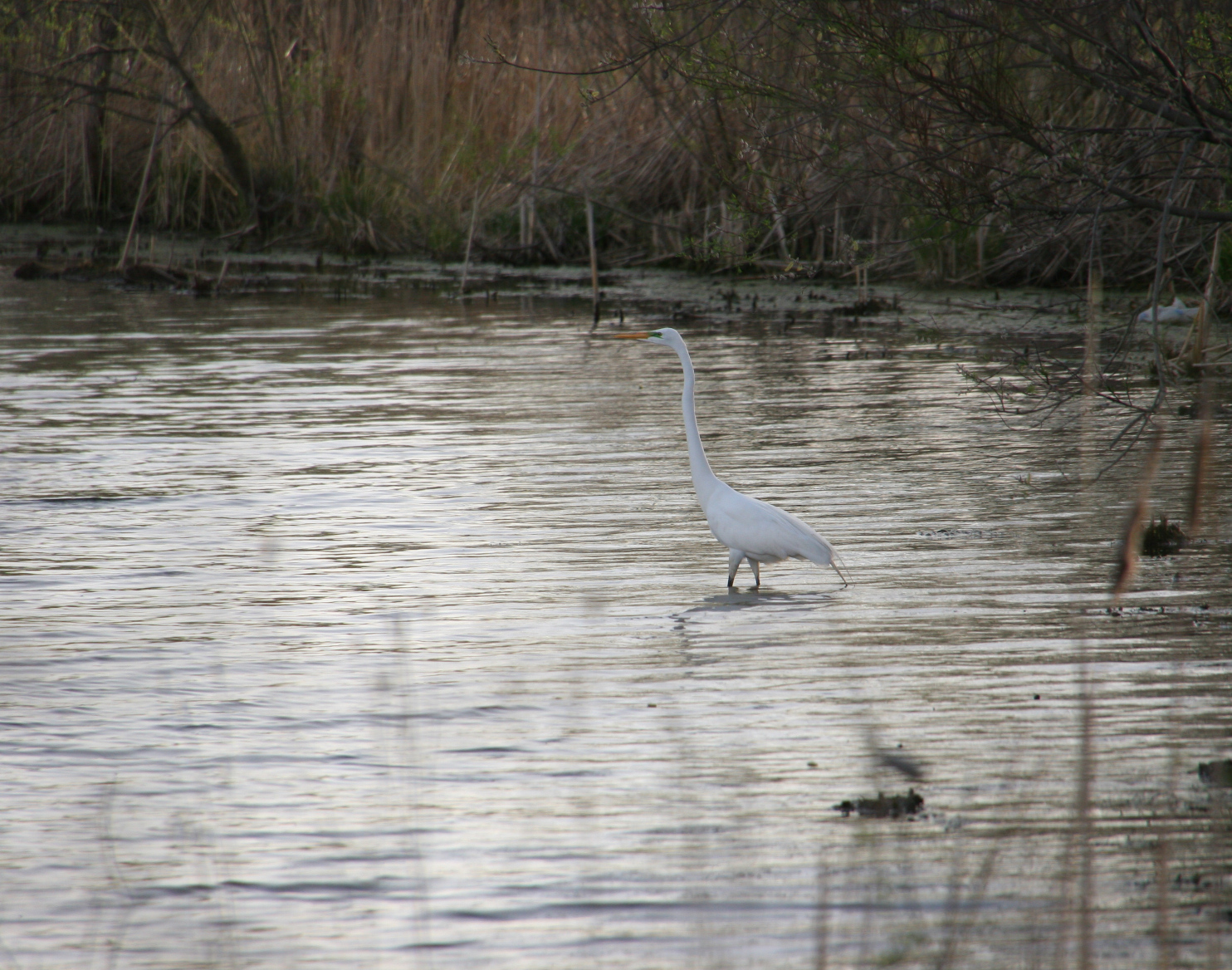
Hanging near the shoreline in the third pond. (Minnesota Prairie Roots copyrighted photo May 2022)
By this time I determined that egrets are camera, or people, shy, preferring to just be left alone in their watery habitat.
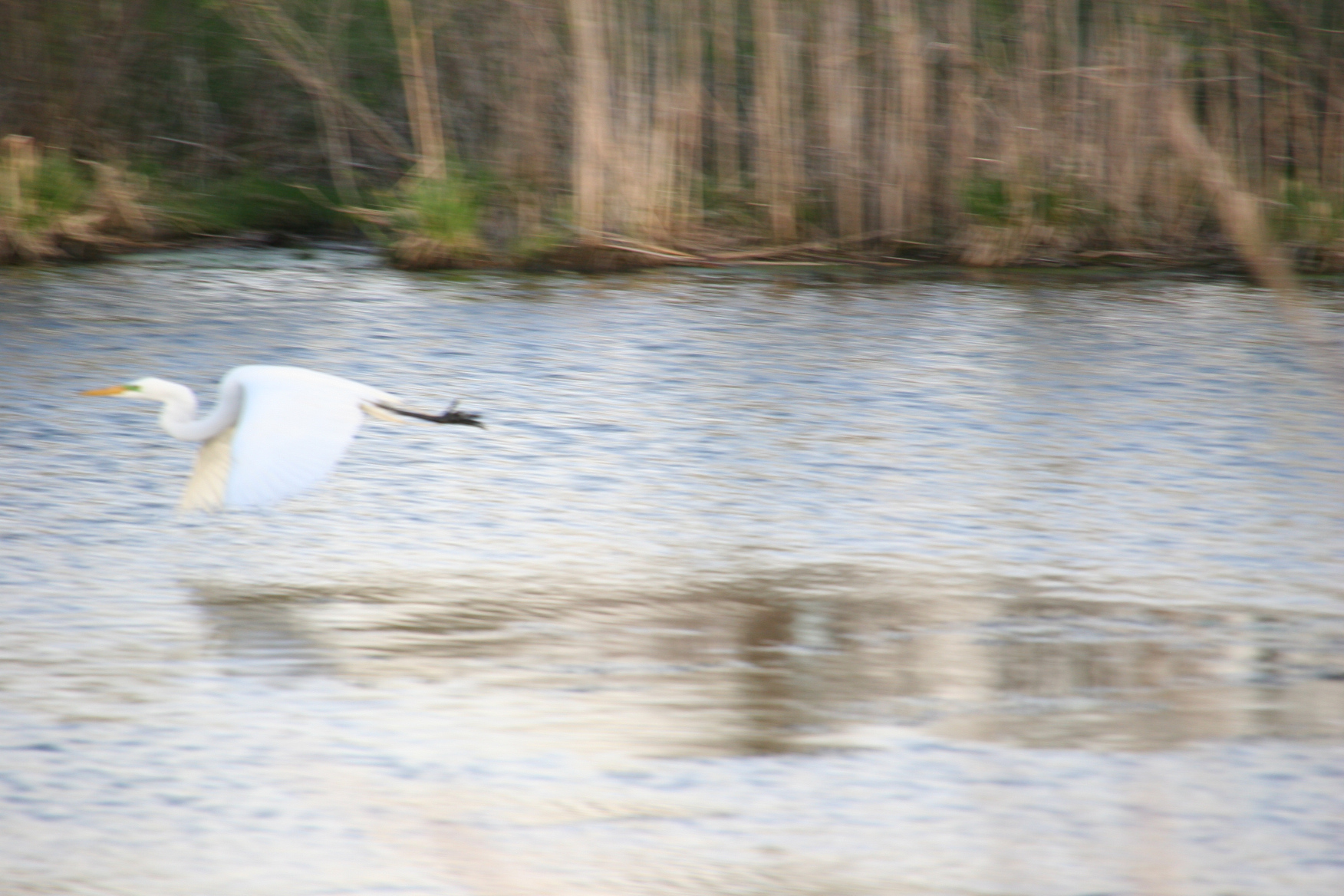
This unfocused image shows motionas the egret takes flight, neck curved. (Minnesota Prairie Roots copyrighted photo May 2022)
They are an interesting bird. Long of neck, curved when they fly. Wide white wing span, which leaves me wondering how they possibly keep those feathers so snowy white. Thin black legs resembling sticks. Long, jolt of orange beak. And not exactly graceful in flight. Rather clumsy-appearing, in my opinion.
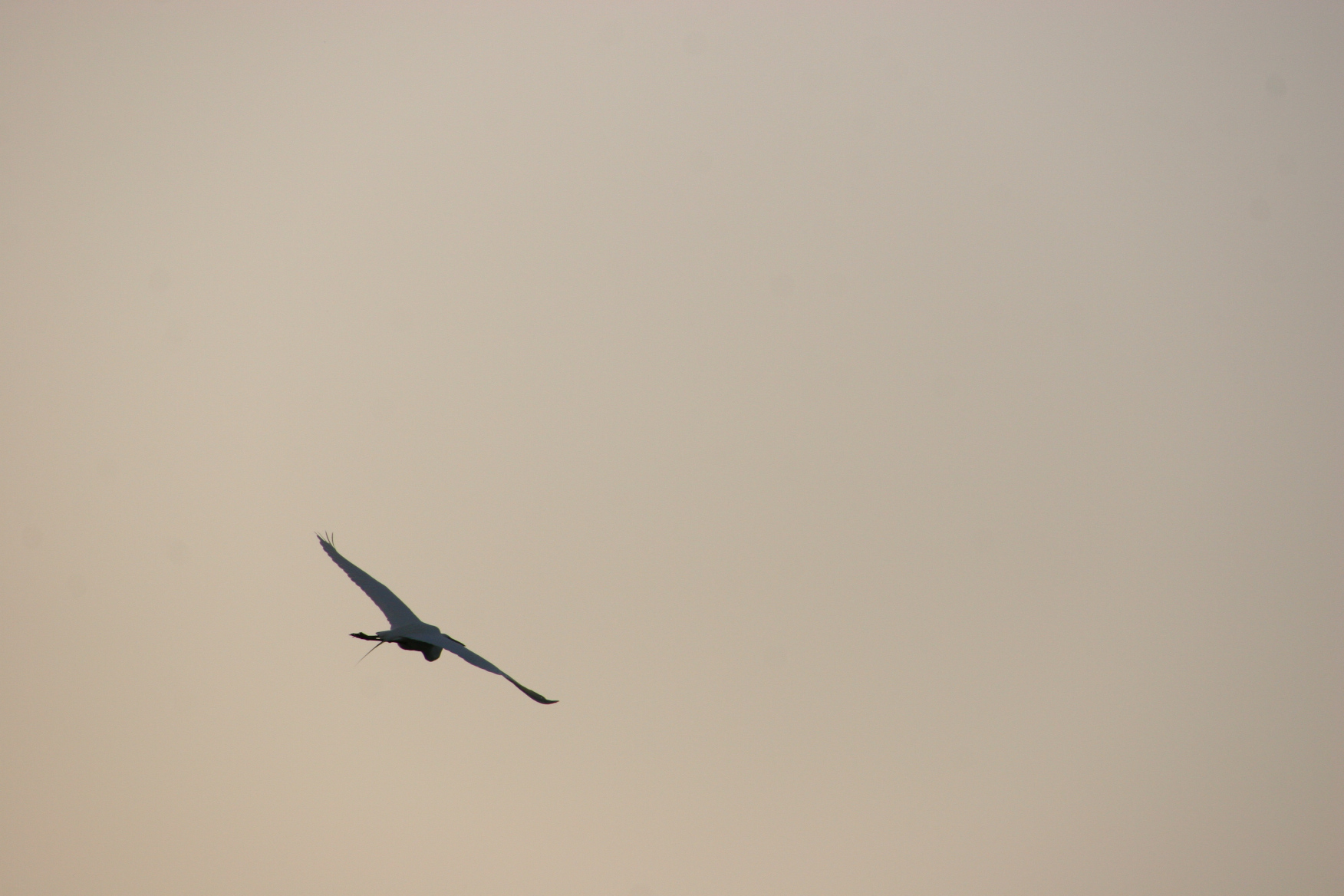
My final photo as the egret flies during the golden hour or sunset. (Minnesota Prairie Roots copyrighted photo May 2022)
I wonder what those egrets thought of me, earthling far below or nearby. Without wings. And although my legs are long given my height, they are no match for an egret’s long twiggy legs. I can’t compete with their vision either. That I observed in the short time I attempted to photograph…the elusive egret.
TELL ME: Do you know anything about egrets and/or their behavior?
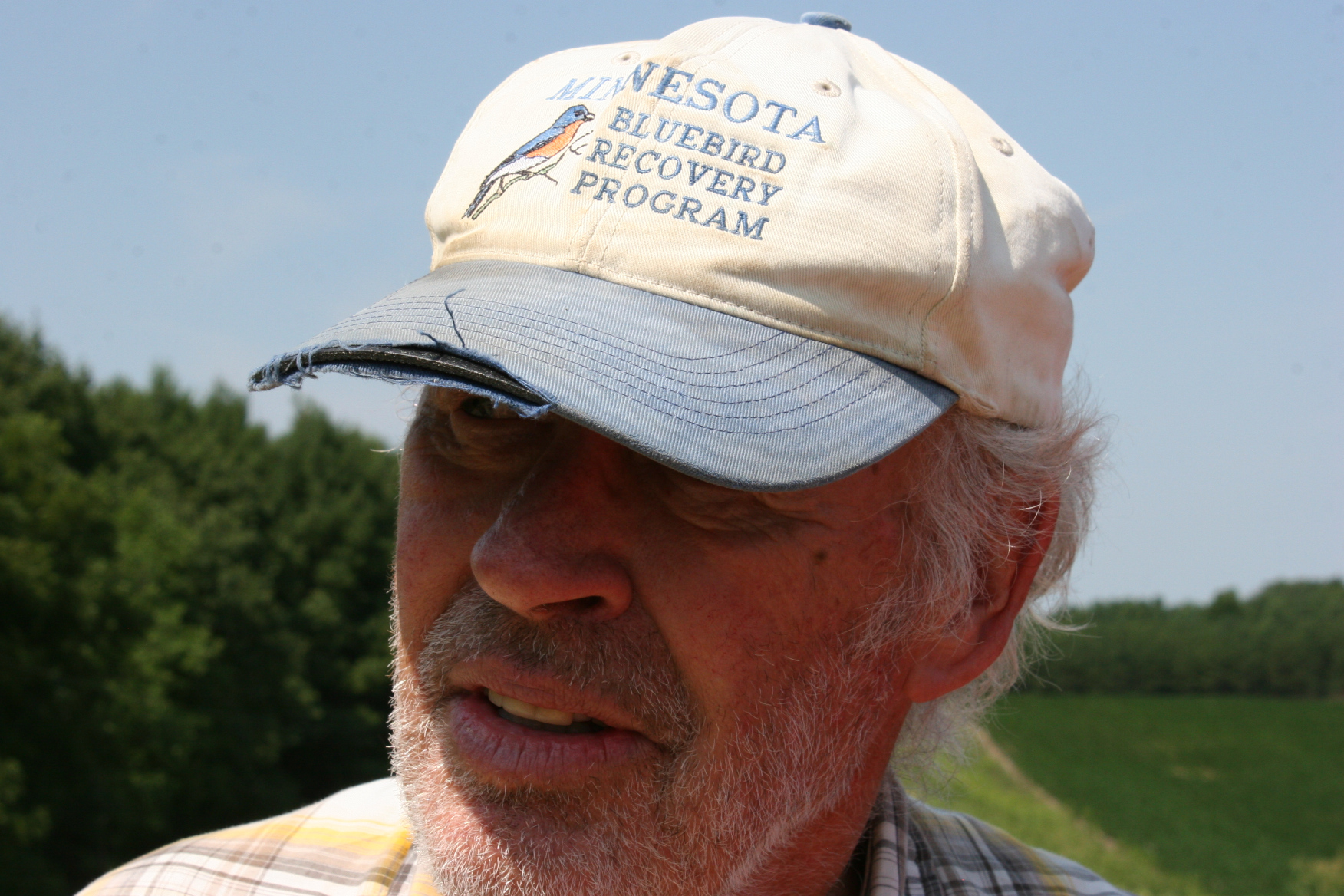
Mr. Bluebird, Keith Radel. Minnesota Prairie Roots copyrighted photo July 2021.
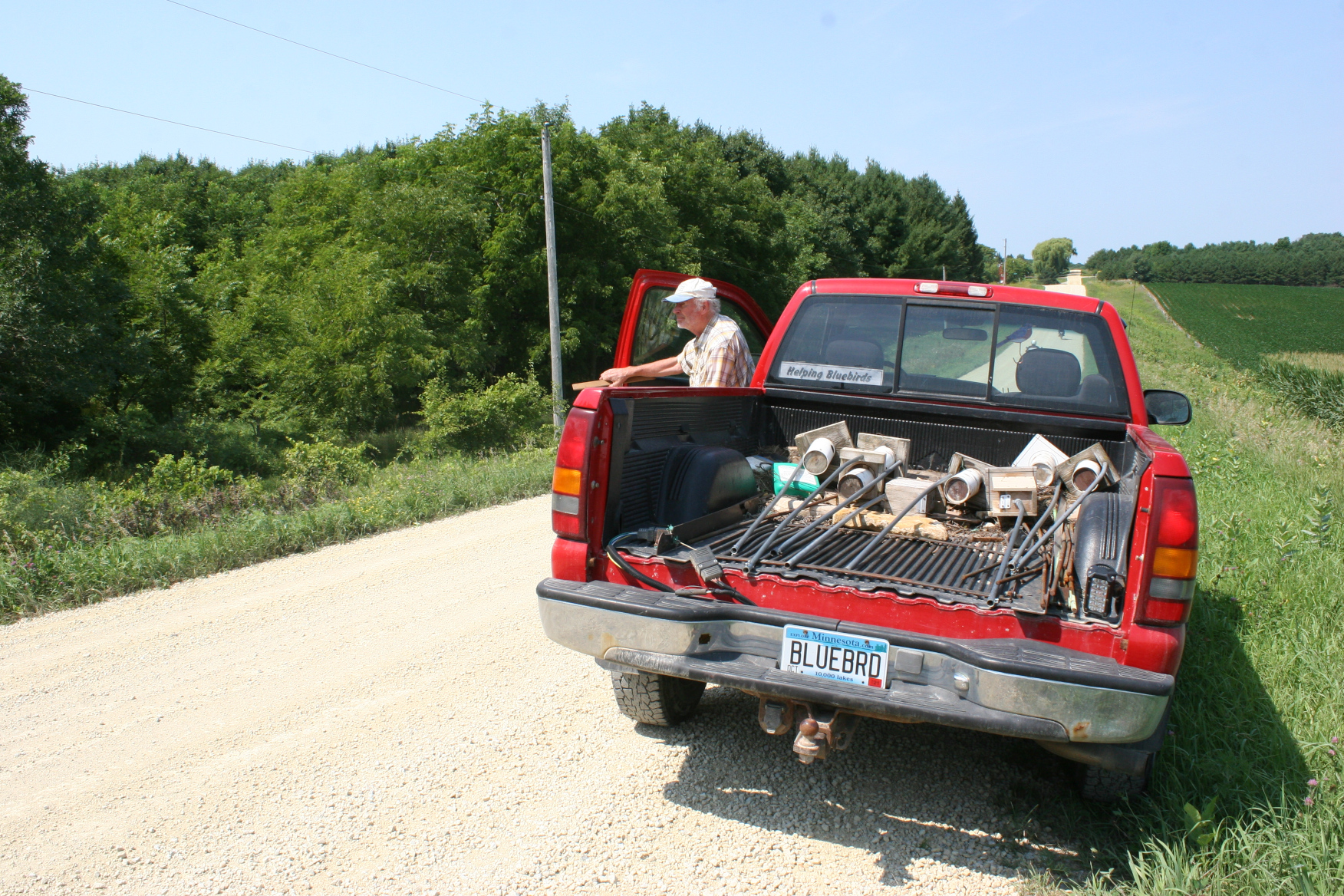
DOWN THE GRAVEL ROAD, I saw him exit the ditch, cross the roadway and then climb into his red pick-up truck.
A man on a mission, to save bluebirds. Those are nesting boxes in the truck bed. Minnesota Prairie Roots copyrighted photo July 2021.
“That’s Keith,” I told Randy. Even from a distance I recognized the tall, lean profile of Keith Radel. Known as Mr. Bluebird, he travels the backroads of Rice County checking bluebird nests.
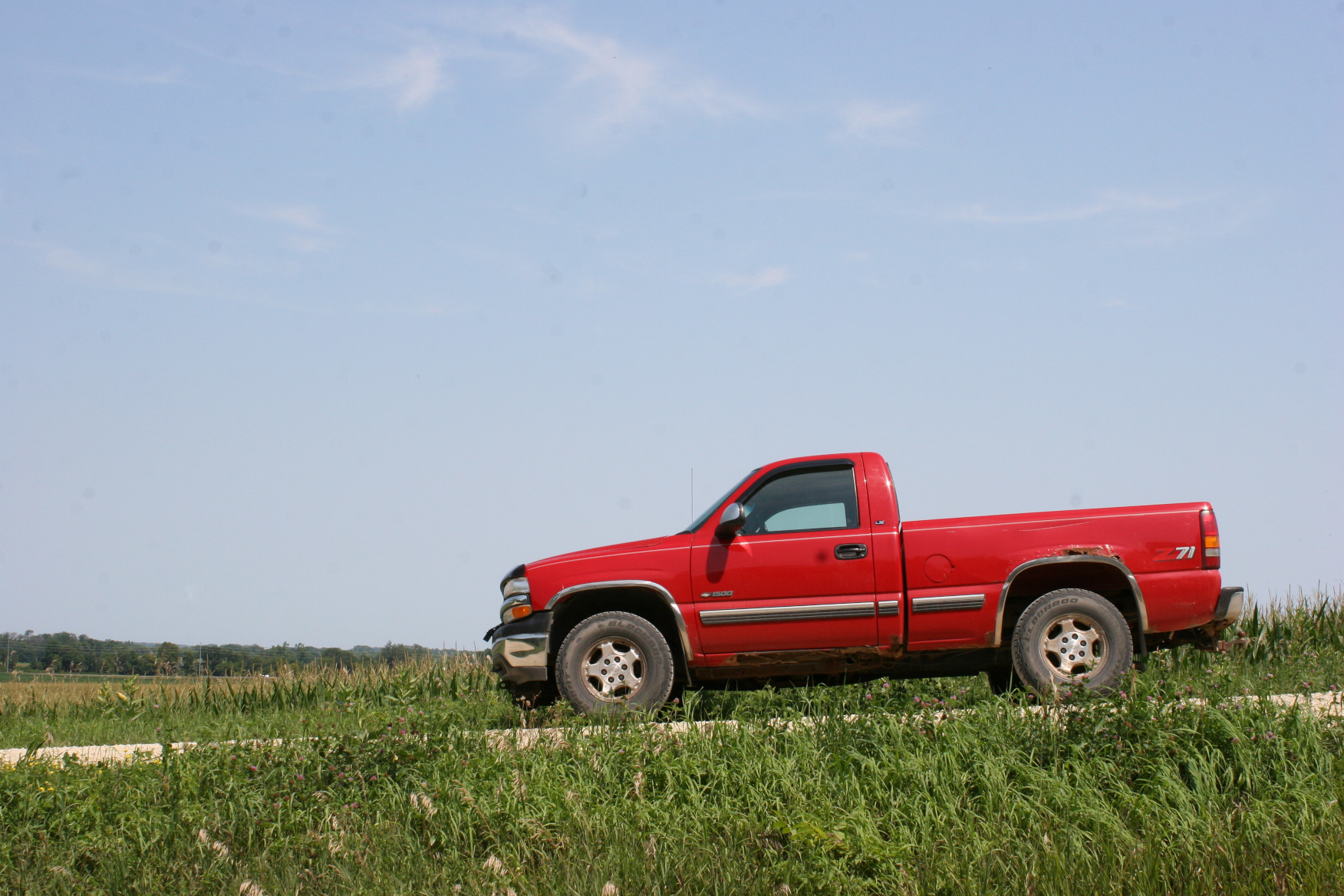
Keith puts on countless miles in his red pick-up truck. Minnesota Prairie Roots copyrighted photo July 2021.
Randy and I had just finished a short hike at the nearby Cannon River Wilderness Park when I spotted Keith on a gravel road in rural Dundas. We paused, his pick-up and our van pulled side-by-side, windows rolled down, the three of us conversing like farmers meeting on a rural road to talk crops.
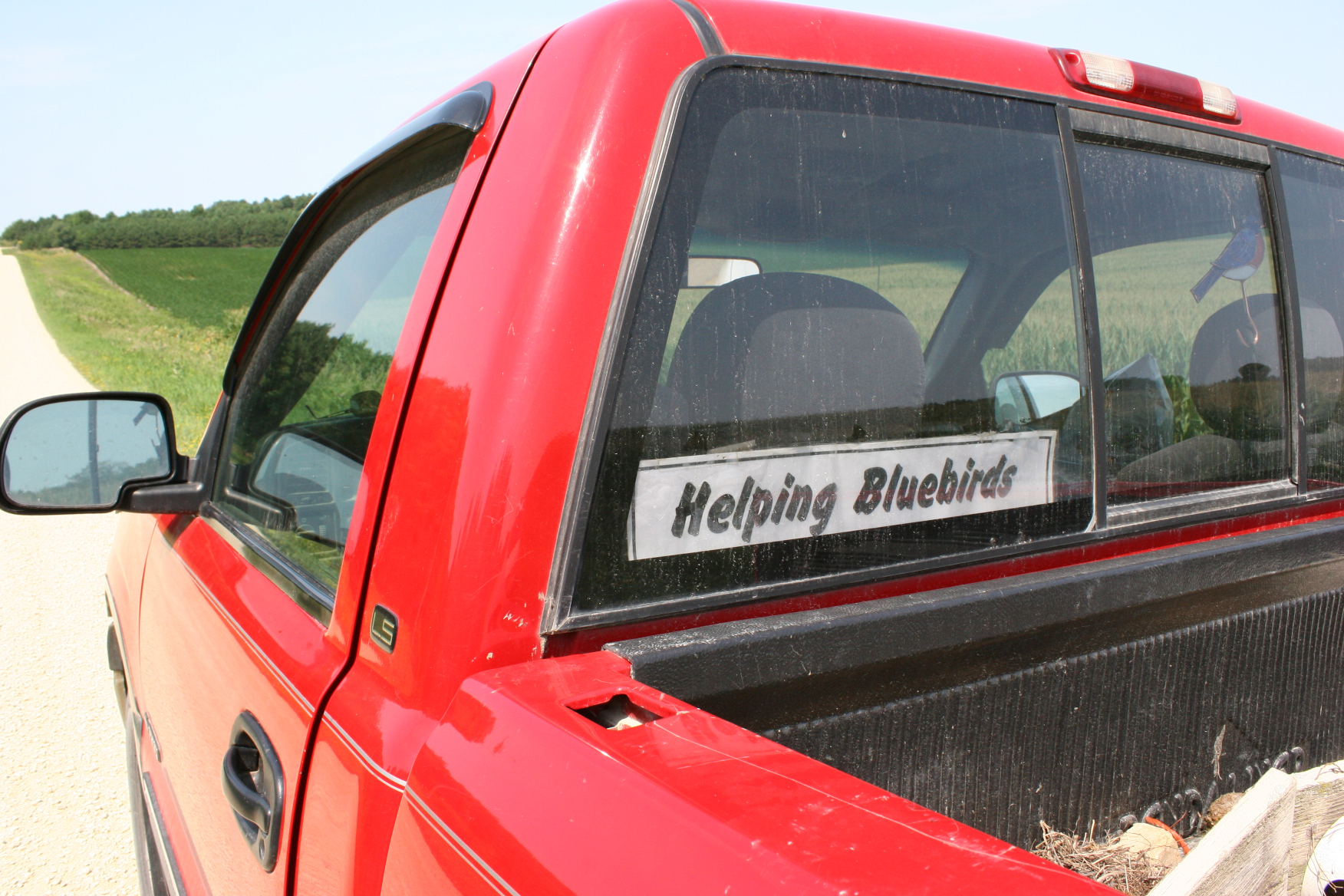
Keith’s simple mission statement.Minnesota Prairie Roots copyrighted photo July 2021.
Except we were talking bluebirds. Not that I know much about these songbirds. But Keith, who’s been tracking, counting and caring for bluebirds for nearly 40 years, does. He’s relentless in his passion to assure this bird thrives. And that devotion drives him to drive miles upon endless miles to check nest boxes and count eggs and do whatever it takes to assure bluebird survival. Rice County has the most successful bluebird recovery program in Minnesota.
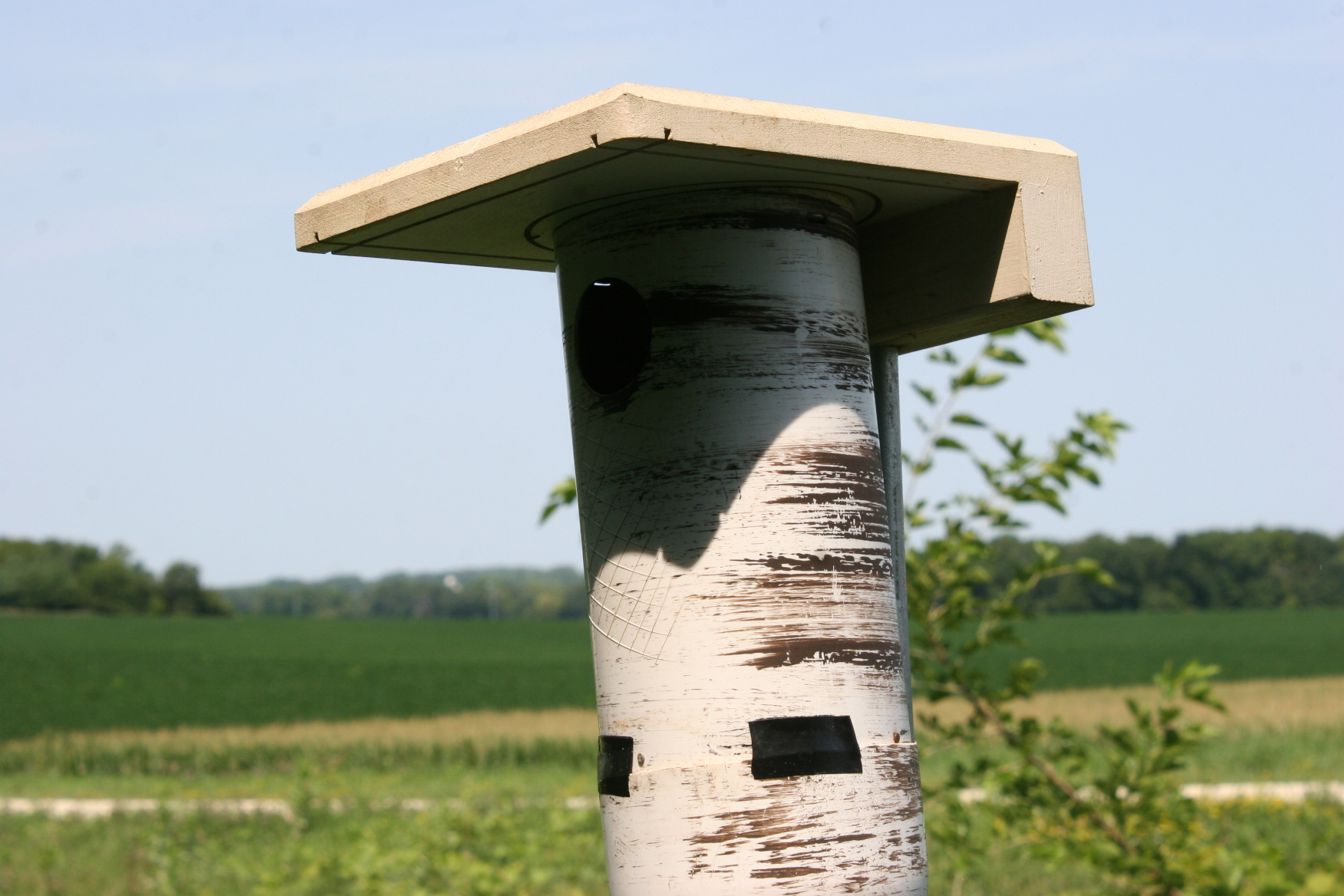
A nesting box for bluebirds. Minnesota Prairie Roots copyrighted photo July 2021.
I didn’t take notes when we were talking, although I recall Keith saying major ice storms in Texas this year had a devastating effect on the current bluebird population. He keeps meticulous notes on each nesting box.
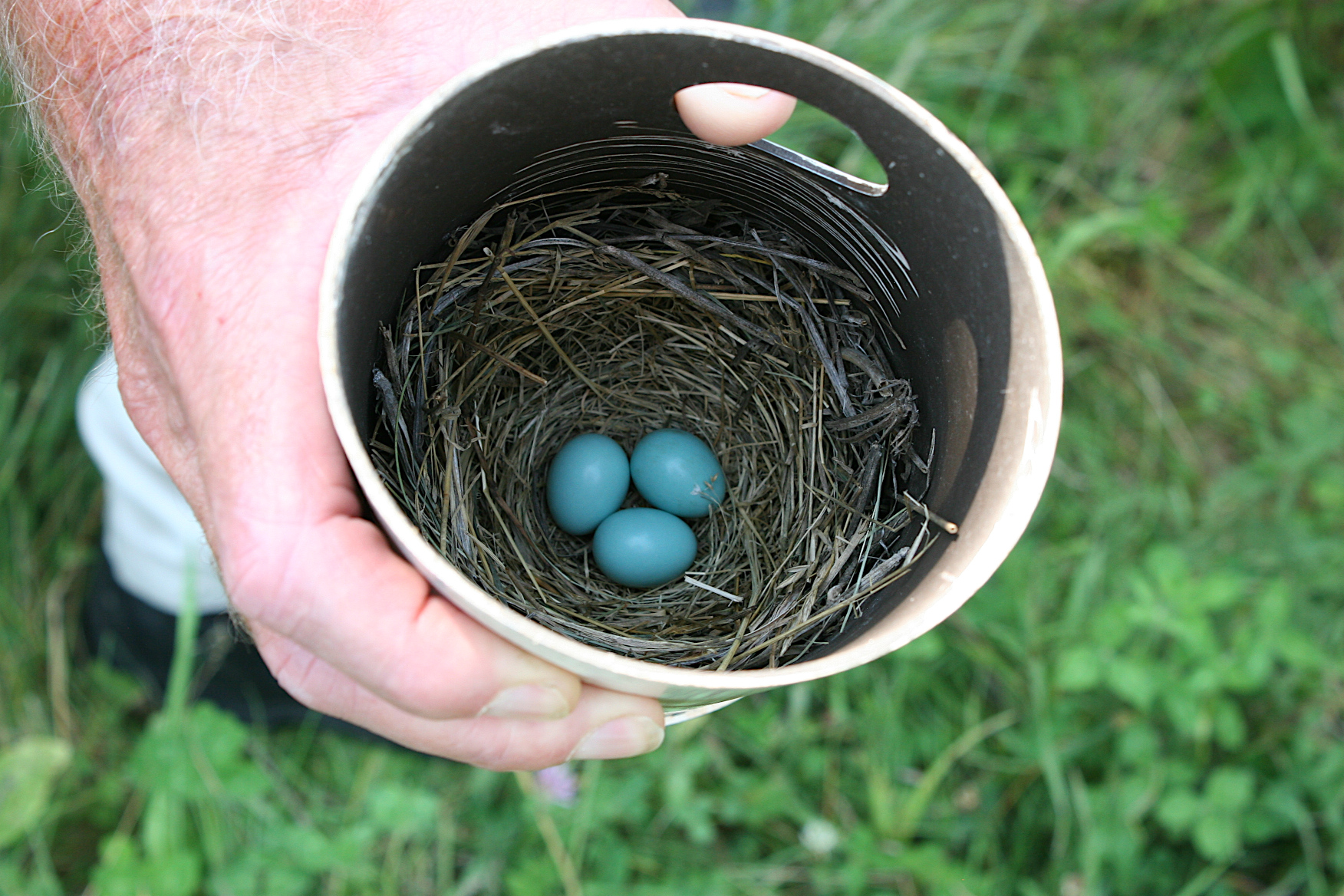
Bluebird eggs. We didn’t see any bluebirds. Minnesota Prairie Roots copyrighted photo July 2021.
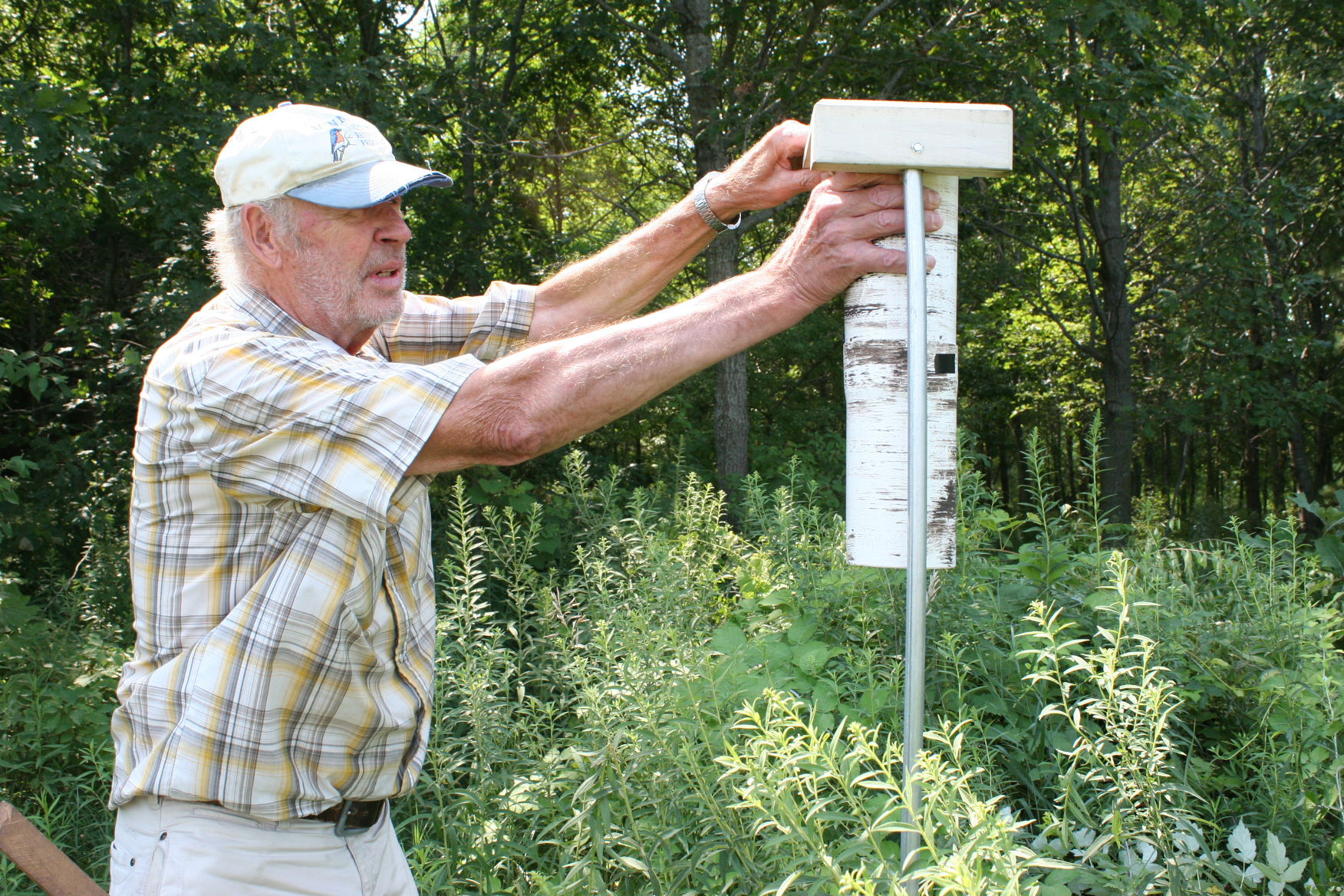
Mostly, I focused on being in the moment. When Keith offered to show us two bluebird nesting boxes just down the road, we didn’t hesitate, reversed course, our van following his truck in a trail of dust. Once parked, Keith led us down the side of a ditch, lifting the nest cylinder from its post to reveal three beautiful blue eggs inside. The next nest held only a single egg.
Keith checks a bluebird nest. Minnesota Prairie Roots copyrighted photo July 2021.
Soon we were on our way, Randy and I looking for a place to eat a picnic lunch and Keith continuing with his bluebird checks.
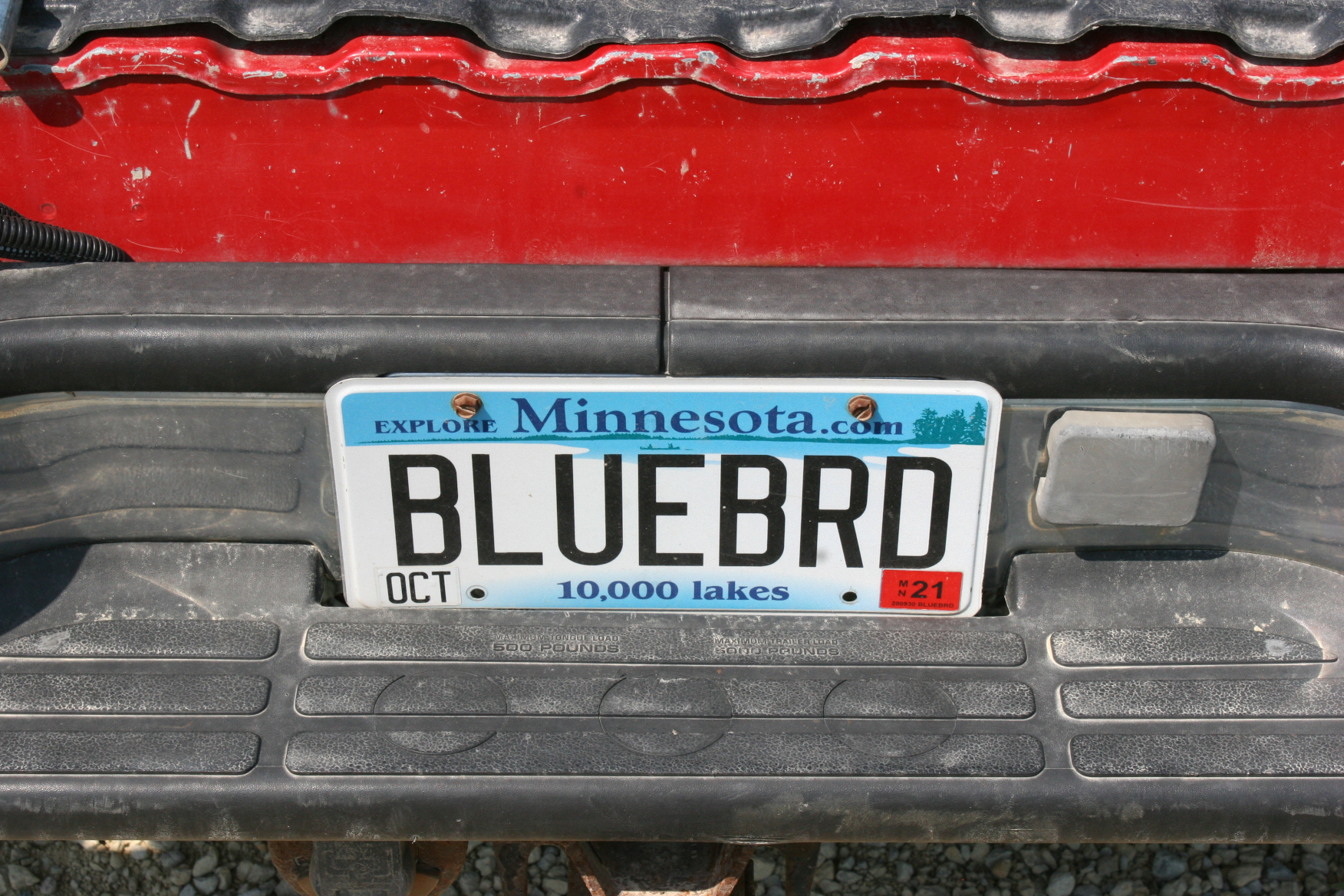
The personalized license plate on Keith’s pick-up truck. Minnesota Prairie Roots copyrighted photo July 2021.
But there’s more to this story than that of a man sporting a MINNESOTA BLUEBIRD RECOVERY PROGRAM cap with a specialty BLUEBRD license plate and a window sticker on his pick-up that proclaims his mission, Helping Bluebirds. There’s a personal connection. Keith is from my hometown of Vesta on the southwestern Minnesota prairie. He grew up north of town. I grew up south of town. Both of us on family farms.
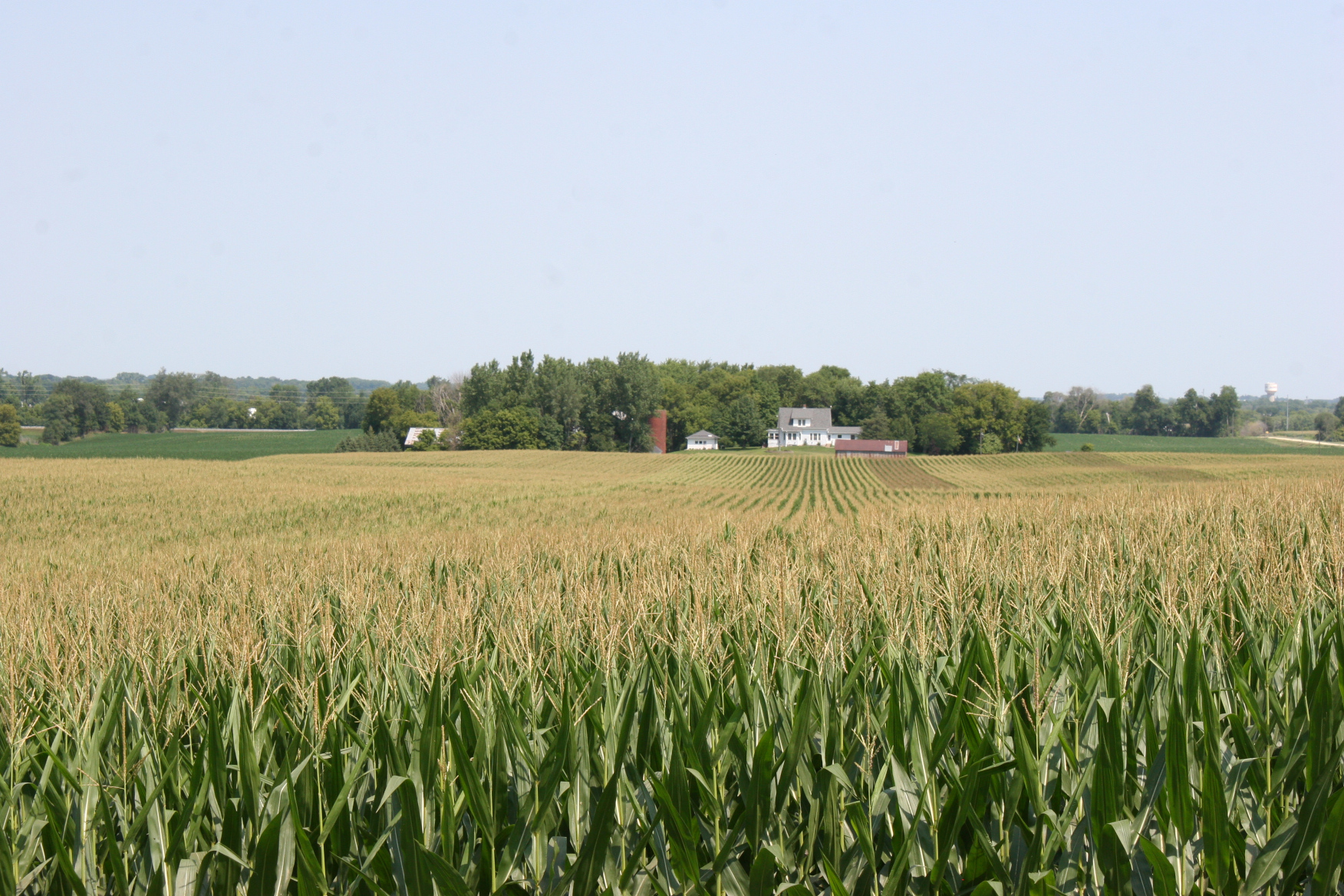
I photographed this cornfield and farm site from the gravel road where we stopped with Keith to check a bluebird nesting box. Minnesota Prairie Roots copyrighted photo July 2021.
Place connects us. Most people in Rice County are clueless as to the location of Vesta, or even our home county of Redwood some 120 miles to the west. So whenever I see Keith, I feel this sense of connection to my home area, to the land. When we met on that gravel road on a July afternoon, Keith understood my need to exit Faribault, to follow gravel roads, to reconnect with the land. And, yes, even to look at the crops.
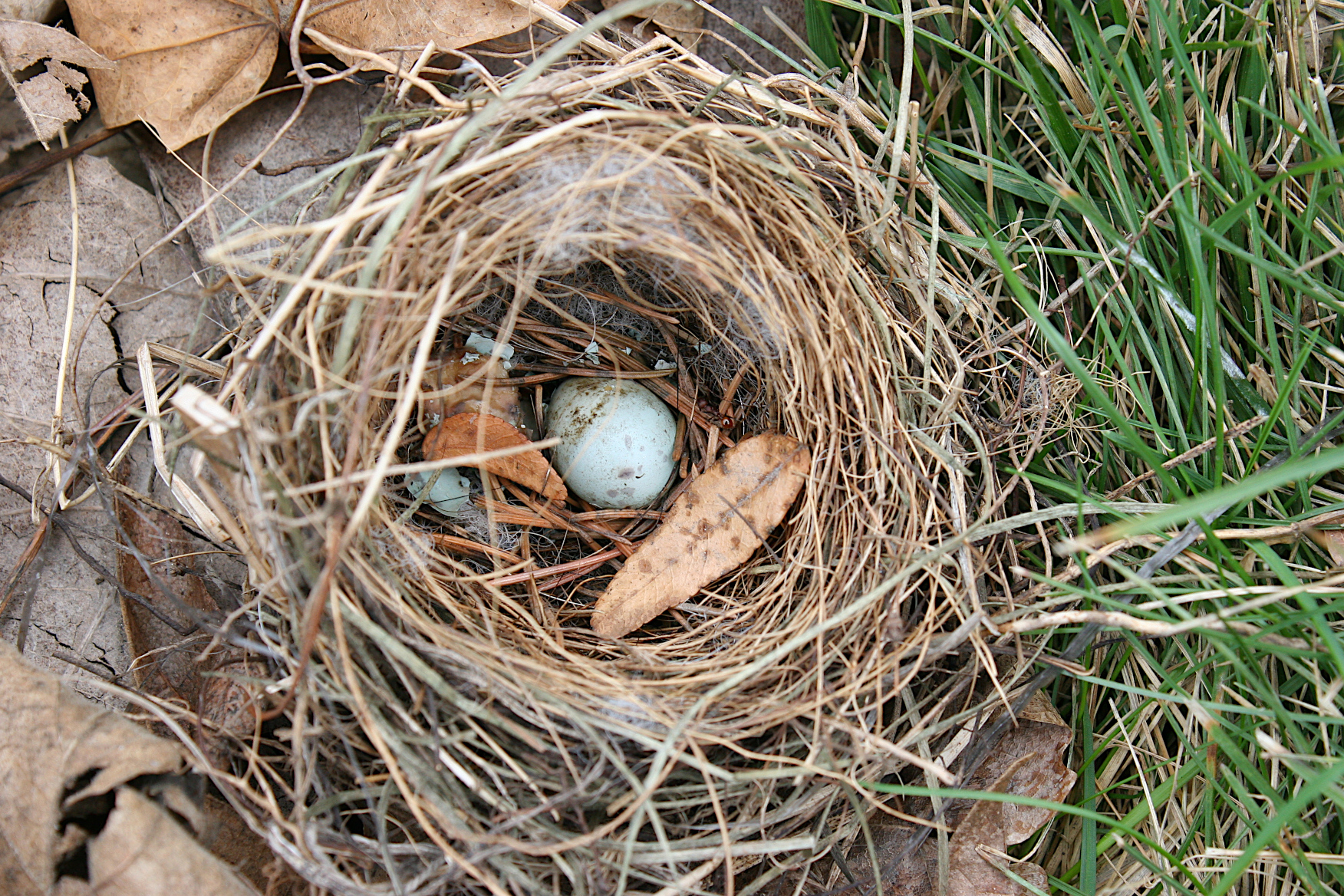
LAST WEEK, WHILE RAKING leaves off flowerbeds, I came across a bird nest in the grass. Nestled near a retaining wall, by a row of evergreens.
Inside, a pale blue egg lay in the center, next to the broken shell of another egg.
I didn’t touch anything, didn’t move or investigate, simply photographed. And pondered.
Minnesota Prairie Roots photo.
How did this nest, woven with such care and perfection by a bird’s beak, claws and body, end up upon the ground? I speculated that strong winds earlier in the day loosened the nest from the shelter of the neighbor’s evergreens. Or perhaps the nest dropped from the maple in our backyard.
Whatever the story, I felt a sense of sadness at the loss. I recognize the realities of the natural world. Of challenges and predators and unhappy endings.
Minnesota Prairie Roots photo.
And that is life. We can choose the materials to build our lives and weave in hopes and dreams, plans and goals. But then along comes a strong wind and, whoosh, just like that our carefully-crafted nests plummet to the earth and we find ourselves struggling, broken. Struggling to rebuild. Wondering why and how this happened. It is then that we need to reach deep inside, to connect with those who listen and care, to remember that we are not alone.







 Minnesota Prairie Roots
Recent Comments