Minnesota Prairie Roots

Writing and photography by Audrey Kletscher Helbling

Look to Books on Central as “We Look West” September 3, 2024

(Minnesota Prairie Roots copyrighted file photo 2024)

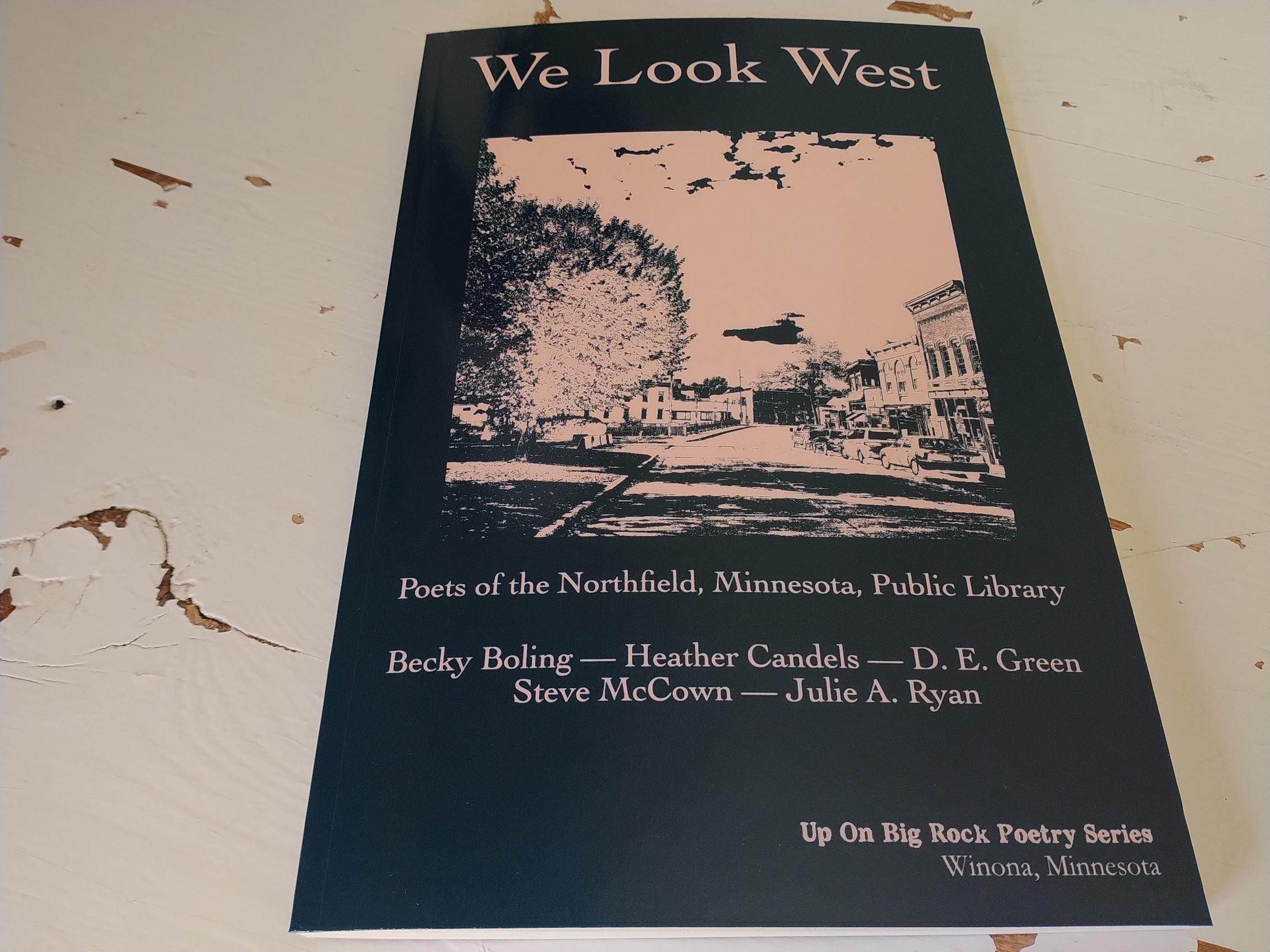
THEY ARE SEASONED WRITERS, also well-seasoned in life. They are Becky Boling, Heather Candels, D.E. Green, Steve McCown and Julie A. Ryan, collectively The Poets of the Northfield Public Library. And at 6 p.m. Thursday, September 5, they will gather at Books on Central, 227 Central Avenue North, Faribault for a poetry reading followed by a Q & A.

If you happen to be one of those people who claim a dislike of poetry, I encourage you to reconsider and come to this literary event. The poetry this group will read comes from their recently-published anthology, We Look West. Their poems are down-to-earth relatable. Trust me. I’ve read this 116-page book, loved it and reviewed it. (Click here to read my review.)

The writing within the pages of this volume are stories of life, in poetry form. Poems that transition from east to west, from the sunrise to the sunset of our lives.

They’re written by poets with extensive publishing credentials. Four have taught at the high school or college level. The fifth comes from a strong literary and visual arts background. Two are Pushcart nominees.

I’ve met Boling and Green and read poetry with them at an event at Mercado Local in Northfield. They are a wonderful married couple, comfortable and friendly. No stuffy poets here. And no stuffy poems. Just plain good writing that moves the spirit, fills the soul, imprints upon the heart.

I look forward to hearing The Poets of the Northfield Public Library read selected poems and then share the stories behind their poetry. As a poet, I’m always interested in learning what inspired a particular poem.

And if you have questions, ask away. Writers welcome engagement as they share their passion for poetry, the craft of writing.

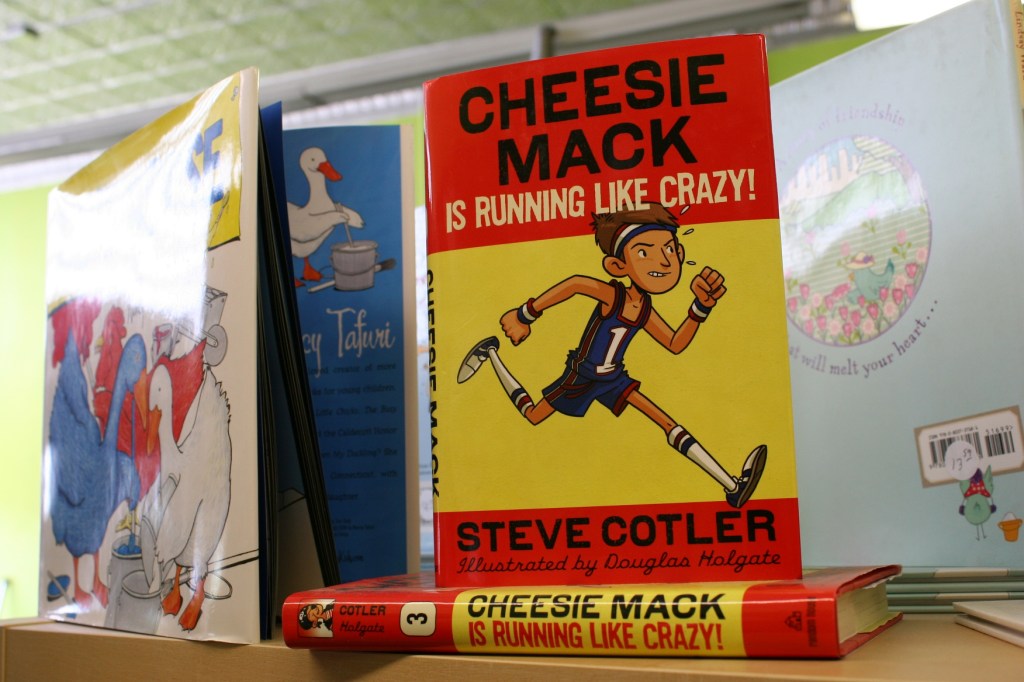
FYI: Books on Central is a second-hand book shop run by the Rice County Area United Way and staffed by volunteers. Proceeds from the bookstore benefit organizations and nonprofits throughout the county.


Learning more about The Faribault Dakota from a local historian April 12, 2024

Jeff Jarvis shows an artifact while talking about the Dakota. (Minnesota Prairie Roots copyrighted photo April 2024)

WE’RE ALL CONNECTED. We’re all one.” Those closing words by local historian and artist Jeff Jarvis as he ended an hour-long presentation on “The Faribault Dakota” at Books on Central Thursday evening resonate. I’ve long been geographically-connected to Indigenous Peoples, first in my native Redwood County and now in Rice County. But Jarvis’ definition of connection stretches well beyond geography to the connection we all share simply via our humanity.

Jarvis, who is also an artist and graphic designer, handed out this mini guidebook at Thursday’s presentation. (Minnesota Prairie Roots copyrighted photo April 2024)

Jarvis spoke to a standing room only crowd packed into the Rice County Area United Way used bookstore on Faribault’s Central Avenue. The third speaker in the popular literary event series hosted by the bookshop since its fall opening, his talk was more history than literary. Interest ran high.

My interest in the Dakota traces back to the southwestern Minnesota prairie, where I grew up between the Upper and Lower Sioux Indian Reservations. Today the word “community,” references these homes of the Mdewakanton Dakota. When I moved to Rice County 42 years ago, I moved onto land once inhabited by the Wahpakute Dakota. But it wasn’t until I listened to Jarvis speak that I learned even more about the place I initially called home on the southeastern tip of Cannon Lake west of Faribault.

An Indigenous Peoples exhibit at the Rice County Historical Society. (Minnesota Prairie Roots copyrighted photo 2024)

Long before fur traders and settlers moved to this region of southern Minnesota, the Dakota called this land home, typically living along the area’s lakes and rivers, including the Cannon. I knew this; I’ve attended many presentations on the Dakota by local historians. But I wasn’t aware that the former Ackman Store, the rental home where Randy and I lived for 2 ½ years after our 1982 marriage, was near the site of a trading post opened by fur trader and town founder Alexander Faribault.

Native American artifacts found in Rice County and displayed at the Rice County Historical Society. These are not the artifacts shown by Jarvis. (Minnesota Prairie Roots copyrighted photo 2024)

Jarvis asked me after his presentation whether I saw ghosts while living there. I didn’t. And in a conversation with Lou Ackman, who grew up and lived along Cannon Lake and loaned Indian artifacts for Jarvis to show Thursday evening, I learned that people often searched the Ackmans’ farm fields for artifacts.

When Randy and I moved into Faribault, our geographic connection to Indigenous Peoples continued. We purchased a house below Wapacuta (sic) Park, where we still live today. It was upon this now park land that the Dakota placed their dead, (wrapped in buffalo robes or blankets) upon scaffolding until later burial. Jarvis also shared that the Dakota sometimes suspended wrapped bodies from trees to catch the spirits in the windy hilltop location prior to burial 1-2 years later. I’d never heard this prior to Thursday.

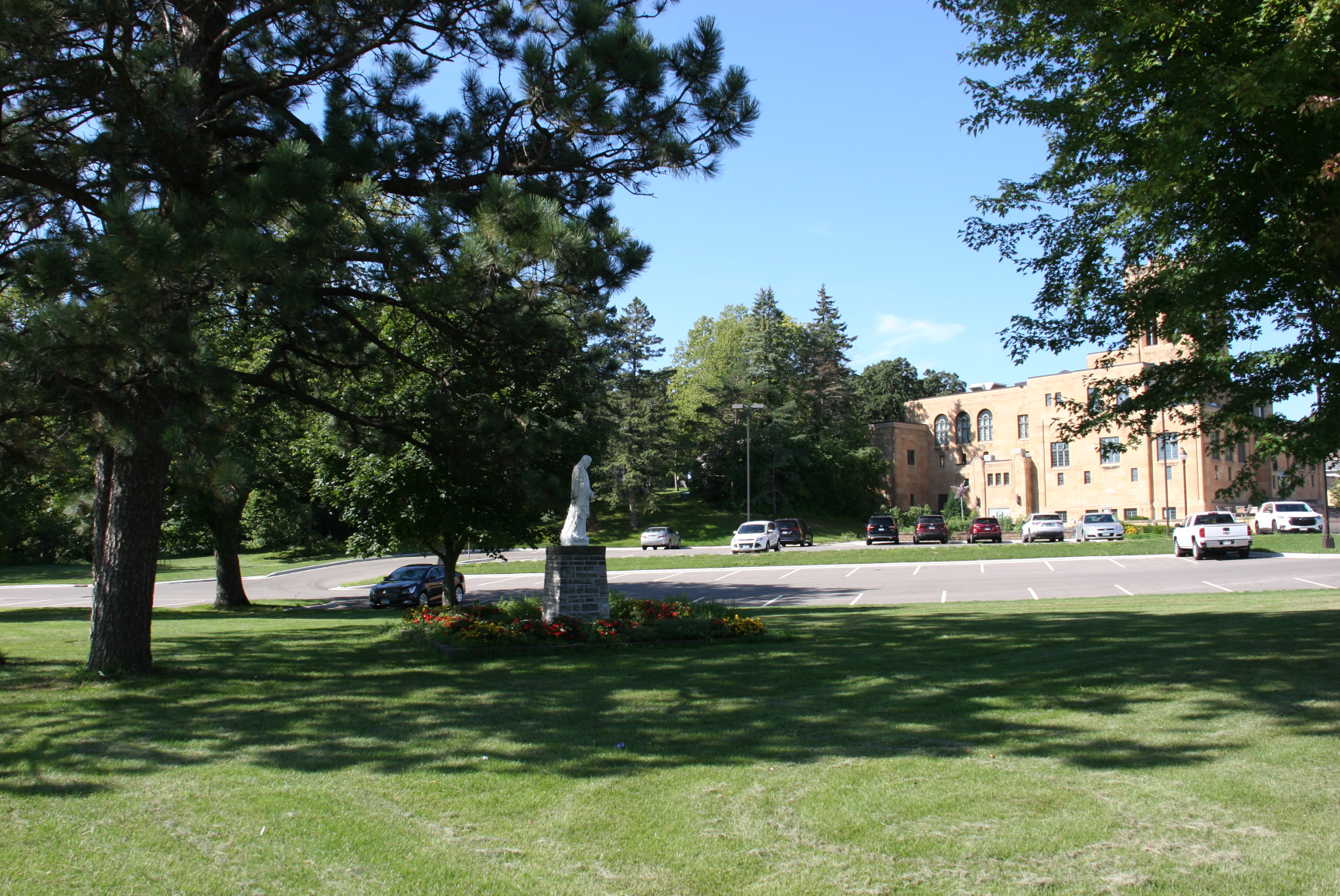
Peace Park, an unmarked Dakota cemetery near Buckham Memorial Library. (Minnesota Prairie Roots copyrighted file photo September 2022)

But I was aware that Peace Park, a triangle of land near Buckham Memorial Library, is an Indian burial grounds. Jarvis termed it an unfenced and unrecognized cemetery marked by a faith-based WW II monument and nothing indicating this is sacred ground of the Dakota. Several bodies were discovered buried there in 1874, he said, not wanting to delve deeper into that troubling topic at Thursday’s event.

Jarvis covered a lot more in his one-hour presentation. Most I knew. Some I didn’t. I always appreciate learning local history, especially about the 300-400 Dakota who relocated from Cannon Lake to live in elm bark huts and teepees in the area along the Straight River from Division Street to the wastewater treatment plant.

The community of Faribault, Jarvis said, had/has a lot of color and was/is “a beckoning place” to many peoples. He referenced the Indigenous Peoples of yesteryear and the immigrants of today. “We’re all connected. We’re all one,” Jarvis said. He’s right.

One of two rainbows arches over Faribault Thursday evening. (Copyrighted photo by Randy Helbling April 2024)

As I stepped outside the bookshop after Jarvis’ talk, cloudy skies opened to reveal stunning double rainbows—a symbol of promise and of hope. A symbol that we all live under the same sky, that we’re all connected.

FYI: To learn more about Jeff Jarvis’ work on the local Faribault Dakota Project, click here.

© Copyright 2024 Audrey Kletscher Helbling


In which I learn about African culture & make new friends in my community February 19, 2024

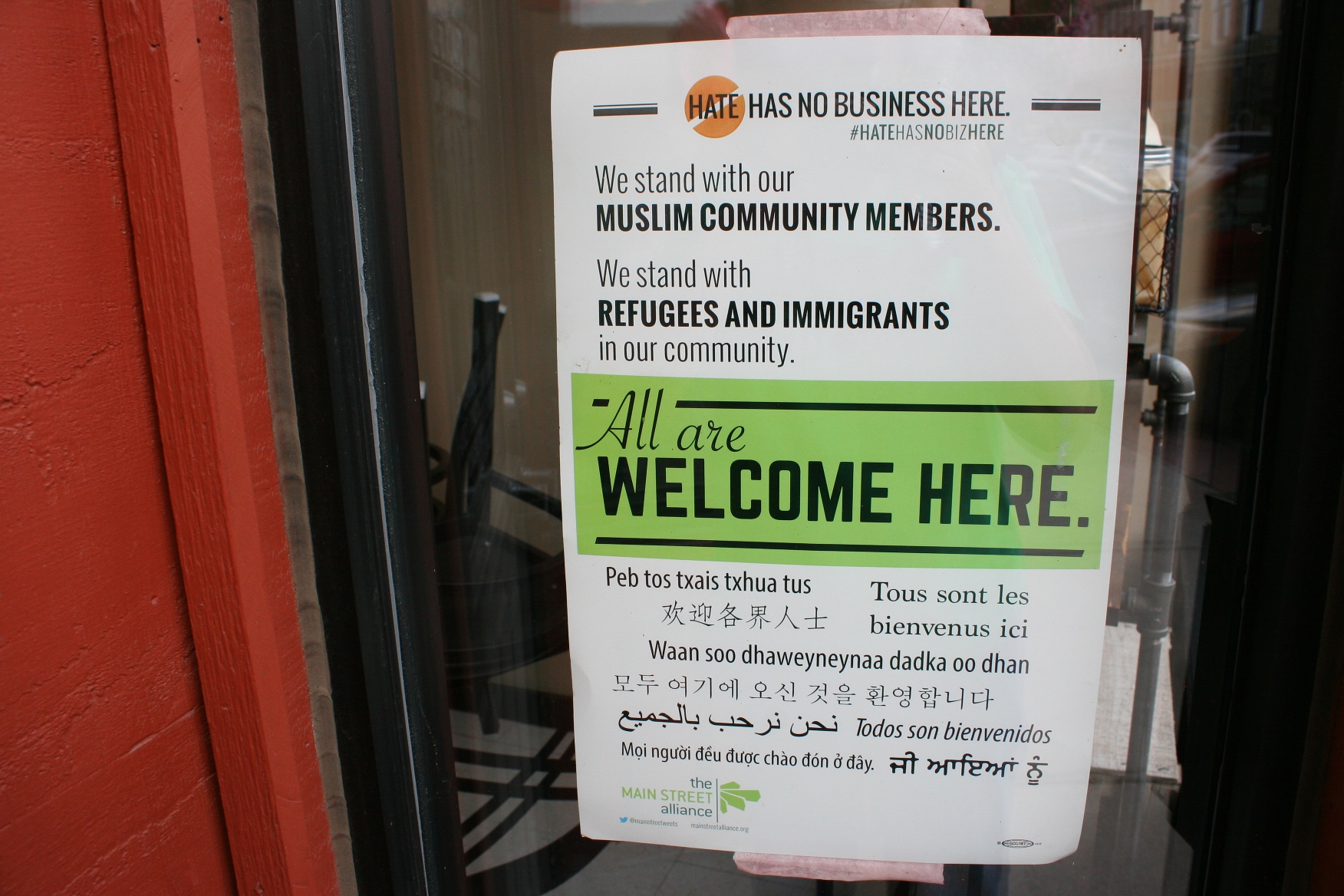
This welcoming sign was posted on the door of a downtown Faribault business in 2018. (Minnesota Prairie Roots copyrighted file photo 2018)

IN A VALENTINE’S DAY post last week, I focused on connecting in everyday life, on hugging all of humanity. Those words proved prophetic for me personally. And I am the better, the richer, for the insights I learned, the connections I made, during a February 15 talk by a Minnesota college professor, cultural consultant and author at Books on Central in Faribault.

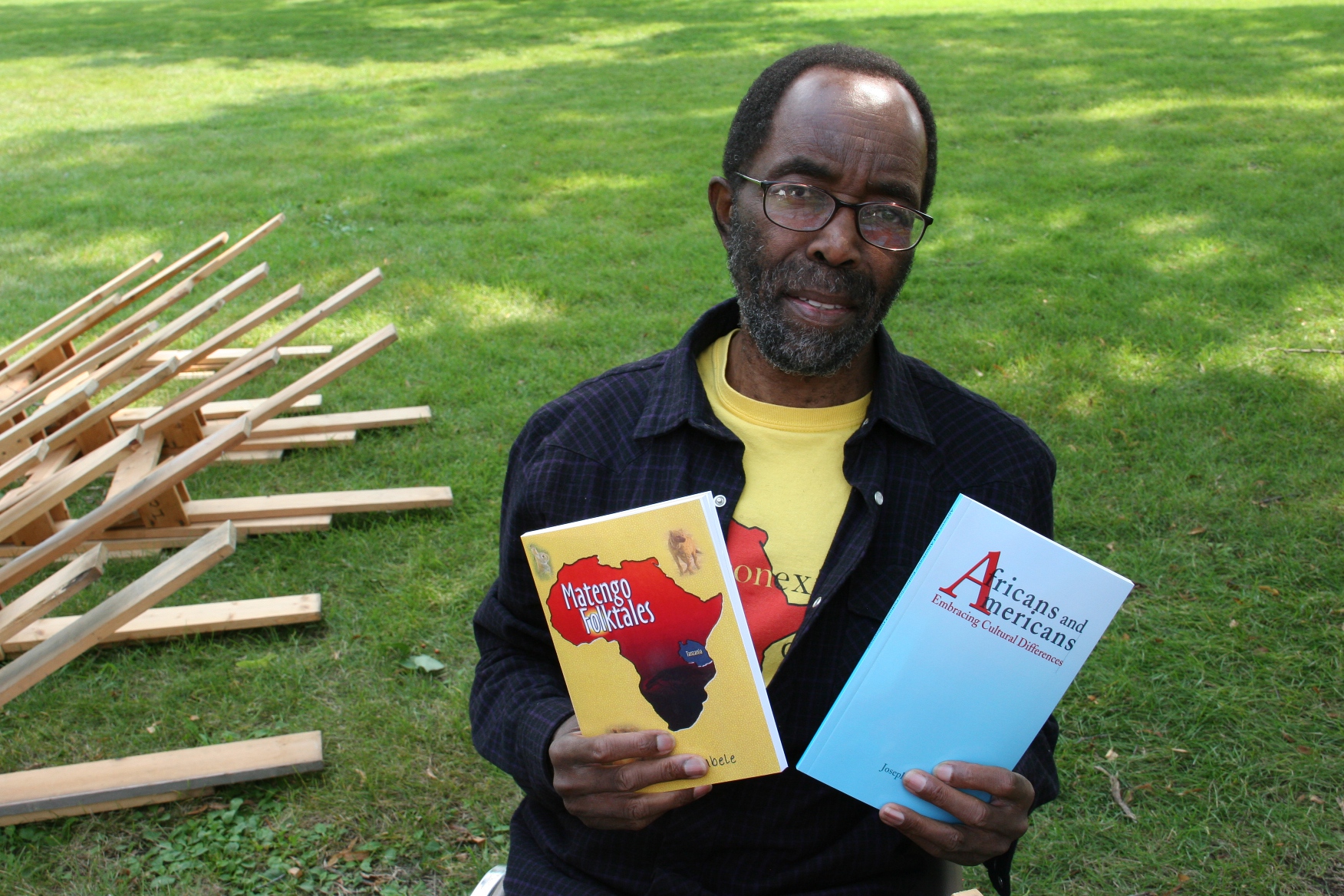
Author Joseph L. Mbele, photographed at the International Festival Faribault in 2015. (Minnesota Prairie Roots copyrighted file photo 2015)

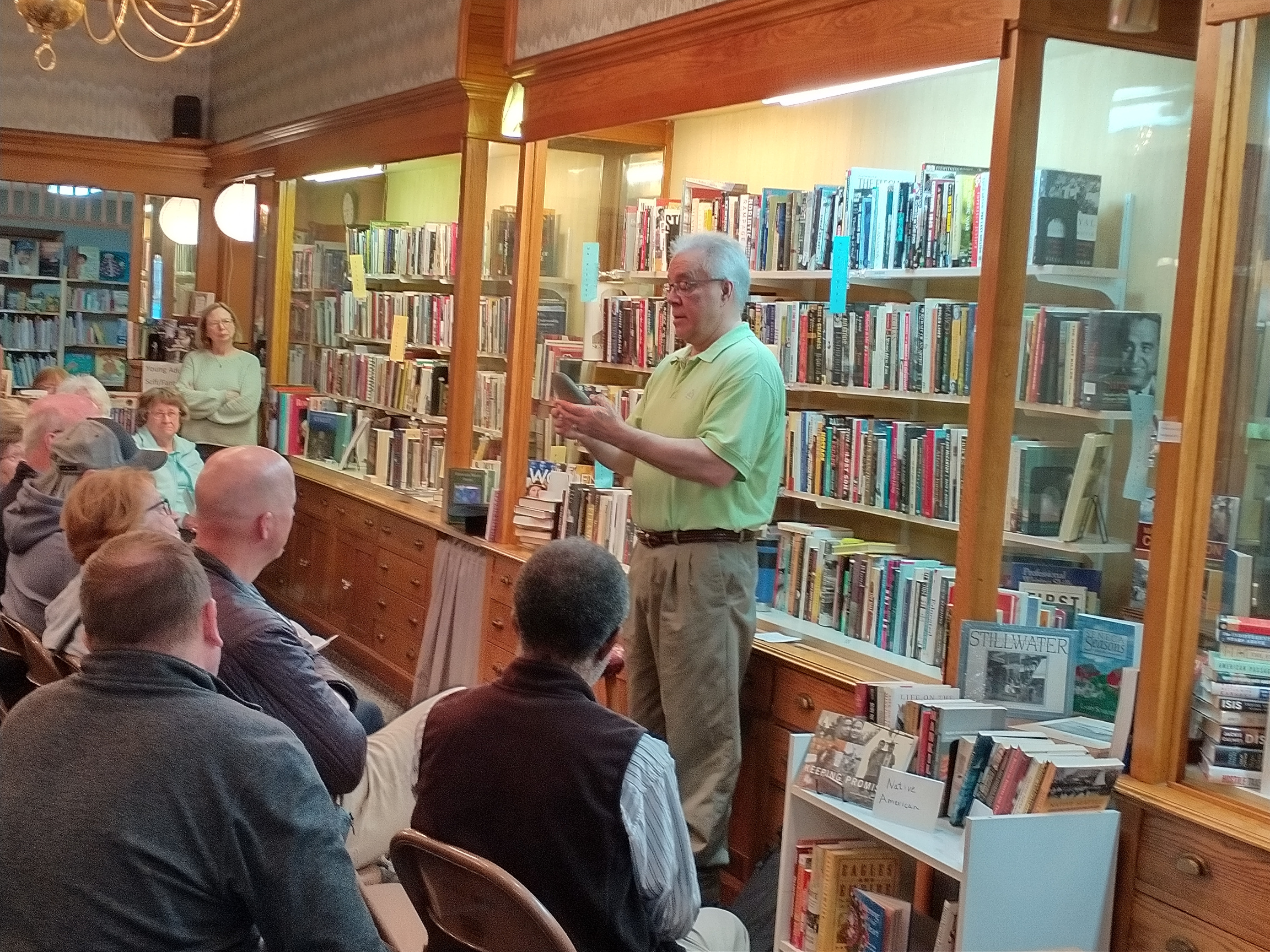
Joseph L. Mbele was the featured speaker at this public event highlighting cultural differences. Faribault is a culturally-diverse community, home to many immigrants, including significant Somali and Hispanic populations. And that has all too often created tension between locals and those who now call my southern Minnesota city home. Mbele recognizes that and has worked with community leaders, business owners and others in Faribault and neighboring cities to raise awareness of cultural differences and bridge the gaps which divide us.

Via storytelling, humor and insightful perspectives as someone who grew up in Tanzania and has lived in the U.S. for 32 years, Mbele riveted the attention of the group gathered in the used bookshop run by Rice County Area United Way. Rather than fully recap Mbele’s presentation, I want to focus on the personal interactions I experienced with two young Somali men in attendance.

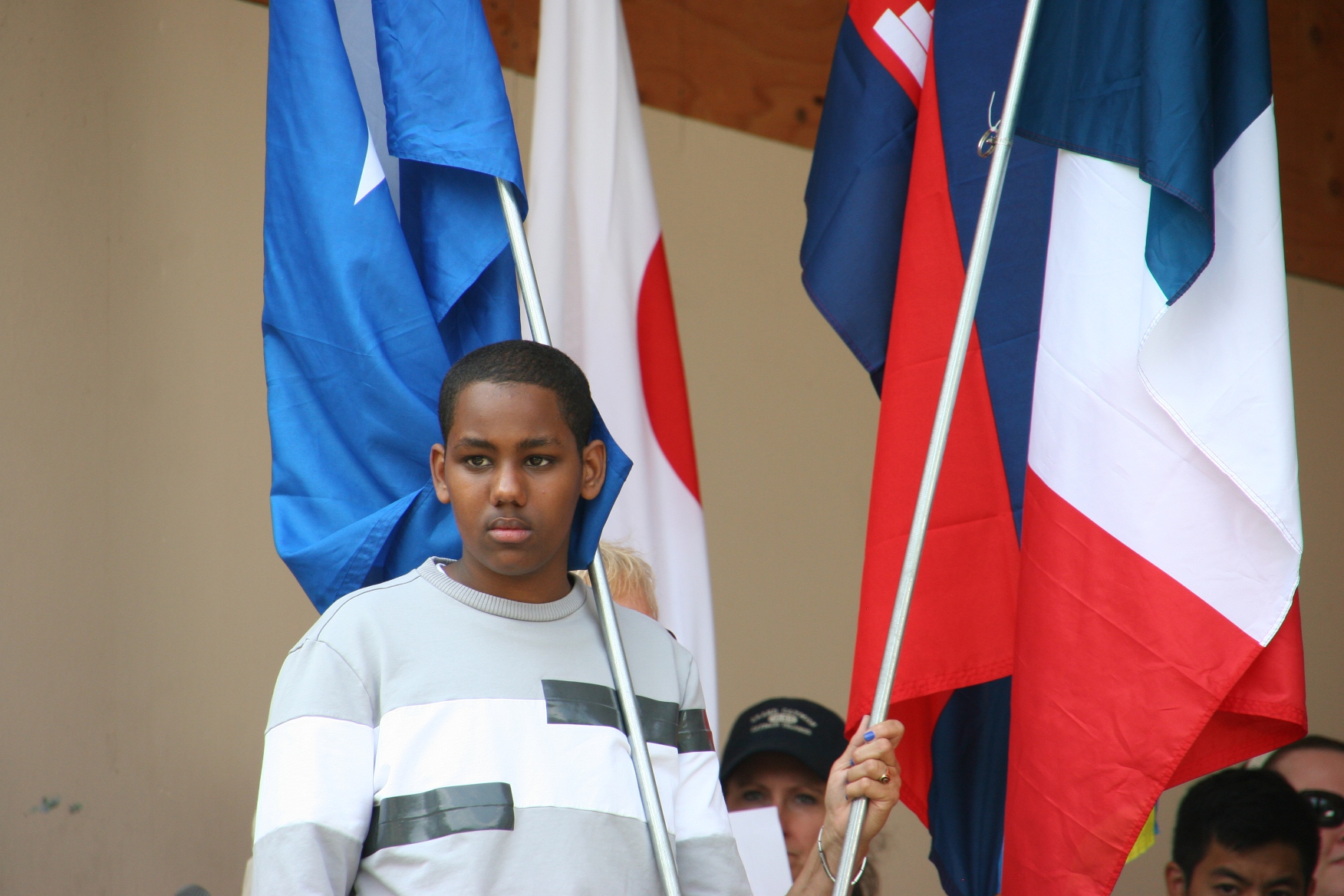
This teen represented Somalia (blue flag with a white star) at the International Festival Faribault in 2015. (Minnesota Prairie Roots copyrighted file photo 2015)

When I arrived at the bookstore, I settled onto a folding chair next to Solomon, as I heard it, (or perhaps correctly Sulaiman/Suleiman; I didn’t ask for the spelling of his name). I can’t sit next to someone and not engage in conversation. I soon learned that Sulaiman, 34, came to the U.S. from Somali at age 14, graduated from Faribault High School, played soccer on the fields by the junior high, has a wife in Somalia (the process is lengthy to bring her to the U.S., he said), works as an over-the-road trucker and has a job interview with a local company this week. Any business would be fortunate to have him on their team. He impressed me with his friendly personality, wide smile and openness. Sulaiman reflected what Joseph Mbele stated earlier about Africans being highly-social, desiring to be around and engage with other people.

I felt thankful to learn from my new friend that he hasn’t faced many challenges as a native Somalian living in Faribault. I didn’t have the heart to share the negative comments I’ve heard about Somalians. I focused instead on getting to know this delightful young man pressed next to me in a row of folding chairs in the cozy bookshop.

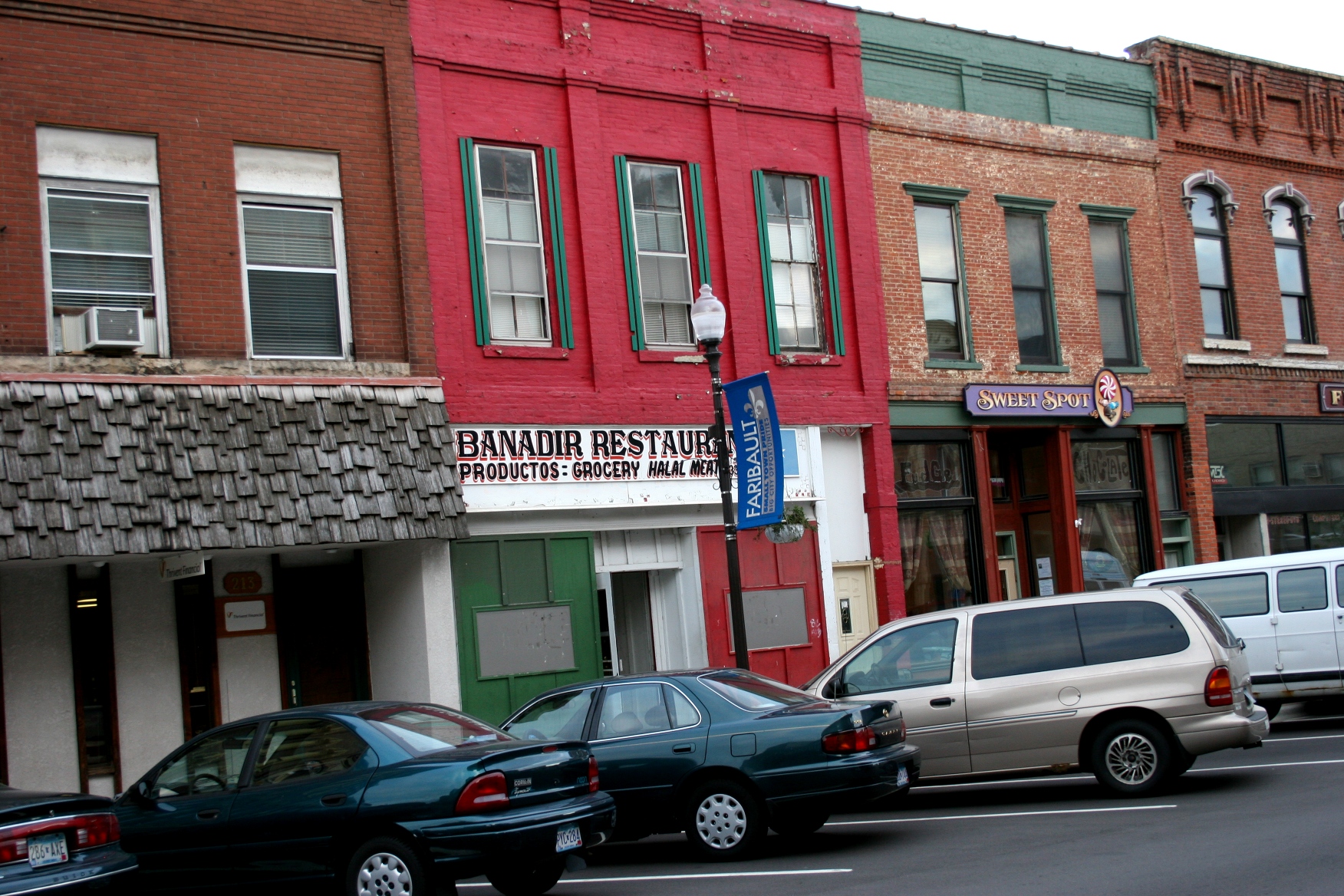
Banadir, a Somali restaurant and grocery, is located in historic downtown Faribault. (Minnesota Prairie Roots copyrighted file photo 2011)

Throughout Mbele’s talk highlighting African culture like African time (versus American time when everyone is on time), sidewalk gatherings to share news and to socialize, the social importance of food and music among Africans, the value of coming together and much more, I felt the sense of understanding unfolding. Laughter erupted often. Heads nodded. Questions surfaced during discussion. It felt good to be part of this gathering, to learn, to connect. I love that Mbele addressed bookstore volunteer Dave Campbell as “brother.” That endearing name shows that Mbele values Campbell and their personal connection. They are friends.

A diverse group attended a past International Festival Faribault, here observing the flag ceremony. (Minnesota Prairie Roots copyrighted file photo 2015)

And I felt, too, that I’d made a new friend in Sulaiman and, afterwards his brother, Ibrahim (again, I’m uncertain on the name spelling), also in attendance. As I retreated to the rear of the bookstore to grab a sweet treat and refill my water glass, Ibrahim approached and we chatted. He extended his hand in a handshake, significant because Muslims typically would not shake a woman’s hand. Mbele explained earlier the separation of men and women is not one of disrespect but faith-based and cultural.

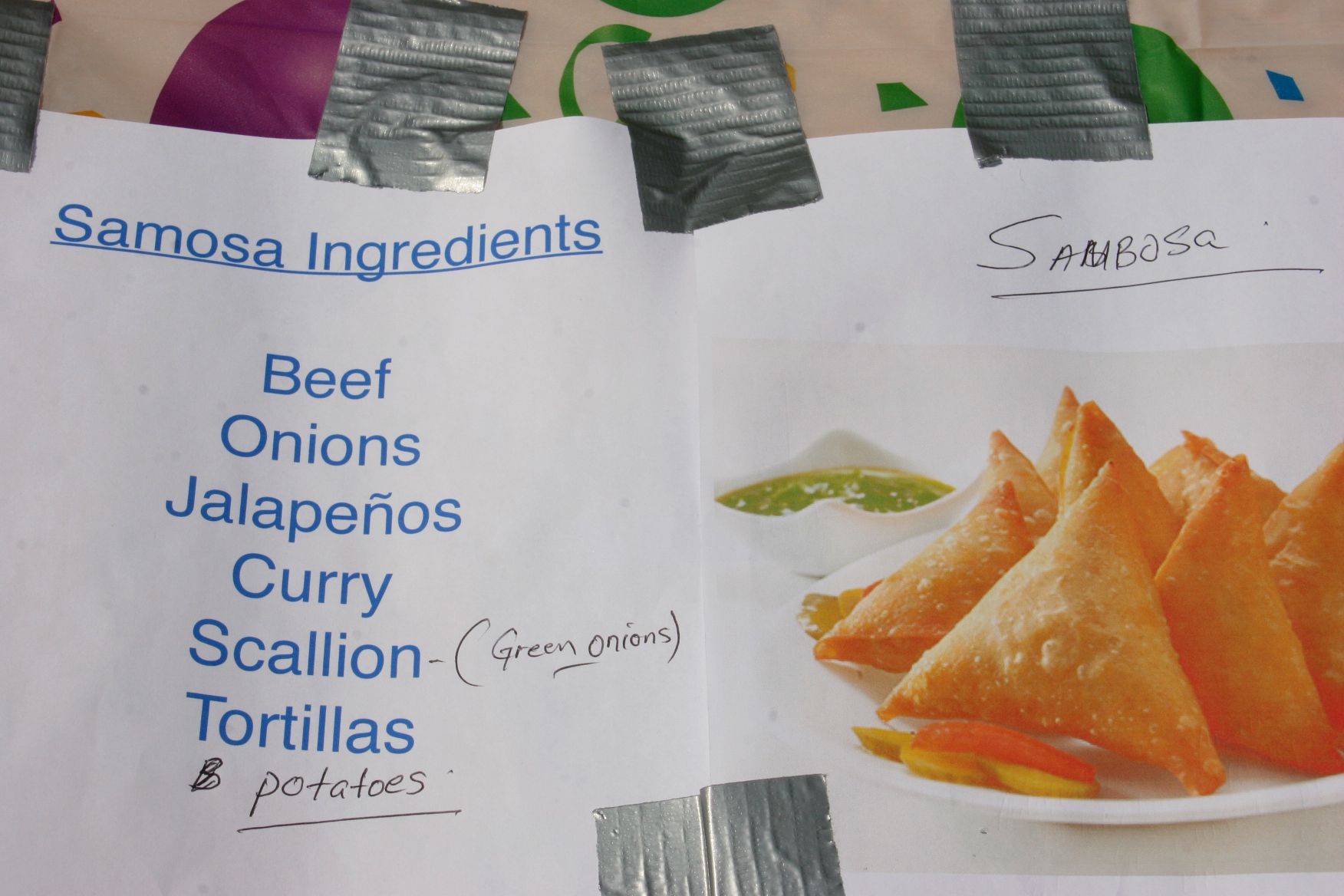
A sign photographed at a past International Festival Faribault, where I first tasted sambusa. (Minnesota Prairie Roots copyrighted file photo)

Ibrahim and I talked only briefly. He was, like his brother, warm, engaging, friendly. I remember him telling me that food brings people together, that he likes pizza. And I replied that I like sambusa, a Somali triangle-shaped pastry stuffed with spicy meat. We laughed. Earlier he invited those attending the bookshop gathering to visit Somali restaurants and shops in downtown Faribault.

And then Ibrahim asked, “Can I hug you?” Of course. We embraced right there in the back of the United Way bookshop. I felt such warmth, such affection, for this young man I’d just met. There were no cultural differences between us. We were simply two individuals who respected and appreciated one another. United by our humanity.

#

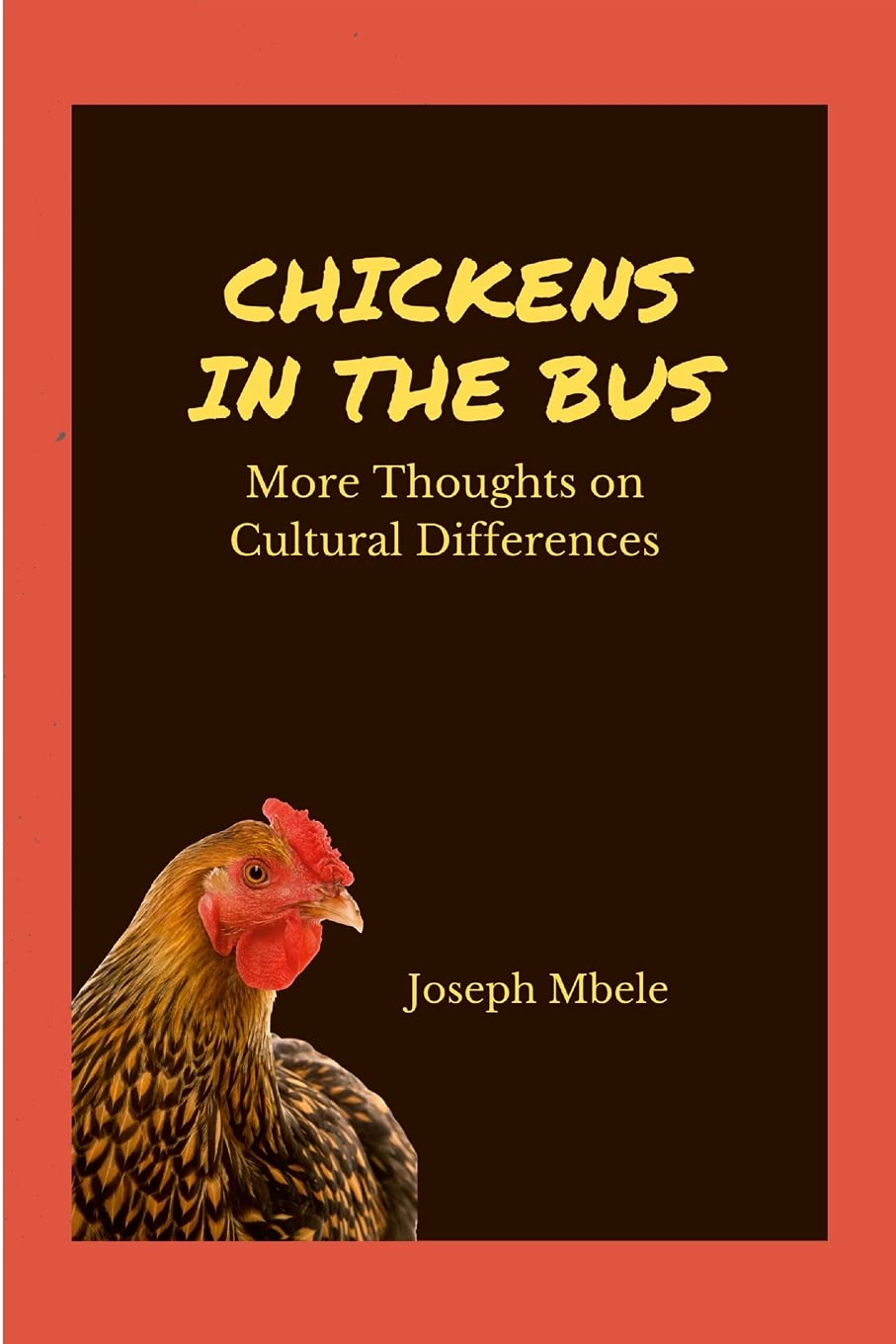
Jospeh Mbele’s latest book, an easy and informative read. (Book cover sourced online)

FYI: I’d encourage you to read any or all of the books written by Joseph L. Mbele: Africans and Americans: Embracing Cultural Differences; Chickens in the Bus: More Thoughts on Cultural Differences; and Matengo Folktales. This professor at St. Olaf College in Northfield is a gifted storyteller and writer. I’d also encourage you, if you live in my area, to shop at Books on Central. All proceeds from book sales go to the Rice County Area United Way and help people and organizations in my area.

© Copyright 2024 Audrey Kletscher Helbling


United Way opening community-focused used bookstore in Faribault January 31, 2023

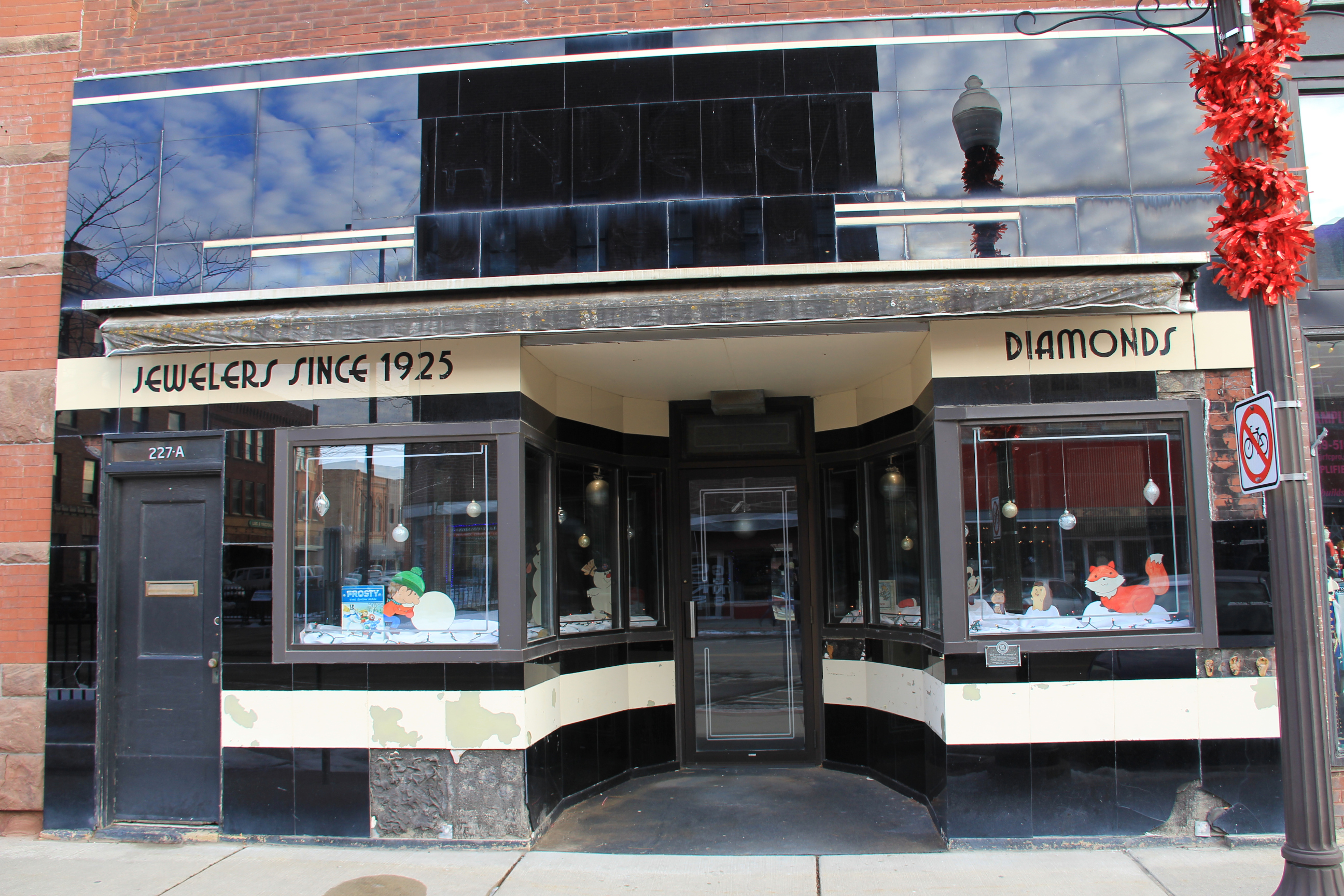
Rice County Area United Way is opening a used bookstore in the vacant Dandelet Jewelry building. A bookstore was once located in the corner building. (Minnesota Prairie Roots copyrighted photo January 2023)

ONCE UPON A TIME, Faribault was home to bookstores, the first inside the mall, the second downtown on Central Avenue. Both closed years ago. But soon we’ll have a bookshop back in town, located in the former Dandelet Jewelry store, right next to the corner building that once housed Central Avenue Books.

Elizabeth Child (Photo source: E. Child)

This new as yet unnamed bookstore, though, will be decidedly different. The bookshop, a project of Rice County Area United Way, aims to do more than simply provide the community with a place to purchase gently-used books. It will also become a welcoming community gathering space, according to United Way Executive Director Elizabeth Child. She envisions a colorful children’s area in the back of the store where kids can mingle and read. She envisions adults dropping in, coffee in hand, to browse bookshelves and engage in conversation. She envisions local art displayed and perhaps events featuring artists and writers.

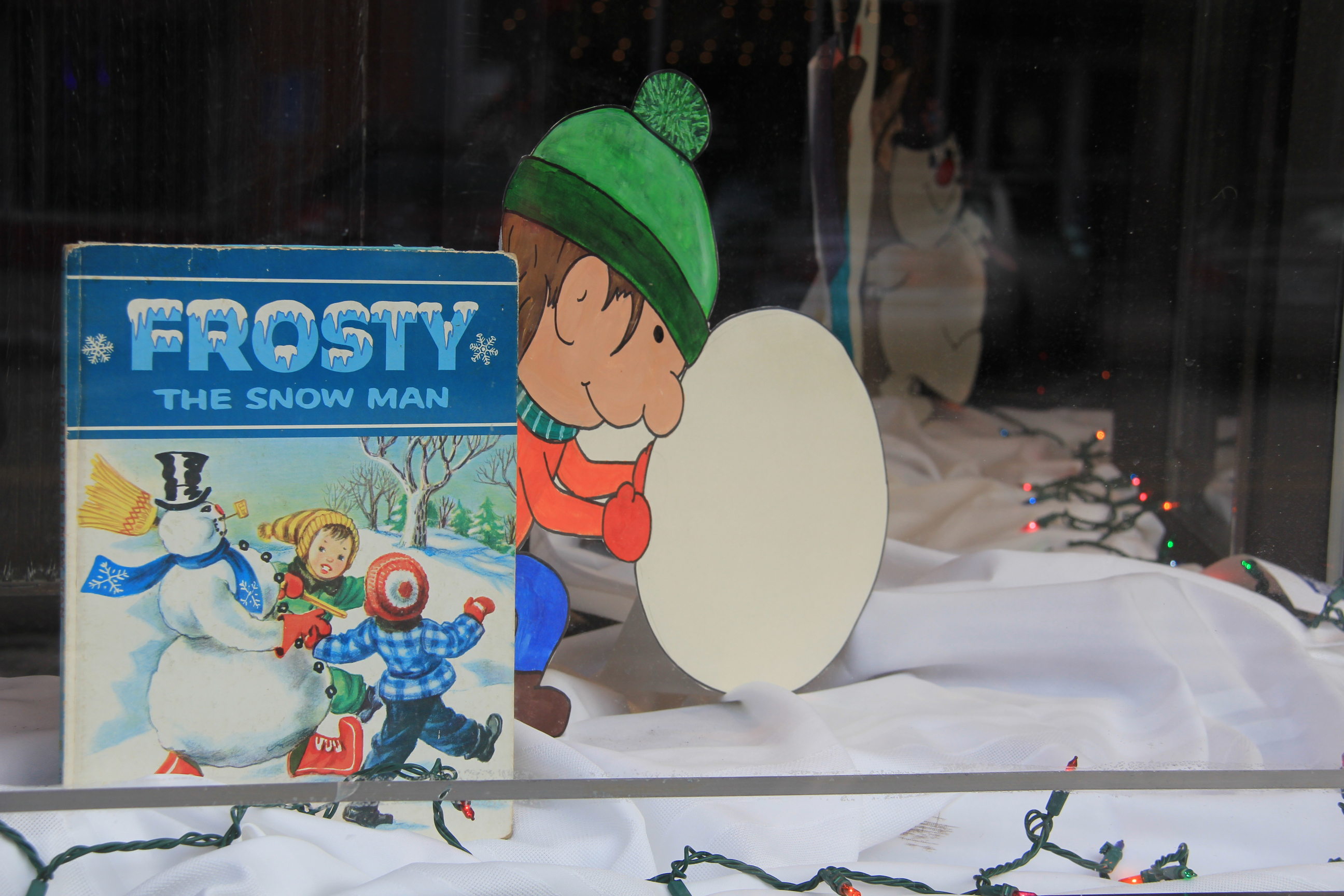
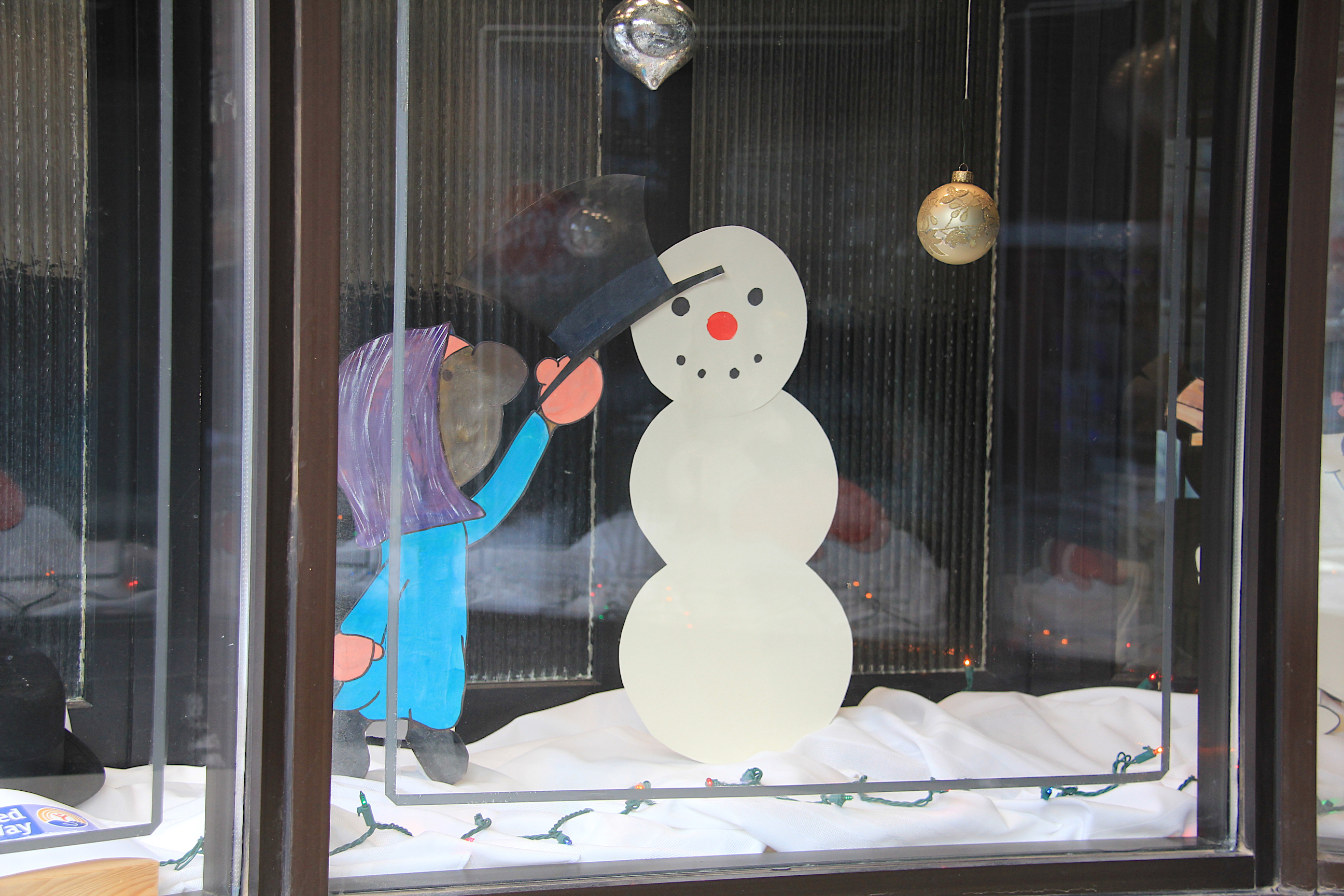
Gordon Liu, board chair of the United Way, created a book-themed display for the Faribault Winterfest holiday window decorating contest. It reflects the bookstore plan for the Dandelet building and Liu’s love of books and reading. He was recently reappointed to the Library Advisory Board. (Minnesota Prairie Roots copyrighted photo January 2023)

A sense of community involvement defines the vision for this used bookshop. Child and her board of directors are open to ideas and possibilities and are actively seeking community input. They want this gathering place to reflect Faribault’s multi-cultural population; to add value to the downtown; to promote literacy via access to books; to inspire people to read; and to increase the United Way’s visibility in Faribault. The United Way currently has an office in Northfield following the merging of the Faribault and Northfield United Ways into a county-wide entity in 2019.

A small United Way sign lies atop “snow” in a window display inside the former Dandelet Jewelry building. (Minnesota Prairie Roots copyrighted photo January 2023)

The nonprofit, funded primarily by workplace partner and individual donations, aims “to mobilize caring resources to improve lives,” Child said. That’s further defined on the website: Our focus is on education, health and financial stability—the building blocks for a good quality of life.

Faribault is a diverse community, shown here in Gordon Liu’s “Frosty the Snowman” window display. (Minnesota Prairie Roots copyrighted photo January 2023)

A bookstore fits within that mission with a focus on literacy, bringing people together and providing affordable books. The United Way is already collecting books, with an emphasis on “gently-used” in all genres. No textbooks, encyclopedias, business or outdated books needed.

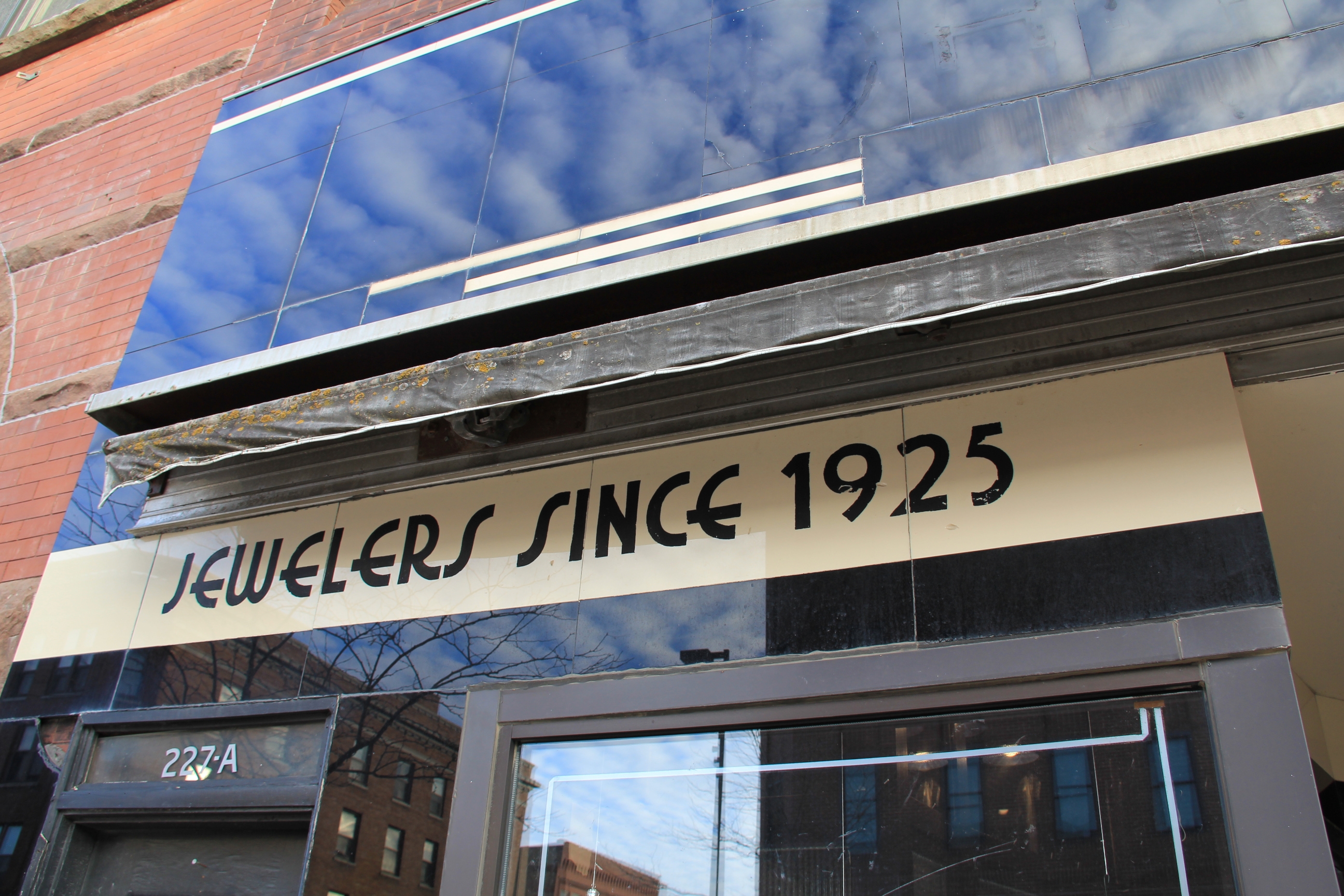
The Art Deco style can be seen in the black and cream colors and the strong lines. (Minnesota Prairie Roots copyrighted photo January 2023)

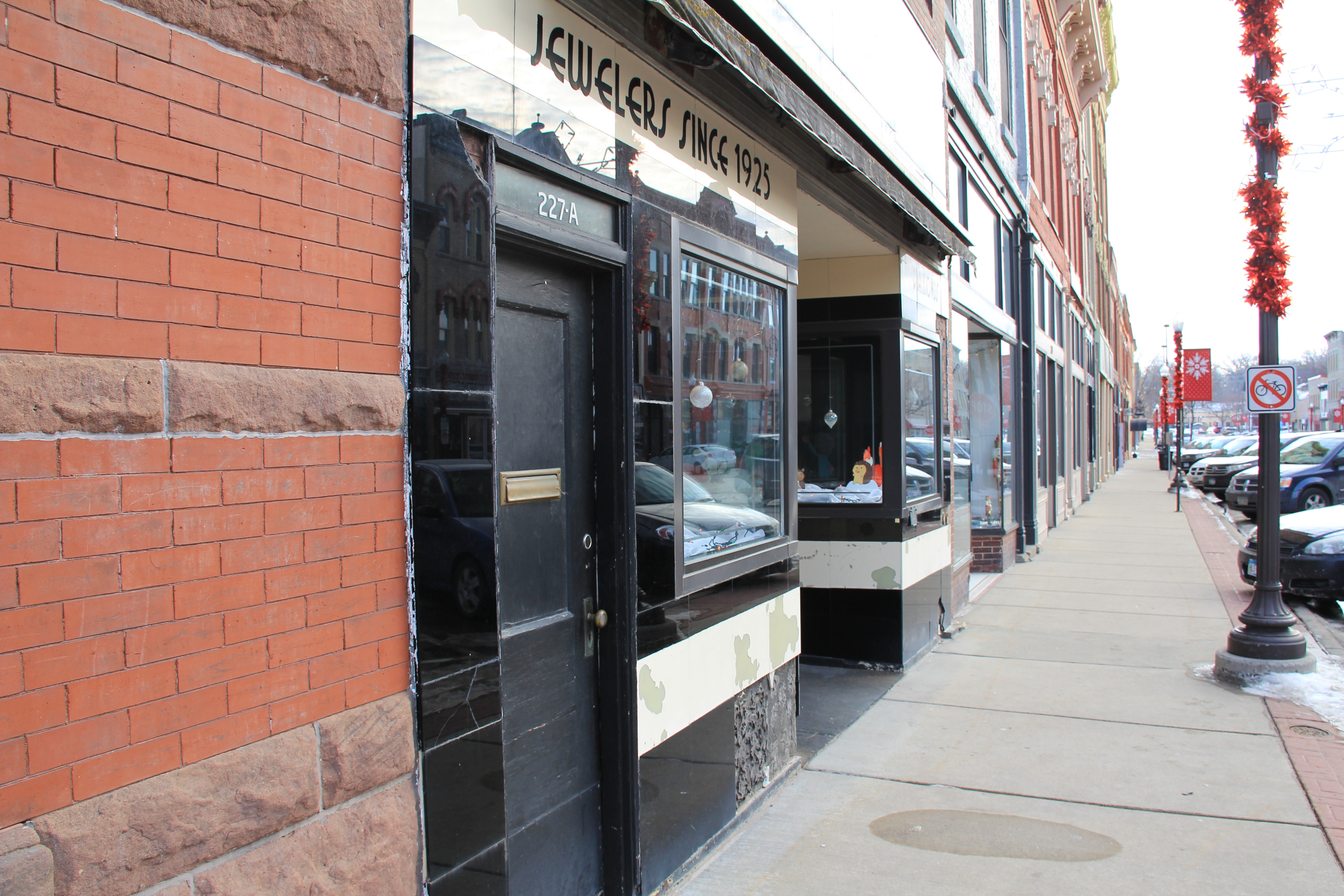
Planning and work continue on the bookstore with an anticipated spring opening at 227 Central Avenue North, hours to be determined. The 1882 building, which is in Faribault’s Historic Commercial District and on the National Register of Historic Places, is one of 13 purchased by a local investment group in an effort to revitalize downtown. Originally, the structure housed Dandelet Dry Goods. It became a jewelry store and watch repair business in 1925 with the Dandelet family modernizing the original Italianate facade in the Art Deco style during the 1930s. Child noted the vacant building retains Art Deco elements inside, including a chandelier. Built-in shelves, which once displayed jewelry, remain. Those will be repurposed for books as the United Way readies the space with mostly cosmetic changes like painting, adding display tables and more. A first floor bathroom will be installed. Any exterior changes/improvements will be made by the building’s owners.

From jewelry to books, both gems… (Minnesota Prairie Roots copyrighted photo January 2023)

Volunteers will run the bookshop with United Way board member Dave Campbell overseeing the operation. There’s already a sense of excitement within the community about the bookstore, Child said. She expects that interest to grow once the shop opens.

Faribault boasts a downtown brimming with aged, historic buildings. Revitalization and renovation are ongoing. (Minnesota Prairie Roots copyrighted photo January 2023)

Child’s efforts to open a United Way bookstore began seven months ago in a most unexpected way—in a conversation during a three-hour ride from North Carolina to the Atlanta airport. Her friend Florence, whom she first connected with via an online pandemic-inspired poetry group, mentioned how much she enjoyed volunteering in her small town nonprofit bookstore. That proved an enlightening moment for Child, who took the nonprofit bookstore idea and ran with it…to her board. And now, in a few months, Faribault will have a new, welcoming place to gather, a place to buy gently-used books, to engage in conversation, to connect as community.

#

FYI: If you have gently-used books to donate, contact Dave Campbell at 507-210-4066 or email him at Davec1953 at gmail.com

© Copyright 2023 Audrey Kletscher Helbling


Biancabella, books & bliss at Becky’s bookshop October 30, 2017


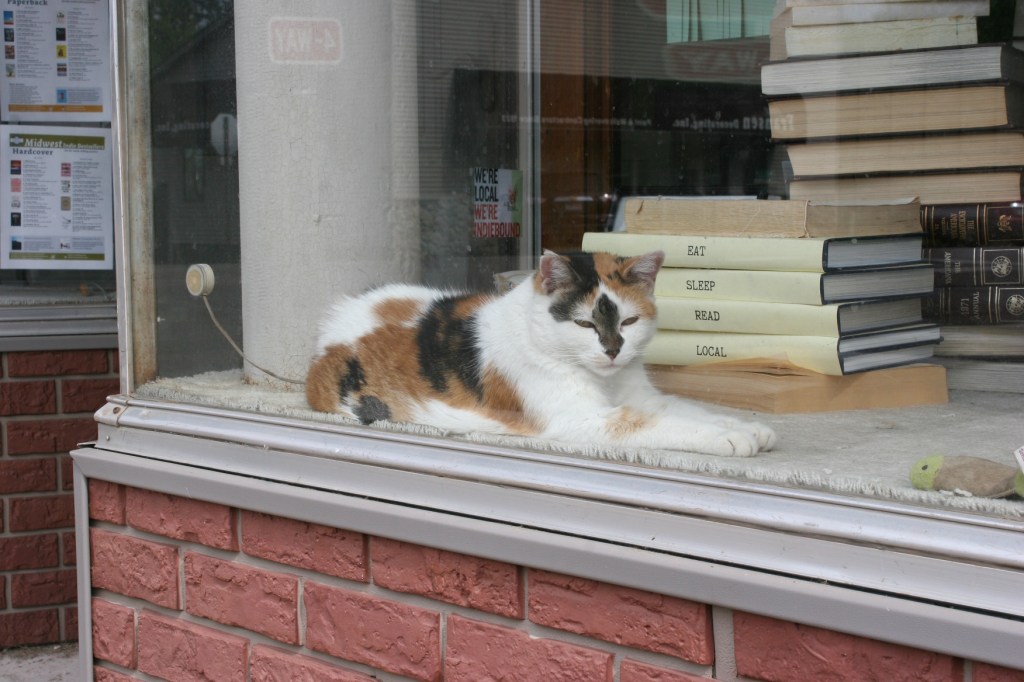
PRINCESS BIANCABELLA first drew me to the business along Milaca’s main drag. Stretched out atop carpet next to stacks of books in the front window display area, the calico cat appeared blissfully content. Not even my photographic efforts disturbed her.


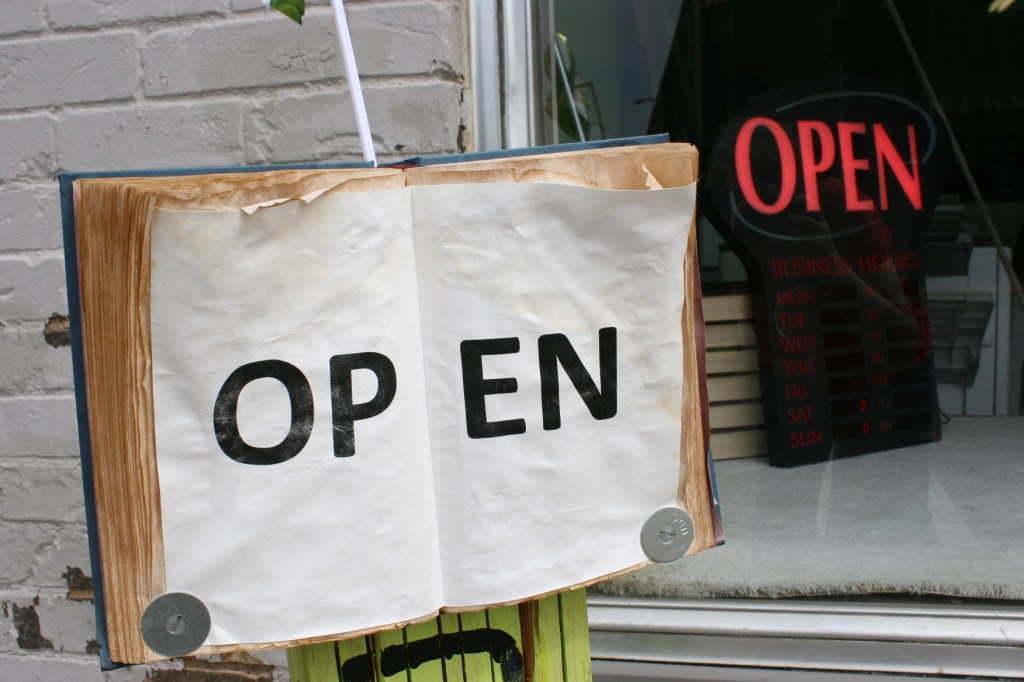
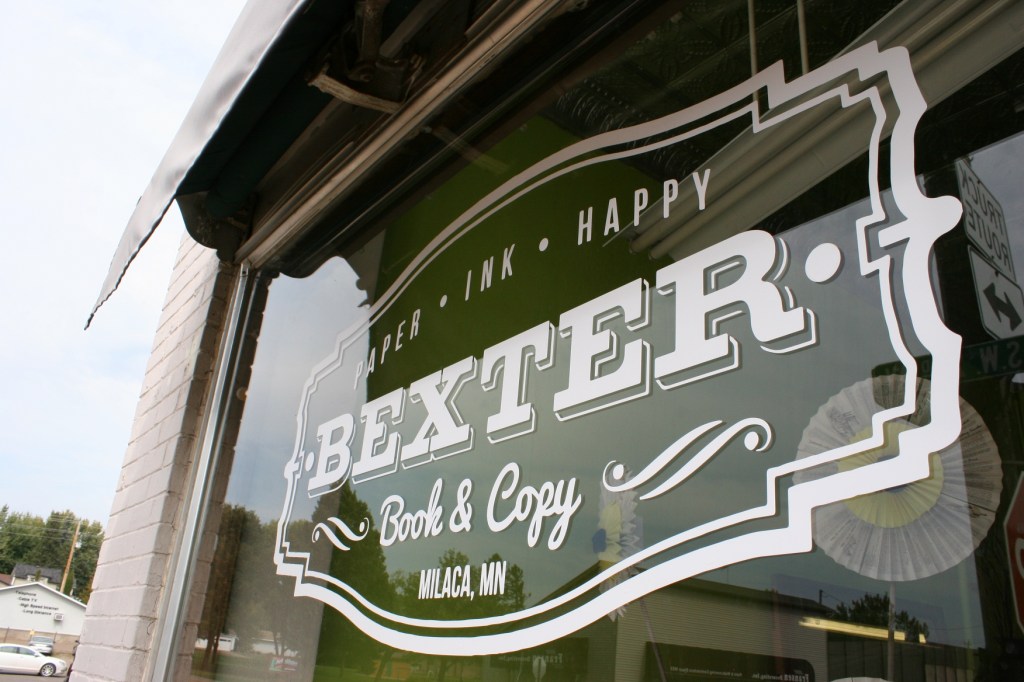
The scene delighted me—this bookstore cat in one window, a vintage typewriter in another and a creative OPEN sign crafted from a book and propped outside Bexter Book & Copy.


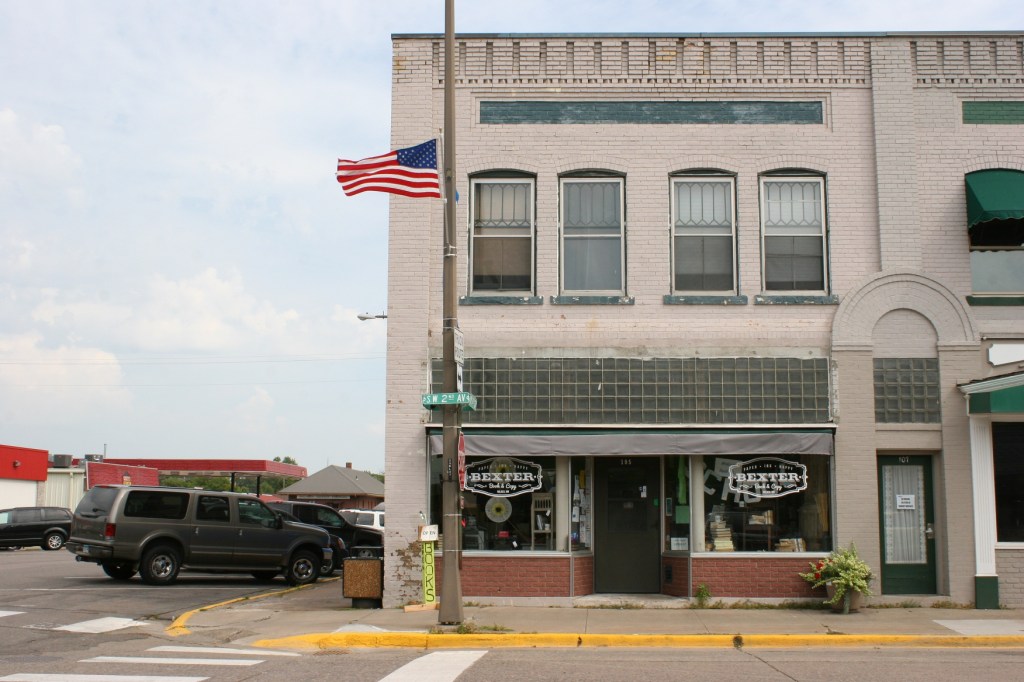
It’s not often anymore that you find an independent bookstore, especially in a town the size of Milaca with not quite 3,000 residents. This shop, which opened about a year ago, anchors a corner of the downtown business district in an historic building. And it appears the owner, Rebecca Rittenour, is working hard to make her business a success. She not only sells new and used books, but also offers hometown copy services and engages her patrons via a Mystery Book Club, creative in-store displays and more.


I especially like her artistic vignettes that encourage folks to shop local. I didn’t speak much with Becky other than to greet her, ask for permission to photograph and praise her store. But I got the sense, both from wandering the bookshop and from reading the Bexter website and Facebook page, that she truly holds a passion for books and for sharing her love and knowledge with others. That’s always the benefit of shopping local—excellent customer service from a passionate shopkeeper.


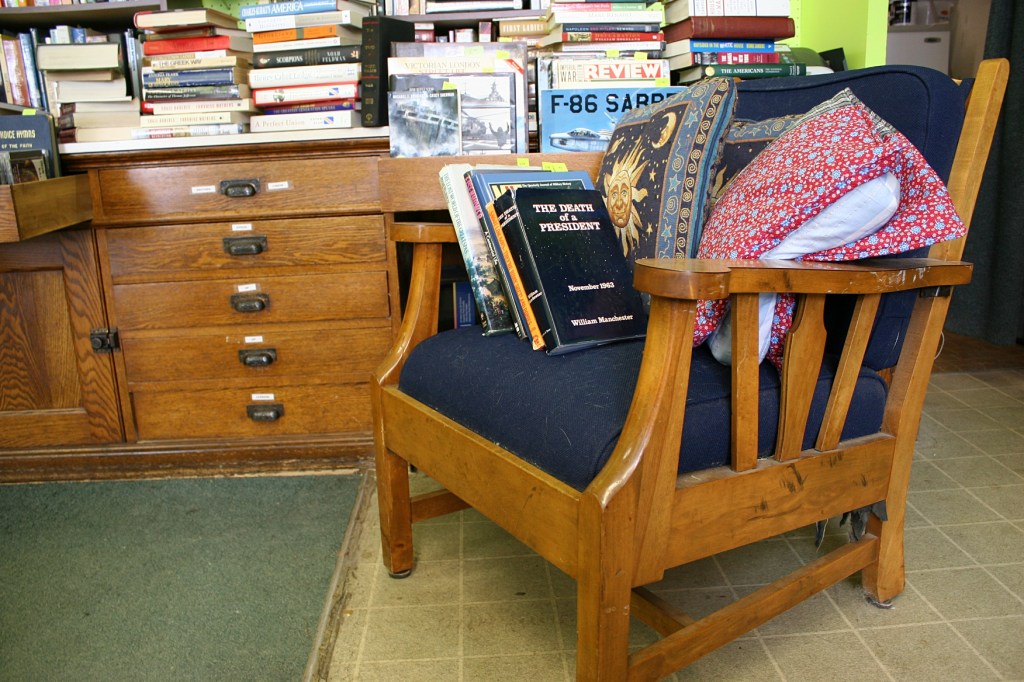
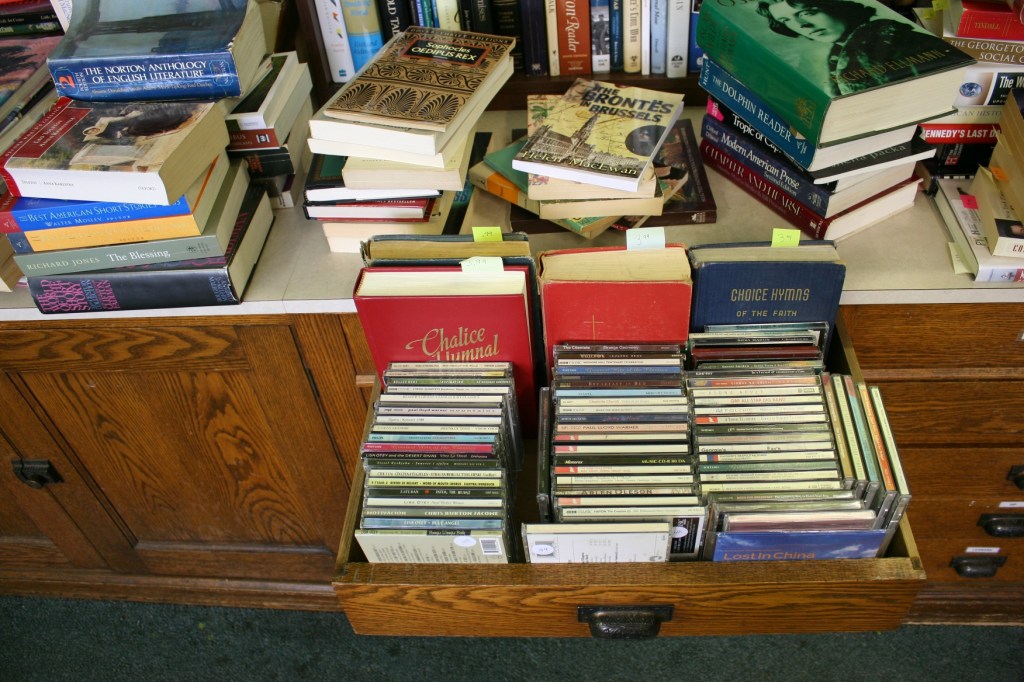
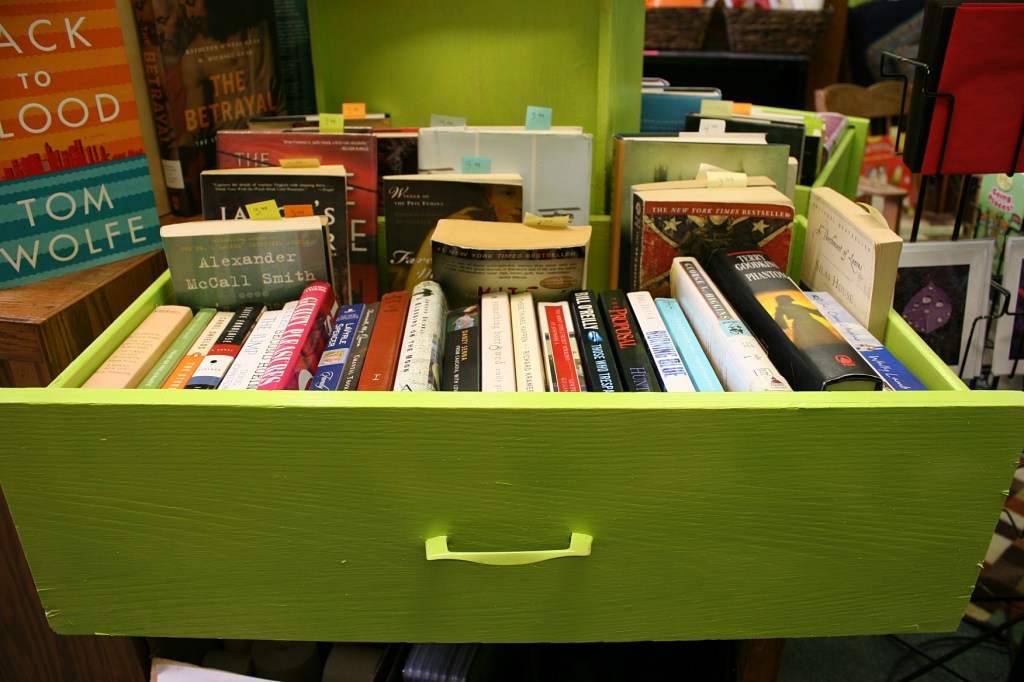
Milaca is fortunate to have an independent bookstore with books tucked into open drawers, filed onto shelves and showcased in artful ways.


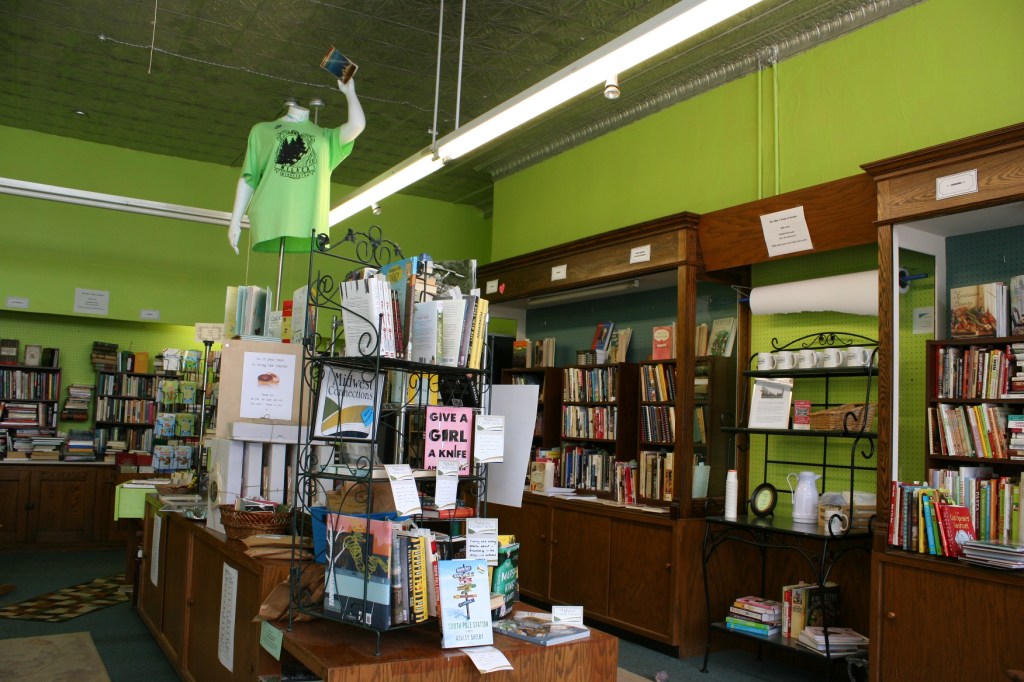
On my quick stop in town, this bookshop charmed me with its vivid chartreuse walls, homey character and resident princess cat.


TELL ME: Do you have a favorite independent bookstore? If yes, what delights you and draws you to this bookshop?

© Copyright 2017 Audrey Kletscher Helbling


Part II from La Crosse: The impressive Pearl Street Books March 23, 2017

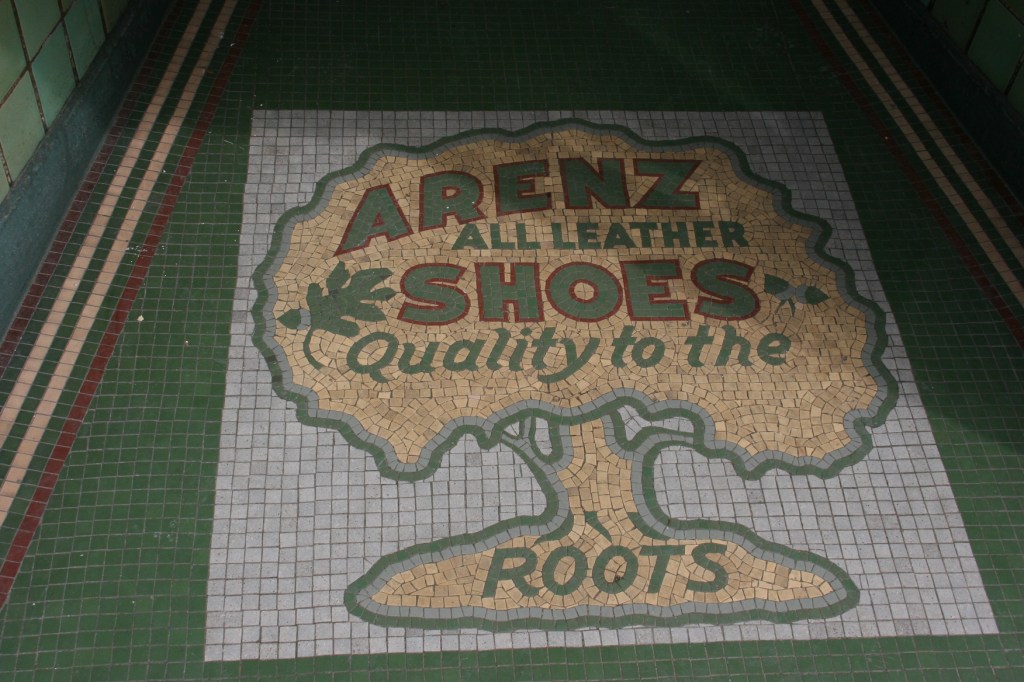
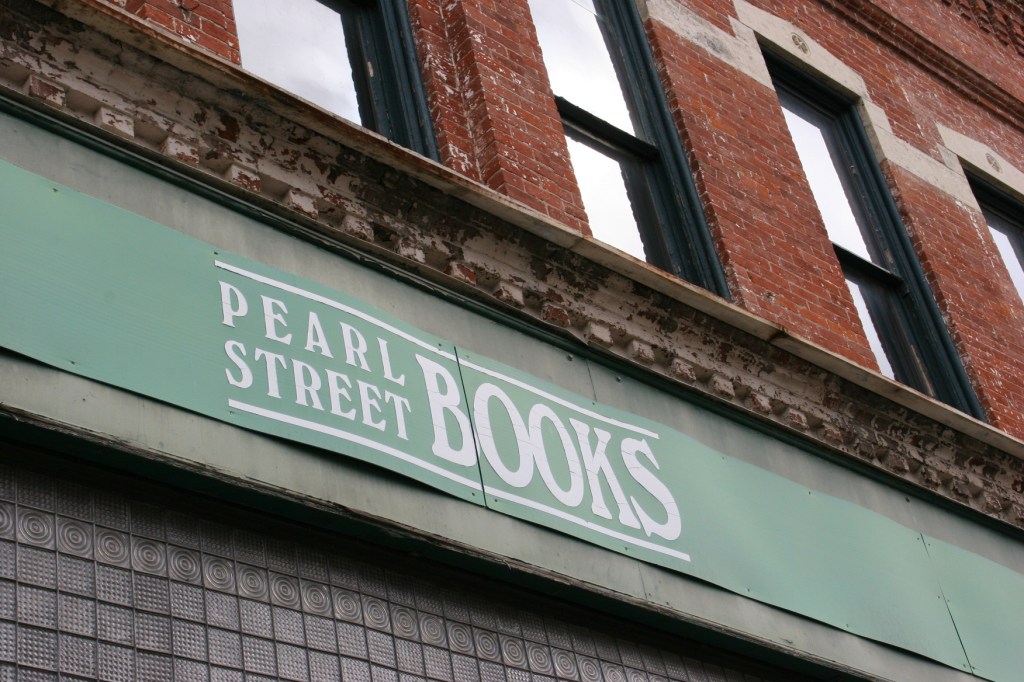
The tiled entry to Pearl Street Books reveals its history as the home of Arenz Shoe Company, founded in La Crosse and once housed at 323 – 327 Pearl Street. The La Crosse shoe store once boasted eight stores in Wisconsin and Iowa. Today only one, a fifth generation family-owned Arenz Shoes, remains open in nearby Sparta, Wisconsin. 


FIRST I NOTICED the sprawling oak and the organic shoe store message of Quality to the Roots embedded in the entry way tile.


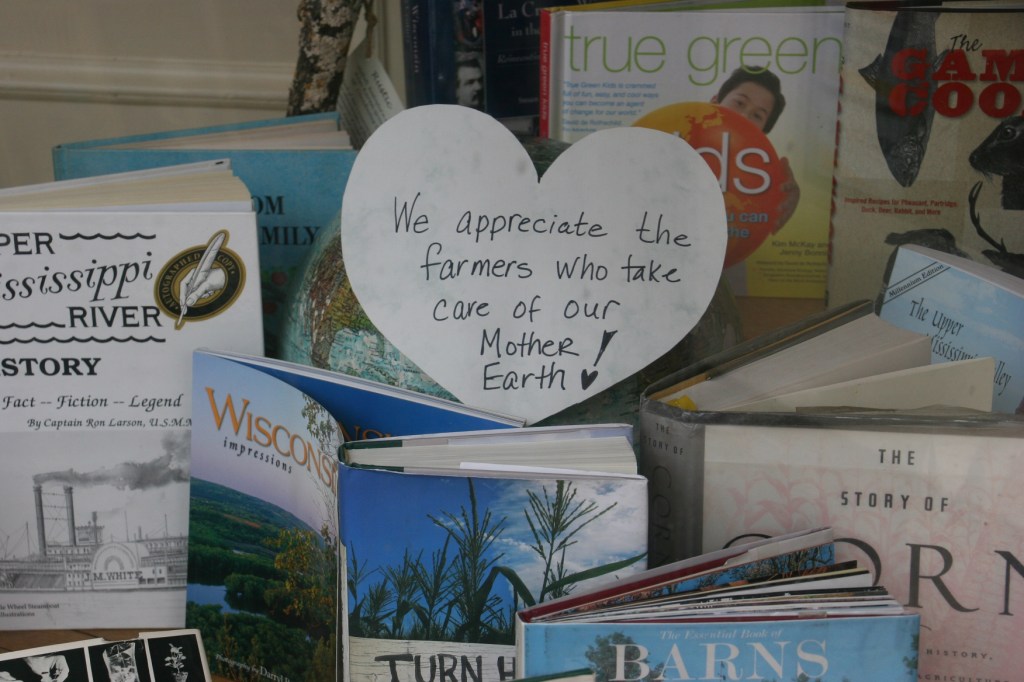
Then I glanced to the window display and the heart shaped note of appreciation purposely placed among earthy books.


Both drew me inside Pearl Street Books as if I really need anything to get me inside a bookstore. I don’t.


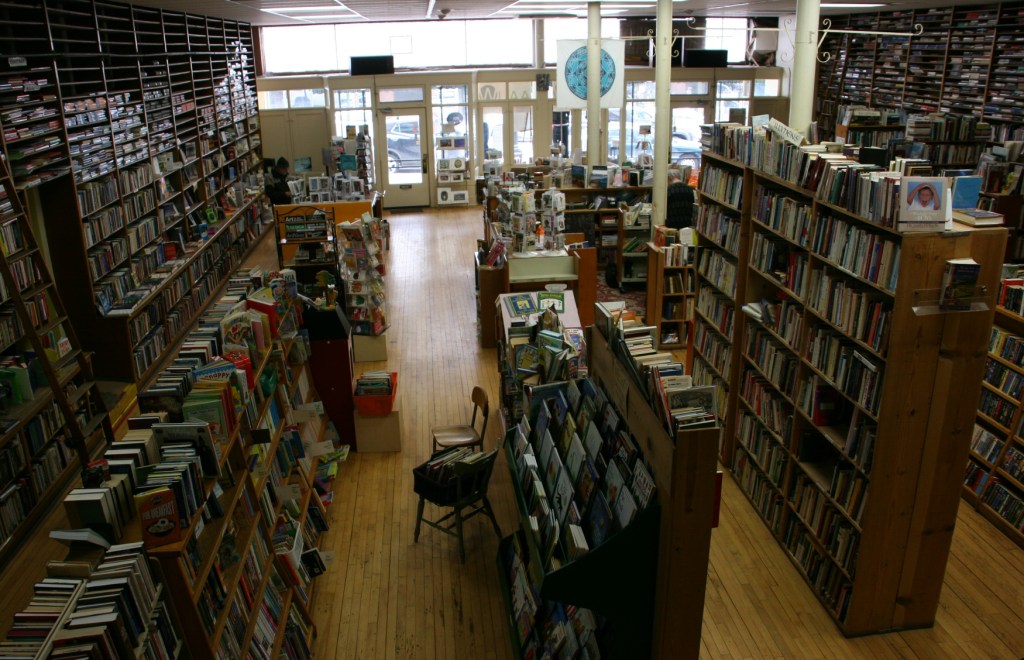
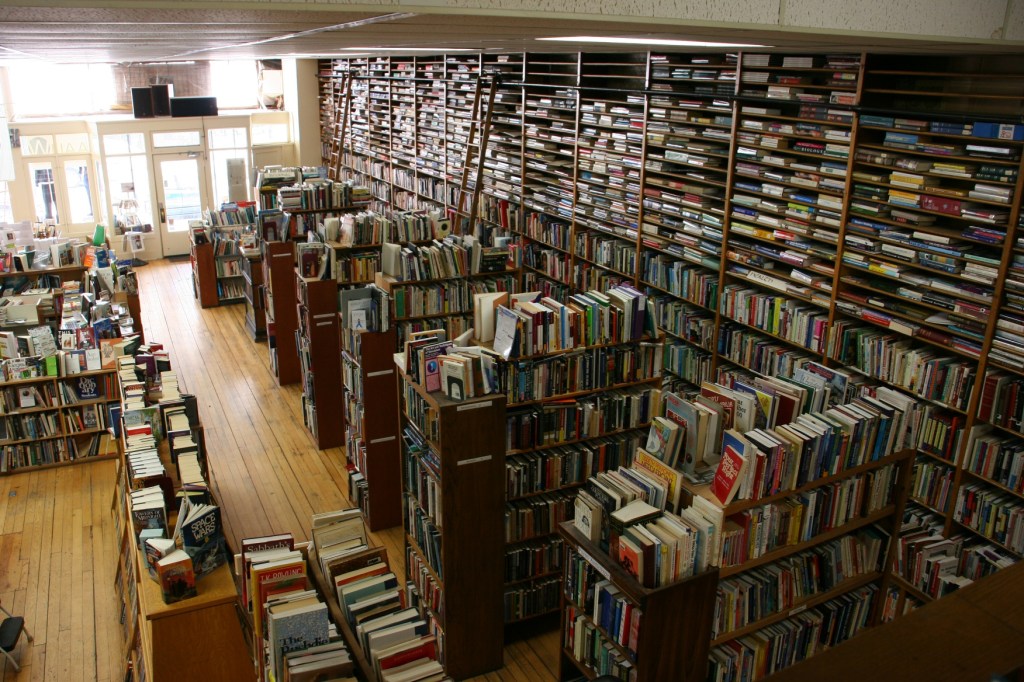
An overview of the bookstore taken from the second floor and looking toward the front.


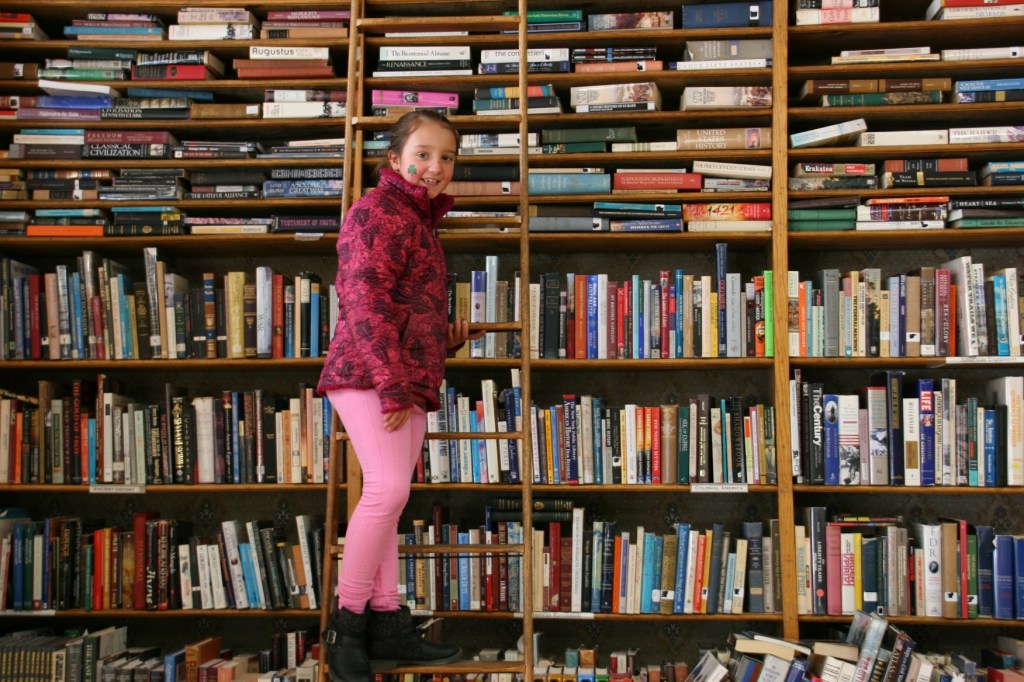
Ladders slide along the built-in towering shelves allowing access to the books.


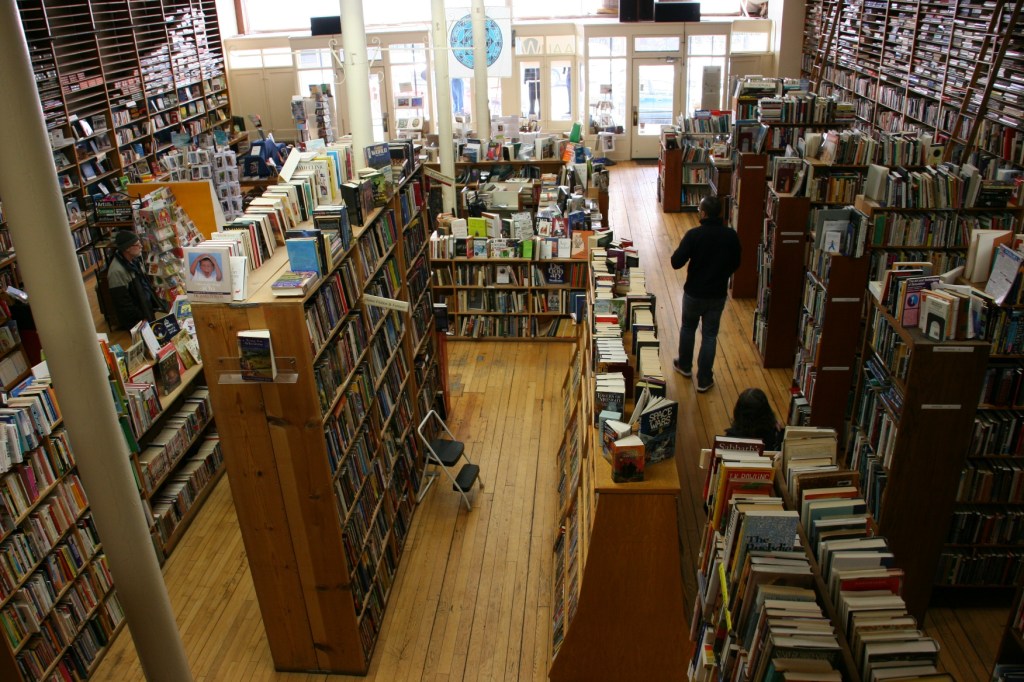
Chairs scattered between shelves invite shoppers to sit and peruse books.


But I’ve never been in a book shop like Pearl Street Books in downtown La Crosse, Wisconsin. I walked inside and then just stood there for a minute taking in the scene before me.


The wood floor lends a signature vintage look to Pearl Street Books.


A Minnesota mom snapped a photo of her daughter and I asked to do likewise. Shortly thereafter the daughter climbed much higher and was kindly asked to come down for safety reasons.


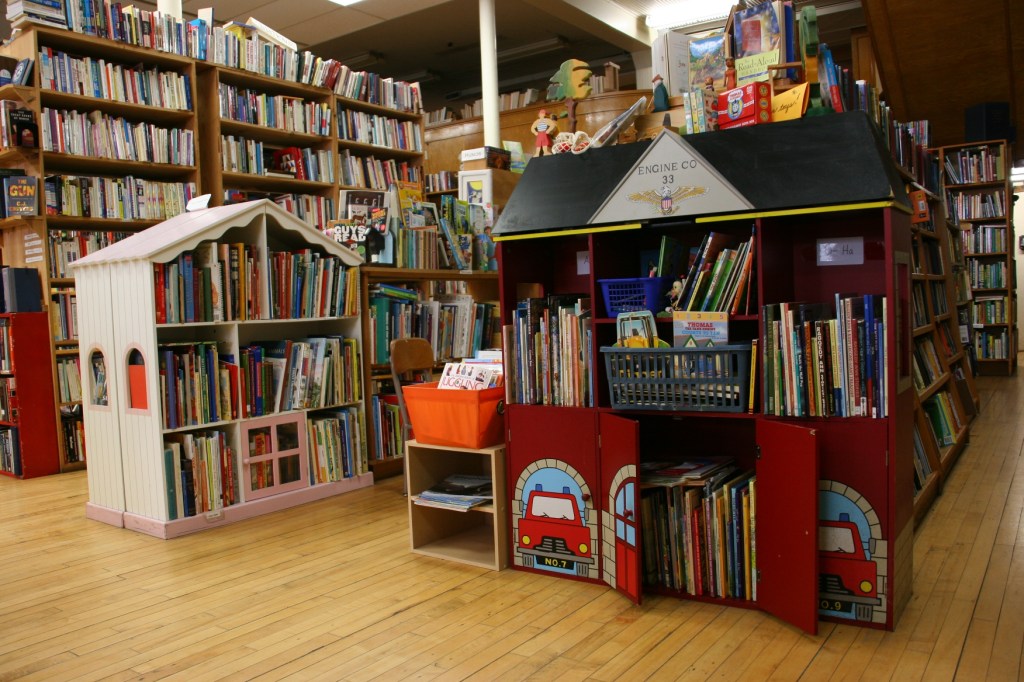
This inviting section houses kids’ books, new and used.


From the worn wood floor that speaks of age and history to the ladders that slide along side shelves packed with books to the massive quantity of books, this place impresses. The shopkeeper working the day I visited said 55,000 volumes fill this store. Now I don’t know how that compares to your average mass market book retailer. But for an indie bookstore, I’d guess that’s a significant number beyond the norm.


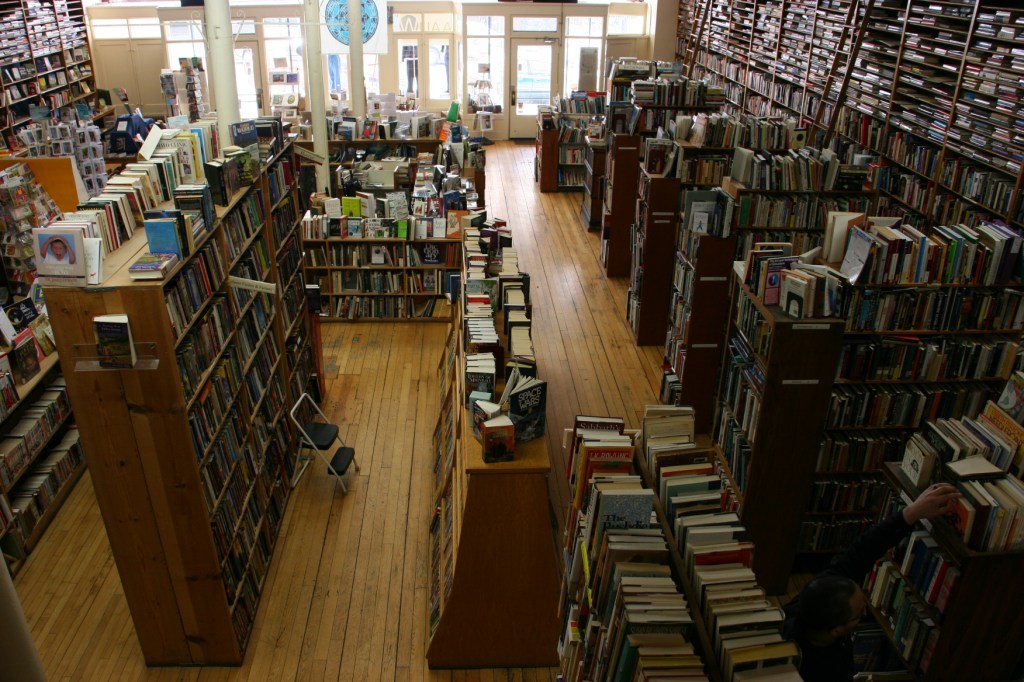
Just another overview from upstairs.


This beautiful stairway leads to the upper floors, including a lounge space on the second floor for book groups or just a spot to hang out.


You could spend hours here…


Pearl Street Books, on its Facebook page, bills itself as a specialty used, new, collectible and antique bookstore that “can procure almost anything.”


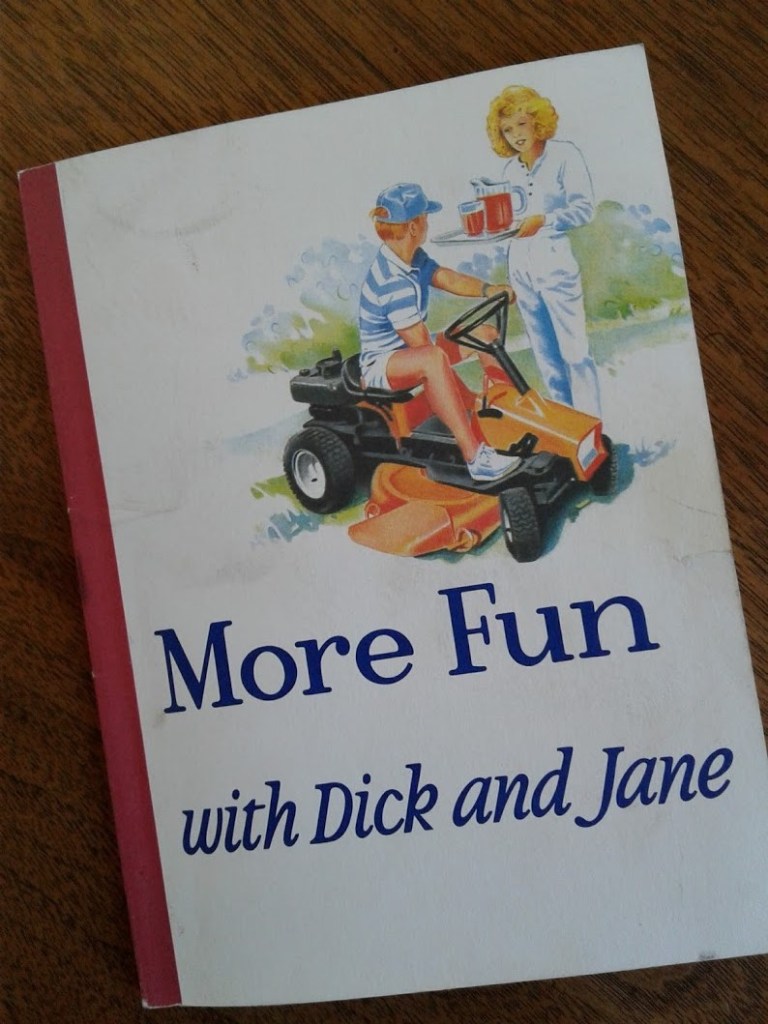
My husband purchased this updated adult version of the Dick and Jane books.


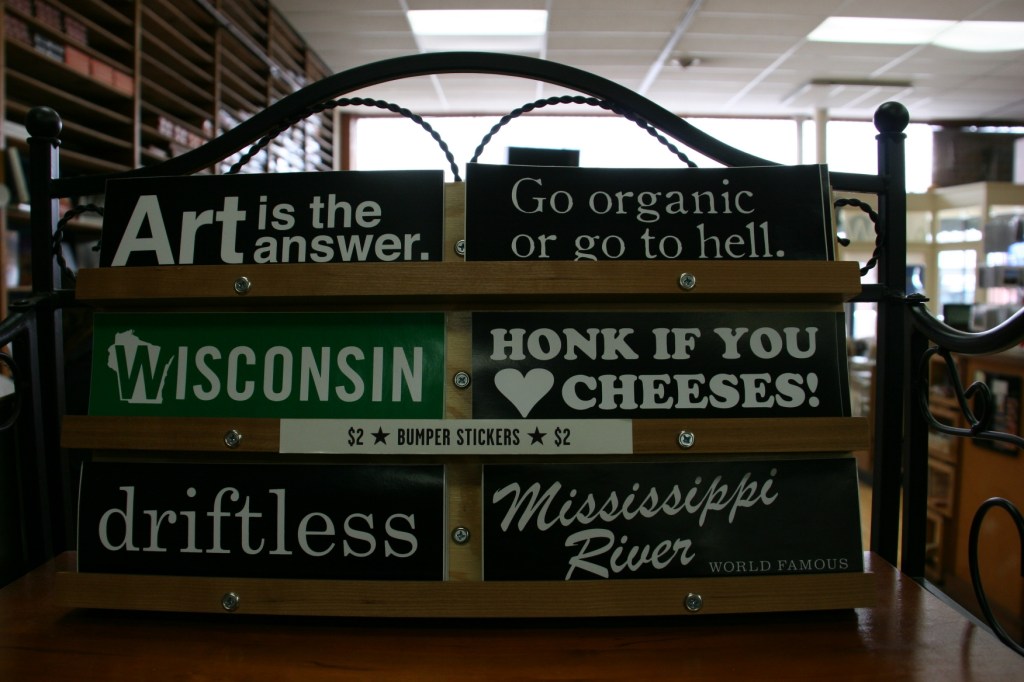
Pearl Street Books offers some additional merchandise such as these bumper stickers.


Based on the extensive inventory, I believe that statement. And, yes, I bought a book and so did my husband.

TELL ME: Have you ever visited Pearl Street Books or a similar bookstore?

FYI: Please check back for more stories as I continue my series from La Crosse, Wisconsin. Click here to read my first story.

© Copyright 2017 Audrey Kletscher Helbling


Minnesota Faces: The butterfly-loving bookseller March 13, 2015

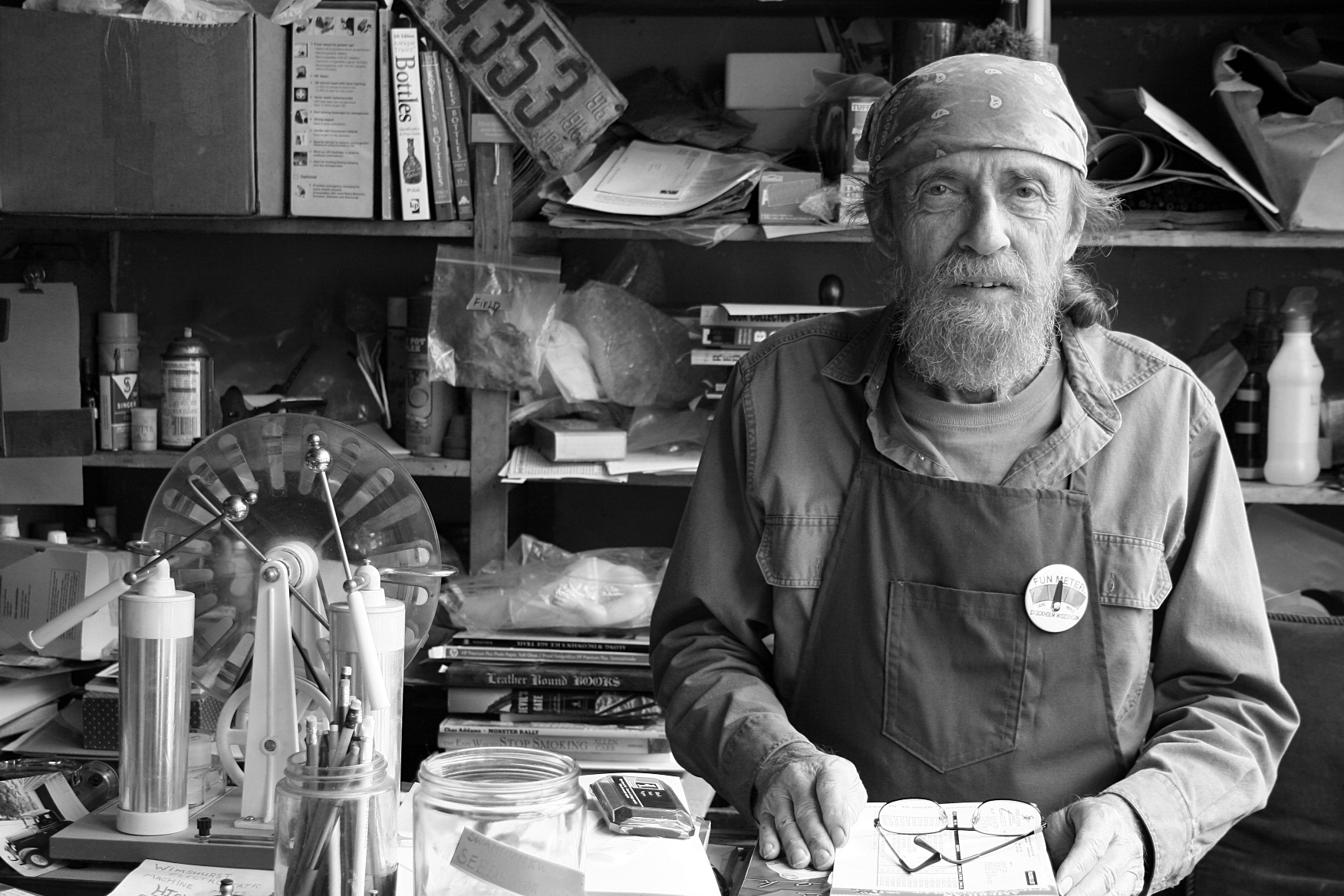
Portraits #11 & 12: Russell Mattson, purveyor of books

My first portrait of Russ, taken in October 2011.

My first portrait of Russell, taken in October 2011.

His eyes hold a certain depth of sadness that I can’t define. Or perhaps his eyes simply hold stories of hard times or too many good times, or wisdom that comes with aging.

Russell Mattson, St. Paul, Minnesota, native and owner of Chandler’s books in the Mississippi River town of Stockholm, Wisconsin, seems a free spirit, a character, a former hippie type.

I first met him in October 2011 at his cluttered bookstore along Stockholm’s main drag. I learned that he’s an amateur photographer, a candle maker, a car nut, a lover of Monarch butterflies and, clearly, a bibliophile.

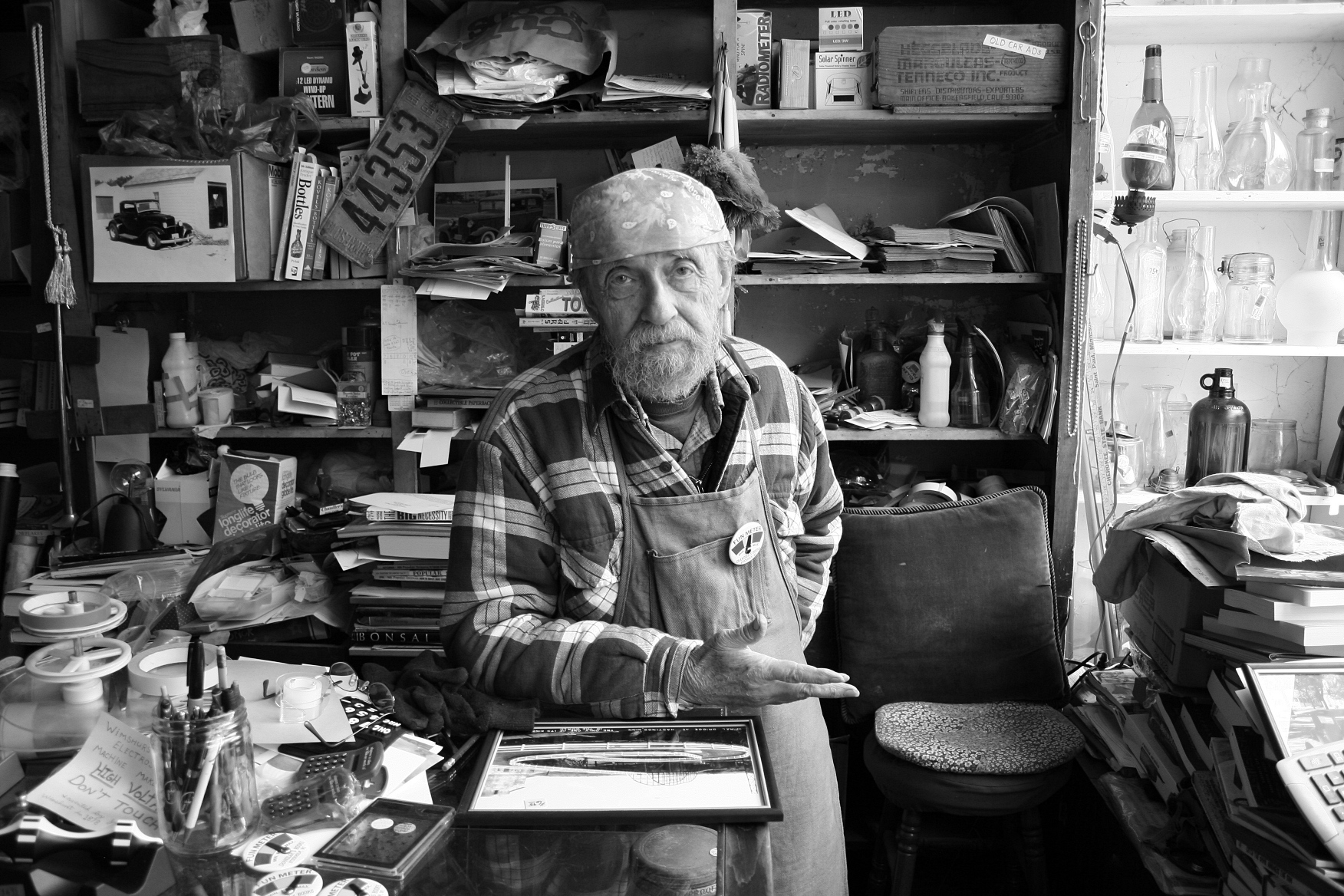
Russell three years later in October 2014.

Russell three years later in October 2014.

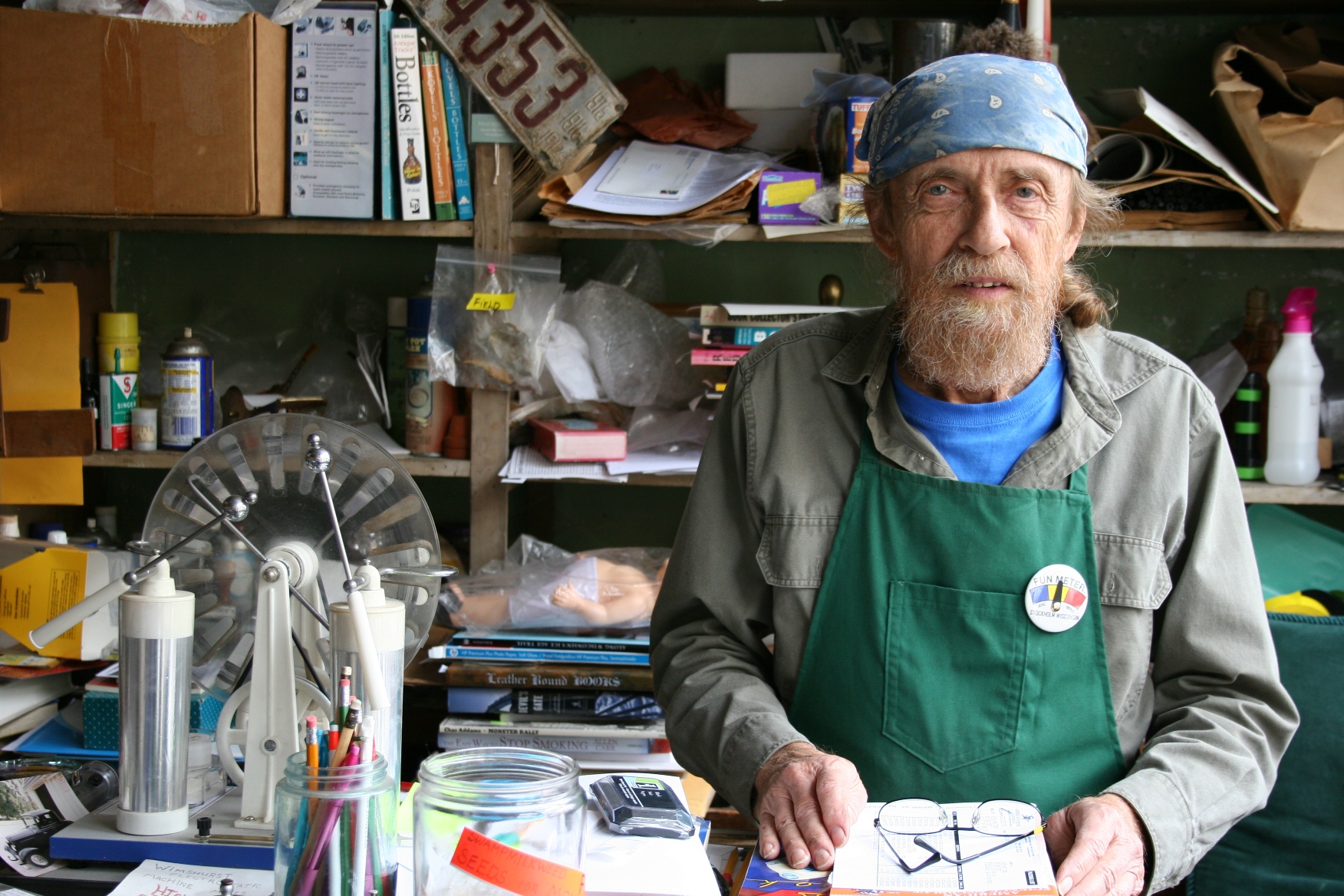
Last fall I revisited Stockholm and Russell. I found him behind the counter of his book shop, the same blue print do-rag bowling his head, the same FUN METER button pinned to his apron.

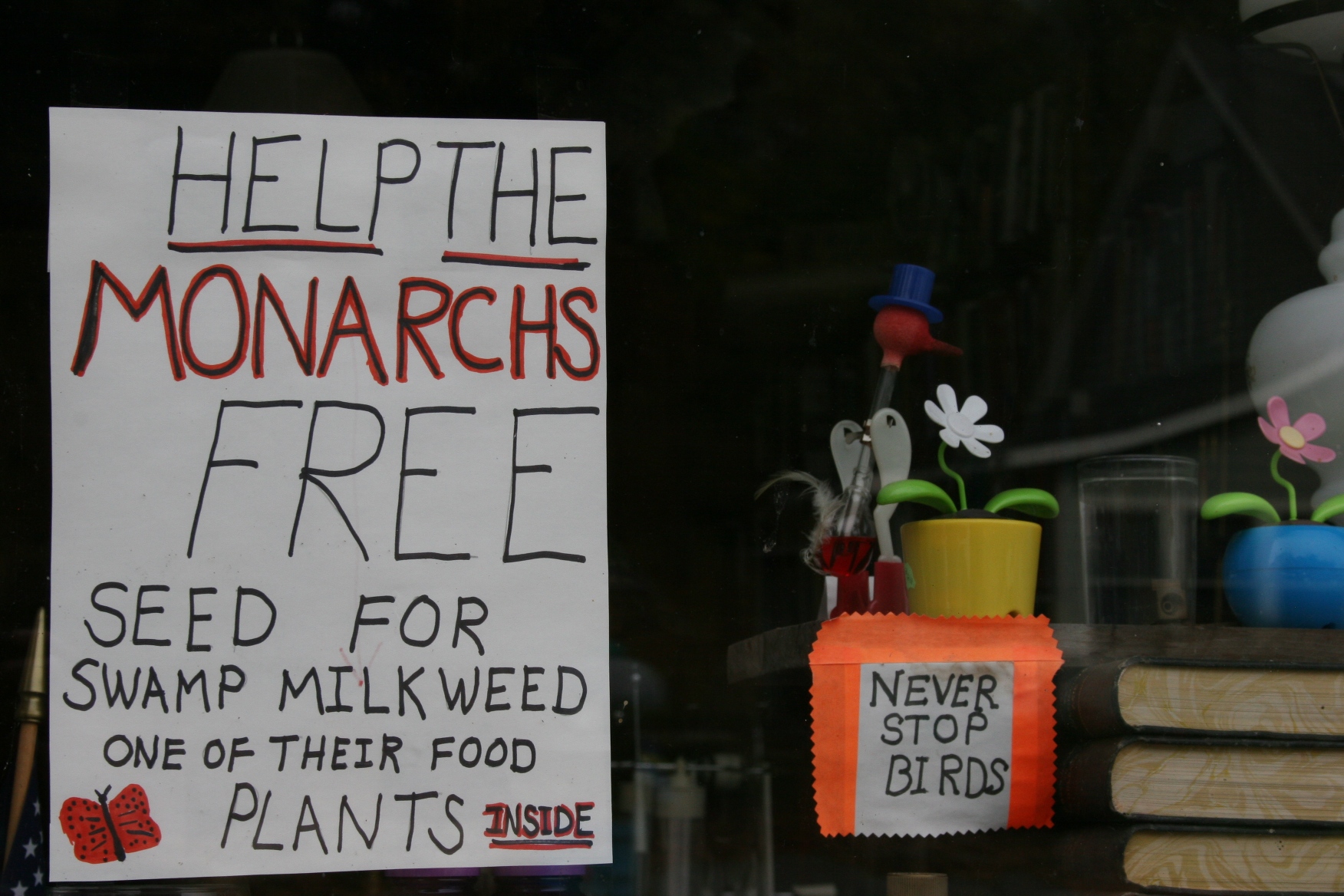
Russell was still offering customers free milkweed seeds to maintain the Monarch population. Monarch larvae feed exclusively on milkweed, making the plant essential to the butterfly’s survival.

Personalities like this shopkeeper intrigue me for their individualism, their eccentricities, their uniqueness—all of which are synonyms really. The Russells of this world offer interesting portraits, interesting conversation, interesting studies in small town life.

I find a certain hope in meeting individuals like Russell who care about something as simple as Monarch butterflies.

#

This is part of a series, Minnesota Faces, featured every Friday on Minnesota Prairie Roots.

© Copyright 2015 Audrey Kletscher Helbling


My writing connection to a Fargo bookstore November 9, 2012

A snippet of the many bookshelves at Zandbroz Variety. So artful and colorful and inviting.

MY PURPOSE IN CHECKING OUT a downtown Fargo, North Dakota, bookstore/gift shop recently focused on a single reason—Lake Region Review.

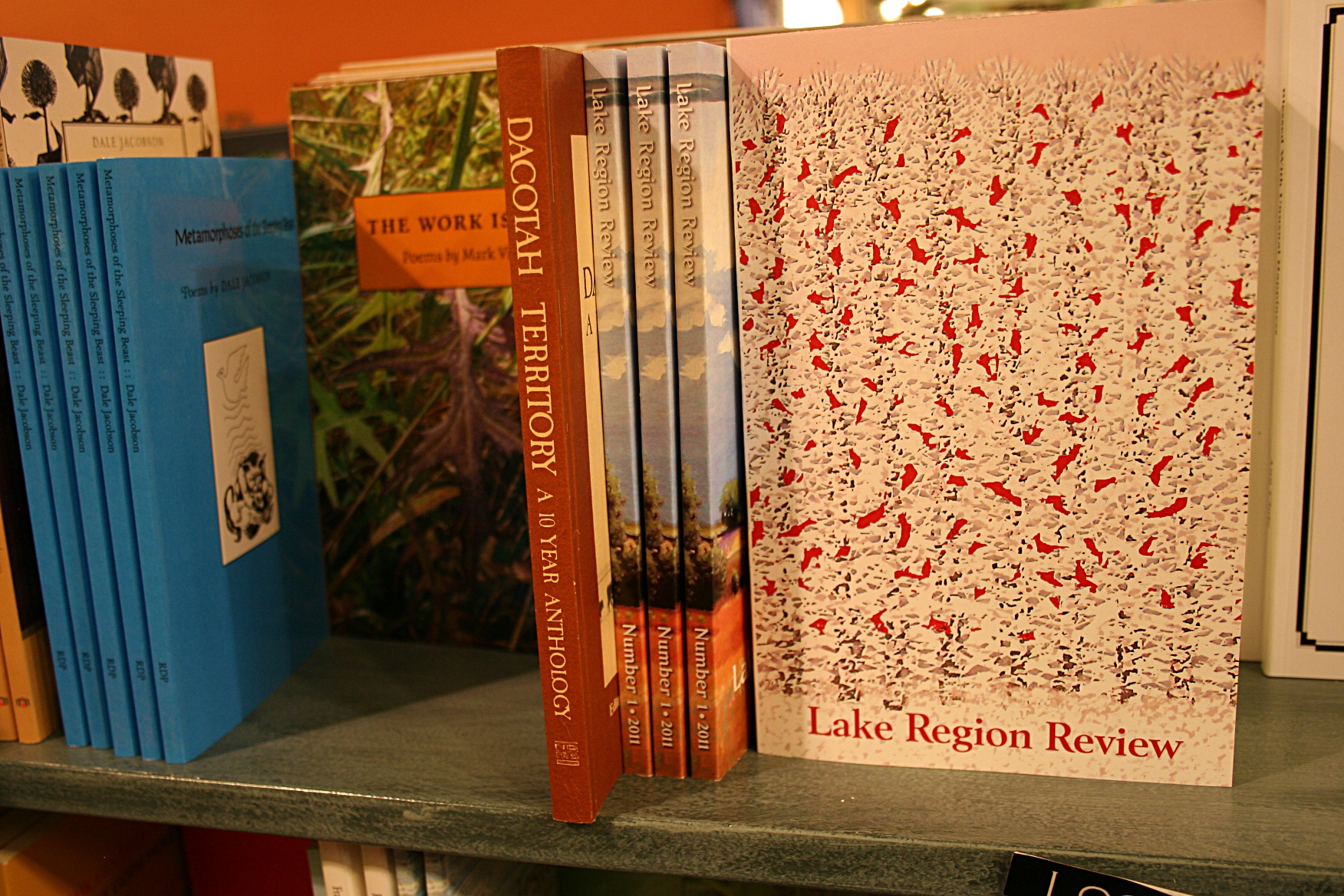
I wanted to see this Minnesota literary journal on the shelves of Zandbroz Variety because, well, my poetry is published in volumes one and two. Recently-released LRR 2 features 34 pieces of writing by selected authors in Minnesota and the eastern Dakotas.
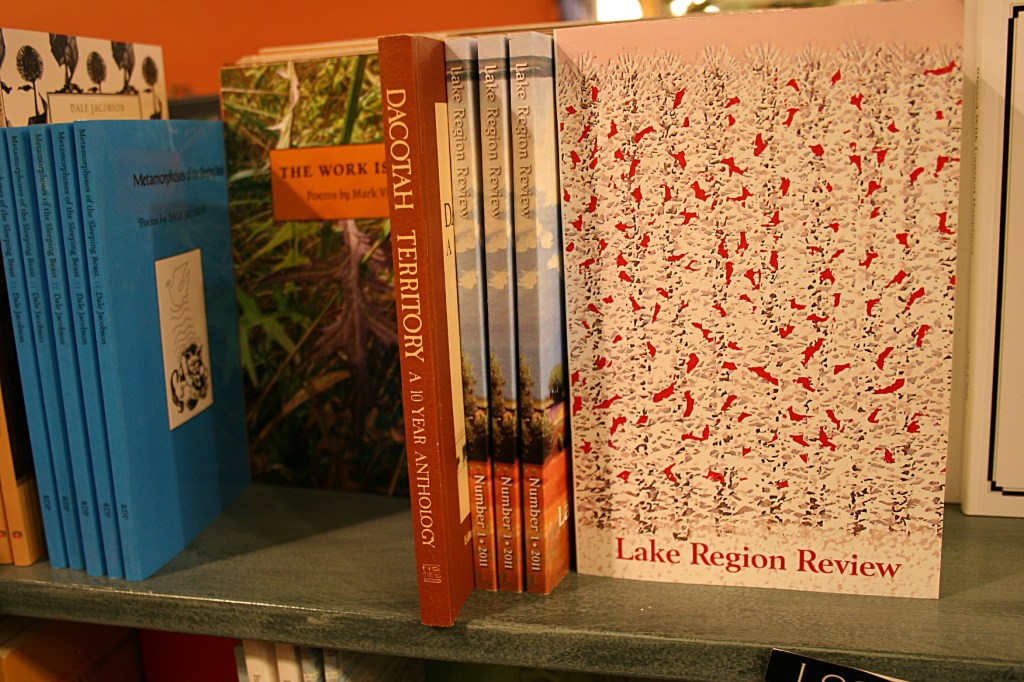
Lake Region Review 2, with wood print cover art by well-known Minnesota artist Charles Beck of Fergus Falls, nestles next to the first volume of LRR. Beck’s cover art is titled “Cardinals.”

Given that 430 fiction, creative nonfiction and poetry submissions were submitted to the Battle Lake-based Lake Region Writers Network for volume two, getting into the collection is an honor and accomplishment. I’m in the company of mighty fine writers, many of them with an impressive list of writing credentials.

I also happen to live in southeastern Minnesota, far, far away from most of the writers featured in LRR and also far away from events related to the release of the second volume.
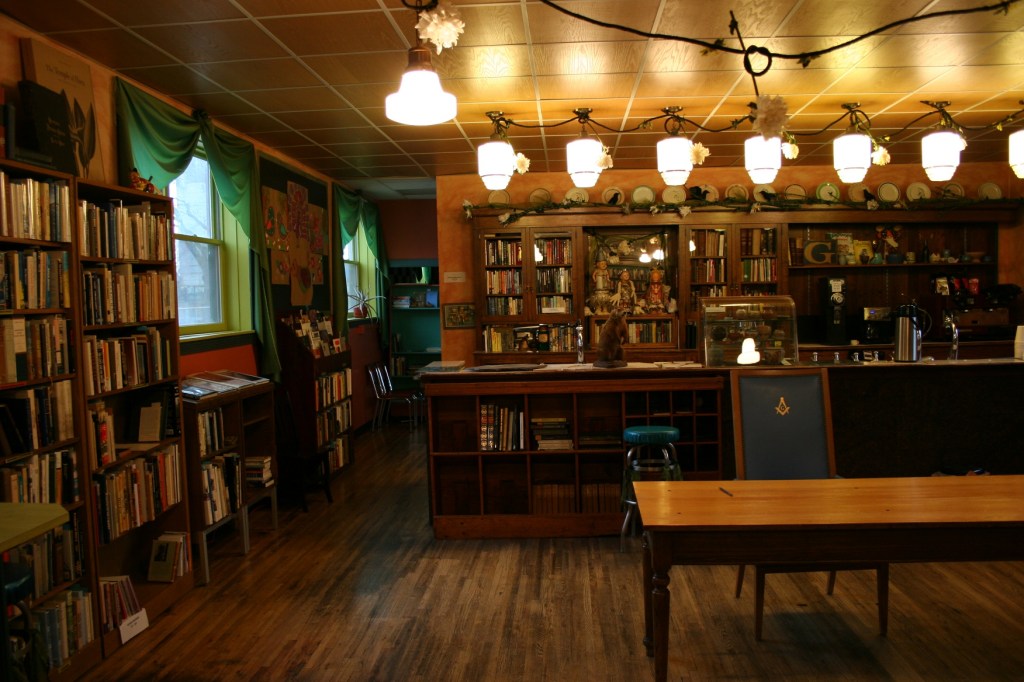
The back room of Zandbroz Variety, site of readings, book club meetings and other events and gatherings.

Visiting Zandbroz Variety offered me an opportunity to connect with the Fargo bookstore which will host a Lake Region Review Two Reading Event at 2 p.m. Sunday, December 9. I didn’t know about the event when I visited Zandbroz and introduced myself. And when I photographed the delightful back room of Zandbroz, I was unaware LLR 2 contributors will soon be reading in this cozy and inviting space.
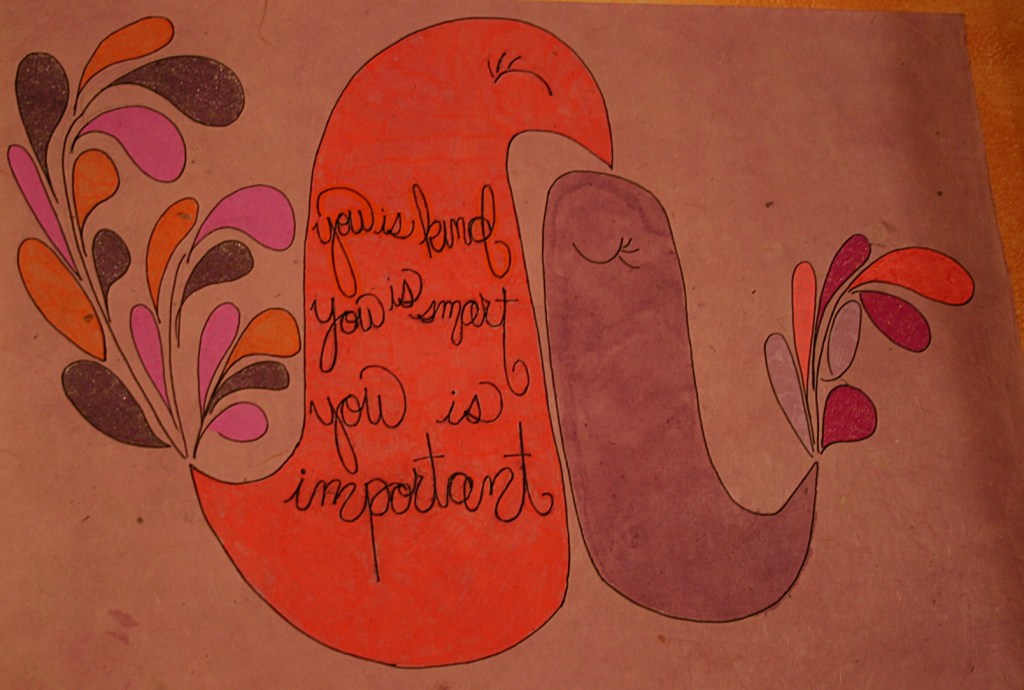
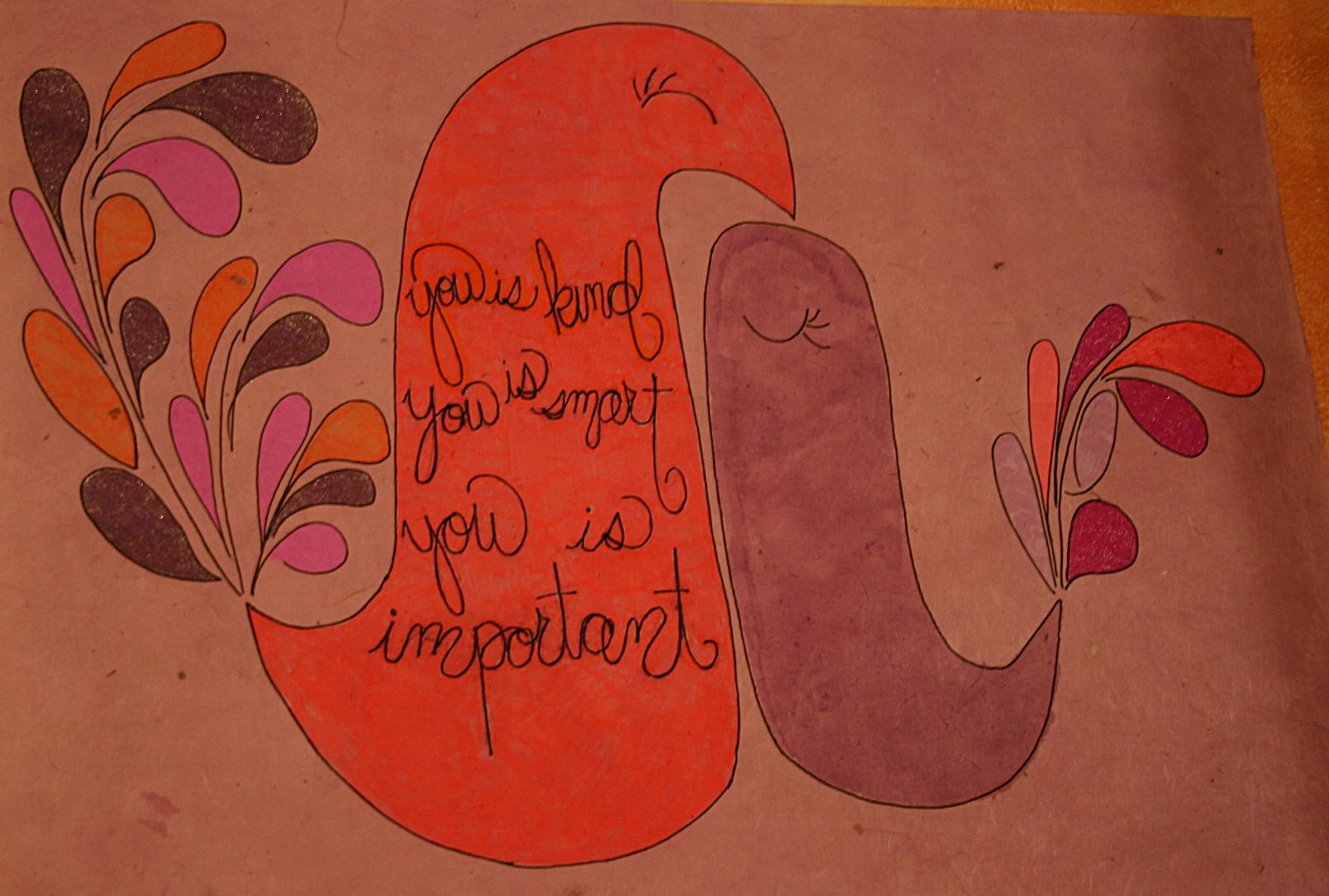
Artwork in Zandbroz Variety’s back room with a favorite quote of mine from the book, The Help.

It was pure coincidence that, two days later, I would receive an email from Luke Anderson, president of the LRWN inviting me and other LLR 2 writers to participate in the reading at Zandbroz. I wish I could, but a 300-mile (one-way) road trip to Fargo is not in my plans as I’ve been to that North Dakota city four times already since February. (My son attends North Dakota State University.) Gas, hotel and dining expenses add up.

Likewise, I couldn’t join other LRR 2 writers who recently read their works for a program to be aired November 30 – December 2 on nine western Minnesota radio stations from Worthington in the extreme southwest to Fergus Falls on the north.

So it goes. I’m not much anyway on public appearances, preferring to write rather than perform. But I’m learning, too, the value in reading poetry aloud to an audience, having done that thrice now.

Promoting is also part of this writing gig. And that, too, can be a challenge given my Minnesota predisposition not to call attention to myself.

However, I did inform the young man staffing Zandbroz Variety that I had poems in both volumes of Lake Region Review. “Perhaps you remember the first; I mentioned cow pee,” I told him. “And in the second, I mention beer.”

He laughed, considered for a moment and replied that “cow pee” sounded familiar to him. Maybe. Maybe not. But I expect he’ll remember me now.
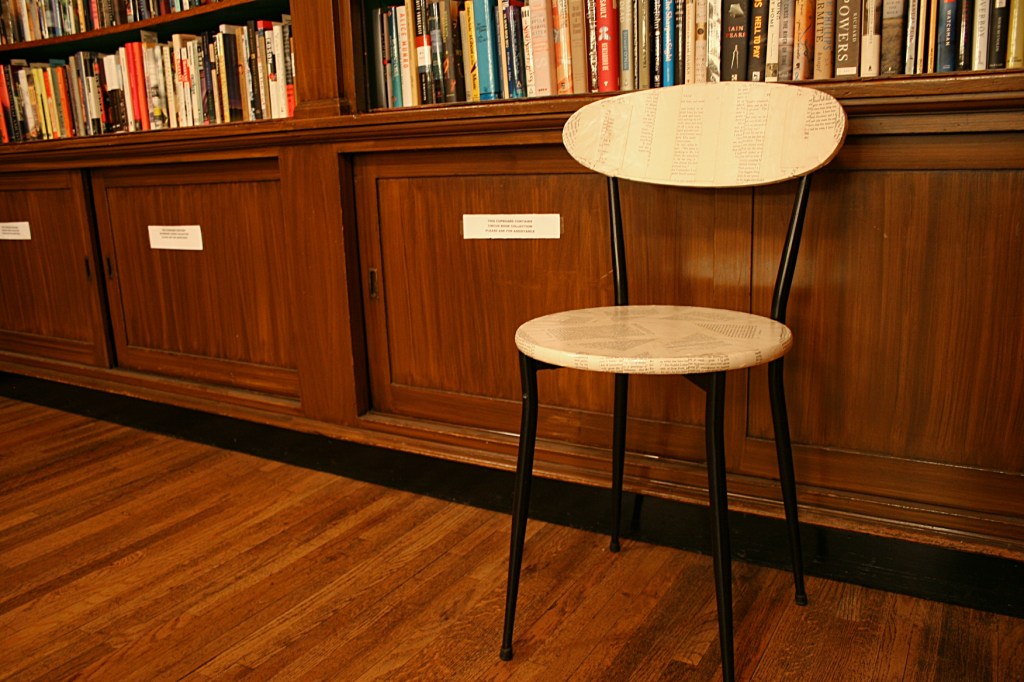
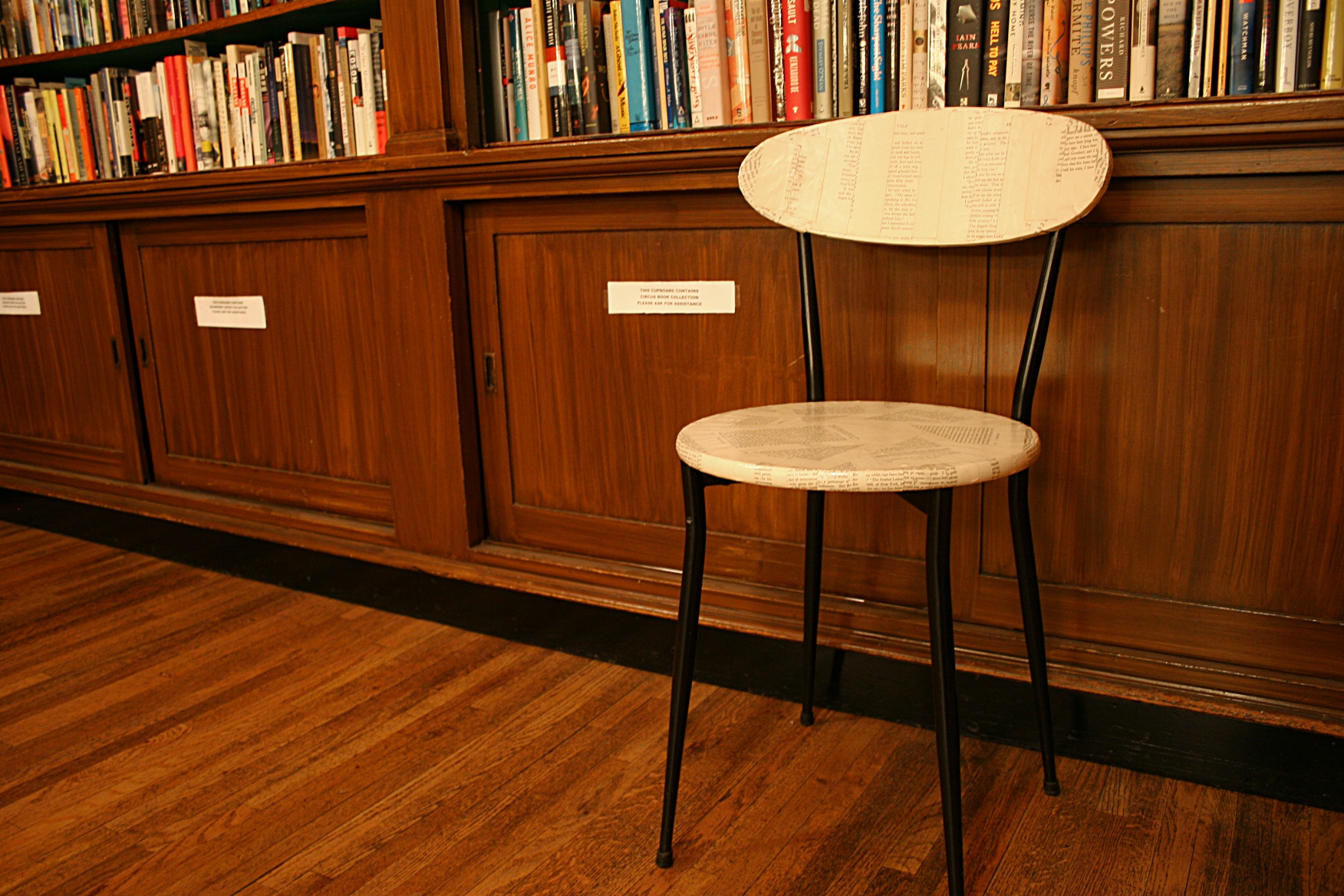
The lines, the books, the setting…this a scene in the back reading room. Love the ambiance.
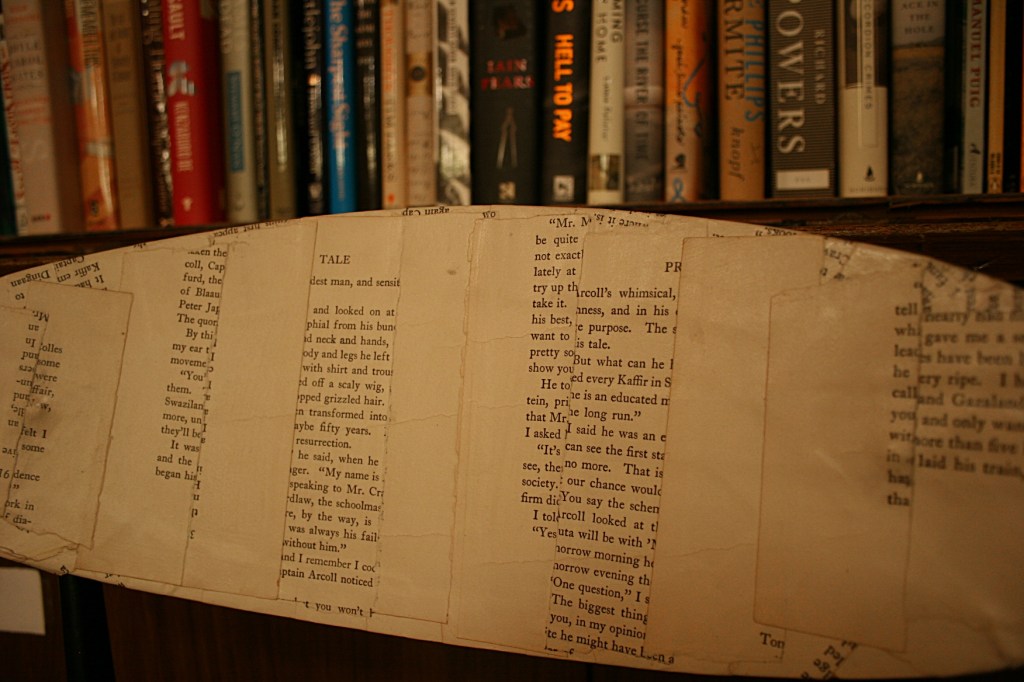
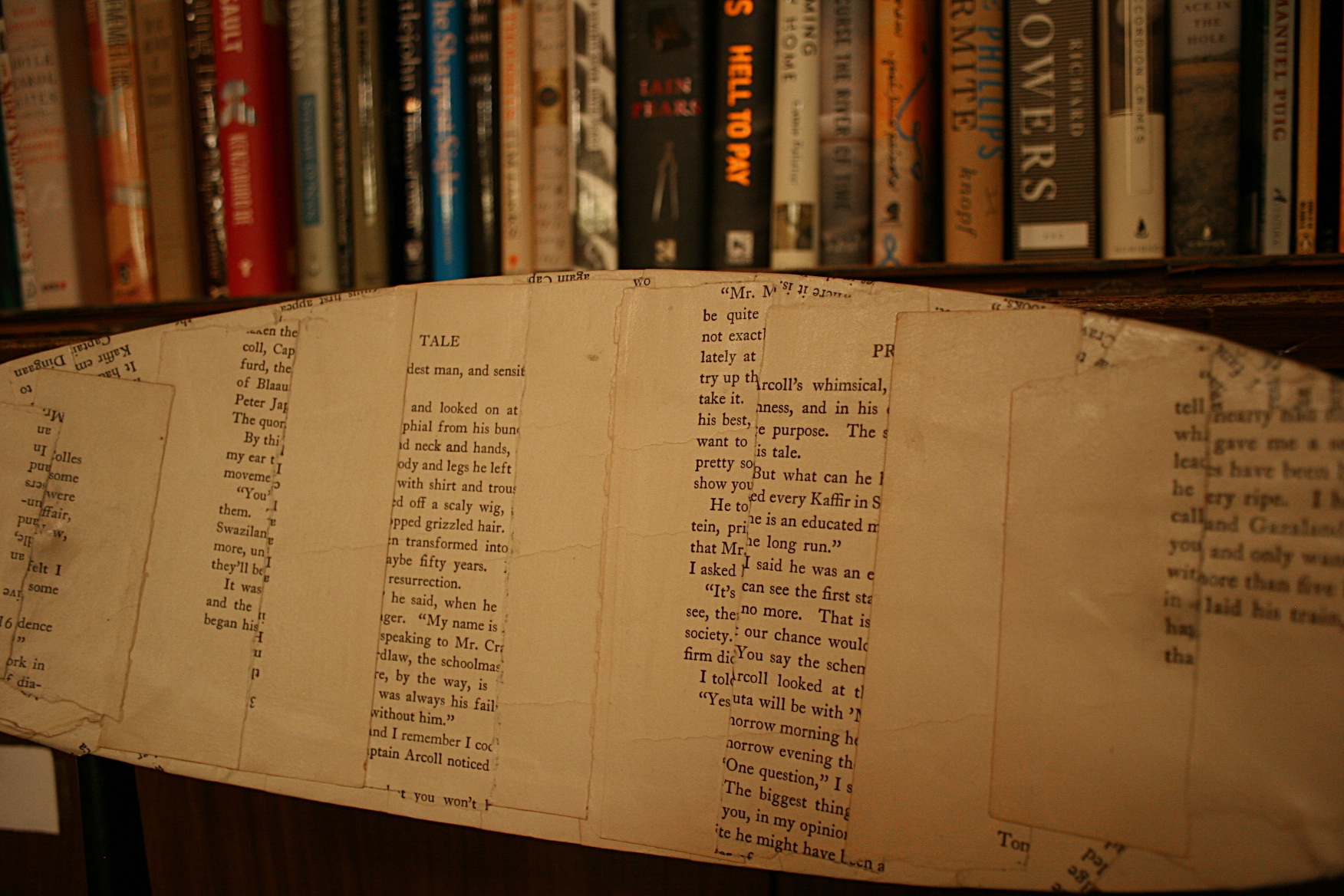
A close-up of the chair back in the photo above. I have no idea from what book these pages were pulled. But I’d place a literary chair like this in my home any day.
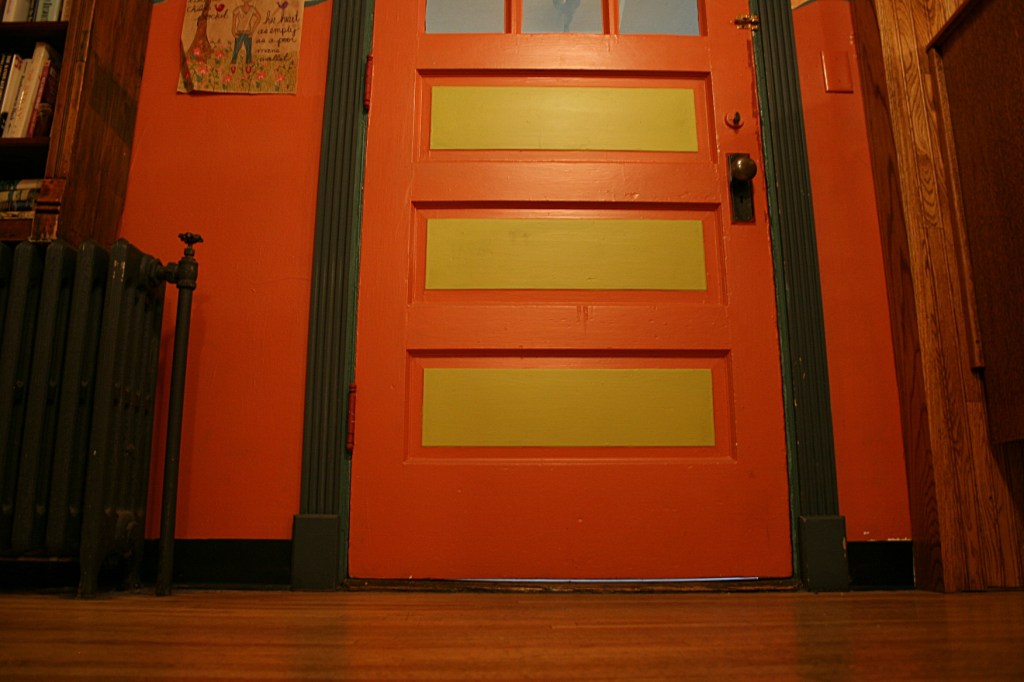
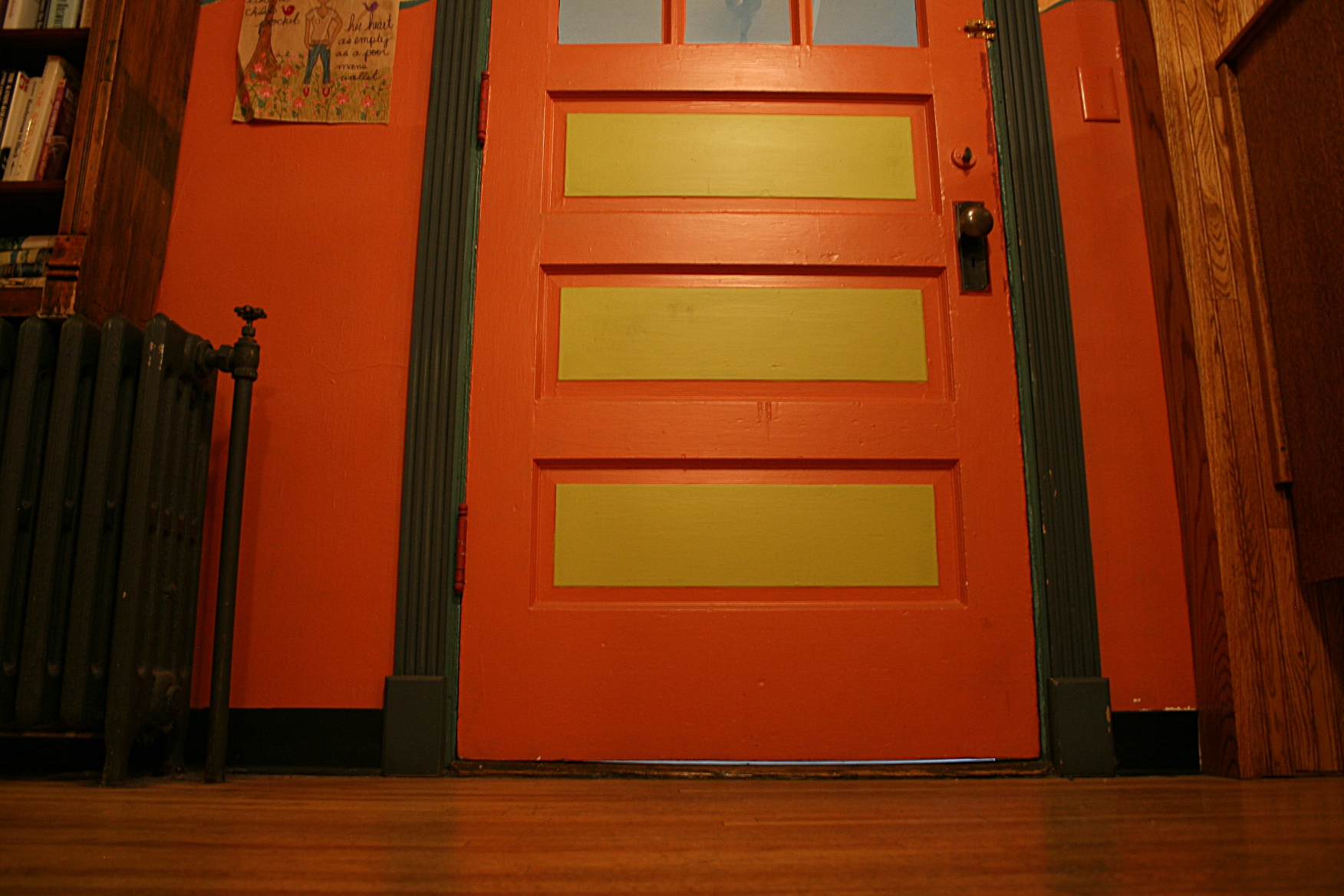
Jolts of color on a door in that welcoming back room.

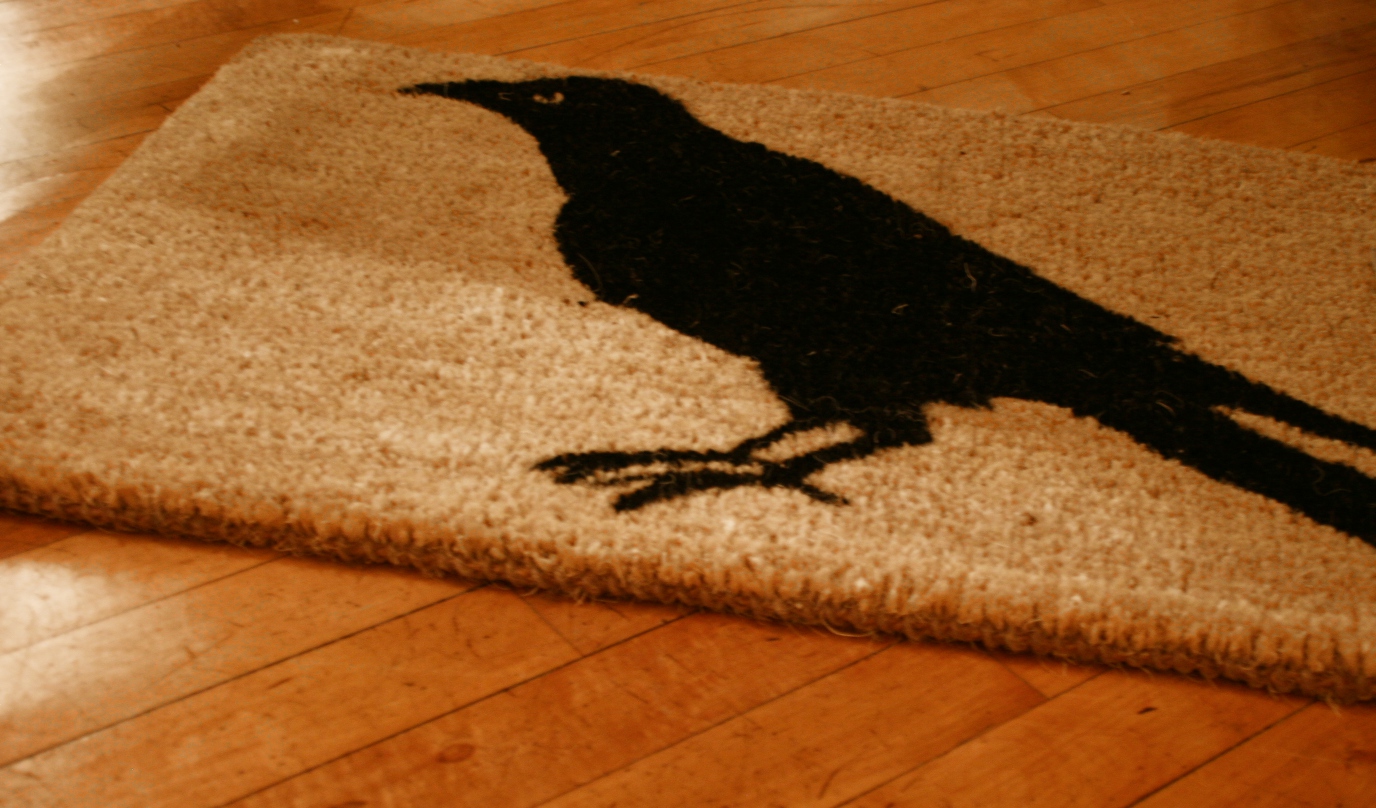
A rug for sale in the variety section of Zandbroz where you will find an eclectic mix of funky and retro and otherwise interesting merchandise. This made me think of Alfred Hitchcock’s “The Birds.”

An enchanting Christmas display near the front of the store.

Outside a front door of Zandbroz, I found this lovely tile work. I apologize for the lack of exterior store photos. But a light mist was falling at the time and I was reluctant to pull out my camera. I also limited my interior shots as Zandbroz was busy, busy and other shoppers do not always appreciate someone aiming a camera at them.

FYI: To learn more about Lake Region Writers Network, click here to reach the writers’ group website.

To see where you can find copies of Lake Region Review, published in 2011 and 2012, click here. LRR 2 includes writing by the following: Maxine Adams, Luke Anderson, Joe Baker, Frances Ann Crowley, Holly Dowds, Cindy Fox, Yahya Frederickson, Susan Gilbert, Ruby Grove, Vinnie Hansen, Audrey Kletscher Helbling, Nancy Klepetka, Karla Klinger, Elisa Korentayer, Judy R. Korn, Ryan Kutter, Julie C. Larson, Kim Larson, Linda Frances Lein, Kathleen Lindstrom, Ethan Marxhausen, Linda Back McKay, Travis Moore, Kristine Price, Candace Simar, Doris Lueth Stengel, Liz Sweder, Francine Marie Tolf, Benet Tvedten and Kevin Zepper.

Click here to see where you can listen to readings from LRR 2 airing soon on nine western Minnesota radio stations.

Finally, click here to learn more about Zandbroz Vareity, founded by brothers Jeff and Greg Danz and with stores in Fargo (420 Broadway) and in Sioux Falls, South Dakota. Do you see how they came up with the clever name for their business?

© Copyright 2012 Audrey Kletscher Helbling


Russell, the bookseller of Stockholm October 25, 2011

Filed under: Uncategorized — Audrey Kletscher Helbling @ 6:59 AM
Tags: , , , , , , , ,

Bookseller Russell Mattson in his shop.

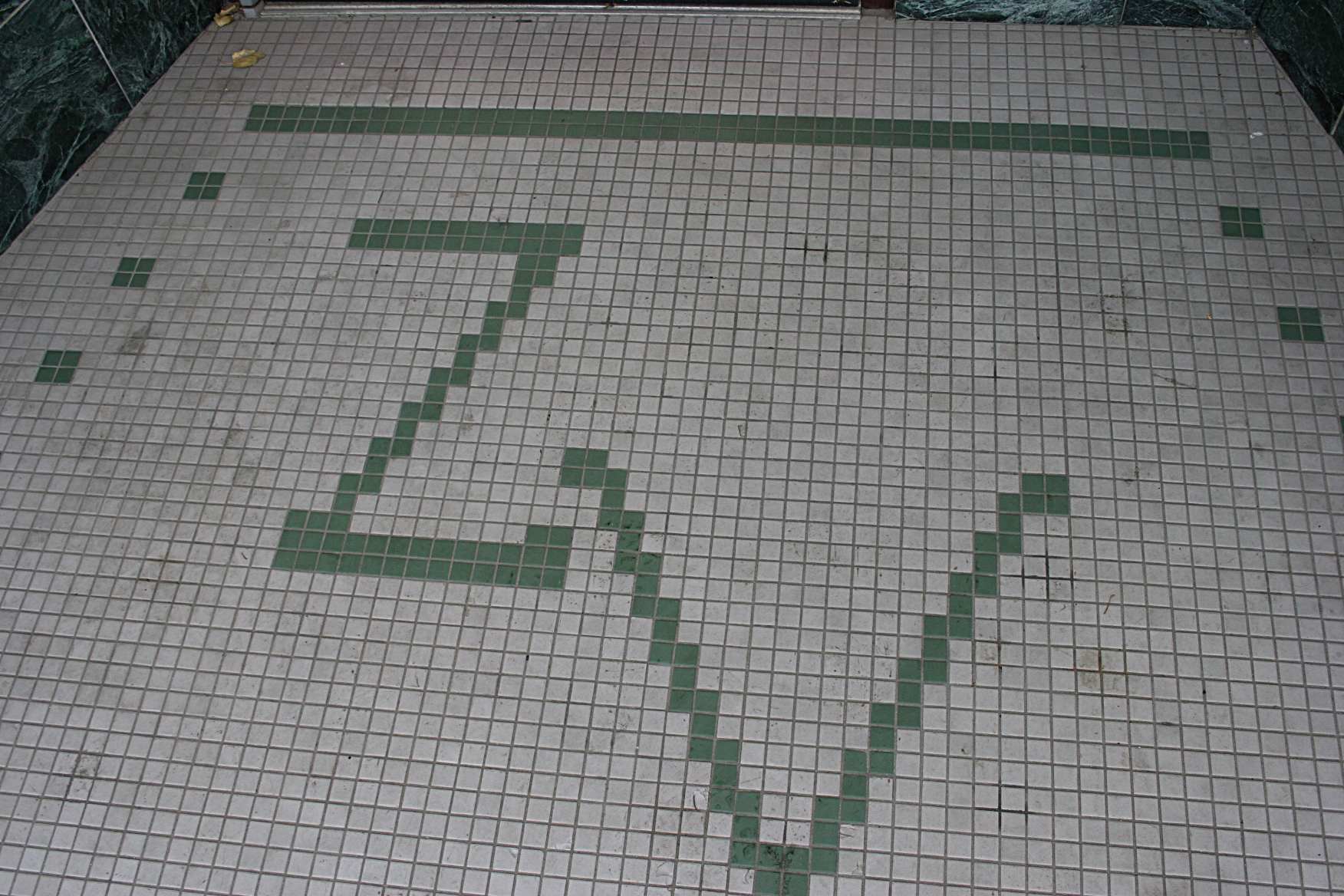
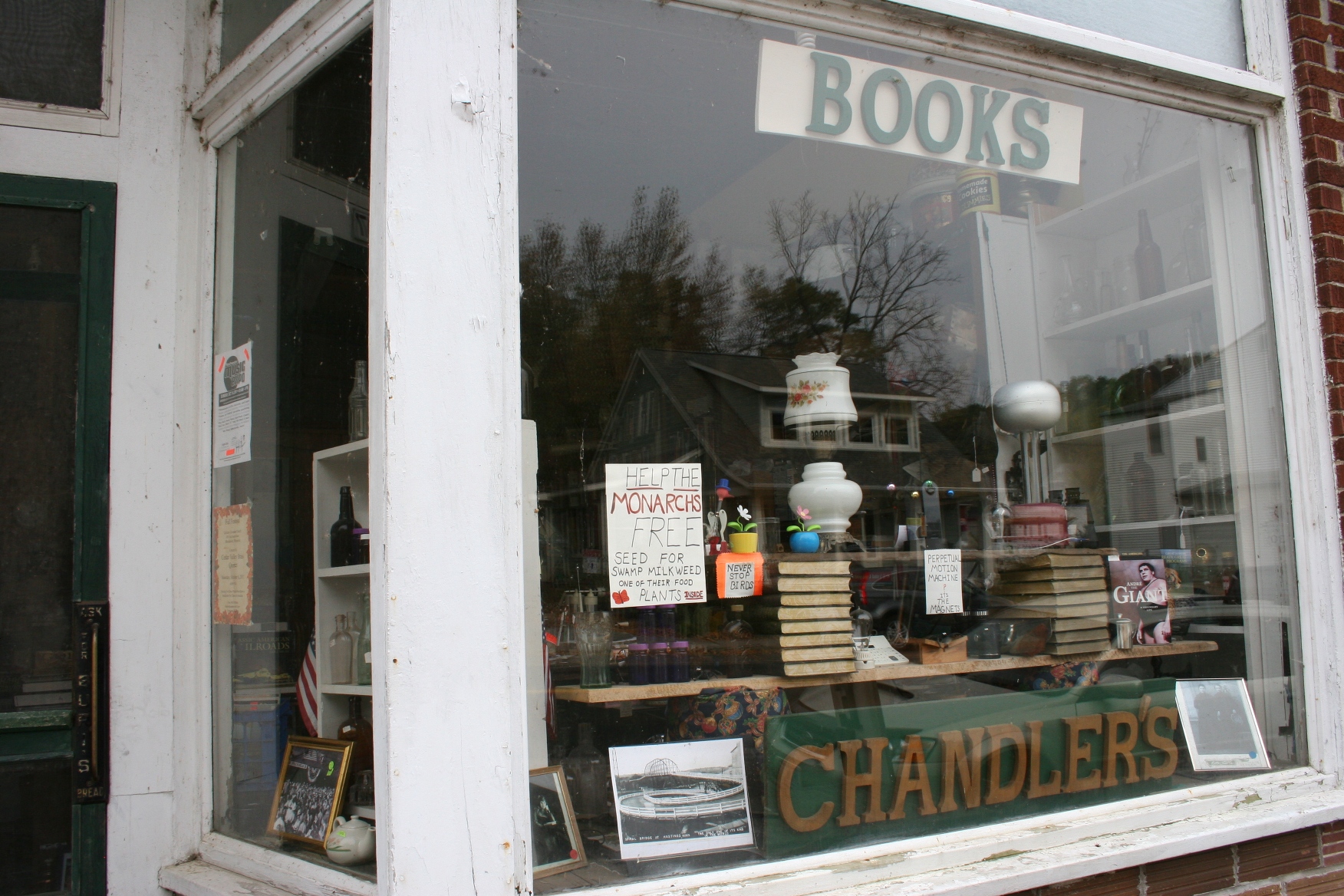
The old-fashioned screen door entry to Chandler's Books, Curios.

LET ME INTRODUCE YOU to Russell Mattson, purveyor of new and used books, amateur photographer, sometime candle maker, car nut and lover of Monarch butterflies.

I met him on a recent Monday afternoon in Stockholm. Wisconsin. Not Sweden.

We struck up a conversation in his Chandler’s Books, Curios, in this Mississippi River village of 89 founded in 1851 and dubbed the oldest Swedish settlement in western Wisconsin.

You’ll find a Swedish import shop here, run by the Norwegian Ingebretsens, and an array of other quaint shops and eateries and more in this charming small town along Wisconsin State Highway 35 south of Prescott, or southeast of Red Wing, if you’re from Minnesota, like me.

Russ originally hails from St. Paul; he’s lived in Stockholm for 38 years. For 31 years, he made candles at the Minnesota Renaissance Festival before retiring in 2003. His store, once called Candles and Lanterns, previously catered candles until that market deflated.

He still makes candles now and then. He also collects swamp milkweed seed to give away in his shop, encouraging others to grow milkweed as food for Monarch butterflies.

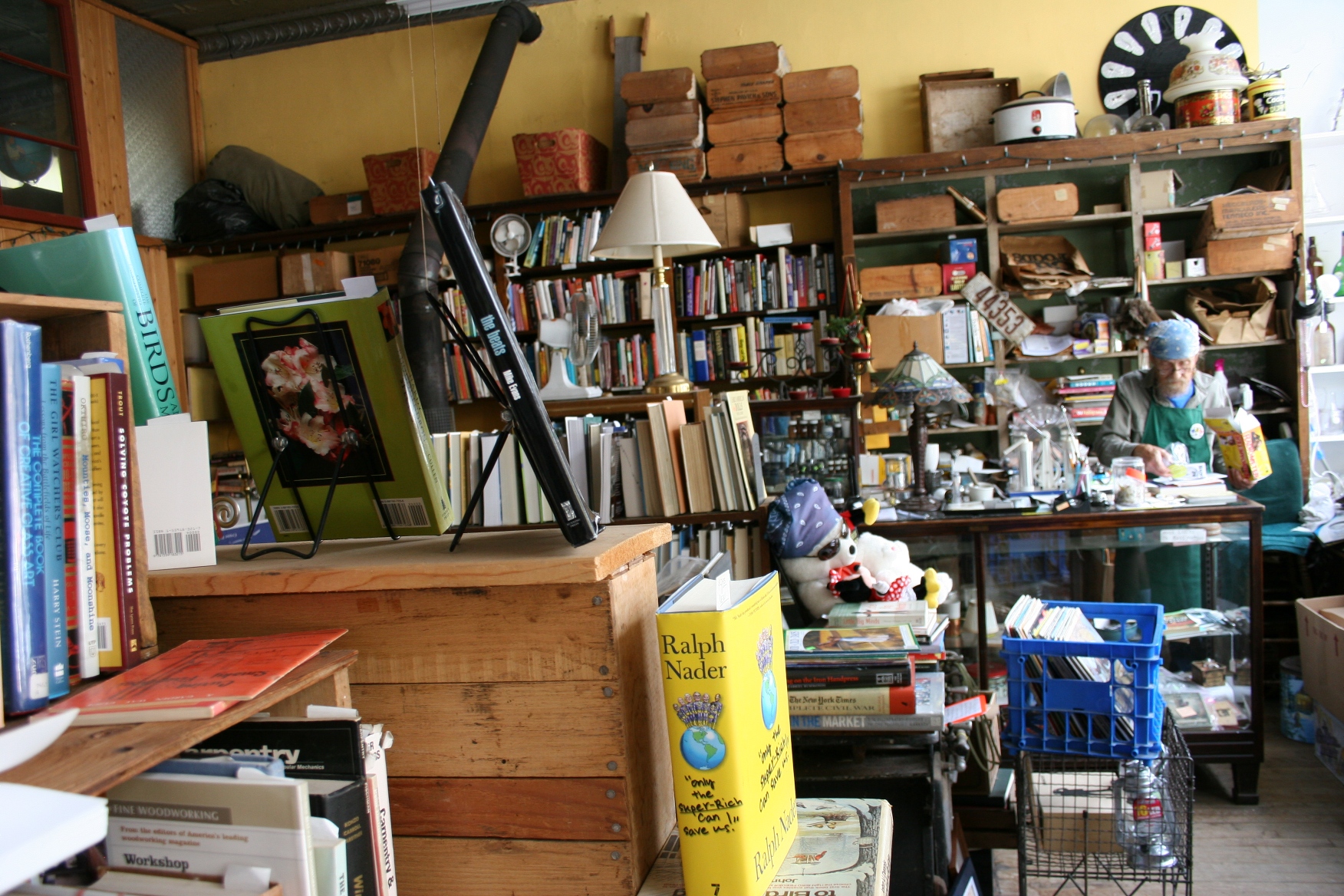
But mostly, Russ focuses on keeping the bookshelves stocked in this cramped, don’t-meet-another-customer-between-the-shelves bookstore.

You'll find lots of book, old vinyls and other curiosities, but not much wiggle room, in Russ' shop.

If you're seeking vintage used books, you'll find them here.

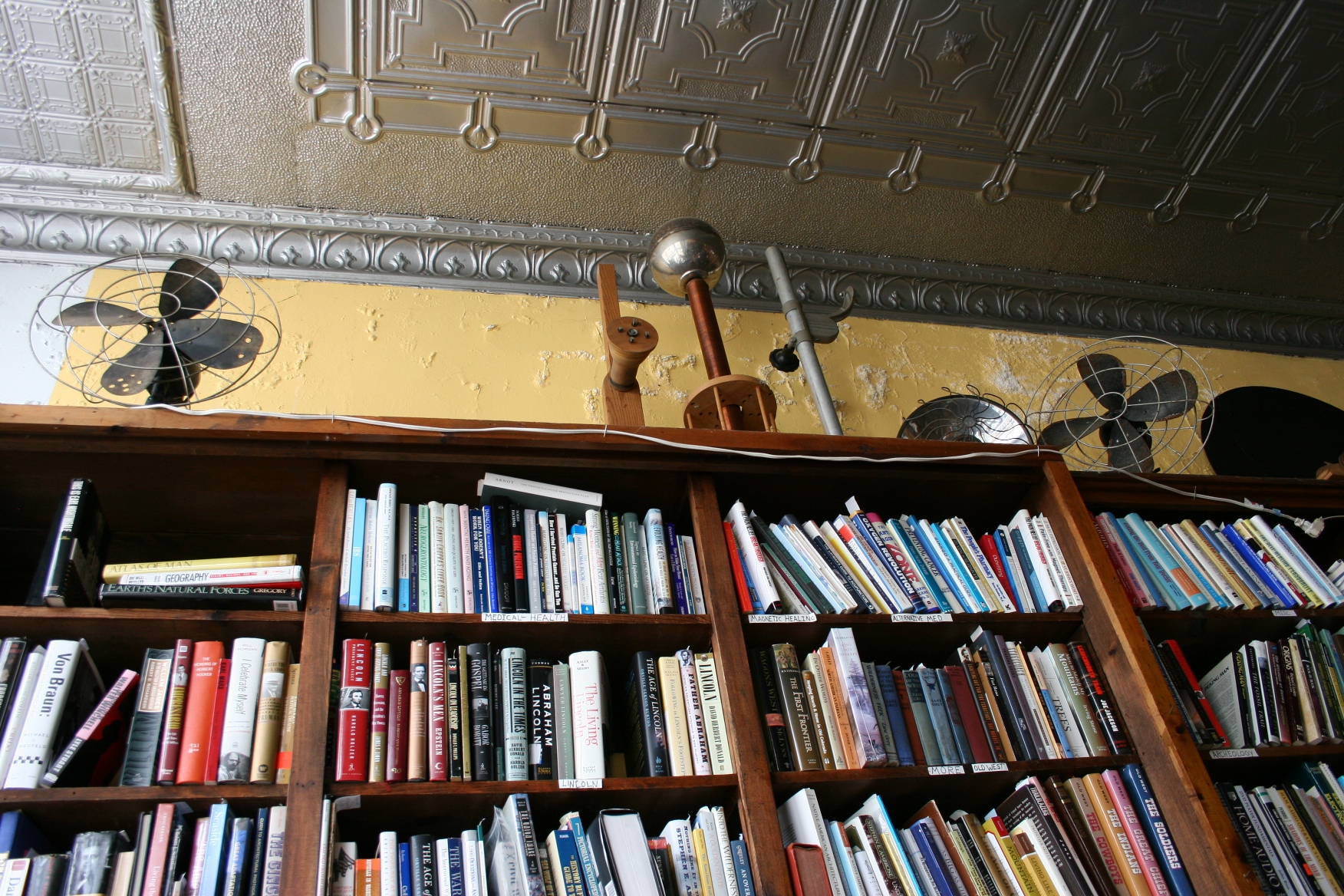
The bookshelves stretch nearly to the original tin ceiling in Russ' store.

Ask Russ what sells best and he’ll pause before pointing to the rack of car books and then pulling out photos of vintage cars he once drove, wishes he still owned.
That leads him to step outside to a display table and show off the photos he’s taken, some dating back decades. Of particular interest is a blurry black-and-white image of a locomotive that looks more painting than photo.
Russ took the picture of the Canadian National in northern Minnesota in 1955 when he was only 14. He’s pretty proud of the photo. Not because it’s the best image he’s ever taken. But because of how he took the shot. He snapped the photo with his Baby Brownie by placing binoculars in front of the camera lens.

All this I learned from Russell Mattson, purveyor of books, when I asked to take his photo on a Monday afternoon in October in Stockholm.

A front window of the bookstore features an eclectic mix of merchandise.

If you need swamp milkweed seed, you'll find it in a jar on the store counter. Help yourself. It's free.

Or perhaps you need a "new" phone. Russ has one for sale "from the slow old days."

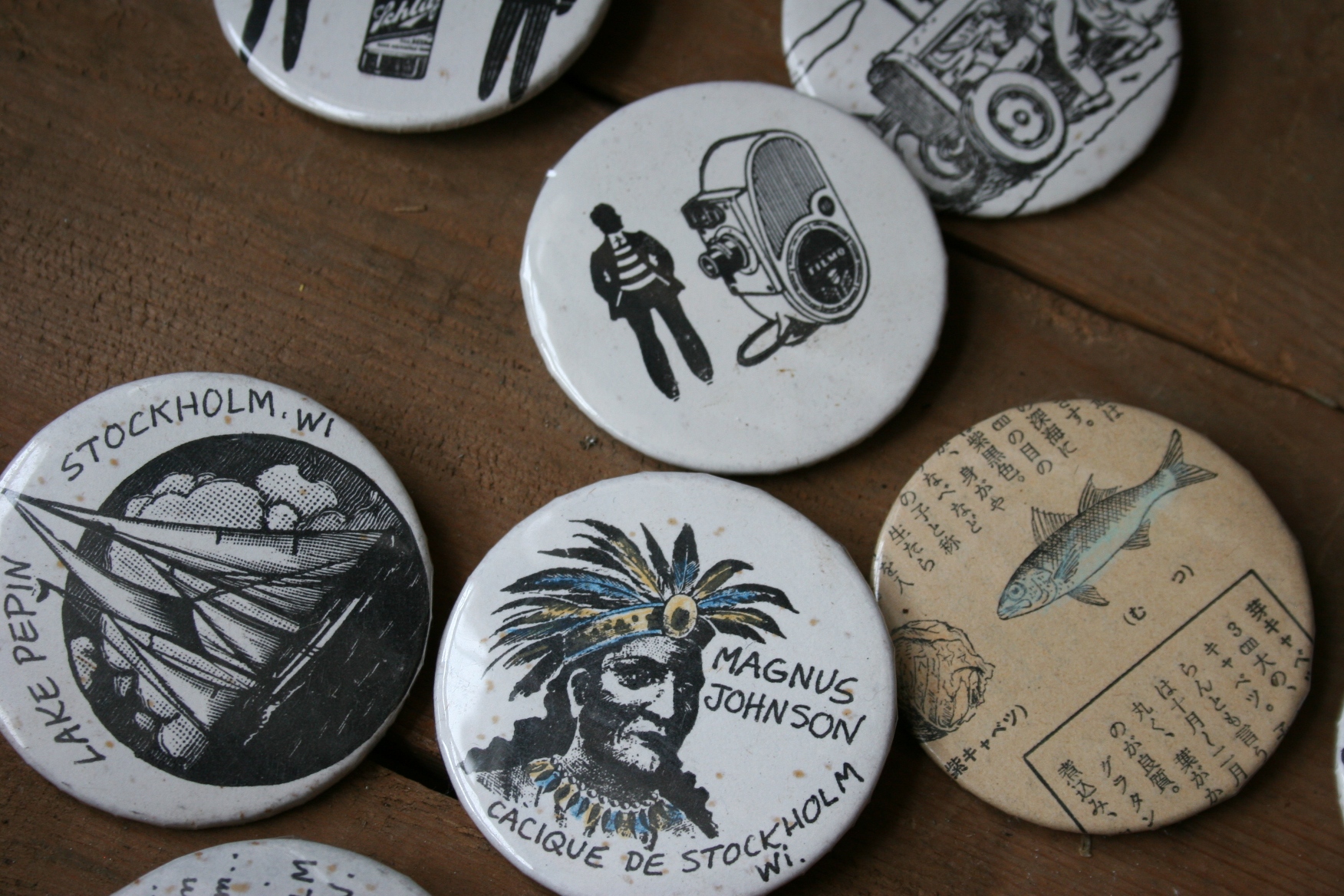
A collection of buttons inside an open drawer in the bookstore.

CHECK BACK for more photos from Stockholm, not Russ, and other Mississippi River towns in future posts.

© Copyright 2011 Audrey Kletscher Helbling