
AS SUMMER COZIES INTO AUTUMN and temps drop, I pull out the fleece, flannel and sweaters, wrapping myself in warmth. And in the evening, when I settle in to read a book, I snuggle under a throw or an afghan.
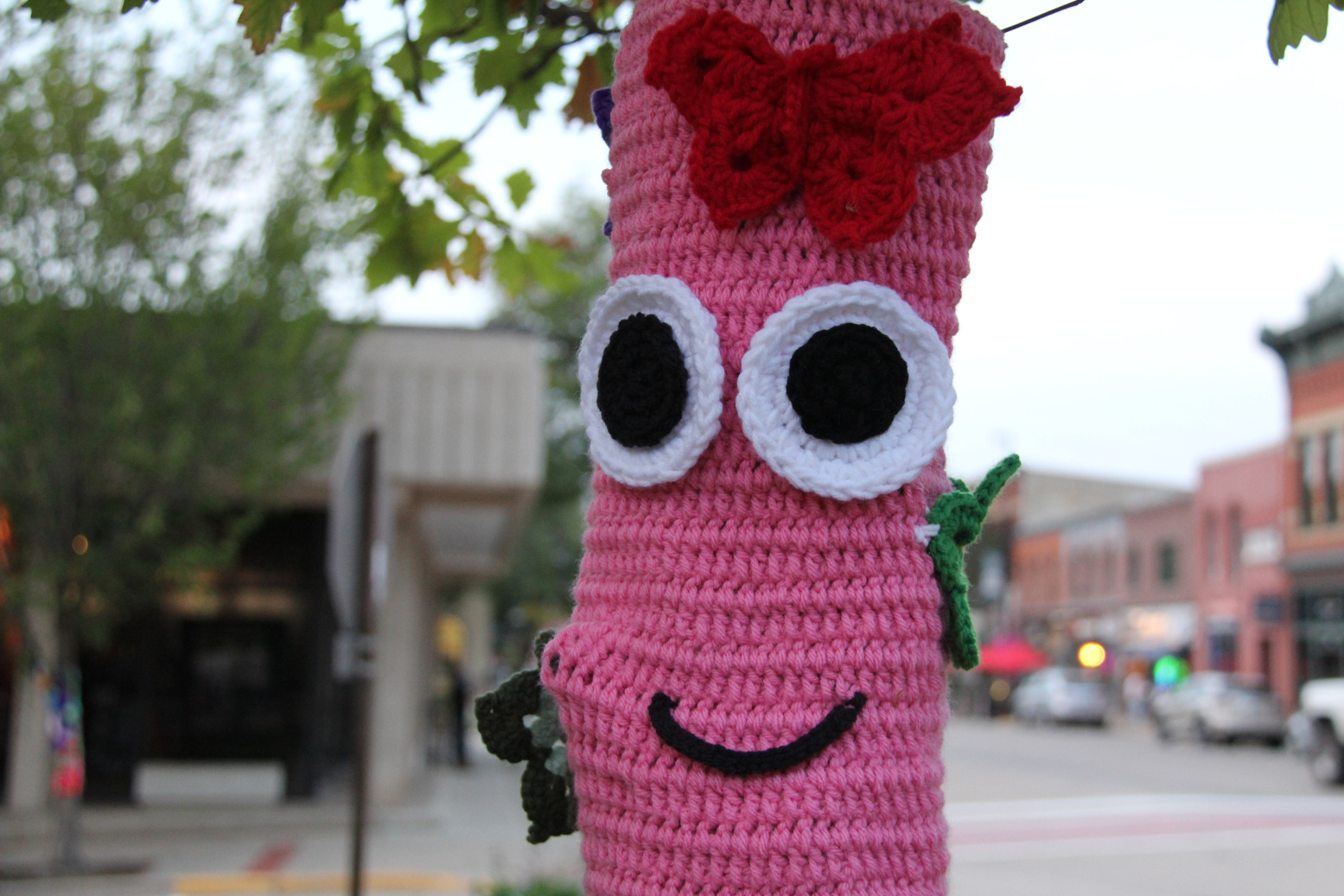
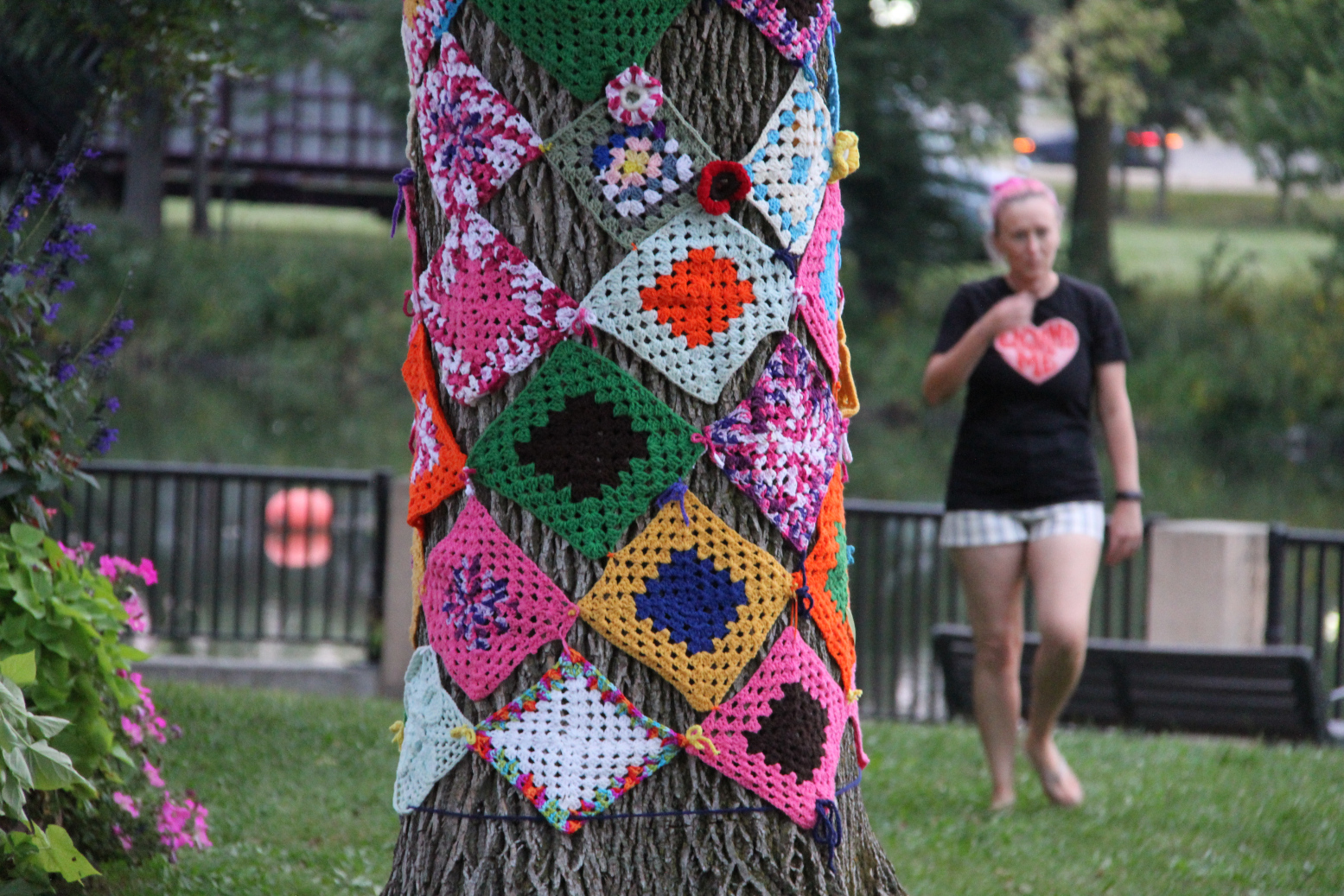
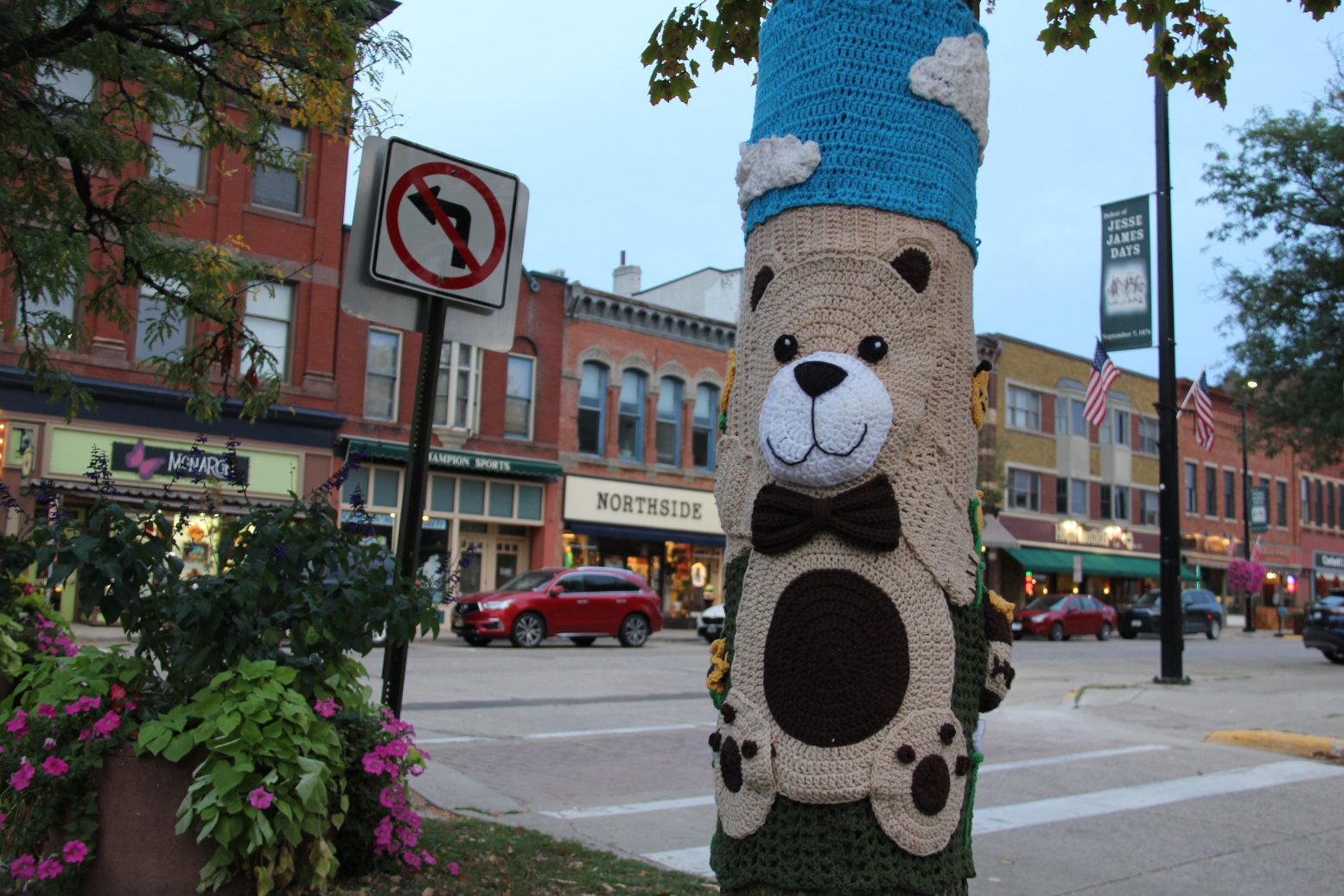
Those images came to me as I meandered recently around Bridge Square in Northfield where crocheted art wraps the rough bark of tree trunks.
This is the “Friendship Trees” project, an effort of the local Hispanic community to share beauty and friendship, according to Mar Valdecantos, director of Rice County Neighbors United, the lead on this artistic endeavor. Grants from the Southern Minnesota Initiative Foundation and the Southeastern Minnesota Arts Council funded the project.
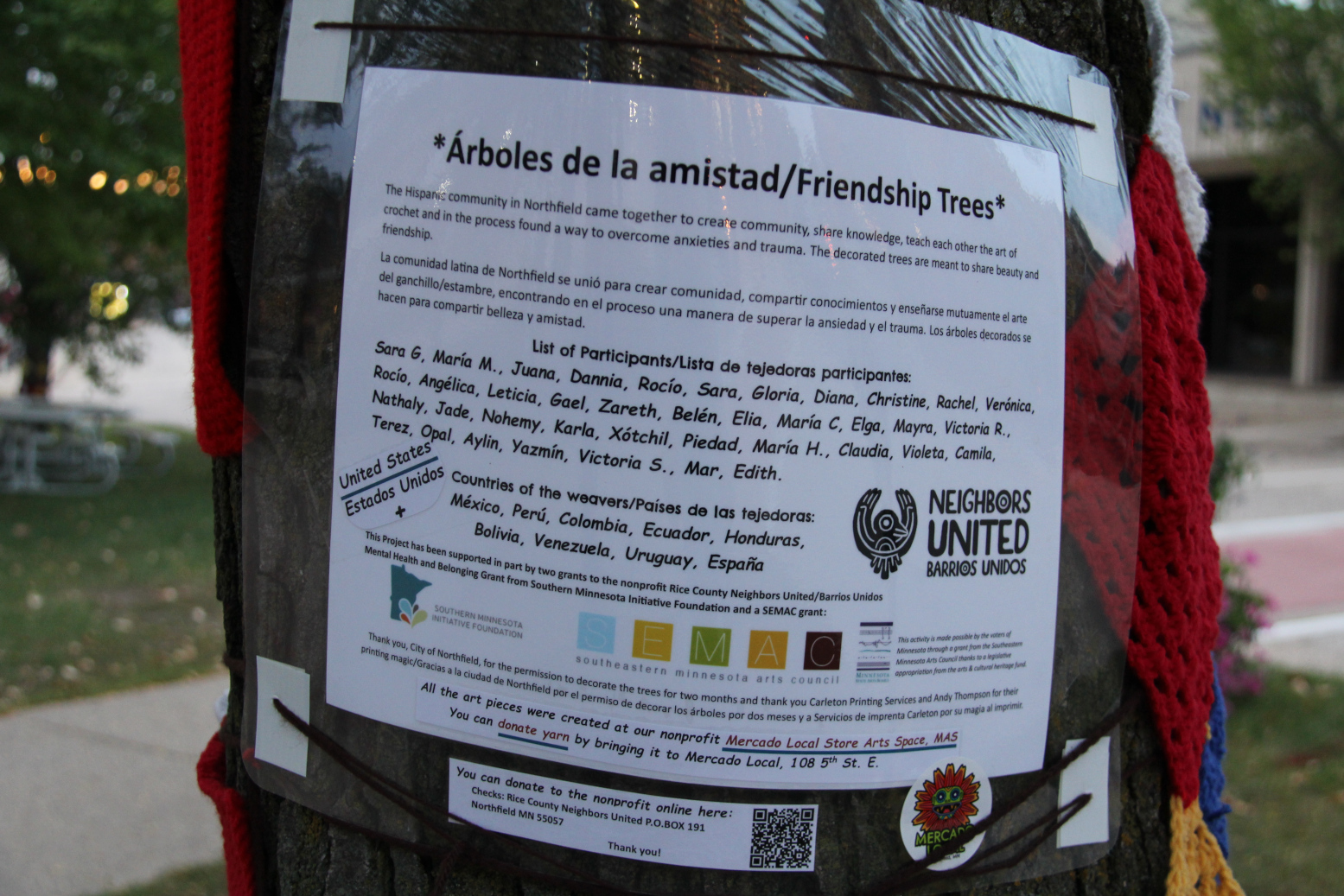
But these crocheted pieces created by 39 individuals rooted in nine countries is about much more than beauty and friendship. This is also about healing, specifically recovering from the trauma of federal immigration enforcement in Minnesota last winter. Although dubbed Operation Metro Surge, the lengthy, targeted Immigration and Customs Enforcement operations in my state impacted communities far beyond the metro area, including Northfield.

If you’ve ever crocheted, you understand that rhythmically working a crochet hook through yarn calms and soothes. Gathering to crochet in the arts space at Northfield’s Mercado Local helped ease the anxiety many in the Hispanic community were feeling, and continue to feel, over immigration enforcement, Valdecantos noted in an email.
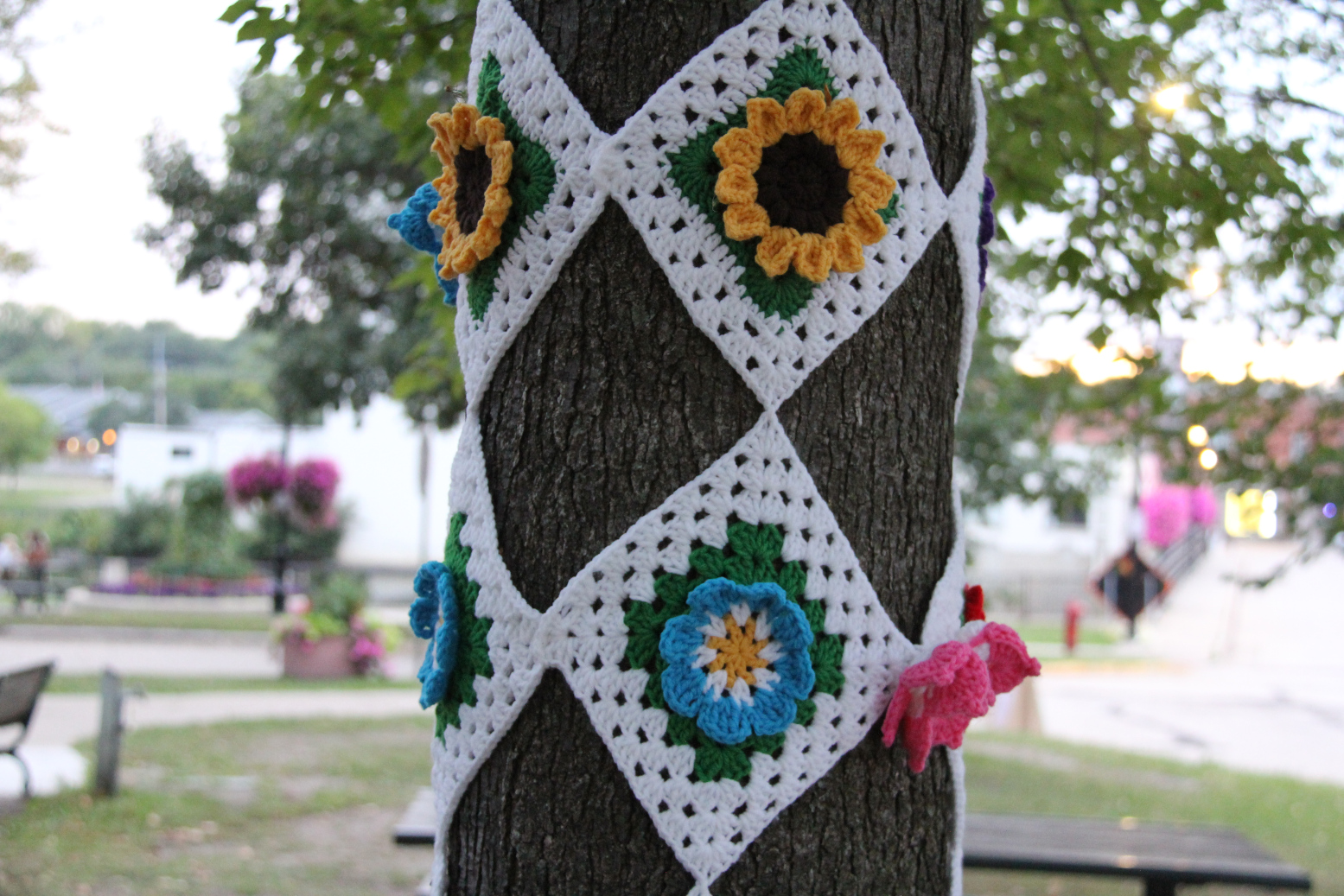
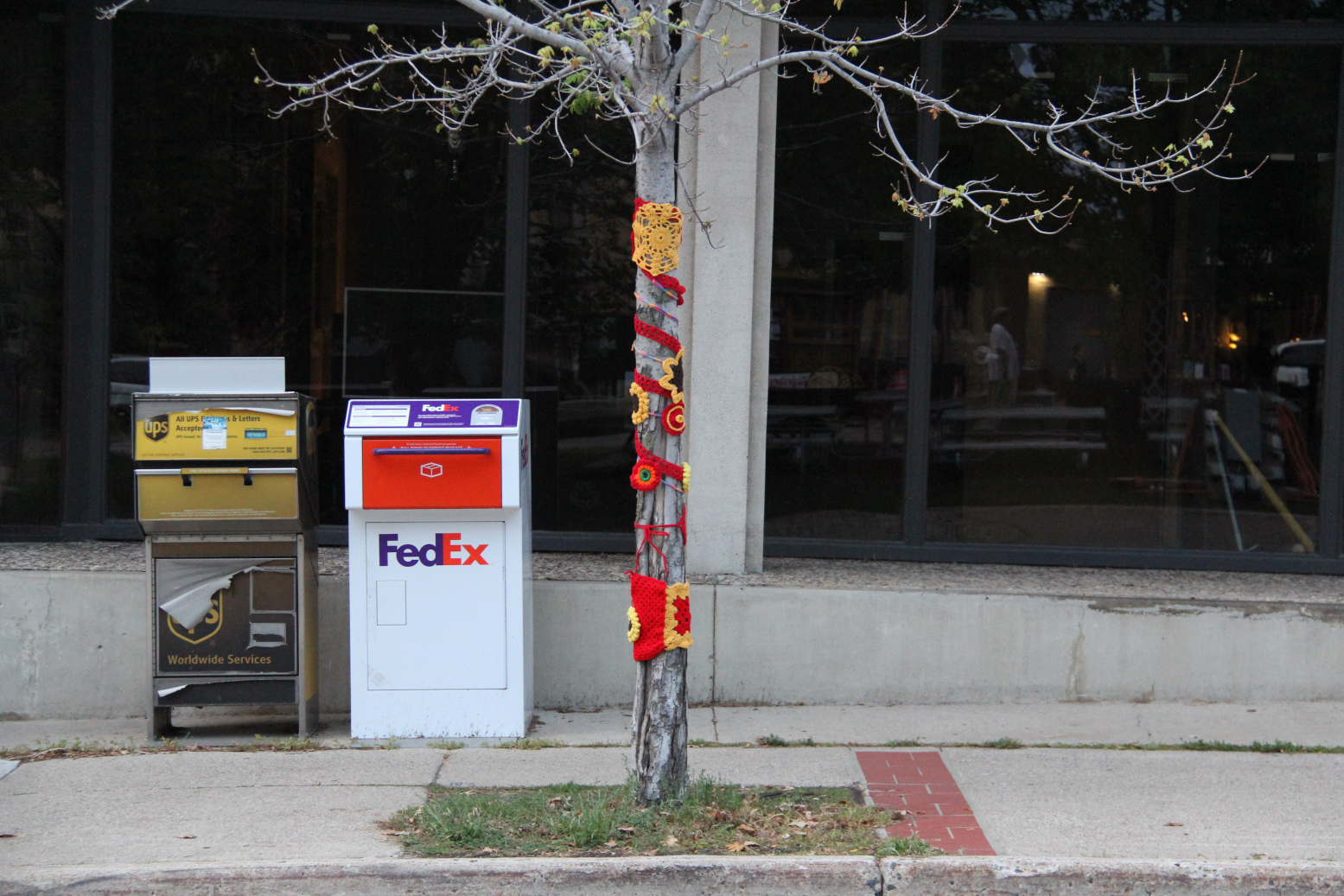
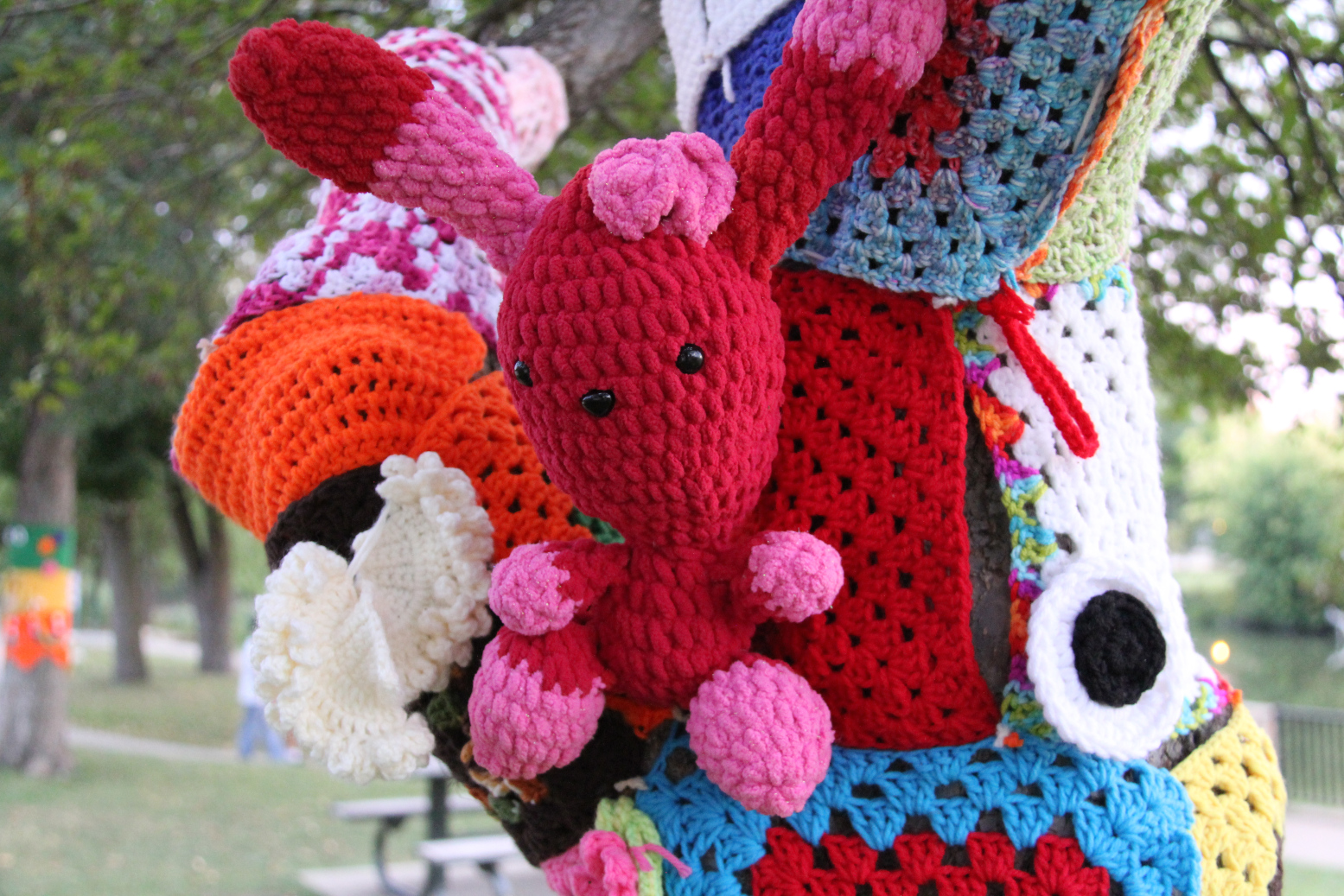
As I wandered among the many artsy trees, I thought of all those fingers manipulating yarn to create something beautiful and meaningful from emotional trauma. I expect every artist intentionally crocheted art with meaning.
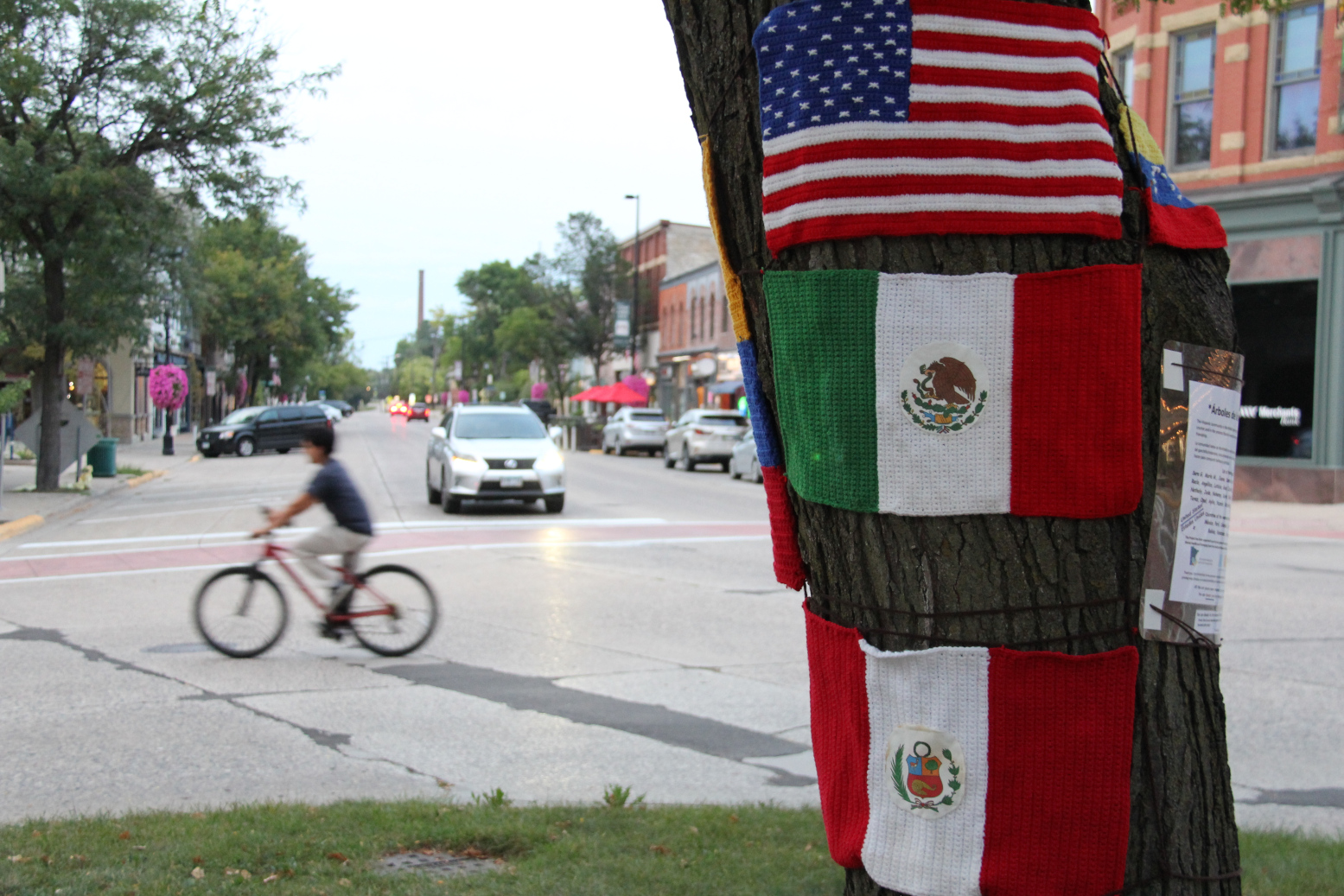
Some intent seems obvious to me. Flags hugging a highly-visible tree along Division Street show pride in country of origin and in America.
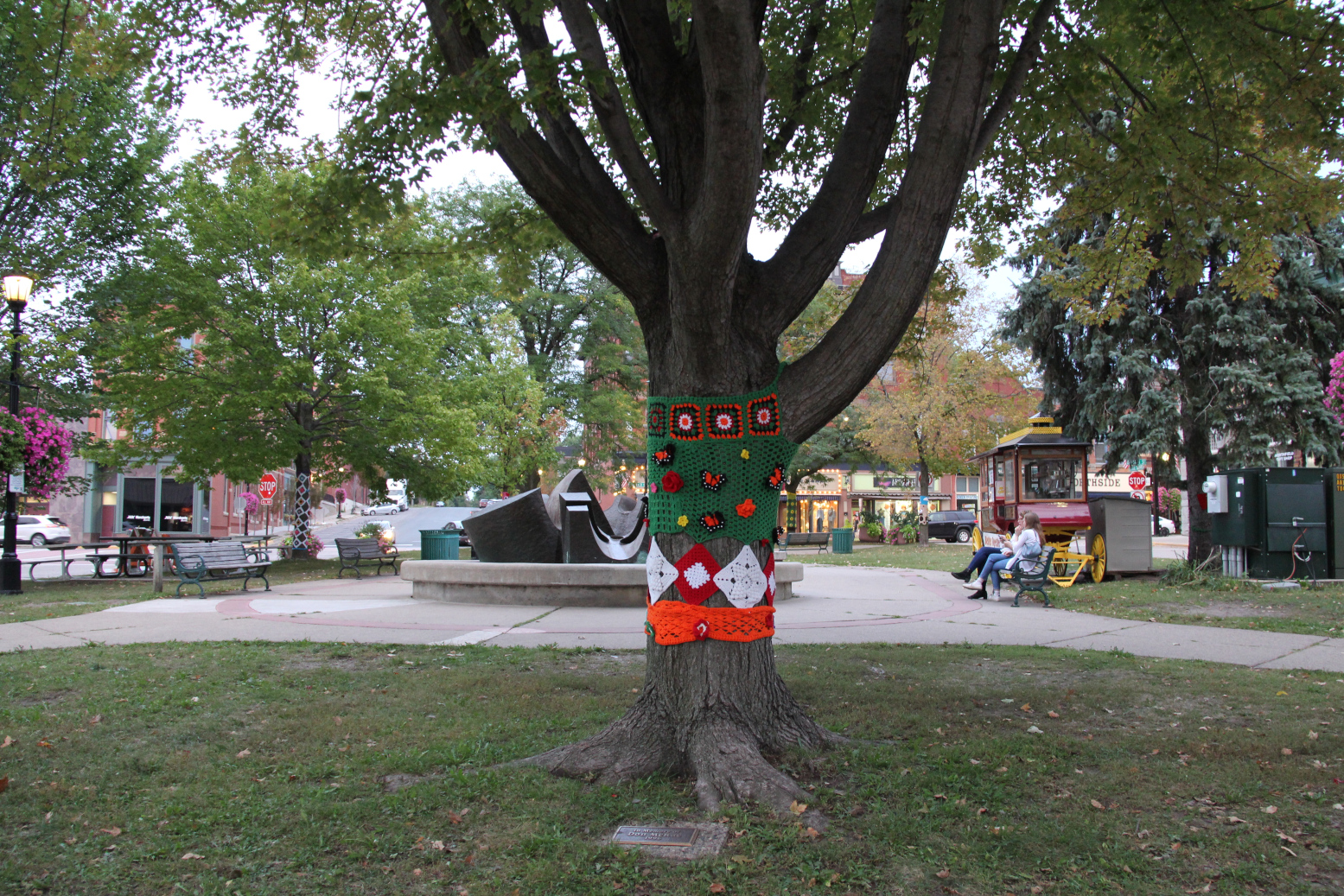
Monarch butterflies on another tree are symbolic of migration, solidarity, hope and resilience. Monarchs became a national symbol of resistance against ICE.
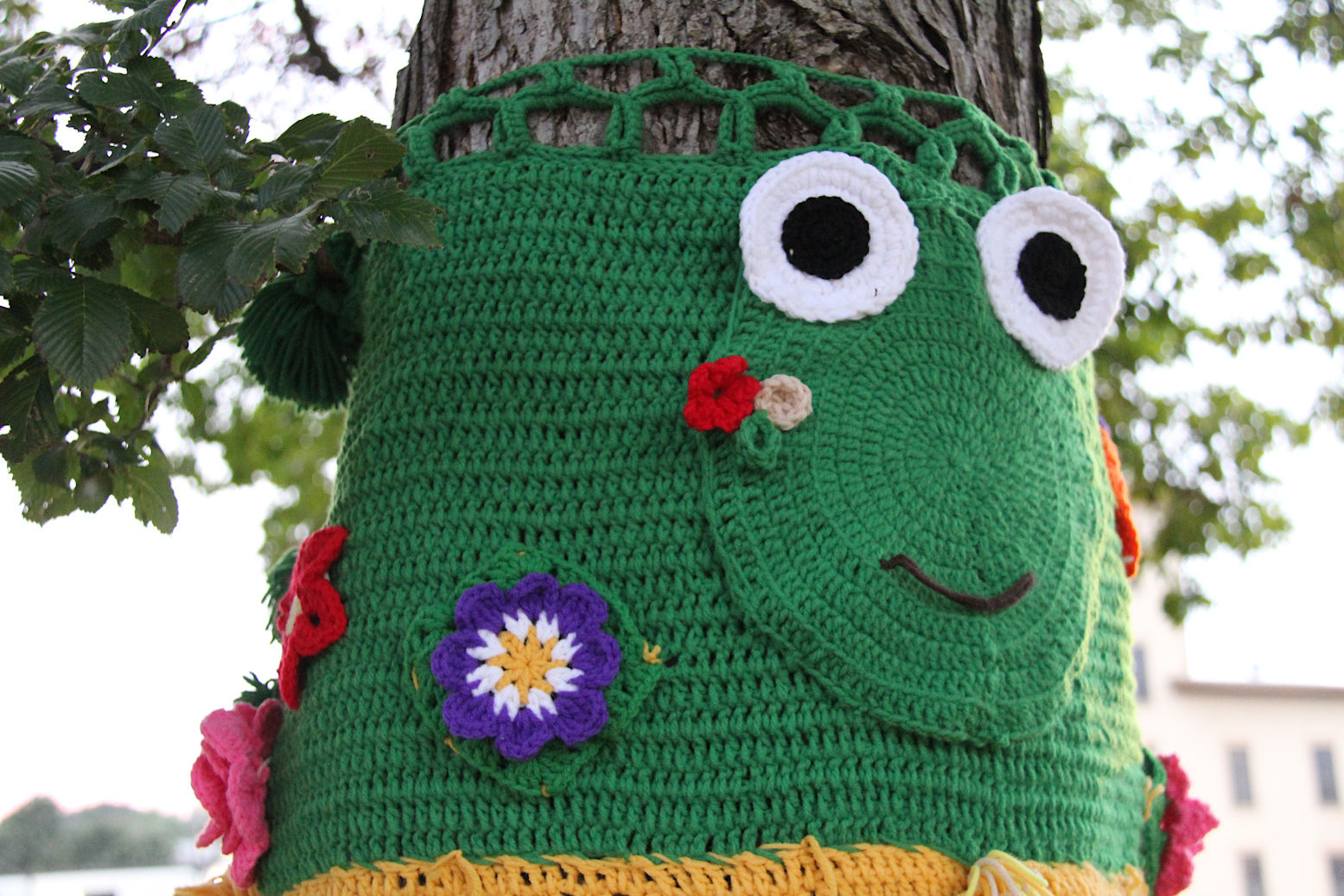
Likewise, I spotted a frog, that, too, a form of resistance with a humorous take.
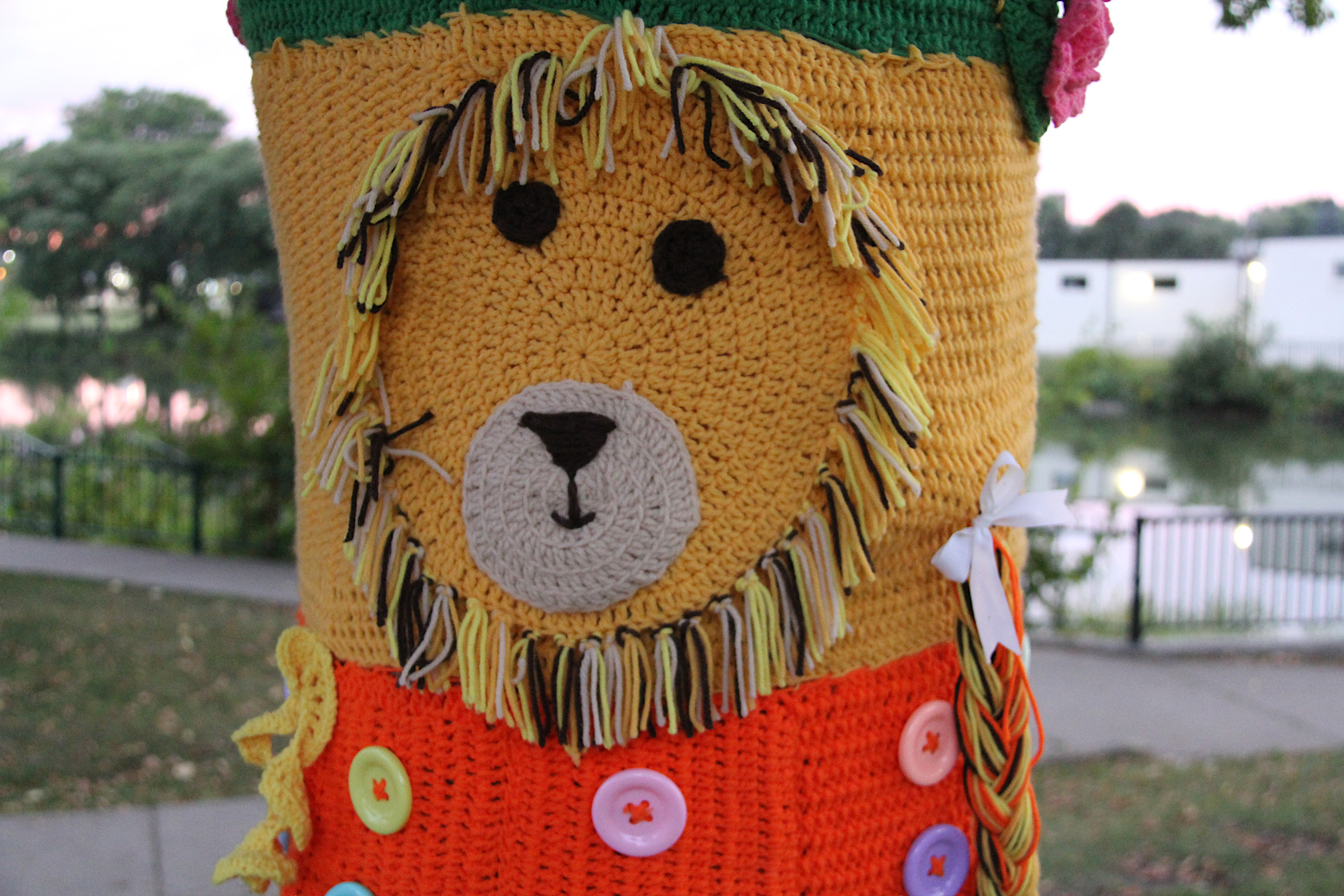
A lion, I expect, is meant to stand for bravery, fierceness, the power of standing strong.
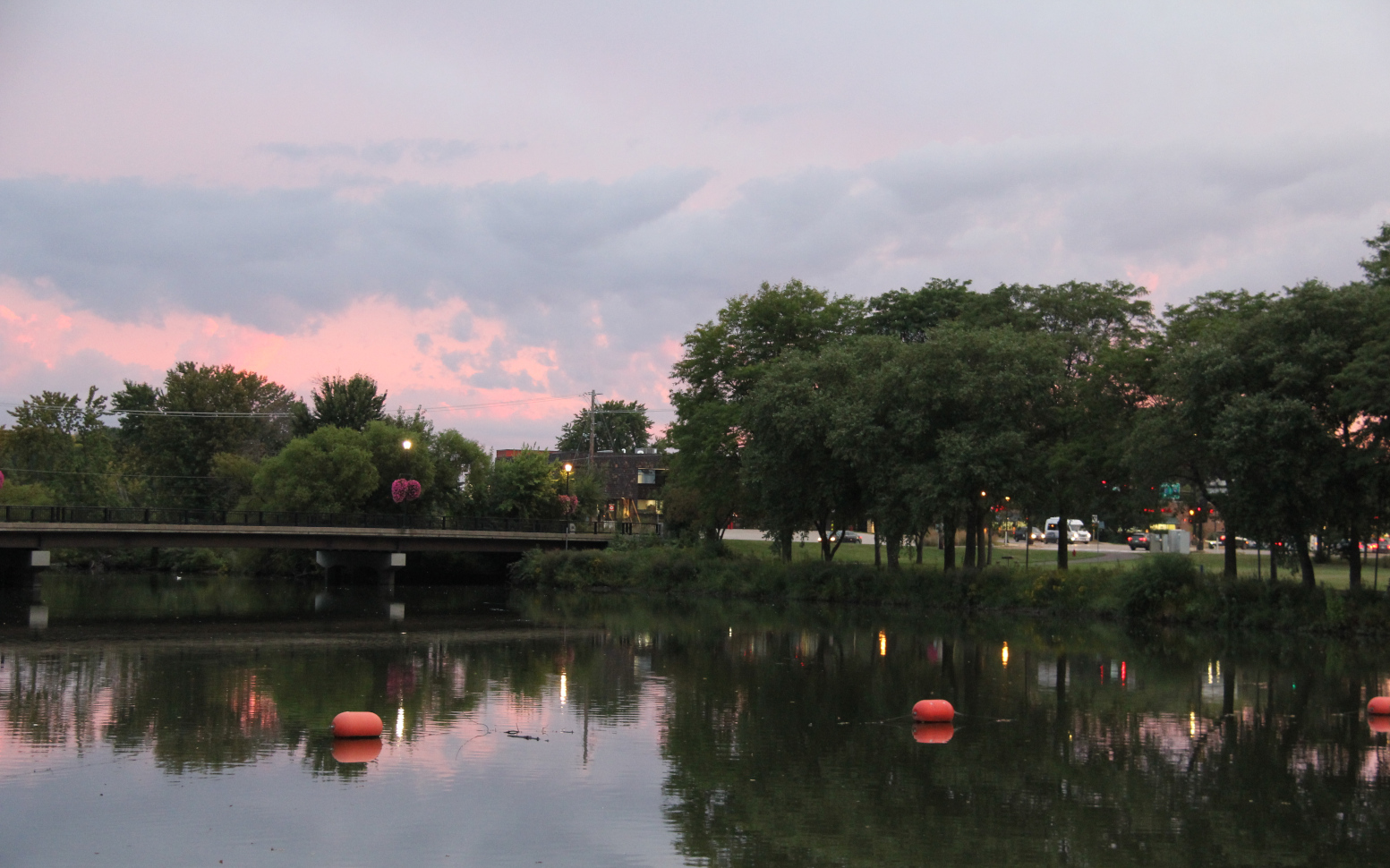
All around Bridge Square, which centers Northfield’s downtown along the Cannon River, these crochet-wrapped trees represent the strength, courage and resilience of the local Hispanic community. I saw that in the designs, in the bold and bright colors, and felt it simply by seeing.
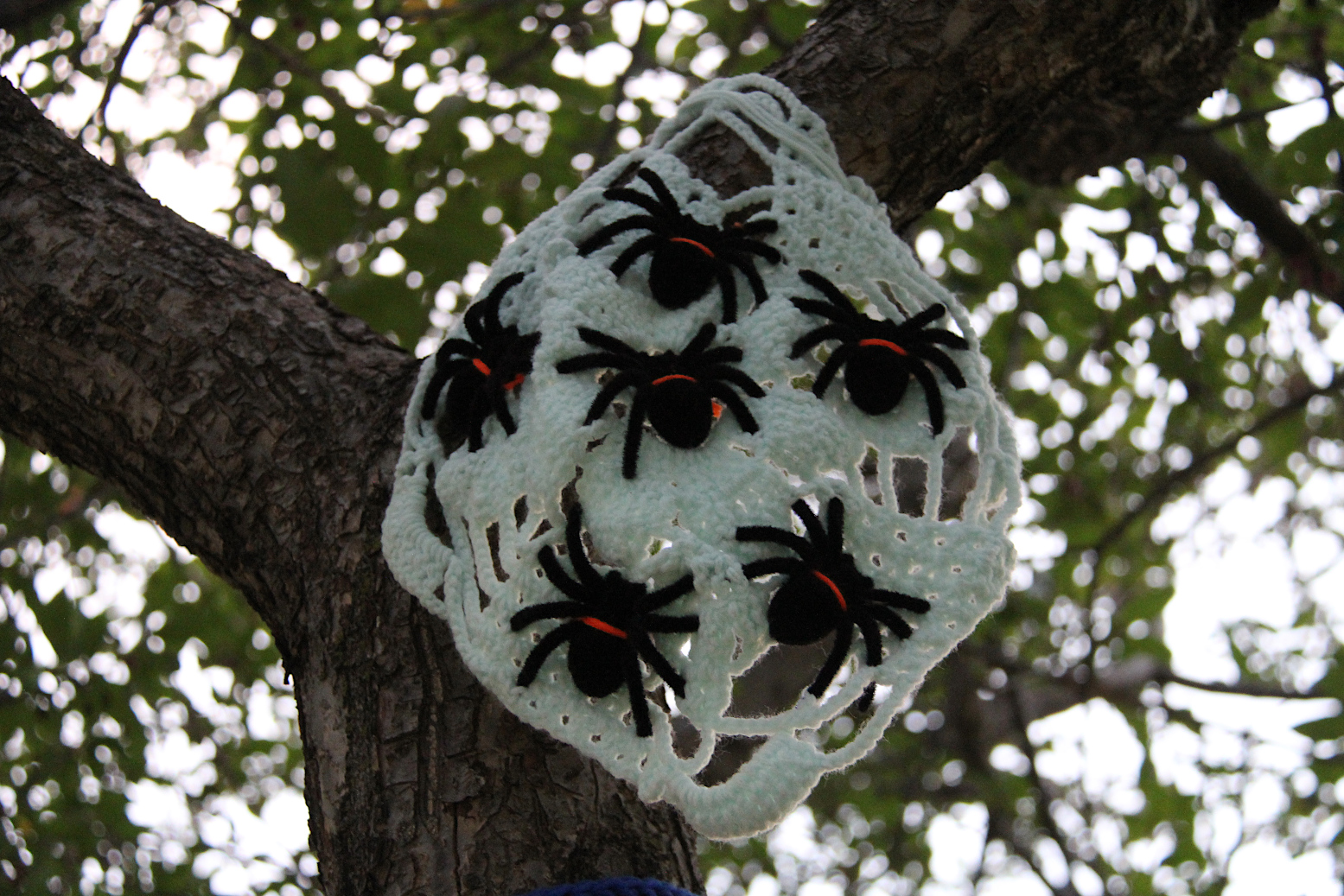
Art is powerful.
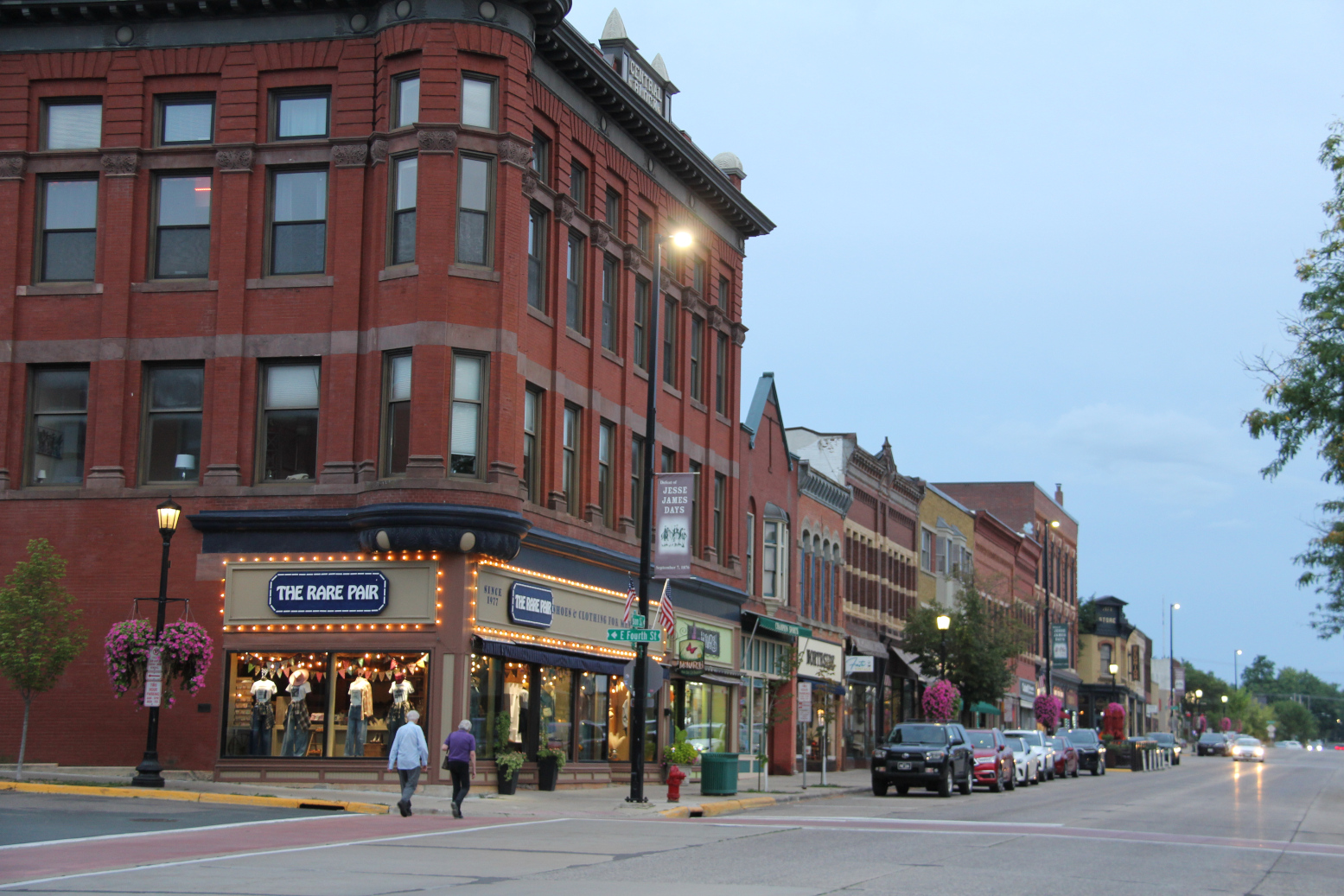
These inter-generational crocheters continue to meet at Mercado Local, pulling crochet hooks through yarn, crafting not only for themselves, but also for the greater Northfield community. Connecting. Creating. Calming anxieties, building and strengthening community through art.
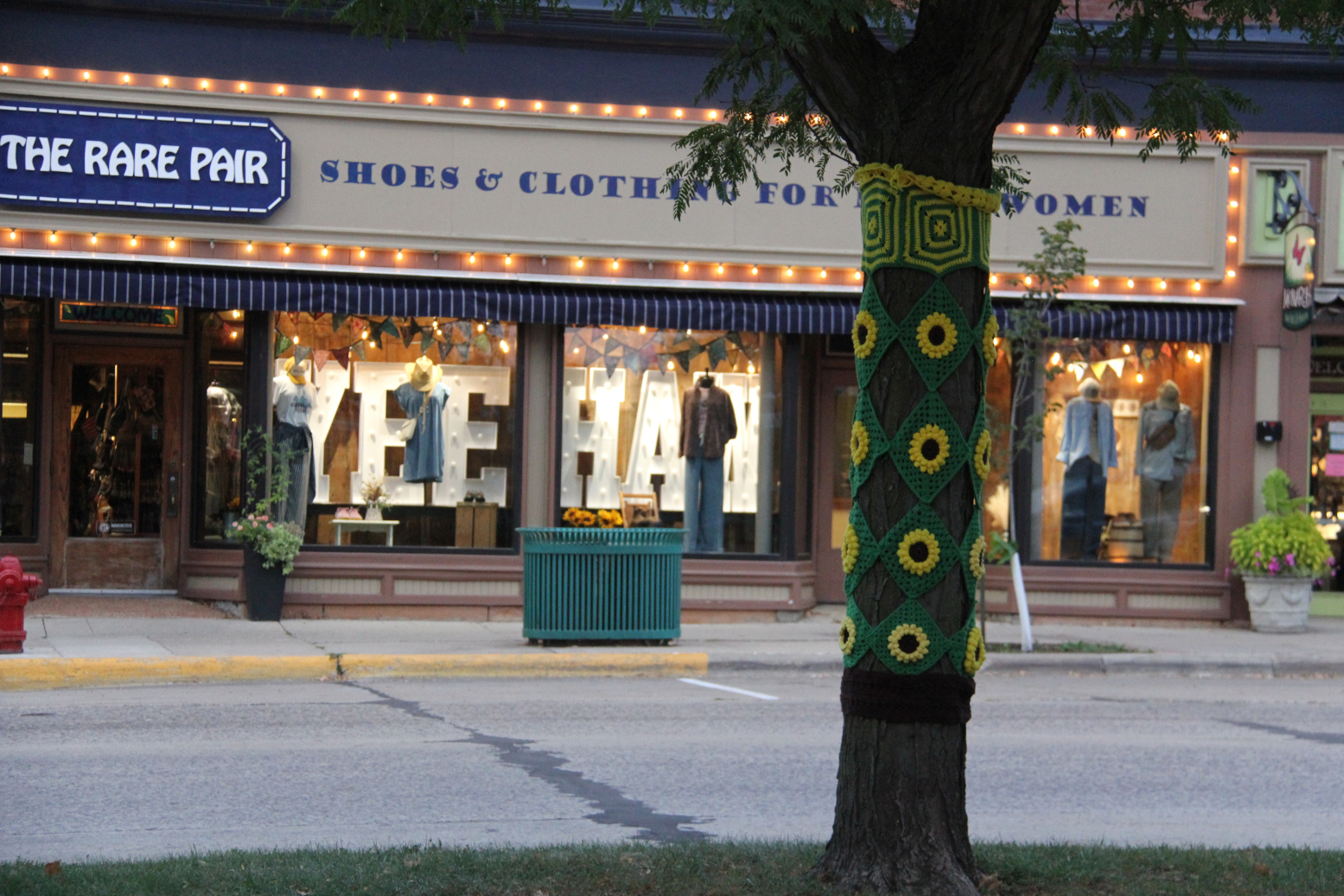
FYI: “Friendship Trees” is a temporary two-month art installation. I photographed the art in early September, shortly after it was installed.
© Copyright 2026 Audrey Kletscher Helbling





Destructive ice, the help of community & more August 27, 2026
Tags: commentary, community, construction, Faribault, hail, hail damage, hailstorm, Hispanics, immigration, Immigration and Customs Enforcement, Minnesota, Operation Metro Surge, opinion, storm, United States of America
IN THE FOUR-PLUS MONTHS since destructive hailstones pummeled Faribault and the surrounding area, my community has been the site of ongoing exterior construction. Drive nearly anywhere in town and you will see roofing and siding crews or newly-repaired houses.
Seven hail-damaged houses within sight of mine, including ours, have been repaired, or have yet to be fixed. That’s a lot in a single neighborhood.
Business is booming for local and out-of-town roofers and other construction companies. Local contractors can’t possibly meet the immediate demand for work.
EMPATHETIC OBSERVATIONS
But blocks from my house, an underway construction project seems a community undertaking. I know because I talked with the owner. He bought the house with the intention of fixing and flipping it. Good for him if he can improve a dilapidated house and make money by selling it.
This particular renovation caught my eye because, when I passed by, I saw a house with rafters totally exposed, loose insulation inside and workers busy sheeting. Similar work was done on our house with new sheeting laid over the existing, mostly-solid roof boards. Rafters were not exposed. I appreciate that we now have a sturdier, straighter roof.
When I saw the condition of the flip house, my first thought was “that looks worse than ours (looked).” At least on the roof. I felt instant empathy for the homeowner. So, although I don’t usually stop at construction sites, I did at this one. I felt bad for the owner.
He just happens to be Hispanic. I learned from him that the Hispanic community is deeply connected. He tapped into the strength and skills of community for his house renovation. This did not totally surprise me. I’ve seen how Hispanic/Latino communities care for one another, how they work together, how they value family, culture and community.
If not for Hispanic roofing crews, hail-damaged houses in Faribault would go mostly unrepaired. These crews work hard and fast, putting in long days, often finishing roofs in a single day.
THE VALUE OF COMMUNITY
My conversation with the flip house owner got me thinking about other communities which come together to help one another on construction endeavors. In the past, and maybe even still today, the Amish raise barns in a day. Habitat for Humanity brings volunteers together to build homes alongside professionals. Decades ago, friends came over to help shingle our roof. During this past year, volunteers rehabbed a rental house owned by my church.
And in 1967, extended family arrived at my childhood family farm to help my dad and a local carpenter build our new home with a walk-out basement. If not for helpful family, I don’t think my parents could have built new. The cost would have been out of reach. We needed a new house to replace the cramped, drafty 1 1/2-story aged farmhouse with a partial dirt cellar, no bathroom, three small bedrooms, and an oil-burning stove centered in the living room.
WORSE THAN A HAILSTORM
All of this came to mind when talking with my new Hispanic acquaintance. I praised him for improving the neighborhood by buying and fixing up a run-down home. I also told him I’m sorry for the aggressive and often illegal detainment of Hispanics, Latinos and others by Immigration and Customs Enforcement (ICE) during Operation Metro Surge (and beyond) in Minnesota. That includes right here in my city.
A recent media report states that the 5,000th immigrant detainee (since November 2025) was recently flown out of the Minneapolis-St. Paul International Airport. That’s documented by a Minnesotan with boots on the ground at the airport video-taping departures of shackled detainees.
ICE has targeted Hispanic roofers. In December 2025, ICE arrived at a construction site in Chanhassen, southwest of Minneapolis, stranding two workers on a roof for hours during sub-zero temperatures resulting in hypothermia. In Bemidji in far northern Minnesota, roofing companies lost nearly all of their crews during ICE raids this summer. Many other such detainments have happened across the state and country and are ongoing.
Soon a new ICE detention center will open in a former abandoned private prison in Appleton in far western Minnesota. CoreCivic, a name familiar to anyone who has followed ICE actions, sold the prison to the federal government and is now contracted to run the detention center.
Suddenly that April hailstorm in Faribault doesn’t seem all that bad in comparison with what’s unfolding in this country. And I’m not talking only immigration. I’m also talking about government surveillance, an unnecessary war, tariffs, efforts to suppress voting rights (especially those of Black voters and of women), high gas and food prices, a failing economy and on and on. So much damage has been done to our country that will take years, if not decades, to recover, to repair the destruction hailed upon this nation.
© Copyright 2026 Audrey Kletscher Helbling