Minnesota Prairie Roots

Writing and photography by Audrey Kletscher Helbling

Place it near a cornfield and they will come, or something like that July 13, 2012

Filed under: Uncategorized — Audrey Kletscher Helbling @ 7:09 AM
Tags: , , , , , , , ,

“IF WE DON’T FIND a bathroom soon, I’m just going to go in a cornfield.”

Such prophetic words I pronounced as my husband and I recently entered the burg of Bellechester, population 172, mostly in Goodhue County, partly in Wabasha County, in southeastern Minnesota.

Honestly, it isn’t like I haven’t peed in a cornfield. I detasseled corn in the 1970s; I’ve squatted between corn rows.

But I’m not exactly a teen any more and the idea of walking into a cornfield on a scorching summer morning to pee didn’t appeal to me.

So, after asking a local where I could find a public restroom in Bellechester and being told there were none and we’d need to drive 12 miles to Lake City, the cornfield option seemed a very real possibility.

Not quite believing the man, though, my husband directed our van toward Bellechester’s one-block business district. Spotting the Bellechester Tavern and the Bellechester American Legion, I figured I’d dash inside one or the other and we’d be on our way.
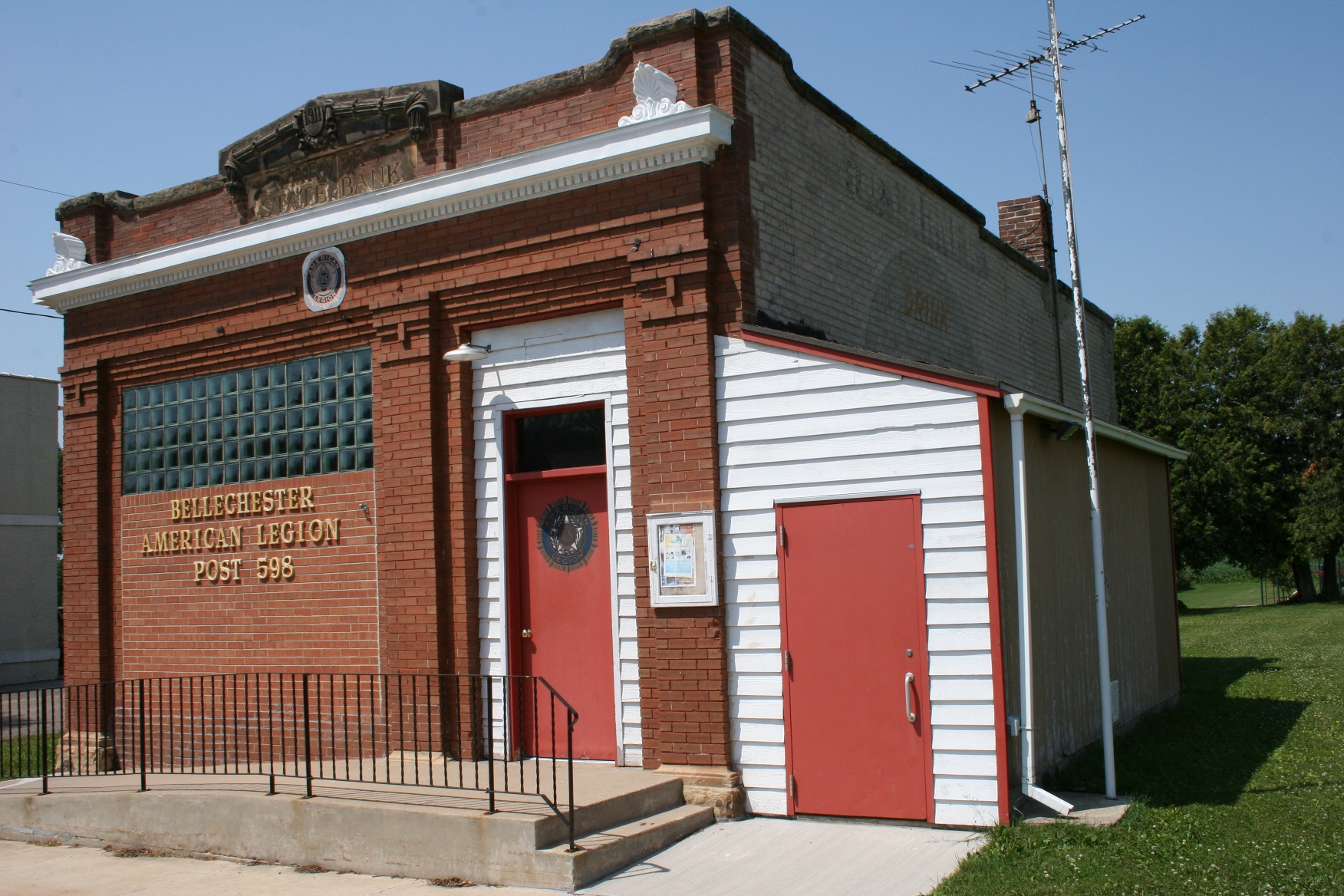
This former bank is home to the Bellechester American Legion. Yes, I took time to photograph the Legion and the tavern even though I really, really had to go. I love old buildings, what can I say?
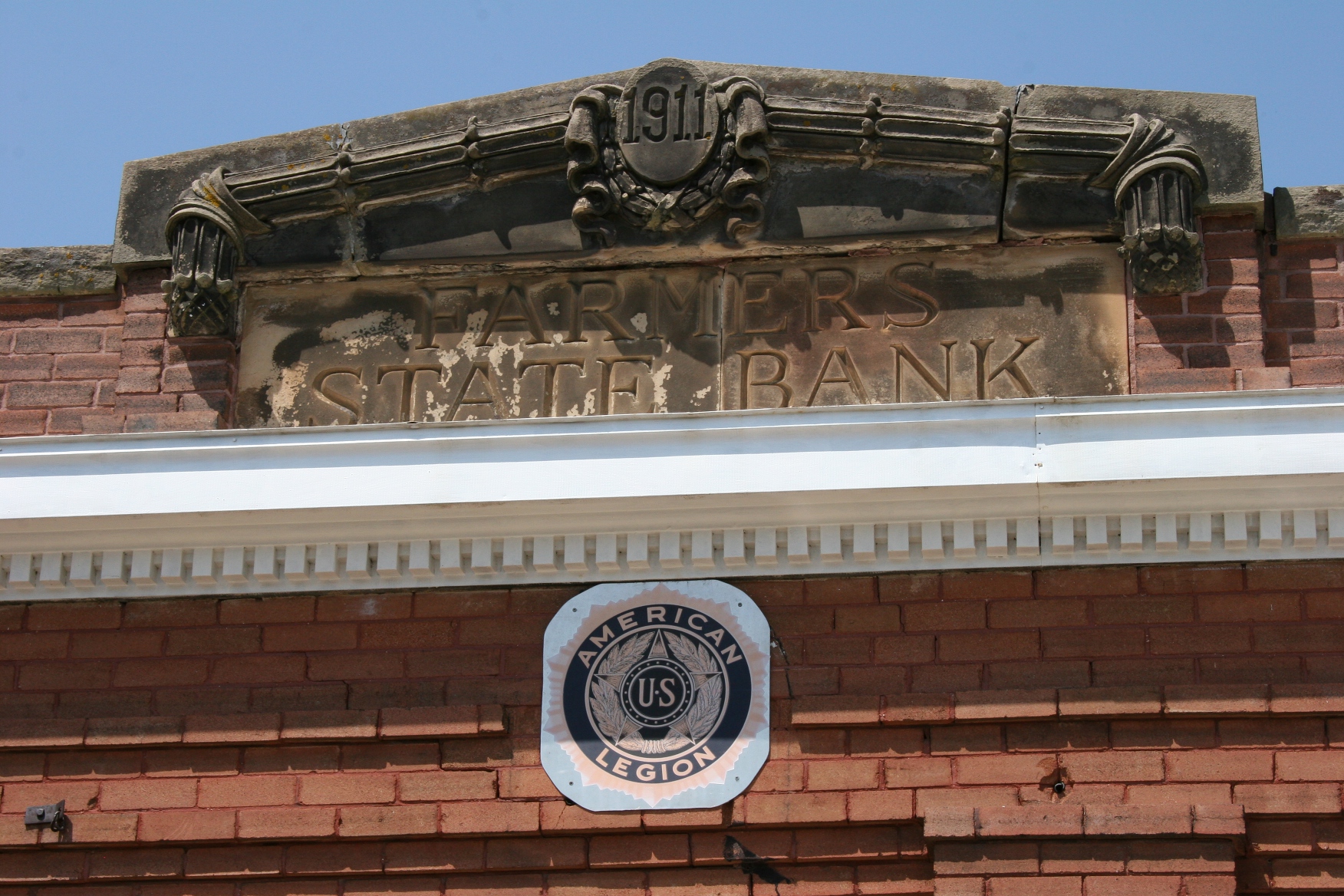
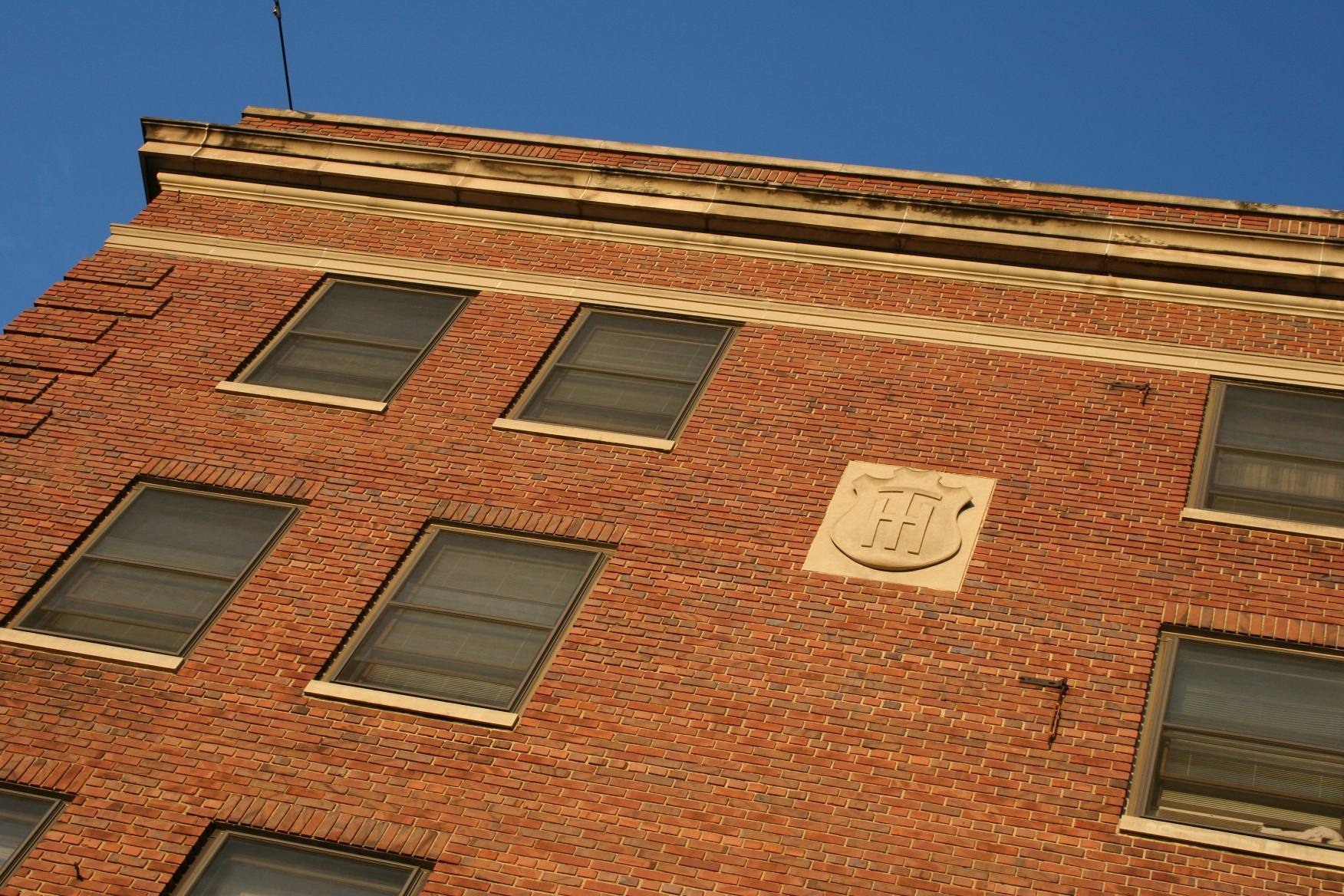
Look at the gorgeous architectural detail on the former bank. Yes, I know, I really should be moving along.
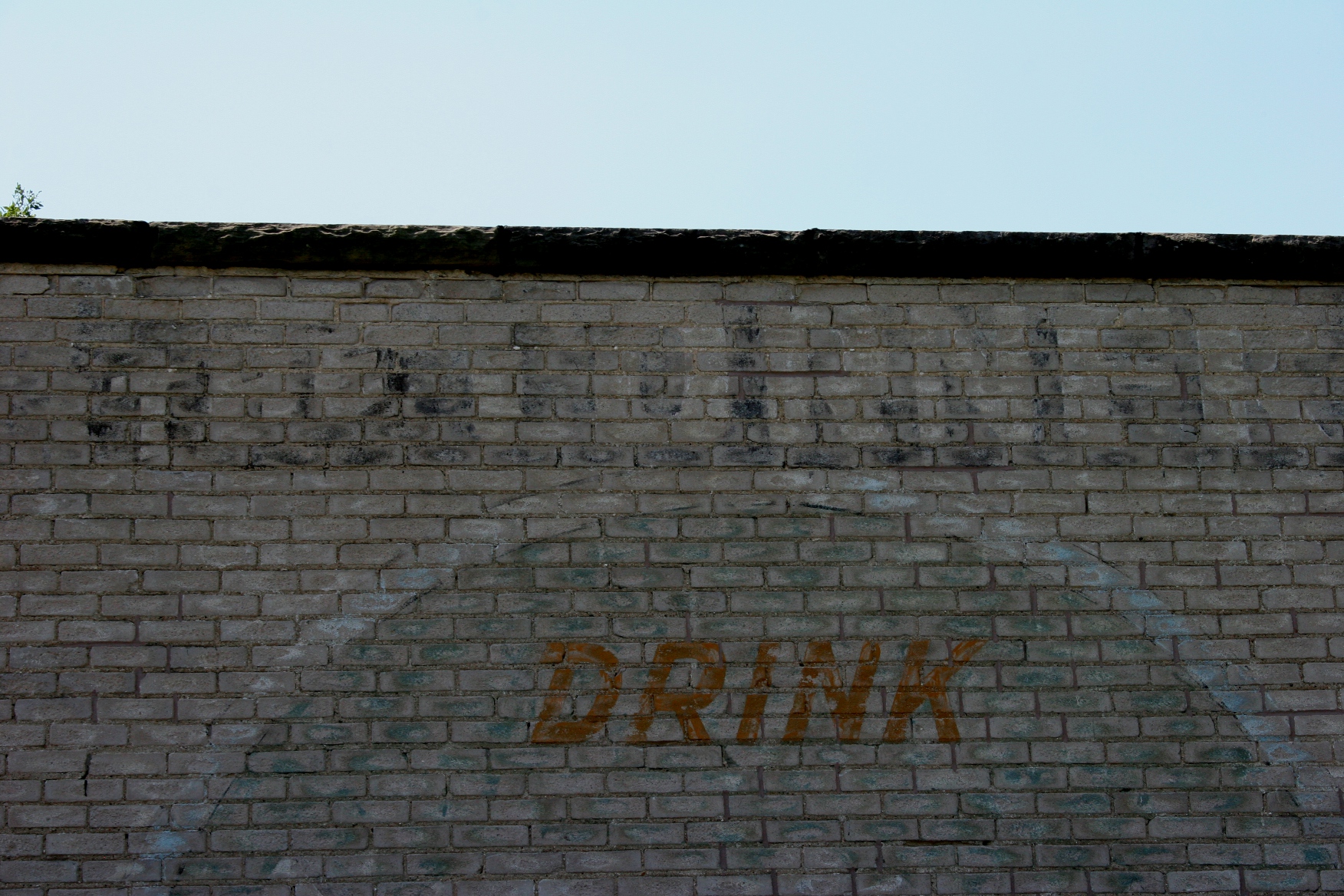
But wait, one more photo. Look at this faded signage on the side of the Legion.
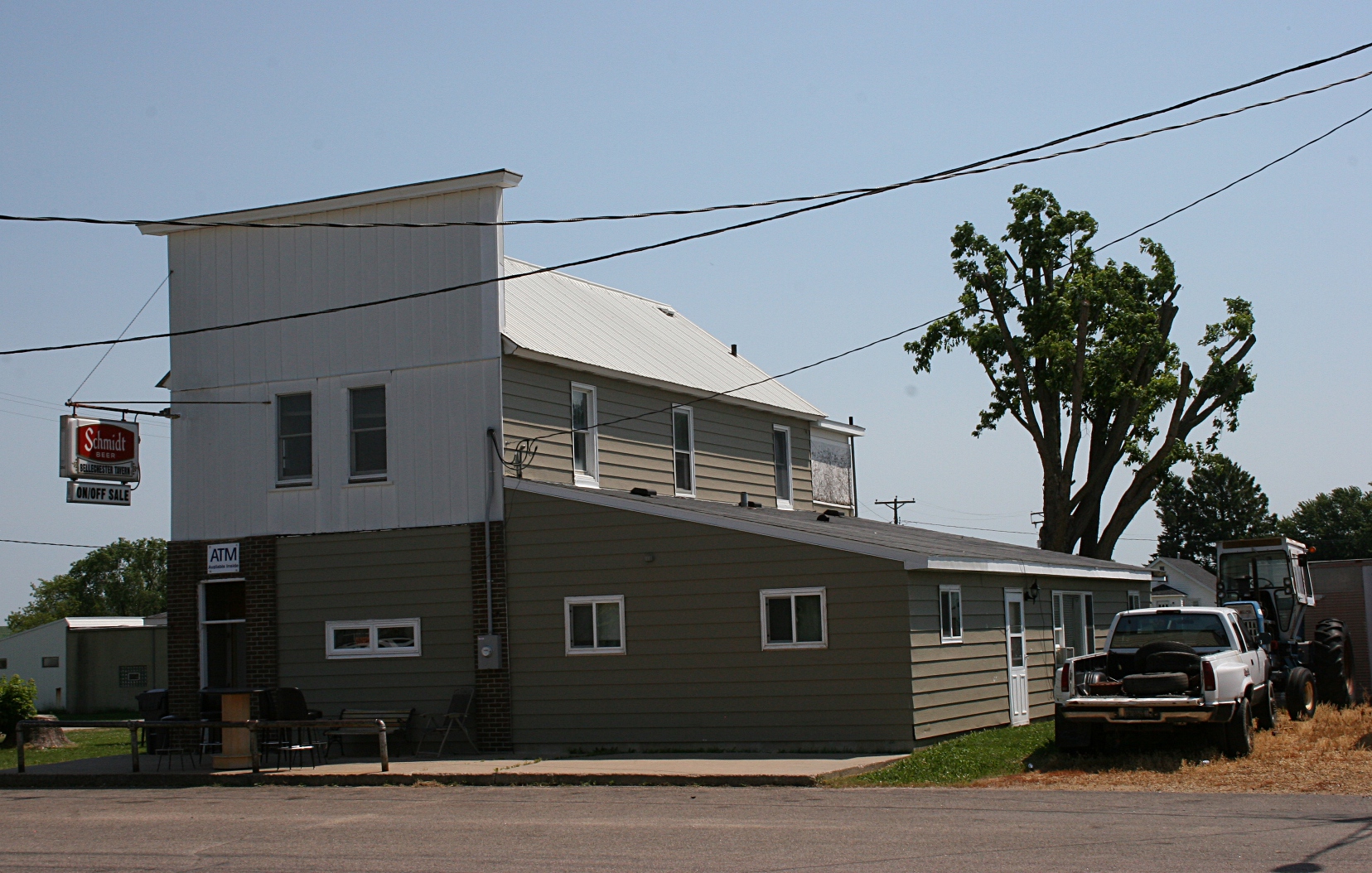
Well, as long as I’m taking pictures, I may as well show you the bar I wished was open.

As luck would have it, the tavern and the Legion were closed. I considered the busy repair shop on the corner, for like two seconds. There’s something about walking into a garage full of men that left me crossing my legs (figuratively speaking) and nearly sprinting the other direction.

And that direction would be toward the porta potty which my kind, kind husband spotted way over yonder on the far end of a park, by the ball diamond and next to…the cornfield.
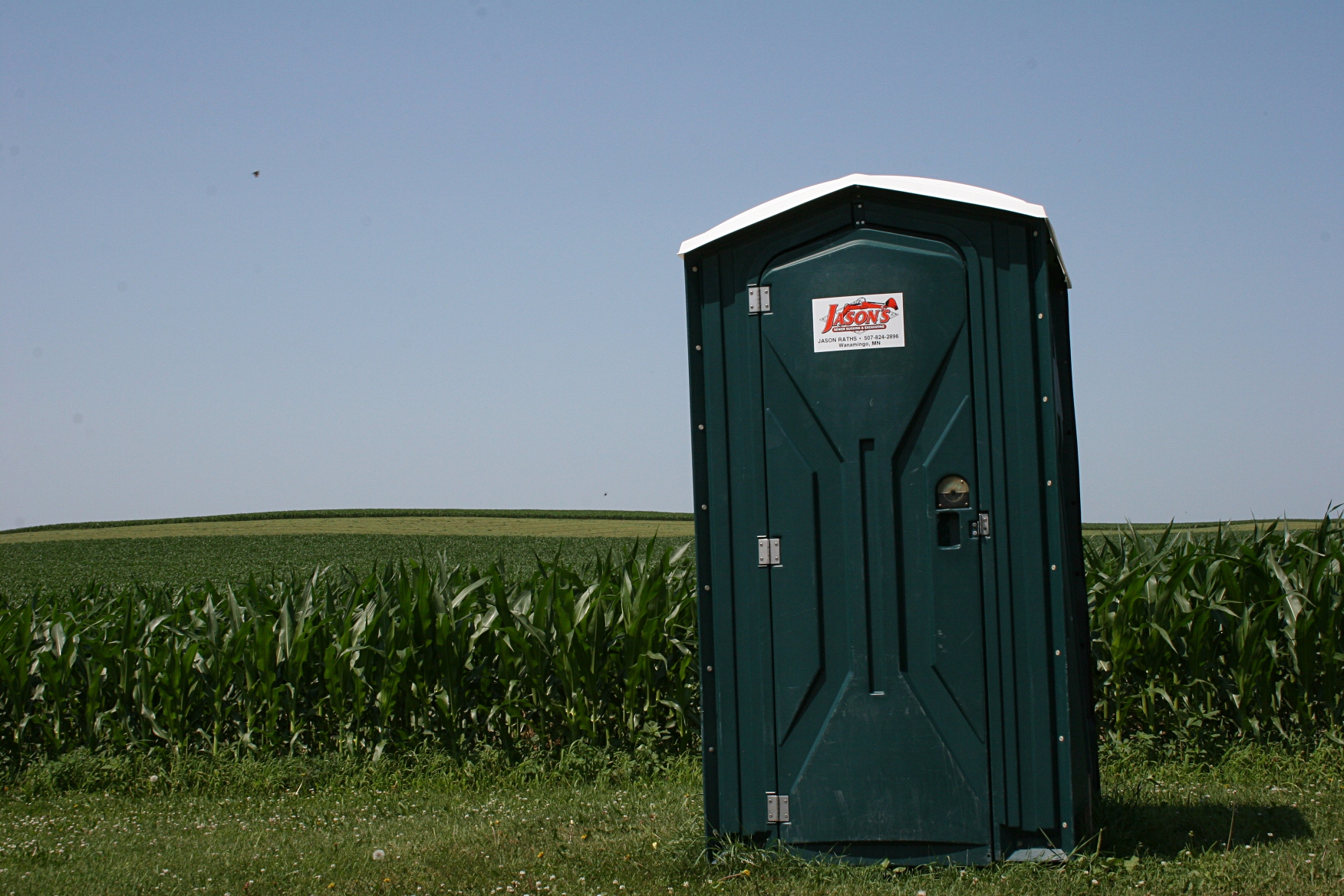
As close to a cornfield as it could be without being “in” the cornfield.

I started heading that way until my thoughtful spouse suggested we drive over there since it was too far to walk in the heat of the morning. That worked for me.

Around the corner and down a gravel road he drove to the edge of the cornfield. I handed my camera to him (I always have my camera out) and nearly rocketed out the door and into the porta potty next to the cornfield.

When I flung open the outhouse door while simultaneously buckling my belt (Hey, would you stay inside a porta potty any longer than you had to?), I realized I had made a major mistake.
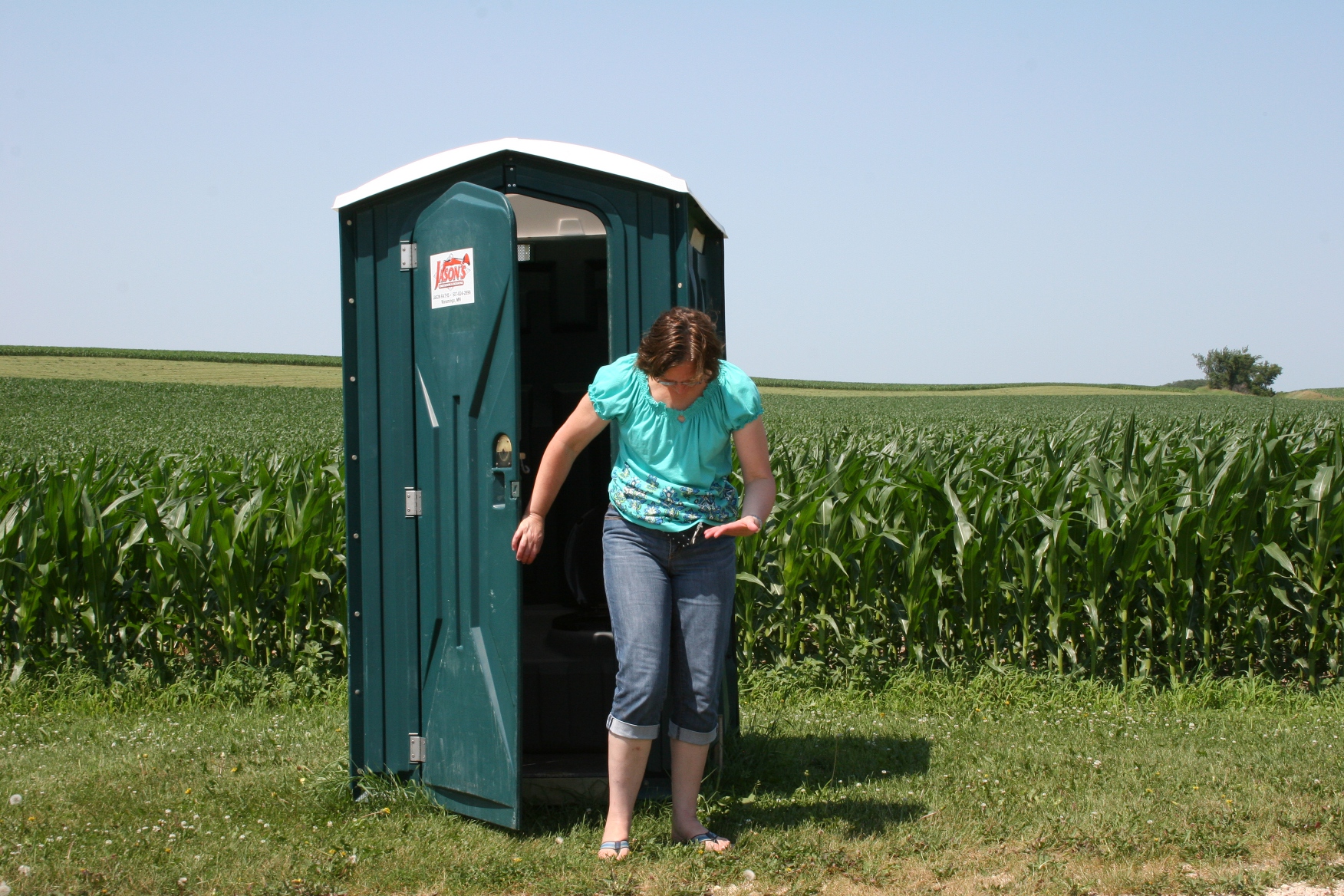
After stepping out of the porta potty and before realizing the paparazzi was snapping pictures. I was reaching up to buckle my belt, just in case you are wondering whether I’m examining my hand.

That error would have been handing my camera over to my husband after carrying on about peeing in a cornfield. He most definitely recognized a photo op when he saw one.

And that, dear readers, is my peeing (almost) in a cornfield story and I’m sticking to it.

© Copyright 2012 Audrey Kletscher Helbling


Pull off Highway 14 & view the historic buildings of Lamberton June 7, 2012

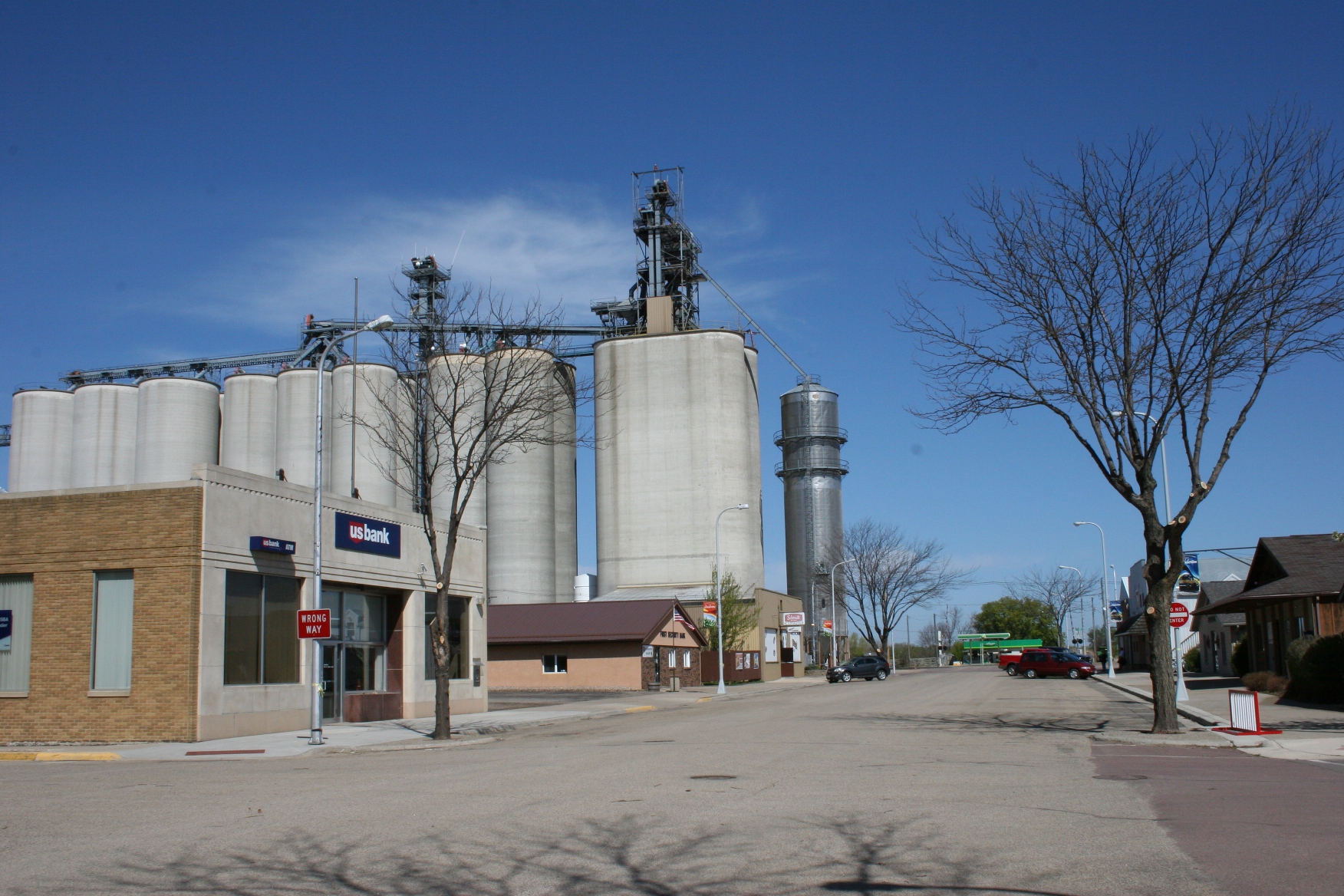
A portion of Lamberton’s Main Street shows this to be a strong agricultural community.

LAMBERTON. Just another small town on the southwestern Minnesota prairie, so you would think if you’re driving on U.S. Highway 14, The Laura Ingalls Wilder Historic Highway.

But this community some dozen miles east of Walnut Grove, destination for fans of “The Little House” books and television series, is worth at least a drive-through if not a stop.

I’ll admit that up until my middle brother moved onto acreage north of Lamberton several years ago, I hadn’t spent much time in this town of 822 except to visit an uncle and aunt who once lived and ran a furniture store here.

I still haven’t explored this agricultural community like I should. But I’ve seen enough to know that I need to look more in depth. Let me show you why, via photos I took, mostly along Main Street, during a brief stop two months ago.

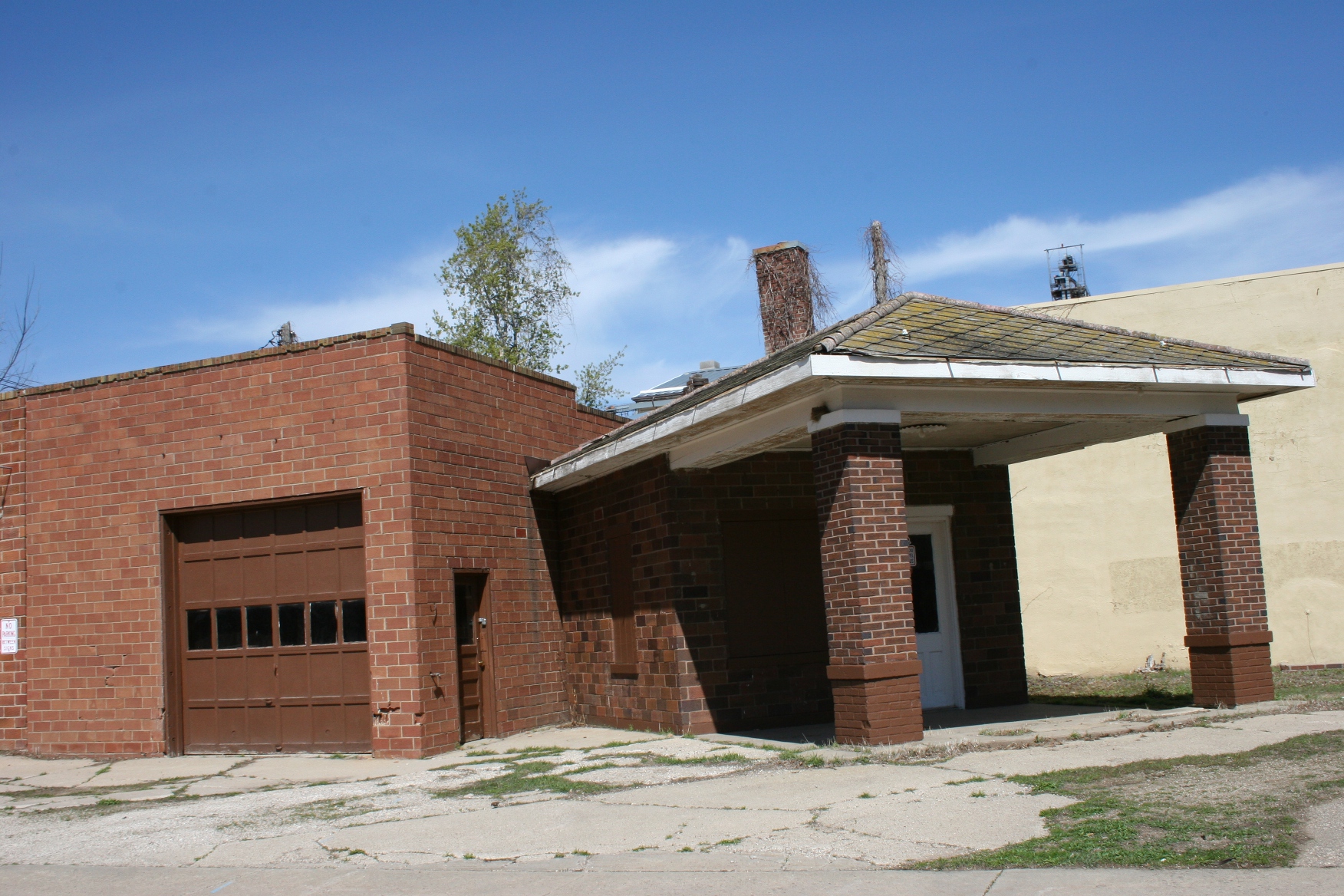
The once-popular corner gas station still stands in downtown Lamberton.

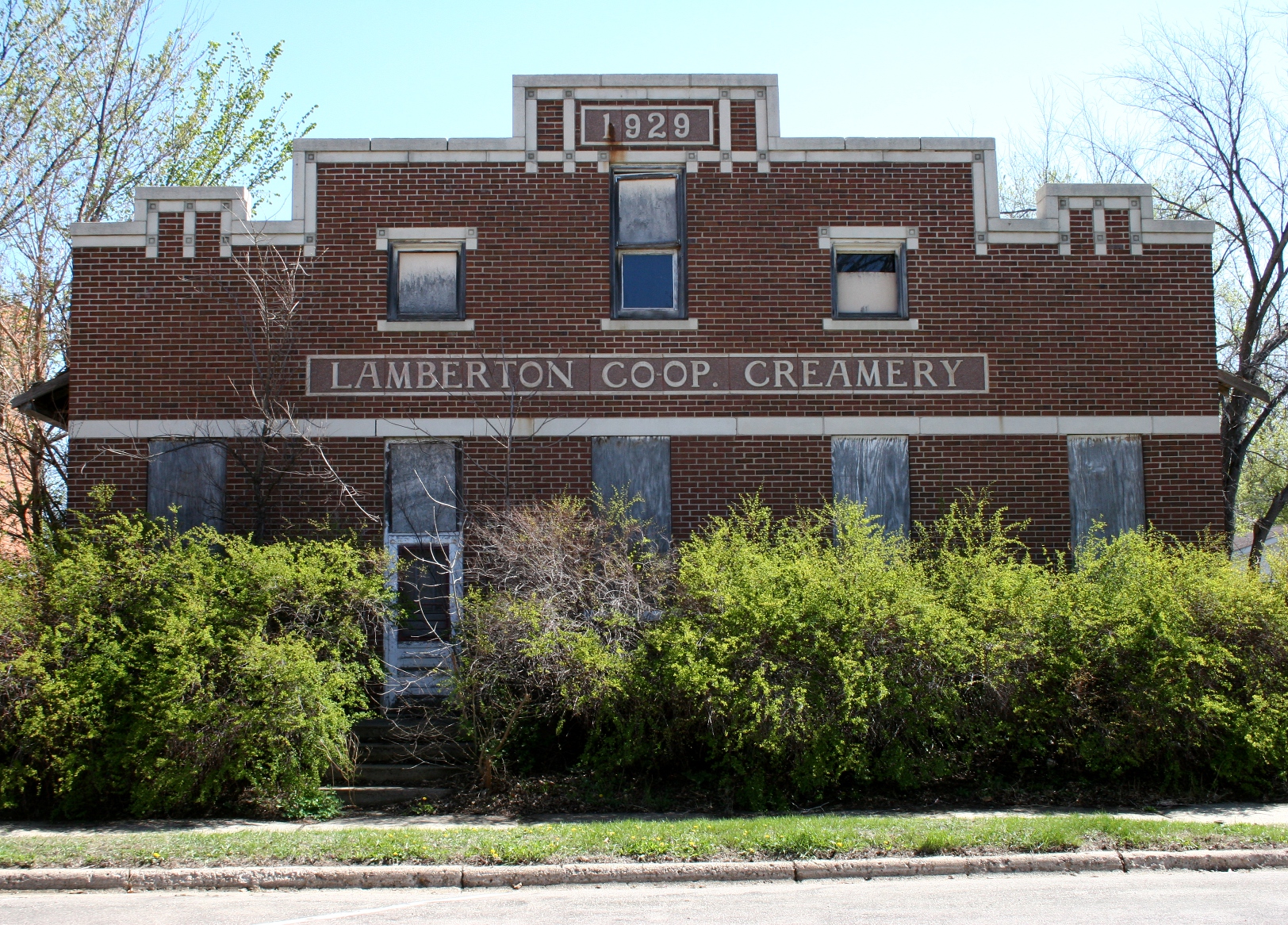
Most small towns once had creameries like this one.

Hanzlik Blacksmith Shop, dating to 1895, was gifted to the city and preserved by the local historical society. With the original wood floor and tools, it’s been called “a warehouse of a long ago lost art” by locals. The community celebrates this piece of history with an annual Hot Iron Days, this year set for September 7 – 8.

It’s the old buildings—from the cute corner gas station to the stout brick creamery to the old wood-frame blacksmith shop—that appeal to me. Some 30 miles to the northwest in my hometown of Vesta, which like Lamberton sits in Redwood County, the old buildings are mostly gone. But not in Lamberton. Here you’ll find plenty of historic buildings to please your artist’s eye and your historian’s heart.

Now all I need is someone with keys so I can take you inside these old buildings.

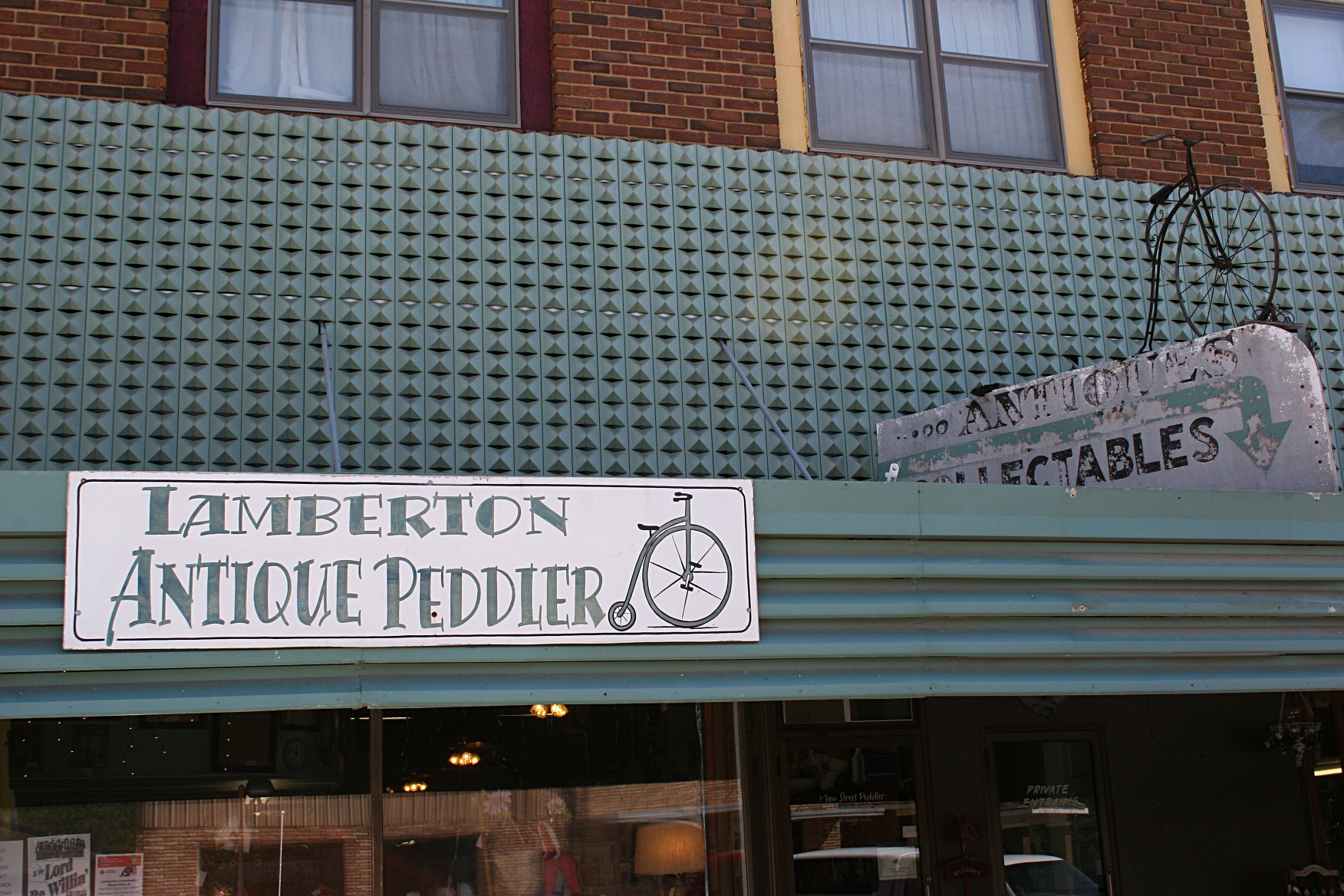
Vintage signs hold a certain historic charm.

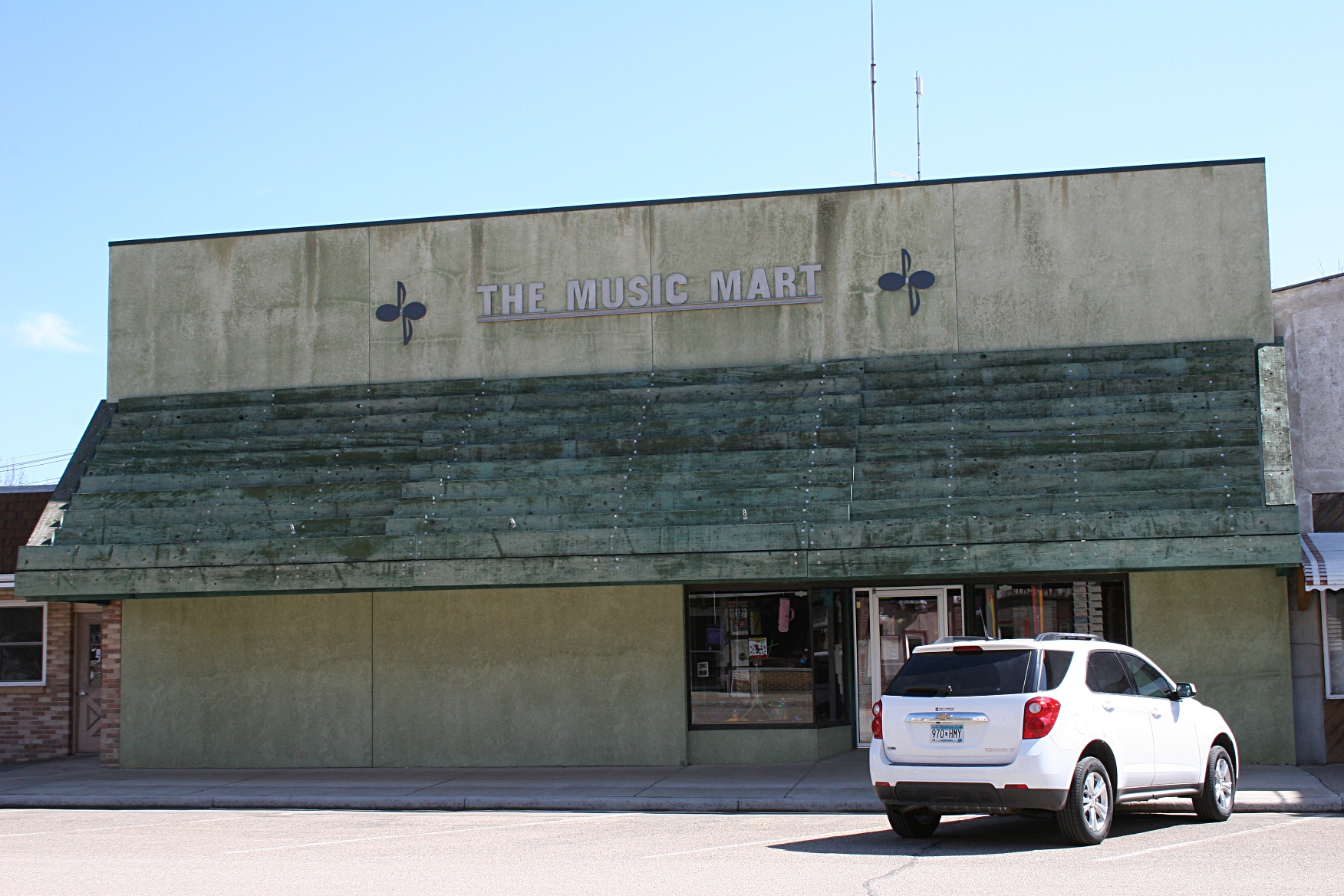
The Music Mart supplies most major brands of band and orchestral instruments. Sales staff reach out to 100-plus schools in southern Minnesota, according to online information. Who would expect to find this type of business in a small town of less than 1,000 residents? Not me.

The Lamberton Antique Peddler is a must-see for anyone who is into antiques. This place is packed with merchandise in the former furniture store once operated by my uncle and aunt, Merlin and Iylene.

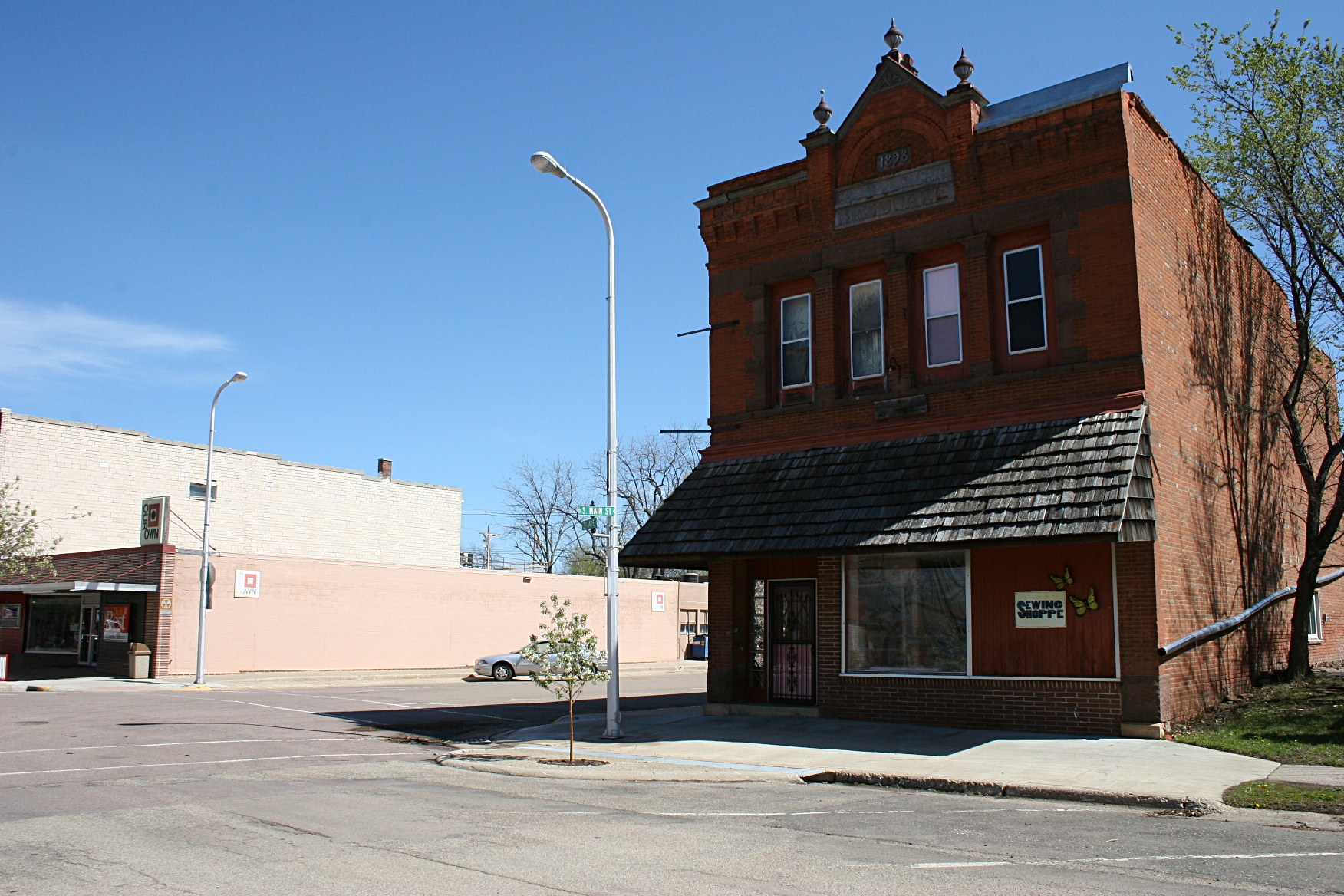
The Sewing Shoppe next to the creamery. Love the architecture.

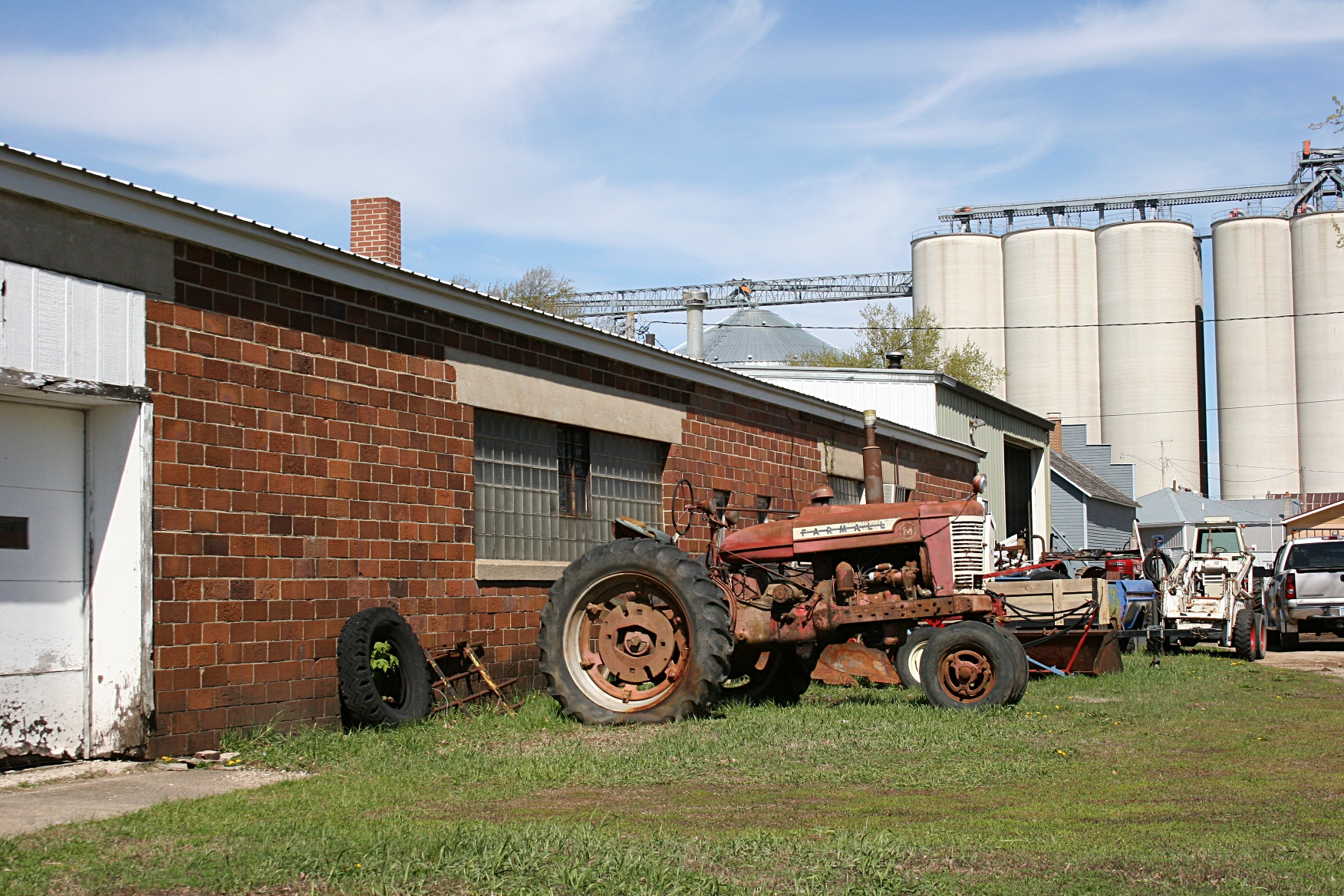
An old Farmall is parked next to a building just off Main Street.

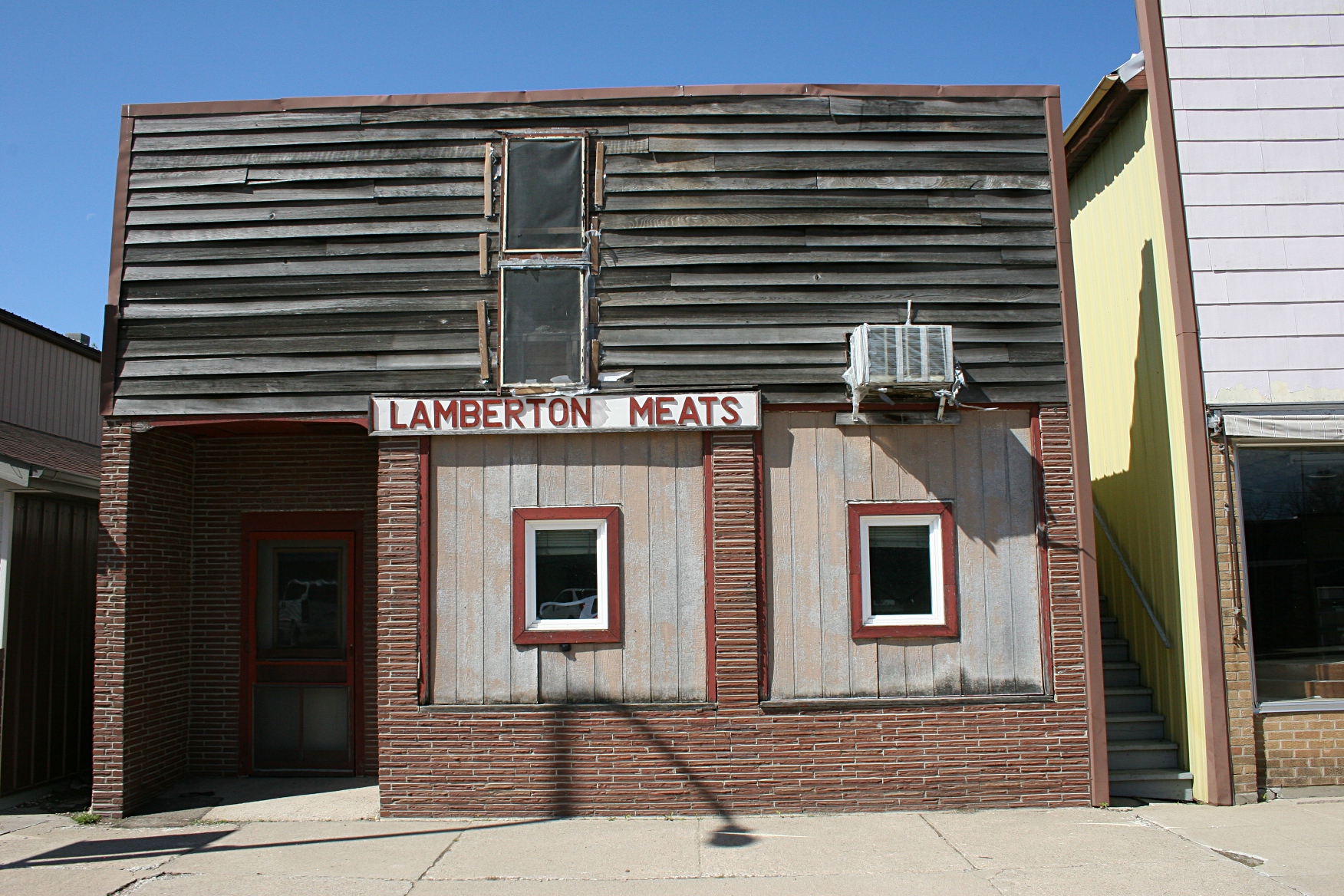
“The locker.”

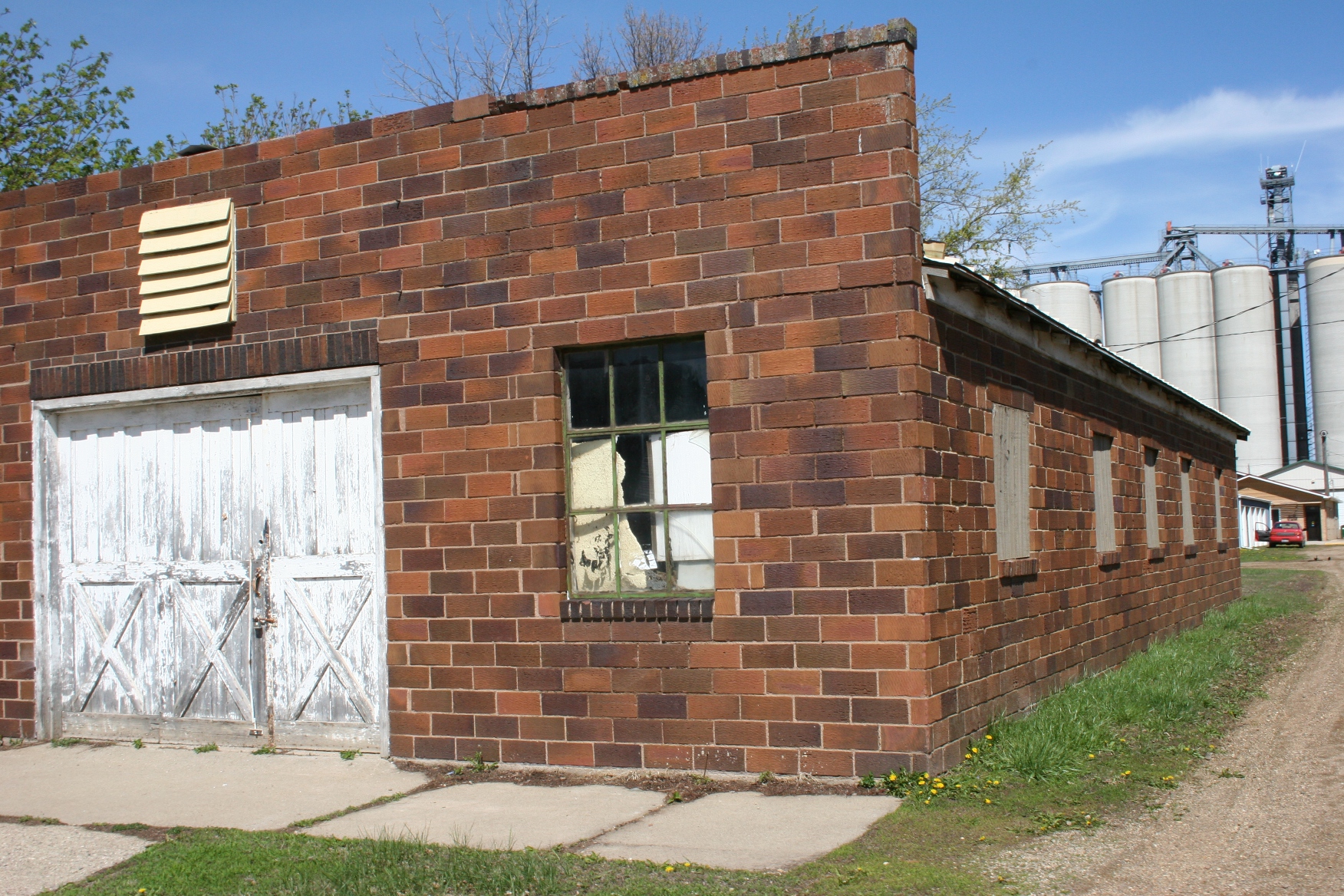
A low-slung brick building, perhaps a former garage, caught my eye.

TO VIEW ANOTHER particularly beautiful building in Lamberton, a former bakery, click here to read a previous post on Minnesota Prairie Roots.

© Copyright 2012 Audrey Kletscher Helbling
 

What would you do with this old bakery in Lamberton? May 31, 2012

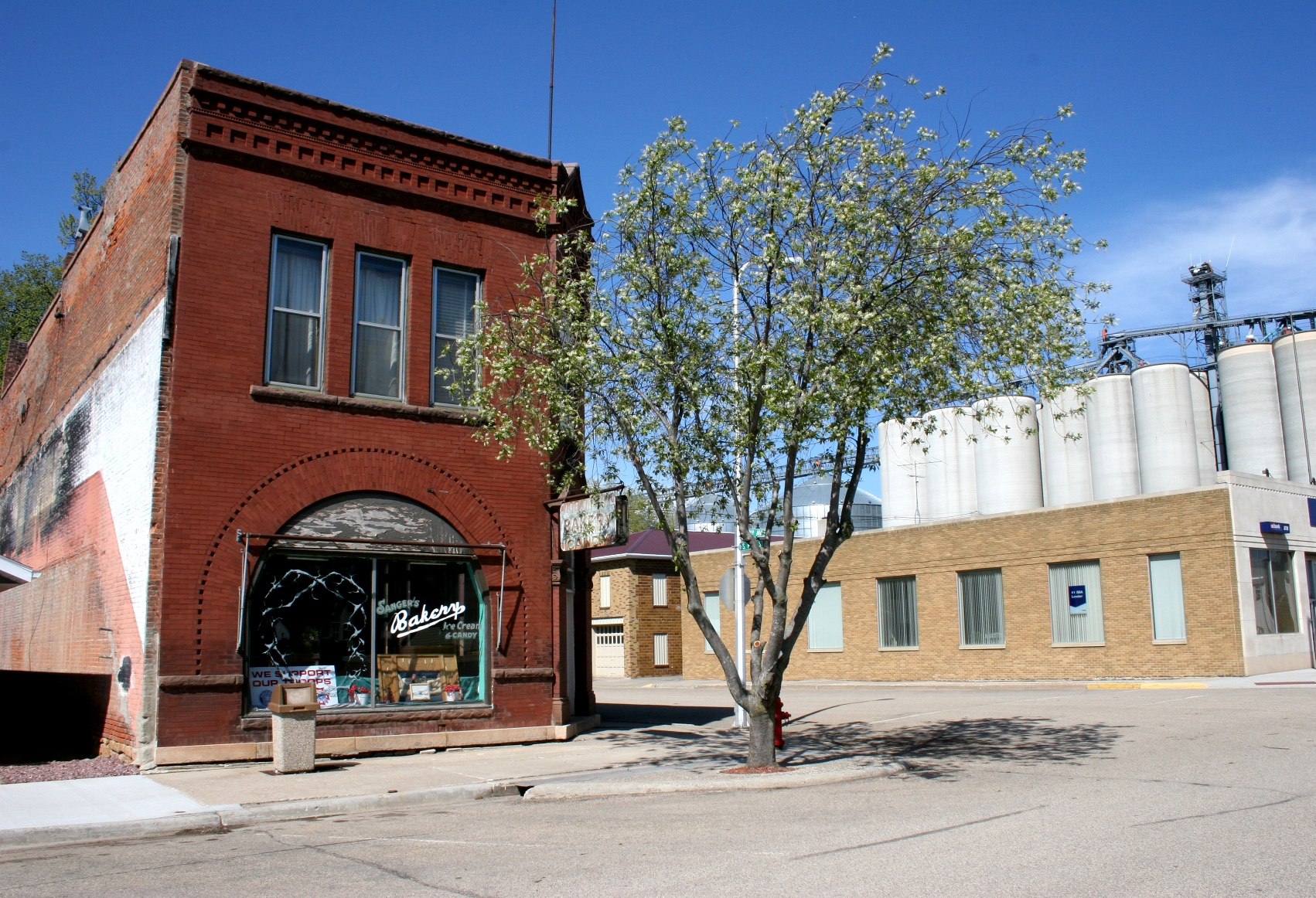
The former Sanger’s Bakery in Lamberton, a Minnesota farming community. I’d move the garbage bin in front of the building, replace it with a bench and add pots of vivid flowers.

I’VE PHOTOGRAPHED many an old building in a lot of small towns. My appreciation for history and architecture and for rural life keep drawing me back to Main Street.

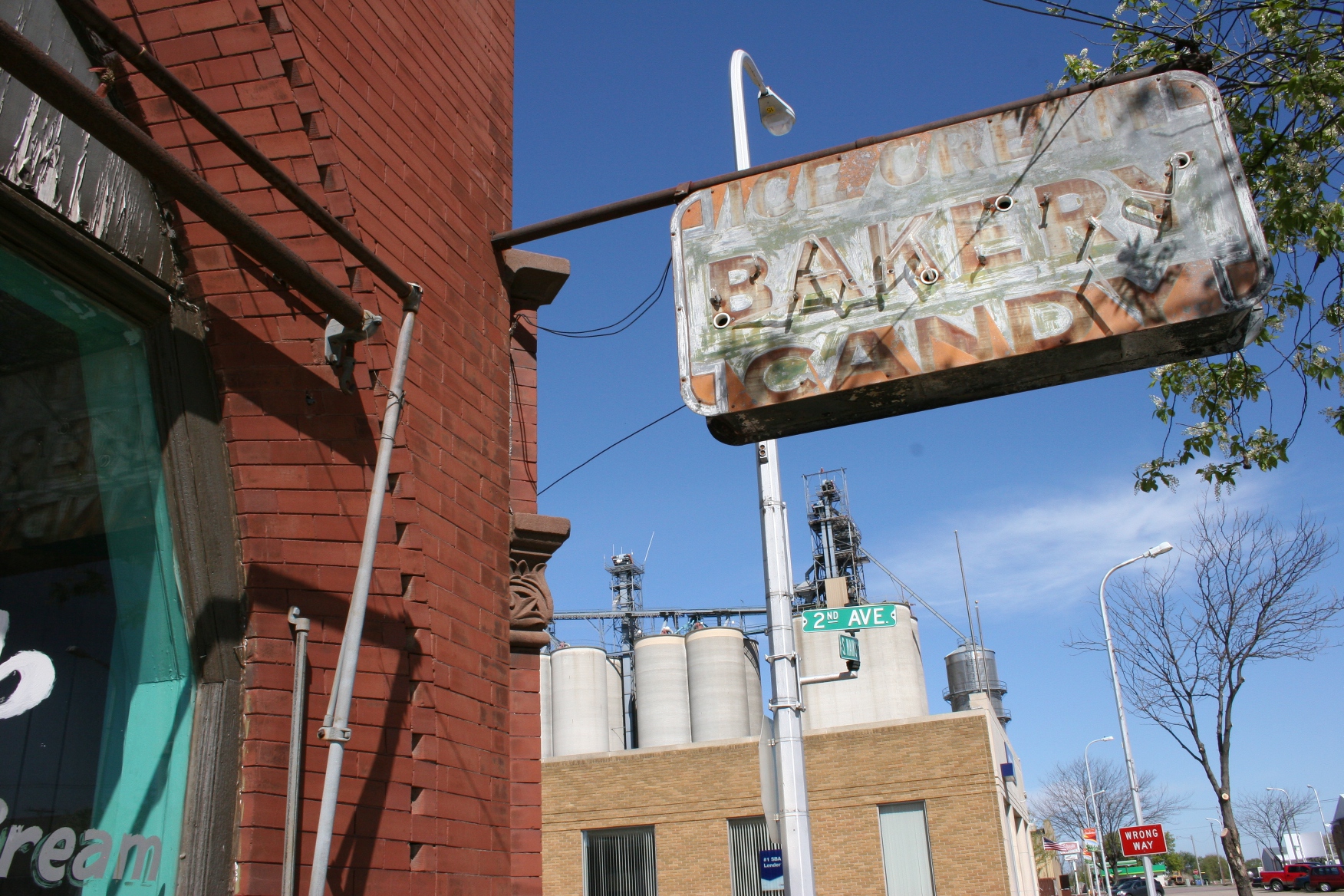
One building in particular intrigues me. The former Sanger’s Bakery, a brick stronghold anchoring a corner in downtown Lamberton in southern Redwood County, possesses a sweet, timeless charm that causes it to stand out.

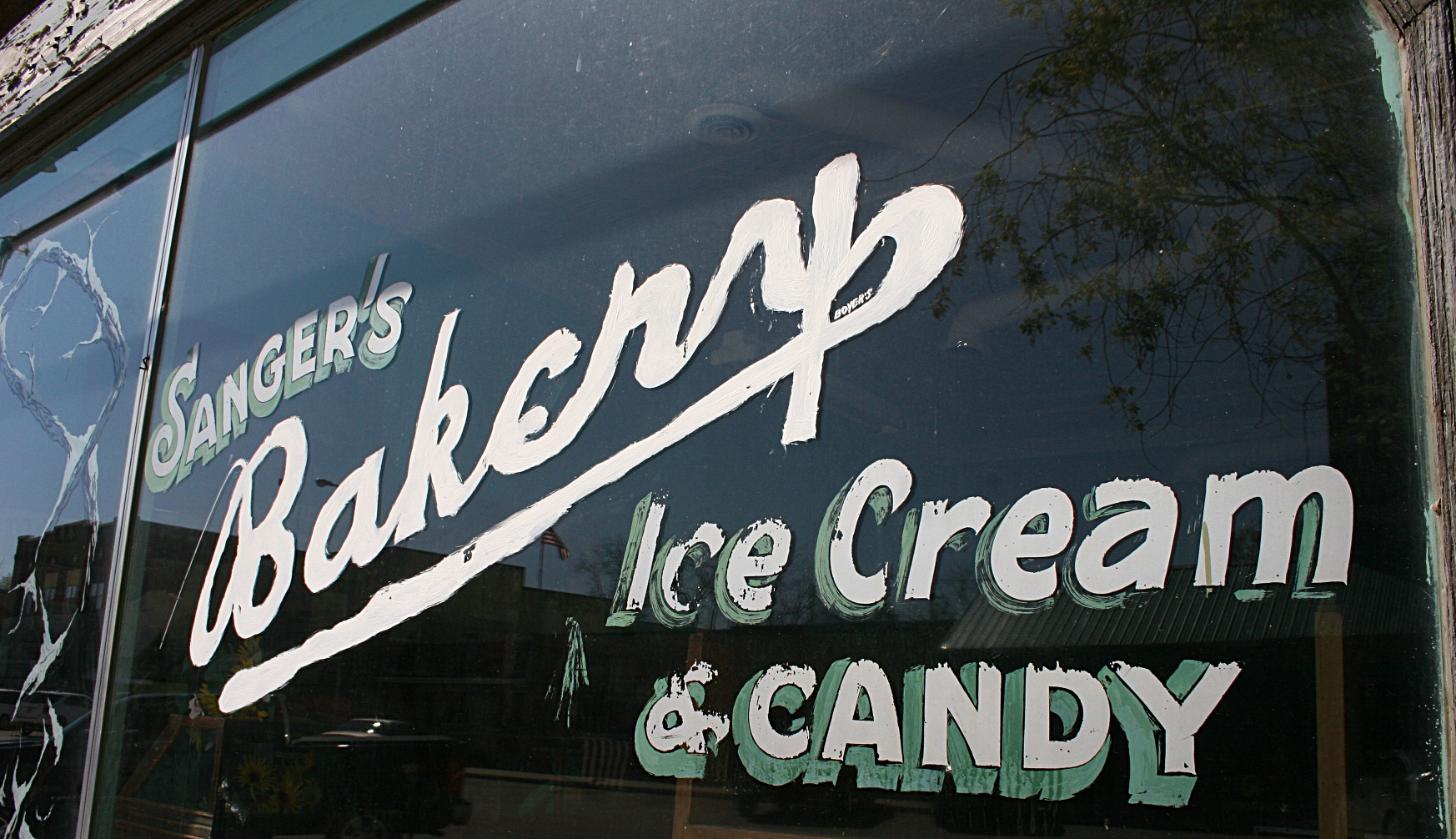
How long has this signage been painted on the front window of Sanger’s?

It’s not necessarily the exterior that catches my eye, although certainly the signage and sweeping arched front window and the fancy details in the brick appeal to me. Rather, it’s the interior which truly captures my interest.

The two times I’ve photographed the exterior, I’ve also paused to press my nose against the windows and peer inside to a snapshot of the past. You would swear the hands on the vintage 7-UP clock have not moved in decades. An old-fashioned candy counter and vintage lunch counter rimmed with stools look like something straight out of a Norman Rockwell painting.

A vintage sign suspended from the front of the bakery.

Honestly, you just don’t find places like this anymore. Martin Kuhar opened the bakery in 1928. The Sanger family purchased it in 1946 and eventually Bob, the youngest of Nick and Mary’s six children, bought the business in 1961. He was a 1955 graduate of the baking program at Dunwoody Institute.

All of this I learned on a recent stop at the bakery, where I found Bob’s obituary taped to the front door. He died March 30.

Just days before his death, this long-time baker was serving coffee to his friends. Oh, how I wish I could have been in that coffee klatch, listening to the stories.

I bet Bob would have shared plenty about the place where he served up baked goods, hand-scooped ice cream cones, malts and candy. He baked buns for local schools and churches and crafted wedding cakes. He also sold fresh eggs from his chickens and honey from his bees. He tended a garden.

After reading Bob’s obit, I desired even more to get into the bakery. I jiggled the front door knob, hoping the door might be unlocked. It wasn’t. I’m determined, on my next trip to Lamberton, to get inside the bakery, to share with you this treasure from the past.

In the meantime, owners of this building and Lamberton area residents, I hope you appreciate what you have here. I could easily see this former bakery reopened as an ice cream/sandwich/pie/coffee/gift shop. The location along U.S. Highway 14 only 10 miles from Walnut Grove, childhood home of author Laura Ingalls Wilder, is ideal. The area already draws plenty of tourists during the summer months.

The right owner, with the right ideas, a good business and marketing plan, and adept at using social media could turn this old bakery into a destination.

I can envision the possibilities.

Readers, what do you think? If anyone out there knows anything about plans for the old bakery, submit a comment. Or, if you simply have ideas, I’d like to hear those, too.

A side shot of the former bakery. Just imagine the possibilities for this spacious building. Let’s hear your ideas.

© Copyright 2012 Audrey Kletscher Helbling
 

In search of genuine pearls in Sciota Township April 10, 2012

Filed under: Uncategorized — Audrey Kletscher Helbling @ 7:25 AM
Tags: , , , , , , ,

IT IS THE ROAD less traveled that often leads to the best discoveries even, if at first, the journey doesn’t appear all that promising.

Recently, my husband and I followed back gravel roads from Randolph to Northfield. We were expecting bucolic farm sites complete with grand red barns and white wood-frame farmhouses wrapped in inviting country porches. Instead, we found mostly ramblers and split levels and other modern homes that, if clumped along a cul-de-sac, could have been in suburbia.

It was disappointing to find all these houses strung, like so many imitation pearls, along the smooth neckline of a wide gravel road. I wanted the real thing—pearls spilling across grandma’s bosom.

But then, when I’d nearly given up hope of finding anything genuine, we came across the old Sciota Town Hall at the corner of Alta Avenue and Sciota Trail/310th Street East in the southeastern hem of Dakota County.

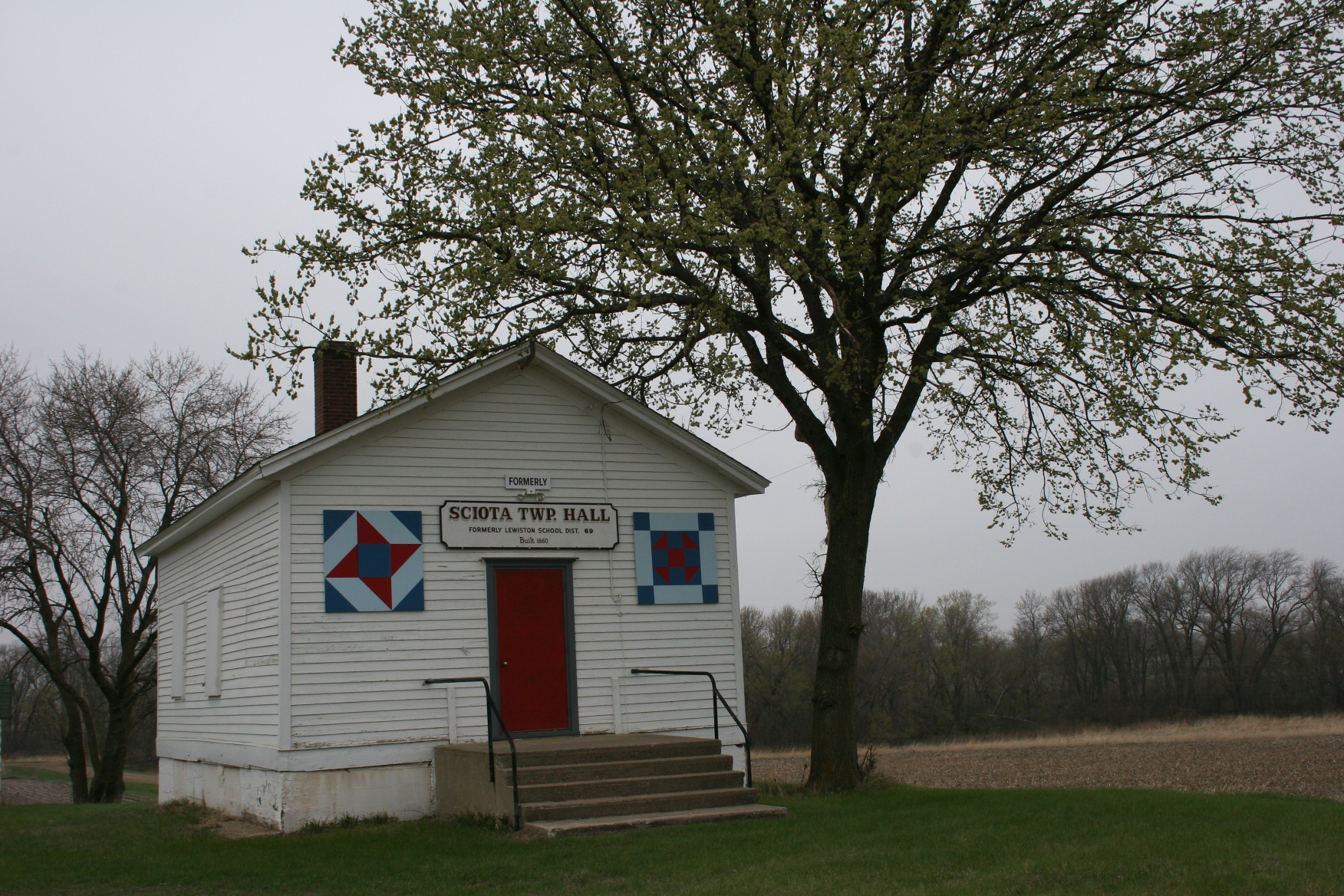
The former Sciota Town Hall and, before, that, the Lewiston School, built in 1860

I couldn’t tumble from the van fast enough to photograph this former hall, originally the Lewiston School District 69 schoolhouse built in 1860. It is one of Dakota County’s oldest remaining schoolhouses and originally sat on the north side of the Cannon River in Lewiston, a town long gone (not to be confused with the still-existing Lewiston in Winona County).

In the fall of 1879—and I don’t know the reason—the 18-foot by 30-foot school building was moved to the south side of the Cannon, to its current site atop a hill at the intersection of two gravel roads.

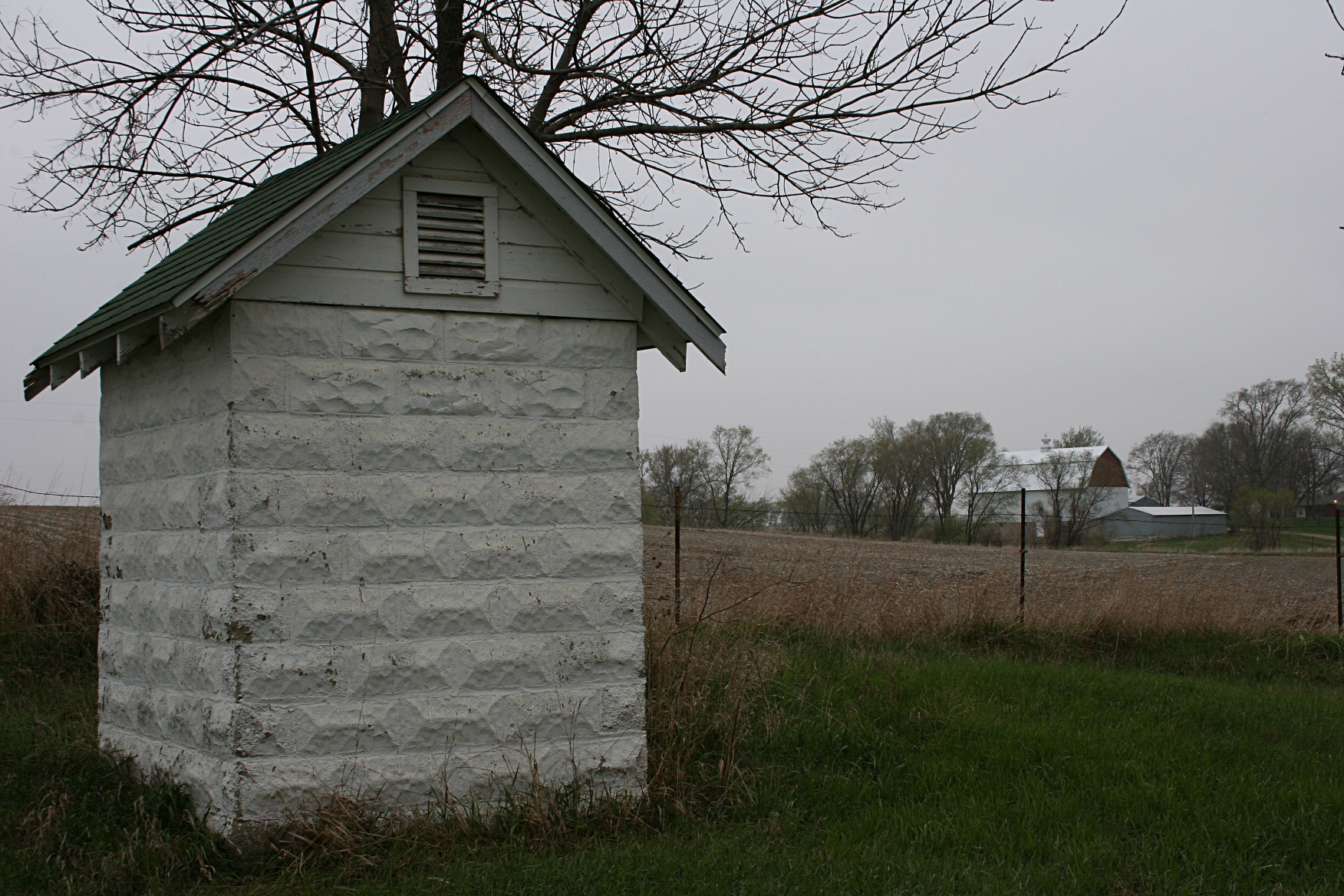
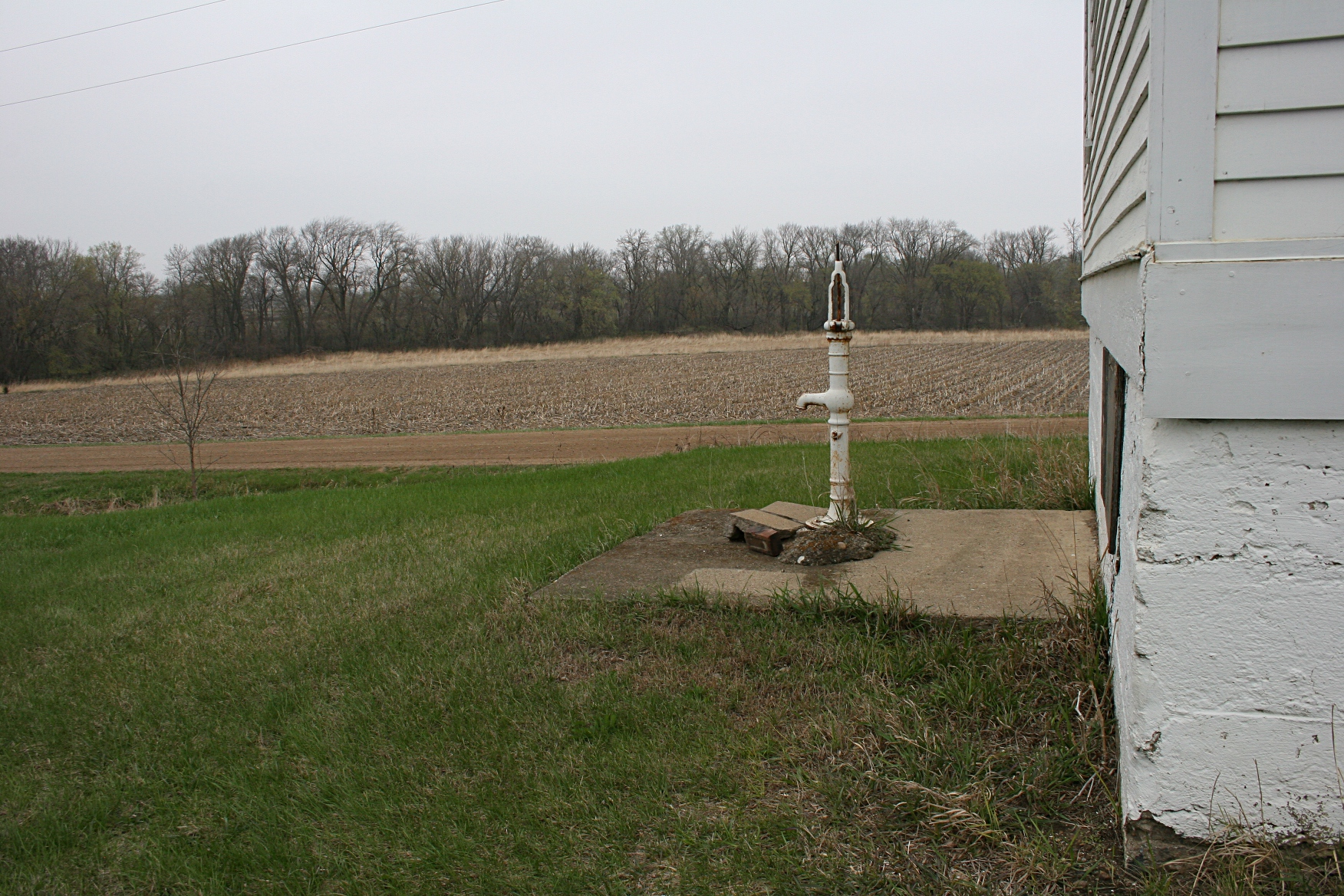
Two stout block outhouses still buffet the school as does an aged water pump minus its handle.

A water pump behind the old schoolhouse.

One of two outhouses on the property. Over the barbed wire fence, in the distance, a farm site, not all that common anymore in Sciota Township.

It’s easy to imagine this place once teeming with children from neighboring farms as they pushed out the schoolhouse doors, legs flailing, into the schoolyard.

It’s easy to imagine, too, the rhythmic thrust of the pump gushing cold well water into their cupped hands, droplets splashing upon their worn leather shoes.

Had the doors of this former schoolhouse been unlocked, I could have imagined more, much more.

FYI: The Sciota Town Hall is no longer housed in the historic building, but in a modern pole shed style structure. Click here to see a photo of the 2005 town hall and to learn more about Sciota Township. Does anyone know whether the former town hall/school ever is opened for any type of historic celebrations or other events?

© Copyright 2012 Audrey Kletscher Helbling
 

If you appreciate old buildings, you must visit historic downtown Appleton, Wisconsin January 9, 2012

I’M NOT A MALL KIND OF GIRL. Never have been. Never will be. If you want to while away an afternoon window or power shopping at a sprawling indoor mall, don’t ask me.

But invite me to explore an historic downtown and I can’t get there fast enough. I delight in the detailed architecture, the charming ambiance, the folksy shops, the comfortable feel and the visual appeal of a downtown that hearkens more to yesteryear than to the modern day 21st Century.

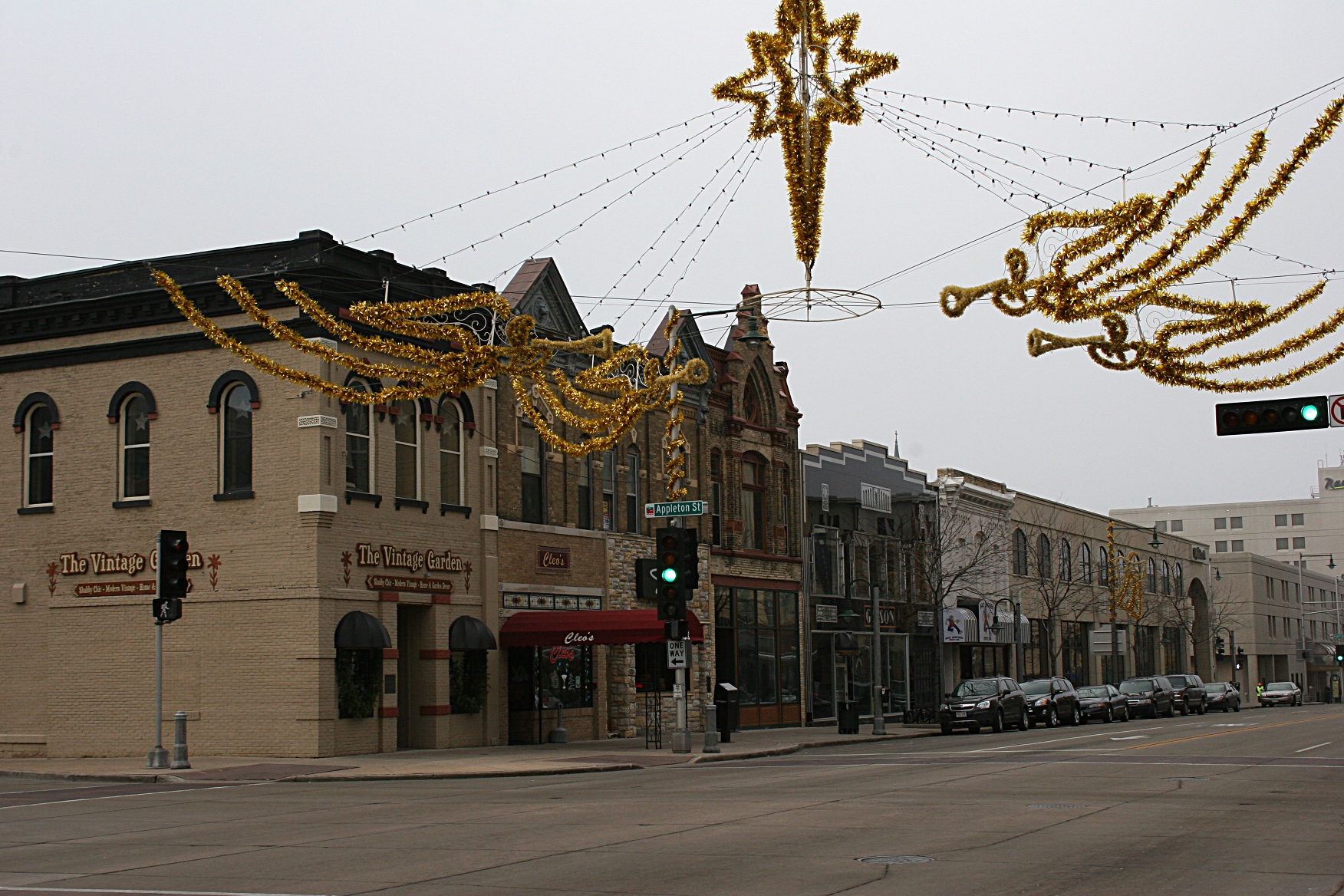
A row of old buildings in downtown Appleton, Wisconsin, on a December morning..

Knowing this about me, you’ll understand exactly why I am so enthralled with downtown Appleton, a city of 72,400 in eastern Wisconsin and home to the 7-acre College Avenue Historic District with 27 buildings dating from 1857-1932 on the National Register of Historic Places.

This downtown is my kind of place—described as “one of Wisconsin’s folksiest, funkiest and friendliest downtowns.”

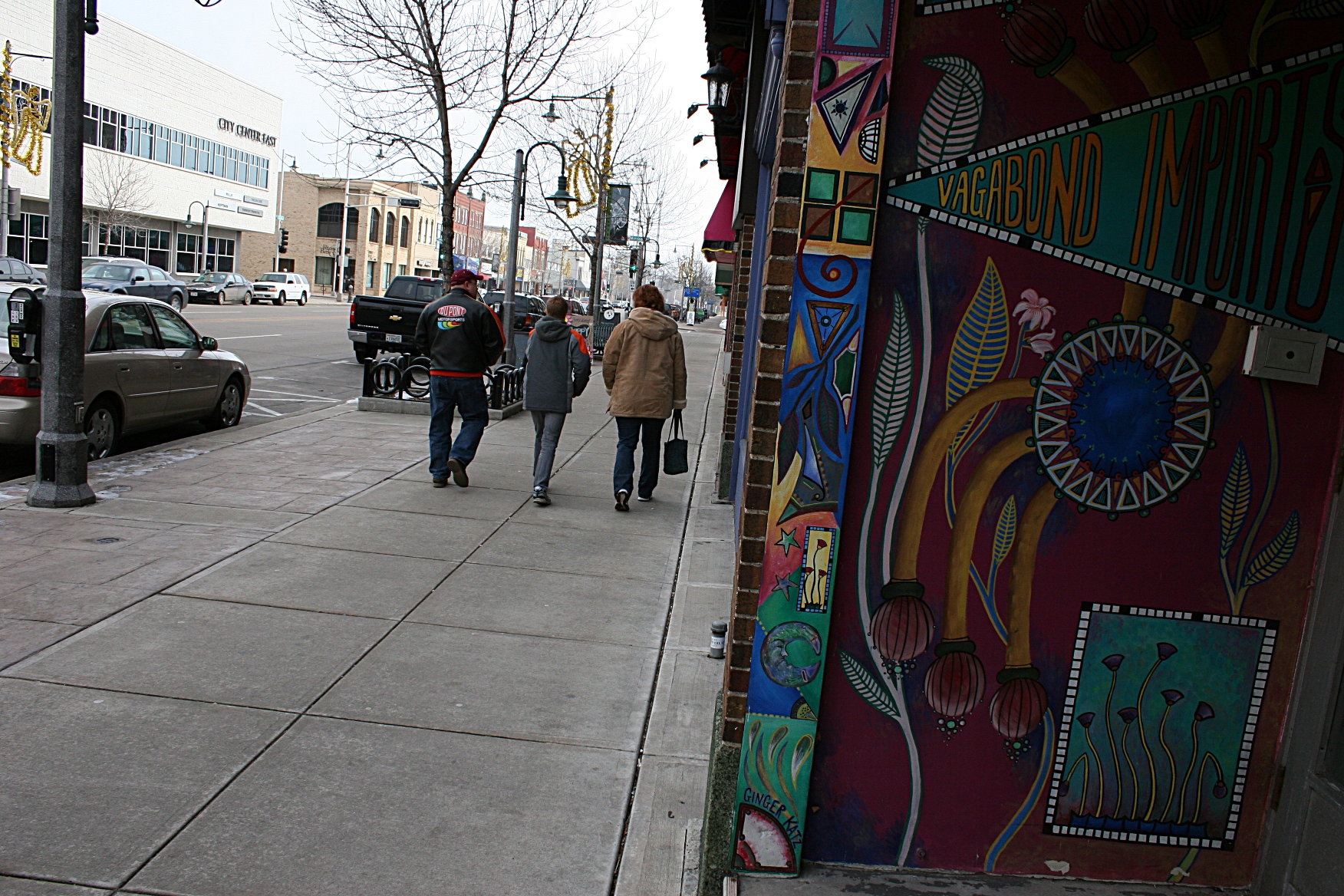
The exterior of funky Vagabond Imports.

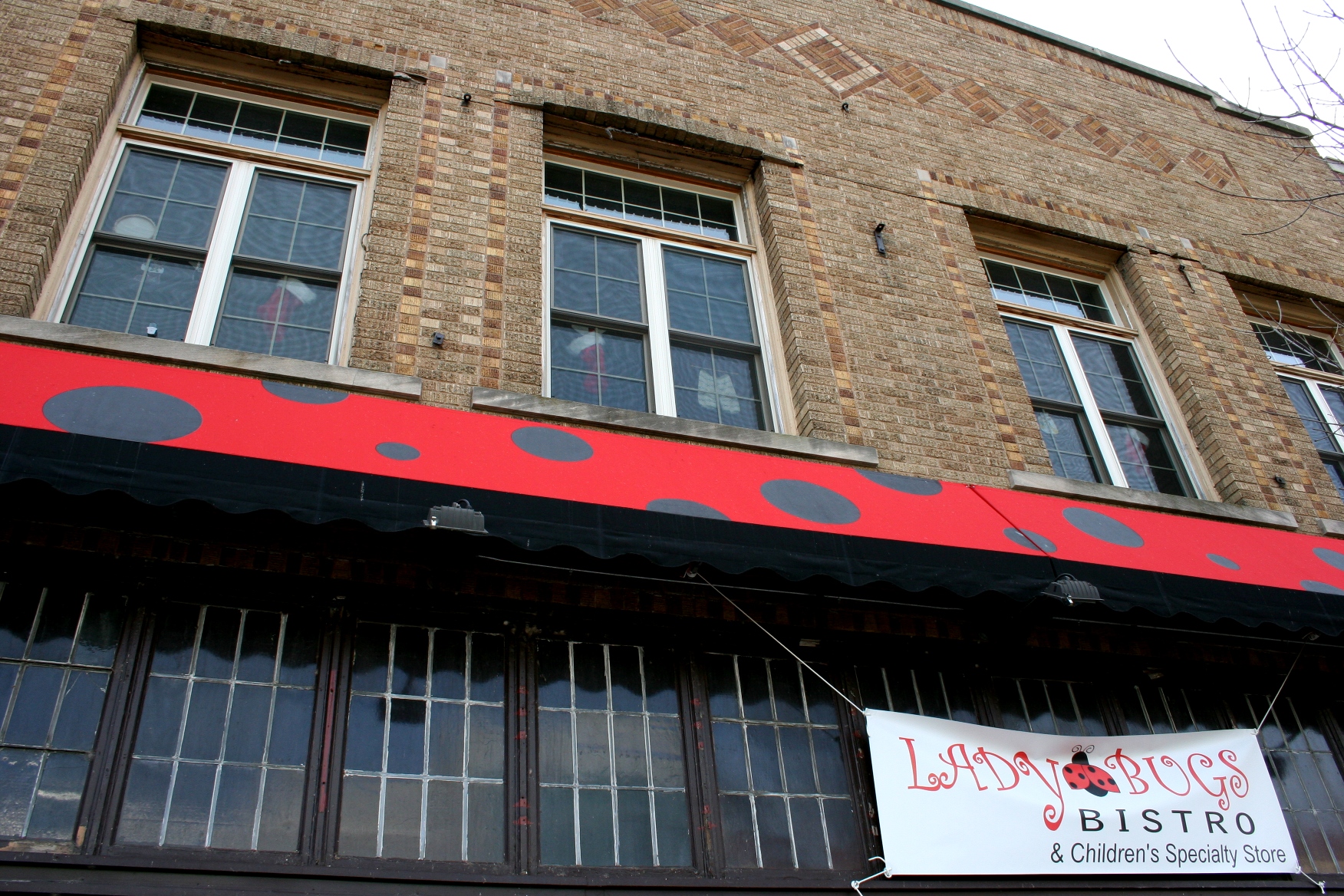
Loved the downtown signage, especially on Lady Bugs Bistro & Children's Specialty Store.

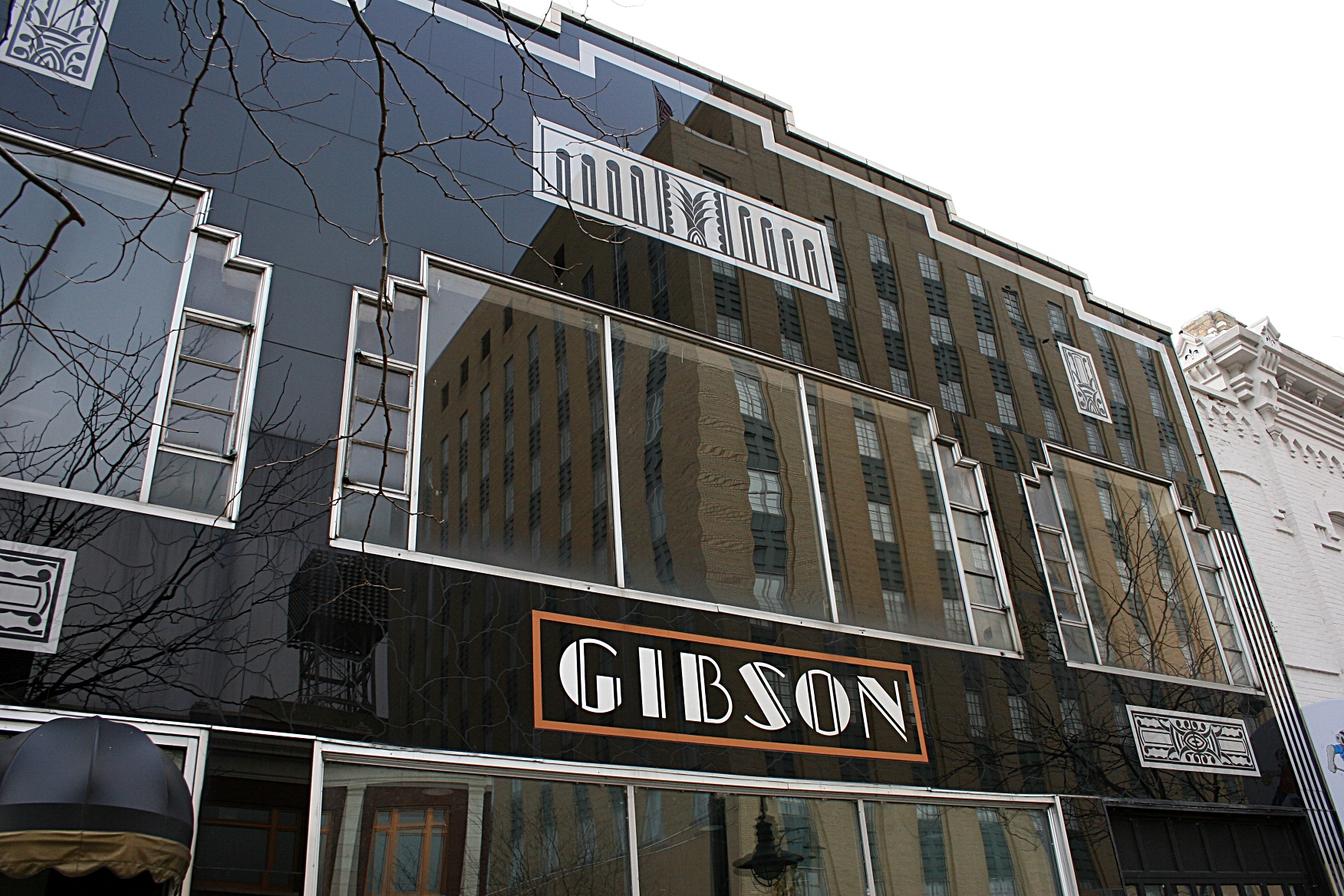
One of the more unique downtown buildings brought to mind the Roaring 20s and flappers and F. Scott Fitzgerald.

I’ll add photogenic to that list of superlative adjectives.

During my brief tour of downtown Appleton recently, I couldn’t stop gawking at the lovely aged buildings with their artsy signage. Even the more modern buildings meld nicely with the old, a sometimes difficult transition to make.

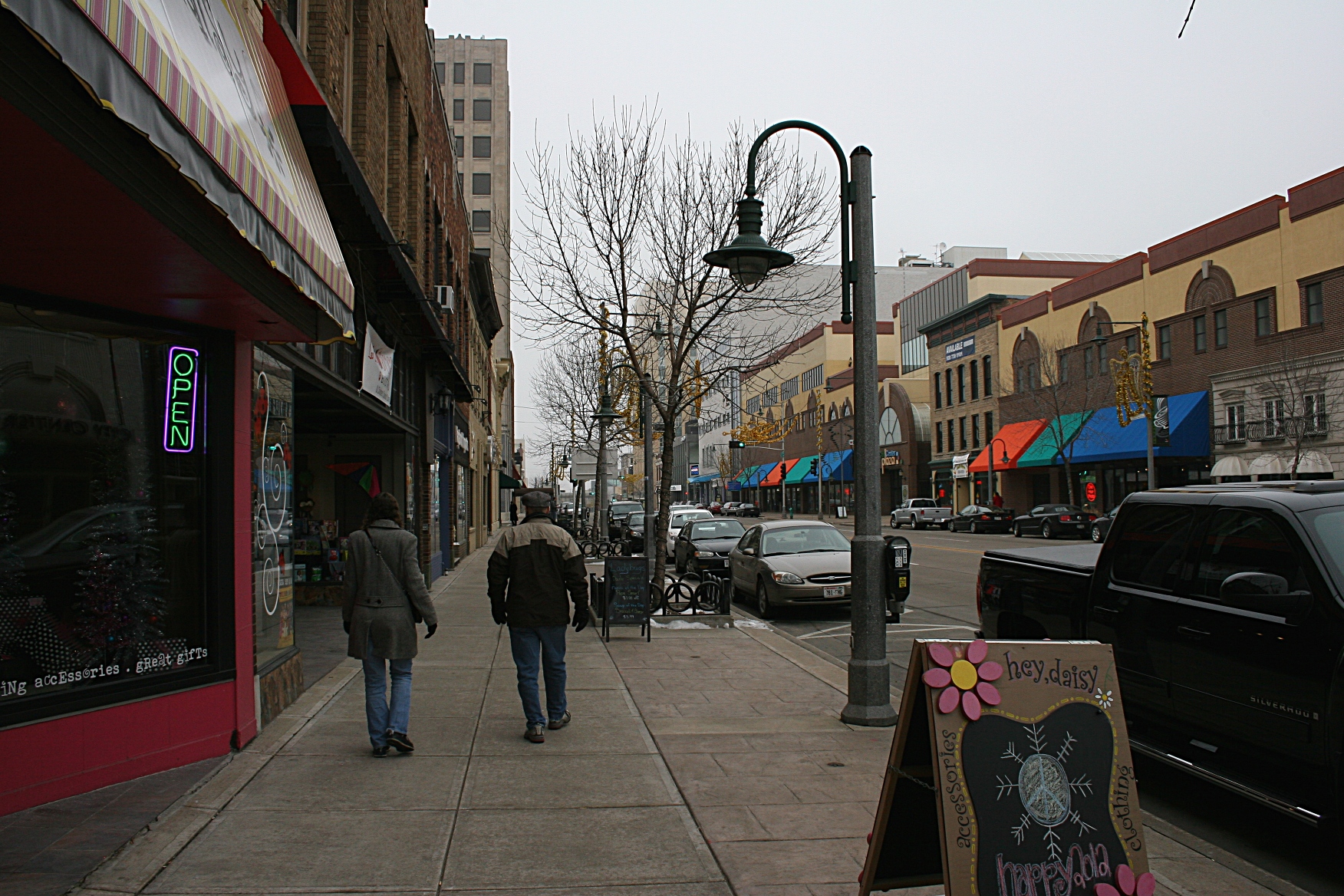
Downtown Appleton, along College Avenue, melds the new with the old.

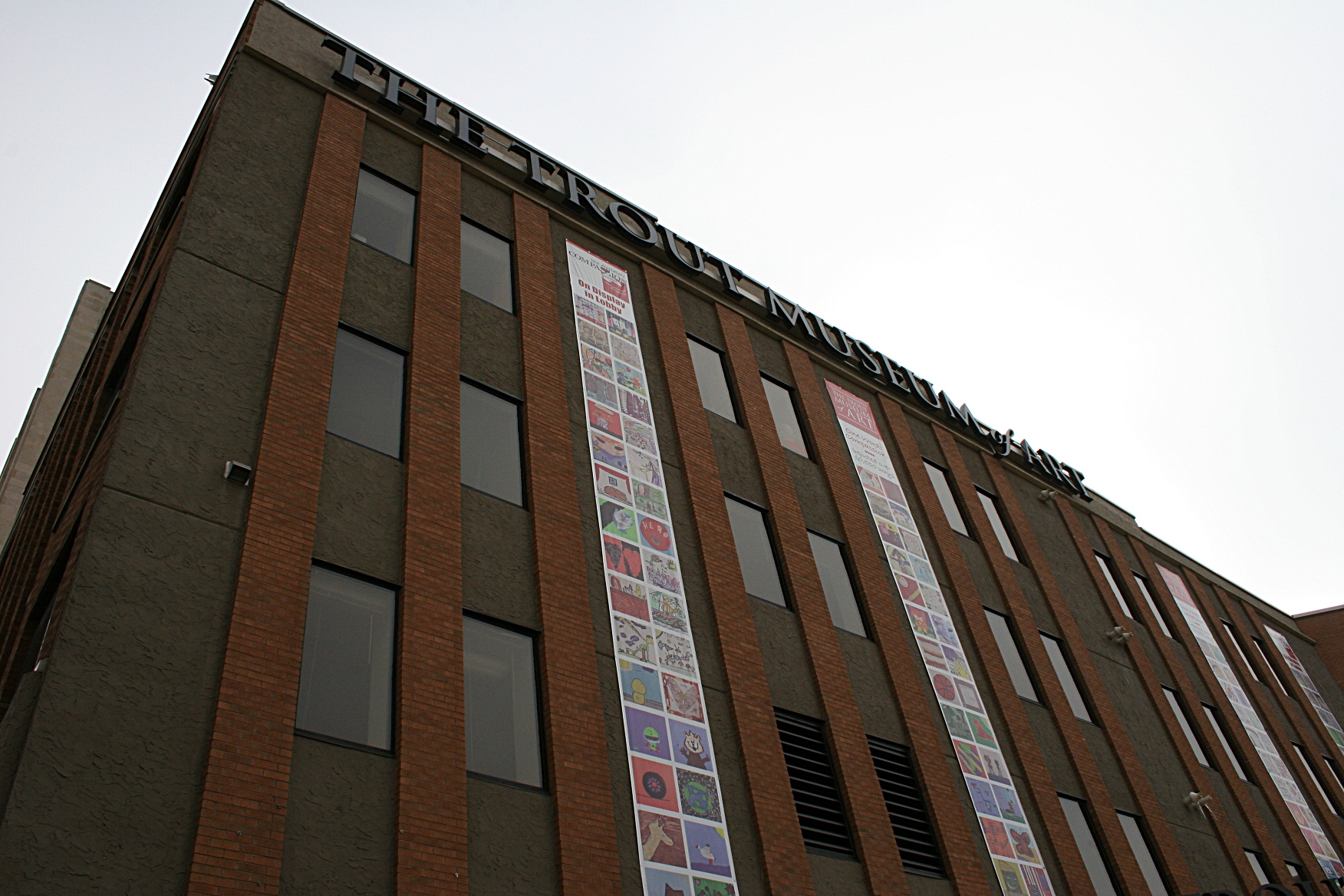
The Trout Museum of Art moved into the Riegel building in 2002.

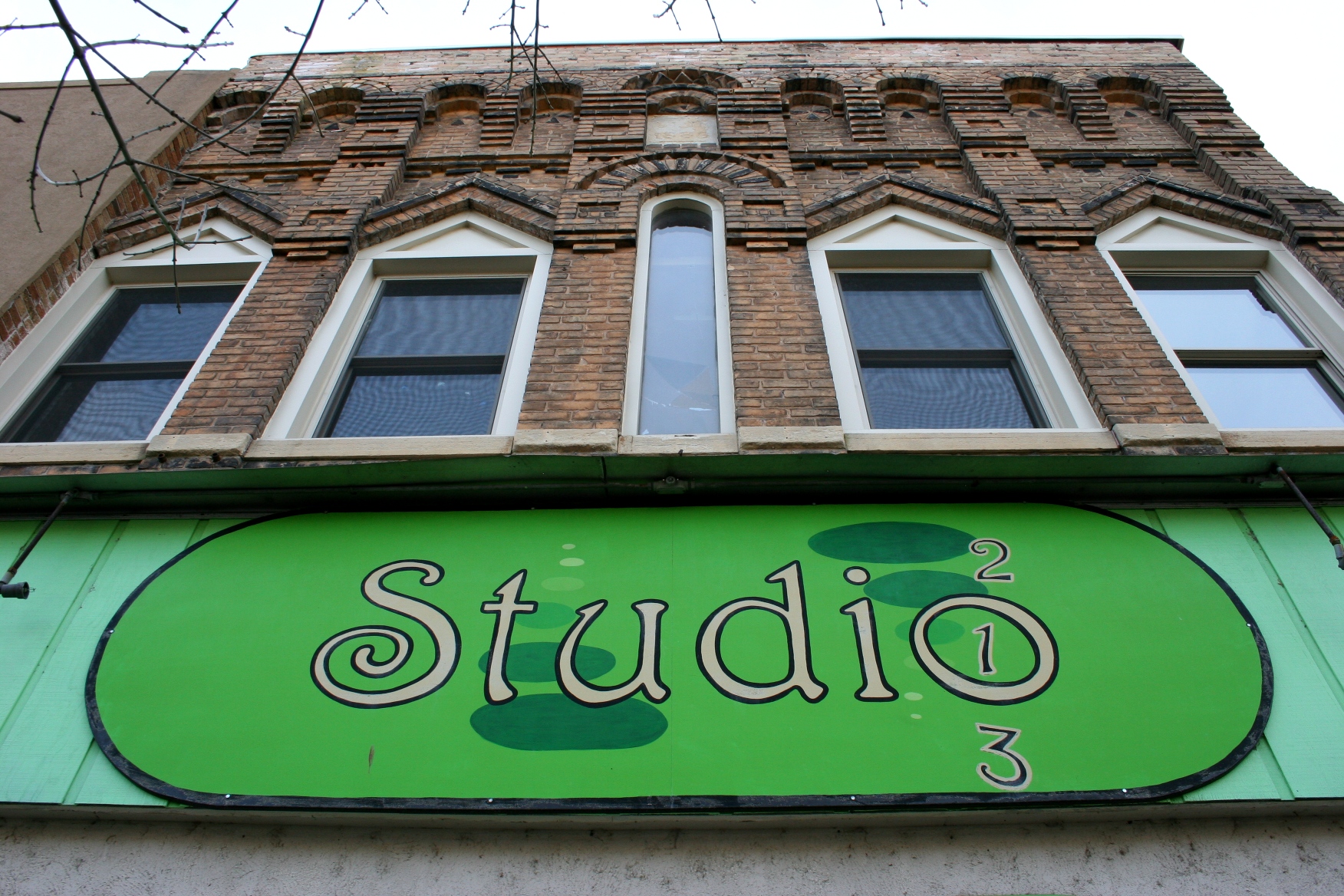
Studio 213 features art, collectibles and handcrafted items.

I found myself wishing for more time to explore and photograph the details of this historic district. However, my husband and second daughter, whom I’d accompanied downtown (the daughter lives in Appleton), will only put up with so much of my photographic dawdling.

So on this Saturday, the photo shoot was short and sweet. But I’ll be back to further embrace a downtown that’s already romanced her way into my heart.

My husband and second daughter head toward the Winter Farm Market at City Center (colorful awnings to the right) while I linger to photograph the street scape and hey, daisy.

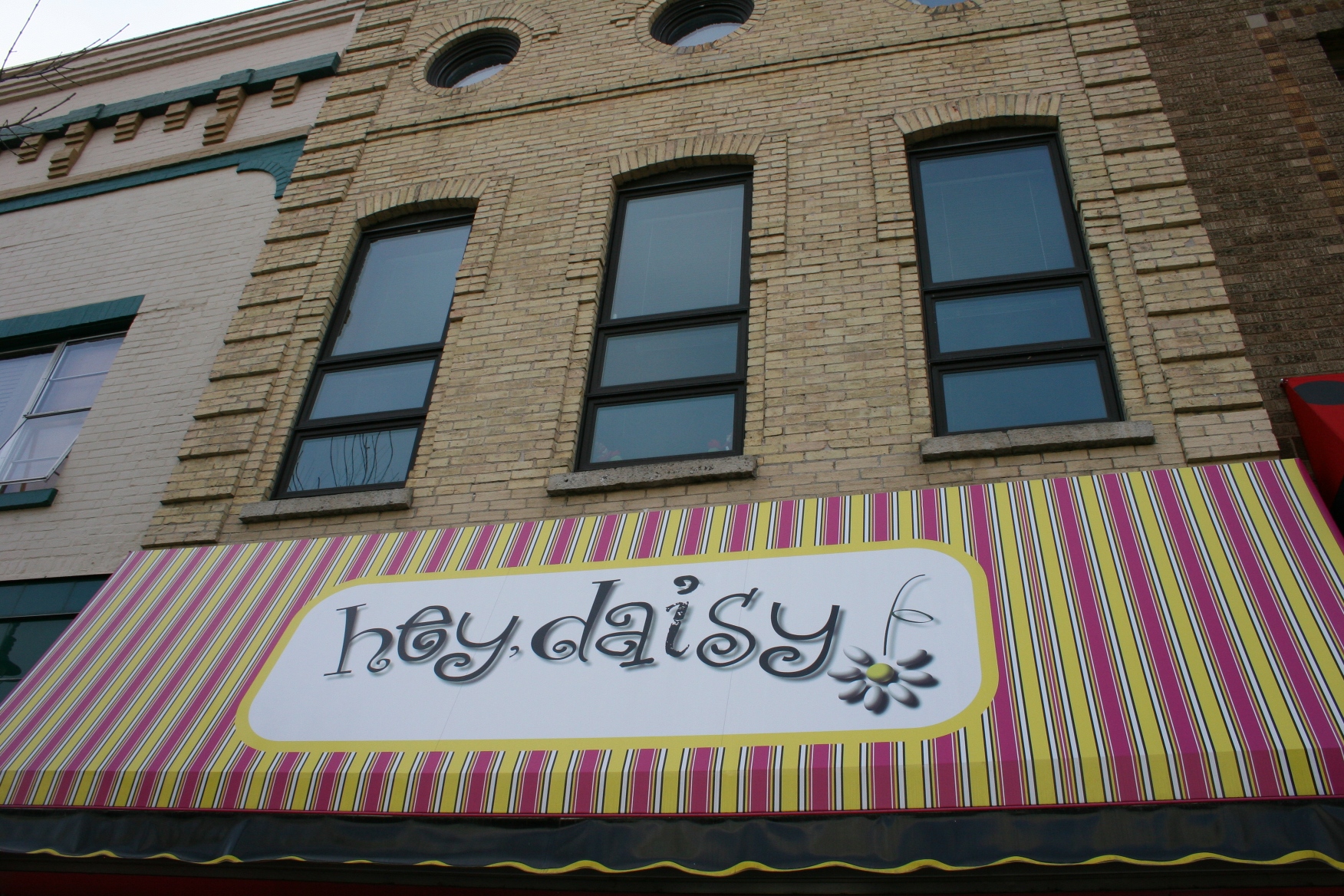
The charming front of hey, daisy, a women's clothing, accessories and gift store.

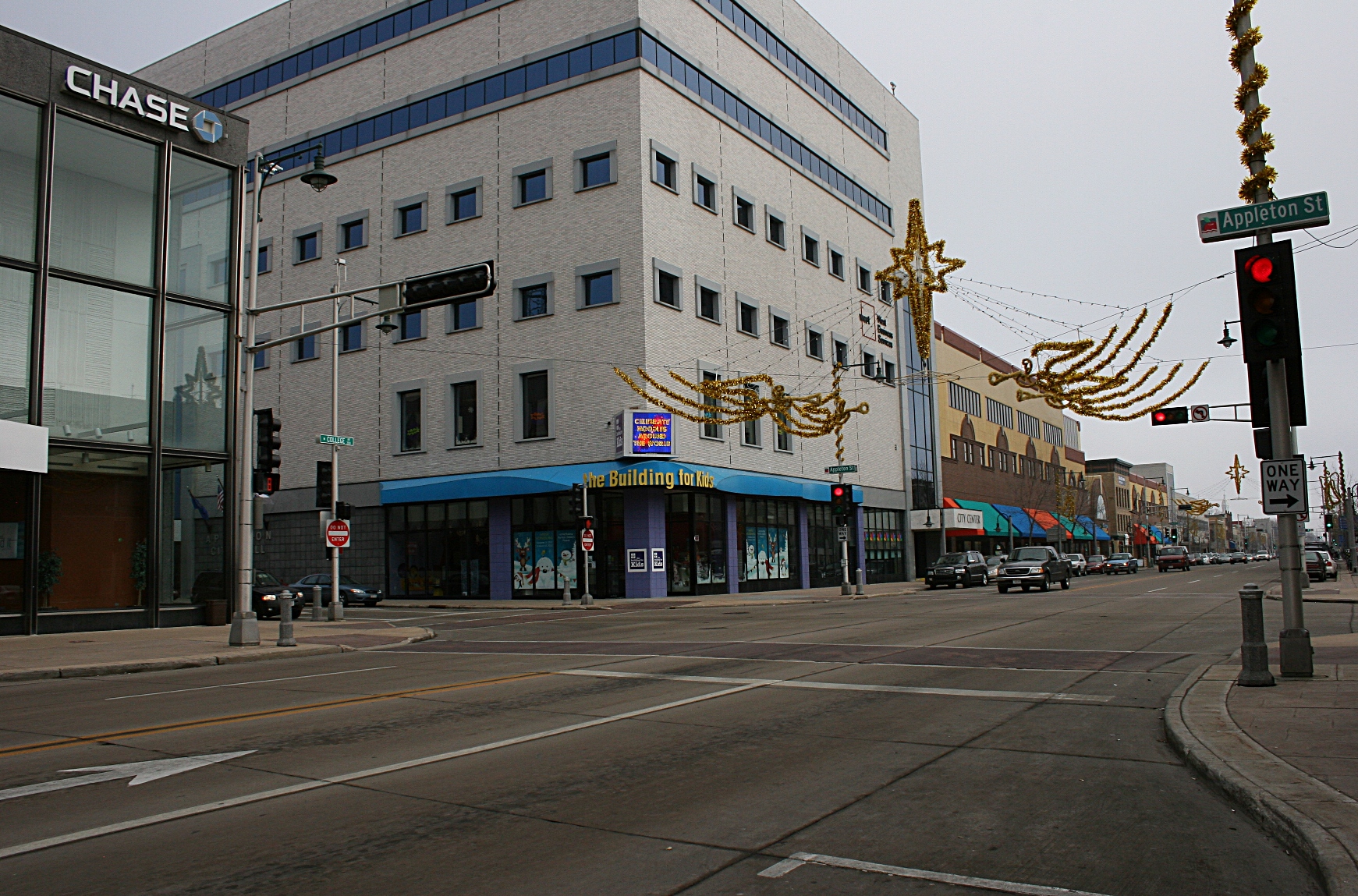
Downtown Appleton decorated for the Christmas season.

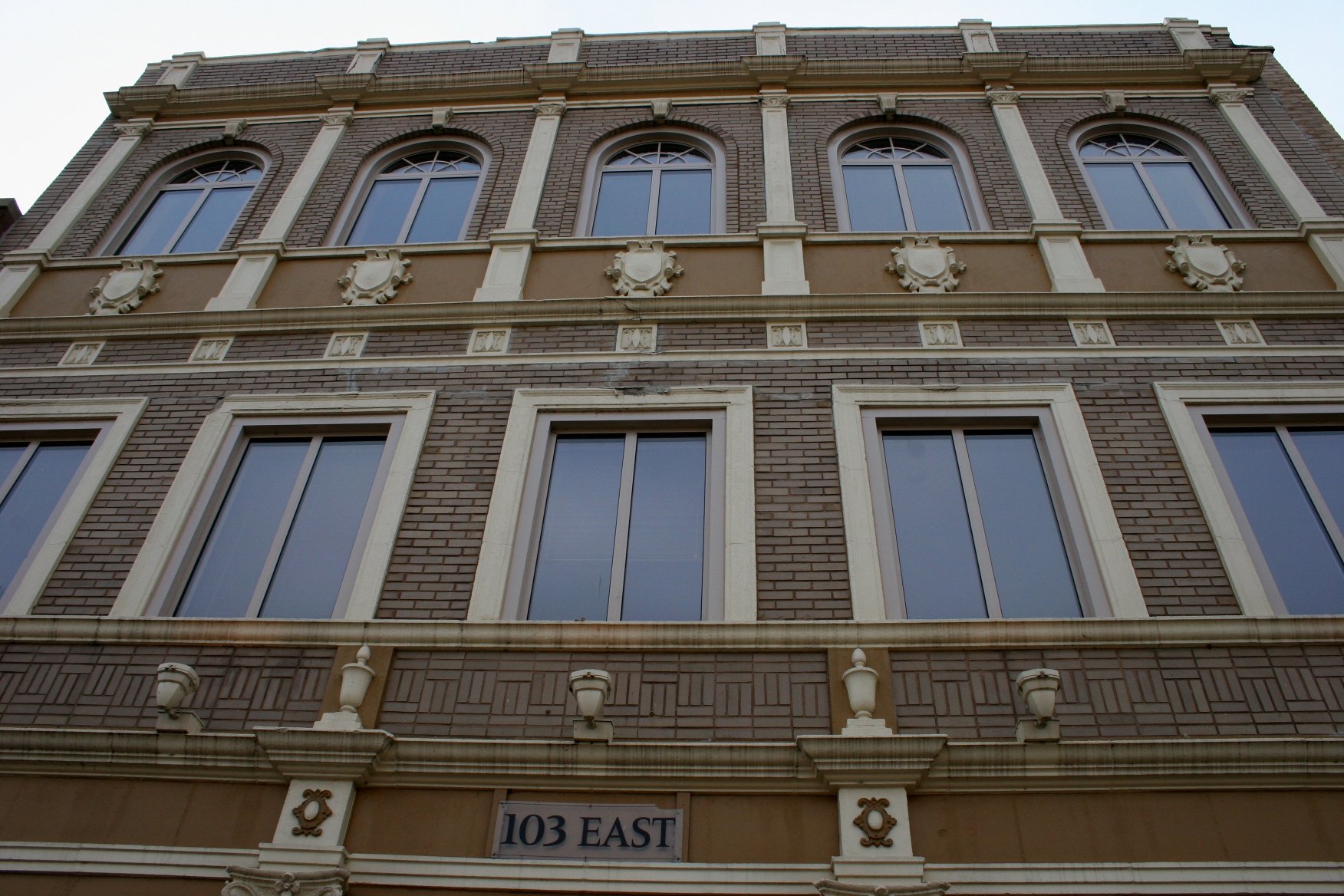
Another beautiful historic building at 103 East College Ave. in downtown Appleton.

© Copyright 2012 Audrey Kletscher Helbling


Appreciating historic downtown Faribault, especially in her holiday finery December 21, 2011

Strolling along Central Avenue in historic downtown Faribault late on a Saturday afternoon in December.

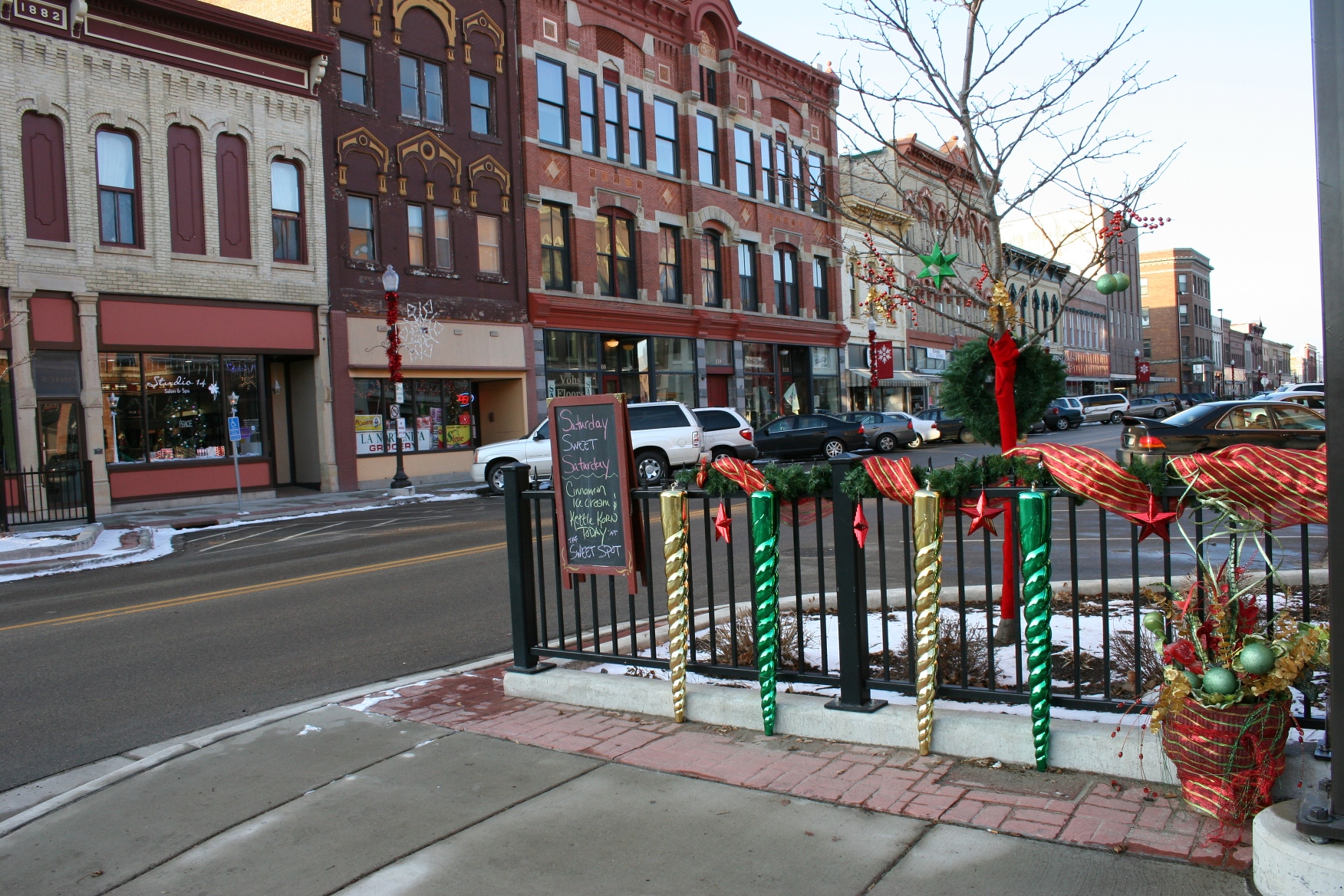
SATURDAY AFTERNOON, while my husband shopped for dress shoes at Burkhartzmeyer Shoes in historic downtown Faribault, I meandered a block north to view Central Avenue dressed in holiday finery.

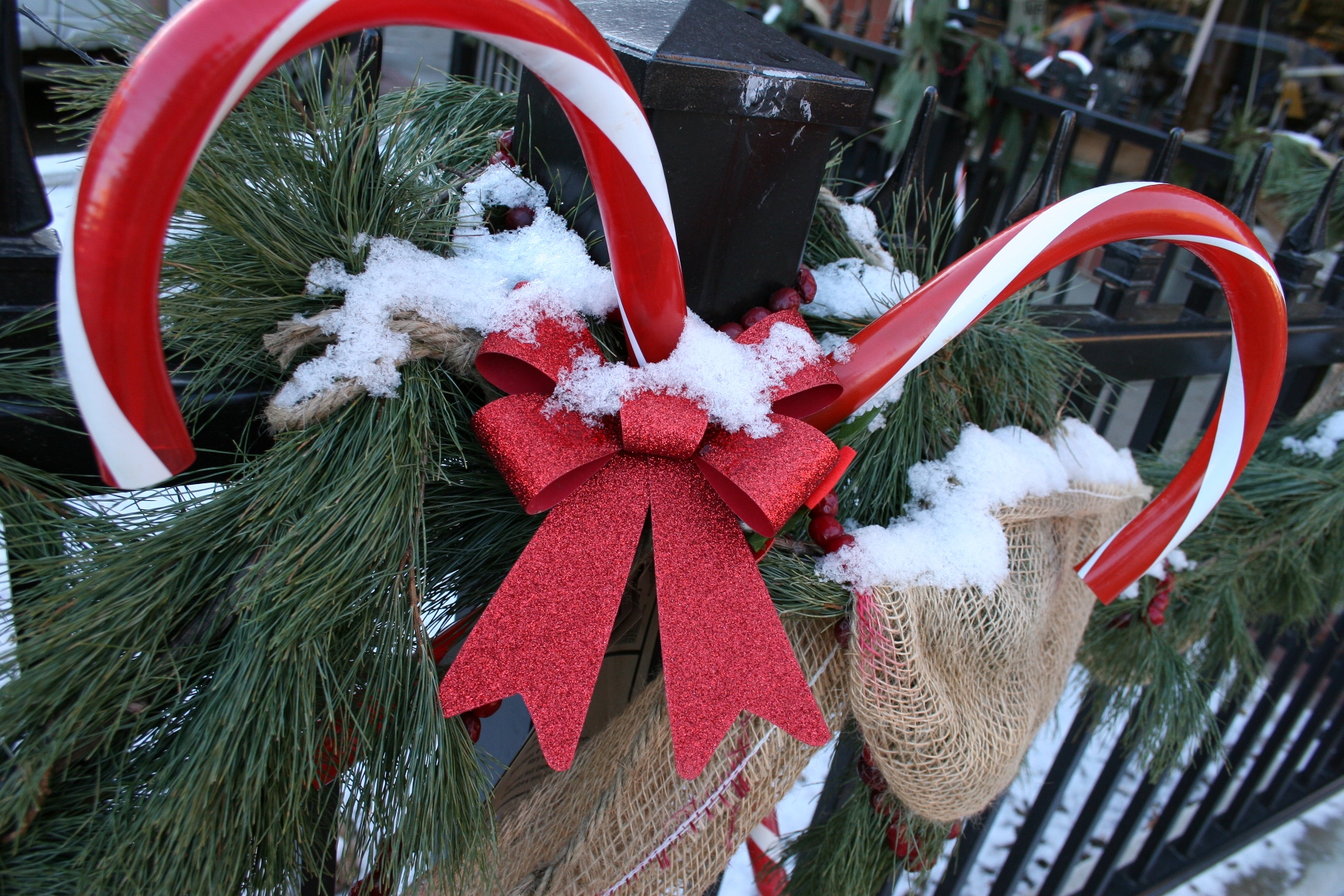
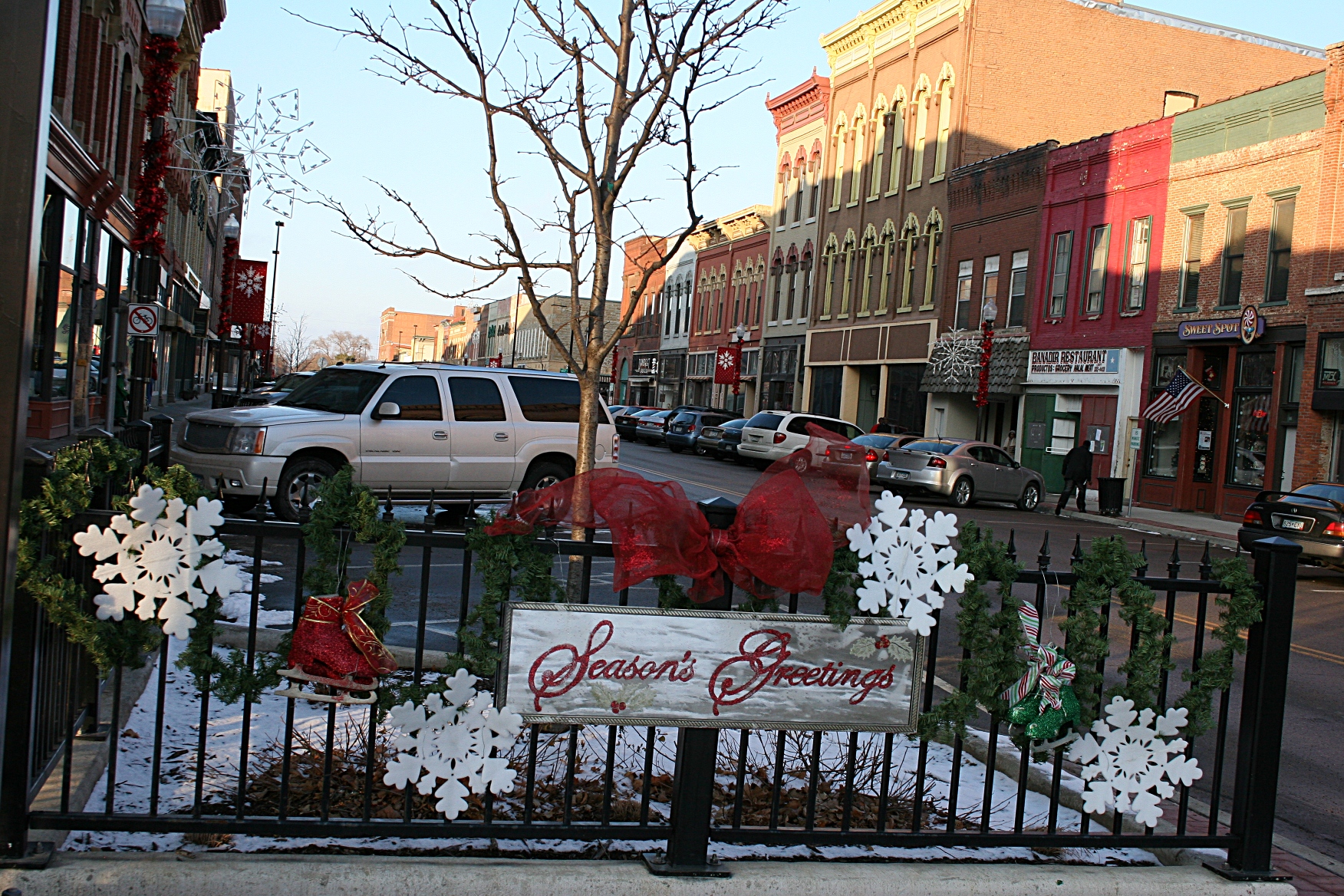
She’s stunning with sparkles and ribbons and Christmas reds and greens befitting any holiday party.

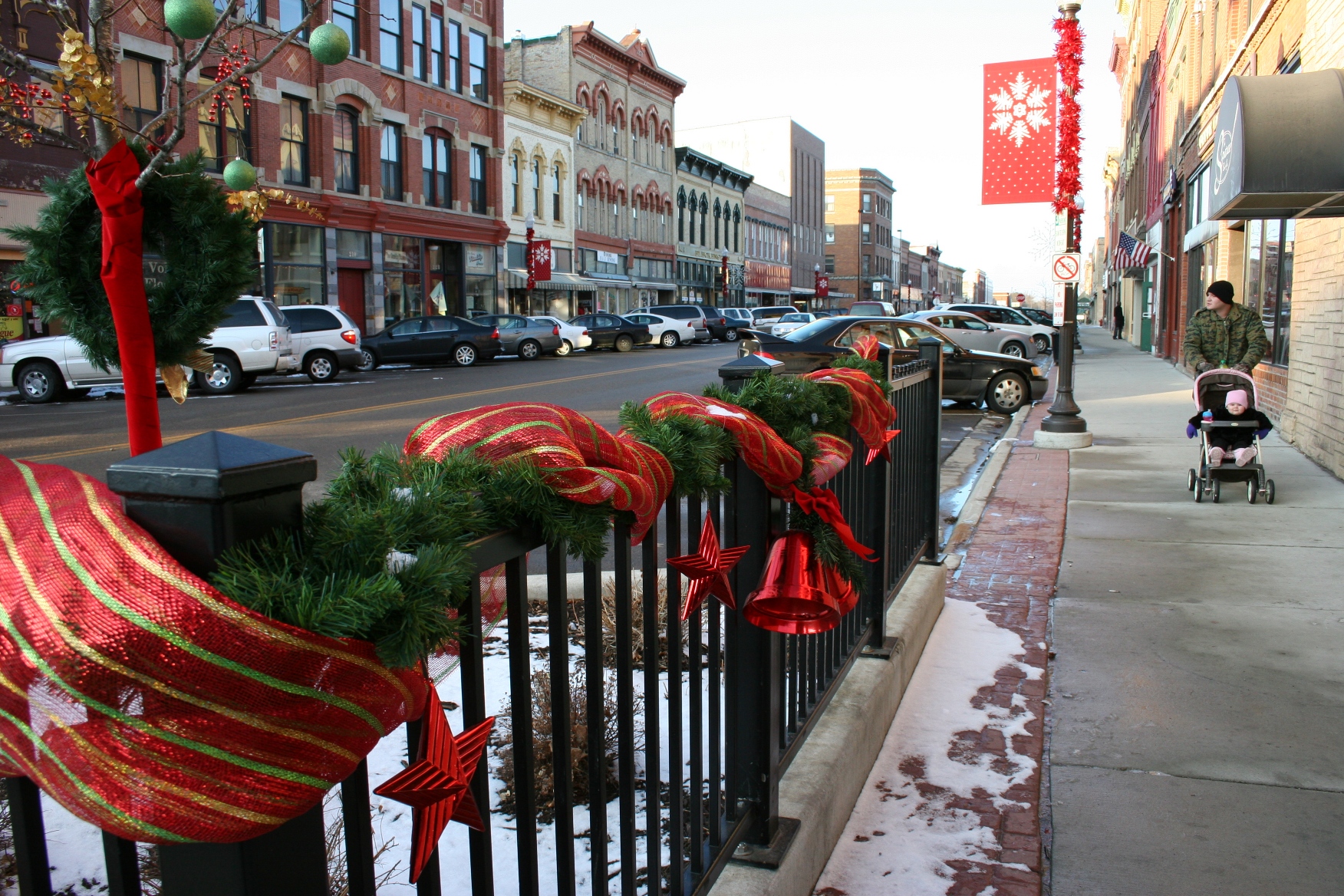
Keepers Antique Store decorated the wrought iron fencing on a downtown street corner as part of a "Winter Wonderland" themed decorating contest.

Honestly, I love the look and feel of my downtown. Even without the glitz and glamour of the holiday season, Faribault shines. The old brick buildings, the comforting small-town vibe, the ease of parking, the slow pace and the friendliness of shopkeepers appeal to me.

Next to the Signature Bar & Grill, a lovely holiday-bedecked street corner.

An elf outside The Crafty Maven, "featuring a unique mix of new and vintage items."

Quotes from Charles Dickens' "A Christmas Carol" portrayed in store-front windows.

I am always surprised when locals fail to appreciate downtown. How can you not value this treasure of a business district with arched windows, decorative trim and more on vintage buildings that impart an historic and homey feel to our town? Perhaps because I didn’t grow up here, I can truly see the beauty that native residents often overlook.

Another seasonally-decorated street corner charms visitors to Central Avenue.

I am always surprised, too, that Faribault hasn’t been discovered—like Red Wing or Stillwater or Wabasha or neighboring Northfield—as a destination city. The potential exists to draw tourists here into our specialty shops and arts scene. It’s not for a lack of effort, but…we’re not there yet.

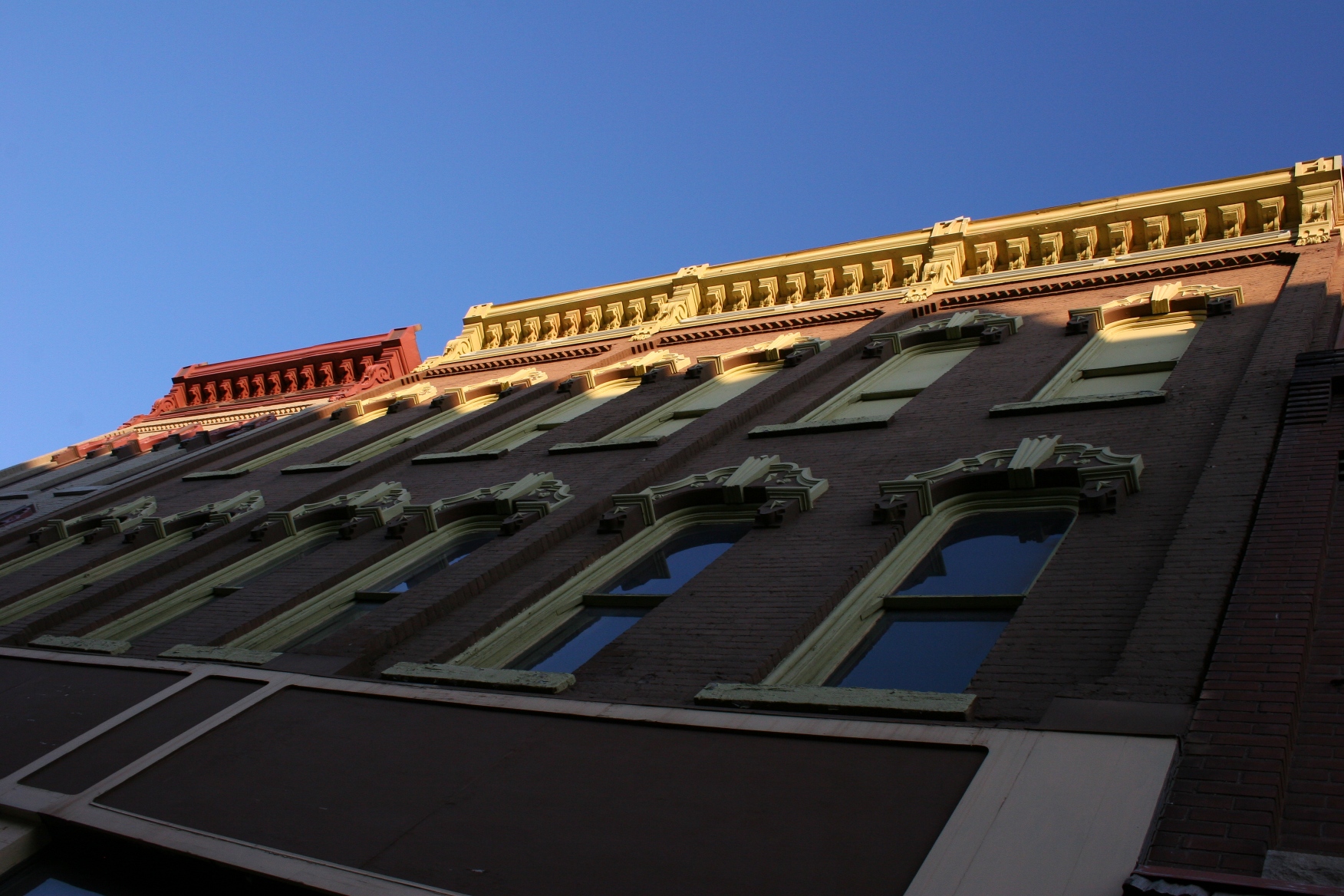
I aimed my camera skyward as the setting sun caught the tops of historic buildings along Central Avenue.

First, we need to sell our own residents on the value of Central Avenue, our Main Street. Do we truly realize how fortunate we are to have a solid, core downtown like ours with a deep history and an inviting character?

Mega malls and strip malls and Big Box retailers—and I shop at those places, too—have nothing on Main Street.

Yes, I grew up in the 1960s and 1970s, meaning my perspective evolves from memories of shopping in a downtown, not a mall.

When I stroll along Central Avenue in Faribault, nostalgia accompanies me. And she’s a mighty fine friend to walk with, especially during the holiday season.

Outside Keepers Antique Store, a rustic vignette charms.

Across the street at That Scrapbooking Place, a punch of color on the front window backed by a holiday display and reflections of historic buildings.

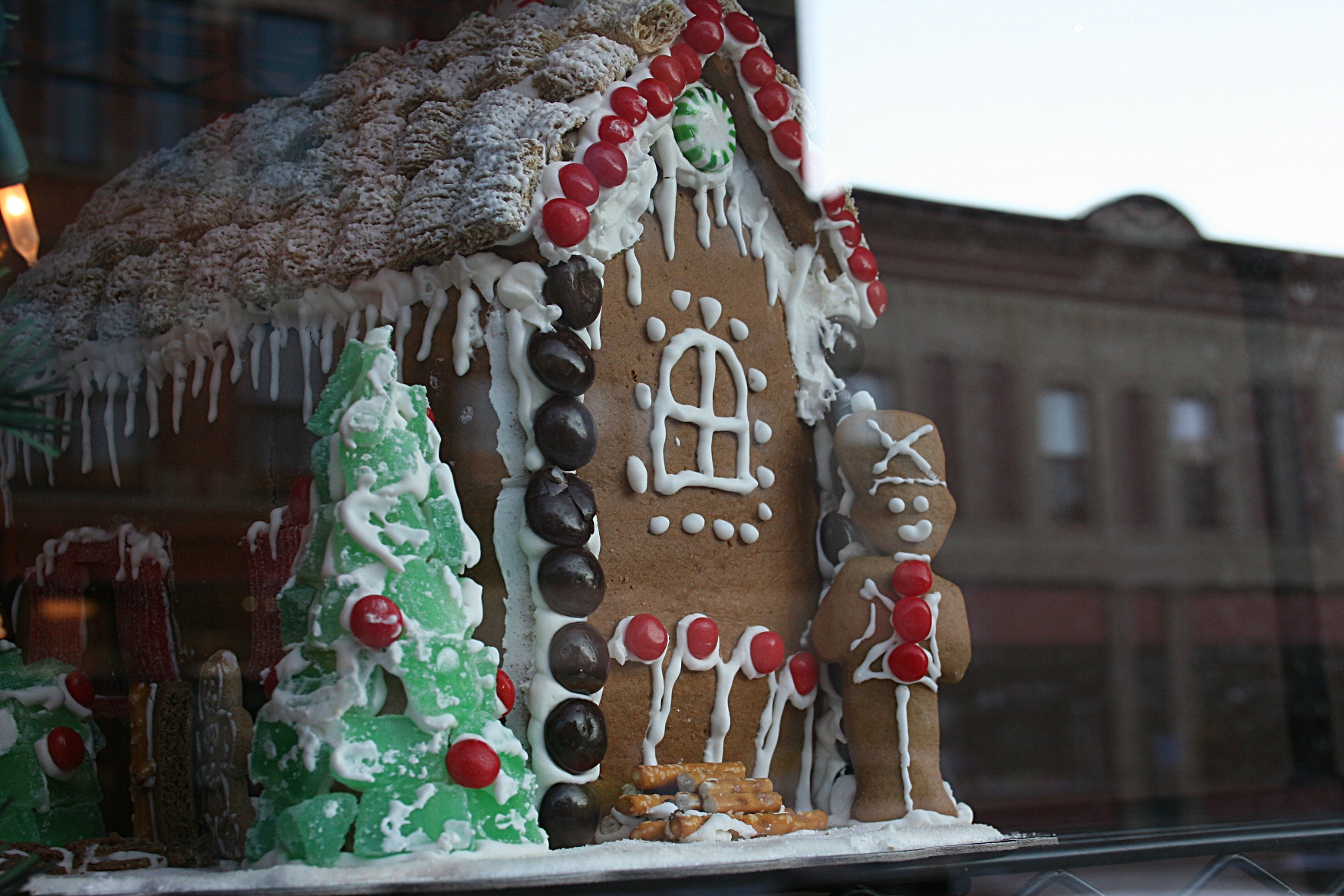
Sweet, dreamy gingerbread houses fill the display window at Sweet Spot, a Central Avenue candy and ice cream shop. I love how the reflection of an old building across the street melds with the gingerbread house.

IF YOU’VE NEVER been to Faribault, consider a trip here. We’re located along Interstate 35, just an hour south of Minneapolis. You’ll find antique, craft, candy, cheese and many other specialty shops and businesses, hometown eateries, as well as an arts center, along Central Avenue. If you have a specific question about Faribault, ask and I’ll answer.

LOCALS,  if you haven’t been downtown in awhile, I’d encourage you to park your vehicle, walk and appreciate your town. She’s all glammed up right now and a wonder to behold.

READERS, PLEASE CHECK back on Thursday for more Central Avenue holiday-themed images.

© Copyright 2011 Audrey Kletscher Helbling
 

Charming Wabasha on a day in October October 13, 2011

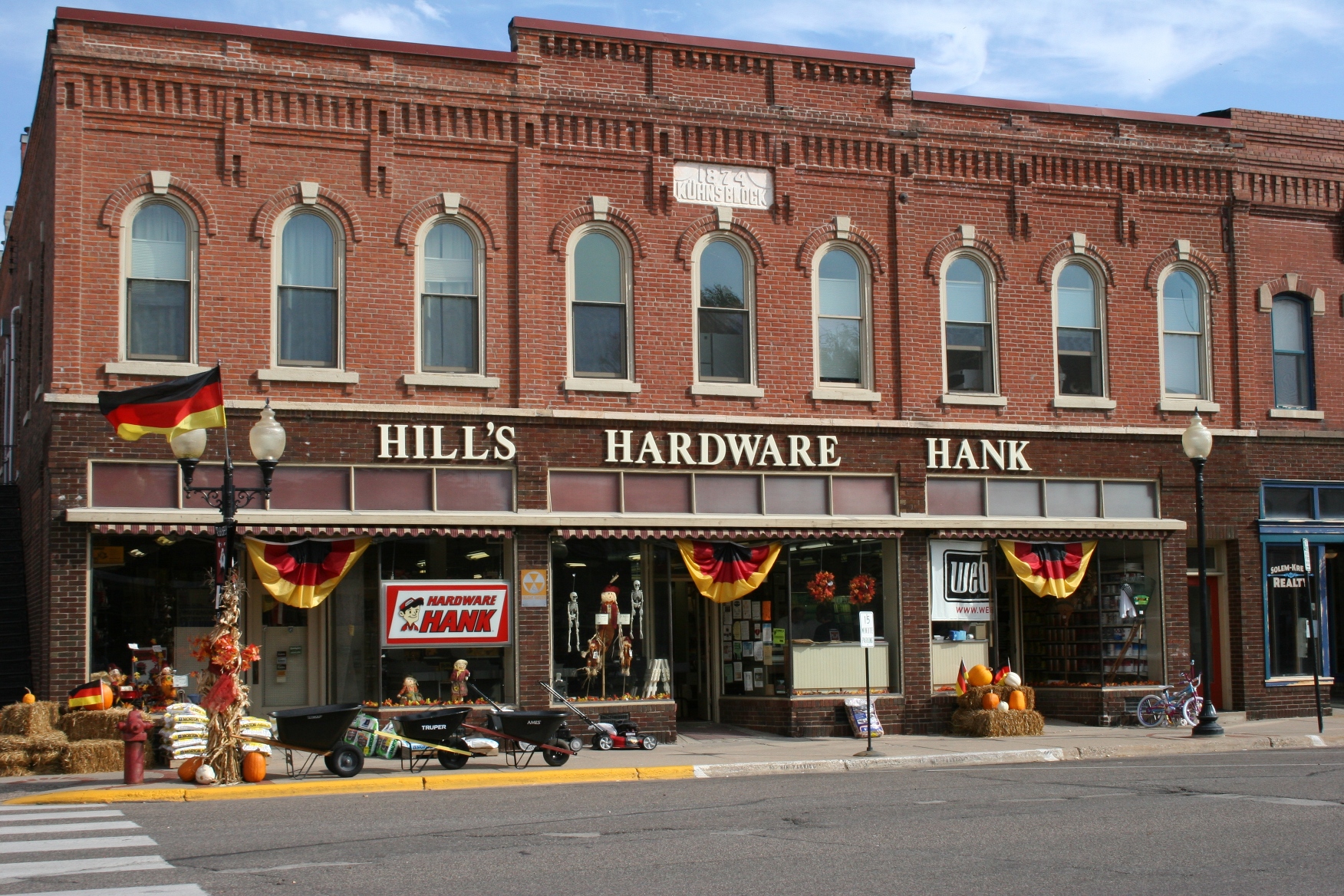
Nothing says "small town" like a hardware store, including Hill's Hardware Hank in downtown Wabasha.

WHAT IS IT ABOUT Wabasha that keeps drawing me back to this 1830 Mississippi River town?

Small town charm? Yes.

Historic buildings? Yes.

The river and the eagles? Yes.

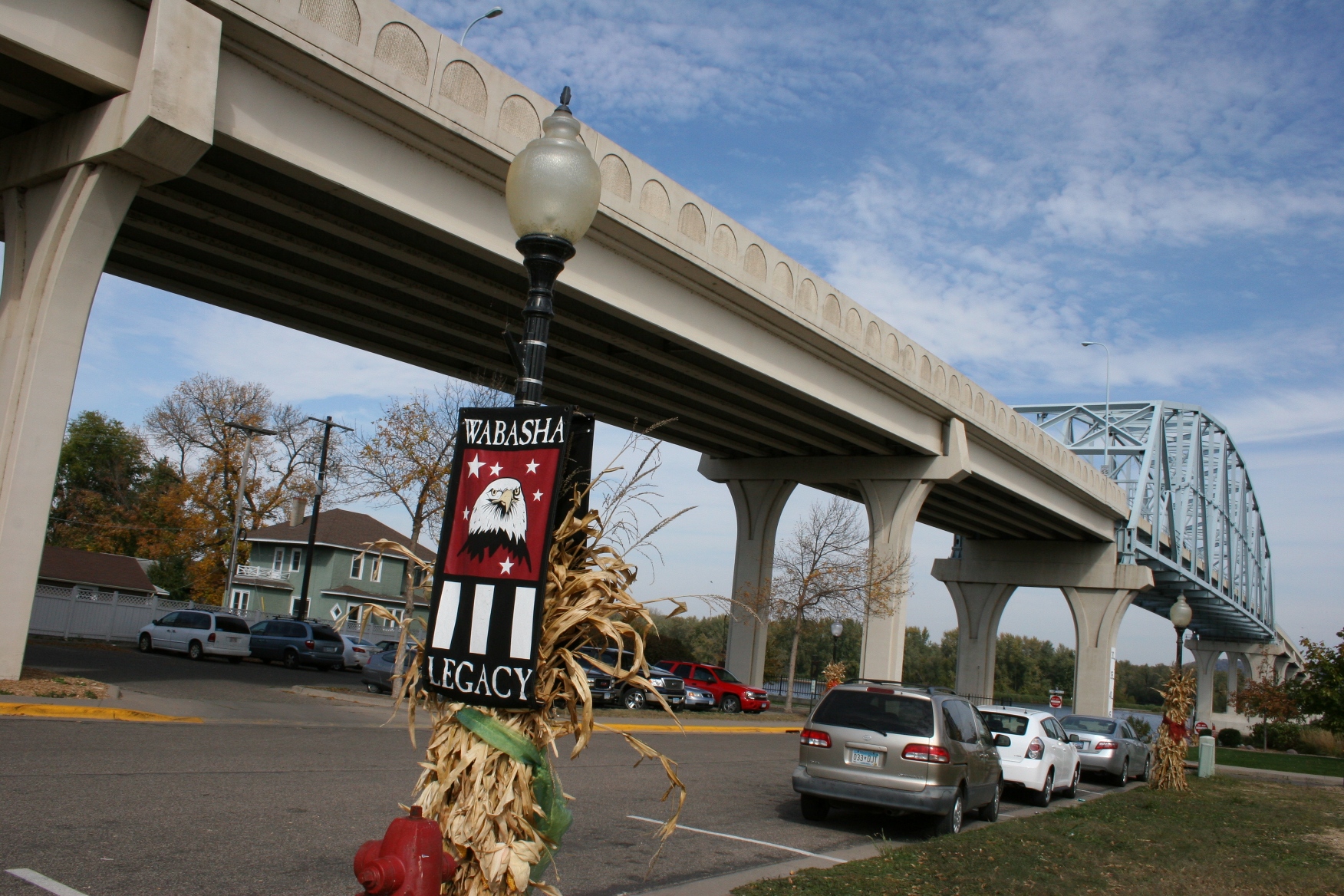
Now add to that the yummy, chewy, chocolate-covered caramel turtles from The Chocolate Escape, the homemade tomato basil soup at The Olde Triangle (Irish) Pub, the street side festive corn shocks/fall decorations, and the gigantic pumpkins at the Pumpkin Patch under the Minnesota Highway 60 Mississippi River bridge.

Wabasha knows how to woo visitors with its irresistibly charming personality. While I delight in that put-on-its-best-face appearance, I search for the nuances that define this town’s character.

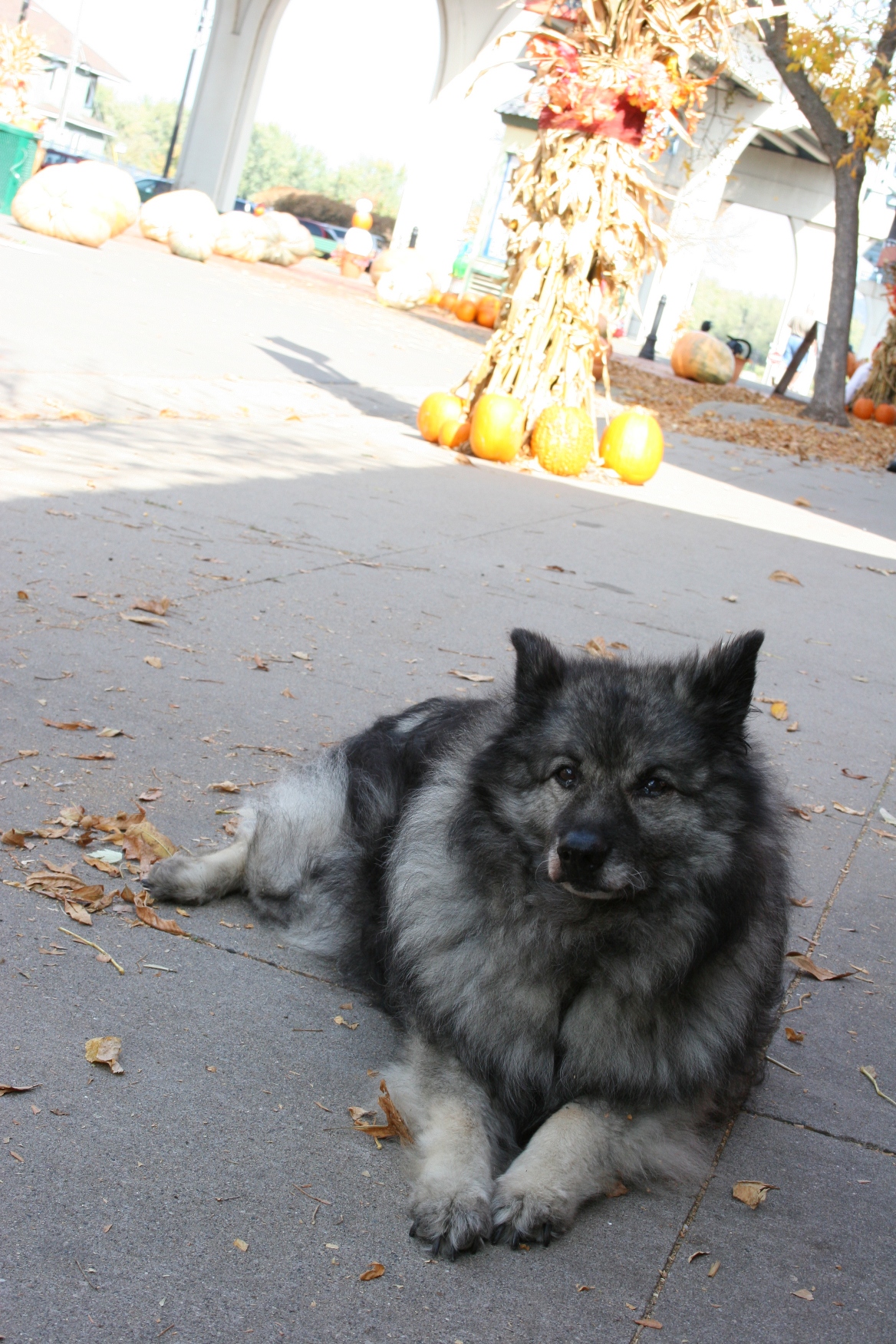
Dogs plopped on the sidewalk. A cat tucked under a stairway. Handwritten signs. Bricks, bikes and books. Tile floors. Friendly barbers. An old clock. Unattended stores. Polite motorists who stop for pedestrians. Benches that invite sitting a spell.

It’s there, all there, in Wabasha. Join me for a photographic stroll through this river town on an October afternoon.

Then, the next time you’re in Wabasha, or any town, take note of the store windows and walkways, the rooflines and the signage, the vibe of the place you are visiting. Seek out the details and enjoy.

Corn shocks, scarecrows and pumpkins add a festive flair to the downtown.

I saw two dogs and a cat hanging out, this one near Heritage Park by the bridge.

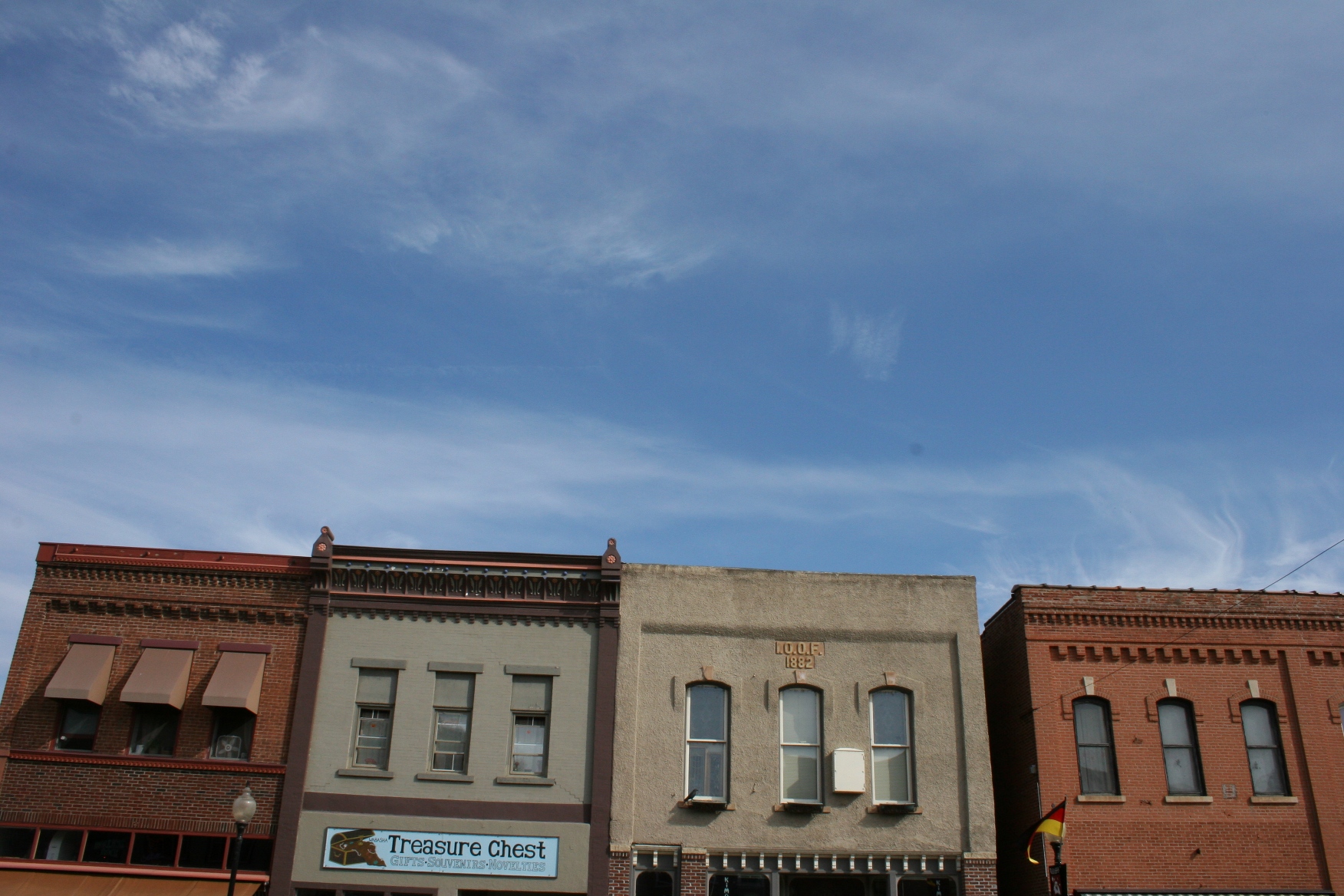
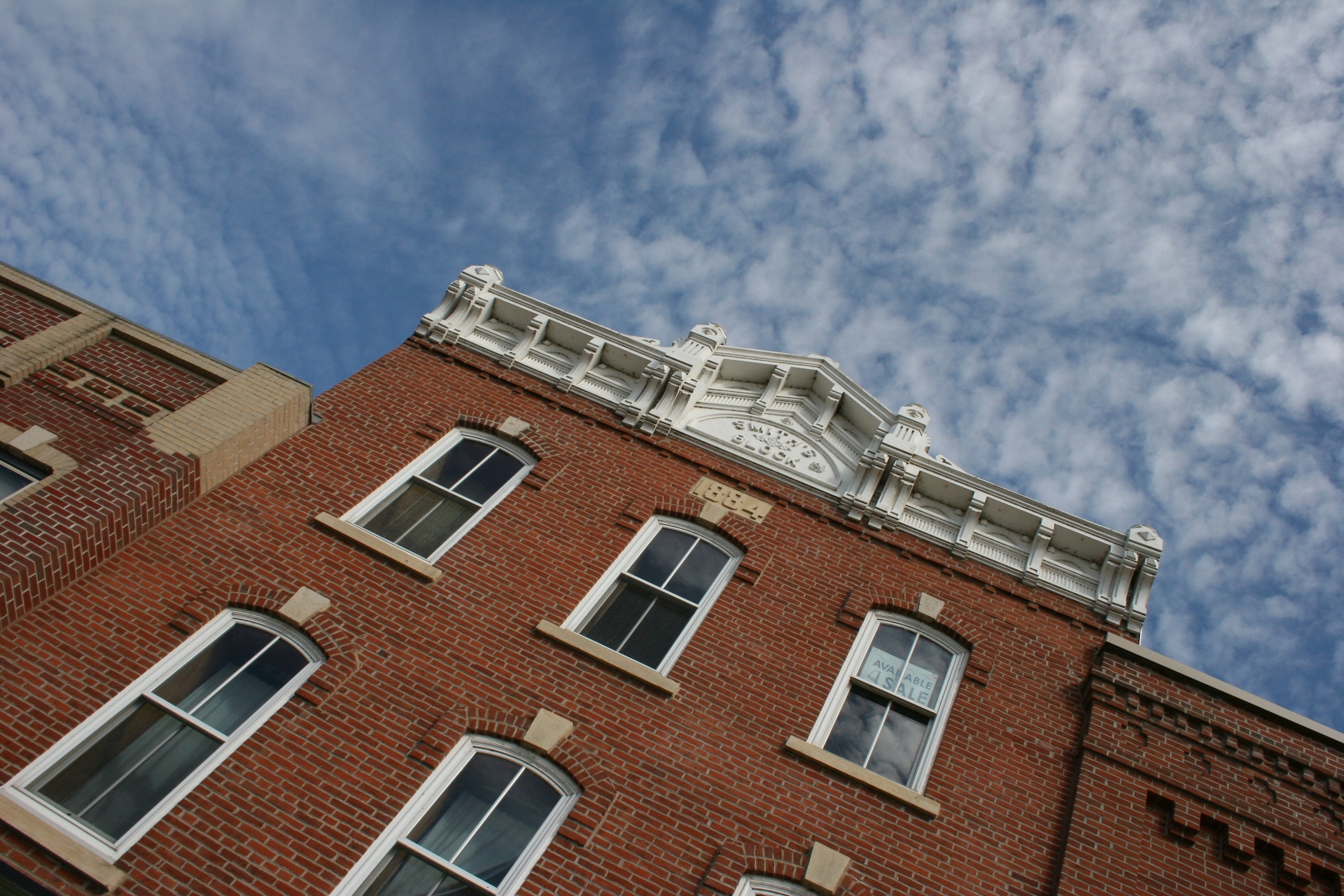
The historic skyline of Wabasha.

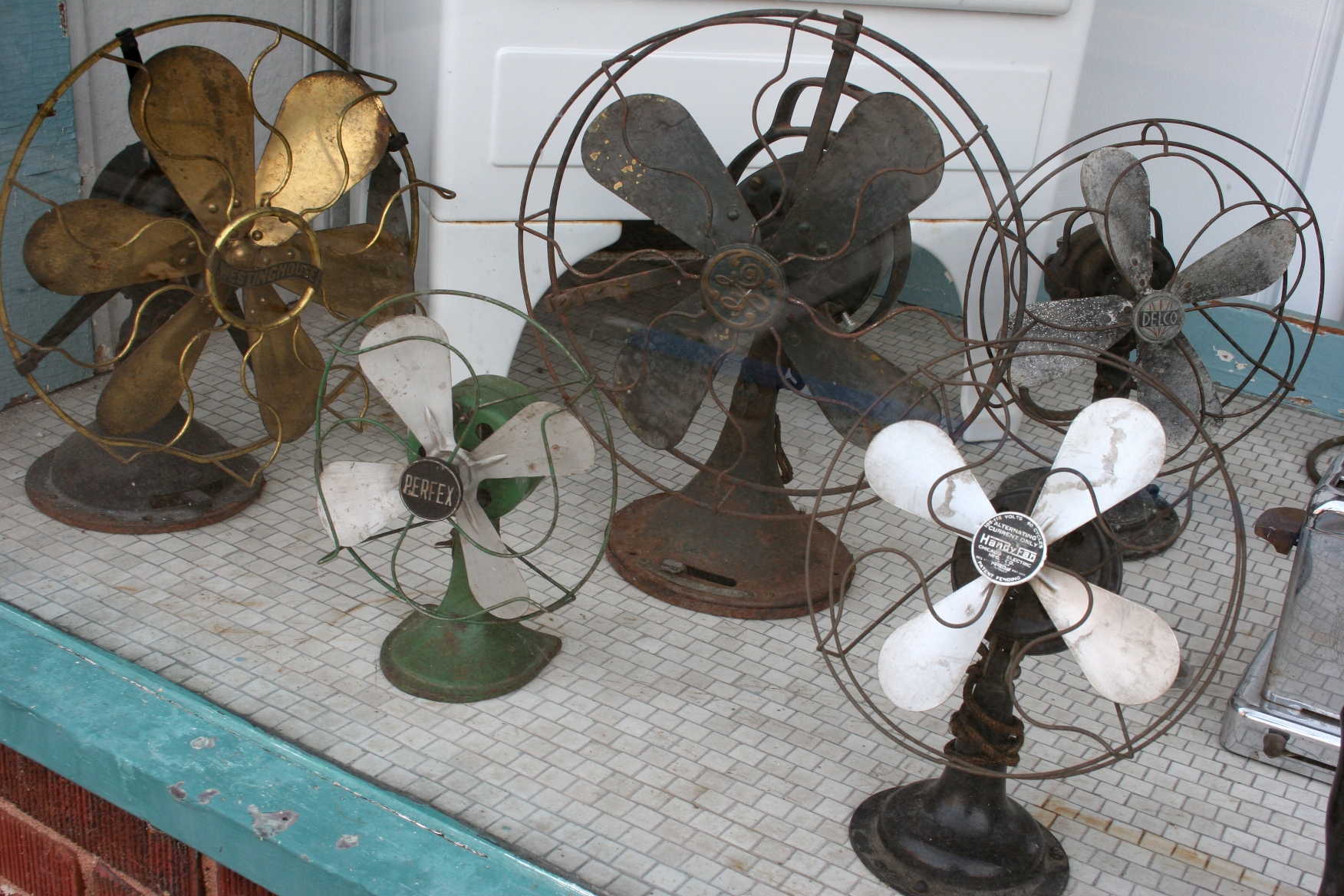
A storefront display of vintage fans in the window of Passe Electric.

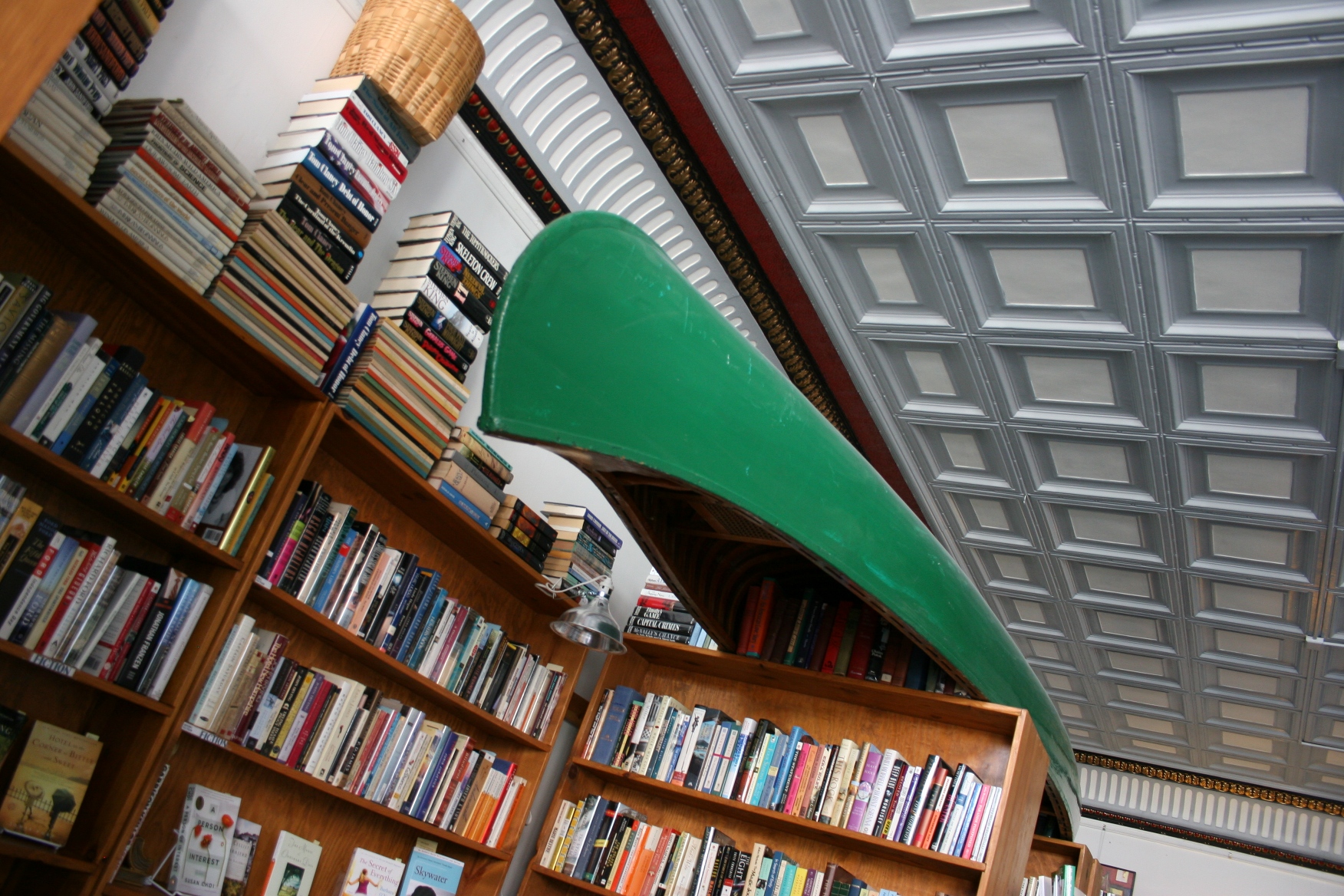
A snapshot aimed toward the upper wall and ceiling of The Bookcliffs at Pembroke Avenue, just off the main drag.

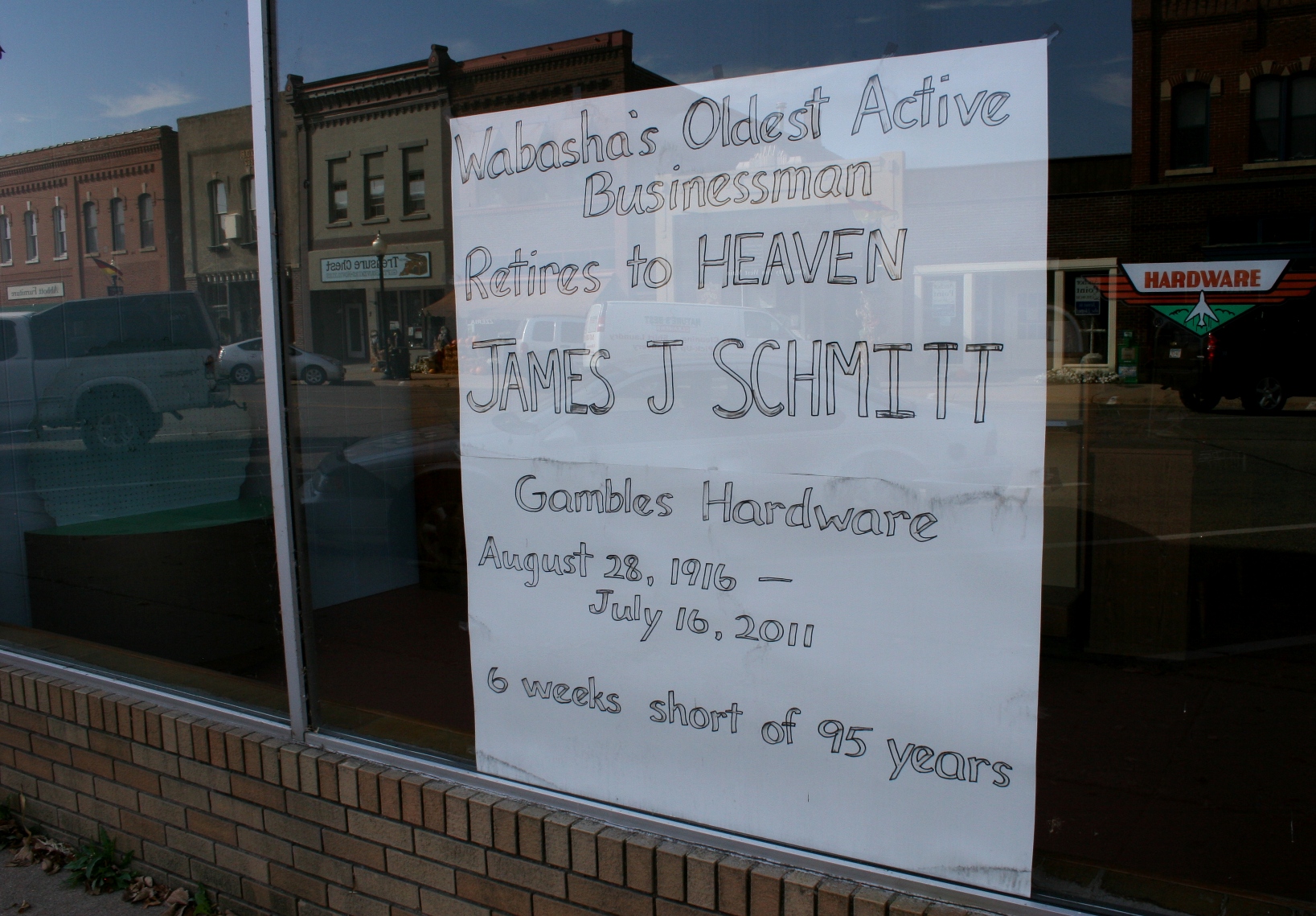
The death of a businessman, announced in the window of his business, Gambles Hardware.

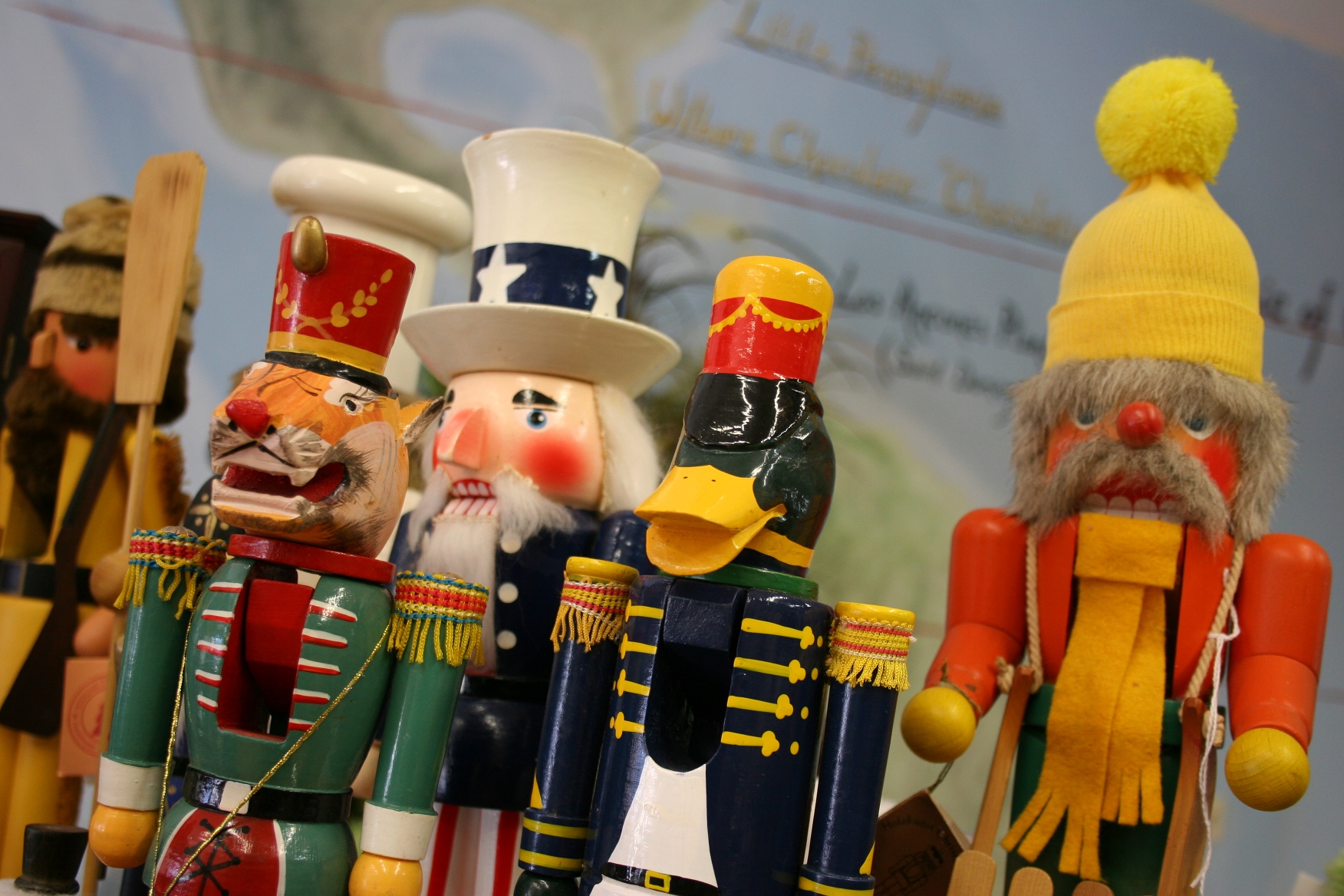
A nutcracker collection displayed in The Chocolate Escape.

More of those lovely old buildings.

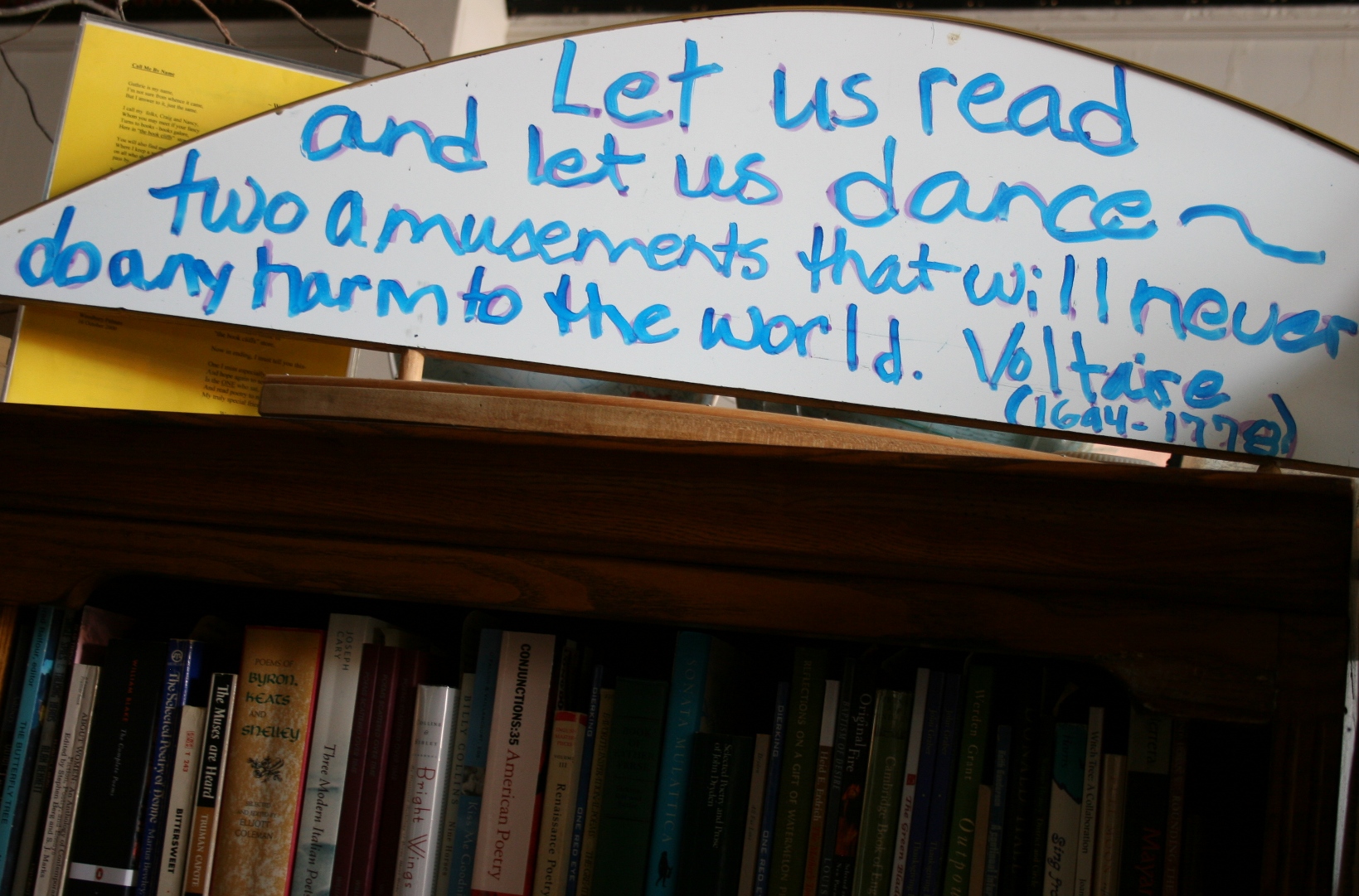
An inspiring message posted inside The Bookcliffs.

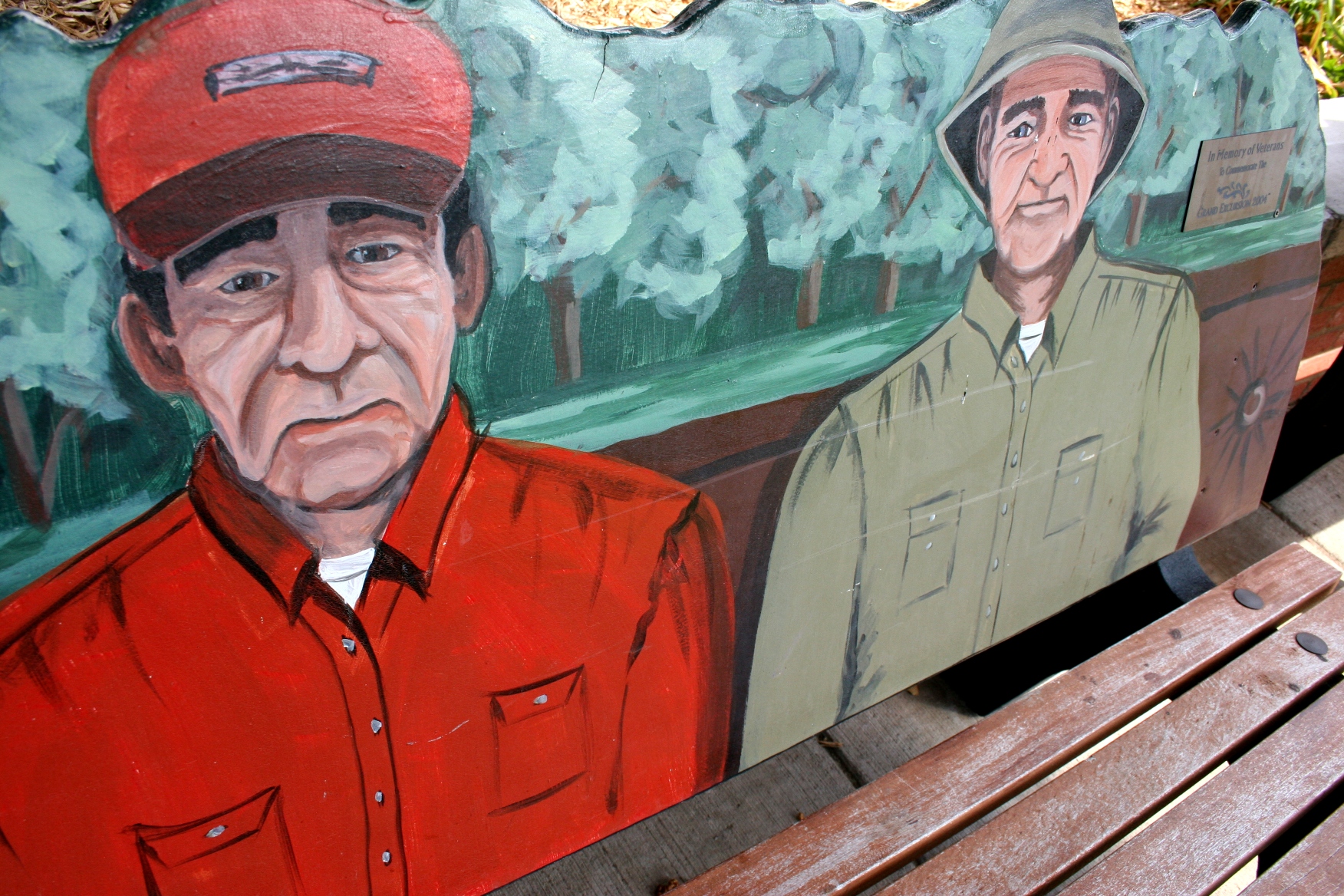
A bench featuring Walter Mathau and Jack Lemmon from the movie "Grumpy Old Men," which was based on the setting of Wabasha, rests under the bridge.

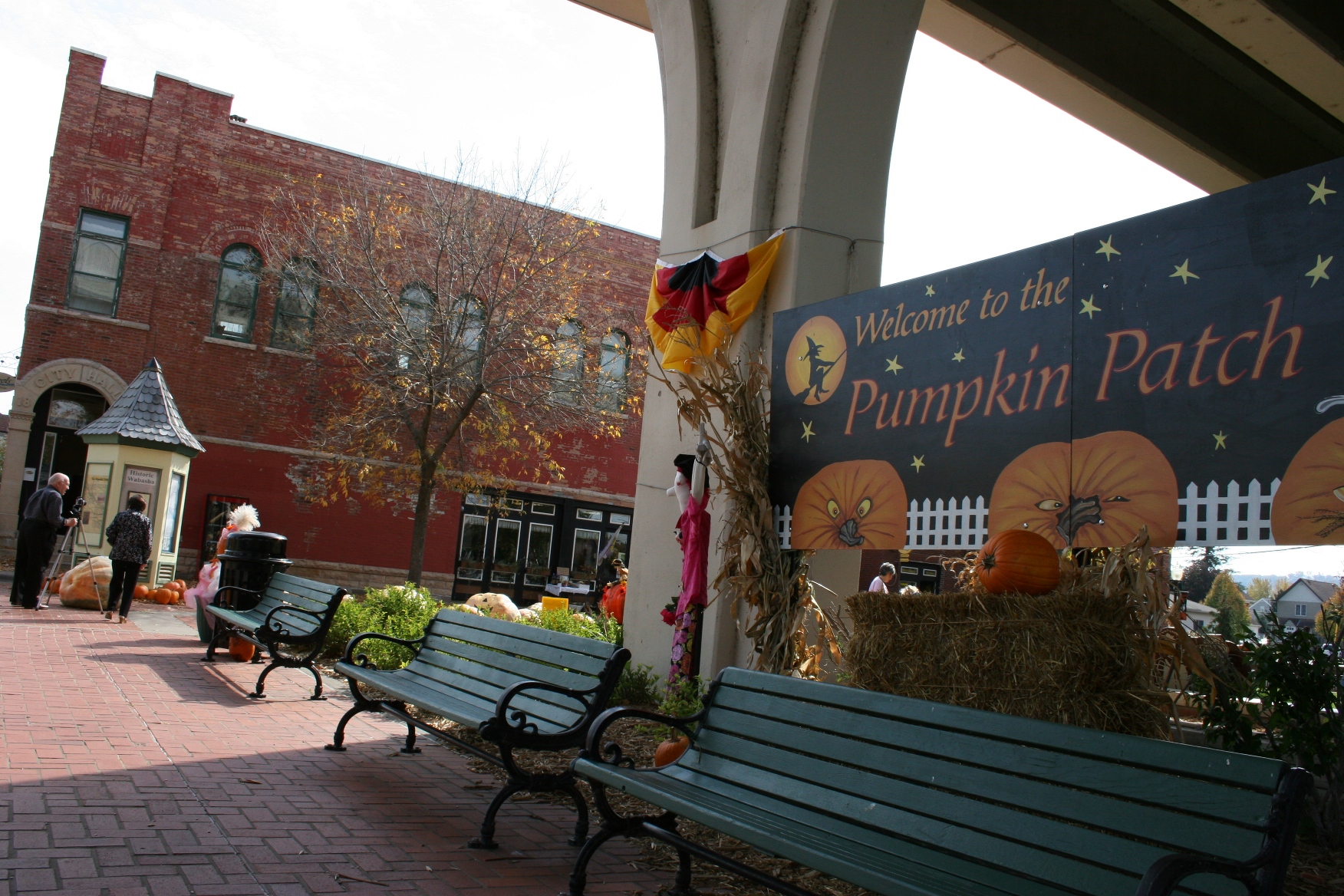
The Pumpkin Patch, an autumn attraction under the bridge in Heritage Park.

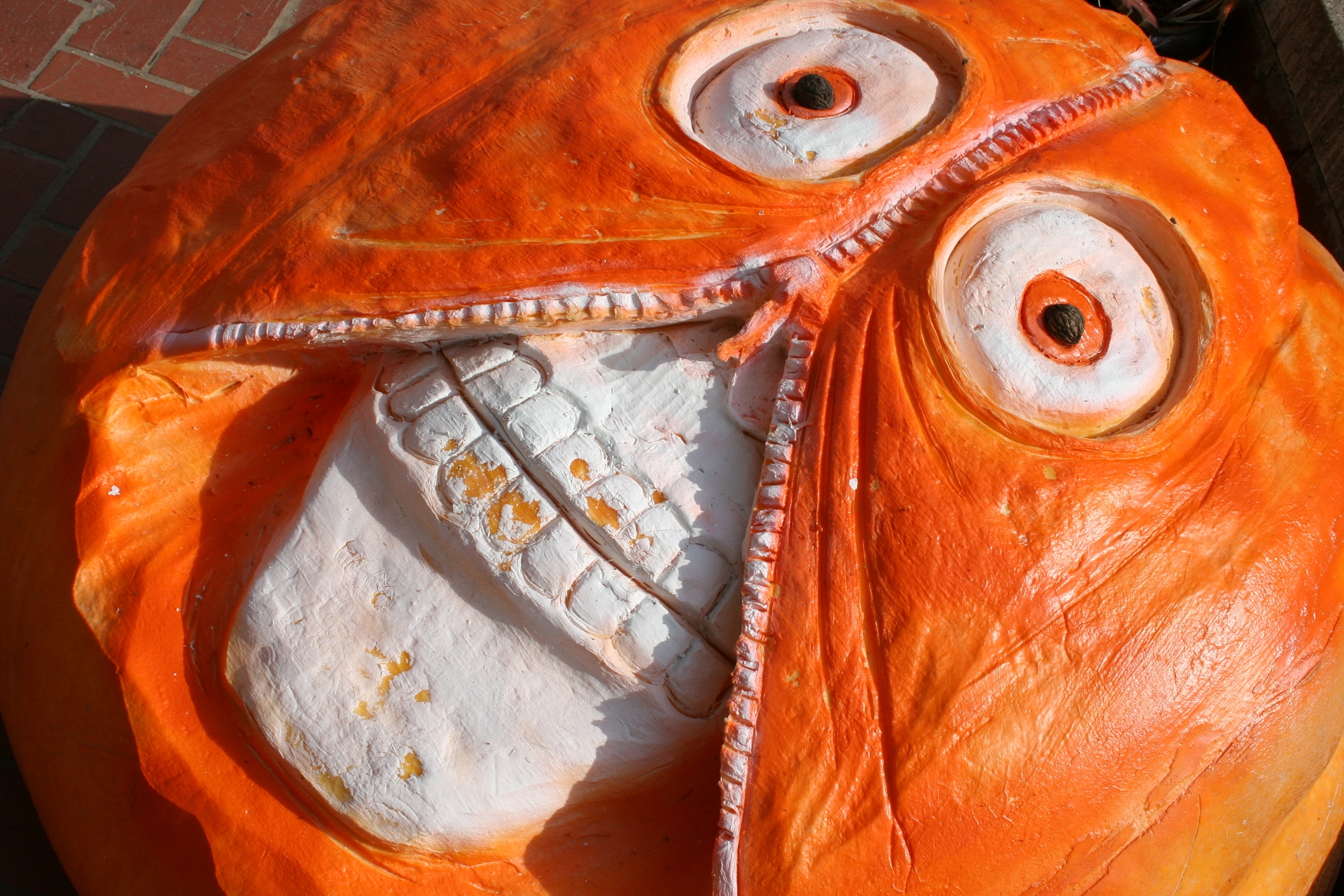
My favorite pumpkin carving in the Pumpkin Patch.

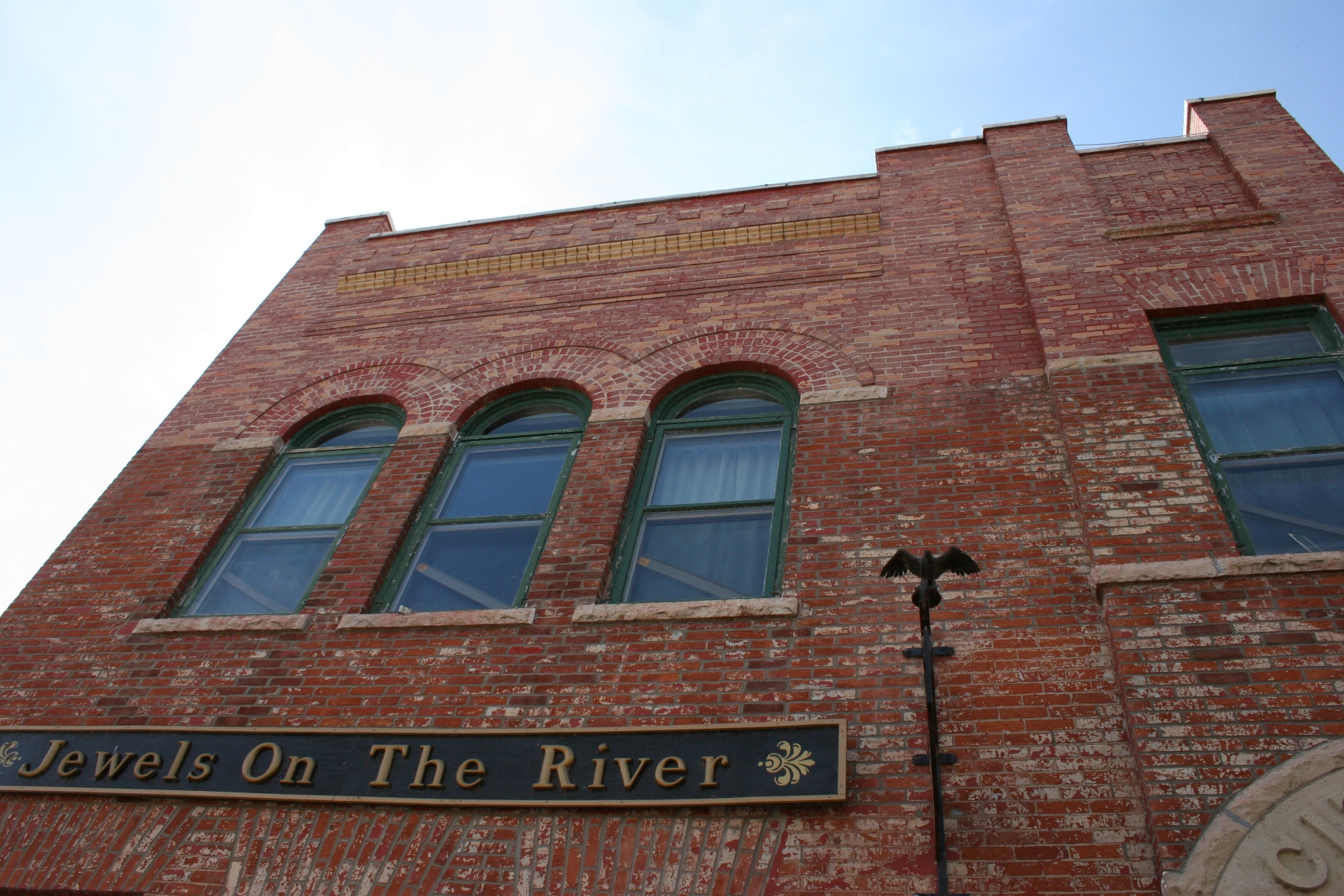
Jewels on the River, a jewelry shop in the old city hall next to the bridge.

A scene under the Mississippi River bridge.

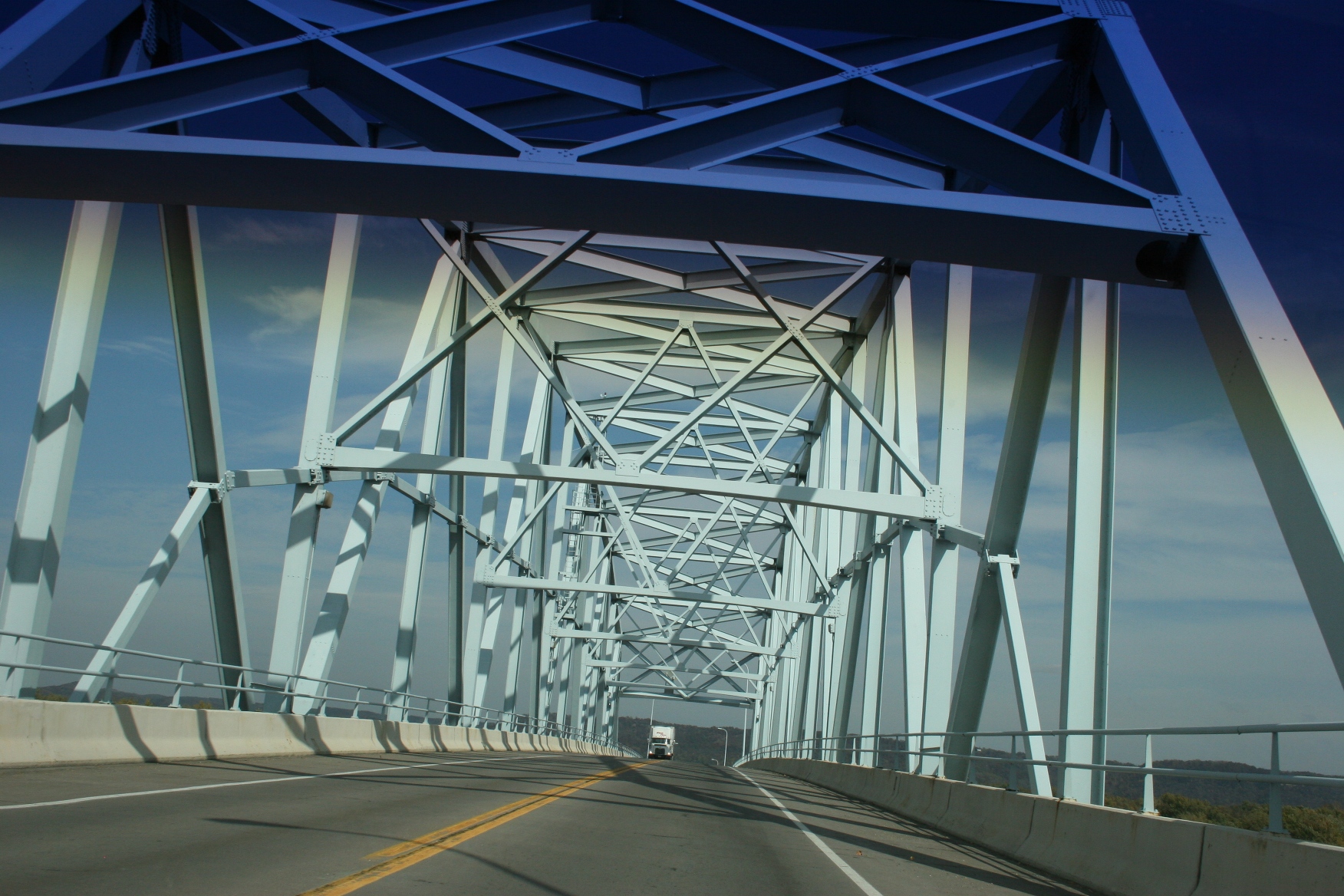
Crossing the Mississippi River bridge eastbound from Wabasha into Wisconsin.

IF YOU’RE LOOKING for something to do this weekend, consider coming to Faribault for the Fall Festival & Chili Cook-Off on Saturday, October 15, in our historic downtown. Sample and vote for chilis, served street side at businesses from11 a.m. – 1 p.m. A Kids’ Costume Parade along Central Avenue kicks off the event at 10:30 a.m. followed by pumpkin painting and treasures in the haystack for the kids. Adults will find plenty of shopping options in the downtown. Click here for more information.

You’ll also want to check out the South Central Minnesota Studio ArTour which begins Friday with previews in several studios from 4 p.m. – 8 p.m. The tour of 23 art studios in the Faribault, Northfield and Cannon Falls area, featuring 46 artists, officially begins Saturday and continues on Sunday. Hours are 10 a.m. – 6 p.m. Click here for more information.

© Audrey Kletscher Helbling
 

Art, history and community meld at Faribault car cruise-in August 22, 2011

I CAN’T DIFFERENTIATE a Ford from a Chevy. But I can distinguish a Mustang from a Cadillac.

You needn’t know cars, however, to appreciate a car cruise-in like the one I attended Friday evening in the 400 block of Central Avenue in historic downtown Faribault. The monthly cruises are new to my community and, if I’m correct, Friday’s show marked the first this summer that hasn’t been rained out.

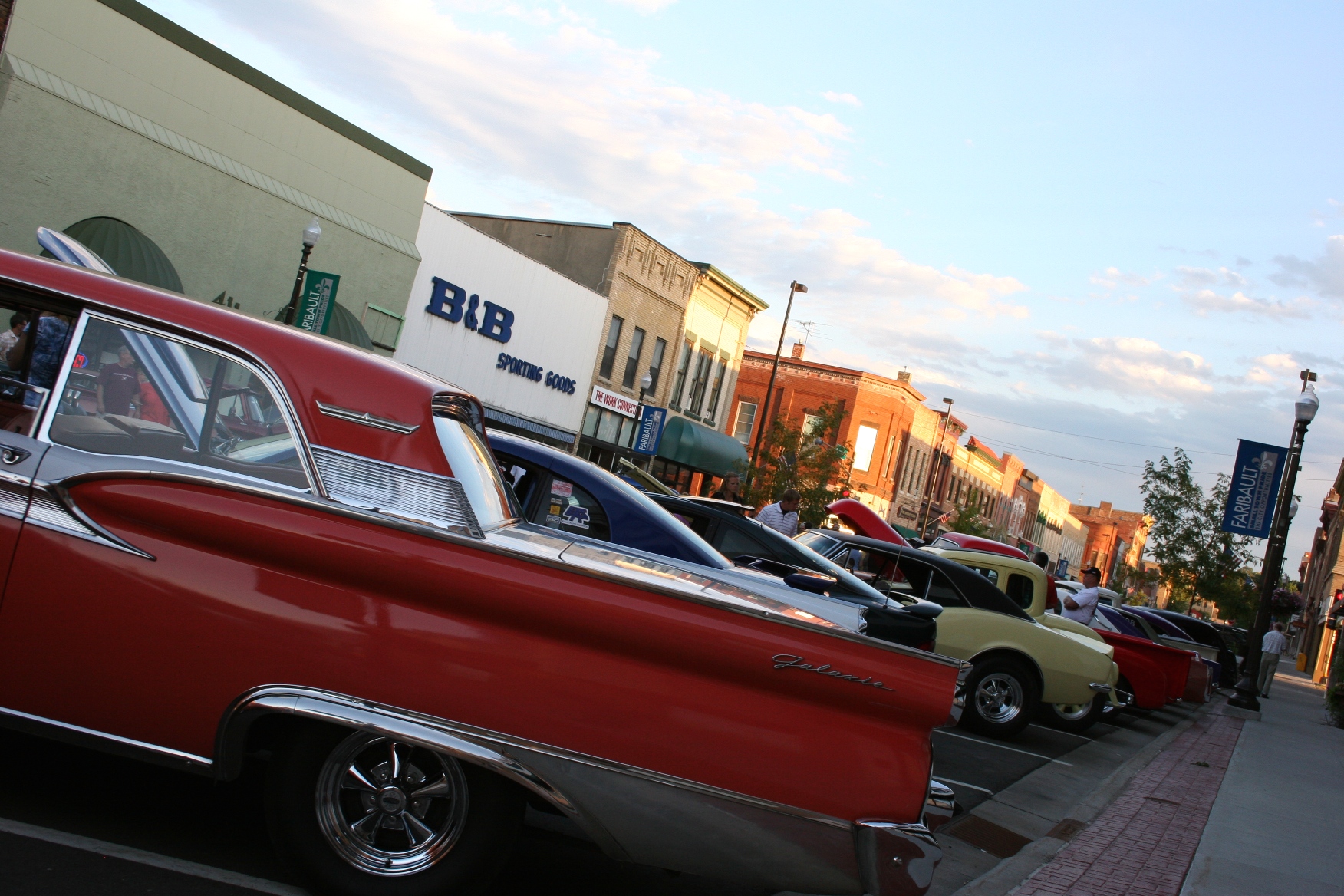
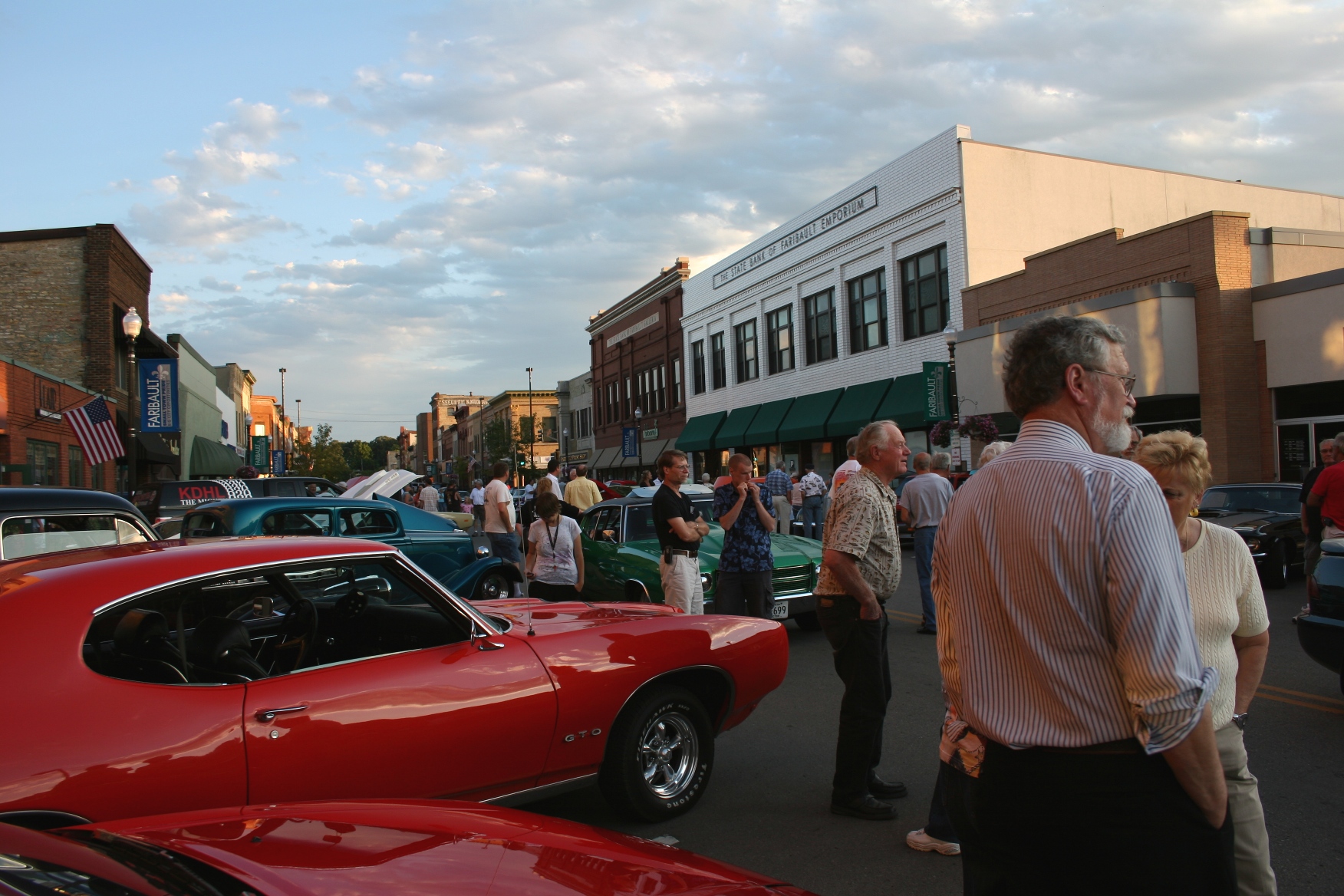
Downtown Faribault Car Cruise Night, looking southeast on Central Avenue.

Just several of the many vintage vehicles, these parked by a Mexican store and bakery.

For me, a car cruise-in is all about art, history, community and having a good time. However, for my automotive machinist husband, the one who got me interested in these shows, it would be mostly about the cars or trucks. He’s my go-to guy whenever I question the make, model or year of any vehicle on display, which is often.

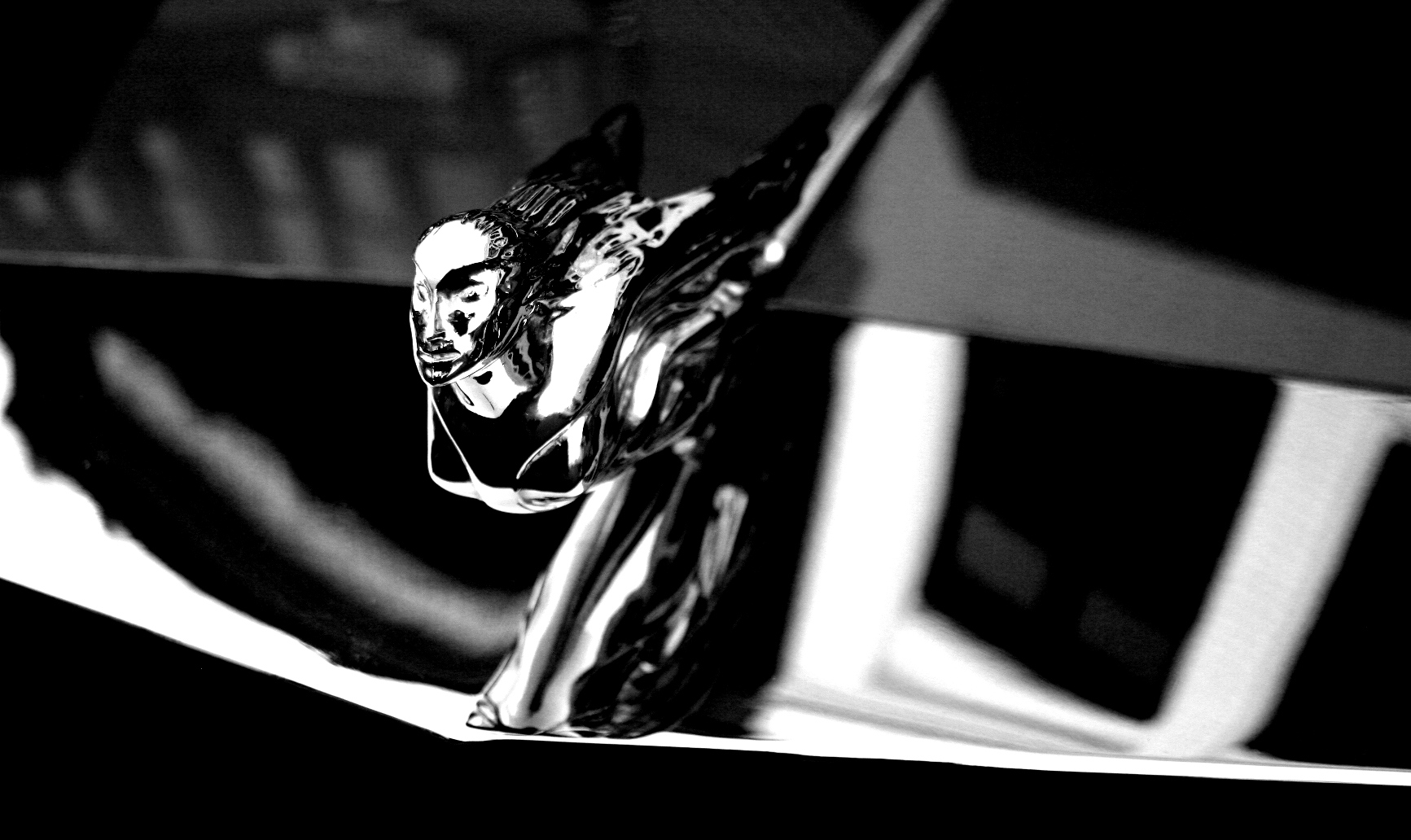
While he’s more interested in what’s under the hood or in the overall design, I appreciate the hood ornaments, wheel covers, taillights, the curve of metal—the details that, to me, represent, mini artscapes.

I switched this photo to black-and-white to show off the hood ornament, a work of art.

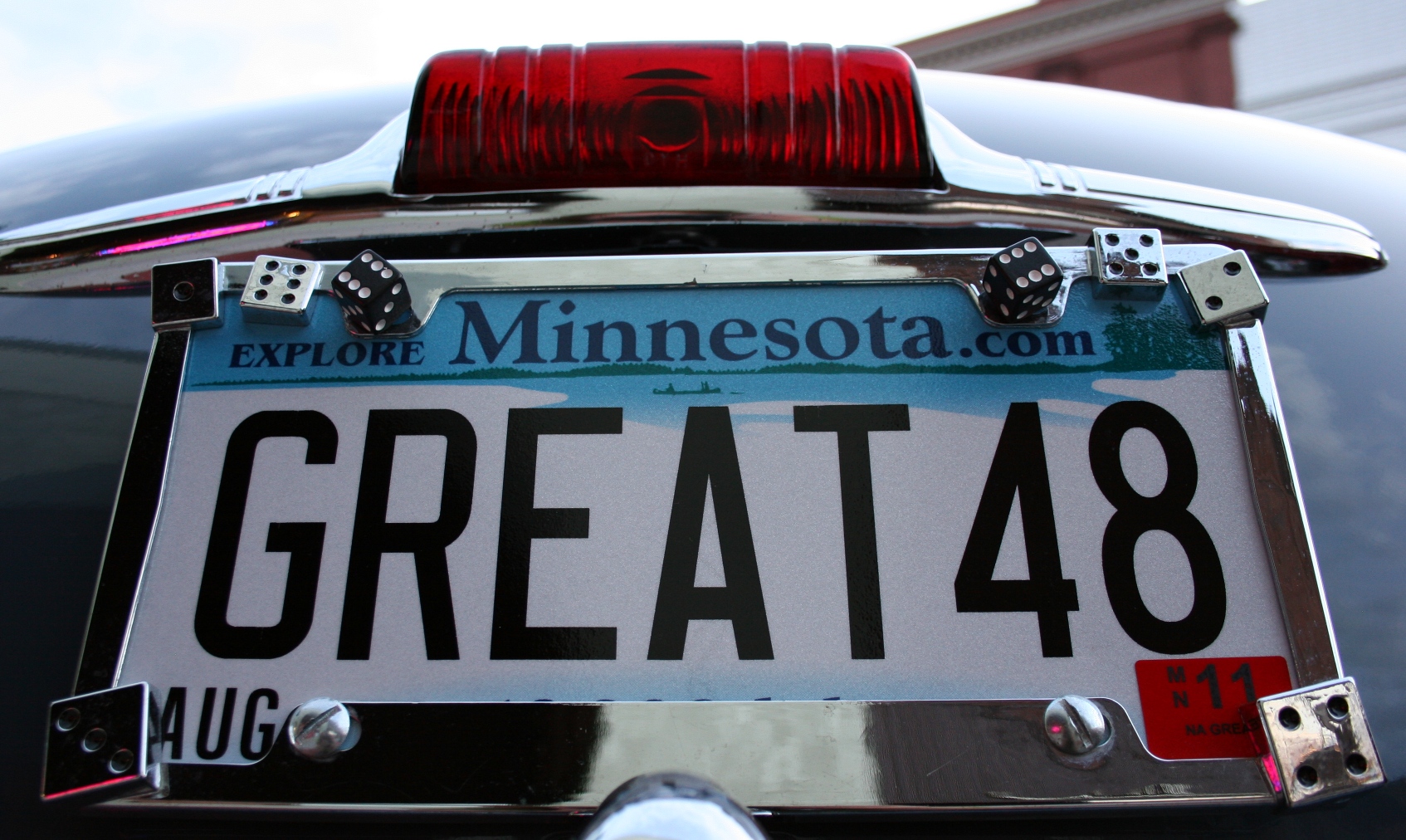
A 1948 Dodge sported this artsy license plate.

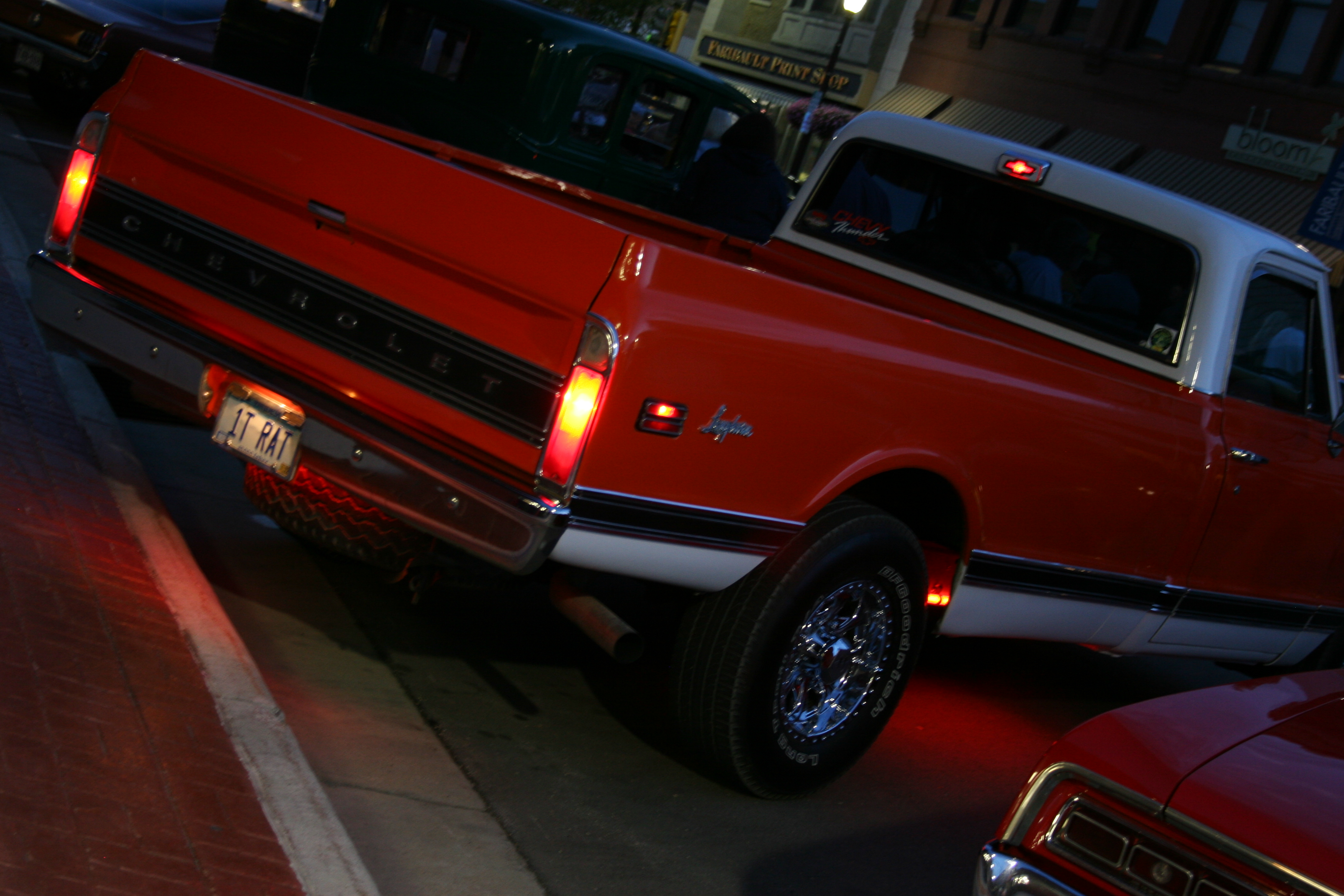
Call this art, or humor, Ron Lehnen posed this "Halloween Rat" under the hood of his 1970 Chevrolet pick-up truck with the "rat motor."

On Friday, in Faribault, I also appreciated the art of neon lights flashing in storefront windows, the slant of sun against brick during that magical hour around sunset, and clouds that painted the sky on a perfect summer evening of temps in the low to mid 70s.

The setting sun cast a lovely light on the historic Hotel Faribault.

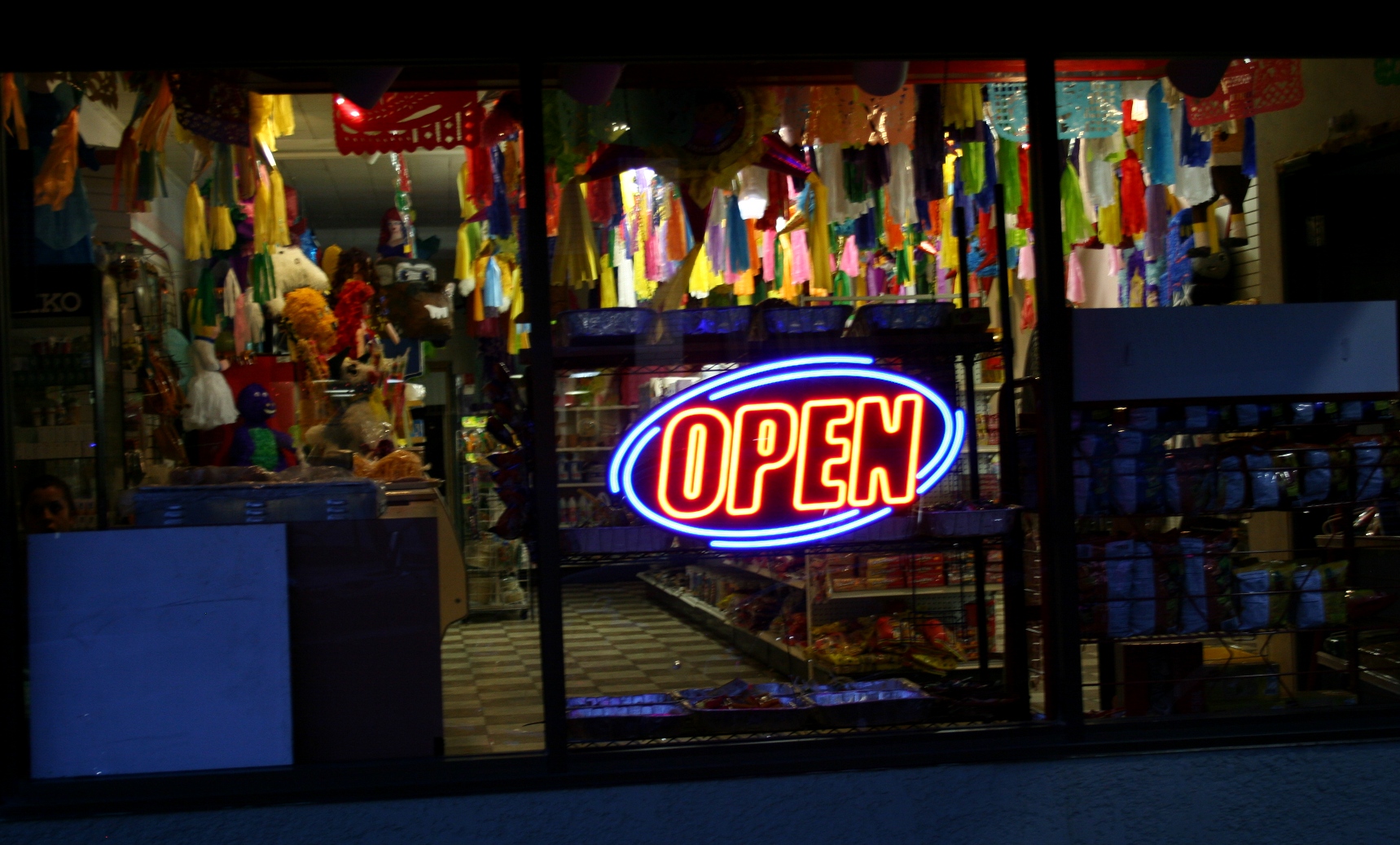
Merchandise and flashing neon lights created a colorful visual at a Mexican store in the car cruise block.

Toss in period tunes and music by the likes of Johnny Cash, my favorite country western singer, played on-site by local radio station Power 96, and the mood was set for hanging out and chatting it up with folks I hadn’t seen in awhile.

Car cruise attendees visited with one another, creating a sense of community.

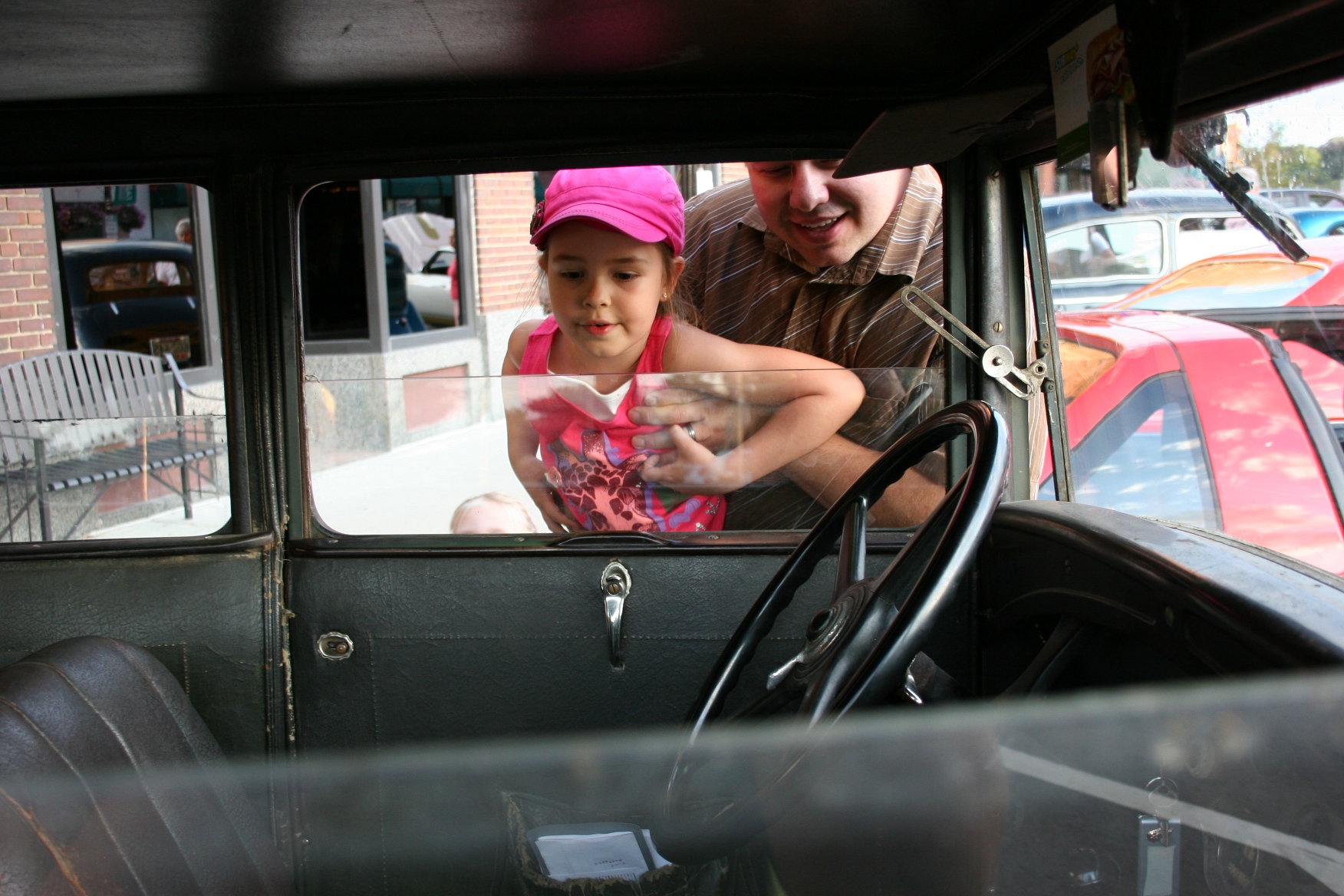
Aaron shows his 6-year-old daughter, Lexi, the interior of a vintage car.

Ted told me about his new grandson, Jaxson. Kathy told me about the need for rain in the Courtland area, where my maternal roots lie and where her husband had traveled that day to farm with his brother. Lowell told me about the $8.99 steak dinner he’d just enjoyed down the street at the Signature Bar and Grill.

Food was the only item missing from cruise night, although I could have stepped into the Mexican bakery or walked to a restaurant along Central Avenue if I had really wanted something to eat. Maybe, eventually, organizers will encourage places like the bakery or nearby restaurants to set up food stands outside their businesses.

The next Downtown Faribault Car Cruise Night is set for 6 p.m. – 10 p.m. Friday, September 16. However, I’d advise coming well before 10 p.m. as the event pretty much ended around 9 p.m.

The 1970 Chevrolet pick-up with the rat motor. My husband owned an orange truck like his, only a year newer or older, I can't recall which. A steer wandered onto a roadway. He hit it and that was the end of his pick-up truck, many years before I met him. So I've only heard the story...never seen the truck.

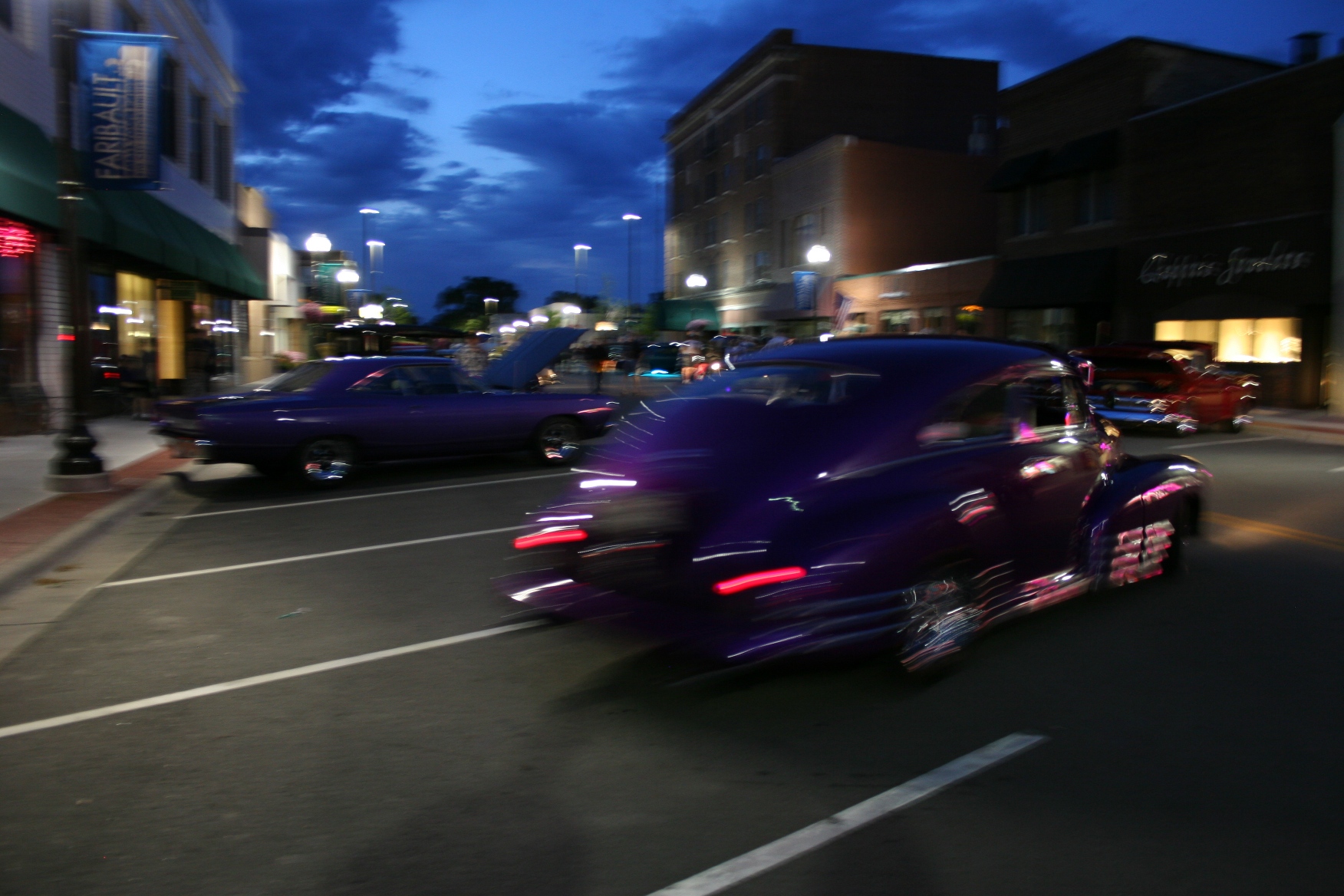
Lowell and Deb Melchert leave the cruise in their 1947 Chevrolet as the event winds down.

YOU MIGHT ALSO CHECK out Woody’s Hump Day Cruise In on Wednesday evenings in downtown West Concord. Two remain, including one this Wednesday, August 24, and also on September 7. That cruise-in runs from 5:30 p.m. – 9 p.m., or until dark.

Hastings also hosts the Historic Hastings Saturday Night Cruise-in from 5 p.m. – 9 p.m. with the remaining events set for September 3 and 17 and October 1.

© Copyright 2011 Audrey Kletscher Helbling


Take time to stop and appreciate small towns August 11, 2011

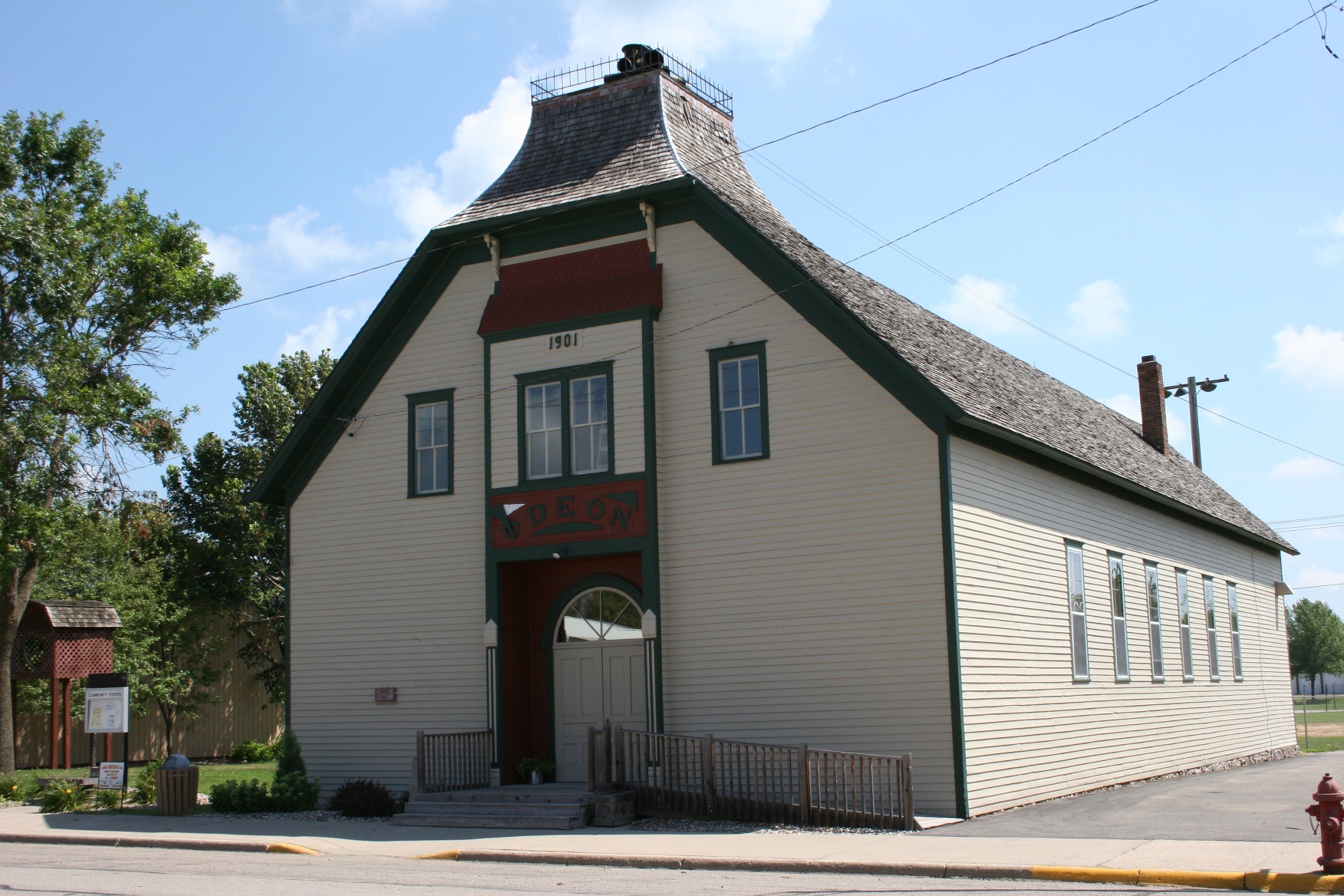
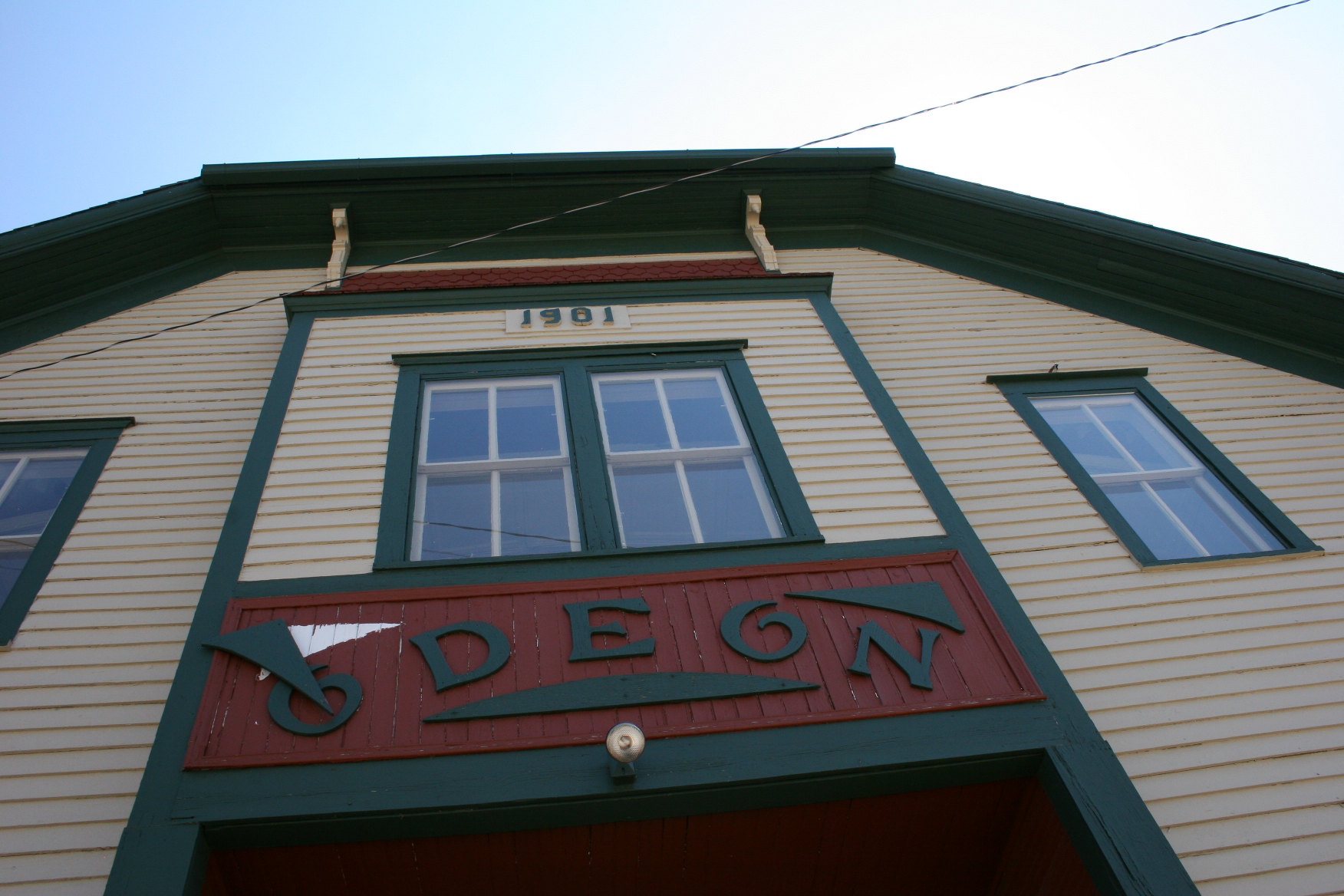
In tiny Belview, you'll find the 1901 Odeon Hall. Listed on the National Register of Historic Places, this Queen Anne style building features a barrel-vault ceiling. Still in use today for wedding receptions and community events, etc., Odeon Hall once also featured vaudeville shows, motion pictures, concerts and more.

I WANT TO THROW a challenge out there. The next time you’re driving through/near small-town Minnesota, or small-town wherever, stop. Pull off the highway and drive along Main Street. Park your vehicle. Get out. Walk. Look. See.

Notice the buildings, the architecture, the signage, the history. Consider what centers the town: the café, the post office, the grain elevator, the churches, the school—if there is a school.

Families, retirees and even single people choose to live, to work, to worship together, to celebrate, to mourn, to live their lives here. This is their home, not just some town in the middle of nowhere that you must pass through to get from destination A to destination B.

I have, in recent years, begun to appreciate the small towns and rural areas of Minnesota more than ever. I grew up on a dairy and crop farm in southwestern Minnesota, which is about as rural as you can get. But I haven’t always valued that upbringing like I should.

As I’ve gotten into the art of photography, I’ve begun to view these towns with a fresh perspective. I notice what, in the past, I’ve overlooked or taken for granted because of my rural roots.

Let me show you some photos I took recently in and near Belview, a community of 375 located four miles north of State Highway 19 in northwestern Redwood County. Belview lies about 10 miles from my hometown of Vesta, another one of those small towns that motorists zip by without a second thought. I bet you didn’t know that Vesta is the home of the nation’s first electric cooperative. I thought so.

That’s the thing about small towns. If you stop and walk and look and see, and I emphasize the word, see, you will discover more than just a place to drive through when getting from point A to point B. You will discover the heart and soul of community.

Move in close to view the details, like the front of Odeon Hall. I attended a cousin's wedding dance here decades ago. Imagine the celebrations inside this historic building.

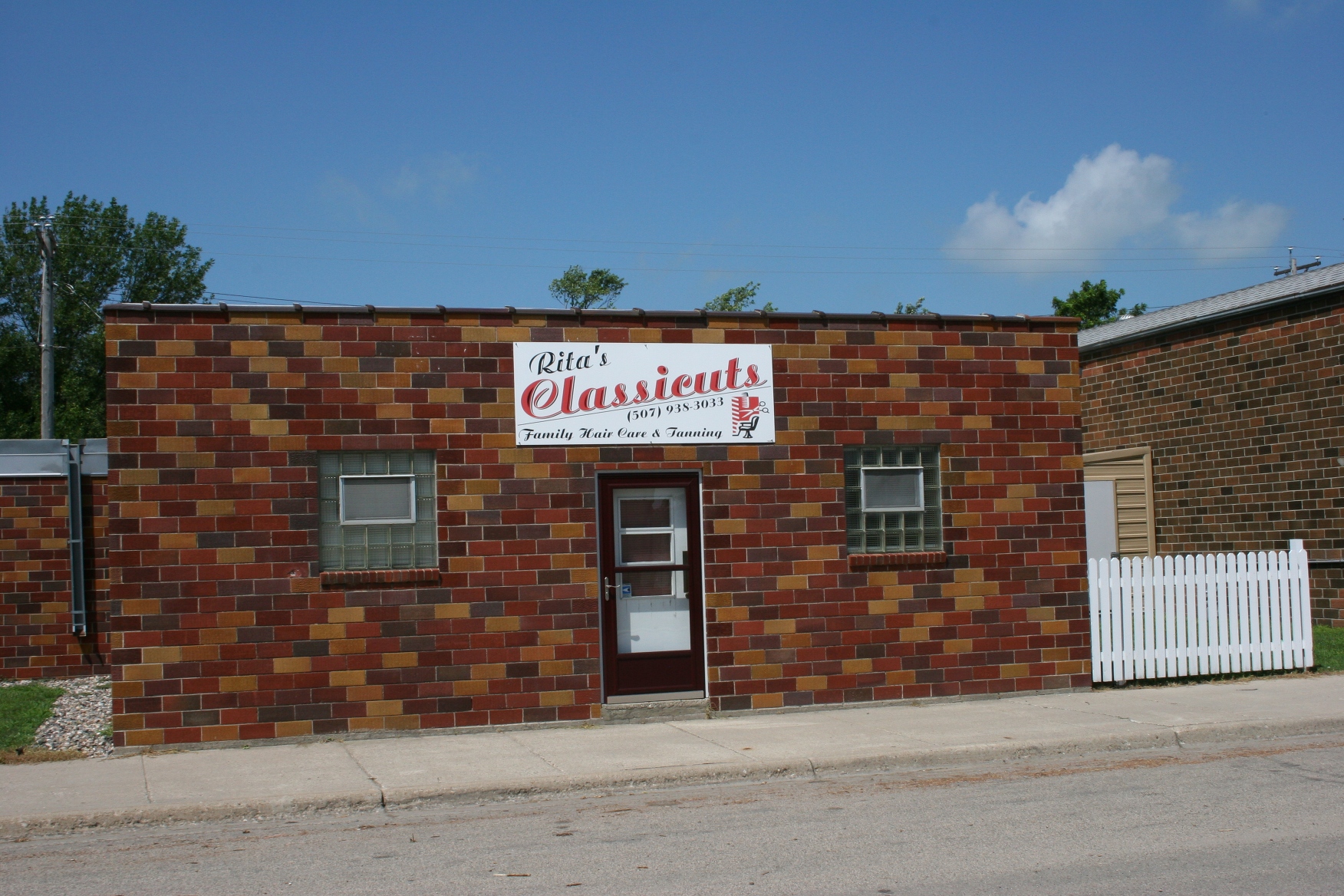
Most small towns, like Belview, are fortunate to still have a place where you can get your hair cut and styled. I appreciate the simple lines of this brick building located along Main Street.

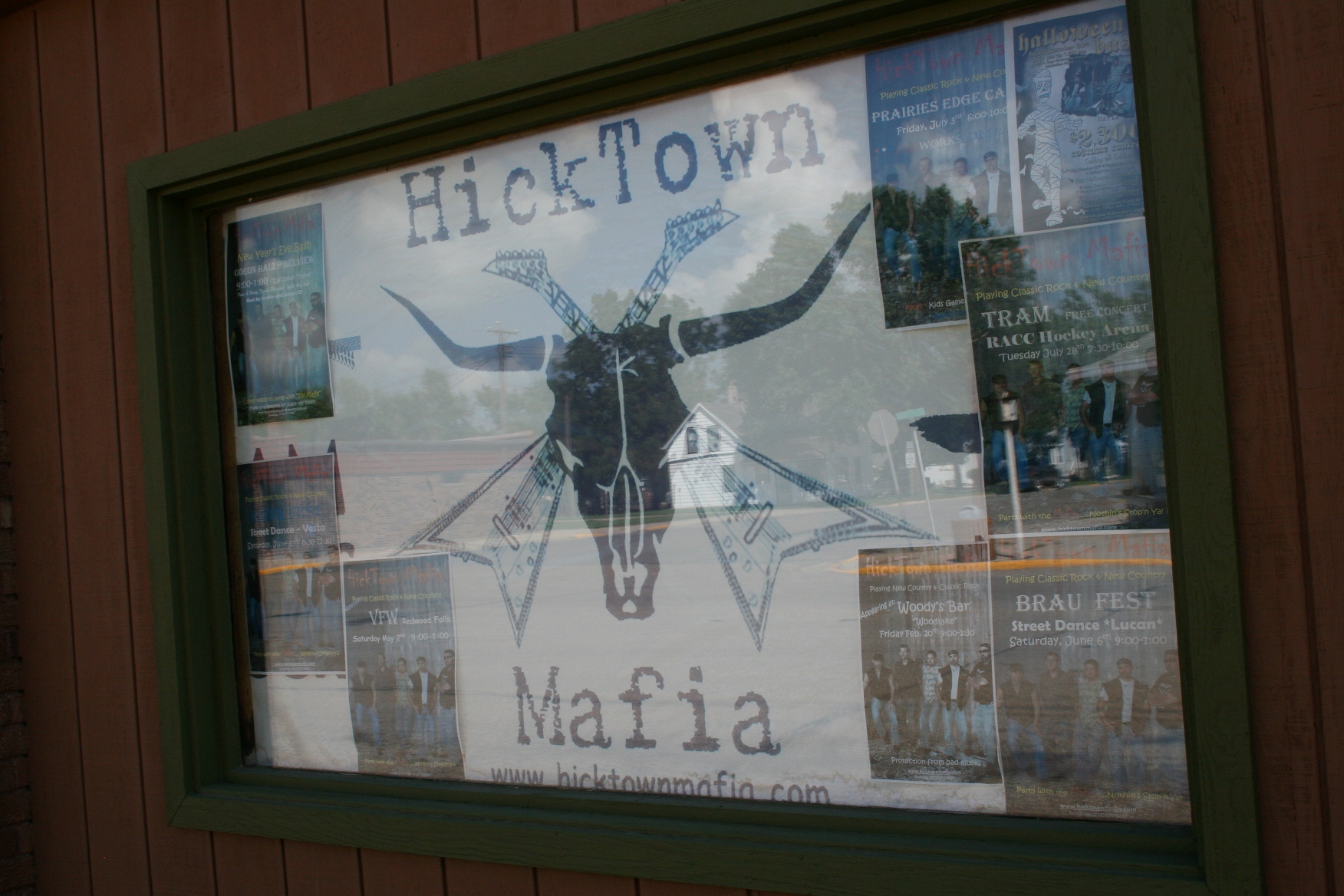
I discovered this poster in the window of a Main Street building advertising a local band, HickTown Mafia. The band plays "country with a kick, rock with an attitude," according to the group's website.

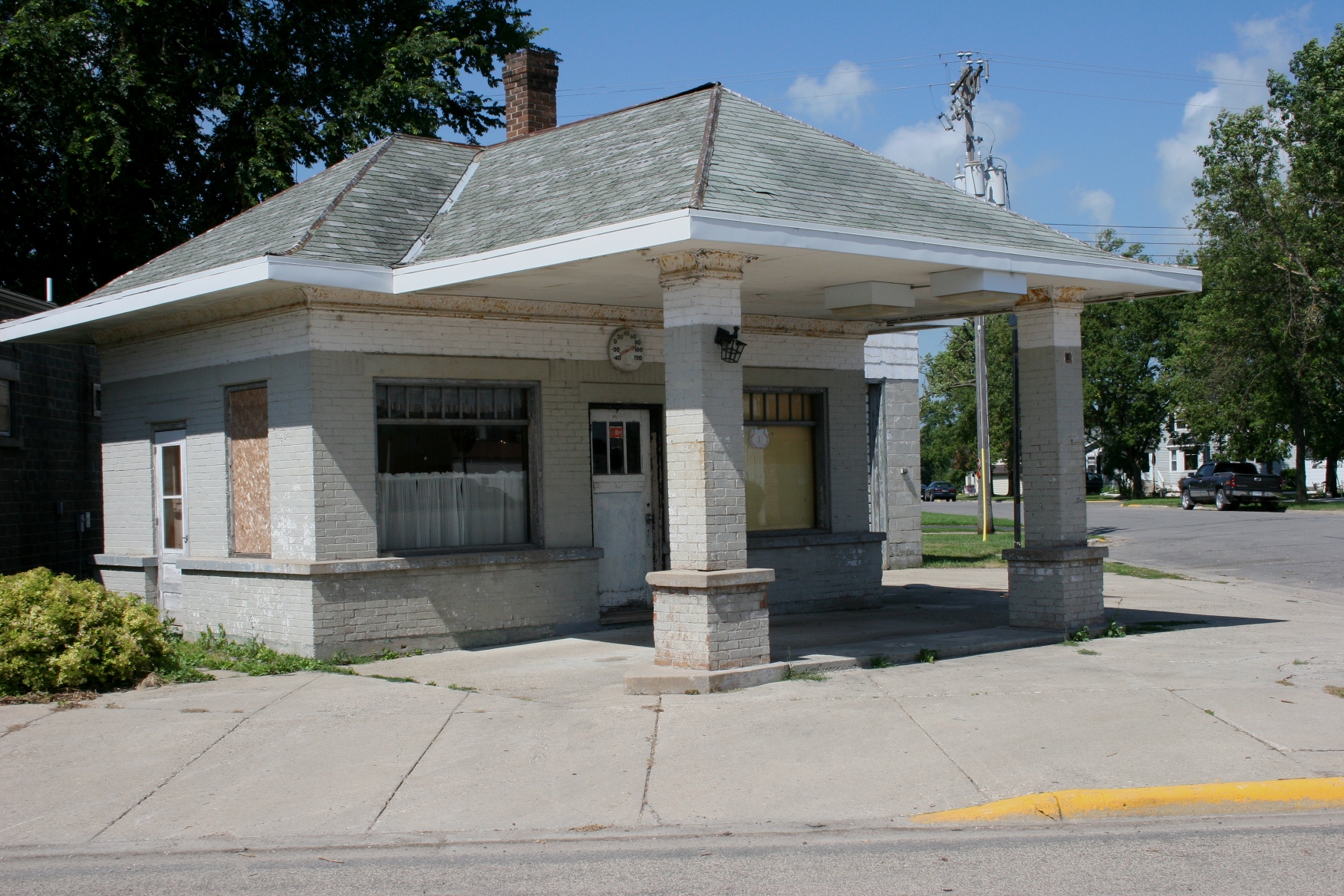
I found this abandoned former gas station (I think) on a downtown corner. This charming building practically shouts for someone to reopen it as a bakery, coffee shop, antique store or some other such venue. Perhaps the two local wineries/vineyards and other area vendors could market their products here.

The Parkview Home, a Belview nursing home, was once home to my maternal grandfather and to other extended aging family members. I've been here often to visit relatives and, during high school, to sing Christmas carols with the Luther League. The building was damaged in a July 1 tornado (note the blue tarp on the roof) and residents have been temporarily displaced.

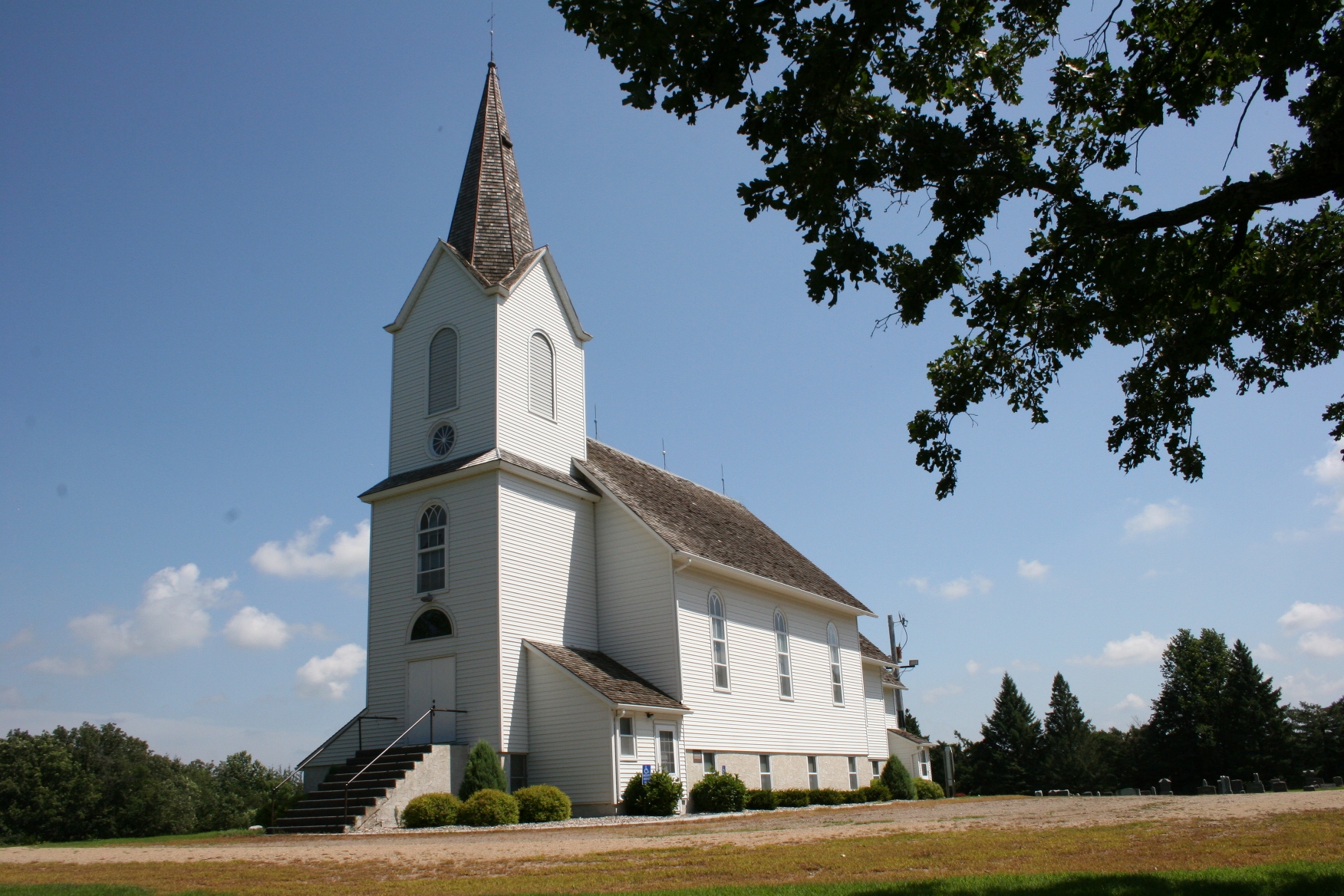
Northwest of Belview, you'll find picturesque Rock Dell Lutheran Church. My Uncle Merlin and Aunt Iylene Kletscher were married here in November 1964, the last time I was inside the church.

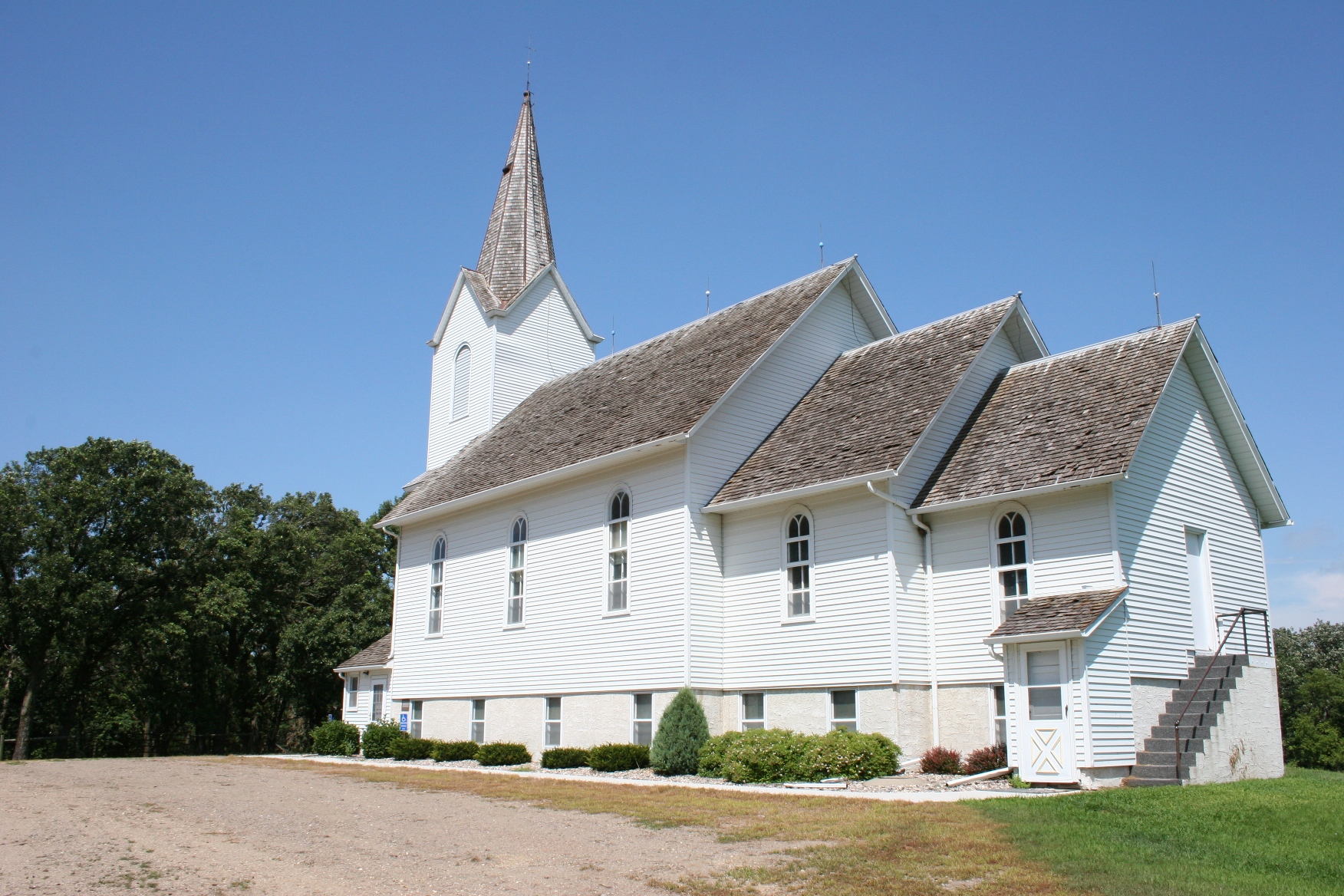
A side view of Rock Dell.

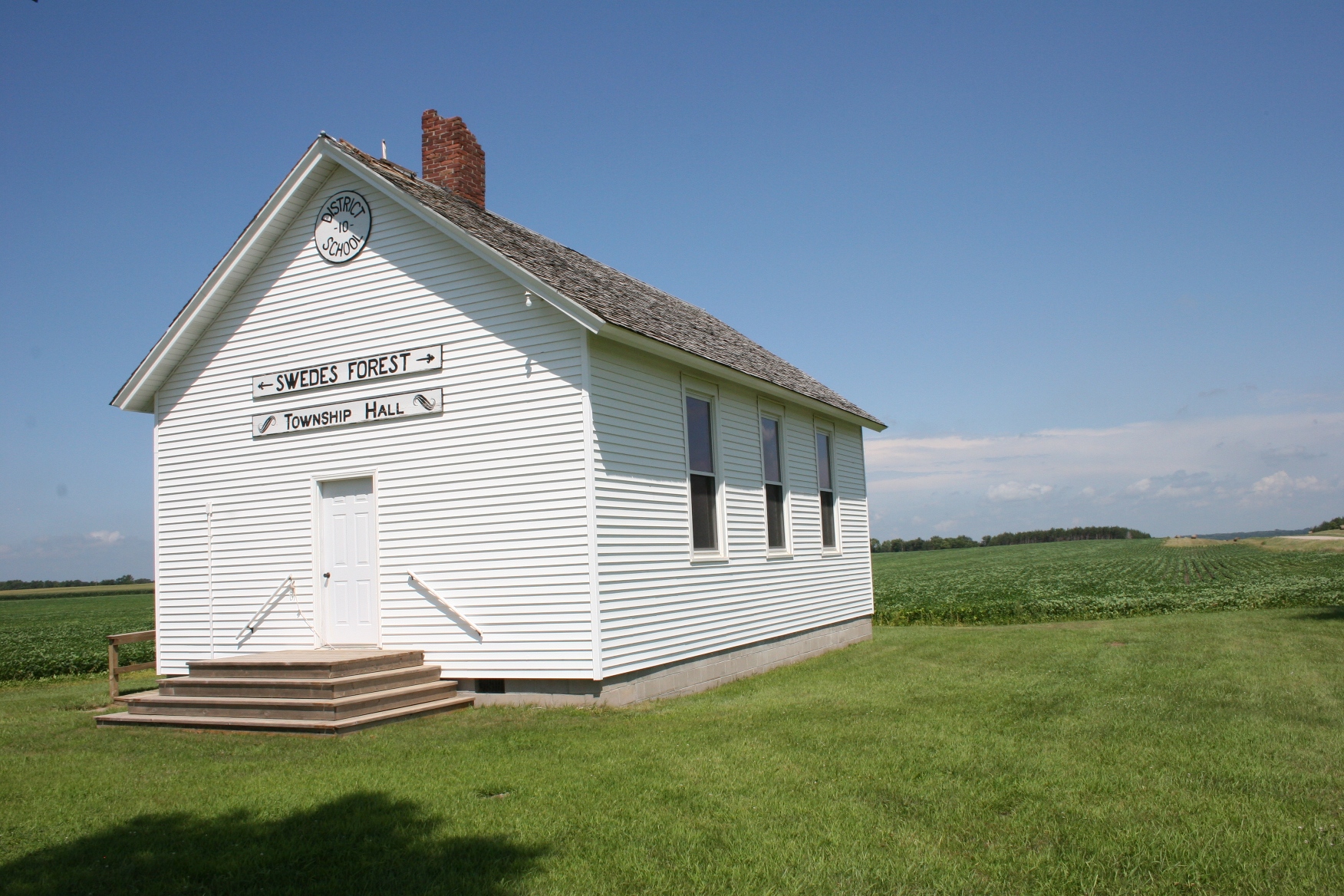
Near Rock Dell you'll find Swedes Forest Township Hall in the middle of corn and soybean fields.

FOR MORE INFORMATION about Belview, click here and here. Also read my previous post about Rainbow Antiques, Crafts and Junque in Belview by clicking here.

TAKE MY CHALLENGE and report back to me on the treasures you discover in a small town or rural area.

© Copyright 2011 Audrey Kletscher Helbling
 

Main Street America January 25, 2011

Filed under: Uncategorized — Audrey Kletscher Helbling @ 5:04 PM
Tags: , , , , , , ,

Main Street in West Concord, Minnesota, population 836, photographed in the fall of 2010

MAIN STREET. Those two words paint a Norman Rockwell image in our minds of barber shops and lunch counters, of neighborliness and kindness and close-knit families, and all that is good about small town life.

In the real world, such an idyllic place exists primarily in our imaginations.

Yet, if you look closely enough, if you take the time, you can still find those small towns, those special places that hearken to a simpler era.

In these communities, you can walk down the middle of Main Street without concern for traffic.

You can walk into a café, the hardware store, a bar and watch heads pivot toward you, the stranger.

You’ll feel the questioning eyes, the locals wondering what the heck brought you here, to their little town, their Main Street.
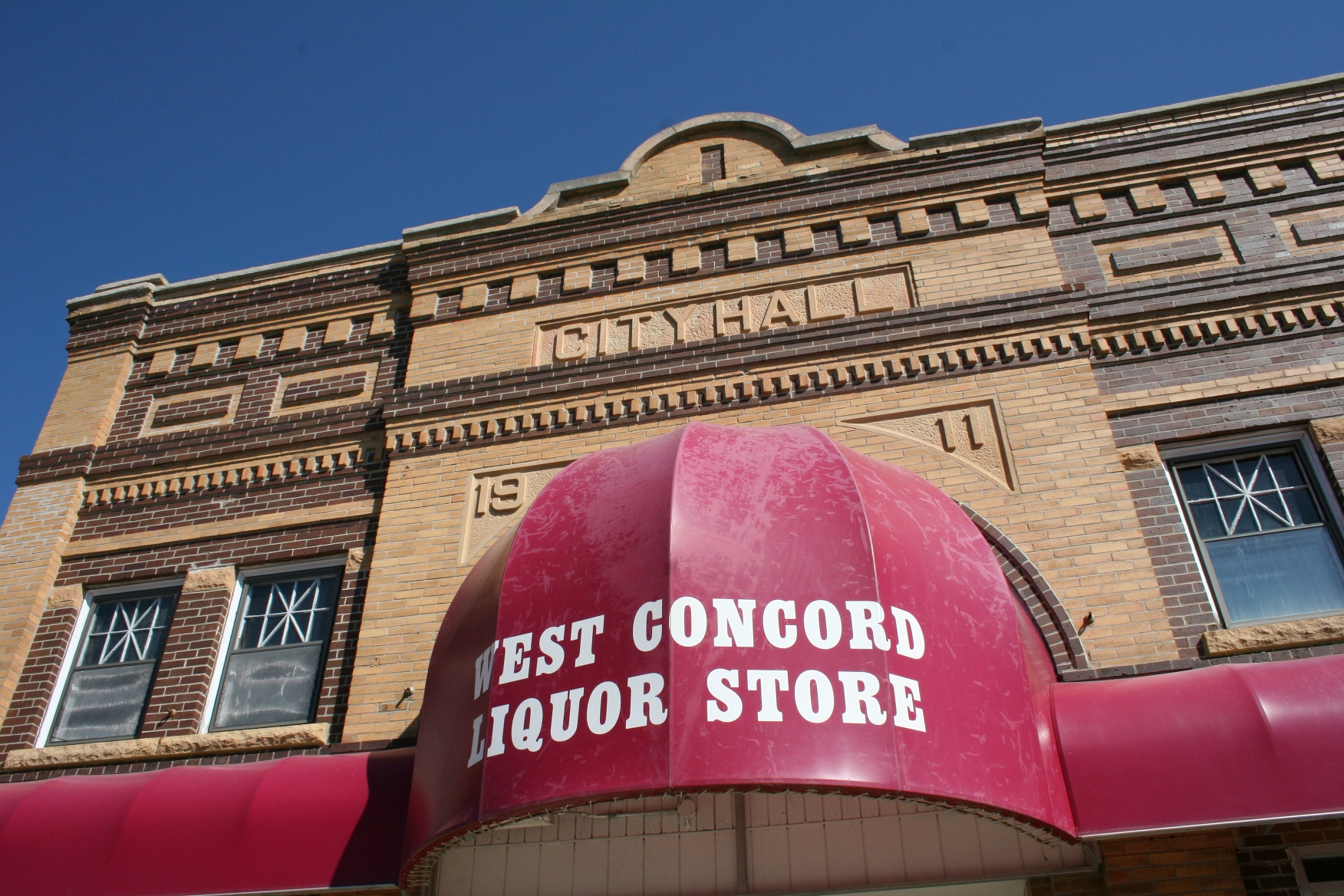
The West Concord Liquor Store in the 1911 City Hall building.

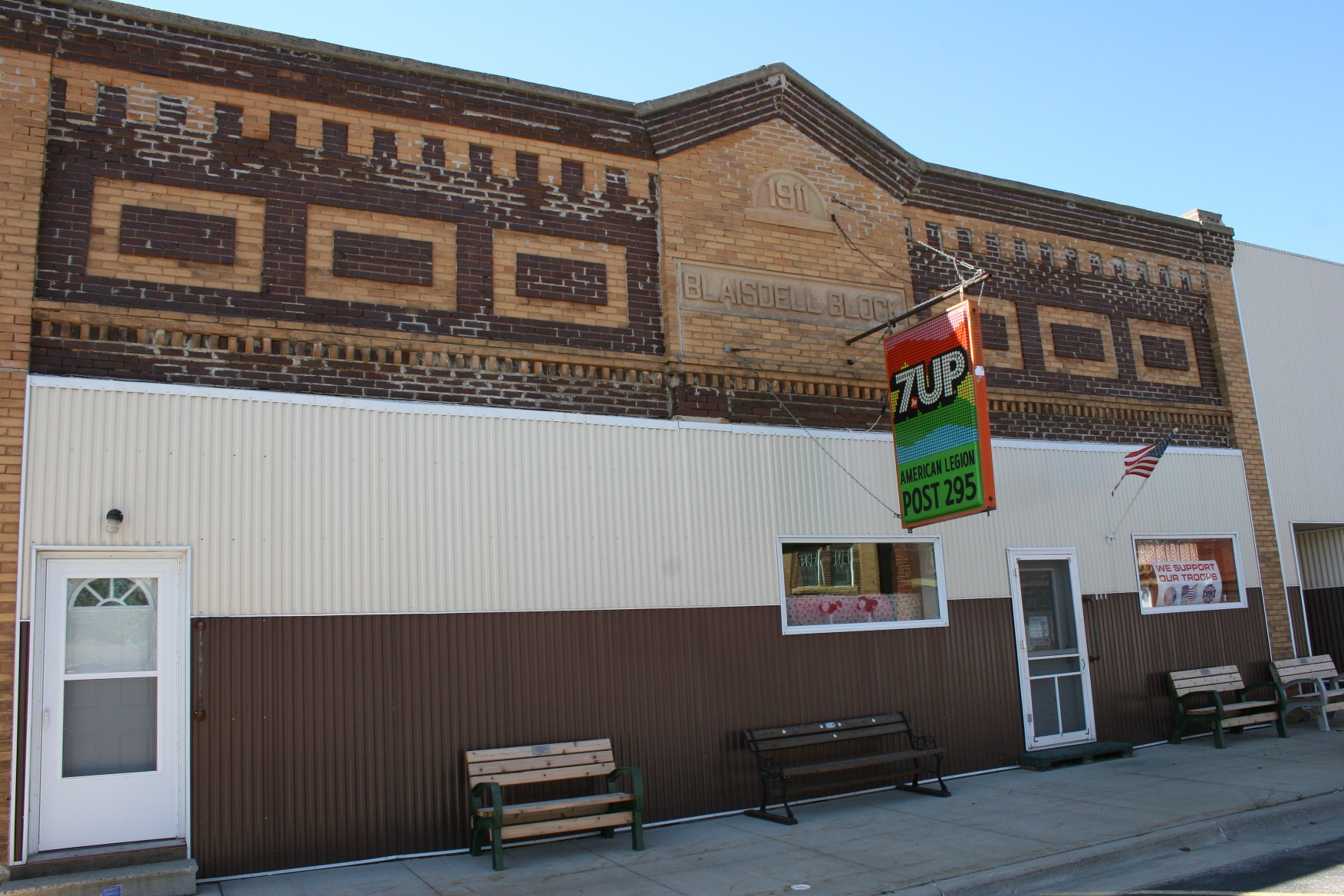
American Legion Post 295 in the 1911 Blaisdell building on West Concord's Main Street. I can only imagine how beautiful this building would be returned to its original glory, minus the siding.

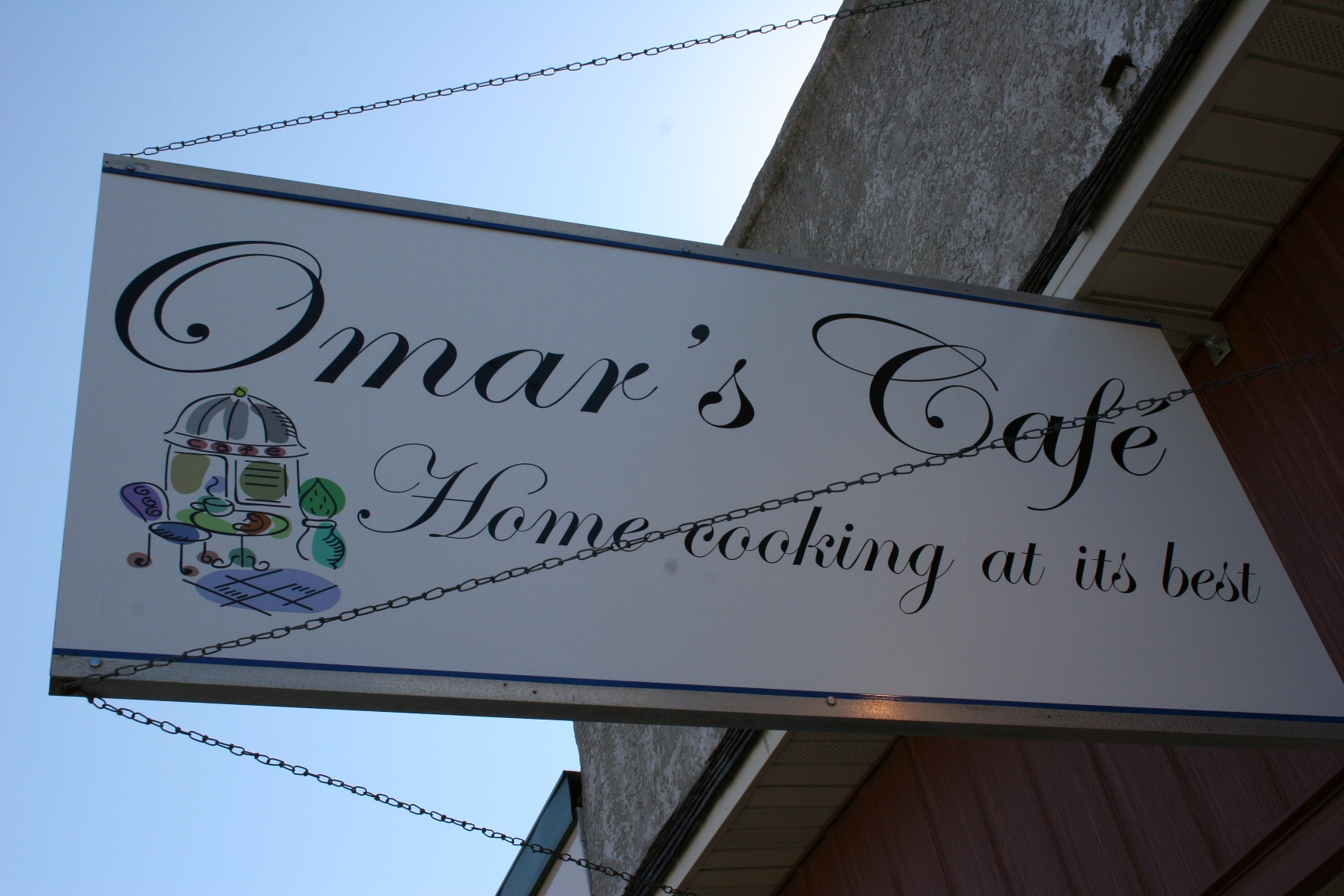
A sign marks one of West Concord's newest businesses, Omar's Cafe. The caramel rolls here are "to die for." I'll share more about this cafe in a future post.

Woody's Auto Literature & More is one of the more intriguing West Concord businesses, located at 150 Main Street. Unfortunately, the business was closed when I was in town last fall.

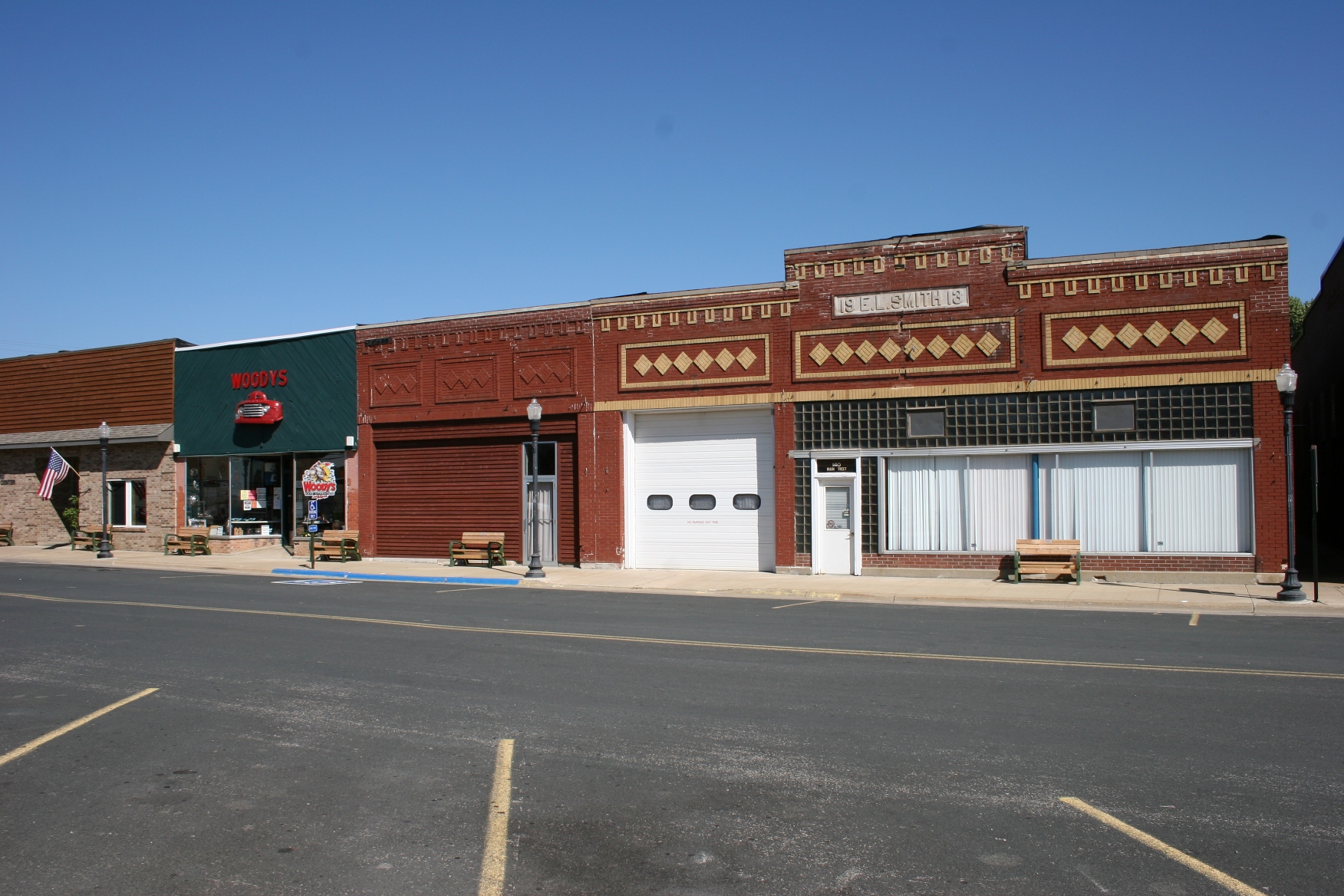
Businesses along Main Street in West Concord.

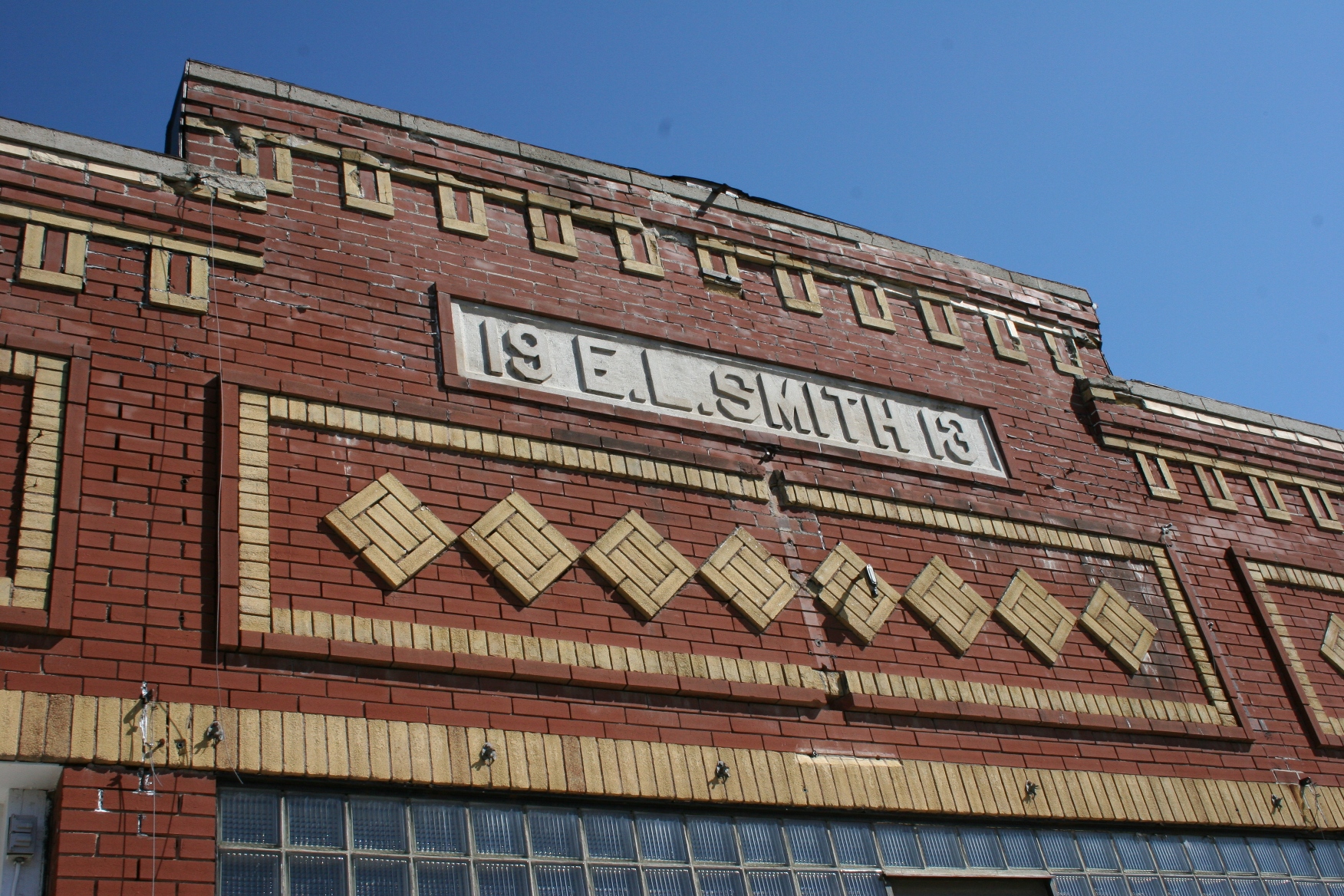
The architecture on some of West Concord's downtown buildings is stunning. I hope the community appreciates these historical treasures like this 1913 Smith building.

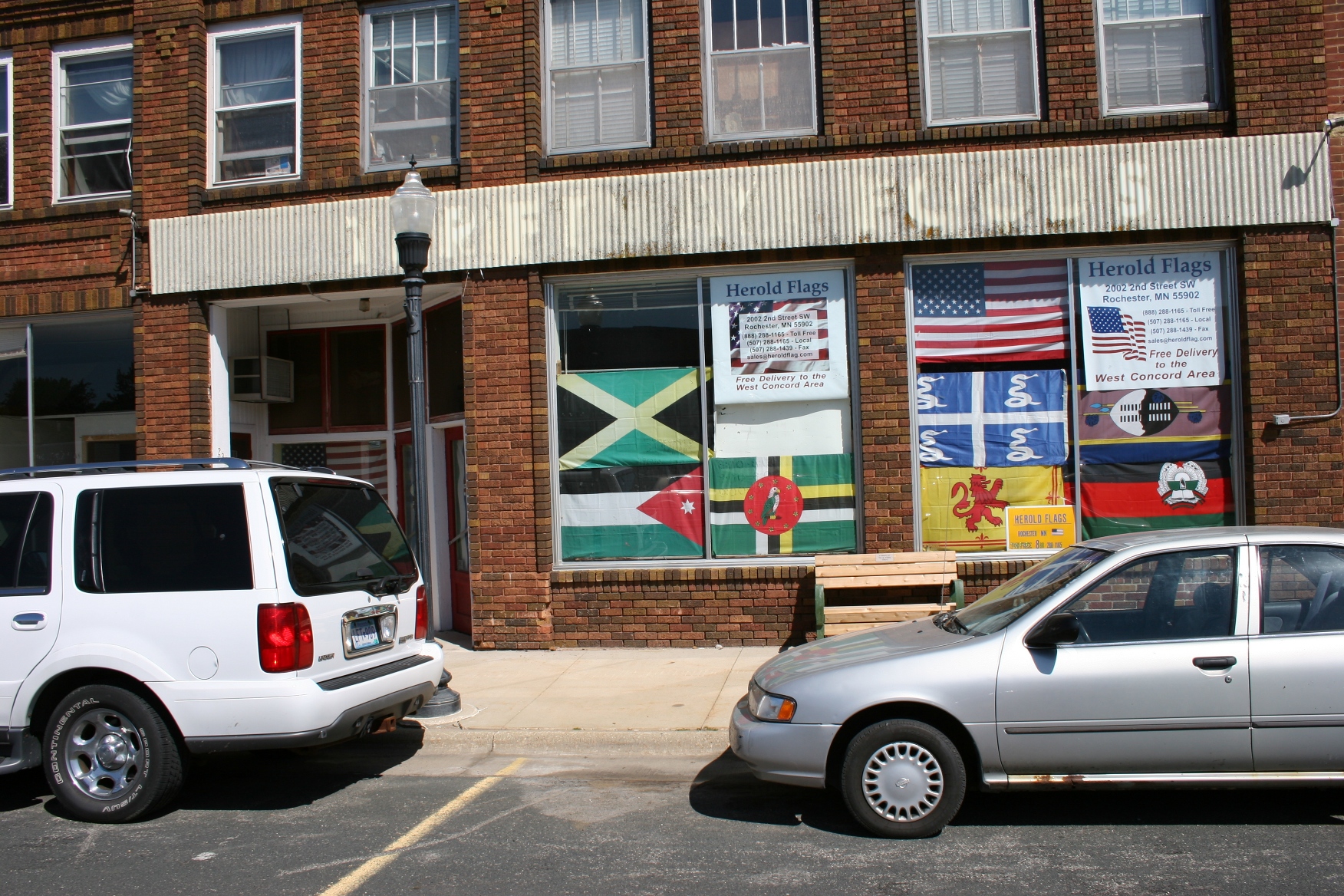
Herold Flags, another unusual business along Main Street in West Concord, sells flags and flagpoles.

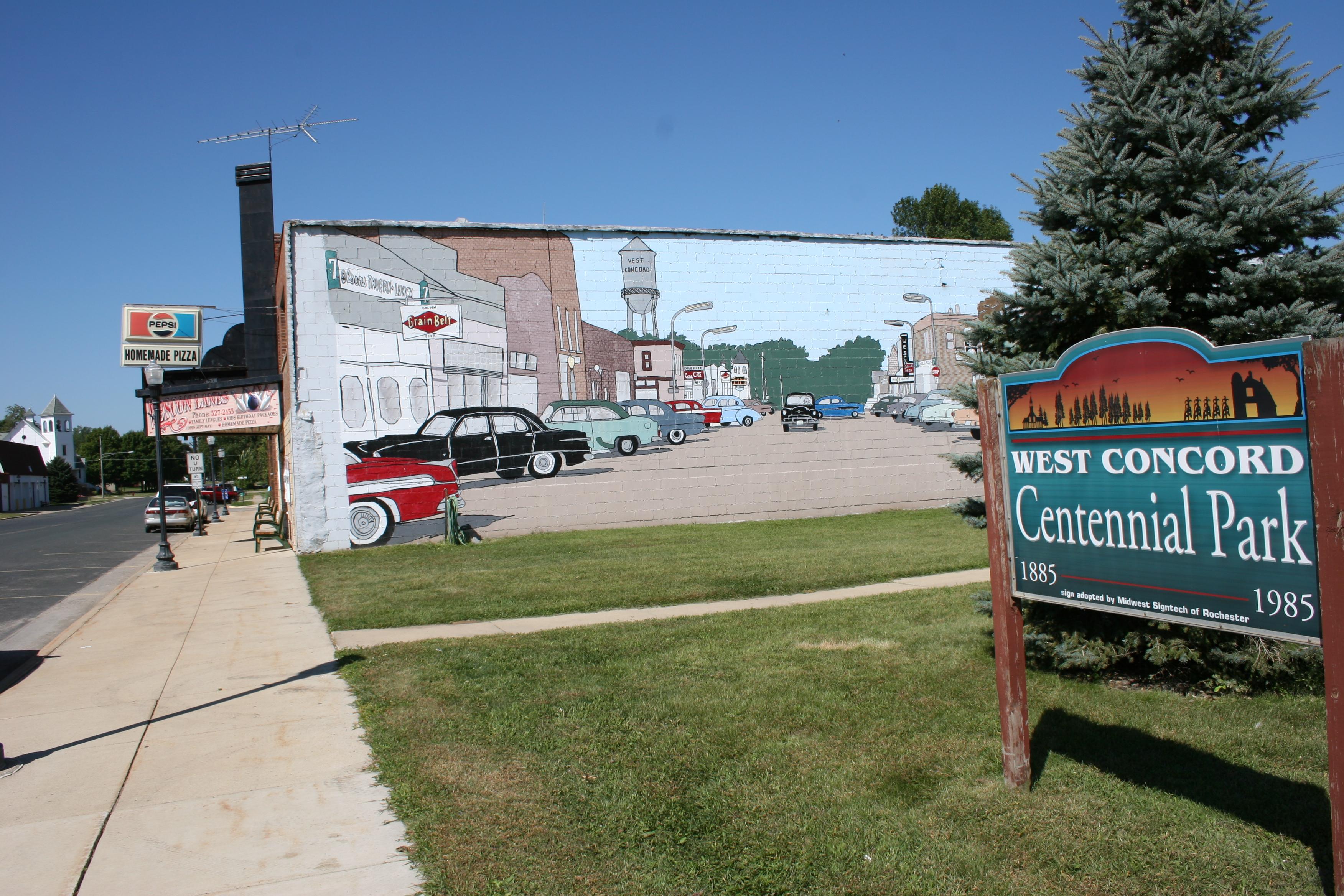
A mural graces the side of a building next to a park along Main Street in West Concord. The community has an annual summer car and truck show and, I think, other car cruises.

DO YOU KNOW of an interesting, or have a favorite, Main Street, U.S.A.?

© Copyright 2011 Audrey Kletscher Helbling