Minnesota Prairie Roots

Writing and photography by Audrey Kletscher Helbling

Celebrating the 30th anniversary release of “Grumpy Old Men” February 6, 2023

The “Grumpy Old Men” DVD I checked out from my library. (Minnesota Prairie Roots photo February 2023)

The film “Grumpy Old Men” is undeniably one of the best films ever made in Minnesota. Why? Because it’s so Minnesota. The movie starring Walter Matthau, Jack Lemmon and Ann-Margret celebrates our winter, our small towns and our culture. And those are reasons enough for me to sing its praises. If you didn’t understand Minnesota before watching this film, you will afterwards.

This year marks the 30th anniversary of the movie’s 1993 release by Warner Brothers.

I recently re-watched “Grumpy Old Men,” checking the DVD out from my local library. Surprisingly, or maybe not surprisingly because I was a busy young mom three decades ago, I didn’t remember much of the movie. Two long-feuding friends in small town Wabasha, Minnesota, focus the storyline. When an attractive woman, Ariel Truax (Ann-Margret), moves in across the street from John Gustafson (Lemmon) and Max Goldman (Matthau), the two compete for her affections. The result is conflict, humorous and tender moments, and a focus on the sport of ice fishing in Minnesota.
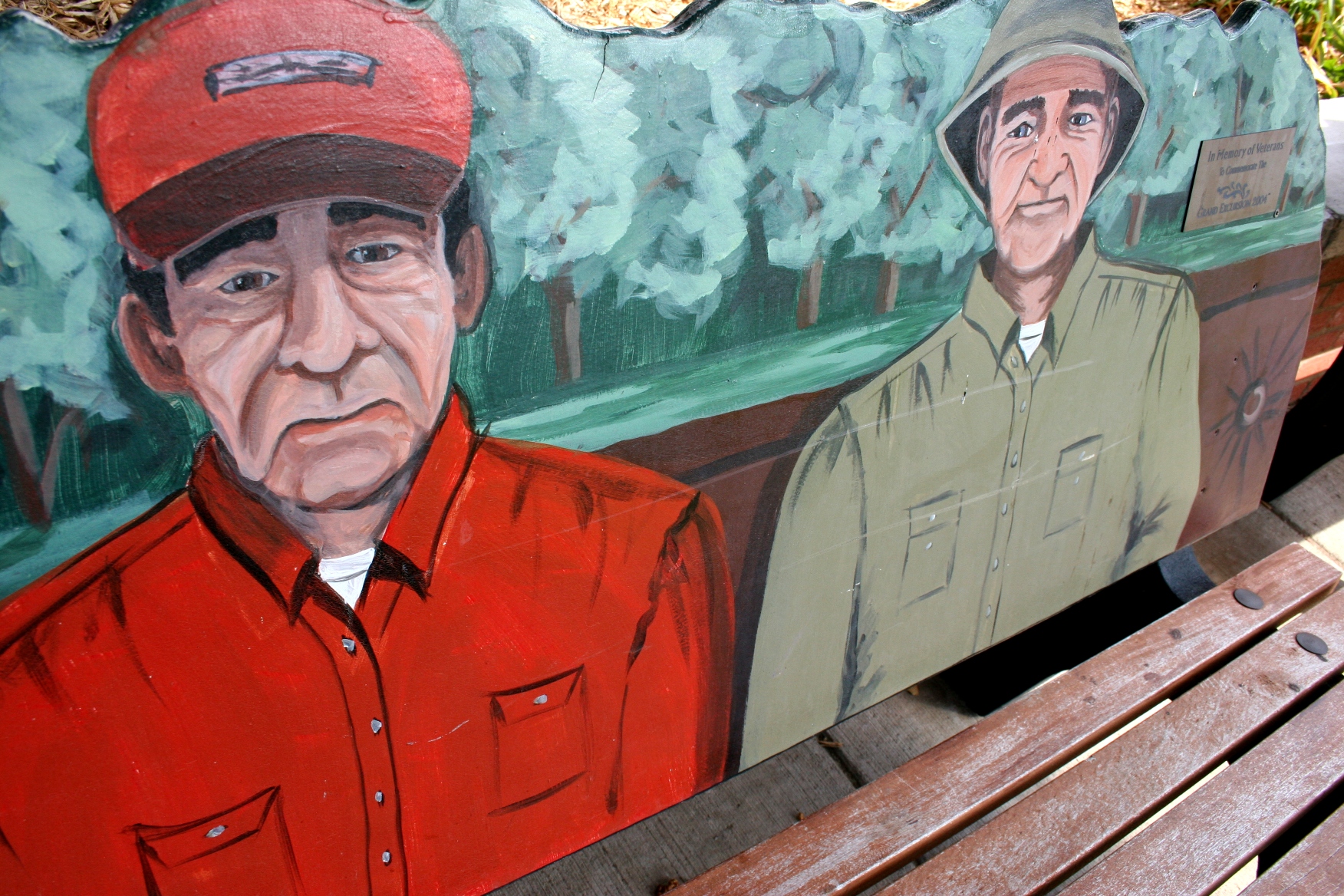
A bench in Wabasha, featuring actors from the film “Grumpy Old Men.” (Minnesota Prairie Roots copyrighted file photo October 2011)

This is truly a Minnesota film. Mark Steven Johnson, who was born in Hastings (just up the Mississippi River from Wabasha) and who attended Winona State University (just down the river from Wabasha and mentioned in the film) wrote the script and the sequel, “Grumpier Old Men.” Interestingly enough, although the movie is set in Wabasha, it was not filmed there, but at numerous other locations in Minnesota.

These tracks lead to the Rock Island Depot in Faribault. (Minnesota Prairie Roots copyrighted file photo August 2018)

FILMED IN “THE FROZEN NORTH,” INCLUDING FARIBAULT

Those sites include my community of Faribault. The opening scene features a train roaring past a depot bannered with a Wabasha sign. In reality, this is the Rock Island Depot in Faribault, long-time home to the popular Depot Bar & Grill. At the beginning of the movie, the Congregational Church and adjacent parish house are shown.
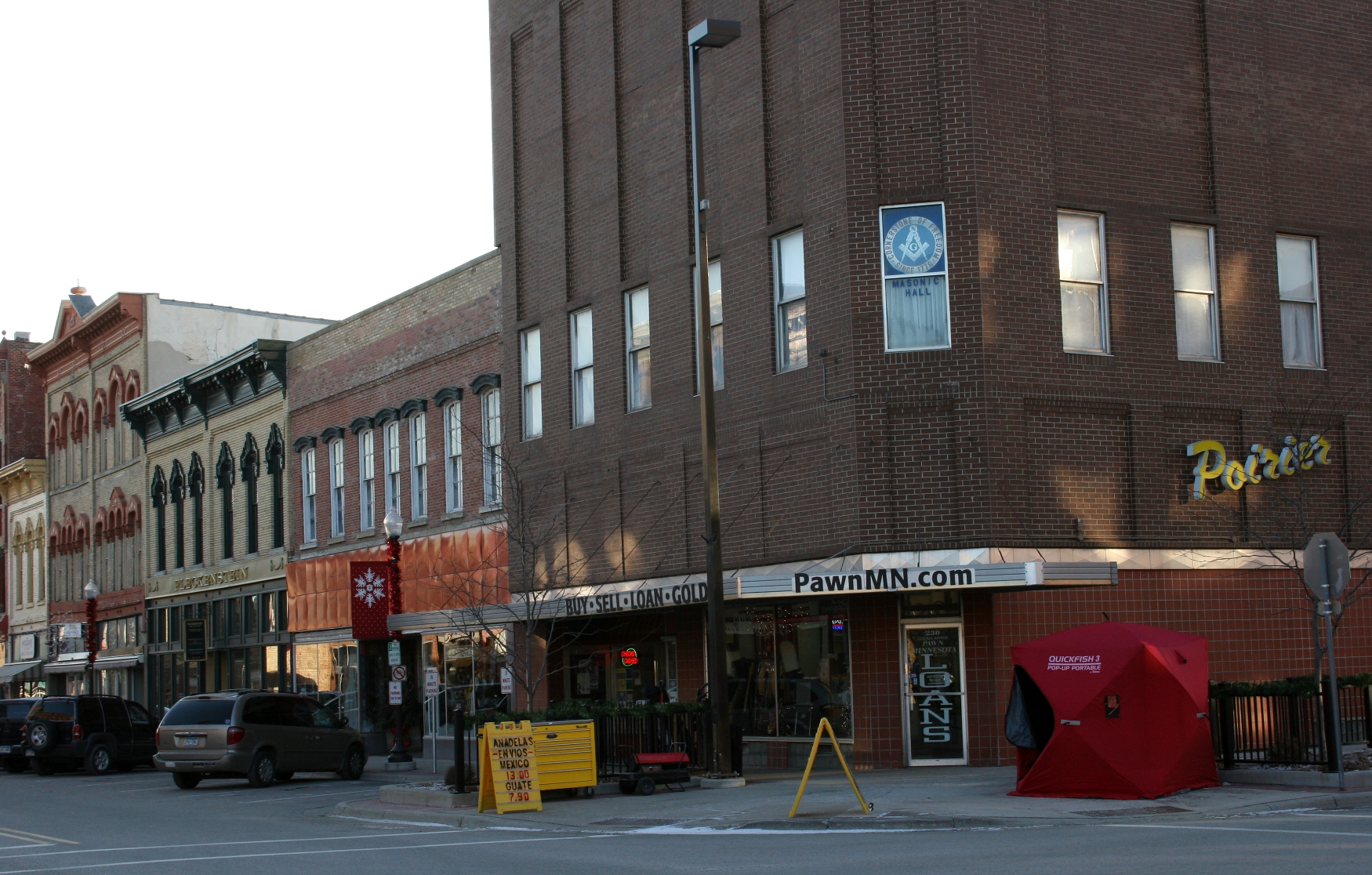
The Poirier name (far right) remained on this building when I photographed it in 2013. It housed a pawn shop then and still today. That’s a portable red fish house outside the business. (Minnesota Prairie Roots copyrighted file photo December 2013)

Other Faribault scenes show our historic downtown, including a Coca Cola ghost sign, businesses along Central Avenue, and the exterior and interior of Poirier Pharmacy (now a pawn shop). Lemmon, Matthau and Ann-Margret performed a scene inside the vintage drugstore with built-in shelves stretching high. Several locals played extras.

Other film locations around Minnesota include houses in the Lake Phalen neighborhood of St. Paul, Half Time Rec (a bar) in St. Paul, Lake Rebecca in Rockford, Chisago Lake Lutheran Church in Center City, a park and overlook in Red Wing, and sound stages at Paisley Park (of Prince fame).

John Davis wrote in his production notes that shooting on-location in “The Frozen North” brought out the best in the team and end product. I agree. The outdoor scenes are authentic with snow piled high; icicles hanging from roof edges; snow and ice layering sidewalks; snowplows barreling down streets; a snowmobile buzzing through a neighborhood; windshield ice scraping; snow shoveling; making snow angels… No need to truck in snow during the Minnesota winter of 1993.

Fish houses create a mini village on frozen Lake Mazaska in Shieldsville (west of Faribault) in January 2013. (Minnesota Prairie Roots copyrighted file photo)

ICE FISHING, FLANNEL-WEARING AUTHENTIC MINNESOTAN

And then there is the ice fishing. Many comedic scenes unfold on the frozen lake, inside and outside the fish houses of lead characters Gustafson and Goldman. Writer Johnson tapped into memories of ice fishing with his grandpa to pen the script. As I watched the movie, I delighted in the polka music (Liar’s Polka, Oira Oira Polka…) that played as the anglers headed to the frozen lake. The upbeat tempo infuses an energy into the film that takes me back to long ago wedding dances in small town Minnesota community halls.

There’s so much Minnesota in “Grumpy Old Men.” Flannel shirts and ear flapper caps. Walleye mounts and crappies strung on a line. Supper, not dinner. Splitting wood with an ax. An air conditioner lodged in a second story window in winter. Red Wing boots and a six-pack of Schmidt beer and Minnesota-made SPAM (the meat). I noticed all of these details in my second viewing of this film. I appreciate that I watched the movie with a more discerning eye, appreciating the, oh, so many authentic Minnesotan aspects of a movie that celebrates life and winter in Minnesota.

A promo for the Fireside Chat with “Grumpy Old Men” script writer Mark Steven Johnson. (Graphic credit: Grumpy Old Men Festival Facebook page)

LET THE ANNIVERSARY PARTY BEGIN

Wabasha celebrates its 30th annual Grumpy Old Men Festival on February 24 and 25. There’s a lengthy list of events, including a Grumpy Old Men Fishing Tournament, a Grumpy Best Dressed Contest, a Hot Dish (Minnesota lingo for casserole) Luncheon, Grumpy Old Men Ice Bar at Slippery’s Bar and Grill (referenced, but not seen, in the film), a fireside chat with script writer Mark Steven Johnson and much much more. Click here for a complete list of festival events.

Chisago Lake Lutheran Church in Center City will hold a “Grumpy Old Men” Worship Service at 9 am on Sunday, February 12. The service is open to anyone, not just men, and not just grumpy men. Attendees are invited to wear their favorite flannel shirts and jeans and to put a fishing lure in their hats. Click here for more information.

Copyright 2023 Audrey Kletscher Helbling


George Floyd’s aunt lifts her voice in an impactful book February 3, 2023

IT’S NOT ENOUGH. I recognize that. It’s not enough to simply read books about black history and racism in America and call it good. But reading is a step toward widening my knowledge and understanding and then my compassion. So I will continue to read, and learn.

I recently finished Lift Your Voice—How My Nephew George Floyd’s Murder Changed the World. Angela Harrelson—who is Floyd’s aunt, lives in Minneapolis and works as a registered nurse—wrote this book with Michael Levin. Floyd, known as “Perry” to his family, died on May 25, 2020, at the hands of Minneapolis police officers, three now serving prison time in Floyd’s death, the fourth awaiting a judge’s decision on charges.

On the day I turned the last pages of Lift Your Voice, family, friends and activists were raising their voices at the funeral of Tyre Nichols, who was brutally beaten by police during a traffic stop in Memphis and died three days later. Listening to a portion of that service, a speaker called the young black man a “son, father, brother, friend and human being.” Human being. Those two words emerge in Harrelson’s book when she writes of (those) white people who don’t see black people as human beings. She traces that back to slavery (when slaves were viewed as property), sharing her own family history of slavery and lynchings.

Harrelson specifically cites Minneapolis Police Officer Derek Chauvin as failing to view her nephew as a human being. Chauvin kneeled/pressed on Floyd’s neck for more than nine minutes as the young man lay handcuffed and face down on the street pleading for his life, “I can’t breathe.”

It’s a lot, this book. To read about Floyd’s tragic death and the deeply personal stories of Harrelson and her family and all they’ve endured simply because of the color of their skin is difficult. But stories resonate and make an impact. When she writes of “white privilege” as something held simply because of white skin color and unrelated to wealth and status, that clicked for me. Unlike Harrelson, I don’t have to think about being watched in public, suspected of something, anything, because of my skin color. Harrelson does and she shares specifics.

Her book covers topics of systemic racism, a police culture that needs to change (she’s not anti-police), the emotional exhaustion and trauma she feels, the importance of faith in her life, her role as an activist. But she doesn’t stop there. Harrelson calls for each of us, individually, to call out racism, to speak up when we see injustices, to treat each other with respect.

In my own community, I’ve, on more than one occasion, found myself responding to racist comments related to housing, employment, even the way people dress or their scent. It’s hard to hear this stereotyping, this obvious disrespect and racism. So I speak up, or as George “Perry” Floyd’s aunt encourages, I lift my voice. Lifting voices and being heard is how, Harrelson writes, the world will heal.

© Copyright 2023 Audrey Kletscher Helbling

 

Council vacancy generates 17 candidates in Faribault, now time to choose one February 2, 2023

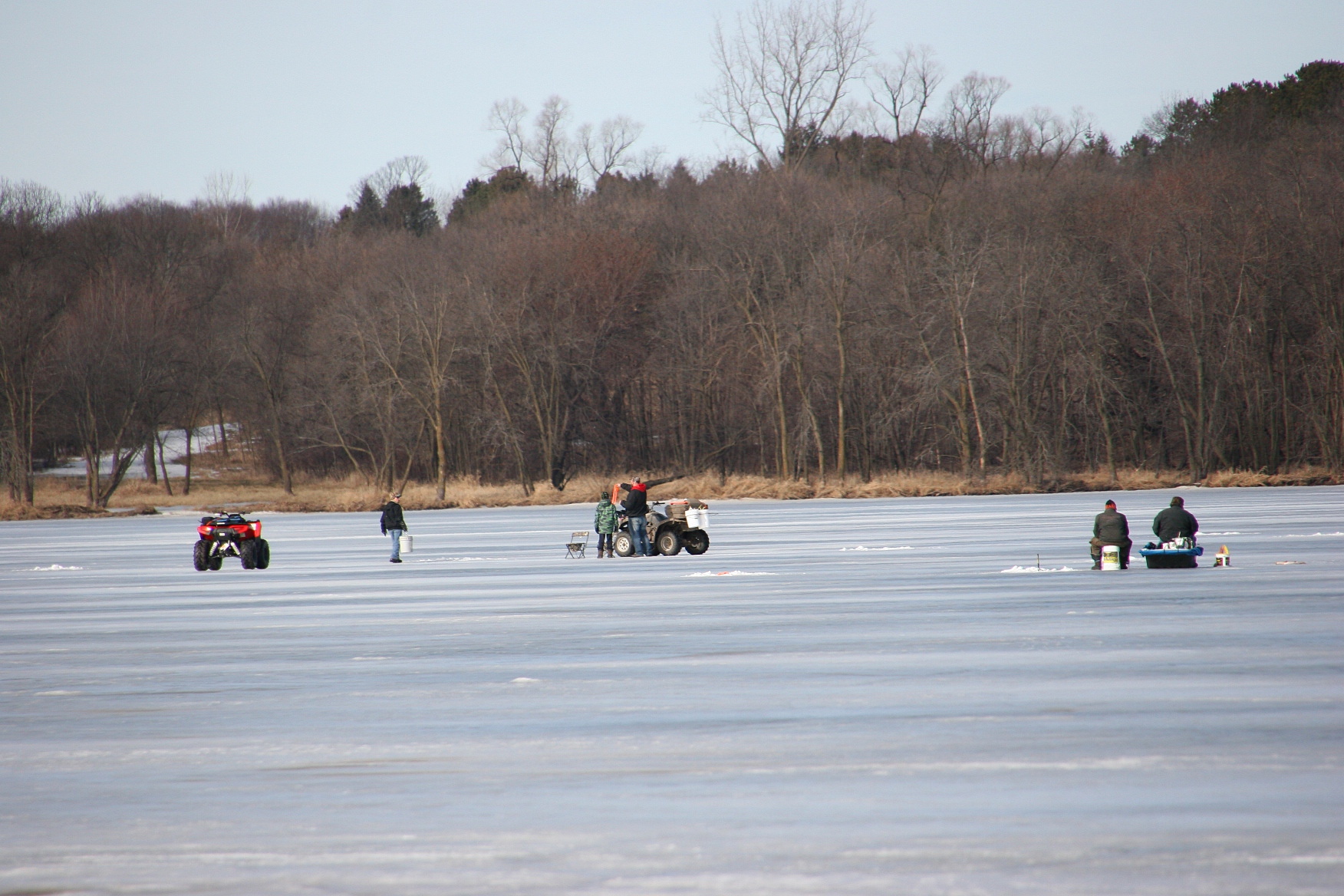
Serving on the Faribault City Council is about more than attending meetings and making decisions. It’s also about being involved in the community. Here council member Peter van Sluis, left to right, Mayor Kevin Voracek and councilman Royal Ross serve chili and engage during the Faribault Main Street Chili Cook-off in October. The WTF on Vorack’s tee stands for “Welcome To Faribault.” (Minnesota Prairie Roots copyrighted file photo October 2022)

JUST MONTHS OUT from the general election, 17 individuals applied for an open seat on the Faribault City Council. The current council is tasked with choosing the individual who will fill the spot vacated by Jonathon Wood with two years remaining in his term. The council invited interested individuals to apply, resulting in the unprecedented 17 applicants.

It’s interesting to note that in the November election, three candidates ran unopposed for three council seats. Two incumbents were re-elected with the third winner a newcomer and our first person of color elected to the council.

Without talking to each of the 17 applicants, I can only speculate on their reasons for wanting to join the council. Some come with a history of government and community involvement, whether locally or elsewhere. Some are life-long Faribault residents, others newcomers. Some are young, others more advanced in age. Whatever their reasons for wanting to serve, I hope they approached this with open minds (and not with personal agendas), with a strong desire to do what’s right and best for Faribault, all of Faribault.

I know some of the people on this candidate list personally. I can easily envision them sitting on the council, doing their homework, carefully researching and considering issues, listening, voicing their thoughts. I can see them investing the time, energy and effort needed to make informed decisions that affect not only how this city operates, but also Faribault residents and businesses.

From my perspective, the ability to listen, really listen, is vital. That means listening to all voices—heard and unheard, loud and quiet.

I don’t envy the current council’s task of filling this council vacancy. They met, narrowed the choices down, and are sending follow-up questions to the five remaining contenders. Those individuals will be asked to give short presentations at a council workshop session next week.

I’m grateful that so many individuals applied to serve on the Faribault City Council. Seventeen. That’s an incredibly high number of people willing to devote their time and energy to issues that affect my community. Whomever the council ultimately appoints, that individual will help shape the future of this city, shaped, too, by its rich history.

© Copyright 2023 Audrey Kletscher Helbling
 

Winter in Minnesota: Oddities, insights, warnings February 1, 2023

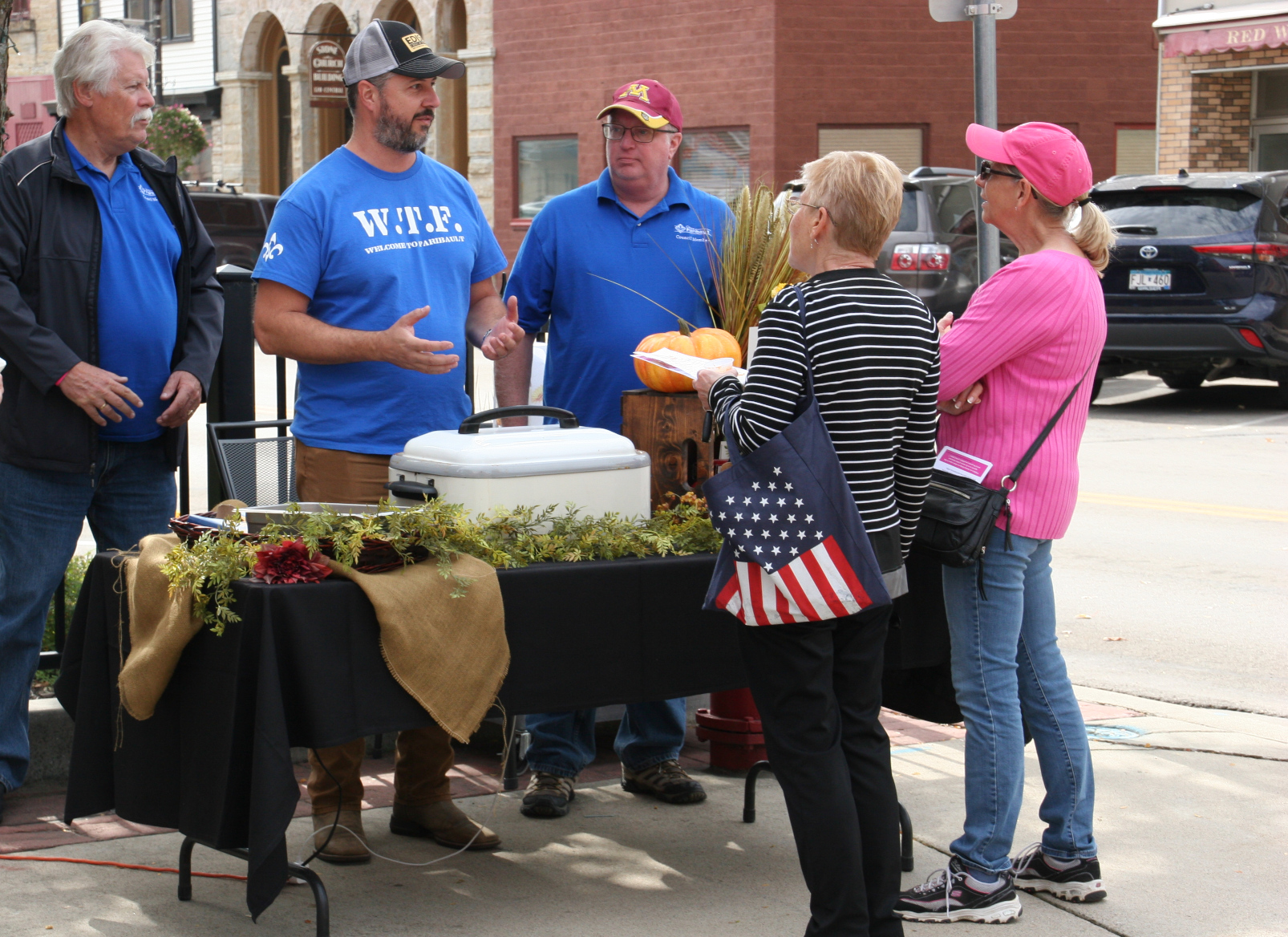
Treacherous winter driving conditions along Minnesota State Highway 19 just north of Vesta in southwestern Minnesota in January 2013. These weather conditions are not uncommon on the prairie. (Minnesota Prairie Roots copyrighted and edited file photo 2013)

WINTER IN MINNESOTA can be decidedly difficult in the sort of way that challenges us to either adjust, adapt or embrace, or flee to Arizona, Texas or Florida.

That got me thinking. If you’re not from the Bold (Cold) North, you may be unfamiliar with our winter weather obsession and terminology. Wind chill is an oft-referenced word in Minnesota winter weather forecasts. Defined, that’s the feels like temp on skin when wind meets air temperature. The result is not pleasant with repeated warnings of exposed flesh can freeze in just minutes. That’s the time to layer up, don long johns, pull out the heavy parka or down coat, shove hands into mittens (not gloves), wrap your face and neck in a scarf, clamp on a warm hat and lace lined boots over thick wool socks. Or stay indoors. Just for the record, recent Minnesota wind chills have been between 20-35 degrees below zero.

Experts, like the Minnesota Department of Public Safety, advise us to carry winter survival kits in our vehicles and to stay inside should we become stranded or go off the road. Call for help and wait. Exiting your vehicle is risky as in risk becoming disoriented and lost in a snowstorm if in a rural area or risk being hit by a vehicle if your vehicle slides into the ditch along a busy interstate. Just recently a driver was struck while doing exactly that; he’ll be OK.

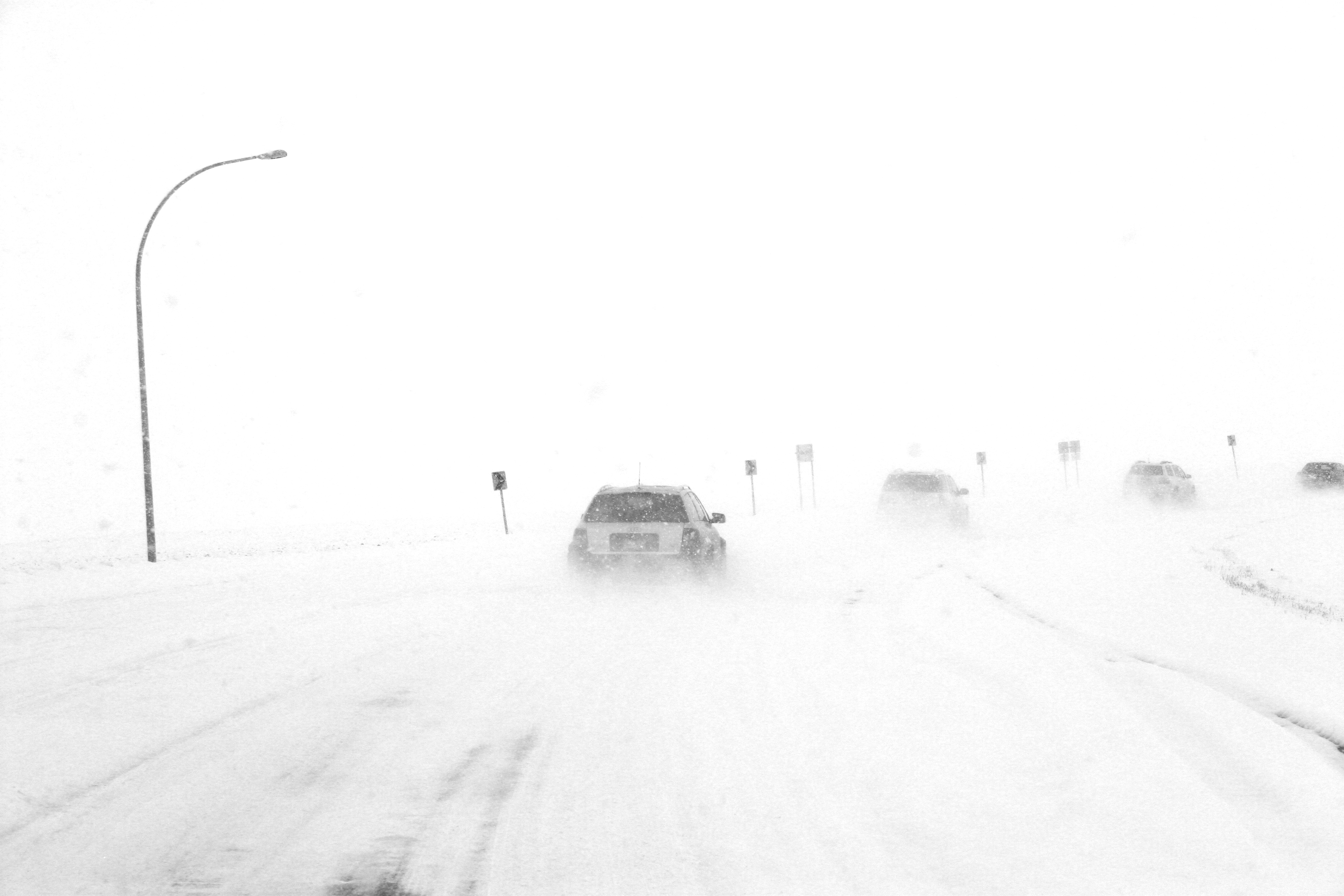
Ice fishing on Union Lake in Rice County. Some anglers don’t fish in houses, but rather in the open air, sitting on overturned 5-gallon buckets. (Minnesota Prairie Roots copyrighted file photo)

YES, MINNESOTANS REALLY DO DRIVE ONTO FROZEN LAKES

Regarding risk, Minnesotans continue to participate in a sem- risky winter sport. Ice fishing. As absurd as this sounds to those who have never lived in a cold weather state, this is the sport of angling for fish on a frozen lake. It can be (mostly) safe if anglers follow basic rules for ice safety, the first being that no ice is ever 100 percent safe and know your lake. The Minnesota Department of Natural Resources offers basic ice thickness guidelines such as stay off ice less than four inches thick. If it’s four inches thick, you can walk on lake ice. Nine to 10 inches of ice will support a small car or SUV. You’ll need 16-17 inches to drive a heavy truck onto a frozen lake and so on. Every winter vehicles plunge through the ice and people lose their lives on Minnesota lakes.

Yet, we Minnesotans continue to embrace the sport, exercising caution. Clusters of simple pop-up temporary day houses to homemade wooden shacks to fancy sleep-overnight factory models create mini villages on our frozen lakes. Anglers hang out therein, drilling holes in the ice, drinking beer, playing cards and doing whatever while waiting for the fish to bite. Decades have passed since I participated in this winter sport. But I did. It was the cracking noise of the ice that got to me.

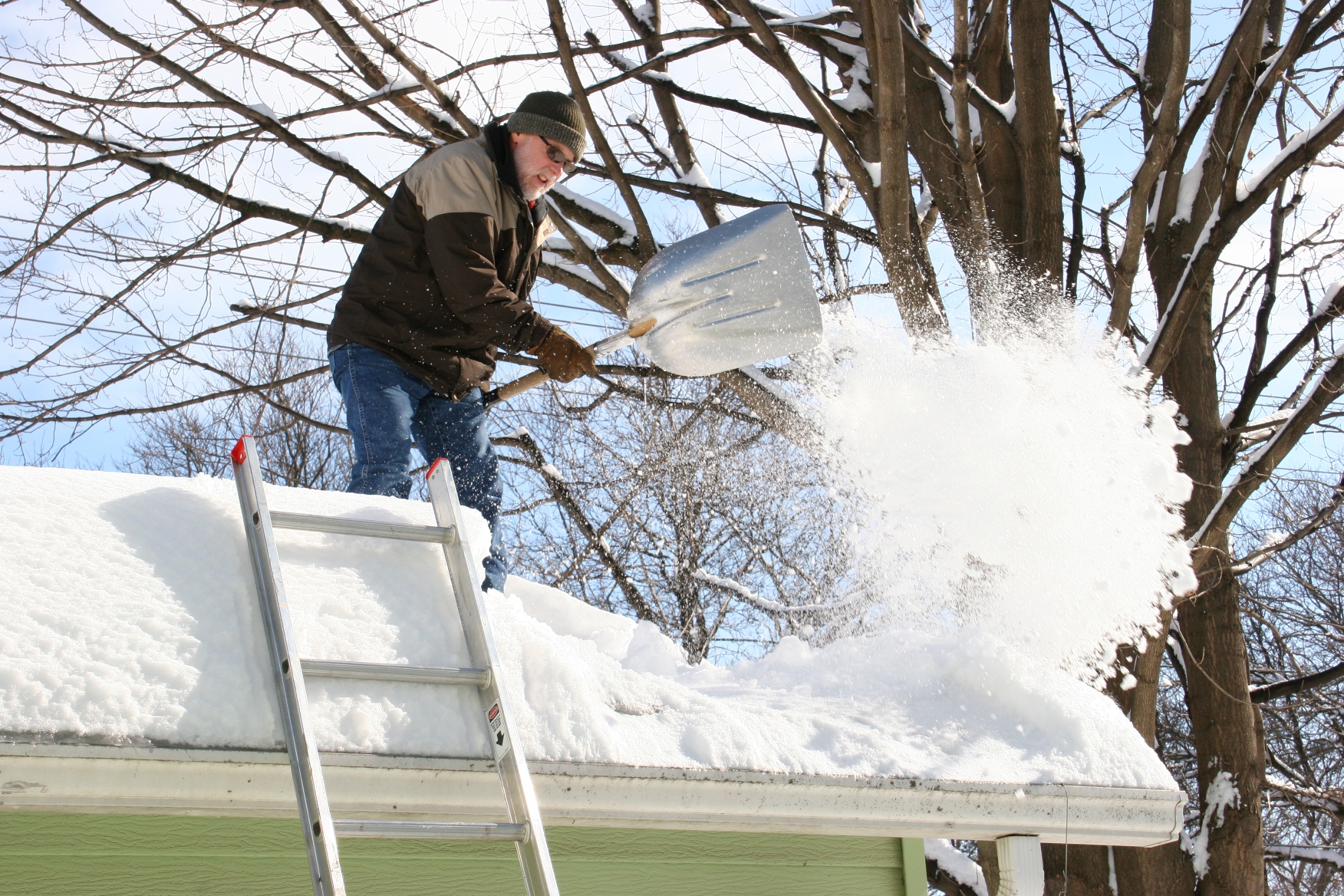
Randy shovels snow from our house rooftop during a previous winter. (Minnesota Prairie Roots copyrighted file photo)

PENGUINS, FIRE & UP ON THE ROOFTOP

Ice. I quite dislike that aspect of winter. And we’ve had a lot of ice this winter on roads, sidewalks, parking lots, every hard surface. As I age, my fear of falling and breaking a bone is real. I deal with ice by either staying off it or walking like a penguin.

Recently I observed my neighbor trying to remove ice from his driveway with fire fueled by a small portable propane tank. It was the weirdest thing—to see this flame in the black of evening aimed downward onto his cement driveway. It didn’t work well. The next evening, two of them were out chipping at ice the old-fashioned way with a long-handled bladed tool designed for that purpose.

Yes, we chip ice from our sidewalks and driveways. We shovel snow from our roofs in an effort to prevent ice dams (of which there are many this winter). Getting through a Minnesota winter, especially one as snowy as this season, requires fortitude and effort.

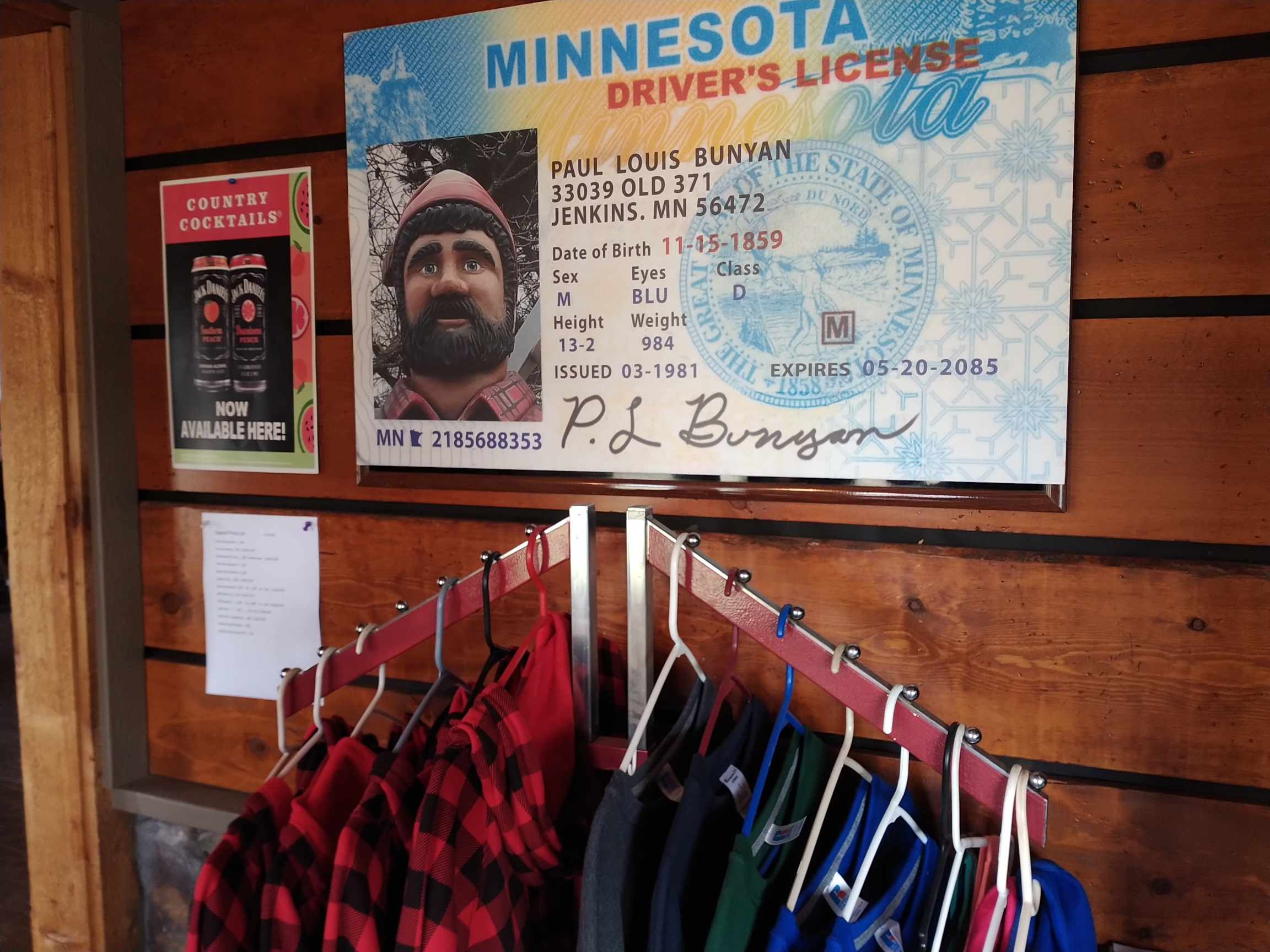
This oversized Minnesota driver’s license hangs above a rack of buffalo plaid flannel and other shirts at the A-Pine Restaurant near Pequot Lakes in the central Minnesota lakes region, aka Paul Bunyan land. (Minnesota Prairie Roots copyrighted photo September 2022)

CELEBRATING PAUL BUNYAN STYLE

Winter here also requires plenty of flannel, our unofficial winter attire. I recently purchased two flannel shirts to replace two that I’d worn thread-bare. I love my flannel. It’s comfy and cozy and warm and makes me feel Paul Bunyan authentic. If you’re unfamiliar with Paul, let me explain. He’s a legendary lumberjack, a symbol of strength and endurance. And he wears red buffalo plaid flannel. My community even celebrates flannel with the Faribault Flannel Formal, set for 5:30-9 pm Saturday, March 11, at Craft Beverage Curve (10,000 Drops Craft Distillers and Corks & Pints)). And, yes, that means attendees wear flannel, sample hotdishes (the Minnesota term for casseroles) and participate in lumberjack games. Yeah, sure, ya betcha. This is how we survive winter in the Bold (Cold) North.

© Copyright 2023 Audrey Kletscher Helbling
 

United Way opening community-focused used bookstore in Faribault January 31, 2023

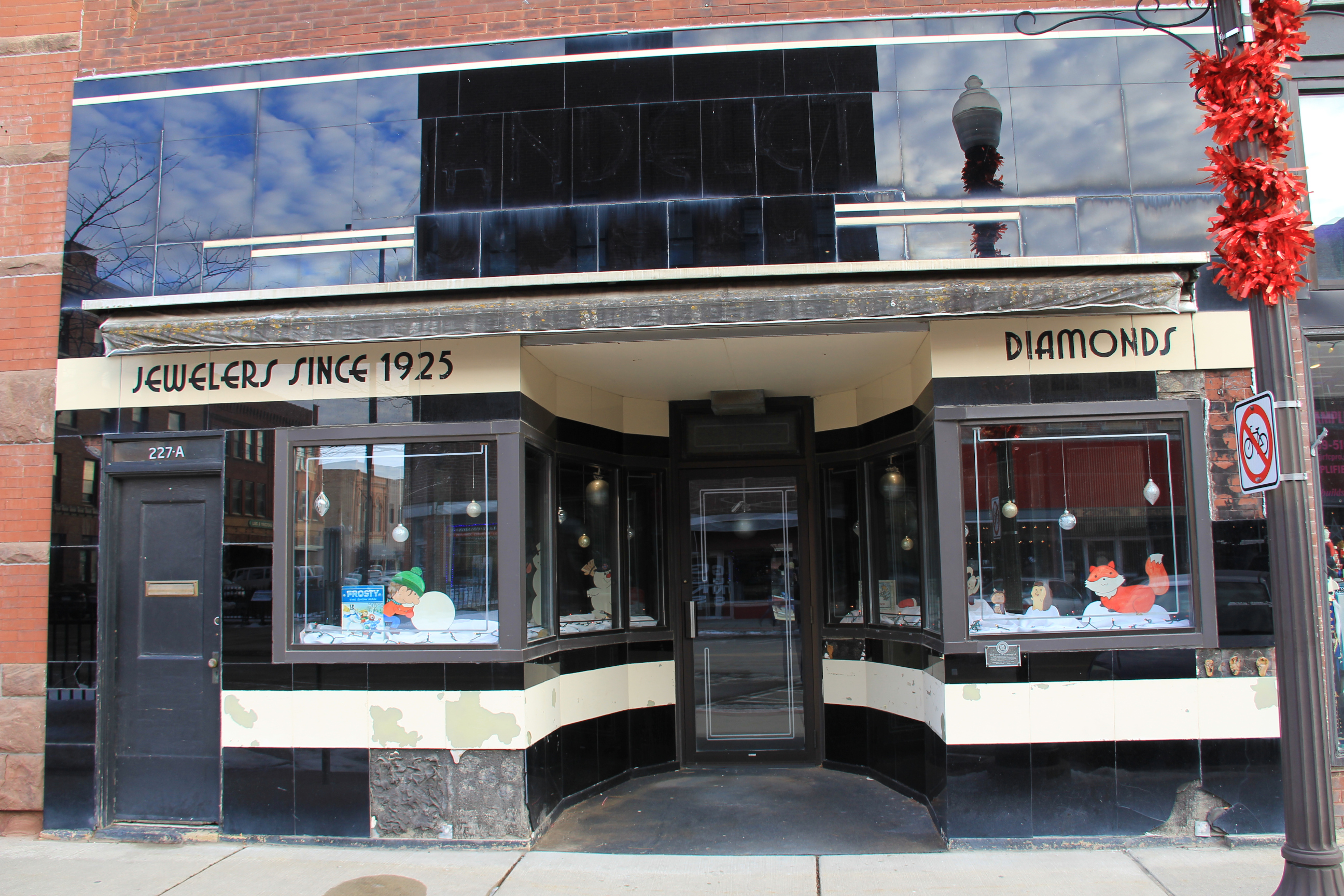
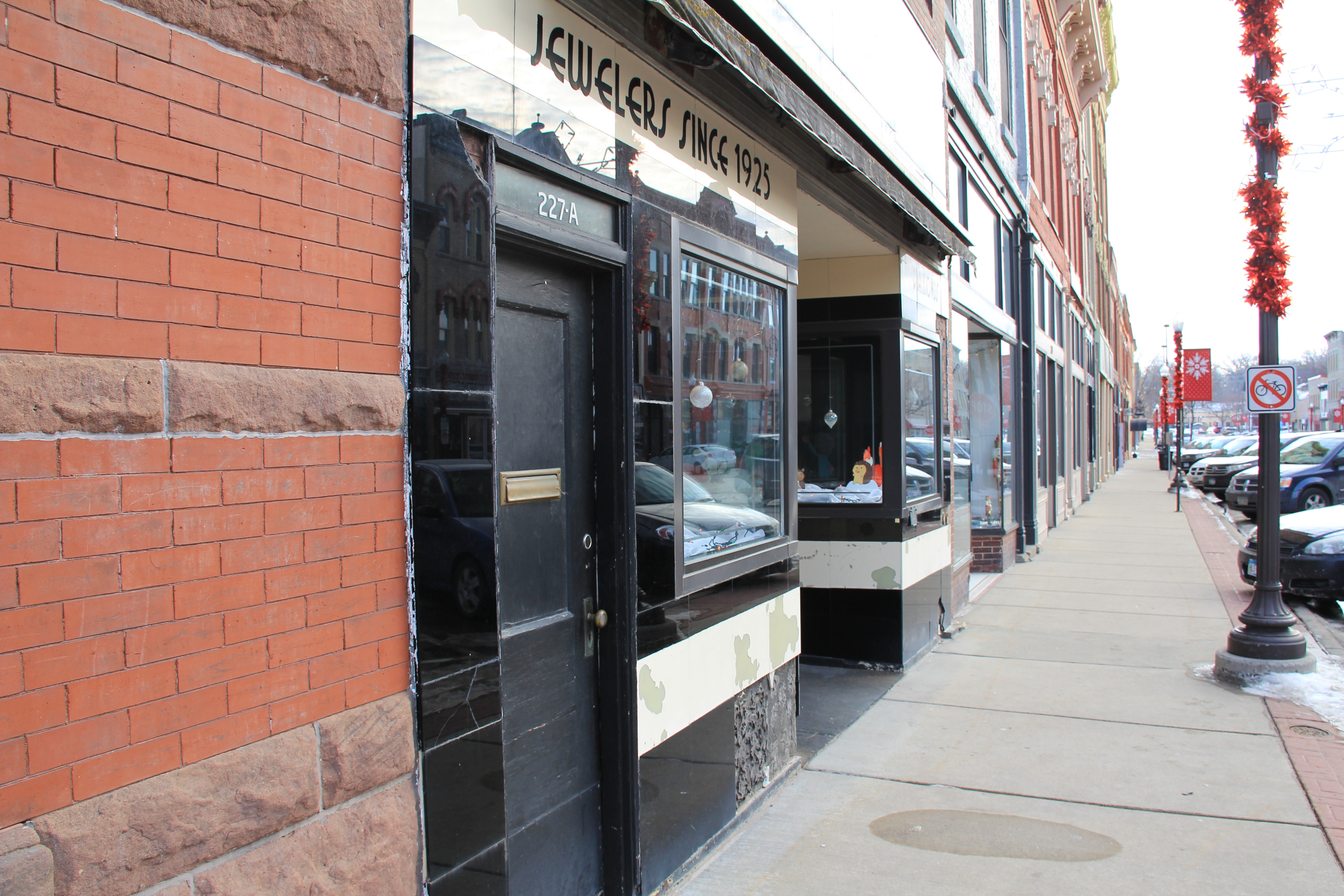
Rice County Area United Way is opening a used bookstore in the vacant Dandelet Jewelry building. A bookstore was once located in the corner building. (Minnesota Prairie Roots copyrighted photo January 2023)

ONCE UPON A TIME, Faribault was home to bookstores, the first inside the mall, the second downtown on Central Avenue. Both closed years ago. But soon we’ll have a bookshop back in town, located in the former Dandelet Jewelry store, right next to the corner building that once housed Central Avenue Books.

Elizabeth Child (Photo source: E. Child)

This new as yet unnamed bookstore, though, will be decidedly different. The bookshop, a project of Rice County Area United Way, aims to do more than simply provide the community with a place to purchase gently-used books. It will also become a welcoming community gathering space, according to United Way Executive Director Elizabeth Child. She envisions a colorful children’s area in the back of the store where kids can mingle and read. She envisions adults dropping in, coffee in hand, to browse bookshelves and engage in conversation. She envisions local art displayed and perhaps events featuring artists and writers.

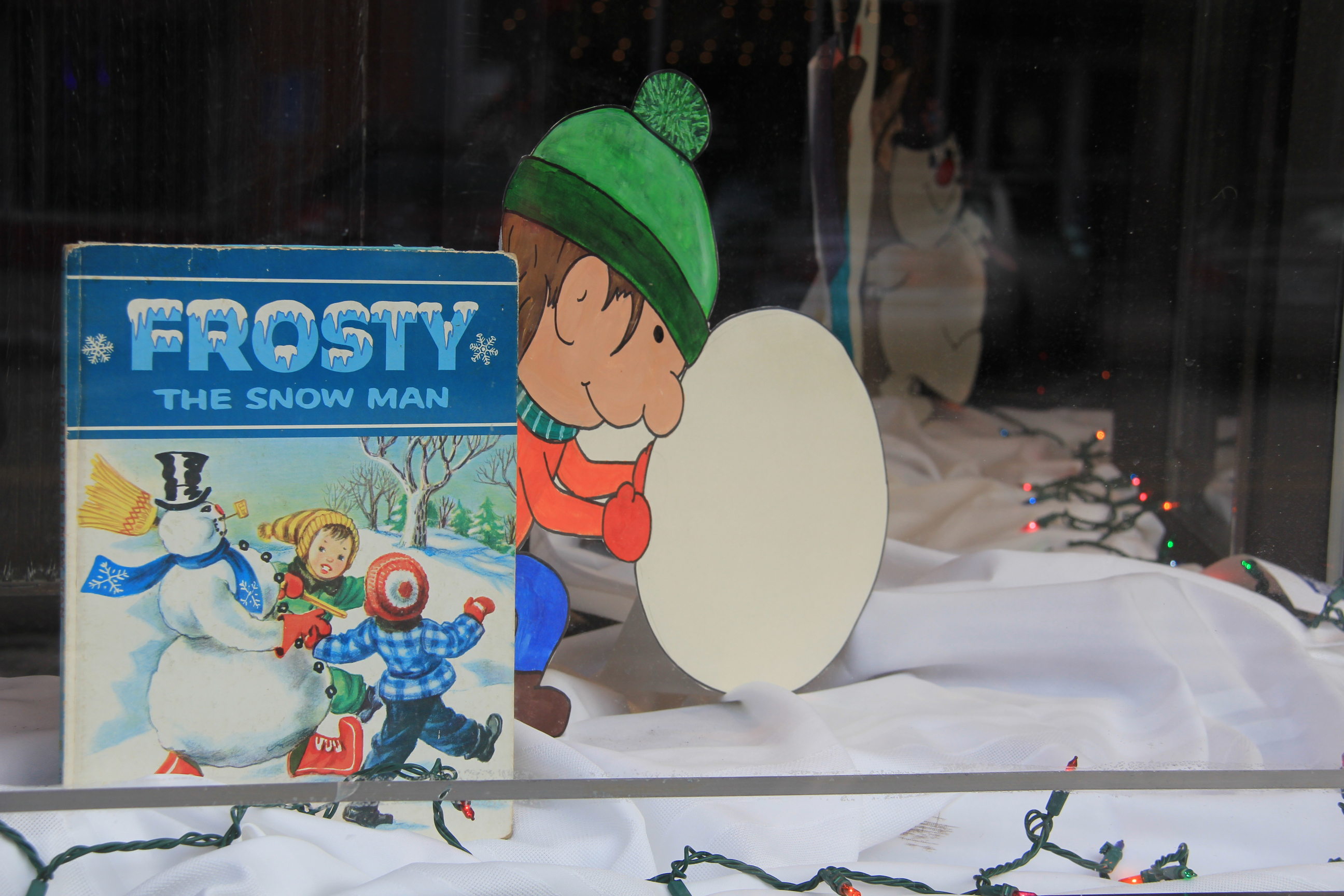
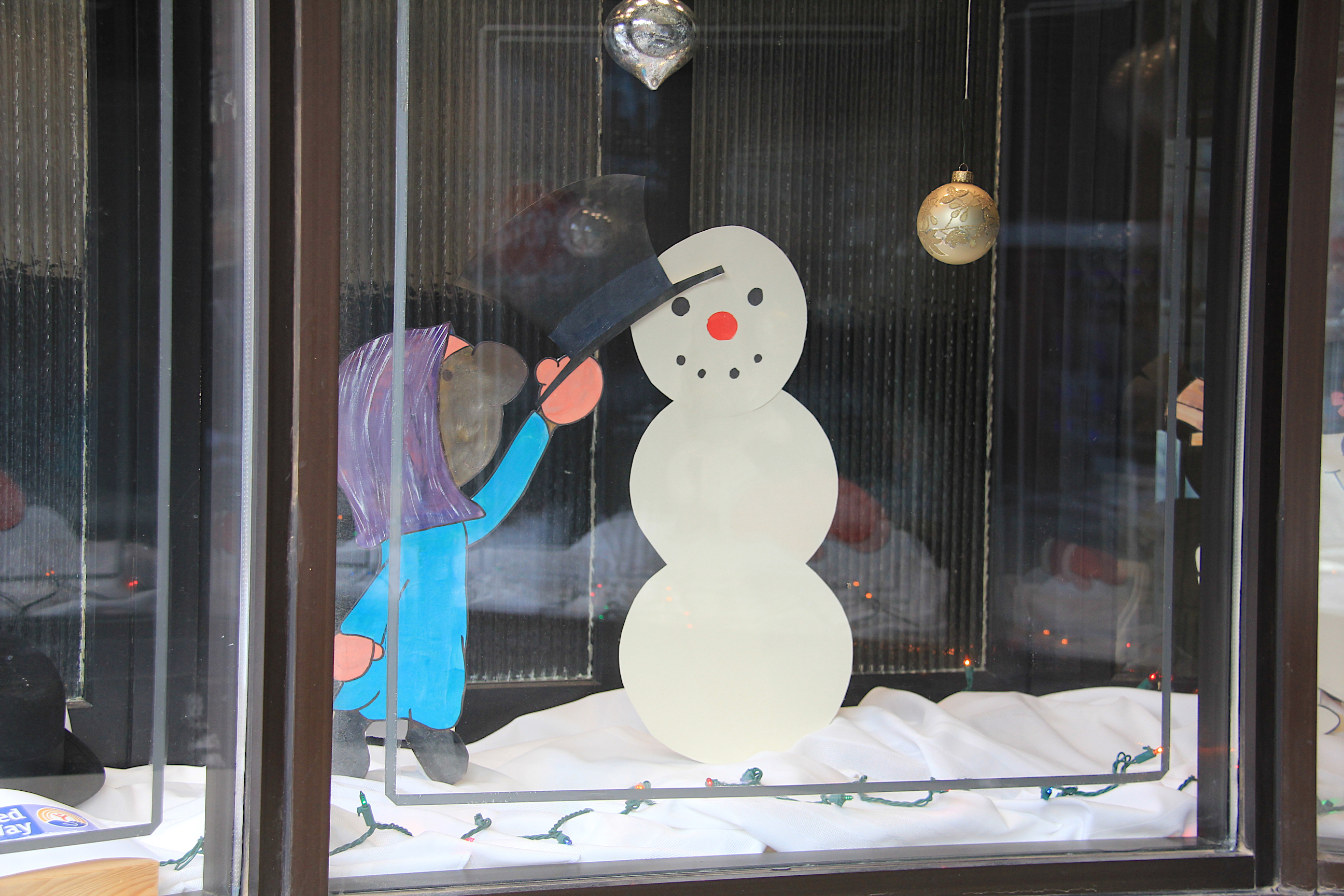
Gordon Liu, board chair of the United Way, created a book-themed display for the Faribault Winterfest holiday window decorating contest. It reflects the bookstore plan for the Dandelet building and Liu’s love of books and reading. He was recently reappointed to the Library Advisory Board. (Minnesota Prairie Roots copyrighted photo January 2023)

A sense of community involvement defines the vision for this used bookshop. Child and her board of directors are open to ideas and possibilities and are actively seeking community input. They want this gathering place to reflect Faribault’s multi-cultural population; to add value to the downtown; to promote literacy via access to books; to inspire people to read; and to increase the United Way’s visibility in Faribault. The United Way currently has an office in Northfield following the merging of the Faribault and Northfield United Ways into a county-wide entity in 2019.

A small United Way sign lies atop “snow” in a window display inside the former Dandelet Jewelry building. (Minnesota Prairie Roots copyrighted photo January 2023)

The nonprofit, funded primarily by workplace partner and individual donations, aims “to mobilize caring resources to improve lives,” Child said. That’s further defined on the website: Our focus is on education, health and financial stability—the building blocks for a good quality of life.

Faribault is a diverse community, shown here in Gordon Liu’s “Frosty the Snowman” window display. (Minnesota Prairie Roots copyrighted photo January 2023)

A bookstore fits within that mission with a focus on literacy, bringing people together and providing affordable books. The United Way is already collecting books, with an emphasis on “gently-used” in all genres. No textbooks, encyclopedias, business or outdated books needed.

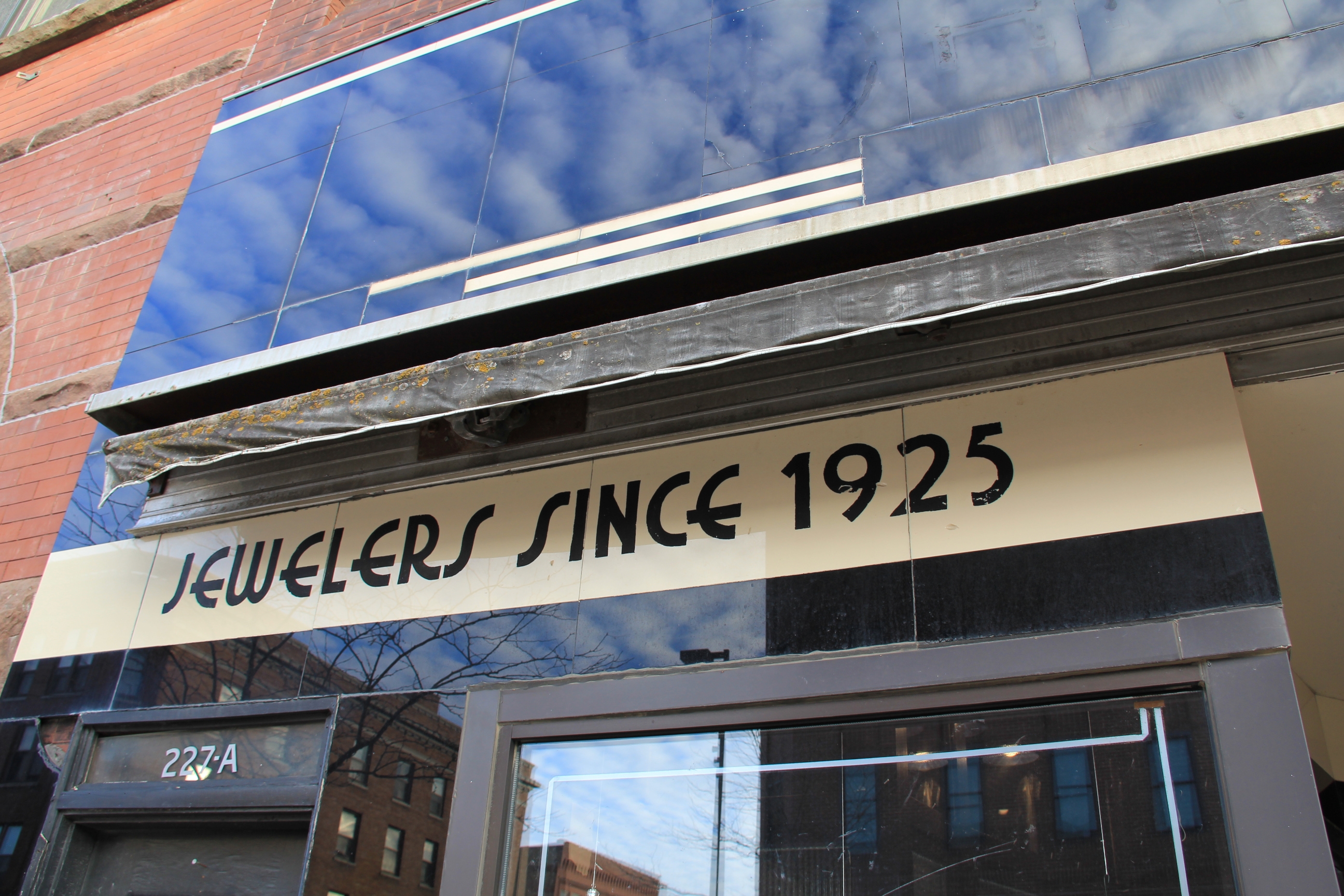
The Art Deco style can be seen in the black and cream colors and the strong lines. (Minnesota Prairie Roots copyrighted photo January 2023)

Planning and work continue on the bookstore with an anticipated spring opening at 227 Central Avenue North, hours to be determined. The 1882 building, which is in Faribault’s Historic Commercial District and on the National Register of Historic Places, is one of 13 purchased by a local investment group in an effort to revitalize downtown. Originally, the structure housed Dandelet Dry Goods. It became a jewelry store and watch repair business in 1925 with the Dandelet family modernizing the original Italianate facade in the Art Deco style during the 1930s. Child noted the vacant building retains Art Deco elements inside, including a chandelier. Built-in shelves, which once displayed jewelry, remain. Those will be repurposed for books as the United Way readies the space with mostly cosmetic changes like painting, adding display tables and more. A first floor bathroom will be installed. Any exterior changes/improvements will be made by the building’s owners.

From jewelry to books, both gems… (Minnesota Prairie Roots copyrighted photo January 2023)

Volunteers will run the bookshop with United Way board member Dave Campbell overseeing the operation. There’s already a sense of excitement within the community about the bookstore, Child said. She expects that interest to grow once the shop opens.

Faribault boasts a downtown brimming with aged, historic buildings. Revitalization and renovation are ongoing. (Minnesota Prairie Roots copyrighted photo January 2023)

Child’s efforts to open a United Way bookstore began seven months ago in a most unexpected way—in a conversation during a three-hour ride from North Carolina to the Atlanta airport. Her friend Florence, whom she first connected with via an online pandemic-inspired poetry group, mentioned how much she enjoyed volunteering in her small town nonprofit bookstore. That proved an enlightening moment for Child, who took the nonprofit bookstore idea and ran with it…to her board. And now, in a few months, Faribault will have a new, welcoming place to gather, a place to buy gently-used books, to engage in conversation, to connect as community.

#

FYI: If you have gently-used books to donate, contact Dave Campbell at 507-210-4066 or email him at Davec1953 at gmail.com

© Copyright 2023 Audrey Kletscher Helbling
 

Remembering the Holocaust January 29, 2023

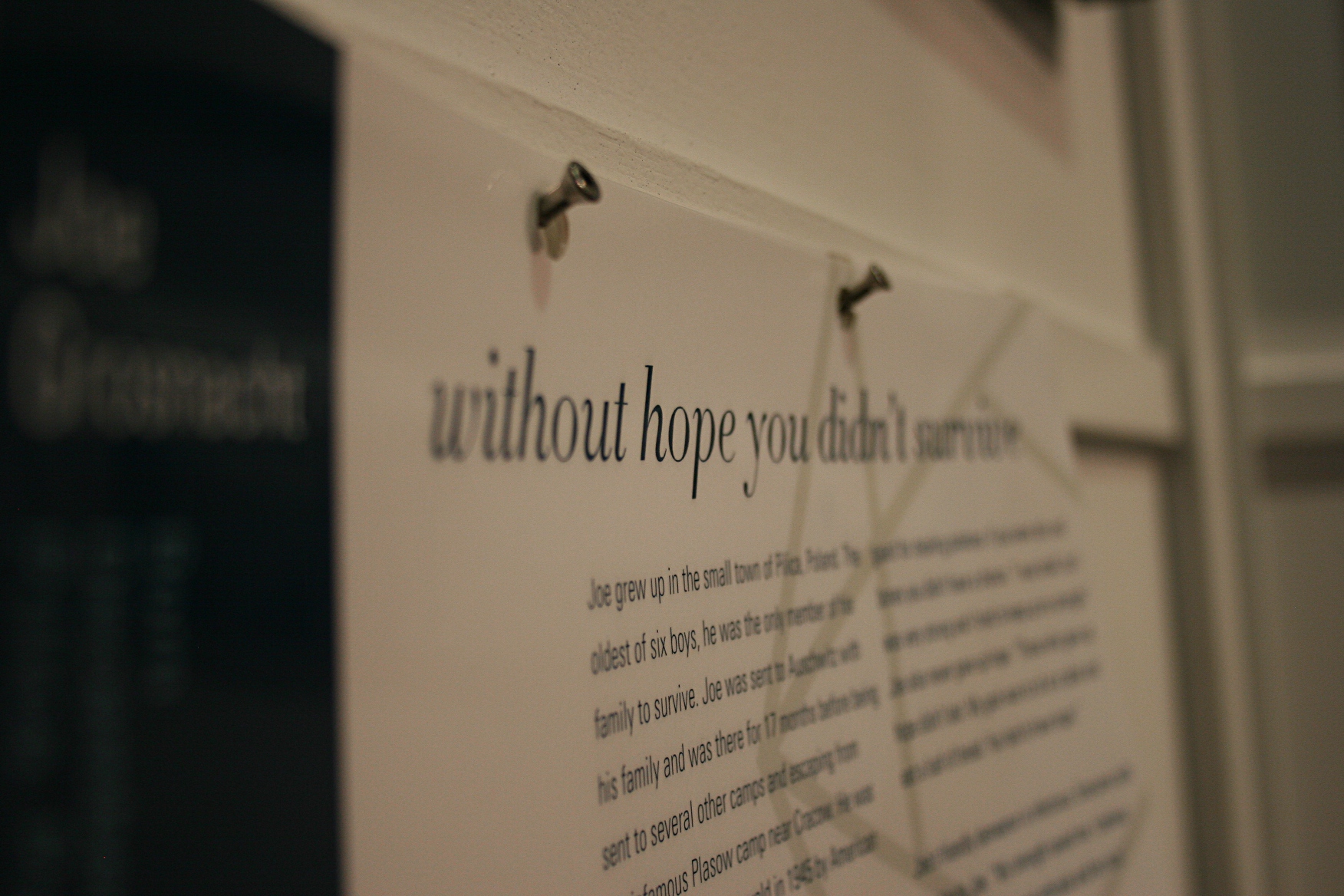
A quote and story in “Transfer of Memory.” (Minnesota Prairie Roots copyrighted file photo June 2014)

Without hope you didn’t survive…

I photographed that quote in the summer of 2014 while viewing a traveling exhibit on the Holocaust, “Transfer of Memory,” at the Steele County History Center in Owatonna. The singular summary word hope themes portraits and accompanying stories of Minnesota Holocaust survivors.

Panels showcase portraits and stories in “Transfer of Memory.” (Minnesota Prairie Roots copyrighted file photo June 2014)

“Transfer of Memory” was, and remains, one of the most powerful exhibits I’ve ever viewed. It is the personal stories, paired with portraits, which imprinted upon my heart and spirit the utter brutality, the unfathomable cruelty of the Nazis against Jewish people.

Today, just days after International Holocaust Remembrance Day on January 27, the date in 1945 marking the liberation of Auschwitz-Birkenau, the Nazi’s largest killing center and concentration camp, I am reminded of the survivors featured in that traveling exhibit.

I am reminded, too, of the 6 million Jewish victims of the Holocaust. Six. Million.

Cover image from Goodreads

Recently, I read three books of historical fiction about young men and women imprisoned in concentration camps. These books by Heather MorrisThe Tatooist of Auschwitz, Cilka’s Journey and Three Sisters—are difficult to read. Heart-rending. Awful. Yet, with that underlying theme of hope accompanied by incredible strength. Like the “Transfer of Memory” exhibit, they imprinted upon my heart and spirit the utter brutality and unfathomable cruelty of humankind.

When I read of current day antisemitism and hatred directed towards other individuals because of their skin color, ethnicity, religion, etc., I find myself wondering, “Why?”

#

FYI: Click here to learn more about the Jewish Community Relations Council of Minnesota and the Dakotas and its “Transfer of Memory” exhibit. Please consider bringing this exhibit to your community. Click here to read my 2014 post about the exhibit in Owatonna.

“Transfer of Memory” is currently on exhibit in Jones Commons at Plymouth Congregational Church in Minneapolis until February 28. Special events are also planned. A forum with a Holocaust survivor is set for 10 am Sunday, February 12. And at 4 pm Sunday, February 26, Janet Horvath performs on her cello and celebrates the release of her memoir, The Cello Still Sings: A Generational Story of the Holocaust and of the Transformative Power of Music. Click here for more information about the exhibit and events at Plymouth Congregational.

© Copyright 2023 Audrey Kletscher Helbling
 

A look at German POW camps, including in Faribault January 28, 2023

The Rice County Historical Society, host of the POW presentation. (Minnesota Prairie Roots copyrighted file photo July 2022)

JUST BLOCKS FROM THE VACATED SITE of the former Faribault Canning Company, a group packed a Rice County Historical Society Museum meeting room Thursday evening for a lesson in World War II-related regional history. Specifically, we learned about German Prisoner of War camps in Minnesota and Wisconsin from Matt Carter, executive director of the Dakota County Historical Society. He offered an overview of those camps, which included 15 in Minnesota, one at the canning company in Faribault. Carter is a native of Reedsburg, Wisconsin, home to a POW camp. Growing up, he never learned about the camp in school. That prompted him to later research, write about and present on POW camps in the US.

Former Faribault Daily News reporter Pauline Schreiber photographed the Faribault POW Camp barracks shortly before they were torn down in 1990. (Photo courtesy of the Rice County Historical Society)

WORKING AG-RELATED JOBS

I’ve always held an awareness of Camp Faribault and the prisoners who worked at the canning factory and on area farms. I also knew of the low-slung buildings housing the POWs who arrived here in June 1944. Those barracks were torn down in 1990 during an expansion of Faribault Foods, as the canning company came to be called. The business still exists today, in a sprawling manufacturing and distribution complex opened in 2017 in northwest Faribault’s industrial park.

Back during WWII, with millions of Americans off to serve in the military, POWs like those in Faribault offset the local labor shortage. Faribault Canning requested 200 prisoners to assist during the summer months with pea and sweet corn processing. The company paid the government 55 cents an hour for each POW laborer. That covered food and other living expenses. Prisoners received 80 cents a day for their work. Carter noted that the Faribault-based POWs worked within a 25-mile radius, some also laboring on farms, others installing power poles for Dakota Electric Association and 60 contracted to work for the local Andrews Nursery Company.

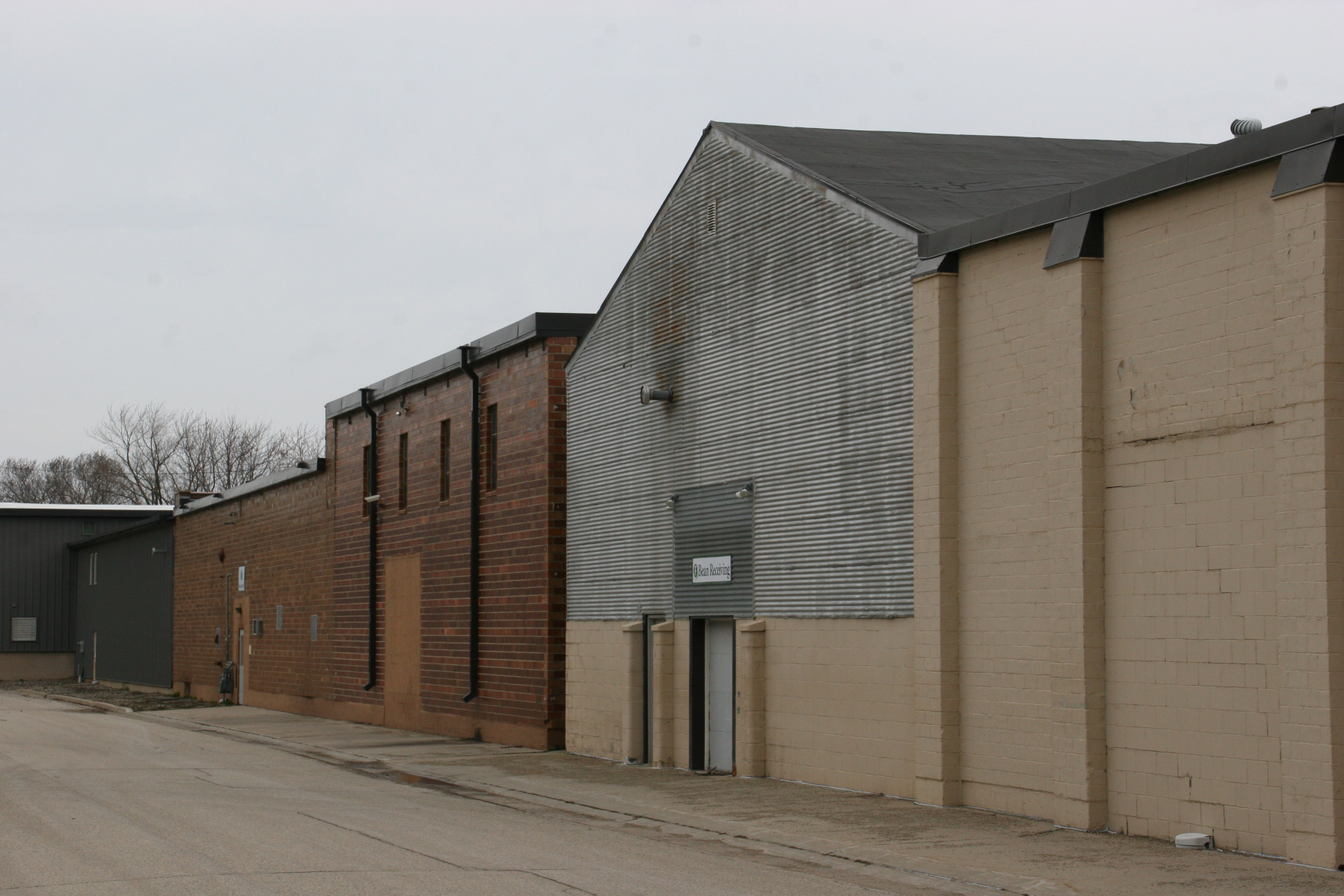
Some of the buildings remaining at the former Faribault Canning Co (Faribault Foods) site. I know nothing about the use or ages of the buildings. (Minnesota Prairie Roots copyrighted photo April 2022)

SETTLING IN AT CAMP FARIBAULT & BEYOND

POW camps were scattered throughout Minnesota with other nearby branch camps, as they were termed, in Owatonna, Montgomery and St. Charles. Camps farther north focused mostly on logging. All were offshoots of barbed wire-secured base camps (where prisoners initially arrived and were processed) in Algona and Clarinda, Iowa. Once prisoners settled in community camps like Faribault, they still remained under guard, although much more loosely watched. An estimated 450,000 – 600,000* prisoners arrived in the US on Liberty Ships during WWII to live in repurposed Civilian Conservation Corps camps, on fairgrounds, even in tents, Carter said. In Faribault, the POWS moved into barracks built by the canning company.

WEDDINGS, PROPAGANDA & “CODDLING”

Within the confines of his just-over-an-hour-long presentation, Carter presented an excellent overview of POW camps, adding some details that I found notably interesting. For example, proxy weddings were performed by local clergy. Under Geneva Convention rules, German prisoners could legally marry women back in Germany. Prisoners would gather flowers for the missing-brides prison camp weddings. Across the ocean their brides perhaps did the same while marrying absent grooms not seen in years.

Carter also shared that prisoners watched newsreels of German war atrocities as part of a reorientation program in the camps. Viewed as propaganda by some POWs, they responded by distributing handwritten propaganda while traveling on secured trains. Baffled by how these leaflets were dropped, officials determined that the papers were dropped down toilets and then onto the rails.

The third bit of shared information that struck me involves food. Newspapers reported how well prisoners ate, how they were being “coddled,” Carter noted. He showed a list of menus, which confirms the generous meals. The reaction was an outcry from an American public living on rationed foods and upset about the treatment of German-held US soldiers. In 1945, POWs were no longer allowed to buy beer, soda or cigarettes. And some of their food choices became less desirable (like hearts and liver).

Once the war ended, prisoners were repatriated, a process that took time. Many later returned to the US because of how well they were treated here, according to Carter. That was encouraging to hear. Even in war-time, kindness existed.

Matt Carter referenced this book during his talk, citing it as a good source of information about POW camps in Minnesota.

DIGGING DEEPER

Today all that remains of the Faribault POW Camp is a marker by the former canning company. If there are stories and photos, I am unaware. But I’m inspired now to dig deeper. I’ve already checked out Prudence by David Treuer from my local library. The novel focuses on a German soldier who escaped from a Minnesota POW camp. I also intend to read Anita Albrecht Buck’s Behind Barbed Wire: German Prisoners of War in Minnesota during World War II.

And maybe some day I’ll travel to Algona, Iowa, to visit the Camp Algona POW Museum and learn more about this place which housed prisoners sent to Minnesota, including to Faribault.

#

*Because of differences and discrepancies in record-keeping, the number of prisoners housed in US POW camps is uncertain. Some sources claim 600,000-plus, while Carter estimates closer to 500,000 prisoners based on his research.

© Copyright 2023 Audrey Kletscher Helbling
 

Winter diversion: Vote for Minnesota snowplow names January 26, 2023

Graphic credit: MnDOT website

NEWS THAT VOTING has opened for the Minnesota Department of Transportation’s “Name a Snowplow” contest came at just the right time—as two clipper systems bring more snow into a state already overwhelmed by snowfall this winter. Voting comes also as the coldest air since mid-December is about to descend, dropping temps to below zero this weekend in most parts of Minnesota.

It’s been quite the winter. So this MnDOT contest is providing a humorous mental respite from the cold and snowy reality of January in Minnesota, with three months of winter to go.

Three years ago MnDOT launched its first snowplow naming competition, inviting the public to submit names for the big orange trucks that clear our state highways of snow and ice. This year 10,000 names were submitted, which have been narrowed down to 60 choices. Online voting is open until midnight, Friday, February 3. The winning names will grace eight snowplows in MnDOT’s eight districts.

I breezed through the names, quickly choosing my top three. Participants can vote for up to eight. I chose Blader Tot Hotdish (a reference to Minnesota’s culinary delight, Tator Tot Hotdish), Orange You Glad to See Me (picked for obvious reasons) and Spirit of ‘91 (a reference to the Halloween Blizzard of 1991, a multi-day blizzard which dumped single storm record snowfalls throughout the state; three feet in Duluth).

Last year’s winners included Ctrl Salt Delete (an obvious tech reference to the salt used to de-ice roadways), Blizzard of Oz (actress Judy Garland, aka Dorothy, born as Frances Gumm in Grand Rapids, MN.) and No More Mr. Ice Guy.

And in the 2020-2021 contest, Plow Bunyan (honoring legendary Minnesota lumberjack Paul Bunyan), F. Salt Fitzgerald (Minnesota-born novelist F. Scott Fitzgerald) and Duck Duck Orange Truck (a reference to Minnesotans’ insistence that the game Duck, Duck, Goose is, indeed, Duck, Duck, Gray Duck) were among the winning names.

I love this diversion from talking solely about the weather, as we Minnesotans are inclined to do, especially in winter.

This contest also puts a positive spotlight on MnDOT, which too often delivers the bad news of road closures, crashes, road construction, impossible driving conditions and more. “Name a Snowplow” is, simply put, genius creative marketing.

FYI: To vote, click here and follow instructions to cast your ballot. I don’t see any rules requiring Minnesota residency to vote.

© Copyright 2023 Audrey Kletscher Helbling


Humorous honesty from the granddaughter January 24, 2023

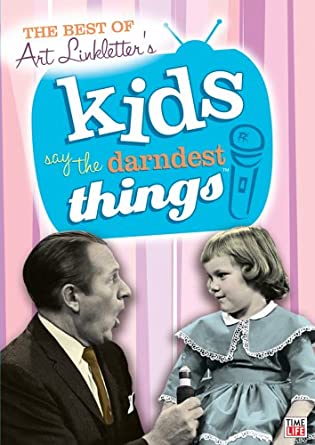
When my grandchildren say the darndest things, I think of Art Linkletter’s “House Party” and his “Kids Say the Darndest Things” segment. Their answers to his questions proved honest, humorous and entertaining.

KIDS SAY THE DARNDEST THINGS. I can vouch for that. I raised three kids, cared for many others and am now the grandmother of two, one going on seven, the other just turned four.

Recently the grandkids, Isabelle and her little brother, Isaac, stayed overnight. During that short stay, Izzy elicited laughter with her honest observations and her leadership skills.

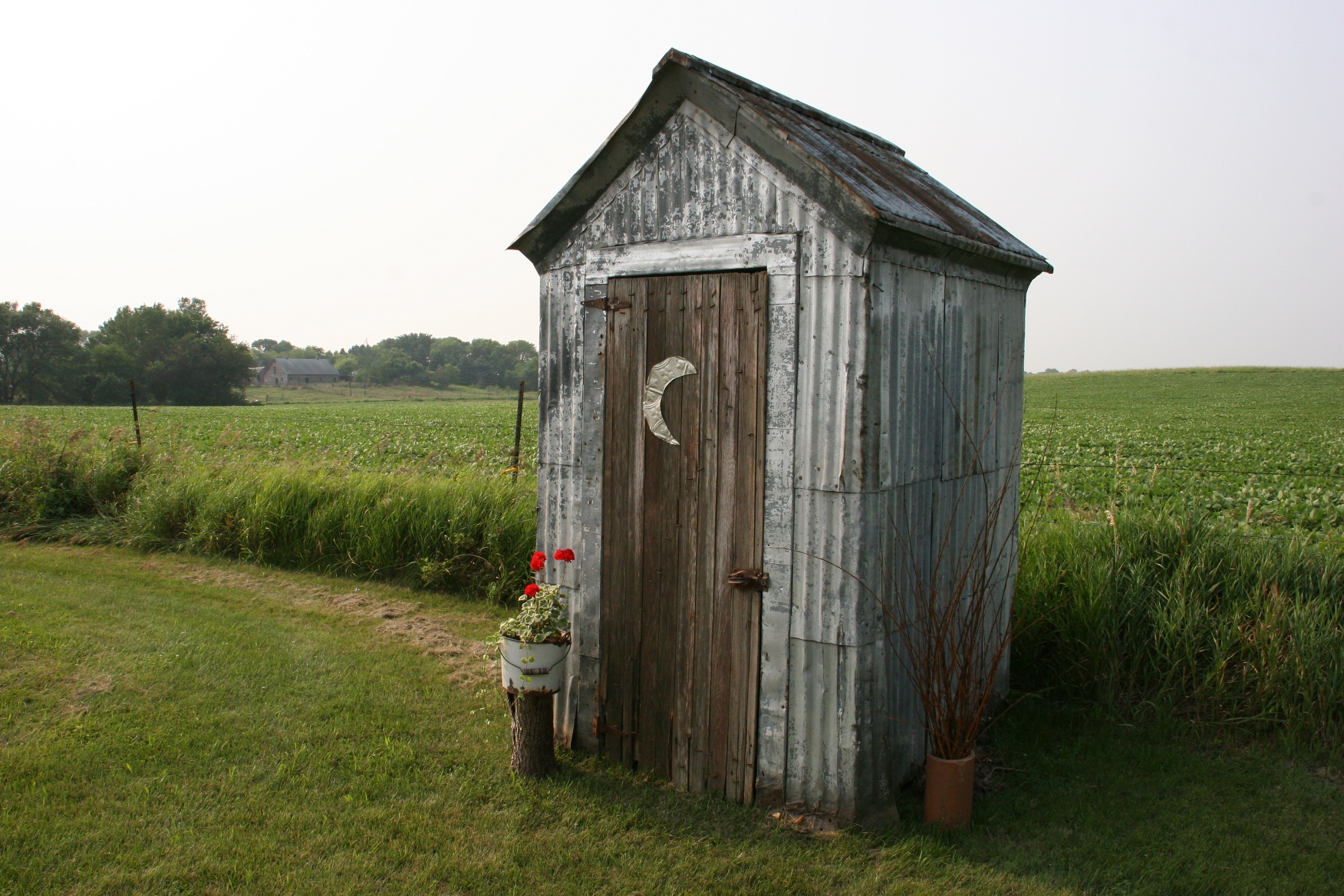
An outhouse repurposed as a garden shed at my brother and sister-in-law’s rural southwestern Minnesota acreage. (Minnesota Prairie Roots copyrighted file photo)

First the honesty. I don’t recall how we got on the topic, but at some point I shared that I grew up in a house without a bathroom. Taking a bath meant my dad hauling a tin tub from the porch into the kitchen every Saturday evening and then Mom filling it with water. Our bathroom, I explained to Izzy, was a little building outside with two holes cut in a bench. And in the winter, we used a covered pot set inside the unheated porch.

I don’t know that Izzy understood all of this. But, as she sat there listening to Grandma spin tales of the olden days, she assessed. “It sounds like a different world to me!” I laughed at her observation. She was right. Growing up in rural Minnesota in the 1950s and 1960s was, most assuredly, a different world from hers. My granddaughter lives in a sprawling suburban house with four bathrooms. In 1967, my family of birth moved into a new farmhouse with a single bathroom. And a bathtub. Today I feel thankful to live in a house with one bathroom. I wouldn’t want to clean four.

I took this award-winning photo of BINGO callers at the North Morristown July Fourth celebration in 2013. (Minnesota Prairie Roots copyrighted file photo 2013)

Then there’s BINGO, which we play nearly every time we’re together with Isabelle and Isaac. They were introduced to the game at the Helbling Family Reunion and have loved it since. The kids take turns not only playing, but also calling numbers.

Isabelle has advanced greatly in her BINGO-calling skills. This time, in addressing us, she called us “folks.” I don’t know where Izzy heard that term, but it’s certainly more rural than suburban lingo. I suggested she might be ready to call BINGO next summer at North Morristown’s annual Fourth of July celebration. Unincorporated North Morristown is a Lutheran church and school and a few farm places clustered in the middle of nowhere west of Faribault. Izzy seems well-prepared to call BINGO numbers to the folks there.

I should have shared with my granddaughter that, when I was growing up, we covered our BINGO cards with corn kernels during Vesta’s (my hometown) annual BINGO Night. I expect she would have responded as a child 60 years younger than me: “It sounds like a different world to me!” And I would have agreed.

© Copyright 2023 Audrey Kletscher Helbling

 

A winter-weary Minnesotan writes about snow removal January 20, 2023

Filed under: Uncategorized — Audrey Kletscher Helbling @ 11:57 AM
Tags: , , , , , , ,
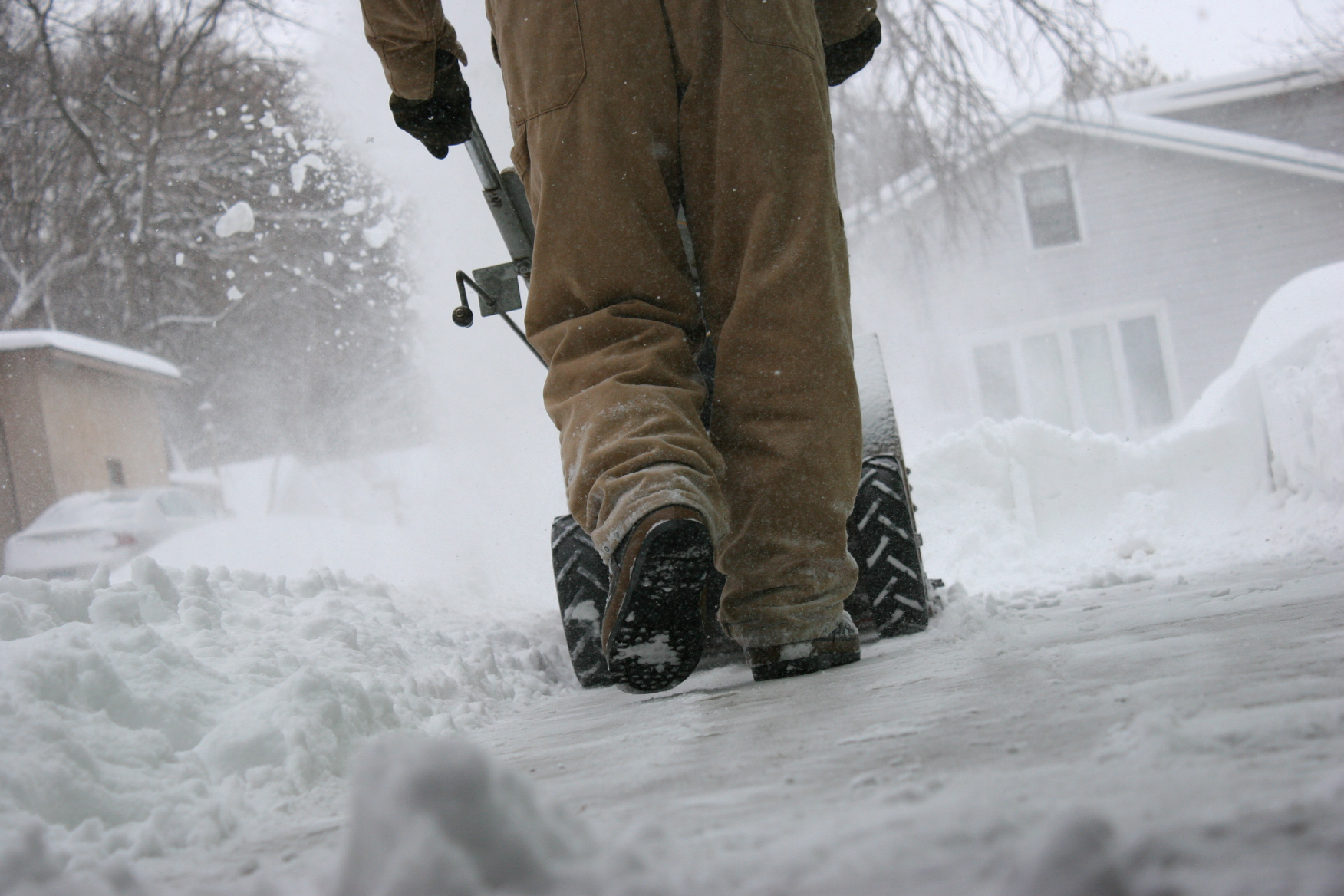
Randy starts down the driveway with the snowblower following a past snow event. (Minnesota Prairie Roots copyrighted file photo February 2020)

WAY TO GO, MINNESOTA! We are living up to our reputation as a snowy state. With more than three months of winter remaining, we’ve already surpassed our seasonal annual average snowfall of 51.2 inches by an inch.

Our 2022-2023 seasonal to-date total of 52.1 inches (recorded in the Twin Cities) likely comes as no surprise to anyone who lives in the North Star State. Winter storm after winter storm after winter storm has left us, or at least me, feeling winter-weary. Once again Thursday evening I donned my winter wear, pulled on my practical winter boots and headed outdoors to assist Randy with snow removal. This time some seven inches of new-fallen snow.

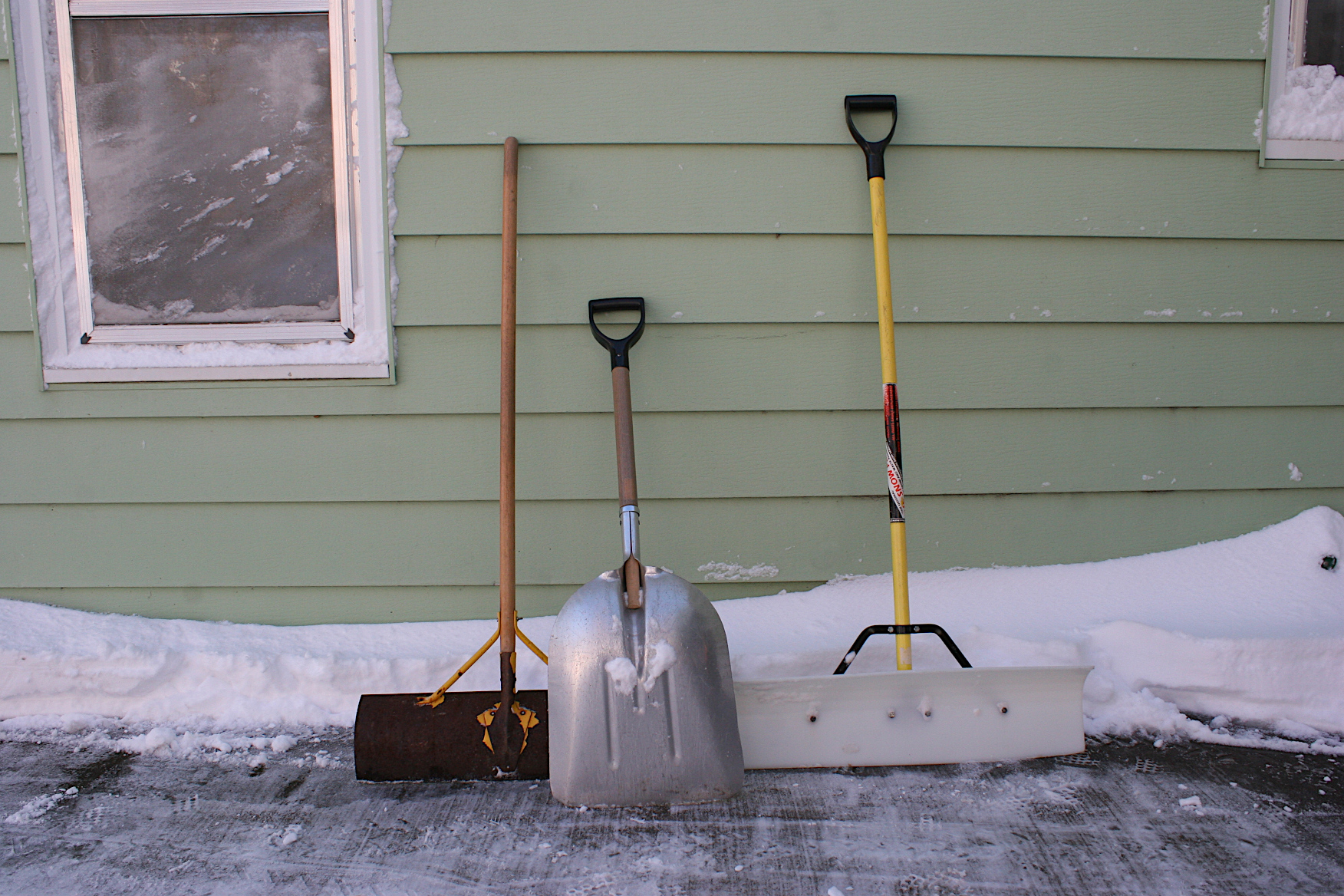
The tree shovels we use to removal snow. (Minnesota Prairie Roots copyrighted file photo December 2021)

I work the three shovels while Randy guides our massive hefty ancient snowblower down the sidewalk and driveway. There are places a snowblower can’t go and those spots—the front sidewalk and steps and along the side of the garage by the garbage cans and recycling bin—are my responsibility. I’m happy to help. Well, maybe not exactly happy, but rather willing.

Randy advised me to be careful around the garage due to ice. I appreciated his warning as the last thing I need is to slip, fall and break a bone or suffer a concussion. That’s a concern for both of us as we age. I read a recent report that, if you’re over the age of 45, you should leave the snow shoveling to someone else. I just laughed. While reasonable health advice, it’s not exactly practical for most Minnesotans.

I take baby steps while traversing snow and ice, the penguin shuffle I believe is the proper term. Yet, I realize that’s no guarantee of safety. I also pace myself while shoveling. Thankfully our Wednesday into Thursday snow was low in moisture content, thus light and easy to shovel and blow. It’s the heavy snow that makes for challenging and health-risky snow removal.

It could always be worse… A huge, hard-as-rock snowdrift blocked our driveway in this March 1965 photo taken on my childhood farm, rural Vesta, Minnesota. (Minnesota Prairie Roots copyrighted file photo 1965)

But I encountered a new problem on Thursday. On several occasions, the snow I tossed with a scoop shovel tumbled right back onto the surface from which I’d just removed it. The problem: The snow is now banking so high along sidewalk and driveway edges that it needs to be strategically thrown. High enough and far enough.

Once we’d finished our snow removal assignments, Randy and I worked on clearing the driveway of snow down to the concrete. Part of the front metal scraper is broken off our aged snowblower, meaning a layer of snow now remains. Thursday evening I used the wide metal shovel and Randy the plastic one as we attempted to get under the snow and peel it away. Sometimes that approach worked well, sometimes not.

This image expresses how I feel about the ongoing snowfall in Minnesota. (Minnesota Prairie Roots copyrighted file photo)

We remained cognizant of ice underneath. Randy advised caution near the down spout and I pointed out a patch of black ice where the concrete dips. In the end, we did the best we could and called it done…until the next winter storm rolls into southern Minnesota.

© Copyright 2023 Audrey Kletscher Helbling