Minnesota Prairie Roots

Writing and photography by Audrey Kletscher Helbling

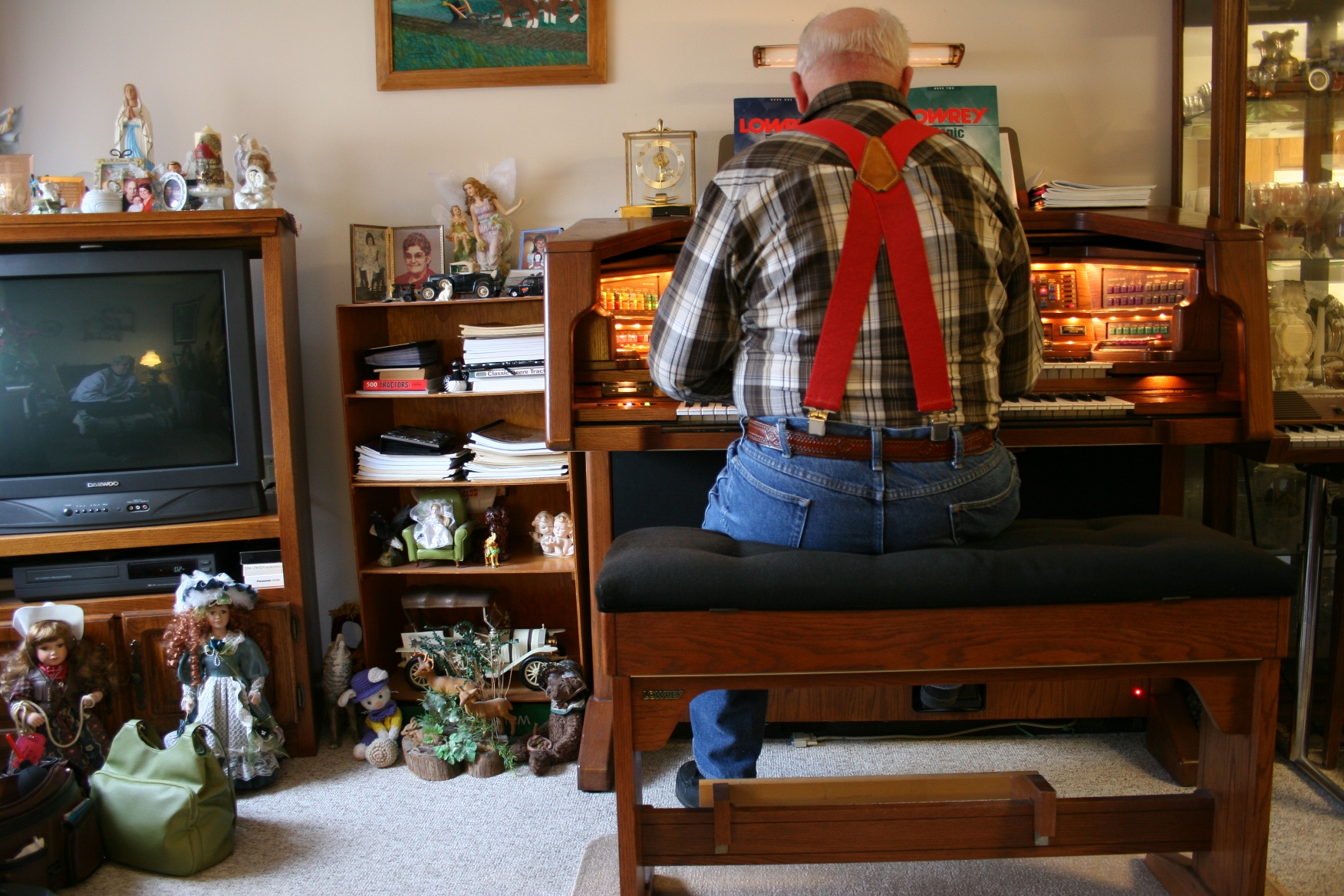
Tom at the organ March 7, 2012

Filed under: Uncategorized — Audrey Kletscher Helbling @ 7:41 AM
Tags: , , , , , , ,

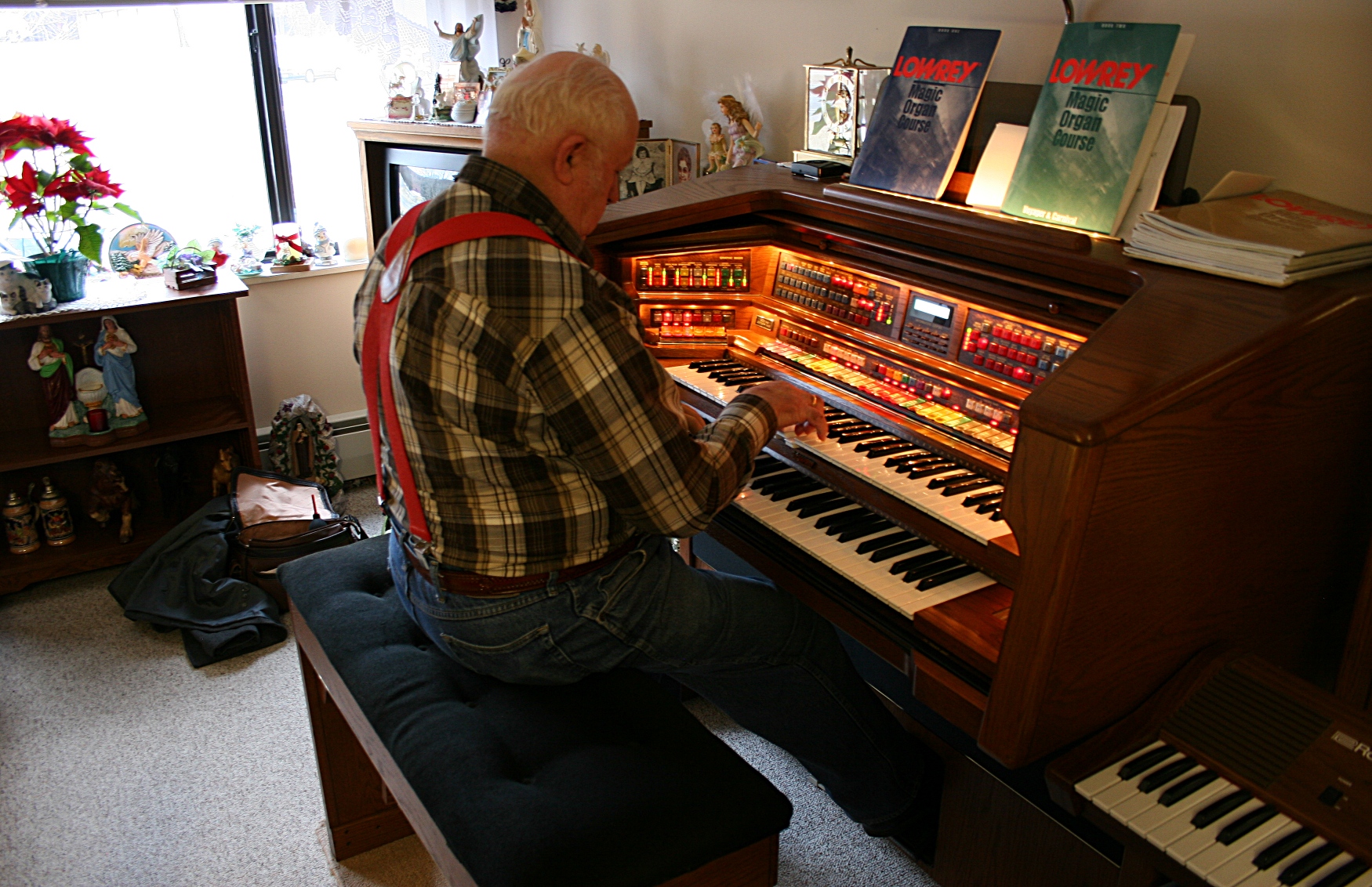
My father-in-law, Tom, at the used Lowrey organ he purchased a few years ago.

THE CONSOLE LIGHTS UP like a Christmas tree or the Vegas strip or a carnival midway as my father-in-law settles onto the bench of his Lowrey organ and flips switches.

I’ve asked Tom to play a tune or two during a brief visit at his St. Cloud apartment.

He’s taking organ lessons. I find that particularly admirable given he’s 81. Not that he’s a musical novice. Tom isn’t. He once played an accordion and piano and even an organ and tuned and repaired pianos. He typically plays music by ear, including on this occasion.

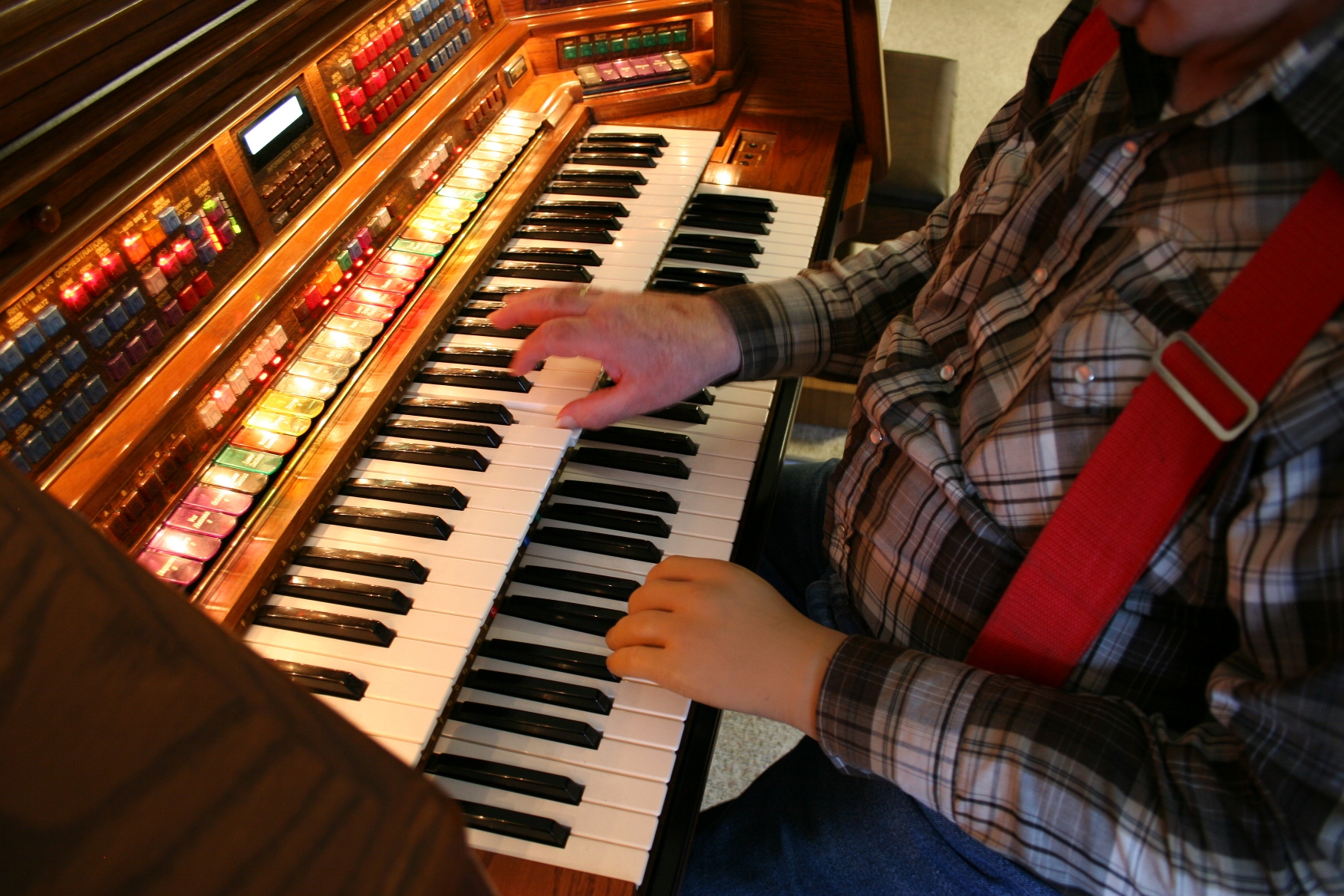
Playing the organ, with his artificial hand, left, and his real hand.

Hank Williams’ “Your Cheatin’ Heart” and “Somewhere My Love,” from the movie “Doctor Zhivago” flow from the keys like music at a supper club all sugary and sweet and smooth. We should be dining in the dark corner of a long ago Saturday night destination, backs pressed against walls pasted with flocked red wallpaper, slicing our serrated knives through pink steaks and sipping our whiskey sours.

But instead, we are cramped into a tiny apartment among a hodgepodge of doll and angel collectibles, beer steins and toy tractors, and a clutter of miscellaneous knickknacks. We’re sipping water in a room flooded with light.

The organ takes up considerable space in the tiny apartment.

In the corner, my step mother-in-law pauses from circling words in a word search book to listen to the organ music, until, finally, she requests that the music stop.

We leave her there, with her words, as we descend several floors to my father-in-law’s art studio, a corner in the basement community room. Just over from a cluster of outdated exercise bicycles, Tom has stashed frames he’s recycling for his own art. Finished and in-progress works lean against each other and we file through them—elk in the mountains, loons, raccoons…

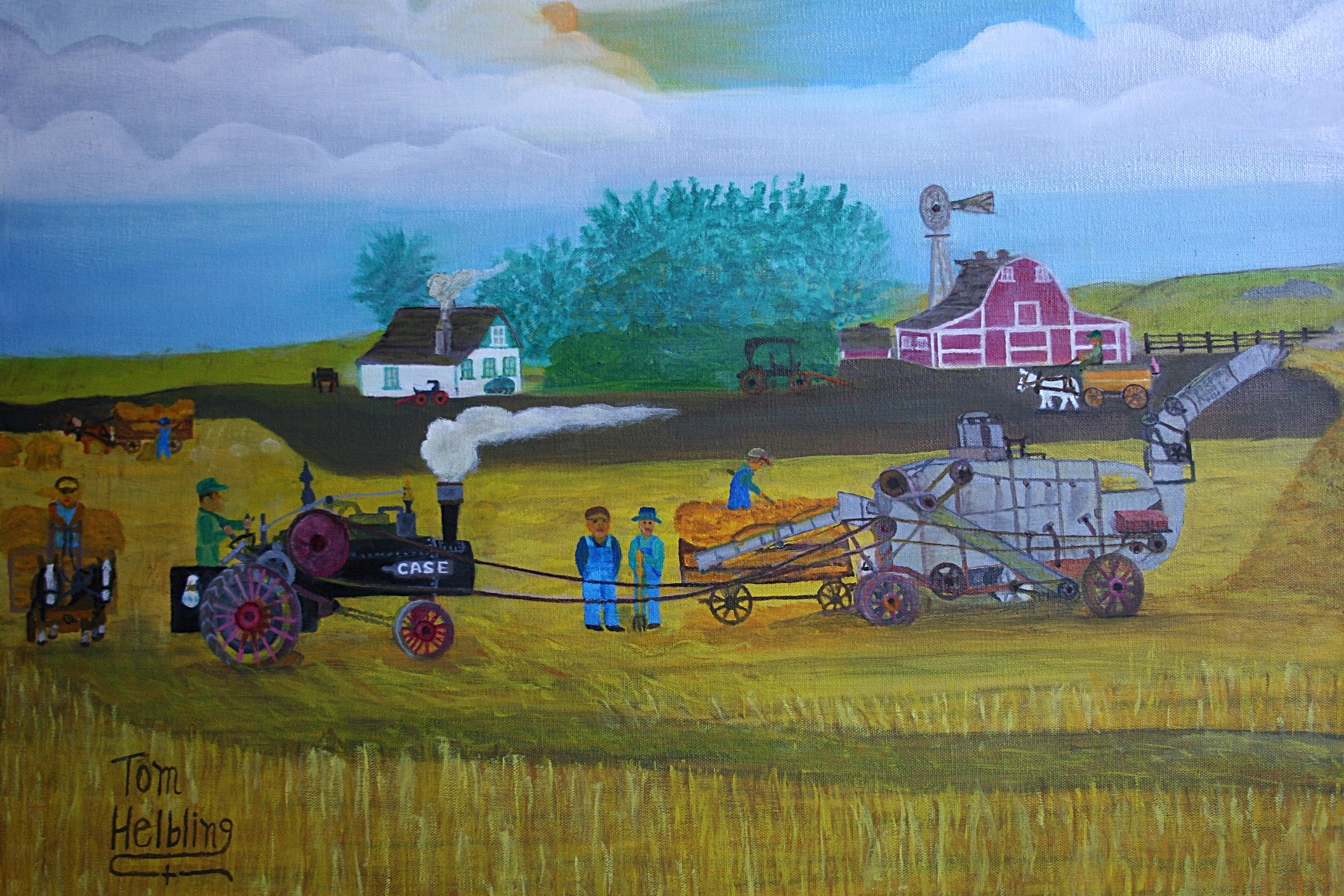
Threshing on the home place, a painting by my father-in-law. While growing up here, Tom already played organ.

He unrolls a scroll onto a table, revealing a sketch of the home place near St. Anthony, North Dakota. His second oldest daughter wants a painting of the farm where Tom grew up with his parents, Alfred and Rosa, and siblings, then later lived with his bride.

My husband studies the drawing, points out the summer kitchen and the creek, the details he remembers of Sunnybrook Farm, the place he called home until moving with his parents to central Minnesota in the early 1960s.

In moments like this, I begin to glimpse the history and the roots of this family I married into 30 years ago.

And in moments like photographing my father-in-law at the organ and in sifting through his paintings, I see the artistic side of this man. The man who once attended Catholic boarding school and worked the land and lost his left hand to a corn chopper in 1967, but never lost his desire, or ability, to pursue his passion to create music and art.

© Copyright 2012 Audrey Kletscher Helbling


I may not read music, but… January 29, 2012

GROWING UP, I ALWAYS wanted to play the piano. But I never had the opportunity, although one Christmas I received a toy accordion that temporarily satisfied my yearning to create music.

There was neither money nor space for a piano within the budget constraints of a poor farm family or within the walls of a cramped southwestern Minnesota farmhouse.

And so the years passed without music.

During junior high school I struggled through required music classes, once fake-playing the ukulele at a Christmas concert because the music teacher failed to recognize that I could not read musical notes.

In high school when so many classmates were joining band, I was not among them. Remember that money issue? Still there.

A few years later my younger siblings were allowed to join band—one sister choosing the flute, the other the clarinet. The brothers focused on sports. For awhile I tried to play my sister’s flute, without much success.

During college, a friend allowed me to strum her guitar. The strings bit into my fingertips so I quickly lost interest.

Years later when I had children, I was determined they would have the musical opportunities I never had. I started them on a mini toy organ. Later, the eldest tried playing my sister’s flute for awhile, then quit. The second daughter borrowed my youngest sister’s clarinet, sticking with band lessons for several years. My son had no interest in an instrument until recently, when he inquired about playing the guitar. He’s meeting with a family member soon to try out guitar-playing.

I tell you all of this because of a recent musical opportunity that came my way. It’s ironic really, given my inability to play any type of instrument or, in fact, read a single musical note. If you put a song sheet in front of me right now, I’d stare at it like I was reading Greek.

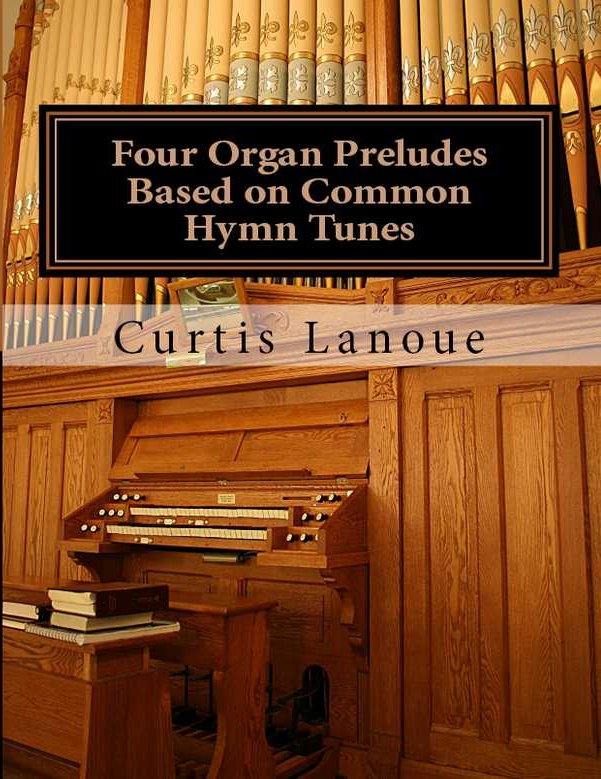
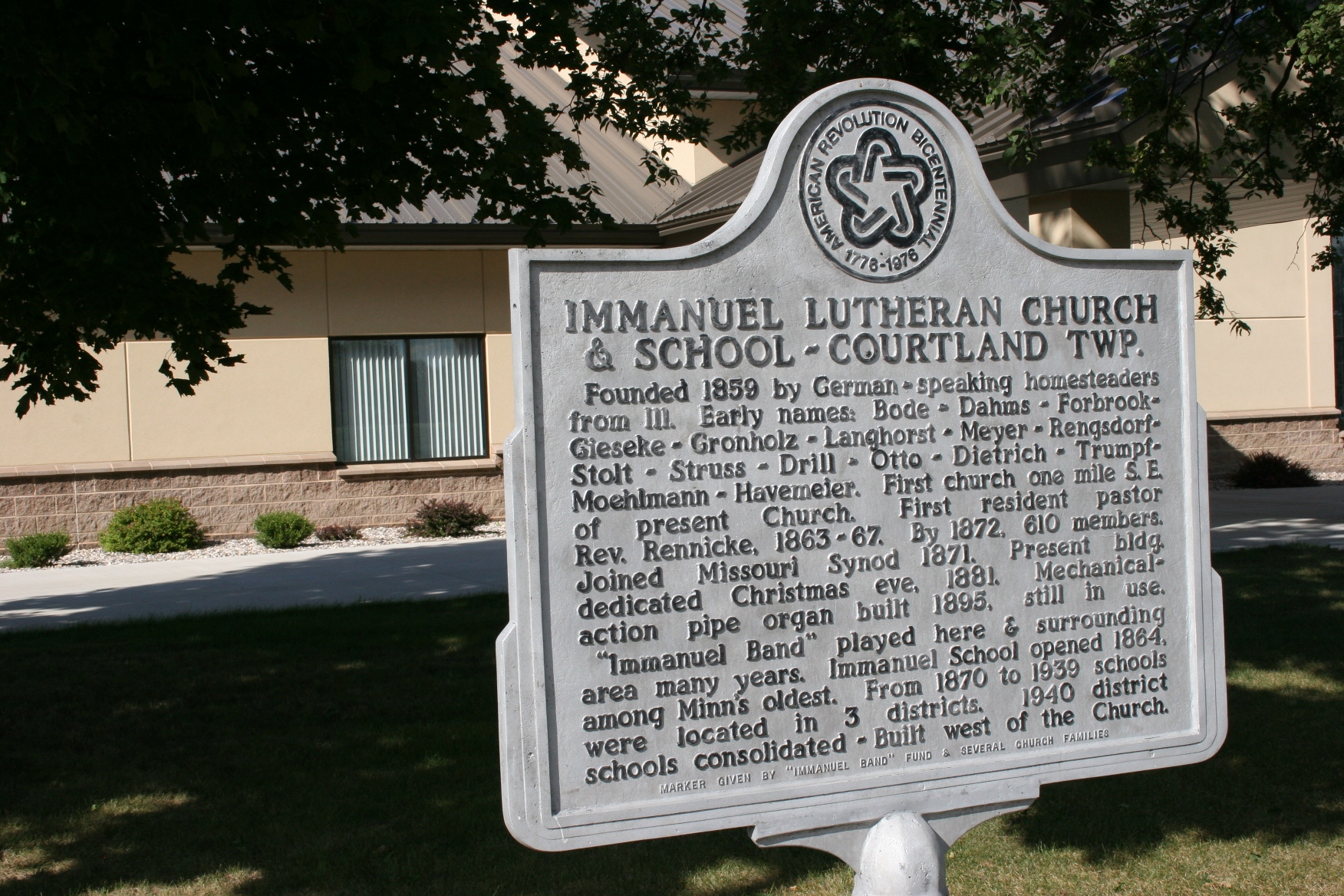
But composer Curtis Lanoue, also an elementary music teacher and the director of music at Lord of Life Lutheran Church in Miami, found the music in my soul. Seeking a cover photo for his 29-page Four Organ Preludes Based on Common Hymn Tunes book, Lanoue did an online image search and discovered my photo of the old pipe organ at Immanuel Lutheran Church, rural Courtland, Minnesota, the congregational home of my maternal forefathers.

“As you can imagine, there were a ton of (image) results,” Lanoue says. “Most of them were those flowery European organs in the cathedrals. That didn’t go too well with the style of the music. Somehow through the eye strain of looking through hundreds of photos, I found yours. It’s not surprising my eye was drawn to it as I was raised in a Midwest Lutheran church.”

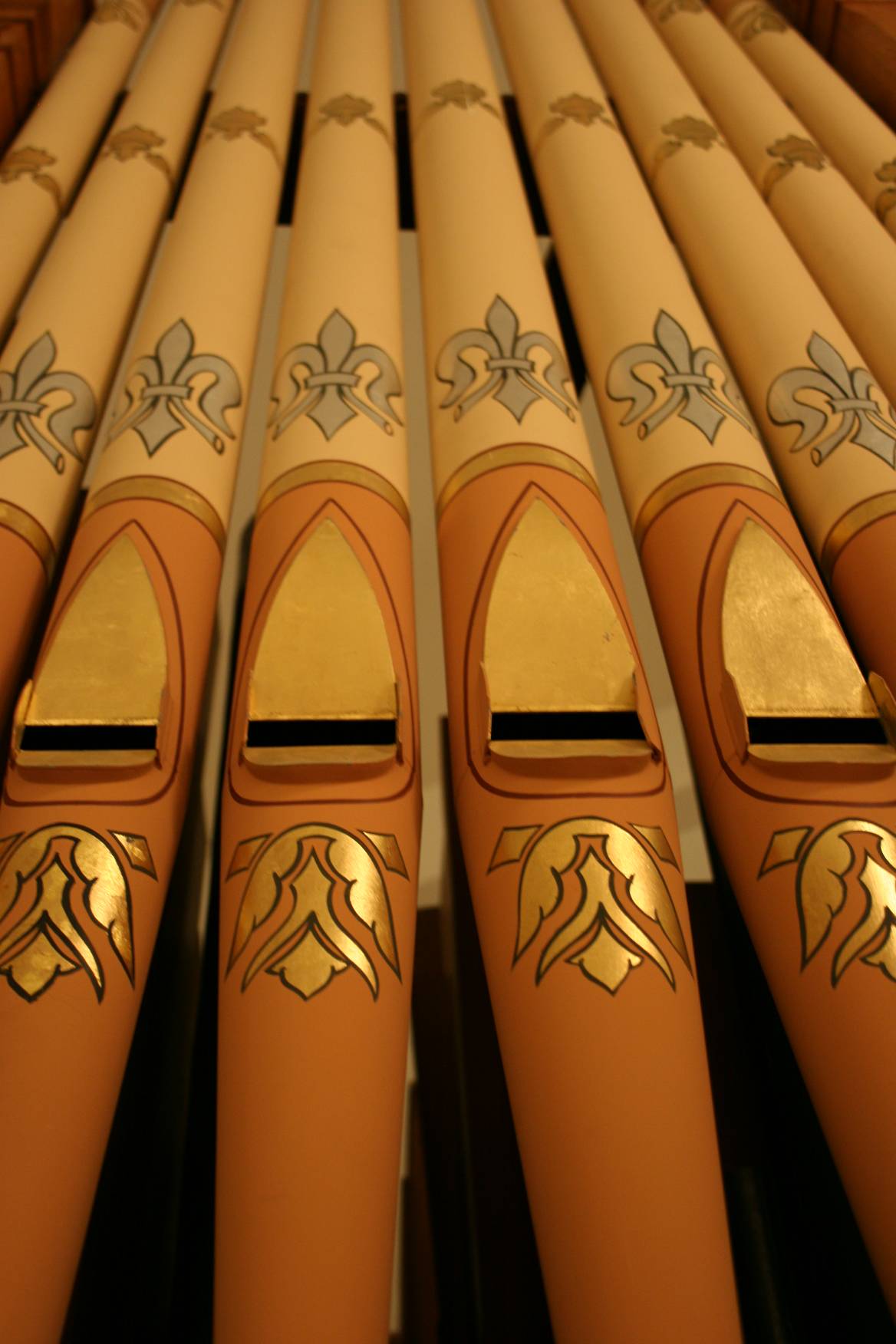
Once I received a copy of this musician’s recently self-published book, I understood why he selected my photo of Immanuel’s organ that was built in 1895 by Vogelpohl and Spaeth Organ Company of New Ulm at a cost of $1,500.

It’s the perfect fit for Lanoue’s preludes based on the definitively Lutheran hymn, “A Mighty Fortress,” and on “Amazing Grace,” “Out of the Depths I Cry to Thee,” and “From Heaven Above to Earth I Come.”

As I flip through these compositions written by a musician with degrees in jazz performance and studio jazz writing and experience as a working organist since age 16, I can only smile at the contrast between his vast musical knowledge and talent and my musical illiteracy.

FYI: You can purchase Four Organ Preludes Based on Common Hymn Tunes for $9.99 by clicking on this link: https://www.createspace.com/3734555

Disclaimer: I am expecting payment for use of my cover image and have received a free copy of Lanoue’s book. This post, however, has been written solely at my discretion.

A rear photo shot of Immanuel Lutheran Church, Courtland, looking up to the balcony (where the 1895 pipe organ is located) and toward the spacious fellowship hall.

The beautiful pipes on Immanuel's organ.

JUST BECAUSE I THOUGHT it important to include, here’s some additional information about Immanuel’s organ, as shared by Immanuel’s pastor, Wayne Bernau:

The 1895 organ was renovated in 1988 at a cost of $25,000.

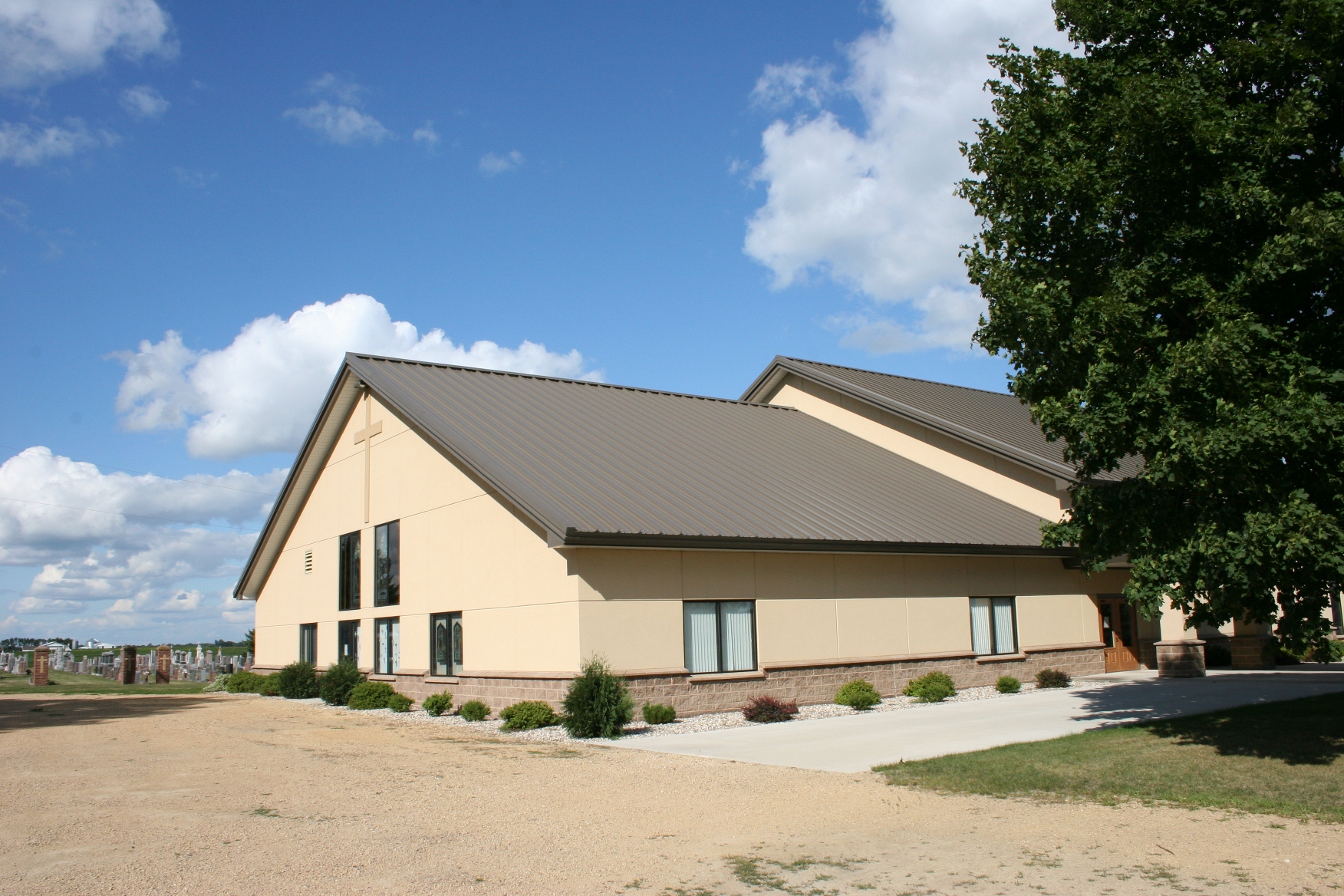
When Immanuel built a new church in 2007, Rollie Rutz and crew from Rutz Organ Company in Morristown (about 10 miles from my Faribault home), helped move the organ from the old church into the balcony of the new sanctuary.

A set of chimes was added to the organ in 2007.

Immanuel’s organ is today valued at around $200,000.

Says Pastor Bernau: “With the balcony constructed the way it is and the excellent acoustics for music in our new church, I believe the organ sounds better now, maybe twice as good, as it ever did in our 1881 building.”

I’ve heard the organ played in Immanuel and I agree. The acoustics in the new house of worship truly showcase the sounds of this 117-year-old organ played each Sunday by Lisa (Bode) Fischer, the daughter of my mom’s first cousin and a descendant of the Bode family members who helped found this rural congregation in the Minnesota River Valley more than a century ago.

A historical sign outside of Immanuel Lutheran Church, east of Courtland, Minnesota.

This photo, taken in September, shows primarily Immanuel's social hall and the adjacent cemetery where many of my Bode forefathers are buried.

A view of Immanuel's sanctuary from the balcony. The pews, the chancel furnishings and the stained glass windows from the old church were incorporated into the new church.

© Copyright 2012 Audrey Kletscher Helbling
 

In praise of old, familiar Christmas hymns December 25, 2011

The doll representing the Christ Child during the Trinity Lutheran Sunday School program on December 17.

FOR THE FIRST TIME in as long as I can remember, I missed Christmas Eve worship services. We were traveling home from a family gathering in southwestern Minnesota.

So this morning, back in Faribault, my husband, eldest daughter, son and I attended Christmas Day services at Trinity Lutheran Church in Faribault.

While a morning worship service doesn’t hold quite the mood-setting anticipation of worshiping on Christmas Eve with candles glowing soft and white holiday lights sparkling bright in the fading daylight and kids restless with excitement, I appreciated the contentment of singing old, familiar hymns on Christmas morning.

From the opening “Oh, Come, All Ye Faithful” to the recessional “Joy to the World,” and many songs in between, I was reminded of all those childhood Christmas Eve worship services at St. John’s Lutheran in Vesta.

Dad hurried to finish the milking early so we could get to church, to participate in the Sunday School program and sing the same old, familiar hymns we sang today: “Hark! The Herald Angels Sing,” “It Came Upon a Midnight Clear,” “From Heaven Above to Earth I Come,” and “Angels We Have Heard on High.”

Although we didn’t sing “Silent Night, Holy Night” this morning, we listened to a teenage girl coo a sweet, lovely rendition. And we heard another teen strum “What Child Is This?” on his guitar.

It was a lovely service of praise, voices uplifted in the joyful comfort of aged hymns to celebrate Christ’s birth.

From my family to yours, we wish you a most blessed Christmas.

© Copyright 2011 Audrey Kletscher Helbling


Walking into yesteryear at the Oak Center General Store October 17, 2011

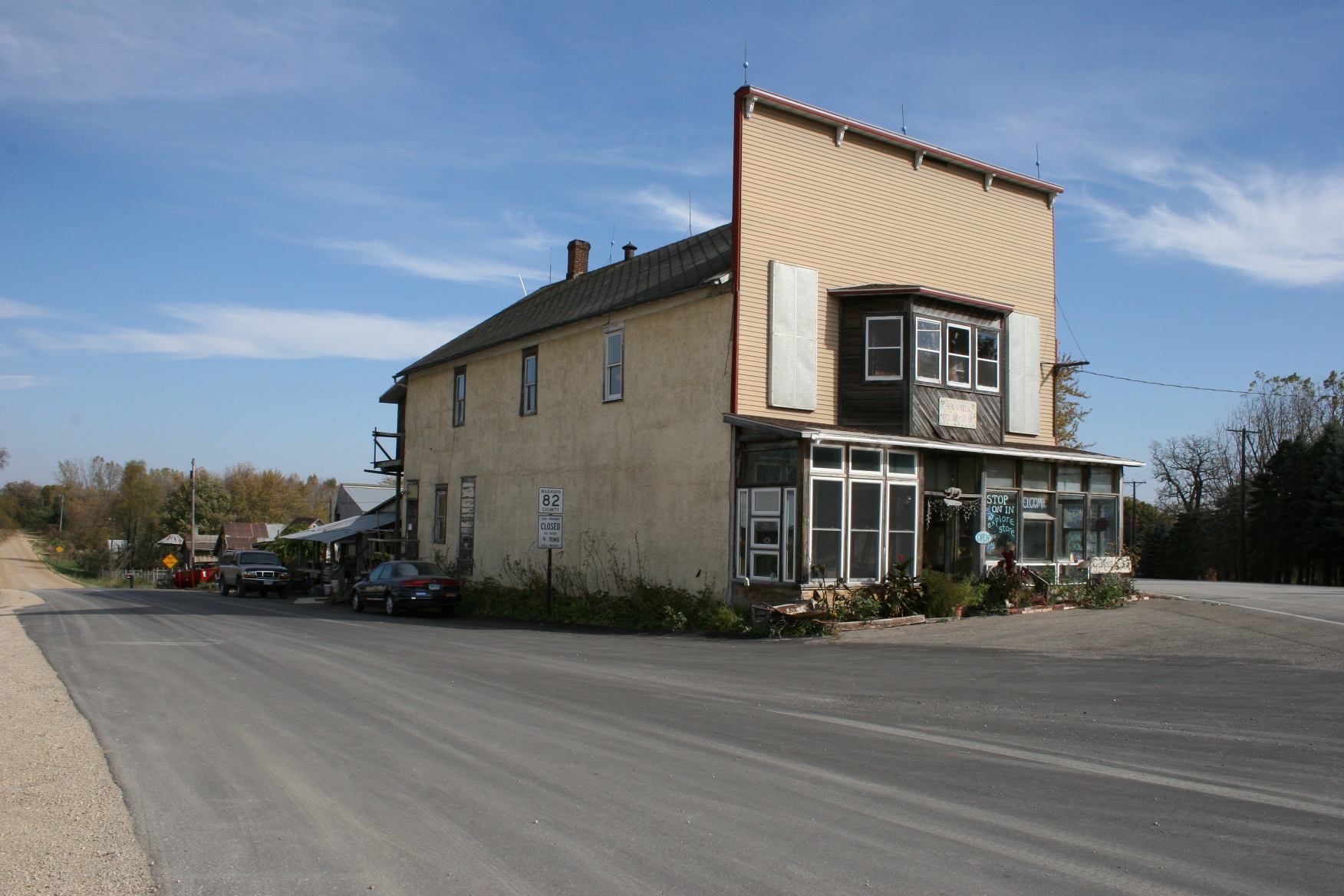
IF NOT FOR THE MINNESOTA Highway 60 detour onto U.S. Highway 63 north of Zumbro Falls, we never would have found Oak Center.

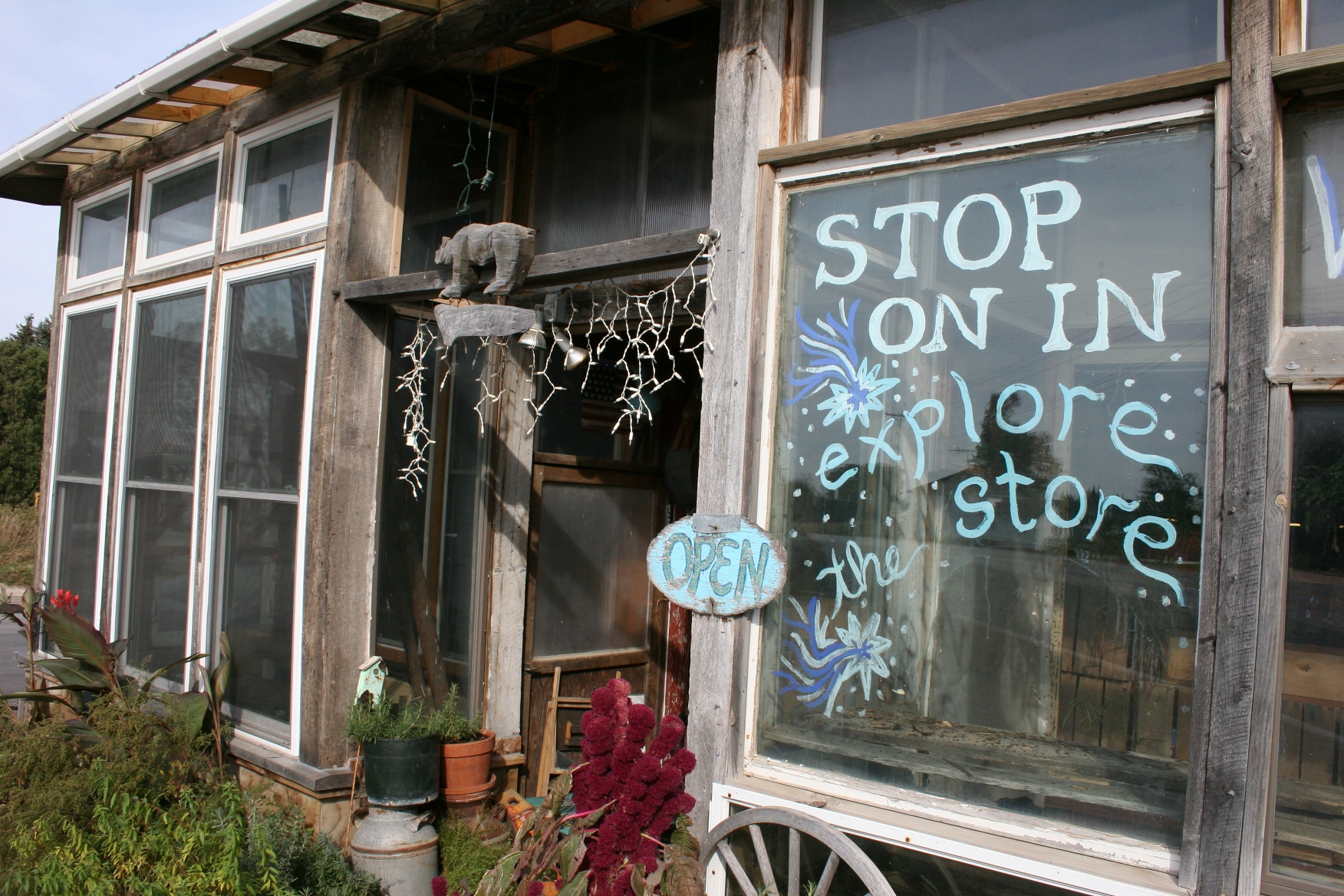
And had we not seen the writing on the window, “Stop on in and explore the store,” and the OPEN sign, we might have driven right by the Oak Center General Store.

That message on the front window that urged us inside.

The general store sits nearly on top of Highway 63, right, in Oak Center.

From the exterior, it’s that type of structure and setting—a visual hodgepodge which makes you question whether the place truly is open.

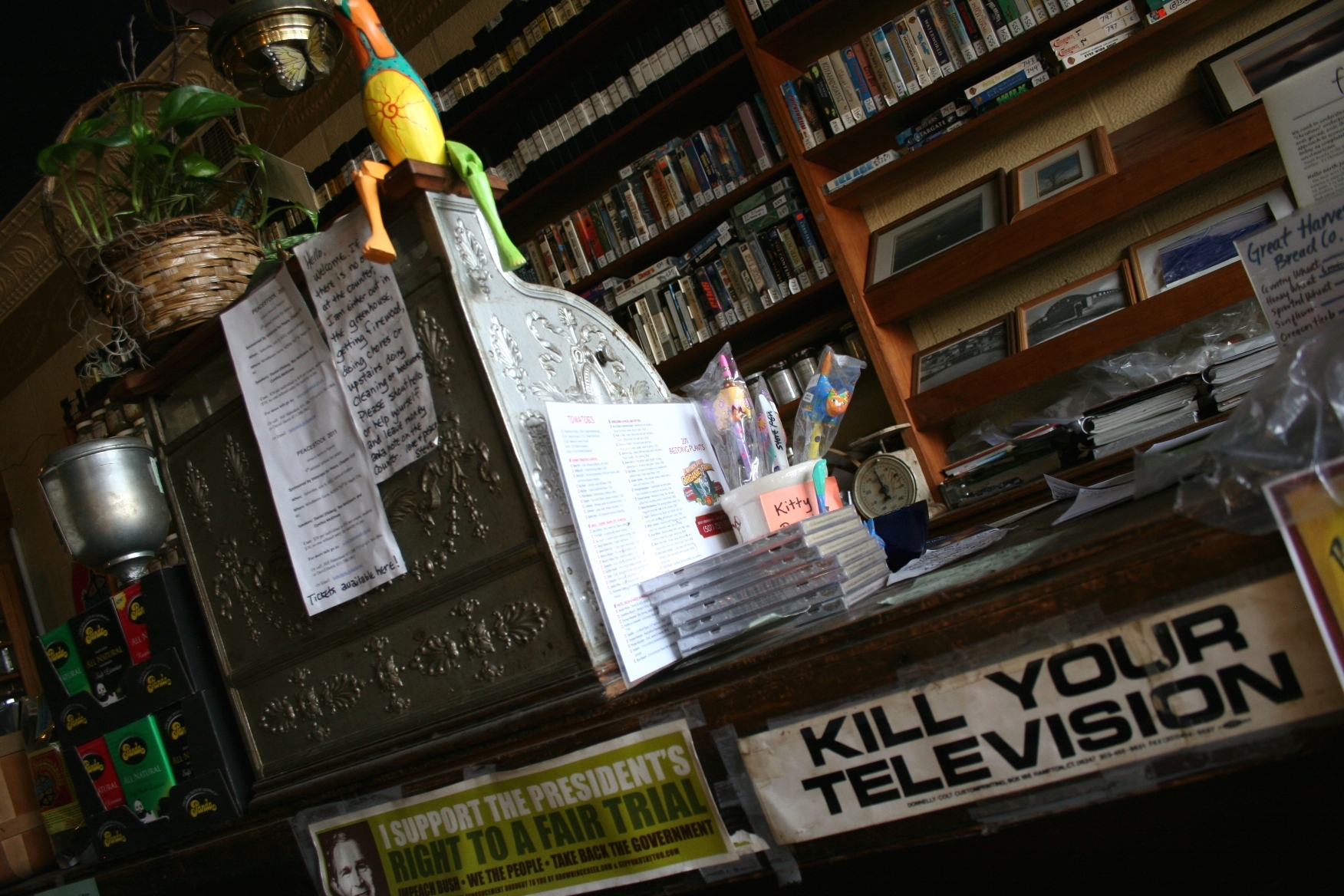
My husband and I wondered that when we pulled off the highway and parked next to the old building. Then we stepped inside and it was like we had walked into a general store of yesteryear, right down to the vintage push-button cash register.

The vintage cash register sits atop a counter labeled with strongly-worded messages.

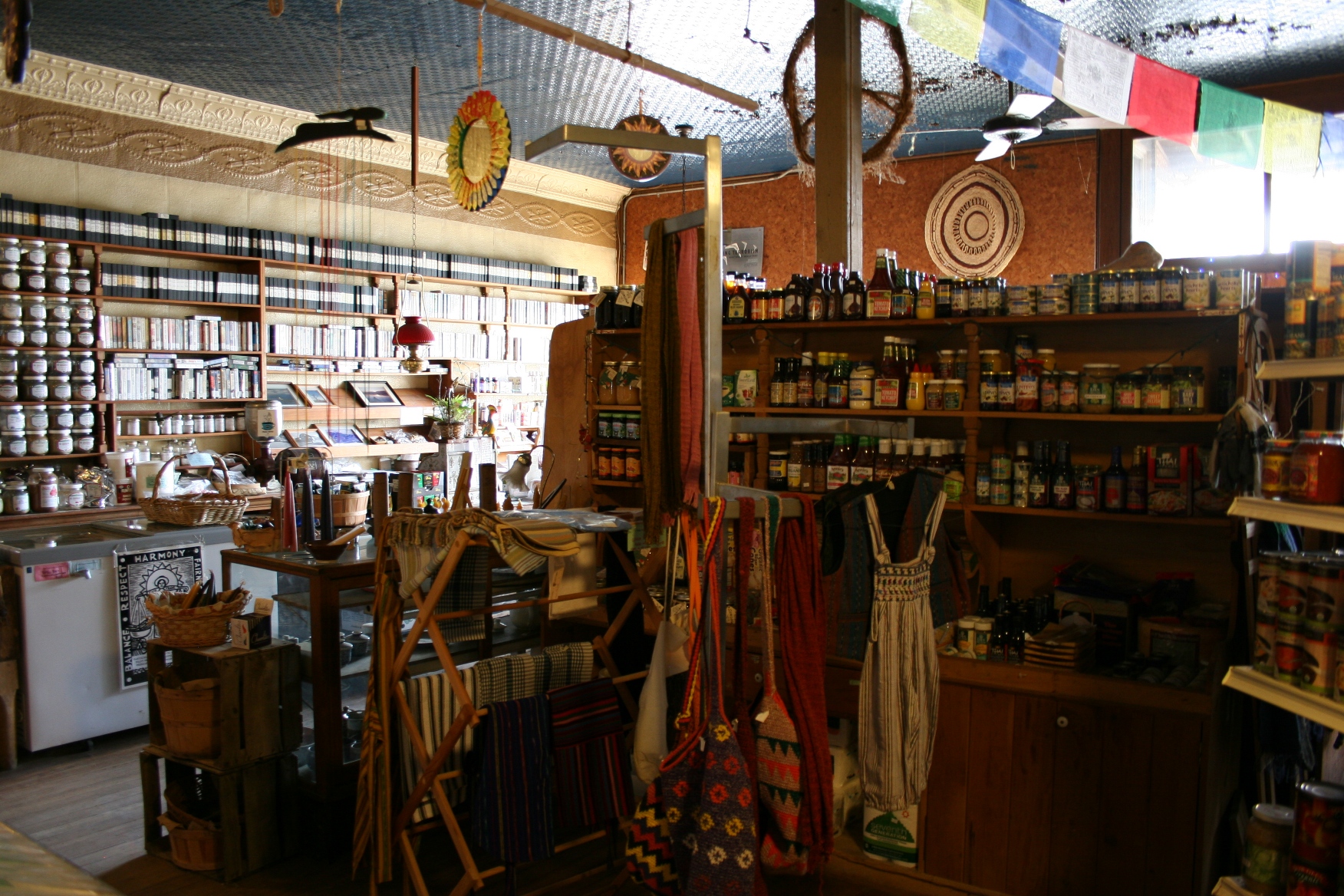
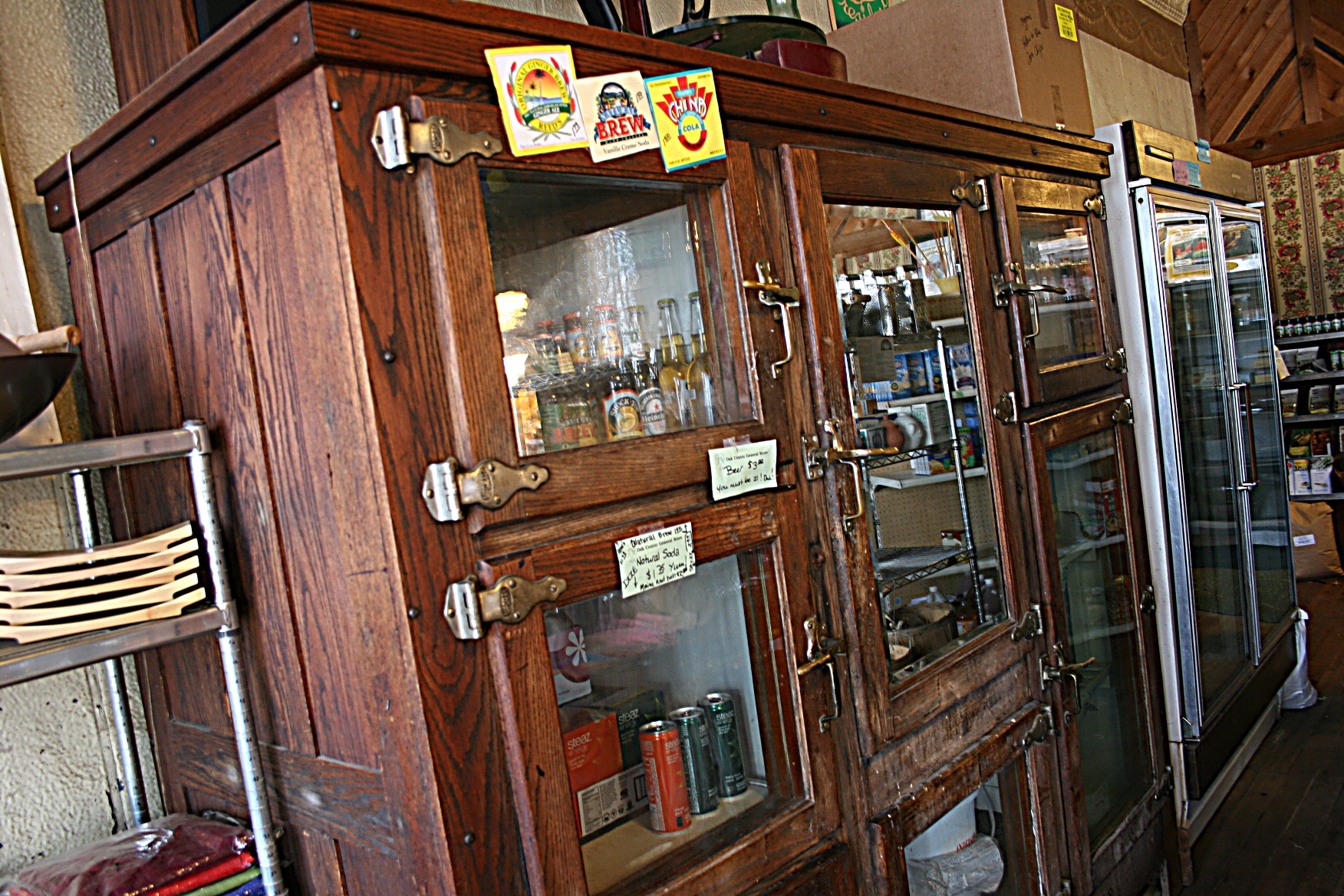
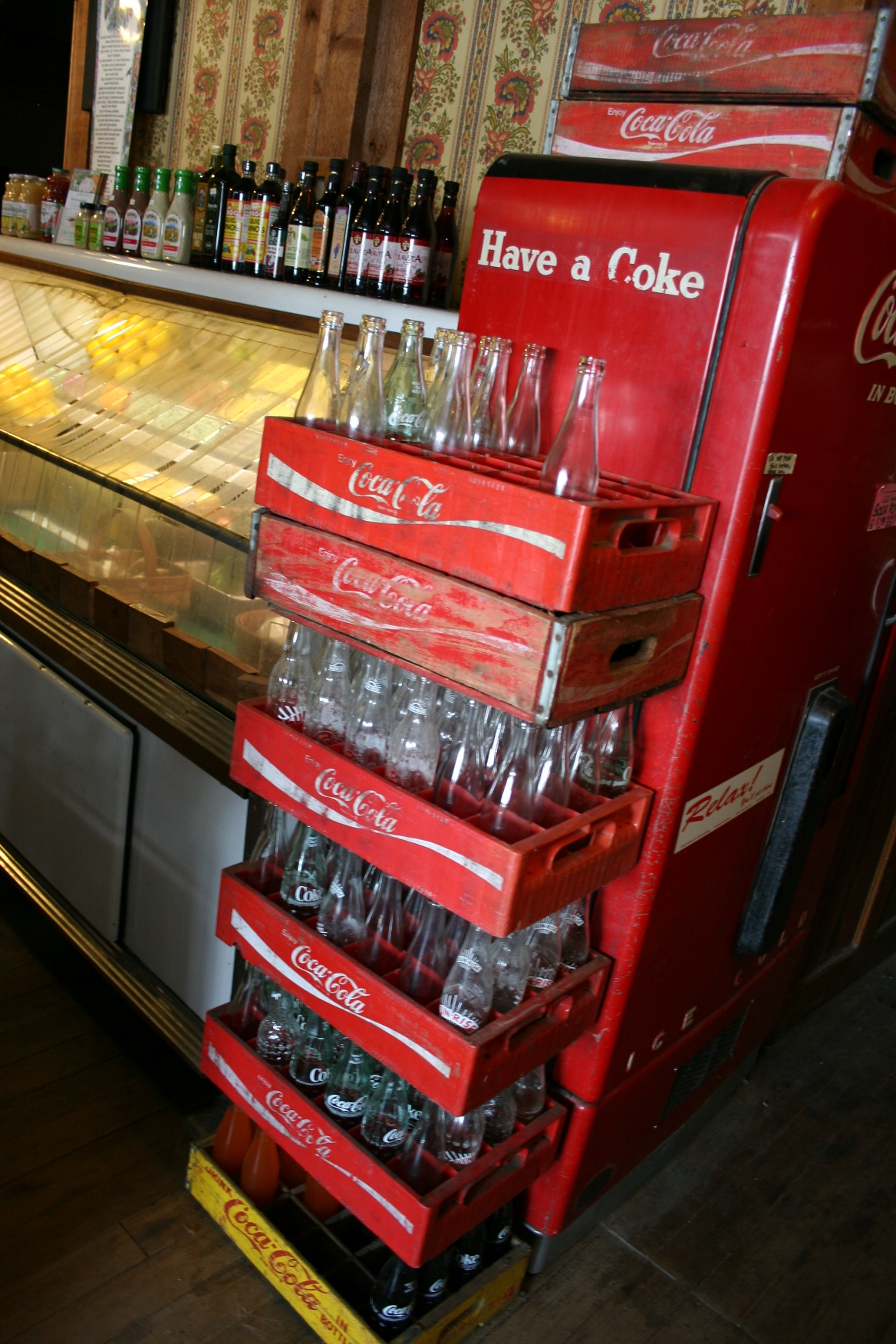
For the longest time we meandered around the shelves, taking it all in—the worn wood-plank floor, the tin ceiling, the old wooden refrigerators, the vintage bottled pop machine, the bulk spices…

An eclectic mix of merchandise is crammed into the store.

Old-style refrigerators, still in use in the store.

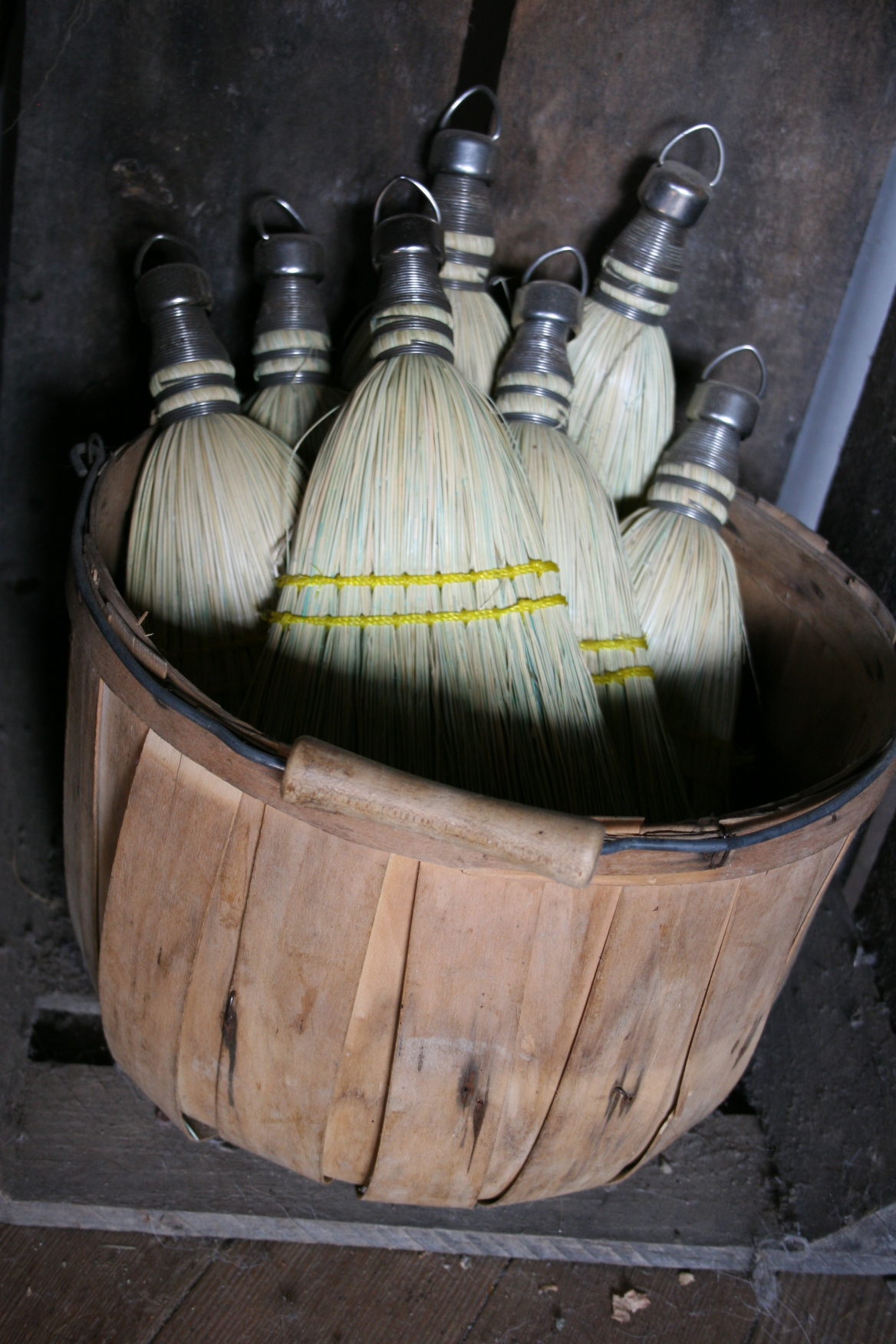
Brooms for sale tucked into a basket on the floor.

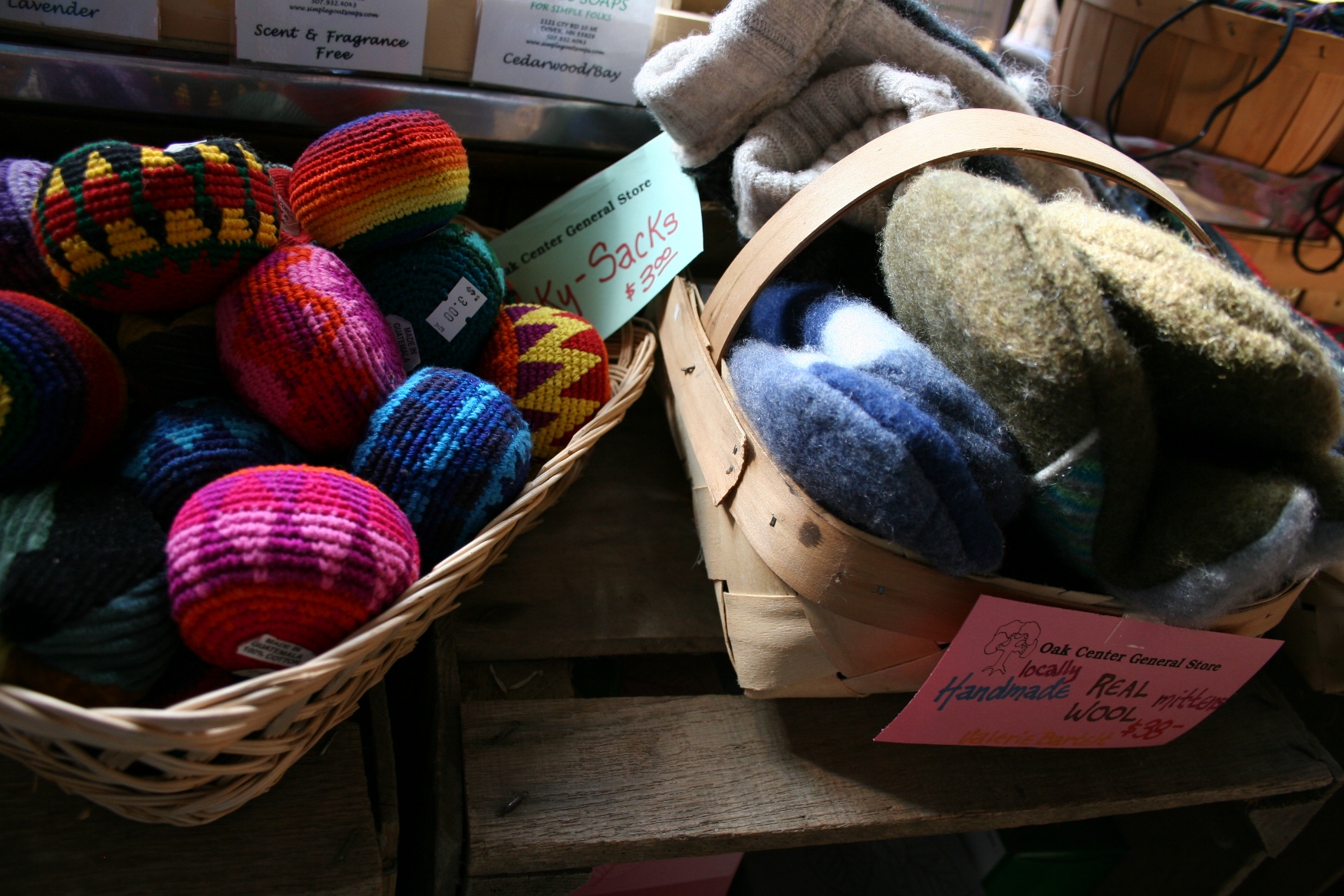
Hacky sacks and handmade woolen mittens on display near a front window.

You can purchase pop in bottles from a vintage pop machine.

I couldn’t get enough of this historic general store, which hearkens back to 1913 in this unincorporated locale. I’m not sure exactly what I said to my husband when we were there, all alone, perusing the place. I think we were both too in awe to even talk much.

That’s a good thing, because, even though no one was minding the shop, the baby monitor was switched on, we later learned, and our conversation could be overheard.

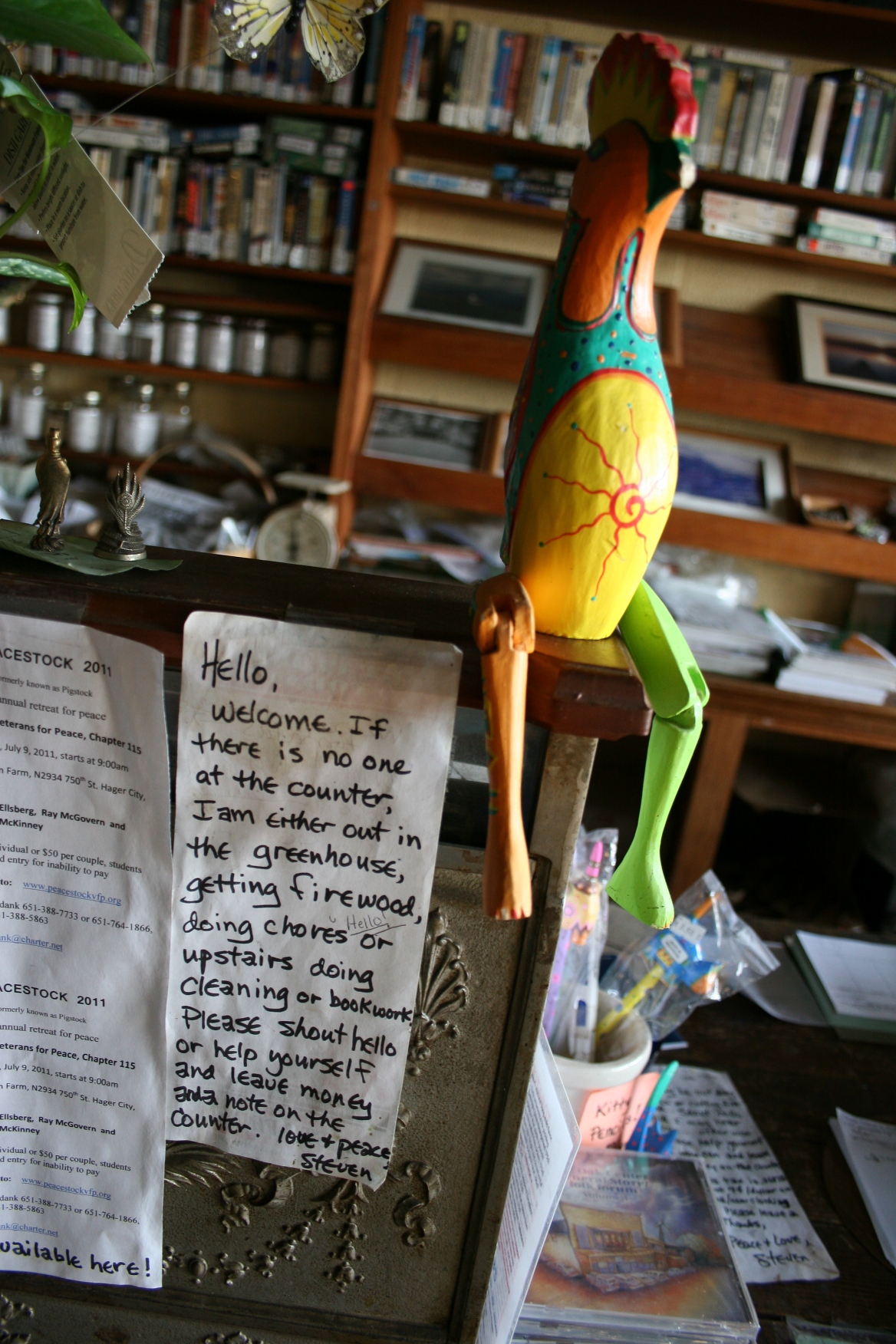
A message on the cash register advises customers to leave their payment on the counter with a note if no one is around.

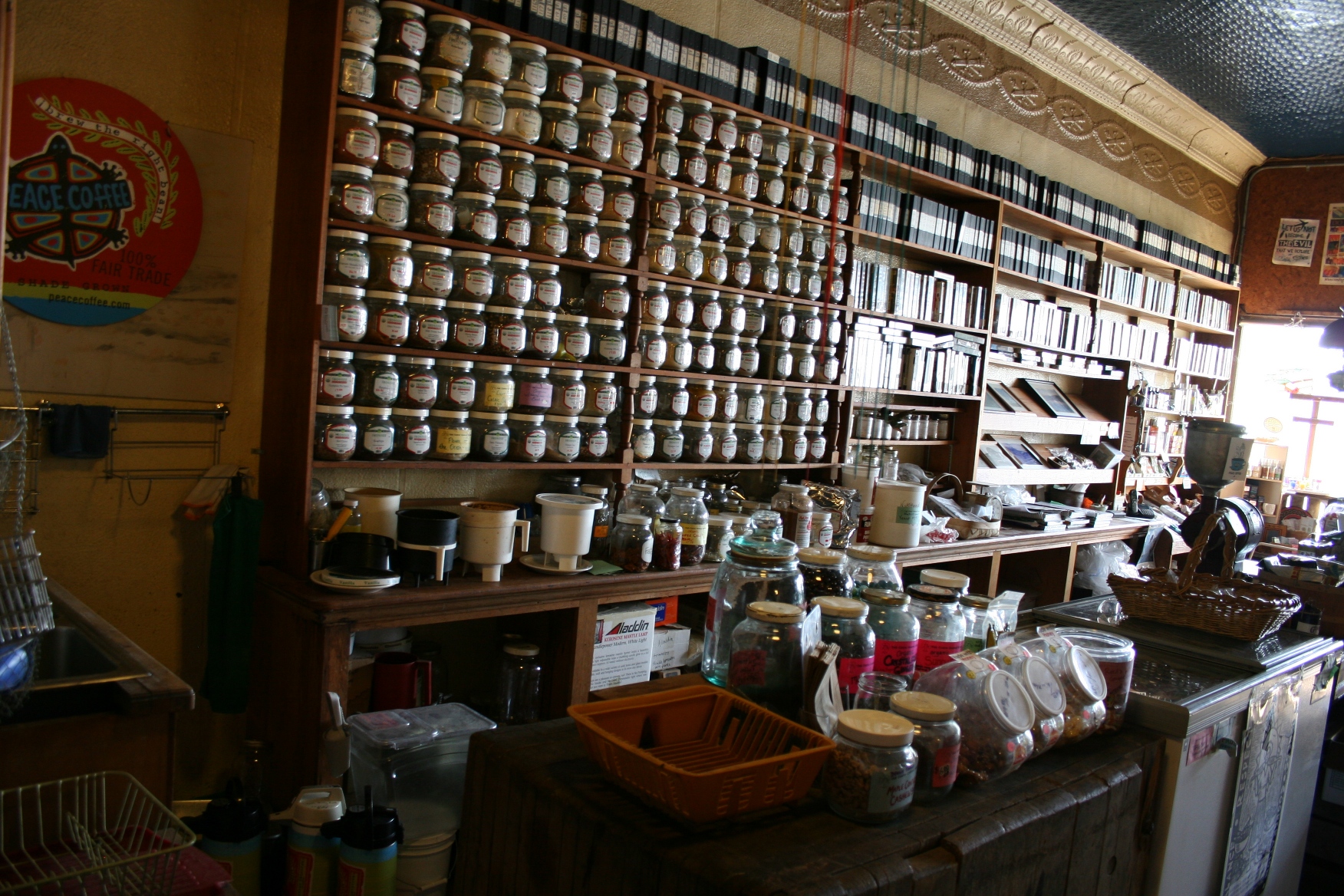
Rows of bulk spices line the shelves behind the counter.

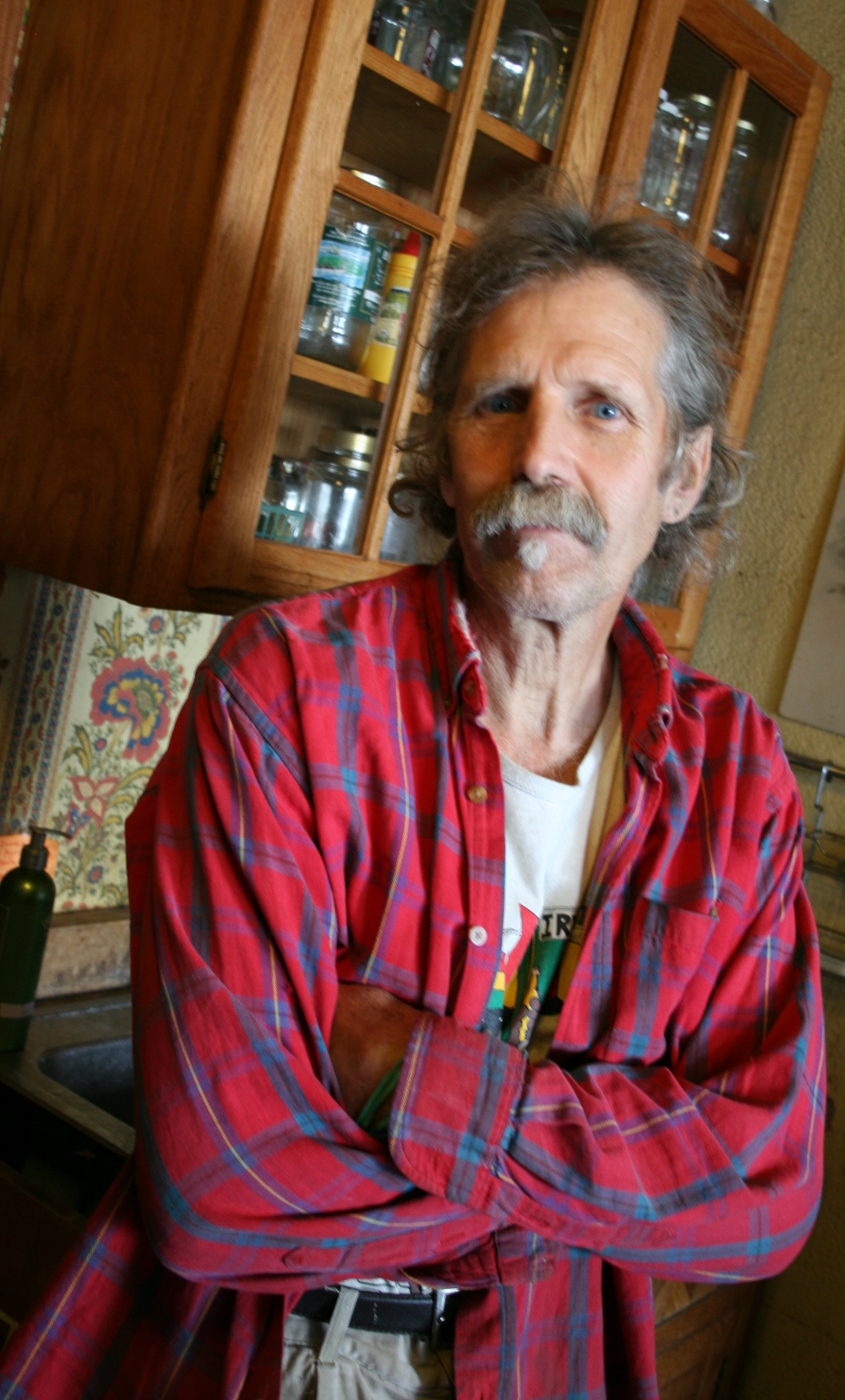
Steven Schwen

About the time I stepped behind the counter to photograph the cash register, Strider Hammer strode into the room and, when I began asking questions, he fetched owner Steven Schwen.

Introducing himself as a “voluntary peasant,” Steven and I shook hands and he apologized for the damp hand. He’d been washing dishes.

Strider clamped my hand in a friendly vise grip handshake.

And so, properly introduced, Randy and I learned a thing or ten about the Oak Center General Store, which Steven purchased 35 years ago after the business closed and the building sat vacant for five years.

Today the Oak Center General Store is “dedicated to rebuilding a better world from the earth up.”

Although I didn’t ask for details about his life views, Steven’s comments and signage inside the store speak to an outspoken, yet gentle, man deeply-rooted in his independent, self-sufficient, non-materialistic, environmental, anti-war beliefs.

“Produce, don’t consume,” he says.

With that philosophy, Steven runs this general store which sells organic foods, kitchenware, candles, incense, local fair trade products, herbs and a lengthy list of other miscellaneous items.

He also operates Earthen Path Organic Farm, a 14-acre fruit, vegetable and herb farm based directly behind the general store, and works with son Joe and daughter-in-law Rebecca of Heartbeet Farm. They sell their products at the Rochester Farmers’ Market and to co-ops in Northfield and the metro area. The Community Supported Agriculture farm, Steven says, supports his family and the store. He also builds furniture and cabinets during the winter months.

Later, after touring the other facet of Oak Center General Store—the music scene—Strider would take us out back to see the farm.

But first things first. Steven disappeared and Strider led us through a dark middle room gathering place cozied with worn couches and a wood burning kitchen stove, past the corner media center (aka computer) to a back stairway nearly as steep as a ladder.

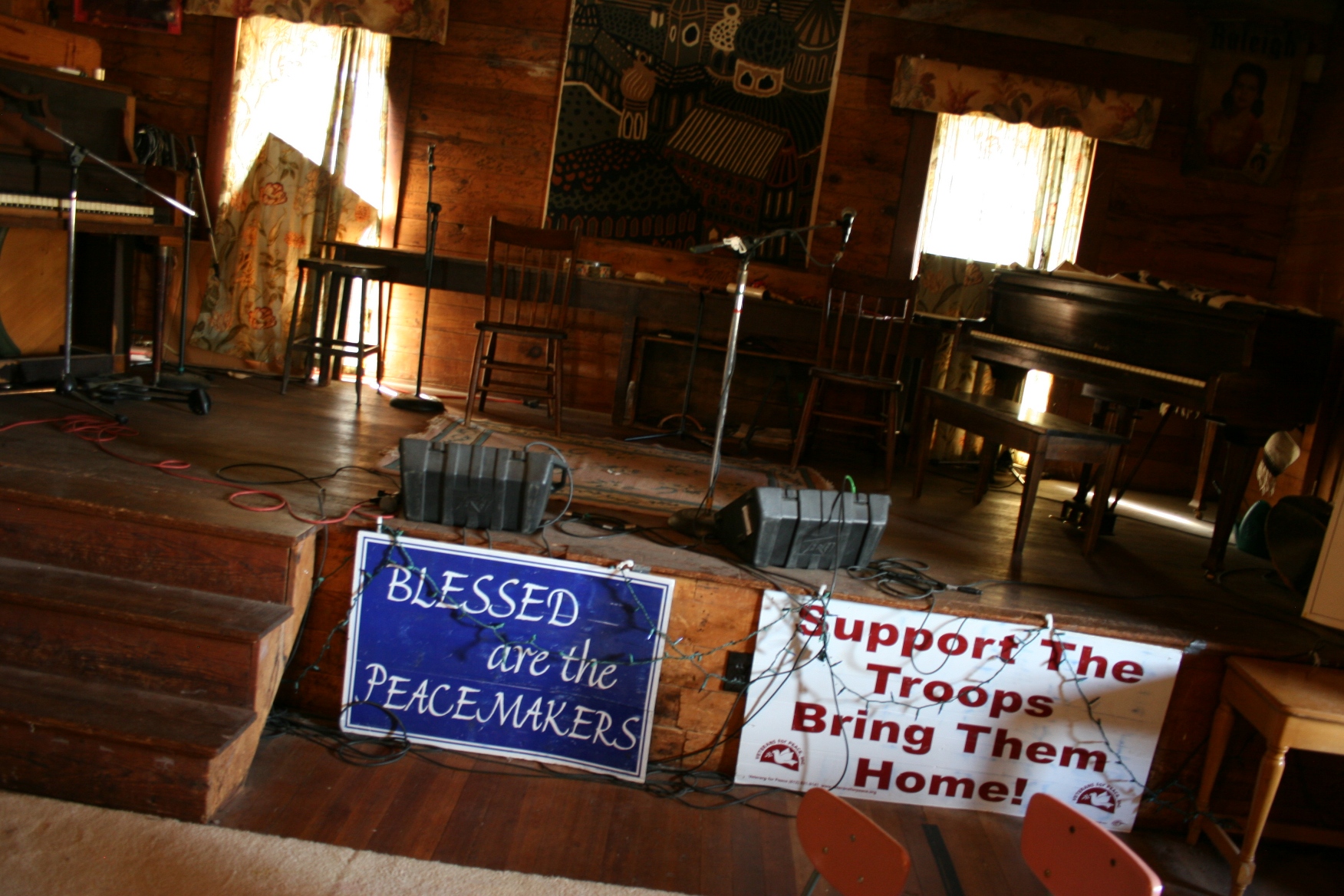
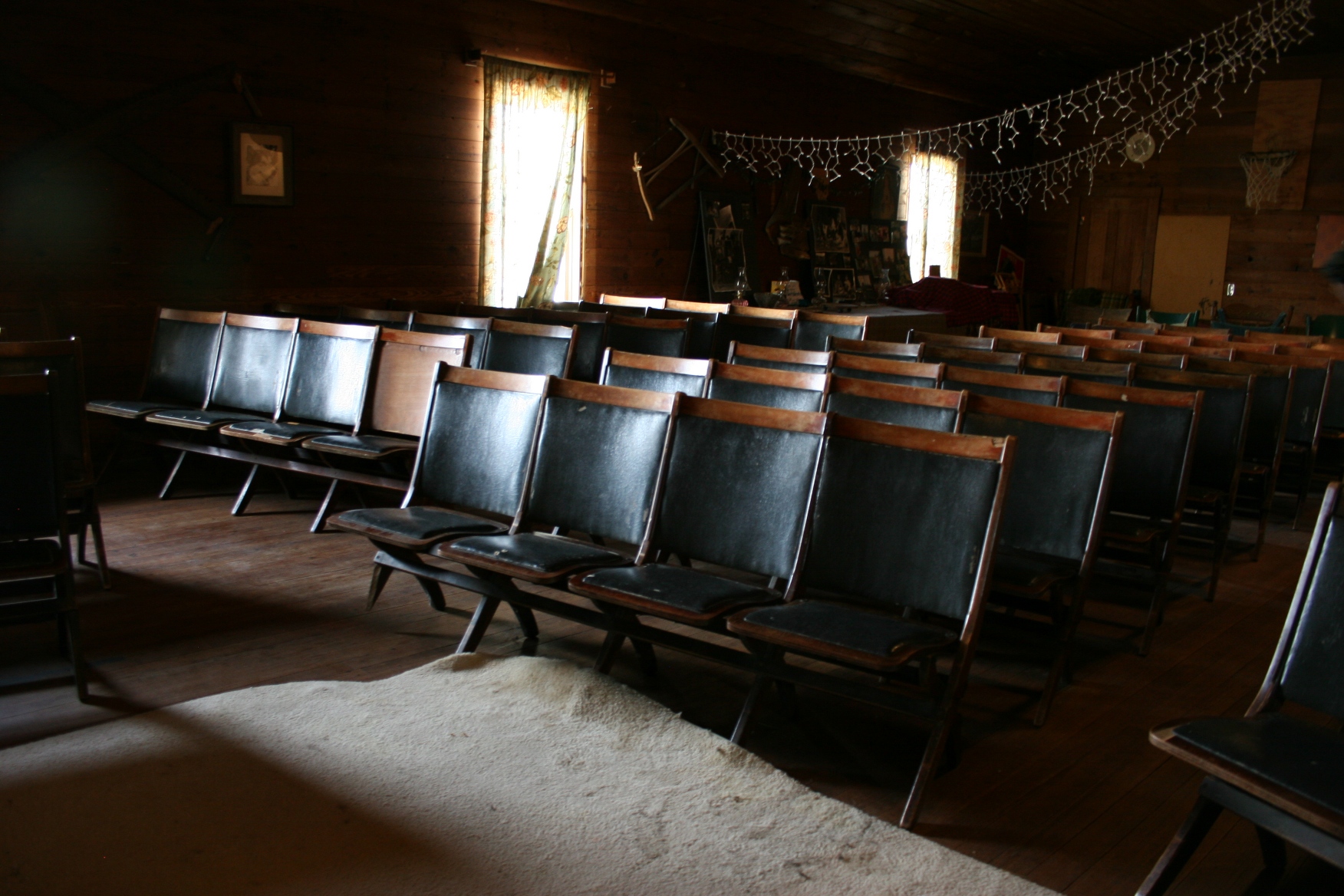
Those steps led us to the old Grange Hall, a former meeting place for farmers and now an entertainment center for local, national and international bluegrass, blues, folk, jazz and similar musical acts.

Earlier, Steven defined the 30-year run of October – April Folk Forum weekend concerts as “non-commercial entertainment connecting people to the land, music and each other.”

The former Grange Hall stage where musicians perform during the Folk Forums.

Rows of seating in the old Grange Hall.

I know nothing really about the music genres that entertain at Oak Center. But I recognized Monroe Crossing, the bluegrass group which will present a 2 p.m. Christmas Matinee on Sunday, December 4.

Other upcoming performers include Bingham and Thorne, Marty Marrone & Tangled Roots, Robby Vee, Galactic Cowboy Orchestra and many more slated in from now through December 23. (Click here to get the full line-up of musicians.)

Strider invited us to return for a concert with a recommended $5 – $15, but “pay what you’re able,” ticket price and what I expect would be a laid-back atmosphere.

He’s a personable guy, who, when I asked, said he’s a friend and extended family to Steven. You get the sense that anyone who steps inside Oak Center General Store is family.

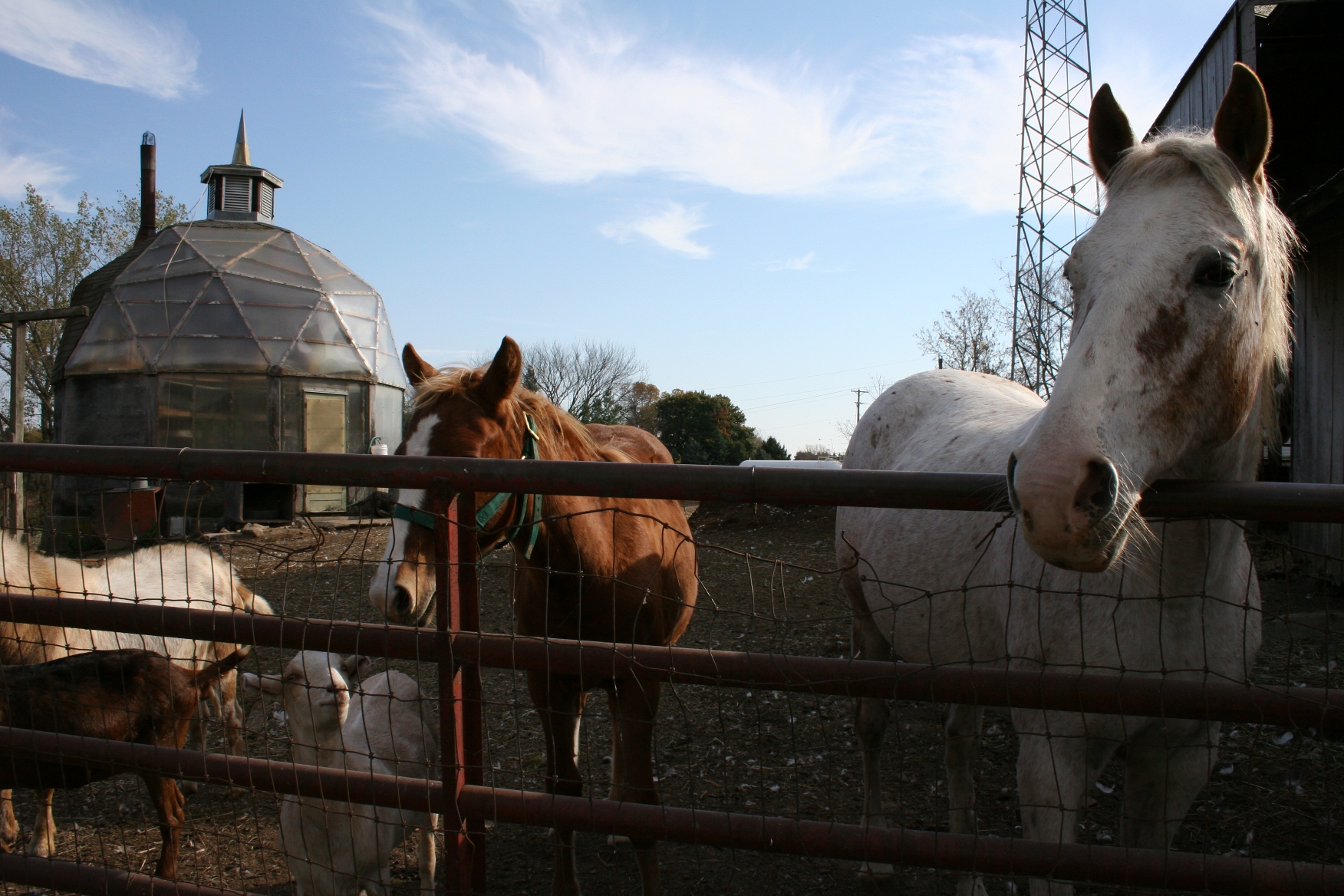
Even the animals out back are the friendly sort; they nuzzle up to the fence when Strider beckons.

Strider Hammer calls animals to the fence at Earthen Path Organic Farm.

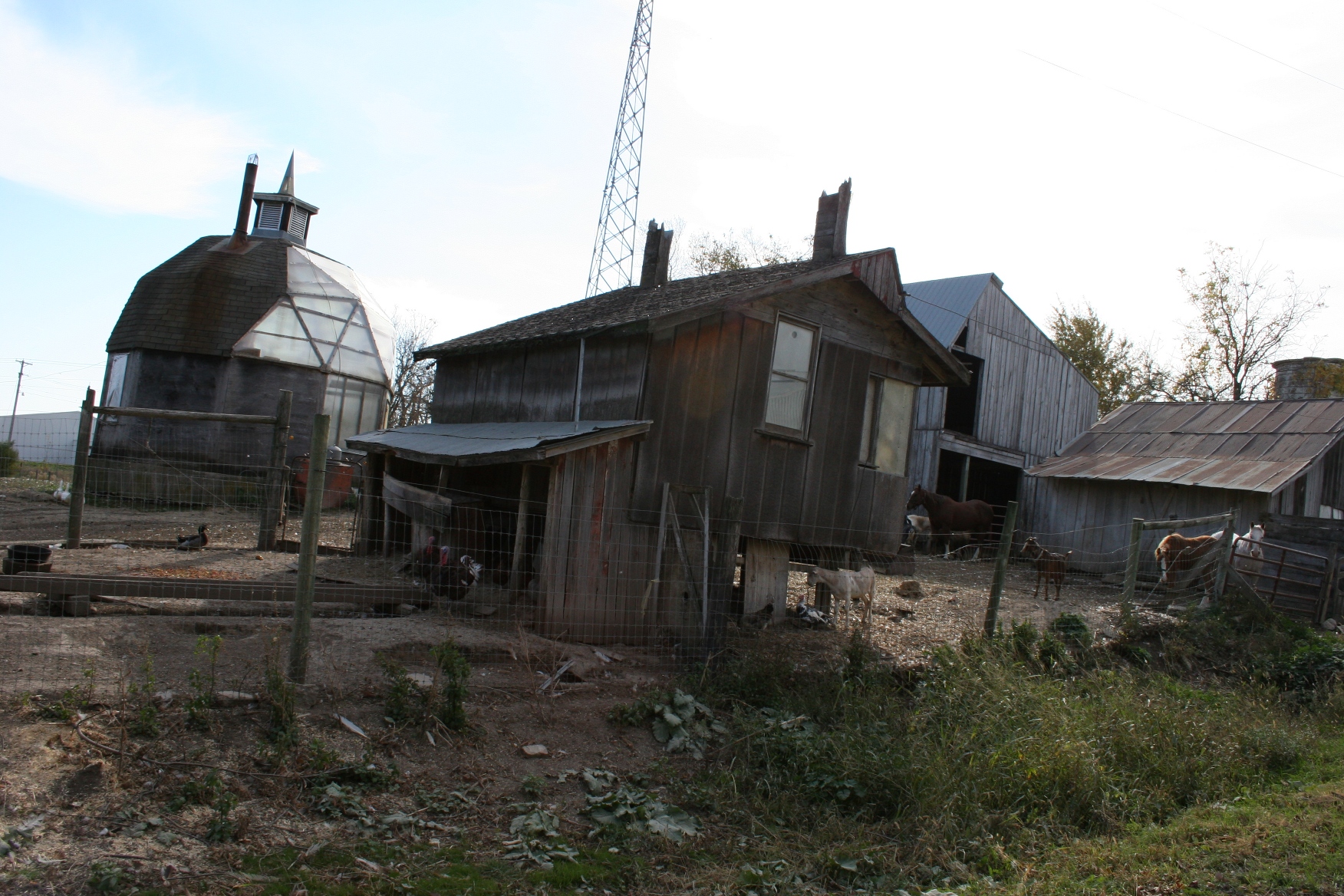
The friendly animals on the "Old McDonald" style farm. Steven's son Joe and his wife Rebecca farm with draft horses. Steven once used those horses to farm, but now, because he can no longer lift the harnesses, relies on tractors.

The mishmash of buildings behind the general store.

Back at the side door that leads to the former Grange Hall and back room gathering place, Strider climbed the few stairs onto the weathered deck and bid us farewell with a single and seemingly fitting word for the vibe of the Oak Center General Store:

“Peace,” he said and walked away.

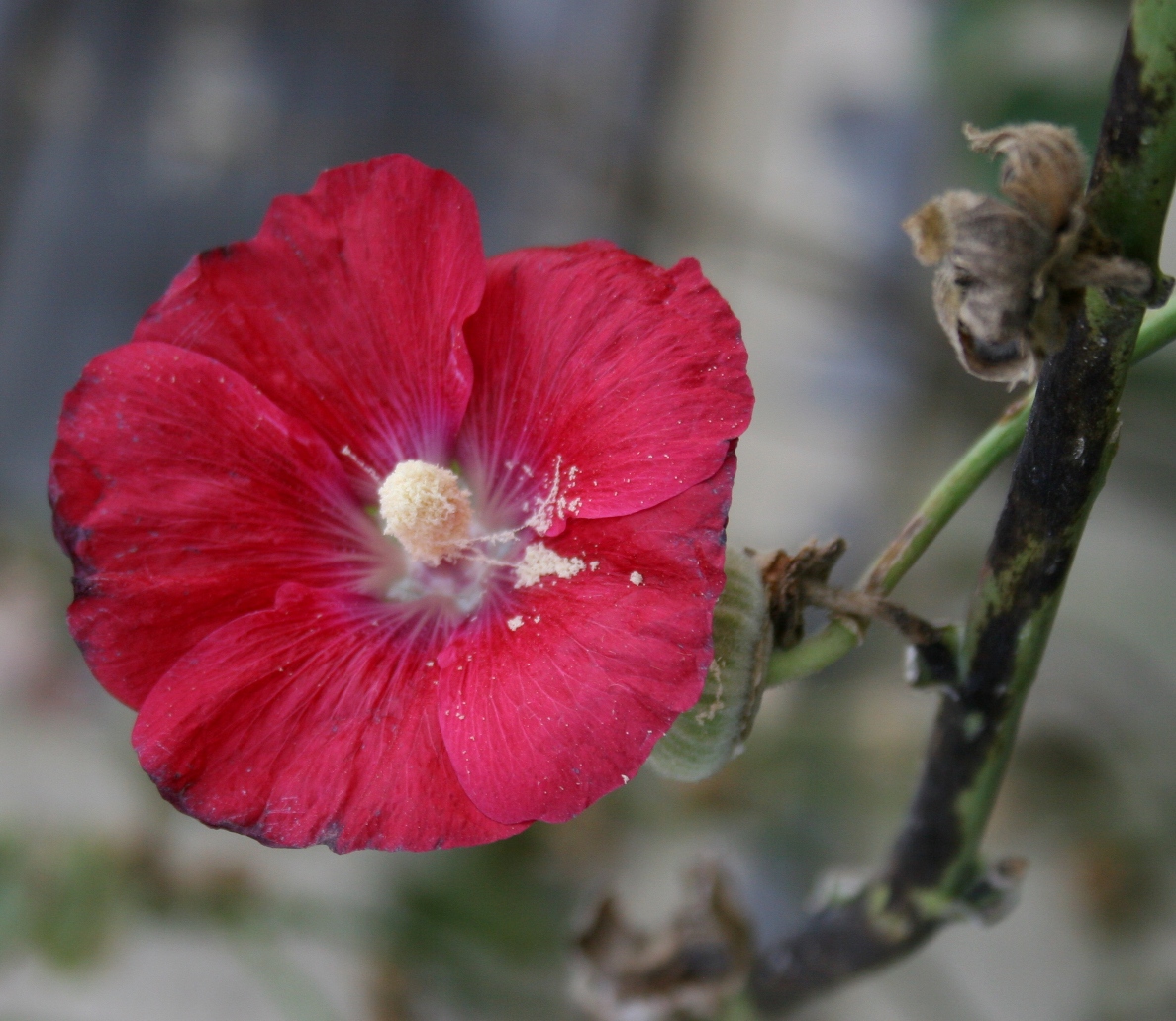
A flower blooms next to the general store.

A side view of the store from Highway 63.

FYI: The store is open from 9 a.m. – 6 p.m. Monday – Saturday and some Sundays. In addition to music, Oak Center General Store hosts theater, round table discussions and workshops (ie., holistic medicine, organic gardening, batik) at its Folk Forums.

For more information about the Oak Center General Store, click here.

To learn about  Earthen Path Organic Farm, click here.

For info about  Heartbeet Farm, click here.

© Copyright 2011 Audrey Kletscher Helbling
 

Harvest barn dance celebrates family, friends and yesteryear September 19, 2011

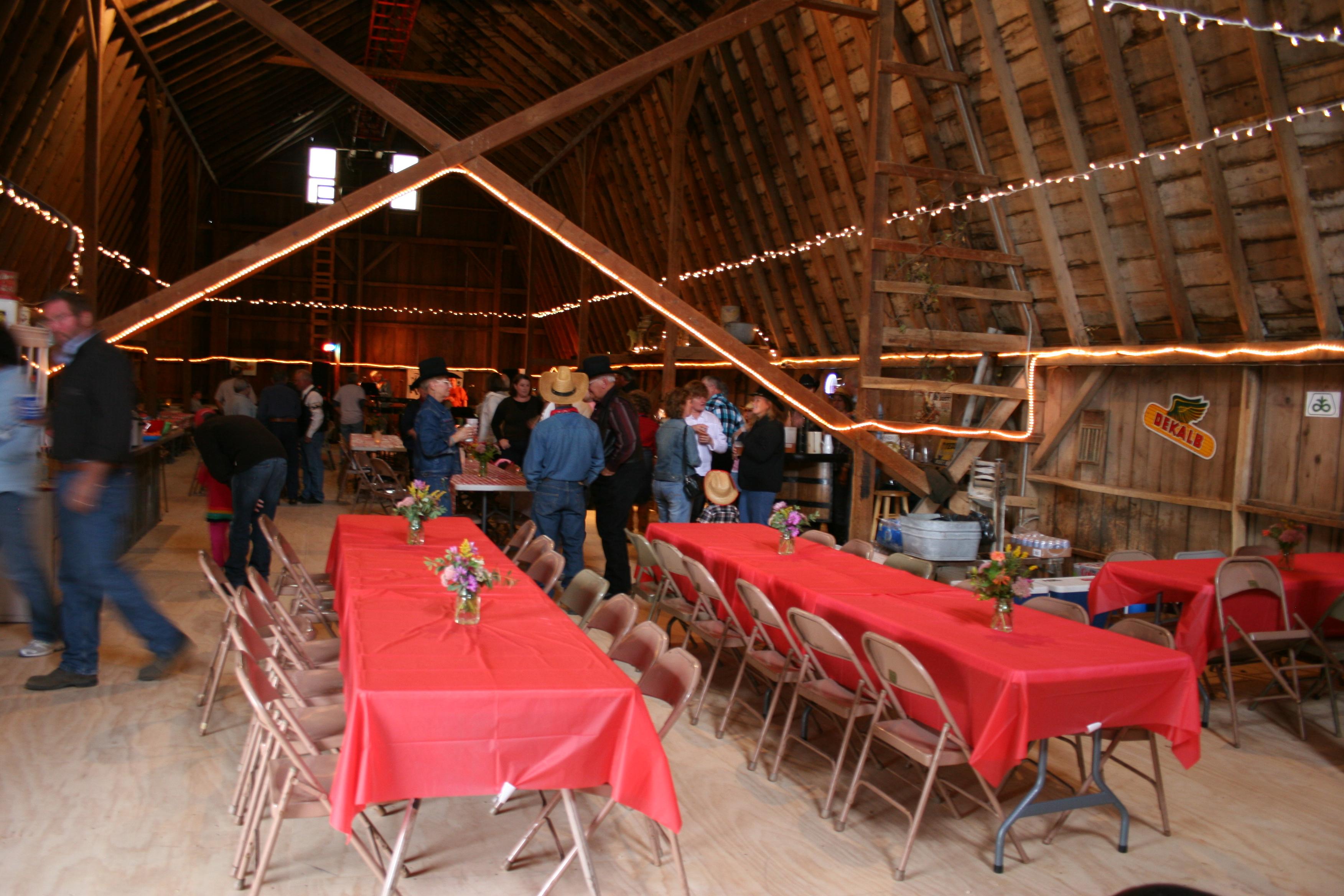
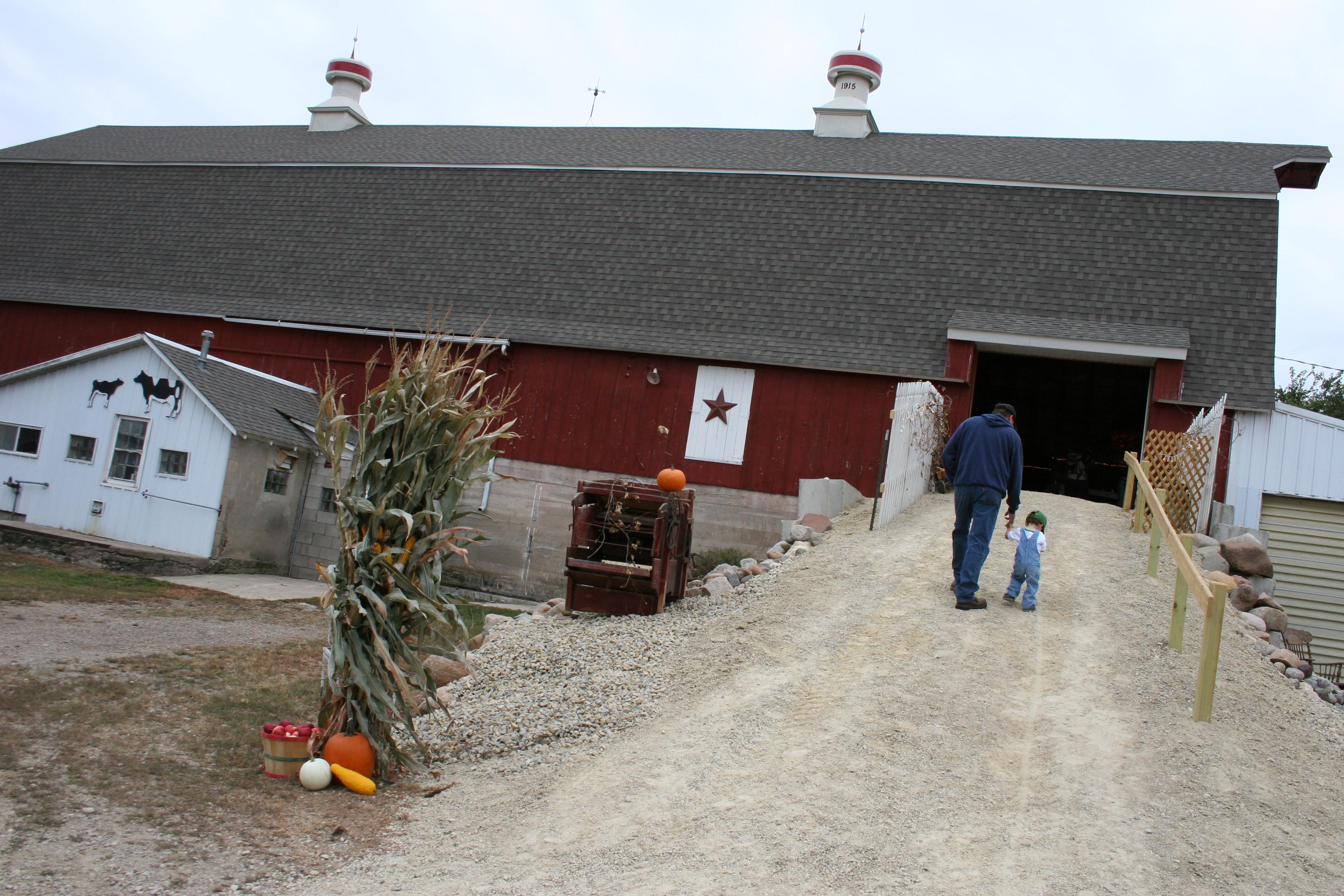
A father and son were among the hundreds of guests attending a dance in this 96-year-old barn.

IN THE 1930s, at the height of The Great Depression, a young Herb Becker attended dances in the sprawling red barn along Rice County Road 1 several miles west of Dundas.

Herb didn’t know it then, but in 1948 he and his wife Dorothy would buy the “Faber farm” site with the 36-foot by 100-foot barn.

Today his youngest son John and wife Debbie own the farm, purchased in 1988. Saturday they hosted their first-ever Harvest Time Barn Dance.

John and Debbie Becker have reshingled and done other work to their barn to keep it from deteriorating.

“It’s a dream come true,” John said several times through-out the event which brought the barn back full circle to his father Herb—who died in 2009—and those long-ago barn dances.

I bet Herb would have been pleased with the party that drew family, friends and neighbors of the Beckers together on a cool autumn evening to visit, eat and dance the night away in the old hay mow. My husband Randy and I were among our friends’ invited guests.

Everything about the celebration in this 1915 barn spoke to the kind of down-home neighborliness and love of family that define the Beckers and the Malechas (Debbie’s family). These are good, honest, hard-working people of faith with their roots planted deep in the earth. I doubt I stopped smiling all evening.

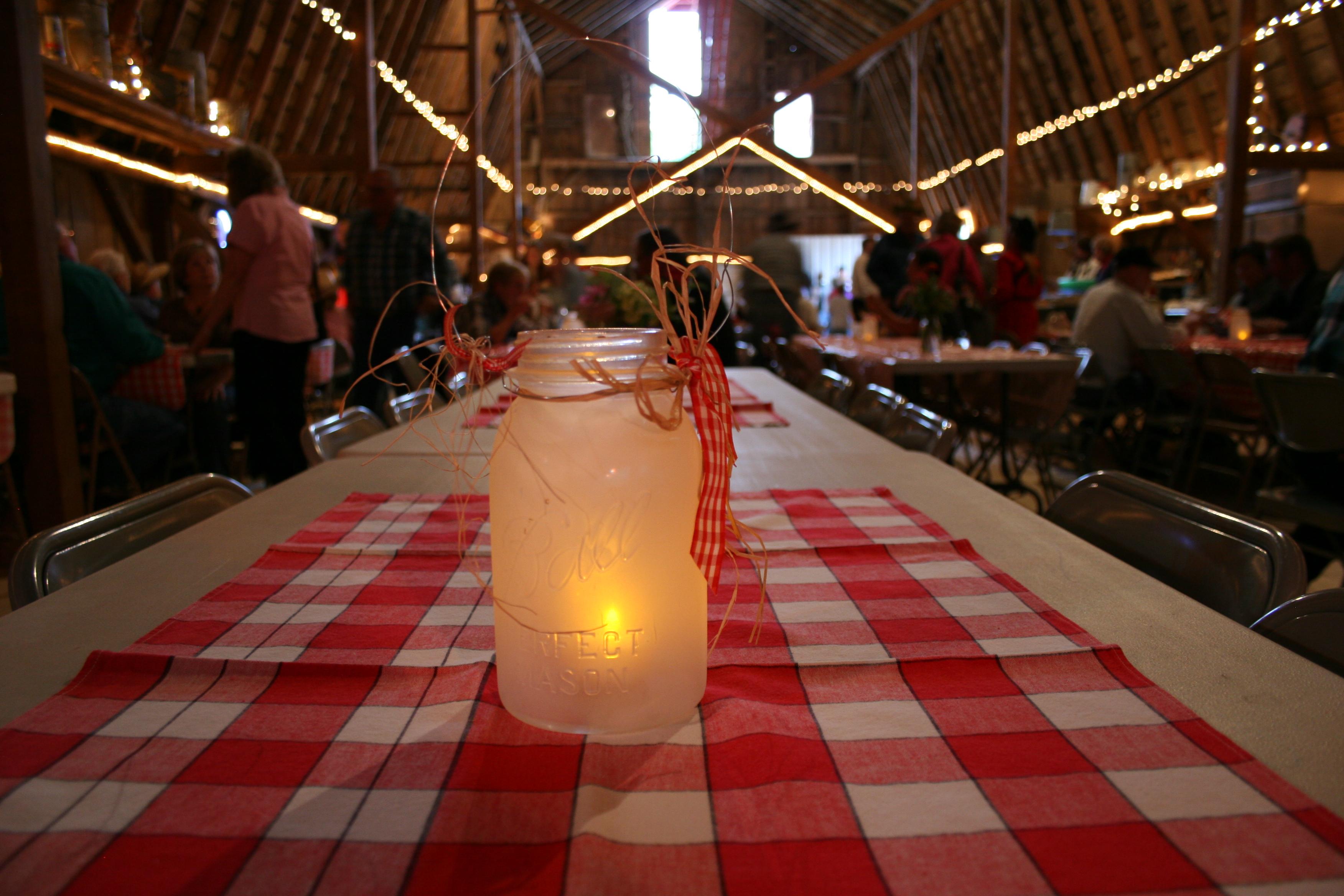
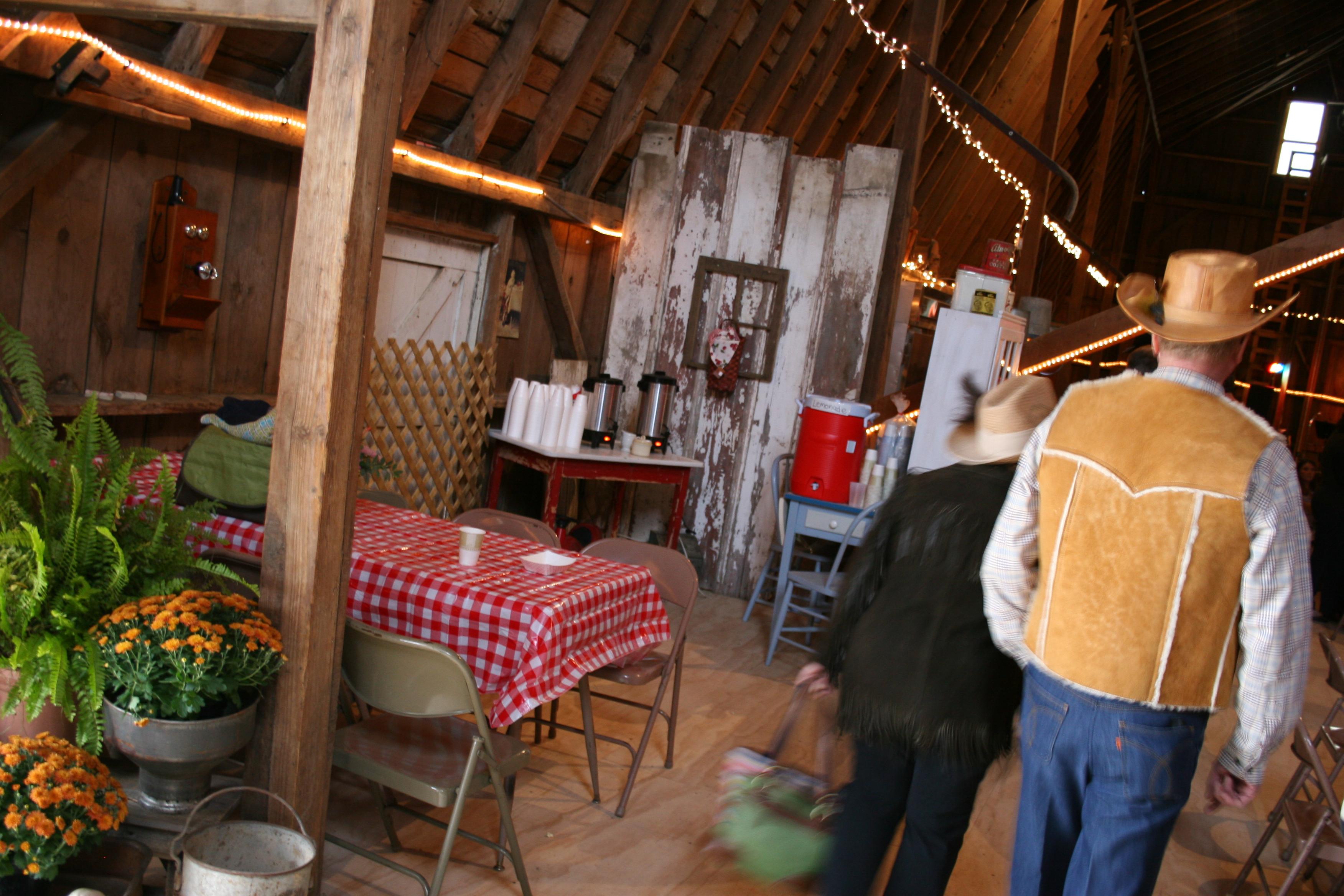
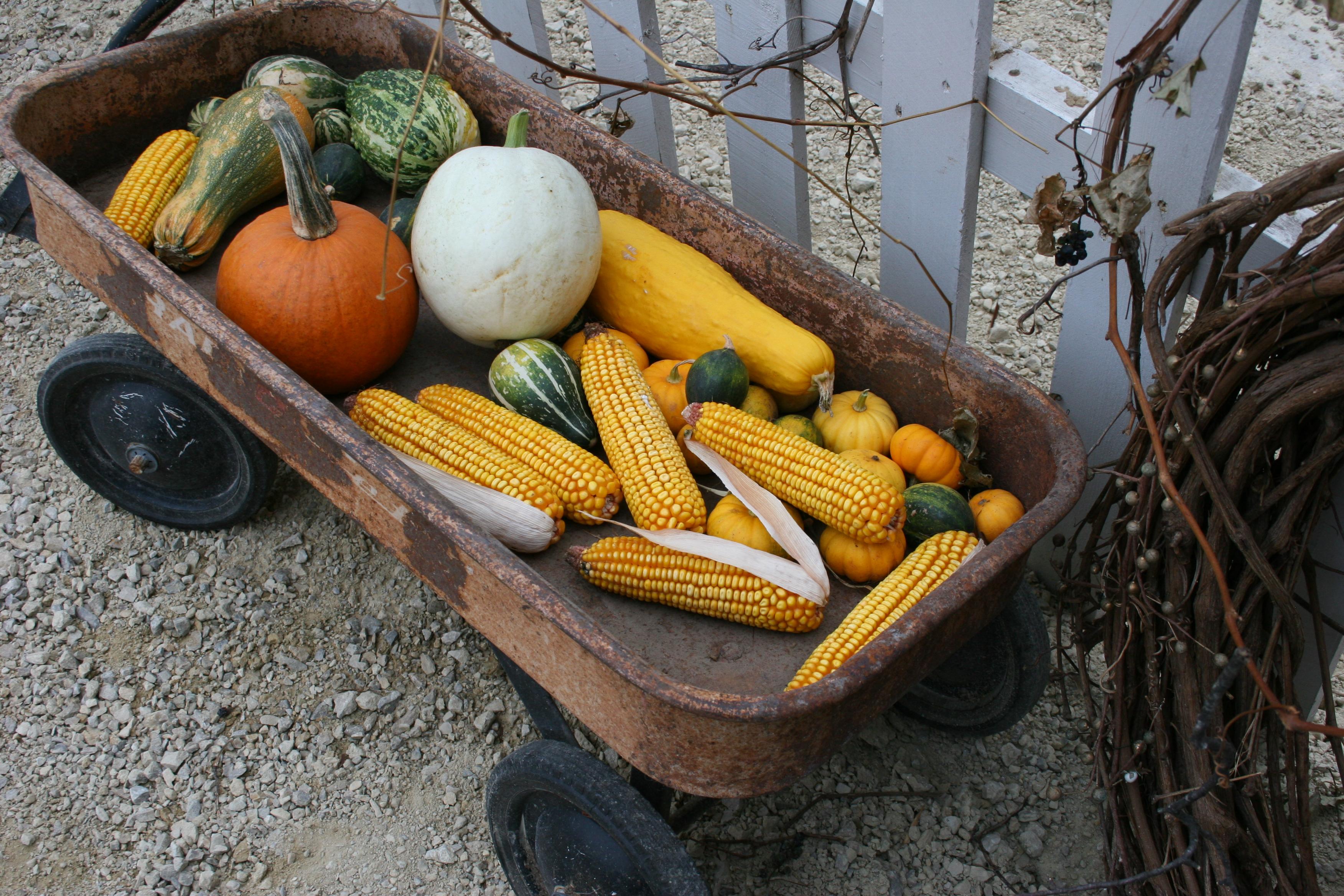
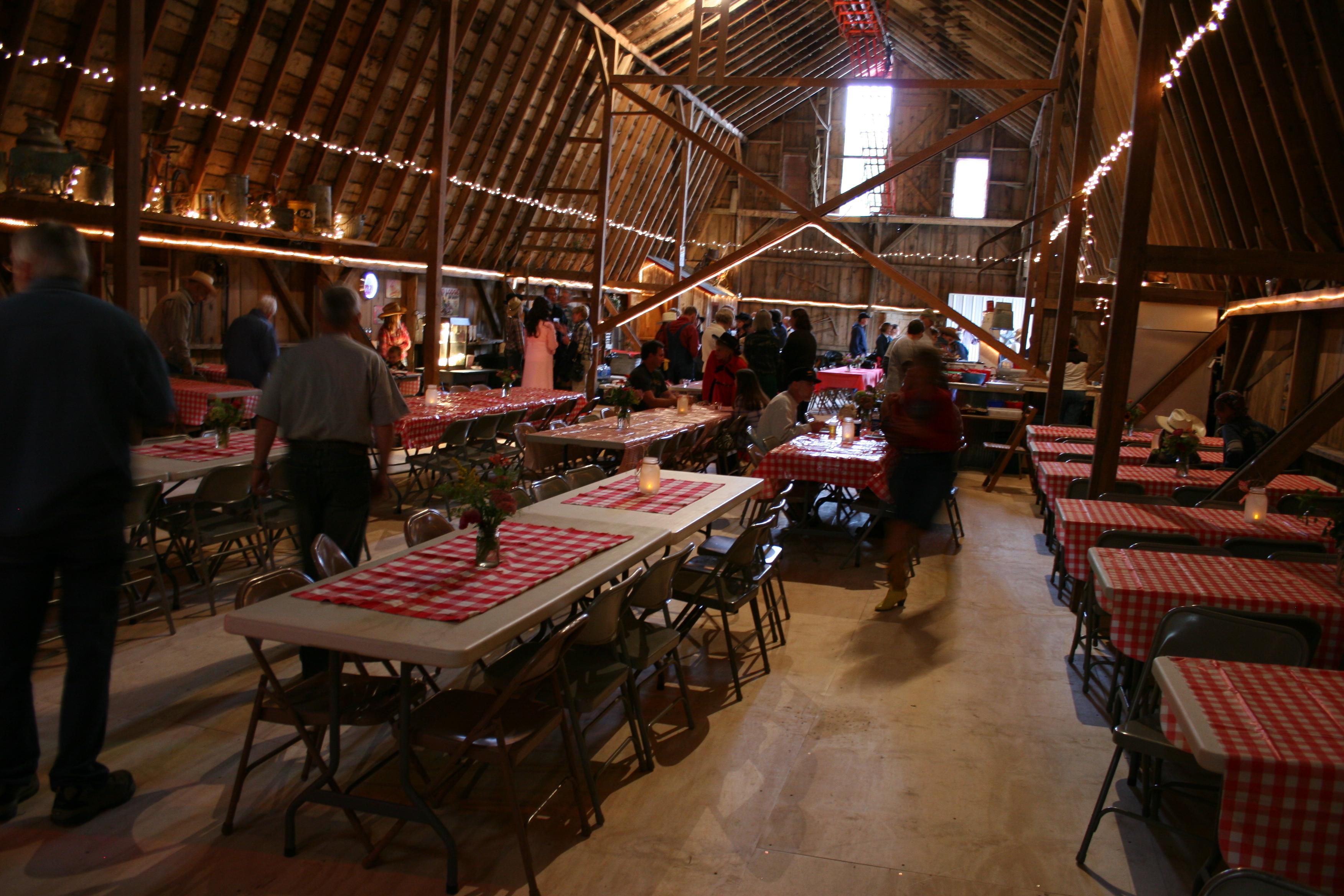
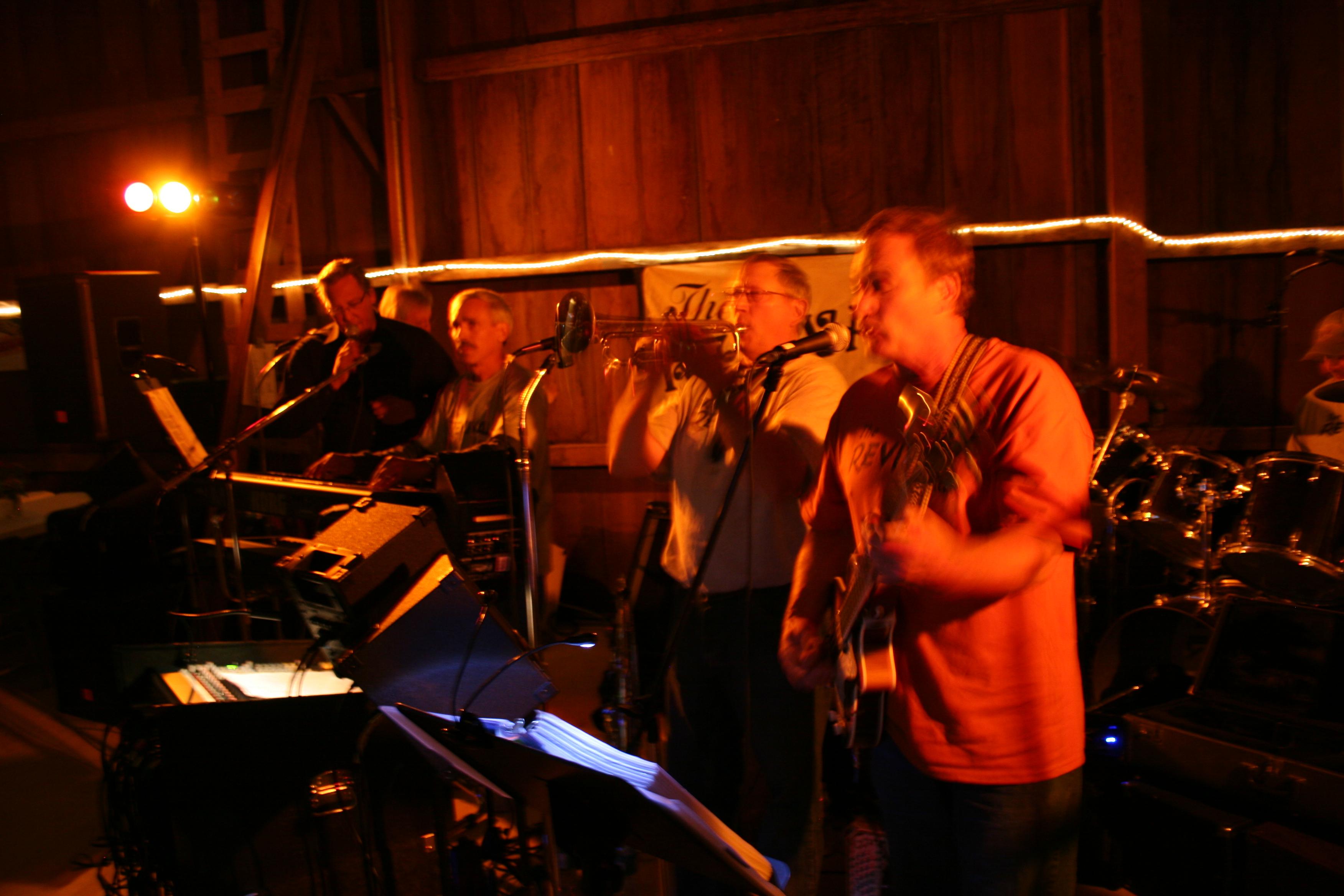
And there was plenty to smile about—from the country-style decorated barn complete with red-and-white checked tablecloths, zinnias/sedum/golden rod in fruit jars, pitchforks, bushel baskets, seed corn signage, wooden barrels, cream separator, horse harness and lots more to the kids and adults sporting cowboy hats, cowboy boots and other western attire to the welcoming, sometimes boot-stomping, music of The Revivals band.

Battery-operated tea light candles and flowers in quart jars decorated tables covered with red and/or red-and-white checked cloths. This photo looks toward the west end of the hay mow.

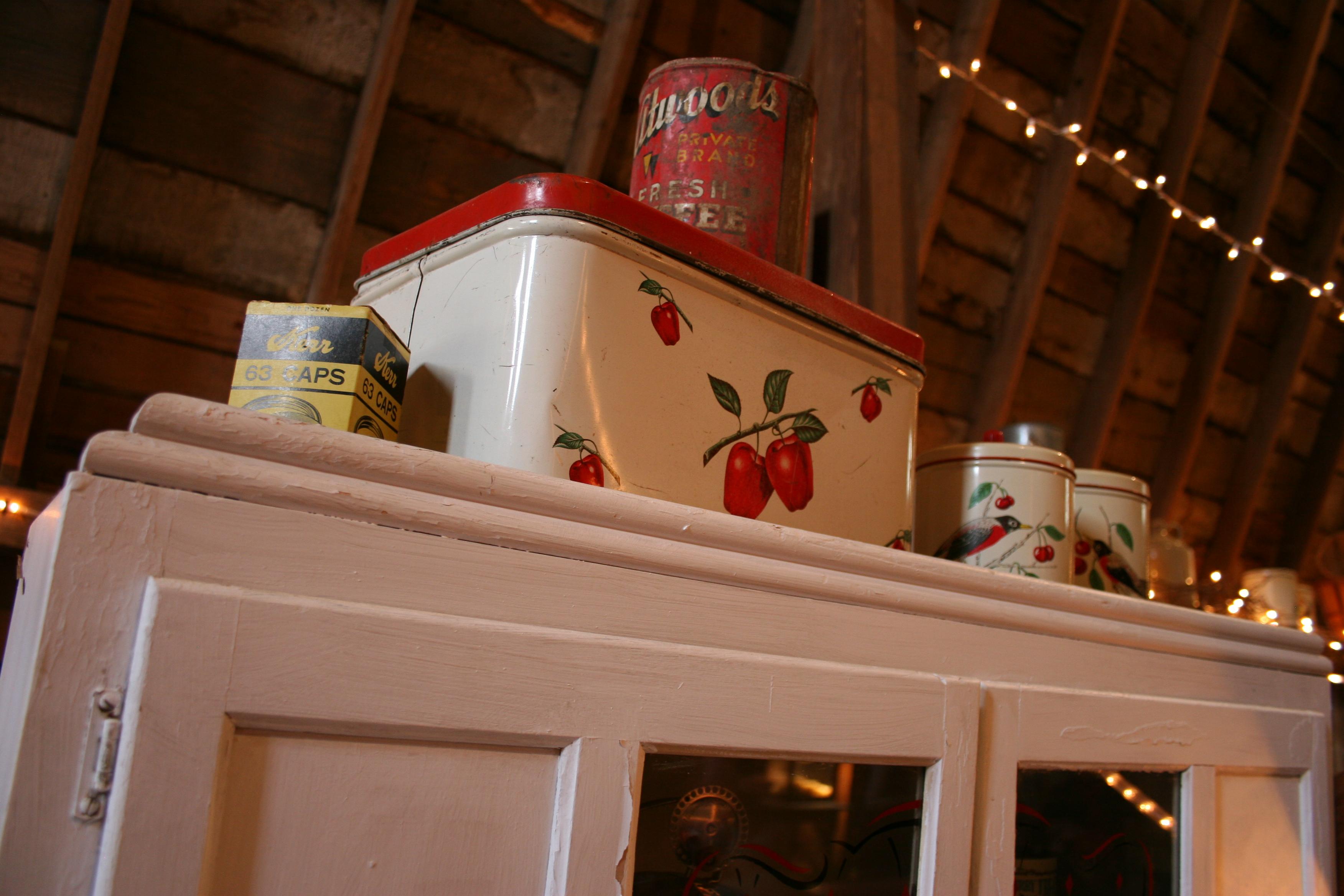
Everywhere collectibles and antiques were on display, creating a setting of simple country charm.

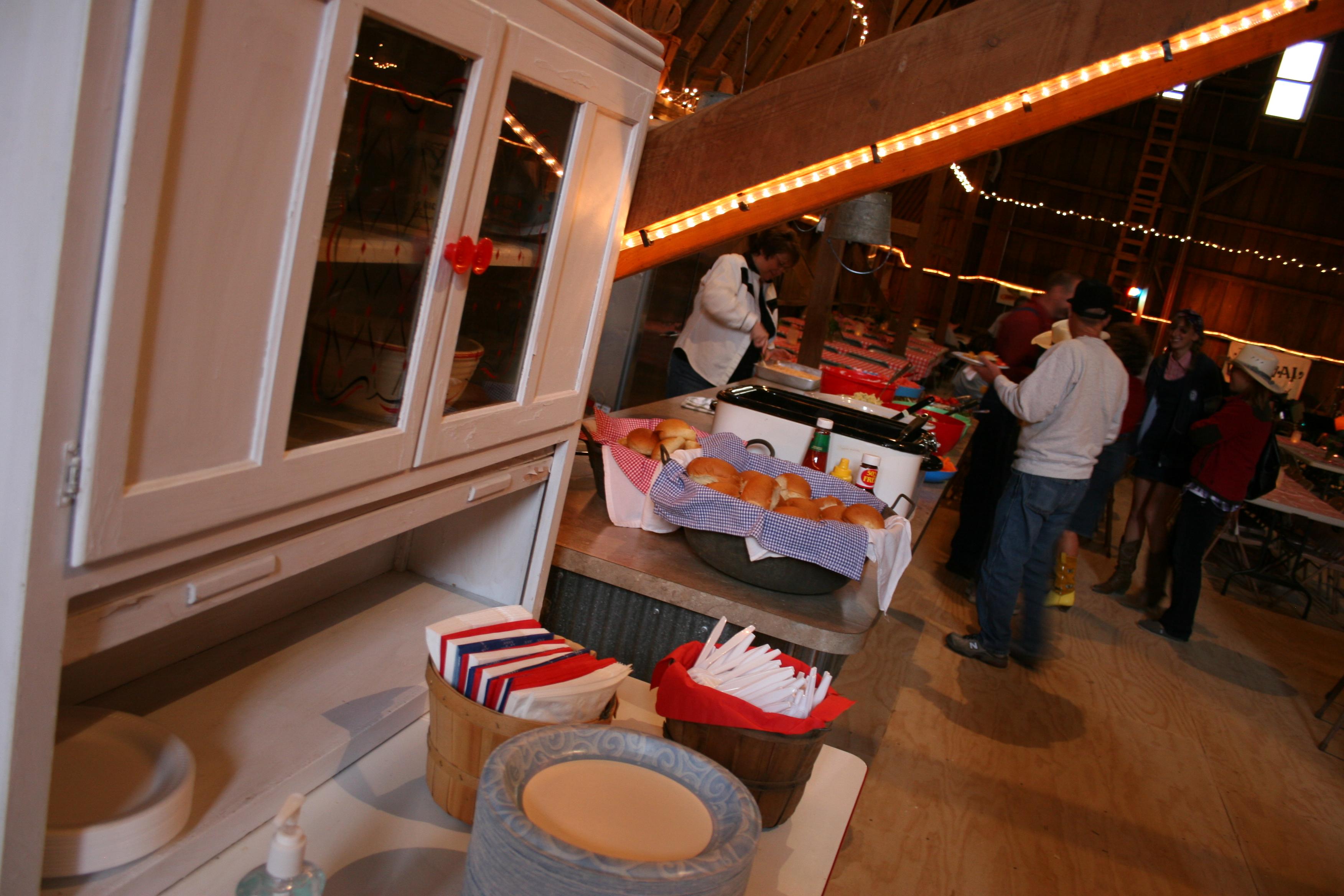
Guests indulged in tasty roast beef sandwiches, calico beans, an array of salads and bars.

The Beckers created a coffee corner, where guests could grab some "De-Calf" or "Real Calf," visit, maybe even pull a deck of cards from the shelf for a game of Euchre.

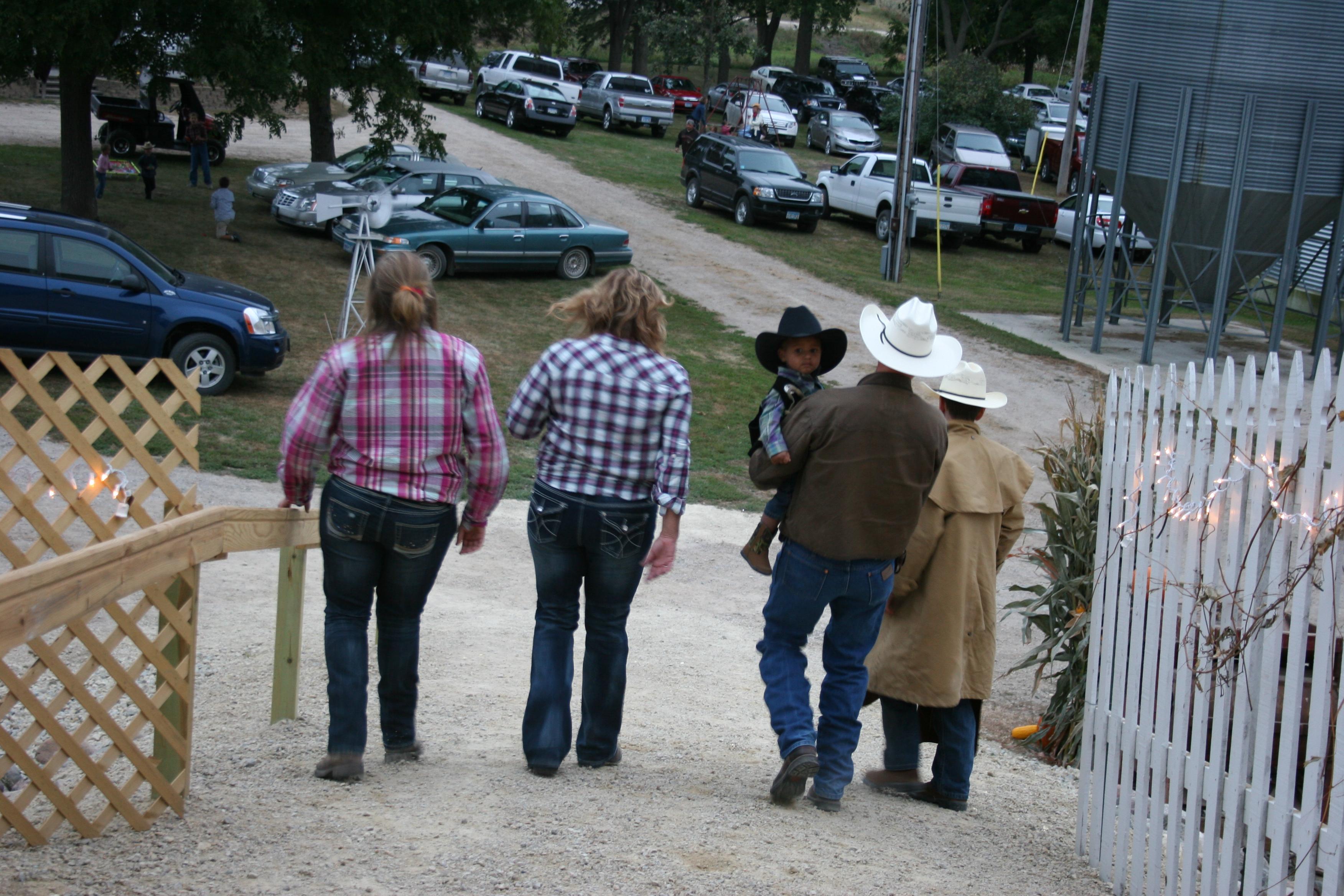
Fall and vintage decorations lined the pathway leading into the barn.

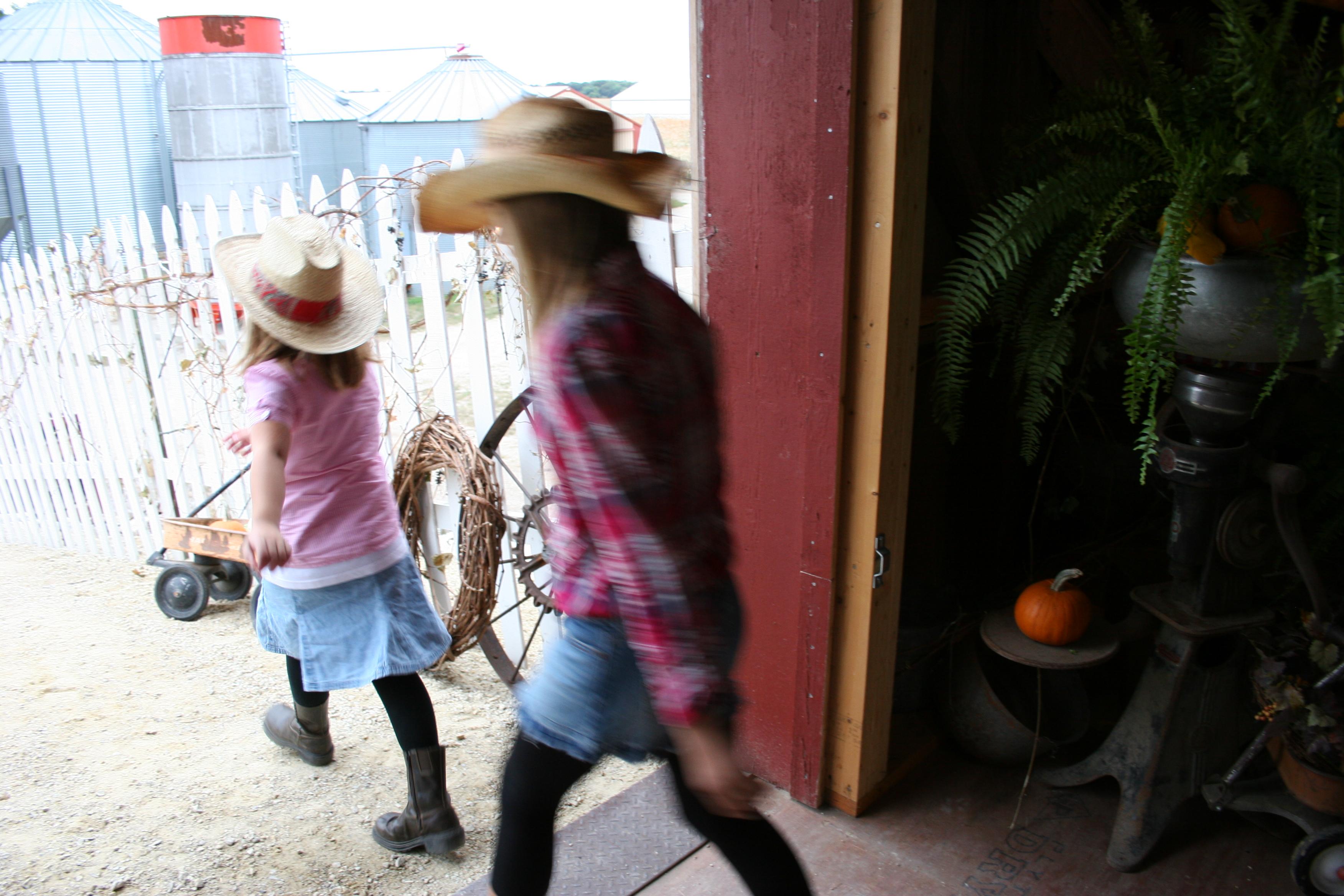
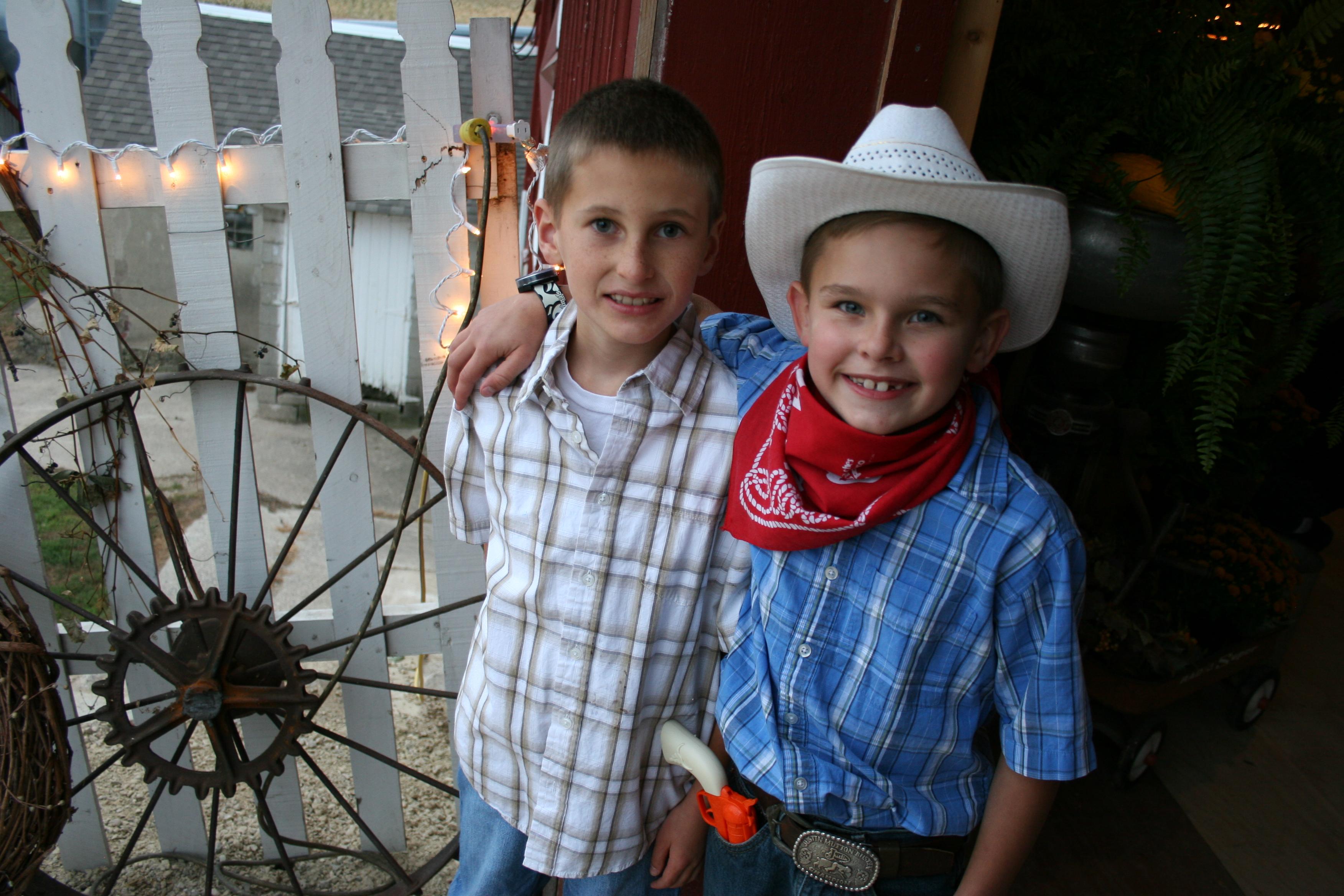
It was the type of evening reminiscent of the old-fashioned gatherings of yesteryear, when adults could visit while the kids played with carefree abandon. And they did on Saturday. Tag and hide-and-seek. Pick-up football in the dusty farm yard. Make-believe, chasing each other with cap guns blazing.

Kids ran and played and ran and played--all night.

Heading out the barn door...

The kids, and a few adults, brought cap guns.

Probably my favorite image of the evening...no words necessary to describe these happy boys.

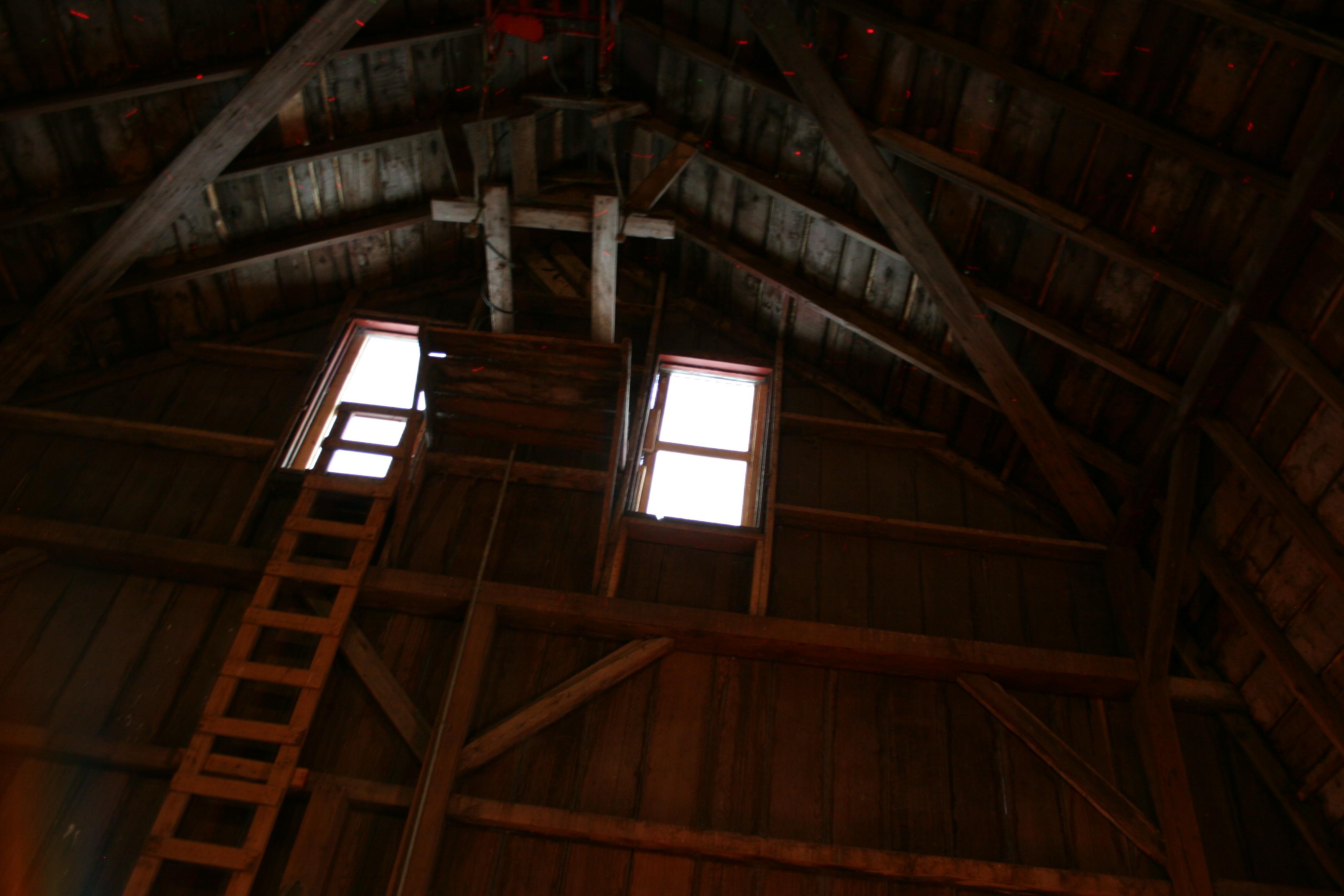
Inside, the adults admired the architectural bones of the barn, cranking necks upward toward the skeletal rafters, toward the conveyor that once carried hay bales across this dairy barn hay mow. And before that, the hay fork, on display outside the barn. They imagined climbing the ladder on the east end of the barn, like daring trapeze artists, to a platform above.

Looking toward the east end of the hay mow.

The east end of the hay mow with the ladder and platform and highlighting the barn's framework.

Looking toward the west end of the hay barn.

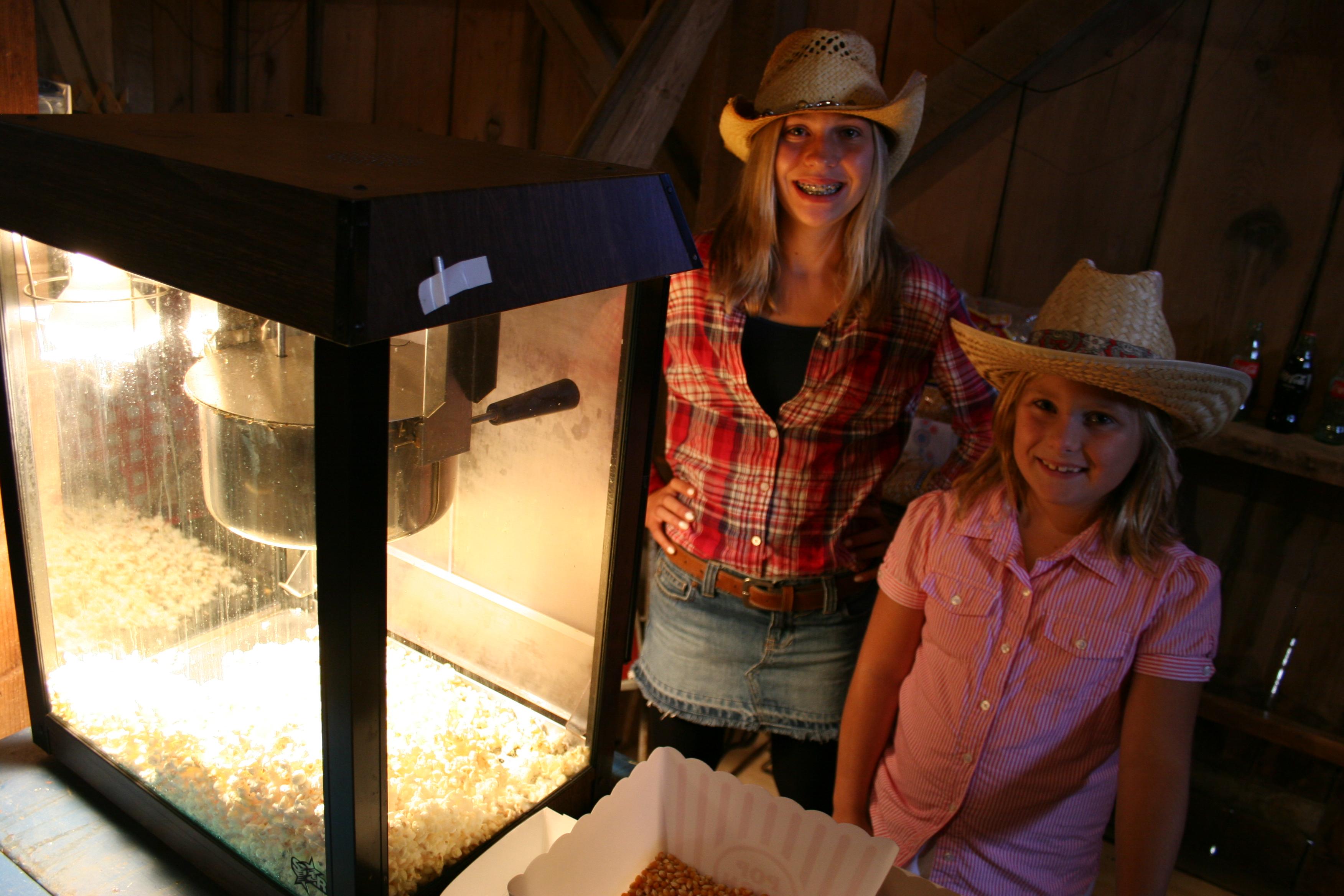
Pulling popcorn duty at the barn dance.

And later, when The Revivals from New Prague rocked the rafters with music that spanned polkas and waltzes to country and 1950s-1970s hits, adults and kids alike slid their feet across the corn meal-slicked plywood covering the maple floor that was too unsalvageable for refinishing. They twirled and shook and twisted.

And they danced like Herb would have wanted them to dance, celebrating life.

The Revivals from New Prague played a mix of music from old-time to rock.

Leaving the barn dance. Vehicles packed the farm yard.

CHECK BACK FOR MORE barn dance images. I won’t have photos of the dancing; once I had my band shot, I put away the camera.

HAVE YOU EVER attended a barn dance? If you haven’t, you might want to become friends with the Beckers. I bet they’ll have plenty of requests for a repeat harvest dance next fall. Thanks, John and Debbie, for an absolutely memorable and fun evening.

© Copyright 2011 Audrey Kletscher Helbling
 

The Lucan Community Band: A photo essay August 6, 2011

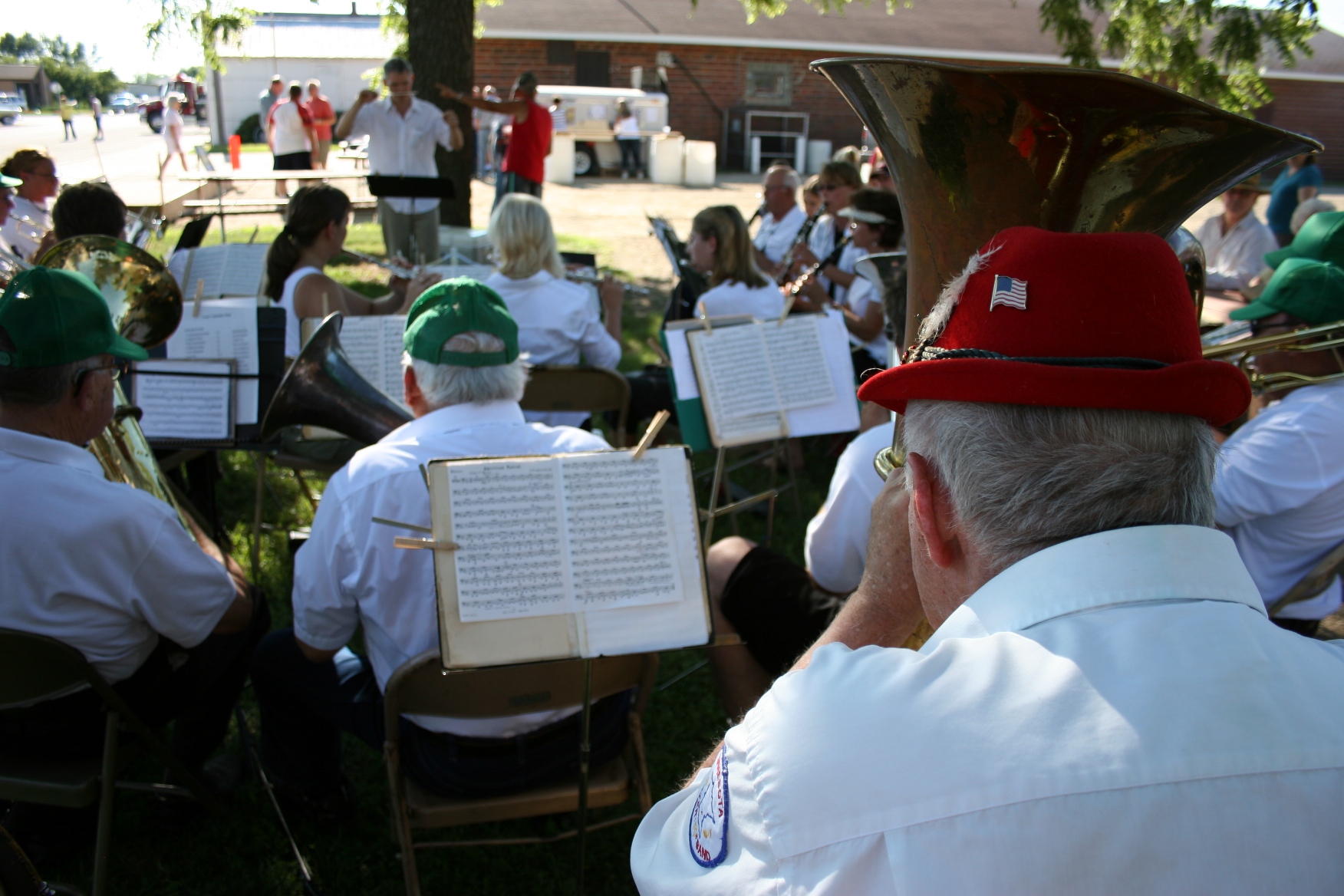
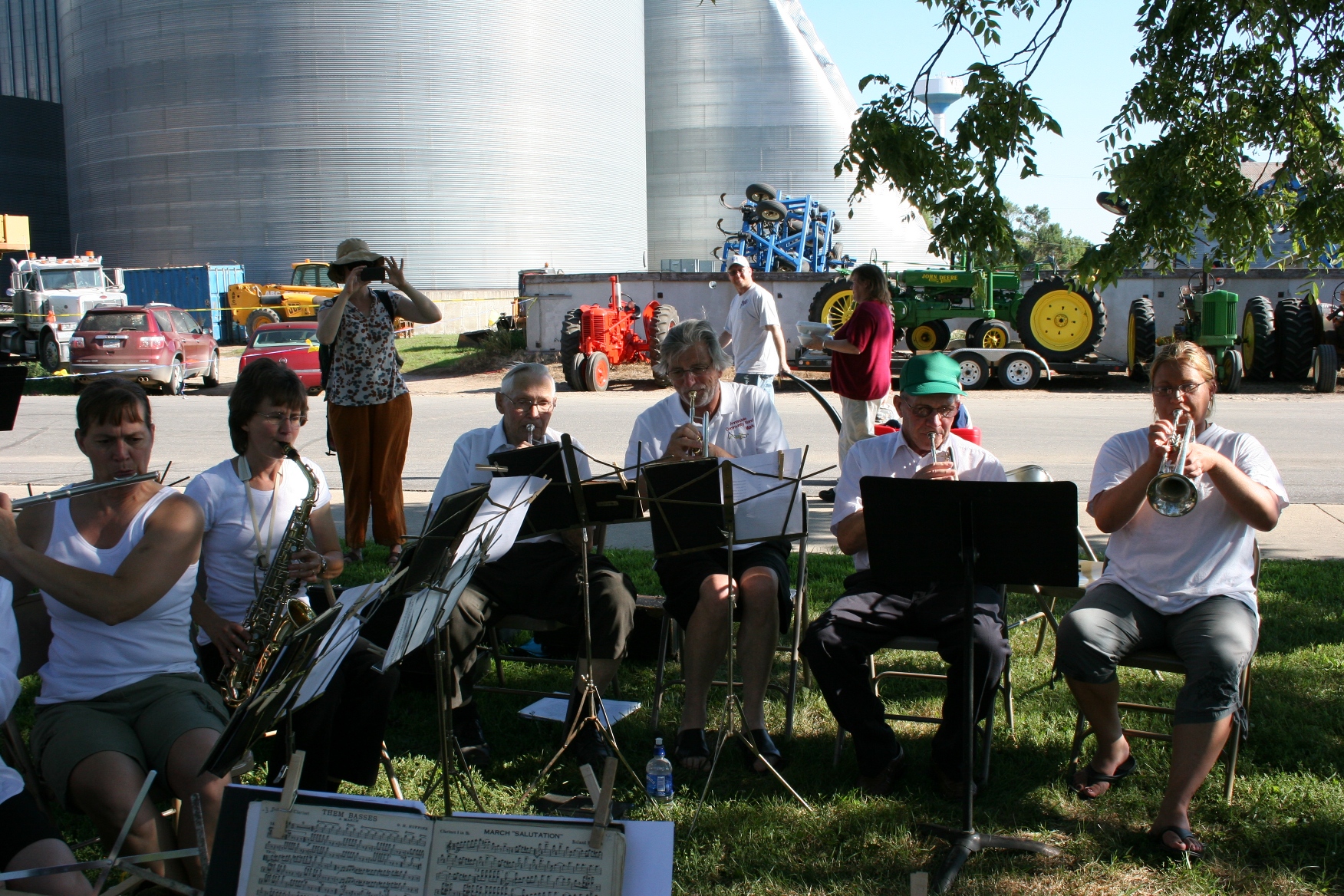
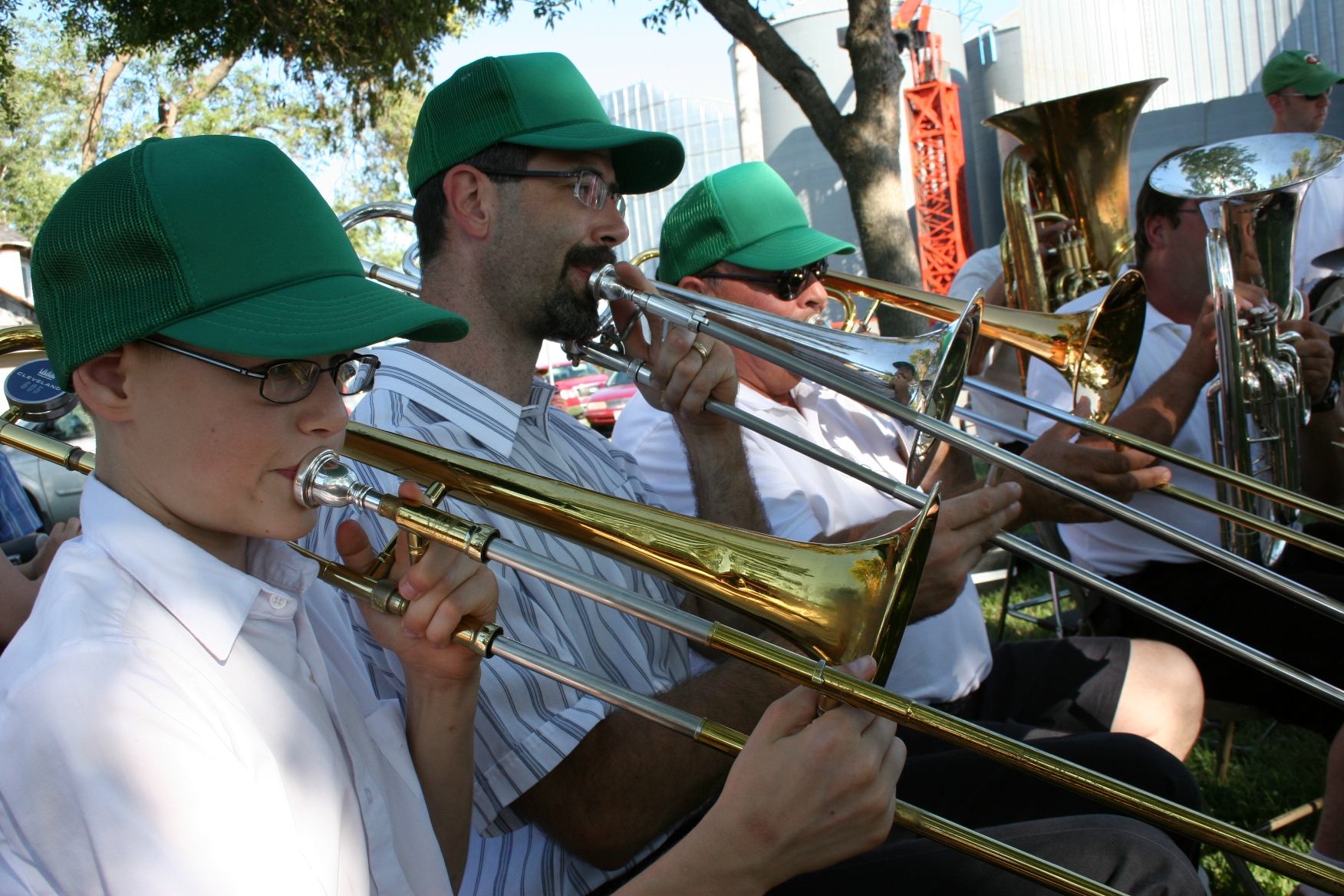
The Lucan Community Band performs outside the Vesta Community Hall during V-Esta Daze.

IF I WOULD HAVE BEEN less concerned about sinking my teeth into grilled chicken at my hometown’s community celebration on a recent Friday evening, I’d know more about the Lucan Community Band.

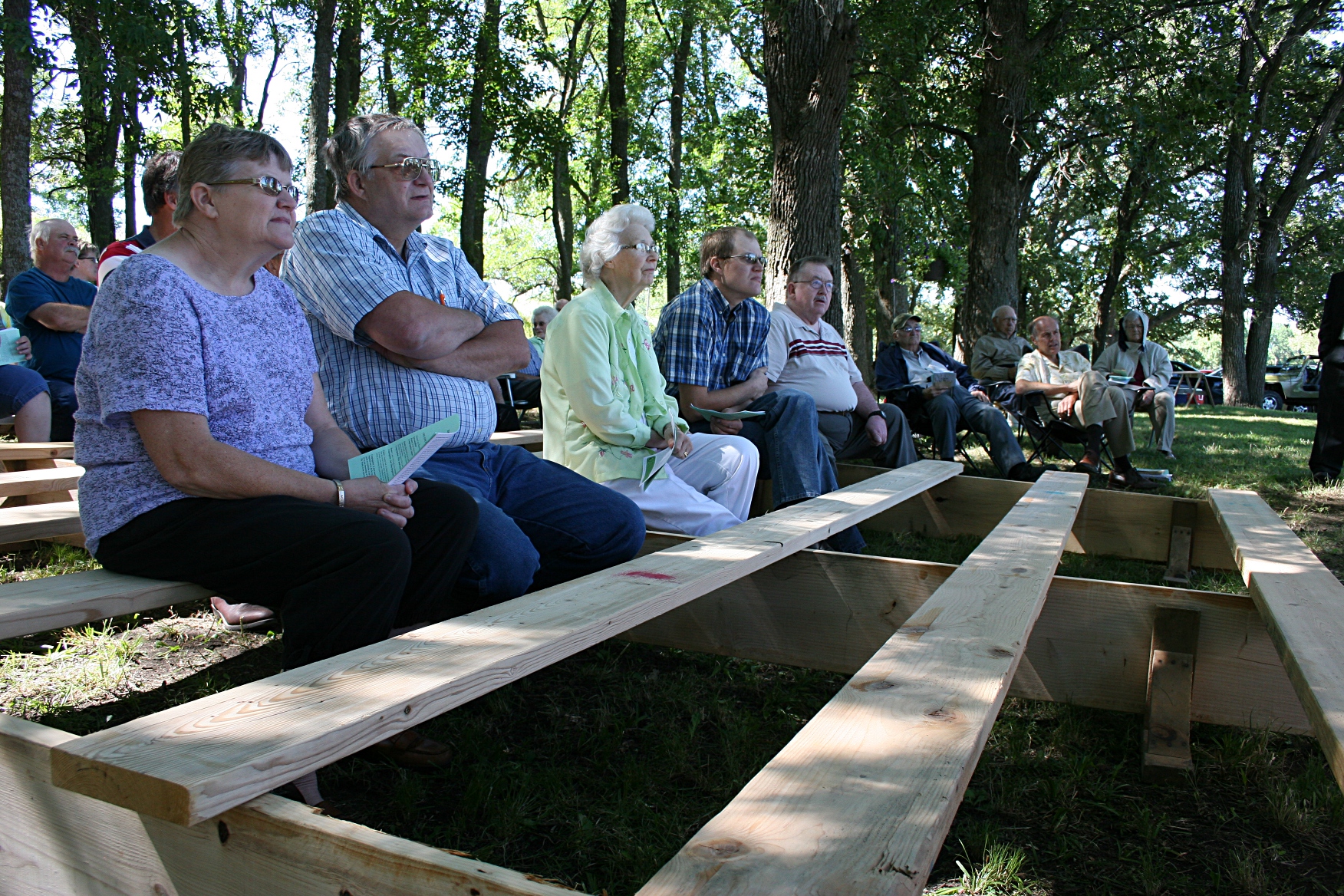
The band performed from 5:30 p.m. – 6:30 p.m. under the shade trees outside the Vesta Community Hall, where diners lined up inside for a sumptuous meal of chicken, potato salad, beans and a dinner roll.

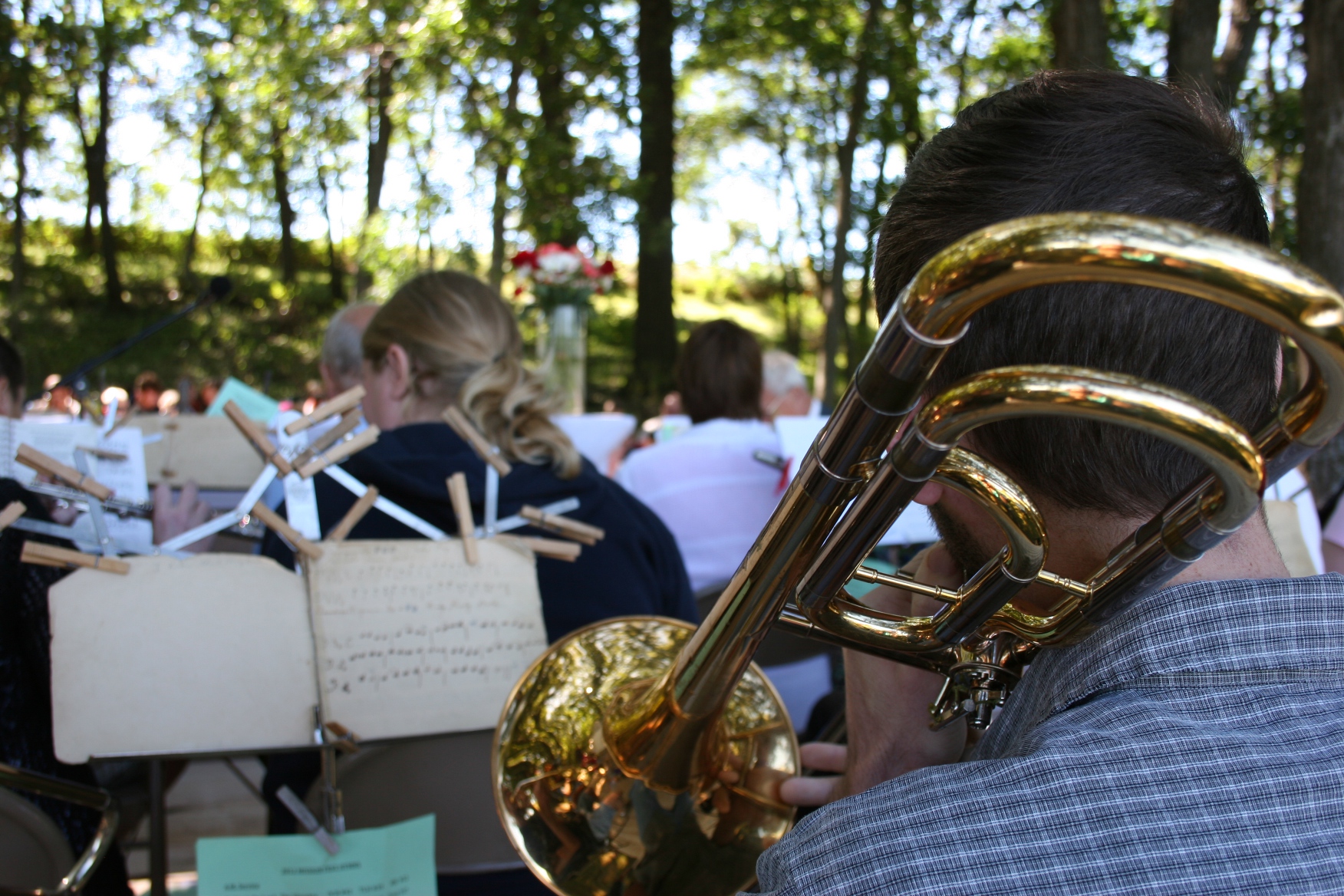
I wiggled my way right into the band section for some close-up photos and even inquired, between selections, about the vintage band music, before going indoors for that chicken dinner.

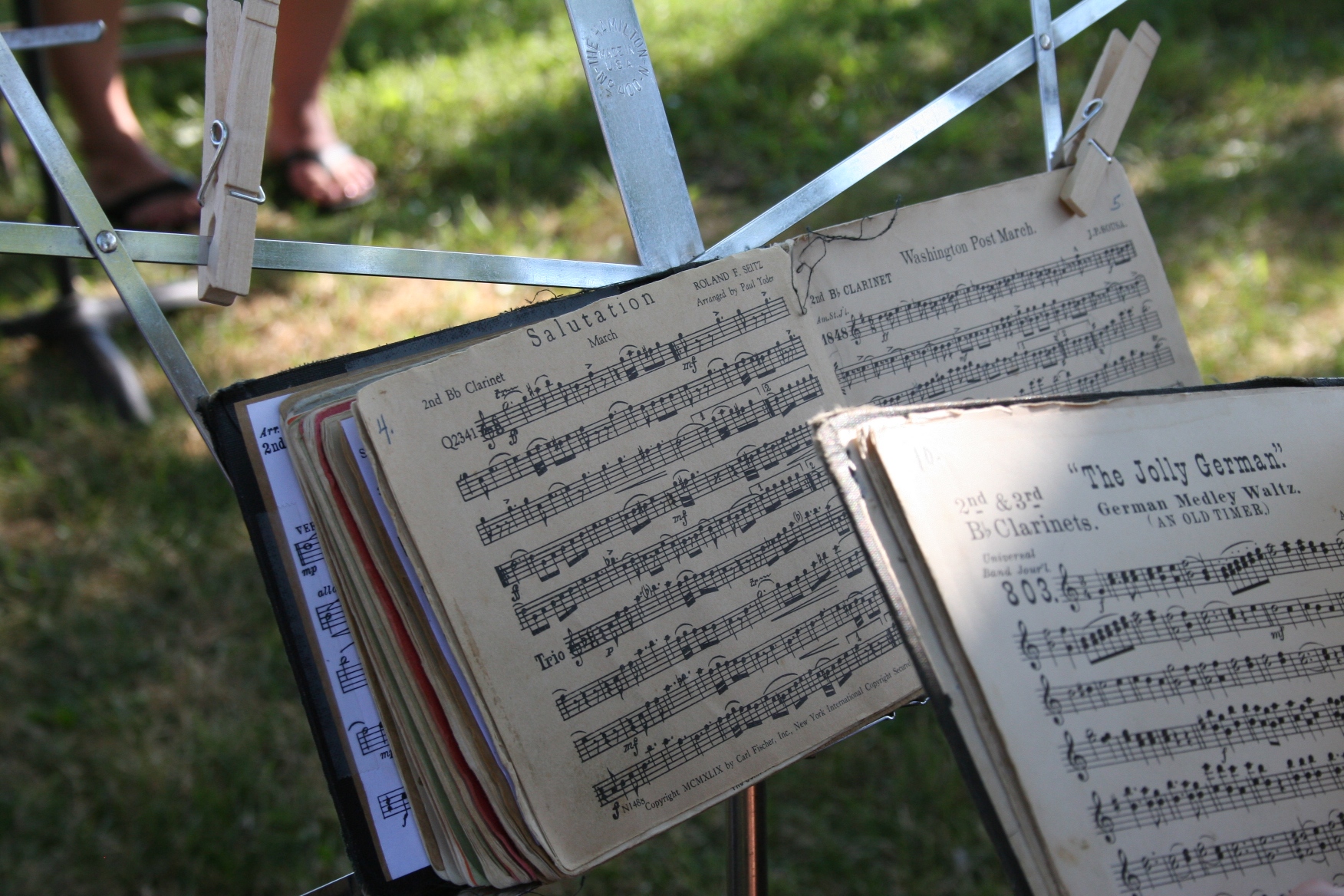
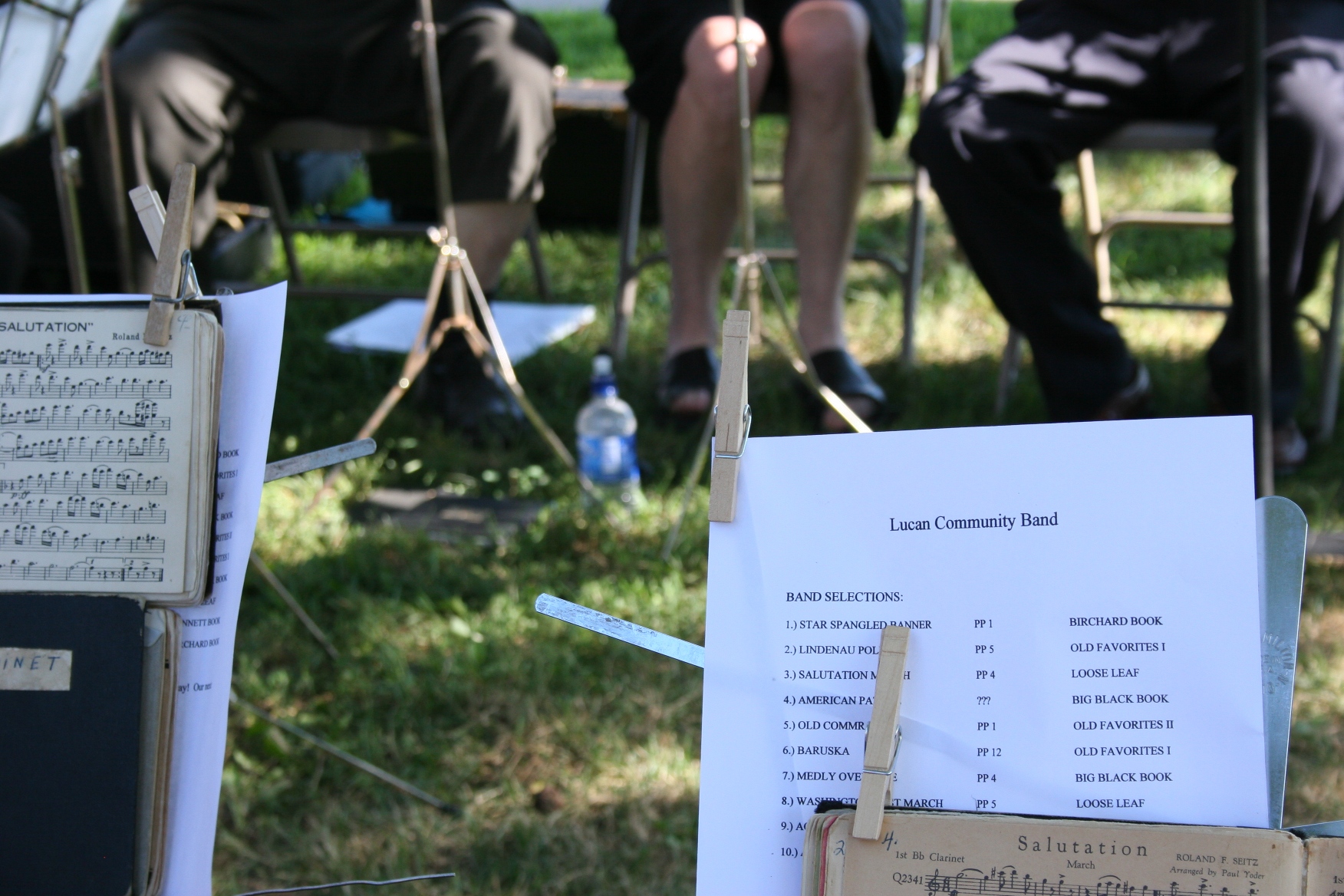
The music book on the left had a 1939 copyright.

Some of the music comes from the Chatfield Brass Band and Music Lending Library in Chatfield, a band member informed me.

The Lucan Community Band is based in Lucan, seven miles south of Vesta along Redwood County Highway 10. Not all of the band members hail from this town of 220, which is also home to Brau Brothers Brewing. (Check out their beer; Strawberry Wheat is my favorite.)

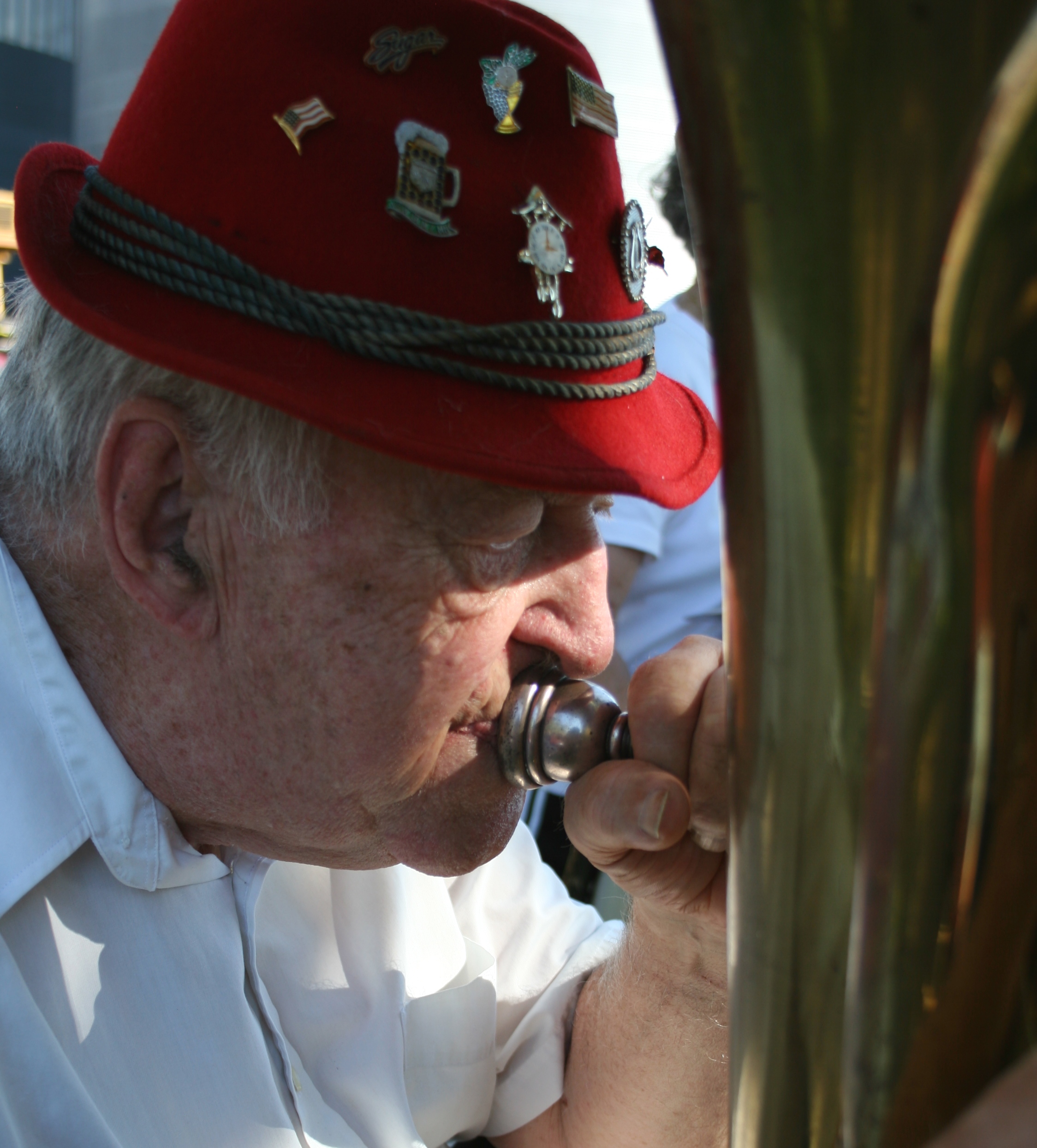
At least one, Tom Schmid, the tuba player who drew my attention with his German style red hat that differed from all the green caps, hails from Springfield. I snuck in a quick question to Tom. He’s been playing the tuba for only about 10 years, but has been playing an instrument since he was in high school in the 1940s. That’s all the information I got before he planted his lips back on that tuba mouthpiece and I headed into the hall to eat.

Tuba player Tom Schmid, also a member of the Minnesota Over 60 Band.

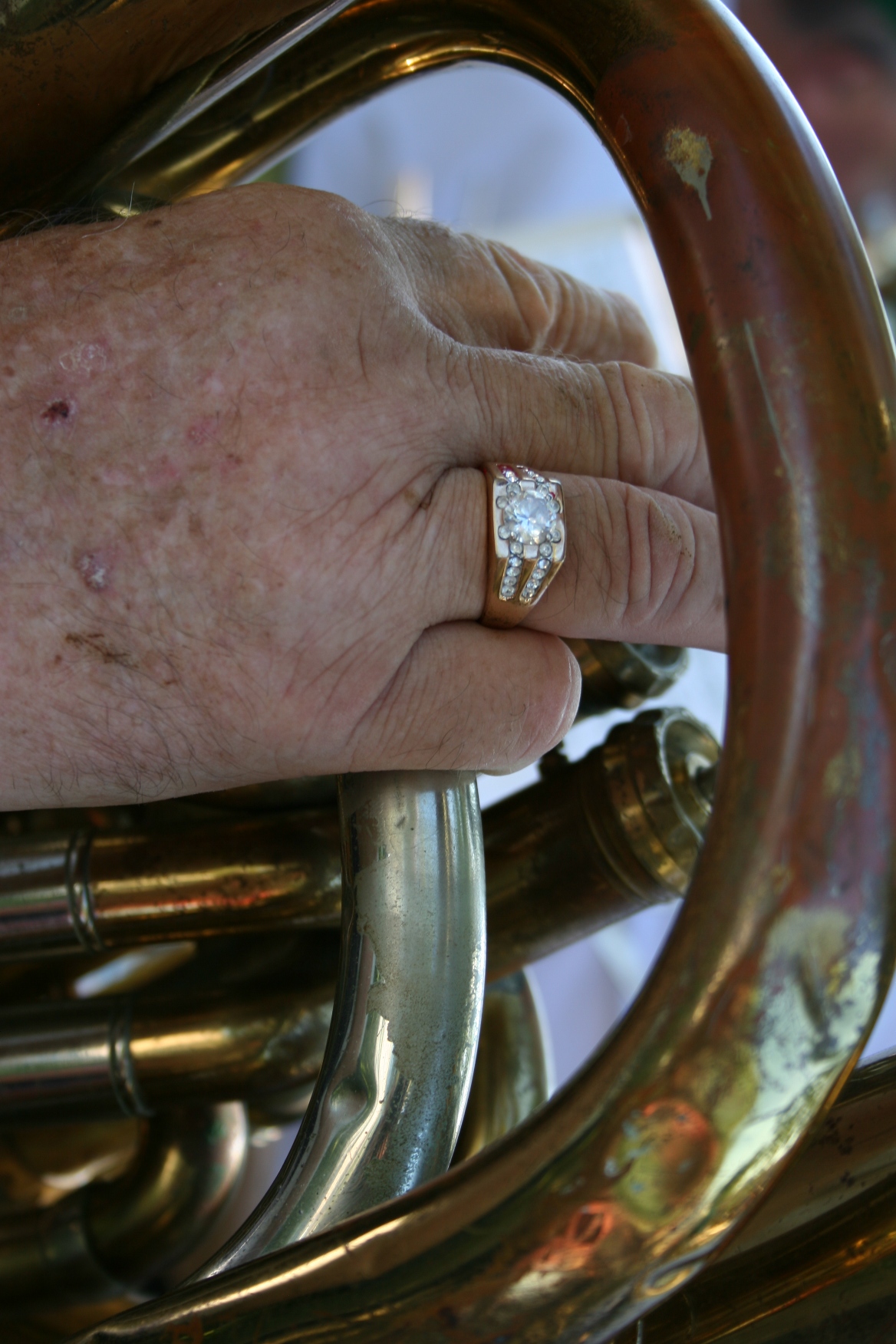
Schmid's hand on the tuba.

Lucan Community Band members play against a back drop of grain bins damaged in a July 1 windstorm in Vesta. Tractors line the street for the antique tractor show.

The band's play list for their one-hour concert at V-Esta Daze.

Green caps are part of the male band members' attire. Musicians' ages range from the young to senior citizens.

IF YOU KNOW ANYTHING about the history of the Lucan Community Band, its members, how often and where the group performs, submit a comment. I’d like to learn more about the band.

© Copyright 2011 Audrey Kletscher Helbling
 

You have heard of U2, right, Mom? July 22, 2011

Filed under: Uncategorized — Audrey Kletscher Helbling @ 7:49 PM
Tags: , , , , , , ,

WHEN MY 25-YEAR-OLD DAUGHTER mentioned the U2 concert to me about a week ago, I thought she said “YouTube” and asked for clarification.

“U-2,” she enunciated.

That didn’t help. I had no idea, none, nada, what musical group she was referencing. Never-the-less, she went on to tell me that four friends were going to the concert and she wished she was among them.

Then today I received an email from her, followed by more emails, in which she attempted to educate me about the hottest musical ticket in town since, well, I don’t know who.

I considered summarizing our online exchanges, but then decided they are just way too entertaining as written to edit anything except the frivolous fluff. I am, however, adding italicized, parenthesized editorial comments.

DAUGHTER: I’m going to the U2 concert!!!!!!!!!!!!!!!!!!!!!!!!!!!!!!!!!!!!!!!!!!!!!!!!! I’m really excited, you have heard of U2, right, Mom?

(Are you really that excited—50 exclamation points excited? Yes, I have heard of U2. Read my email reply.)

ME: Ummmmmmmmmmmmmmmmmmmmmm, I had not heard of U2 until you mentioned the group last week. Even Dad knows the group. What songs do they sing?

So happy for you! I heard last night on the news that they are making plans for dealing with the crowd in case of bad weather, which is a possibility. Also sounded like there would be a mess of traffic.

Better you to go than me.

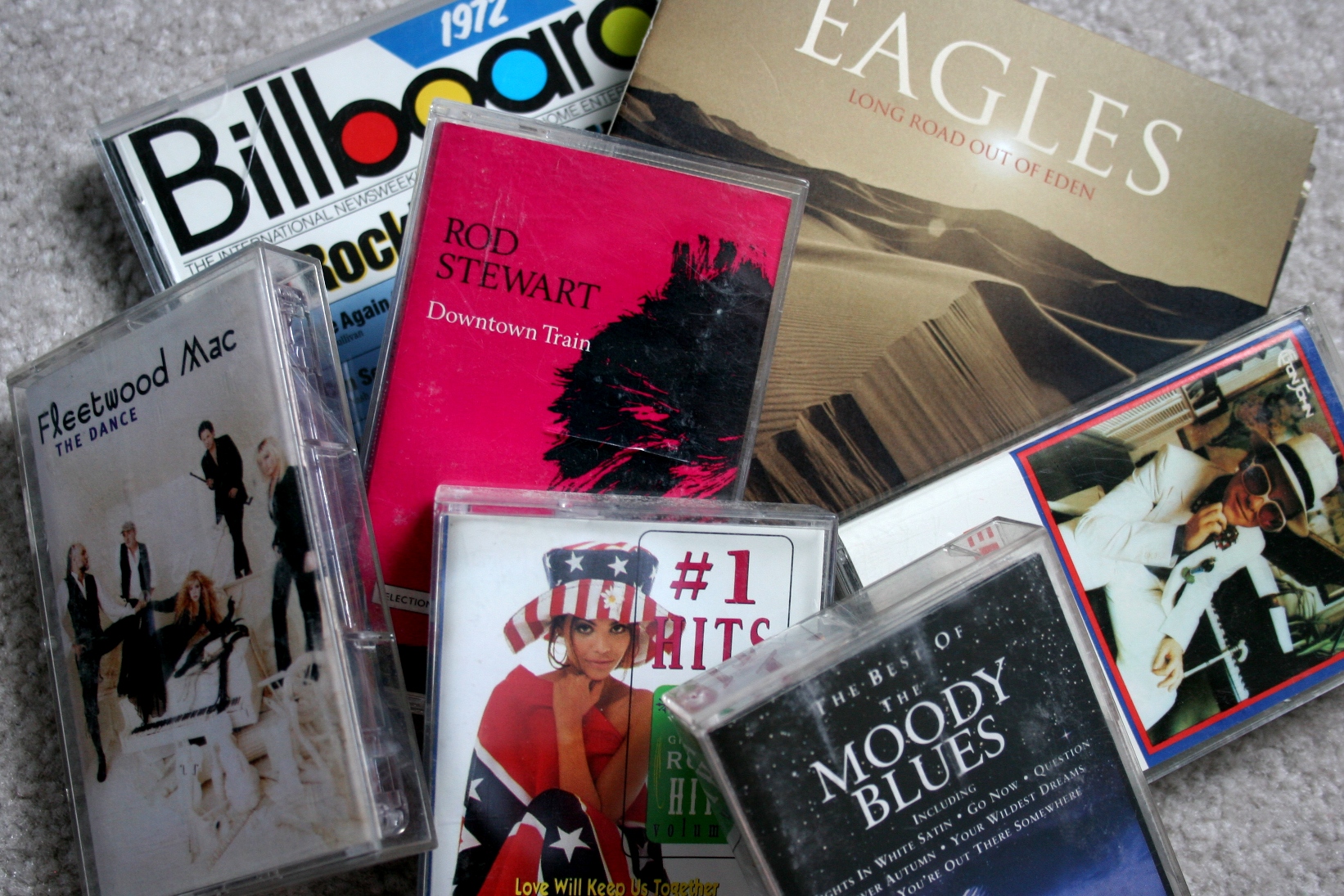
(I’m emphasizing my lack of cultural knowledge by typing that string of “m”s. Yes, it is abundantly clear that my musical mindset is still locked onto Chicago, The Eagles, The Moody Blues and maybe Rod Stewart.)

Just a sampling of the 1970s era music I own on cassettes and CDs. Most of my collection from that time is on record albums, which I did not feel like digging out of storage.

DAUGHTER: Mom. I’m sure you’ve heard “Beautiful Day” and a bunch of their other songs. They are the biggest band to come to the Twin Cities in 30 years. Maybe you should do some googling to see if you have heard of them?

(Do I sense a bit of frustration in your comment, perhaps disbelief that I really, honestly, am unfamiliar with U2?)

ME: Maybe I’ve heard “Beautiful Day.” Well, you would think I’ve heard of the biggest band to come to the Twin Cities in 30 years, but…

Google, I will.

How much are tickets? They must cost a LOT OF MONEY???

(I am trying to save face here. Can you tell? I may recognize songs when I hear them, but I often don’t know the artists. And notice that trio of question marks after the uppercased LOT OF MONEY???)

DAUGHTER: …this is a once in a lifetime opportunity…this could be the last time the band tours and I’ve heard the show is incredible.

(I was wondering if you noticed the three question marks and capitalized words, LOTS OF MONEY???)

ME:  Oh, OK, then, kind of like seeing the Beatles… Has U2 been around for a long time?

(Comparing U2 to the Beatles…I can’t believe I wrote that.)

DAUGHTER:  Yes, since 1976…they are from Ireland… http://en.wikipedia.org/wiki/U2. They became popular internationally in the mid 1980s.

(Hmmm, now I’m feeling really stupid. The 1970s would be my era. And yet I don’t know this band…)

ME: OK, I will check them out and educate myself.

(Now, dear readers, it is your turn. Add whatever comments you wish.)

#

FYI: My daughter scored a U2 ticket because one of her ticket-holding friends had his wisdom teeth out today and doesn’t feel like driving up from Iowa for the Saturday U2 concert at TCF Bank Stadium.

(Timing is everything, huh?)

© Copyright 2011 Audrey Kletscher Helbling


The Super Bowl entertainment fiasco February 7, 2011

IF YOU WATCHED the Super Bowl, what’s your opinion of the half-time entertainment?

Here’s mine: I did not get it. None of it. Not the words, not the dancing, not the message, not anything performed by the Black Eyed Peas. I couldn’t understand most of the lyrics.

I did not “get” the lead singer’s (sorry, don’t know his name) clear plastic head covering. He didn’t look too comfortable, sweating and all. I did like the group dancers’ glowing costumes. Those were cool.

I’ll admit that I know nothing about the Black Eyed Peas. I struggle, though, to define their “music” as “music.”

But then 70s era music is my music. And let me tell you, THAT was music—Chicago, Bread, the Moody Blues, Elton John, Rod Stewart…

This Black Eyed Peas stuff is not music, in my fifty-something opinion.

So…, the half-time show disappointed me, big-time. Half-time is one of the two reasons I sometimes, and I mean sometimes, watch the Super Bowl. I also, sometimes, watch the game to see the commercials. I could care less about the football.

I didn’t see every ad, but here’s my take on those: Way too many car commercials. Didn’t we just bail out the auto makers a few years ago and now they are spending millions on 30-second spots? That doesn’t sit right with me. I know, I know, there’s more to the story than that, but I’m just giving you my gut taxpayer reaction.

I don’t know why this surprises me, but I also thought too many commercials were too sexist and too violent. Can’t give you specifics because I didn’t take notes, but I recall a club and fire, weapons and long legs and…a guy ordering flowers…

My favorite commercial—monkeys running across the tops of cars with brief cases—made me chuckle. Sorry, I can’t tell you what they were advertising, so I guess that ad probably failed.

Then to top it off, Christina Aguilera messed up on the National Anthem, singing “What so proudly we watched at the twilight’s last gleaming” instead of “O’er the ramparts we watched, were so gallantly streaming.”

Come on. I admit, I could probably flub The Star Spangled Banner too, but I’m not a professional performer.

At least the Green Bay Packers won the game. I was rooting for them, sort of, when I wasn’t reading the newspaper, clipping coupons and falling asleep on the couch.

© Copyright 2011 Audrey Kletscher Helbling
 

A Sunday afternoon at Valley Grove September 21, 2010

Filed under: Uncategorized — Audrey Kletscher Helbling @ 7:22 AM
Tags: , , , , , , , ,

PRAIRIE GRASSES and wild flowers dipped in the wind, swaying to the folksy music of Hütenänny. And I thought, as l listened, of the movie, Sweet Land, filmed in southwestern Minnesota and based on Minnesota writer Will Weaver’s book.

But I wasn’t in the southwestern part of the state. Rather, I stood atop a prairie hillside in southeastern Minnesota, in the backyard of the Valley Grove churches, delighting in the rhythm of the Nordic music so fitting for this place settled by Norwegian immigrants.

A view of the Valley Grove churches from the prairie that edges the churchyard.

Valley Grove visitors can walk through a restored prairie, where wildflowers grow.

On this Sunday afternoon in September, folks gathered outside and inside the 1862 stone church and the neighboring 1894 white clapboard church, in the graveyard, underneath the majestic sprawling oak where the musicians played, and on the prairie, close to the land.

Visitors spread quilts upon the grass and enjoyed the music of Hutenanny.

A group of mostly Northfield area musicians performed as Hutenanny at the Valley Grove Country Social. On Sunday evenings they perform as the Northern Roots Session at the Contented Cow in Northfield.

A member of Hutenanny dresses country for the folksy Nordic music performed at Sunday's Social.

In the churchyard, next to the simple wooden church, youngsters swish-swished goat milk into a pail, admired colorful caged chickens and crafted ropes to twirl high above their heads.

Kathy Zeman of next-door Simple Harvest Organic Farm gave a young boy lessons in milking a goat.

Fresh eggs and caged chickens attracted lots of interest.

Along the fenceline that guards the duo hillside churches near Nerstrand, families waited to board a horse-drawn wagon that would take them along a path past the churchyard, up and down the prairie hill, where, if they looked, the land stretched down to farms and to woods tipped in the first rustic colors of autumn.

A horse-drawn wagon carried visitors on a path through the 50-acre prairie.

Inside the 1894 historic church, a musician pressed pedals and keys and tugged at pulls as the faithful lifted their voices in reverent song. “Praise to the Lord, the Almighty,” they sang, followed by “Amazing Grace.”

Organists performed several concerts inside the 1894 Valley Grove Church on a pipe organ built in St. Louis and installed in 1911.

Art and bluebirds and old photos. Sunshine, mixed with clouds. Memories shared, new memories made. Photos snapped. Gravesites visited. Hugs exchanged. All comprised the Valley Grove Country Social, a soul-satisfying way to spend a Sunday afternoon in September in Minnesota.

An archway at the entry to the Valley Grove churchyard.

The Valley Grove churches are on the National Register of Historic Sites.

Old-fashioned hydrangea bushes nestle against the clapboard church.

The spire of the 1894 church can be seen for miles.

The Valley Grove Preservation Society is working to preserve the buildings, land and history for future generations.

CHECK OUT THESE PLACES/GROUPS referenced in this Minnesota Prairie Roots blog post:

Bluebird Recovery Program of Minnesota

Simple Harvest Organic Farm

The Contented Cow

Northern Roots Session

ALSO CHECK OUT my previous Valley Grove posts published Oct. 9, 19 and 31, 2009, and Nov. 2, 2009, on Minnesota Prairie Roots.

© Copyright 2010 Audrey Kletscher Helbling
 

Gargoyles perform at The Cathedral of Our Merciful Saviour August 9, 2010

THE CHURCH DOOR bangs, the weight of the solid wood slamming against the frame as if decisively shutting out the hot, humid air that oppresses on this sultry Sunday afternoon in August in Minnesota.

We entered The Cathedral of Our Merciful Saviour through this heavy side door, which you need to push rather than pull, we learned after waiting outside, thinking we were locked out of the church.

Inside the sanctuary, I seek respite from the suffocating 90-plus degree heat. I settle onto a purple cushion which softens the hardness of wood against flesh in a pew that forces me to sit ramrod straight.

My husband and I, expecting a packed house, have arrived early for a performance by The Chicago Gargoyle Brass at The Cathedral of Our Merciful Saviour in Faribault. This massive structure with its looming tower was constructed from 1862 – 1869 as the first Cathedral of the American Church.

The Chicago Gargoyle Brass presented a Sunday afternoon concert at The Cathedral of Our Merciful Saviour in Faribault.

The Cathedral of Our Merciful Saviour sits along Second Avenue across from Faribault's Central Park.

Inside, I welcome the coolness, visually defined by stone and by the dark wood that shapes the arches of the ceiling.

In the chancel area, which stretches an interminable distance from the pews and which is bigger than some country churches I’ve seen, Gargoyle Brass members have positioned their gleaming instruments and music stands at the forefront. Six stained glass windows embrace this “stage” with the glorious 1871 pipe organ (with more old pipes than any other in Minnesota), to the right.

Concert attendees filter into this historic cathedral made of dark wood and stone.

Truly, I am in awe of this cathedral. “This place smells old,” I whisper to Randy as I run my hand along the back of a pew. “Are these the original pews?” They are, I learn upon reading a brochure I’ve picked up. A Civil War veteran cut and planed the wood from northern Minnesota white pine.

I can’t seem to take my eyes off the brass eagle that serves as a lectern given in honor of Bishop Henry Whipple’s wife, Cornelia, who died in July 1890. Bishop Whipple settled in Faribault, oversaw construction of the cathedral and Episcopalian schools and was known for his efforts in helping and befriending Native Americans.

While I wait for the concert to begin, I contemplate the beauty and history of this place and the effort it must have taken to build this stone cathedral.

Soon the concert, part of The Vintage Band Festival hosted in nearby Northfield, begins and we are swept away by the sounds of trumpets, horn, trombone, tuba and timpani (kettledrums) melded with the organ.

The Chicago Gargoyle Brass performs at the Cathedral of Our Merciful Saviour.

I am surprised mostly that the organ does not overpower this cathedral. Often, the music sounds more sedated and muffled than majestic, as I had expected. That has nothing to do with the quality of the organists—for they are superb—but more, I think, to do with the organ placement.

At one point during the concert, a key spring on the organ breaks and a second organist must hold up the key during a performance. “Does someone have some bubblegum?” one of the musicians asks the audience. I’m not sure whether he’s serious or joking, but the concert continues without the gum.

Admittedly, I am no music expert. I can’t read notes. I barely know one instrument from another. So my enjoyment of music is purely, solely authentic, grassroots basic. When my head bobs spontaneously, when I feel the music reverberating, tingling my feet, when I feel an emotional connection, then I know I am hearing good music.
Sunday afternoon I heard good, even great, music from The Chicago Gargoyle Brass, which began in 1992 as a University of Chicago based group. The name was derived from the university’s architecture.

“I love this church,” horn player Arisia Gilmore tells us before performing “Twas a Dark and Stormy Night” with Michael Surratt at the organ. “It’s fitting for the atmosphere we’re trying to portray here.”
As I listen to the music build, like a storm, Randy leans toward me. “Does this remind you of two weeks ago?” he speaks softly into my ear. I nod. He is, like me, recalling the night of July 23 when we were caught in our car on a rural southwestern Minnesota road in the middle of a raging thunderstorm that packed 70 mph winds.

That’s the purpose of music, I think—to stir passions, emotions and, yes, even memories of dark and stormy nights when gargoyles lurk.

A looming tower marks the cathedral located along Second Avenue across from Faribault's Central Park.

© Copyright 2010 Audrey Kletscher Helbling