Minnesota Prairie Roots

Writing and photography by Audrey Kletscher Helbling
From the 70s to today, caring about Earth September 12, 2022

A massive wind turbine at Faribault Energy Park dwarfs my husband, Randy, walking near it. (Minnesota Prairie Roots copyrighted photo July 2022)

COMING OF AGE in the early 1970s, I held a general awareness of environmental concerns. A respect for the earth and the environment was beginning to emerge as young people and others raised their voices.

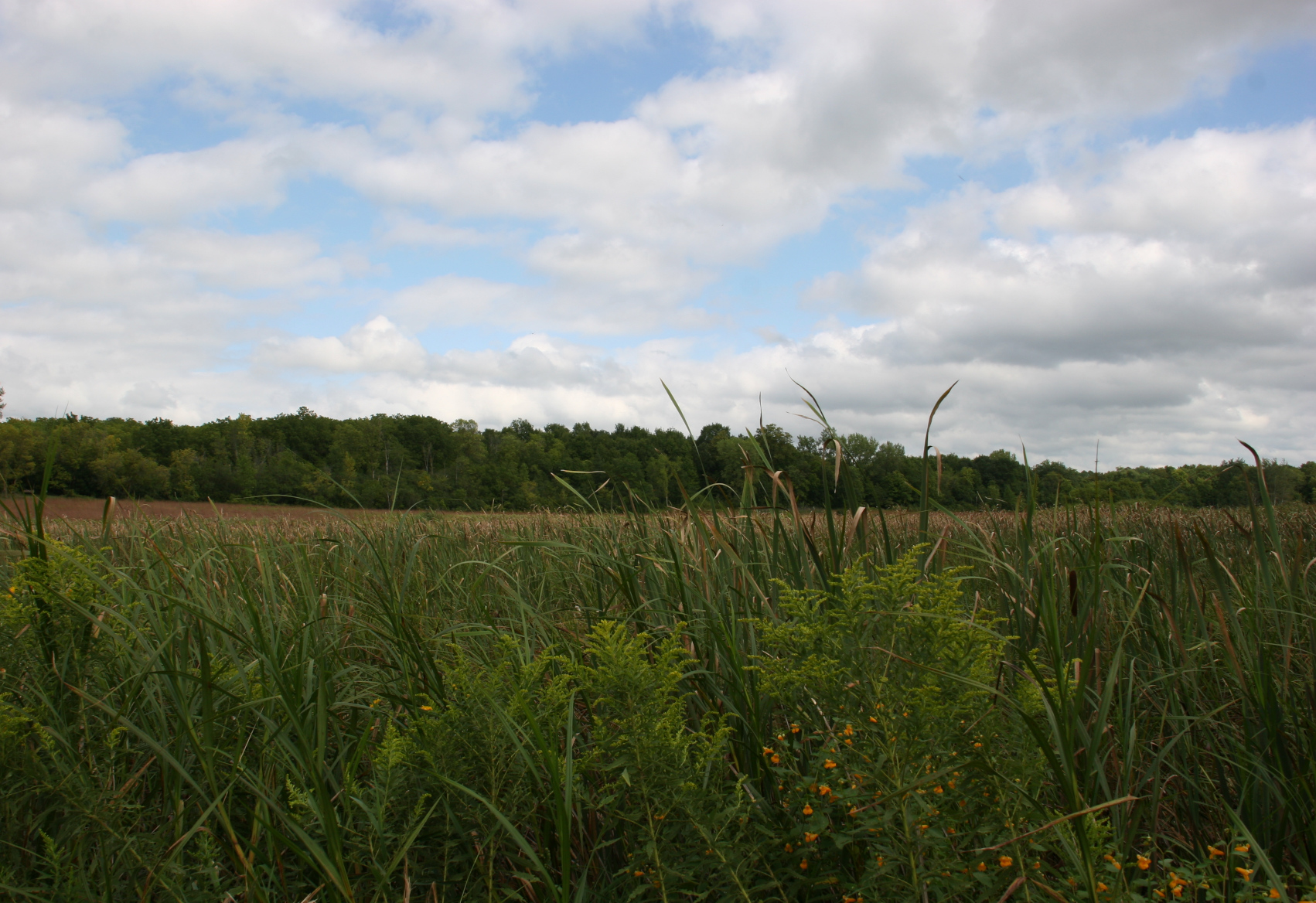
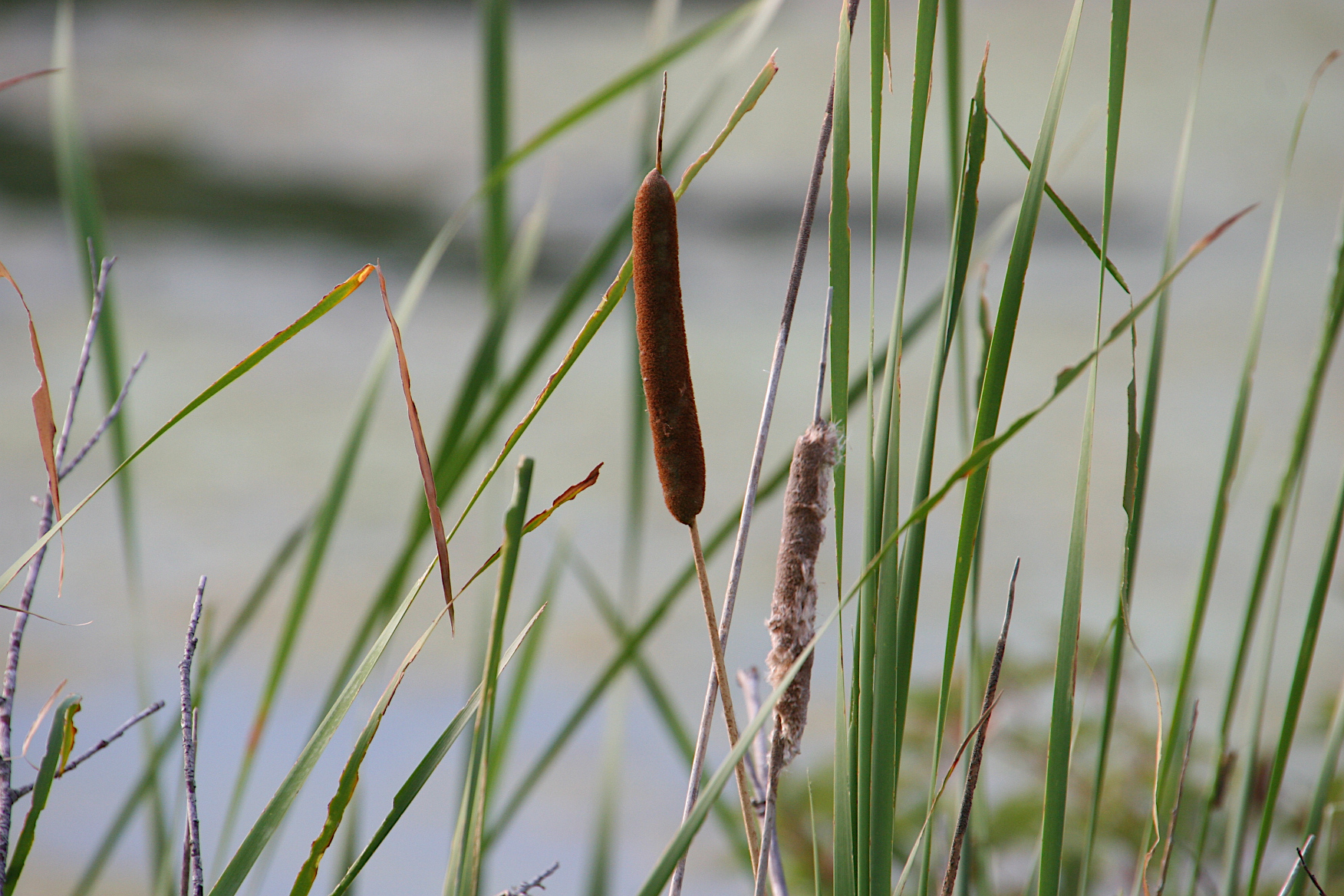
Cattails flourish in the park wetlands. Restoration, rather than draining, of wetlands is the norm today. (Minnesota Prairie Roots copyrighted photo July 2022)

I remember the anti-littering campaigns. The concerns about water and air pollution. The efforts to limit billboards. I recall, too, Earth Shoes, although I’m uncertain what that footwear had to do with anything environmental.

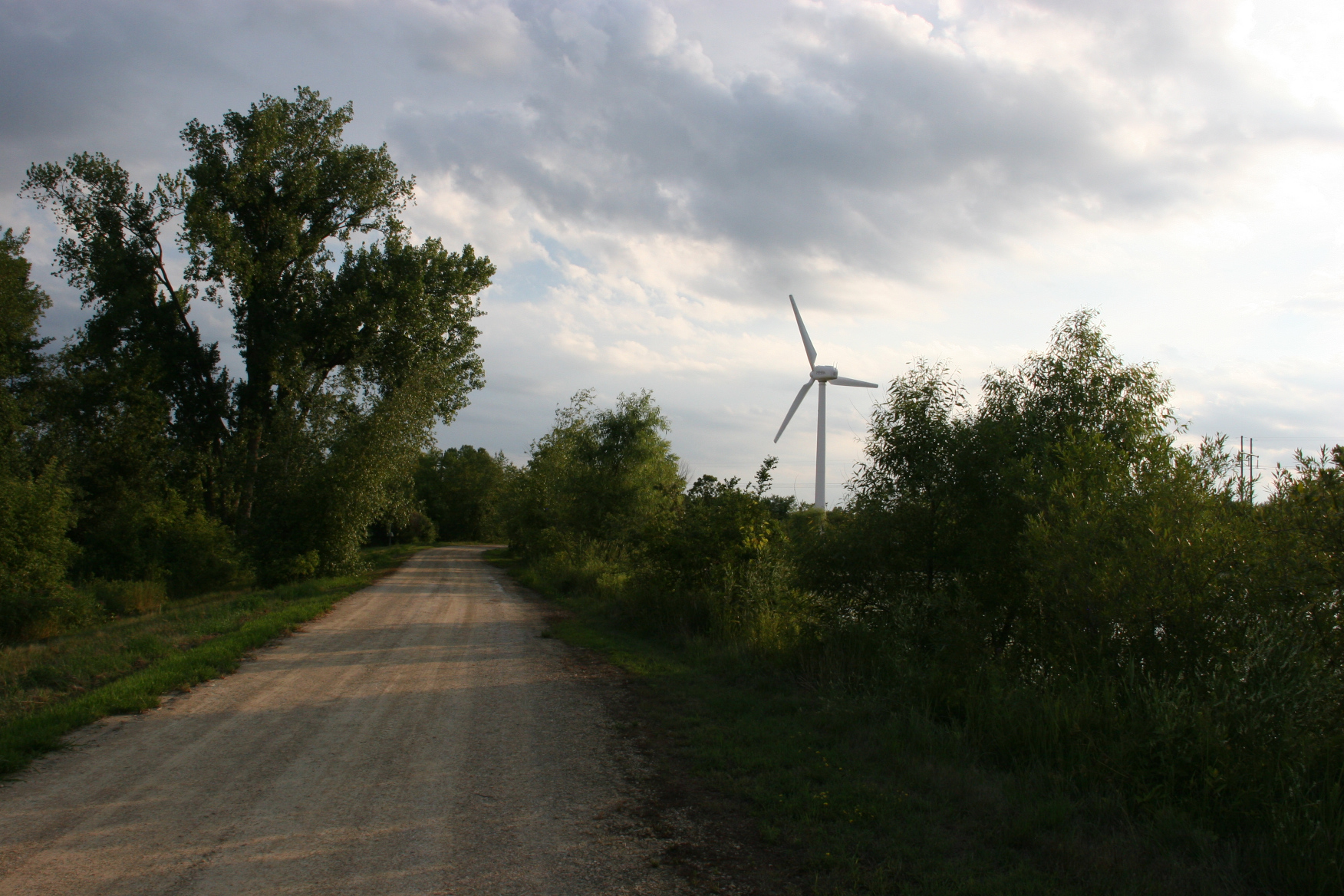
This trail leads to the wind turbine, a teaching tool inside Faribault Energy Park. (Minnesota Prairie Roots copyrighted photo July 2022)

Perhaps previous generations cared, too, but it seems the young people of the 70s started a new environmental movement that pushed personal and societal responsibilities in caring for our planet. Those efforts continue today, but with additional focuses: climate change, alternative energy, electric-powered vehicles and more. Today’s young adults are among those leading the way in discussions and effective change.

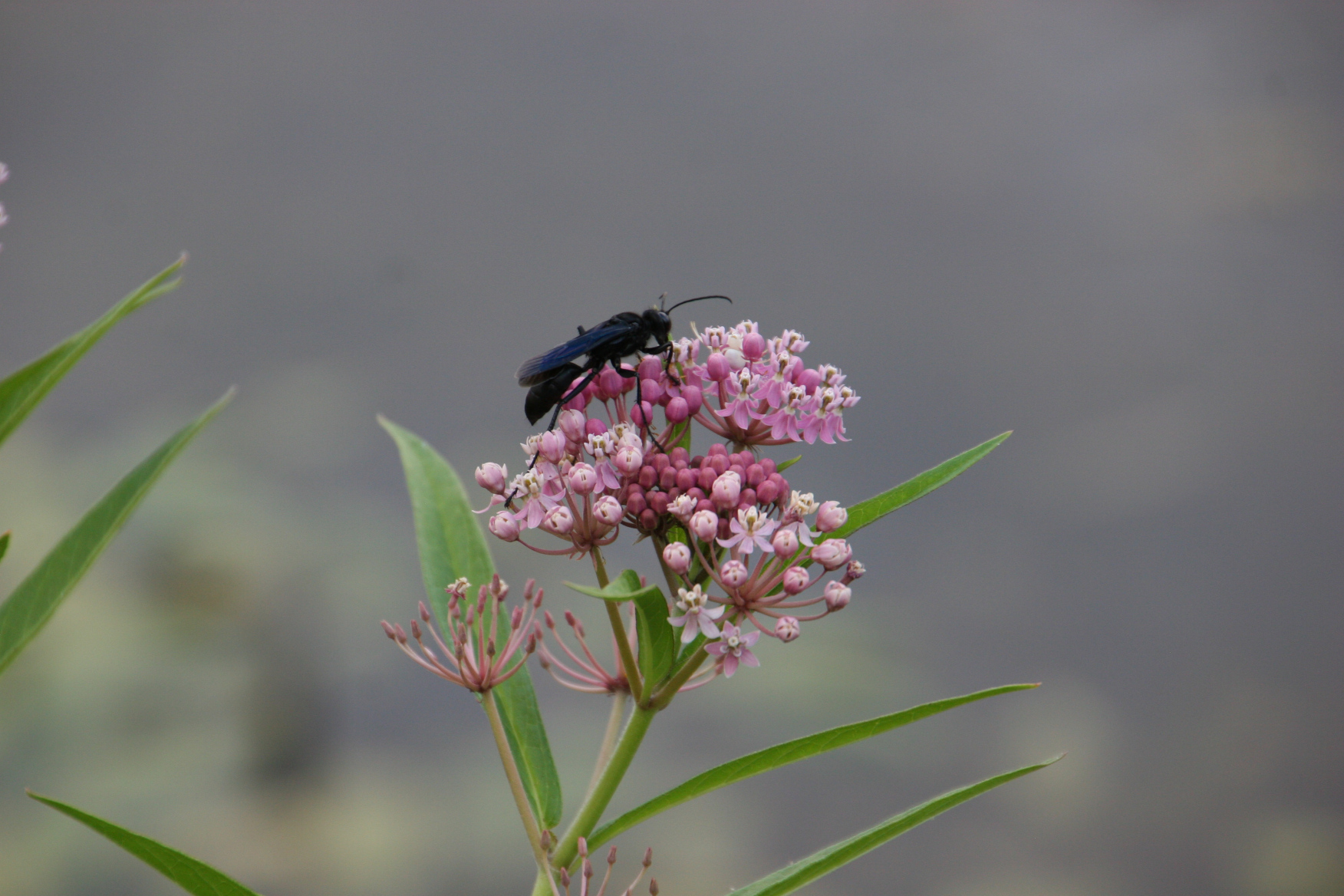
I grow milkweeds in my Faribault yard. I photographed this milkweed flower with an unknown insect atop at the energy park. (Minnesota Prairie Roots copyrighted photo July 2022)

I feel such hope. Within my own family circle, my eldest daughter and son-in-law compost food and bio-degradable paper products. My son owns an e-bike, not a car, his primary mode of transportation between his Indiana apartment and Purdue University. We recycle, donate or give away items we no longer need. Every little bit helps. My young granddaughter wears hand-me-downs from her cousins. Just like her mother before her, whom I outfitted primarily via rummage sale purchases.

Unlike this dead frog flattened on a road at the energy park, thrifting/recycling/upcycling is very much alive. (Minnesota Prairie Roots copyrighted photo July 2022)

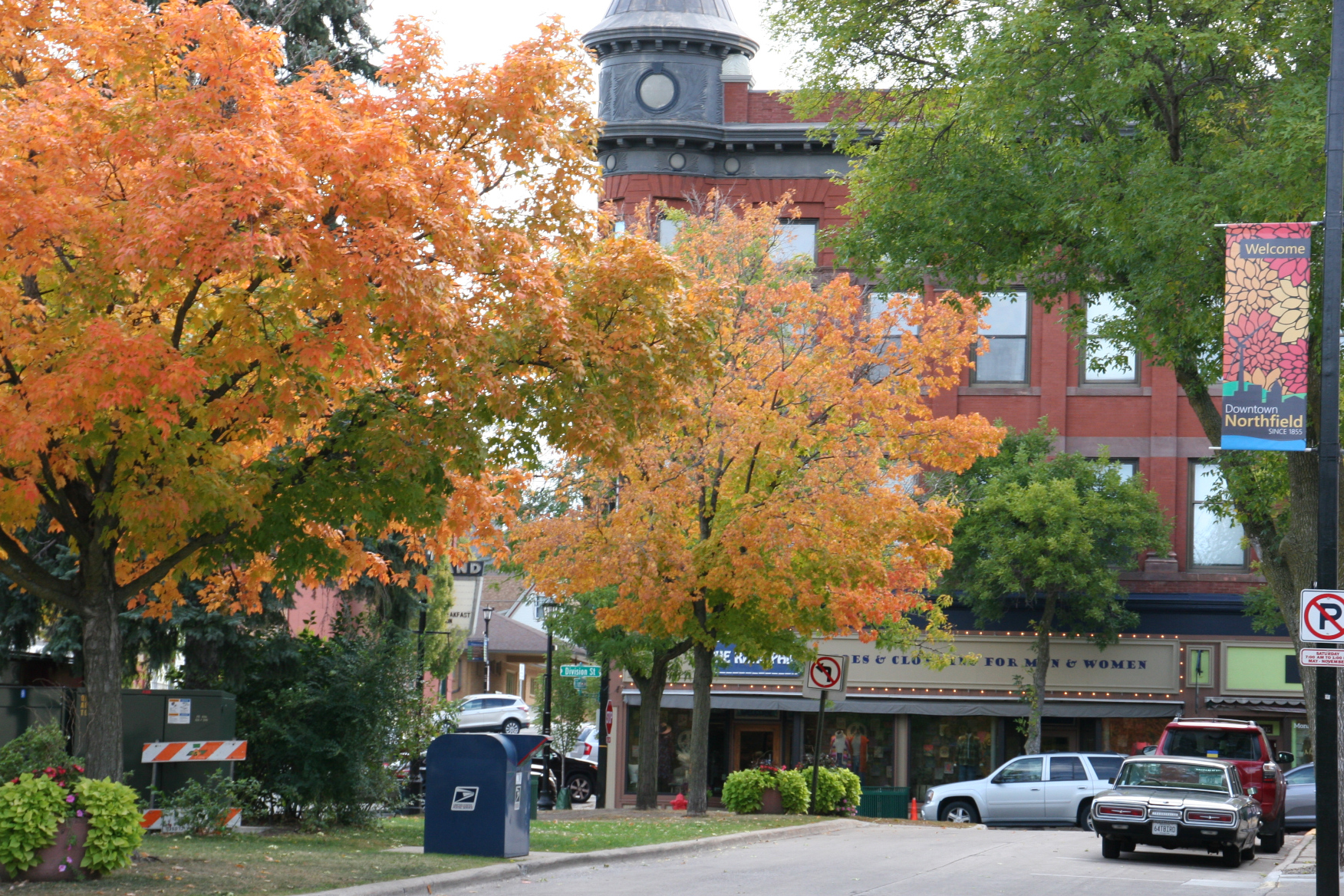
Thrifting is in vogue. I recently spoke with a shop owner in Northfield who said local college students flock to her antiques and collectibles store to buy vintage clothing from one particular vendor.

Solar panels inside the park focus on alternative energy. (Minnesota Prairie Roots copyrighted photo July 2022)

Across the Minnesota countryside, solar fields are replacing crop fields. Wind turbines are popping up, too, adding to those that have been around for decades.

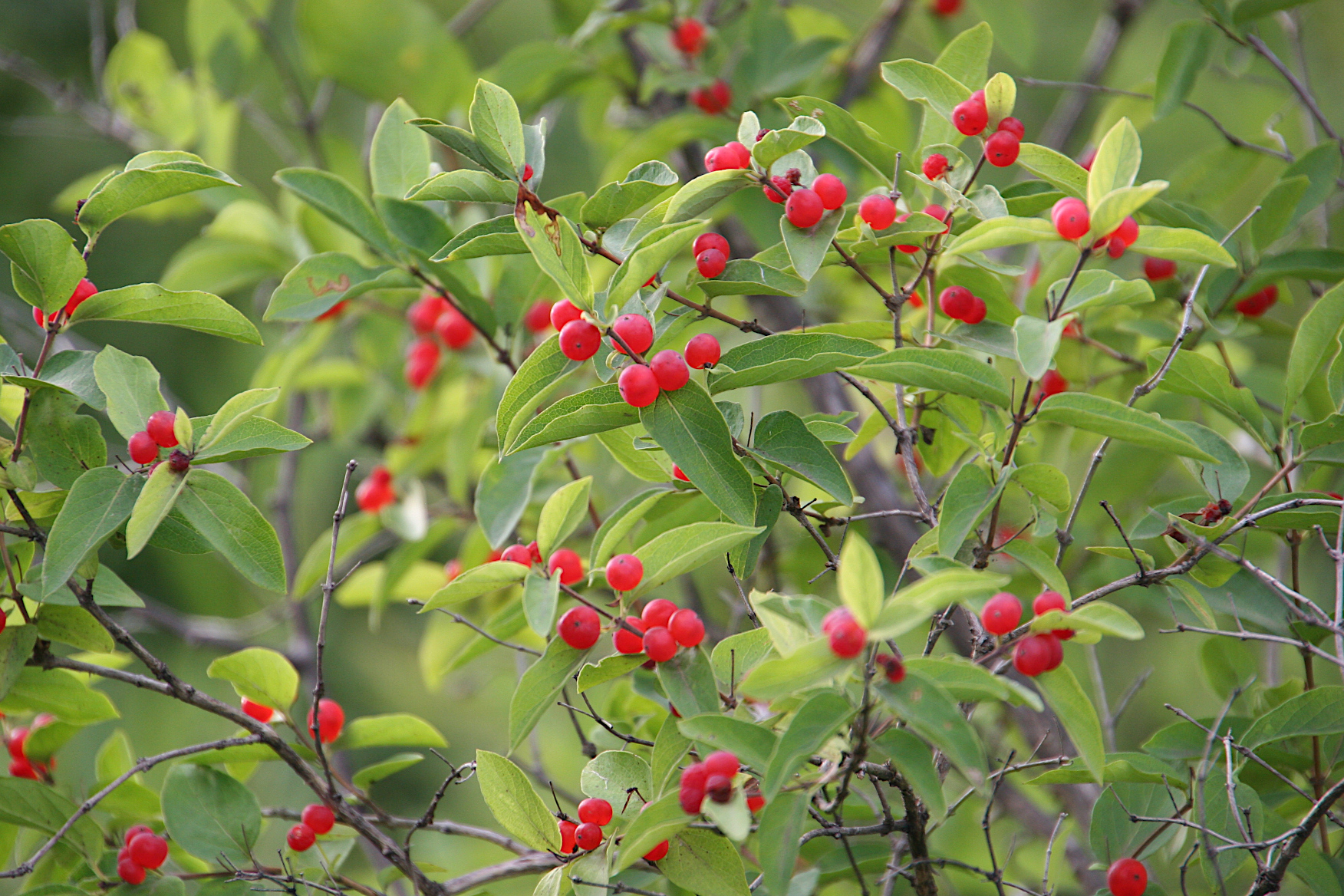
Bold red berries burst color into the park’s landscape. (Minnesota Prairie Roots copyrighted photo July 2022)

It makes a difference—these seemingly small and big changes. A shift in attitudes with a new-found appreciation for our natural world can preserve, and hopefully, improve this place we call home.

A sign posted inside Faribault Energy Park lays out the rules. (Minnesota Prairie Roots copyrighted photo July 2022)

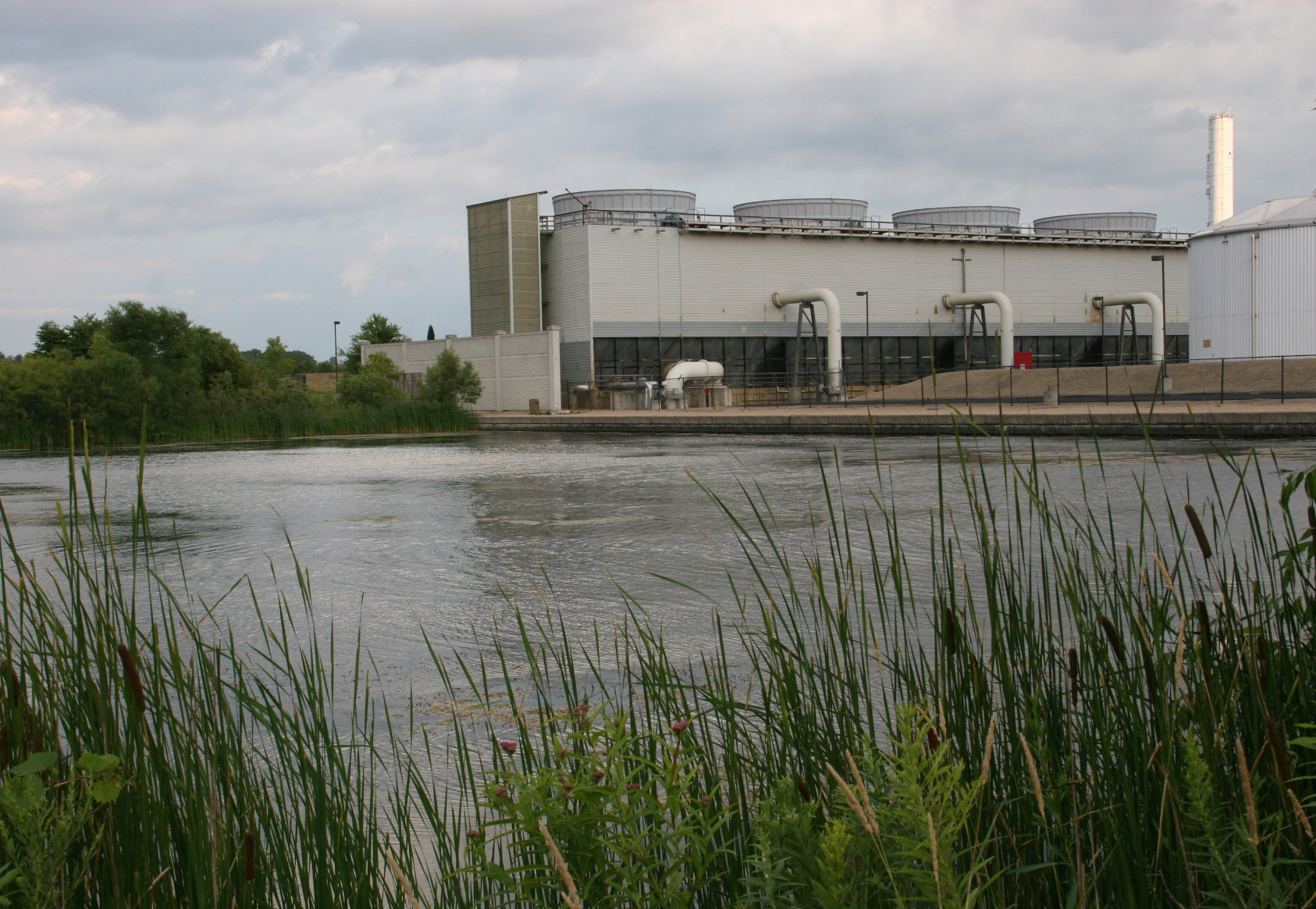
Faribault Energy Park, owned and managed by the Minnesota Municipal Power Agency, aims to model environmental responsibility and innovation, according to its website. The power plant is a dual-fuel (natural gas and fuel oil) facility which runs only during periods of high demand for electricity.

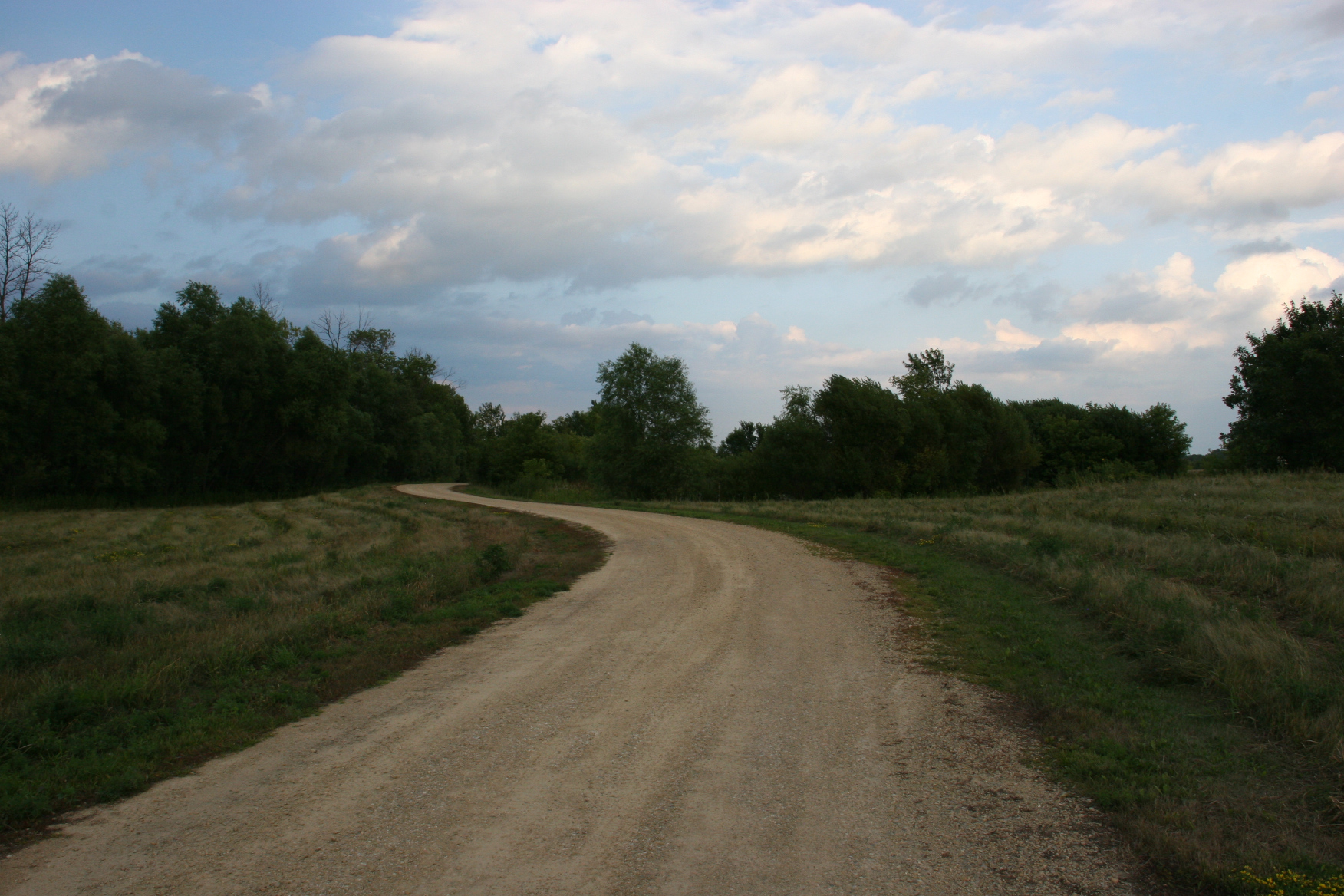
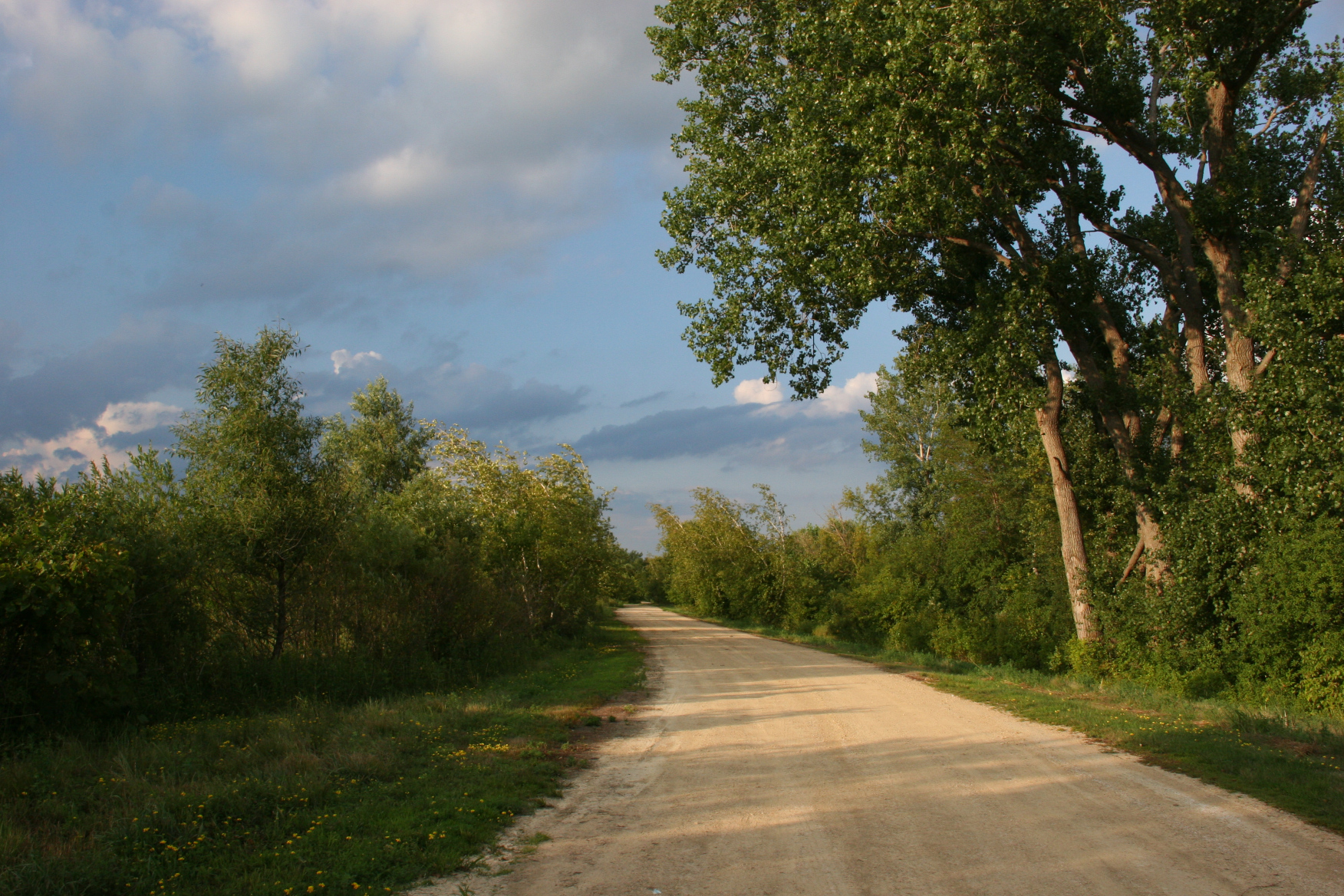
Dirt roads wind around two ponds. (Minnesota Prairie Roots copyrighted photo July 2022)

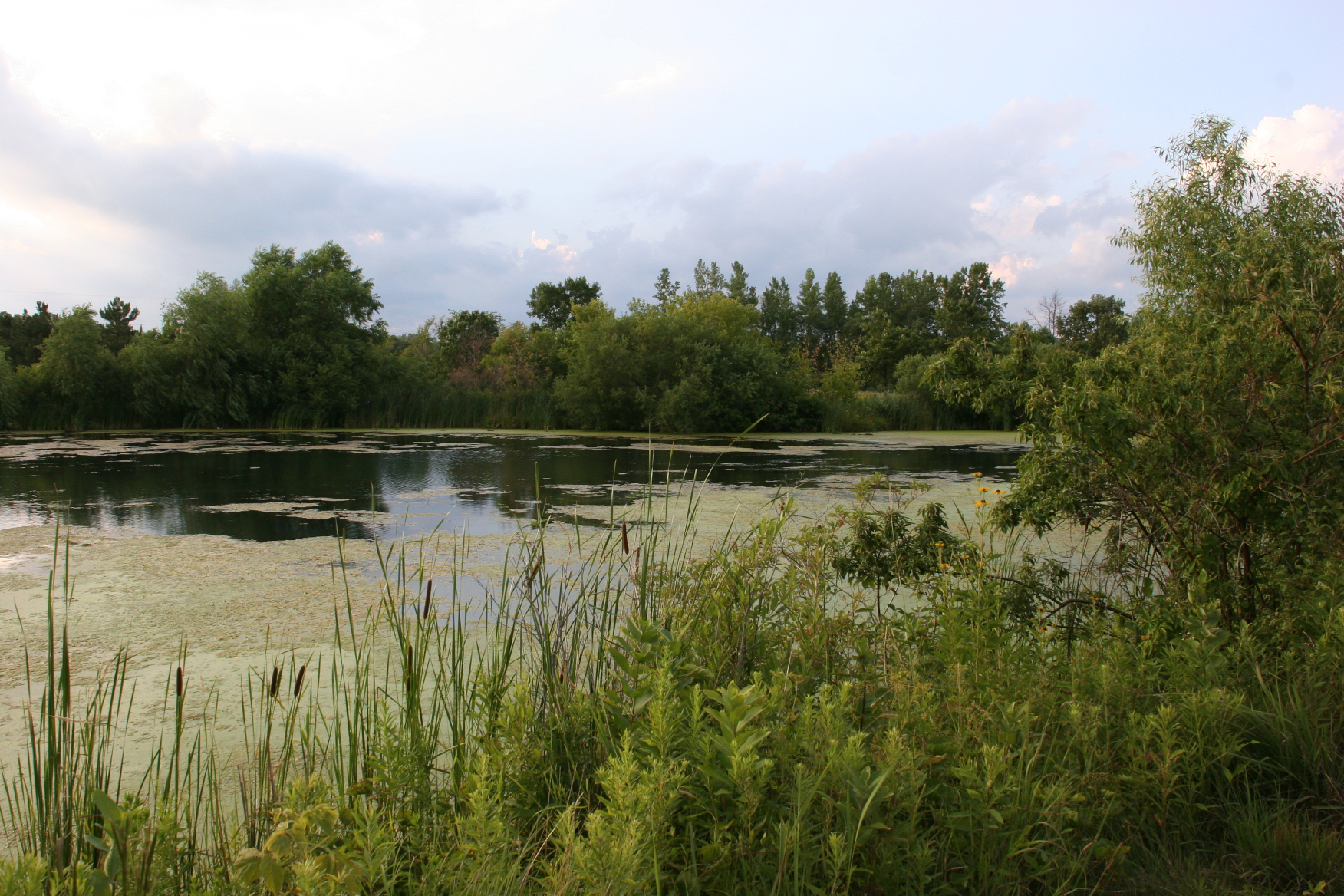
Although I’ve never been inside this power plant (tours are offered, primarily to schools), I’ve walked the grounds many times. The MMPA created a public park here on its 35 acres of wetlands. I love following the dirt roads that wind around ponds. And while it’s not the most peaceful place given the location along busy Interstate 35, the park still holds an appeal for me.

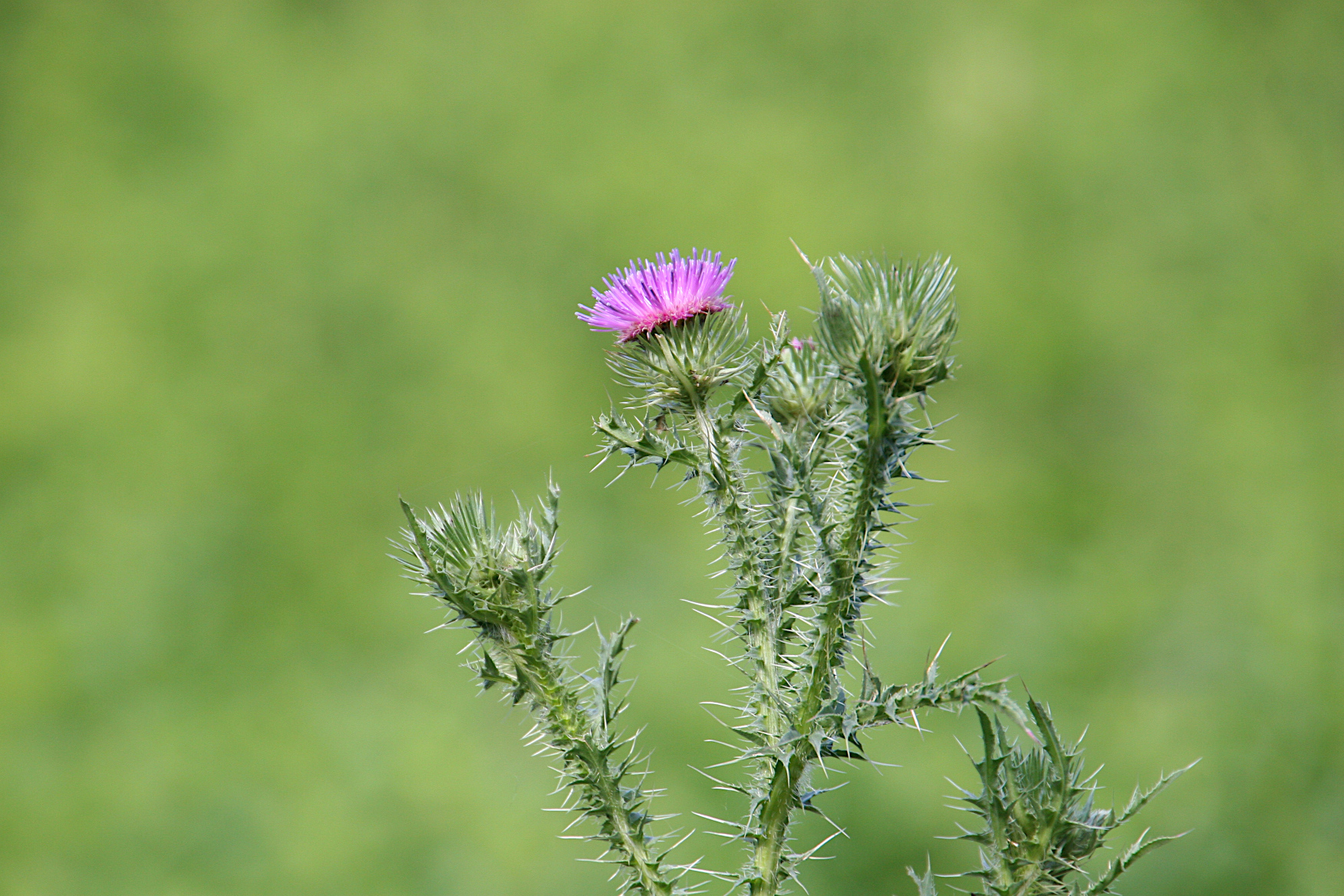
Beauty even in a thistle growing along pond’s edge. (Minnesota Prairie Roots copyrighted photo July 2022)

On this particular visit, I didn’t see any waterfowl, unusual, but perhaps not due to avian influenza. (Minnesota Prairie Roots copyrighted photo July 2022)

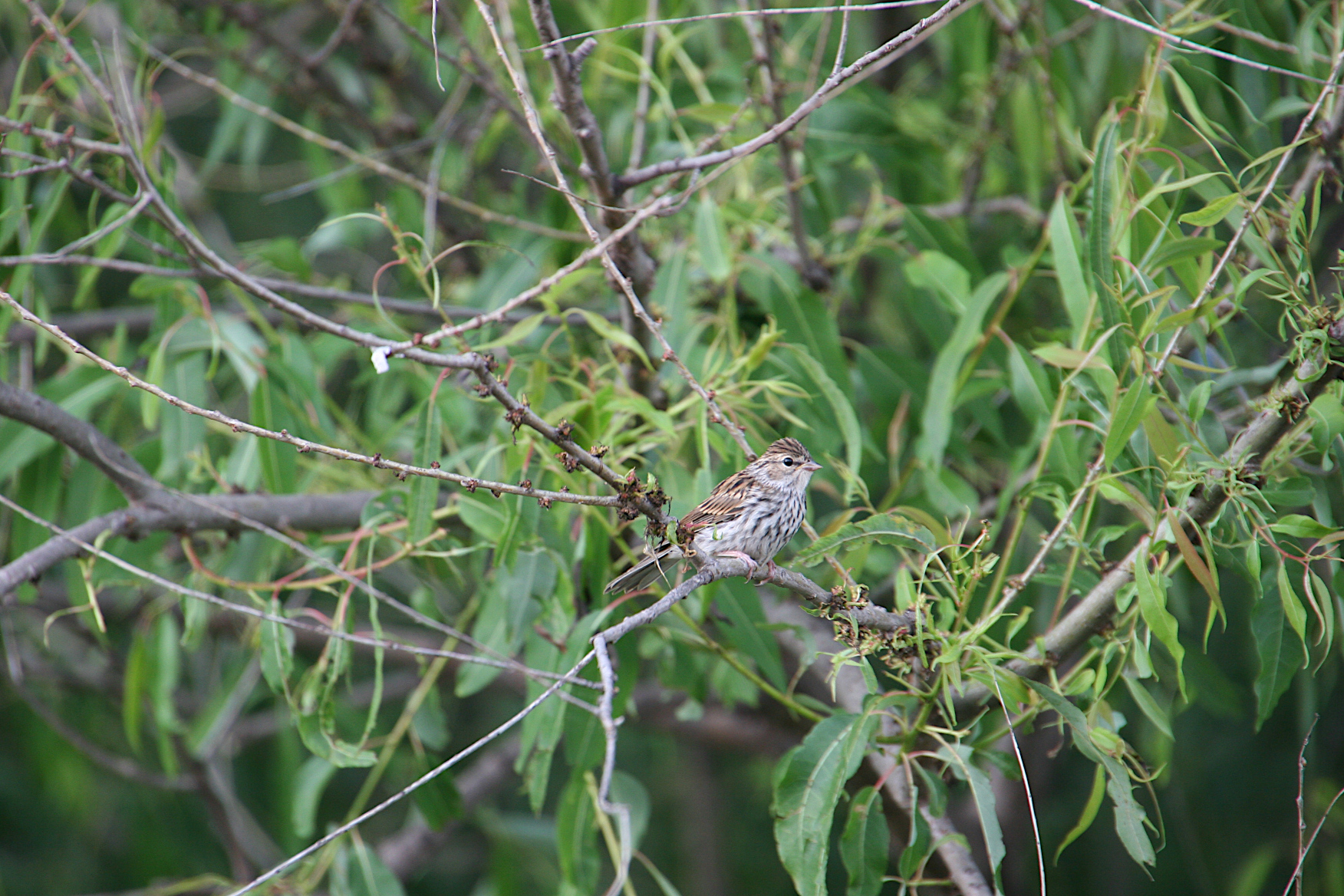
One of many birds observed inside the park. (Minnesota Prairie Roots copyrighted photo July 2022)

That enjoyment comes in vegetation—cattails, flowers, trees, grasses—and in the birds, including waterfowl.

Anglers fish this pond next to the Faribault Energy Park power plant. (Minnesota Prairie Roots copyrighted photo July 2022)

Other visitors fish here, in the large pond next to the power plant. This is also an educational grounds with a massive wind turbine and a stand of solar panels in place.

I especially like walking this park around sunset. (Minnesota Prairie Roots copyrighted photo July 2022)

Combined, these elements remind me that I cannot take the natural world for granted, that I need to be environmentally-aware, that I need to do my part to protect and preserve Earth. I continue to learn, some 50 years after an awareness sparked within me that I really ought to care about this planet on a personal level.

© Copyright 2022 Audrey Kletscher Helbling

 

“A quiet place to be” in Mission Township August 31, 2022

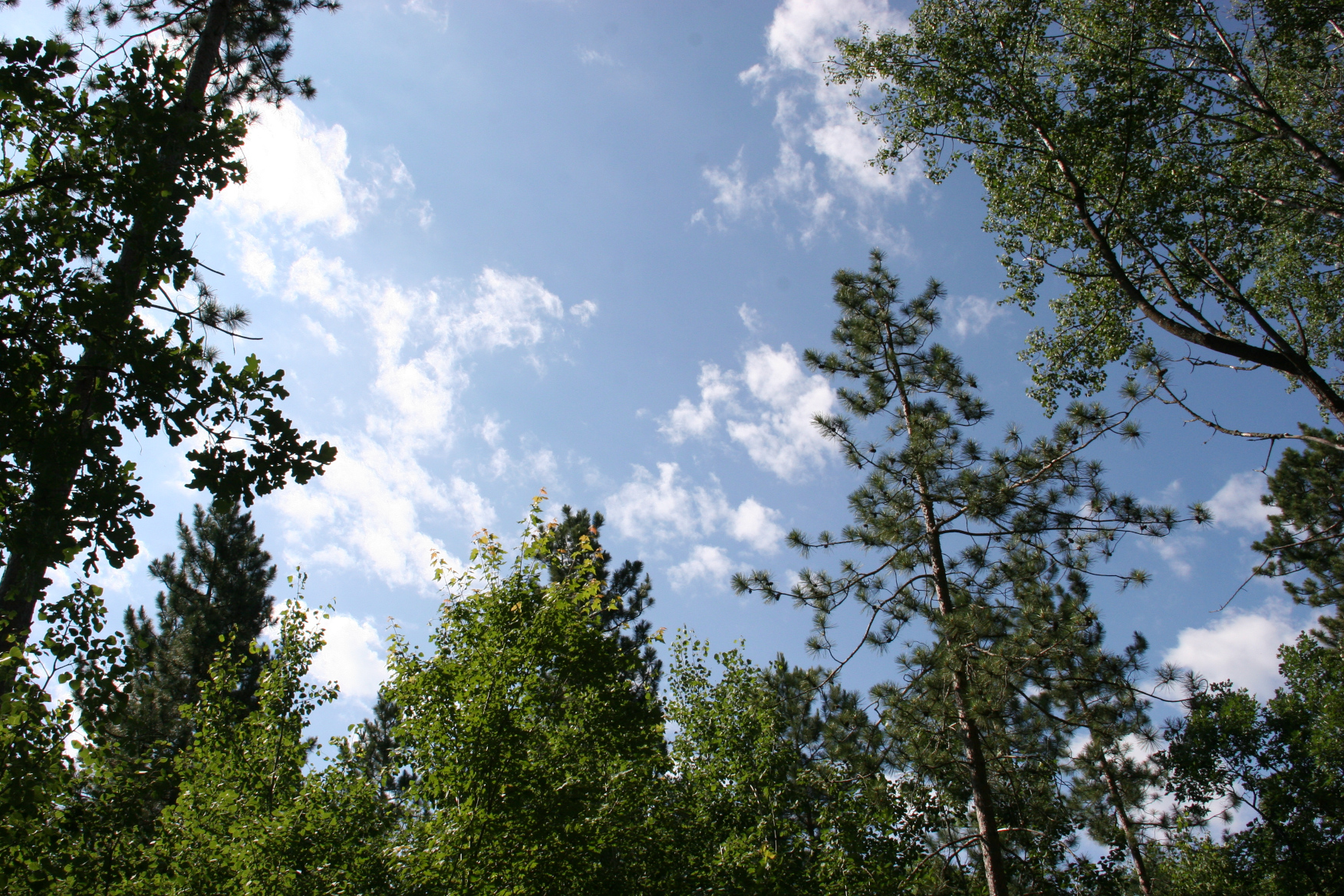
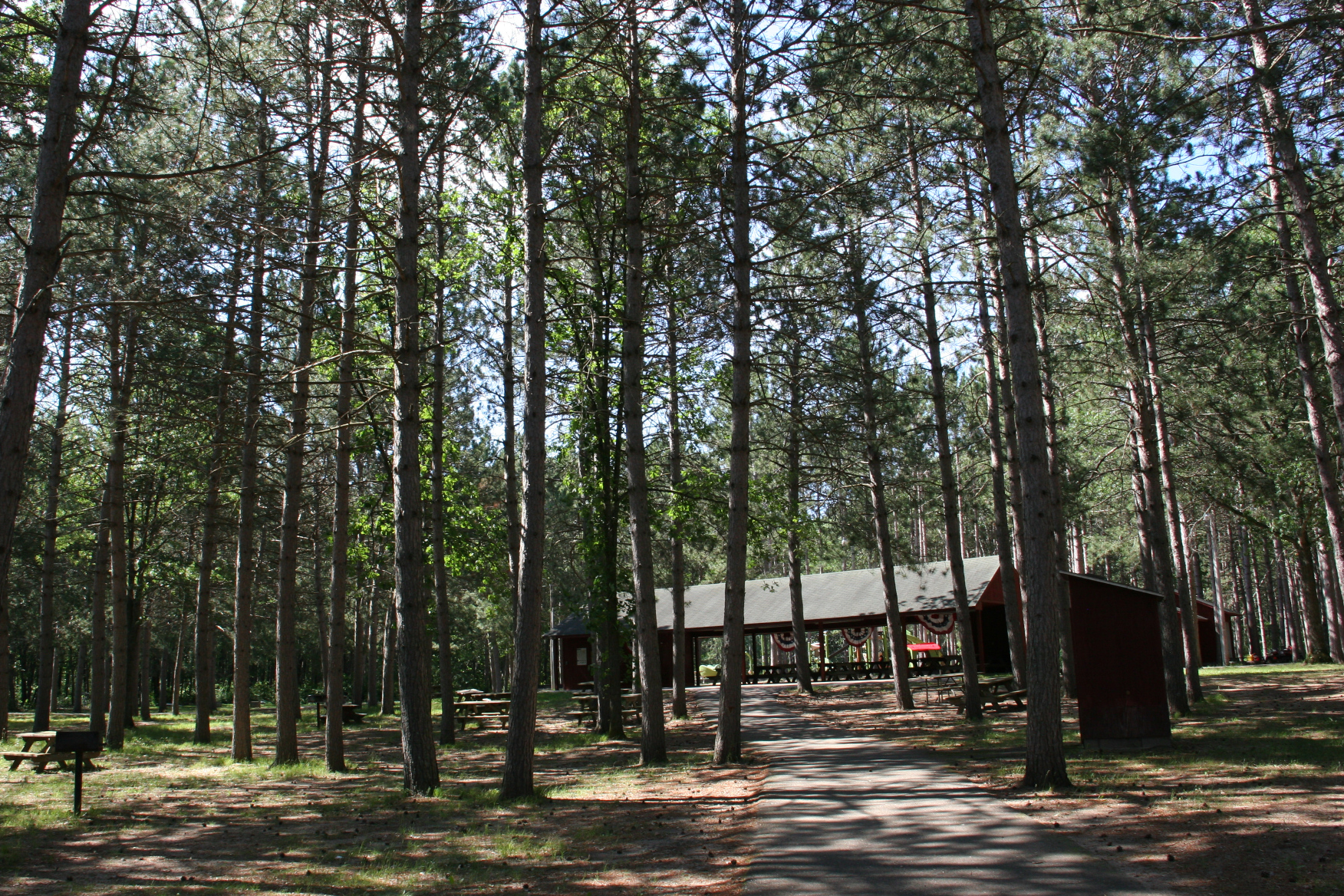
Looking skyward at Mission Park, where slim, towering pines are prevalent. (Minnesota Prairie Roots copyrighted photo July 2022)

MISSION PARK IN MISSION TOWNSHIP, “a quiet place to be” north of Merrifield in the Brainerd lakes region, rates as a favorite hiking spot when I’m at the lake. The extended family cabin is conveniently located about two miles away.

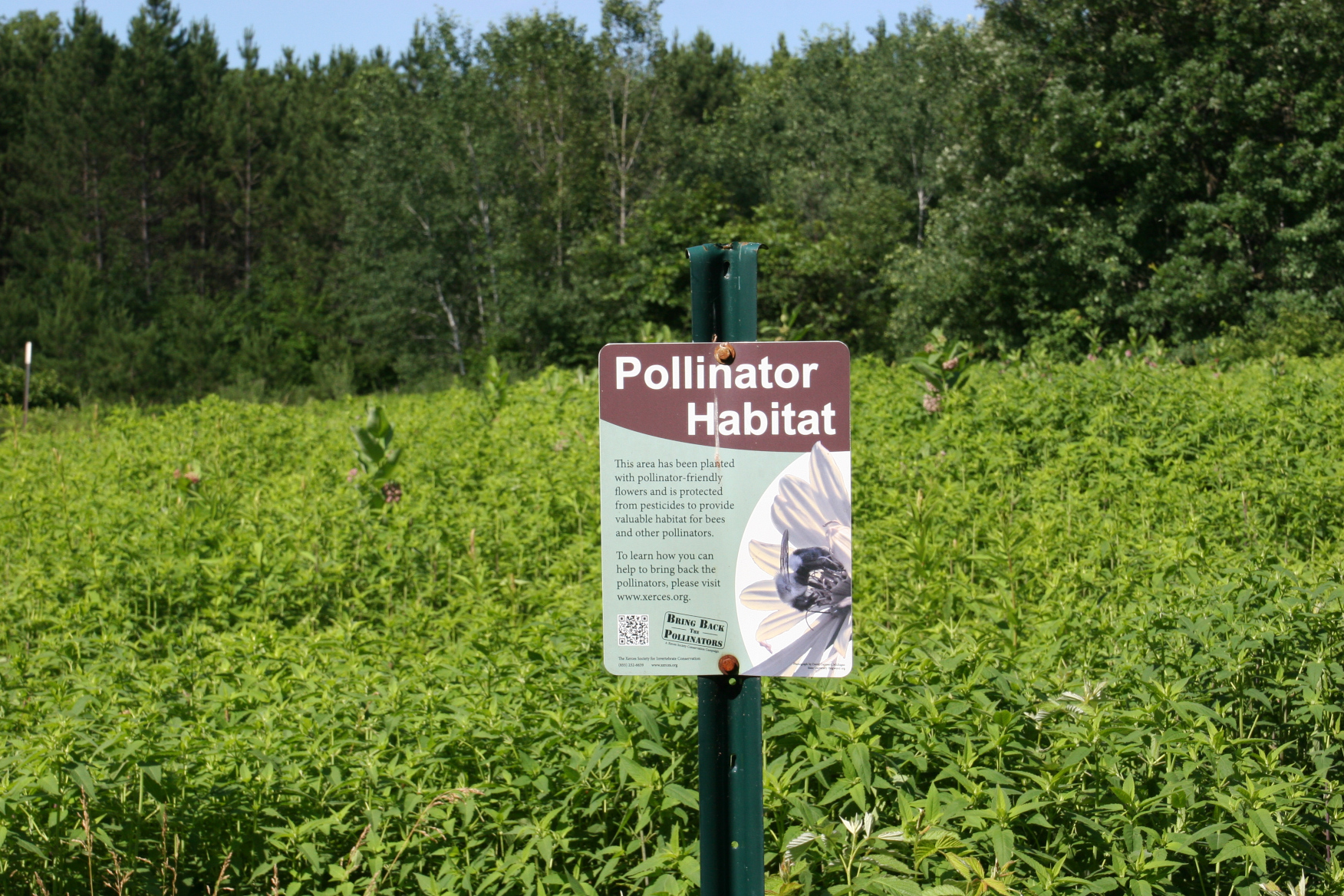
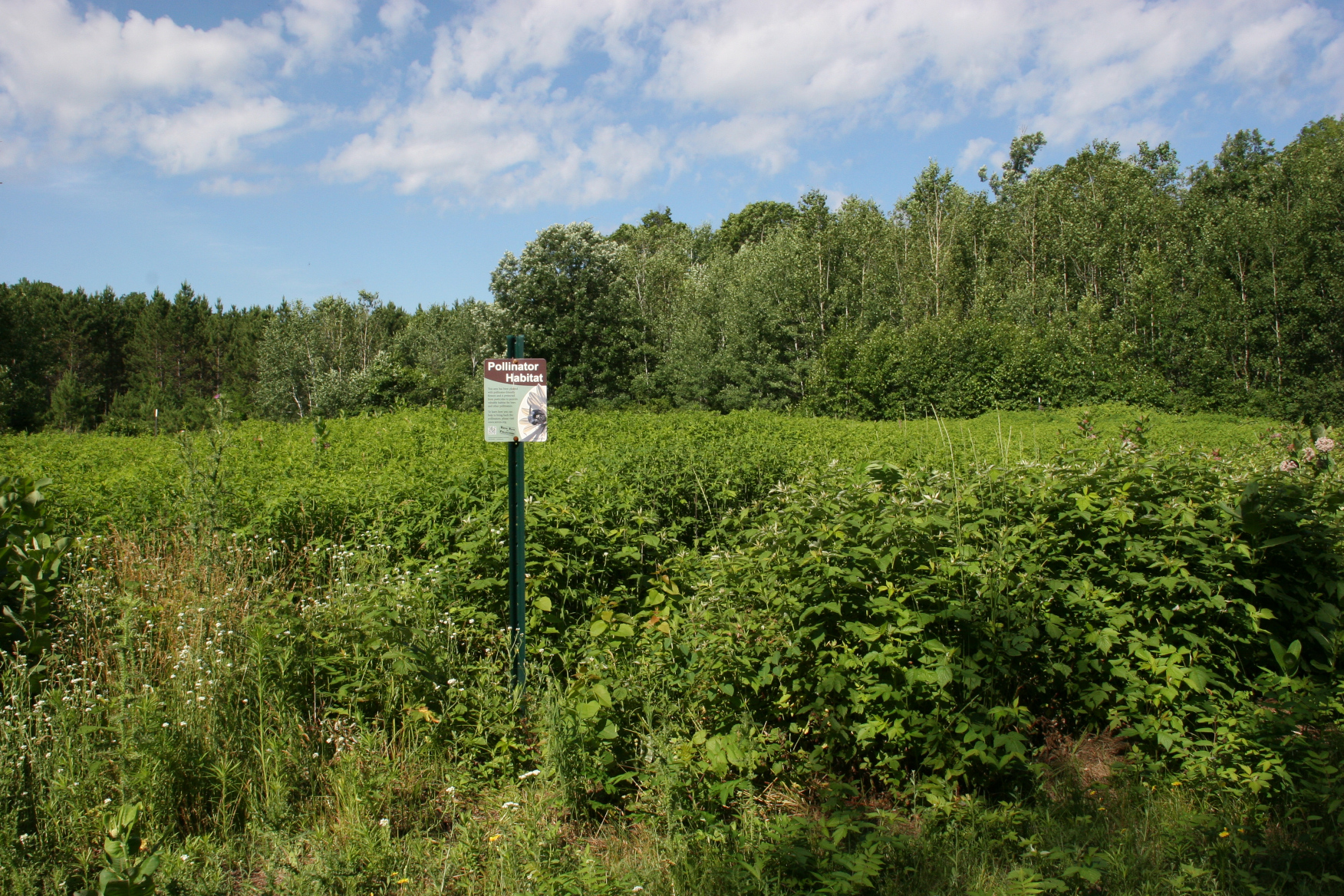
At the end of a grassy trail, the woods open to a pollinator garden. (Minnesota Prairie Roots copyrighted photo July 2022)

I enjoy walking here along the 3/4-mile paved trail that winds primarily through the woods. Grassy paths are another option, but I typically keep to the hard surface, with one exception. That deviation is the grassy route leading to an open field Pollinator Habitat.

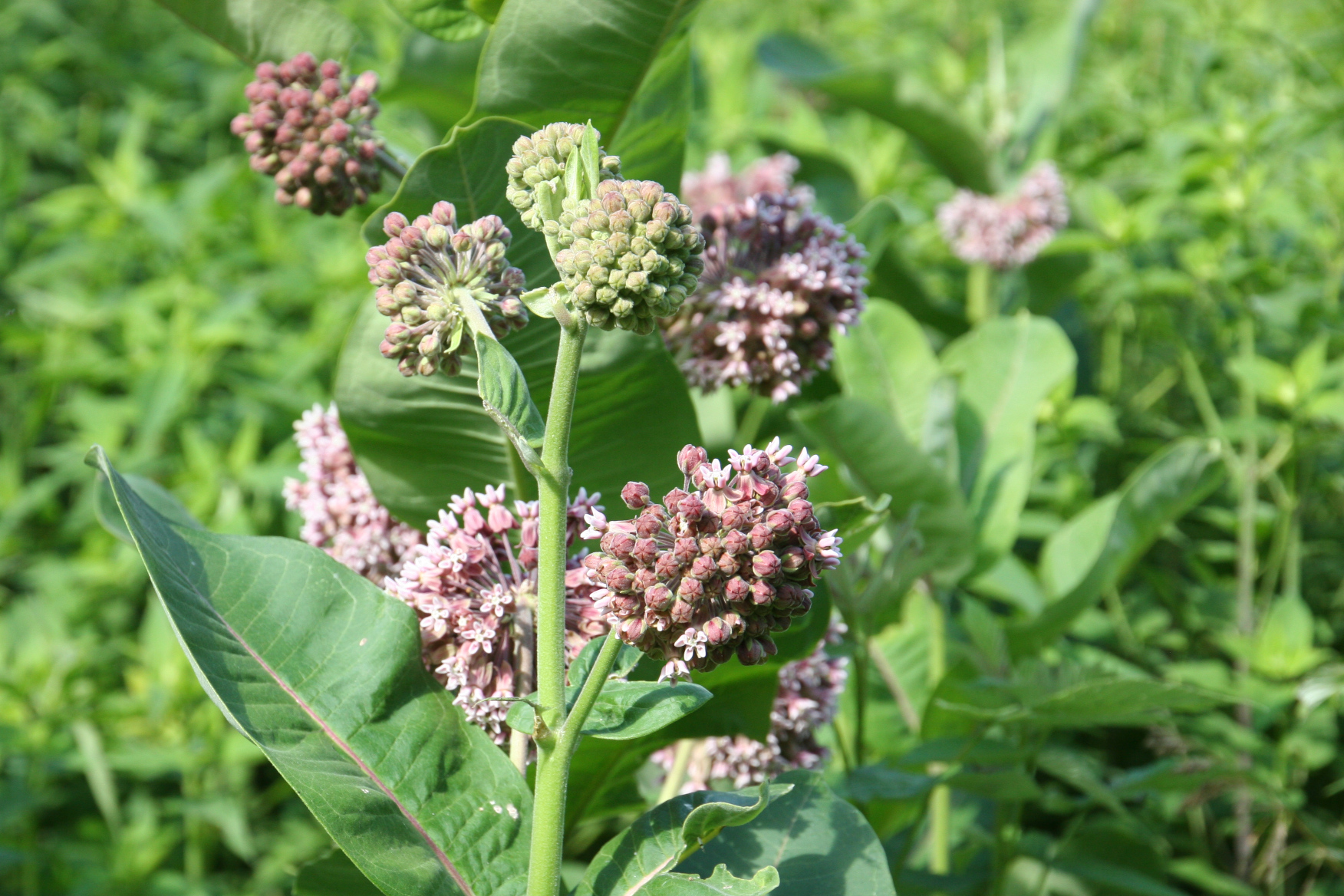
Milkweeds fill the prairie garden. (Minnesota Prairie Roots copyrighted photo July 2022)

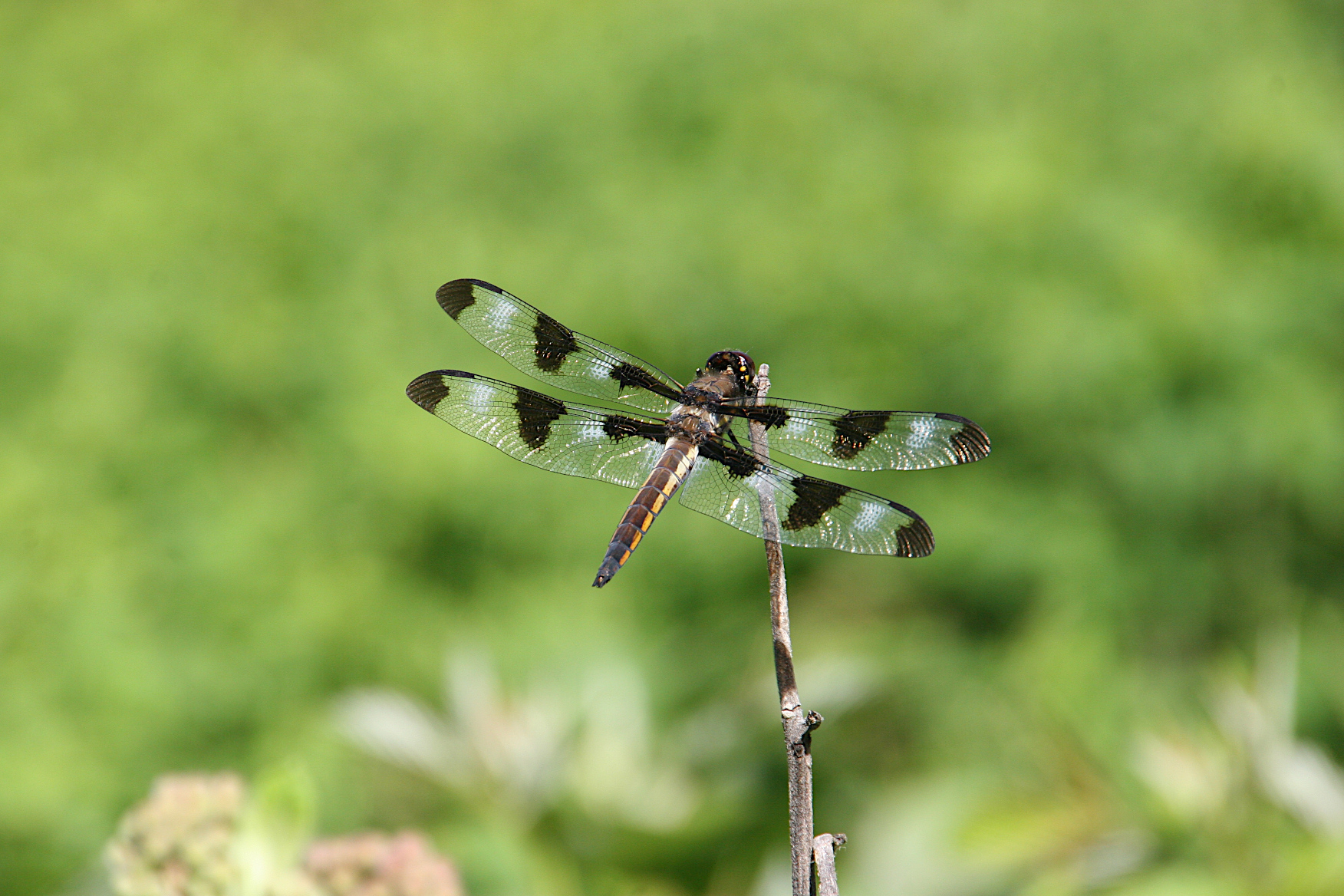
A dragonfly clings to a stalk. (Minnesota Prairie Roots copyrighted photo July 2022)

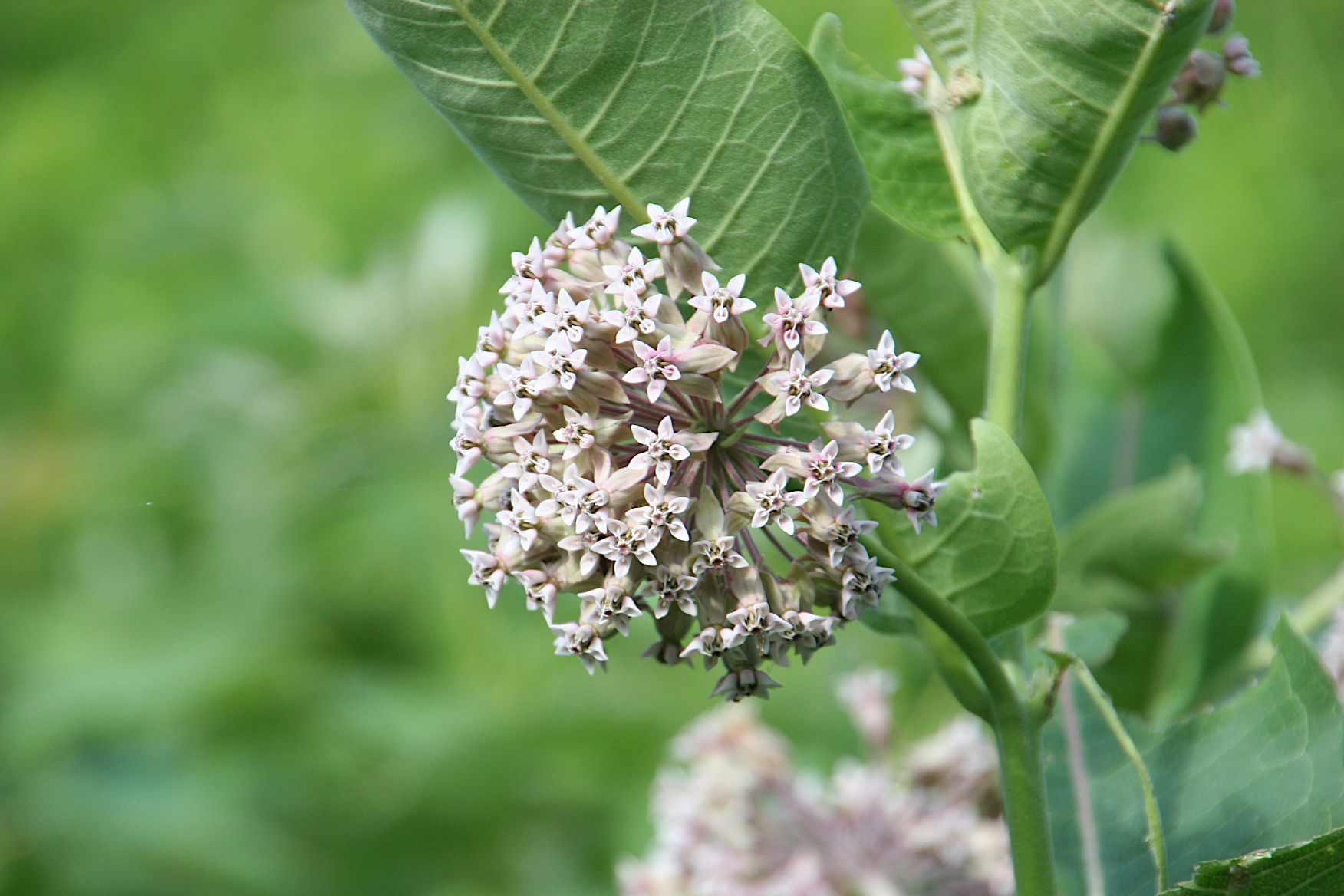
I’ve always loved the dusky hue of the milkweed flower. (Minnesota Prairie Roots copyrighted photo July 2022)

Last trip to the cabin in early July, Randy and I discovered the field of milkweeds and other pollinator-attracting plants pulsing with dragonflies. I’ve always delighted in dragonflies—how they flit, their translucent wings beautiful to behold.

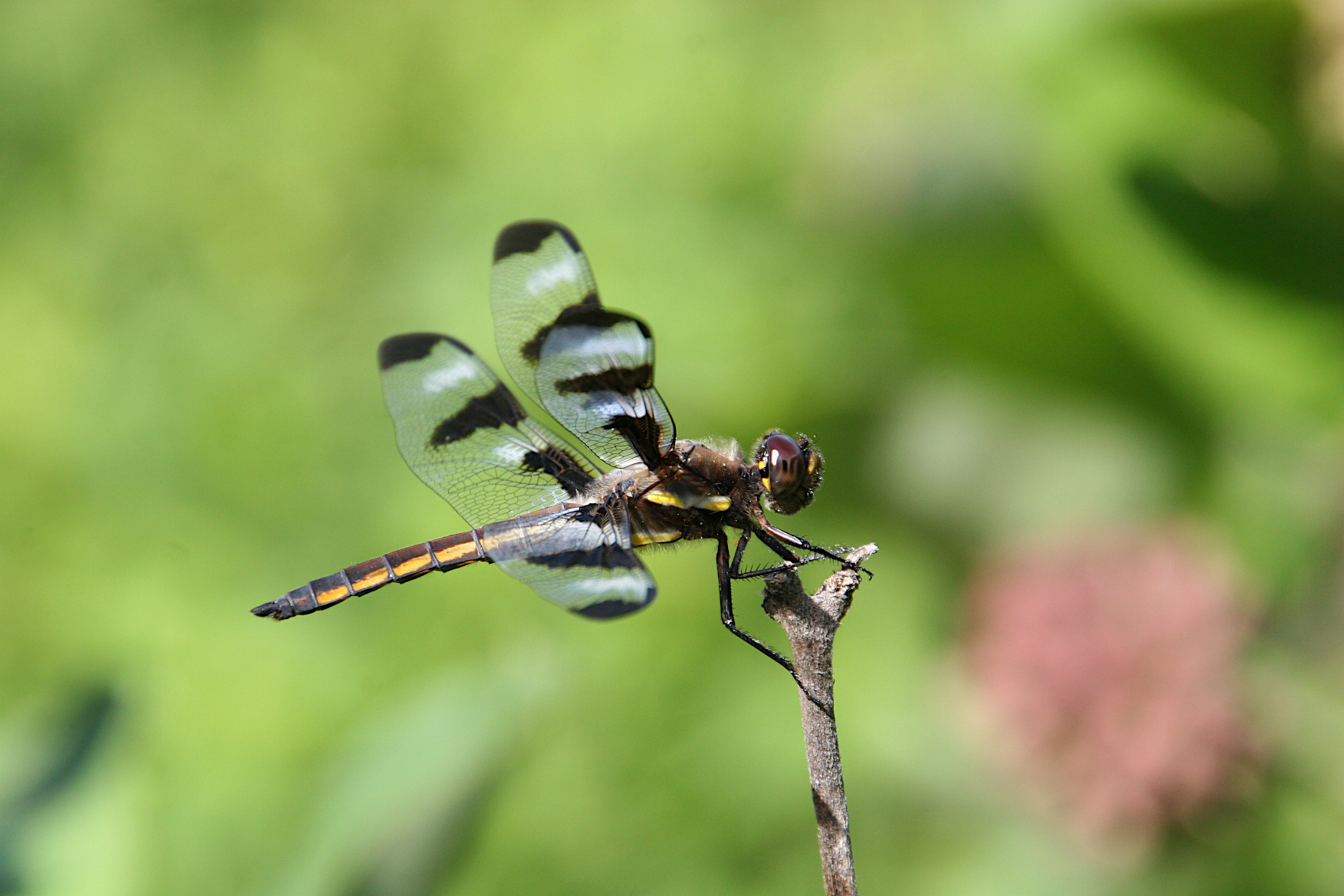
Dragonflies up close are a study in intricacy and beauty. (Minnesota Prairie Roots copyrighted photo July 2022)

But dragonflies also pause, giving photographers like me ample opportunity to photograph them up close. To see and capture details of webbed wings, of hairy legs, of bulging eyes…proves rewarding, amazing, wondrous. This insect is so intricate.

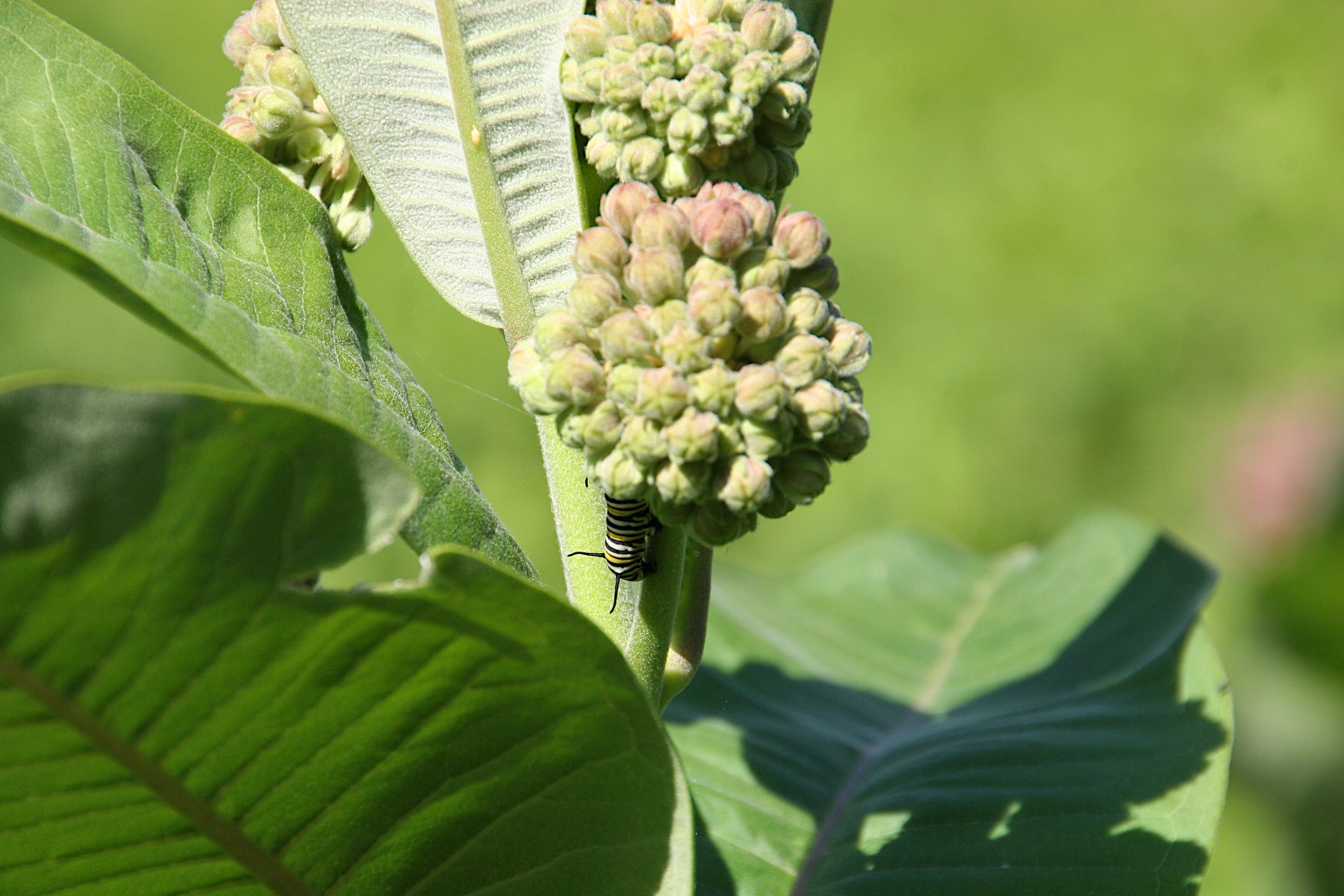
The lone Monarch caterpillar I spotted. (Minnesota Prairie Roots copyrighted photo July 2022)

I noticed, too, a chunky Monarch caterpillar descending a milkweed stalk. Milkweed is a host plant of the caterpillar which will eventually form a chrysalis and later emerge as a Monarch butterfly, now considered an endangered species.

A wide view of the Pollinator Habitat. (Minnesota Prairie Roots copyrighted photo July 2022)

Days later, I led the way back to the Pollinator Habitat to show my granddaughter, her little brother and parents the dragonfly haven. The insects were not as abundant and the crew was less than impressed, especially when Randy discovered a wood tick on his leg. Not a deer tick, but the common wood tick which I am quite familiar with as is Randy. We both grew up on farms and wood ticks were a natural part of our outdoor summer adventures.

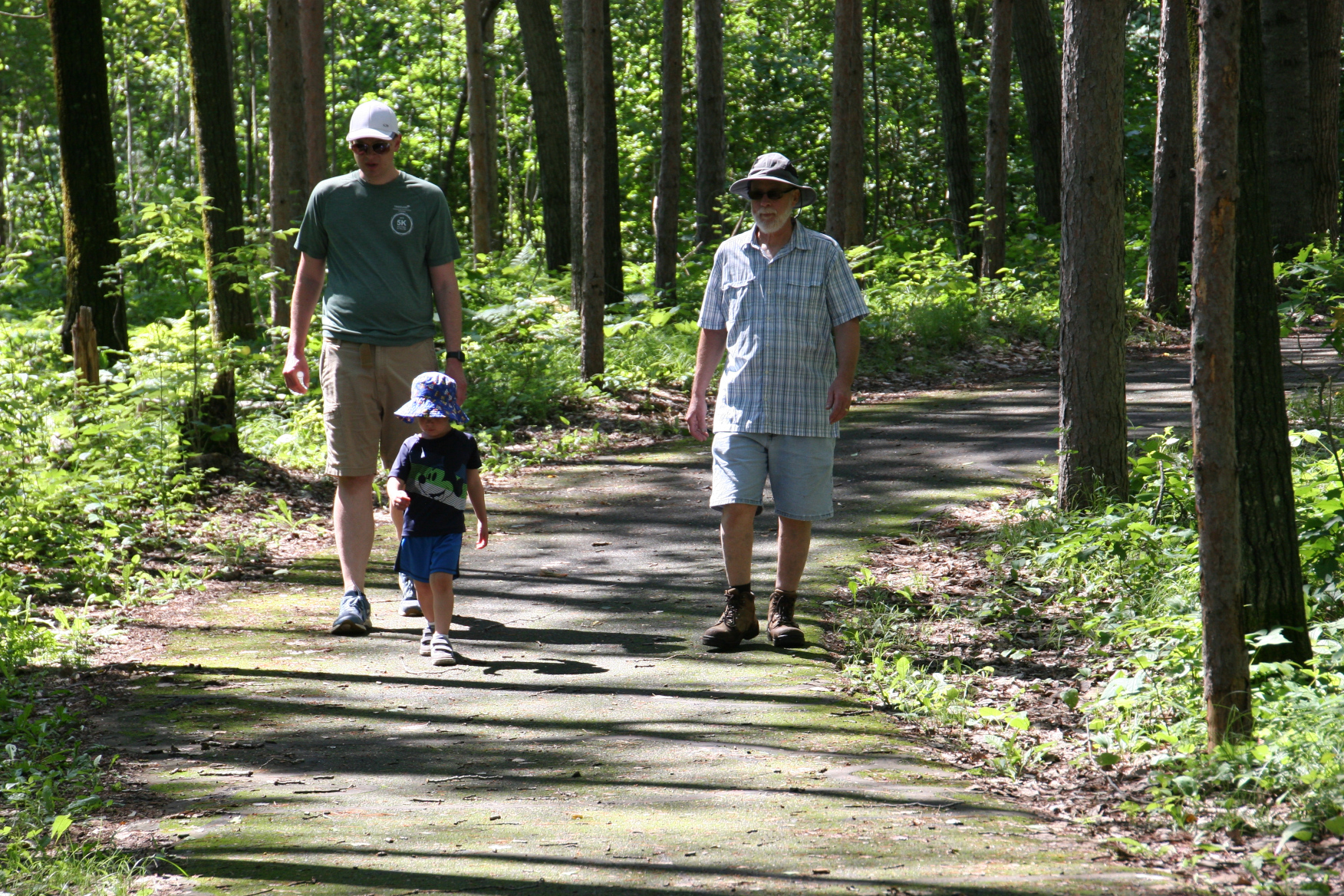
Marc, left to right, Isaac and Randy head out of the woods. (Minnesota Prairie Roots copyrighted photo July 2022)

The six of us quickly exited the pollinator patch right after Randy’s revelation, which he should have kept to himself.

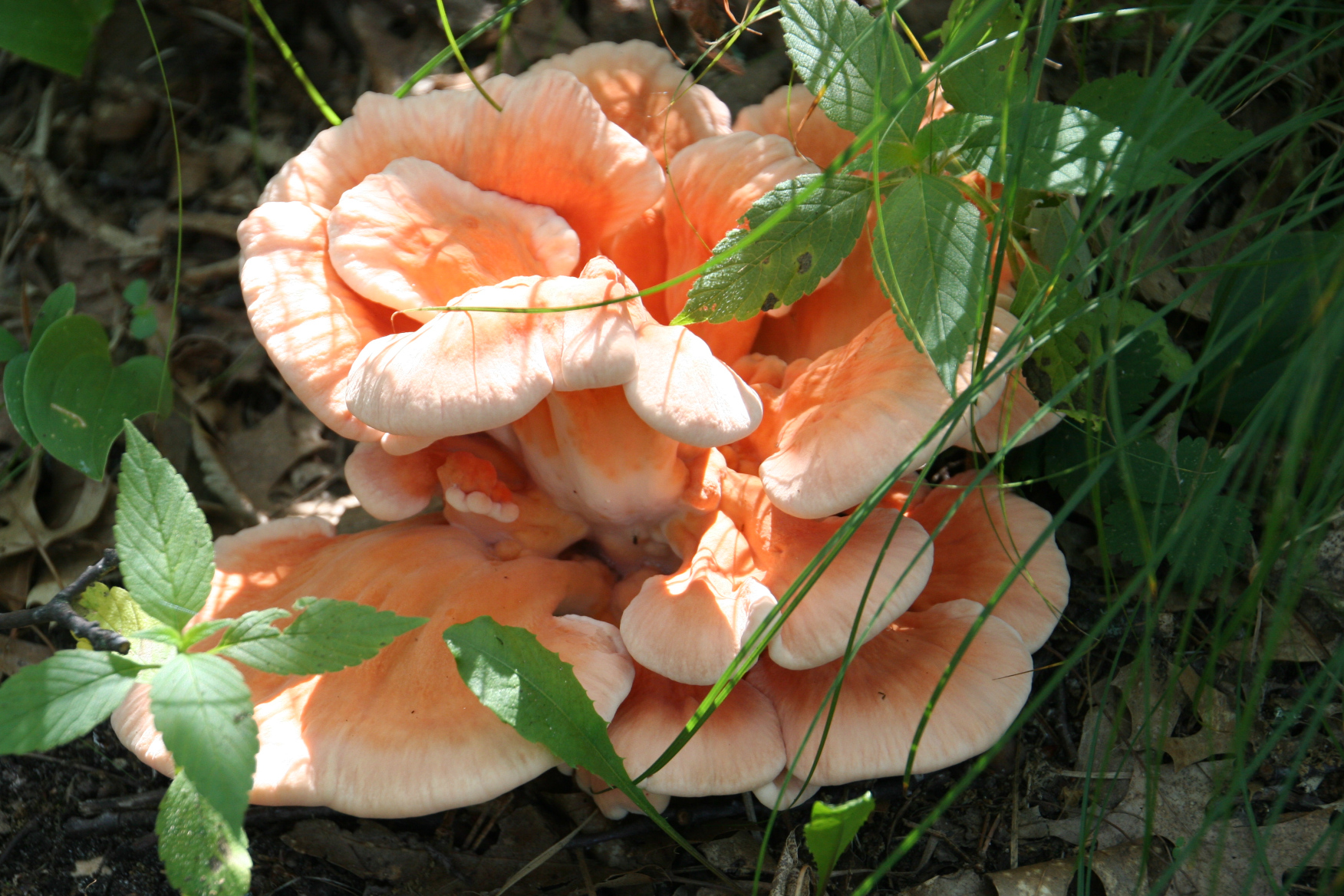
Every time I’m here, I discover a different fungi in the woods. (Minnesota Prairie Roots copyrighted photo July 2022)

I had hoped to walk along the paved trail to show everyone the massive orange mushroom I spotted previously. But, instead, we headed back to the park’s main recreational area.

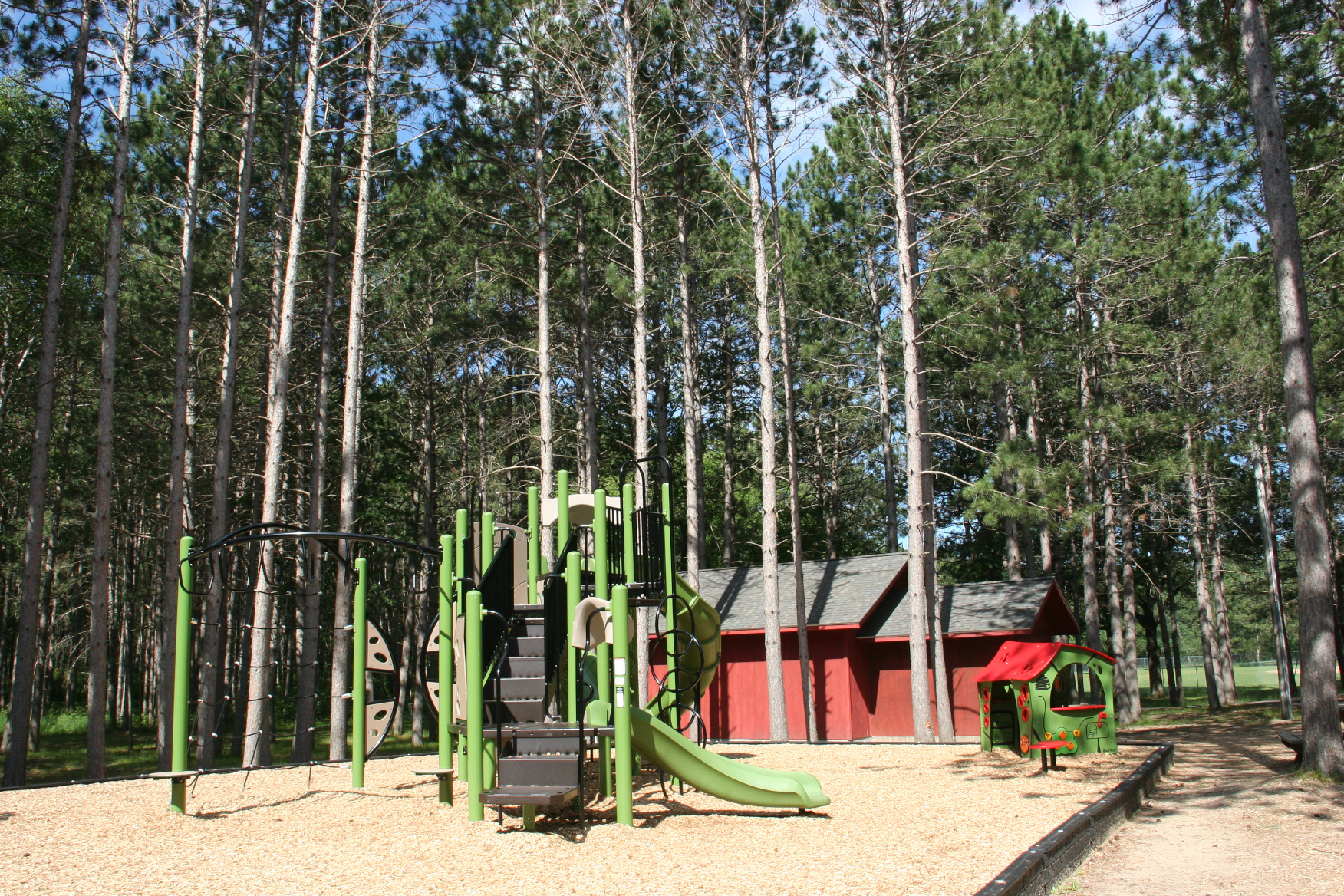
The grandkids loved the new playground equipment. (Minnesota Prairie Roots copyrighted photo July 2022)

Mission Park offers plenty of play space for those who prefer to stay off grassy trails into the woods. Like new playground equipment.

A spacious pavilion among the pines, next to the playground, provides a place to gather. (Minnesota Prairie Roots copyrighted photo July 2022)

Other recreational options abound with several pickleball courts, disc golf, a ball field, tennis courts, horseshoe pits and volleyball courts. A pavilion offers shelter for outdoor dining. Noticeably missing are bathrooms. There are outhouses, though, with which I am also familiar having used one for the first 11 years of my life.

Thistles flourish in the Pollinator Habitat. (Minnesota Prairie Roots copyrighted photo July 2022)

I appreciate the forward thinking of the good folks of Mission Township who, in 1959, purchased 39 acres for $1 with the intent of maintaining the natural beauty of the land and making it available for recreational use.

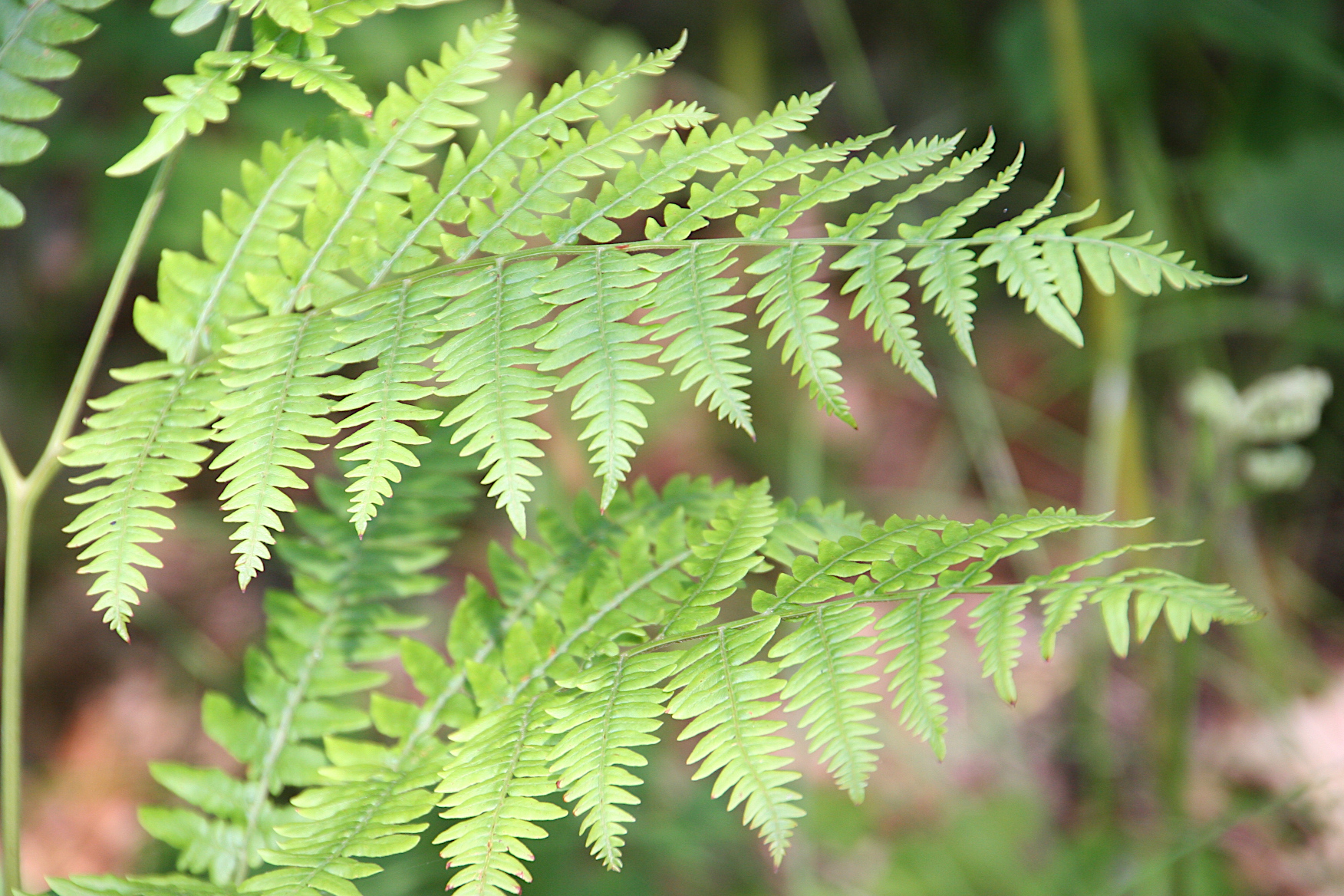
Ferns, one of my favorite plants, grow wild in the woods. (Minnesota Prairie Roots copyrighted photo July 2020)

This “quiet place to be” has quickly become a favorite nearby place to explore whenever I’m at Jon and Rosie’s lake cabin.

© Copyright 2022 Audrey Kletscher Helbling

 

The Minnesota experience: Going Up North to the cabin August 29, 2022

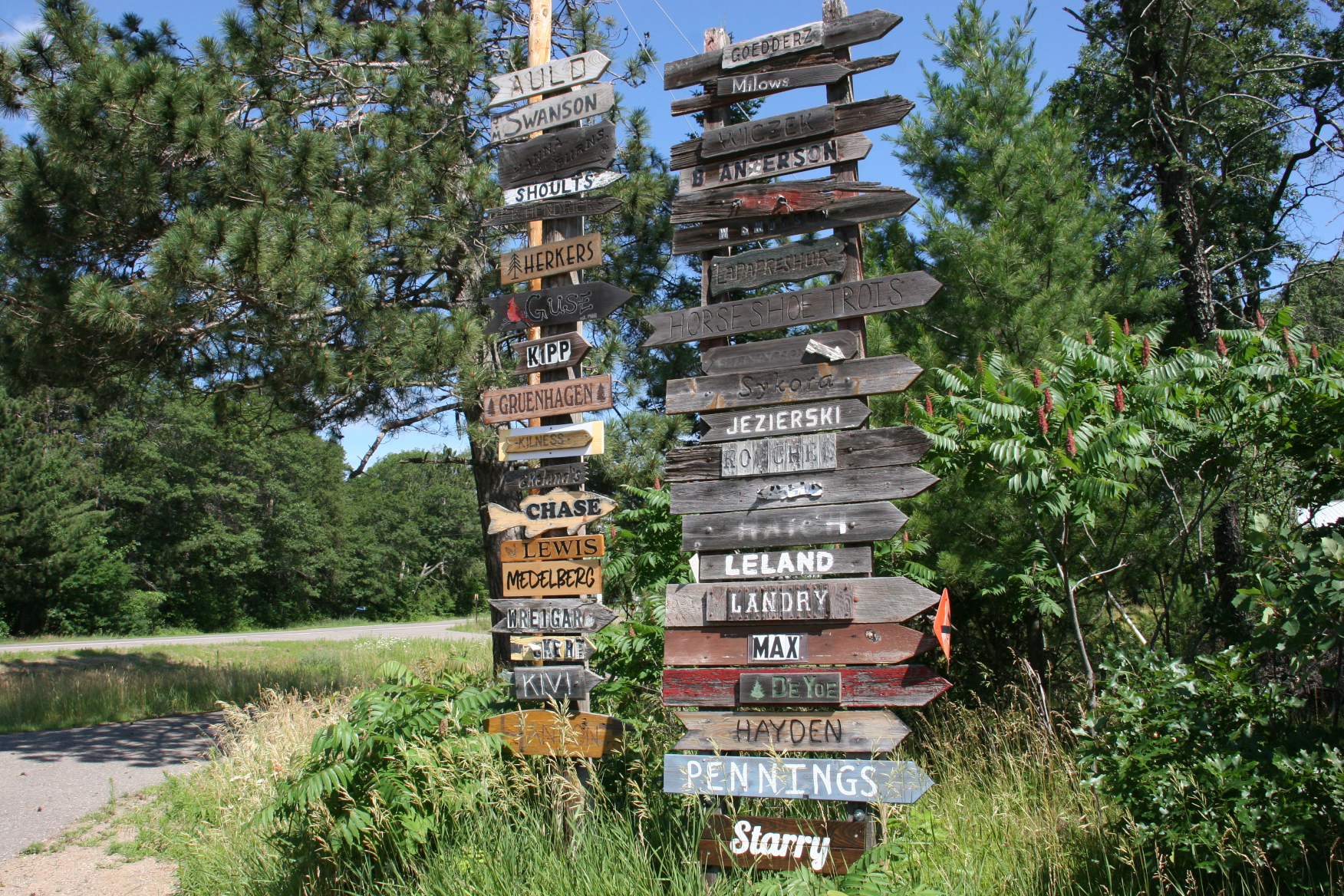
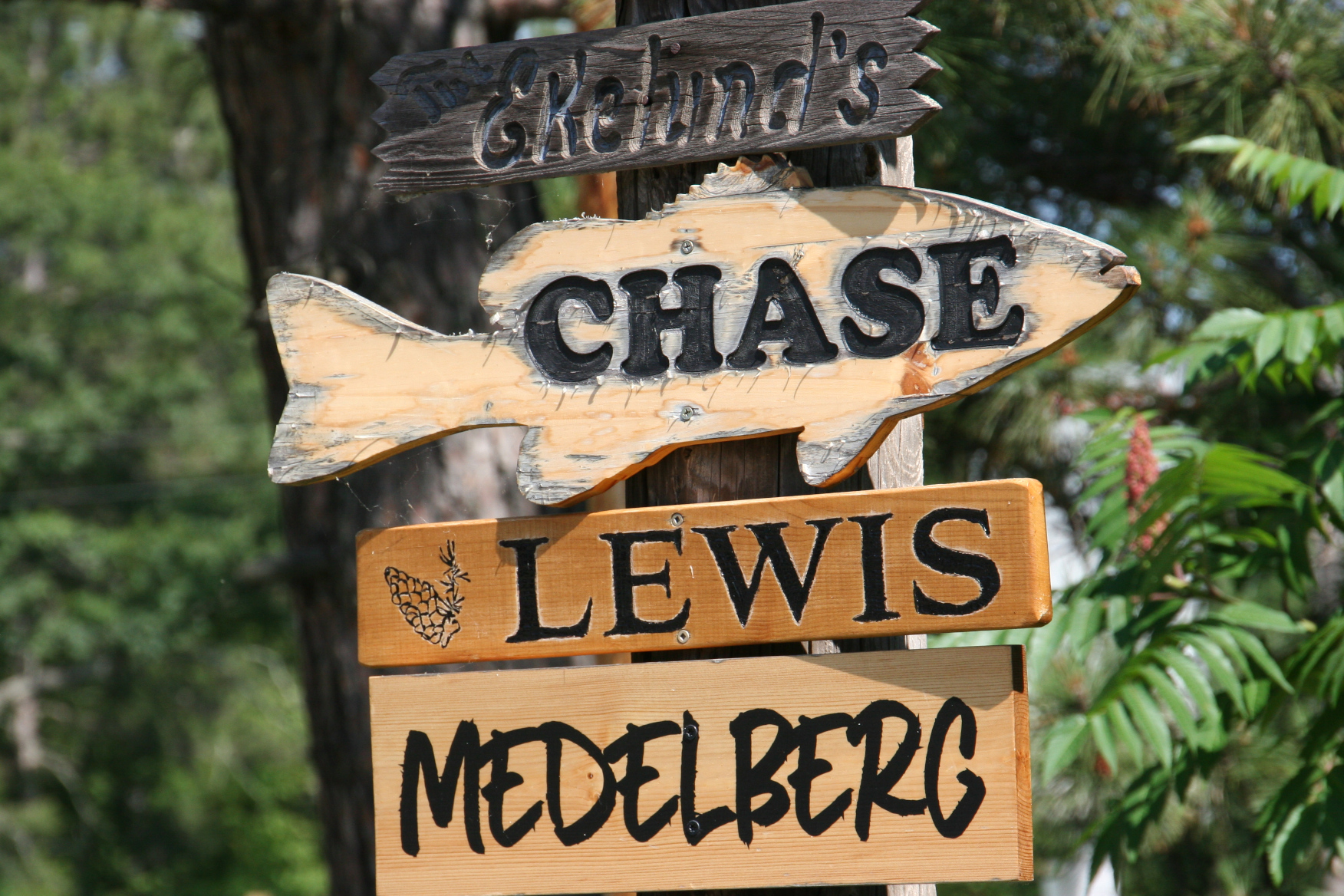
Homemade roadside signs identify lakeshore property owners along Horseshoe Lake. These signs are posted all over lake cabin country. (Minnesota Prairie Roots copyrighted photo July 2022)

FOR MANY MINNESOTANS, summer means going Up North. That escape to lake and cabin country has been, for me, elusive, not part of my personal history, until recently. Now, thanks to the generosity of a sister-in-law and brother-in-law, who own lake shore property in the central Minnesota lakes region, going Up North is part of my summertime, and sometimes autumn, experience.

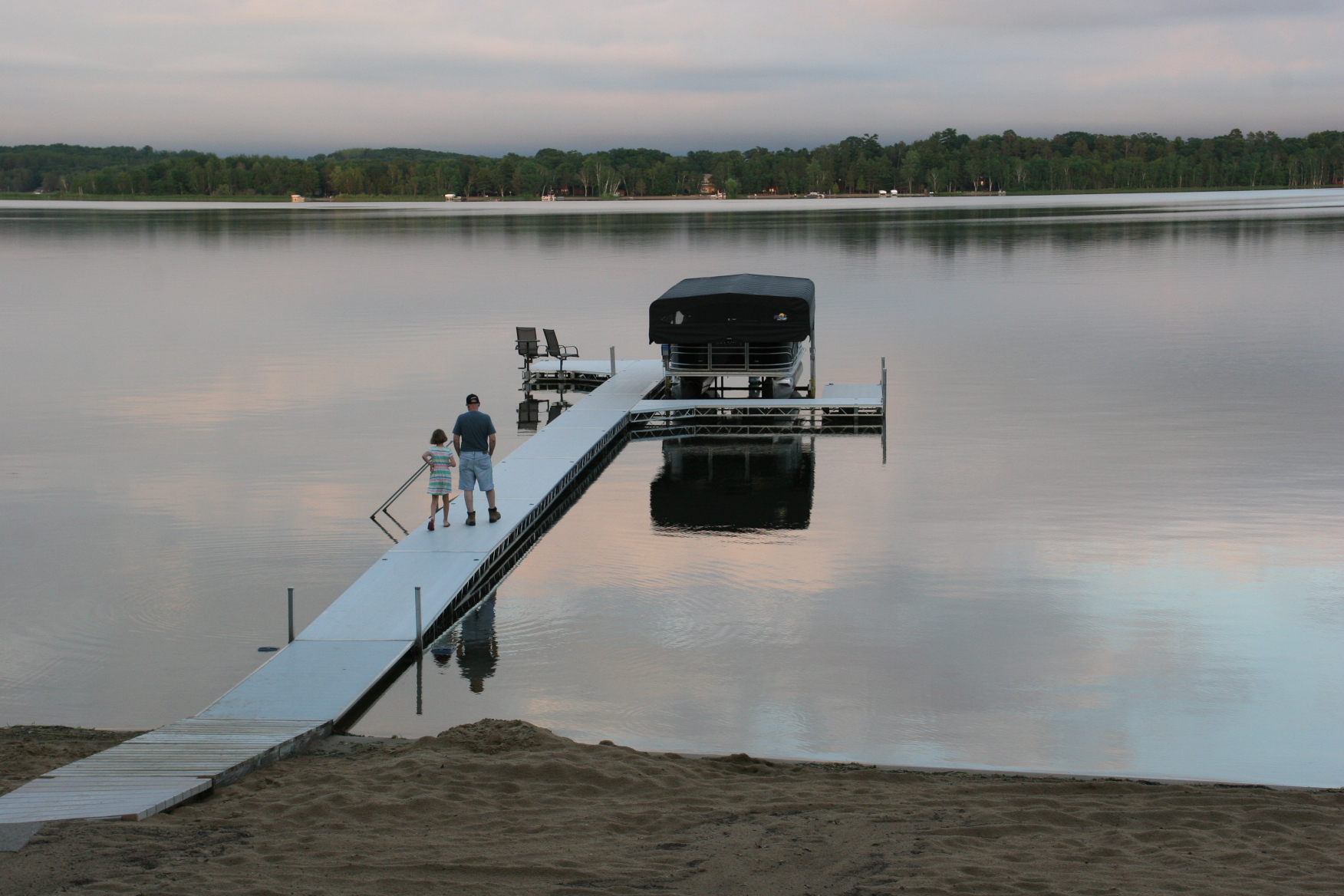
Randy and our granddaughter, Isabelle, 6, head onto the dock in Horseshoe Lake. (Minnesota Prairie Roots copyrighted photo July 2022)

Now I understand what I’ve missed—the peacefulness of simply getting away from it all, the beauty of immersing one’s self in nature, the quieting of the spirit beside the water, in the woods, on the beach.

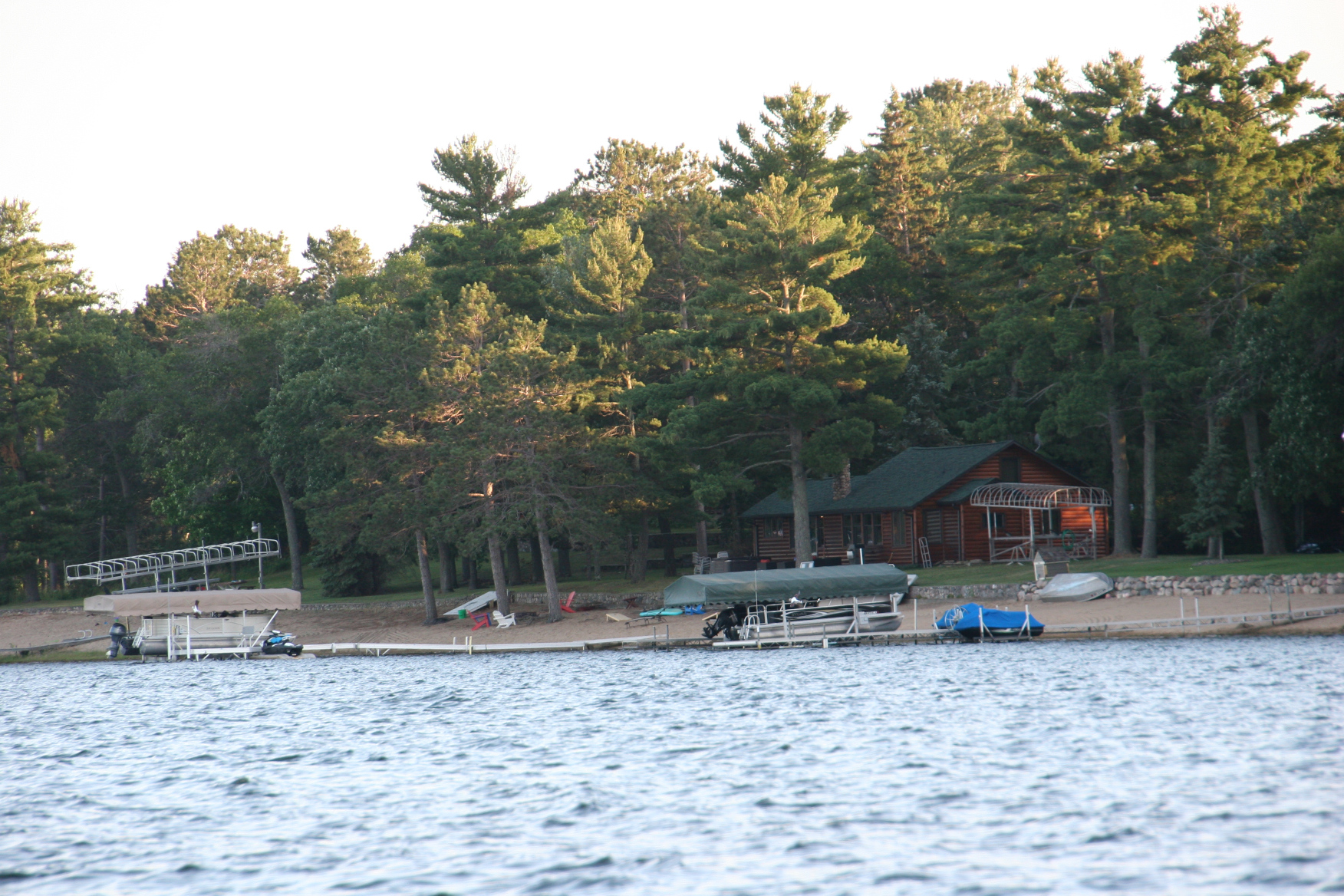
A northwoods style cabin across the lake from where we stay. (Minnesota Prairie Roots copyrighted photo July 2022)

In this land of 10,000-plus lakes, I’ve discovered the draw of lake life. I grew up on a crop and dairy farm in southwestern Minnesota, where lakes are few. I can count on three fingers the number of vacations during my youth—one to Duluth at age four, one to the Black Hills of South Dakota as a pre-teen and then camping once with an aunt and uncle at Potato River Falls in Wisconsin. That’s it. Cows have a way of keeping farm families home. My kids will tell you that our family vacations were mostly to visit grandparents with a few camping trips and other close by trips tossed in. No going Up North to a cabin.

I love the kitschy roadside signs pointing to lake properties. (Minnesota Prairie Roots copyrighted photo July 2022)

But now, oh, now, several summers into going Up North to the lake cabin, I fully embrace what so many Minnesotans hold in their family histories.

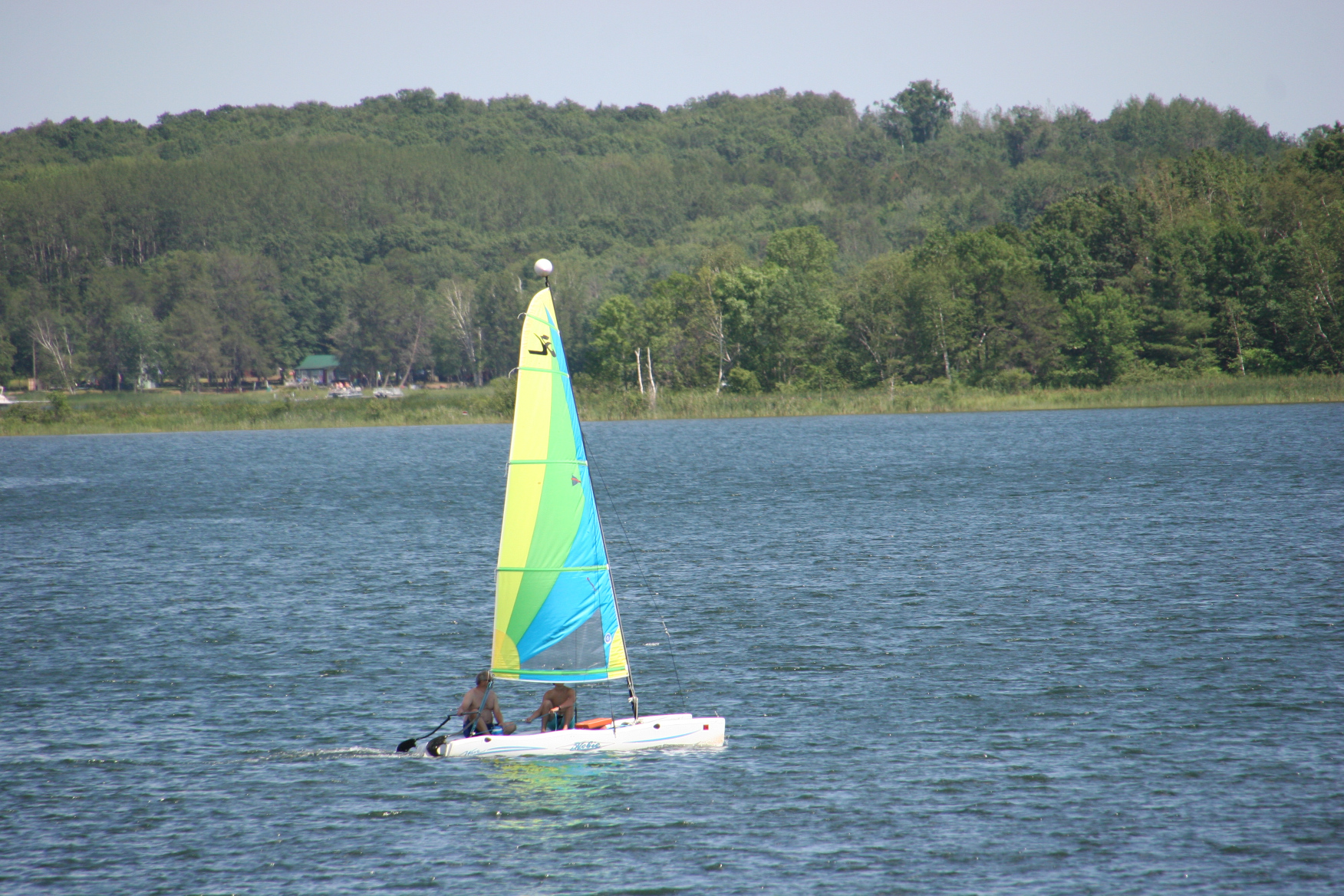
Sailing on Horseshoe Lake. (Minnesota Prairie Roots copyrighted photo July 2022)

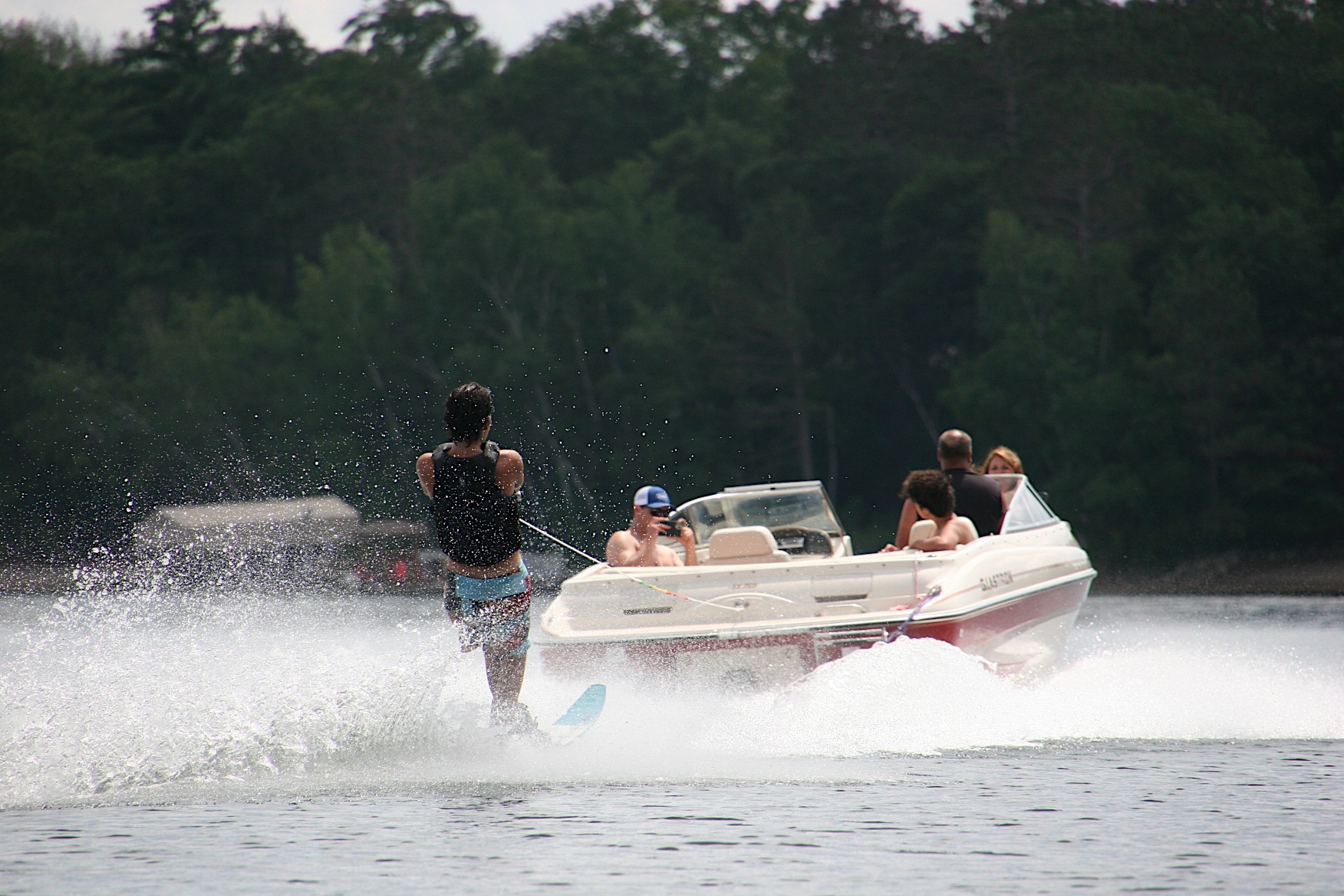
Waterskiing is part of the lake experience for some. (Minnesota Prairie Roots copyrighted photo July 2022)
Sunset on Horseshoe Lake. (Minnesota Prairie Roots copyrighted photo July 2022)

The appeal of a lake comes for me not in boats or jet skis or sailboats or kayaks or paddleboards, but rather in the natural aspect. The sun rising over the lake, painting pink across the sky. The sun lowering, bathing the far shore treeline in dusk’s light. The moon rising.

Loons glide across Horseshoe Lake near the dock. (Minnesota Prairie Roots copyrighted photo July 2022)

And then in the water, the watching of loons as they glide, duck, emerge, their haunting voices breaking the silence of early morning. I never tire of seeing them, of hearing their call, of observing babies swim near their protective parents.

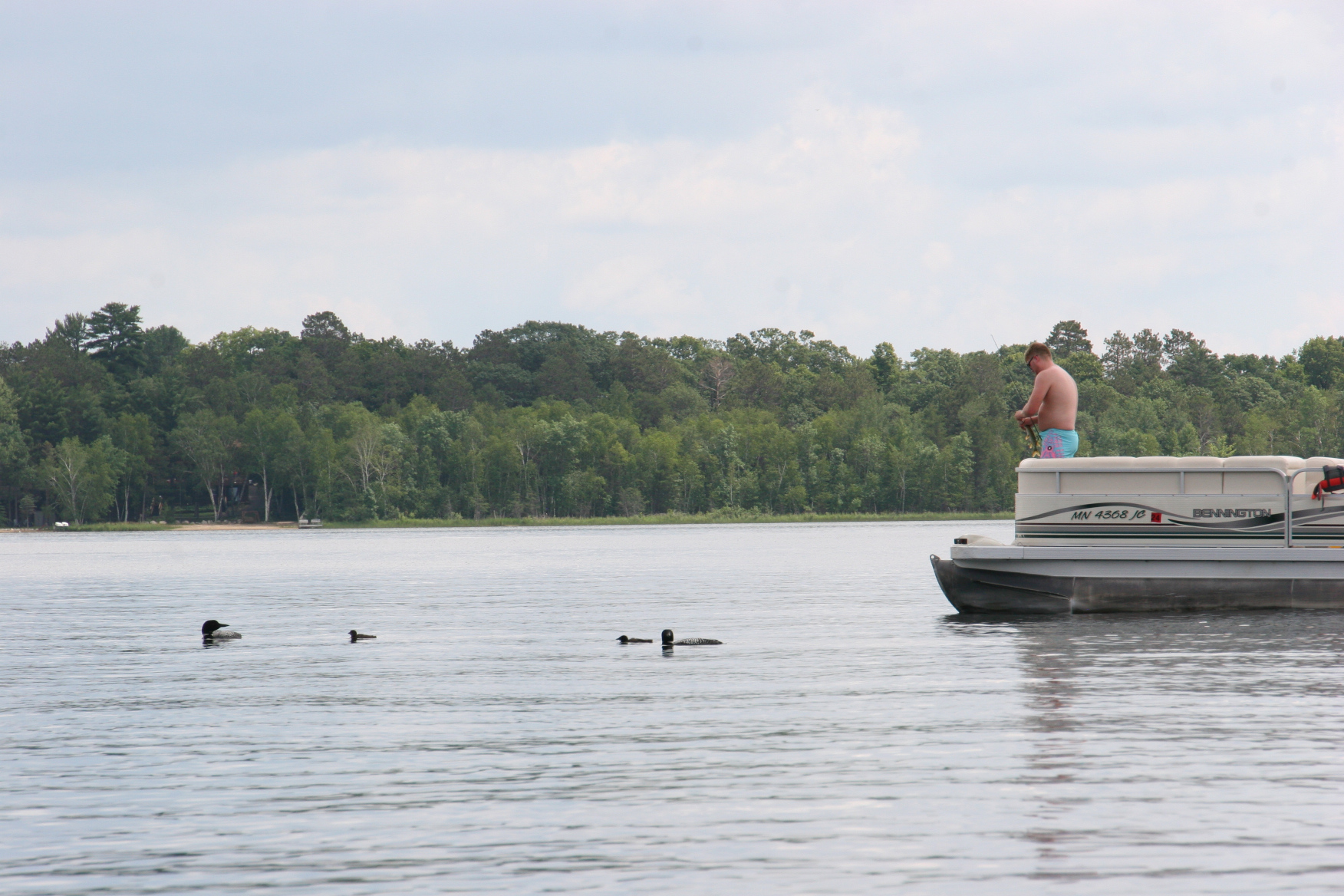
A loon family seemingly unbothered by a nearby pontoon. (Minnesota Prairie Roots copyrighted photo July 2022)

For a few summers, eagles lived in a nest on the family lake property. To see those massive birds on-site, flying into the treetop nest, perched there, proved fascinating. They’ve moved on to another location and eagle sightings are infrequent.

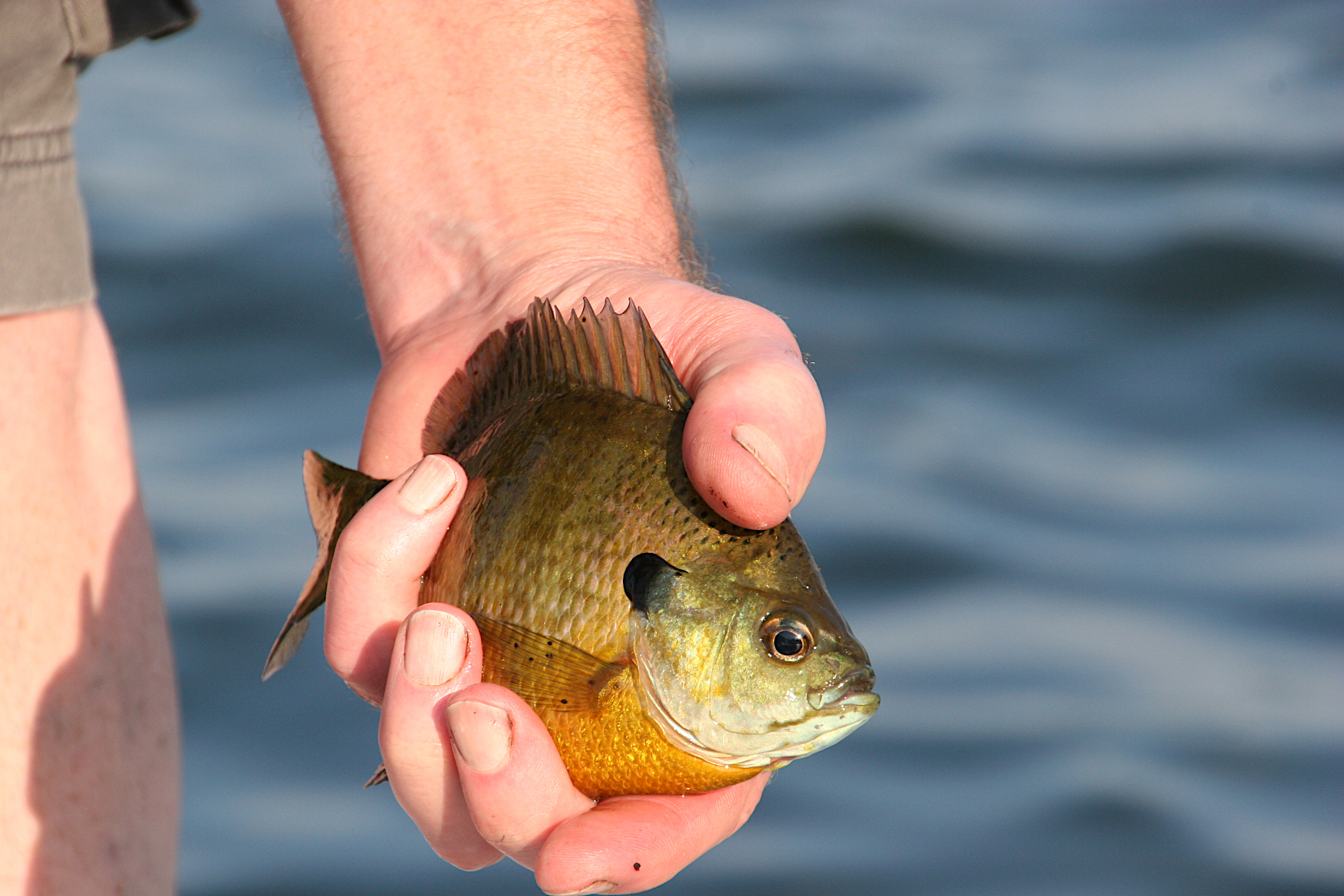
A bluegill caught from the dock. (Minnesota Prairie Roots copyrighted photo July 2022)

The clarity of Horseshoe Lake continues to impress me. I can see fish swimming in schools and some singularly. That’s vastly different from southern Minnesota lakes, most murky and green. Unappealing. But here fish bite by the dock, exciting the grandchildren and Grandma, too.

Typically the adults make a brewery stop. (Minnesota Prairie Roots copyrighted photo July 2022)

Our eldest daughter and her family are part of this Up North experience and it is perhaps that which most pleases me. To have this time together—eating meals lakeside, swimming, fishing, taking nature walks, sitting around a campfire and making s’mores, going into Crosslake for ice cream or craft beer—all of these moments I treasure. We are connecting, making memories, delighting in one another in a beautiful and peaceful setting. If only our other daughter and her husband and our son could join us, then my joy would be complete. But given the distance they live from Minnesota and their job and school obligations, I don’t expect a full house at the cabin.

Randy fishes with both the grandchildren, here Isaac, age three. (Minnesota Prairie Roots copyrighted photo July 2022)

So I celebrate the Up North time we have, whether just Randy and me at the cabin or six of us. I love walking the long drive buffeted by towering pines. I love the stillness of the lake in the early morning. I love the crackle of burning wood and the taste of gooey s’mores. I love the lack of obligations and schedule and plenty of time to read a book or lounge on the beach, the sun warming the sand and my skin. I love every minute with those I love. I love that going Up North is now part of my life story, even if it took well into my sixties to write that chapter.

TELL ME: If you’re from Minnesota, do you go Up North? If you’re from elsewhere, do you have a similar escape? Please share. I’d love to hear your stories.

Please check back for more posts about going Up North.

© Copyright 2022 Audrey Kletscher Helbling


More than a garden…a place of peace & respite August 18, 2022

A coneflower up close in the Rice Country Master Gardeners Teaching Garden. (Minnesota Prairie Roots copyrighted photo August 2022)

ANYONE WHO GARDENS understands just how quickly plants can grow. Sunshine and rain make all the difference.

Vegetables grow in the foreground in this photo, other plants and flowers beyond. (Minnesota Prairie Roots copyrighted photo August 2022)

A month had passed between visits to the Rice County Master Gardeners Teaching Garden located at the Rice County Fairgrounds in Faribault. And in those few weeks, the vegetables, flowers and other plants grew in length, height and width, some blossoming, some with fruit emerging.

A mini sunflower of sorts (I think) bursts color into the garden. (Minnesota Prairie Roots copyrighted photo August 2022)

There are signs aplenty in this teaching garden. (Minnesota Prairie Roots copyrighted photo August 2022)

An eggplant blossom. (Minnesota Prairie Roots copyrighted photo August 2022)

To walk here again among the prairie flowers, the zinnias, the hydrangea and hosta, the burpless cucumbers, eggplants, tomatoes and much more is to feel a deep connection to the earth. For it is the soil which roots, which feeds these plants watered by the sky, energized by the sun.

Gardening equipment stashed in a secure area next to the conservation building by the garden. (Minnesota Prairie Roots copyrighted photo August 2022)

And it is volunteer gardeners who plant and tend this beautiful garden for the enjoyment of many. Like me. I appreciate their time, their efforts, their desire to create this peaceful place in my community.

This broad-leafed plant name fascinates me. (Minnesota Prairie Roots copyrighted photo August 2022)

Aiming the camera down at Silver Mound, a wispy plant that I’ve never seen before. (Minnesota Prairie Roots copyrighted photo August 2022)

A cucumber forming. (Minnesota Prairie Roots copyrighted photo August 2022)

To visit this spot is to understand how much we each need such a contemplative place. A place simply to meander along wood chip or brick pathways, pausing to appreciate the likes of broad-leafed Pig Squeak or the silvery sheen of Silver Mound or a little-finger-sized prickly cucumber or a Prickly Pear Cactus. There’s a lot to take in among the vast plant varieties.

One of the man-made tree stumps gurgles water. (Minnesota Prairie Roots copyrighted photo August 2022)

The water feature is to the right of this centering circle. Across the way are an historic church and school, part of the Rice County Historical Society. (Minnesota Prairie Roots copyrighted photo August 2022)

And then there’s the water, oh, the water. No garden feature soothes more than a fountain. Here five replica tree stumps spill water into a shallow pond, a focal point defined by a circle of bricks connected to brick paths.

I notice details, like a feather in a bird bath. (Minnesota Prairie Roots copyrighted photo August 2022)

Even a bird bath drew my attention with a feather floating therein.

A lily blooms in early August. (Minnesota Prairie Roots copyrighted photo August 2022)

The garden also features an arch for climbing clematis, which bloomed profusely earlier in the summer. (Minnesota Prairie Roots copyrighted photo August 2022)

A bee house posted on a tree by the garden. (Minnesota Prairie Roots copyrighted photo August 2022)

Strategically situated benches offer sitting spots to pass the time, chat, read a book or simply take in the garden, the being outdoors, in nature. In this fast-paced world of technology and a deluge of news that is often awful and horrible and unsettling, this garden provides a respite. Nature has a way of working calm into our beings. Easing stress and anxiety. Lifting spirits.

Lovely flowers fill the garden. (Minnesota Prairie Roots copyrighted photo August 2022)

In the challenges which have defined my life in 2022, I feel a deep sense of gratitude for this garden. I feel at peace here among the flowers and vegetables, the birds and butterflies, bushes and trees, here under the southern Minnesota sky.

© Copyright 2022 Audrey Kletscher Helbling
 

The poetic joy of a butterfly August 17, 2022

An Eastern tiger swallowtail butterfly atop a zinnia. (Minnesota Prairie Roots copyrighted photo August 2022)

EVERY TIME I SPOT A BUTTERFLY, joy surges through me. There’s something about the flitting flight of a butterfly that captivates me.

But it’s more than that. I appreciate how these insects appear so carefree, as if their very existence is simply to bring beauty and joy into the world. And maybe it is.

The butterfly perches among my favorite garden flowers, zinnias. My mom planted zinnia seeds when I was growing up on the farm. Zinnias are easy to grow from seed, are prolific, hardy and colorful. (Minnesota Prairie Roots copyrighted photo August 2022)

In recent days, I’ve observed two swallowtail butterflies, one black, the other yellow, among the phlox growing wild in my flowerbeds. And some 10 days ago I photographed an Eastern tiger swallowtail atop a zinnia at the Rice County Master Gardeners Teaching Garden in Faribault.

That well-tended garden has become a new favorite oasis for me within the city limits. On the Sunday afternoon I visited the garden, I found friends Paula and Ed already there, resting on a bench. Paula was involved early on with development of this garden. She no longer is, but remains an active gardener. Paula was the one who spotted the swallowtail among the zinnias.

Per her direction, I headed to the zinnia patch to photograph the yellow swallowtail with wings outlined in black, splotches of blue and orange adding to the coloring.

Black-bordered wings are nearly wide open atop a zinnia. (Minnesota Prairie Roots copyrighted photo August 2022)

The swallowtail perched, unhurried atop the yellow-centered pink flower. I had plenty of time to snap multiple frames. That’s often not the case with butterflies.

That butterflies survive a four-stage life cycle from egg to larva (caterpillar) to pupa (chrysalis) to adult butterfly impresses me. At any one stage, a predator could end their lives. But yet, here was this beautiful butterfly among the zinnias. Like the final verse in a lovely summer poem.

TELL ME: What do you appreciate about butterflies? Do you have a favorite?

© Copyright 2022 Audrey Kletscher Helbling
 

The power of the Zumbro August 11, 2022

Fishing at the base of the Lake Zumbro Dam. (Minnesota Prairie Roots copyrighted photo May 2022)

WATER RUSHES IN A SHEET over the dam, a powerful wall of water spilling from the 600-acre Lake Zumbro reservoir into the river below by Mac’s Park Place & Campground in rural Mazeppa.

An overview of the dam and fishing area next to Mac’s. (Minnesota Prairie Roots copyrighted photo May 2022)
Mac’s Park Place by the Zumbro River and dam. (Minnesota Prairie Roots copyrighted photo May 2022)
The 100-plus year-old powerhouse. (Minnesota Prairie Roots copyrighted photo May 2022)

Until several months ago, I was unaware of this hydroelectric generating plant along the Zumbro River in southeastern Minnesota. But Randy and I discovered the Rochester Public Utilities facility after turning off Wabasha County Road 21 onto a gravel road that led us to Mac’s at the base of the dam.

The Lake Zumbro hydroelectric dam. (Minnesota Prairie Roots copyrighted photo May 2022)

I stood in awe of this structure with a spillway spanning 440 feet and a height of 55 feet. Constructed beginning in 1917 and operating since 1919 under ownership of the RPU, this hydroelectric generating plant is on the National Register of Historic Places. It’s truly an amazing feat of engineering and construction. Renowned engineer Hugh L. Cooper led the project.

A hillside of trees hugs the bank of the Zumbro River. (Minnesota Prairie Roots copyrighted photo May 2022)

Not only are the dam and powerhouse impressive, but so is the natural setting in the backwoods of the river valley. Here trees fill the hillside across the Zumbro from Mac’s. In the greening of spring, when we visited, the scene was wild, scenic, beautiful. I expect autumn would yield a hillside flaming in color.

Fishing below the Lake Zumbro Dam on a Saturday afternoon. (Minnesota Prairie Roots copyrighted photo May 2022)

An angler’s gear, beverages, etc. (Minnesota Prairie Roots copyrighted photo May 2022)
Fishing along the grassy river bank. (Minnesota Prairie Roots copyrighted photo May 2022)

On a Saturday afternoon in May, anglers angled for fish in the placid river, the roaring dam nearby, dwarfing their size. Access to this seemingly popular fishing spot comes via Mac’s, which charges a fee for non-campers.

Fishing near that powerful wall of rushing water. (Minnesota Prairie Roots copyrighted photo May 2022)

In August 2019, this was the site of a boating incident which injured four people after their pontoon plunged over the dam. I can’t imagine the terror they felt in that moment of realizing what was about to happen.

Angling in the Zumbro River. (Minnesota Prairie Roots copyrighted photo May 2022)

There’s power here, in this wall of water. I heard it, saw it, felt it.

This rock formation in the Zumbro River caught my eye. (Minnesota Prairie Roots copyrighted photo May 2022)

But then I experienced the power, too, that comes with this natural setting. The power to quiet the spirit in the placid river, the rock formations, the tree-filled hillside… The Zumbro River can be harnessed, but not tamed. There’s an undeniable wildness in this place that yields peace.

© Copyright 2022 Audrey Kletscher Helbling
 

Reflecting on the Wahpekute in my area of Minnesota August 4, 2022

Following the Wahpekuta Trail (albeit incorrectly spelled) at Sakatah Lake State Park, rural Waterville, Minnesota. (Minnesota Prairie Roots copyrighted photo June 2022)

IF I WAS TO CLIMB the hill behind my house through the tangle of weeds, wildflowers and woods, I would reach Wapacuta Park. But it’s easier to take the street and then the mowed hillside to this Faribault city park.

Years ago, this was the go-to spot for our family—for the kids to zoom down the towering slide and scale the massive rock in the summer and to slide down the sledding hill in the winter. Today it’s a place to occasionally take the grandkids to play on the updated playground.

My research shows this sign at Sakatah Lake State Park should be spelled differently, as Wahpehkute. (Minnesota Prairie Roots copyrighted photo June 2022)

But years ago, oh, so many years ago, this spot of land belonged to the Dakota. That I assume given its name—Wapacuta, even though incorrectly spelled. The correctly spelled Wahpekute are members of the Dakota Nation. My county of Rice is the homeland of these indigenous peoples. They are an integral part of Faribault history. Town founder and fur trader Alexander Faribault traded with the Dakota who lived in the area.

A posted map of the park. (Minnesota Prairie Roots copyrighted photo June 2022)

To the west, along Minnesota State Highway 60 between Faribault and Waterville, Sakatah Lake State Park also reflects the Dakota influence in its name. The native Dakota called the land thereon Sakatah or “singing hills” in their native language.

Native peoples sourced water directly from the Sakatah lakes, unlike here via a water pump. (Minnesota Prairie Roots copyrighted photo June 2022)

The Sakatah Singing Hills State Trail runs through the park for three miles. That trail spans 39 miles from Faribault to Mankato, another Dakota-sourced name correctly spelled Mahkato, meaning “greenish blue earth.” Mankato is the site of the largest mass execution in US history with 38 Dakota hung on December 26, 1862, after the US-Dakota War of 1862. It is a horrible atrocity in our state’s history and one which, to this day, remains unknown to too many Minnesotans.

Southern Minnesota lakes are typically polluted/green, not sky-tinted. Here the fishing pier at Sakatah State Park is inaccessible, not linked to land, due to excessive ice damage last winter. (Minnesota Prairie Roots copyrighted photo June 2022)

We are a state with many location names tracing back to the Dakota—Mankato, Wabasha, Wabasso, Sleepy Eye, Winona, Winnebago… Even the name Minnesota comes from the Dakota Mnisota, meaning “sky-tinted waters” and referencing the Minnesota River.

I saw several motorboats on the lake at Sakatah. (Minnesota Prairie Roots copyrighted photo June 2022)

On a mid-June visit to Sakatah Lake State Park, rural Waterville, I thought about the Dakota who lived on this land, including at a village on the point separating Upper Sakatah and Lower Sakatah Lakes. I imagined the Wahpekute gliding across the lakes in canoes, angling for fish in these waters.

Mushrooms cling to a tree in the woods. (Minnesota Prairie Roots copyrighted photo June 2022)

Then, as I followed the Wahpekuta Trail, I wondered about hunting and berry picking and perhaps mushroom gathering in the denseness of woods.

The Sakatah campgrounds fill quickly, like many Minnesota state parks. (Minnesota Prairie Roots copyrighted photo June 2022)

And, instead of campers in these trees, I imagined tipis.

We have much to learn as we follow the trails of history. (Minnesota Prairie Roots copyrighted photo June 2022)

I have much to learn about the Wahpekute. But at least I hold basic knowledge of their early presence here, of their importance in the history of this place I call home.

© Copyright 2022 Audrey Kletscher Helbling


Southern Minnesota bird stories, past & present July 27, 2022

A tiny bird perches in a fountain at the Rice County Master Gardeners Garden, Faribault, Minnesota. (Minnesota Prairie Roots copyrighted file photo July 2022)

I HAVE A MIXED OPINION of birds. I appreciate them at a distance, but not necessarily up close, although I’ve grown more comfortable with their nearness as I’ve aged. Just don’t plunk me in an enclosed garage or other space with a trapped bird. Outdoors is mostly fine.

Unfolding of wings to splash in the fountain. (Minnesota Prairie Roots copyrighted photo July 2022)

Recently I observed a cute little yellow bird, a finch, I think, dip into a tree stump water feature at the Rice County Master Gardeners Teaching Gardens at the county fairgrounds in Faribault. With a zoom lens on my 35 mm camera, I photographed the finch briefly splash in the water before flitting away. There was something joyful in that sole moment of focusing on a tiny winged creature.

Water droplets fly as this bird bathes in the fountain. (Minnesota Prairie Roots copyrighted photo July 2022)

We need such moments of simplicity. Of peace. Of birdsong, even if this bird isn’t singing. Moments to quiet our souls in the midst of too much busyness and too many distractions. And too much technology.

I remember how my mom loved the Baltimore orioles that one year, quite unexpectedly, showed up on my childhood farm in southwestern Minnesota flashing orange into the trees. She thrilled in their presence among all the blackbirds, sparrows and barn swallows. In her delight, Mom taught me that not all birds were like the swooping swallows I despised.

In my years of doing farm chores, I grew to dislike the swallows that dived as I pushed a wheelbarrow of ground feed down the barn aisle or shoved cow manure into gutters. That the barn ceiling was low only magnified their, to me, menacing presence. The swallows, I now acknowledge, were only protecting their territory, their young, in the mud nests they built inside the barn. And they ate mosquitoes, which I should have appreciated.

Yet I don’t miss the swallows or the rooster that terrorized my siblings and me, until the day Dad grabbed the axe and ended that.

More than 40 years removed from the farm, I seldom see barn swallows. Rather, in my Faribault backyard, I spot cardinals, wrens, robins and occasionally a blue jay. The front and side yards, however, bring massive crows lunching on remnants of fast food tossed by inconsiderate motorists who find my property a convenient place to toss their trash. I’ll never understand that disrespectful mindset of throwing greasy wrappers and bags, food bits, empty bottles and cans, cigarette butts, and more out a vehicle window.

And so these are my evolving bird stories—of shifting from a long ago annoyance of swallows to understanding their behavior, of delighting in the definitive whistle of a cardinal flashing red into the wooded hillside behind my Faribault home, of observing the feeding habits of crows in my front and side yards drawn to garbage tossed by negligent humans.

TELL ME: I’d like to hear your bird stories, positive or negative.

© Copyright 2022 Audrey Kletscher Helbling

 

Garden connections in Faribault, Part II July 25, 2022

In early July, lilies bloomed in the Rice County Master Gardeners Teaching Garden. (Minnesota Prairie Roots copyrighted photo July 2022)

IN MY FARIBAULT BACKYARD, wild tiger lilies stretch above a tangled mess of greenery, popping orange into the hillside. On the other side of town, domesticated orange lilies grace the neatly-cultivated Rice County Master Gardeners Teaching Gardens at the Rice County Fairgrounds.

The master gardeners’ milkweed patch. (Minnesota Prairie Roots copyrighted photo July 2022)

Also in my yard are scattered milkweeds, food for Monarch caterpillars. In the gardens tended by the experts, a mass of intentionally-planted milkweeds flourishes.

Clematis. (Minnesota Prairie Roots copyrighted photo July 2022)

Blocks away from my home, Donahue’s Greenhouse grows one of the largest selections of clematis in the U.S. That’s their specialty. Across town at the master gardeners’ garden, clematis climb an arbor, lovely blooms opening to the summer sky.

The Berry-Go-Round. (Minnesota Prairie Roots copyrighted photo July 2022)

Within a short distance of my home is the birthplace of the Tilt-A-Whirl, a carnival ride no longer made in Faribault but in Texas. On the edge of the master gardeners’ garden, a giant strawberry sits. It’s a Berry-Go-Round, a spin ride produced by Sellner Manufacturing beginning in 1987, before the company was sold.

Prickly pear cactus. (Minnesota Prairie Roots copyrighted photo July 2022)

More than 150 miles to the southwest of Faribault near the South Dakota border, prickly pear cactus thrive in the rocky lands of the prairie. I’ve seen them at Blue Mounds State Park near Luverne. And now I’ve seen them in the gardens at the local fairgrounds.

An overview of the Rice County Master Gardeners Teaching Gardens, photographed in early July, with an historic school and church (part of the county historical society) in the background. (Minnesota Prairie Roots copyrighted photo July 2022)

It’s interesting how, in life, so many connections exist. Even in a garden.

One of several benches in the master gardeners’ garden in Faribault. (Minnesota Prairie Roots copyrighted photo July 2022)

Gardens connect us to people, places, memories. A life that touches others goes on forever. I come from a family of gardeners tracing back generations. Vegetables grown in my mother’s massive garden fed me, and my family of origin, for the first 18 years of my life. I worked that garden with her, planting, weeding, tending, harvesting. I left gardening when I left southwestern Minnesota. But I still appreciate gardeners and gardens.

An artsy scene of clematis on arbor. (Minnesota Prairie Roots copyrighted photo July 2022)

I value the beauty of flower gardens, the purpose of vegetable gardens to feed. And I appreciate, too, the peace a garden brings. To sit among the blooms and plants in a garden oasis like the Rice County master gardeners created is to feel a calm, a sense of serenity in the midst of chaos and struggles and challenges.

The water feature is shaped like tree stumps. (Minnesota Prairie Roots copyrighted photo July 2022)

Water, especially, soothes me. The Rice County master gardeners understand that and added a water feature to their garden plot. I delighted in watching a tiny yellow bird (I think a goldfinch) splash in the water. Such a simple joy.

One of many educational signs in the Rice County Master Gardeners Teaching Gardens. (Minnesota Prairie Roots copyrighted photo July 2022)

And isn’t that part of a garden’s purpose—to bring joy? Joy to those who work the soil, seed or plant, tend and care for that which grows. Joy to those who delight in the all of it.

A sedum patch planted by the master gardeners. (Minnesota Prairie Roots copyrighted photo July 2022)

I feel such gratitude for gardeners, for the nurturing hands that link me to nature. It’s all about connecting to each other in this world we share, in the commonality of humanity.

#

Please click here to read my first post about the Rice County Master Gardeners Teaching Gardens. Watch for one final post in this three-part series.

© Copyright 2022 Audrey Kletscher Helbling
 

An oasis at the Rice County Fairgrounds, Part I July 18, 2022

Next to the conservation building, with an historic church and school in the background, the Teaching Gardens grace the Rice County Fairgrounds. (Minnesota Prairie Roots copyrighted photo July 2022)

AT THE RICE COUNTY FAIRGROUNDS in Faribault, an unexpected oasis brings nature into a setting of buildings, grandstand and roadways. It’s a welcome respite, this Rice County Master Gardeners Teaching Gardens.

I love the “tree stump” water feature that blends so naturally into the garden. (Minnesota Prairie Roots copyrighted photo July 2022)

On a Sunday in early July, Randy and I packed a picnic lunch and set out for the fairgrounds garden, a place we haven’t previously lunched. There we settled onto a fountain-side shaded bench, the soothing rush of water creating a peaceful ambiance.
Clematis. (Minnesota Prairie Roots copyrighted photo July 2022)
Sedum. (Minnesota Prairie Roots copyrighted photo July 2022)
Lilies. (Minnesota Prairie Roots copyrighted photo July 2022)

Afterwards, I ambled through these gardens, admiring the plants and blooming flowers. Clematis climbing an arbor. Sedum. Hosta. Lilies and roses and Pig Squeak. Masses of milkweed for monarch caterpillars. Eggplant, prickly pear cactus, Mugo pine and much more.
An overview of the gardens with vegetables in the foreground. (Minnesota Prairie Roots copyrighted photo July 2022)

If you’re into gardening, and even if you’re not, this compact garden patch showcases a wide variety of plants that are beautiful to behold. Some are grown as seed trial plants for the University of Minnesota.

The Seed Library. (Minnesota Prairie Roots copyrighted photo July 2022)
Seed packets inside the library. (Minnesota Prairie Roots copyrighted photo July 2022)

There’s a seed library, too, with packets of seeds tucked into a tiny red house similar to a Little Free Library.

Informational signage in the gardens. (Minnesota Prairie Roots copyrighted photo July 2022)

Strategically-placed signs identify plants and provide information about gardening in general. This is, after all, a teaching garden.

The milkweed patch with the Rice County Historical Society in the background. (Minnesota Prairie Roots copyrighted photo July 2022)
Roses. (Minnesota Prairie Roots copyrighted photo July 2022)

I believe these are onions gone to seed. (Minnesota Prairie Roots copyrighted photo July 2022)

But for me, these gardens proved primarily a spot to retreat for a bit, to immerse myself in a place that feels restful, soothing, calming. Connecting to nature, whether in a natural or cultivated setting always, always renews my spirit.

TELL ME: Have you found a similar oasis mini garden where you live?

Please check back for more photos from this lovely teaching garden in additional posts.

© Copyright 2022 Audrey Kletscher Helbling