Minnesota Prairie Roots

Writing and photography by Audrey Kletscher Helbling
Gliding across the ice in Faribault December 11, 2025

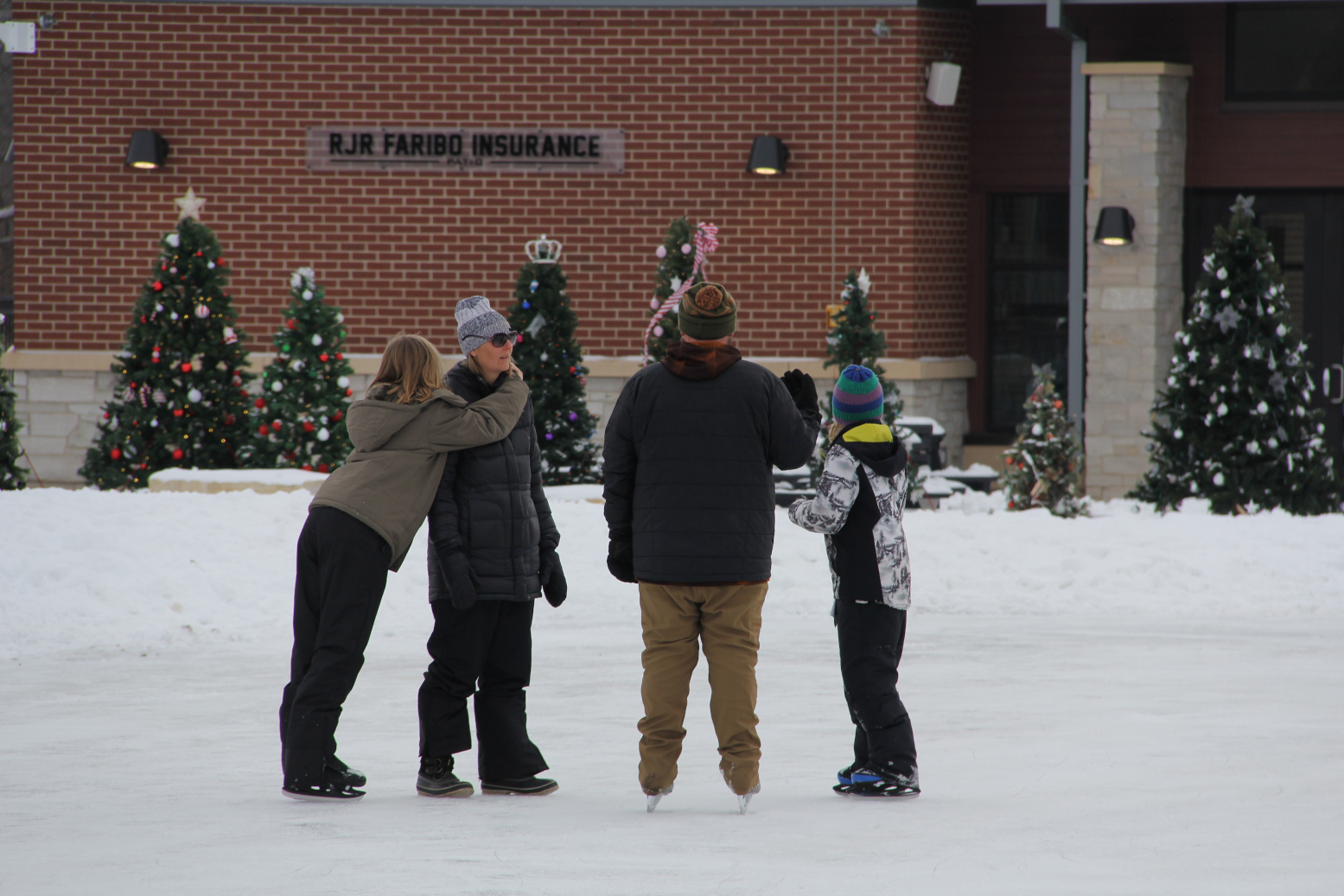
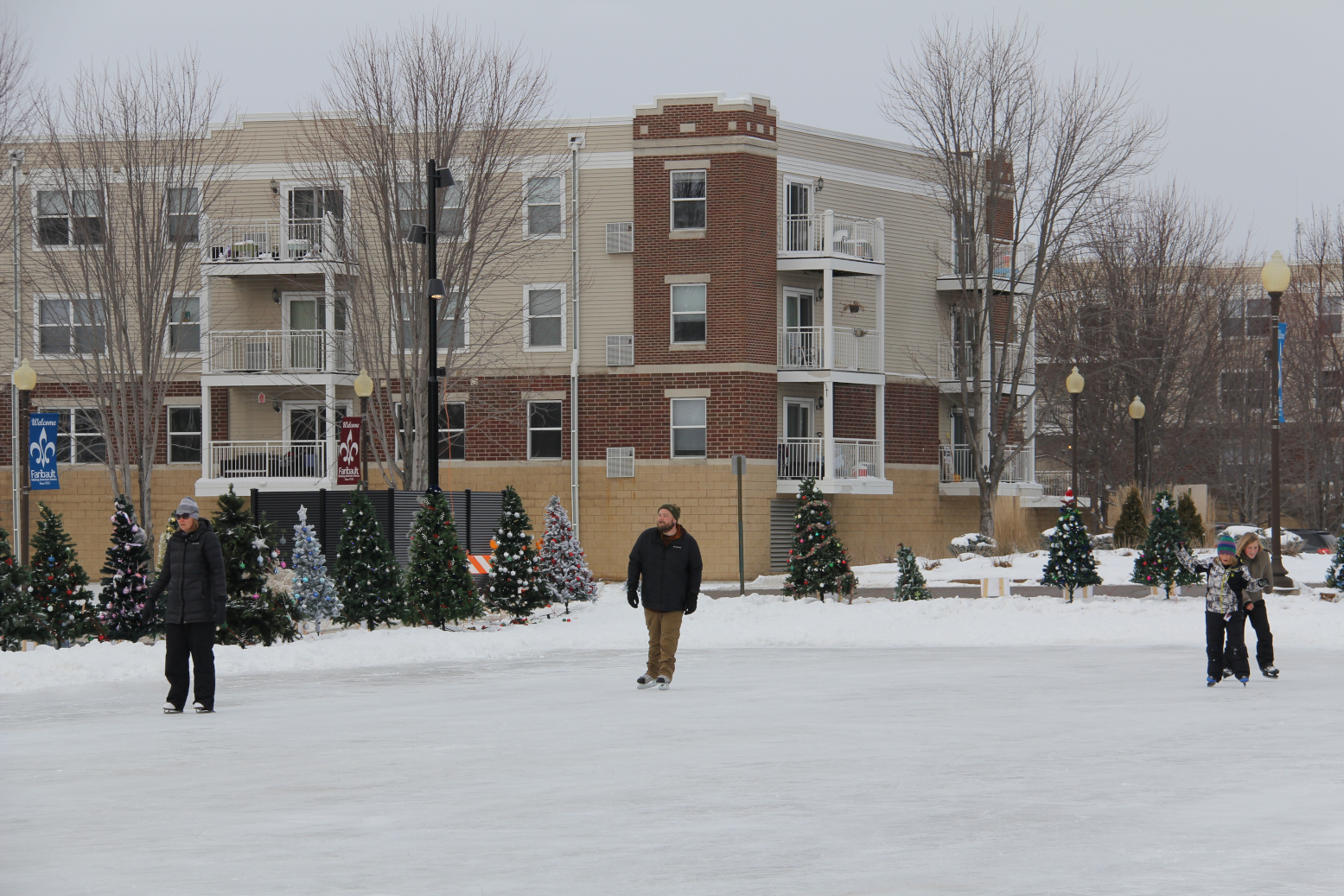
Skating at Viaduct Park in the heart of downtown Faribault with Heritage Bluff Apartments and Christmas trees from the Adopt-a-Tree program in the background. (Minnesota Prairie Roots copyrighted photo December 2025)

IF I WASN’T AFRAID of breaking a bone, I’d be out on one of our local rinks gliding across the ice on skates. But first I would need skates to replace the vintage ones I tossed years ago. Never mind. No possibility exists that I will lace up skates and take to the ice. Nope. I’d like to keep my life-time broken bone tally at two.

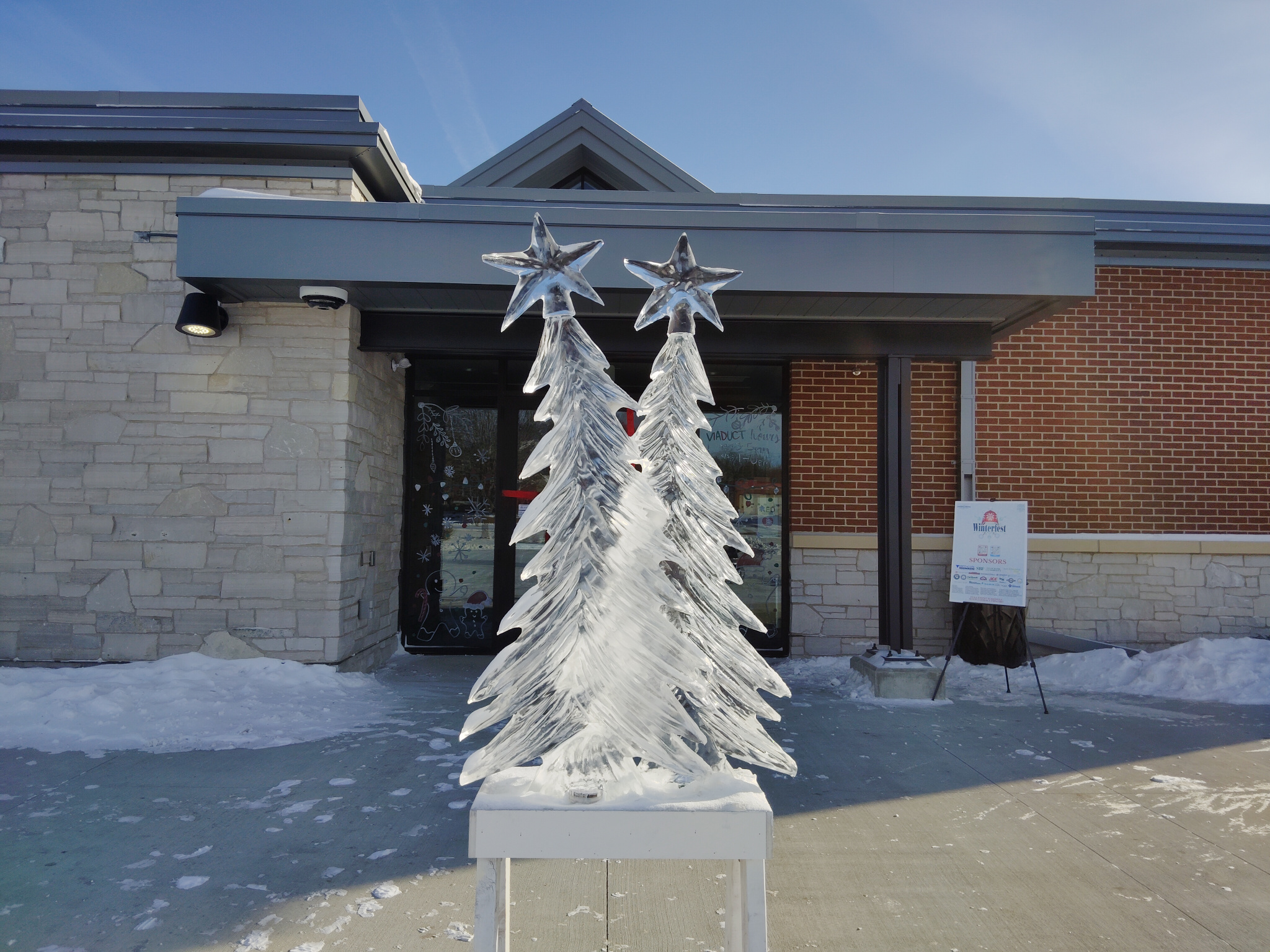
An ice sculpture, crafted for the recent Winterfest, stands outside the entrance to the Viaduct Park community space. The Park also features a splash pad, fire pit and eventually will have a refrigerated skating loop. (Minnesota Prairie Roots copyrighted photo December 2025)
The beautiful gathering room at Viaduct Park is available for rent and will also be the site of community activities and events. (Minnesota Prairie Roots copyrighted photo December 2025)
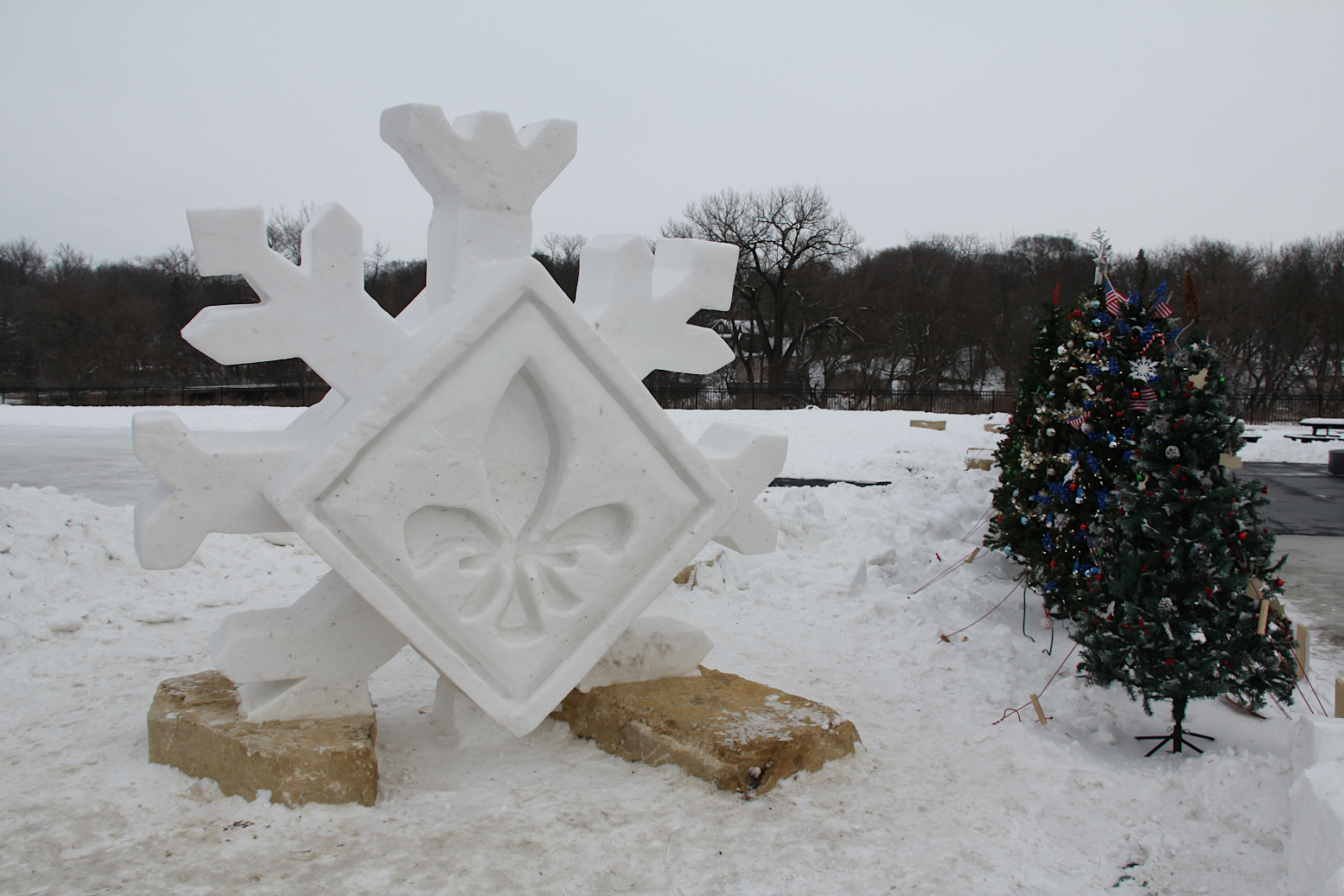
Shattuck-St. Mary’s School students sculpted this snowflake, with the city’s signature Fleur de Lis symbol, for the recent Winterfest. It’s next to the ice rink and has proven a popular photo op backdrop. (Minnesota Prairie Roots copyrighted photo December 2025)

But for those who can skate, Faribault now offers another public outdoor rink at the city’s newest centerpiece park, Viaduct Park. Located below and next to the viaduct crossing the Straight River and train tracks, the park features a community space with a gathering room and a smaller warming room.

In the warming room, which opens to the rink, skaters can sit down to don or remove skates. (Minnesota Prairie Roots copyrighted photo December 2025)

Skaters looking for a place to lace up and later warm up can use the building, which is open from 3-5 pm weekdays and from 1-6 pm weekends. Plus, they can buy concessions like hot chocolate, coffee, popcorn and other snacks at the concession stand. The rink remains open until 9 pm as does the one near Jefferson Elementary School.

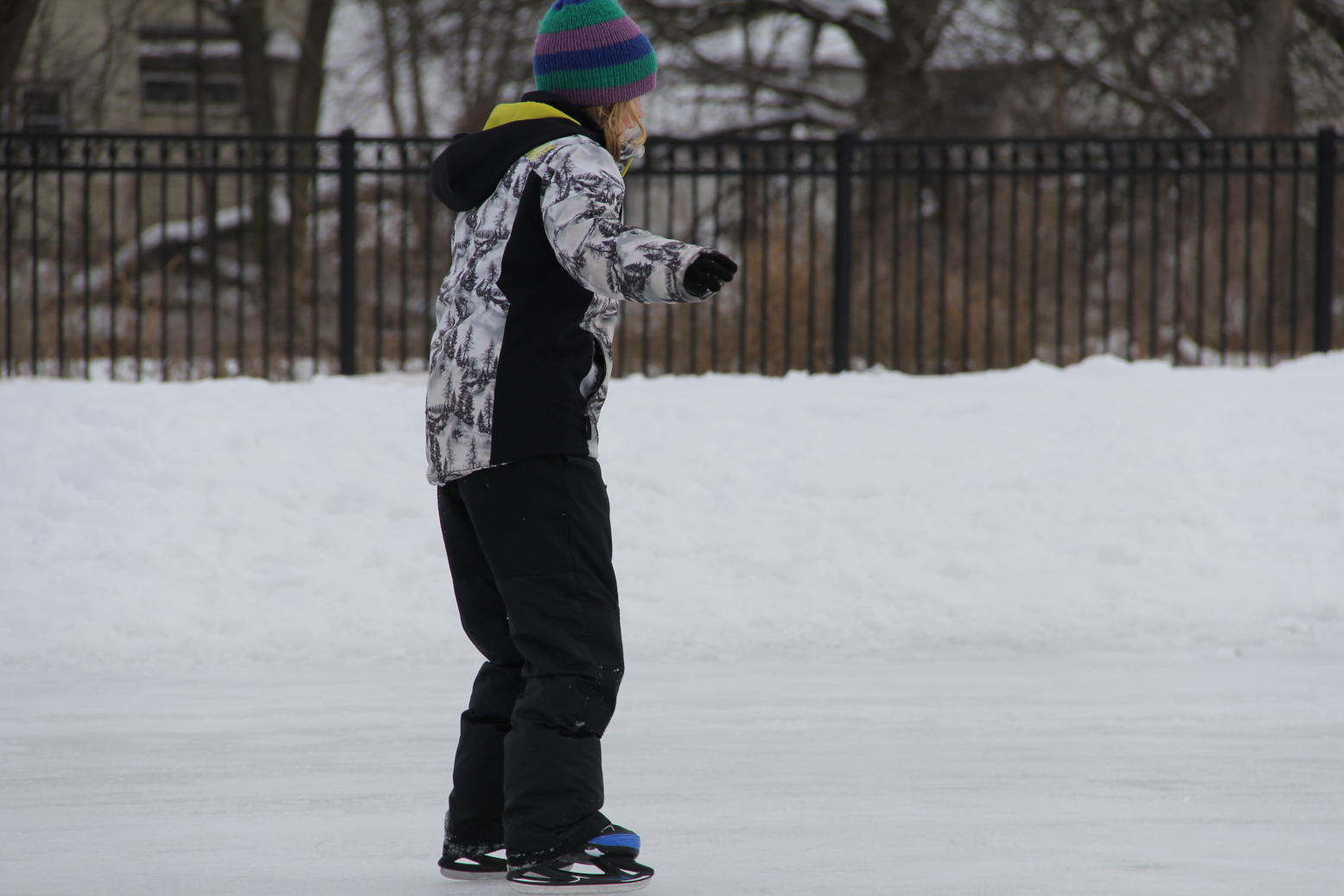
Gliding across the ice at Viaduct Park. (Minnesota Prairie Roots copyrighted photo December 2025)

Oh, how I would have appreciated a warming house like the one at Viaduct Park while skating on the pond next to the grain elevators in my small southwestern Minnesota hometown in the 1960s and 70s. We were left to the elements of cold and wind without even so much as a crude shelter. At least I don’t remember one.

My skates were passed down to me from my Aunt Dorothy and looked nothing like these modern day skates. (Minnesota Prairie Roots copyrighted photo December 2025)

If I’m sounding like an old-timer, well, it’s because I kinda am. These days ice causes angst rather than anticipation of fun. Again, it’s the falling on icy surfaces that concerns me.

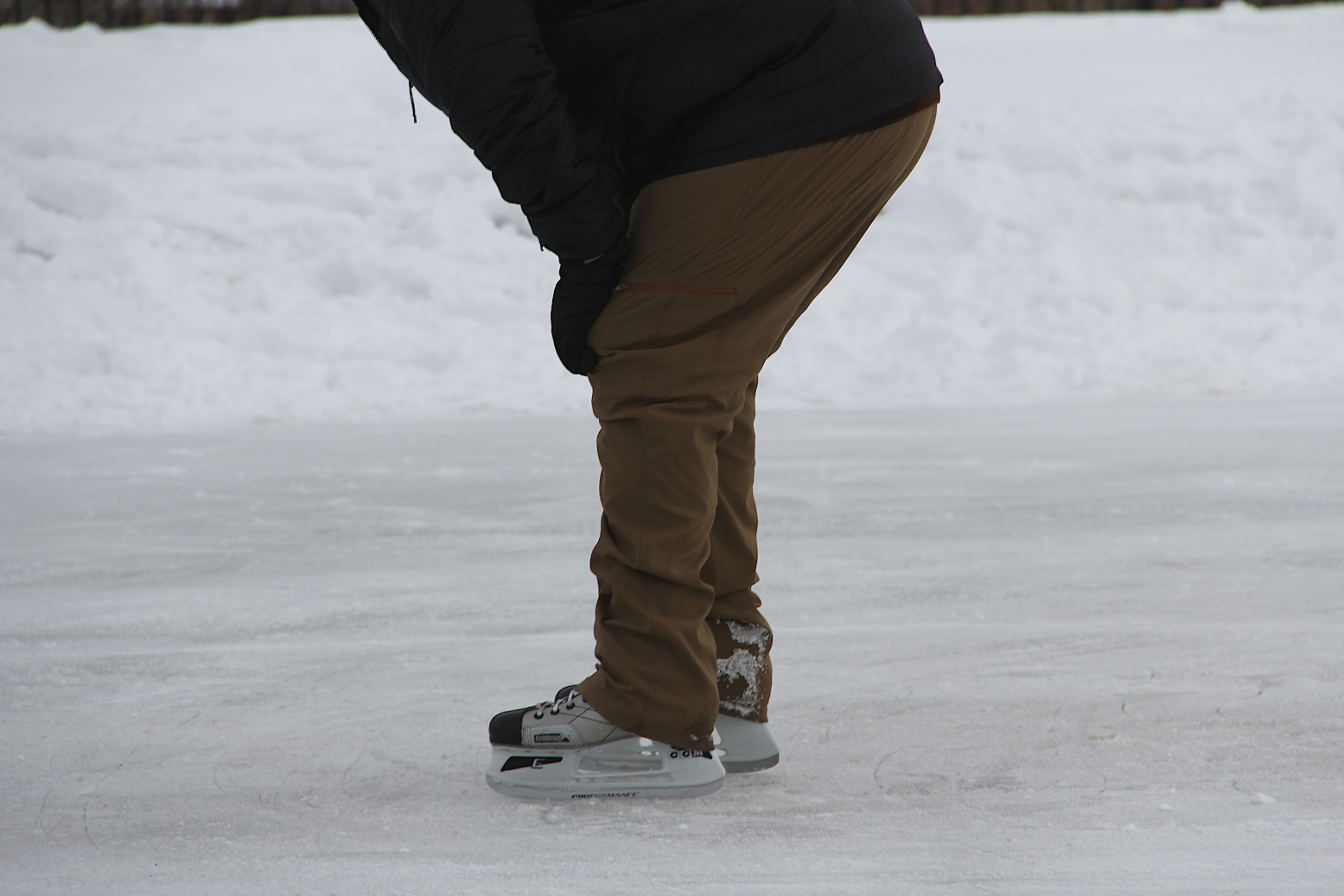
A momentary pause in skating at Viaduct Park. (Minnesota Prairie Roots copyrighted photo December 2025)

That aside, when I watched a family glide across the ice at Viaduct Park recently, I felt a tad envious. I wished that was me because I loved ice skating and rollerskating back in the day. There’s a certain freedom in flying across the ice, cold wind kissing your face, skates seemingly floating on air, speed and movement propelling you forward. It feels simultaneously exhilarating, terrifying and powerful.

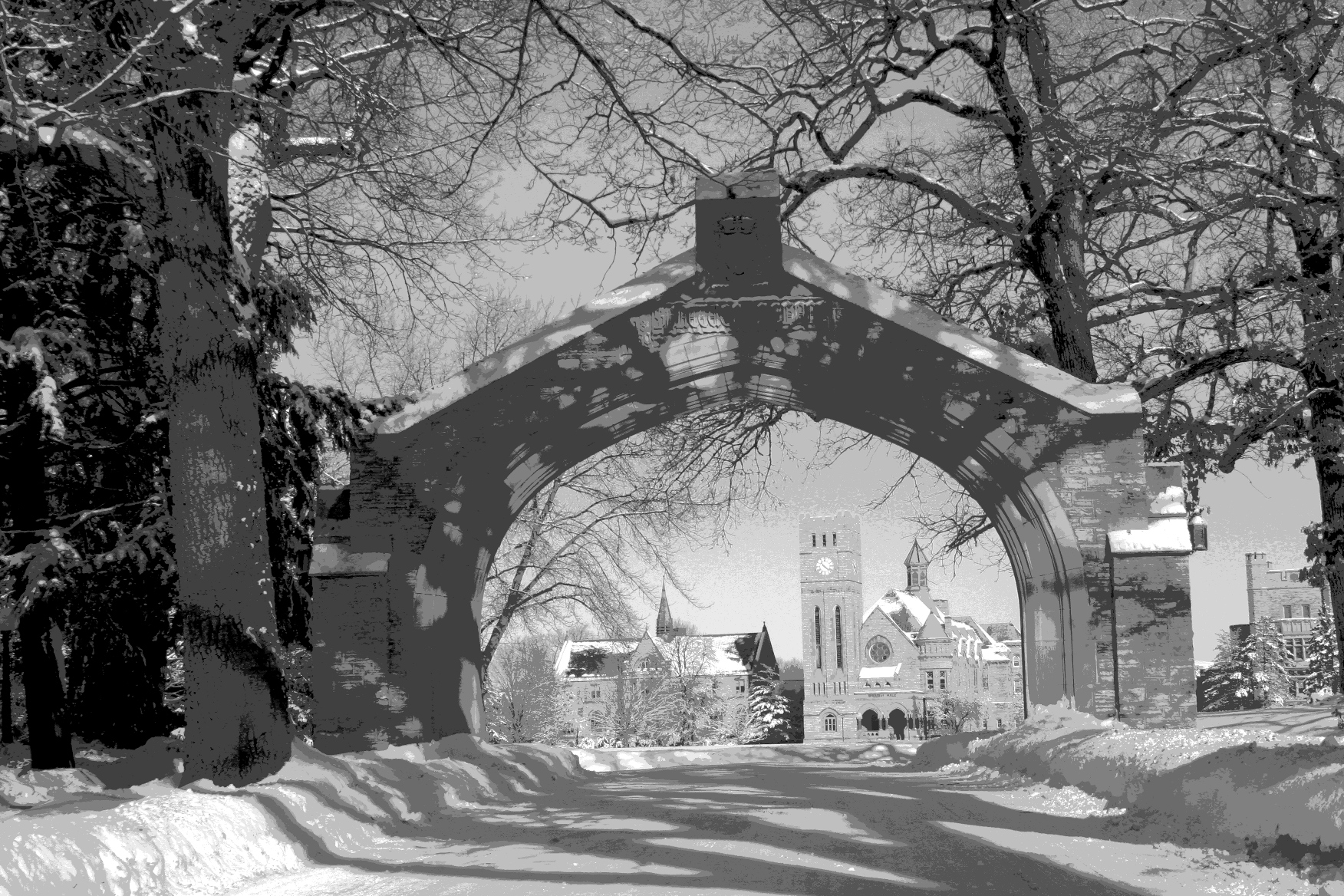
An entrance arch frames Shattuck-St. Mary’s School on Faribault’s east side. Go through this arch to find the chapel. The sports complex is on the other side of campus off Shumway Avenue. (Minnesota Prairie Roots copyrighted file photo)

These days I settle for observing skaters. That includes this Saturday, December 13, when Shattuck-St. Mary’s School, a private college prep school in Faribault, hosts its annual Campus Christmas Walk. The highlight for me has always been watching figure skaters perform a holiday show. This year’s show, “Lights, Camera, Skates! Christmas at the Cinema,” is set for 1:30 pm in the Putrah Sports Complex.

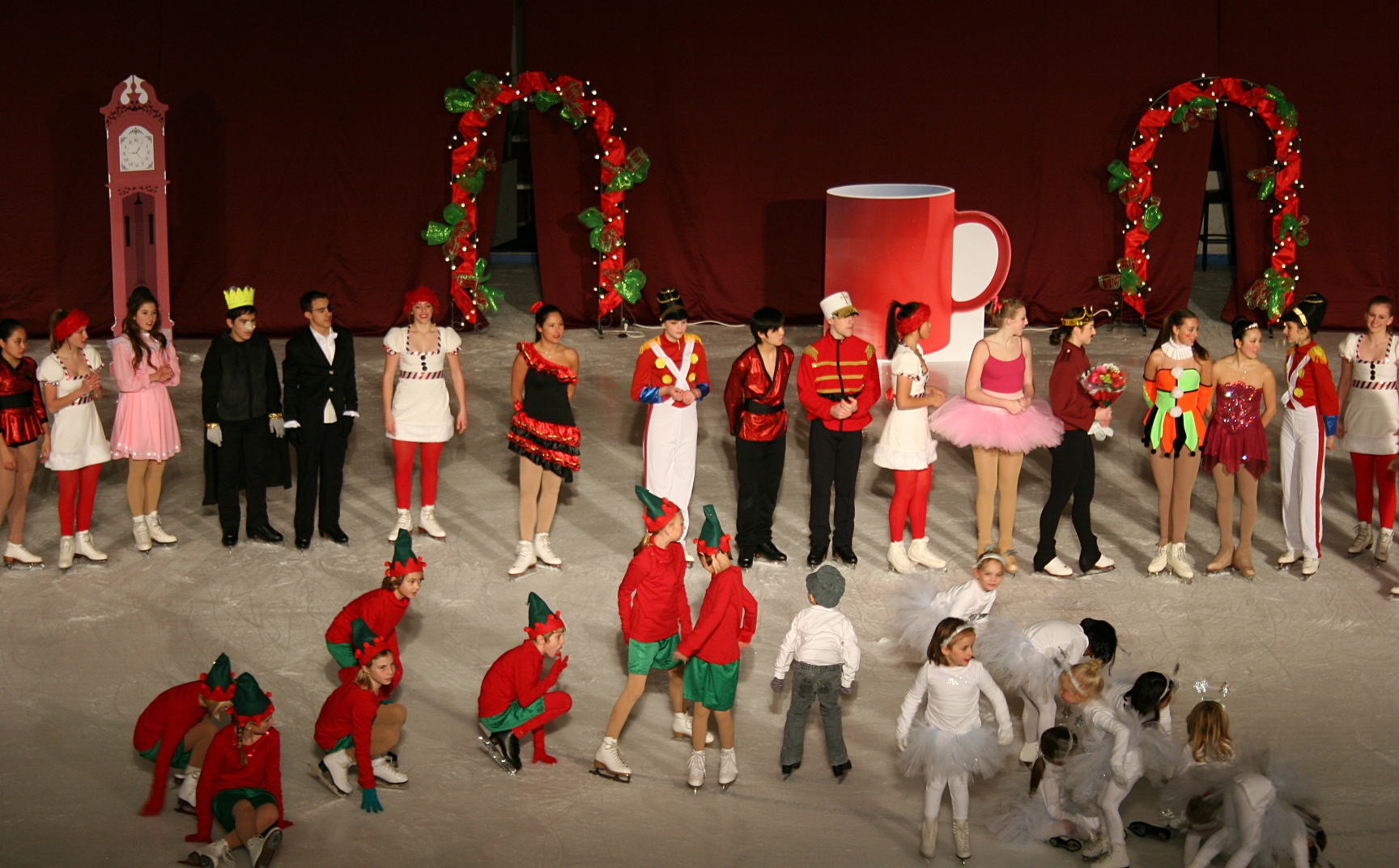
A performance of “The Nutcracker” at a previous Shattuck holiday figure skating show. (Minnesota Prairie Roots copyrighted file photo)

But before the figure skaters take to the ice, musicians will perform a noon Christmas concert in Shattuck’s historic Chapel of the Good Shepherd. Post ice skating show, attendees can gather from 2:30-4 pm in the sports complex for crafts, cookies and photos with Santa and Mrs. Claus. (Note, this is a change in location from previous years.) All events are free and open to the public.

Between now and Saturday, I’ll cautiously navigate icy surfaces, perhaps with my Snow Trax grippers clamped on my boots. I want to remain firmly grounded rather than flying across the ice, cold wind kissing my face.

© Copyright 2025 Audrey Kletscher Helbling
 

Visiting a Red Wing bluff sacred to the Dakota November 19, 2025

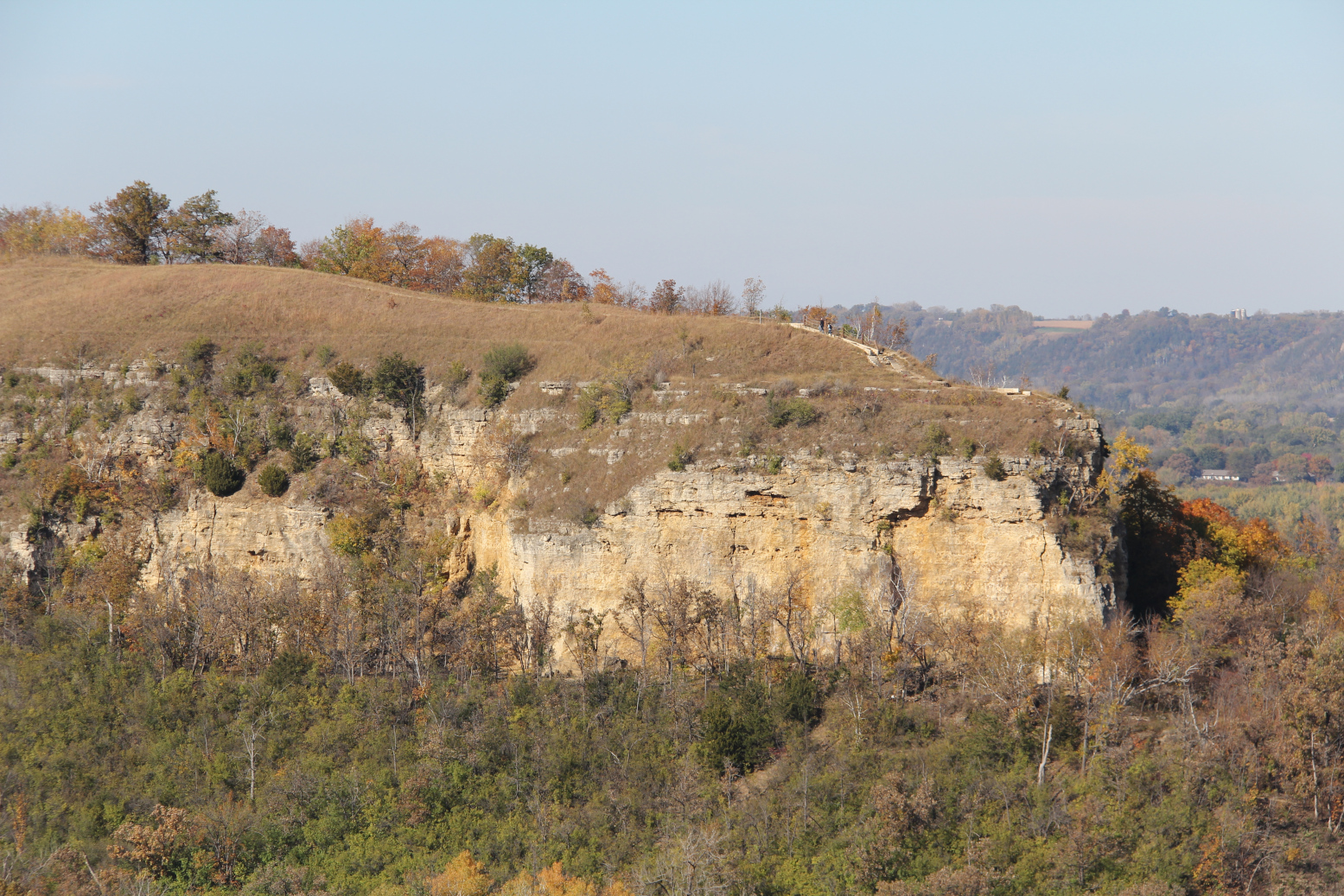
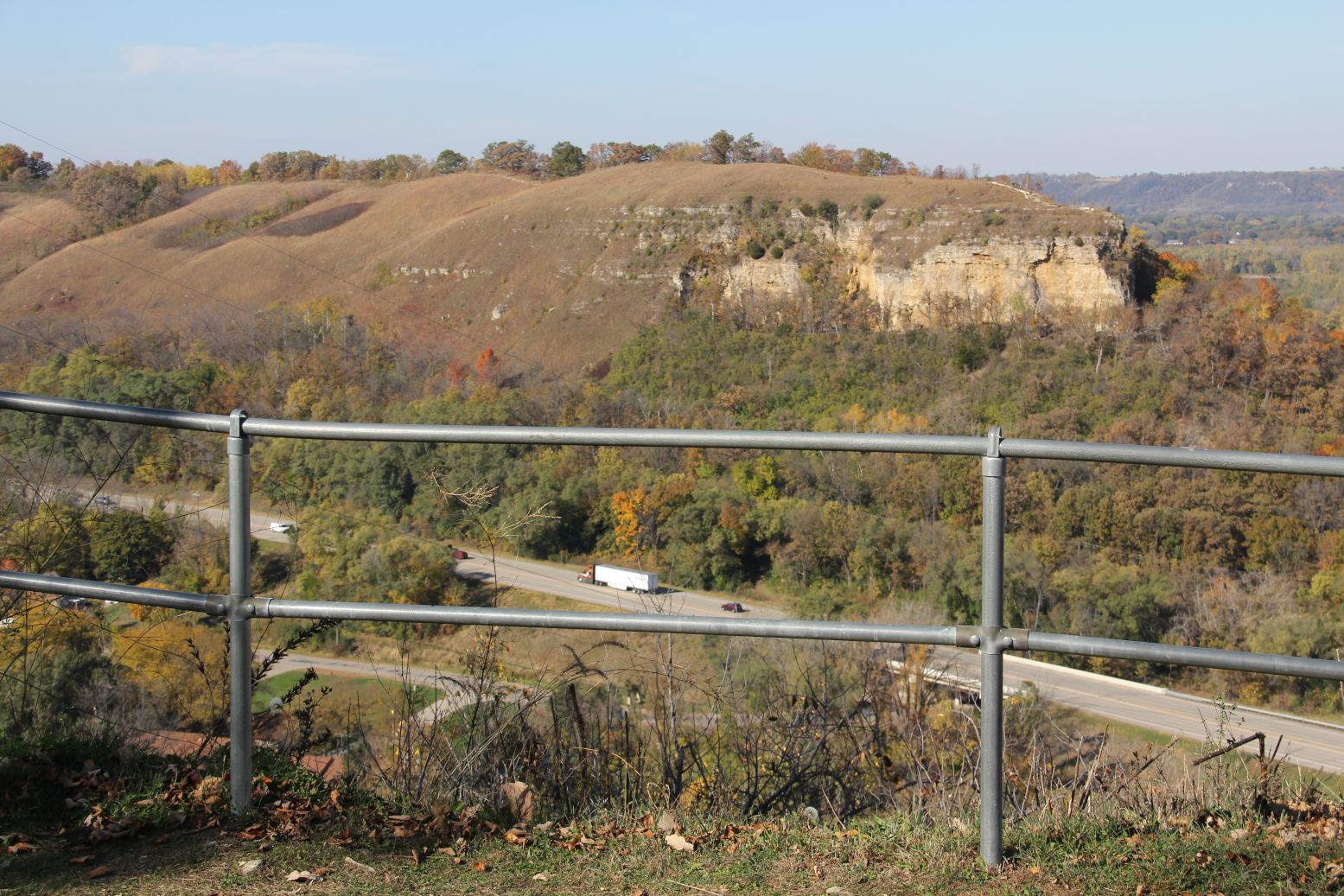
Barn Bluff in Red Wing as photographed from Sorin’s Bluff in Memorial Park. Zoom in and you will see people on a path atop the bluff. (Minnesota Prairie Roots copyrighted photo October 2025)

AT THE BASE of He Mni Caɳ, also known as “Barn Bluff,” I contemplated whether to climb the 340-foot cliff rising high above the Mississippi River in southern Minnesota. It seemed like a good idea when Randy and I were considering just that on our drive from Faribault to Red Wing recently. But reality set in once we found the bluff, started up a steep pathway and determined that this might be a little much for two people pushing seventy. My vision issues and fear of heights also factored into discontinuing our hike.

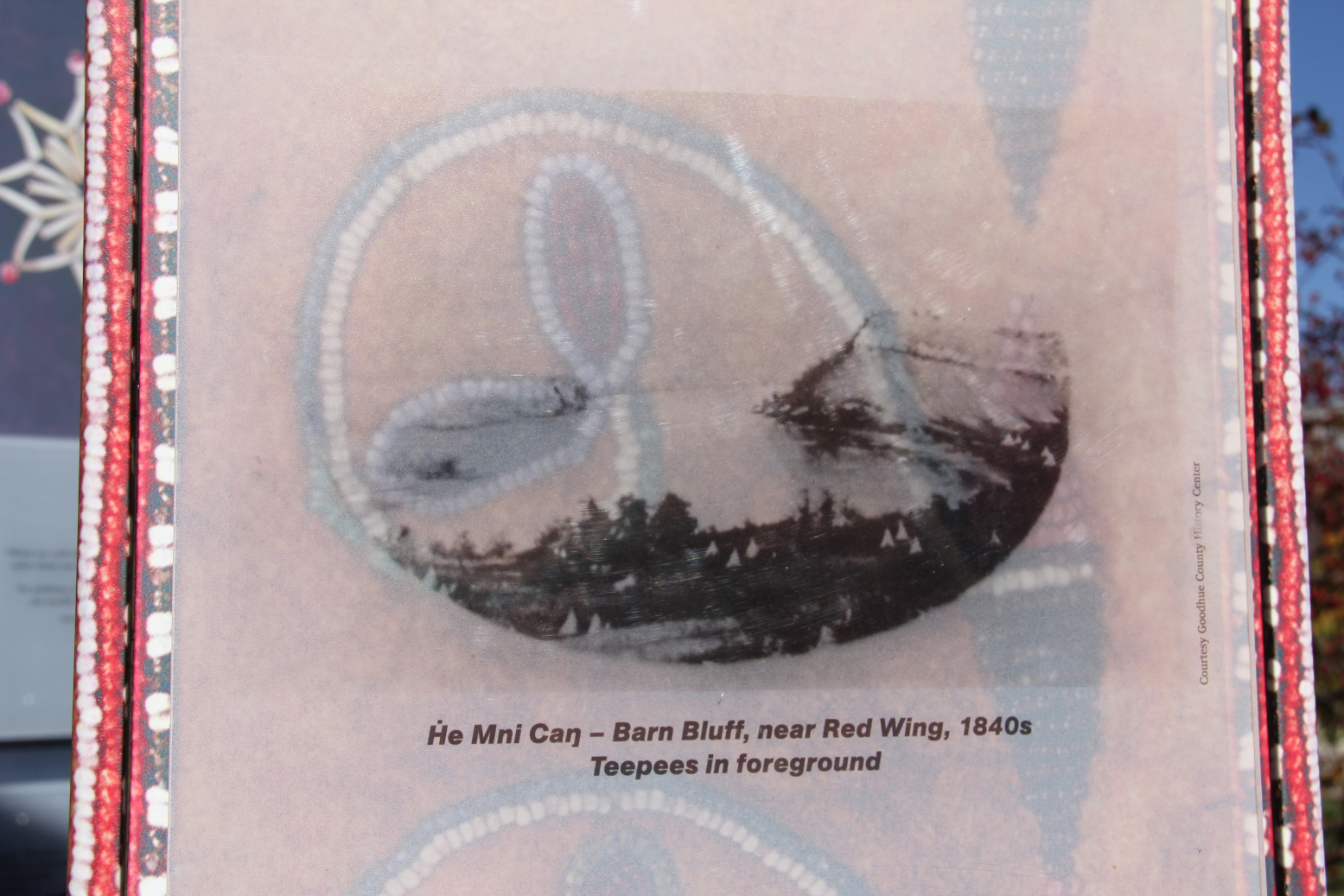
An historic photo in an informational plaza shows teepees at the bluff’s base, circa 1840s. (Minnesota Prairie Roots copyrighted photo October 2025)

While disappointed, I was still thankful we were here because He Mni Caɳ holds historical, cultural and sacred significance for the Bdewakantunwan Dakota Oyate, the Indigenous Peoples who originally inhabited this land. They lived on land below and around the bluff on the site of current-day Red Wing. They held ceremonies and rituals atop the bluff, also used for burial, shelter from enemies and more. This was, and always has been, a sacred place to the Dakota.

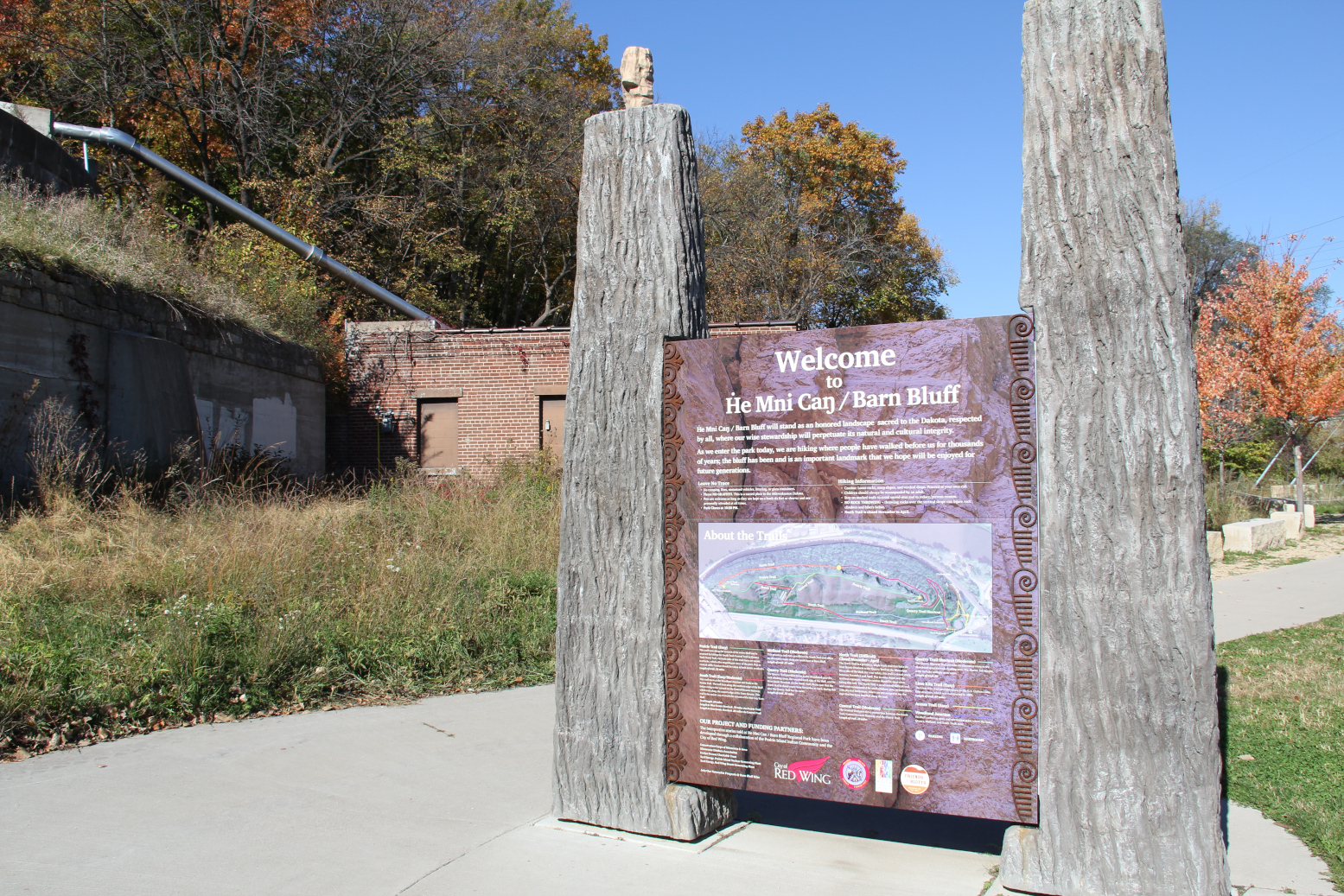
This sign welcomes visitors to Barn Bluff. (Minnesota Prairie Roots copyrighted photo October 2025)

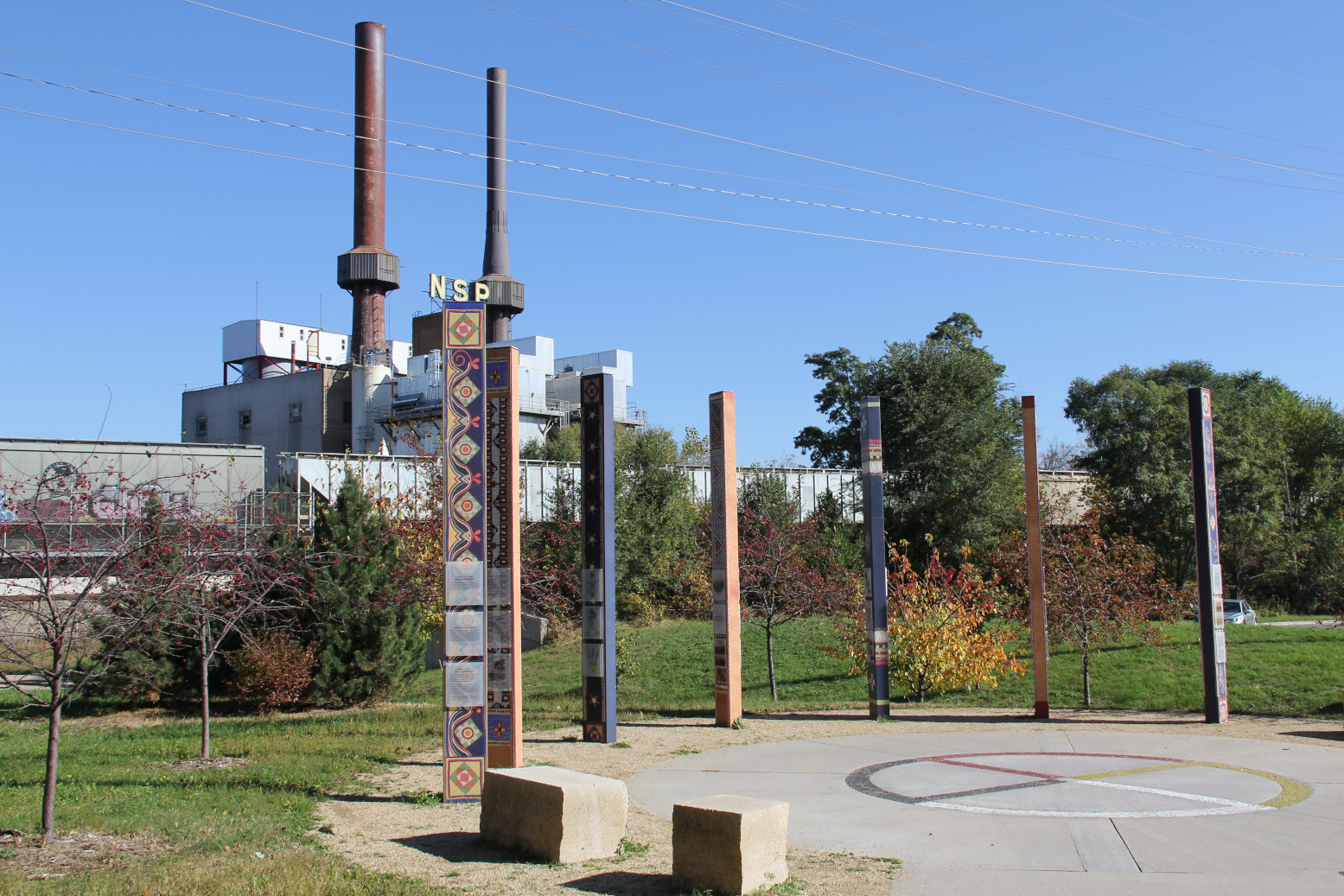
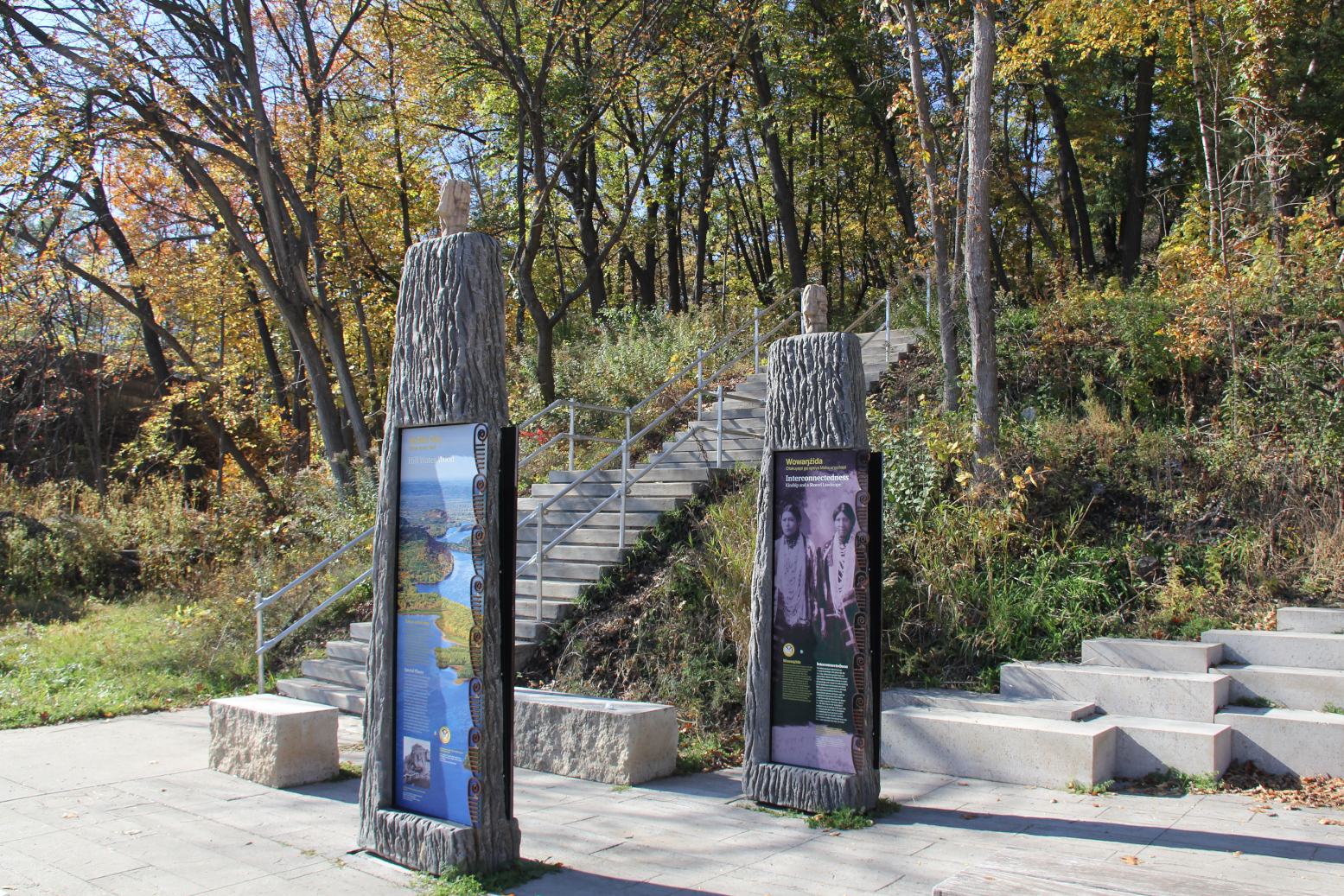
That message is shared in an Entrance Plaza to He Mni Caɳ. There storytelling markers and seven towering pillars reveal details about this place and its importance to Native Americans. Via images, words and art, I began to learn, to understand. By learning, I am also honoring National Native American Heritage Month celebrated in November.

An overview of the seven columns rimming a center plaza at the base of Barn Bluff. That’s an aged power plant in the background. (Minnesota Prairie Roots copyrighted photo October 2025)

I admittedly did not read every single word and somehow missed noticing the buttons to push on the storytelling markers that would allow me to hear the spoken Dakota language. But I still gathered enough information, enough story, to recognize the value of this land to the Dakota and the respect we should all hold for them, their history and the sacred He Mni Caɳ, which is on the National Register of Historic Places.

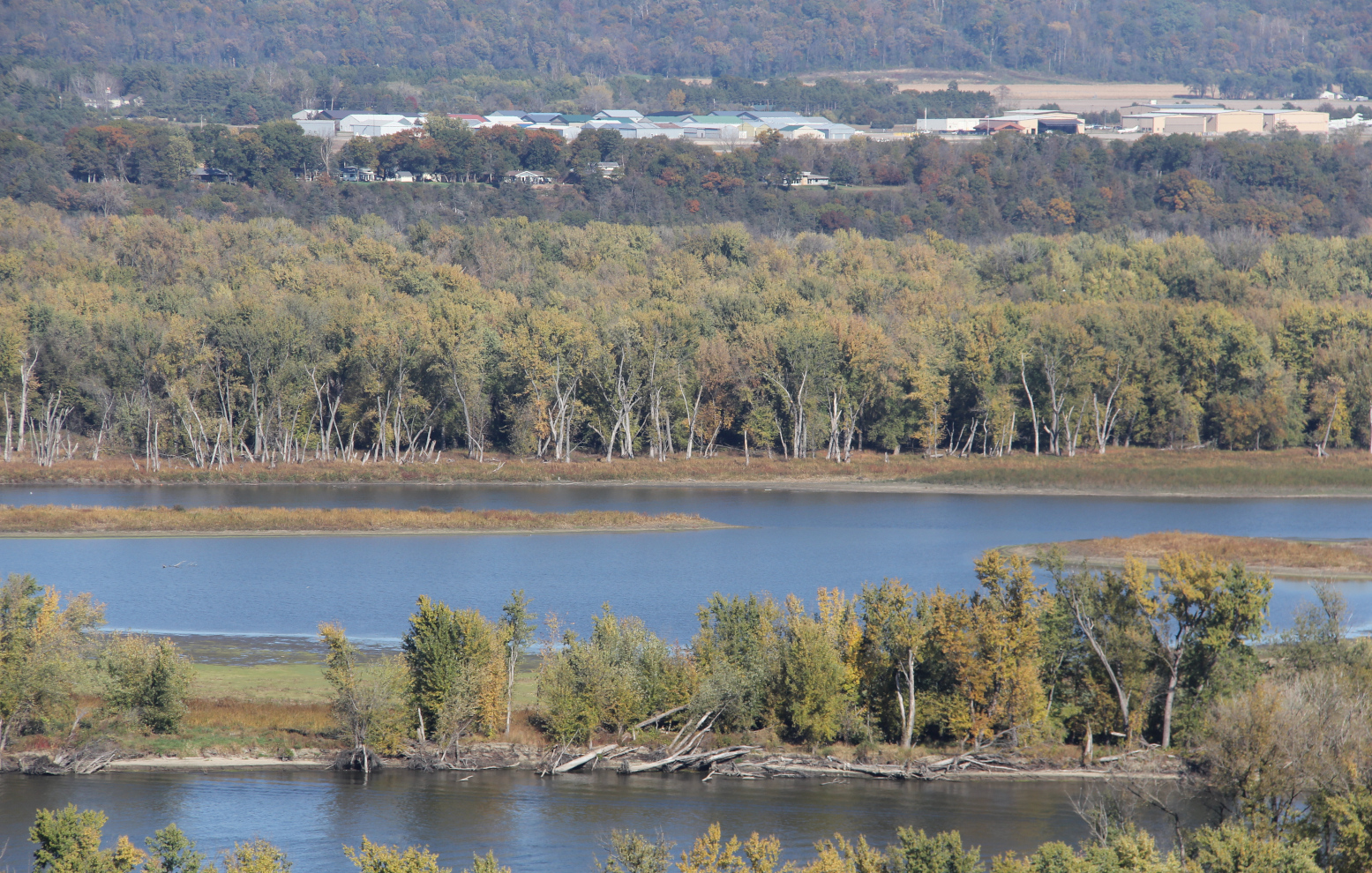
The Mississippi River Valley is a place of remarkable natural beauty, here photographed from atop Sorin’s Bluff in Memorial Park. (Minnesota Prairie Roots copyrighted photo October 2025)

The city of Red Wing and the nearby Prairie Island Indian Community have partnered to preserve and honor this place along the Mississippi following the guiding principles of heal, sustain, educate and honor. I saw that and read that in the plaza.

A message highlighted on a plaza column. (Minnesota Prairie Roots copyrighted photo October 2025)
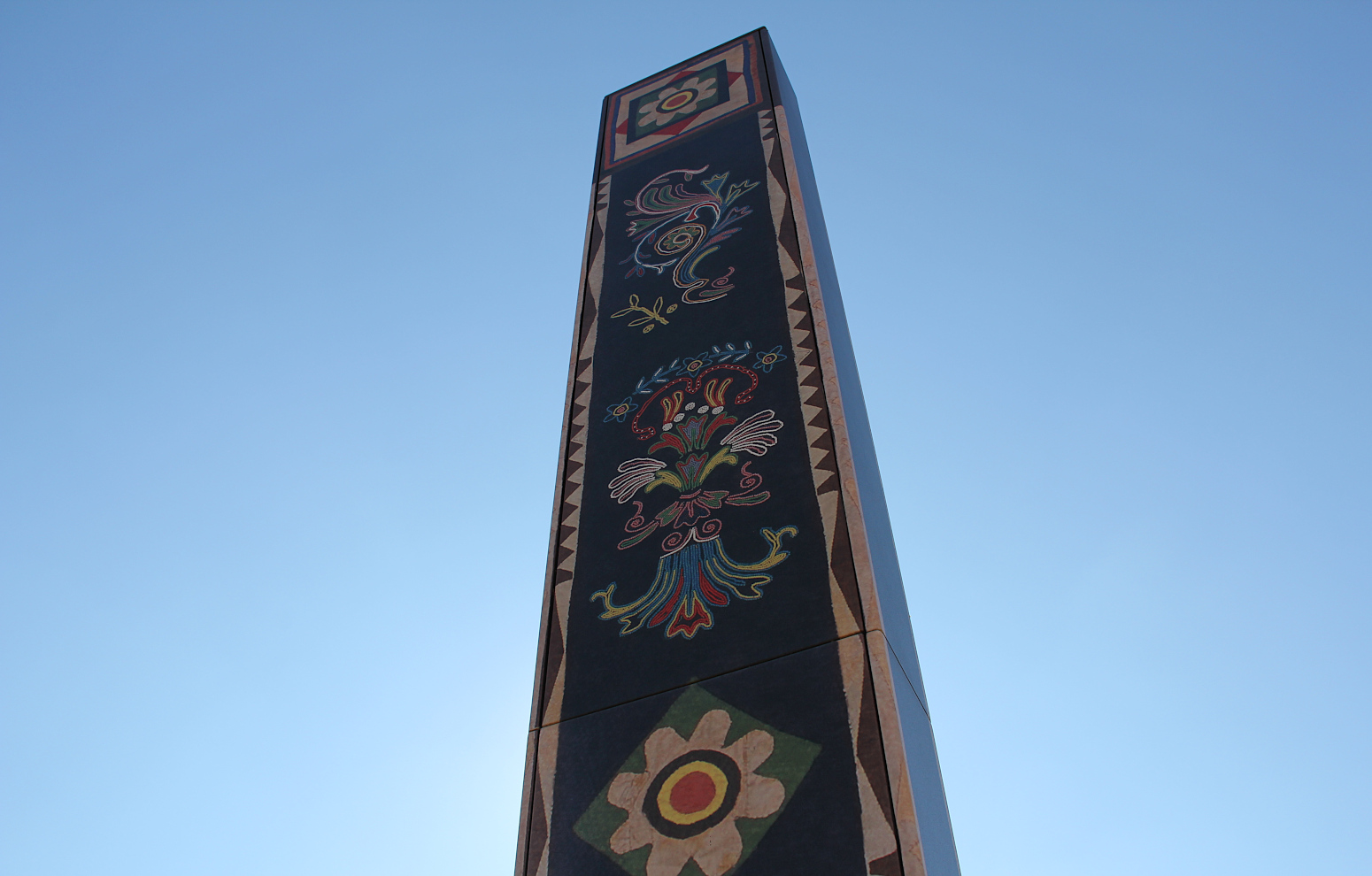
The pillars feature traditional Dakota patterns. (Minnesota Prairie Roots copyrighted photo October 2025)
Strong words on a storytelling marker. (Minnesota Prairie Roots copyrighted photo October 2025)

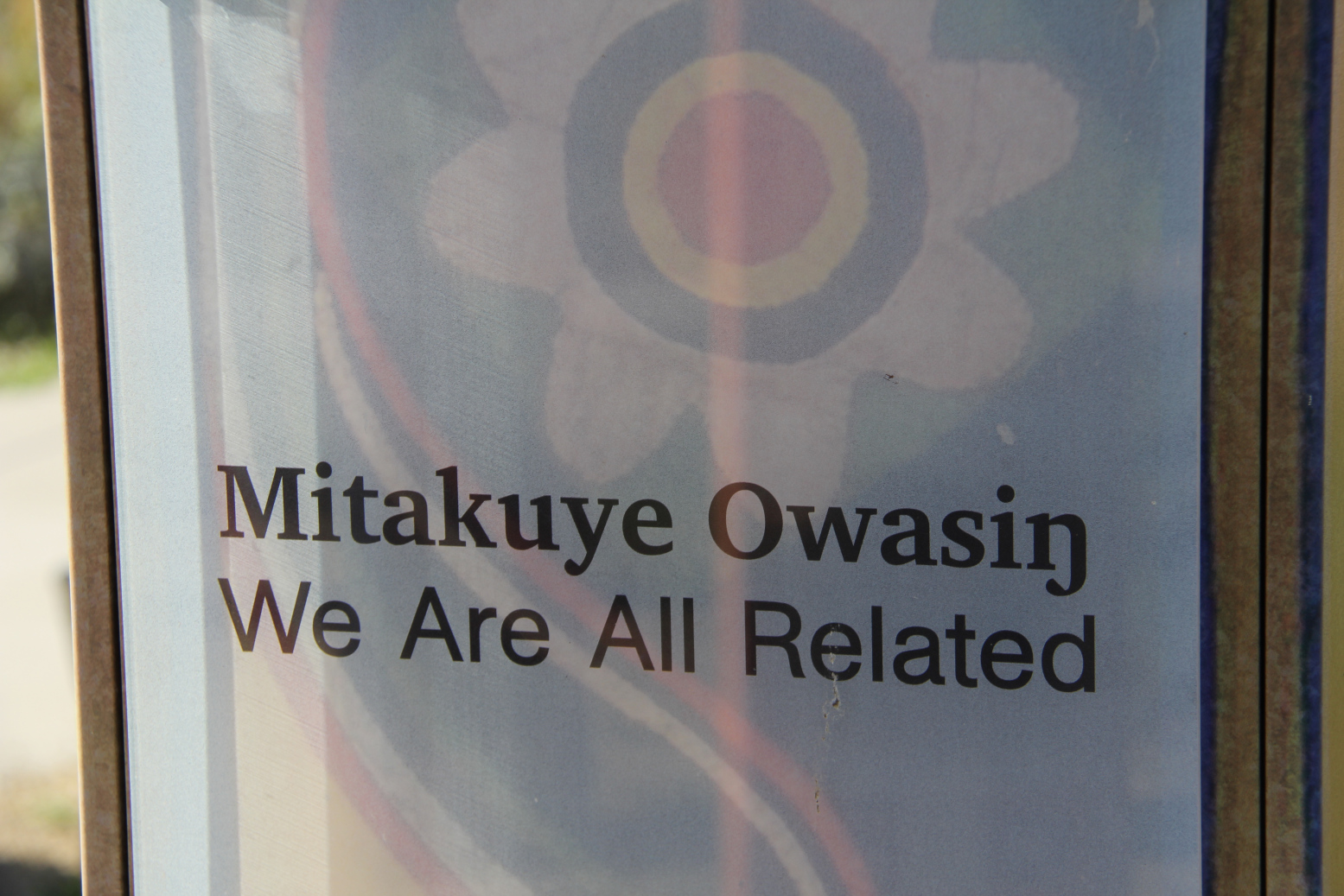
As I viewed the historic Dakota patterns on the seven plaza columns and walked around this history circle reading and photographing, words and phrases popped out at me: We are all related. Interconnectedness. Kinship and a shared landscape. If only, I thought, we would all hold those words close, remember them in our differences, remember them in our relationships with each other and with the earth, remember them in our struggles and disconnect.

A sculptured head tops a storytelling marker. (Minnesota Prairie Roots copyrighted photo October 2025)

The city of Red Wing is named after Tatanka Mani (“Walking Buffalo”), long ago leader of the Mdewakanton Dakota in the upper Mississippi River Valley. Early immigrants who settled in the area gave him that name. Tatanka Mani helped shape the history of this region through his decisions and leadership. He was clearly connected to his people, to the non-Natives who arrived here, and to the land.

A current-day view of Barn’s Bluff from high atop Sorin’s Bluff. (Minnesota Prairie Roots copyrighted photo October 2025)

Today He Mni Caɳ/Barn Bluff remains a major attraction in Red Wing, just as it was years ago for those traveling the river, exploring the region. Henry David Thoreau, Henry Schoolcraft and Zebulon Pike are among the countless who viewed the river and river valley below from atop the bluff.

Two of the storytelling markers at the entrance plaza and steps leading to paths that take hikers onto and up the bluff. (Minnesota Prairie Roots copyrighted photo October 2025)

But not me. I was content to stand at its base, to take in the history shared there. And then later to view the bluff from Sorin’s Bluff in Memorial Park, a park with a road leading to the top. Even then I settled for a partial ascent, because I’d had enough of heights on this day when He Mni Caɳ challenged me and I learned the history of this sacred place.

© Copyright 2025 Audrey Kletscher Helbling
 

Into the Big Woods on an autumn morning October 21, 2025

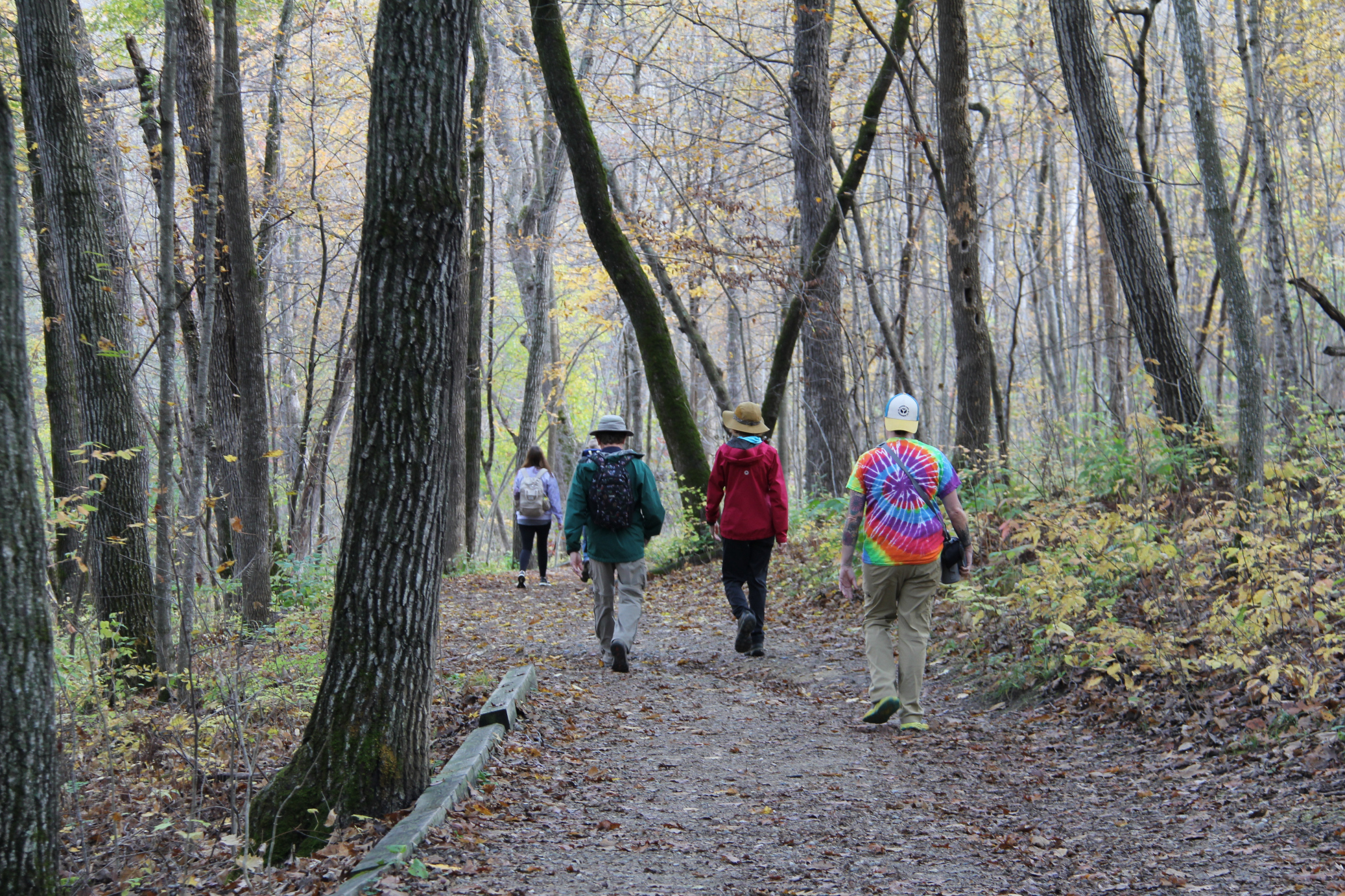
Hiking toward Hidden Falls at Nerstrand Big Woods State Park. (Minnesota Prairie Roots copyrighted photo October 2025)

TO WALK INTO THE WOODS, any woods, but especially the Big Woods, calms the spirit in a measured way that feels poetically soothing.

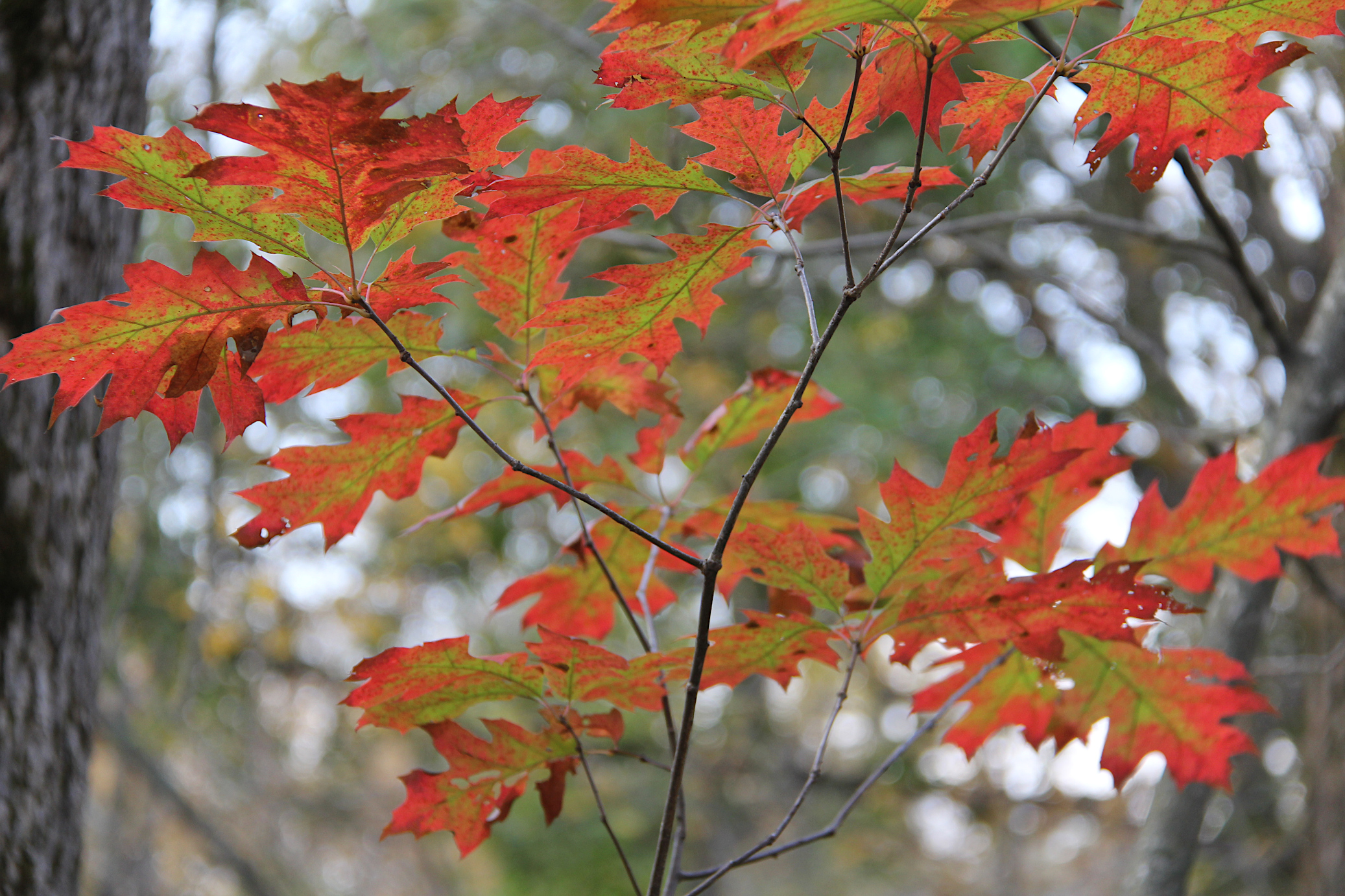
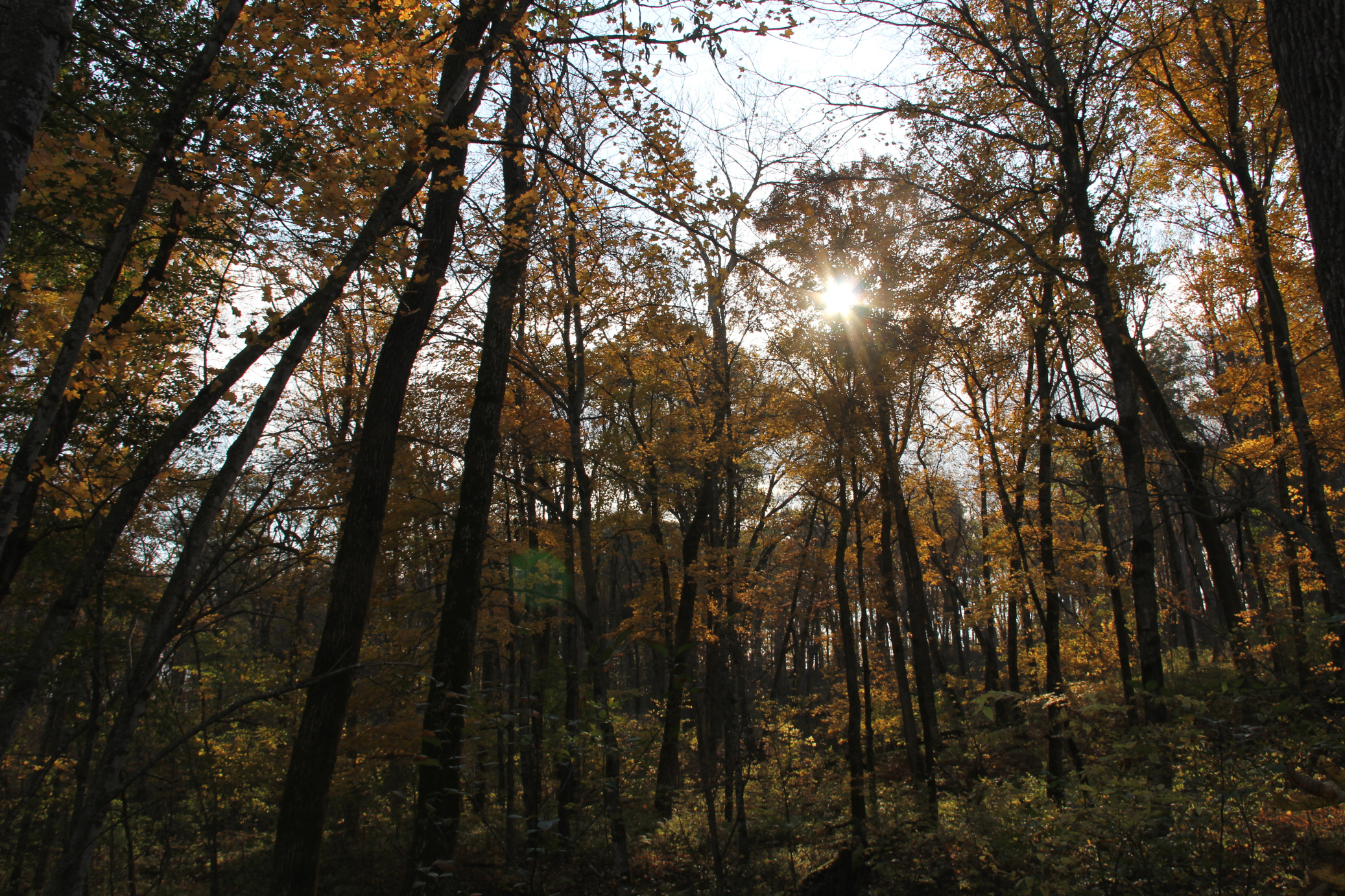
Stunning fall colors draw visitors to the Nerstrand park. (Minnesota Prairie Roots copyrighted photo October 2025)

Surrounded by trees stretching high, the wind winging through the woods, Randy and I hiked at nearby Nerstrand Big Woods State Park on a recent autumn morning. We left behind work, worry and chores as we aimed northeast of Faribault to this popular fall color destination. We arrived early enough in the day to mostly avoid other leaf peepers. The park can get crowded this time of year.

The sun breaks through cloudy skies while we hiked deep in the woods along Hidden Falls Trail. (Minnesota Prairie Roots copyrighted photo October 2025)

Changing colors draw visitors to this remaining remnant of the Big Woods. Those woods once stretched from western Wisconsin into south central Minnesota, covering some two million acres of land in this part of Minnesota. Nearly all of that long ago hardwood forest is now farmland with a few exceptions like the Big Woods outside the community of Nerstand, population around 280.

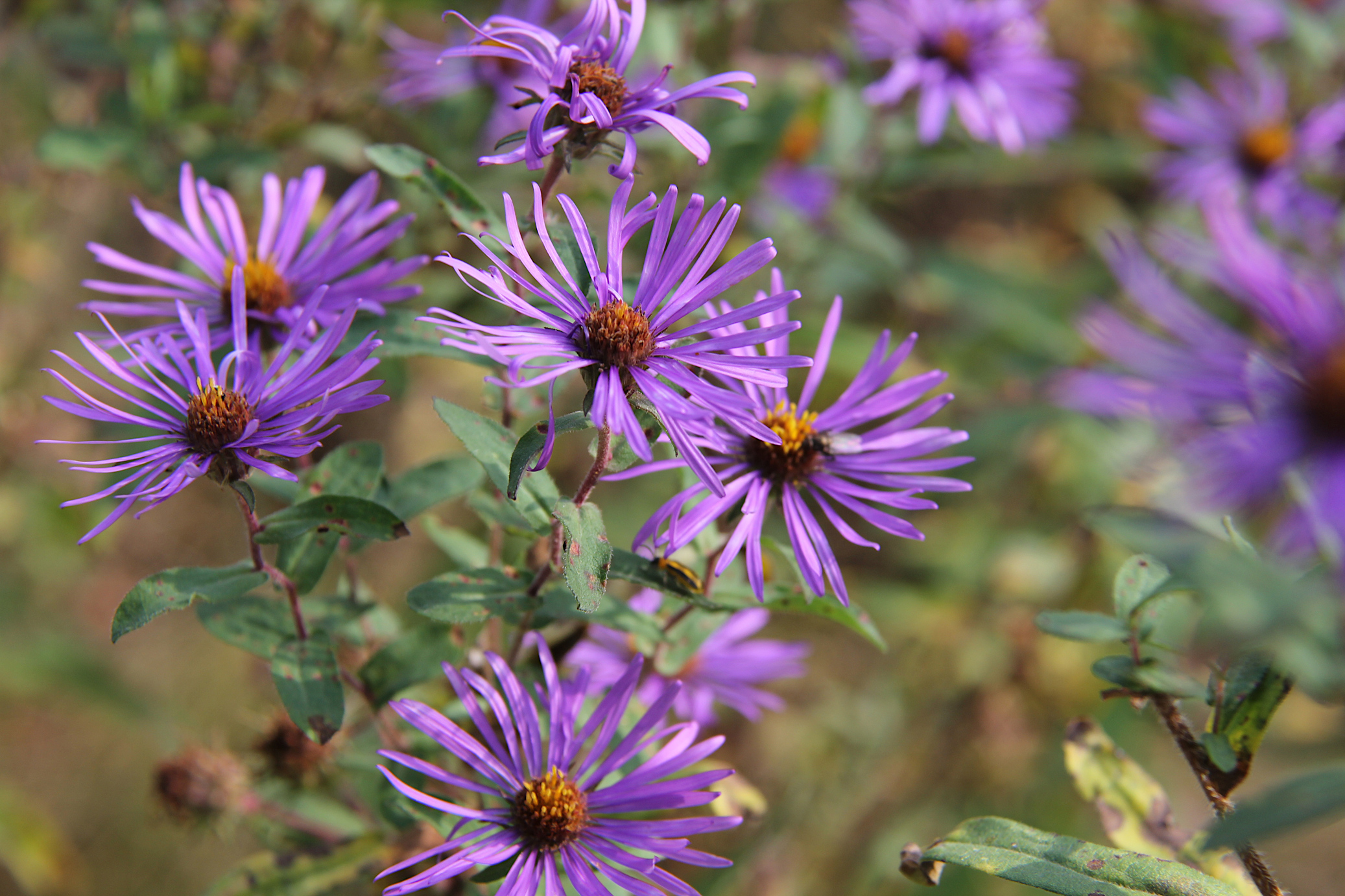
A few wildflowers are still blooming even this late in October. (Minnesota Prairie Roots copyrighted photo October 2025)

That those before us had the foresight to preserve this forest with the establishment of Nerstrand Big Woods State Park by the Minnesota state legislature in 1945 is a testament to its value. This parcel of woods is truly a natural haven here in Rice County, drawing appreciative nature lovers from all over to see the rare Dwarf Trout Lily and other wildflowers in the spring and colorful trees in autumn.

The beautiful tree canopy along another trail we hiked. (Minnesota Prairie Roots copyrighted photo October 2025)

My first introduction to the Big Woods came as a child when an elementary school teacher read Laura Ingalls Wilder’s books, including Little House in the Big Woods, to me and my classmates I listened with full attention to the stories of young Laura, born in the Big Woods of Pepin, Wisconsin. As a child of the prairie, the idea of “woods” was unfamiliar to me. But Wilder’s writing proved so descriptive that I could imagine myself there in the thick of all those trees.

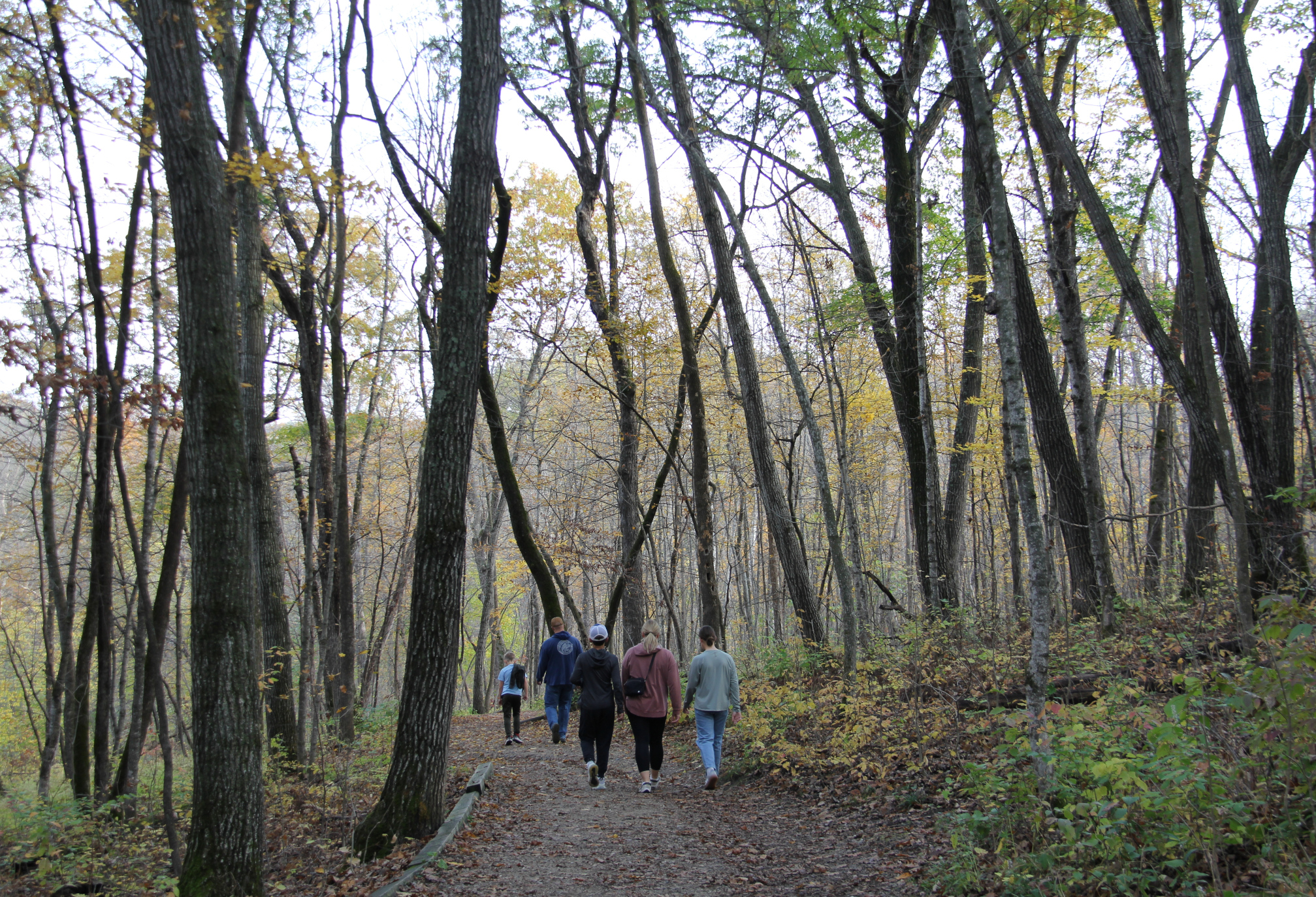
As we returned from Hidden Falls, these hikers walked toward it. (Minnesota Prairie Roots copyrighted photo October 2025)

Today I don’t have to imagine. I can walk among those trees in the state park outside Nerstrand only a 20-minute drive from my home. Upon our recent arrival at the park, Randy and I headed straight for the half-mile trail leading to Hidden Falls. Deep in the woods, Prairie Creek spills over a limestone and shale shelf forming the falls.

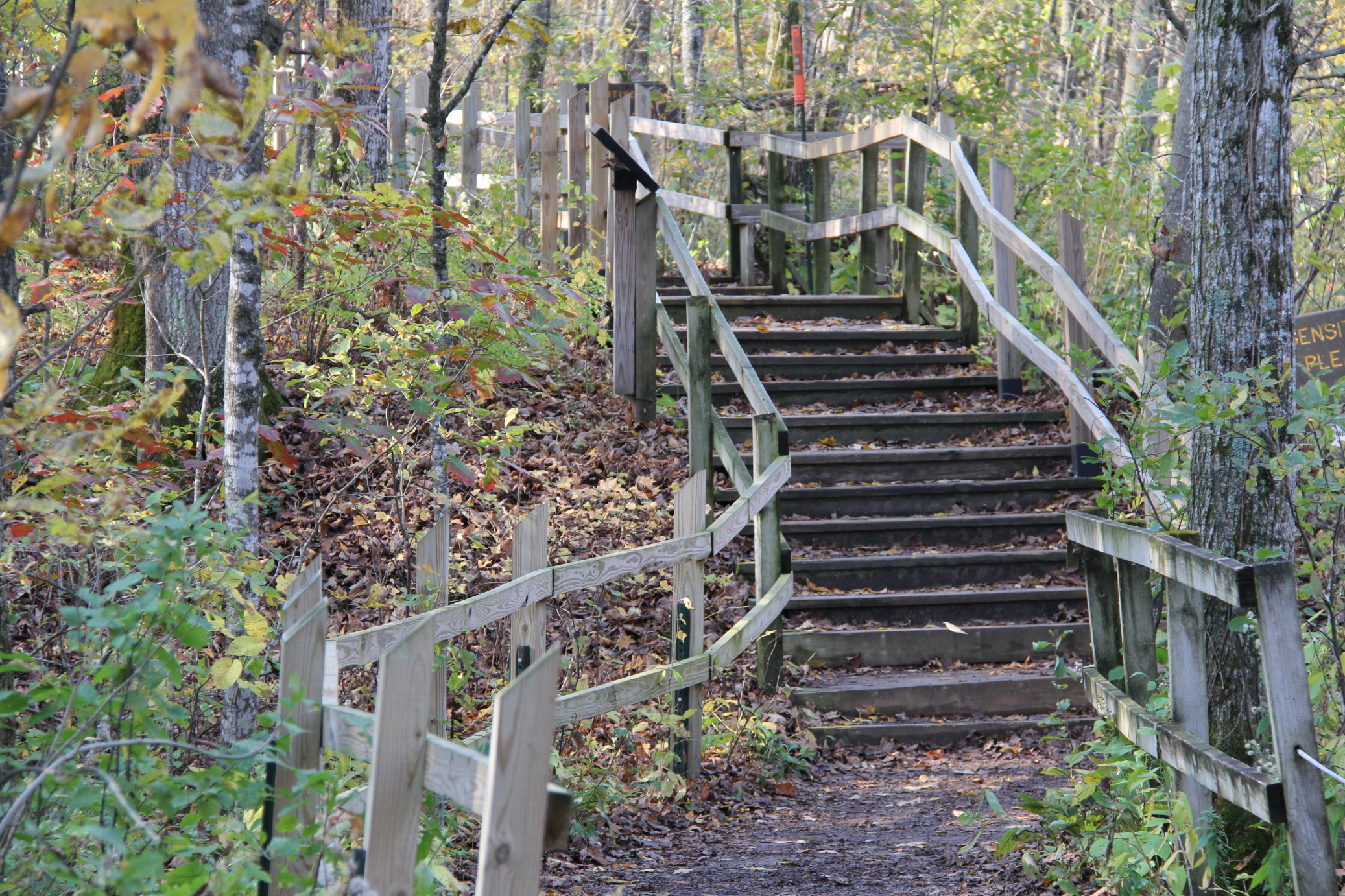
Steps twist along the Hidden Falls Trail. (Minnesota Prairie Roots copyrighted photo October 2025)

It’s a bit of a challenge to get to and from the falls. I felt like I was always watching my feet, assuring I wouldn’t trip over a root or uneven ground or, on the many uneven wooden steps, misstep and fall. I realize my vision issues contribute to my cautionary approach. Randy sometimes lent a steady hand. I managed and made it all the way down the hill to the waterfall. Climbing back up the hill, as you would expect, was harder, but not difficult.

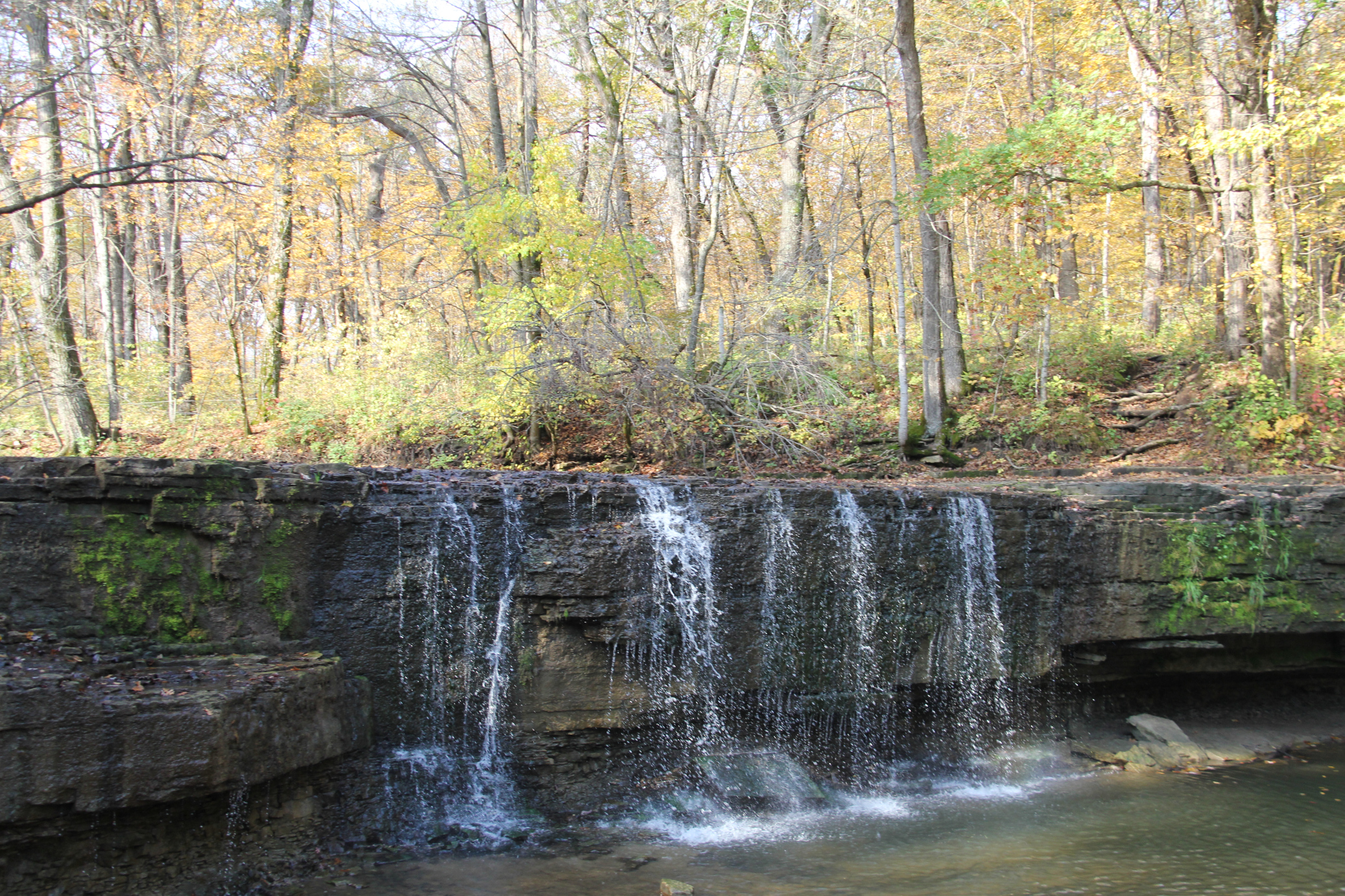
Hidden Falls. (Minnesota Prairie Roots copyrighted photo October 2025)

Because of recent dry weather and resulting low creek water level, the falls wasn’t exactly gushing water. Still, it was worth seeing. And hearing. Even minimal water, when it cascades over rock, roars.

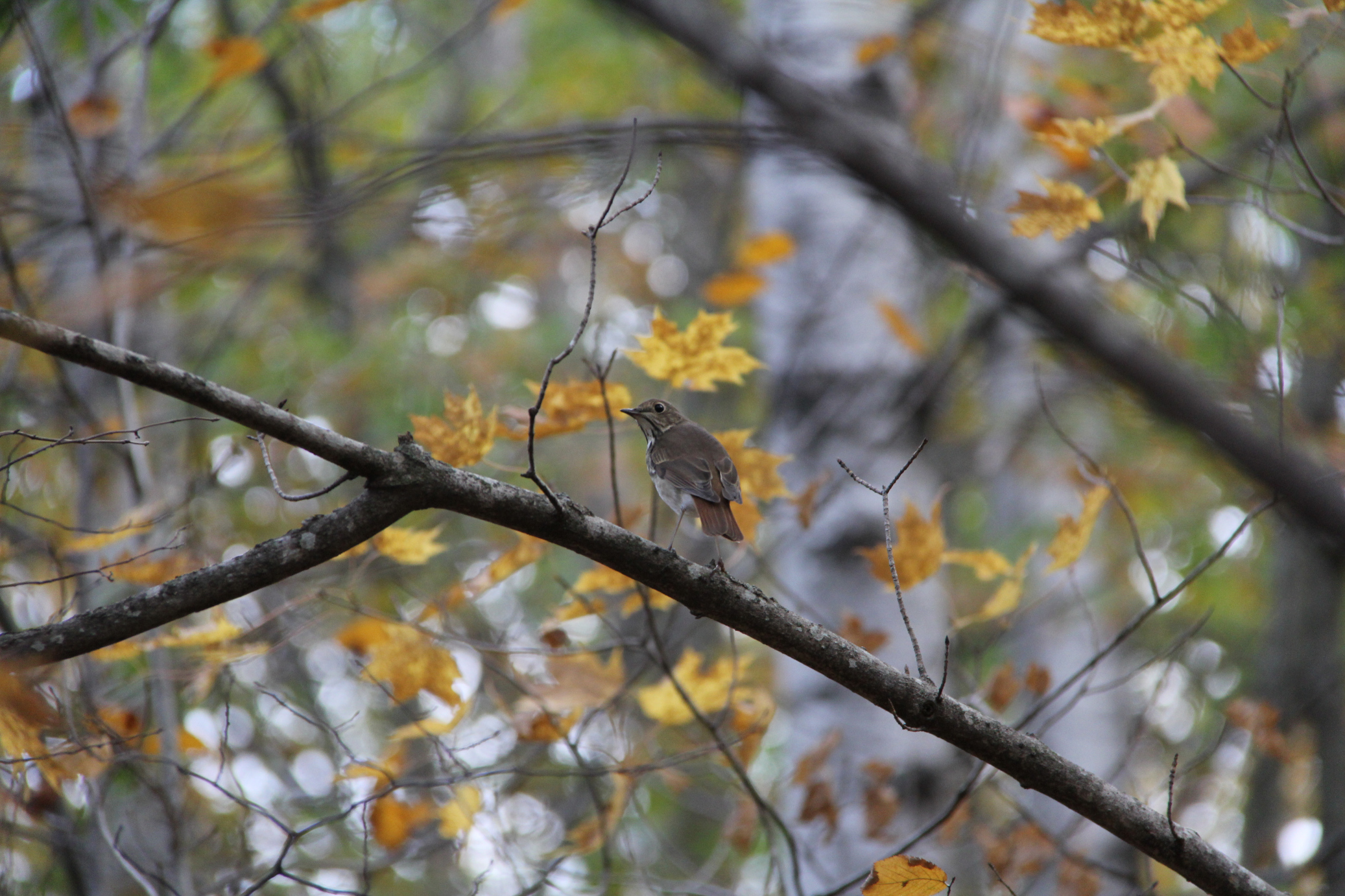
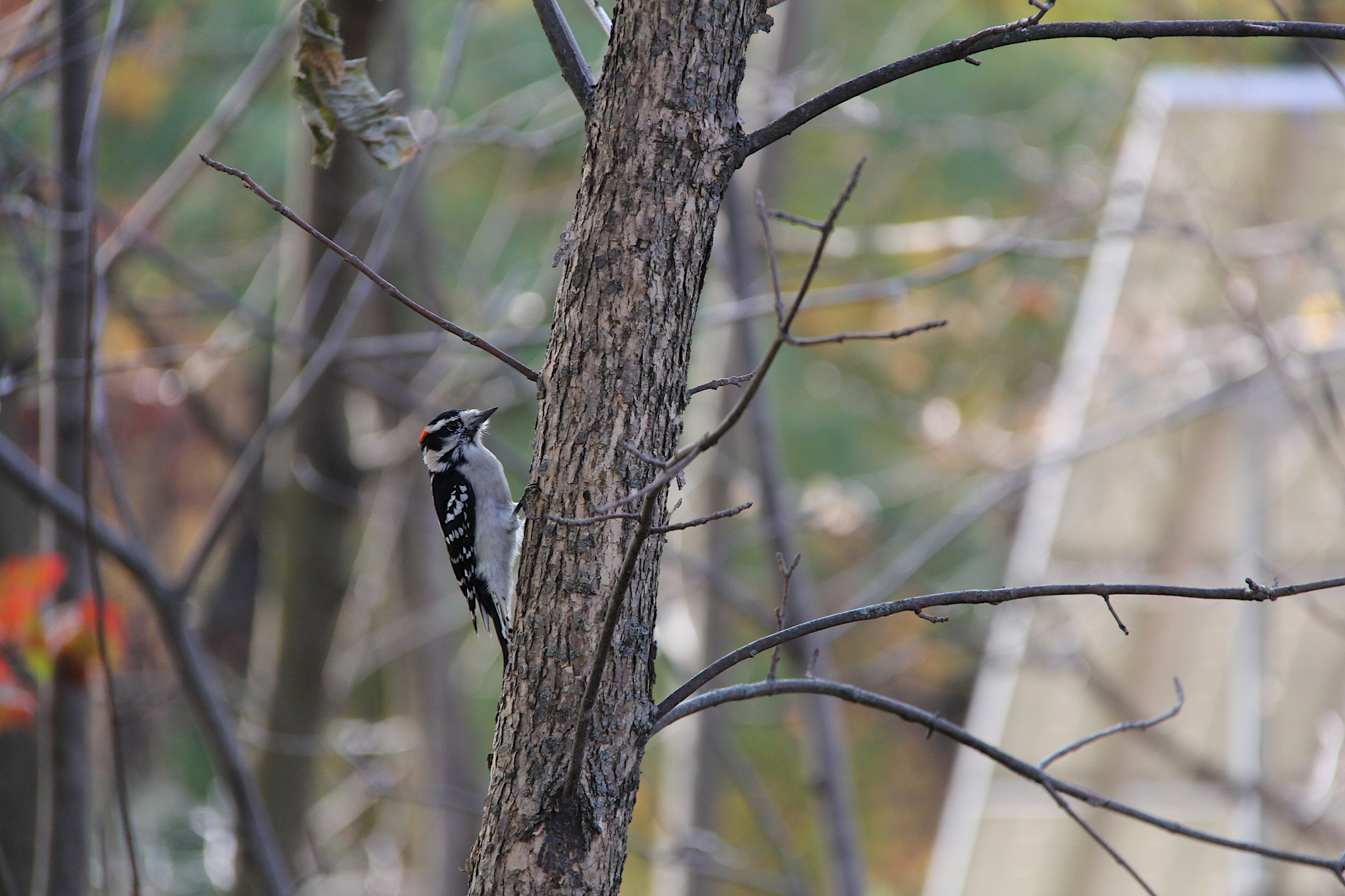
Be still and the birds are, too, at least long enough to photograph. (Minnesota Prairie Roots copyrighted photo October 2025)

But mostly, unless you choose to talk, the woods are quiet. Still. Calm. Cocooning. Sheltering.

Everywhere I turned on the second trail we followed, I saw colorful leaves. (Minnesota Prairie Roots copyrighted photo October 2025)

Our pace was not keep-your-heart-rate-up fast. We were here to immerse ourselves in the woods. To notice the details that comprise the whole. I paused often to photograph orange, red and yellow leaves. I bent low to the ground at times, other times aimed my camera lens upward to the tree canopy.

I photographed this bird near the park entrance where food was placed for the birds. (Minnesota Prairie Roots copyrighted photo October 2025)
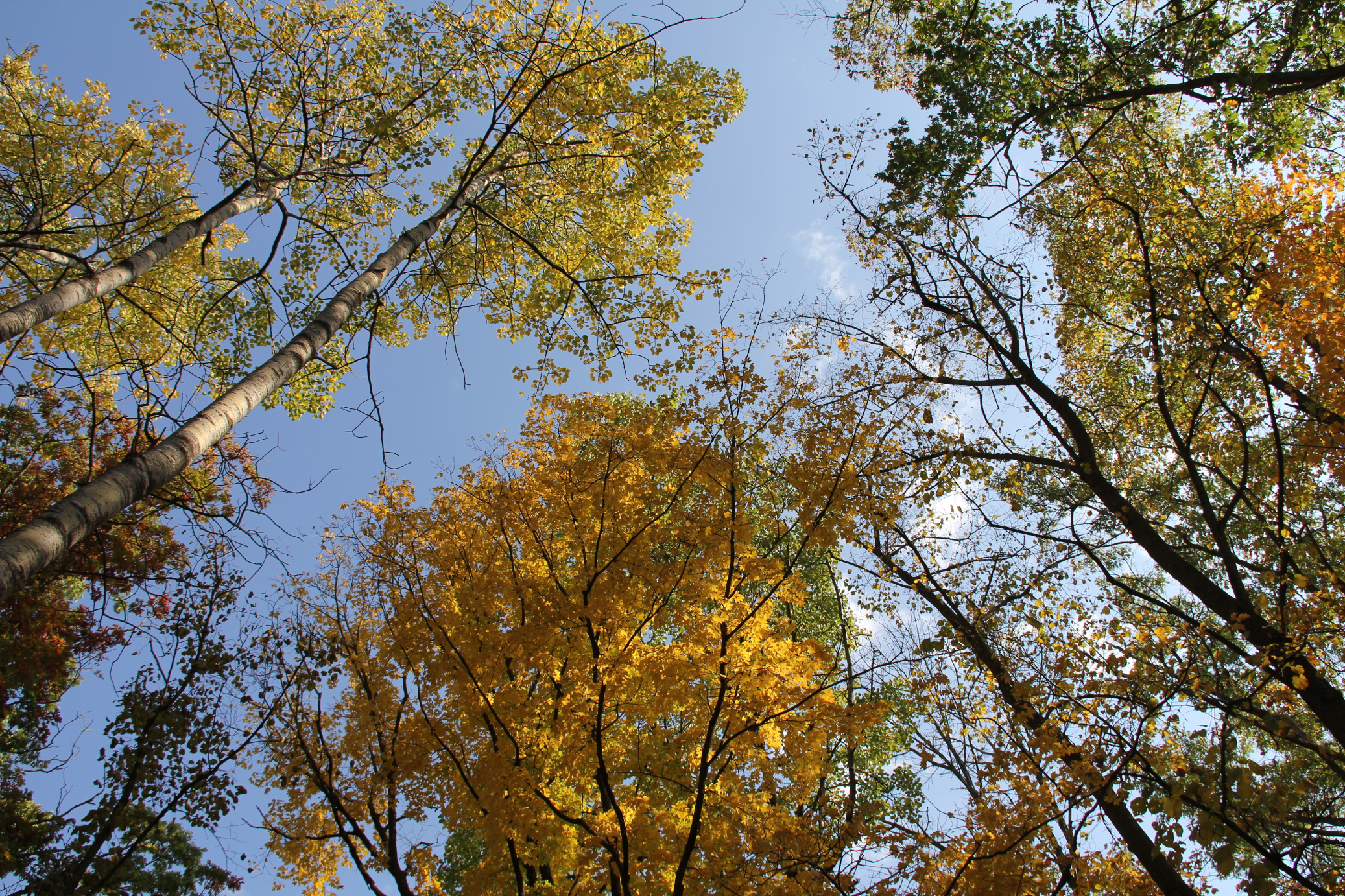
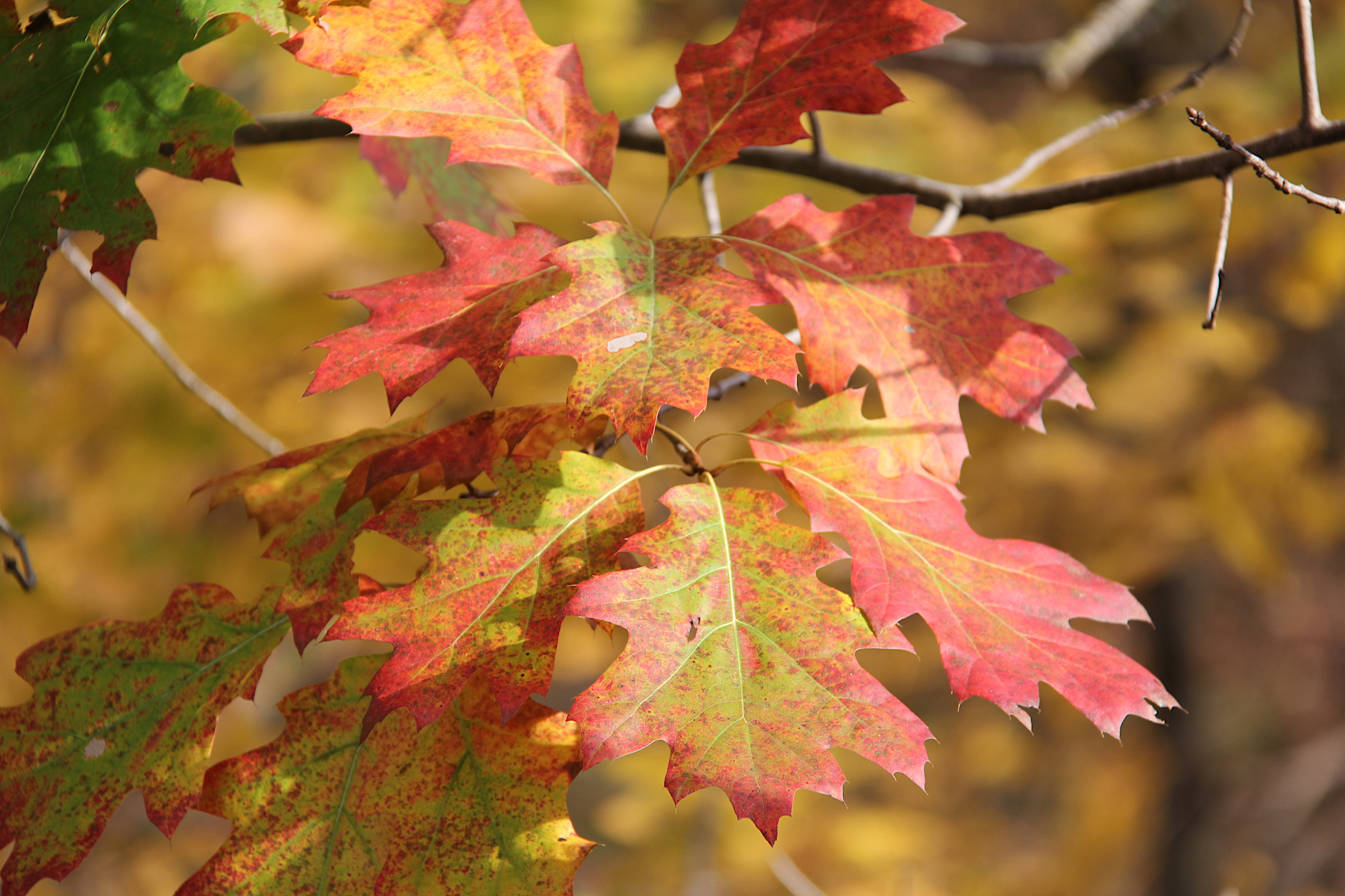
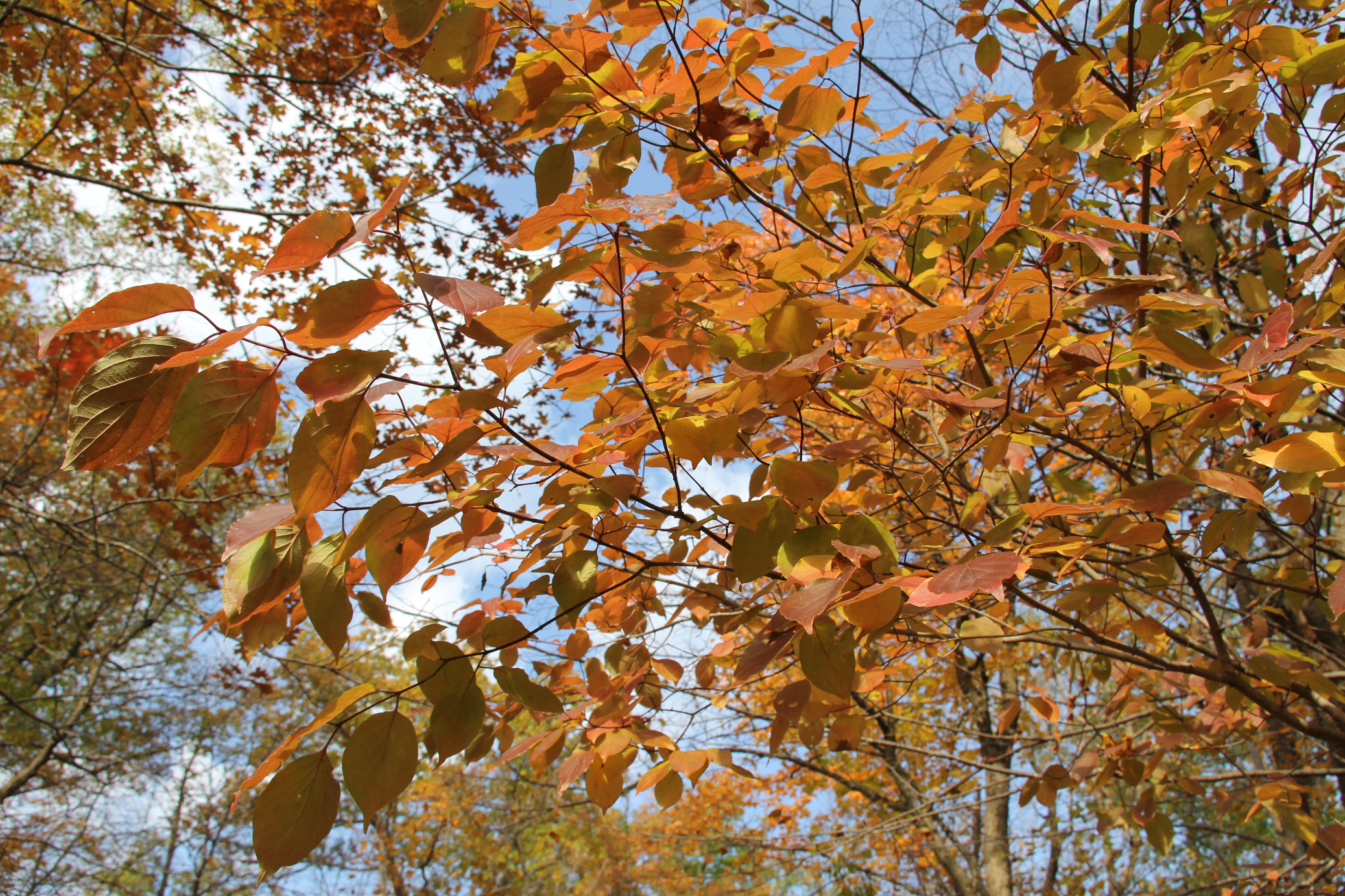
Masses of colored leaves drew my eyes upward. (Minnesota Prairie Roots copyrighted photo October 2025)
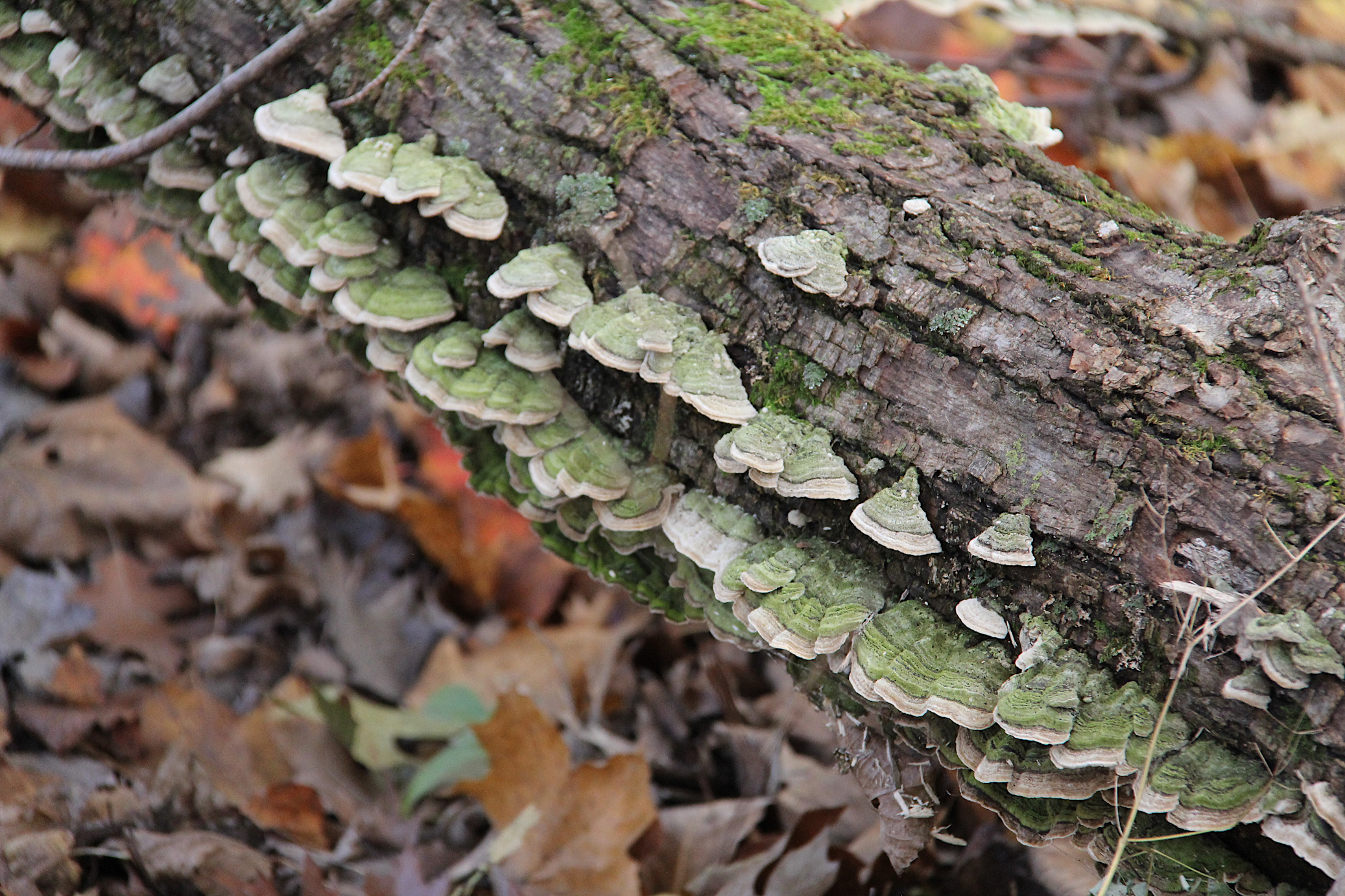
I appreciate the patterns of fungi, like outdoor art. (Minnesota Prairie Roots copyrighted photo October 2025)

I noticed birds flitting among trees, the last of the season’s flowers, dried goldenrod, bright red wild rose hips, fungi on a fallen tree…

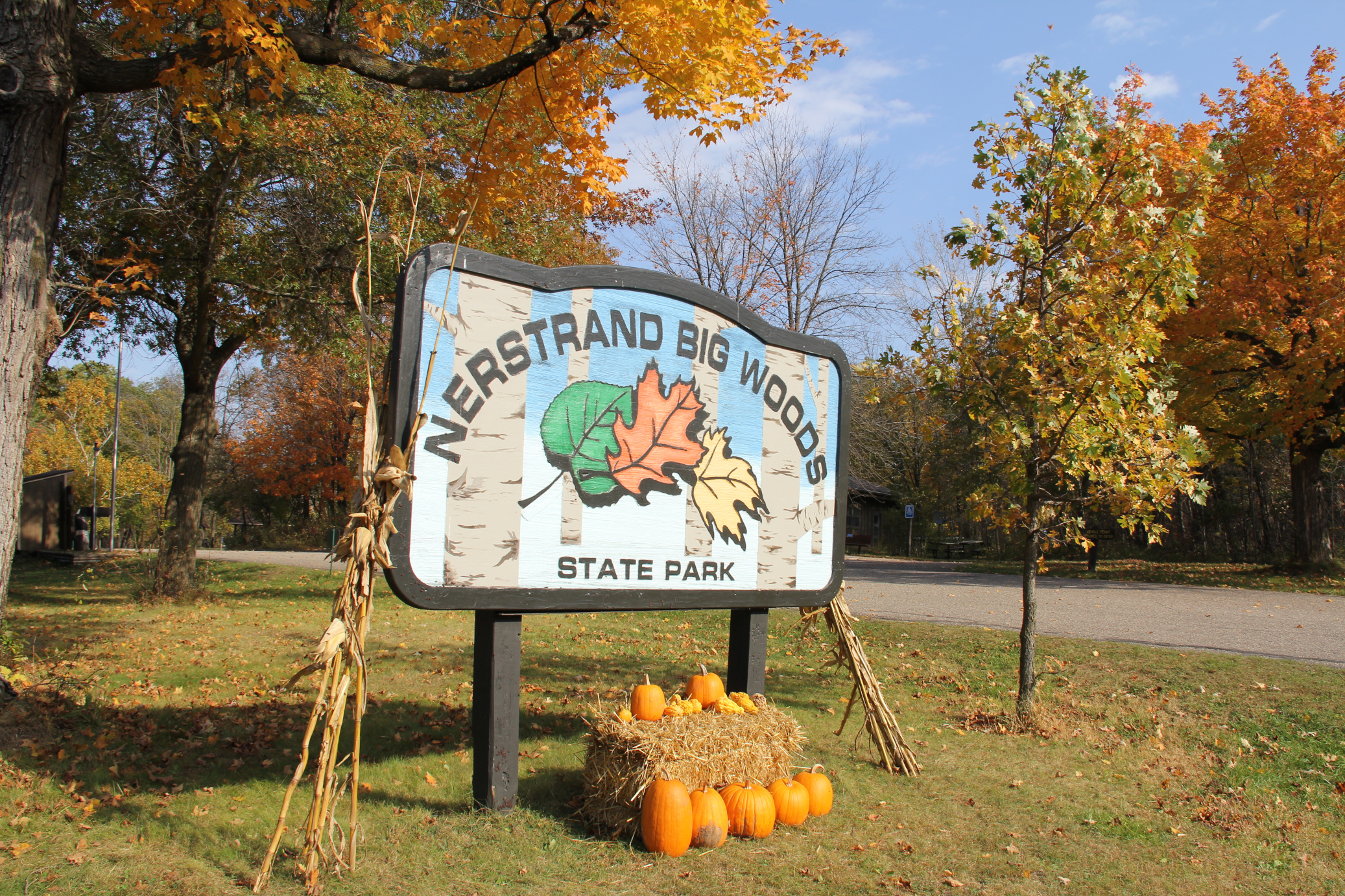
Welcome to Nerstrand Big Woods State Park, established in 1945. (Minnesota Prairie Roots copyrighted photo October 2025)

And I heard a young mother tell her children to listen for the wind in the woods. These woods—the Big Woods of south central Minnesota.

© Copyright 2025 Audrey Kletscher Helbling
 

An eye for eagles July 22, 2025

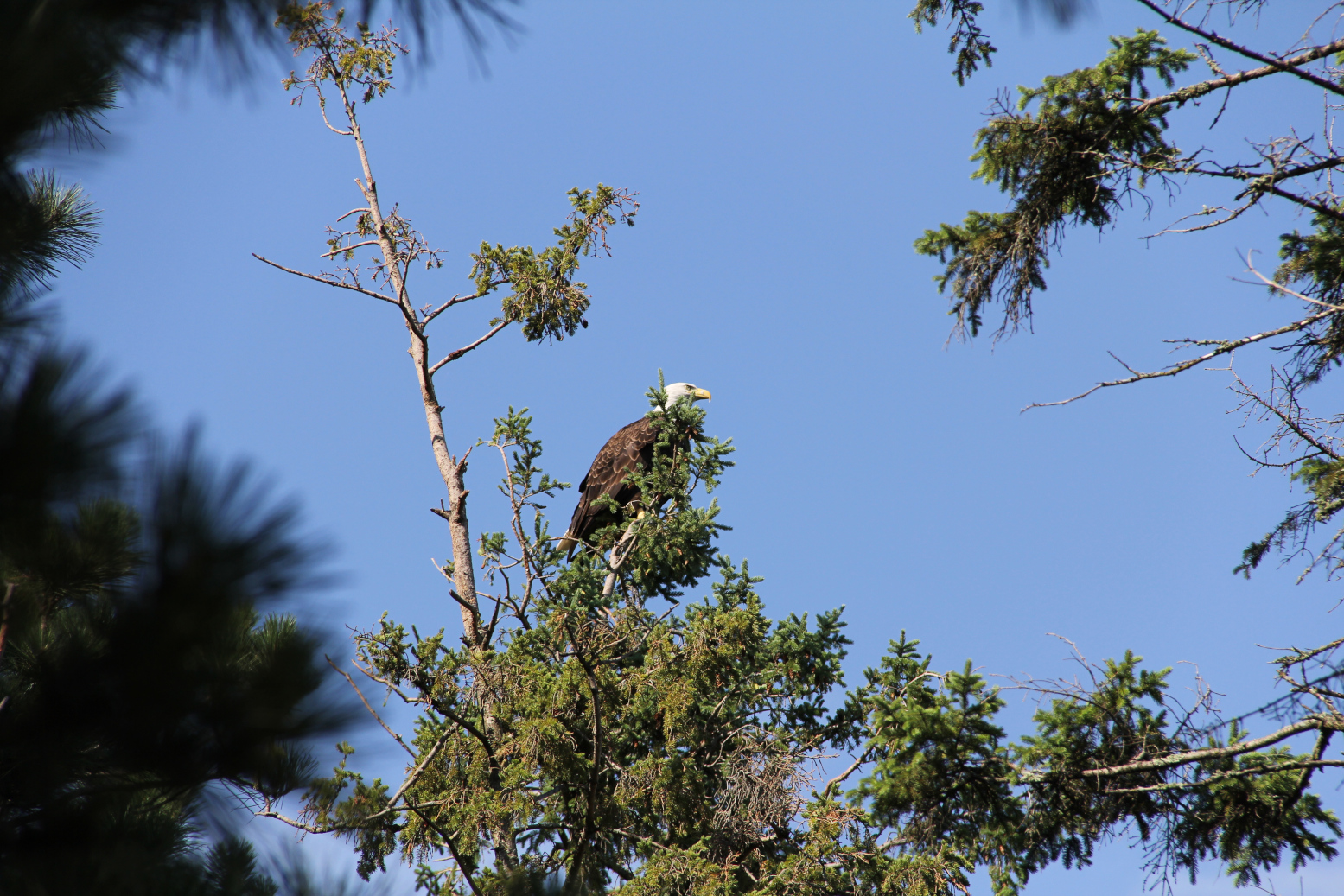
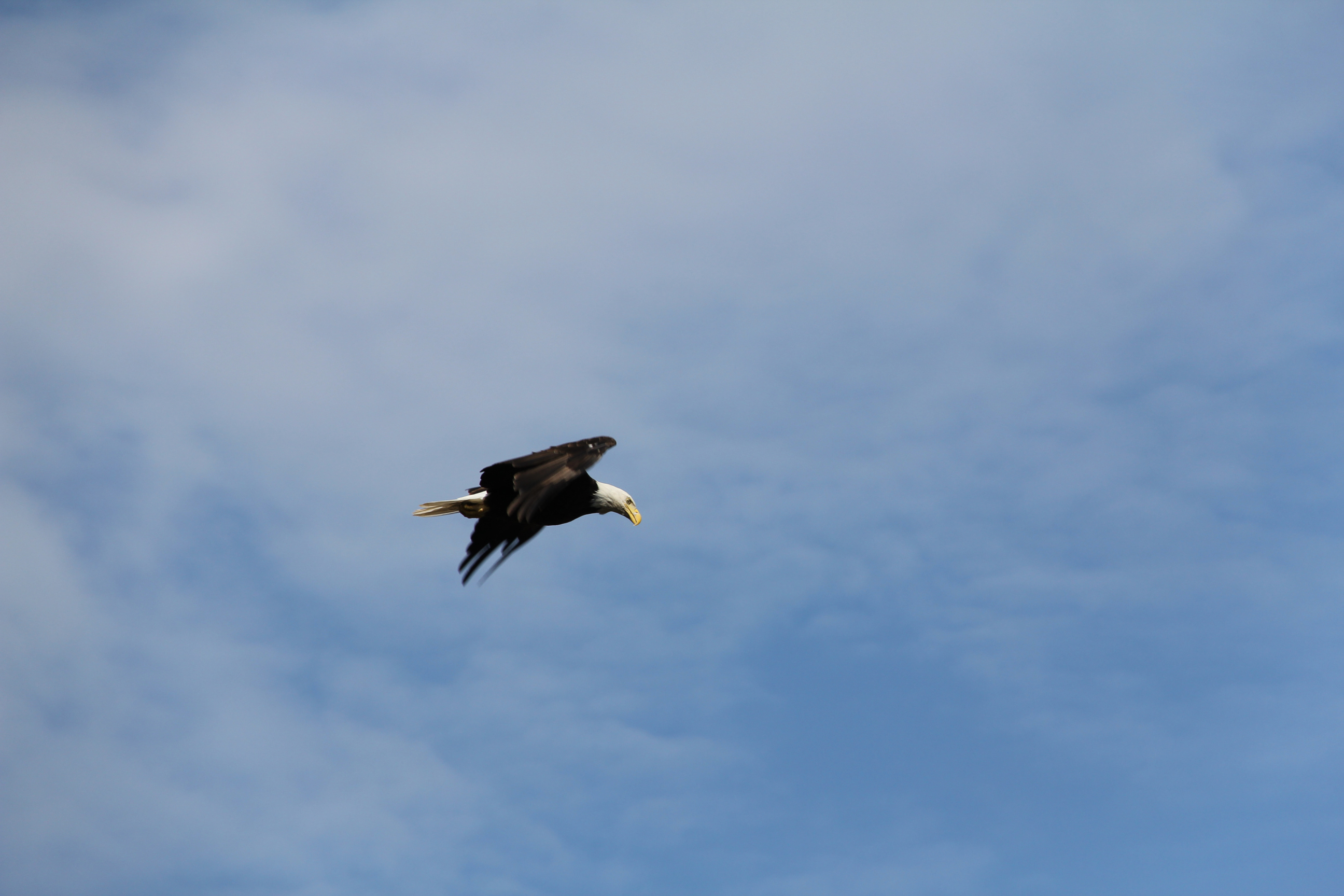
The bald eagle I saw nearby within hours of arriving at a central Minnesota lake cabin. (Minnesota Prairie Roots copyrighted photo July 2025)

LAST SUMMER, LOON sightings proved common at a family member’s lake cabin south of Crosslake in north central Minnesota. This summer, not so much. While Randy and I heard the haunting call of loons during a recent stay, we only saw them twice—once a threesome swimming near shore and then two flying westward before a thunderstorm rolled in.

But bald eagle sightings more than made up for the absence of loons. We’d been at the cabin only hours when one swooped onto the top of a towering pine near the patio where we were enjoying late afternoon drinks with my sister-in-law. Randy pulled out his cellphone to snap a few photos. I stayed put since my 35 mm camera was back at the cabin. I reasoned that, by the time I walked to the cabin and back, the eagle would have flown away. That’s my usual luck.

And so we continued to chat and catch up on family news, the eagle all the while perched atop the tree like some silent eavesdropper. Finally I couldn’t stand it any longer. I headed to the cabin for my Canon, cautiously optimistic that the eagle would still be in the tree upon my return. It was.

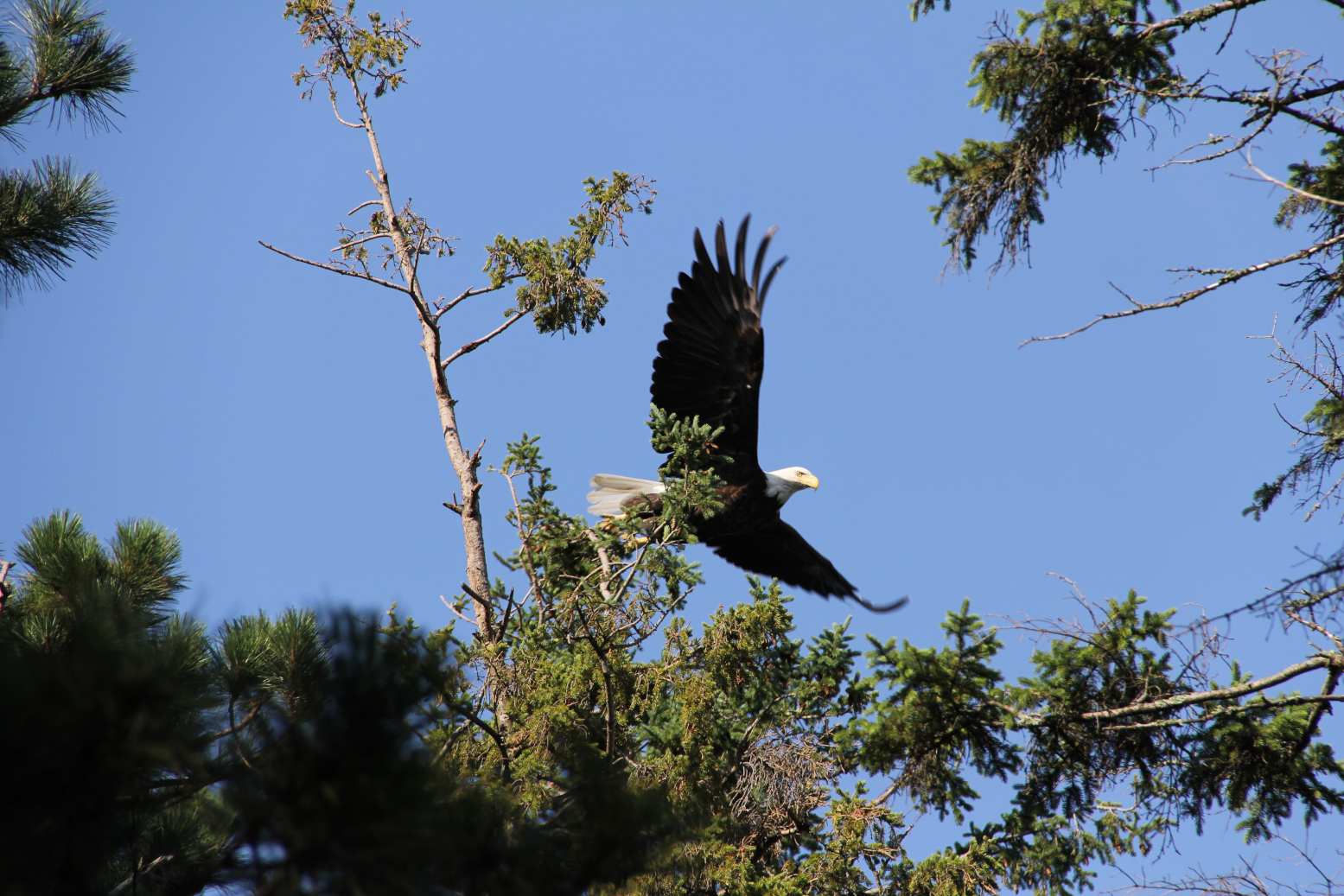
Wings spread wide, the bald eagle lifts off from the treetop. (Minnesota Prairie Roots copyrighted photo July 2025)

I moved slowly away from the patio, pine tree and eagle in view, aimed my telephoto lens skyward and snapped a single frame before the eagle lifted off. I can only surmise that my camera lens appeared threatening to the observant bird with exceptional vision. An eagle can see an animal the size of a rabbit running from three miles away, according to the Wabasha-based National Eagle Center.

Nine minutes later, that same eagle was back, but in a different pine near the lake and on the other side of the patio. Once again, I managed one photo before the majestic bird took flight.

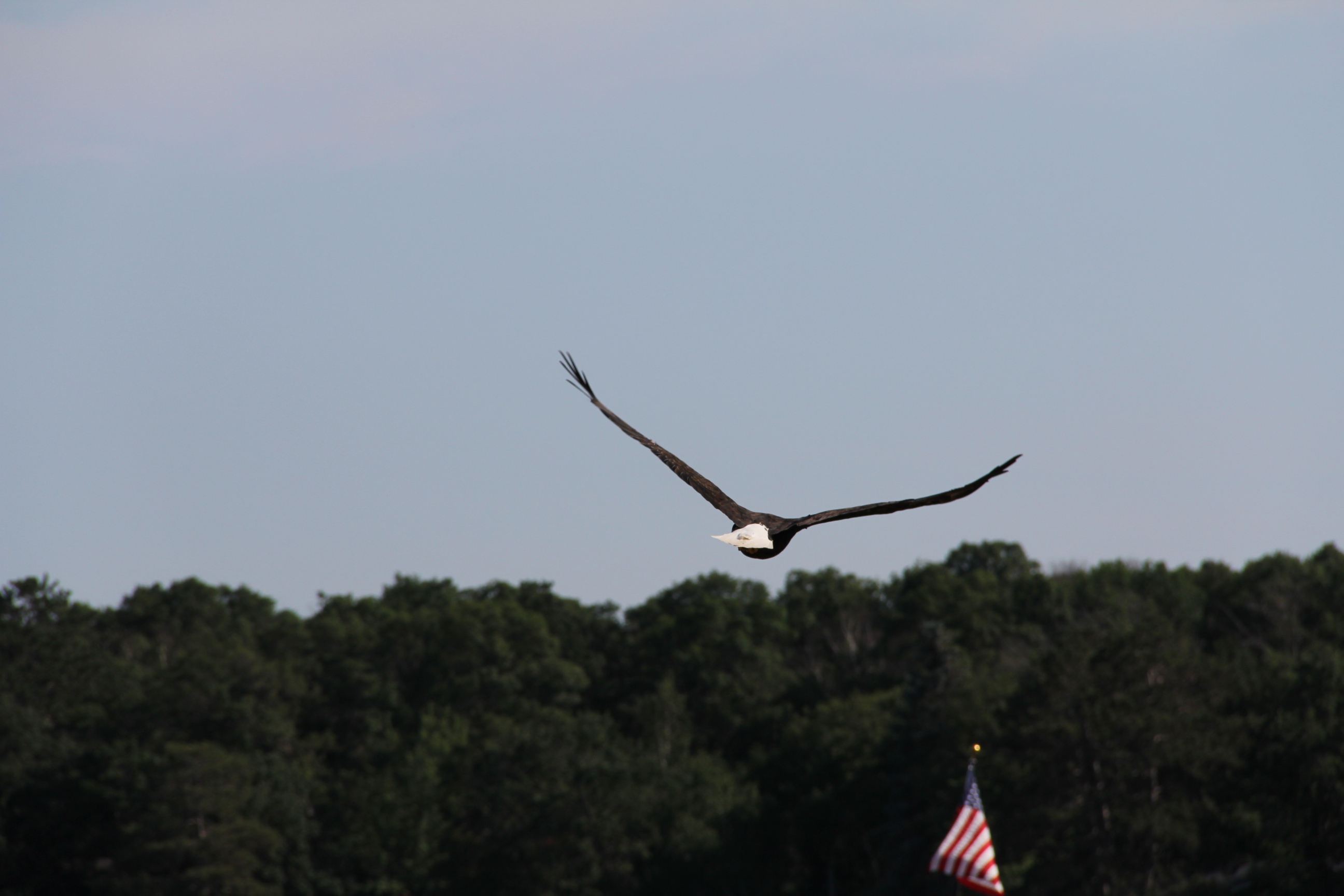
Two symbols of America: the flag and a bald eagle. (Minnesota Prairie Roots copyrighted photo July 2025)

I never tire of seeing eagles, whether flying or statue still. They are truly majestic. Regal. Commanding respect. And they are our national bird, a designation officially signed into law on December 23, 2024.

Throughout our week-long cabin stay, I observed bald eagles flying above Horseshoe Lake multiple times. Sometimes high above the water. Other times descending toward the surface, fishing for fish. I hoped I would see a fish grasped in eagle talons. I didn’t. Nor did I see the eagles any closer than that first afternoon at the lake.

On the drive back to Faribault, Randy and I spotted many eagles soaring above the land, especially around Mille Lacs Lake. I couldn’t help but think of the eagle’s spiritual and cultural importance among Native Americans. Strength. Courage. Wisdom. All are equated with eagles.

A bald eagle flies over Horseshoe Lake in the Brainerd lakes area. (Minnesota Prairie Roots copyrighted photo July 2025)

This wondrous national bird is so common now that I’m no longer surprised when I see one flying in and around Faribault or elsewhere in Rice County or in Minnesota. Yet, despite frequent sightings, I never tire of seeing a bald eagle. There’s something about this bird with an average wingspan of 6-7 ½ feet, piercing eyes and curved beak that makes me pause, take notice and appreciate their fierce, unyielding strength and beauty.

© Copyright 2025 Audrey Kletscher Helbling
 

Immersed in summer at River Bend July 8, 2025

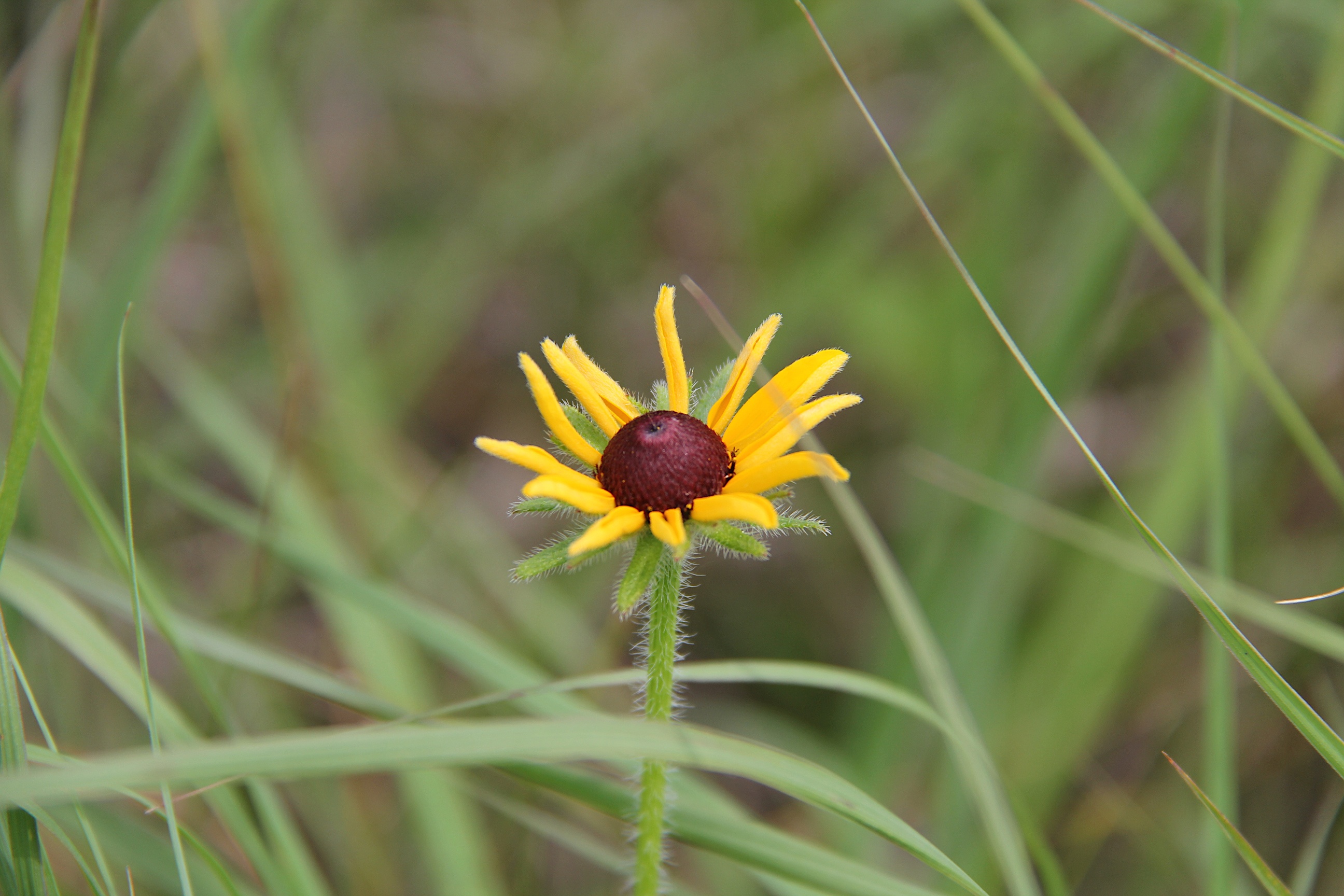
A black-eyed Susan at River Bend Nature Center, Faribault. (Minnesota Prairie Roots copyrighted photo July 2025)

SUMMER, EVEN WITH ITS SOMETIMES excessive heat, humidity and storms, is a glorious season. Especially in Minnesota, when many months of the year are cold and colorless.

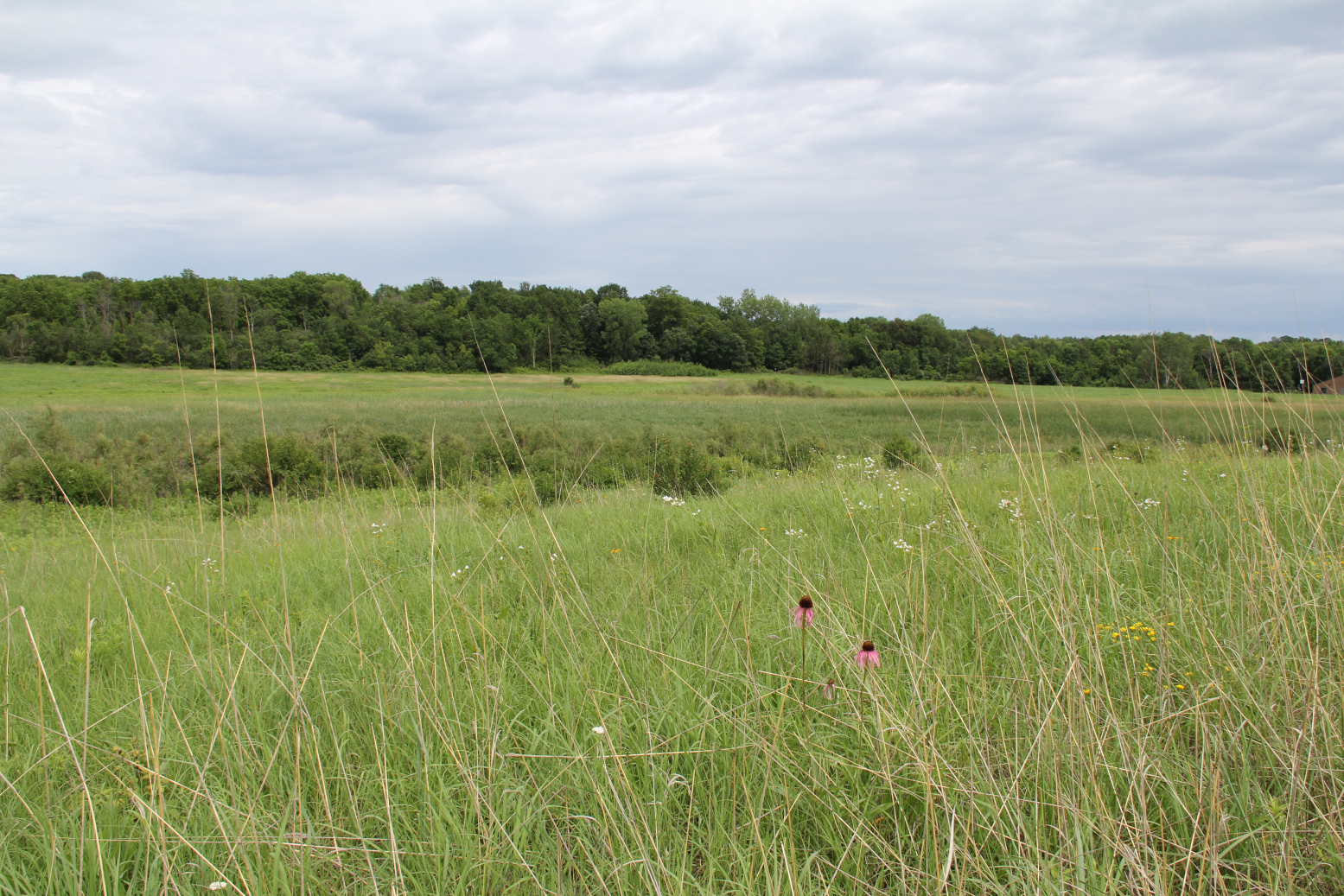
A view of and from the prairie at River Bend. (Minnesota Prairie Roots copyrighted photo July 2025)

This time of year brings a natural world teeming with life in a landscape flush with color. It takes a walk into the woods and onto the prairie—for me at River Bend Nature Center in Faribault—to fully immerse myself in the delights of these July days.

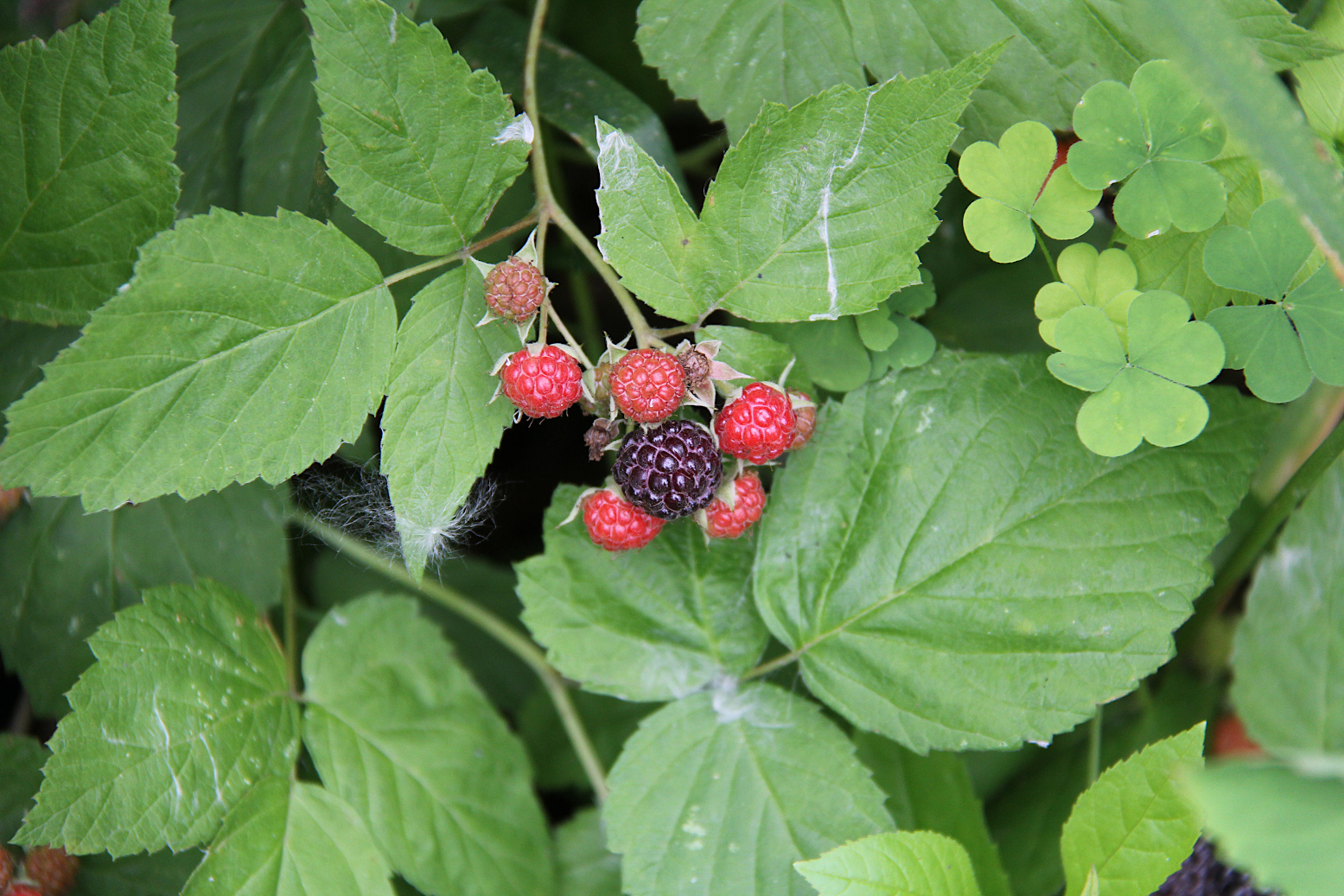
Ripe and ripening black raspberries. (Minnesota Prairie Roots copyrighted photo July 2025)

During a recent hike on River Bend’s north side, I paused early on to sample black raspberries plucked from trailside bushes. I spotted the first ripe ones as Randy and I were about to cross a walkway bridge leading to a trail edging the Minnesota Correctional Facility, Faribault. But before I could get there, two guys on fat tire bikes barreled over the bridge, scaring me. I didn’t see them, so focused was I on picking berries.

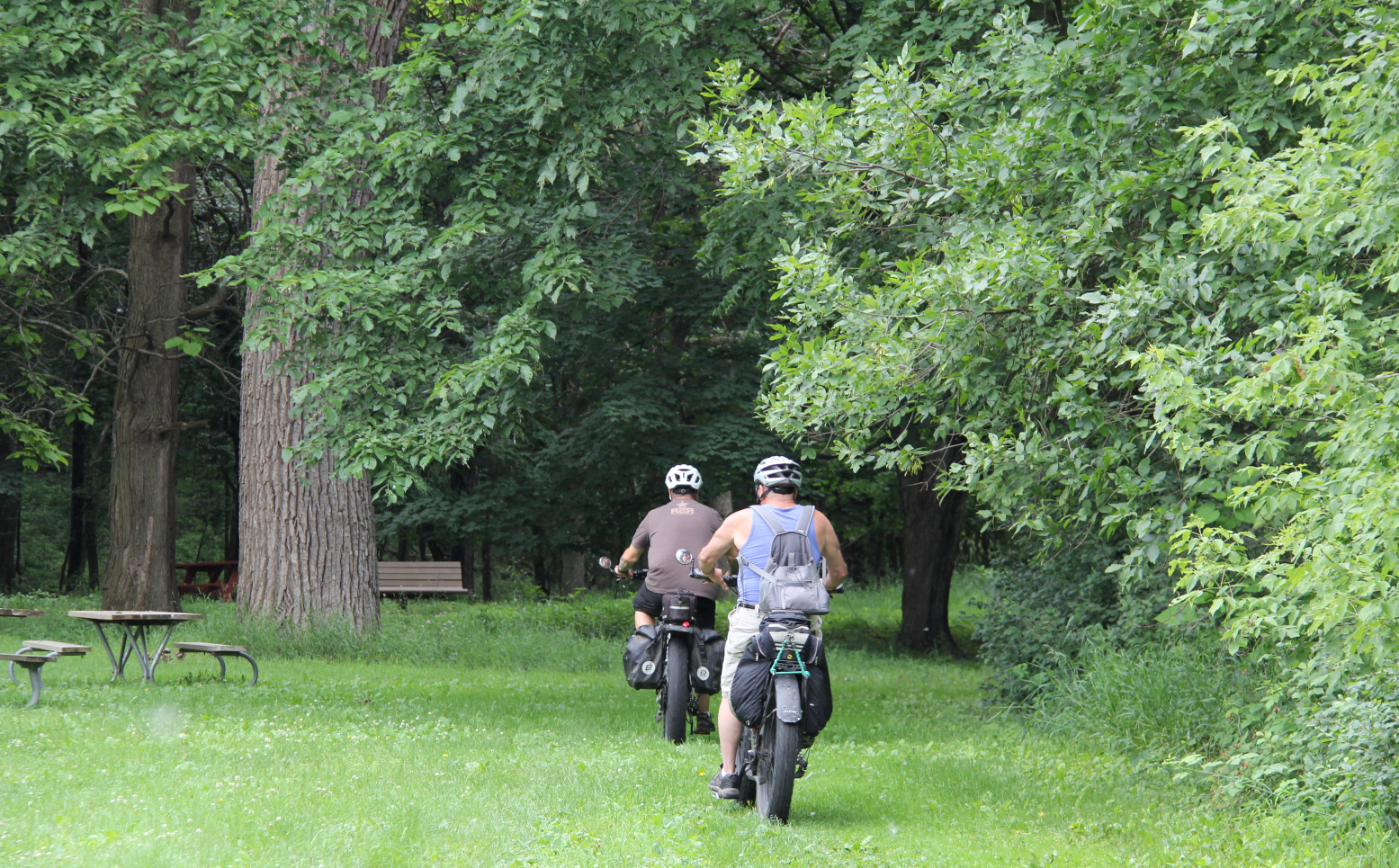
Fat tire bikers head for a trail on River Bend’s north side. (Minnesota Prairie Roots copyrighted photo July 2025)

On the other side of the bridge, a deer stood, trapped between the double fencing of the prison. While many deer at the nature center show no concern for hikers, this one was skittish, bounding away before I could even lift my camera to shoot a picture.

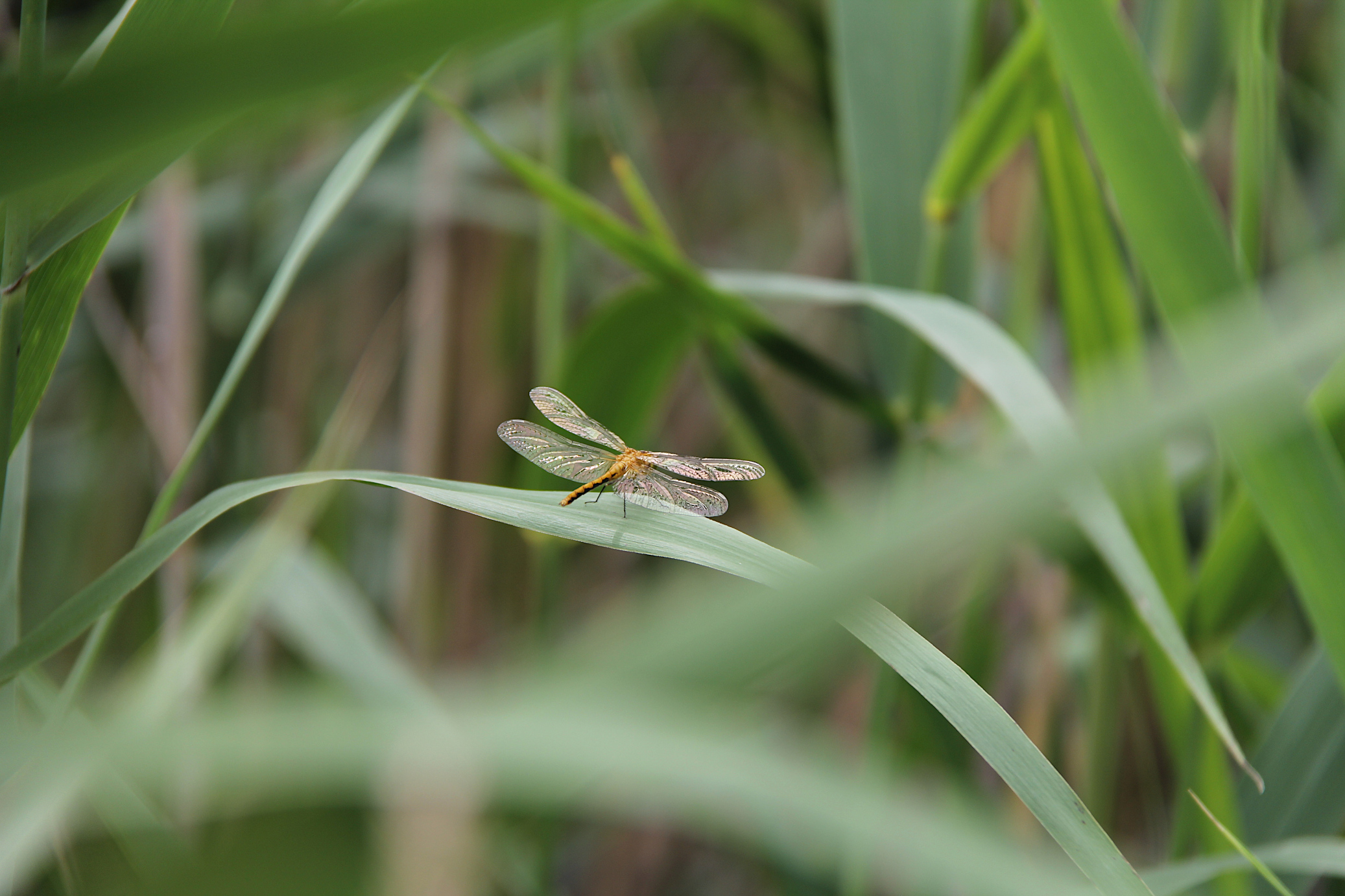
Dragonflies, all in the same hue, flitted about. (Minnesota Prairie Roots copyrighted photo July 2025)

Instead, I focused on the brownish dragonfly flitting, then landing, upon a twig. Later I would spot numerous of these same-hued insects among blades of tall grasses. I find them fascinating with their gossamer wings hearkening of fairies and magic and a child’s imagination.

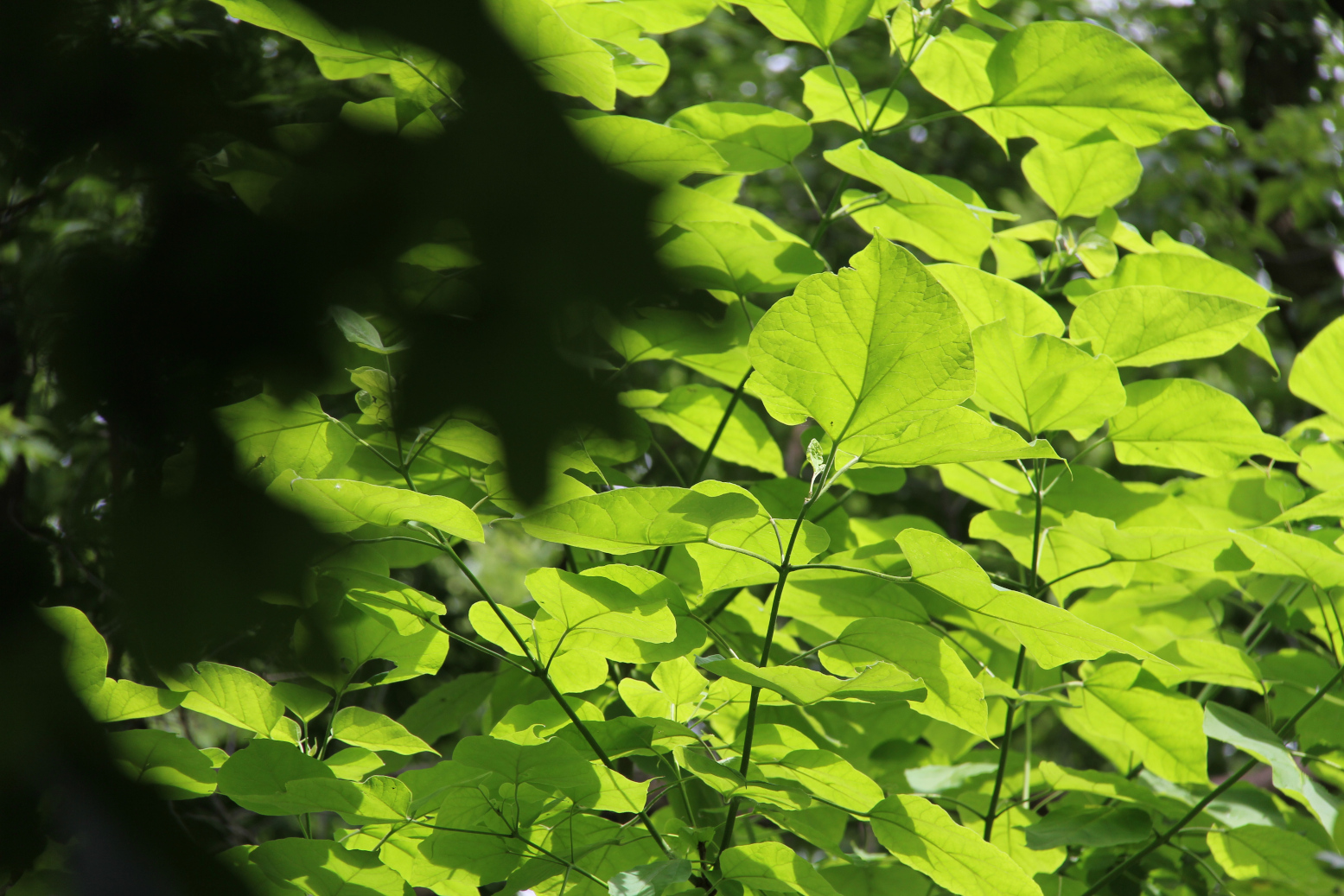
Sunlight plays on leaves in light and shadows. (Minnesota Prairie Roots copyrighted photo July 2025)

Backtracking across the road and into the woods, I observed unidentifiable slimy white fungi lining fallen limbs and trees. I’m always hopeful I will find an intensely bright yellow or orange mushroom like the vivid ones I saw several years ago in the woods of north central Minnesota. But I don’t think those grow in southern Minnesota. I know little about mushrooms except that I like them and buy eight ounces of baby bellas every week at the grocery store. I also know that a fairly-new business, Forest to Fork, grows a variety of mushrooms inside a former Faribault Foods plant on the north side of town.

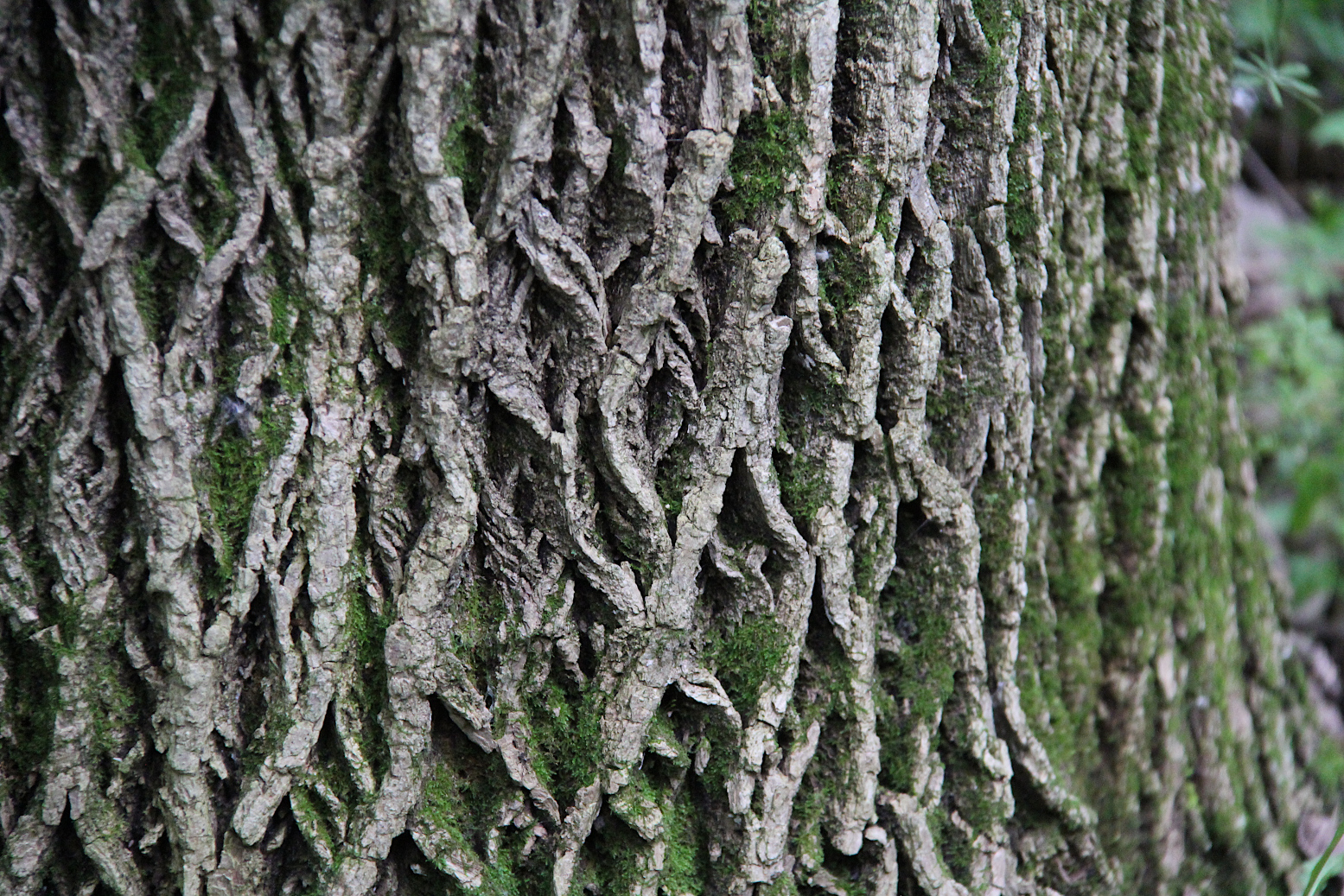
A textured tree trunk up close. (Minnesota Prairie Roots copyrighted photo July 2025)

Also in the woods, I noticed the texture of tree trunks. Natural art. At least to me.

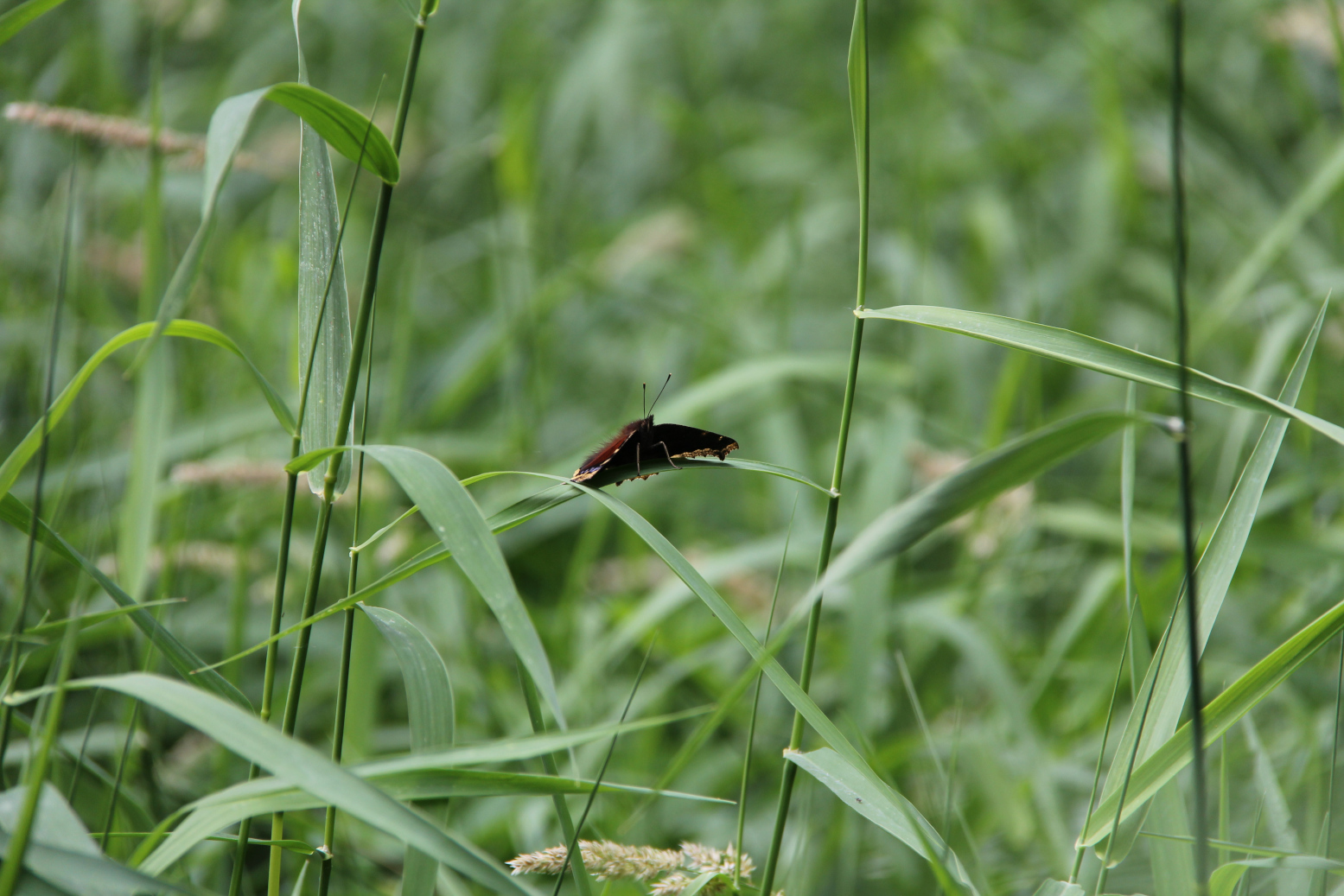
There, among the weave of grasses, a butterfly. (Minnesota Prairie Roots copyrighted photo July 2025)

As we looped back to a main trail, the woods began to open to swampland and then to prairie. Birds raised raucous sound, although I failed to see many. That was until I noticed and attempted to photograph a lone bird on a bush. And failed. The bird took flight. “It’s a bluebird,” Randy exclaimed. He was right given the flash of blue, the smallish size and the nearby bluebird houses. It was my first bluebird sighting. Ever. Rice County is a haven for bluebirds thanks to the efforts of Keith Radel, known as Mr. Bluebird. Keith hails from my hometown of Vesta on the southwestern Minnesota prairie. He’s placed and tended houses throughout the county for 40-plus years, tracking, counting and caring for bluebirds. On this afternoon, numerous bluebirds swooped and danced across the summer sky.

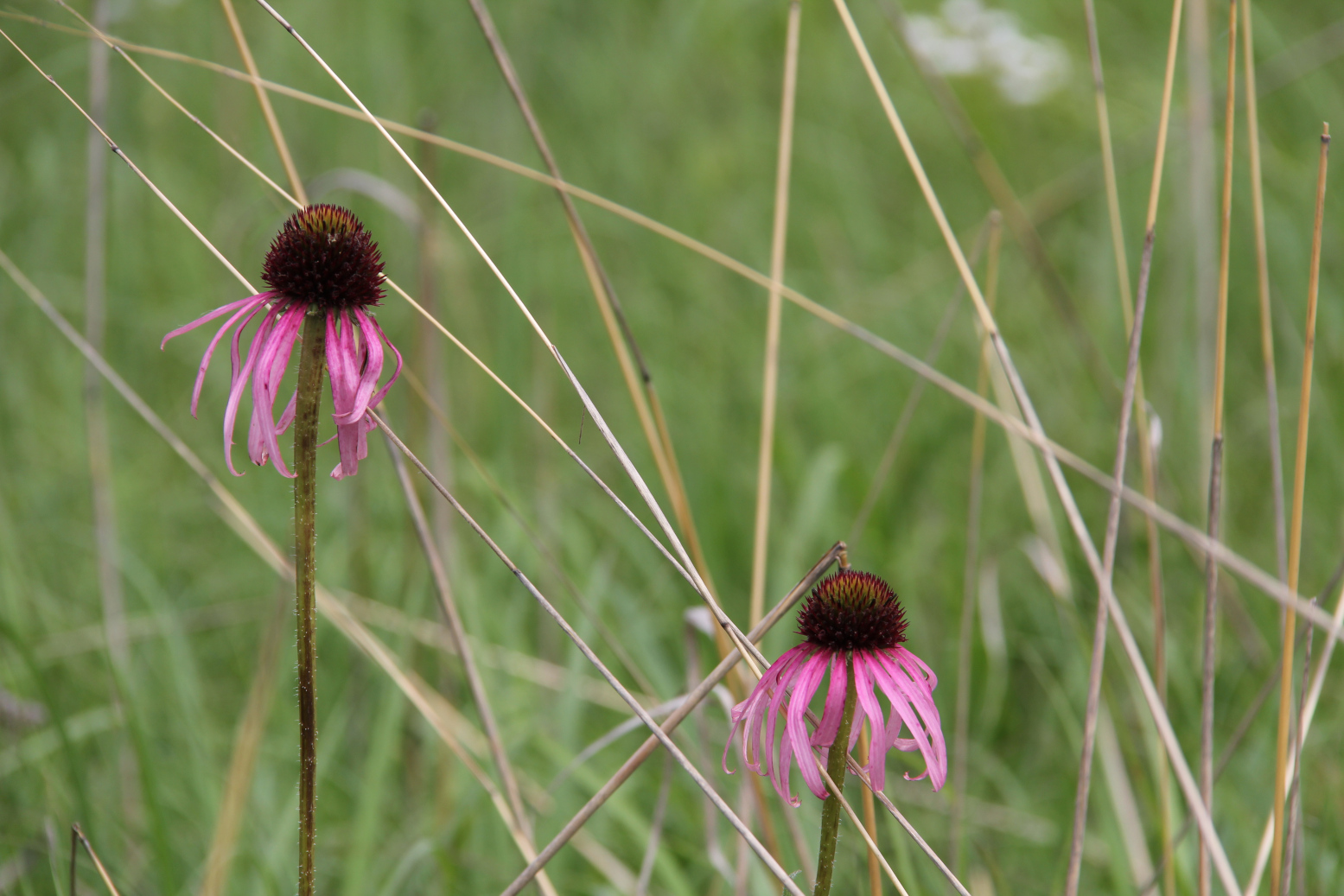
Coneflowers on the prairie. (Minnesota Prairie Roots copyrighted photo July 2025)

Nowhere does summer appear more like summer to me than in the tall grasses of swampland or among prairie wildflowers. I love the messiness of flowers tangled among grasses. I love the wide sky.

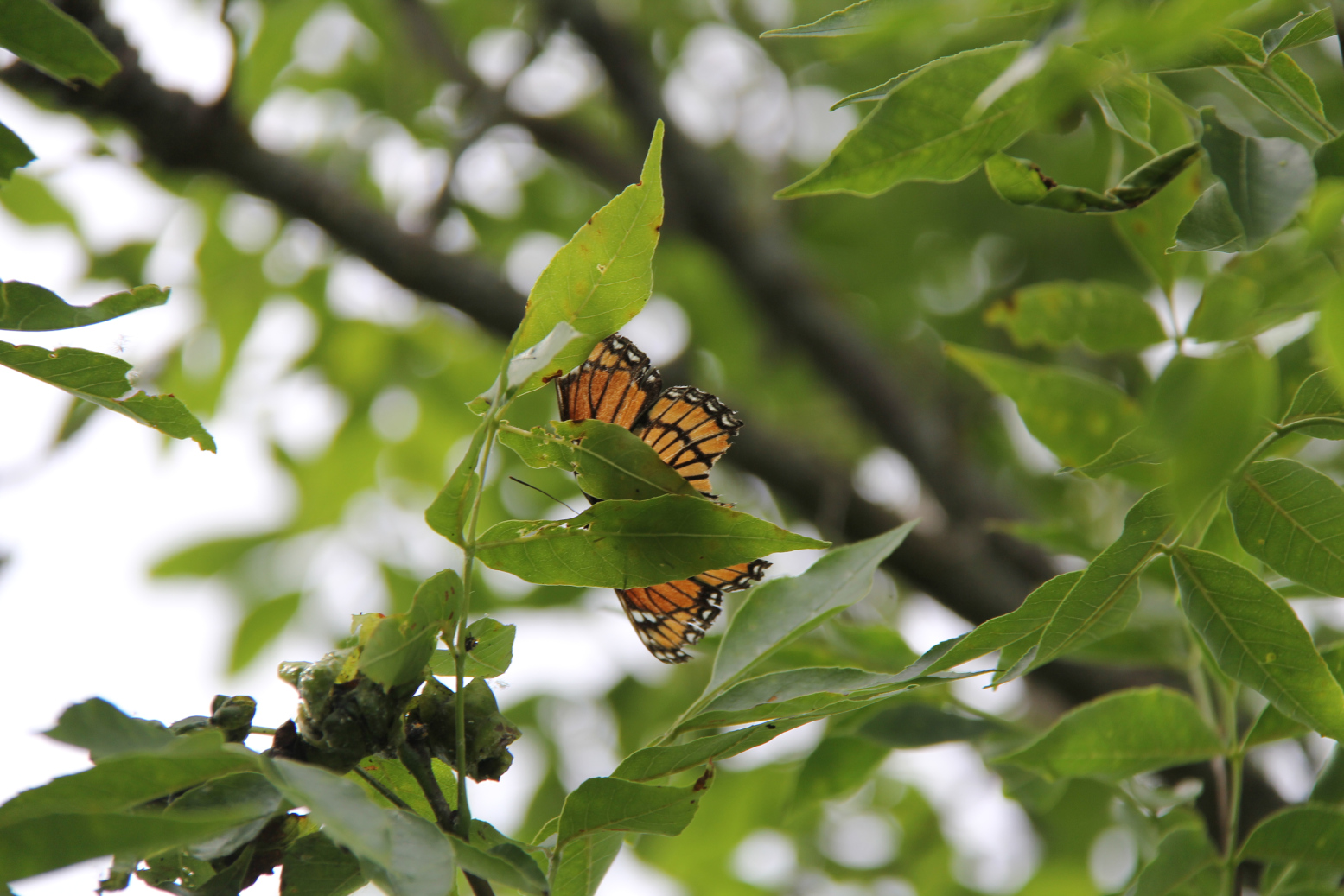
A Monarch, with parts of its wings missing, flies among leaves. (Minnesota Prairie Roots copyrighted photo July 2025)

And I love, too, the flitting of butterflies and moths. A flash of orange. Antenna and spindly legs. And on this afternoon, a Monarch with wings partially-eaten by a predator.

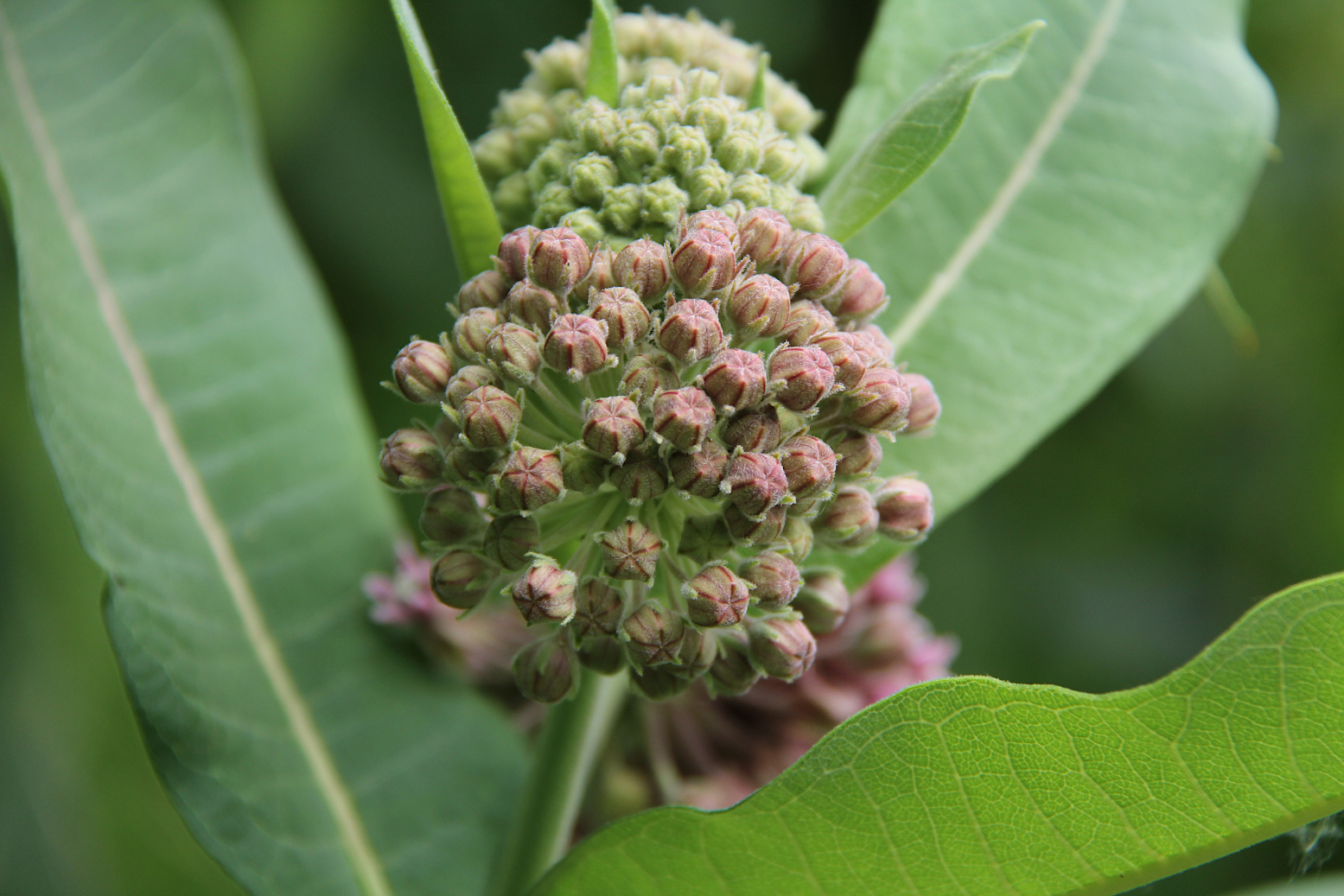
A milkweed flower beginning to open. (Minnesota Prairie Roots copyrighted photo July 2025)

All of this I discovered on a July afternoon at River Bend. Here I dipped my nose into deeply-scented, dusty pink milkweed flowers. Here I tasted sunshine and rain in berries. And here I honored summer in southern Minnesota. Glorious and beautiful.

© Copyright 2025 Audrey Kletscher Helbling
 

Finding peace & more on a spring day at River Bend April 29, 2025

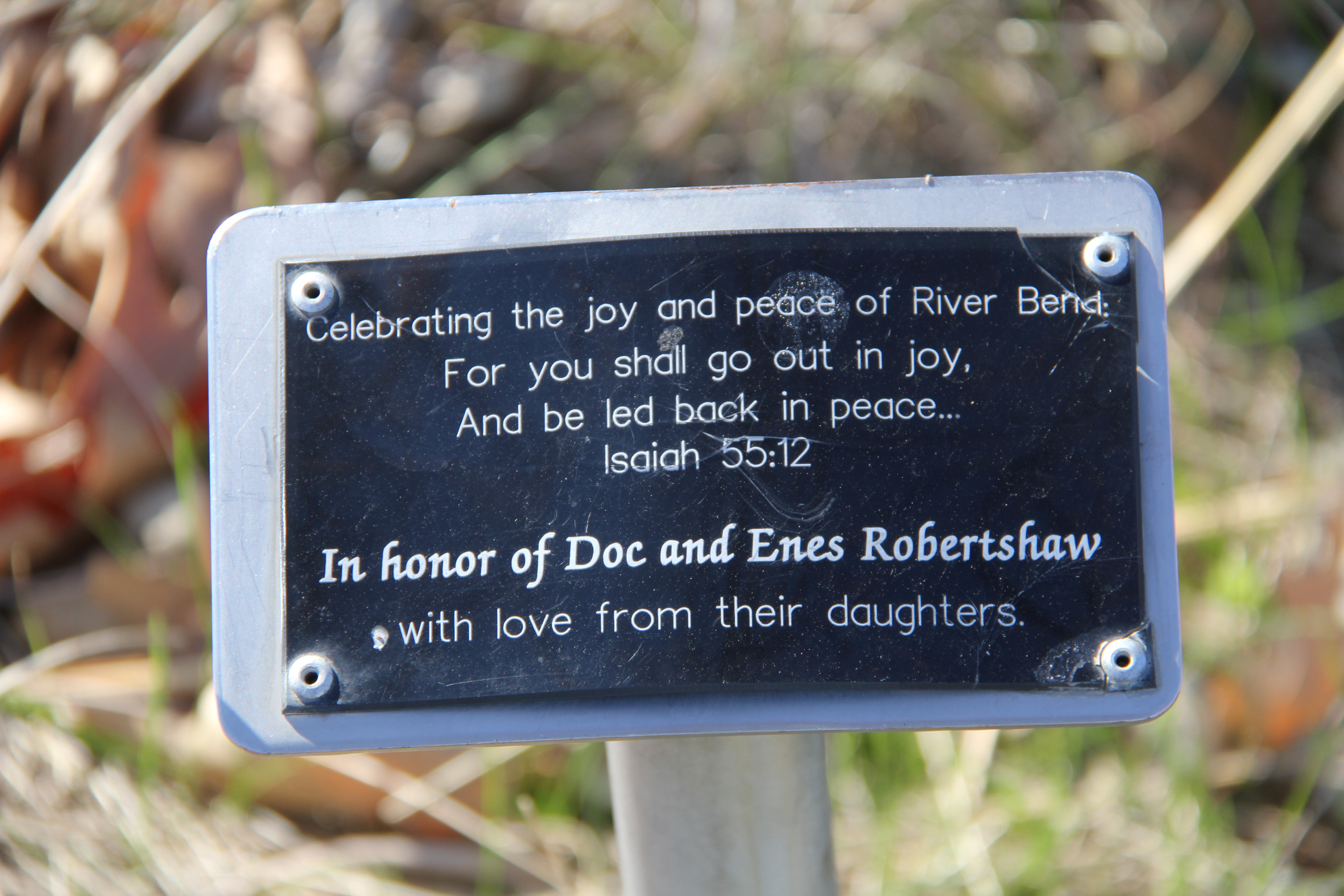
This small memorial plaque honors parents and River Bend with joyful words. (Minnesota Prairie Roots copyrighted photo April 2025)

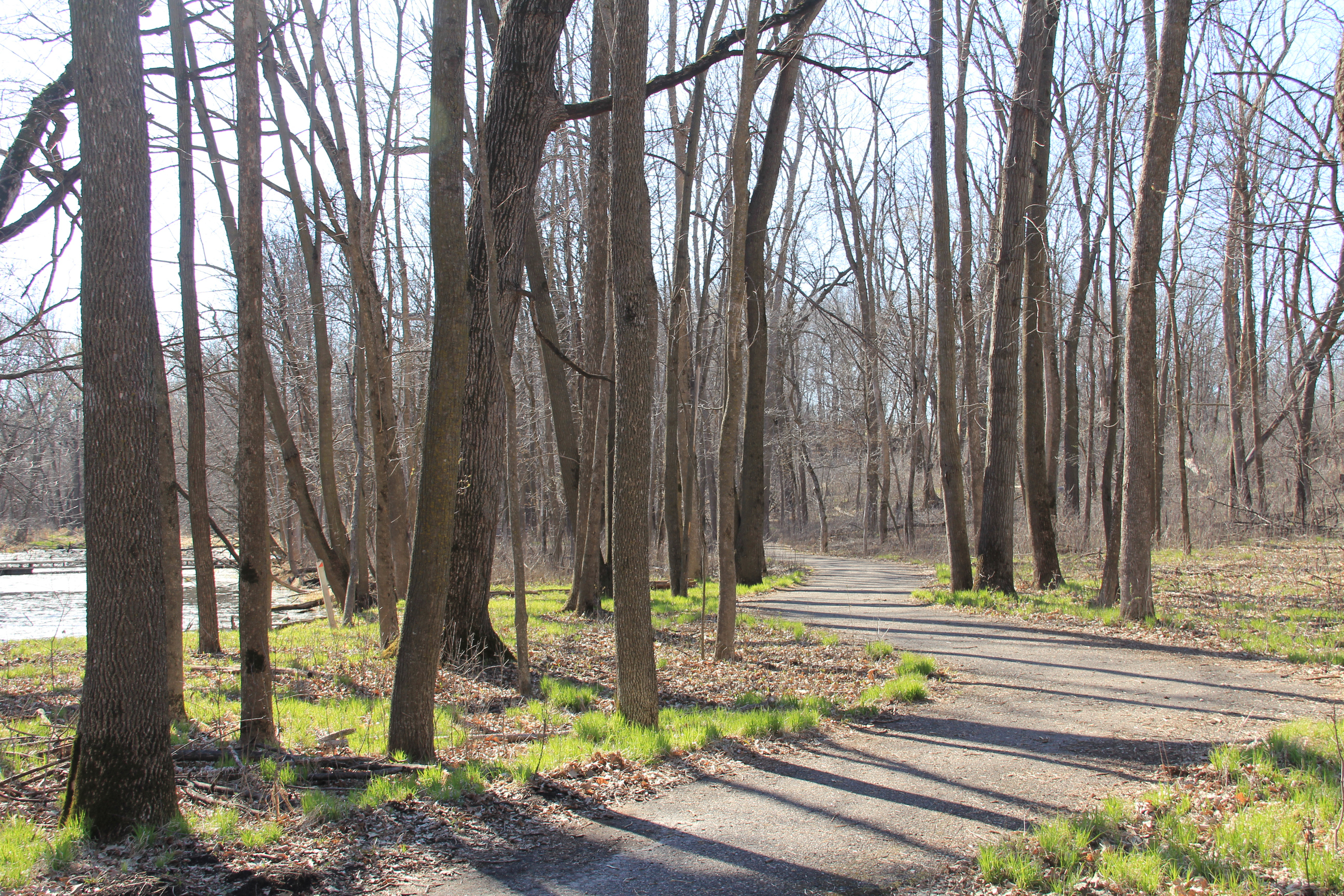
FOR YOU SHALL GO out in joy, and be led back in peace. Those words from Isaiah 55:12, printed on a memorial plaque by a tree near the River Bend Nature Center interpretative center, summarize well my feelings about this spacious public area of ponds and river, woodland and prairie in Faribault. Whenever I arrive here, I come with joyful anticipation. I always leave feeling refreshed, at peace. Nature has a way of infusing happiness while simultaneously calming the spirit.

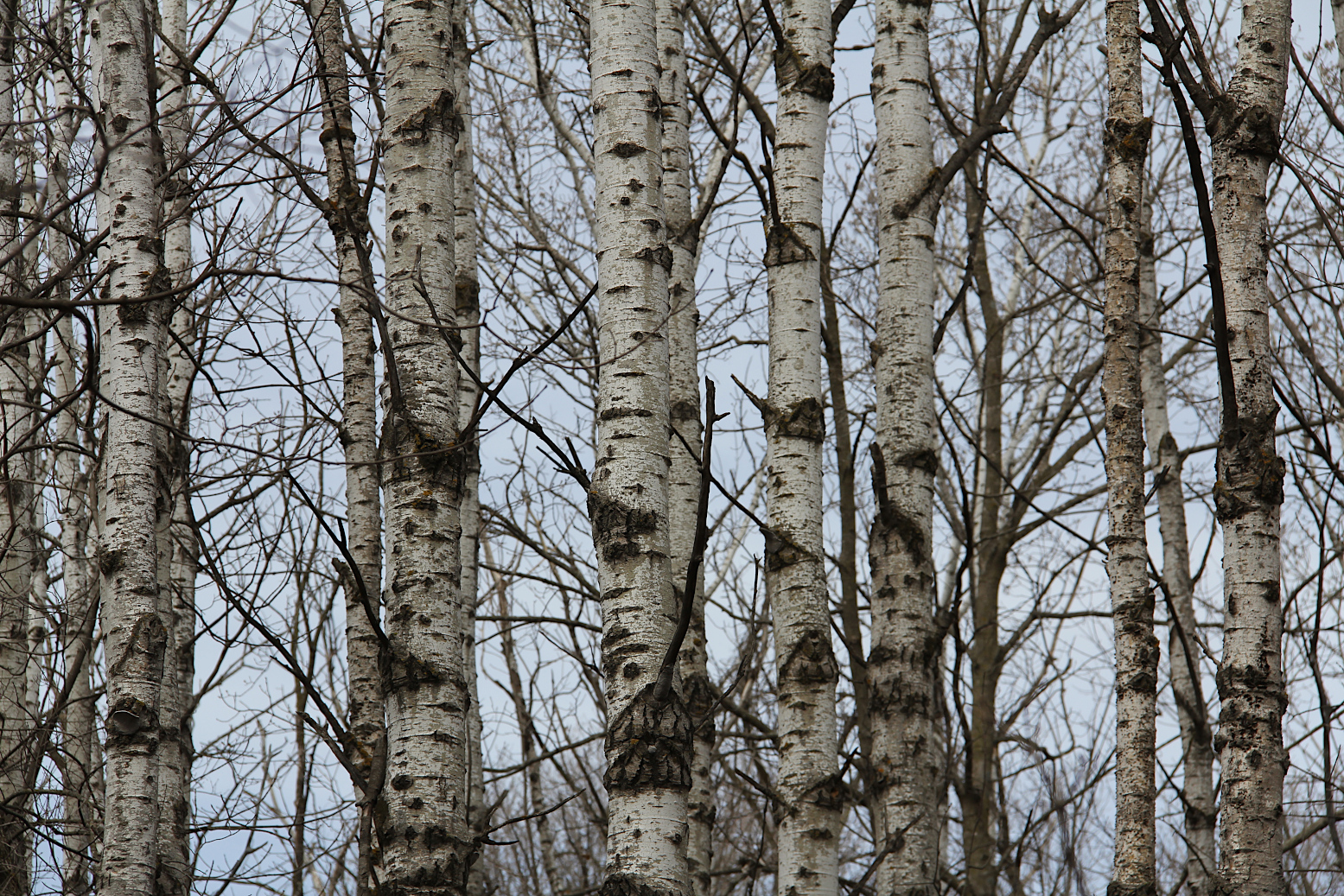
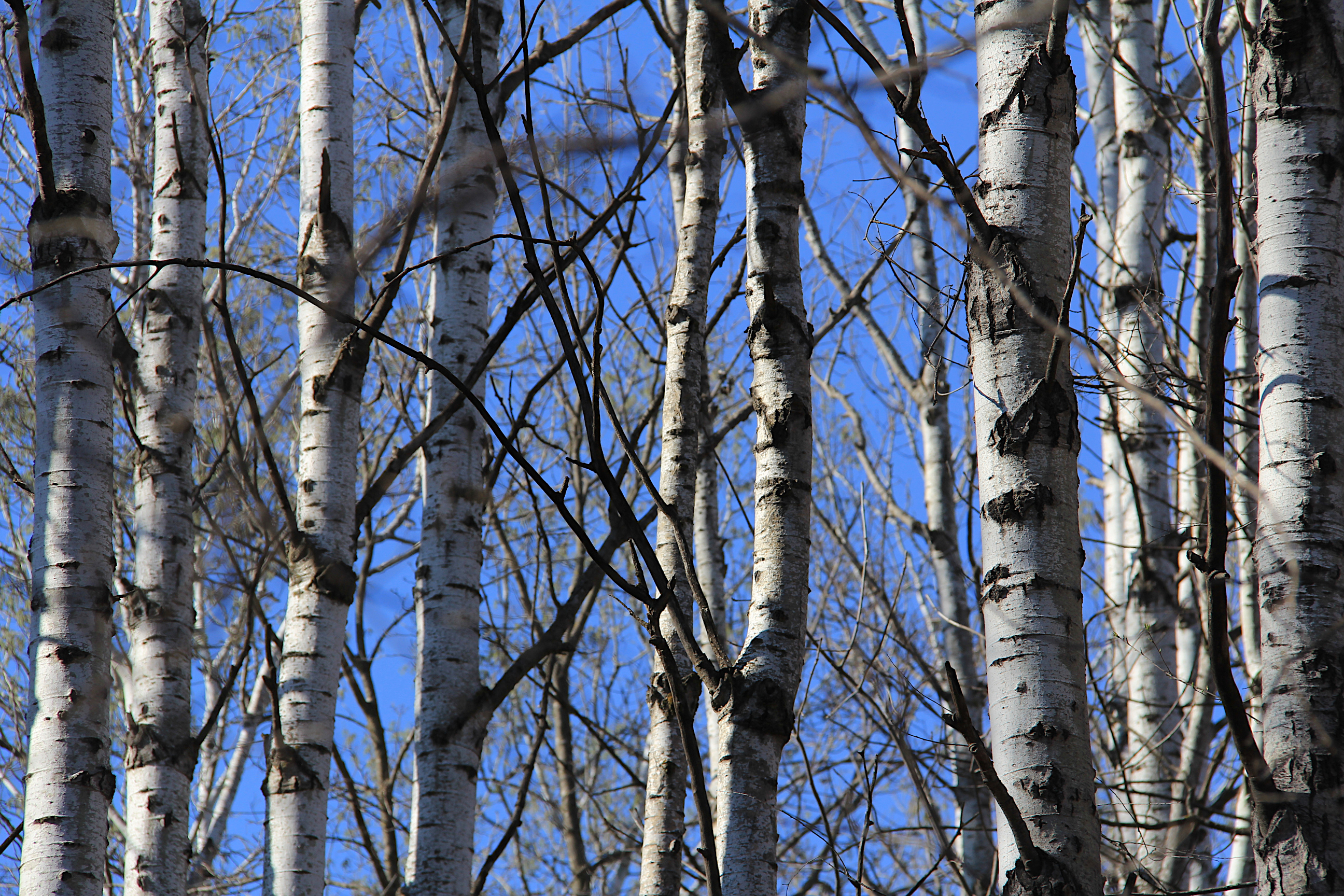
I love the contrast of textured white bark against the bold blue sky of a sunny spring afternoon. (Minnesota Prairie Roots copyrighted photo April 2025)

After a long winter, which wasn’t particularly harsh by Minnesota standards, River Bend draws friends, families, couples, individuals and students to experience the unfolding of spring, me among them. This time of year, perhaps more than any other, I am cognizant of the natural world evolving, changing, teeming with life.

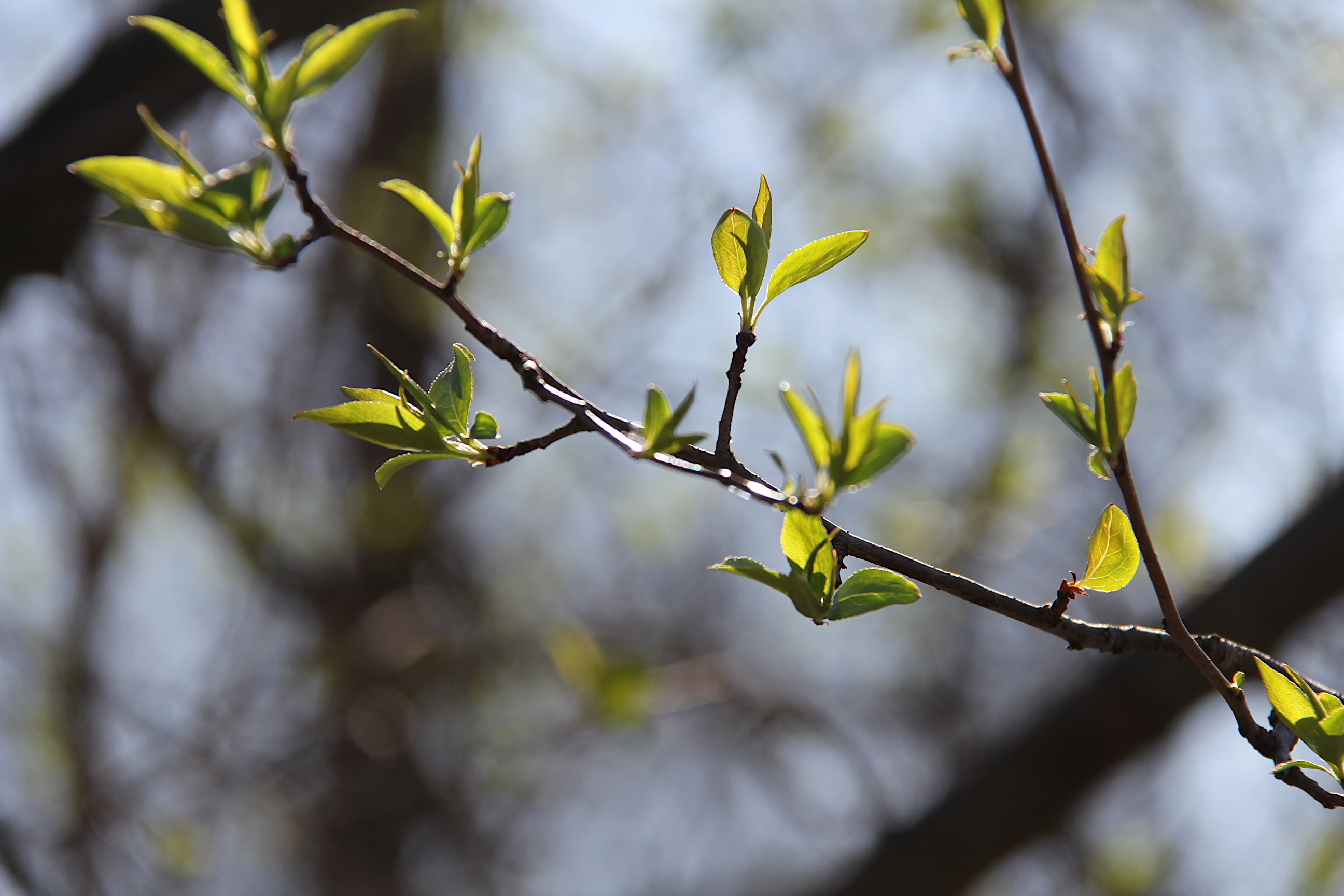
Buds unfurl as temps warm. (Minnesota Prairie Roots copyrighted photo April 2025)

In the shelter of woods, buds tip trees, unfurling with each warm and sunny day until the barren gray branches of winter morph into a canopy of green. We’re not quite there yet. But I see the greenery. I doubt there’s a green more intense than that of early spring.

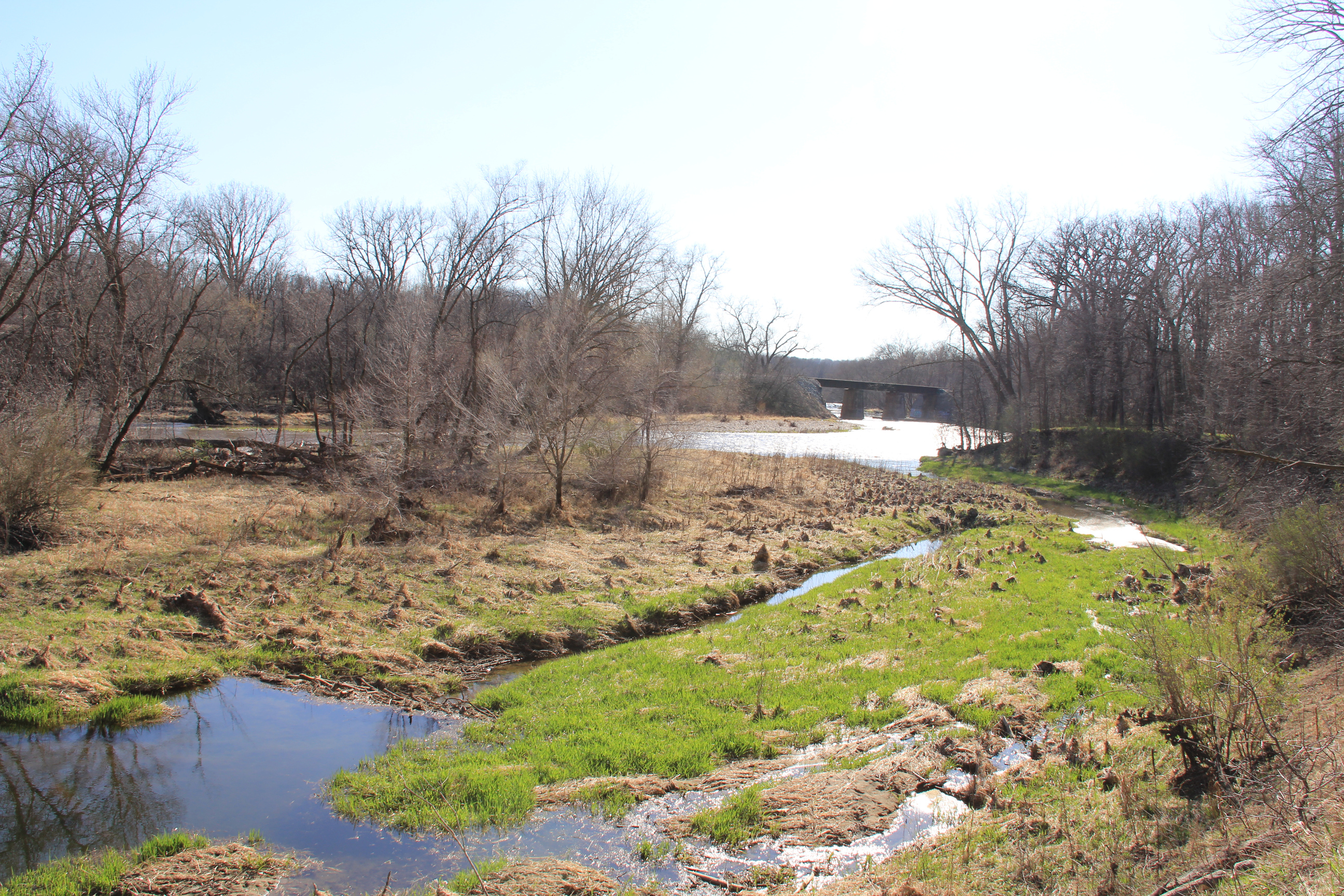
Pockets of green along the Straight River bottom. (Minnesota Prairie Roots copyrighted photo April 2025)
Sunlight slices shadows onto the path to the Turtle Pond and spotlights greenery. (Minnesota Prairie Roots copyrighted photo April 2025)
Sunlight illuminates patches of grass growing among limestone. (Minnesota Prairie Roots copyrighted photo April 2025)

On recent hikes at River Bend, I noticed vivid swaths of green by the Straight River, scattered patches of green on the forest floor, tufts of greenery clinging to a rocky hillside. Green. Green. Green.

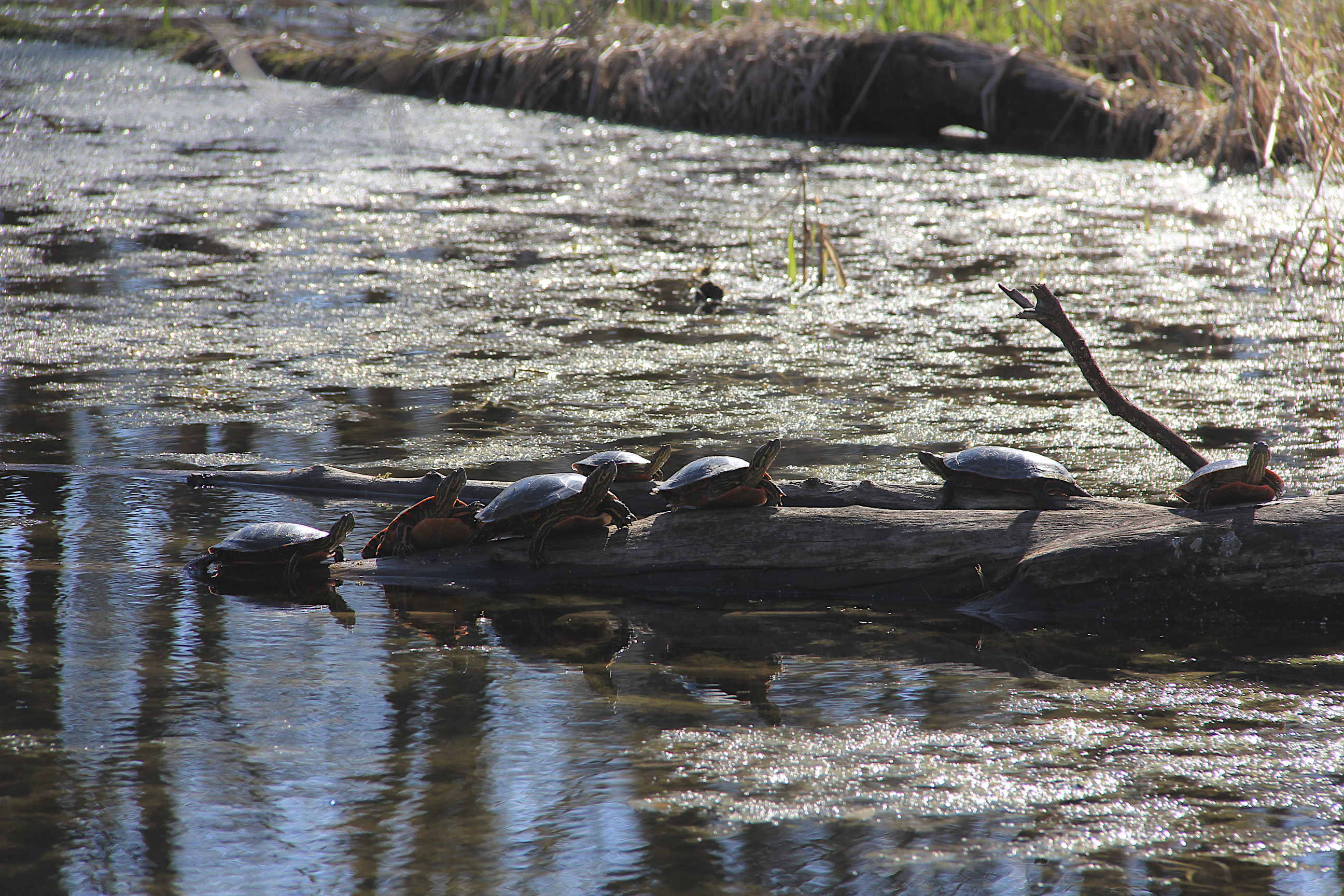
Lazy turtles on a log cause me to stop and linger. (Minnesota Prairie Roots copyrighted photo April 2025)
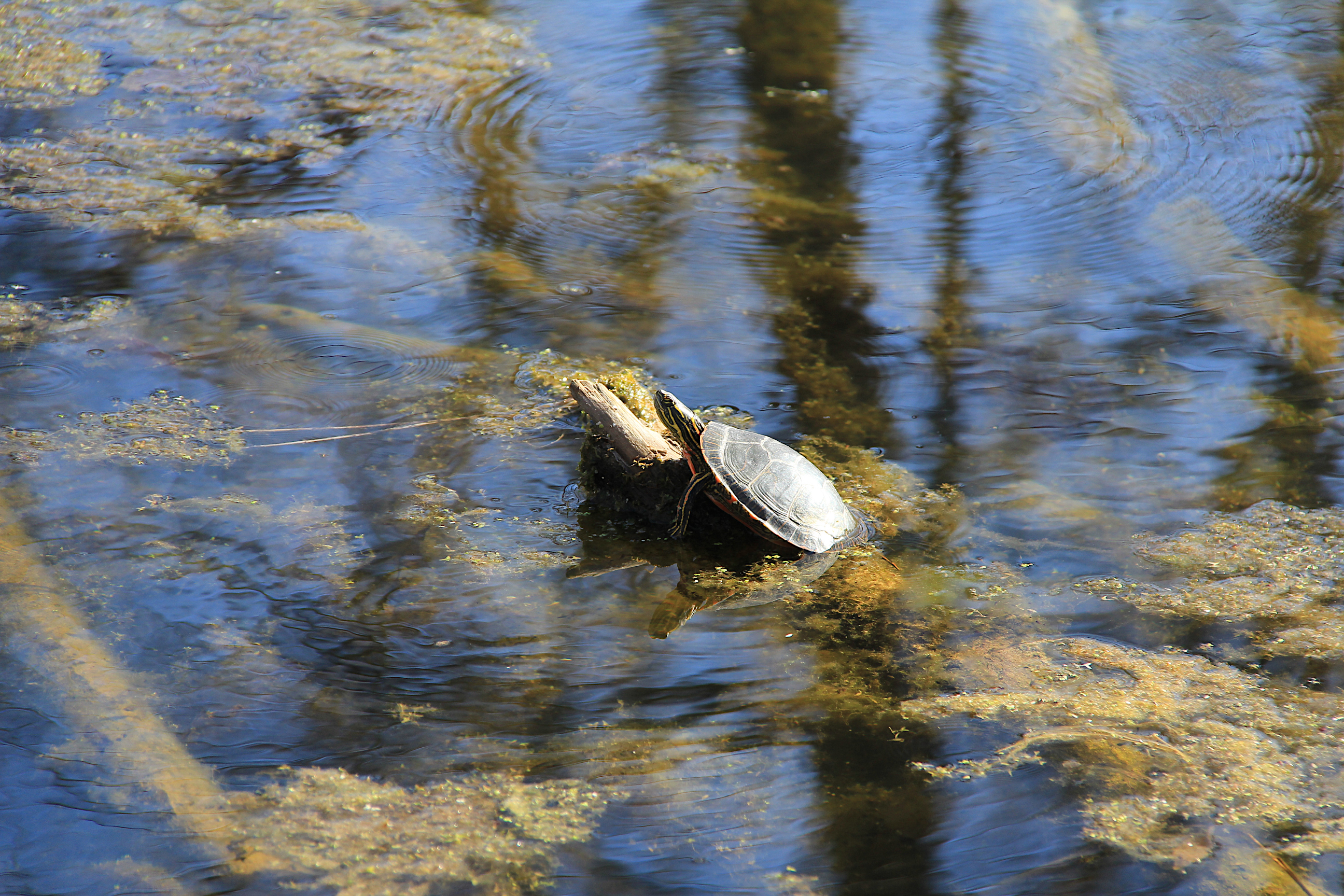
And sometimes turtles choose to hang out alone. (Minnesota Prairie Roots copyrighted photo April 2025)

At the Turtle Pond, I delighted in the emergence of painted turtles, a cluster of them sunning themselves on a weather-worn tree lying near pond’s edge. Others chose to sunbathe alone. I am always fascinated by these creatures. They impart a sense of serenity, perhaps giving us permission to pause and enjoy the simple things in life. Like watching lounging turtles, reminding us that life’s pace needn’t always be hurried.

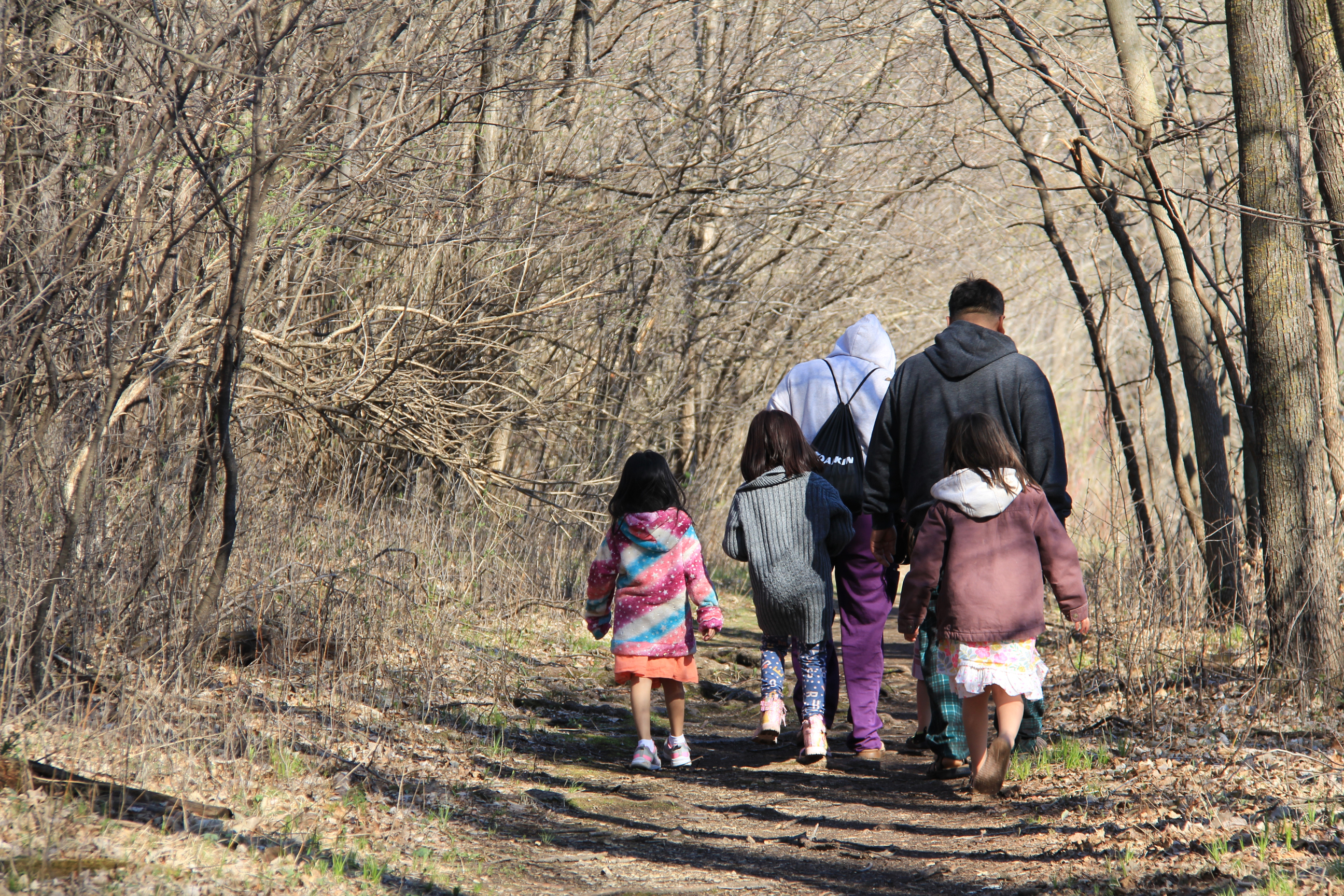
A family walks along a trail near the river. (Minnesota Prairie Roots copyrighted photo April 2025)
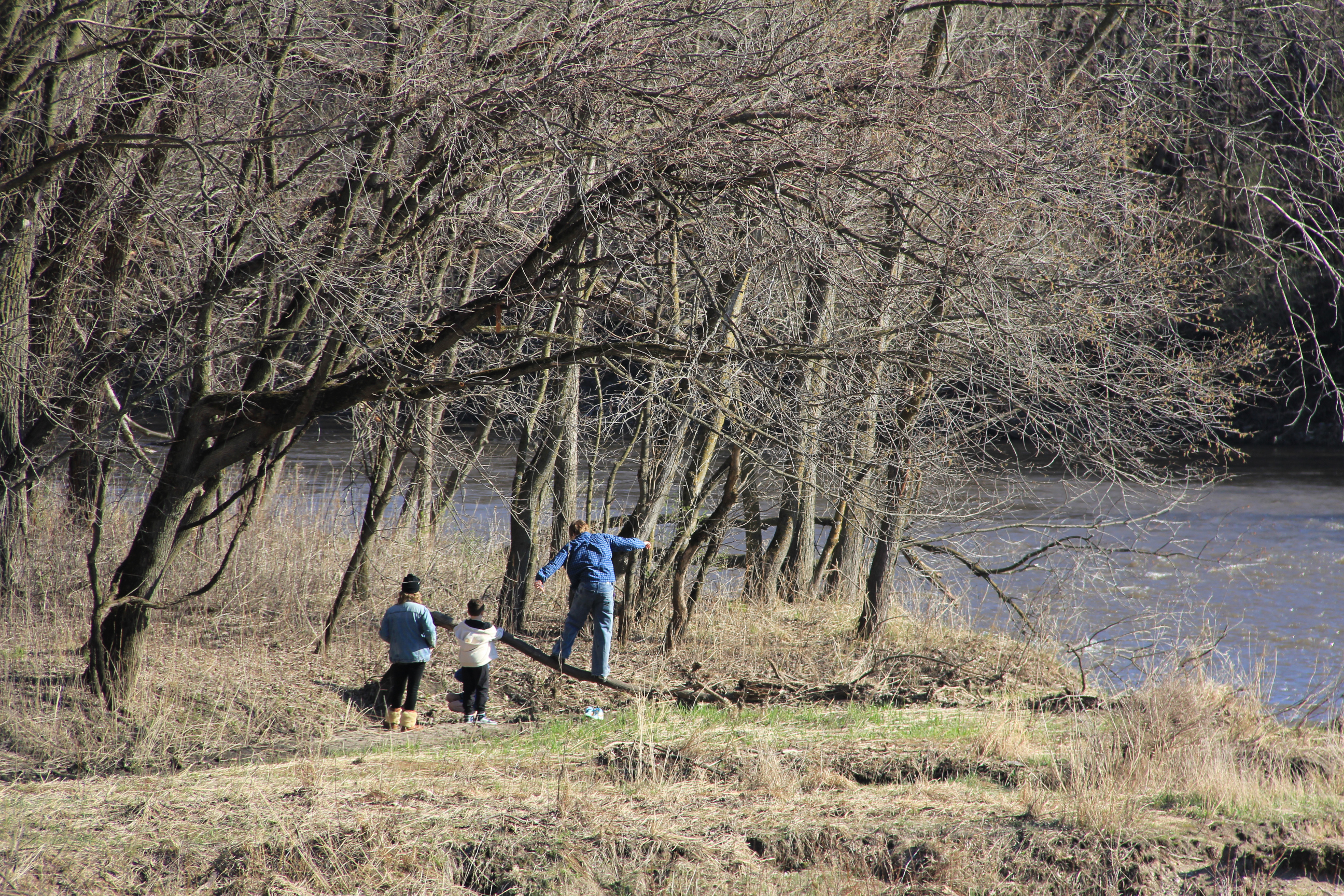
Natural entertainment…balancing on a tree branch. (Minnesota Prairie Roots copyrighted photo April 2025)
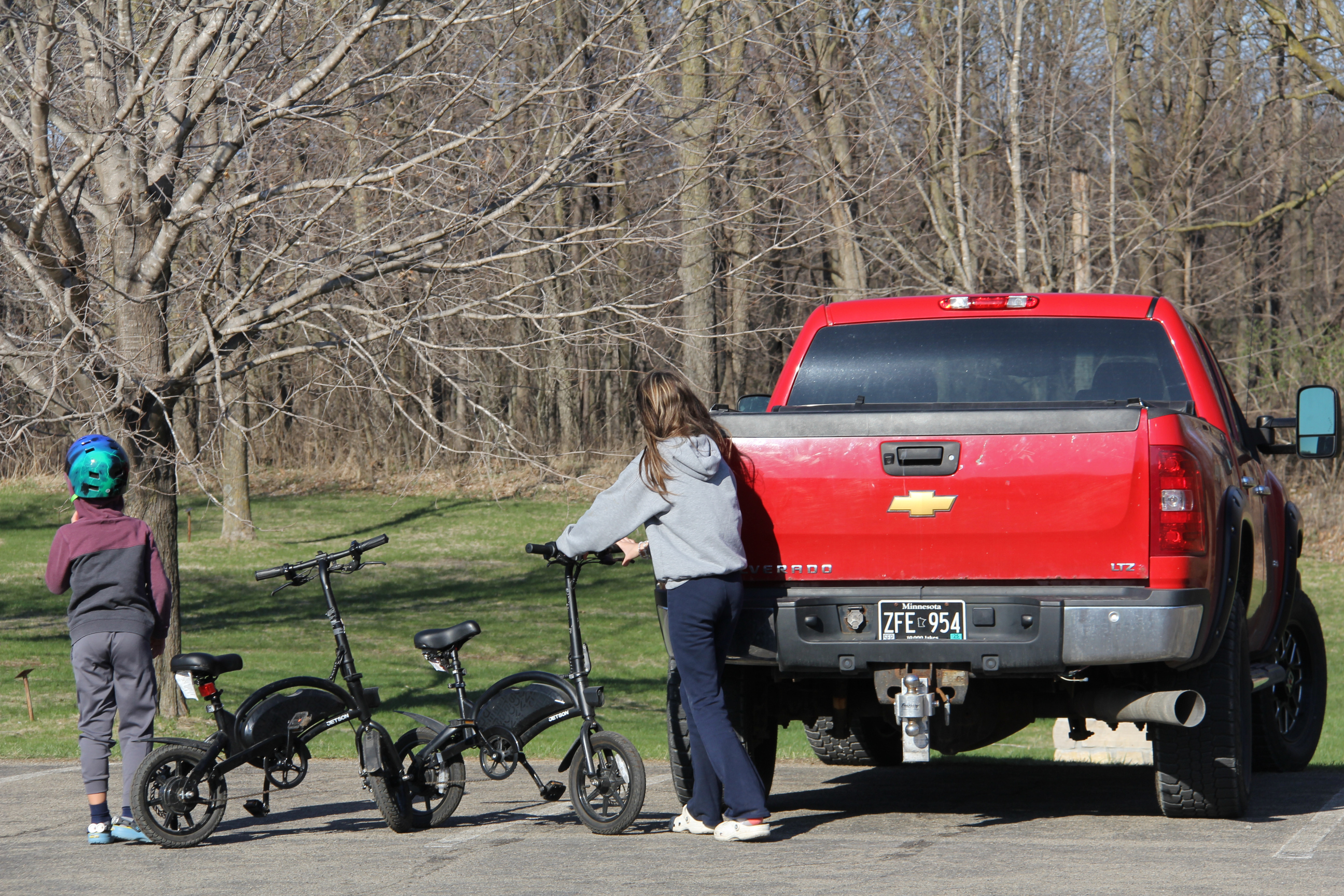
About to load up the bikes after biking at River Bend. (Minnesota Prairie Roots copyrighted photo April 2025)

I especially appreciate seeing families outdoors. Walking. Balancing on a fallen branch. Biking. Being away from the distractions of busy schedules and technology and everything that intrudes on time together outside in nature.

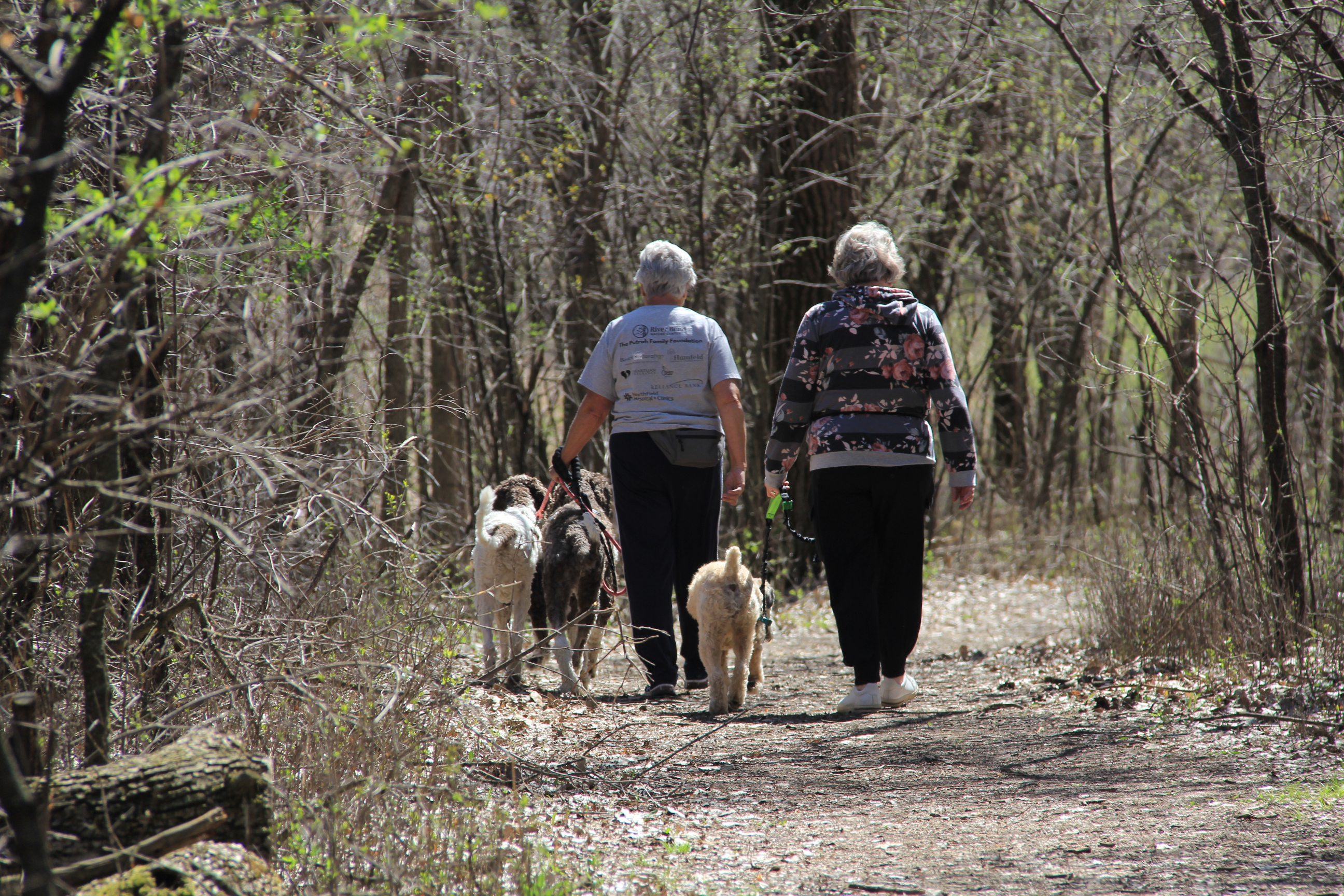
River Bend proves a popular place for humans and dogs. (Minnesota Prairie Roots copyrighted photo April 2025)

In the woods, we are sheltered and embraced while walking side-by-side, close to one another along narrow pathways. Conversations happen. We notice things, like squirrels scampering across dried leaves that hide as yet unseen spring wildflowers. Birds flit. The woods are beginning to awaken within our vision and hearing.

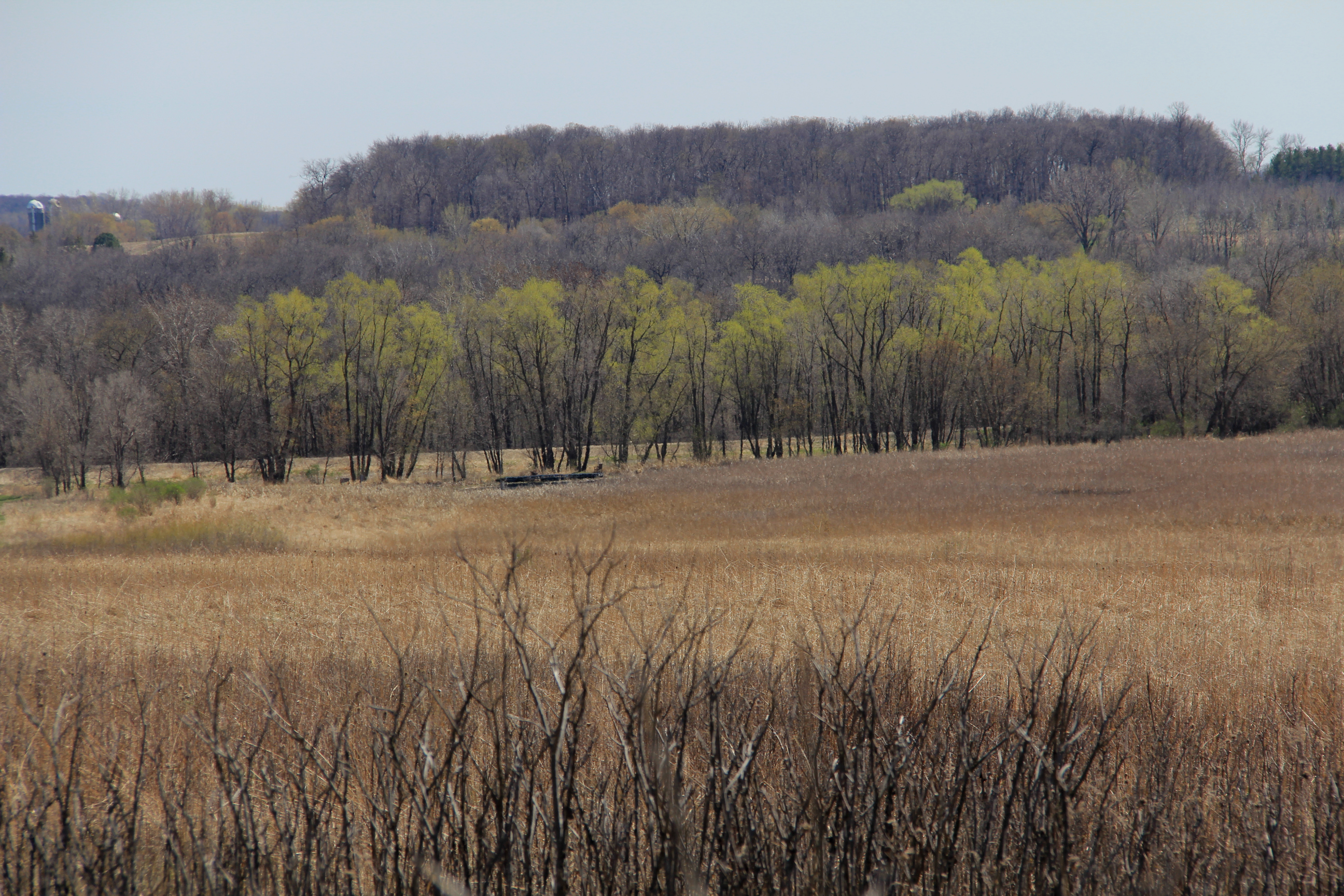
From a hilltop overlook, I view a diverse landscape of prairie and woods. (Minnesota Prairie Roots copyrighted photo April 2025)

Outside the woods on the prairie, I feel exposed but innately comfortable for I am of prairie stock. I know this wind. I know this wide sky. I know these tall grasses. This landscape would please Willa Cather, American author who wrote of the Great Plains and life thereon. In her novels, she shared a deep love of the land, of place.

That blue of pond and sky…beautiful to behold. (Minnesota Prairie Roots copyrighted photo April 2025)

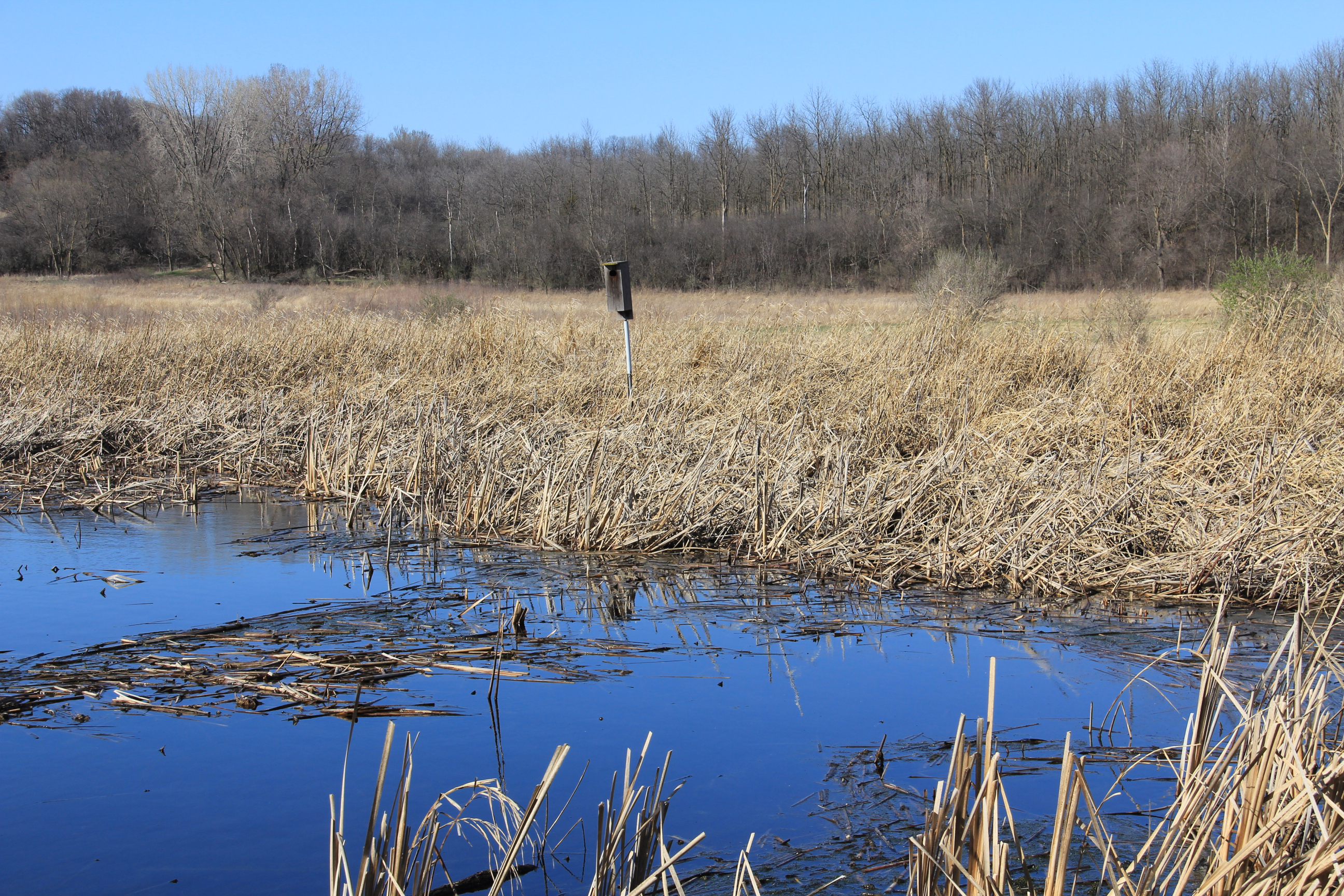
At the prairie-side pond, I stop to take in water and sky and land—below, above and beyond. The deep blue of the pond, a reflection of the blue sky, contrasts sharply with the muted brown of dried pond grasses and reeds. The scene is painterly beautiful.

River Bend covers hundreds of acres and is one of Faribault’s greatest treasures. (Minnesota Prairie Roots copyrighted photo April 2025)

My time at River Bend always leaves me feeling better as I forget about worries and responsibilities, deadlines and everyday distractions.

A sizable deer population lives at River Bend. (Minnesota Prairie Roots copyrighted photo April 2025)

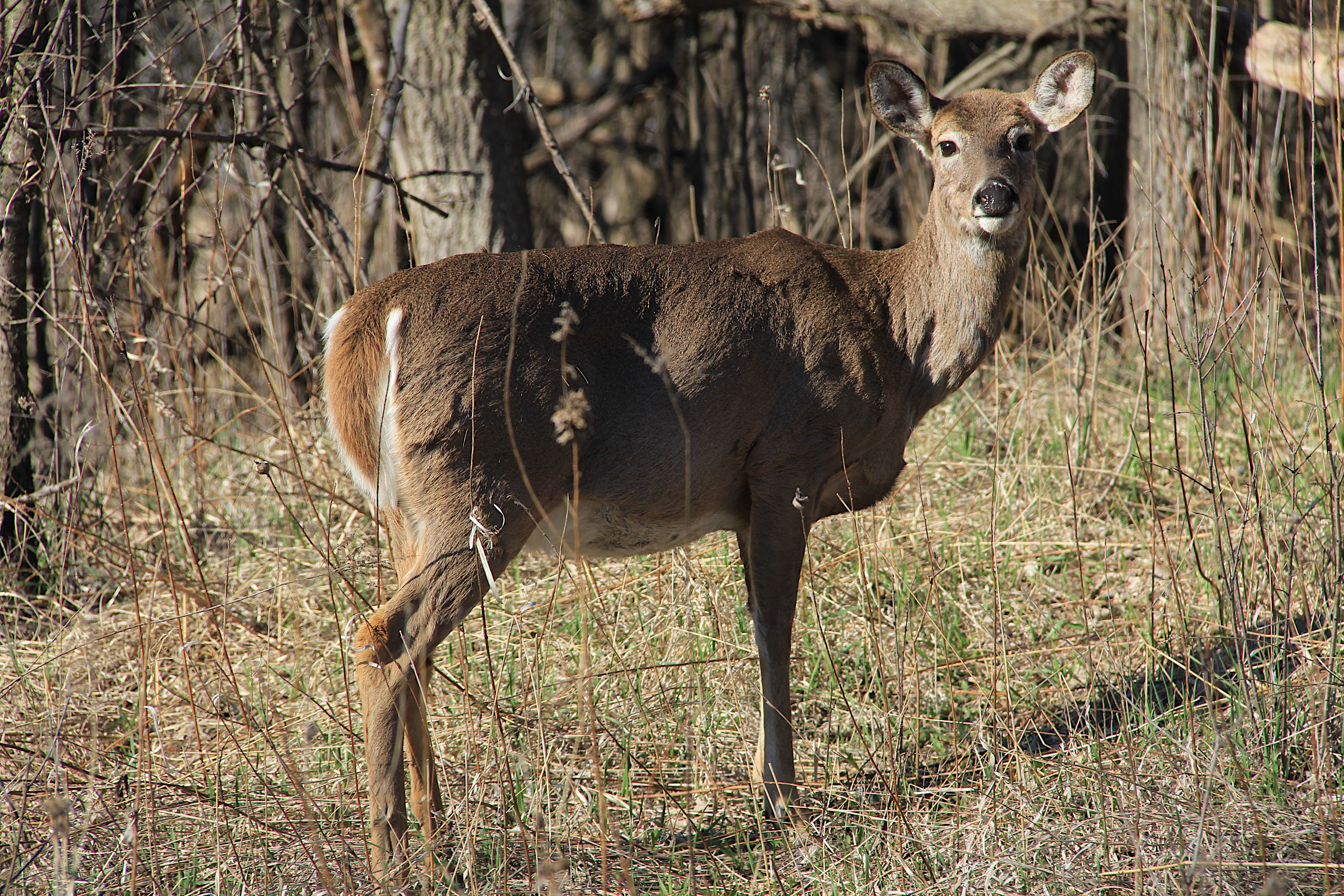
Upon exiting the nature center, I am offered one final gift—three deer leisurely grazing alongside the road. They hold minimal fear of humans, so comfortable are they with the many visitors here. Yet, I can’t help but wonder if the deer would rather we just move along rather than watch them with wonder, our eyes, our souls, seeking joy and peace.

© Copyright 2025 Audrey Kletscher Helbling
 

Drawn to the Cannon River on an April afternoon in Northfield April 15, 2025

The Cannon River spills over the dam by the historic Ames Mill. (Minnesota Prairie Roots copyrighted photo April 2025)

WE COME TO THE RIVER. The Cannon River, spilling over the dam by the Ames Mill. Roaring. Churning. Then flowing under the bridge and between the walls of the Riverwalk in downtown Northfield.

Enjoying beverages and time together beside the Cannon River in Bridge Square. (Minnesota Prairie Roots copyrighted photo April 2025)

We come here on a Sunday afternoon, on an April day of temps pushing into the sixties, the sun beaming warmth upon us, upon the land, upon the river. To sit. To walk. To lean toward the river. To simply be outdoors on an exceptionally lovely spring day in southern Minnesota.

The mood feels anticipatory, joyful, as we walk ourselves, and some their dogs, along the riverside path.

Historic buildings hug the Cannon River (and Division Street) in Northfield’s quaint downtown. (Minnesota Prairie Roots copyrighted photo April 2025)

I come with my Canon camera in hand. An observer. An appreciator of the sun, the sky, the warmth, the river, the historic buildings, the people and activities happening around me. In some ways, the scene seems Norman Rockwell-ish, Busy, yet tranquil. A slice of small town Americana. Everyday people enjoying each other, nature, the outdoors. Life.

Fishing by the Ames Mill dam. (Minnesota Prairie Roots copyrighted photo April 2025)

Many carry fishing poles, tackle boxes, containers of bait. Anglers press against the riverside railing, dropping lines into the water far below.

Caught in the Cannon, a sucker fish. (Minnesota Prairie Roots copyrighted photo April 2025)

I watch as a young man pulls in an unidentifiable-to-me fish (later identified as a white sucker by my husband). His friend snaps a photo of the proud angler and his first catch of the day.

The top section of the Riverwalk Poetry Steps. (Minnesota Prairie Roots copyrighted photo April 2025)

After hanging around the river by Bridge Square for a bit, I descend the colorful Riverwalk Poetry Steps, a river poem crafted by a collaboration of 17 poets. We come to the river starry-eyed/across bridges reaching out to neighbors/over the river’s rushing waters…

Following the Riverwalk to find a fishing spot along the Cannon River. (Minnesota Prairie Roots copyrighted photo April 2025)

I trail behind a couple, a family, a dog, another family, all of us connected by the water, by this place, on this spring day. I’m the only one to pause and read the poetry.

A family fishes the Cannon. (Minnesota Prairie Roots copyrighted photo April 2025)

Atop the river wall, young women sit, sans shoes, while they fish. We all watch the river flow. Bobbers bob. A pair of ducks—one pure white—flies low, skimming the water before landing upon the surface of the Cannon.

“Lady Cannon,” a riverside mural by Maya Kenney and Raquel Santamaria. (Minnesota Prairie Roots copyrighted photo April 2025)

Across the river, Lady Cannon watches. Fish swim in her tangled waves of locks, flowing like water down steps toward the river. She is the art of the Cannon.

On the pedestrian bridge looking toward the Cannon and the Ames Mill, right in the distance. (Minnesota Prairie Roots copyrighted photo April 2025)

I see art, too, in a railing shadowed upon the pedestrian bridge. I linger, mesmerized by the moving water, the riverside historic flour mill a block away.

There’s so much to take in here. So much that connects us. The sun, the sky, the land. And the river that flows beside and below us.

© Copyright 2025 Audrey Kletscher Helbling
 

Outside on a “summer” day with the grandkids in southern Minnesota March 29, 2025

This photo taken at 4 p.m. Friday, March 28, shows the unusually high March temperature in Faribault. (Minnesota Prairie Roots copyrighted photo March 2025)

TWENTY-FOUR HOURS AGO, the temperature registered 81 degrees on the State Bank of Faribault sign in our historic downtown. At 4 p.m. Saturday, the temp read 38 degrees. That’s a 43-degree plunge. Such is the fickle nature of weather in southern Minnesota. One day summer. The next day winter.

Let’s talk that one day of summer. The two oldest of our three grandkids were here for a sleep-over Thursday into Friday afternoon. We took full advantage of the unseasonably warm temps with lots of time outdoors. Who wants to stay indoors when the sun is shining, the breeze is blowing and it feels like summer? None of us.

So out we went Friday morning, first to hang laundry on the clothesline, which didn’t interest Izzy, almost nine, and Isaac, six, quite as much as I had hoped. “We have a dryer,” Izzy informed me as she handed me clothespins. So does Grandma. But Grandma prefers hanging laundry outdoors, under the sky, under the sun, in the wind.

This looks just like the caterpillar found in our backyard on Friday morning. (Minnesota Prairie Roots copyrighted file photo)

A CATERPILLAR, SQUIRRELS, BRAMBLES & A ROCK

Time outdoors led to discoveries, like the woolly caterpillar Izzy found in the backyard and which she insisted was poisonous. I insisted it was not while using a dried maple leaf and a piece of bark to move the fuzzy ball to a safe place in a flowerbed. She worried and warned that I was not to touch the poisonous caterpillar. “Izzy, it’s not poisonous,” I repeated. I’m not sure she believed me.

We noted all the holes dotting the backyard, spots where squirrels dug for hidden walnuts. Empty shells littered the dormant lawn.

The previous evening, Grandpa led Izzy and Isaac up the hill through the woods behind our house. It’s a bit of a climb past fallen branches and brambles. But they were adventurous, determined to make it to the top, to Wapacuta Park. There they found the playground equipment rather scary—Grandpa concurred—but a gigantic rock a whole lot of fun as they scampered atop it. This is the same mammoth rock their mom, aunt and uncle climbed as kids. Life come full circle.

The Fleckenstein Bluffs Park playground. (Minnesota Prairie Roots copyrighted file photo)

TIME TO PLAY & TIME TO ASK SERIOUS QUESTIONS

Late Friday morning we headed to Fleckenstein Bluffs Park near downtown to a playground the kids found much more to their liking. Another rock (albeit fake) to climb, a towering climbing apparatus, musical instruments, sand diggers, mini spinning seats and more, including fossils imprinted in the fake rocks.

We spent time, too, on an overlook above the Straight River. There the grandparents had to answer questions about homelessness given the blue tent pitched alongside the river. “Why do they live in a tent?” Sometimes adults don’t have all the answers. But we tried. Izzy worried that the police were coming to arrest those living in the tent when she saw a cruiser driving down the bike trail. No, Izzy, they’re not going to arrest them.

Beavers have given up chewing on this tree along the Straight River, we discovered during a walk on Friday. (Minnesota Prairie Roots copyrighted file photo)

BEAVERS, GEESE, A HERON & MEMORIES

And so we followed the Straight River Trail, noting trees chewed by beavers, a sandbar in the river, chimes on an apartment balcony clinking in the wind, a pair of geese moving from land to river, a magnificent blue heron flying low above the water…then those geese again, swimming.

Izzy stopped to pluck stones from alongside the trail, dropping them into an empty yogurt cup she’d brought with her. We walked sometimes hand-in-hand, Isaac and Grandpa well ahead of us, also clasping hands. This time together in the outdoors is the stuff of memories, of learning, of connecting with nature.

This used bookshop in Faribault is a must-stop when the grandkids visit. (Minnesota Prairie Roots copyrighted file photo)

DRAGONS, TORNADOES & THE BIG WIDE WORLD

On the drive home, we stopped at Books on Central, a used bookstore run by the Rice County Area United Way. We like to take the kids there whenever they are in town. Izzy found a fantasy book about dragons she’s read, but wanted to own. And a nonfiction book about tornadoes. Isaac was looking for atlases. Jeanne, who volunteers at the bookshop, found two, as yet unprocessed, atlases in the back room. Isaac was happy, promptly sitting down to page through the books. We also chose a book for their baby cousin, Everett, in Wisconsin.

And so that was our day together. A time of laundry hanging, backyard observing, playing, walking and enveloping ourselves in nature. But above all, it was time for us as grandparents to be with our beloved grandchildren, simply enjoying an unseasonably warm late March day in southern Minnesota, “poisonous caterpillar” and all.

© Copyright 2025 Audrey Kletscher Helbling
 

Reflecting on seasons as Minnesota transitions to spring March 19, 2025

The prairie at River Bend Nature Center, Faribault. (Minnesota Prairie Roots copyrighted photo February 2025)

IN THE IN-BETWEEN SEASON of not exactly winter, but not quite spring here in Minnesota (although the calendar says otherwise), I feel like I’m waiting. Waiting for snowfalls to end. Waiting for the landscape to transition from drab browns and grays. Waiting for vibrant colors to appear.

My neighbor’s spring flowers. (Minnesota Prairie Roots copyrighted file photo 2023)

There’s a sense of anticipation and wonder when buds form, when the first tender shoots of spring bulbs emerge from the soil, then flower. Purple crocuses. Sunny yellow daffodils. Followed by tulips and other flowers in a rainbow of hues.

Spring wildflowers at Kaplan’s Woods Park, Owatonna. (Minnesota Prairie Roots copyrighted file photo)

I love the beginning of spring—real spring, not the teasing warm days of early and mid-March or simply a date (March 20) on a calendar.

Spring erupts in Minnesota at Falls Creek Park, rural Faribault. (Minnesota Prairie Roots copyrighted file photo May 2022)

I love when the landscape is flush in green, a green so vibrant that it’s almost indescribable.

Oak leaves at River Bend. (Minnesota Prairie Roots copyrighted photo February 2025)
The starkness of this time of year in Minnesota focuses the eye on details, like the rough bark of a tree in the woods at River Bend. (Minnesota Prairie Roots copyrighted photo February 2025)
Dried seedheads at River Bend. (Minnesota Prairie Roots copyrighted photo February 2025)

While I await the greening of the landscape, I remind myself to appreciate the natural world around me as it is now. The stubborn dried oak leaves that clung to branches through the fierce winds of winter. The rough textured bark of a tree. The dried seed heads and leaning swamp and prairie grasses. All hold the seasoned beauty of days, of weeks, of months, of time.

Animal prints in the snow in my backyard. (Minnesota Prairie Roots copyrighted photo February 2025)

Seasons are not timed by a calendar date, but by the natural world. Authentic spring arrives in Minnesota on her own timetable. Often unhurried. But sometimes abrupt.

The woods at River Bend await the budding of spring. (Minnesota Prairie Roots copyrighted photo February 2025)

As I await spring’s bloom and budding, I realize that the seasons of life also should not be hurried. The years pass too quickly, although we are mostly ignorant of that in our younger years. I understand that now in this advancing season of my life.

For several minutes, I watched and photographed this bald eagle soaring high above the Straight River at River Bend Nature Center. (Minnesota Prairie Roots copyrighted photo February 2025)

I value the moments more, recognizing that seasons end. And seasons begin.

© Copyright 2025 Audrey Kletscher Helbling

 

When a rock riffle replaces a traditional dam February 5, 2025

This rock riffle in Pine River replaced a traditional dam built in 1910 to hold back water flowing from Norway Lake into the Pine River. The old dam was designated as “high hazard,” thus in need of replacement. (Minnesota Prairie Roots copyrighted photo July 2024)
WIND AND WATER. Both prove soothing and calming elements of nature. Except when destructive.

Sandbagging along the flooding Cannon River in downtown Northfield last June. The traditional dam in Northfield was not compromised, unlike in some Minnesota locations. (Minnesota Prairie Roots copyrighted file photo June 2024)

Last June, excessive rainfall led to devastating floods in parts of southern Minnesota, especially in Waterville, a 20-minute drive southwest of Faribault. Farther to the west in Rapidan, the Blue Earth River raged, causing a partial dam collapse and erosion of the land. That led to loss of a house and of the much beloved The Dam Store. In Northfield, 20 minutes from Faribault, the Cannon River flooded the Riverwalk and threatened riverside businesses. In Faribault, the Cannon and Straight Rivers spilled from their banks, flooding parks and several city streets. The powerful river also eroded the shoreline near the Faribault Mill Dam. Boulders were hauled in and placed beside the dam to contain the river and prevent additional erosion.

The Dam Park, with a pavilion, is to the left of the tree-edged Pine River in this photo, private homes to the right. (Minnesota Prairie Roots copyrighted photo July 2024)

Now, many months later, Faribault city officials are considering options for the Faribault Mill Dam. And that got me thinking about Pine River. In this north central Minnesota community, a rock riffle/rock arch rapids replaces a 200-foot long by 13-foot high traditional dam built in 1910. The result is nothing short of stunning.

The concrete steps and platform remain from the original dam construction project. This image shows a view of the rock riffle looking downstream. (Minnesota Prairie Roots copyrighted photo July 2024)

Let me explain. Smaller rip-rap rocks, larger rocks and boulders were placed in sloping rows across the Pine River to replace the dam. Water spills over the rocks as the rows descend for several hundred feet. Except for the precise placement of the rock rows, the rapids appear almost natural. And that is much more visually pleasing than a wall of concrete.

It’s mesmerizing to watch and listen to the river spill over the man-made rock riffle in Pine River. (Minnesota Prairie Roots copyrighted photo July 2024)

The sound, too, is pleasing. I have always loved the sound of water rushing over rocks. It’s calming, soothing, mesmerizing. As is watching the water pour over and around rocks.

The traditional dam proved a significant fish barrier. Installation of the rock riffle has improved fish habitat in the river, which feeds into the Whitefish Chain of Lakes in north central Minnesota. (Minnesota Prairie Roots copyrighted photo July 2024)

But this award-winning rock riffle dam in Pine River offers much more than a place to sit riverside and relax. It’s also a popular recreational area. During my mid-week July 2024 visit, anglers fished the river from a pier and from shore downstream. Swimmers jumped from floating platforms into the water above the rock riffle. There’s a sandy beach, too. And although I didn’t see any, kayakers can also navigate the rapids. And anyone can cross the river on the rocks, but at their own risk.

On a summer day, swimmers jump off a swimming platform above the rock riffle into the river. Dam Park includes a sandy beach. (Minnesota Prairie Roots copyrighted photo July 2024)

This revamped area, as I viewed it, draws people outside to the river. To recreate. To gather. To enjoy nature. There’s even a playground and a pavilion with a kitchen in Dam Park. What Pine River has created with this rock riffle is a community centerpiece that is beautiful in every way.

Plantings of flowers and grasses protect the river shoreline by the rock riffle. (Minnesota Prairie Roots copyrighted photo July 2024)

Now, whether this will work at the Faribault Mill Dam, I don’t know. I’m no engineer. But rock riffles have been placed in some 75 rivers and lakes across Minnesota. The one in Pine River is the first I’ve seen. I’d like local city officials to consider a rock arch rapids, maybe take a field trip to Pine River or elsewhere and see (and hear) just how inviting and lovely, calming, soothing and mesmerizing a rock riffle is compared to a traditional dam. See how this dam removal and rock riffle replacement in Pine River creates a recreational oasis, a beautiful gathering spot that grows community.

© Copyright 2025 Audrey Kletscher Helbling