Minnesota Prairie Roots

Writing and photography by Audrey Kletscher Helbling

Fallen & broken April 14, 2021

Filed under: Uncategorized — Audrey Kletscher Helbling @ 5:00 AM
Tags: , , , , , , ,
Minnesota Prairie Roots photo.

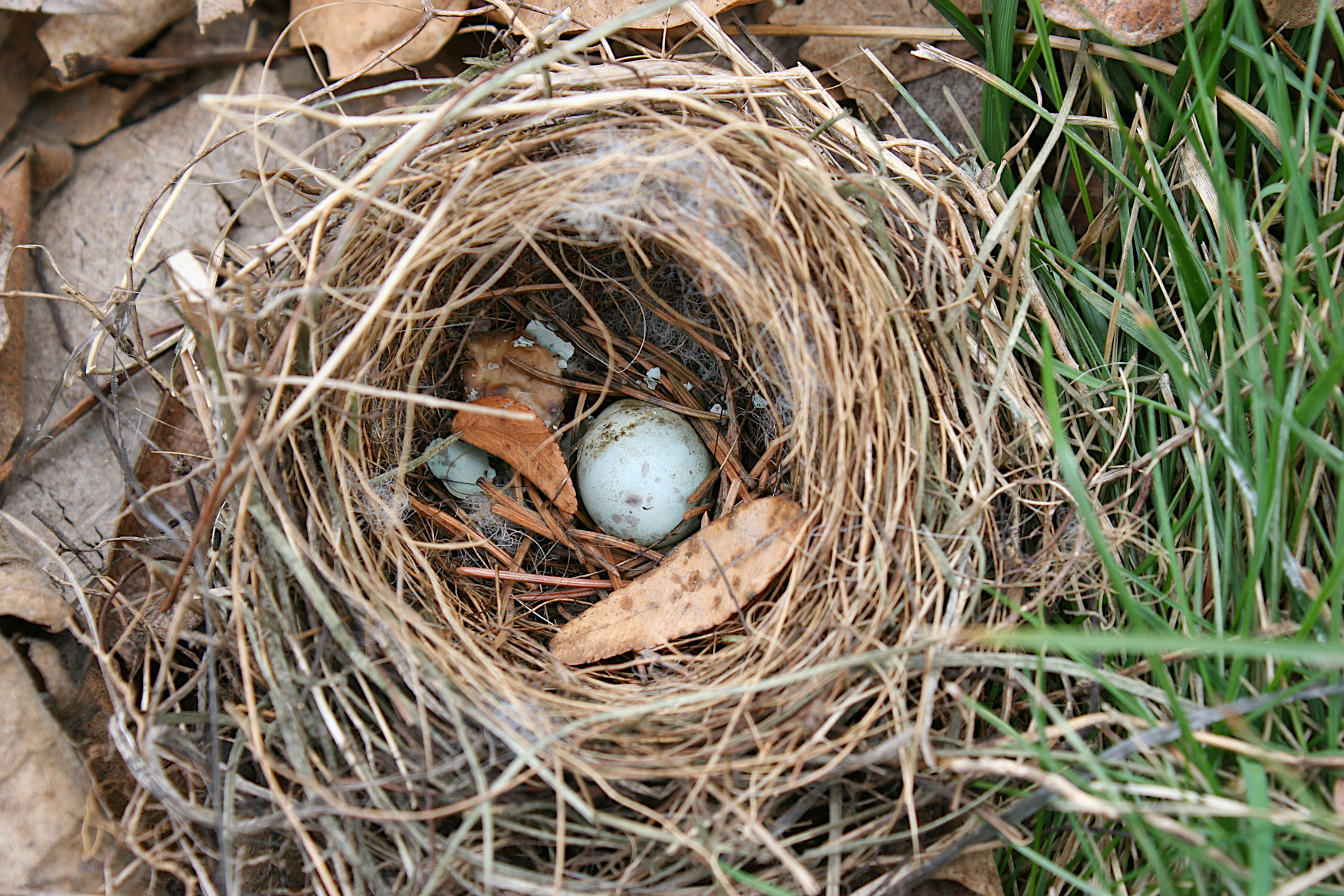
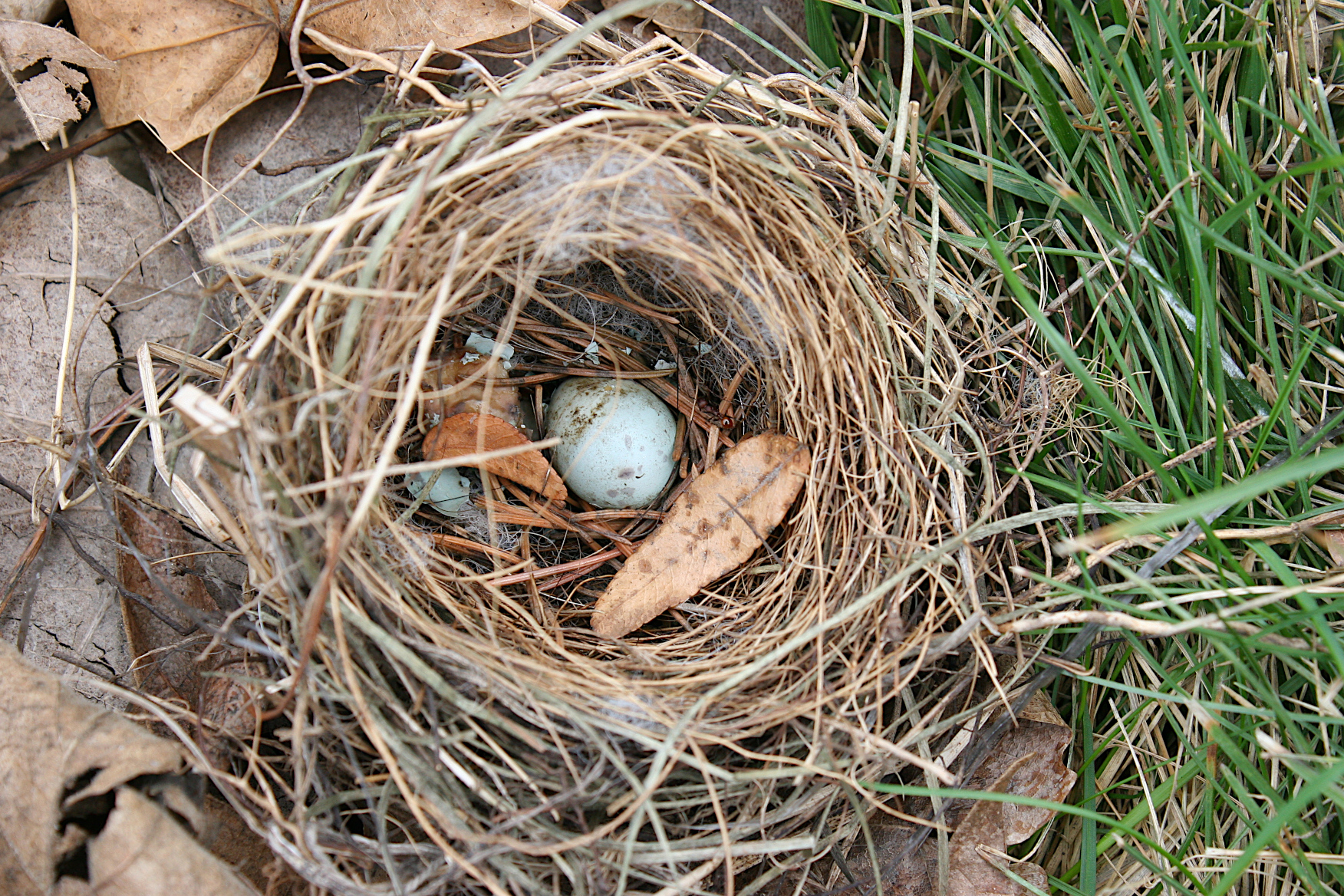
LAST WEEK, WHILE RAKING leaves off flowerbeds, I came across a bird nest in the grass. Nestled near a retaining wall, by a row of evergreens.

Inside, a pale blue egg lay in the center, next to the broken shell of another egg.

I didn’t touch anything, didn’t move or investigate, simply photographed. And pondered.

Minnesota Prairie Roots photo.

How did this nest, woven with such care and perfection by a bird’s beak, claws and body, end up upon the ground? I speculated that strong winds earlier in the day loosened the nest from the shelter of the neighbor’s evergreens. Or perhaps the nest dropped from the maple in our backyard.

Whatever the story, I felt a sense of sadness at the loss. I recognize the realities of the natural world. Of challenges and predators and unhappy endings.

Minnesota Prairie Roots photo.

And that is life. We can choose the materials to build our lives and weave in hopes and dreams, plans and goals. But then along comes a strong wind and, whoosh, just like that our carefully-crafted nests plummet to the earth and we find ourselves struggling, broken. Struggling to rebuild. Wondering why and how this happened. It is then that we need to reach deep inside, to connect with those who listen and care, to remember that we are not alone.

© Copyright 2021 Audrey Kletscher Helbling


Into the woods at Falls Creek Park March 31, 2021

Moss feathers across the end of a hewn tree.

AS SPRING EASES INTO MINNESOTA, I embrace the transition of seasons in indecisive weather and in the subtle greening of the landscape.

A greening vine in the otherwise muted landscape.

I don’t trust that winter has really, truly, exited. Yet, these early glimpses of spring assure me that the bulk of winter lies behind us.

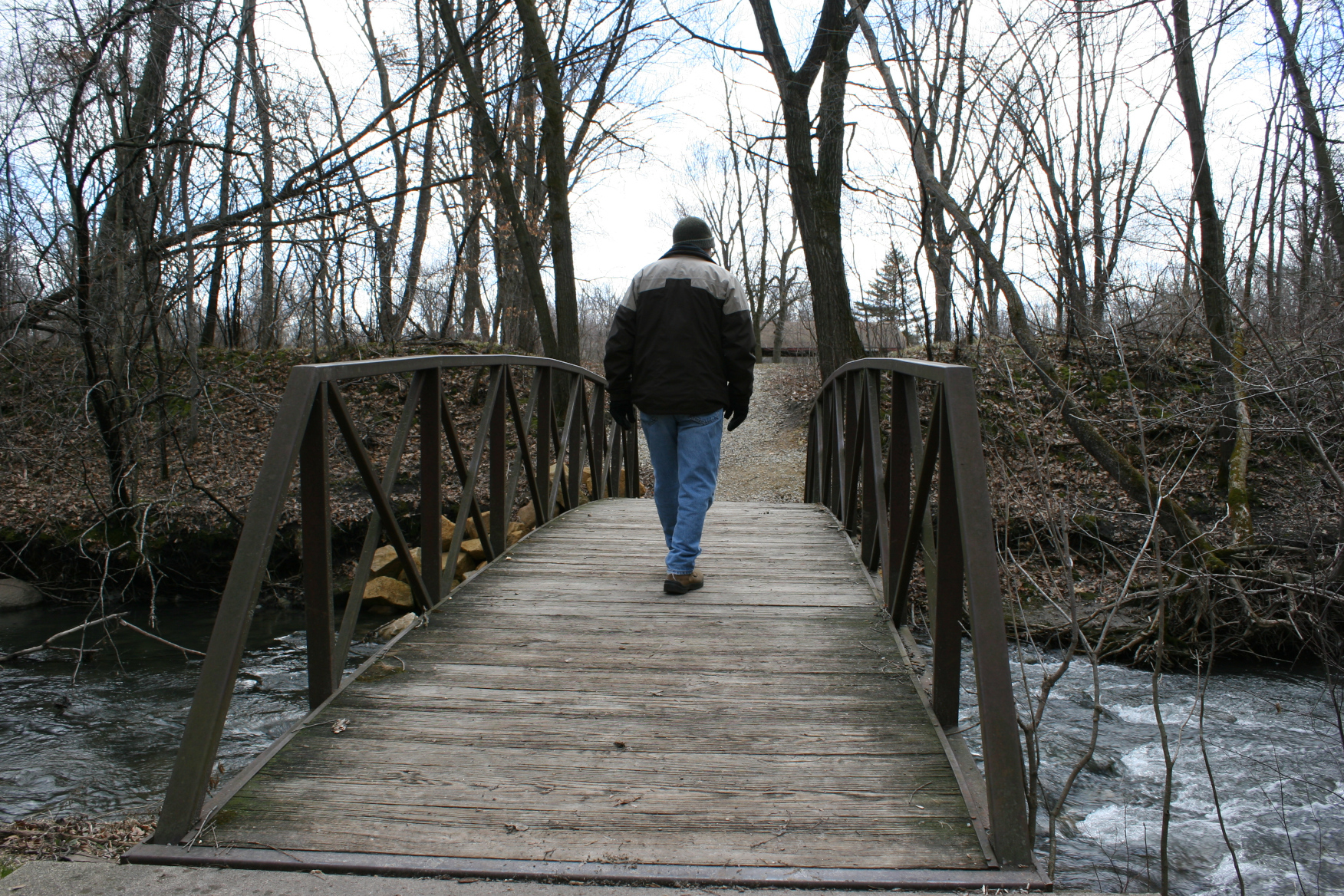
Randy walks in the woods.

I saw that in the woods of Falls Creek County Park on Sunday afternoon. Randy and I hiked in this 61-acre park a mile east of Faribault off Minnesota State Highway 60. It’s a relatively unused park, one of the reasons we are drawn here.

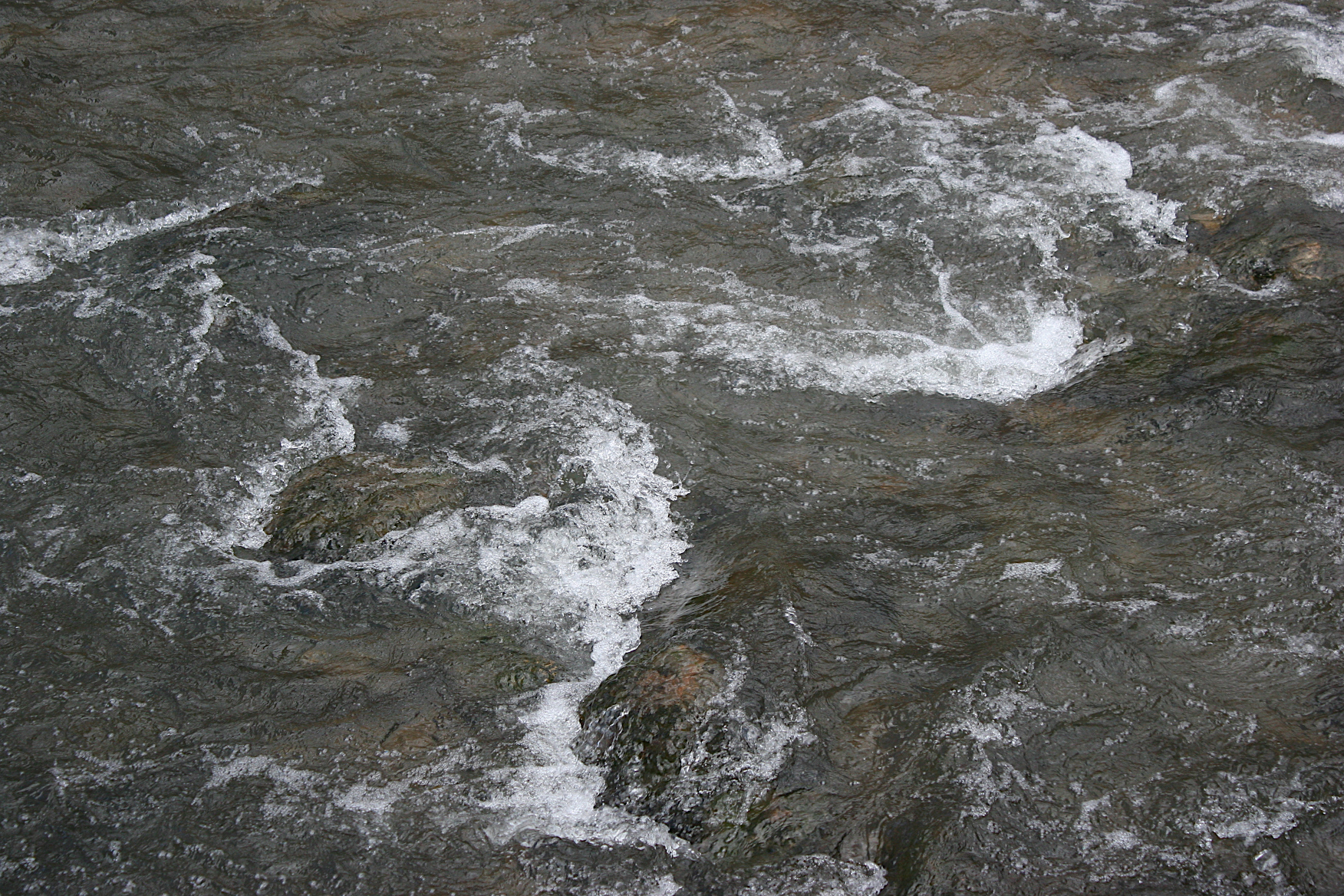
Water rushes under the bridge and over rocks.

Here a dirt hiking path curves along the waterway winding through woods. Access to that path comes via an arched pedestrian bridge. There water rushes over rocks and we always pause to appreciate the soothing sound of rushing water.

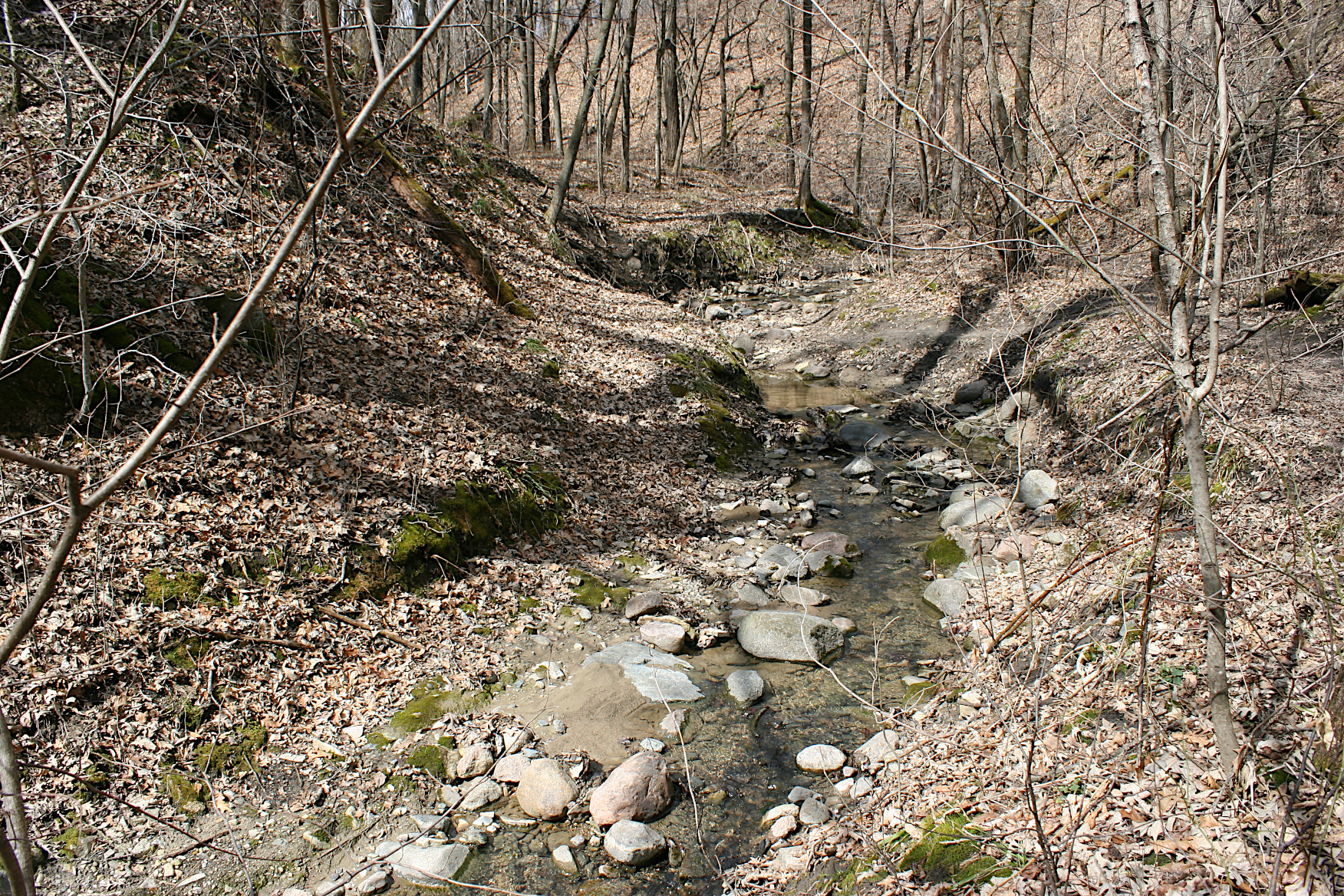
The creek meanders, wide in some areas, narrow in others.
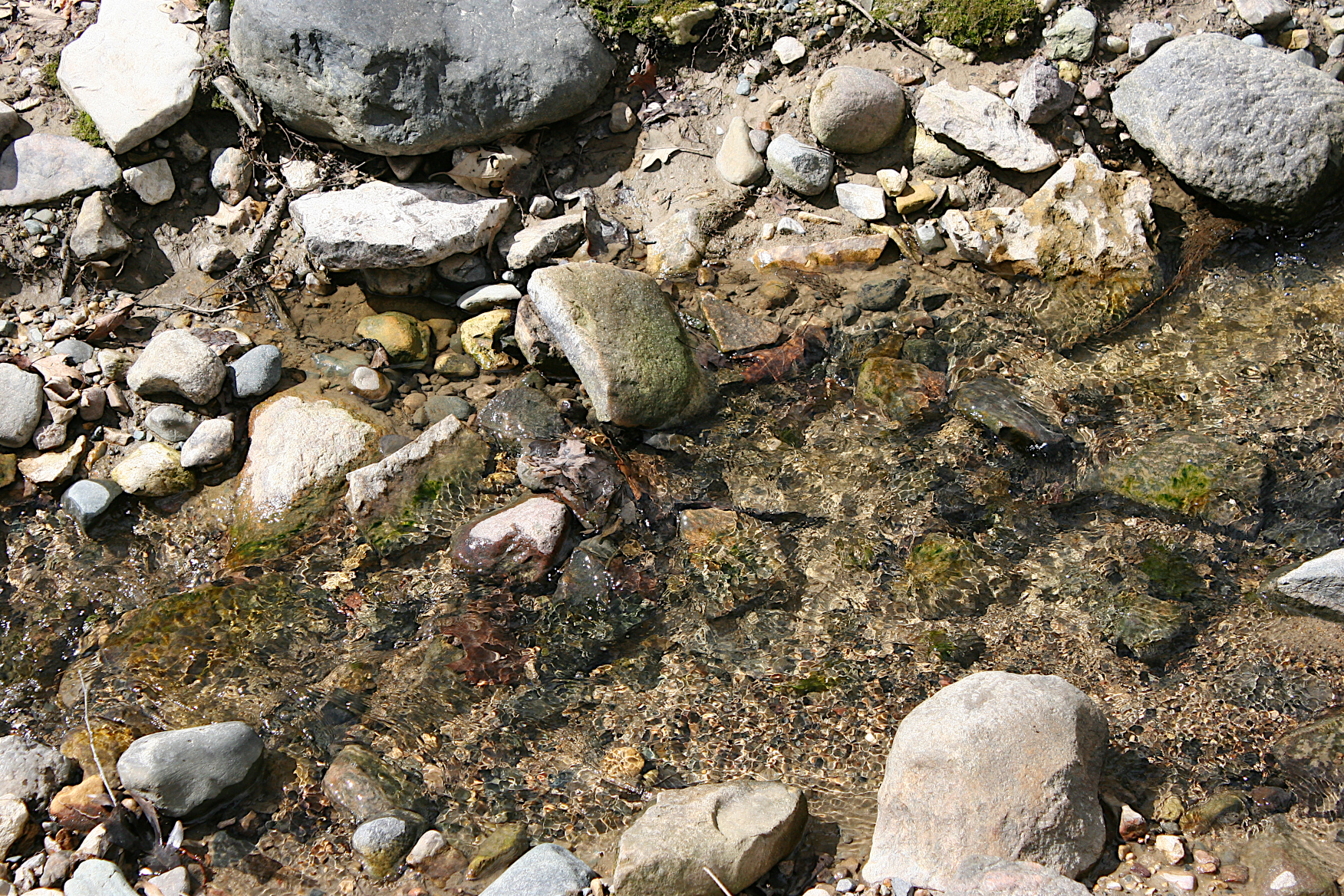
In places, the creek runs clear.
A fork in the creek.

And we also always walk to the side of the creek, to examine the water at the bend, before it flows under the bridge. Recent rain left that water muddied. Later we would find the creek flowing clear.

Loving the light, color and texture on this tree trunk moss.

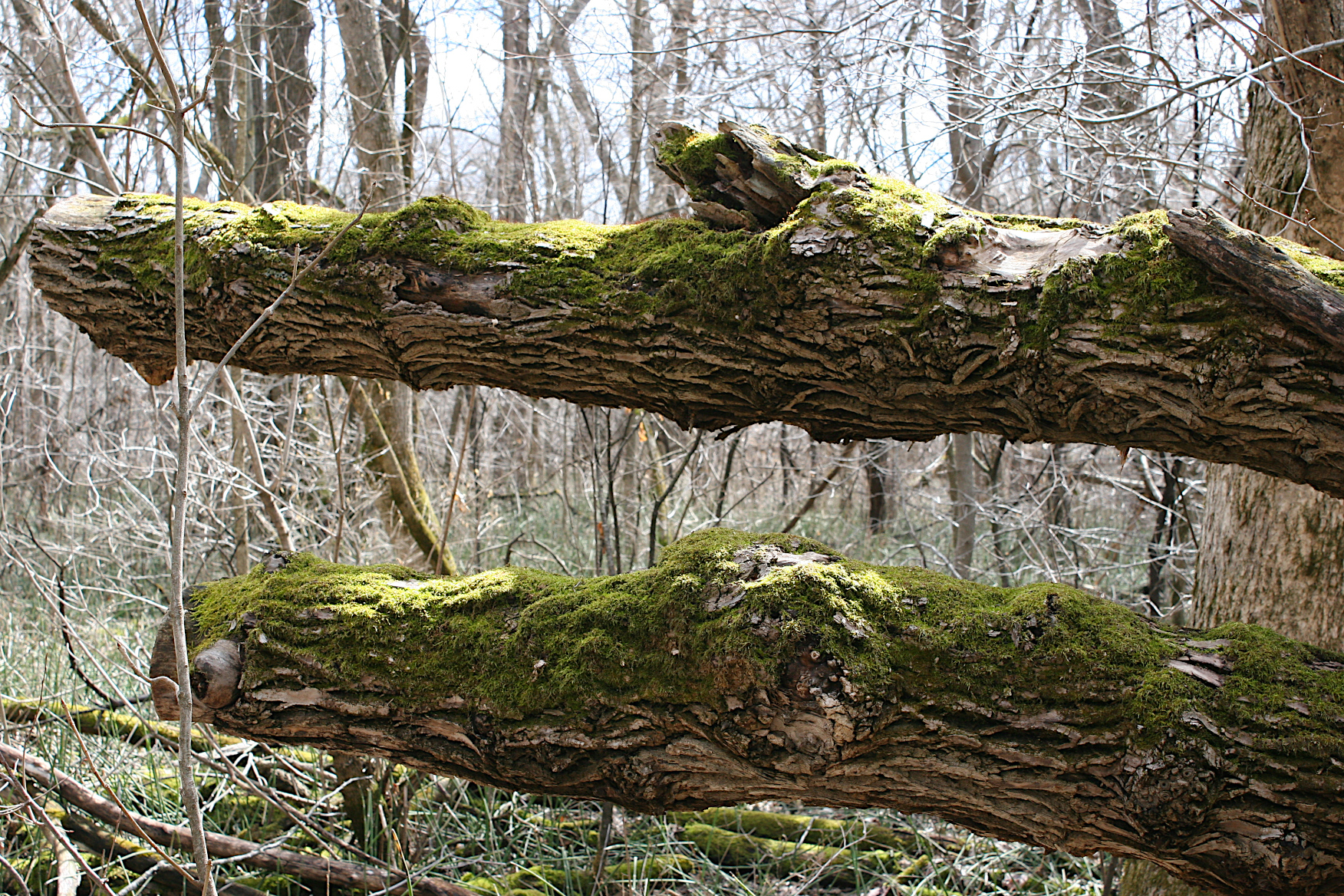
Entering the woods, I determined to photograph signs of spring in the muted landscape. That requires focus. Examples of spring are elusive and seen mostly in vivid green moss carpeting fallen tree trunks.

A fallen tree provides a canvas for art.

But I can photograph only so much moss. Thus I expanded my perspective. Nature writes details upon the landscape. Even in a scene of mostly muted browns.

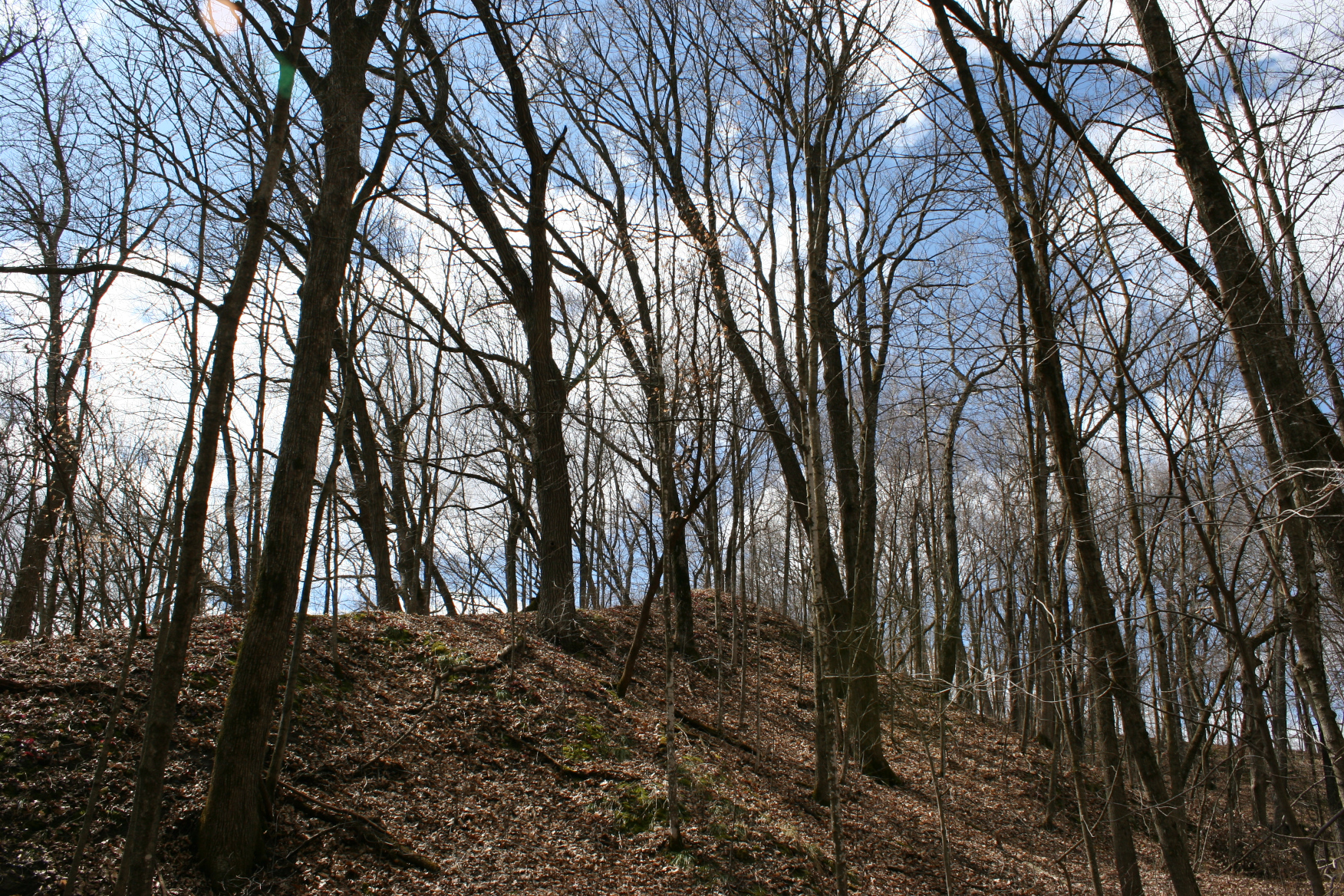
Hillsides of trees rising

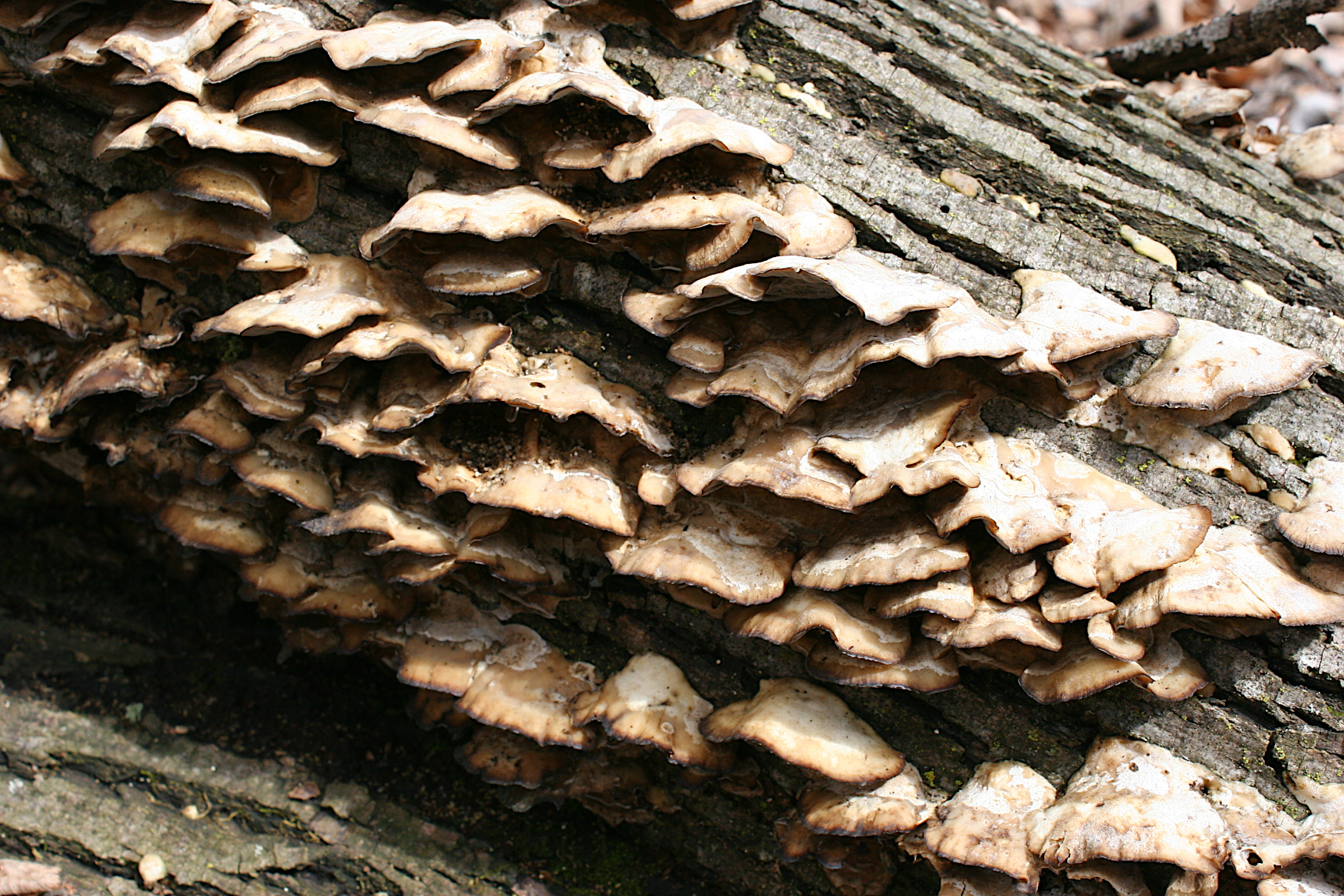
and fungi laddering

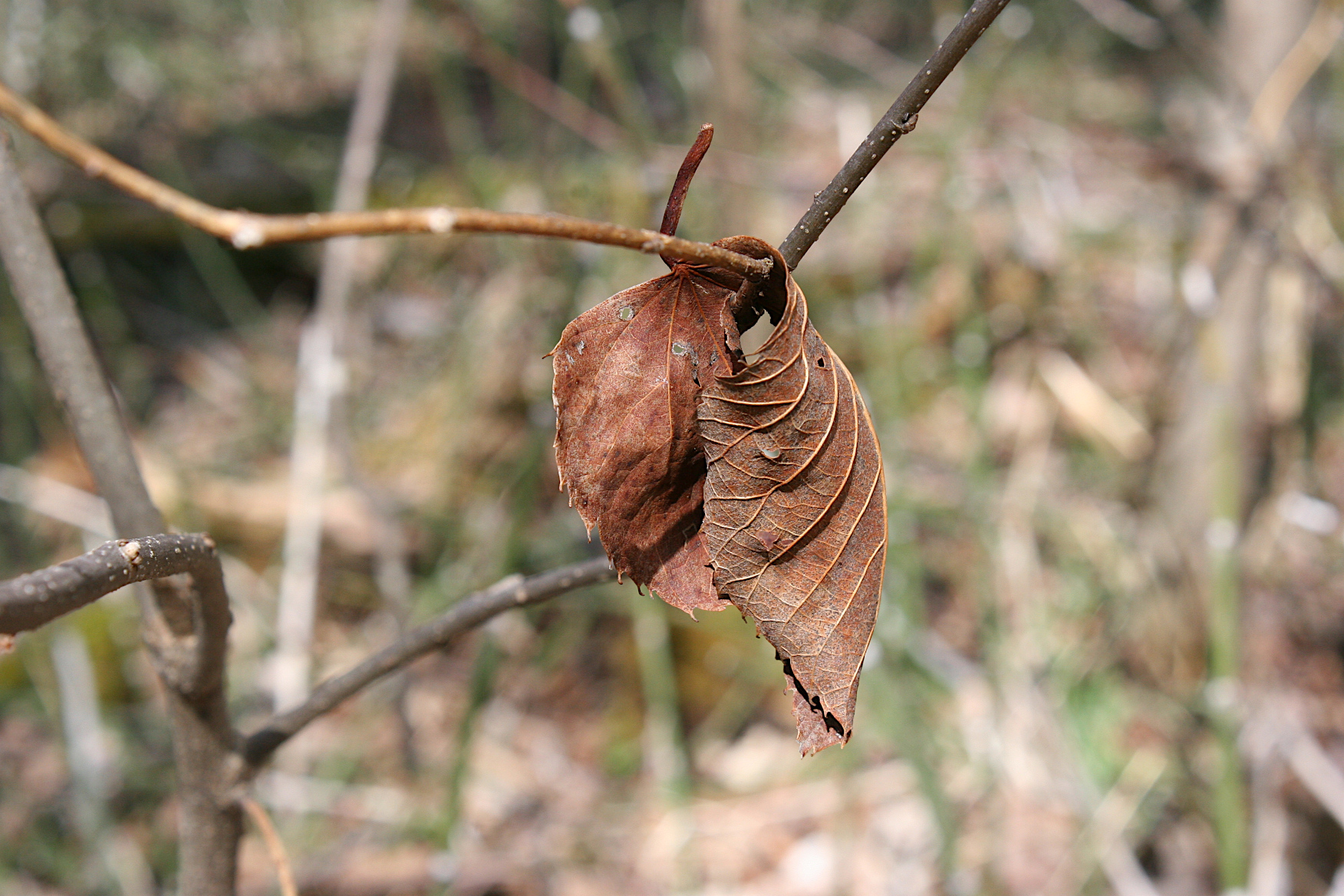
and dried leaves curling.

Nature’s “antlers.”

And the branches of a tree twisting like antlers.

Nature’s sculpture.

And felled trees that appear like natural sculptures.

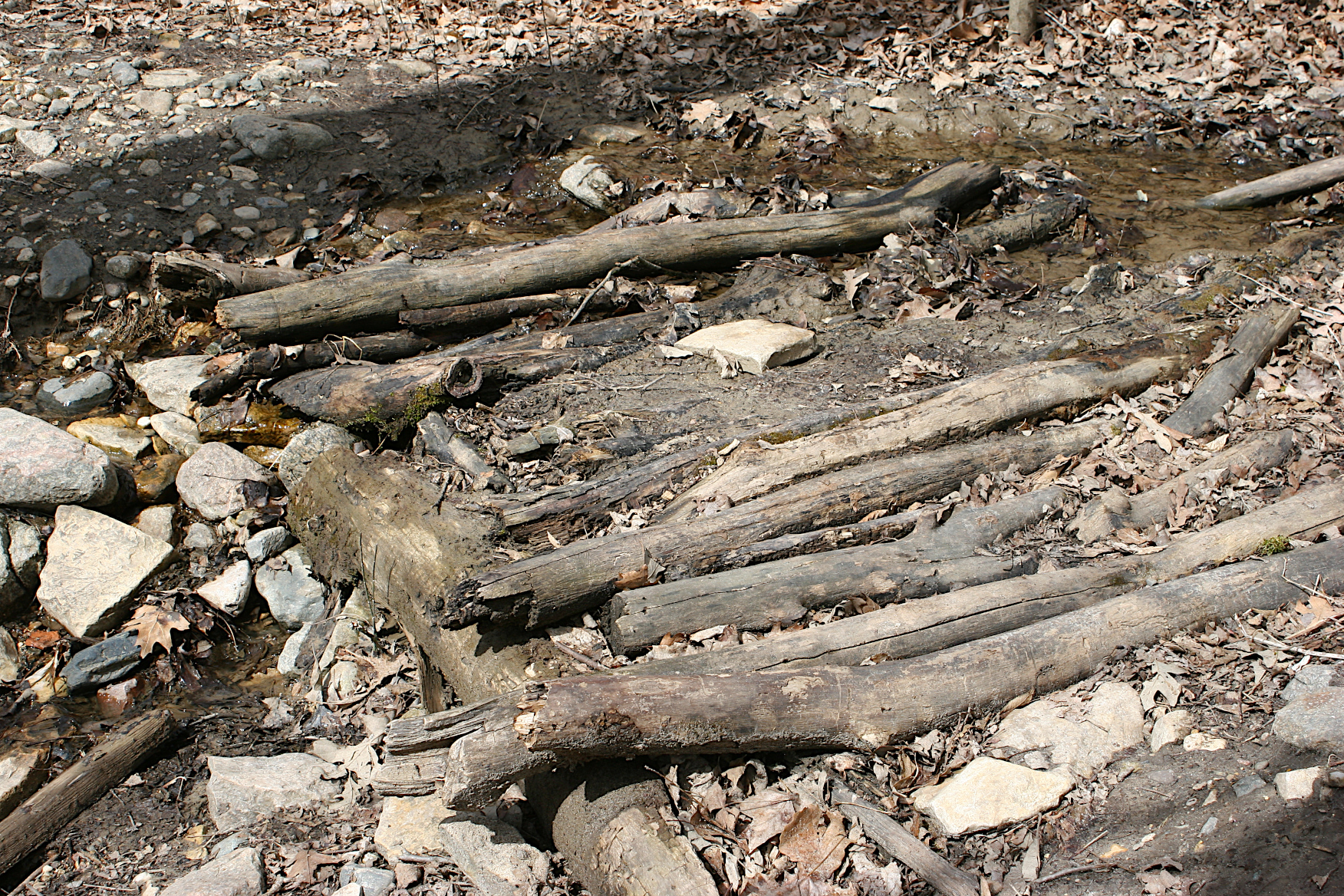
The makeshift bridge.

All of these nuances I noticed as we walked, as I stopped to take in my surroundings, as Randy steadied me while I crossed a makeshift branch bridge across a spillway.

Randy crosses the bridge out of the woods.

There is much to see in this seasonal transition, if only we pause to appreciate. To look. And really see. To hear. And really listen. It’s there. The poetry of wind and water and woods and words.

© Copyright 2021 Audrey Kletscher Helbling


River Bend in March, before the latest winter storm March 16, 2021

Filed under: Uncategorized — Audrey Kletscher Helbling @ 5:00 AM
Tags: , , , , , , , , , ,
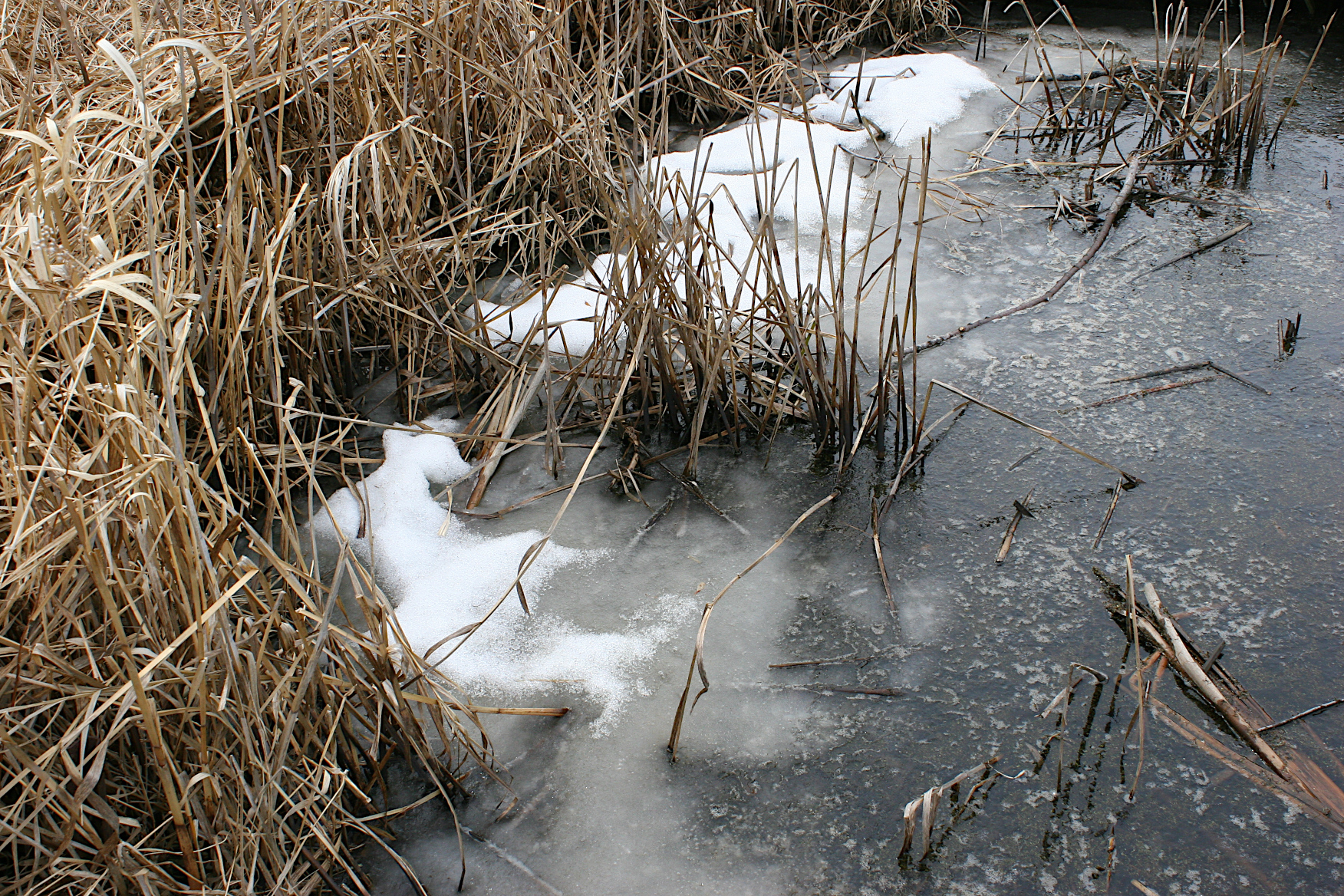
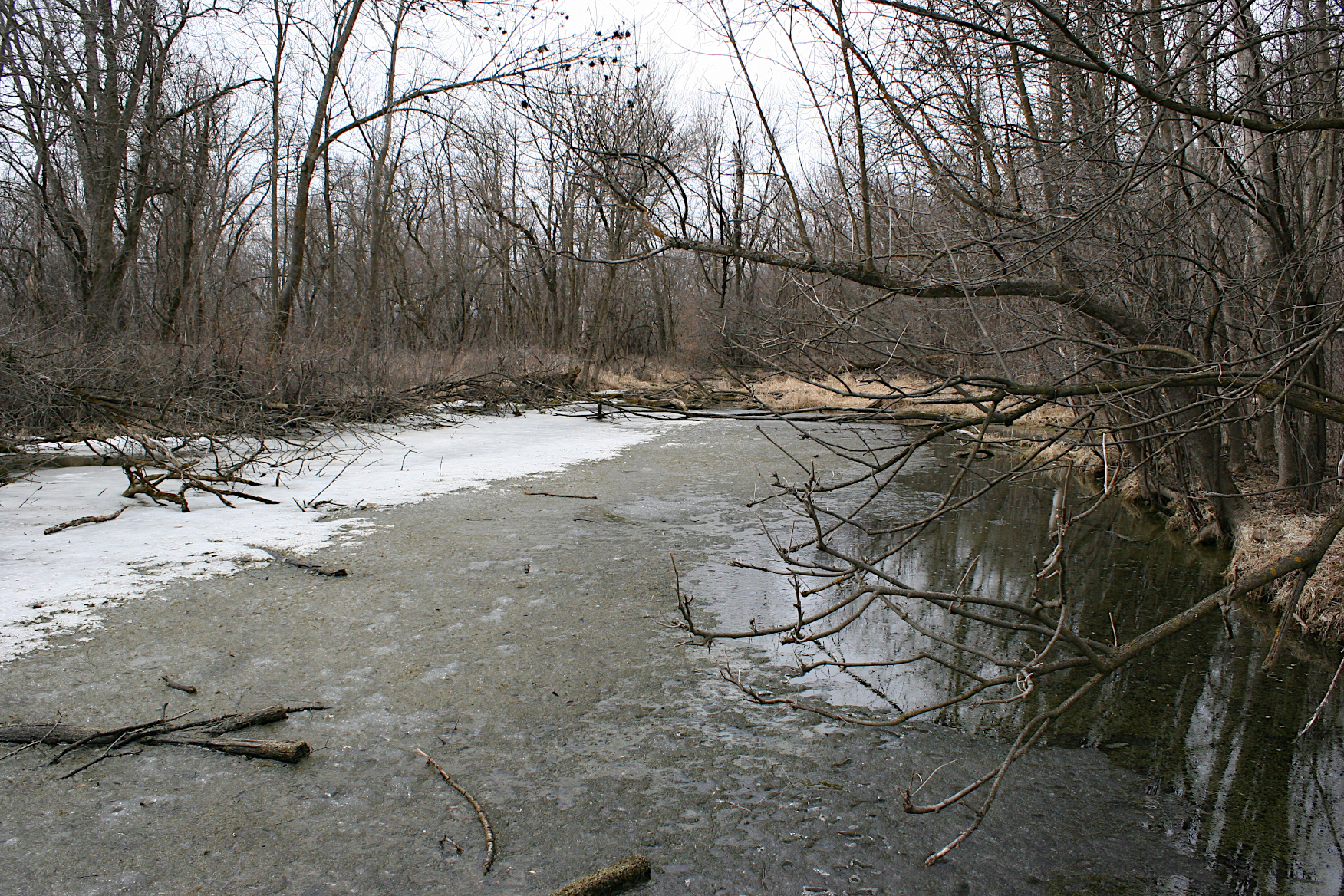
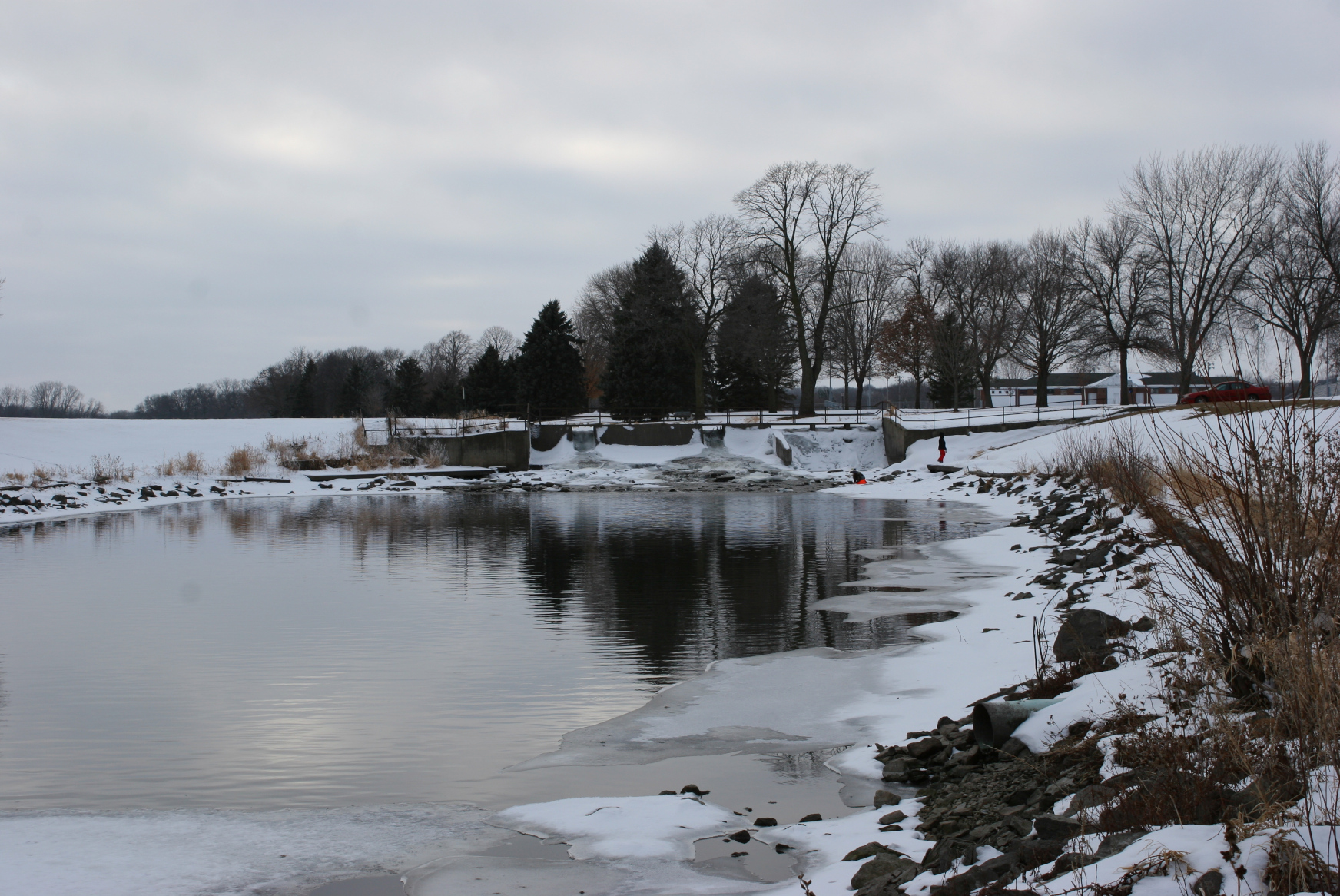
Ice edges a pond Sunday afternoon at River Bend Nature Center in Faribault.

AS I WRITE MONDAY AFTERNOON, snow continues to fall. Steady, for hours and hours. Layering the landscape that, only the day prior, was devoid of snow.

After an especially lovely Saturday of sunshine and 50 some degrees, this return of winter seems like a mean trick of Mother Nature. I rather enjoyed pre-spring. But as a life-long Minnesotan, I expected snow and cold to return. Yet, maybe not with such force, as if the weather has something to prove.

That all said, let’s forget the winter storm and backtrack to Sunday afternoon, when Randy and I hiked the trails at River Bend Nature Center in Faribault. It’s one of our favorite places to escape into nature.

I always carry my camera. And here’s what I found: Natural beauty even in a drab landscape transitioning between seasons.

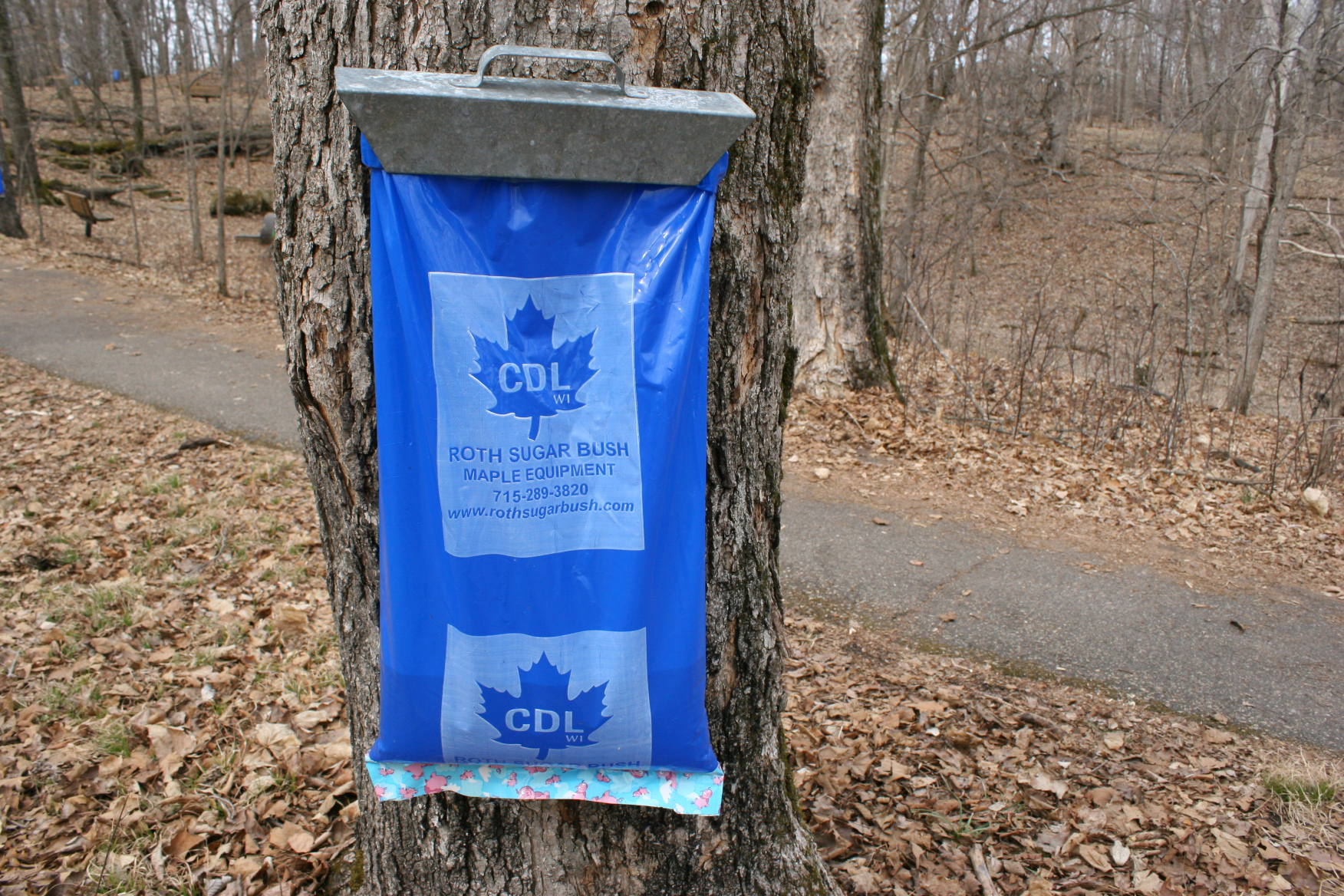
Signs of spring in maple sap collection bags and buckets.

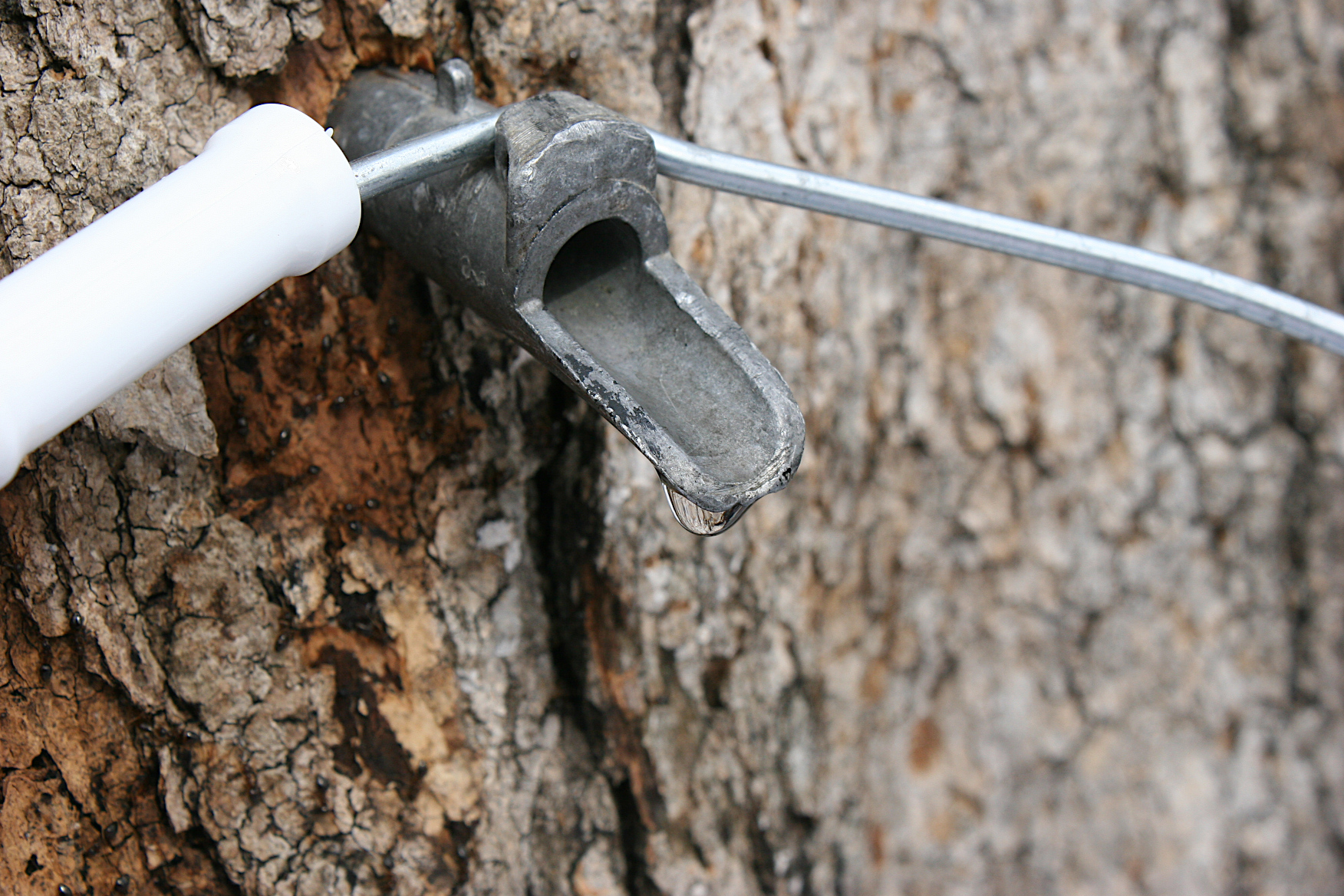
And sap dripping slowly into the containers.

Signs of winter in ice edging the Turtle Pond.

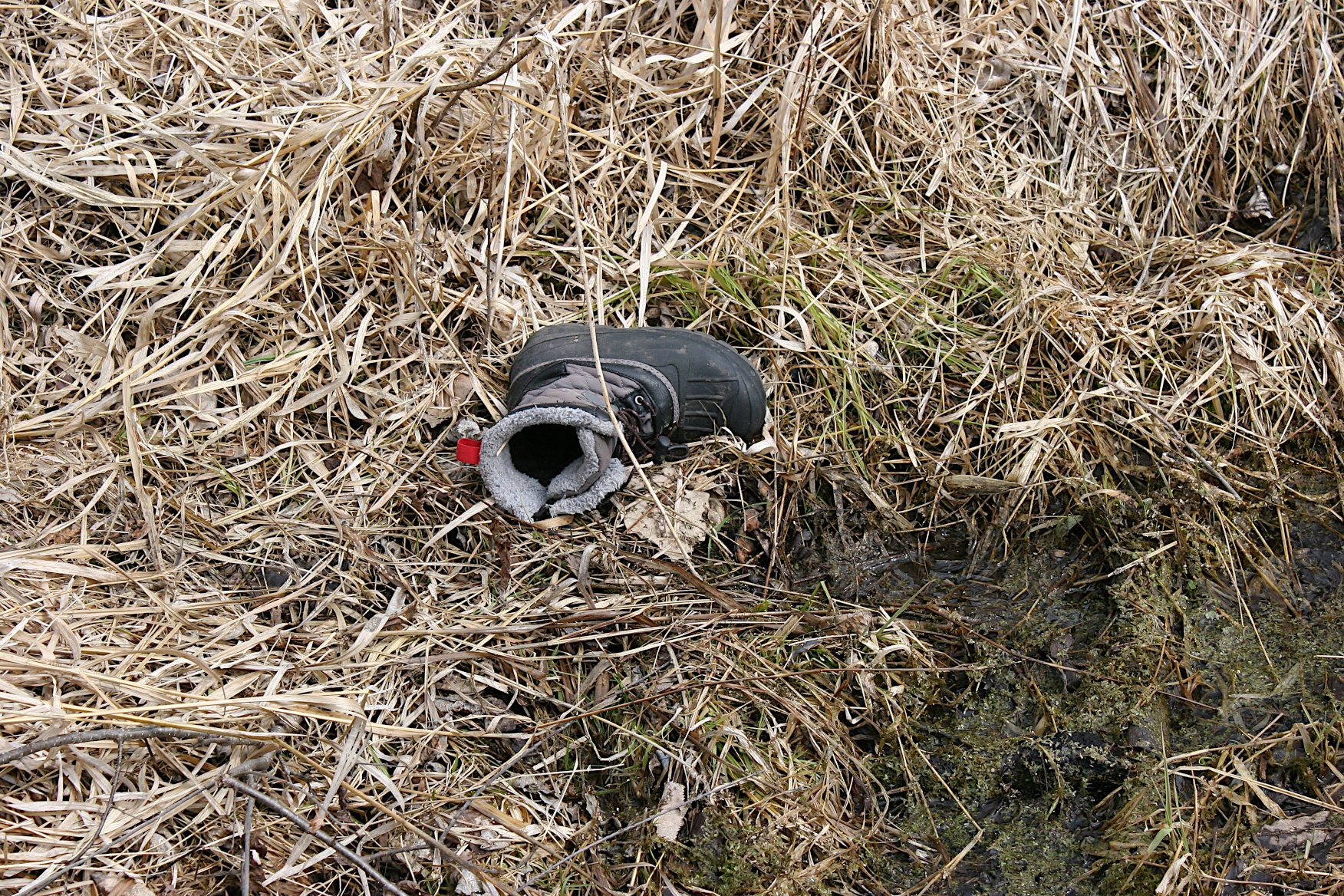
A lone child’s snow boot, which left me wondering how that got lost without anyone noticing.

And the photo I didn’t take of young people clustered along a limestone ledge with their remote control vehicles climbing the layered rock. Limestone was once quarried from this area.

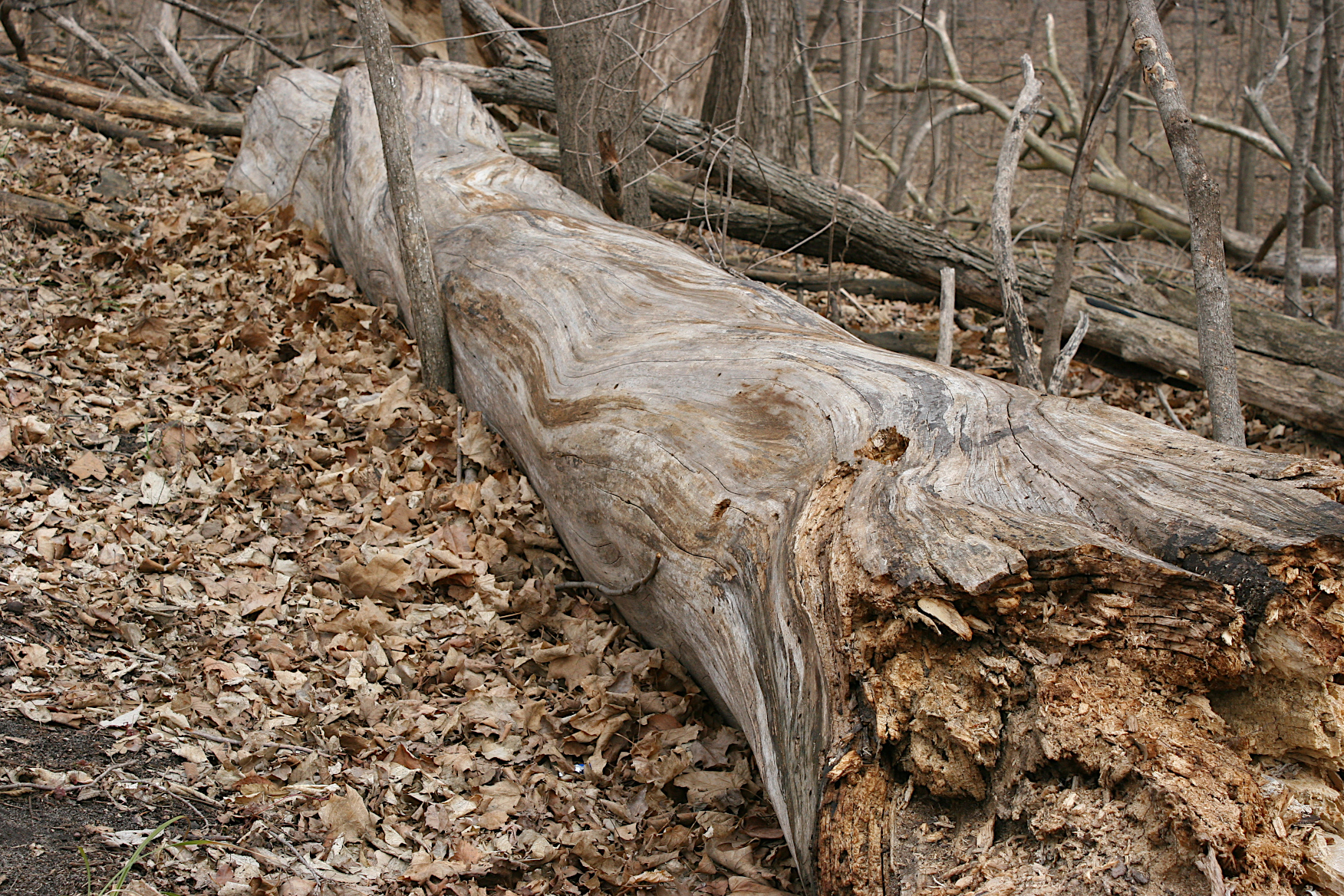
And then the bark-less fallen tree Randy pointed to with shades of brown sweeping like waves lapping at the lakeshore. Artistically beautiful. Poetic.

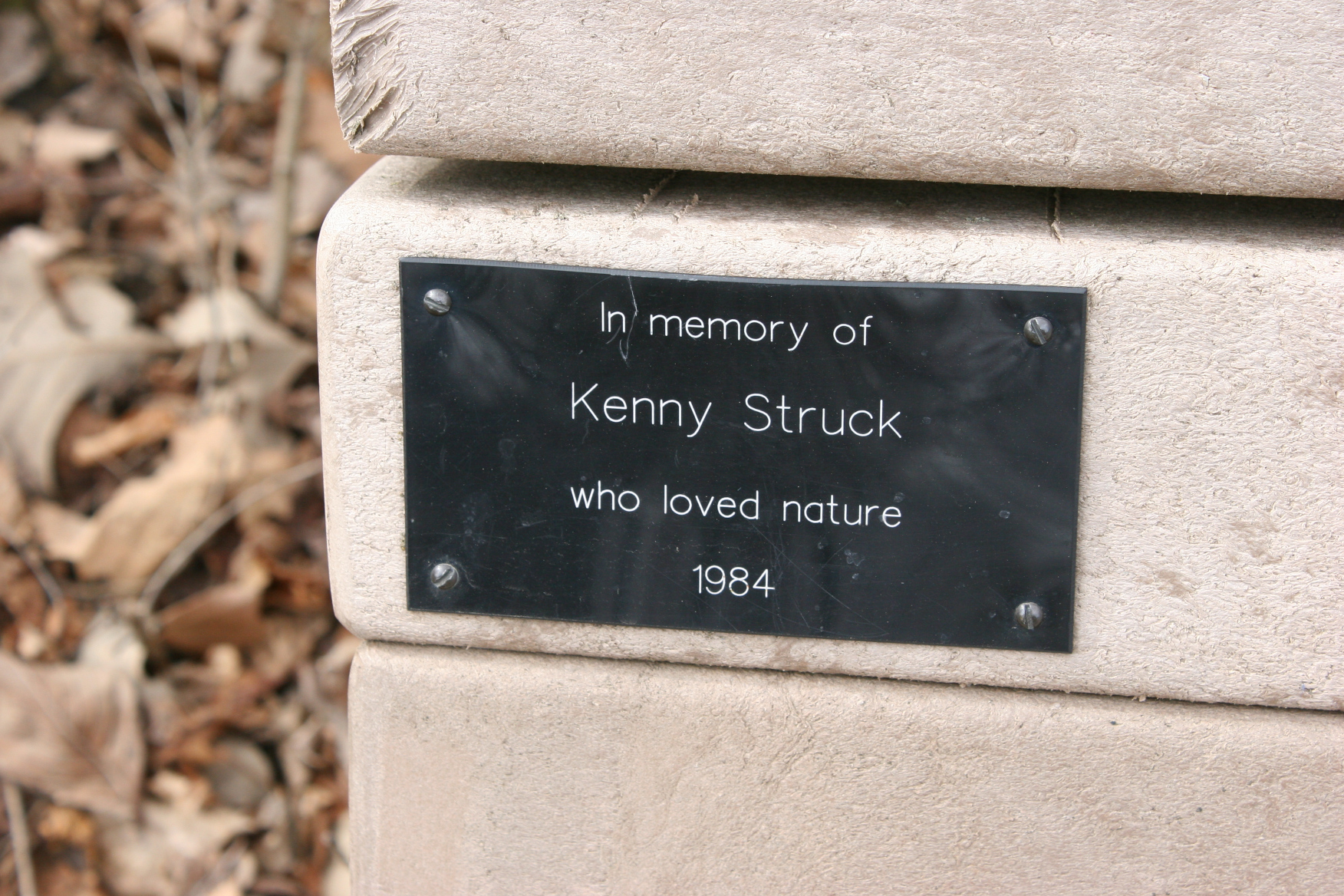
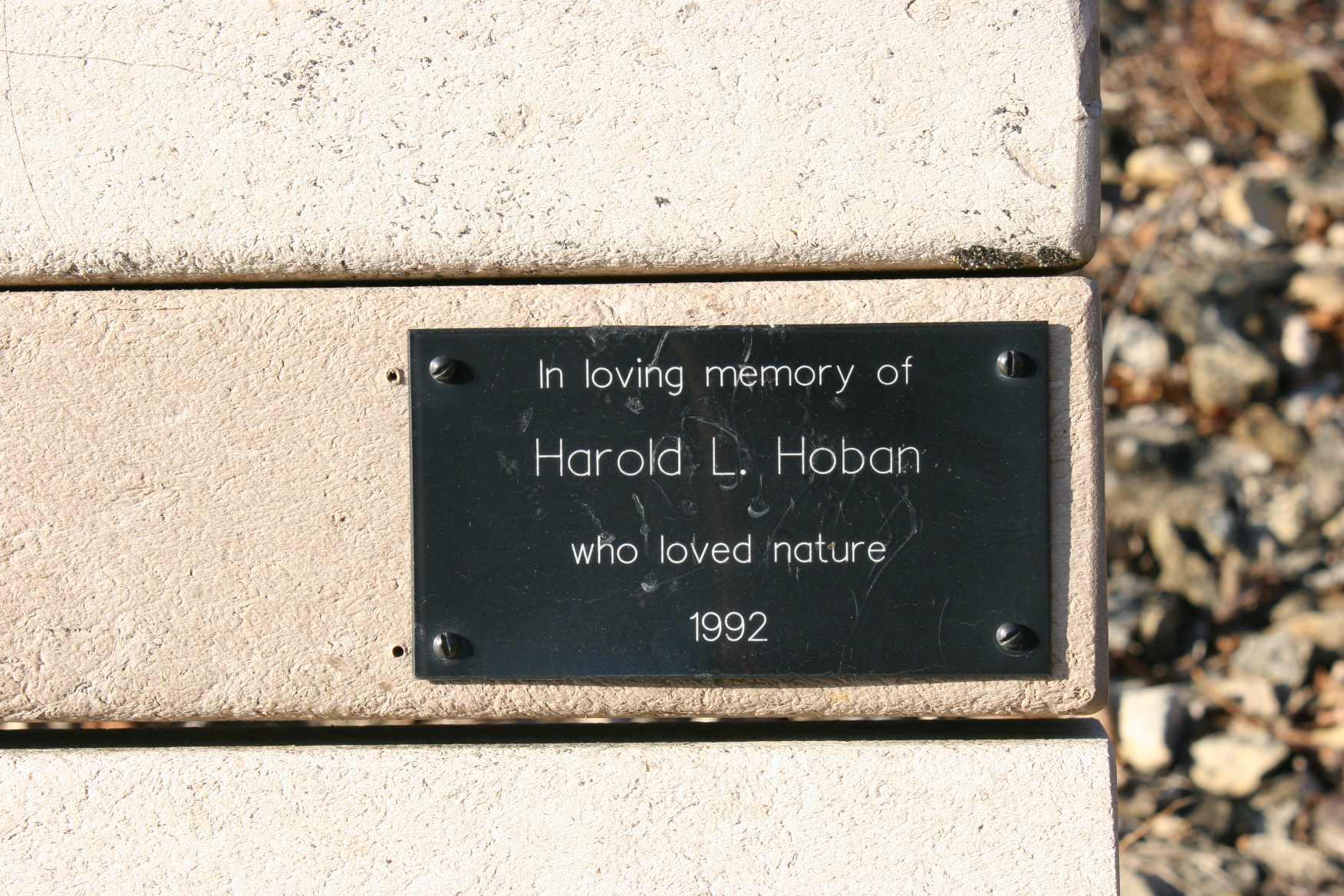
Just like words imprinted upon plaques adhered to memorial benches honoring those who loved this place, this River Bend.

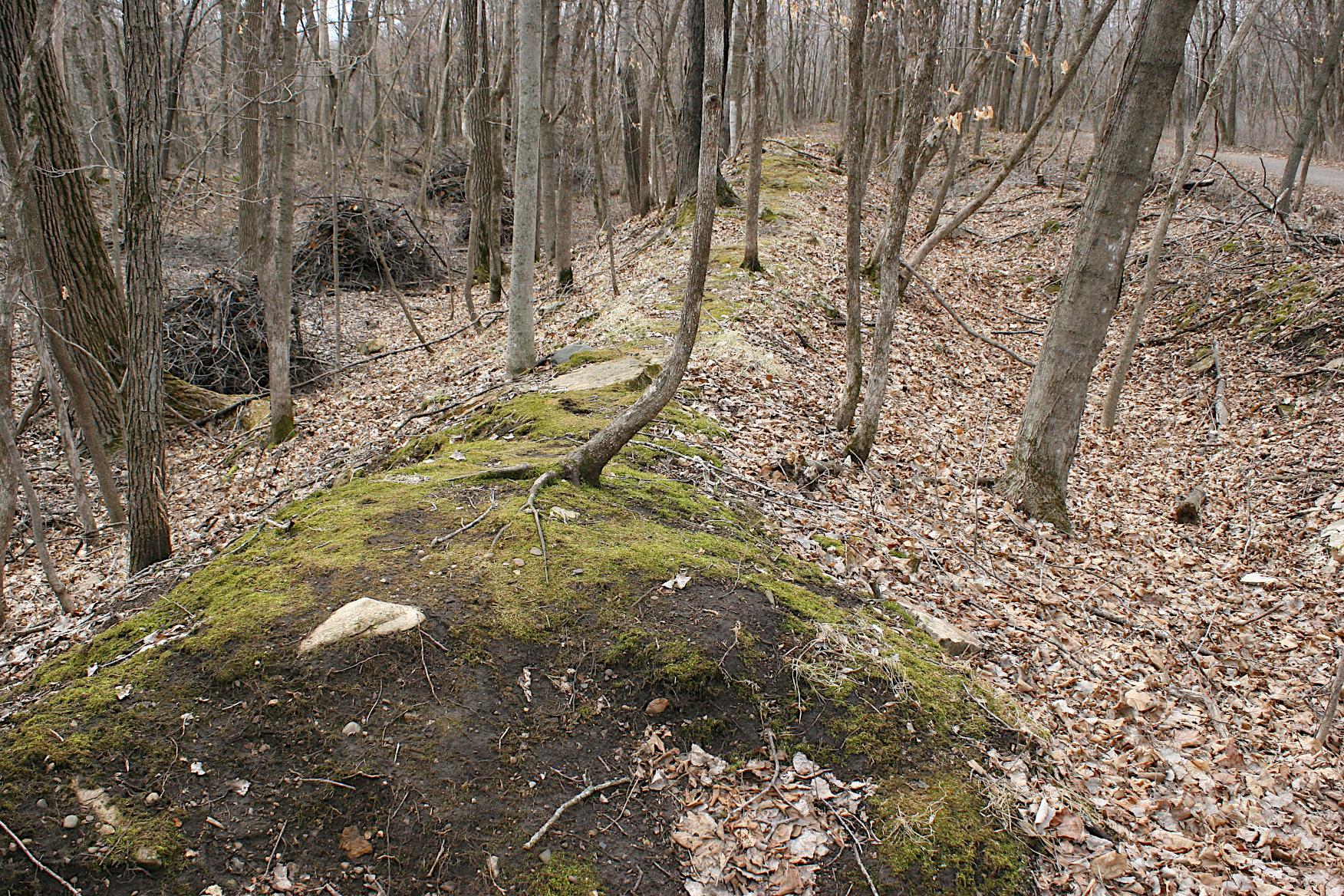
Moss carpeting the ground in a line across a ridge of land in the woods. The only green in a landscape of brown tones.

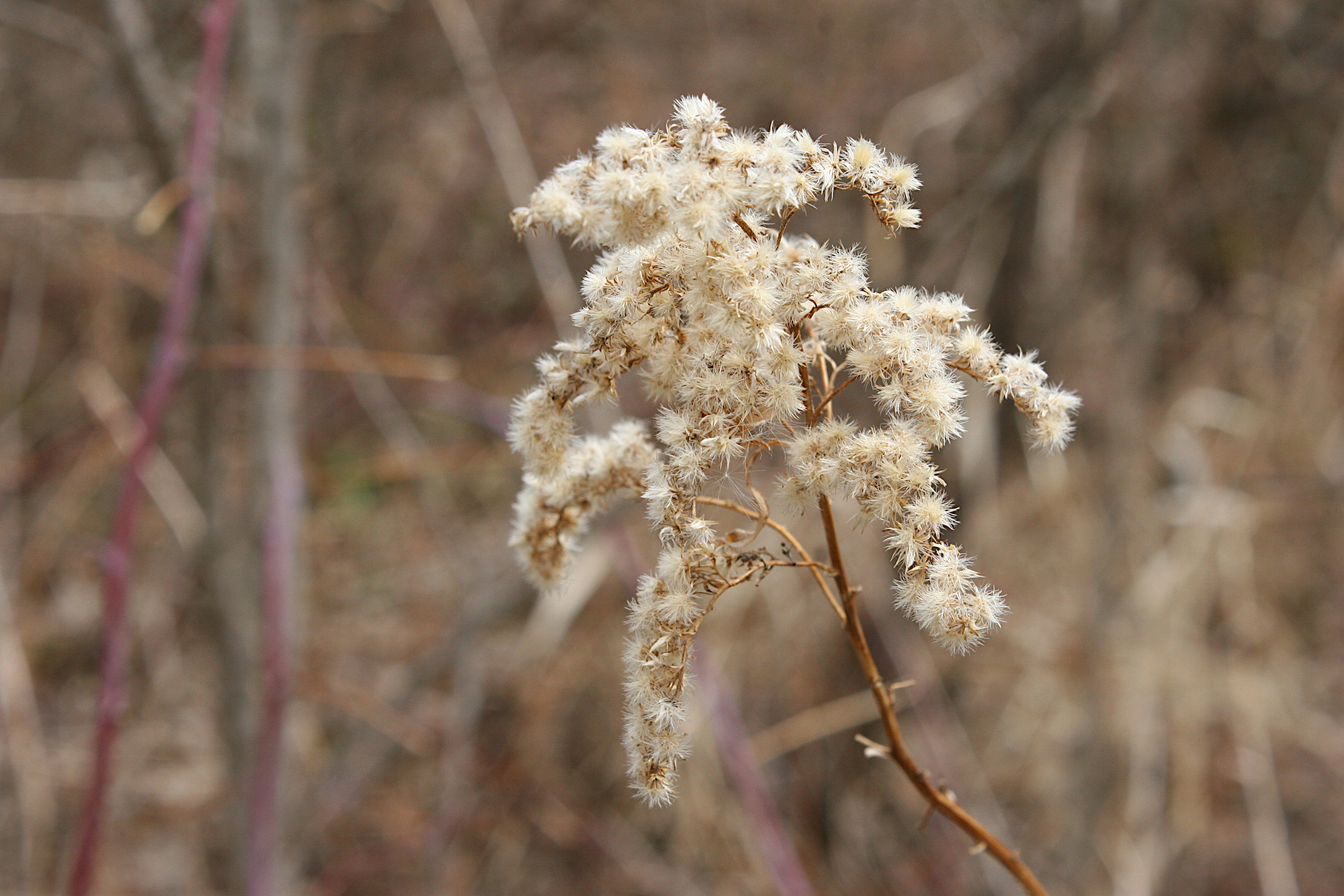
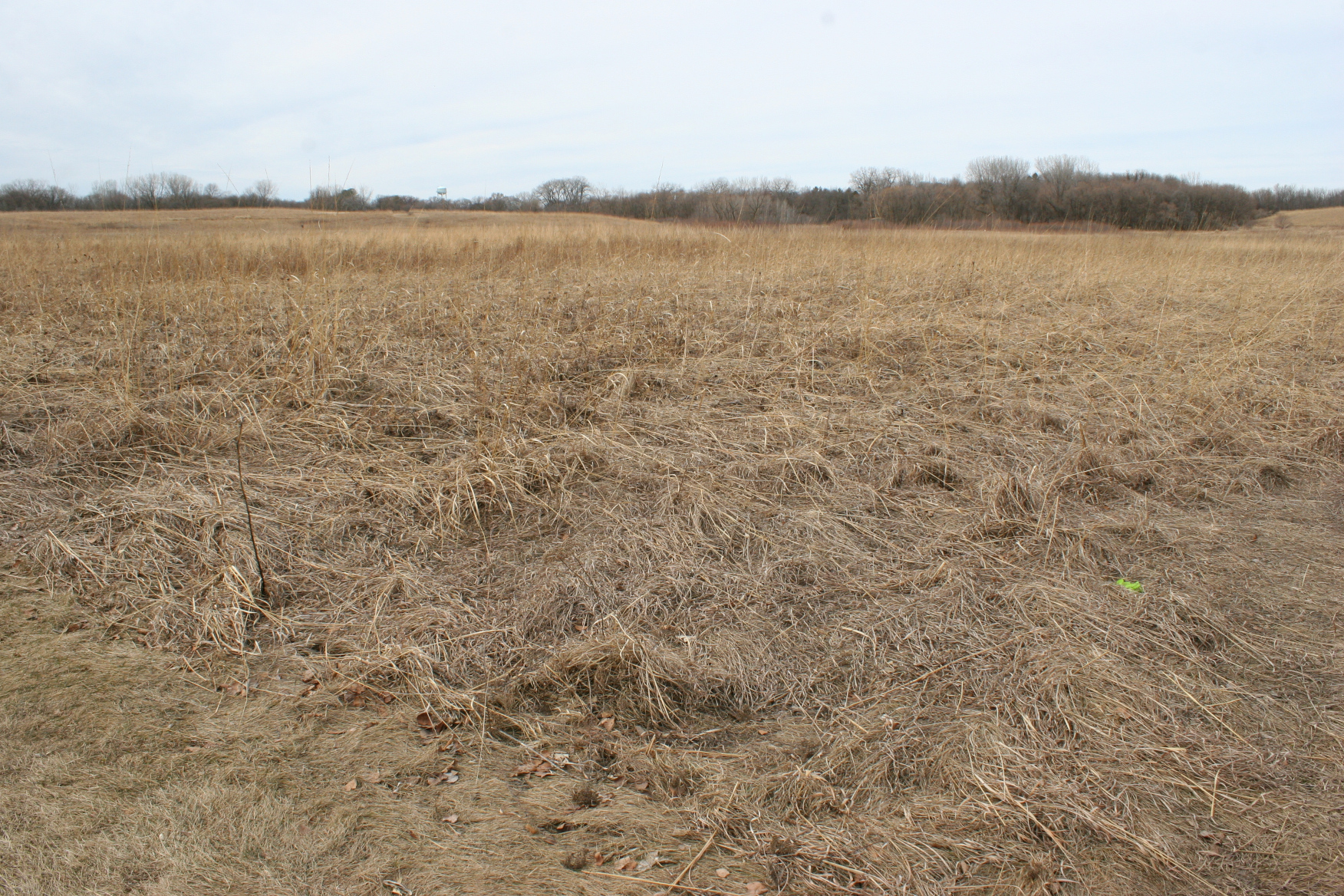
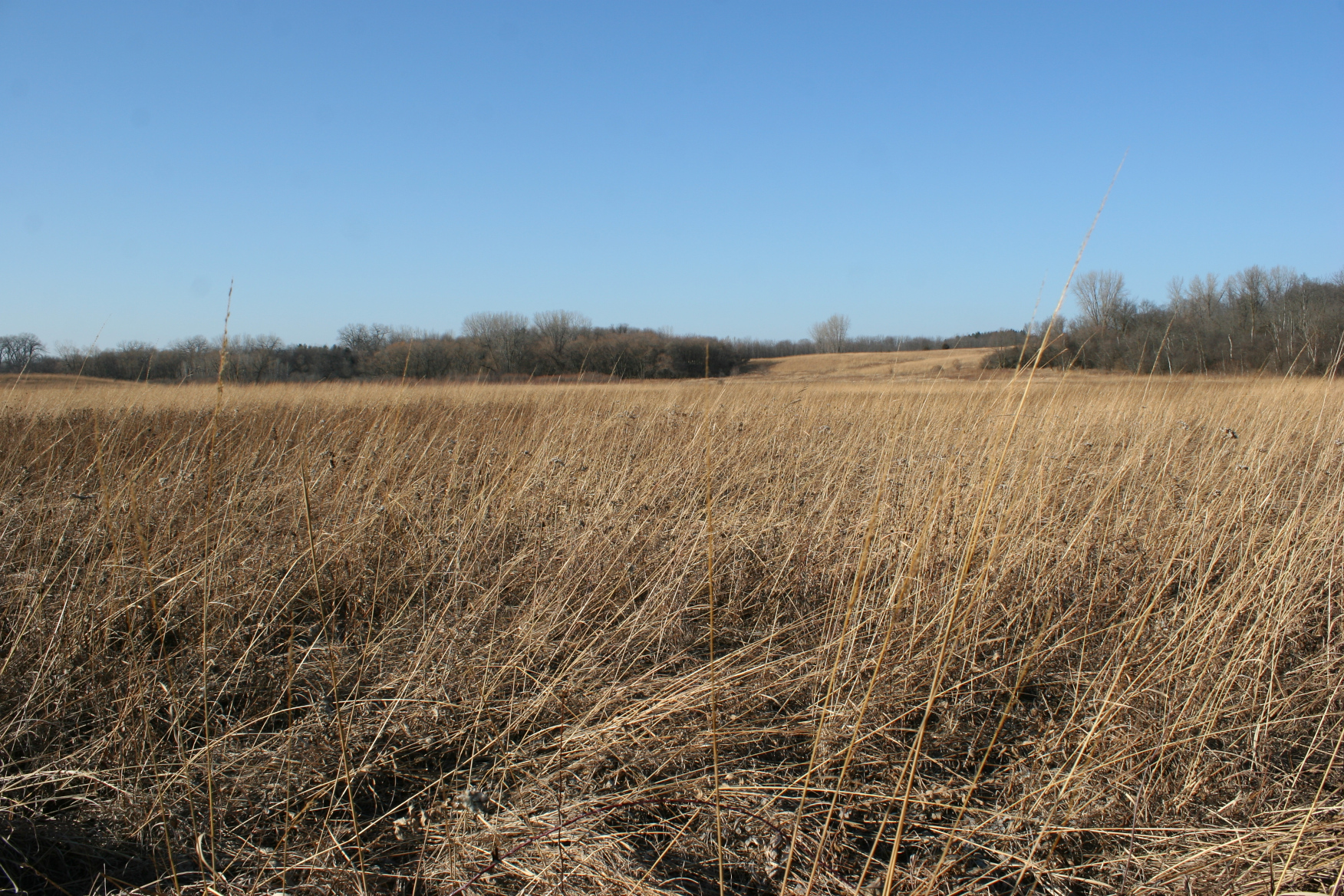
Dried grasses and dried weeds on the prairie. The muted remnants of autumn.

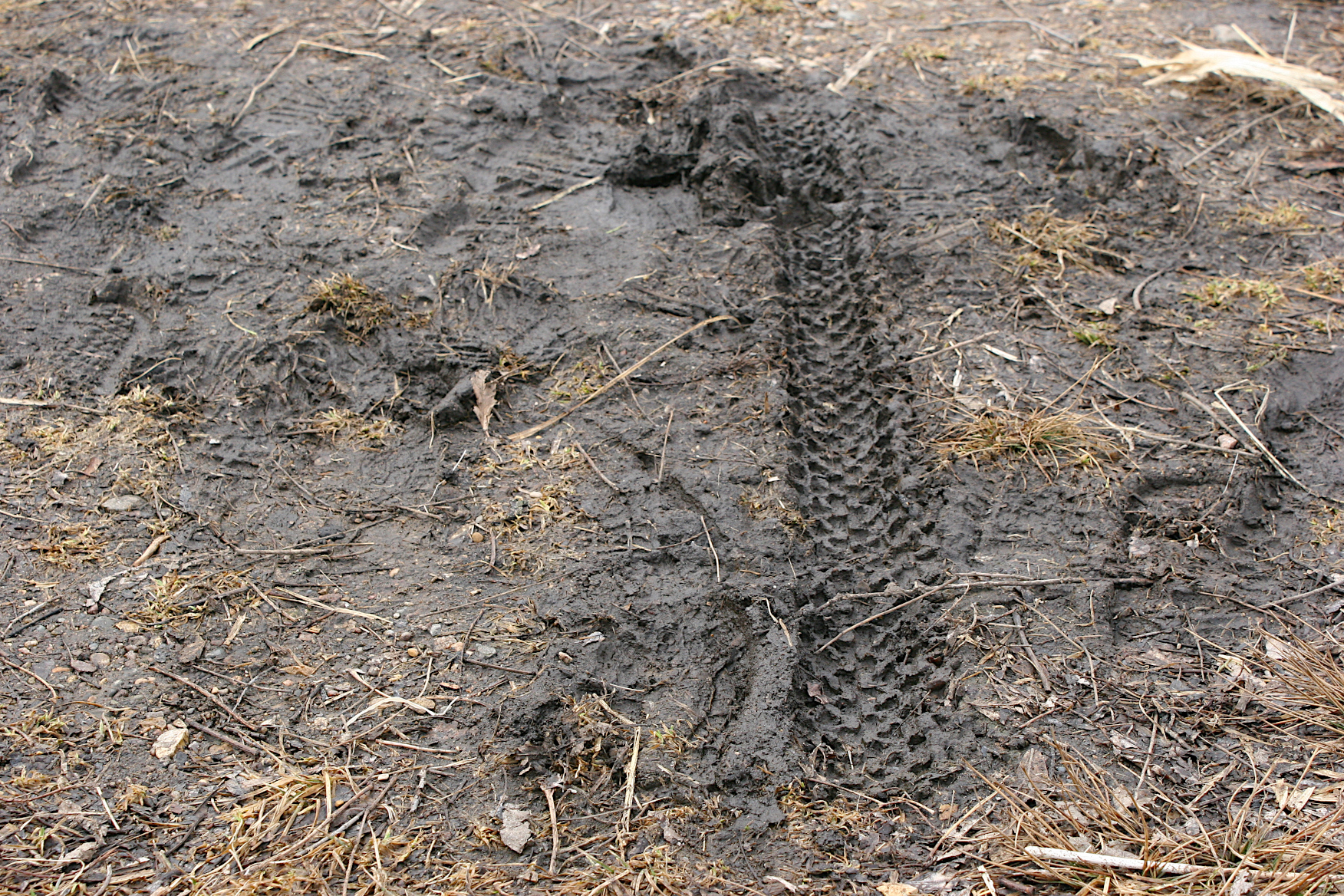
Tracks muddied into the earth.

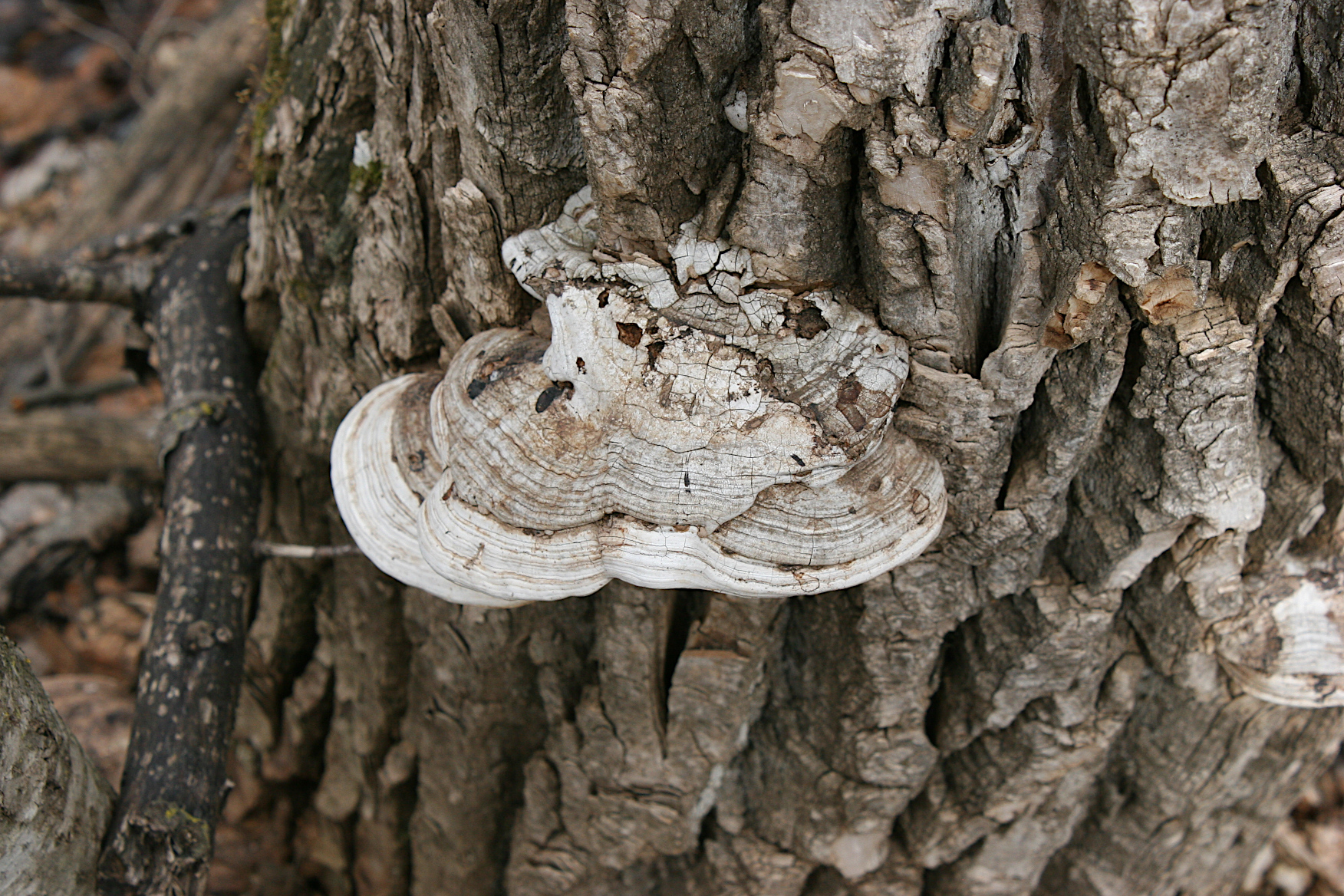
And birch

and fungi and all those things you notice if you only take the time to pause. To appreciate the natural world. To step into the woods. To walk the asphalt trails heaved by frost and tree roots. Or to follow the dirt trails that connect soles to ground. Soul to nature.

© Copyright 2021 Audrey Kletscher Helbling


Winter walk: Of woods & river & hungry ducks February 3, 2021

I WAS DETERMINED this past Sunday to get out of Dodge. I needed a change of place, something new to photograph. So I decided we’d head about 20 minutes south on Interstate 35 to check out the snow sculptures at Owatonna’s Bold & Cold Winter Festival.

Well, we never got there. Suffice to say the best-laid plans were thwarted by developing health situations with our parents. Our phones were blowing up on Sunday. And I’d lost my desire to leave Faribault. I’d been awake since 4:55 a.m. and, come afternoon, my energy level plummeted. Randy suggested I nap for a bit. I tried.

The trail we walked edges the Straight River.

Then, about mid-afternoon, I declared myself weary of everything and ready for a walk. I pulled on a warm parka, laced my snow boots, grabbed a stocking cap and mittens, switched out the lens on my camera and headed out the door. Destination: A Faribault city trail that runs parallel to Central Avenue and along the Straight River.

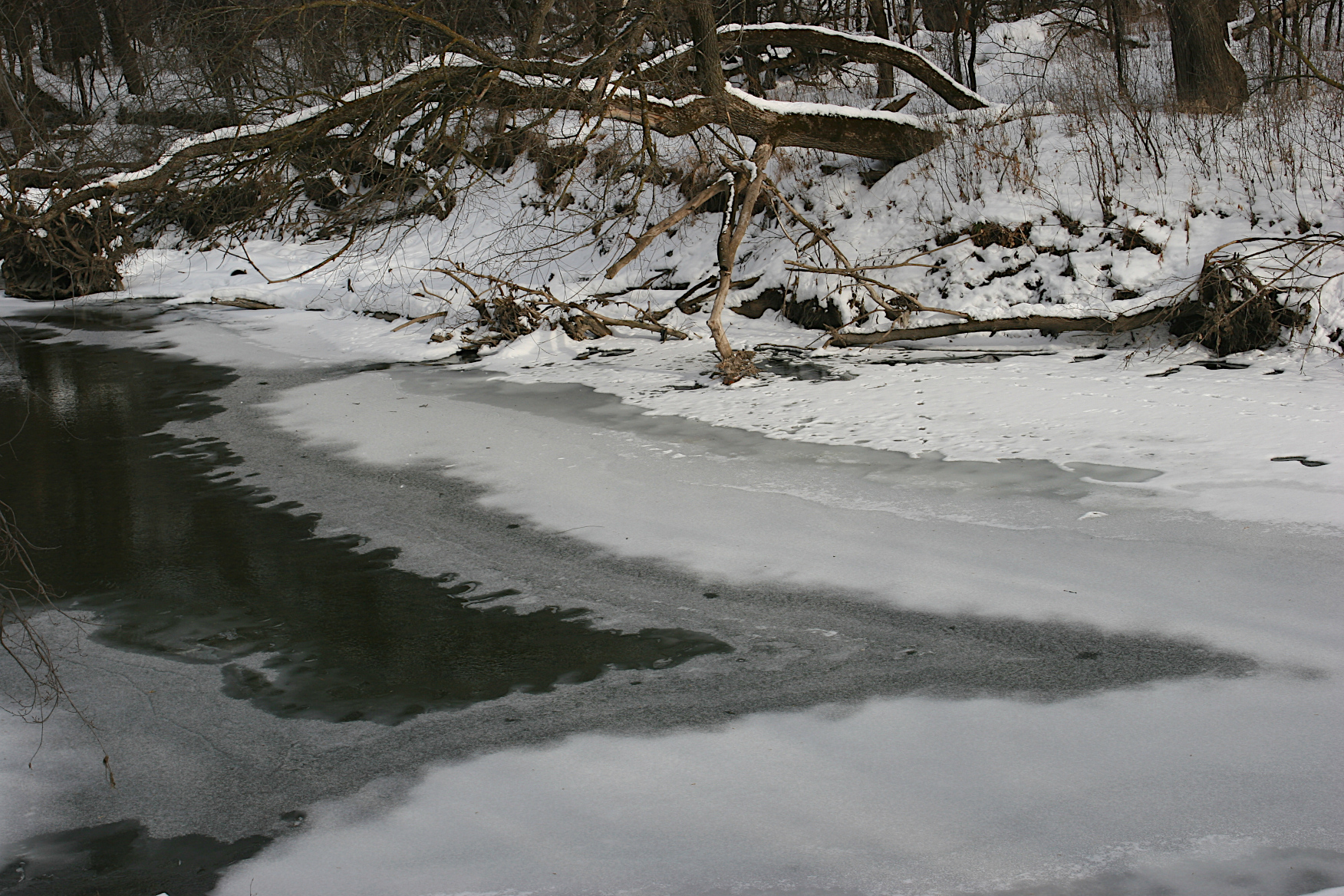
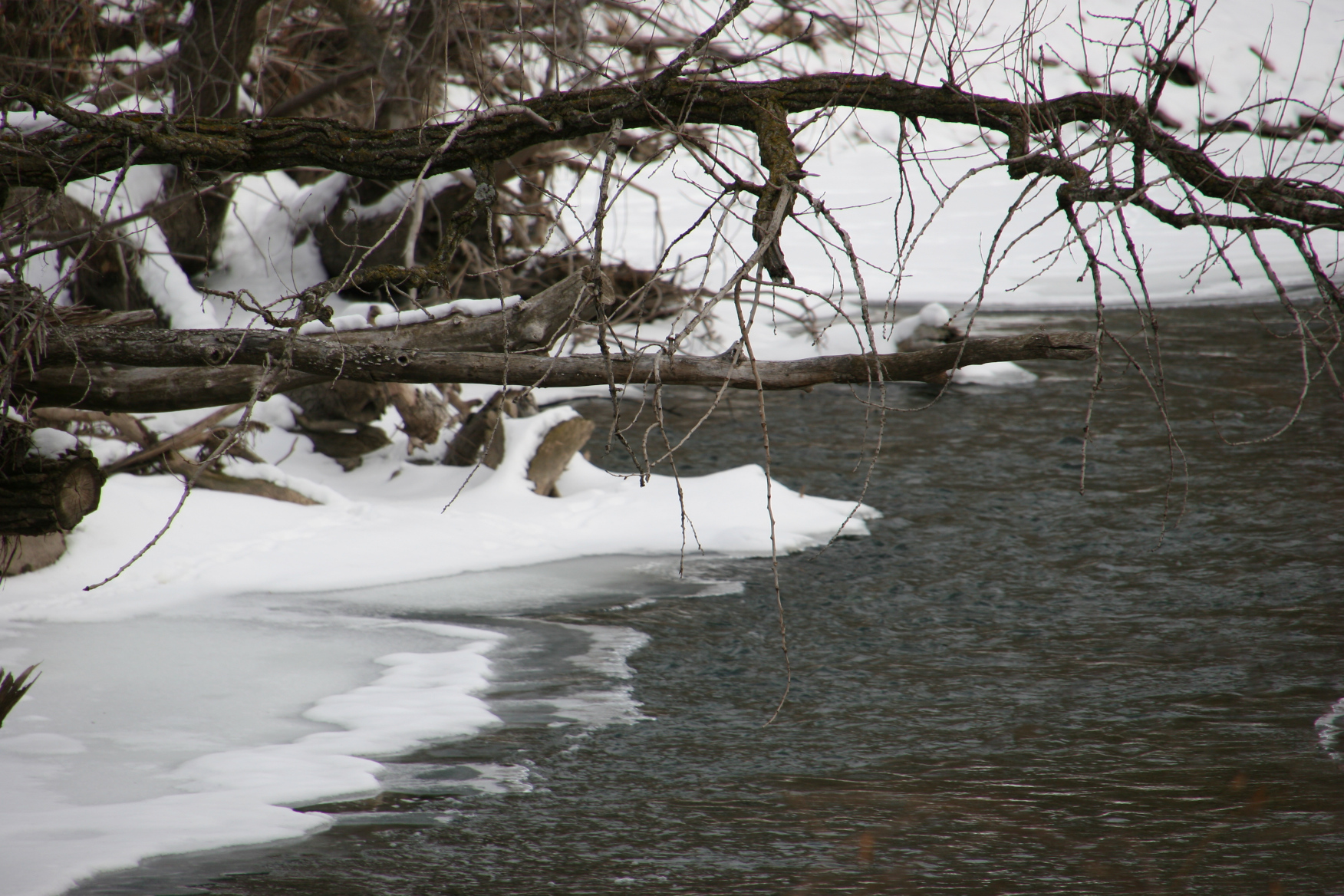
Branches overhang the Straight River.

As Randy and I walked, I felt my mood shifting away from worry about loved ones to the natural world around me. Bare trees rising above the snow. Others leaning or broken. Black against white.

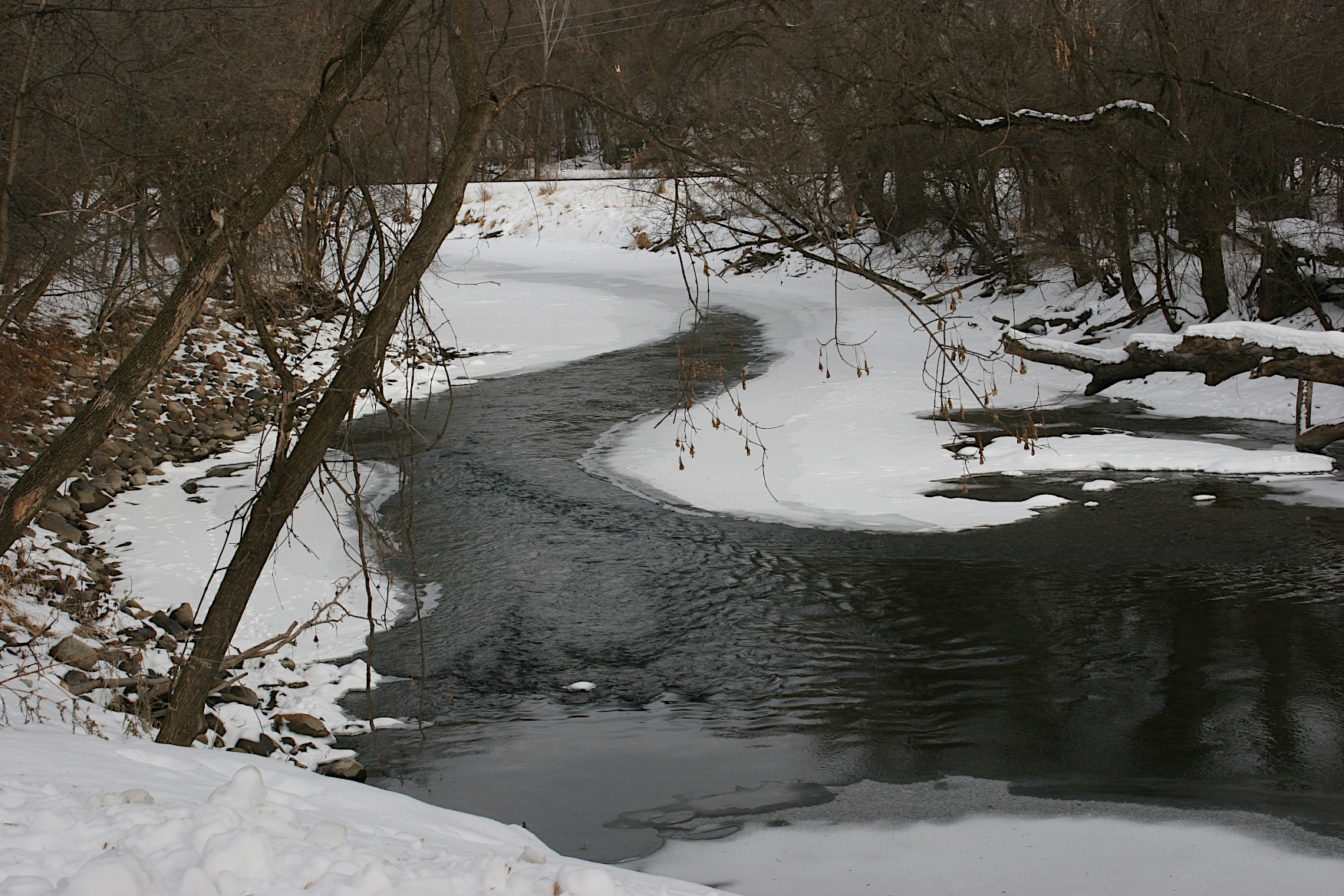
The river curves through the woods.

The river, edged with ice, curving through the woods. Poetic. Artsy. Mostly monochromatic.

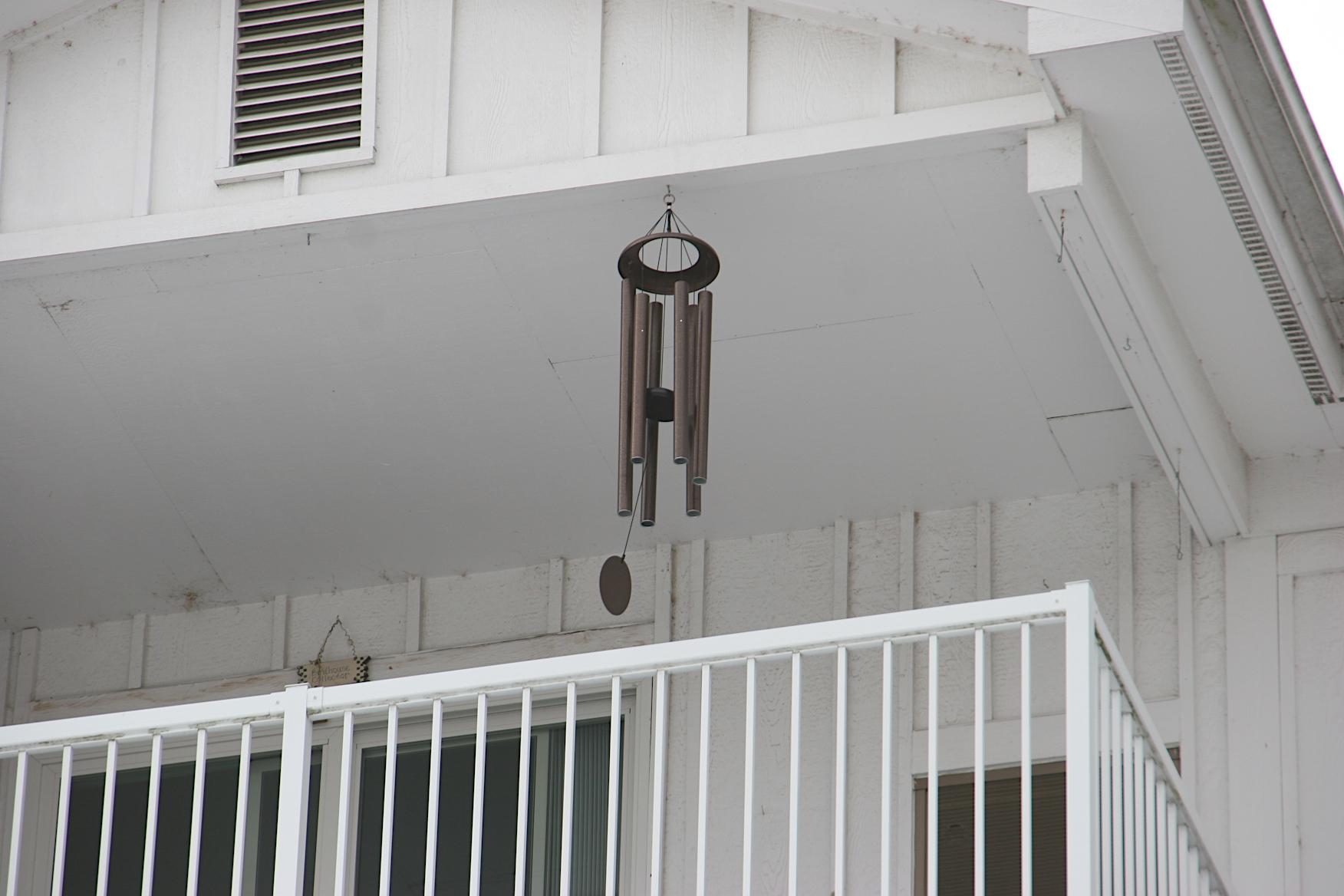
The wind chimes that created such beautiful music.

I paused at the sound of music, church bells, I thought. Randy pointed to chimes dangling above a balcony at a trail-side apartment building.

Photographed on the Cannon River at North Alexander Park. Randy claimed the bird followed us from the other trail we walked. Photo was edited.

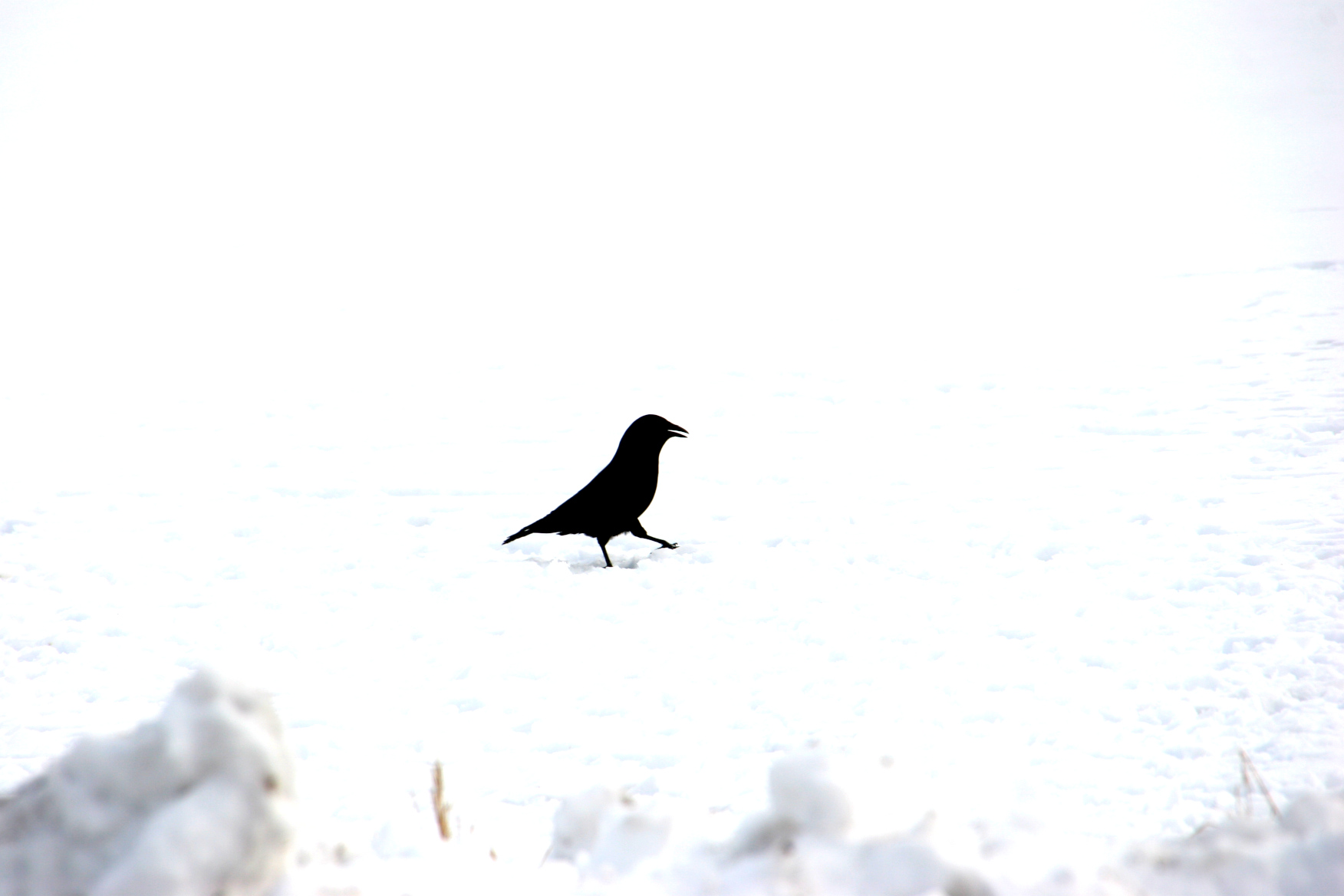
We listened, too, to the manic caw of crows circling nearby. I felt like I was in a scene from Alfred Hitchcock’s “The Birds.” I thought I saw an eagle through the distant treetops, but then never spotted it again.

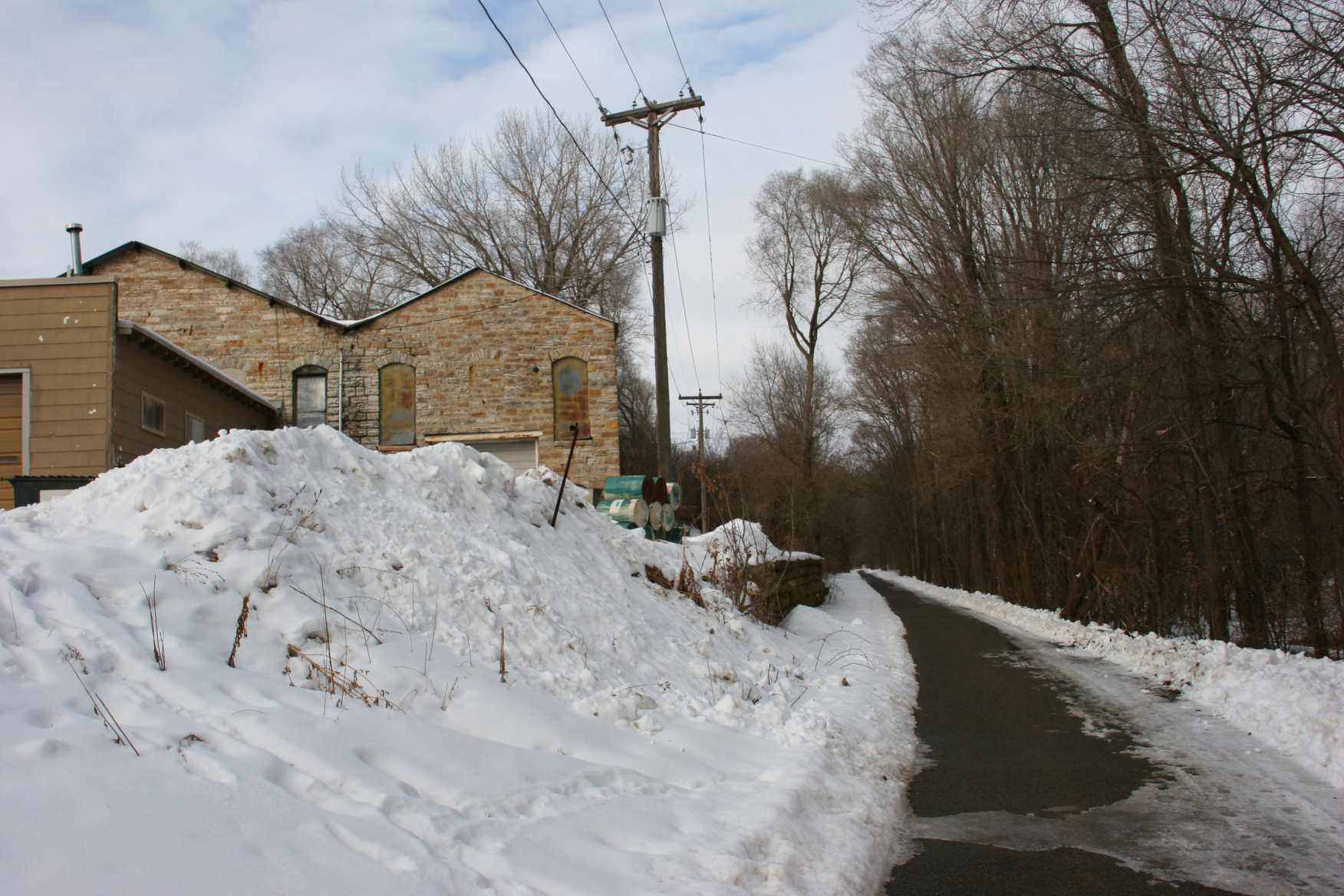
This limestone building along the Straight River Trail caused me to pause. I need to research its history. Watch for a future post with more images.

A bit farther down the path, we paused to consider an aged limestone building. Abandoned. I wondered aloud at its purpose. And the part of me that appreciates such historic structures lamented its neglect.

Art on ice.

I noted the abundance of animal tracks in the snow. And human tracks and sled imprints on the hillside.

When the cellphone in my parka pocket jingled, I ignored it.

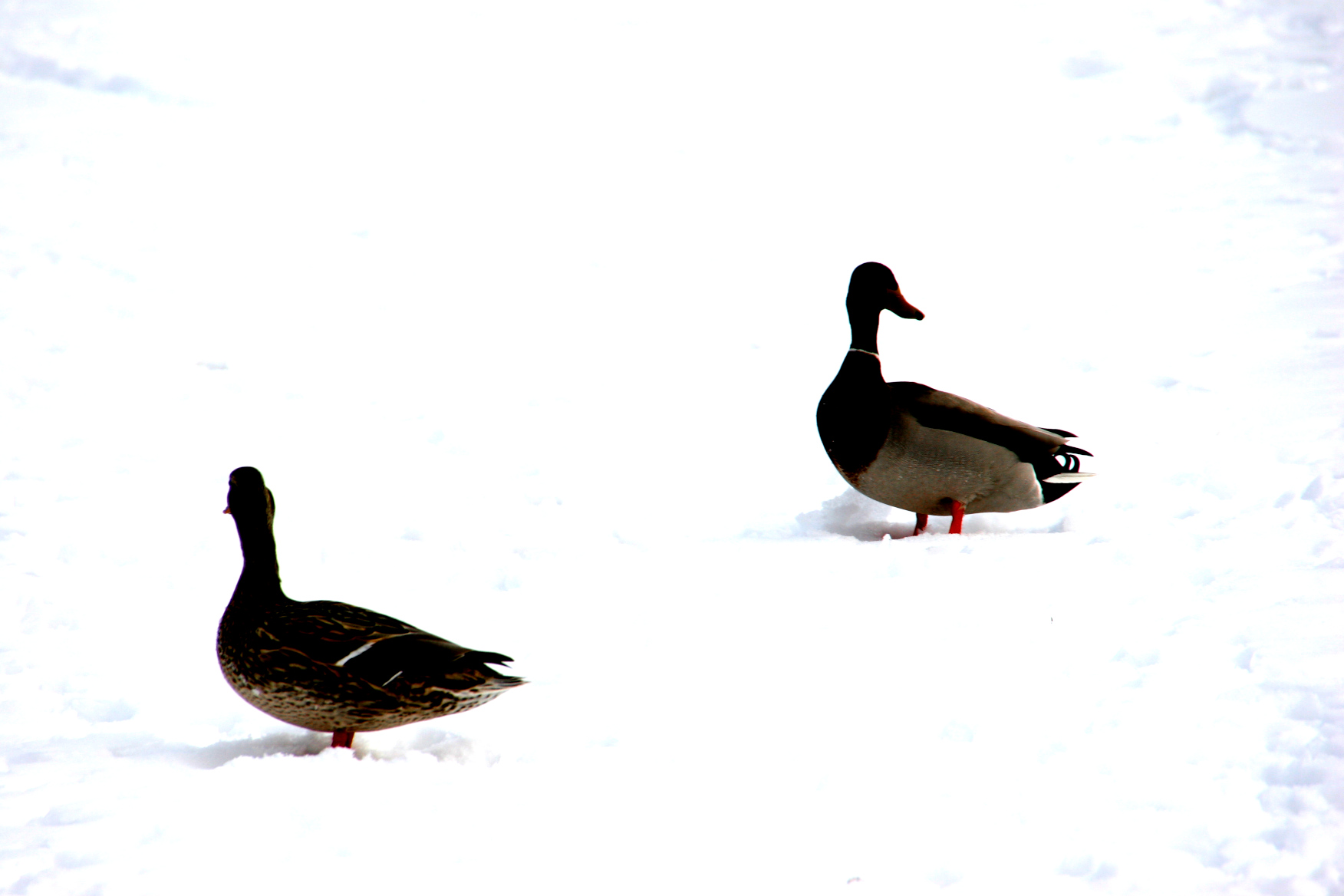
The first two ducks to land near us along the shore of the Cannon River. Edited photo.

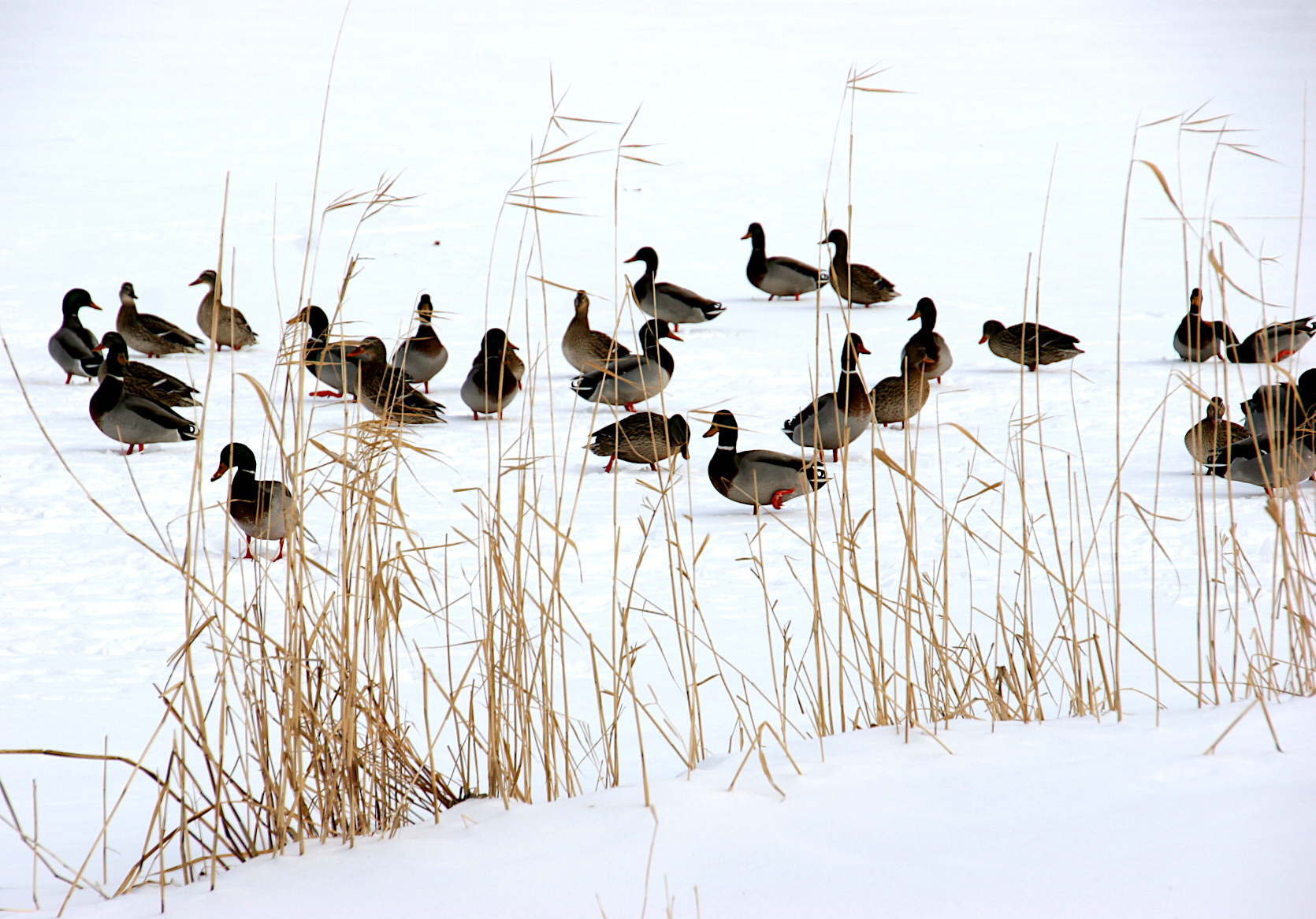
When we’d walked a distance, we retraced our steps, took a short cut up the sledding hill and then aimed to another city trail, this one along the Cannon River in North Alexander Park. There, masses of ducks flew close to shore near our parking spot. They just kept coming and I couldn’t figure out why.

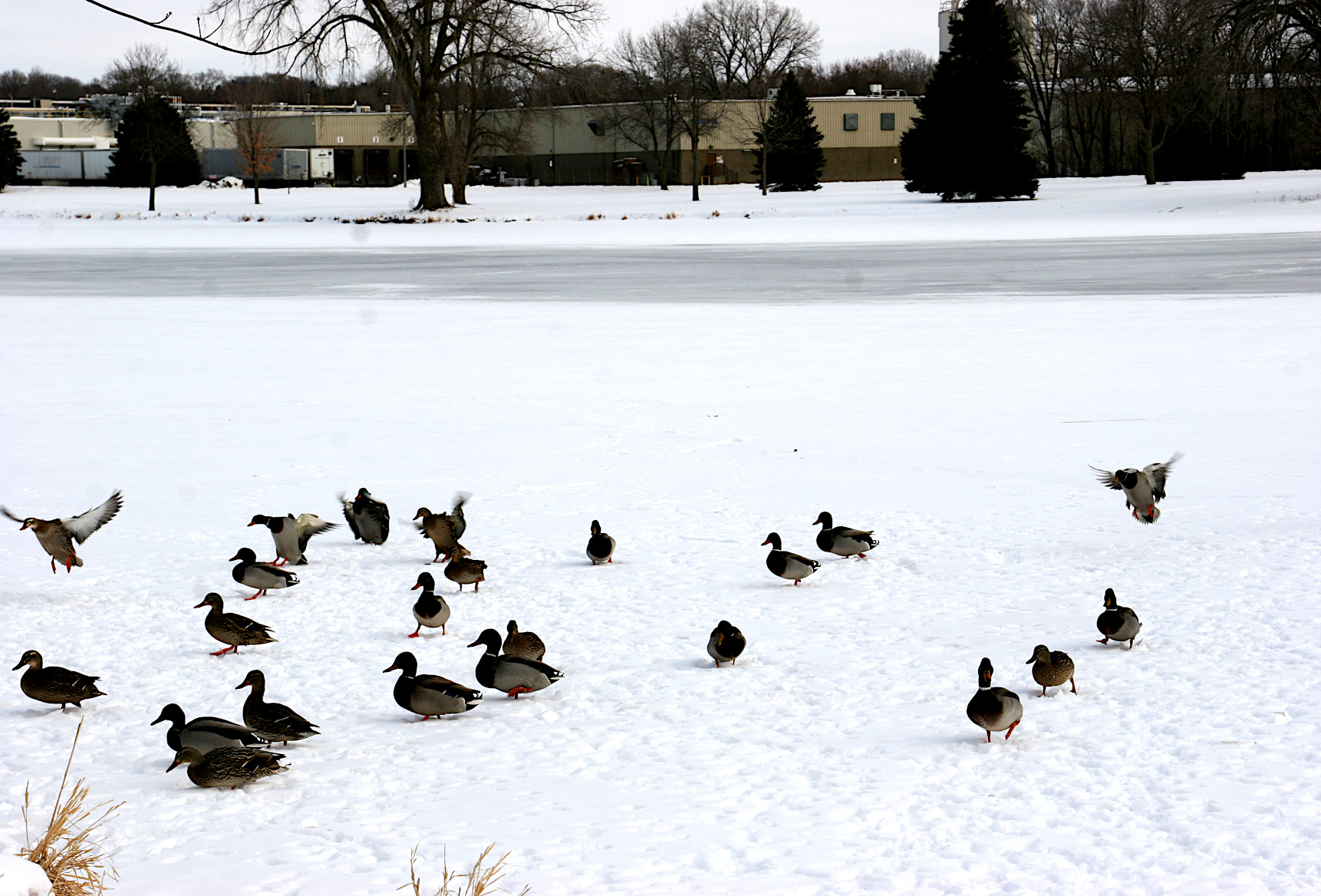
The ducks just kept coming, landing on the frozen river. Edited photo.

Randy looked at the paved pathway to traces of smashed bread. Ah, the ducks thought we brought food. We laughed about that and considered that maybe, while we continued our walk, they would swarm our van and leave droppings.

The ducks hung around until we distanced ourselves from them and they determined we weren’t feeding them. Edited photo.

I quickened my pace, anxious to flee the flock of hungry ducks. A few minutes later, we watched them take flight away from the frozen shoreline and land in open water.

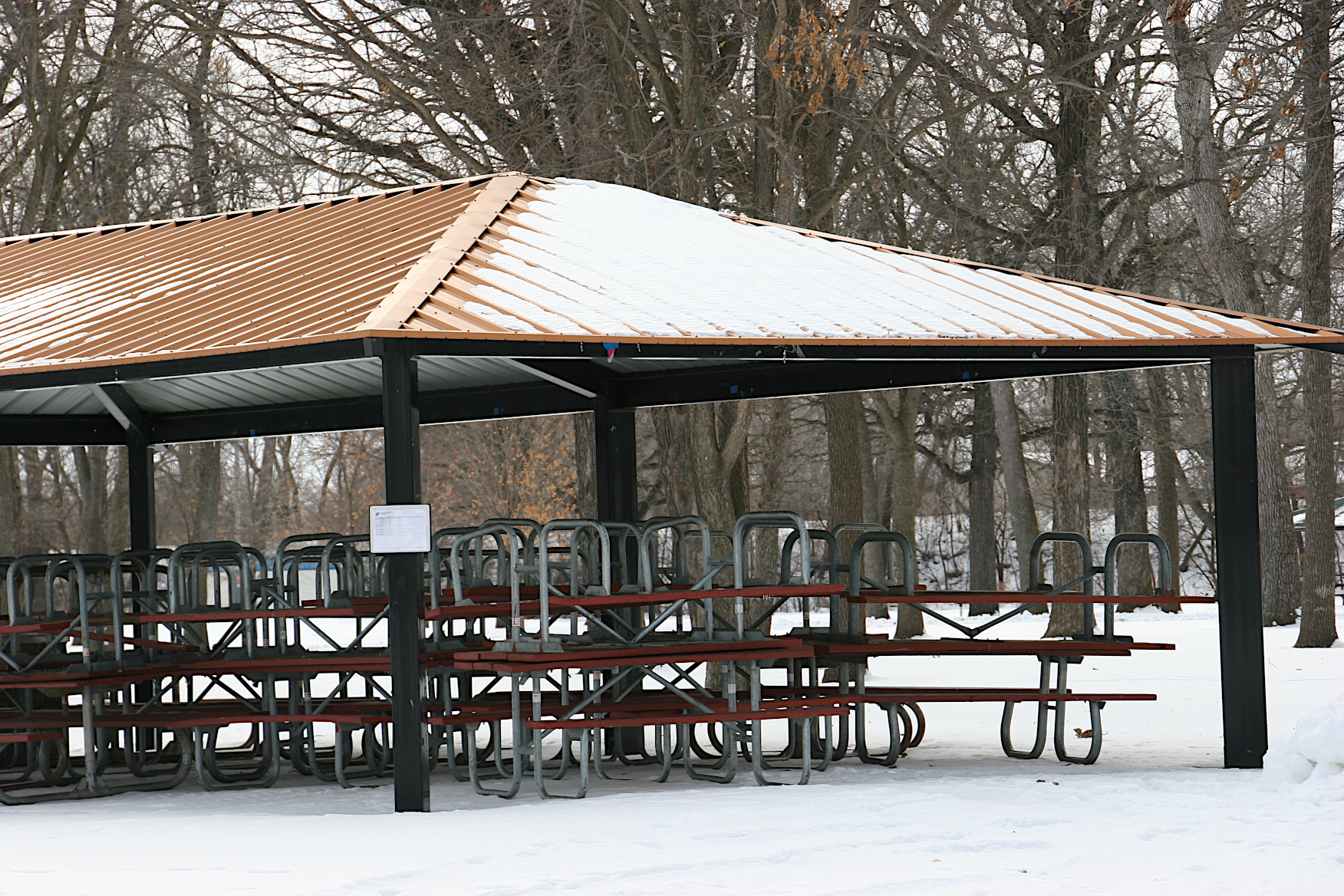
One of the many picnic shelters in North Alexander Park, where picnic tables are stacked in the winter to protect them from the weather.

We continued through the park, passing picnic shelters packed with stacked picnic tables. Past lone grills enveloped in snow. Past the colorful playground absent of children. And past the vacant ball fields.

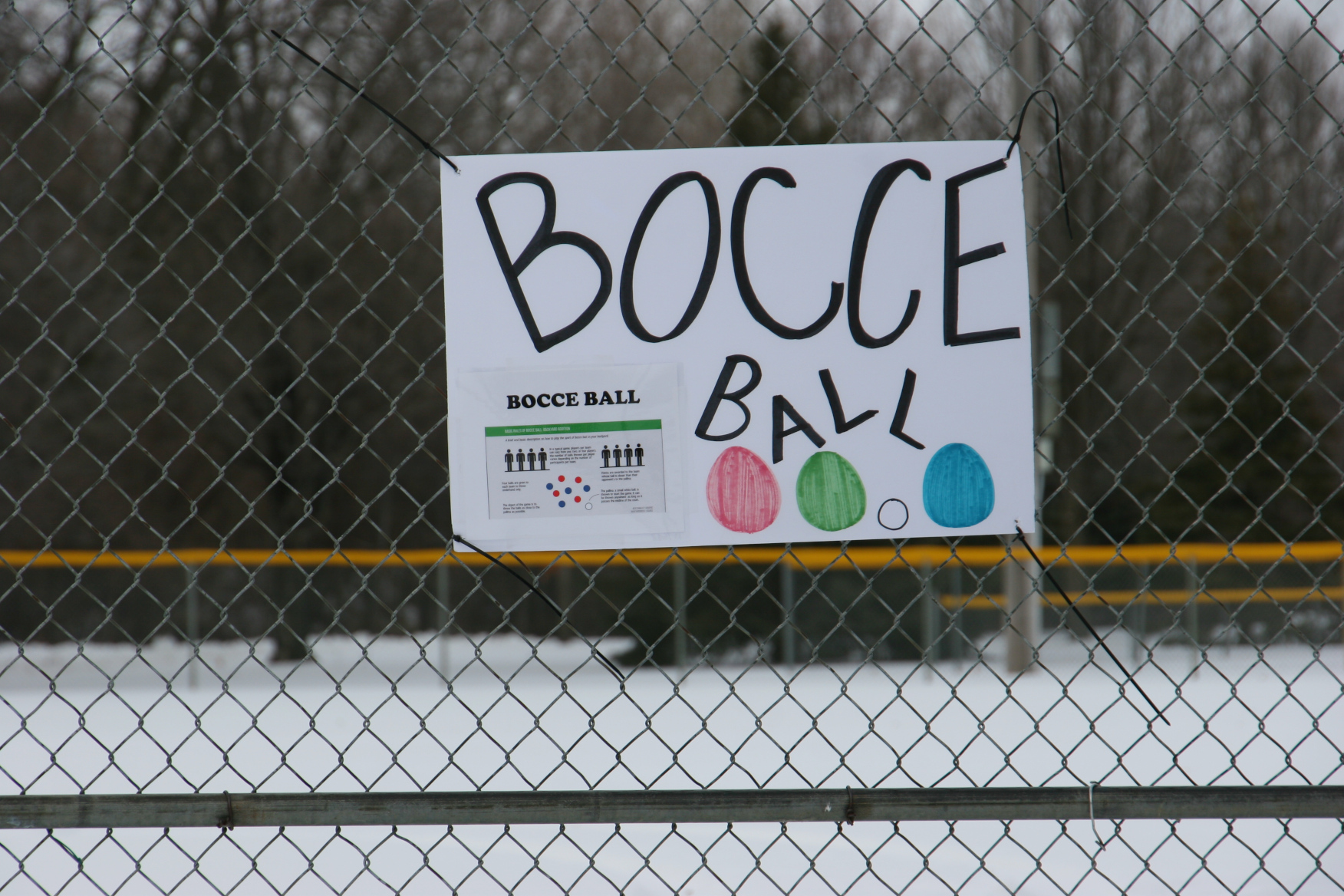
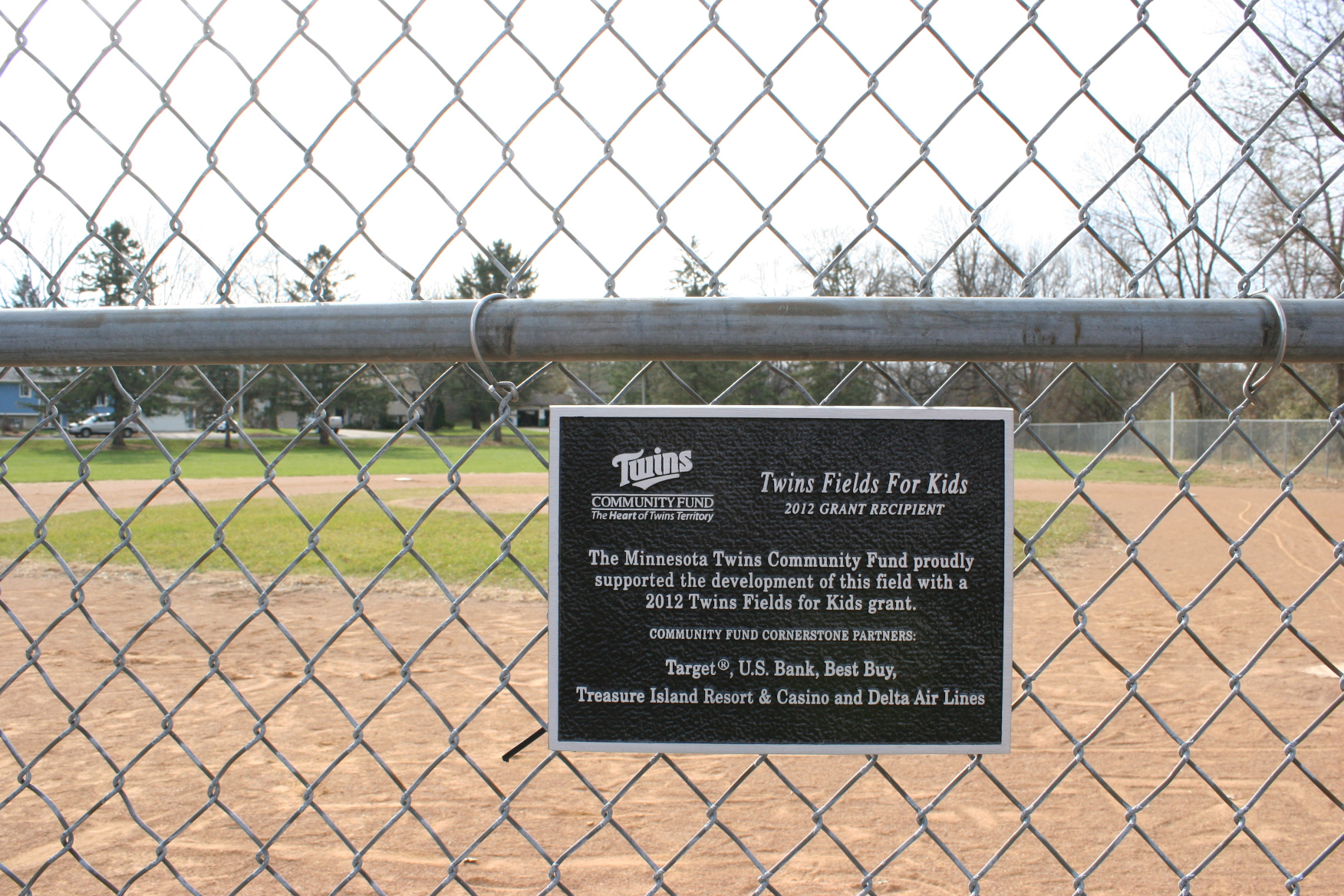
Posted on a softball diamond fence at the park.

The wind cut cold through our bones as we turned onto the park road that would take us back to our van. I felt refreshed, my mind cleared, my spirits buoyed by the simple act of getting outdoors. Away from challenges and concerns. For at least an hour.

© Copyright 2021 Audrey Kletscher Helbling


The poetry of Minnesota rivers January 15, 2021

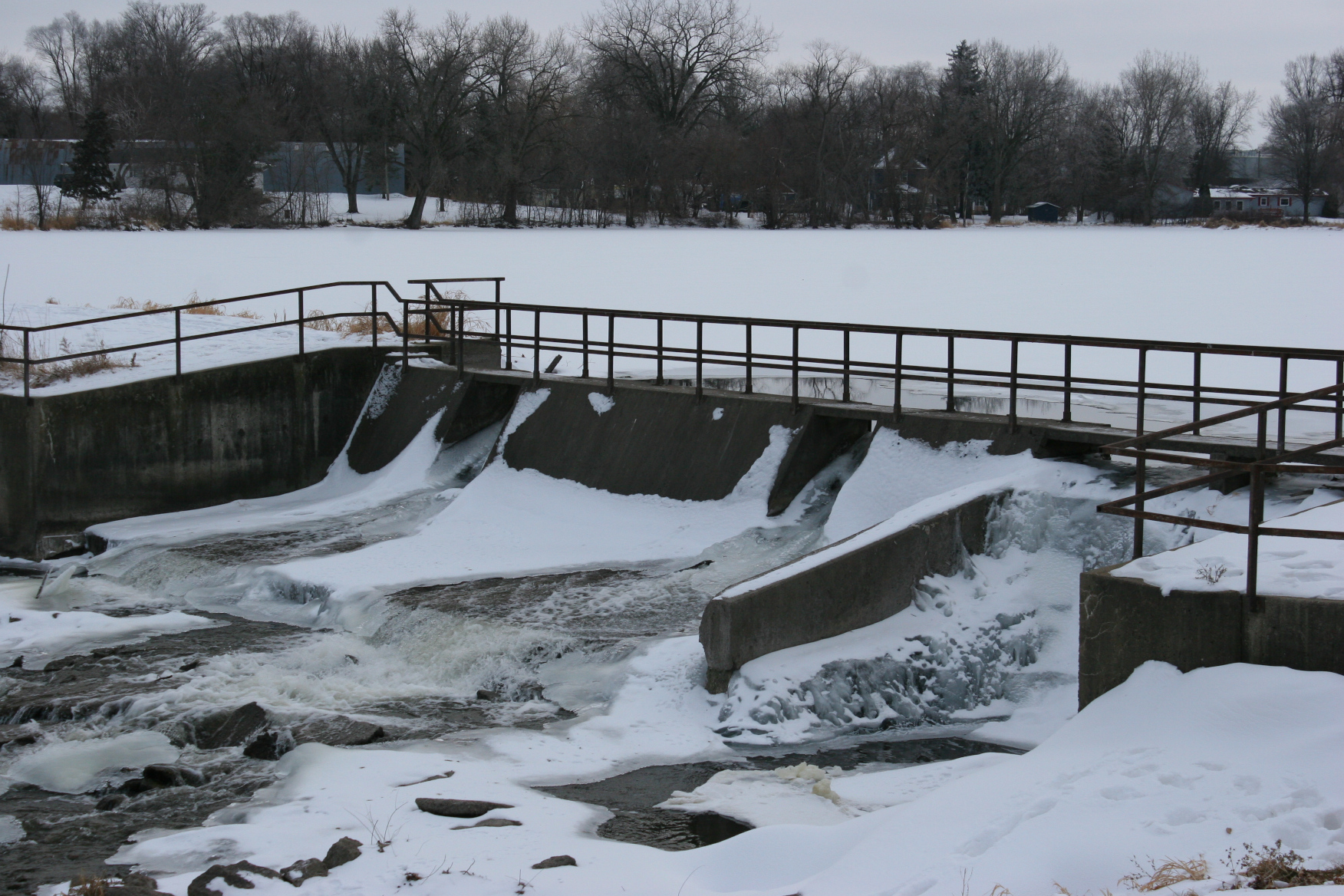
An overview of the Cannon River and the dam photographed from the river walk by the Rice County Fairgrounds/North Alexander Park.

RIVERS, STRONG AND MIGHTY, flow through our state. The Mississippi. The Minnesota. And here in my county of Rice, the Cannon and Straight Rivers.

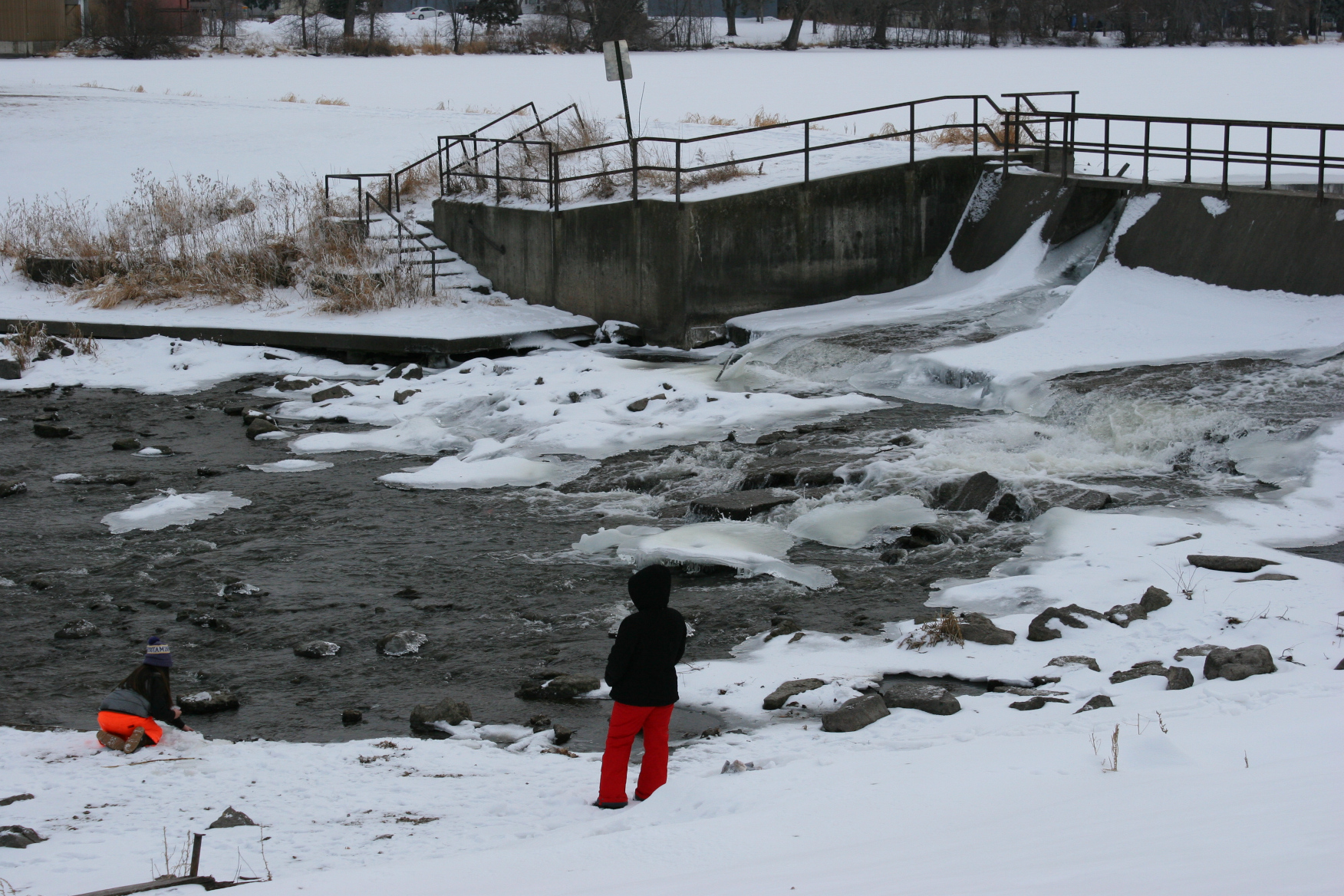
Up close to the Cannon River on a January afternoon. Initially, I thought this pair was fishing. They were, instead, playing beside the river.

Here, on these waters, early inhabitants traveled via canoe, traded along river banks, built flour and woolen mills. And formed communities like Faribault, Northfield, Dundas and Morristown, all with waterways that run through.

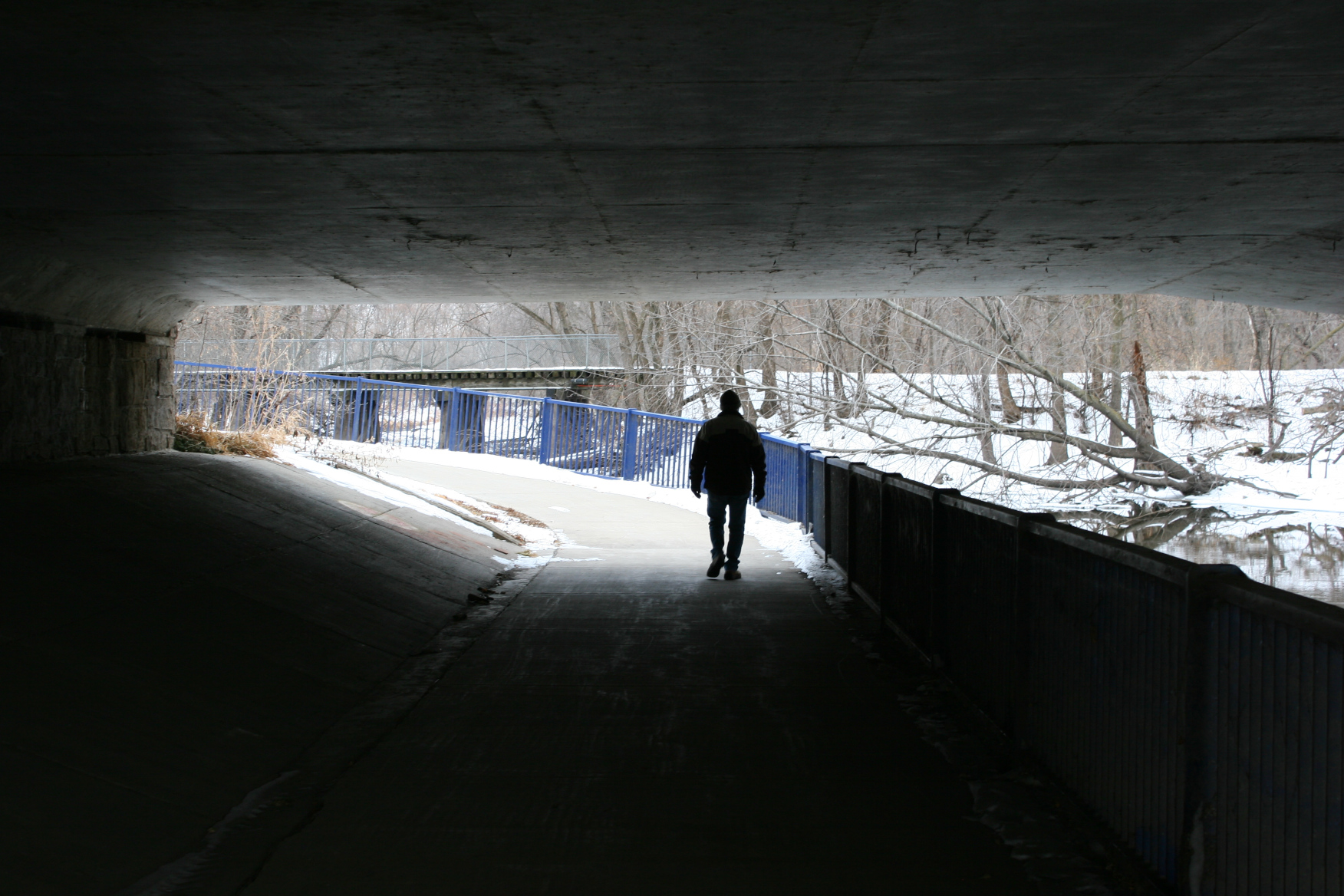
Randy walks on the river walk under the bridge spanning the Cannon River along Second Avenue in Faribault. The river is to his right.

Rivers are as much about nature as they are about our history. Like railroads, they helped to shape our towns and cities. And today, while no longer of the same utilitarian use, they remain valuable assets.

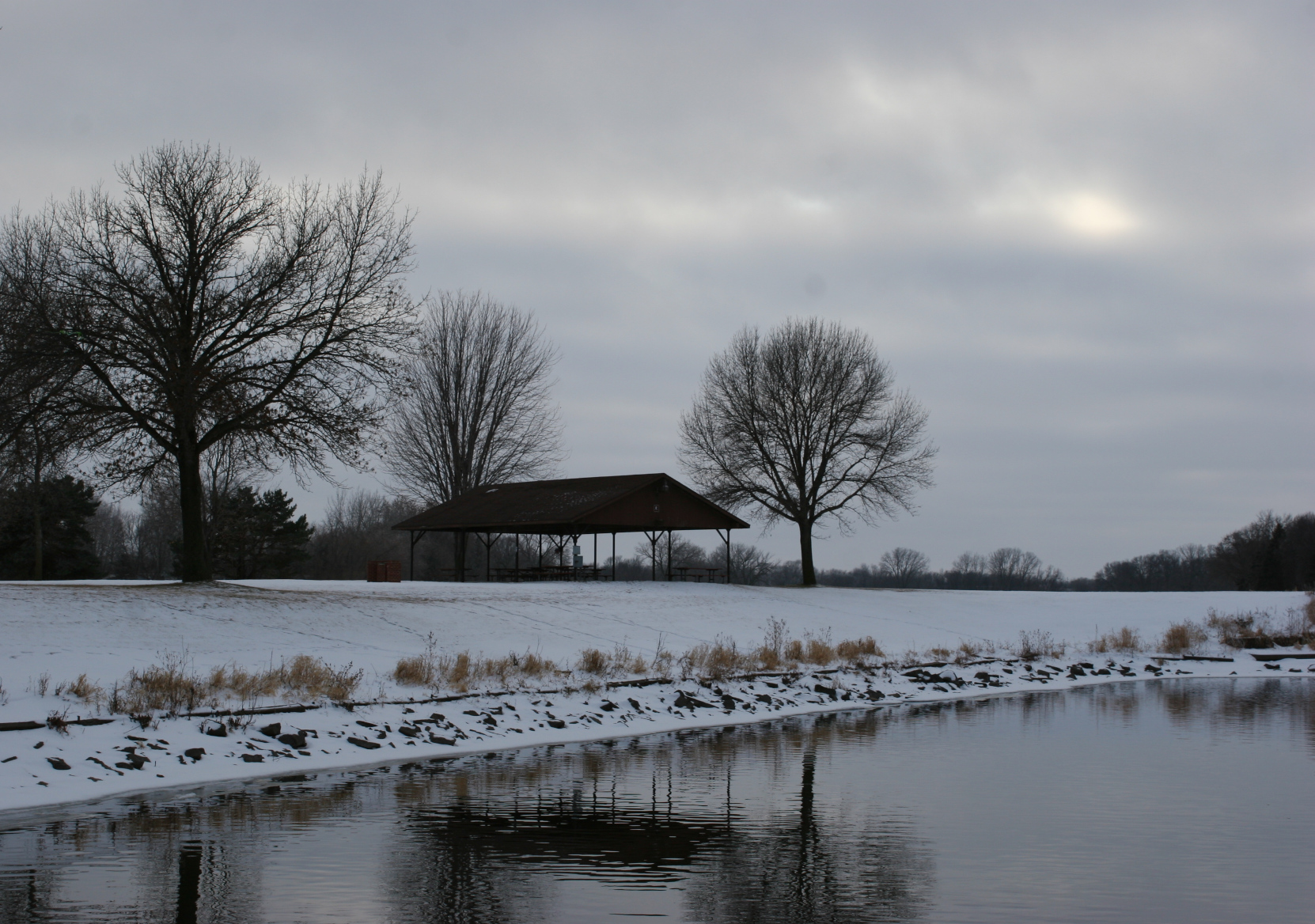
Many picnic shelters grace Faribault’s riverside parks.

In my community of Faribault, the Cannon and Straight Rivers, which converge at Two Rivers Park, enhance our local outdoor spaces. The Straight winds through River Bend Nature Center and near city recreational trails. The Cannon spills over three separate dams and flows alongside North and South Alexander Parks and Father Slevin Park. The historic, and still operating, Faribault Woolen Mill sits next to the river, too, by the appropriately named Woolen Mill Dam.

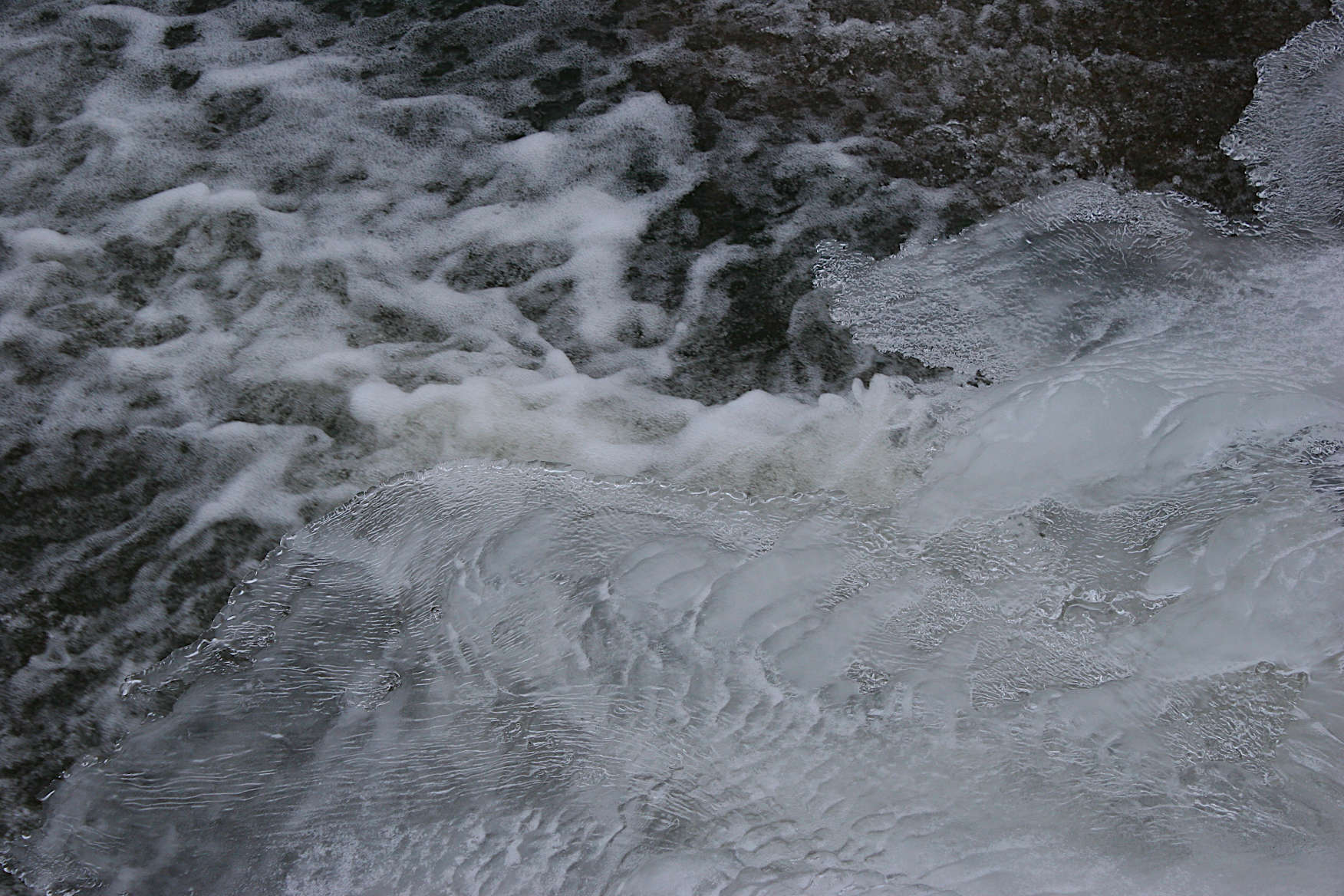
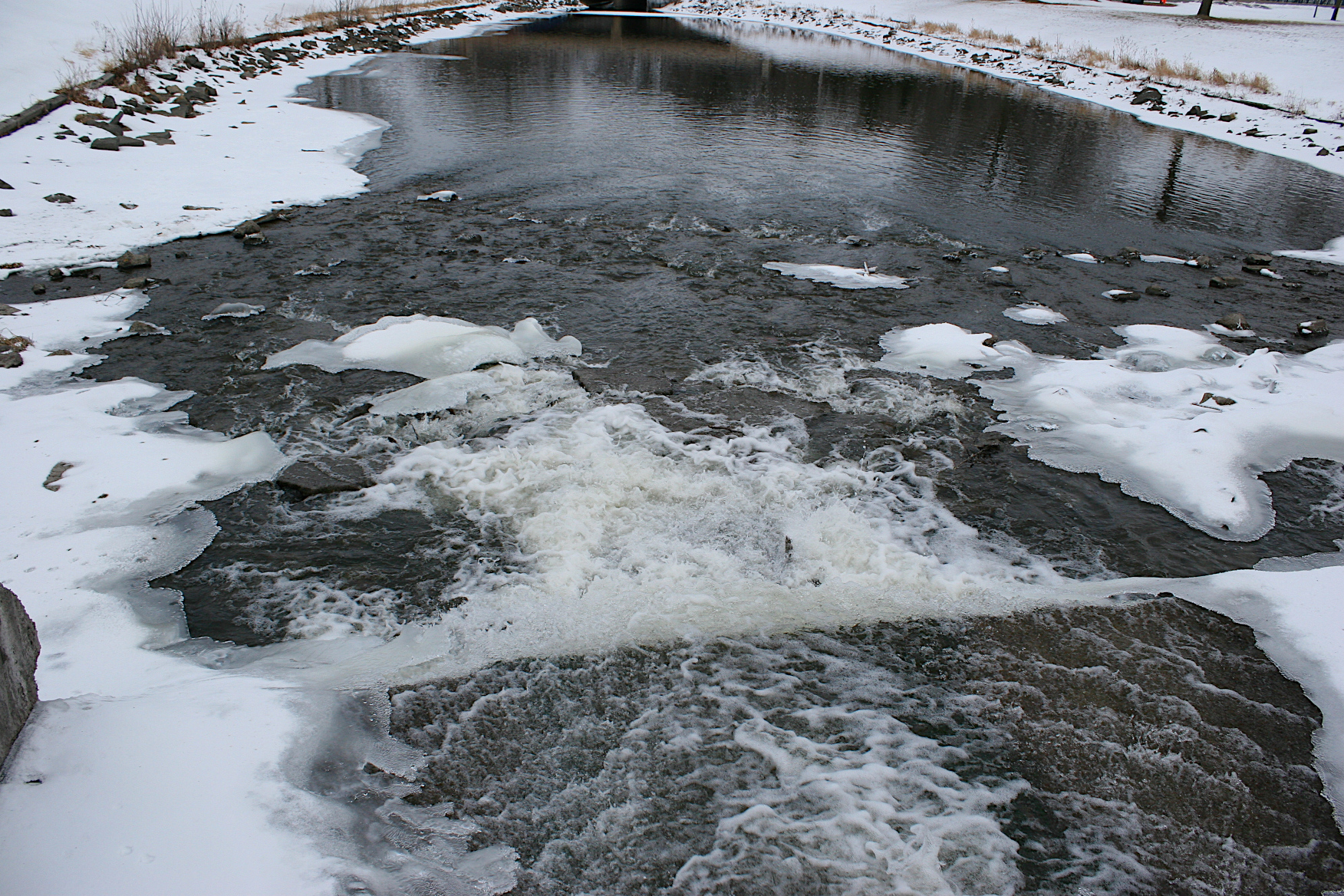
Water rushes over rocks and through ice at the dam by Father Slevin Park.

I am naturally drawn to water, as I expect many of you are. There’s something about water—its power, its motion, its almost hypnotic quality, its soothing sound when rushing over rocks. It’s like poetry flowing into the land.

I stood on the narrow dam walkway to photograph water rushing over the dam on the Cannon River.

Even in the depth of winter, a river—whether iced over or still running—draws me near. To listen, like poetry read aloud. To view, like words of verse written upon paper. To photograph, like an artist and poet and writer who cares. And I do.

Water rushes over the dam along the Cannon River in Faribault.

To walk or pause beside a river is to appreciate art and history and nature. I feel connected to the rivers that trace like poetry through the landscape of southern Minnesota. My home. My place of peace and contentment when I walk beside the waters therein.

TELL ME: Do you have a favorite river? If so, please share why you appreciate this waterway.

© Copyright 2021 Audrey Kletscher Helbling


A lovely November day at River Bend December 1, 2020

Filed under: Uncategorized — Audrey Kletscher Helbling @ 5:00 AM
Tags: , , , , , , ,
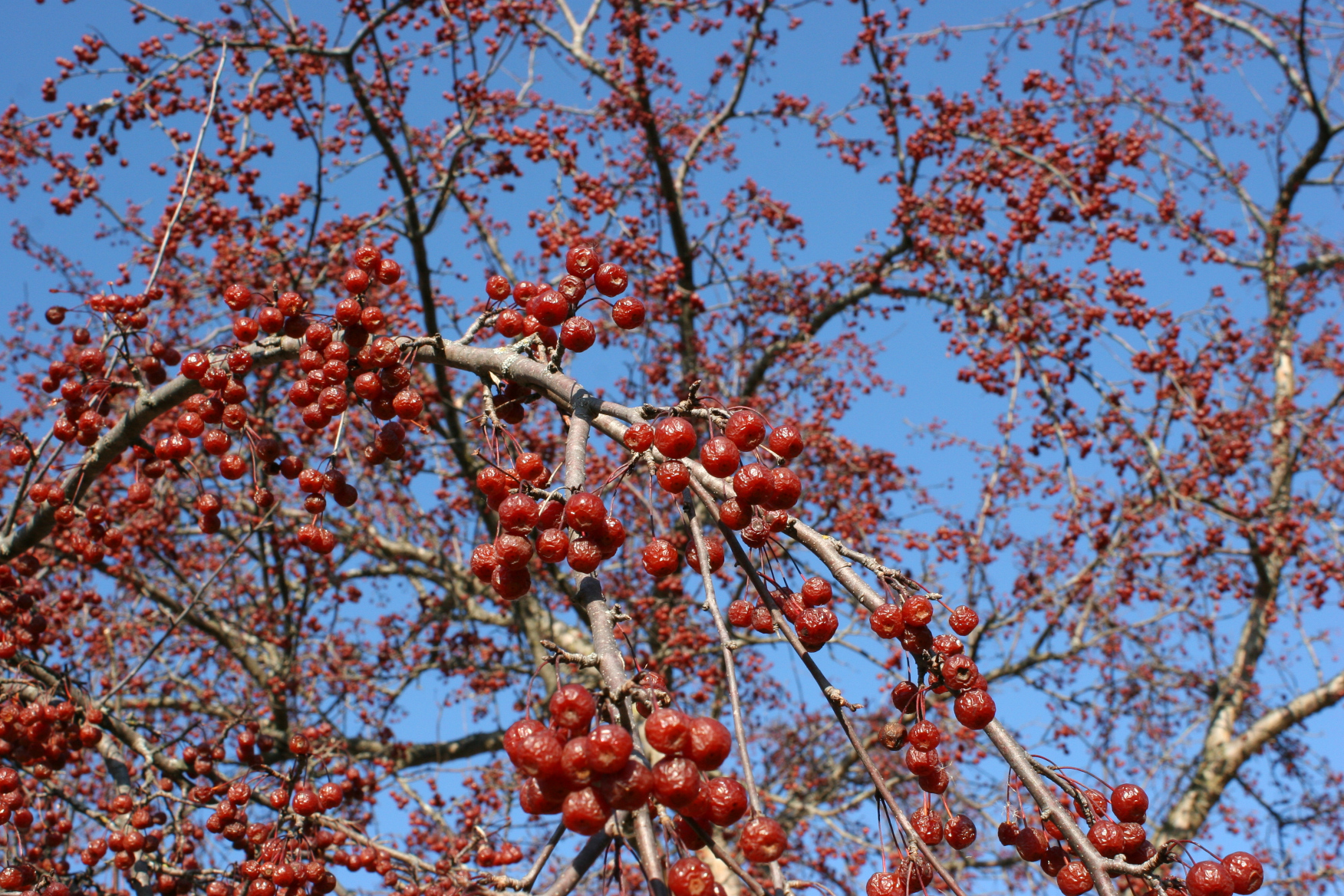
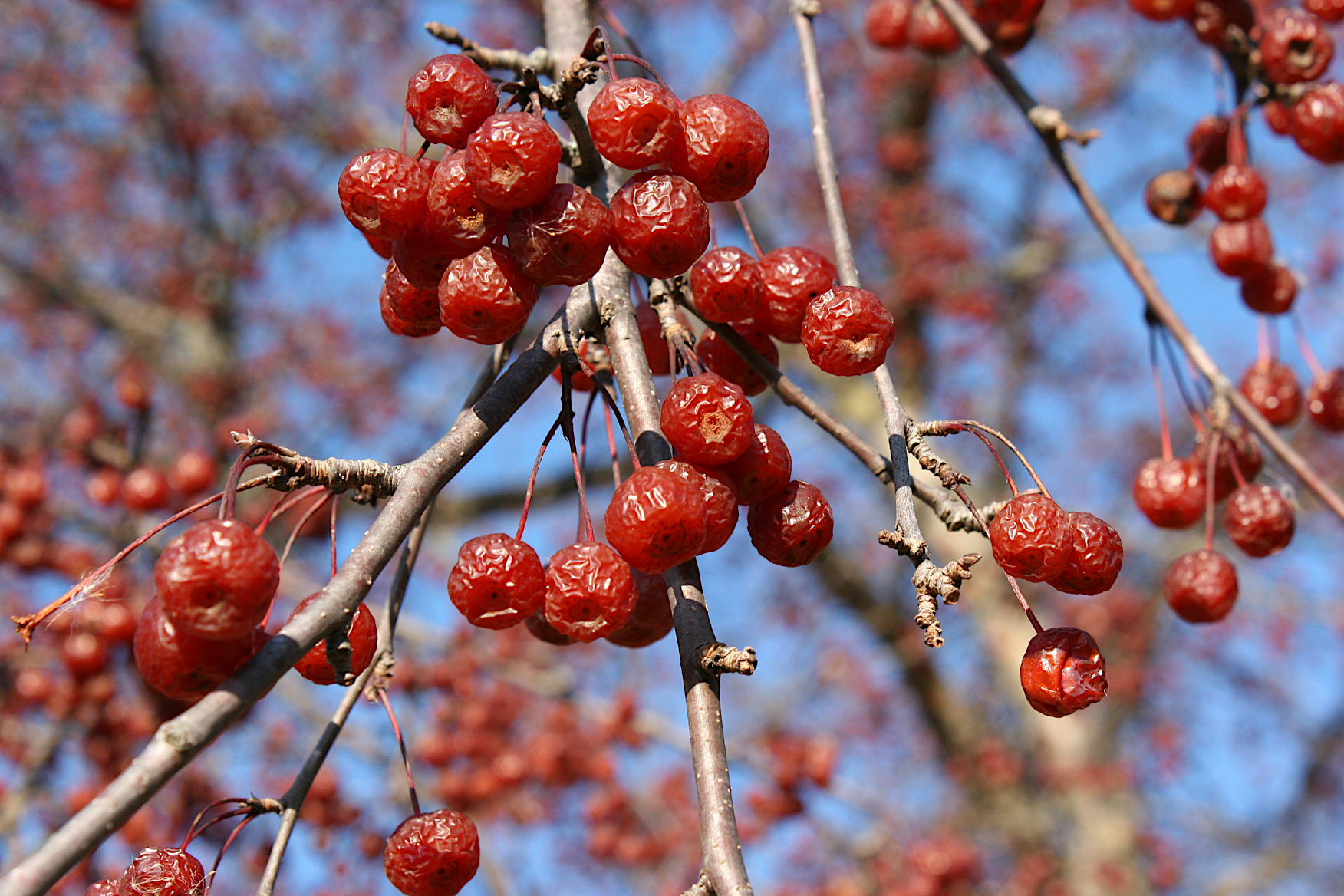
Outside the River Bend Nature Center interpretative center, berries pop color into the November sky.

NOVEMBER 2020, while a dreadfully awful month for COVID-19 in Minnesota, brought the gift of some lovely days. Weather-wise. Any November day without snow and with temps in the 40s or higher delights me. Warm, sunny, blue-sky, snow-less days in the 11th month mean a shorter winter.

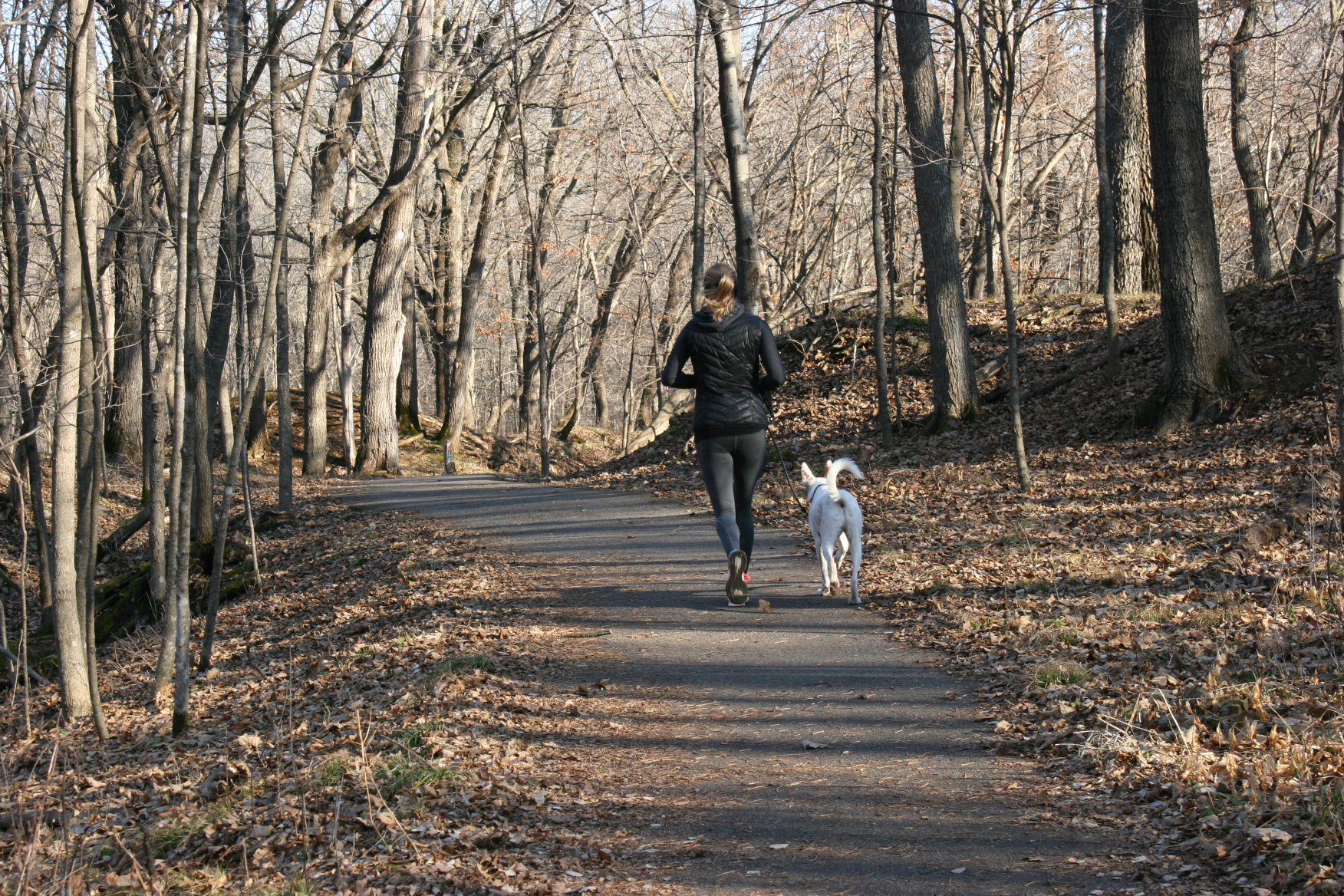
We crossed paths with this jogger running her dog.

On one of those above-average afternoons in early November, Randy and I headed across the viaduct to the east side of Faribault and River Bend Nature Center. It’s one of our favorite local spots to hike and immerse ourselves in the peace, solitude and beauty of the outdoors.

River Bend, appreciated by so many who come here to explore.

This marked the busiest we’d ever seen River Bend outside of a scheduled event. Yet, despite the high number of parked vehicles, we didn’t encounter all that many people in the nearly 750-acre nature center. Exactly what we had hoped.

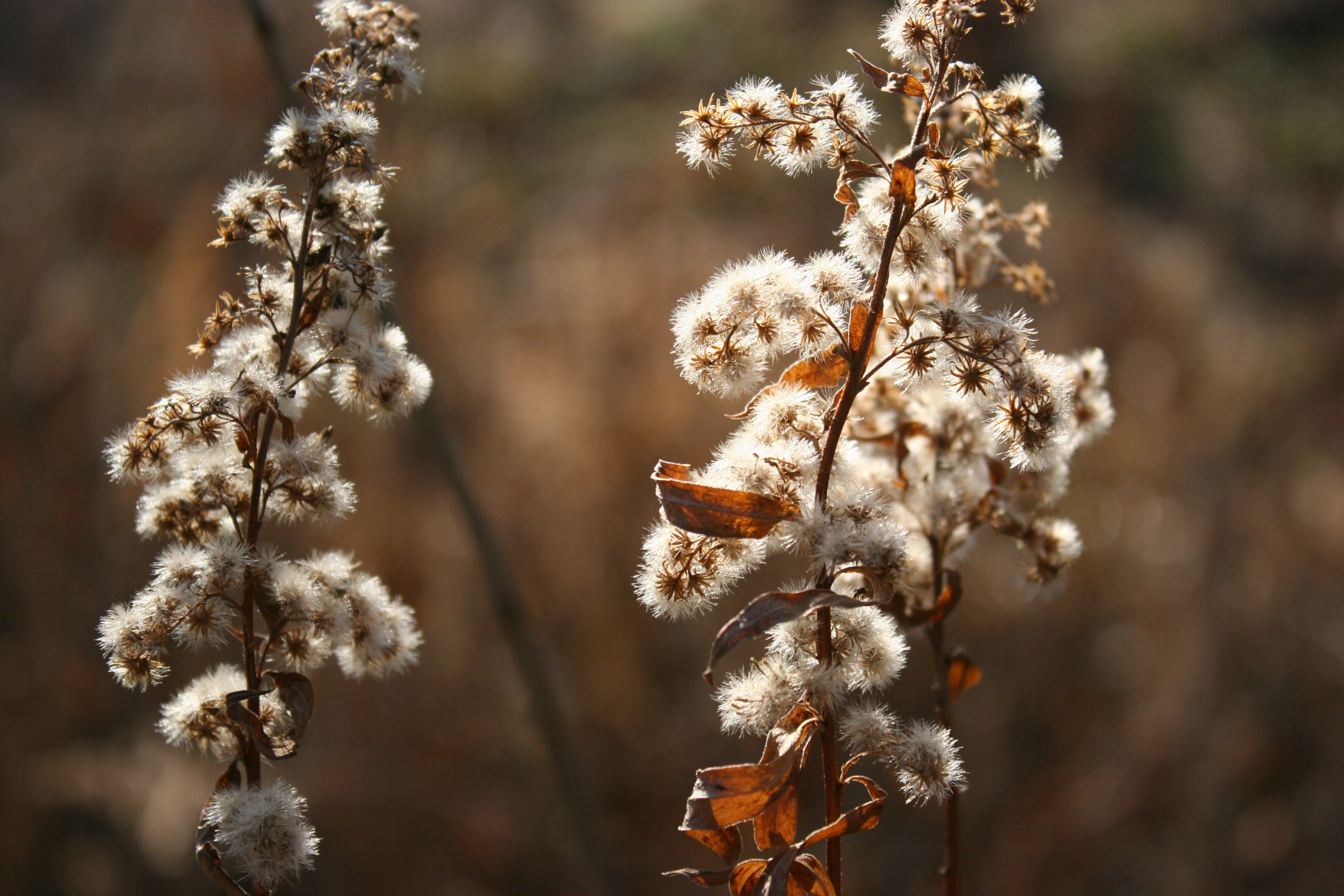
There’s a certain beauty even in dried plants.

Any visit here always finds me with camera slung over my shoulder or around my neck. Even in the mostly grey and muted browns of November, I can still find something to photograph. Each season presents a unique perspective of nature when focused through a viewfinder. I love that about photography, how it invites me to notice the details in my surroundings.

Into the woods at River Bend…
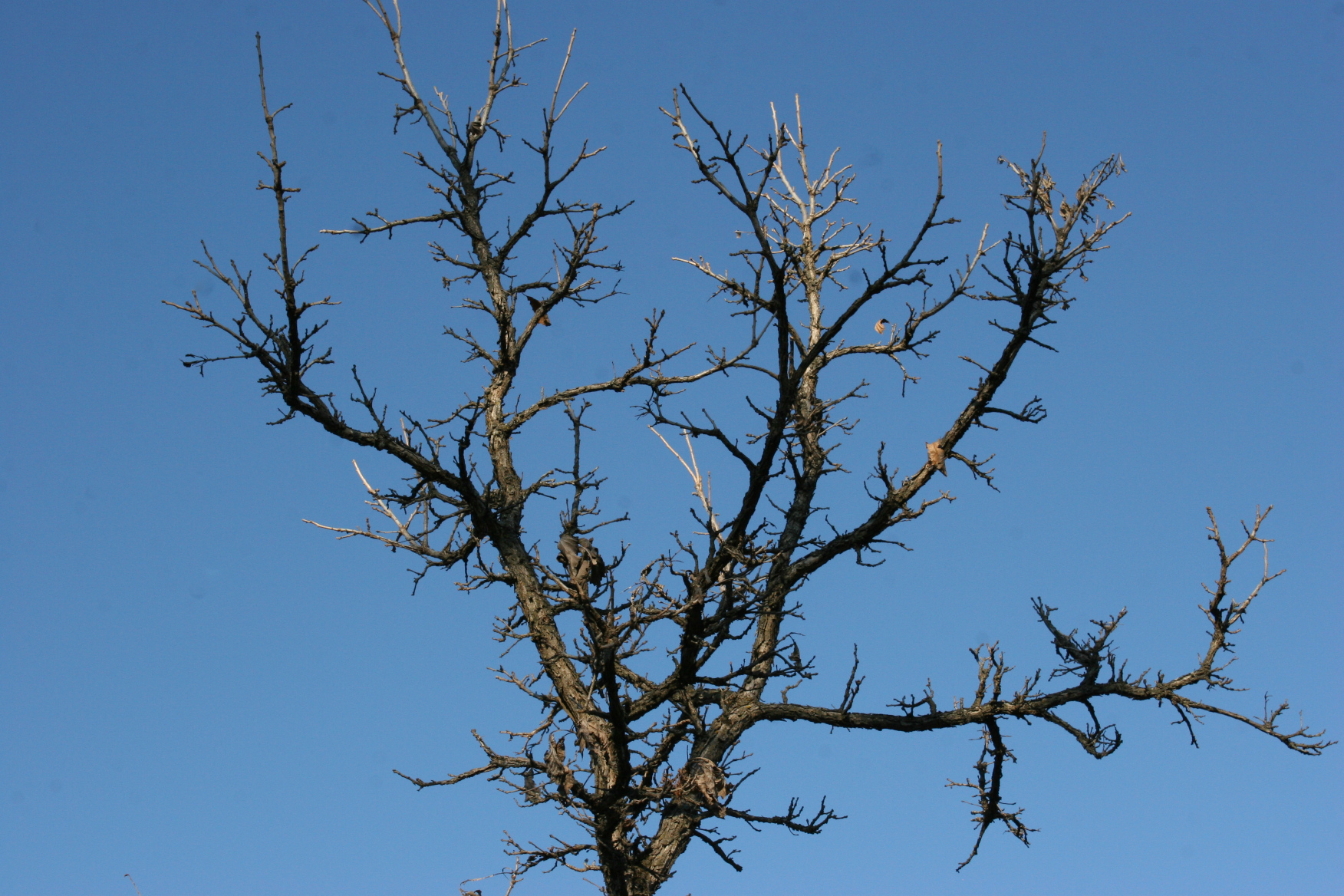
I noticed artistic beauty in the bare branches of a lone tree.
I’m always intrigued by fungi on trees, stumps or elsewhere in the woods.

And so we walked along paved paths into the woods. Occasionally I paused to document a discovery with my camera. Whatever caught my eye or interest. Or whatever Randy noticed and thought I may want to capture. I appreciate his awareness of our surroundings, too, and how he values my interest in photography.

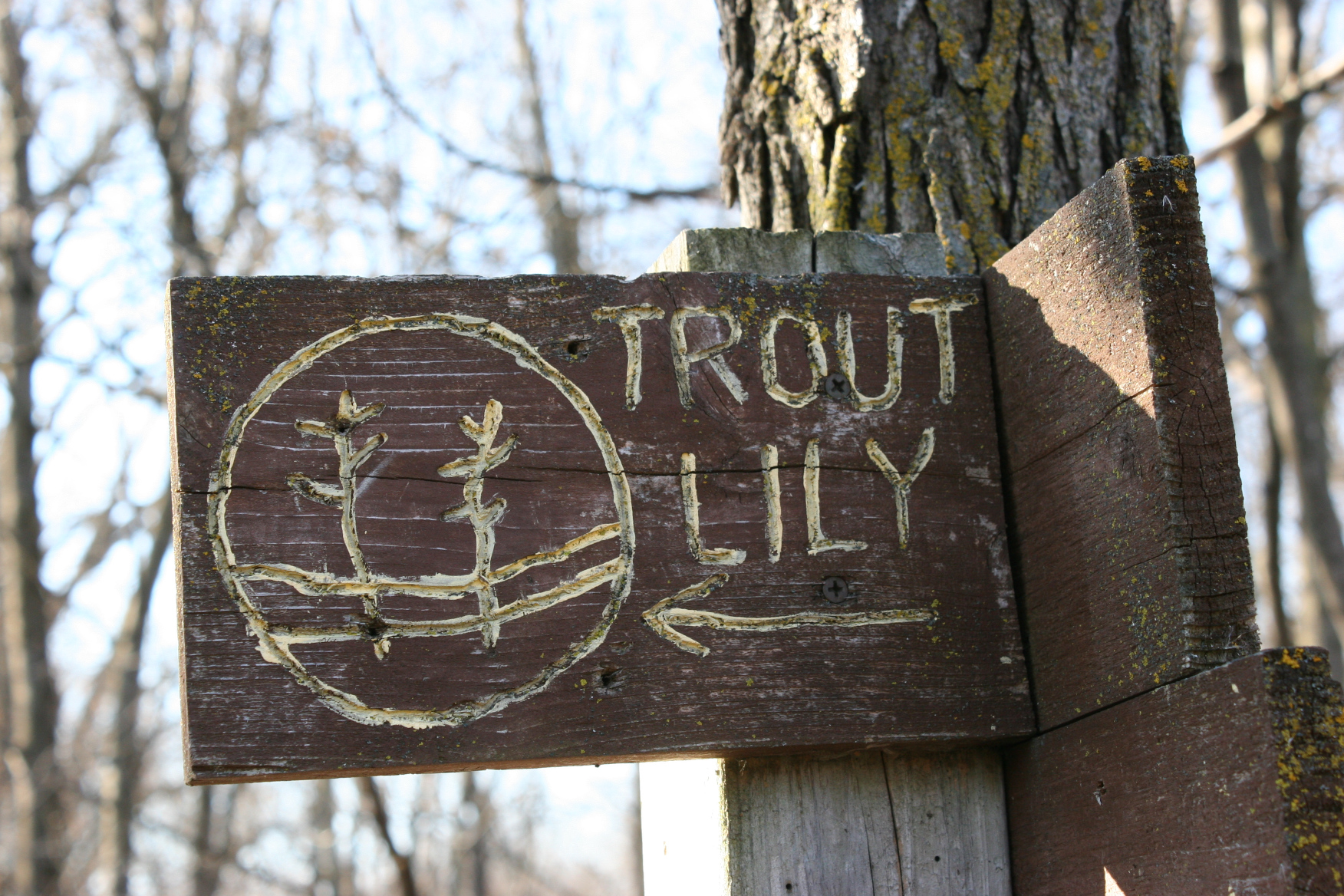
One of the few places on earth to find the dwarf trout lily in the spring.
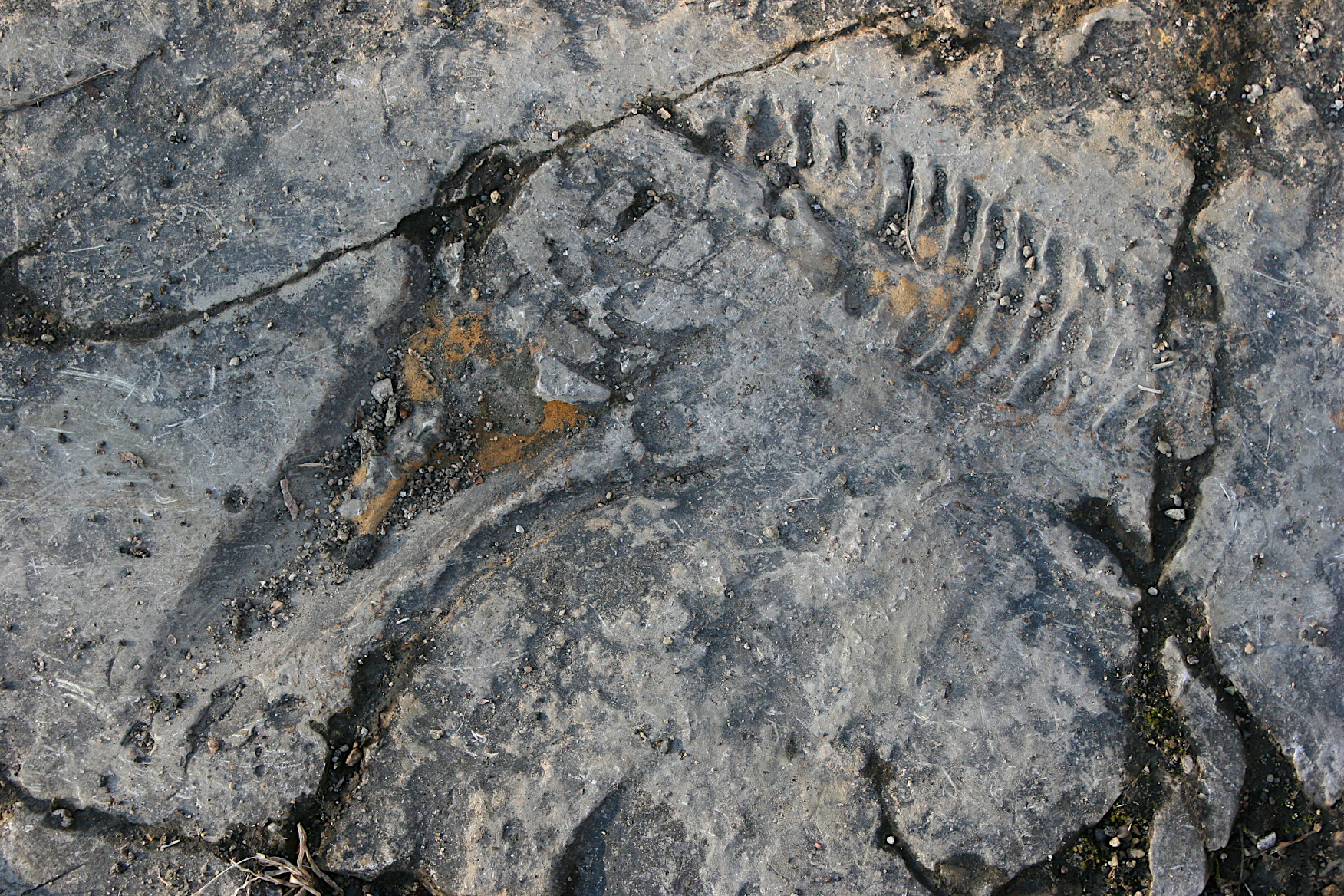
Not far from the Straight River overlook, Randy spotted what we presume to be a fossil in stone.
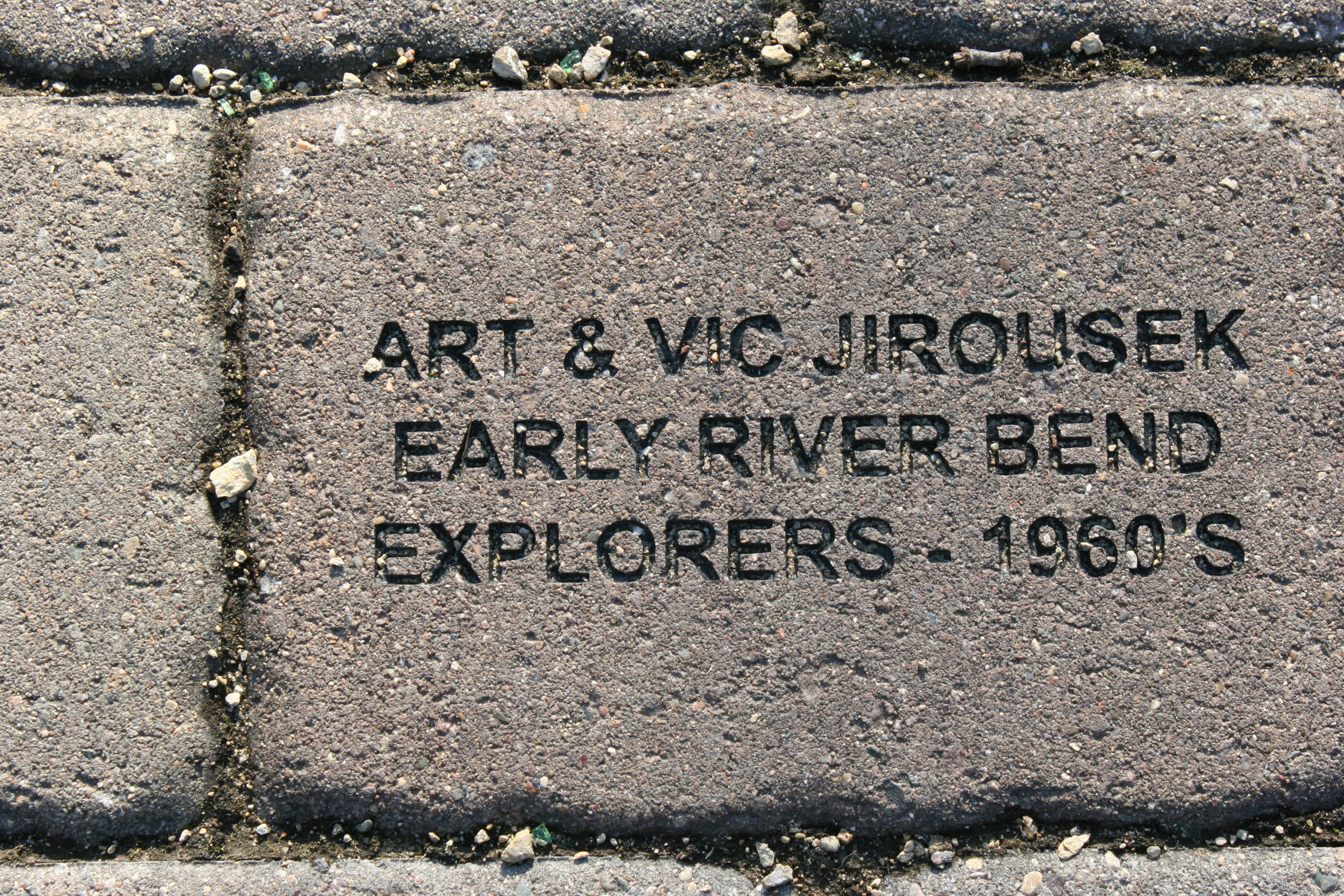
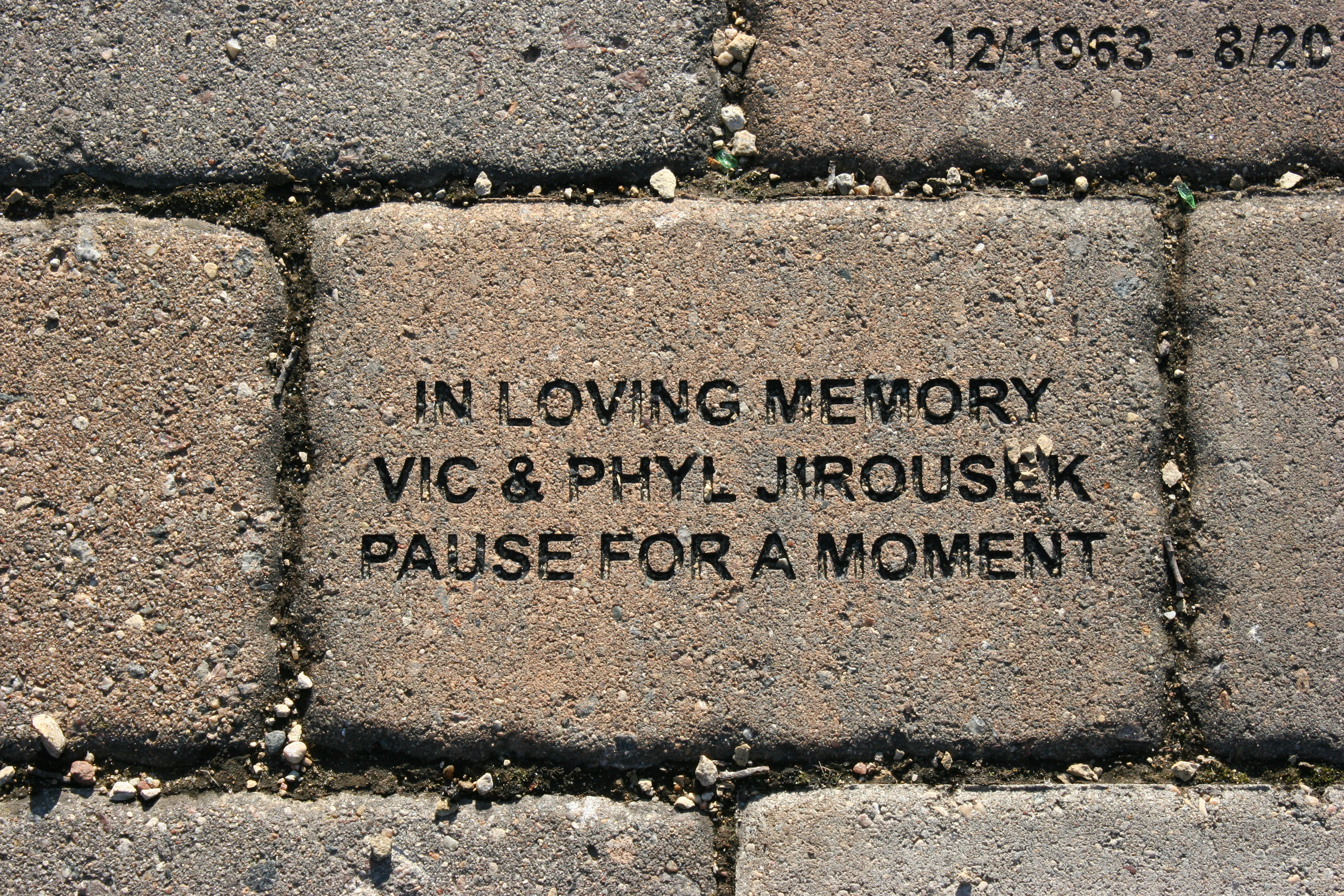
A personalized paver at the overlook.

At an overlook above the Straight River, near the Trout Lily Trail and near fossils imprinted in stone, I stopped to photograph pavers that speak to others’ love of this place.

Later I would find a bench marker noting the same.

The woods open to and edge the prairie, where I feel particularly at home.

There’s so much to love about River Bend from the woods to the prairie, from the river bottom to the waterfall.

The only bold color in the November landscape.

Mostly, I simply enjoy being here, immersed in the quiet, in the details of earth and sky. Taking in the trees, now barren of leaves, except for the stubborn oak. Wrinkled berries still clinging to branches.

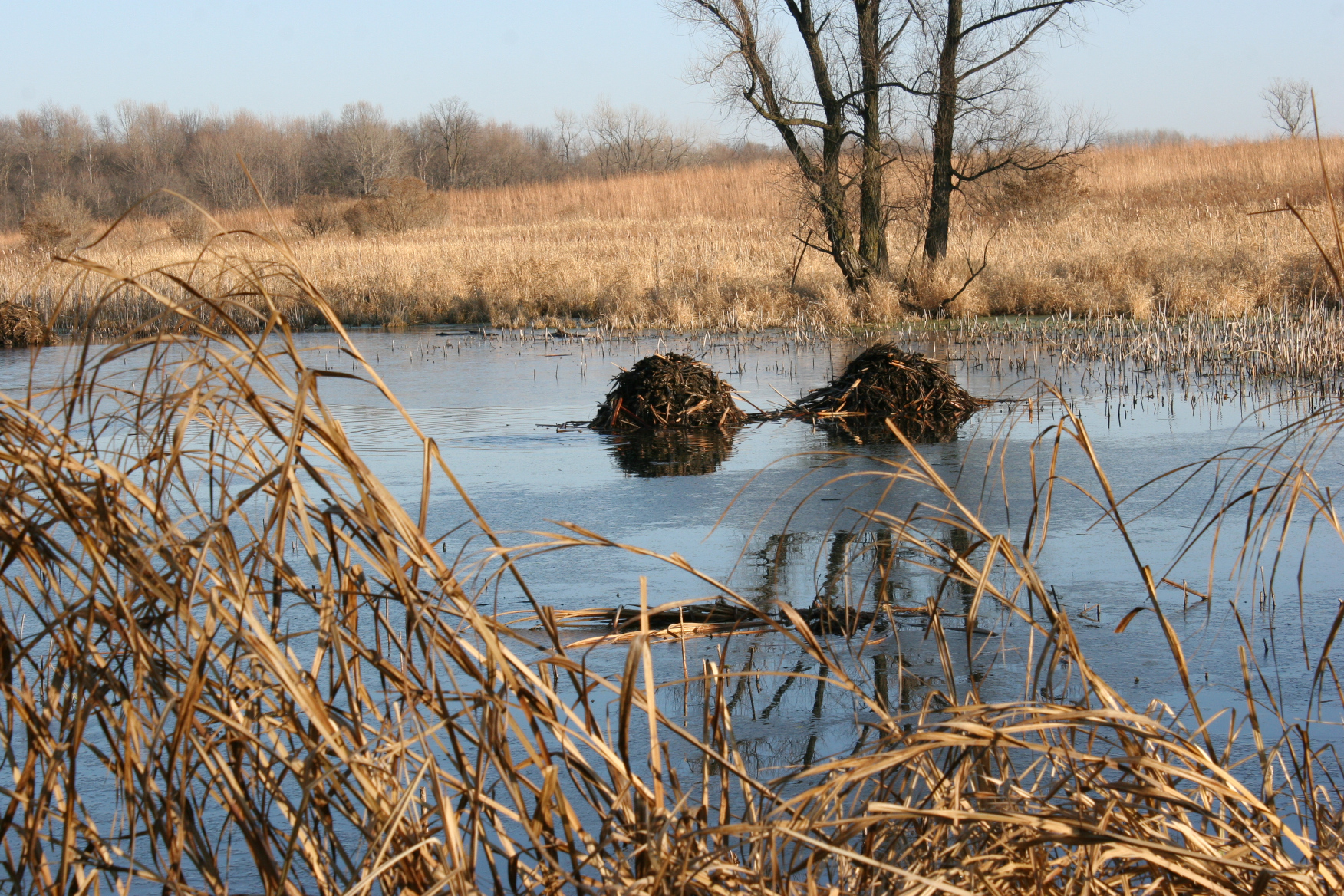
I watched a muskrat swim near these houses in the pond.

And, out of the woods, I observed a muskrat swimming in the pond not yet iced over.

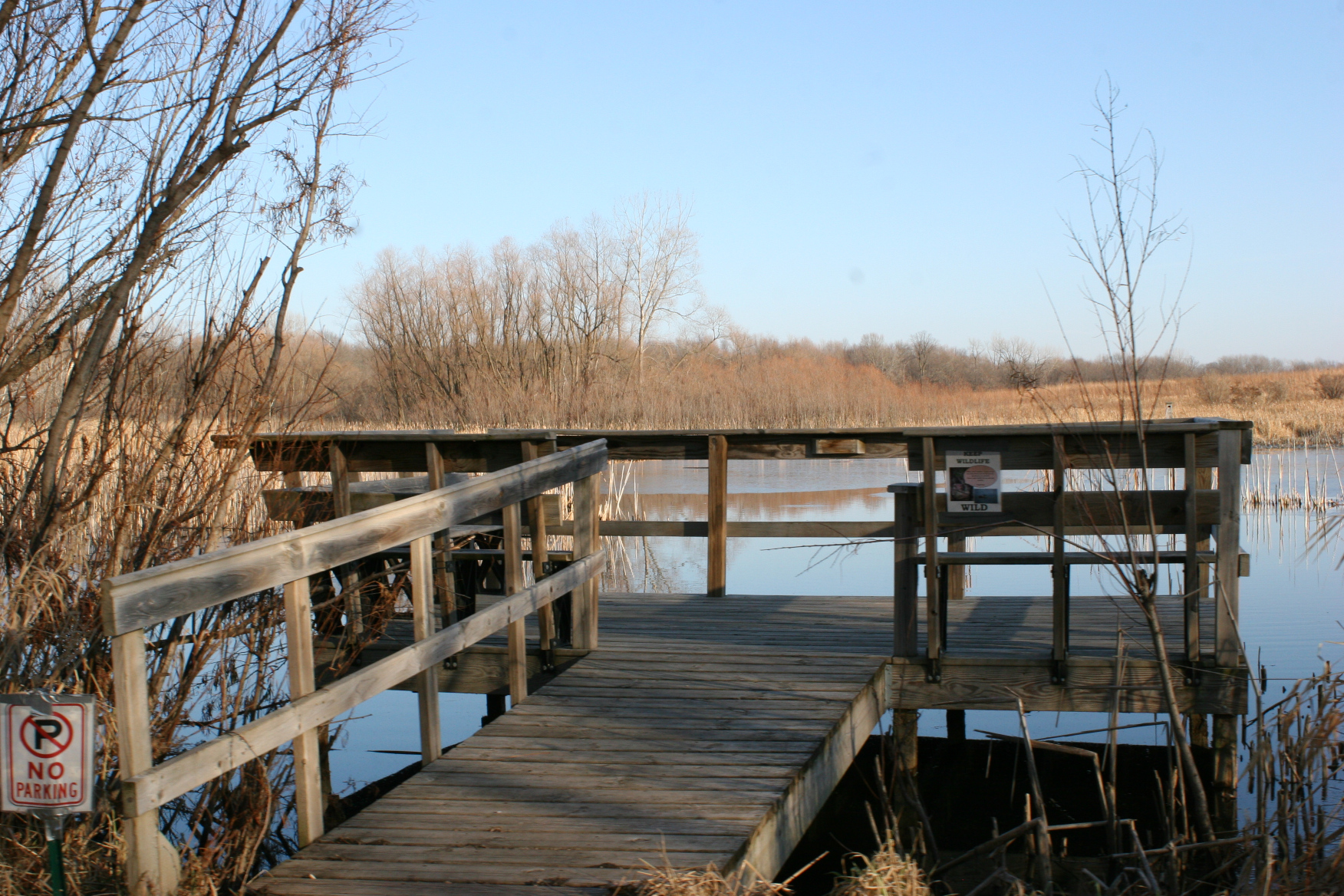
The look-out dock along pond’s edge.

This unseasonably warm November day proved uplifting, reminding me that even in a month when COVID-19 raged in Minnesota, places to find peace remain. Enduring. A bit of bright hope in an otherwise typically grey and dreary month.

© Copyright 2020 Audrey Kletscher Helbling


Escape into the Cannon River Wilderness Area November 20, 2020

SOME DAYS I WISH I could simply disappear, vanish into the woods or wheel across the prairie like the Ingalls family to an unknown destination. Far from reality. Far from COVID-19.

But, since I must live in the context of a pandemic, in the place I call home, I look for places to escape nearby. And, on a recent Sunday afternoon, Randy and I disappeared into the Cannon River Wilderness Area between Faribault and Northfield off Minnesota State Highway 3.

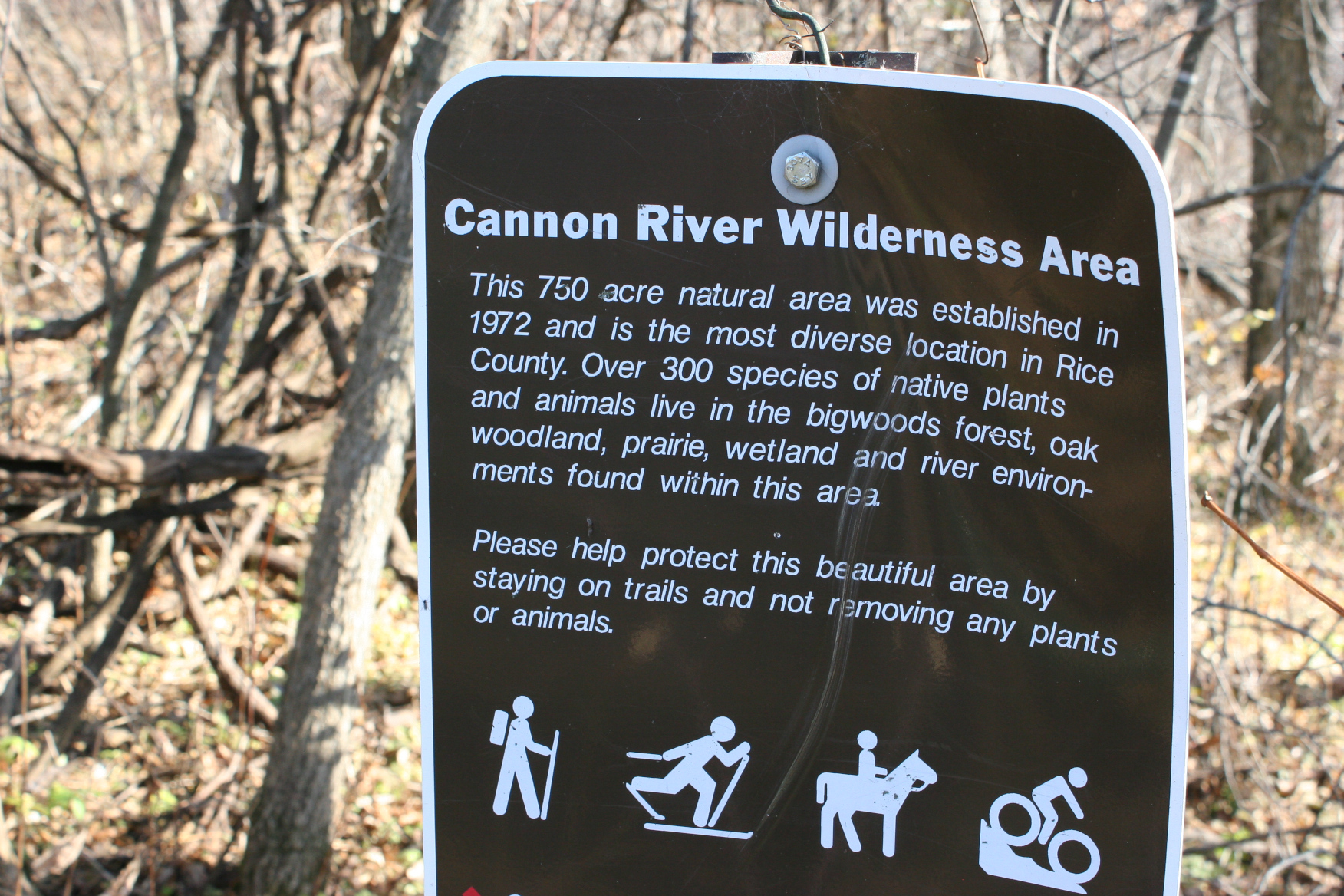
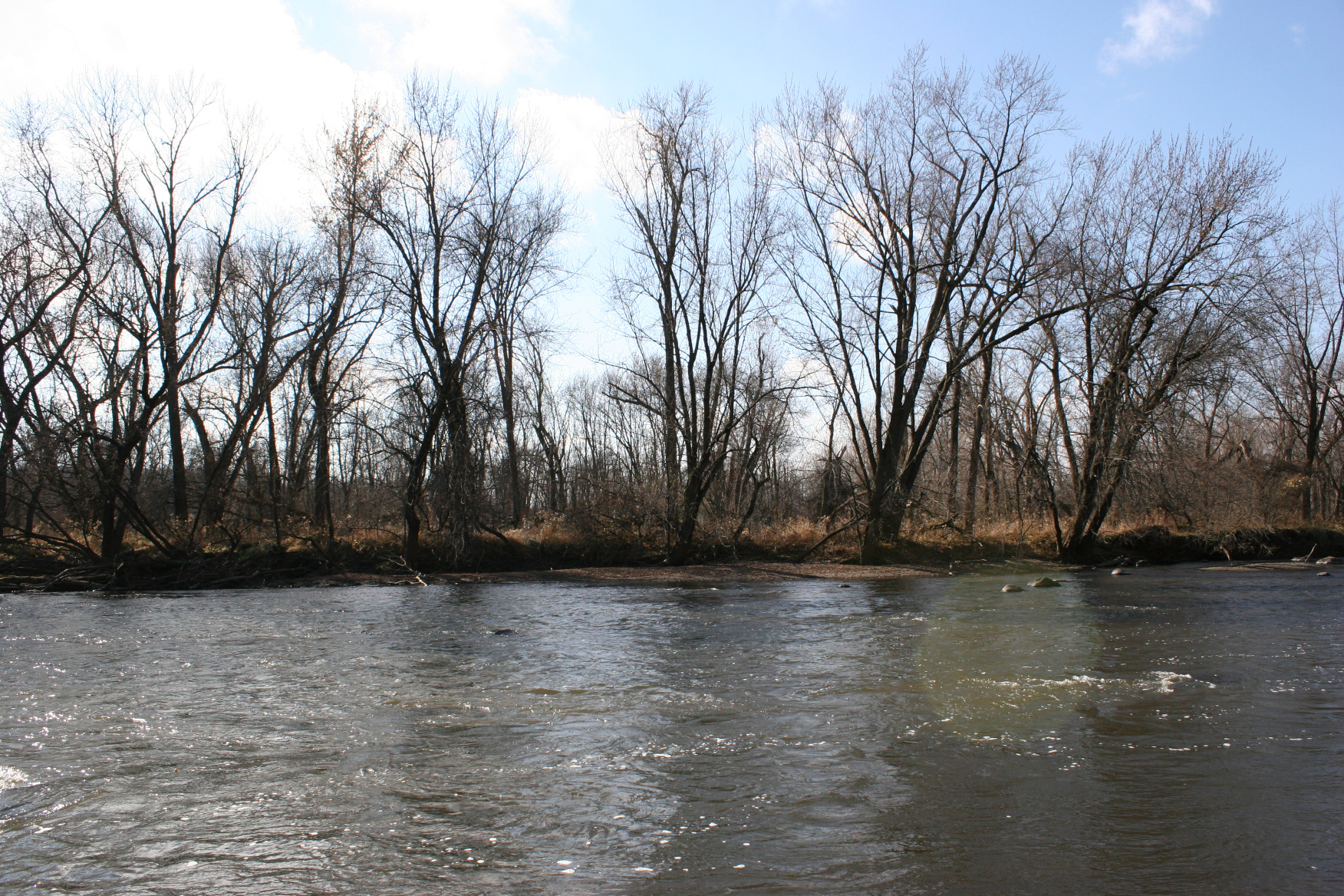
In the nearly 40 years we have lived in Rice County, we’ve only stopped here once, many years ago for a family picnic, but never to hike. On this day we followed the rutted gravel road along the river, past a junkyard and into the wilderness parking lot. We walked a short path to the Cannon River, then a longer one along the river to a foot bridge.

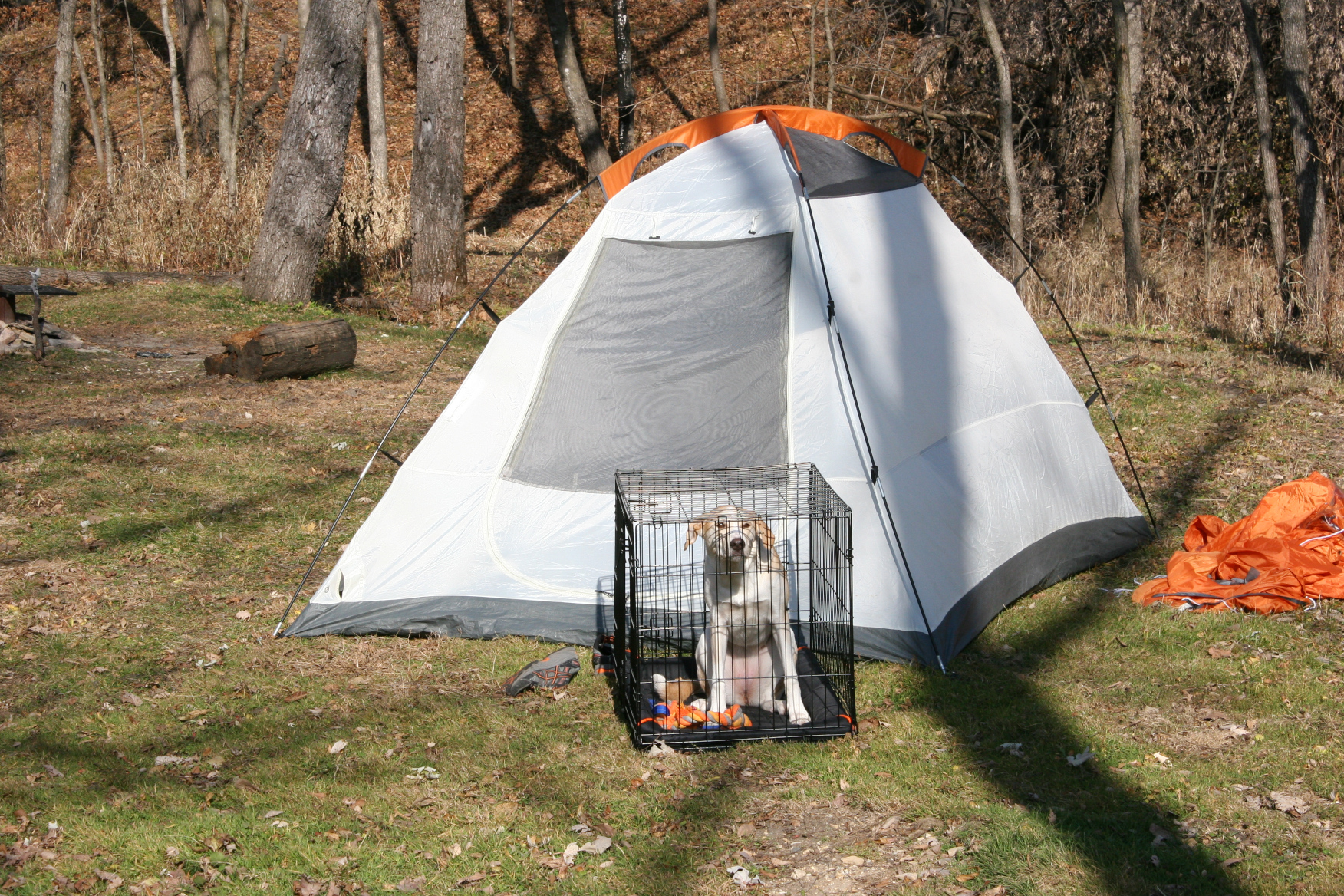
To get there, we passed two tents in the primitive camping area. I delighted in watching a young family gathered in the woods near river’s edge, enjoying the outdoors, away from distracting/detracting technology. At the next tent down, I observed a caged dog.

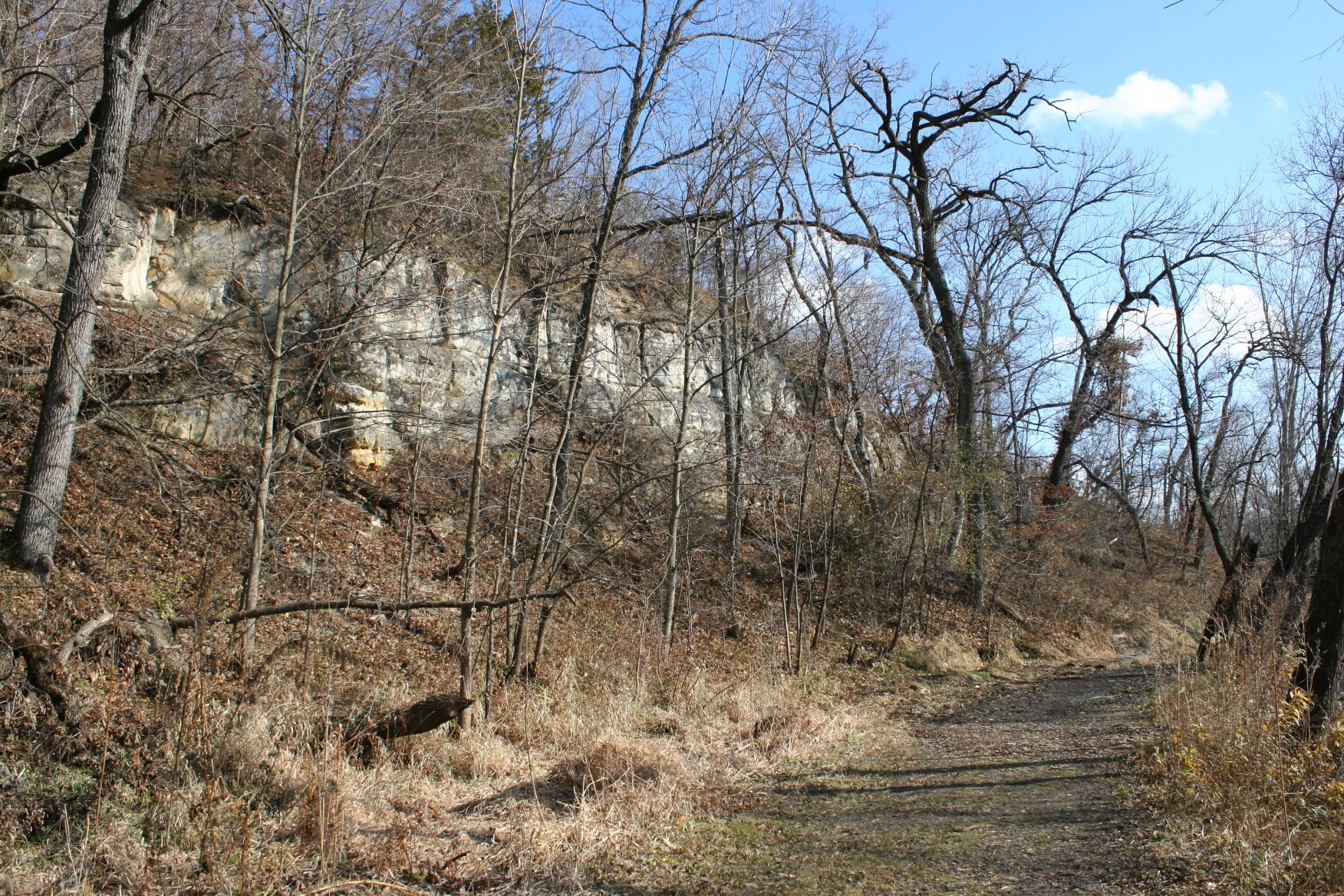
After passing the campers, we spotted a hillside bluff of limestone looming to the side of the trail.

Springs bubbled water across the muddy path partially covered by a thin layer of wood chips. I found myself tensing at the thought of traversing mud. My slip-on shoes, unlike Randy’s treaded boots, offered zero traction. And, with a history of two falls, one on rain-slicked wooden steps that resulted in a broken wrist and subsequent surgery to implant a plate, I felt angst.

But Randy offered his hand to steady me as we walked across mud, atop slippery rocks and balanced on railroad ties. Eventually, we reached the pedestrian bridge over the Cannon.

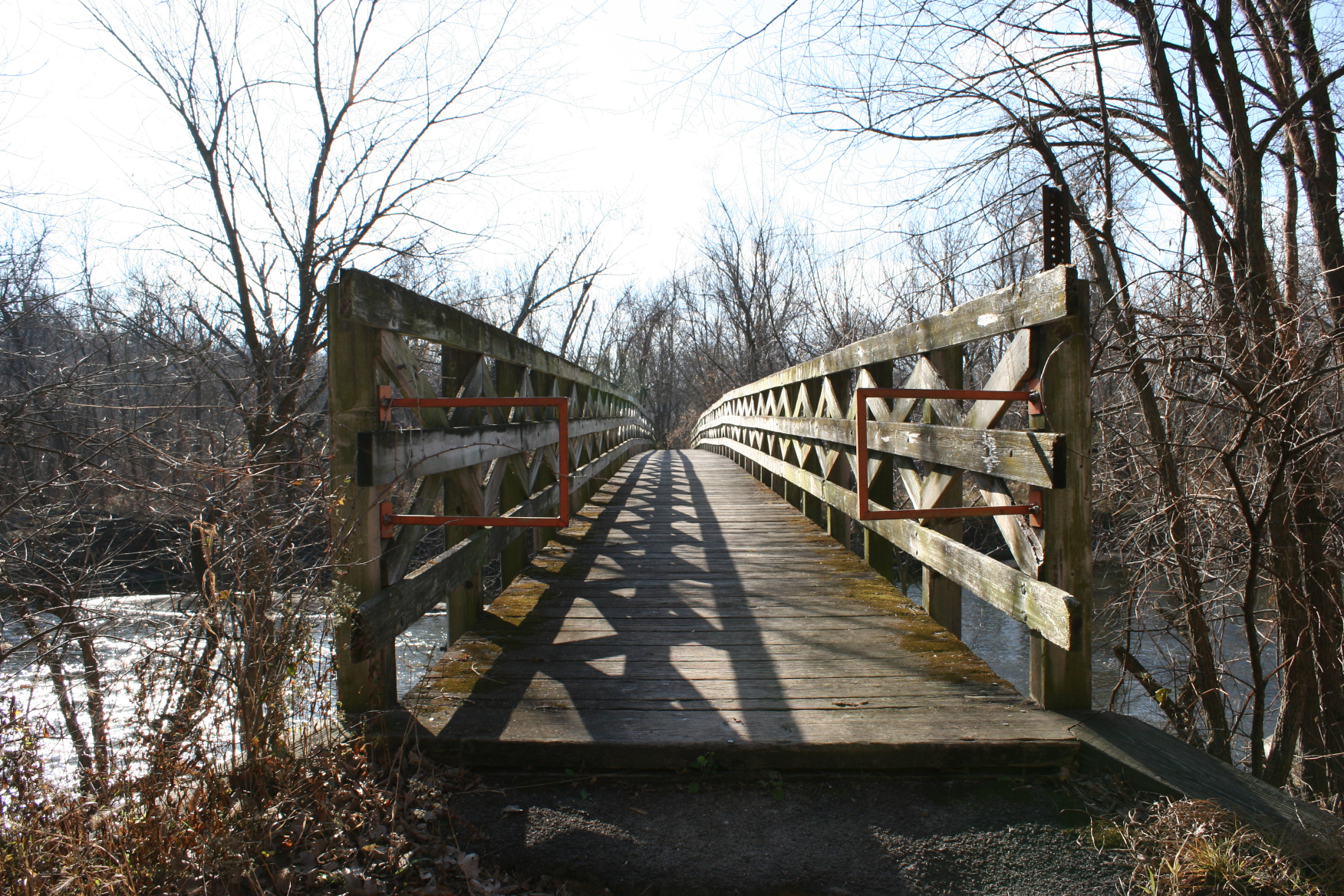
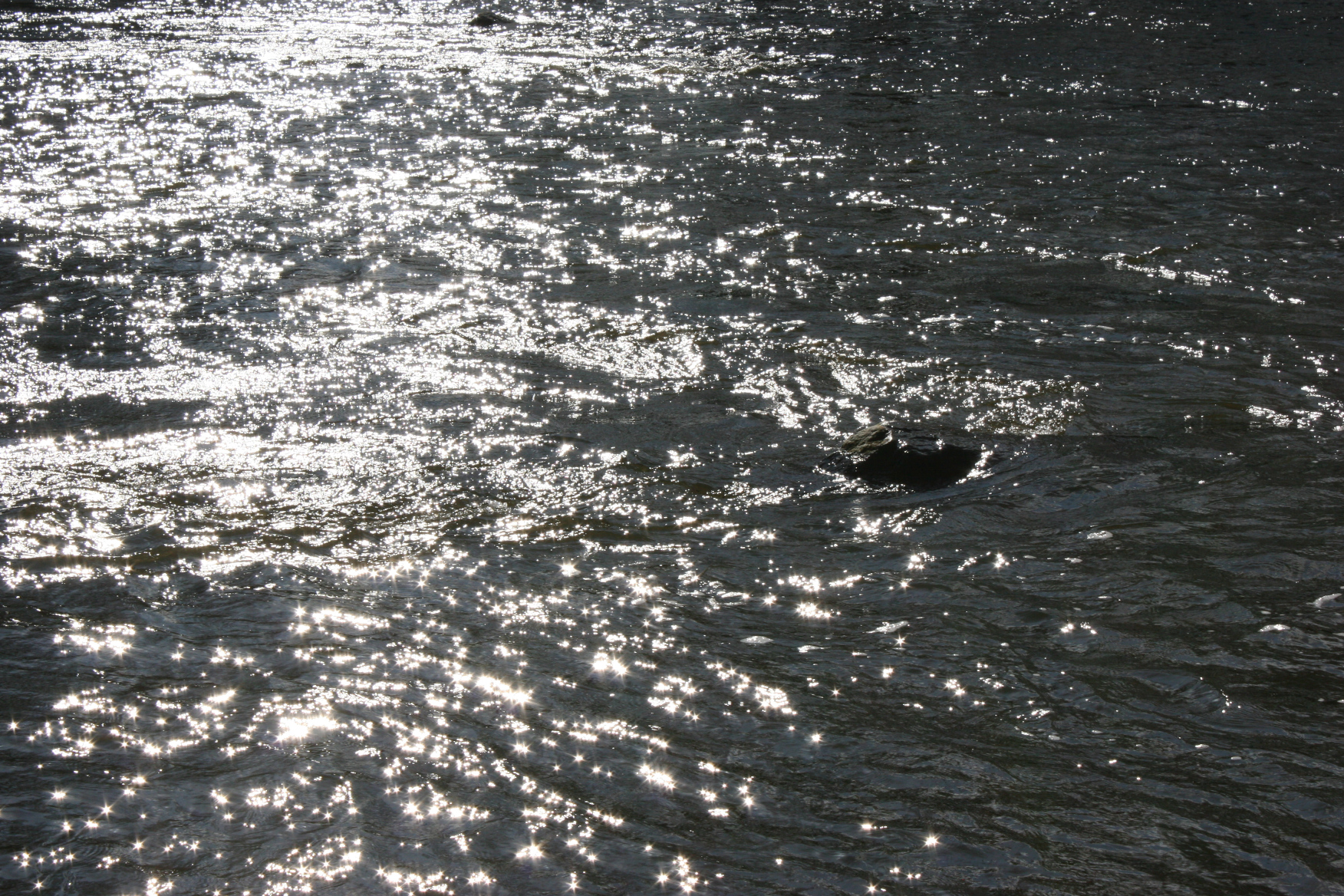
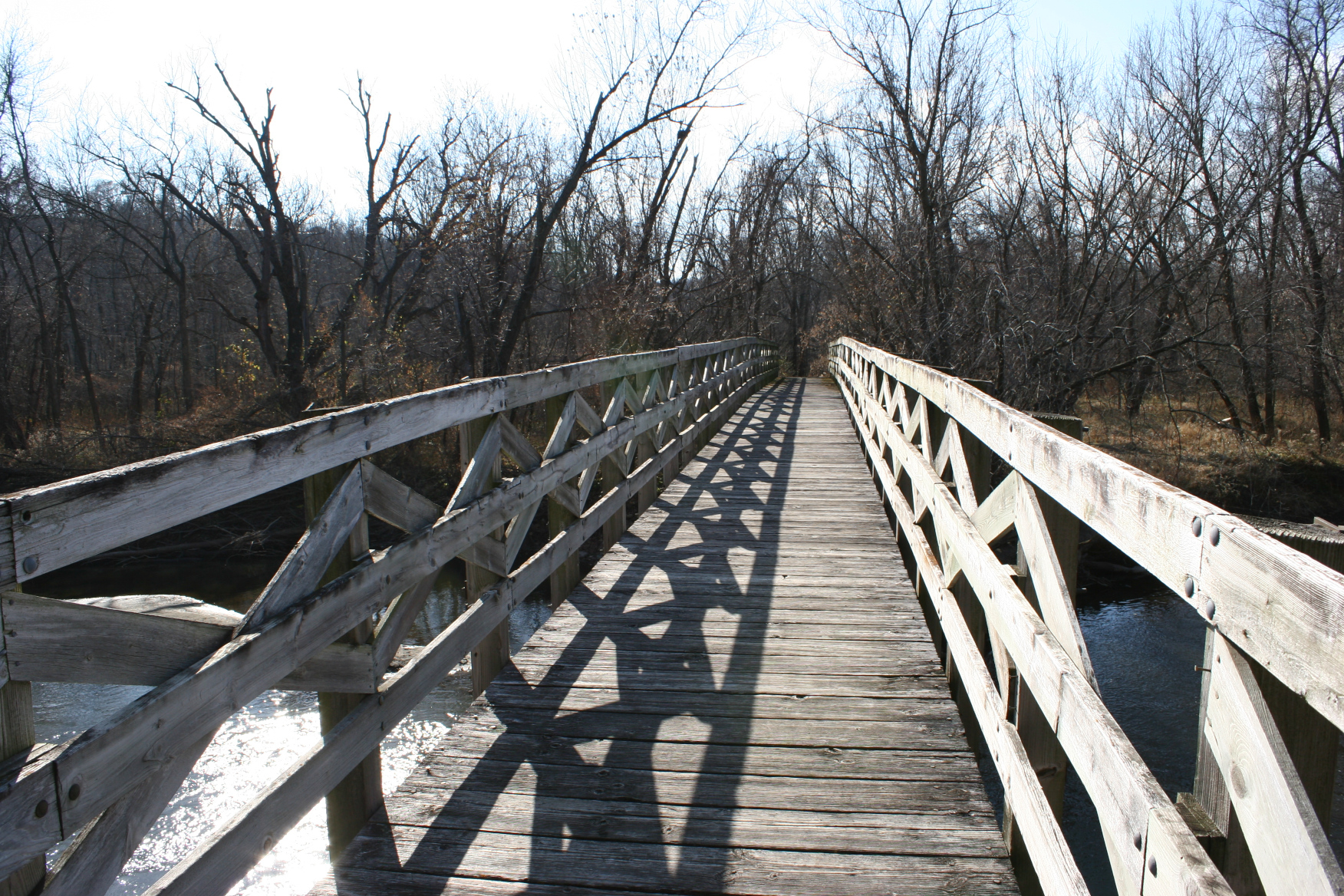
If anything soothes me, it is water and wind. And, on this early November day, I stood on that wooden bridge, taking in the elements that calm me. River rushing over rocks. Wind roaring through woods.


The sun, too, warming me and casting artsy criss-cross shadows upon the bridge deck.

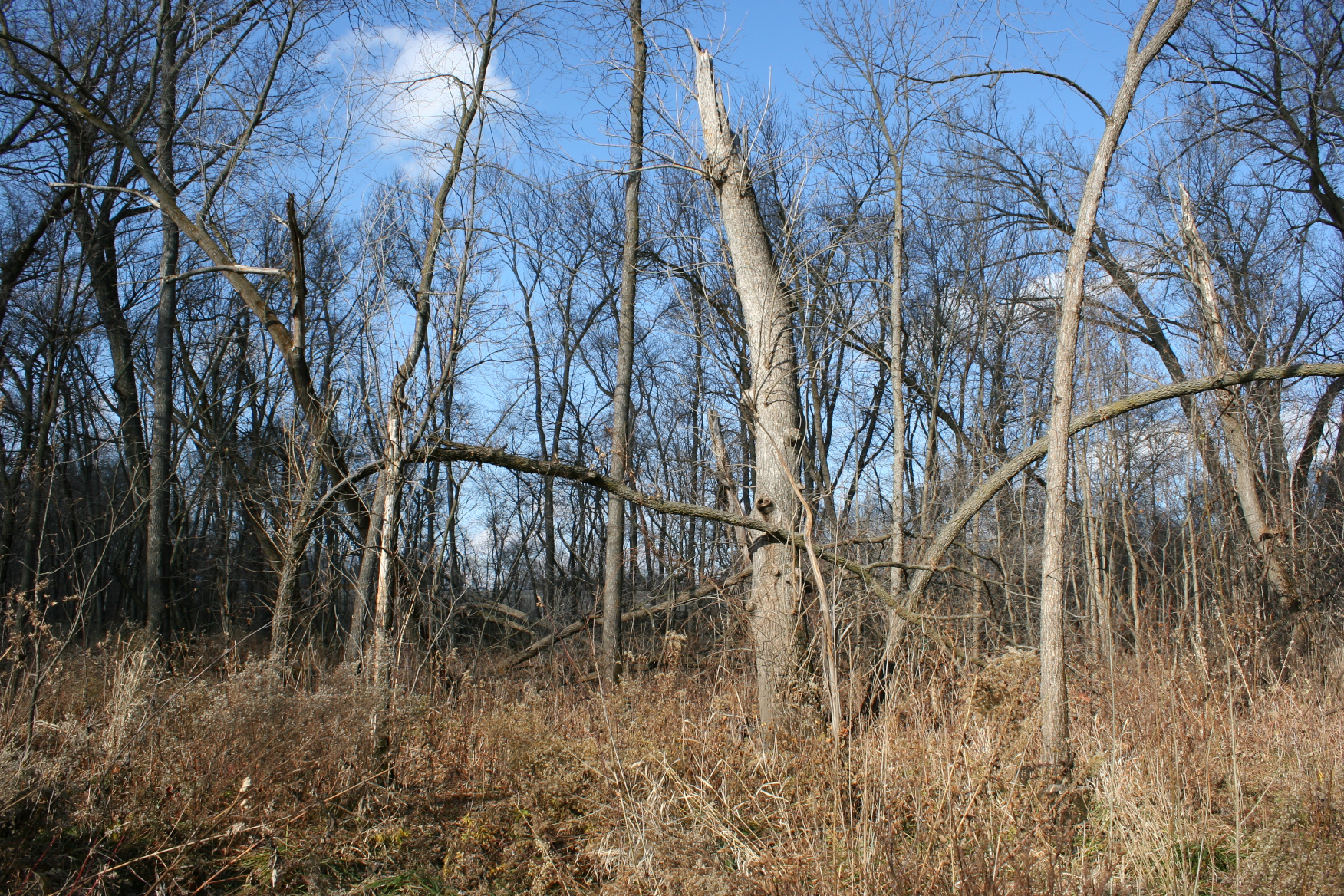
Then I noticed the trees. Tornado trees, I term them. Two years ago, in September 2018, tornadoes ravaged Rice County, including the 800-acre Cannon River Wilderness Area. Evidence of the storm remains in fallen trees, limbless trees, trees stripped of branches. In the woods. In the river. Along the riverbank. Thoughts of tornadoes invite distress as I recall the 1968 deadly tornado in Tracy, Minnesota, a storm I remember from my childhood in southwestern Minnesota. Some things you never forget.

But for a short time, I forgot about COVID as I immersed myself in the natural world. Even among tornado trees, some of which groaned in the strong wind.

As Randy and I retraced our steps along the muddy path, I focused on getting safely back to the parking lot without falling. But in a single step onto a rounded rock, my shoes slipped and I felt myself falling to the right. Thoughts of another broken bone flashed. As did the likelihood that my camera would be destroyed. Yet, Randy, who had been gripping my hand, caught me, even as he, too, nearly landed in the mud. I felt gratitude for his strength, for his support, for his care. We have traversed many a difficult journey through life. Together. And for that I am grateful, especially during a global pandemic.

© Copyright 2020 Audrey Kletscher Helbling


A Saturday in November in southern Minnesota November 19, 2020

Filed under: Uncategorized — Audrey Kletscher Helbling @ 5:00 AM
Tags: , , , , , , ,
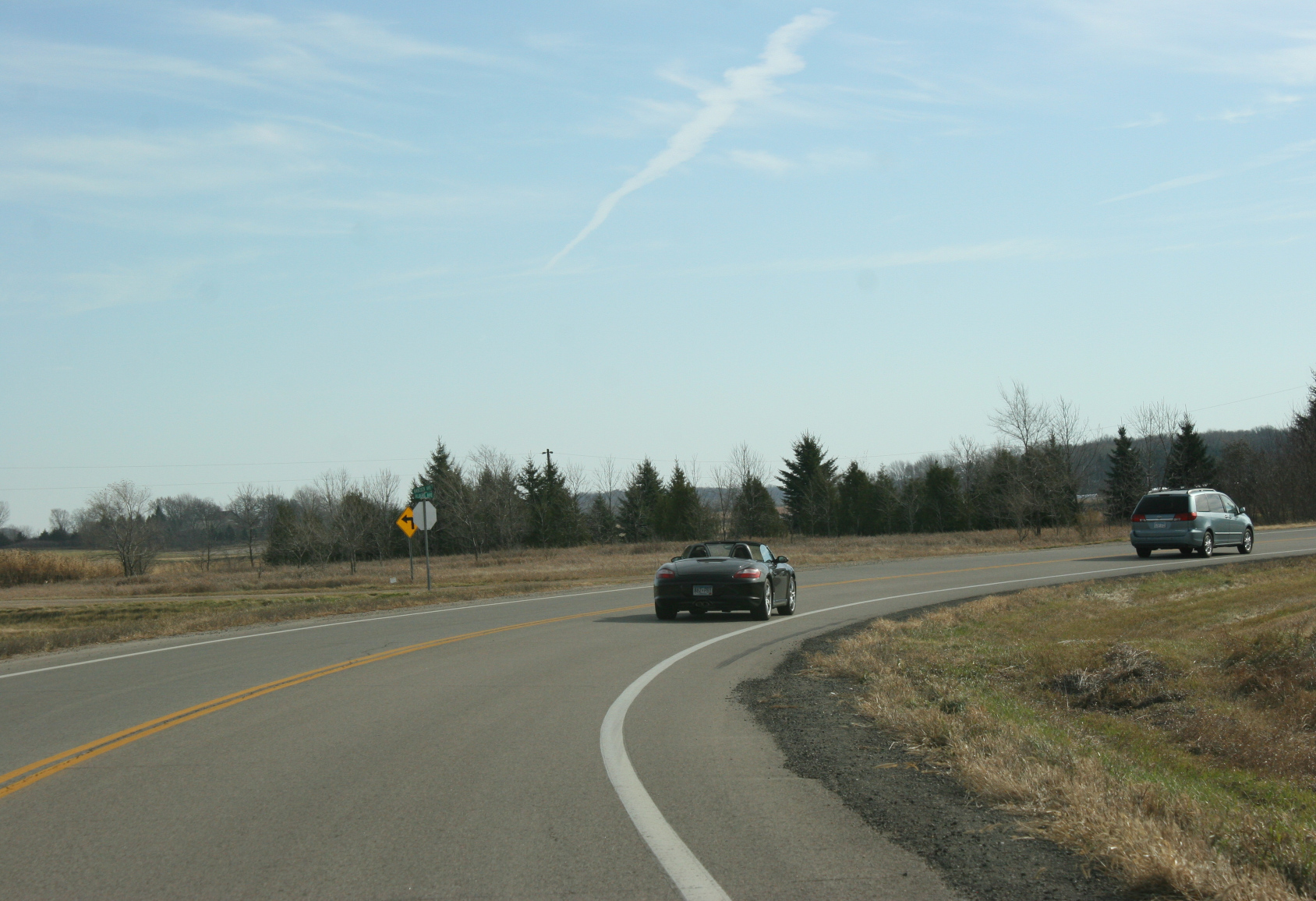
The weather on Saturday, November 7, was warm enough to put the top down on the convertible, this one driving along Rice County Road 45 toward Medford.

WITH SNOW LAYERING the ground as I write this several days before publication and with the furnace cranking out heat to stave off the cold, warmer days seem but a distant memory. But not that long ago, on November 7 and 8, we were enjoying warm temps and sunshine here in southern Minnesota. And my photos document that.

Before the recent snow, fallen leaves defined the lawn at the Medford City Park.

On that recent weekend, Randy and I finished raking and hauling leaves to the compost pile on Saturday morning. Then we packed a picnic lunch with intentions of an afternoon wandering through rural Minnesota with no specific destination. One of our Sunday afternoon drives, except on a Saturday. Only briefly did we discuss staying home to wash windows. Nope, the weather was too nice and we wanted to enjoy the afternoon. In Minnesota we recognize such beautiful November days as rarities to savor in time spent outdoors. Playing, not working.

So we gased up the van and then headed south on the back county road to Medford. A few miles from Faribault, we heard a clunk and Randy realized he’d left the gas cap at the gas station. We retraced our route, retrieved the cover and restarted our leisurely drive. I was a bit irritated with the husband for forgetting the gas cap. More on that later.

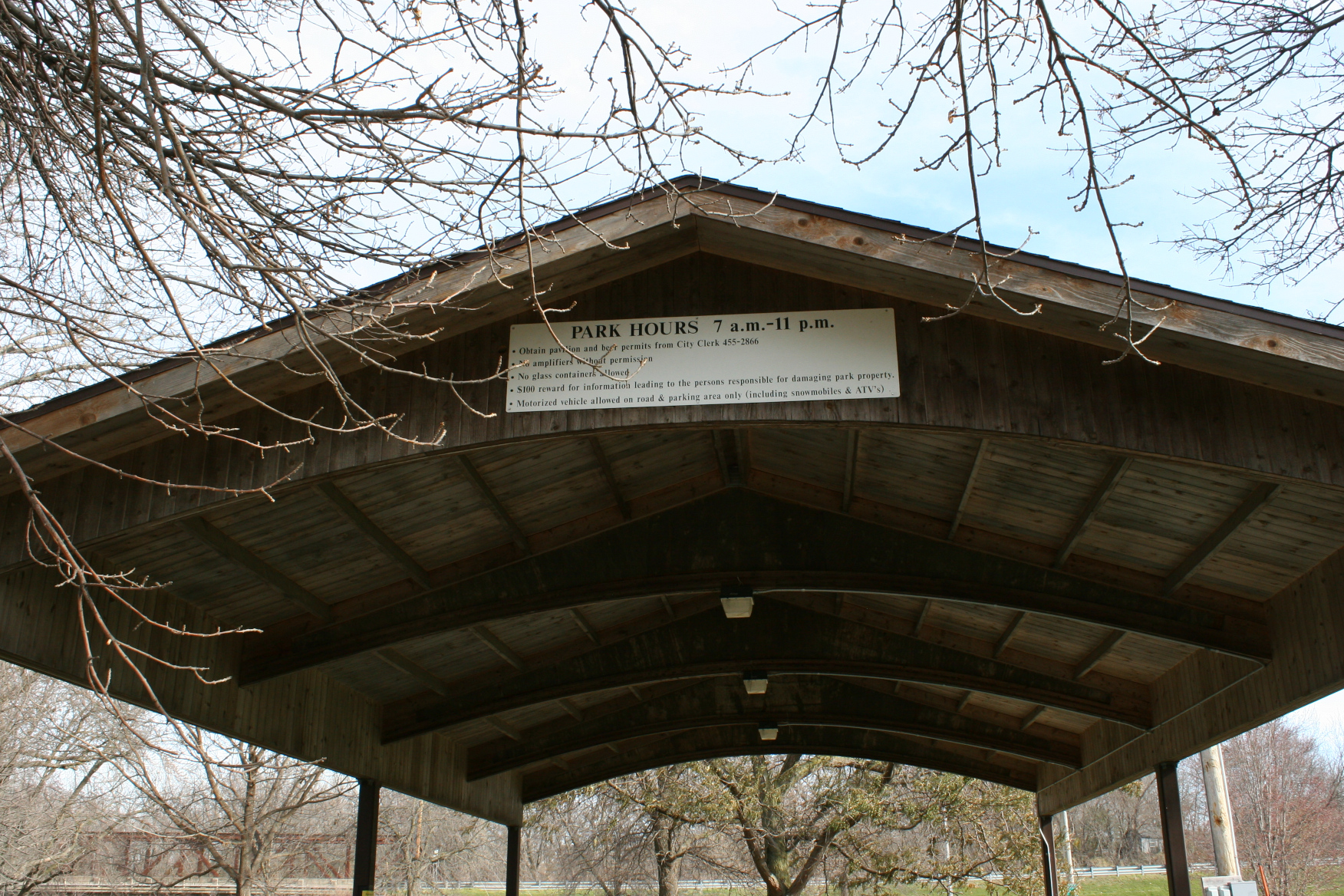
An artsy roofline on the shelter where we ate our picnic lunch.
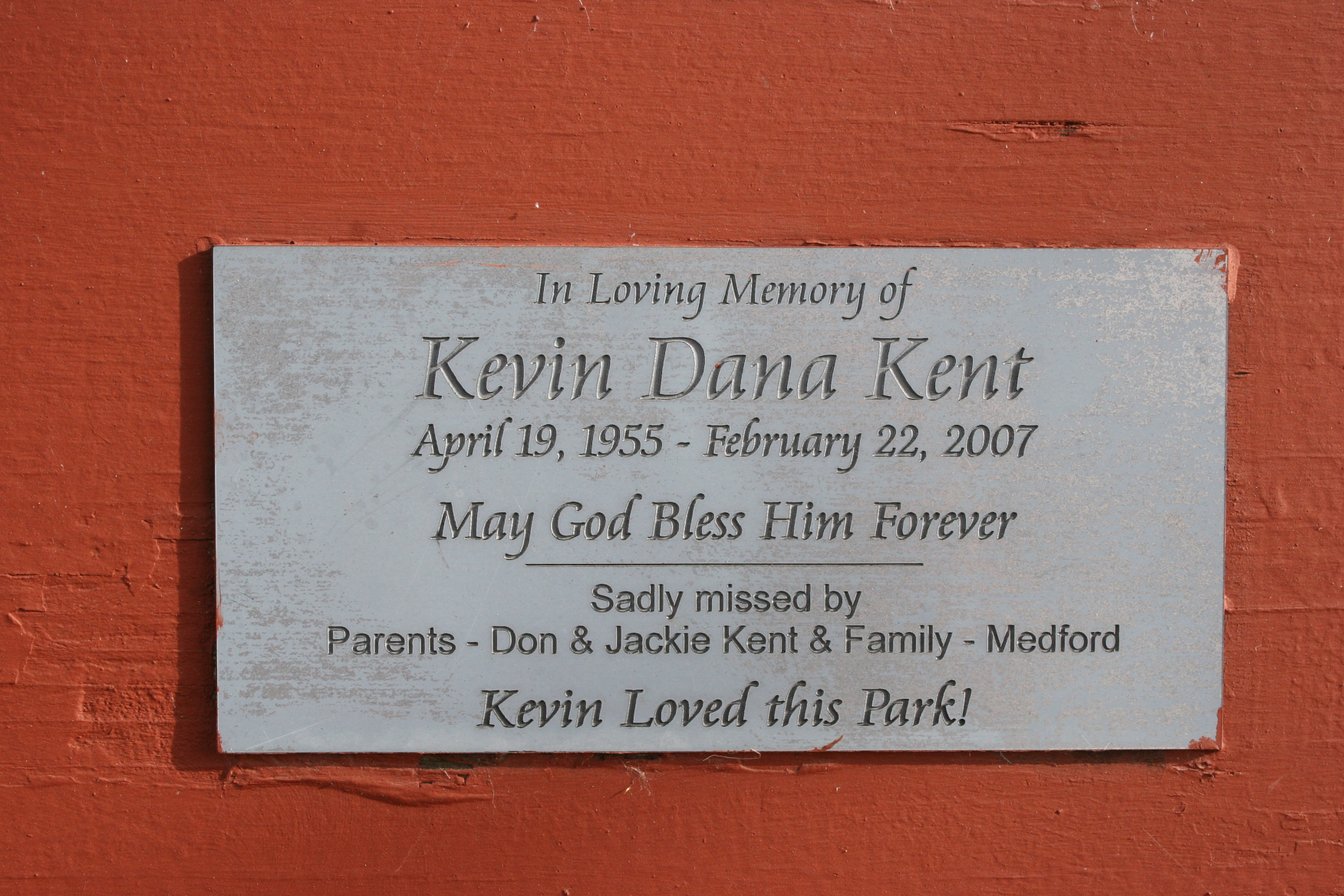
A plaque on a bench: Kevin loved this park!
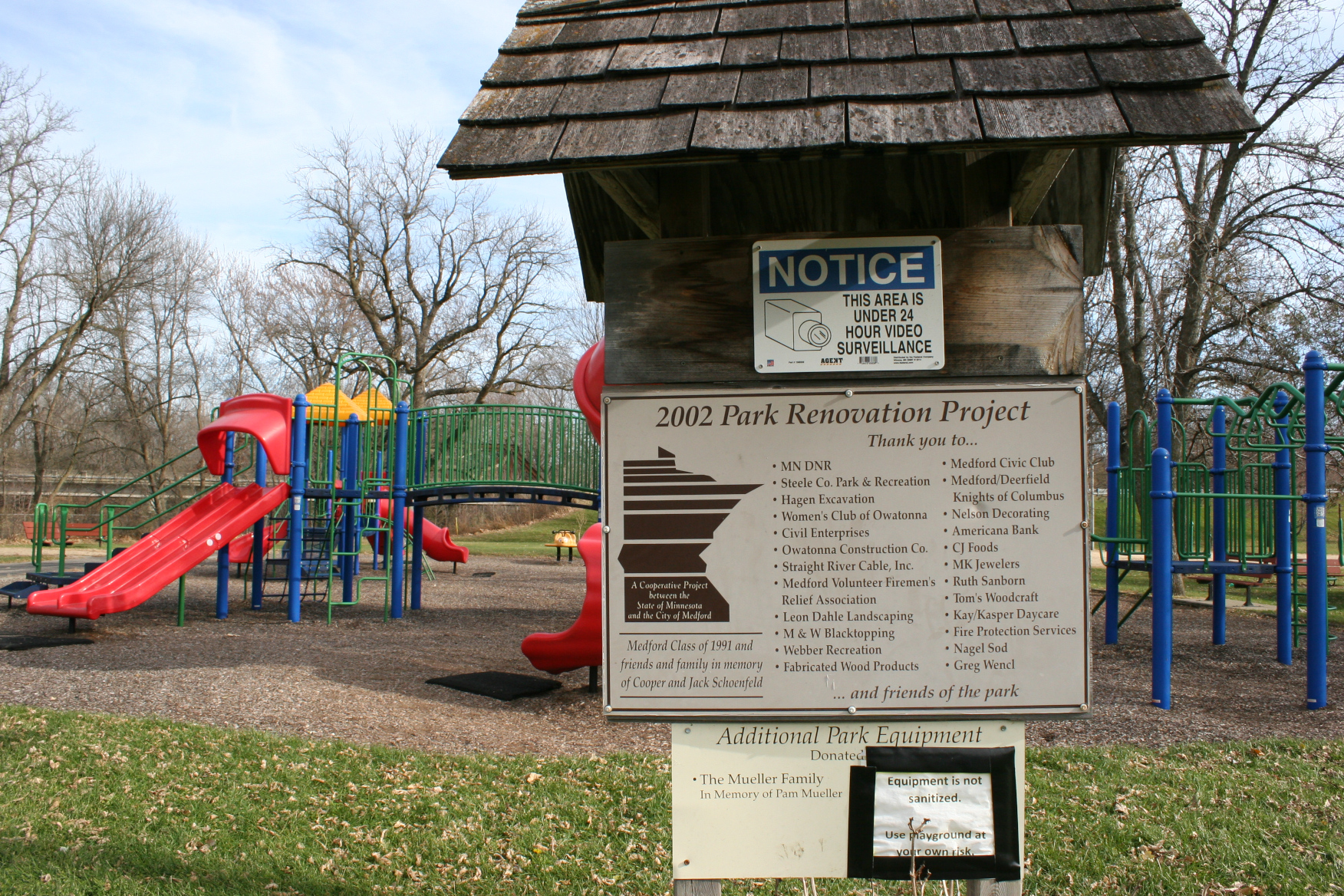
The expansive playground next to the shelterhouse.

By the time we reached Medford, it was past noon and we were both hungry for that picnic lunch. So we pulled into the city park along the Straight River, settled in at a picnic table inside a wind-whipped shelter and watched kids on the playground while we ate our sandwiches.

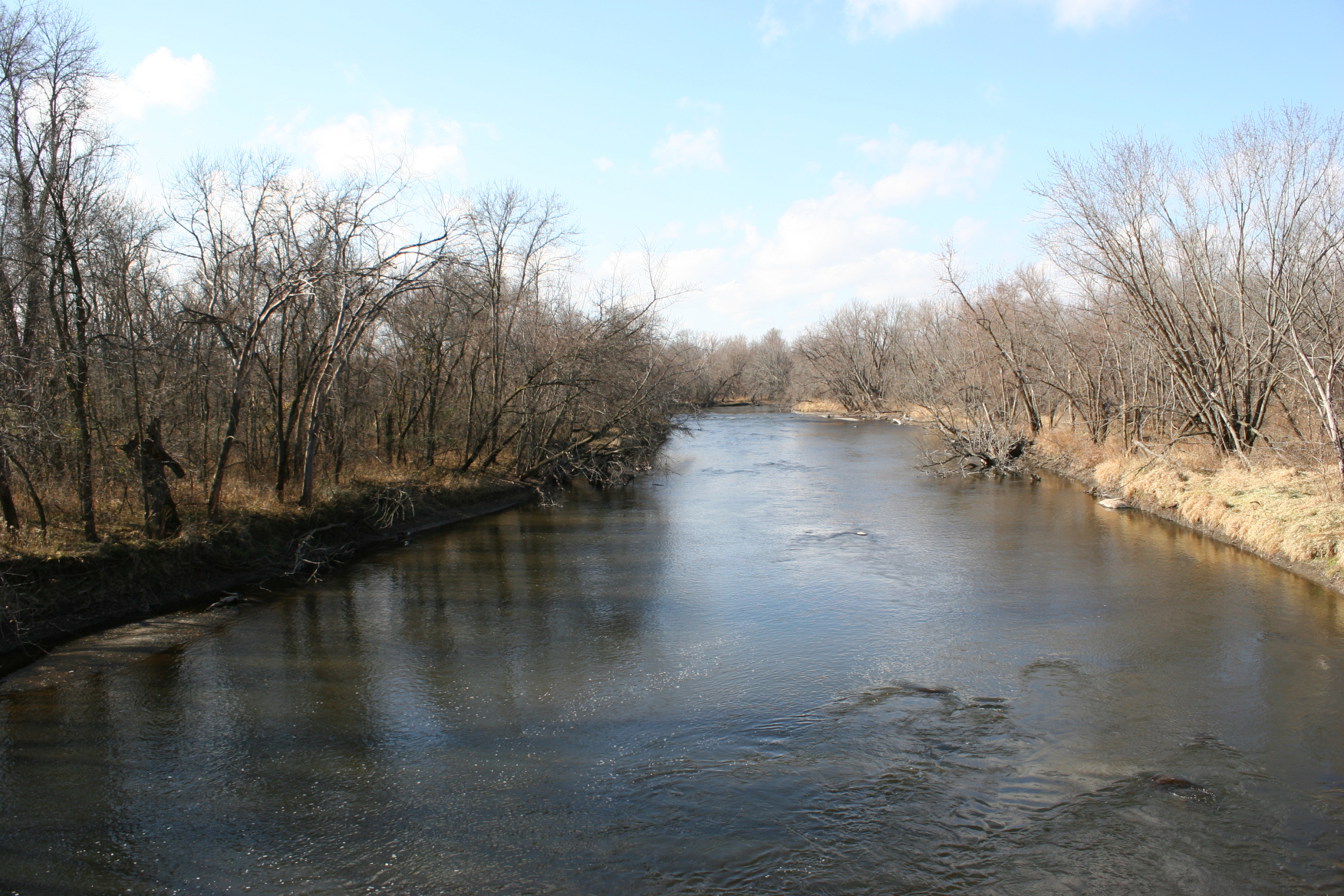
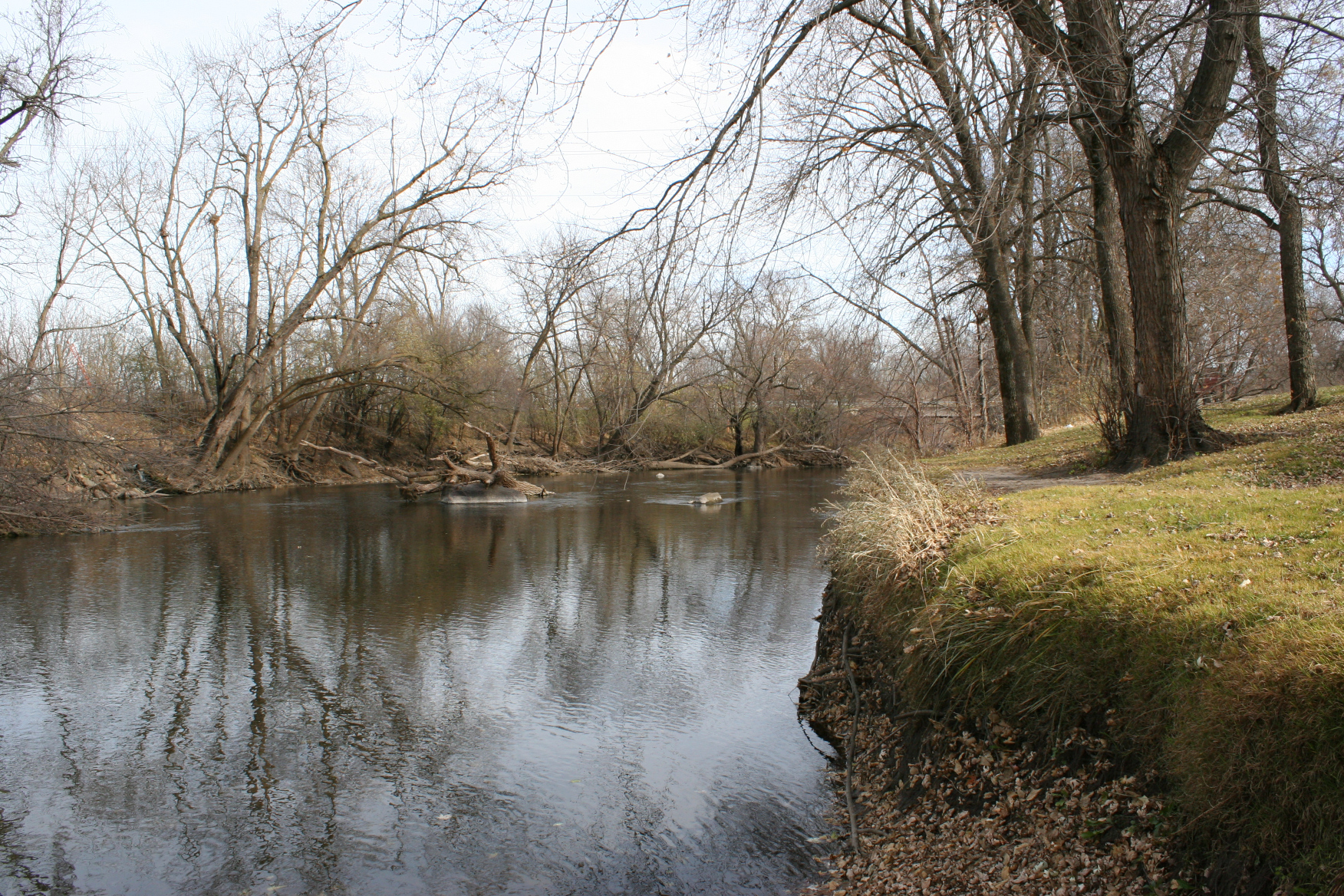
The Straight River winds past the park.
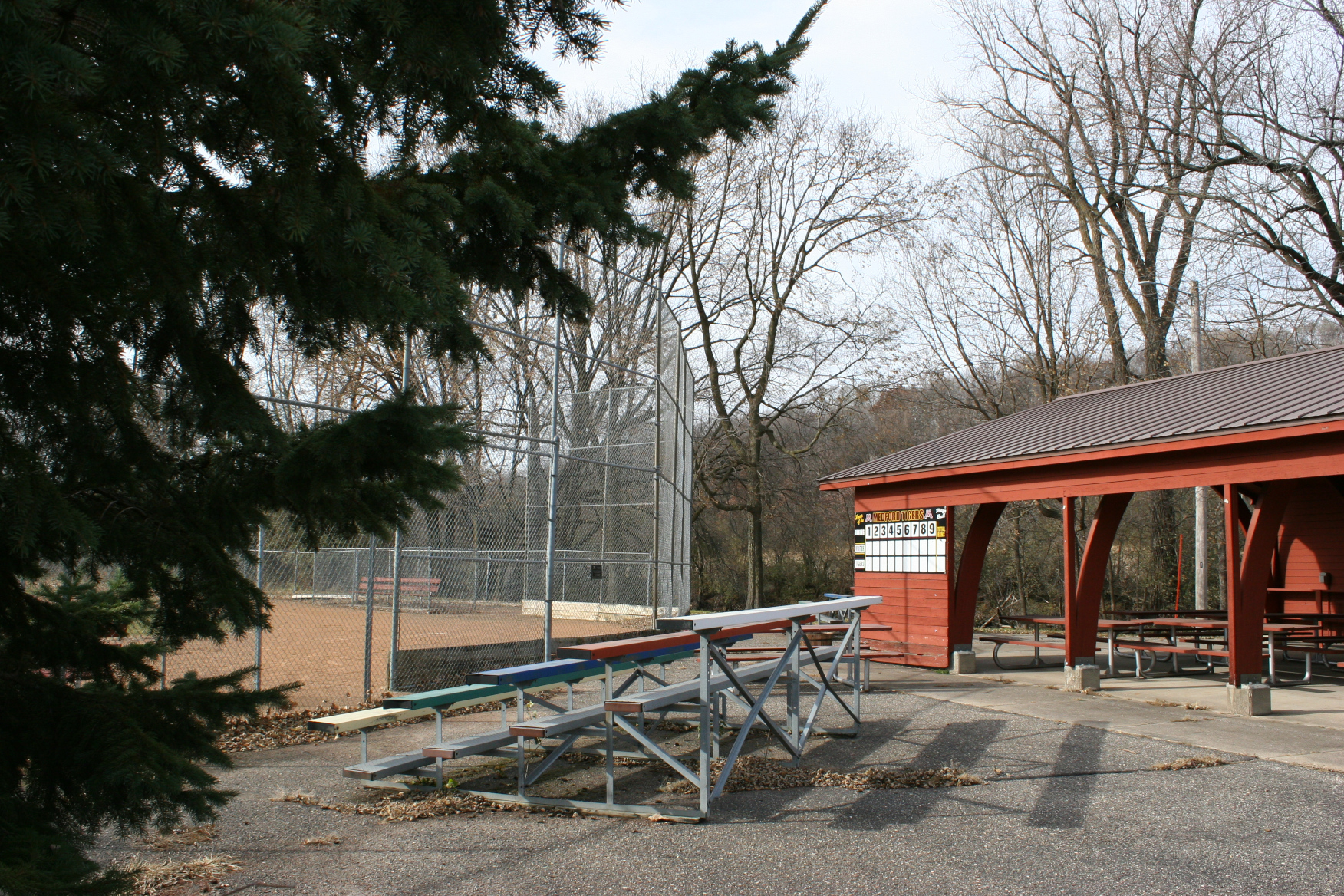
The second shelter sits by the ballpark.
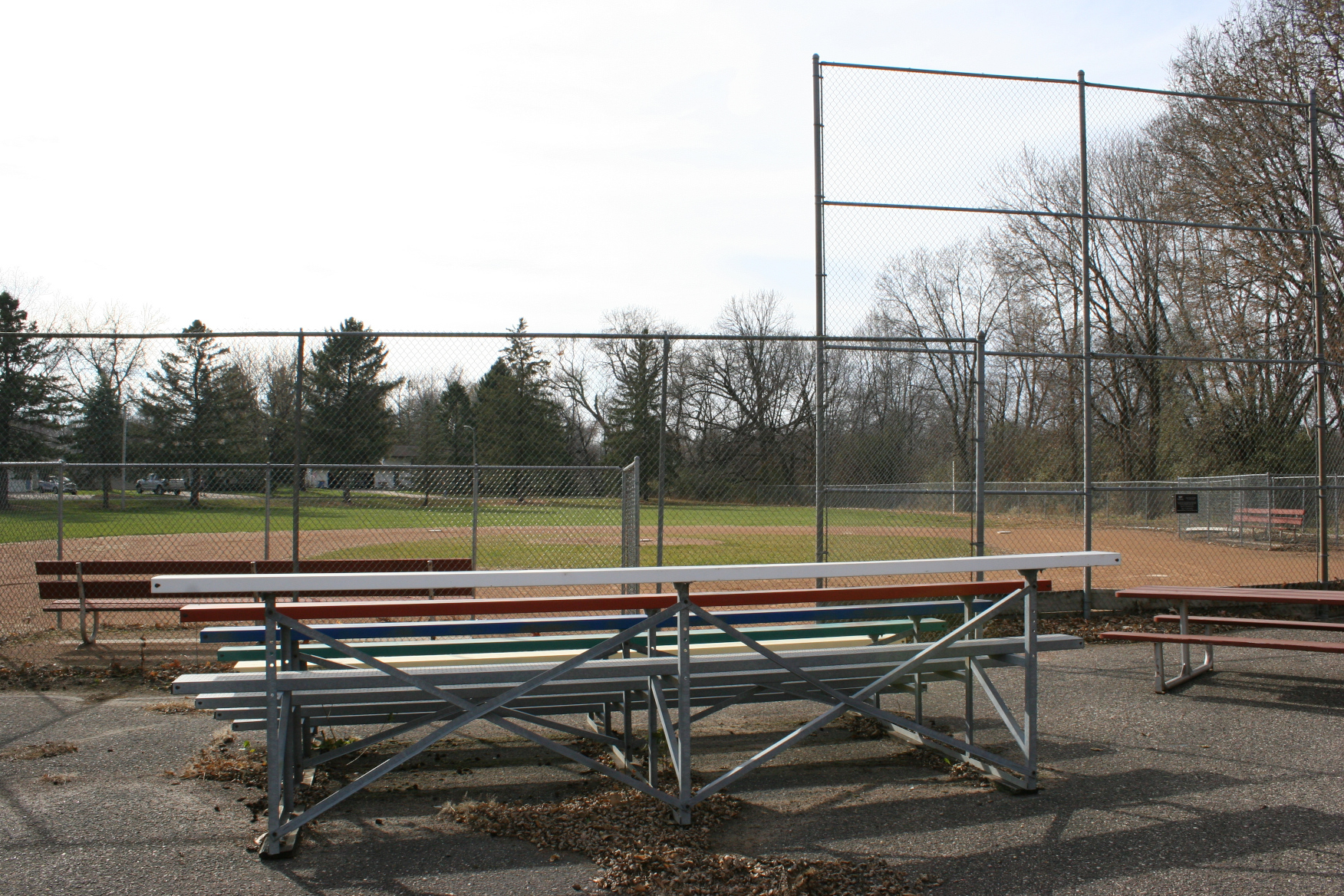
A view of the ball field.

Afterward, we walked around the park for a bit, down to the banks of the Straight River, around the ballpark and then back to the van. After more photos—I can always find something interesting to photograph—we were on our way.

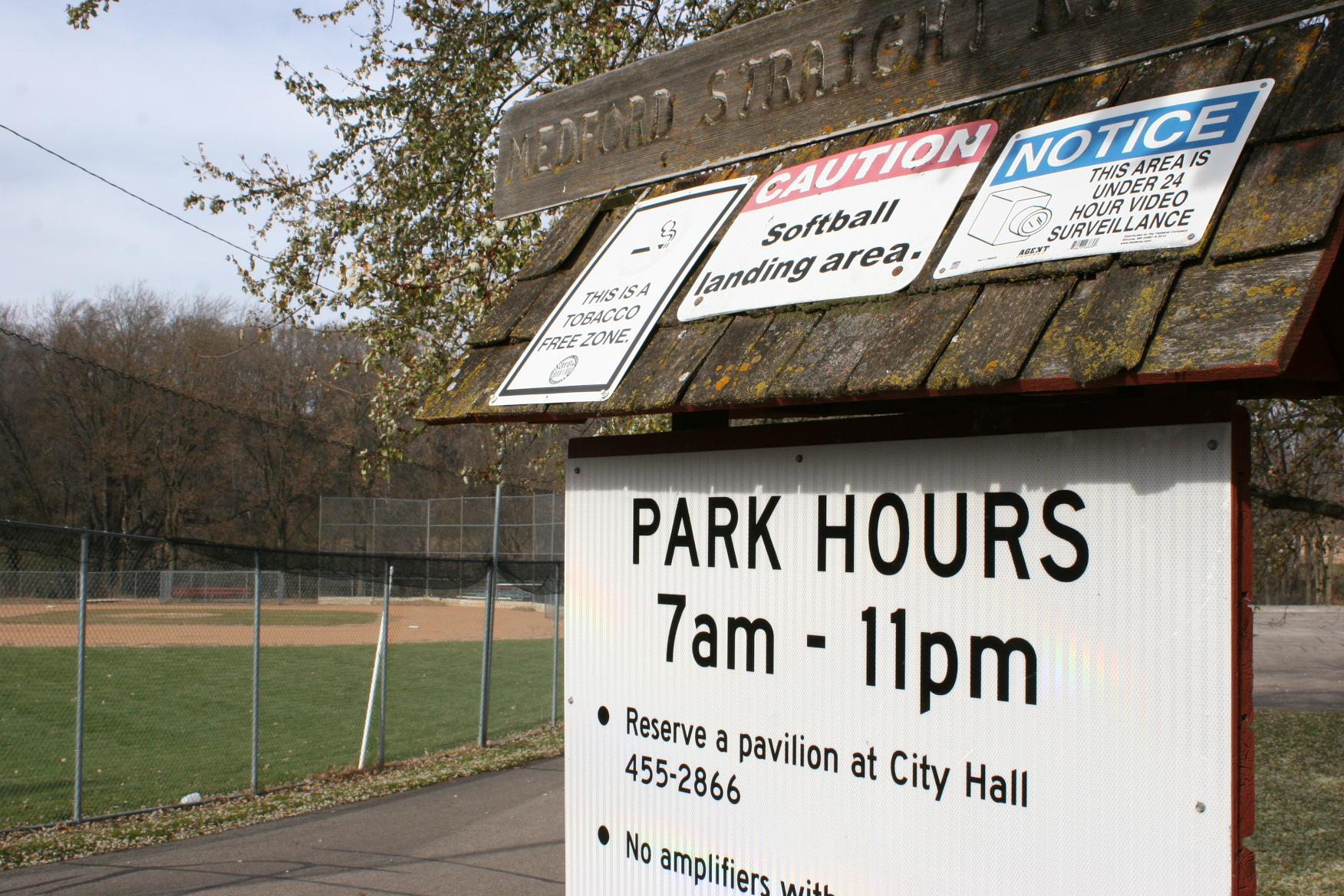
I laughed at this sign, at the “softball landing area” warning.

Except we weren’t. Two blocks from the park, the power steering went out in the van. The engine light flashed on. Gauges indicated overheating. Randy switched off the van, lifted the hood and investigated. At times like this, I am thankful for a husband who has worked as an automotive machinist for decades and is extremely knowledgeable in diagnosing and dealing with vehicle issues.

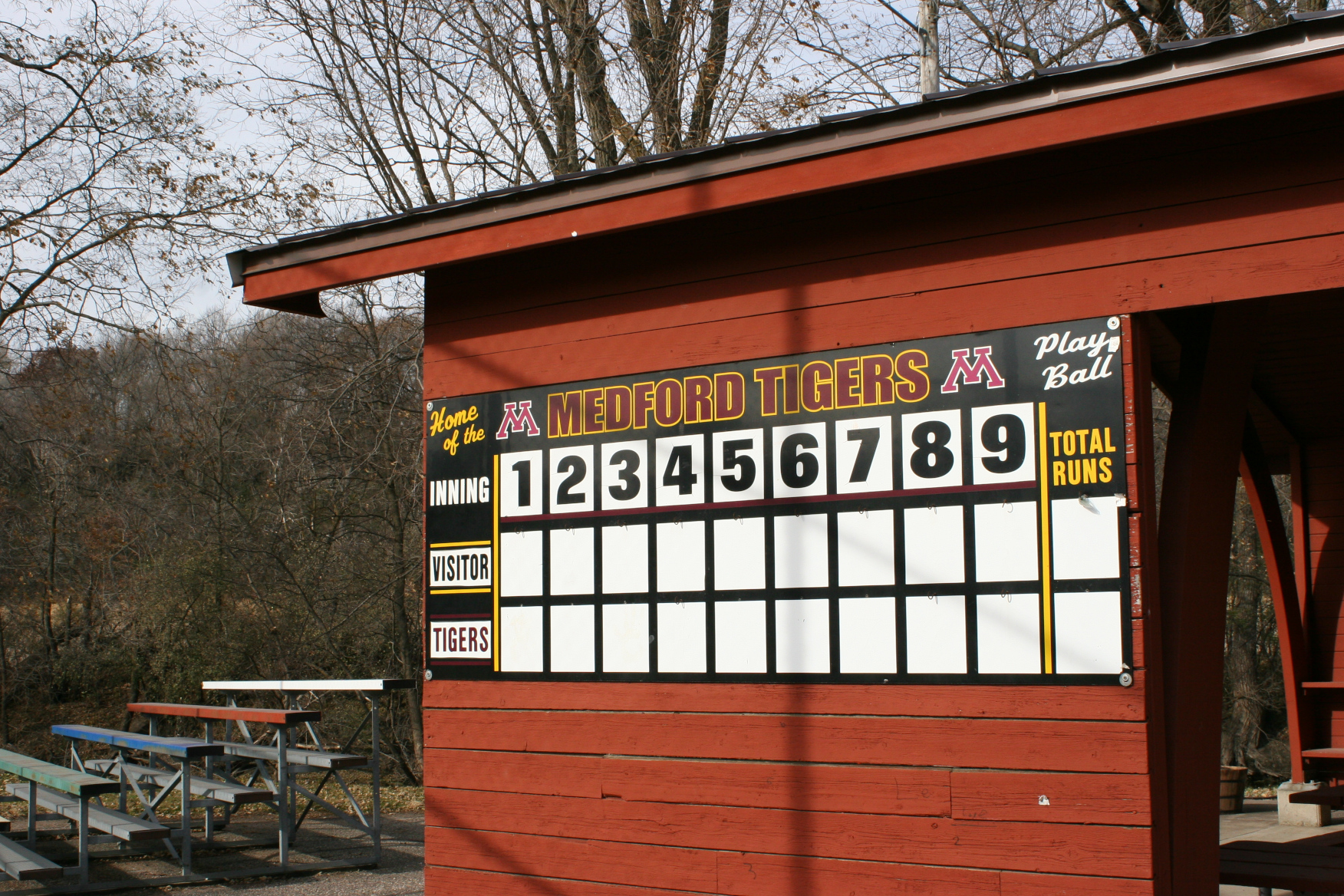
I love small town scoreboards like this with character.

I suggested we call a tow truck. Randy insisted we could make it home to Faribault. If the engine didn’t overheat. I was skeptical. Half-way back, he noted that the engine was getting hotter. Long story, but we pulled into friends’ rural property (they weren’t home) and waited about 45 minutes for the engine to cool. Back on the road, with only miles to go, Randy cut the engine at the top of a hill. The van then coasted the final miles into Faribault. At a stop sign, Randy restarted the van to get the remaining blocks home. We made it. Who would have thought?

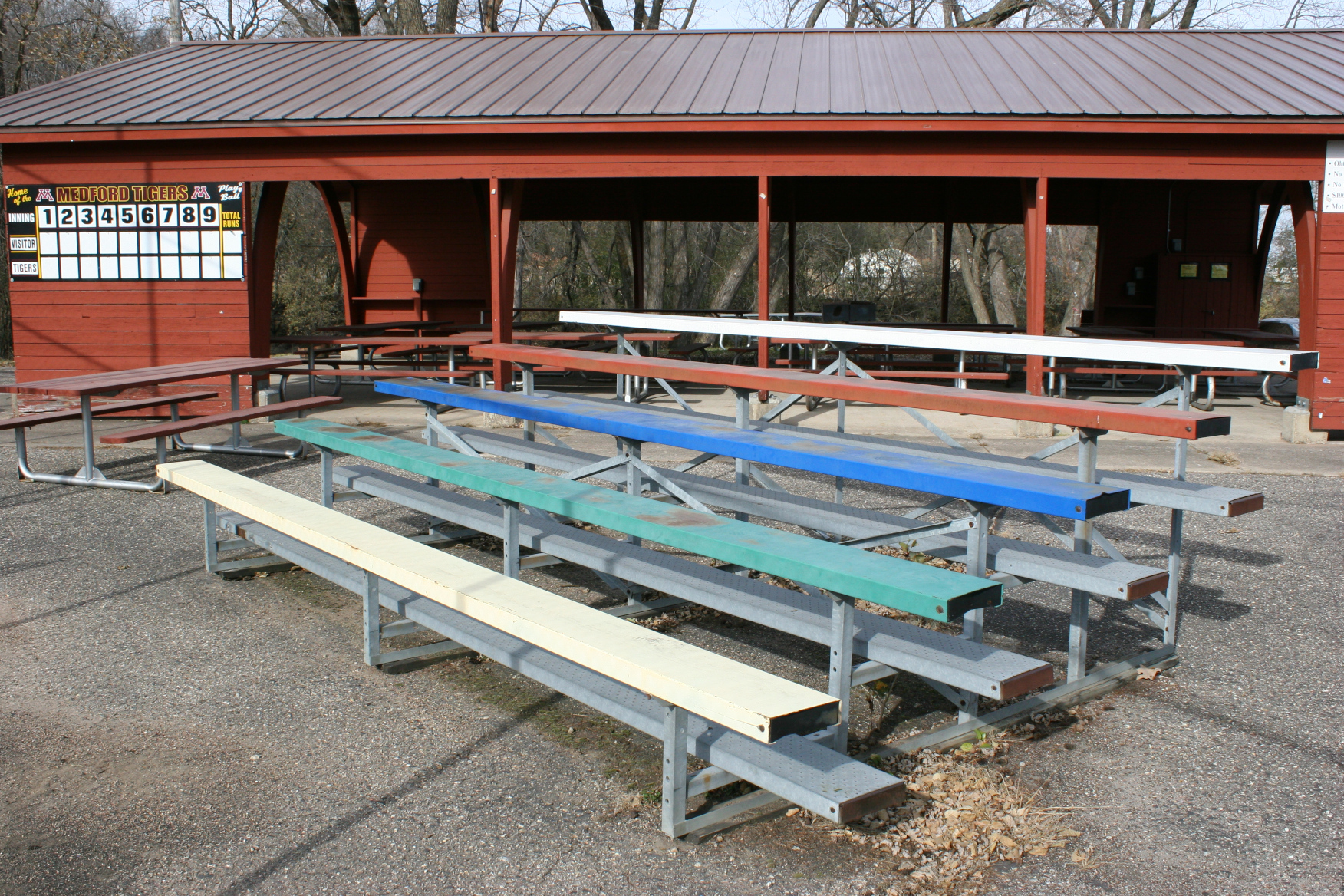
Love the colorful bleachers…

So much for that planned afternoon outing. Randy was now out in the garage, back under the hood, rooting out the problem. He diagnosed a broken spring inside the tensioner. That caused the belt to come loose which caused the subsequent issues. A trip to the parts store and about an hour later, he had fixed the van.

Posted on the ball field fence. Small towns have a knack for finding creative ways to fund projects.

But here’s the deal. Remember that forgotten gas cap and the irritation I felt over Randy’s forgetfulness? Well, if he hadn’t left the cover, we would have been further down the road, probably to Owatonna. And those extra miles likely would not have allowed us to get the van back home on our own. So, yeah, sometimes when little things like this happen and delay our best-laid plans, it’s for a reason. Lesson learned. On a beautiful day in early November in Minnesota.

© Copyright 2020 Audrey Kletscher Helbling


From Owatonna: The legend of a princess & healing waters November 5, 2020

Note: The following post has been in my “drafts” since May. Time to publish this, as it appropriately themes to healing.


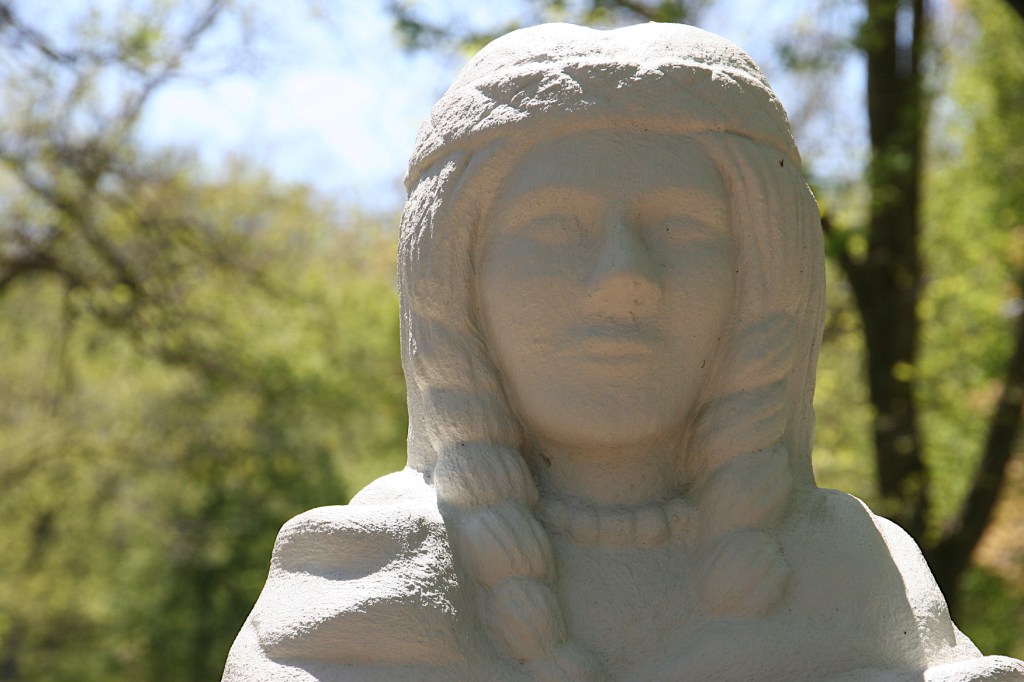
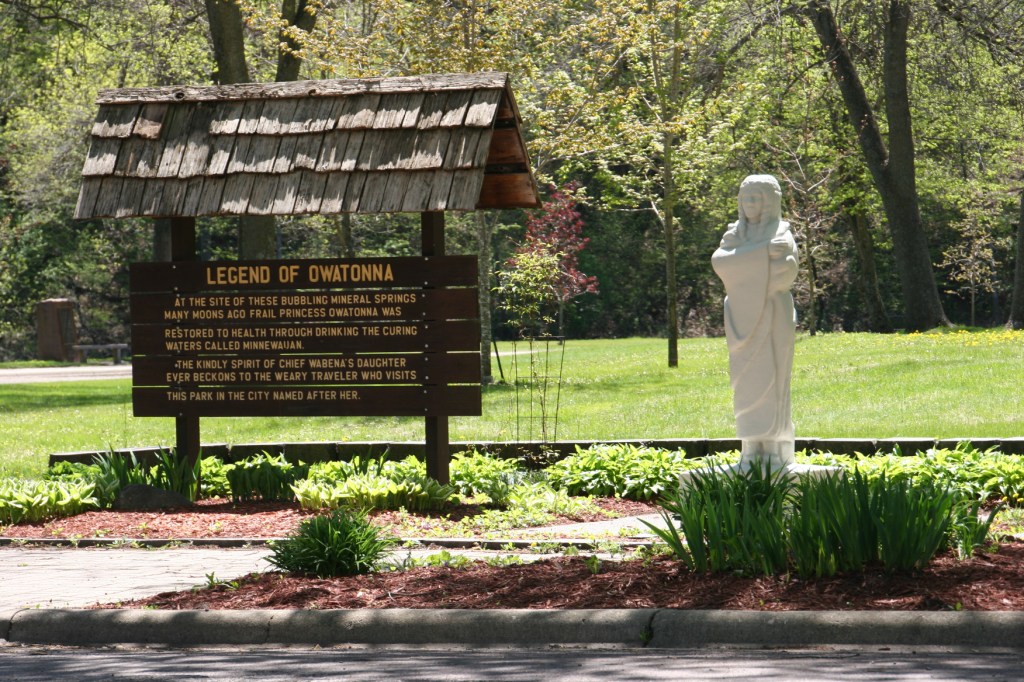
The statue of Princess Owatonna in Mineral Springs Park dates to the early 1930s.


LEGEND GOES THAT PRINCESS OWATONNA experienced restored health by drinking the curing waters of Minnewauan.


Princess Owatonna and her story, a park focal point.


The story of the princess, and a statue of her, center Mineral Springs Park in Owatonna, a place defined by water. Springs. Maple Creek. And a man-made waterfall.


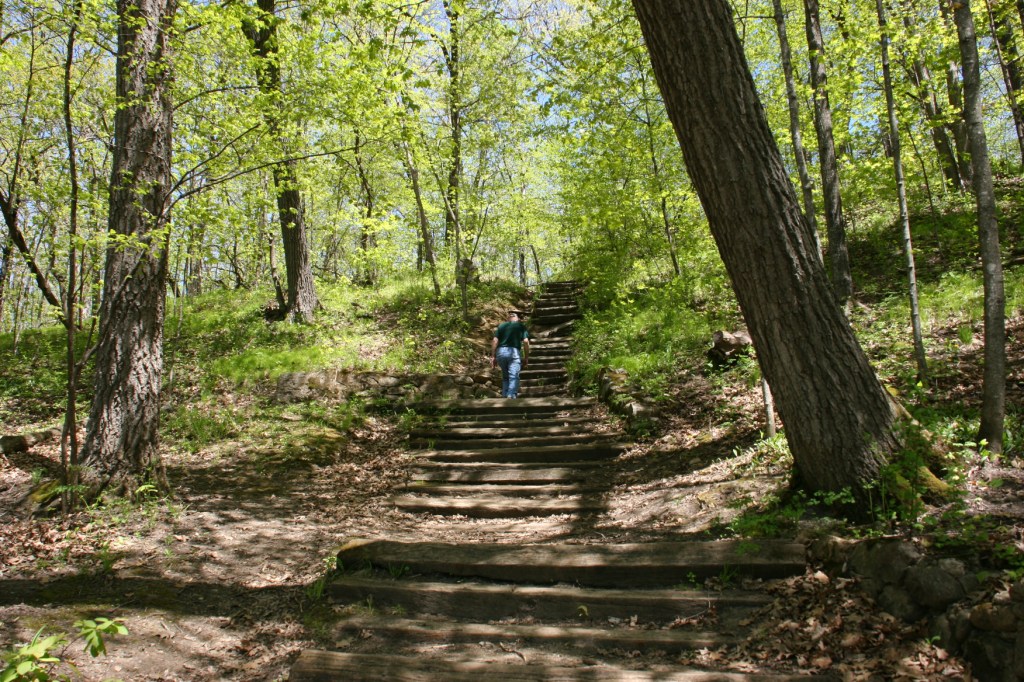
Randy climbs a steep stairway to the top of a wooded hillside.


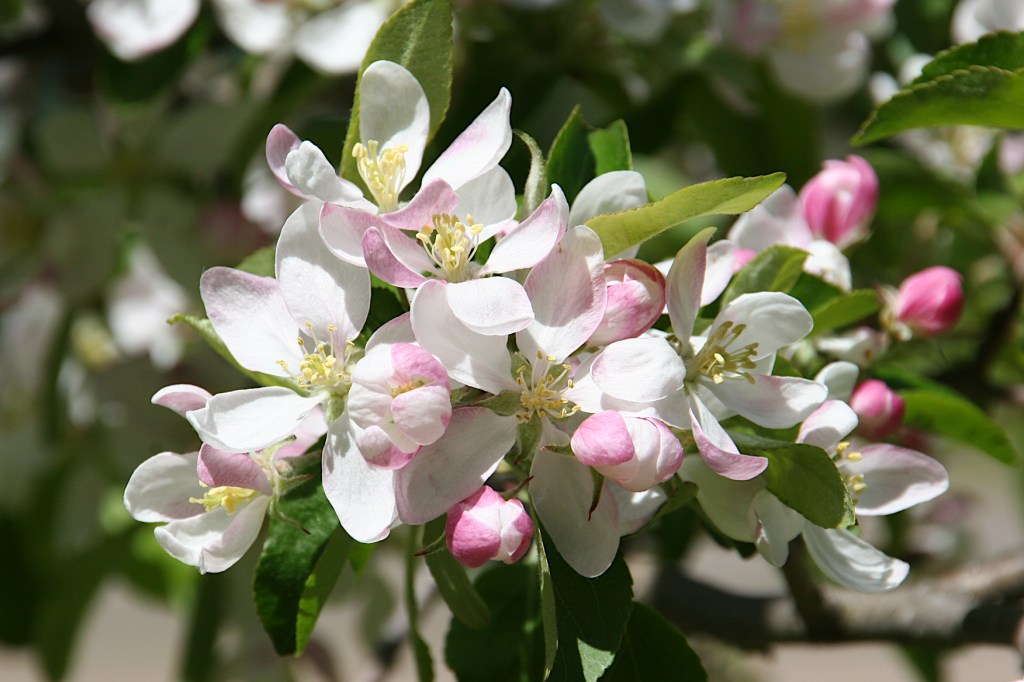
When we visited in mid May, apple blossoms were budding and blooming.


It was such a lovely May day to be out and about.


On a Friday afternoon in May, Randy and I stopped by the park to take in the art, the legend, the beauty of the water and apple blossoms, and simply nature.


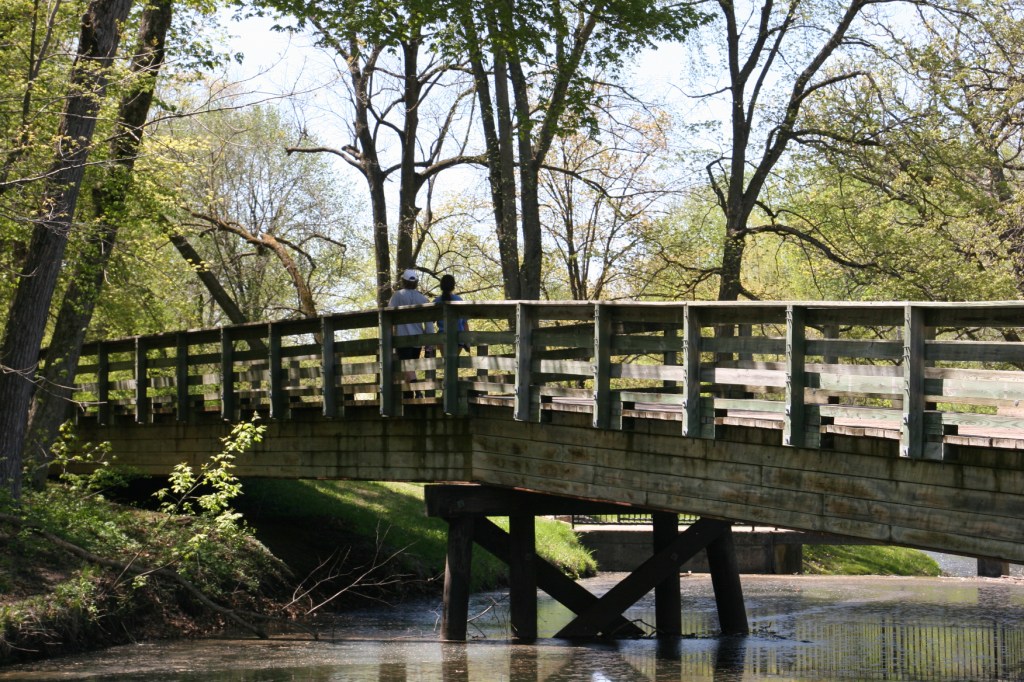
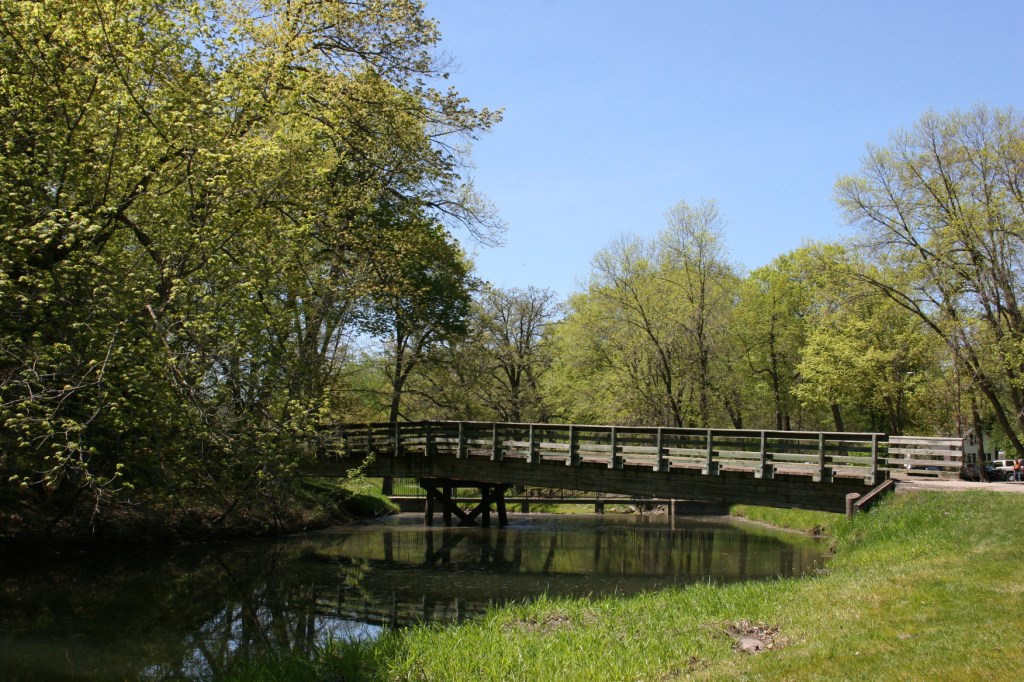
Maple Creek, spanned by several bridges in the park.


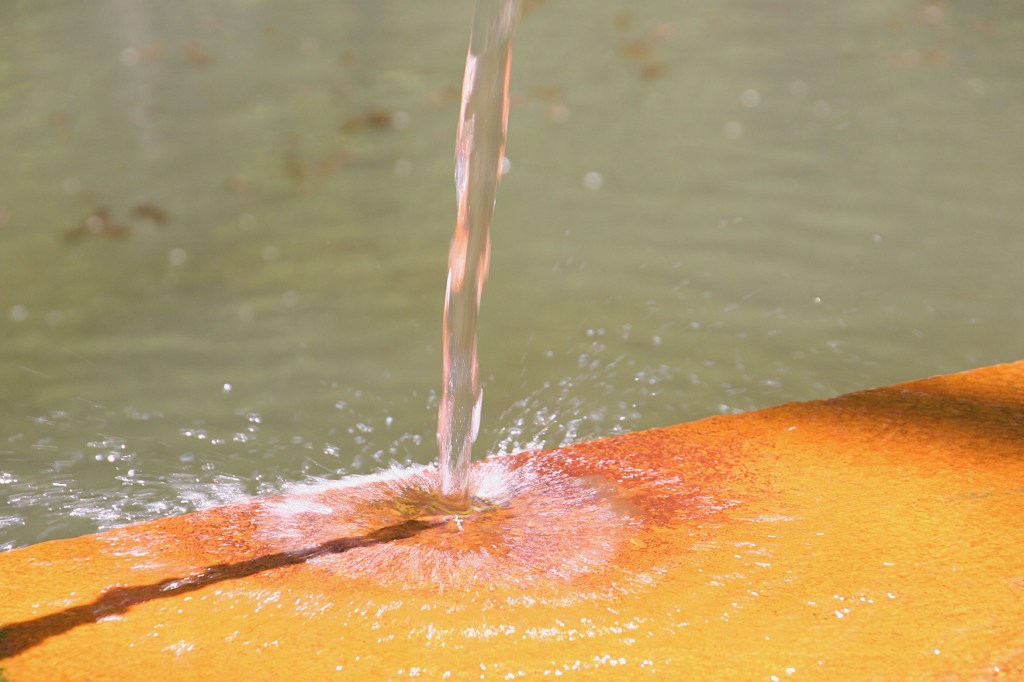
Water streams from a pipe along the river bank.


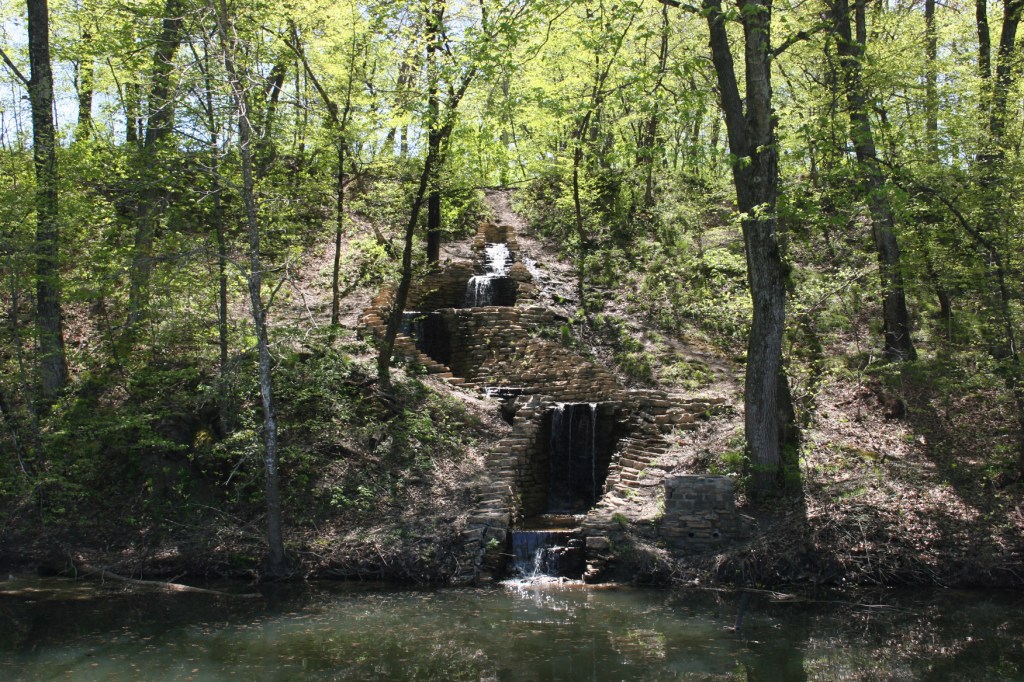
Gracing Mineral Springs Park, a beautiful man-made waterfall constructed in the early 1970s.


During a previous visit, I drank cold spring water from a fountain. But on this day, no water bubbled up. Instead, water streamed from a nearby pipe, flowed in the creek and cascaded down the waterfall.


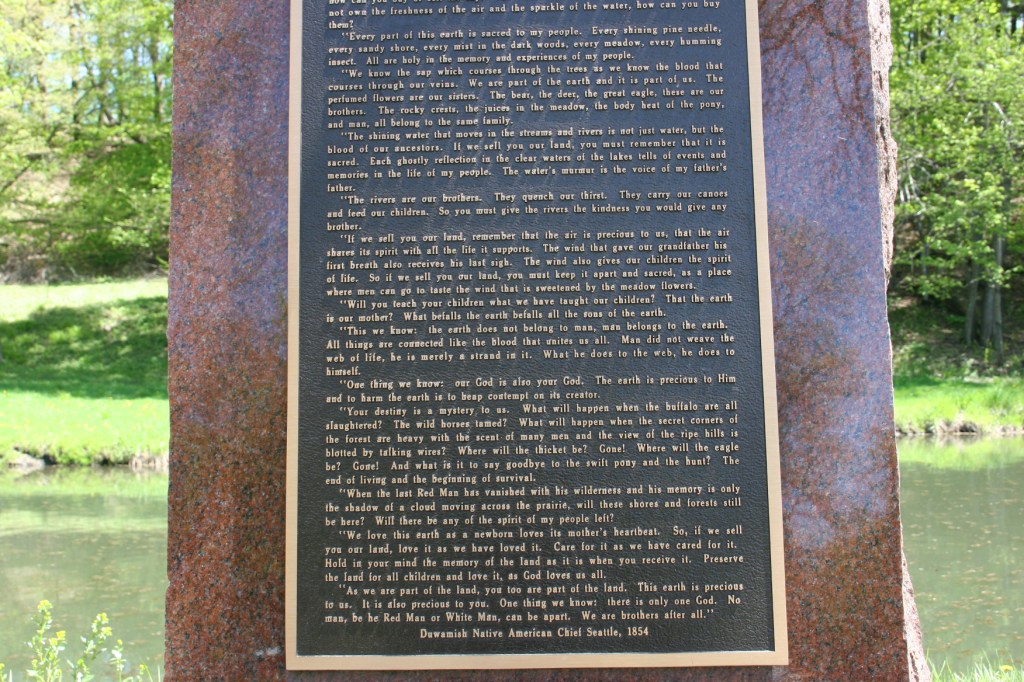
More history on a monument in Mineral Springs Park.


The park on this weather-perfect afternoon proved busy. But not too busy that we felt uncomfortable or crowed. Everyone respected everyone and social-distanced.


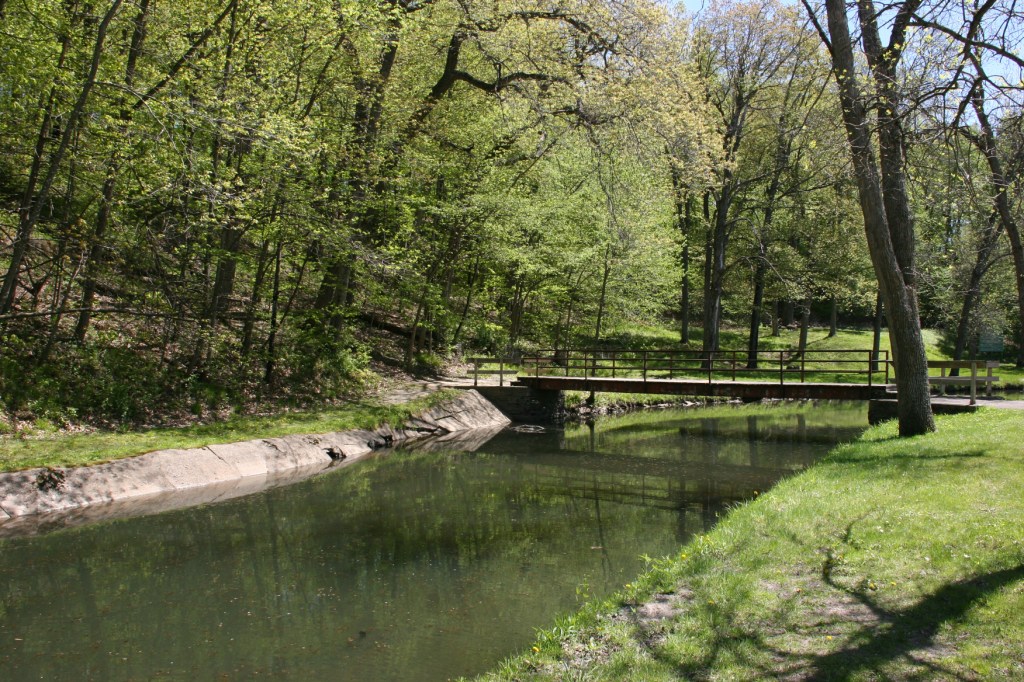
Another view of Maple Creek, which winds through Mineral Springs Park.


In 1875, Owatonna Mineral Springs Company formed with the spring water served for many years on railroad dining cars, according to the City of Owatonna website. One can only imagine the refreshing taste of that water sourced from this place in southern Minnesota, this place where Princess Owatonna, daughter of Chief Wabena, once found healing. So the legend goes…

#

BONUS FINDS:


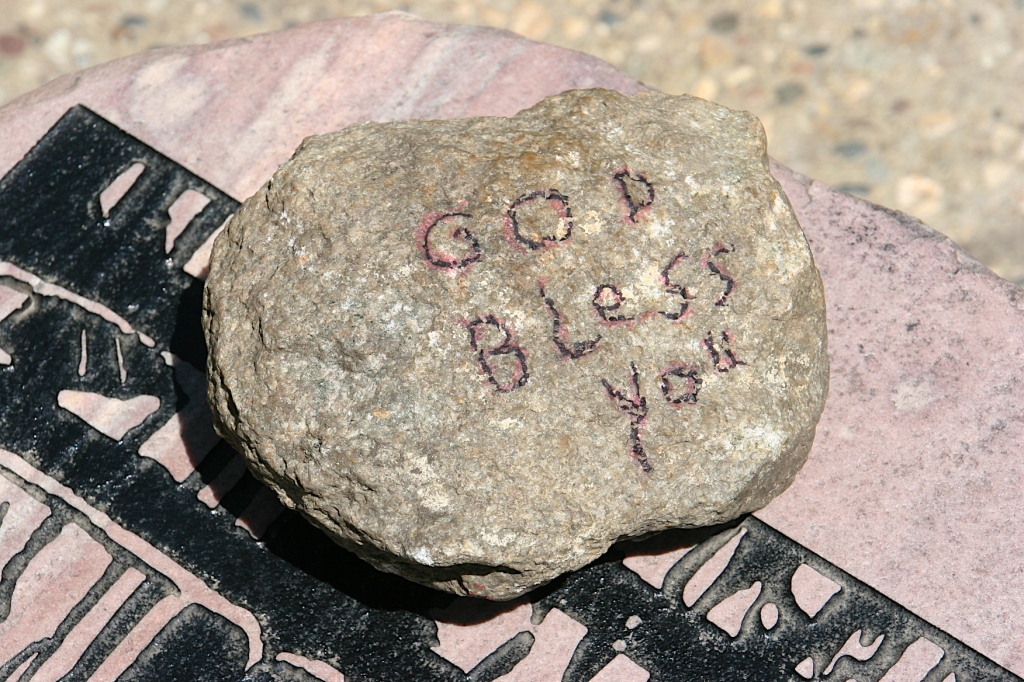
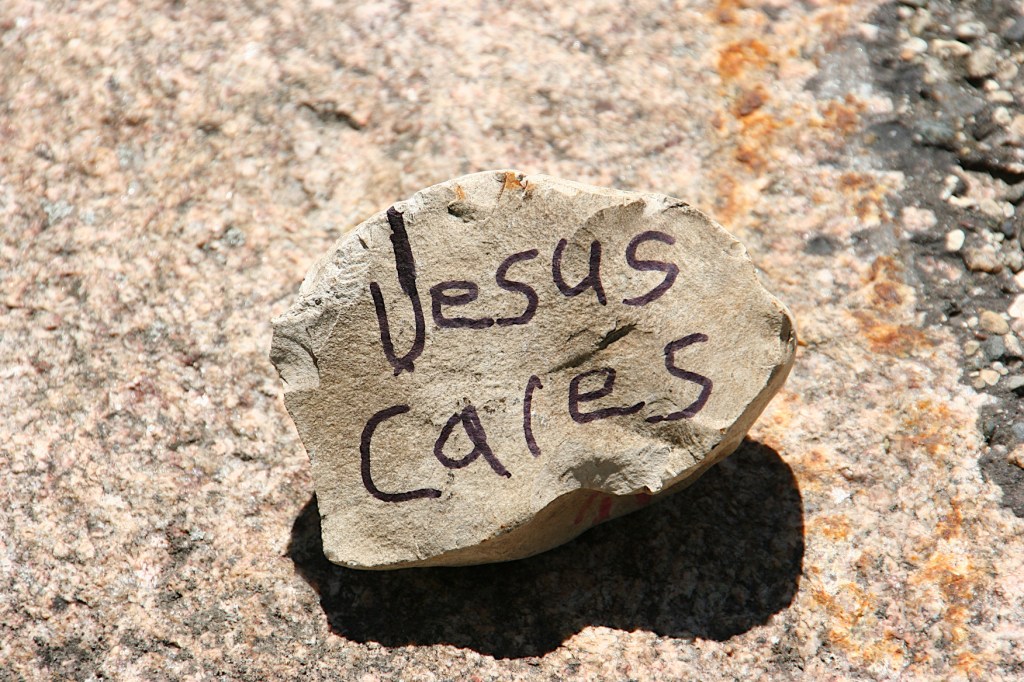
While walking around Mineral Springs Park, we found these messages on stones and a shell left in the park.

© Copyright 2020 Audrey Kletscher Helbling
 

Autumn in my Minnesota backyard October 15, 2020

Filed under: Uncategorized — Audrey Kletscher Helbling @ 5:00 AM
Tags: , , , , , , , , , ,
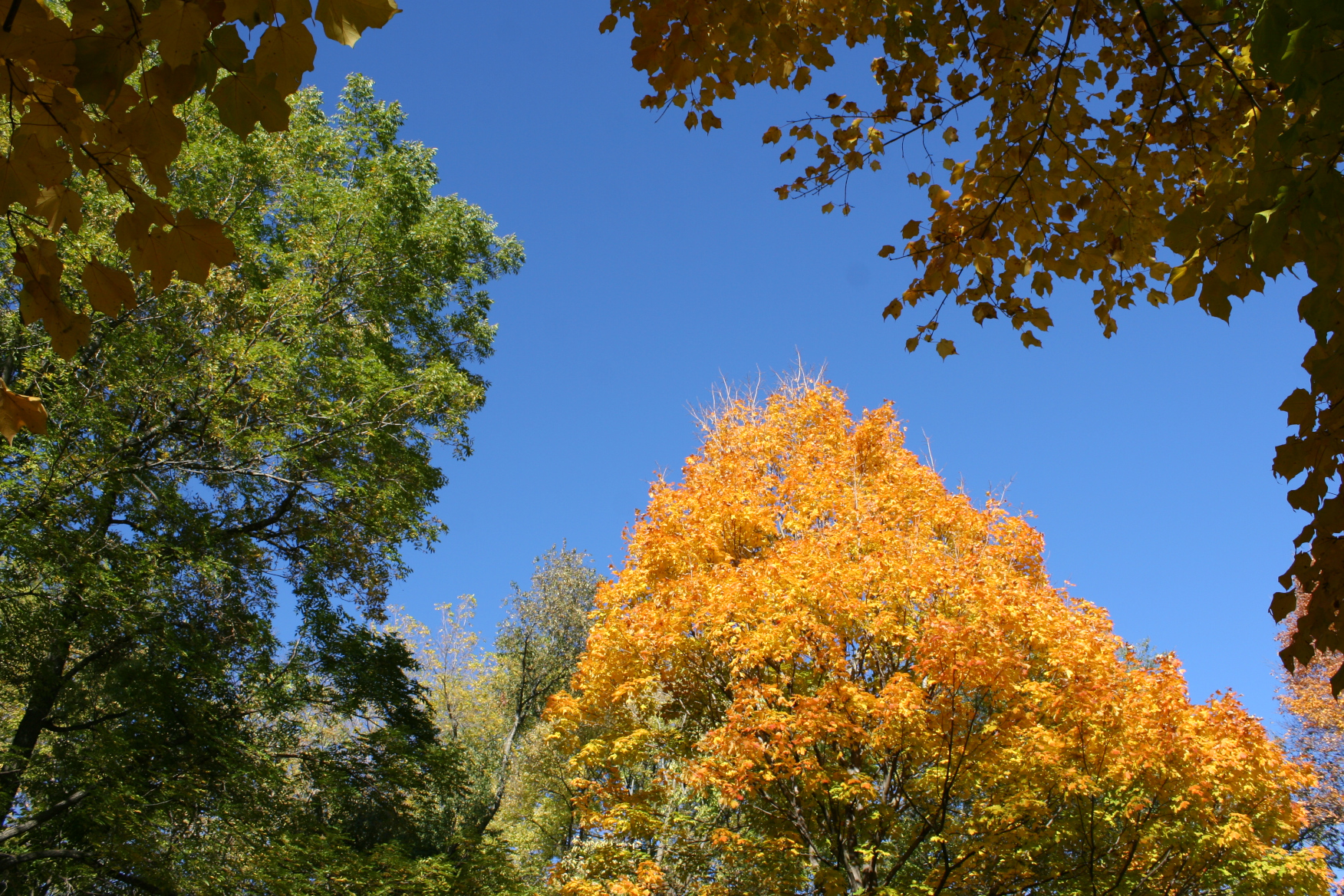
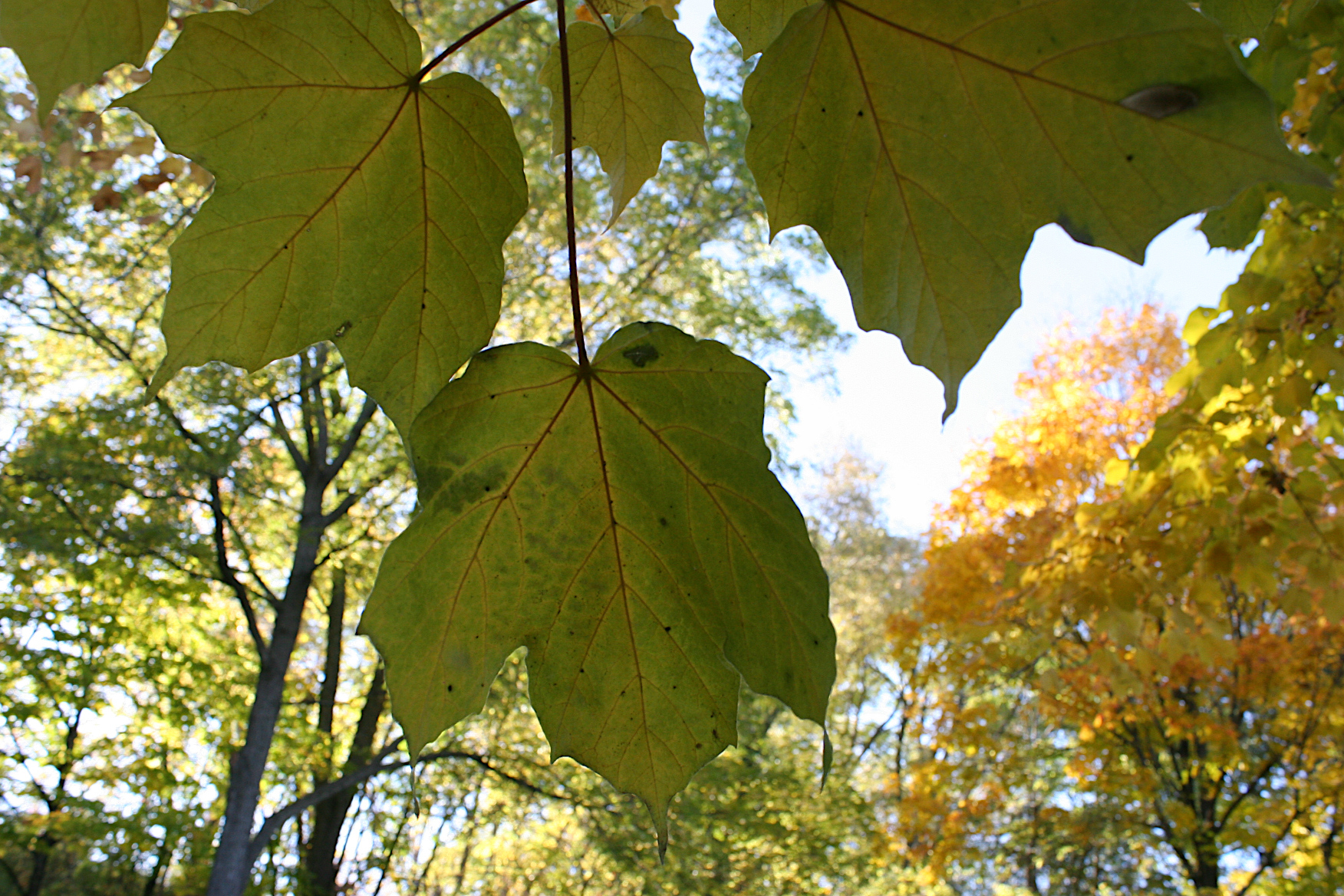
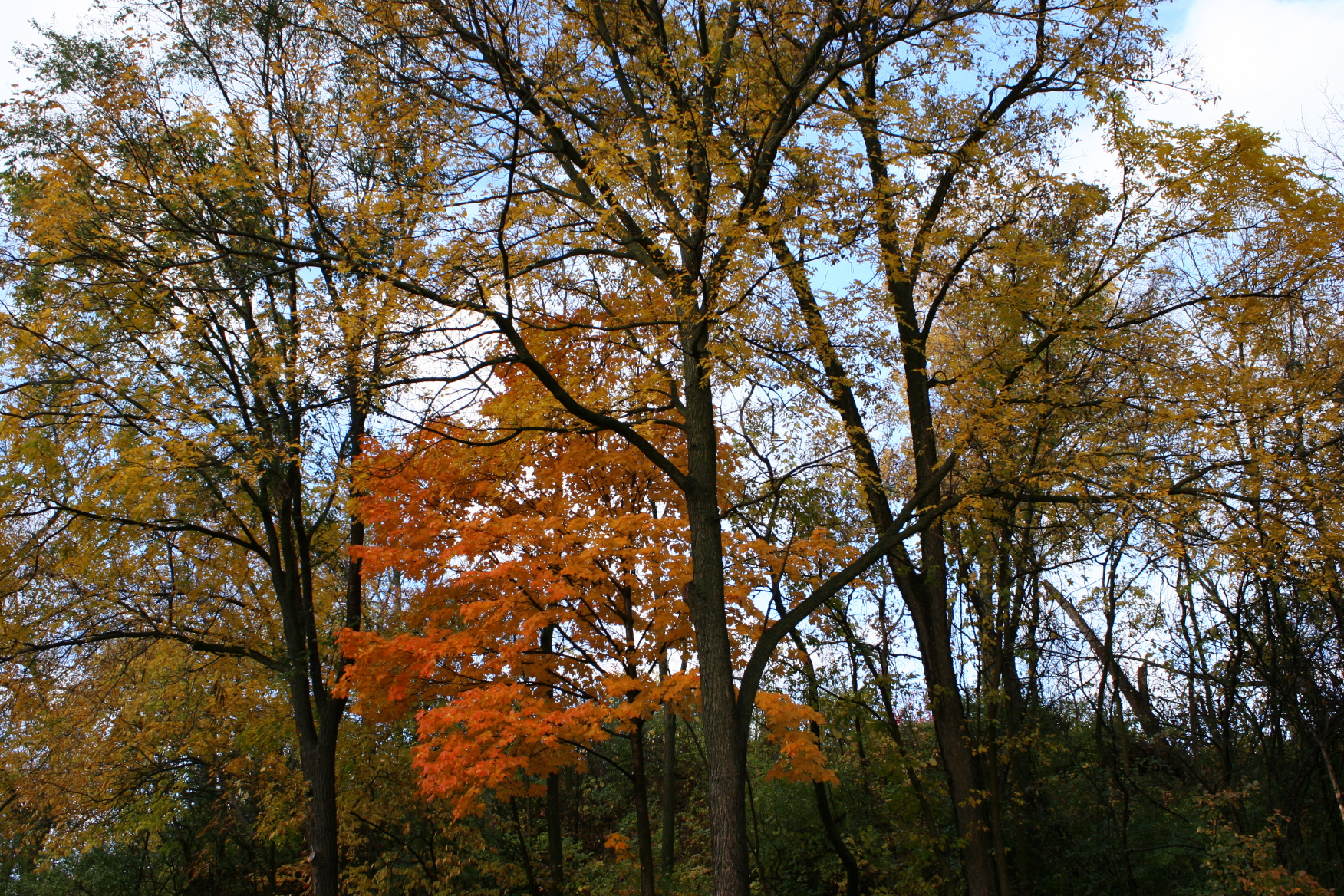
Looking up at trees in view of my backyard, from our solo maple, to the neighbor’s tree to the woods behind our garage.

AS I WRITE, a grey-haired man leans into the fierce wind as he walks his black lab along the sidewalk across the street. In the distance, a block away, I note a fiery red maple blazing color into the cityscape. Soon, though, my neighborhood will be devoid of color, trees stripped of leaves, as autumn shifts ever closer to winter.

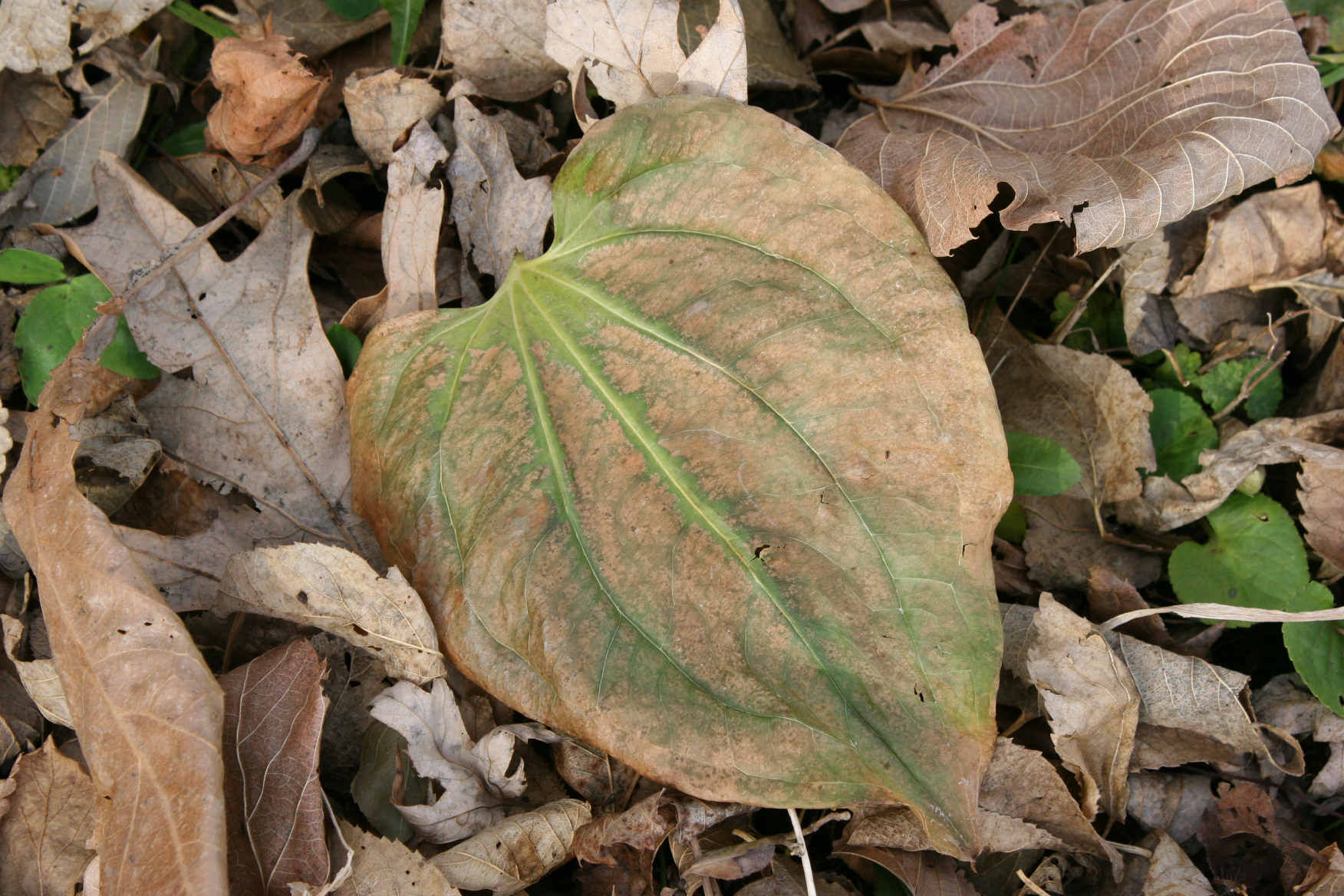
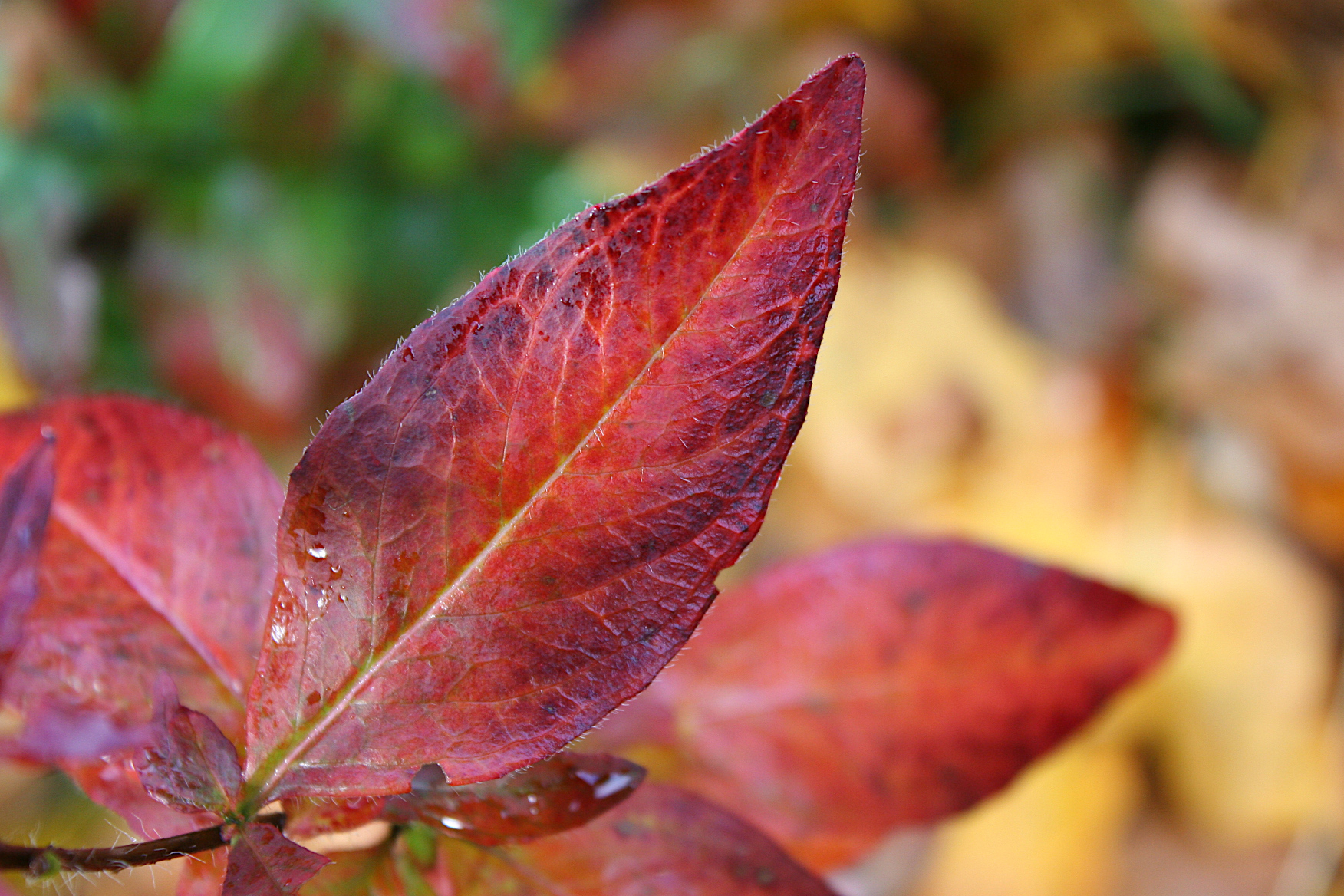
A leaf on a perennial in my yard.

These days, more than ever, I am cognizant of autumn’s departure, of what I anticipate to be an especially long winter ahead with COVID-19.

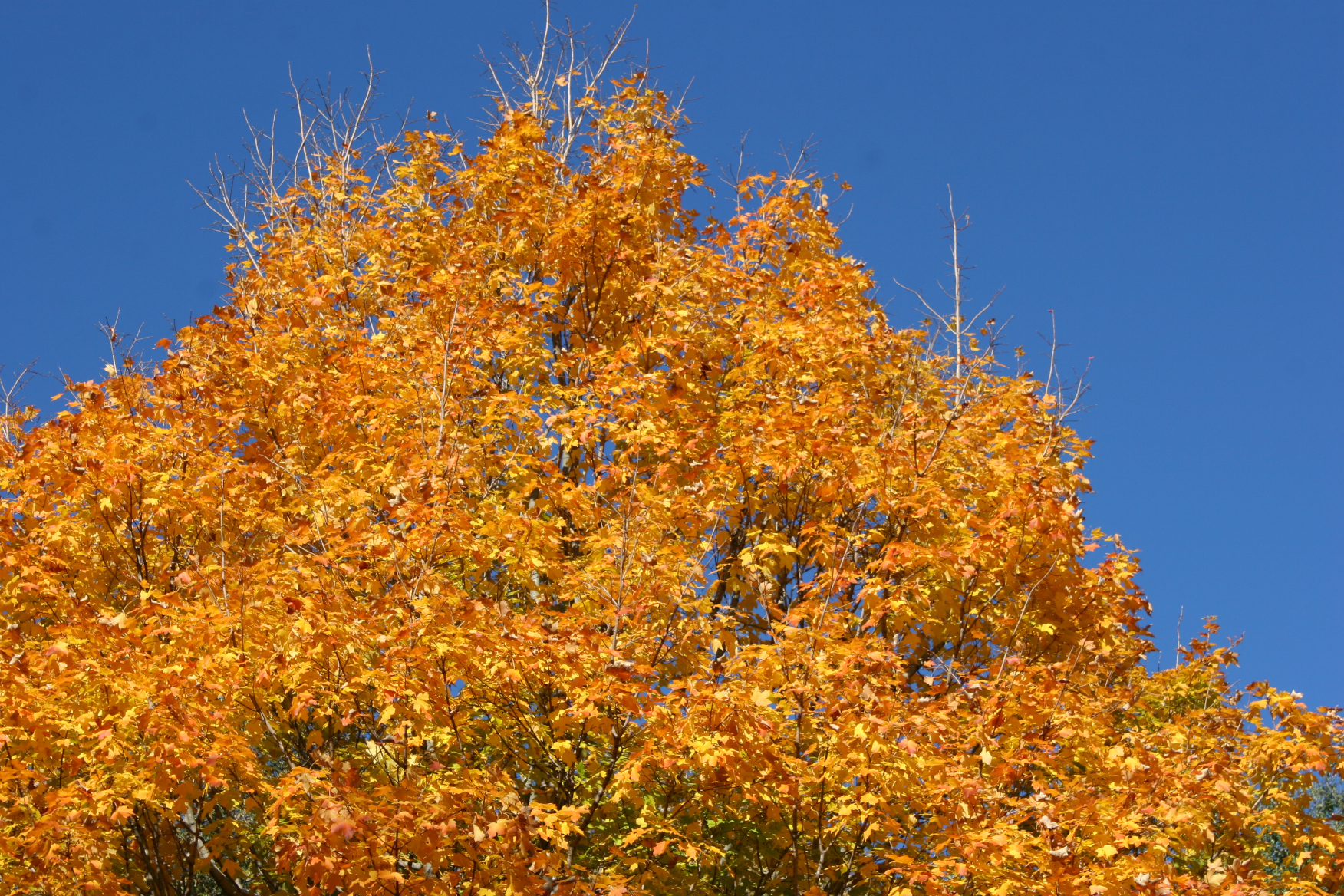
Our neighbor’s beautiful backyard maple set against a cobalt sky. The tree is mostly bare now.

But for now, I want to take you into my backyard, to scenes I photographed within the past 10 days. My yard presents a microcosm of autumn in southern Minnesota. Colorful. Ever-changing. Cobalt skies one day, grey skies the next.

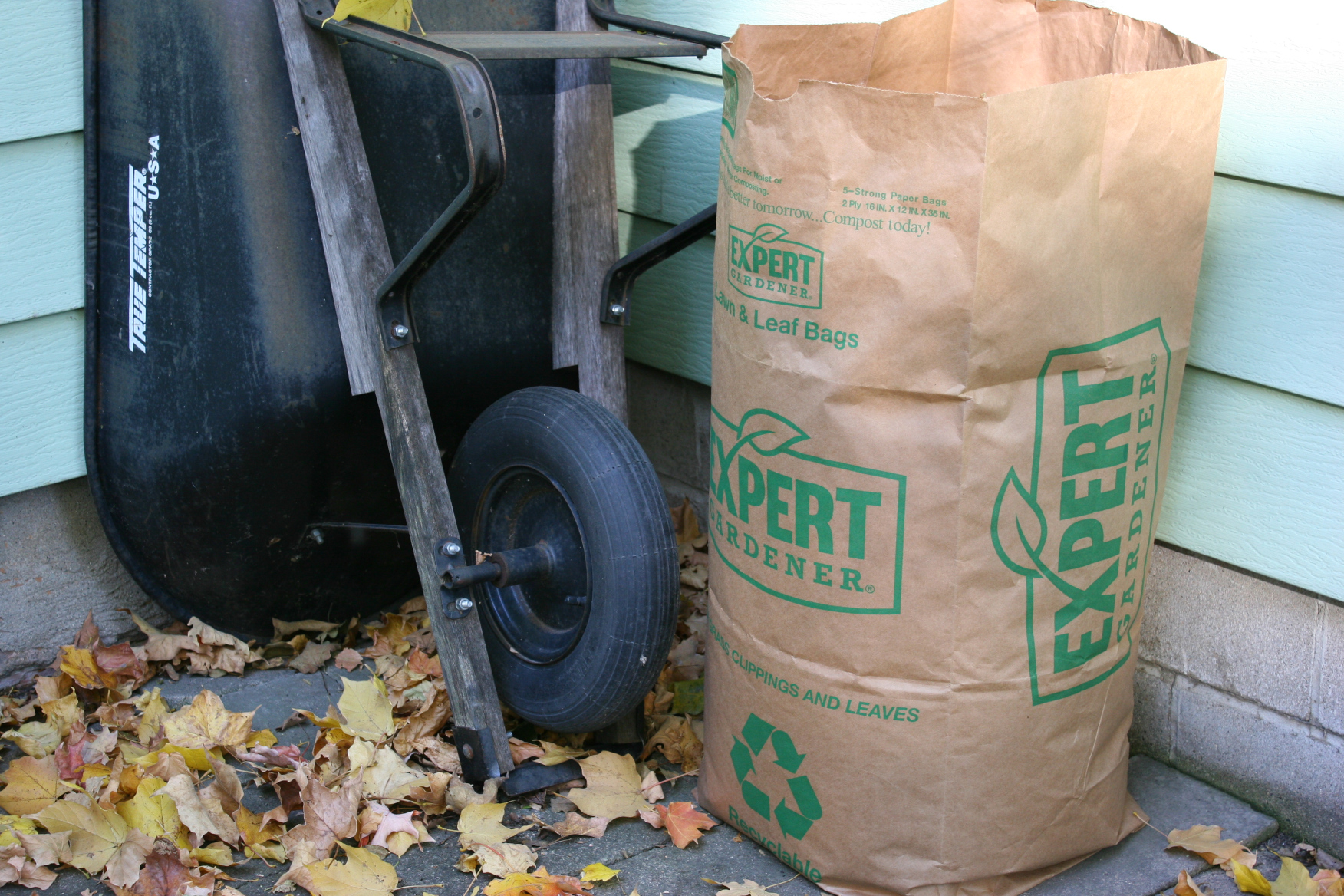
I’ve been bagging leaves in our yard to take to the city compost pile.

Tuesday and Wednesday I worked in my yard, emptying pots of flowers, raking and bagging leaves, all those seasonal tasks I’ve put off. As I age, I find I don’t enjoy this work as much. I’d rather do fun activities like hike and spend time with my grandchildren.

When I took this photo within the past 10 days, leaves on our maple were still green. Now they’ve turned yellow and mostly fallen off. That’s the wooded hillside adjoining our property.

We have only one tree, a maple, on our property. But woods abut our yard. And leaves from neighbors’ trees don’t understand boundaries.

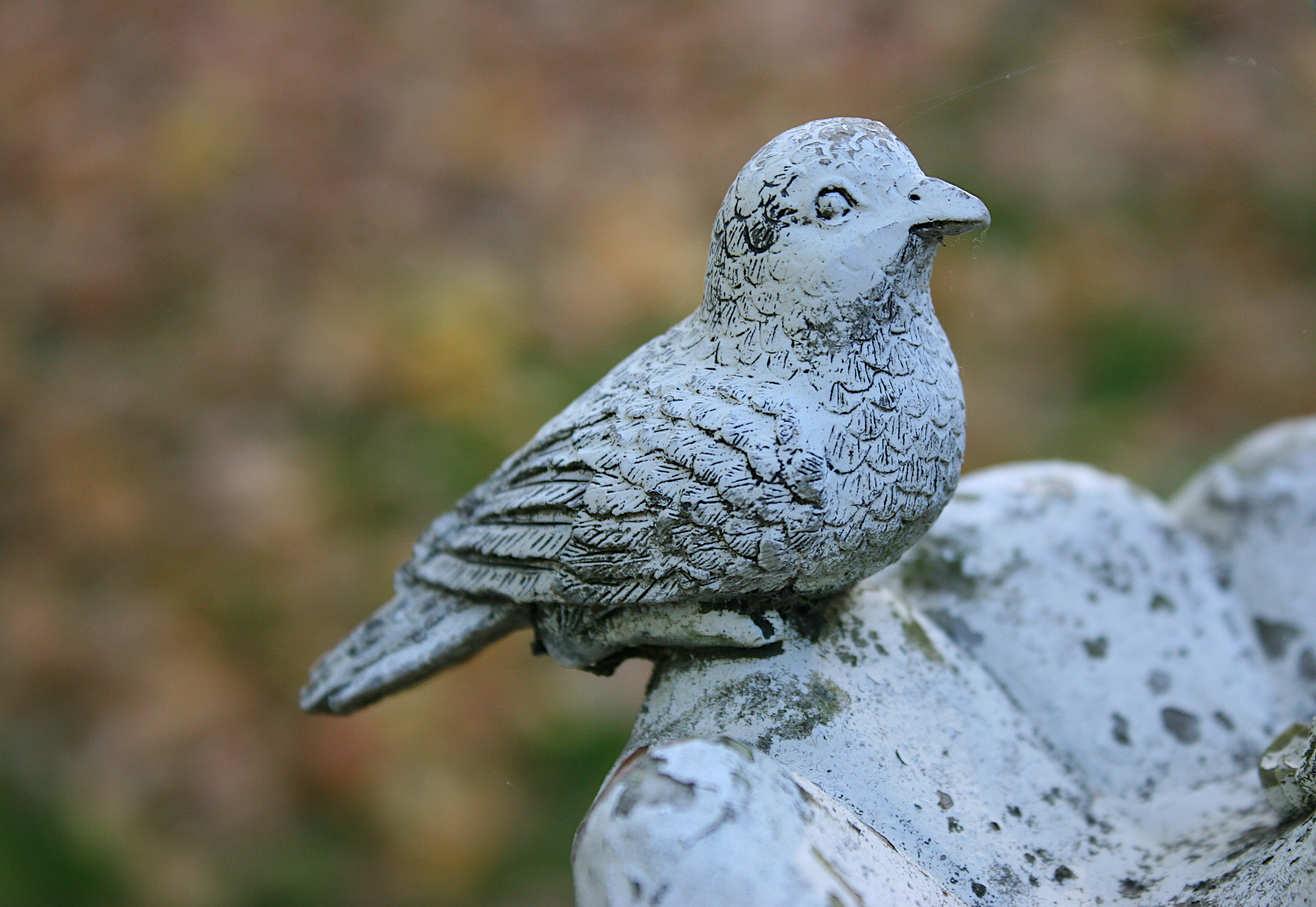
Time to put away the tabletop fountain on the patio.

The clock is ticking to complete autumn yard work before the first snowfall. To then stash away the rakes and pull out the snow shovels. And, for Randy, to drain gas from the lawnmower and check the snowblower.

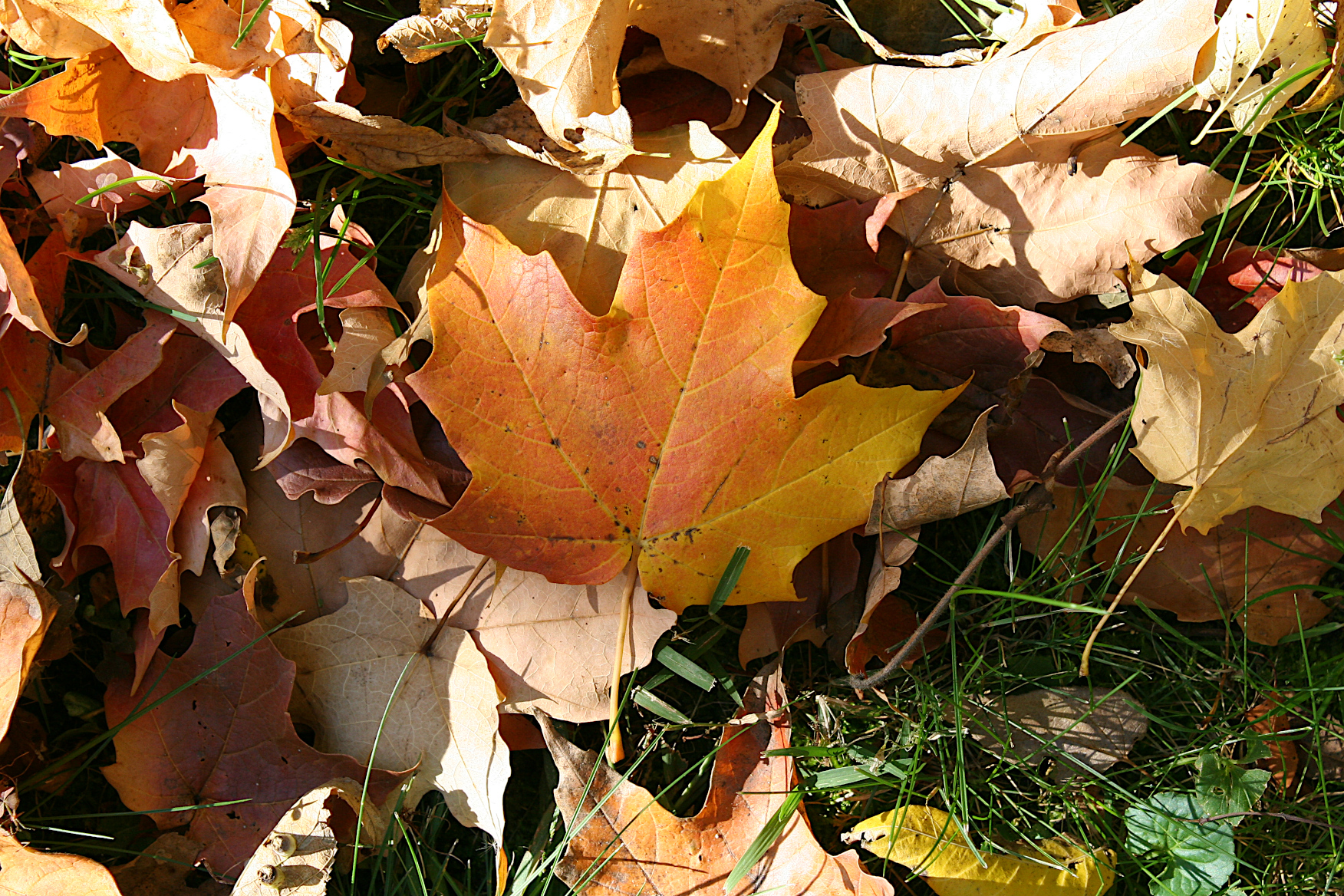
Maple leaves blanket the lawn.

But for now, I want to savor these final days of autumn. To appreciate the colors of autumn leaves clinging stubbornly to branches, to walk across the lawn, leaves crackling underfoot.

The colorful wooded hillside behind our garage. What I most dislike about this scene in winter is that I can see the “tornado trees,” the trees broken by a tornado which went through our city and neighborhood two years ago in September.

For soon enough, winter will overtake the Minnesota landscape, defining our days.
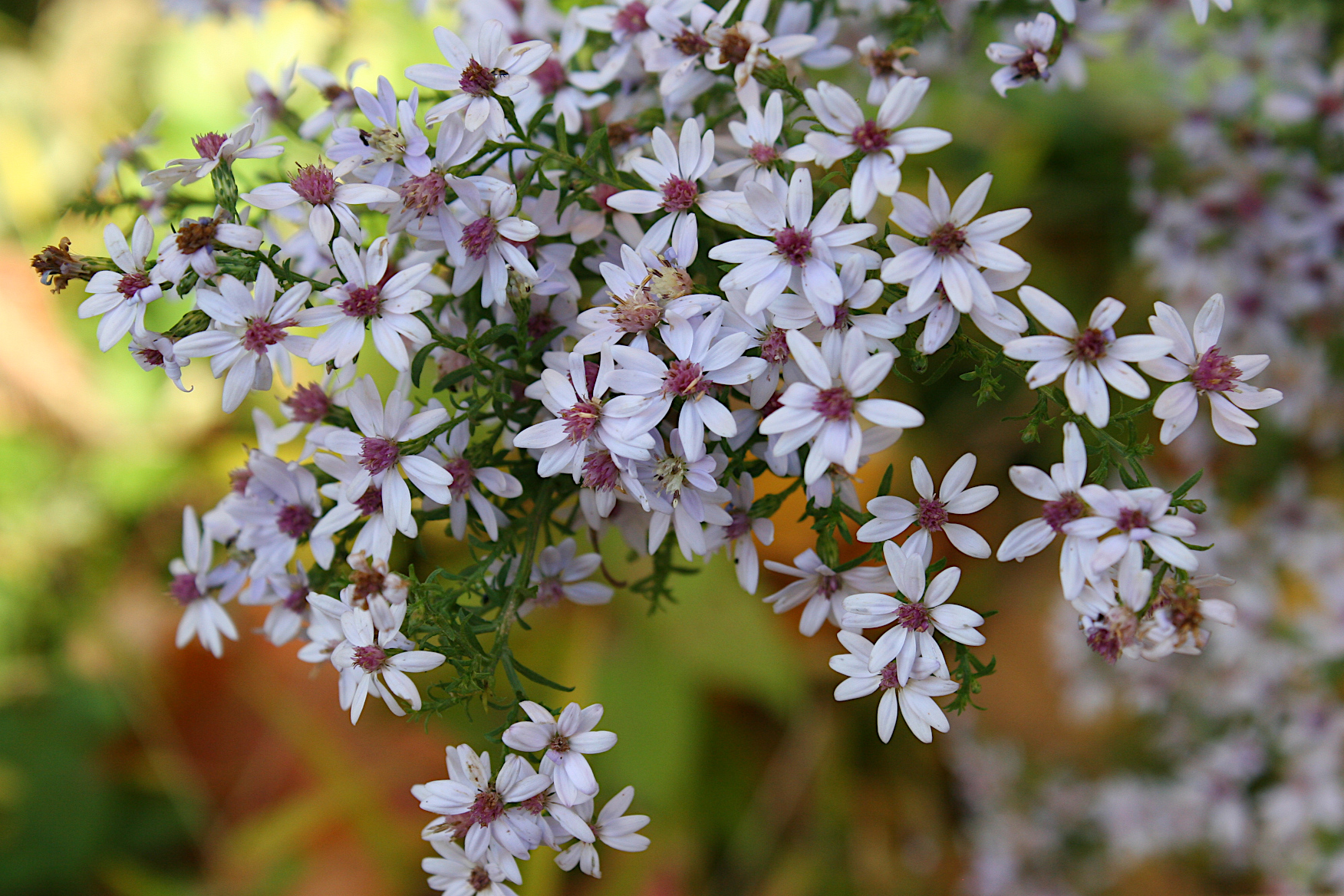
The last of the wildflowers blooming in my backyard.
As we await the arrival of spring and the cycle of seasons continues.
© Copyright 2020 Audrey Kletscher Helbling