Minnesota Prairie Roots

Writing and photography by Audrey Kletscher Helbling

Anything but a typical walk at River Bend Nature Center August 31, 2020

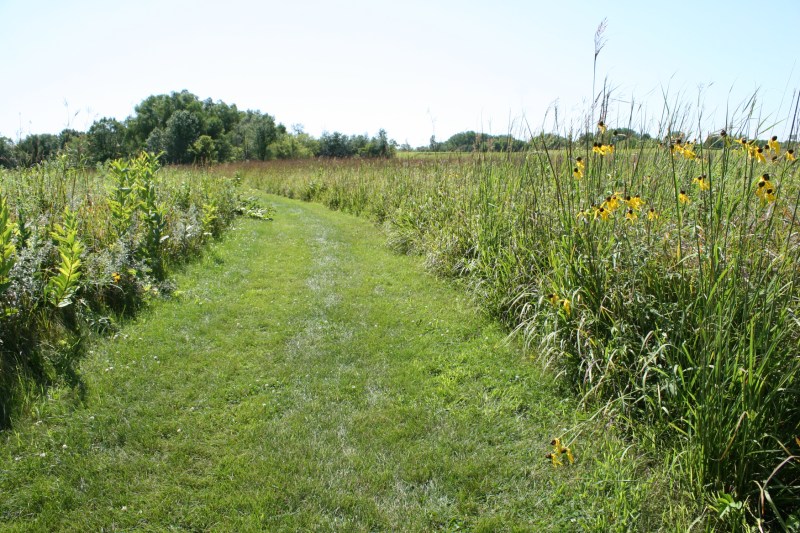
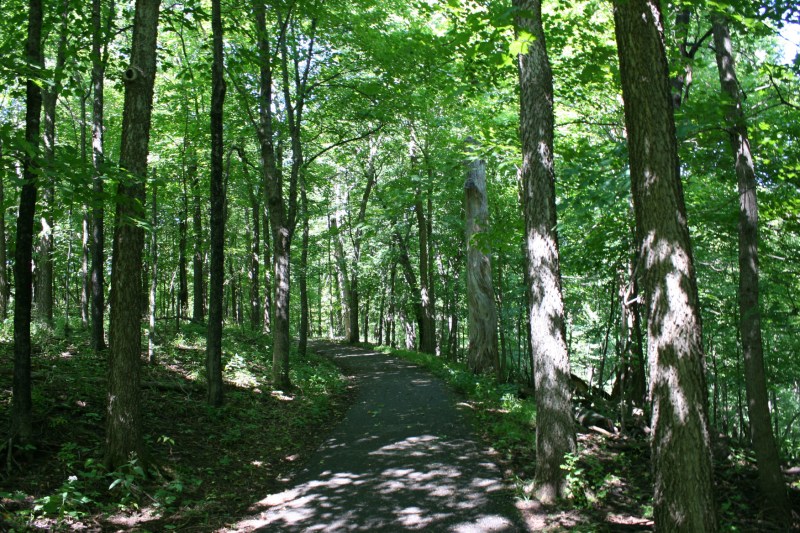
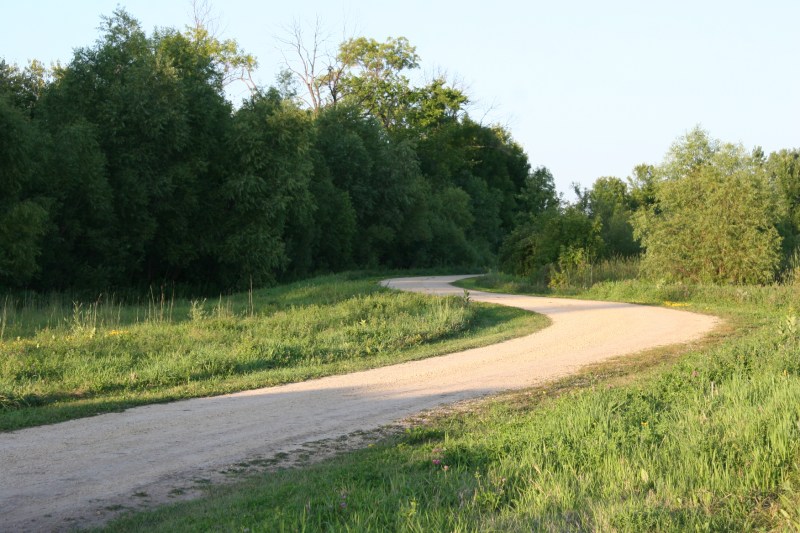
This path cuts through the edge of the prairie at River Bend Nature Center, Faribault.


AS RANDY AND I HIKE the paved trails through the woods and the grassy path edging the prairie at River Bend Nature Center in Faribault, we often see the same sights, have the same conversations.


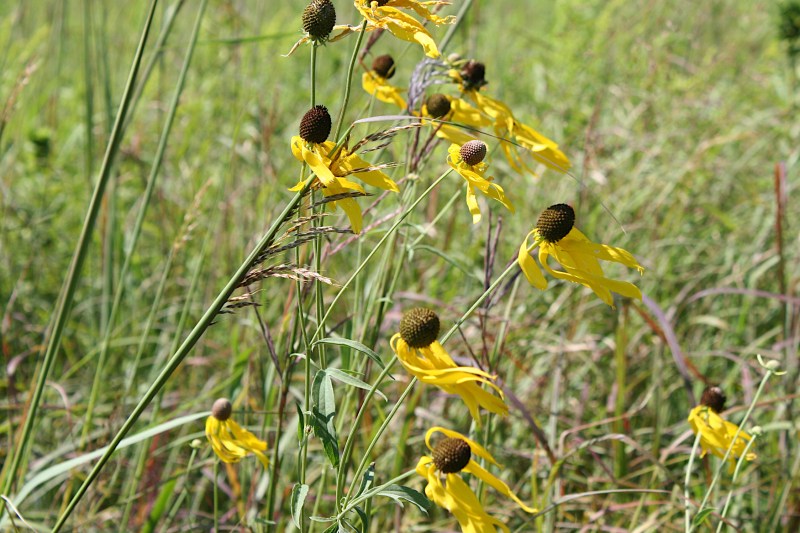
Prairie wildflowers


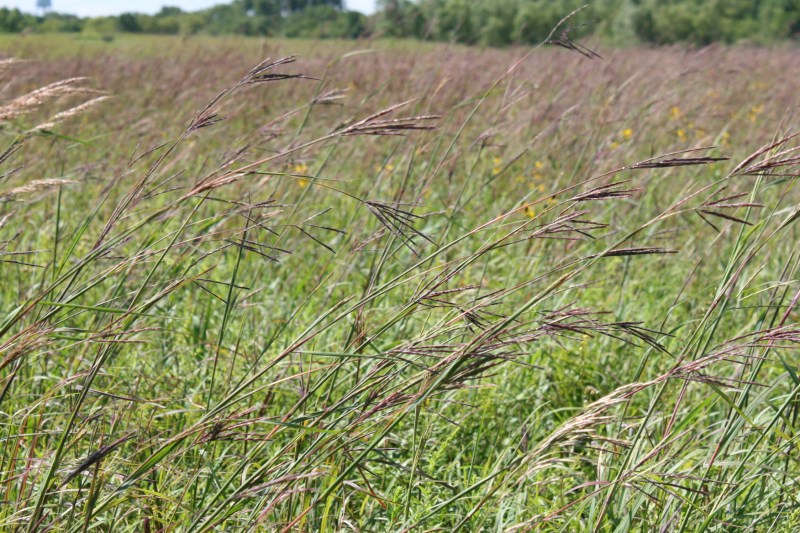
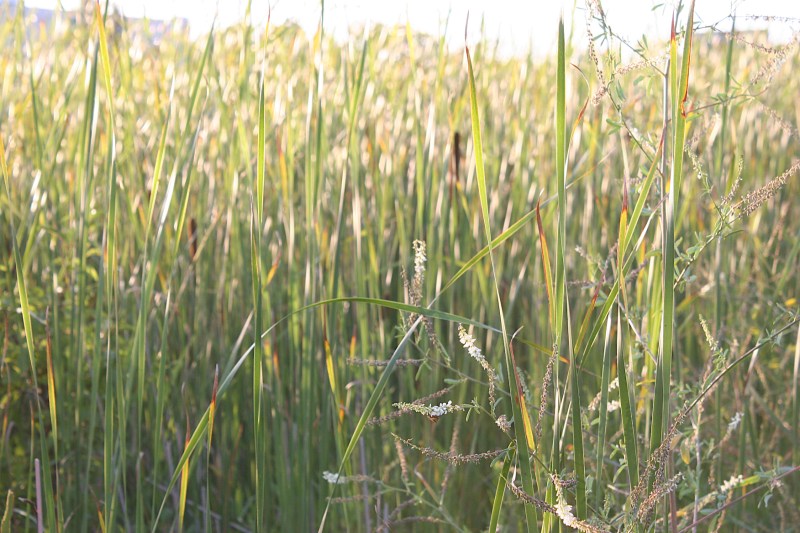
These prairie grasses remind me of my youth, when I played in such grass on the southwestern Minnesota prairie.


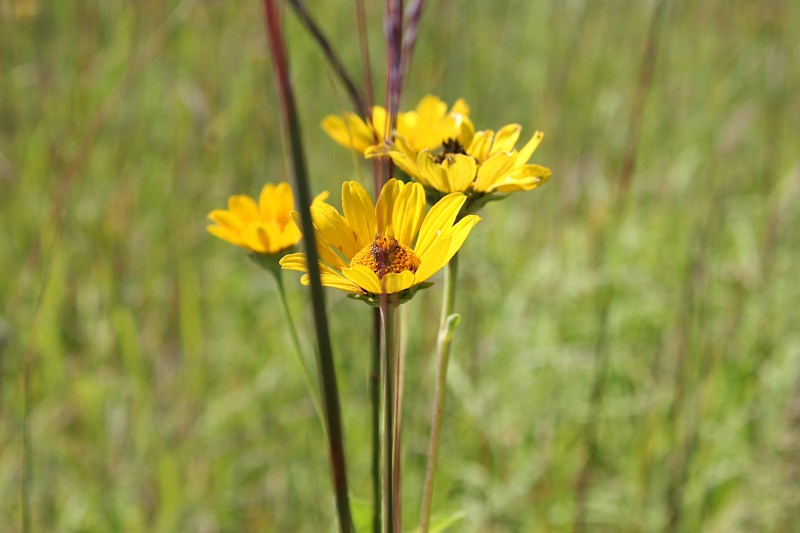
My favorite prairie wildflower, the black-eyed susan.


I talk about my love for the prairie and for the wildflowers and for grasses swaying in a poetic rhythm in the wind.


Eradicating invasive buckthorn from the woods remains an ongoing battle.


We discuss the buckthorn that grows rampant in the woods despite efforts to control it via goats and hands-on removal.


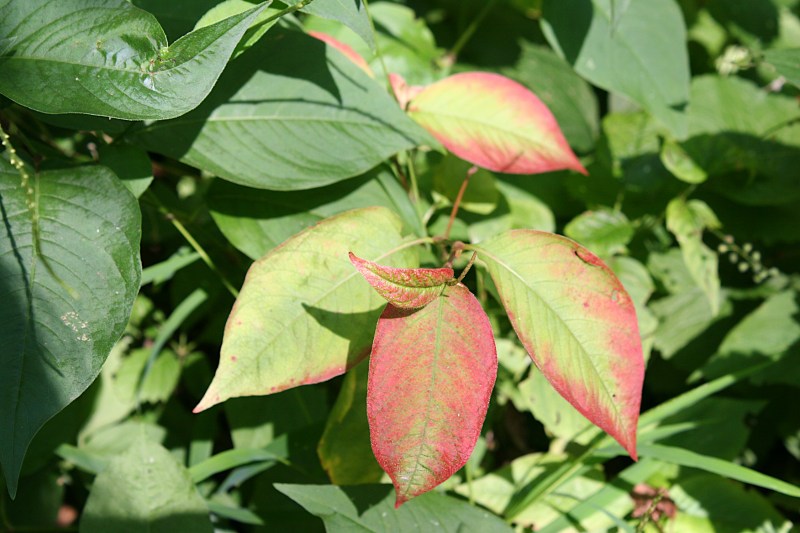
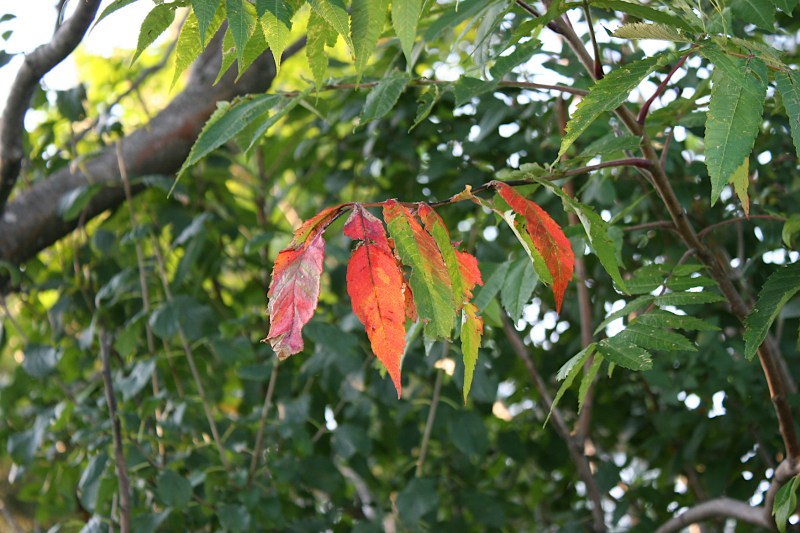
Leaves are beginning to change color.


I observe details that hint at the changing of seasons.


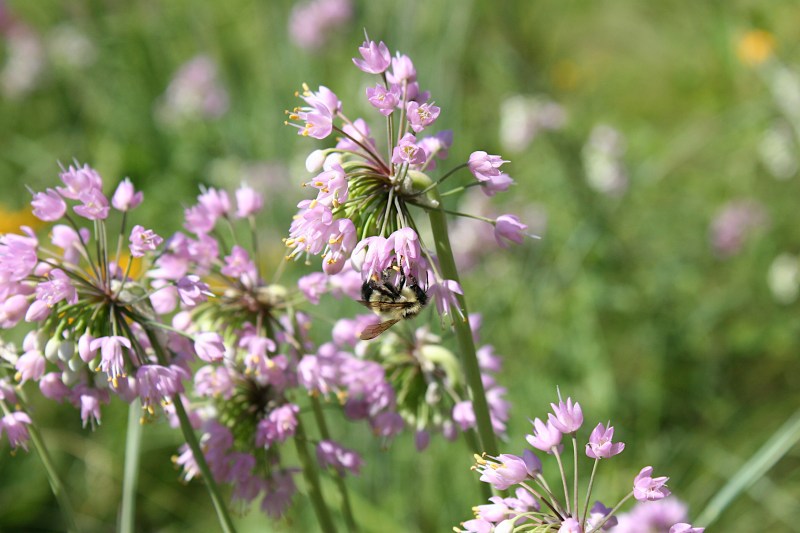
Photographed in the rain garden by the interpretative center.


Not even a bumblebee escapes my notice or my camera’s lens.


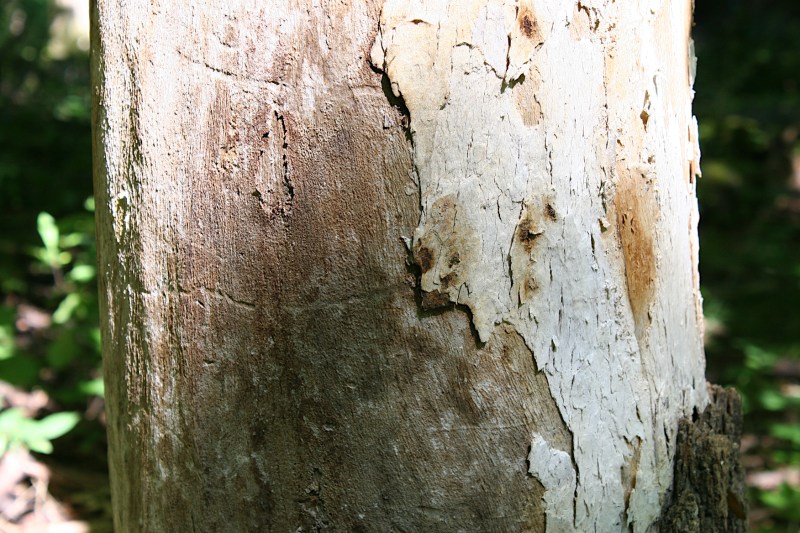
The art of bark.


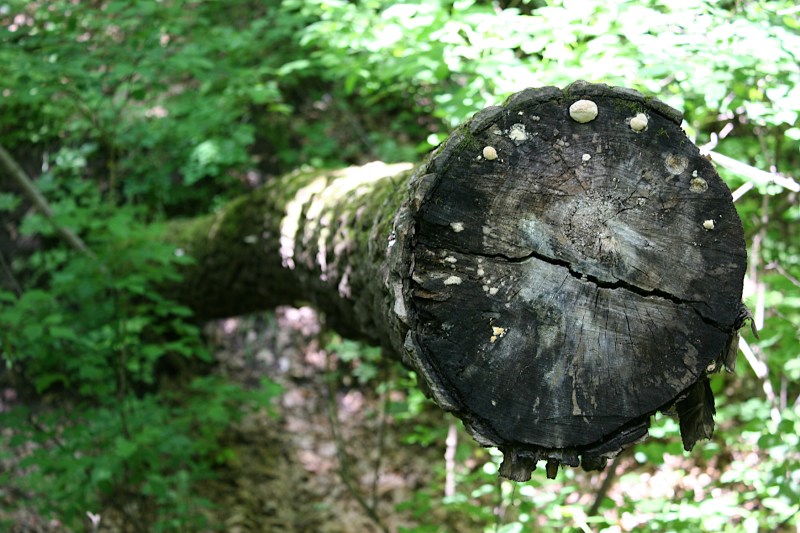
Dead trees, bark, moss and fungi draw me to pause and look. Nature is, after all, in the details.


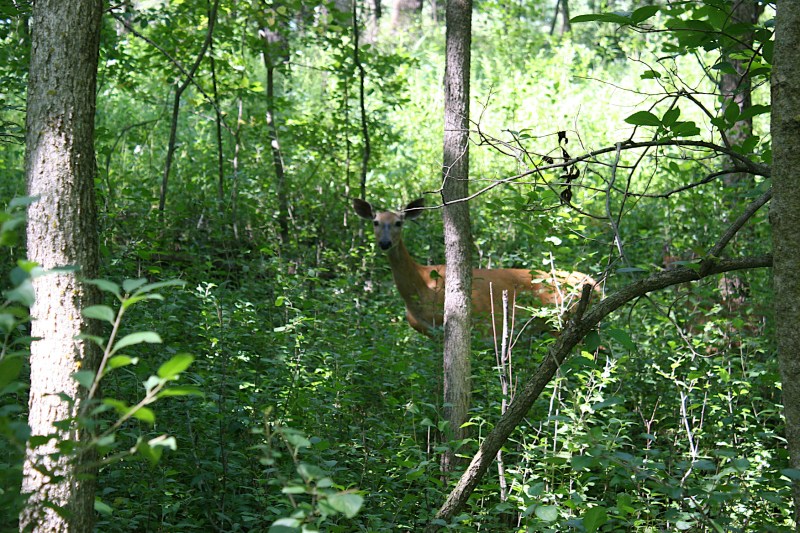
The doe and her baby, barely visible behind her.


But on this Sunday afternoon visit, mosquitoes and other pesky bugs push us at a much faster pace along wooded paths. So fast that I miss the doe and her growing fawn just off the trail leading to the Turtle Pond. Randy spots the pair and softly calls my name, enough to cause me to stop. Then he points to the woods where the deer stand. Still. Watching. I fire off three frames before the pair turn and clip through the trees. Disappearing to camouflage themselves within the green and brown hues of the treescape.


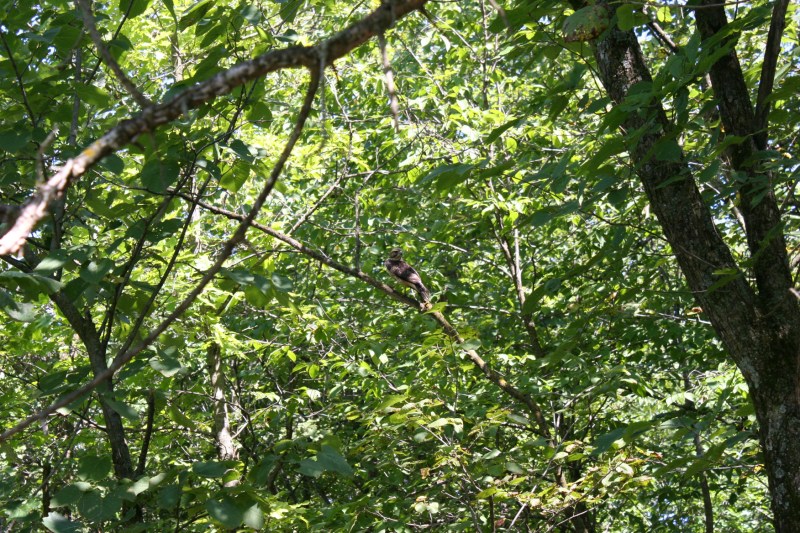
The hawk blends easily into the woods.


A few twists and turns later, I am still speed walking, driven to hurry by those biting insects. But then a bird catches my eye and I stop, speak Randy’s name. He doesn’t hear, fails to the see the bird so blended is it into the trees. I snap one photo before the bird rises, wings spanned wide. It appears to be a juvenile hawk. I am pleased with the hawk and deer sightings because we seldom see wildlife here, other than squirrels.


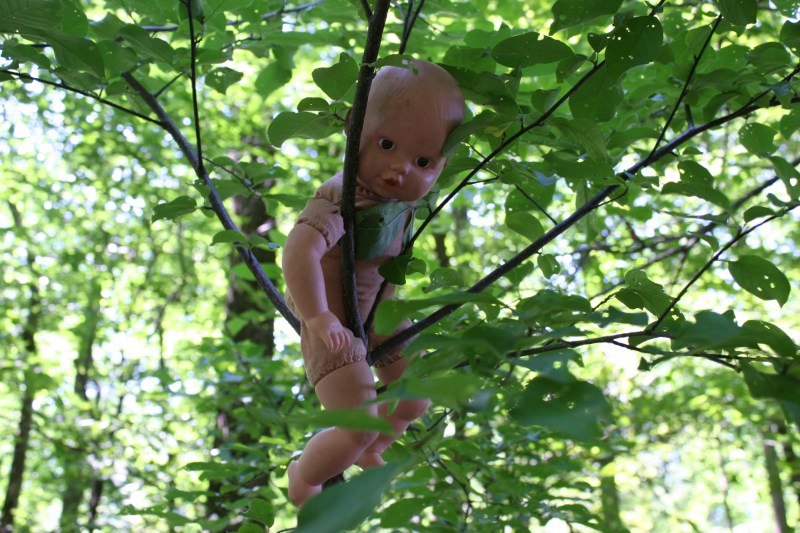
The oddest sighting ever at River Bend, doll well above my head in a tree.


But earlier I spotted the most unusual sighting ever at River Bend—a baby doll suspended in a tree. I expect a child lost her beloved doll and someone found it and decided it would be funny to place the toy in a tree. I found it a bit creepy. Like I was walking into Halloween or a Stephen King novel.


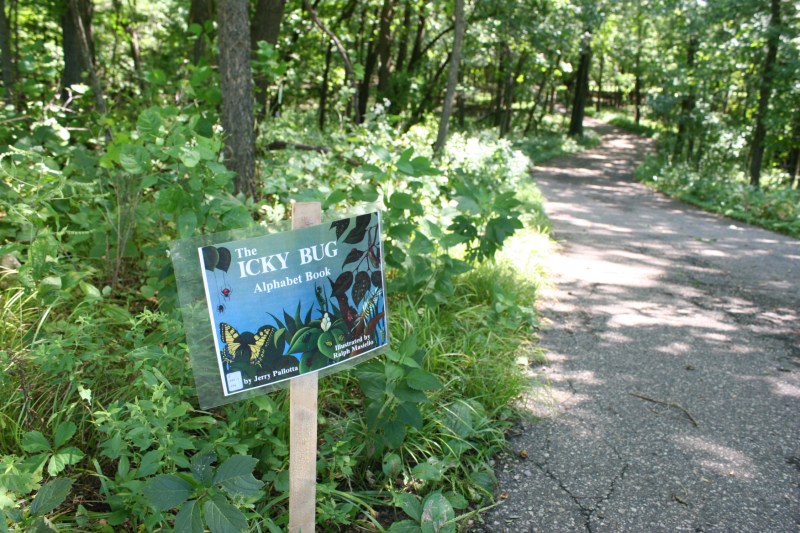
The first sign in a series of bug signs bordering trails.


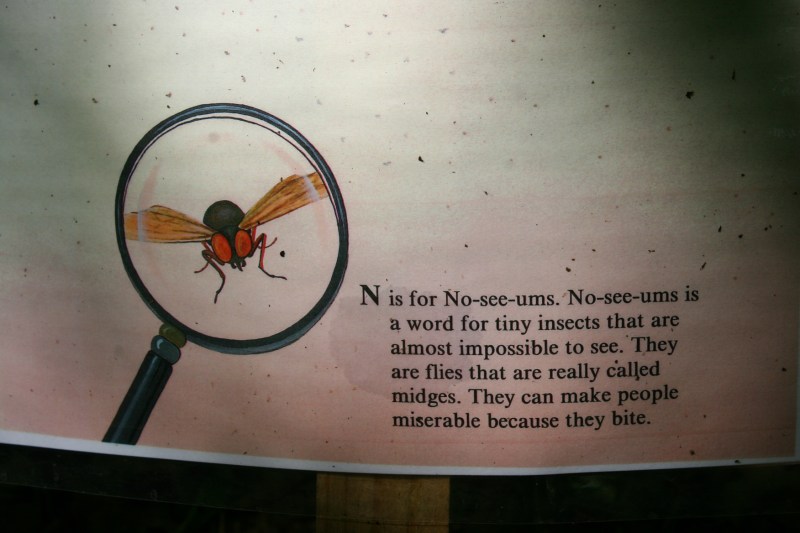
No-see-ums get their own page in the bug book.


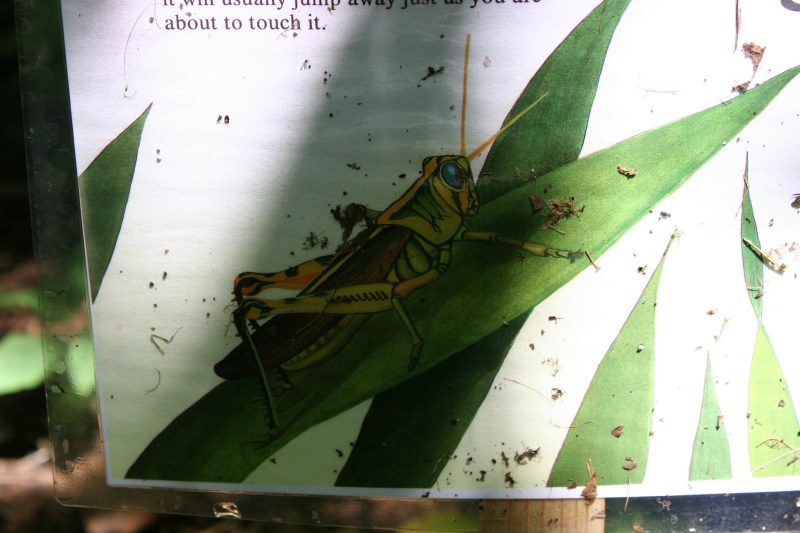
The grasshopper, too, merits its place in the bug alphabet book.


Along the same pathway, River Bend staffers posted photocopies of pages from The Icky Bug Alphabet Book by Jerry Palloth. More creepiness if you are not a fan of bugs. I don’t dislike bugs unless they pester (flies) or bite me (mosquitoes and no-see-ums) or destroy my flowers/plants (Japanese beetles) or are centipedes. I detest those fast-moving, too-many-legged insects.


Info about the bumblebee from Pallotta’s book.


I found the bug book informative, which I expect was the intention, along with giving families something of interest to study while in the woods. The Northfield Public Library is doing a similar activity, posting picture book pages on posts in five public parks during August, calling these “Story Strolls.” In downtown Faribault, along Central Avenue, Buckham Memorial Library has also posted a Story Walk, featuring pages from Eric Carle’s Head to Toe. (I’ll post about that soon.)


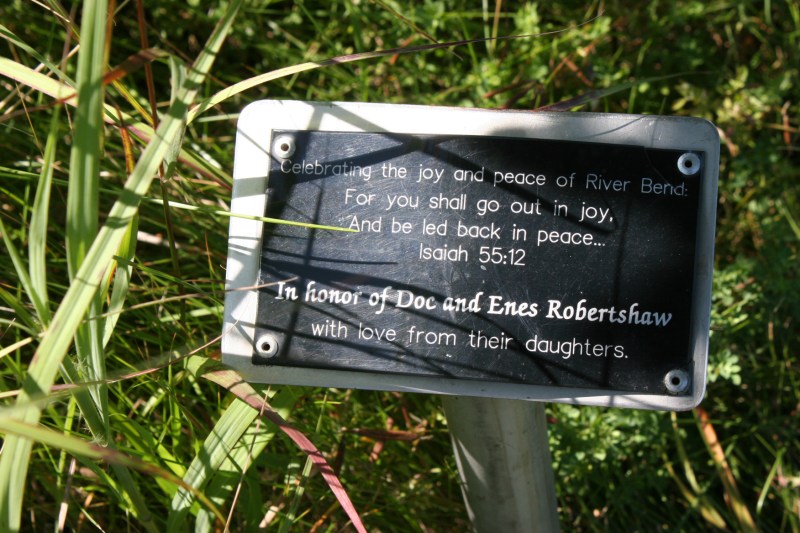
I had not previously noticed this small sign near a tree by the interpretive center.


I appreciate nature centers like River Bend, now more than ever during this global pandemic. Living as we do today with so many limitations in our lives—and justifiably so—I’ve grown to understand that I shouldn’t take anything for granted. I am thankful I live in a region where I can find endless natural settings to simply immerse myself in the beauty, solitude and peace of the outdoors. Baby dolls in trees aside.


Note: I took these photos several weeks ago, so the landscape has likely changed and the baby doll may be missing.


© Copyright 2020 Audrey Kletscher Helbling


The shifting of seasons in Minnesota August 14, 2020

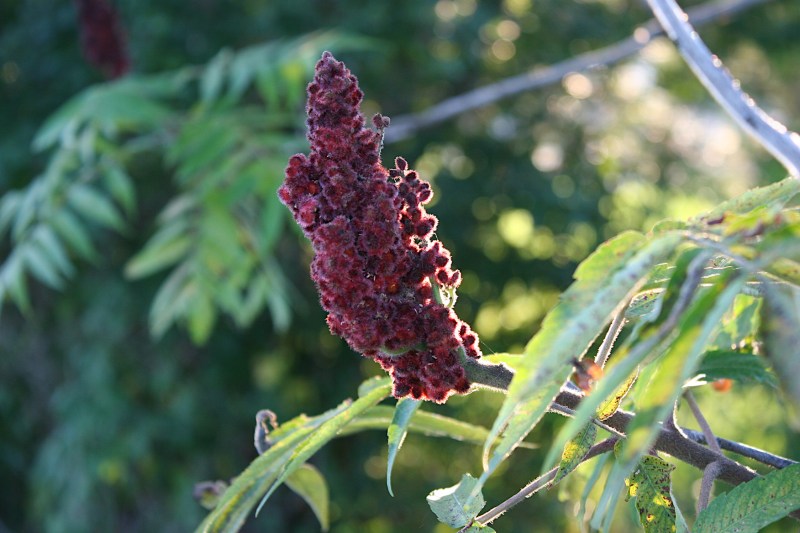
Sumac are already turning red.


THE CHANGING OF SEASONS edges into Minnesota, ever so subtly.


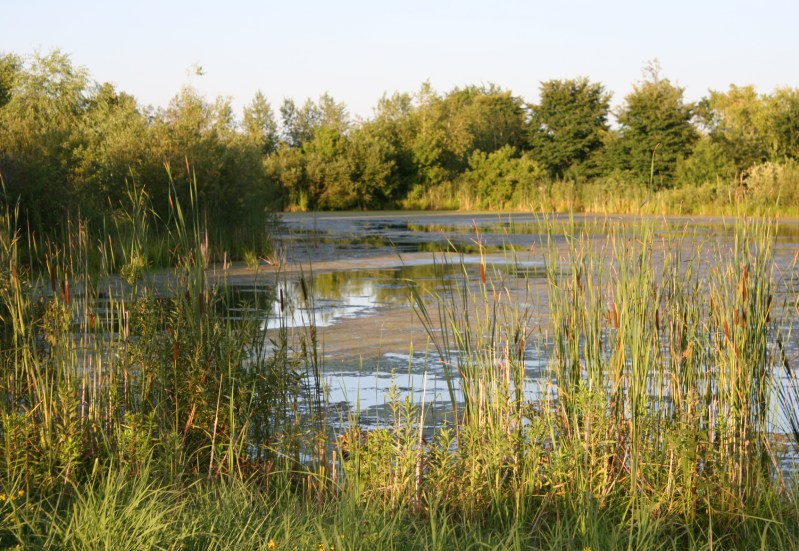
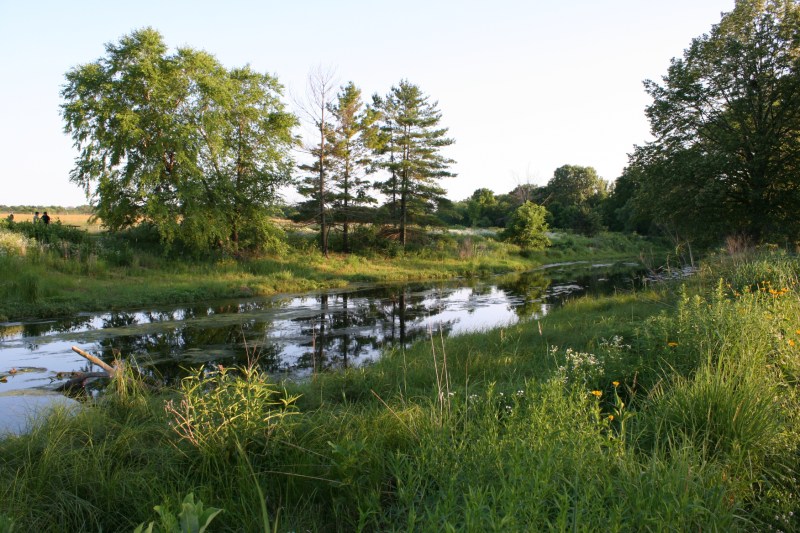
You can see the changing of the landscape around this pond, the subtle changes in hues.


August marks the month of transition, of shifting from summer to autumn.


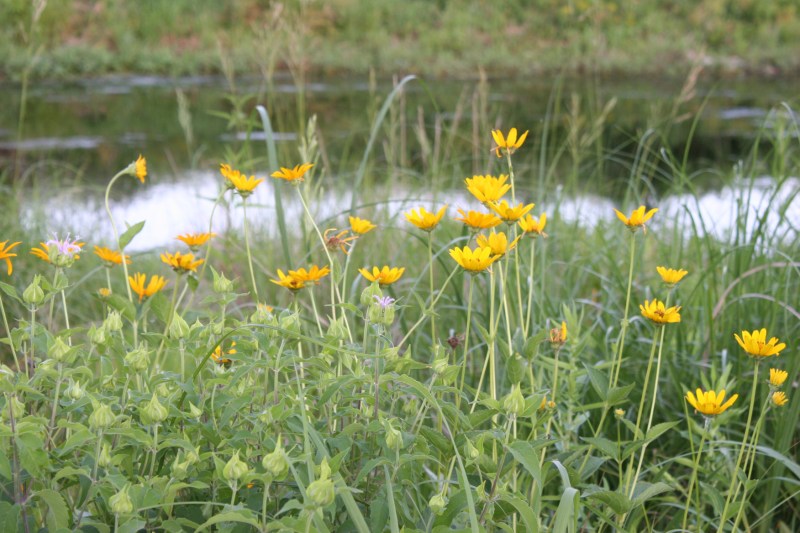
Beautiful black-eyed susans.


Of wildflowers in full bloom.


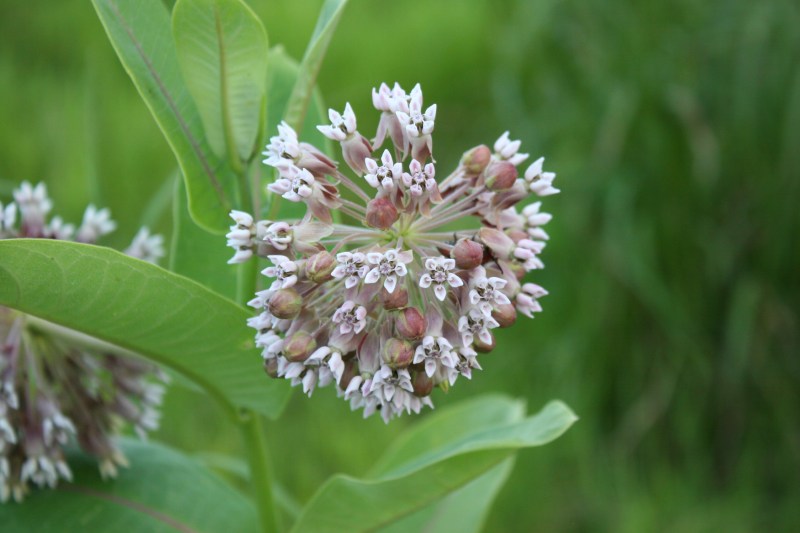
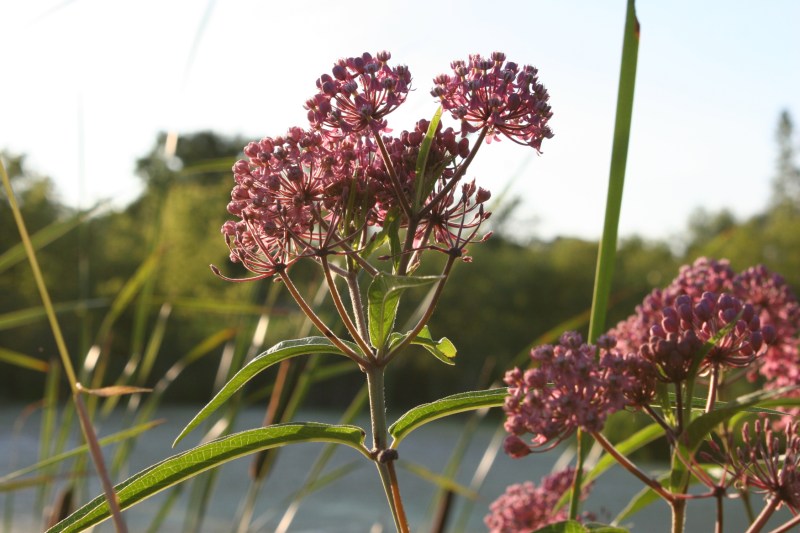
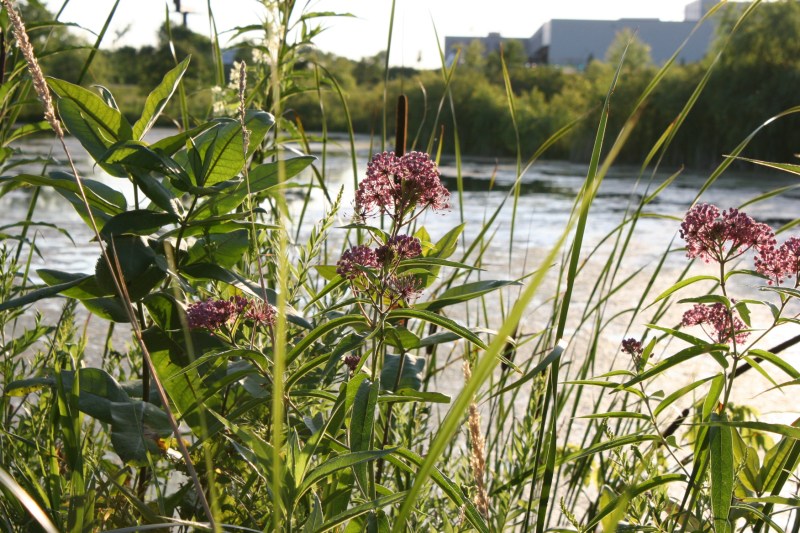
Milkweed, necessary for Monarh butterflies.


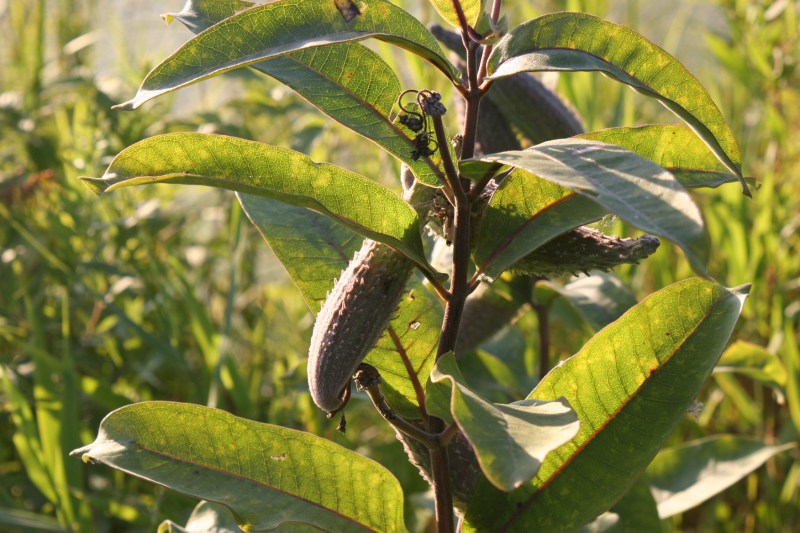
Milkweed pods will soon burst with seeds and fluff.


Milkweeds edge the trails and ponds at Faribault Energy Park.


Of blooming milkweeds and those heavy with pods.


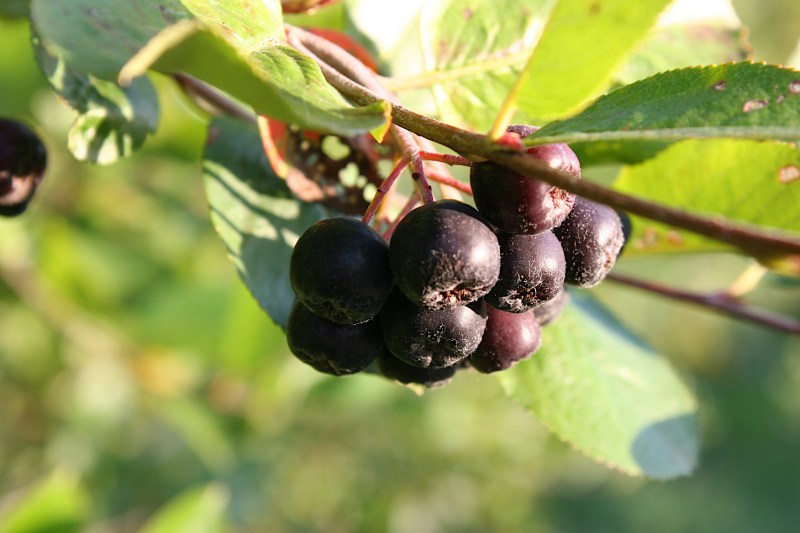
Unidentified berries.


Of berries ripening.


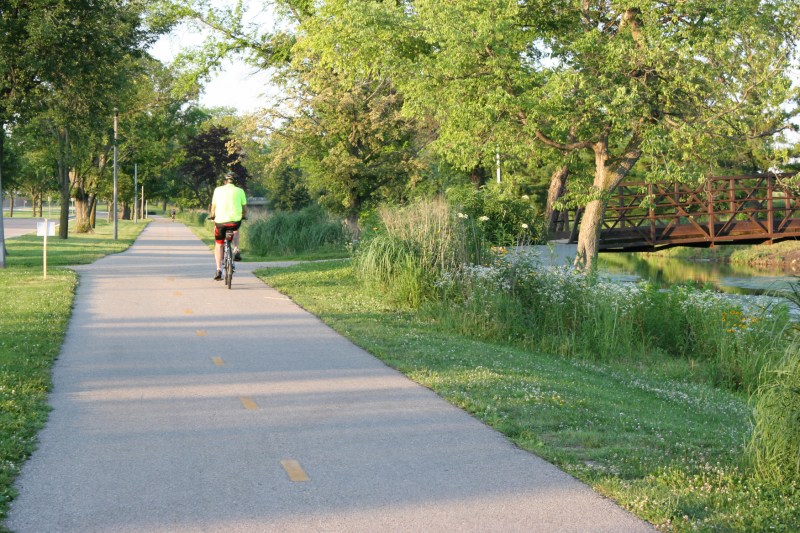
A trail winds through Faribault Energy Park. This isn’t a quiet place because of the interstate. But it’s a place of natural beauty and mostly undiscovered (meaning never busy).


Evenings fall earlier and cool temps sharpen the air. Folks pull on sweatshirts and jeans to keep off the chill. The urge to get outdoors prevails. Backyard campfires blaze warmth.


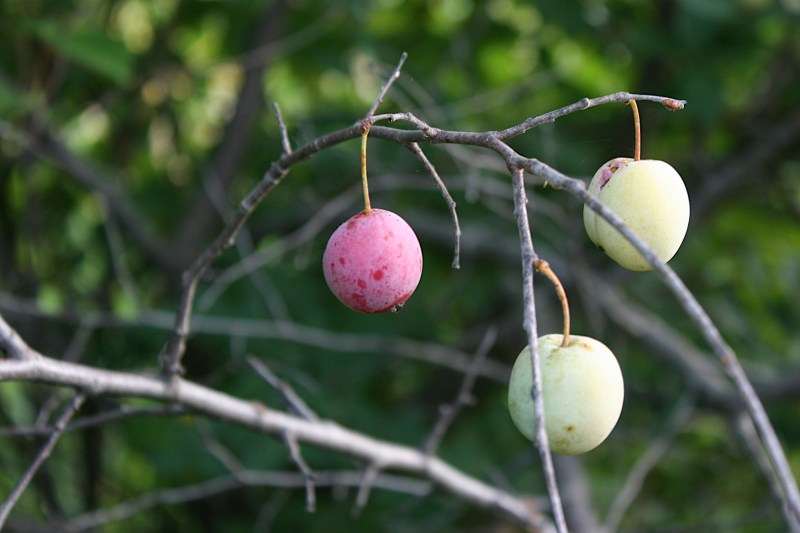
Plums ripen despite a Japanese beetle infestation.


Crickets chirp. Squirrels scamper. And gardeners bustle to bring in the bounty. Preparing for winter.


Sumac


And, in the landscape, hues morph from the greens of summer to the softer, earthy hues and fiery reds and oranges of autumn.


In the light of the setting sun, cattails and grasses.


Cattails rise in swampland and tall grasses sway.


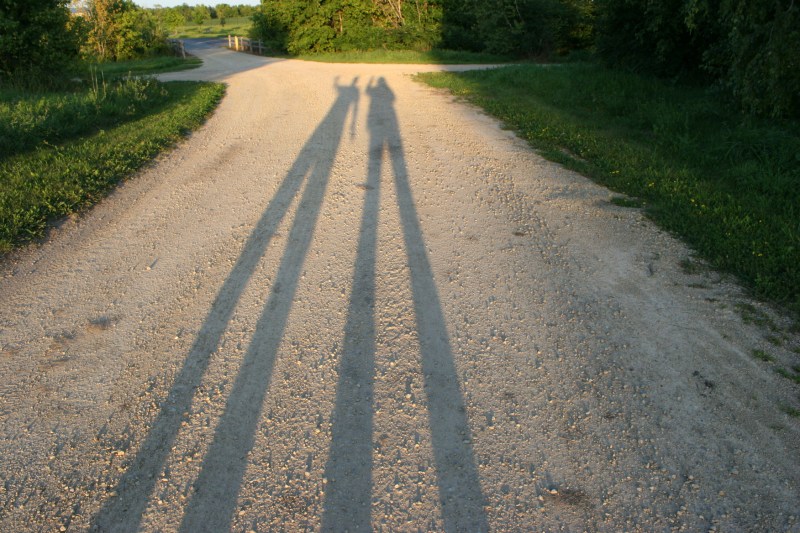
Randy and I laugh at our long-legged shadow selves.


At sunset, shadows lengthen, foreboding and dark. As if hinting at days ahead. The dark days of winter that draw us indoors to snuggle under fleece throws, to crave comfort foods, to shelter in place.


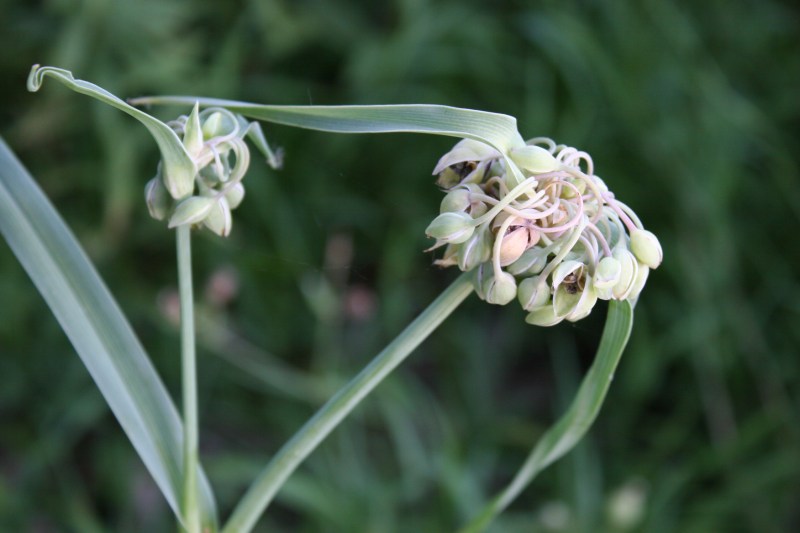
An unknown wildflower.


And this winter to wonder what lies ahead in the uncertainties of COVID-19.


This sign marks the entrance to Faribault Energy Park on Faribault’s north side and visible from Interstate 35.  The wind turbine in the park landmarks this spot near the northbound lane of I-35.


Note: These photos were taken during a recent evening walk at the Faribault Energy Park.

© Copyright 2020 Audrey Kletscher Helbling
 

Along Wingra Creek: The natural beauty of Madison July 30, 2020

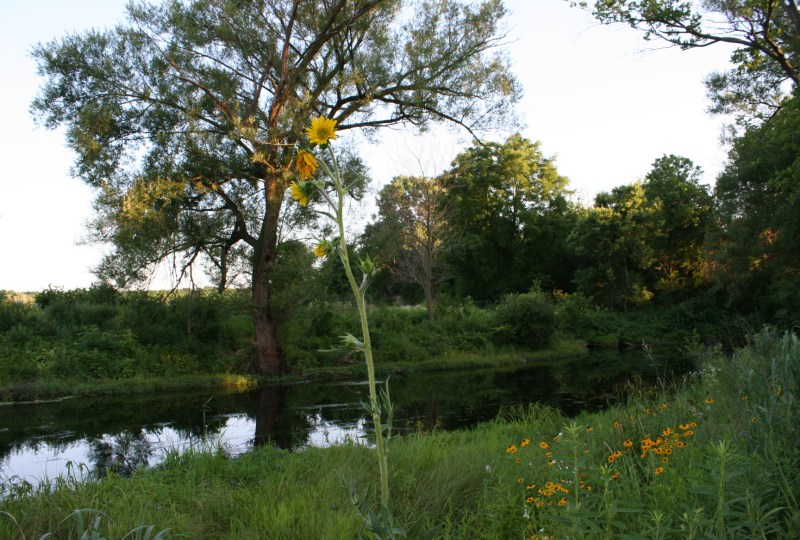
Wingra Creek, photographed from the recreational trail with the same name.


MADISON. My first impression several years ago of Wisconsin’s capital city remains unchanged. This is a place defined by water, lots of green space, an extensive recreational trail system and residents who love their Badgers, bikes, beer and cheese.


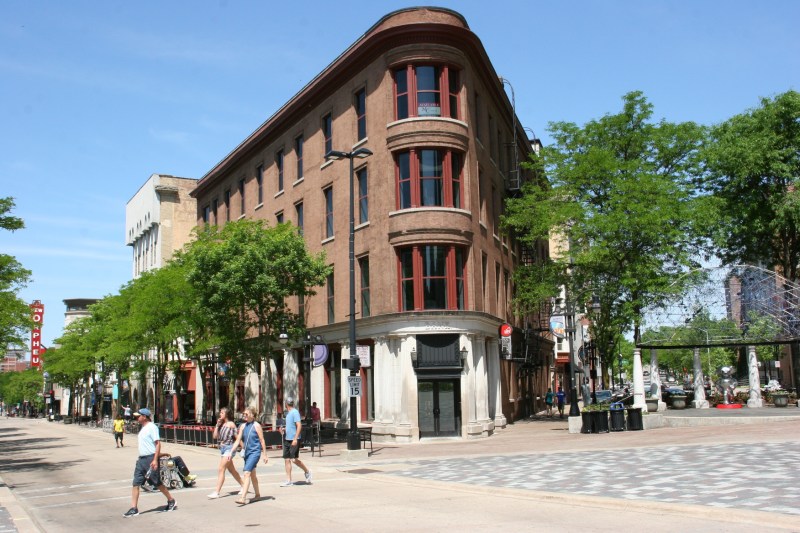
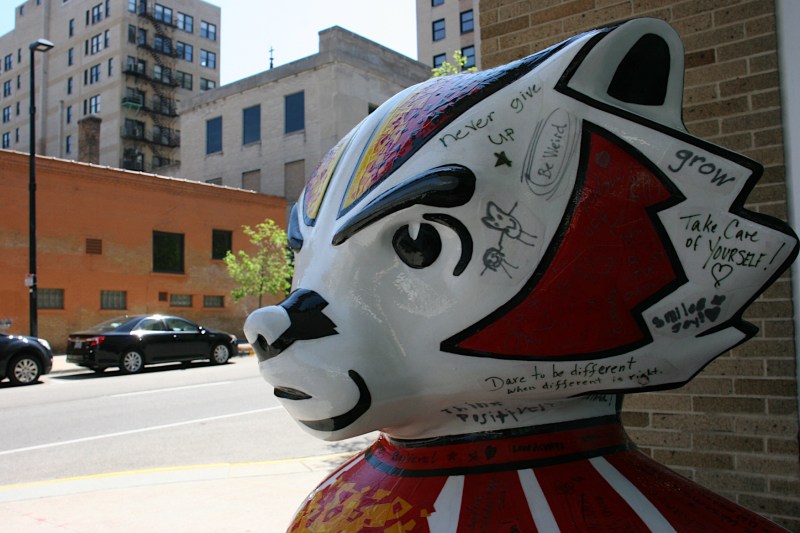
I took this photo in downtown Madison in June 2018. Love the buildings and vibrancy and walk-ability of this area, including the nearby state capitol. Minnesota Prairie Roots file photo 2018.


As I’ve explored Madison, pre-COVID, I’ve always felt comfortable. And that says a lot for someone who doesn’t really like big cities all that much. Madison maintains a minimum metro feel, yet offers all the amenities of a growing urban area. During past visits, I’ve spent time downtown—including inside the capitol, restaurants and art museums—and toured the Olbrich Botanical Gardens and more.


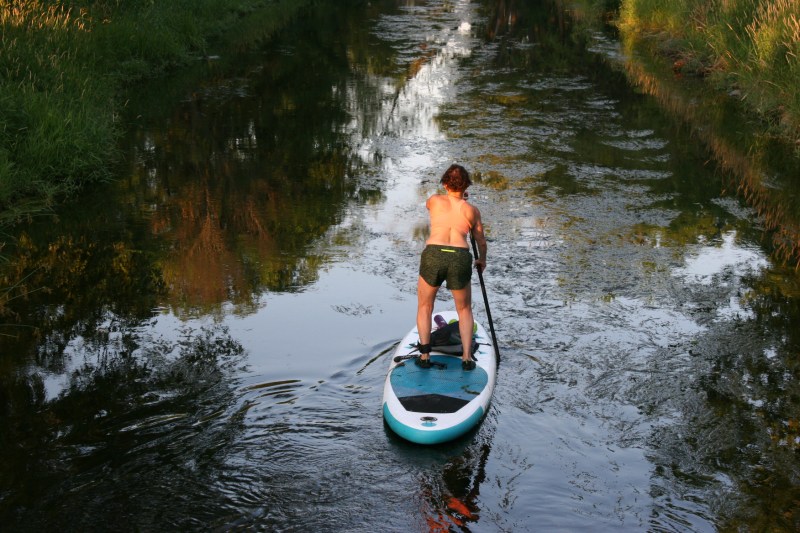
Another way to follow Wingra Creek, via paddleboarding.


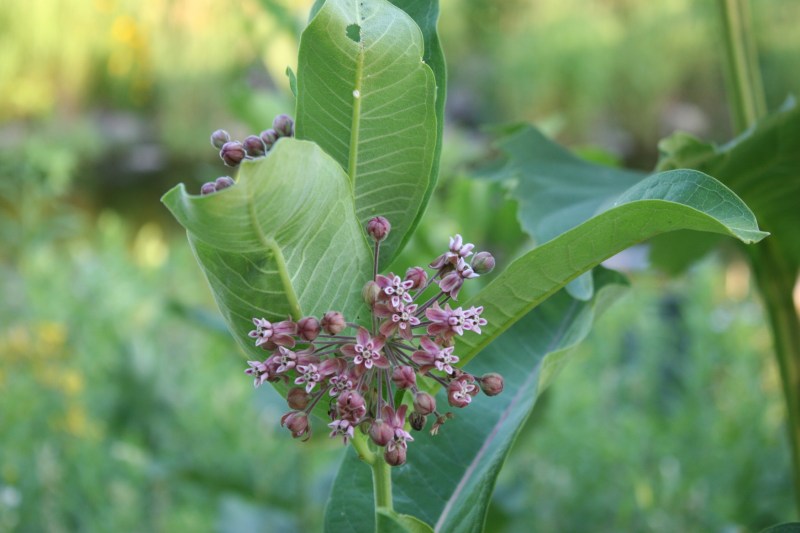
Oh, the loveliness of sunset lighting when photographing a flowering milkweed.


A single wildflower stalk rises along the creek bank.


On a visit in early July, because of the global pandemic, I confined my activities to a stop at a frozen custard shop and to walking. One evening I grabbed my camera to follow a section of the Wingra Creek Path near my daughter and son-in-law’s home. The golden hour of sunset presented ideal soft-glow lighting for photos.


A flowering milkweed.


Flowers flourish along the grassy creek bank.


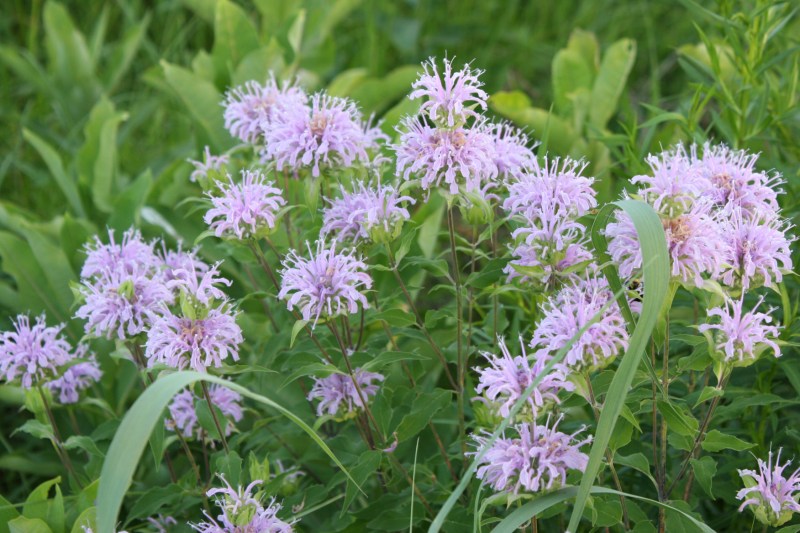
A patch of bee balm.


While the rest of the family walked ahead, I lagged, stopping to photograph the many wildflowers that grow along the banks of Wingra Creek.


I’ve learned to be vigilant while using Madison’s recreational trails due to the high volume of bikers. Because of a hearing loss, I often don’t hear them approaching from behind. And most speed by.


Occasionally a biker zipped by at a rate of speed which caused me concern. I recognized quickly that I needed to pay attention to activity around me and not get too lost in photographing this beautiful place.


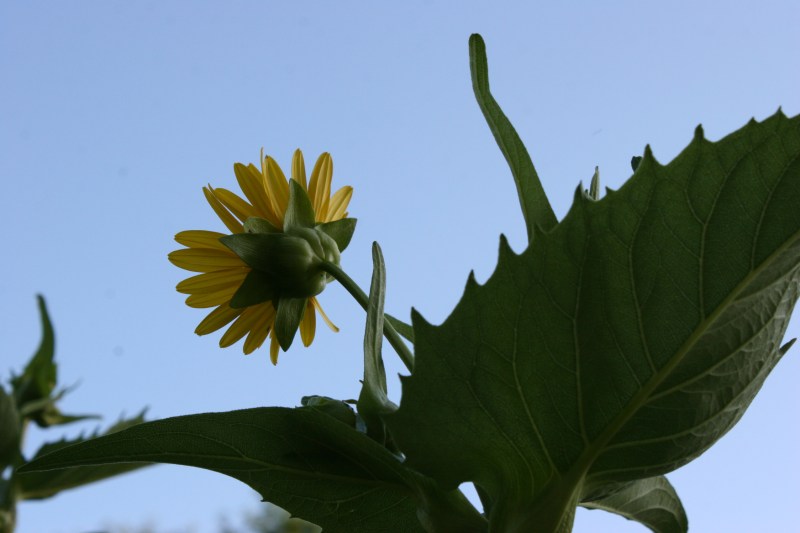
Flowers, grass, trees, water, sky…


A coneflower.


Berries on a bush along the trail.


Had I not known I was in the middle of a city, I would have thought myself in the countryside.


Looking down Wingra Creek from a foot bridge linking to a park. The trail is to the left.


The tiniest of flowers I photographed.


The first wildflower photo I took on this walk and among my favorite for the perspective.


The water. The flowers. The lack of city noises. All define this recreational trail as a place to embrace nature.


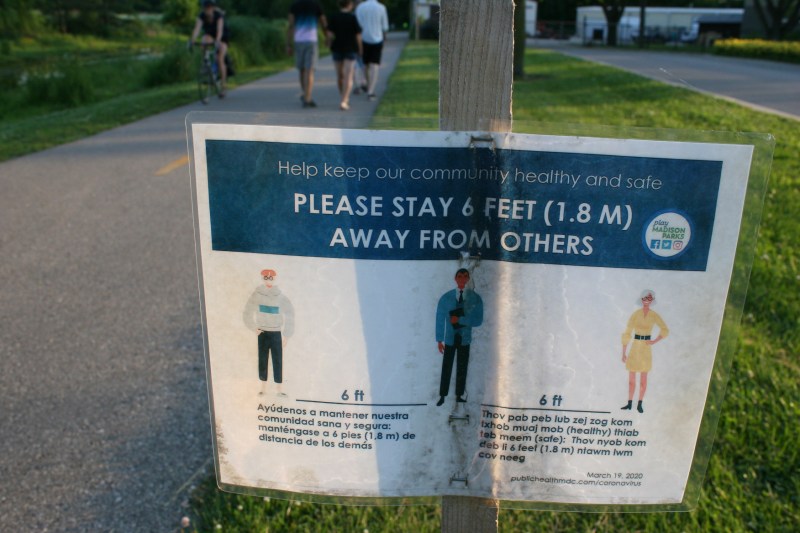
A trailside reminder that we’re still in a global pandemic.


Dog walkers. Bikers. Families out for an evening stroll. Joggers. Us. Everyone simply enjoying time outdoors with subtle reminders that we remain in a world-wide health crisis. A sign reminding trail users to social distance. A discarded face mask littering the side of the pathway.


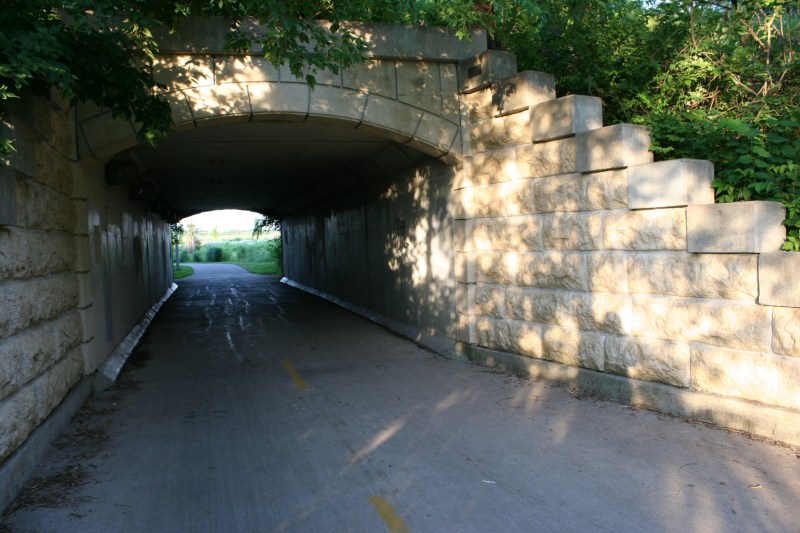
The trail passes through this tunnel.


But for a short while we mostly forgot all about the tunnel of COVID-19.


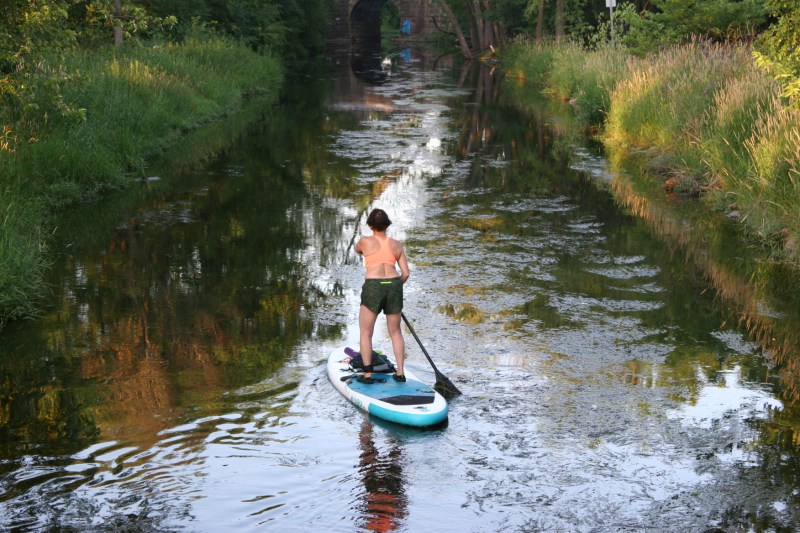
Paddling in Wingra Creek.


When we retraced our path and crossed a footbridge back to my daughter’s street, I almost missed the paddleboarder gliding under the bridge, so quiet was she. As I watched, I admired her skills.


Light filters softness into my floral photos.


And I thought, how peaceful this moment in the golden hour of a July sunset.


© Copyright 2020 Audrey Kletscher Helbling

 

From Faribault: A Sunday morning walk in the park July 27, 2020

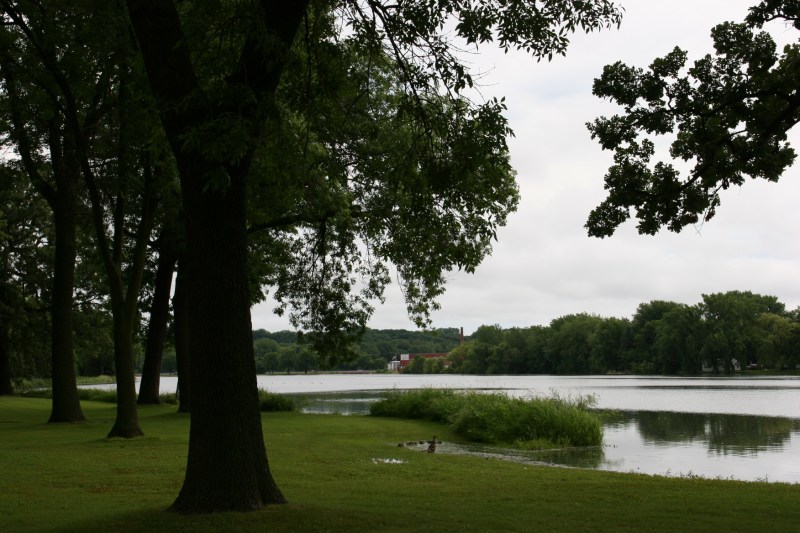
Randy and I walked Sunday morning along a recreational trail in Faribault’s North Alexander Park. The path follows the Cannon River. That’s the Faribault Woolen Mill in the distance.


MID SUNDAY MORNING and I desire to get out of the house. For one reason. A mouse. After I went to bed Saturday evening, Randy spotted a mouse running across the living room. Have I told you yet that I am terrified of mice? I understand that my fear is irrational. But that does not change my feelings about rodents. I’ve had too many mouse encounters—in a bathroom in the dead of night while pregnant. Another with a mouse found floating dead in a crockpot. And a live mouse in a silverware drawer. Yes, I detest mice. I figured if we left the house, we would come home to find the elusive mouse caught in a trap. Snap. Dead. It didn’t happen.


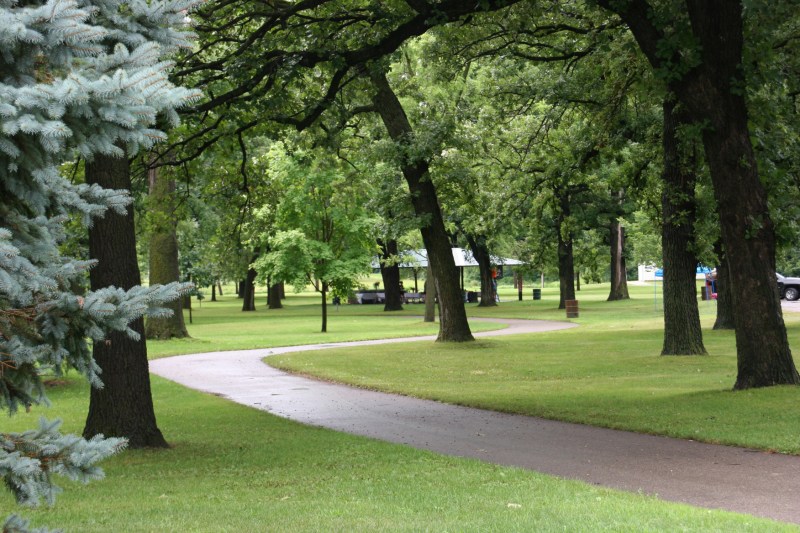
The trail winds through a wooded part of the park. At the distant shelter, a group was setting up for a grad party.


But, hey, we had a nice time at North Alexander Park in Faribault, where we walked a recreational trail and I paused numerous times to take photos. It proved a welcome break from mouse brain. And also provided photos for this blog. Win-win.


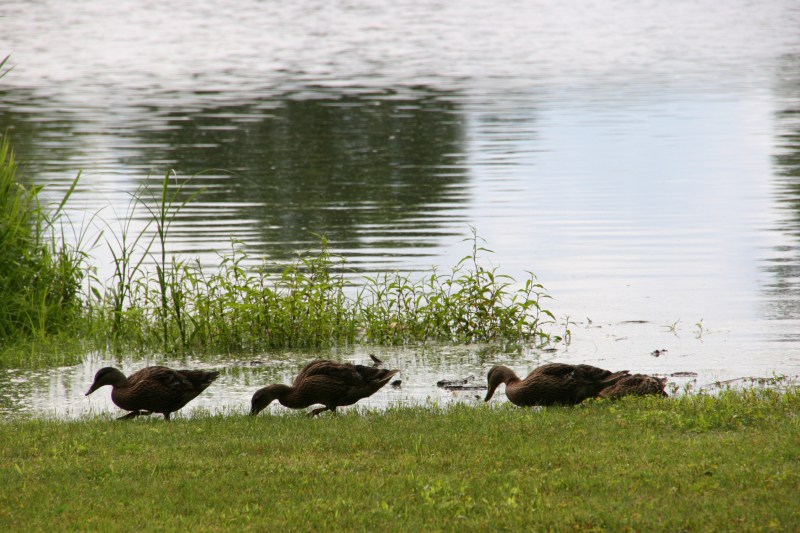
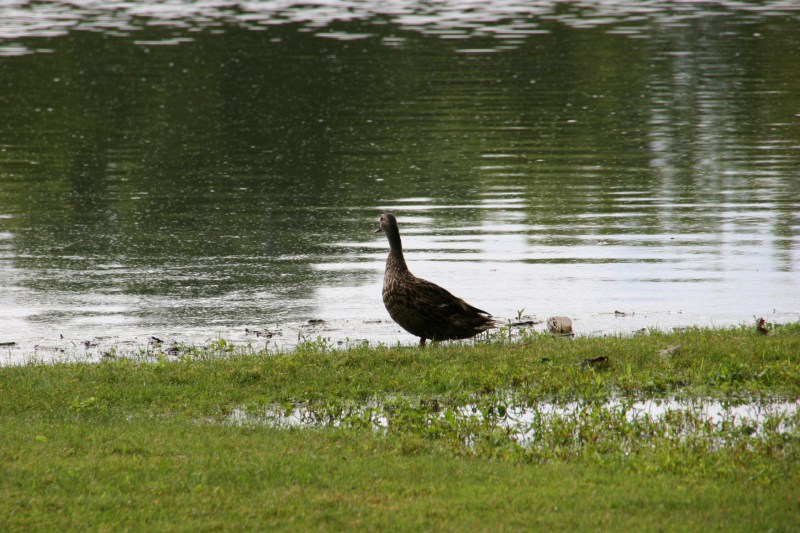
Three growing ducklings in a row.


The watchful mama duck trails behind.


Overnight rainfall raised the water level of the Cannon River considerably, but not to flood stage.


As usual, ducks and geese populated this park and I found myself dodging droppings. For the first time ever, I also observed a couple throwing bread to the fowl. I thought to myself, please do not encourage them to wander away from the river and onto the pathways further into the park.


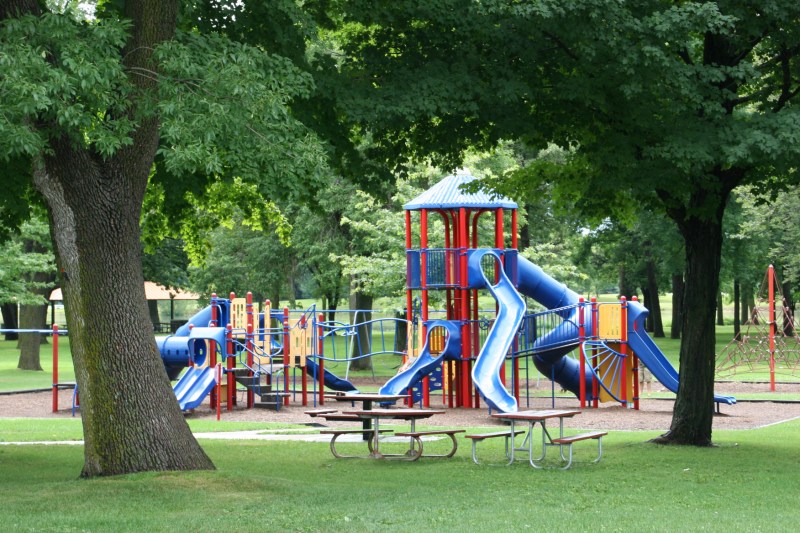
Typically, this playground is swarming with kids.


Randy and I saw a few other humans. Walking dogs. Setting up for a graduation party. A dad and his two kids on the playground.


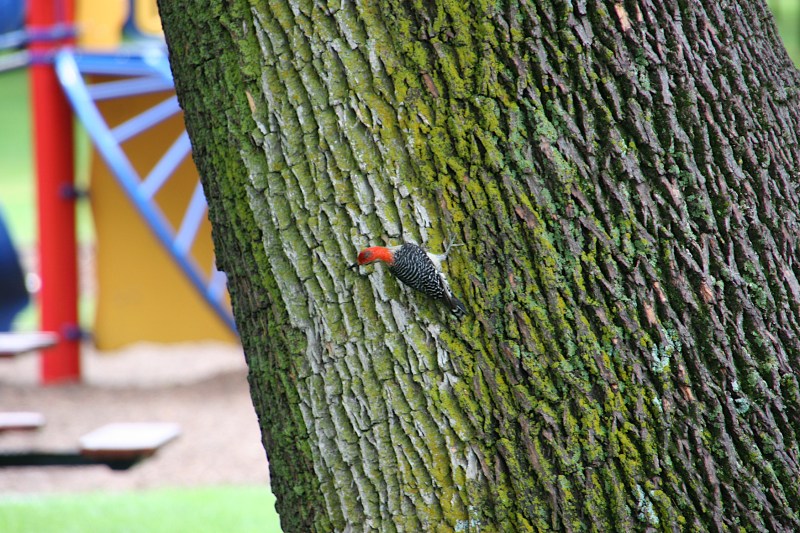
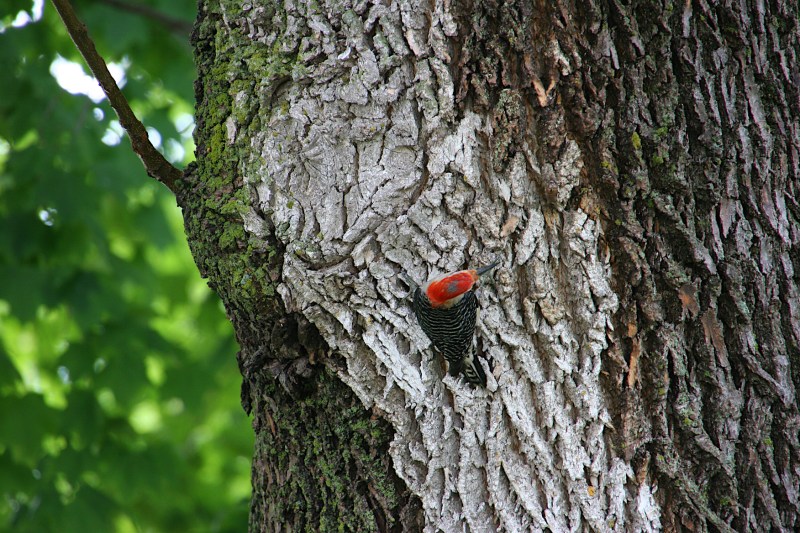
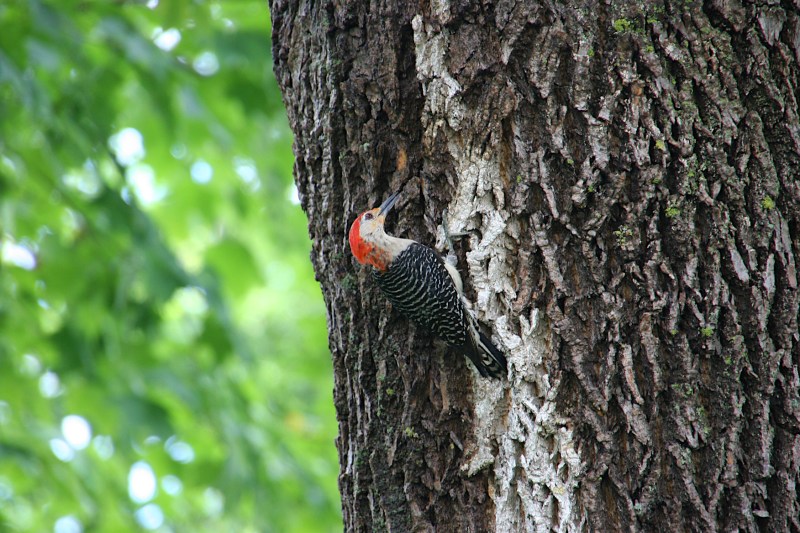
And on a nearby tree, a beautiful woodpecker searching for bugs. (If only he could scout out mice.)


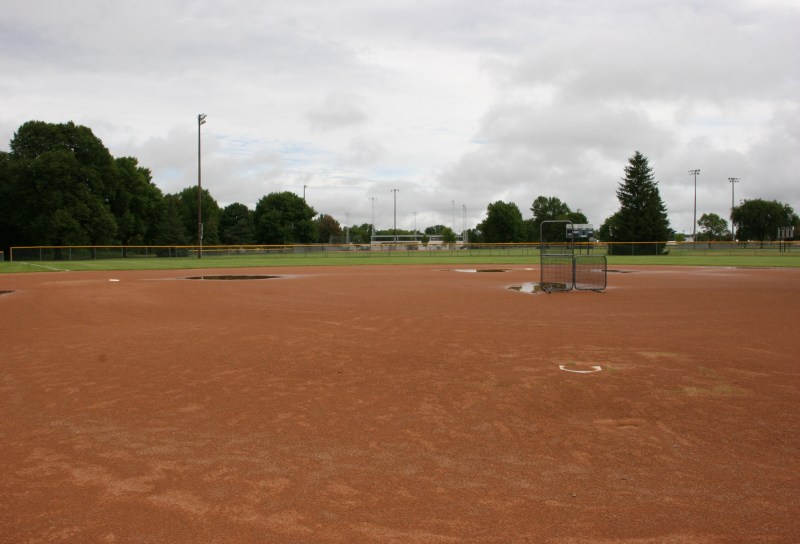
The empty softball diamond. Check back for some interesting signage photos.


Across the road, the softball diamonds were vacant. On a typical summer weekend, they would likely be busy with tournaments.


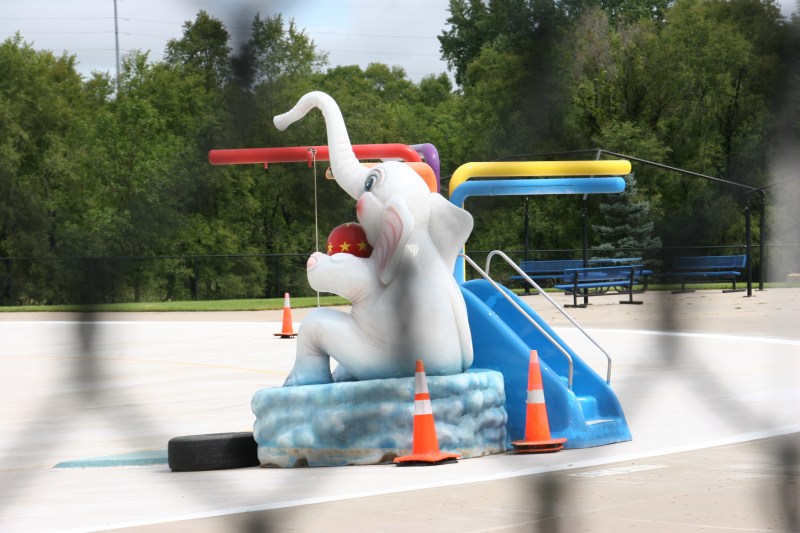
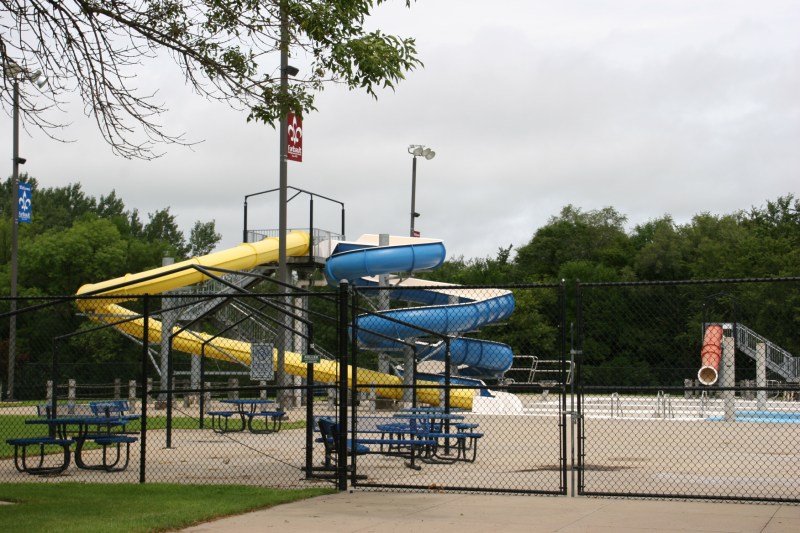
Looking through the fence at the Faribault Aquatic Center. No kids. No pool open this summer.


This sign made me laugh. Check the weather forecast before you head to the pool.


On this incredibly hot and humid July day, the pool remained closed due to COVID-19.


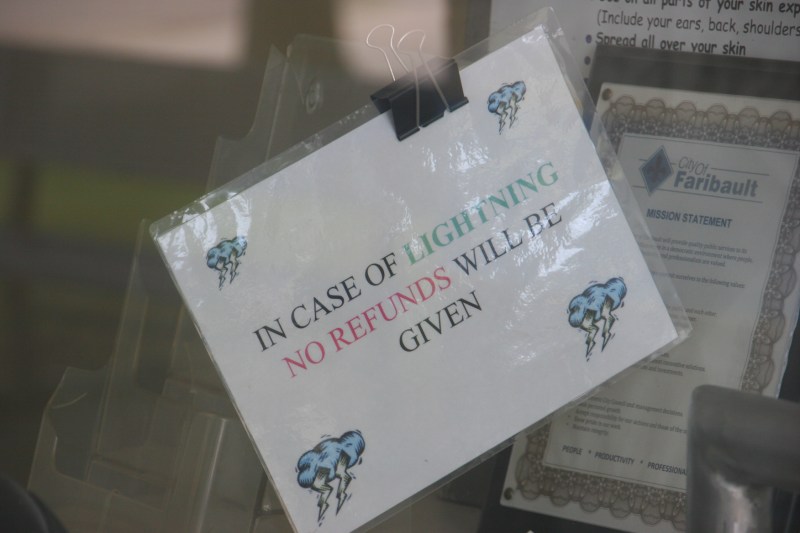
Likewise, just down the street, the Faribault Aquatic Center was also vacant, locked down due to COVID-19. I took a few photos and laughed at a sign inside the front entry that advised of no refunds in the event of lightning. It rained all night Saturday into early Sunday morning here in Faribault. Plenty of thunder and lightning.


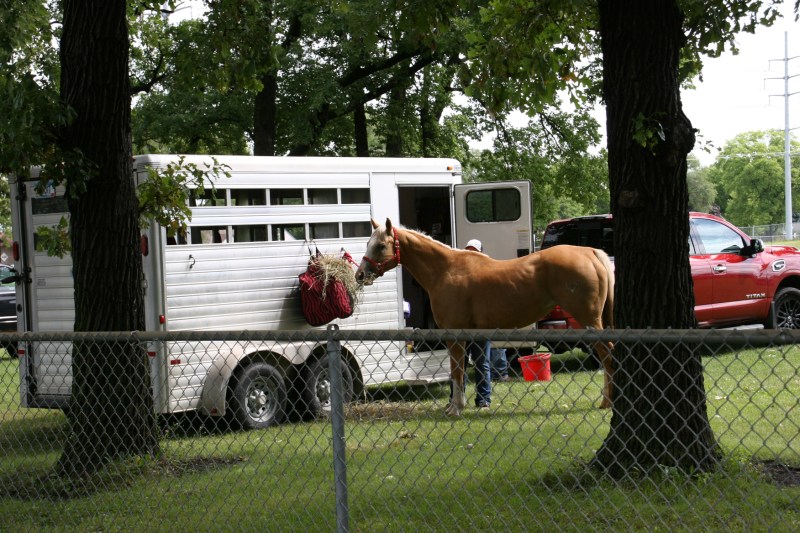
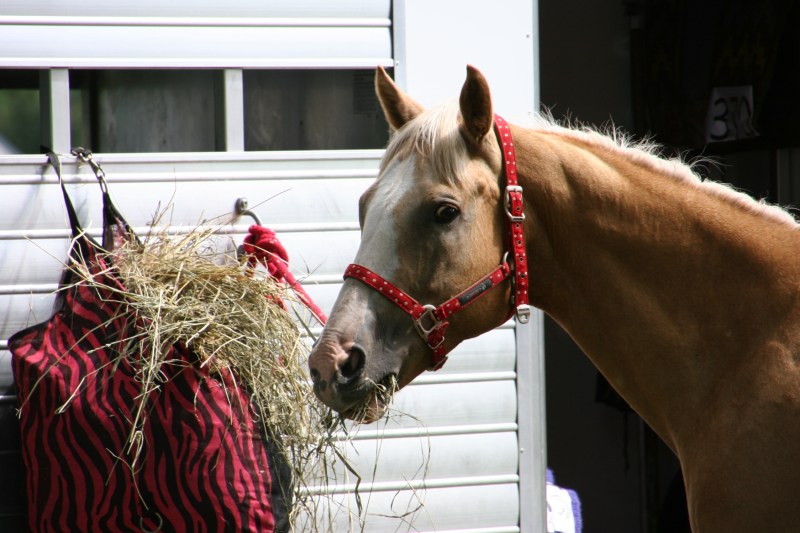
Across the road at the Rice County Fairgrounds we found one final surprise—a horse show. Not yet underway, but in the process. I’ve always liked horses.

But mice? No. Not one bit…


Up North at the lake cabin, Part III: Eagle watching July 18, 2020

Filed under: Uncategorized — Audrey Kletscher Helbling @ 5:00 AM
Tags: , , , , , , , , ,

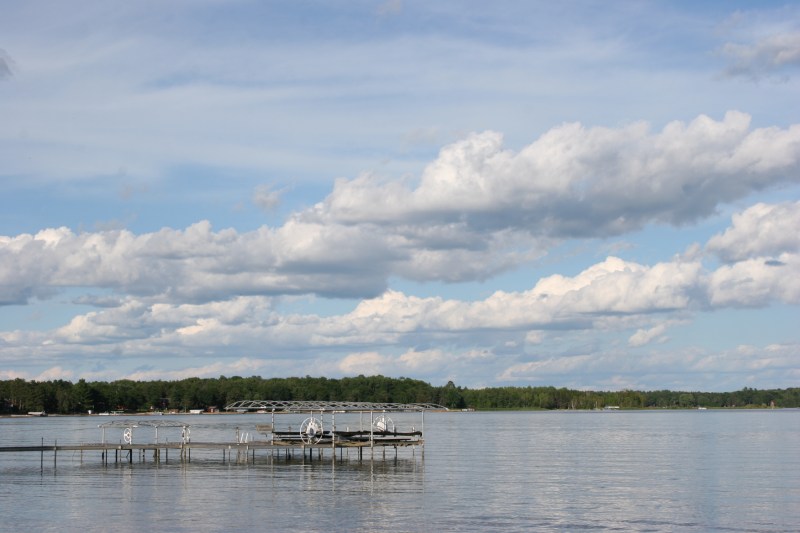
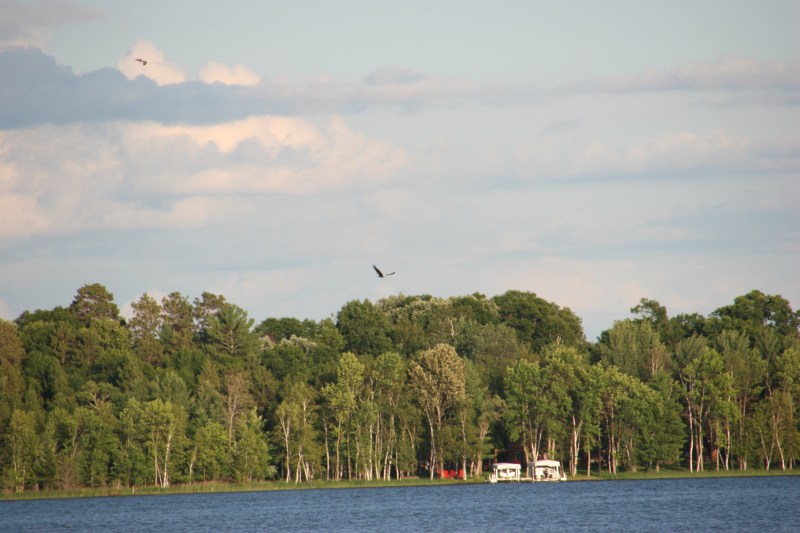
This scene is familiar to those who spend weekends or vacation along lakes in central and northern Minnesota. “Up North,” as we say.


UP NORTH AT THE LAKE CABIN evokes, for many Minnesotans, memories of lazy summer days on the water, on the beach, on the dock. Fishing. Swimming. Boating.


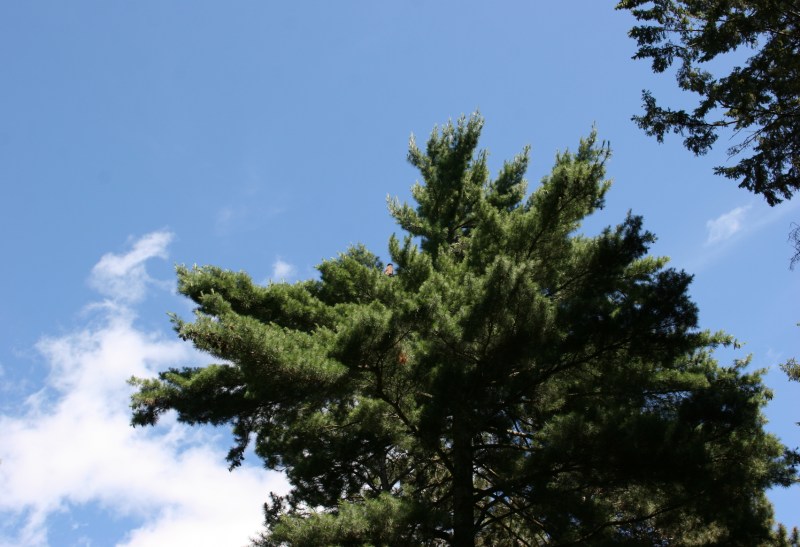
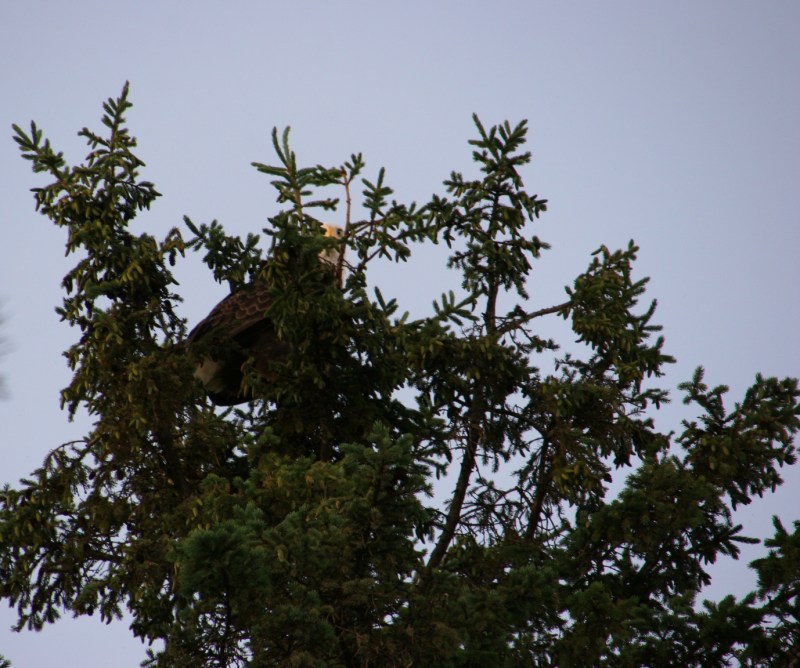
Nearly in the top center of this photo, high in the treetop, sits one of the young eagles.


A sign posted on a pine identifies this as an eagle zone.


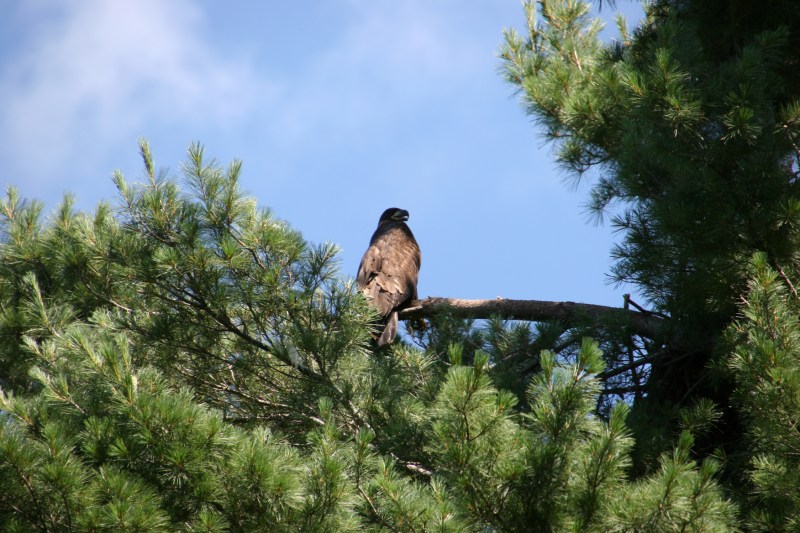
This juvenile perched here for the longest time.


But, for my family, which is just now making such memories thanks to a generous sister-in-law and brother-in-law who recently purchased lake land with a guest cabin and are welcoming extended family, Up North also means eagle watching. The lakeside property south of Cross Lake, came with resident bald eagles.


An eagle (s) flies along the lake.


And last week, while staying at the cabin, I spent plenty of time watching eagles. As did the husband, eldest daughter, son-in-law, granddaughter and, occasionally, the son. One evening, just as we sat down to our lakeside dinner, an eagle flew directly over us. Other times, we watched it from afar, circling around the lake, along the treeline.


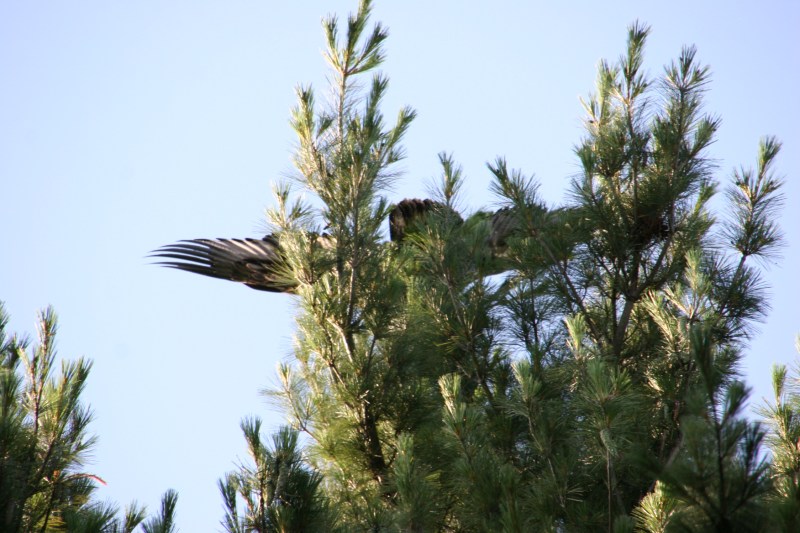
One of the eagles spreads its wings in the treetop nesting area.


Sure, I’ve previously seen bald eagles. Soaring. Perched over roadkill. Flying just inches from the windshield of our van. In captivity at the National Eagle Center in Wabasha. Huddled among tree branches. But this was different. This time I was in their habitat with the eagles’ nest high in a pine just outside the guest cabin.


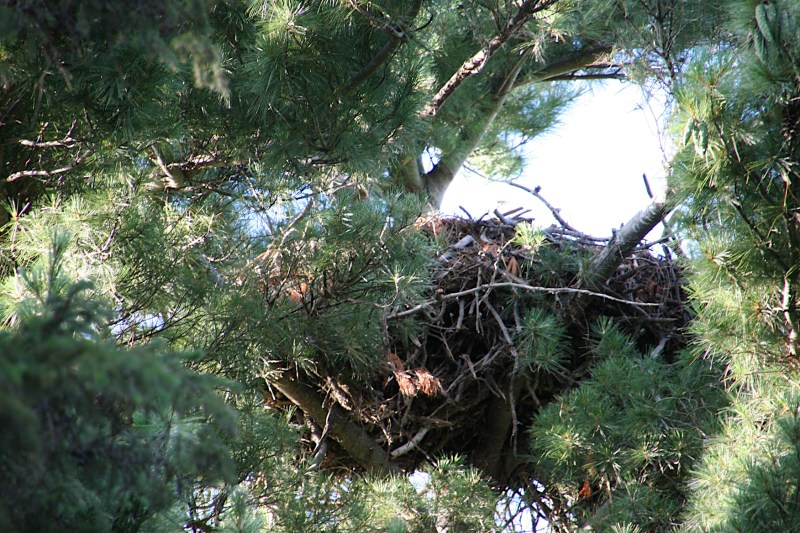
The eagles’ nest is well-hidden in the tall pine tree.


It amazes me that these majestic and massive birds can stay so well hidden. If my brother-in-law, Jon, had not pointed out the nest in the top of the pine in the fork of the driveway, I doubt I would have spotted it, home to two adult and two juvenile eagles.


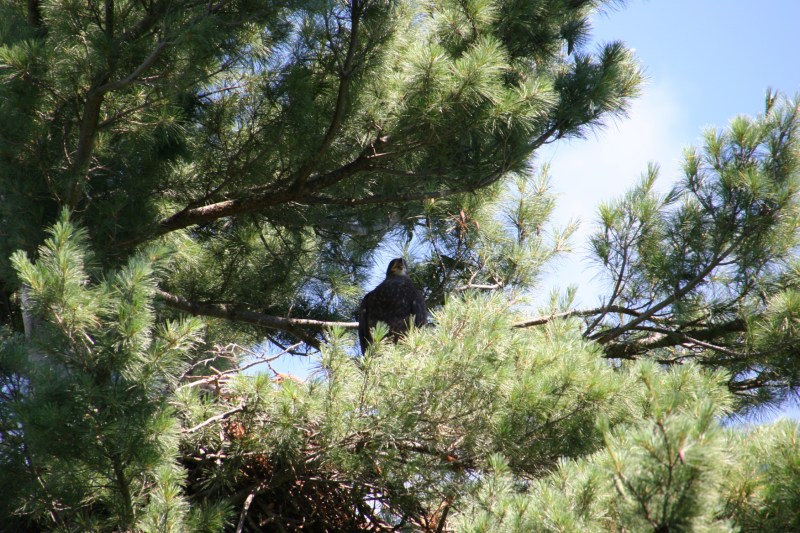
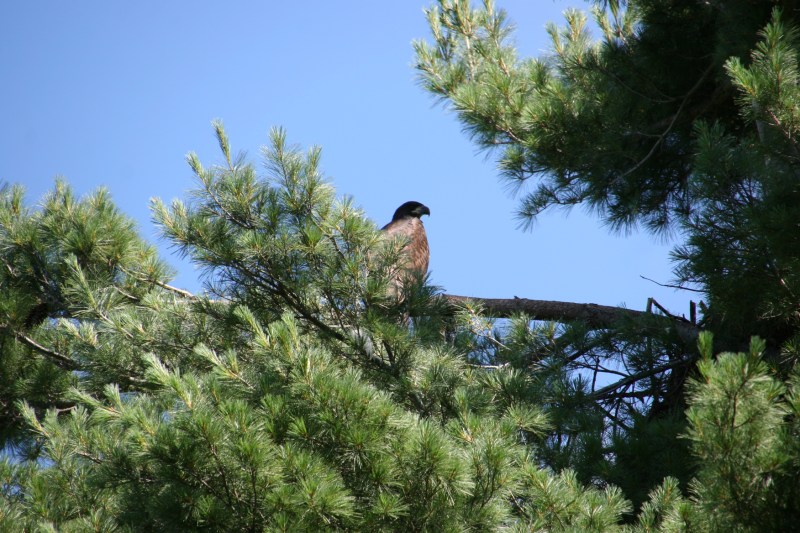
A view of the less visible young eagle.


I certainly heard them, though. At feeding time. Jon occasionally needs to clean up fish remains under the pine.


The only photo I got of a parent eagle. This one was sitting in a tree next to the lake, a favorite perch, Jon said.


It became somewhat of a joke during our cabin stay that, every time I wasn’t carrying my camera or had my short lens (rather than my telephoto) attached, the eagles would show up or fly away. I don’t possess the instincts or patience of a wildlife photographer, something I’ve long known.


The massive nest, spacious enough for four eagles.


But I’m learning. And it was a joy to take my four-year-old granddaughter by the hand and race to the pine tree when we heard the screeching of eagles. I would point and Izzy would follow my finger to the nest. Sometimes we would see an eagle. Mostly not.


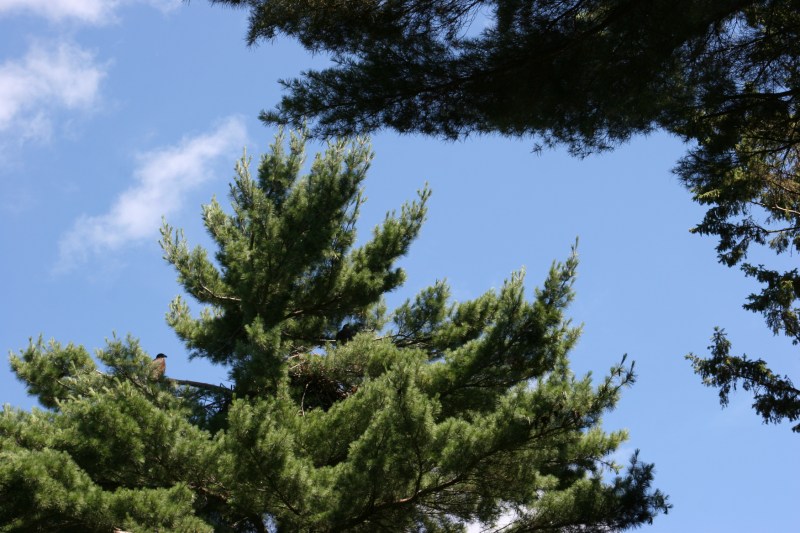
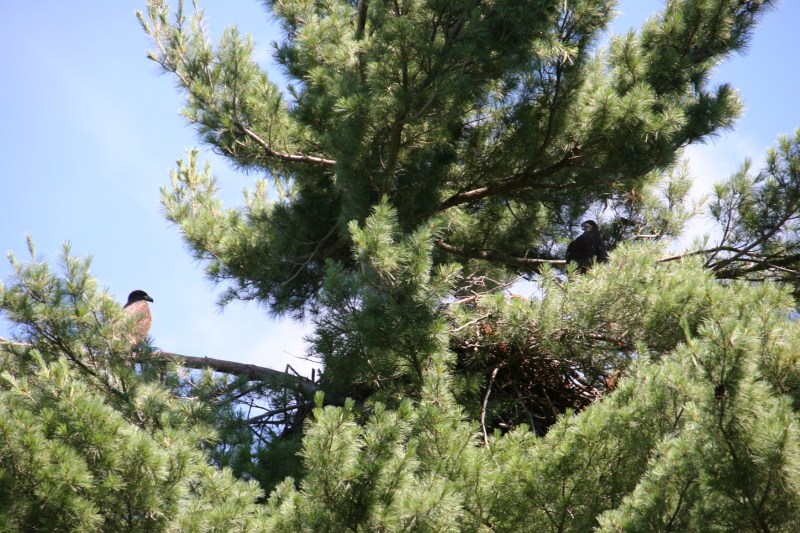
The two juvenile bald eagles, one born last year, the other this year. One is clearly visible to the left. The other is higher in the tree to the right.


Days after our departure, my sister-in-law texted with the news that one of the juvenile eagles had either fallen or been shoved from the nest, landing on bottom boughs of the pine tree. The young eagle freed itself, seemingly unscathed.


The statue still juvenile eagle.


These eagles are part of the story of this land, of this place by the lake, of our memories of Up North at the lake cabin.


This concludes my three-part series on my northwoods cabin stay. Please feel free to share your cabin memories.

© Copyright 2020 Audrey Kletscher Helbling


Up North at the Lake Cabin, Part II: Water, land & sky July 17, 2020

Filed under: Uncategorized — Audrey Kletscher Helbling @ 5:00 AM
Tags: , , , , , , , , , ,

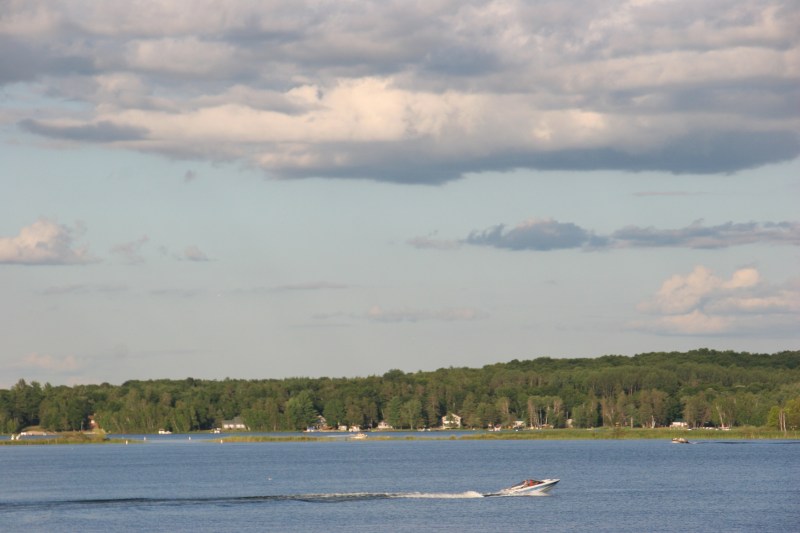
The picture of a perfect summer day at Horseshoe Lake in the Brainerd lakes area.


UP NORTH AT THE LAKE CABIN in Minnesota writes poetry into summer days.


In water and land and sky.


Each sings with the relaxing rhythm of days that roll one into the other until dates are forgotten and the world seems to exist only among the towering pines.


Day fades into evening at the lake.


Poetry writes verses on the lake and in cloudless skies and skies heavy with clouds and skies tinged with the fiery and golden hues of day’s beginning and day’s end.


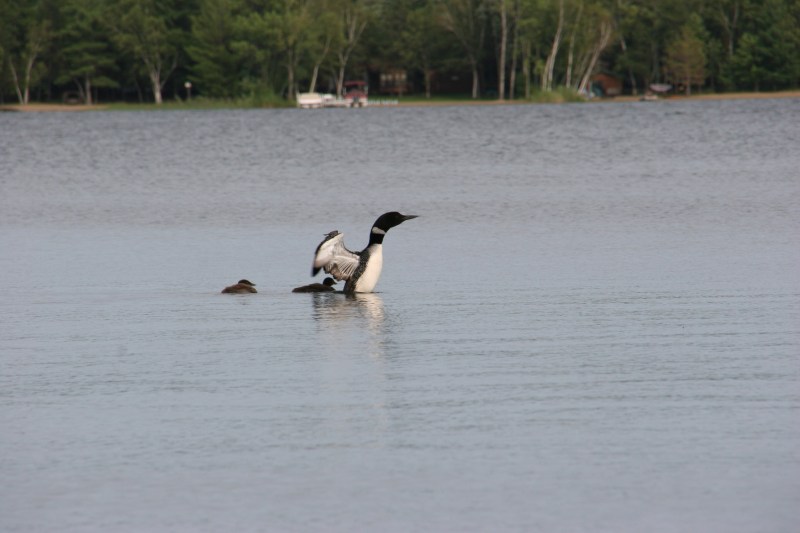
This family of loons swam and dove within view every day of our lake stay, of great interest to me since we don’t have loons in southern Minnesota.


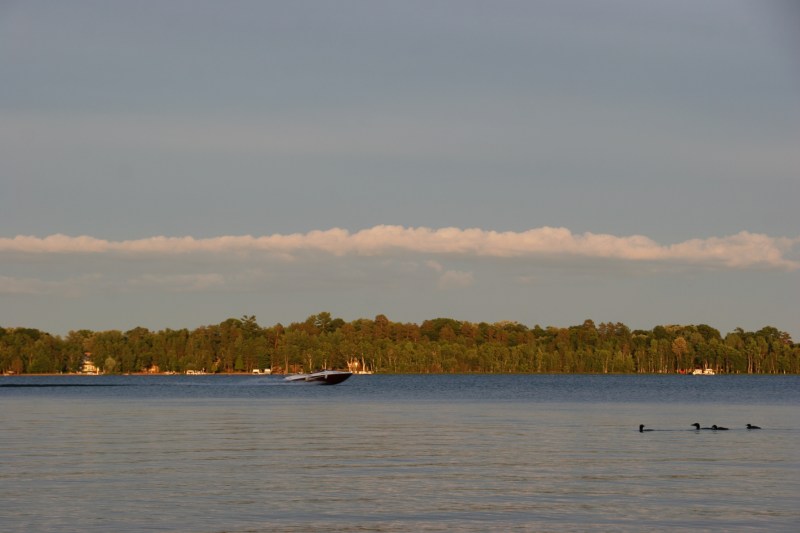
A loon family and boat share the lake.


Loons call.


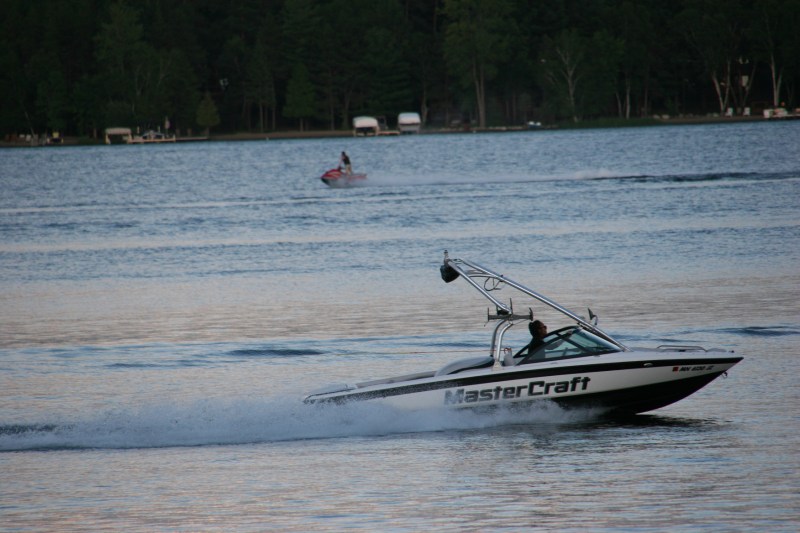
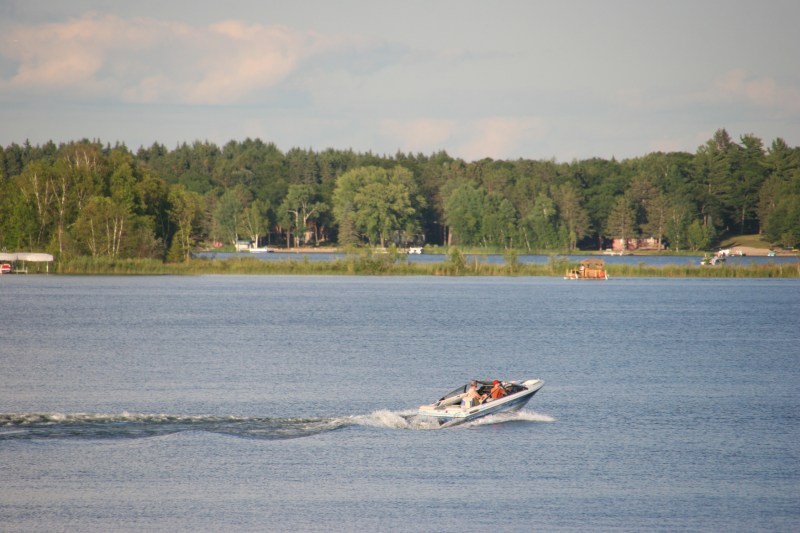
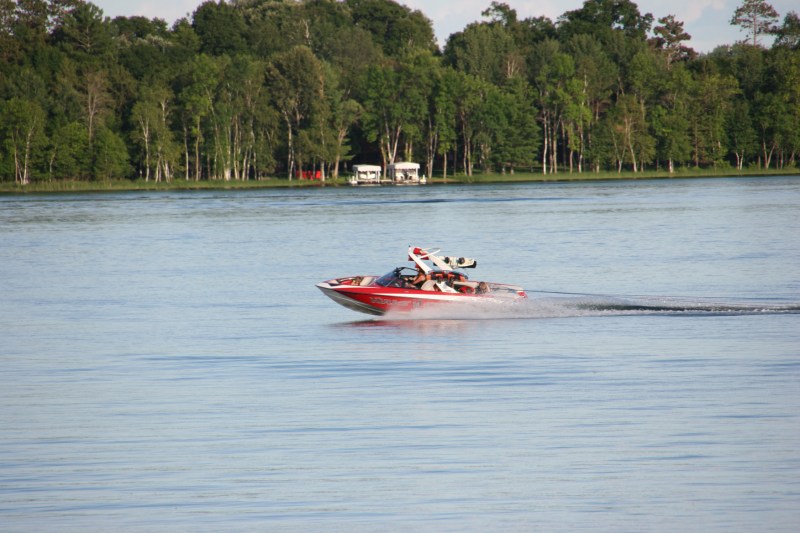
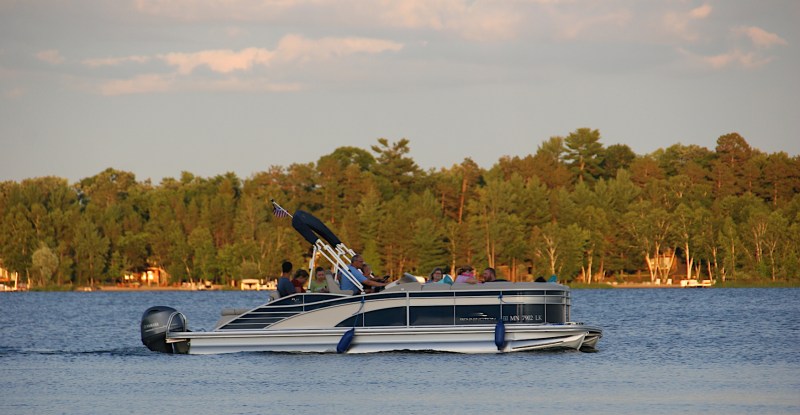
Boats cruise and buzz.


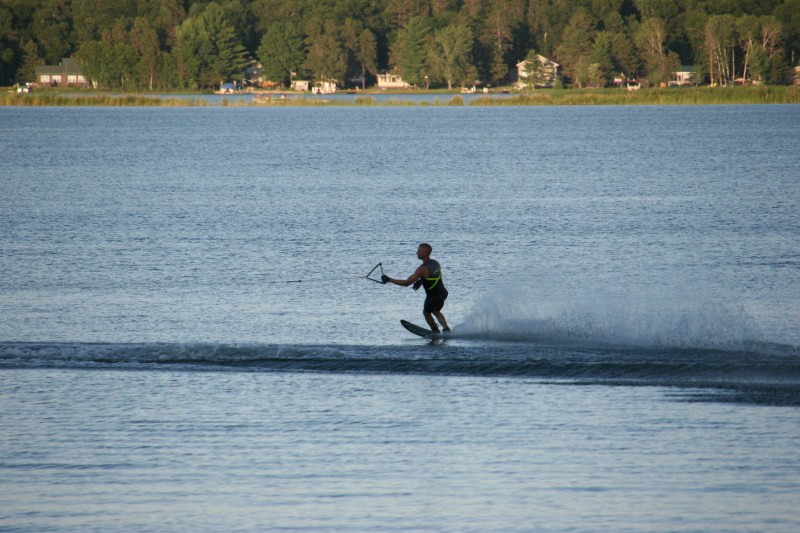
Water skiers fly across water’s surface.


Families laugh and talk. Reconnect. Make memories.


My 18-month-old grandson loved everything about lake life.


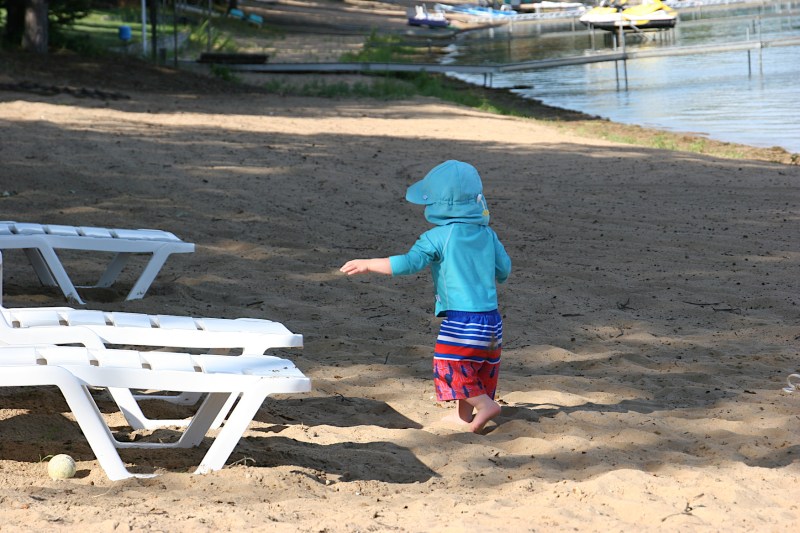
This is the poetry of Up North at the lake cabin. Sand between toes.


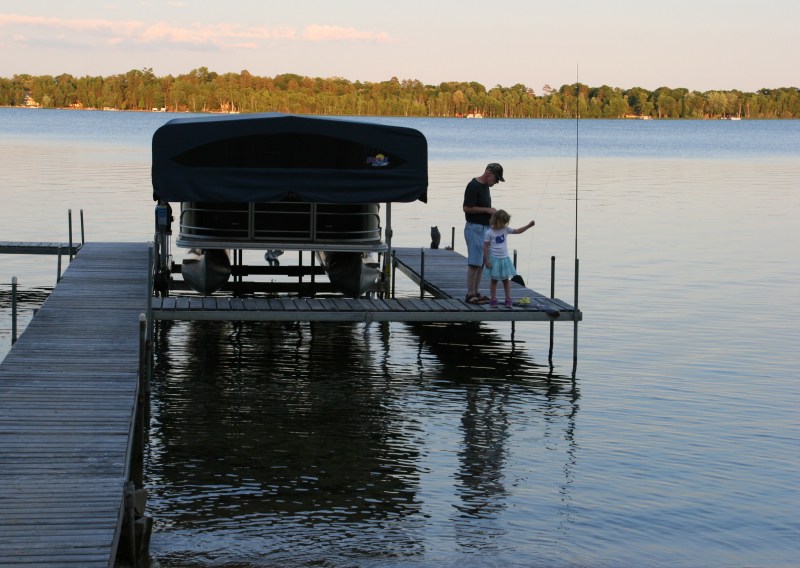
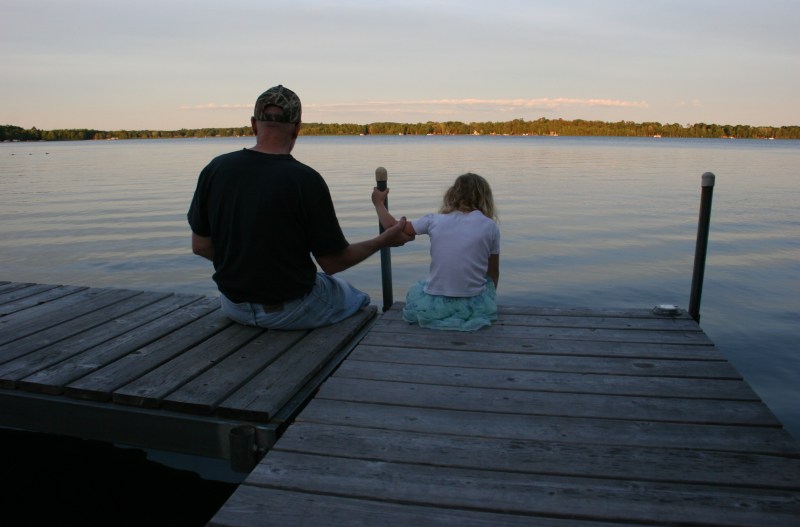
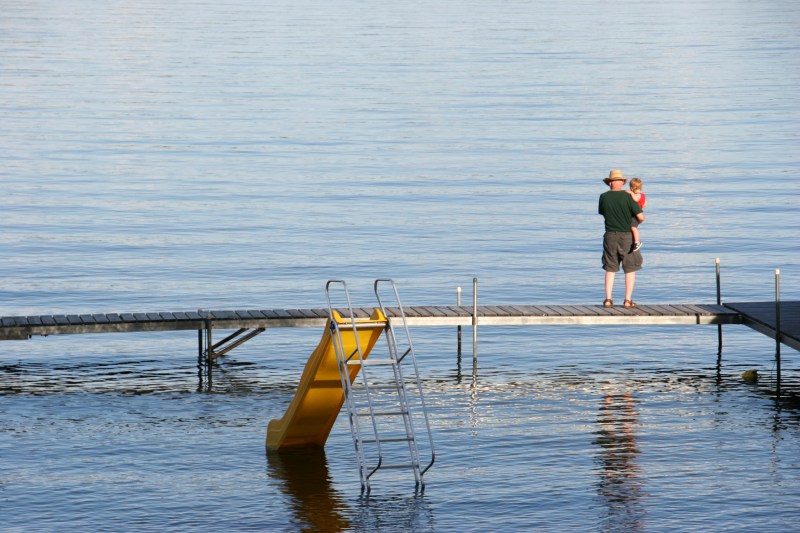
Grandpa (Randy) and granddaughter (Isabelle) check out the dock and lake.


Generations bonding.


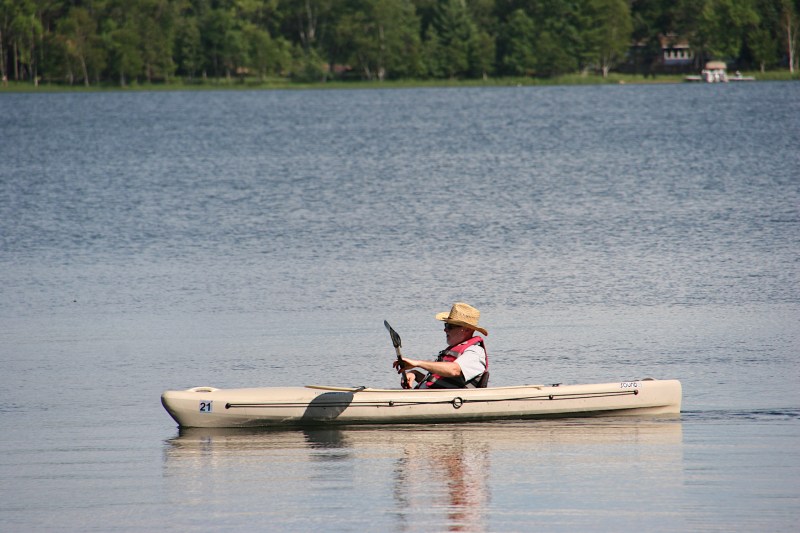
Randy kayaking.


Solitary moments of gliding across the lake on a kayak or paddleboard.


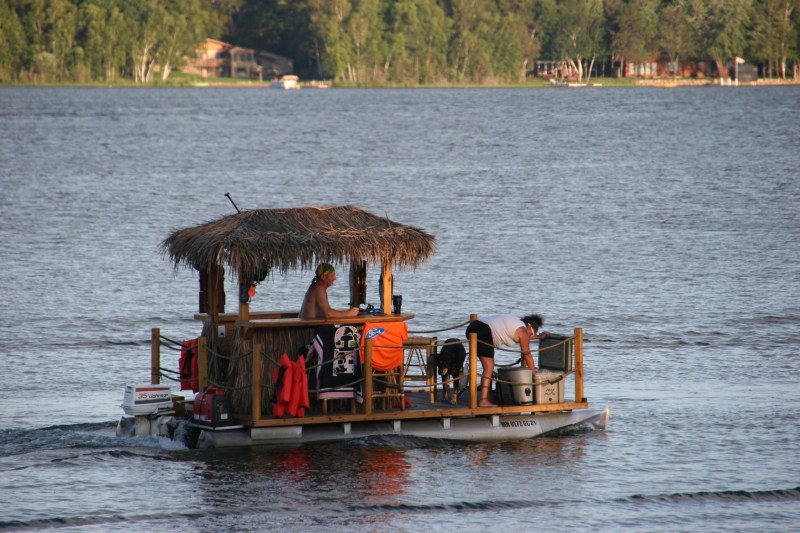
The most memorable and creative watercraft I spotted.


Each experience, moment, scene writes poetry into summer days at the lake cabin. S’mores around the campfire. Dining lakeside. Spending every waking minute outdoors. Embraced by nature.


Water. Land. Sky.


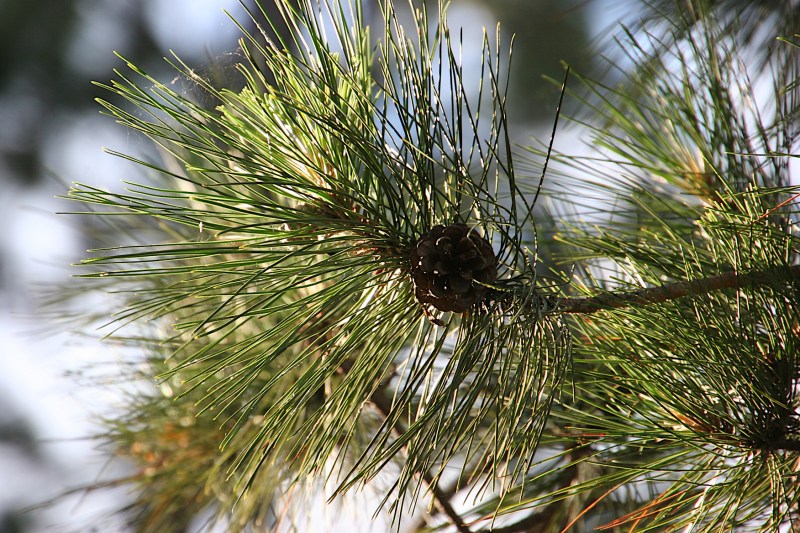
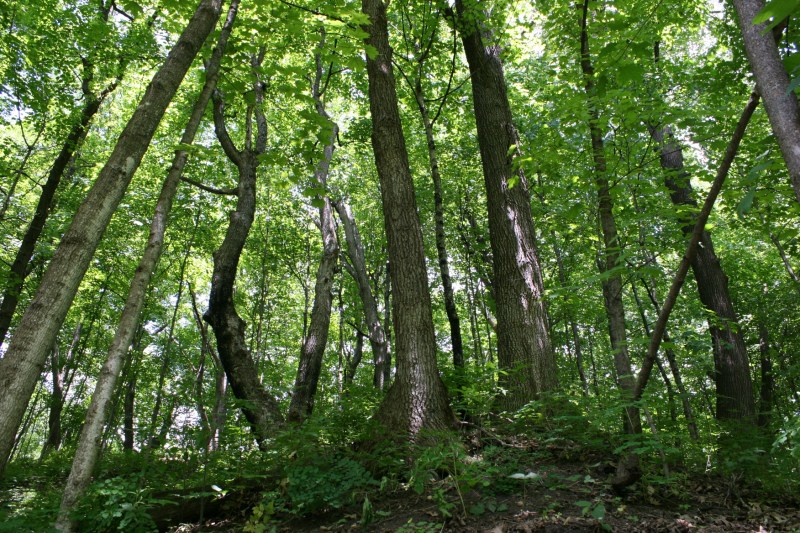
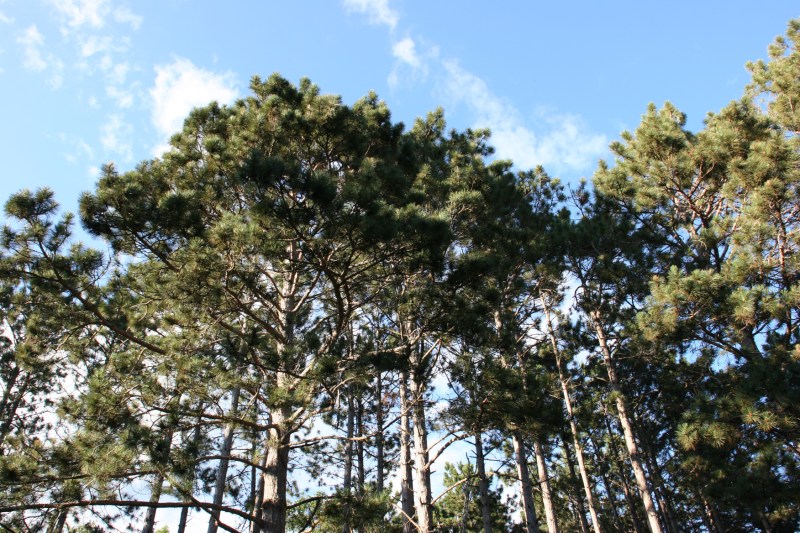
Pine trees stretch tall and lean in the woods surrounding the lake.


Up North at the lake cabin.


© Copyright 2020 Audrey Kletscher Helbling
These photos were taken during a recent family stay at a Minnesota lake cabin. This is the second post in a 3-part series.


Up North at the Lake Cabin, Part I July 15, 2020

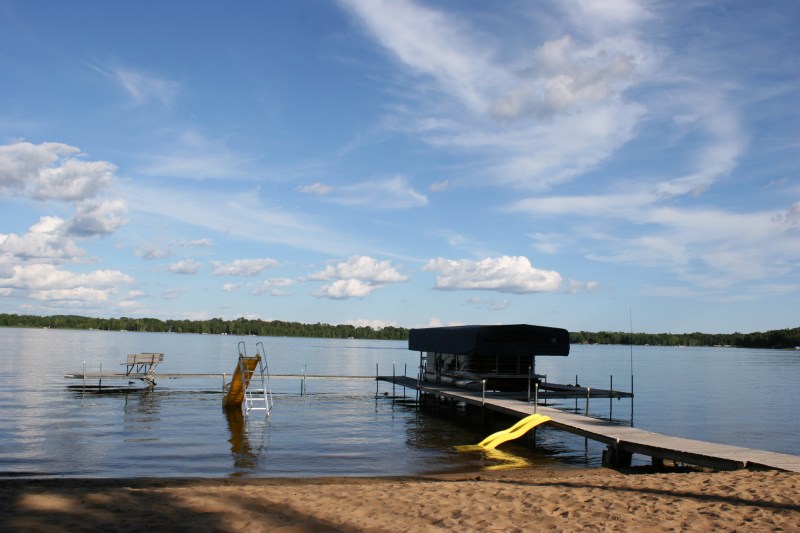
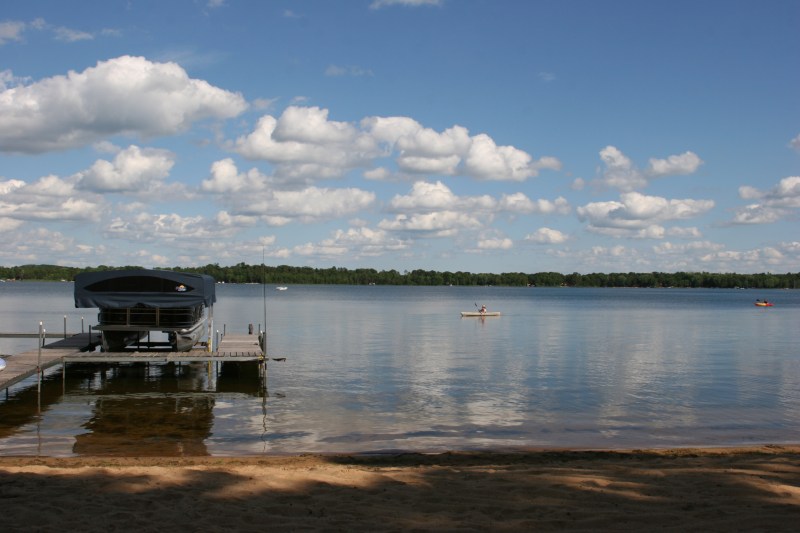
A view of Horseshoe Lake on a weather-perfect July day in Minnesota.


FOR MANY MINNESOTANS, summers at an Up North family lake cabin span generations. Not so for me.


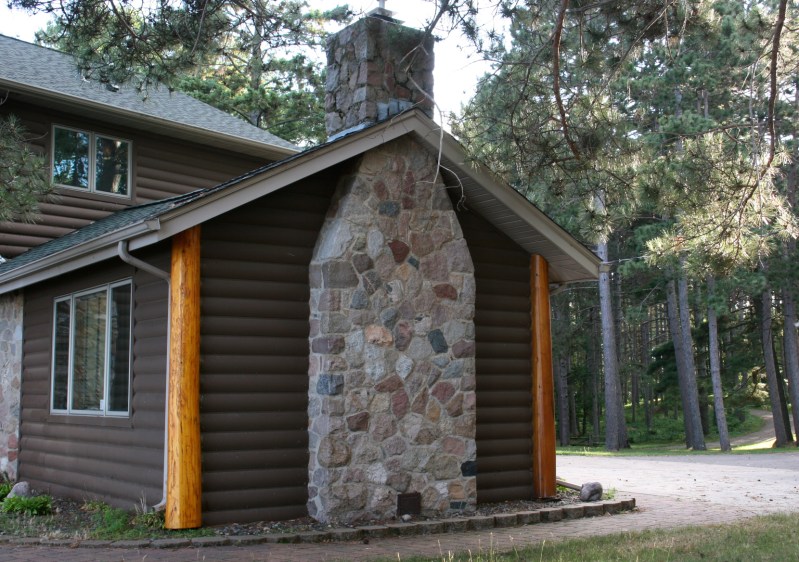
The guest cabin sits just around the corner from this, the main year-round house. Both are northwoods Minnesota style.


But now, into my sixties, I am finally enjoying that quintessential summer experience thanks to the generosity of extended family who recently purchased lake property with a roomy guest cabin. They intentionally chose a place they could share with family. And I am grateful.


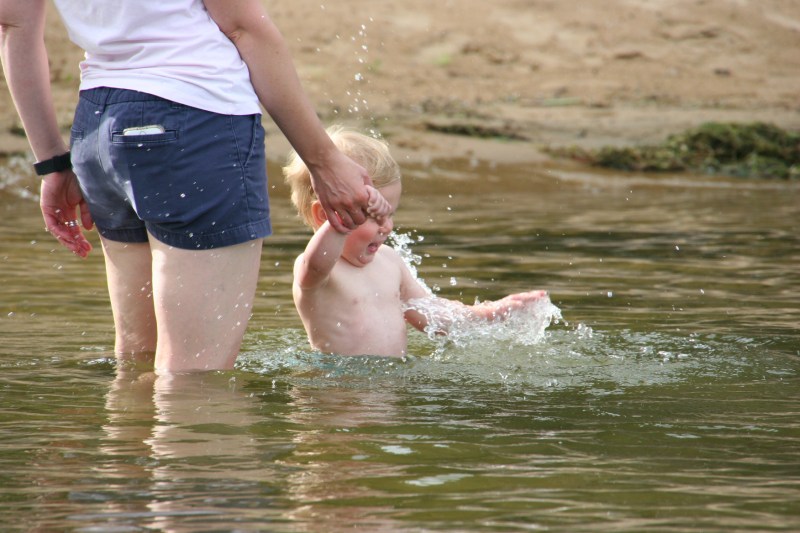
Isaac loved splashing in the lake. The water was clear, vastly different from the murky lakes of southern Minnesota.


For five days last week into this, Randy and I were joined by our eldest daughter and her family and our son at the cabin near Cross Lake in central Minnesota. To have that family time together in such an incredibly beautiful natural setting was a gift. A joy. A much-needed respite from reality.


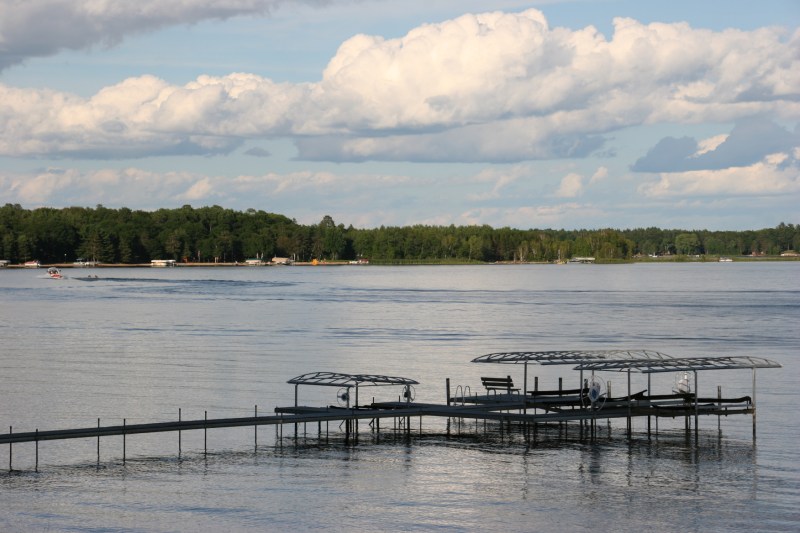
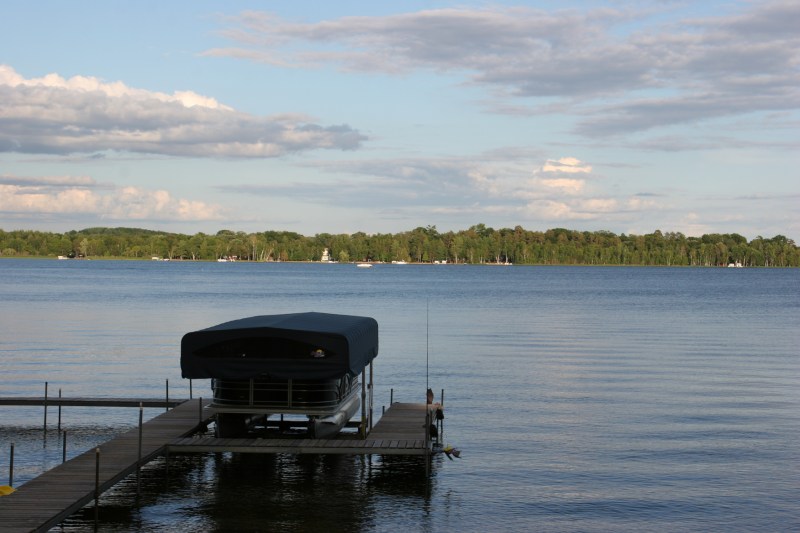
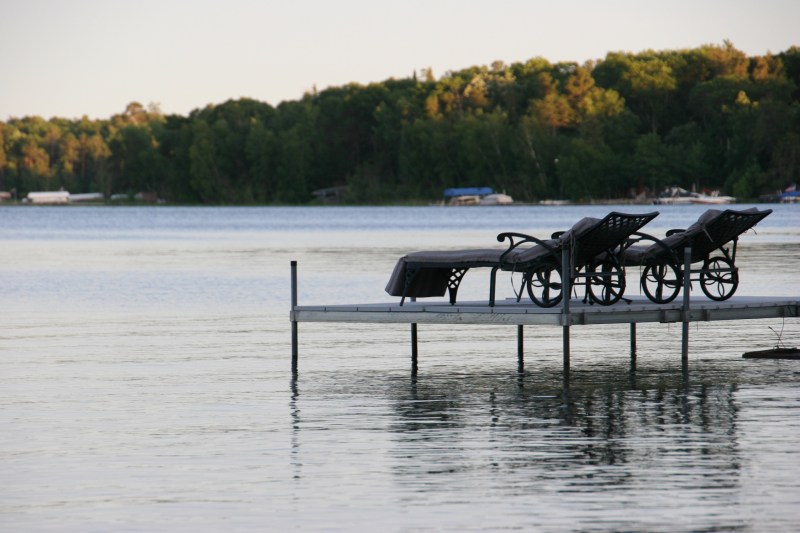
The neighbors’ dock, a visual of relaxation.


Randy and I never left the lake place together until we left. No trips into town, mostly because of COVID-19 concerns. But Randy did surprise us with an unexpected Monday morning run to Valeri Ann’s Family Foods in Ossipee for her heavenly homemade caramel rolls. He got the last two.


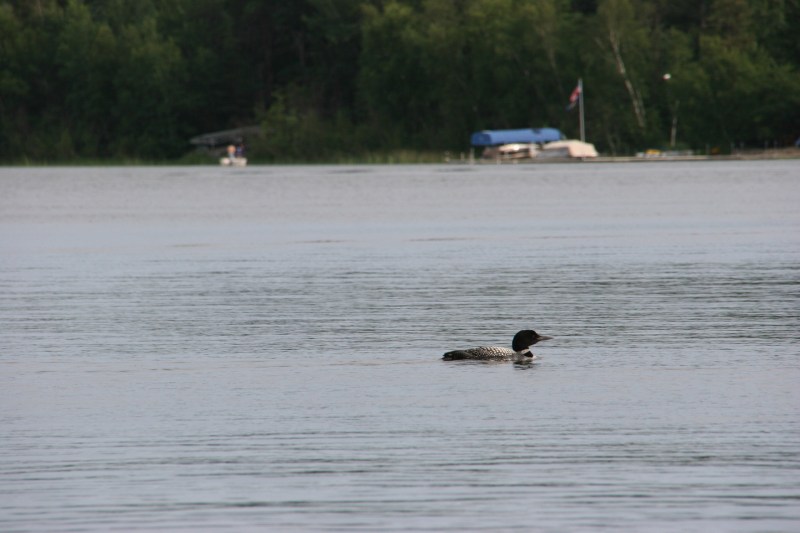
We saw loons every single day of our stay.


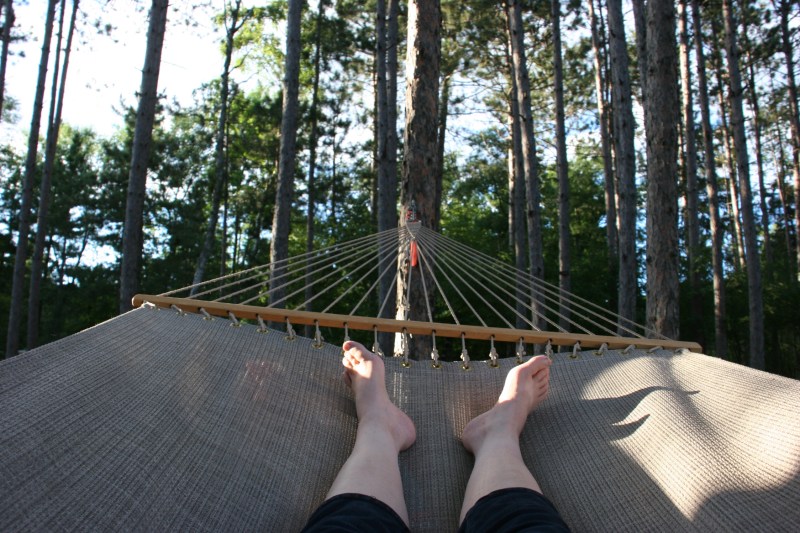
Relaxing in the hammock strung lakeside in the pine trees.


Randy and Isabelle watch as the sun set reflects on the treeline across the lake.


We found plenty to do at the lake cabin. Time in and on the water. Time watching eagles and loons. Time fishing. Time dining lakeside. Time in the hammock. Time around the campfire. Time with the grandkids, ages four and 18 months.


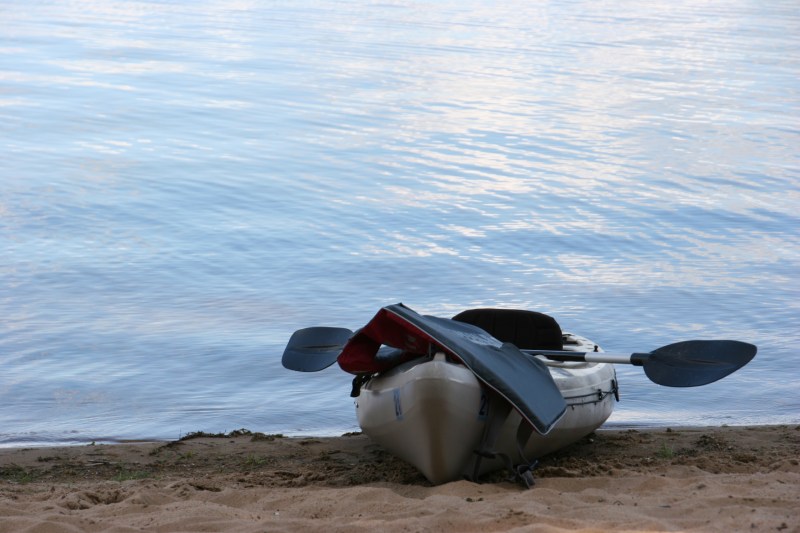
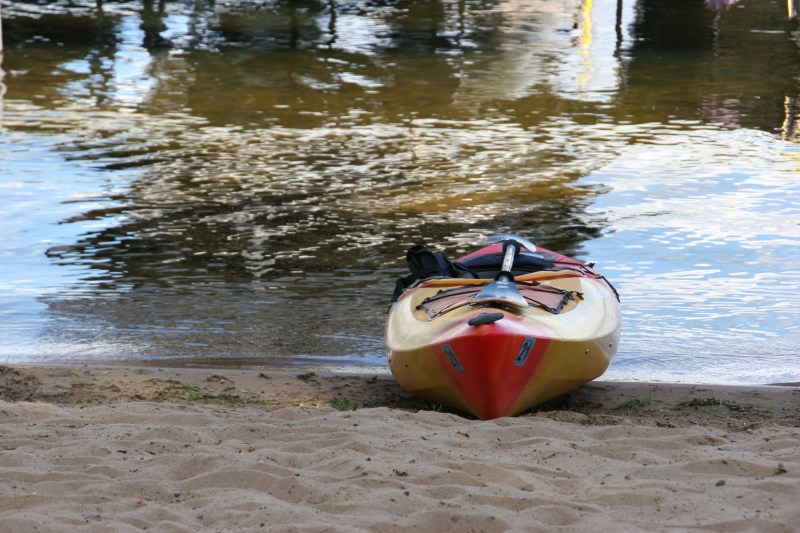
A beached kayak awaits its passenger.


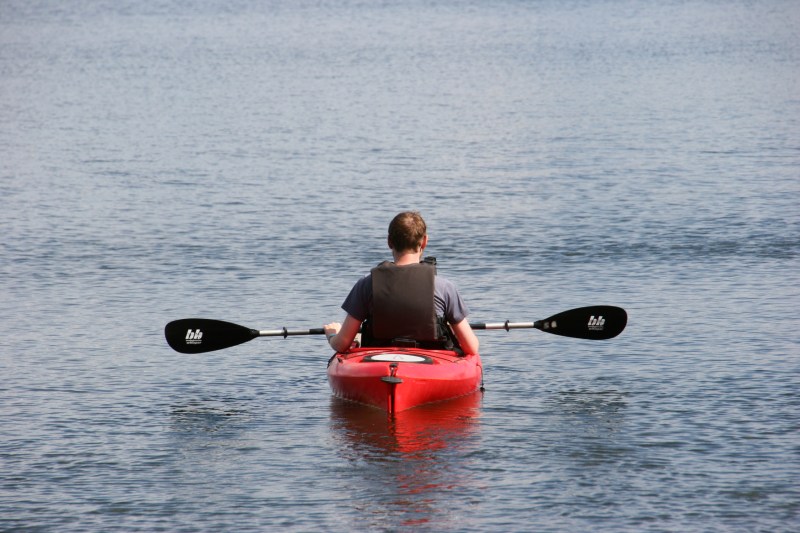
Our son, back in Minnesota for our family vacation, paddles into the lake.


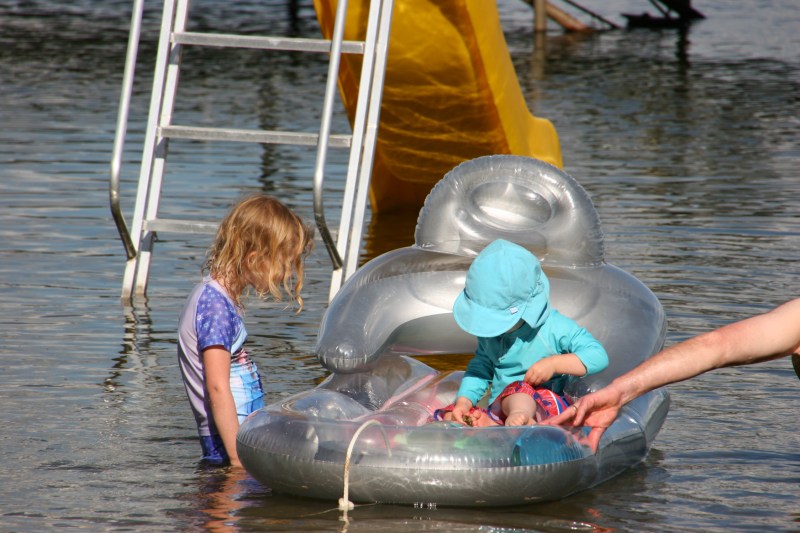
The grandkids (and adults) loved the inflatable floaties.


There is nothing quite like immersing one’s self in the northwoods lake experience.


Grandpa and grandson lakeside.


I will always treasure hearing Isaac giggle at the fish wiggling on the end of Grandpa’s fishing line. I will always delight in watching Isabelle wiggle to her made-up “I Got the Wiggles” song on the lakeside deck. I will always cherish memories of walking outside at night with Randy and Izzy to show our granddaughter the stars. I will always remember seeing my eldest glide across the water on a paddleboard, her daughter sitting on the front.


One of the adult resident eagles in a lakeside treetop.


I will remember, too, walks down the long evergreen-lined driveway, the many minutes standing at the fork in the drive, neck craned to watch the resident eagles.


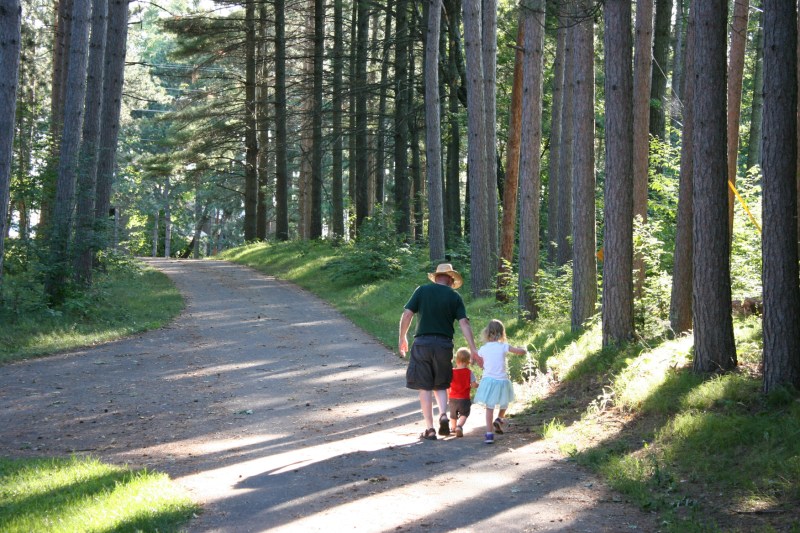
Grandpa and grandchildren follow the pine-edged driveway.


So many memories. So much happiness. So much peace.


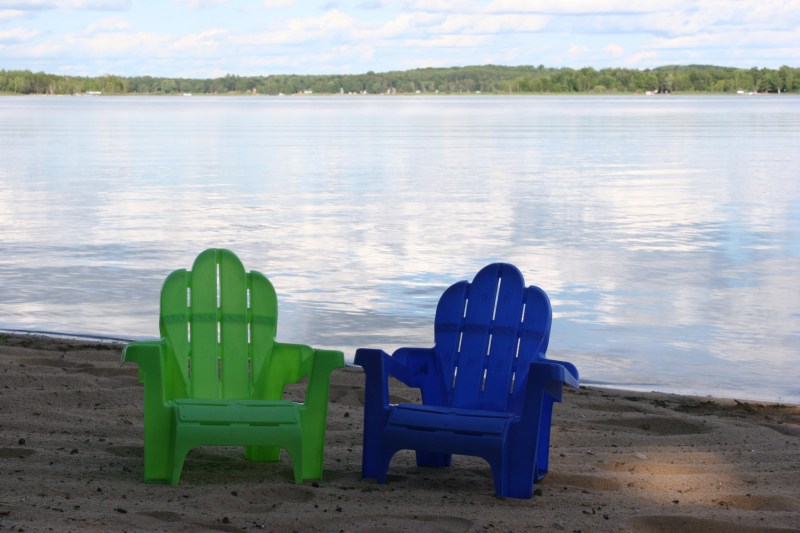
Kid-sized chairs used by the grandkids.


And, for my grandchildren, the beginning of summers Up North at the lake cabin.


Please check back for more posts in this “Up North at the Cabin” series.

© Copyright 2020 Audrey Kletscher Helbling
 

Unexpected discoveries at Falls Creek County Park, rural Faribault June 30, 2020

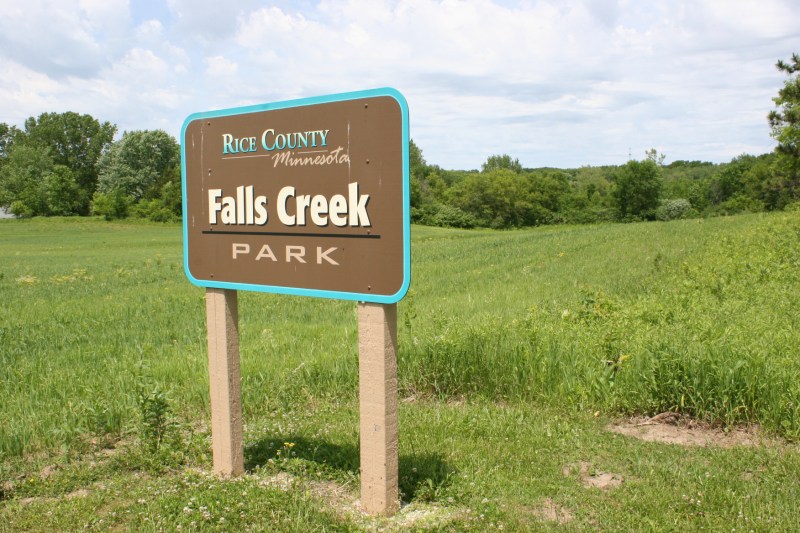
Falls Creek County Park is located one mile east of Faribault along Minnesota State Highway 60, just off the highway an eighth of a mile along a gravel road to the north. This sign is visible from Highway 60.


YEARS HAVE PASSED since I visited Falls Creek County Park just east of Faribault off Minnesota State Highway 60. I remembered the hill and the expanse of lawn leading to a shelter house. And the creek at the edge of the surrounding woods.


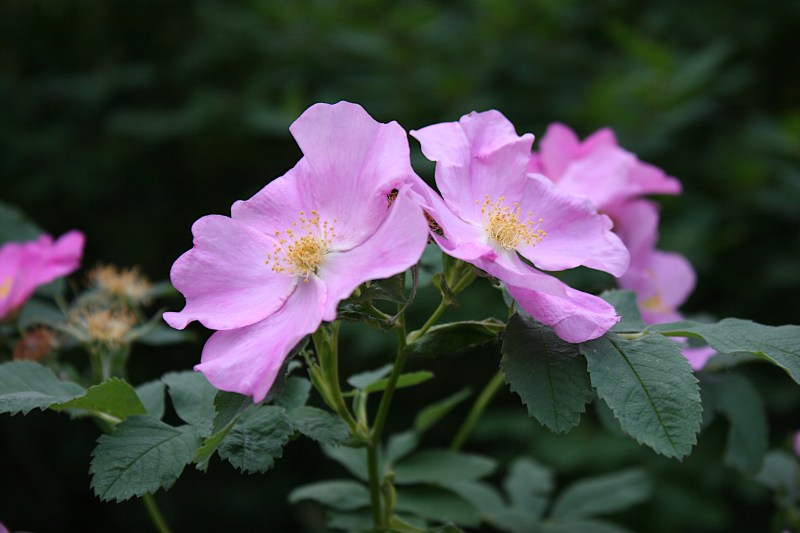
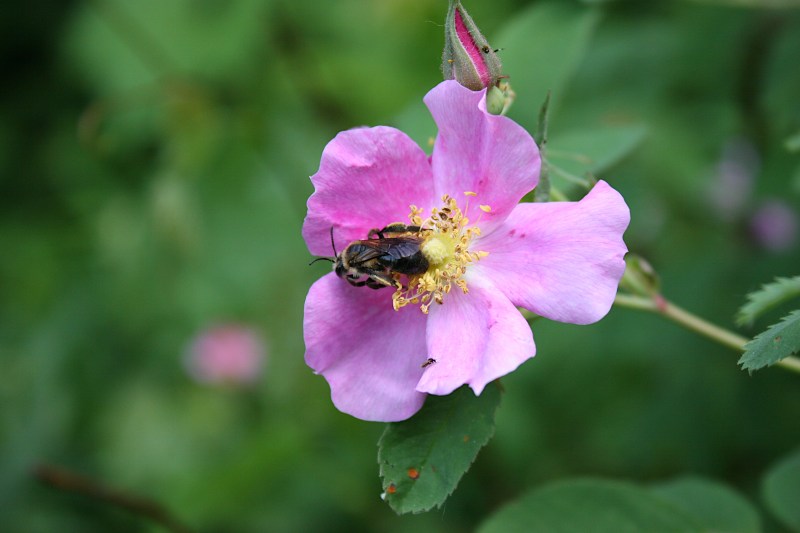
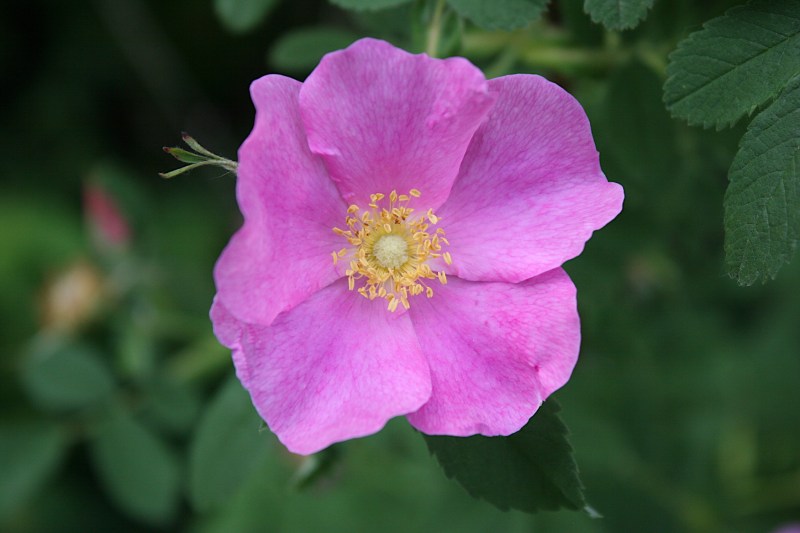
Beautiful wild roses.


I didn’t recall wild roses. Those I would remember because I love wild roses. They remind me of my native prairie home, where, decades ago, pink roses grew random in road ditches. Oh, the sweet scent and the sweet memories.


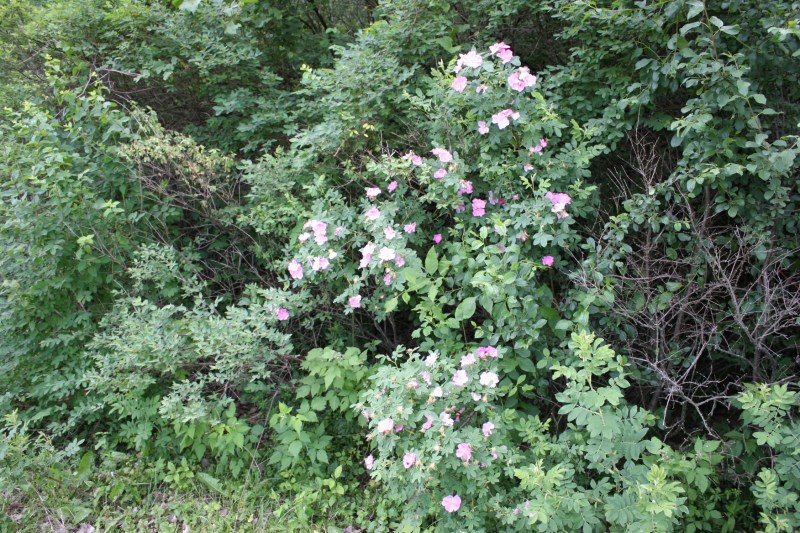
These wild rose bushes edge a section of the massive gravel parking lot.


Randy noticed the roses first at Falls Creek. We both paused to breathe in the old-fashioned fragrance and to share our rose stories of yesteryear. What an unexpected delight.


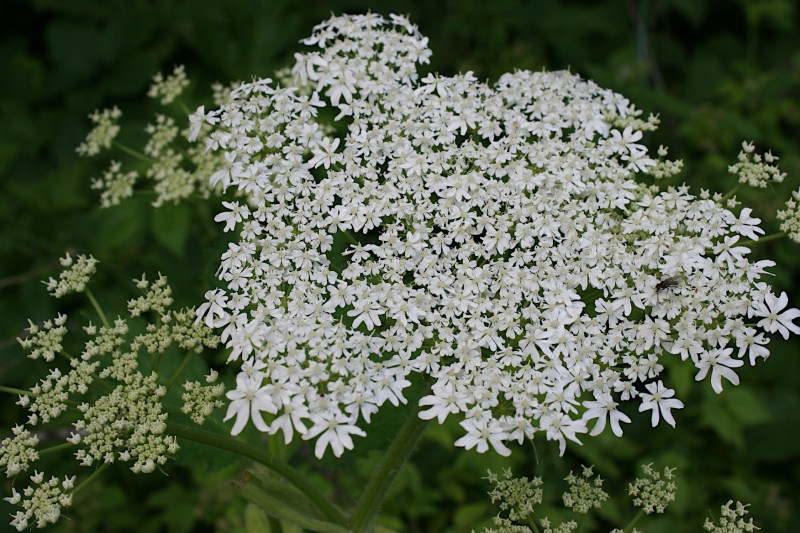
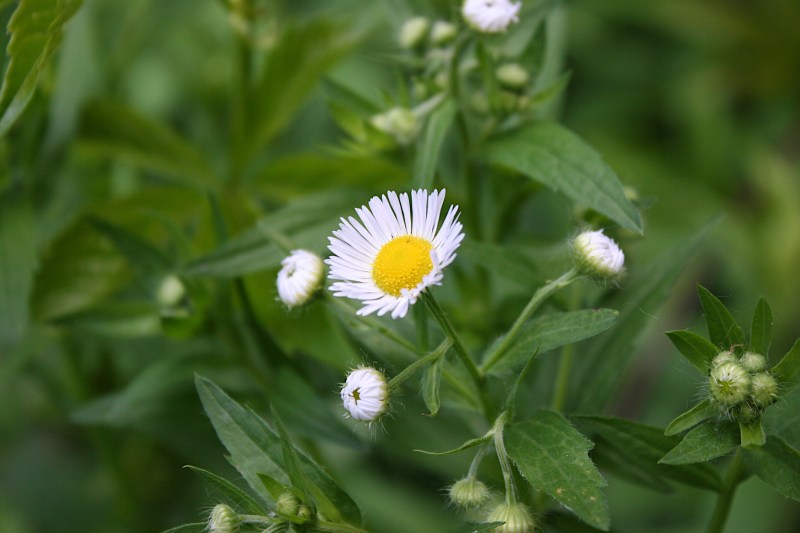
Randy termed this a “weed.” I called it a “flower.”


If you’re dipping your nose into roses, check for bees first. They love this flower.


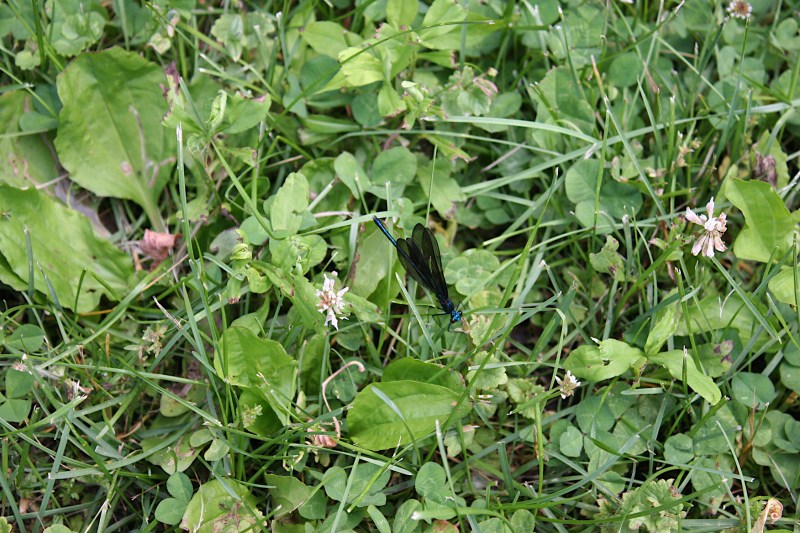
This elusive dragonfly proved incredibly challenging to photograph.


Another wildflower, or weed, depending on your perspective.


After a picnic lunch, I grabbed my camera to photograph roses and wildflowers and an elusive dragonfly before we aimed for the bridge over the creek.


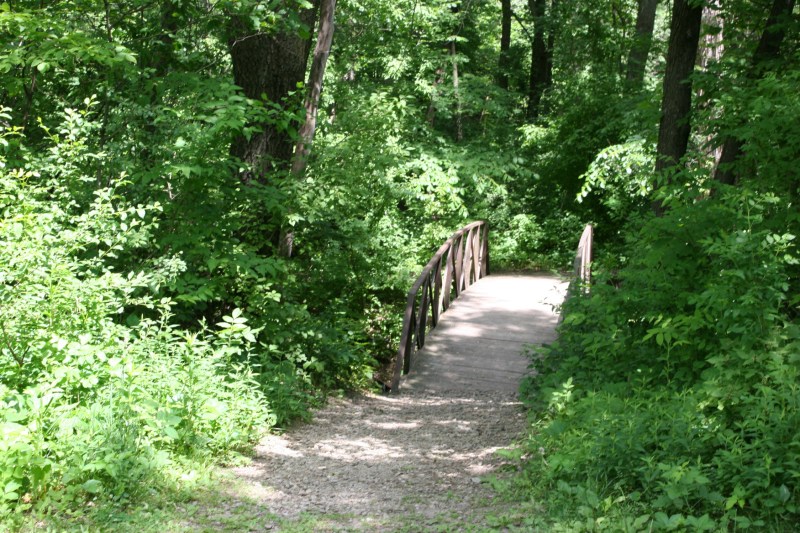
A foot bridge over Falls Creek leads to a path into the woods that follows the creek.


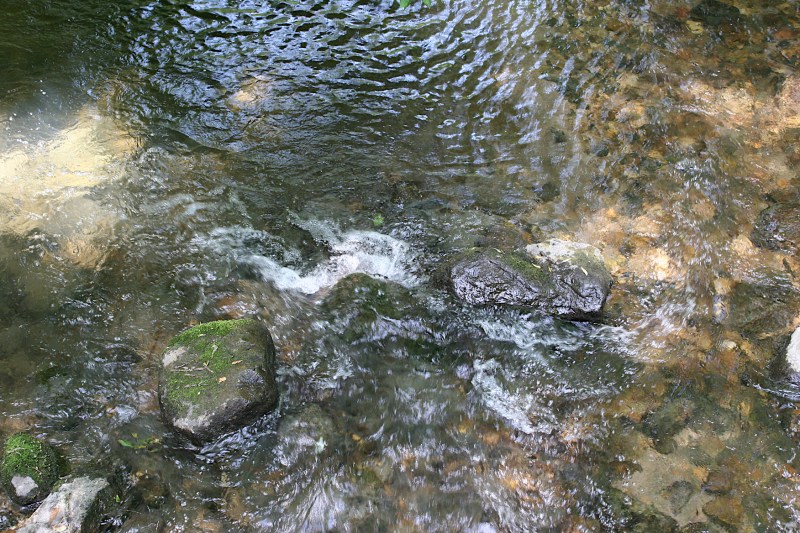
Looking into the creek from the bridge, I watched water tumble over rocks.


I love the sound and sight of water rushing over rocks. It’s mesmerizing, calming, soothing.


What a wonderful surprise to find this clean and clear creek water.


And, as we walked to water’s edge at a crook in the creek, we found water running clear. That is mostly unseen in these parts where rivers and other waterways and lakes are muddy and murky and often nothing you would want to wade into. I dipped my hand into the clean, cool water. Happy at this unexpected discovery, at this untainted water flowing past me.


Greenery galore.


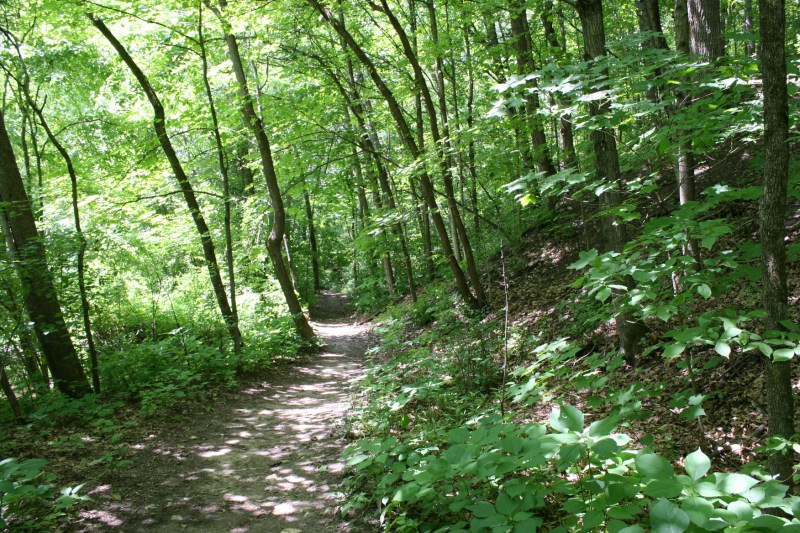
I navigated this path in the woods.


This fallen tree was jammed into the hillside, half the tree on one side of the path, the other half on the opposite side.


From there, we followed the narrow dirt path hugging the creek. In parts, the trail had eroded. Tree roots underfoot and a makeshift crossing of rocks and branches caused me to slow my pace, to watch my feet, to walk with care. The last thing I needed was to stumble and tumble and break a bone or land in the creek with my camera.


Looking up toward the wooded hillside from the creek path.


The woods proved a lovely place of greenery and dappled sunshine filtering through the trees…until the mosquitoes discovered our presence. My body reacts intensely to bug bites. So I needed to turn back and exit the woods.


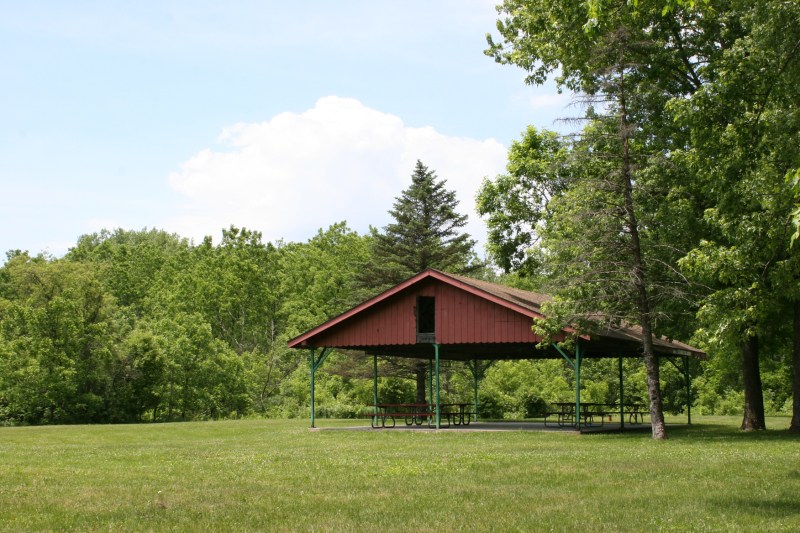
The shelterhouse sits in a large open grassy area.


Back in the open, across the lawn and up the hill and on the far side of the massive gravel parking lot circled with tire track donuts, Randy spotted more wild roses. These were larger, better positioned to get sunshine. Once again, we paused to admire these dainty-looking, yet strong, prairie flowers. Once again, I breathed in the sweet scent.


Before leaving, we smelled the wild roses one final time.


I will remember Falls Creek County Park now for more than the falls I have yet to see—because of those mosquitoes. I will remember this place for the wild roses that edge the woods. And remind me of my native Minnesota prairie home, where there are no woods.

NOTE: This visit occurred several weeks ago, when the roses were nearly done blooming. We’ve also had substantial rainfall in the past two days, meaning the creek may now be muddy, the trail more eroded.

© Copyright 2020 Audrey Kletscher Helbling
 

Photographic perspective June 8, 2020

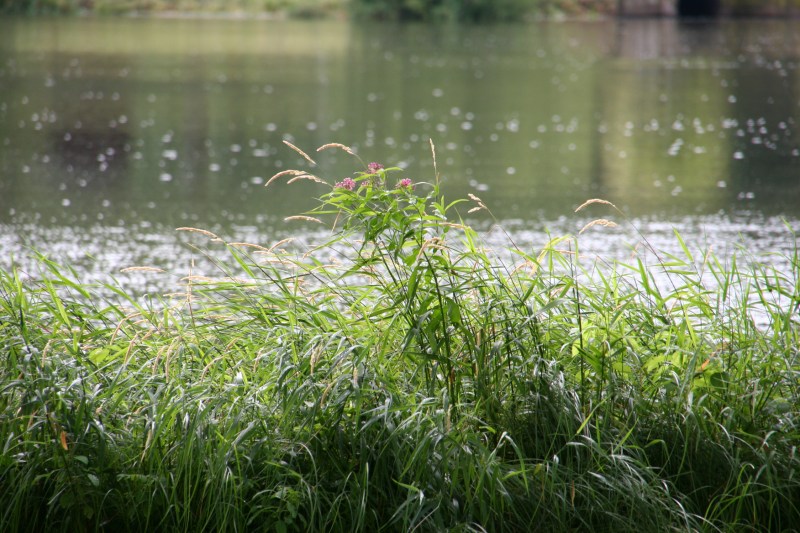
I delight in dried grasses dancing in the wind at sunset at River Bend Nature Center.


A MONTH AGO, as spring broke in Minnesota, Randy and I headed to one of our favorite local outdoor places—River Bend Nature Center in Faribault.


Beauty in a single grass stem.


As usual, I carried my camera. My camera invites me to see the world in a different and more detailed way. I look through the viewfinder with an artist’s eye and with an intent, creative focus.


Randy surveys the prairie below.


Directions to the prairie route.


An overview of the land.


I use photography to create and to document. And in the process, I find joy. If you’re a photographer, you understand that moment when everything—the light, the subject, the composition—comes together. It’s, to be somewhat trite, magical.


Greenery dangles from a tree, looking lovely in the evening light.


People often comment that I must have a “really good camera.” I don’t. It’s second-hand, an EOS 20D Canon, old by today’s standards. It doesn’t perform especially well in low light. But I love this camera; it’s my second 20D.


I love the muted, dreamy tone of this image, the softness in the light of a setting sun as I shot through the field of dried grasses.


Today’s smartphone cameras can technically surpass the quality of my aging DSLR. But there’s one thing technology can’t replace. And that’s the photographer’s skill-set, talent, experience and creativity.


The moon rises while the sun sets.


I understand the basics of photography—of lighting, composition, focus… But even more, I recognize the importance of perspective and storytelling. Of thinking outside the box. Of creating art with my photography.


A red-winged blackbird catches my eye.


When you see my photos, I want you to feel immersed in a sense of place. In that moment when I stand or squat or kneel to frame an image, I want you there. Or when I set my camera on the ground and aim the lens upward without looking through the viewfinder.


A prairie path…


I strive to tell stories, to introduce you to people and take you to places and events you may not otherwise see. To show you my little corner of the world and beyond, through my life lens.

© Copyright 2020 Audrey Kletscher Helbling
 

A child’s perspective on face masks with notes from Grandma May 28, 2020

Some of our face masks, crafted by a friend in Texas.


“I like your face mask, Grandma.”

Her words nearly broke my heart. But I didn’t let on to 4-year-old Isabelle who sat behind me, buckled in her car seat, waiting for Grandpa to exit the convenience store with a gallon of milk.

My cotton print mask, dangling from the cup holder, was in her favorite color, pink. I grabbed the mask and pointed to the colored circles thereon—yellow, green, white, pink, blue, orange.

“Mine has lady bugs,” Izzy said. “And the other is brown.”

I knew about the masks, which had just arrived in the mail from my granddaughter’s great aunt in New Jersey. I was grateful for that gift. But, still, the thought of a preschooler aware of face coverings made me profoundly sad. Her parents had already talked to Izzy about COVID-19 in terms she could understand—that people are sick. She accepts that as the reason she can’t see her friends, go to the library, visit Como Park or the Minnesota Zoo and much more.


Izzy rides her scooter along the trail in North Alexander Park in Faribault.


I followed that same simple explanation when we were at a Faribault park with Izzy. I kept a watchful eye as she zoomed ahead of Randy and me on her scooter. When I saw others approaching on the trail, I called for her to stop. She listened. We moved to the side and I formed a barrier between myself and passersby. I feel an overwhelming need to protect my sweet granddaughter.
Isabelle never once asked to play on the playground. She understands that, for now, for her safety, she can’t.


Baby ducks are so so cute.


Mama duck watches her babies.


The drake swims nearby.


We tried to make our park visit as ordinary as possible, pausing to watch a family of ducks along the shoreline. It was a moment of grace, observing downy ducklings guarded by their mother. Not unlike me with Izzy. We listened to their incessant cheeping and I wondered what they were communicating to one another. Warnings perhaps.
 

A long row of lilacs in various shades grows in North Alexander Park.


We stopped also so Grandpa could clip a spray of lilacs.


There are plenty of picnic tables alongside the Cannon River.


And we picnicked beside the Cannon River, listening to the noisy chirp of birds. Izzy nibbled at her turkey sandwich, ate too many grapes, tried a few of Grandpa’s chips and enjoyed a chocolate chip cookie we’d baked the day prior. When she was done, I wet a napkin with an ice cube pulled from the cooler and wiped away the melting chocolate circling her lips. I love that sweet little face.
On our way home, we stopped at the convenience store. And had that conversation about face masks. When Grandpa pulled open the van door to set the jug of milk and bananas inside, Izzy watched as I squirted hand sanitizer into his open palm. “I don’t like your face mask, Grandpa,” she said. His is black-and-white checkered like a racing flag. No pink anywhere on the fabric.
Preschoolers are, if anything, honest.

And they need us to protect them and those they love. Like their parents. Their siblings. Their grandparents. Their aunts and uncles and cousins. Their friends. They need us to wear face masks.

© Copyright 2020 Audrey Kletscher Helbling