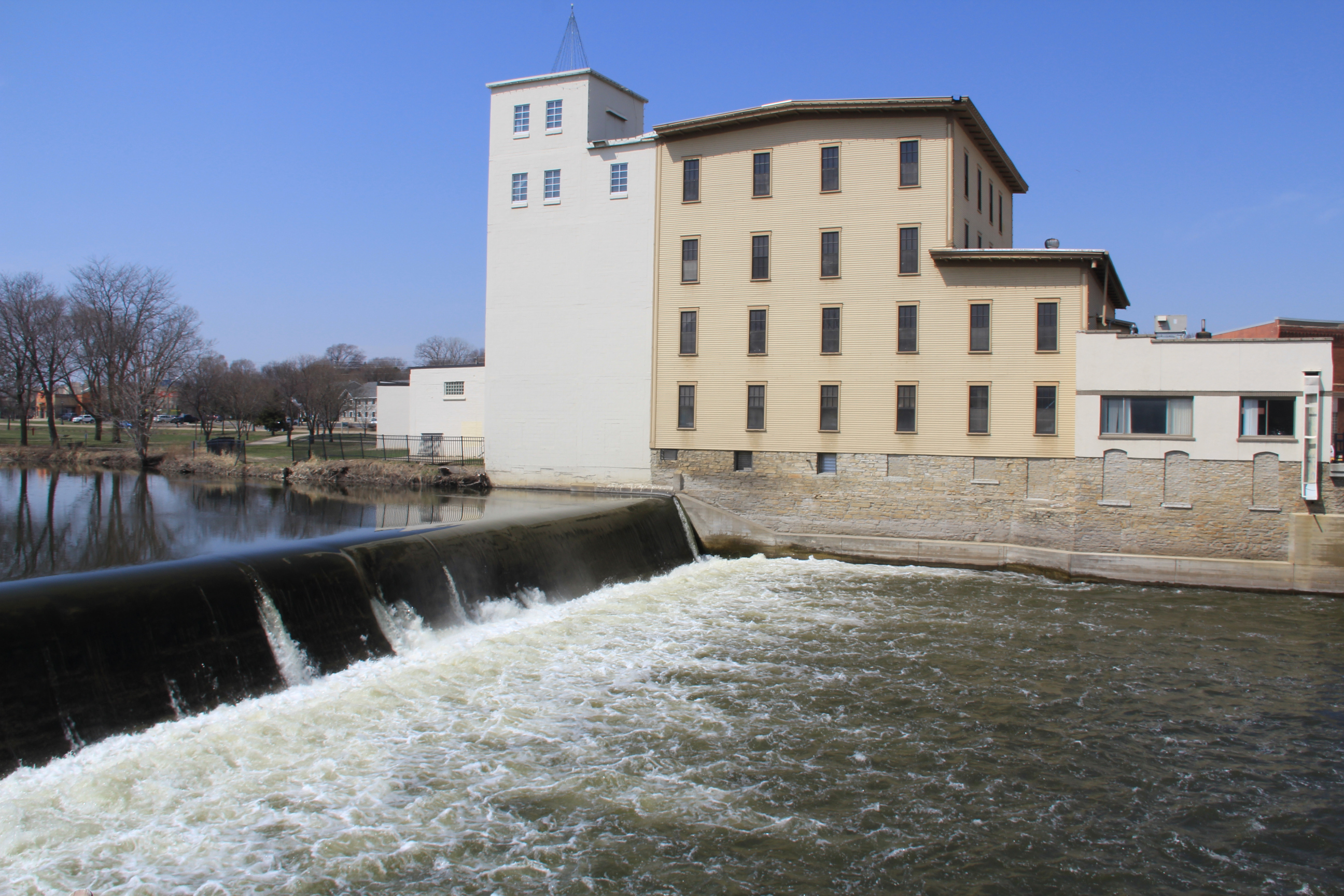
The Cannon River spills over the dam by the historic Ames Mill. (Minnesota Prairie Roots copyrighted photo April 2025)
WE COME TO THE RIVER. The Cannon River, spilling over the dam by the Ames Mill. Roaring. Churning. Then flowing under the bridge and between the walls of the Riverwalk in downtown Northfield.
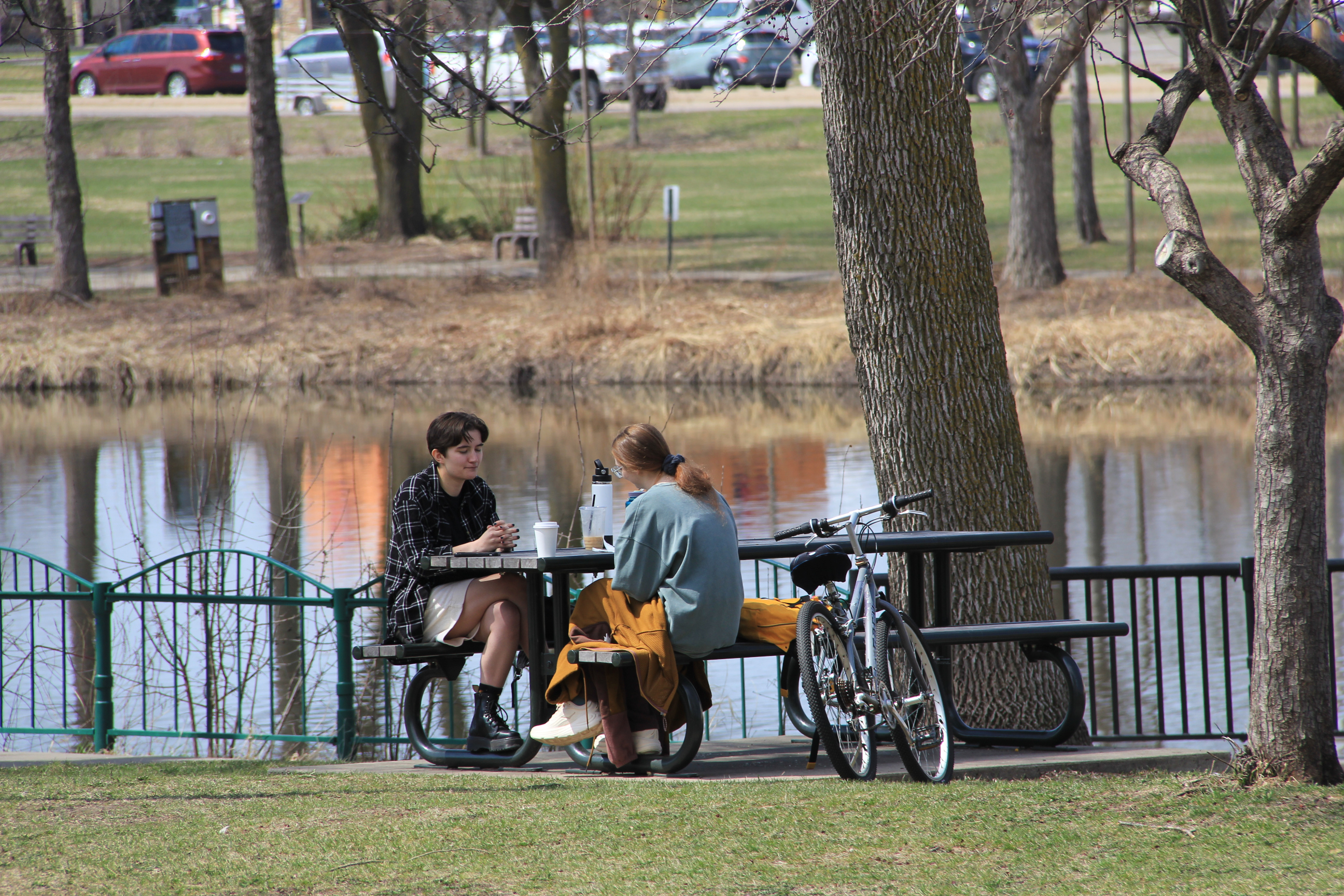
Enjoying beverages and time together beside the Cannon River in Bridge Square. (Minnesota Prairie Roots copyrighted photo April 2025)
We come here on a Sunday afternoon, on an April day of temps pushing into the sixties, the sun beaming warmth upon us, upon the land, upon the river. To sit. To walk. To lean toward the river. To simply be outdoors on an exceptionally lovely spring day in southern Minnesota.
The mood feels anticipatory, joyful, as we walk ourselves, and some their dogs, along the riverside path.
Historic buildings hug the Cannon River (and Division Street) in Northfield’s quaint downtown. (Minnesota Prairie Roots copyrighted photo April 2025)
I come with my Canon camera in hand. An observer. An appreciator of the sun, the sky, the warmth, the river, the historic buildings, the people and activities happening around me. In some ways, the scene seems Norman Rockwell-ish, Busy, yet tranquil. A slice of small town Americana. Everyday people enjoying each other, nature, the outdoors. Life.
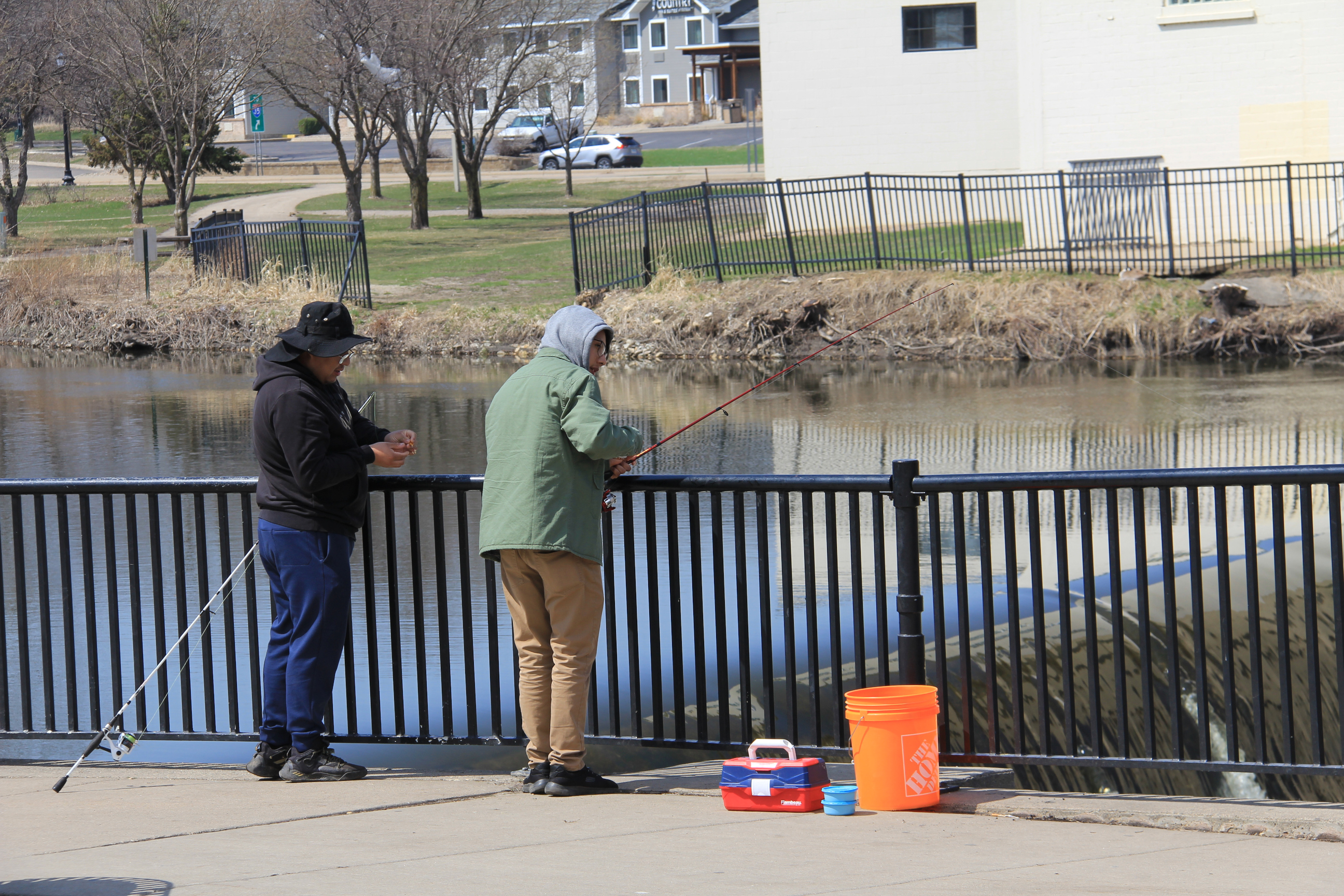
Fishing by the Ames Mill dam. (Minnesota Prairie Roots copyrighted photo April 2025)
Many carry fishing poles, tackle boxes, containers of bait. Anglers press against the riverside railing, dropping lines into the water far below.
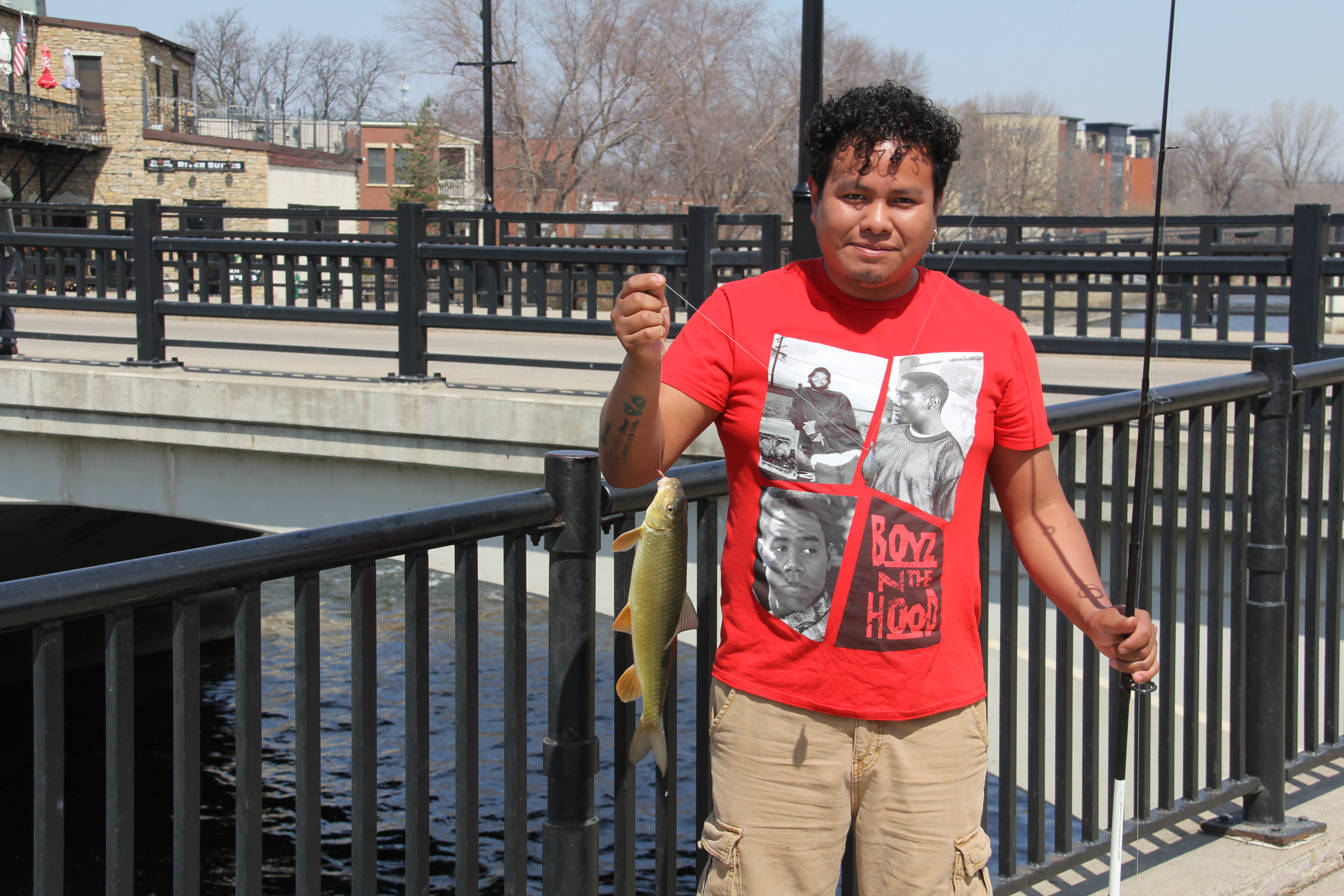
Caught in the Cannon, a sucker fish. (Minnesota Prairie Roots copyrighted photo April 2025)
I watch as a young man pulls in an unidentifiable-to-me fish (later identified as a white sucker by my husband). His friend snaps a photo of the proud angler and his first catch of the day.
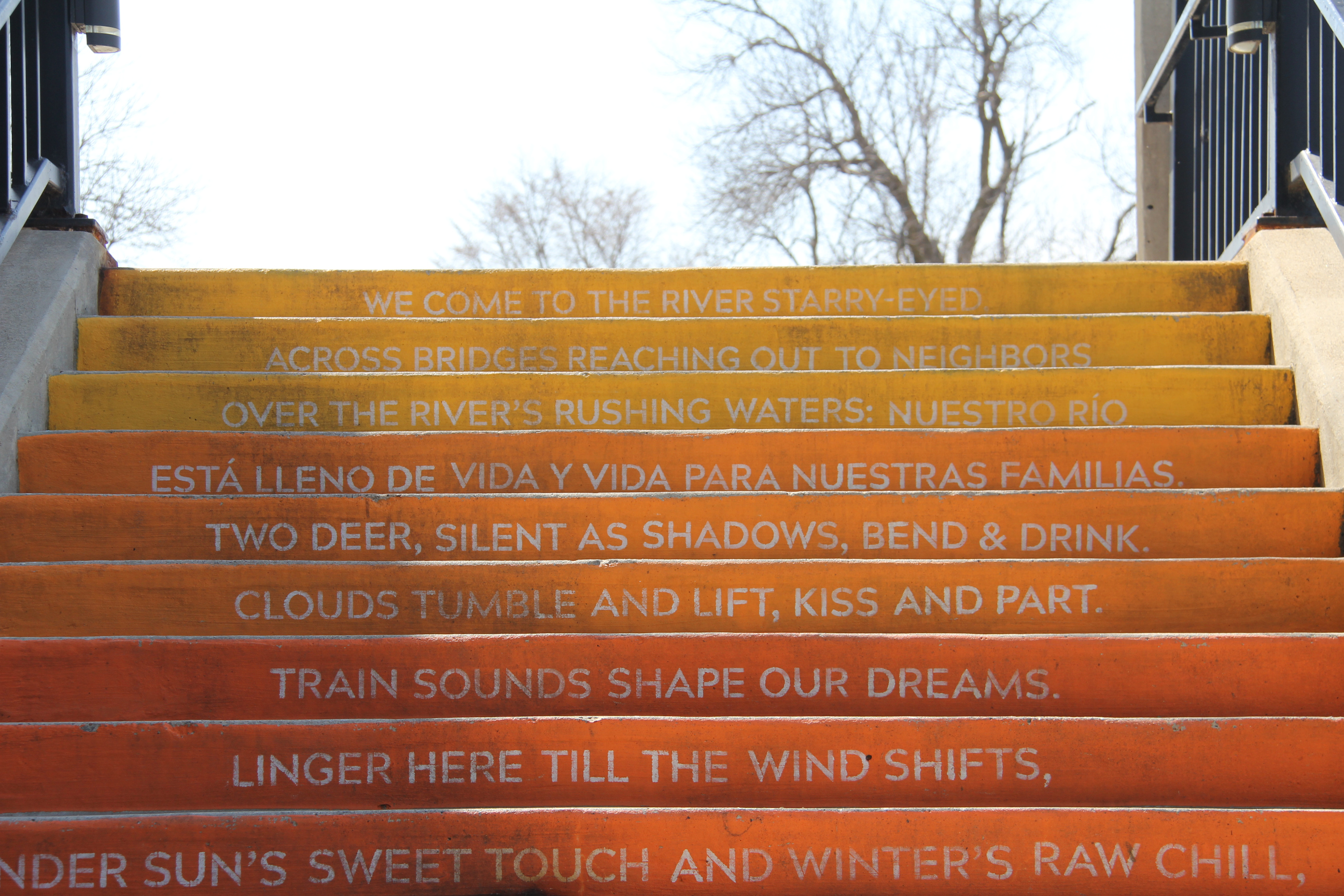
The top section of the Riverwalk Poetry Steps. (Minnesota Prairie Roots copyrighted photo April 2025)
After hanging around the river by Bridge Square for a bit, I descend the colorful Riverwalk Poetry Steps, a river poem crafted by a collaboration of 17 poets. We come to the river starry-eyed/across bridges reaching out to neighbors/over the river’s rushing waters…
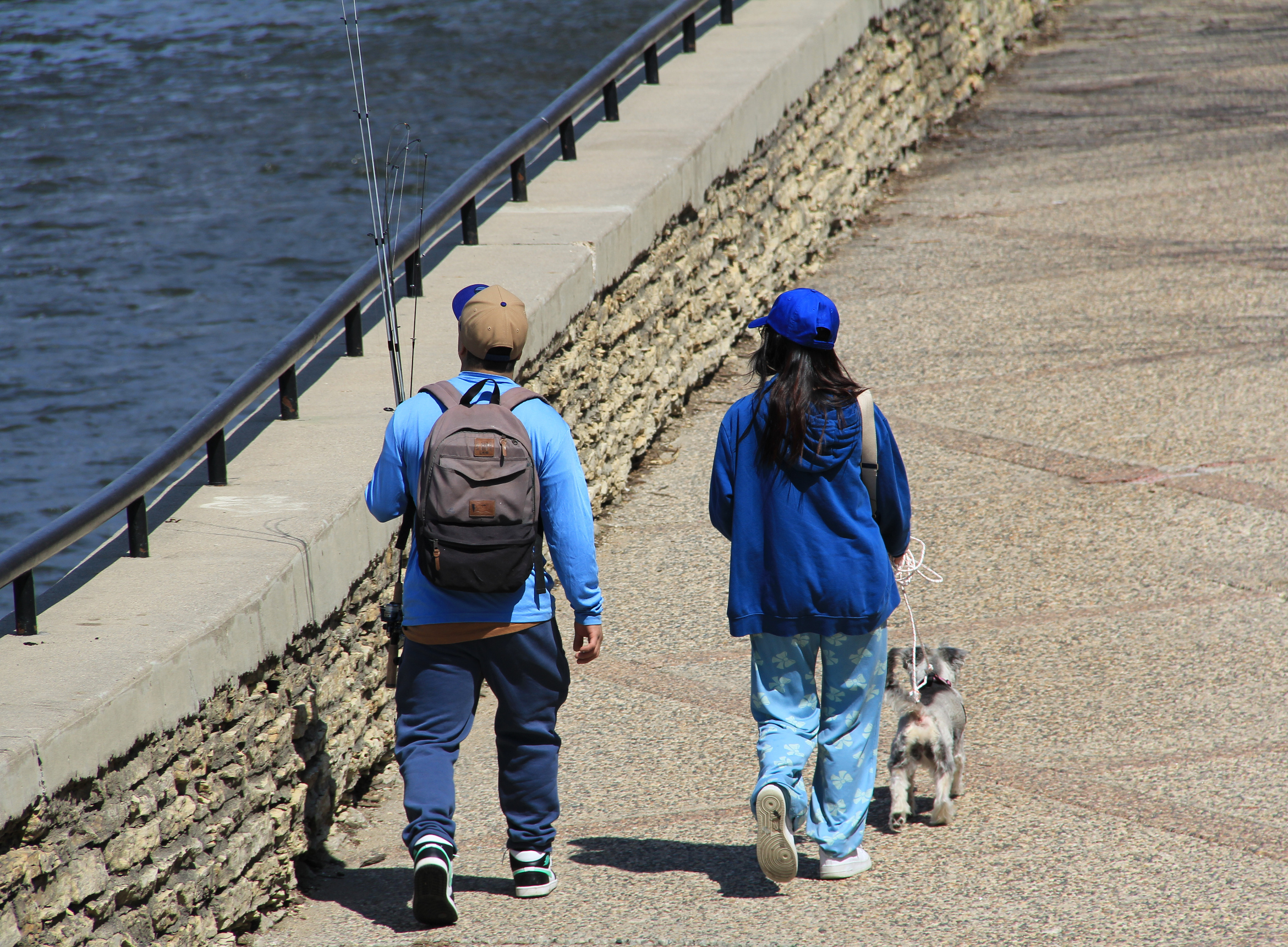
Following the Riverwalk to find a fishing spot along the Cannon River. (Minnesota Prairie Roots copyrighted photo April 2025)
I trail behind a couple, a family, a dog, another family, all of us connected by the water, by this place, on this spring day. I’m the only one to pause and read the poetry.
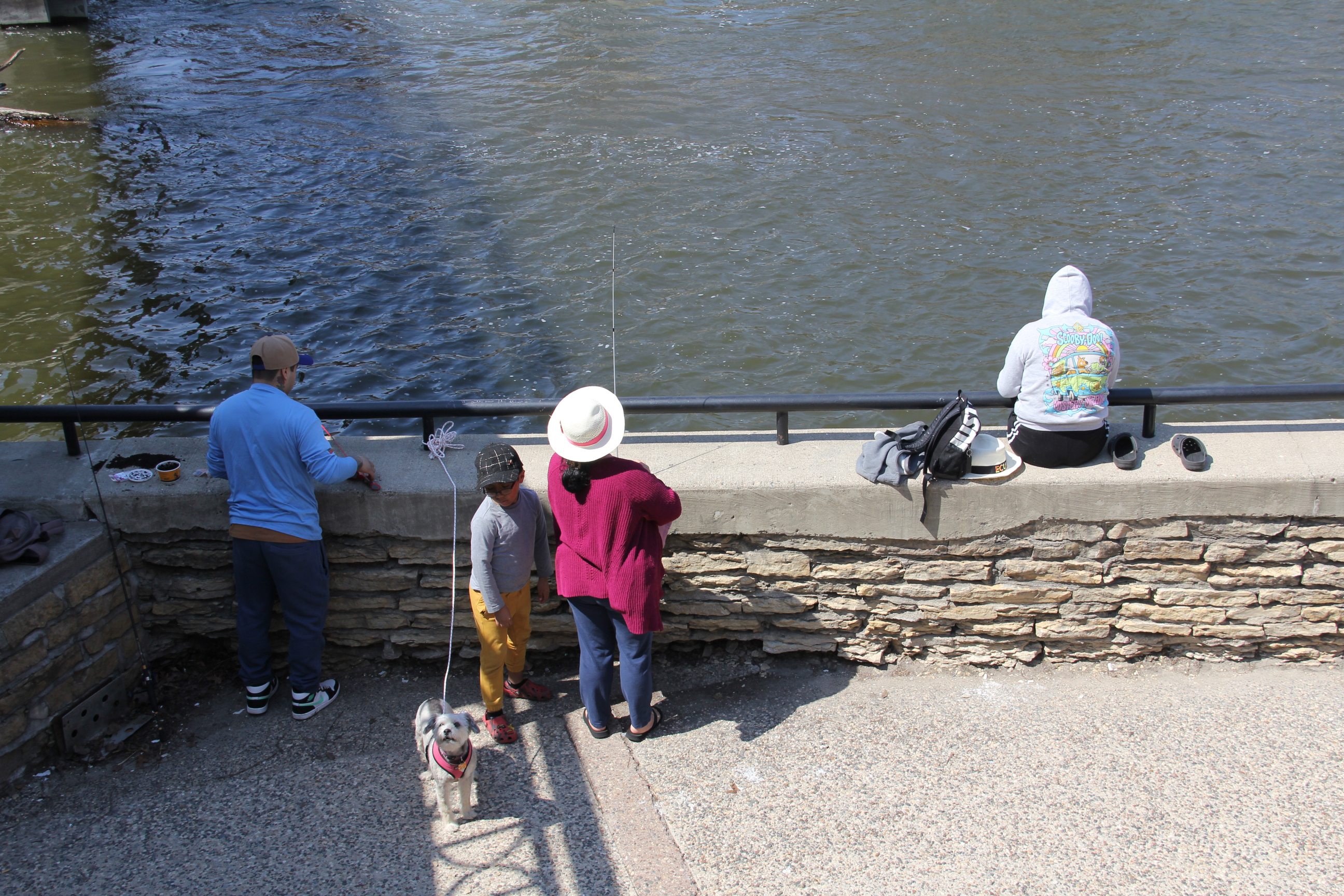
A family fishes the Cannon. (Minnesota Prairie Roots copyrighted photo April 2025)
Atop the river wall, young women sit, sans shoes, while they fish. We all watch the river flow. Bobbers bob. A pair of ducks—one pure white—flies low, skimming the water before landing upon the surface of the Cannon.
“Lady Cannon,” a riverside mural by Maya Kenney and Raquel Santamaria. (Minnesota Prairie Roots copyrighted photo April 2025)
Across the river, Lady Cannon watches. Fish swim in her tangled waves of locks, flowing like water down steps toward the river. She is the art of the Cannon.
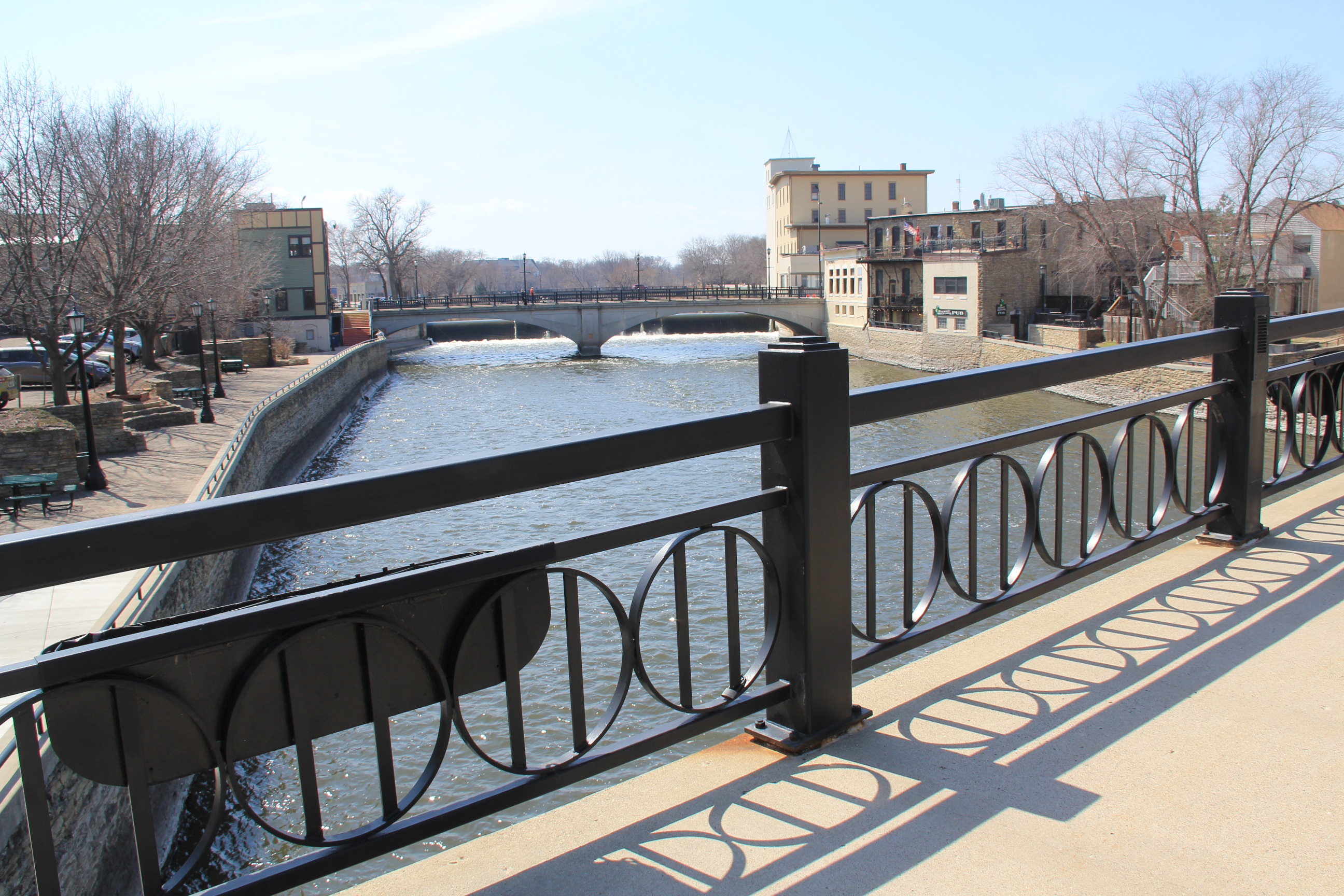
On the pedestrian bridge looking toward the Cannon and the Ames Mill, right in the distance. (Minnesota Prairie Roots copyrighted photo April 2025)
I see art, too, in a railing shadowed upon the pedestrian bridge. I linger, mesmerized by the moving water, the riverside historic flour mill a block away.
There’s so much to take in here. So much that connects us. The sun, the sky, the land. And the river that flows beside and below us.
This photo taken at 4 p.m. Friday, March 28, shows the unusually high March temperature in Faribault. (Minnesota Prairie Roots copyrighted photo March 2025)
TWENTY-FOUR HOURS AGO, the temperature registered 81 degrees on the State Bank of Faribault sign in our historic downtown. At 4 p.m. Saturday, the temp read 38 degrees. That’s a 43-degree plunge. Such is the fickle nature of weather in southern Minnesota. One day summer. The next day winter.
Let’s talk that one day of summer. The two oldest of our three grandkids were here for a sleep-over Thursday into Friday afternoon. We took full advantage of the unseasonably warm temps with lots of time outdoors. Who wants to stay indoors when the sun is shining, the breeze is blowing and it feels like summer? None of us.
So out we went Friday morning, first to hang laundry on the clothesline, which didn’t interest Izzy, almost nine, and Isaac, six, quite as much as I had hoped. “We have a dryer,” Izzy informed me as she handed me clothespins. So does Grandma. But Grandma prefers hanging laundry outdoors, under the sky, under the sun, in the wind.
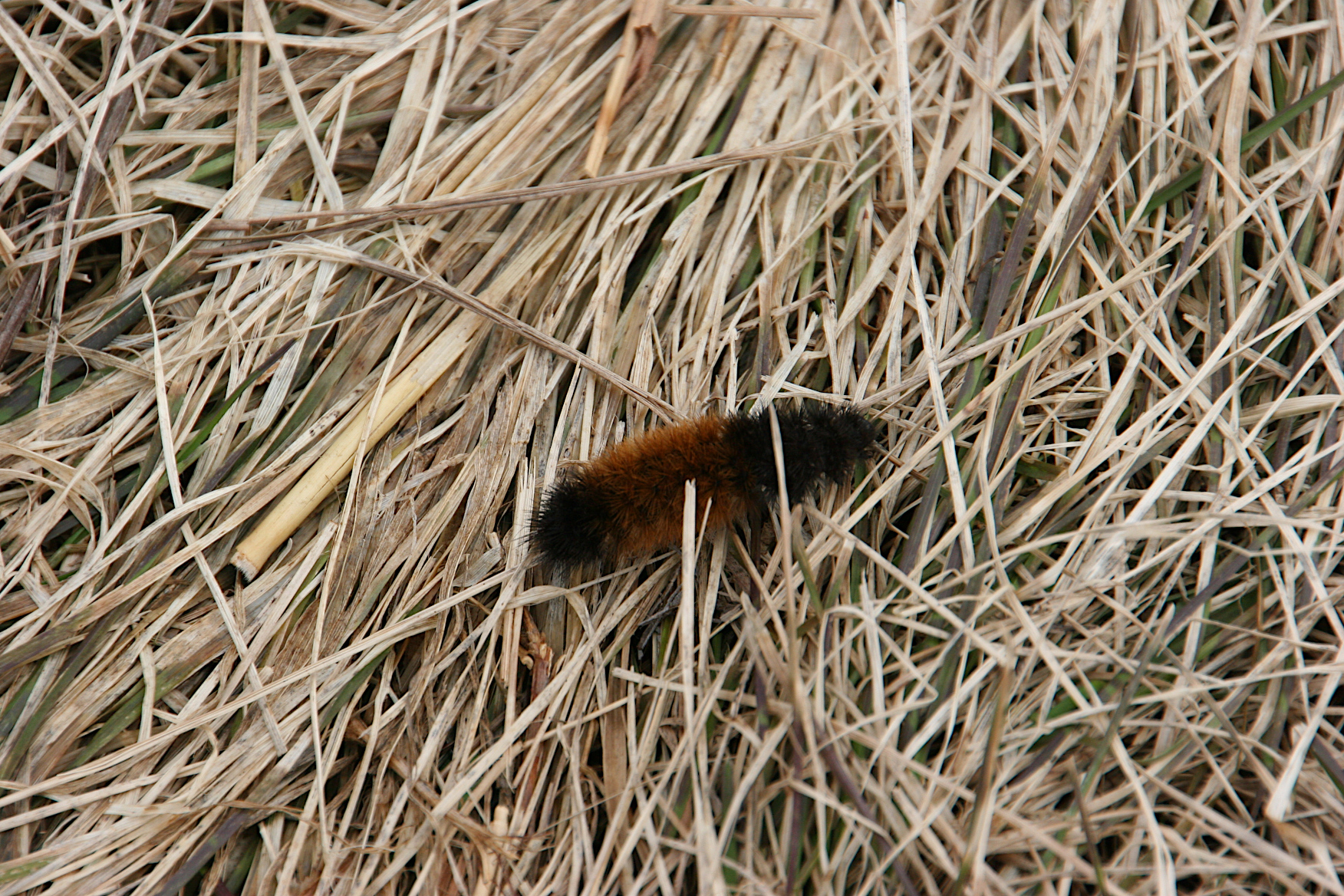
This looks just like the caterpillar found in our backyard on Friday morning. (Minnesota Prairie Roots copyrighted file photo)
A CATERPILLAR, SQUIRRELS, BRAMBLES & A ROCK
Time outdoors led to discoveries, like the woolly caterpillar Izzy found in the backyard and which she insisted was poisonous. I insisted it was not while using a dried maple leaf and a piece of bark to move the fuzzy ball to a safe place in a flowerbed. She worried and warned that I was not to touch the poisonous caterpillar. “Izzy, it’s not poisonous,” I repeated. I’m not sure she believed me.
We noted all the holes dotting the backyard, spots where squirrels dug for hidden walnuts. Empty shells littered the dormant lawn.
The previous evening, Grandpa led Izzy and Isaac up the hill through the woods behind our house. It’s a bit of a climb past fallen branches and brambles. But they were adventurous, determined to make it to the top, to Wapacuta Park. There they found the playground equipment rather scary—Grandpa concurred—but a gigantic rock a whole lot of fun as they scampered atop it. This is the same mammoth rock their mom, aunt and uncle climbed as kids. Life come full circle.
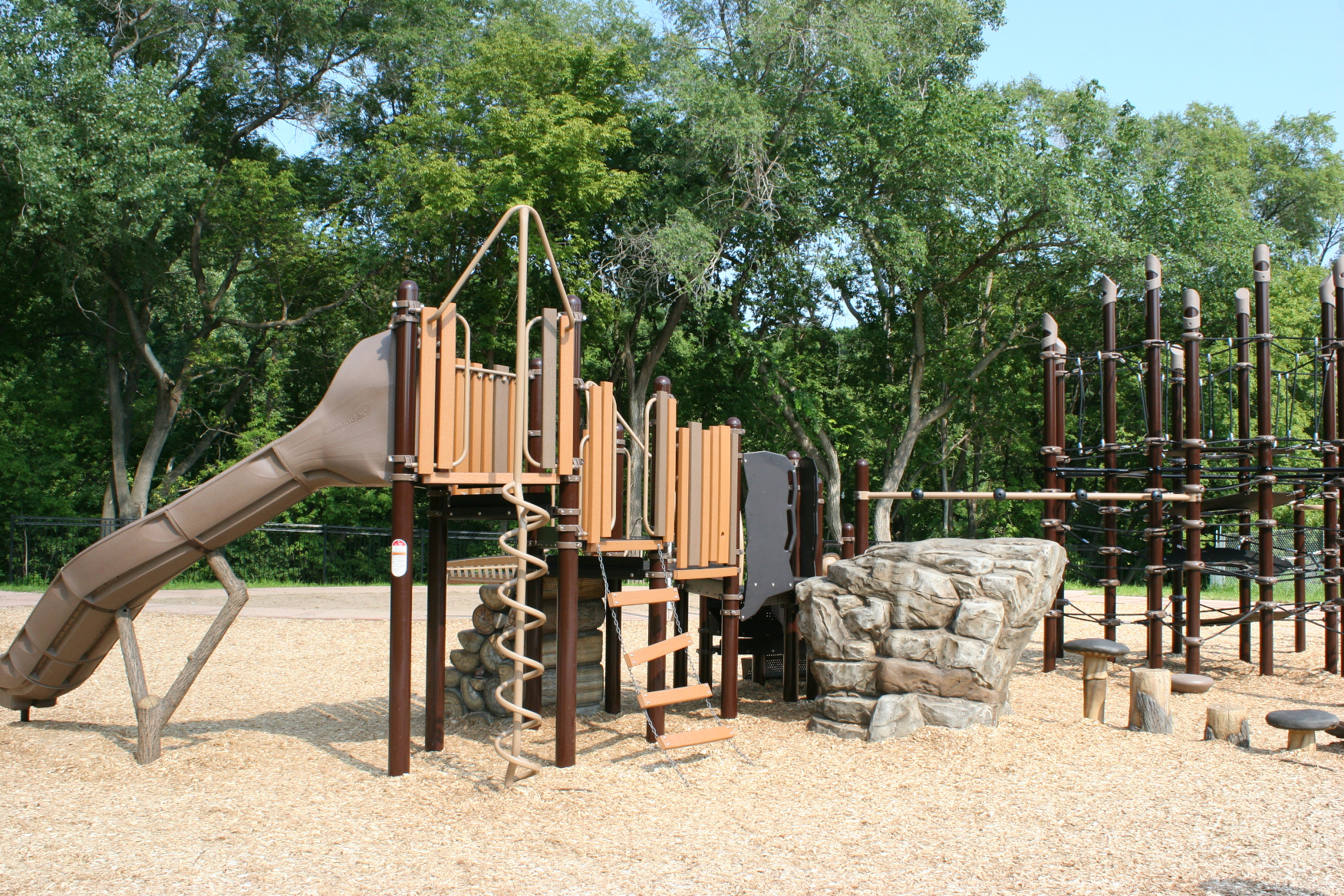
The Fleckenstein Bluffs Park playground. (Minnesota Prairie Roots copyrighted file photo)
TIME TO PLAY & TIME TO ASK SERIOUS QUESTIONS
Late Friday morning we headed to Fleckenstein Bluffs Park near downtown to a playground the kids found much more to their liking. Another rock (albeit fake) to climb, a towering climbing apparatus, musical instruments, sand diggers, mini spinning seats and more, including fossils imprinted in the fake rocks.
We spent time, too, on an overlook above the Straight River. There the grandparents had to answer questions about homelessness given the blue tent pitched alongside the river. “Why do they live in a tent?” Sometimes adults don’t have all the answers. But we tried. Izzy worried that the police were coming to arrest those living in the tent when she saw a cruiser driving down the bike trail. No, Izzy, they’re not going to arrest them.
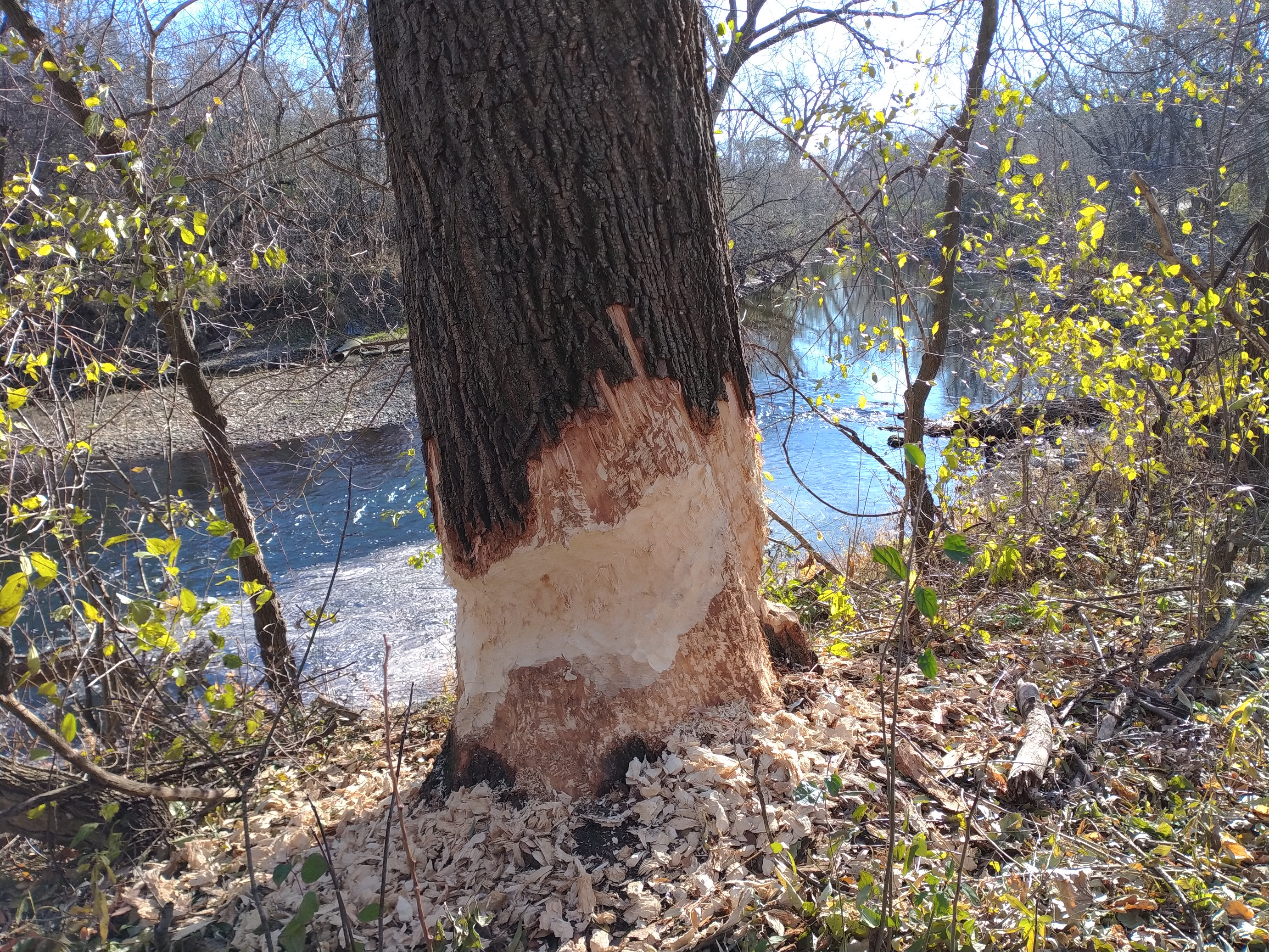
Beavers have given up chewing on this tree along the Straight River, we discovered during a walk on Friday. (Minnesota Prairie Roots copyrighted file photo)
BEAVERS, GEESE, A HERON & MEMORIES
And so we followed the Straight River Trail, noting trees chewed by beavers, a sandbar in the river, chimes on an apartment balcony clinking in the wind, a pair of geese moving from land to river, a magnificent blue heron flying low above the water…then those geese again, swimming.
Izzy stopped to pluck stones from alongside the trail, dropping them into an empty yogurt cup she’d brought with her. We walked sometimes hand-in-hand, Isaac and Grandpa well ahead of us, also clasping hands. This time together in the outdoors is the stuff of memories, of learning, of connecting with nature.
This used bookshop in Faribault is a must-stop when the grandkids visit. (Minnesota Prairie Roots copyrighted file photo)
DRAGONS, TORNADOES & THE BIG WIDE WORLD
On the drive home, we stopped at Books on Central, a used bookstore run by the Rice County Area United Way. We like to take the kids there whenever they are in town. Izzy found a fantasy book about dragons she’s read, but wanted to own. And a nonfiction book about tornadoes. Isaac was looking for atlases. Jeanne, who volunteers at the bookshop, found two, as yet unprocessed, atlases in the back room. Isaac was happy, promptly sitting down to page through the books. We also chose a book for their baby cousin, Everett, in Wisconsin.
And so that was our day together. A time of laundry hanging, backyard observing, playing, walking and enveloping ourselves in nature. But above all, it was time for us as grandparents to be with our beloved grandchildren, simply enjoying an unseasonably warm late March day in southern Minnesota, “poisonous caterpillar” and all.
The prairie at River Bend Nature Center, Faribault. (Minnesota Prairie Roots copyrighted photo February 2025)
IN THE IN-BETWEEN SEASON of not exactly winter, but not quite spring here in Minnesota (although the calendar says otherwise), I feel like I’m waiting. Waiting for snowfalls to end. Waiting for the landscape to transition from drab browns and grays. Waiting for vibrant colors to appear.
My neighbor’s spring flowers. (Minnesota Prairie Roots copyrighted file photo 2023)
There’s a sense of anticipation and wonder when buds form, when the first tender shoots of spring bulbs emerge from the soil, then flower. Purple crocuses. Sunny yellow daffodils. Followed by tulips and other flowers in a rainbow of hues.
Spring wildflowers at Kaplan’s Woods Park, Owatonna. (Minnesota Prairie Roots copyrighted file photo)
I love the beginning of spring—real spring, not the teasing warm days of early and mid-March or simply a date (March 20) on a calendar.
Spring erupts in Minnesota at Falls Creek Park, rural Faribault. (Minnesota Prairie Roots copyrighted file photo May 2022)
I love when the landscape is flush in green, a green so vibrant that it’s almost indescribable.
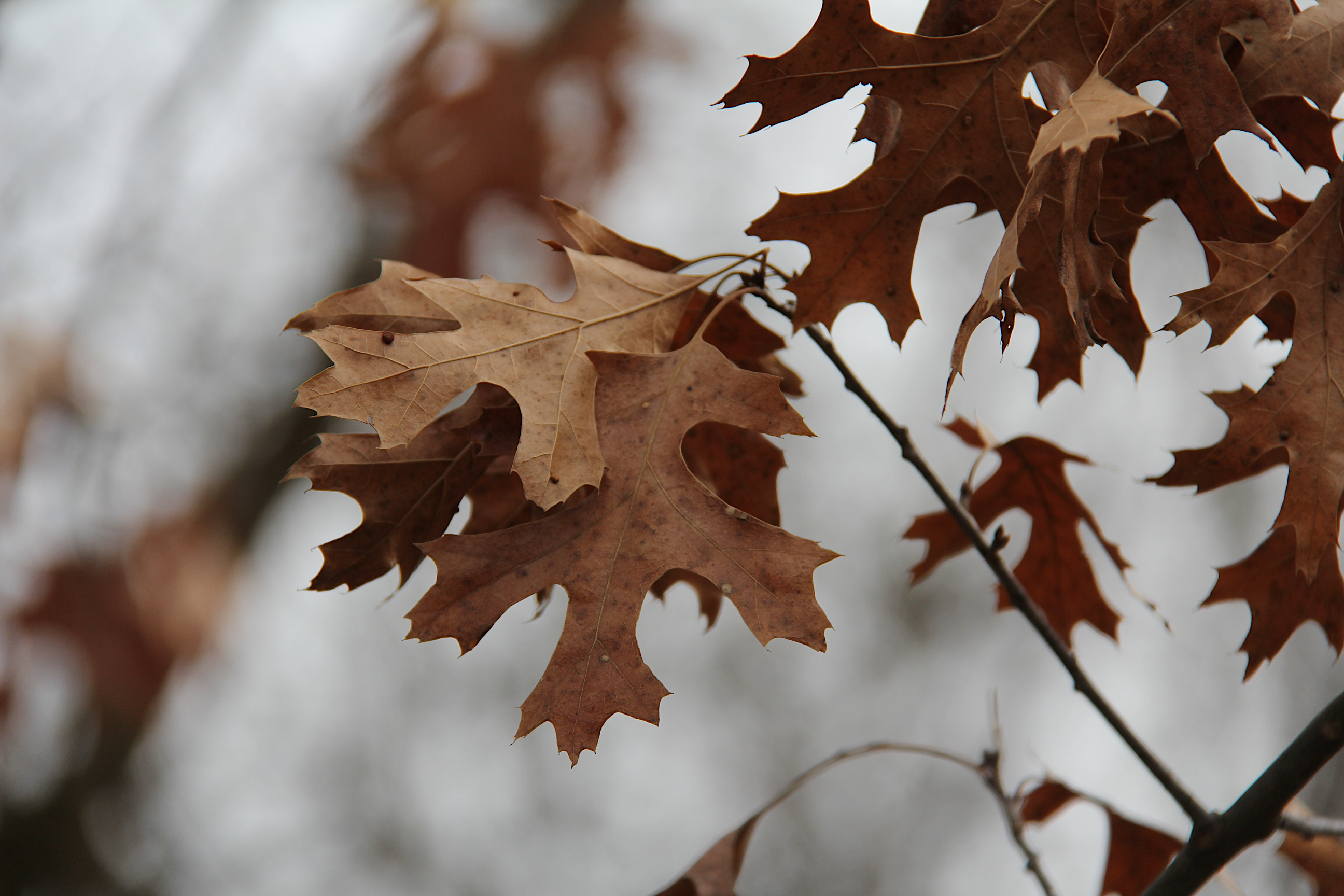
Oak leaves at River Bend. (Minnesota Prairie Roots copyrighted photo February 2025)
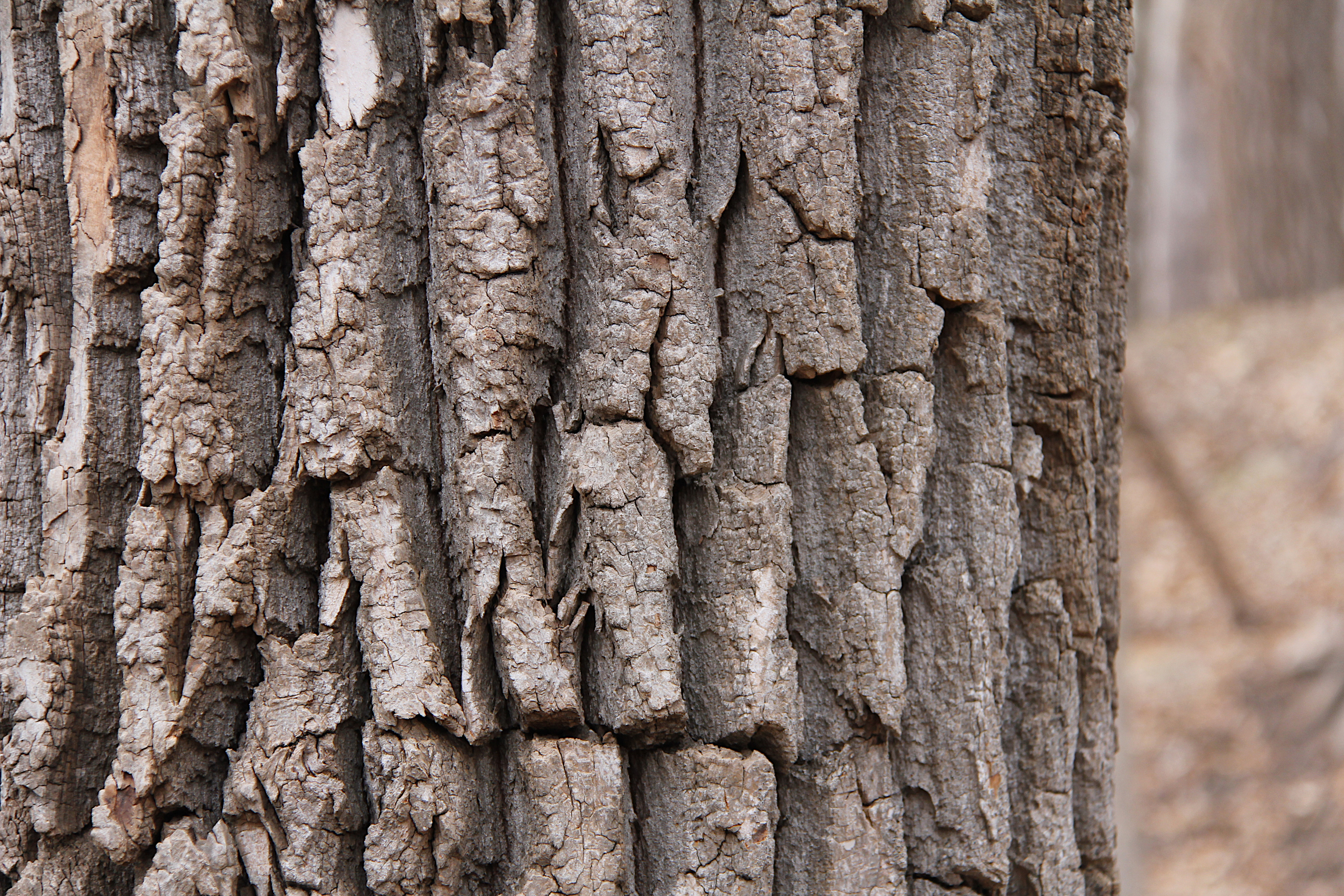
The starkness of this time of year in Minnesota focuses the eye on details, like the rough bark of a tree in the woods at River Bend. (Minnesota Prairie Roots copyrighted photo February 2025)
Dried seedheads at River Bend. (Minnesota Prairie Roots copyrighted photo February 2025)
While I await the greening of the landscape, I remind myself to appreciate the natural world around me as it is now. The stubborn dried oak leaves that clung to branches through the fierce winds of winter. The rough textured bark of a tree. The dried seed heads and leaning swamp and prairie grasses. All hold the seasoned beauty of days, of weeks, of months, of time.
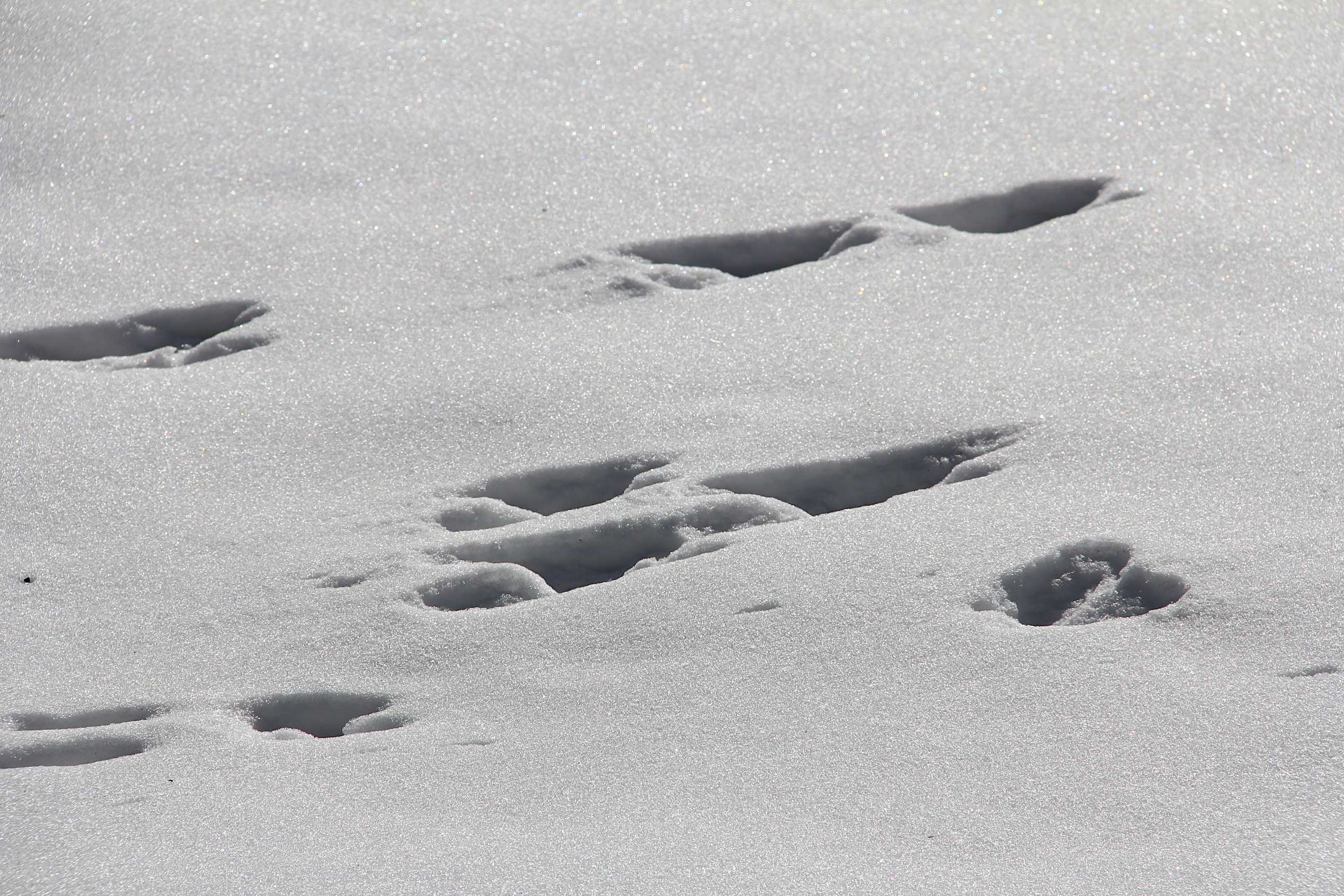
Animal prints in the snow in my backyard. (Minnesota Prairie Roots copyrighted photo February 2025)
Seasons are not timed by a calendar date, but by the natural world. Authentic spring arrives in Minnesota on her own timetable. Often unhurried. But sometimes abrupt.
The woods at River Bend await the budding of spring. (Minnesota Prairie Roots copyrighted photo February 2025)
As I await spring’s bloom and budding, I realize that the seasons of life also should not be hurried. The years pass too quickly, although we are mostly ignorant of that in our younger years. I understand that now in this advancing season of my life.
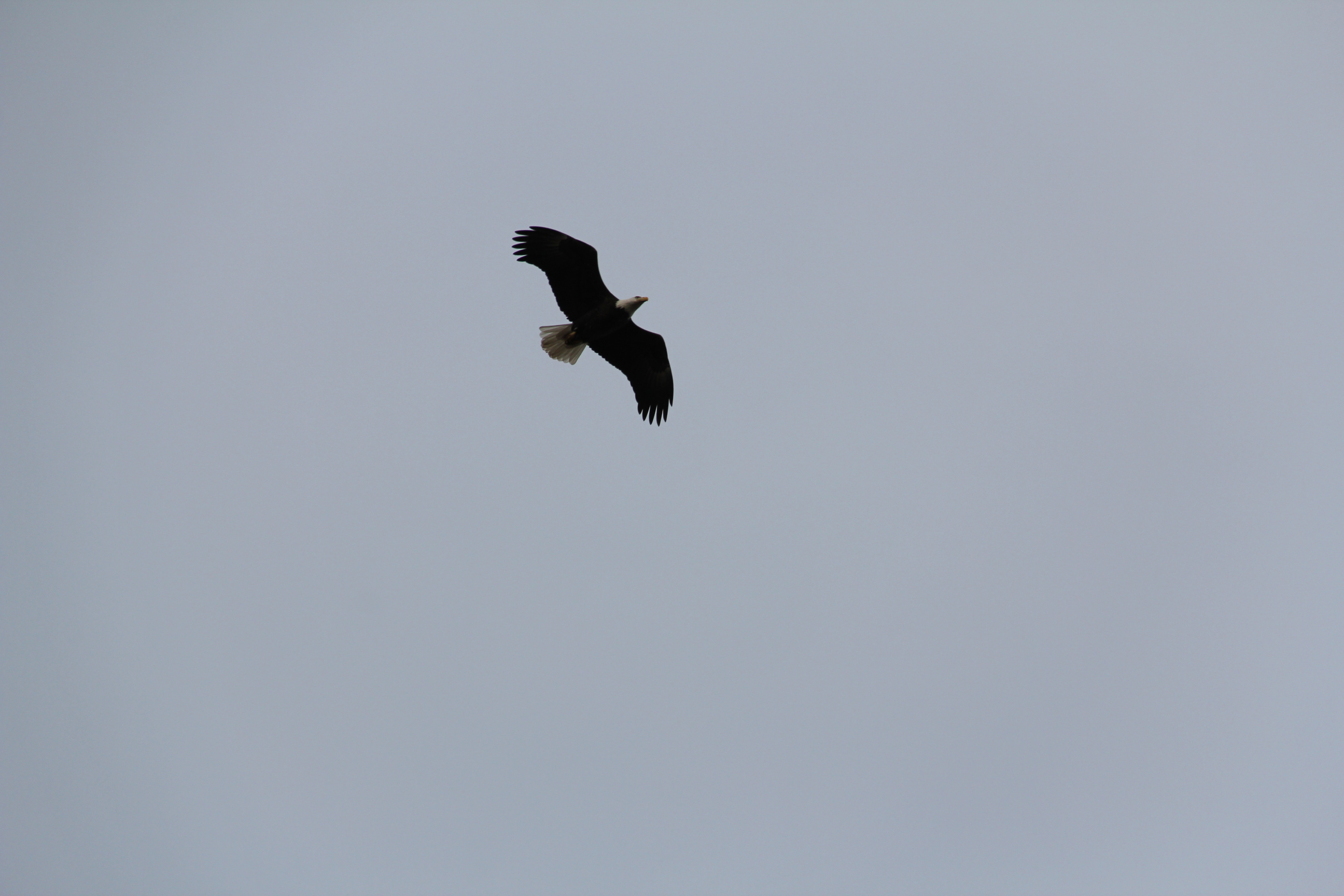
For several minutes, I watched and photographed this bald eagle soaring high above the Straight River at River Bend Nature Center. (Minnesota Prairie Roots copyrighted photo February 2025)
I value the moments more, recognizing that seasons end. And seasons begin.
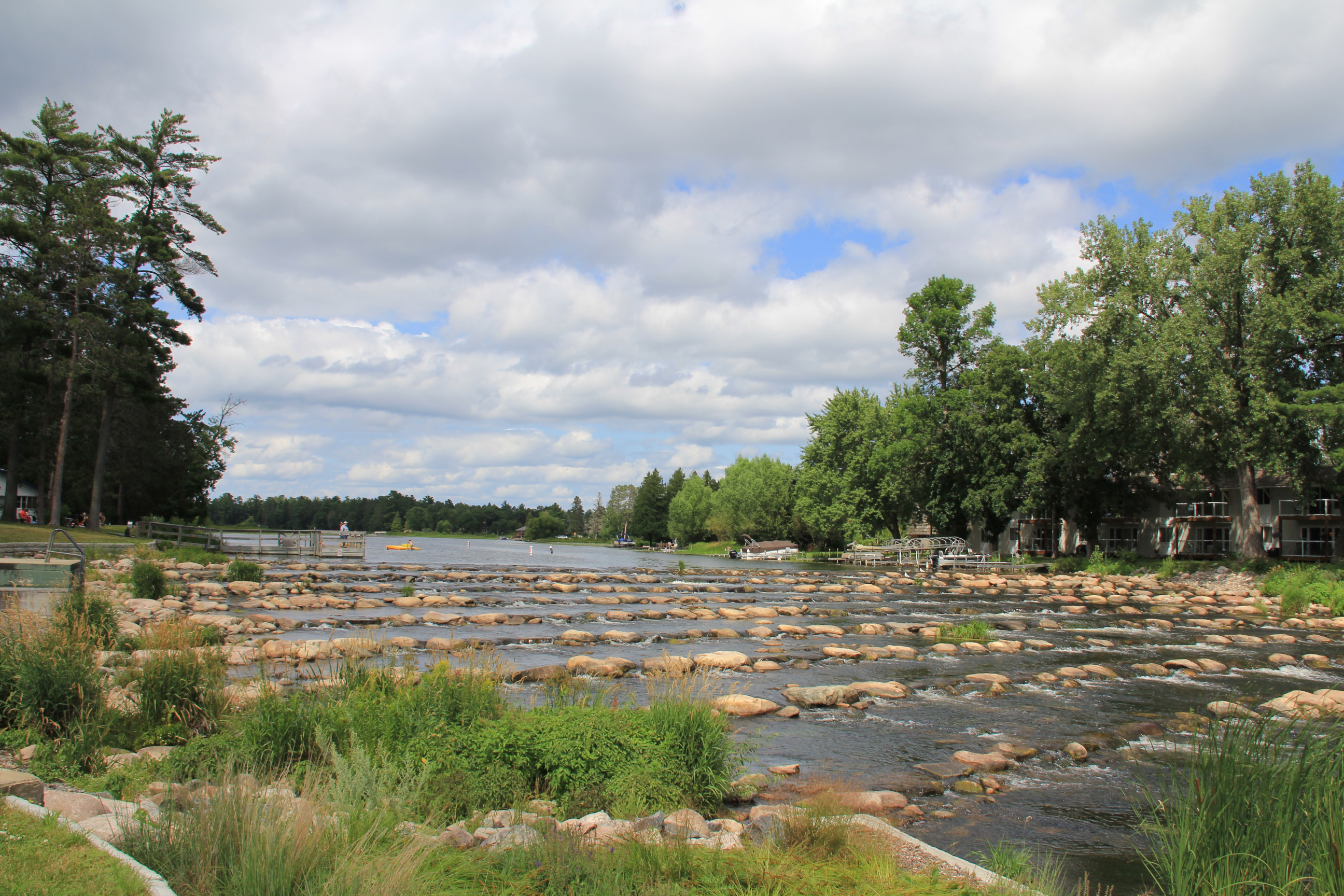
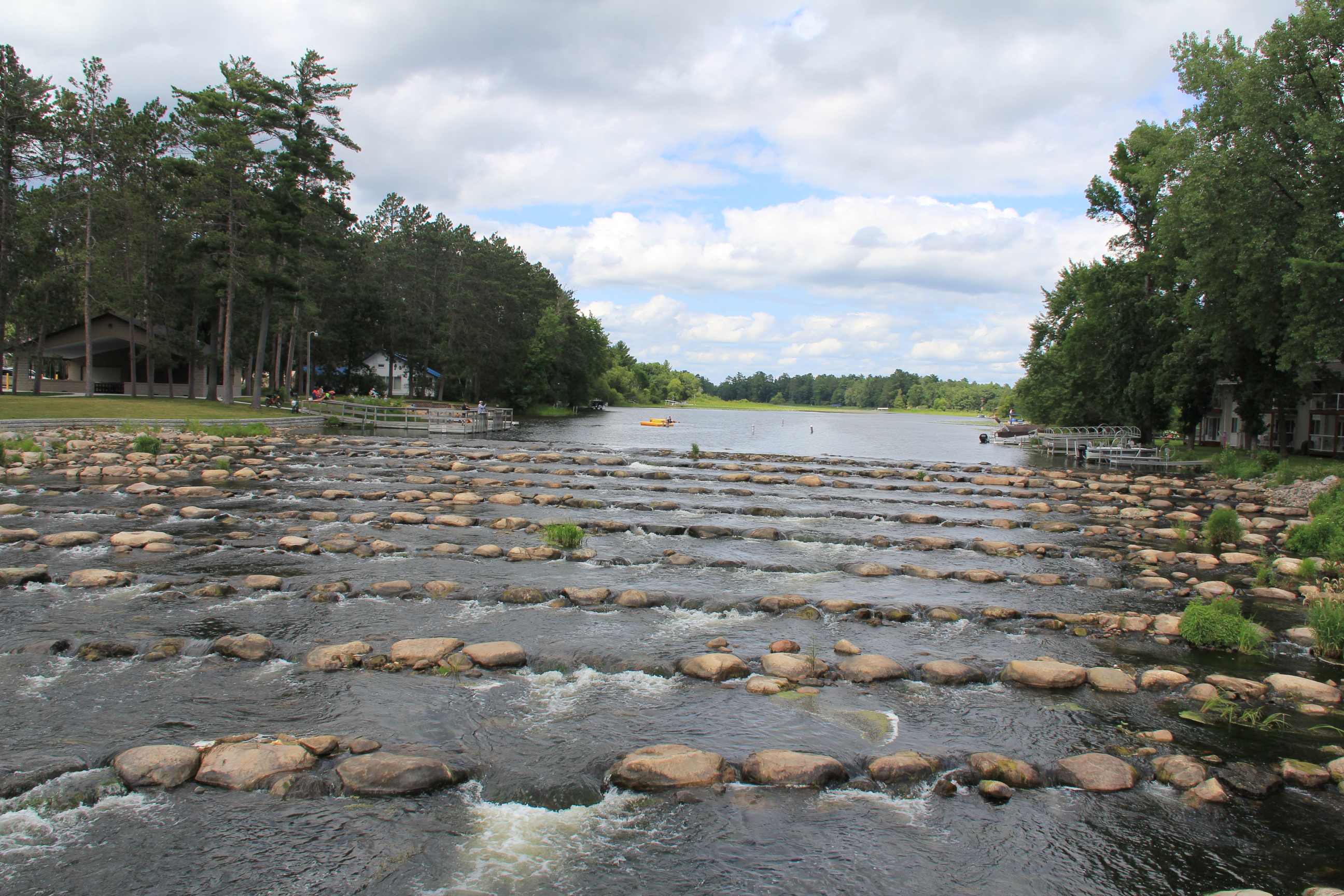
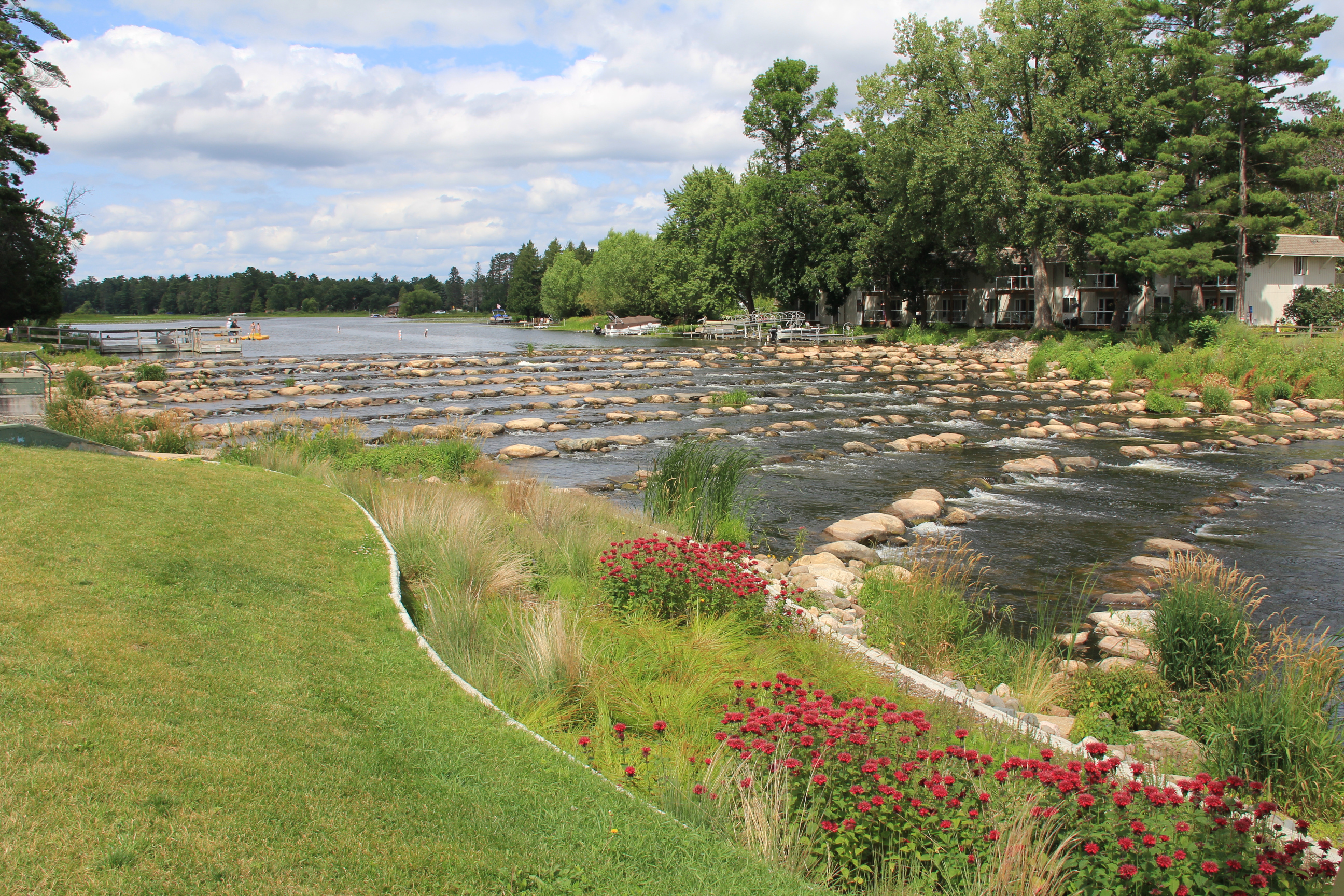
This rock riffle in Pine River replaced a traditional dam built in 1910 to hold back water flowing from Norway Lake into the Pine River. The old dam was designated as “high hazard,” thus in need of replacement. (Minnesota Prairie Roots copyrighted photo July 2024)
WIND AND WATER. Both prove soothing and calming elements of nature. Except when destructive.
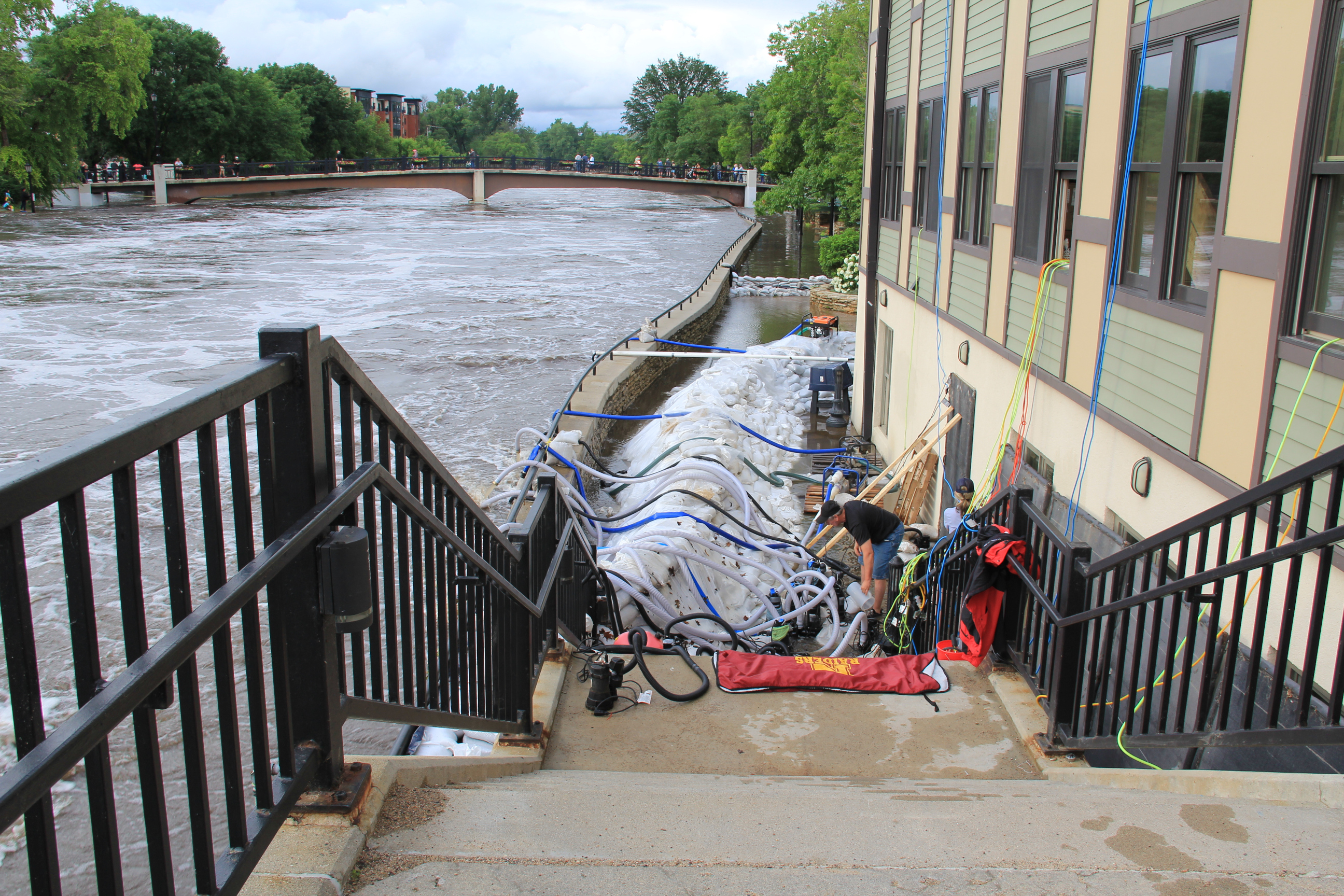
Sandbagging along the flooding Cannon River in downtown Northfield last June. The traditional dam in Northfield was not compromised, unlike in some Minnesota locations. (Minnesota Prairie Roots copyrighted file photo June 2024)
Last June, excessive rainfall led to devastating floods in parts of southern Minnesota, especially in Waterville, a 20-minute drive southwest of Faribault. Farther to the west in Rapidan, the Blue Earth River raged, causing a partial dam collapse and erosion of the land. That led to loss of a house and of the much beloved The Dam Store. In Northfield, 20 minutes from Faribault, the Cannon River flooded the Riverwalk and threatened riverside businesses. In Faribault, the Cannon and Straight Rivers spilled from their banks, flooding parks and several city streets. The powerful river also eroded the shoreline near the Faribault Mill Dam. Boulders were hauled in and placed beside the dam to contain the river and prevent additional erosion.
The Dam Park, with a pavilion, is to the left of the tree-edged Pine River in this photo, private homes to the right. (Minnesota Prairie Roots copyrighted photo July 2024)
Now, many months later, Faribault city officials are considering options for the Faribault Mill Dam. And that got me thinking about Pine River. In this north central Minnesota community, a rock riffle/rock arch rapids replaces a 200-foot long by 13-foot high traditional dam built in 1910. The result is nothing short of stunning.
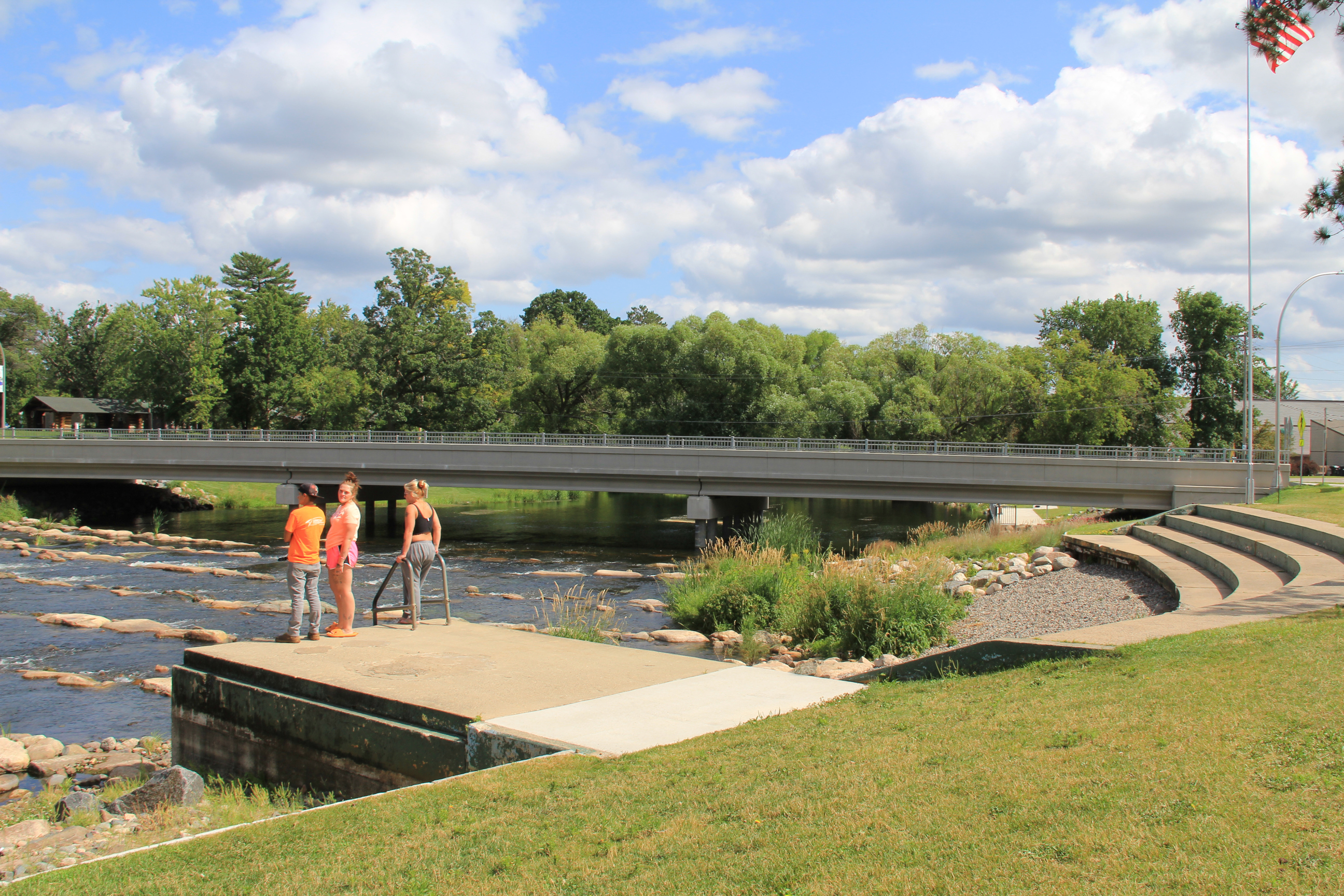
The concrete steps and platform remain from the original dam construction project. This image shows a view of the rock riffle looking downstream. (Minnesota Prairie Roots copyrighted photo July 2024)
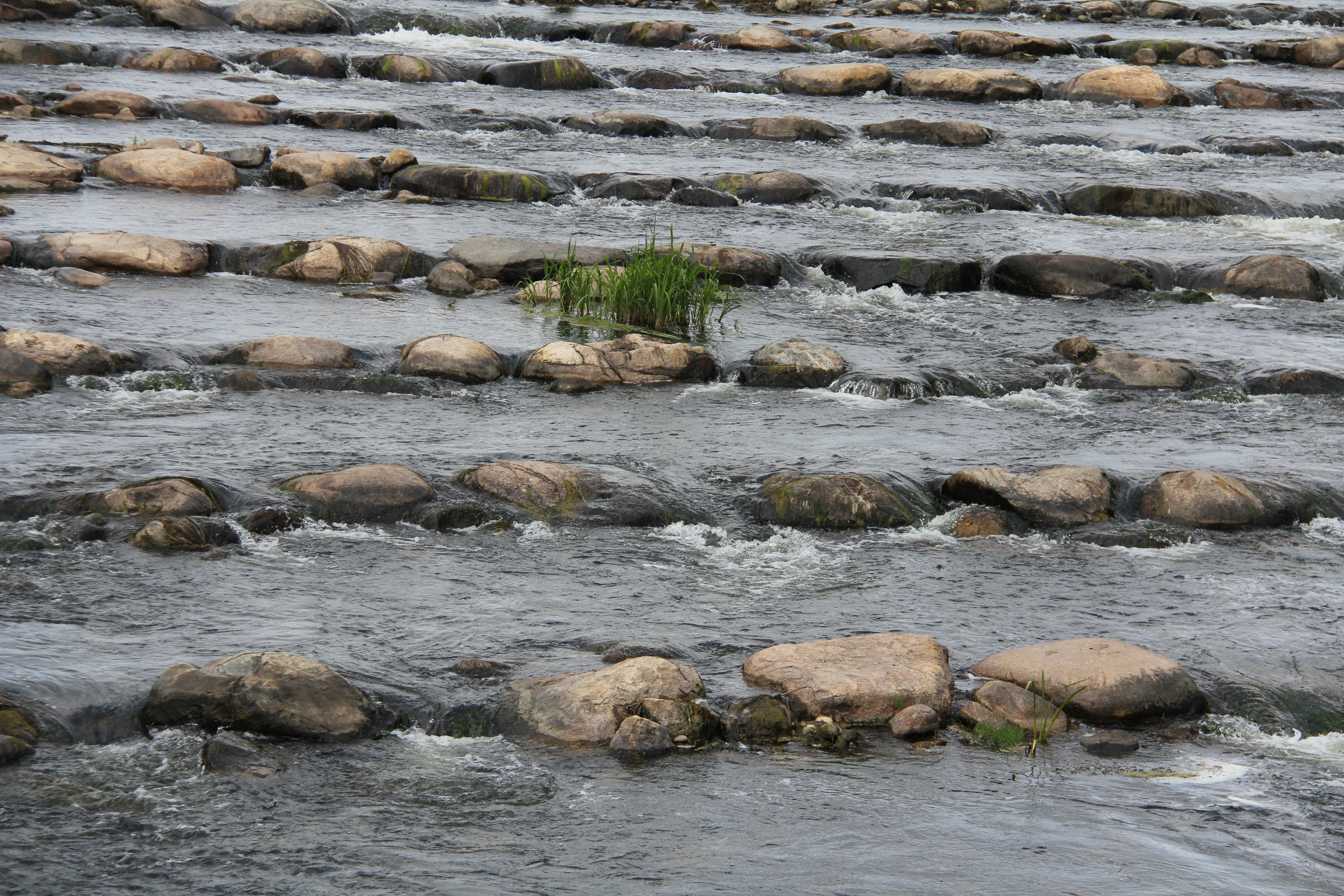
Let me explain. Smaller rip-rap rocks, larger rocks and boulders were placed in sloping rows across the Pine River to replace the dam. Water spills over the rocks as the rows descend for several hundred feet. Except for the precise placement of the rock rows, the rapids appear almost natural. And that is much more visually pleasing than a wall of concrete.
It’s mesmerizing to watch and listen to the river spill over the man-made rock riffle in Pine River. (Minnesota Prairie Roots copyrighted photo July 2024)
The sound, too, is pleasing. I have always loved the sound of water rushing over rocks. It’s calming, soothing, mesmerizing. As is watching the water pour over and around rocks.
The traditional dam proved a significant fish barrier. Installation of the rock riffle has improved fish habitat in the river, which feeds into the Whitefish Chain of Lakes in north central Minnesota. (Minnesota Prairie Roots copyrighted photo July 2024)
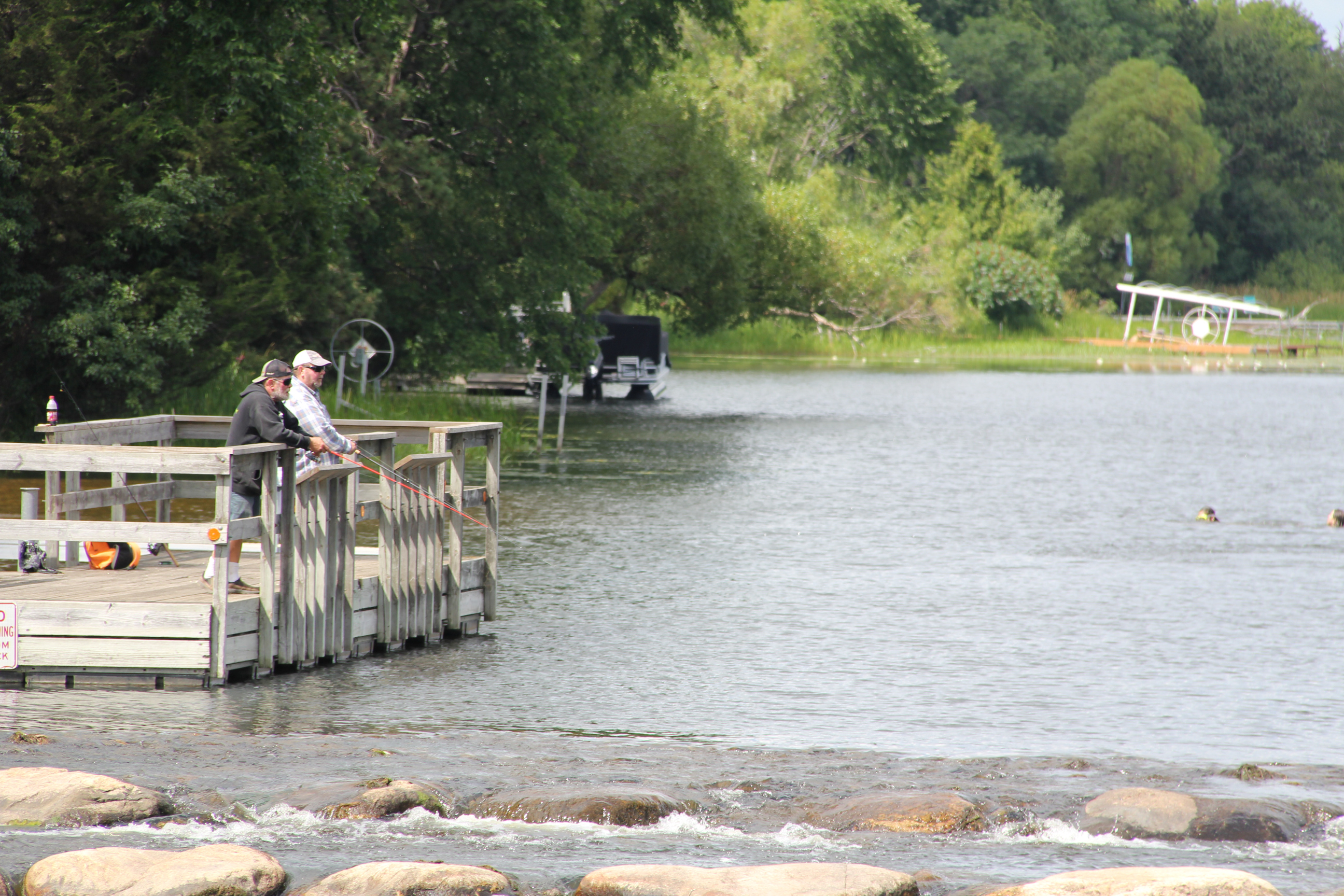
But this award-winning rock riffle dam in Pine River offers much more than a place to sit riverside and relax. It’s also a popular recreational area. During my mid-week July 2024 visit, anglers fished the river from a pier and from shore downstream. Swimmers jumped from floating platforms into the water above the rock riffle. There’s a sandy beach, too. And although I didn’t see any, kayakers can also navigate the rapids. And anyone can cross the river on the rocks, but at their own risk.
On a summer day, swimmers jump off a swimming platform above the rock riffle into the river. Dam Park includes a sandy beach. (Minnesota Prairie Roots copyrighted photo July 2024)
This revamped area, as I viewed it, draws people outside to the river. To recreate. To gather. To enjoy nature. There’s even a playground and a pavilion with a kitchen in Dam Park. What Pine River has created with this rock riffle is a community centerpiece that is beautiful in every way.
Plantings of flowers and grasses protect the river shoreline by the rock riffle. (Minnesota Prairie Roots copyrighted photo July 2024)
Now, whether this will work at the Faribault Mill Dam, I don’t know. I’m no engineer. But rock riffles have been placed in some 75 rivers and lakes across Minnesota. The one in Pine River is the first I’ve seen. I’d like local city officials to consider a rock arch rapids, maybe take a field trip to Pine River or elsewhere and see (and hear) just how inviting and lovely, calming, soothing and mesmerizing a rock riffle is compared to a traditional dam. See how this dam removal and rock riffle replacement in Pine River creates a recreational oasis, a beautiful gathering spot that grows community.
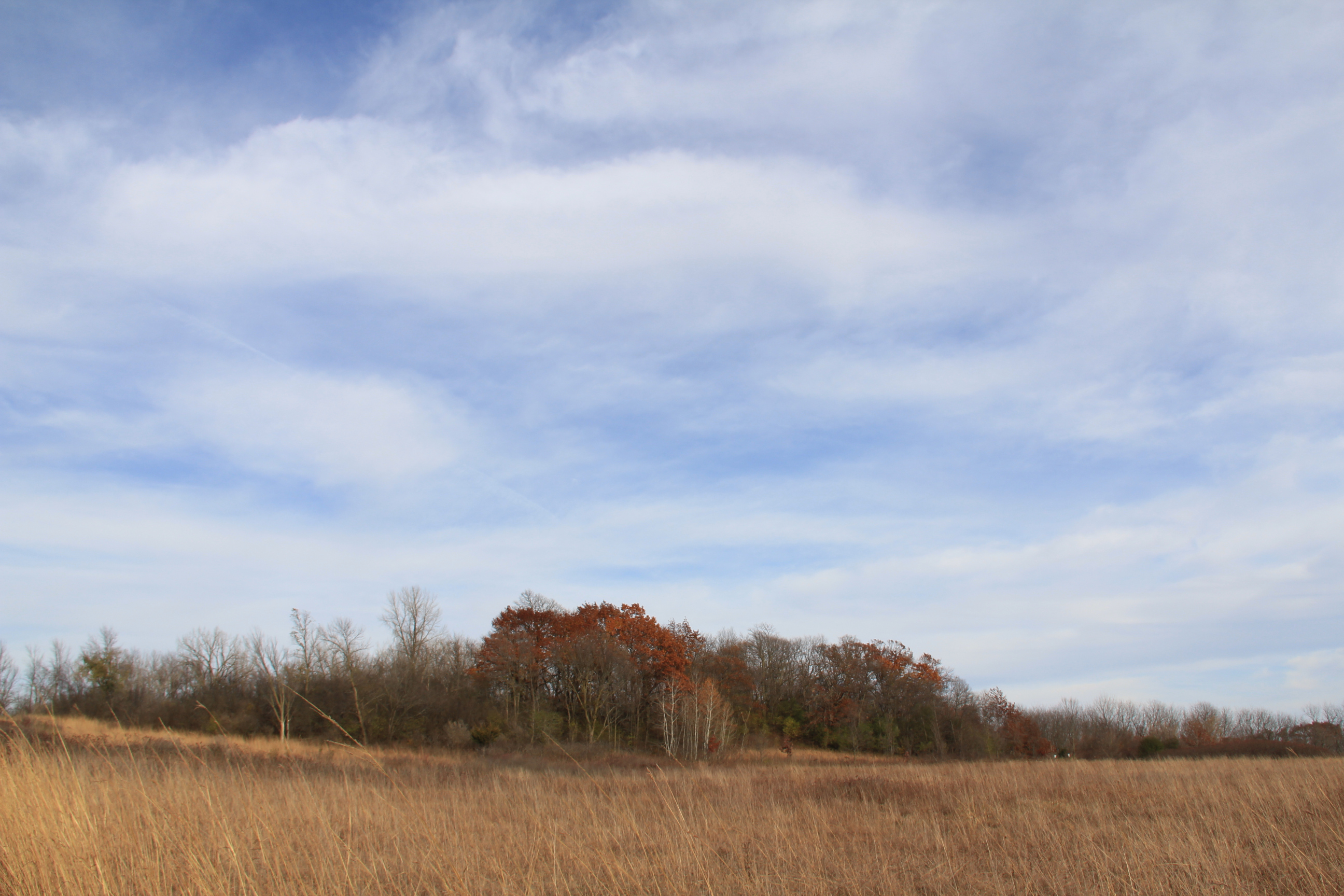
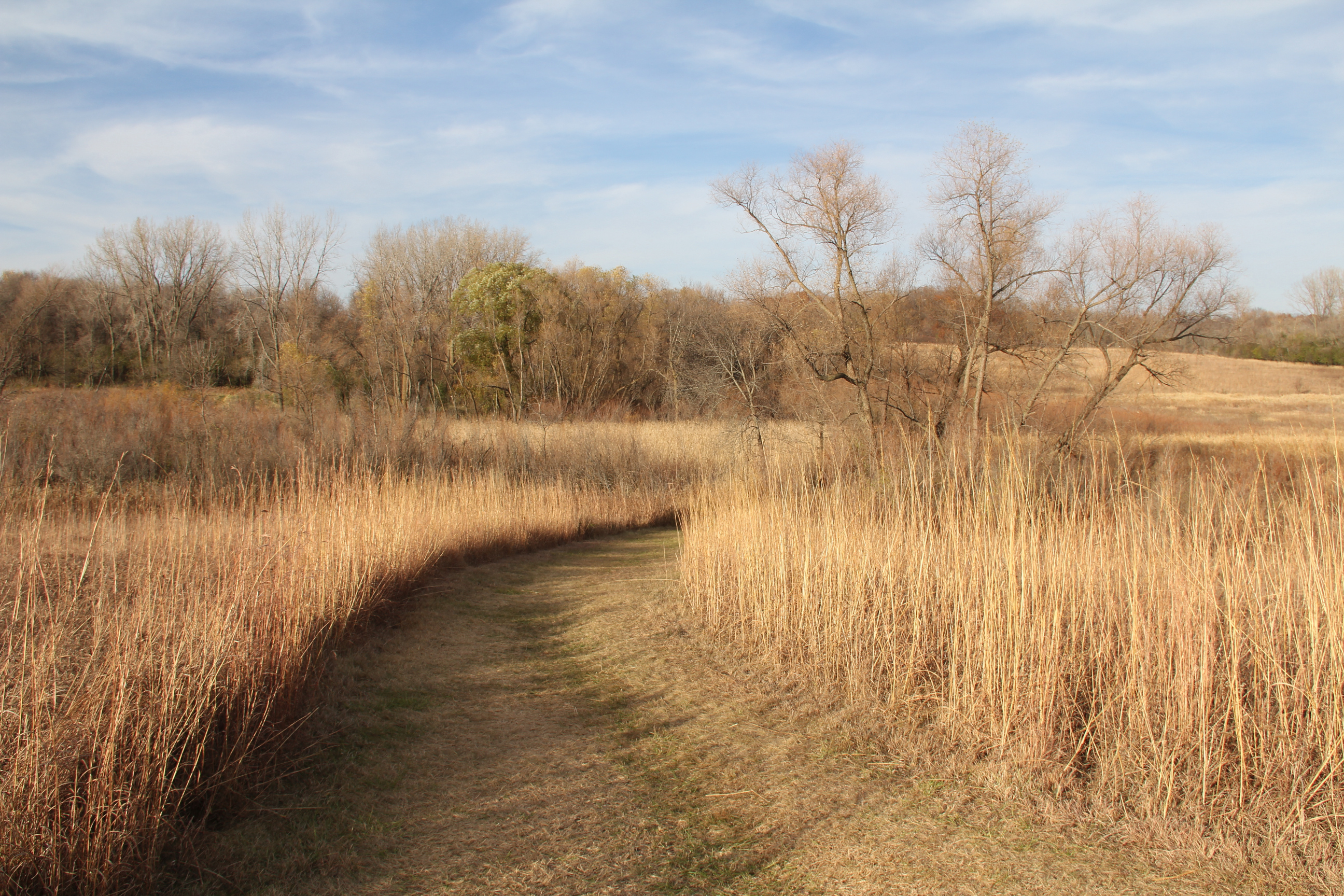
The woods, sky and prairie of River Bend in early November. (Minnesota Prairie Roots copyrighted photo November 2024)
NOVEMBER MARKS A SEASON of transition, a time when the landscape slides ever closer to a colorless environment. Soon winter will envelope us in its drabness of gray and brown highlighted by white. There’s nothing visually compelling about that.
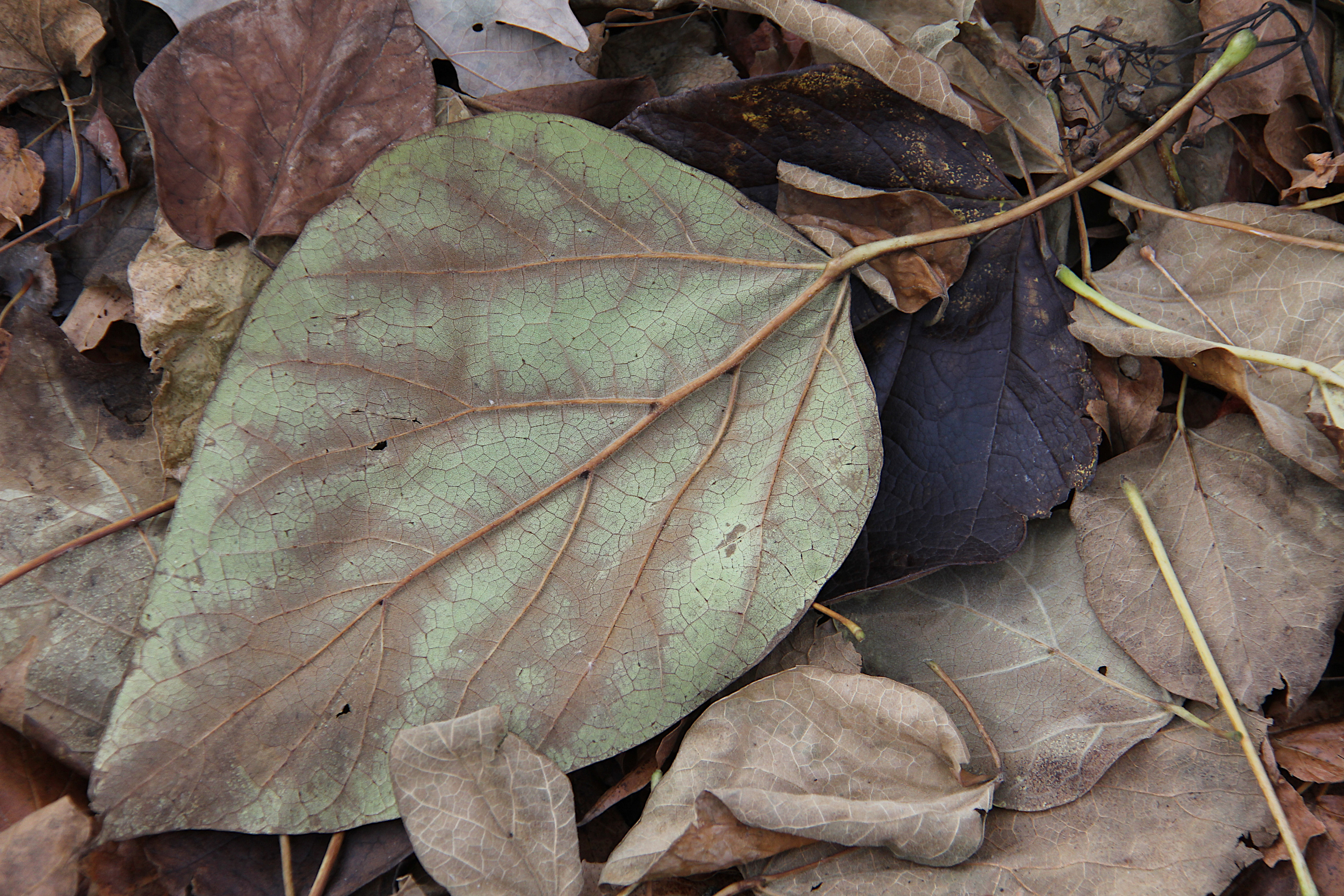
I found the veined back of this oversized fallen leaf especially lovely. (Minnesota Prairie Roots copyrighted photo November 2024)
As a life-long Minnesotan, I understand this about November. I know this. But I still don’t like the absence of color or light, the dark morning rising, the darkness that descends well before 5 p.m. And, yes, seasonal affective disorder, even if you don’t admit you’re experiencing it, likely touches all of us in Minnesota.
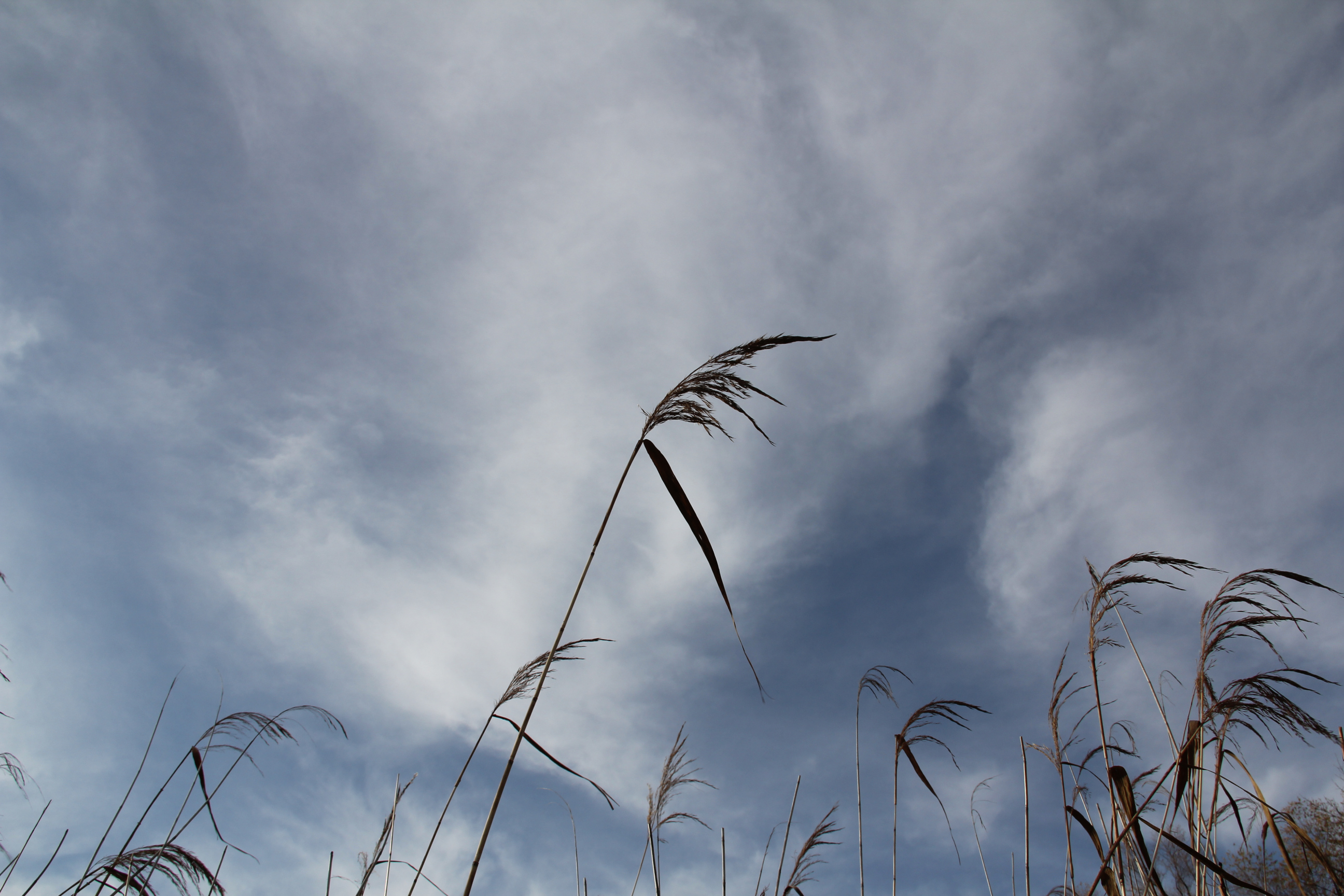
Beautiful: Wisps of clouds in the big sky and grass heads soaring. (Minnesota Prairie Roots copyrighted photo November 2024)
Times like this, it helps to get outside, into the natural world, and view the November landscape through an appreciative lens. It’s possible to reshape your thinking if you slow down, notice the details, determine that beauty is to be found in the outdoors, even in this eleventh month of the year.
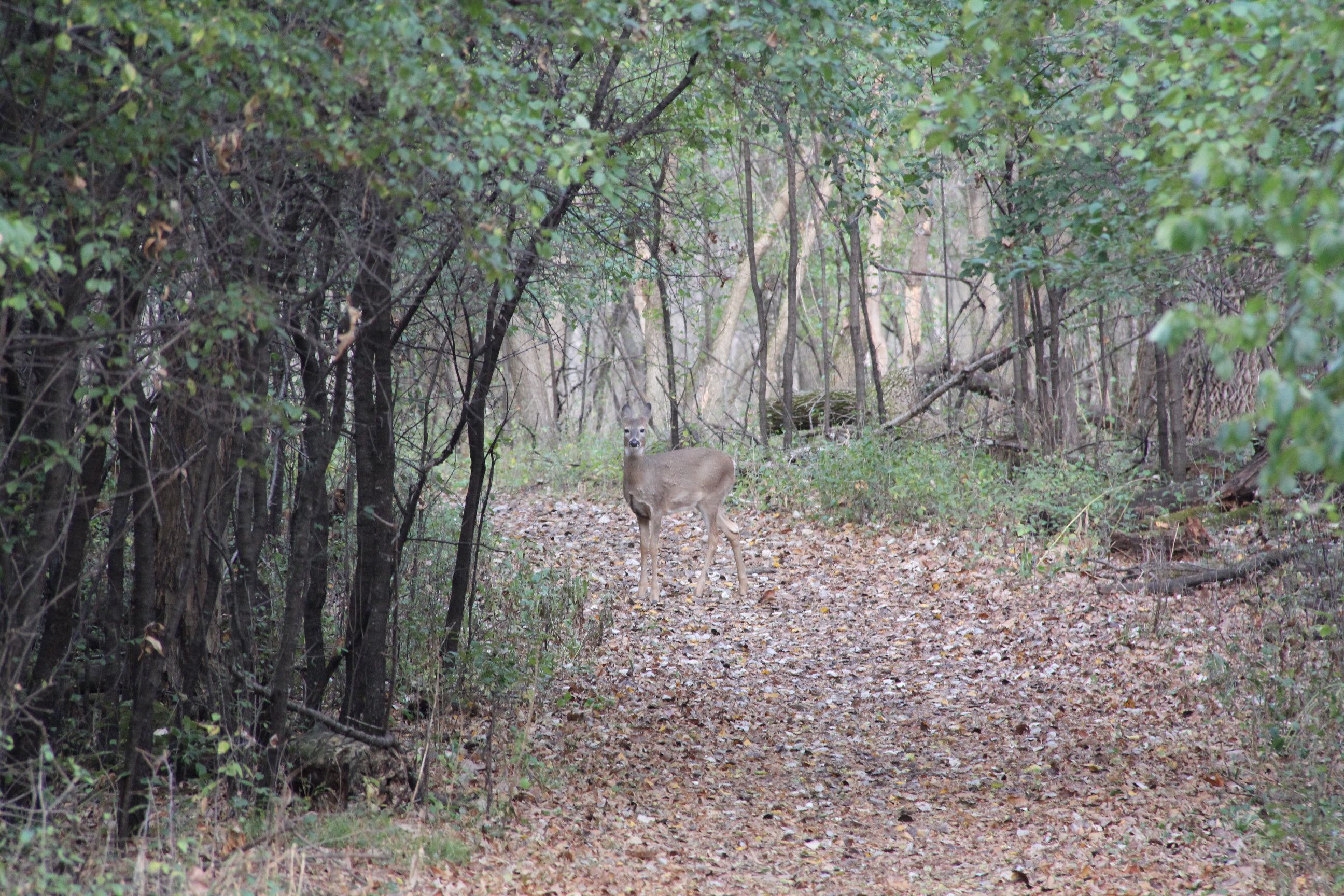
My initial glimpse of the nearly invisible deer standing on a leaf-littered trail. (Minnesota Prairie Roots copyrighted photo November 2024)
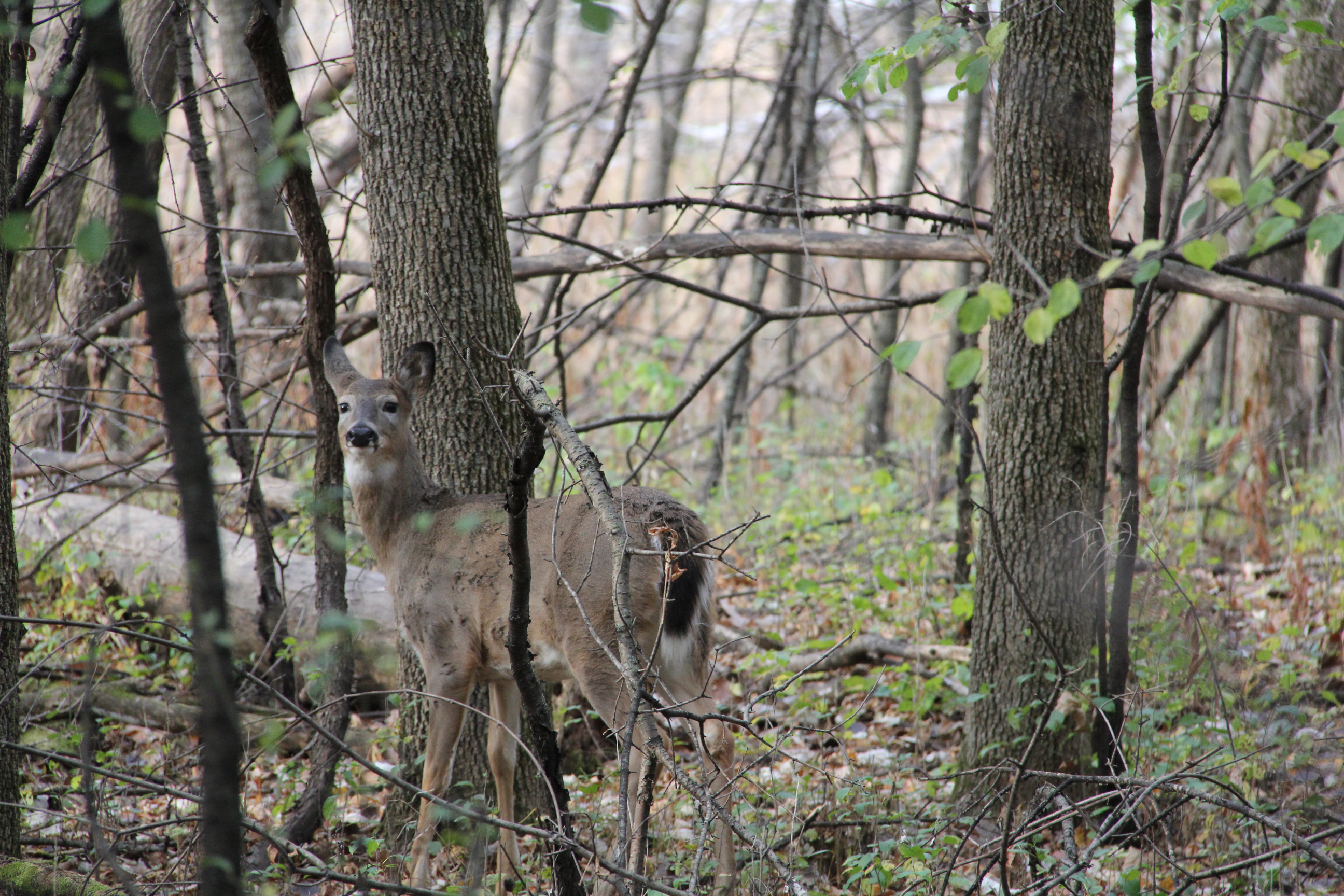
So into the woods I went at River Bend Nature Center in Faribault, where first off I spotted a deer on a trail, the animal effectively camouflaged among the dried leaves, the trunks of trees and buckthorn (an invasive species still green). The doe stood and watched as I eased slowly toward her intent on getting within better focal range. Soon she wandered into the woods, among the trees. I shot a rapid series of images as the stare-down continued, until finally the deer tired of my presence and hurried away.
I moved closer, then zoomed in with my telephoto lens to get this close-up image. (Minnesota Prairie Roots copyrighted photo November 2024)
What a wonderful way to begin my walk. Even if I consider deer too populous and a danger on roadways, my interest in watching them never wanes. And there are plenty of deer to watch at River Bend.
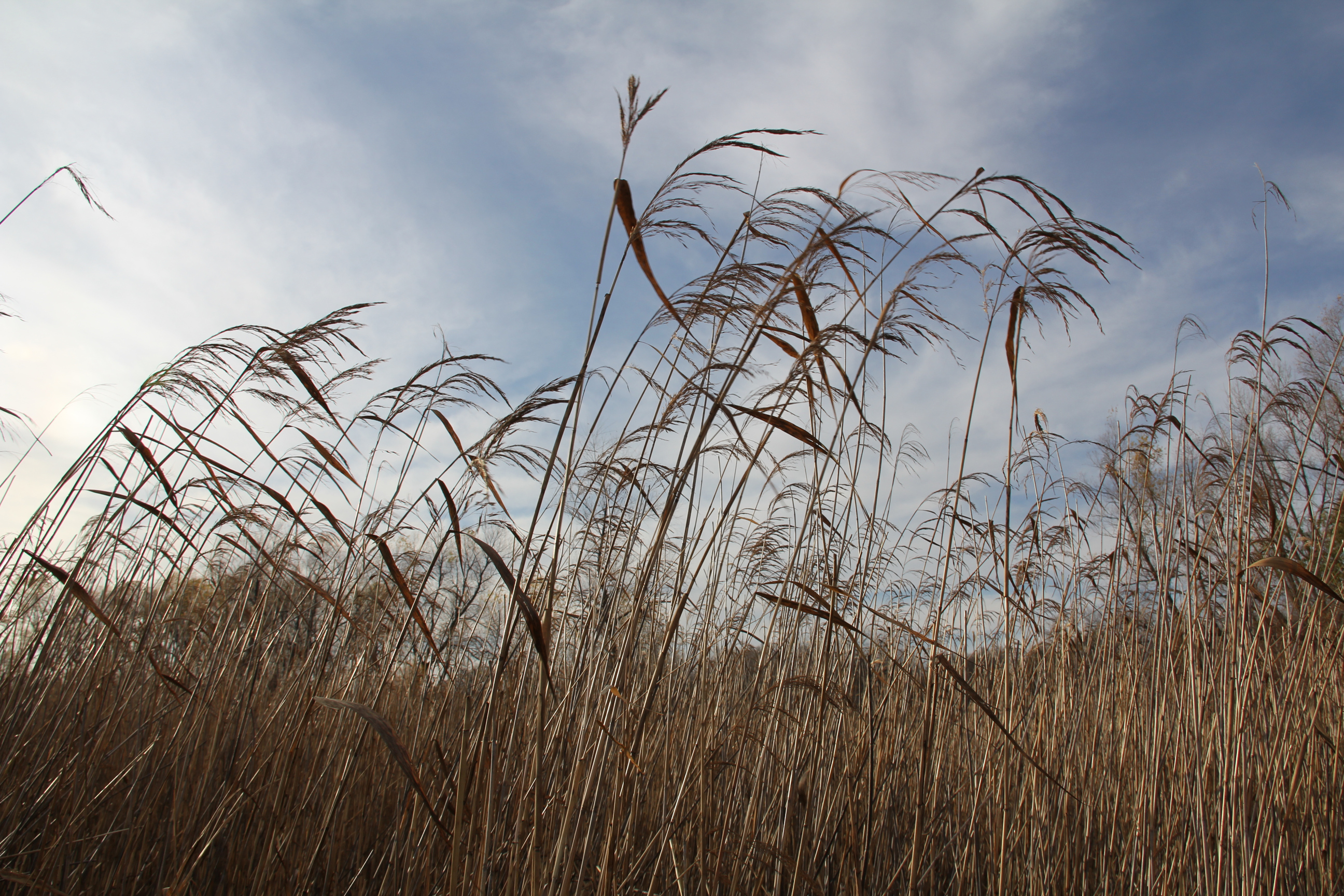
This grass stretches way above my head and dances in the wind. (Minnesota Prairie Roots copyrighted photo November 2024)
Mostly, though, I don’t see many animals at the nature center. Plant life becomes my point of interest. In November, that means dormant plants like dried grasses stretching across the expansive prairie. Or grasses rising high above my head along the trail, stalks listing, pushed by the wind. Dancing.
Dried grasses, possible fuel for fire, edge a trail. (Minnesota Prairie Roots copyrighted photo November 2024)
These grasses have lost their luster green, but they are no less lovely in muted shades. The thought crosses my mind how rapidly a spark could ignite a raging grass fire here upon the parched land.
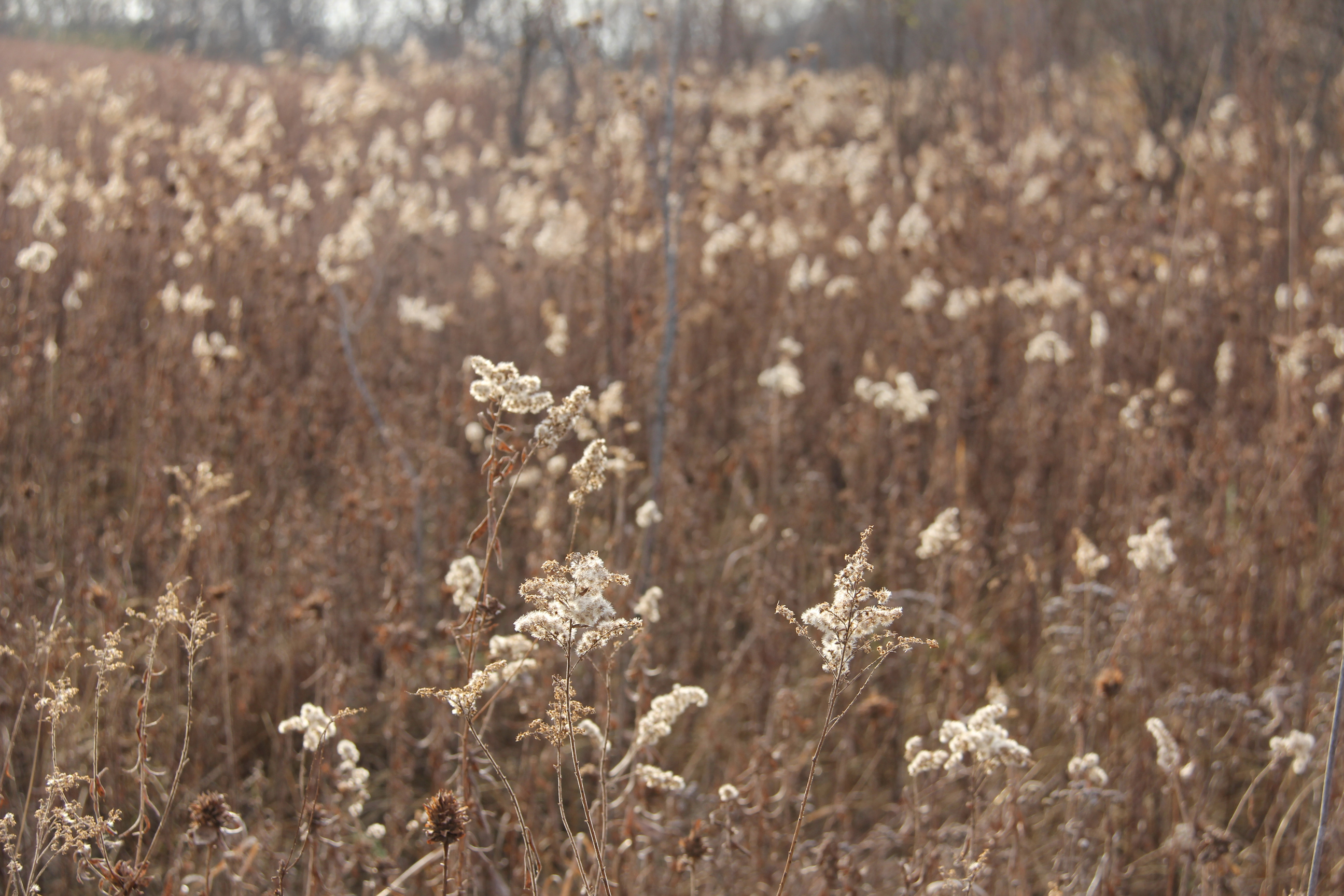
Dried goldenrod seemingly glow in the afternoon sunlight. (Minnesota Prairie Roots copyrighted photo November 2024)
Weeds and wildflowers (I’m no naturalist when it comes to identifying what I see) are likewise dead and dried, some glowing in the late afternoon sunshine. And that, too, is lovely.
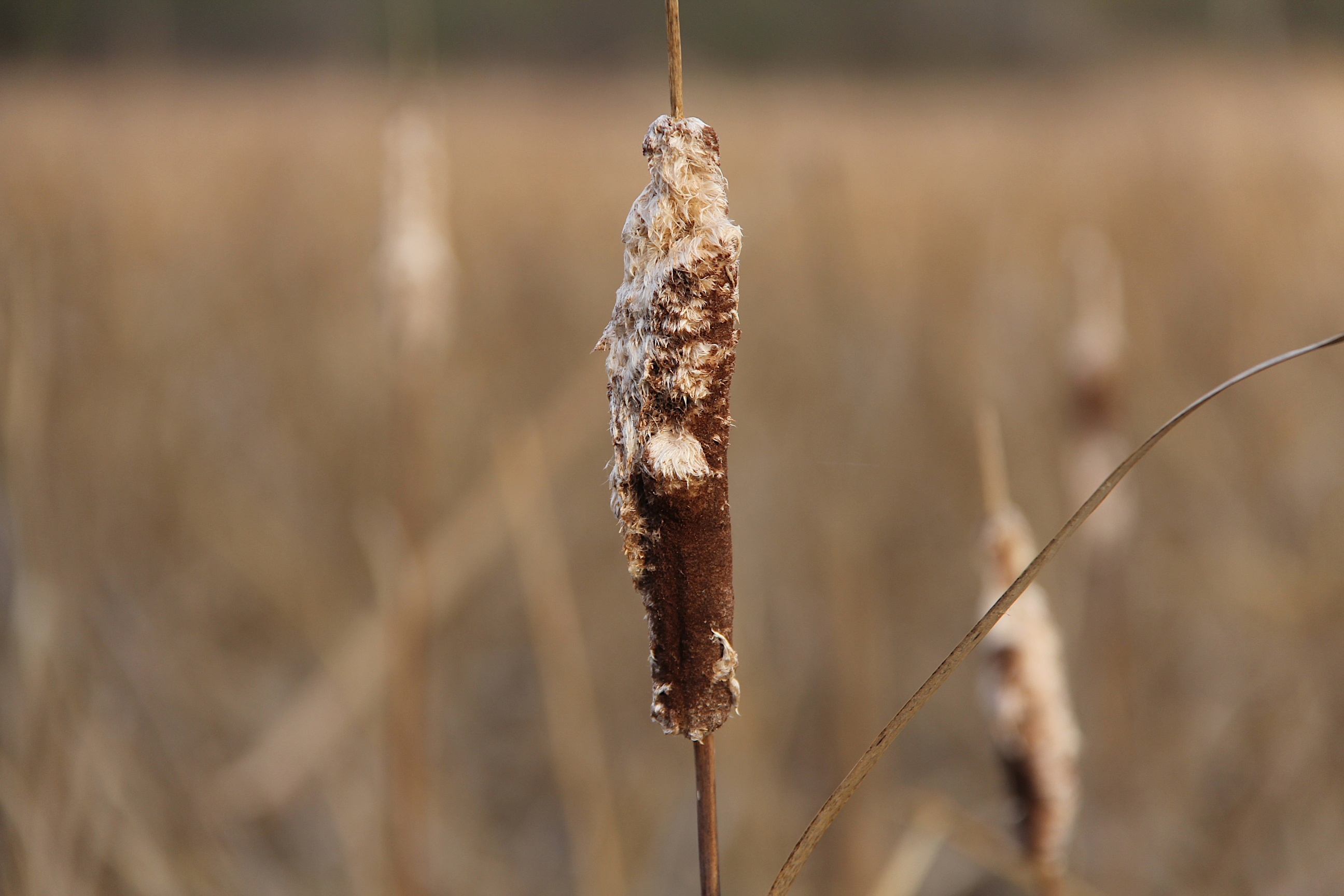
Cattails burst open at season’s end. (Minnesota Prairie Roots copyrighted photo November 2024)
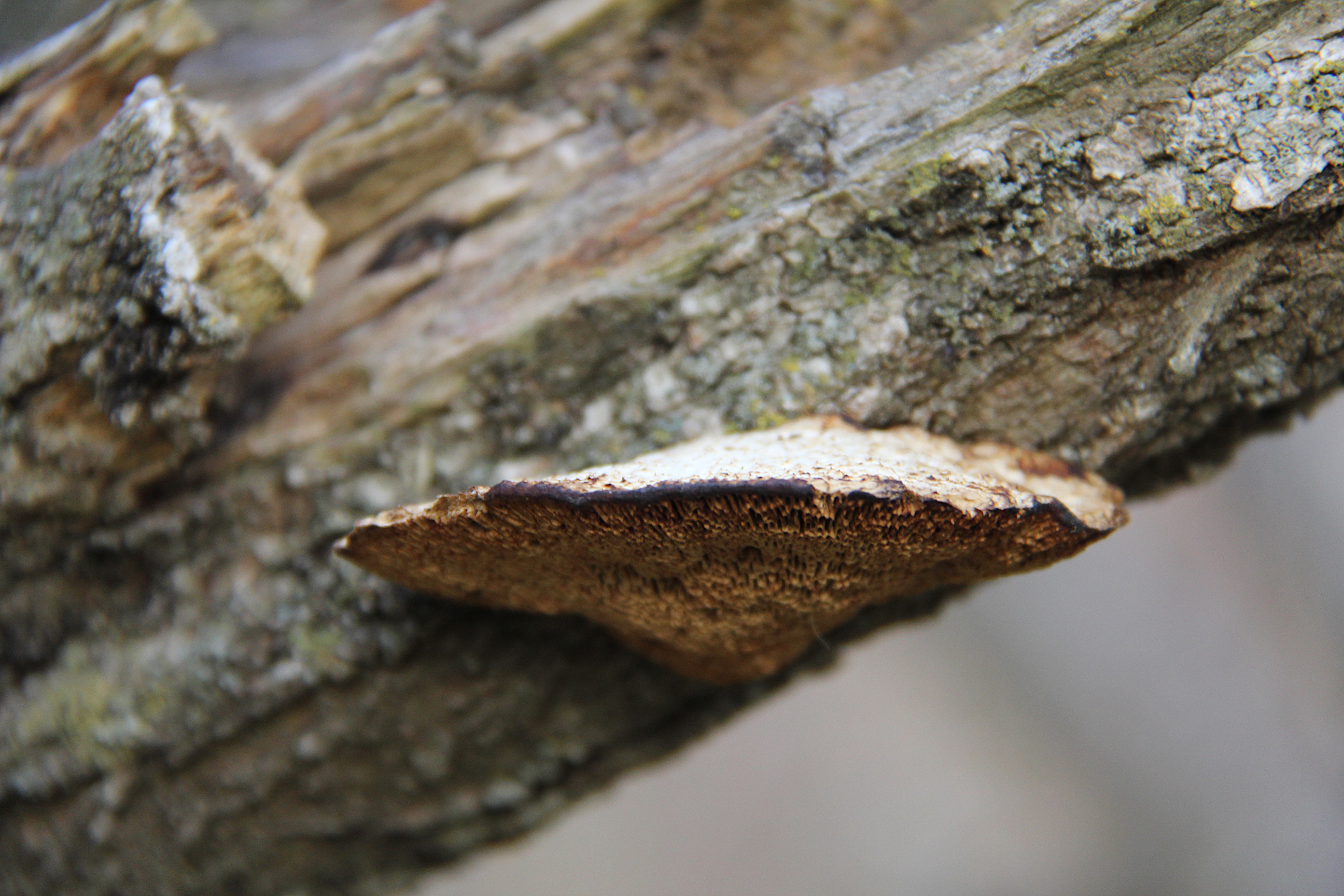
Fungus blends in with bark. (Minnesota Prairie Roots copyrighted photo November 2024)
Cattails appear ravaged by the seasons. Fungi ladder a tree branch. These are the details I notice in looking for photos, in convincing myself that beauty exists within the woods, upon the prairie, even in November.
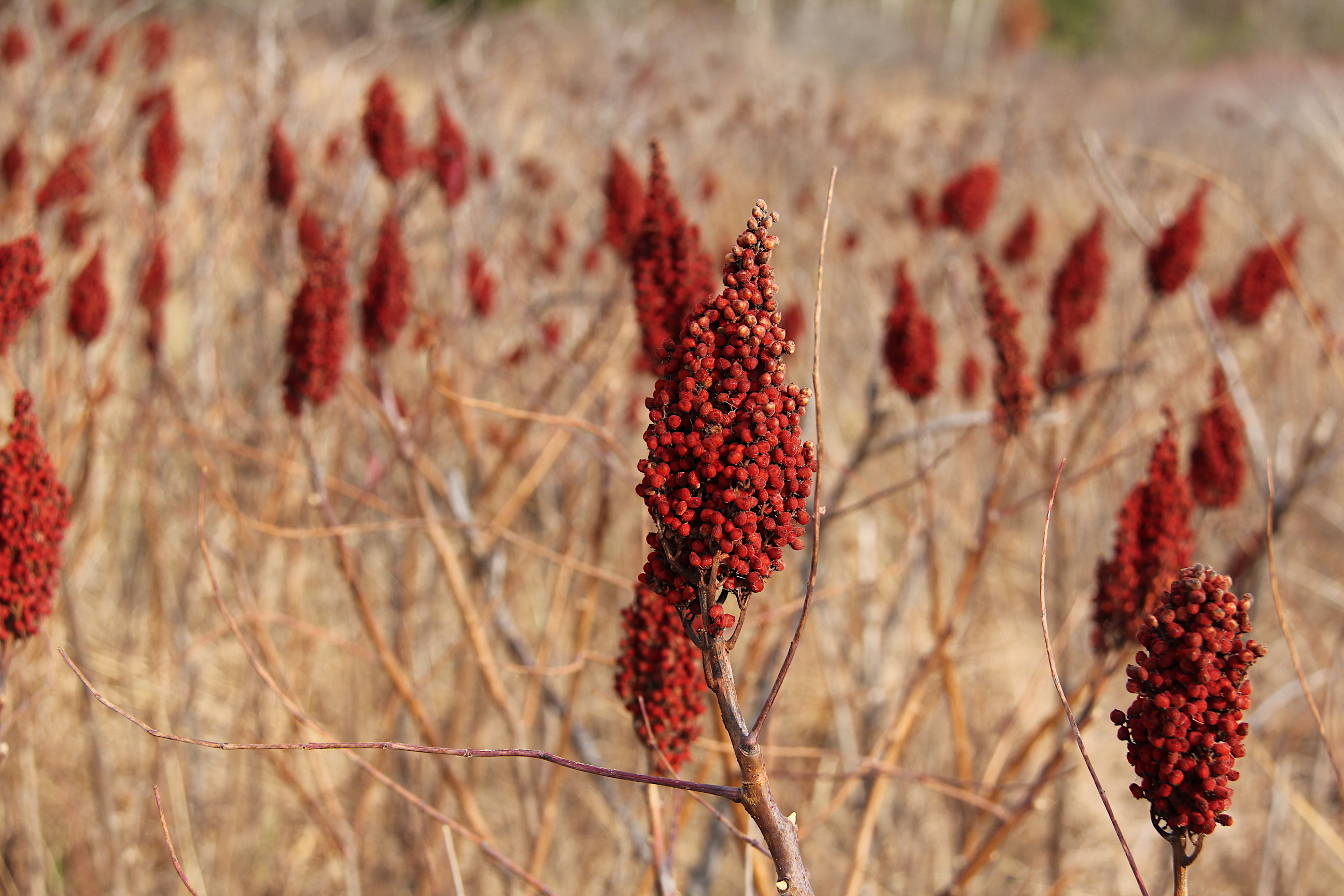
Dried sumac edge the prairie. (Minnesota Prairie Roots copyrighted photo November 2024)
Dried sumac in a hue that isn’t orange, that isn’t red, flames.
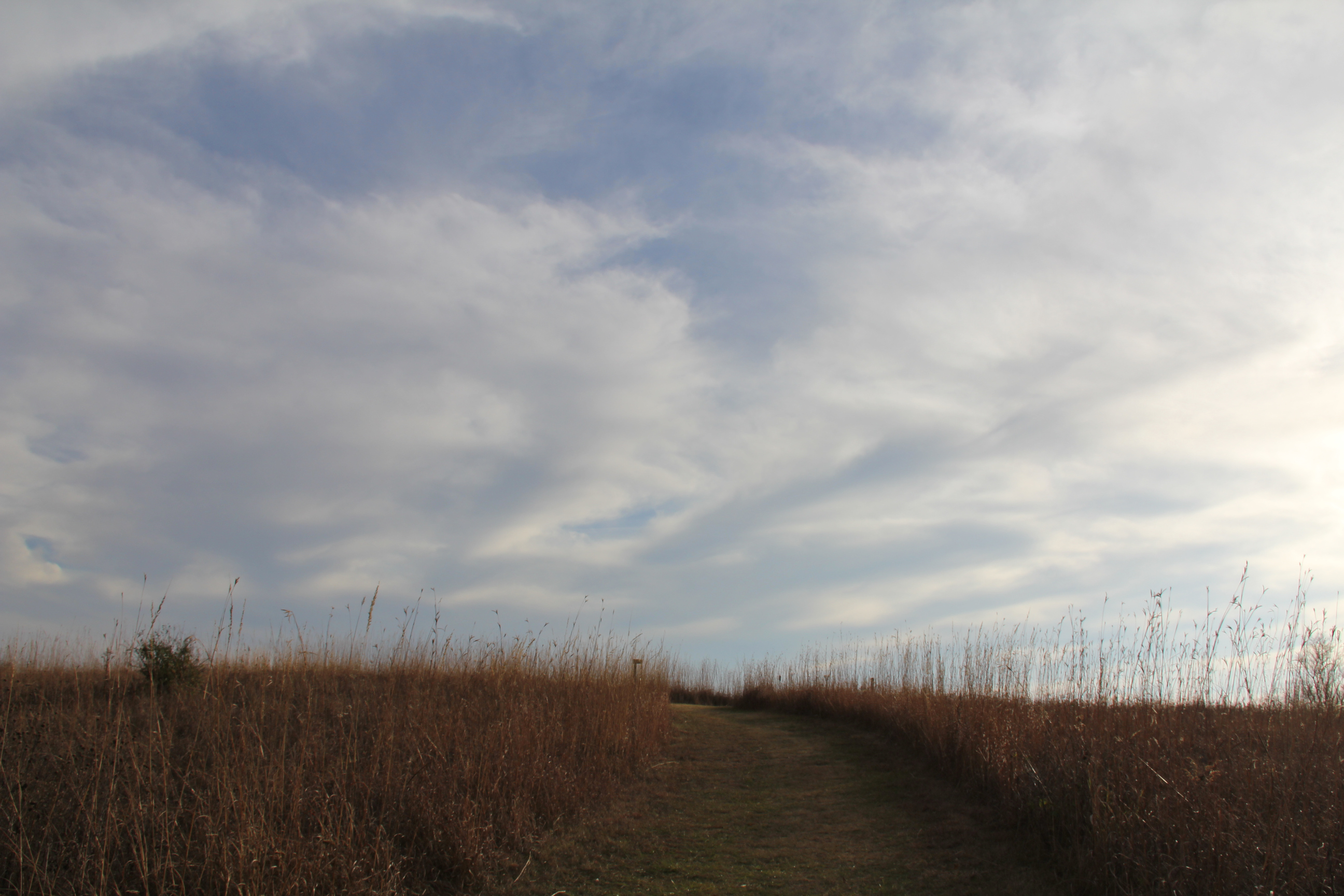
Walking uphill to the prairie, the sky appears expansive. (Minnesota Prairie Roots copyrighted photo November 2024)
A blue sky, swept with wisps of clouds, accents the scenes I take in. I always feel small under the expansive sky, no matter the month.
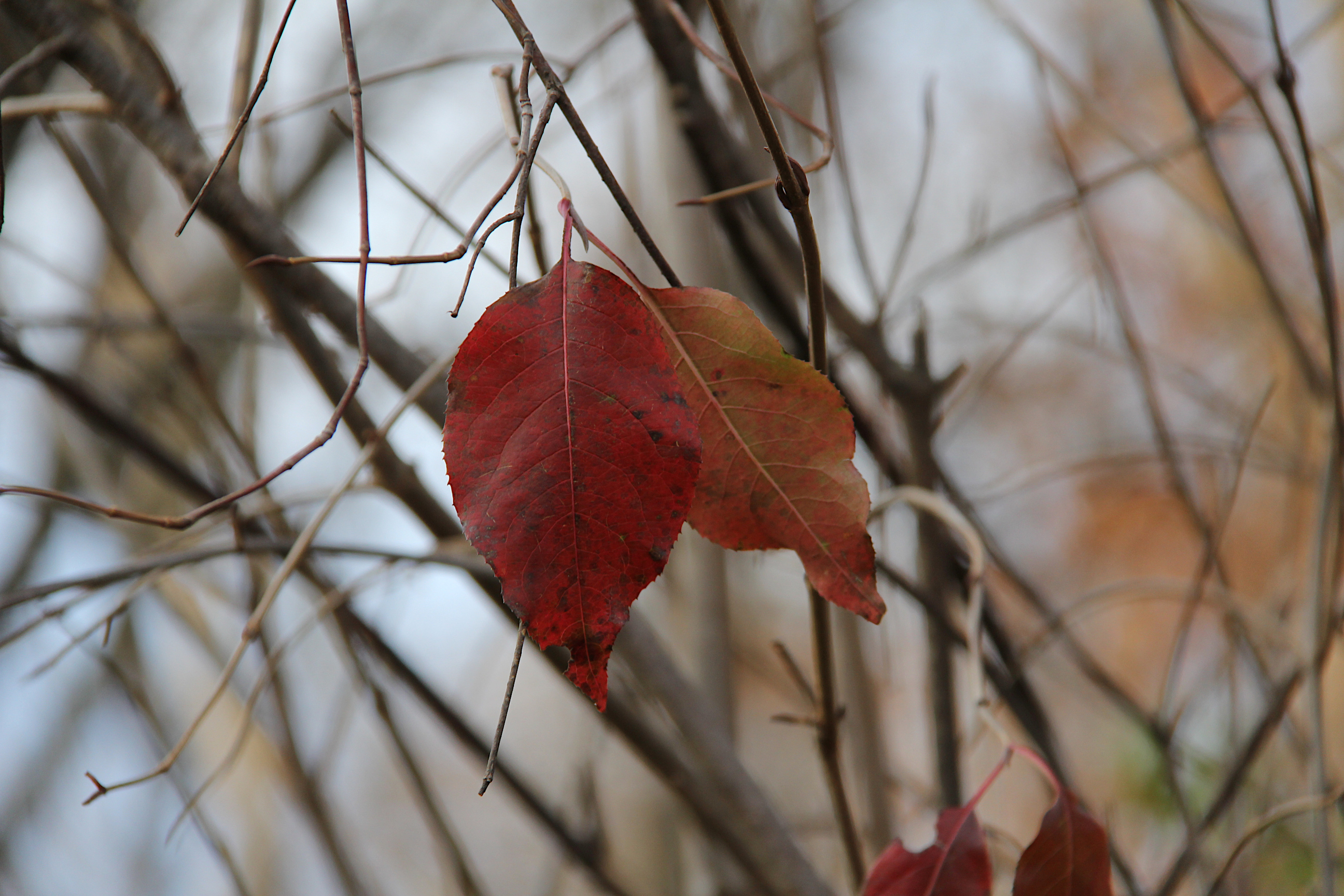
A spot of color in stubborn leaves. (Minnesota Prairie Roots copyrighted photo November 2024)
A few stubborn, autumn leaves still cling, flashing color like the flick of a flame. That, too, I see on this November day.
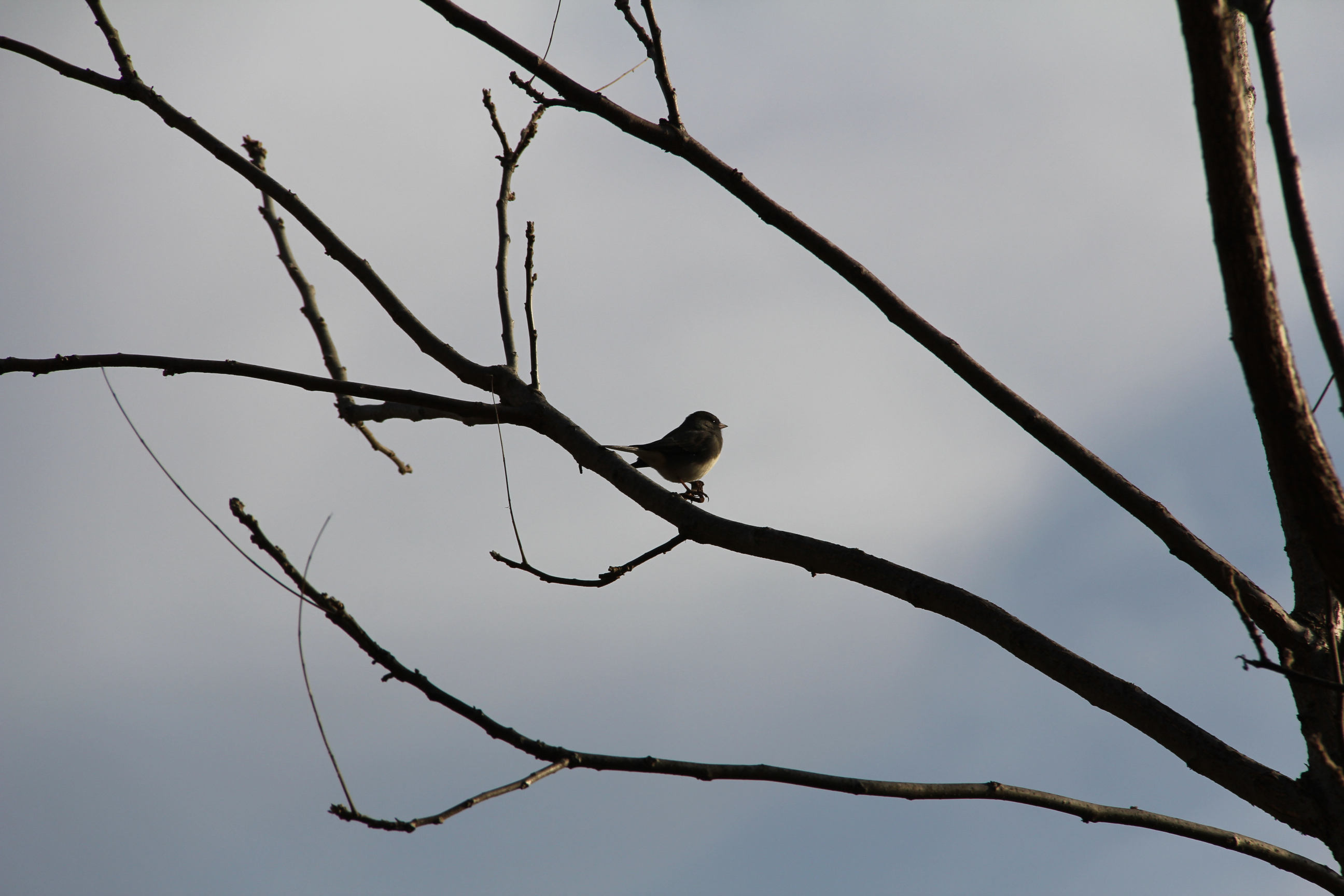
If any image visually summarizes November, this would be it. (Minnesota Prairie Roots copyrighted photo November 2024)
A flutter of birds near the end of my walk draws my eyes to a bare tree. To watch. To hear their movement, like a whisper of winter coming. Quiet and colorless. Signs of December soon overtaking November.
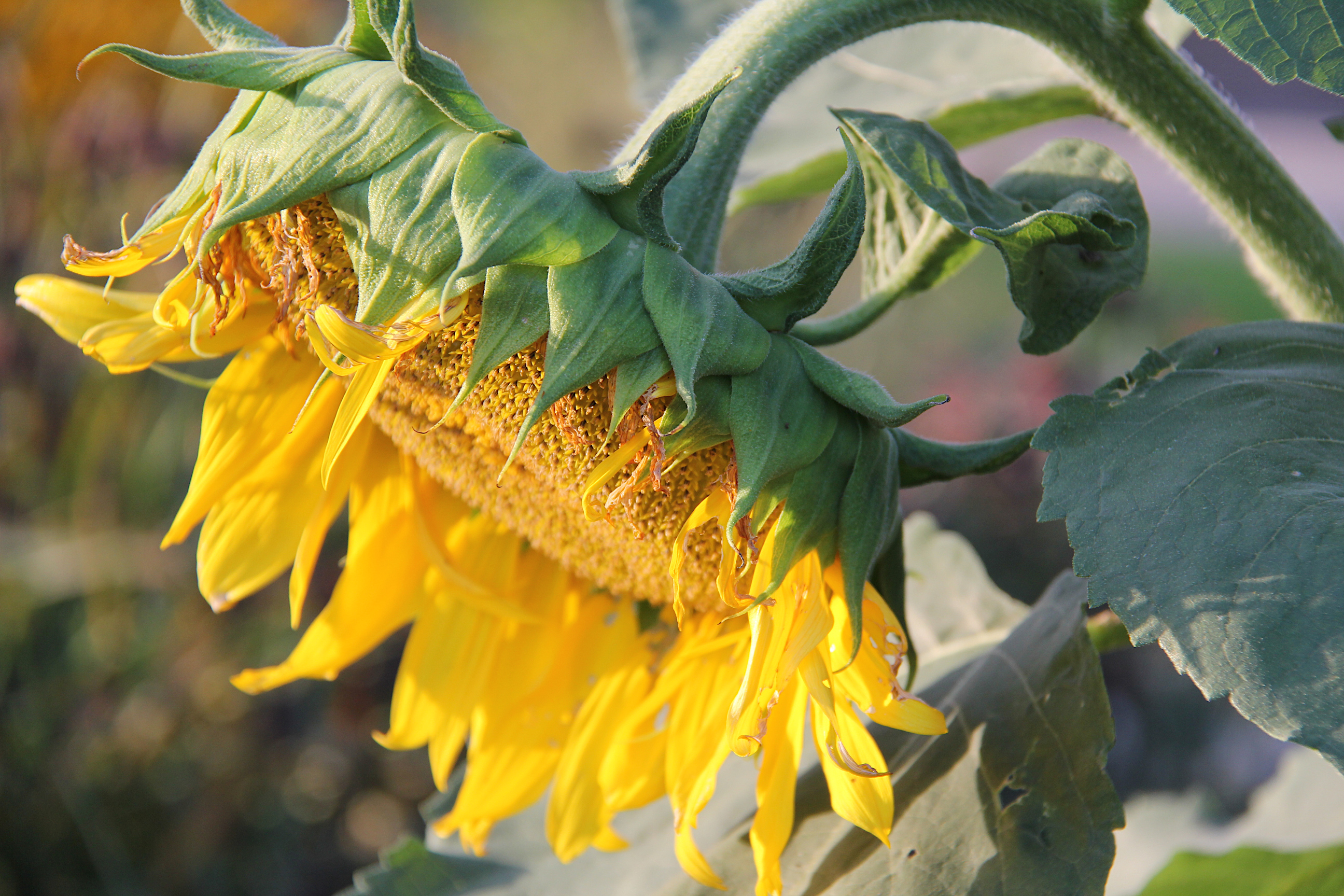
Sunflowers are drooping, like this one in the Rice County Master Gardeners’ Teaching Gardens, Faribault. (Minnesota Prairie Roots copyrighted photo August 2024)
I’M BEGINNING TO FEEL this sense of urgency, as if I need to spend more time outdoors taking in the natural world. It’s not a new feeling, but rather one which rolls into my thoughts at August’s end. When the calendar flips to September, everything shifts. I see it, hear it, smell it, feel it.
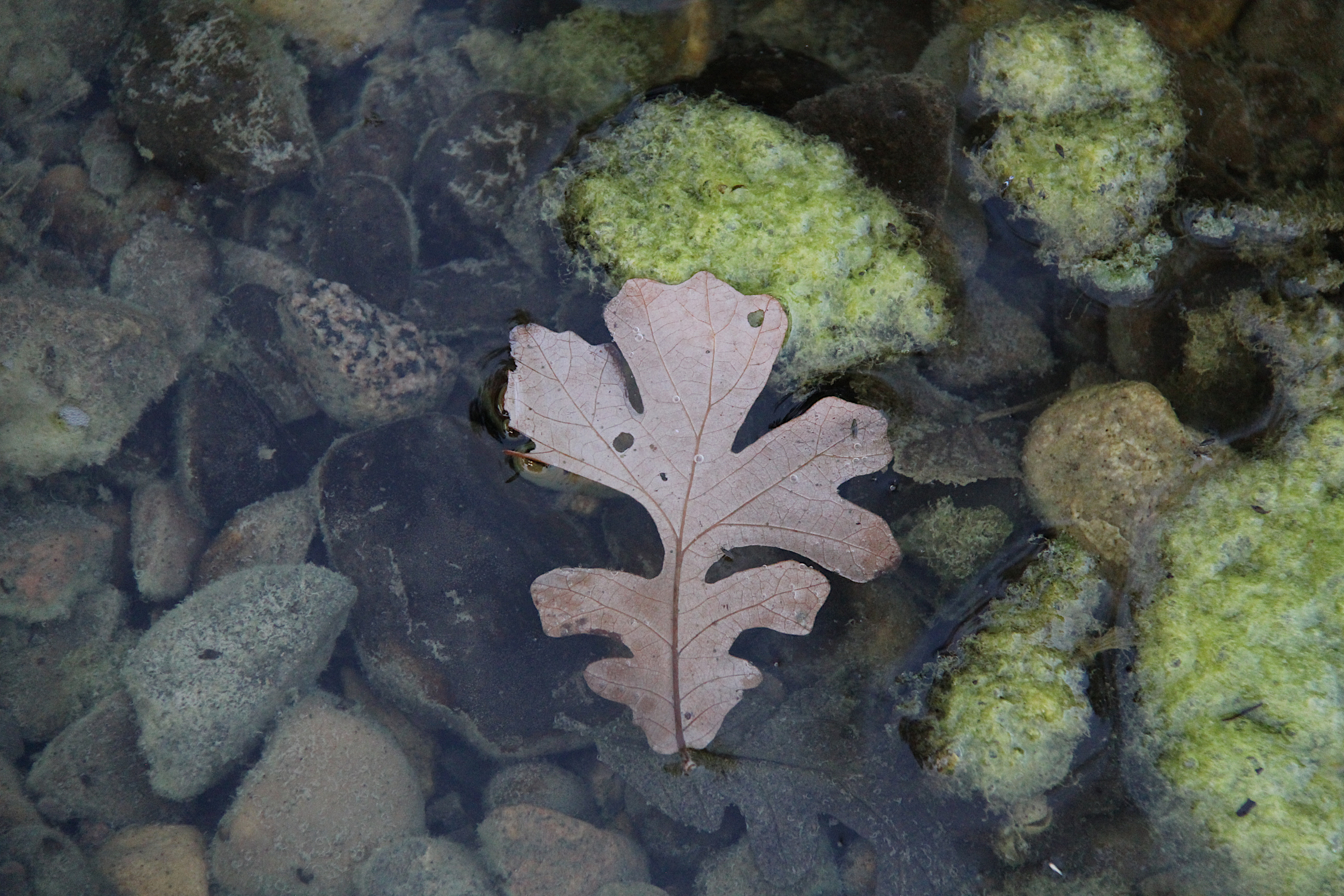
A dried oak leaf floats in a pond at the teaching gardens. (Minnesota Prairie Roots copyrighted photo August 2024)
Outside my front door, massive mophead hydrangeas are drying, morphing from green to brown. Once lush phlox are less full. Maple leaves, in hues of orange and yellow, litter the lawn. All over town, trees are beginning to change color.
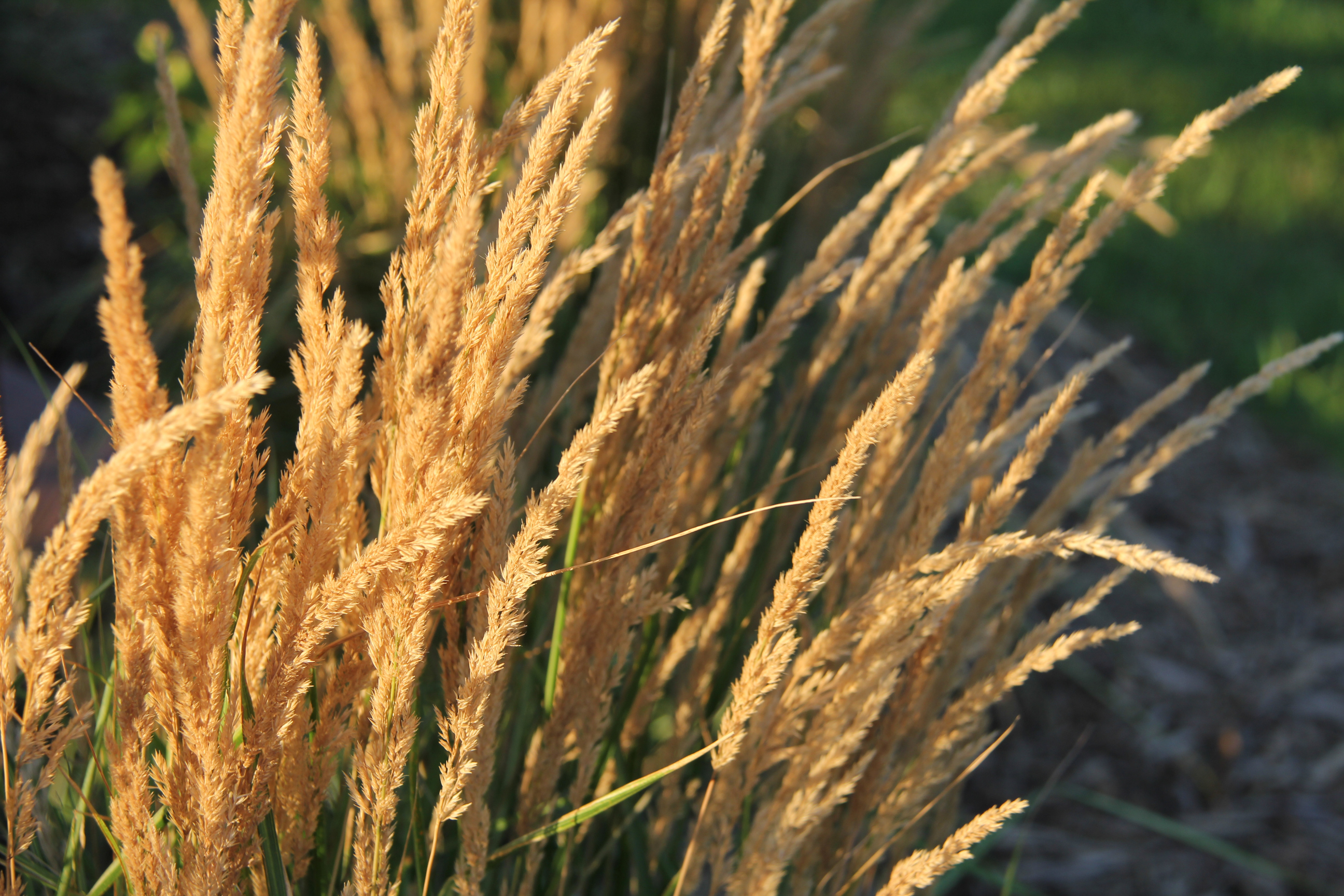
Golden grasses sway in the gentle wind of early evening. (Minnesota Prairie Roots copyrighted photo August 2024)
Jolts of color still fill the garden. (Minnesota Prairie Roots copyrighted photo August 2024)
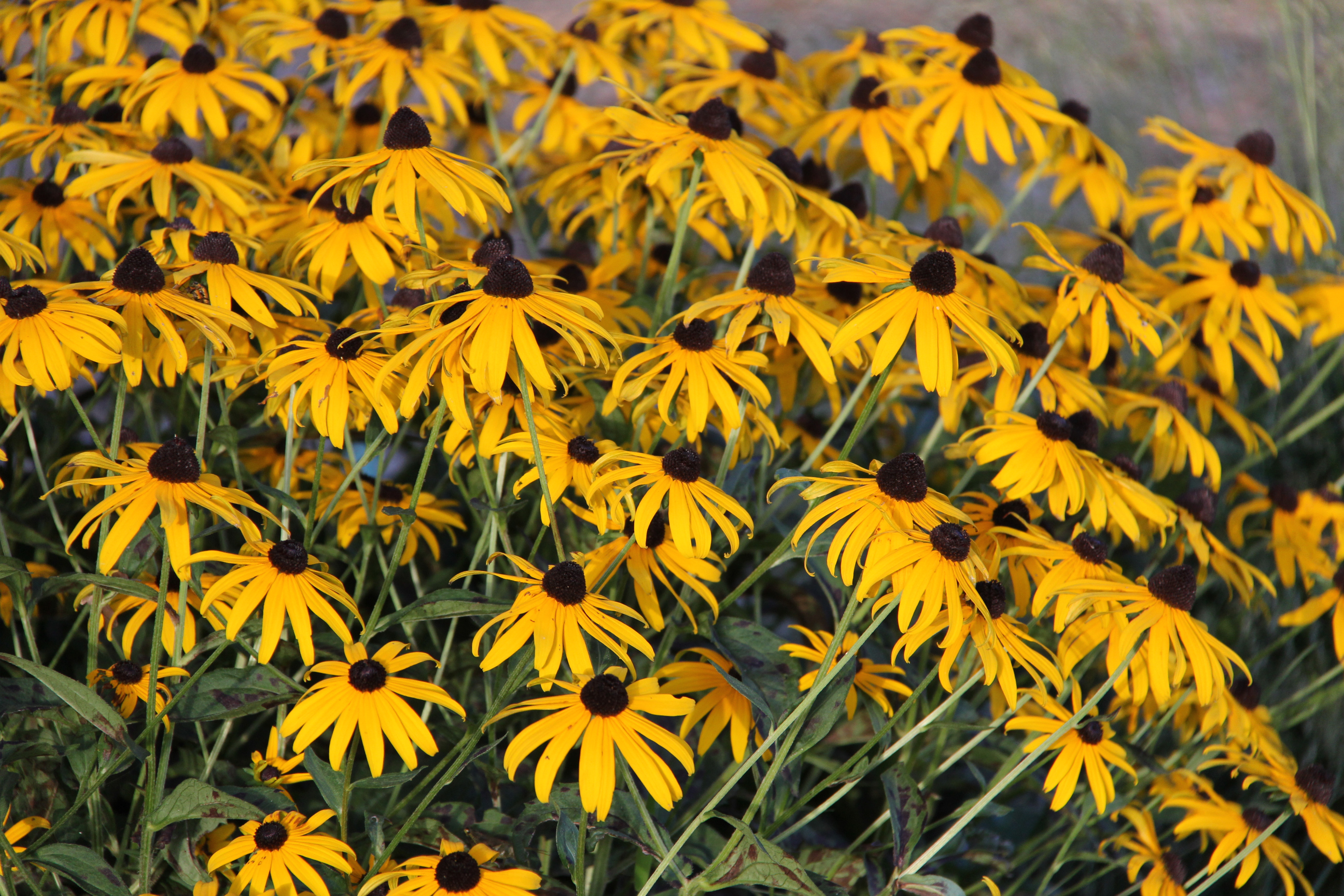
Prolific black-eyed susans. (Minnesota Prairie Roots copyrighted photo August 2024)
Crickets chirp. Cicadas buzz. School buses roll past my house. Everything is shifting. And nowhere is that more noticeable than in a garden.
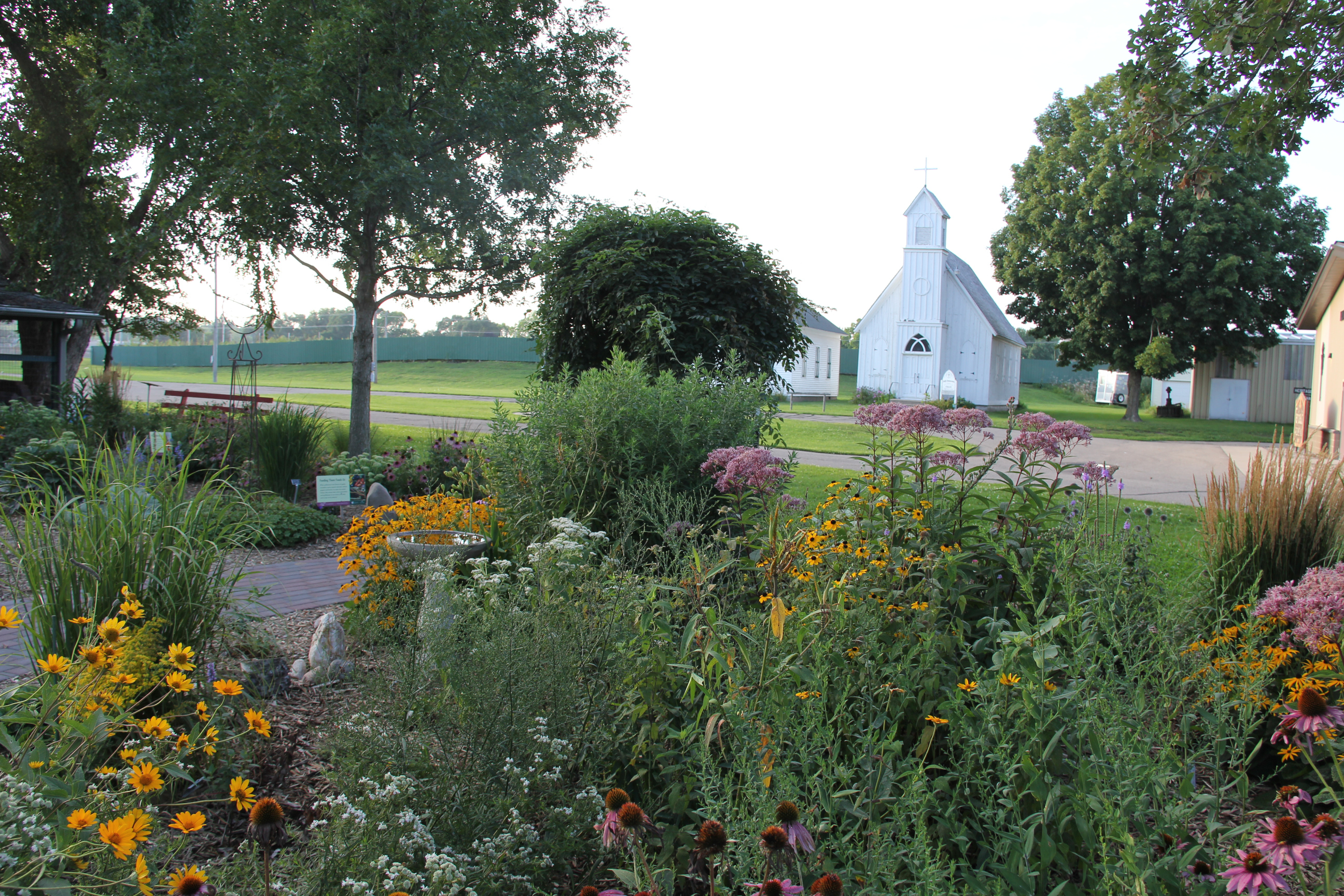
This shows only a section of the teaching gardens. That’s an historic church, on the grounds of the Rice County Historical Society, in the background. The gardens are next to the RCHS museum. (Minnesota Prairie Roots copyrighted photo August 2024)
And so I encourage you, if you live in a place that will soon change to cold and colorless, to enjoy the flowers while they are still blooming, as I did recently at the Rice County Master Gardeners Teaching Gardens.
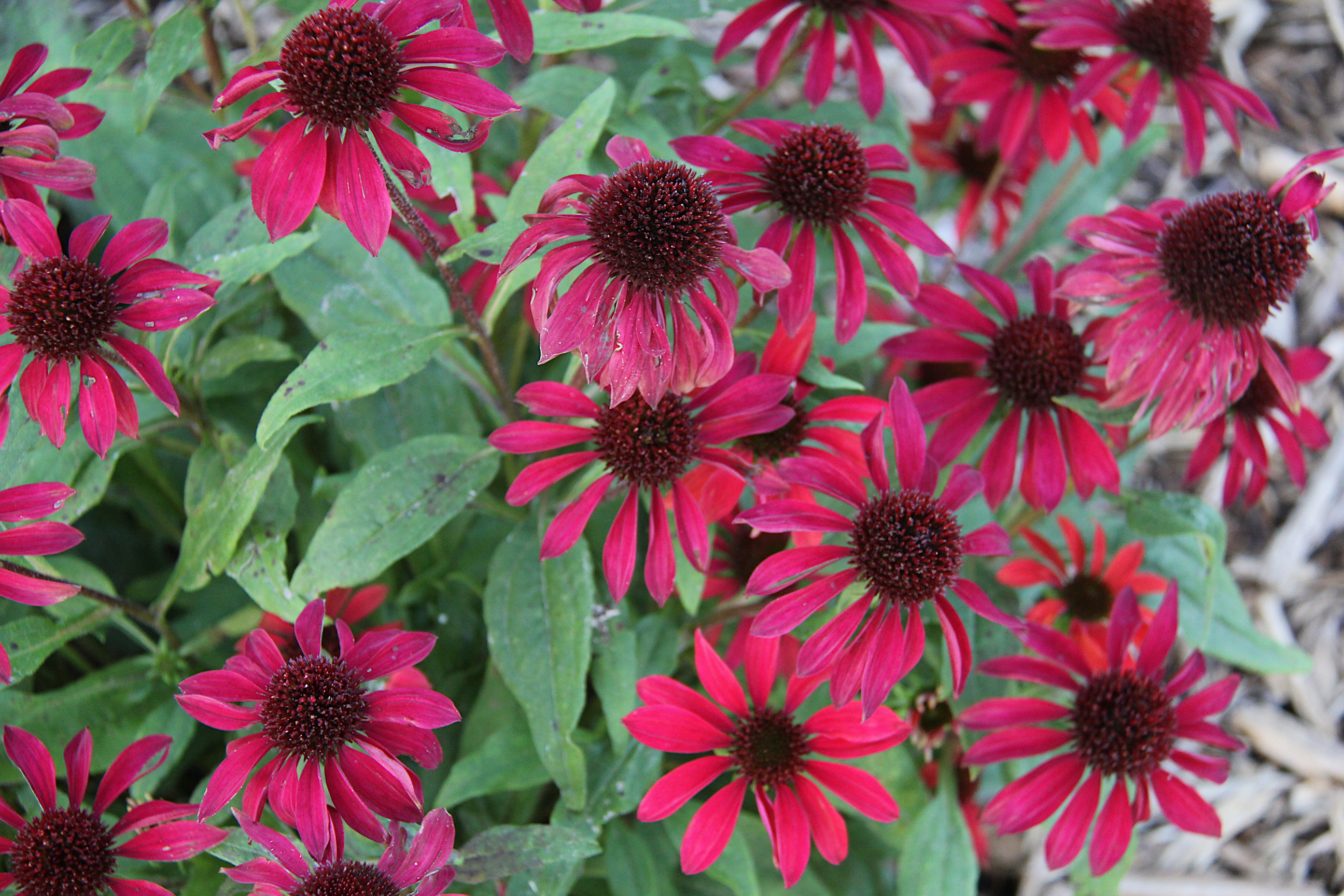
A mass of coneflowers. (Minnesota Prairie Roots copyrighted photo August 2024)
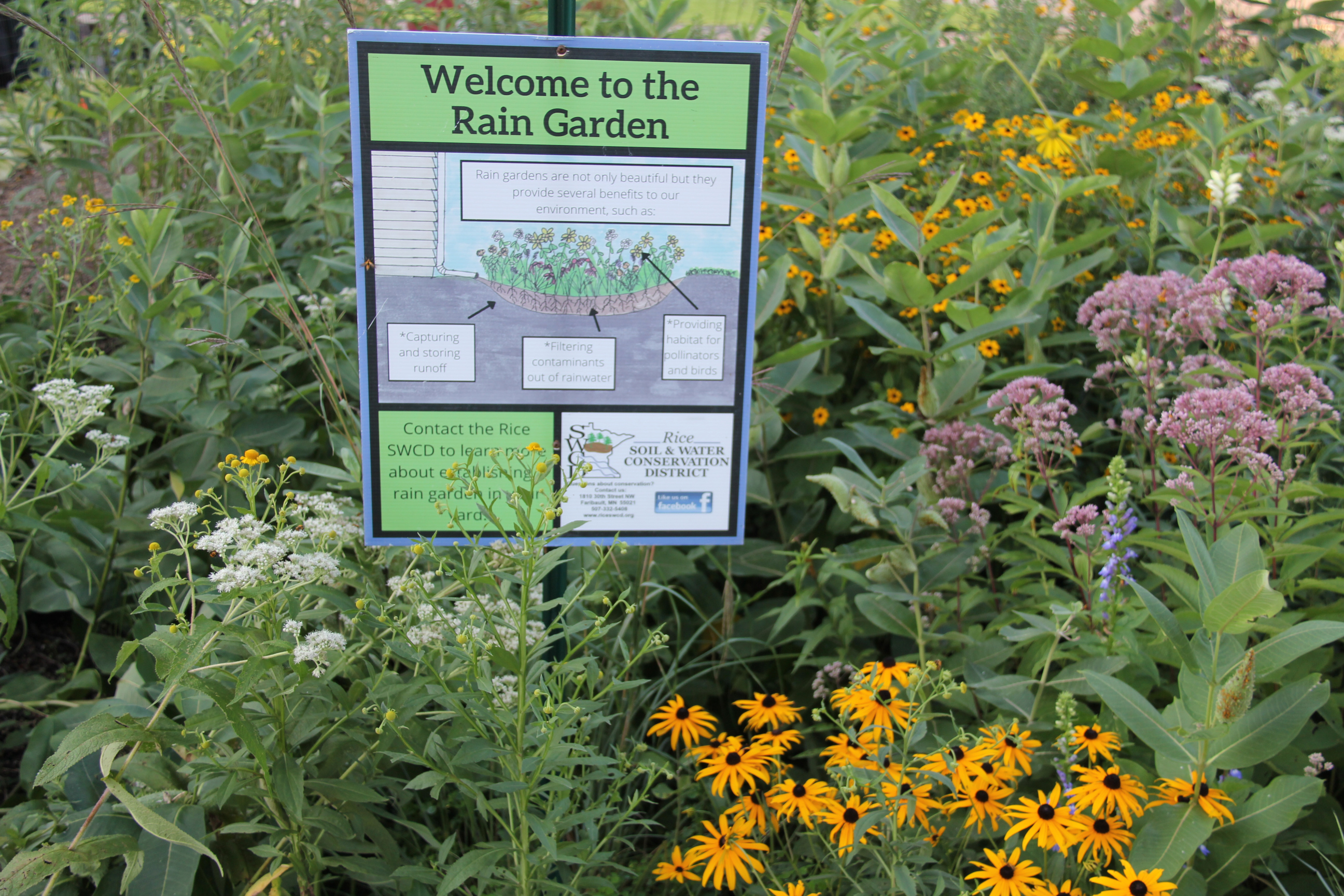
A rain garden flourishes here. (Minnesota Prairie Roots copyrighted photo August 2024)
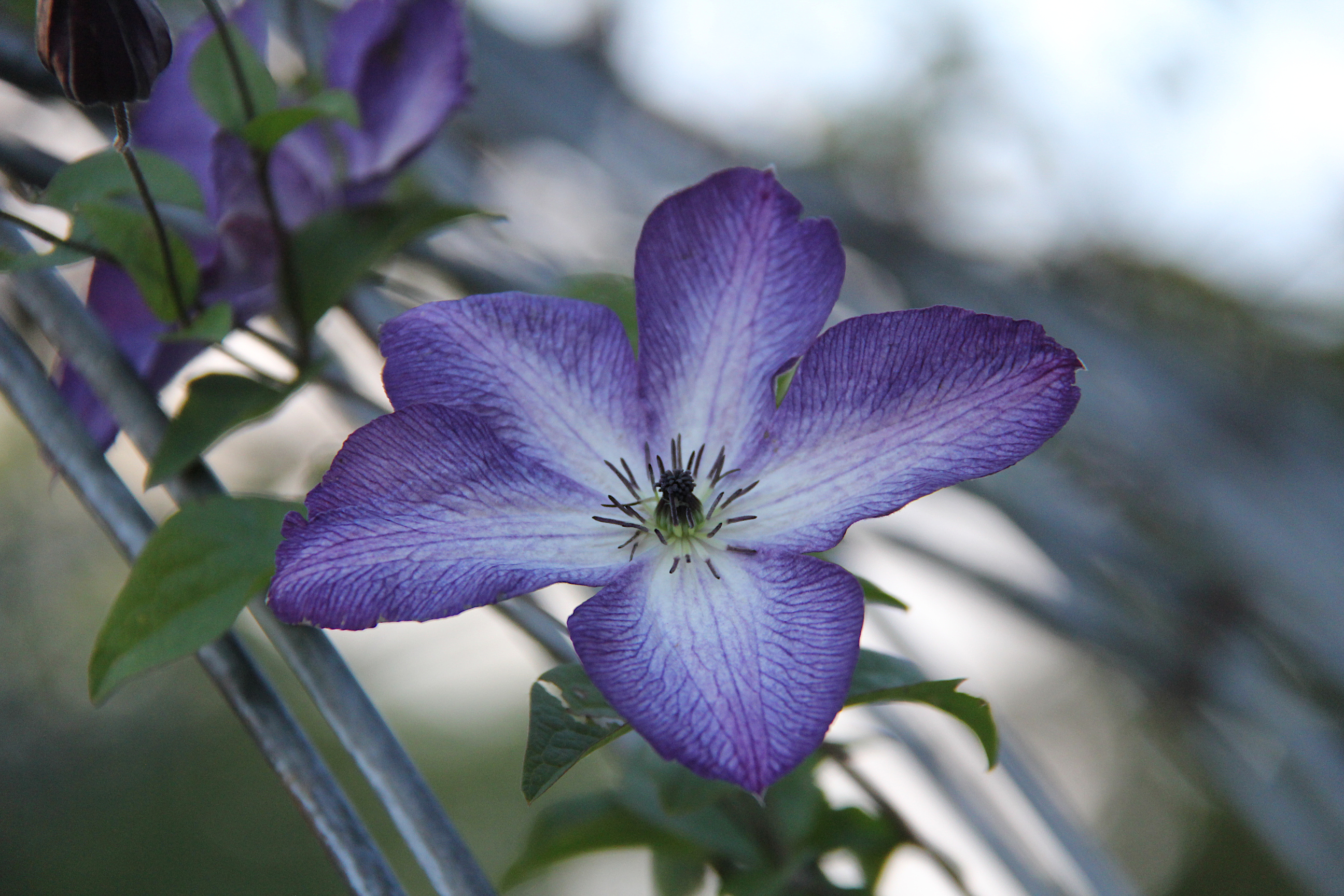
A few clematis were still blooming when I walked the gardens. (Minnesota Prairie Roots copyrighted photo August 2024)
Come, walk with me through this space with its beds of blooms, its textured perennials, its overall loveliness.
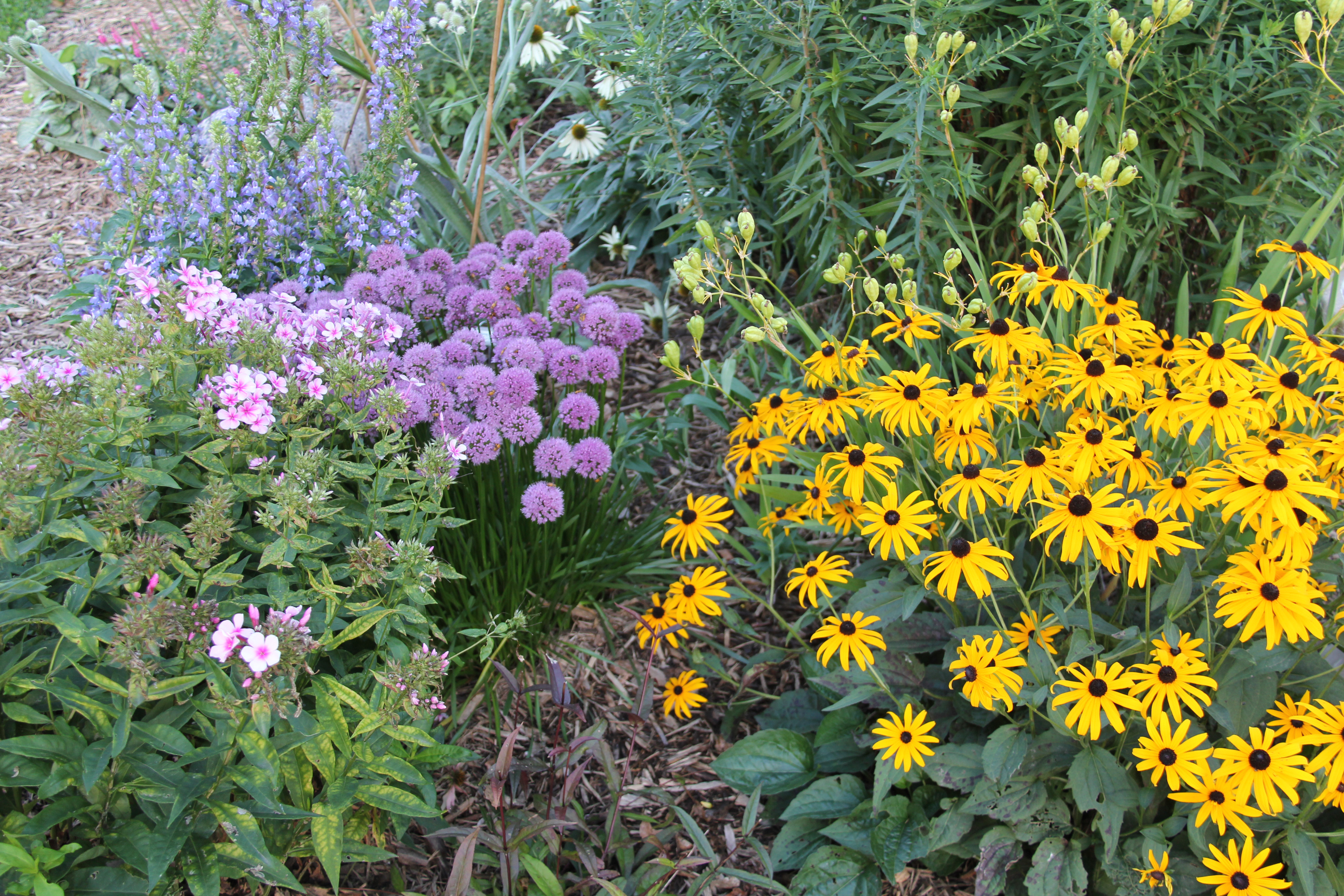
An array of flowers fill the gardens. (Minnesota Prairie Roots copyrighted photo August 2024)
A muted hue that leans into autumn. (Minnesota Prairie Roots copyrighted photo August 2024)
The gardens include rock art, this one in the Rock Art Snake. (Minnesota Prairie Roots copyrighted photo August 2024)
Or find your own garden in your place. Walk. Sit. Take it all in. And when the season shifts, when the flowers are long gone, when the trees have dropped their leaves, then remember this time, these days. Remember the beauty of it all. Remind yourself in the depths of winter how you paused to appreciate these days of summer transitioning into autumn.
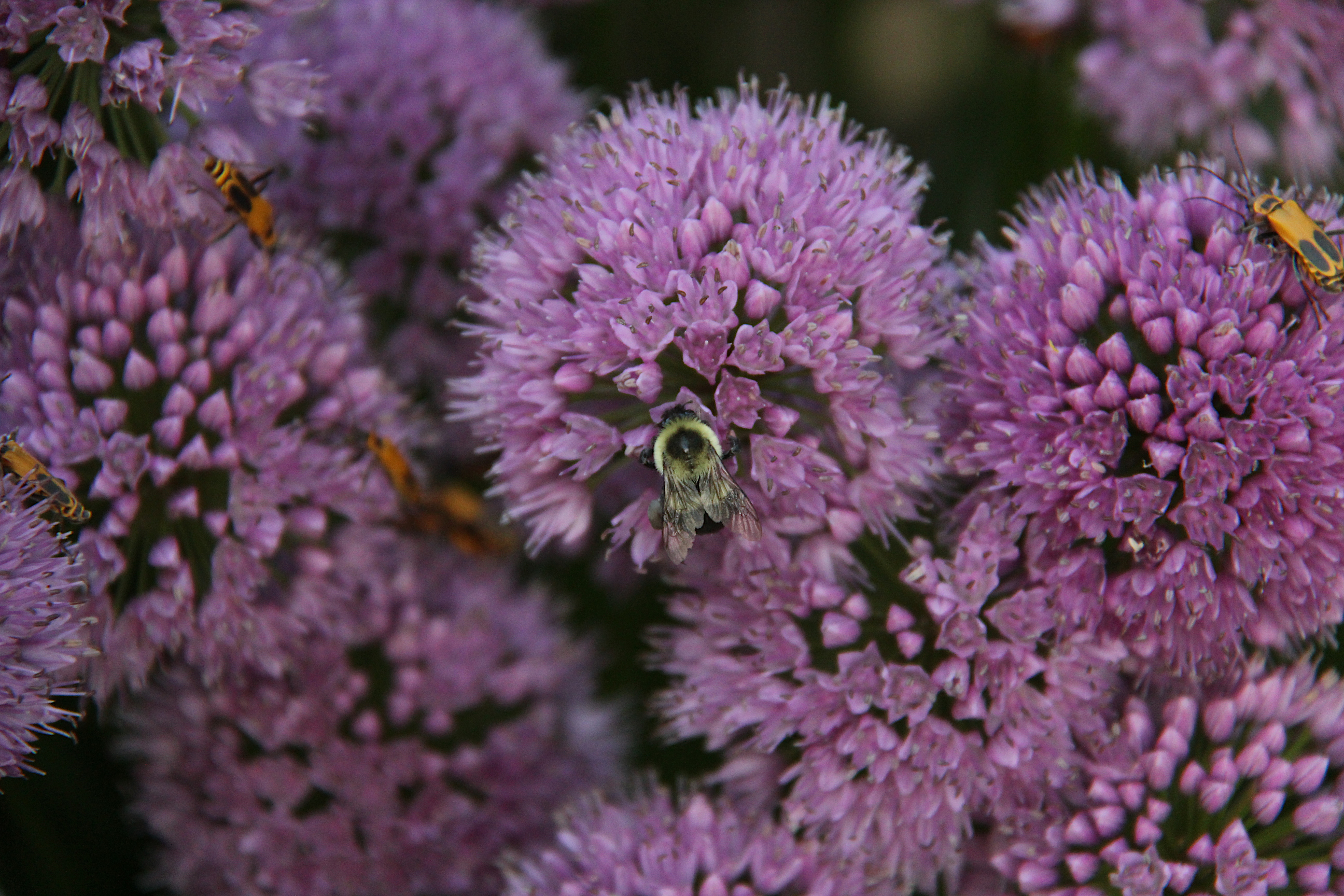
I spotted this bee and other bugs on flowers in the Rice County Master Gardeners’ Teaching Gardens. (Minnesota Prairie Roots copyrighted photo August 2024)
ADMITTEDLY, I NEVER EXCELLED in science. I sort of just got by, learning what I needed to learn to get reasonably good grades in science class. But if I was to go back to the classroom, I’d listen more intently, ask more questions, figure out how the information I was taught actually related to me and my world. In other words, I wouldn’t simply absorb, regurgitate and then move on, which seemed to be the way subjects were taught when I was a student.
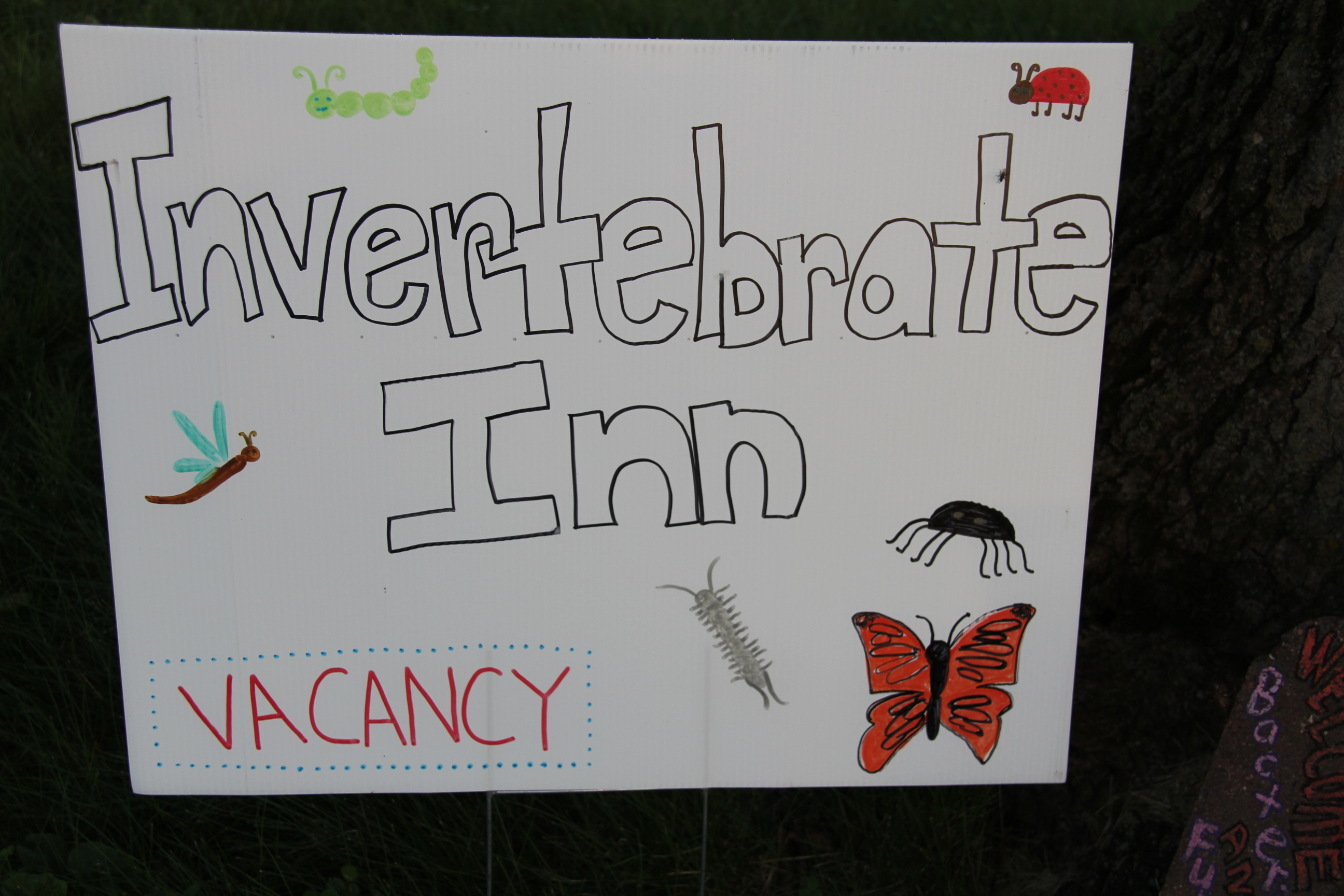
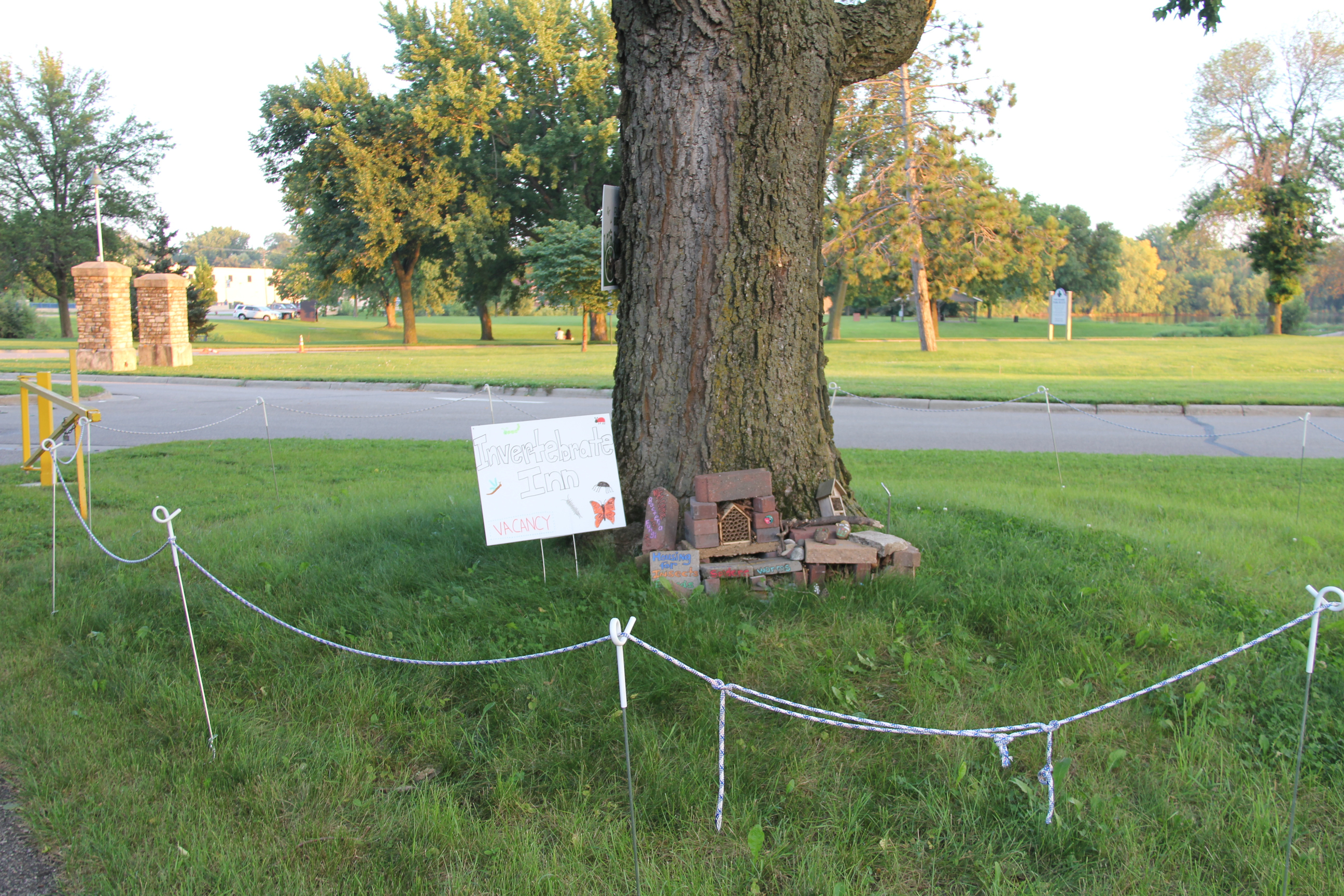
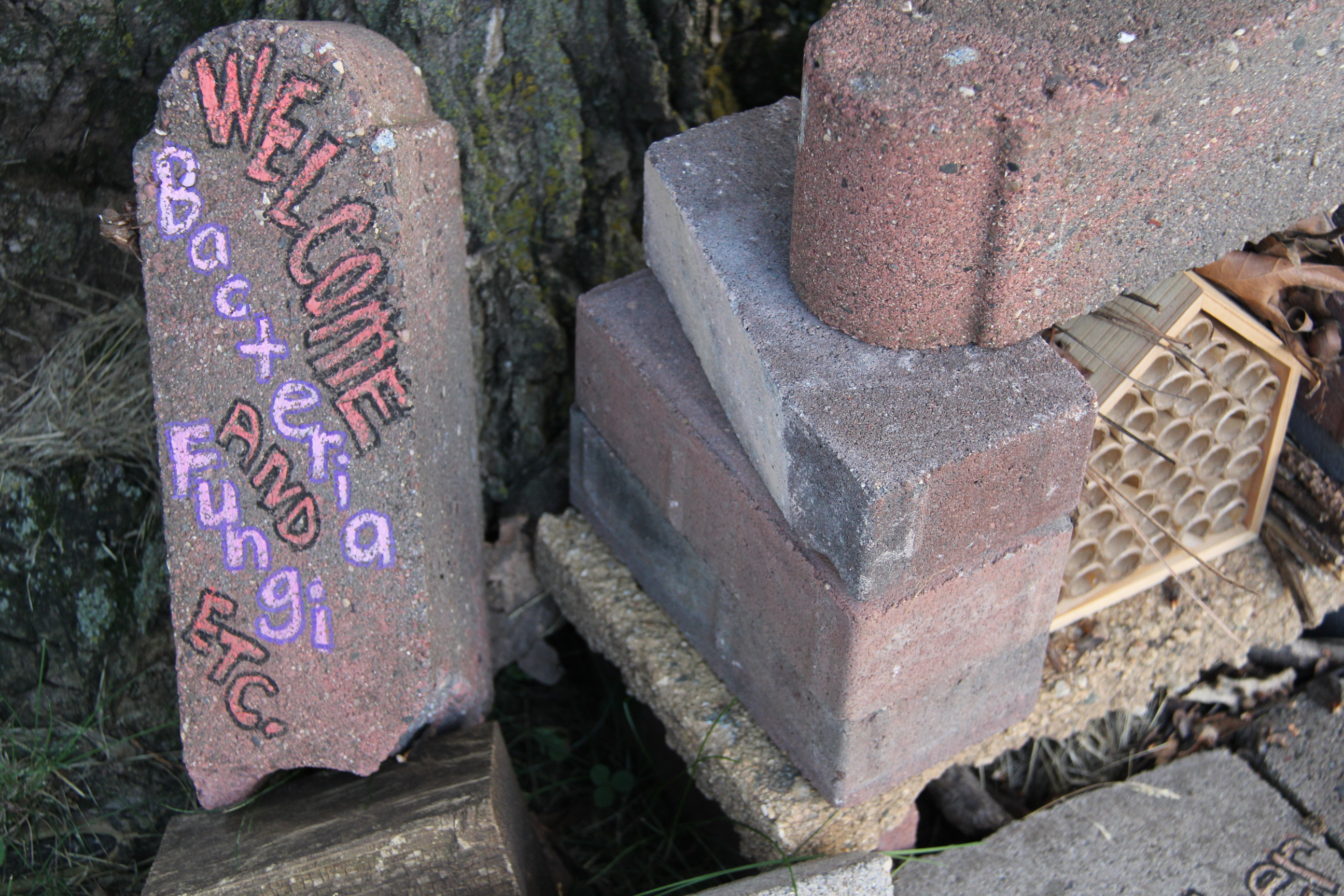
This sign drew me to the base of a tree, where I found an inn and a bee lawn. (Minnesota Prairie Roots copyrighted photo August 2024)
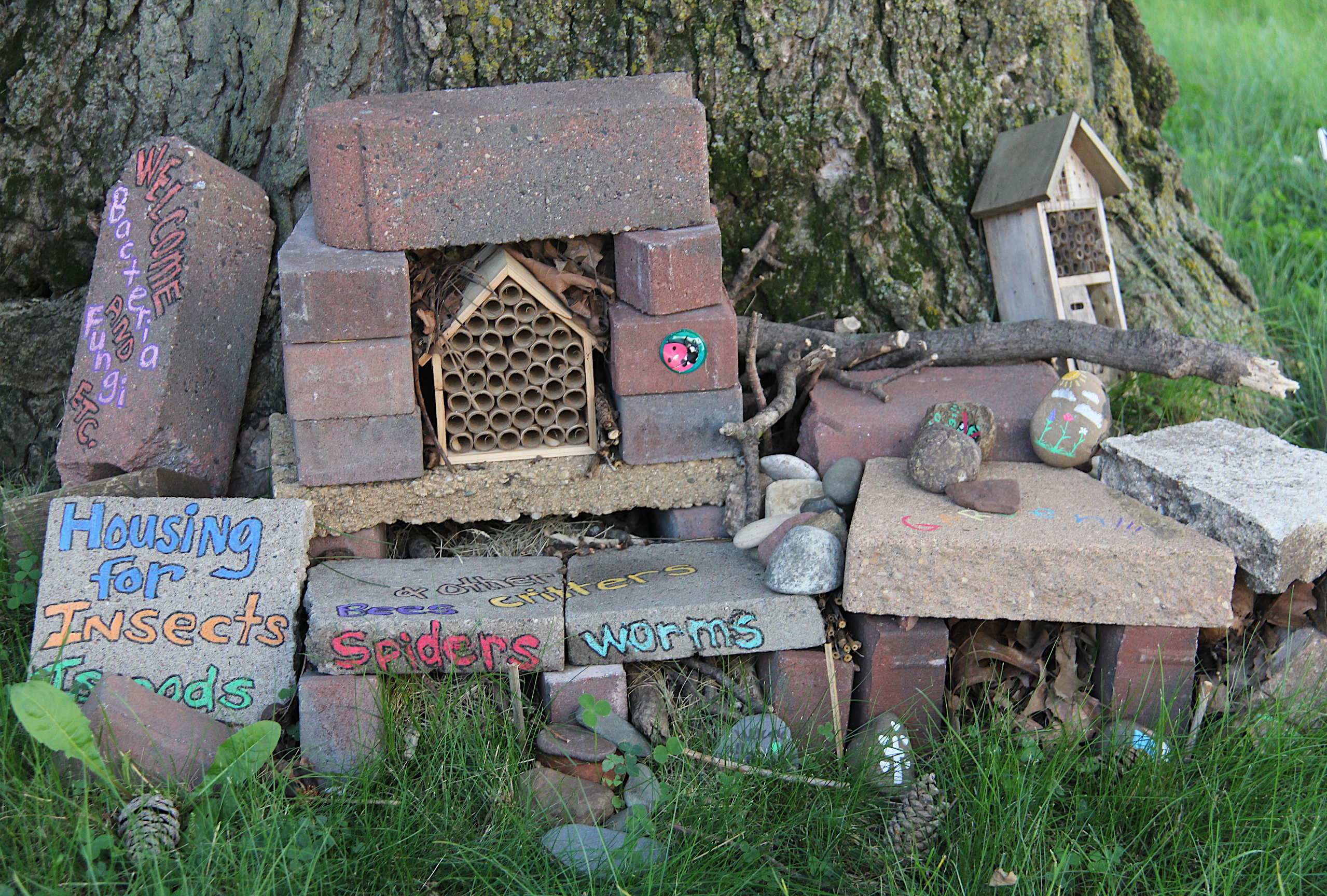
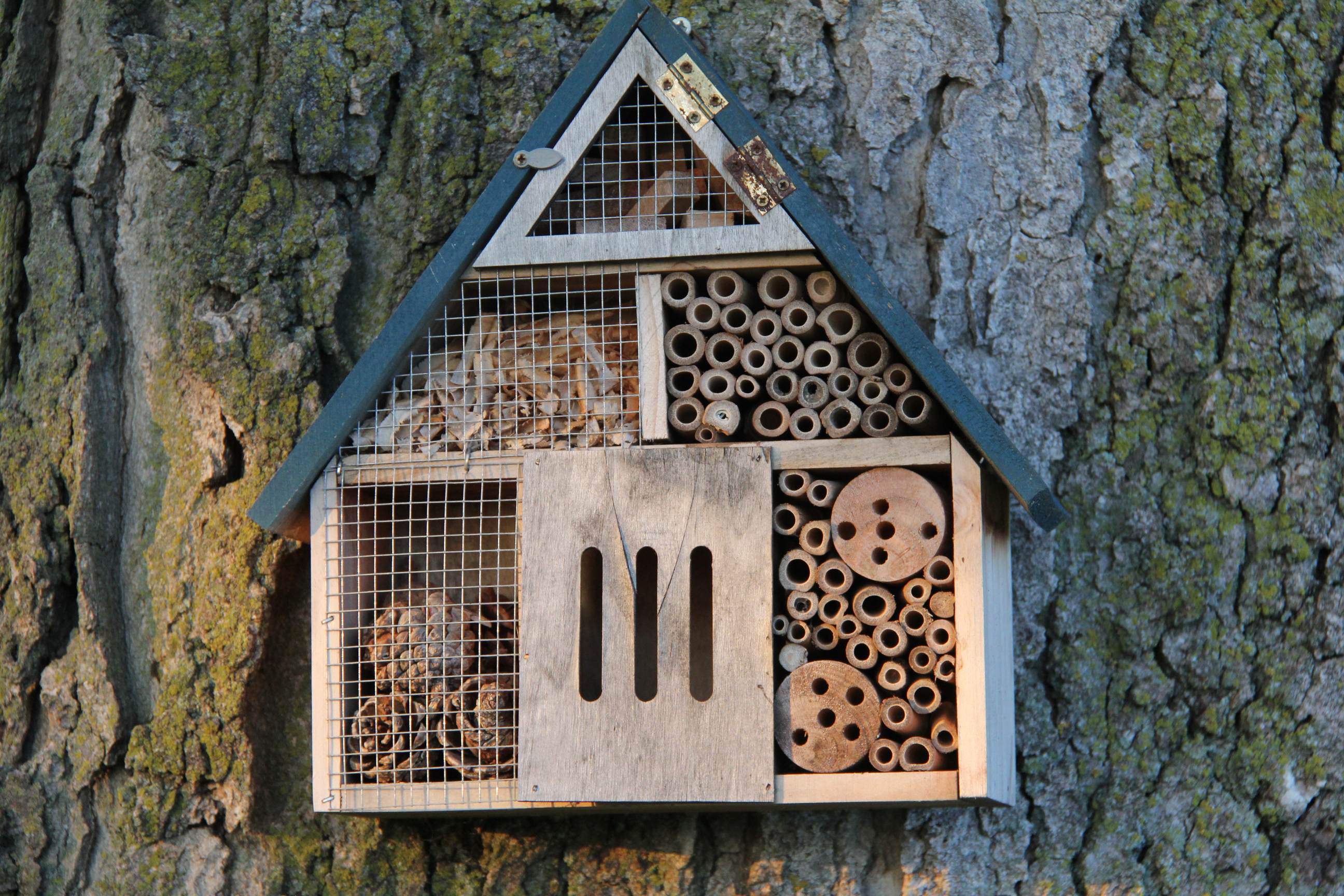
Bricks, stones, sticks and more comprise this haphazard housing unit. (Minnesota Prairie Roots copyrighted photo August 2024)
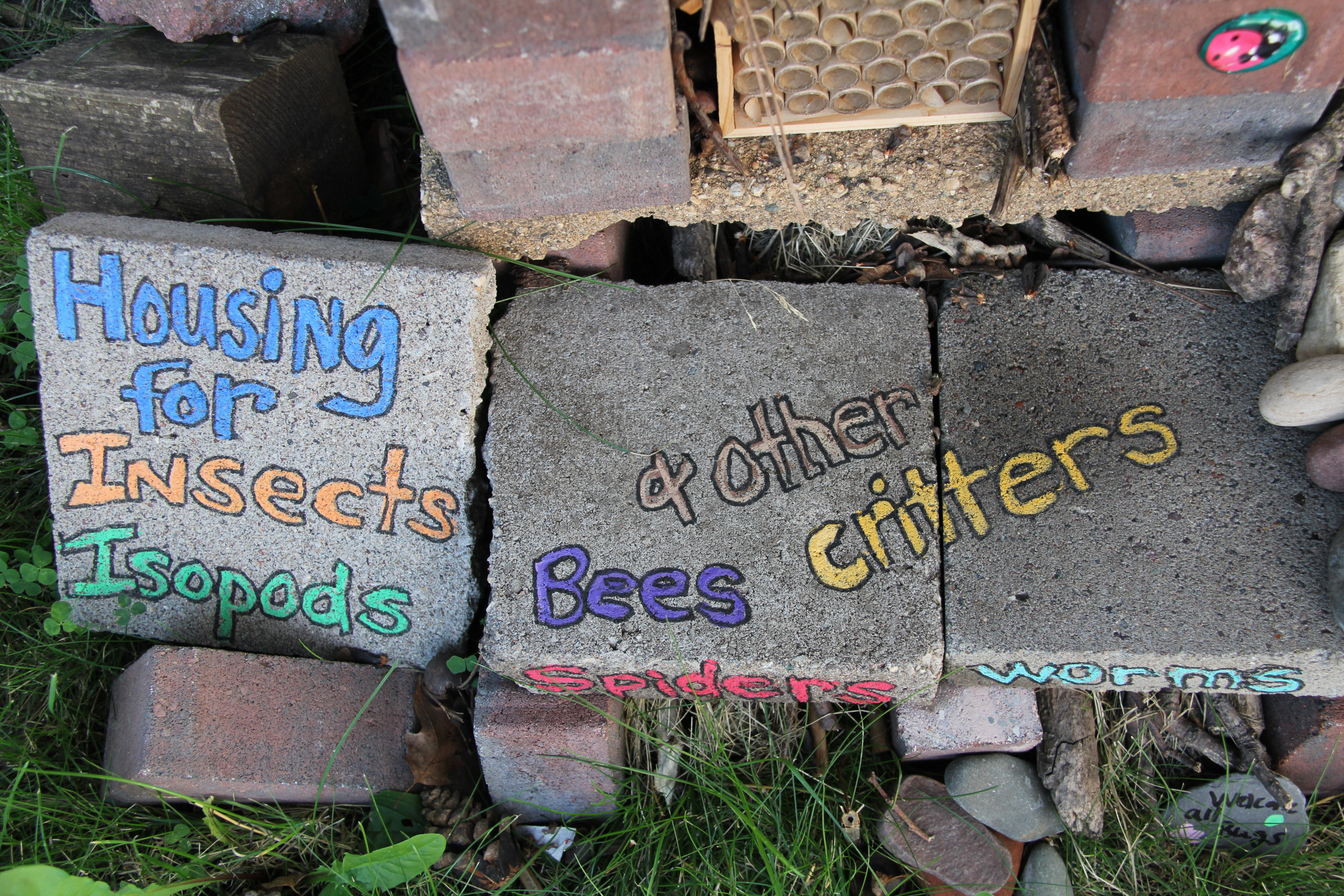
Identifying signage on the Invertebrate Inn. (Minnesota Prairie Roots copyrighted photo August 2024)
Now, as an adult, and an aged one at that, I realize that the core of learning is not memorization. It is rather taking in information that sparks interest, raises questions, causes independent thinking. I am still learning well into my sixties, this year marking 50 years since I graduated from high school.
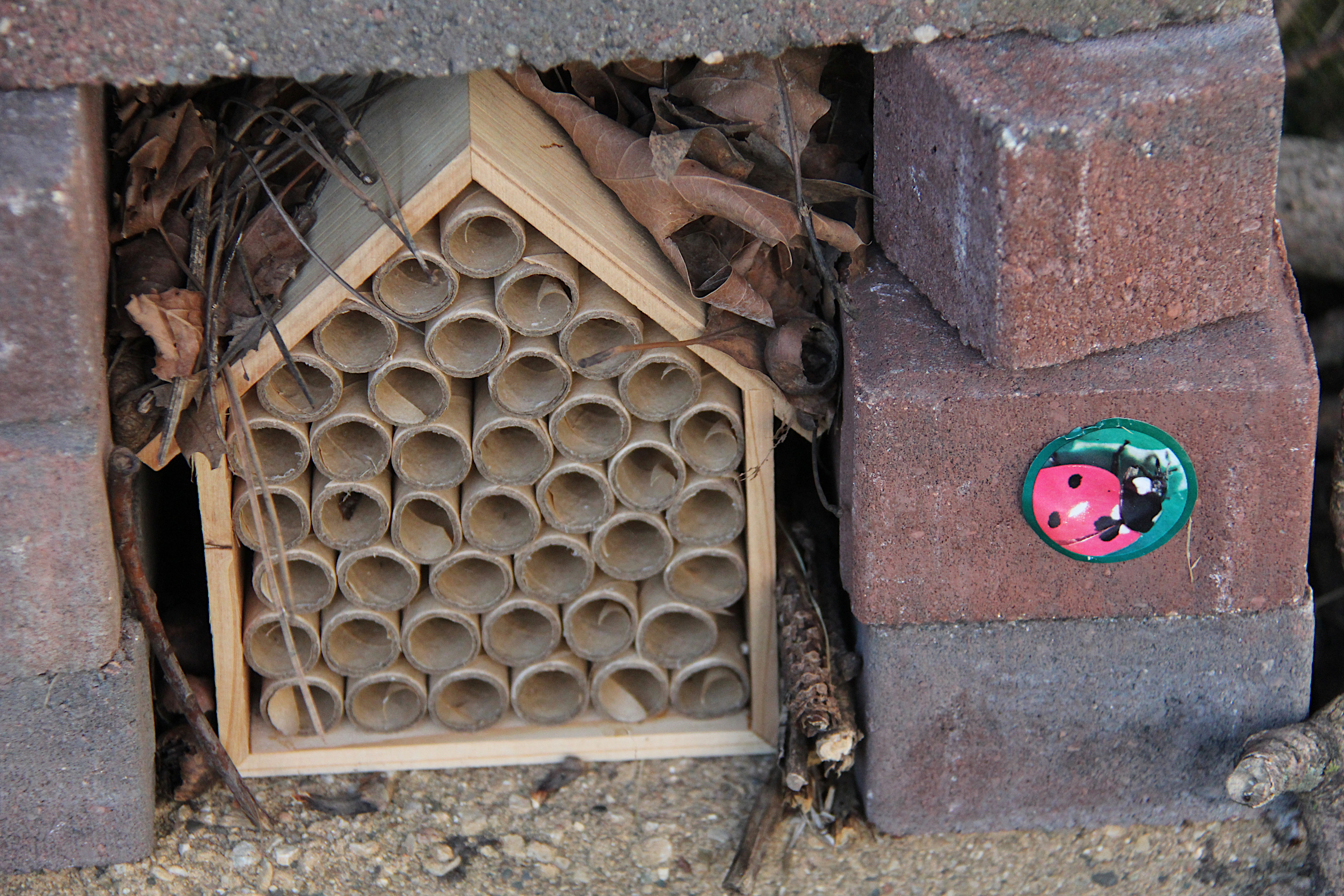
I trust this structure would be a good home for a bug. (Minnesota Prairie Roots copyrighted photo August 2024)
Today I learn because I want to, not because I need to take some class for credits or to earn a degree.
The bee lawn was roped off when I visited. (Minnesota Prairie Roots copyrighted photo August 2024)
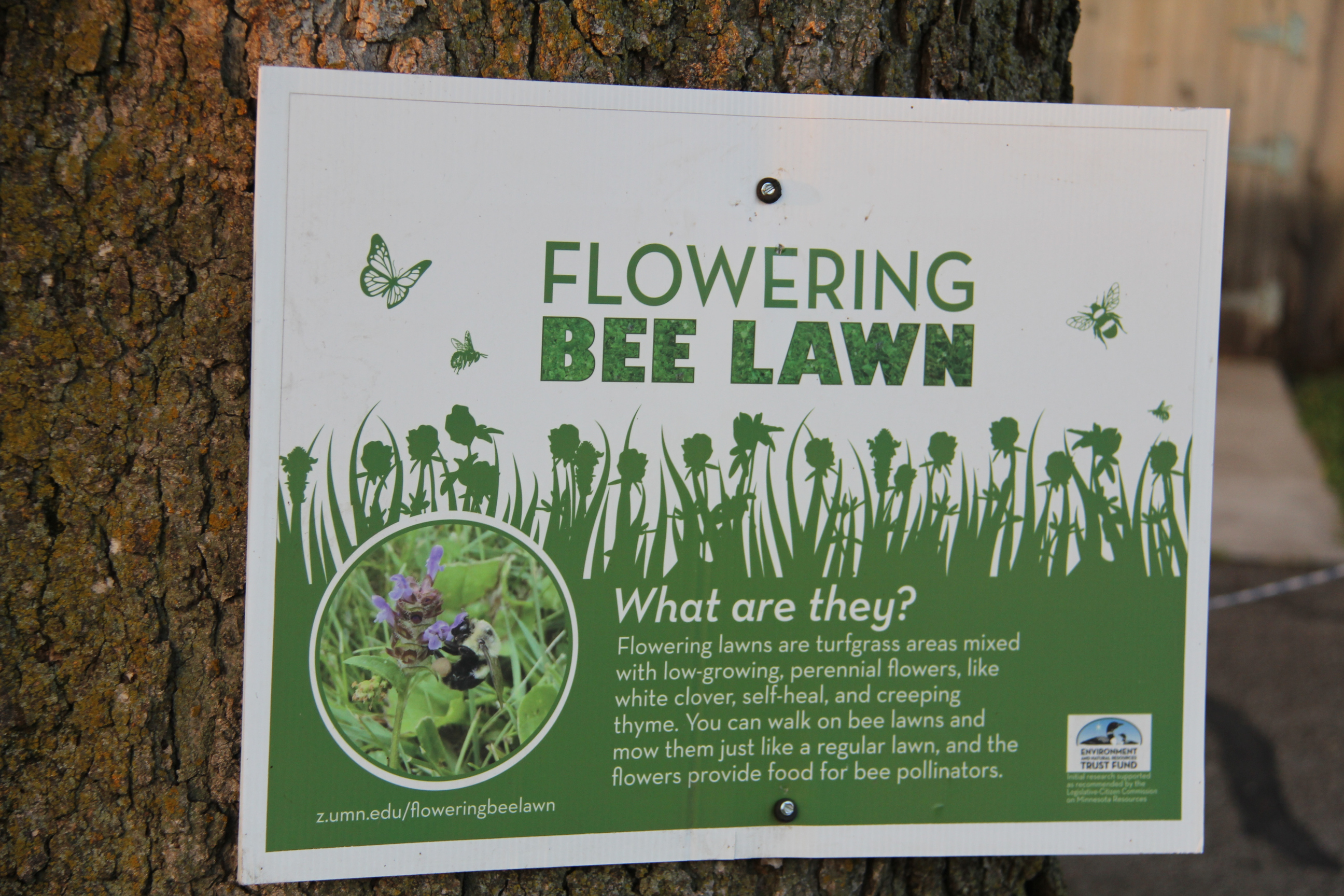
Signage on the tree explains a flowering bee lawn. (Minnesota Prairie Roots copyrighted photo August 2024)
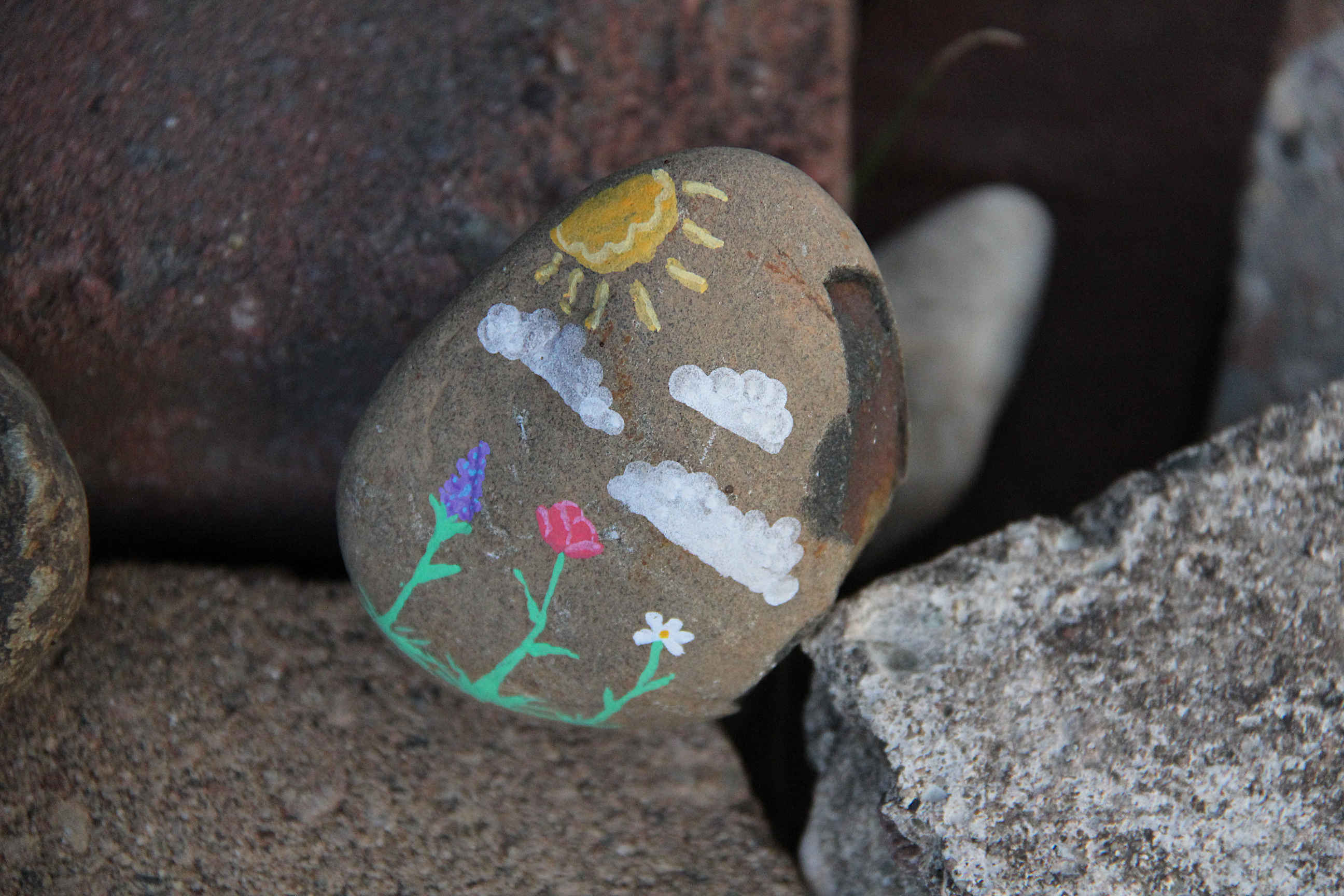
Fitting floral rock art in the inn. (Minnesota Prairie Roots copyrighted photo August 2024)
My latest delve into science was prompted by a visit to the Rice County Master Gardeners Teaching Gardens in Faribault. There I spotted an Invertebrate Inn and a bee lawn, recent additions to the beautiful gardens located at the Rice County Fairgrounds. These are not exactly novel ideas. But I’d not previously considered them much and how they benefit the natural world. Low-lying bee lawns, with their clover and other flowers like creeping thyme, provide nectar and pollen for pollinators.
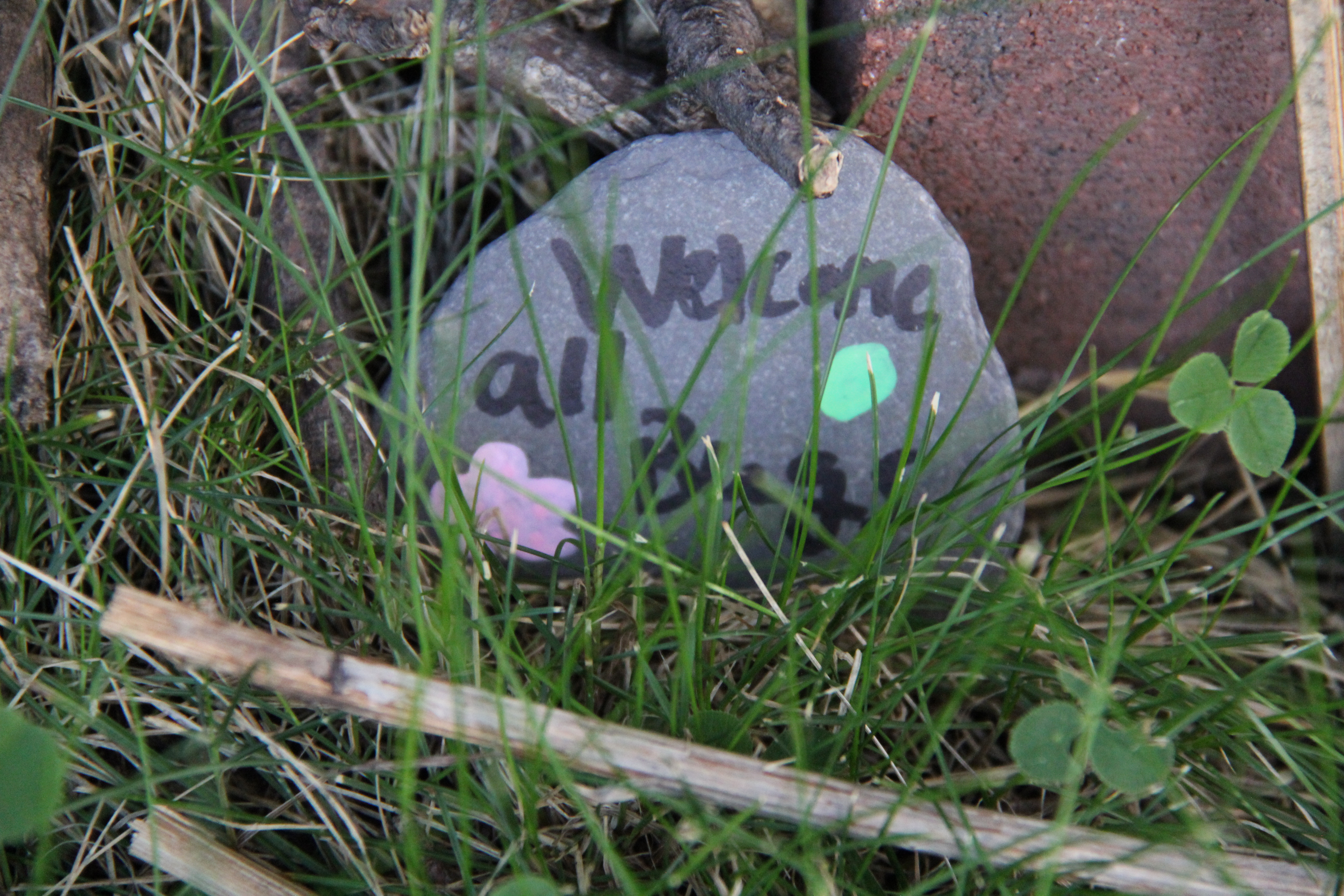
At the inn, a welcome sign for guests. (Minnesota Prairie Roots copyrighted photo August 2024)
In some ways, the inn and the bee lawn remind me of childhood days on the farm with our grass anything but weed-free and manicured. Dandelions and clover were prolific. No weedkiller or insecticides were used except on crops. No nothing applied to the grass, because who cared and who had time to nurture a lawn when there were crops to plant and cultivate and animals to tend?
Housing for more than just insects, isopods, bees, spiders, worms and other critters. (Minnesota Prairie Roots copyrighted photo August 2024)
Times have changed as farming and yard care have evolved. Insecticide and herbicide usage is prevalent. We would be naive to think this has not affected pollinators like butterflies and bees. And so when I discover something like a bee lawn and an Invertebrate Inn, I feel a spark of joy, a sense of gratitude for those who create them.
High rise housing. (Minnesota Prairie Roots copyrighted photo August 2024)
I want my grandchildren to understand that this world they’ve been given is one that needs to be nurtured and appreciated, taken care of in a way that perhaps my generation did not. Sure I celebrated Earth Day, wore Earth Shoes and spouted environmental platitudes of the 1970s. But did that really mean anything, make any long-lasting impact? It was a beginning, I suppose.
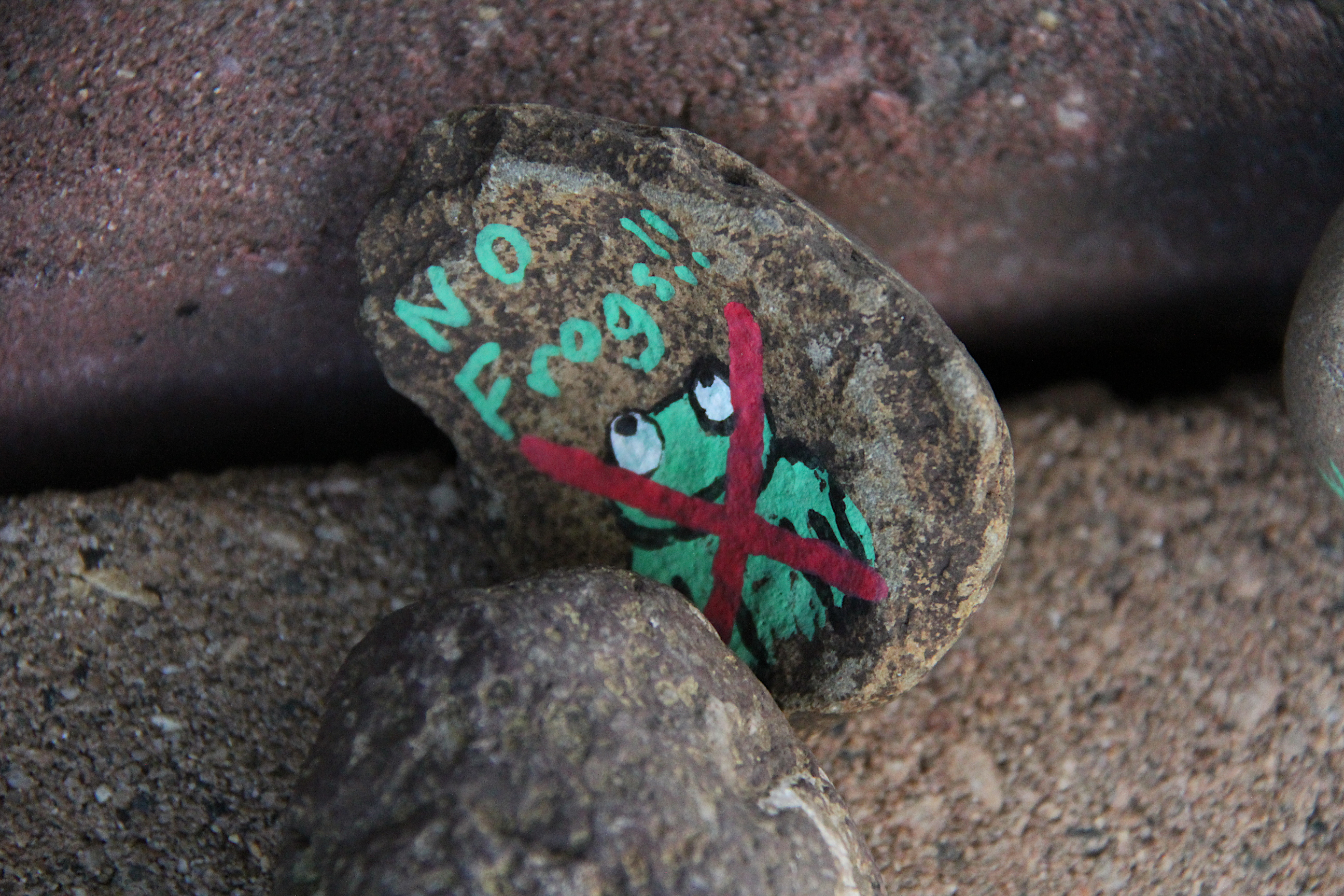
Frogs are banned from the inn. (Minnesota Prairie Roots copyrighted photo August 2024)
I want my grandchildren to ask questions in class, seek out information, learn in a way that is focused on curiosity rather than feeding back facts. I want them to care about the bees and the butterflies and the bugs.
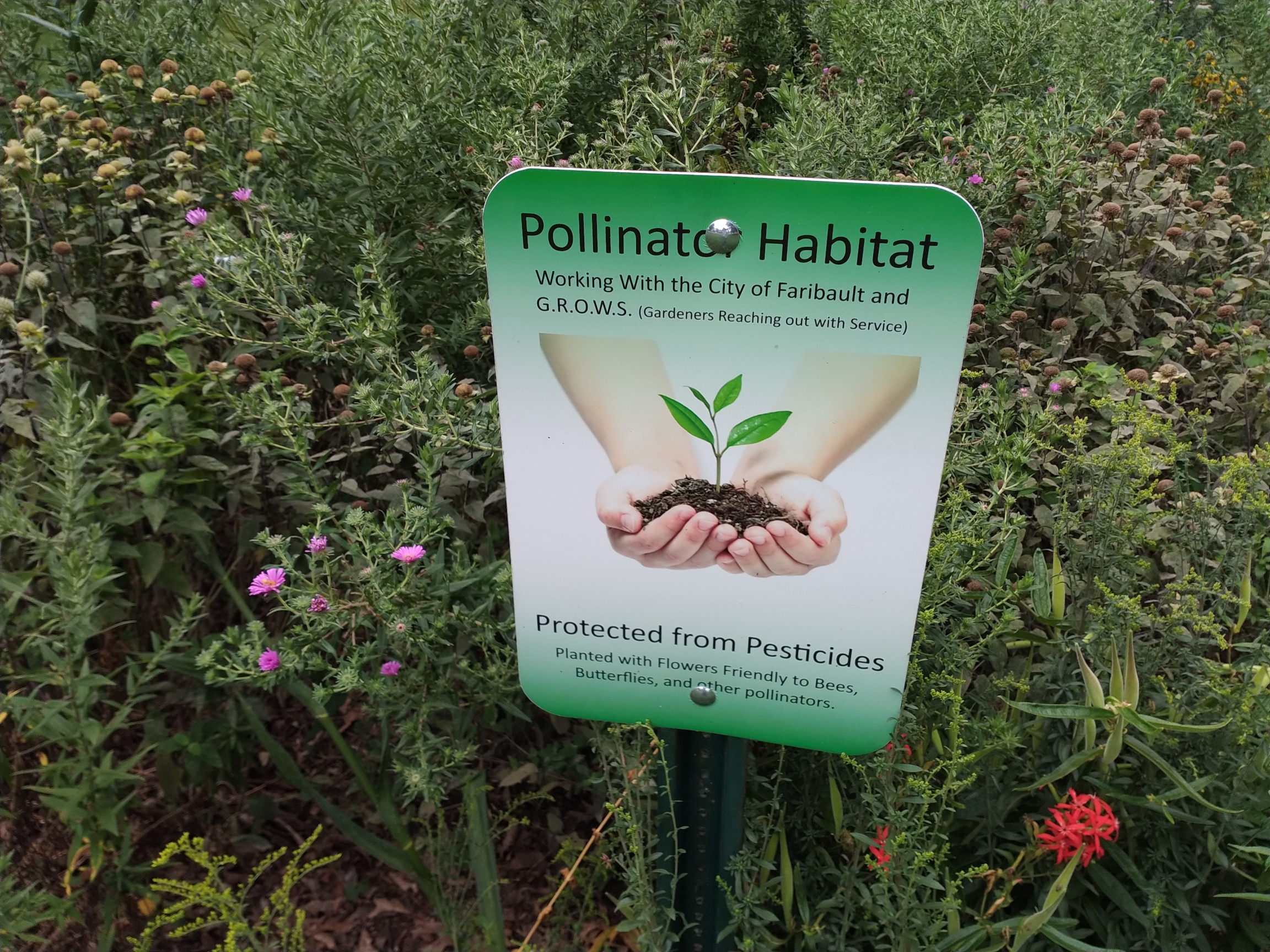
There are other bee lawns, pollinator gardens, etc., in my community, including this one in Central Park. (Minnesota Prairie Roots copyrighted photo August 2024)
I want them to connect with nature, to understand that what they do, or don’t do, to the earth matters. I want them to get their hands dirty in the soil, overturn rocks, hold bugs, pick up worms, plant flowers and, most of all, appreciate this natural world of ours. The science of it. The beauty of it. The peace it brings to the soul. The joy it brings to the spirit. And I want them to care. Always.
Monarch on the common milkweed flower. (Minnesota Prairie Roots copyrighted file photo 2023)
I’VE ALWAYS HELD a fascination with milkweeds. Their clusters of vanilla-scented dusty pink flowers draw me to a plant that seems more flower than weed. Unless you were my dad, who wanted the common milkweed removed from his acres of soybeans. Yes, I hoed or pulled plenty of milkweeds from the fields on my southwestern Minnesota childhood farm.
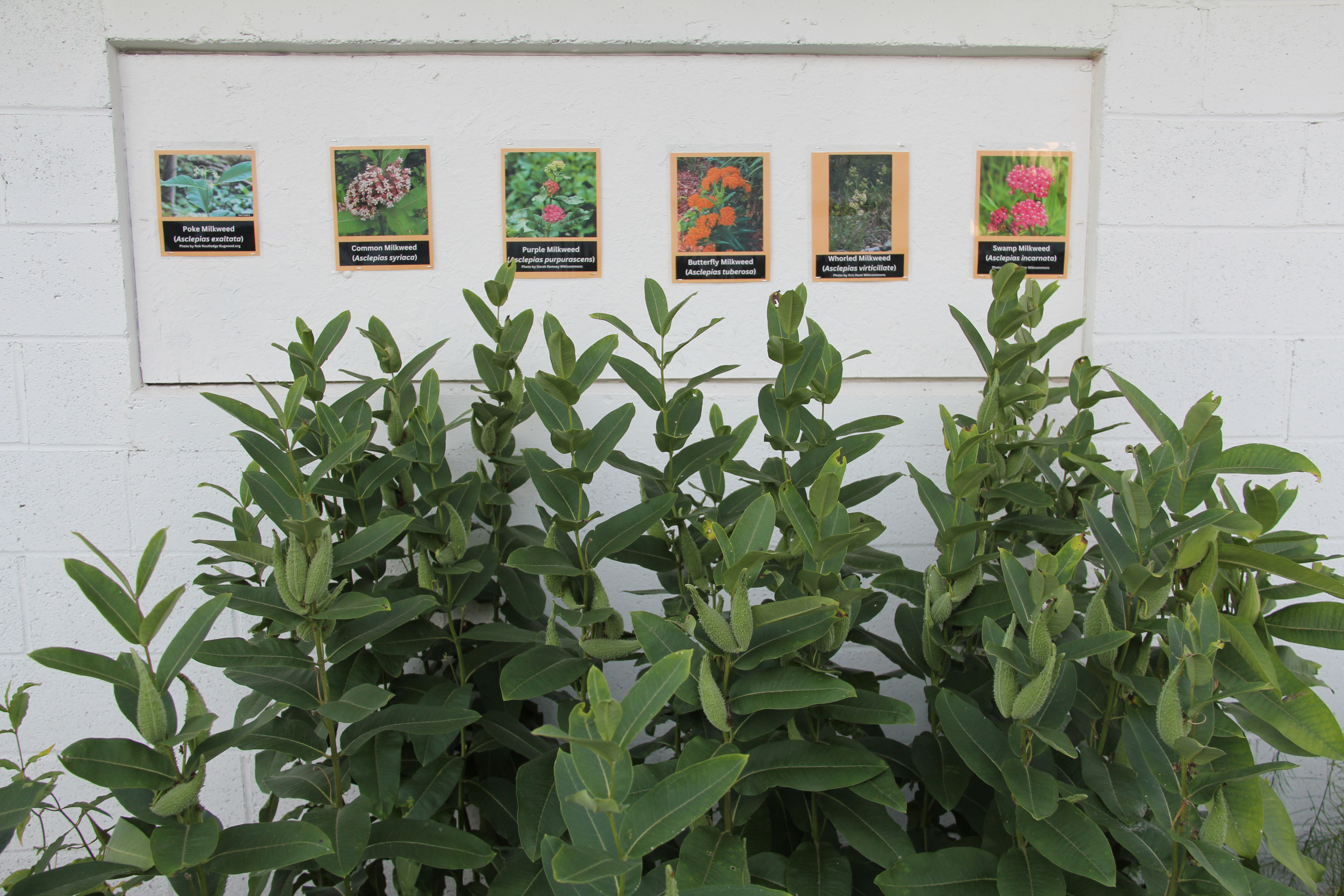
Milkweeds grow next to the conservation building at the Rice County Fairgrounds against a backdrop of identifying milkweed photos. Those include six types: common, poke, purple, butterfly, whorled and swamp. (Minnesota Prairie Roots copyrighted photo August 2024)
My thinking has shifted since then. Today I plant, rather than eradicate, milkweeds. Dad, if he was still alive, might wonder how his farm-raised daughter strayed so far from hoeing to growing.
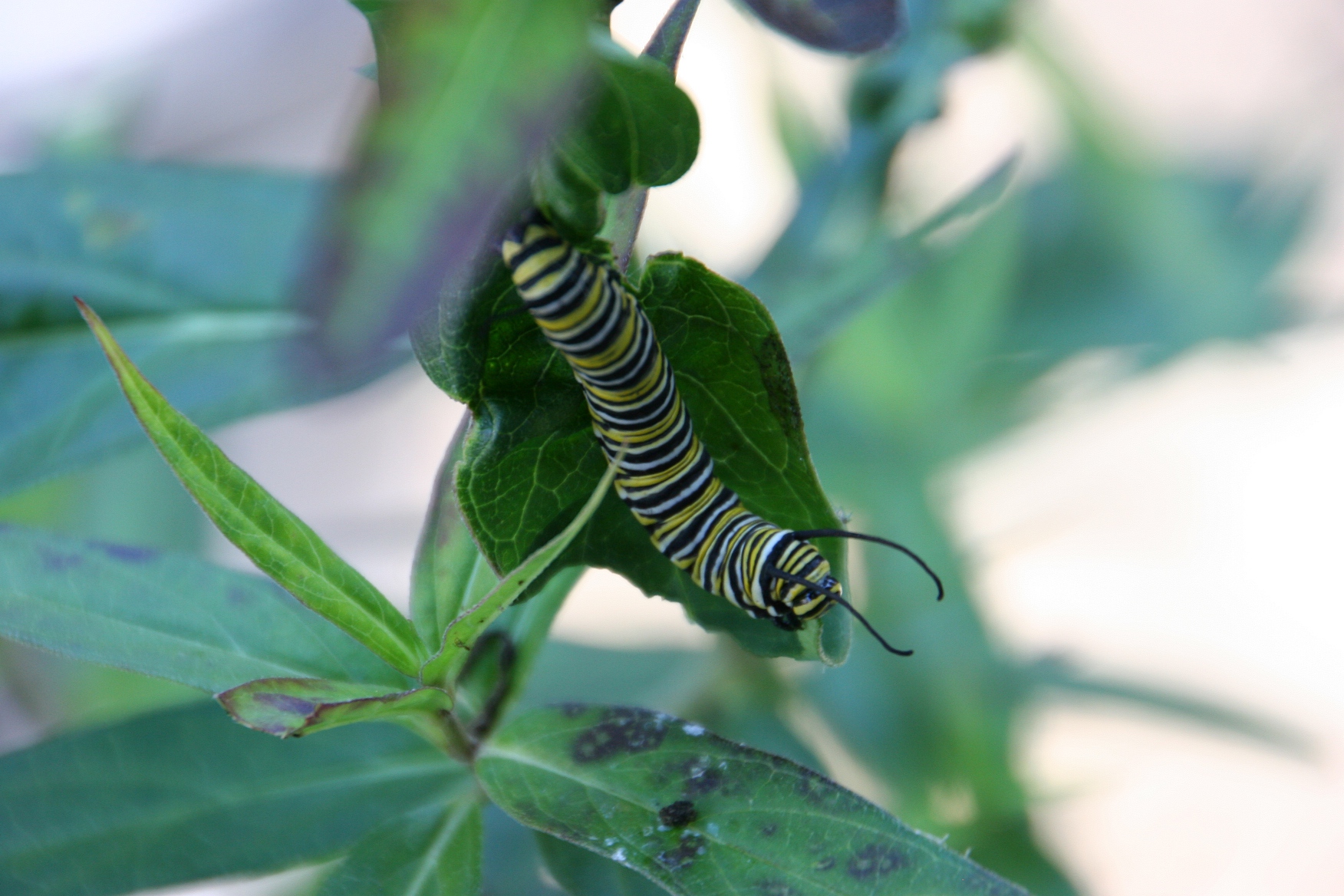
A monarch caterpillar. (Minnesota Prairie Roots copyrighted file photo)
The answer is easy. Long ago I learned the value of milkweeds to our monarch butterfly population. The butterfly lays its eggs on milkweed leaves. And milkweed is the sole source of food for monarch caterpillars. If we want the monarch population to grow, thrive and survive, we need milkweed plants. It’s that simple.
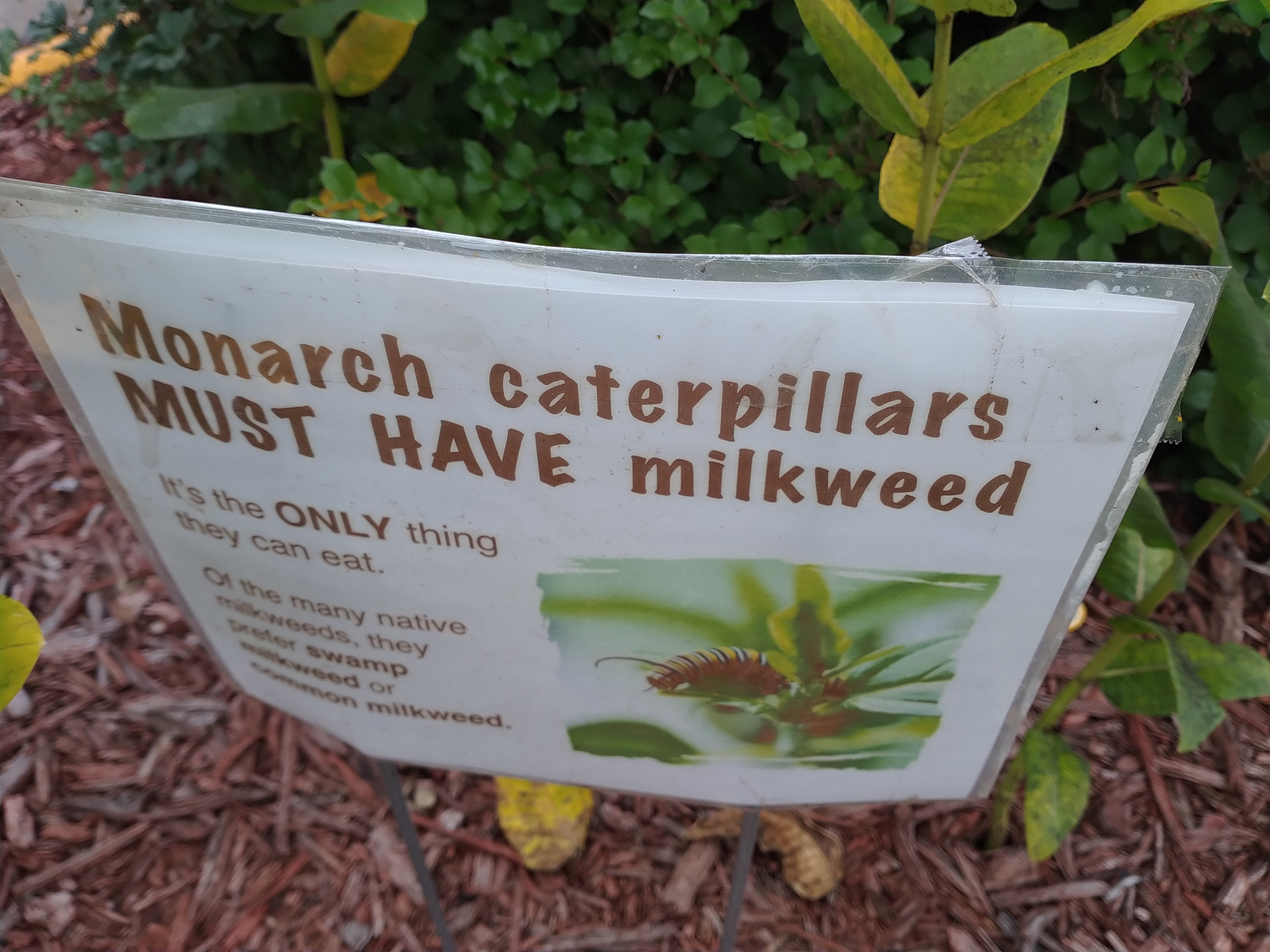
A sign at Hy-Vee grocery store explains the importance of milkweed to monarchs. (Minnesota Prairie Roots copyrighted photo August 2024)
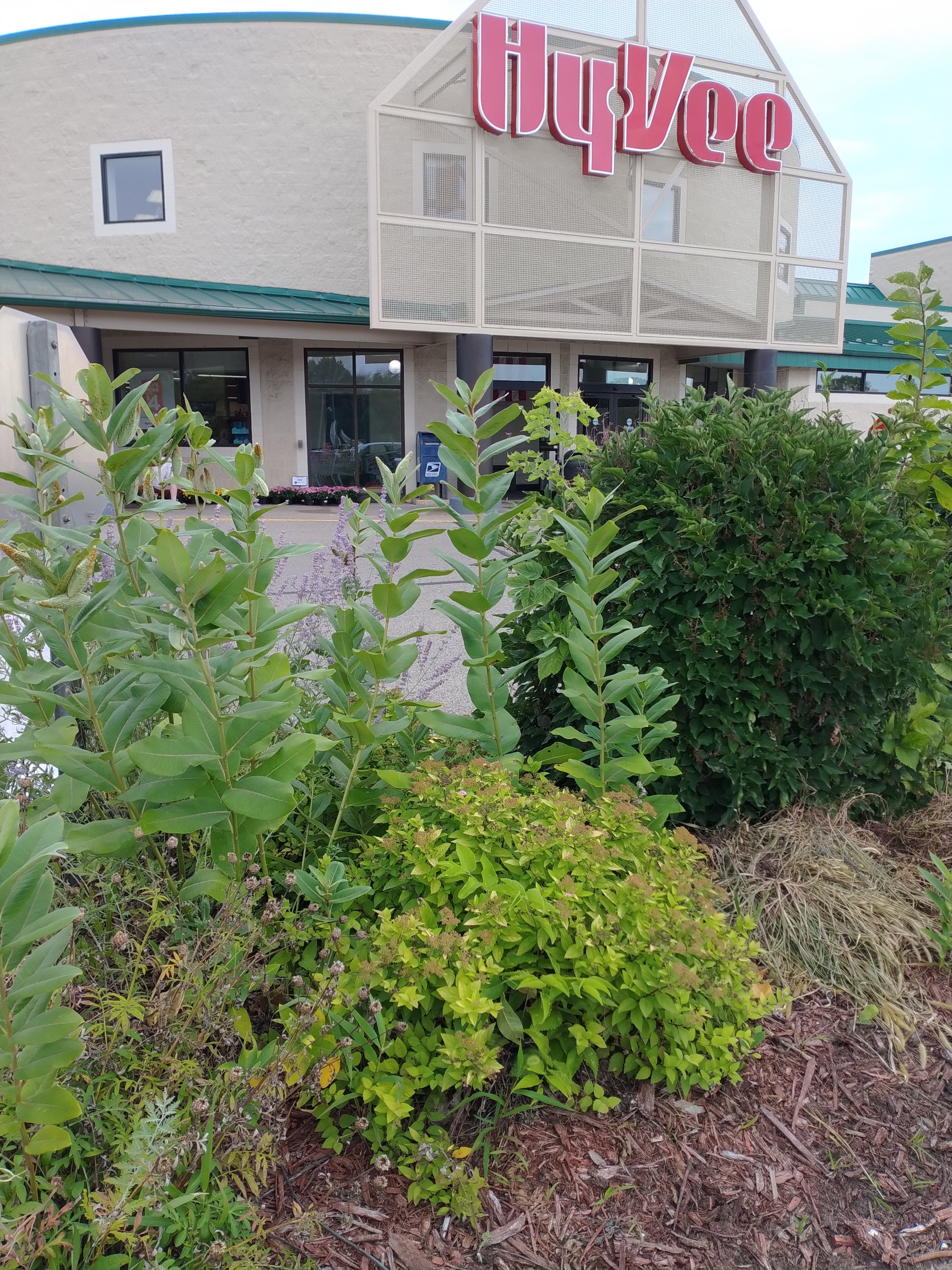
More and more I’ve spotted milkweeds growing in public places in and around Faribault. River Bend Nature Center. Falls Creek County Park. The Rice County Master Gardeners’ Teaching Gardens. Beside the conservation building at the Rice County Fairgrounds. Even in flowerbeds at Hy-Vee grocery store.
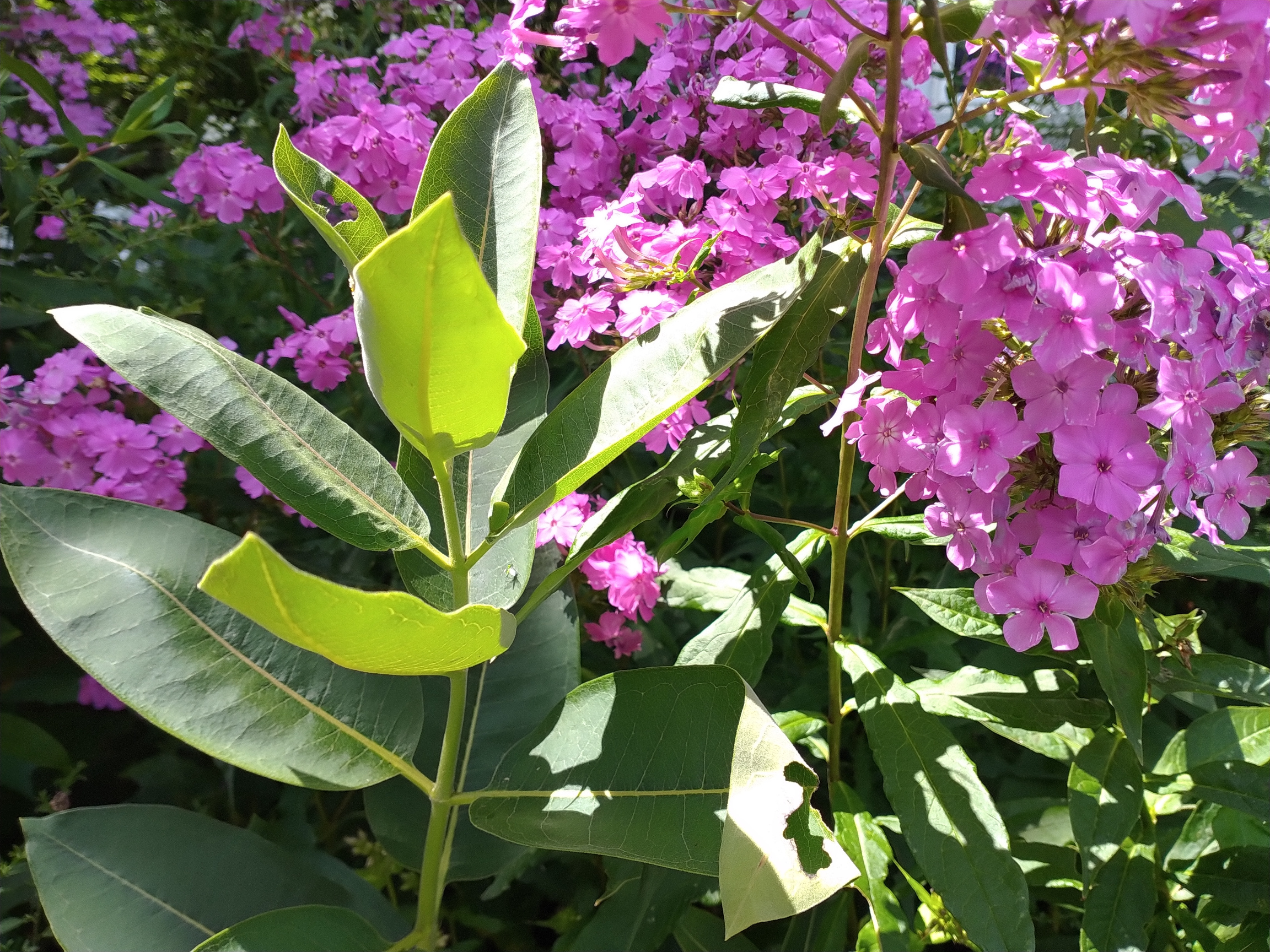
Milkweeds grow among phlox. (Minnesota Prairie Roots copyrighted photo August 2024)
If you walk by my house, you’ll see stray milkweeds popping up here and there. Along a retaining wall. Among the prolific phlox in my messy flowerbeds. The husband has orders not to mow, pull or otherwise remove milkweed plants.
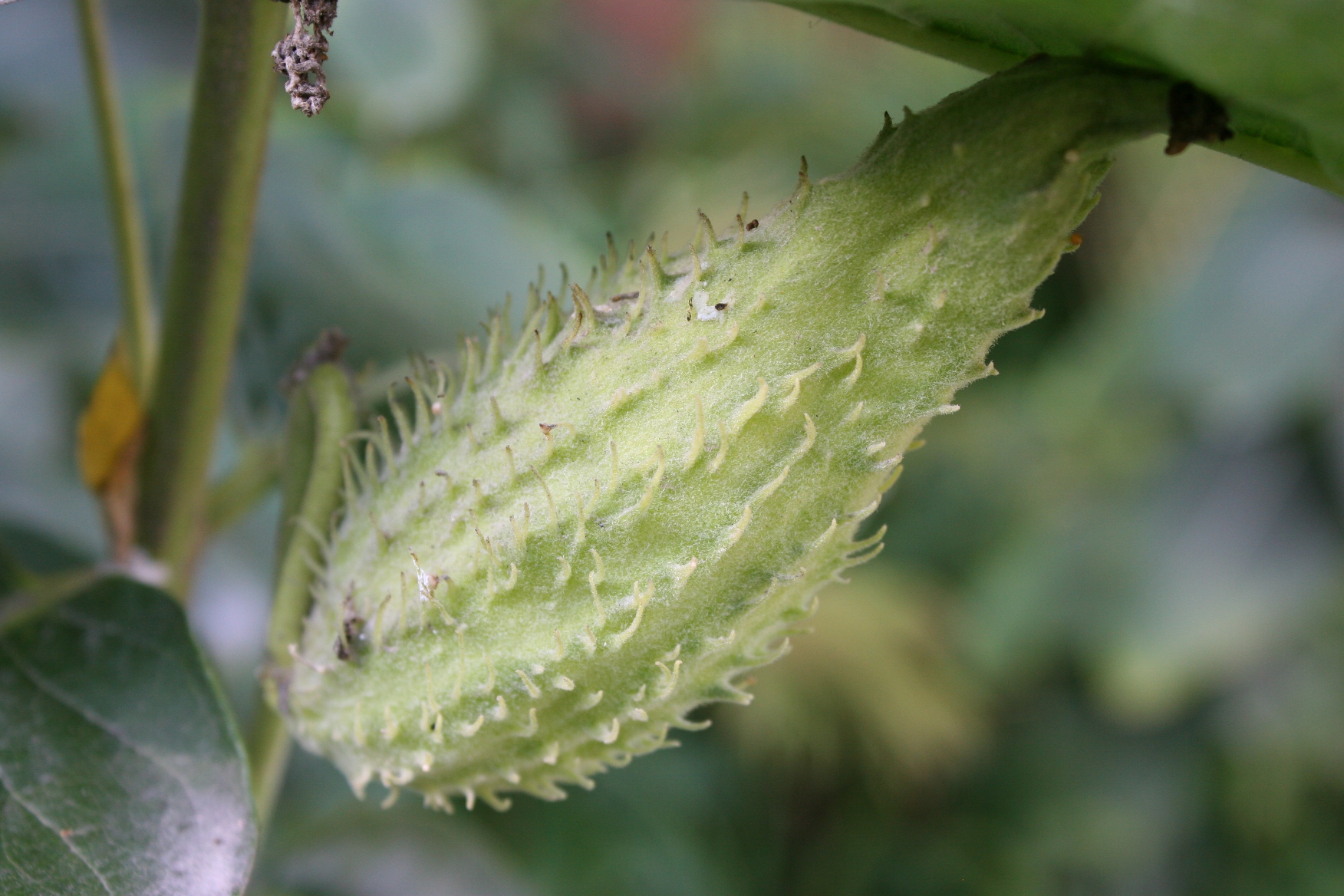
An unripened milkweed pod. (Minnesota Prairie Roots copyrighted file photo)
This time of year, seed pods are forming on milkweeds. Perhaps it’s the writer, the poet, in me that loves the shape of those fat green pods that will eventually dry, burst open and spread seeds on wisps of white fluff carried by the wind.
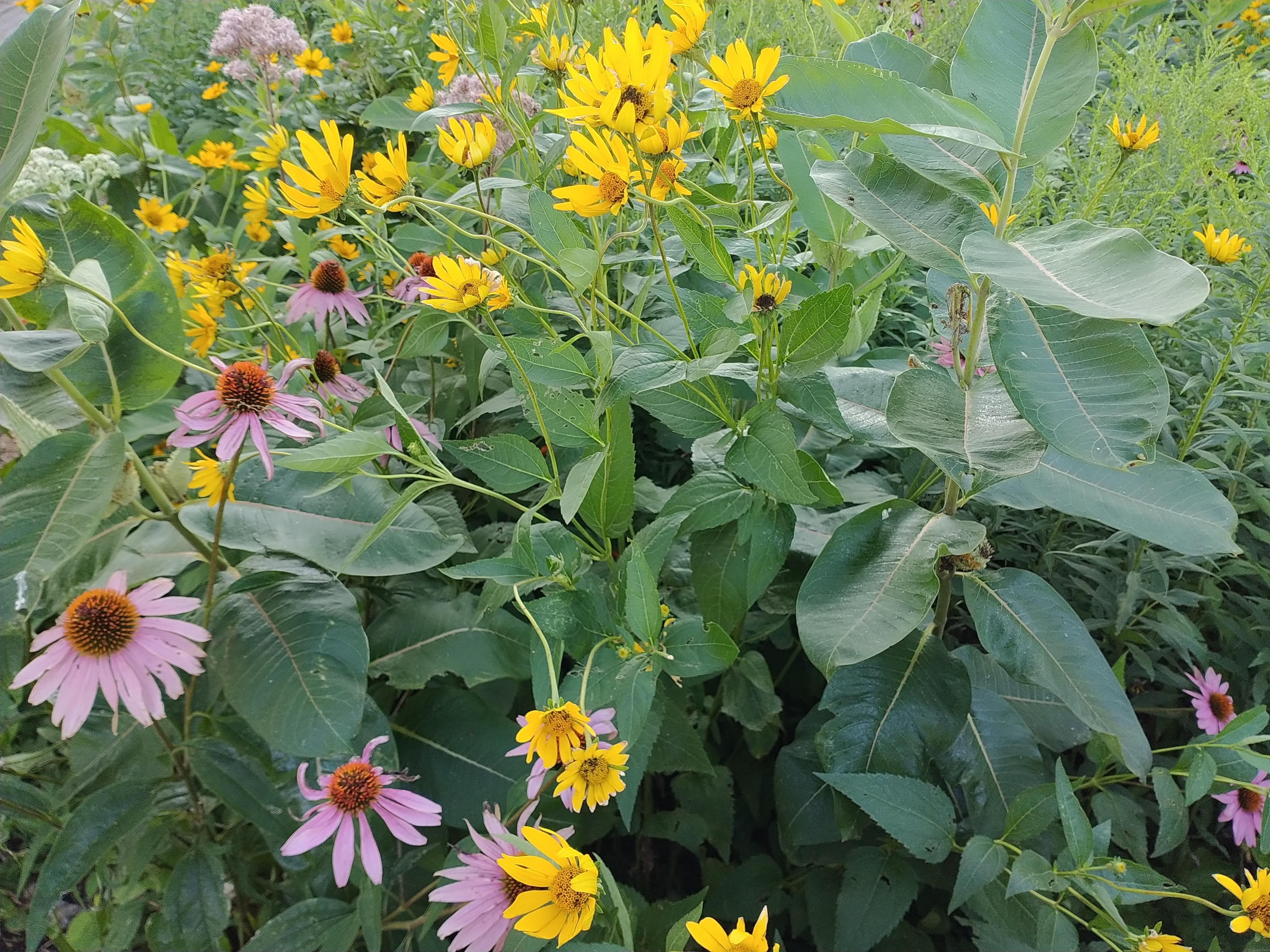
Milkweeds flourish among prairie flowers in the Rice County Master Gardeners Teaching Gardens, Faribault, (Minnesota Prairie Roots copyrighted photo August 2024)
Seeds wing across the landscape, just like monarchs. I remember a time when monarchs were prolific. Yes, even in rural Minnesota where I labored to get rid of milkweed plants.
I discovered milkweeds planted outside Hy-Vee. (Minnesota Prairie Roots copyrighted photo August 2024)
Naturalists, gardeners and others are working hard now to bring back the monarch population. It’s taken time, effort and education to convince people to plant milkweeds for monarchs. I don’t expect butterfly numbers will be what they once were—when monarchs flitted everywhere. But we have to start somewhere, do something. And that begins with each of us. Educating ourselves. Caring. And then deciding that milkweeds really aren’t weeds after all. They are vital to the survival of the monarch butterfly. It’s OK to plant milkweed seeds or allow nature to plant them.
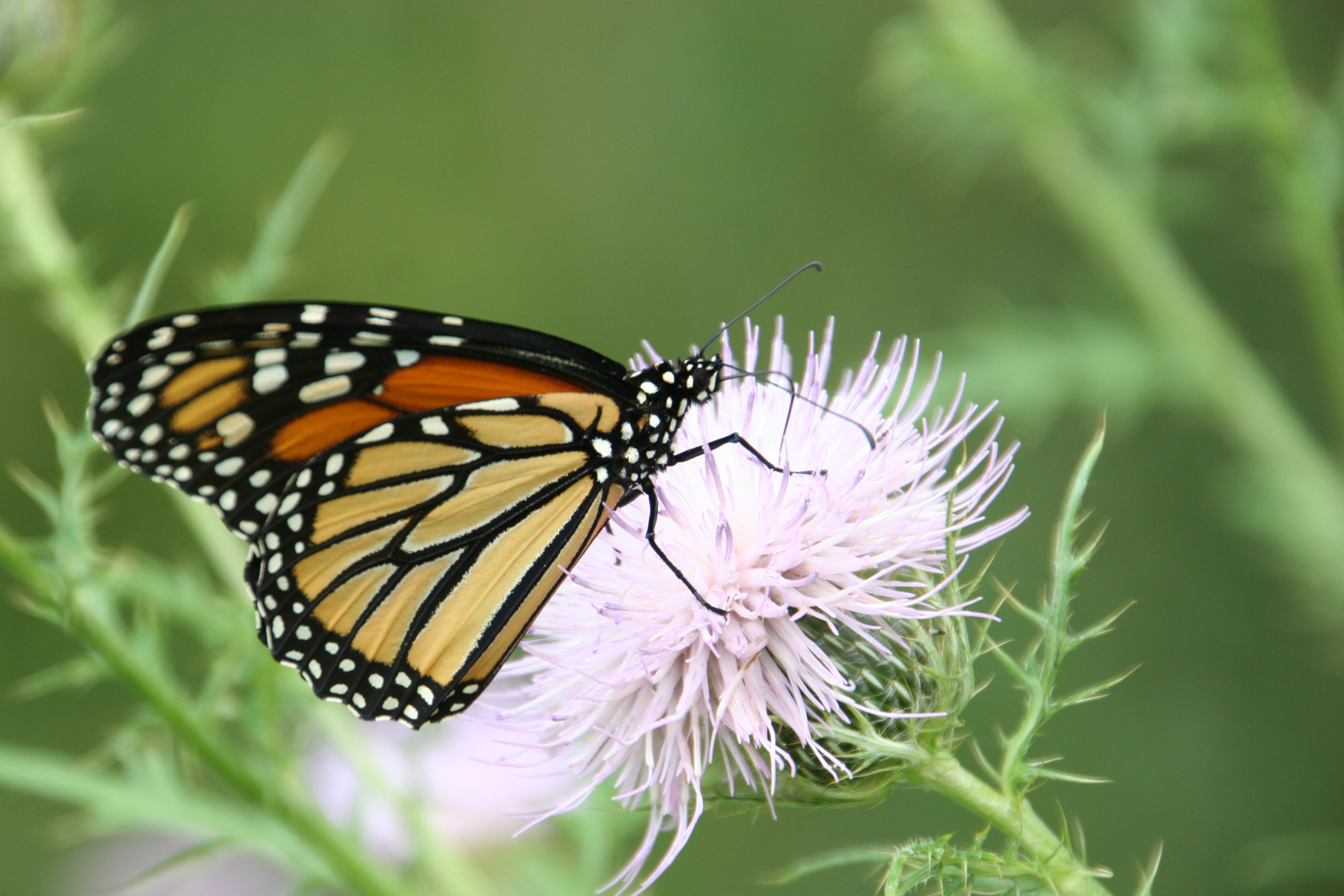
Monarch on a thistle flower. (Minnesota Prairie Roots copyrighted file photo)
I, for one, delight in watching monarchs flit about my yard. They are magical as only a butterfly can be. Delicate, yet strong. Poetically beautiful. Carrying memories and grace on their wings.
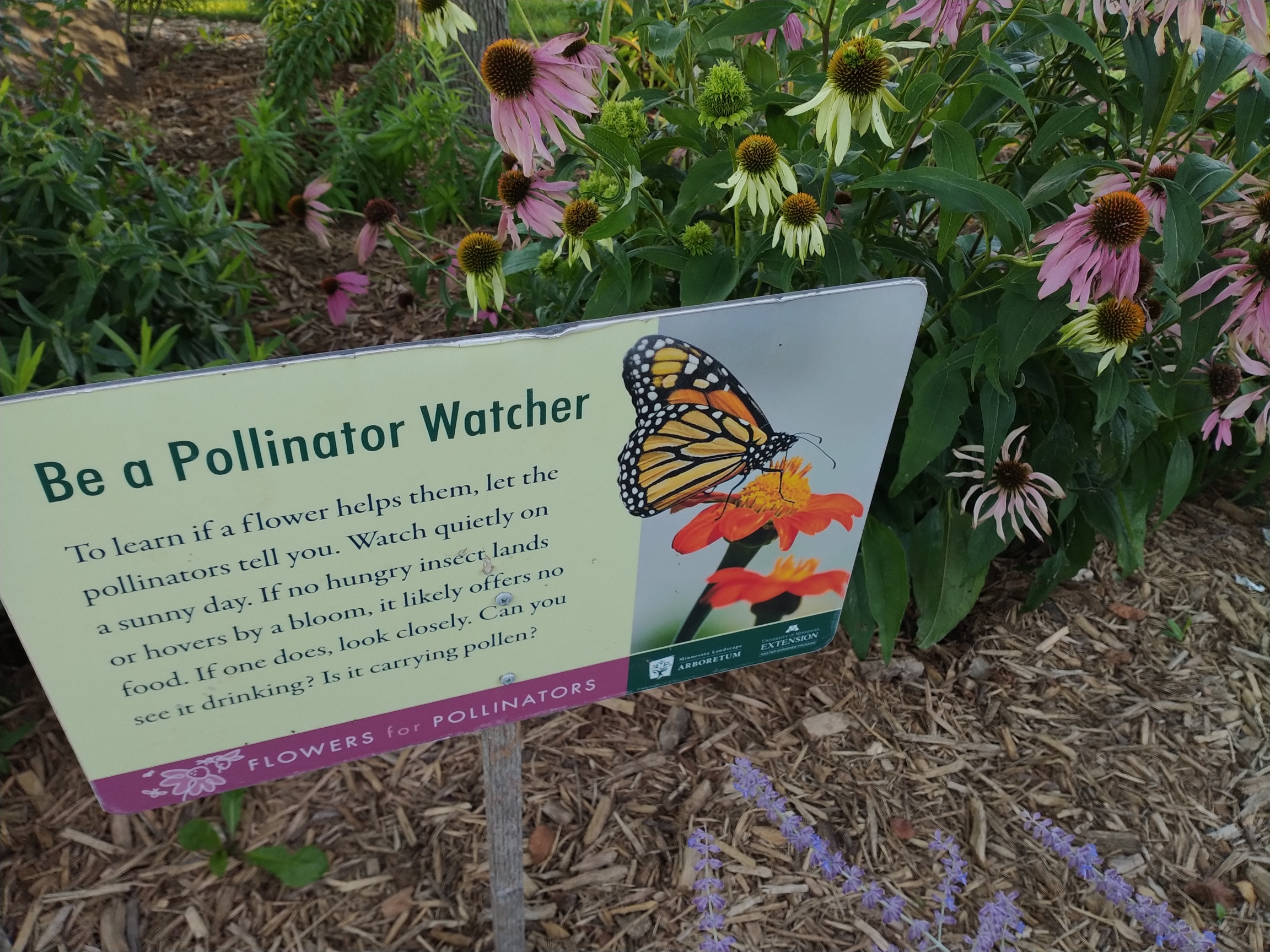
An educational sign among the flowers at the Rice County Master Gardeners Teaching Gardens. (Minnesota Prairie Roots copyrighted photo August 2024)
FYI: Nerstrand Big Woods State Park is hosting a “Monarchs and Milkweeds” presentation at 10 a.m. Saturday, August 24, in the park’s amphitheater. Kathy Gillispie, who raises monarchs from eggs, caterpillars and chrysalises, will speak about her experiences with monarchs. The program is free, but a state park parking pass is needed to enter the rural Nerstrand park.
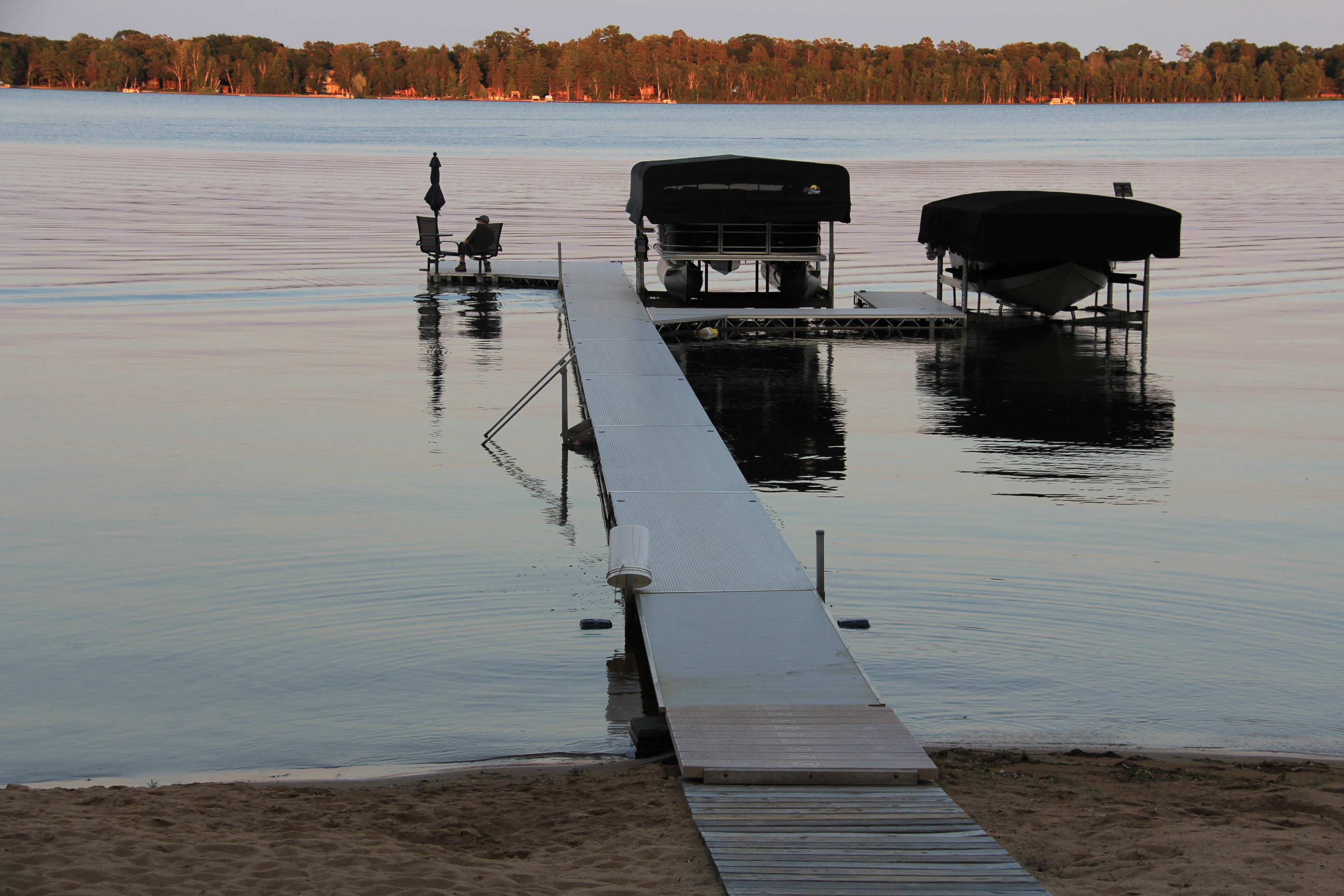
Relaxing on the end of the dock as the sun sets at Horseshoe Lake. (Minnesota Prairie Roots copyrighted photo July 2024)
LAKE, SKY, TOWERING PINES, CABIN. Those define summer Up North for many Minnesotans. Not until recent years did I, too, become one of those heading north to the cabin for a week. That’s thanks to a brother-in-law and sister-in-law who generously share their Northwoods paradise with extended family.
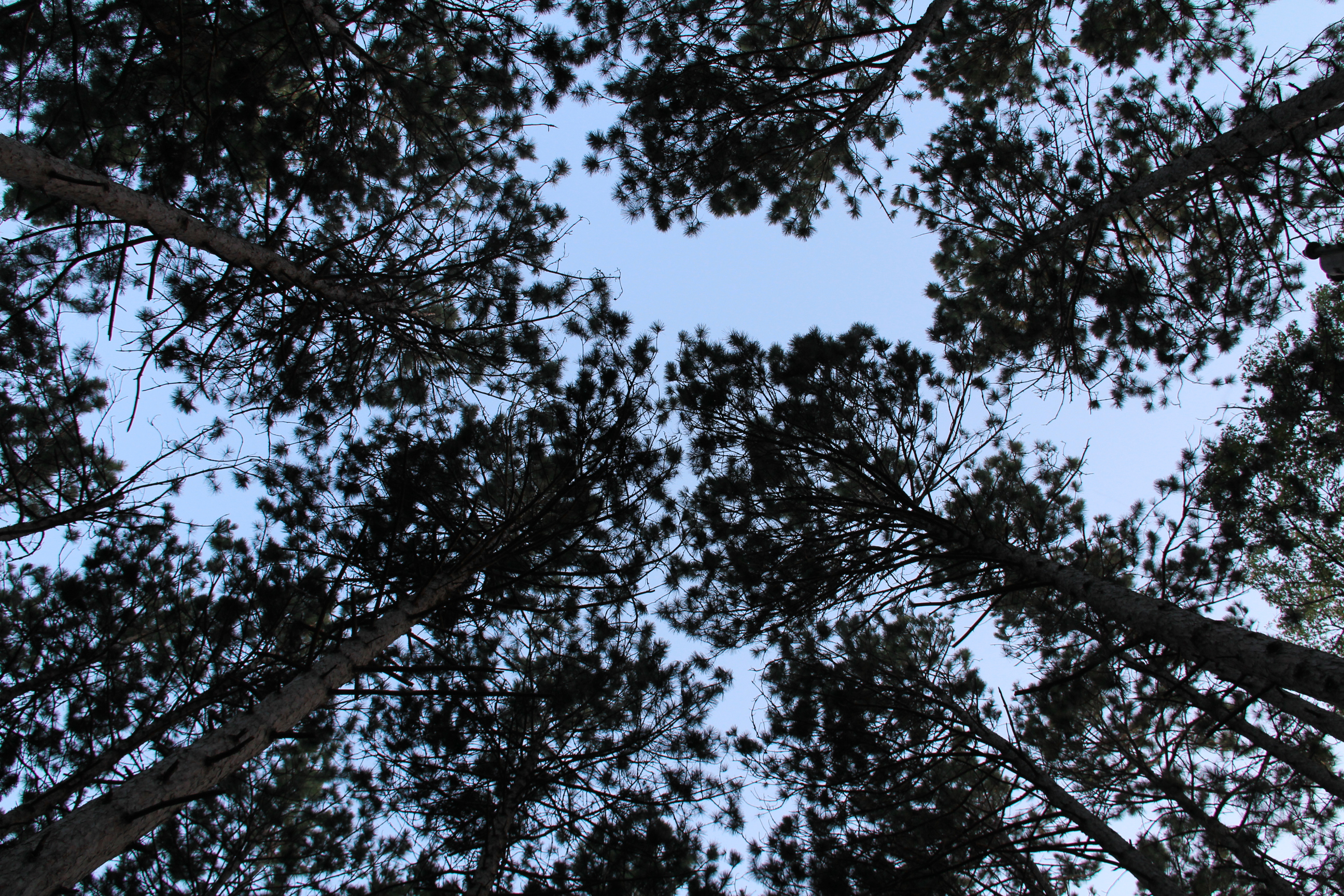
I aimed my camera straight up toward the tops of towering pines. (Minnesota Prairie Roots copyrighted photo July 2024)
Randy and I love spending time with our eldest daughter, son-in-law and two grandchildren at the cabin on Horseshoe Lake south of Crosslake. We are bonding, building memories and connecting with nature in a way that differs from southern Minnesota.
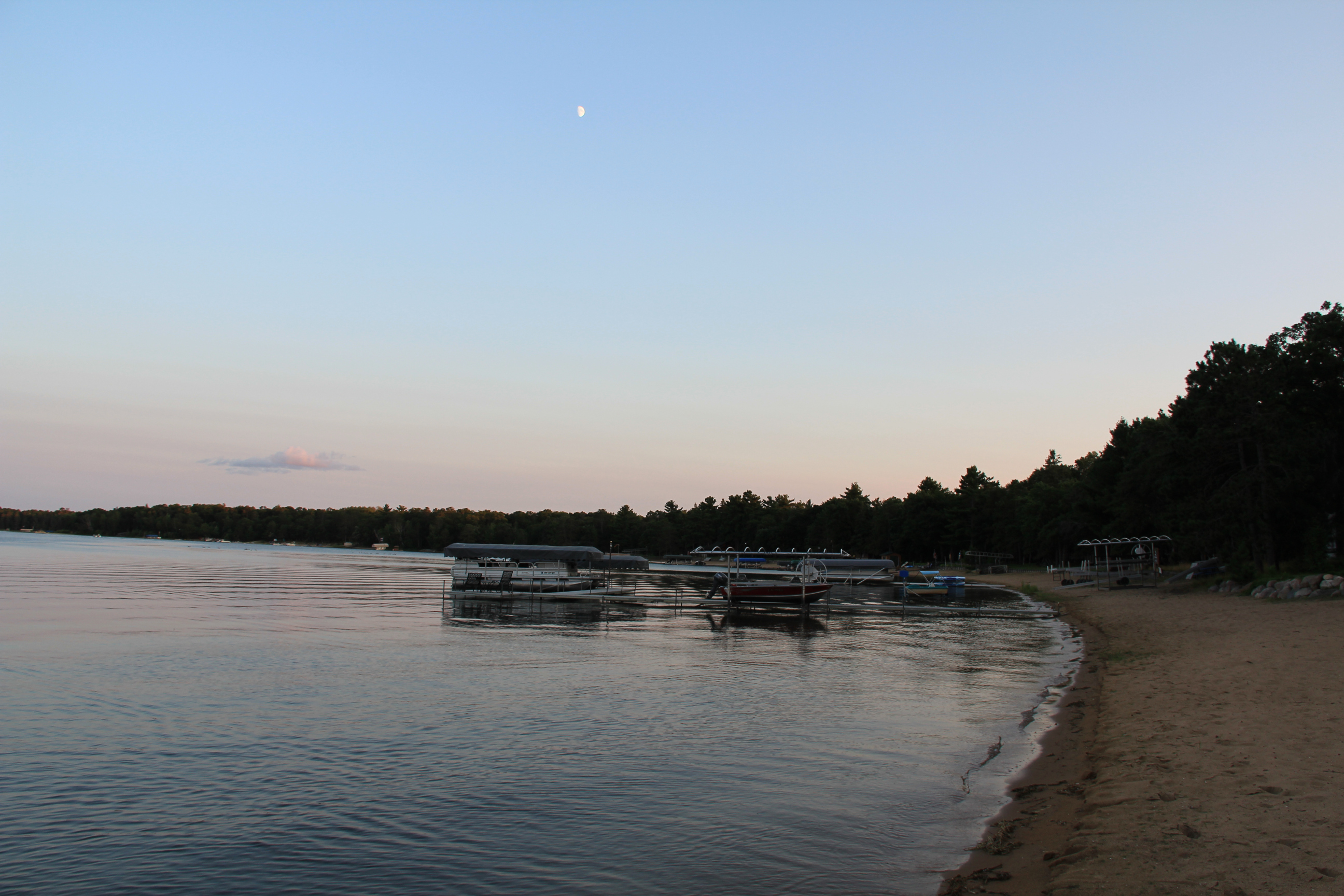
Treelines open to the beach along Horseshoe Lake as the sun sets, the moon rises. (Minnesota Prairie Roots copyrighted photo July 2024)
The Brainerd Lakes Area has a decidedly different look and feel than the lower half of our state. Dense woods, primarily pine, hug roads and homes, opening to beautiful, pristine lakes.
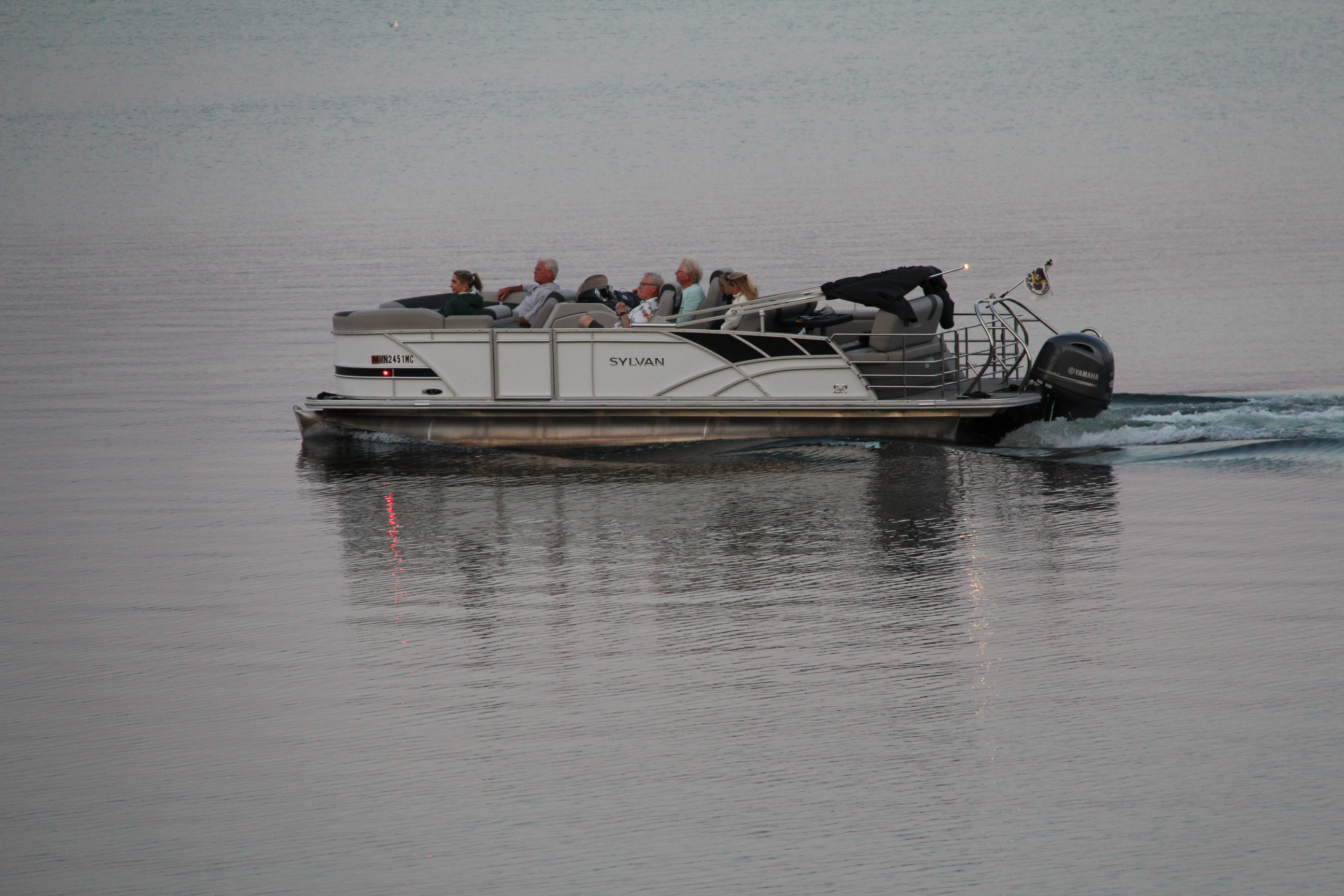
As day shifts toward night, pontoons motor around Horseshoe Lake. (Minnesota Prairie Roots copyrighted photo July 2024)
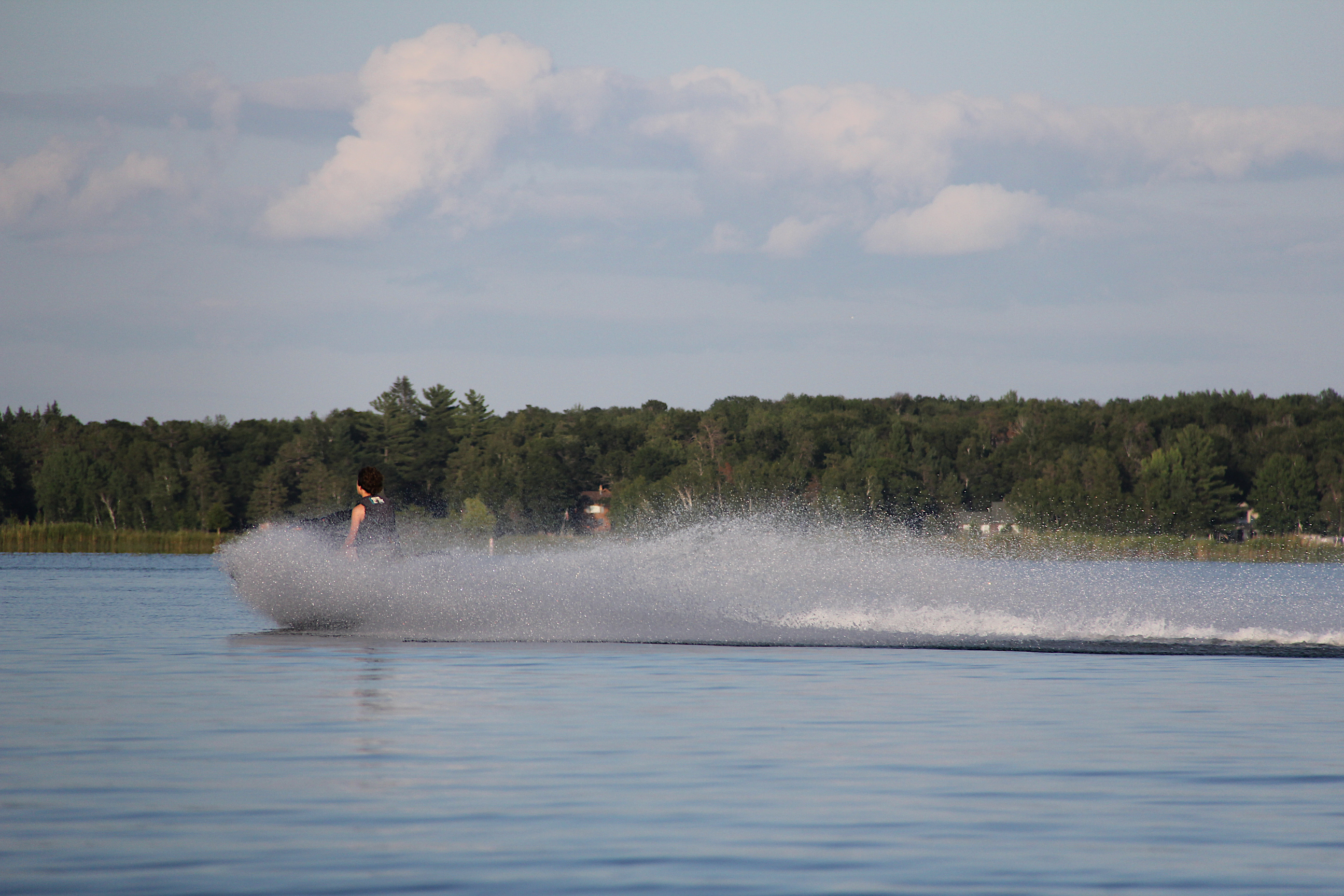
There are plenty of jet skis, too, speeding across the lake. (Minnesota Prairie Roots copyrighted photo July 2024)
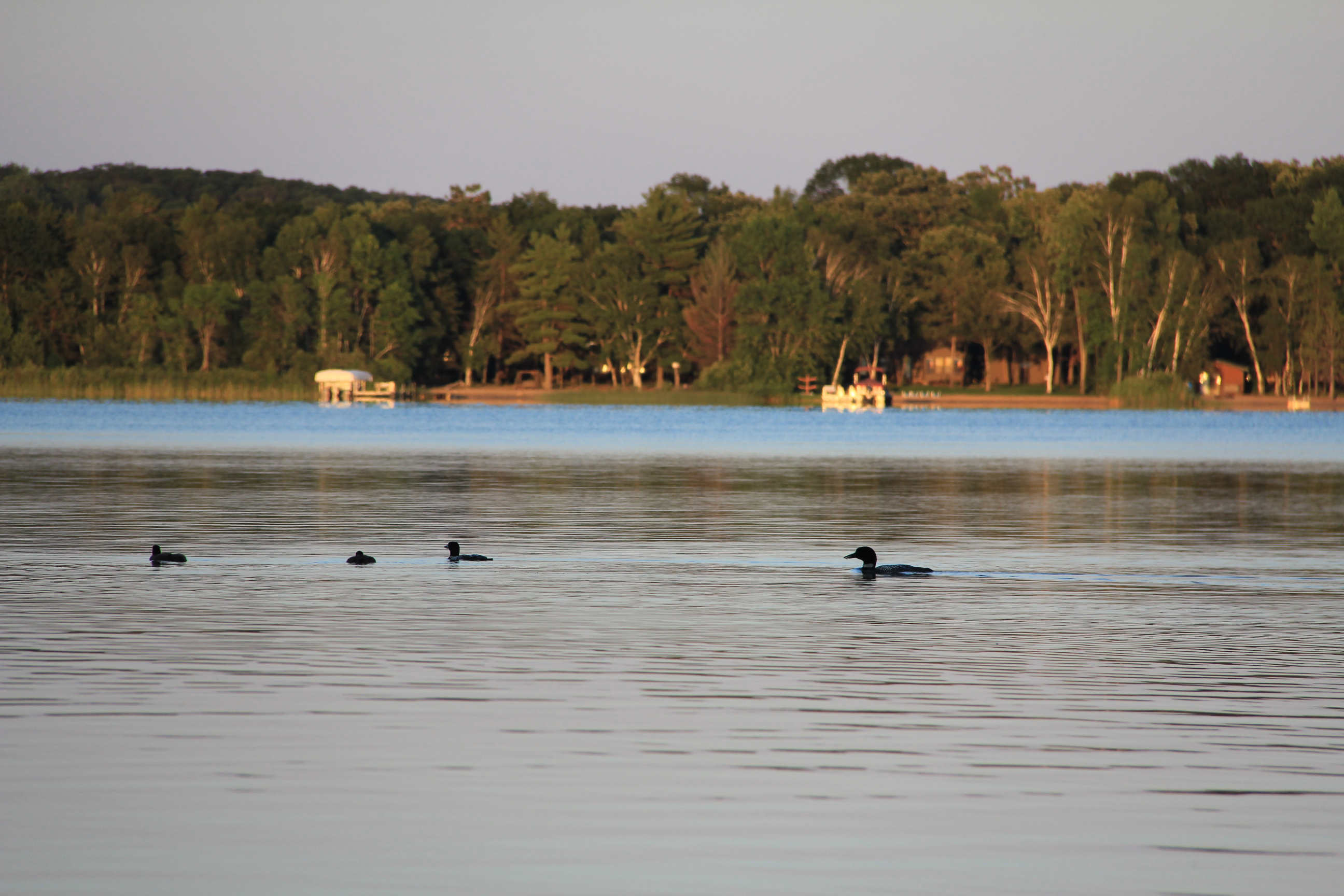
A loon family glides across the lake at sunset. We saw and heard the loons often, but none swam near enough for close-up photos. (Minnesota Prairie Roots copyrighted photo July 2024)
Up here it’s all about fishing, campfires, watching the sun set or rise, lying in a hammock, drinking coffee lakeside, grilling, eating meals outdoors, observing the loons, reading on the beach, dipping your feet in the water, kayaking, paddle-boarding, boating…
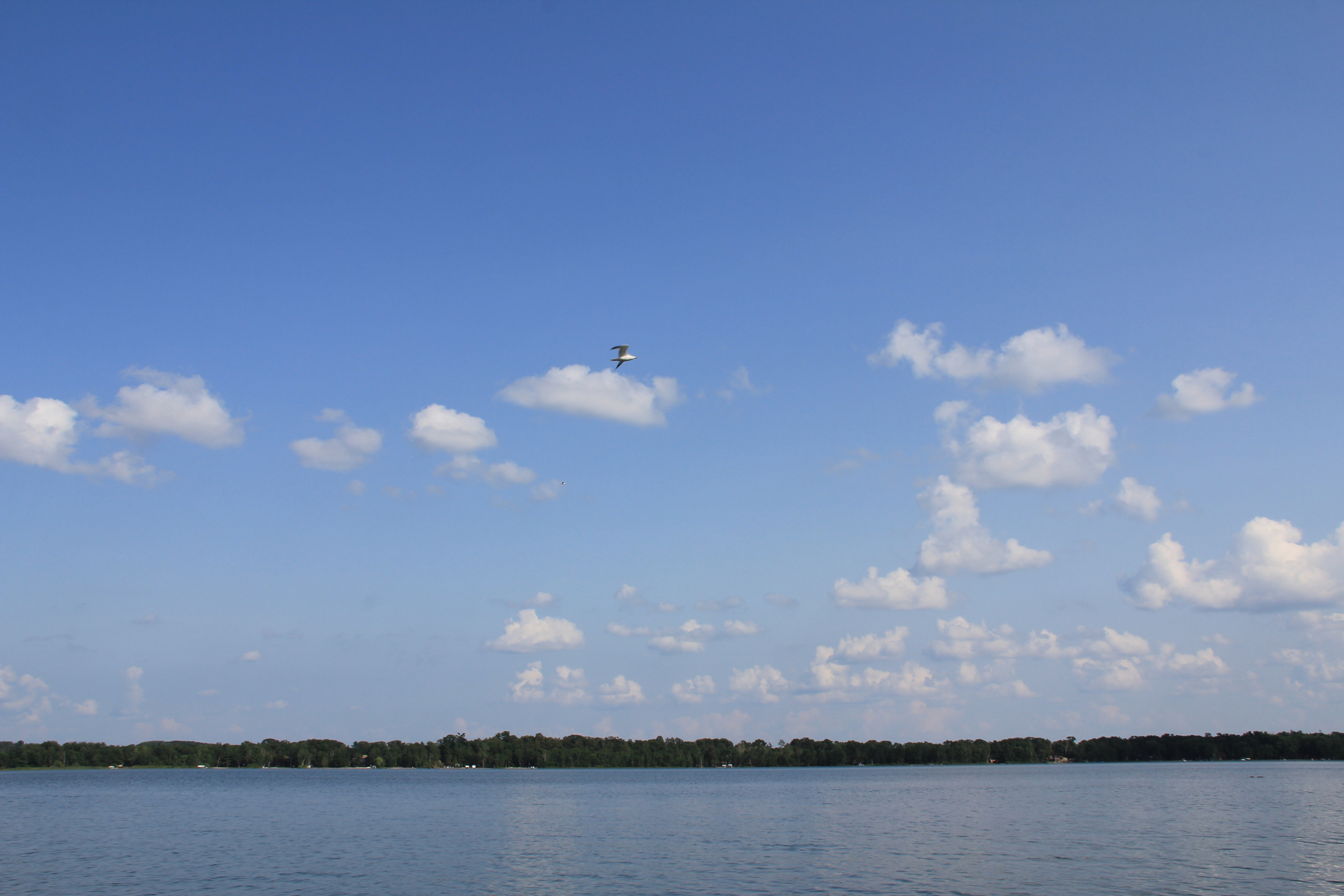
A gull wings across the wide sky on a perfect July afternoon. (Minnesota Prairie Roots copyrighted photo July 2024)
In essence, vacationing Up North means forgetting about the stresses, pressures, deadlines and routines of daily life. It means leisurely mornings, relaxing lakeside, days without time.
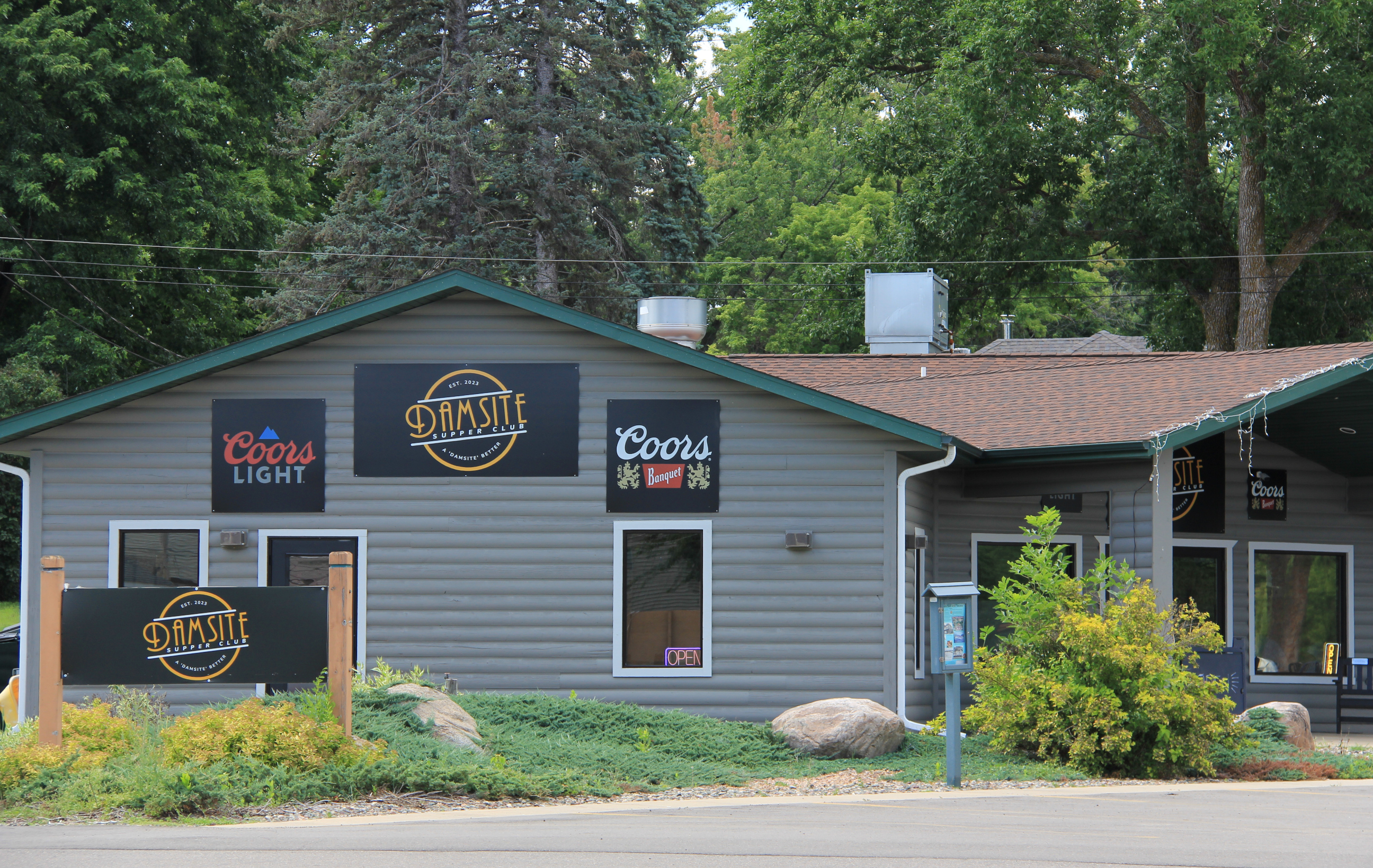
I had the best pulled pork sandwich here when Randy and I lunched with friends Sue and Charley at the Damsite Supper Club. (Minnesota Prairie Roots copyrighted photo July 2024)
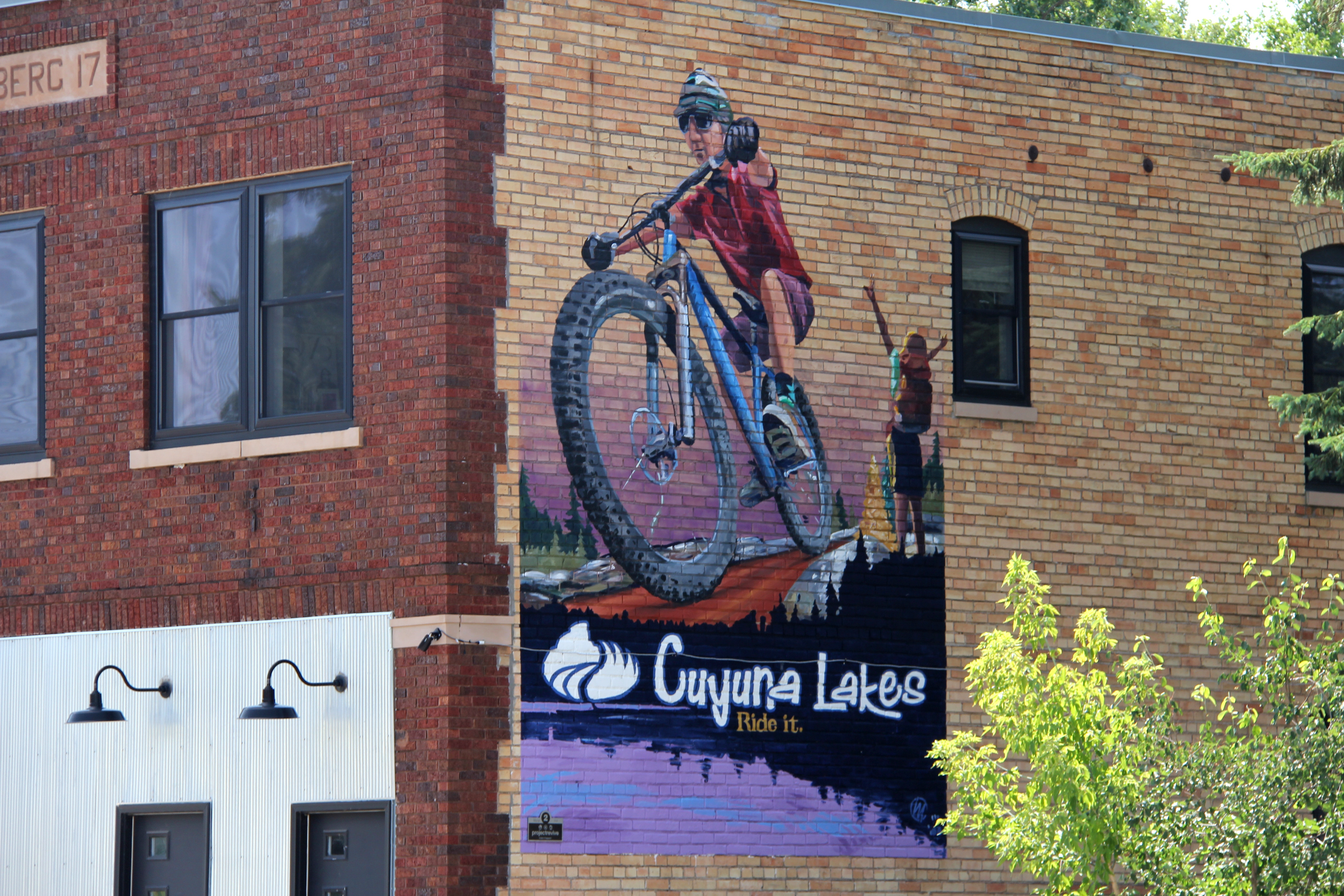
A mural in Ironton promotes cycling in the region. (Minnesota Prairie Roots copyrighted photo July 2024)
Randy photographed me with my new friend outside Nord Hus Scandinavian Goods in Crosby. (Minnesota Prairie Roots copyrighted photo July 2024 by Randy Helbling)
This stay we also drove to nearby Crosby and Ironton, towns nestled next to each other and deeply rooted in Iron Range history. We’ve only just begun to explore those communities, which are remaking and branding themselves as the Cuyuna Lakes region, drawing mountain bikers to an extensive recreational trail system, vacationers to local eateries and shops. MacDaddy’s Donut Garage in Ironton is on my list of bakeries to visit.
The Blueberry Special at Valeri Ann’s. (Minnesota Prairie Roots copyrighted photo July 2024)
Valeri Ann’s Family Foods in Merrifield, a short drive from the cabin, has become our source for decadent caramel rolls, one big enough for two to share and tasting almost as good as the ones my mother-in-law made. This time we also tried the breakfast specials, one featuring a dinner-plate-size blueberry pancake, the other with wild rice and more incorporated into scrambled eggs. Wild rice is another Northwoods signature food, grown and harvested in the region and parts farther north.
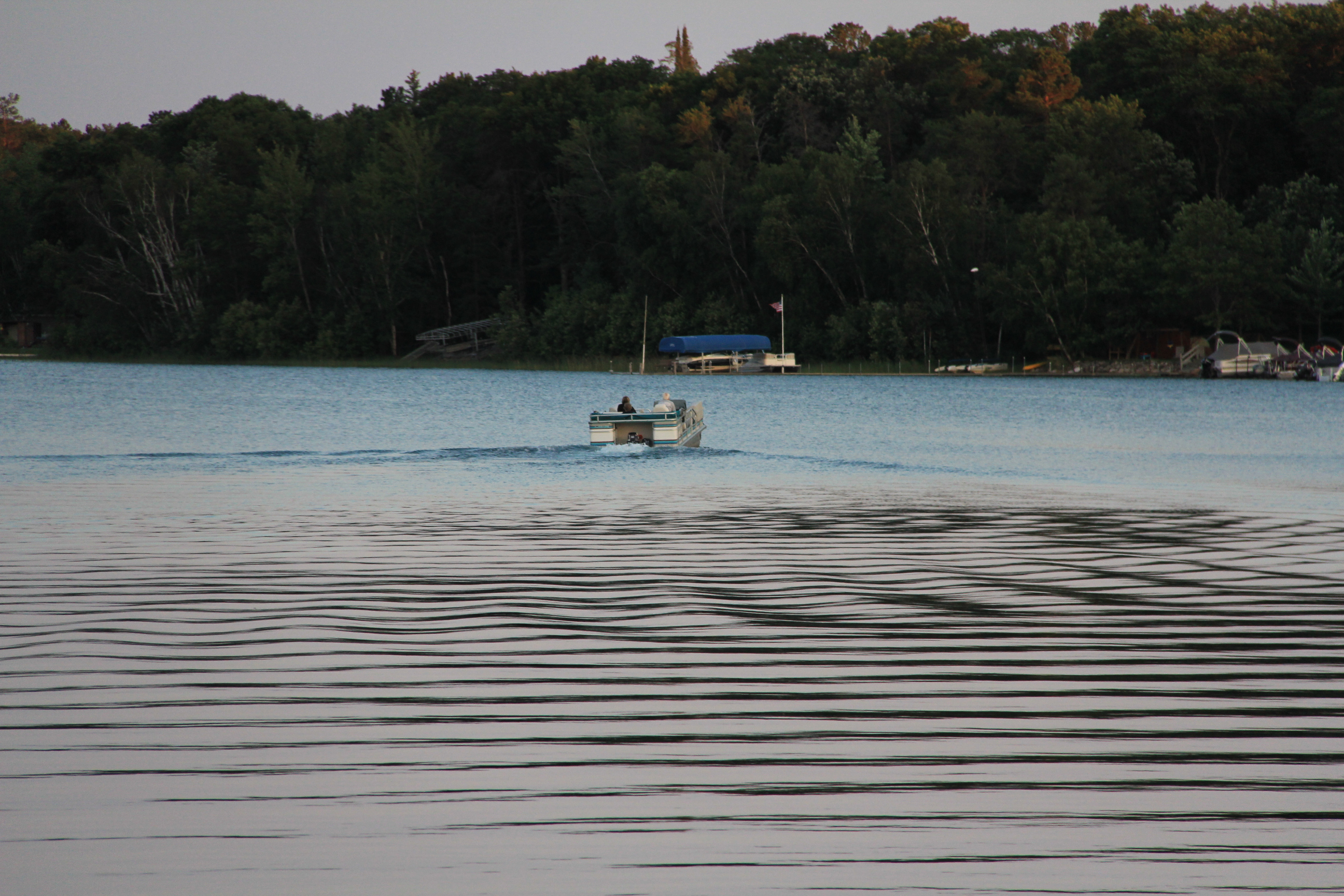
I love how the water ripples, like a work of art, as a boat crosses Horseshoe Lake at sunset. (Minnesota Prairie Roots copyrighted photo July 2024)
As I’ve explored and vacationed in the Northwoods, I’ve grown a deeper appreciation for Minnesota and its diversity of geography, topography and lifestyle. There’s so much to love about this state, from north to south, east to west. Ah, summertime…and going Up North to the cabin.
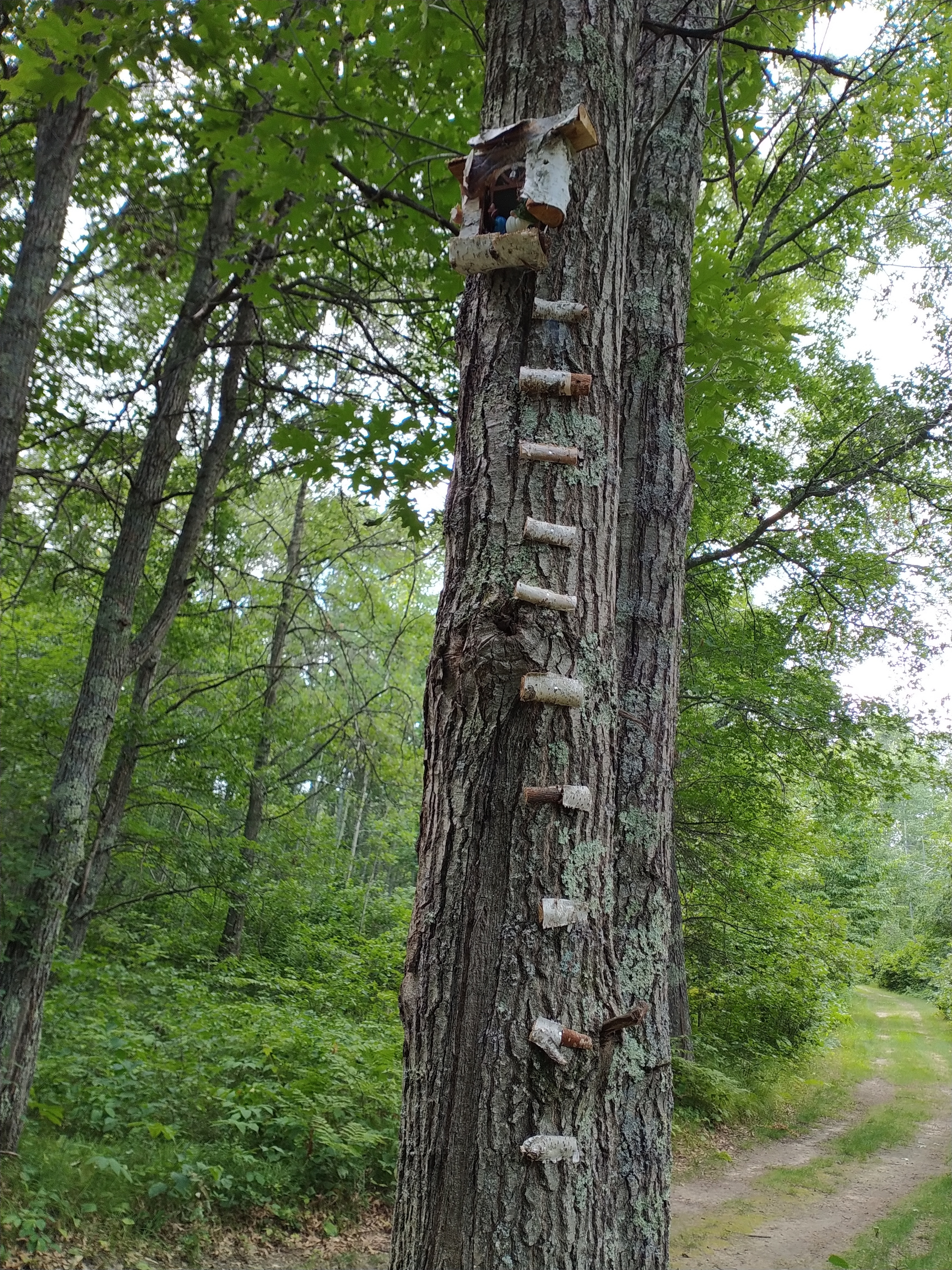
A ladder leads to these tree gnomes along a trail. (Minnesota Prairie Roots copyrighted photo July 2024)
CALL IT A TREASURE HUNT or a scavenger hunt, whatever the word choice, both equate a search for something hidden. Count me in.
While vacationing last week in Crow Wing County’s Chain of Lakes area, I happened upon gnomes at Mission Park north of Merrifield. The gnomes are a recent addition to this township park, which Randy and I walk whenever we stay at a family member’s nearby lake cabin.
I remember my sister-in-law mentioning last summer that gnomes were moving into the park. But I’d forgotten until I read a sign posted at the park entry. I felt giddy with the possibilities of spotting these mythical creatures. The dwarfs are the subject of folklore. And of good luck.
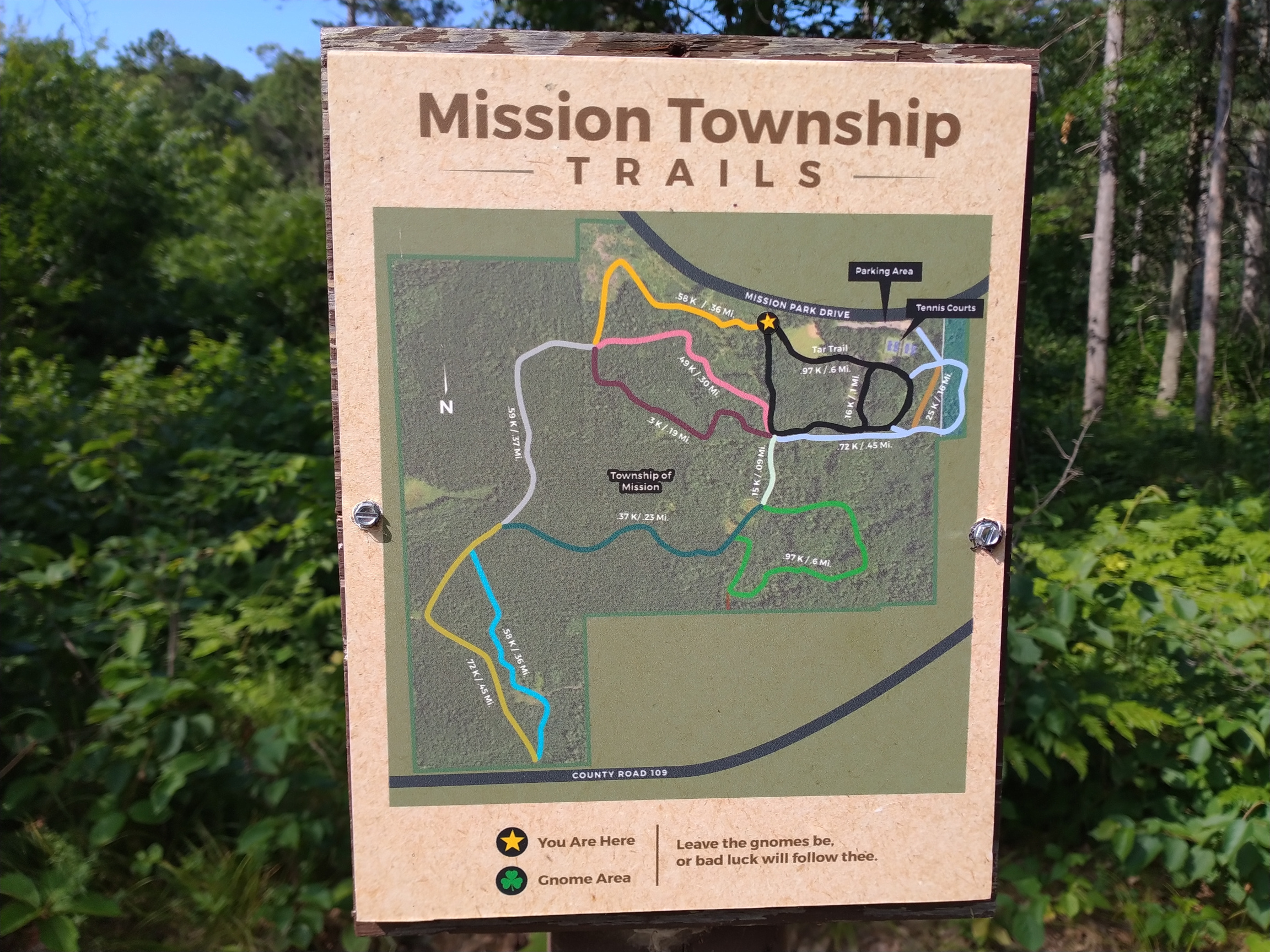
Signs like this in Mission Park identify trails and notify visitors of gnomes. (Minnesota Prairie Roots copyrighted photo July 2024)
The sign warned: Leave the gnomes be, or bad luck will follow thee. No problem there. I’d adhere to the rules rather than climb a tree to take them and risk falling in the process.
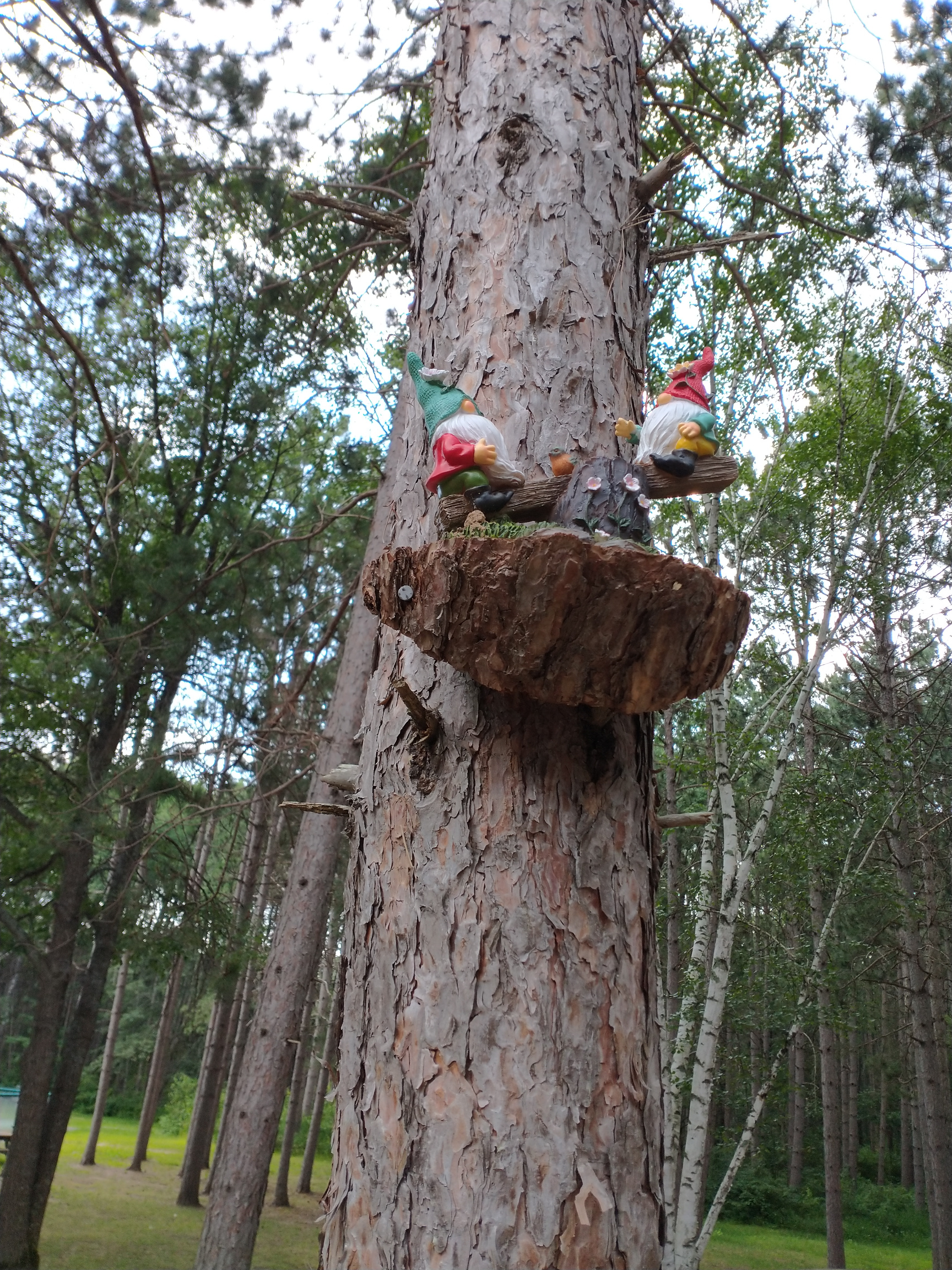
Gnomes on a teeter totter by the playground. (Minnesota Prairie Roots copyrighted photo July 2024)
I spotted my first gnome in a tree next to the playground. Then we hit the Tar Trail. And, yes, it’s appropriately named given the path is the only paved one in the park.
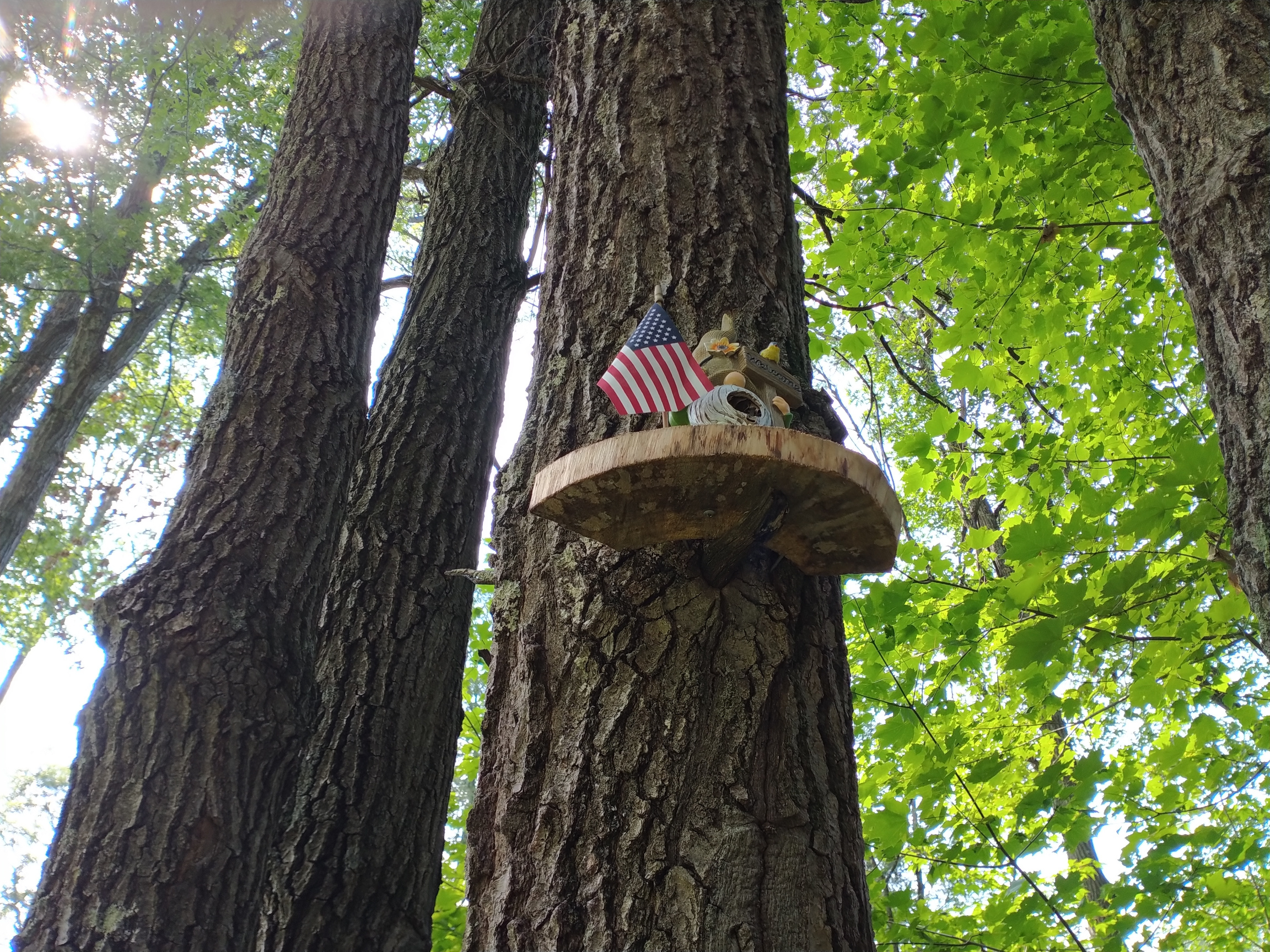
Gnomes at home in the woods. (Minnesota Prairie Roots copyrighted photo July 2024)
We walked at a fast pace. Any pause in movement brought Minnesota’s state bird, aka the mosquito, in to full attack mode. Still, several were successful in biting me. I stopped only to snap quick photos of several gnomes with my cellphone. There would be no lingering with my 35 mm camera, zooming in with my telephoto lens, during this visit. Nope. Gnomes may intrigue and delight me, but not enough to feed myself to the mosquitoes.
The bonus tree face. (Minnesota Prairie Roots copyrighted photo July 2024)
And so Randy and I hurried along the 3/4-mile loop, me swatting away bugs while trying to spot tree gnomes in the midst of the woods. I found only three tree gnome sites, plus a bonus face on a pine. But it was enough to satisfy me. I’ll resume my gnome search upon a return here in the fall, when the weather cools and mosquitoes are perhaps less prevalent.
Whimsical gnomes are a fun addition to a park that offers pickleball, tennis and basketball courts, disc golf, horseshoes, a playground, picnic shelter, ball fields, pollinator garden and more for locals and vacationers. I love walking here, where trees stretch tall, where the wind roars like waterfalls through treetops, where, now, gnomes have settled comfortably into the woods.















 Minnesota Prairie Roots
Recent Comments