Minnesota Prairie Roots

Writing and photography by Audrey Kletscher Helbling

In celebration of public libraries & all they offer April 9, 2025

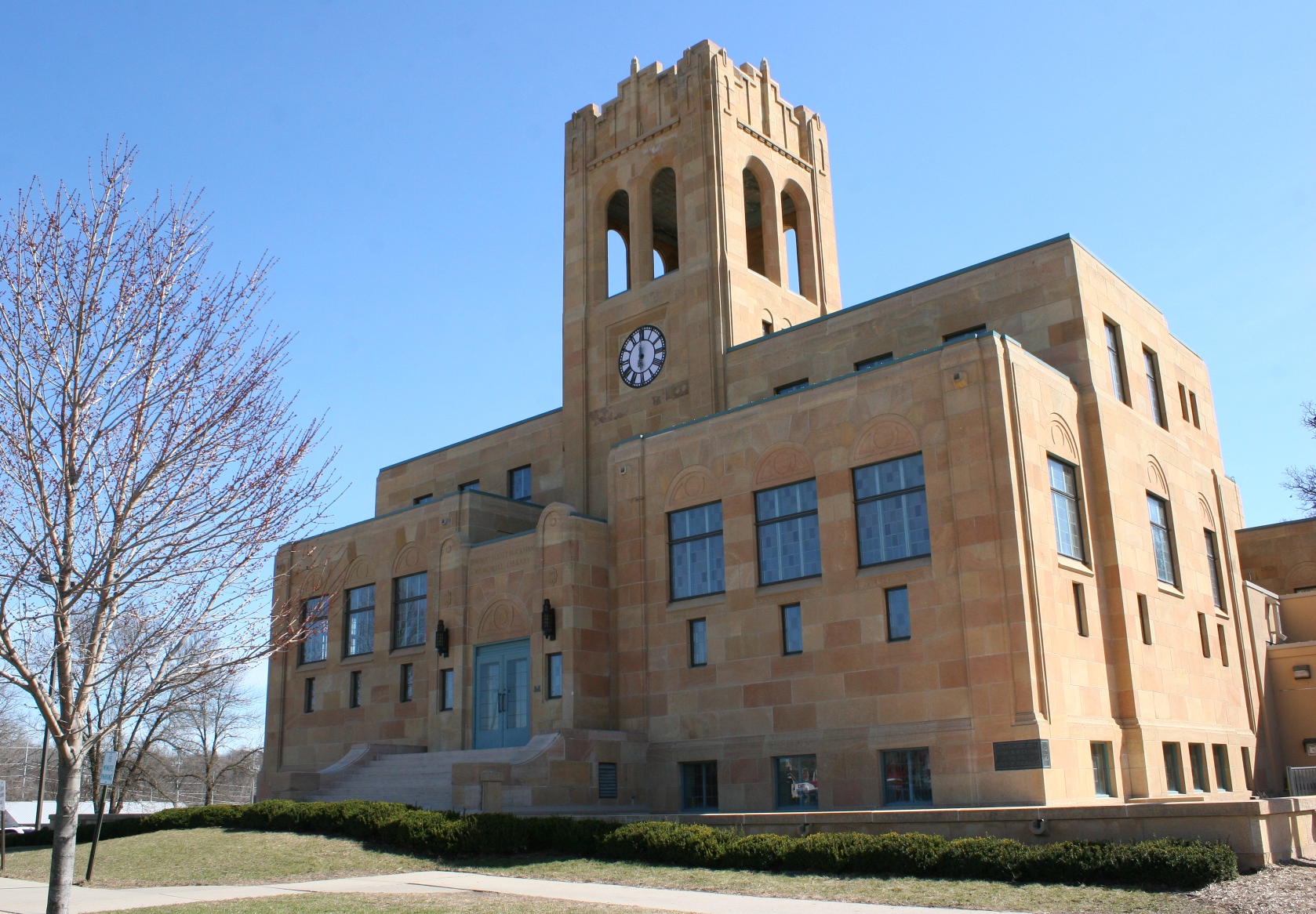
Buckham Memorial Library, Faribault, Minnesota. (Minnesota Prairie Roots copyrighted file photo)

I LOVE LIBRARIES for the most basic reason. Books. I love to read. And, for me, Buckham Memorial Library, only blocks from my home, is my go-to source for reading materials.
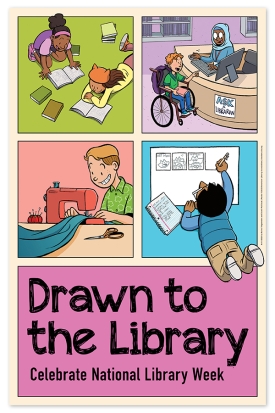
(National Library Week promo sourced online)

The week of April 6-12, National Library Week, I’ve been celebrating public libraries and all they offer. And that’s well beyond books. Libraries have evolved from a shushed setting of a stern librarian sitting behind a desk to warm and welcoming community spaces. I so appreciate the way libraries connect and grow community. I value the vast and varied services and programming they offer.
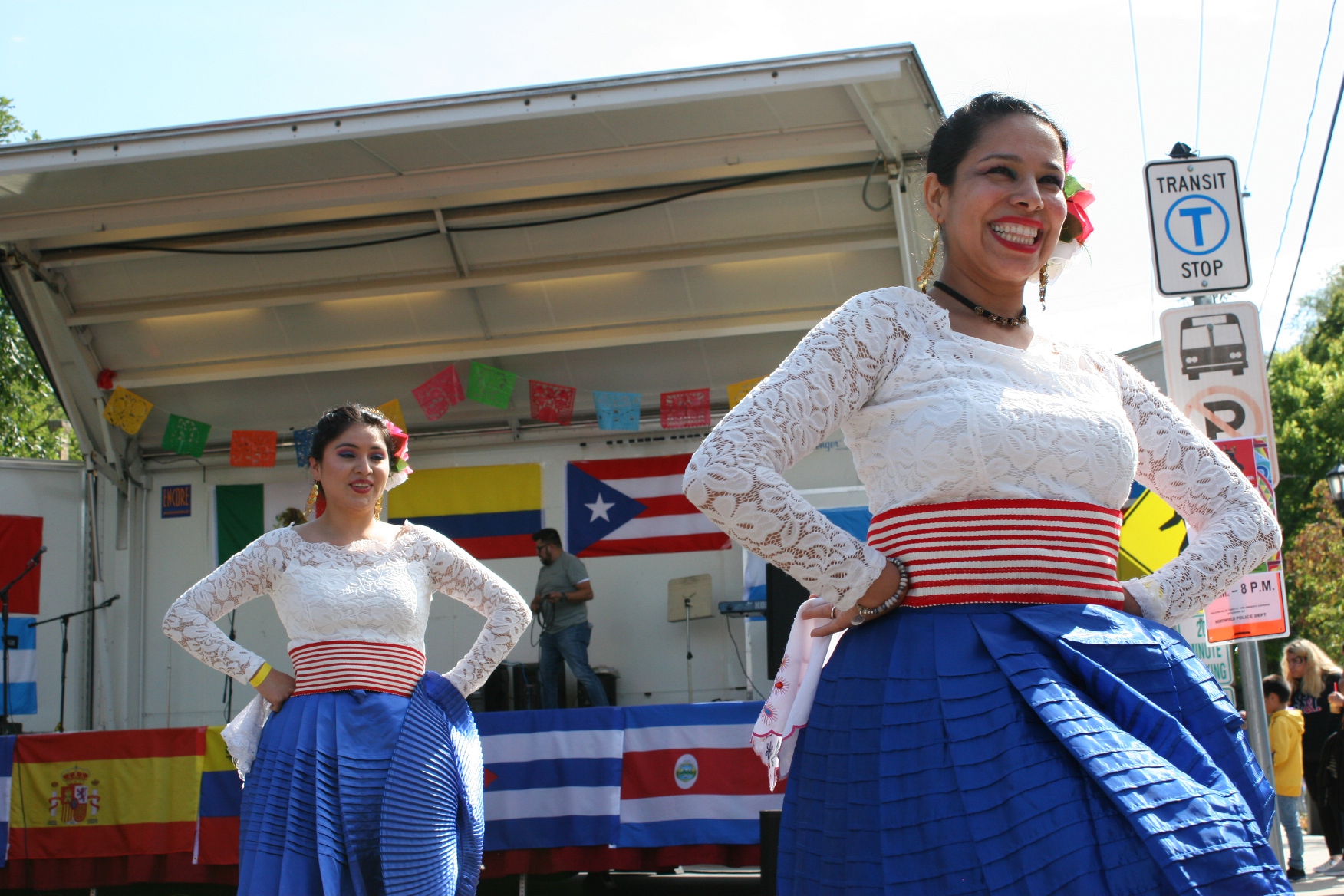
Dancers at a previous Hispanic Heritage Month event in Northfield, Minnesota. (Minnesota Prairie Roots copyrighted file photo September 2019.

Through the years, I’ve enjoyed many author talks in the Great Hall at Buckham. I’ve even participated myself in a poetry reading and a local authors event. Likewise, I’ve attended author talks at the public library in neighboring Owatonna. In Northfield, I’ve gone to a Hispanic Heritage Month celebration. I’ve checked books out from both those nearby libraries and from all over Minnesota through the inter-library loan system. Almost any book is available to me with only the click of my keyboard and mouse. You’ll even find my writing in books available at the library. That includes This Was 2020: Minnesotans Write About Pandemics and Social Justice in a Historic Year, an award-winning book published by the Ramsey County Public Library.
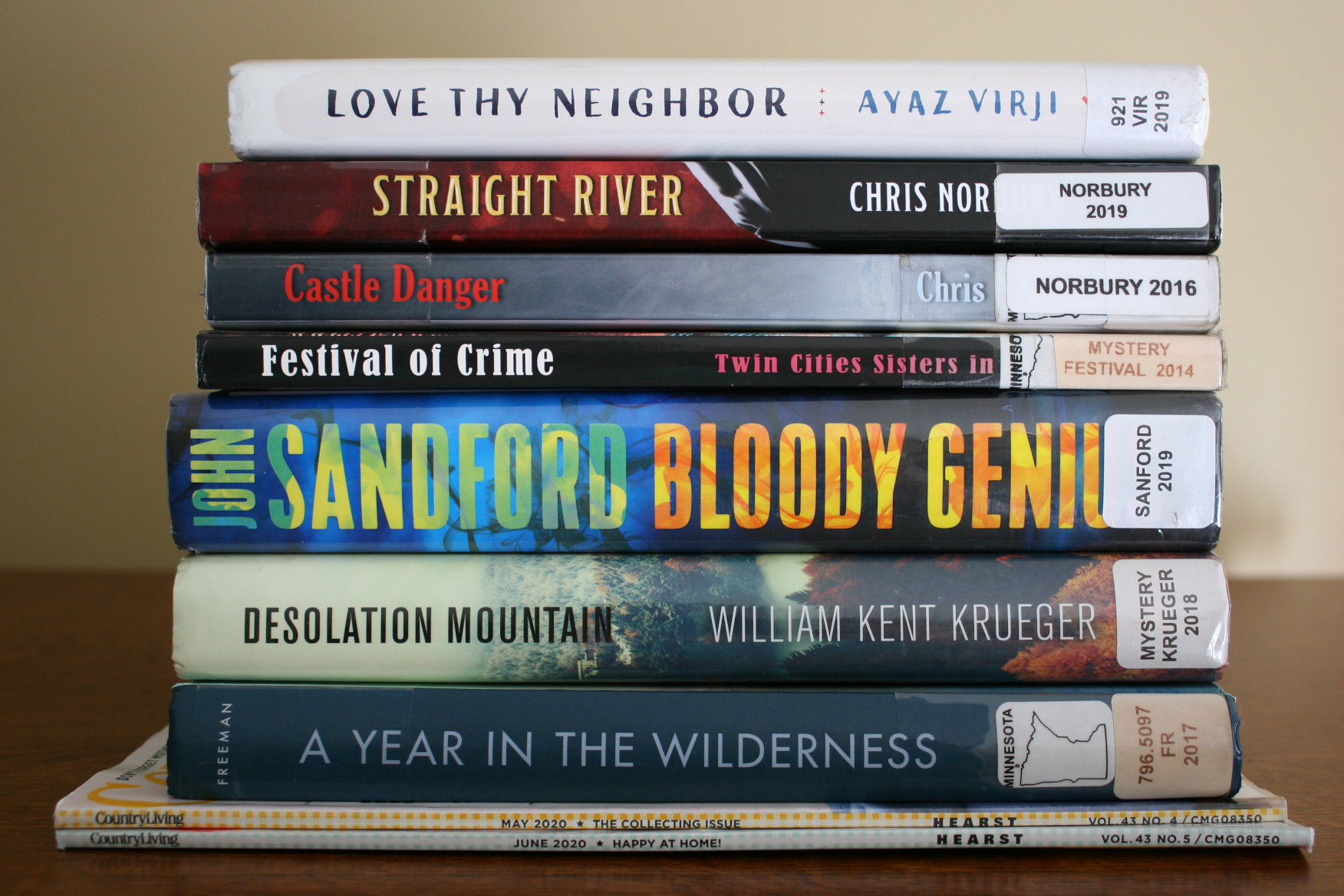
Books and magazines I checked out from the Northfield Library in the past. (Minnesota Prairie Roots copyrighted file photo)

If I didn’t have access to books through libraries, I would struggle. Many evenings I settle into the recliner and read. Reading is an escape for me and a source of information. That I have the freedom to walk into a library and choose a book is not something I take for granted. As a child, I didn’t have easy access to books given my small rural Minnesota community did not have a library. And now, as public and school libraries face book bannings and funding cuts, I hold even more dear the freedom to choose books from the shelves of a well-stocked library.
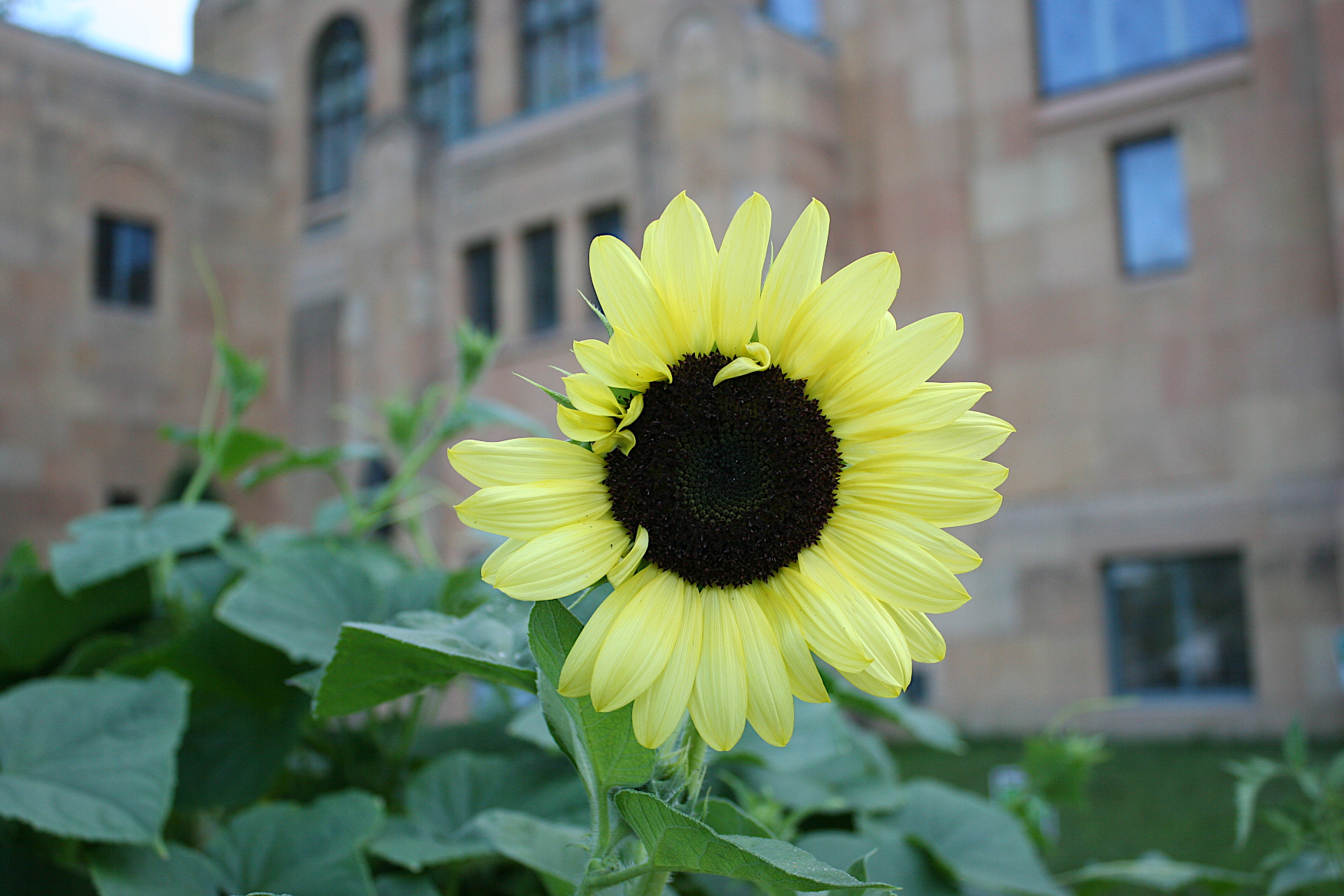
Sunflowers burst color into the library garden where flowers and vegetables are grown for the community. (Minnesota Prairie Roots copyrighted file photo)

I can also choose a whole lot more like movies and music CDs. My library also offers Adventure Kits which hold yard games, hobby-focused items (for bird watching, cake decorating, rockhounding, etc) and more. There are 3D printer labs, a Makerspace, ukulele lessons, art and gardening classes (even a community garden), a seed library, free state park passes… The list goes on and on.

This information was posted in a display at my library several years ago. (Minnesota Prairie Roots copyrighted file photo)

Libraries truly are hubs for learning, and not just from books, magazines and newspapers.
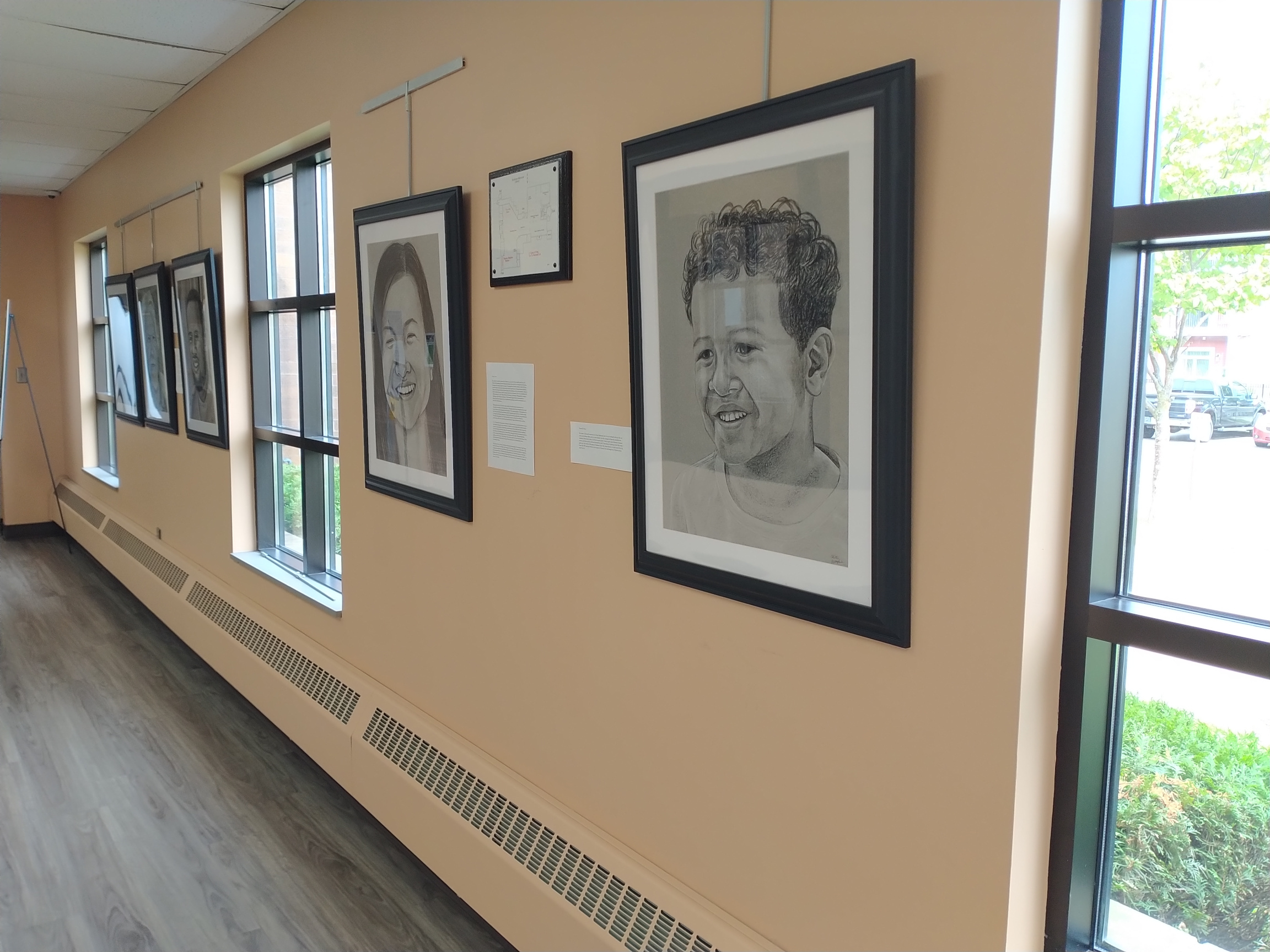
Immigrant portraits by a local artist were displayed in the library corridor. (Minnesota Prairie Roots copyrighted file photo 2023)

Occasional art exhibits in the hallway linking my library to the Faribault Community Center also teach me. Currently, the traveling exhibit “Testify: Americana Slavery to Today” spans that space. It’s an informative and emotion-evoking panel display of photos and information that left me deeply touched and near tears. In the past, I’ve viewed portraits of immigrants and second-generation immigrants by local artist Kate Langlais as part of her “I Am Minnesota” project. Creating an art gallery in a corridor that would otherwise serve as simply a functional connector between two buildings seems a wise use of space.

My poem, “Funeral during a Pandemic,” is published in this book available for check out at my local library and other Minnesota libraries. (Minnesota Prairie Roots copyrighted file photo)

Libraries truly are about connecting. Connecting us to stories, knowledge, information and ideas. Connecting us to each other. Young parents gather in libraries for storytime. Youth meet in my library for pizza and book discussions. The library brings music and other entertainment to the community for kids. Years ago, my son learned to yo-yo from Dazzling Dave, a national yo-yo master. Dave is still teaching Faribault kids to yo-yo during summertime library programming.

The best book I’ve ever read on the craft of writing. It’s the only Stephen King book I’ve ever read because I don’t like his genre of books. (Book cover sourced online)

My son, who now works in software research and development, taught himself to code by checking out thick books on coding from the library. And that was in junior high. I’ve checked out books on writing and photography to grow my skills. But mostly, simply reading improves my writing.
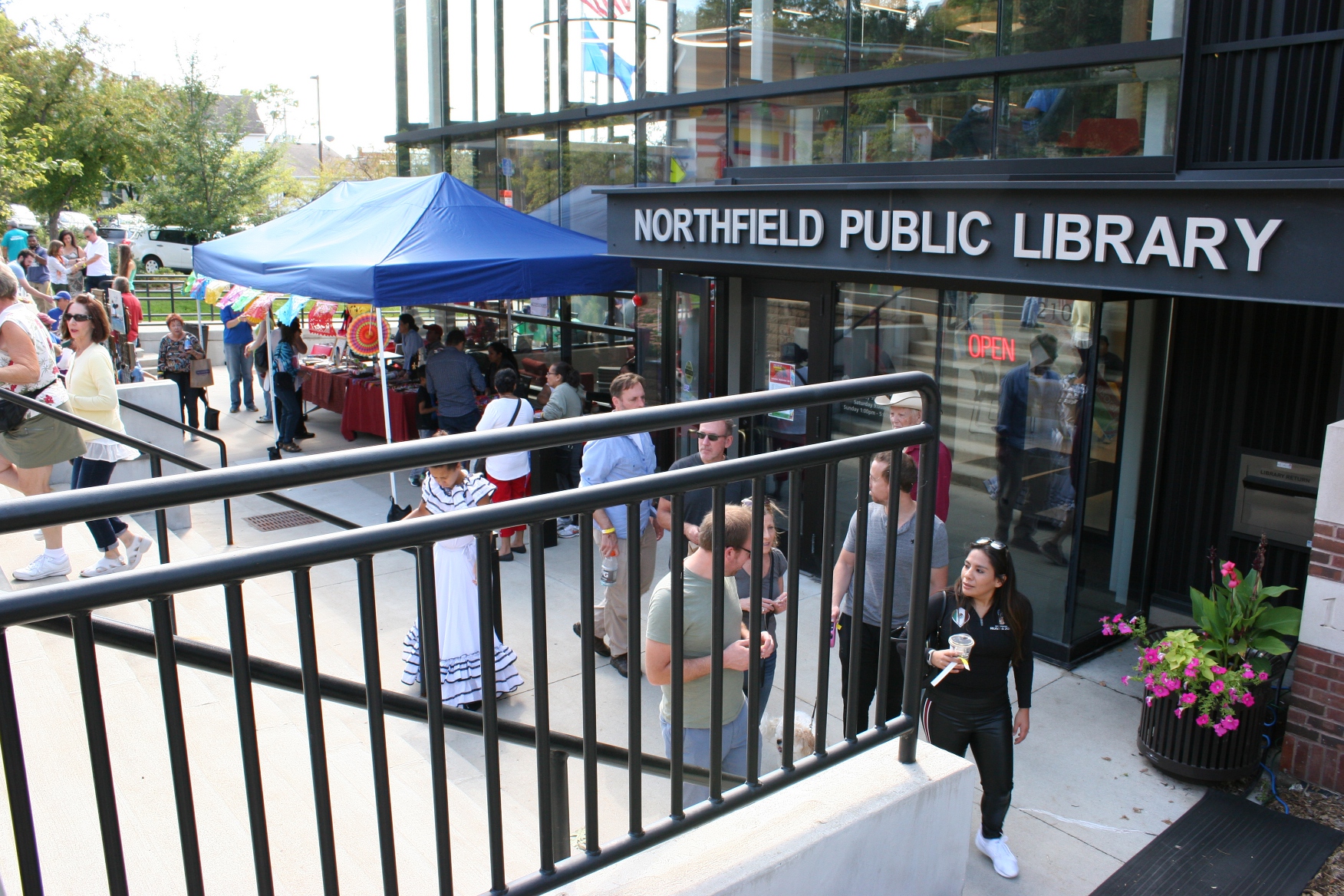
Outside the Northfield Public Library during a past Hispanic Heritage Month celebration. (Minnesota Prairie Roots copyrighted file photo)

I could go on and on about how much libraries offer and how much I value, appreciate and love them. So much draws me to the library. “Drawn to the Library” themes National Library Week. Whether the library in my community or one in a nearby city or a Little Free Library in a front yard, libraries are vital to our communities, to our country, and to me personally. They are an open and (mostly) uncensored place to access knowledge, to widen our world, to connect and grow community.

© Copyright 2025 Audrey Kletscher Helbling


A “game show” about Minnesota town names by Doug Ohman October 2, 2024

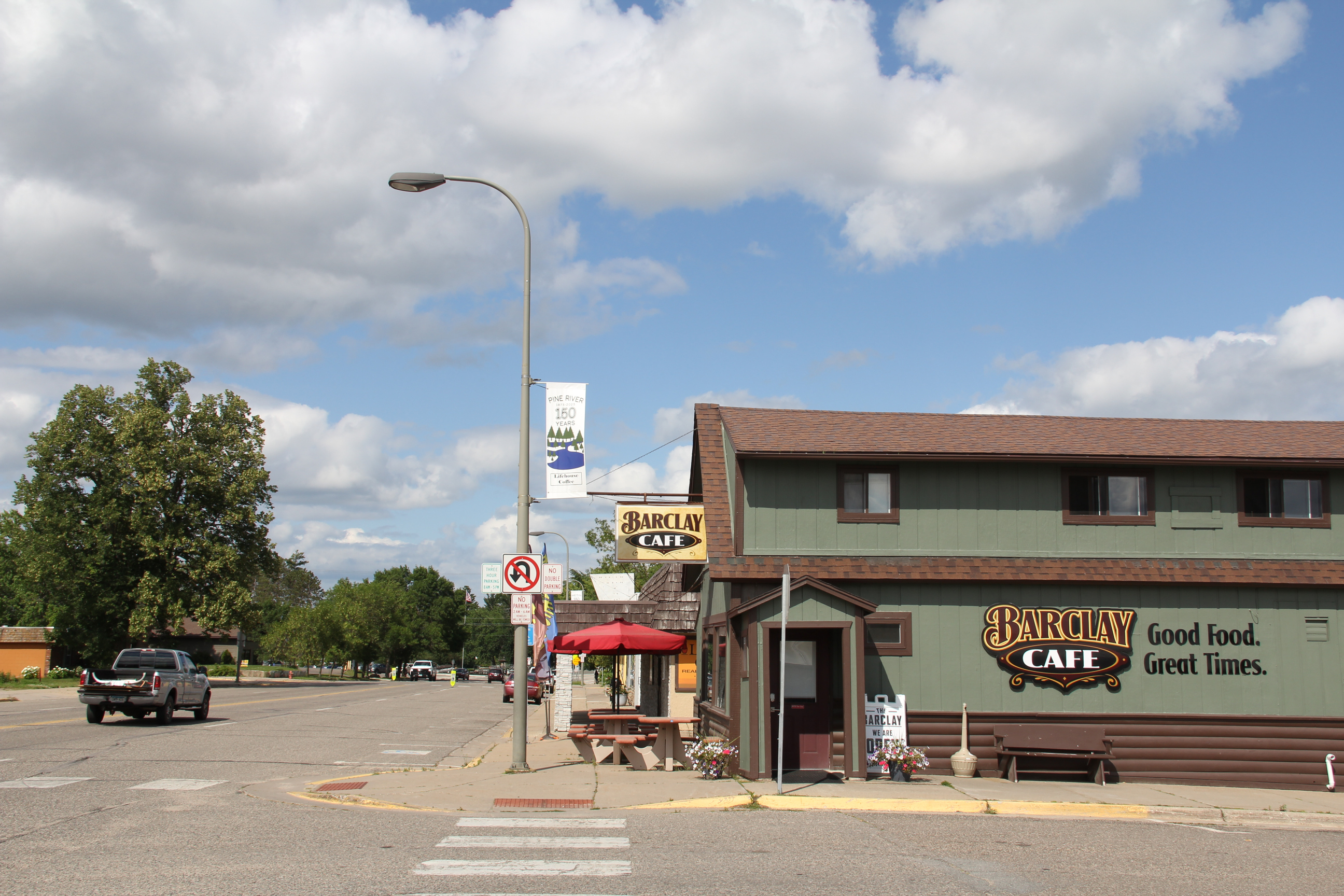
I photographed this scene in Pine River, which calls itself Minnesota’s S’more Capital, Doug Ohman said. From what I read online, the Whitefish Chain of Lakes terms itself “The S’more Capital of the World.” Pine River is on the northwest end of the Whitefish Chain. (Minnesota Prairie Roots copyrighted photo July 2024)

I FELT LIKE A BIT OF A SMARTIE, you know, that kid who raises his/her hand to answer the teacher’s questions. But Doug Ohman told me later, when I apologized to him for my overzealous class participation, that he actually appreciates enthusiastic interaction with audience members. And that I was on Monday evening while attending Ohman’s presentation on Minnesota town names at the Owatonna Public Library. I couldn’t help myself. This presenter is incredibly engaging, energetic, interesting and really good at what he does.

One of many Minnesota books by Doug Ohman. (Cover image sourced online)

Ohman is a prolific presenter, Minnesota author and photographer—he’s written 16 photo-rich books—who travels the state giving talks on 36 subjects. Those range from churches to schoolhouses, courthouses to libraries, state parks to cabins, and, oh, so much more. If you want to learn more about Minnesota, especially its small towns and rural areas, and appreciate history, then Ohman is your guy. I’ve seen him present twice previously, both times on churches.

But Monday evening, it was all about “Name That Town.” Ohman began by telling a room packed with people that he would be doing an interactive game show style presentation. Oh, oh, I thought, when he asked for help from an audience member. Eventually Steve volunteered and the game was on.

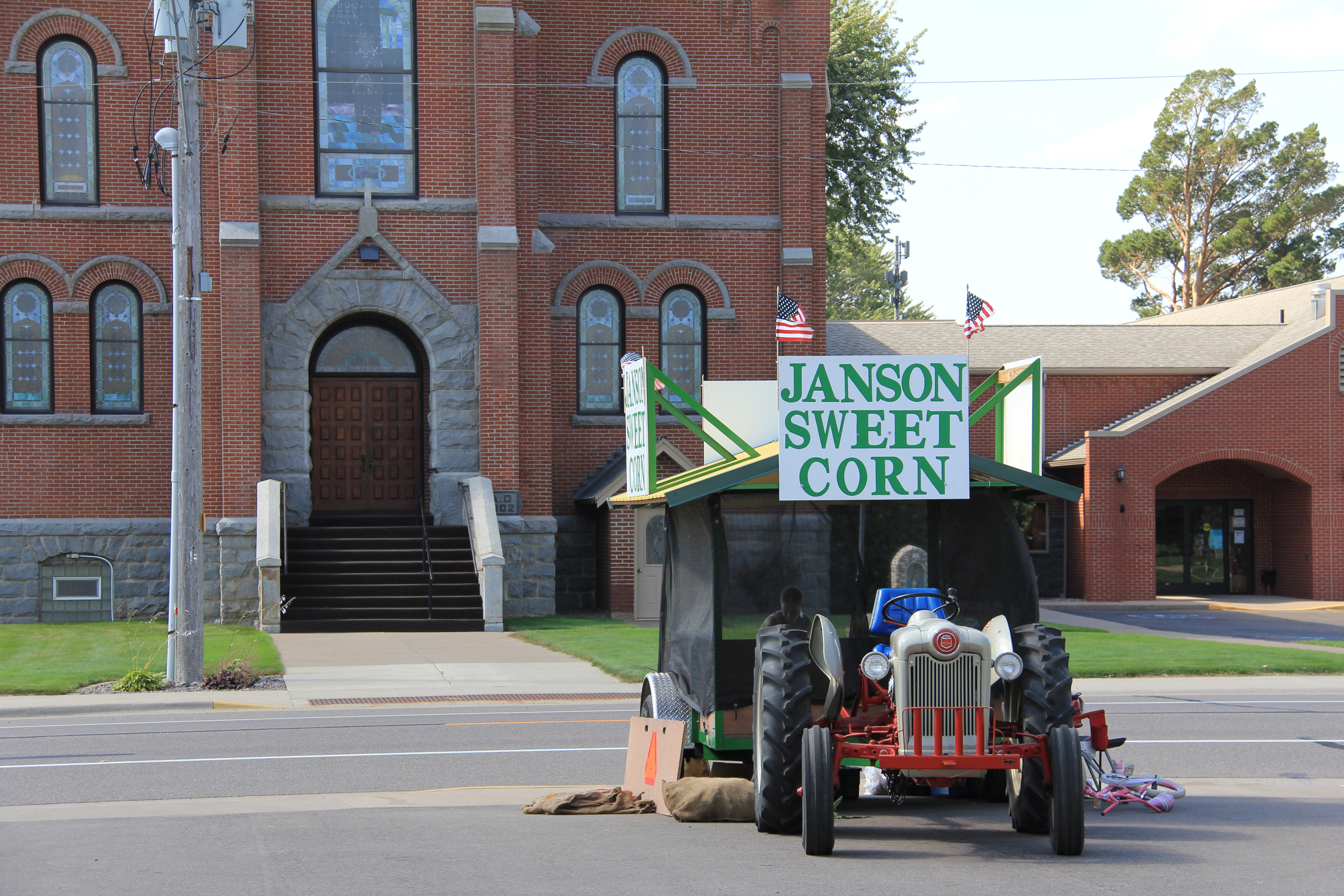
Sweetcorn for sale at a stand across from St. Michael’s Catholic Church in Buckman, my husband’s hometown. Buckman is southeast of Little Falls in Morrison County. (Minnesota Prairie Roots copyrighted photo September 2024)

It didn’t take long before Ohman put the audience at ease with his humor and questions. A lot of questions. About towns. And that’s where I proved my smarts. Like Ohman, I enjoy visiting small towns, stopping to explore and photograph them. He feels like a kindred spirit in that we are both writers and photographers who value rural Minnesota.

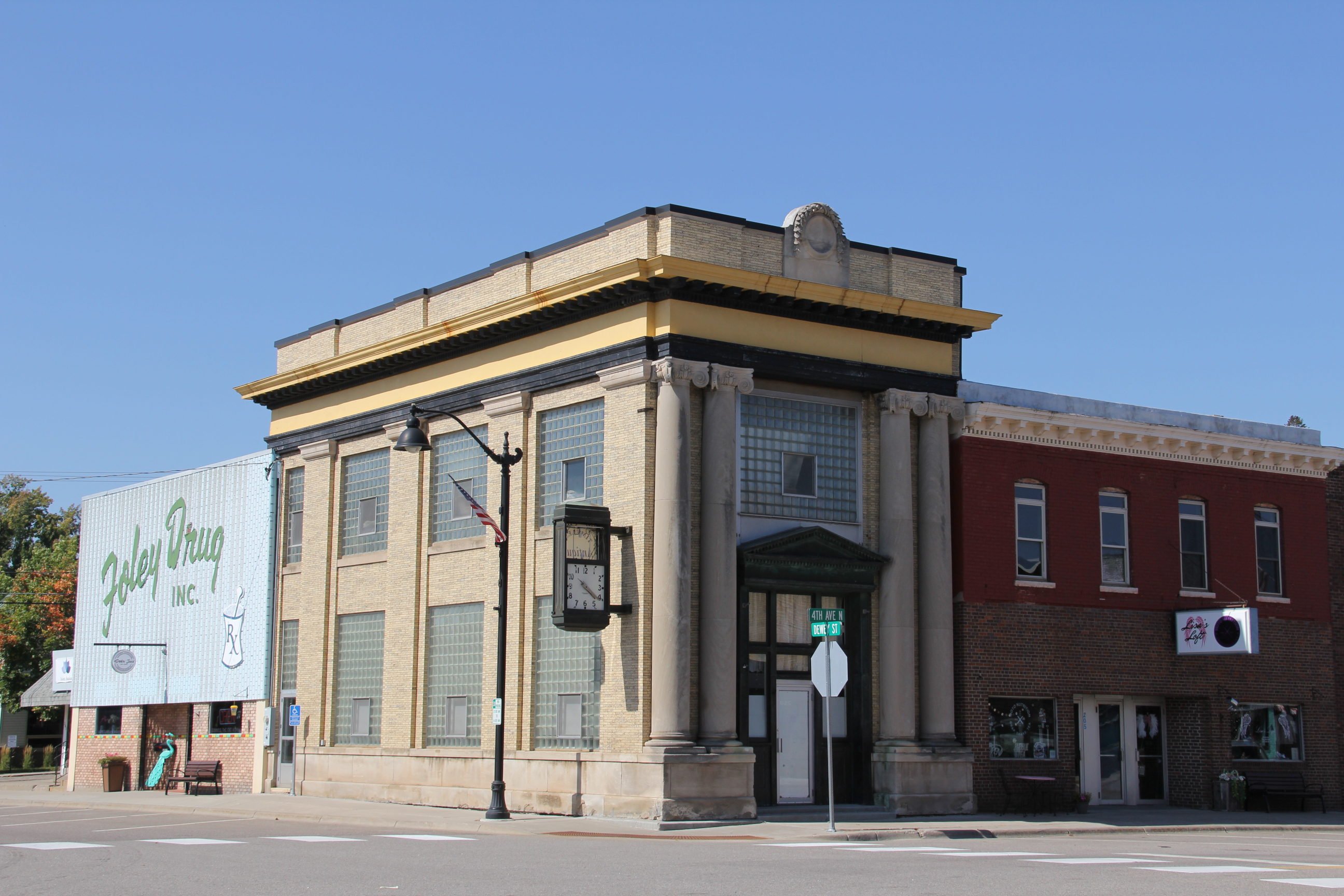
I recently photographed this beautiful old building in downtown Foley, seat of Benton County. (Minnesota Prairie Roots copyrighted photo September 2024)

For 1 ½ hours, Ohman talked about Minnesota towns, going through the alphabet from A-Z, showing selected photos of communities he’s visited. He invited audience members to shout out town names for each letter, often pausing to ask why they named that particular town and occasionally awarding prizes for correctly answered questions.

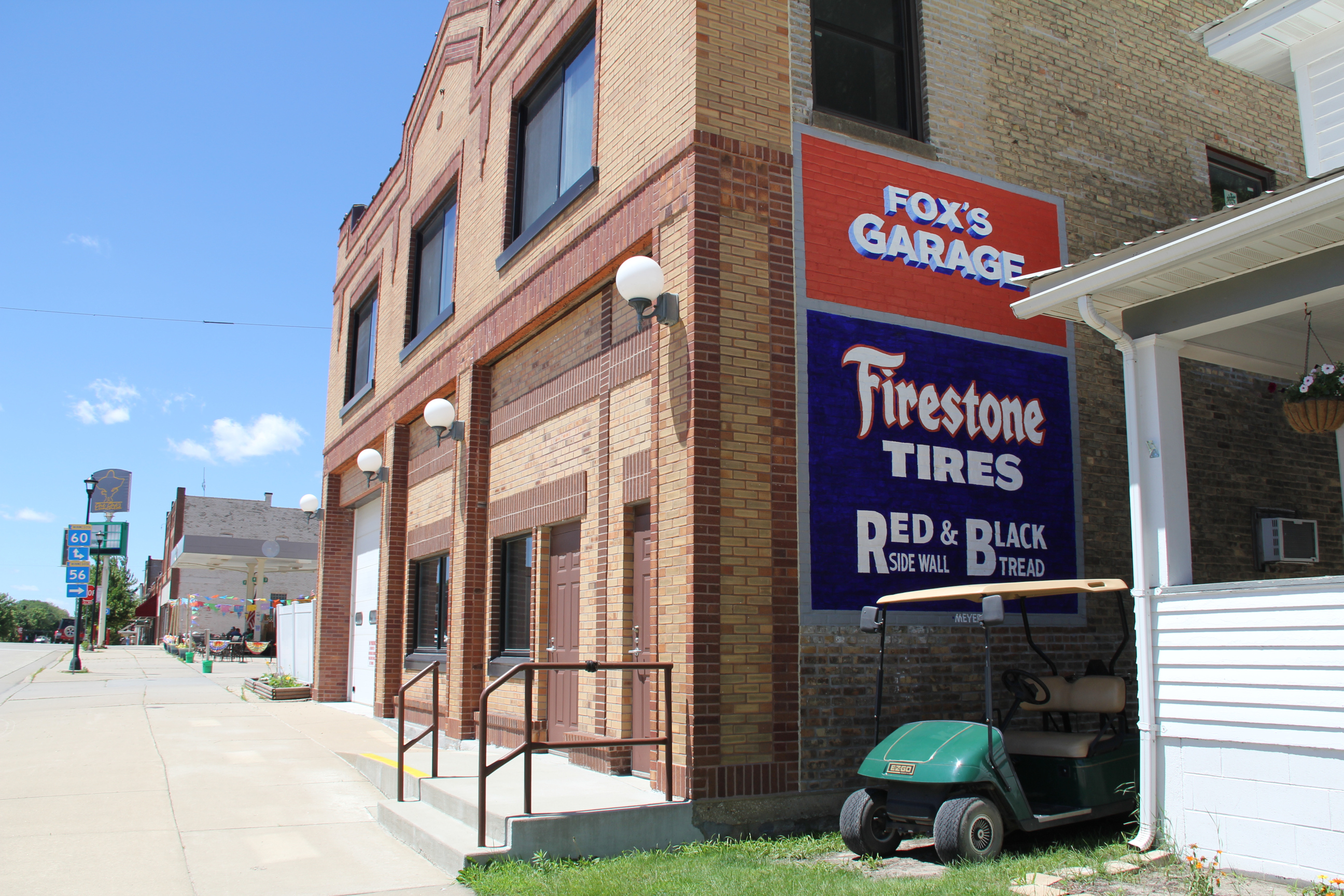
I found this signage on a building in downtown Kenyon in Goodhue County east of Faribault. (Minnesota Prairie Roots copyrighted file photo August 2024)

There were familiar town names like Duluth, Hastings, Red Wing and Stillwater. But then Ohman threw out towns like Dorothy (south of Thief River Falls), Johnson (the “most Minnesotan name,” he said, and located near Chokio) and Quamba (between Mora and Hinckley). All three were unfamiliar even to me.

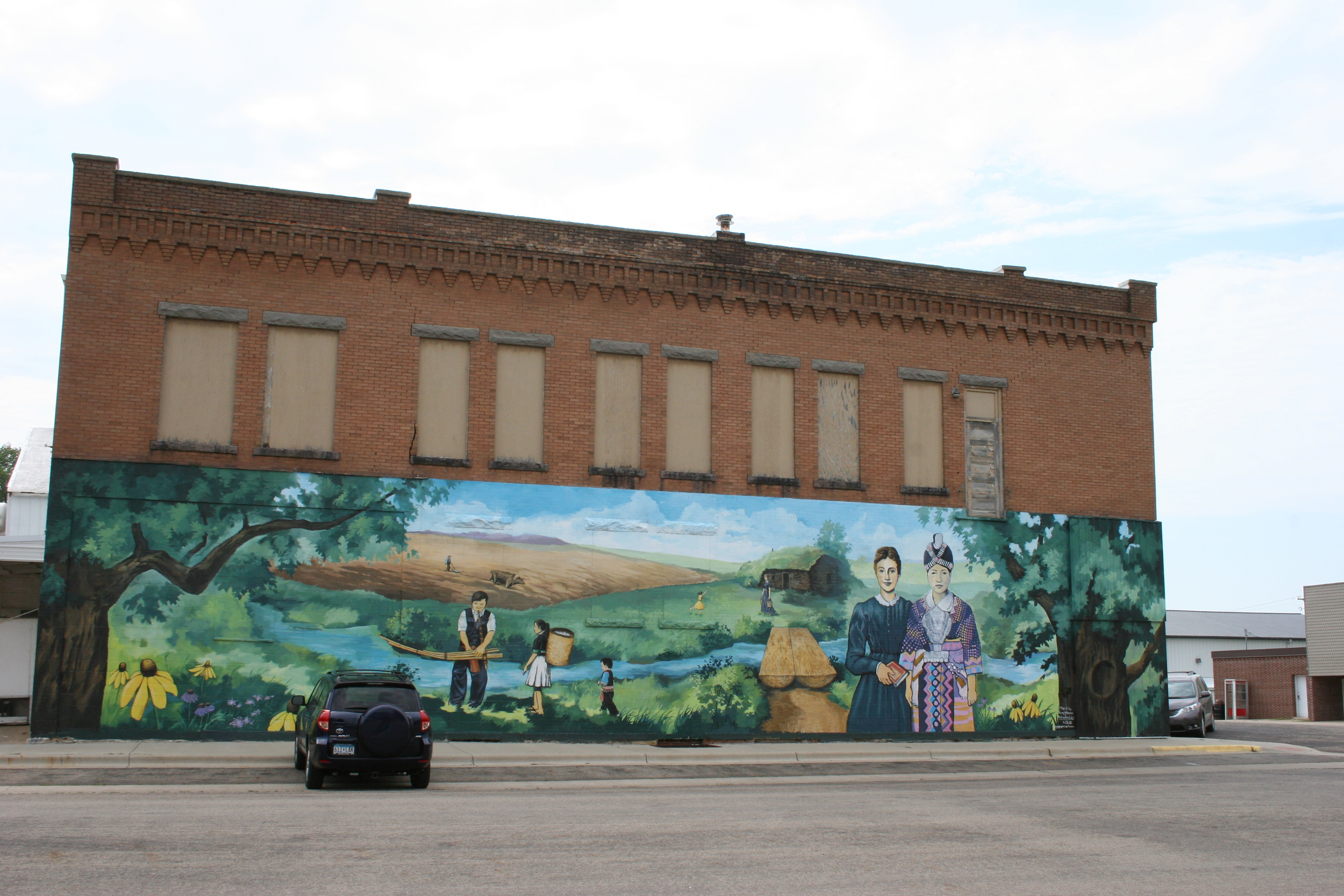
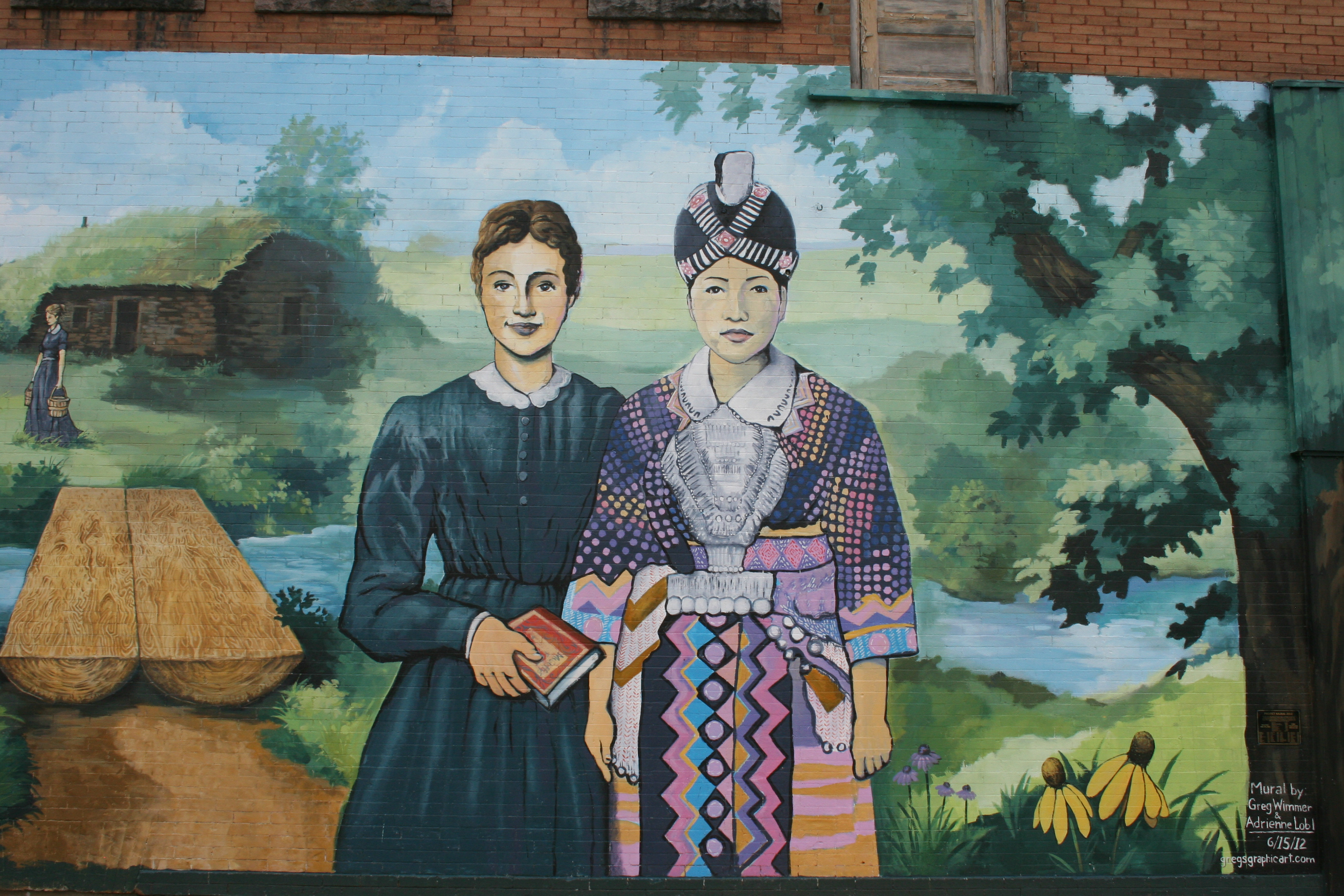
Ohman referenced this multi-cultural mural in Walnut Grove, where Hmong immigrants have settled and embraced the prairie history of author Laura Ingalls Wilder. He also noted that Walnut Grove is the only community where he found a working pay phone. (Minnesota Prairie Roots copyrighted file photo)

Only the letter X lacks a Minnesota town name. Two towns share the name Oslo. No surprise given Minnesota’s rich Scandinavian heritage. Oh, and Osakis is the self-proclaimed “Lefse Capital of Minnesota,” Ohman said, recommending Jacobs Lefse.

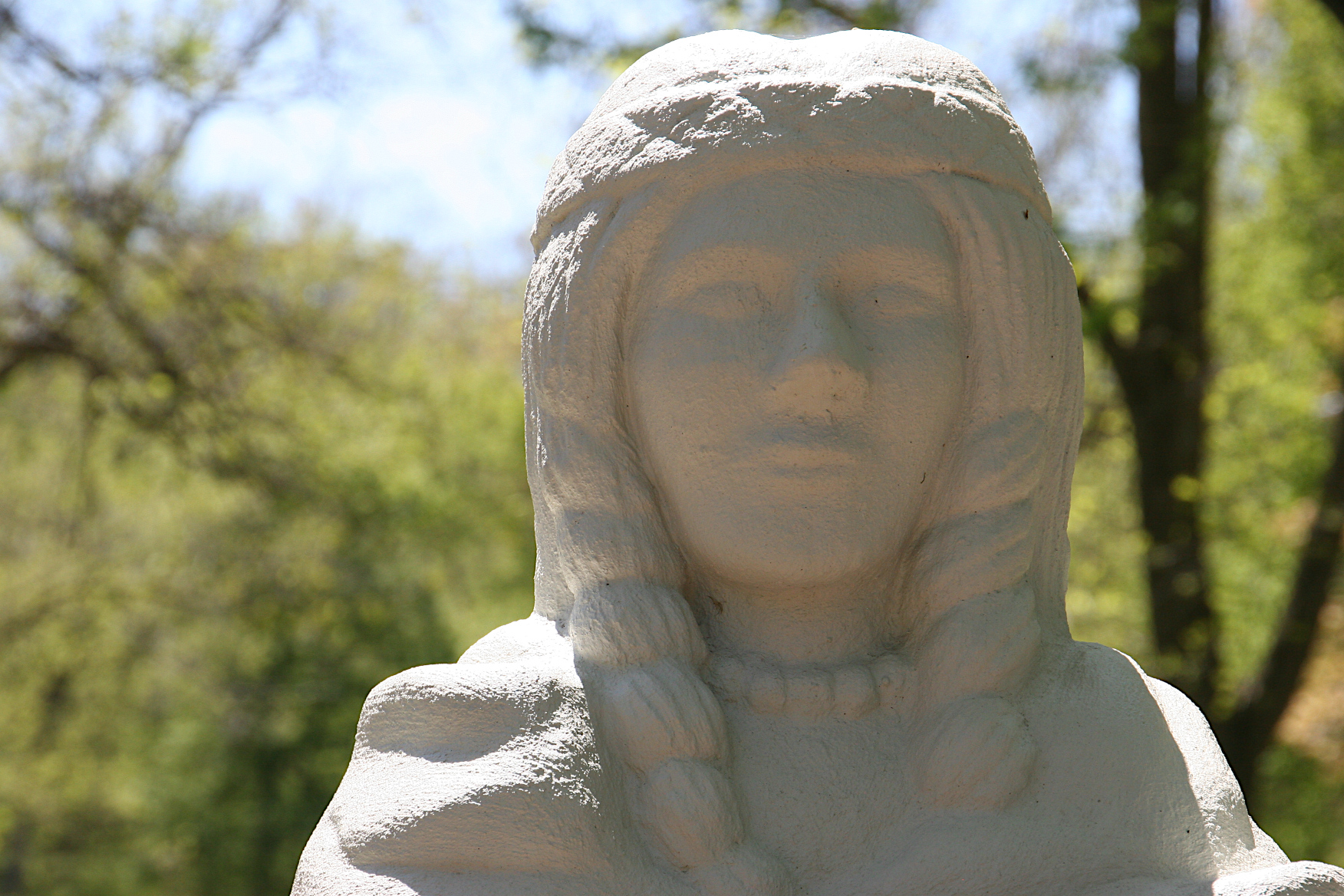
A statue of Princess Owatonna, daughter of Chief Wabena and whom after the city of Owatonna is named, stands in Mineral Springs Park. (Minnesota Prairie Roots copyrighted file photo 2020)

Ohman asked how towns are named and got lots of audience response. The Old Country (New Ulm, New Germany, Fulda…), Native American people and language (Owatonna, Wabasha, Sleepy Eye, Wabasso), animals (Badger and Fox), geographic features (Redwood Falls, International Falls, Thief River Falls, Fergus Falls, but not Hanley Falls, which has no falls), famous (Henry Hastings Sibley) and not so famous people…

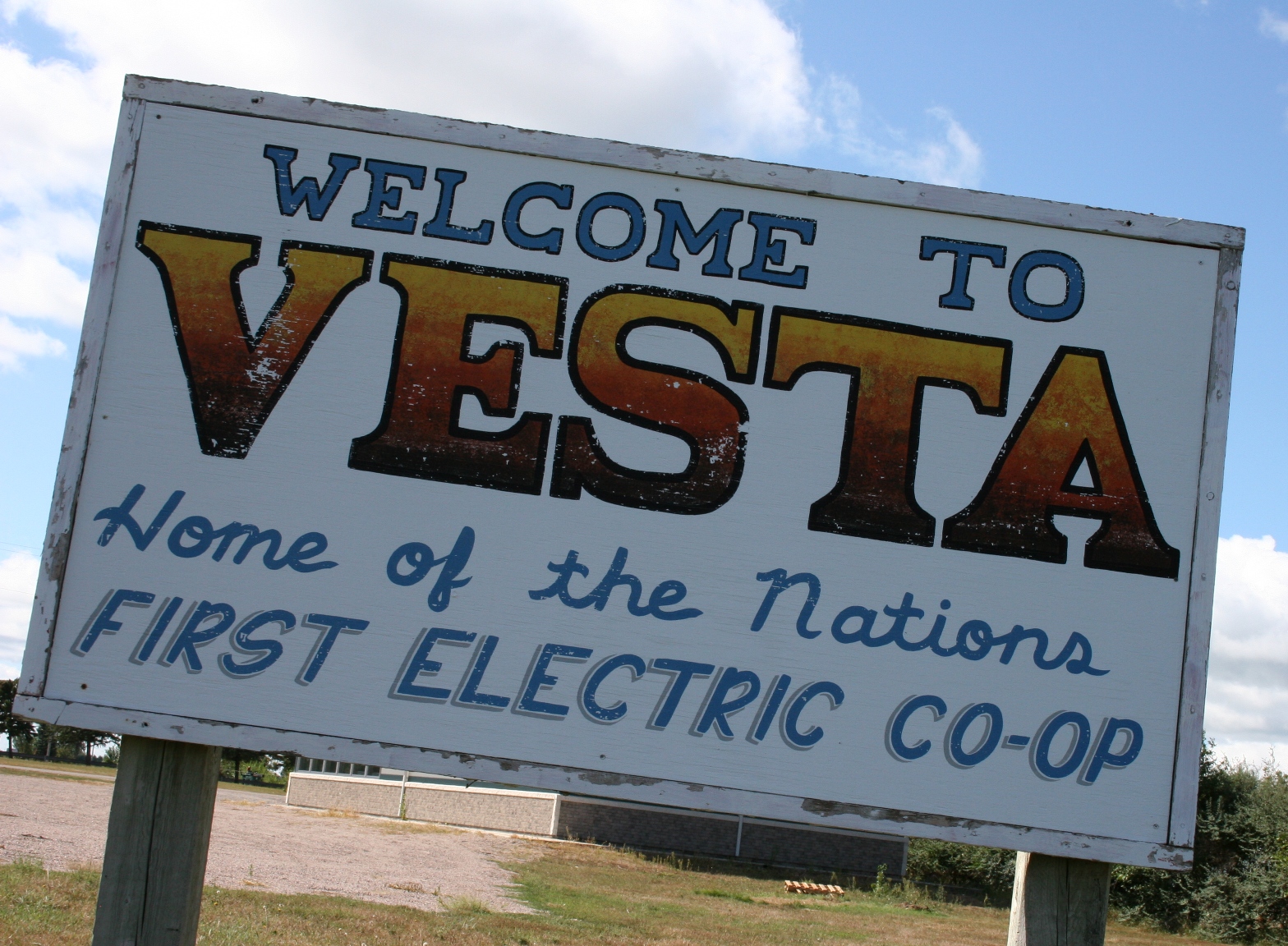
This sign once marked my hometown and its reason for notoriety. The sign was removed and replaced and I wish it was still there, along Minnesota State Highway 19. (Minnesota Prairie Roots copyrighted file photo 2011)

My hometown is named after the postmaster’s daughter, Vesta. I nearly stumped Ohman when I shouted out “Vesta.” But, with some clues and thought, he remembered its location in Redwood County. He’s been to neighboring Belview, Seaforth, Wabasso. Even several audience members were familiar with southwestern Minnesota towns, something I don’t often encounter in southeastern Minnesota.

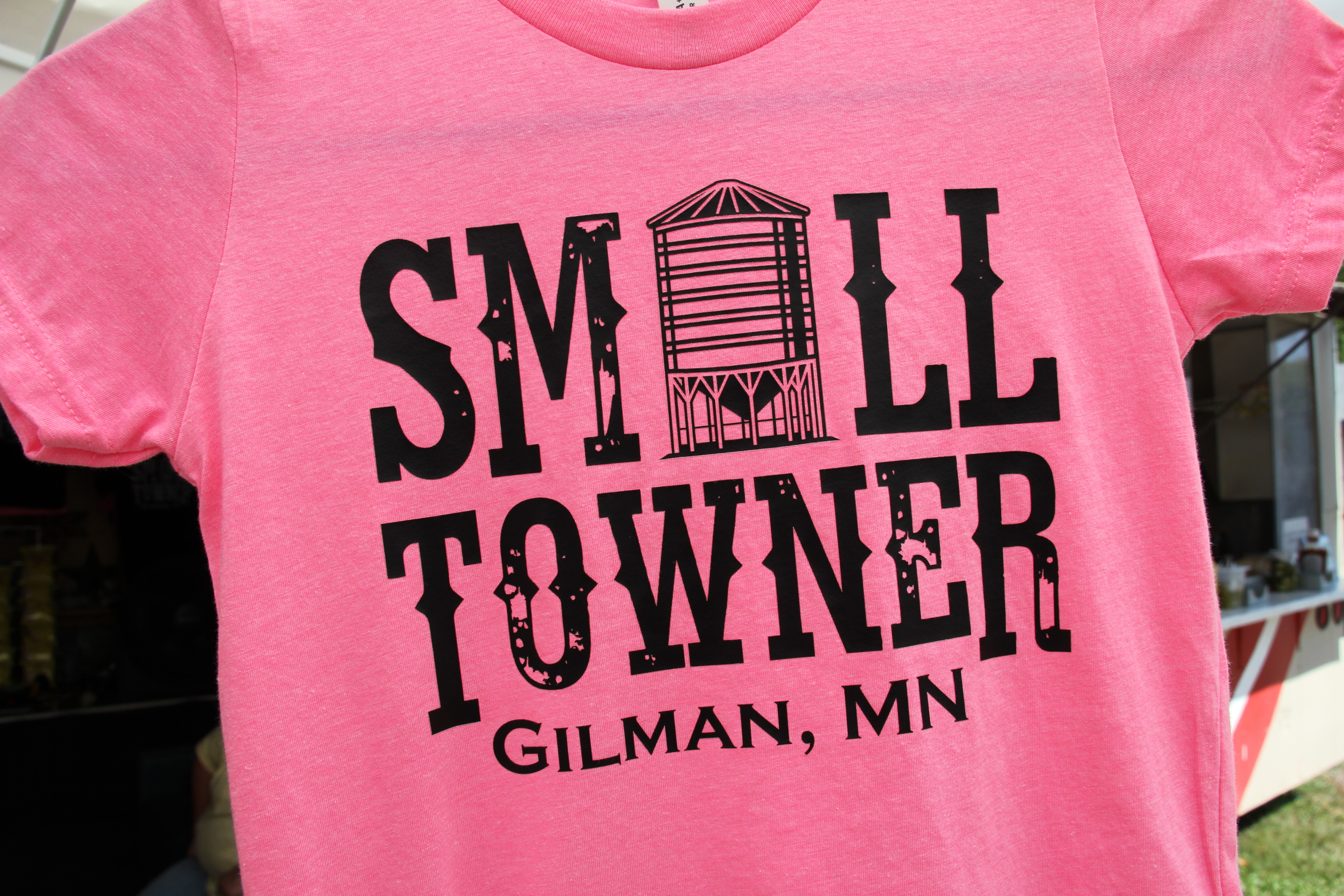
I found this small town proud t-shirt at Kelash’s Corner, a vegetable, fruit and merch stand, in Gilman, population around 220. The town is northeast of St. Cloud in Benton County. (Minnesota Prairie Roots copyrighted photo September 2024)

Towns survive based on location, Ohman said. That makes sense. Towns once located along railroad tracks, later abandoned, have declined. Towns built on lumbering have dwindled in population. Towns located today in resort areas, close to larger cities or along major roadways (like Owatonna on Interstate 35) are growing, thriving. The smallest of Minnesota’s 905 towns, according to Ohman, is Funkley, population five. That’s northeast of Blackduck which is northeast of Bemidji in Beltrami County. I love how that name, Funkley, rolls off the tongue.

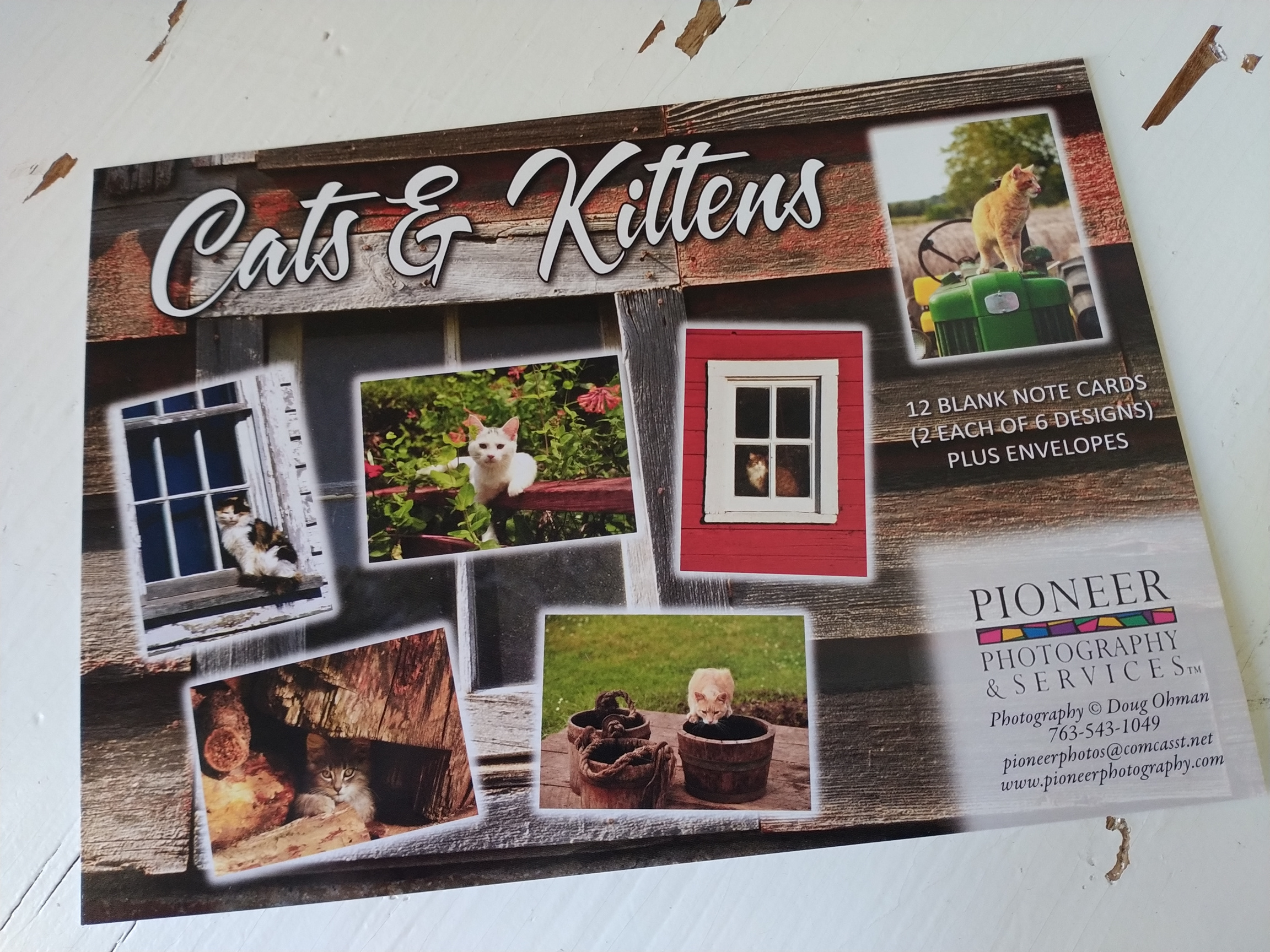
I won this pack of photo cards for correctly answering so many questions throughout Ohman’s presentation. (Minnesota Prairie Roots copyrighted photo September 2024)

Plenty of answers rolled off my tongue Monday evening in Owatonna as Ohman asked endless questions during his Minnesota town themed game show. Who knows the county in which Ivanhoe, named after the book by Sir Walter Scott, is located? “Lincoln,” I shouted. I revealed my book smarts a second time by naming the fictional town in Sinclair Lewis’ novel, Main Street. That would be Gopher Prairie, really Lewis’ hometown of Sauk Centre. That earned me a prize—a pack of feline photo cards by Ohman.

This mural in Walnut Grove shows how past and present connect, from early settlers to present day Hmong immigrants who now call this small town home. A niece, who lives with her family in Walnut Grove, recently told me how happy she is that her children are growing up in a diverse community. (Minnesota Prairie Roots copyrighted file photo)

I could write a whole lot more about all the towns and related information Ohman covered in his talk. But that’s his job, while mine is to highlight a few here. And also to reveal that I did incredibly well on the Ohman game show. I’ll close with one more important revelation. His favorite town name, Ohman shared, is Faith…because it takes a little faith to live (and survive) in Minnesota.

© Copyright 2024 Audrey Kletscher Helbling


Connecting via “human books” in Owatonna September 12, 2023

Photographed in the front window of a downtown Faribault business. (Minnesota Prairie Roots copyrighted file photo October 2022)

LISTENING TO AN AREA RADIO STATION Tuesday morning, I learned about a project which seems pure genius. It’s the Human Library®. Developed 23 years ago in Copenhagen and now spread internationally, the library “hosts personal conversations designed to challenge stigma and stereotypes.” And it’s coming to Owatonna this week.

From 4-7 pm Thursday, September 14, the Owatonna Human Rights Commission is hosting a Human Library® in the Gainey room at the public library. The goal is “to foster conversations that can challenge stereotypes and prejudices.”

Kids of varied ethnicities and skin tones gather as one to break a pinata at a past International Festival Faribault. (Minnesota Prairie Roots copyrighted, award-winning photo, 2012)

I love this concept of one-on-one conversations among community members who might not otherwise connect. If we’re honest, most of us tend to stick with others who are most like us. Those in our circles. But this, oh, this opens the doors to meeting new people, to understanding, to friendships and much more. And we can only be the better for it by talking with one another, learning, growing our knowledge and compassion.

The idea is simple. Check out a “human book” for 15 minutes by meeting with community members who’ve agreed to participate in the project. Ask questions. Share. Simply chat, get to know one another. Break down barriers. Find common ground. Embrace differences. “Read” as many “human books” as time and availability allow.

We are a diverse country, as represented at a past International Festival in Faribault. (Minnesota Prairie Roots copyrighted file photo 2015)

The list of 20 participating individuals in Owatonna is lengthy and diverse, exactly as intended: Somali Americans, African Americans, senior citizens, business owners, religious leaders, Hispanic, LGBTQ+, educators, veterans, handicapped individuals, law enforcement officers, nonprofit leaders, recovered addicts and healthcare workers.

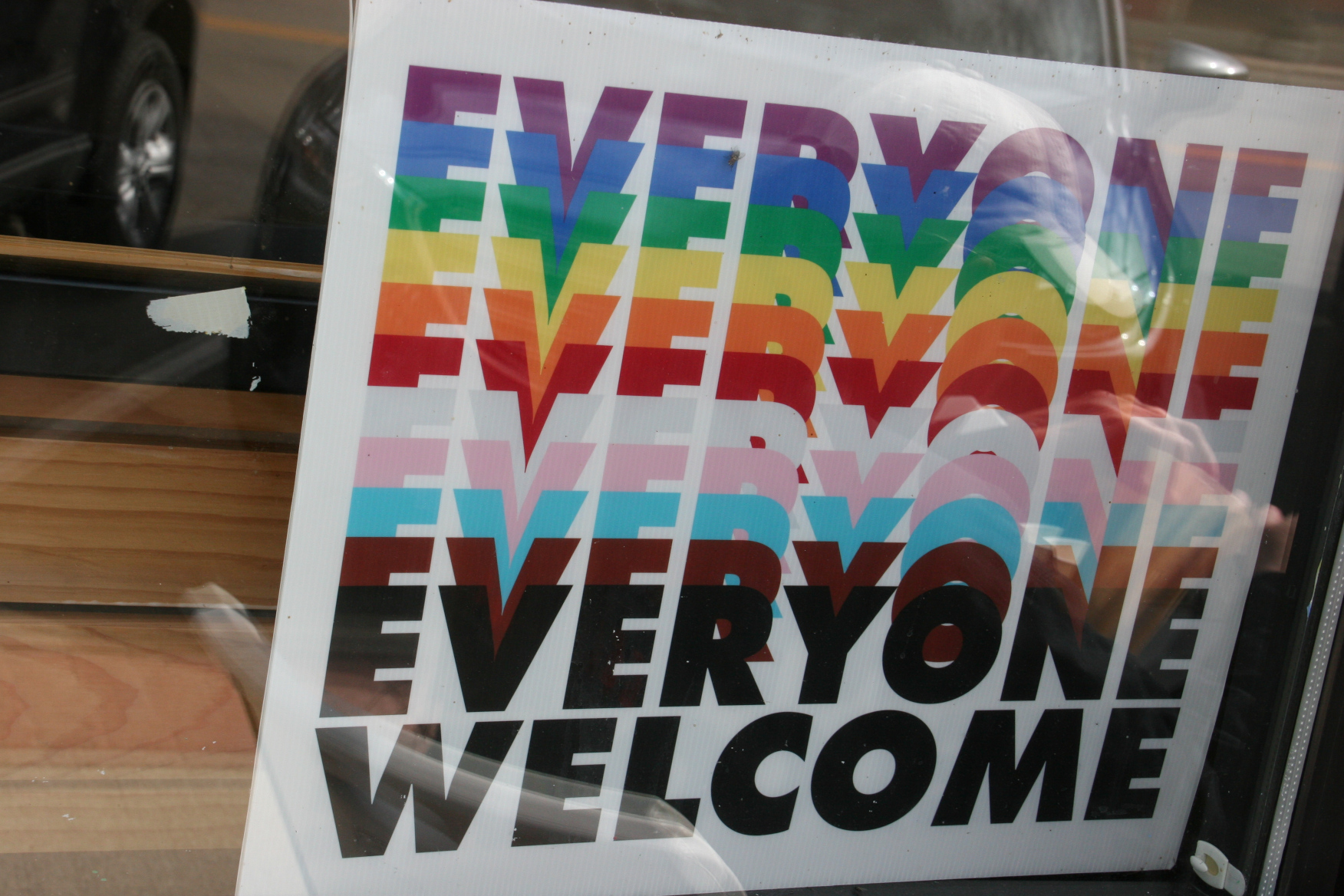
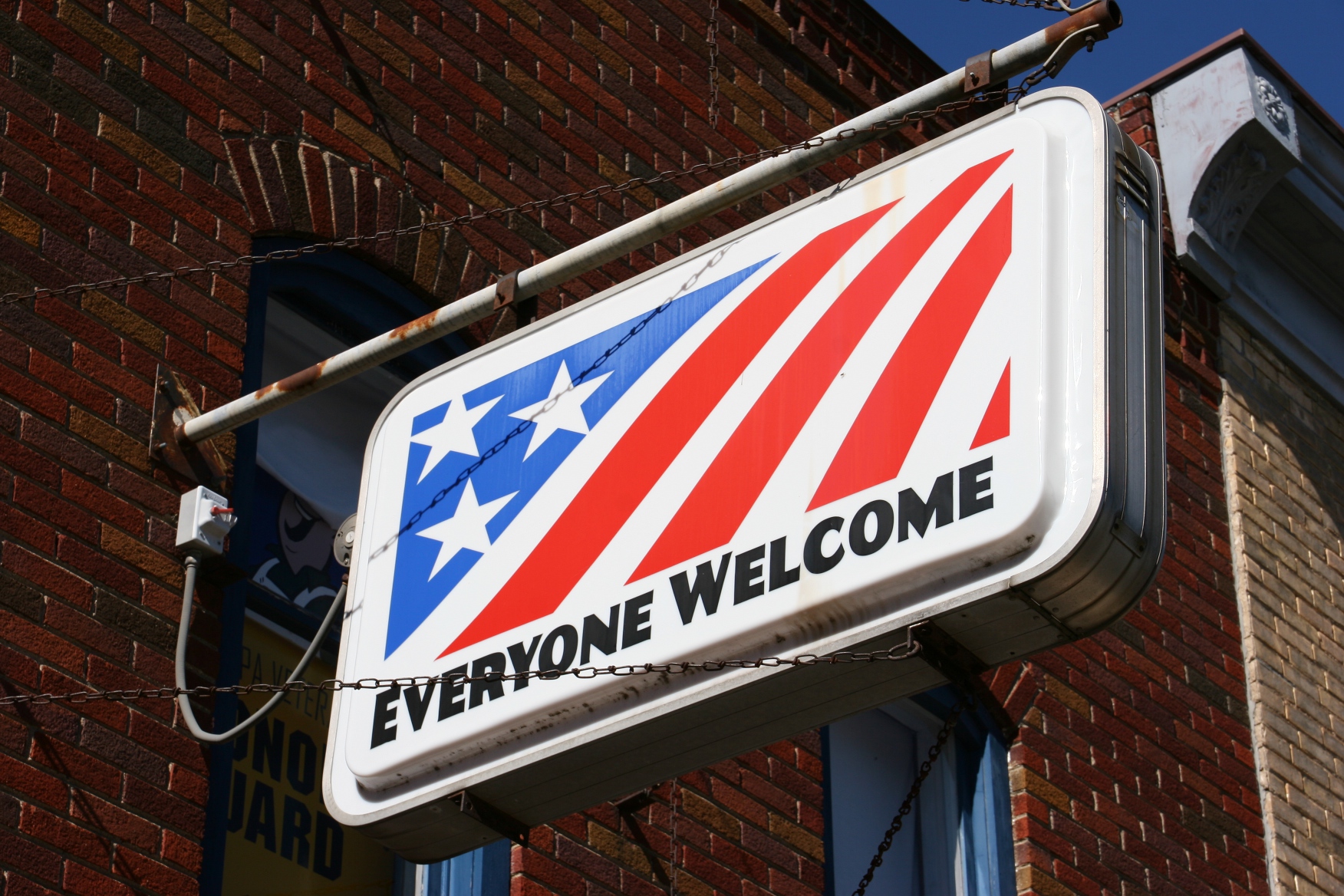
A welcoming sign hangs on the American Legion building in small town Mazeppa. (Minnesota Prairie Roots copyrighted photo March 2018)

Owatonna, like many communities in southern Minnesota and throughout the state, nation and world for that matter, has faced tough issues such as racism, prejudice, discrimination and hatred. Sometimes those issues are right there, publicly visible in ways that make me wonder how humans can treat each other with such disrespect and meanness. But just as dangerous are the insidious comments and behaviors that creep under the radar into communities. We all know they are there—the slights, the whispers, the off-the-cuff hurtful remarks, the intentional exclusion…

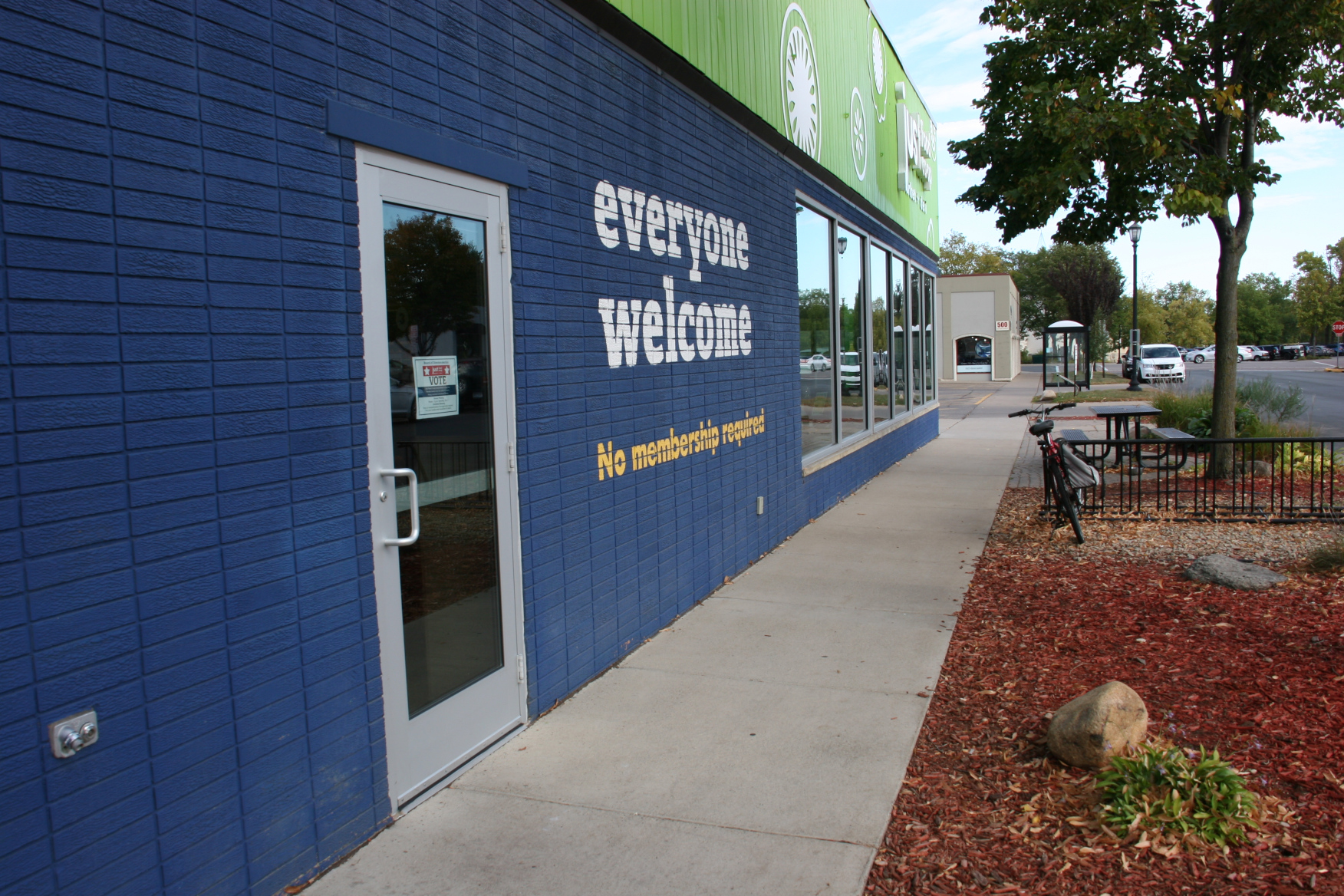
A welcoming message at Just Food Co-op in downtown Northfield. (Minnesota Prairie Roots copyrighted file photo September 2022)

I hold hope that projects like the Human Library® can effectively make a difference in enlightening, in changing attitudes, in helping each of realize that we are all human, more alike than we are different.

© Copyright 2023 Audrey Kletscher Helbling

 

The struggle September 16, 2019


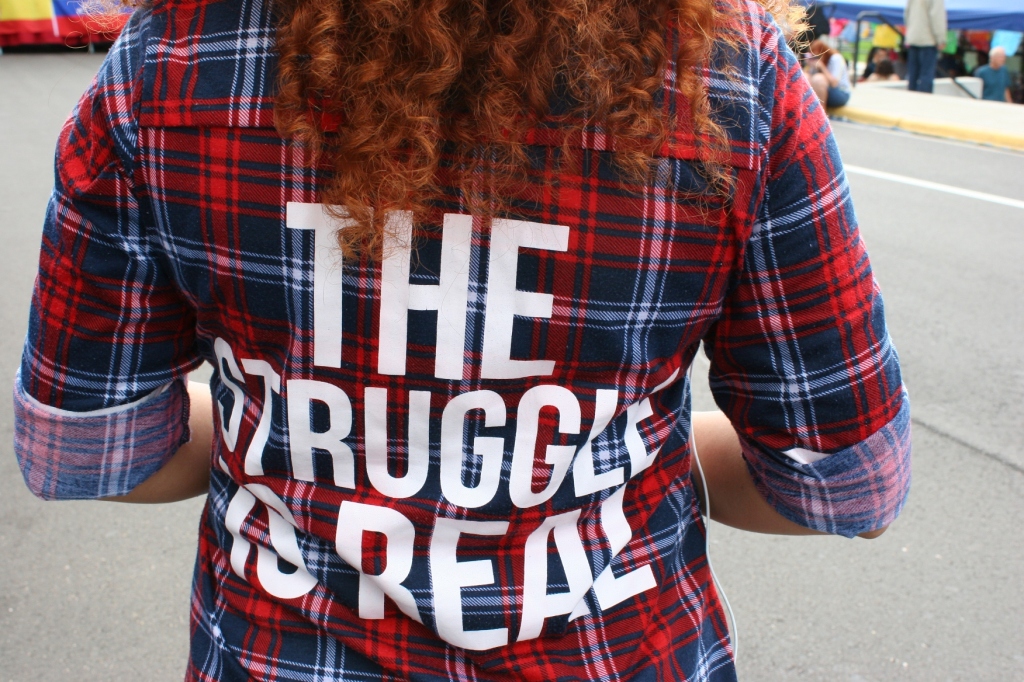
THE STRUGGLE IS REAL

Those words emblazoned across the back of her red-white-and-blue plaid shirt grabbed my attention. But what did they mean? I assumed the phrase likely referenced immigration issues given the cultural event where I spotted the statement.

But not 100 percent certain, I approached the young woman and asked. The struggle is real refers to struggles with mental health, she said. She battles depression, but is doing well right now, crediting her family for their support. We didn’t talk much. I hugged her, offered words of encouragement and thought how bold of her to publicly voice those words: THE STRUGGLE IS REAL. I wonder if anyone else asked her about the message she wore.

Those words seem so fitting for those who live with mental illness. Think about it for a minute or ten. Say you or a family member are struggling with depression, anxiety, bipolar, post traumatic stress disorder, schizophrenia or any other mental illness. Do you struggle? Do you struggle to get up in the morning, to find a job or go to work, to engage with others? Do you struggle with stigma, with the all too common belief that you can simply snap yourself out of whatever? Do you struggle to find a mental healthcare provider? (There’s a severe shortage here in Minnesota.) Do you struggle to get the meds you need when insurance companies deny coverage? Do you struggle?

THE STRUGGLE IS REAL. Those words fit.

Thankfully, that struggle is becoming more visible as attitudes change and voices rise. Support groups, such as those offered through the National Alliance on Mental Illness, bring hope and help. But we can do better. We can, as friends and family and communities and churches, show more care for those affected by mental health issues. I mean, how often have you seen a fundraiser to help individuals and families dealing with financial hardships resulting from mental illnesses? Do we send get well cards to individuals who are suffering from a mental illness? Do we bring them or their supporting families hotdishes (otherwise known as casseroles in other parts of the country)? Do we surround and love and support just as we would someone with cancer, for example?

THE STRUGGLE IS REAL. Those words fit.


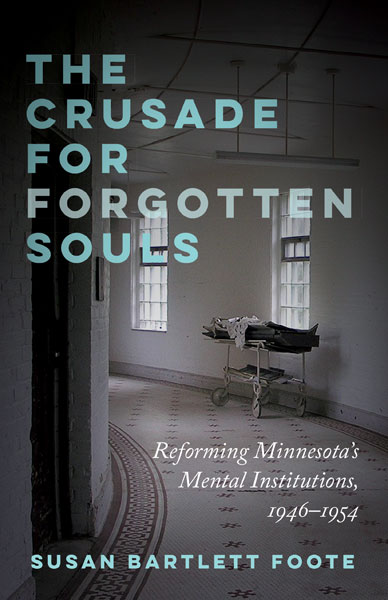
That leads me to the book, The Crusade for Forgotten Souls—Reforming Minnesota’s Mental Institutions, 1946-1954 by Susan Bartlett Foote. A professor emerita in the School of Public Health at the University of Minnesota, she will speak at 6:30 p.m. Tuesday, September 17, at the Owatonna Public Library. I only learned of her book a week ago and sped-read through this detailed historic look at efforts to reform mental health hospitals in Minnesota decades ago.


A building on the campus of the former Minnesota Asylum for the Insane, Fergus Falls, Minnesota. Minnesota Prairie Roots file photo May 2013.

This is not an easy read. It’s emotionally difficult to read of patients who were abused—confined to straightjackets, subjected to lobotomies, tied to toilets, fed gruel, denied very basic human rights… But to read of the Unitarian Church activists, the politicians (notably then-Governor Luther Youngdahl), journalists, healthcare professionals and others who cared and fought for “the forgotten people” also brings hope. They effected change. Yet, some of their work was undone when new politicians took office and societal attitudes shifted. The politics referenced in Foote’s book made me realize how little things change.

THE STRUGGLE IS REAL.

Foote’s book will be of special interest to people in my community of Faribault, once home to a state-run facility known as The Minnesota School for the Feeble-Minded. In late 1946, a grand jury convened in my county of Rice to investigate alleged abuses at the Faribault school. Jurors found the misuse allegations to be unwarranted, contradicting findings of other outside investigations. Foote’s research is extensive, her book packed with details about the multi-layered challenges of reforming mental health care in Minnesota.

THE STRUGGLE IS REAL. As much today as yesterday.


FYI:

Check out the National Alliance on Mental Illness website, an invaluable resource.

Visit the blog, Penny Wilson Writes, for an honest look at “the struggle,” including a resource list.

Read this book: Troubled Minds—Mental Illness and the Church’s Mission by Amy Simpson

© Copyright 2019 Audrey Kletscher Helbling
 

An evening with Minnesota poet Todd Boss in Owatonna May 1, 2013

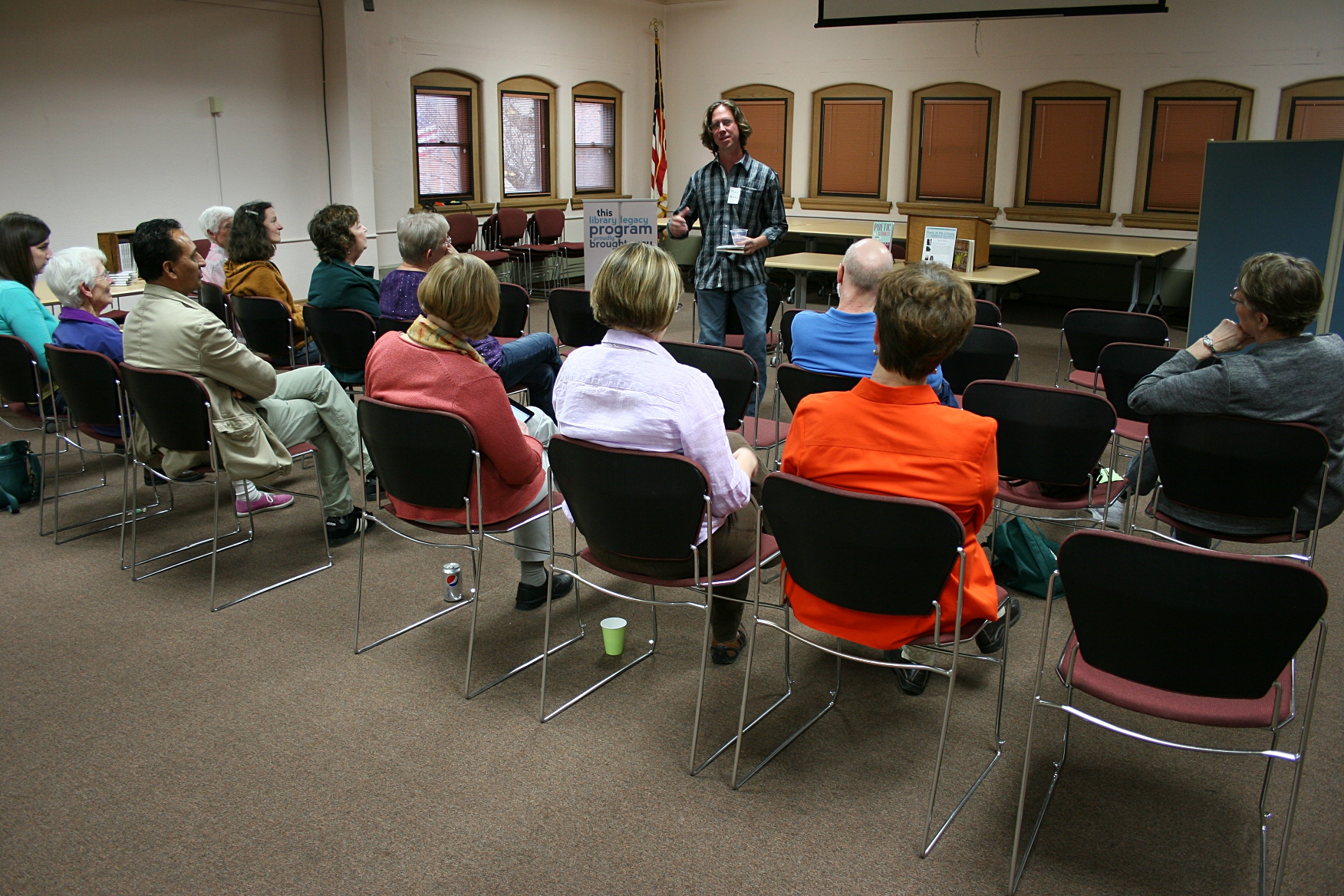
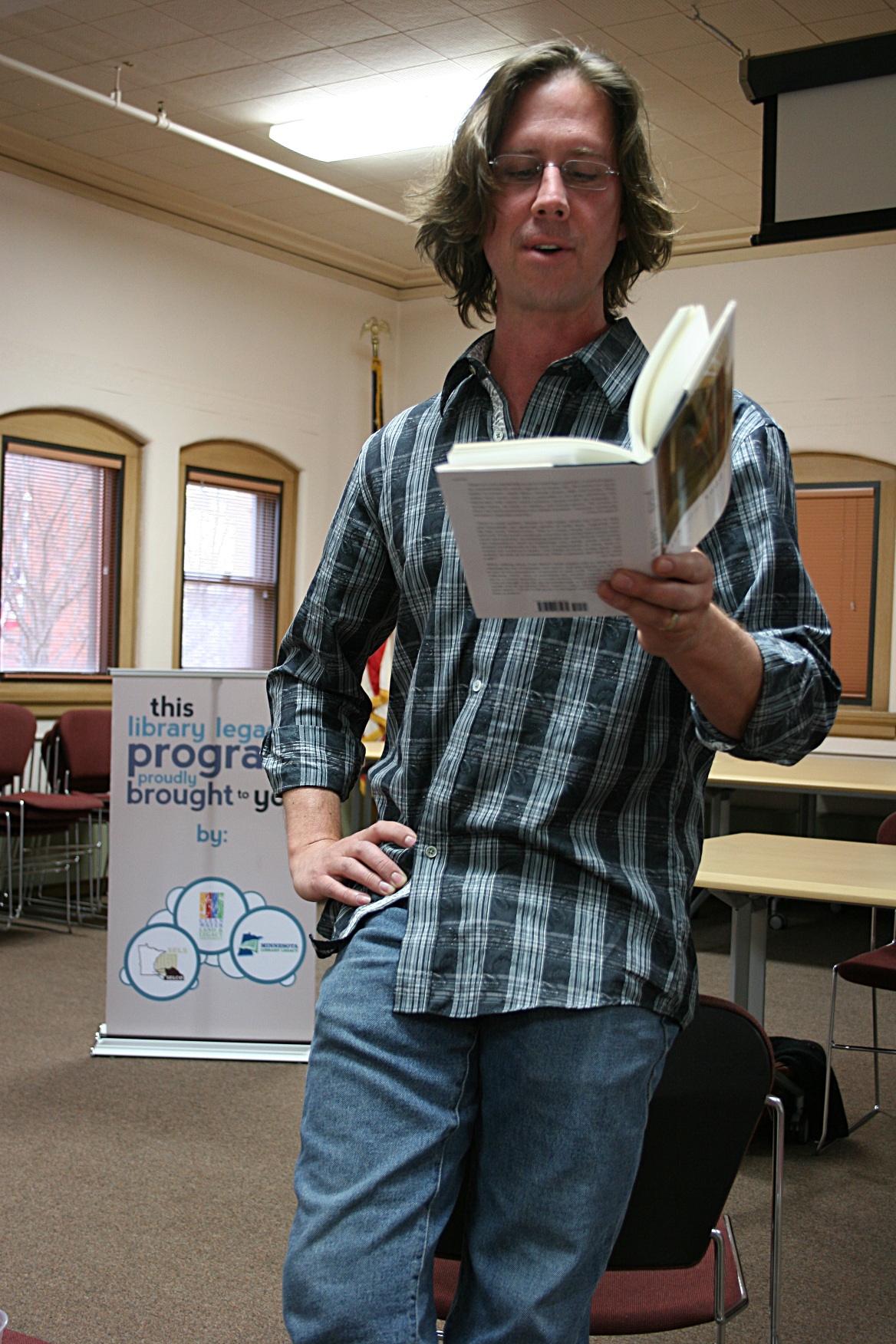
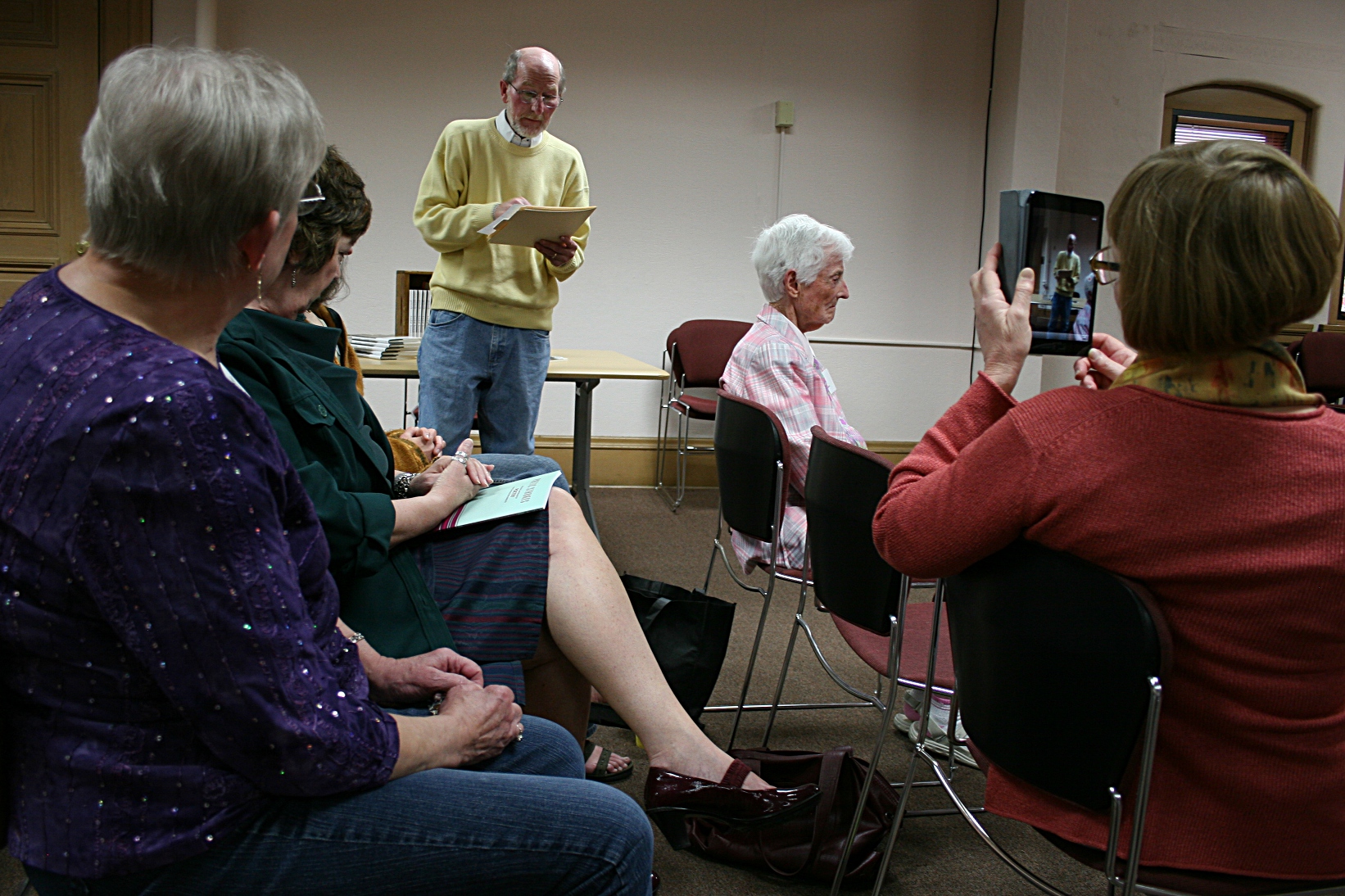
Todd Boss reads his poetry Tuesday evening at the Owatonna Public Library.

Todd Boss talks about poetry Tuesday evening at the Owatonna Public Library.

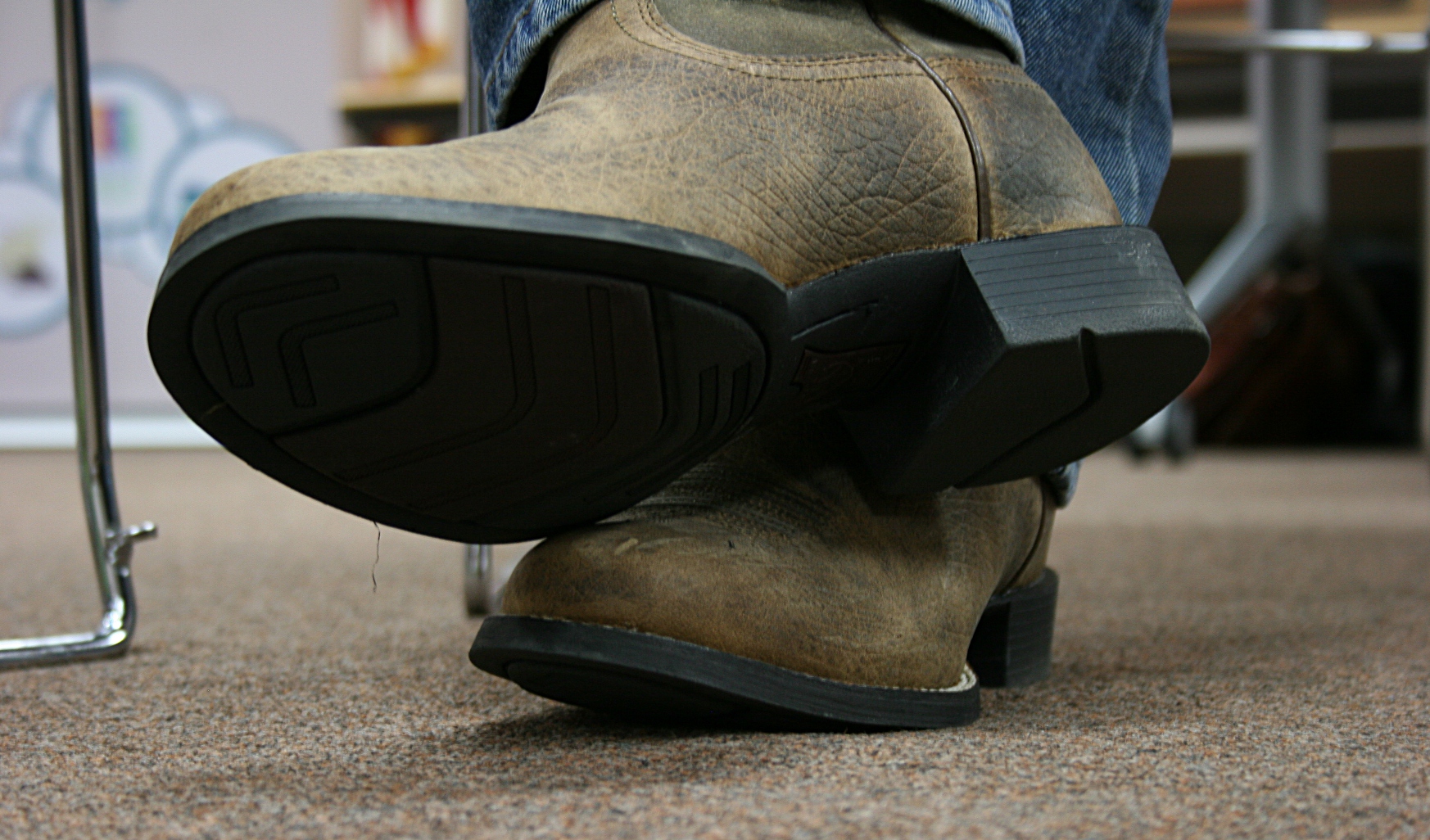
HE READS WITH THE CADENCE of a seasoned poet, with the ease of familiarity, written words fitting his voice like a comfortable pair of boots.

Which is exactly what award-winning St. Paul poet Todd Boss sported, along with faded jeans and a long-sleeved plaid shirt, to a “Poets at the Library Tour” event Tuesday evening at the Owatonna Public Library.

Todd Boss' boots.

Todd Boss’ boots.

Casual, laid back and unpretentious, Boss settled in to read from his poetry books, Yellowrocket and Pitch, Minnesota Book Award finalists in 2009 and 2013 respectively.

Before reading a poem set in Luckenbach, Texas, Boss shared that a woman from New York wants to include him in a dissertation she’s writing on cowboy poetry. He showed off his cowboy boots, then laughed. The audience laughed, too. While Boss often writes about his rural Wisconsin upbringing, he isn’t exactly a cowboy poet. Audience members agreed with Boss that Wisconsinites and Minnesotans live on farms, not ranches, defined by this poet as big open landscapes of earthy hues.

Later he referenced the New York perspective again: “My mother used to read a lot of poetry on the ranch.” Ranch. A carefully chosen word. Just like the words in his detailed and rhythm rich poems.

Reading from Pitch.

Reading from Pitch.

Boss read poetry about card playing, wood piles, his mother, an exchange with a check-out clerk at a Minneapolis food co-op, the 35W bridge collapse…

He revealed, too, that when he writes about his parents, he gives them the option of nixing those personal poems. They never have, a point audience members noted as respectful—of Boss in asking and of his parents in respecting his work.

Audience members read their poetry prior to Boss' reading. Some audience members, like me, were honored at a "Meet and Greet the Poets" reception earlier for those published in Poetic Strokes 2013, a regional anthology of poetry published by Southeastern Libraries Cooperating.

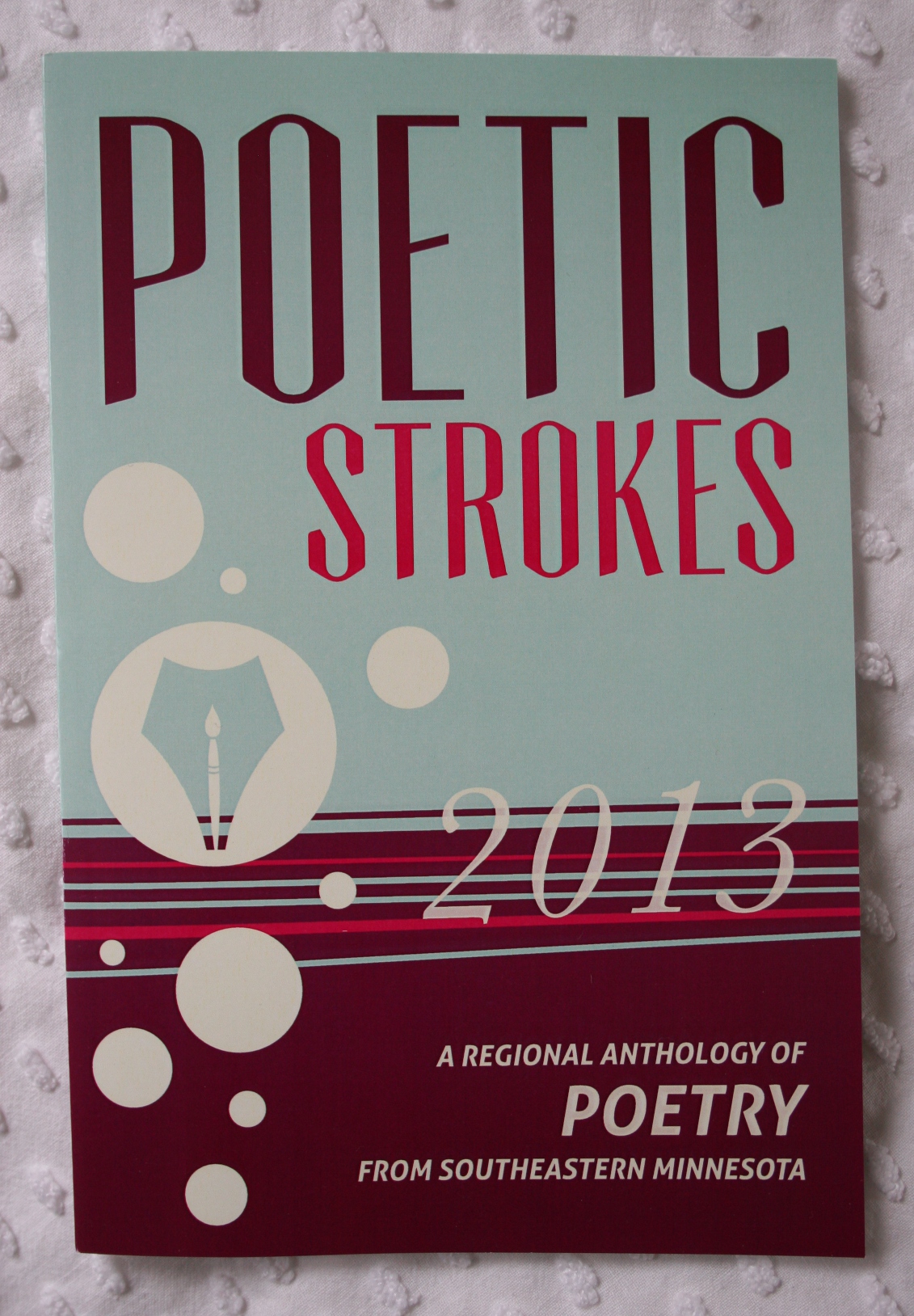
Numerous audience members read their poetry prior to Boss’ reading. Some, like me, were honored at a “Meet and Greet the Poets” reception earlier for those published in Poetic Strokes 2013, A Regional Anthology of Poetry From Southeastern Minnesota. Southeastern Libraries Cooperating publishes the annual collection.

Boss is that kind of caring guy. After listening to audience members read poetry before his presentation, he thanked them, defining their readings as “a little bit like overhearing people’s prayers…things they’re worried about.”

He’s genuine and honest enough to admit that he doesn’t write every day, but that he should and that he’s sometimes lazy about writing.

And, yes, he actually earns a living writing poetry; touring the state and country reading poetry; collaborating on his grant-funded motionpoems; and, most recently, undertaking a public art project, an art/poetry installation on the five-year anniversary of the 35W bridge collapse.

He’s a farm boy from Wisconsin now living in the big city, but still strongly connected to his rural roots via his poetry.

If Tuesday’s event had been held at a ranch, instead of the third floor of a public library, audience members would have gathered around the campfire to hear Boss, cowboy boots resting on a chunk of wood, strumming his not-exactly-cowboy-poetry rhythmic poetry.

FYI: In addition to publishing two books of poetry, Boss works with animator/producer Angella Kassube on producing motionpoems, which “turn contemporary American poems into short films. To learn more about this grant-supported non-profit project, click here.

And click here to link to Todd Boss’ website.

© Copyright 2013 Audrey Kletscher Helbling
 

Celebrating the wordful art of poetry in southeastern Minnesota April 19, 2013

SELCO's seventh volume of Poetic Strokes.

SELCO’s seventh volume of Poetic Strokes.

POETIC STROKES. The title resonates with a graceful image of fountain pen dipped in ink sweeping words across a blank page.

In my idealistic poet’s eye, I envision letters flowing onto paper with ease and passion.

In reality, I understand that inspiration more likely comes in halting clicks on a computer keyboard, screen idling, fingers poised, poet pausing to claim the muse. If only poetry were as easy to write as it might seem.

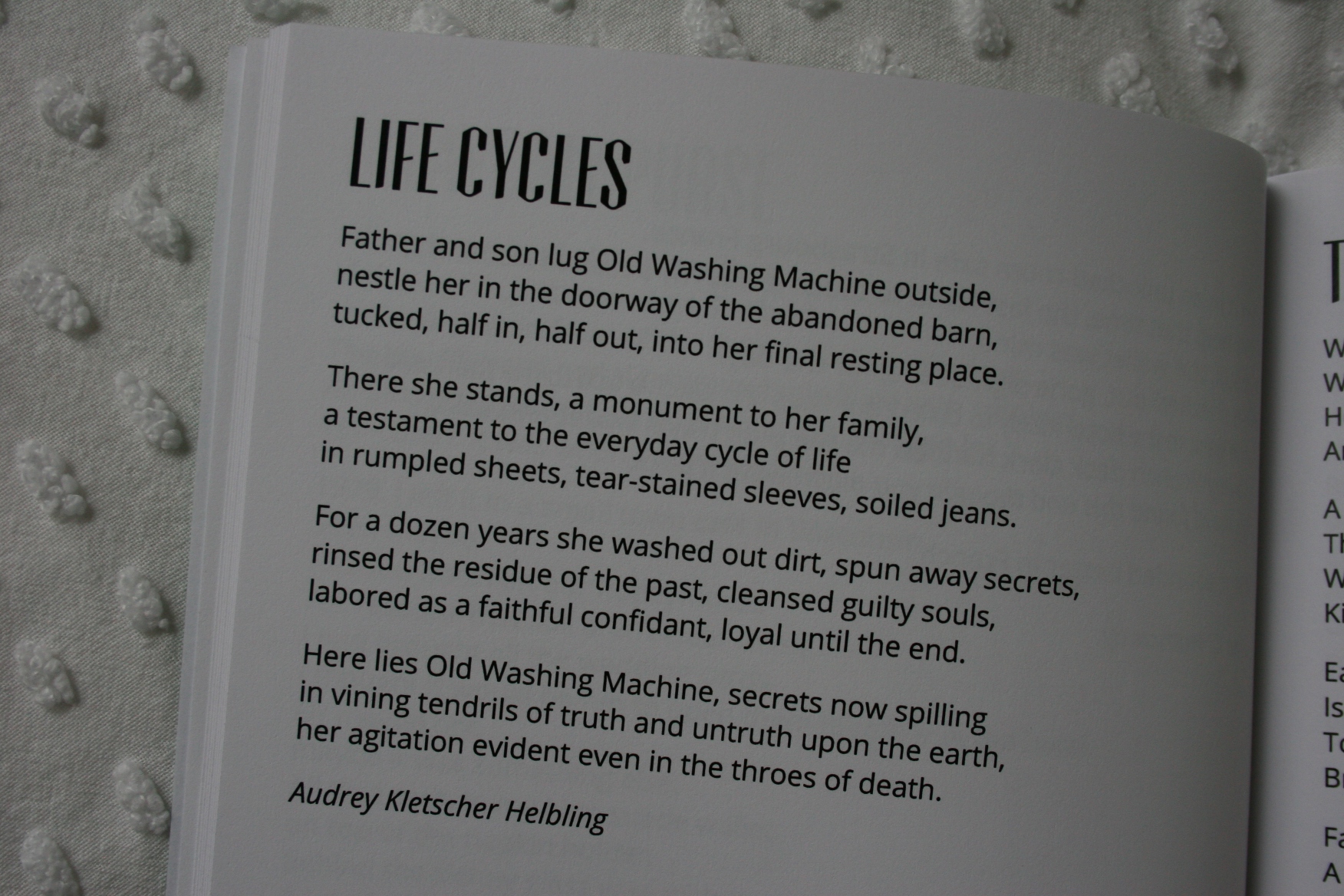
My poem, "Life Cycles."

My poem, “Life Cycles.”

These are my thoughts as I read the recently-released volume 7 of Poetic Strokes 2013—A Regional Anthology of Poetry from Southeastern Minnesota, published by Southeastern Libraries Cooperating (SELCO). My poem, “Life Cycles,” is among 18 selected for publication from 110 submissions. This marks the fifth Poetic Strokes volume in which my poetry has printed.

As I thumb through the pages of this anthology, which also includes youth poetry in a Word Flow section, I am impressed by the talent of poets who call this 11-county SELCO region home. Southeastern Minnesota claims some mighty fine poets. I recognize many poets’ names from past anthologies and other contests. I am in fine company.

If I were to ask these poets what inspires them, how would they respond?

How have they come to write about an aged woman going to the beauty shop, sweet memories from the summer of ’68, picking strawberries, perusing library shelves, baking bread and a dozen other topics which, without their creative pens, would seem rather ordinary topics?

The poet’s gift is to dip a pen into the inkwell of a memory, an emotion, a moment in time, a scene—whatever inspires—and create a wordful work of art. As a poet, there is nothing sweeter than words flowing into lines and verses, connecting to the reader in some way.

When I read about gardening or peeling an apple (not really about peeling an apple) or any of the other subjects covered in this seventh volume of Poetic Strokes, I take away my own interpretation based on my experiences. Therein lies a truth. Poetry is as much about writing as it is about experiencing this wordful art.

Eighteen poems were selected for publication from 110 submissions to Poetic Strokes. In the Word Flow section of the anthology, 14 poems were published from 99 submissions.

Eighteen poems were selected for publication from 110 submissions to Poetic Strokes. Faribault High School English teacher and writer Larry Gavin joins me as the other Faribault poet included in the anthology.  In the Word Flow youth section of the anthology, 14 poems were published from 99 submissions. All but two of those students attend Cannon Falls High School.

YOU CAN MEET Poetic Strokes poets at 6 p.m. on Tuesday, April 30, during a Meet and Greet hosted by the Owatonna Public Library and the Owatonna Poetry Writer’s Group in the third floor Gainey Room at the library, 105 North Elm Avenue. Poets will discuss and share their poetry. If you plan to attend, please RSVP to Bonnie Krueger at the library by emailing bonnie@owatonna.info or calling (507) 444-2460. Because refreshments will be served, she needs a head count.

Following the Meet and Greet, at 7 p.m., Minnesota Book Award Poet Todd Boss, one of my favorite Minnesota poets, will share his works. I cannot wait to hear Todd read during this “Poets at the Library Tour” event celebrating National Poetry Month in April.

THIS EVENING, Friday, April 19, Better Brew Coffeehouse, 301 North Main Street, Pine Island, is hosting an Open Mic Poetry Night beginning at 7 p.m. The event calls for participants of all ages and all forms of poetry to read their works or that of others. Participant registration opens at 6 p.m. Better Brew, the Van Horn Public Library and Pine Area People for the Arts are sponsoring the poetry reading. Given the unfolding weather situation, I’d advise checking whether this reading is still “on” or postponed.

FYI: If you live in the SELCO system, you can check out a copy of Poetic Strokes from your local library. The anthology was funded in part or in whole with money from Minnesota’s Arts and Cultural Heritage Fund. Click here to see the names of poets published in the 2013 Poetic Strokes. To read the list of youth poets published in Word Flow, click here.

© Copyright 2013 Audrey Kletscher Helbling