Minnesota Prairie Roots

Writing and photography by Audrey Kletscher Helbling

Moody March in Minnesota March 8, 2012

Filed under: Uncategorized — Audrey Kletscher Helbling @ 7:44 AM
Tags: , , , , , , ,

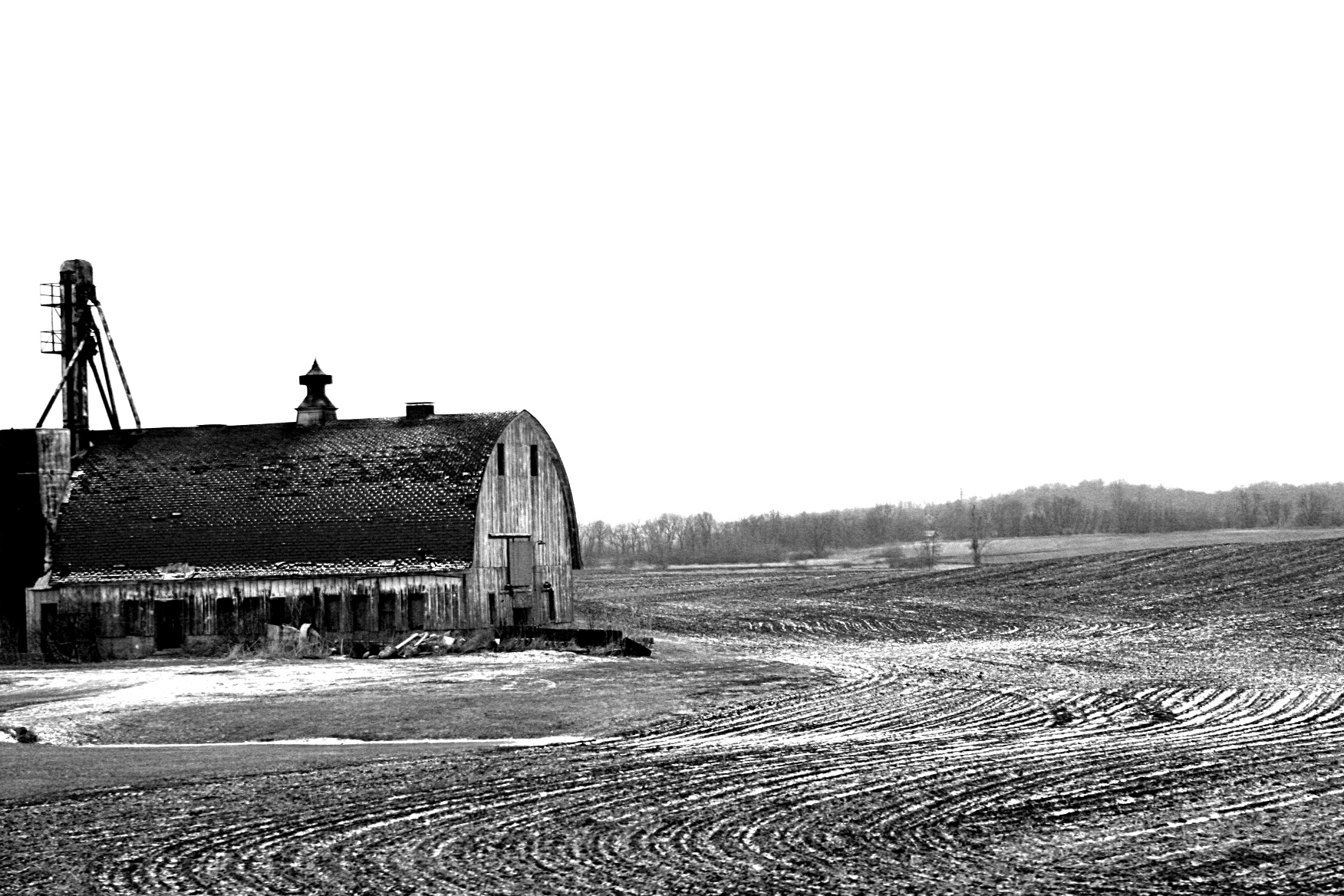
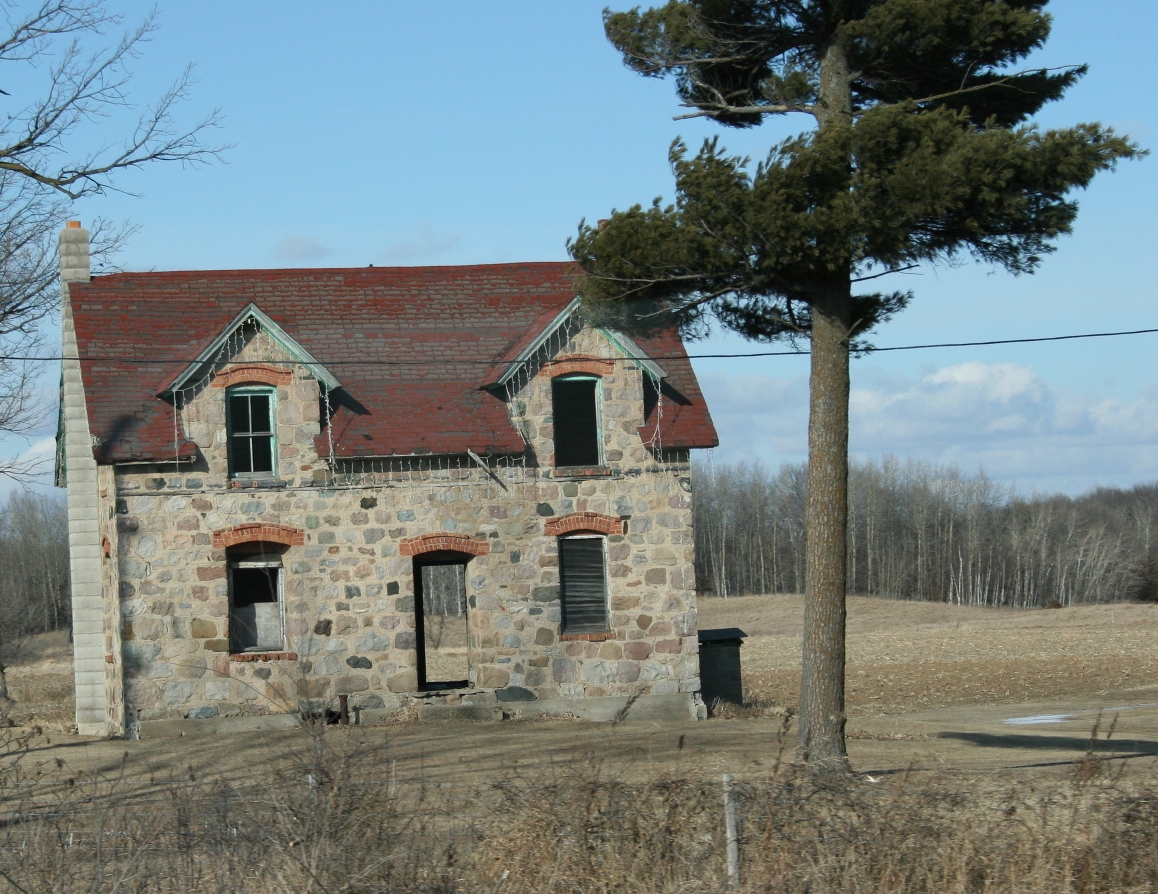
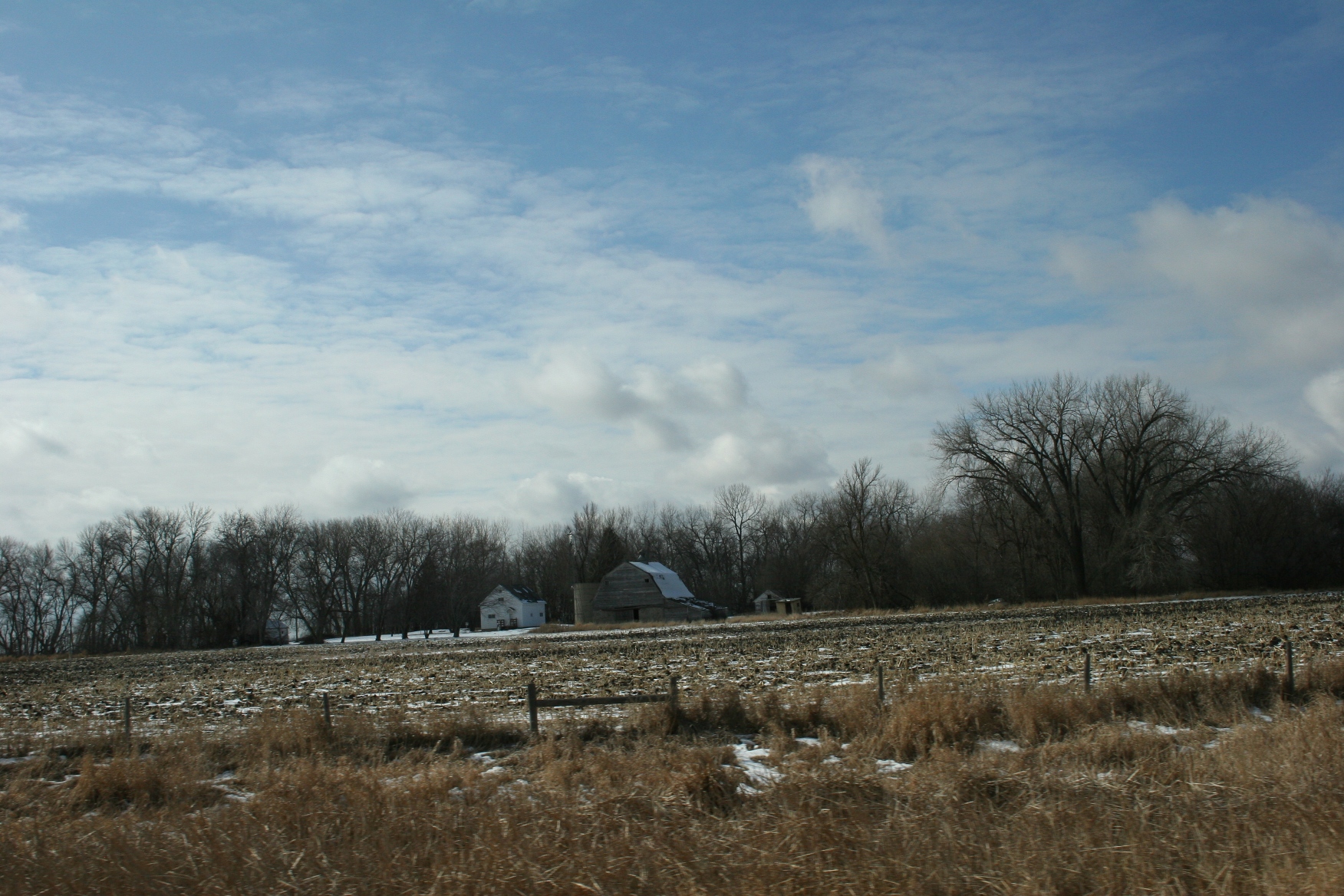
An abandoned farmhouse along Minnesota State Highway 19 east of Vesta on the southwestern Minnesota prairie.

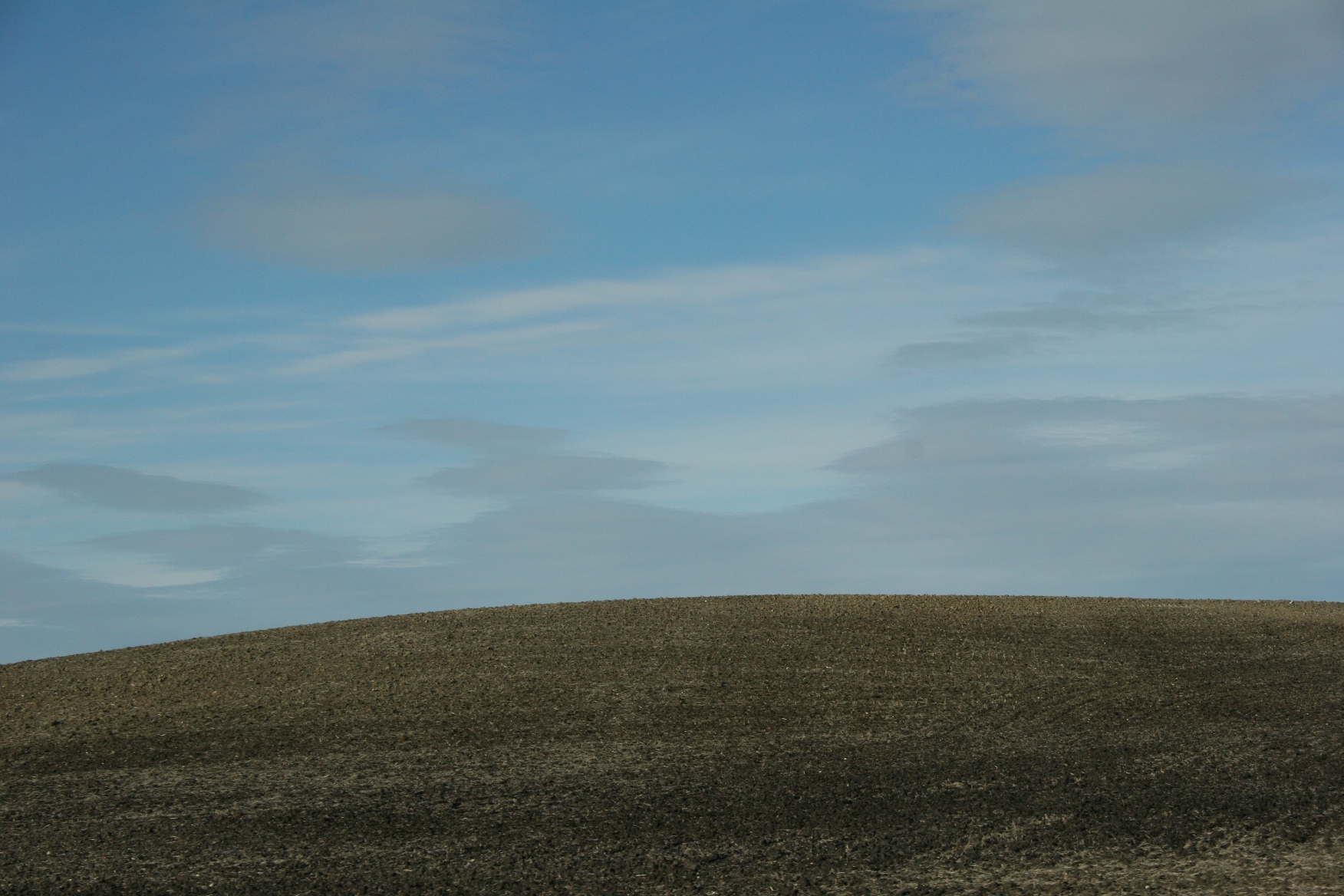
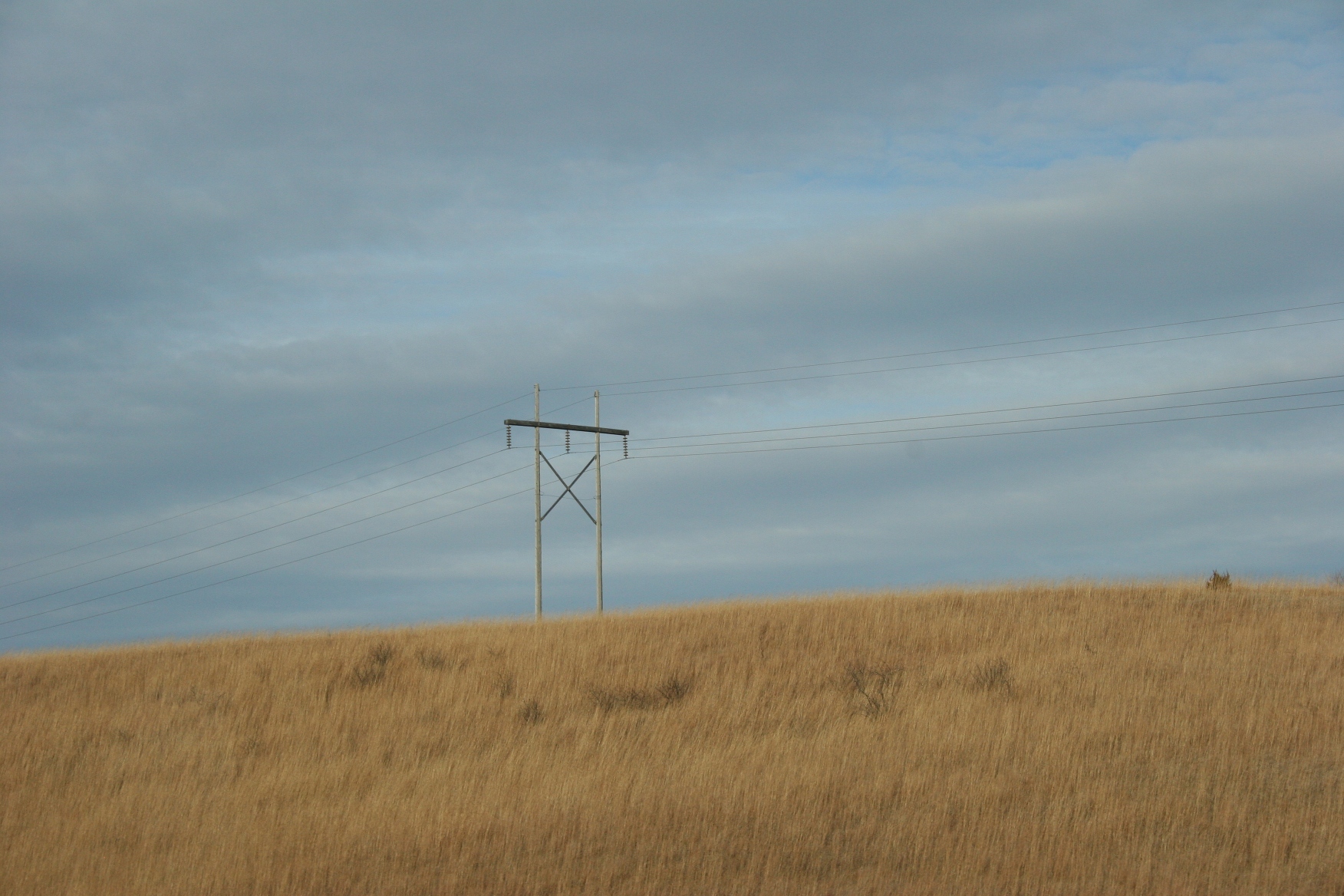
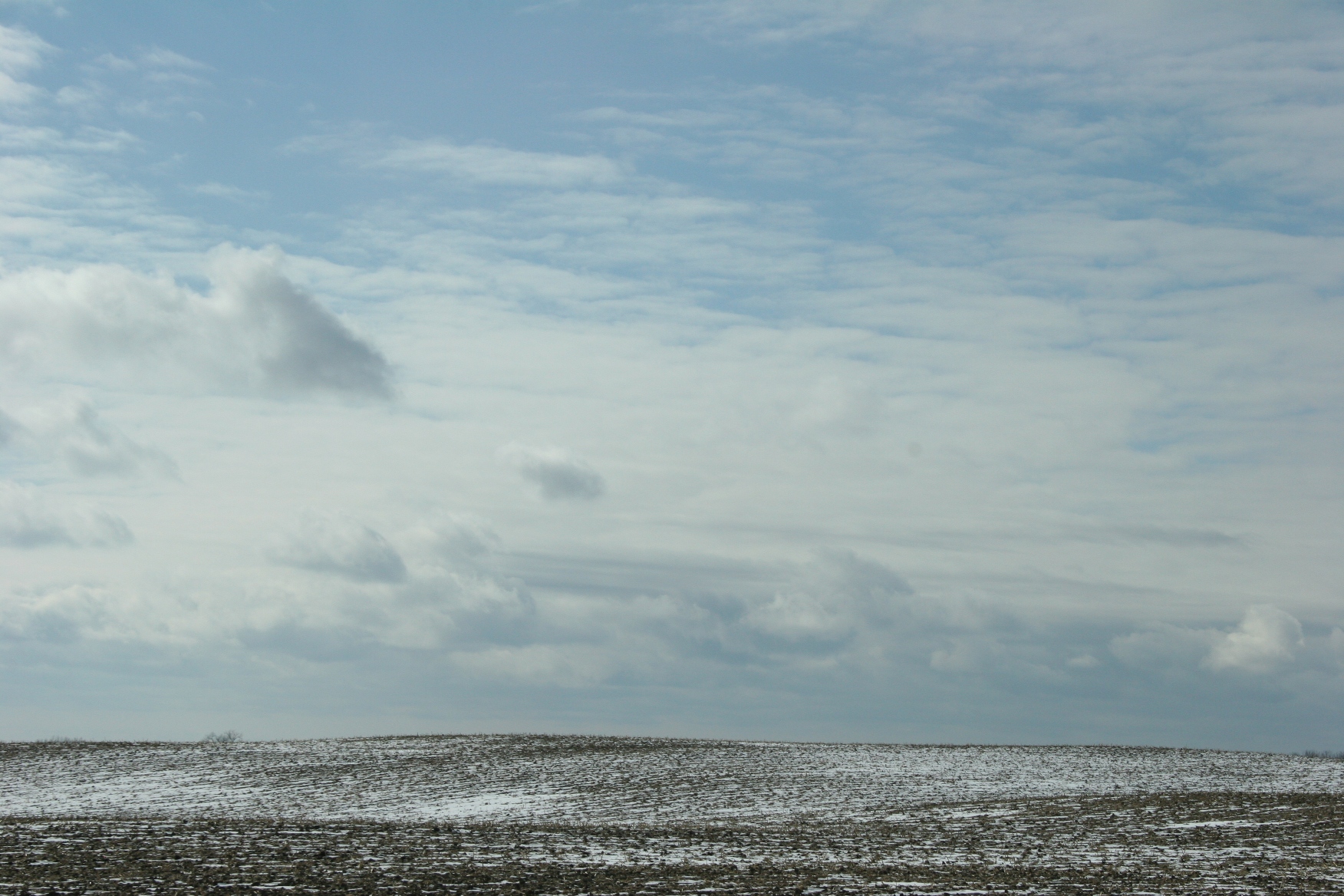
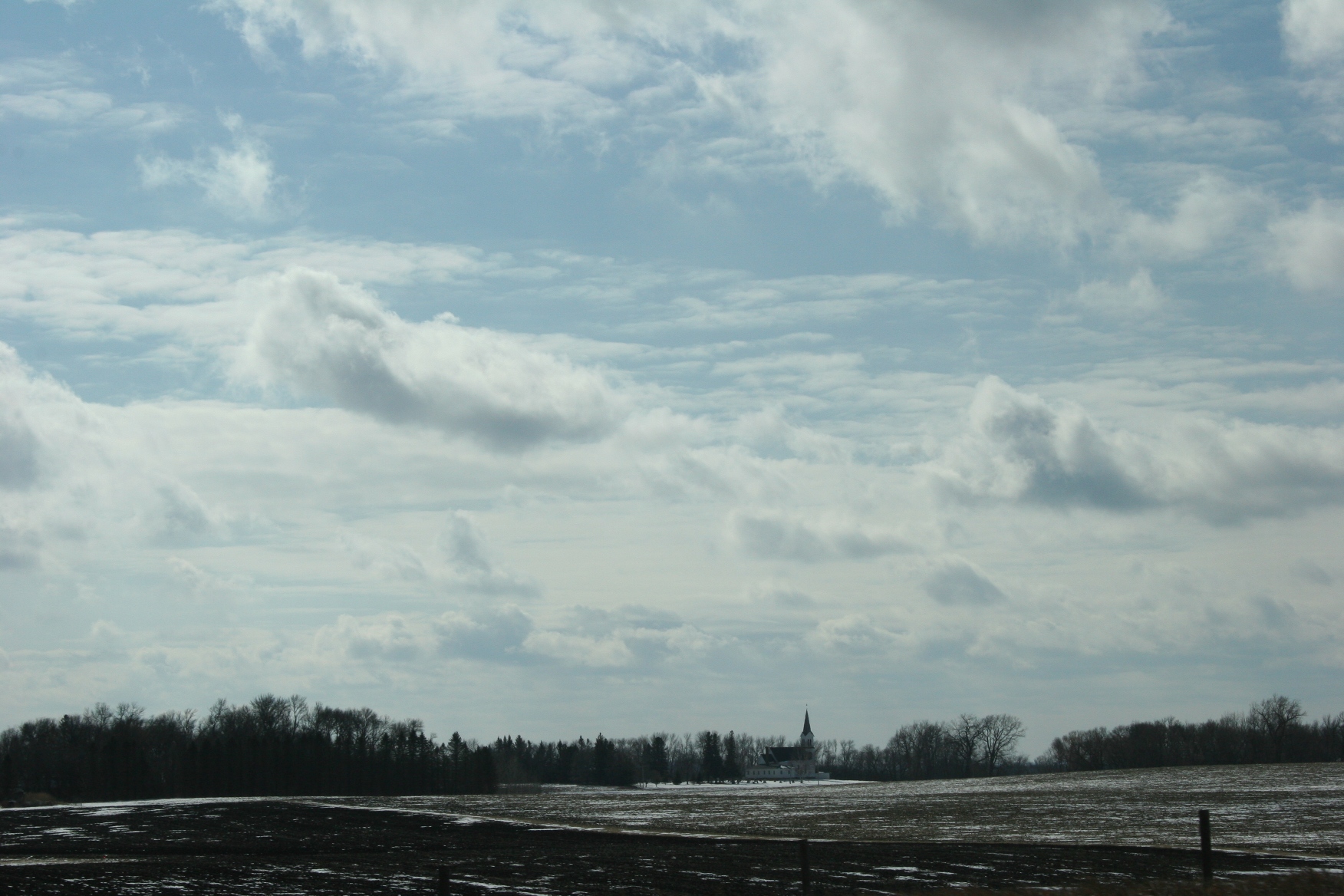
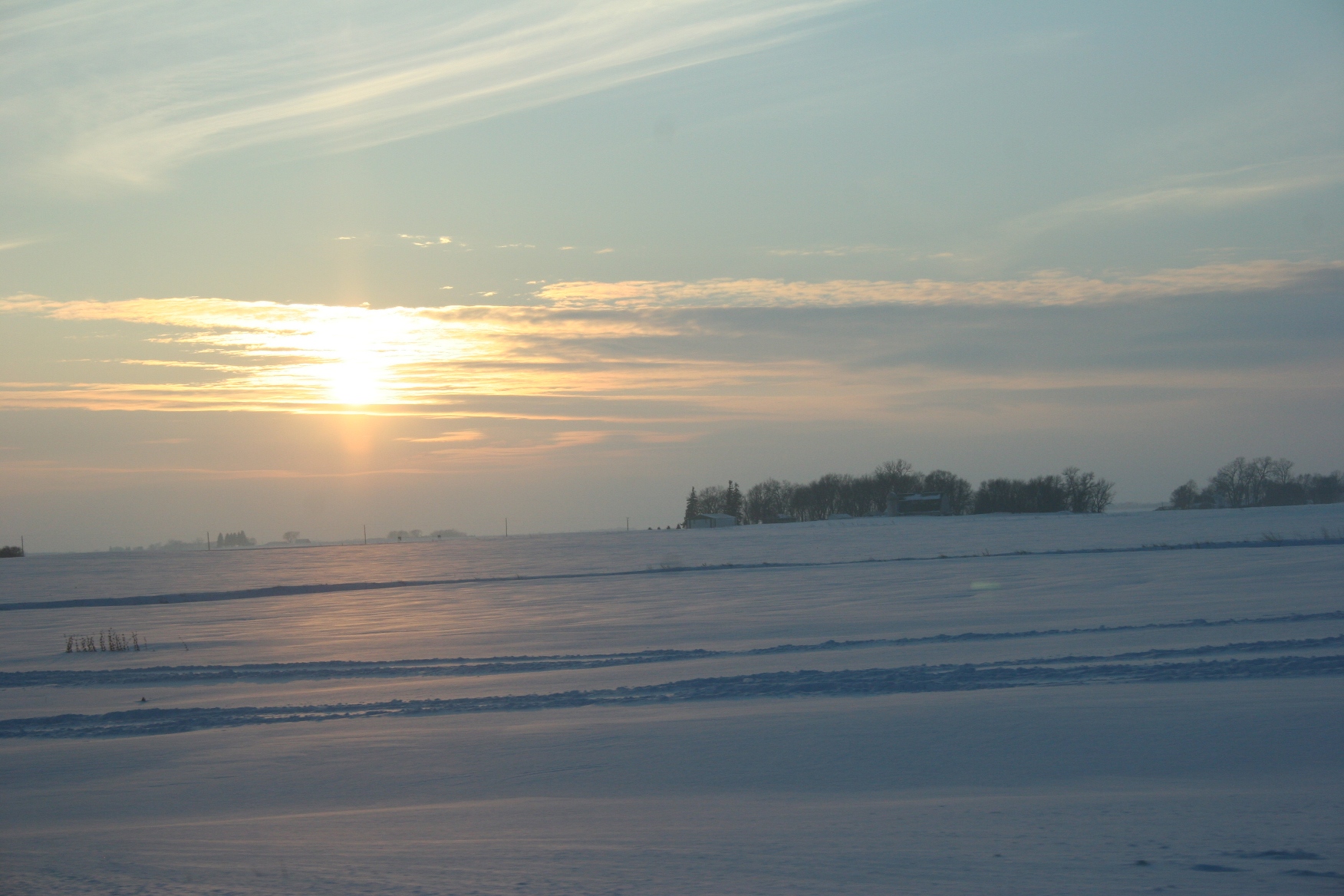
WINTER IN MINNESOTA this time of year and in November often seems stripped of color, a drab world of black-and-white mimicking the melancholy mood of those who wish only for spring.

So it takes some effort to appreciate this month of March which can’t quite decide whether to pursue spring or linger awhile yet in winter.

One day she’s dark and brooding, the next bright and cheery. Understanding her mood swings can be a challenge.

Sometimes you just have to accept who she is and realize that even in her colorless world, a certain sense of beauty prevails.

An aging windmill and a cluster of old buildings define this picturesque farm site along Minnesota State Highway 60 just west of Waterville in southeastern Minnesota.

The sweeping curves in the field drew my eye to photograph this scene west of Waterville along State Highway 60.

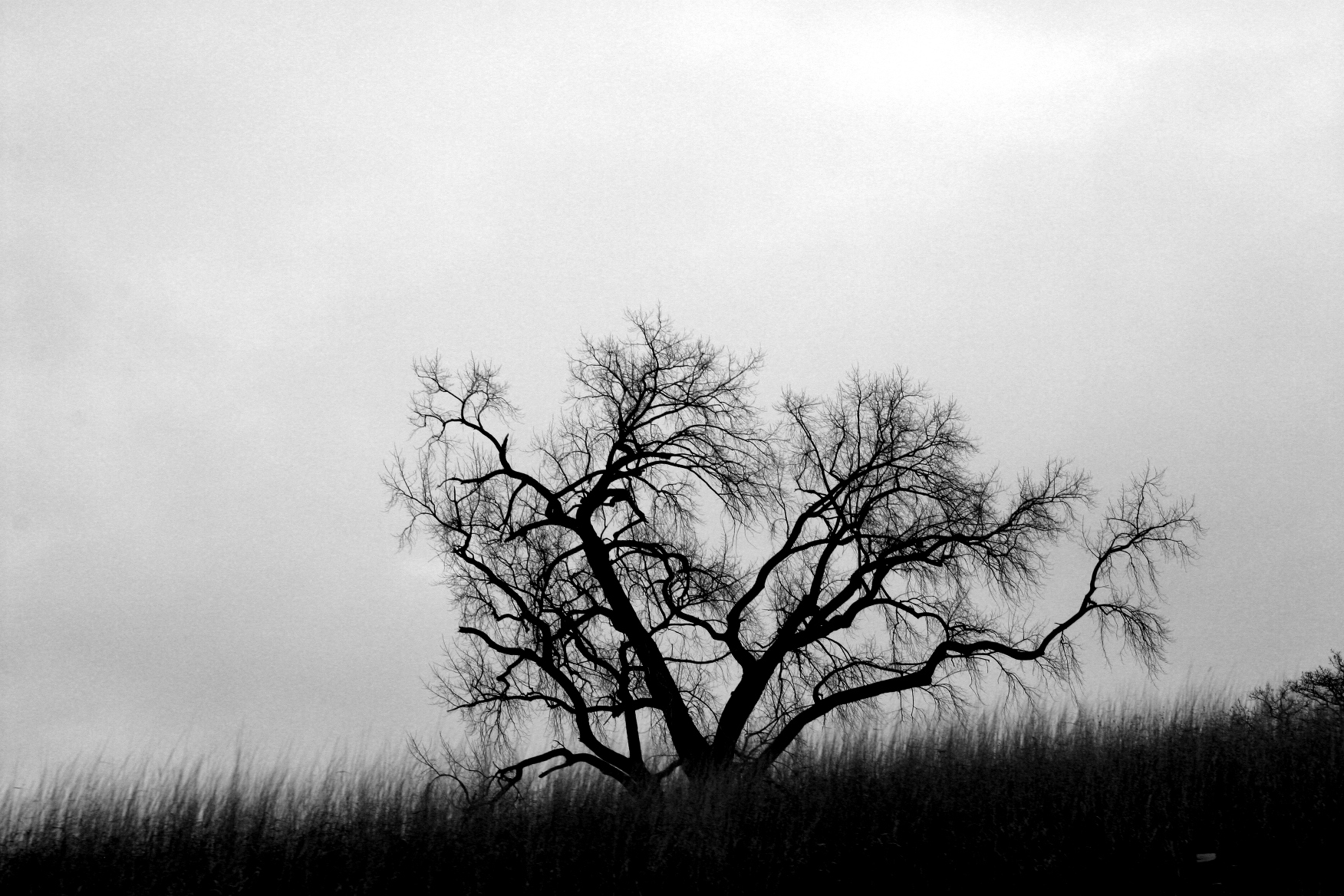
A lone tree along Minnesota State Highway 60 between Faribault and Waterville on a brooding March morning.

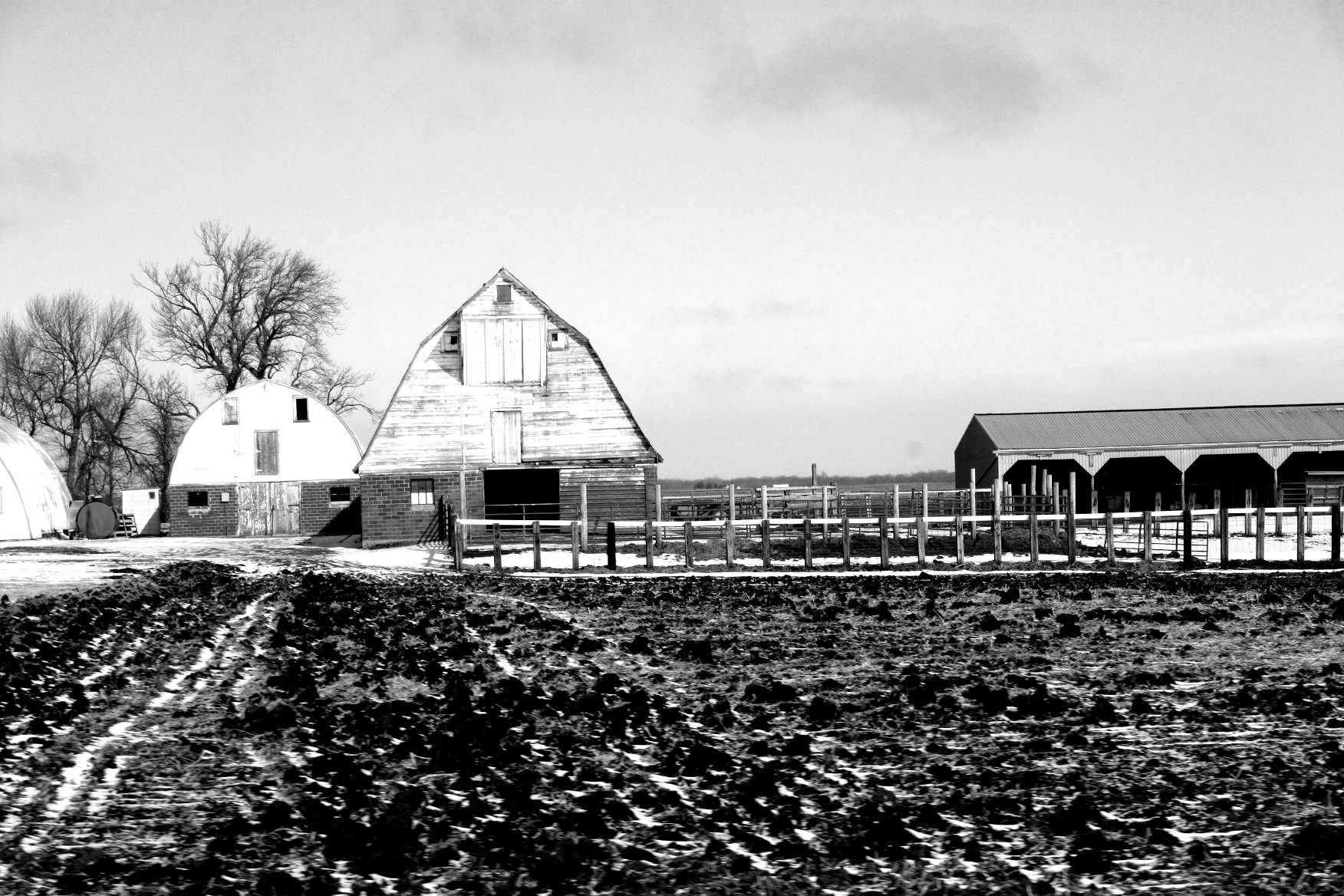
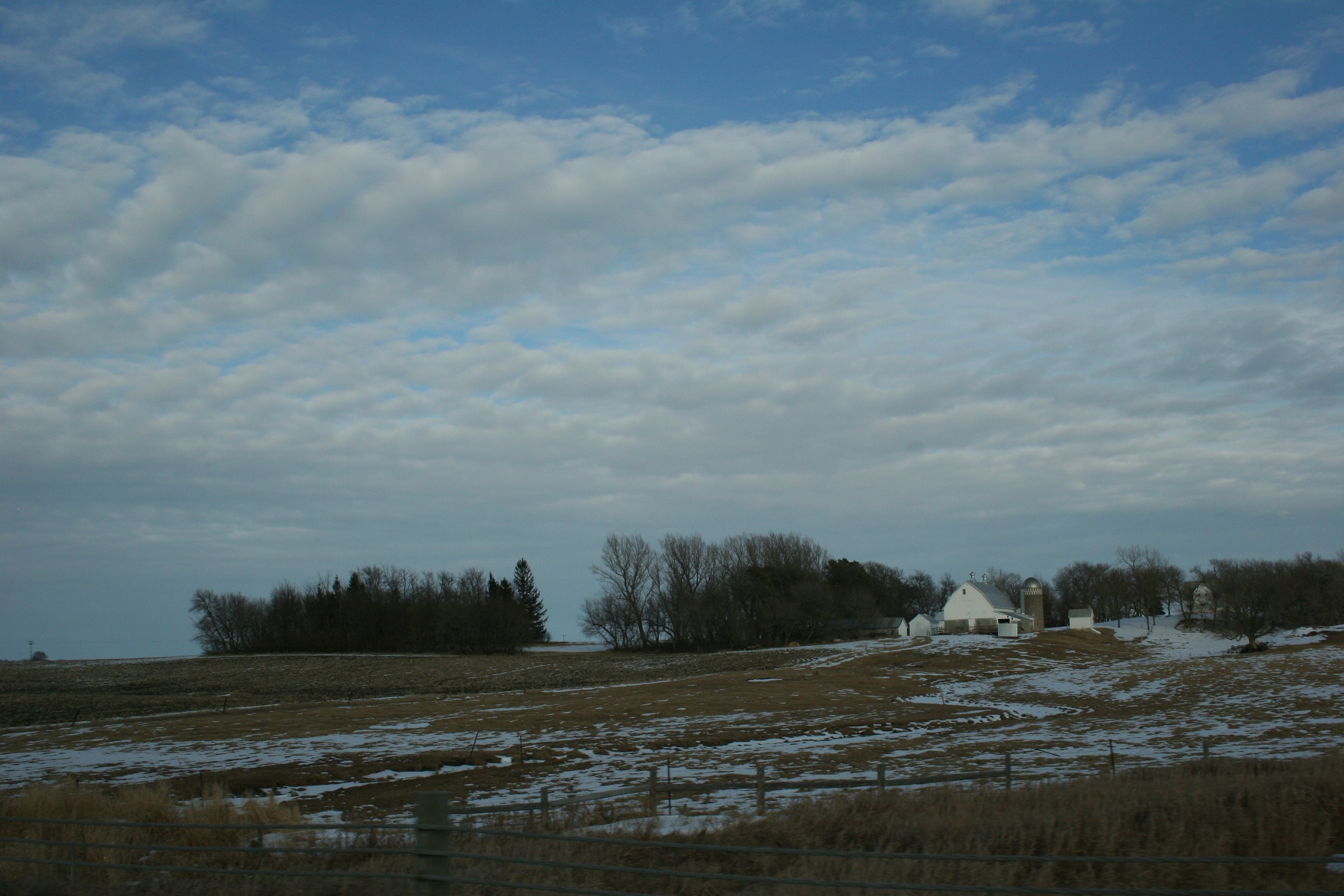
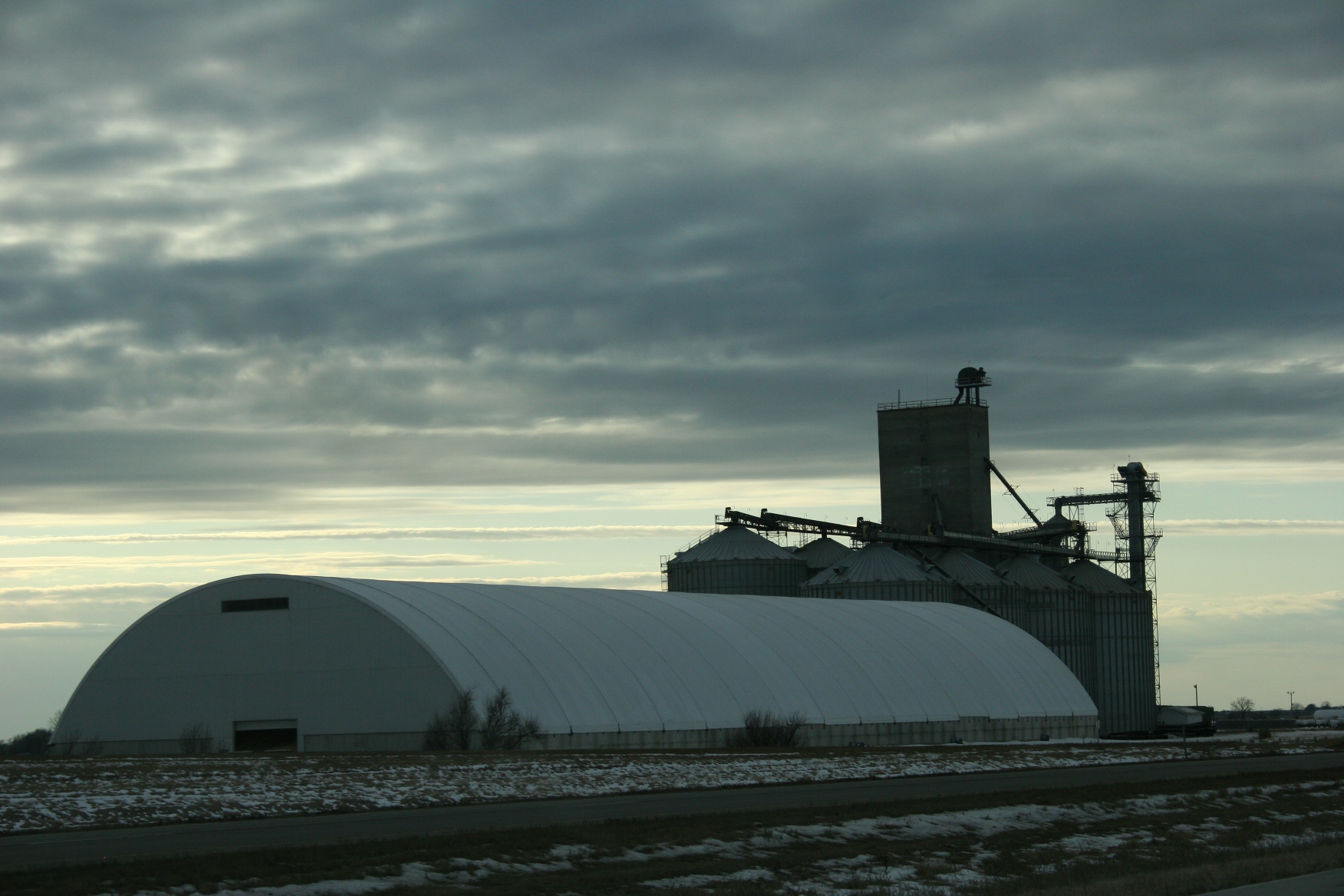
Farm sites mark the landscape along a back county road between New Ulm and Morgan.

All of these images were taken last Saturday morning from a moving vehicle while traveling through southern Minnesota. Each has been edited to create a more artsy, earthy feel.

© Copyright 2012 Audrey Kletscher Helbling


Perspectives on life presented in Saint Peter galleries March 6, 2012

Filed under: Uncategorized — Audrey Kletscher Helbling @ 7:53 AM
Tags: , , , , , , ,
The Arts Center of Saint Peter, 315 South Minnesota Avenue, St. Peter, Minnesota.

The Arts Center of Saint Peter, 315 South Minnesota Avenue, St. Peter, Minnesota.

LIKE BLACK AND WHITE, night and day, the artwork of Pamela Bidelman and Kay Herbst Helms, at first glance, holds no comparison.

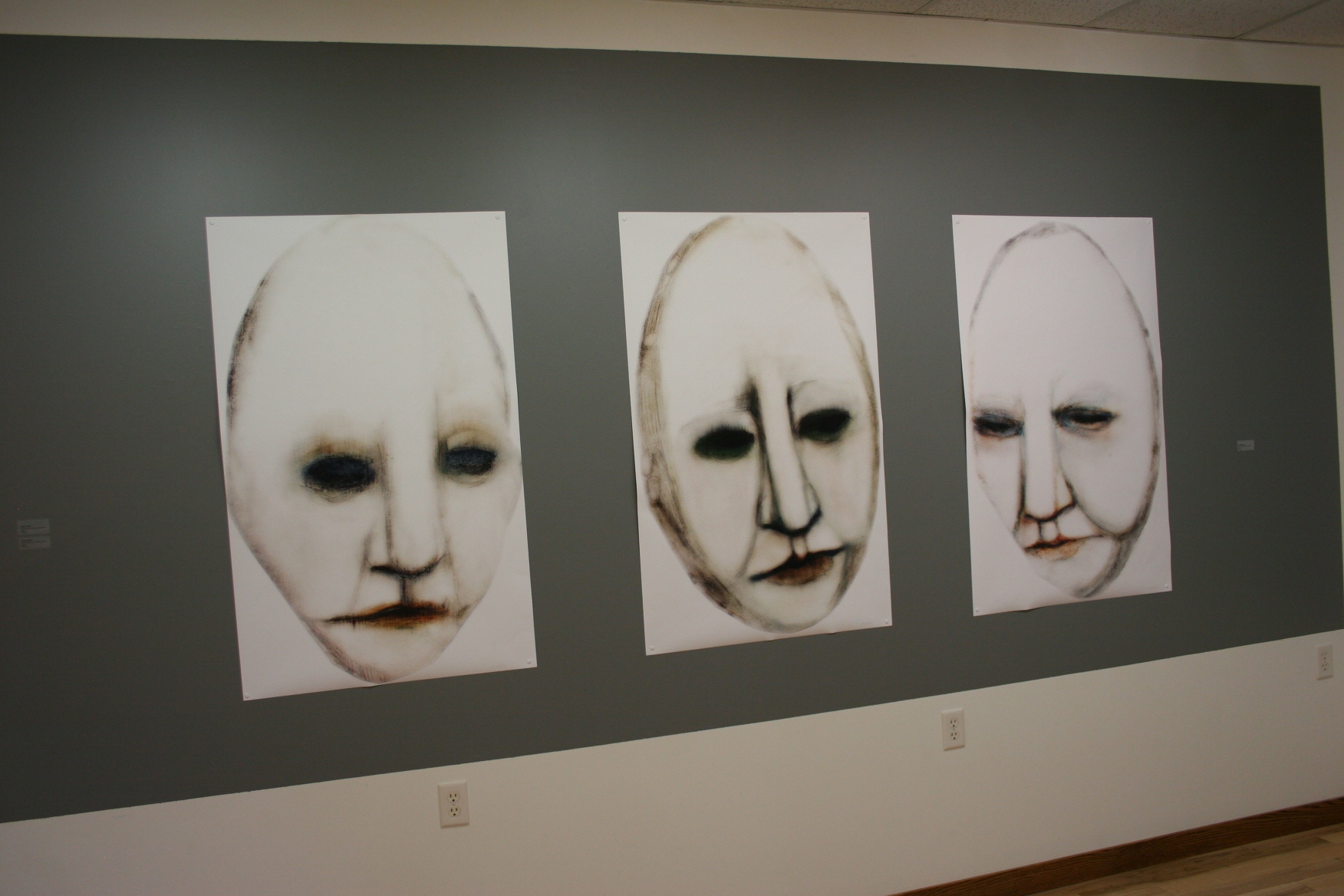
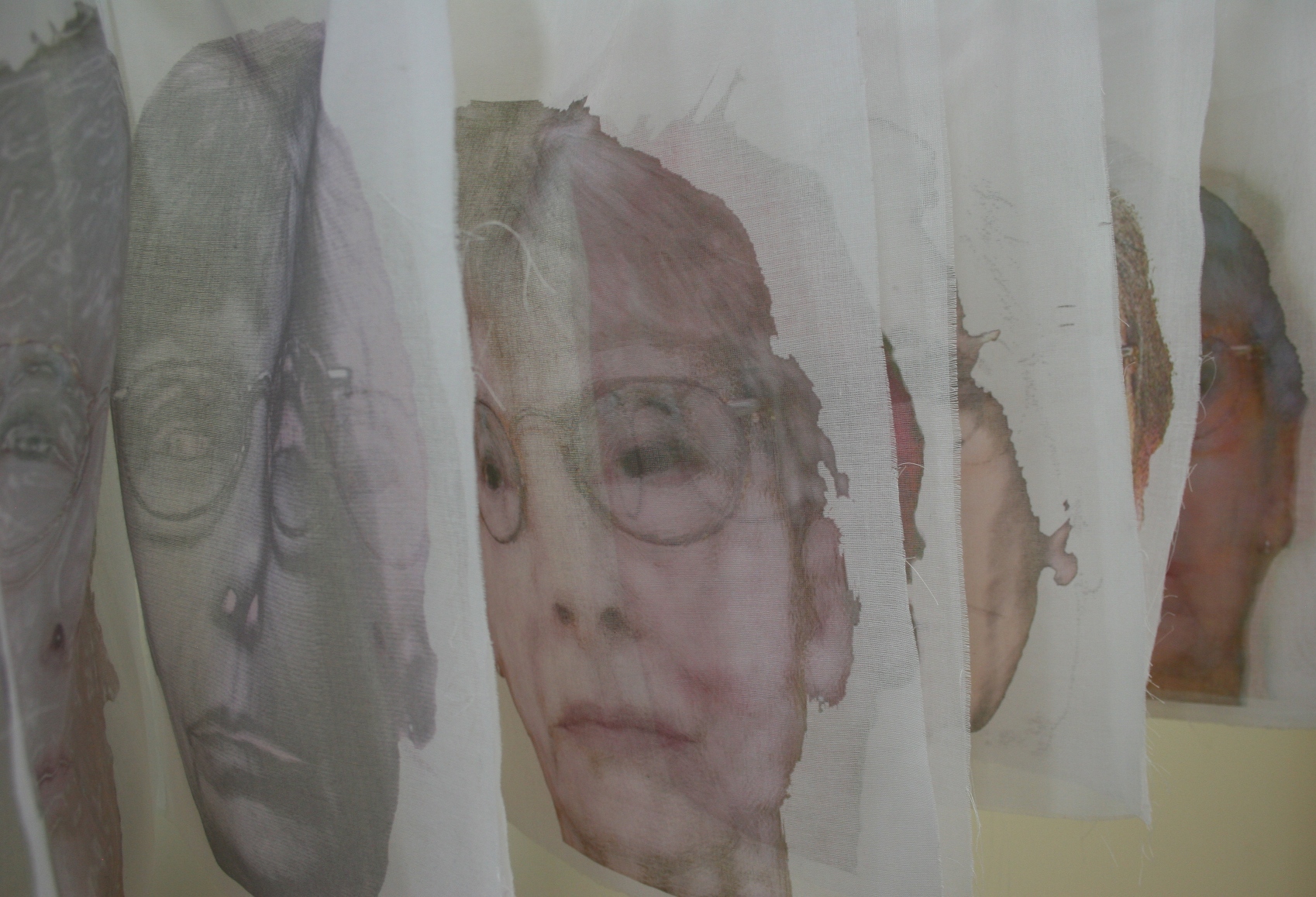
Pam, of St. Peter, is a painter, working in the more abstract in her current exhibit, “lamina,” installed at the Arts Center of Saint Peter Moline Gallery.

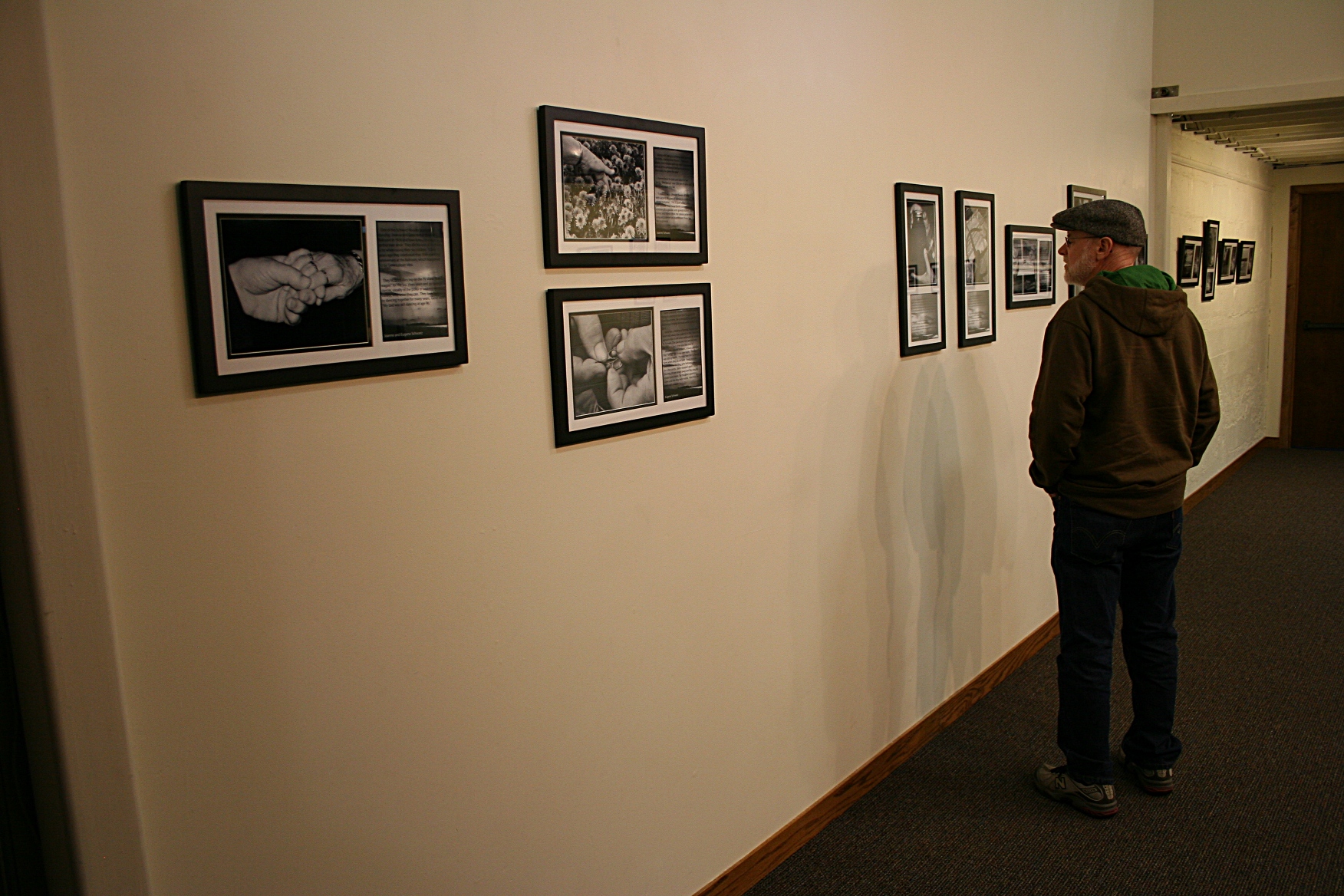
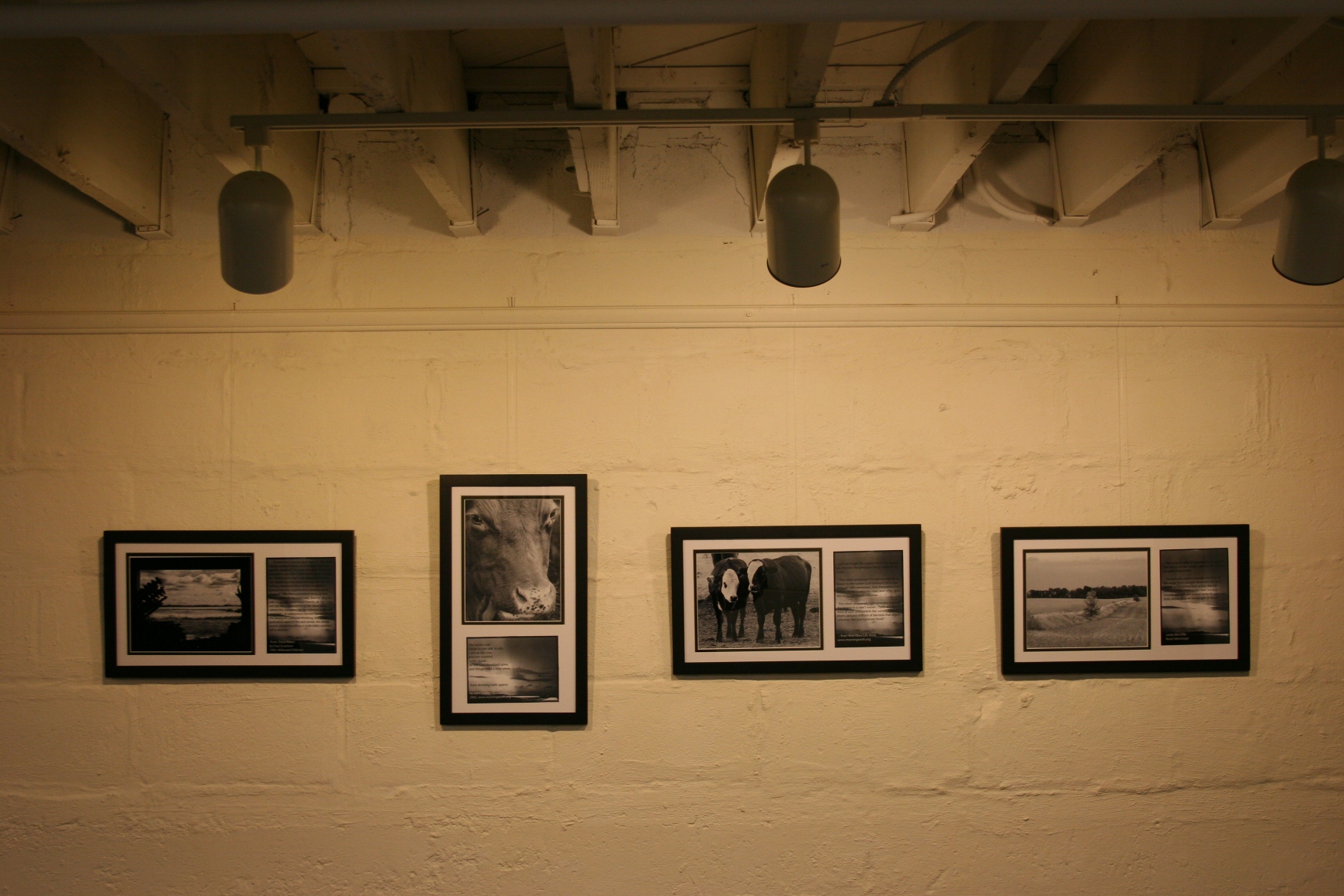
Kay, of Mankato, is a photographer, grounded in the earth with her black-and-white, rural-themed images in “What Sustains Us: considering the hands and the land of rural south central Minnesota.” Her art is showcased in the Lower Level Gallery of the Arts Center.

Both artists distinguish themselves in their individual approaches to art. Therein lies the essence of art—the ability to create and express one’s self in a truly personal style that emerges from the heart and soul of the artist.

I am more of a down-to-earth appreciator of art, meaning abstracts puzzle and challenge my mind to consider what the artist is attempting to convey.  I don’t have to think so hard to understand real-life art.

Yet, it’s good for me to view more abstract art like that created by Pam and to talk with her and learn that she is trying to show, in her exhibit, “the quality of skin as a container…deconstructing the body parts…the fragility of life.”

Three almost ghost-like faces, with undefined, haunting eyes, created by Pam Bidelman.

I expect that her artistic expression connects to her former profession as a clinical social worker. One can only imagine the experiences she drew on while creating her current exhibit.

There’s a certain translucency to Pam’s pieces that I interpret as a sense of vulnerability.

A series of suspended faces, again with that vulnerable quality.

In Kay’s work, vulnerability also exists, in the primarily close-up black-and-white images she’s shot, mostly of hands, and in the accompanying short stories she writes about her subjects. I know rural people. It is not always easy for them to open up, to allow introspective photos and insights into their lives.

Kay gained their trust and shares her discoveries in art that is as honest as a hard day’s work on the farm.

For example, she writes in her interview with Sharon Osborne:

Sharon tells the story of her uncle, a retired farmer. Her aunt has answered the phone and the caller asked, “What’s your husband doing on this cold, blustery, snowy day?”

Her aunt replied, “What else do farmers do on a cold winter’s day other than crack walnuts down the basement?”

Viewing Kay Herbst Helms' photos in "What Sustains Us." She focuses primarily on hands in her images.

With other photos, Kay pairs poetry by Paul Gruchow and the poetic words of additional writers.

She is, says Kay, connecting the elements of hands, land, photographs and words in her exhibit.

Kay accomplishes that with the spirit of an artist rooted deep in her appreciation of rural life and the rural landscape.

Both exhibits are distinctly different. Yet each can be appreciated for the unique perspectives they offer on life.

Several of Kay's images include cattle, following the exhibit's rural theme.

FYI: Both artists’ projects were supported by grants from the Prairie Lakes Regional Arts Council with funding provided by the McKnight Foundation. Their exhibits run through March 18.

Kay created a previous, similar project, “Blessed Are the Hands That Have Served,” focusing on photos of 13 retired School Sisters of Notre Dame.

Click here for more information about the Arts Center of Saint Peter.

Check back for another post from the art center wherein you will meet two more artists.

© Copyright 2012 Audrey Kletscher Helbling


Photographing the magic in a dance performance February 29, 2012

Filed under: Uncategorized — Audrey Kletscher Helbling @ 8:09 AM
Tags: , , , , , ,

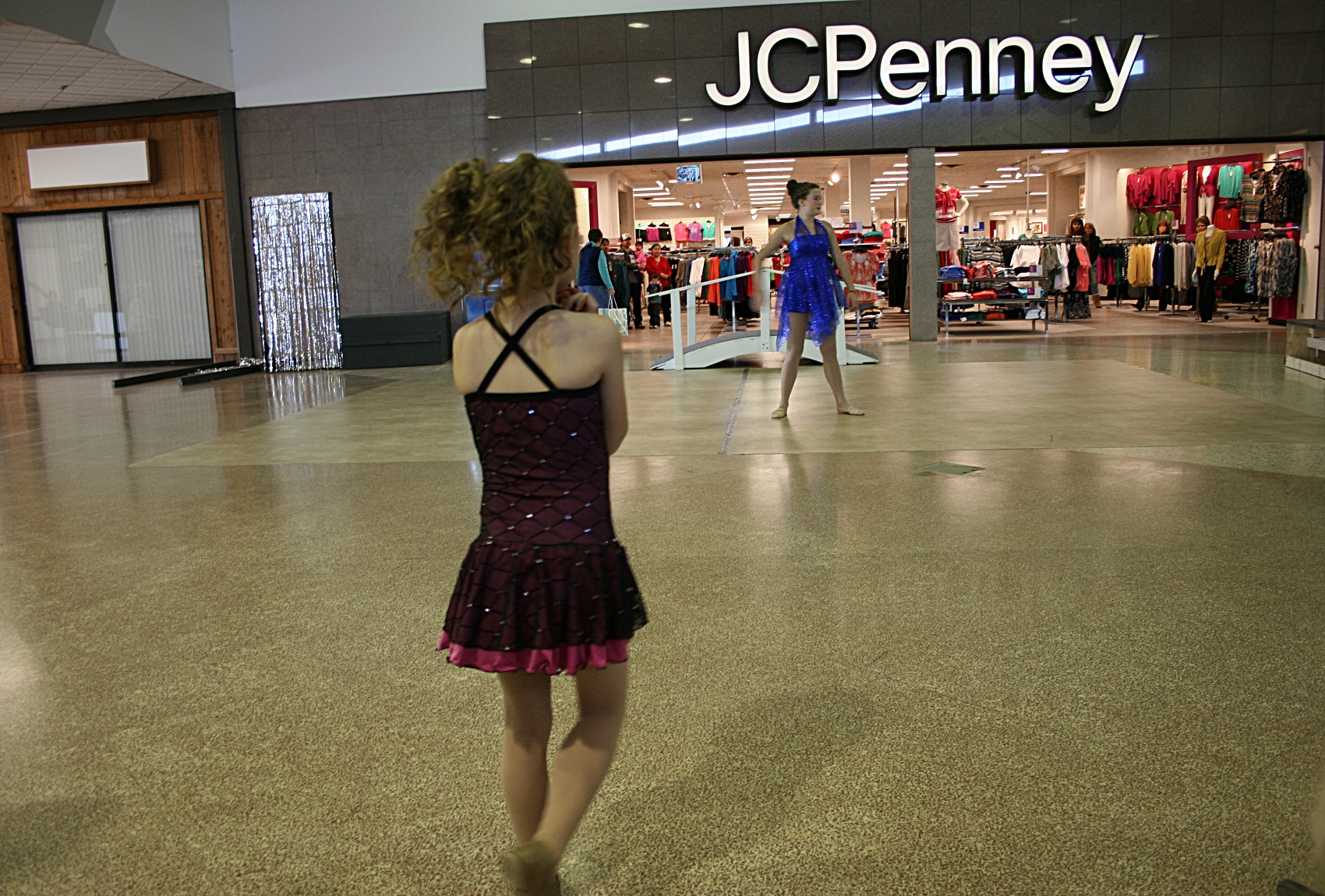
SATURDAY AFTERNOON I found myself kneeling on the floor of the Faribo West Mall to shoot photos of young dancers performing.

If my orthopedic surgeon had observed the way I crouched and bent my hip, he would have scolded me, even warned me that I could pop my 3 ½-year-old artificial right hip right out of place. Such an admonition would be well-deserved.

But in those photographic moments, I forget about the health consequences and pursue shots from a perspective that best tells the story. With kids, that typically means I get down on their level, on the floor. Now getting back up, well, that can be more of a challenge.

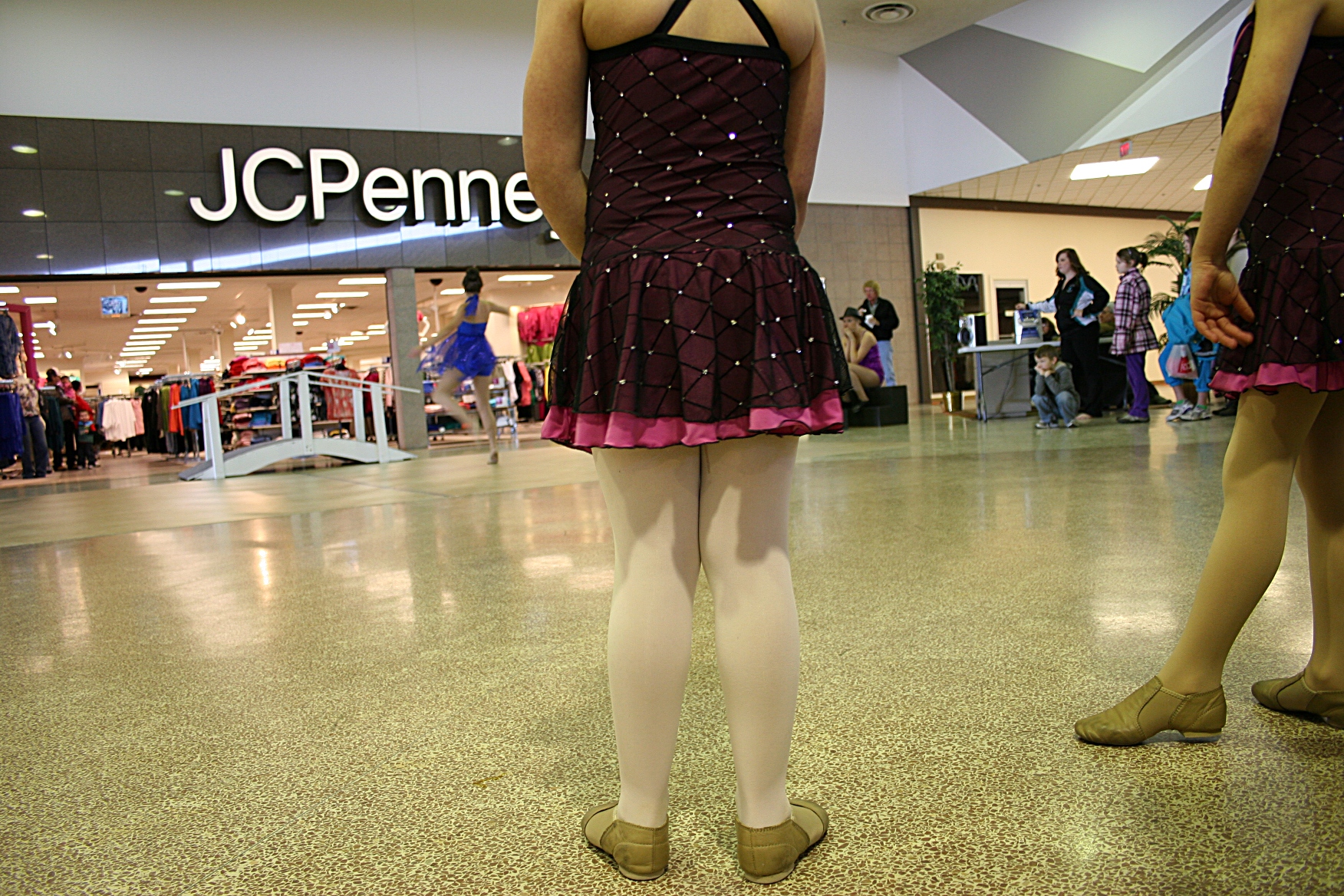
Let me show you three photos from that dance performance. They’re not your typical “proud parent” type shots and I’m certain more than one parent questioned why I was scooting around on the floor of the mall.

You won’t see the dancers’ faces. Rather, you’ll notice the stance, the clasp of hands and other details that tell a story from a broader perspective. See for yourself and read how, with my minor photo editing skills, I tweaked each photo.

It is the pose of this little girl, holding her hands close, eyes fixed on the older dancer, that show her admiration, her "I want to dance just like her someday," wonderment. In photo editing, I cropped the image just a wee on the left to cut out a distracting red EXIT sign. I sharpened the photo slightly and lowered the saturation of the yellow. While an entire crowd of onlookers ringed the two dancers, in this frame I opted to focus solely on the two dancers to emphasize the magic I saw between them. It was as if they were all alone in the mall, at a private dance lesson.

Here I crouched as low as I could without lying on the floor to capture this moment. This scene takes in all aspects of the performance from performer to the audience to those two little girls who look forward to someday dancing solo. The only editing change was a minor sharpening of the photo.

When the older girls took to the mall dance floor, I wanted to showcase the movement to tell their story and to truly engage you, the reader. So I set a slower shutter speed and focused on their legs. I cropped the frame on the right and then edited the distracting colors from the image. The sepia tone adds to the dreamy, artsy quality of the photo.

AFTER THE PHOTO shoot of the dancers, I stopped by my local public library where I found a photography guidebook that I’d highly recommend, Expressive Photography: The Shutter Sisters’ Guide to Shooting from the Heart.

Check out the Shutter Sisters’ photography blog by clicking here.

Their book is packed with tips about lighting, perspective, photo editing, composition and more. It’s one of the best photography books I’ve read.

And don’t you just love the cover?

© Copyright 2012 Audrey Kletscher Helbling


Scenes along Interstate 94 driving toward Fargo February 27, 2012

Filed under: Uncategorized — Audrey Kletscher Helbling @ 8:49 AM
Tags: , , , , , , ,

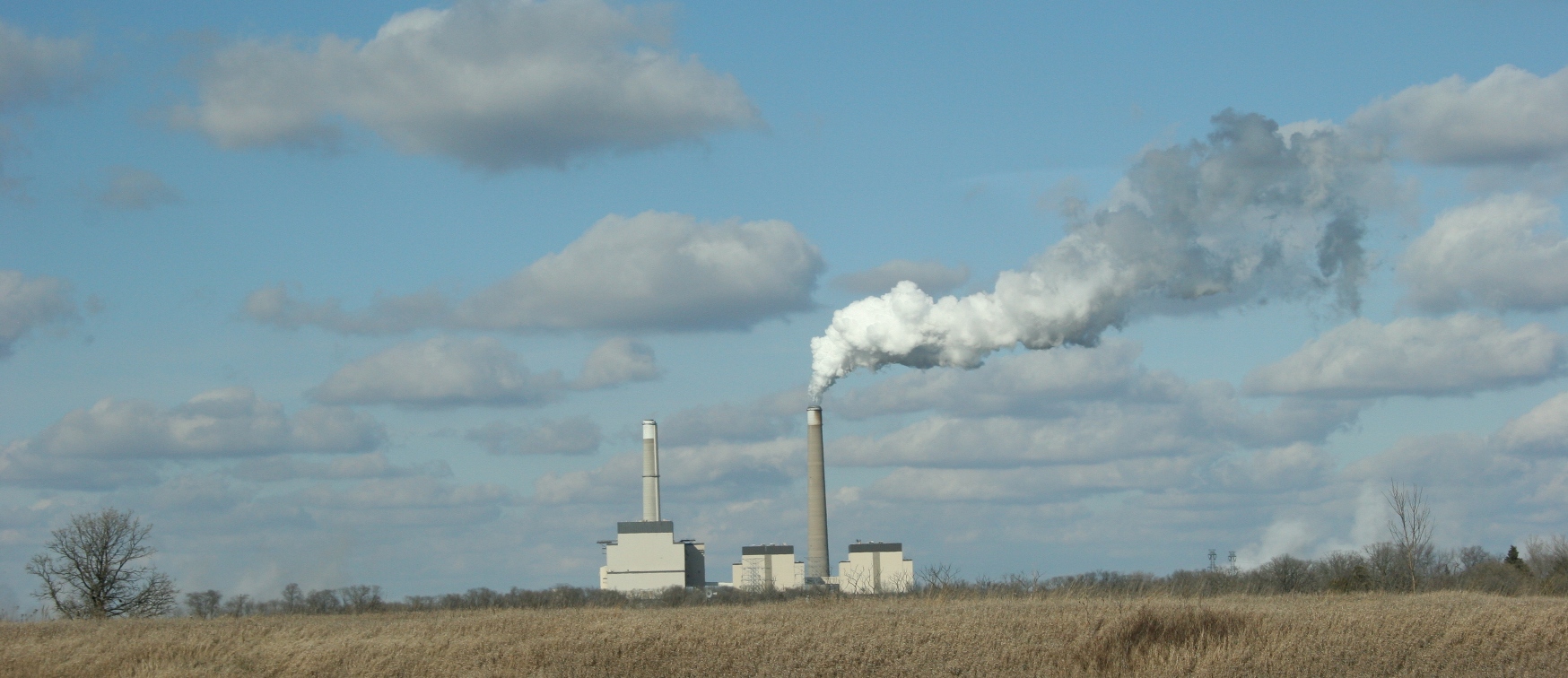
The coal-fired power plant by Becker as seen from Interstate 94.

IN COUNTRY THAT’S primarily flat and open, you notice the details—the shape and height of clouds, the tint of the soil, the sharp angles of buildings, towers that break the monotony of horizontal lines and so much more.

At least I notice these things. Maybe you don’t.

Join me today on one final trek along Interstate 94 as we travel northwest toward Fargo, North Dakota. Begin to see, like me, man’s imprint upon the land.

I am neither endorsing nor criticizing the content of these images. I am simply showing you examples of what I noticed along that drive, beginning near Monticello, Minnesota. I’ve already shown you the skyscapes and the farm sites in previous posts.

These photos represent subjects that don’t fit into a single, well-defined category. They are, if anything, simply scenes that unfold upon the stage of this land, this wide, wide land.

I'd love to know the history behind this house in the Avon area.

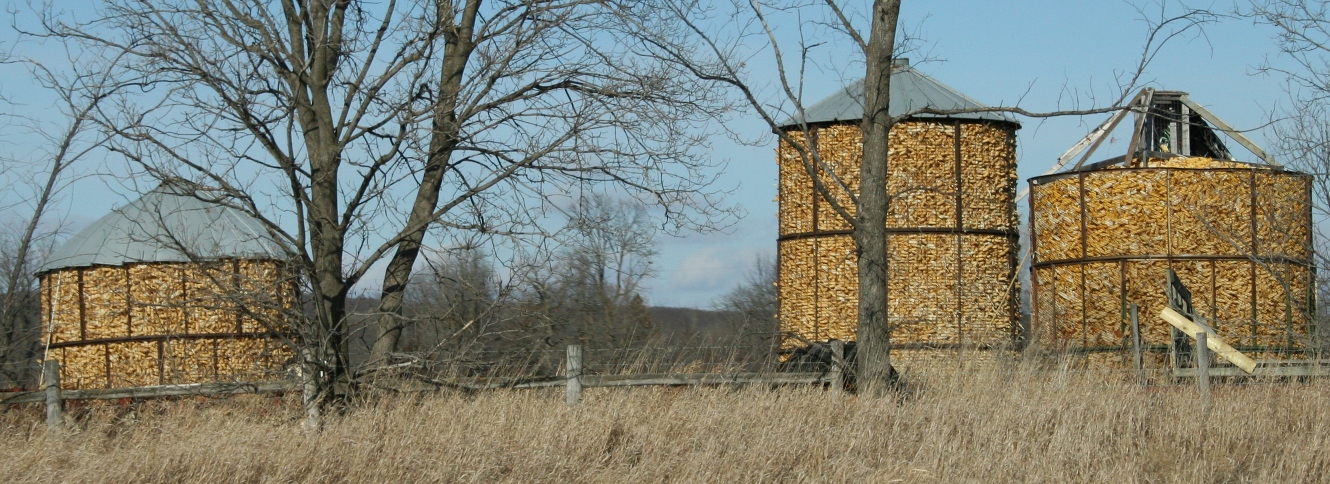
You just don't see old corn cribs like this in use much anymore. Something about them so appeals to me visually.

Deep in the heart of dairy country, I spotted this vet clinic sign by Freeport.

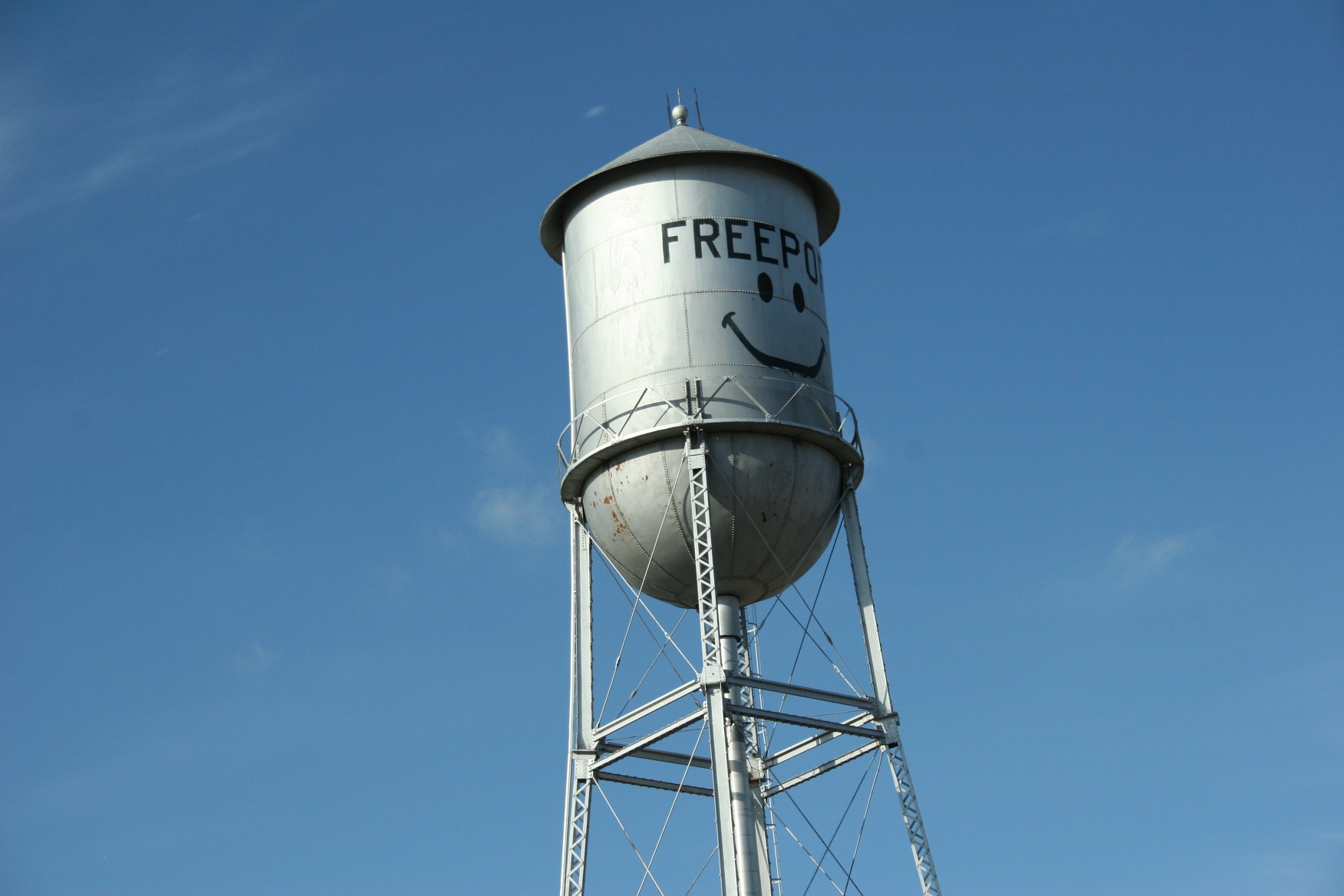
Freeport, "The city with a smile!" is marked by this old-fashioned smiling water tower.

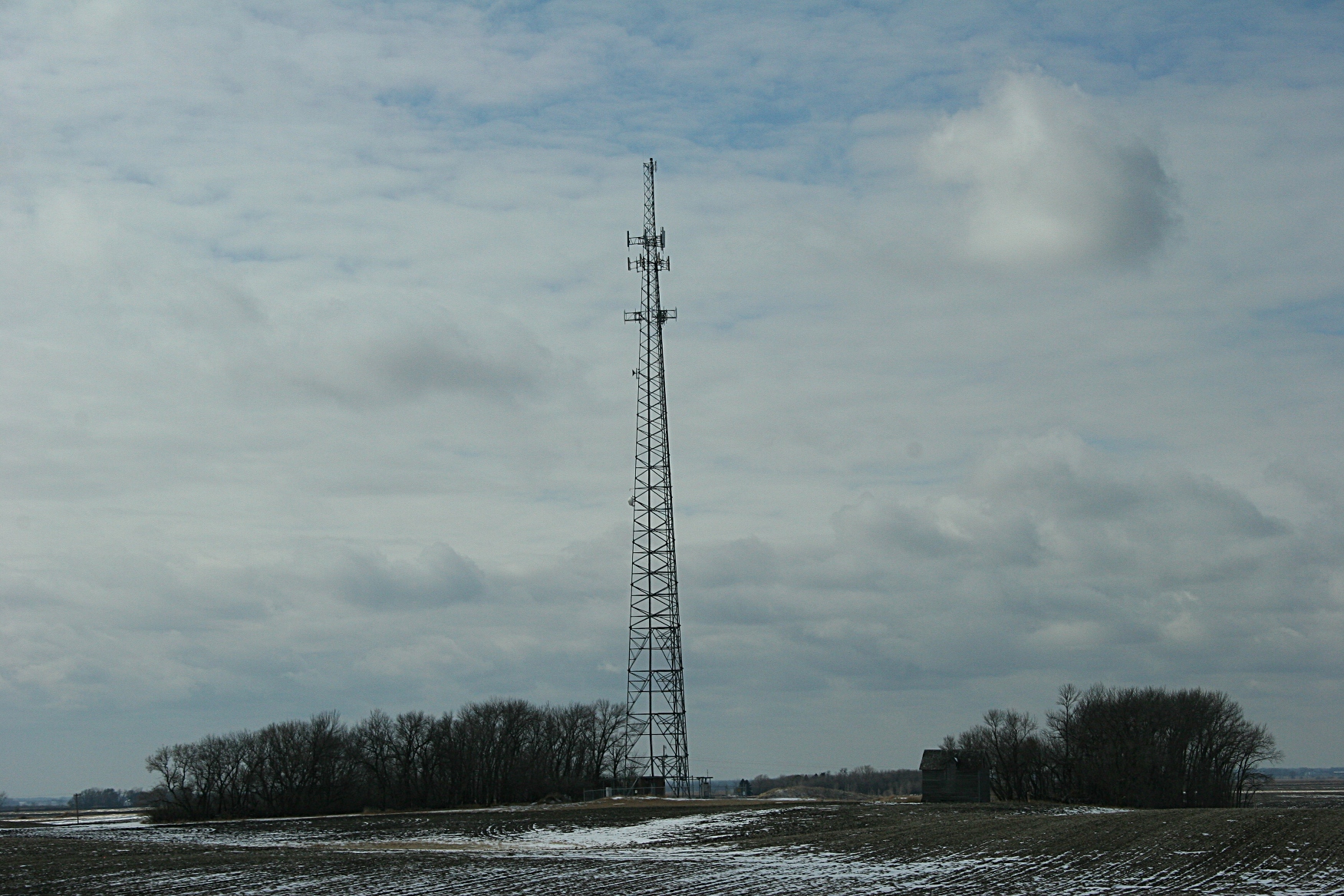
Drive I-94 and you'll see endless towers like this one where the tower dwarfs an abandoned building to the right.

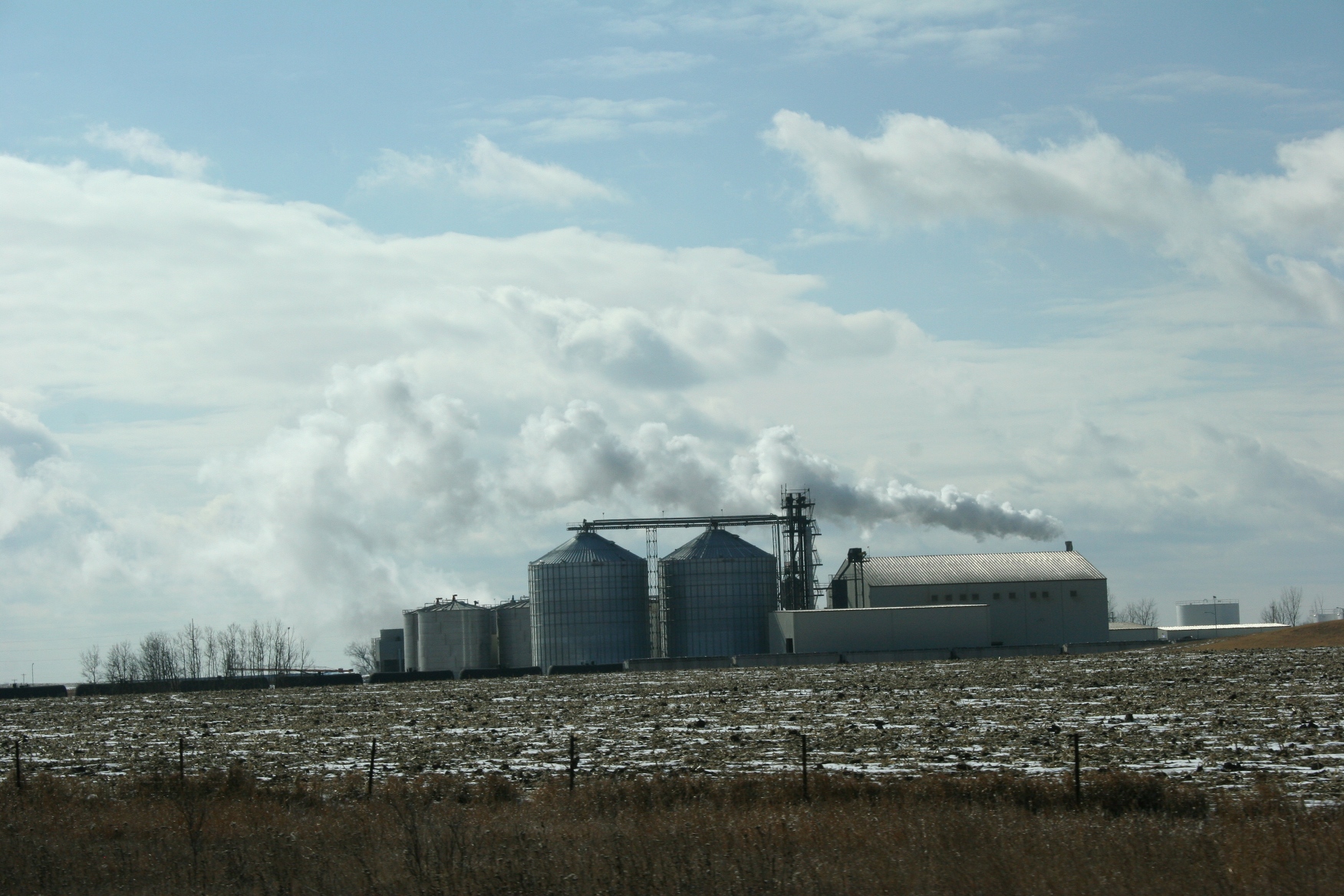
This country is rural through and through. This may be an ethanol plant although I'm not sure. Anyone know?

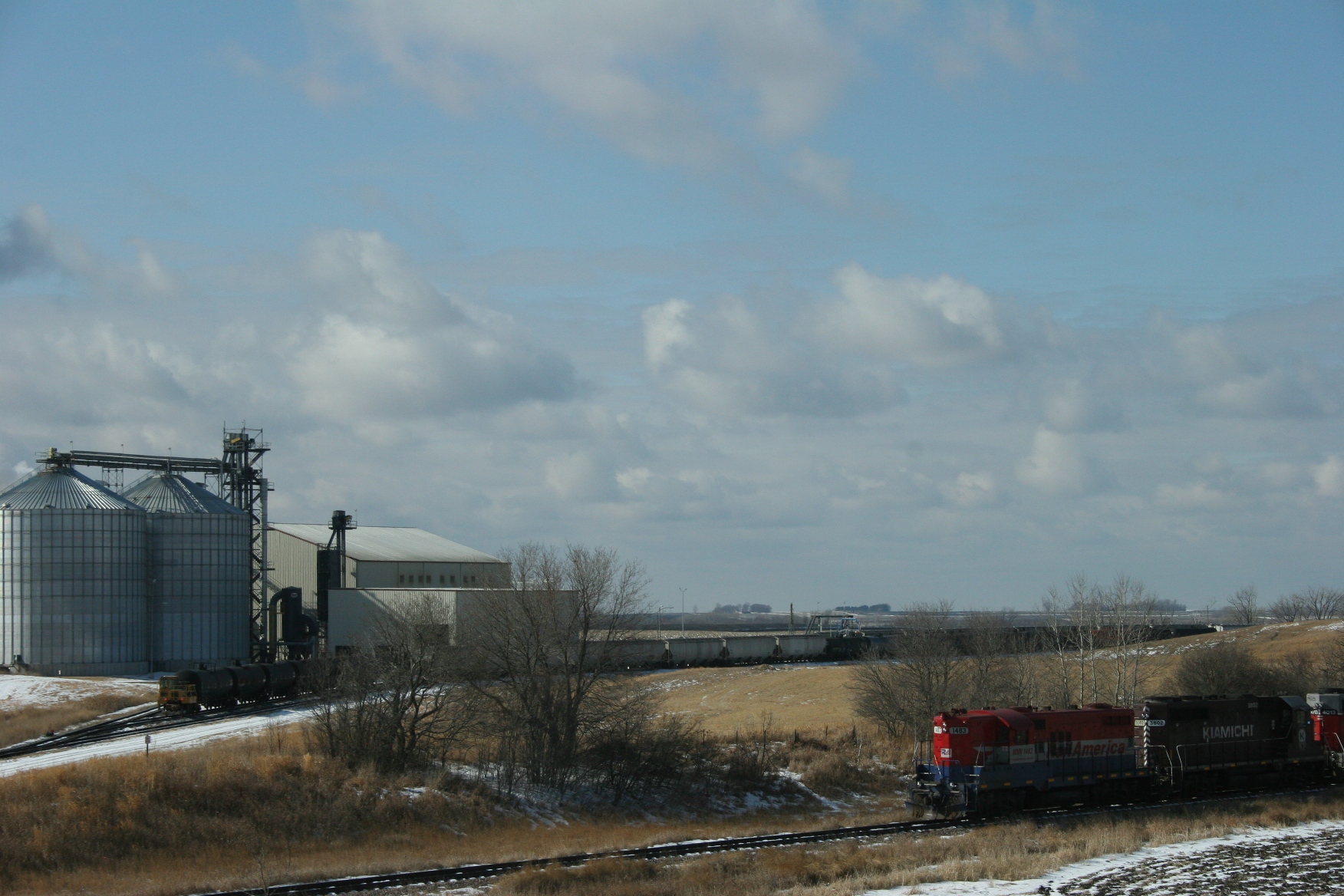
I expected to see more trains than I did. These were near the plant in the photo above.

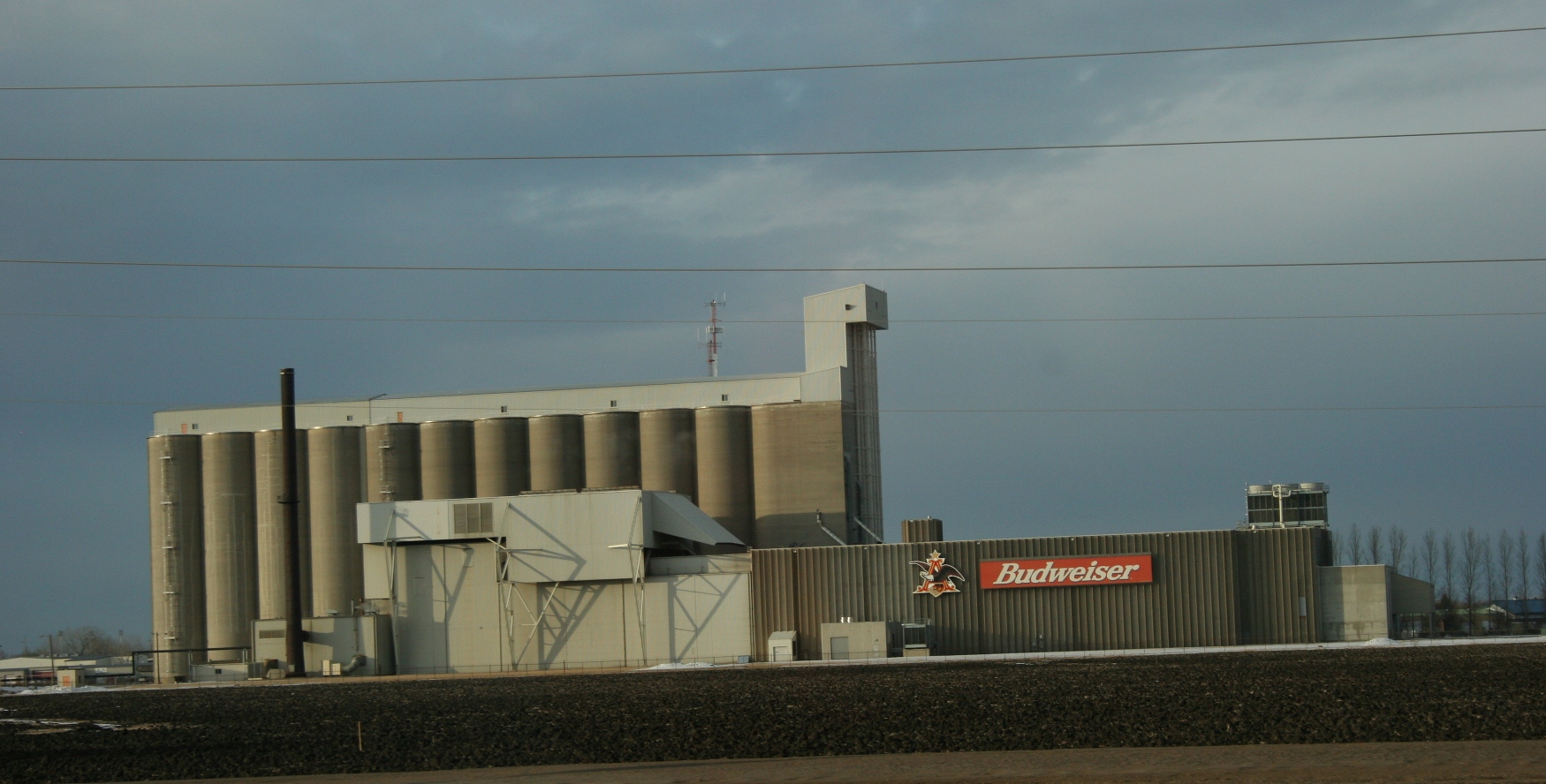
Who knew? A Budweiser plant in Moorhead.

© Copyright 2012 Audrey Kletscher Helbling


Traveling photography February 23, 2012

Filed under: Uncategorized — Audrey Kletscher Helbling @ 9:14 AM
Tags: , , , , , , ,

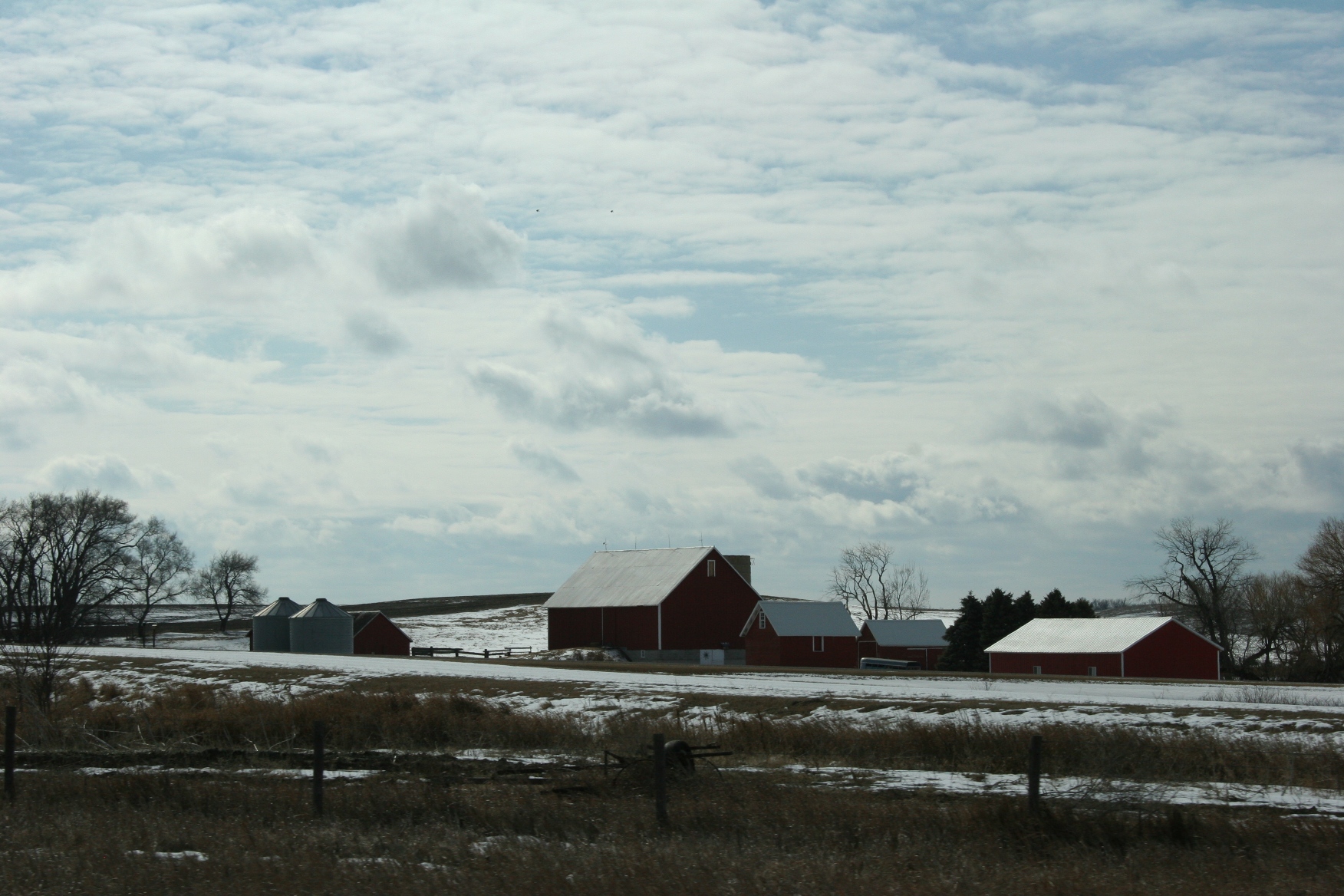
The clouds, the lighting, the red buildings slung against the sky drew my eyes and camera toward this farm along I-94 in western Minnesota.

I WASN’T ALWAYS a fan of winter photography. Honestly, who likes to navigate snow and ice and freeze your fingers off to shoot images? Not me.

But, since discovering on-the-road travel photography—meaning I actually fire off frames while riding in a vehicle traveling at highway/interstate speeds of 55 – 70 mph—I’ve come to embrace winter photography.

I started clicking my shutter when I saw this picturesque farm in the Avon/Albany area. This is frame two.

By the third frame, this beautiful fieldstone barn came into my sight line.

In winter the landscape lies exposed, giving a photographer ample opportunity to see and photograph subjects which, in other seasons, remain hidden. And I, for one, appreciate that openness and vulnerability.

My eyes fly across the landscape as I ride shotgun, camera in hand set to a fast shutter speed (the sports mode in automatic settings), poised to click the shutter button.

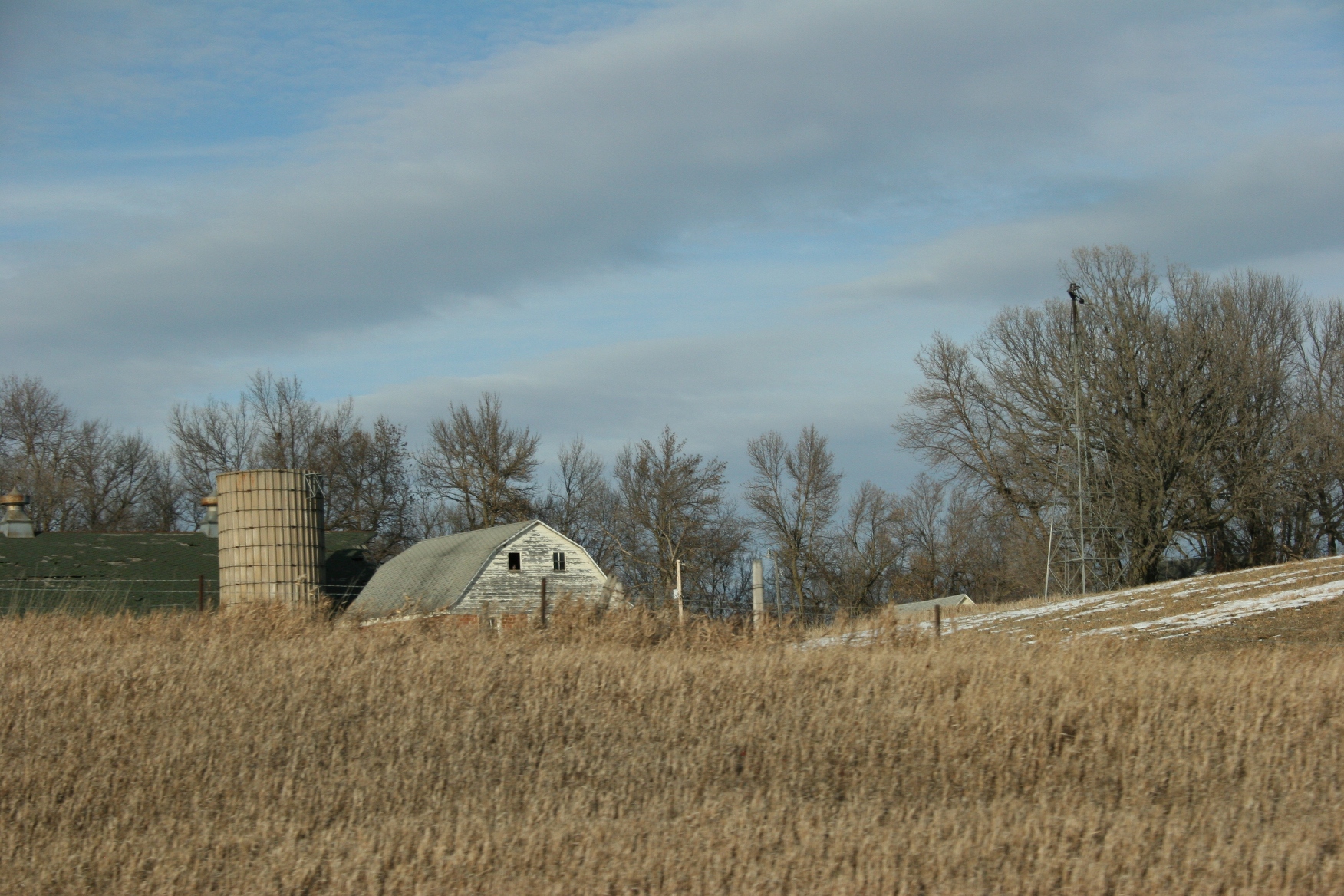
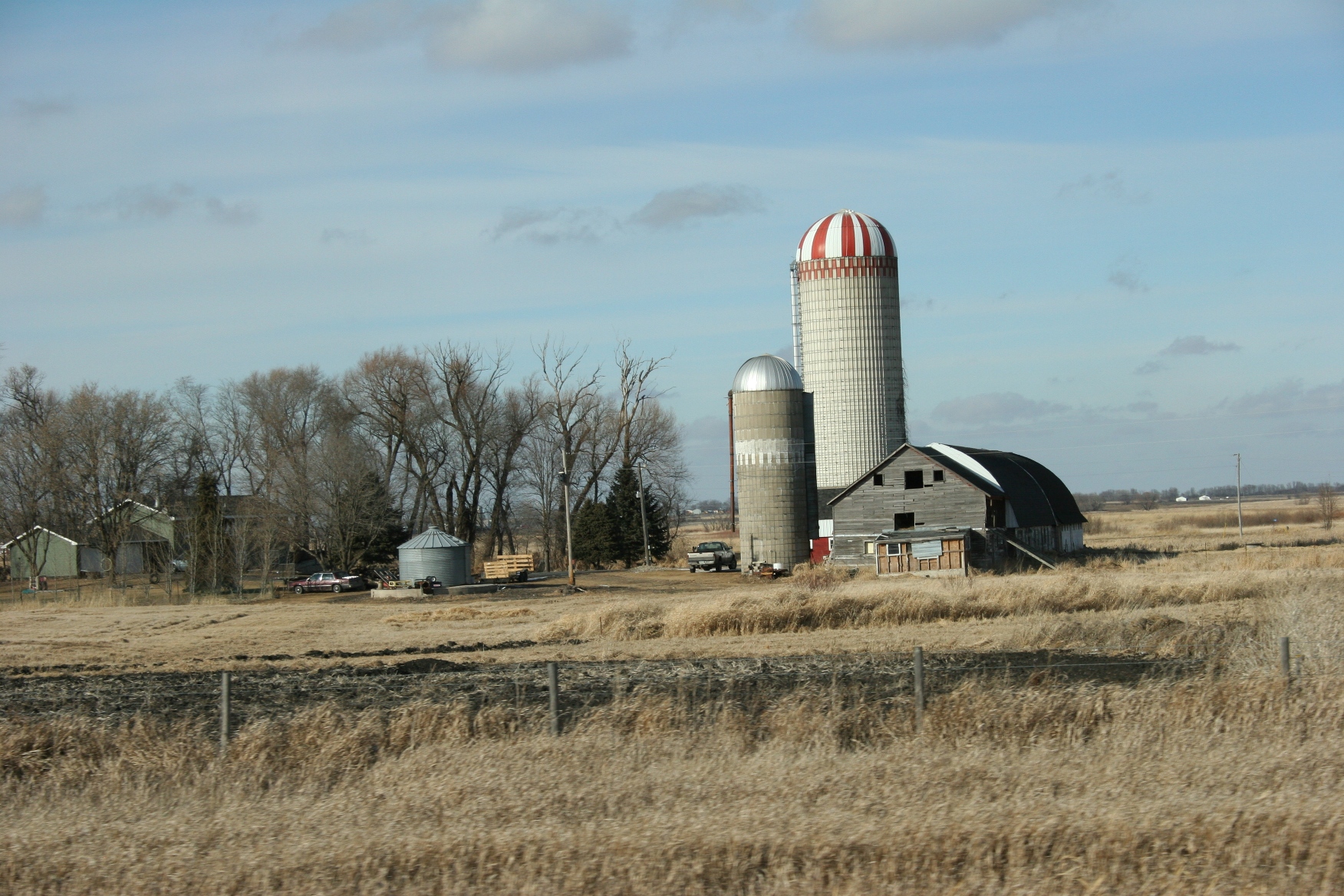
The weathered barn and the lighting around the silos drew me to photograph this scene.

Farm sites, specifically barns, cause me to lift my ever-ready camera from my lap, focus and shoot. Sometimes I get the shot, sometimes I don’t. It’s all in the timing and the ability to compose on the fly.

Consistently, the quality of these on-the-road photos surprises me, in a good way. Often I couldn’t have gotten better results had I stood still in front of the subject, focused and composed with care and shot many frames.

Of course, I’ve missed plenty of photo ops, too, because I’ve been daydreaming or talking or been too slow to react.

I honestly thought I'd missed this shot. But when I saw the results, well, I was pretty pleased.

A recent trip along Interstate 94 to and from Fargo gave me plenty of time to practice on-the-road photography as I focused on farm sites, the landscape and whatever else I found of interest.

An added bonus comes once I download the images into my computer and notice details I failed to see while photographing scenes.

The next time you hit the highway as a passenger on a long road trip, consider trying this type of photography.

Clean your windows, adjust your camera, buckle up and you’re set to roll.

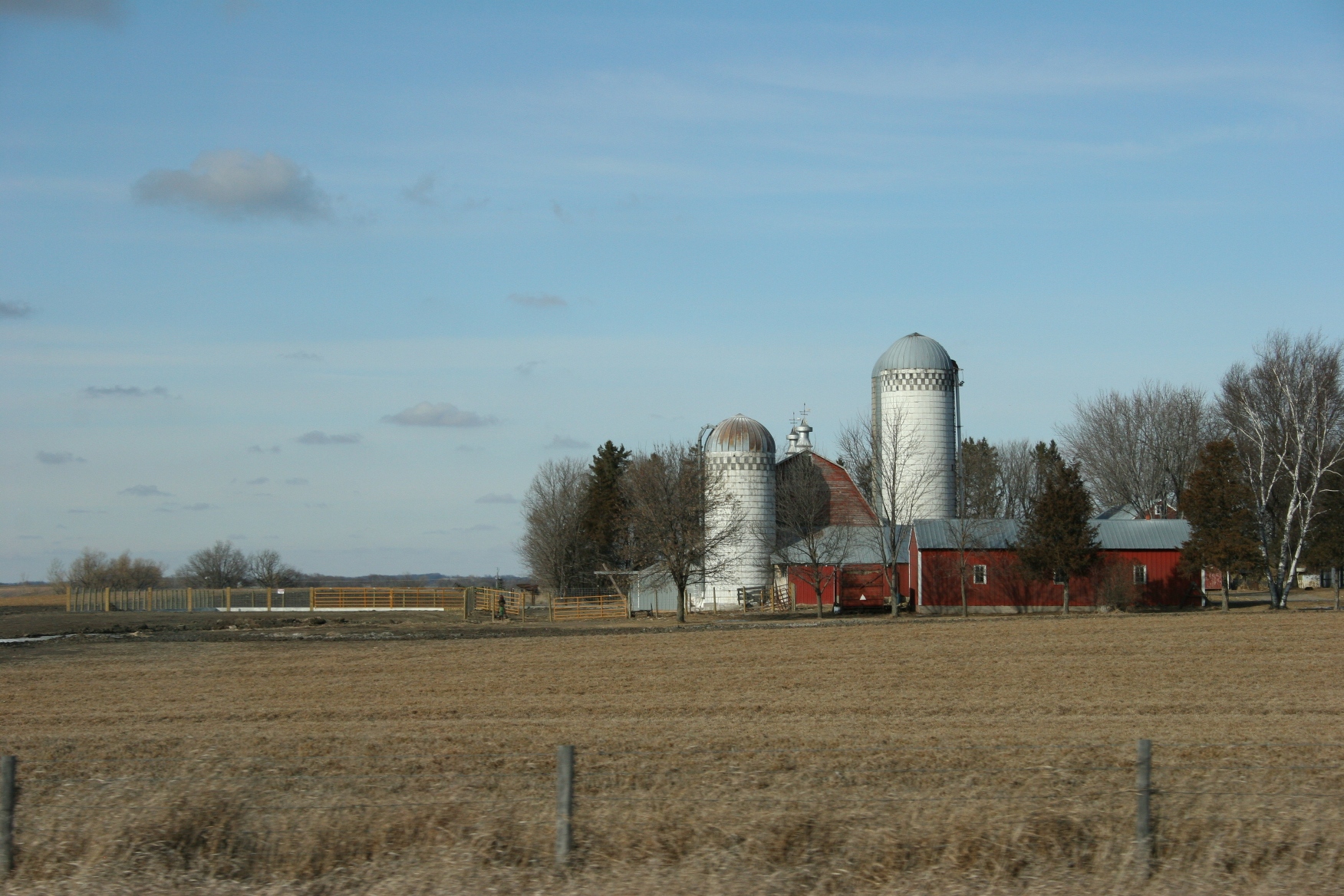
Just one more farm along I-94 that I couldn't resist photographing.

TELL ME, HAVE you ever photographed using this method? What works/doesn’t work for you? And what do you like to photograph?

NOTE: Except to downsize the above images, I have not edited them.

© Copyright 2012 Audrey Kletscher Helbling


On the road to Fargo, where sky meets land February 20, 2012

Filed under: Uncategorized — Audrey Kletscher Helbling @ 8:07 AM
Tags: , , , , , , , , , ,

Only 192 miles to Fargo, North Dakota. We've already driven 93.

SKY. That single word defines a road trip from Faribault to Fargo.

Don’t talk miles and time to me. Talk sky.

Once past the St. Cloud exit along Interstate 94, you start noticing the sky, how, the farther west you travel, the larger it becomes until the sheer immensity of that above overwhelms that below.

Sky meets land somewhere westbound along Interstate 94 toward Fargo.

For those who live in the confines of the city, where buildings and masses of streets and highways pull the sky downward and ground it, the vastness of the skies can unsettle the spirit and create a sense of vulnerability. You can’t help but feel exposed under brooding clouds and a sky that stretches into a distance without end.

Interstate 94 sometimes seems to run right into the sky as you drive west.

Yet, for me, a prairie native, there’s a certain sense of calm that comes from traveling into the sky. Because that is what you do when driving west from Minnesota toward the Dakotas. You drive into the sky.

After an initial awareness that you really are incredibly small compared to that above, you begin to notice the details. Or at least I begin to appreciate the details—like the hard edge where sky meets land, the ever-changing skyscape as clouds shift and the day wanes, the nuances in colors and texture that define firmament and field.

Power lines set against the backdrop of the sky provide a visual vertical respite for the eyes.

It is as if you’ve brushed yourself right into a landscape painting.

And I can’t get enough of it, of the strong horizontal lines that sweep across my vision, reconnecting me to my prairie past.

The landscape: flat and into forever near Fargo/Moorhead.

The ever-changing clouds blend with the rural landscape.

As the sun sets, the sky broods.

The sharp contrast of black and white against blue pleases my eyes.

Fence lines and farms slice through the land.

A church spire in the distance draws my eye in this place where my soul reconnects to the prairie.

ALL OF THESE IMAGES were taken with my DSLR camera, set at a fast shutter speed, while traveling along Interstate 94. Check back for more posts from this trip to Fargo.

© Copyright 2012 Audrey Kletscher Helbling


What’s your line? January 31, 2012

WHAT LINES DEFINE your world? Horizontal or vertical?

Perhaps you’ve never considered that question. But ponder that for a minute.

Where do you live? Where do you work? What lines define your environment?

Do you live in the city, the country or a small town? Do you live on the prairie, in the mountains or somewhere in between?

My world has always been horizontal. I prefer it that way—flat and unbroken by vertical obstacles. Towering buildings overwhelm me; make me feel small, visually overpowered and uncomfortable.

Can you understand that? Perhaps if you grew up or live in a rural area, you do.

The sun sets on my native southwestern Minnesota prairie in this December 2010 image.

I traveled to Chicago once during college, and to New York. While touring the garment district in the Big Apple, I was nearly flattened by a vendor pushing a rack of clothing as I paused on the sidewalk to gawk at the skyscrapers. In Chicago, I struggled with sleeping in a hotel that stretched too far into the sky.

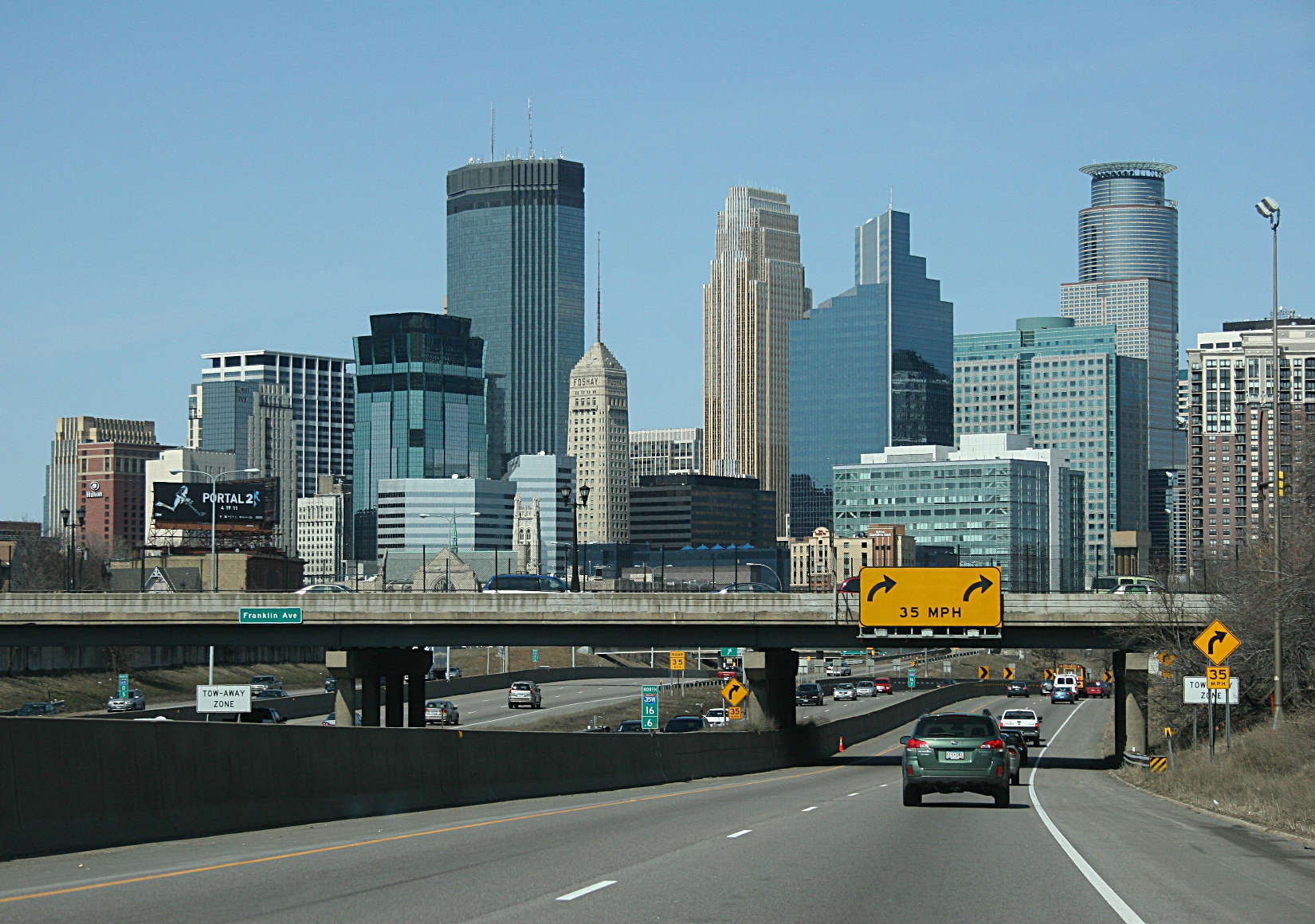
A view of the Minneapolis skyline from Interstate 35.

I can’t recall the last time I visited downtown Minneapolis, but I’m certain it’s been decades. I’ve never been to any other big cities and I have no desire to travel to them.

Some of you will say I am missing out on culture and shopping and so much more by staying out of the city. You would be right.

But to counter that, I will tell you many a big city resident fails to leave the confines of the city to explore the small towns and rural areas that offer grassroots culture and shopping and much, much more.

I am not trying to pit city against country, horizontal against vertical, here. Rather, I’d simply like you to think about your world from a visual perspective. Then, tell me, what lines define your landscape? Vertical or horizontal, or a mixture of both?

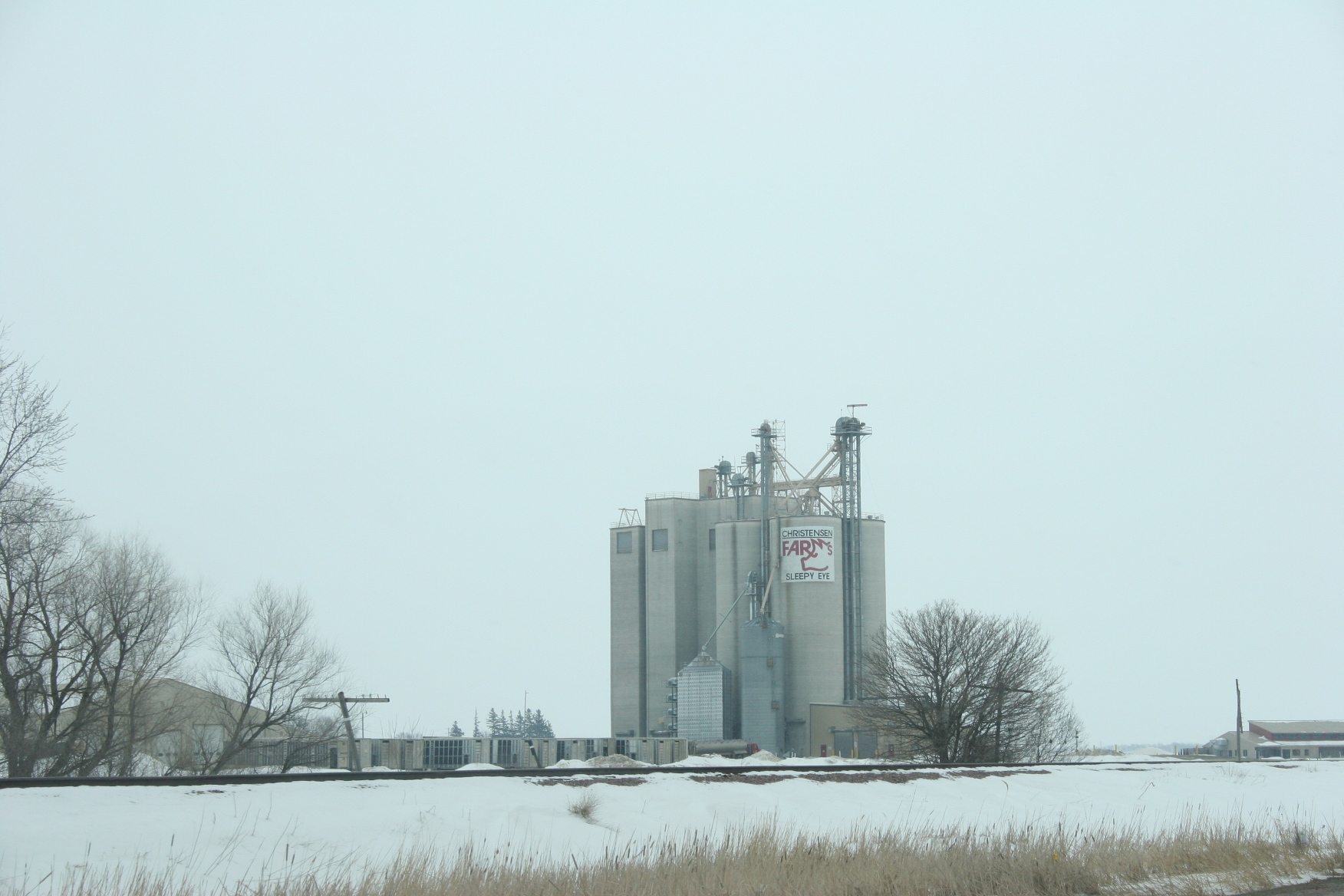
Even in rural Minnesota, vertical lines occasionally break the horizon, like this scene at Christensen Farms along U.S. Highway 14 east of Sleepy Eye in southwestern Minnesota.

The strong horizontal lines of railroad tracks and trains cross the flat prairie landscape of southwestern Minnesota. I shot this along U.S. Highway 14 between Springfield and Sleepy Eye as snow fell late on a March morning in 2011.

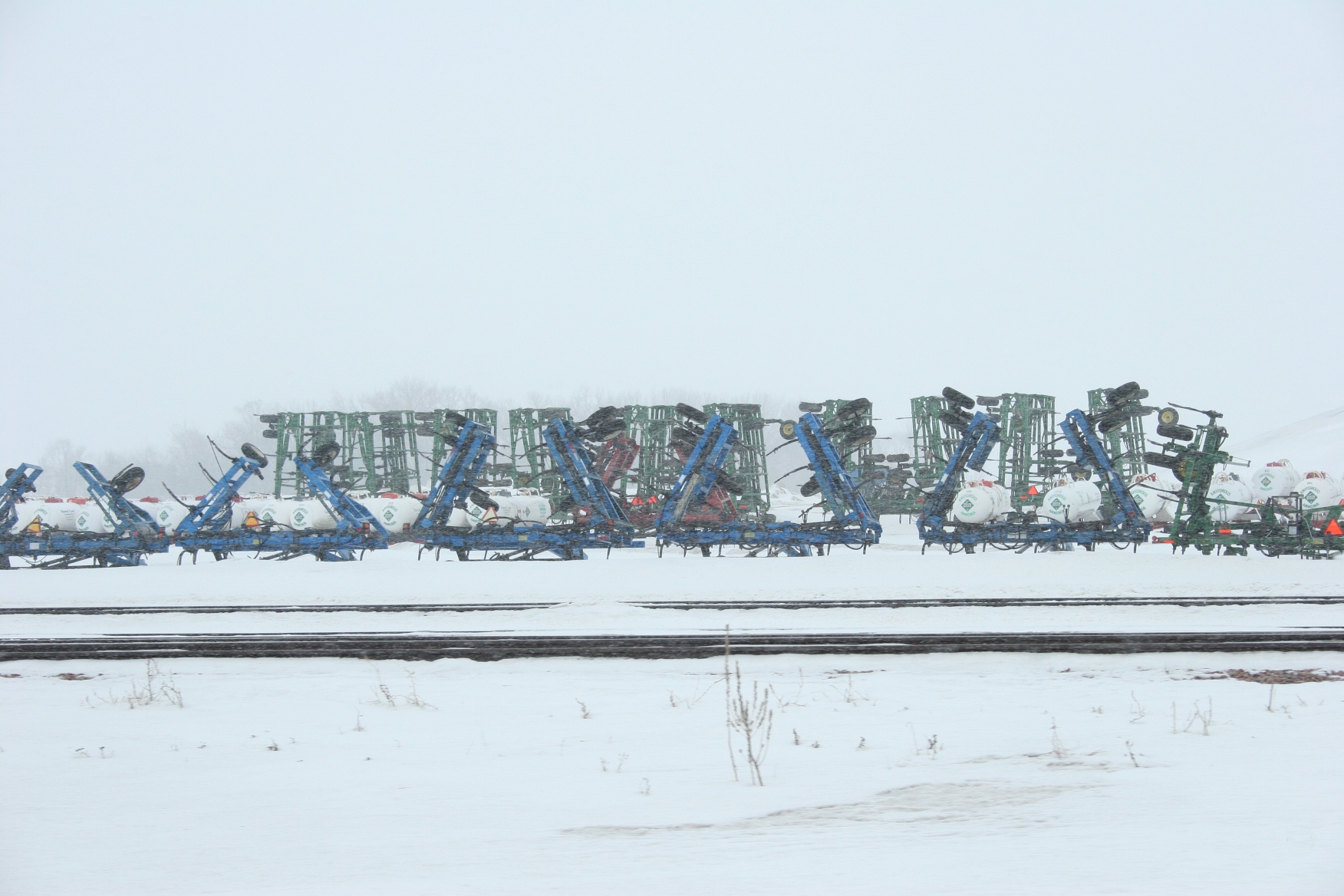
Railroad tracks and diggers slice precise horizontal lines across the landscape in this March 2011 image shot while traveling U.S. Highway 14 between Springfield and Sleepy Eye, in my native southwestern Minnesota.

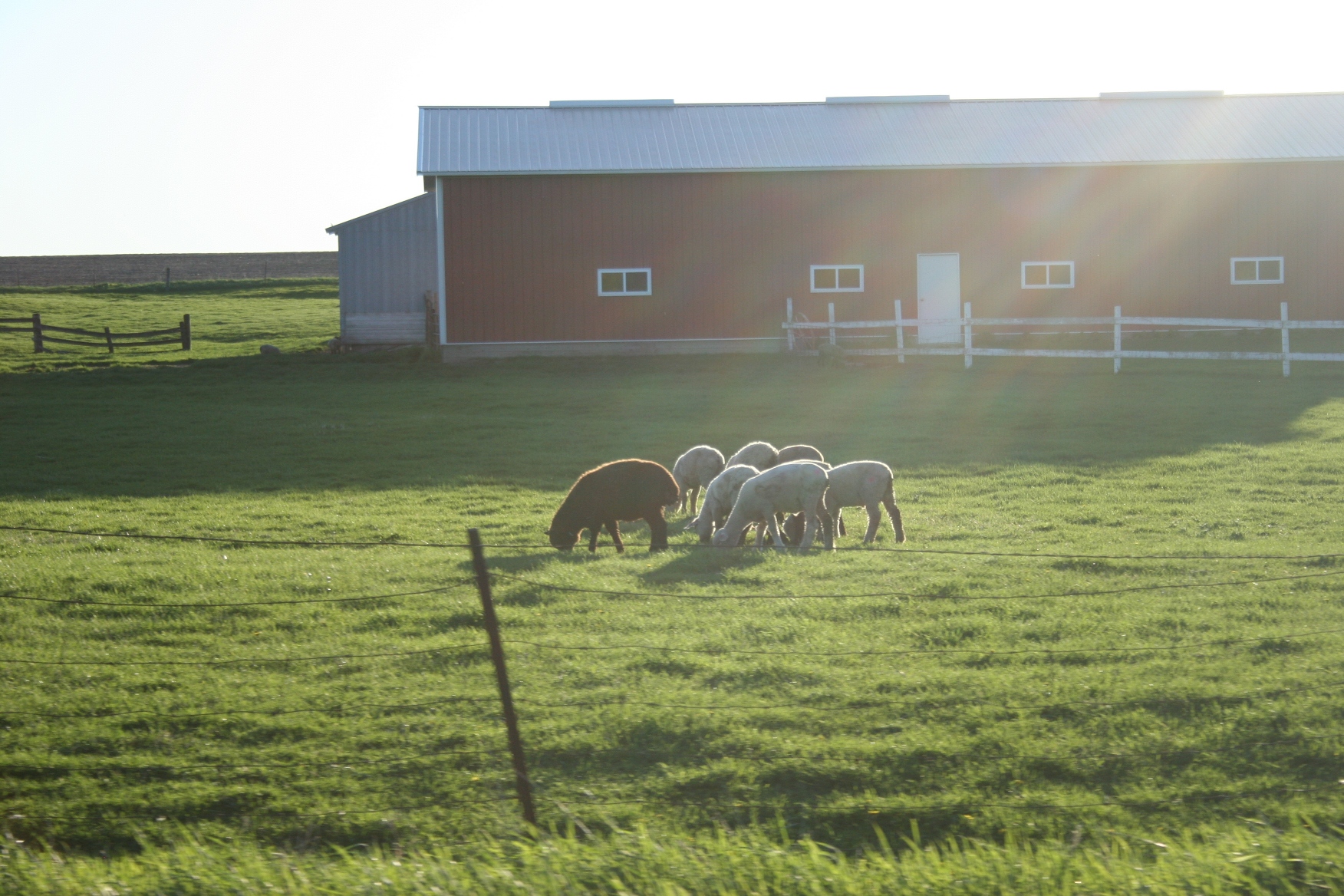
I live in Faribault, an hour's drive south of Minneapolis along Interstate 35. While I certainly don't consider Faribault, with a population of around 22,000 to be a small town, it's definitely not urban. I shot this pastoral scene last spring several miles west of town near Roberds Lake.

© Copyright 2012 Audrey Kletscher Helbling


When your day fails to go as planned January 27, 2012

Filed under: Uncategorized — Audrey Kletscher Helbling @ 10:30 AM
Tags: , , , , , , , , , , ,

I RECENTLY READ somewhere—and I read a lot—if you want to make God laugh, plan your day.

Well, God must have been rolling on the floor, laughing until he cried and his belly hurt on Thursday because I had one of those days. You know, the kind that veers completely from your intended course of action.

My main goal for the day was to finish pulling together financial information for the professional who completes our taxes. Now those of you who know me, either personally or via this blog, realize how much I detest numbers. Math whiz I am not. And to add to the stress this year, I once again need to file a Free Application for Federal Student Aid after a two-year respite. I despise forms, especially when numbers comprise the bulk of the required information.

I never got to the numbers on Thursday.

Rather, I spent most of my morning researching information for a document my husband needs for a church meeting on Sunday. I’m happy to help him, but I never thought the project would consume hours of my time.

I expect God was getting a chuckle out of that, his subtle reminder that perhaps I should give just a little more of my time to him.

The rest of the day slipped away in work-related issues with precious little time for writing.

Have you noticed the repeat of the word “time” in all three of the above paragraphs? Why am I so obsessed with time?

Despite my day failing to go as planned, I knew I had a delightful evening ahead. My husband and I had been planning for weeks to attend a presentation by Minnesota photographer Doug Ohman who has published a series of “Minnesota Byways” books.

But then, 50 minutes before Ohman’s talk, my husband called. The car had broken down on his way home from work and he needed a ride and a tow.

Long story short, we missed Ohman’s 6 p.m.presentation. (Who chooses these times anyway?)

After a late supper, kitchen clean-up and e-mail catch-up, I finally kicked back in the recliner to finish the final chapters in Still Standing: The Story of SSG John Kriesel by John Kriesel as told to Jim Kosmo.

About then, God must have been muttering to himself, “Well, she thinks she’s had a bad day…”

He was right, of course. Put in the perspective of all the problems and tragedies a day can bring, my Thursday rated as just fine, thank you. My legs weren’t blown off in a roadside blast. I wasn’t fighting to live. None of my friends had been killed in Iraq.

Minnesota National Guardsman Kriesel had dealt with all of that and managed to overcome, to be positive, to move forward with his life. His story is about as inspiring as any you’ll ever read.

And then, when I finished that book Thursday evening, I picked up Conversations with the Land by Jim VanDerPol, a Chippewa County farmer and writer. I’m only a few essays into his book, but already I appreciate the approach he takes to the land and to life in general. He pauses to notice, to savor, to value his land and his role as tender of the earth. His writing resonates with me, reconnects me to the prairie of my youth, the land that still influences my writing.

And so my Thursday ended and a new day has begun with a sunrise so splendid that my husband called to tell me about it, as he often does when the morning sky is especially beautiful.
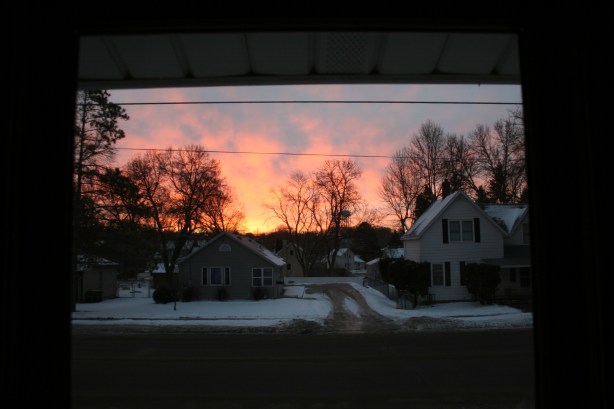
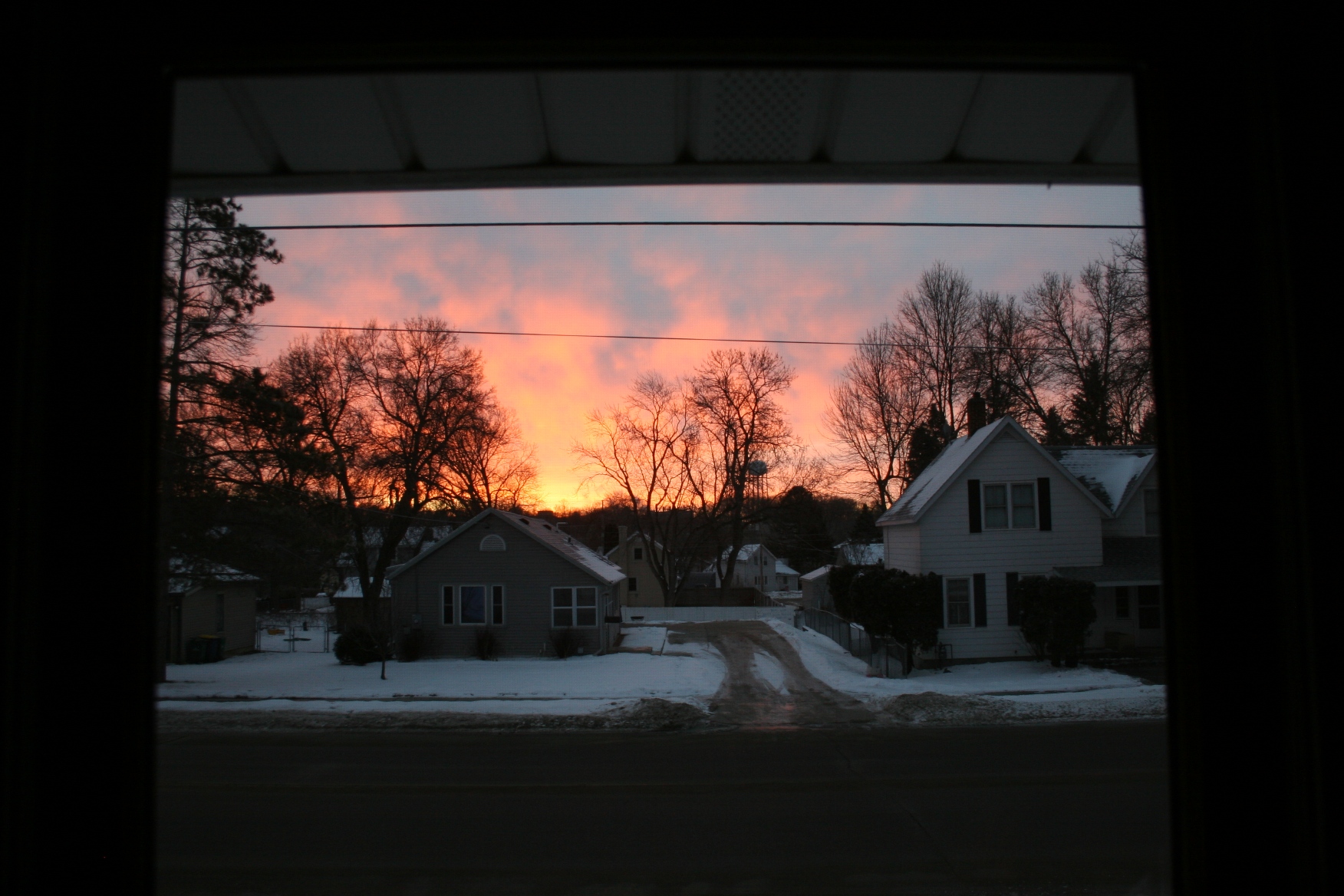
The remnants of today's sunrise as viewed from my office window.

Several weeks ago, I started penning this poem after pausing to watch the sunrise:

Jam on toast

My fingertips lift within a mere whisper of the keyboard

as I halt, half-thought, words interrupted mid-sentence,

to tilt my head toward the window and the sunrise

spreading gold and pink across the sky like jam on toast.

#

In that morning moment, I want nothing more

than to dip my fingers into the jar of dawn,

to sample her sweetness, to taste of her earthy goodness,

to delight in sunshine and rain and succulent fruit plucked from vines.

#

PERHAPS TODAY should be the day I finish this poem.

Copyright 2012 Audrey Kletscher Helbling


A Minnesota prairie native discovers a ship docked in the Wisconsin woods January 26, 2012

I GREW UP on the southwestern Minnesota prairie, a mostly flat land vertically-interrupted only by small-town grain elevators and water towers, by silos and groves of trees hugging farm sites.

I never felt hemmed in. How could I feel confined under an endless sky in a land that stretches into forever, nearly unbroken before your eyes?

Perhaps that will help you understand why I sometimes struggle with trees. I’m not talking a tree here, a tree there, but trees packed so tight that they become a forest. Dense. Black. Blocking views. I need to, have to, see the land spreading wide before me if I’m exposed for too long to miles of thick woods.

Likewise, I prefer my land flat.

All of that said, time and age and exposure to geography beyond the prairie have resolved some of those space and landscape issues for me. I can, within limits, appreciate terrain that rolls and rises, trees that clump into more than a shelter belt around a farmhouse.

I can appreciate, too, geological anomalies like Ship Rock, a natural formation jutting out of seemingly nowhere from the trees that crowd State Highway 21 in Adams County near Coloma in central Wisconsin.

Ship Rock is located next to Wisconsin Highway 21 in the central part of the state.

Whenever I pass by Ship Rock, which has been numerous times since my second daughter moved to Appleton, Wisconsin, in December 2010, I am awestruck by this isolated pinnacle of Cambrian sandstone. Finally, this past summer, my husband, teenaged son and I stopped to climb around the base of the rock cropping and to photograph it (me mostly photographing rather than climbing).

Ship Rock rises from the flat landscape, a surprise in the Wisconsin woods.

My husband walks across the rocks below the looming Ship Rock.

If you can ignore the distracting graffiti, then you can appreciate the nuances of the mottled stone, the ferns that tuck into crevices, the surprise of this Ship Rock docked in the most unexpected of places. The rock formation truly does resemble a ship.

I am surprised by the ferns that grow in the tight spaces between rocks.

Grass sweeps between rocks in this August 2011 image taken at Ship Rock.

A month ago while traveling past Ship Rock, I snapped a photo. The ship seemed forlorn and exposed among the deciduous trees stripped of their summer greenery. Yet she also appeared threatening, a looming presence rising dark and foreboding above the land awash in snow.

I could appreciate her, even if she wasn’t a grain elevator or a water tower, a silo or a cluster of trees breaking a prairie vista.

Ship Rock, photographed from the passenger window of our van at highway speeds in December.

CLICK HERE for more information about Adams County, Wisconsin.

© Copyright 2012 Audrey Kletscher Helbling


Doug Ohman preserves Minnesota in photos January 25, 2012

MANY YEARS AGO I heard Minnesota photographer Doug Ohman talk about his Churches of Minnesota book, a project in his “Minnesota Byways” series published by the Minnesota Historical Society Press.

He’s an impressive speaker, sharing his love for photographing those subjects which hold historical, community and personal significance for so many Minnesotans.
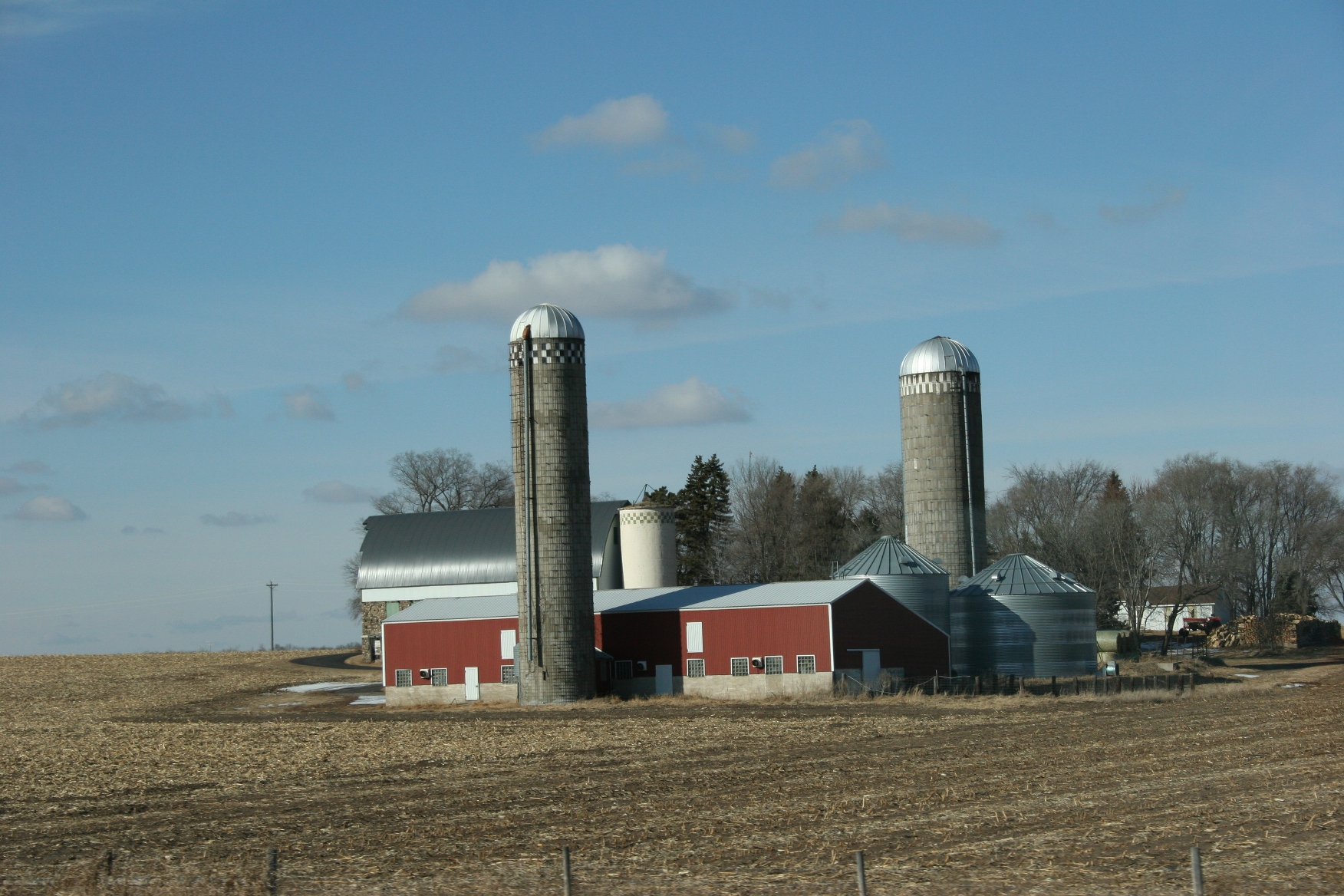
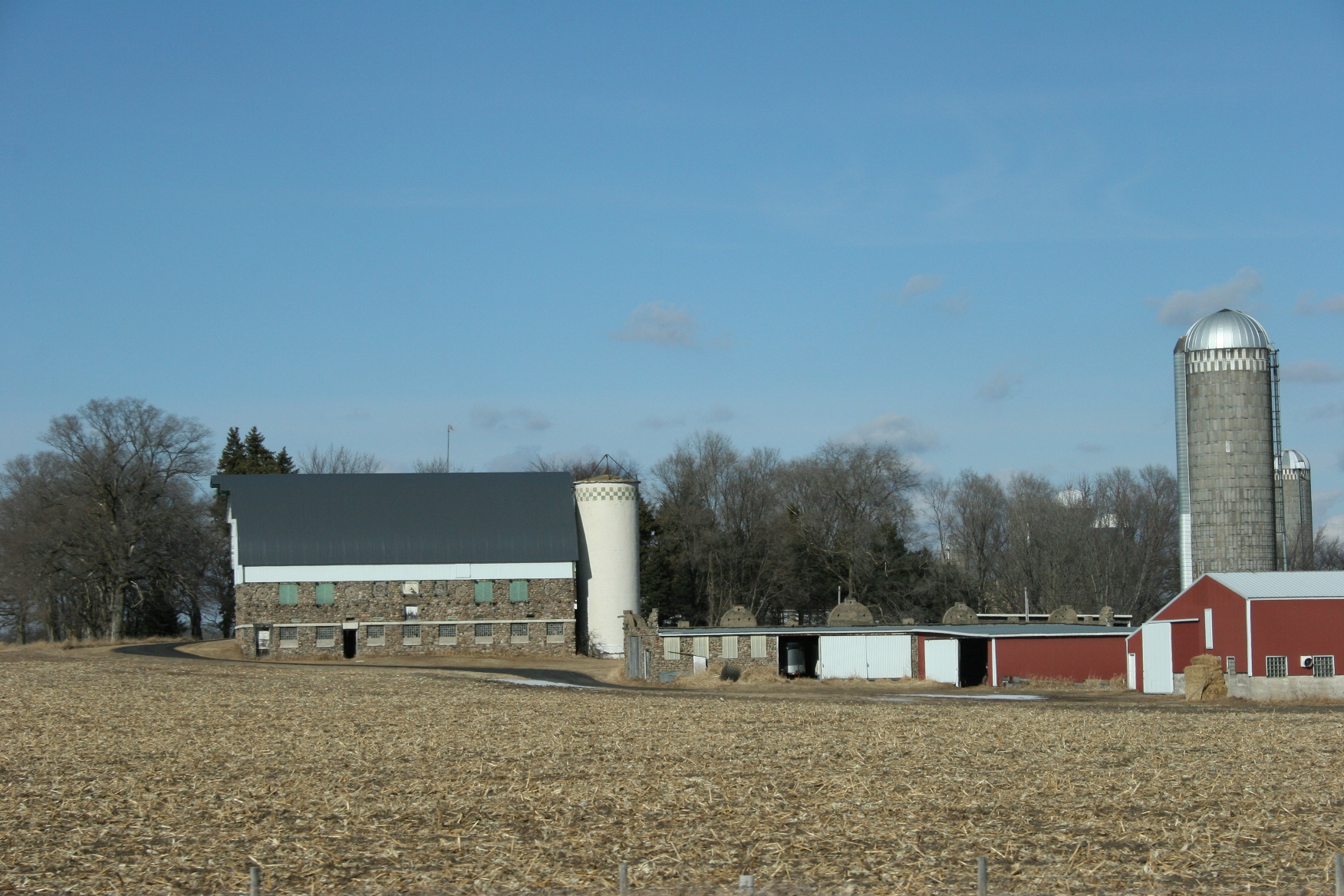
Thus far he’s covered Minnesota churches, barns, courthouses, schoolhouses, cabins and libraries in his series. I don’t think I’ve missed any and I’ve read most. His books also include prose by well-known Minnesota writers like Will Weaver, Jon Hassler and Bill Holm.

If you’re at all interested in the places that are so integral to our lives, you’ll want to read Ohman’s books and, if you have the opportunity, hear him speak.

Buckham Memorial Library, built in 1929, features a Charles Connick stained glass window and Greek murals.

Thursday night, January 26, this noted photographer travels to my community of Faribault, to Buckham Memorial Library, to present “Free to All: Libraries of Minnesota” as part of the Minnesota Book Award Author Tour. His book, Prairie, Lake, Forest: Minnesota’s State Parks, was a 2011 MNBA nominee.

I’ll be there for several reasons: I enjoy Ohman’s books. I want to learn more about his approach to photography. I’m interested in learning more about libraries in Minnesota. I appreciate libraries.
He’ll be at the Faribault library at 6 p.m. for this free event. A photo of Buckham, by the way, is included in his Libraries of Minnesota.

Southeastern Minnesota residents will have plenty of other opportunities to hear Ohman speak on his “Minnesota Byways” series as a dozen additional appearances are scheduled through-out the Southeastern Libraries Cooperating regional library system. Click here to view a complete listing of Ohman’s upcoming visits. His presentations will vary—from schoolhouses to churches to farms and more—depending on location.

I’d recommend taking in one of Ohman’s presentations. You’ll gain insights into Minnesota history and photography and more from a photographer who possesses an unbridled enthusiasm for preserving, in images, that which is part of the Minnesota landscape.

The Houston Public Library is on the cover of Ohman's book, Libraries of Minnesota. I shot this photo last summer of the library in the southeastern corner of our state.

Built in 1912, the library in Janesville is an Andrew Carnegie library on the National Register of Historic Places.

A statue of Linus greets visitors to the Dyckman Free Library in Sleepy Eye. Charles M. Schulz, creator of the Peanuts cartoons, based his character Linus on real-life friend Linus Maurer, a Sleepy Eye native. Maurer, a cartoonist, worked with Schulz. Ohman, who managed the former Camp Snoopy at the Mall of America, includes a photo of Linus at the Sleepy Eye library in his book.

Several summers ago I photographed this 1930s Works Progress Administration log cabin in Hackensack. Sitting on the shore of Birch Lake next to a towering statue of Lucette Diana Kensack (Paul Bunyan's sweetheart), the cabin today houses the Hackensack Lending Library.

IF YOU’RE INTERESTED in reading another book about libraries, check out Carnegie Libraries of Minnesota by Kevin Clemens. The book highlights the history and architecture of Minnesota’s Carnegie libraries, primarily in photos. Click here to learn more about the book.

© Copyright 2012 Audrey Kletscher Helbling