Minnesota Prairie Roots

Writing and photography by Audrey Kletscher Helbling

A Minnesota high school graduation in snapshots June 4, 2012

Filed under: Uncategorized — Audrey Kletscher Helbling @ 9:42 AM
Tags: , , , , , ,

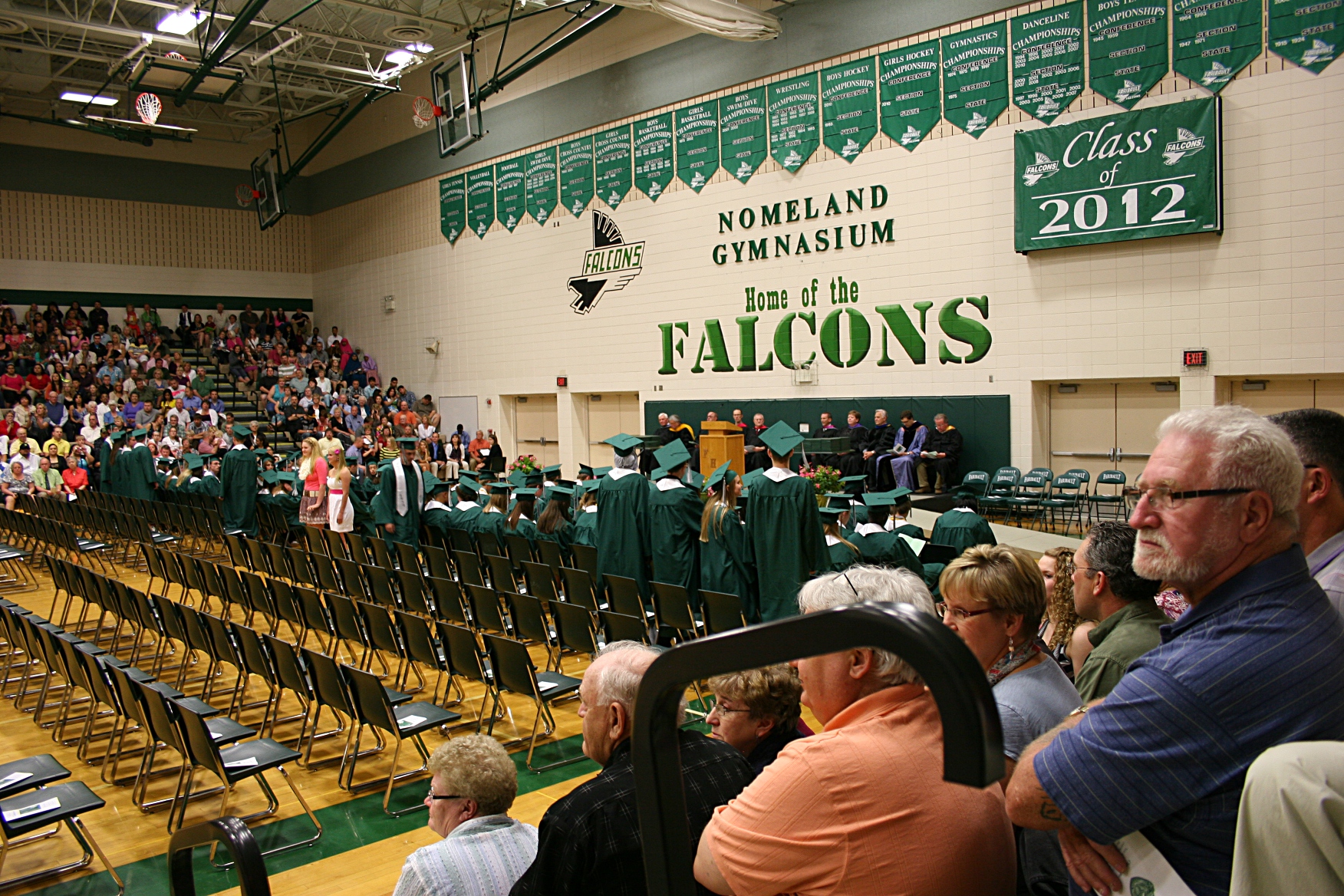
Faribault High School graduates enter the gym for commencement Sunday afternoon as family and friends look on.

ALL ACROSS THE U.S., high school students are graduating or have graduated. Families and friends pack bleachers to witness commencement ceremonies, to listen to talk of the past and of the future.

It is a bittersweet time for parents.

For students, the day is one of of mixed emotions. Happiness. Sadness. Excitement. Perhaps a bit of trepidation about life ahead.

On Sunday afternoon, the youngest of my three children, my son, graduated from Faribault High School. I didn’t cry, didn’t get all emotional and introspective. I expect the tears will come later, when we drop him off at his North Dakota State University dorm nearly a five-hour drive away.

In the meantime, in these final two months, I will embrace each day I still have my boy home. For I know that not only will his life change, but so will mine.

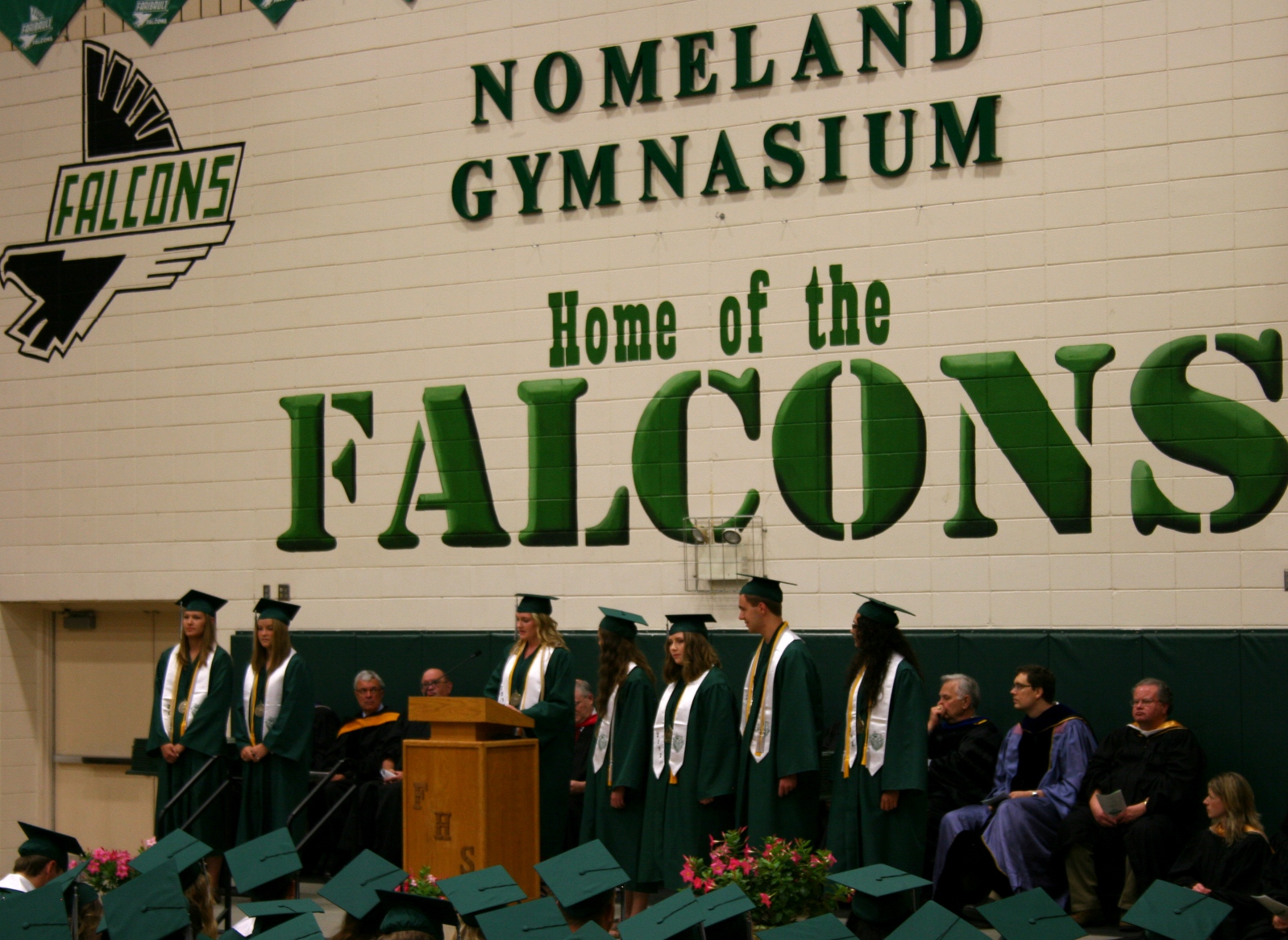
The seven valedictorians, with GPAs of 4.0, speak at the graduation ceremony.

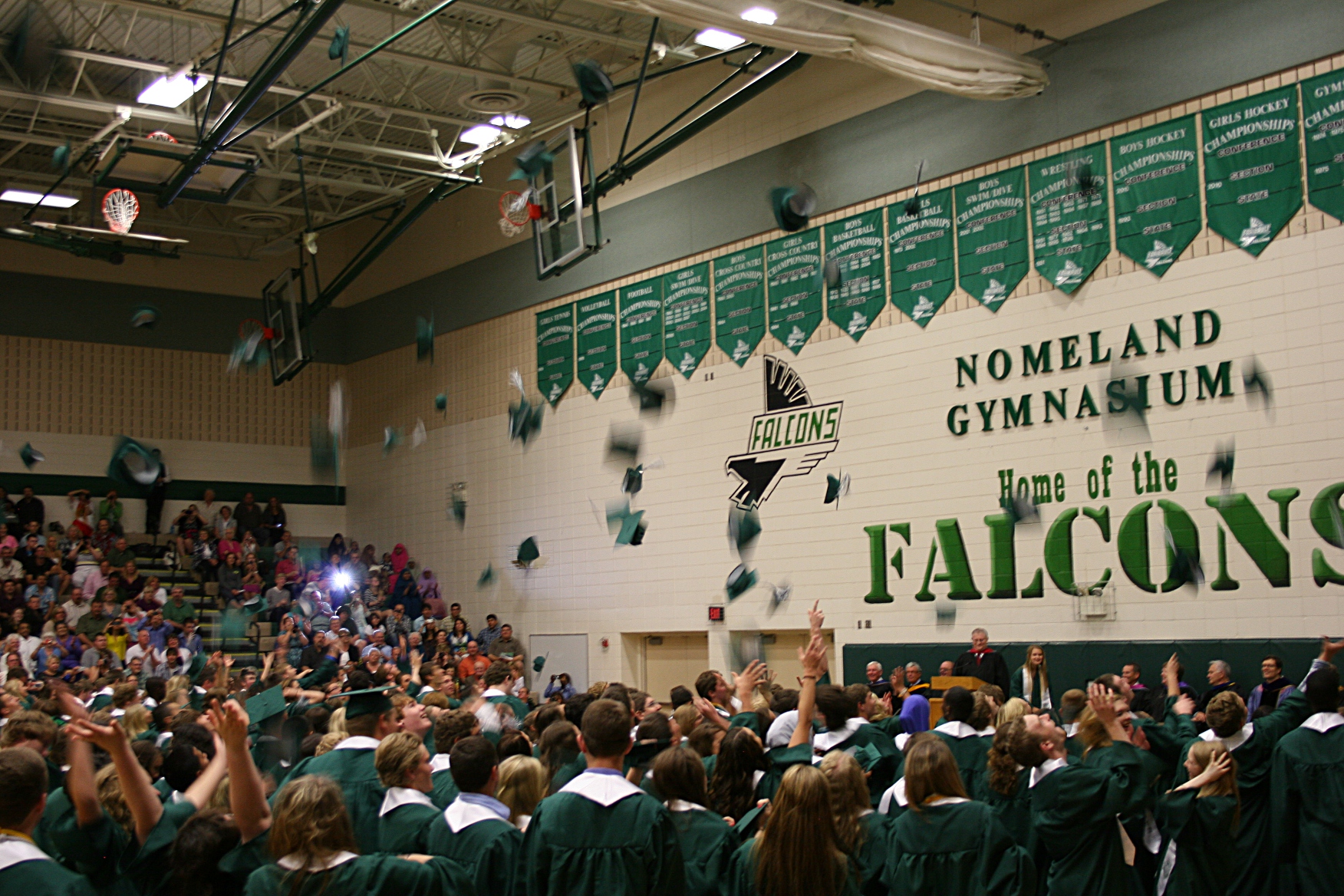
The class of 247 students toss their caps after diplomas are awarded.

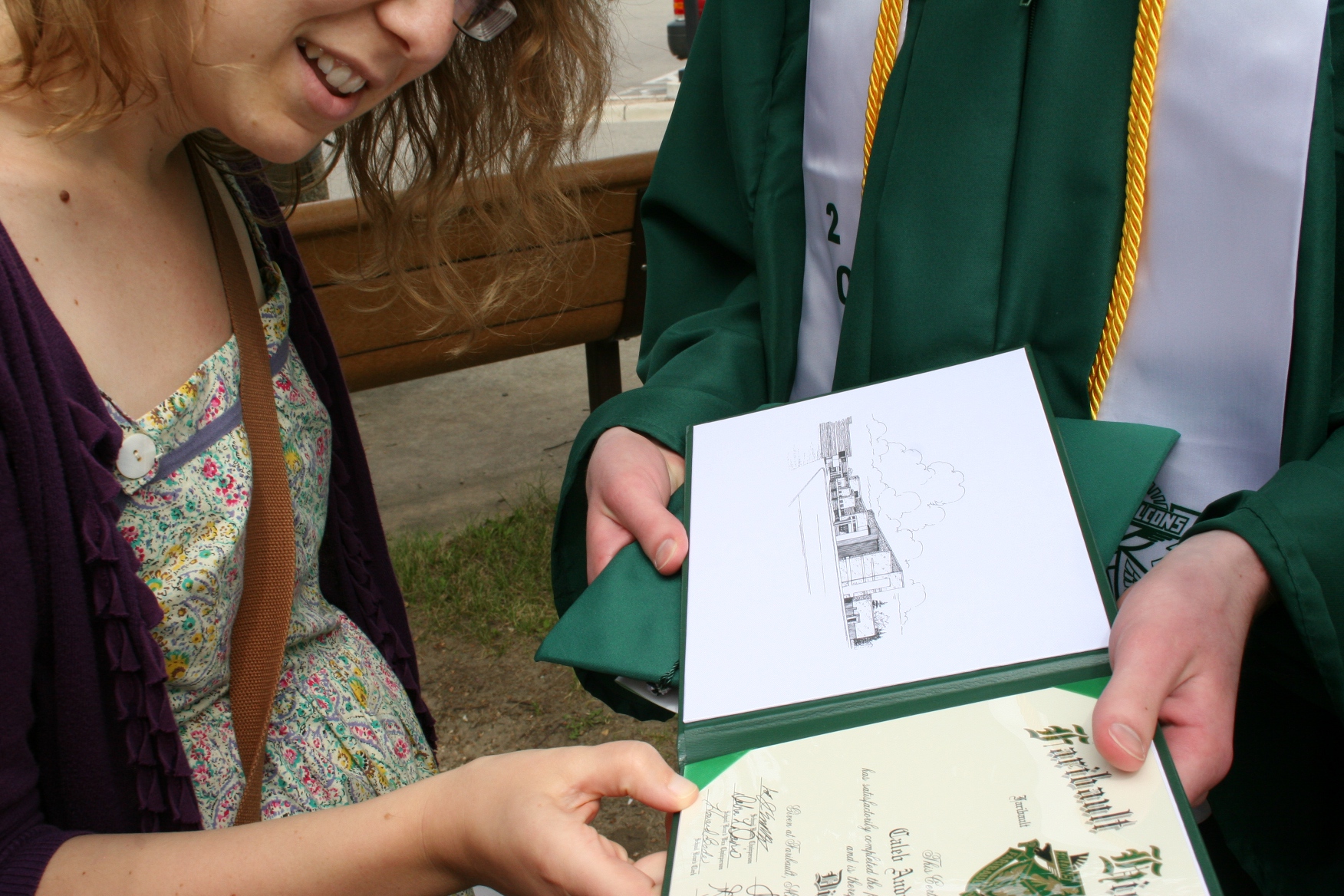
My eldest daughter checks to see if her little brother’s diploma is signed.

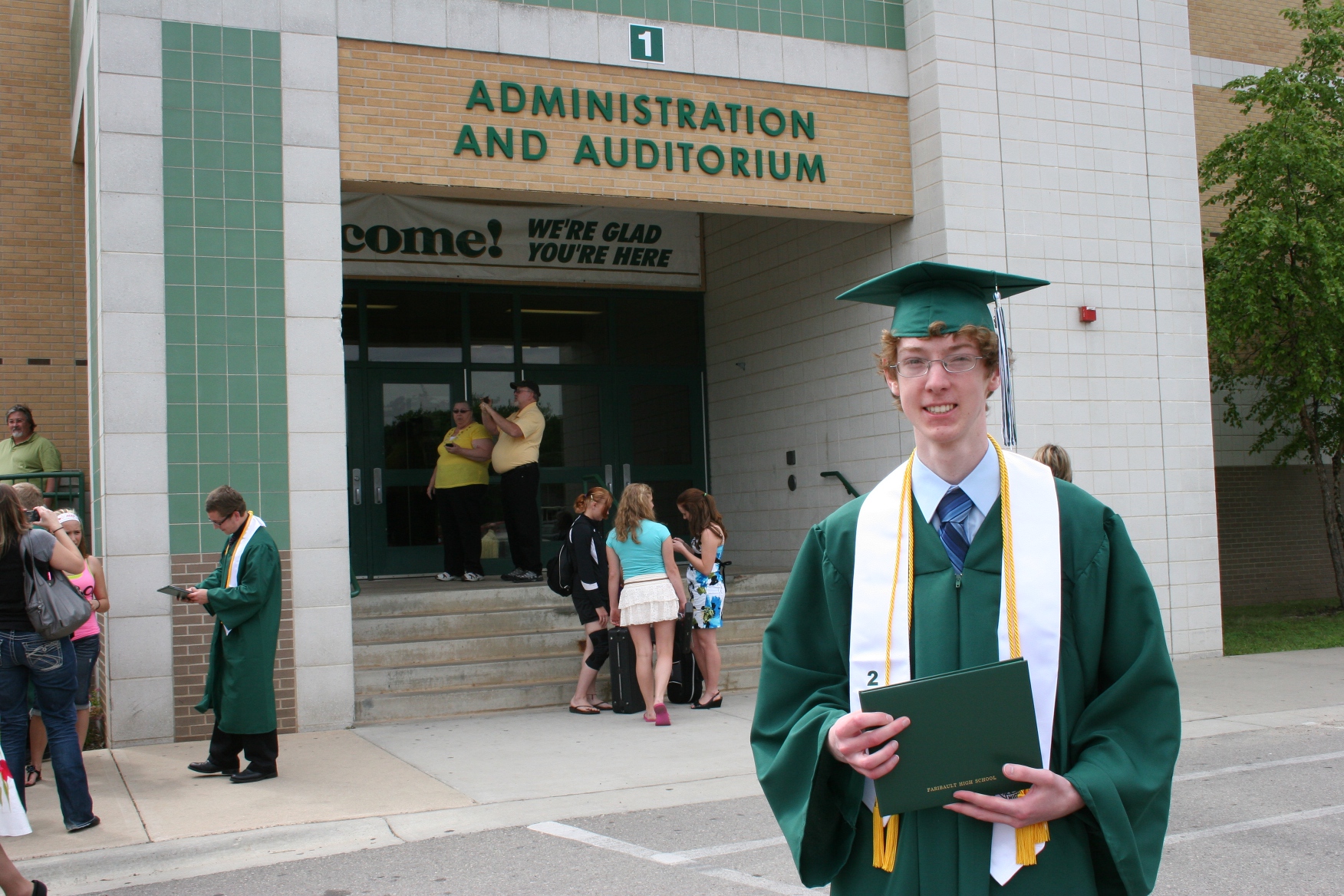
The typical pose in front of the school photo, of my son.

The ever-changing/growing diversity of Faribault as seen in this post commencement gathering outside the school.

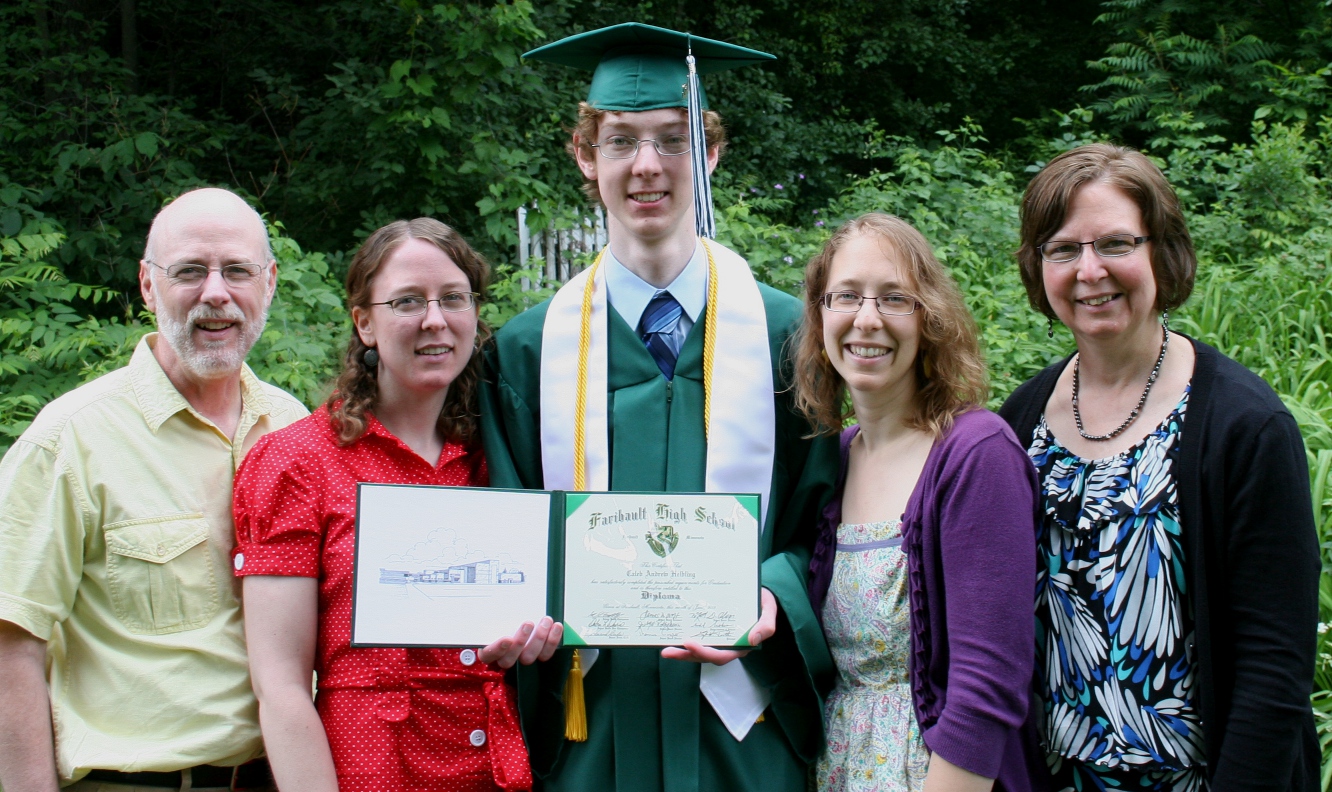
My family in our backyard after commencement.

Copyright 2012 Audrey Kletscher Helbling


Lovin’ Minnesota green May 18, 2012

Filed under: Uncategorized — Audrey Kletscher Helbling @ 7:34 AM
Tags: , , , , , ,

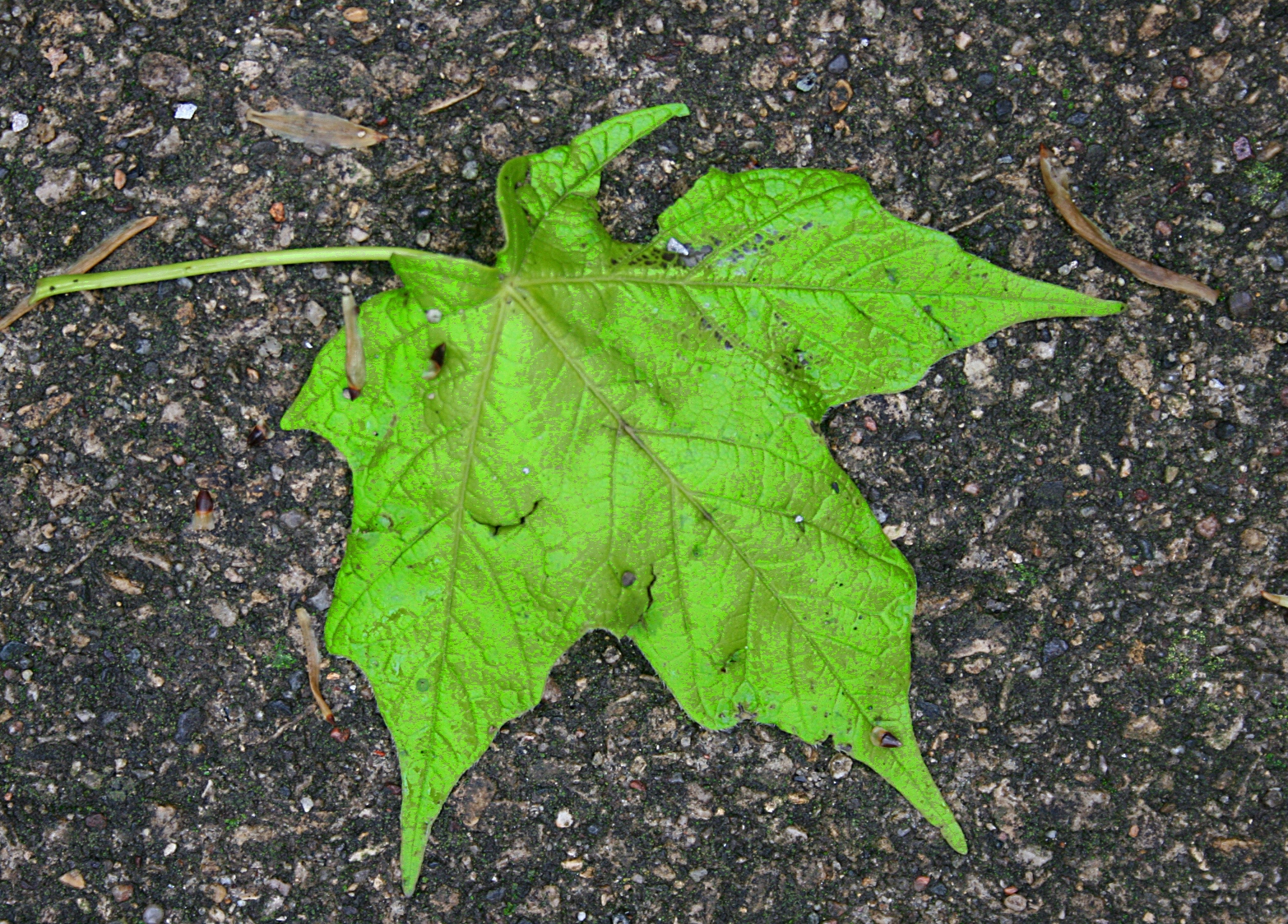
After a recent hail storm, maple leaves littered my patio. The contrast of green against gray, nature against man-made, struck me. I increased the hue saturation in the green to show the details in the leaf and to create a more artsy image. BTW, as a teen, my bedroom was painted lime green, like this leaf.

GIVE ME GREEN. Not money, although I would accept that. But color.

Vibrant, 1970s hippy lime green.

Dark green as deep as the shadowed forest.

The earthy green of unfurling corn leaves poking through soil.

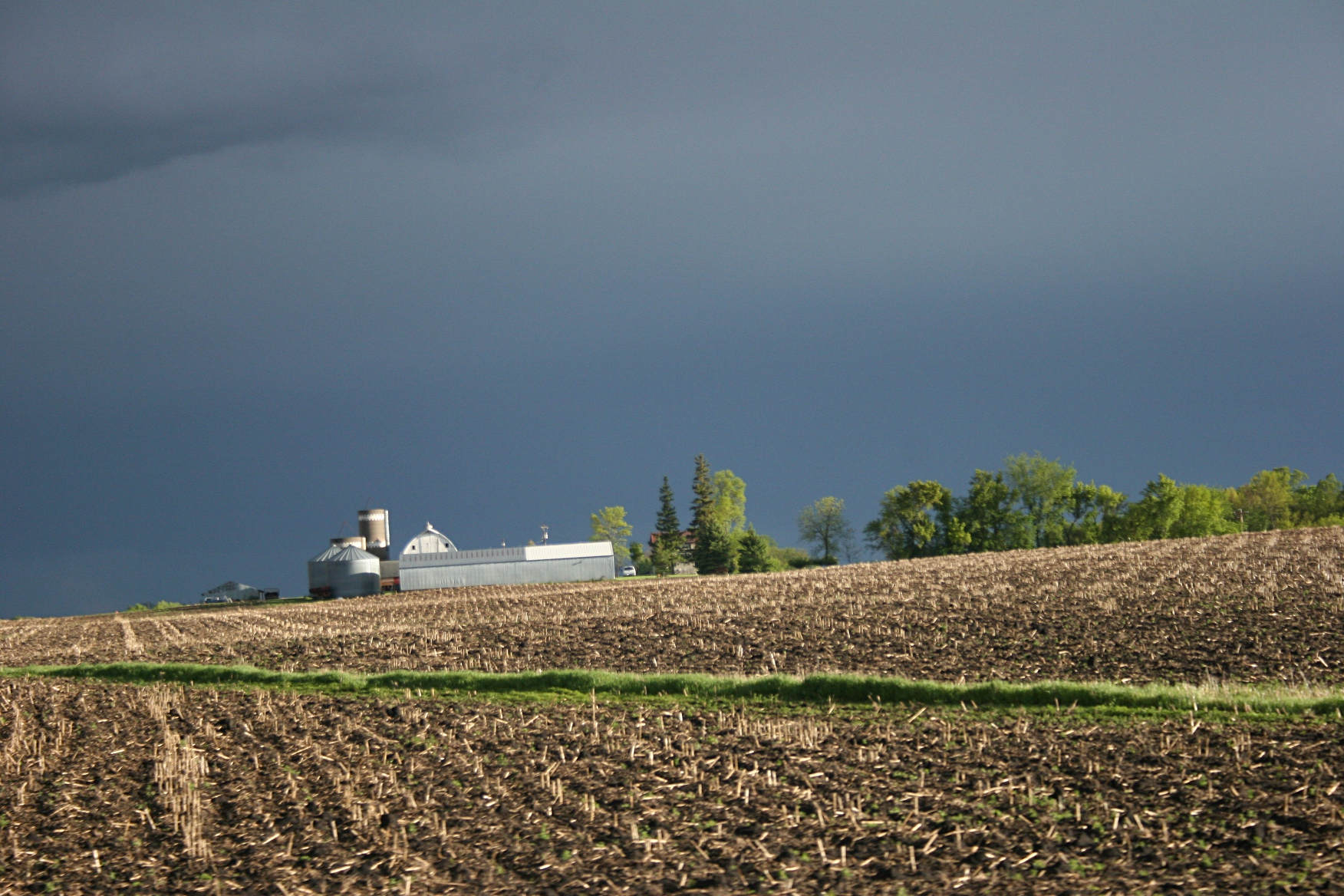
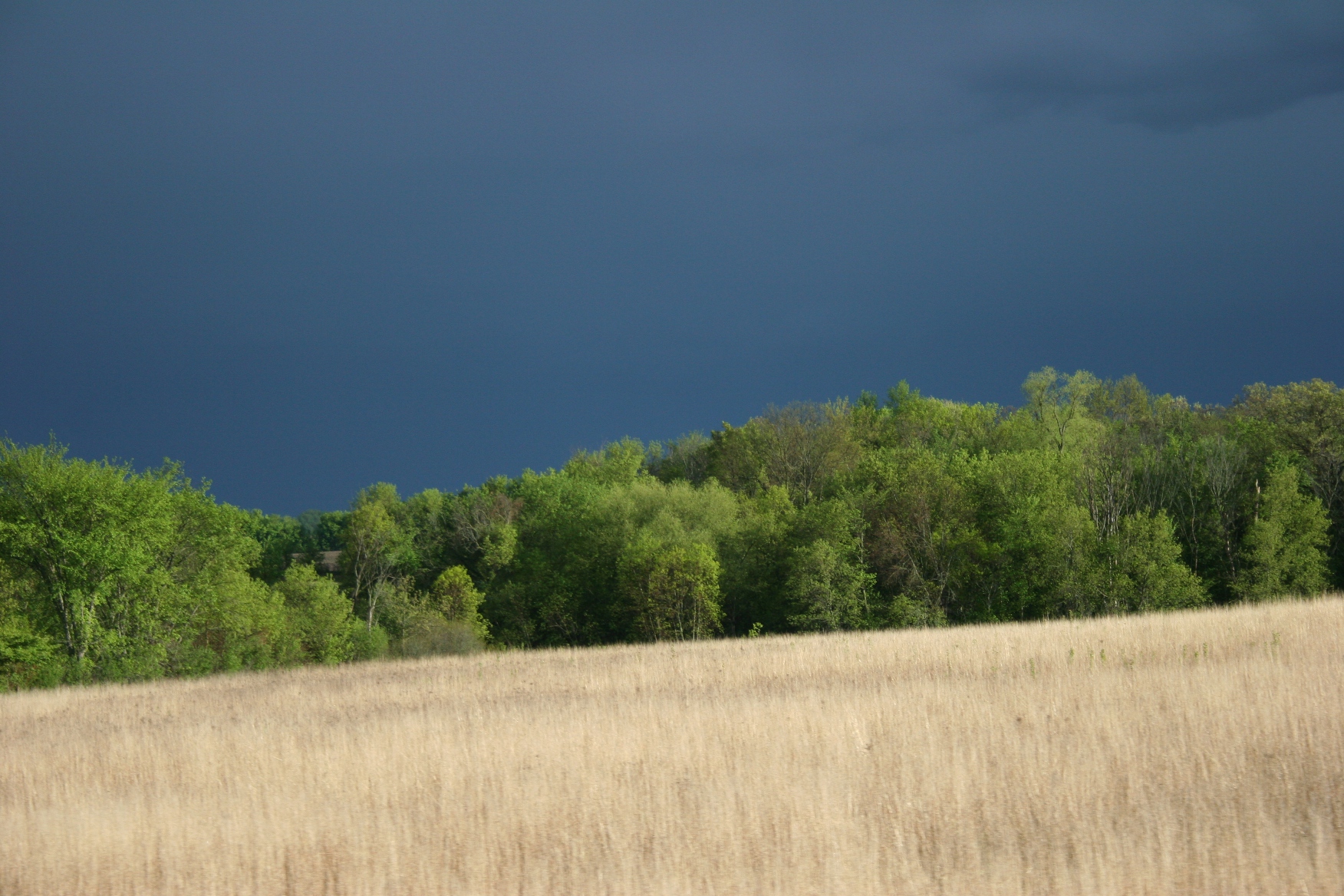
Mixed shades of green massed in a hillside of trees set against the brooding skies of a moody May evening in rural Minnesota.

I couldn’t take my eyes off this scene northeast of Medford on a recent Monday evening. The lines of light and dark broken by that mass of trees appealed to me visually. And the lighting, oh, the lighting. Perfect. This was shot while my husband and I were traveling along a county road.

Grass green slicing across a field.

The soft sage of dried herbs.

Any green will do.

TELL ME, WHAT hue holds your heart?

Along the same county road near Medford, this near-barren field, sliced by that line of green grass, caught my eye as did the foreboding sky and the light, oh, the luscious light of early evening.

© Copyright 2012 Audrey Kletscher Helbling
 

May flowers May 10, 2012

Filed under: Uncategorized — Audrey Kletscher Helbling @ 7:30 AM
Tags: , , , , ,

An allium bud.

THE FIRST FLOWERS of spring always draw me close with my camera to bend and crouch and ponder how I might photograph buds and/or petals in a way that seems anything but ordinary.

I study buds clasped so tight I wonder how they will ever release. I marvel in delicate petals and the green of leaves and stems and in coiled fiddleheads.

Bleeding hearts

Every spring flower, from the first jolts of lemon-hued daffodils to the vibrant red and yellow tulips and now the pink of dainty bleeding hearts and the lavender of long-stemmed waving allium, pulls me close. Yes, even the dandelions.

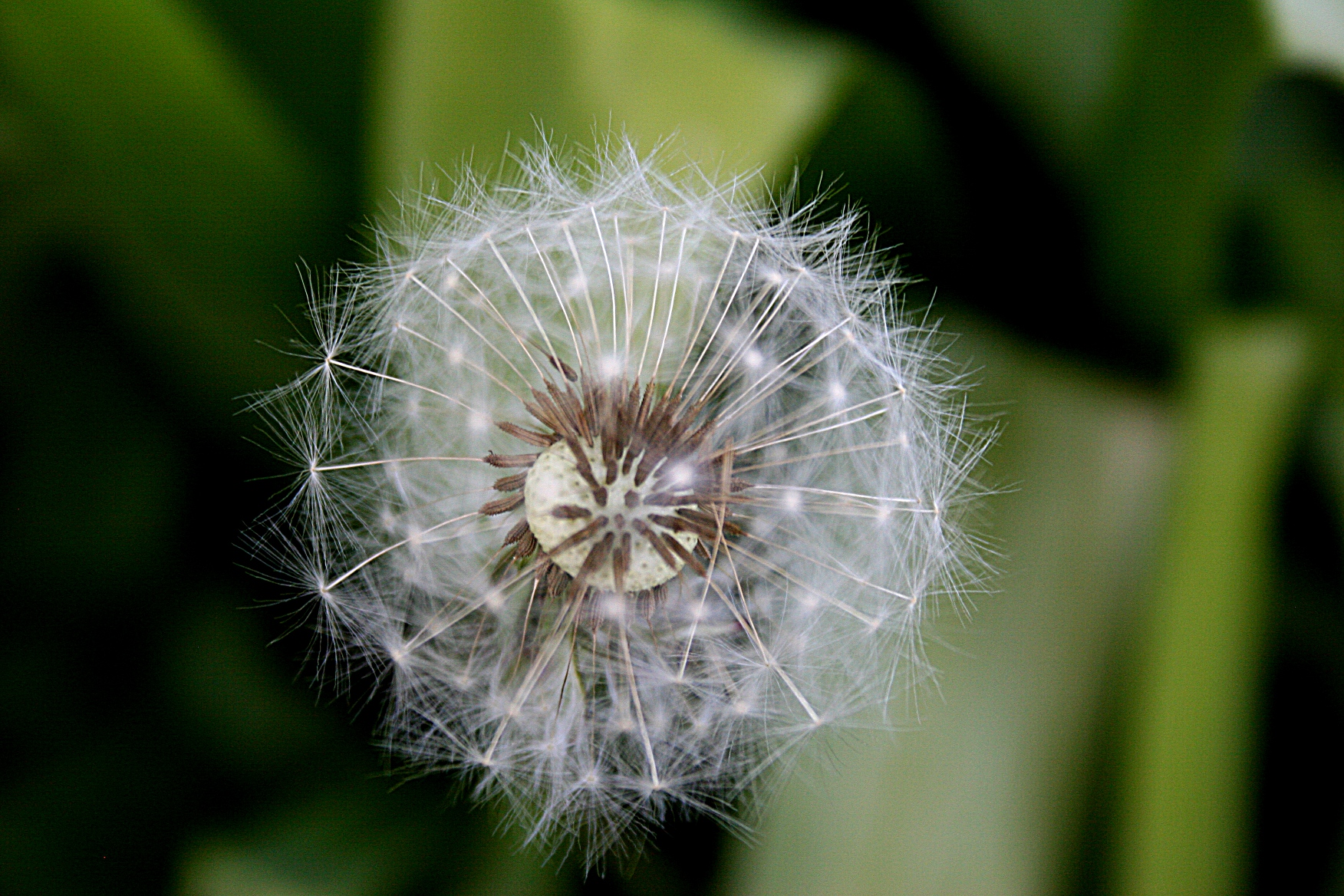
A dandelion gone to seed.

As we transition into May in Minnesota, I consider the annuals I will pot, the seeds I will sow in flower beds and the perennials yet to bloom in the heat and humidity of long summer days.

This truly is the time of year when all seems brighter and greener and, oh, so full of promise.

© Copyright 2012 Audrey Kletscher Helbling
 

My Easter in a single snapshot April 9, 2012

Filed under: Uncategorized — Audrey Kletscher Helbling @ 8:32 AM
Tags: , , , ,

HOLIDAYS ARE MEANT to be celebrated with family. I know that’s not always possible as distance separates many of us from loved ones.

But this Easter my husband and I spent the weekend with our three grown children at our second daughter’s Appleton, Wisconsin, apartment, a five-plus hour drive from our southeastern Minnesota home.

It was, as the four of us traveling there in our family van would conclude, “a long, weary journey,” made longer by the beginning of road construction season.

But it was worth the detour, the traffic, the $3.939/gallon gas in Appleton, the fierce wind, the dust storm in potato land near Coloma, the tumbleweeds and small branches flying across the interstate at Tomah…. so worth the drive for all five of us to be together.

We laughed and teased. Dined and worshiped together. We built family memories.

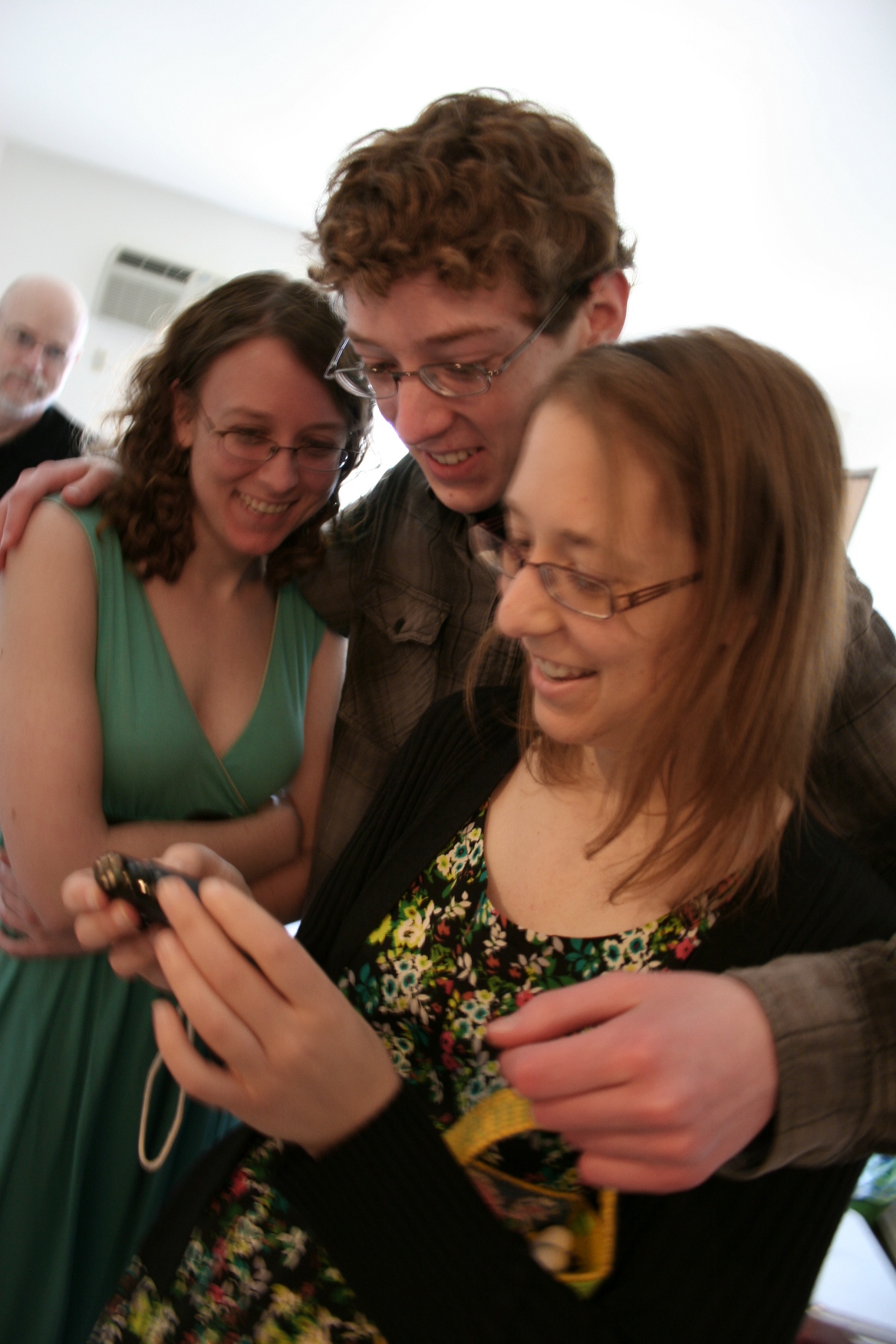
I could write hundreds of words to sum up the weekend. But the image below, although technically of low quality, best tells it all. This single, blurred shot captures what only minutes earlier I had attempted to get in posed pictures. The three are viewing those posed frames on my oldest daughter’s camera. Just look at the trio with my husband in the background. You can almost feel the love, can’t you?

I had no time to adjust my camera or frame this image. I saw the moment and snapped the shutter button. Perfect.

© Copyright 2012 Audrey Kletscher Helbling
 

Scenes along Interstate 94 driving toward Fargo February 27, 2012

Filed under: Uncategorized — Audrey Kletscher Helbling @ 8:49 AM
Tags: , , , , , , ,

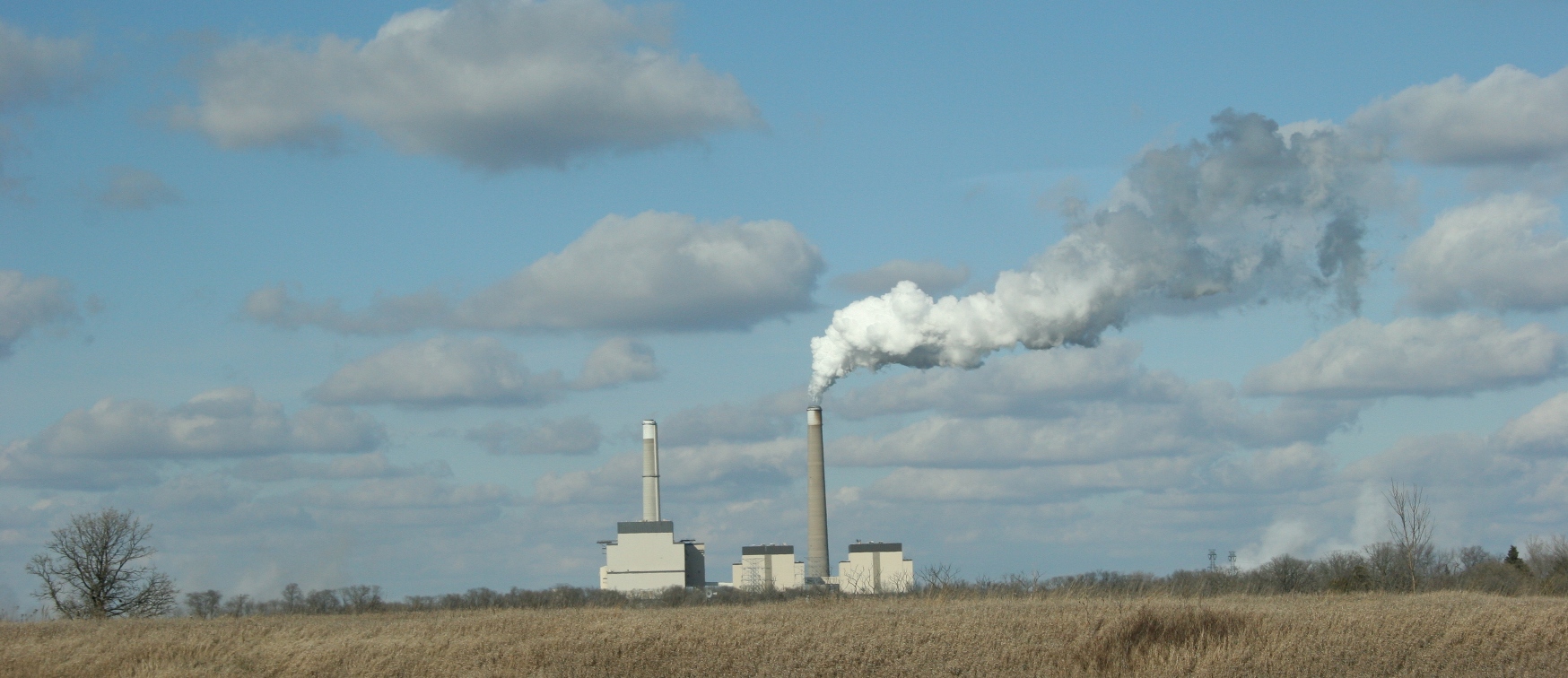
The coal-fired power plant by Becker as seen from Interstate 94.

IN COUNTRY THAT’S primarily flat and open, you notice the details—the shape and height of clouds, the tint of the soil, the sharp angles of buildings, towers that break the monotony of horizontal lines and so much more.

At least I notice these things. Maybe you don’t.

Join me today on one final trek along Interstate 94 as we travel northwest toward Fargo, North Dakota. Begin to see, like me, man’s imprint upon the land.

I am neither endorsing nor criticizing the content of these images. I am simply showing you examples of what I noticed along that drive, beginning near Monticello, Minnesota. I’ve already shown you the skyscapes and the farm sites in previous posts.

These photos represent subjects that don’t fit into a single, well-defined category. They are, if anything, simply scenes that unfold upon the stage of this land, this wide, wide land.

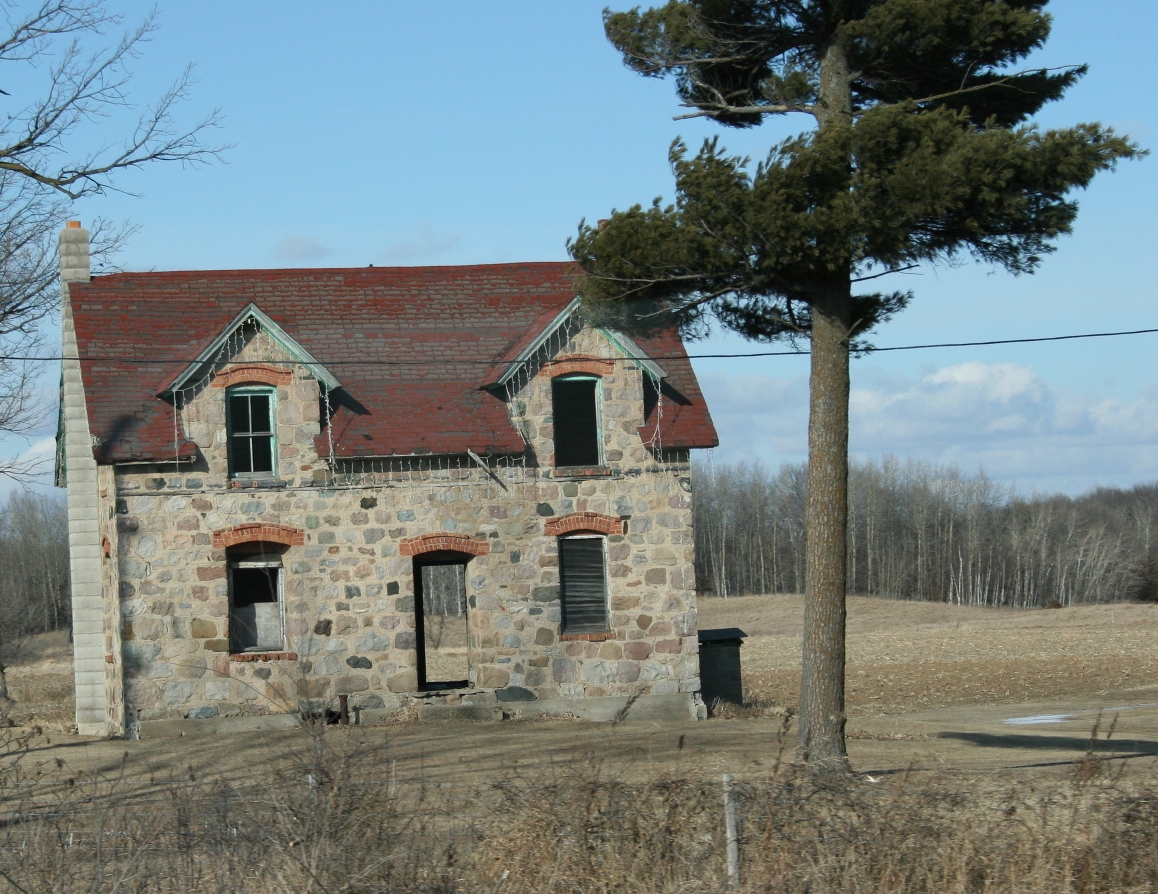
I'd love to know the history behind this house in the Avon area.

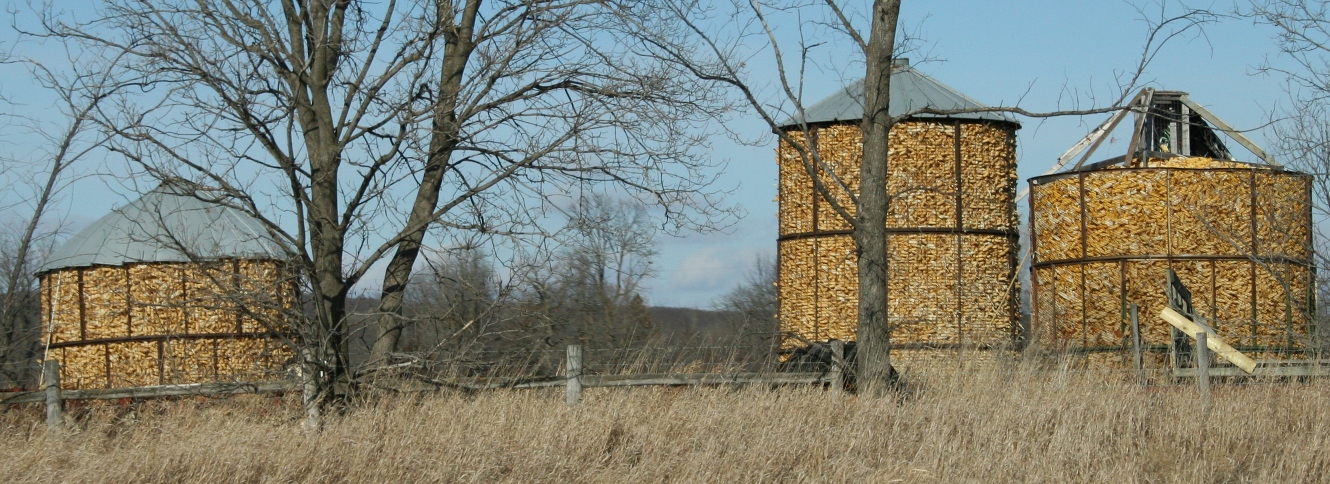
You just don't see old corn cribs like this in use much anymore. Something about them so appeals to me visually.

Deep in the heart of dairy country, I spotted this vet clinic sign by Freeport.

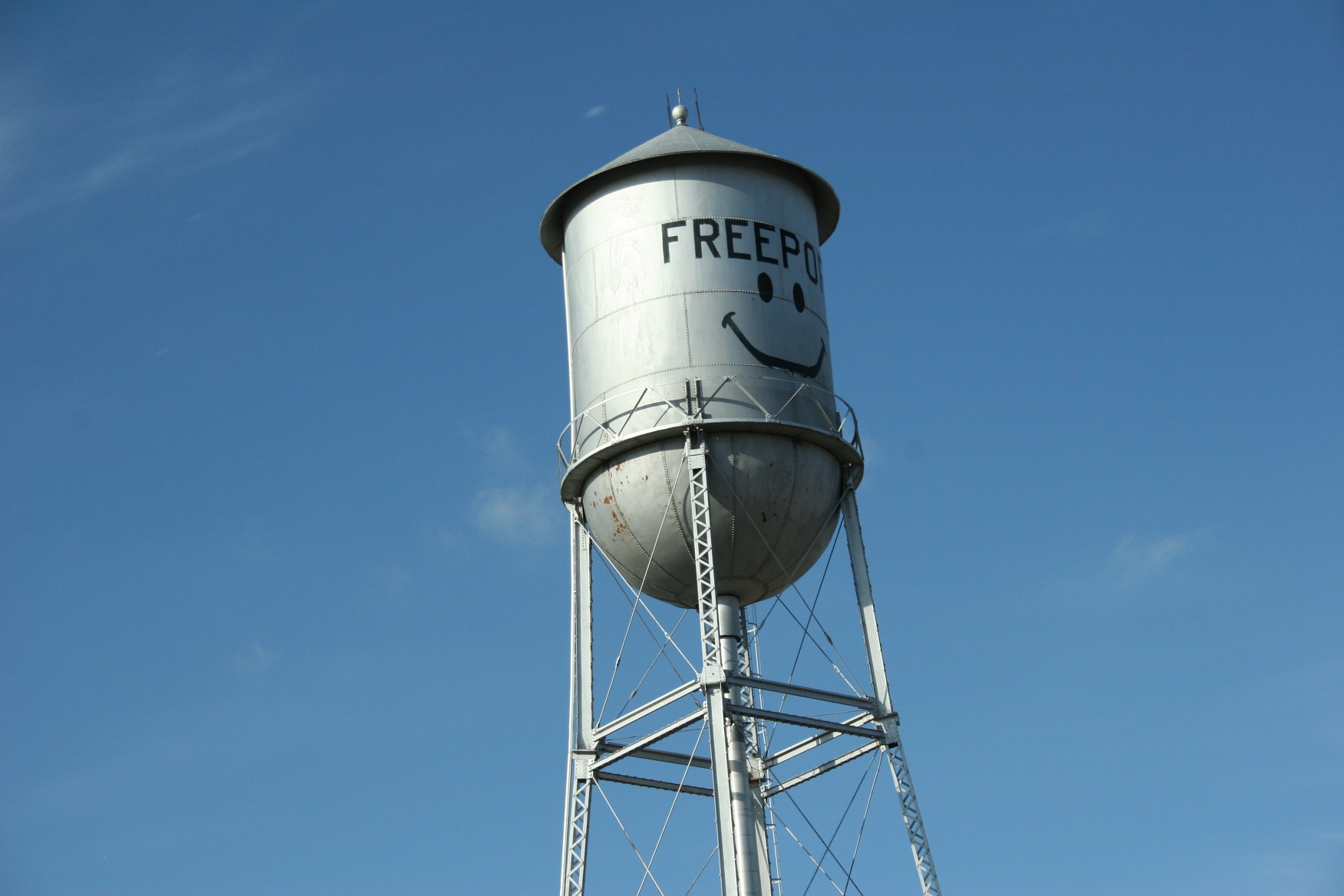
Freeport, "The city with a smile!" is marked by this old-fashioned smiling water tower.

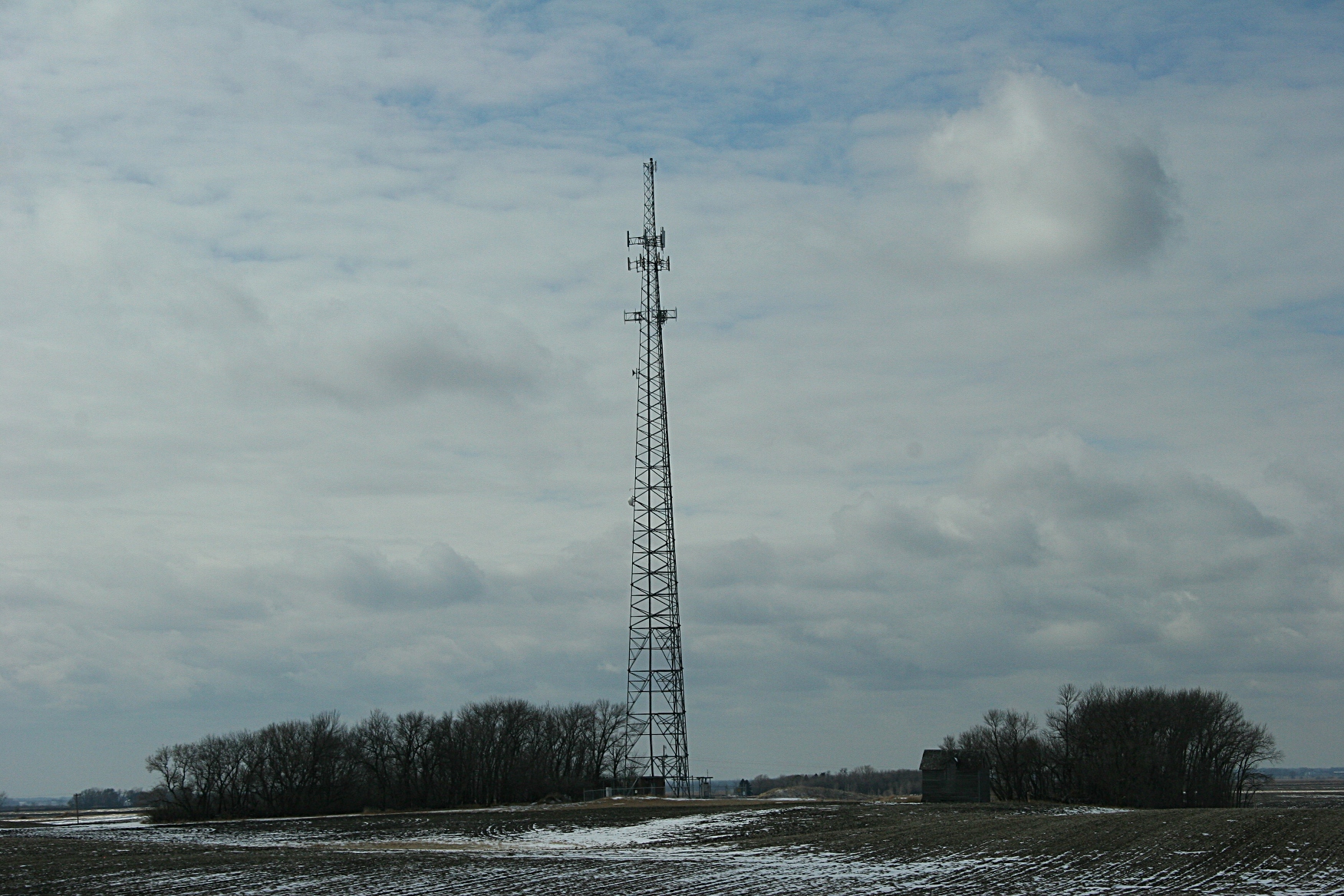
Drive I-94 and you'll see endless towers like this one where the tower dwarfs an abandoned building to the right.

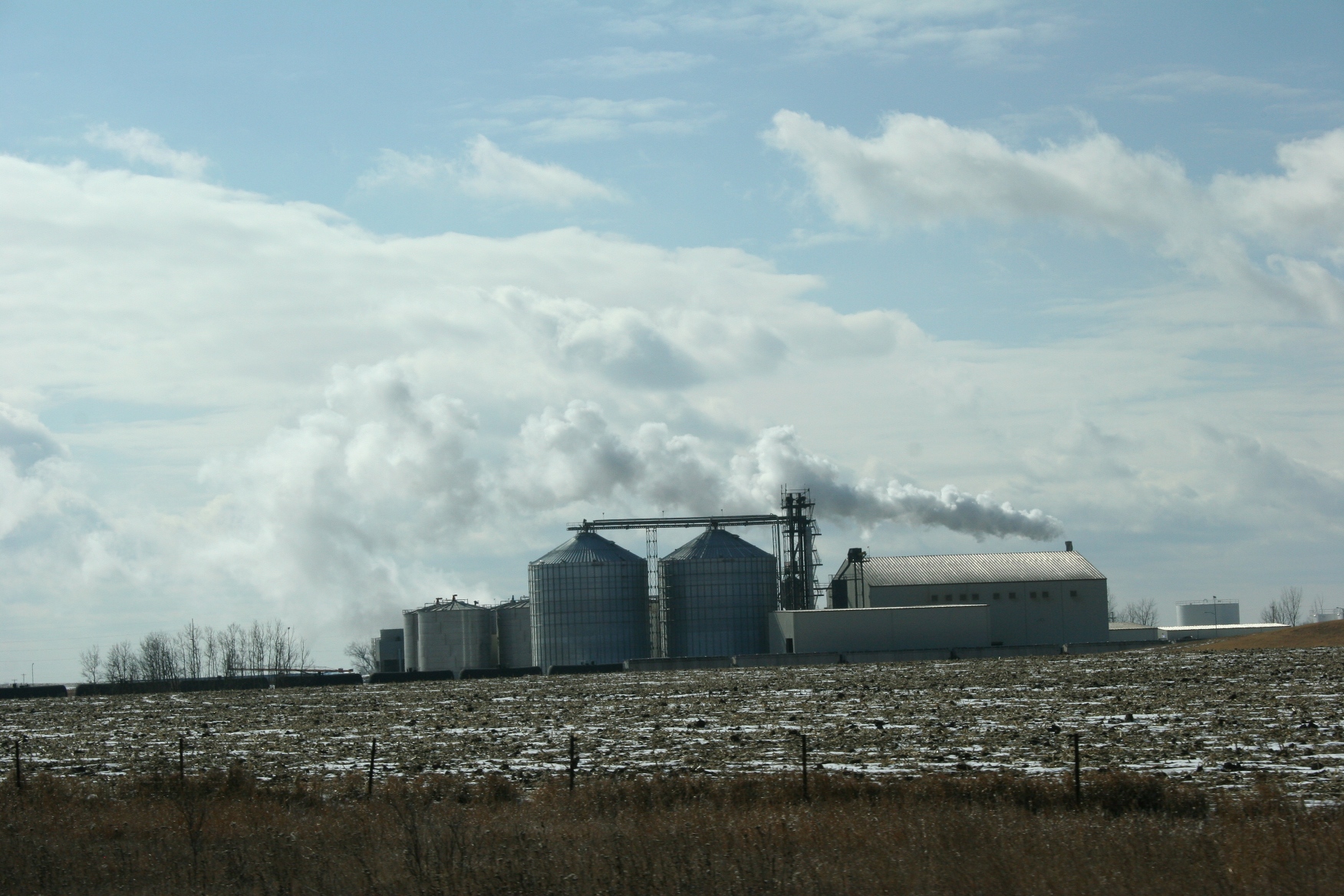
This country is rural through and through. This may be an ethanol plant although I'm not sure. Anyone know?

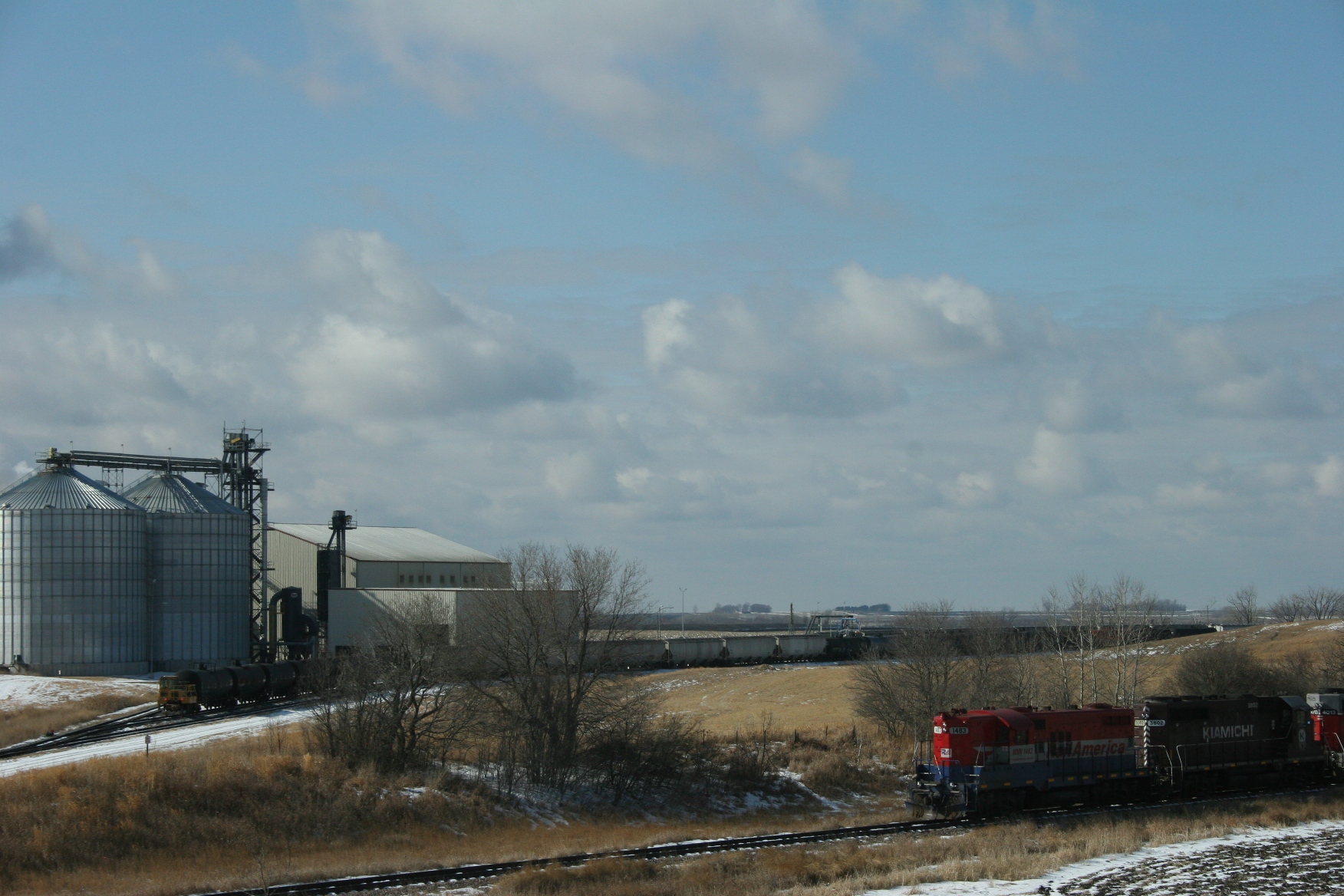
I expected to see more trains than I did. These were near the plant in the photo above.

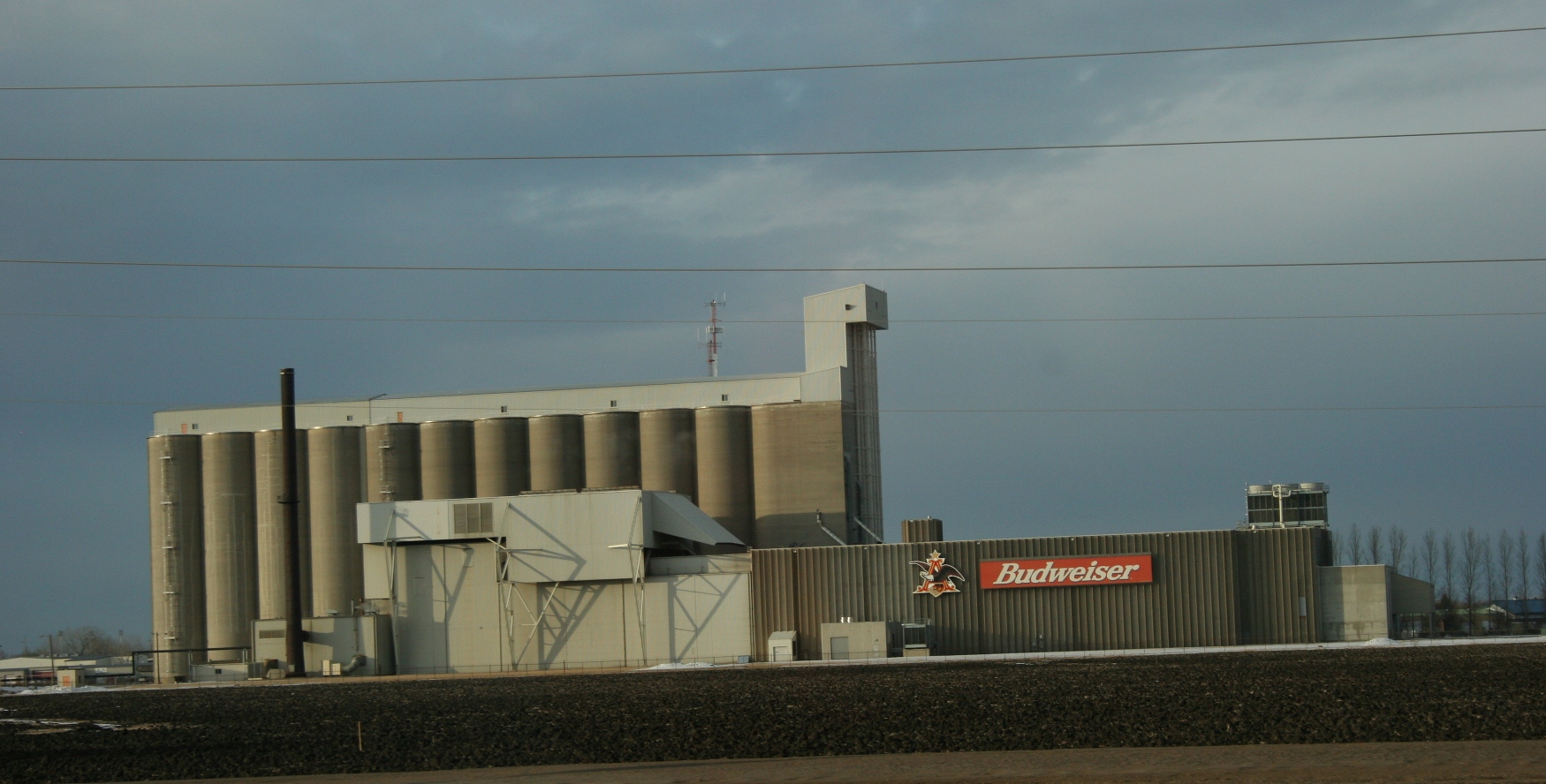
Who knew? A Budweiser plant in Moorhead.

© Copyright 2012 Audrey Kletscher Helbling
 

What’s your line? January 31, 2012

WHAT LINES DEFINE your world? Horizontal or vertical?

Perhaps you’ve never considered that question. But ponder that for a minute.

Where do you live? Where do you work? What lines define your environment?

Do you live in the city, the country or a small town? Do you live on the prairie, in the mountains or somewhere in between?

My world has always been horizontal. I prefer it that way—flat and unbroken by vertical obstacles. Towering buildings overwhelm me; make me feel small, visually overpowered and uncomfortable.

Can you understand that? Perhaps if you grew up or live in a rural area, you do.

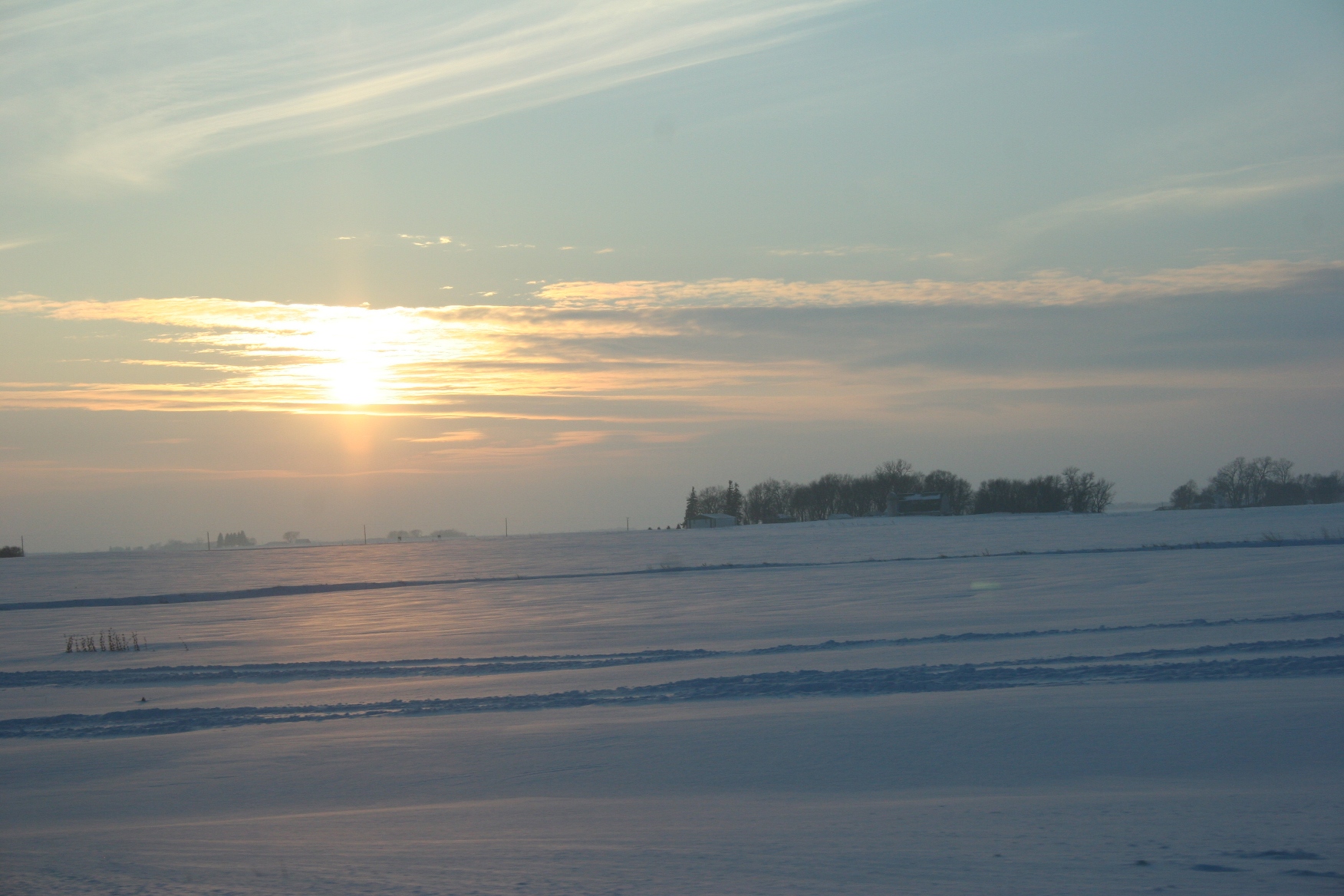
The sun sets on my native southwestern Minnesota prairie in this December 2010 image.

I traveled to Chicago once during college, and to New York. While touring the garment district in the Big Apple, I was nearly flattened by a vendor pushing a rack of clothing as I paused on the sidewalk to gawk at the skyscrapers. In Chicago, I struggled with sleeping in a hotel that stretched too far into the sky.

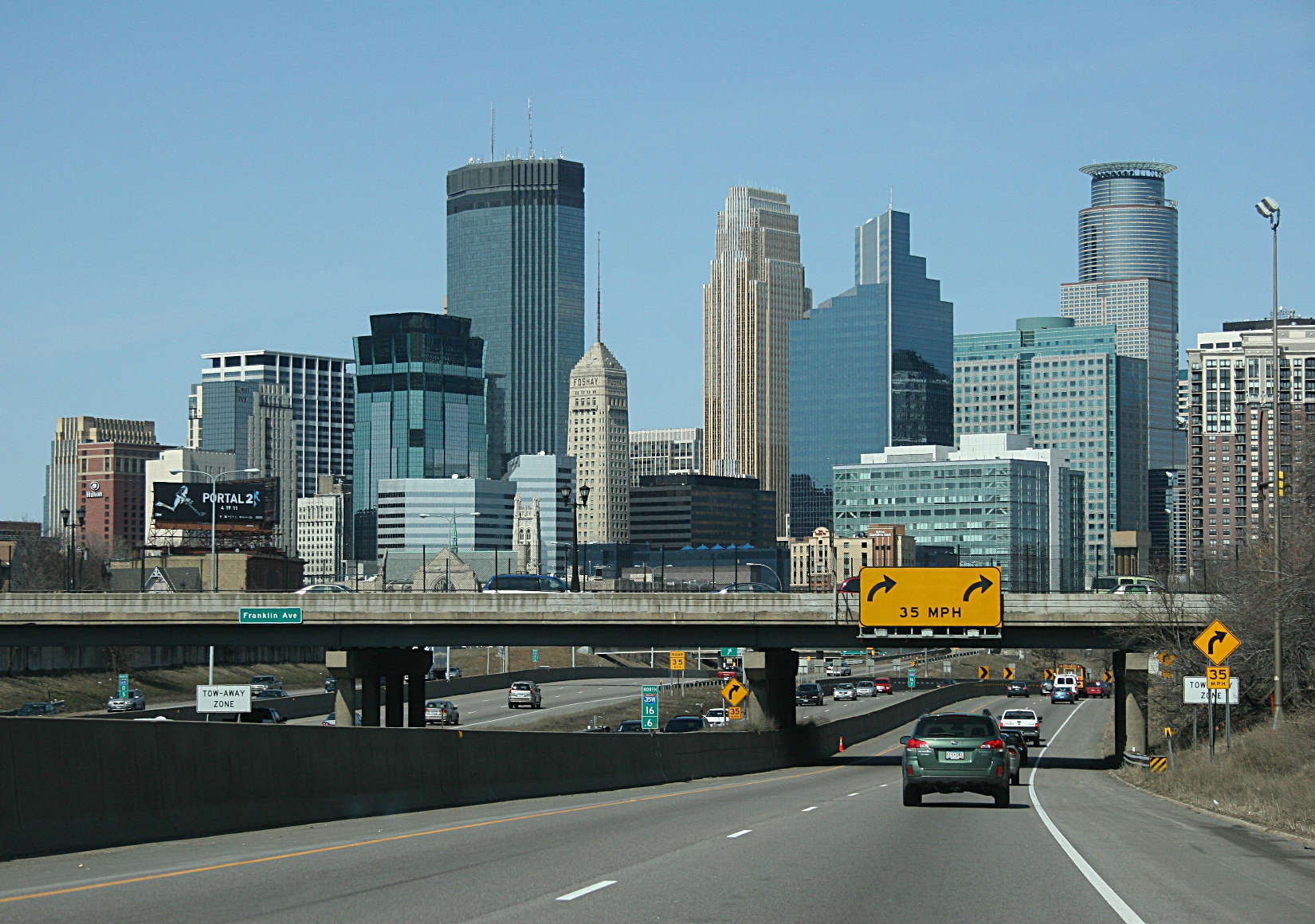
A view of the Minneapolis skyline from Interstate 35.

I can’t recall the last time I visited downtown Minneapolis, but I’m certain it’s been decades. I’ve never been to any other big cities and I have no desire to travel to them.

Some of you will say I am missing out on culture and shopping and so much more by staying out of the city. You would be right.

But to counter that, I will tell you many a big city resident fails to leave the confines of the city to explore the small towns and rural areas that offer grassroots culture and shopping and much, much more.

I am not trying to pit city against country, horizontal against vertical, here. Rather, I’d simply like you to think about your world from a visual perspective. Then, tell me, what lines define your landscape? Vertical or horizontal, or a mixture of both?

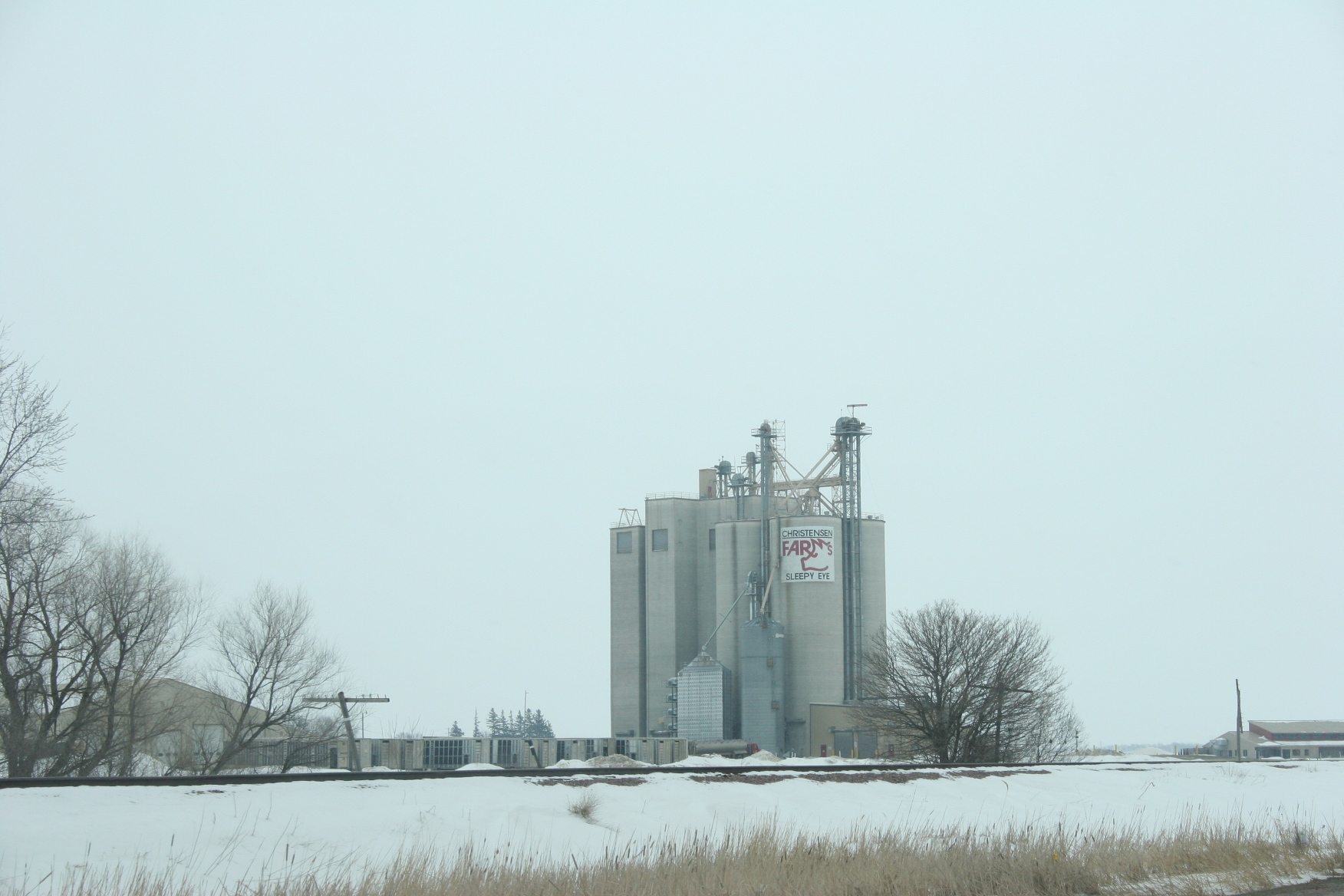
Even in rural Minnesota, vertical lines occasionally break the horizon, like this scene at Christensen Farms along U.S. Highway 14 east of Sleepy Eye in southwestern Minnesota.

The strong horizontal lines of railroad tracks and trains cross the flat prairie landscape of southwestern Minnesota. I shot this along U.S. Highway 14 between Springfield and Sleepy Eye as snow fell late on a March morning in 2011.

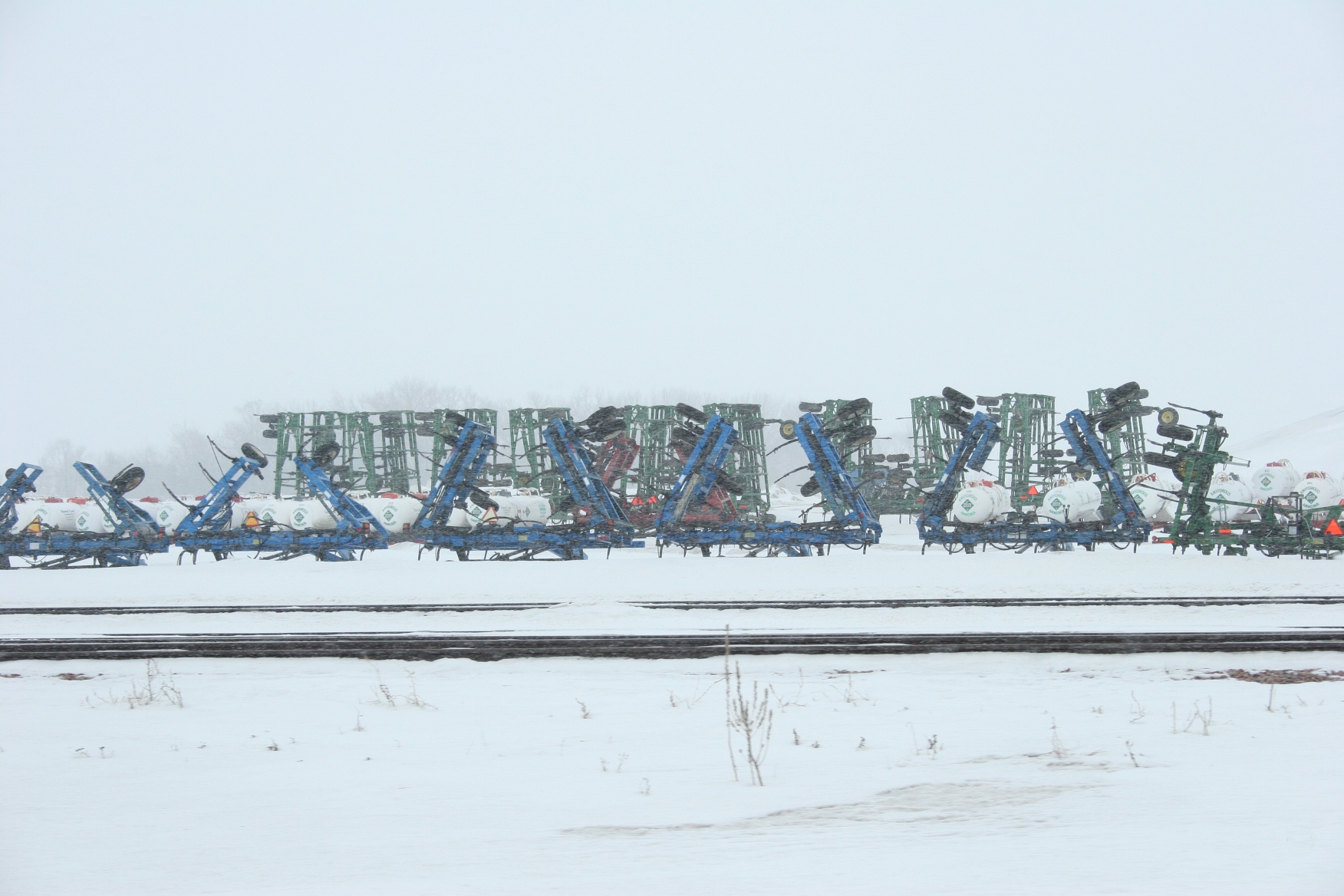
Railroad tracks and diggers slice precise horizontal lines across the landscape in this March 2011 image shot while traveling U.S. Highway 14 between Springfield and Sleepy Eye, in my native southwestern Minnesota.

I live in Faribault, an hour's drive south of Minneapolis along Interstate 35. While I certainly don't consider Faribault, with a population of around 22,000 to be a small town, it's definitely not urban. I shot this pastoral scene last spring several miles west of town near Roberds Lake.

© Copyright 2012 Audrey Kletscher Helbling
 

A Minnesota prairie native discovers a ship docked in the Wisconsin woods January 26, 2012

I GREW UP on the southwestern Minnesota prairie, a mostly flat land vertically-interrupted only by small-town grain elevators and water towers, by silos and groves of trees hugging farm sites.

I never felt hemmed in. How could I feel confined under an endless sky in a land that stretches into forever, nearly unbroken before your eyes?

Perhaps that will help you understand why I sometimes struggle with trees. I’m not talking a tree here, a tree there, but trees packed so tight that they become a forest. Dense. Black. Blocking views. I need to, have to, see the land spreading wide before me if I’m exposed for too long to miles of thick woods.

Likewise, I prefer my land flat.

All of that said, time and age and exposure to geography beyond the prairie have resolved some of those space and landscape issues for me. I can, within limits, appreciate terrain that rolls and rises, trees that clump into more than a shelter belt around a farmhouse.

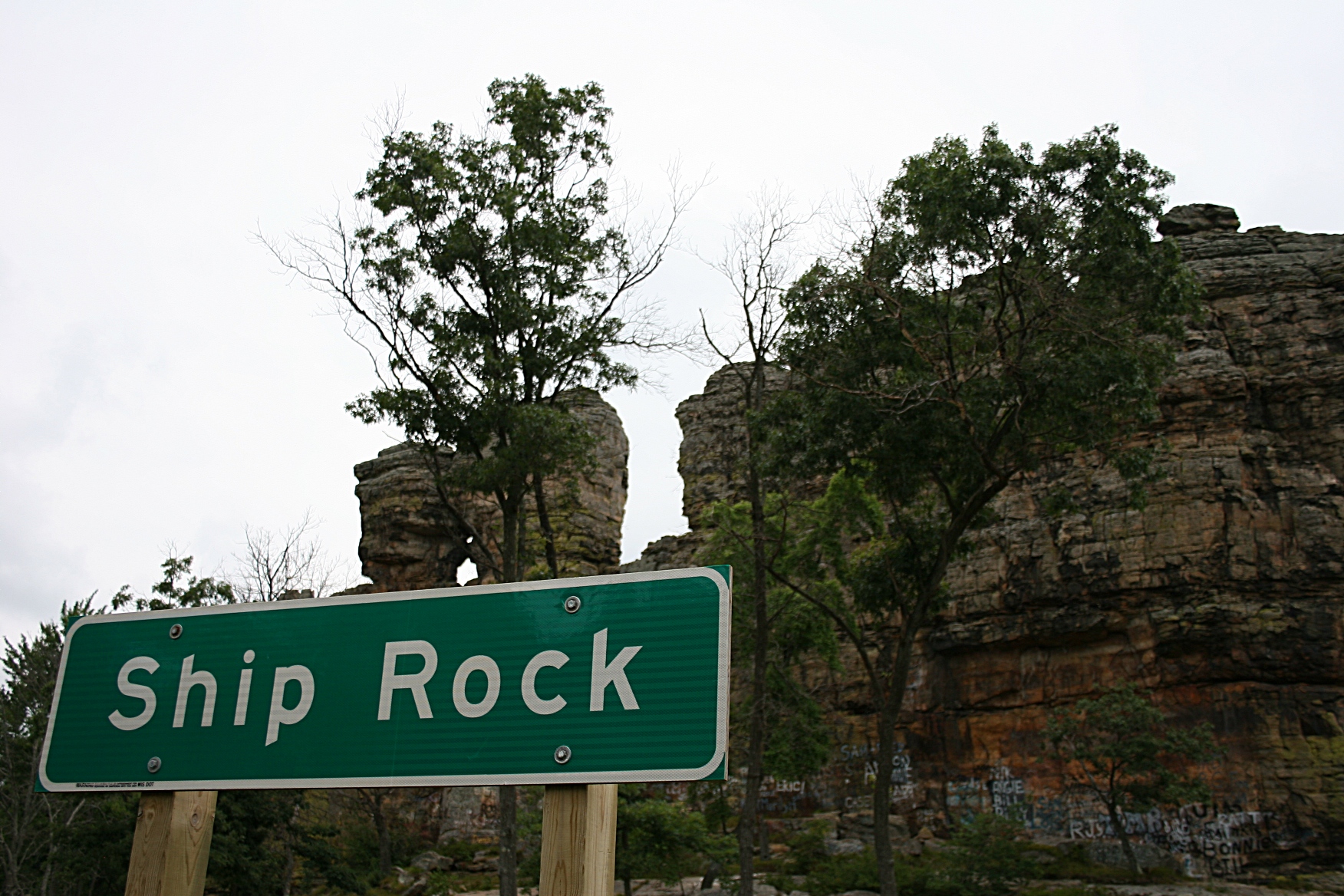
I can appreciate, too, geological anomalies like Ship Rock, a natural formation jutting out of seemingly nowhere from the trees that crowd State Highway 21 in Adams County near Coloma in central Wisconsin.

Ship Rock is located next to Wisconsin Highway 21 in the central part of the state.

Whenever I pass by Ship Rock, which has been numerous times since my second daughter moved to Appleton, Wisconsin, in December 2010, I am awestruck by this isolated pinnacle of Cambrian sandstone. Finally, this past summer, my husband, teenaged son and I stopped to climb around the base of the rock cropping and to photograph it (me mostly photographing rather than climbing).

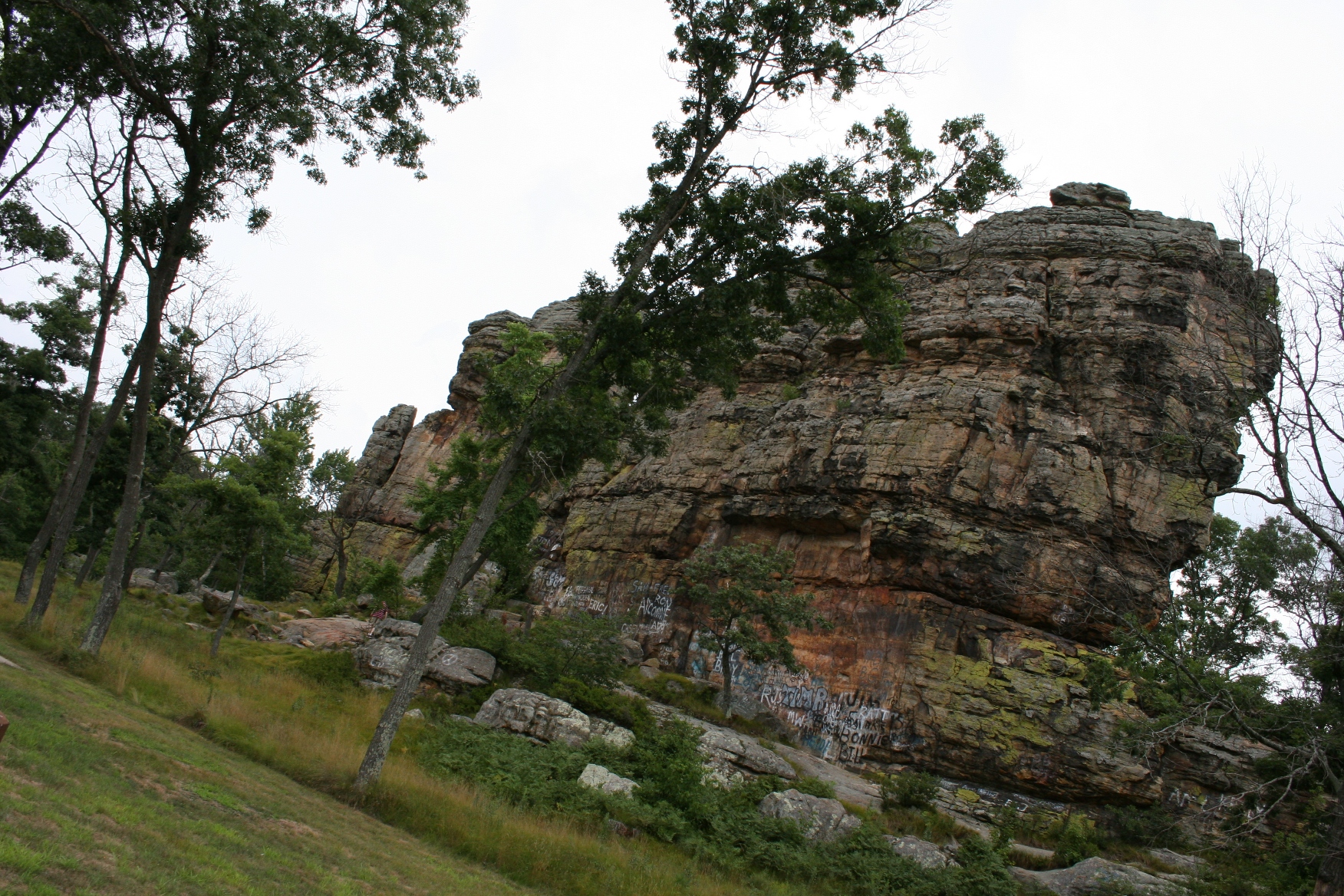
Ship Rock rises from the flat landscape, a surprise in the Wisconsin woods.

My husband walks across the rocks below the looming Ship Rock.

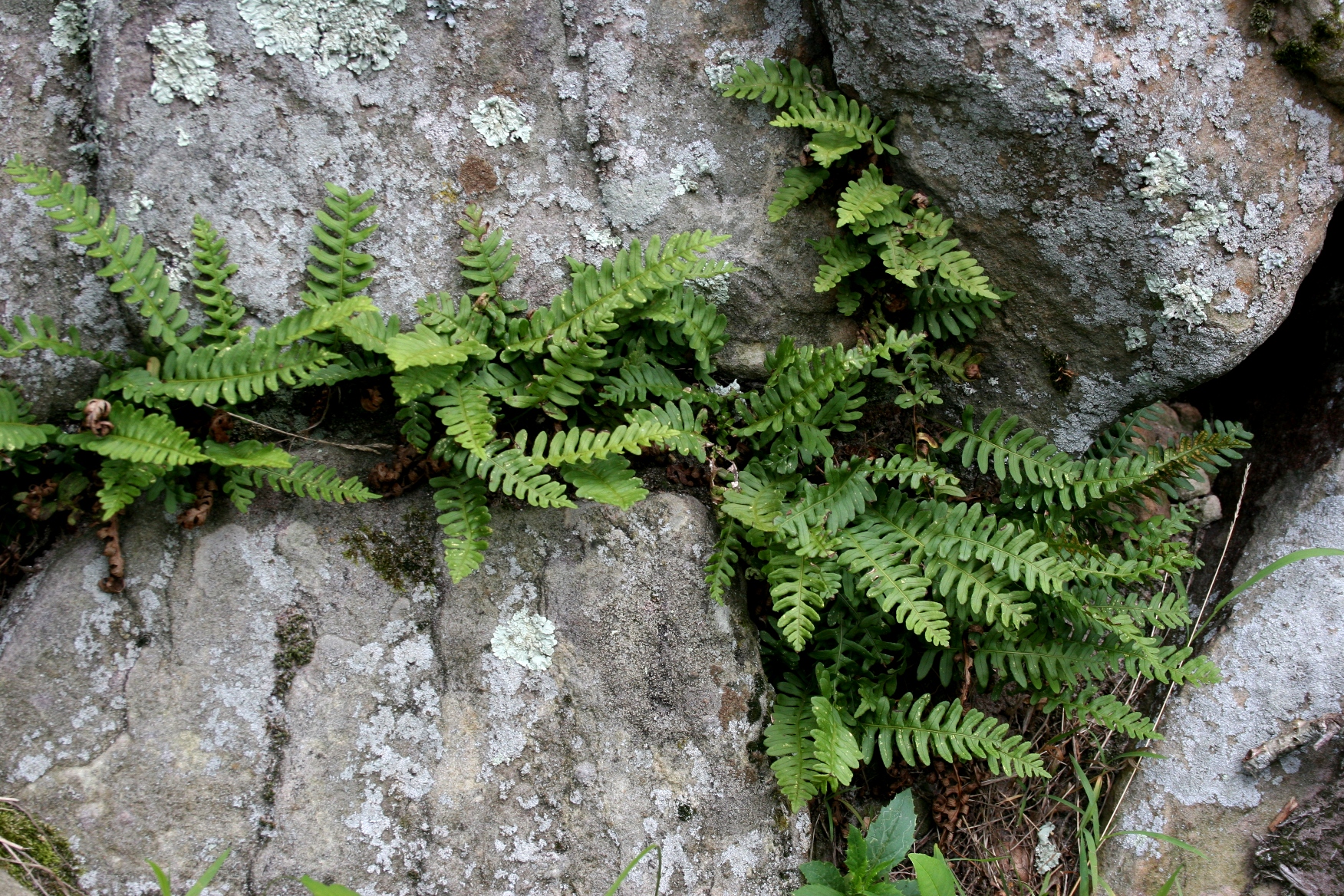
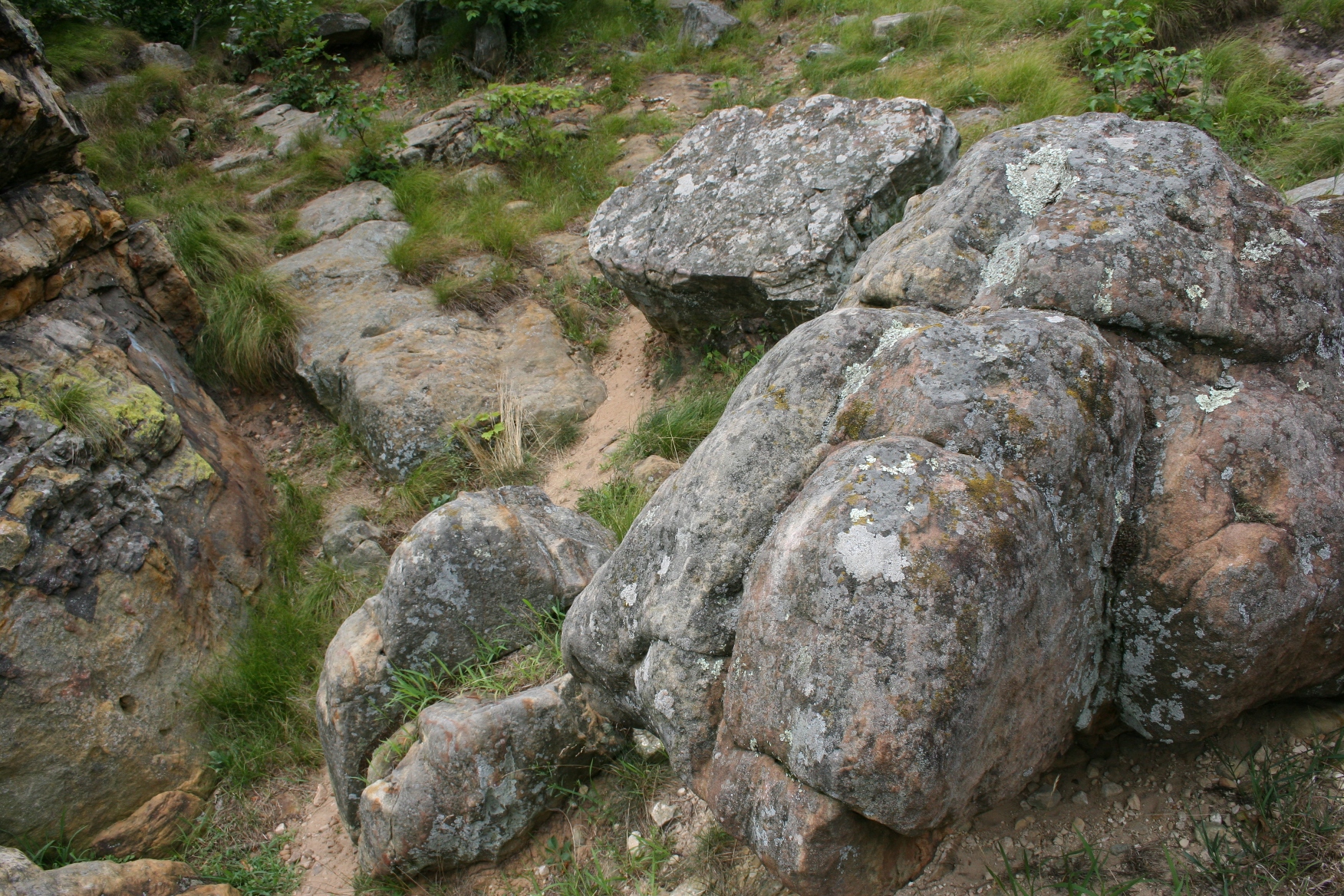
If you can ignore the distracting graffiti, then you can appreciate the nuances of the mottled stone, the ferns that tuck into crevices, the surprise of this Ship Rock docked in the most unexpected of places. The rock formation truly does resemble a ship.

I am surprised by the ferns that grow in the tight spaces between rocks.

Grass sweeps between rocks in this August 2011 image taken at Ship Rock.

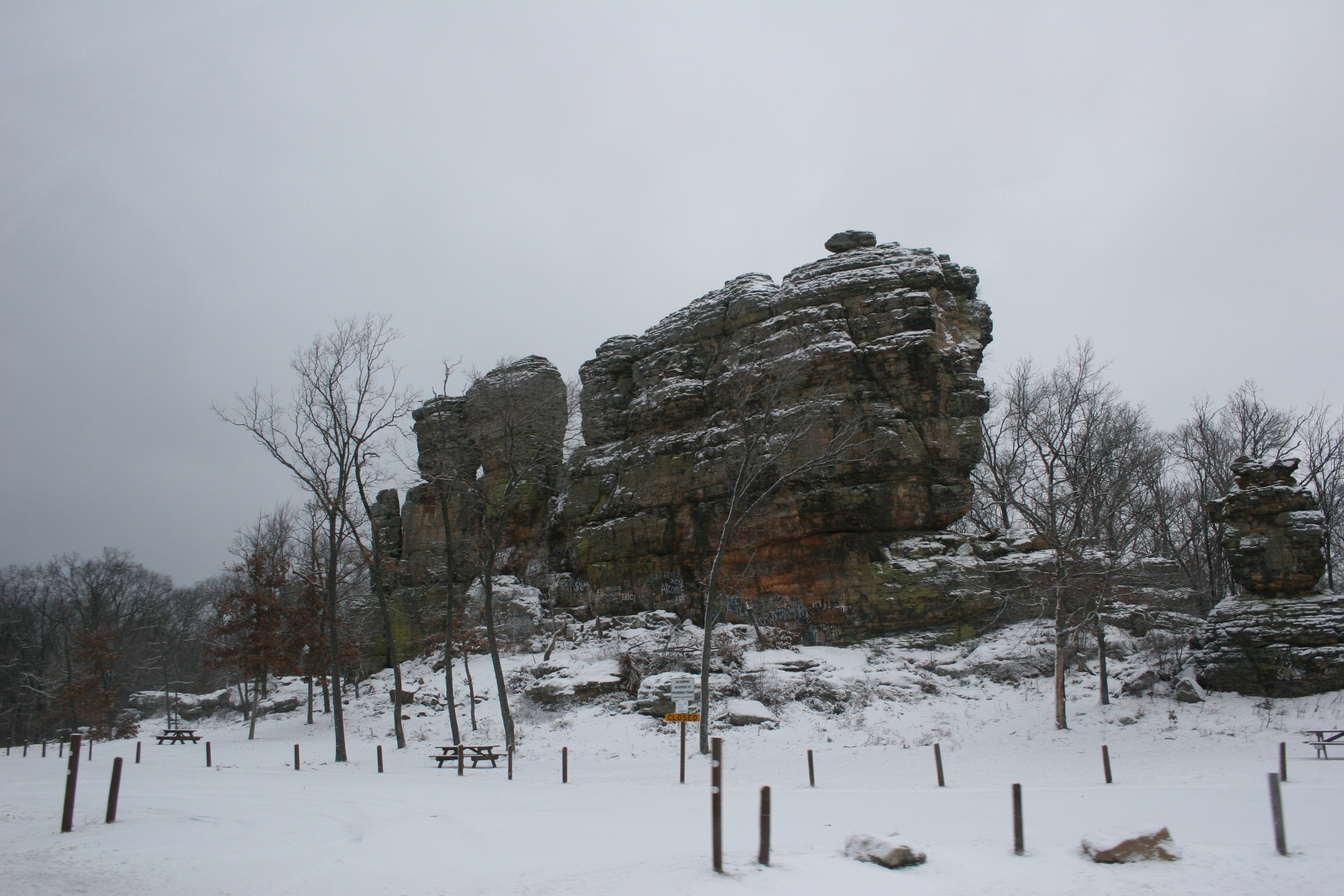
A month ago while traveling past Ship Rock, I snapped a photo. The ship seemed forlorn and exposed among the deciduous trees stripped of their summer greenery. Yet she also appeared threatening, a looming presence rising dark and foreboding above the land awash in snow.

I could appreciate her, even if she wasn’t a grain elevator or a water tower, a silo or a cluster of trees breaking a prairie vista.

Ship Rock, photographed from the passenger window of our van at highway speeds in December.

CLICK HERE for more information about Adams County, Wisconsin.

© Copyright 2012 Audrey Kletscher Helbling


Doug Ohman preserves Minnesota in photos January 25, 2012

MANY YEARS AGO I heard Minnesota photographer Doug Ohman talk about his Churches of Minnesota book, a project in his “Minnesota Byways” series published by the Minnesota Historical Society Press.

He’s an impressive speaker, sharing his love for photographing those subjects which hold historical, community and personal significance for so many Minnesotans.

Thus far he’s covered Minnesota churches, barns, courthouses, schoolhouses, cabins and libraries in his series. I don’t think I’ve missed any and I’ve read most. His books also include prose by well-known Minnesota writers like Will Weaver, Jon Hassler and Bill Holm.

If you’re at all interested in the places that are so integral to our lives, you’ll want to read Ohman’s books and, if you have the opportunity, hear him speak.

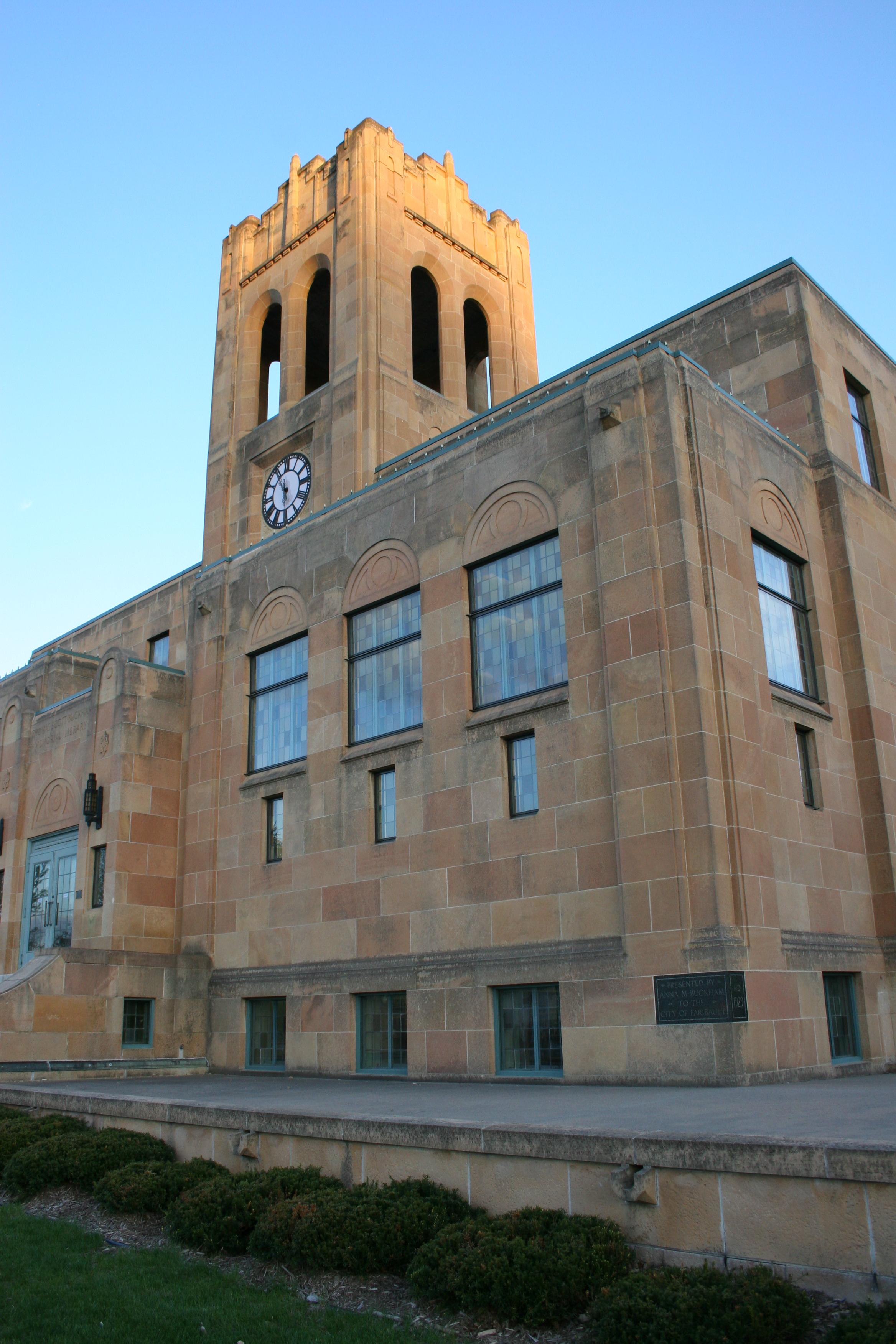
Buckham Memorial Library, built in 1929, features a Charles Connick stained glass window and Greek murals.

Thursday night, January 26, this noted photographer travels to my community of Faribault, to Buckham Memorial Library, to present “Free to All: Libraries of Minnesota” as part of the Minnesota Book Award Author Tour. His book, Prairie, Lake, Forest: Minnesota’s State Parks, was a 2011 MNBA nominee.

I’ll be there for several reasons: I enjoy Ohman’s books. I want to learn more about his approach to photography. I’m interested in learning more about libraries in Minnesota. I appreciate libraries.

He’ll be at the Faribault library at 6 p.m. for this free event. A photo of Buckham, by the way, is included in his Libraries of Minnesota.

Southeastern Minnesota residents will have plenty of other opportunities to hear Ohman speak on his “Minnesota Byways” series as a dozen additional appearances are scheduled through-out the Southeastern Libraries Cooperating regional library system. Click here to view a complete listing of Ohman’s upcoming visits. His presentations will vary—from schoolhouses to churches to farms and more—depending on location.

I’d recommend taking in one of Ohman’s presentations. You’ll gain insights into Minnesota history and photography and more from a photographer who possesses an unbridled enthusiasm for preserving, in images, that which is part of the Minnesota landscape.

The Houston Public Library is on the cover of Ohman's book, Libraries of Minnesota. I shot this photo last summer of the library in the southeastern corner of our state.

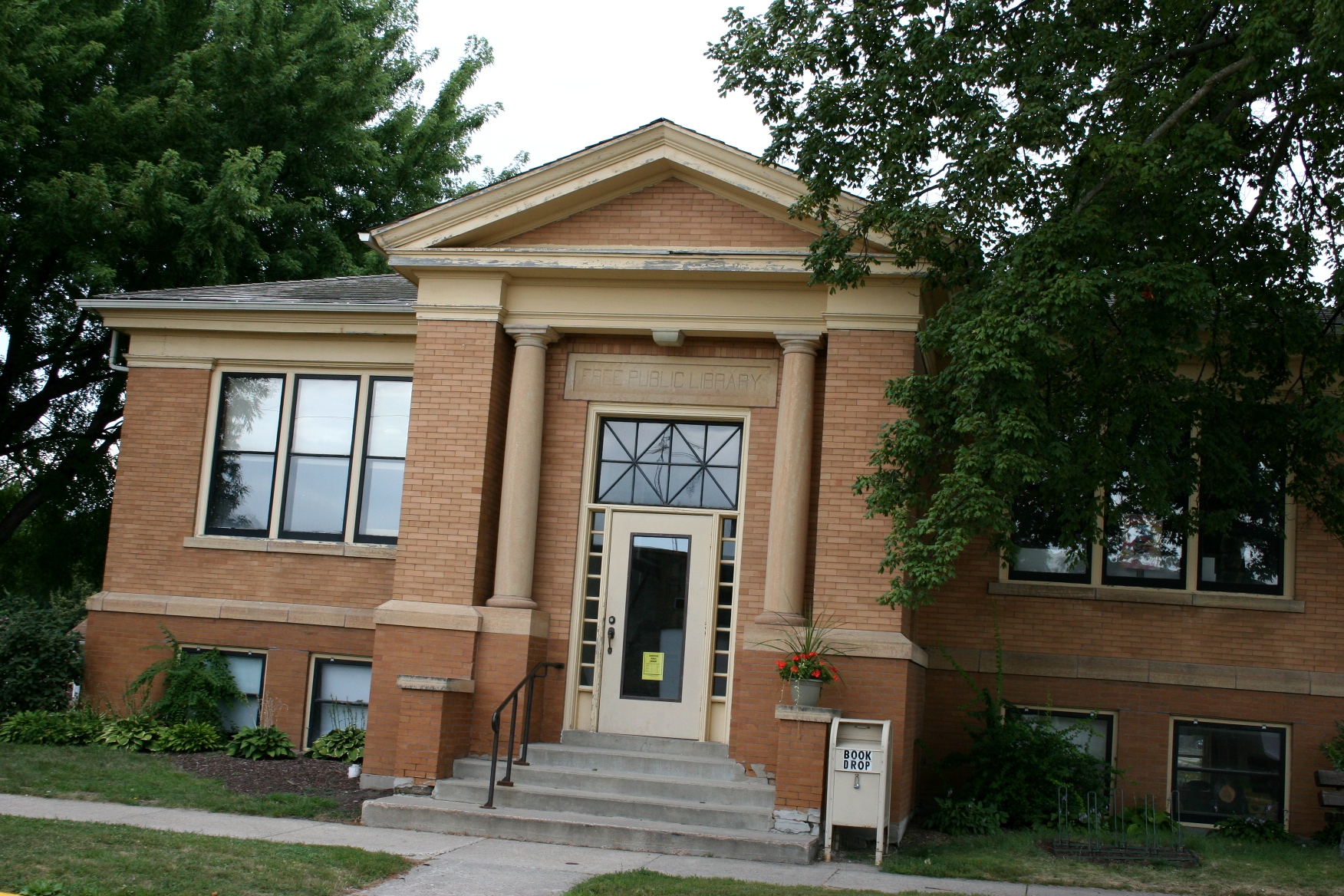
Built in 1912, the library in Janesville is an Andrew Carnegie library on the National Register of Historic Places.

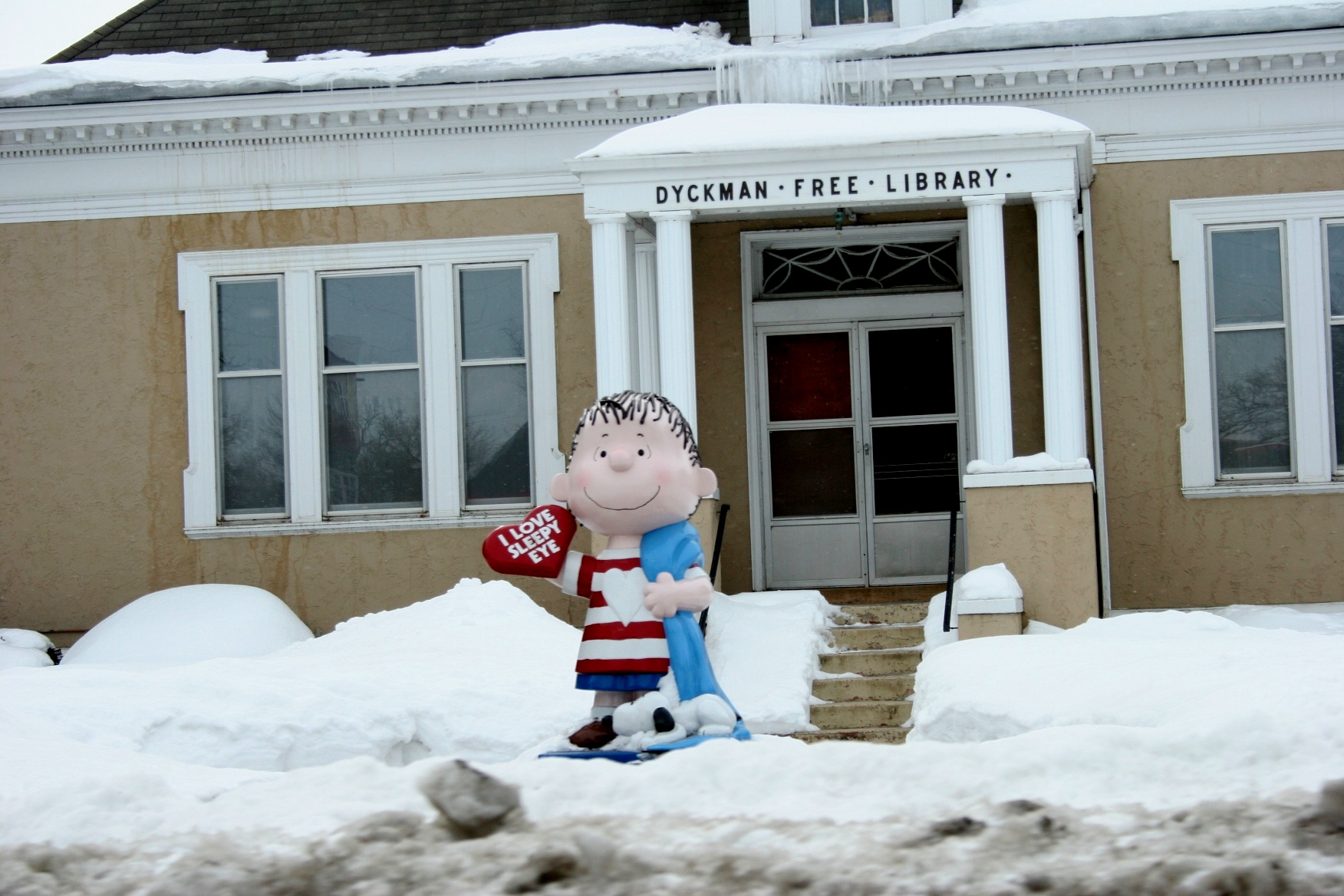
A statue of Linus greets visitors to the Dyckman Free Library in Sleepy Eye. Charles M. Schulz, creator of the Peanuts cartoons, based his character Linus on real-life friend Linus Maurer, a Sleepy Eye native. Maurer, a cartoonist, worked with Schulz. Ohman, who managed the former Camp Snoopy at the Mall of America, includes a photo of Linus at the Sleepy Eye library in his book.

Several summers ago I photographed this 1930s Works Progress Administration log cabin in Hackensack. Sitting on the shore of Birch Lake next to a towering statue of Lucette Diana Kensack (Paul Bunyan's sweetheart), the cabin today houses the Hackensack Lending Library.

IF YOU’RE INTERESTED in reading another book about libraries, check out Carnegie Libraries of Minnesota by Kevin Clemens. The book highlights the history and architecture of Minnesota’s Carnegie libraries, primarily in photos. Click here to learn more about the book.

© Copyright 2012 Audrey Kletscher Helbling
 

A hodgepodge of forgotten images from a steam and gas engine show January 23, 2012

Filed under: Uncategorized — Audrey Kletscher Helbling @ 8:34 AM
Tags: , , , ,

LIKE MOST PHOTOGRAPHERS, I shoot a seemingly infinite number of images. That can lead to forgetting photos filed in my computer.

But then one day—as in Thursday—I was asked about an image in a file I hadn’t perused in a long time. A Californian wanted to use a photo of an elderly man, presumably a farmer or a retired farmer, in a PowerPoint presentation for a nonprofit. I shot the image at the Rice County Steam and Gas Engine Show as the man walked past the wheel of an old Rumely steam engine.

The West Coaster needed the photo to emphasize the point that farmers represent only two percent of the population and their average age is pushing 60. I didn’t fact-check those statistics. But I did check out the nonprofit before agreeing to her request.

This inquiry led me to sift through two folders full of photos from the steam and gas engine show. Within these files lie images that, alone, wouldn’t be enough to comprise a blog post. But, pooled, they make for interesting content wherein I raise some questions, point out the unusual and share memories.

I present to you then the forgotten photos. Feel free to comment. I’m quite certain you will have a few thoughts to share once you seen the featured subjects and read my words.

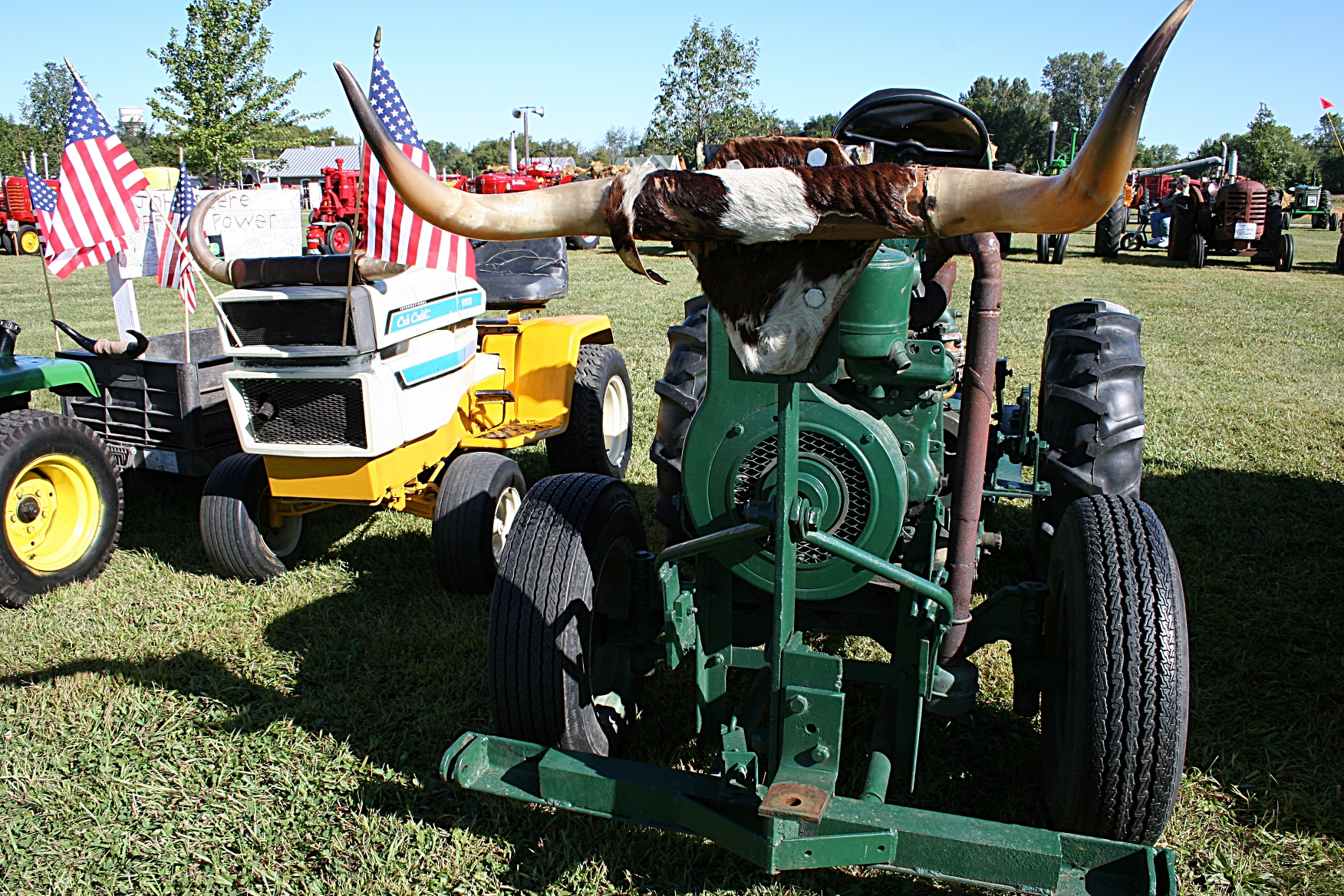
PHOTO A: What have we here, dear readers? Look to the left and scan to the right and you see horns on a wagon, a lawn tractor and an apparently handcrafted tractor. What is the meaning of this?

PHOTO B: Unfortunately, dear readers, I do not need you to tell me that this is a fly strip. Because I grew up on a dairy farm, I am quite familiar with this gross, sticky fly catching strip. One hung in our farmhouse porch where filthy chore clothes and manure-laden buckle overshoes lined the walls and floor. Another fly strip dangled over the Formica kitchen table as a rather unappetizing bit of home decor fly trap. But at least it kept the flies off our dinner plates.

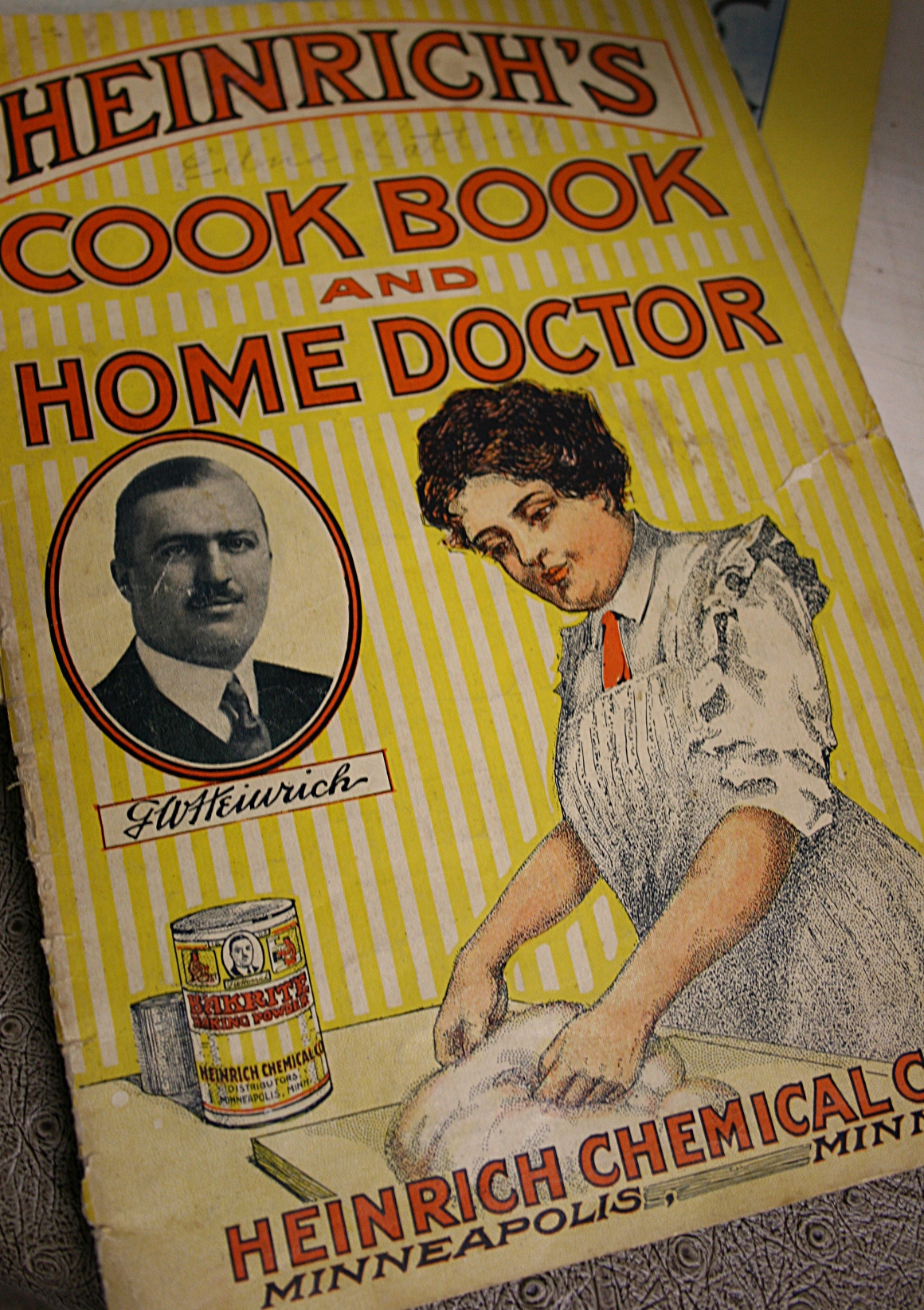
PHOTO C:  Two questions: Why is a chemical company publishing a cookbook? Can anyone tell me anything about Heinrich Chemical Company of Minneapolis?

PHOTO D:  Did you play with a cap gun as a child? I did. I played “Cowboys and Indians” with my siblings. I know that phrase is not politically correct today, but I was a child of the 1960s, the time of westerns. I watched Gunsmoke and Rawhide on television. And if we’d gotten more than one channel on our black-and-white T.V., I would have watched Bonanza, too. And, yes, I do remember life before television.

PHOTO E:  After a quick online search, I failed to find another Massey Ferguson Ski Whiz snowmobile like this one. My husband and I have concluded that this double-seater was handcrafted from two machines. What do you think?

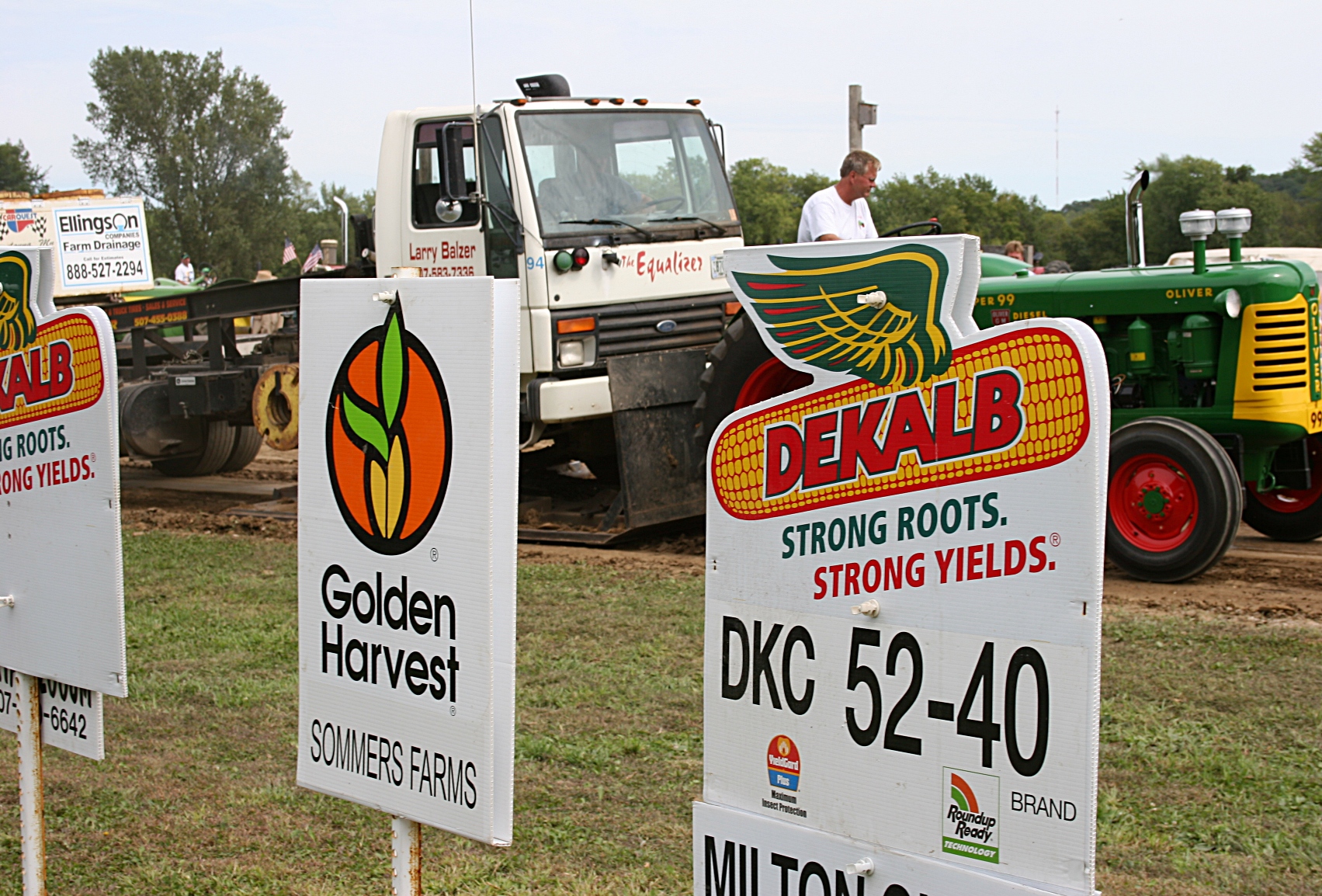
PHOTO F: This image spurs an observation. See how the wings on the Dekalb sign align with the Oliver making the tractor appear to have wings? I did not plan the shot, did not even notice what I’d composed until after the fact. I know that Dekalb symbol well as I detasseled corn for the seed corn company and my dad grew Dekalb corn. Any experienced corn detasselers out there?

THERE YOU HAVE IT. A few photos to possibly bring back memories, prompt discussion or simply amuse you.

© Copyright 2012 Audrey Kletscher Helbling
 

An enlightening, poetic moment and more January 21, 2012

SOMETIMES I’M A SLOW LEARNER, mostly in math and science. But this time my delayed learning applies to words, specifically poetry.

Dear readers, don’t stop reading now simply because I mentioned the word “poetry.”

I prefer to read and write poetry that is down-to-earth and not so open to interpretation or overloaded with big words that I cannot possibly comprehend the content.

With that perspective, consider this: Poetry is meant to be read aloud.

“Duh,” you say. “She just figured that out.”

Yes, I did.

Poet Derek Liebertz reads a poem during "The Image and the Word 2012" reception. The poems are displayed next to the photos that inspired them.

Thanks to Derek Liebertz and Yvonne Cariveau, organizers of “The Image and the Word 2012” exhibit at the Emy Frentz Arts Guild in downtown Mankato, I now fully grasp the importance of reading poetry. Out loud. To an audience.

You see, I attended a reception Thursday evening for the poets and photographers whose work is featured in an exhibit that pairs photos and poems. During that event, Derek and Yvonne read poems inspired by those photos and also invited other participating poets, me among them, to read their works.

Only once, many, many years ago, have I read my poetry in public, unless, of course, you count all those times I read silly “married life” poems at cousins’ bridal showers decades ago. Public reading was not the easiest thing for me to do, but I managed.

The atmosphere on Thursday evening was so relaxed and casual, however, that I nearly breezed through reading two of the three poems I’d written. In hindsight, my readings could have been much better had I practiced at home. But I didn’t, and what’s done is done.

Yvonne Cariveau reads a poem. To the left is a photo taken by Kay Helms and voted as the "favorite photo" during the Thursday evening reception. The landscape image was taken along Highway 14 between Waseca and Owatonna.

The other poets, though, clearly were accustomed to and comfortable sharing their poetry with a listening audience. I listened with a learning ear, picking up on the drama, the cadence, the tone, the volume, the movement of the hands, the facial expressions and every nuance that conveyed the meaning and depth of a poem.

I got it. Finally.

That does not mean I’m eager to read poetry in public again. But I understand how a poem can be more fully appreciated when read aloud by its author.

Why did it take me so long to figure this out?

BESIDES THE POETRY lesson I learned Thursday evening, I also met and learned a bit about several other “The Image and the Word 2012” participants. Derek, for example, works as a programmer at his wife Yvonne’s company, Voyageur Web. Who would expect techies to write poetry? Not me. Derek, the most dramatic of the readers, tagged his day job as his “Clark Kent” persona. You have to appreciate a guy with that type of humor, which weaves into his writing.

Then I met John Othoudt, a retired highway department employee turned photographer. His exhibit photo of farmers gathered at the tailgate of a vintage pick-up truck was taken at the Le Sueur County Pioneer Power Show. With a single click of his mouse, John edited the image into a pencil drawing style that makes the photo appear vintage 1950s. It inspired me to write “Taking lunch to the men in the field,” recalling the afternoons my older brother and I did exactly that on the Redwood County crop and dairy farm where we grew up.

"Lunch Time" by John Othoudt of Lake Crystal

I’d encourage you to click here and check out John’s photography. This man has talent. I share his passion for noticing details and photographing the often overlooked everyday and ordinary things in life. He shoots in the moment, he says. His “Lunch Time” photo, for example, happened as he was planning another shot. I understand. Some of my best photos have simply happened, unexpectedly.

Then I met Terri DeGezelle, whose credentials are even more impressive than those she shared with me Thursday. Click here to learn more about this woman who has written 64 nonfiction children’s books and is also an avid nature photographer. Her “Artist’s Colors,” a photo of colorful chalk, won the best paired photo-to-poem honor at the reception. Susan Stevens Chambers wrote the accompanying poem. I loved Terry’s enthusiasm and warm personality and the pure passion she exudes for the crafts of writing and photography.

As I was preparing to leave and thanking Yvonne for organizing the exhibit, I talked briefly with John Calvin Rezmerski, who encouraged me in my writing. His “Window” poem was voted as the favorite poem. Only until later, back home, did I learn that he is the League of Minnesota Poets current Poet Laureate and a well-known, established poet with 20 books, chapbooks and anthologies to his credit. He’s retired from teaching creative writing, journalism, literature, storytelling and more at Gustavus Adolphus College in St. Peter. Unlike me, he’s quite experienced at reading his work in public.

I met other delightful individuals, too, including Kay Helms, whose “The Witness Tree” was selected as the favorite photo at Thursday’s reception. The stunning sunset image was taken along U.S. Highway 14 between Waseca and Owatonna.

Helms’ photography will be displayed February 17 – March 18 at the Arts Center of Saint Peter in a collection of words and photos highlighting individuals who worked the land in south central Minnesota. Click here for details.

IN SUMMARY, Thursday’s reception proved invaluable for me. I learned that I could stand (or sit) before an audience and read my poetry without too much trepidation. I learned that poetry shines when read. And, finally, even though I was likely the most novice of the participating poets, I felt comfortable among all that talent. They are a fine bunch of poets, but more important, they are warm, kind and welcoming individuals with whom I enjoyed networking.

CLICK HERE TO READ a previous post I wrote about “The Image and the Word 2012.”

Click here to learn more about me, my writing and photography, including my published poetry credits.

© Copyright 2012 Audrey Kletscher Helbling
“Lunch Time” photo courtesy of and copyrighted by John Othoudt