Minnesota Prairie Roots

Writing and photography by Audrey Kletscher Helbling
Reflections on harvest time in southern Minnesota September 27, 2011

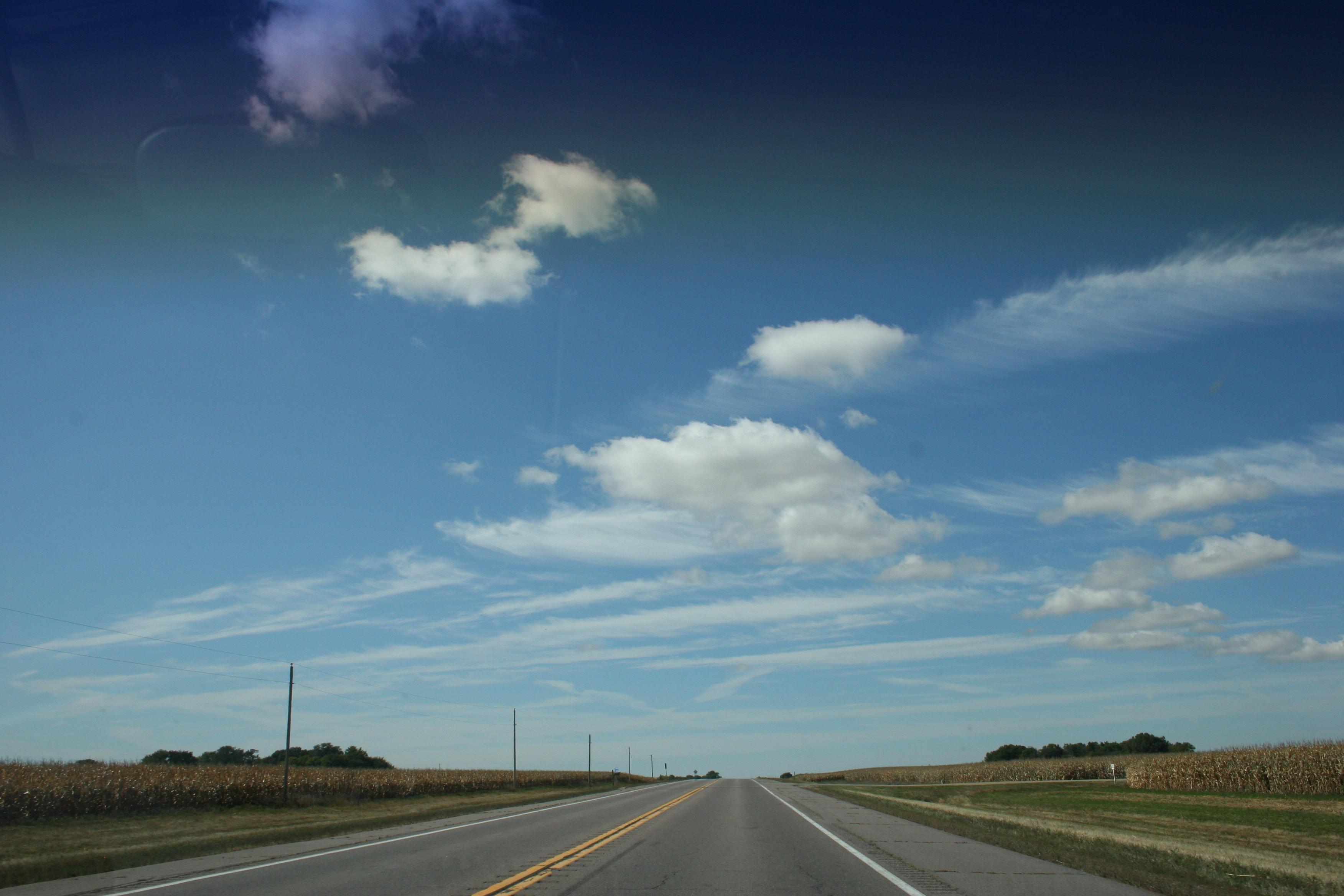
Westbound on U.S. Highway 14 between Nicollet and Courtland in southern Minnesota Friday afternoon.

I LOVE THIS LAND, this rural southern Minnesota.

You can take your woods and your lakes and your boats or your big city freeways and skyscrapers and traffic jams.

I will take sky and a land that stretches flat into forever.

I like my space open, not hemmed in by trees packed tight in a forest. I want to see into forever and beyond, the horizon broken only by the occasional grove hugging a building site.

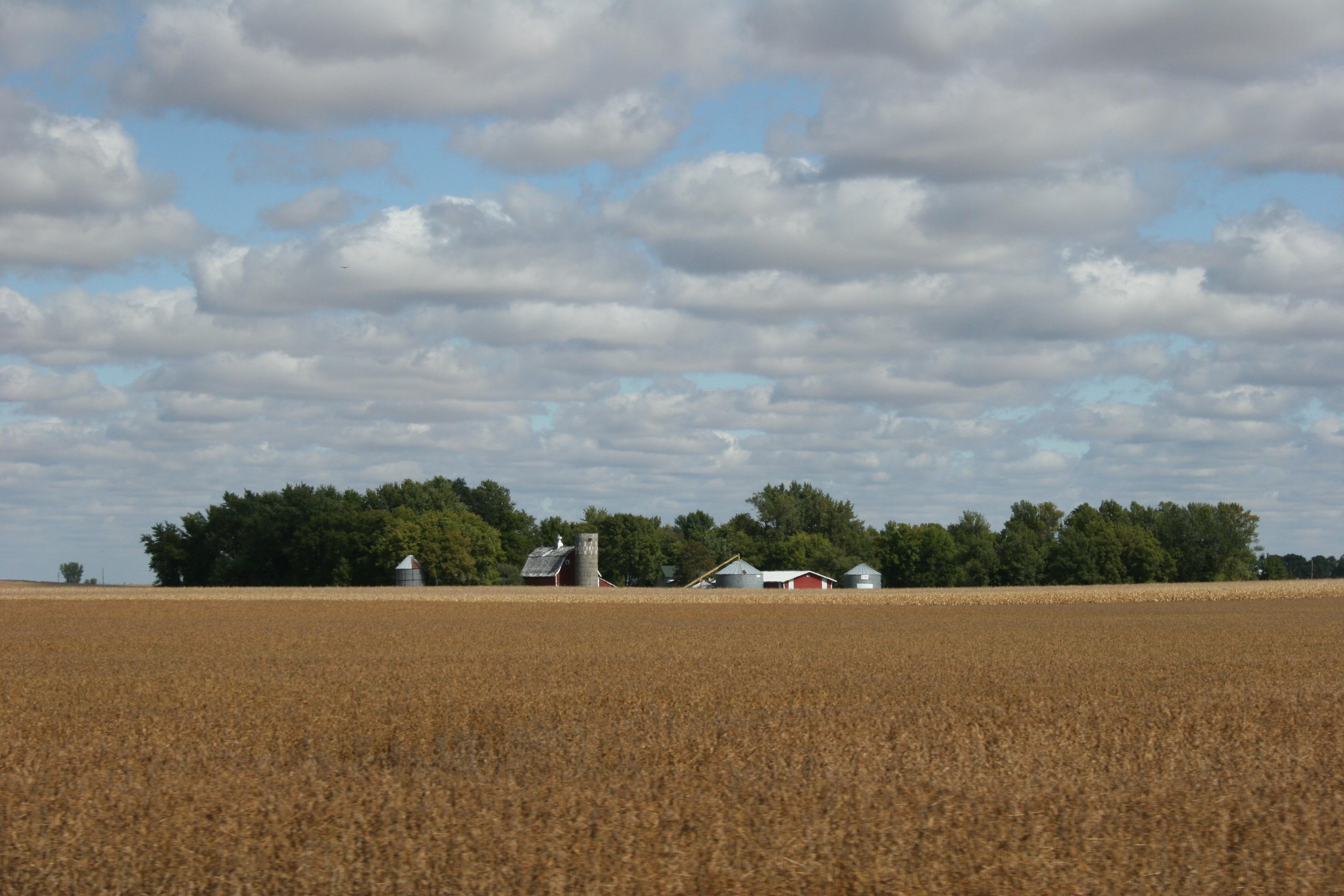
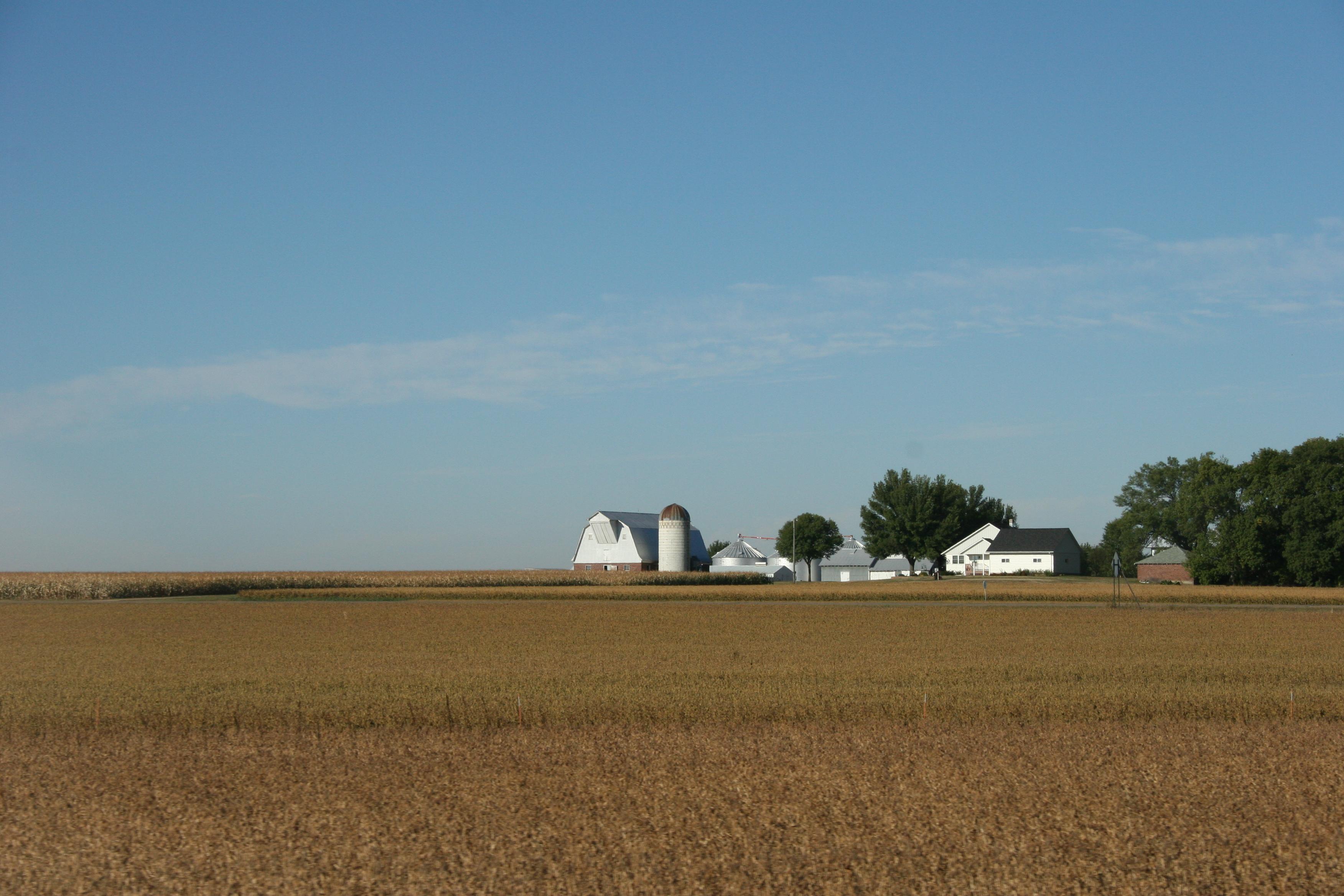
A farm site between Mankato and Nicollet, as seen from U.S. Highway 14.

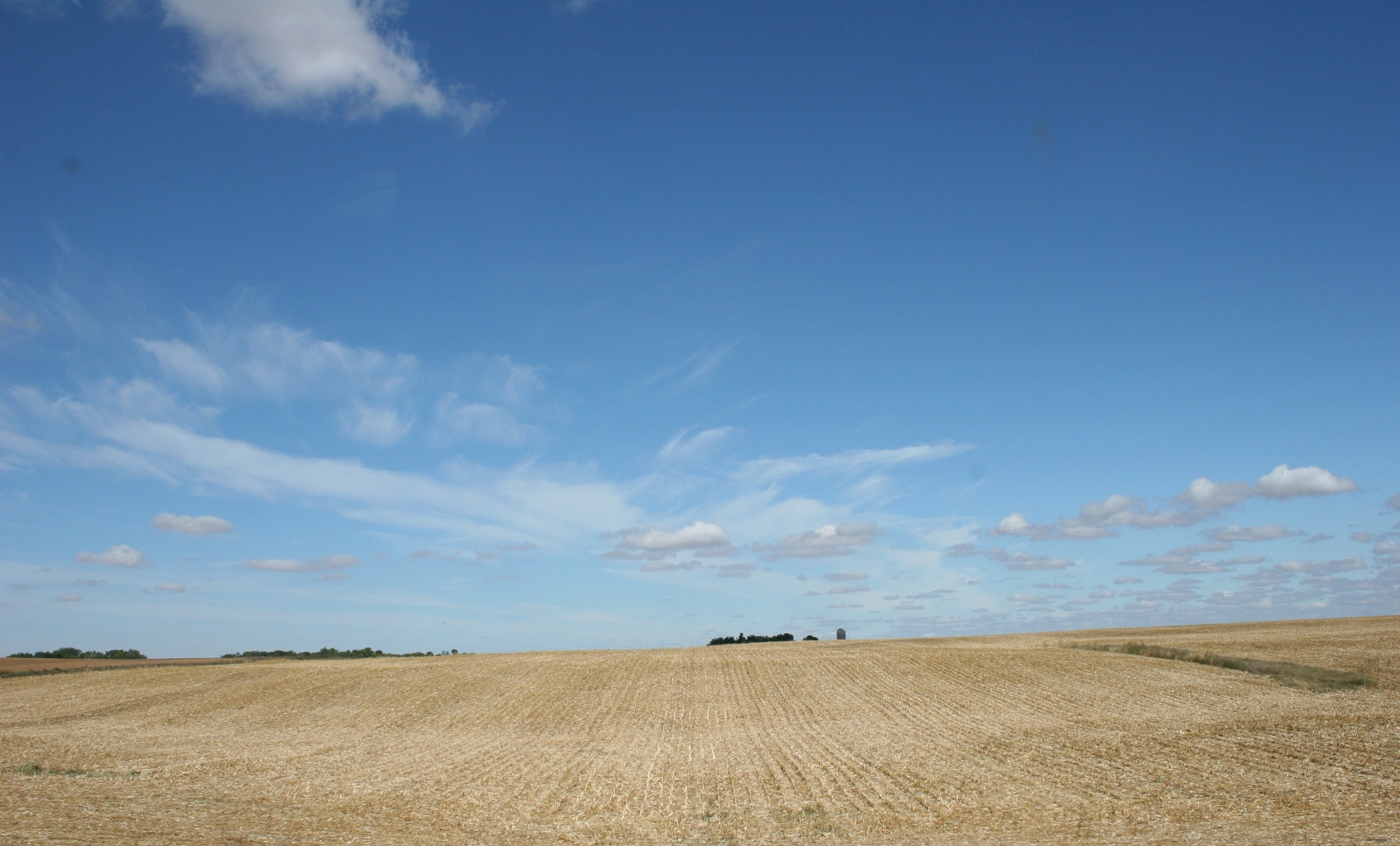
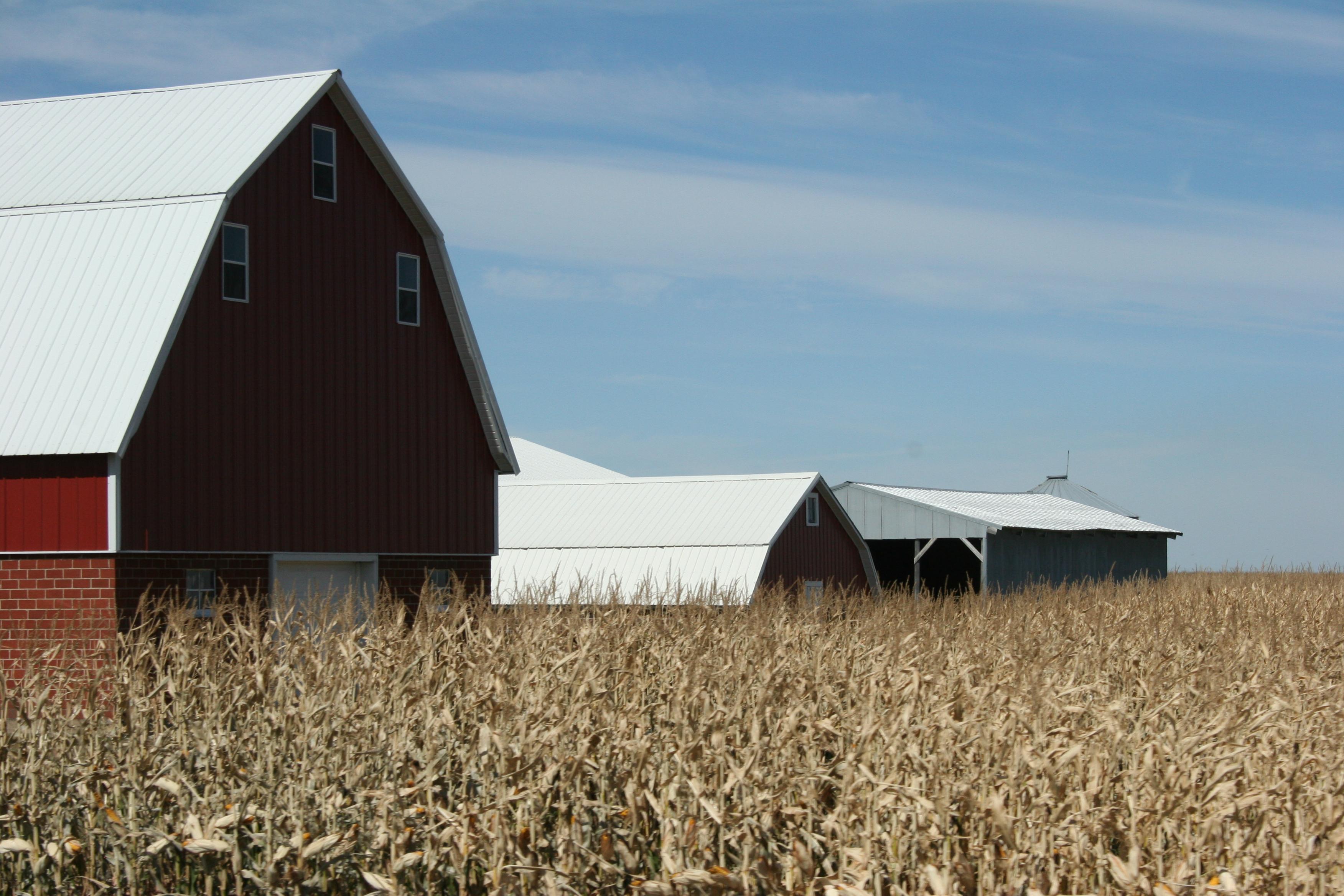
A harvested corn field between Nicollet and Courtland.

I want corn and soybean fields ripening to the earthy hues of harvest. Not gray cement or dark woods.

Give me small-town grain elevators and red barns and tractors, and combines sweeping across the earth.

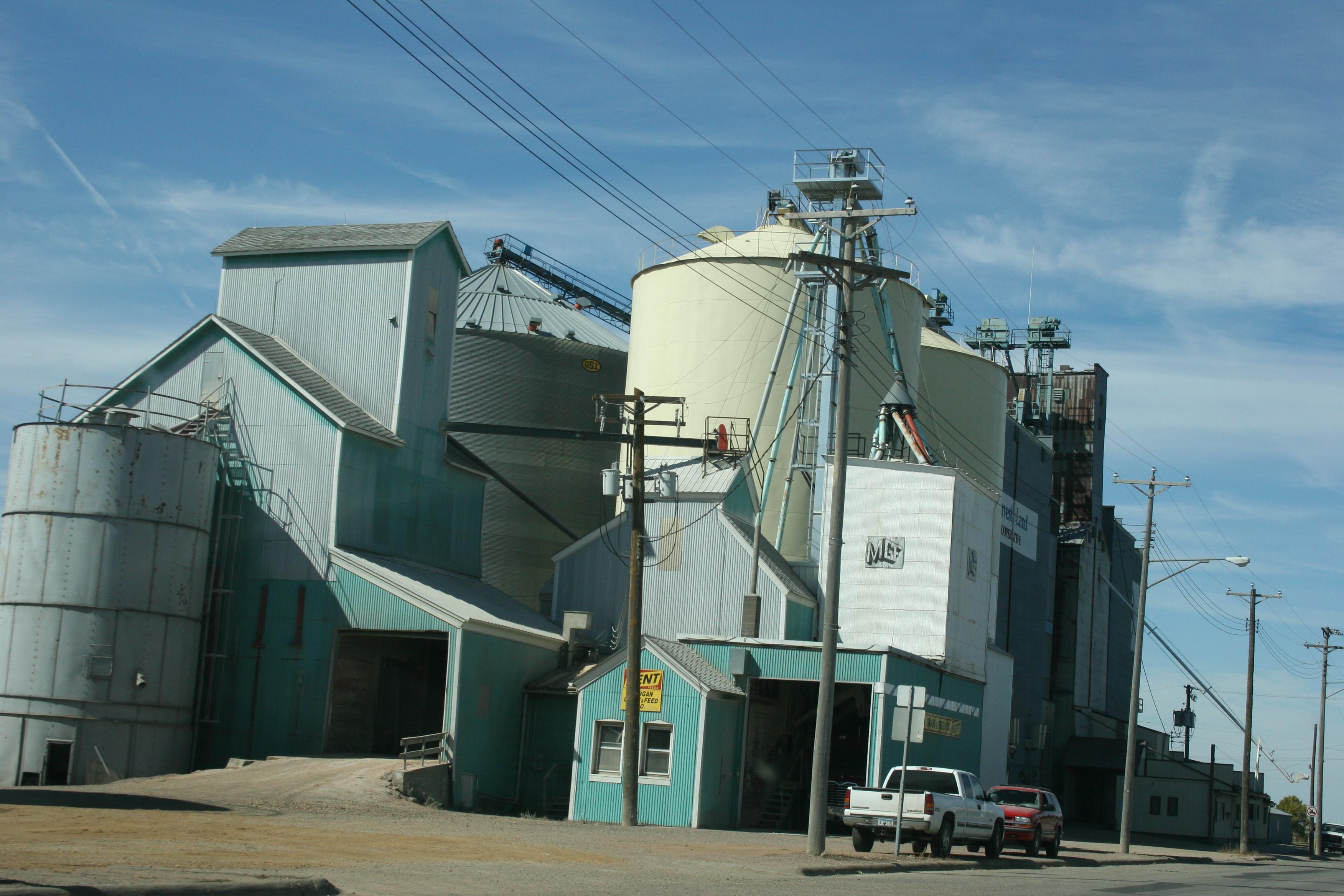
The elevator complex in Morgan in Redwood County.

A farm site along the twisting back county road between New Ulm and Morgan.

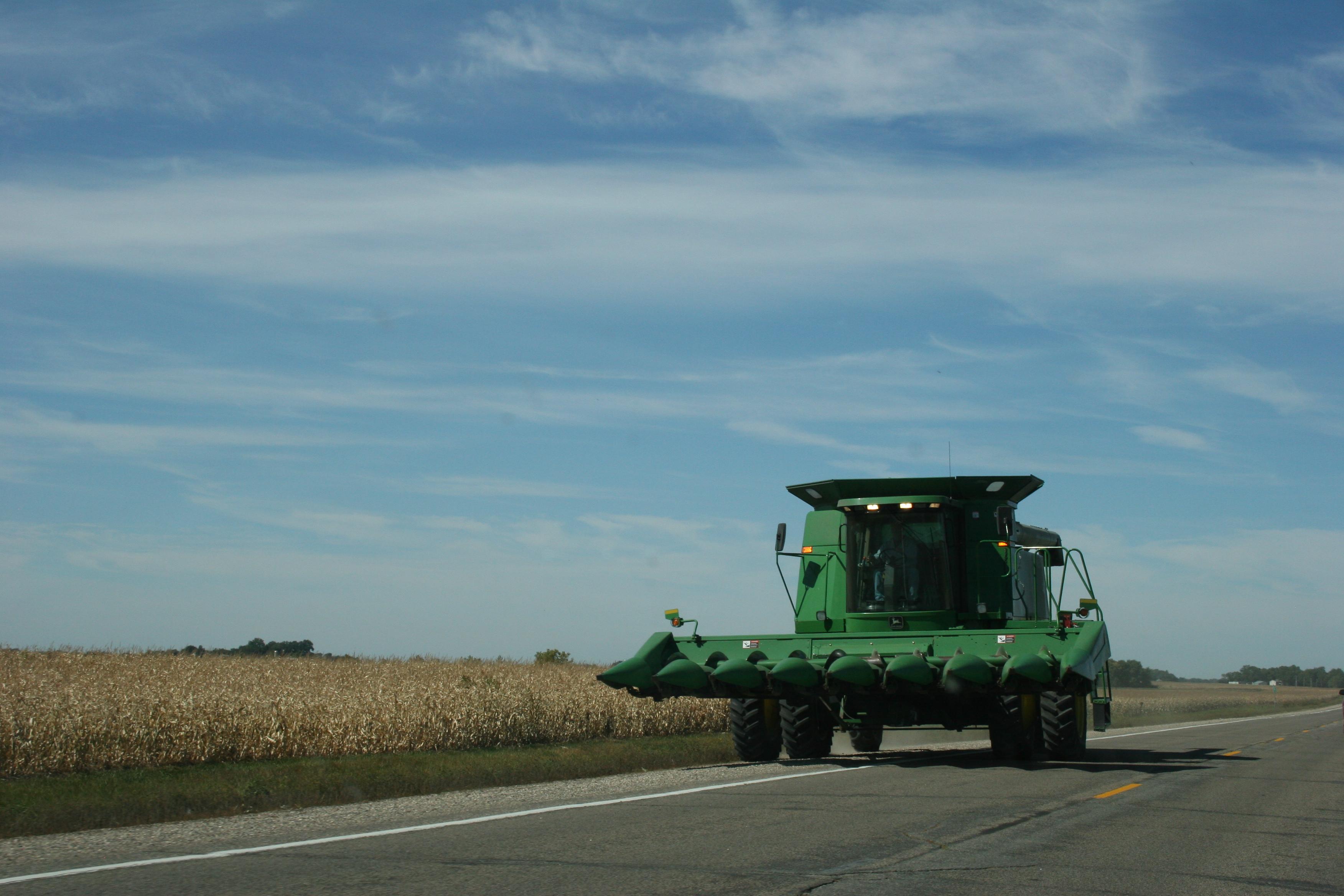
A John Deere combine spotted on the highway just outside of Morgan.

This is my land, the place of my heart.

Although I left the farm decades ago, I still yearn, during autumn, to return there—to immerse myself in the sights and smells and sounds of harvest. The scent of drying corn husks. The roar of combines and tractors. The walk across the farm yard on a crisp autumn night under a moon that casts ghost shadows. Wagons brimming with golden kernels of corn. Stubble and black earth, turned by the blades of a plow.

Today I only glimpse the harvest from afar, as a passerby. Remembering.

A farm site between Morgan and Redwood Falls in southwestern Minnesota.

Harvesting corn on Saturday just outside of Courtland.

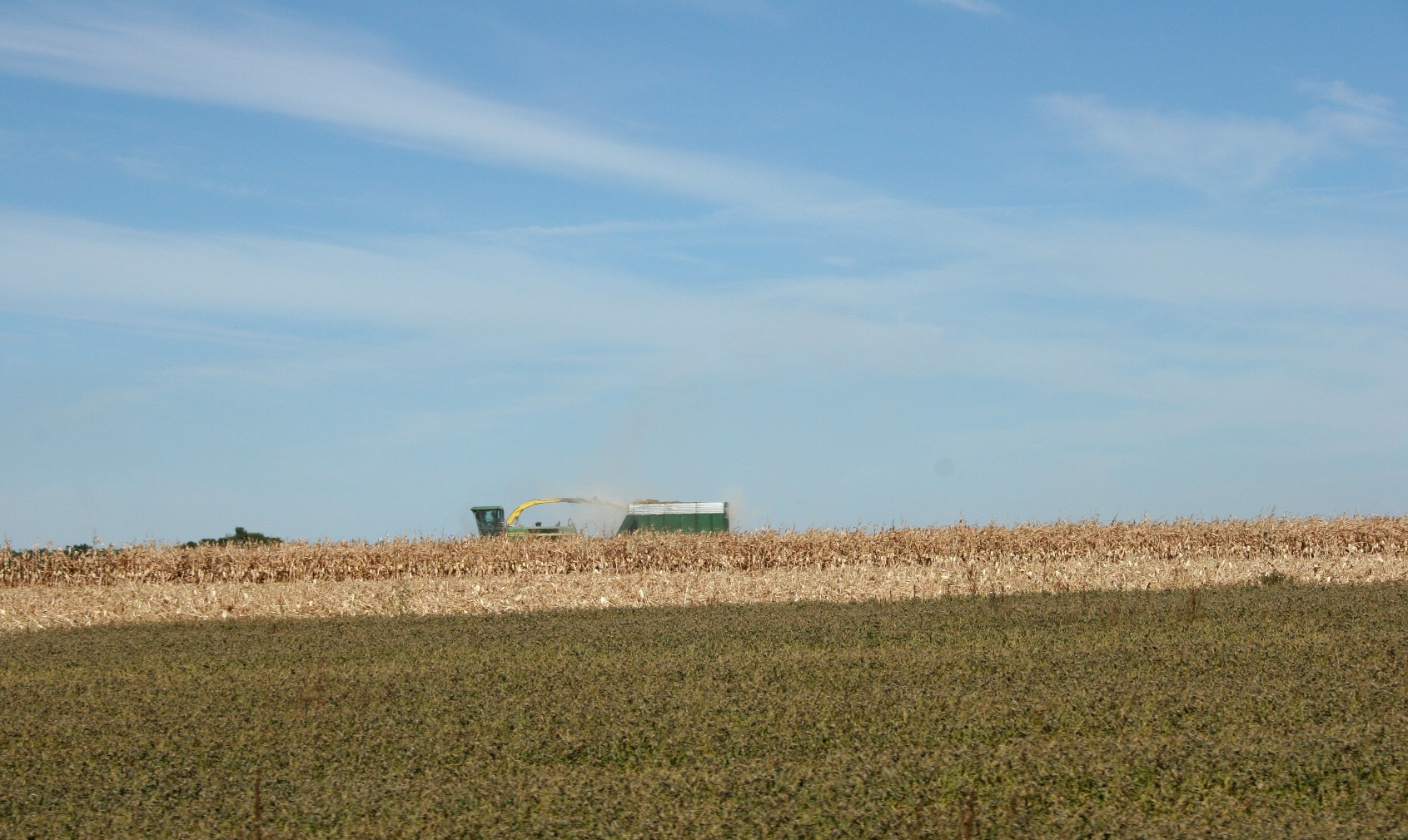
Chopping corn into silage between New Ulm and Morgan.

ALL OF THESE IMAGES (except the elevator) were taken at highway speed from the passenger side of our family car while traveling through southern Minnesota on Friday and Saturday.

© Copyright 2011 Audrey Kletscher Helbling


Recovering from the Hammond flood, in the voice of a survivor September 23, 2011

FOR THE PAST YEAR, Katie Shones has been my main connection to Hammond, the southeastern Minnesota community of 230 flooded one year ago today by the raging waters of the Zumbro River.

Katie and her family—husband Scott and children Bekah and Romie—live just across Wabasha County Road 11 from the Zumbro. The floodwaters came within mere feet of their home on the east end of Hammond’s business district.

Katie Shones and her family live in this house, photographed during the September 2010 flood by Gene Reckmann.

Even though the family’s home was spared, they were still deeply impacted by the flood, especially the Shones children.

I offered Katie the opportunity to reflect on the flood and its impact on this, the one-year anniversary. Her words are sure to move you. Katie is a woman who speaks her mind and tells it like it is. (Click here to read my first interview with her in October 2010.)

Through our months of corresponding, I’ve come more and more to appreciate the resilience and strength of individuals like Katie who’ve endured so much and yet find the silver lining in the most difficult of situations.

Main Street Hammond at the height of the September 2010 flood. Water was rushing over the sidewalk and into the basement of the gray house via the cellar doors. Katie Shones' house is only two lots away from the gray house. Photo by Gene Reckmann.

Here, then, are Katie’s words:

I DO NOT LIKE to think of that day nor the days immediately following the flood. I don’t like to look at pictures, either. I shudder at the thought of being evacuated from my home and the three-plus long weeks of the National Guard patrolling the town and enforcing a 6 p.m. curfew. Check points to enter the city, not being outside after 6 p.m….

The response of people to this tragedy has been overwhelming. Complete strangers have come into the town and surrounding areas and donated hundreds, no thousands, of man hours for clean up and rebuilding. Thousands of dollars of building materials were donated and installed in homes and businesses. Local restaurants provided delicious meals.

The flood has reaffirmed my belief that people are basically good and caring deep down inside.

I cannot sing praises high enough to Lutheran Social Services. Their aid to people was up and above the call of duty. Camp Noah, (for children who have survived a natural disaster) was a positive experience for my children. Bekah and Romie could talk about their feelings and express them through art, theater, crafts, etc. LSS still has an office in Hammond to assist people.

The parks are coming along beautifully. The baseball field is usable again and a new chain link fence has been installed around it and the basketball court. Flowering crabs have been planted in the boulevard of Main Street. I can’t wait until spring to see them bloom.

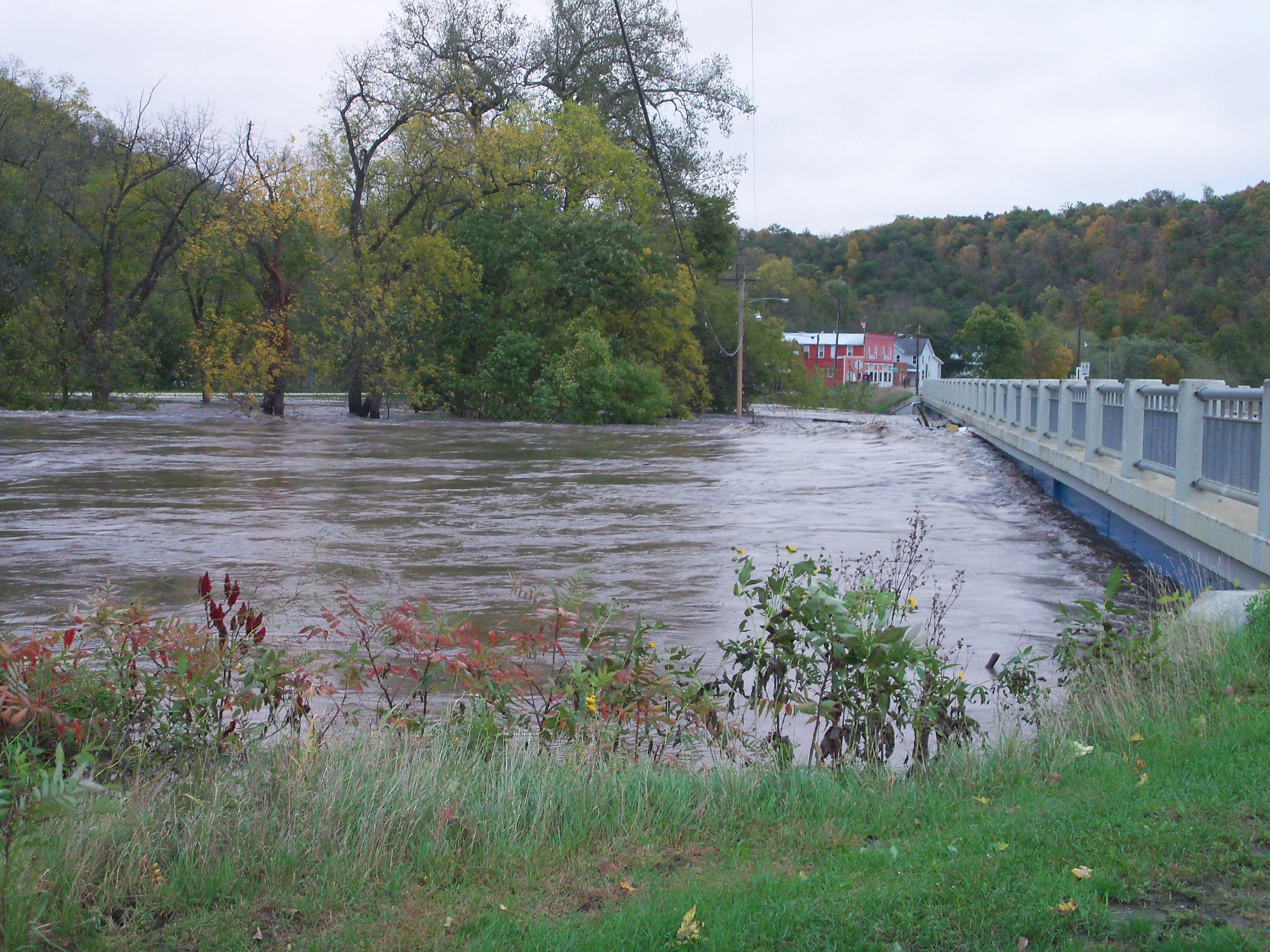
This photo by Carrie Hofschulte shows the Zumbro River raging across the bridge that connects east and west Hammond on Wabasha County Road 11.

FRUSTRATIONS. I believe there are 17 or 18 homes on the buy-out list. I am being told it will be another 18 months before the buy-out is complete. That will be 2 ½ years after the flood occurred. That is a long time to wait.

Some people are still making double payments. When those homes are demolished, it will significantly impact the tax structure of this town. What will happen to my property taxes? I also expect a dramatic increase in the water and sewer bill. We already pay about $100 a month for water and sewer…

A view of the raging Zumbro River, looking from the west side of Hammond to the east at 7:30 a.m. on Friday, September 24, 2010. Photo by Susie Buck.

I CERTAINLY RESPECT Mother Nature more now than prior to Sept. 23, 2010!  The sheer force and power of the Zumbro River was unbelievable. We did not enjoy the river this year as in years past. Bekah and I only went tubing twice this year—last year we went 13 times in one week!  Scott and Jerome took the flat bottom out a few times in 2011. Not very often compared to years past.

However, there is a silver lining to this all. People have come together to help each other. The community is much closer knit than before. Neighbors that haven’t spoken to each other for a long time stop by to chat and visit. After Scott’s neck surgery last fall, I had many offers of help for snow removal and cutting and splitting of firewood. I don’t think as many people would have helped out prior to the flood as after.

Sheri Ryan shot this image of the same bridge, above, when the water had returned to its almost "normal" level.

BEKAH AND ROMIE STILL WORRY about flooding, especially when it downpours. They monitor the weather station almost every day and keep a close eye on the river level. Rebekah doesn’t cry out in her sleep anymore, thank goodness. The bags are still packed under her bed, though. Jerome doesn’t speak of that day often. I think he is like me, I try to forget it. However, I know they will never forget that day for the rest of their lives. (Click here to read an earlier post about the flood’s impact on Bekah and Romie.)

One more thing: The flood has taught me not to sweat the little things in life. Family, friends and faith are what is important in life.

© Copyright 2011 Audrey Kletscher Helbling

 

After the flood: “A long way from normal” in Hammond September 22, 2011

HOW DOES A DEVASTATING flash flood change you and the place you call home?

I posed those and other questions to Tina Mann from Hammond, a southeastern Minnesota community ravaged last September by the overflowing waters of the Zumbro River. A year later, what is life like in Hammond for residents such as Tina, now a member of the Hammond City Council?

Here, in her words, are Tina’s reflections one day before the one-year anniversary of the flood which left her and her family living in three hotels and a rental house for three months before they could return to their Hammond home.

Tina, on her June 25 wedding day, in the bridal gown she saved when she had to evacuate her home last September. Photo by Sherwin Samaniego Photography.

How has Hammond/life in Hammond changed since the flood?

Hammond is a lot quieter now. A lot of our long time residents have left, and a lot of our regular crowd has been sporadic. But, they are slowly starting to trickle back in.

Hammond has made some new friends along the way, and we see some of them come back down from time to time, too. I predict, though, that as winter draws close, that it may taper off. I think we may be in for another very quiet Hammond winter. There are fewer children, too, which makes it hard for the few that are still here. I hope that sometime down the line, Hammond will start to see more families coming down here.

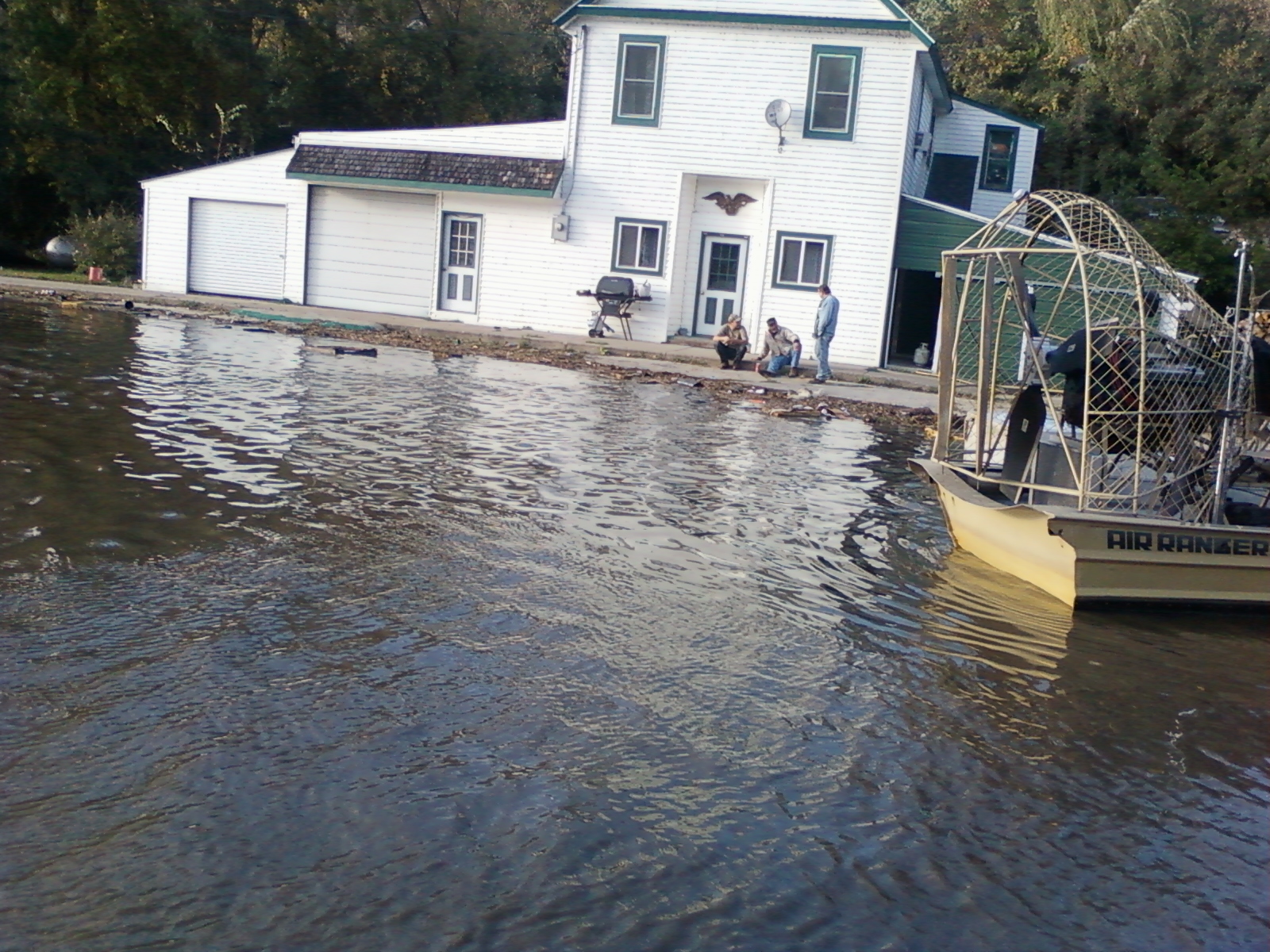
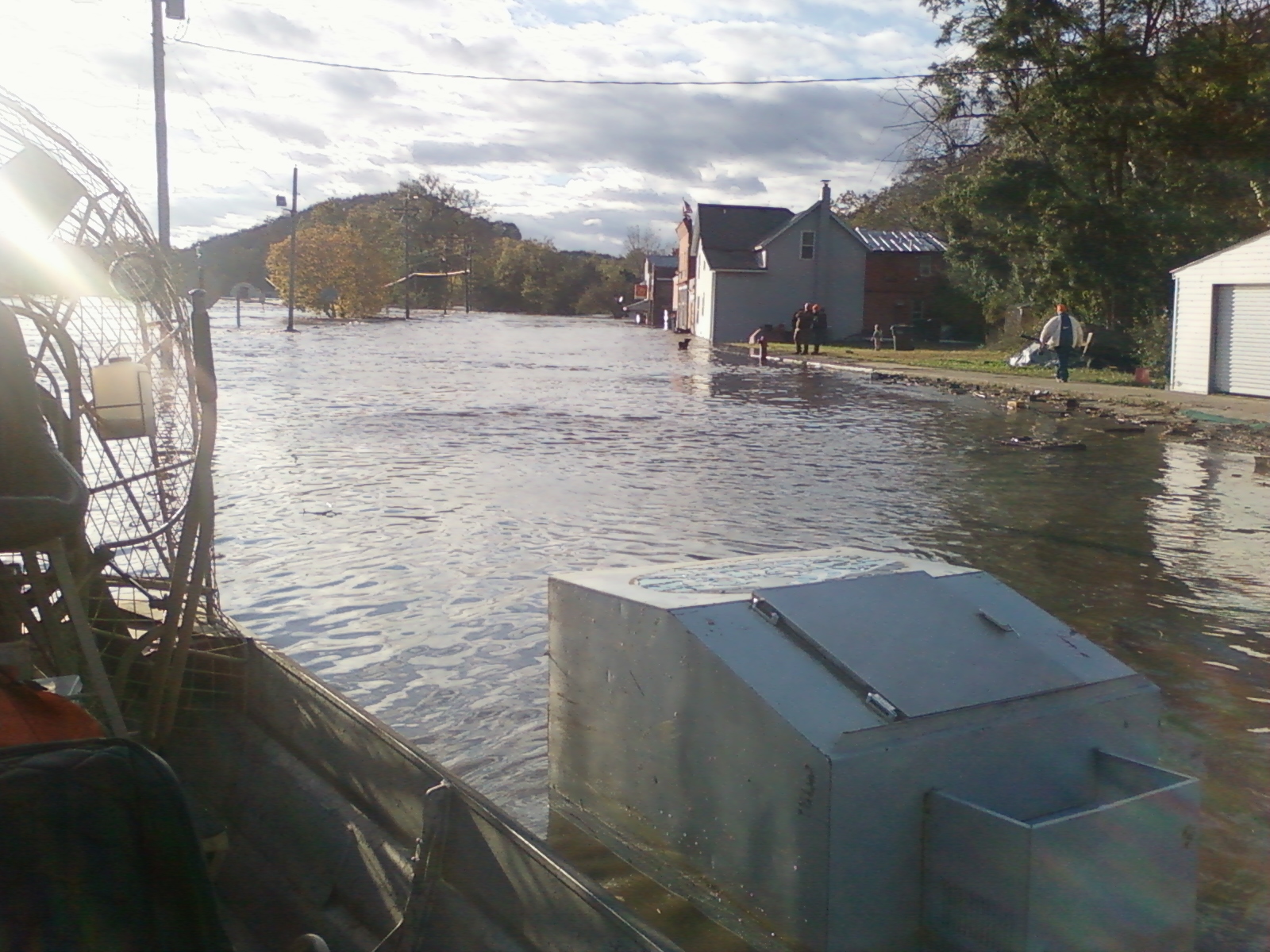
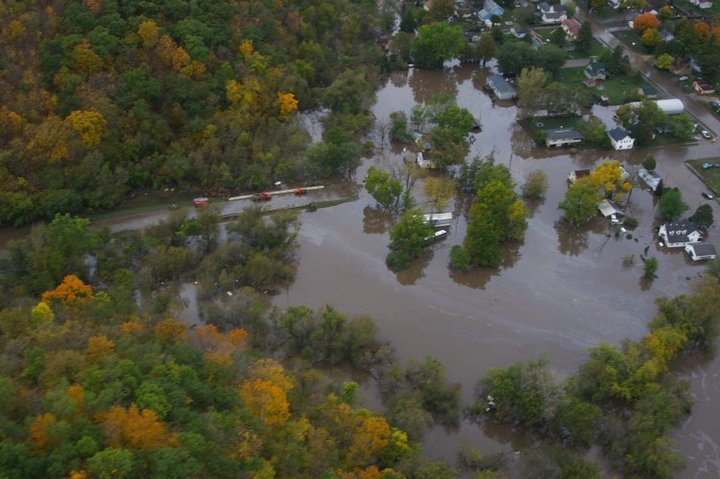
An aerial view of Hammond during the flash flood of September 2010. Photo courtesy of Micheal and Tina Mann.

What still needs to be done in terms of recovery in your community? Be specific.

For the most part, weather permitting, the city should be done with the municipal repairs by the end of the month. We were able to get the park building repaired and fully restored.

On the residential end, however, things are different. FEMA and the State funded the programs to repair the Municipality of Hammond and, with some careful planning and negotiating, we were able to come very close to a pre-flood state.

But the residents did not get any FEMA aid at all. Some only qualified for a state grant, which just barely covered expenses to repair their homes. Some qualified for low-interest loans and depending on the amount of damage to the home, they may have been able to replace a few of their possessions. But without FEMA funding, most people were not compensated for their personal belongings and it may well be many years before they feel they are ‘recovered.’

Then there are those still waiting for their buy-outs. The residents on the state program have begun receiving their offers, but are still in the ‘red tape’ part of the process and have not received any funding yet, and those on the federal list (50 percent or more damage, in flood way and flood plain) have been put on hold by the federal government, and no one knows how long that is going to take.

After the flood, the gutted home of Dallas and Vicki Williamson, who relocated 35 miles away to an 1882 hilltop farmhouse in rural Cannon Falls. Photo by Sheri Ryan.

Do you need additional funding for Hammond recovery projects? Volunteers still needed? I’m wondering how that park rebuilding is going.

The ‘city’ is pretty well rebuilt and I am happy to say that we no longer need volunteers unless we decide to start some new projects.

Financially, however, we are still trying to find ways to compensate for some shortfalls. There are city employees that have not been compensated for personal expenses, such as cell phone overages, incurred while working for the city during the immediate aftermath. Although it is realized that it is a responsibility of your position, we also feel that if we can find a way to do it, it really is the right thing to do.

We also have employees who worked well beyond the normal scope of their position and they really do deserve compensation for their time, services, and personal expenditures. Although most of them haven’t asked for it, it still would be nice if somehow we could work it out. These people did a phenomenal job taking care of our city!

And we have the future to look at, too. We are probably going to loose 6-8 residential properties to the 100 percent buy-outs. There are another 10 or so on the 50/50 buy-out list And those who choose the 50/50 but do not rebuild, of course their property value will decrease dramatically.

This is going to have financial consequences to our tax base, which is going to result in higher property tax and water and sewer bills for every business and property owner in Hammond.

And we need to take a look at what we are going to do with all of the new green space in town. When we lose the residents to the 100 percent buy-outs, those properties become ‘green space’ by law. That means that the lots become city property that cannot have permanent structures built on them. Many of these lots are centrally located in the middle of a residential area. The city is going to be moving into phase two of the recovery, which is the long-term aspect…and we do have a lot of things to think about and consider.

This photo shows the destroyed road that goes from Wabasha County Road 11 to the business area on the east side of Hammond. Waters were receding in this photo taken mid-morning on Saturday, September 25, 2010, by Jenny Hoffman.

Is there a sense of frustration about anything or are things going well?

Yes, there has been, and is, a lot of frustration. It has been a very long, hard process trying to filter through the red tape to realize what is the ‘city’s’ responsibility, what is the ‘residents’” responsibility, and what programs are responsible for what.

A lot of phone calls from residents, confused about who they should be speaking to. Frustration because the process is very slow. The city has very few answers for the residents who are working with the buy-out program and it’s been hard to convey the message that the city has nothing to do with that part of it and we really have no answers for them. All we can do is direct them back to the agencies they are working with.

We have lawns that are not being mowed, properties that have been abandoned since the flood. The residents that have rebuilt are frustrated because the ‘clean-up’ won’t be complete until these issues are resolved, and we don’t know how long it is going to take.

Our city is coming together, but we really are still a long way from being back to normal.

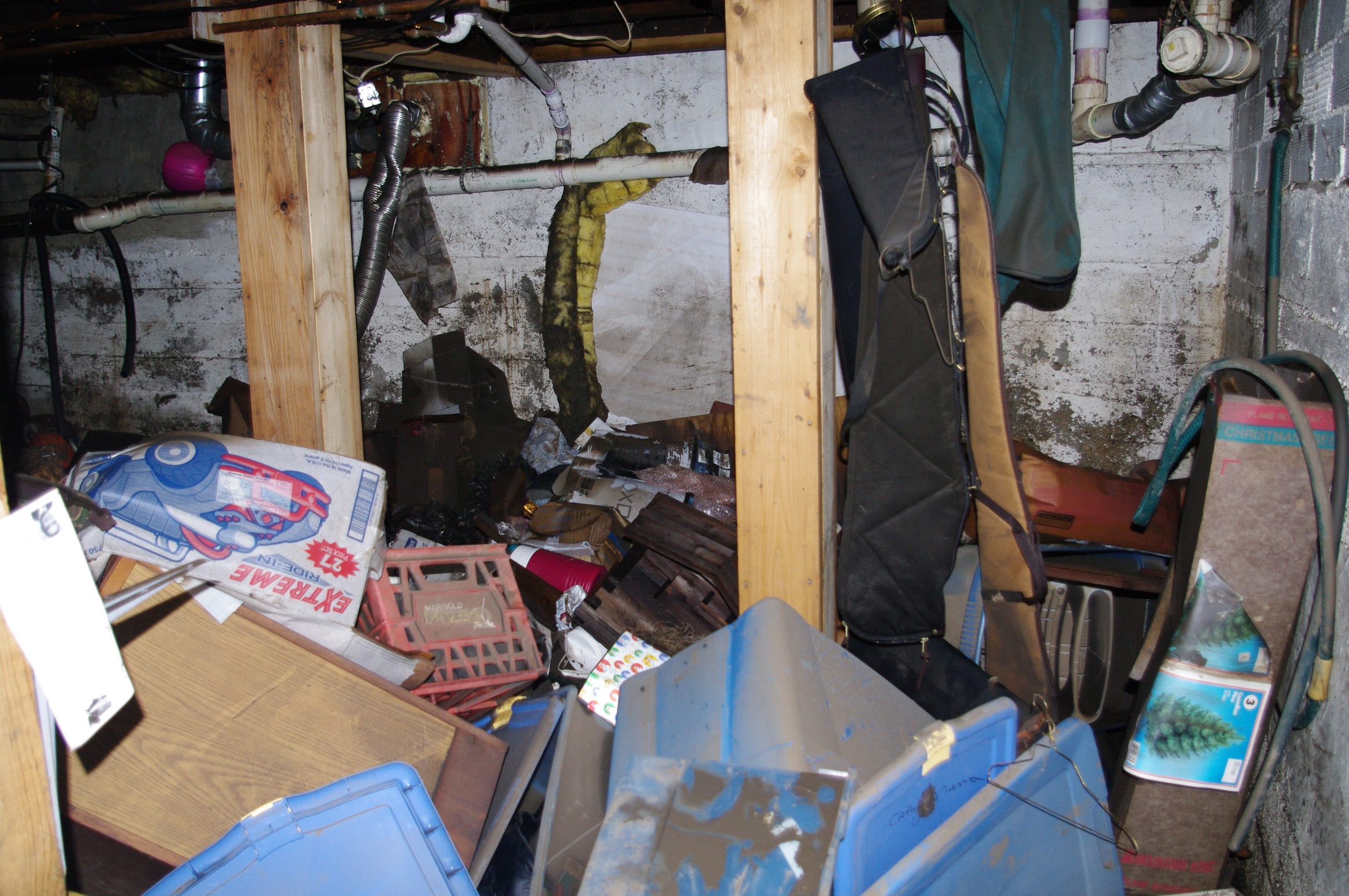
Floodwaters destroyed everything in the basement of the house where Tina, Micheal, Cassie and Christian and Bob and Cathy Mann live. Photo courtesy of Micheal & Tina Mann.

What was the biggest single impact of the flood on you emotionally? Did it change you in any way?

Watching the hurricanes and flooding in the east was really hard and I realized that my emotions are still very raw. I could not control my weeping as I watched the news and saw the devastation in the eyes of those people. I know how that feels, I’ve been there….. It still hurts very much. I doubt that feeling is ever going to go away.

Becoming involved with the city on the council has opened my eyes to a lot, and yes, it has changed me. This flood and the impact it is going to continue to have on this area for years to come is bigger than what the eye can see. We are going to be dealing with this for a long time.

On a personal level, I am dealing with the impact by being involved with the revolution of Hammond. I have been very busy planning the Anniversary Party (set for Saturday, September 24) and working on the council ‘learning the ropes’. I plan to be involved in finding the solutions to the challenges that are before us, and help guide Hammond into the future.

Hammond's riverside park was all but destroyed by the flood. Marks on the shelter roof show how high the water rose. A baseball field next to the shelter, with a fence around it, is covered by receding floodwaters. Jenny Hoffman took this photo at 10 a.m. on Saturday, Sept. 25, 2010.

THANK YOU, TINA, for sharing your thoughts. You have always been open and honest, never holding back, and I appreciate that. We can all learn a thing or 10 from you about the strength of the human spirit and the strength of community.

READERS, PLEASE CHECK BACK for another post featuring thoughts from Hammond resident Katie Shones.

© Copyright 2011 Audrey Kletscher Helbling
 

Appreciating the little things at a barn dance & in life September 20, 2011

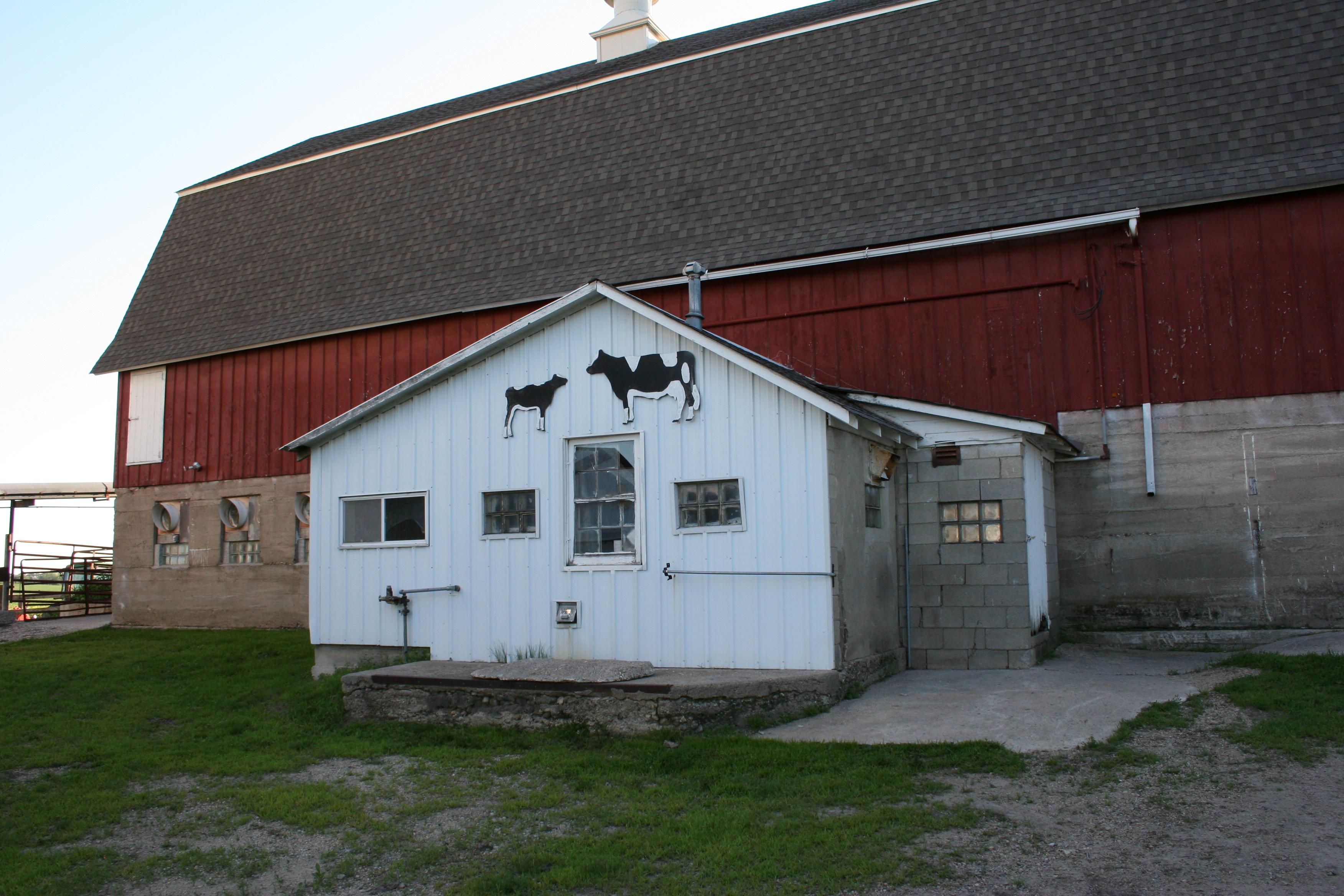
COUNTLESS TIMES my husband and I have driven into John and Debbie Becker’s rural Dundas yard for bible study and not given their barn a second thought. Maybe we’ve glanced toward it, noticed the 1915 date on the cupola or the cow art on the exterior milkhouse wall. But beyond that and John’s occasional comment that he’d like to have a barn dance, we really haven’t focused too much on that building which centers the farm (although I did photograph the exterior one evening this past summer).

Notice the cow art on the milkhouse in this image taken several months ago.

That all changed Saturday when the Beckers hosted their first-ever Harvest Time Barn Dance. I was there with camera in tow trying to capture the essence of the event via my photography.

That involved not only taking the general overall photos you would expect, but zooming in on the details. It is the details, like chapters in a book, that combined tell the complete story.

So today, in this post, I want you to see the “little things” I noticed. And I want to encourage you, as you go about your daily, busy lives, to pause and see the details. They make life interesting and fun and joyful and memorable.

All too often we hurry here and there, filling our minutes and hours and days and weeks—and then months and years—with activities and work and busyness. We miss out on so much of life by living that way.

We all need a barn dance to appreciate the sweet details of life.

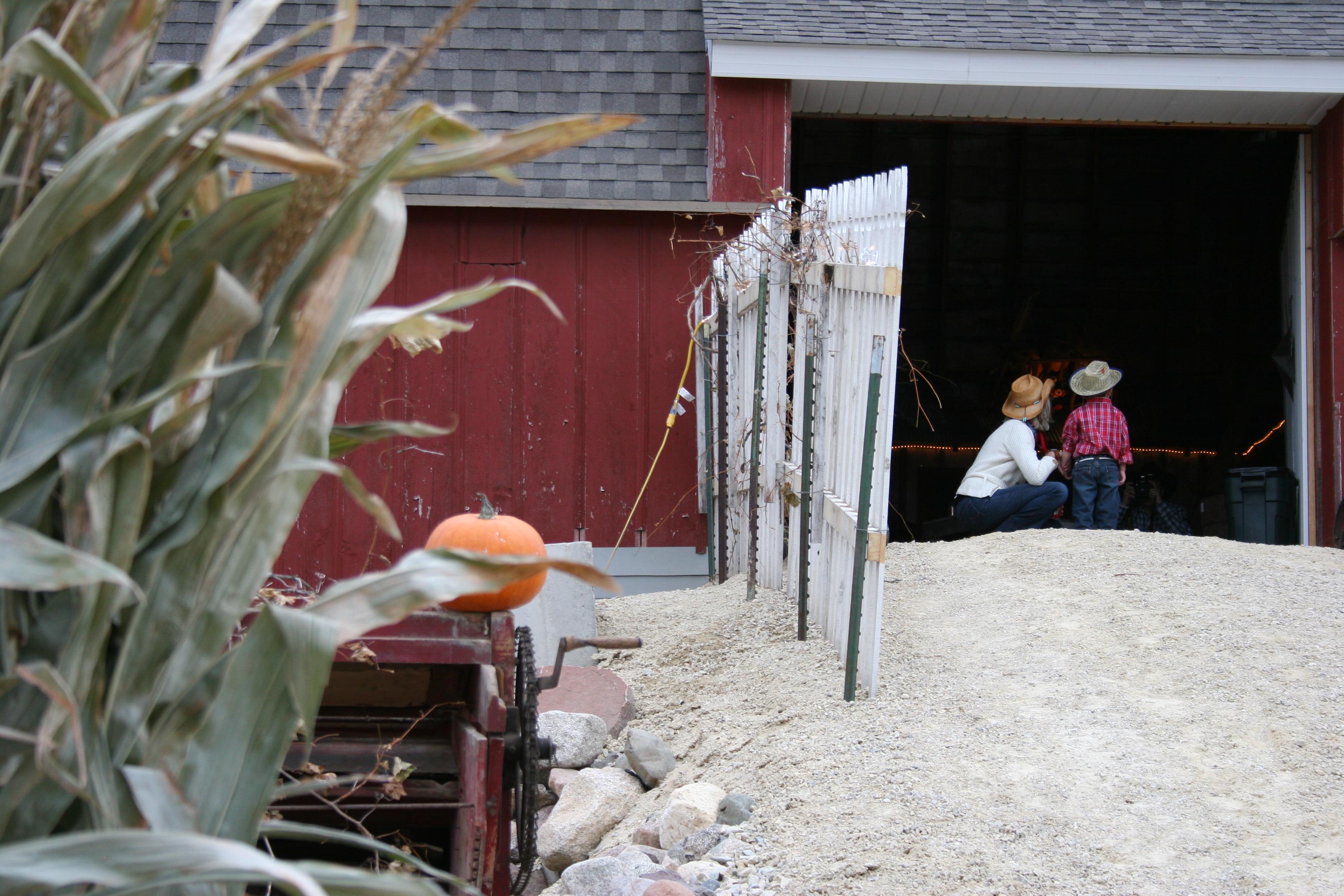
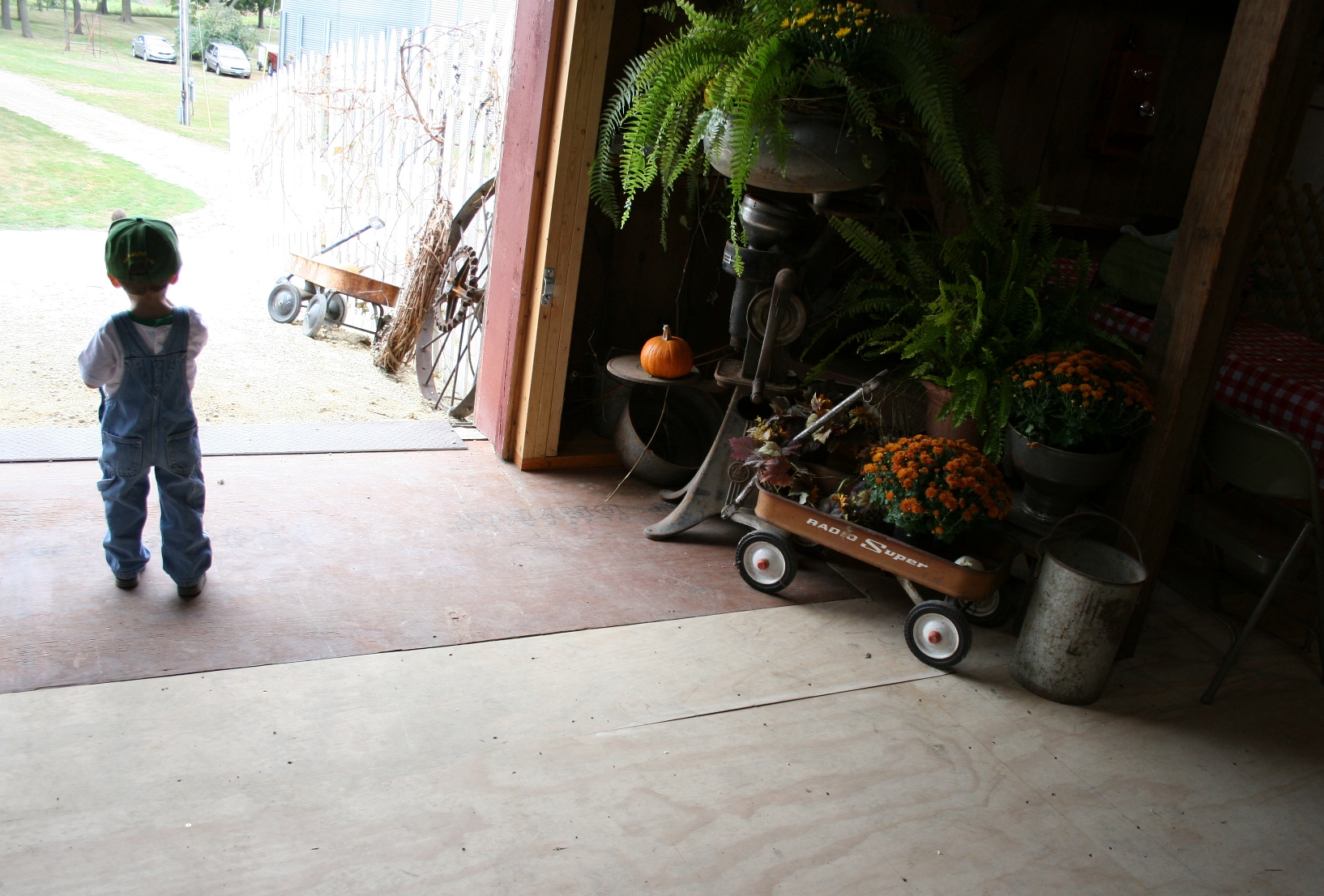
There's something about this "boy in bibs looking out the barn door" that is sweet and endearing.

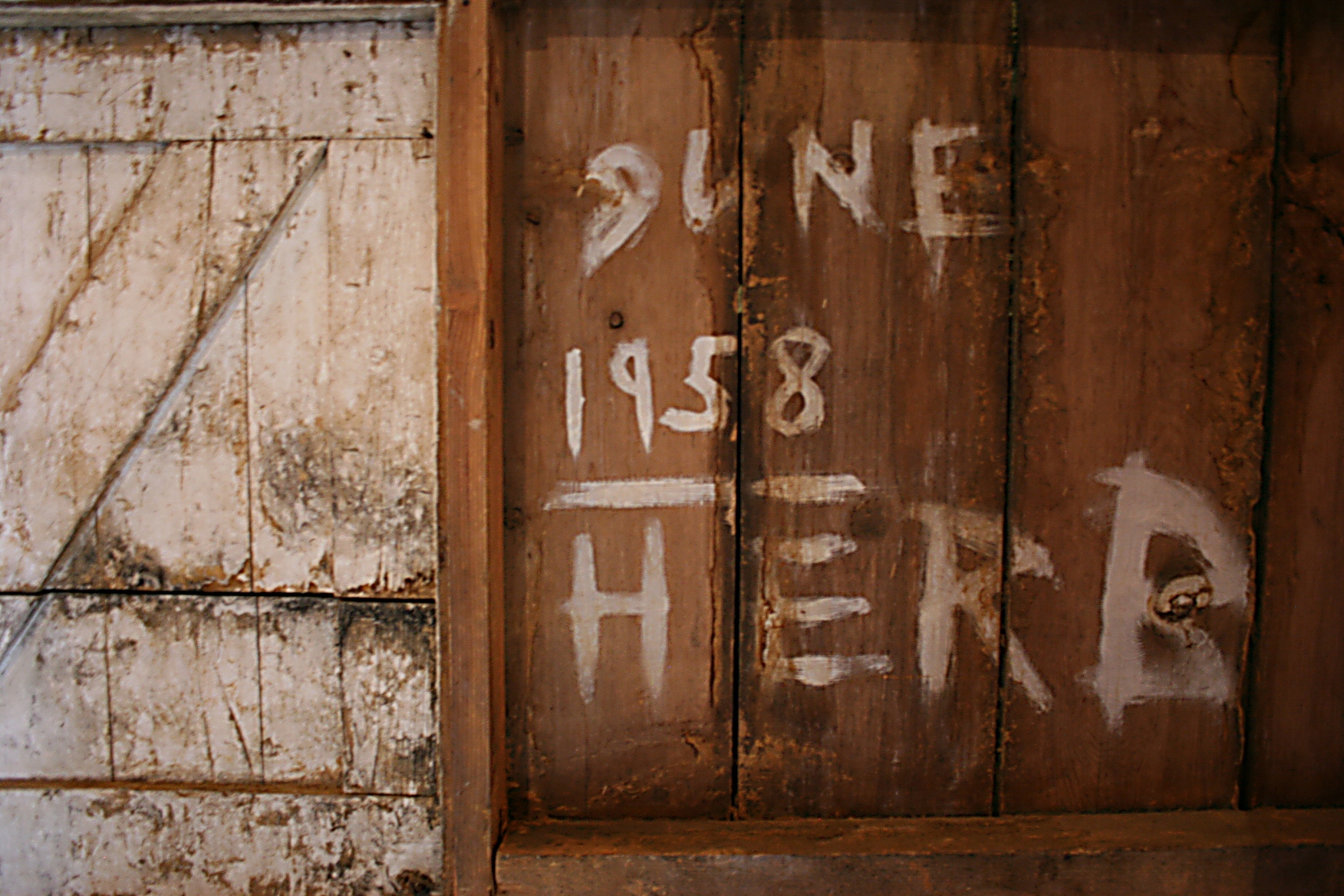
Herb Becker painted this on the west end of the barn interior in 1958. Family members are uncertain what it means, but John Becker thinks it may have something to do with his mom being pregnant with him then.

Most of the kids dressed in western attire, right down to the tips of their cowgirl/cowboy boots and hats.

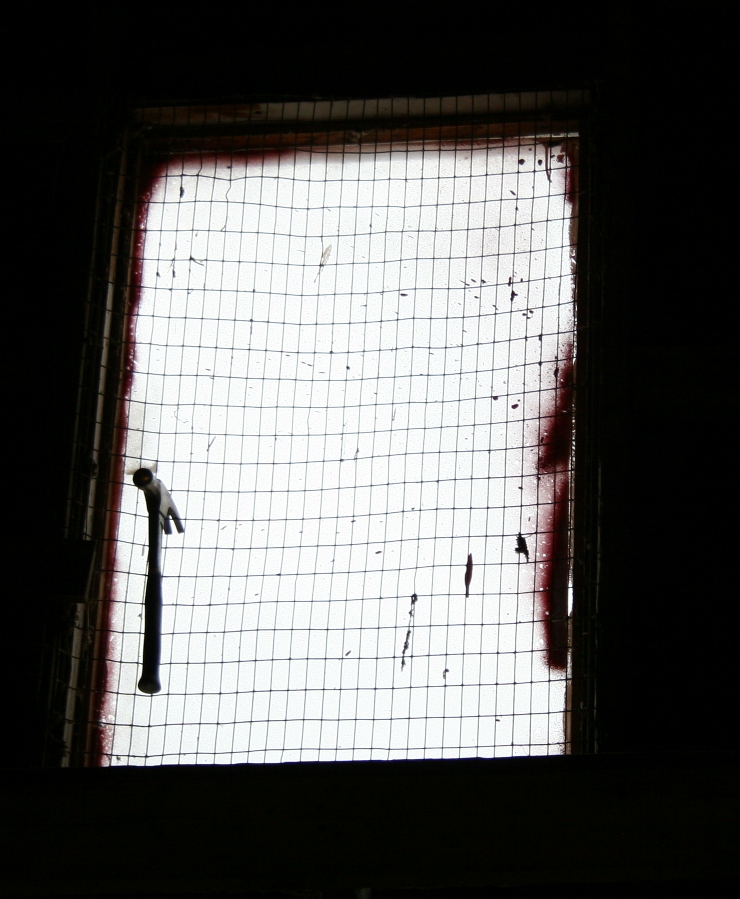
A hammer high on a screen has hung there for 40 - 50 years and is used to close the barn window, John Becker says.

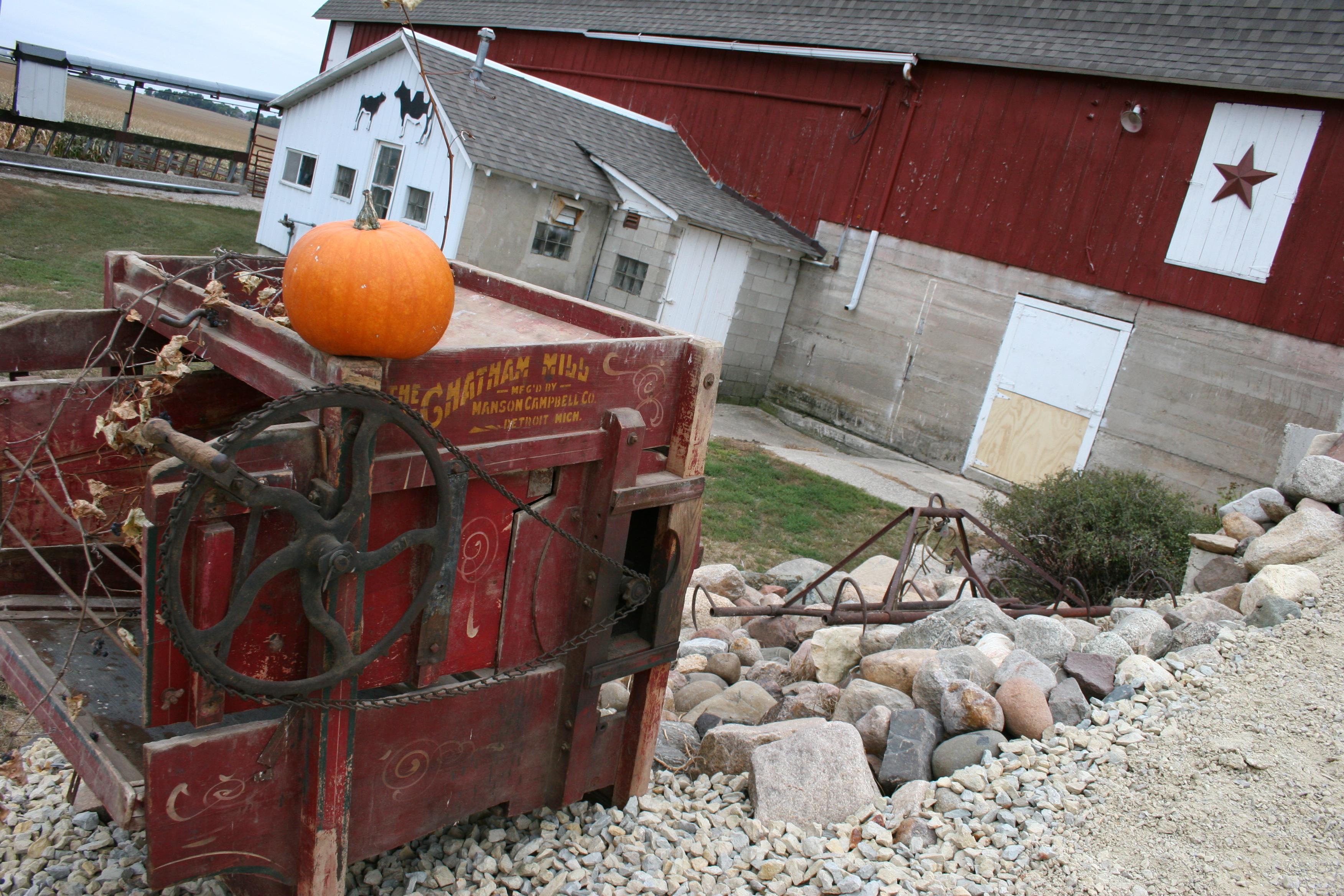
A vintage fanning mill was displayed along the pathway into the barn.

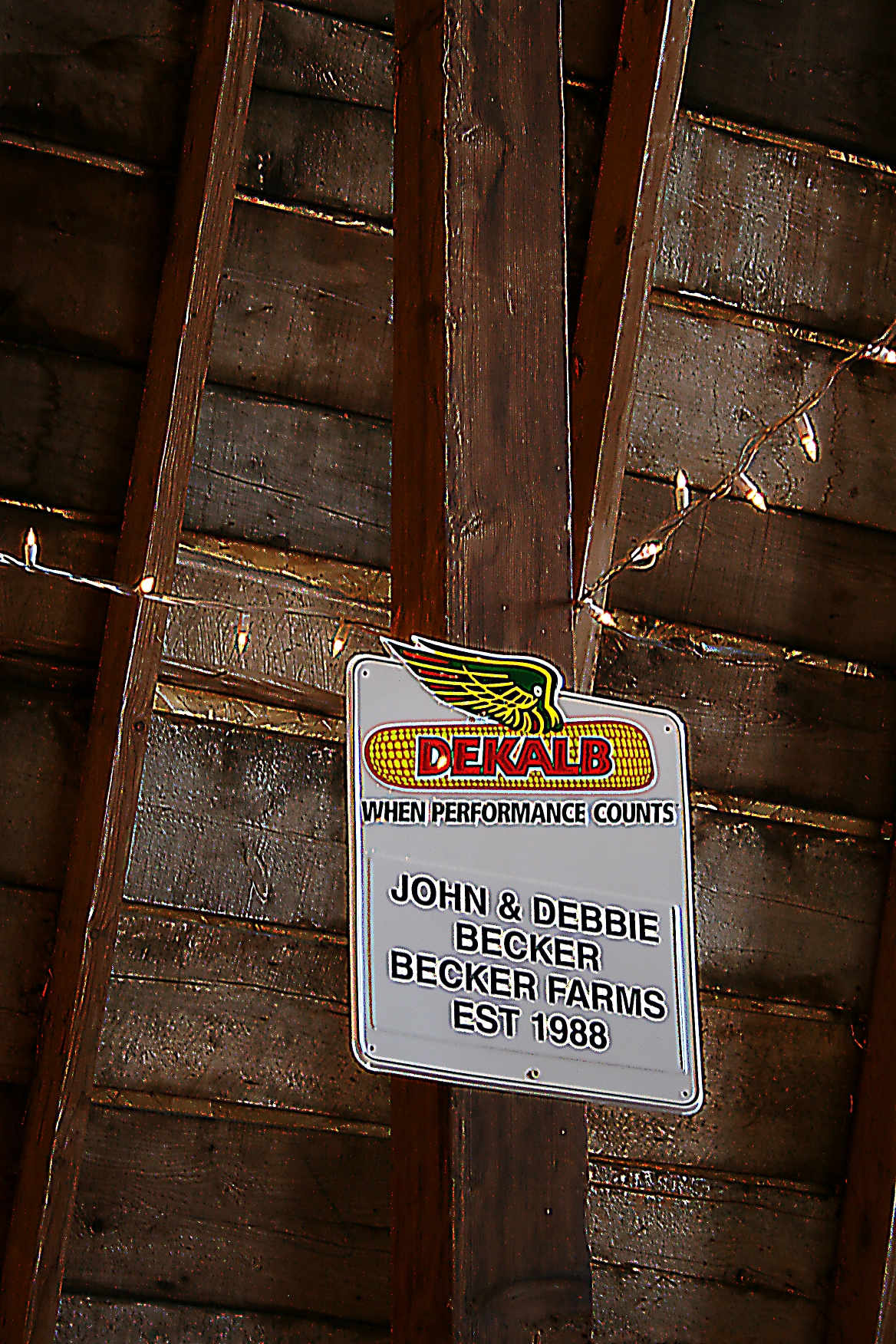
Among the signage decorating the barn interior: the Beckers' seed corn sign

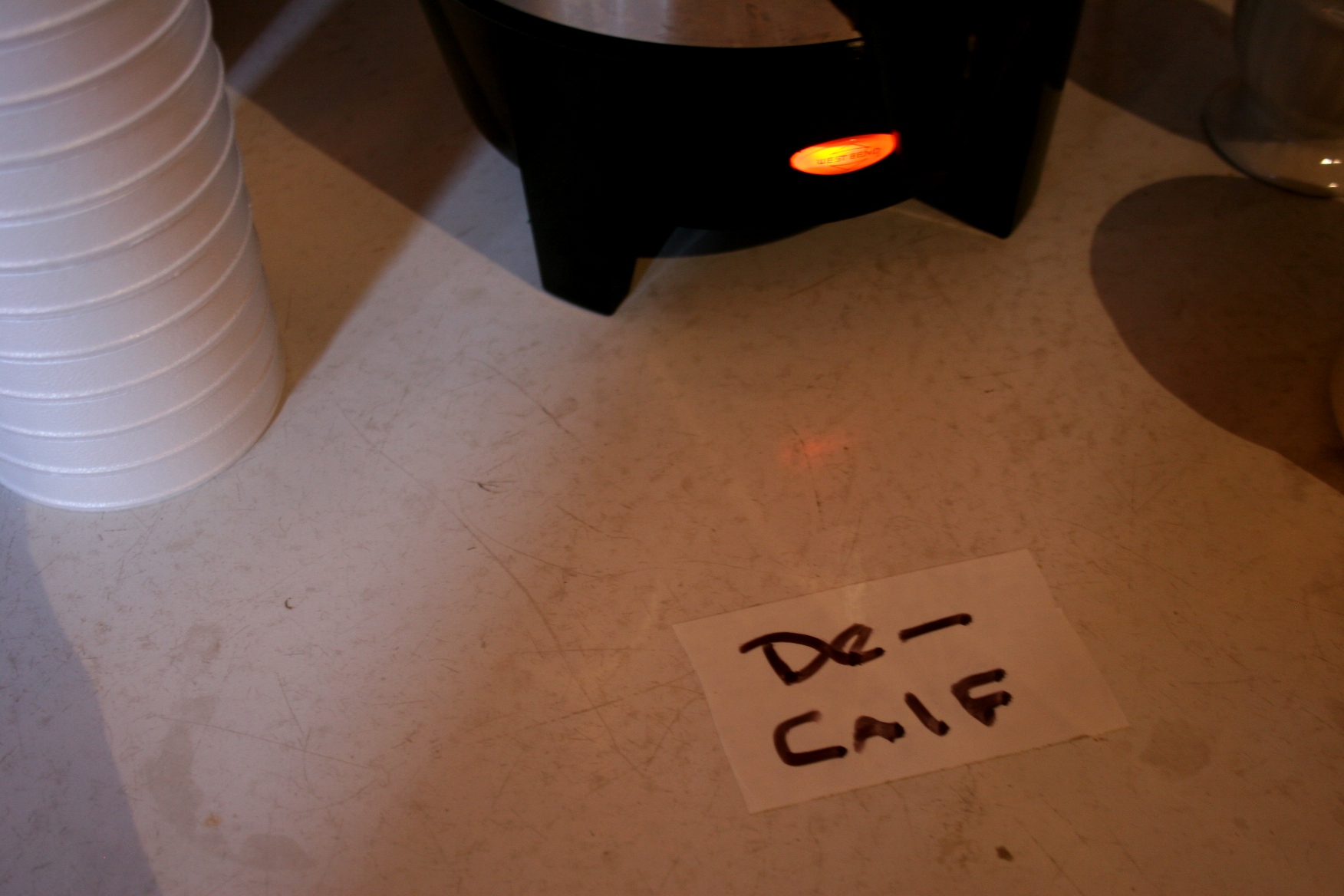
Farm humor: "De-CALF coffee

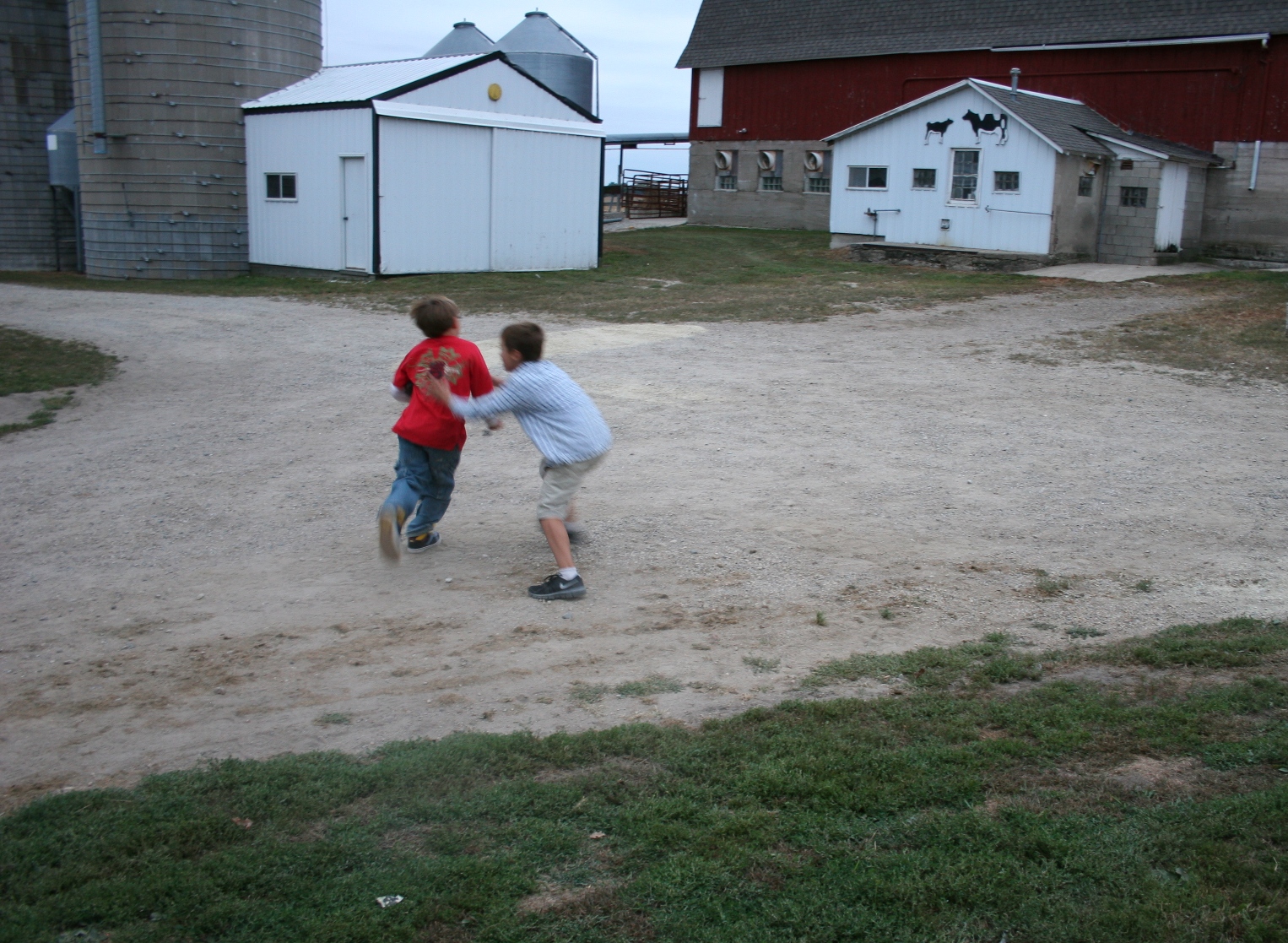
Kids played in the farmyard...just using their imaginations. No electronics, toys, etc., necessary.

Kids weren't the only ones carrying cap guns. I managed to pull the pistols from this deputy sheriff's holsters twice before he pulled out his handcuffs and threatened to cuff me.

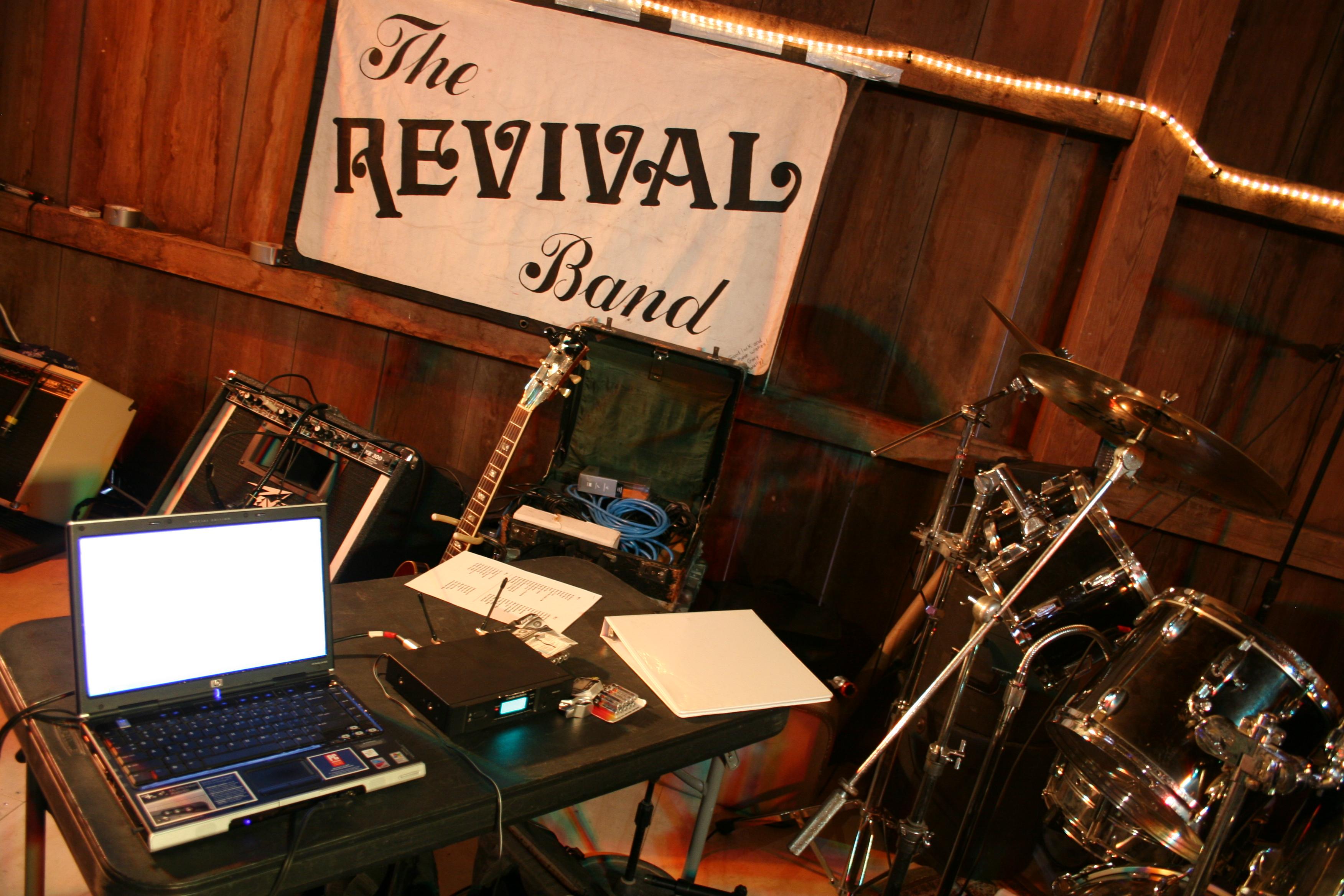
When I composed this frame, I considered the barn dances held here in the 1930s and how bands have changed with computers and high tech instruments. The contrast between old and new was not lost on me in this setting.

In one of my favorite images, I captured this sweet interaction, the bending down to the child's level, the care, the love and concern shown in this simple act. I saw that repeatedly at the barn dance, in the clasp of a child's hand, in a child atop her dad's shoulders, in hands joining on the dance floor...

© Copyright 2011 Audrey Kletscher Helbling


A firefighter’s praise for “Ted from Owatonna” September 16, 2011

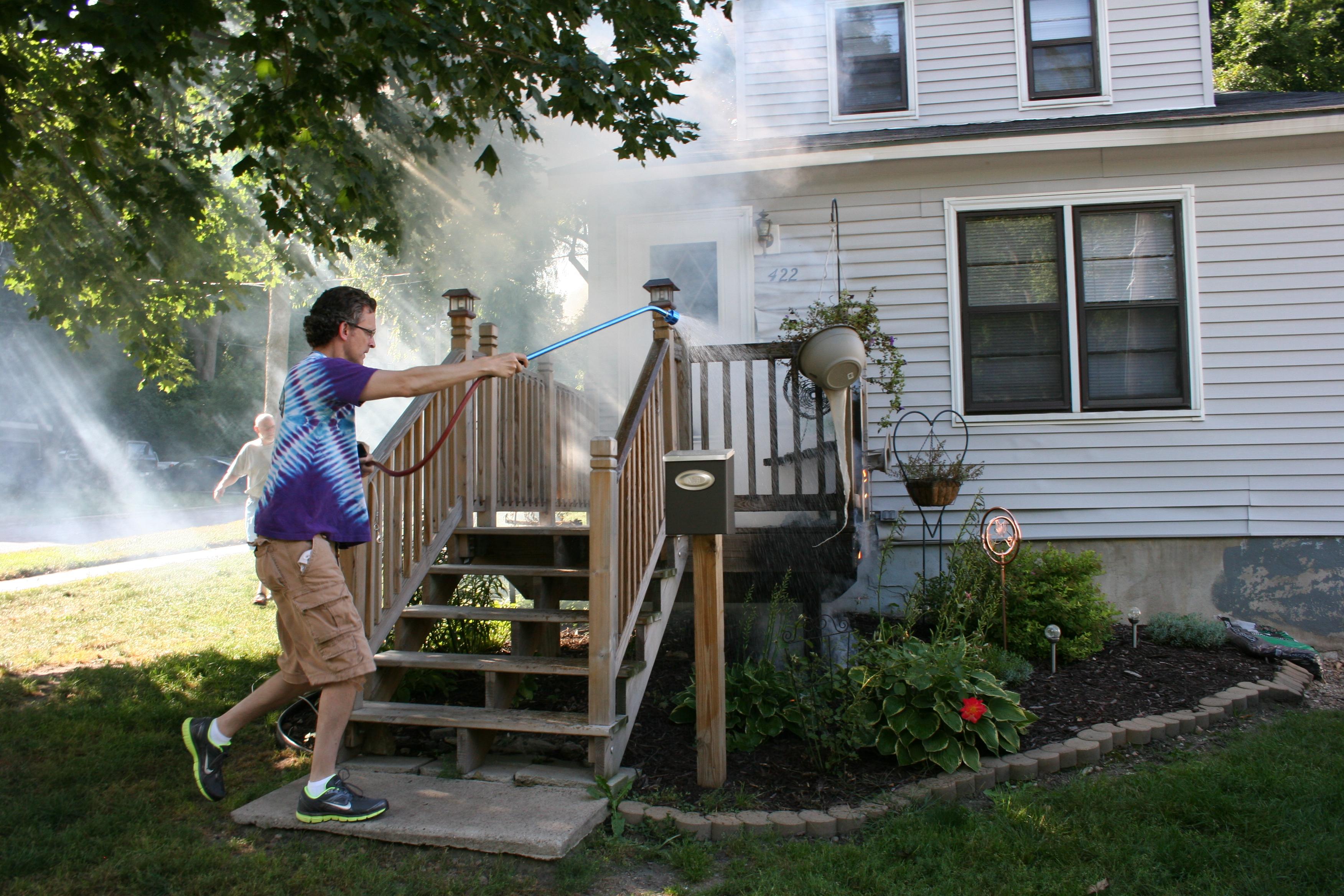
Ted Leon, initially known only as "Ted from Owatonna," extinguishes the fire on and under my neighbor's deck with water from a garden hose late Saturday afternoon. Ted was the first on the scene.

FIVE DAYS AFTER Ted Leon of Owatonna, the passerby who extinguished a deck fire at my neighbor’s house with water from a garden hose, I spoke to a Faribault firefighter who responded to the scene. As you recall, my initial post about Ted sparked a whirlwind of media coverage to find “Ted from Owatonna.”

I wanted to hear what professional Joel Hansen, whom I’ve personally known for years, thought of Ted’s actions. I was finally able to connect with Joel late Thursday morning; he had been off-duty for several days.

“What he did was very heroic, very courageous,” Joel says.

Ted ran onto the burning deck and banged on the front door to alert the Klocek family of the late Saturday afternoon fire before putting out the blaze himself. Kristin Klocek and her young daughter escaped through a side door into the garage.

“He went way and above what a normal person would do. I’m encouraged to see someone who got that involved,” Joel says, emphasizing that dialing 911 to get the fire department en route should be the first course of action in any fire. Ted’s wife, Kathe, made that call.

Joel praises Ted for stopping, getting that emergency call in via Kathe, focusing first on the safety of the residents, and then having the presence of mind to look for a garden hose to put out the fire.

“Life safety is first,” Joel says. “We want people to be safe.”

Ted, he says, seemed to be aware of his safety, to know what he was doing and to understand that he had options—like leaping over the deck railing—had that become necessary to escape the flames.

“I wouldn’t encourage someone to put themselves in harm’s way,” Joel says, “but I wouldn’t say I wouldn’t have done the same thing (as a passerby like Ted).”

In this photo you can see the scorched deck and how the heat of the fire melted the vinyl siding.

If Ted hadn’t extinguished the fire when he did, there would have been “substantially more damage” to the deck and home exterior before firefighters arrived, Joel says. The Kloceks live about six blocks from the fire station, mere minutes away. Damage to the home was limited to a partially-burned deck and wood chips underneath and to the front door and siding, which were warped due to the intense heat.

Statistics show that a fire doubles in size every three minutes, according to Joel.

BESIDES TED’S HEROISM, Joel and I talked in general about how people react to a fire. Some panic. Others call 911 and then leave. Some have no concern for personal safety… Then he mentioned “tunnel vision.”

I told Joel I was so focused on making sure my neighbors were safe and Ted was so focused on getting the blaze out (after he knew the family was aware of the fire) that we didn’t communicate. Joel wasn’t surprised.

Then he asked if I looked for traffic before crossing Tower Place as I ran toward my neighbor’s home during the fire. I did. I distinctly remember telling myself to stop and look for cars.

But I don’t recall hearing emergency sirens, although I watched two police cars and a fire truck race down Willow Street toward the scene. My husband assures me the sirens were blaring.

In contrast, I remember sidestepping a pile of dog poop in the Kloceks’ yard and reminding myself to avoid that patch of grass. I was barefoot.

I recall seeing a woman on her cell phone in the Kloceks’ side yard. I also recall a young man in the front yard, someone my husband later noted as a motorist who had pulled over in his truck and parked along Tower Place.

FOR NIGHTS AFTER THE FIRE, I didn’t sleep well. The first night I was twice awakened by emergency sirens. We live along an ambulance route, an arterial street through town, and I’ve become so accustomed to sirens that I often sleep right through them. But not Saturday night.

At 5:30 a.m . Sunday I awoke to the smell of smoke and flew out of bed to check if the fire at my neighbor’s house had rekindled. It hadn’t. Later I realized the smoke odor likely came from a smoldering campfire.

For days afterward I felt emotionally-drained. Talking with Joel on Thursday proved cathartic. He understood how my emotional involvement—knowing the family—affected my reactions at the fire. He understood my lingering thoughts and emotions even days afterward.

I shared with him that I have a new appreciation for how rapidly a fire can spread.

He’s heard it all—how people think a fire can never happen to them, how they intended to replace the batteries in a smoke detector…

Before Joel and I ended our conversation, I asked him about an award for Ted. He can’t speak publicly about that possibility, he says, because such an honor would be routed through the local union (not the fire department) and that involves a specific process.

But you can read between the lines here. I fully expect Ted to be honored. And you can bet I’ll be there thanking him. Again.

CLICK HERE to read a story on today’s The Northfield News website about a fire just outside Dundas that sounds all too-recently familiar. The Thursday morning fire also involved a passerby, a garden hose and a cigarette.

CLICK HERE to read my first fire post.

CLICK HERE to read my interview with Ted Leon, whom I’ve termed our “Willow Street neighborhood hero.”

© Copyright 2011 Audrey Kletscher Helbling


Starry, starry night July 21, 2011

THE HOUR HAD SLIPPED well past midnight when I joined my sister Lanae and my son on the patio.

“Is there a place for me to sit?” I asked, as I stood still, waiting for my eyes to adjust to the blackness of the night.

“There’s a lawn chair next to me. Caleb’s lying on the patio.”

And so he was and she was and now I was—the three of us clustered under a sky filled with more stars than I’ve seen since my last visit to the southwestern Minnesota prairie.

I gazed skyward, quickly finding the Big Dipper.

“Do you see the Milky Way,” my astronomy-loving 17-year-old asked. I pivoted my head to the right and pointed.

We sat in silence, for minutes, simply staring at the immense sky studded with all those stars.

“This is what I miss about this place,” my sister said, finally breaking the contemplative silence. “The stars.”

And she is right. It is one of many things I miss about my native southwestern Minnesota. Only in rural areas like this, mostly untouched by light pollution, can you view the night sky as it is meant to be seen.

“Did you see that?” my boy enthused, eying the same falling star I had just seen shooting a trail of light across the dark.

“This is better than that place we went to in St. Cloud,” he said. He was referring to a high school astronomy class field trip last summer to the St. Cloud State University planetarium. I remember his visit there, how unimpressed he was with the whole thing and how he disliked being caught in Twin Cities rush hour traffic on the drive home.

No doubt experiencing the night sky here at my brother’s place just north of Lamberton—where only rural yard lights and small-town lights in the distance punctuate the darkness—would outshine any planetarium any night.

And, for sure, traffic jams are not an issue.

© Copyright 2011 Audrey Kletscher Helbling
 

St. Mary’s of Melrose, Part II July 17, 2011

STARK CHURCHES appeal to me. The ones with the simple wooden cross, the white clapboard siding, the time-worn pews settled upon plain plank floors.

But the ornate houses of worship likewise snag my soul with crosses of gold, walls of brick and gleaming, carved pews.

One of the many ornate carvings at St. Mary's Catholic Church in Melrose.

I am most comfortable with, most accustomed to, the unadorned churches of the Lutherans, my religious heritage. We keep things simple. No cluster of burning candles. No wafting incense. No pools of holy water. Minimal, if any, gold.

Perhaps for that reason, when I step into an historic Catholic church, I feel like I’ve entered a foreign land. I am often awed by the opulence, by the details that visually overwhelm me.

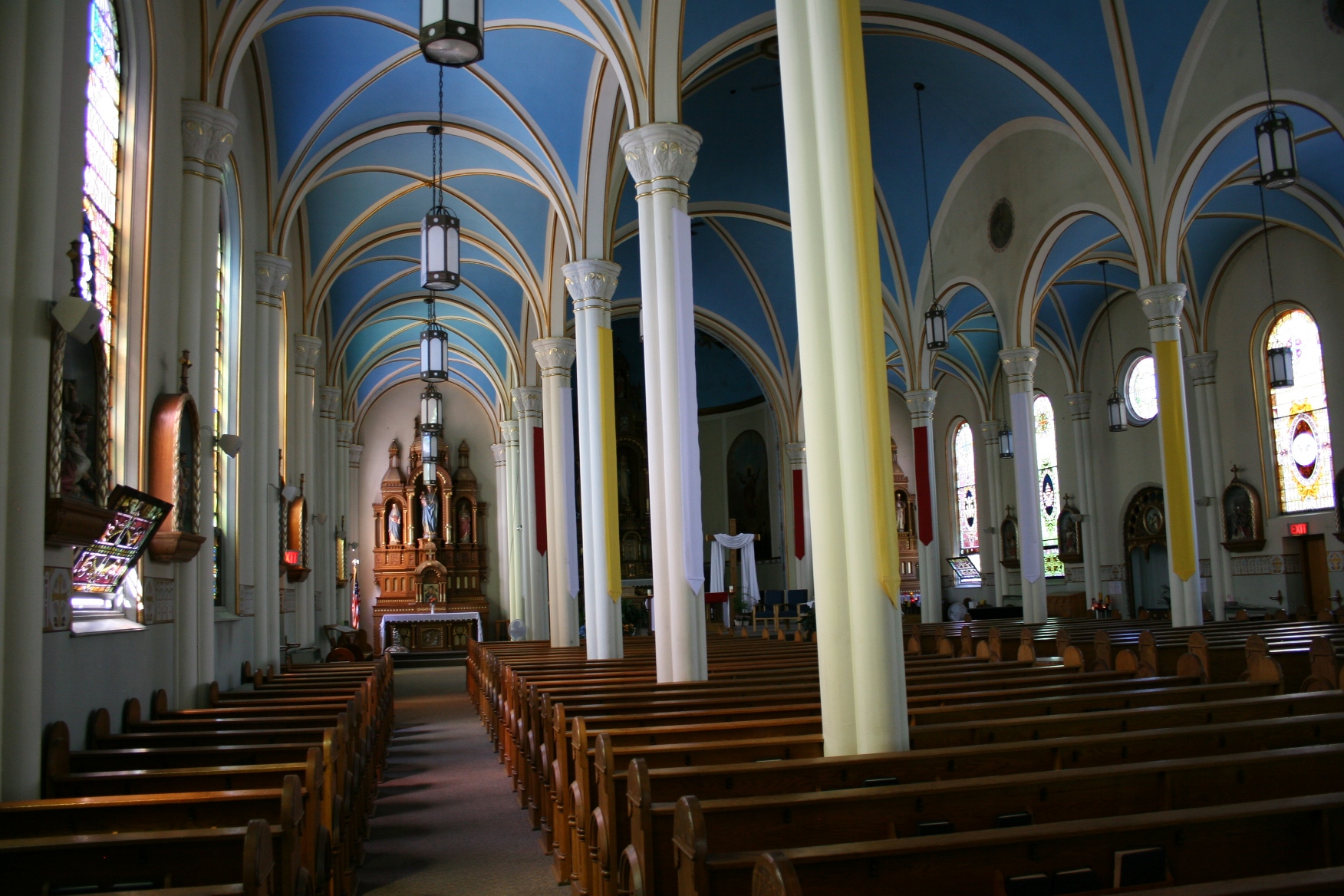
The side aisle on the left leads to an ornate altar in St. Mary's which is on the National Register of Historic Places.

That’s exactly how I felt upon entering St. Mary’s Catholic Church of Melrose, featured here in an earlier post. Overwhelmed. But good overwhelmed. Because I could not possibly present all of the images I wanted to share with you in a single post, here are the remainder.

No matter your religious affiliation, you simply have to appreciate a place like St. Mary’s. What beauty. What art. What history. What heavenly splendor.

This was the top or bottom of something. Can't recall what. But it sure is stunning.

Look at this gorgeous, carved door, will you?

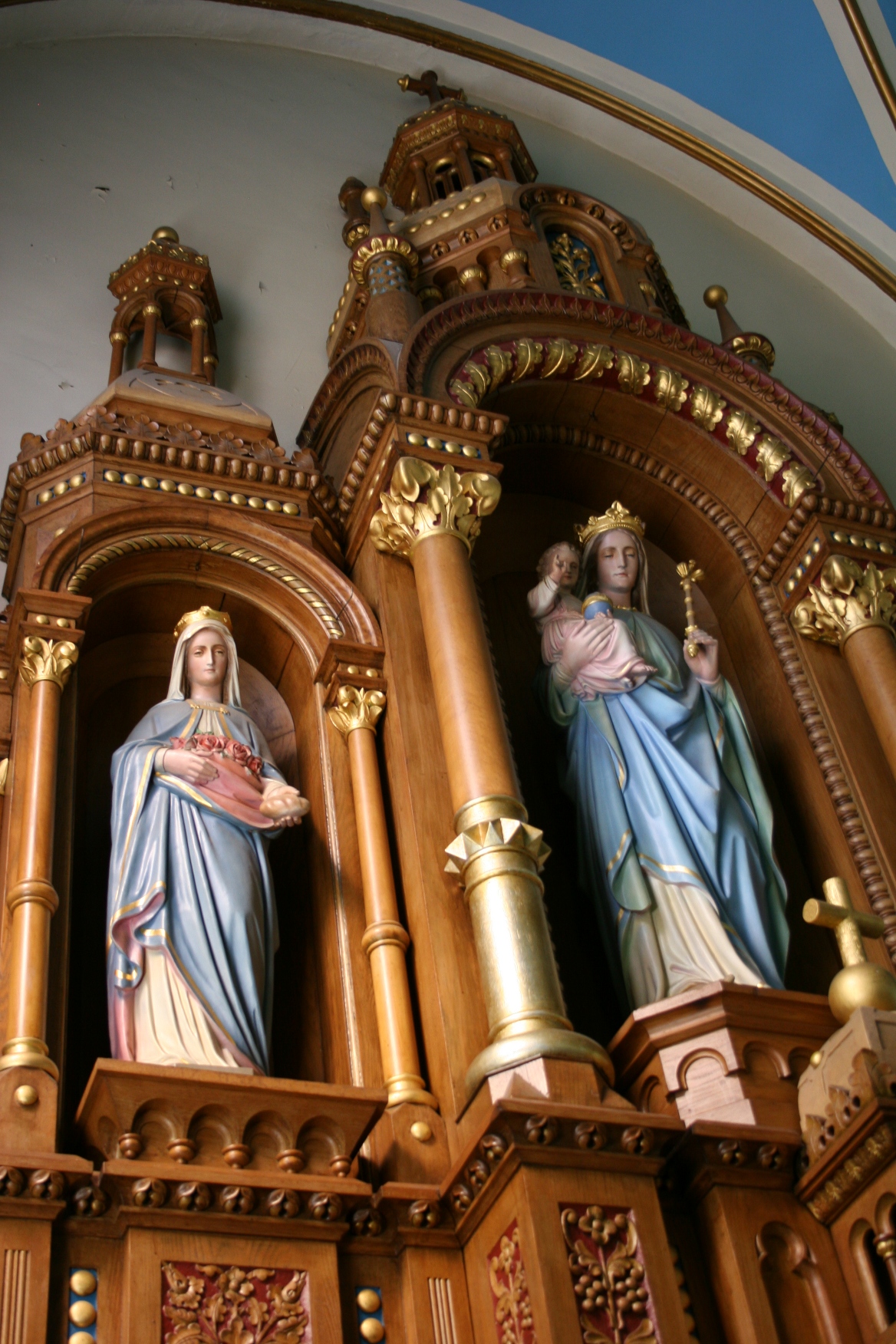
Golden statues. Beautiful.

Just look at this detailed side altar. I could have spent hours in St. Mary's.

And then I discovered these collection baskets hanging from a rack. We Lutherans don't have wicker baskets with long handles. These contrast so sharply with the the ornateness in the church and that is why I so appreciated this grouping.

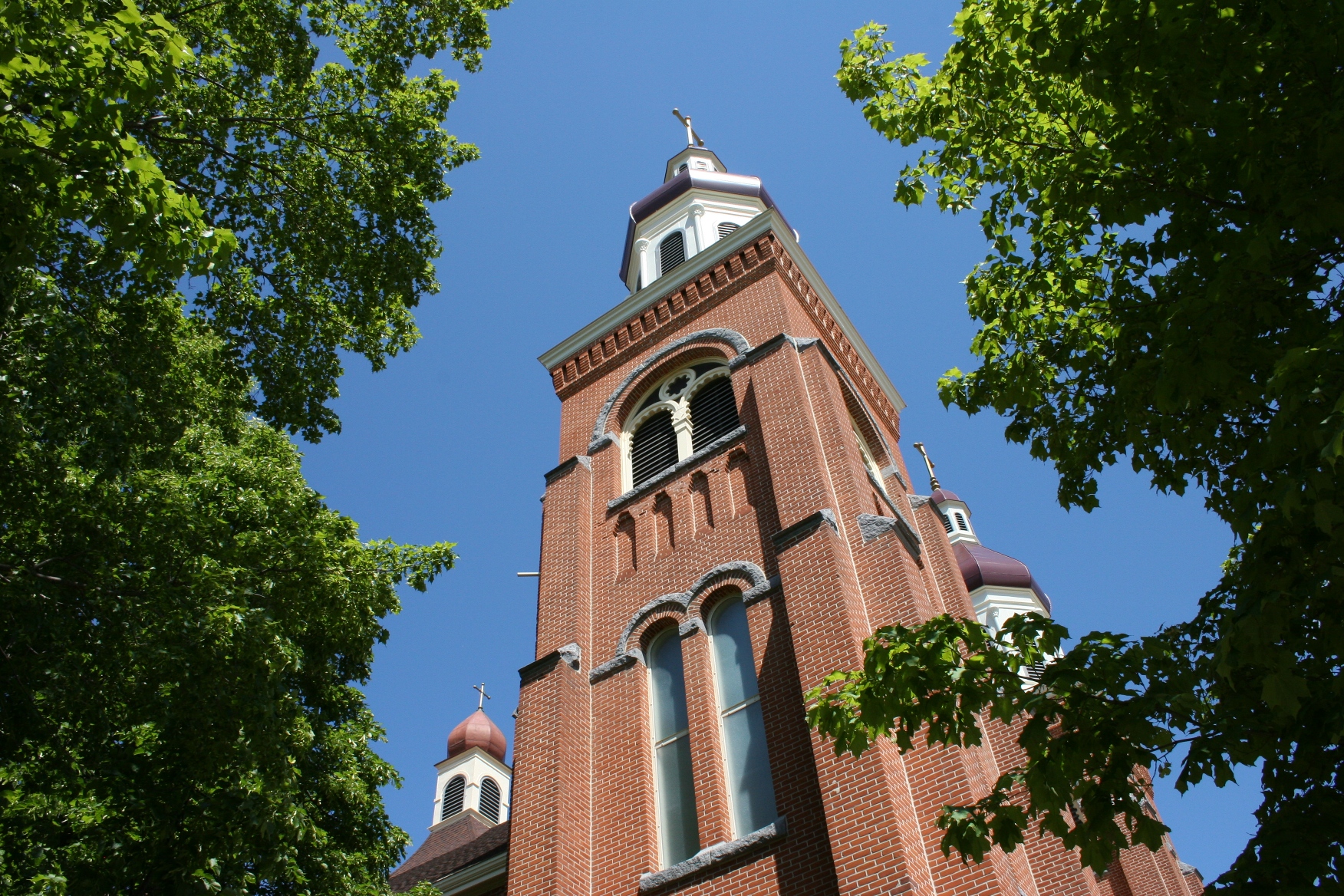
St. Mary's Catholic Church stands strong as a fortress in Melrose, next to the turkey plant, its towering steeples visible from nearby Interstate 94 in west central Minnesota.

© Copyright 2011 Audrey Kletscher Helbling

 

Words matter: Prejudice and acceptance in Faribault July 14, 2011

Filed under: Uncategorized — Audrey Kletscher Helbling @ 7:42 AM
Tags: , , , , , , , , , ,

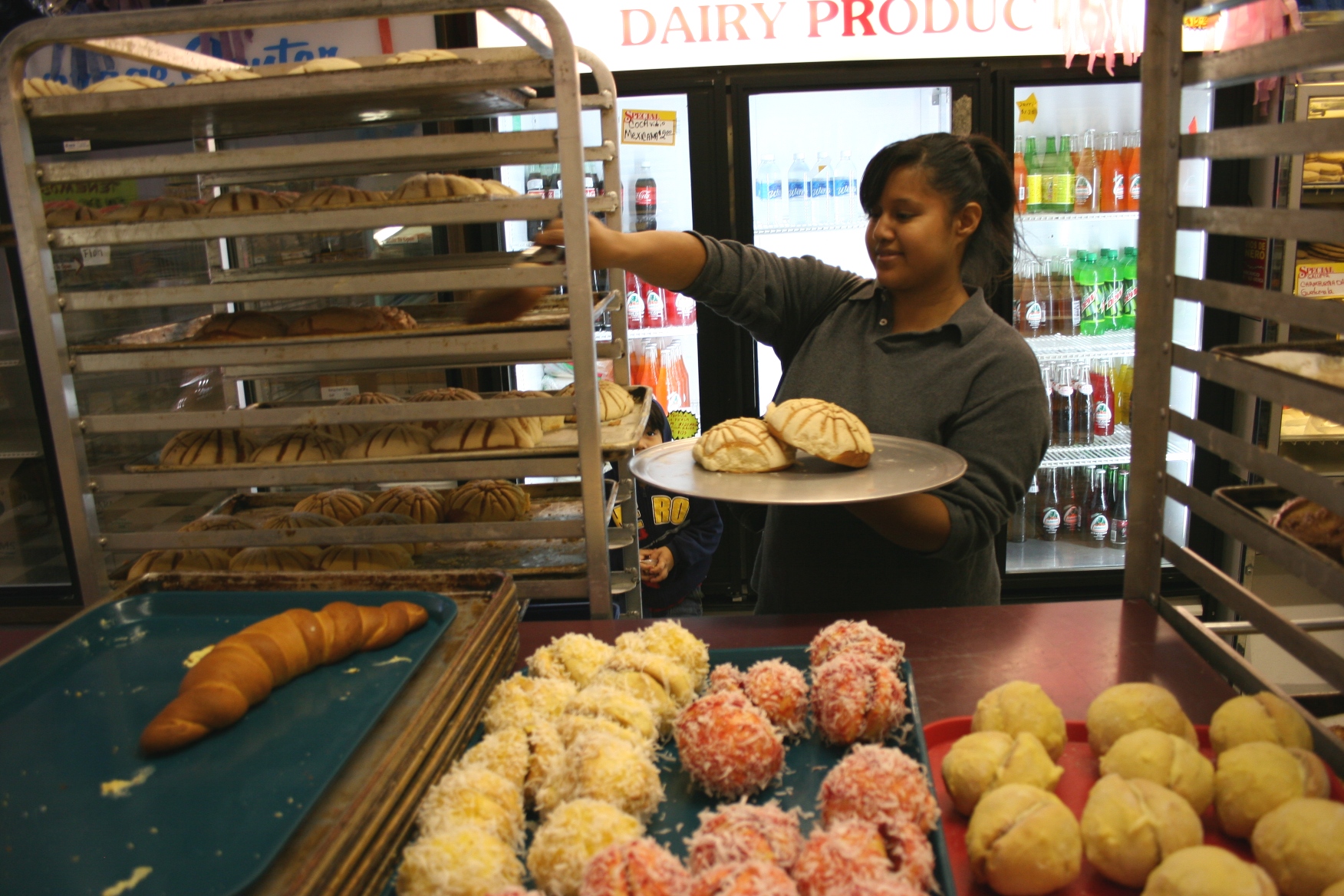
Faribault is home to a sizable Hispanic population. This file photo was taken at a downtown Faribault Mexican bakery, which has since come under new ownership. The bakery was once at the center of a controversy over its exterior color and was repainted when some local businessmen donated money for a new paint job.

EVERY TIME I HEAR a derogatory comment about an ethnic group, I am still surprised. I don’t know why.

Perhaps the fact that this is 2011, and not 1960, factors into my belief that people have overcome their prejudices toward those with skin colors different than their own.

Then I hear a statement like this: “Willow Street is becoming a little fill in a Spanish word here.” I hadn’t heard the word before, which is why I can’t remember it. But I know for certain that it was unkind and derogatory and cutting toward the Hispanic population that lives in my community of Faribault, specifically along my street.

I couldn’t allow the slam to go unchallenged, especially since it was spoken just as I was about to enter, of all places, my church for Sunday morning worship.

In an immediate moment of incredible self control, I responded by telling this clearly prejudiced individual that there are “good whites” and “bad whites,” just like there are “good Hispanics” and “bad Hispanics.” I knew I had to keep my response simple so he would understand. I also told him that my Hispanic neighbors are “good neighbors.”

With those words tumbling off my tongue, I walked into the sanctuary, attempting to dismiss my anger and focus on an attitude of forgiveness.

I also consciously shifted my thoughts to an exchange I witnessed a day earlier. As a Somali mother walked into a Faribault grocery store with her adorable preschool-aged daughter, a Caucasian couple engaged the woman in conversation. They inquired about the little girl and asked her name.

“Amira,” the Somali mother answered and smiled.

“That means ‘princess,’” the man said and continued to share a story about another Amira he knew. All the while, the mother beamed. When they parted, he told the pair, “God bless you.”

I was trailing behind, thinking how my Aunt Dorothy has always called me her “Little Princess,” even now, today, when I am in my 50s. That endearing nickname has always made me feel so loved. Words can make such an impact.

As the Somali woman continued down the grocery store aisle with her daughter tagging behind, I blurted, “She’s so cute.”

The mother of the little princess turned and rewarded me with a smile, a universal human expression that bonds all humans no matter their skin color.

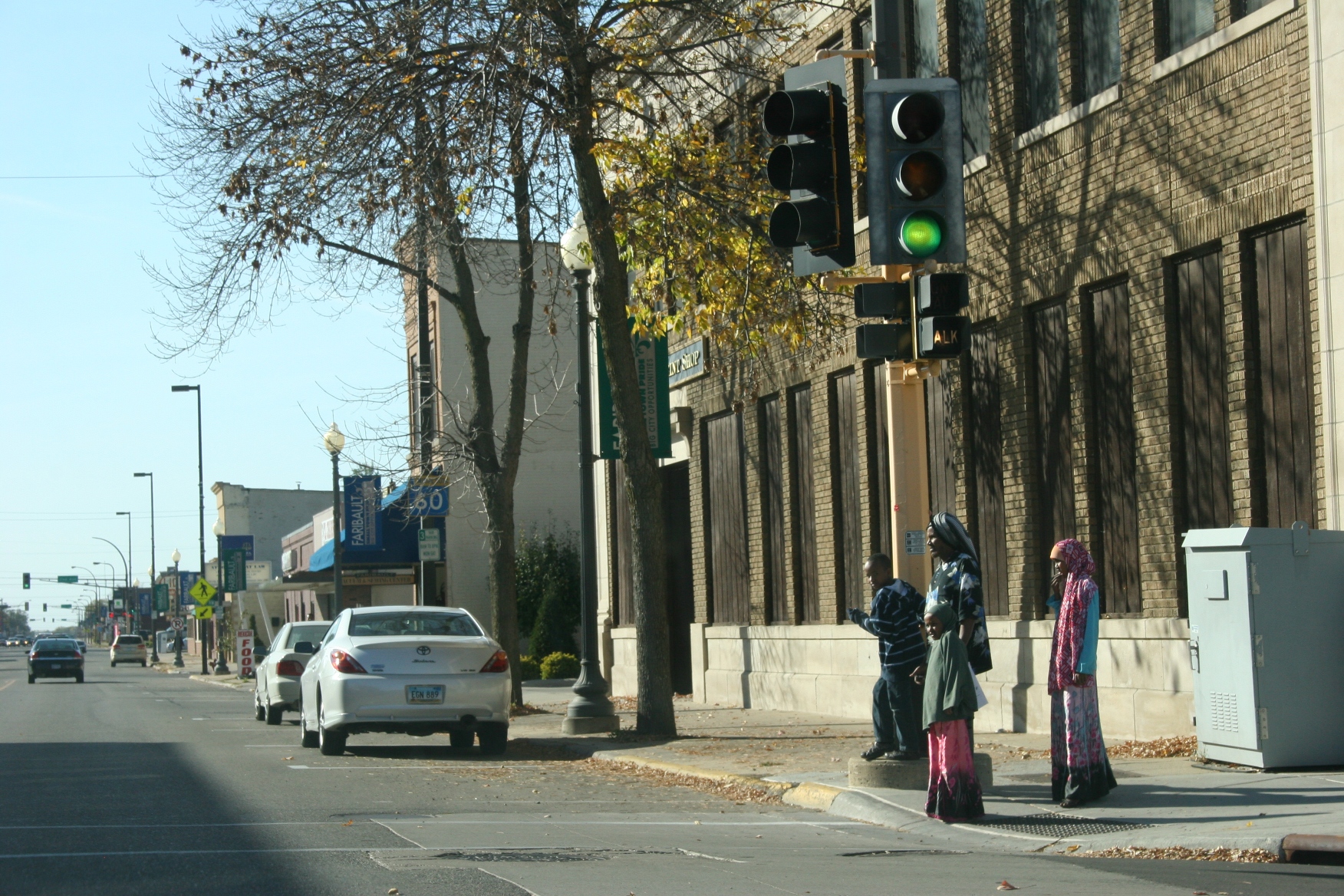
In this file photo, a Somali family waits to cross a downtown Faribault street.

CLICK HERE TO READ one of many posts I wrote related to the exterior colors of two ethnic restaurants in downtown Faribault. The color of the Mexican bakery, which has since changed hands, generated heated discussion within the community in 2009 and 2010.

© Copyright 2011 Audrey Kletscher Helbling
 

A bride’s story: Come hell or high water July 10, 2011

“I TOLD HIM NO WAY IN HELL was I leaving my wedding dress behind,” Tina Marlowe Mann remembers.

And she didn’t. Nine months ago Tina defied a fireman’s order and saved her bridal gown. It was the last thing she brought out of her house during a 15-minute mandatory evacuation of flood-ravaged Hammond on Friday morning, September 24. When she exited her home, the fireman instructed her to park her 4-wheel drive Jeep on high ground, with the wedding dress inside, and walk out of the flooded town because the water had risen too high to drive out.

She refused and instead forged—with five adults, two children, a Rottweiler, two cats, a few clothes and that precious wedding dress—through water that reached the door panels and covered the exhaust pipes of her Jeep.

“We got stuck a couple times and I thought we might not make it out, but we did,” Tina recalls.

Come hell or high water, she would not allow the raging waters of the Zumbro River to snatch away her dream dress.

Two weeks ago yesterday, on June 25, Tina Marlowe married Micheal Mann at Beach Park in Wabasha wearing that rescued bridal gown. A reception followed at Slippery’s Bar and Grill on the Mississippi River.

Tina, on her June 25 wedding day, in the bridal gown she saved from a flash flood in Hammond in southeastern Minnesota last September.

As it did last fall, floodwaters once again threatened. “Ironically, this spring we spent a lot of time holding our breath, worried that Beach Park and Slippery’s might receive major damage from spring flooding,” Tina says. “For weeks we watched the hydrological reports from Wabasha with bated breath. We even made a couple trips down there just to monitor the situation with our own eyes—and we did a lot of praying.

“Then wouldn’t you know it that the week before the wedding, it rained every single day. A couple of those days the heavy rains took me right back to September…and I said to Mike, ‘Wouldn’t it be just crazy if we come home from Wabasha to find water in our house again?’”

Water from last fall’s flash flood filled their basement and rose several inches into the main level, displacing the family from their home for three months.

Tina and Micheal continued praying for the rain to stop as June 25 approached. Then on their wedding morning, the sun came out in Wabasha and, as the fog lifted from the Mississippi River valley, it looked to be a perfect day.

The weather forecast, however, called for afternoon showers. And the wedding was set for 4 p.m.

Within an hour of the ceremony, rain began falling. While Tina was slipping into her bridal gown at a Wabasha hotel, family and friends were moving everything from the decorated gazebo to the pavilion.

Tina and Mike

“Irony again prevailed because it rained from 3 until about 4:30, and then it stopped and the rest of the evening was picture perfect,” Tina says. “All of the bridal pictures were taken in the rain. Every person in my wedding party was affected by the flood in one way or another and here we were, standing in the pouring rain on the banks of the Mississippi River, having the time of our lives.

They say it is good luck to have rain on your wedding day because a ‘wet knot’ is much harder to untie. I truly feel blessed.”

#

TINA, RAIN ALSO FELL on my wedding day in May of 1982. My husband and I have now been married for 29 years.

I expect that you and Micheal, with the challenges you’ve faced, already had a tightly-tied knot. Your positive attitude in the face of difficulties continues to impress me, as does your strength.

Congratulations on your marriage. May you and Mike live a long, happy and blessed life together.

Mike & Tina at sunset along the Mississippi River on their wedding day.

READERS: I F YOU HAVE NOT READ the six-part series of stories I posted in March about Tina’s experience during the September 2010 flash flood in Hammond, you’ll want to check it out now. Go to my archives and click on these dates: March 13 – 15 and March 17 – 19. Click here to read the first post, “Part I, Tina’s story, surviving the Hammond, Minnesota, flood.”

Also, consider contributing to Hammond’s efforts to rebuild city parks. Tina, recently-elected to the city council, is leading efforts to repair the flood-damaged parks. Click here to read a blog post about how you can help.

PHOTOS BY SHERWIN SAMANIEGO PHOTOGRAPHY of Rochester and courtesy of Tina Marlowe Mann.

© Copyright 2011 Audrey Kletscher Helbling
 

Reflections on Independence Day July 4, 2011

A flag and portrait of George Washington at the former District 20 Millersburg School, now a museum.

“I PLEDGE ALLEGIANCE to the flag of the United States of America and to the Republic, for which it stands, one nation under God, indivisible, with liberty and justice for all.”

As a child, my school days began with that pledge. My classmates and I arose from our desks at Vesta Elementary School, turned toward the American flag in the corner, placed our hands across our hearts, fixed our eyes upon the stars and stripes, and recited the pledge in unison.

I doubt we ever thought too much about the rote words we spoke. They were simply part of our routine, something we did, although I do recall feeling a sense of pride in speaking those words daily.

So much has changed in the decades since then. The Pledge of Allegiance, in most cases, has been banned from public schools in the name of political correctness. We are no longer one nation under God. While the U.S. remains one country, we as individuals are certainly divided in our views of anything and everything. That’s as it should be in a democracy. Liberty and justice have managed to prevail.

As we celebrate our nation’s Independence Day, it would be wise for all Americans to reflect on the Pledge and the words of other documents and songs that focus on the flag and freedom.

We hold these truths to be self-evident, that all men are created equal, that they are endowed by their Creator with certain unalienable Rights, that among these are Life, Liberty and the pursuit of Happiness.—The Declaration of Independence, signed on July 4, 1776

Vietnam veteran Joel Kukacka's patriotic garage in the hamlet of Heidelberg, Minnesota.

Oh, say does that star-spangled banner yet wave
O’er the land of the free and the home of the brave?
—The Star Spangled Banner

An American flag painted on a shed in Dundas in southeastern Minnesota.

Congress shall make no law respecting an establishment of religion, or prohibiting the free exercise thereof; or abridging the freedom of speech, or of the press; or the right of the people peaceably to assemble, and to petition the Government for a redress of grievances.—The Bill of Rights, Amendment I

Weeks after a devastating Sept. 2010 flash flood in Hammond, in southeastern Minnesota, an American flag marked a ravaged business.

God bless America,
Land that I love,
Stand beside her and guide her
Thru the night with a light from above;

From the mountains, to the prairies,
To the oceans white with foam,
God bless America,
My home, sweet home.
God bless America,
My home, sweet home.

Flags decorate a vintage tractor at the Rice County Steam & Gas Engines Show near Dundas.

© Copyright 2011 Audrey Kletscher Helbling