Minnesota Prairie Roots

Writing and photography by Audrey Kletscher Helbling

Drawn to the Cannon River on an April afternoon in Northfield April 15, 2025

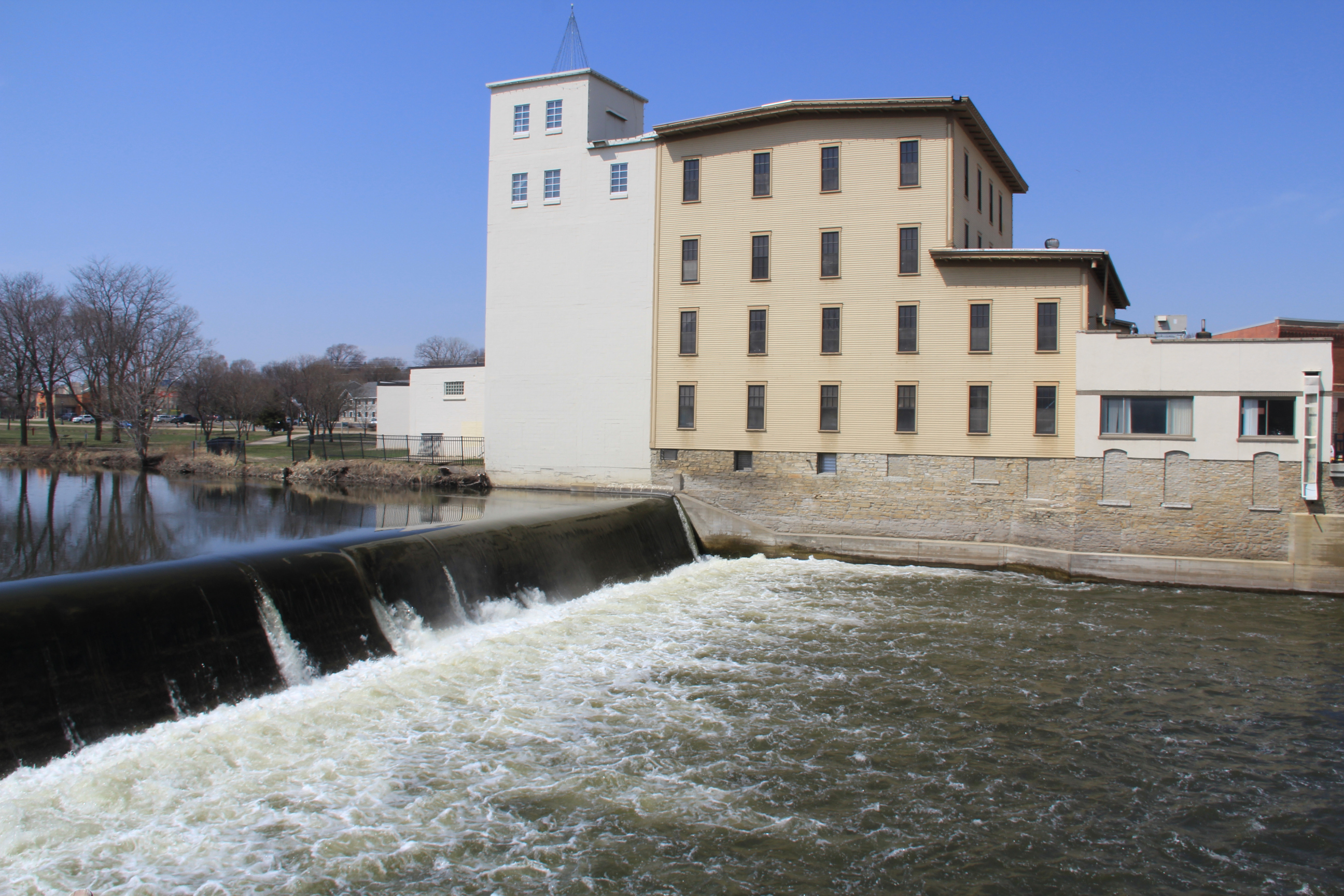
The Cannon River spills over the dam by the historic Ames Mill. (Minnesota Prairie Roots copyrighted photo April 2025)

WE COME TO THE RIVER. The Cannon River, spilling over the dam by the Ames Mill. Roaring. Churning. Then flowing under the bridge and between the walls of the Riverwalk in downtown Northfield.
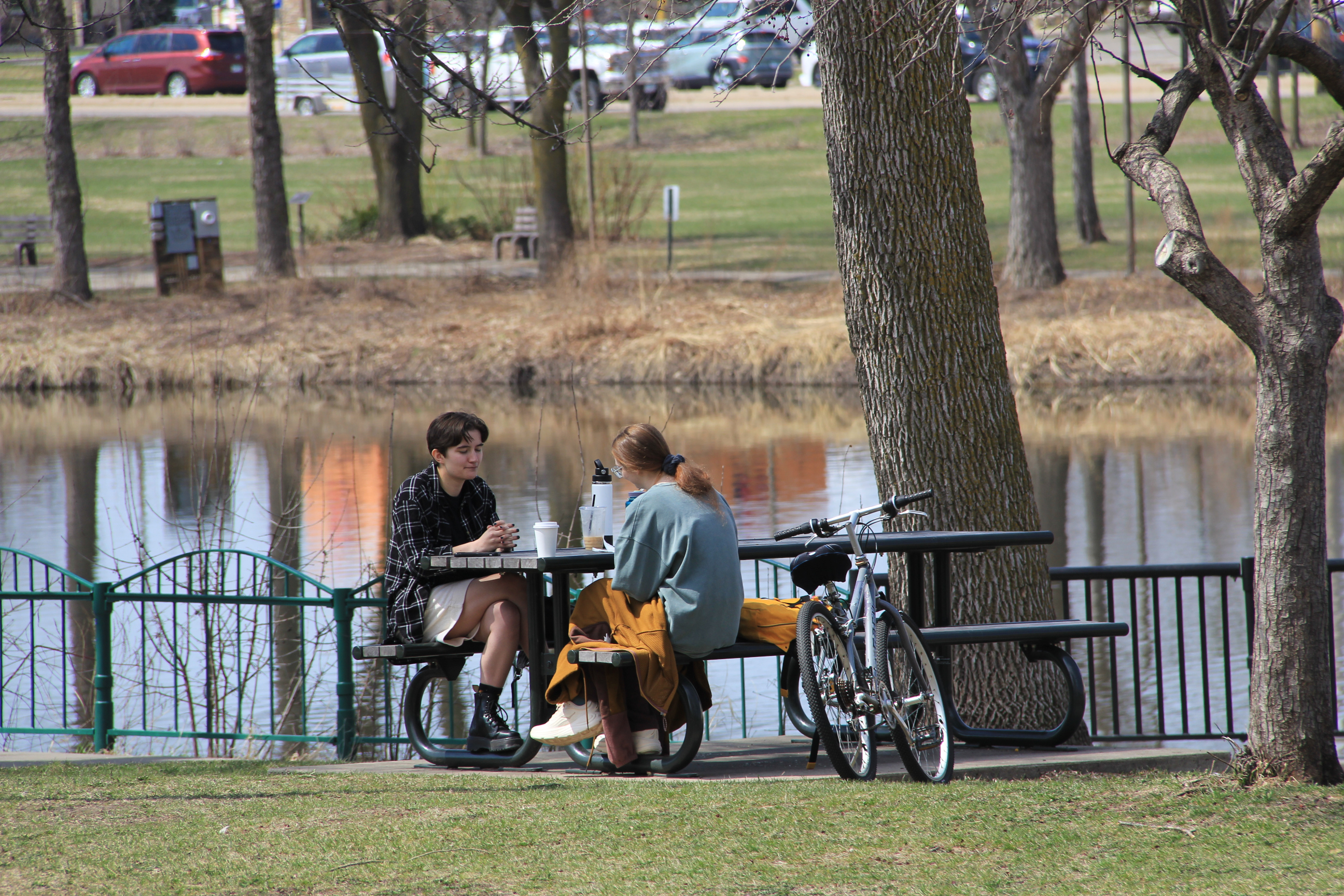
Enjoying beverages and time together beside the Cannon River in Bridge Square. (Minnesota Prairie Roots copyrighted photo April 2025)

We come here on a Sunday afternoon, on an April day of temps pushing into the sixties, the sun beaming warmth upon us, upon the land, upon the river. To sit. To walk. To lean toward the river. To simply be outdoors on an exceptionally lovely spring day in southern Minnesota.

The mood feels anticipatory, joyful, as we walk ourselves, and some their dogs, along the riverside path.
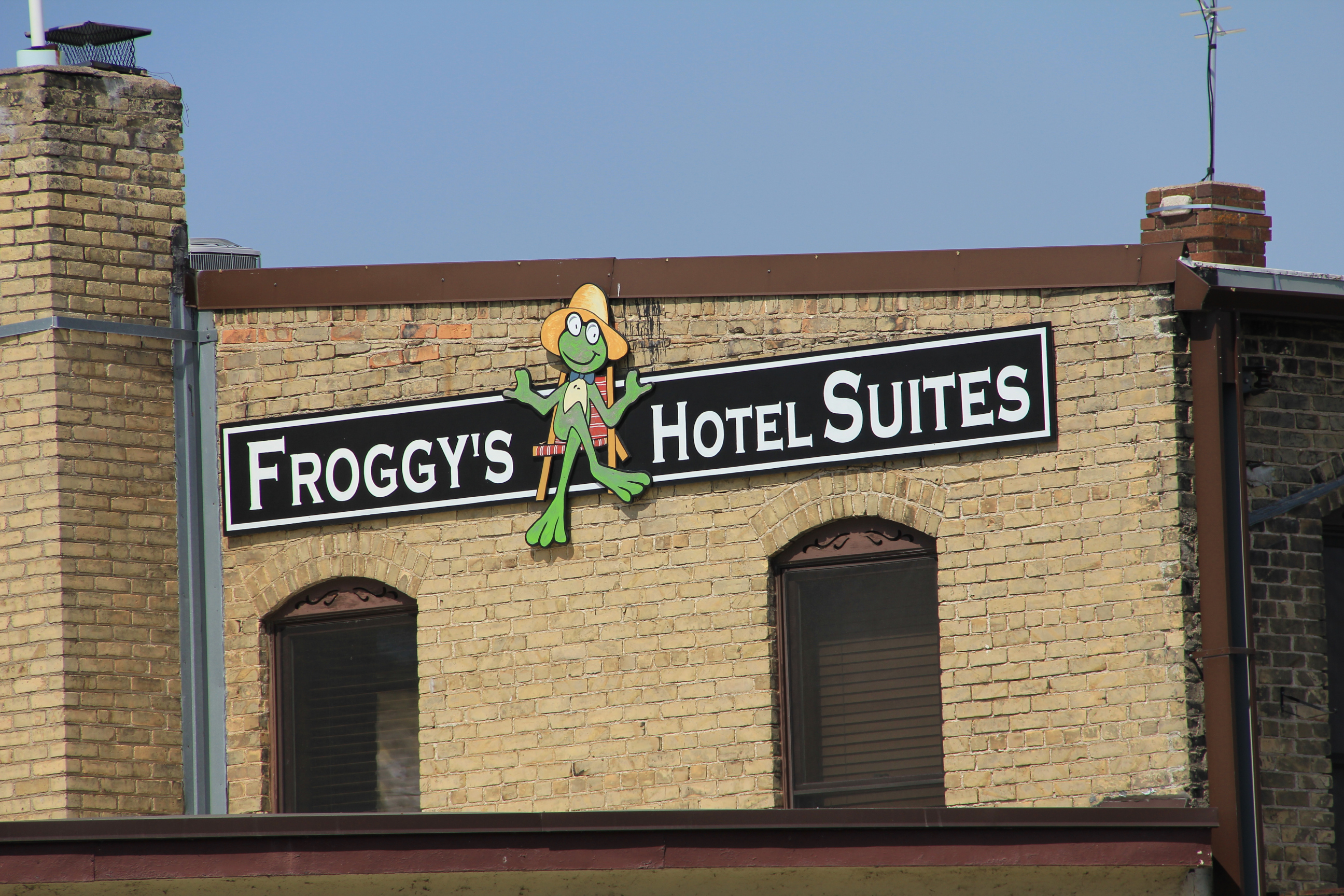
Historic buildings hug the Cannon River (and Division Street) in Northfield’s quaint downtown. (Minnesota Prairie Roots copyrighted photo April 2025)

I come with my Canon camera in hand. An observer. An appreciator of the sun, the sky, the warmth, the river, the historic buildings, the people and activities happening around me. In some ways, the scene seems Norman Rockwell-ish, Busy, yet tranquil. A slice of small town Americana. Everyday people enjoying each other, nature, the outdoors. Life.
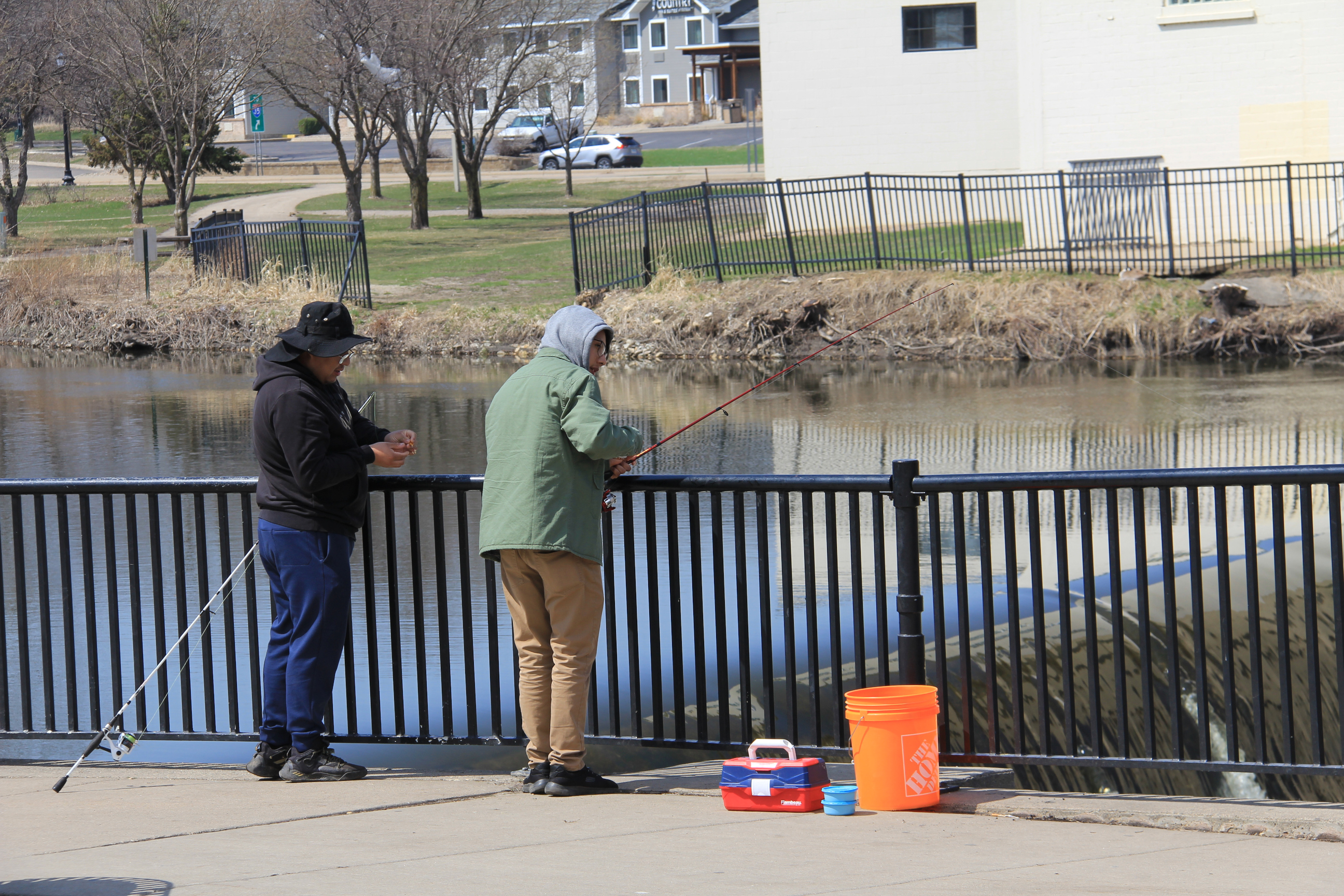
Fishing by the Ames Mill dam. (Minnesota Prairie Roots copyrighted photo April 2025)

Many carry fishing poles, tackle boxes, containers of bait. Anglers press against the riverside railing, dropping lines into the water far below.
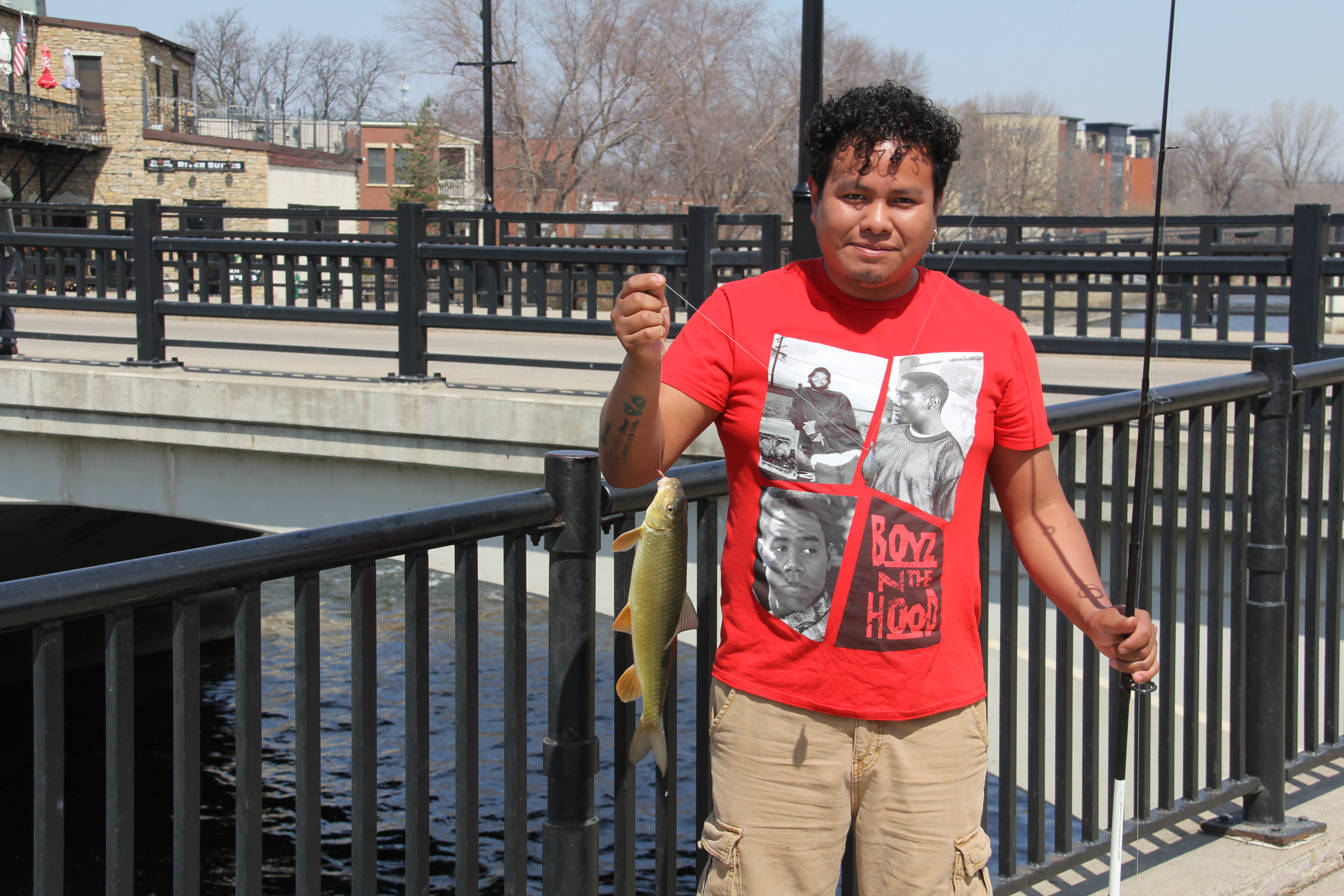
Caught in the Cannon, a sucker fish. (Minnesota Prairie Roots copyrighted photo April 2025)

I watch as a young man pulls in an unidentifiable-to-me fish (later identified as a white sucker by my husband). His friend snaps a photo of the proud angler and his first catch of the day.
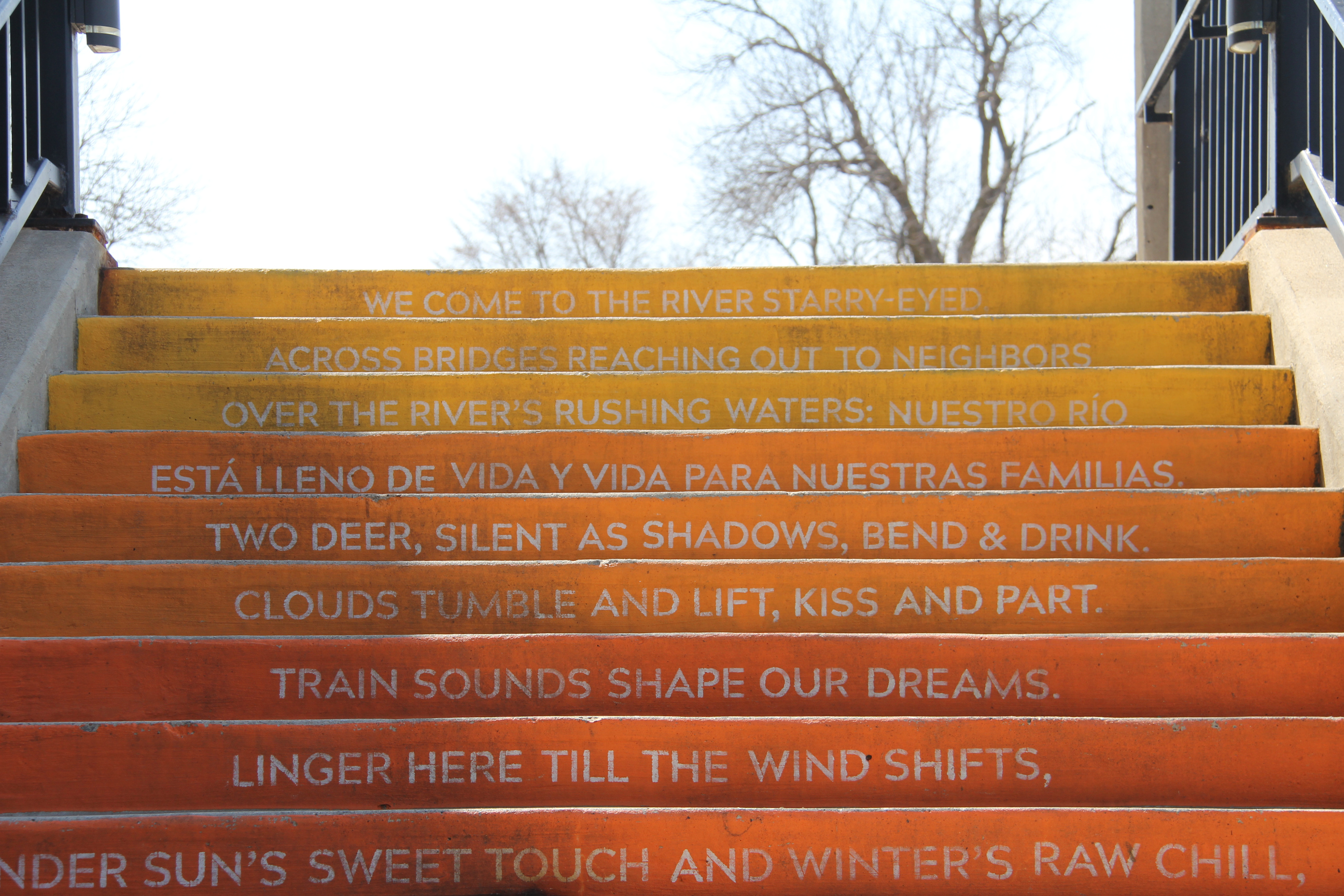
The top section of the Riverwalk Poetry Steps. (Minnesota Prairie Roots copyrighted photo April 2025)

After hanging around the river by Bridge Square for a bit, I descend the colorful Riverwalk Poetry Steps, a river poem crafted by a collaboration of 17 poets. We come to the river starry-eyed/across bridges reaching out to neighbors/over the river’s rushing waters…
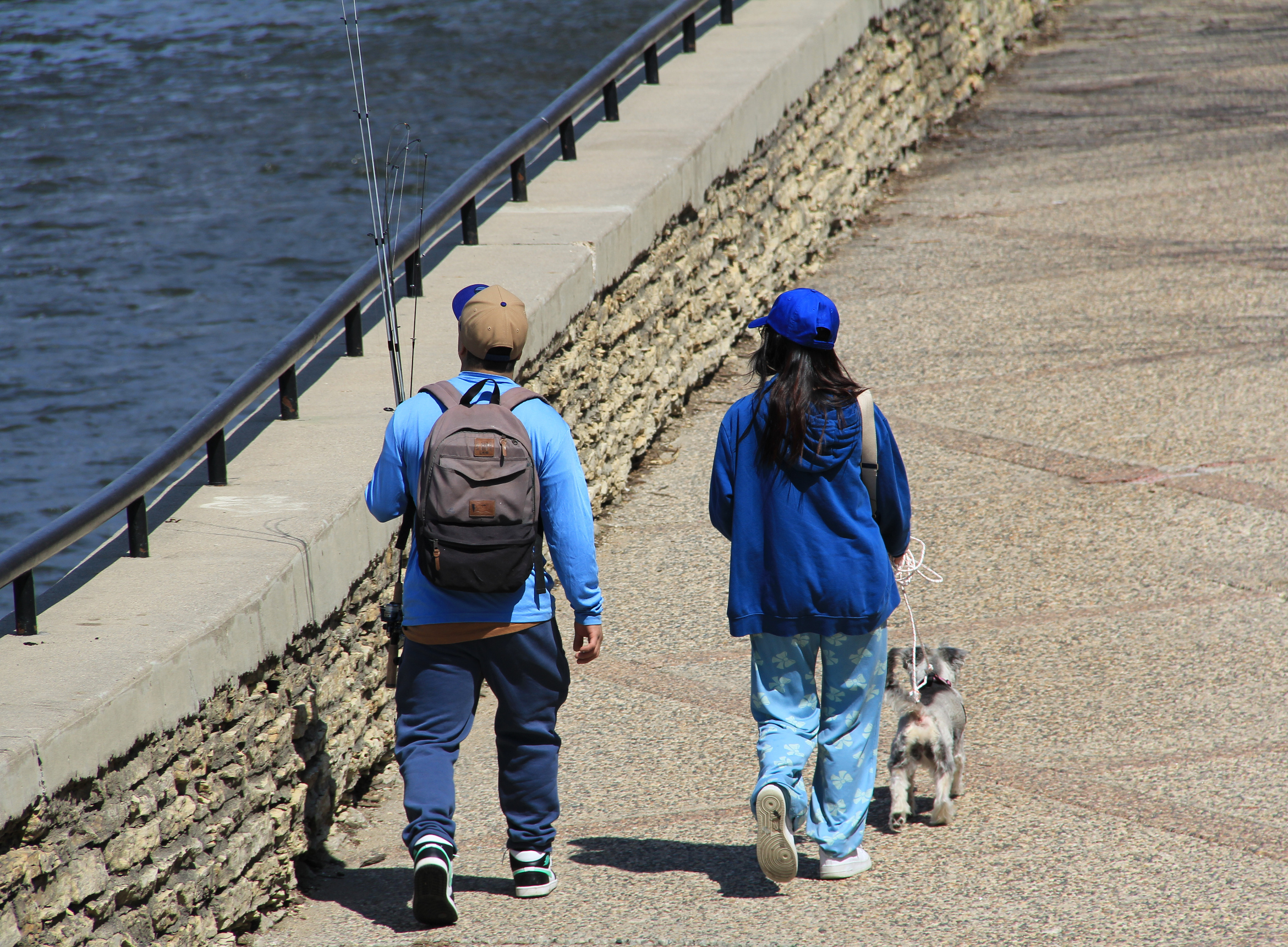
Following the Riverwalk to find a fishing spot along the Cannon River. (Minnesota Prairie Roots copyrighted photo April 2025)

I trail behind a couple, a family, a dog, another family, all of us connected by the water, by this place, on this spring day. I’m the only one to pause and read the poetry.
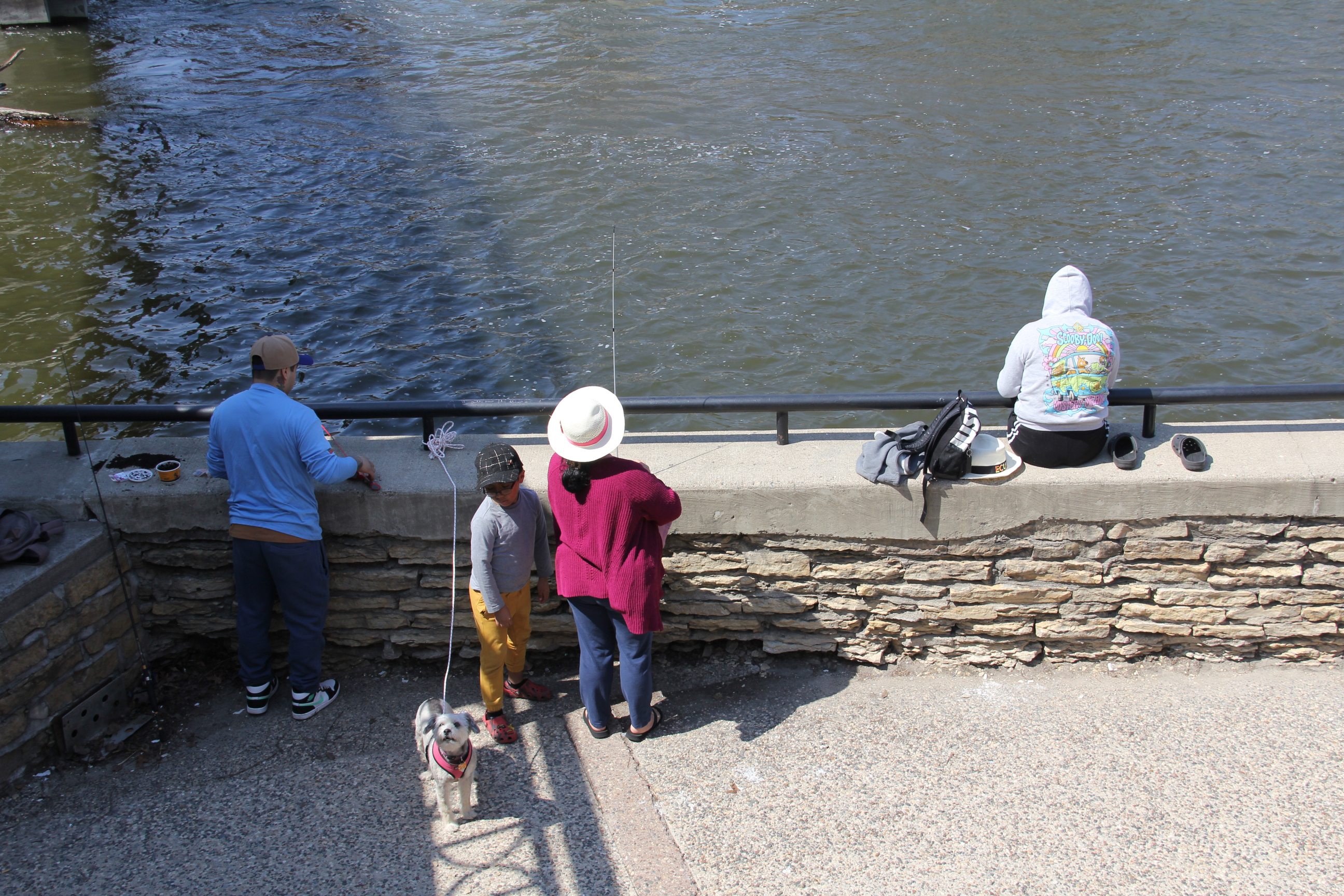
A family fishes the Cannon. (Minnesota Prairie Roots copyrighted photo April 2025)

Atop the river wall, young women sit, sans shoes, while they fish. We all watch the river flow. Bobbers bob. A pair of ducks—one pure white—flies low, skimming the water before landing upon the surface of the Cannon.
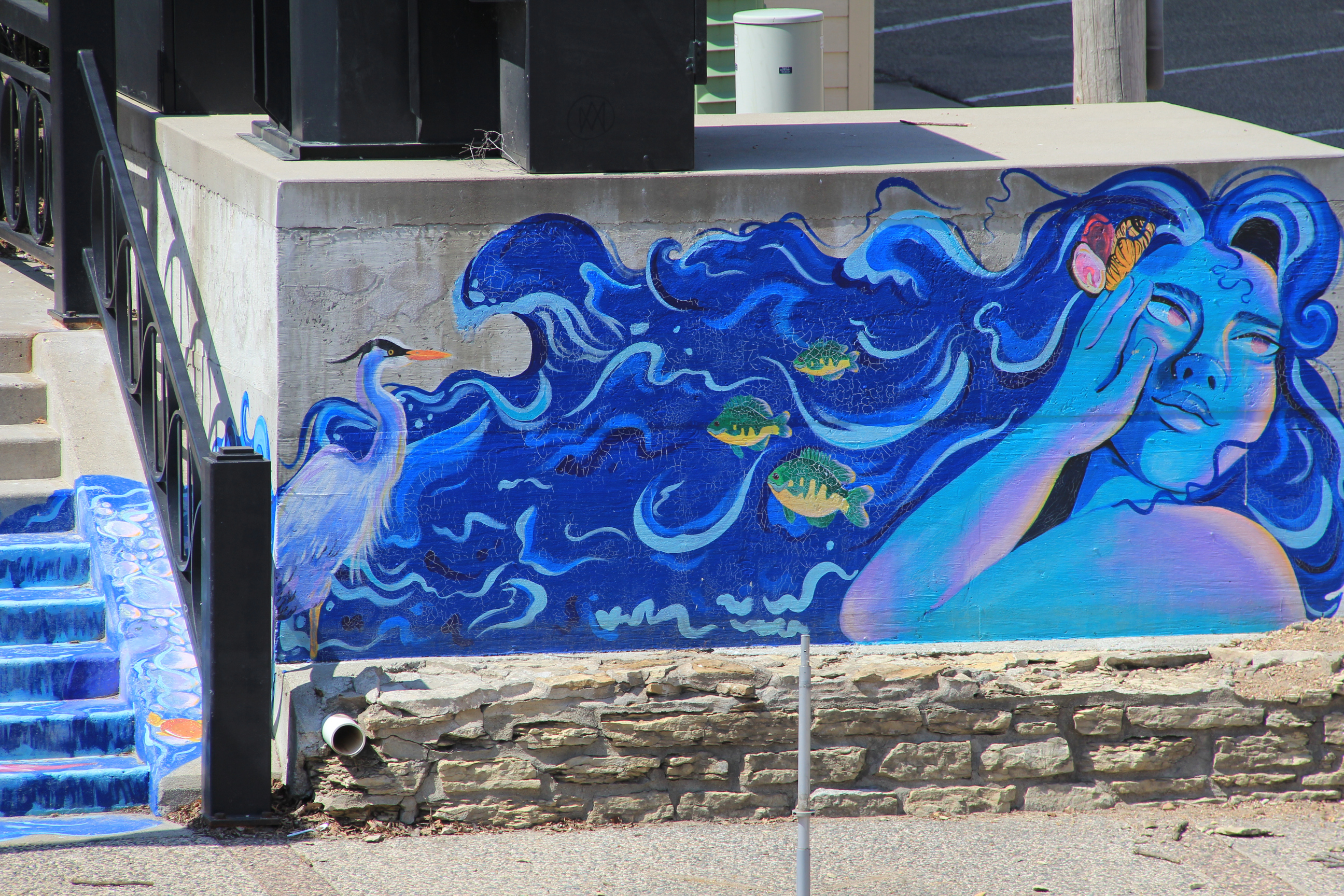
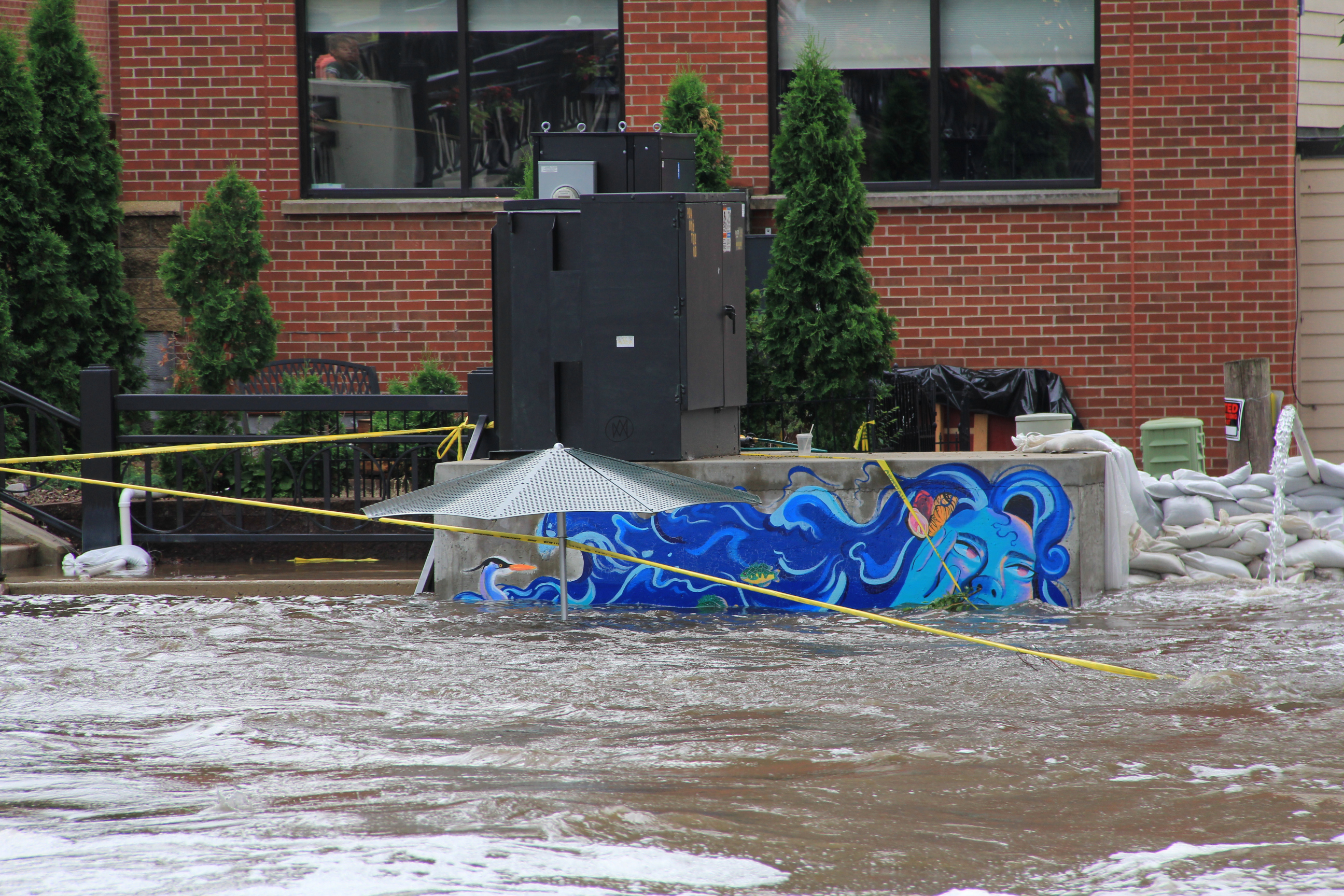
“Lady Cannon,” a riverside mural by Maya Kenney and Raquel Santamaria. (Minnesota Prairie Roots copyrighted photo April 2025)

Across the river, Lady Cannon watches. Fish swim in her tangled waves of locks, flowing like water down steps toward the river. She is the art of the Cannon.
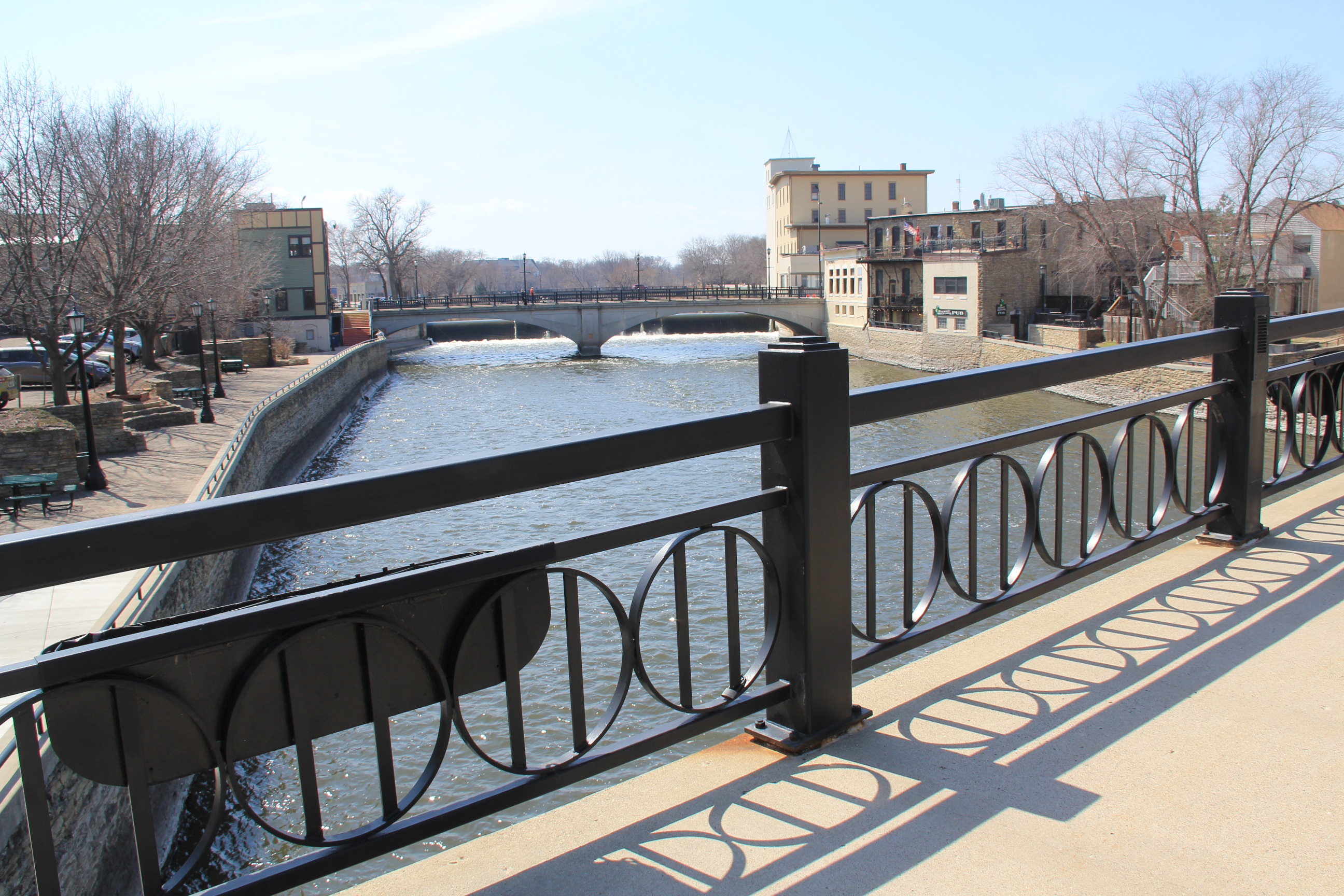
On the pedestrian bridge looking toward the Cannon and the Ames Mill, right in the distance. (Minnesota Prairie Roots copyrighted photo April 2025)

I see art, too, in a railing shadowed upon the pedestrian bridge. I linger, mesmerized by the moving water, the riverside historic flour mill a block away.

There’s so much to take in here. So much that connects us. The sun, the sky, the land. And the river that flows beside and below us.

© Copyright 2025 Audrey Kletscher Helbling


When a rock riffle replaces a traditional dam February 5, 2025

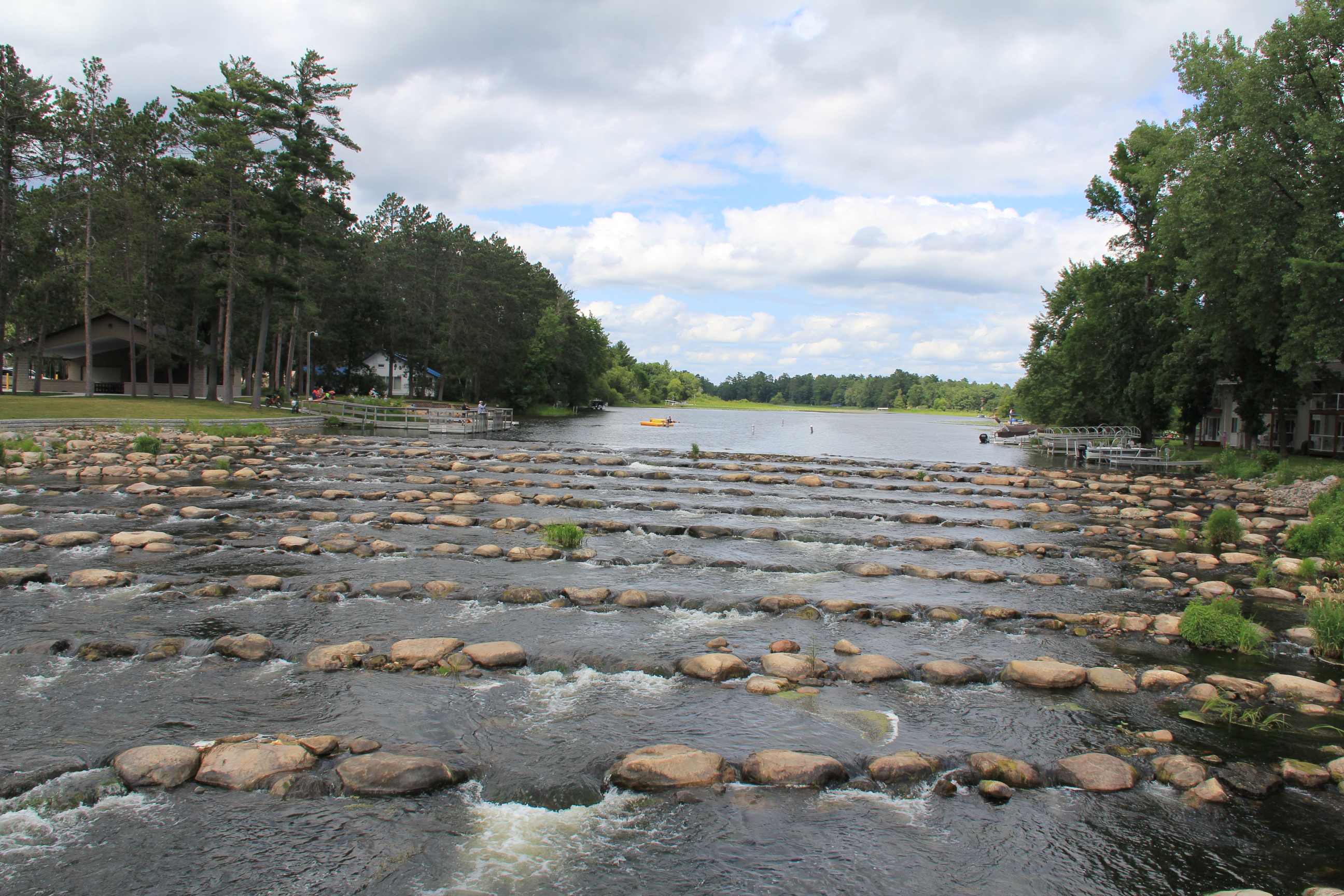
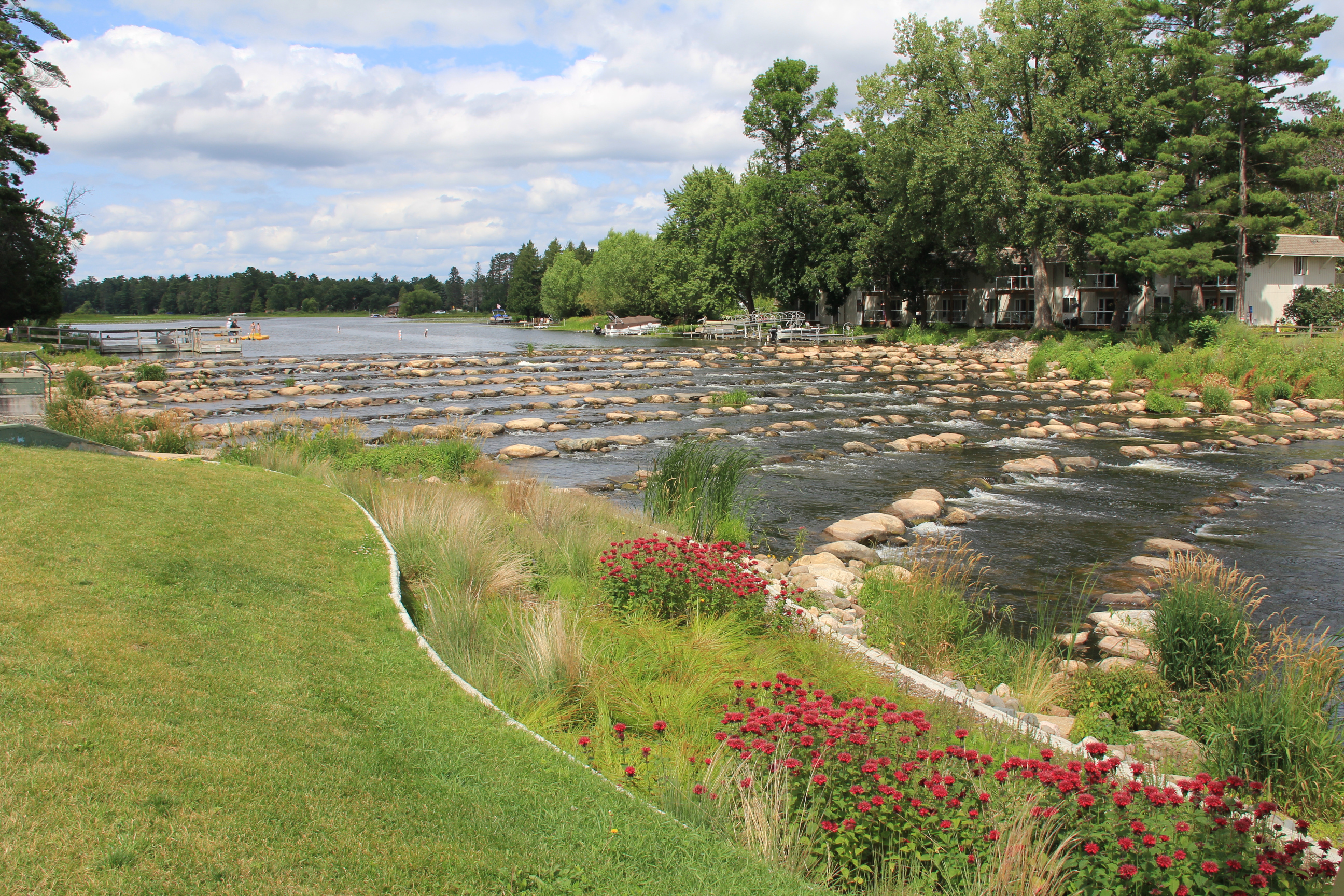
This rock riffle in Pine River replaced a traditional dam built in 1910 to hold back water flowing from Norway Lake into the Pine River. The old dam was designated as “high hazard,” thus in need of replacement. (Minnesota Prairie Roots copyrighted photo July 2024)

WIND AND WATER. Both prove soothing and calming elements of nature. Except when destructive.

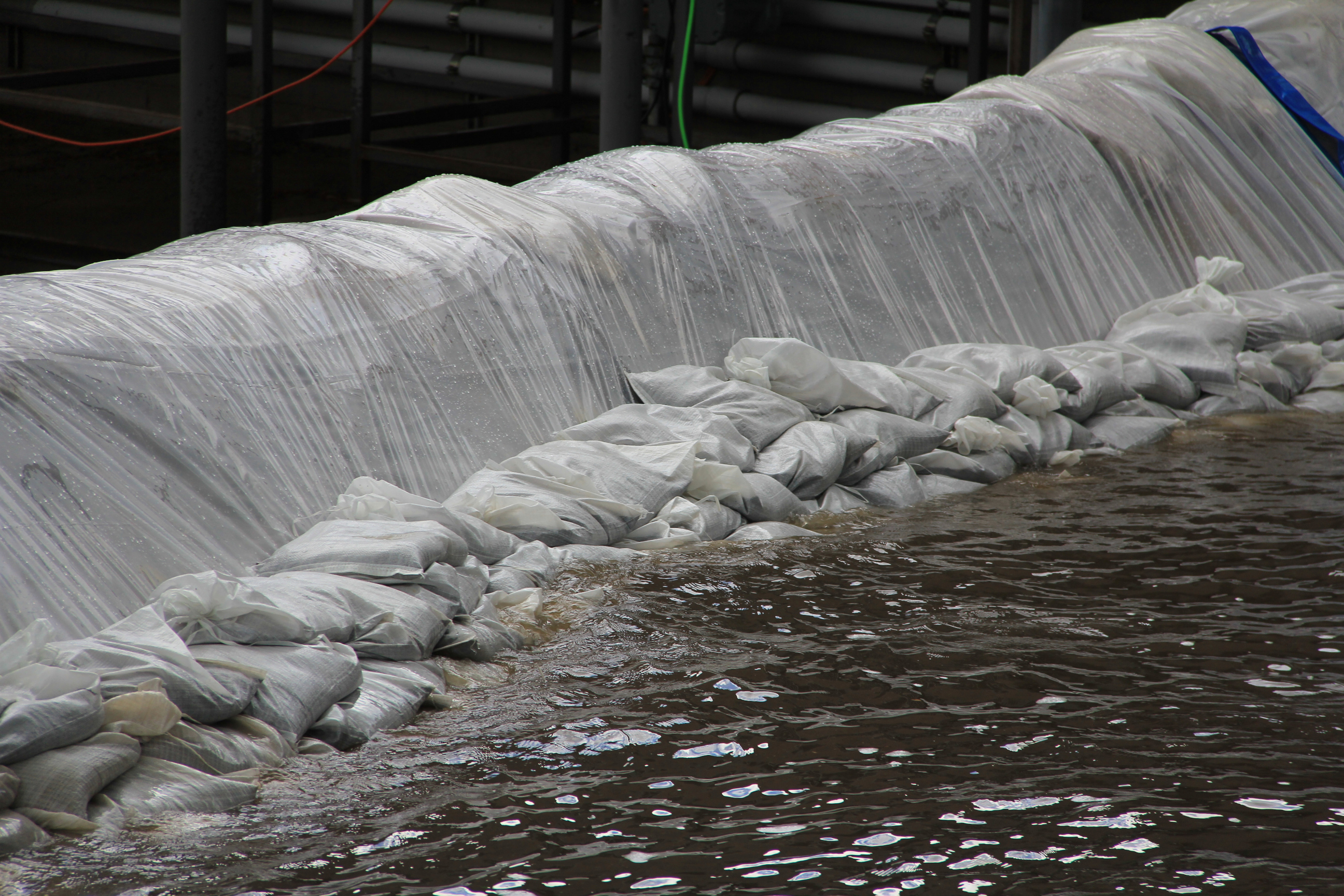
Sandbagging along the flooding Cannon River in downtown Northfield last June. The traditional dam in Northfield was not compromised, unlike in some Minnesota locations. (Minnesota Prairie Roots copyrighted file photo June 2024)

Last June, excessive rainfall led to devastating floods in parts of southern Minnesota, especially in Waterville, a 20-minute drive southwest of Faribault. Farther to the west in Rapidan, the Blue Earth River raged, causing a partial dam collapse and erosion of the land. That led to loss of a house and of the much beloved The Dam Store. In Northfield, 20 minutes from Faribault, the Cannon River flooded the Riverwalk and threatened riverside businesses. In Faribault, the Cannon and Straight Rivers spilled from their banks, flooding parks and several city streets. The powerful river also eroded the shoreline near the Faribault Mill Dam. Boulders were hauled in and placed beside the dam to contain the river and prevent additional erosion.

The Dam Park, with a pavilion, is to the left of the tree-edged Pine River in this photo, private homes to the right. (Minnesota Prairie Roots copyrighted photo July 2024)

Now, many months later, Faribault city officials are considering options for the Faribault Mill Dam. And that got me thinking about Pine River. In this north central Minnesota community, a rock riffle/rock arch rapids replaces a 200-foot long by 13-foot high traditional dam built in 1910. The result is nothing short of stunning.

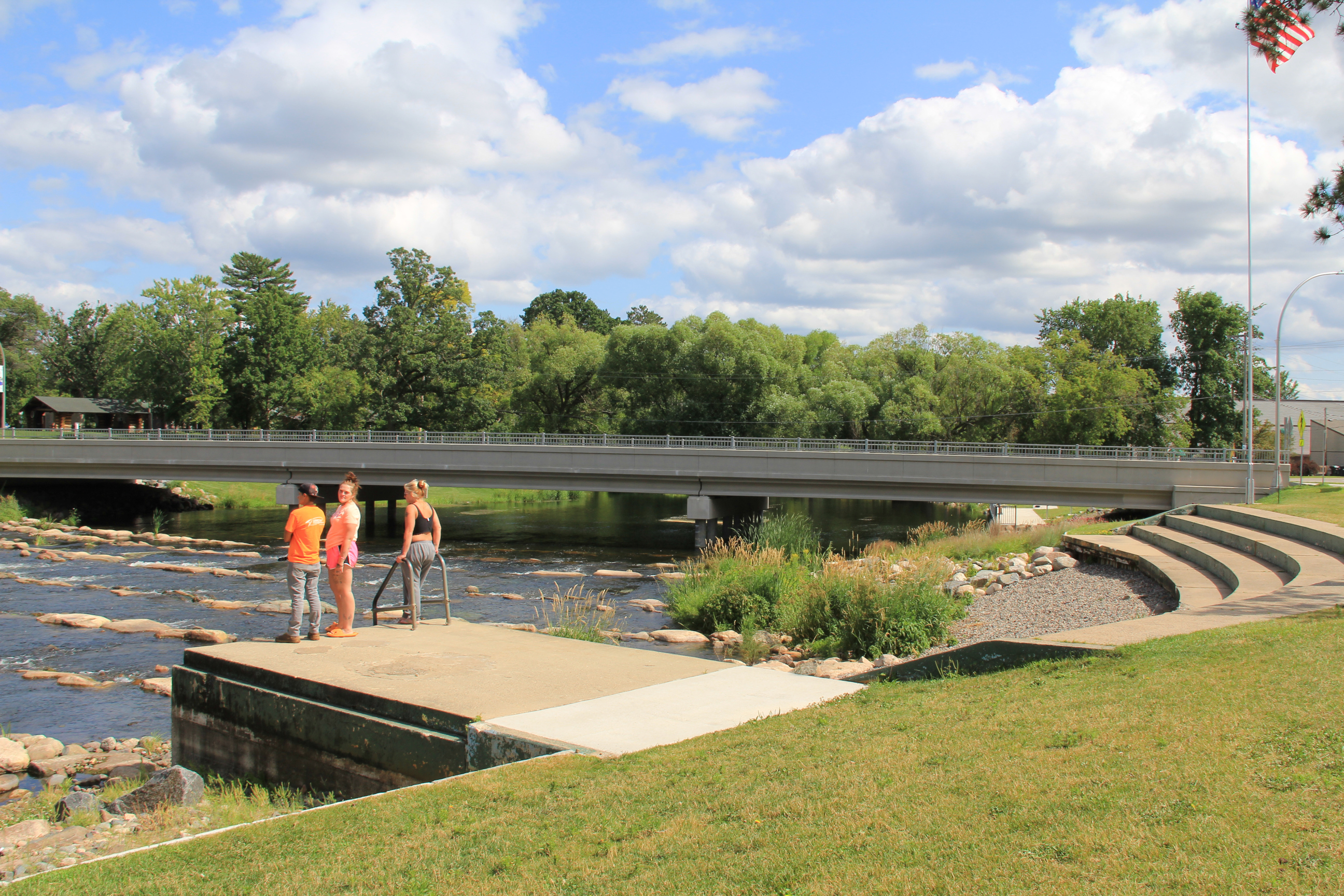
The concrete steps and platform remain from the original dam construction project. This image shows a view of the rock riffle looking downstream. (Minnesota Prairie Roots copyrighted photo July 2024)

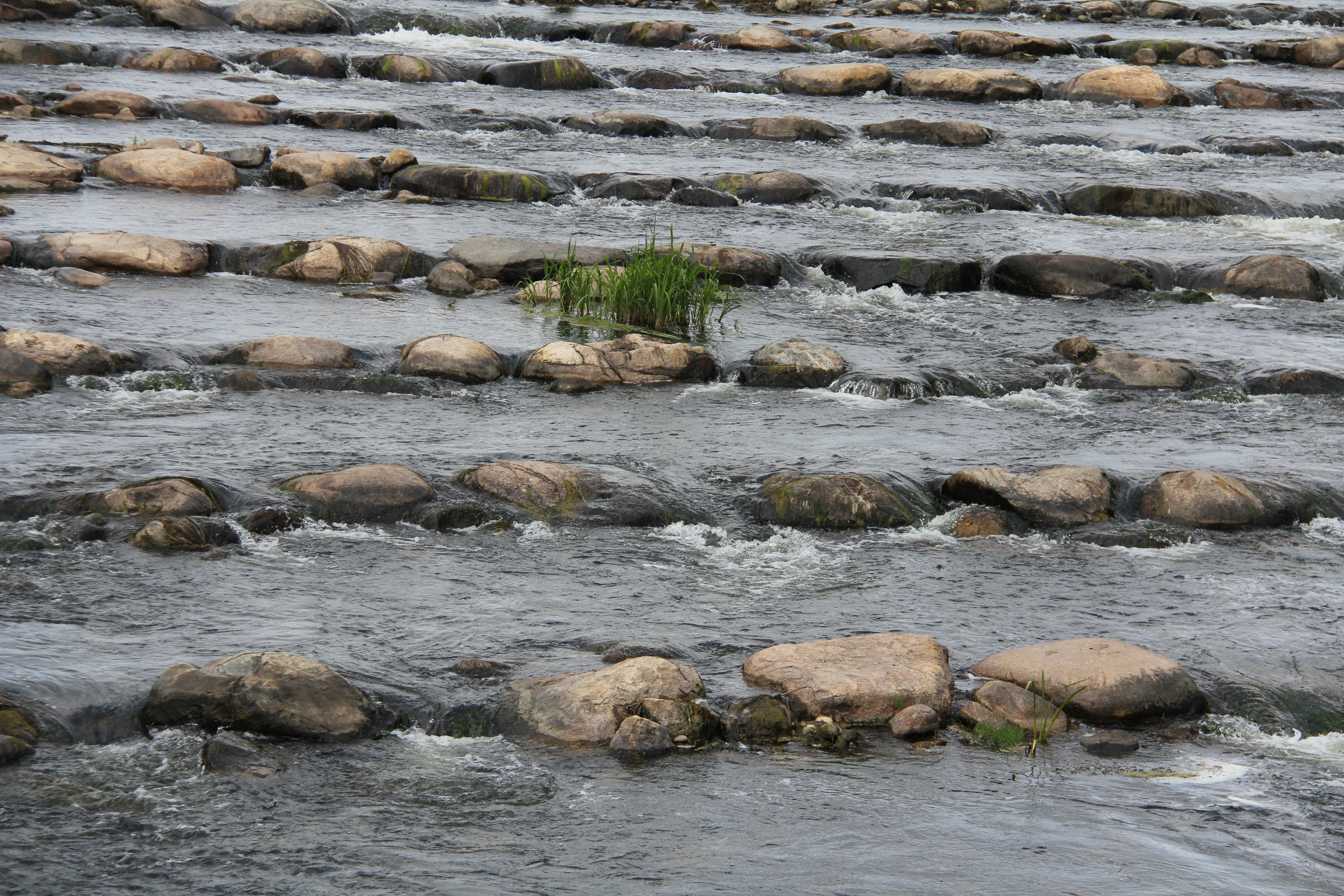
Let me explain. Smaller rip-rap rocks, larger rocks and boulders were placed in sloping rows across the Pine River to replace the dam. Water spills over the rocks as the rows descend for several hundred feet. Except for the precise placement of the rock rows, the rapids appear almost natural. And that is much more visually pleasing than a wall of concrete.

It’s mesmerizing to watch and listen to the river spill over the man-made rock riffle in Pine River. (Minnesota Prairie Roots copyrighted photo July 2024)

The sound, too, is pleasing. I have always loved the sound of water rushing over rocks. It’s calming, soothing, mesmerizing. As is watching the water pour over and around rocks.

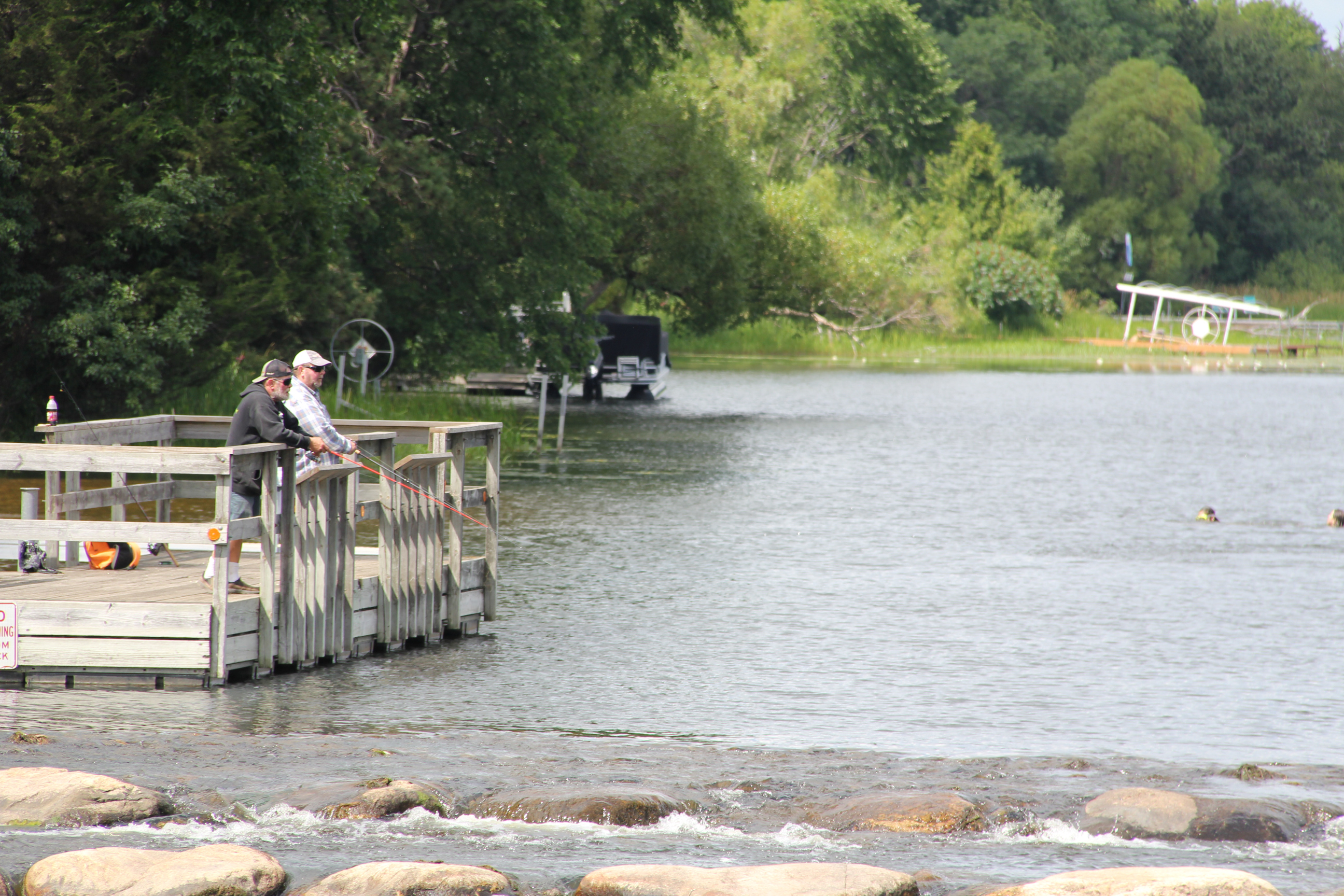
The traditional dam proved a significant fish barrier. Installation of the rock riffle has improved fish habitat in the river, which feeds into the Whitefish Chain of Lakes in north central Minnesota. (Minnesota Prairie Roots copyrighted photo July 2024)

But this award-winning rock riffle dam in Pine River offers much more than a place to sit riverside and relax. It’s also a popular recreational area. During my mid-week July 2024 visit, anglers fished the river from a pier and from shore downstream. Swimmers jumped from floating platforms into the water above the rock riffle. There’s a sandy beach, too. And although I didn’t see any, kayakers can also navigate the rapids. And anyone can cross the river on the rocks, but at their own risk.

On a summer day, swimmers jump off a swimming platform above the rock riffle into the river. Dam Park includes a sandy beach. (Minnesota Prairie Roots copyrighted photo July 2024)

This revamped area, as I viewed it, draws people outside to the river. To recreate. To gather. To enjoy nature. There’s even a playground and a pavilion with a kitchen in Dam Park. What Pine River has created with this rock riffle is a community centerpiece that is beautiful in every way.

Plantings of flowers and grasses protect the river shoreline by the rock riffle. (Minnesota Prairie Roots copyrighted photo July 2024)

Now, whether this will work at the Faribault Mill Dam, I don’t know. I’m no engineer. But rock riffles have been placed in some 75 rivers and lakes across Minnesota. The one in Pine River is the first I’ve seen. I’d like local city officials to consider a rock arch rapids, maybe take a field trip to Pine River or elsewhere and see (and hear) just how inviting and lovely, calming, soothing and mesmerizing a rock riffle is compared to a traditional dam. See how this dam removal and rock riffle replacement in Pine River creates a recreational oasis, a beautiful gathering spot that grows community.

© Copyright 2025 Audrey Kletscher Helbling
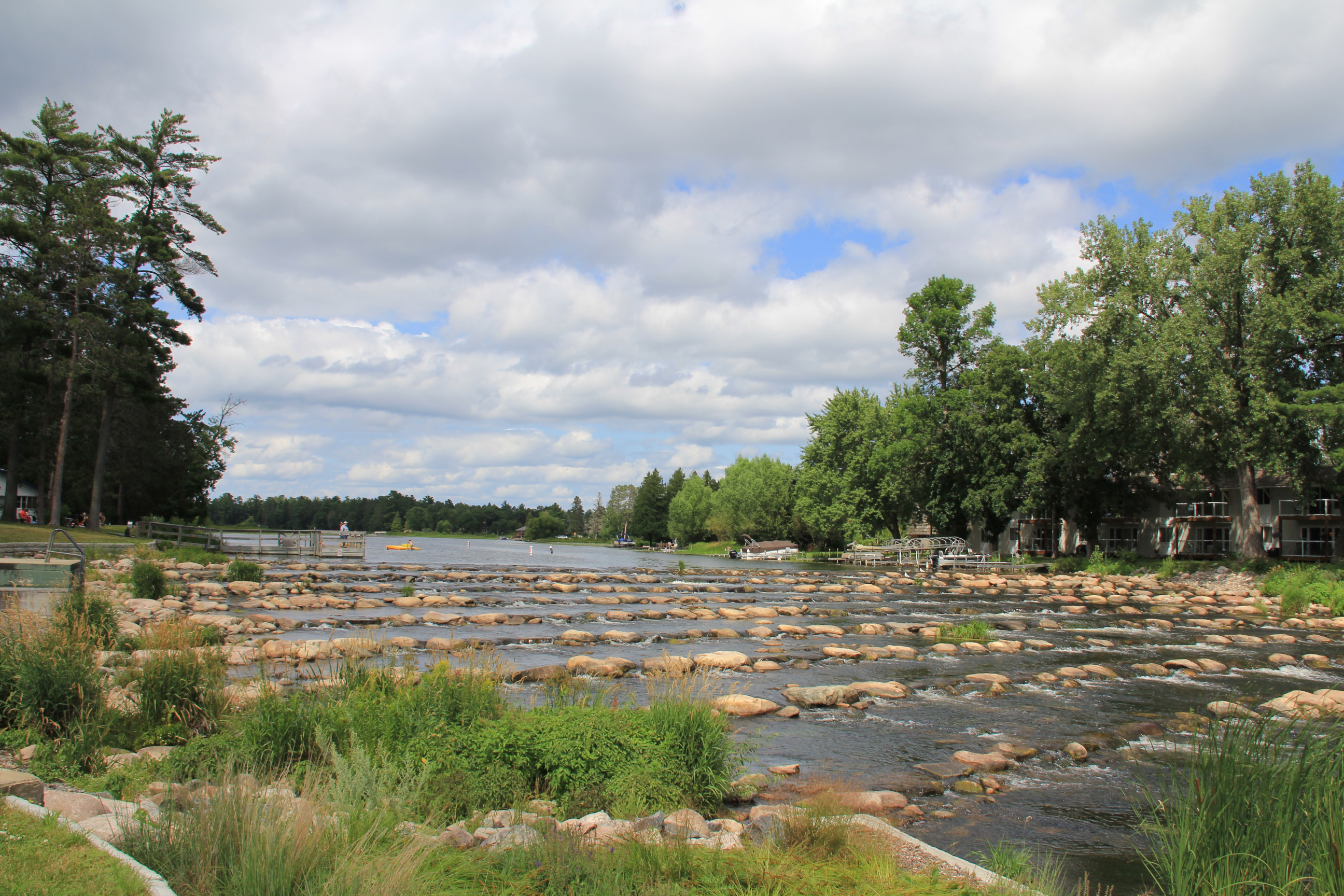
 

Wildlife observations from along the flooded Cannon River in Faribault June 25, 2024

An egret flies over the Cannon River by the barely visible dam at North Alexander Park on Friday evening. (Minnesota Prairie Roots copyrighted photo June 21, 2024)

WILDLIFE SENSES, understands, picks up on nuances that we as humans often fail to notice in our heads-bent-to-our-smartphones, busy scheduled lives.

A blue heron perches on the edge of a tree along the Cannon River by the park-side dam. (Minnesota Prairie Roots copyrighted photo June 21, 2024)

The recent flooding is a prime example. I saw countless cellphones raised to record floodwaters and rising rivers. I carried my 35 mm Canon camera, drawn just like everyone else to document the historic natural event unfolding before me along the Cannon River in Faribault.

An egret and blue heron seem to be checking out the river as a red-winged blackbird sits among the grasses to the right. That’s the Faribault Mill in the background, railings for the park-side dam in the foreground. (Minnesota Prairie Roots copyrighted photo June 21, 2024)

But I also noticed the wildlife. They, too, were observing. Watching the water. And watching people invade their river habitat by the hundreds. I sensed how uncomfortable the egret, blue heron, ducks and red-winged blackbirds were amid all the human chaos. So many people and so much traffic.

Flying high above the flooded river. (Minnesota Prairie Roots copyrighted photo June 21, 2024)

I expect they longed for quiet. Peace. A respite from the attention. A return to normalcy. No more peering eyes. No more crowds gathering.

A bullhead partially emerges from shallow water on dam’s edge as it tries to swim up the floodwaters. (Minnesota Prairie Roots copyrighted photo June 21, 2024)
Another bullhead attempts to swim up river. (Minnesota Prairie Roots copyrighted photo June 2021)

And then there were the fish, primarily bullheads, but a few bass, attempting to swim up through water that was rushing down, spilling over the edges of the dam by North Alexander Park. The fish appeared determined to make it to the other side, to the quieter waters of the widened river. It seemed a losing cause to me. But who am I to discourage a stubborn bullhead? If anything, it was fascinating to watch.

A duck family swims in the shallow floodwaters next to the top of the dam. (Minnesota Prairie Roots copyrighted photo June 21, 2024)

Finally, I observed a mama duck and her brood aside the top of the dam. They began edging, descending toward the river. Foolish ducks, I thought, judging the mother mallard. And then I voiced my concern out loud, “Stop, you’ll drown!”

The ducks move toward the deep river. (Minnesota Prairie Roots copyrighted photo June 21, 2024)

I can only imagine the thoughts of that mother and her six ducklings. “Did that woman really say that, warn us to stay out of the water lest we drown?” If ducks could laugh, the seven of them would have chortled, chuckled, carried on and then shared what they’d heard me say. Quack. Quack. Quackity. Quack.

A mallard drake swims in the Cannon River, nowhere near the female duck and ducklings. (Minnesota Prairie Roots copyrighted photo June 21, 2024)

But it was my husband who spoke for them. “They’re ducks, Audrey,” Randy said. “They can swim.”

An egret stands watchful and tall, next to the water rushing, roiling over the dam. (Minnesota Prairie Roots copyrighted photo June 21, 2024)

Uh, yeah. He was right. But it was the mom in me emerging, the protective spirit that, in that moment, did not separate wildlife from human so focused was I on the dangers of the swollen, swift-moving river.

© Copyright 2024 Audrey Kletscher Helbling


Flooding in Northfield: a photo essay June 22, 2024

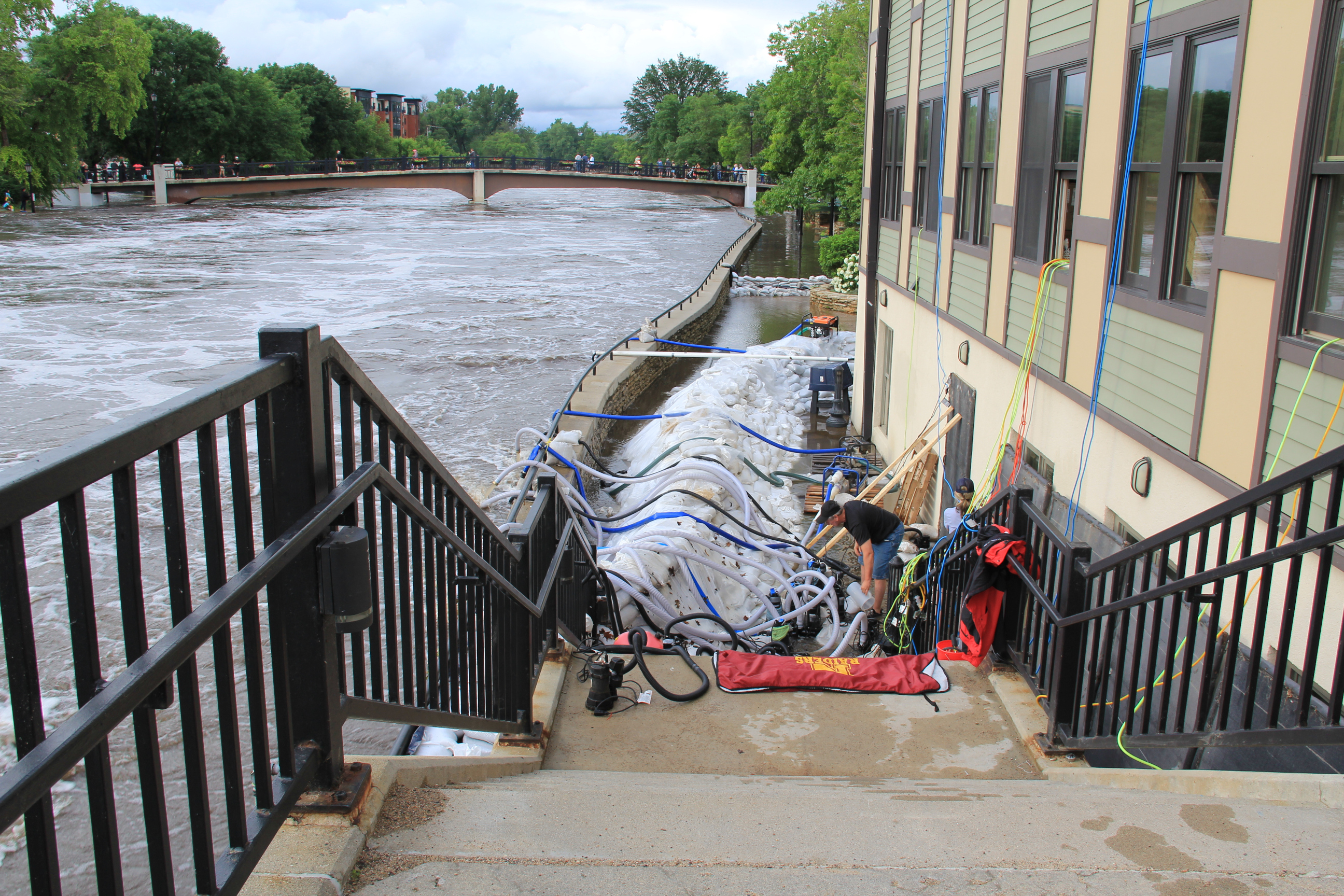
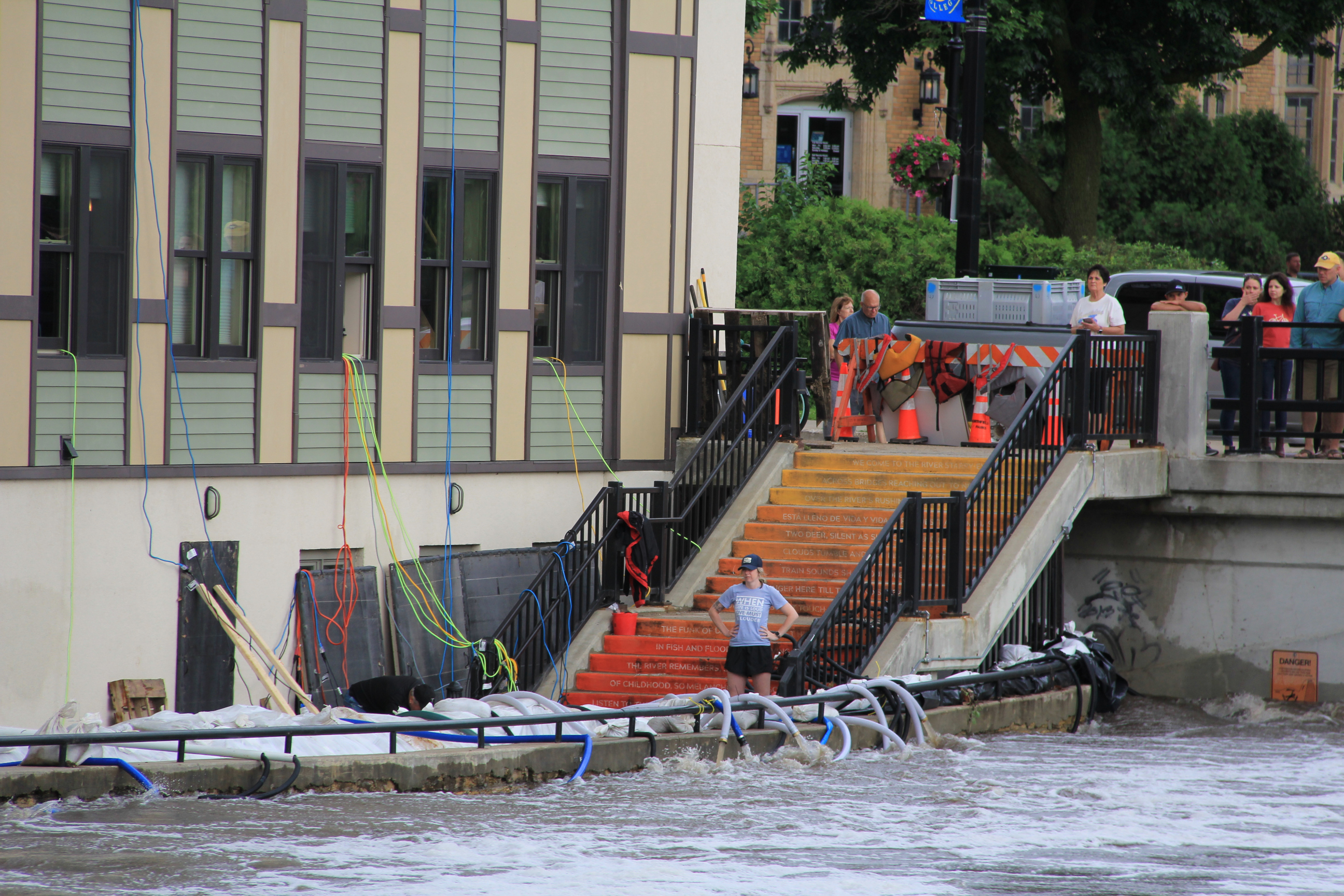
A crew works to protect the Carlson Capital Management building along the east bank of the Cannon River. This is by the “Poem Steps” leading to the Riverwalk, now flooded. (Minnesota Prairie Roots copyrighted photo June 22, 2024)

MANY AREAS OF SOUTHERN MINNESOTA, including my county of Rice, have been inundated with torrential rain during the past week. That’s led to flooding of rivers and property and to road closures. Like so many others, I’ve been out and about observing, taking photos.

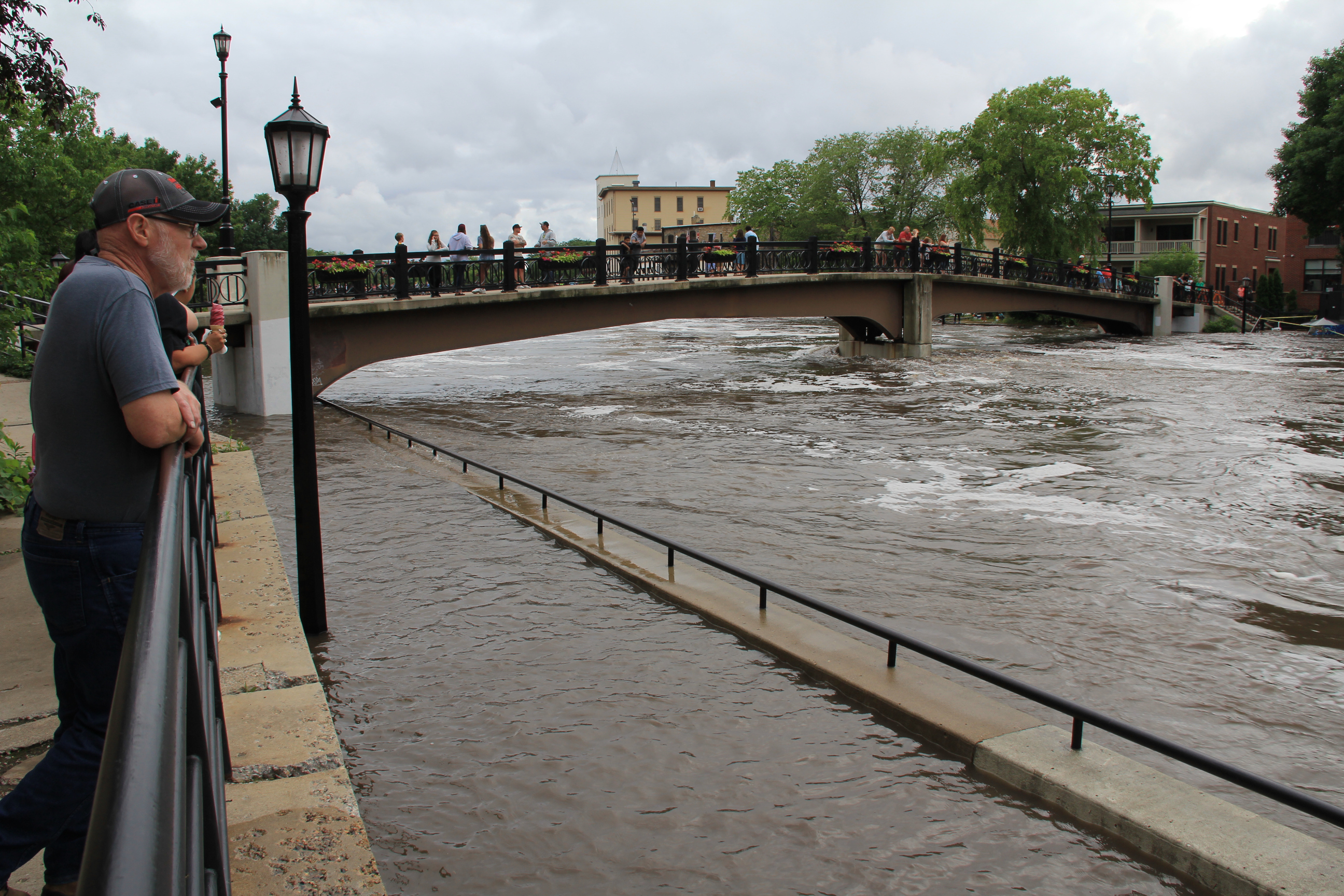
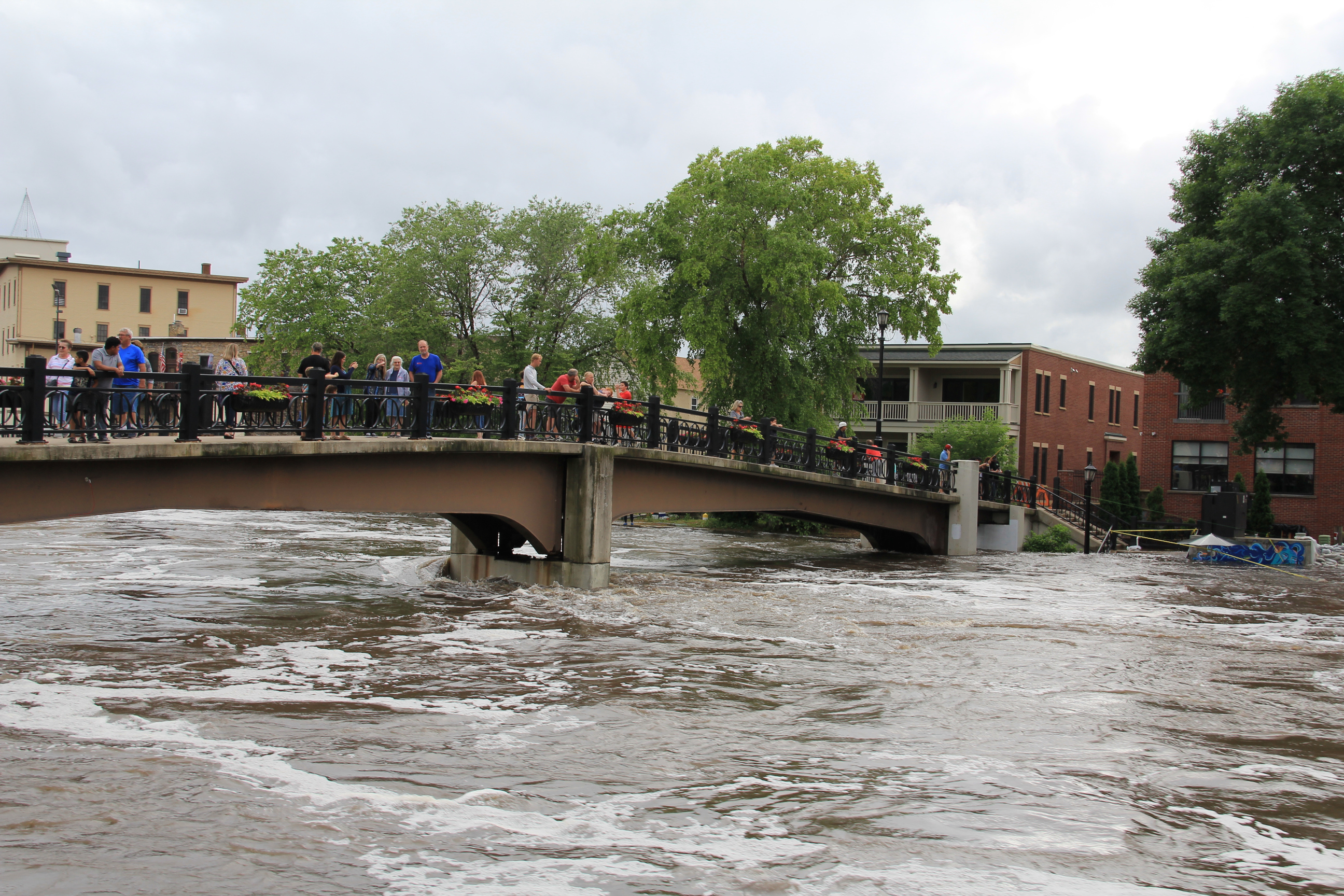
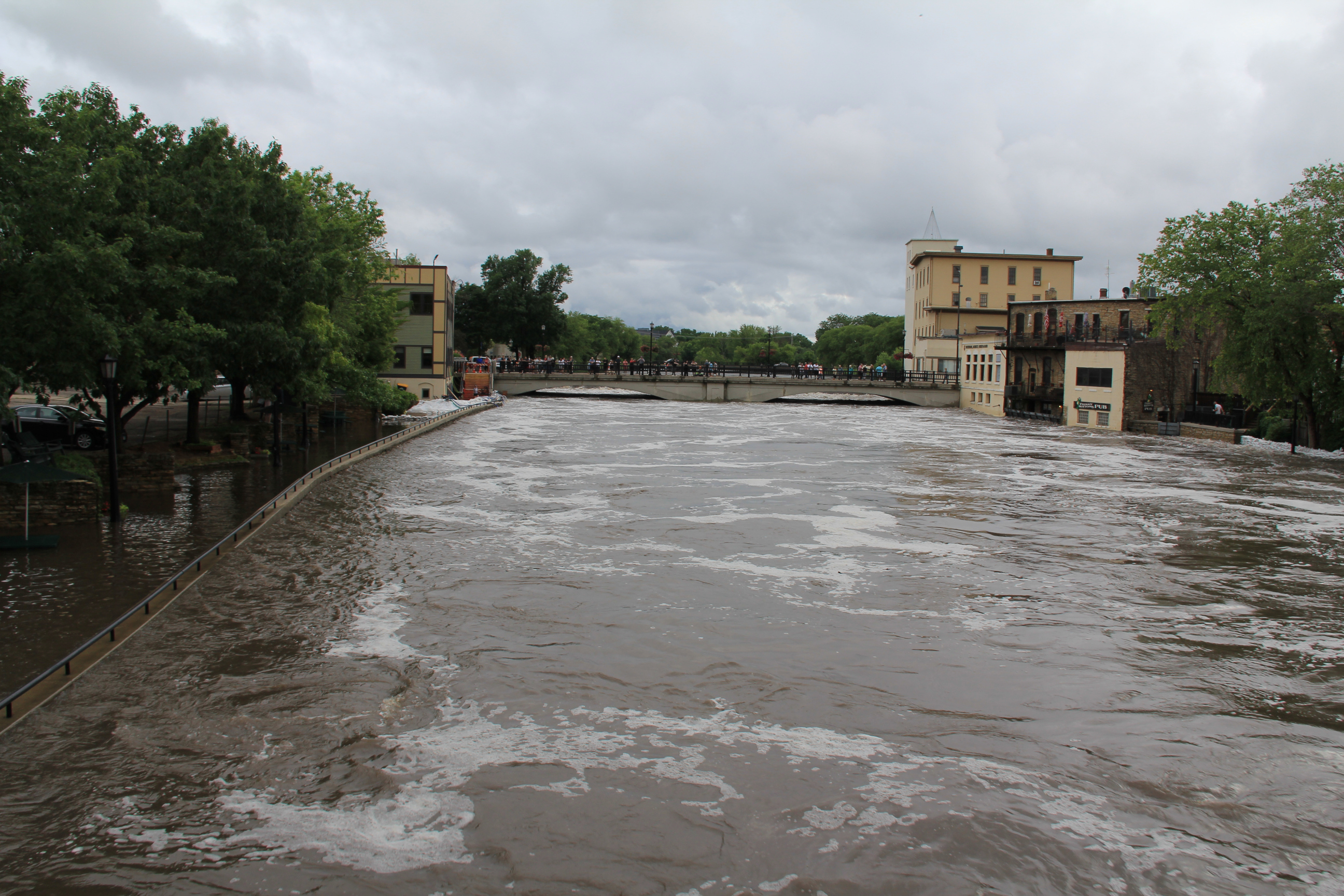
People gather on the pedestrian bridge and along a sidewalk above the Riverwalk to see flooding along the Cannon River. (Minnesota Prairie Roots copyrighted photo June 22, 2024)

Saturday evening, on our way home from visiting family in Lakeville, Randy and I drove through Northfield and stopped to walk along the Cannon River. The river runs through the heart of this historic downtown, which features a waterside river walk.

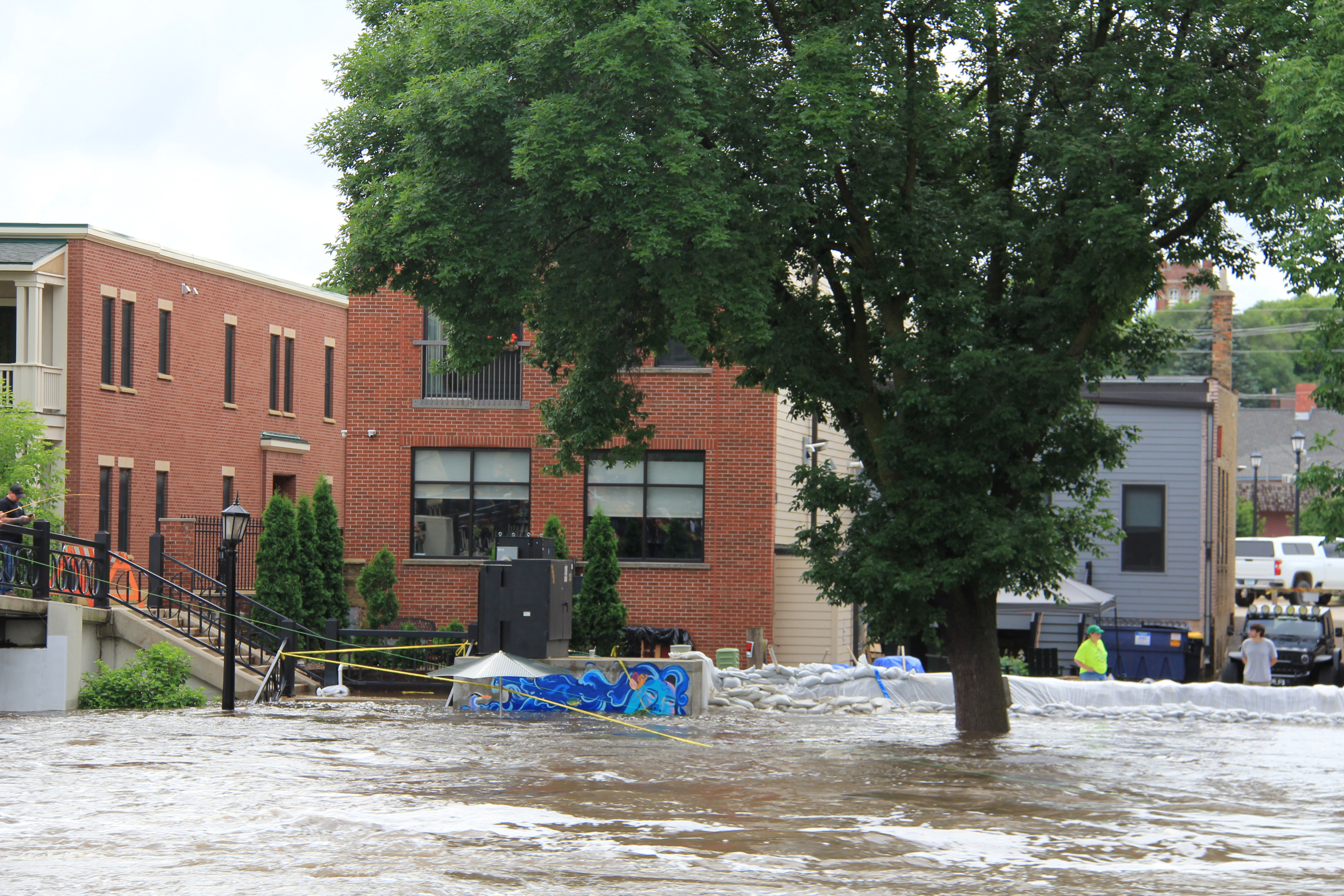
Flooding and sandbagging along the west bank of the Cannon near the Lady Cannon mural.
Sandbag wall on the west side of the river. (Minnesota Prairie Roots copyrighted photo June 22, 2024)
Lady Cannon is nearly swimming in the river. (Minnesota Prairie Roots copyrighted photo June 22, 2024)

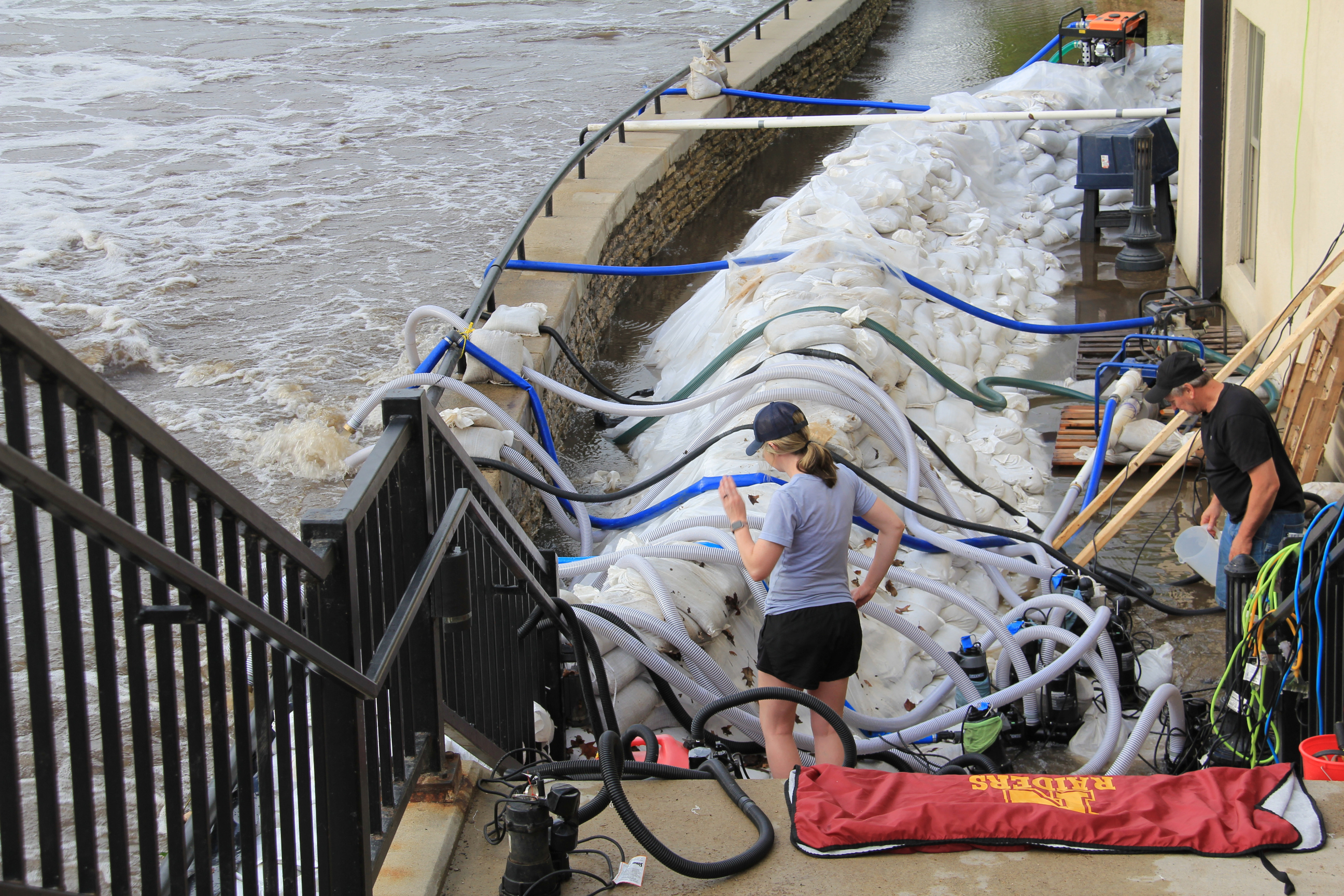
The Cannon has spilled over its banks, flooding the river walk and adjacent land and threatening buildings at water’s edge. Sandbags are in place. Pumping is underway.

People line the pedestrian bridge across the Cannon for a wide perspective of the river and the flooding. (Minnesota Prairie Roots copyrighted photo June 22, 2024)
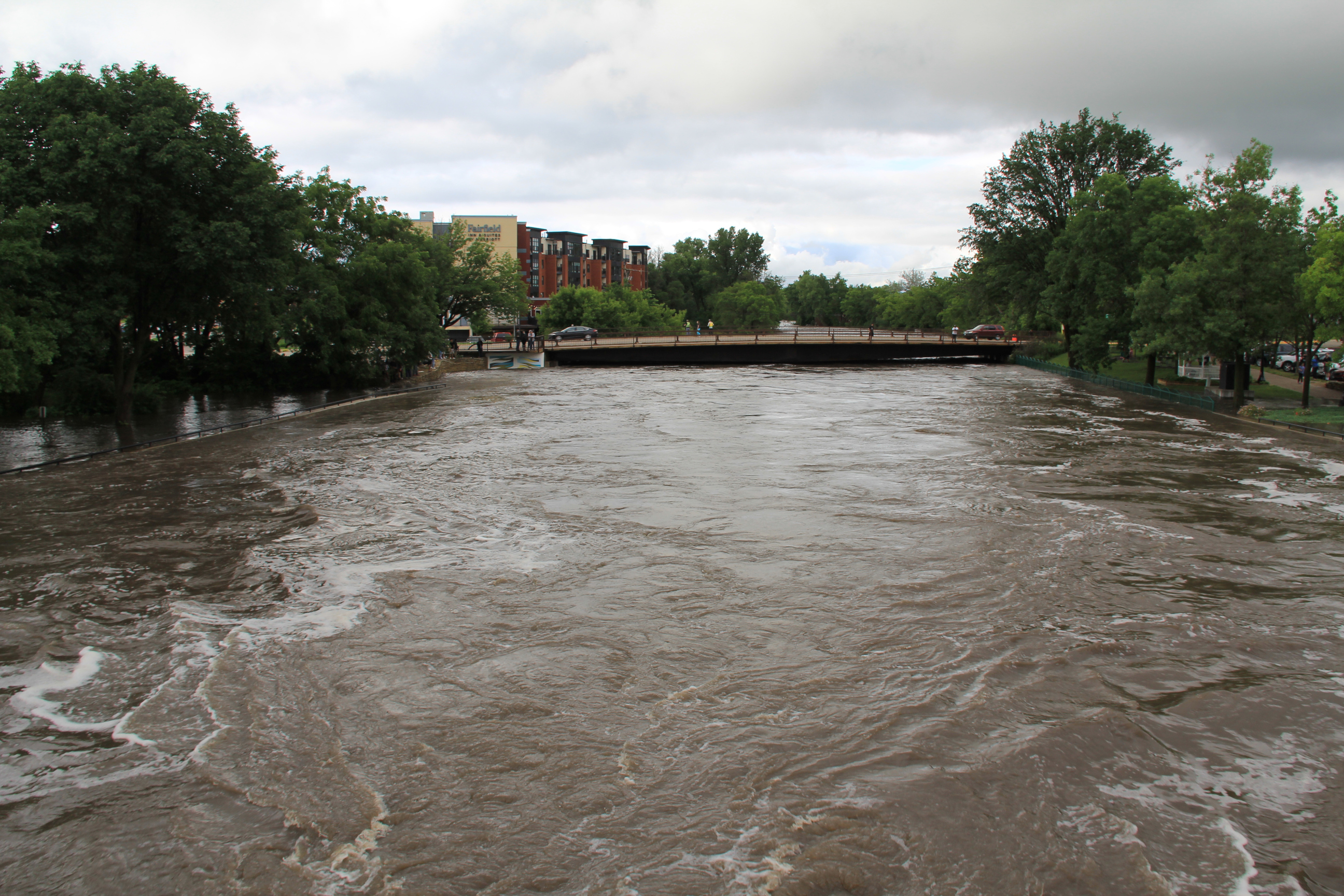
Looking north from the pedestrian bridge to the Second Street/State Highway 19 bridge. (Minnesota Prairie Roots copyrighted photo June 22, 2024)
Looking south from the pedestrian bridge toward the Water Street bridge by the Ames Mill Dam. (Minnesota Prairie Roots copyrighted photo June 22, 2024)

And people are coming to the river by the hundreds to view its raging power. A pedestrian bridge high above the water offers a unique perspective.

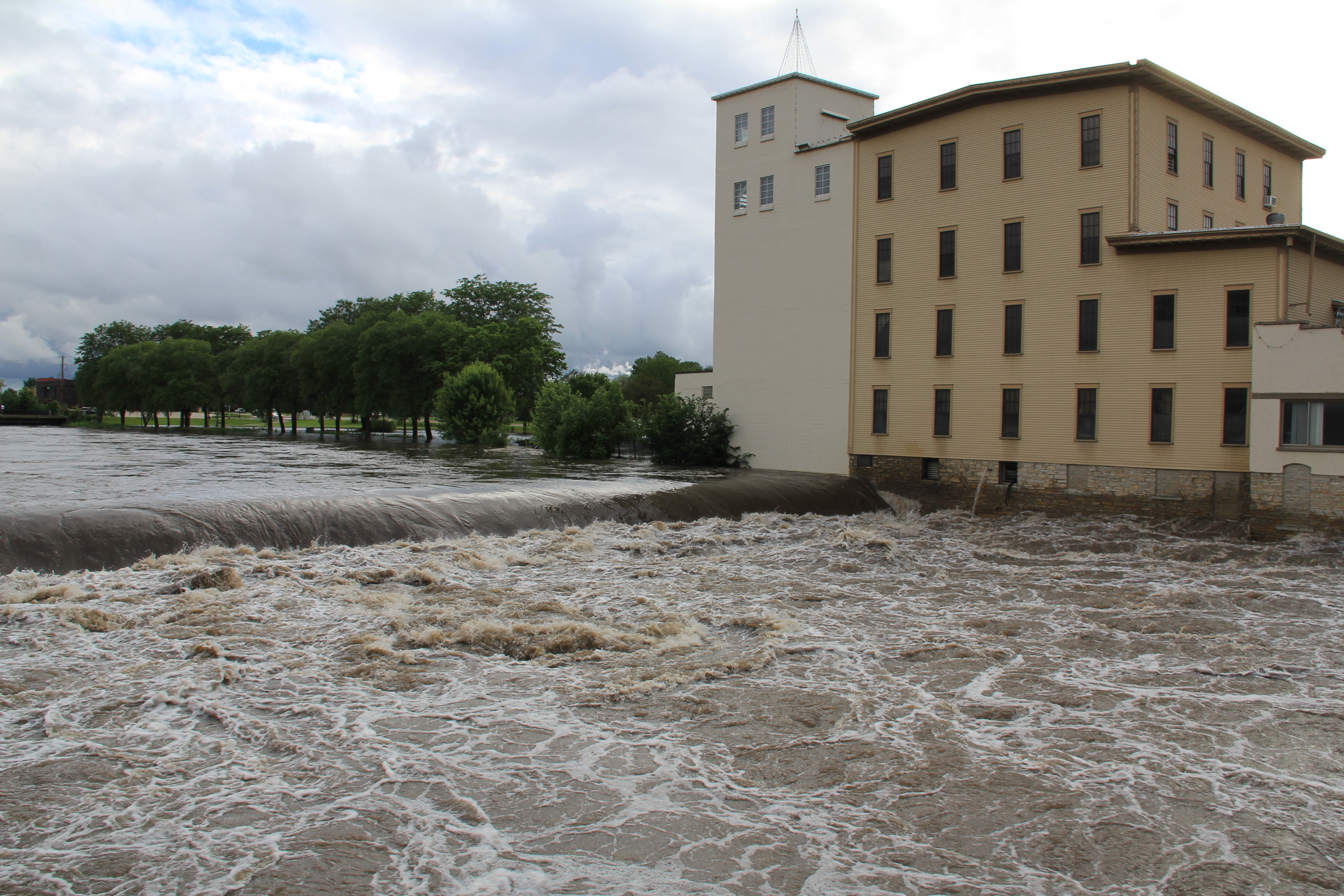
The dam is barely visible by the historic Ames Mill. (Minnesota Prairie Roots copyrighted photo June 22, 2024)
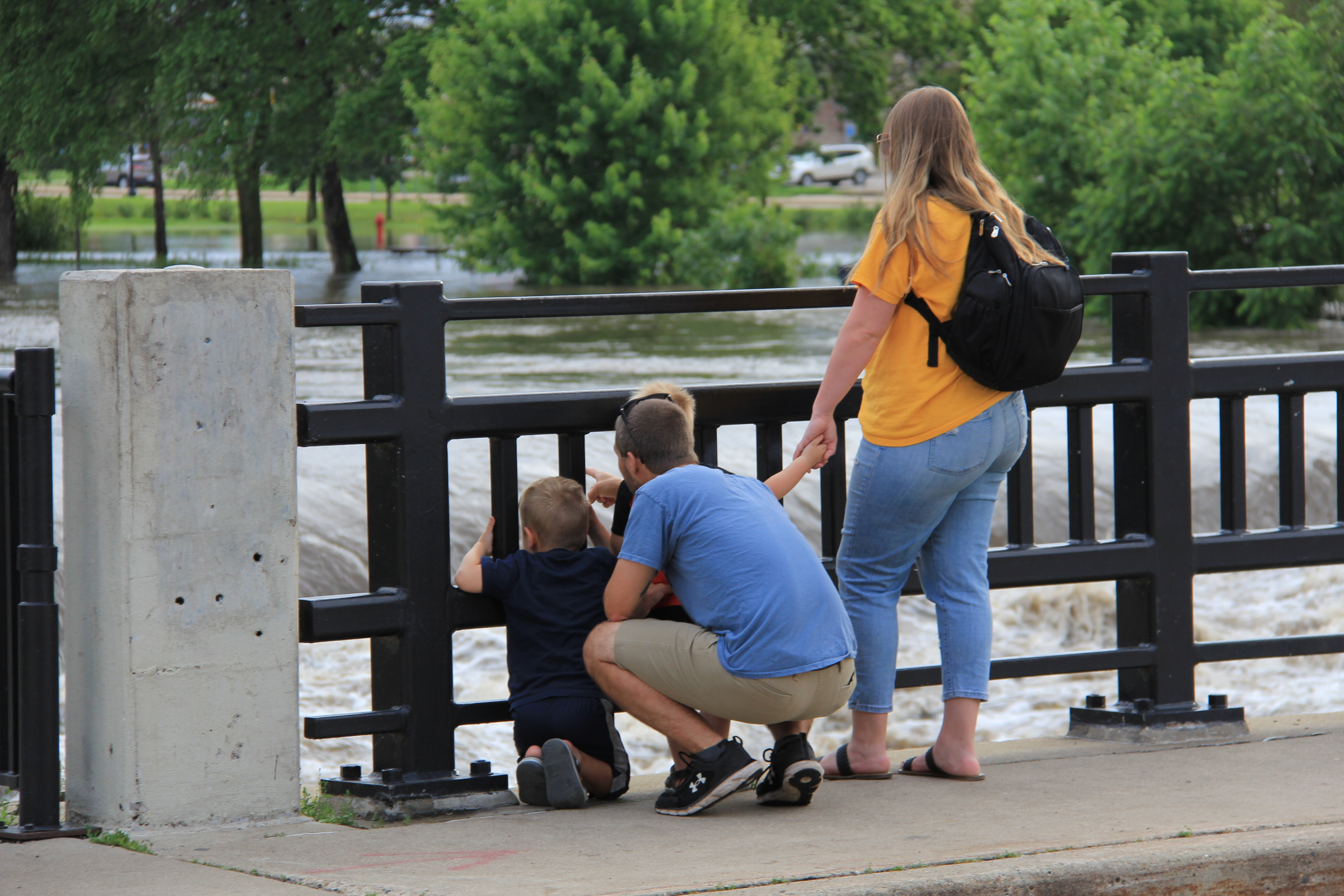
Among the many people viewing the river at the dam site. (Minnesota Prairie Roots copyrighted photo June 22, 2024)

And a bridge across the river by the historic Ames Mill provides a close-up view of the Cannon roaring over the dam.

Protecting Carlson Capital Management. (Minnesota Prairie Roots copyrighted photo June 22, 2024)
A maze of hoses channel water out of the Carlson building while sandbags protect it. (Minnesota Prairie Roots copyrighted photo June 2024)
Froggy Bottoms on the west bank floods whenever the river floods. A neon green poster on the building reads: “This Frog Swims Again.” (Minnesota Prairie Roots copyrighted photo June 22, 2024)

It is impressive, all of it. The nauseating movement of the water. The speed. The danger. The feeling of overwhelming respect and awe in the presence of such power.

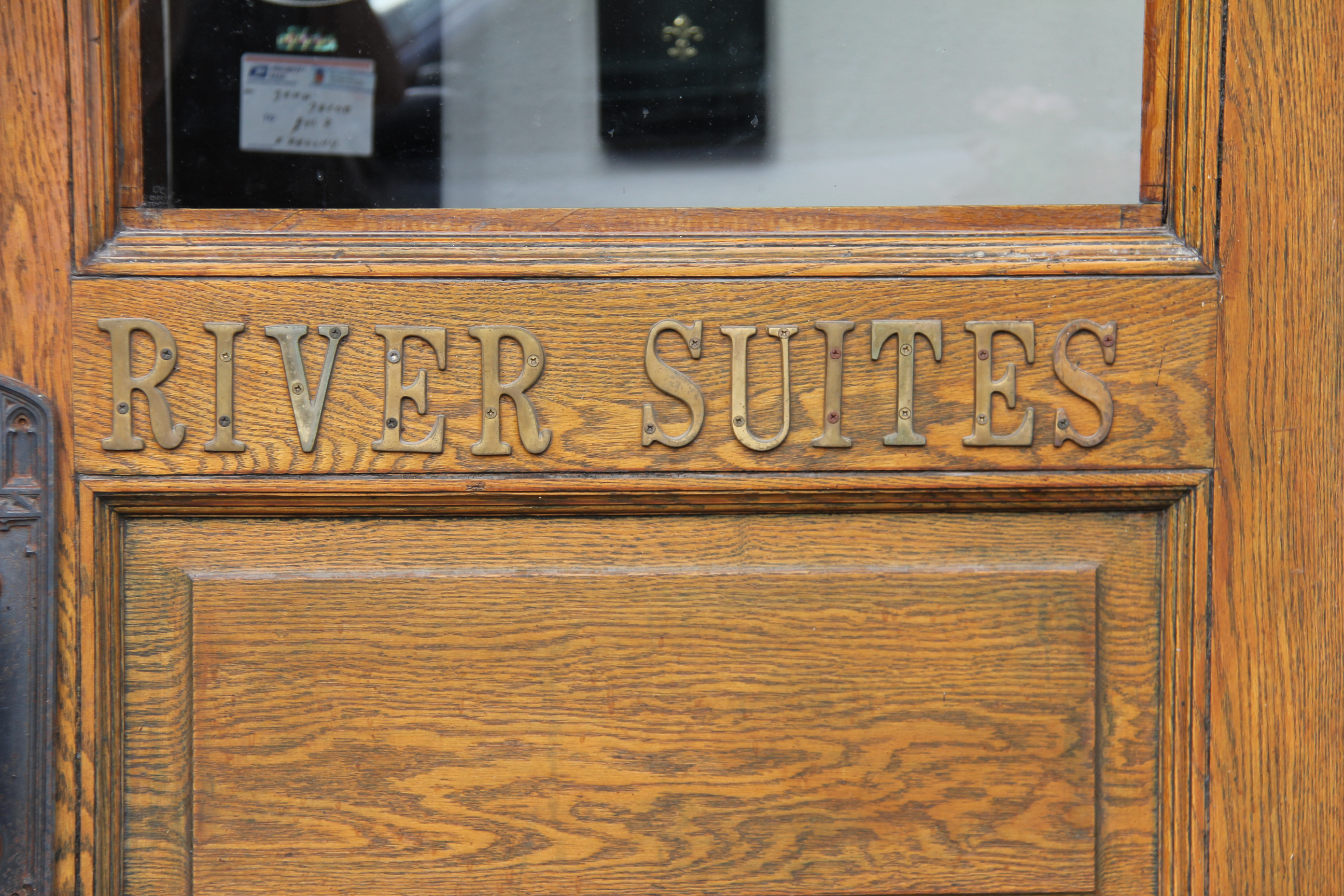
Fitting words on the door of the Froggy Bottoms building. (Minnesota Prairie Roots copyrighted photo June 22, 2024)

This I felt as I took in the scene unfolding before me on a Saturday evening in Northfield.

A sandbag wall protects property along the west bank of the Cannon River. (Minnesota Prairie Roots copyrighted photo June 22, 2024)
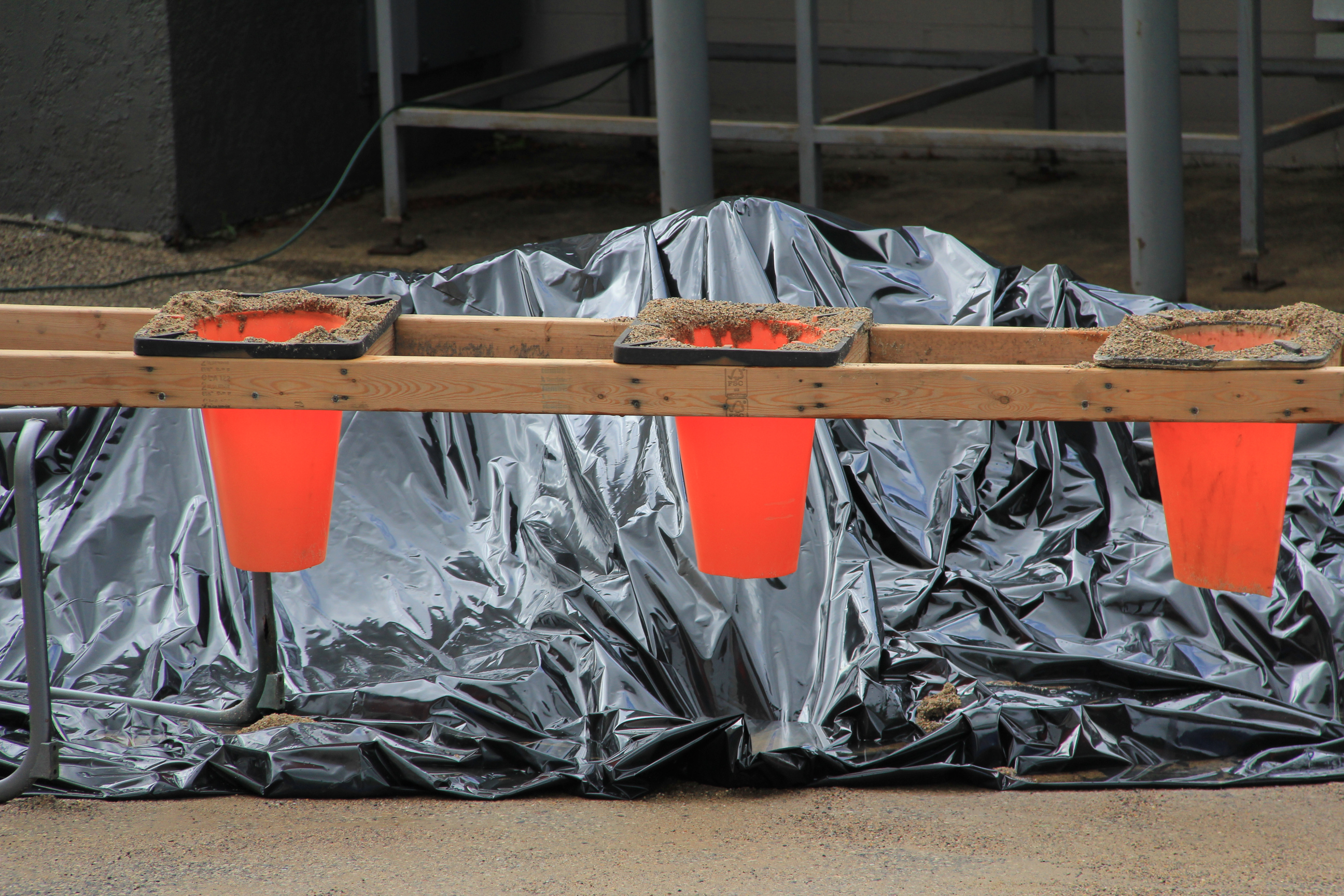
A sandbagging station. (Minnesota Prairie Roots copyrighted photo June 22, 2024)
A line of sandbags protects property on the west bank of the Cannon. (Minnesota Prairie Roots copyrighted photo June 22, 2024)
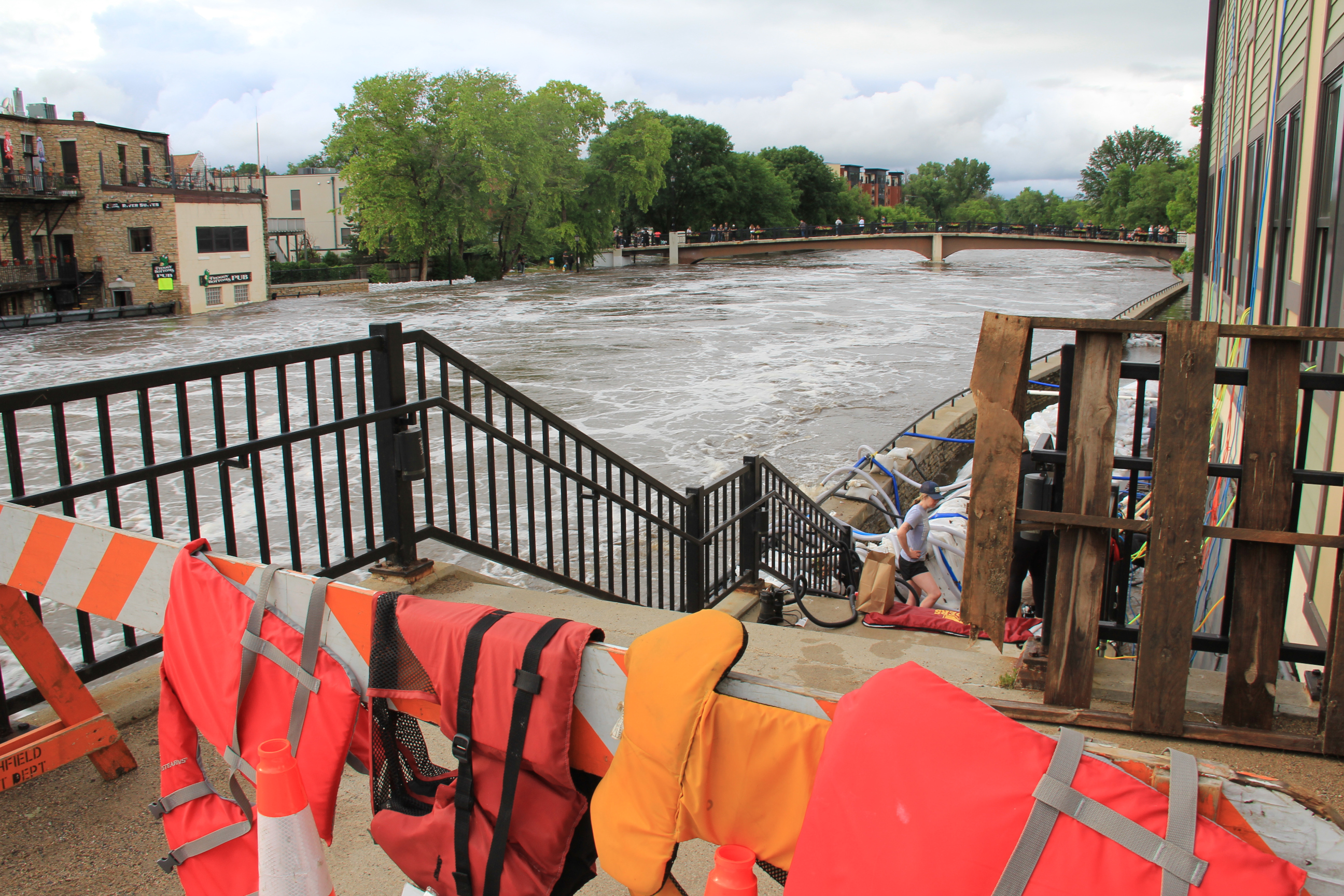
Life jackets drape a barricade blocking access to the flooded east side Riverwalk. Below, workers work to protect the Carlson building from the river. (Minnesota Prairie Roots copyrighted photo June 22, 2024)

NOTE: Check back tomorrow for flood photos from Faribault.

© Copyright 2024 Audrey Kletscher Helbling


Up close on the Straight River during a drought September 13, 2023

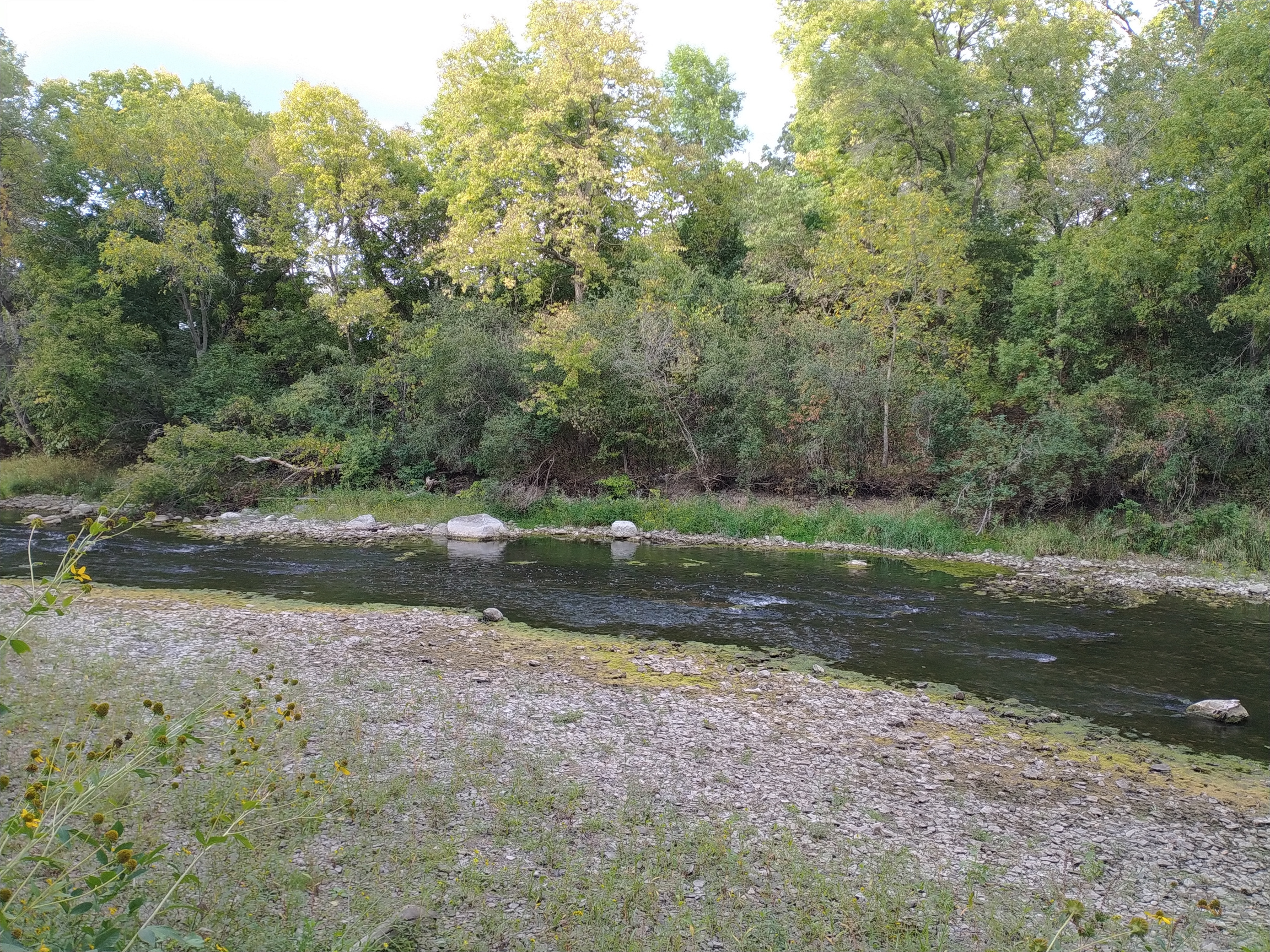
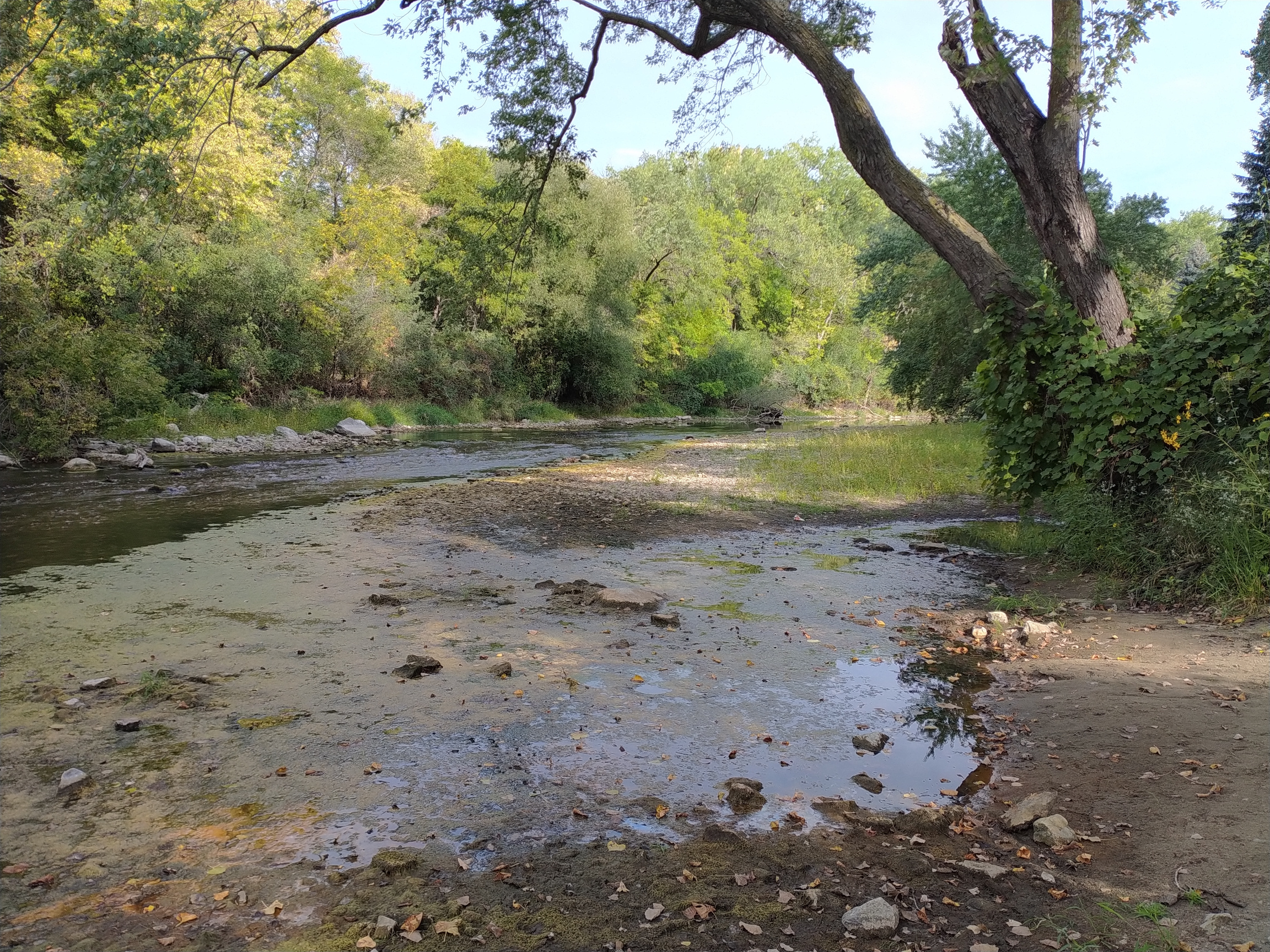
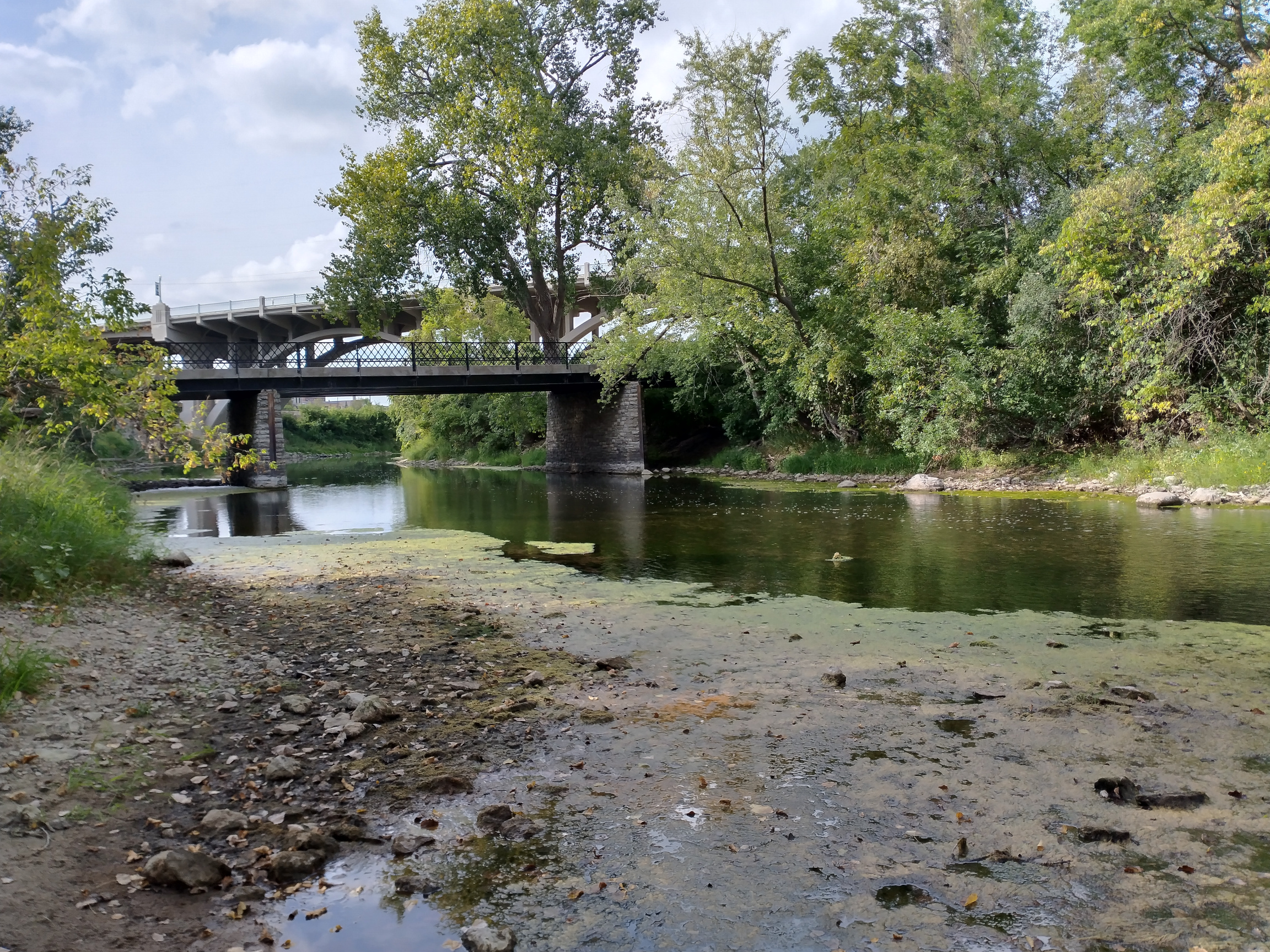
The river bottom revealed, weeds and flowers growing where once water flowed in the Straight River at Faribault’s Teepee Tonka Park. (Minnesota Prairie Roots copyrighted photo September 2023)

CAUTIOUSLY I SIDLED down the silty river bank, hand clasping Randy’s to steady myself. “This isn’t one of the smartest things we’ve done recently,” I said. I held no desire to slip on the unstable ground, to tumble and break a bone. I’ve twice done that. The doctor who recently diagnosed me with osteopenia likely would remind me of my bone density scan results and of my age, which is much closer to 70 than sixty.

But risk outweighed fear. I wanted to reach the dry river bottom, to stand upon the rocky bed, soles touching a place where water once flowed strong and steady.

In this summer of abnormally high temps and little rainfall, the water level in the Straight River, like so many other waterways in Minnesota, is low. The Minnesota Department of Natural Resources, which monitors river depths, terms the level of the Straight near Faribault as “scrapable.” Defined, that’s “so low that paddlers may have to get out of their watercraft to avoid rocks.” At the Straight River West Bridge Street location in Owatonna, the river level measures only slightly better at “low.” The Cannon River, into which the Straight flows, rates as “scrapable” in Morristown, near Faribault, in Northfield and in Welch.

The effects of the ongoing statewide drought are evident. My county of Rice, like 39 percent of Minnesota, is in a severe drought. And much of southeastern Minnesota, including more than half of Steele County to the south through which the Straight River twists and turns, is in an extreme drought.

Stagnant water ponds near the bridge leading into Teepee Tonka Park with the viaduct in the distance. (Minnesota Prairie Roots copyrighted photo September 2023)

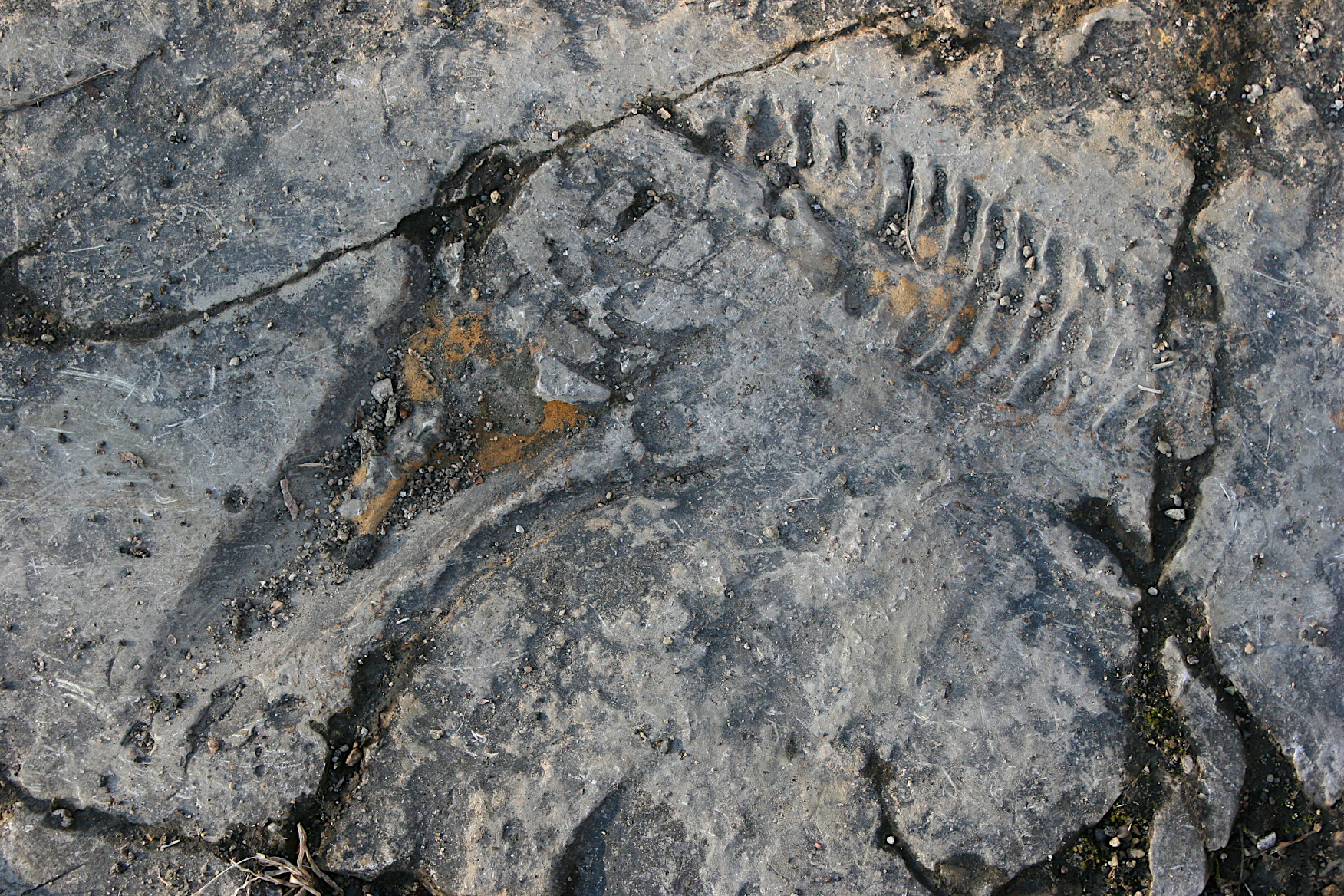
It’s no wonder that on this afternoon in mid-September, I can walk upon a rocky river bottom where water once flowed, even flooded this spring into Teepee Tonka Park near Faribault’s historic viaduct. Earlier this summer, a Faribault teen discovered a cephalopod fossil in an area of a local river typically under water. He refused to identify the specific waterway, but I guessed, perhaps incorrectly, that it was the Straight.

A fossil along a trail near the Straight River overlook in Faribault’s River Bend Nature Center, which connects to Teepee Tonka Park. (Minnesota Prairie Roots copyrighted file photo)

That fossil discovery was also part of my reason for descending the river bank near the east-side Faribault park entrance. I had great uncles who were rock hounds, inspiring in me a childhood fascination with agates and shells and interesting finds revealed only at ground level. That’s carried through into adulthood.

Wildflowers bend toward the narrowed river of exposed river bottom and rocks. (Minnesota Prairie Roots copyrighted photo September 2023)

But on this day I found nothing of interest, only weeds and wildflowers sprouting between stones aside the drought-narrowed river. Correction: I spotted a bra atop a rock, just out of reach in the river, and wondered about the story behind that.

Outdoor enthusiasts intending to paddle the Straight or Cannon rivers now would assuredly have their own disappointing stories to tell about abandoned plans. I observed ankle deep water in parts of the Straight, making water recreation impossible, any recreational outings scrapable.

Around this bend in the river, to the right, the water deepens a bit and flows freely. (Minnesota Prairie Roots copyrighted photo September 2023)

Only a pair of hunting dogs let loose by their owner in Teepee Tonka Park enjoyed the low river level on the day I eased down the river bank. They scrambled down the bank, surefooted, racing along river’s edge, shallow water splashing. Then back up they dashed, sprinting along the grassy bank before returning to the river. I delighted in their antics while simultaneously concerned they might come near me. I never quite trust strange dogs not under the control of their owner. A large muddy-pawed dog once jumped on me while I walked at a city park.

Mud. We’ve seen little of that in most parts of Minnesota this summer. There are exceptions, of course, including flash floods in Duluth on Monday, not something any of us want. Light rain fell in Faribault early on this week, enough to dampen the pavement. But I yearn to hear the steady thrum of rain upon the earth. Rain that will ease this drought, replenish our rivers, revive our waterways, restore the land.

© Copyright 2023 Audrey Kletscher Helbling

NOTE: DNR info referenced in this story is from September 5 on drought conditions and September 12 on river levels.


Farmers, a new friend & a few ducks along the Cannon July 5, 2023

Garden fresh radishes, beets and carrots. (Minnesota Prairie Roots copyrighted photo)

PLUMP PEA PODS PILED. Juicy red and golden tomatoes gathered. Leafy lettuce layered. Bulky orange beets positioned beside purple ones. Bundles of radishes, beets and carrots bursting brilliant hues on a vendor’s table.

Peas. (Minnesota Prairie Roots copyrighted photo)

This is the bounty of summer in southern Minnesota.

A recent mid-morning Friday walk at Northfield’s Riverside Lions Park took me past Northfield Farmers Market vendors pulling vegetables, baked and canned goods, and more from their vehicles. As they set up shop, I lingered, admiring the fresh vegetables that appeared so visually pleasing and, I’m sure, are equally as tasty.

Assorted fresh tomatoes. (Minnesota Prairie Roots copyrighted photo)

I was early. The market starts at 11:45 am, runs til 1 pm, Tuesdays and Fridays, and from 9-11 am Saturdays through October.

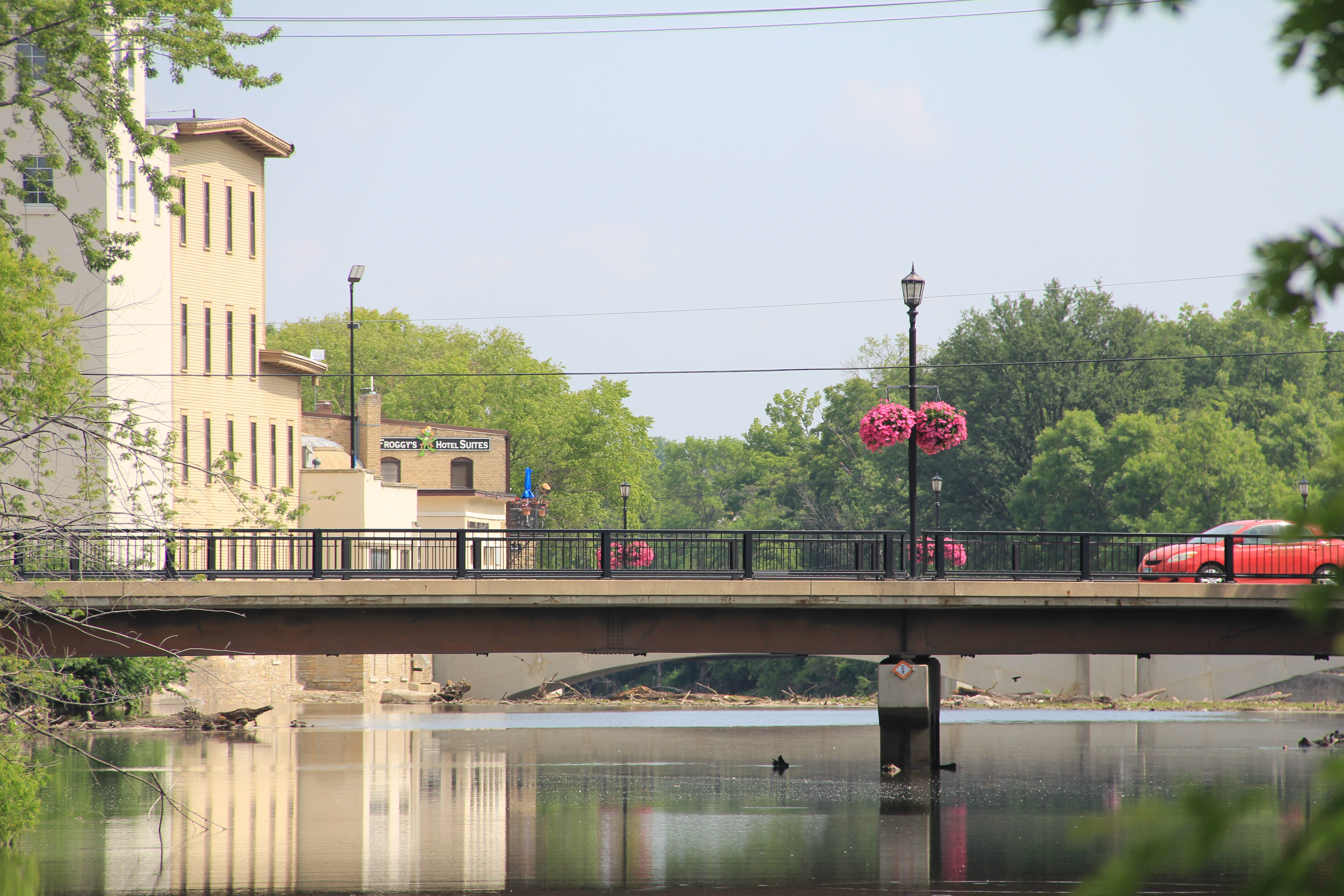
One of multiple bridges crossing the Cannon River in downtown Northfield. (Minnesota Prairie Roots copyrighted photo)

I left the local marketers to their display work, continuing into the park, which hugs the Cannon River. Water draws me. I paused along river’s edge to frame the distant 5th Street West bridge with my Canon camera. Lush baskets of petunias splashed pink into the greenery and the brown hardscape of buildings. Below ducks swam in the placid river while a red car crossed the bridge.

Orange and red beets. (Minnesota Prairie Roots copyrighted photo)

If not for the constant thrum of traffic on busy Minnesota State Highway 3, this would prove a peaceful setting. Yet I still enjoy this park, appreciating the flower gardens, florals spilling from balconies on the apartment building across the street, the ping of balls and the hum of conversation from the nearby pickleball courts.

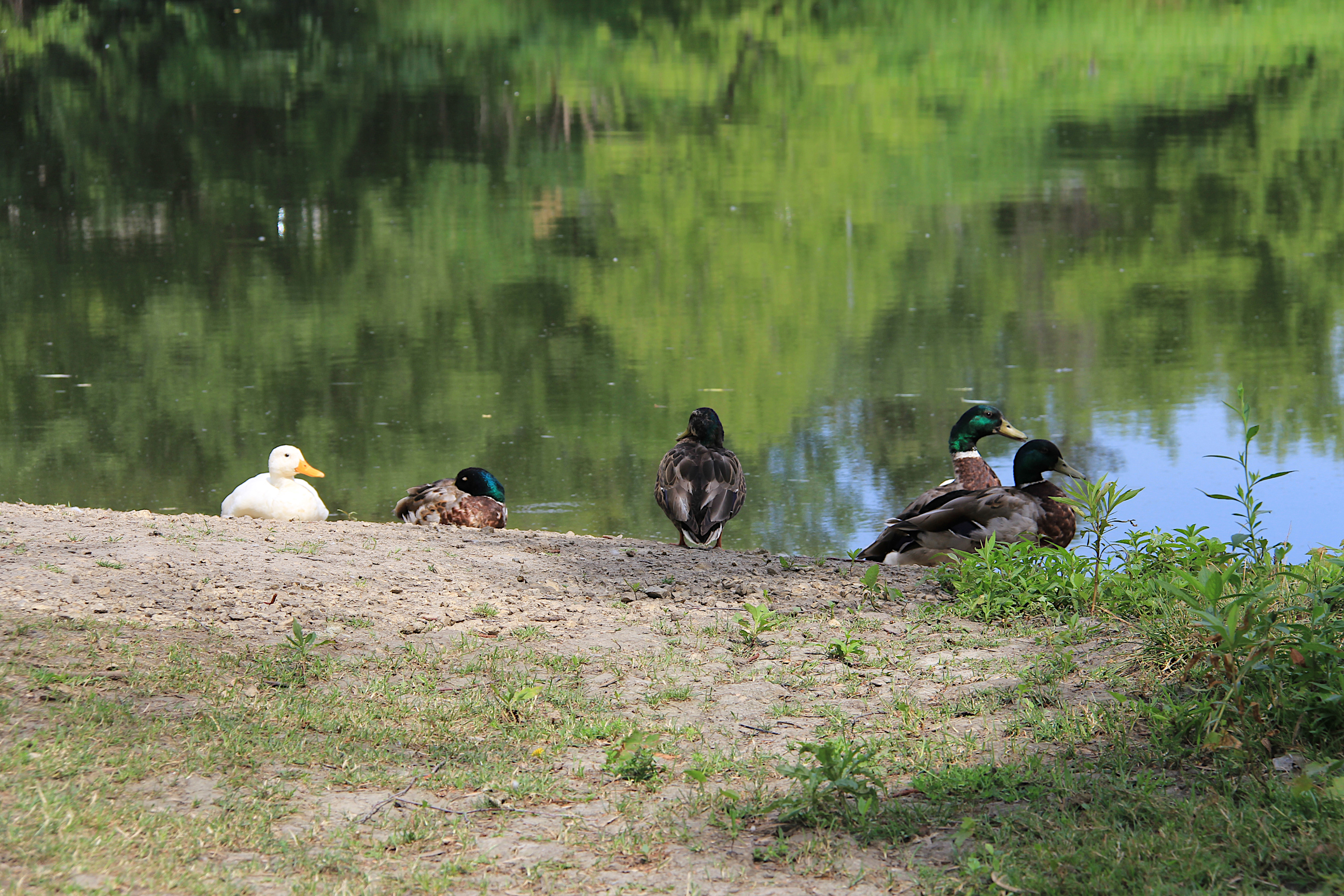
There were two white ducks among the others. (Minnesota Prairie Roots copyrighted photo)

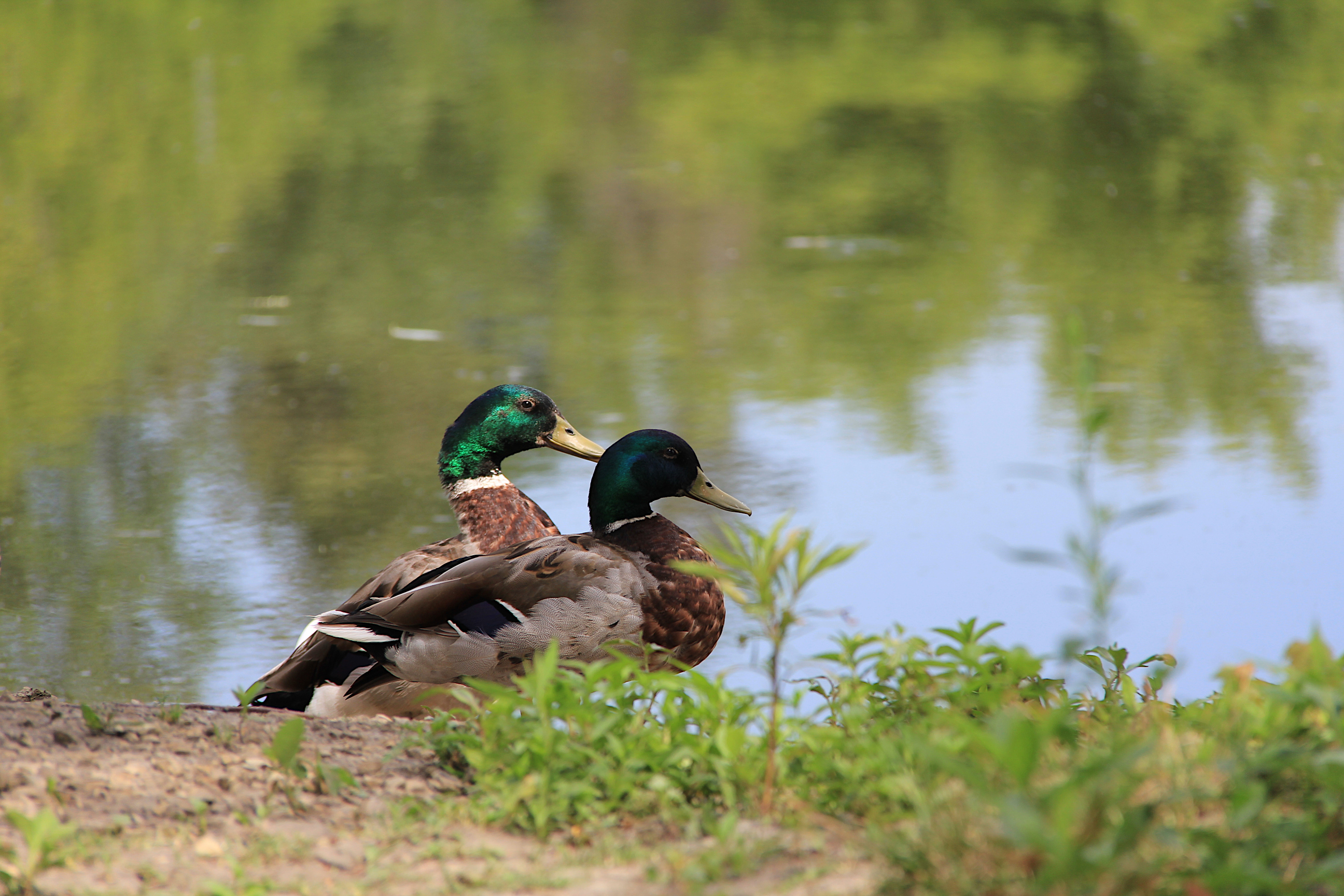
I still had one more place to stop—the spot along the riverbank where the ducks hang out. I was hoping to see the pure white ducks I’ve previously seen here. They were there along with the mallards, the iridescent green of the drakes’ heads shimmering in the late morning light.

Beautiful mallard drakes. (Minnesota Prairie Roots copyrighted photo)

With time to spare while waiting for Randy, I joined a man sitting at a picnic table. Either he would welcome conversation or he wouldn’t. He did. We talked about the market—he awaited its opening with cloth bags at the ready—and health and the care he gave his wife before she passed and family and the model railroad spread over eight sheets of plywood in his basement. And he told me about the new museum opening in Randolph across from the fire hall. The Randolph Area Historical Society is constructing a building that will cover the history of six Dakota and Goodhue County townships, house a family history research library and serve as a community gathering spot.

Lettuce. (Minnesota Prairie Roots copyrighted photo)

Randolph is a town rich in railroad history. I’d been there many years ago for Randolph Railroad Days, I shared with my new friend. Given his interest in trains, he has, too, and gave me the dates, October 21 and 22, for the 2023 event. I promptly added the celebration, which includes model railroad and railroad displays, a swap meet and more, to my smartphone calendar.

Rich red sauces. (Minnesota Prairie Roots copyrighted photo)

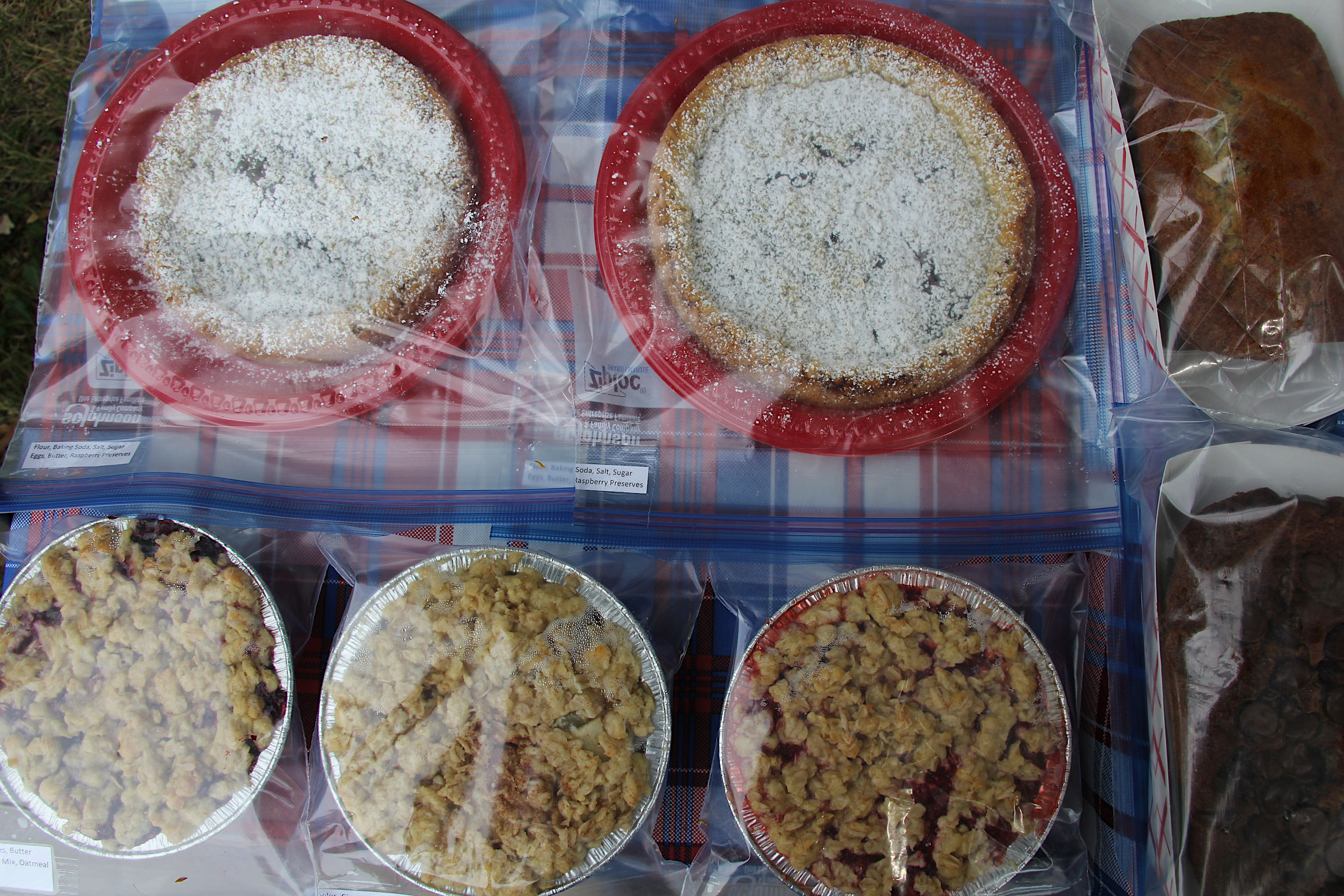
Soon my phone beeped with a text from Randy that he was nearly done with his appointment. I thanked the guy at the picnic table for the conversation, then aimed back toward the farmers market. I stopped to photograph the colorful produce and the goodies at McKenna’s Sweet Treats stand, my eyes focusing on the cookies, the mini fruit crisps, the sweet breads… And at the end of the table, quart and pint jars brimmed with spaghetti sauce and salsa in the loveliest shade of rich red, seasonings and onions floating in all that homemade goodness.

Baked goods from McKenna’s Sweet Treats. (Minnesota Prairie Roots copyrighted photo)

While I felt tempted to buy a treat made from raspberry preserves, I didn’t. But I left feeling appreciative for the gardeners and bakers and cooks who share their produce and goods at farmers’ markets like the one in Northfield. I felt appreciative, too, for conversation with a stranger and ducks along the river and the Cannon which winds through southern Minnesota on a lovely summer day.

© Copyright 2023 Audrey Kletscher Helbling


Fish art along the Mississippi in Monticello October 20, 2022

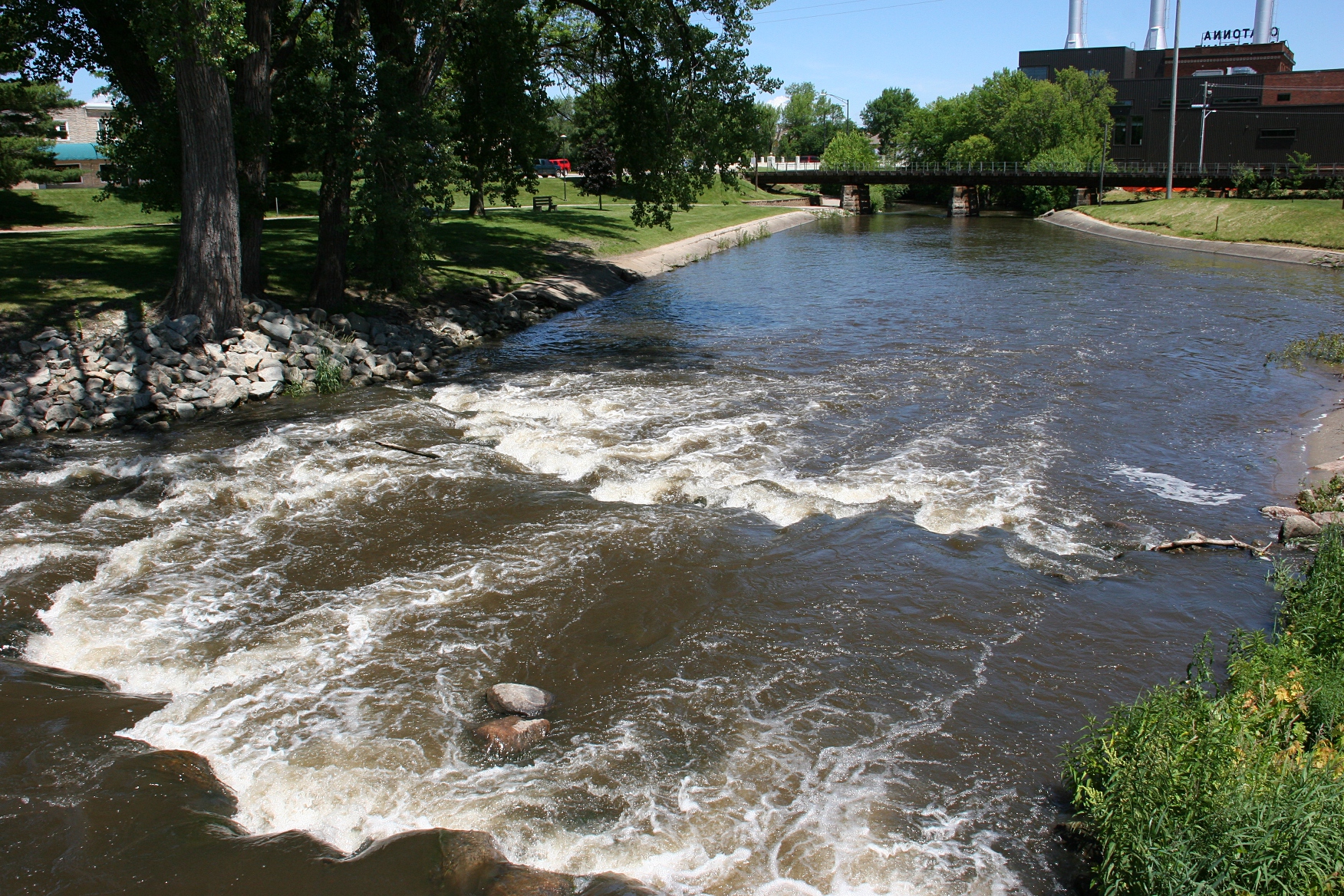
The Mississippi River in Monticello, MN. (Minnesota Prairie Roots copyrighted photo September 2022)

ALMOST ON A DAILY BASIS now I hear and read media reports about the Mississippi River, reportedly at its lowest level in a decade. Lack of rain led to this situation which is now causing shipping problems, concerns about drinking water supplies and issues with salt water creeping into the river.

Fish art along the Mississippi in Monticello. (Minnesota Prairie Roots copyrighted photo September 2022)

I need only look at lakes, rivers, streams and creeks in southern Minnesota to see how drought is affecting our waterways. Dry creek beds, exposed rock, clearly low water levels raise my concern.

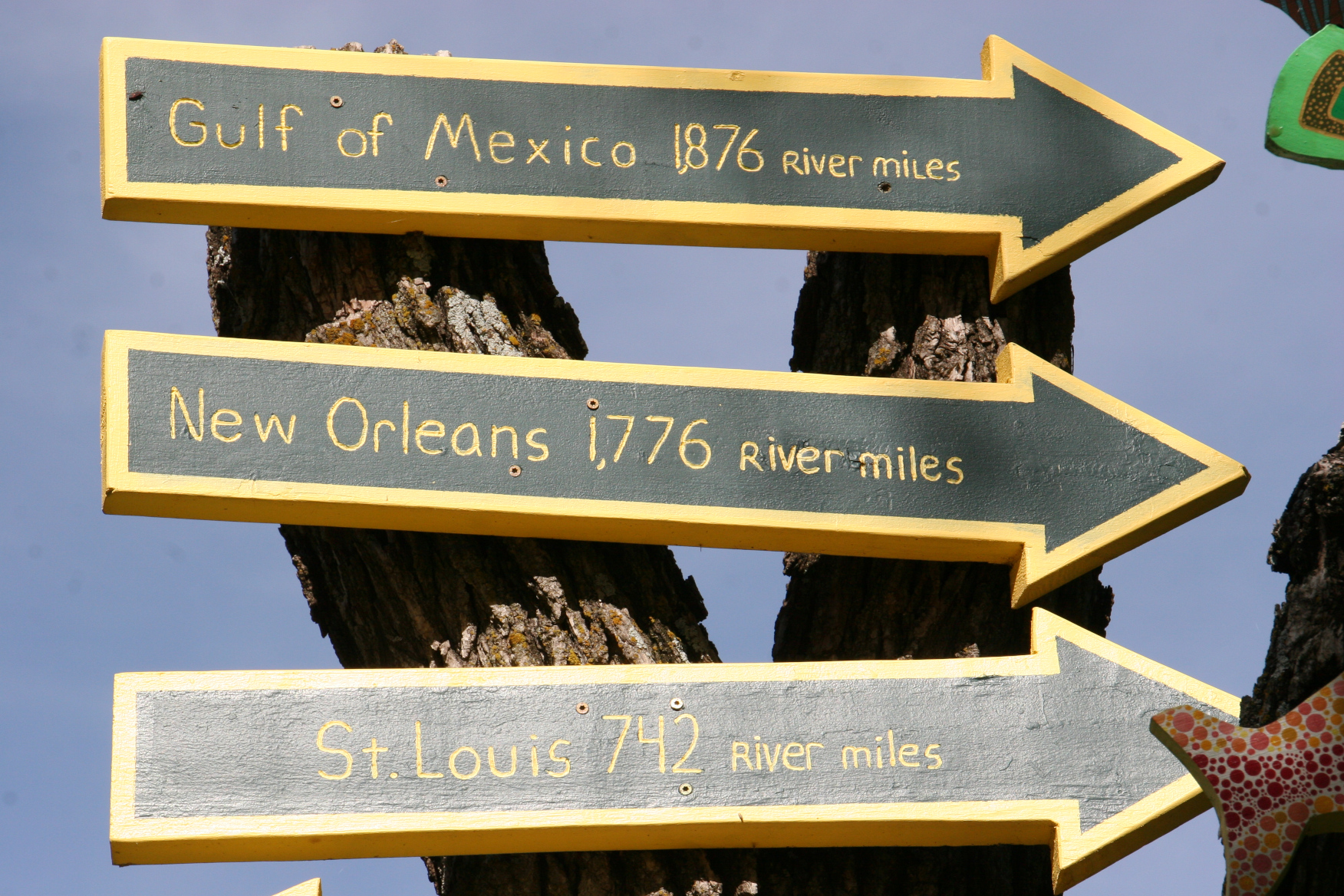
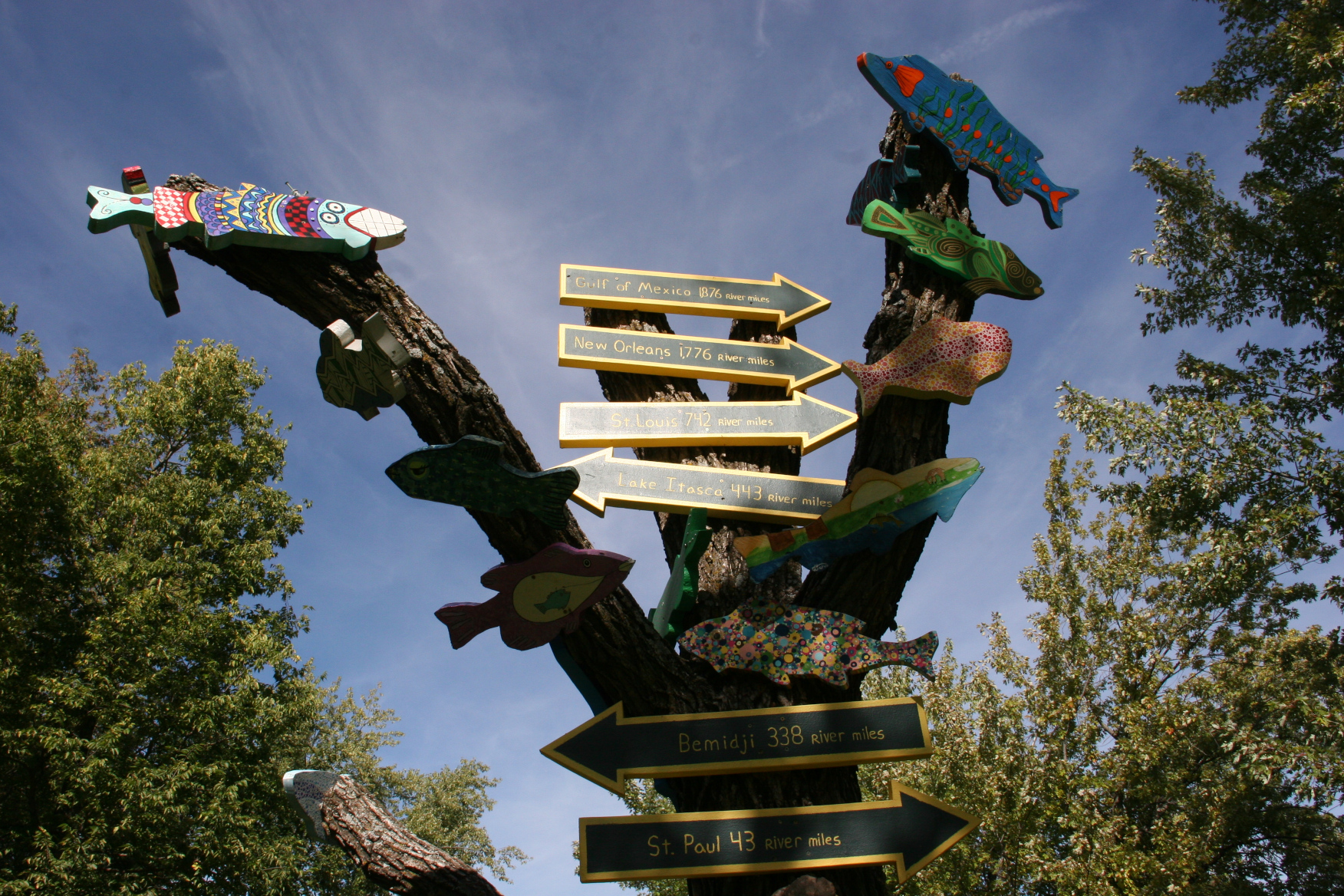
Arrows on the public art list locations along the Mississippi. (Minnesota Prairie Roots copyrighted photo September 2022)

Some 270 miles to the north of Faribault in Itasca State Park, the Mississippi River begins. Like most Minnesotans, I’ve walked across the headwaters. The Mississippi starts as a narrow, knee-deep river that widens and deepens and flows 694 miles through Minnesota. It passes through communities like Bemidji (at its northern-most point), Brainerd, Little Falls, St. Cloud, Minneapolis, Hastings and many towns and cities in between before spilling into Iowa on its 2,350-mile journey to the Gulf of Mexico.

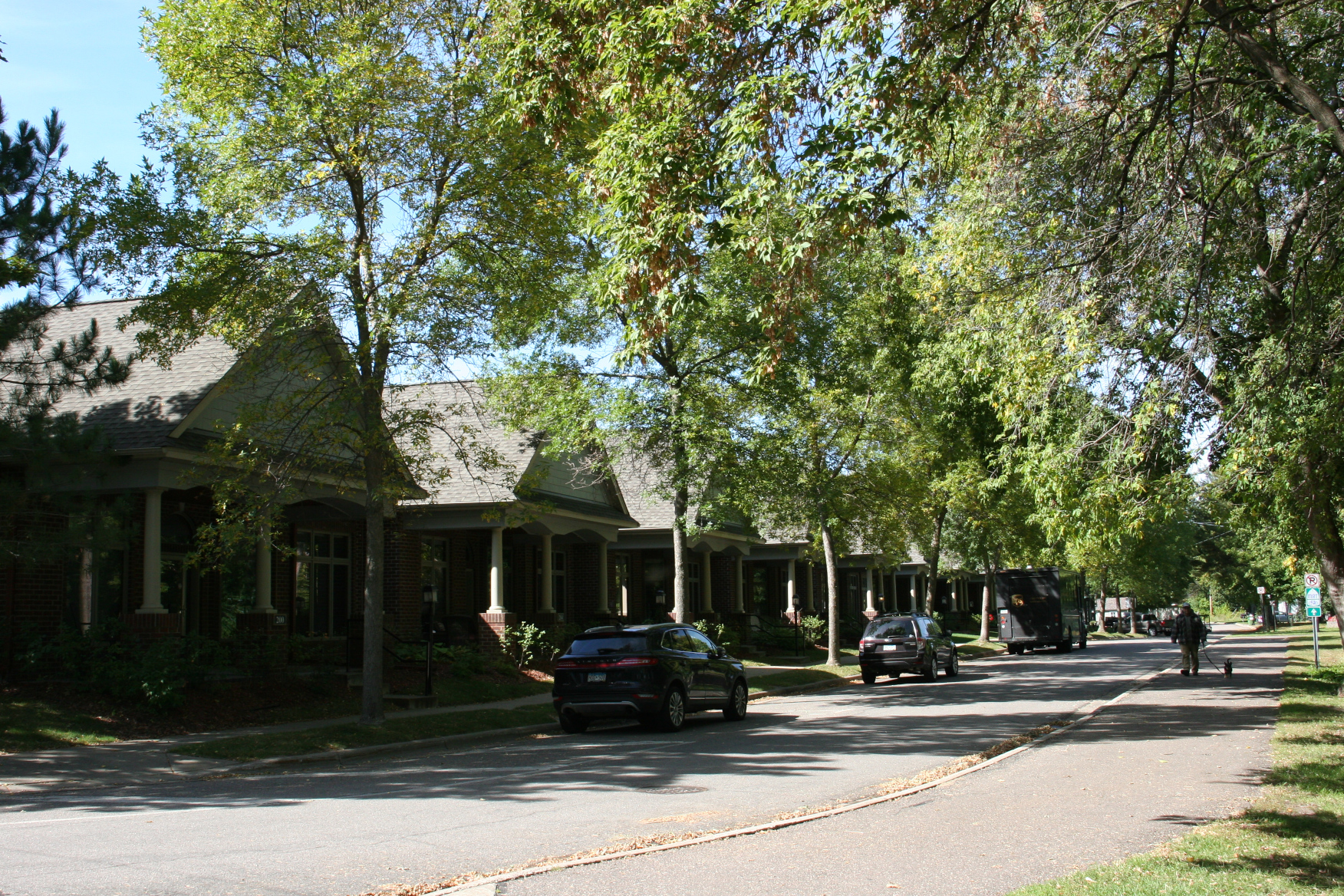
These lovely homes are next to the park by the river. (Minnesota Prairie Roots copyrighted photo September 2022)

Recently, on a return trip home from a family member’s lake cabin in the Brainerd Lakes area, Randy and I stopped for a picnic lunch at West Bridge Park in Monticello. On the northwest edge of the Twin Cities metro, this community hugs the Mississippi. The park, just off State Highway 25 by the river bridge, is easily accessible, but noisy with the steady drone of traffic.

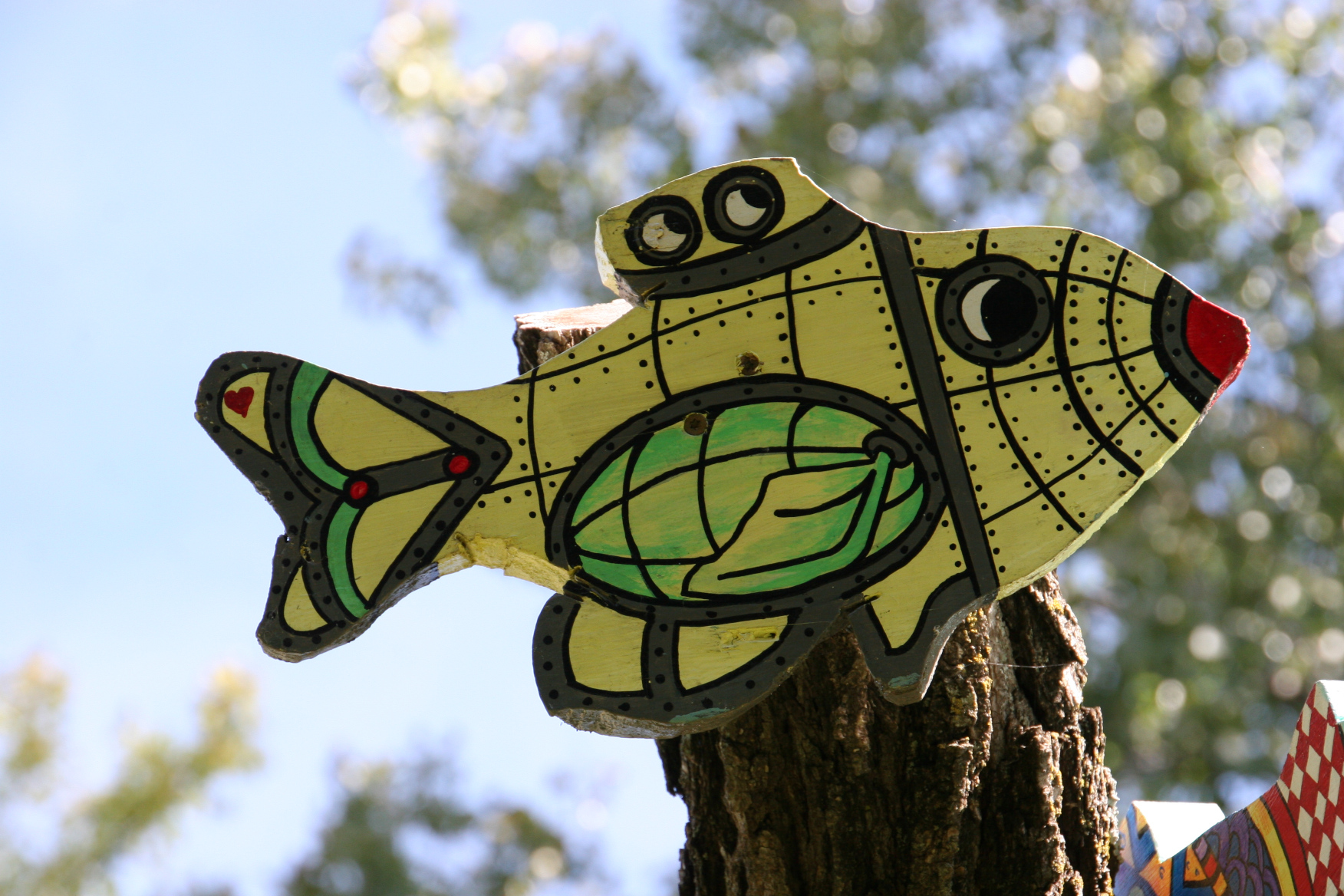
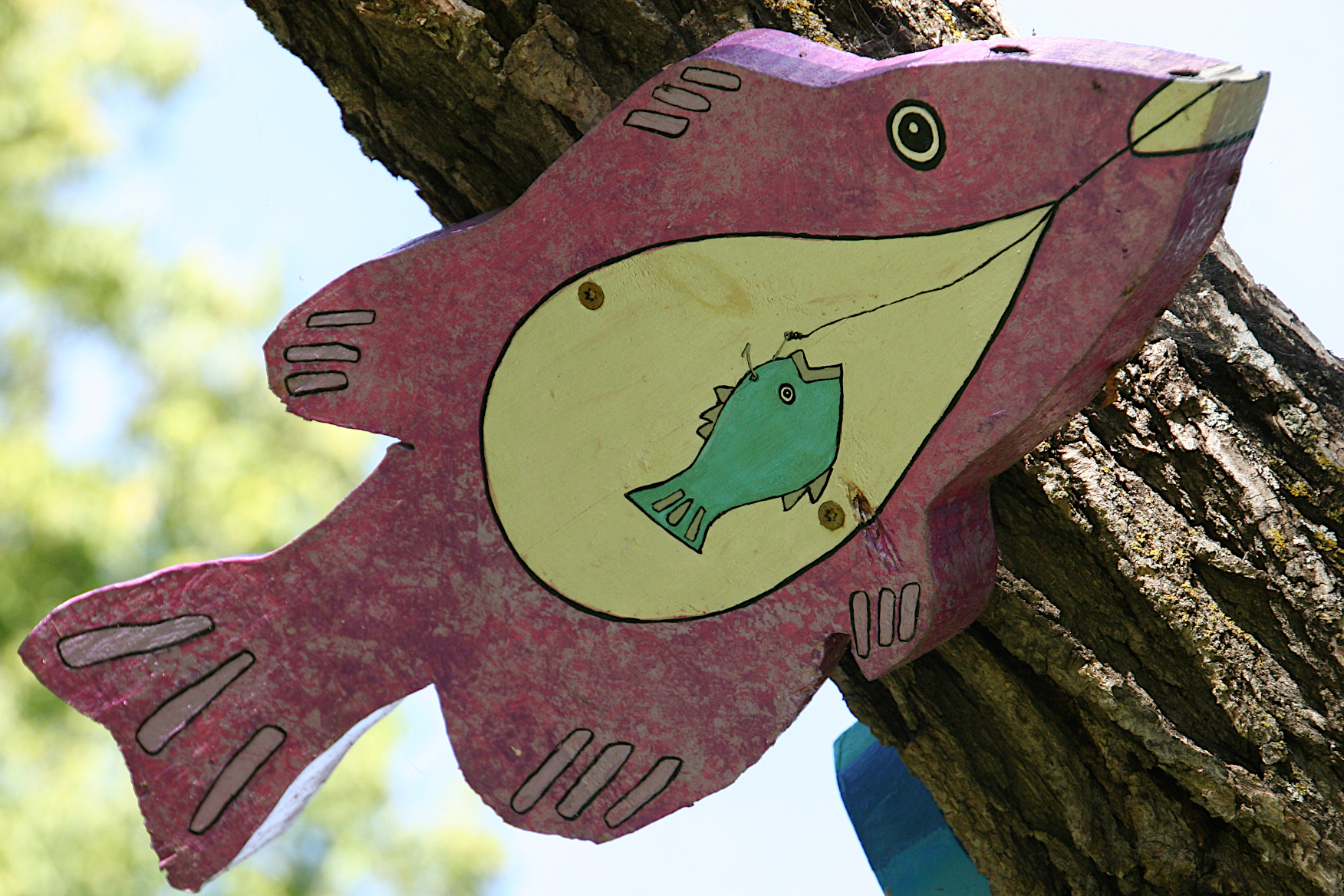
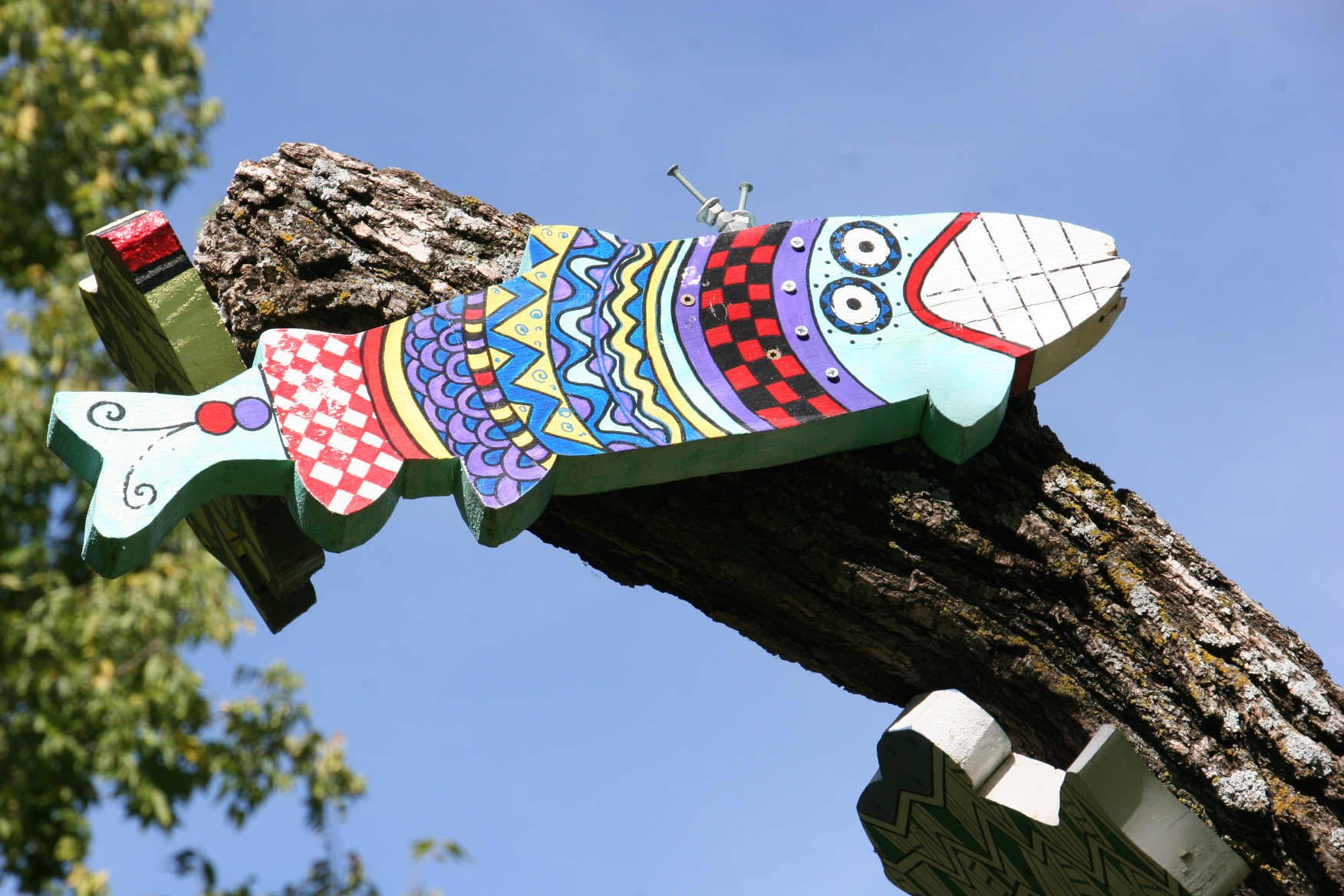
Community members designed and painted the individual fish for this project. (Minnesota Prairie Roots copyrighted photo September 2022)

The creativity in these fish is unique, a reflection of the community. (Minnesota Prairie Roots copyrighted photo September 2022)

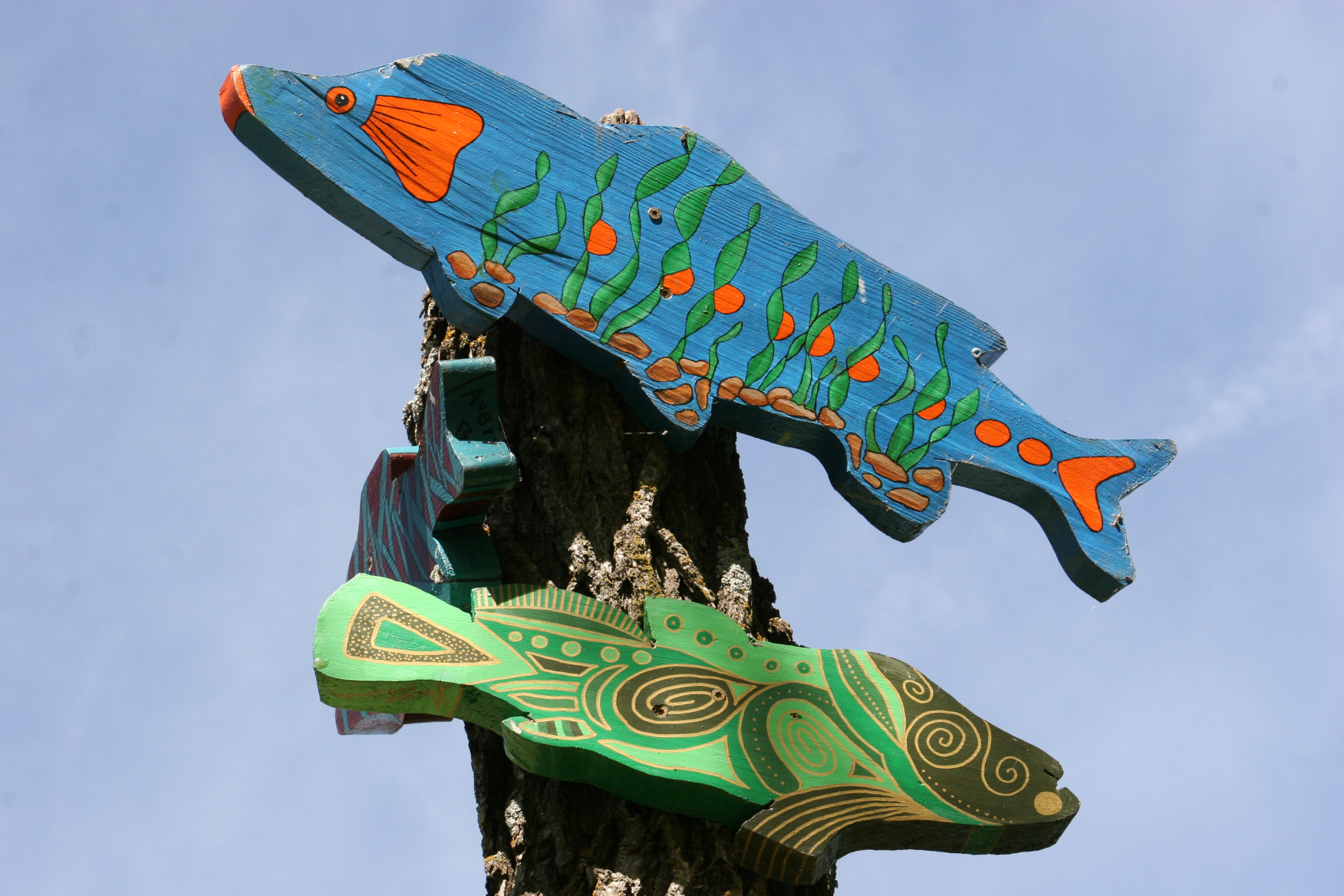
Another version of funky fish from community creators. (Minnesota Prairie Roots copyrighted photo September 2022)

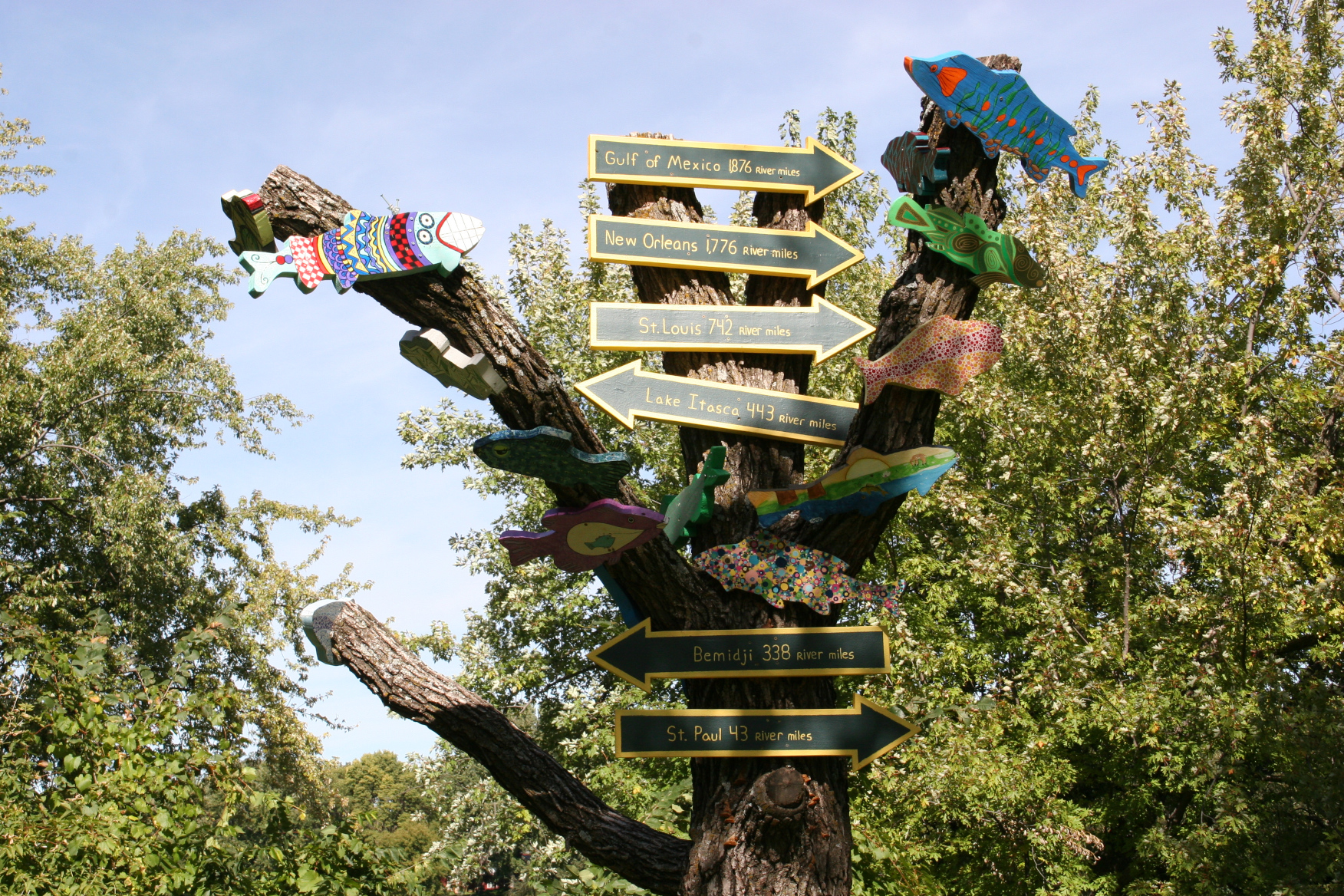
Yet, even if not peaceful, the park is worth visiting. I discovered here a MontiArts Community Project, “The Funky Fish Sign.” Wooden fish cut-outs painted by community members are attached to the trunk of a dead oak as are wooden arrows crafted from old park benches. Those arrows list destinations and river miles from Monticello. To Lake Itasca, 443 river miles. To St. Paul, 43 river miles. To New Orleans, 1,776 river miles.

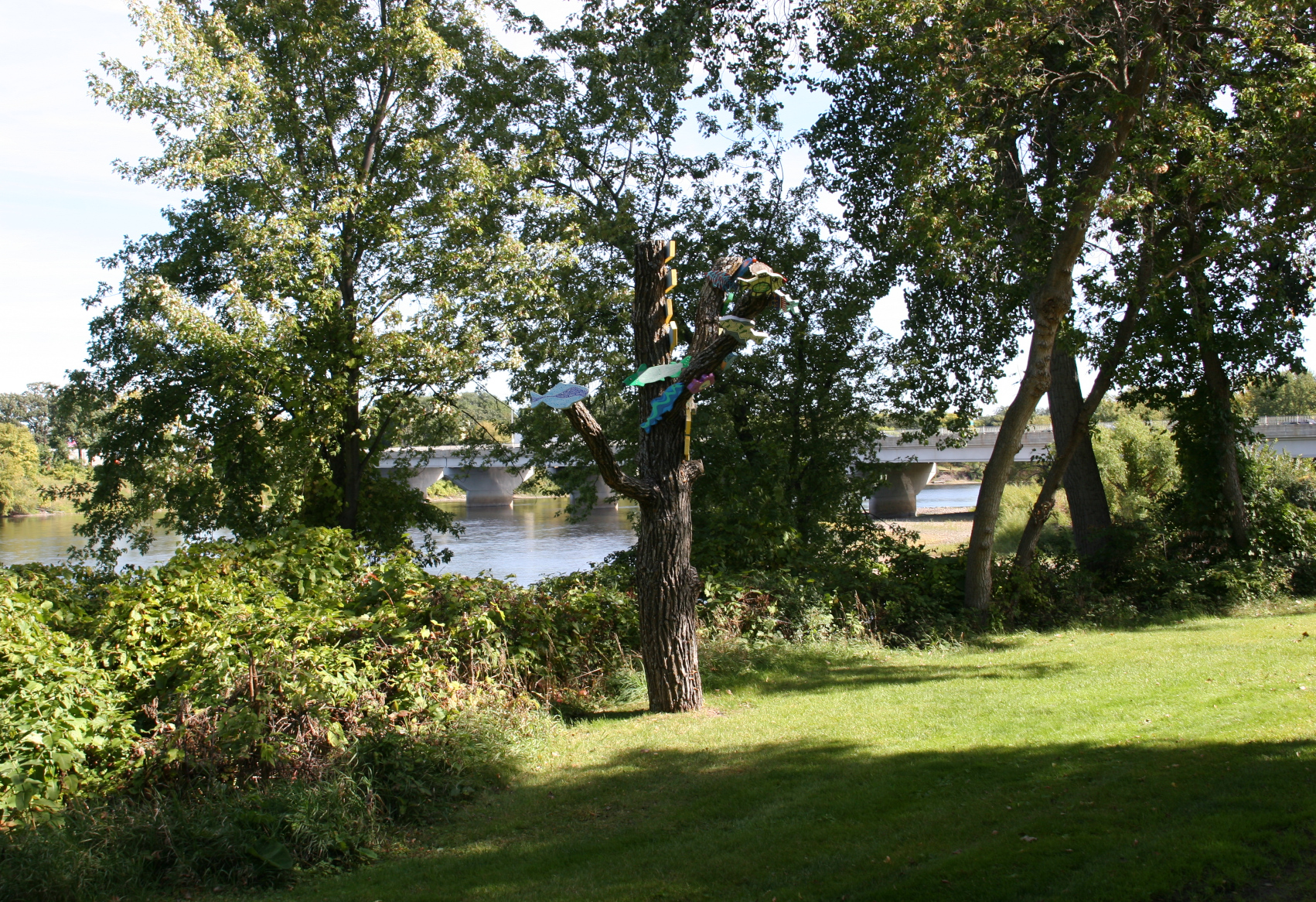
Public art posted on a dead oak removed from a local cemetery and “replanted” along the Mississippi River bank. (Minnesota Prairie Roots copyrighted photo September 2022)

This riverside fish tree meets MontiArts’ goal of “using the arts to build community.” This truly was a community project with residents, interns and city employees working together to create public art that connects Monticello to the Mississippi from beginning to end.

I especially like the buffalo plaid on this fish. (Minnesota Prairie Roots copyrighted photo September 2022)

But this is about more than a river and geography. In an online video about the project, I learned that the variety in the painted fish represents the differences in people. We are each unique.

From afar, “The Funky Fish Sign” blends into the riverside landscape. (Minnesota Prairie Roots copyrighted photo September 2022)

As individual as we are, though, we are collectively all residents of Earth. We are tasked with caring for natural resources like water, like the mighty Mississippi. This beautiful, scenic, powerful waterway is vital to our economy, vital to our water supply, vital to our leisure, our enjoyment, and, in Monticello, to connecting creativity and community.

© Copyright 2022 Audrey Kletscher Helbling


What makes a great park, in my opinion June 23, 2015

IN THE PAST FEW DAYS, after visiting Bridge Square in Northfield and Morehouse Park in Owatonna, I’ve thought about what makes a great community gathering place. When considering a spot for a picnic or simply a place to relax, what do I seek?

A view of the Straight River from the pedestrian bridge in Morehouse Park.

A view of the Straight River from the pedestrian bridge in Morehouse Park.

Water. Whether a river or a fountain or a lake, water tops my list. There’s something about water that soothes, that eases life’s worries. I’m not a water sports person. But I love the sound of rushing water like that of the Straight River roaring over the dam in Morehouse Park or the fountain spraying in Bridge Square, just across the street from the Cannon River.

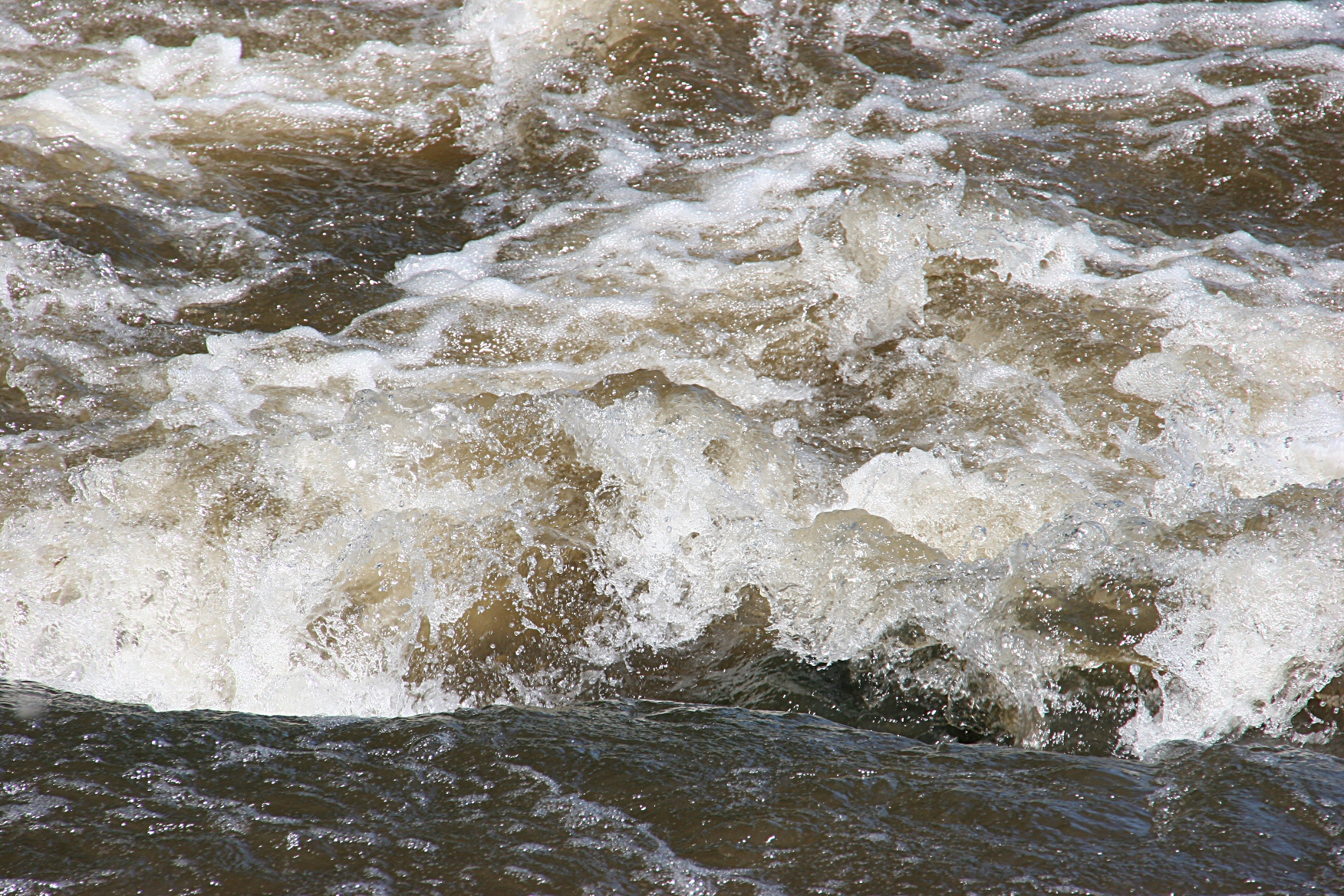
Water roars over rocks in the Straight River at Moreshouse Park.

Water roars over rocks in the Straight River at Morehouse Park.

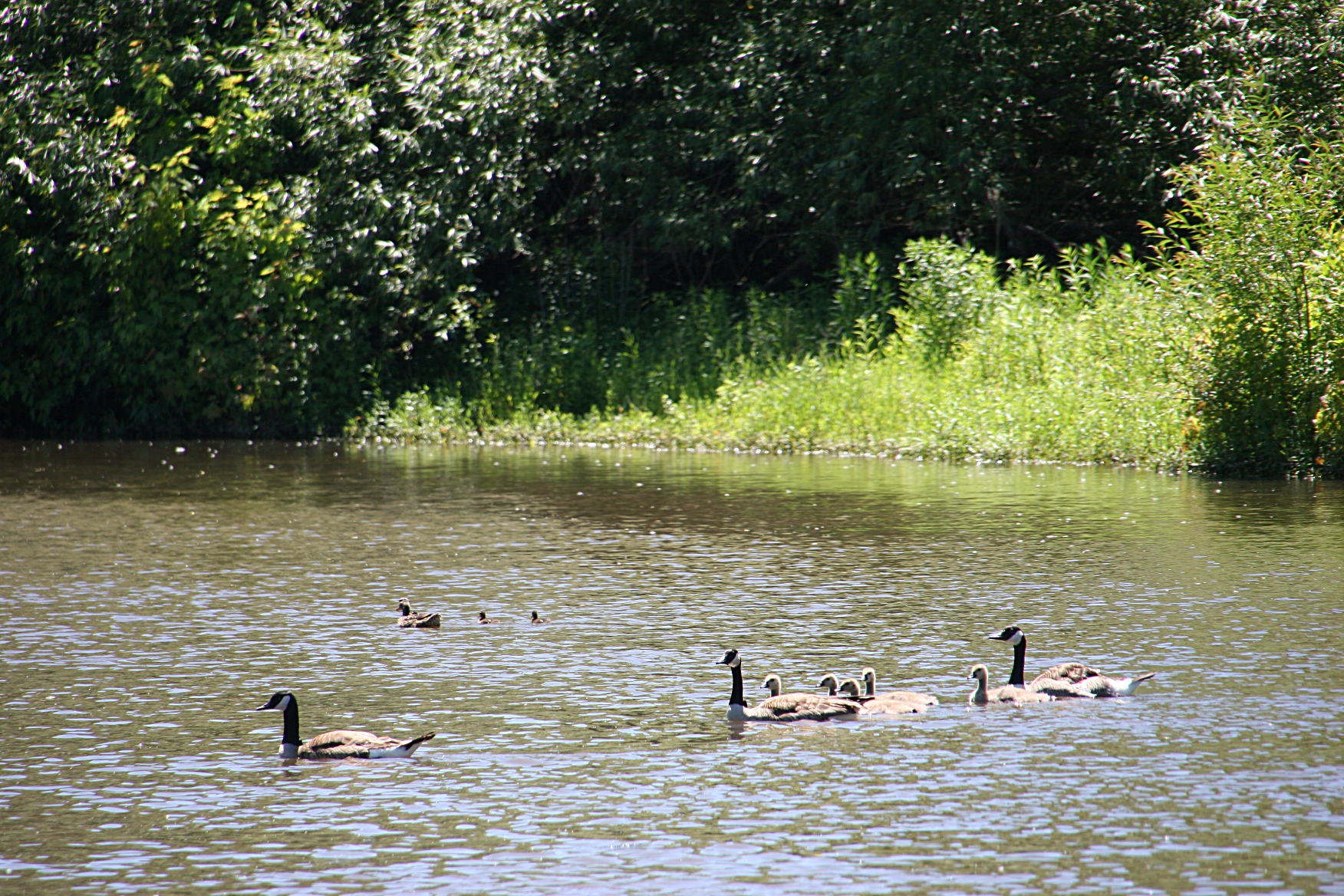
A trail of geese in the tranquil part of the Straight River.

A trail of geese in the tranquil part of the Straight River.

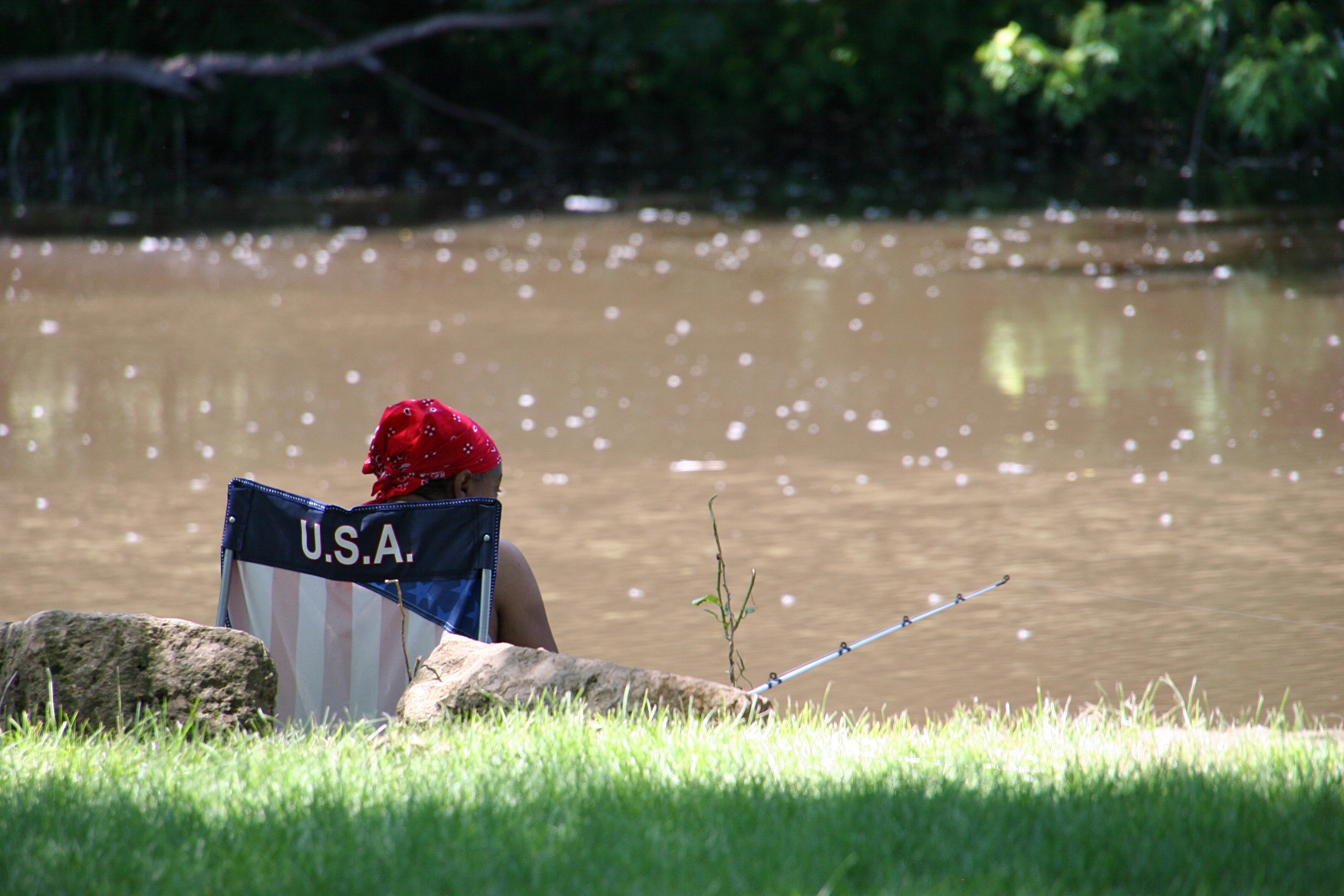
On a beautiful summer afternoon, a woman fishes the Straight River.

On a beautiful summer afternoon, a woman fishes the Straight River.

Water offers a place to wish, to think or not, to fish, to canoe, to observe nature. Still as geese gliding. Hopeful as pennies tossed into a fountain. Turbulent water tumbling over rocks as calming as white noise.
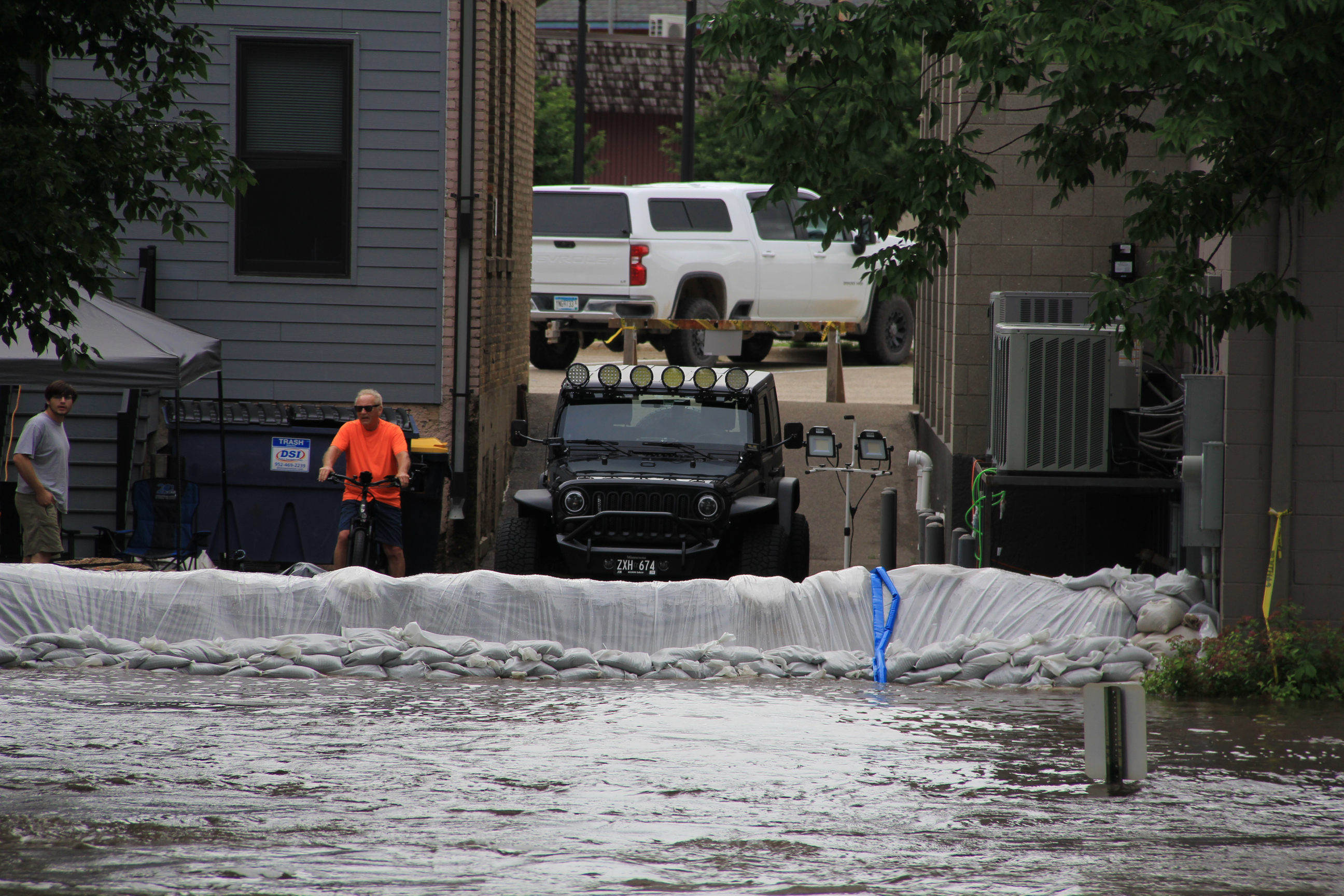
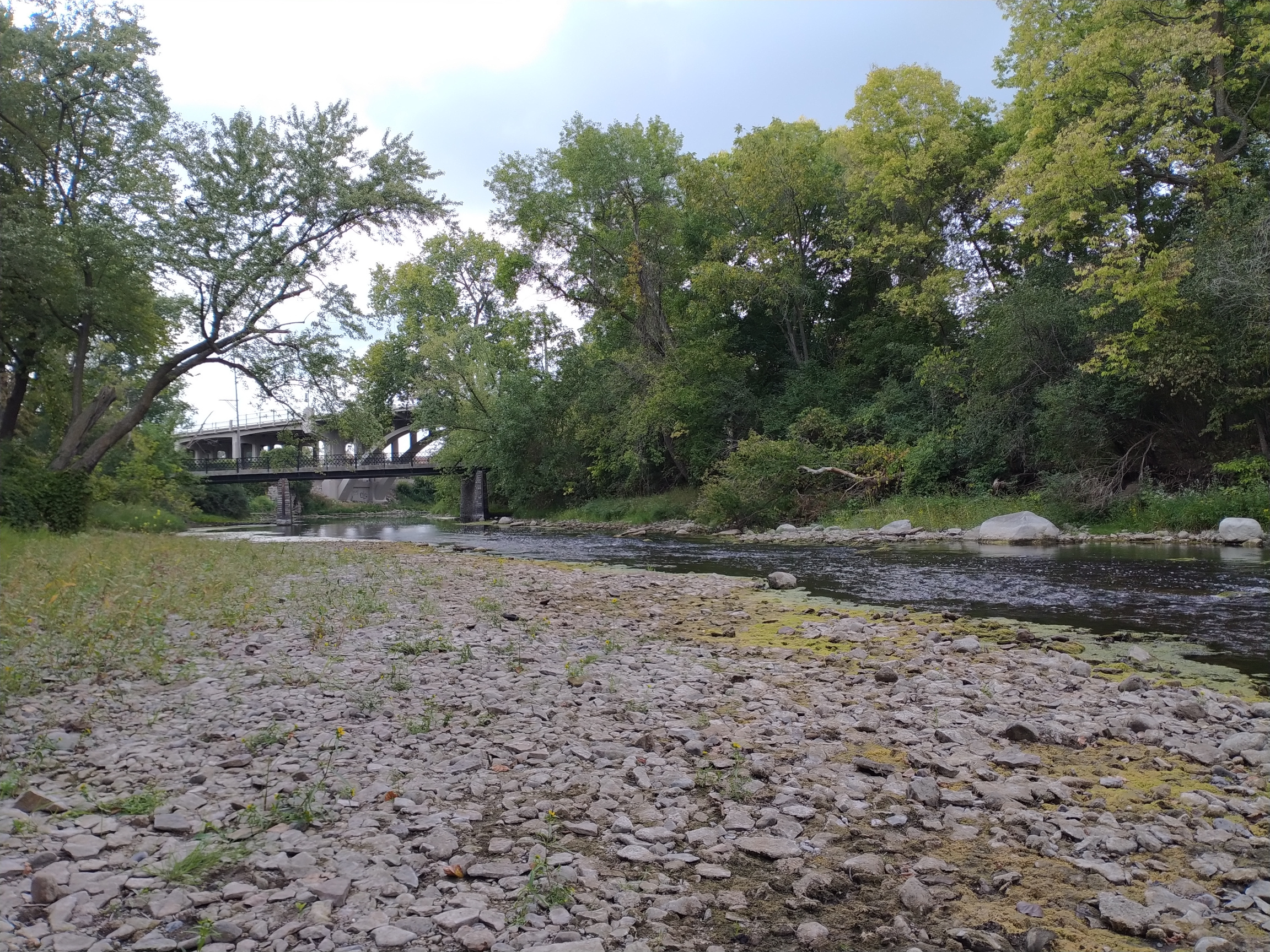
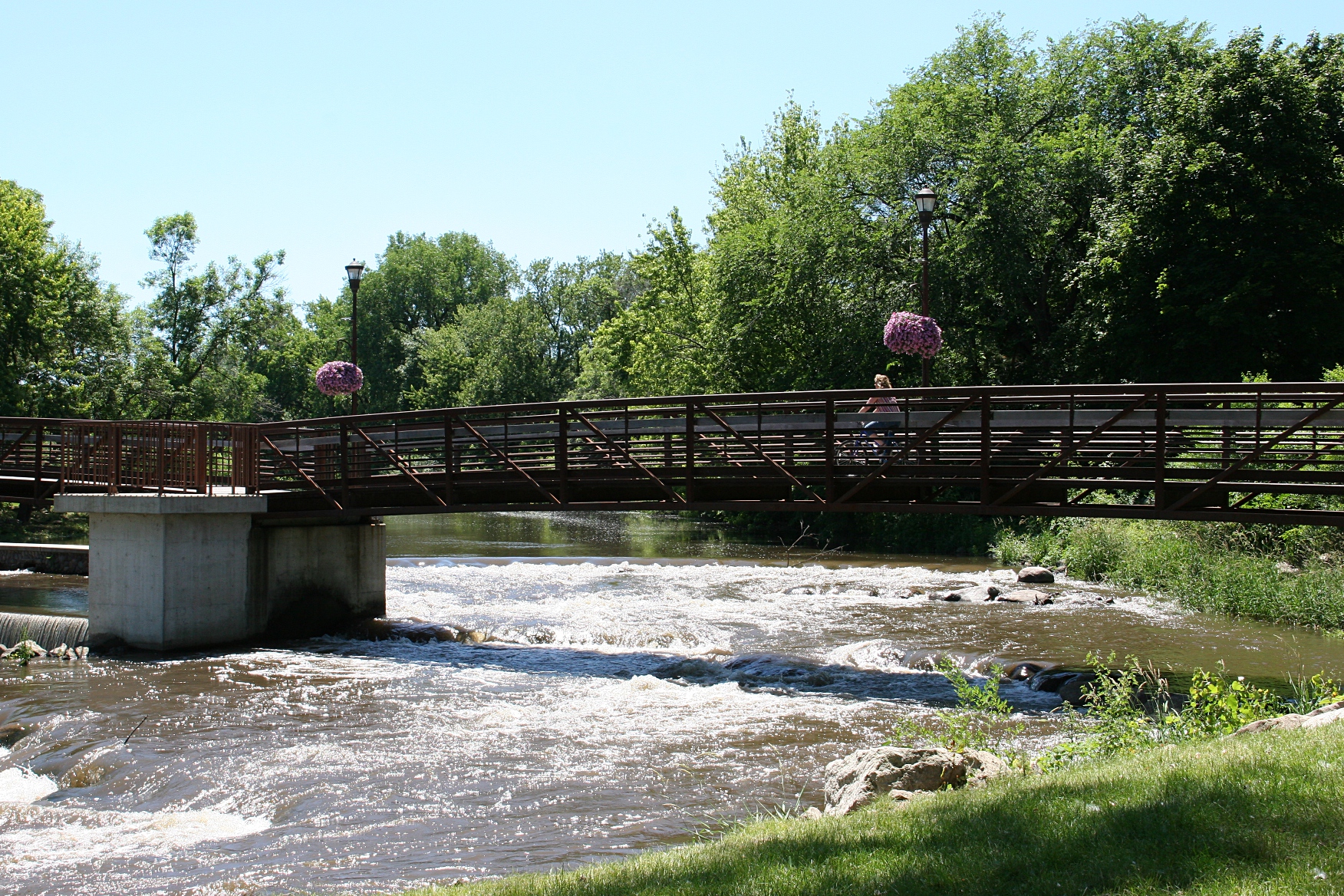
A recreational trail slices through Morehouse Park, bridging the Straight River.
A recreational trail slices through Morehouse Park, bridging the Straight River.
I also want a park that’s aesthetically pleasing, clean, green, obviously cared for and appreciated.

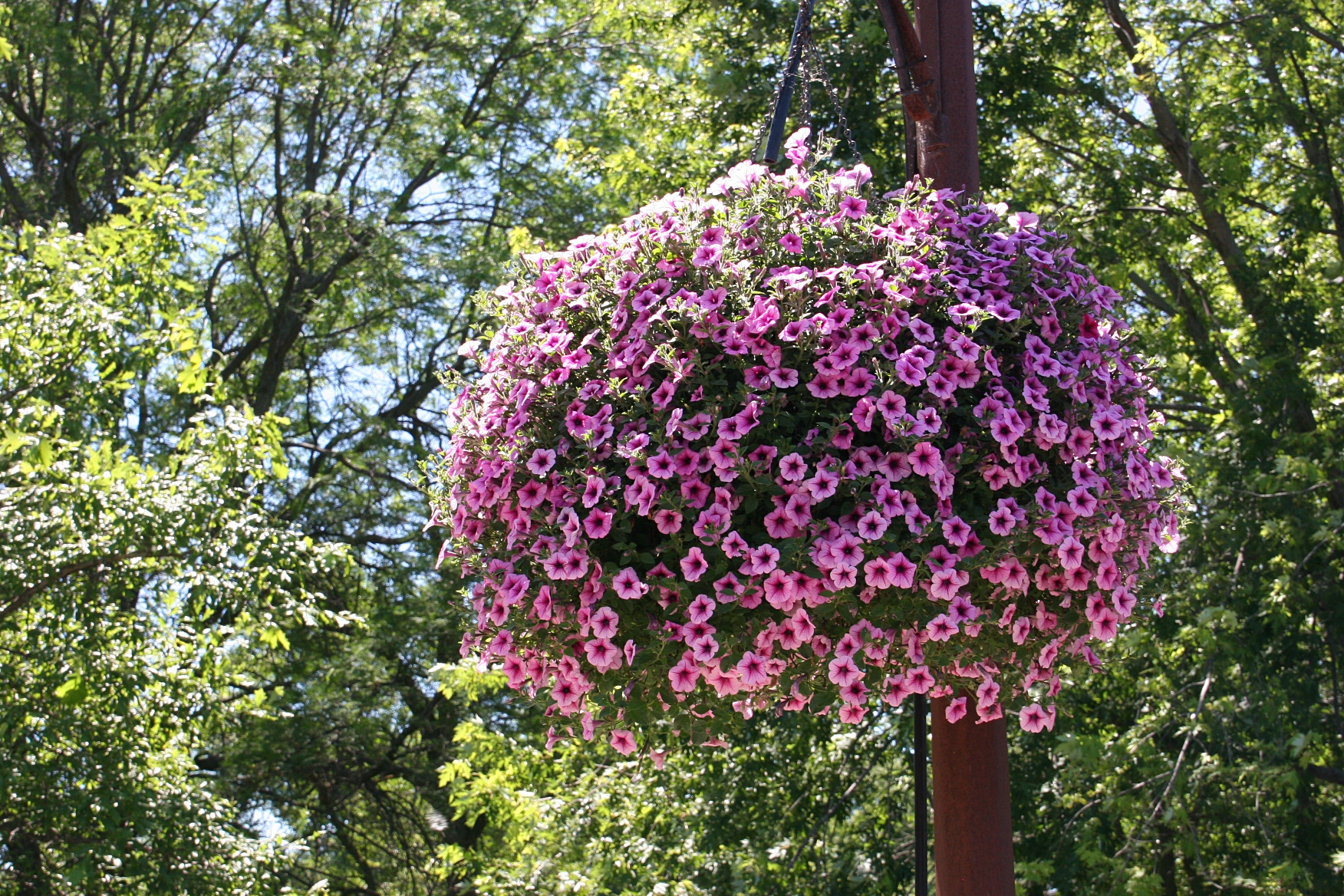
Gorgeous flower baskets hang along the recreational bridge.

Gorgeous flower baskets hang along the recreational bridge.

In Morehouse Park, generous baskets of petunias suspended from a pedestrian bridge make a statement that says this community cares. The park is a busy place with a trail winding through that draws bikers, skaters, walkers and photographers like me.

At Bridge Square, the fountain entices all ages to perch beside the water, to rest on benches, to purchase popcorn from the popcorn wagon.

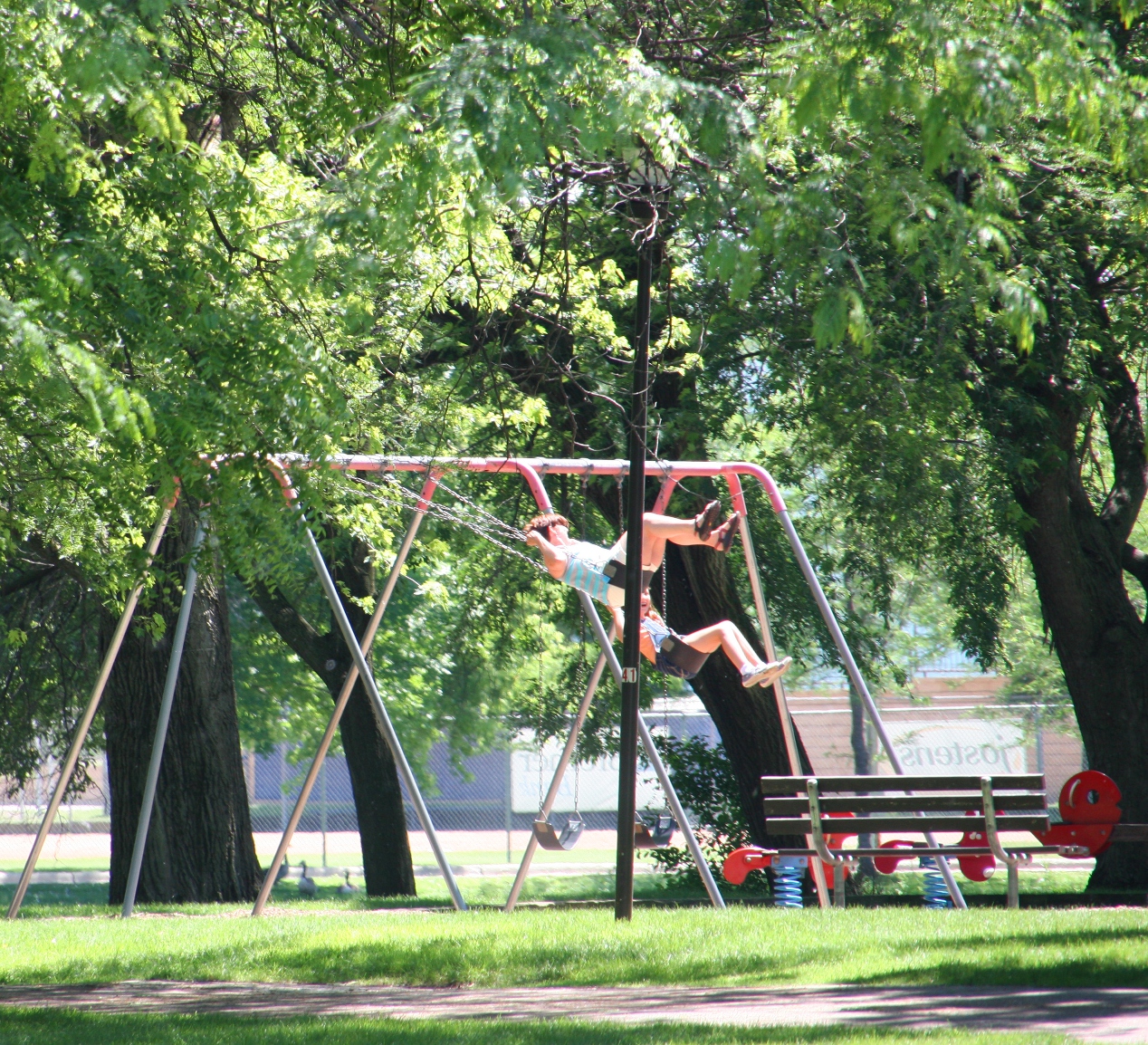
Morehouse Park includes a playground, tennis court and horseshoe pits along with other amenities.

Morehouse Park includes a playground, tennis court and horseshoe pits along with other amenities.

In both parks I feel a sense of community, of closeness in appreciating a beautiful spot in the heart of a city. There’s a certain vibrancy, a rhythm, a definitive weaving of people and place.

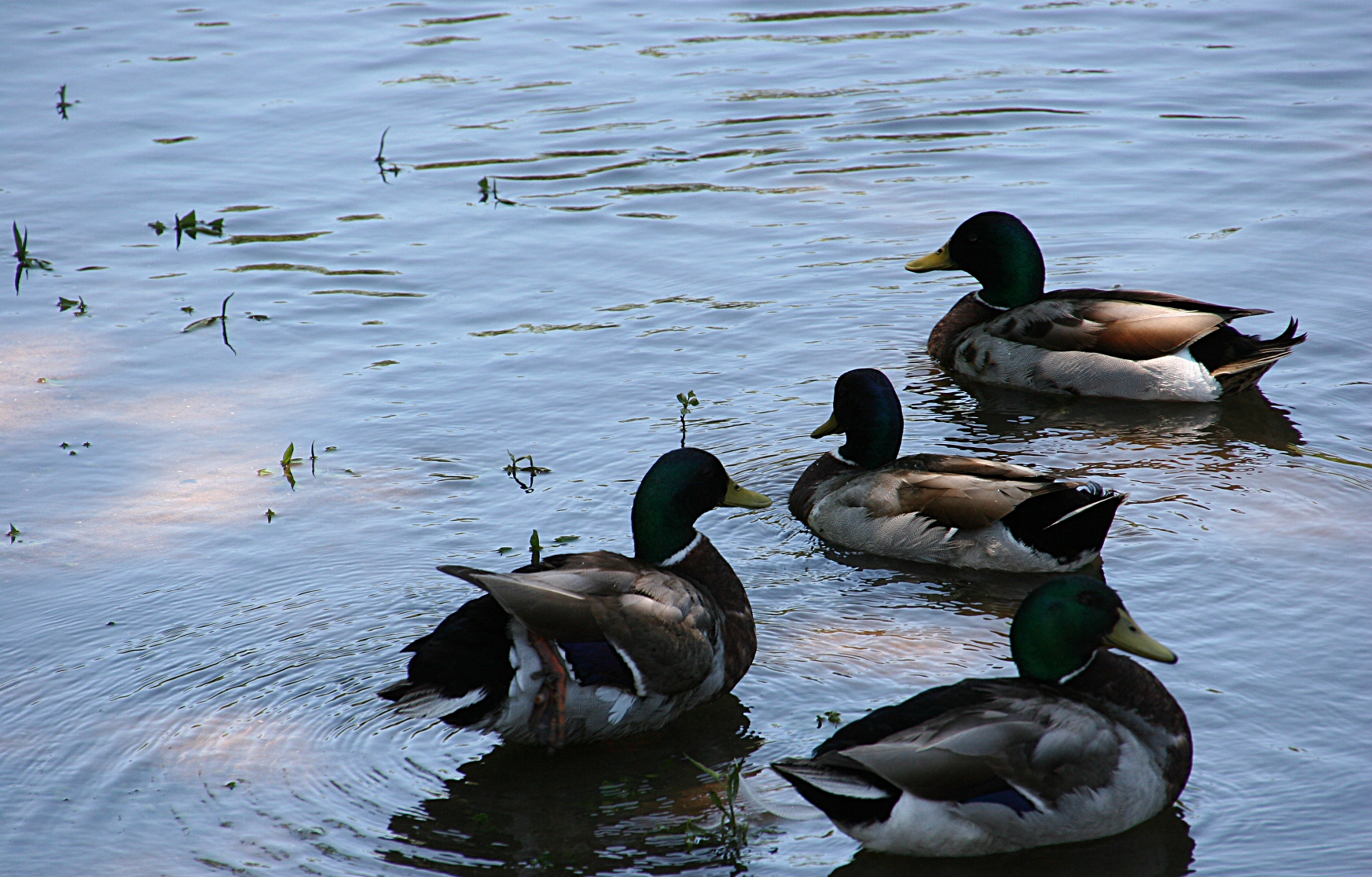
Ducks and geese overrun Morehouse Park. So watch for droppings. Everywhere.

Ducks and geese overrun Morehouse Park. So watch for droppings. Everywhere.

And that is what I seek in a park. Not just a picnic table under a tree. But a certain sense of belonging, of connecting with nature and community on a Minnesota summer day.

BONUS PHOTOS from Sunday afternoon at Morehouse Park:

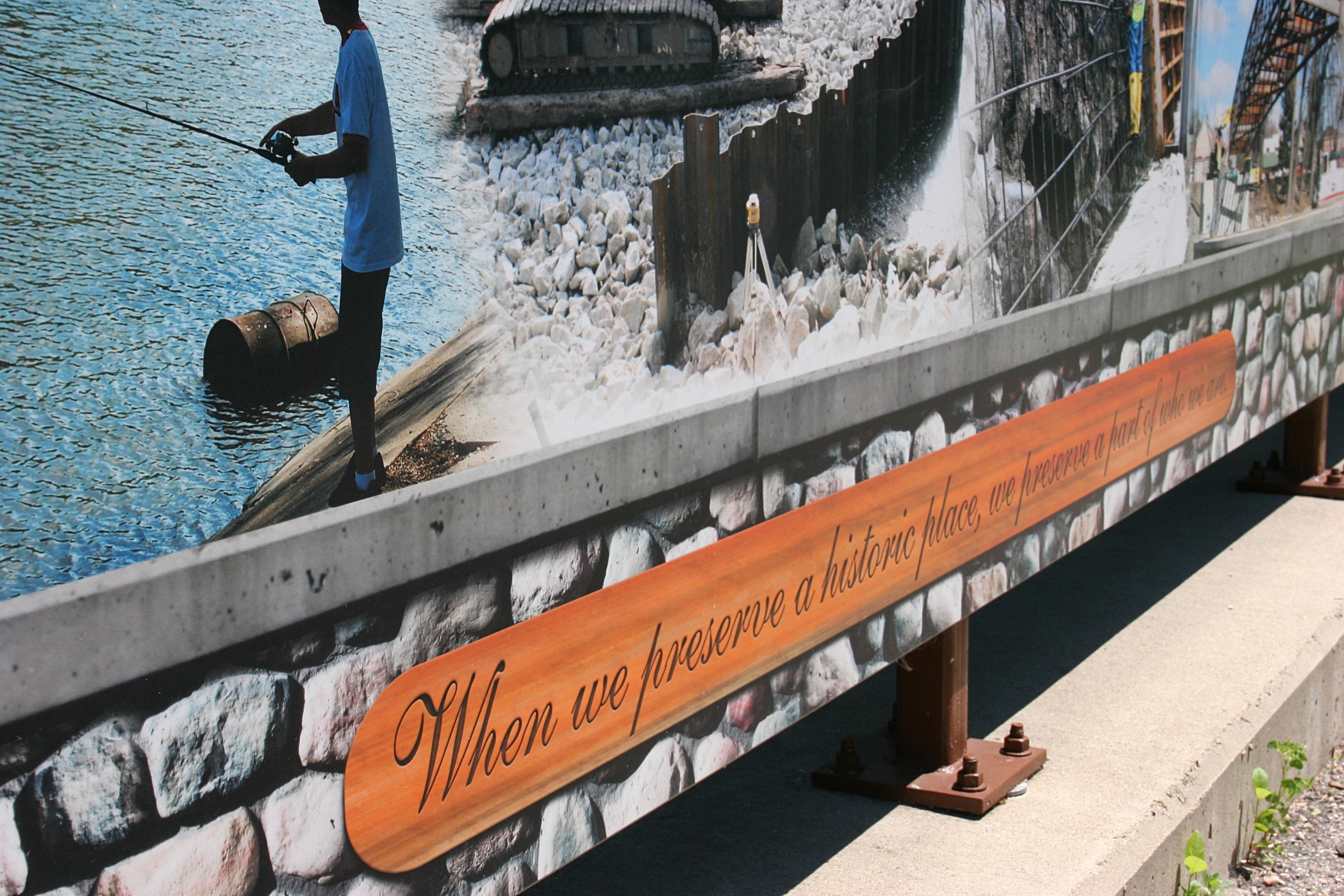
A sign next to the bridge reads: "When we preserve a historic place, we preserve a part of who we are."

A sign next to the bridge reads: “When we preserve a historic place, we preserve a part of who we are.”

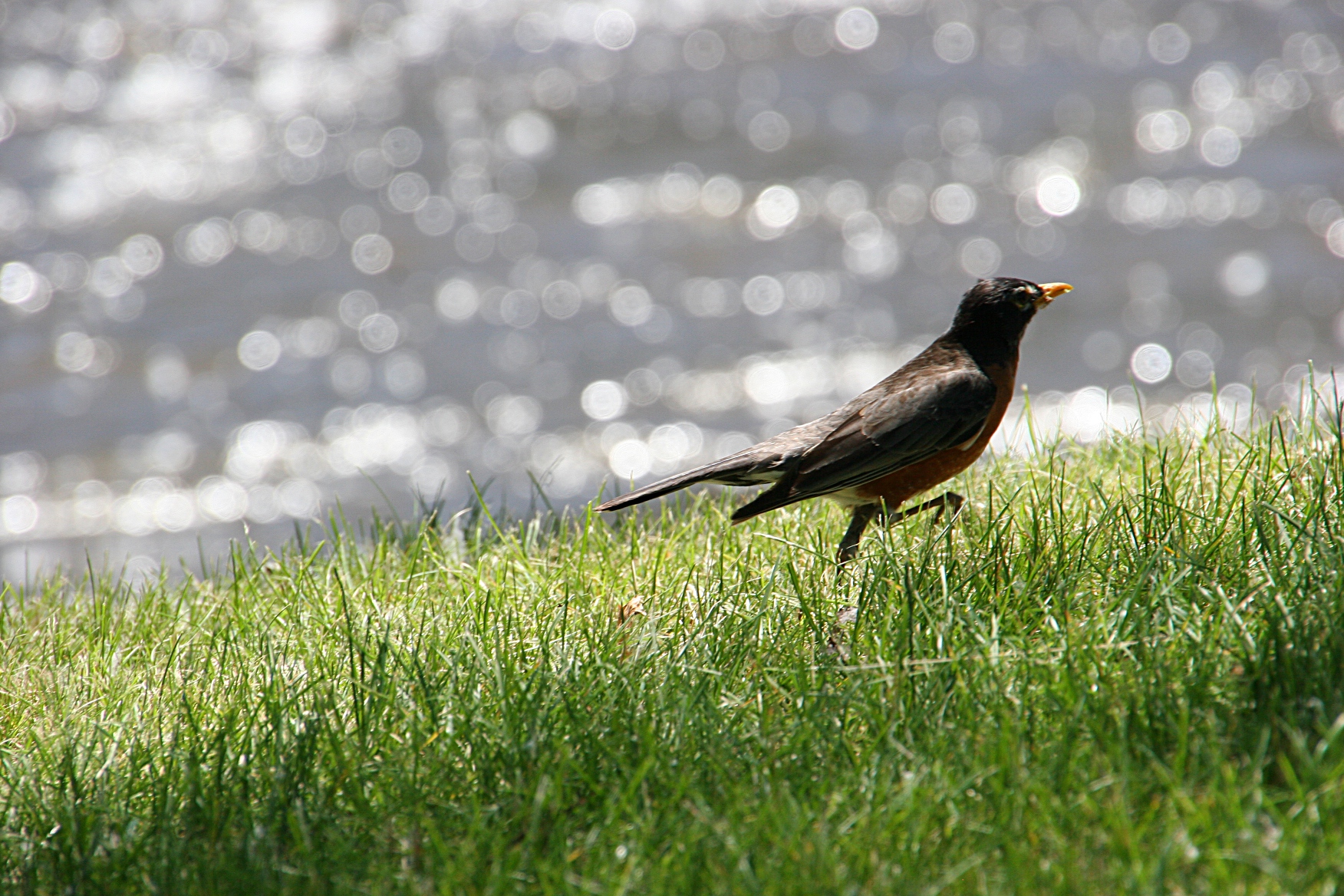
A robin hops along the bank of the Straight River in the dappled sunlight of a June afternoon.

A robin hops along the bank of the Straight River in the dappled sunlight of a June afternoon.

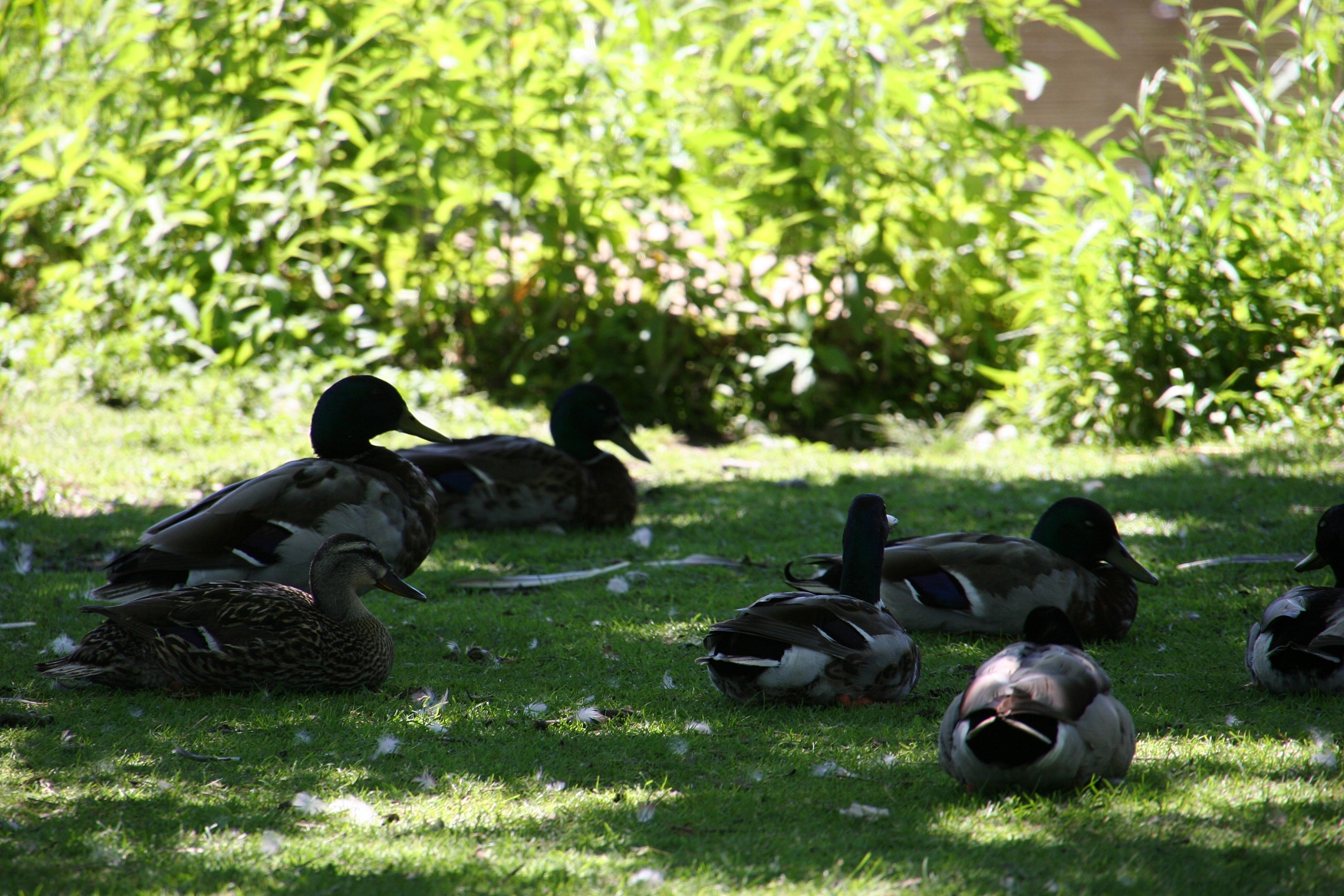
Waterfowl aplenty populate sections of the park.

Waterfowl aplenty populate sections of the park.

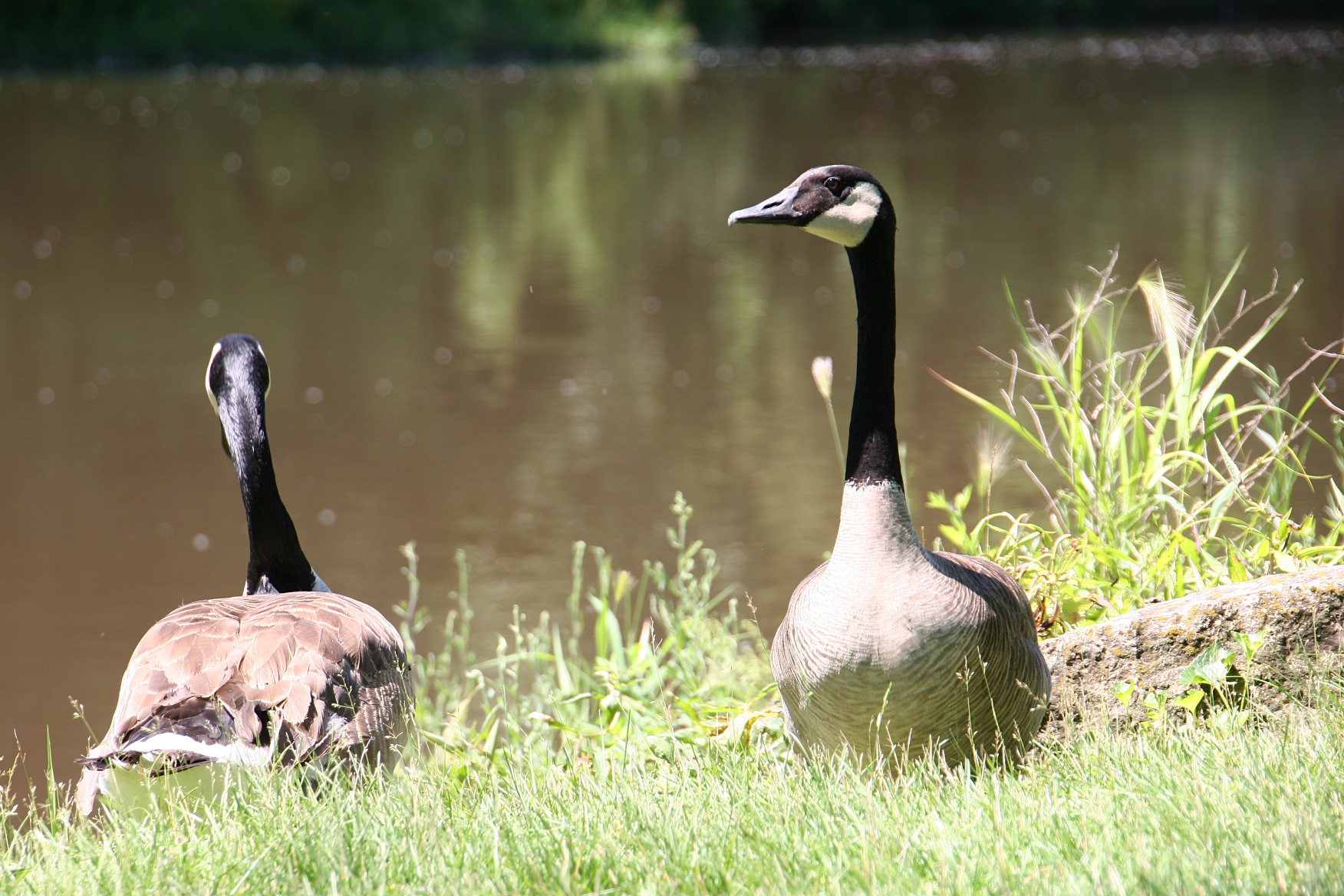
Geese hug the riverbank.

Geese hug the riverbank.

© Copyright 2015 Audrey Kletscher Helbling