Minnesota Prairie Roots

Writing and photography by Audrey Kletscher Helbling

The changing prairie view May 14, 2014

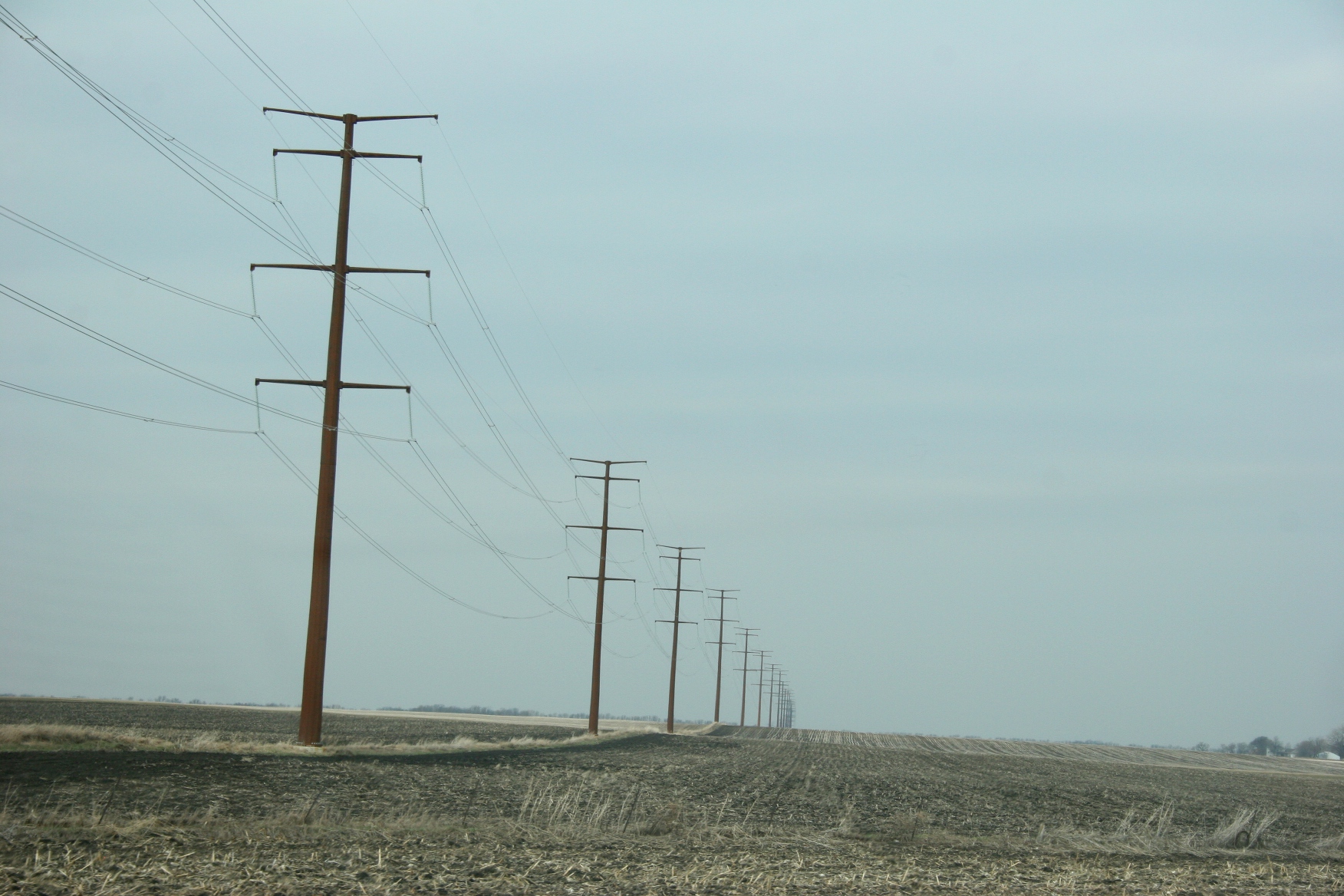
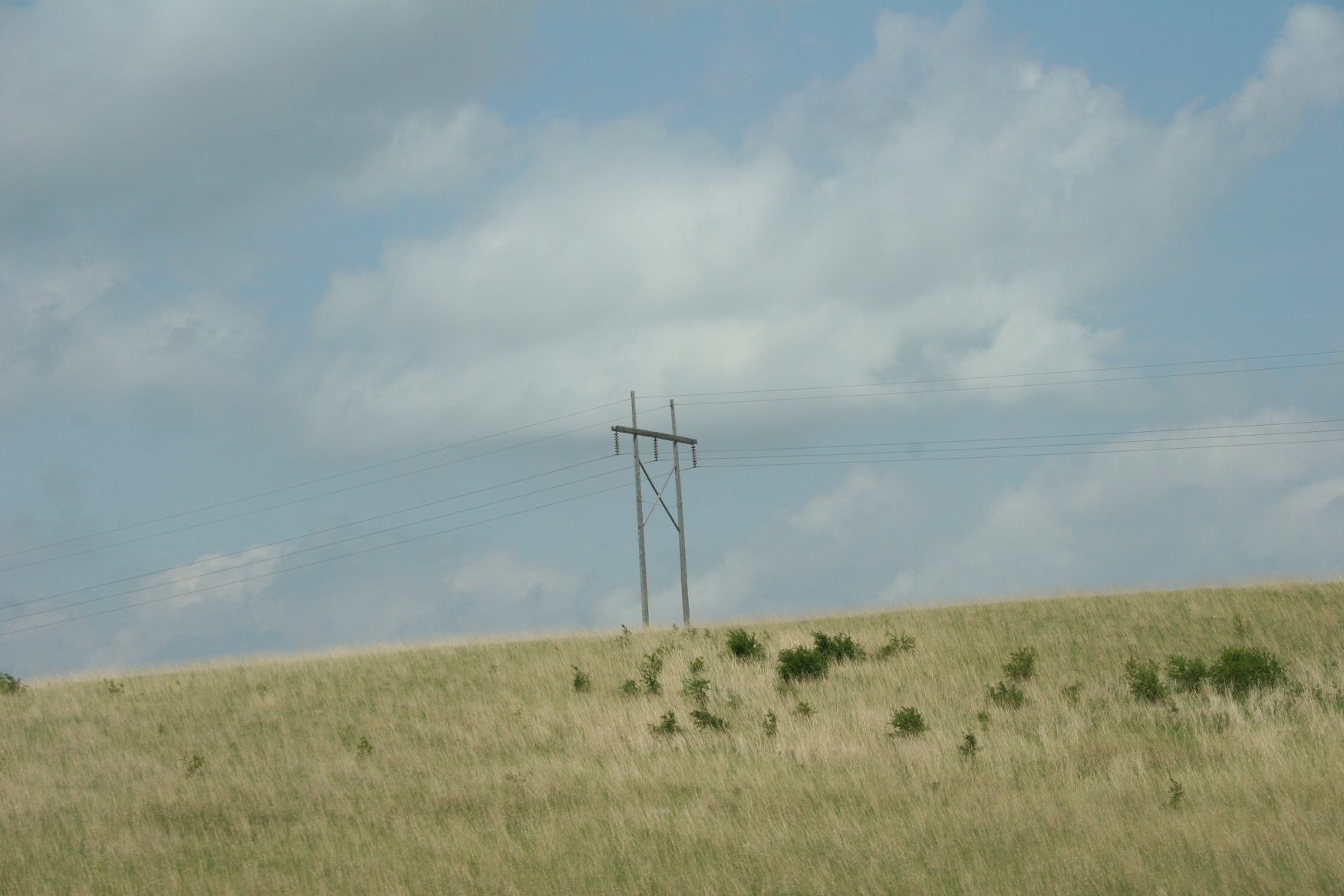
Newly-erected power lines, part of the Cap X2020 transmission line project, northwest of Morgan along Minnesota State Highway 67.

Newly-erected power lines, part of the Cap X2020 transmission line project northwest of Morgan along Minnesota State Highway 67, run seemingly into forever.

I FEEL ABOUT MONSTROSITY power lines as I do about wind turbines. I don’t appreciate their visual impact upon the land.

These towering giants, in my opinion, mar the landscape, distract and detract, cause me to feel small, unsettled and insignificant in their presence.

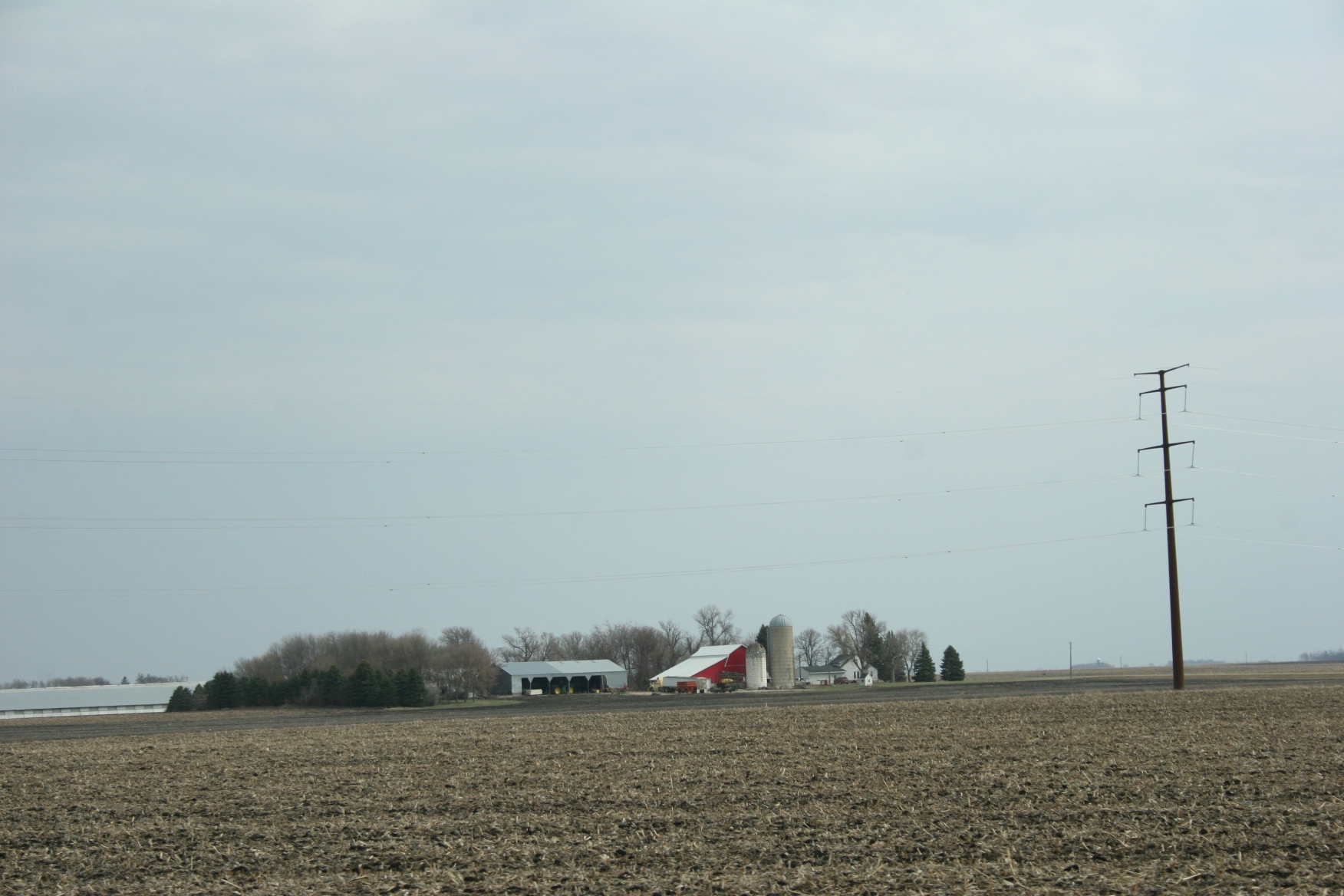
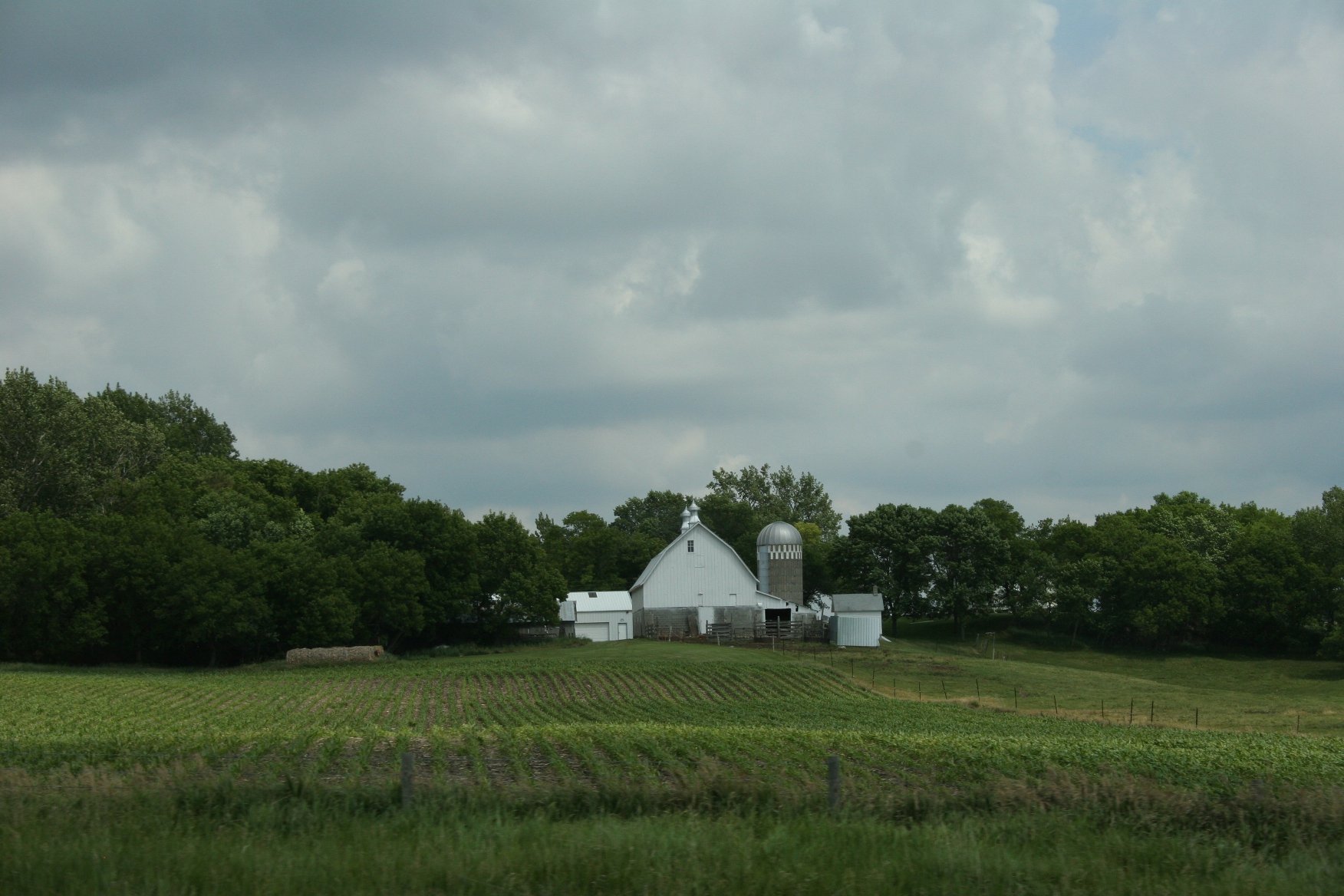
A farm site along Minnesota Highway 67 seems so small in comparison to the new transmission power poles.

A farm site along Minnesota State Highway 67 dwarfed by a new transmission power pole.

Perhaps it’s just the southwestern Minnesota prairie rooted girl in me who values her horizon wide and broad and vertically interrupted only by grain elevators, water towers, silos and groves of trees.

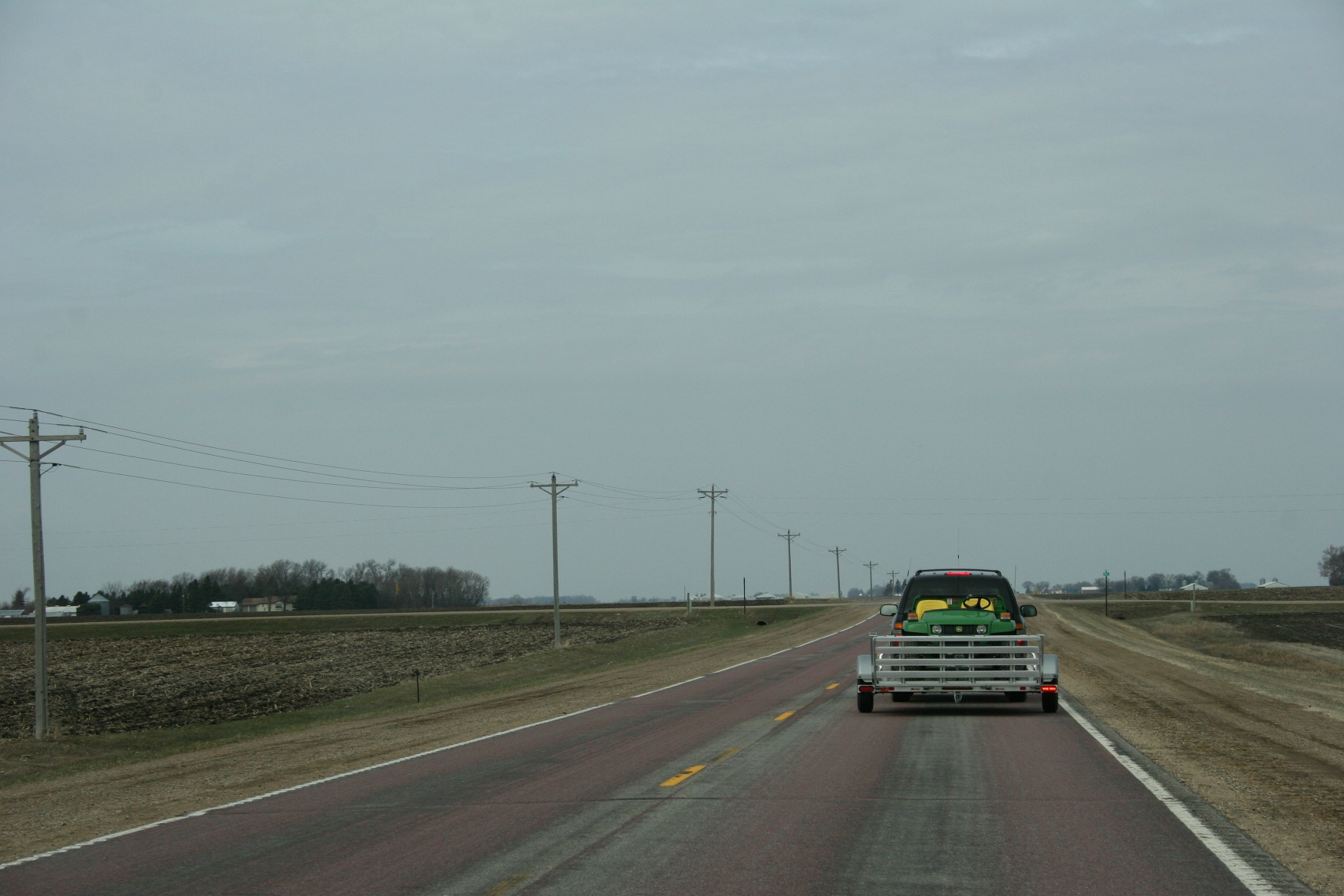
Old style power lines still run along Brown County Road 29.

Old style power lines still run along Brown County Road 29 between New Ulm and Morgan.

I wonder if my grandparents felt the same about the early rural electric co-op posts and lines strung along gravel township roads, the cement stave silos popping up on farms…old water-pumping windmills abandoned.

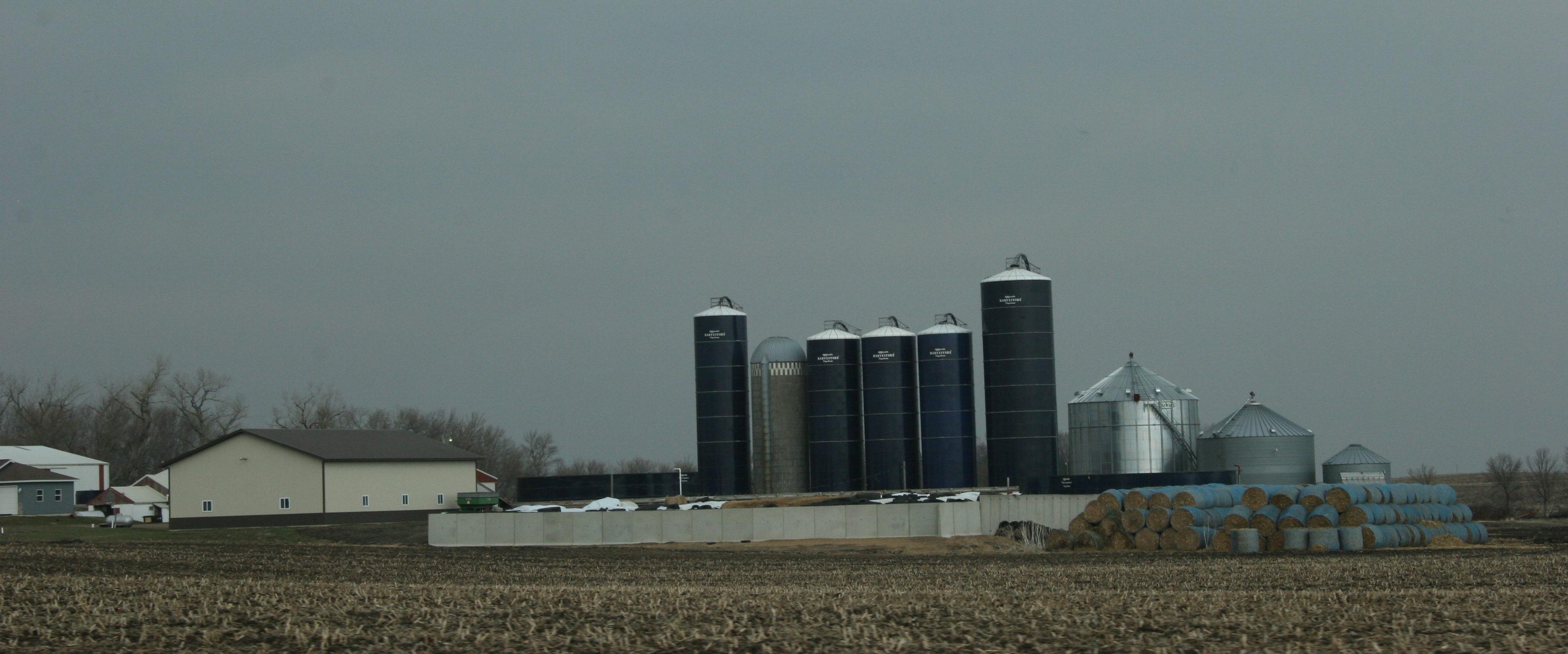
A cluster of Harvestore silos define a farm northeast of Vesta along Minnesota State Highway 19.

A cluster of Harvestore silos define a farm northeast of Vesta along Minnesota State Highway 19.

I felt a certain discontent when blue Harvestore silos began soldiering into southwestern Minnesota decades ago. They lacked personality and represented, to me, the demise of the small family farm.

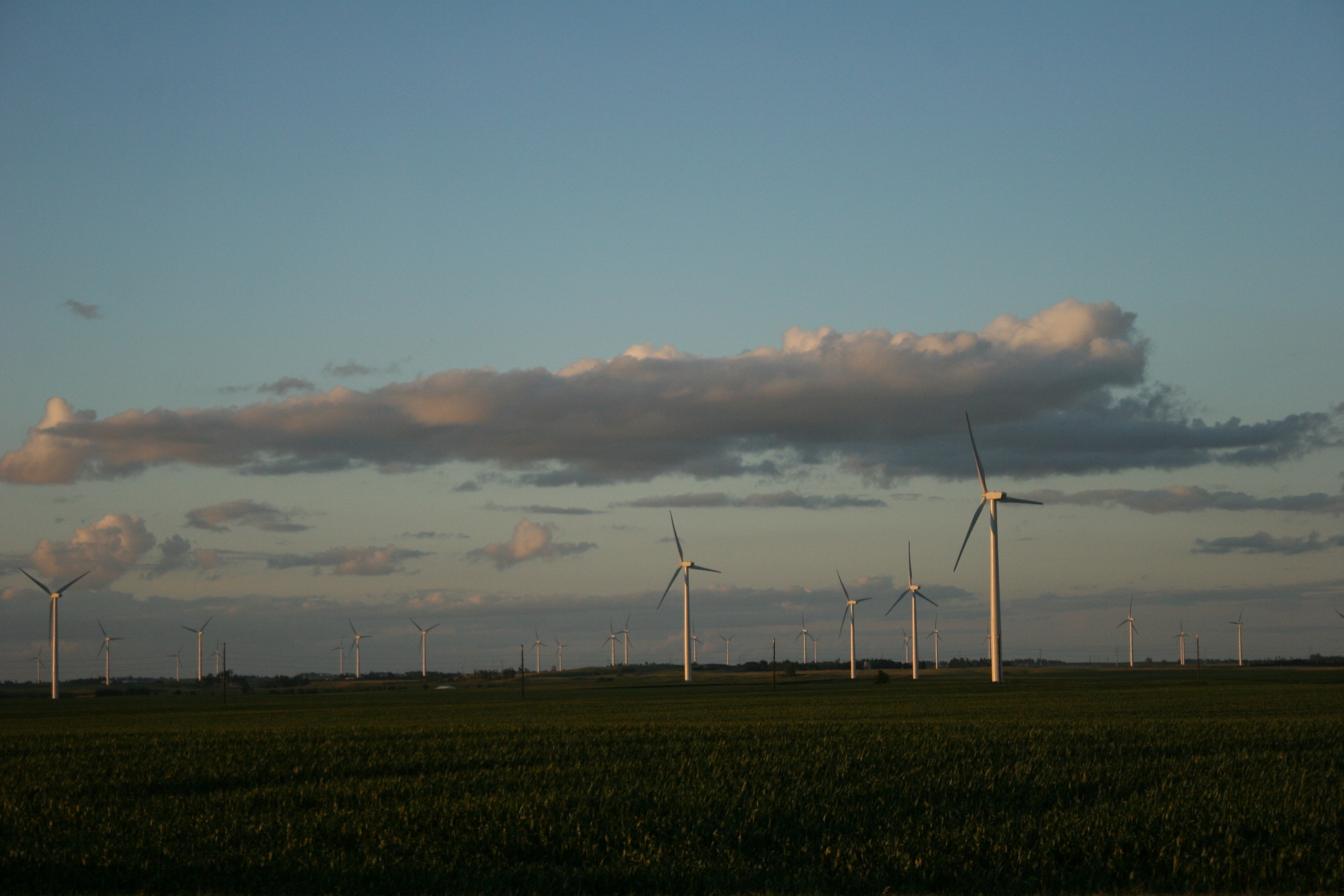
Wind turbines in extreme southwestern Minnesota. Minnesota Prairie Roots file photo, July 2013.

Wind turbines in extreme southwestern Minnesota. Minnesota Prairie Roots file photo, July 2013.

These are my thoughts as I travel through my native prairie today. Progress does not always please me. Visually or otherwise.

(This post is cross posted at streets.mn.)

© Copyright 2014 Audrey Kletscher Helbling


In loving memory of my farmer dad April 3, 2013

Filed under: Uncategorized — Audrey Kletscher Helbling @ 7:56 AM
Tags: , , , , , , , ,
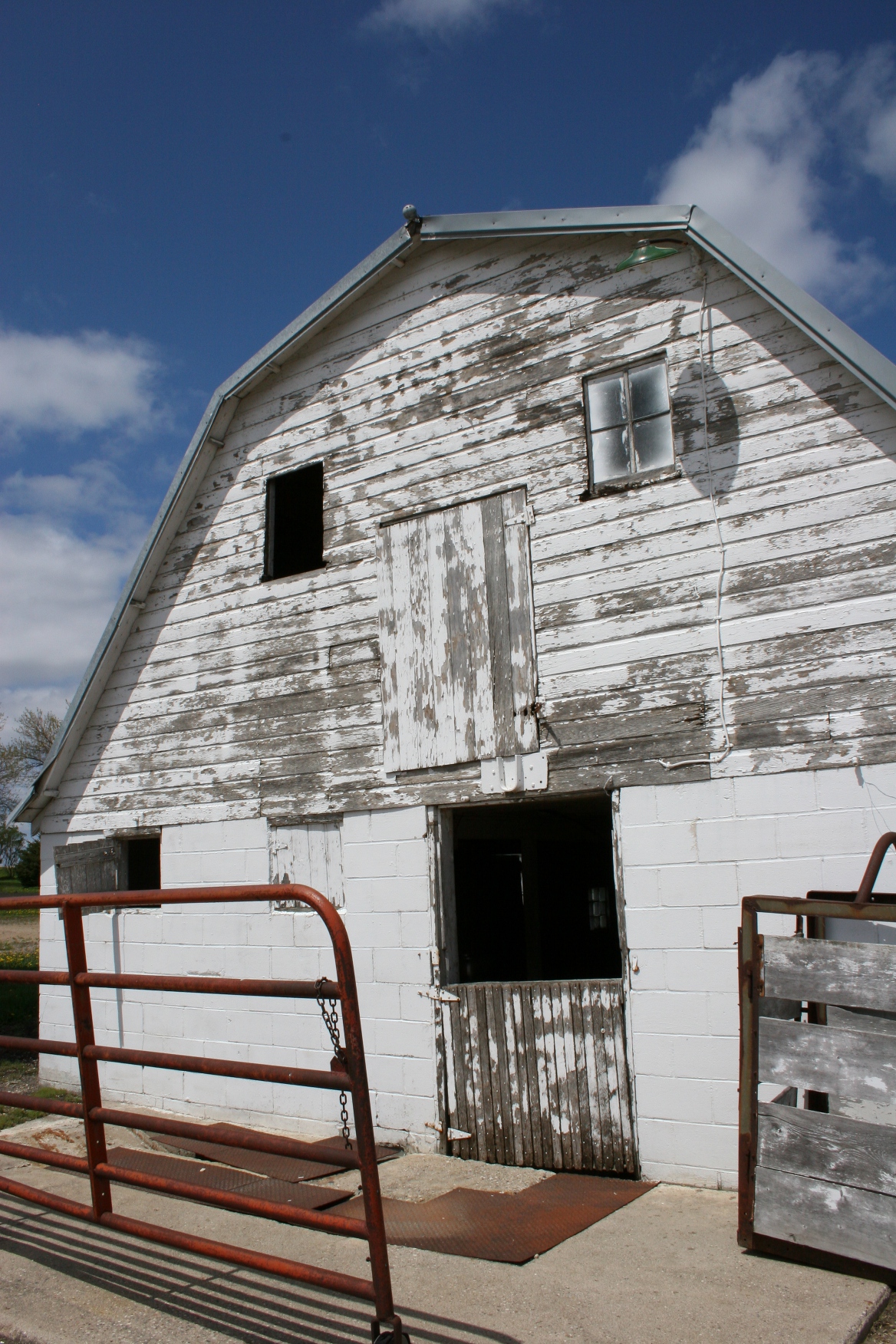
The barn where I labored alongside my father while growing up on the southwestern Minnesota prairie. File photo.

The barn where I labored alongside my father while growing up on the southwestern Minnesota prairie. File photo.

CALL ME THE BARD of barns, if you will, for barns have inspired me to pen poetic words and to compose poetic photos.

There is something about a barn rising strong and majestic or sagging with the burden of age that moves me. I am reminded of my childhood years toiling in the barn—scraping manure, wheeling ground corn in the wheelbarrow, forking silage.

Cats clumped in corners. Buckle overshoes slapping against cement. WCCO booming “Point of Law.”

Fly specks. Pink baby mice. Long sandpaper cow tongues.

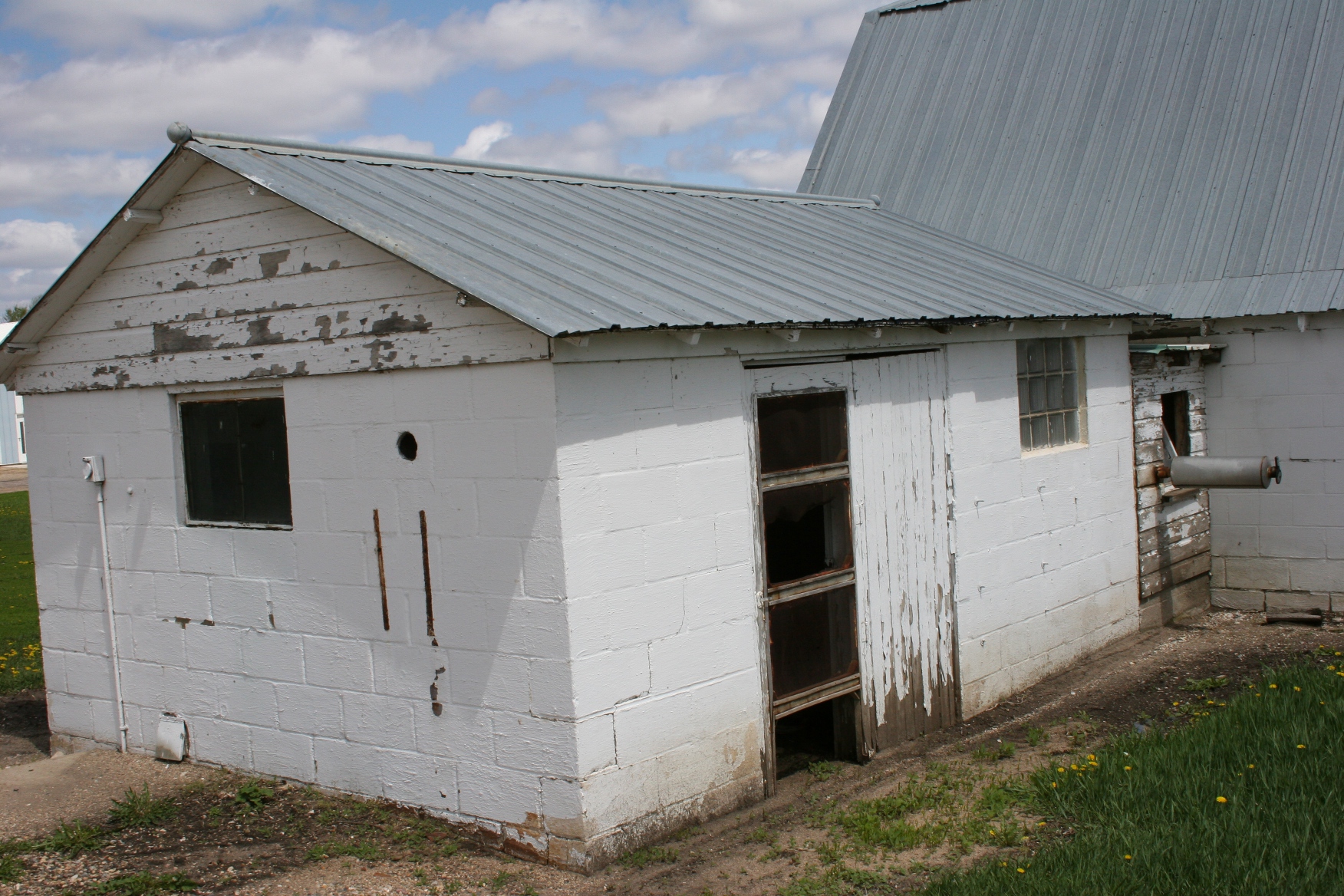
The milkhouse, attached to family barn. File photo.

The abandoned milkhouse, attached to family barn. File photo.

Stuck drinking cups overflowing. Twine on bales. Pails of frothy milk.

Cracked, chapped bleeding hands slimed with Cornhuskers lotion.

Footsteps of my father. Time with Dad. Gone 10 years ago today.

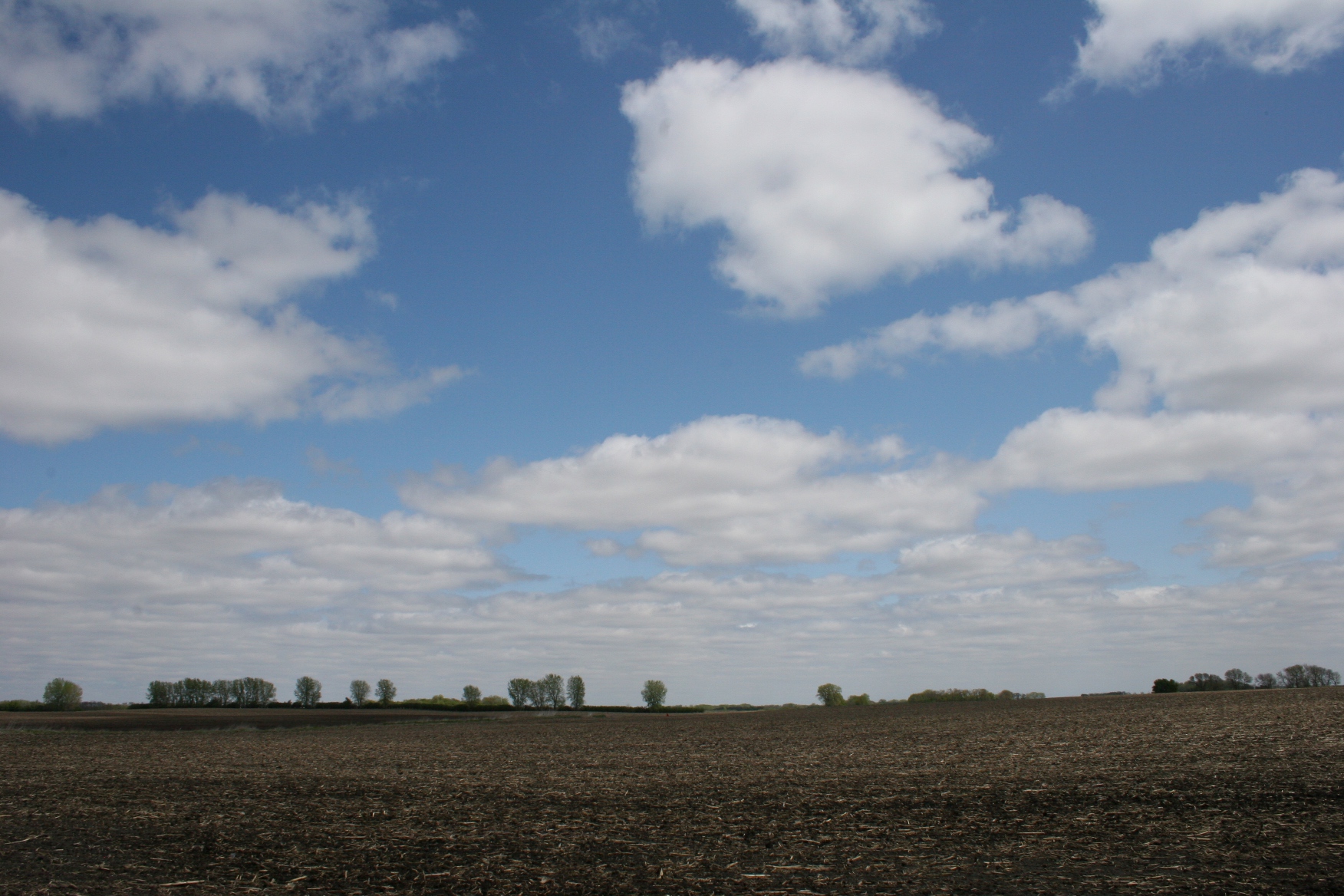
A snippet of the land my father farmed, my middle brother after him. The land and farm site are now rented out.

A snippet of the land my father farmed, my middle brother after him. The land and farm site are now rented out.

© Copyright 2013 Audrey Kletscher Helbling


Fargo bound: A lot of country June 19, 2012

Filed under: Uncategorized — Audrey Kletscher Helbling @ 7:55 AM
Tags: , , , , , ,

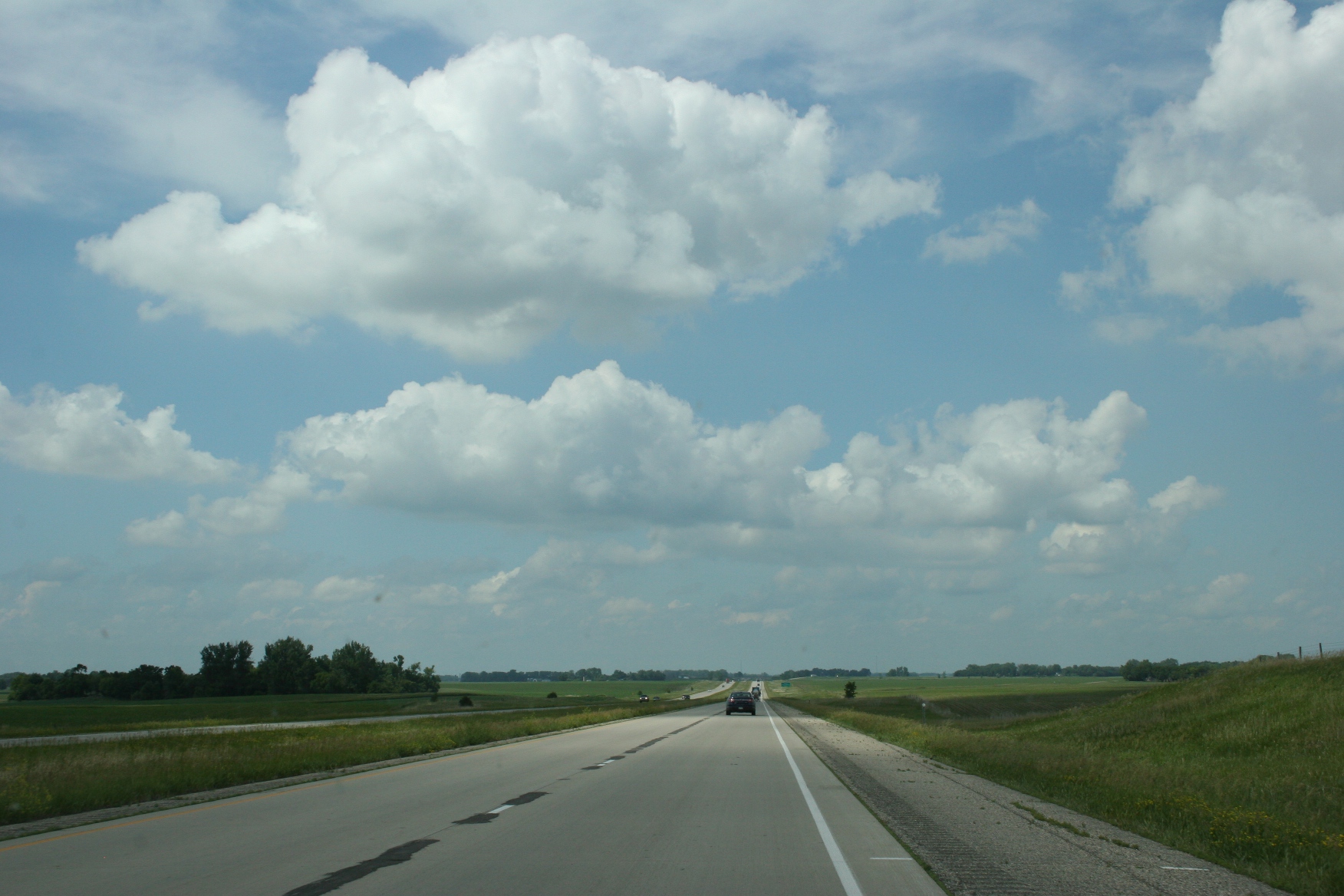
Somewhere along Interstate 94 in Minnesota westbound for Fargo, N.D. Oftentimes you can see into forever.

I EXPECT FOR MANY WESTBOUND TRAVELERS, the drive from the Twin Cities metro area to Fargo, North Dakota, can stretch into long and boring infinity.

And I’ll admit, even though I appreciate wide open spaces and big sky, I, too, occasionally find myself bored on the 280-mile trip from our Faribault home. But I best learn to enjoy the journey as my youngest starts classes in two months at North Dakota State University.

Scenes like this along I94 possess a certain beauty, at least from my prairie heart perspective.

With that said, I know I’ll never like the portion of the trip that takes our family through the Twin Cities metro area. Heavy traffic, crazy drivers and road construction make for anything but pleasant travel.

Once we get past Monticello and transition into the more rural area, I start to relax and observe the landscape rather than worry about crazy drivers. Did I mention crazy drivers who weave and tailgate and drive 85 mph? Oh, yes, I did.

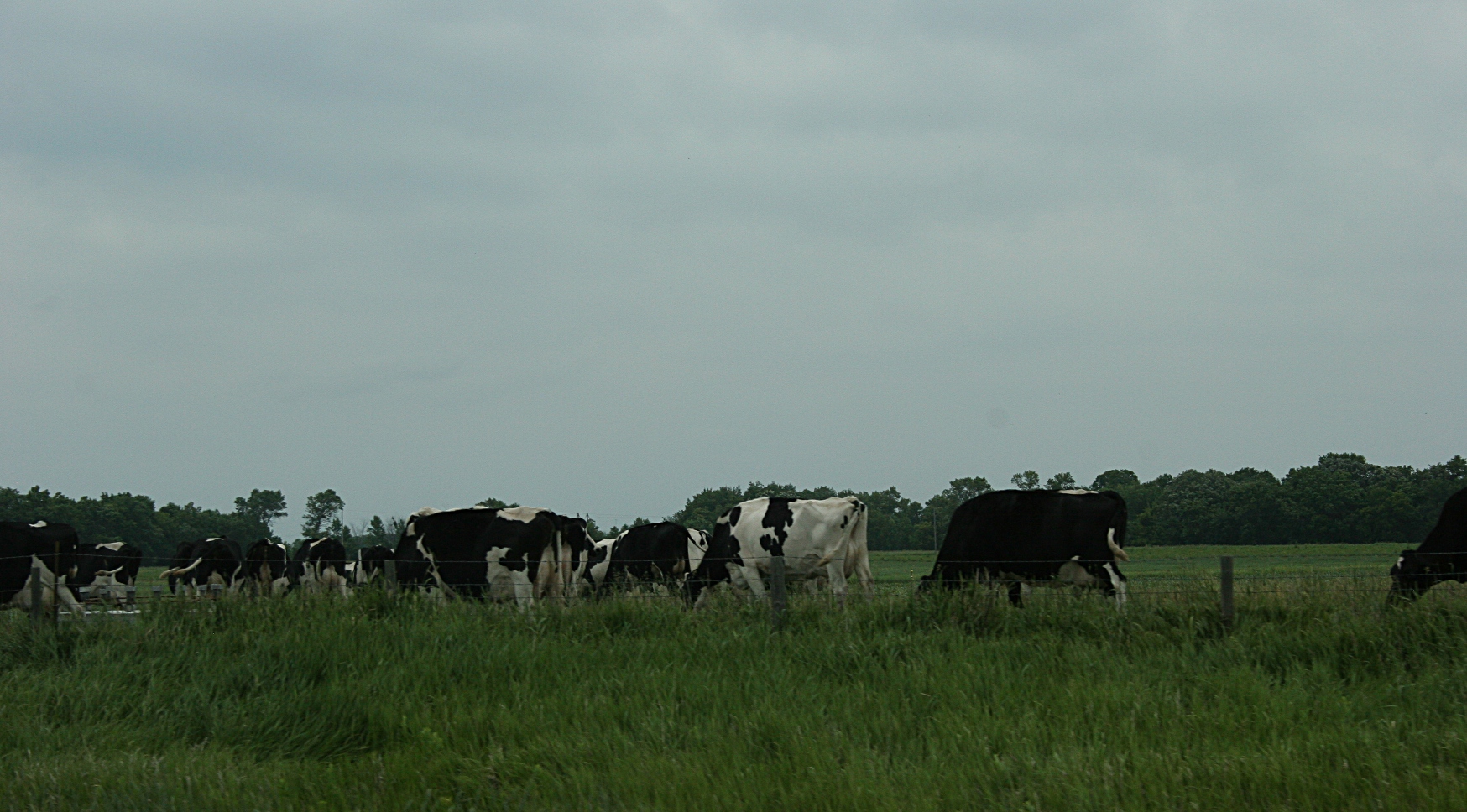
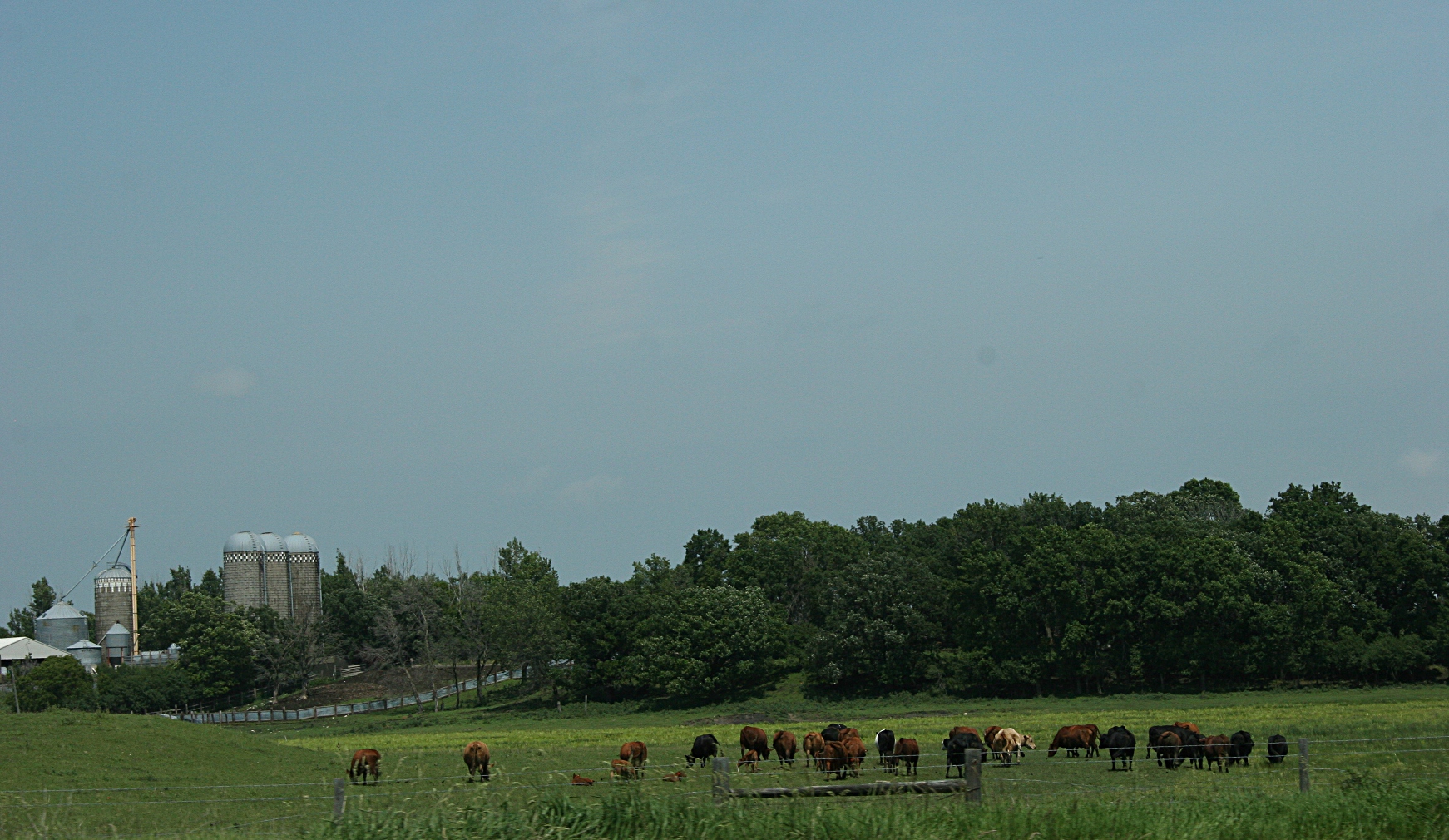
Cows graze in a pasture along the interstate.

When I focus my eyes, and camera, upon a pastoral scene of grazing cows or a tidy farm site or billowing clouds in the big sky, I begin to appreciate that which surrounds me. And if my family had the luxury of time, we’d exit the interstate and explore those places where life is lived at a slower pace and savored rather than rushed by at the hurry-up-and-get-there speed of taking the interstate.

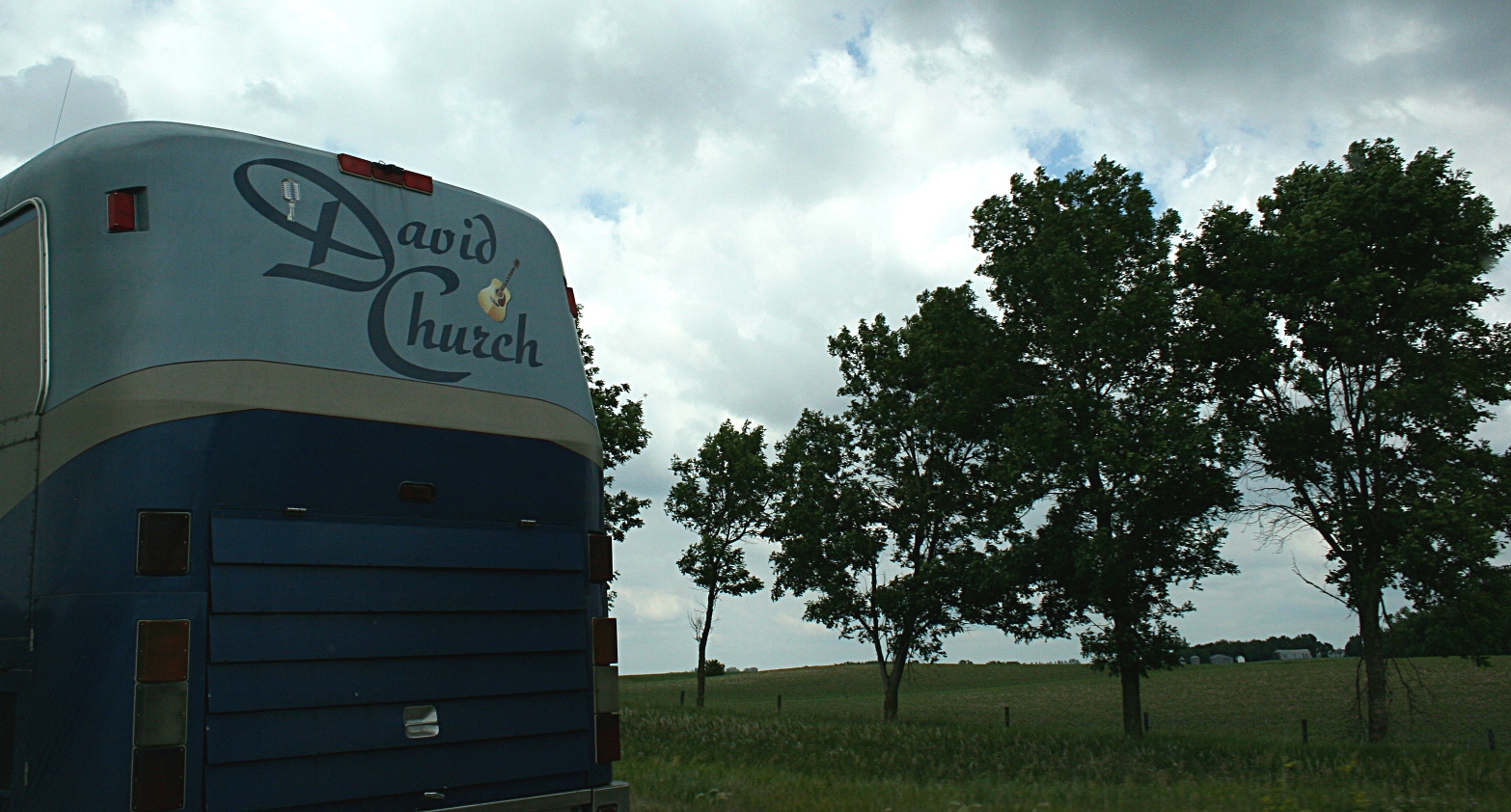
We passed the bus of singer, songwriter and Nashville recording artist David Church westbound on I94. Since I am not a fan of country western music, I had to google David Church to learn about him.

There’s a lot of country to appreciate along Interstate 94 aiming west toward Fargo. A lot of country, indeed.

Enjoy the journey.

Born and raised on a southwestern Minnesota dairy farm, I have a deep appreciation for barns.

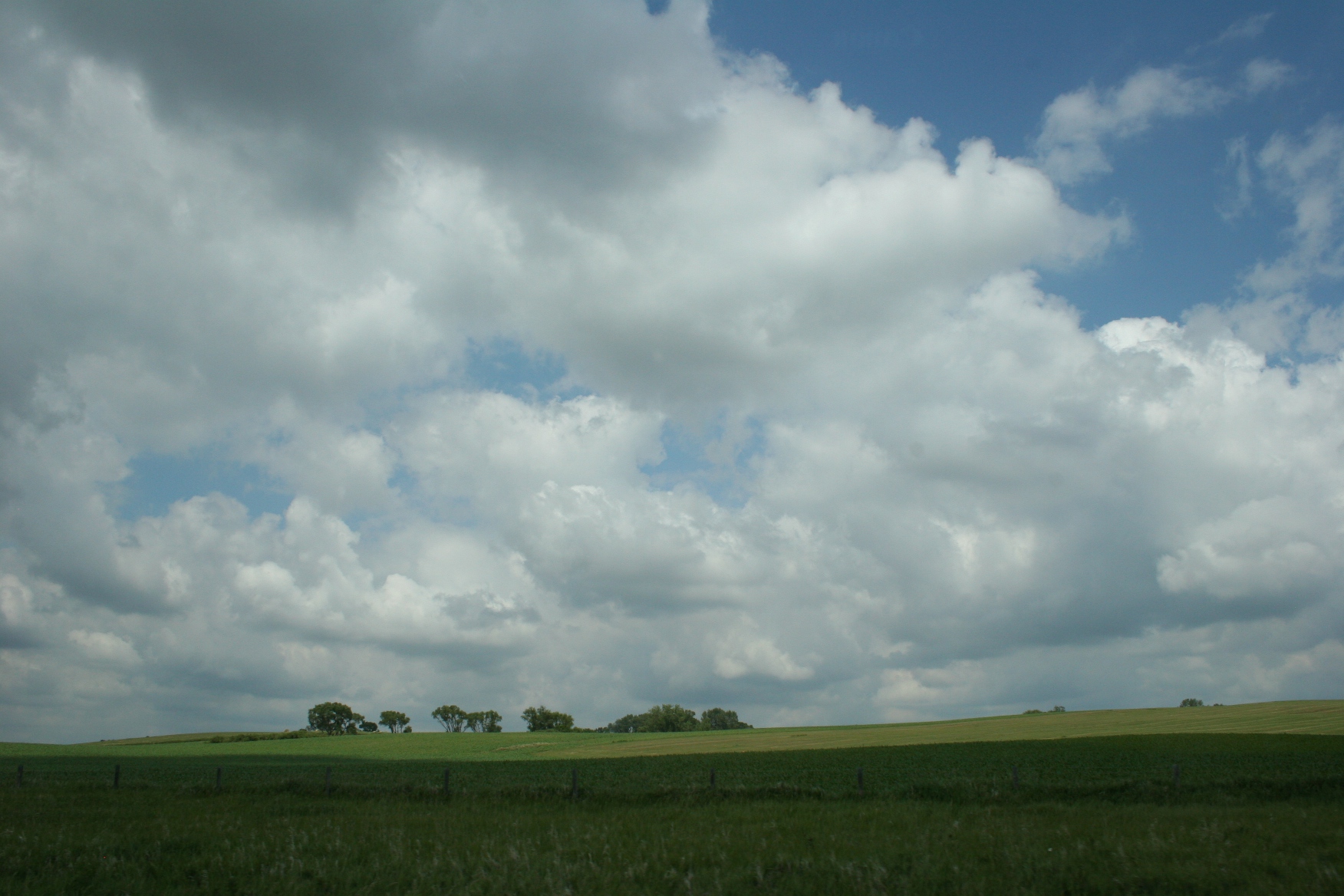
The big sky truly defines the drive along Interstate 94 west toward Fargo.

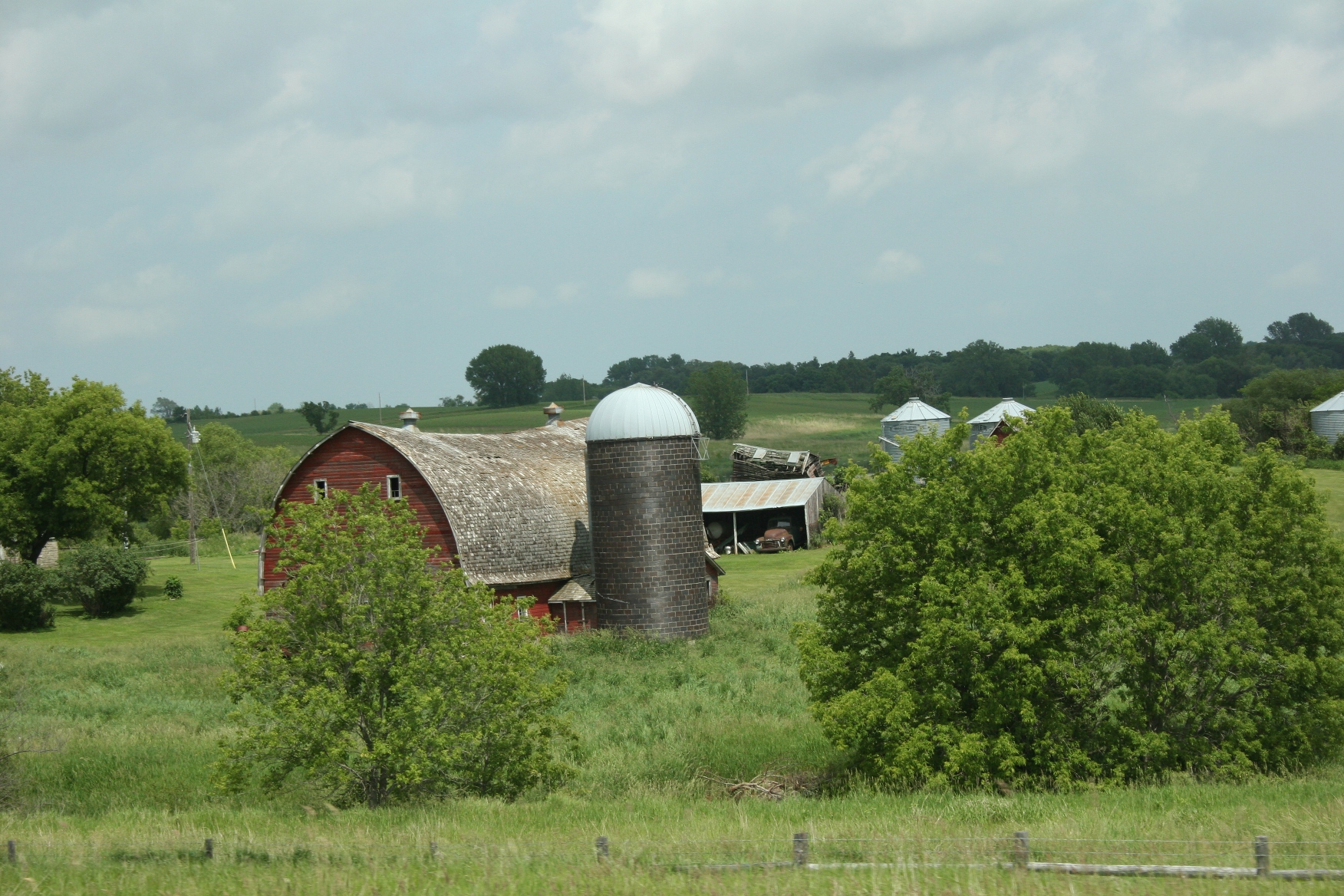
Loved this farm site. If you look closely, you’ll notice a gem of an old pick-up truck in the shed behind the barn.

Grazing cattle. I never tire of a view like this.

FYI: Check back for posts from Fargo, where we found the locals particularly friendly.

© Copyright 2012 Audrey Kletscher Helbling


Traveling photography February 23, 2012

Filed under: Uncategorized — Audrey Kletscher Helbling @ 9:14 AM
Tags: , , , , , , ,

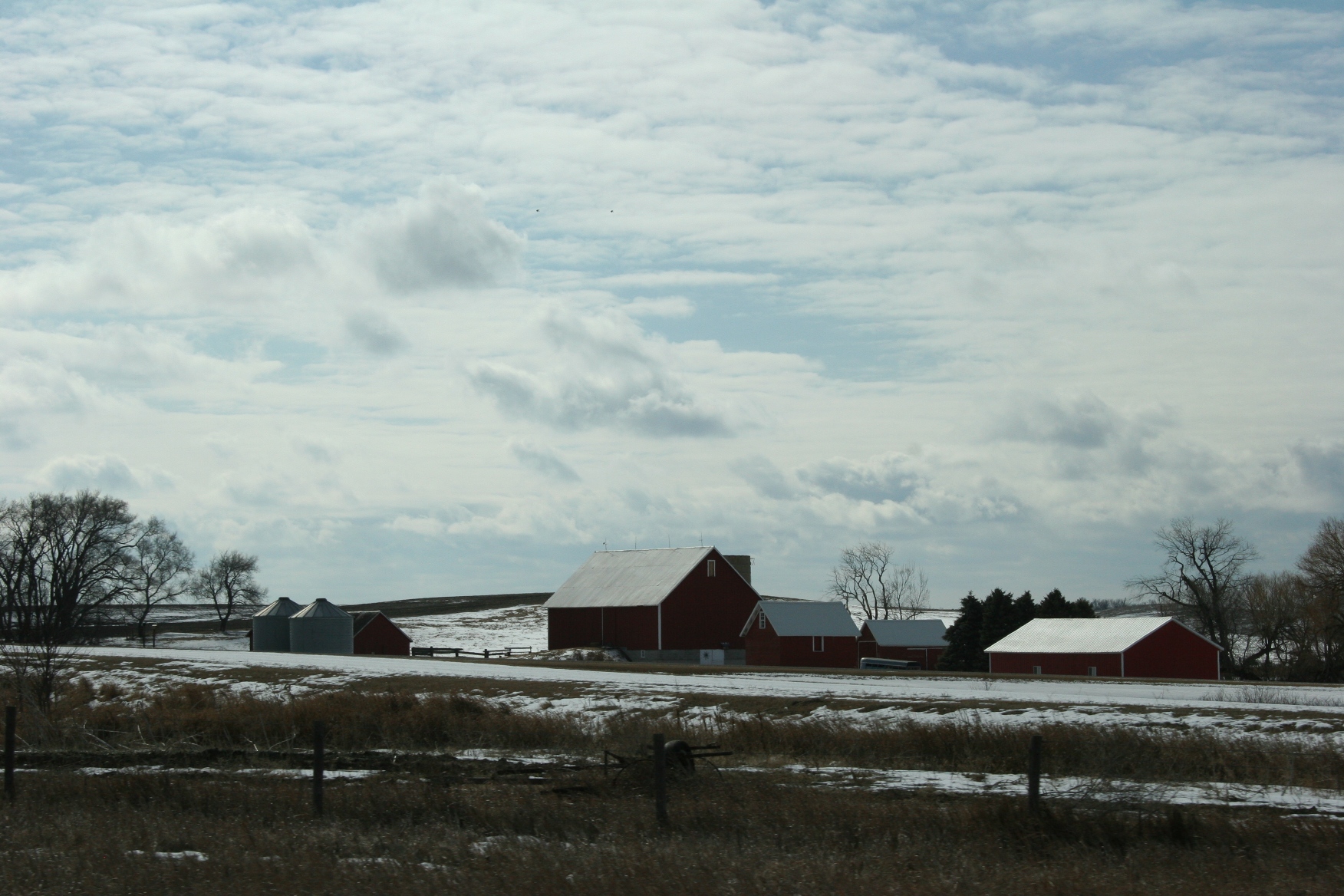
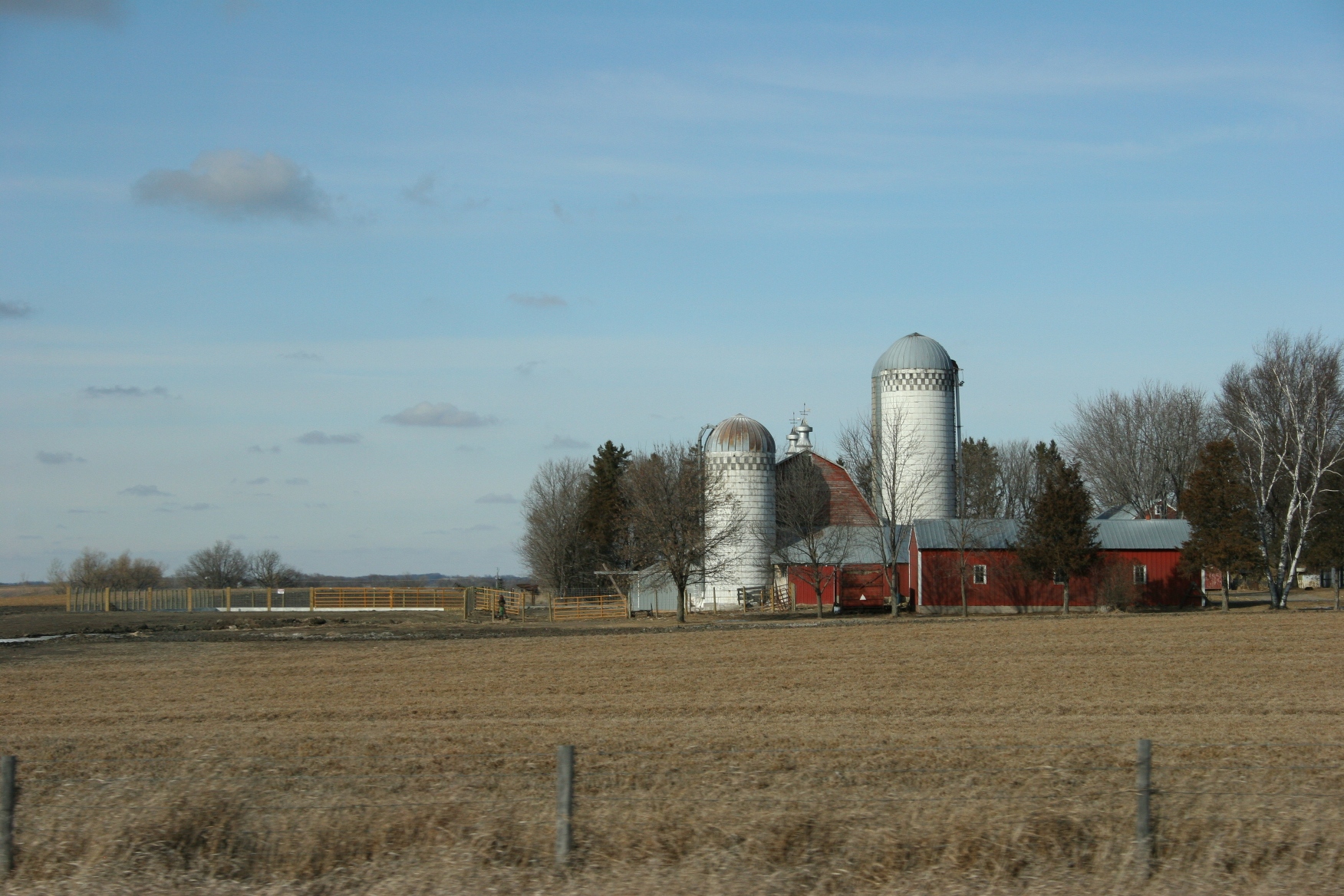
The clouds, the lighting, the red buildings slung against the sky drew my eyes and camera toward this farm along I-94 in western Minnesota.

I WASN’T ALWAYS a fan of winter photography. Honestly, who likes to navigate snow and ice and freeze your fingers off to shoot images? Not me.

But, since discovering on-the-road travel photography—meaning I actually fire off frames while riding in a vehicle traveling at highway/interstate speeds of 55 – 70 mph—I’ve come to embrace winter photography.

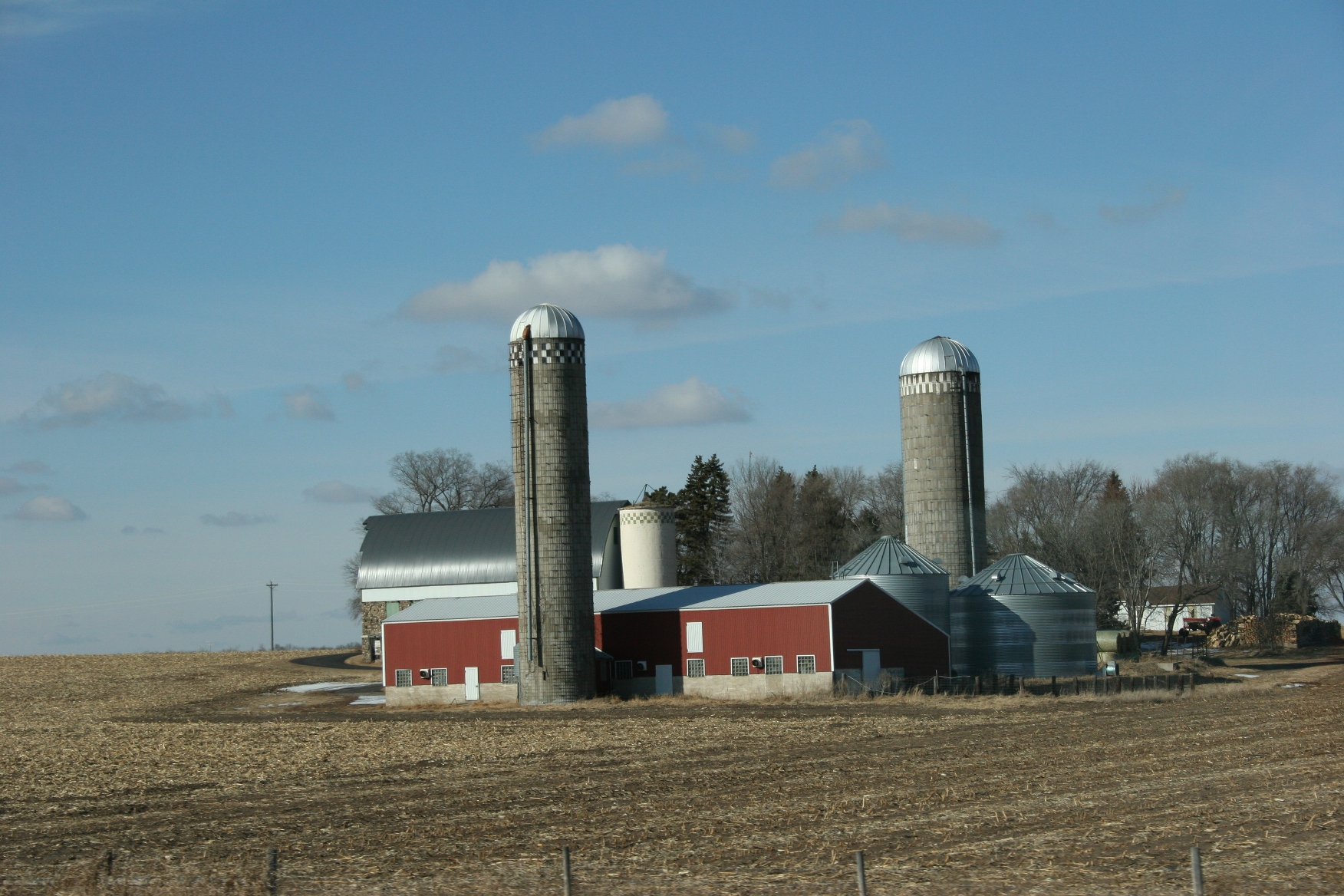
I started clicking my shutter when I saw this picturesque farm in the Avon/Albany area. This is frame two.

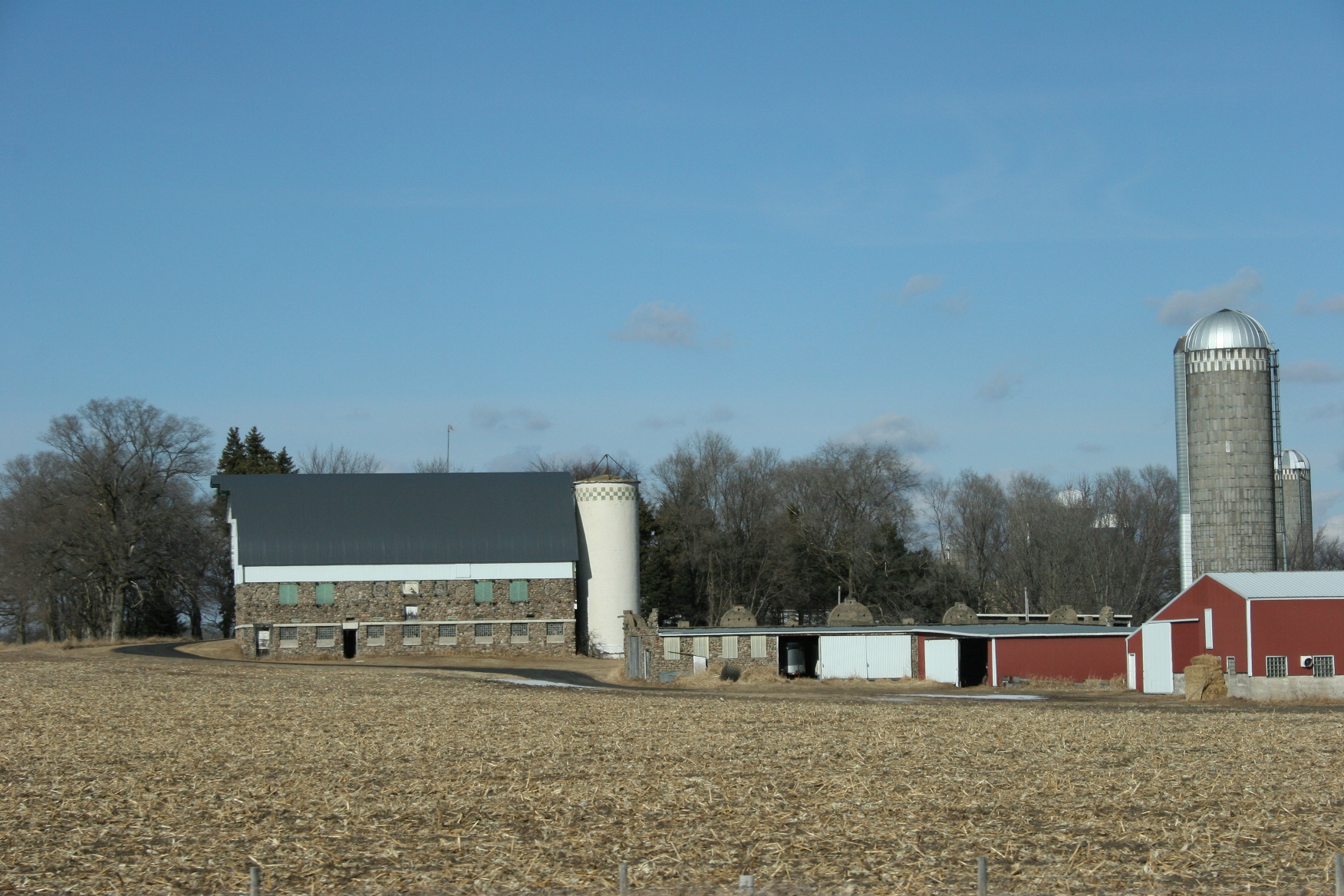
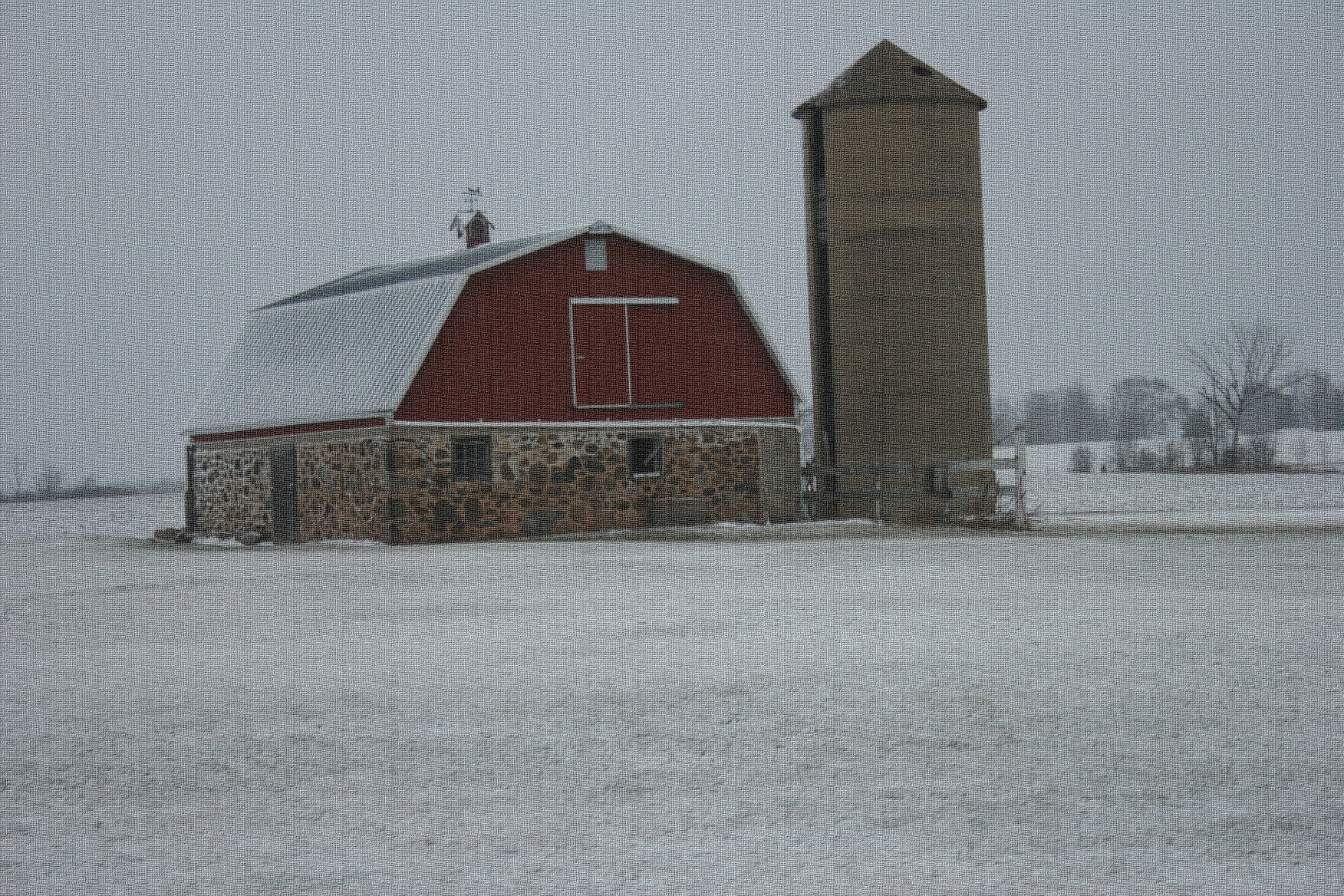
By the third frame, this beautiful fieldstone barn came into my sight line.

In winter the landscape lies exposed, giving a photographer ample opportunity to see and photograph subjects which, in other seasons, remain hidden. And I, for one, appreciate that openness and vulnerability.

My eyes fly across the landscape as I ride shotgun, camera in hand set to a fast shutter speed (the sports mode in automatic settings), poised to click the shutter button.

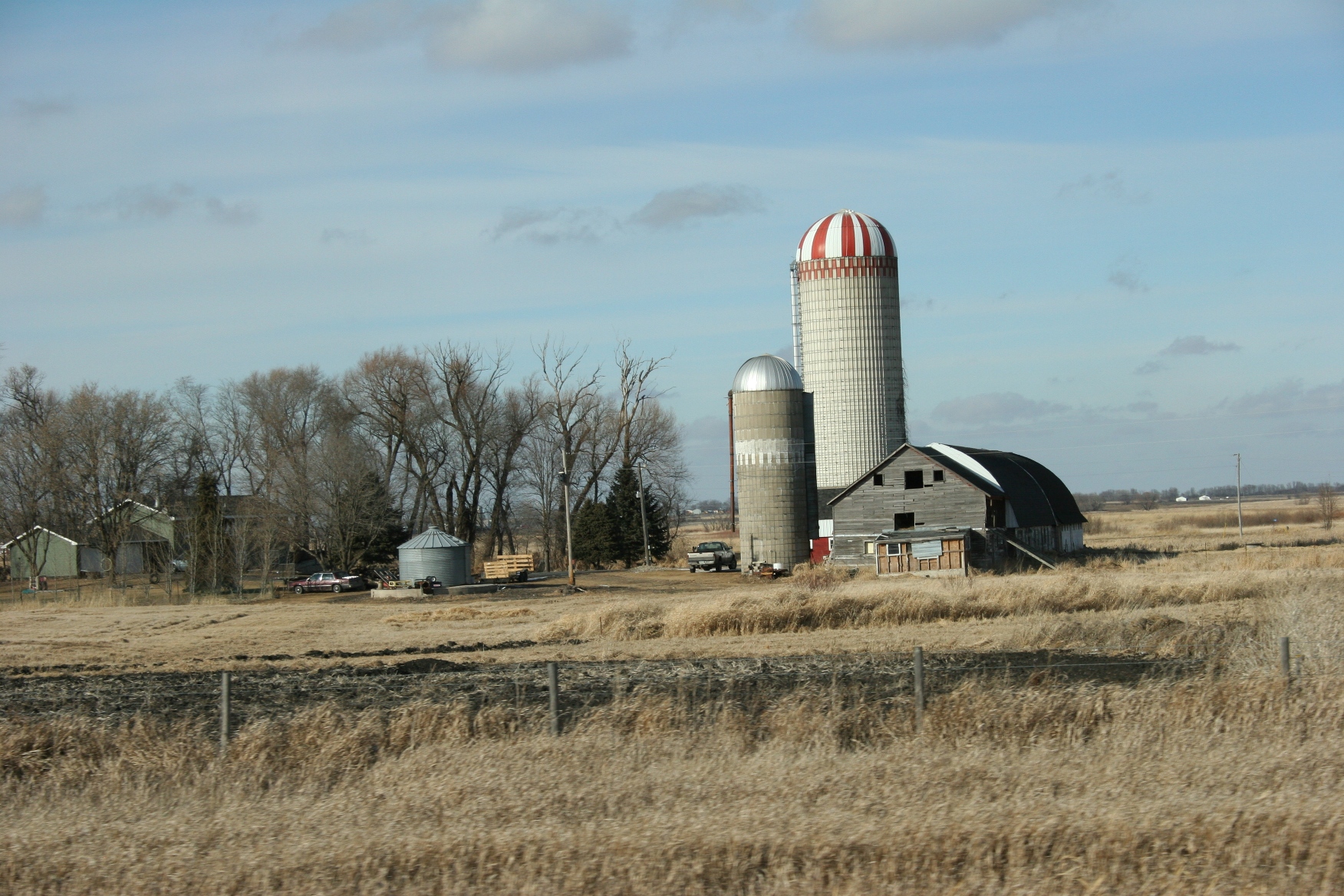
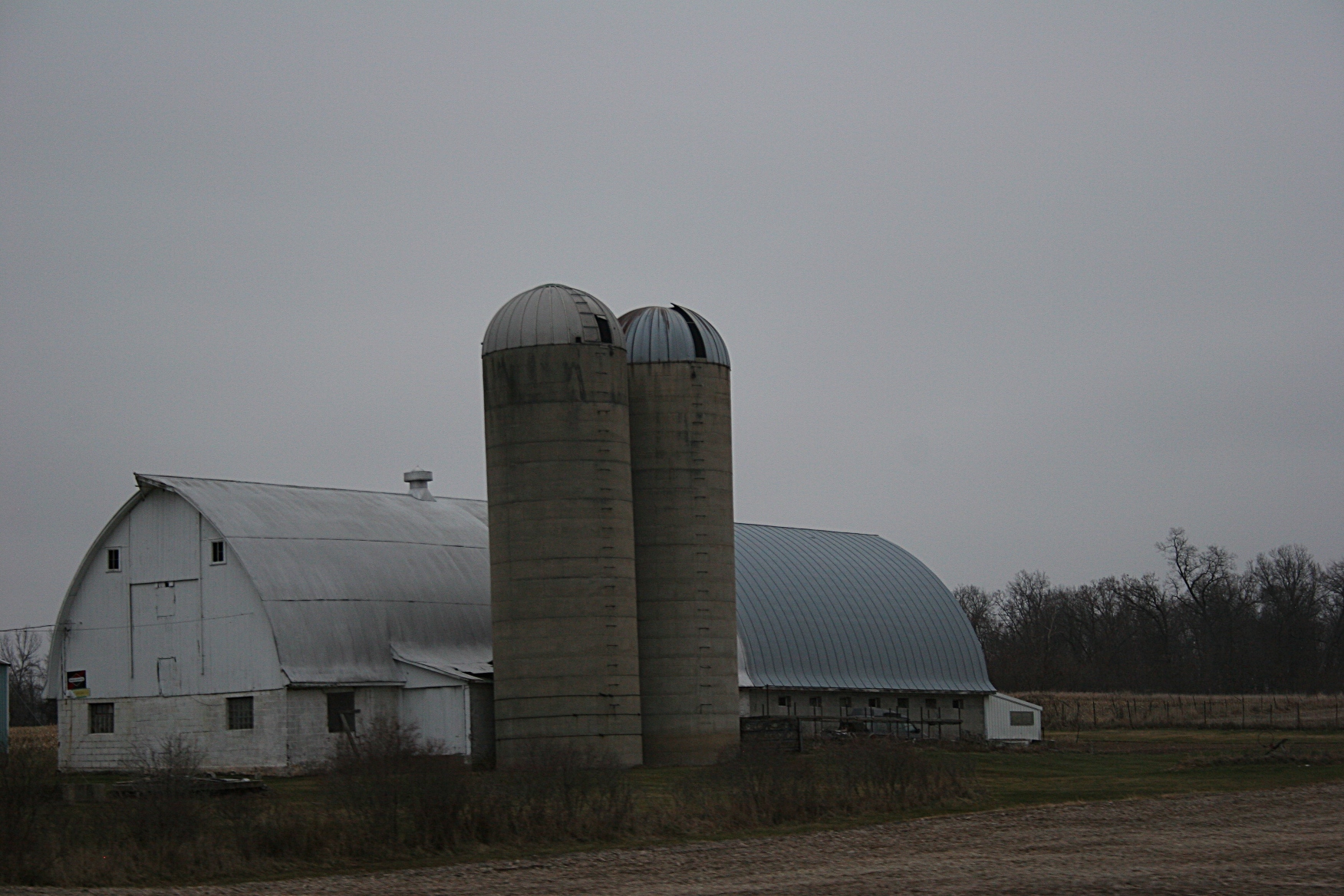
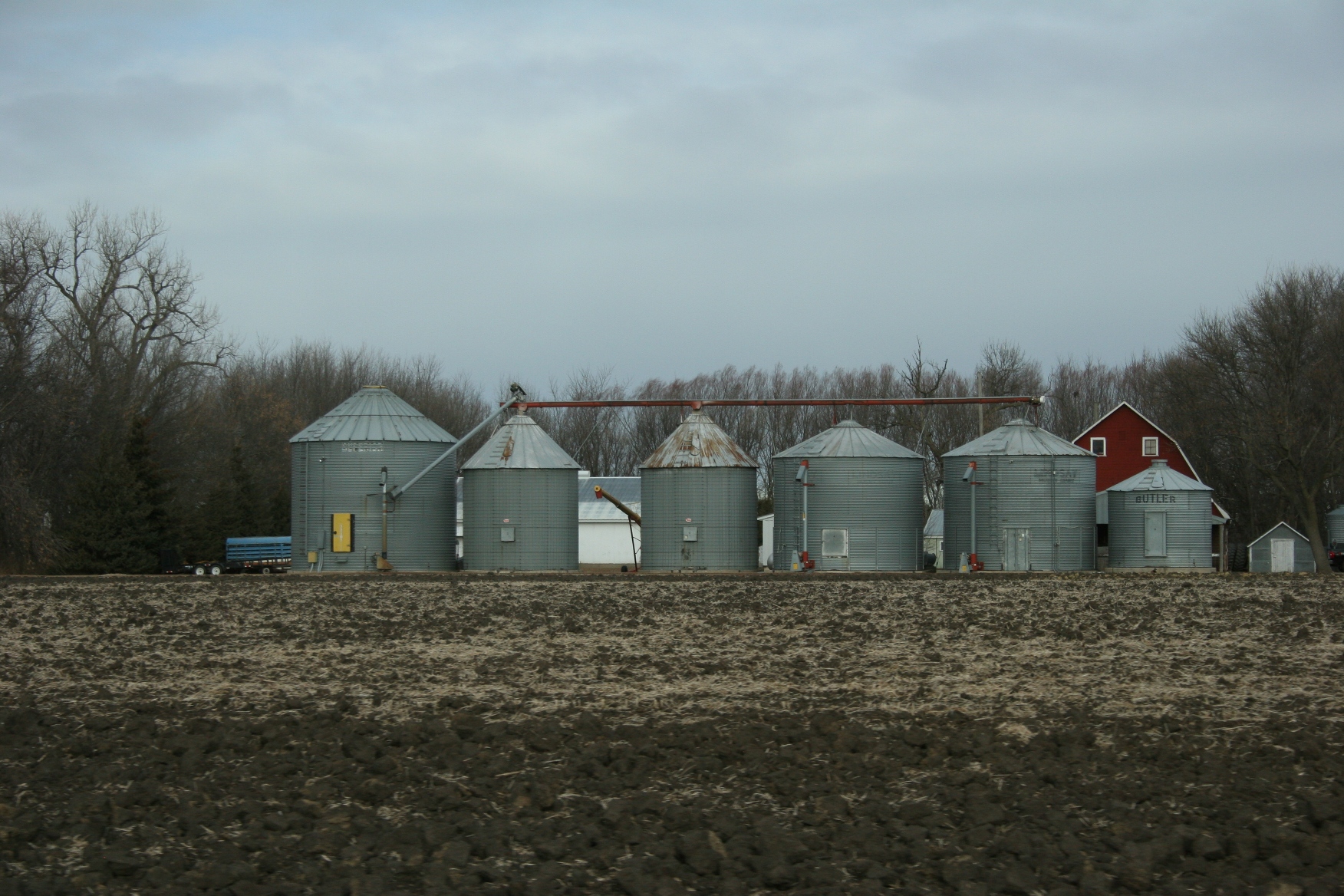
The weathered barn and the lighting around the silos drew me to photograph this scene.

Farm sites, specifically barns, cause me to lift my ever-ready camera from my lap, focus and shoot. Sometimes I get the shot, sometimes I don’t. It’s all in the timing and the ability to compose on the fly.

Consistently, the quality of these on-the-road photos surprises me, in a good way. Often I couldn’t have gotten better results had I stood still in front of the subject, focused and composed with care and shot many frames.

Of course, I’ve missed plenty of photo ops, too, because I’ve been daydreaming or talking or been too slow to react.

I honestly thought I'd missed this shot. But when I saw the results, well, I was pretty pleased.

A recent trip along Interstate 94 to and from Fargo gave me plenty of time to practice on-the-road photography as I focused on farm sites, the landscape and whatever else I found of interest.

An added bonus comes once I download the images into my computer and notice details I failed to see while photographing scenes.

The next time you hit the highway as a passenger on a long road trip, consider trying this type of photography.

Clean your windows, adjust your camera, buckle up and you’re set to roll.

Just one more farm along I-94 that I couldn't resist photographing.

TELL ME, HAVE you ever photographed using this method? What works/doesn’t work for you? And what do you like to photograph?

NOTE: Except to downsize the above images, I have not edited them.

© Copyright 2012 Audrey Kletscher Helbling


Preserving central Wisconsin’s rural heritage via on-the-road photography January 5, 2012

Each time I see this Wisconsin barn, I think of the biblical story of Joseph's coat of many colors.

ON OUR FOURTH TRIP through central Wisconsin in a year along the same route—Interstate 90 to Interstate 94 in Tomah then on Wisconsin Highway 21 to Oshkosh, up U.S. Highway 41 to Appleton—I’m getting to know the Dairyland state from her western to near eastern borders.

She’s a beautiful state of rolling hills, flat marsh land, stands of packed pencil-thin pines, too many towns whose names end in “ville,” infinite piles of stacked firewood, cranberry bogs and potato patches, muskrat mounds, cheese stores, Packers fans, small-town bars and barns—oh, the barns that I love to photograph.

One of my favorite barns along Wisconsin Highway 21 because of the stone walls.

As I’ve done on every 600-mile round trip to and from our second daughter’s Appleton home, I capture the scenery via on-the-road photography, meaning I photograph through the passenger side window or windshield of our vehicle at highway speeds. Sometimes I manage to snap a well-composed image. Other times I fail to lift my camera, compose and click in time and miss the photo op.

Journey after journey, I find my eyes drawn to the many old barns that are so much a part of Wisconsin’s landscape and heritage. And mine. Only in Minnesota.

I’ve seen every type of barn, from the well-preserved to the crumbling, pieced-together-with-tin structure. I know that any barn, once left to fall into a rotting pile of boards, will never be replaced by an equally grand structure.

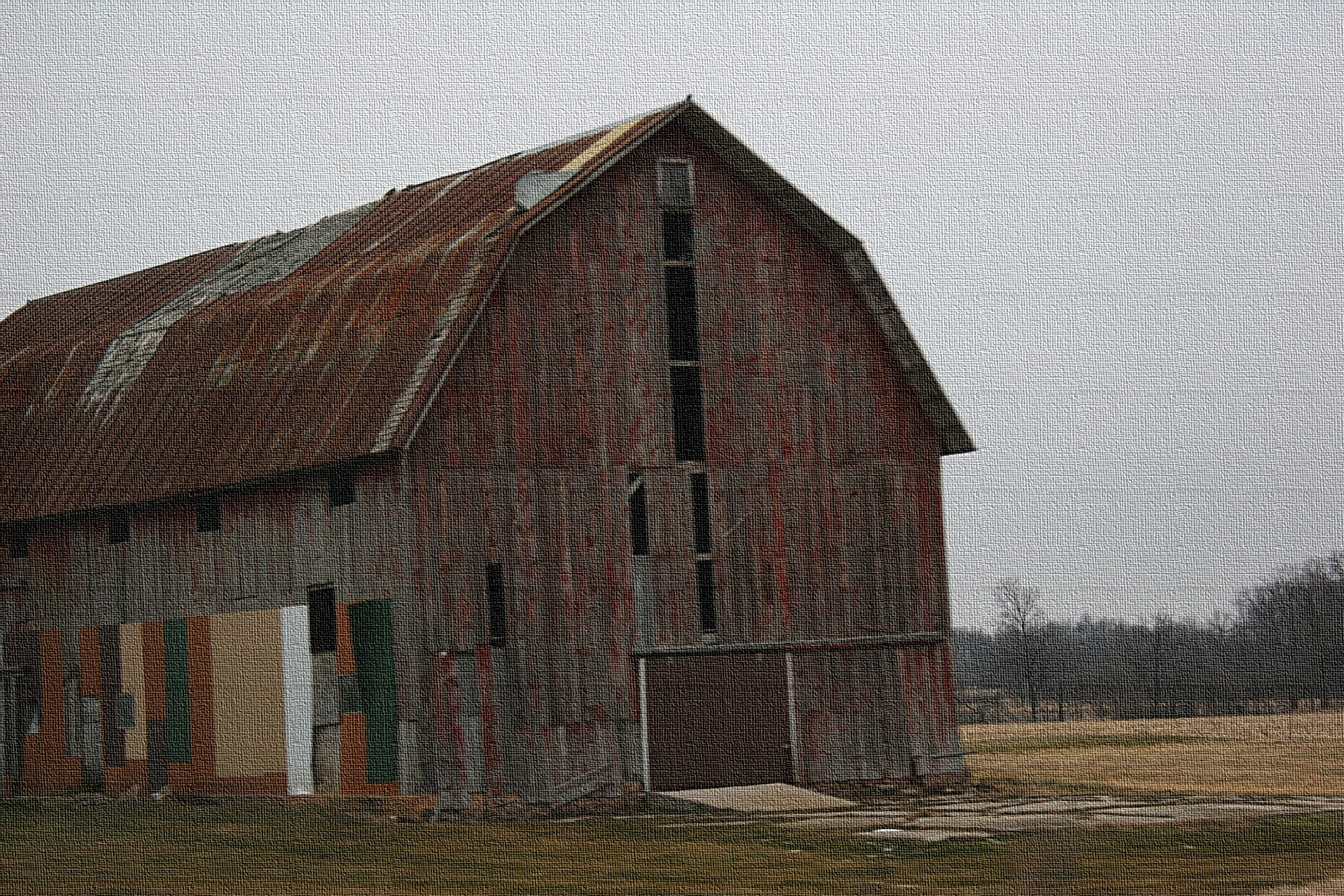
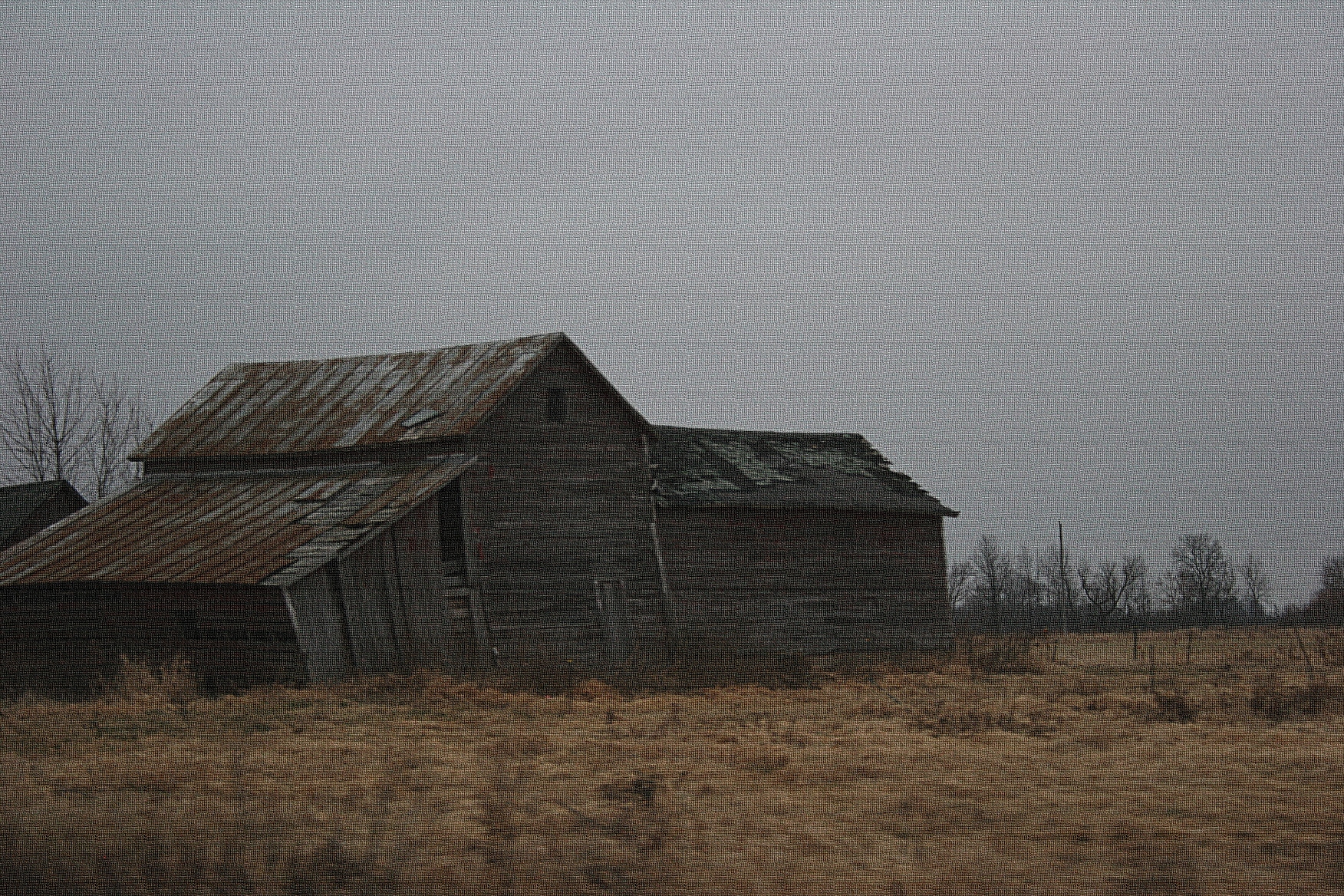
A pieced together weathered barn blends into the gray landscape on a dreary winter afternoon.

A once grand barn shows the first signs of falling into disrepair.

The occasional white barn pops up among the characteristically red barns.

Majestic barns, rising sturdy and proud above the land, are seldom crafted anymore. Instead, mundane metal rectangles sprawl, without any character or beauty, across the landscape. Such structures hold no artistic, but only practical, value on the farm.

Via my barn photography, I am documenting for future generations a way of life—the family farm—which, in many places, has already vanished.

If my photos inspire you to appreciate barns and rural life and the land and our agricultural heritage and the men and women who work the soil and their importance in this great country of ours, then I will have passed along to you something of great worth.

An especially picturesque farm site along Wisconsin Highway 21.

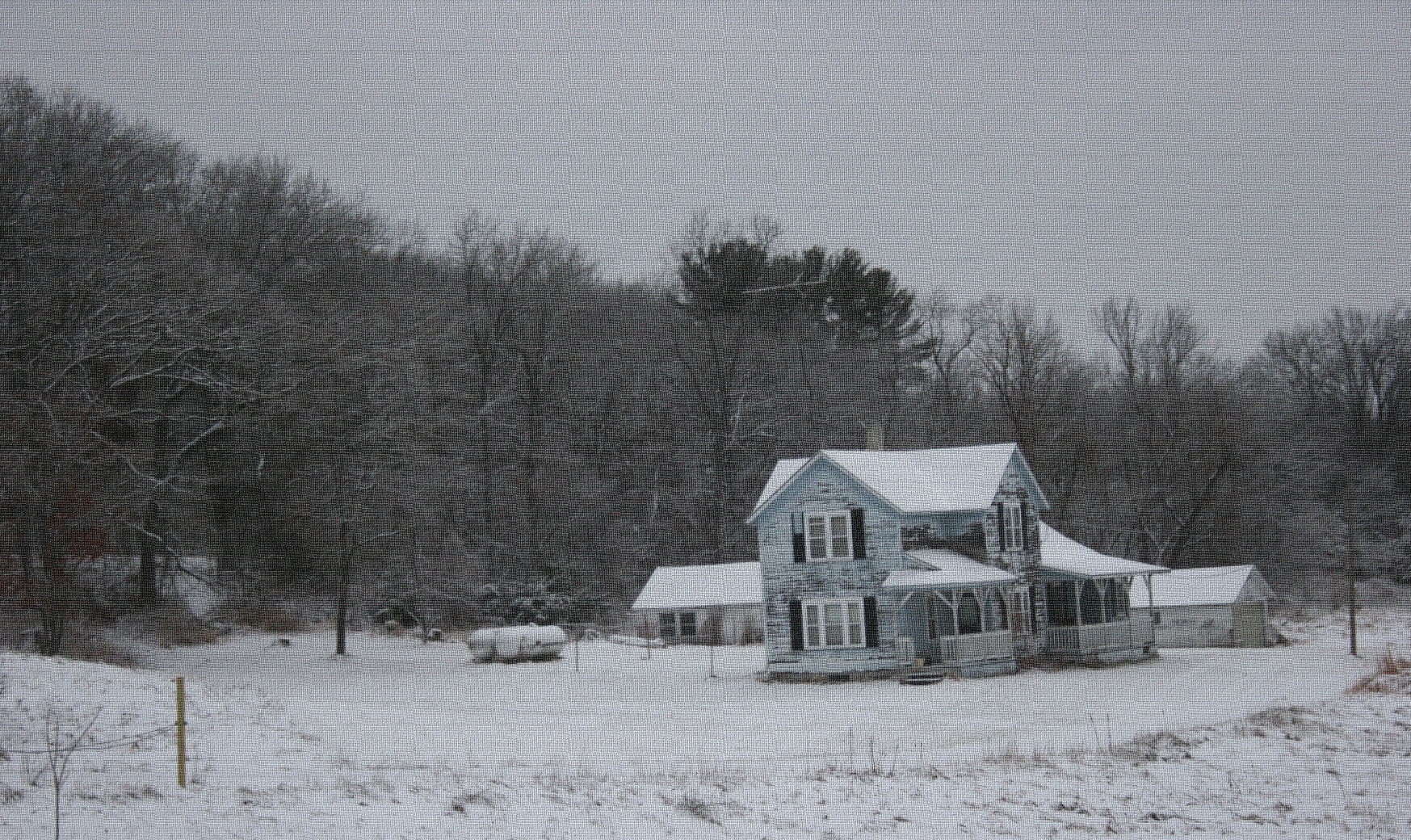
The muted blue-grey of this old farmhouse blends seamlessly with the dreamy landscape on a snowy New Year's Day afternoon in central Wisconsin.

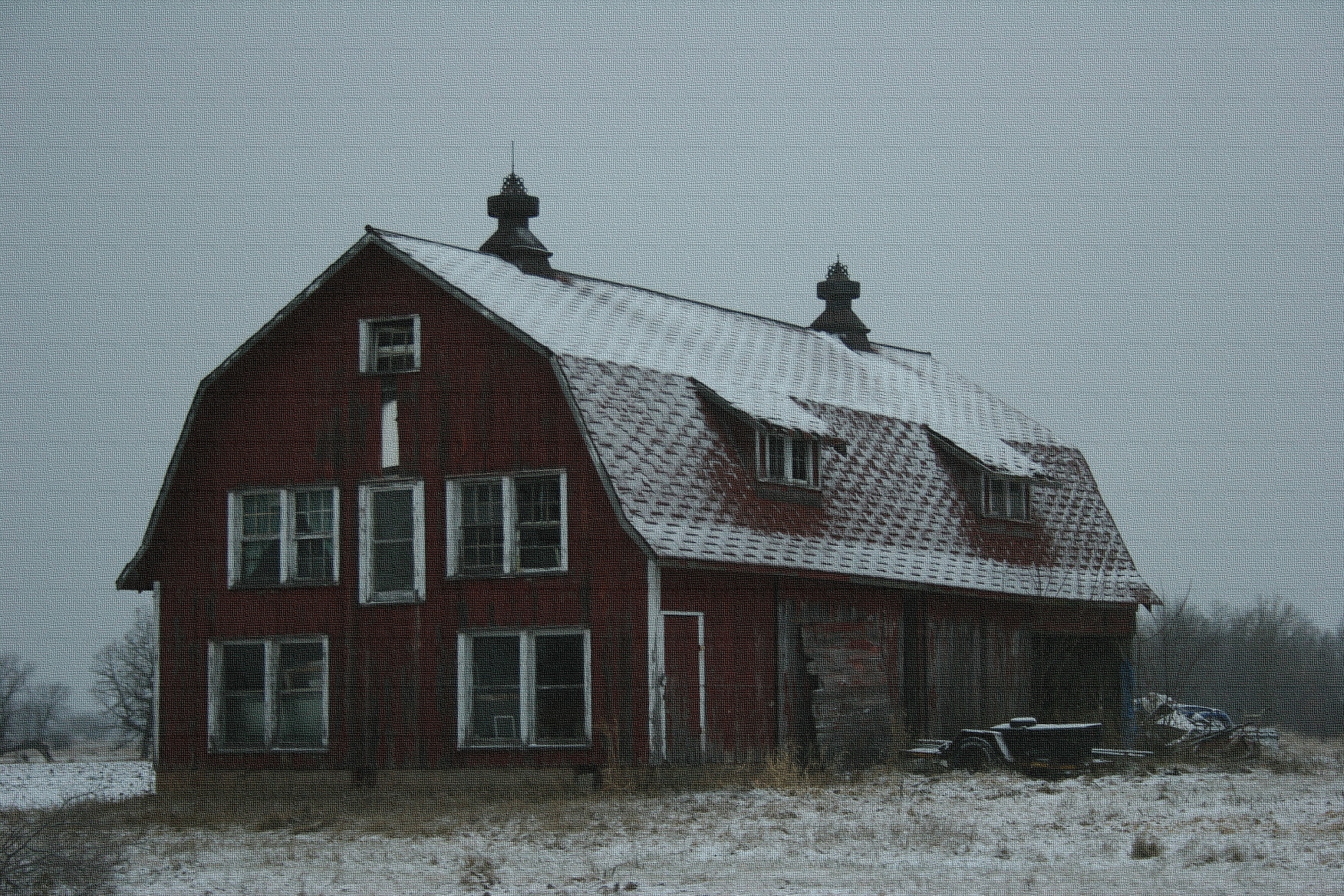
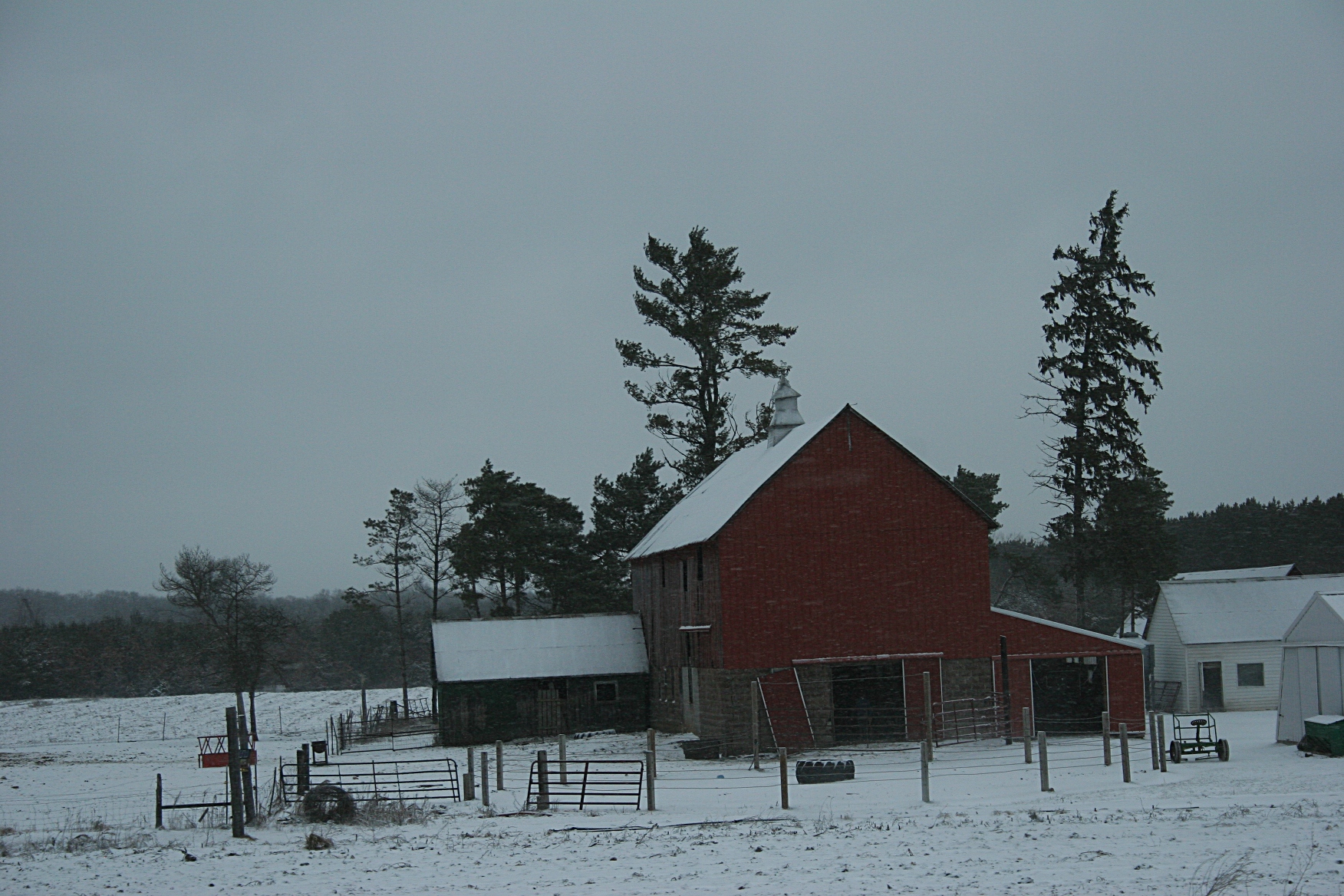
Contrasted against snow, red barns are particularly visually appealing.

NOTE: The above photos were taken on December 30, 2011, and January 1, 2012, along Wisconsin Highway 21 in the central part of the state primarily between Wautoma and Oshkosh.

I have applied a canvas style editing technique to most of the images, creating a quality that is more painting than photo.

© Copyright 2012 Audrey Kletscher Helbling


On-the-road prairie photos December 29, 2011

Filed under: Uncategorized — Audrey Kletscher Helbling @ 11:01 PM
Tags: , , , , , , , ,

Somewhere along a back county road between New Ulm and Morgan.

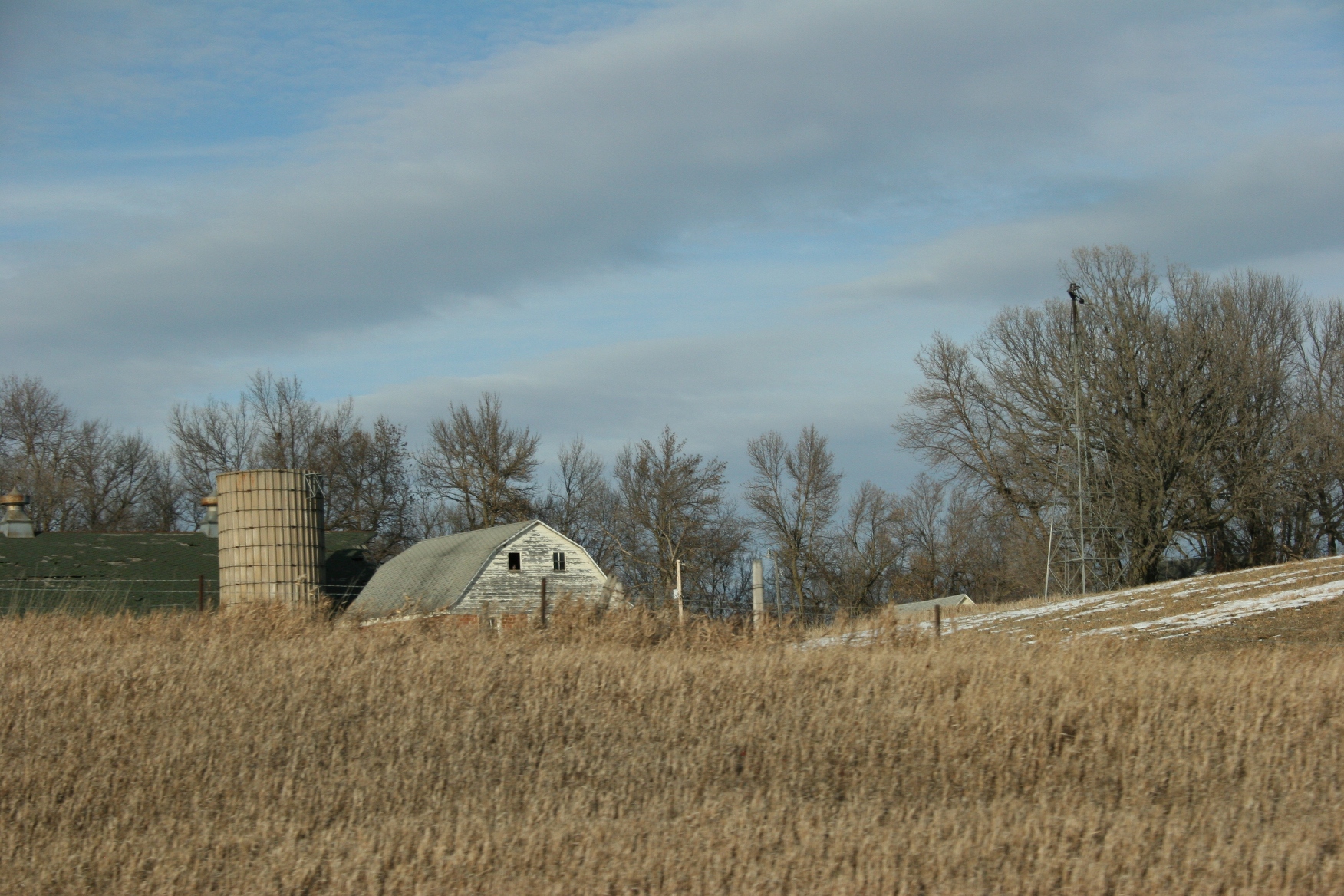
SORTING THROUGH the on-the-road photos I shot while traveling to and from southwestern Minnesota a week ago, I noticed a similarity in many of my images—pops of red in an otherwise mostly grey landscape.

I didn’t consciously swing my camera lens toward the jolts of red. It just happened. My eye would catch a scene and I would press the shutter button. Traveling at highway speeds allows a mere flick of an instant to frame and shoot through the front and passenger side windows of our family van or car.

I’ve practiced this type of traveling photography long enough that I’m now photographing some of the same sites along roadways. Yet, even the same subject, photographed at a different time of day, in another season, under changing skies, can result in a distinct image that tells a story or captures a mood.

This December, the Minnesota prairie, devoid of snow, appears drab and dreary against iron grey skies. Often only the occasional farm site or small town breaks the bleak blackness of tilled fields that can quickly depress the visual sense.

Perhaps for that reason, my eye is naturally drawn to the red barns and other bursts of red that contrast with the black and white and grey. My eyes are seeking color.

A red barn pop of color in the distance while driving toward Morgan last Friday morning.

Along the same road, I caught just a snippet of the red barn peeking from behind the row of grey grain bins.

Sunnier skies prevailed Saturday afternoon at this farm site just north of Lamberton.

Allow your eyes to wander over my images, to take in the stark essence of the southwestern Minnesota prairie on two days in late December. This is my land, the place that shaped me as an individual and as a writer. It is a land where details are noticed without the distracting visual clutter of traffic congestion and buildings clumped together and lights and signs and crowds.

Not everyone appreciates the prairie, dismissing this land as boring and plain and unexciting. I am not among those who wish only to flash across the prairie like a bolt of lightning. Via my roadside photos, you will see how this infinite space of sky and land has claimed my heart, defining my work as a photographer and a writer.

A red car infuses color into this prairie landscape near Lamberton, heading east toward New Ulm along U.S. Highway 14, the Laura Ingalls Wilder Historic Highway.

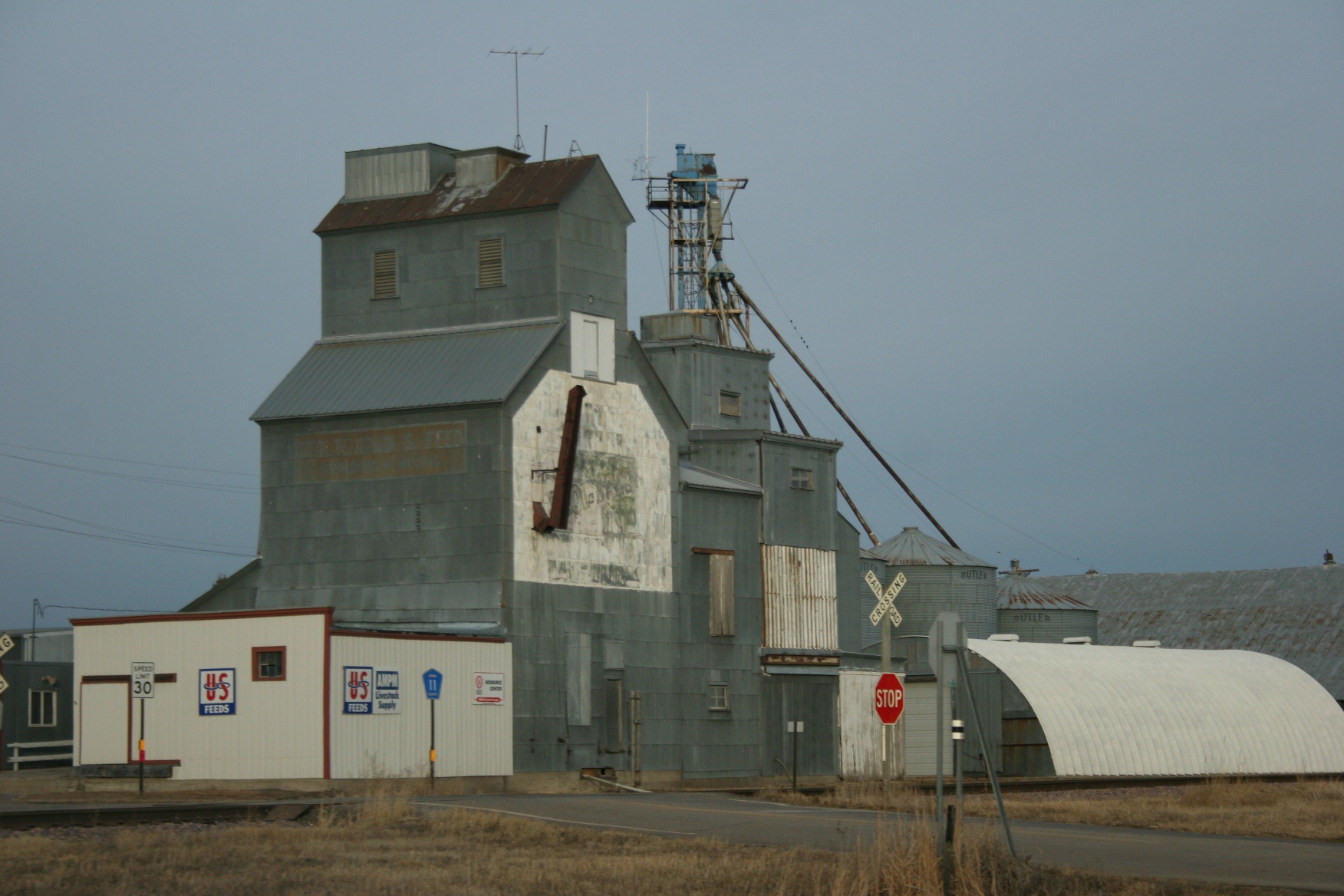
A stop sign adds color to an otherwise grey image of the elevator in Essig, along Highway 14 west of New Ulm.

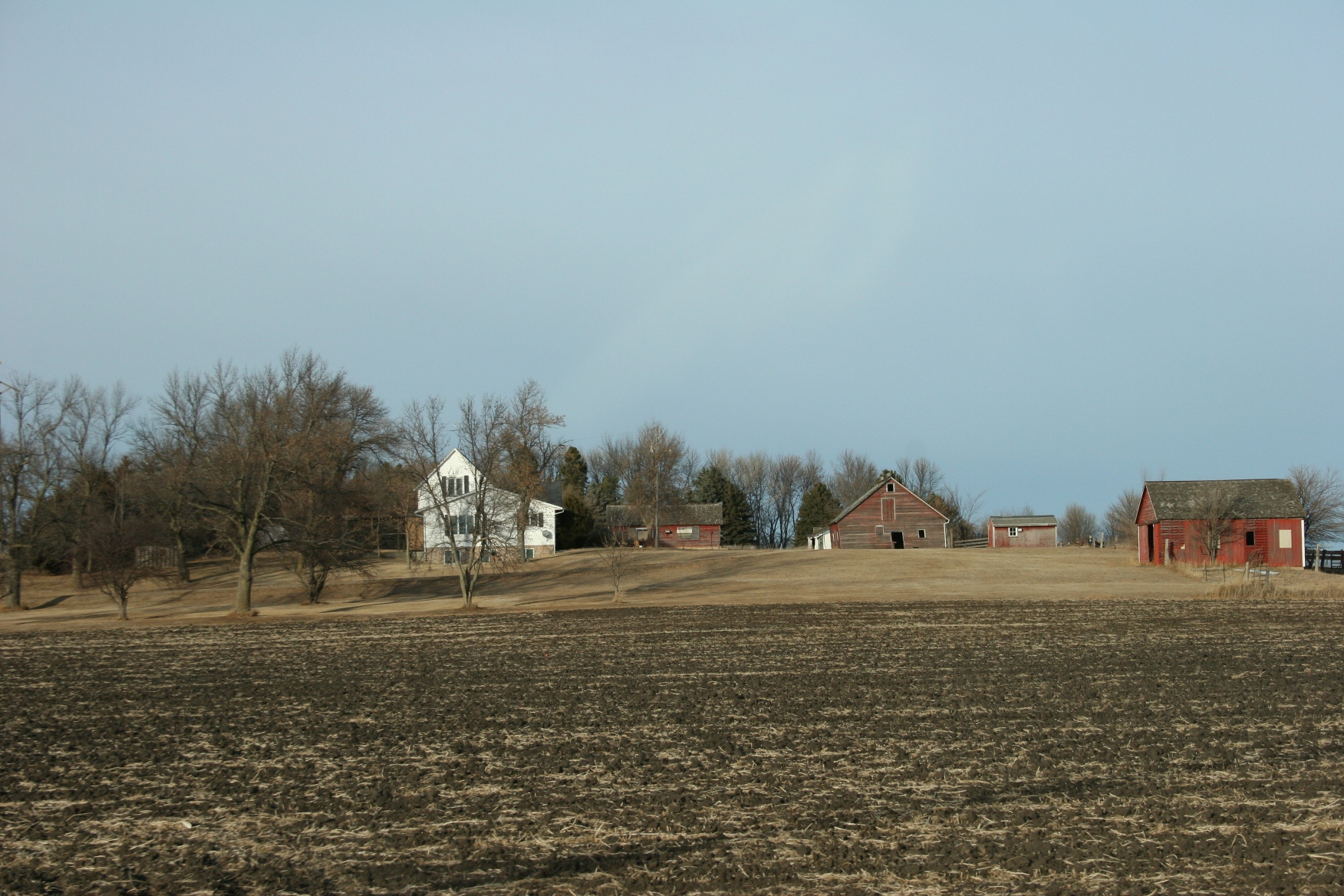
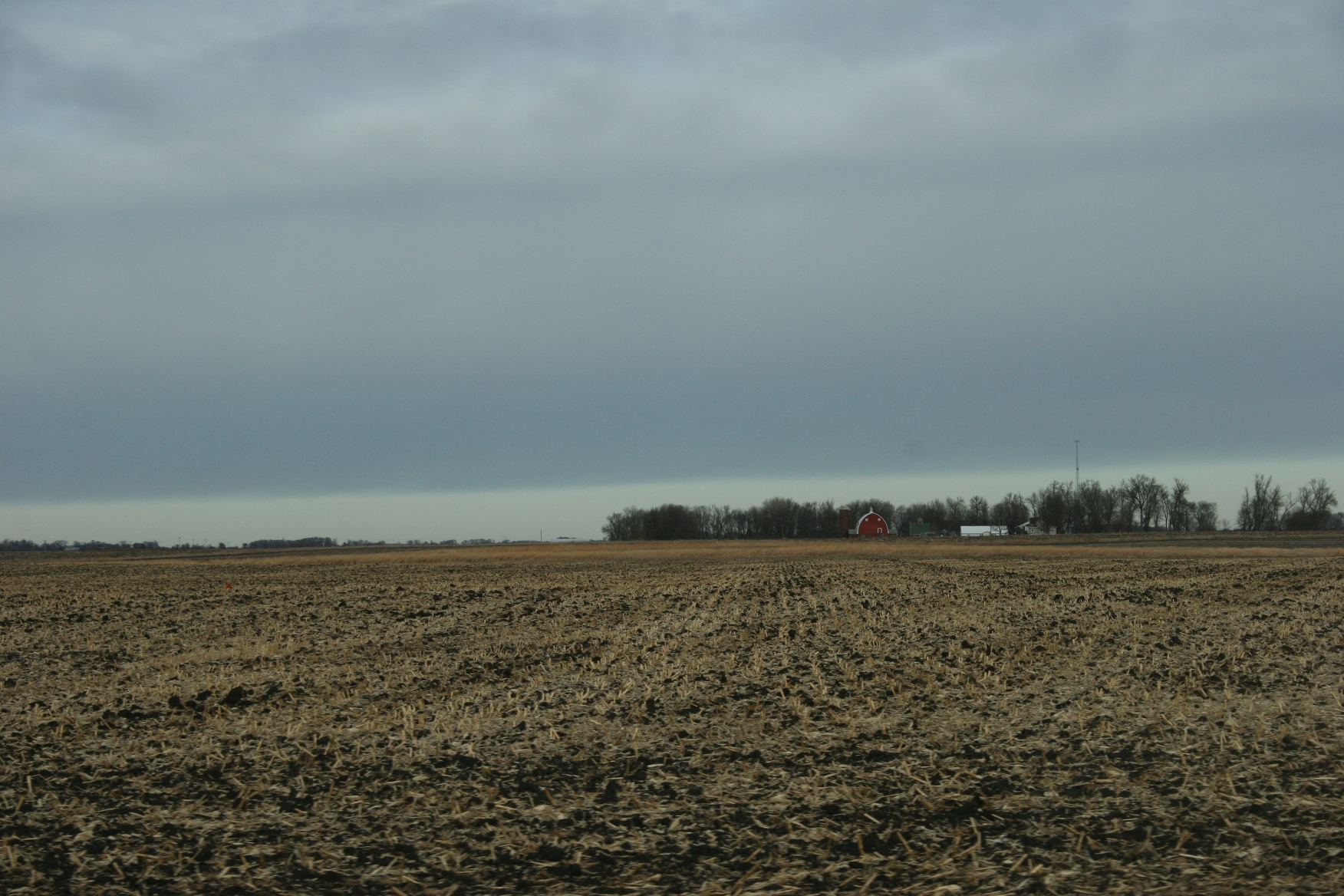
Fields like this one between New Ulm and Morgan define the southwestern Minnesota prairie.

AS I FINISHED this post, I wondered why most barns are painted red. Did the color choice come from a desire for a spot of red to brighten dreary days? I found one answer here, in Farmers Almanac Trivia. Click to read.

© Copyright 2011 Audrey Kletscher Helbling


Tips for on-the-road photography April 2, 2011

HOW OFTEN HAVE YOU been traveling along a roadway, saw a subject worth photographing but were in too much of a hurry to stop?

That’s happened to me more often than I wish. However, I’ve found a solution that’s worked well with some incredible photo results.

I’m issuing a disclaimer here, though. I’m not advocating photographing and driving. This photographic option should be used only when you are a passenger because you’ll be operating your camera while your vehicle is moving.

First, set your camera at a sports action shutter speed, place it on your lap, grip the camera body and be prepared to snap away at a moment’s notice.

Click. Click. Click. With a fast shutter speed, you can quickly fire off three frames before you’ve bypassed the intended subject.

OK, it’s not quite that easy. You must anticipate just the right moment to take your photos. That means paying attention to what lies ahead of you along the roadway. Click too soon and you miss the shot. Click too late and you miss the shot.

It’s partially luck, partially skill that will nail a great photo.

I’m always watching too for telephone and electric poles and roadside signs that can obstruct an otherwise good image.

I’m also always trying to balance my photos so they are well-composed.

All of this moving of the camera and adjusting the lens and framing the image must happen in a split-second. I can’t even begin to tell you how many shots I’ve missed because I’ve moved too slowly or failed to notice a photo op until it passed me by.

That’s the other part of successful on-the-road photography. You need a watchful eye for subjects that will make interesting and great photos. Too many people look, but don’t really see, what’s around them. Perhaps because I’ve grown so accustomed to viewing my world through a camera lens and because I’m a writer, I notice more than the average person.

Yet all of this effort will be wasted if you’re shooting through dirty vehicle windows. Clean your windows. If you live in a state like Minnesota, where road spray from sand and salt and melting snow is a problem, you may just have to abandon this traveling photo option in the winter.

Unless you’re traveling through a town, at low speeds, I don’t recommend opening your window. You risk getting dust or dirt into your camera sensor.

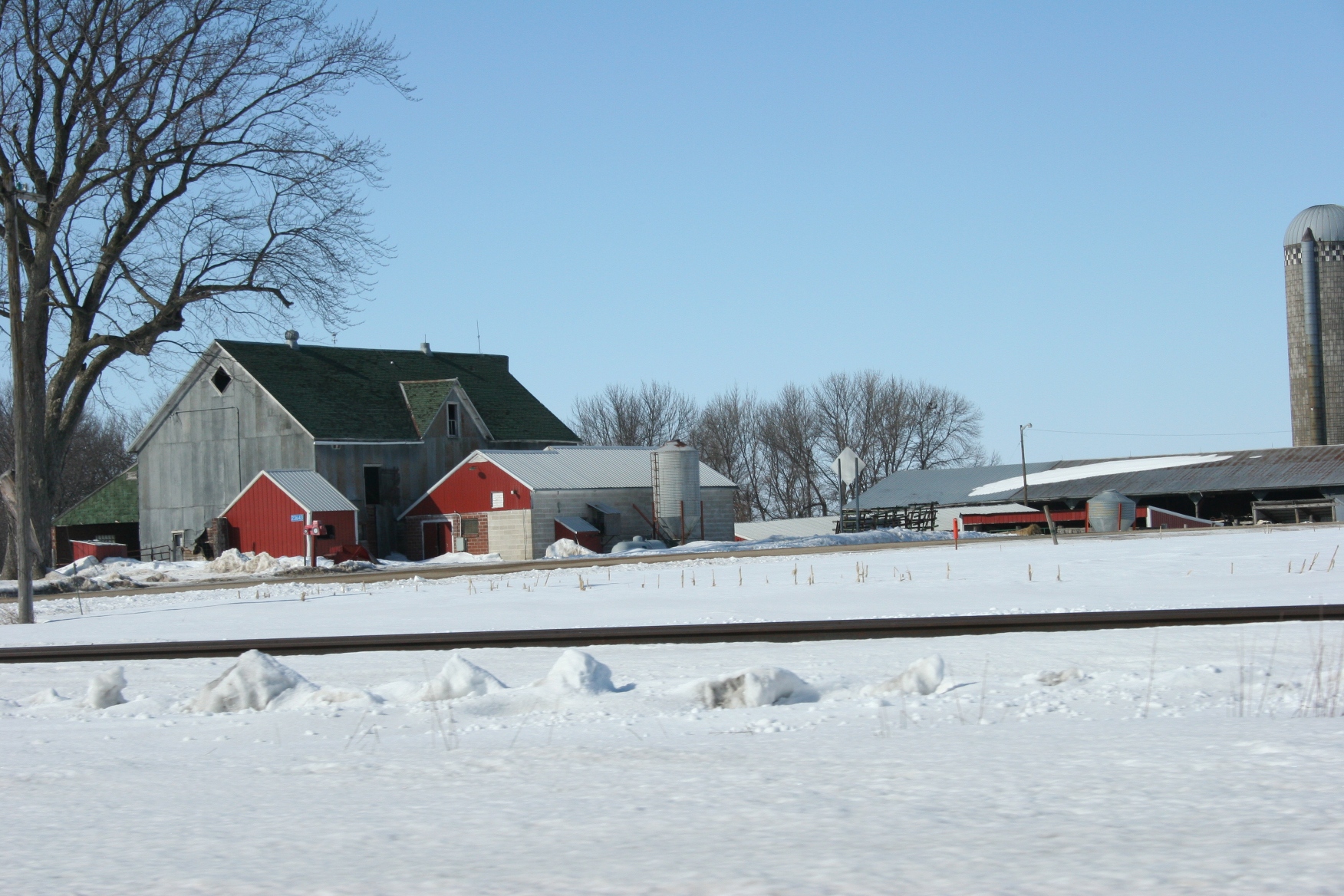
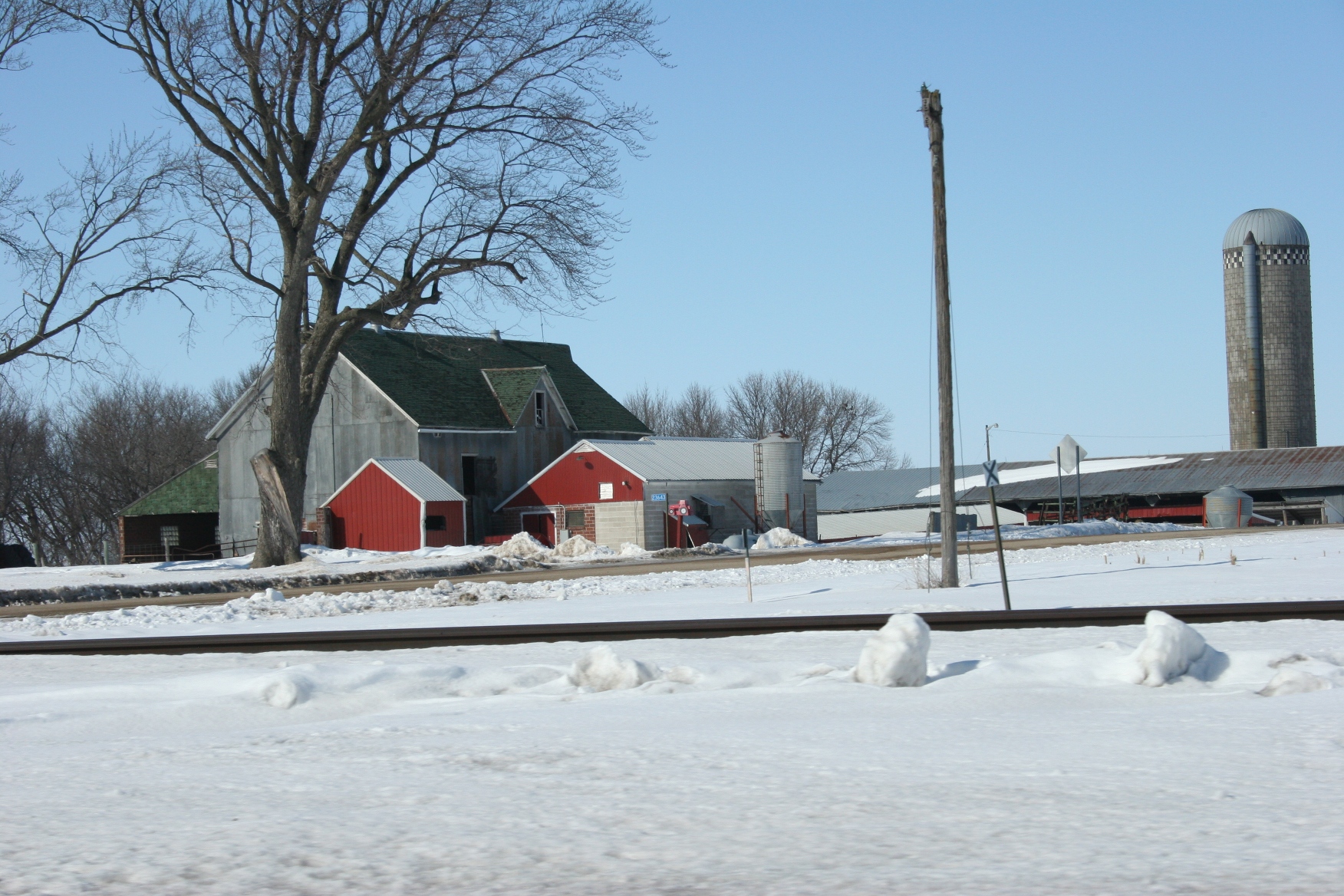
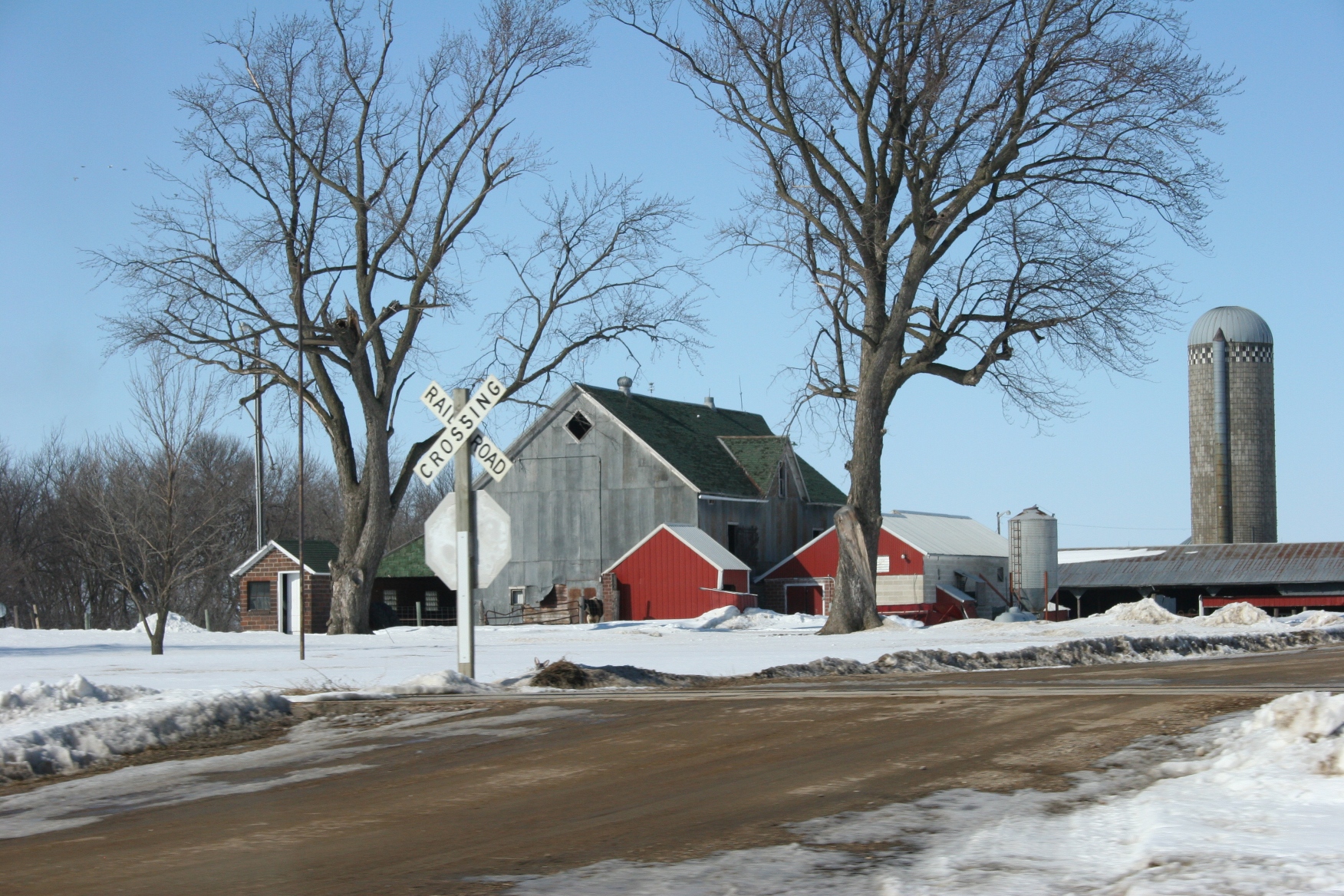
That said, here’s a trio of photos I shot in early March along U.S. Highway 14 between Essig and Sleepy Eye in southwestern Minnesota while traveling at 55 mph.

Other than downsizing these images, I’ve not edited them.

Here’s why these images are so good. The exposure is perfect. The photos are well-composed. The horizontal line of the railroad track in the first two frames sits at an eye-pleasing one-third position. The color contrasts of red against gray and blue make these photos pop. The subject is beautiful in its simplicity.

If you’re never tried traveling photography, give it a shot. You may be as pleasantly surprised as me with the results.

FYI: I shoot with a EOS 20D DSLR Canon camera. Yes, it’s a “fancy” digital camera, not a point-and-shoot. If you ever see a photo on Minnesota Prairie Roots that you are interested in purchasing, please contact me via a comment (won’t be published) or an e-mail.

© Copyright 2011 Audrey Kletscher Helbling


A glorious sunset at St. John the Baptist Church March 27, 2011

THAT I APPRECIATE country churches should come as no surprise to those of you who’ve followed Minnesota Prairie Roots. I value their beauty, architecture, history, reverence and connection to the land and its people.

Therefore, I photograph these rural sanctuaries whenever possible. If a church door is unlocked, I’ll take you inside for a photographic tour. If not, you’ll at least see the exterior.

Others, like rural Carver resident Harriet Traxler, share my interest in photography and all things country. So when Harriet emailed images of a local rural church, St. John the Baptist Catholic Church in Faxon Township some four miles northwest of Belle Plaine, I asked if I could share her photos with you.

Because I struggled to pick my favorite of the four, shot around sunset on Friday, I’m publishing three of Harriet’s photos.

I hope you’ll agree with me that even on a cold Minnesota March day, these gorgeous photos warm the heart, and the soul.


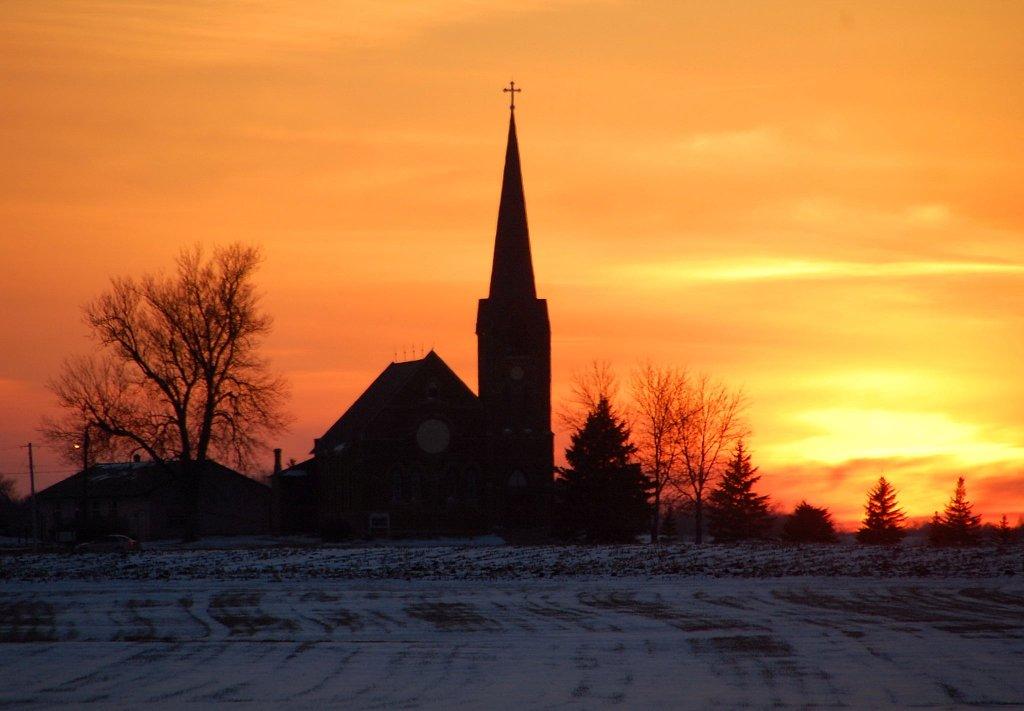
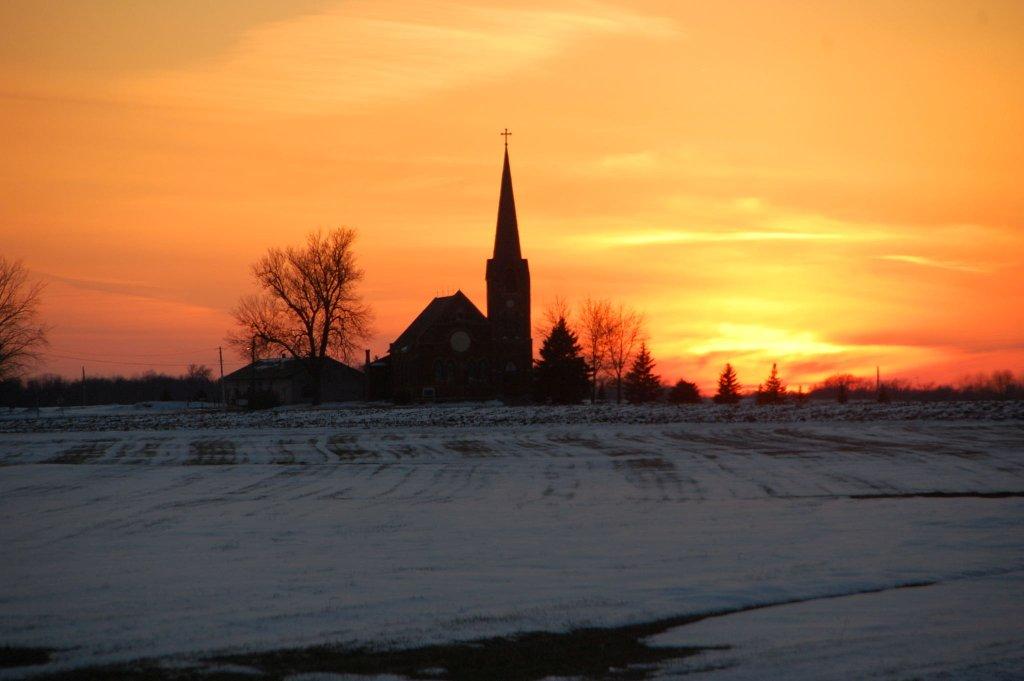
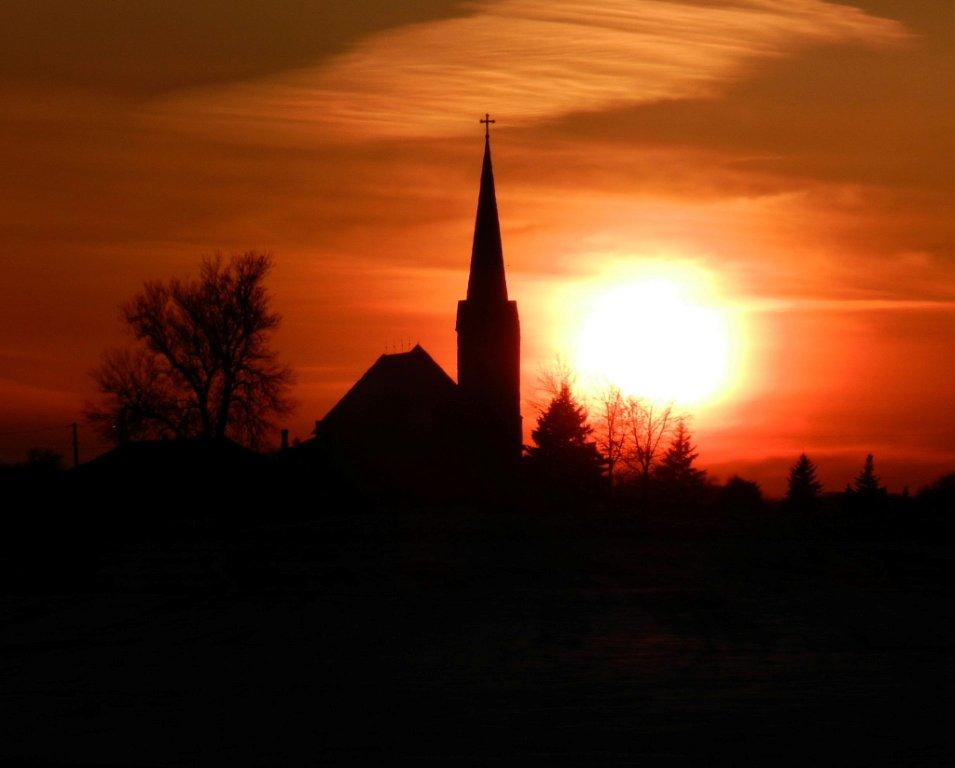
Built around 1870, St. John the Baptist Catholic Church still holds Sunday Masses and has many young parishioners.

In the summer, the church is surrounded by cornfields.

The sun sets the sky on fire behind St. John the Baptist Catholic Church, rural Belle Plaine, Minnesota.

FYI: Harriet has published a series of barn books featuring barn and other rural images from her native Sibley County, Minnesota. To view her work, click here. Some of Harriet’s work will be featured in the spring issue of Minnesota Moments magazine.

© Text copyright 2011 Audrey Kletscher Helbling

© Photos copyright 2011 Harriet Traxler


Why some of us appreciate abandoned buildings February 25, 2011


Harriet Traxler photographed this abandoned building along U.S. Highway 14 near Waseca several years ago. She's a hobbyist photographer specializing in nature and rural photography. This photo placed in a photo contest Harriet entered. "It is one of my favorites because of what it doesn't tell you," Harriet says.

SOMETIMES I’M SURPRISED by readers’ reactions to my posts. Usually, the stories and photos I least expect will interest readers, do.

Take my post on abandoned buildings. Last fall, I photographed a dilapidated building in the middle of nowhere along a gravel road near Kasota. I can’t give you the exact location because I don’t know quite where I was on that autumn day.

When I published that photo and wrote about my fascination with abandoned buildings in rural landscapes earlier this week, readers from Oregon, Arkansas and Minnesota responded. Seems I’m not alone in my appreciation of abandoned buildings and the history, memories and stories they hold.

Harriet Traxler, a hobbyist photographer from rural Belle Plaine and the publisher of a book series featuring photos of Sibley County, Minnesota, barns, emailed two photos of abandoned buildings. She is graciously allowing me to share her images and thoughts.

“I, too, am drawn to photographing old, abandoned buildings and then find myself staring at the pictures and trying to imagine who the people were that built and lived in these homes or worked in these barns that now stand empty,” Harriet says. “And the memories of the hard work, the laughter, the troubles; everything that went towards making it a home or farm are now gone forever.

Oftentimes when I would be out photographing the barns in Sibley County or even on a cross country trip, I would see a windmill or a silo or a small grove of trees standing alone in the middle of a field and wonder about the farm that stood there too.

What happened to the family that lived there once not too long ago? Were they happy? Were there children who played and worked alongside their family? Was there a tragedy that occurred that drove the family from the farm?

We often romanticize farm life, but that life was one of the hardest to live. If it was a dairy farm, like most were in rural Minnesota, then it was long days, seven days a week, and children after growing up on this type of farm, learning good work ethics, seldom wanted to spend the rest of their lives doing the work their parents had done for years and years. When they left the farms for those good ‘city jobs,’ that is when farm life began to disappear and those abandoned buildings really began to appear.”

I COULDN’T HAVE said it any better, Harriet. I am one of those kids who left the (dairy) farm.

Harriet, too, grew up on a farm, in Sibley County, on her uncle’s place, that looks nothing like the home of her youth.


The old granary on the farm where Harriet grew up.

“All that remains standing is this old granary that also always smelled of rats and dusty bins of oats,” Harriet says. “It had a lean-to attached to it that was used as a garage for my uncle’s car. I remember every inch of that farm because I loved to explore every inch of it.

I didn’t have to work nearly as hard on that farm as most children had to on the farms they grew up on so maybe that is why I loved it so much.

The freedom to be me was always there and I have often gone back to my ‘roots’ and those memories…the better memories seem to always remain pushing other memories that were not so much fun to the far corners of the mind.”

© Text copyright 2011 by Audrey Kletscher Helbling

© Photo copyright by Harriet Traxler


Poetry in abandoned buildings February 22, 2011

Filed under: Uncategorized — Audrey Kletscher Helbling @ 9:42 AM
Tags: , , , , , , ,

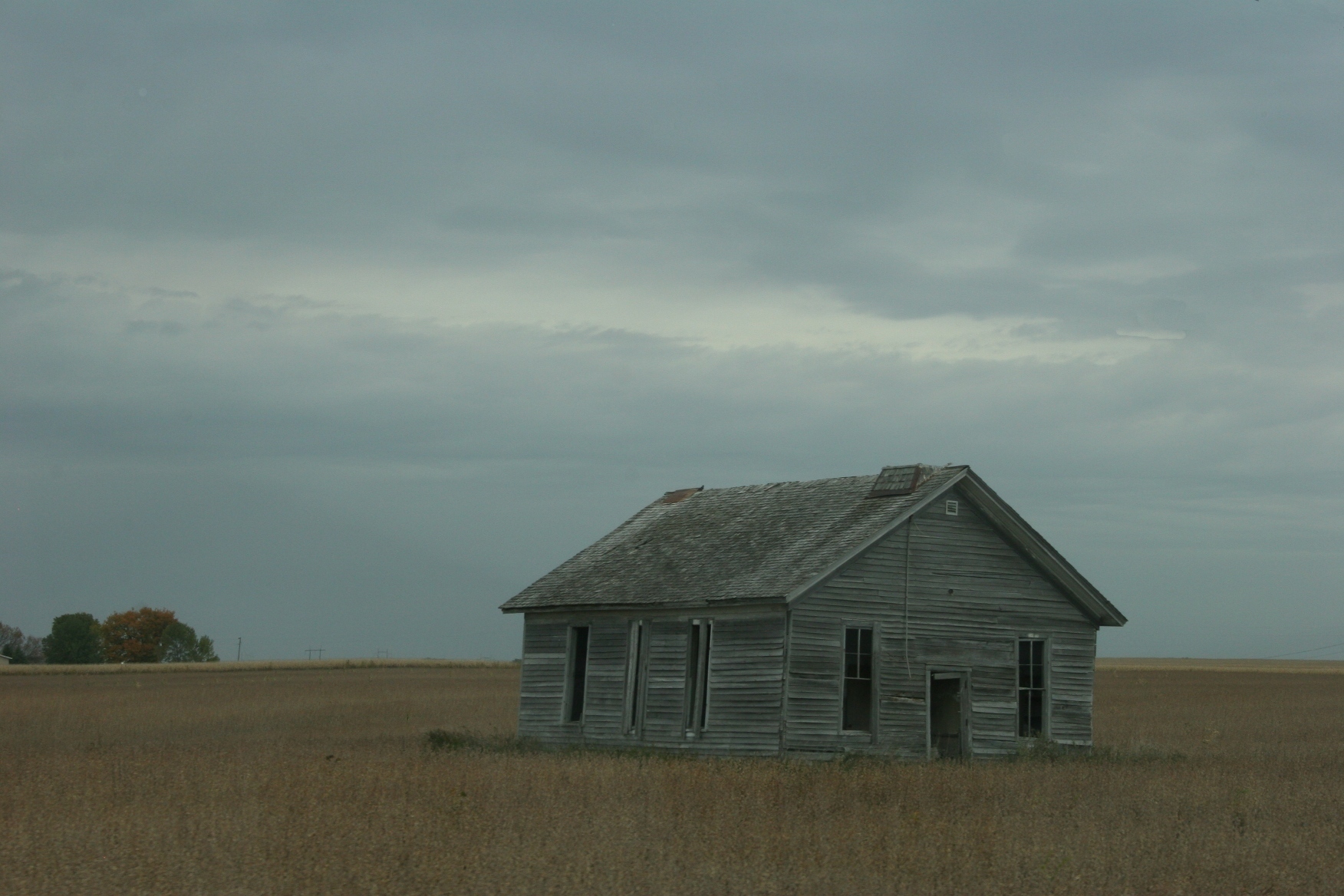
I photographed this abandoned building along a country road near Kasota last fall.
ABANDONED FARMHOUSES and rural buildings have always held a special fascination for me.

As odd as this seems, I see poetry in these buildings that lean against the landscape, that view the world through shattered lenses.

I often wonder: Who lived or worked here? Why was this farmhouse or barn or outbuilding or schoolhouse abandoned, left to decay in the elements? I feel a certain sense of sadness knowing that once this building stood strong and proud.

But, yet, I manage to see the beauty in the bones that remain—in weathered boards muted to soft shades of gray, in crooked doors clinging to rusty hinges, in roofs that sag under the weight of time.

In my mind, I have personified this abandoned building, given it new life, through my photos and my poetic thoughts.

HOW ABOUT YOU—do you see what I see in old buildings? Share your thoughts in a comment.

© Copyright 2011 Audrey Kletscher Helbling