Minnesota Prairie Roots

Writing and photography by Audrey Kletscher Helbling

Thoughts following a country drive west of Wanamingo March 30, 2016

Filed under: Uncategorized — Audrey Kletscher Helbling @ 5:00 AM
Tags: , , , , ,

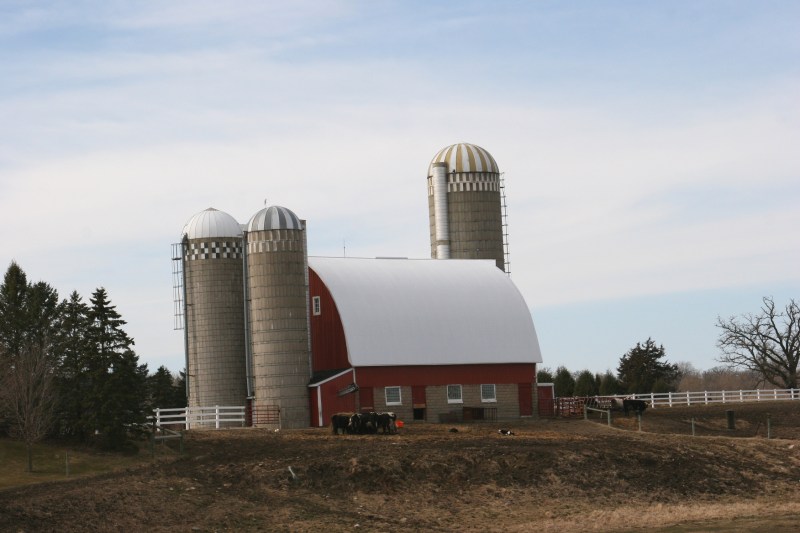
Rural Minnesota, 102 barn & cattle


WE ALL HAVE OUR PLACE of comfort, the place that brings us peace and allows us to escape, if but for a minute or an hour or a day.

For me, that’s a drive in the country, along the less-traveled back roads of Minnesota.


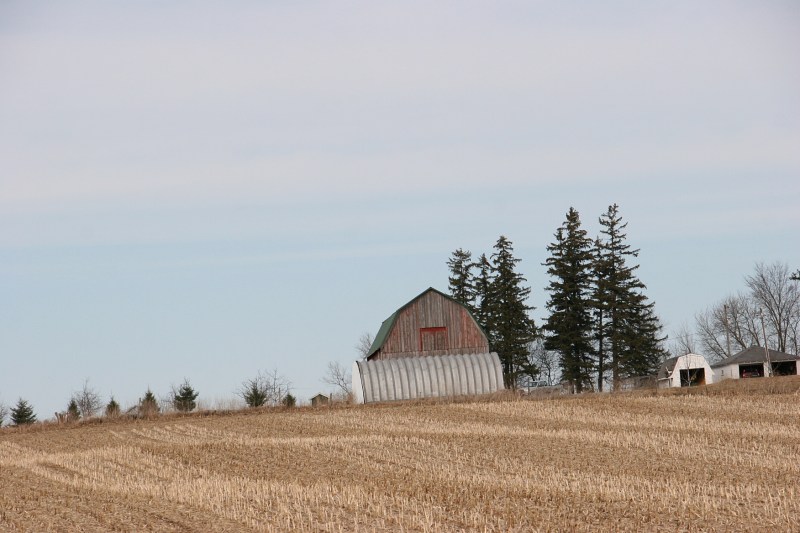
Rural Minnesota, 106 barn and corn stubble


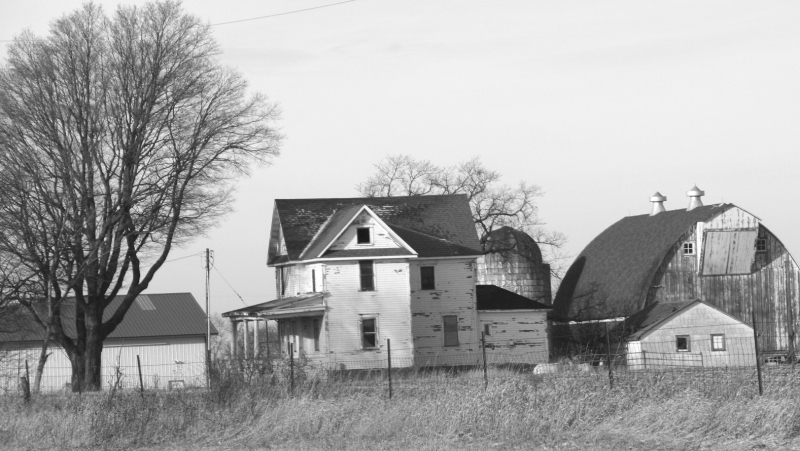
I am of the land, of sky and fields and barns and silos and farmhouses. Rural Minnesota shaped me into the person I’ve become. A writer. A photographer. A poet. A keeper of rural life and of small towns.


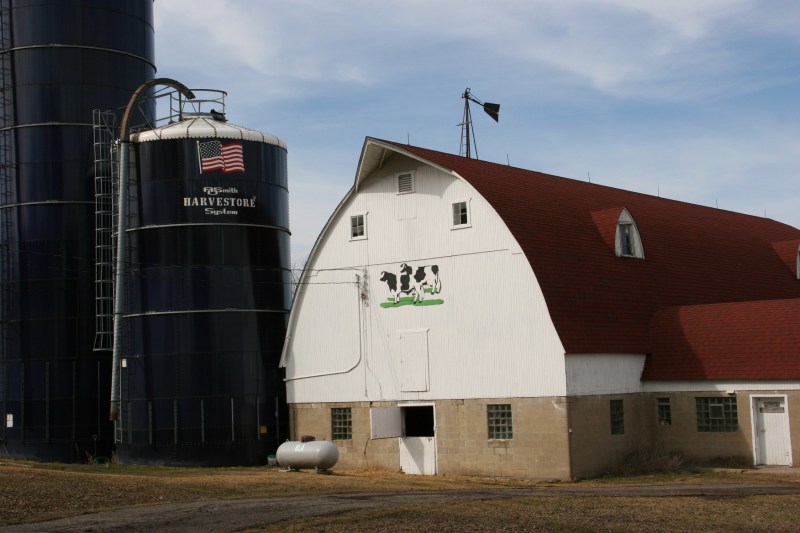
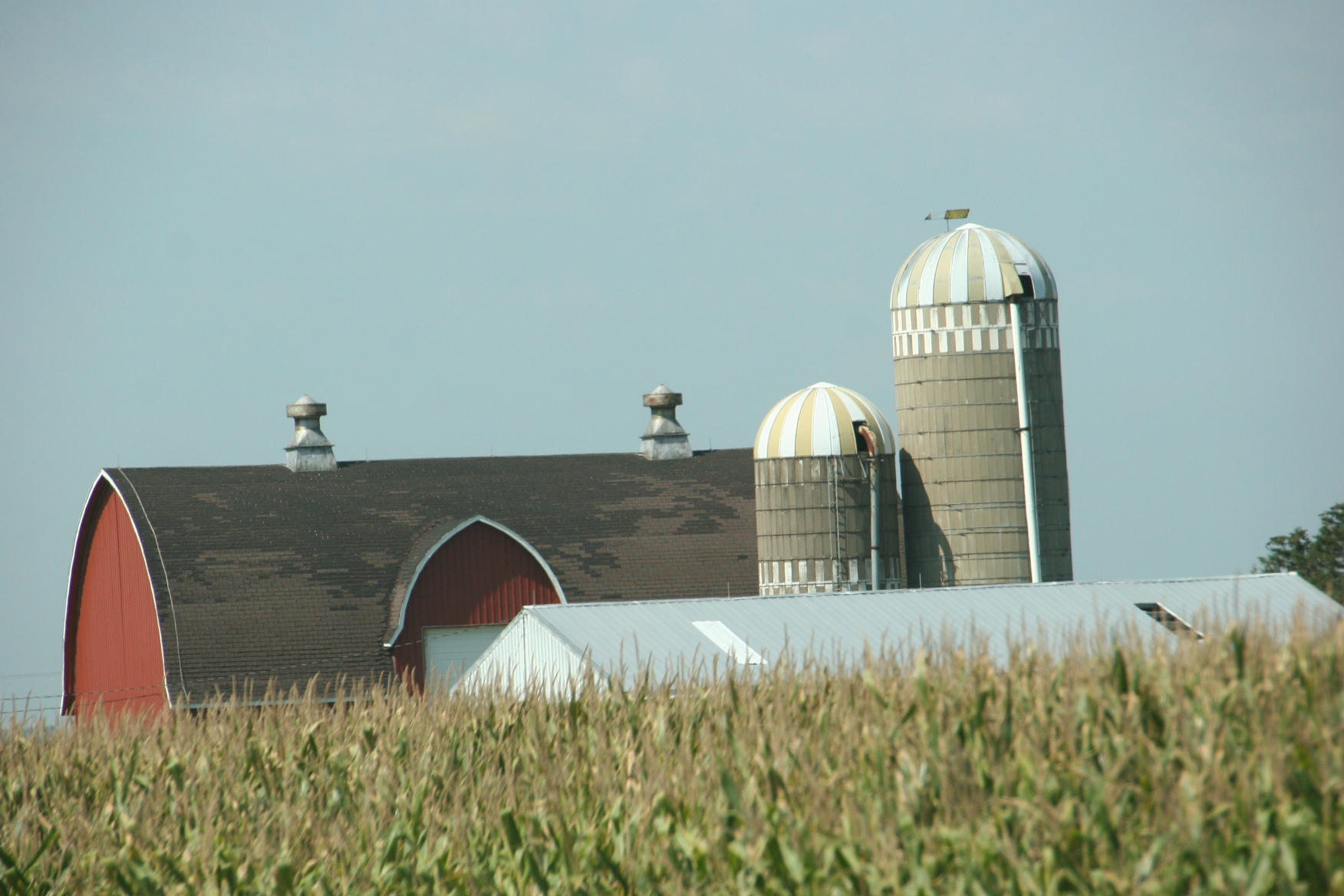
Rural Minnesota, 110 barn & Harverstore silos


Memories of farm life tuck away in my heart. Doing chores—feeding calves and cows and scooping silage and manure. Walking beans. Picking rock. Gathering around the supper table with my parents and siblings to eat that which we’d grown and raised. Playing in the grove. Racing across rock solid snowdrifts sculpted by the prairie wind.

Life on the farm wasn’t easy. But it was good. Good in the sort of way that comes from working hard and understanding that family and faith come first.


Rural Minnesota, 111 house in Aspelund


I grew up poor. There were no birthday gifts, except from an aunt, my godmother. A meal was sometimes comprised of a kettle of plain white rice. Clothes were sometimes stitched from feed sacks and most certainly handed down. There was no telephone or television or indoor bathroom in the early years of my life. I went to church and Sunday School every week.

I am grateful my parents were never wealthy in the monetary sense. I would not be the person I am today. It is not important to me to have the newest or latest or best. I am content with what I have. I consider myself grounded and honest and loyal. Down-to-earth. Rooted. I love the land and I love family.


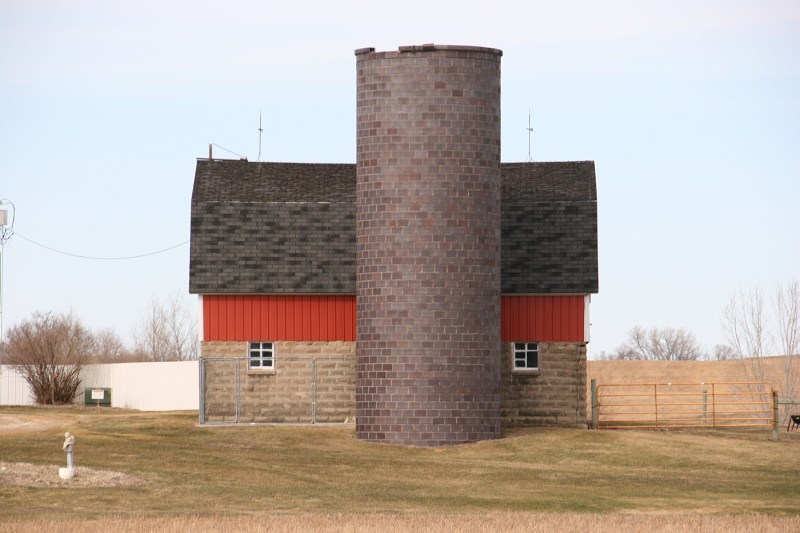
Rural Minnesota, 103 barn & silo


These are the thoughts that surface when I journey through the Minnesota countryside, when I photograph barns and farmhouses and other rural scenes. I am capturing the essence of the place that shaped me. Land. Sky. Fields. Barns. Silos. Farmhouses. And, yes, my family and my faith.


Rural Minnesota, 108 sprawling farmhouse


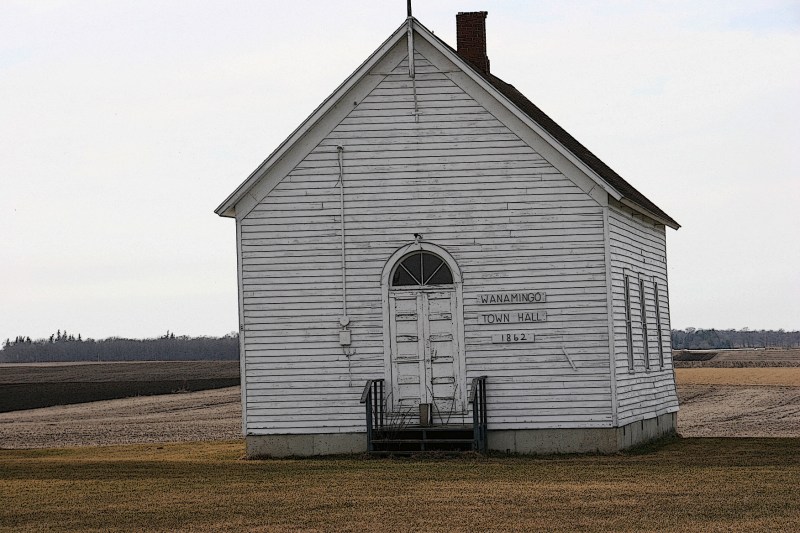
FYI: These images were taken while traveling along Goodhue County Road 30 west of Wanamingo, Minnesota, and in Aspelund, a slight veer to the north. I did not grow up in this area. Rather, I was raised on a dairy and crop farm in Redwood County, on the southwestern Minnesota prairie. My childhood home was nothing like the houses pictured here. Ours was a tiny woodframe farmhouse heated by an oil burning stove in the living room. The kitchen had an interior trap door that led to a dirt cellar. It was cramped. But it was home.

© Copyright 2016 Audrey Kletscher Helbling


Utica, not New York, but Minnesota February 23, 2016

Filed under: Uncategorized — Audrey Kletscher Helbling @ 5:00 AM
Tags: , , , , , ,
A farm site just minutes east of Utica.

A farm site just minutes east of Utica in southeastern Minnesota.

YOU NEVER KNOW what oddities will surprise you in a small town, which is precisely why I delight in exploring rural communities.

Utica, a town of about 300 located along U.S. Highway 14 between Rochester and Winona, definitely presented some attractions worth photographing this past September. I use the word “attractions” loosely. What I find interesting may go unnoticed by others.

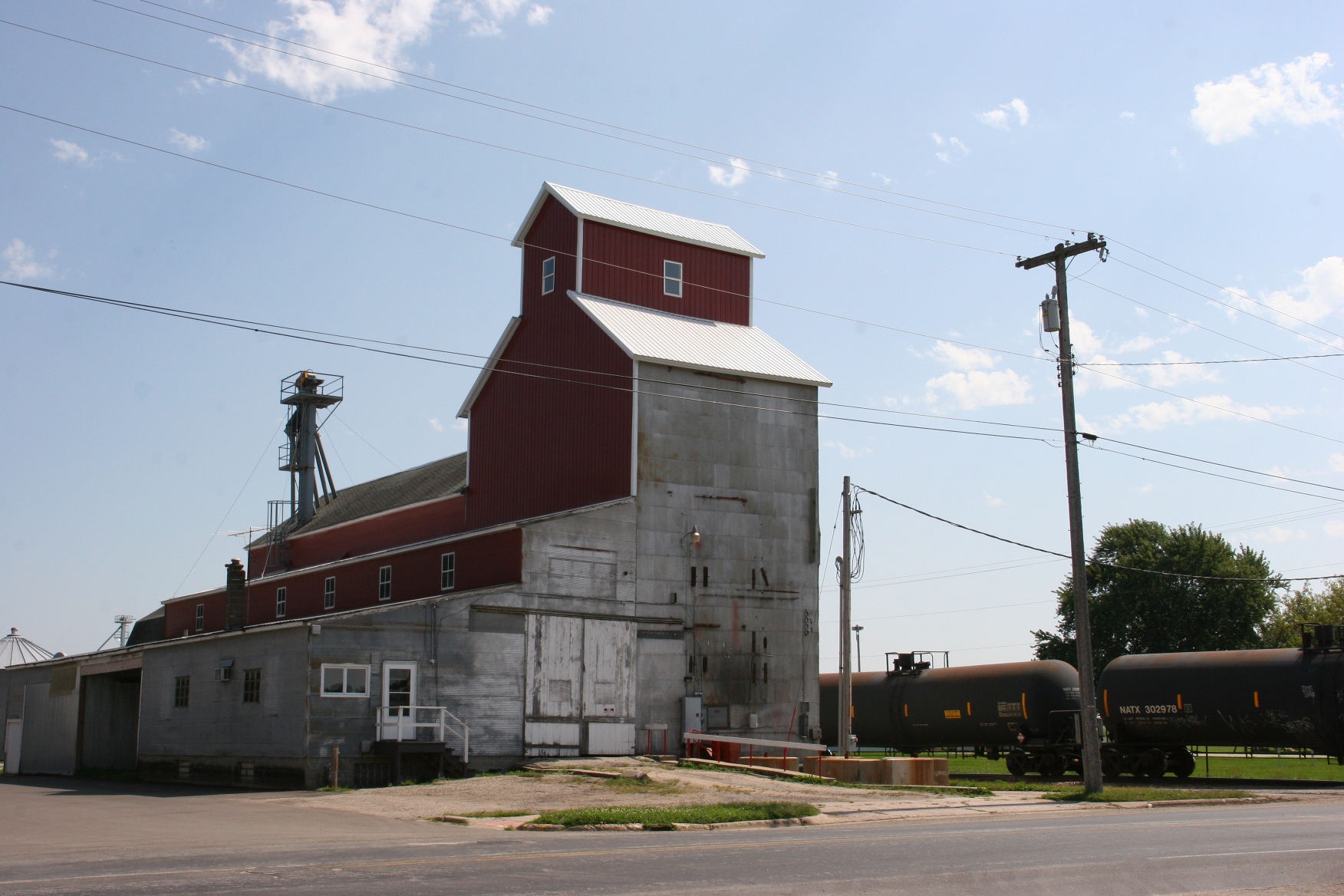
I'm always happy to see a grain elevator that has been maintained and is appreciated.

I’m always happy to see a grain elevator that has been maintained and is appreciated. These are small town treasures.

It was the red and grey grain elevator jutting above Utica that drew my husband and me off the highway and into this community as a freight train roared through town.

Utica may not have a website, but it has this sign to tell you a bit about the town.

Utica may not have a website, but it has this sign to tell you a bit about the town.

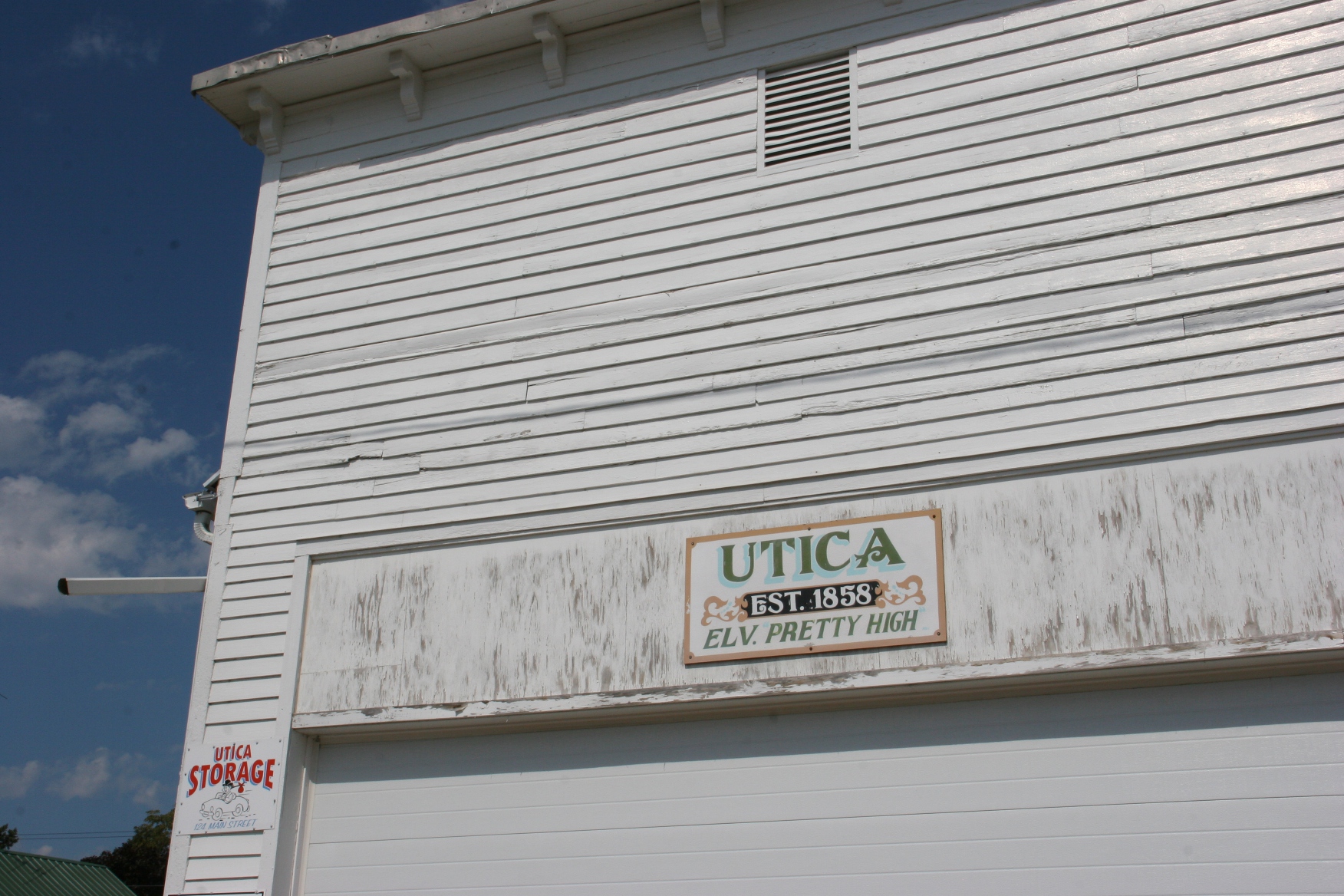
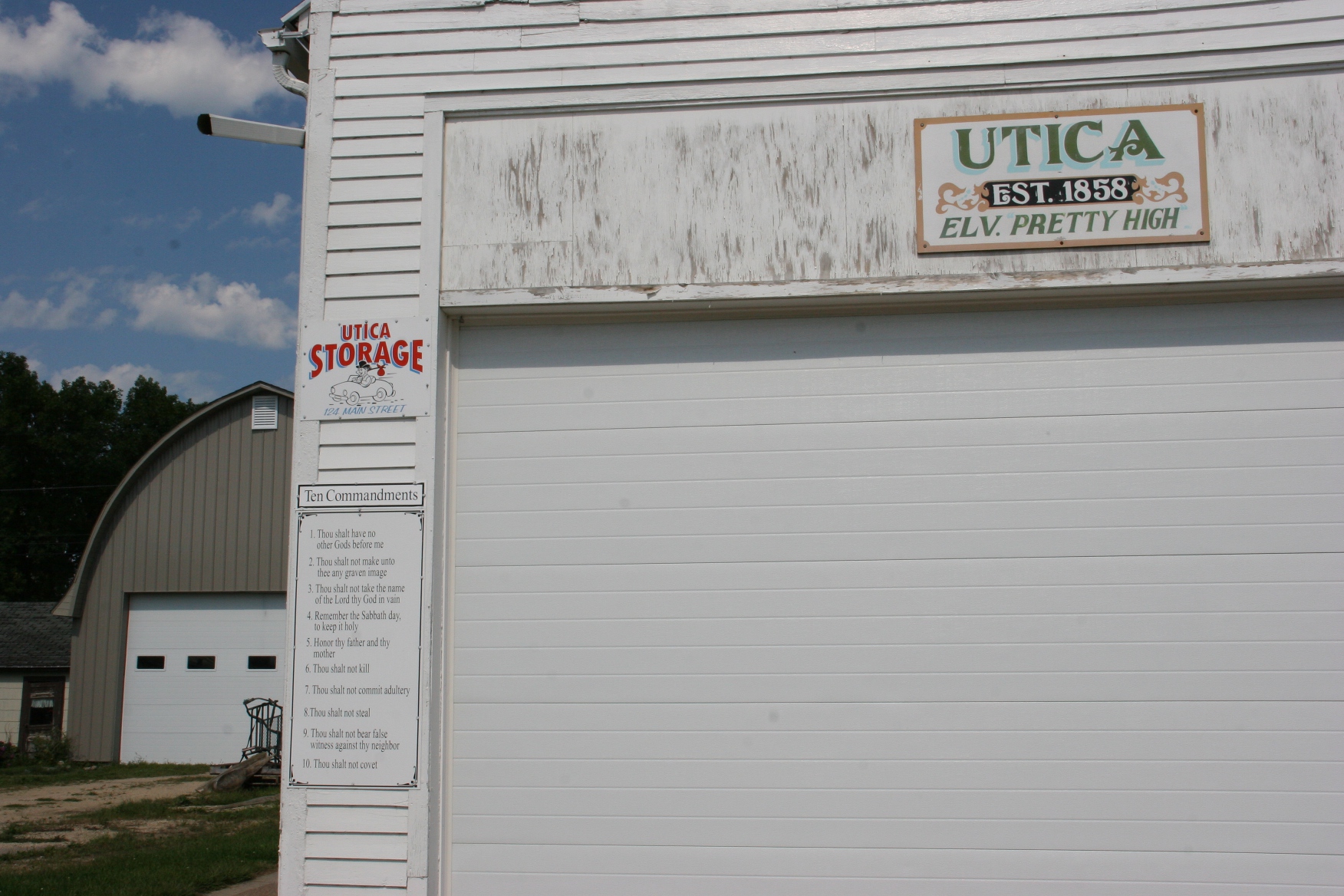
From there we swung onto Main Street and noted that Utica was founded in 1858, if the signage on Utica Storage is accurate. We laughed at the “ELV. PRETTY HIGH” notation.

The law.

The law…

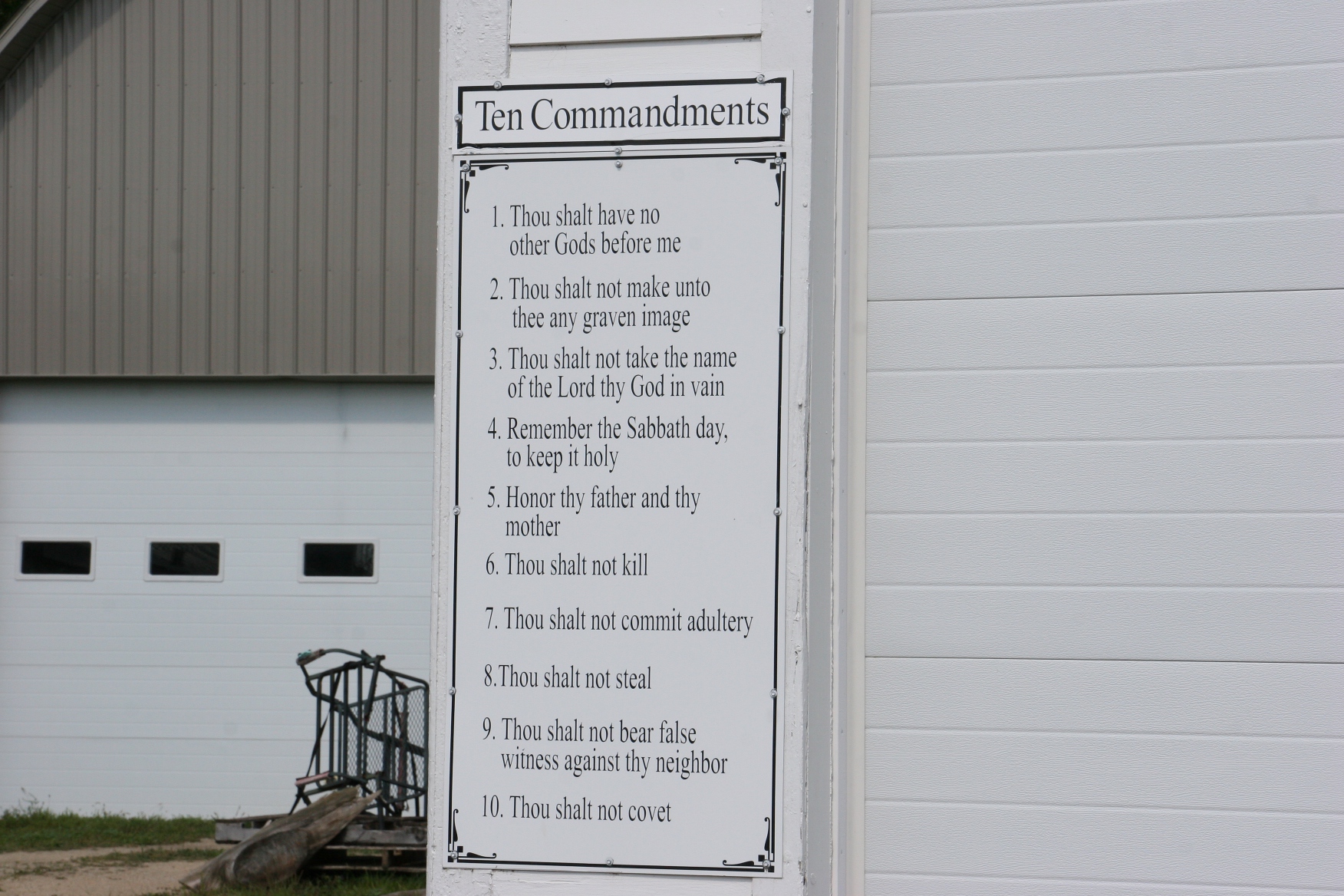
...up close.

…up close.

And, if not for Randy, I would have missed the 10 Commandments posted on the front of the building.

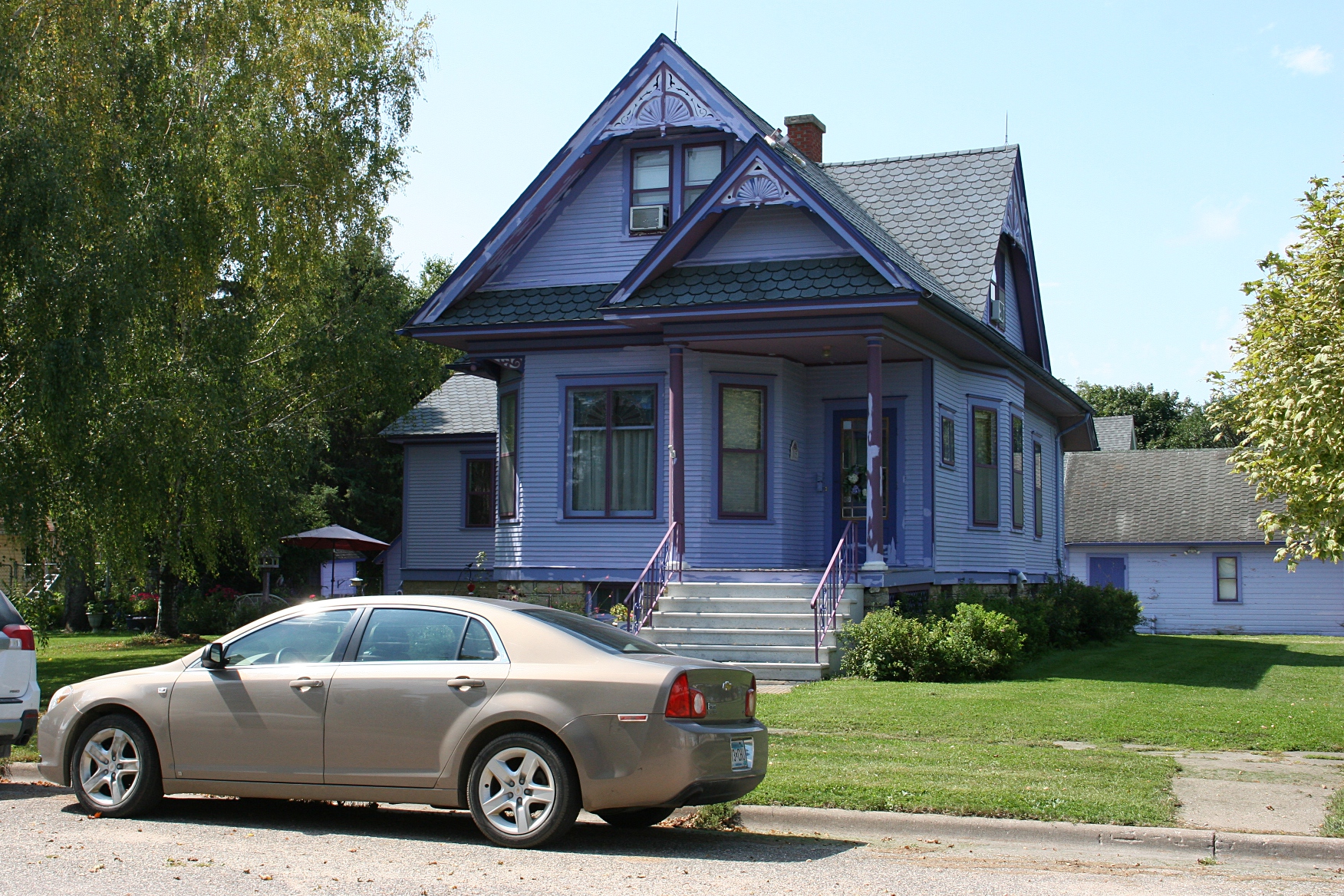
The "can't miss it" house.

The “can’t miss it” house.

Then, in a residential area, a Victorian house painted in lavender hues presided on a corner. I wondered for a second if it might be a tea house, but saw no such signage. Apparently the owner just really likes this hue given the outbuildings are also painted lavender.

This reminded me of my Aunt Marilyn, whose house is not lavender, but who loves the color. And I once worked with legendary Northfield News editor Maggie Lee, who wore only lavender.

Utica is definitely a farming community.

Utica is definitely a farming community.

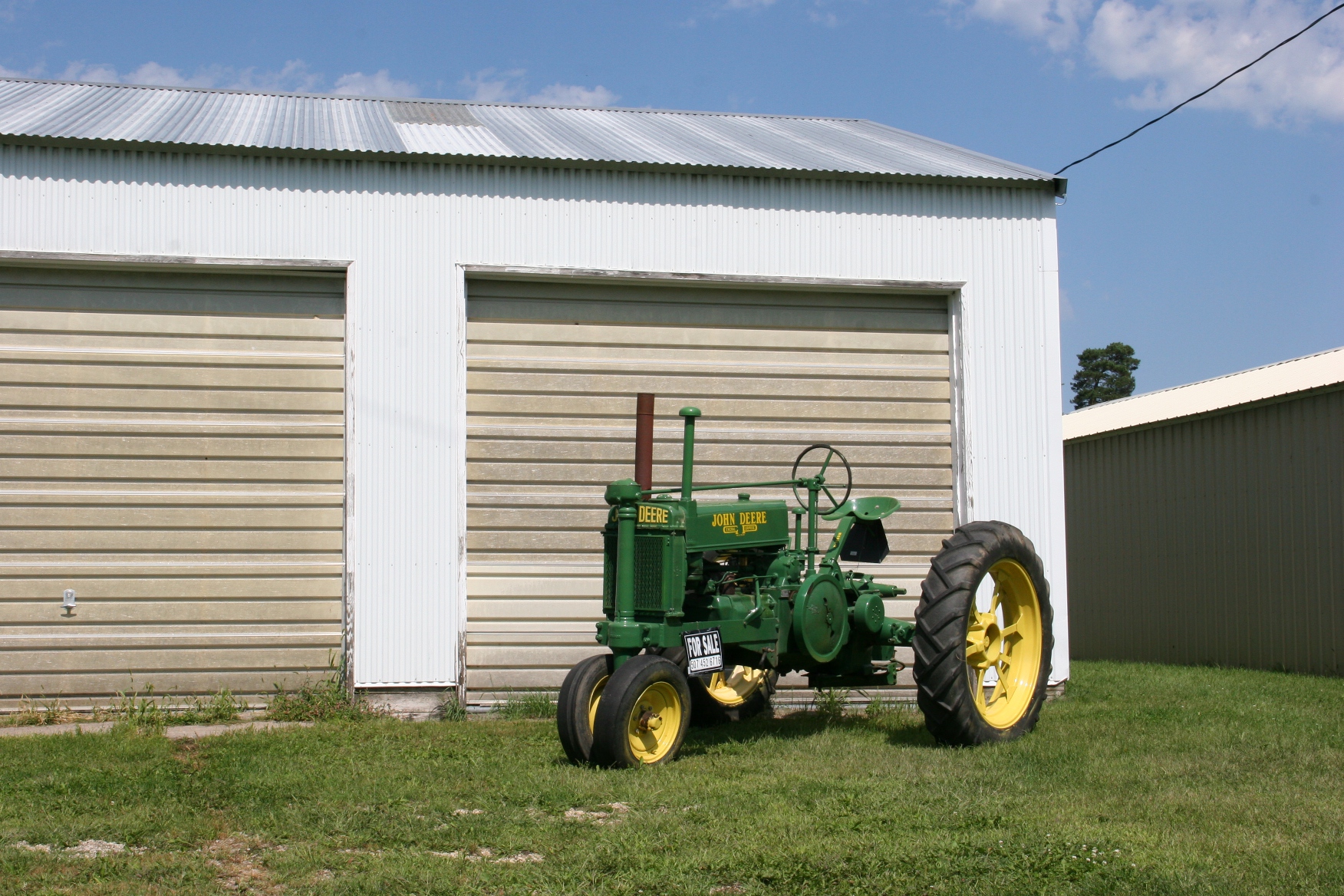
Utica’s final attractions were two tractors—a wonderfully restored John Deere and a rusting Farmall—staged for sale outside a shed.

Now, if we’d taken the fast route home via Interstate 90, we would have missed all of this. Utica would remain just a sign along the interstate. I would know nothing of its character, its individuality, its colors.

© Copyright 2015 Audrey Kletscher Helbling


On the road in rural Minnesota December 30, 2015

Filed under: Uncategorized — Audrey Kletscher Helbling @ 5:00 AM
Tags: , , , , ,

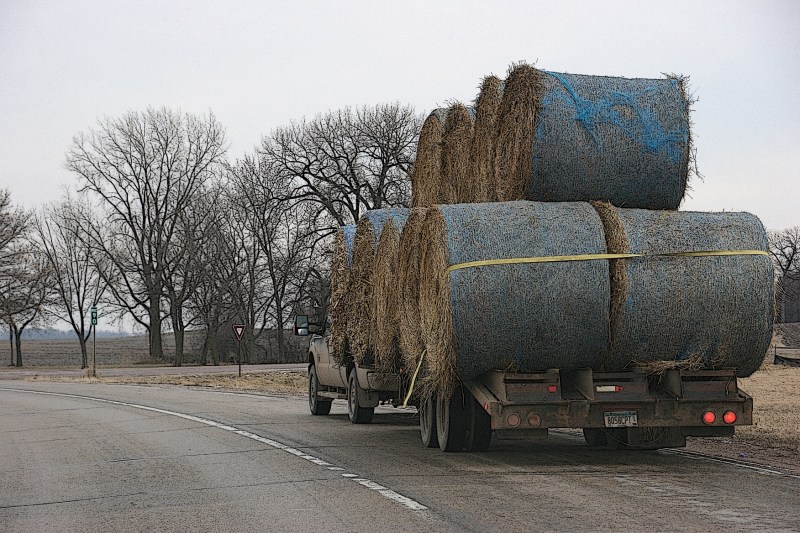
Bales on trailer, 91 along hwy 14


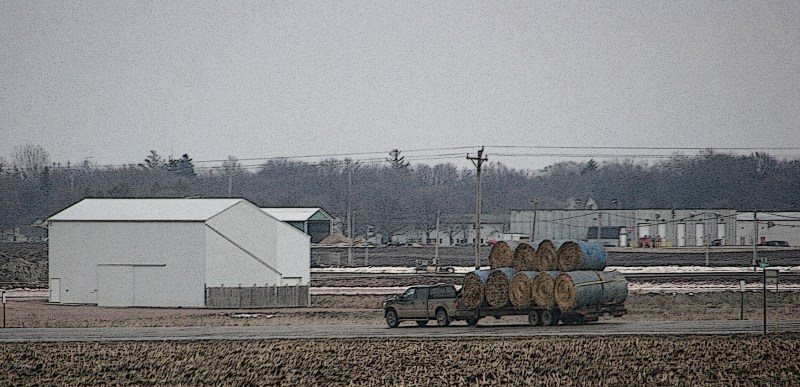
ROUNDING A CURVE along U.S. Highway 14 northeast bound into Sleepy Eye, the pick-up truck lugged a cargo of 14 round bales on a recent Sunday morning.


Bales on trailer, 84 going up hill


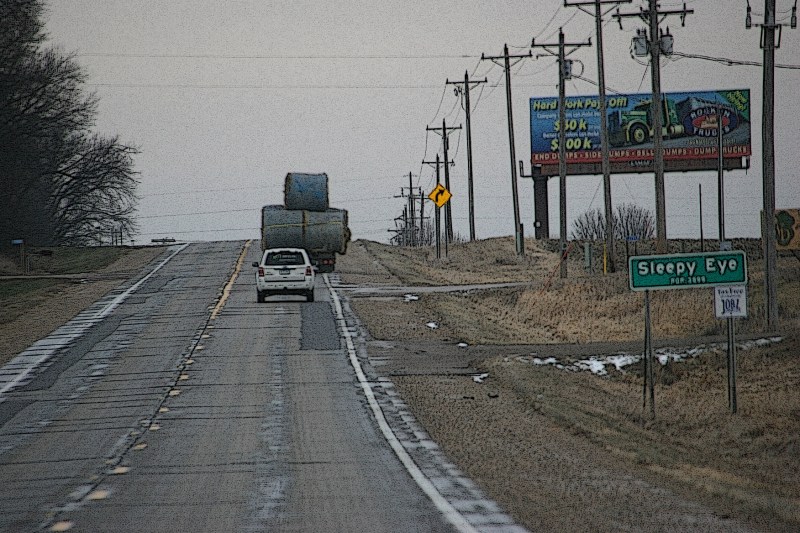
As it labored up the hill past the Sleepy Eye Golf Club, I wondered whether the top bales would remain in place. They appeared untethered. My husband and I were following two vehicles behind.


Bales on trailer, 82 with bins nearby


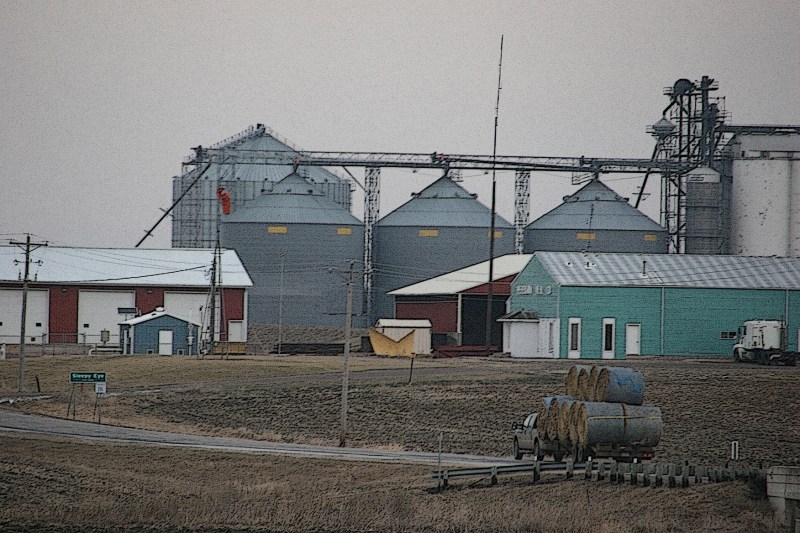
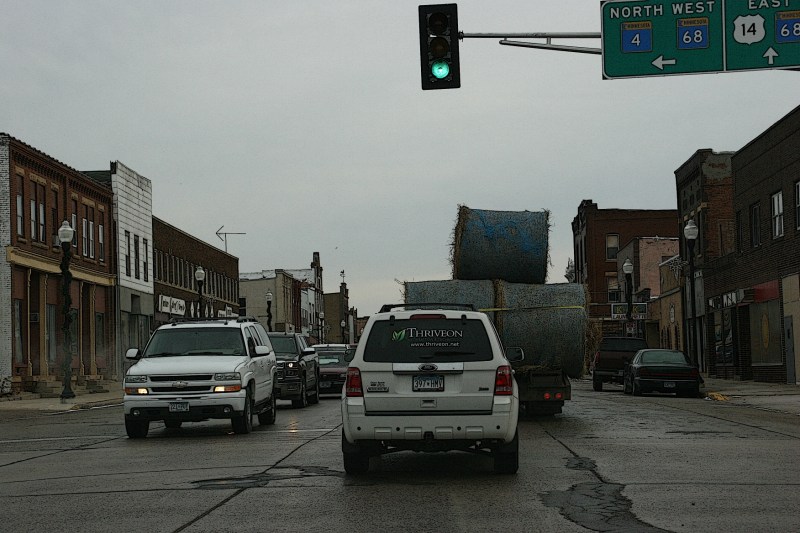
But the bales stayed put as the truck and trailer topped the hill, curved past grain bins and bumped along the highway through downtown Sleepy Eye where the vehicle in front of us turned, putting our van directly behind the mound of bales.


Bales on trailer, 89 in downtown Sleepy Eye


I was hoping we wouldn’t have to follow this wide load too far, especially not all the way to New Ulm. Passing along this section of highway is often challenging under the best of circumstances. And this was not ideal with bales hanging nearly over the center line and a non-functioning left trailer brake light.


Bales on trailer, 93 turning


On the east edge of town, the driver veered his truck to the county road on the right. I was thankful, especially when I visually confirmed that the top four bales were unsecured. The bales, Randy noted, weren’t going anywhere. Maybe. Maybe not.

In the back of my mind I remembered the ice that slid from a semi trailer along Interstate 35 four days prior. That ice missiled across the median and into the driver’s side window of our van. Bam, just like that. The glass didn’t shatter nor even crack. But it was enough to scare us, or at least me. The thought of a heavy round bale tumbling into the path of our van seemed equally as frightening.

Have you had a similar experience on the roadway or observed a situation you considered unsafe while traveling? I bet you have some unbelievable stories. Go ahead. Share.

© Copyright 2015 Audrey Kletscher Helbling


Scenes along Minnesota State Highway 99 December 29, 2015

Filed under: Uncategorized — Audrey Kletscher Helbling @ 5:00 AM
Tags: , , , , ,

Travel, Minnesota Highway 99 near Cleveland #2


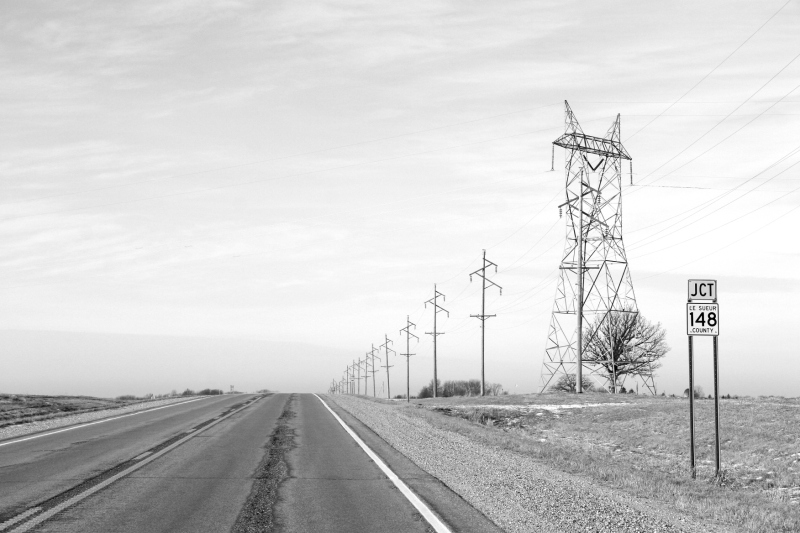
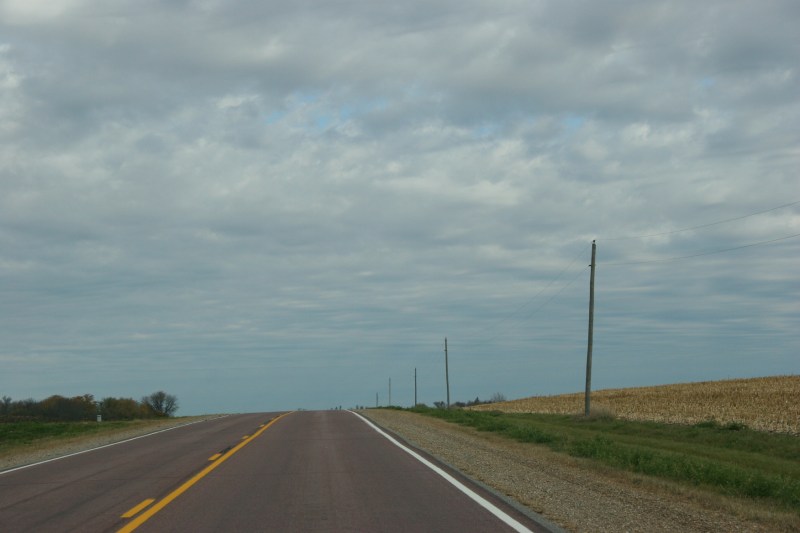
MINNESOTA STATE HIGHWAY 99 rolls through farm country and small towns from northeast of Faribault to Nicollet.


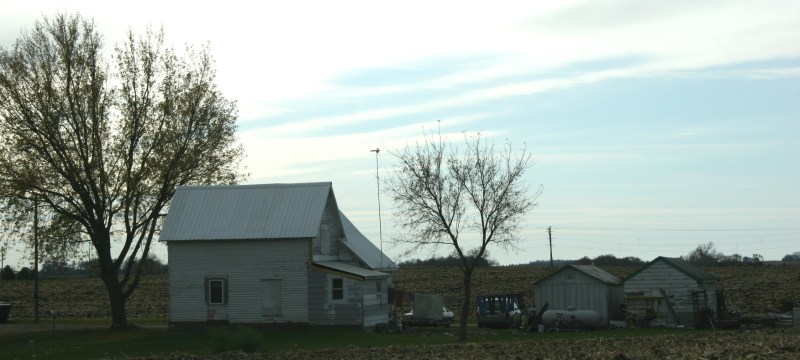
Travel, Minnesota Highway 99 farmsite near Cleveland


I call it the back road to my native southwestern Minnesota. It’s the route my husband and I take to vary our travel or to avoid U.S. Highway 14 road construction and/or traffic between Mankato and Nicollet.

Usually we are in a hurry , which allows no time to explore. It is a sad fact of much travel these days. But even in haste, I notice details.


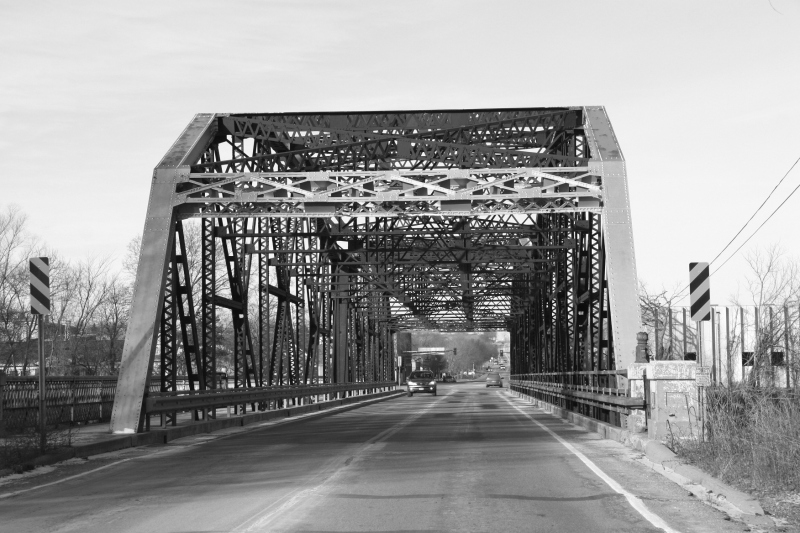
Travel, Minnesota Highway 99 bridge over MN River in St. Peter


When Randy mentioned that the Highway 99 bridge over the Minnesota River in St. Peter is due for replacement, I snapped a photo just as were about to cross it. I love bridges like this with architectural character. The 1931 steel truss bridge is on the National Register of Historic Places and slated for rehab (not replacement) in 2017, according to the Minnesota Department of Transportation website.


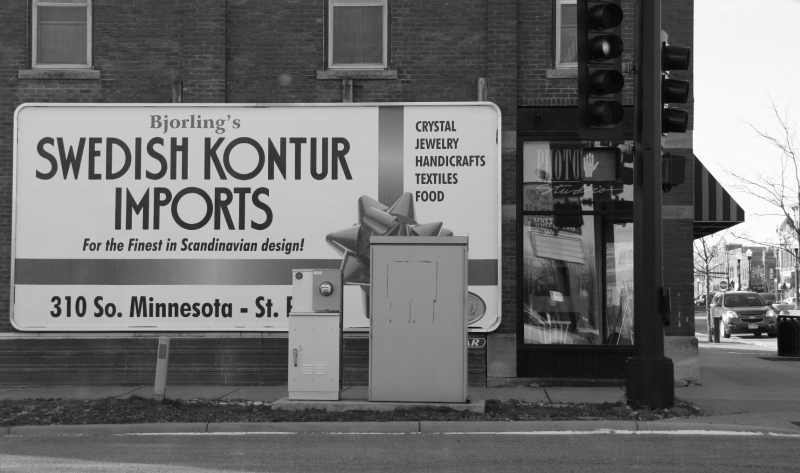
Travel, Minnesota Highway 99 Swedish Imports sign in St. Peter


Waiting at a stoplight just across the bridge in the heart of downtown St. Peter, I turned my camera lens to a Swedish Imports sign, noting that we really must stop here sometime.


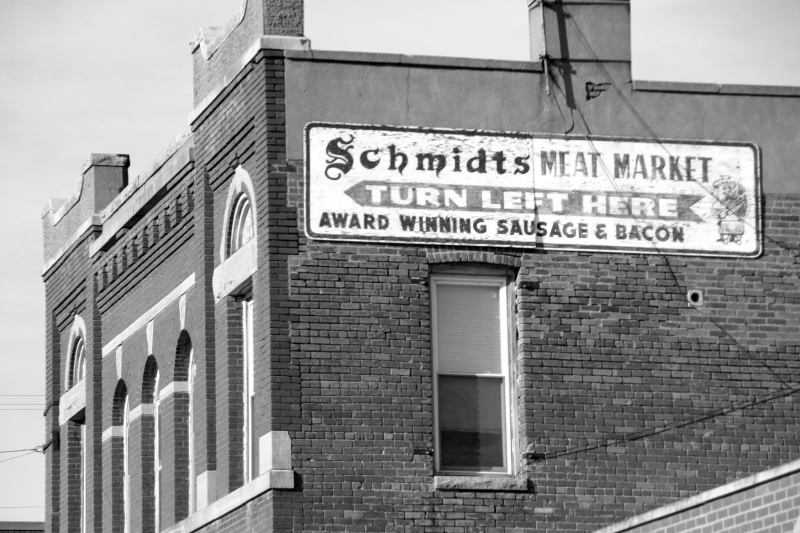
Travel, Minnesota Highway 99 Schmidt Meat Market sign in Nicollet


To the west of St. Peter in Nicollet, I photographed a sign for Schmidt’s Meat Market as we drove through town. The market has become a destination for many. We stopped there once. I popped inside, but quickly retreated to the car. Most people like the smokey smell of a meat market. I don’t. But that’s OK. We’re all different, with distinct tastes, likes and dislikes. That keeps the route through life varied and interesting.

© Copyright 2015 Audrey Kletscher Helbling


When the polka music fades in Seaforth December 10, 2015

Northbound on Redwood County Road 7 just minutes from Seaforth.

Northbound on Redwood County Road 7 just minutes from Seaforth.

ON MY LAST VISIT back to my native southwestern Minnesota in late October, my husband and I drove through Seaforth. This community of 86 residents lies seven miles to the east of my hometown of Vesta in Redwood County.

A farm site along CR 7 near Seaforth.

A farm site along CR 7 near Seaforth.

When I was growing up, my school bus passed Seaforth en route to Wabasso, stopping along the way to pick up farm kids.

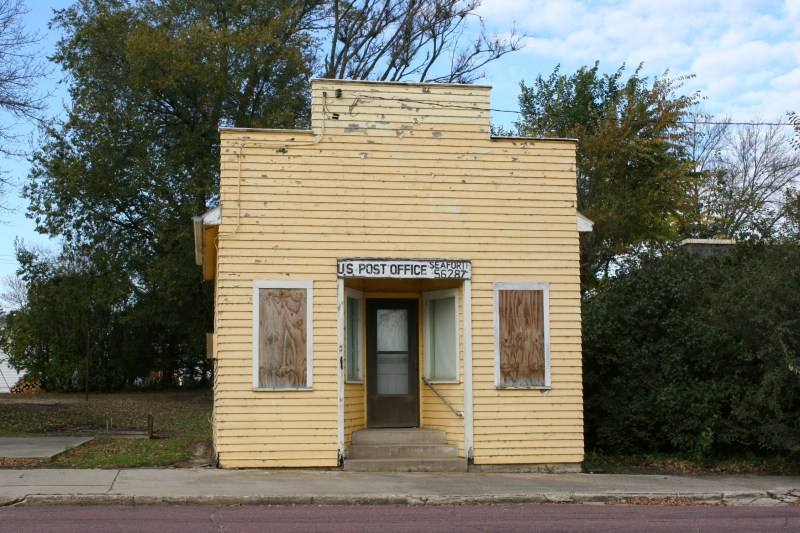
The former post office in Seaforth. Like so many small town post offices, the one in Seaforth was closed.

Like so many small town post offices, the one in Seaforth was closed by the U.S. Postal Service.

On occasion I attended a funeral, bridal shower or wedding at the Lutheran church in Seaforth at a parish that, because of diminishing congregational size, closed years ago. The church is now a house.

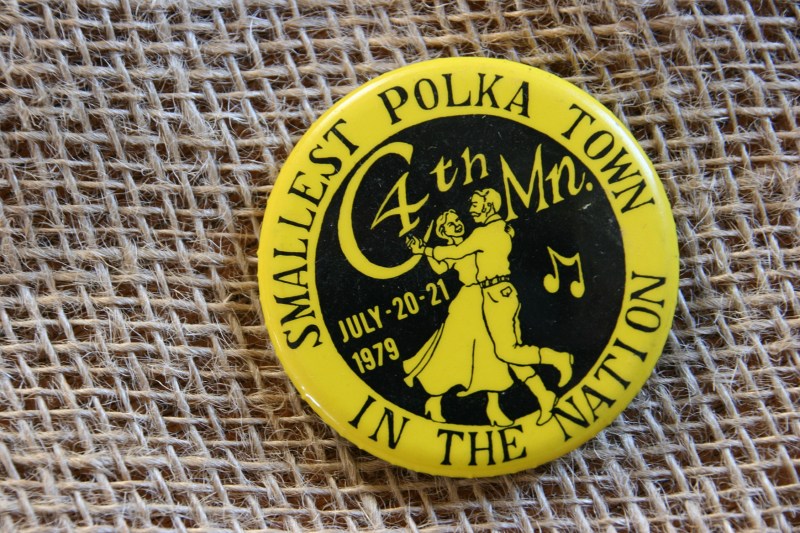
One of the many buttons my mom saved from Seaforth Polka Days.

One of the many buttons my mom saved from Seaforth Polka Days.

As a teen and young adult, I sometimes attended Seaforth Polka Days, an annual July event featuring, as you would expect, polka bands. For 42 years, Seaforth has hosted this celebration and billed itself as “The Smallest Polka Town in the Nation.” That will be no more, I learned from my mom, who today resides in an assisted living apartment in Belview the next town north of Seaforth. Mom didn’t know details. So I turned to the internet and found this July 14 entry on the Seaforth Polka Days Facebook page:

It is the end of an era, the booster club has decided that this will be the last year for polka days. Every year becomes harder to find enough volunteers to work and crowds have been smaller as well. Let’s make this year one to remember. Spread the word that it will be the last, for those who always planned to come one of these years or for those who have fond memories from years past this weekend will be your last chance to celebrate polka days in Seaforth!

Still open or shuttered, I don't know.

Still open or shuttered, I don’t know.

Such decisions to end large-scale small town celebrations are not uncommon. Year after year, the same locals often find themselves planning and working these events.

A scene in the heart of Seaforth.

A scene in the heart of Seaforth.

Yet, Seaforth isn’t totally giving up. Area residents are still planning a 2016 community celebration during the last full weekend in July: softball games, bean bag toss competition, the fire department fundraising supper, tractor pulls, a DJ and one polka band (instead of many) and “buckets of beer.”

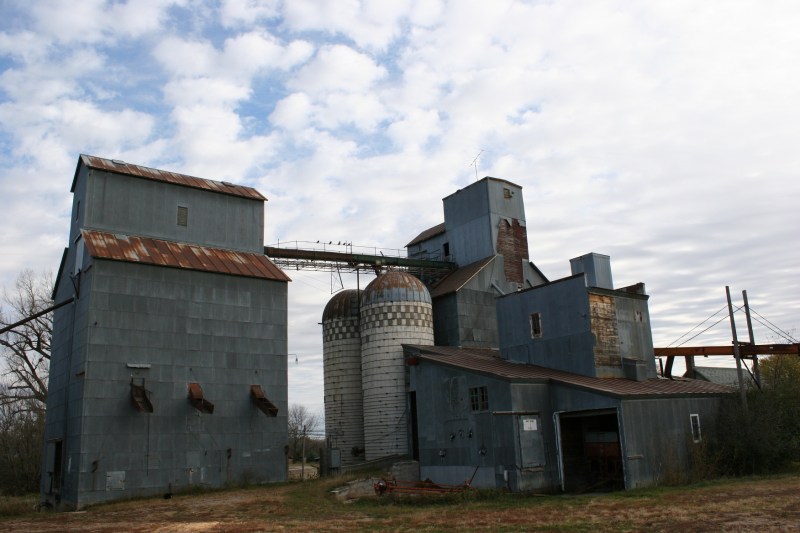
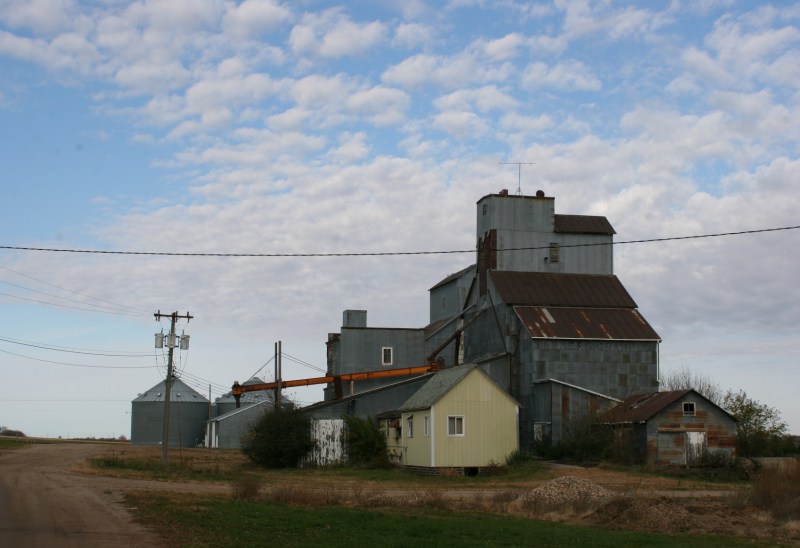
On the north edge of Seaforth, even the grain elevator is closed.

On the north edge of Seaforth, even the grain elevator is closed.

Now they’re soliciting names. Online Facebook suggestions thus far include C4th Small Town Days, C4th Clear Creak (sic) Days, C4th Clear Creak (sic) Fest, C4th Hometown Days, C4th Summer Days, Polka Days Part 2 and, finally, Redneck Fest.

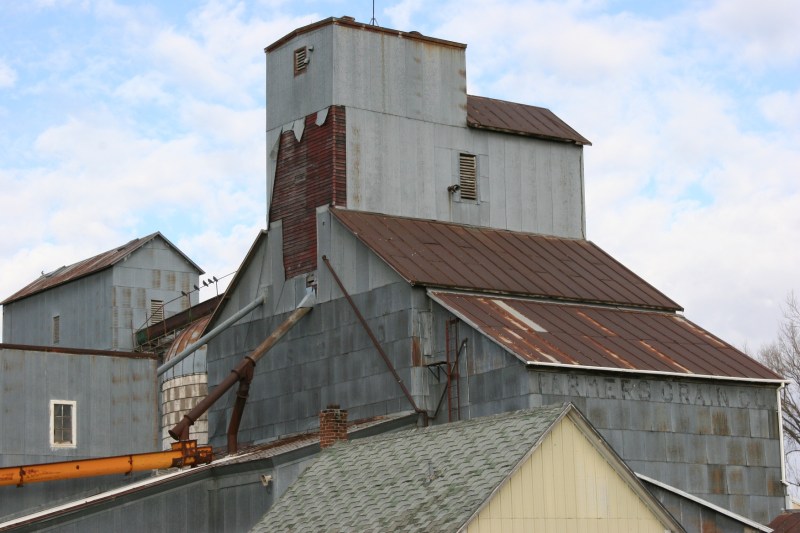
Look closely, and you can see the faded words "Farmers

Look closely, and you can see the faded words “Farmers Grain Co.”

Thoughts, on any of this?

Last I knew, my Uncle Milan owned this grain elevator complex. I don't know whether he still does.

Last I knew, my Uncle Milan owned this grain elevator complex. I don’t know whether he still does.

Do you help plan and work at a small town celebration? Do you attend small town celebrations? Let’s hear. Why are such events important to rural communities like Seaforth?

© Copyright 2015 Audrey Kletscher Helbling


My Minnesota family’s tradition: Harvesting & preserving horseradish November 5, 2015

Filed under: Uncategorized — Audrey Kletscher Helbling @ 5:00 AM
Tags: , , , , , , ,
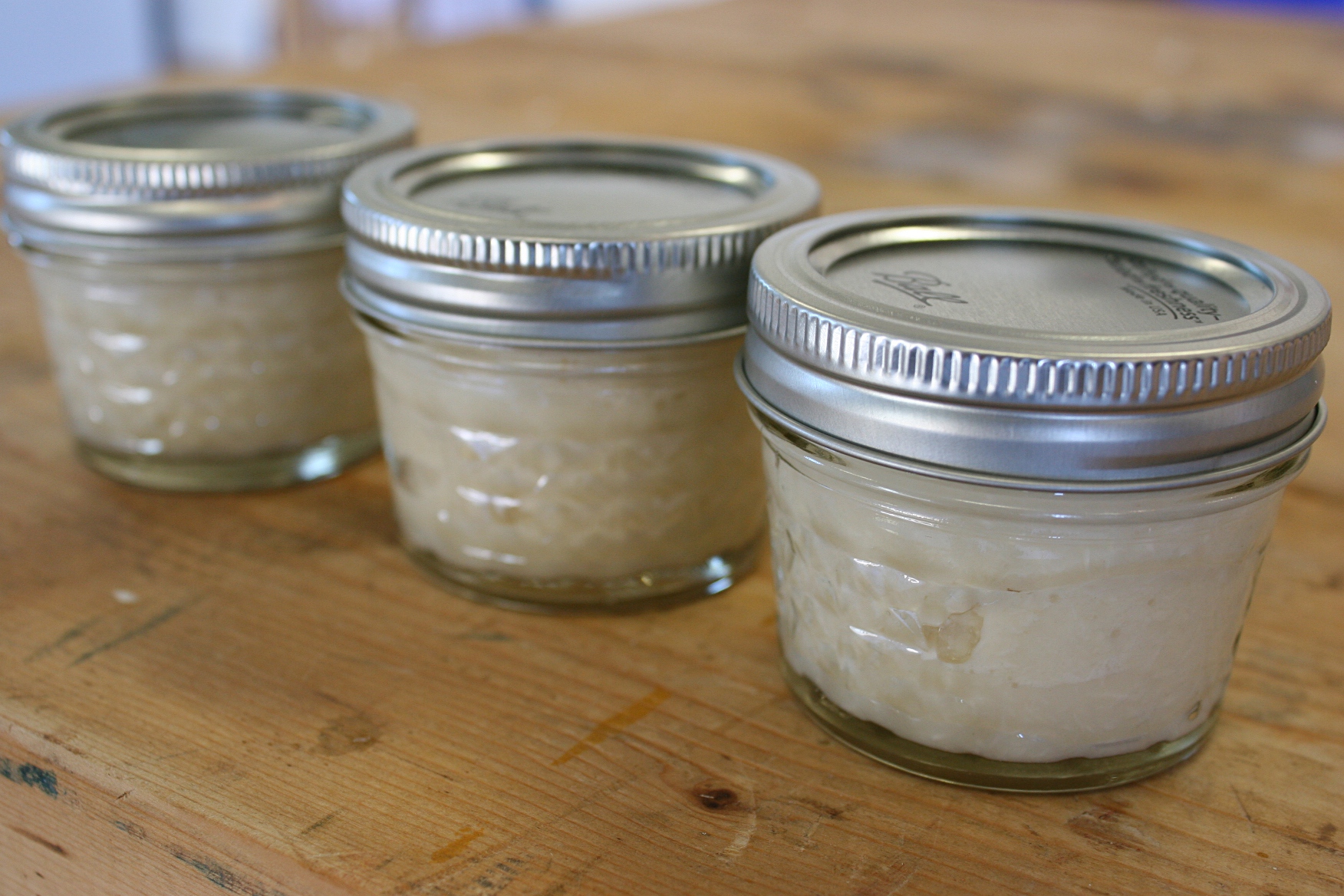
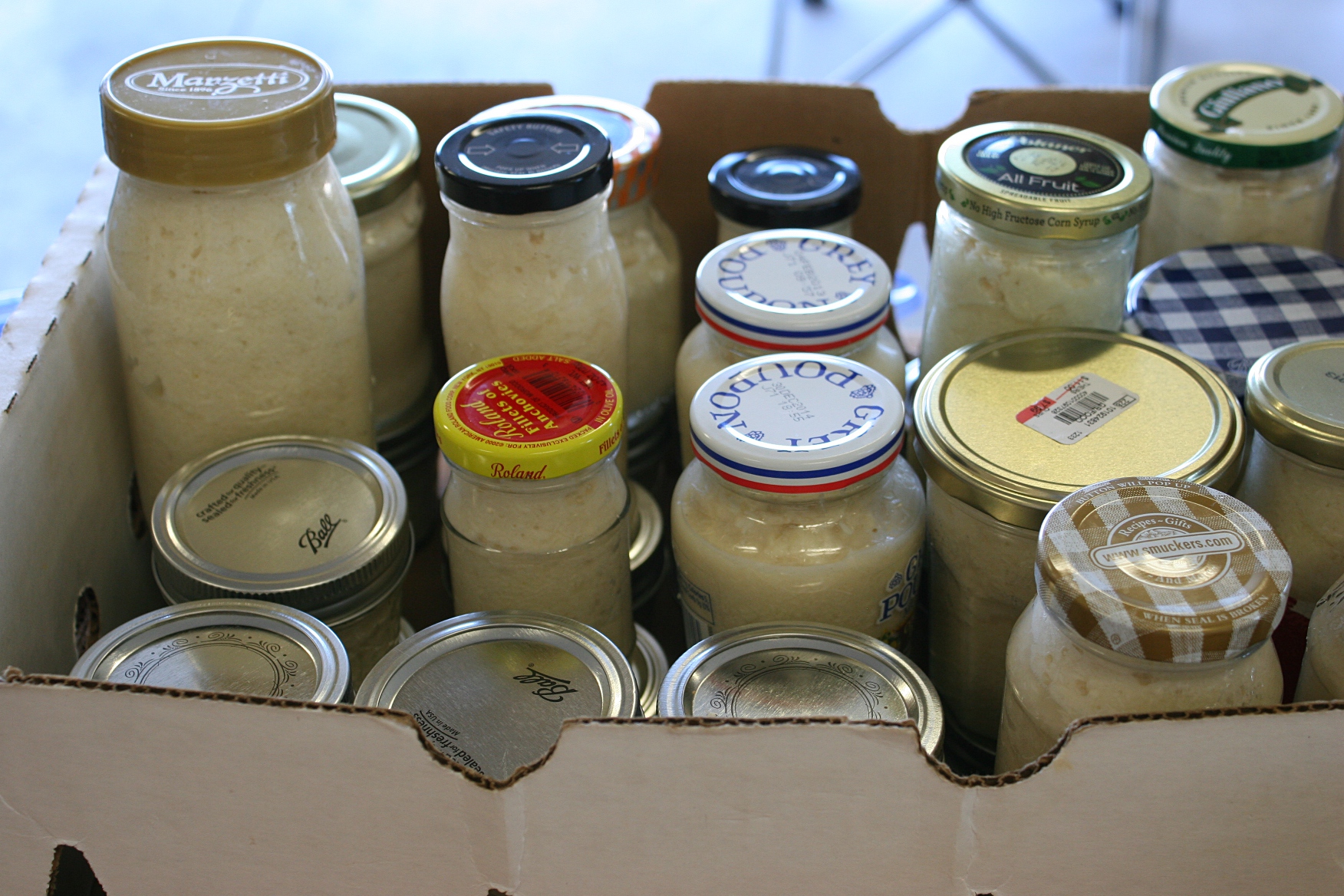
Freshly-processed horseradish from southwestern Minnesota.

Freshly-processed horseradish from southwestern Minnesota.

THE CREAMY SAUCE LINGERS on my tongue. Then, zip, my nostrils burn with the zing of stinging horseradish. My eyes water. And I wonder why I eat this stuff.

I like spicy. I like hot. Not jalapeno with too many seeds hot. But horseradish hot I can handle in small doses. It’s part of my DNA.

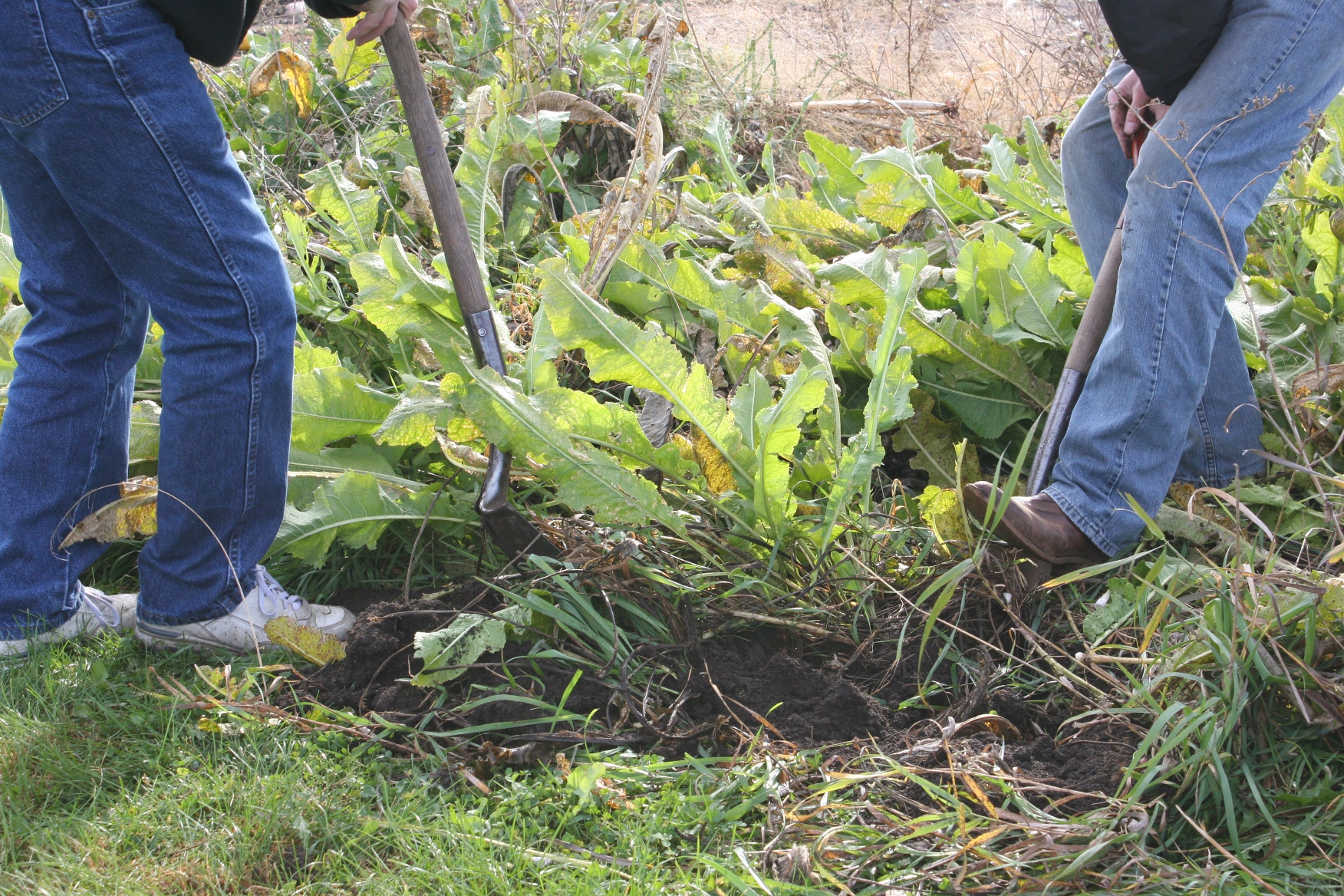
STEP ONE: Digging the horseradish, which grows like carrot roots underground.

STEP ONE: Digging the horseradish, which grows like carrots underground.

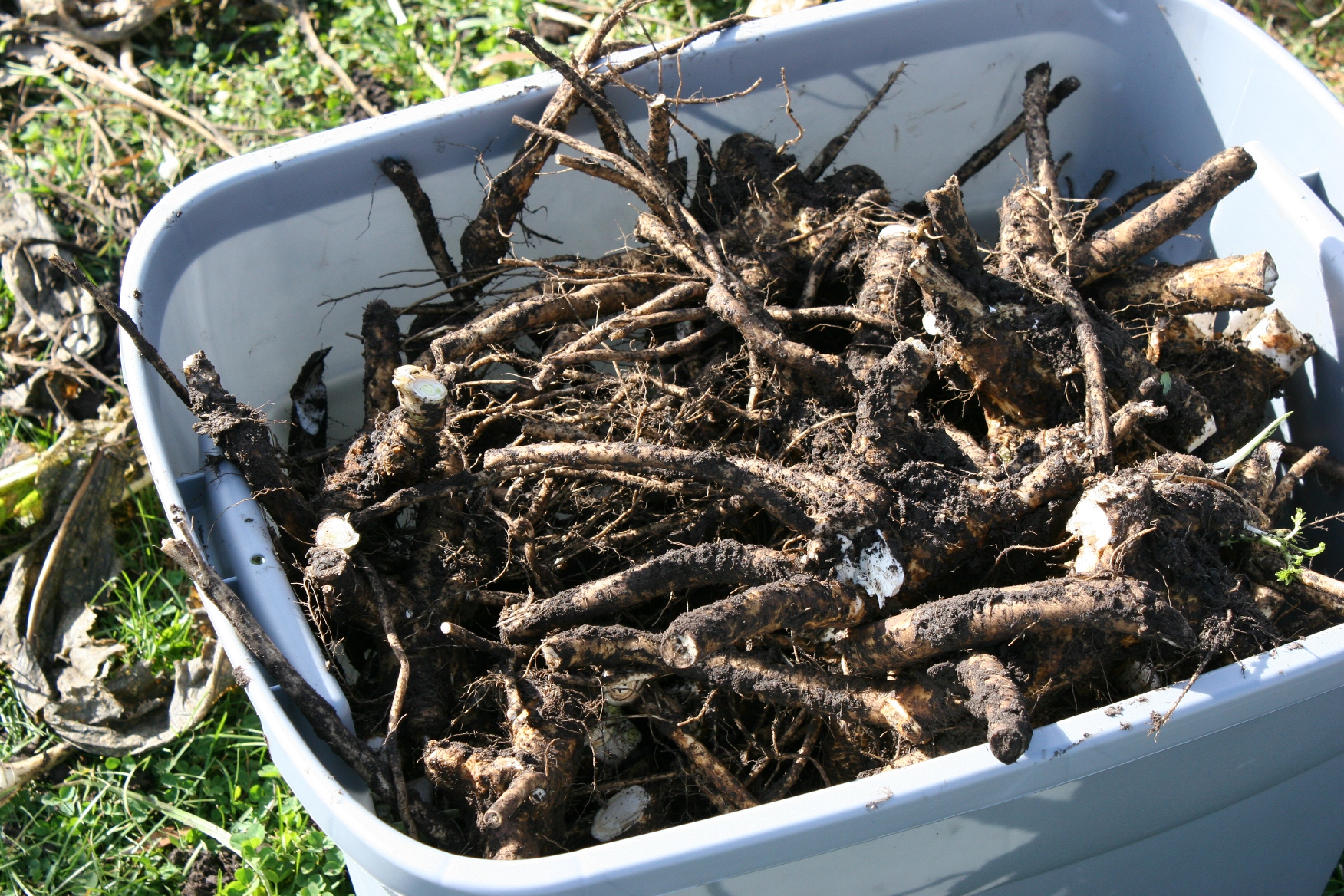
Just dug horseradish.

Just dug horseradish.

We arrive mid-morning on a cool and windy Saturday to process the horseradish.

We arrive mid-morning on a cool and windy Saturday in late October to process the horseradish.

For years, until his death in 2003, my dad made horseradish. You don’t really make horseradish. Rather you process the roots into a creamy white sauce. Horseradish preserved in vinegar.

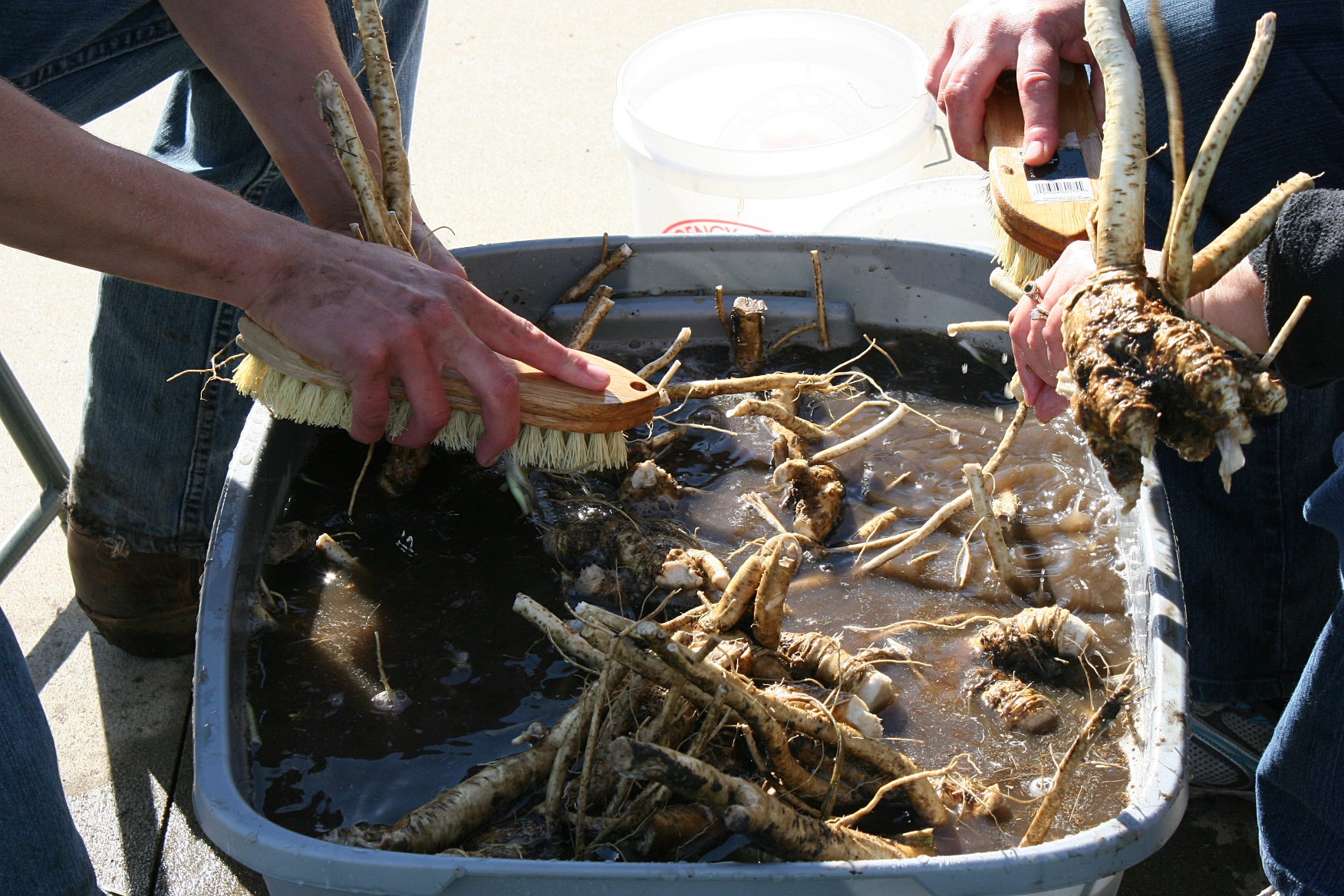
STEP TWO: Scrubbing the dirt away with brushes.

STEP TWO: Scrubbing away the dirt.

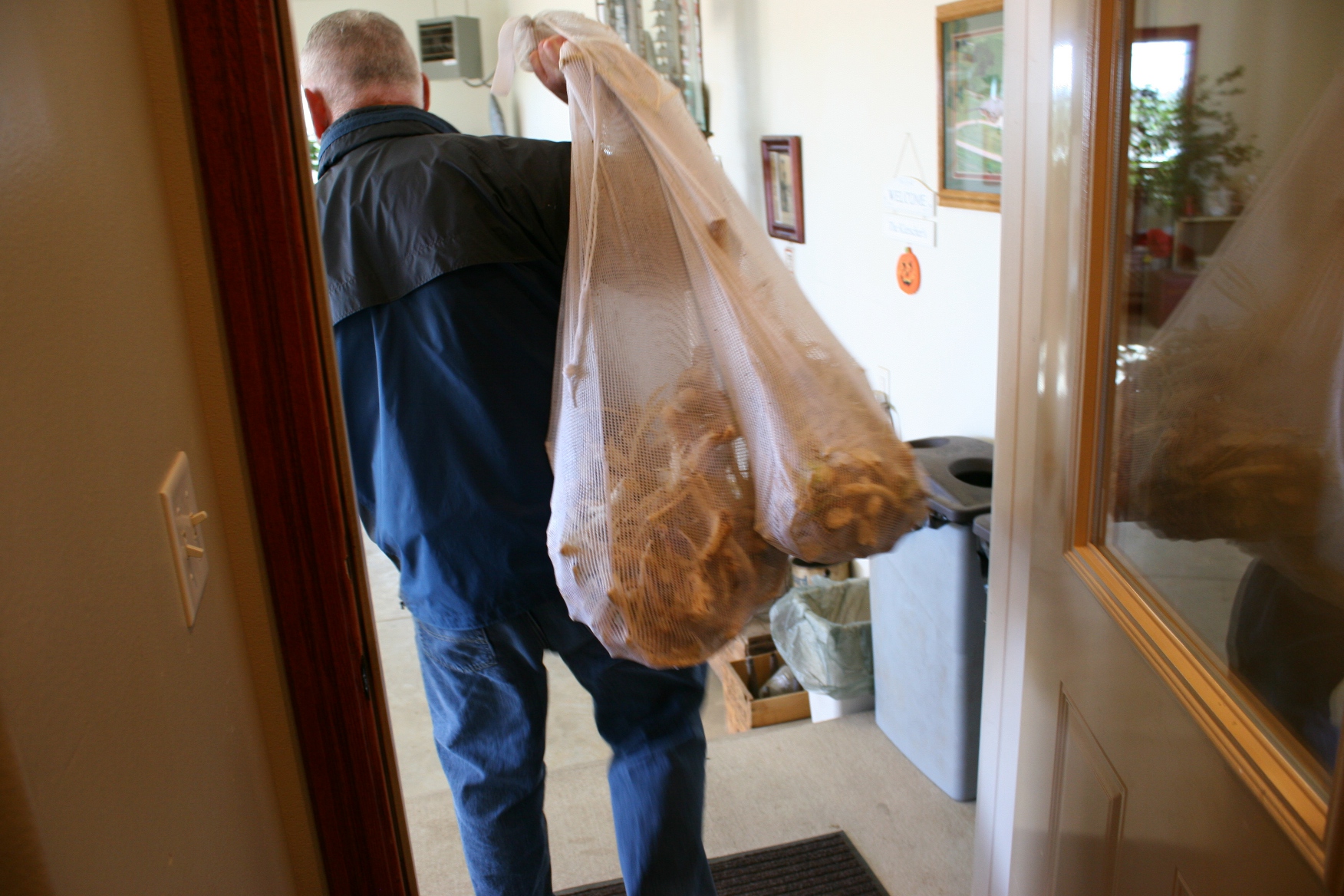
STEP THREE: The horseradish if placed in laundry bags and washed in the washing machine. Here my brother carries the just-washed horseradish to the work area in his garage.

STEP THREE: The horseradish is placed in laundry bags and washed in the washing machine. Here my brother carries the just-washed horseradish to the work area in his garage.

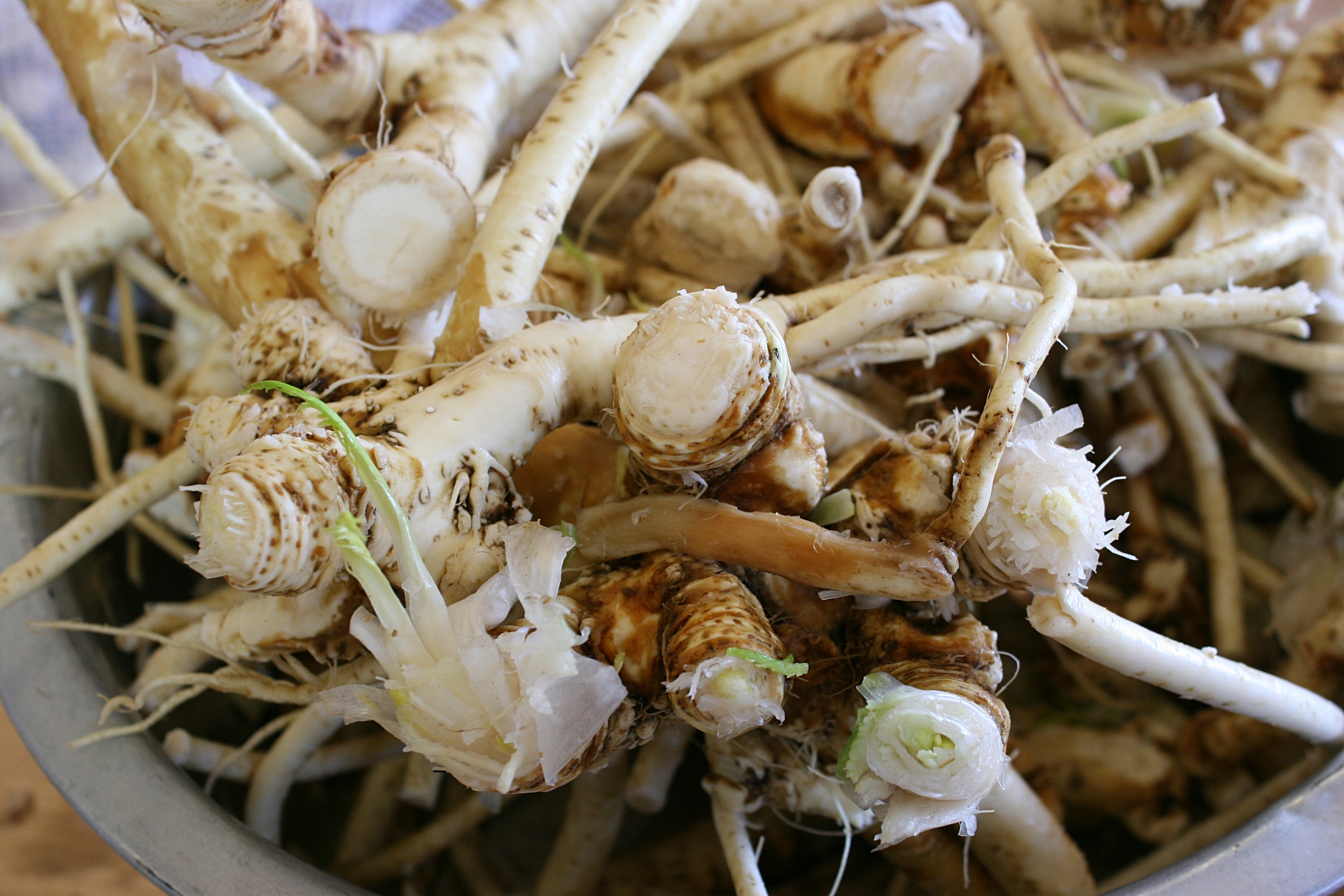
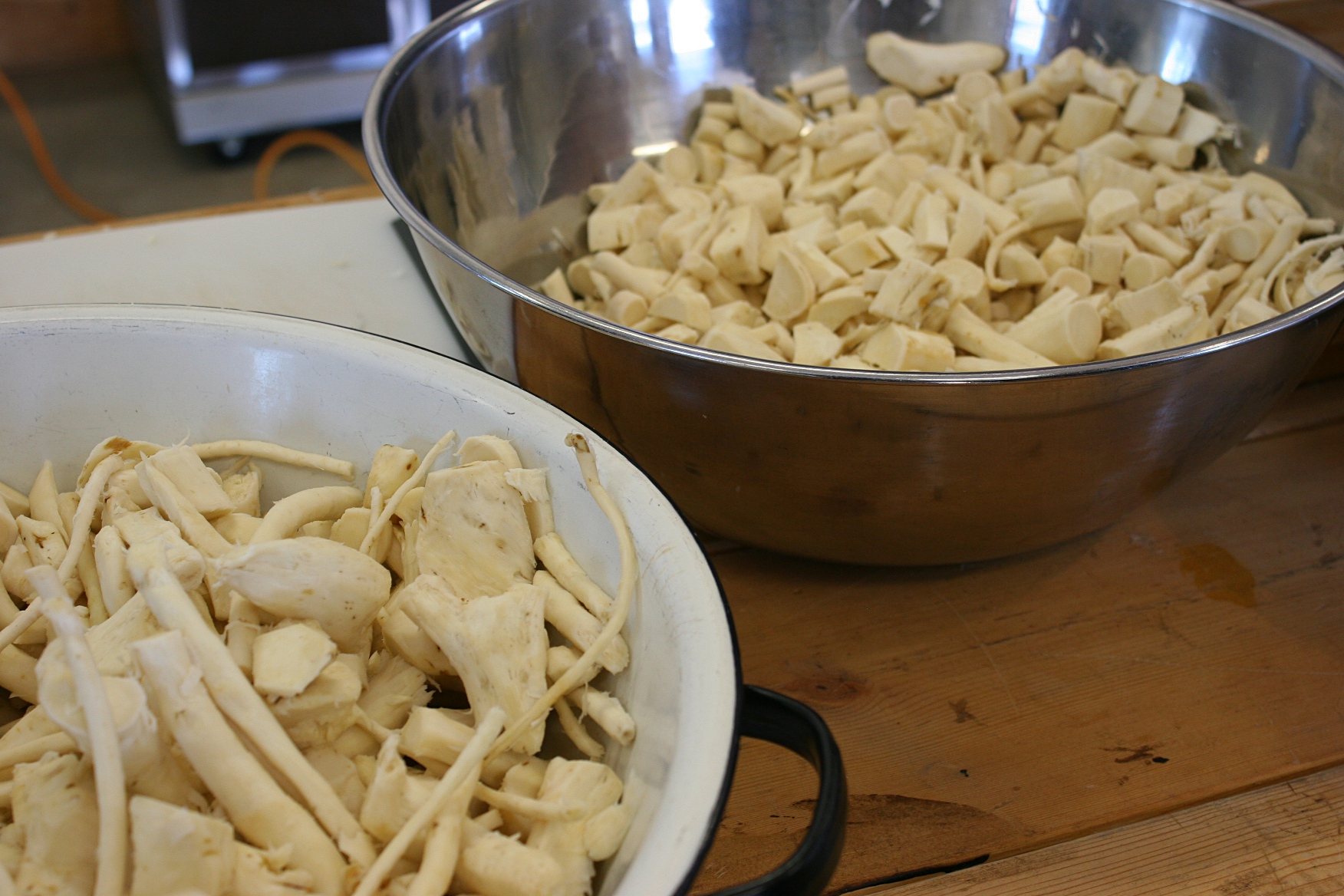
The roots are now ready to be peeled with a knife and/or potato peeler.

The roots are now ready to be peeled with a knife and/or potato peeler. Every bit of brown must be removed to get a creamy white sauce.

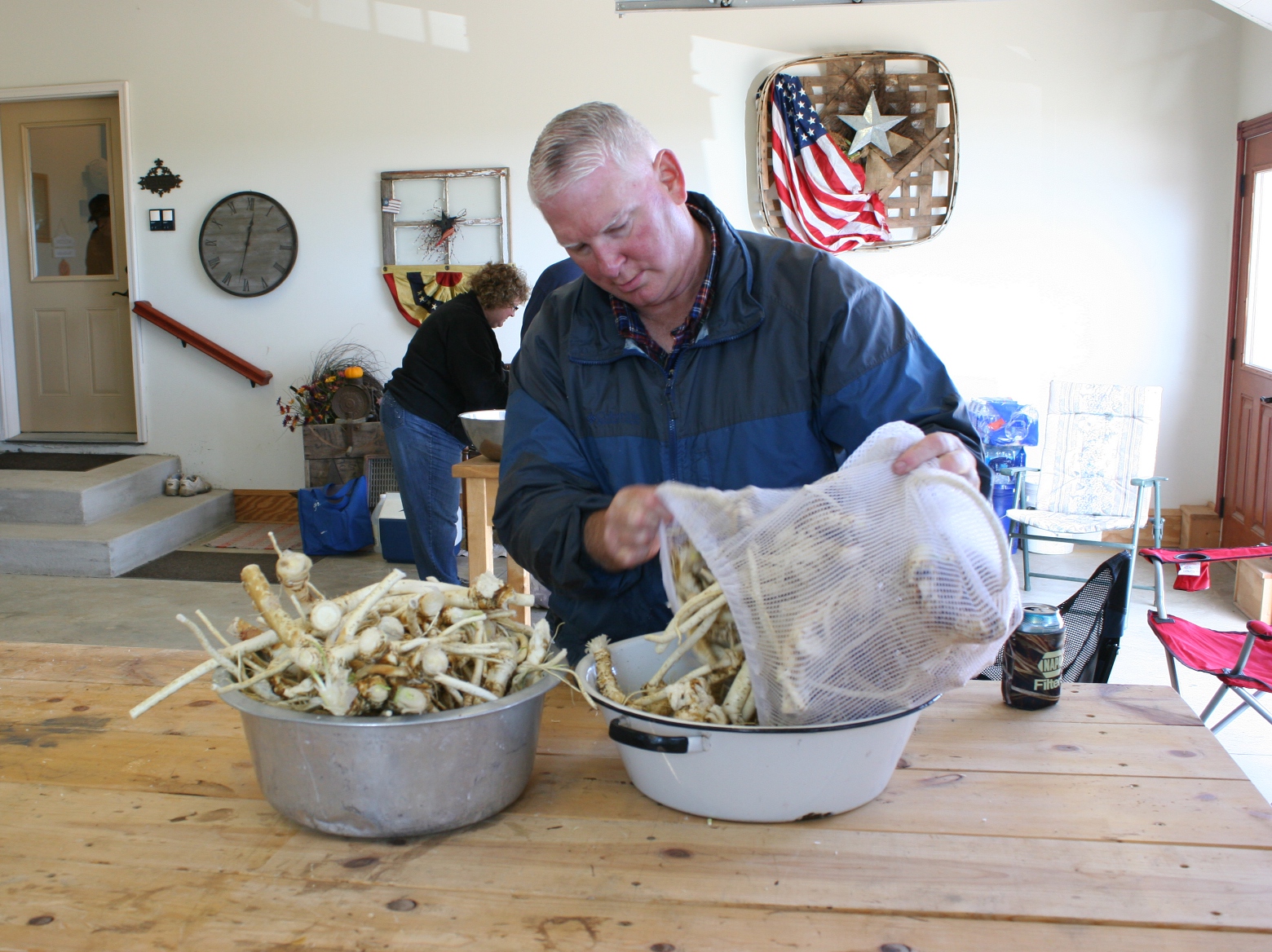
My brother empties the second laundry bag.

My brother empties the second laundry bag.

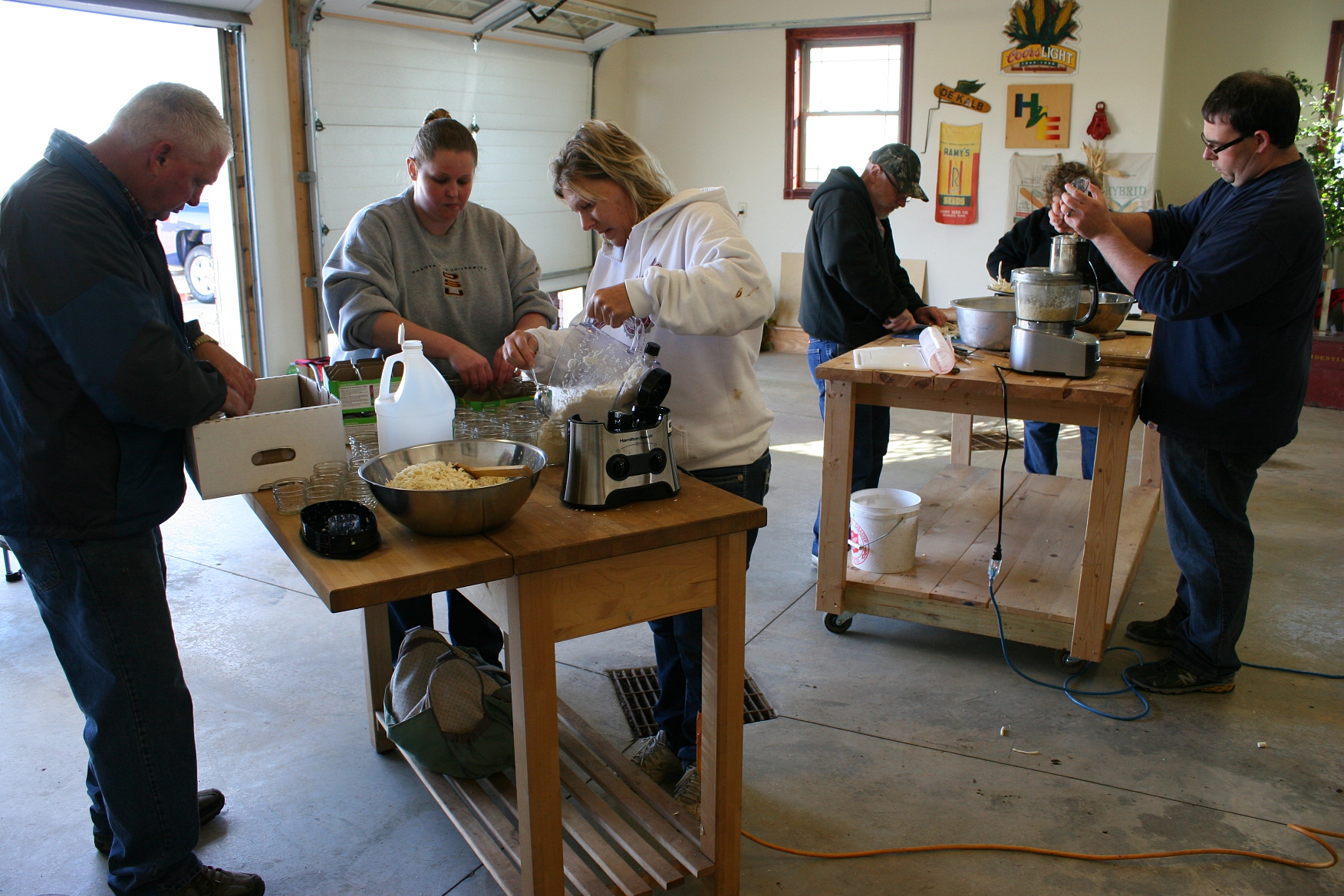
It’s not an easy task. Creating a horseradish condiment requires a full day of digging, scrubbing, washing, peeling, washing, cutting, shredding, blending, pouring into jars and, finally, planting the peelings for new growth.

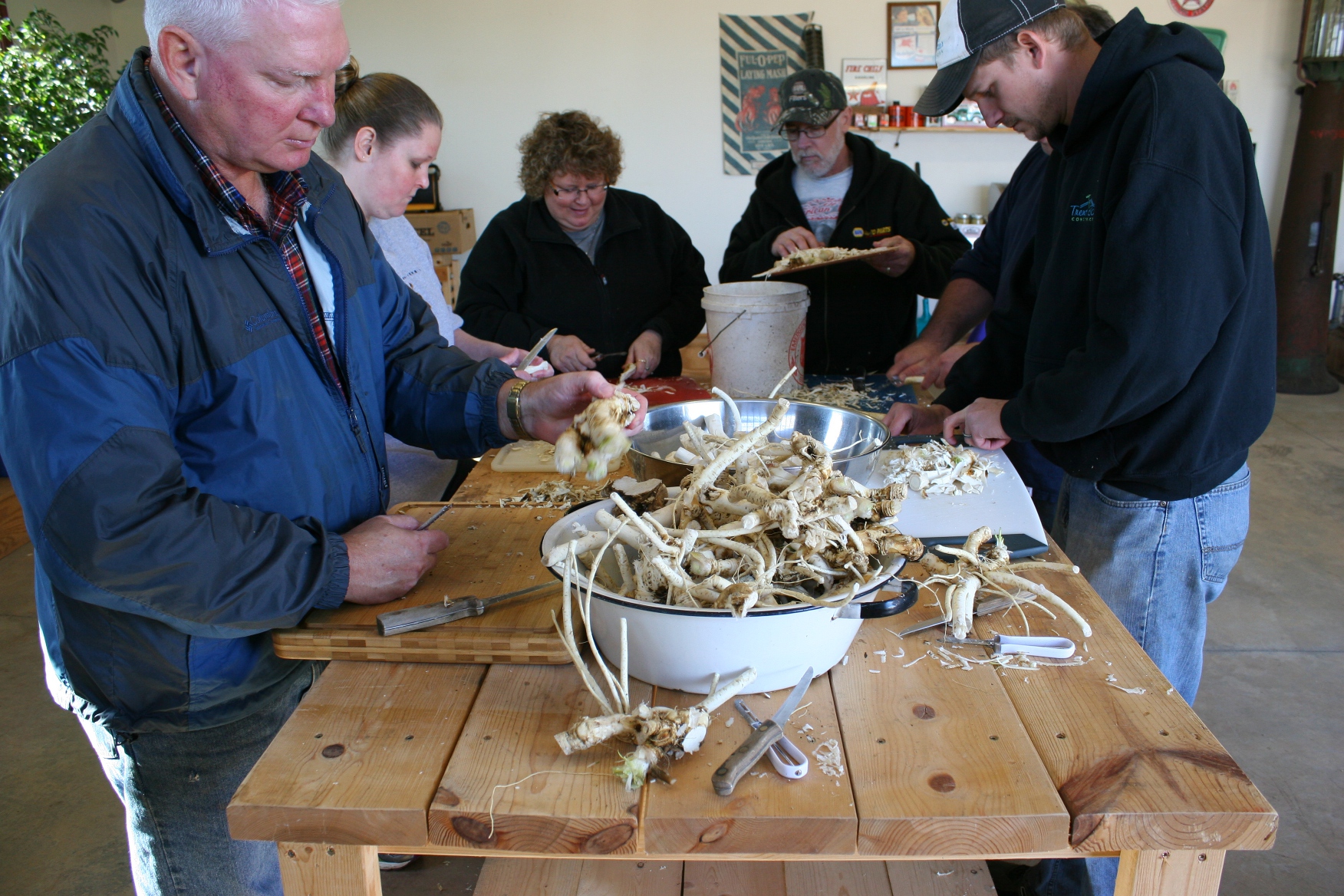
STEPS FOUR & FIVE: Family members peel horseradish before it's washed for a second time.

STEPS FOUR & FIVE: Family members peel horseradish before it’s washed for a second time.

STEP SIX: Using knives, we slice the horseradish into chunks.

STEP SIX: Using knives, we slice the horseradish into chunks.

My sister Lanae and her husband, Dale, whom Dad mentored in all things horseradish, pushed for continuing the family horseradish tradition. And so, on a Saturday each autumn, we gather at my middle brother and sister-in-law’s rural southwestern Minnesota acreage to honor our dad with this seasonal rite.

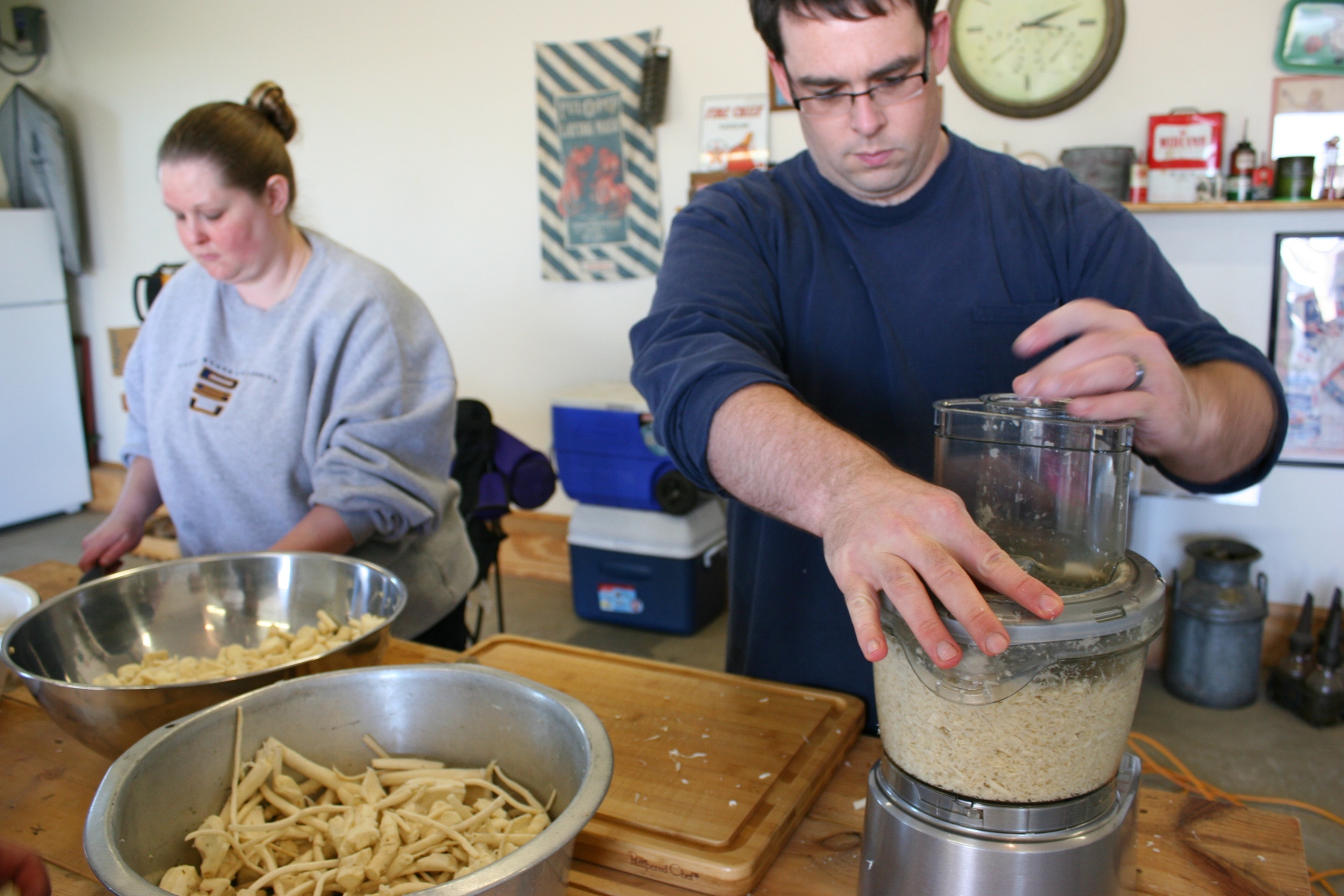
My niece cuts horseradish while her husband refines it in a food processor.

STEP SEVEN: My niece’s husband refines the horseradish in a food processor.

Sometimes the fumes are more than the workers can handle.

Sometimes the potent fumes are more than workers can handle.

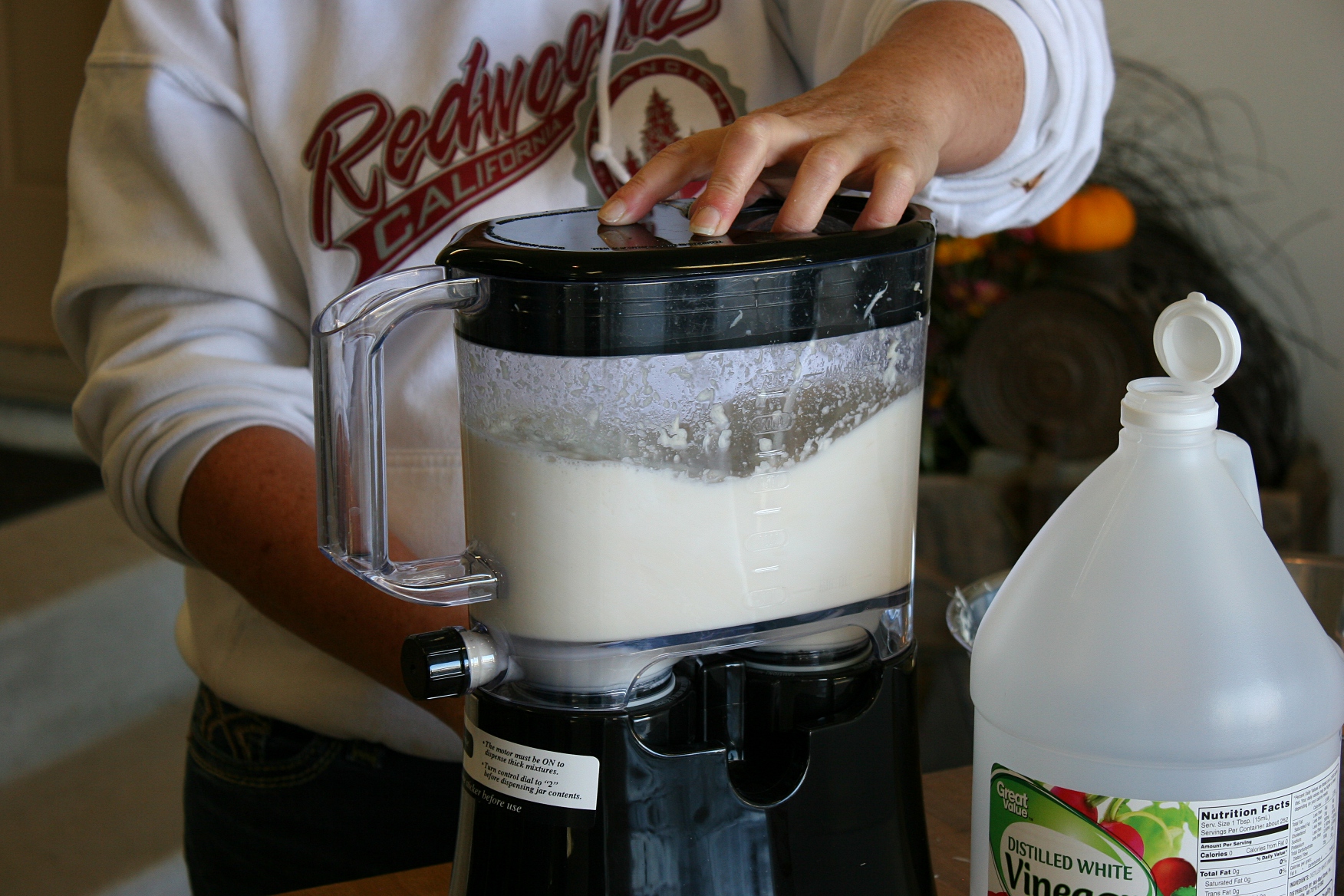
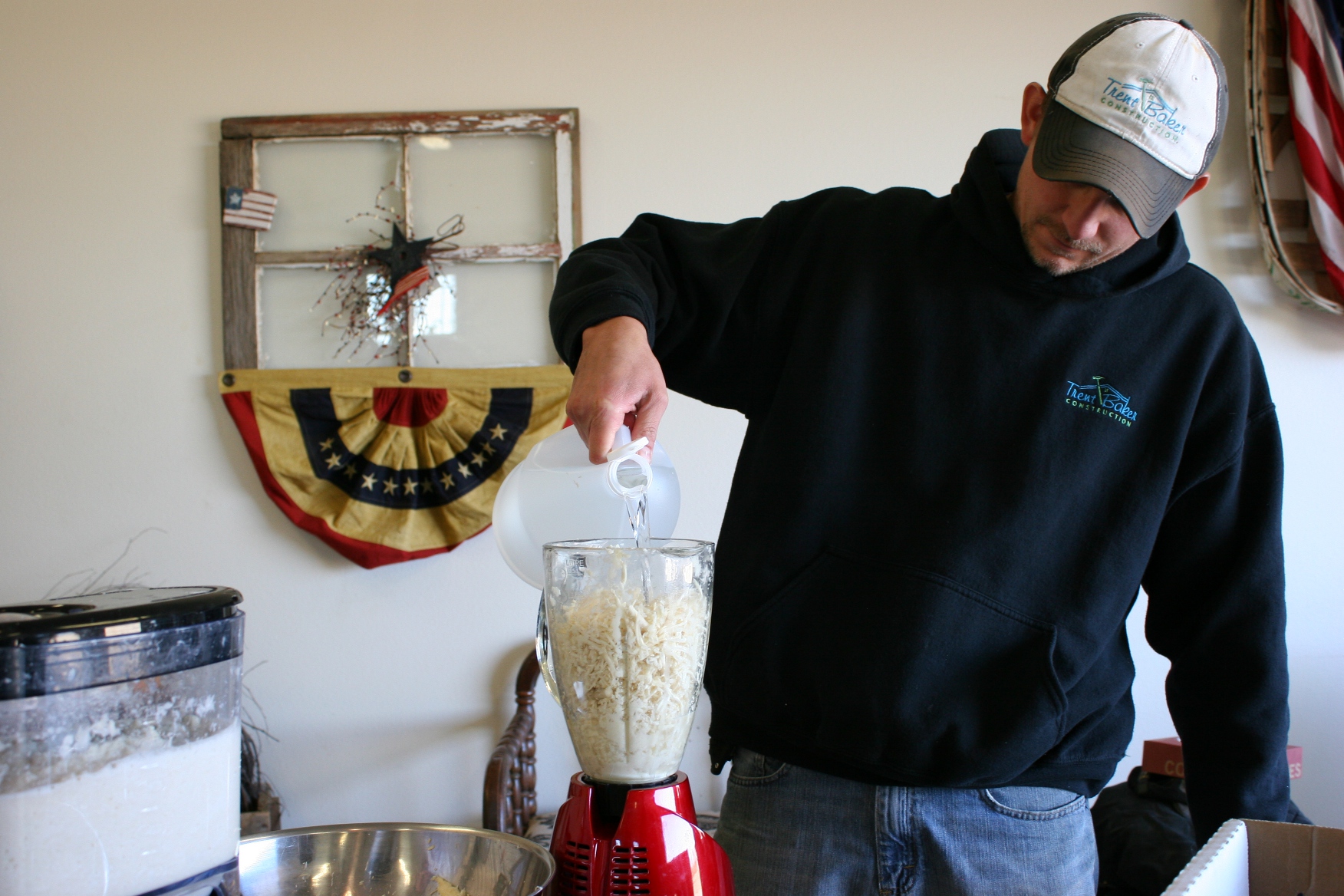
STEP EIGHT: Blending horseradish and vinegar.

STEP EIGHT: Blending horseradish and vinegar.

Peelings and conversation fly. Washing machine, food processor and blender whir. Eyes water. Heads turn. And the beer stays in the fridge until the last knife is stashed away. But not always.

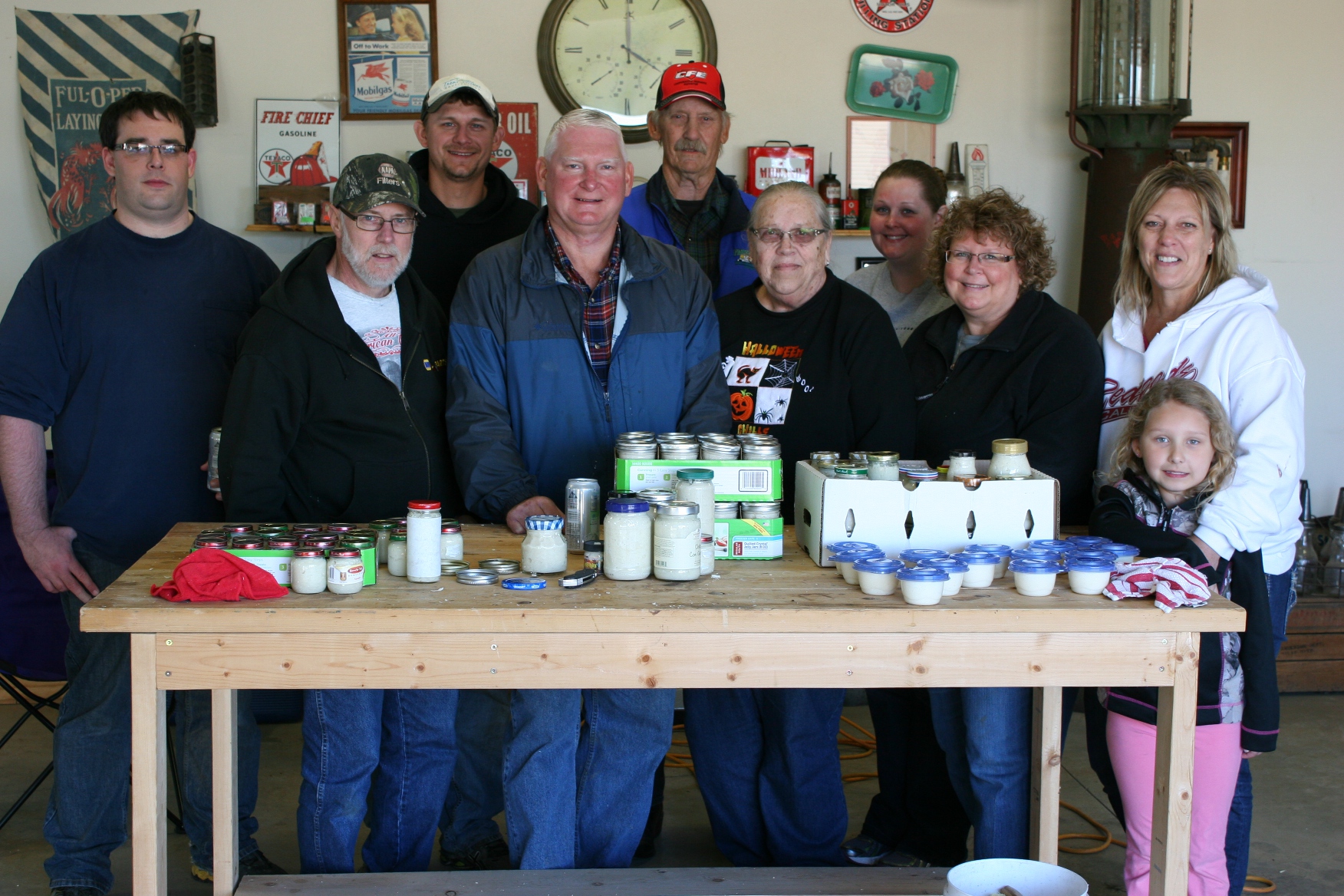
An overview of most of the crew.

An overview of most of the crew nearing the end of a long work day.

My nephew adds vinegar (it's by guess, not measurement) to the horseradish before blending.

My nephew adds vinegar (it’s by guess, not measurement) to the horseradish before blending.

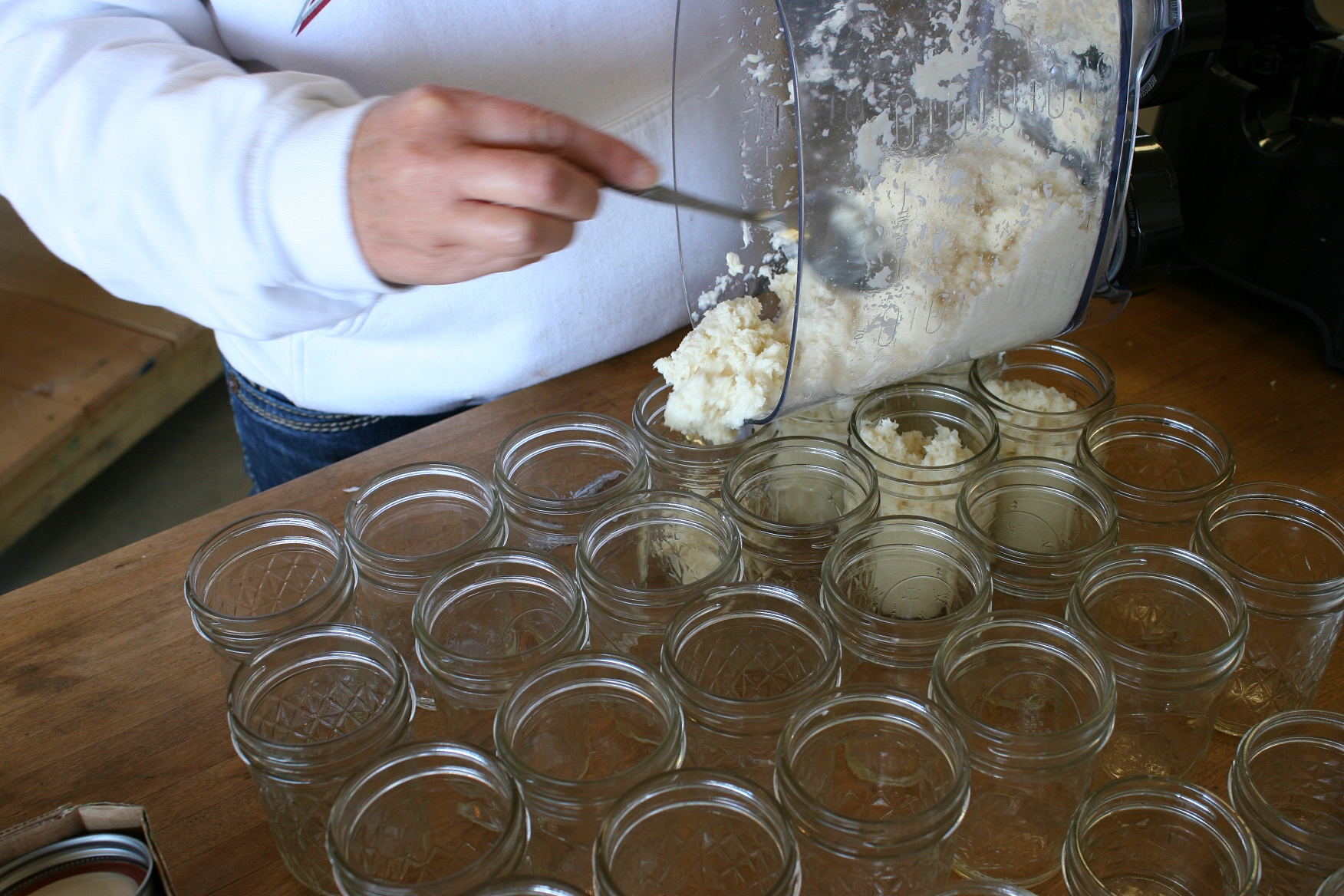
STEP NINE: Filling jars.

STEP NINE: Filling jars.

It’s a day that’s as much about horseradish as about family. A coming together. Building memories. Remembering Dad.

STEP TEN, OPTIONAL: Counting the filled jars.

STEP TEN, OPTIONAL: Counting the filled jars.

This year a new supervisor—my sister-in-law’s mother from Iowa—replaced my mom, who is no longer able to watch over the crew and count the jars. Still, Mom asked how many jars we filled. No one counted. We told her 88.

The crew.

The crew.

Life changes. We age. Loved ones die. But we can honor their legacy, their love—for my family via harvesting the horseradish.

© Copyright 2015 Audrey Kletscher Helbling


Part IV from Albert Lea: Snapshots around town October 30, 2015

Filed under: Uncategorized — Audrey Kletscher Helbling @ 5:00 AM
Tags: , , , , , , ,
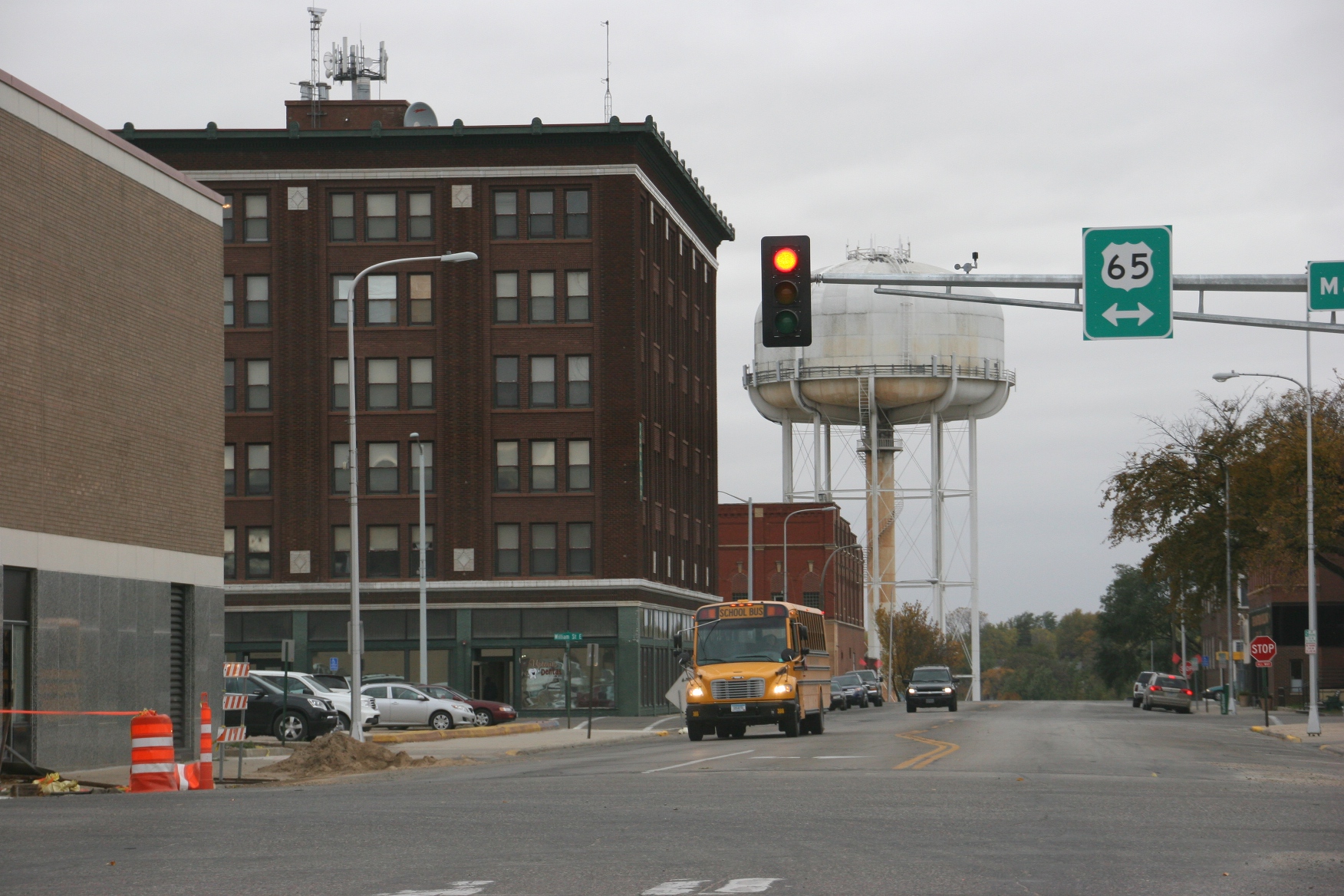
A street scene in downtown Albert Lea, Minnesota.

A street scene in downtown Albert Lea, Minnesota.

IN THE MANY COMMUNITIES I tour, I always seek the everyday scenes, the snapshot details that comprise a place. I may find the snapshot in an alley. Along a side street. In the heart of a downtown.

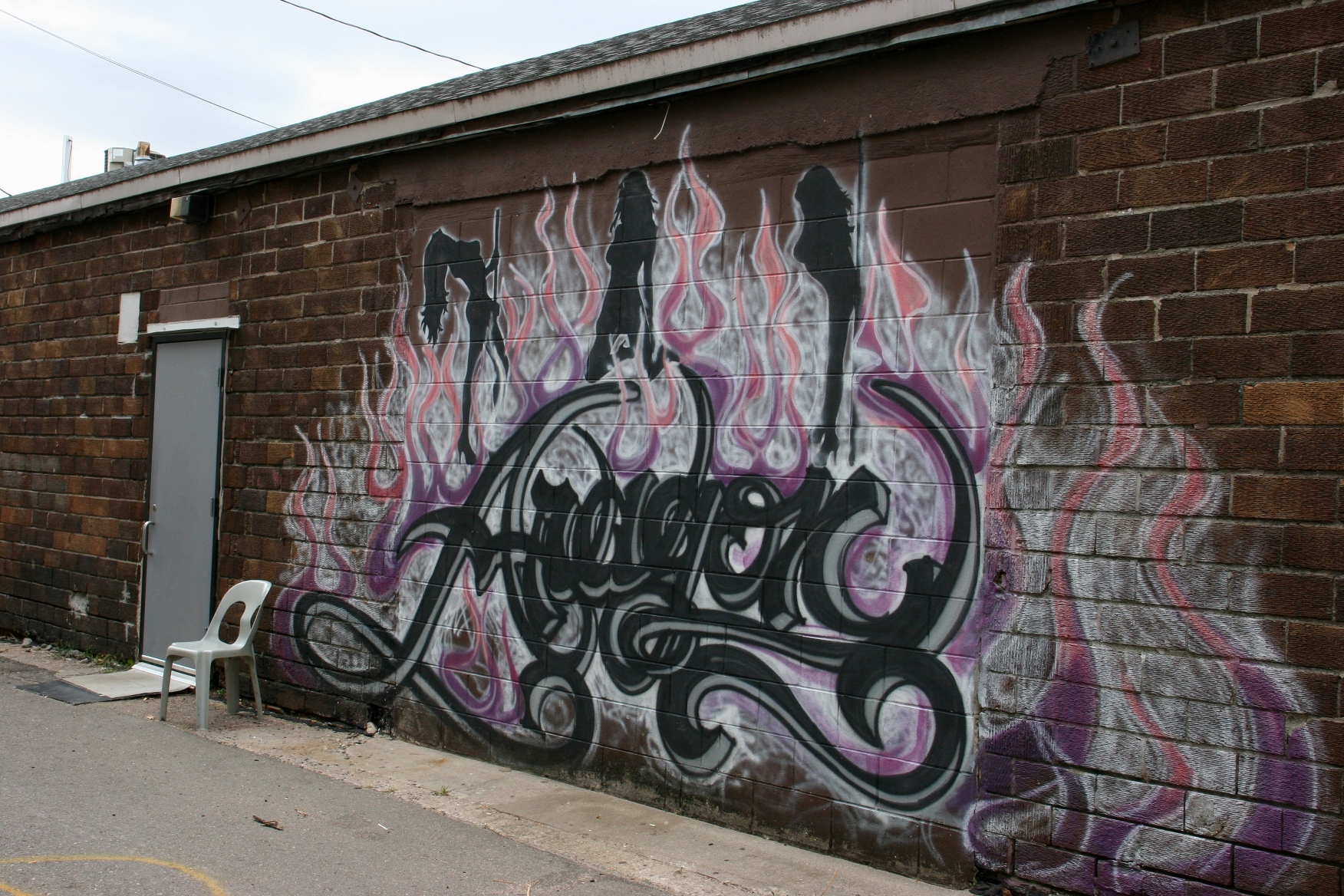
Alley-side bar art.

Alley-side bar art in downtown Albert Lea.

Wherever, I look, I see clues that reveal a town’s personality.

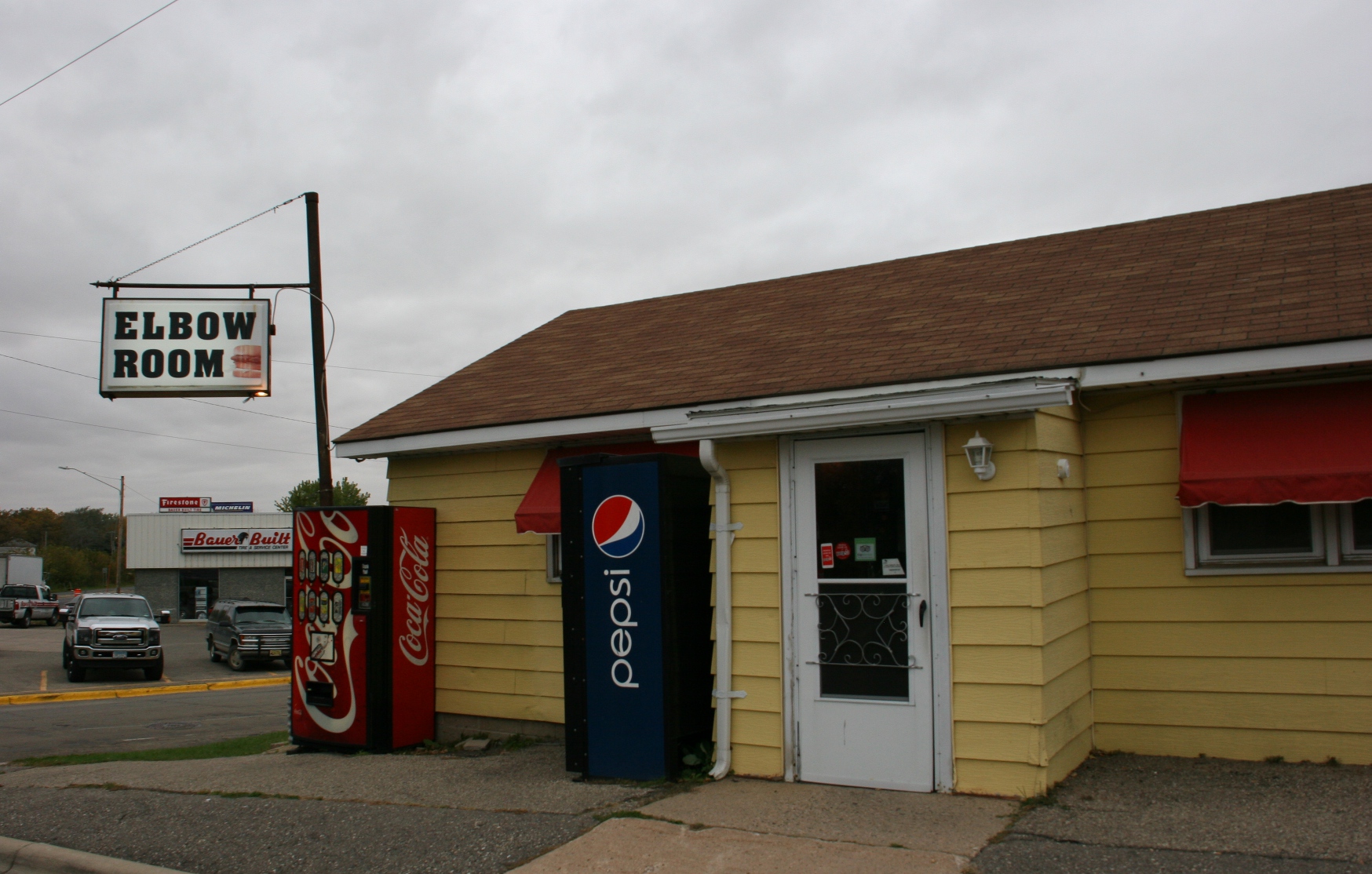
What a great name, Elbow Room.

What a great name, Elbow Room.

In business signs, I can spot humor and/or creativity.

I appreciate the simplicity

No flashy signage here, but someone’s business, someone’s dream.

In conditions of buildings, I can identify pride or lack thereof. Or perhaps it’s simply a lack of funds to upkeep a structure. Or the desire to keep things simple.

Downtown Albert Lea boasts a downtown Commercial Historic District with stunning architecture.

Downtown Albert Lea boasts a sprawling Commercial Historic District with lovely architecture.

One of the many stunning buildings in the historic downtown.

One of the many stunning buildings in the historic downtown.

Albert Lea provided plenty of snapshot details. I see a southeastern Minnesota community that appreciates its past through preservation of historic buildings. I see a town that’s working hard to save itself.

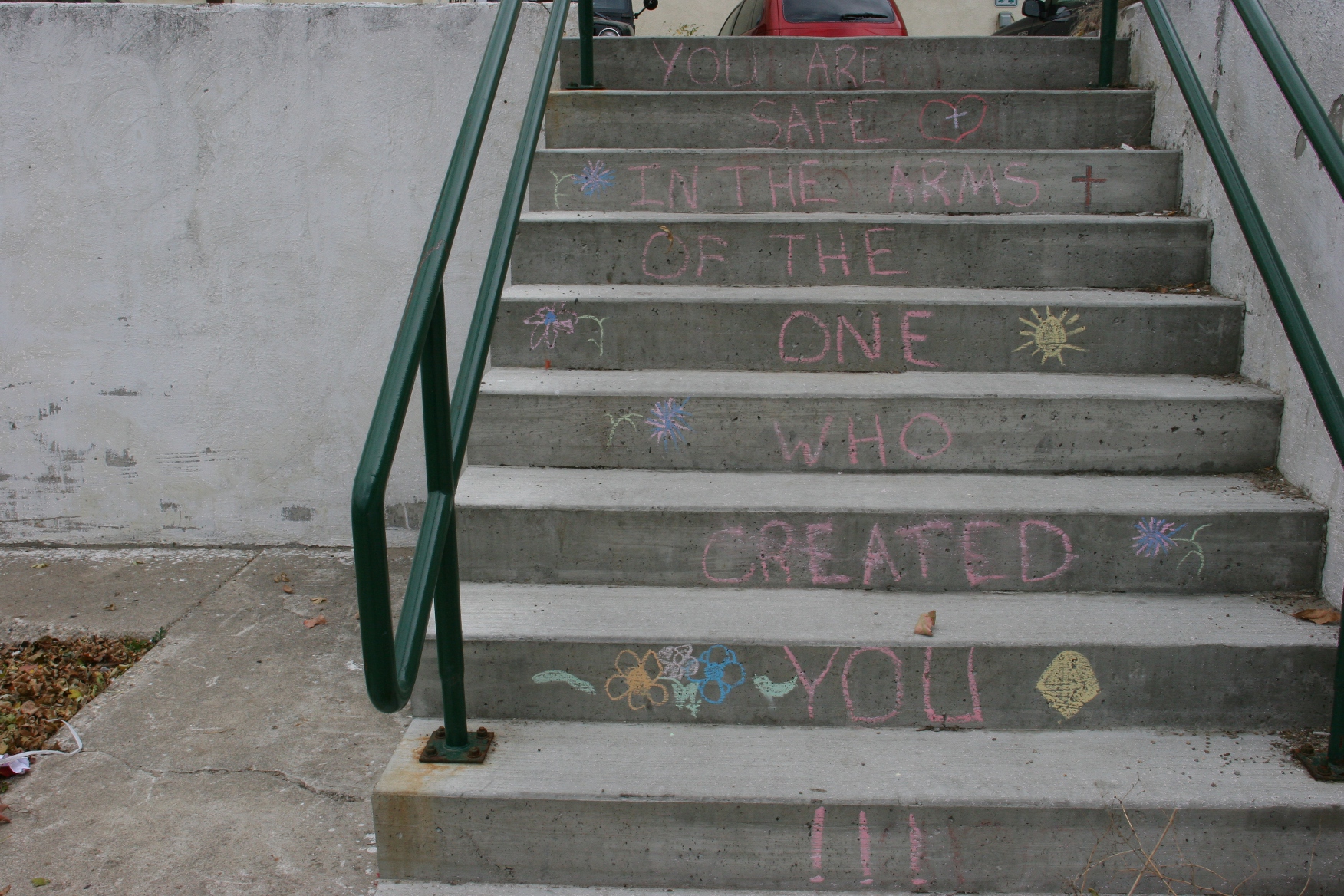
An inspiratinal message chalked onto steps leading to/from a downtown Albert Lea parking lot.

An inspirational message chalked onto steps leading to/from a downtown Albert Lea parking lot.

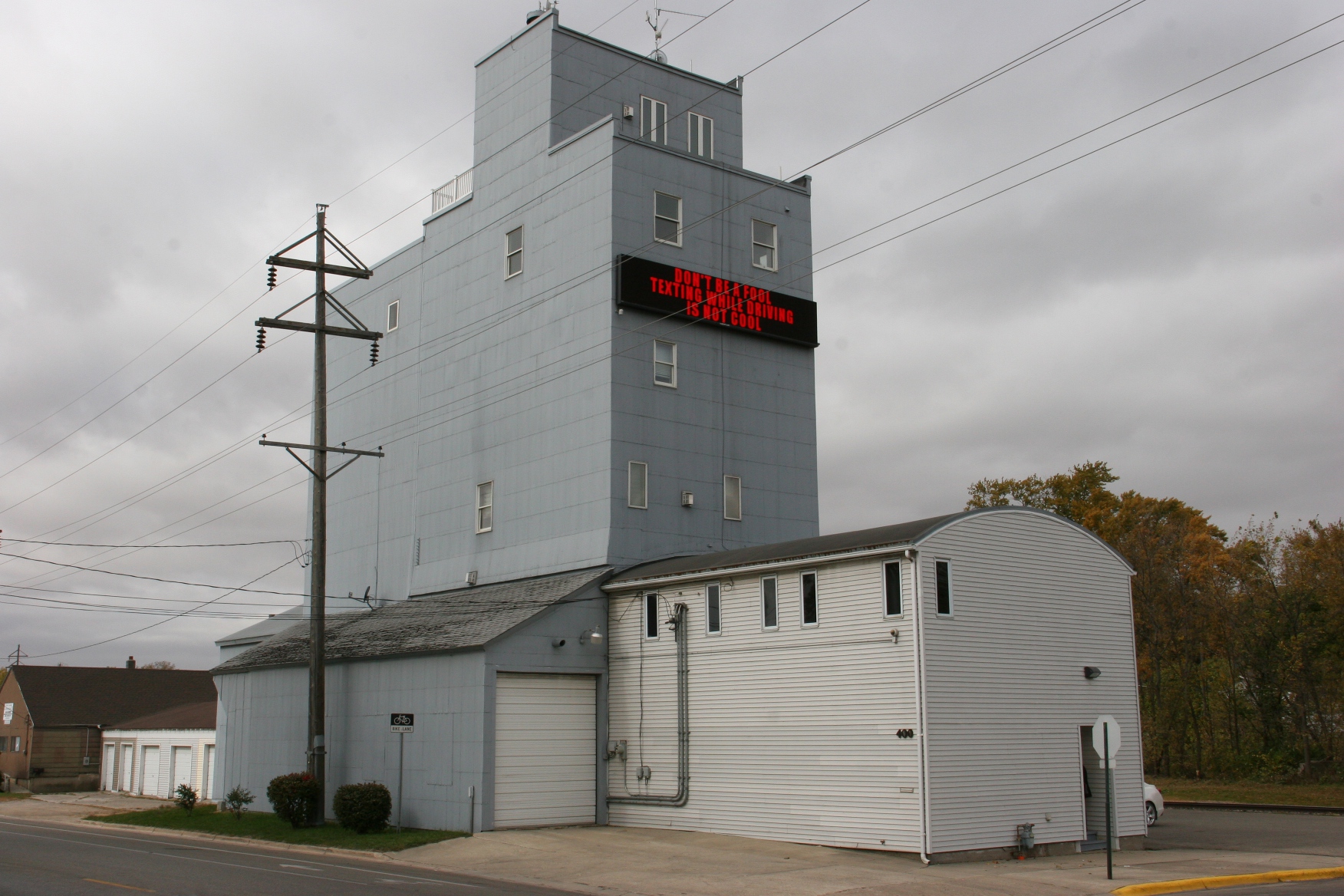
Community service messages and time and temperature flash across the board on an old grain elevator.

Community service messages and time and temperature flash across the board on an old grain elevator.

I see positivity and care in messages.

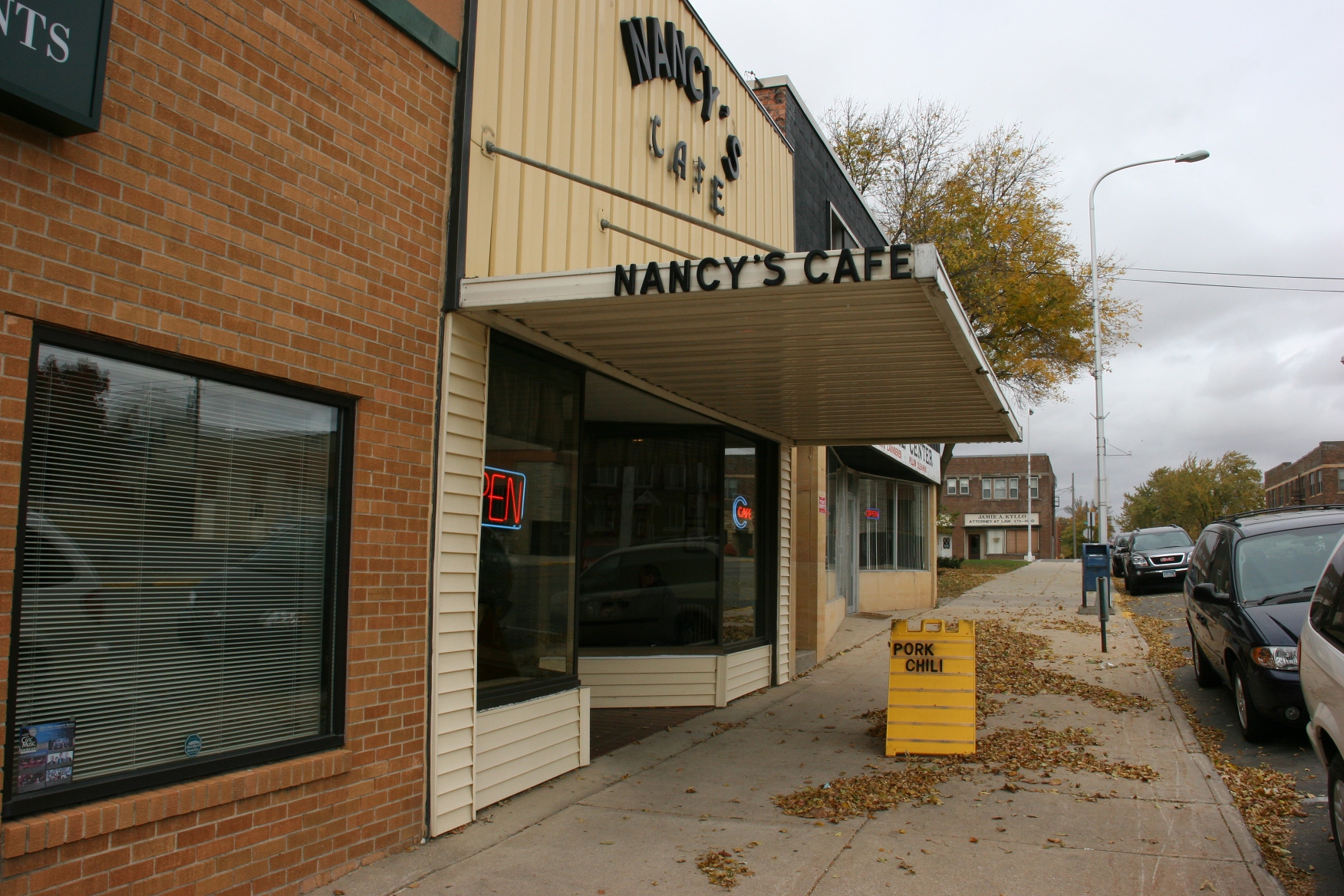
Nancy's Cafe, presents an iconic Main Street appearance.

Nancy’s Cafe, presents an iconic Main Street appearance.

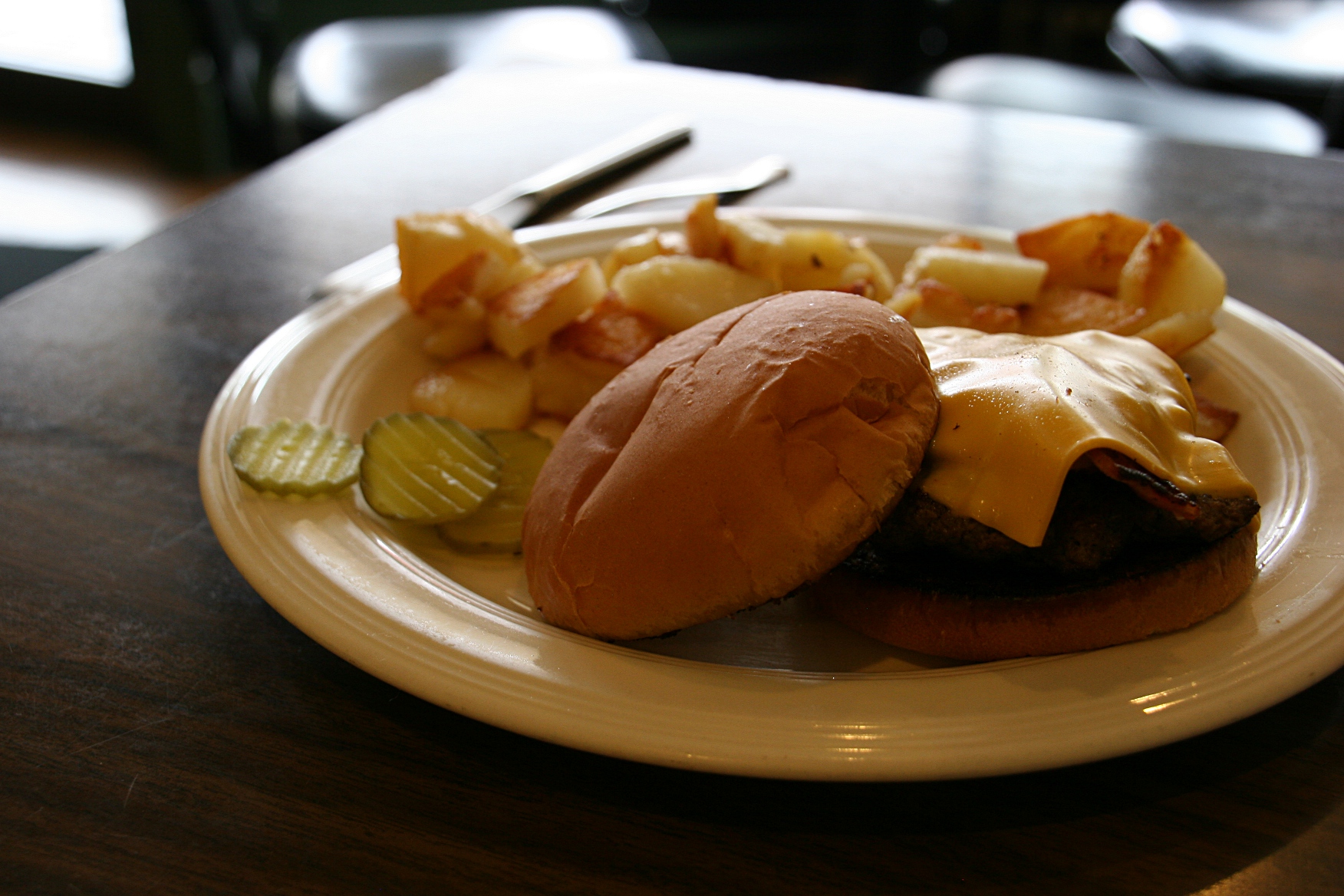
Expect basics like his hand-formed hamburger patty at Nancy's.

Expect basics like his hand-formed hamburger patty at Nancy’s.

I see the mix of small town Main Street and chain businesses along Interstate 35 meeting travelers’ needs. A duo personality town.

This old grain elevator has been repurposed into another use. Note the upper level balcony and windows. I asked around town. But no one could tell me what's housed here.

This old grain elevator has been repurposed into another use. Note the upper level balcony and windows. I asked around town, but no one could tell me what’s housed here.

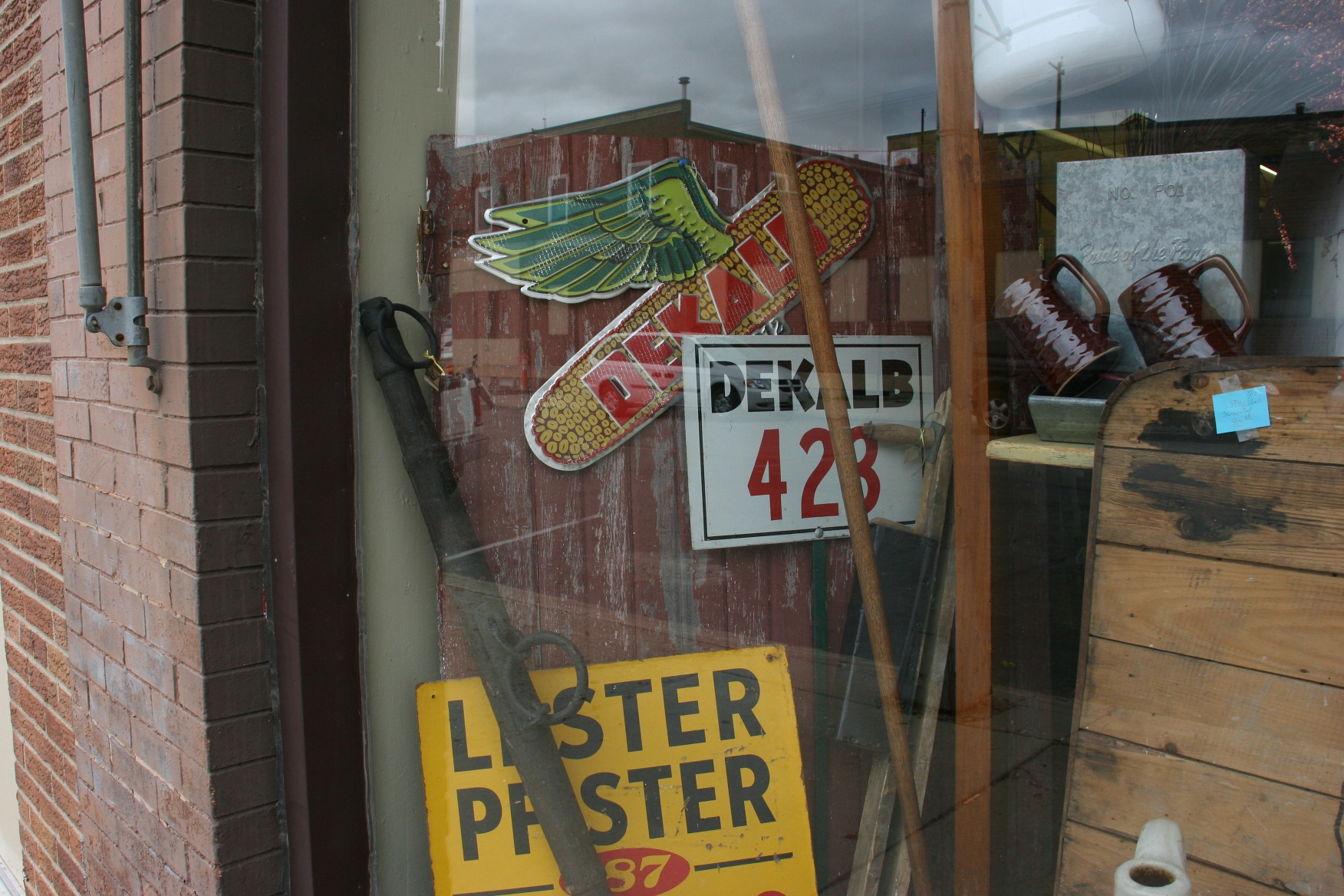
Agricultural merchandise is showcased in a downtown antique store window.

Agricultural merchandise is showcased in a downtown antique store window.

Agriculturally-born. Yet evolving into something else.

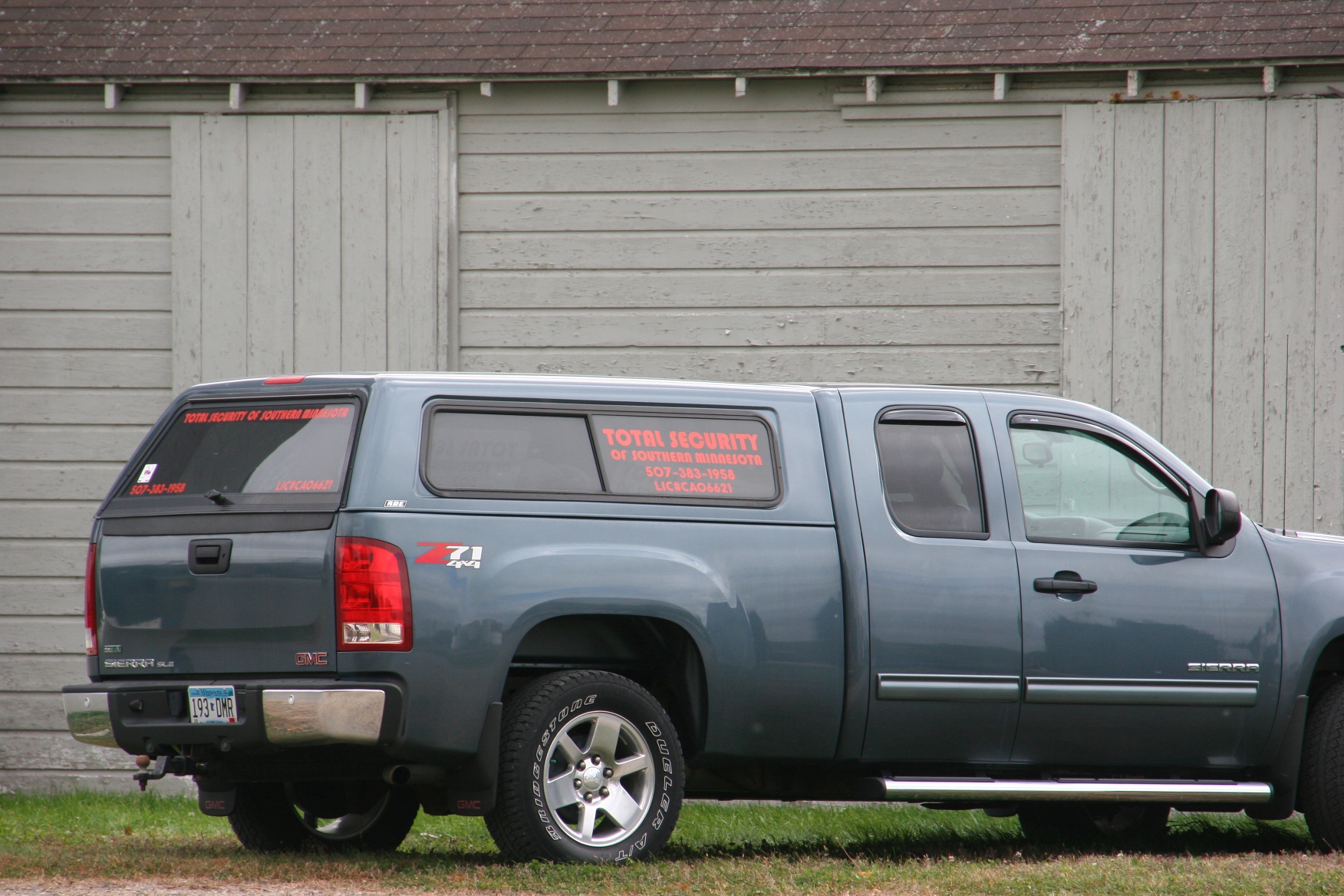
A Total Security truck parked next to the old grain elevator.

A Total Security truck parked next to the old grain elevator.

Every part, every building, every sign, every person, every scene snapshots into a single album—Albert Lea.

#

This concludes my four-part series on Albert Lea. To read my first three posts, click here and here and here.

© Copyright 2015 Audrey Kletscher Helbling


From North Morristown: Church basement food & fellowship October 13, 2015

THE OCCASIONAL LUMP in mashed potatoes is culinarily acceptable to me, because it means the potatoes are real. Not instant.
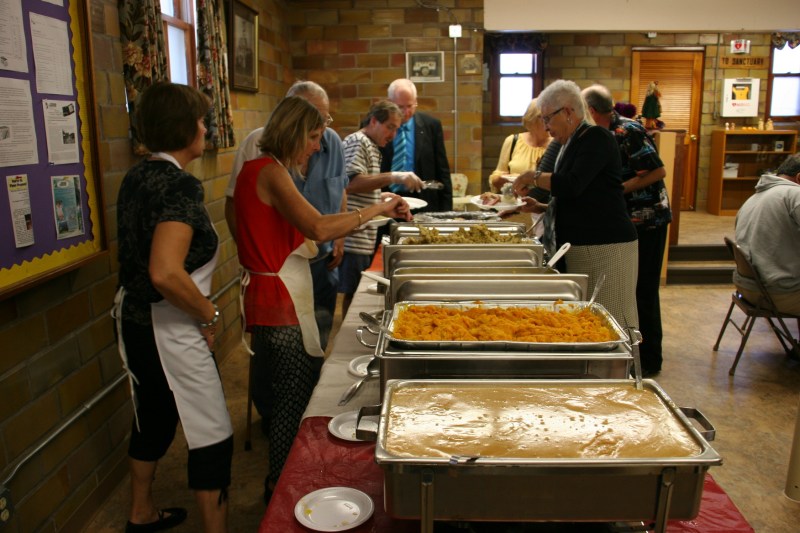
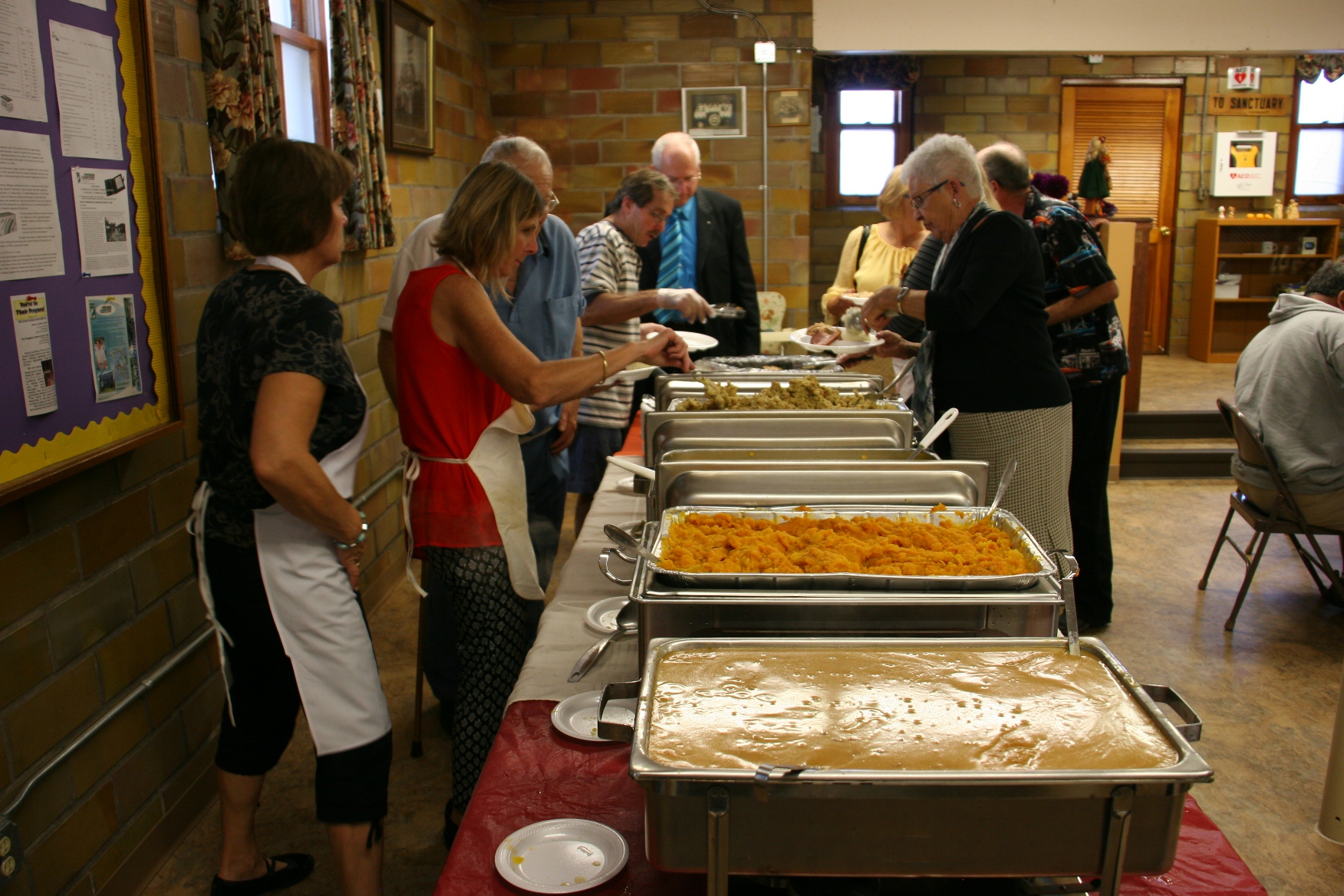
Delicious home-cooked food fills roasters at Trinity's annual fall harvest dinner on Sunday.

Delicious home-cooked food fills roasters at Trinity’s annual fall harvest dinner on Sunday. That’s gravy in the first roaster and squash in the second.

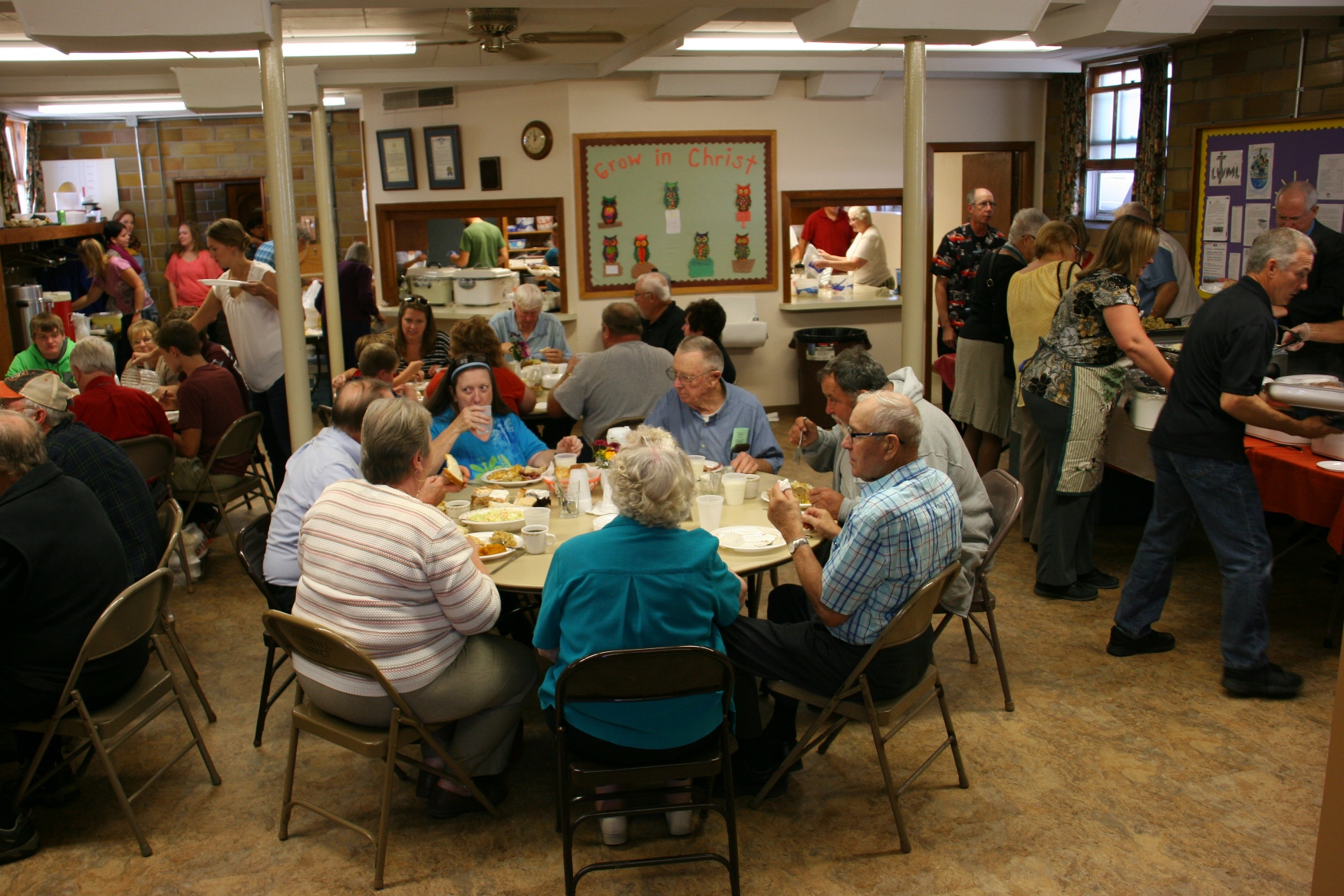
When you dine at the annual fall harvest dinner at Trinity Lutheran Church North Morristown, as I did on Sunday, you get (mostly) authentic homemade food. Potatoes that have been peeled and mashed in the church basement. Sometimes with lumps. Baked turkey and ham sliced into roasters. Squash picked from the garden and baked. Cranberries that are prepared, not dumped from a can.
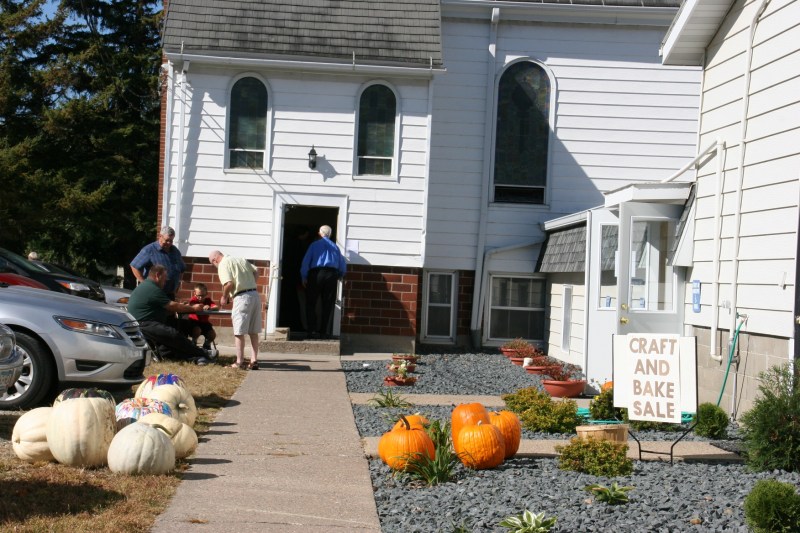
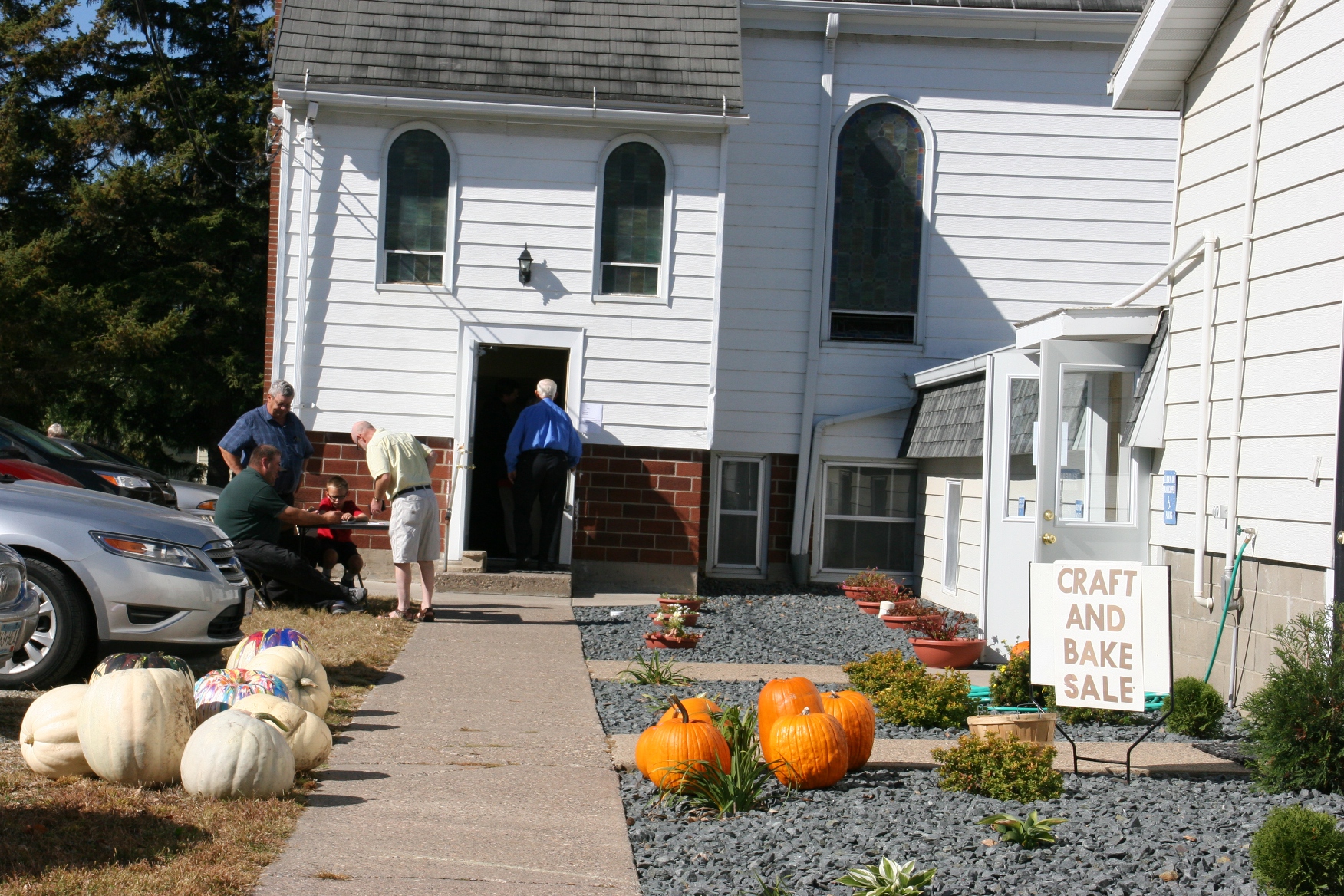
Volunteers sell tickets outside the church.

Volunteers sell tickets outside the church.

As much as I savor the delicious food served at this church dinner, I also delight in the location and the people.
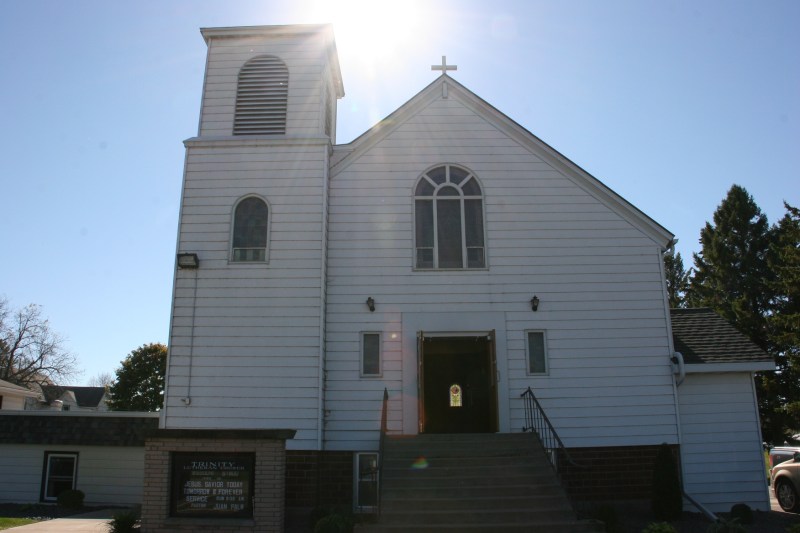
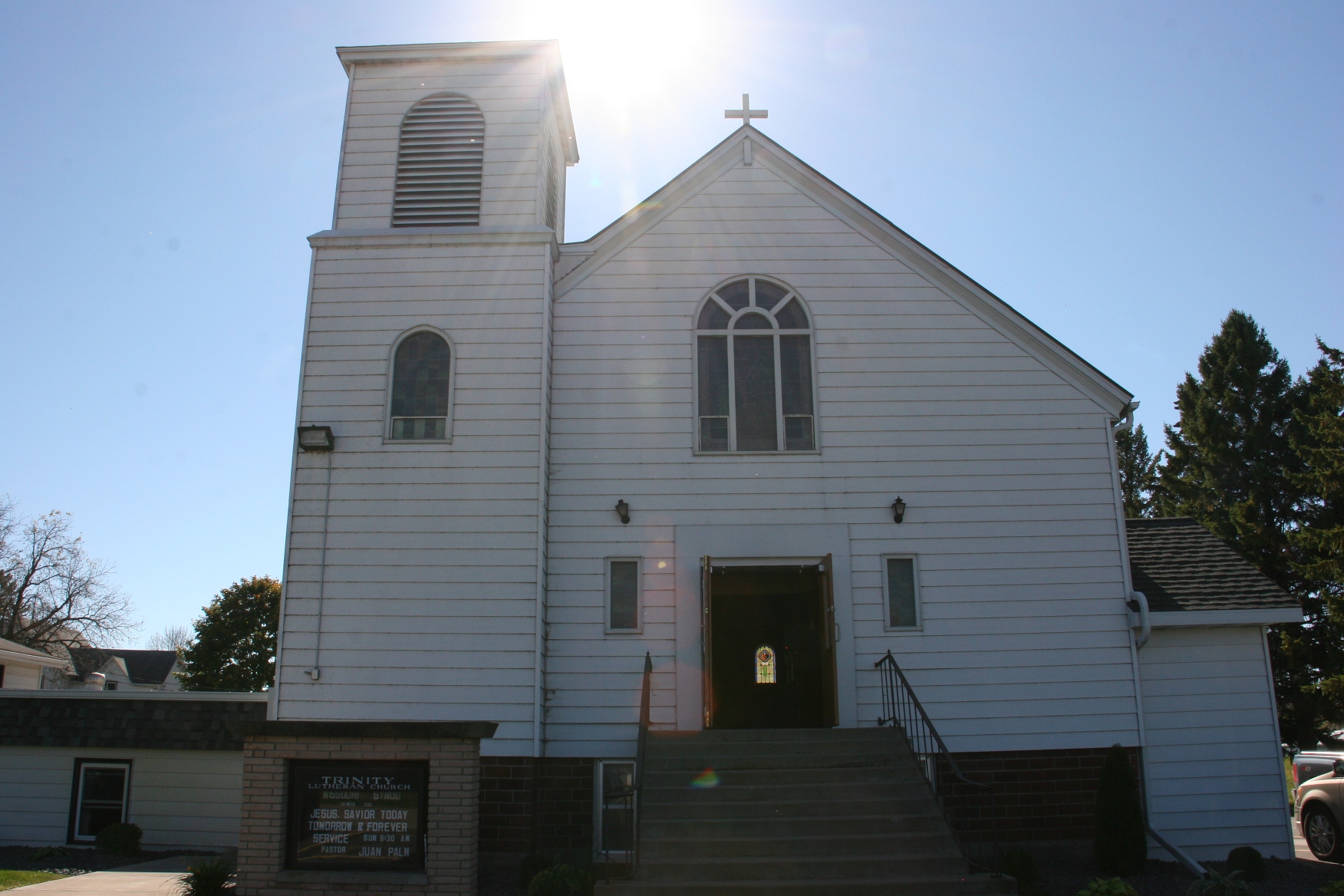
Trinity Lutheran Church North Morristown

Trinity Lutheran Church North Morristown

To drive into the country on an October Sunday to celebrate the harvest among hard-working folks rooted in the land seems a rural pilgrimage.

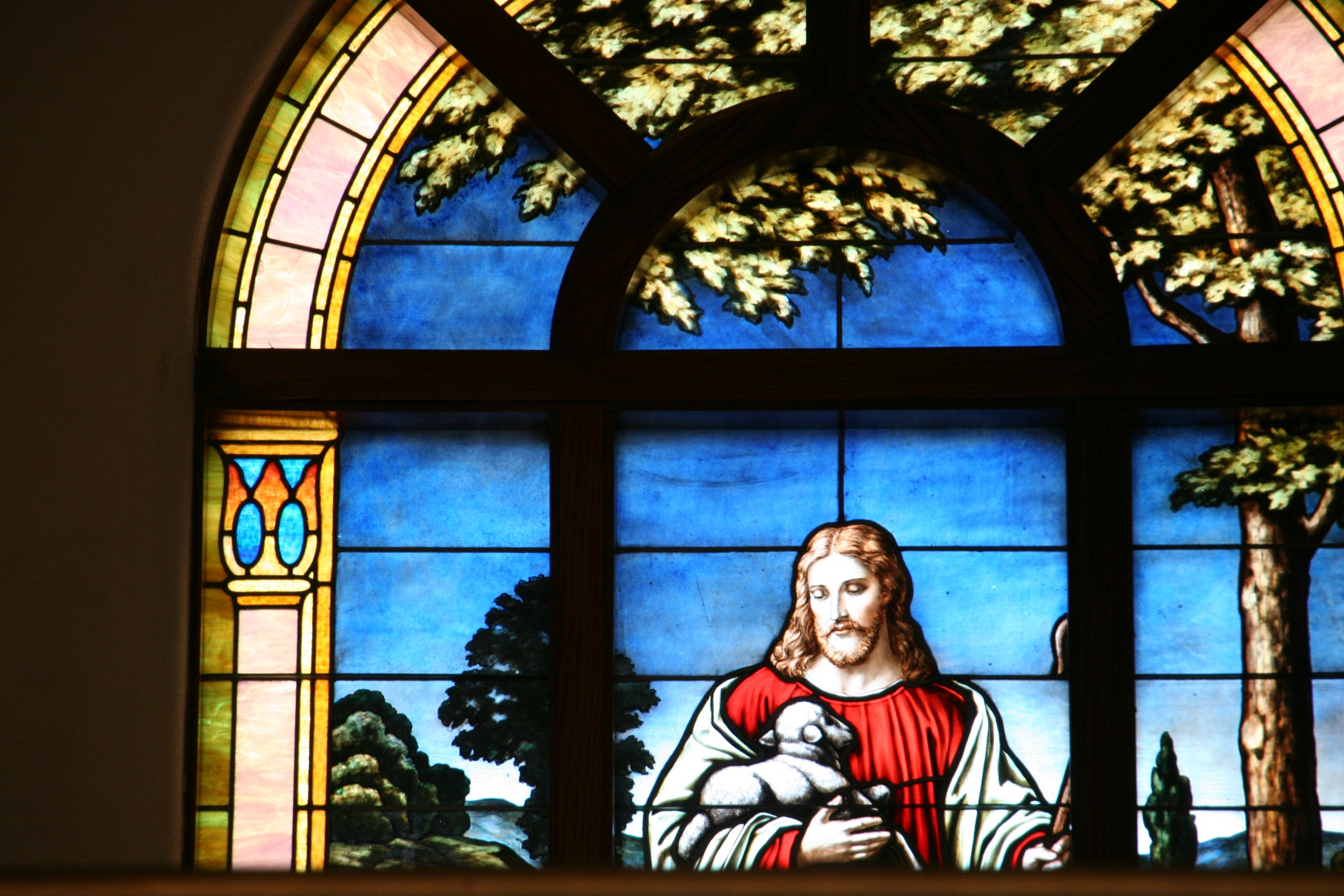
A snippet of the stained glass window in the balcony.
A snippet of the stained glass window in the balcony.

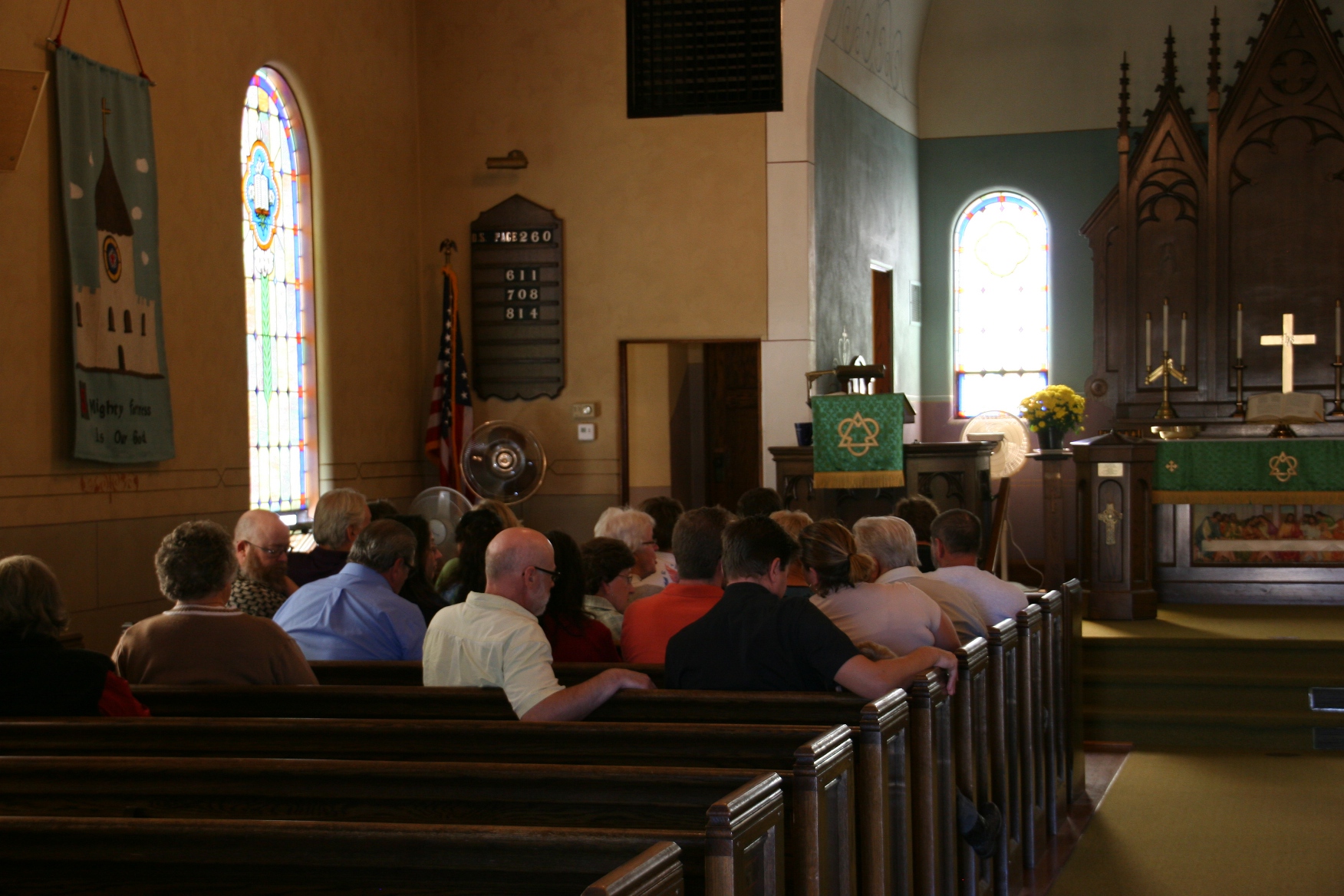
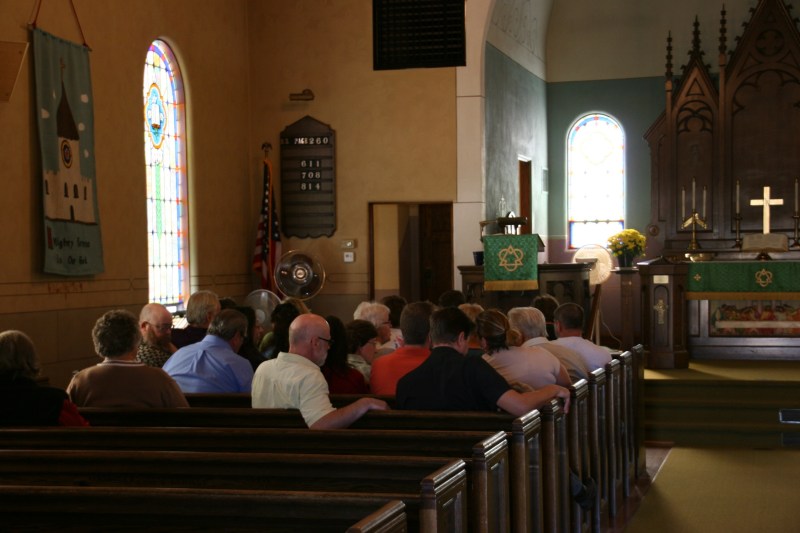
Diners file into the sanctuary through a side door and wait in pews until dining space opens in the basement.

Diners file into the sanctuary through a side door and wait in pews until dining space opens in the basement.

Stunning stained glass windows line the sides of the sanctuary.

Stunning stained glass windows line the sides of the sanctuary.

To wait in the pews of an aged church, stained glass windows filtering light, seems almost sacred.
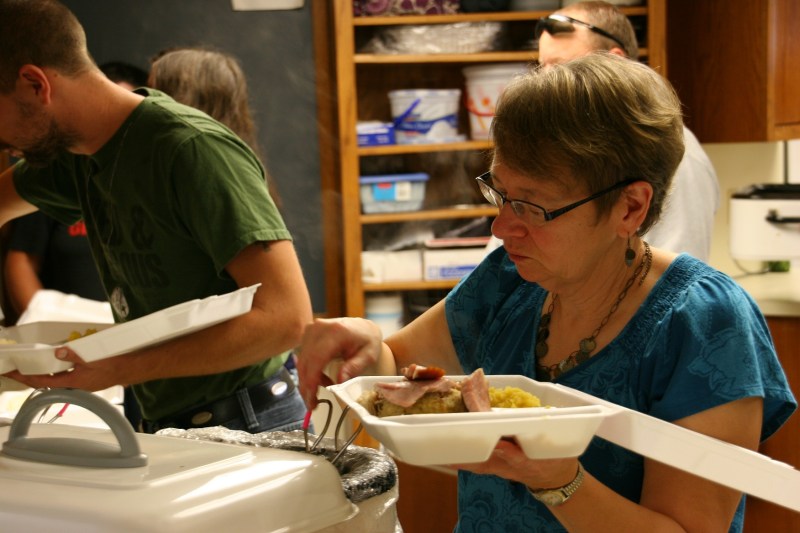
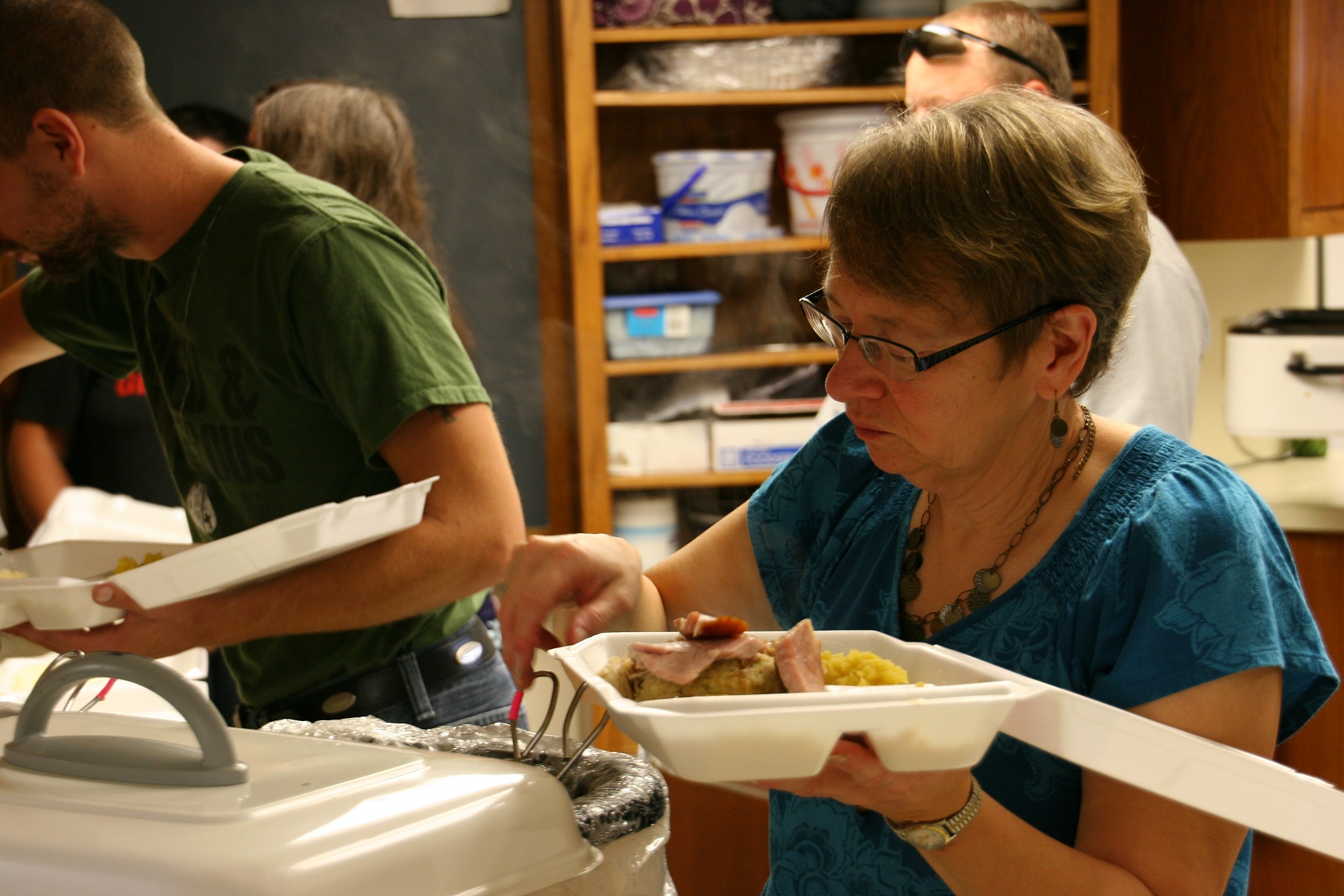
A member of the kitchen crew dishes up meals for take-out.

Members of the kitchen crew dish up meals for take-out.

In the fellowship of church diners, there’s a reverent respect for those who labor in the church basement. For they provide that which fills the stomach as much as the soul with all that is good. Food and fellowship.
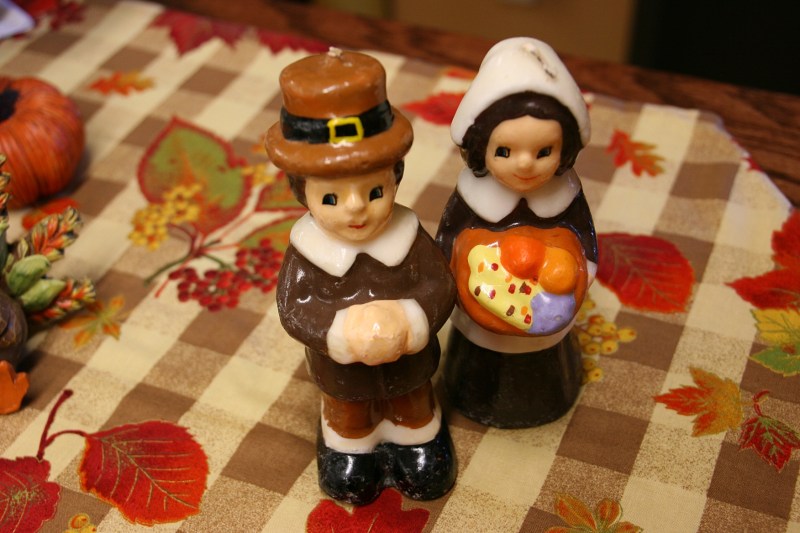
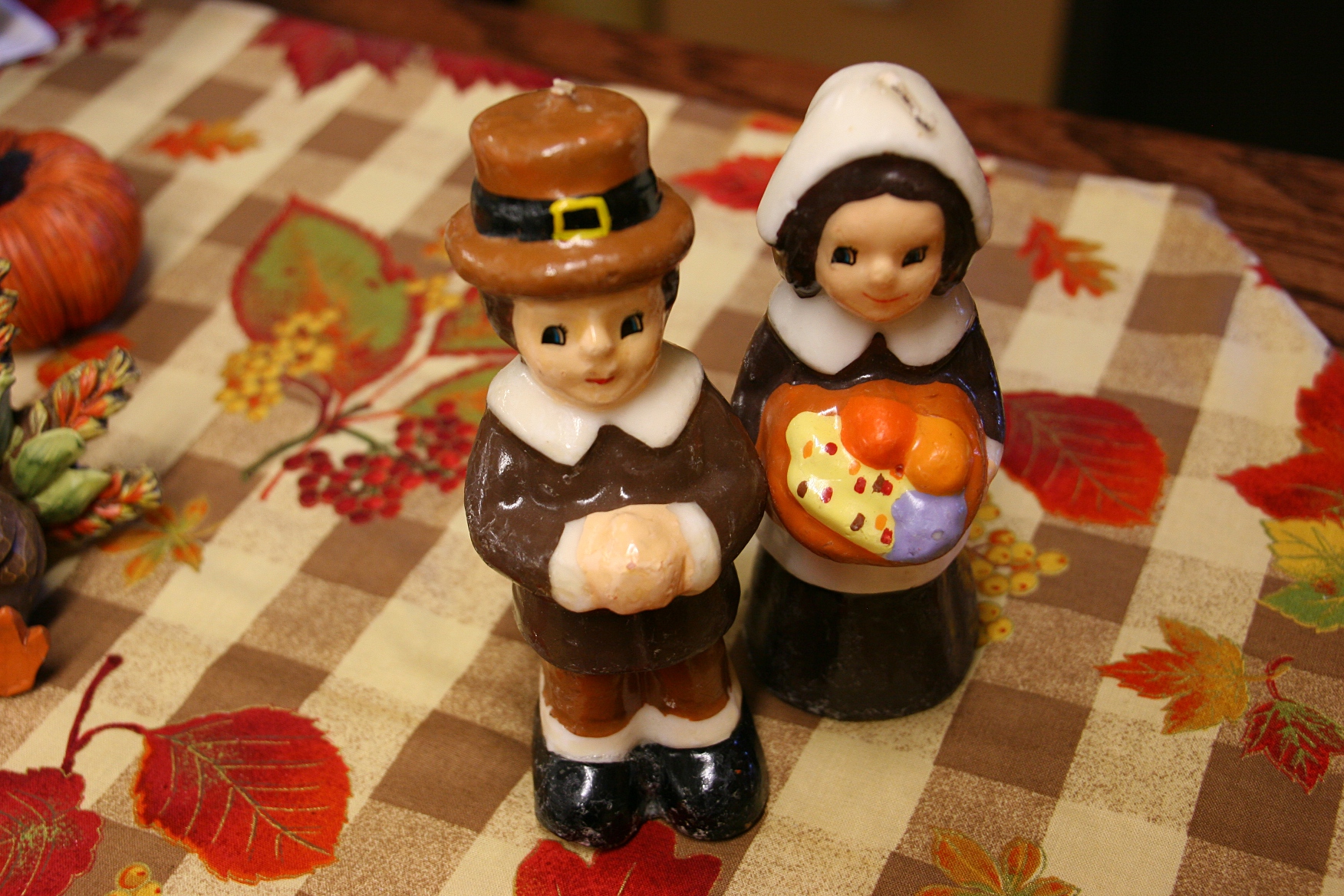
Decorations celebrate a thankfulness to God for the harvest.
Decorations celebrate a thankfulness to God for the harvest.

Whether you come with family or friends or no one you know, you'll soon be engaged in conversation.

Whether you come with family or friends or no one, you’ll soon be engaged in conversation.
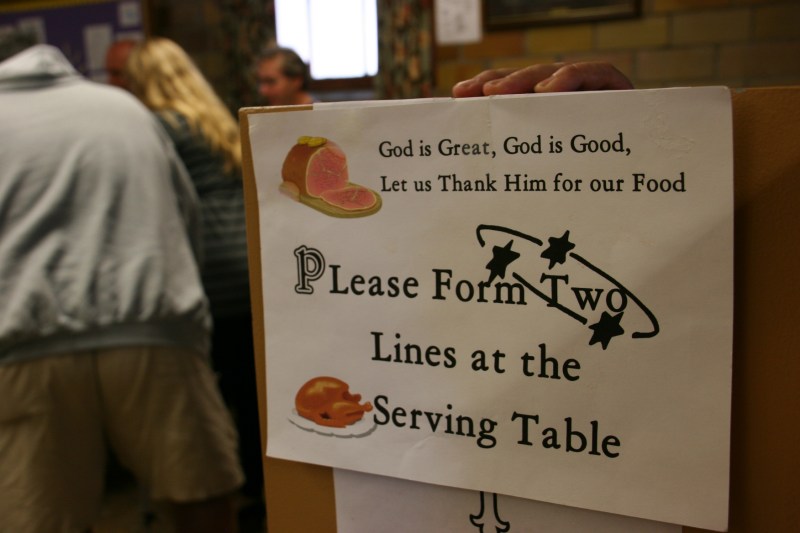
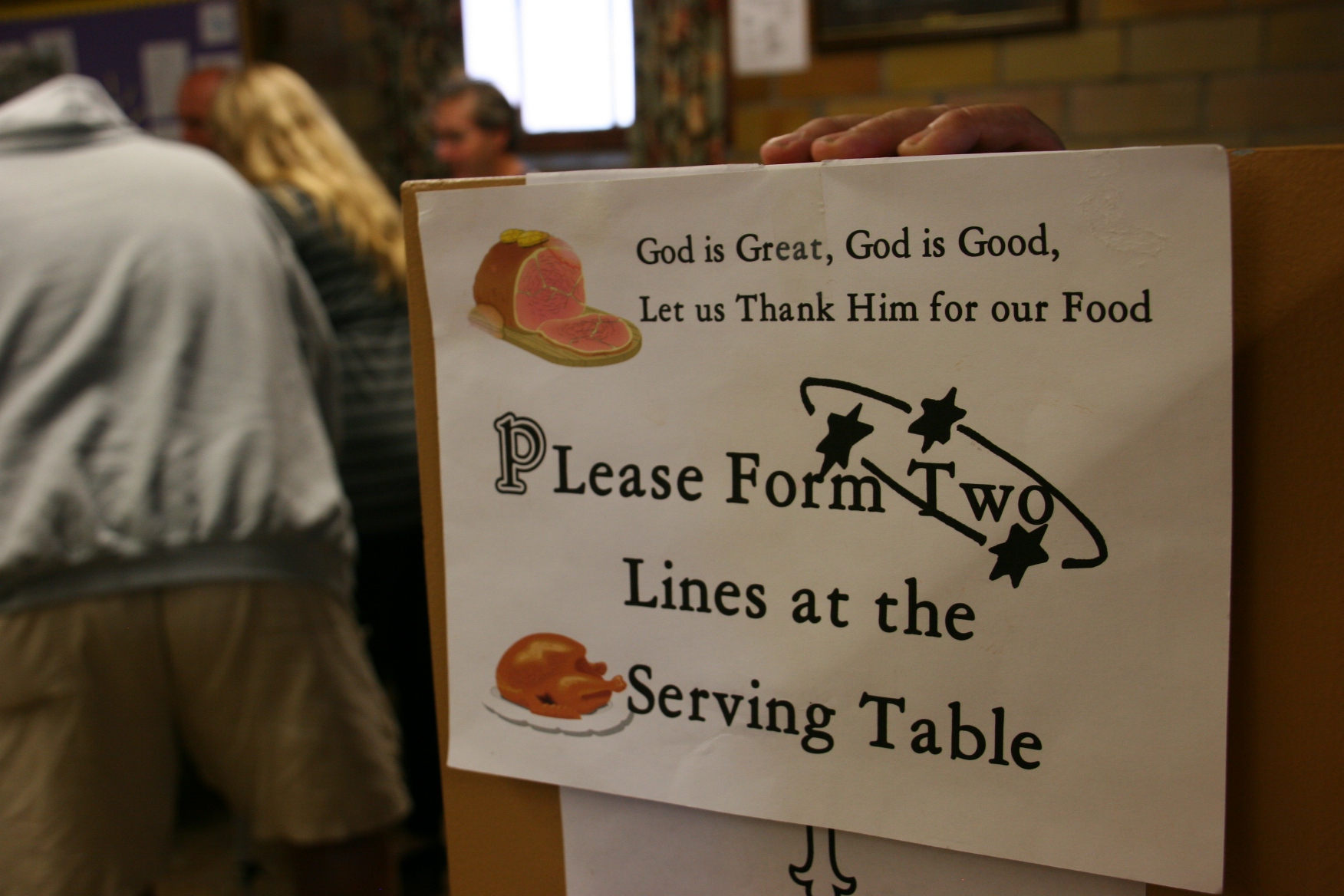
Two lines keep things moving. About 430 diners attended Sunday's dinner.

Two lines keep things moving. About 430 diners attended Sunday’s dinner.
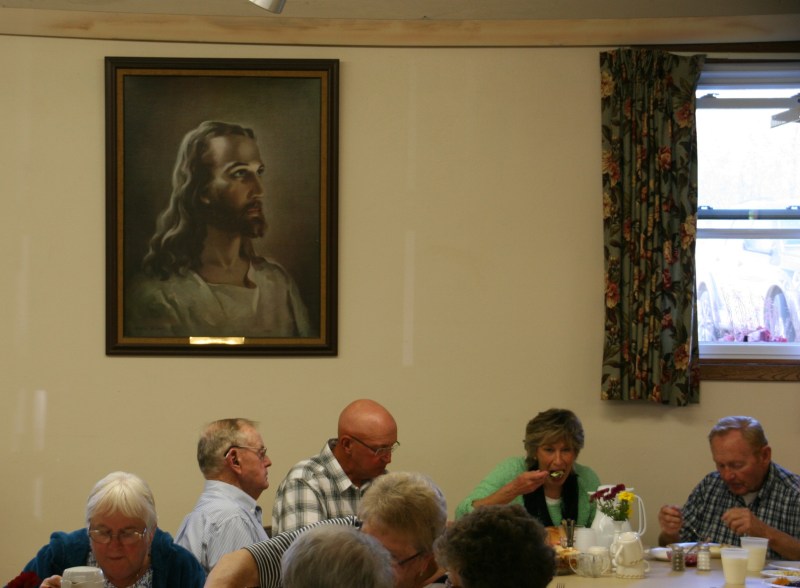
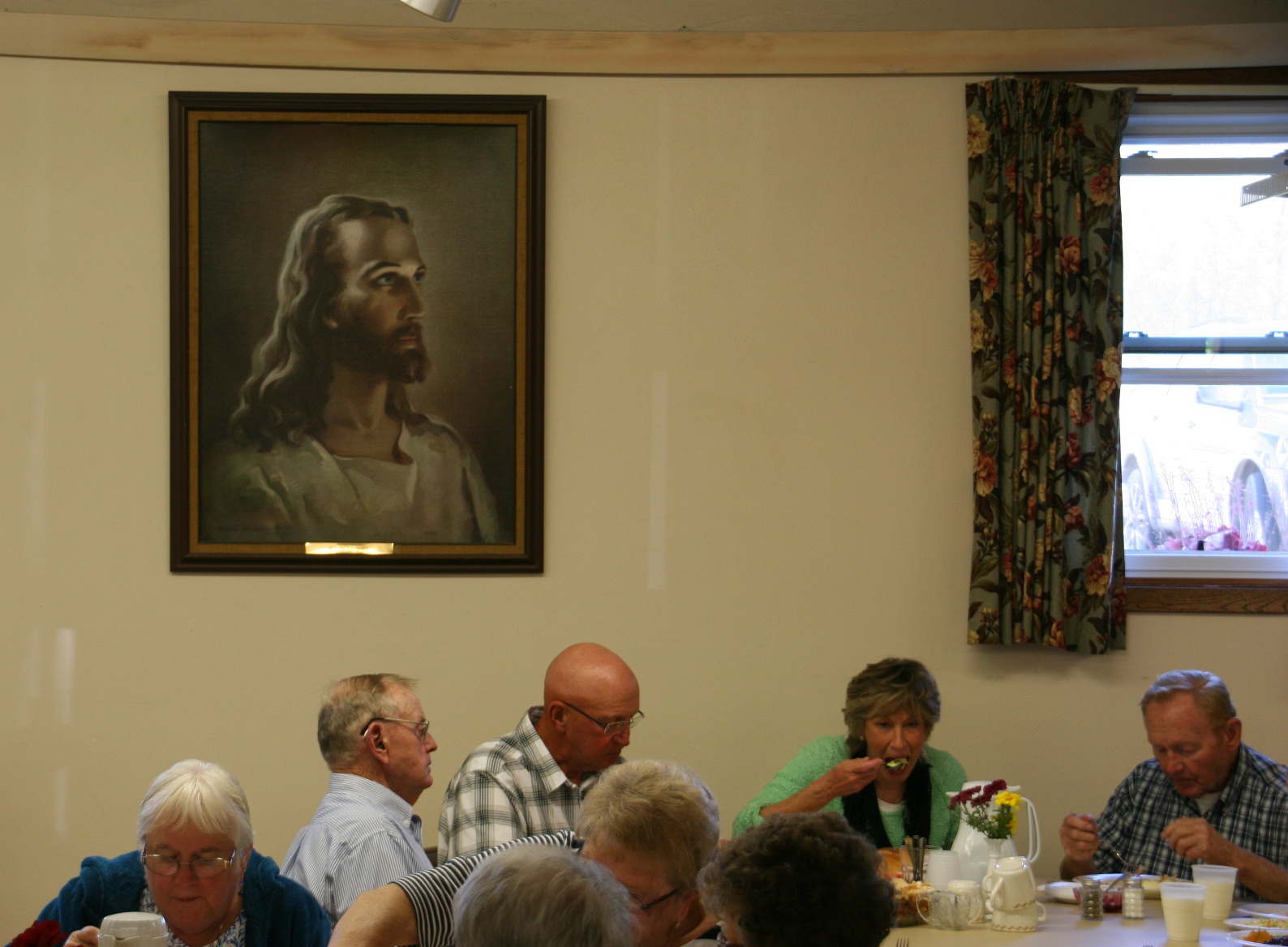
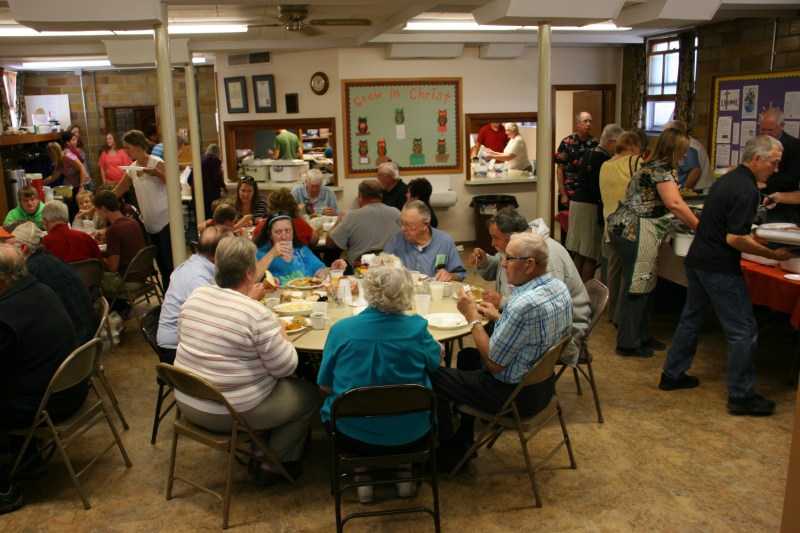
Dining in the church basement.

Dining in the church basement.

There’s something simply satisfying about sitting on a folding chair in the closeness of a church basement communing with others at a Thanksgiving style meal. Conversation and pass the coleslaw please. Or the cranberries. Clatter of knives and forks and a swarm of volunteers squeezing between tables to pour coffee and deliver plates of frosted cakes and then, afterward, to clear plates and set new place settings.
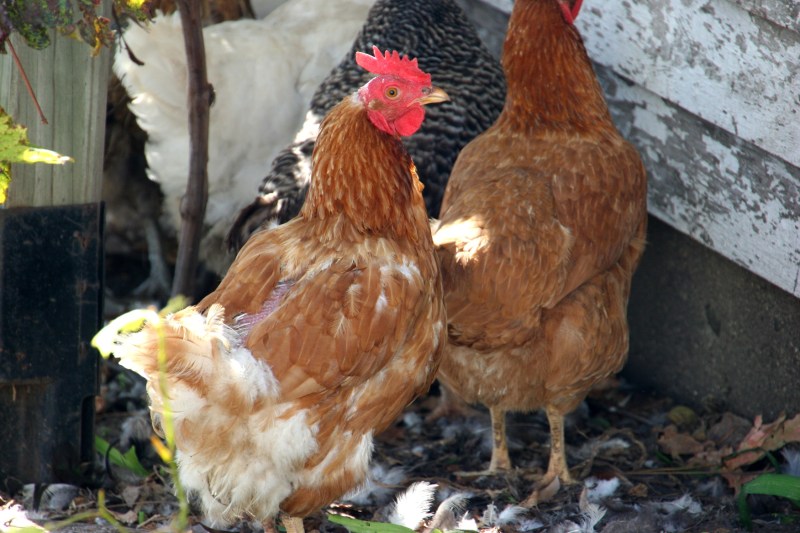
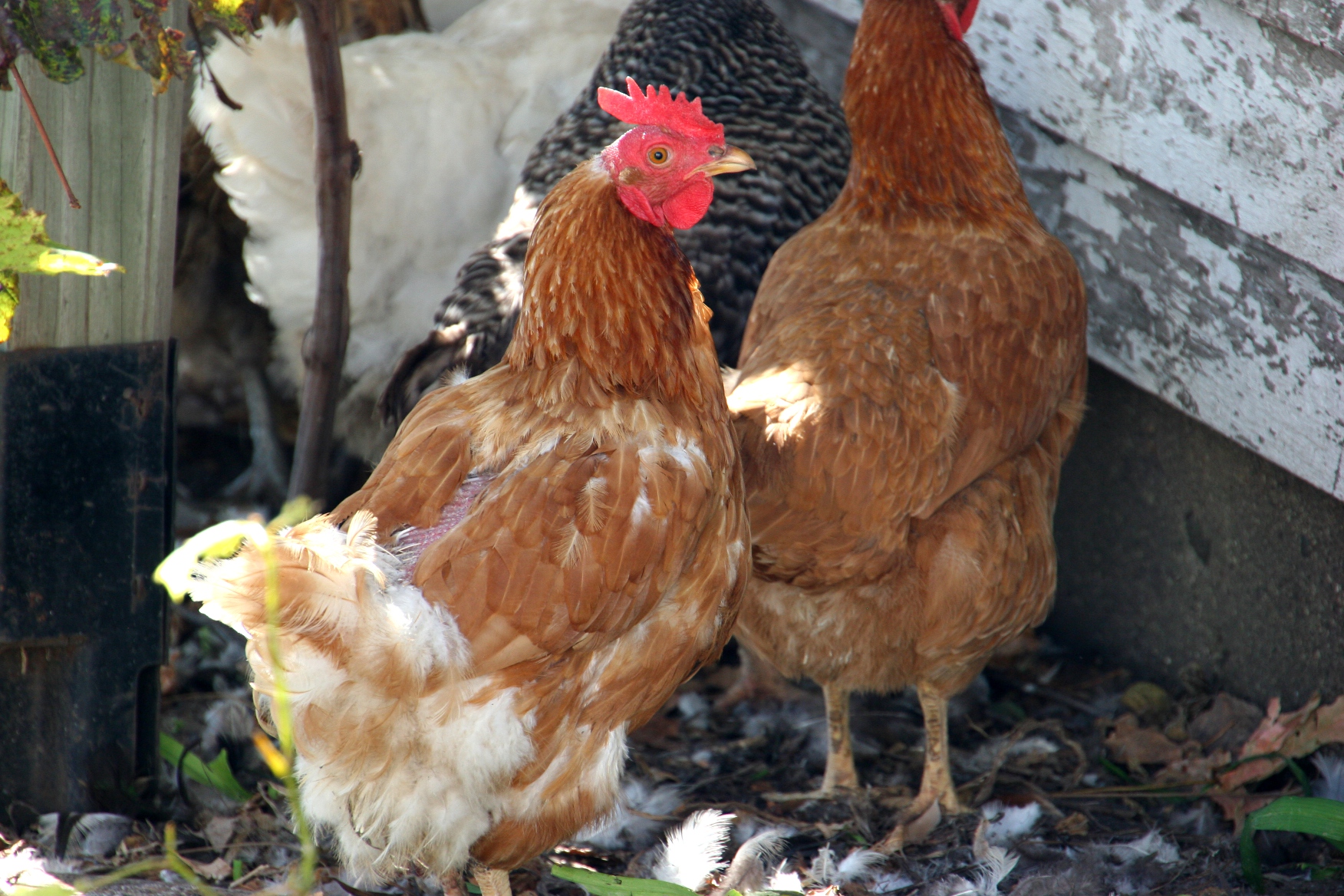
The pastor and his family raise chickens in a backyard coop.

The pastor and his family raise chickens in a backyard coop.

North Morristown is authentically, next to cornfields and farm sites, rural. It’s as rural as chickens in the pastor’s backyard.
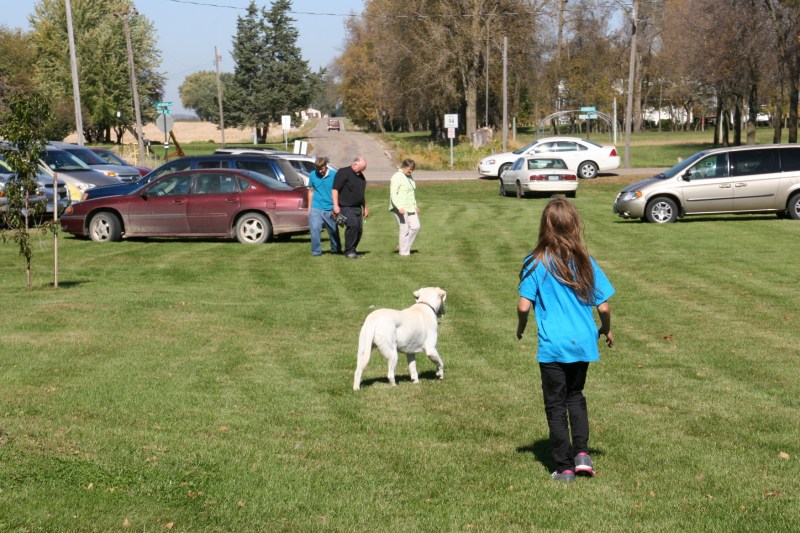
Sven the dog plays catch me.

Sven the dog plays catch me.

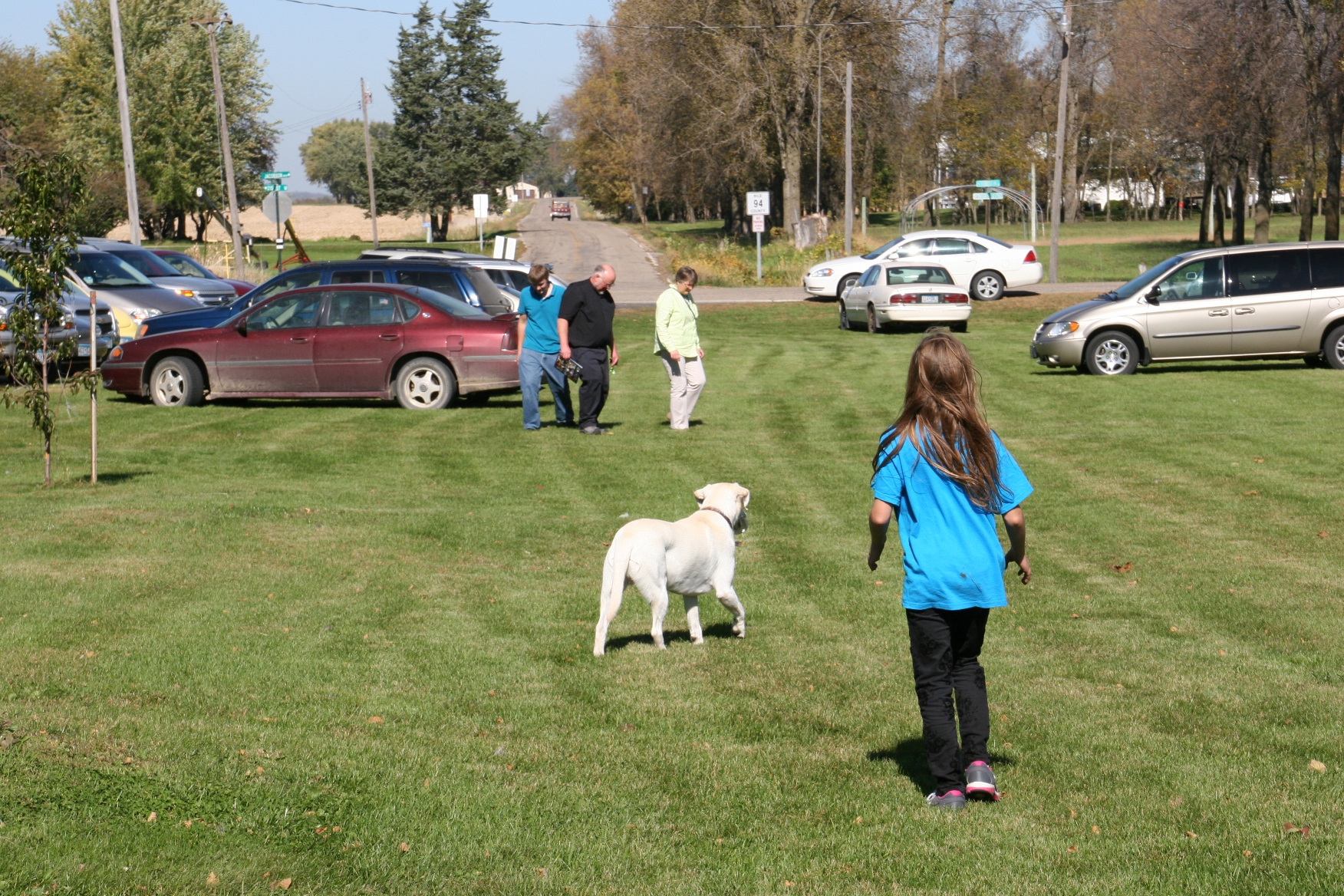
It’s as rural as Sven the dog roaming the church grounds.
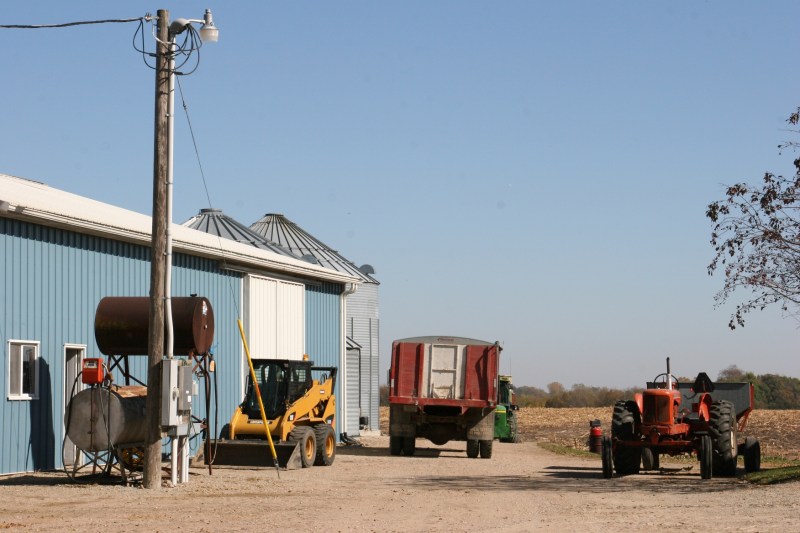
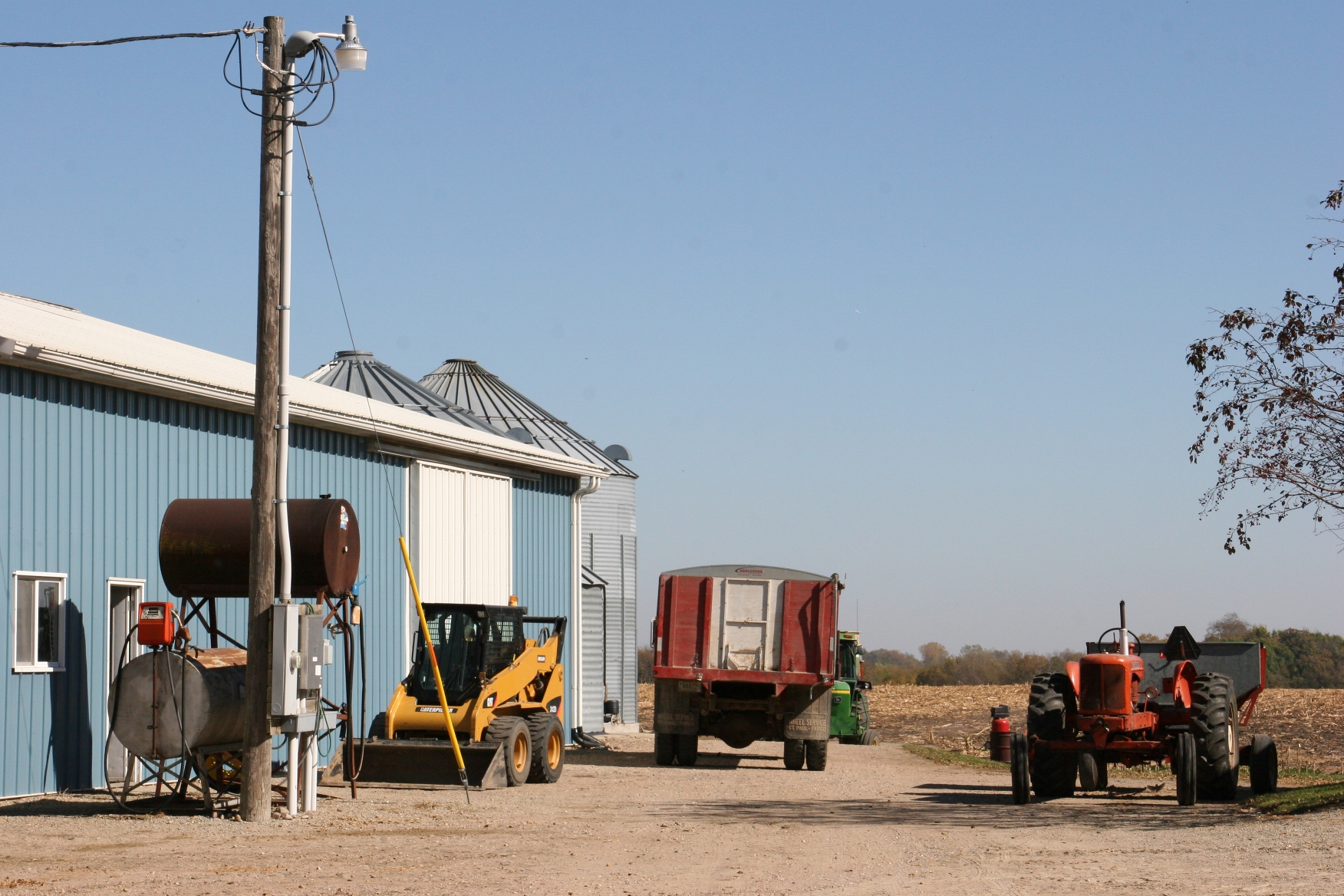
Just down the road from Trinity, harvest is underway at this farm.

Just down the road from Trinity, harvest is underway at this farm.

It’s as rural as a grain truck and a wagon brimming with soybeans a farm site away.
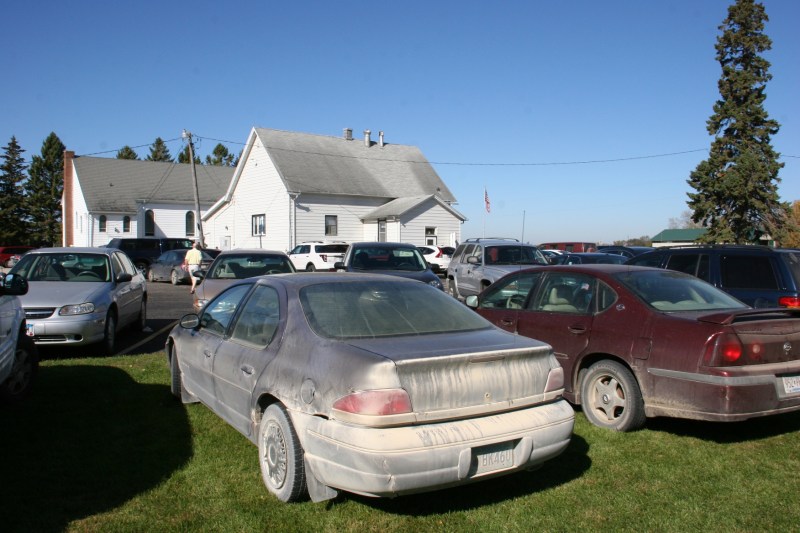
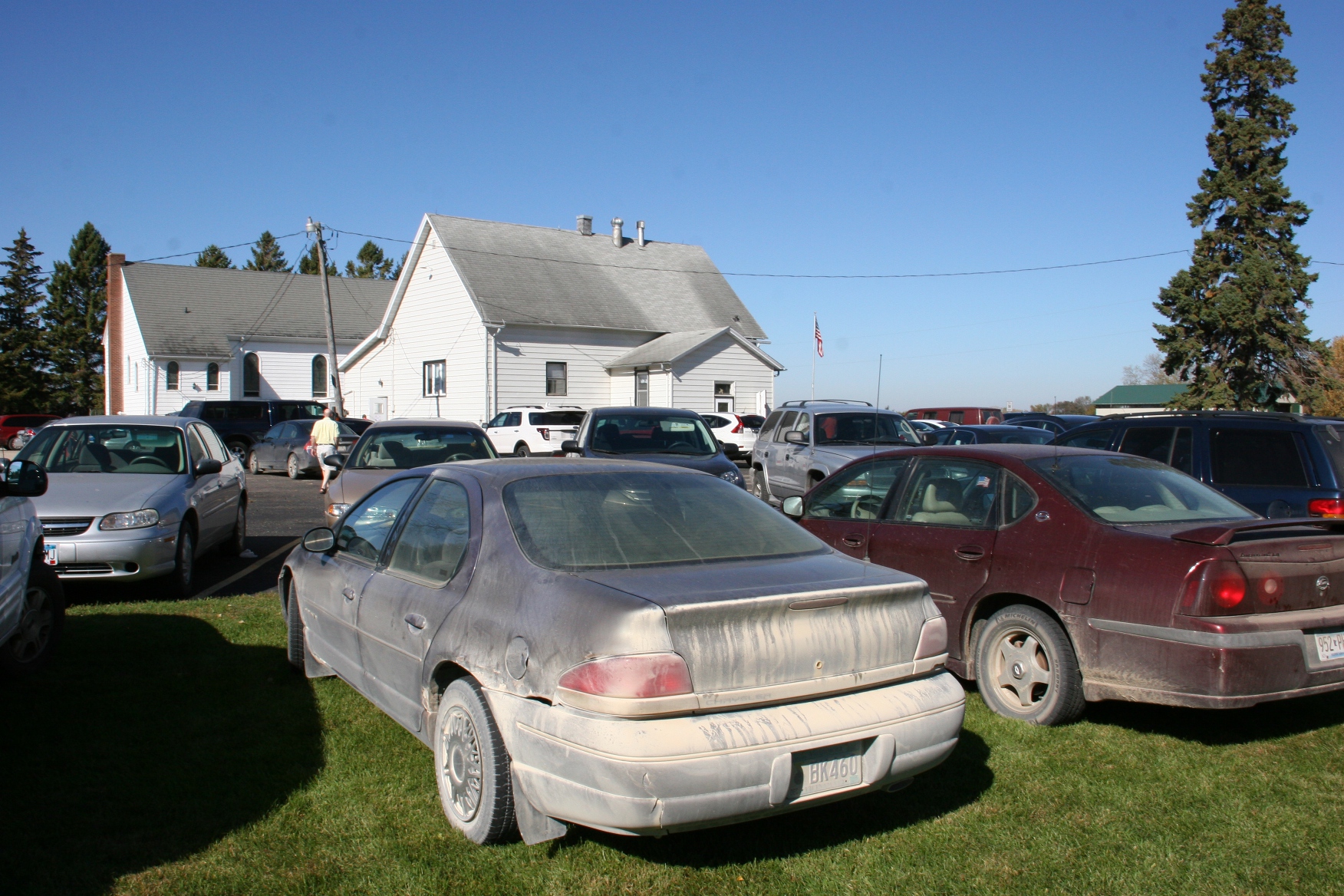
Vehicles ringed the church and school during Sunday's dinner.

Vehicles ring the church and school during Sunday’s dinner.

No pretentiousness exists here. Even the pastor excuses himself to wash dishes in the church basement.

BONUS PHOTOS:

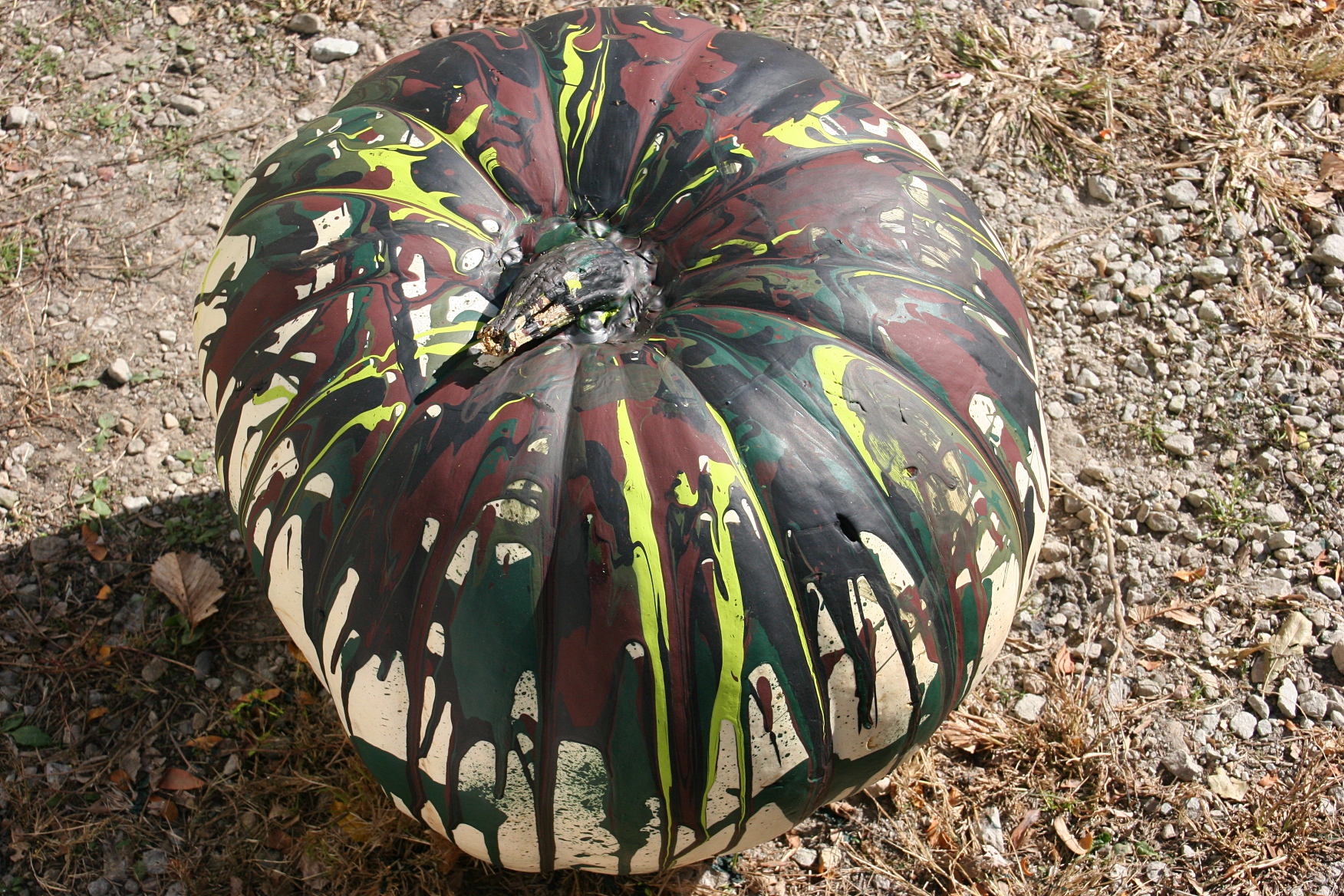
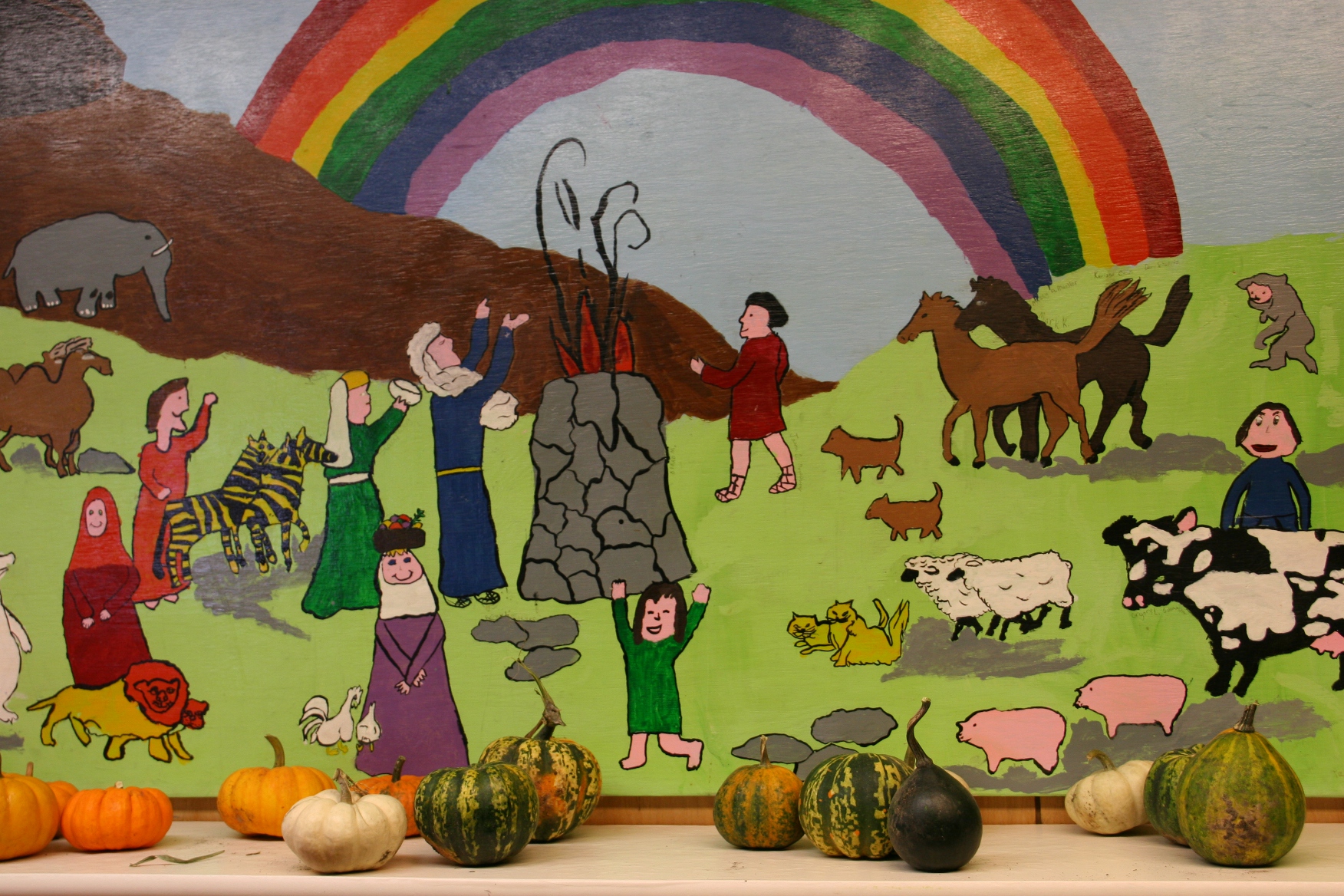
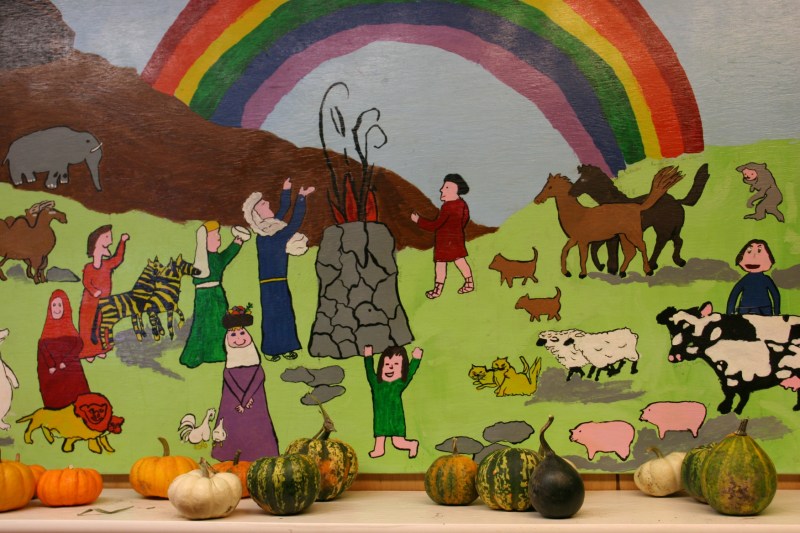
Gigantic painted pumpkins sat outside the church and school. Kids at the school painted pumpkins as part of art class.

Gigantic painted pumpkins sit outside the church and school. Kids at the school painted pumpkins as part of art class.
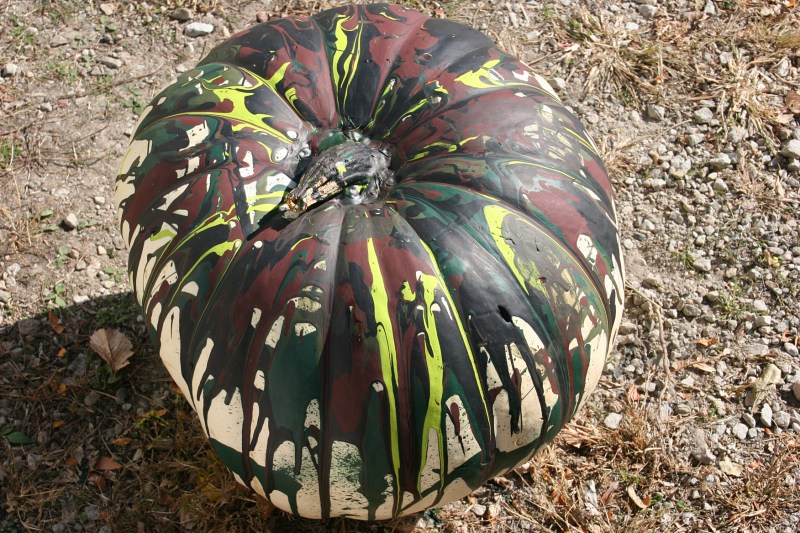
A camo pumpkin.
A camo pumpkin.

Produce, baked and canned goods, crafts and more were sold in a back room of the church basement.

Produce, baked and canned goods, crafts and more are sold in a back room of the church basement.
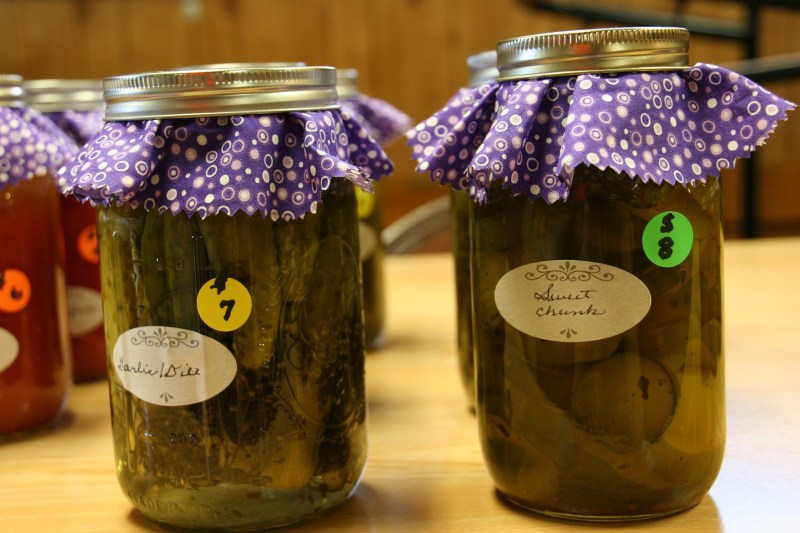
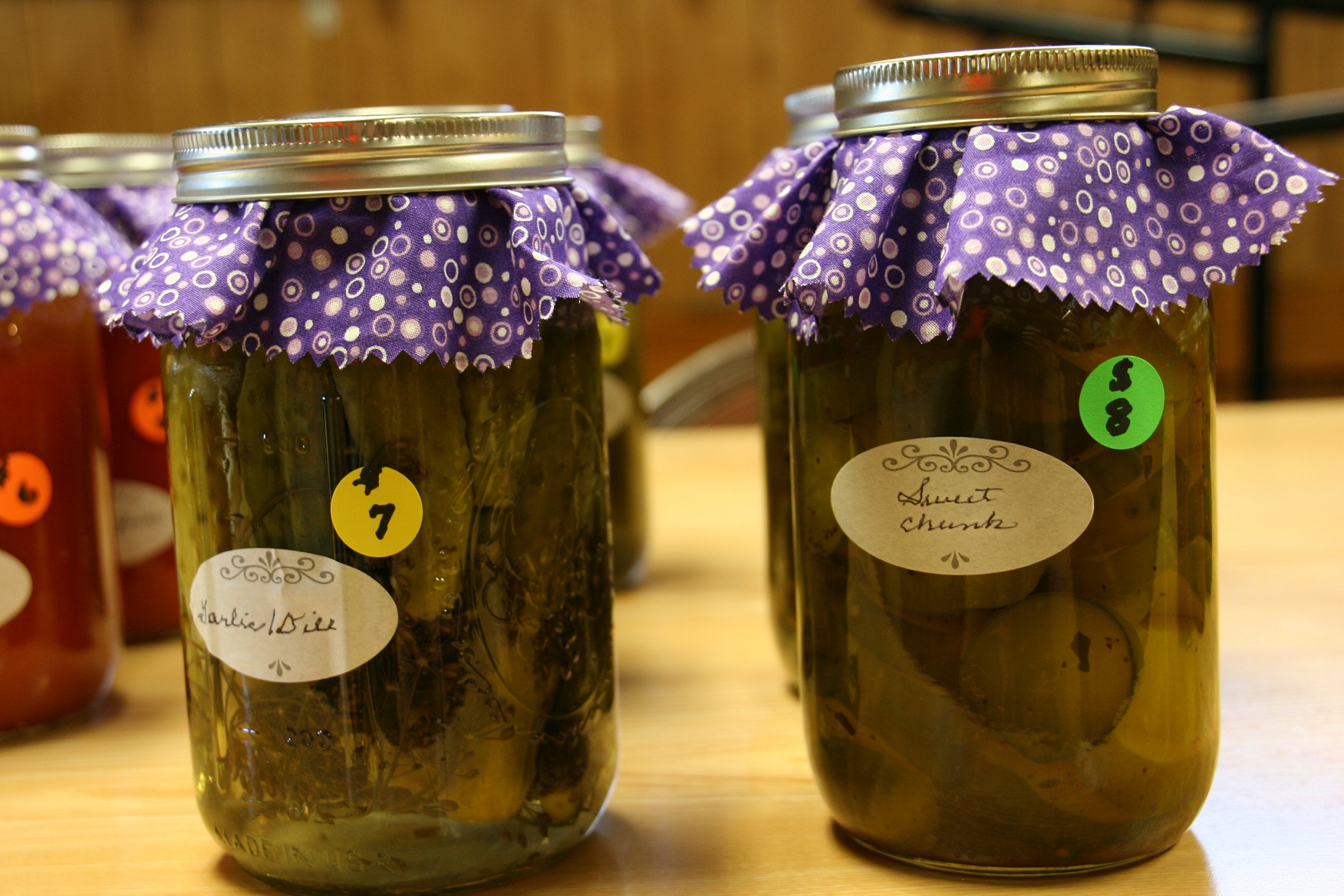
Church members brought in canned produce to sell like these pickles.

Church members bring in canned produce to sell, like these pickles.
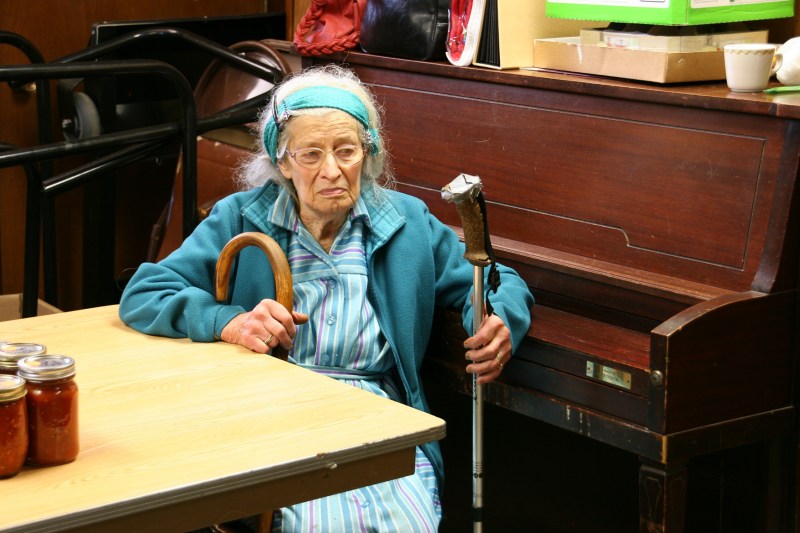
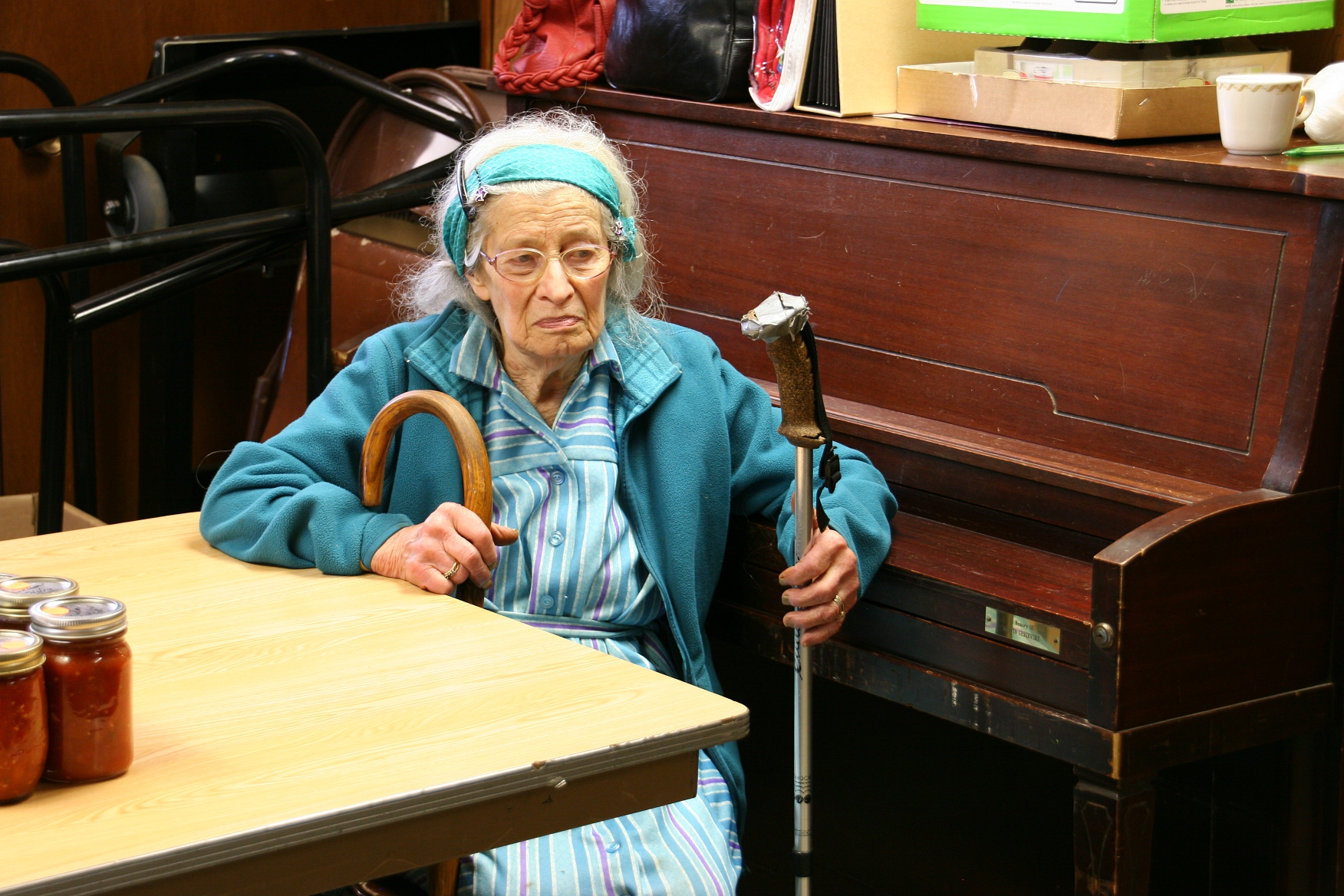
Several years ago I photographed this lovely woman drying dishes. S

Several years ago I photographed this lovely woman drying dishes. She worked for years at the dinner, but is no longer able to do so. I found her resting at the craft and bake sale.
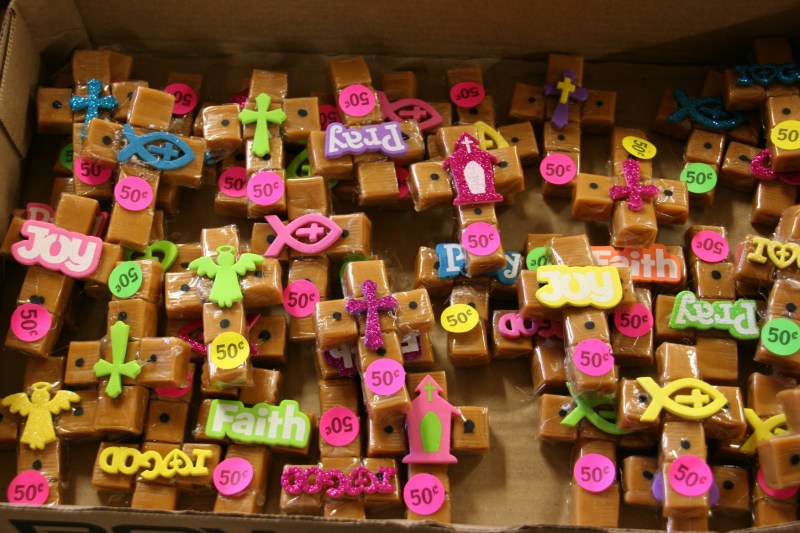
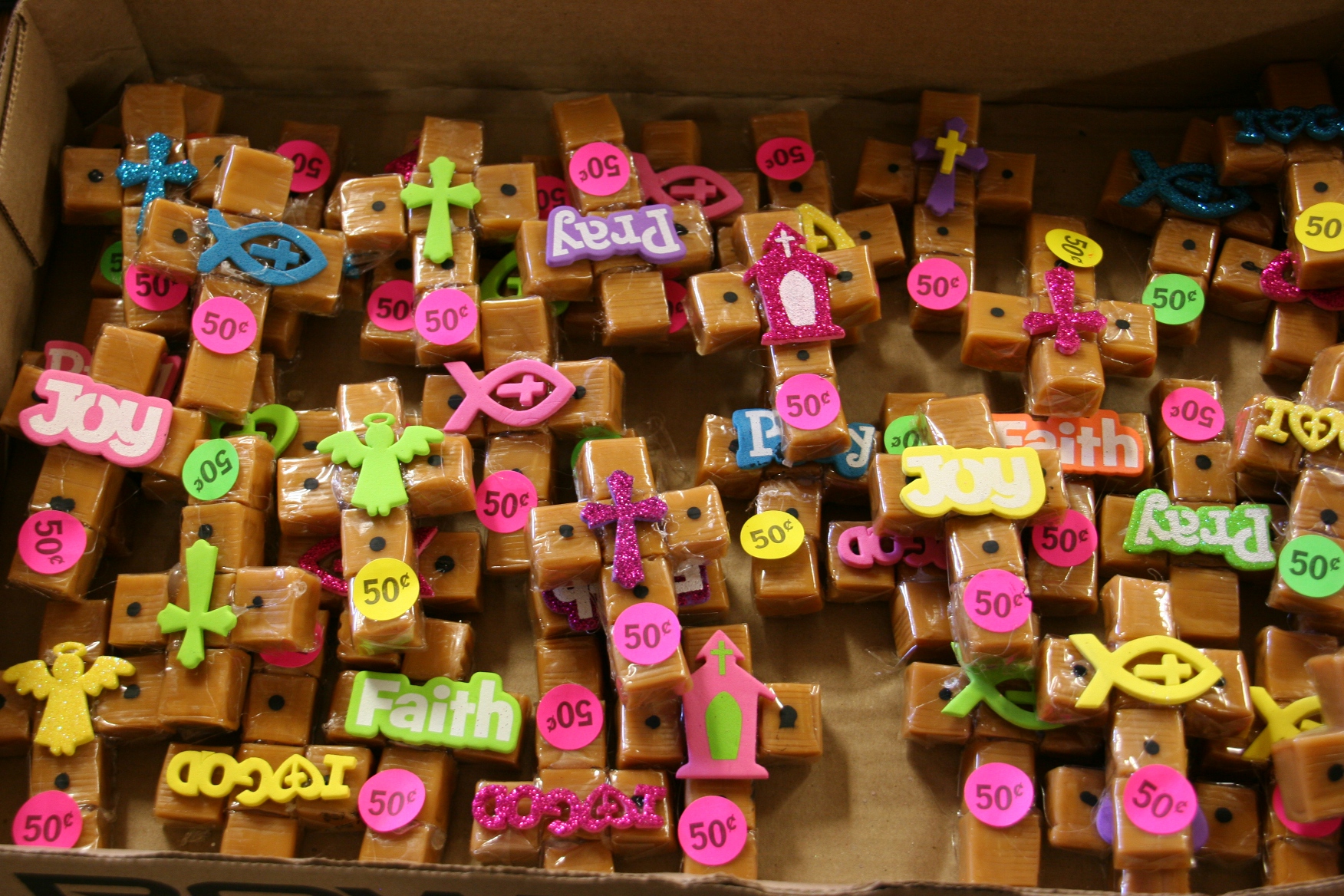
My friend Tammy, a native of North Morristown, crafted these caramel crosses and other items for the craft sale.

My friend Tammy, a native of North Morristown, crafted these caramel crosses and other items for the craft sale.

© Copyright 2015 Audrey Kletscher Helbling


Church Food: Harvest dinner at Trinity North Morristown October 9, 2015

My meal at last year's Trinity dinner, minus the bread and cranberries. I had cake for dessert, too.

My meal at a previous Trinity North Morristown dinner, minus the bread and cranberries. I had cake for dessert, too. Minnesota Prairie Roots file photo.

IT IS THE SEASON of church dinners in Minnesota, which is why I’ve deviated today from the usual Minnesota Faces series to Minnesota Food.

This Sunday, October 11, Trinity Lutheran Church North Morristown, a rural parish in western Rice County, hosts its annual fall harvest dinner. I’ve been to many church dinners and this one ranks as my favorite.

Everything served here is homemade from the garden-grown potatoes and squash prepared in the church basement to the dressing, bread and more, all served with turkey and ham.

It’s a feast. And one served in good company by rural folks who welcome and engage you in friendly conversation. Go for the people, experience and setting as much as the food.

Serving begins at 11 a.m., shortly after the 9:30 a.m. worship service, which I’d also encourage you to attend. There’s something about worshiping in a small country church surrounded by farm fields that focuses thoughts on thankfulness for the harvest and all the blessings of life.

Besides the dinner, which runs until 1 p.m., Trinity also hosts a bake goods, produce and craft sale in the back room of the church basement. More goodies from gardens and kitchens plus handcrafted items.

Cost for the dinner is a reasonable $10 for ages 13 and older; $5 for ages 6 – 12; and free for ages 5 and younger.

You will leave feeling stuffed and blessed.

FYI: Dinner planners are looking for people to peel potatoes beginning at 8 a.m. Saturday.

TELL ME, DO YOU FREQUENT church dinners and do you have a favorite?

© Copyright 2015 Audrey Kletscher Helbling
 

Facing the fowl September 22, 2015

Filed under: Uncategorized — Audrey Kletscher Helbling @ 5:01 AM
Tags: , , ,

MY MOM PAUSED in our conversation. She wondered if she was hearing me right. I had just stated that I thought the chickens beautiful. Not all chickens. But these chickens.


Chickens, rooster


She had reason to question my observation. Ever since I was tormented and pecked at and chased by a rooster while growing up on our Minnesota farm, I have disliked chickens. I am afraid of them, of their flapping wings and sharp beaks and talons.


Chickens, patterned chicken


But these chickens were different. They are not plain white. And the rooster did not chase me.


Chickens, buff colored chicken


I was able to stand within feet of uncaged multi-colored fowl and appreciate their beauty. Sheen of blue in black feathers. Patterns of black and white. A beautiful buff. Chickens that were actually cute, if a chicken can be truly cute.


Chickens, black chicken


Even I surprised myself. I was not terrified. I did not scamper away. I drew the line, though, at cuddling the chickens belonging to friends Steve and Joy. Or at being inside a shed with a hen, gentle as she might appear. My trust is not quite that secure.
 

Chickens, flying chicken
 

And when a chicken flew onto a fence top, I ended the photo session. She was flapping a little too close for my comfort. I have memories of unhappy hens in the chicken coop who did not like their eggs stolen.


Chickens, coop


I will never really like chickens. But I am at least beginning to tolerate them. The pretty ones.

HOW ABOUT YOU? What’s your experience with chickens?

FYI: I first observed my friends’ chickens when they were running around the yard. I did not have my camera with me. But when I visited again, I had my camera. These images were taken then.

© Copyright 2015 Audrey Kletscher Helbling