Minnesota Prairie Roots

Writing and photography by Audrey Kletscher Helbling

From small town Minnesota: When no one would be queen July 22, 2016

Filed under: Uncategorized — Audrey Kletscher Helbling @ 5:00 AM
Tags: , , , , , ,
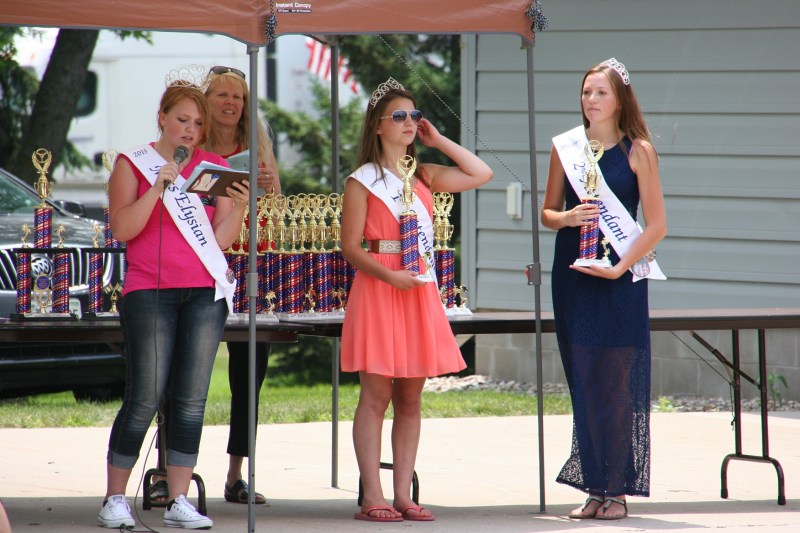
As we were leaving, Miss Elysian royalty were handing out Car Show trophies.

Miss Elysian royalty handed out Car Show trophies at the community’s Fourth of July celebration in 2015. Minnesota Prairie Roots file photo used for illustration purposes only.

ARE HIGH SCHOOL teens too busy to reign as small town royalty? That’s the assessment of one local pageant organizer.

According to an article published in the The Gaylord Hub, only one girl applied for the role of Miss Gaylord 2016. That lack of interest caused organizers to call off the coronation which is part of this southern Minnesota community’s annual Extravaganza celebration in August.

Brianna Hahn, chairperson of the Gaylord Royal Ambassadors, cited competition from sports, summer jobs and post-secondary education for the waning interest along with a smaller than usual pool of potential candidates this year. Additionally, Hahn noted that surrounding communities are facing the same problem.

I checked several neighboring towns and found the royalty tradition continuing with a Miss Winthrop at Farm City Fun Fest, Miss Henderson at Sauerkraut Days, Miss Nicollet at Friendship Days and Miss Le Sueur at the Giant Celebration.

But I expect Hahn is right—that other rural Minnesota communities are experiencing declining numbers, too, in queen candidates. Is your community one of them?

Are small town queen competitions becoming a thing of the past? Should changes be made to continue the tradition? What are your thoughts?

© Copyright 2016 Audrey Kletscher Helbling
Source cited: The Gaylord Hub


Every life matters to a social media savvy small town Minnesota police chief July 13, 2016

Kenyon Police Chief Lee Sjolander. Photo from Kenyon Police Department Facebook page.

Kenyon Police Chief Lee Sjolander. Photo from Kenyon Police Department Facebook page.

HOOLIGAN BY DEFINITION means violent young troublemaker.

And although Lee Sjolander is officially a hooligan, as in the percussionist for the Goodhue County rock and country variety band The Local Hooligans, he’s not by any standards a troublemaker. That’s his part-time after hours band gig title.

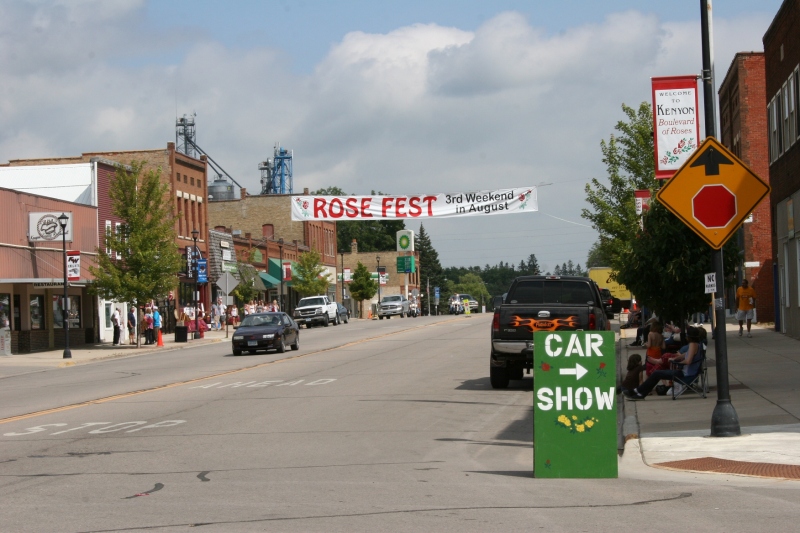
Kenyon, Minnesota, welcomes visitors to its recent Rose Fest.

Downtown Kenyon, Minnesota, during the 2014 Rose Fest, always held on the third weekend in August. Minnesota Prairie Roots file photo.

Full-time, Sjolander serves as the police chief of Kenyon, a small southeastern Minnesota community of about 1,800.

But he’s more than your average small town police officer. He’s also a social media celebrity with a world-wide Facebook following that numbers in the thousands. He recently returned from an invitation only 21st Century Policing conference at the White House. And he’s appeared on a Twin Cities television station and has been referenced by Minnesota Public Radio.

Yet, despite all of the notoriety, Sjolander keeps doing what he does best—caring about the good folks and animals (yes, he picks up strays) of Kenyon and writing about his work, his community, social issues and even the personal struggles he faces.

Sjolander is refreshingly positive. If there’s a problem or need in his community, he seeks out solutions. He helps families find housing, pays for groceries, distributes donated monies to locals who are going through tough times and more. In summary, he cares.

He sports a sprawling tattoo on his upper right arm inked with the words: Every Life Matters. Those same three words are stitched onto his bullet proof vest.

Sjolander has an open book, down-home personal writing style infused with compassion and humor that resonates with the masses. If you aren’t following the Kenyon Police Department Facebook page, I’d encourage you to do so. You will be a better person for having read the chief’s words.

And if you’re interested in meeting the chief and his officers, attend a Friday, July 22, open house starting at 4 p.m. at the Kenyon VFW. It is an opportunity, say organizers, to thank and recognize the police department for its work.

That’s how things roll in small town Kenyon under the policing of Lee Sjolander.

© Copyright 2016 Audrey Kletscher Helbling


Serving up kraut at a Minnesota “feed” July 7, 2016

Filed under: Uncategorized — Audrey Kletscher Helbling @ 5:00 AM
Tags: , , , , , , , , ,

HOW DO YOU DEFINE feed?

In Minnesota, the word can typically be defined as an event in which large numbers of people are served food by a group of volunteers aiming to raise money for a cause. Not exactly a Webster dictionary concise definition.

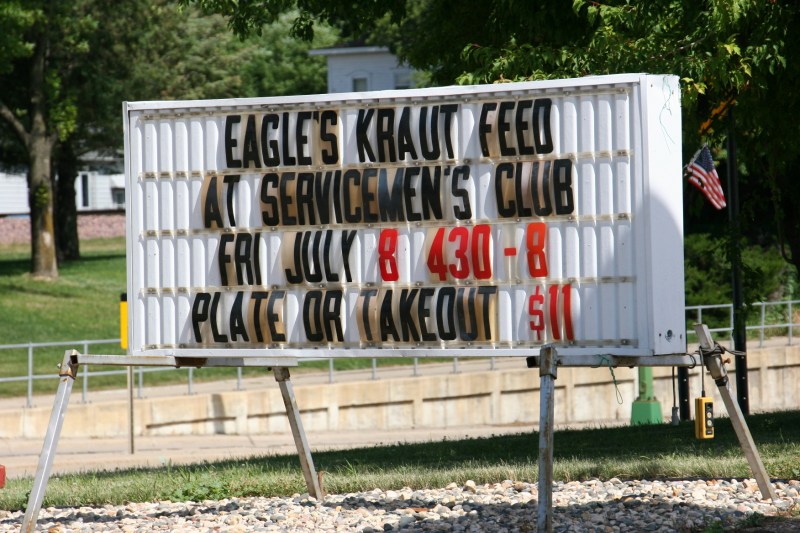
This sign is posted at the intersection of U.S. Highway 14 and Minnesota State Highway 4 in downtown Sleepy Eye.

This sign is posted at the intersection of U.S. Highway 14 and Minnesota State Highway 4 in downtown Sleepy Eye.

Often the featured food reflects the ethnicity of the region. Take, for example, the Eagle’s Kraut Feed slated for tomorrow at the Servicemen’s Club in Sleepy Eye. This southwestern Minnesota community has a strong German heritage. That would explain the Kraut Feed menu of all you can eat sauerkraut, dumplings, mashed potatoes and gravy, Landjagers (sausage), applesauce, bread and coffee and/or milk.

Even though I’m 100 percent German and do eat sauerkraut, I don’t like dumplings or sausage. But apparently a lot of folks do.

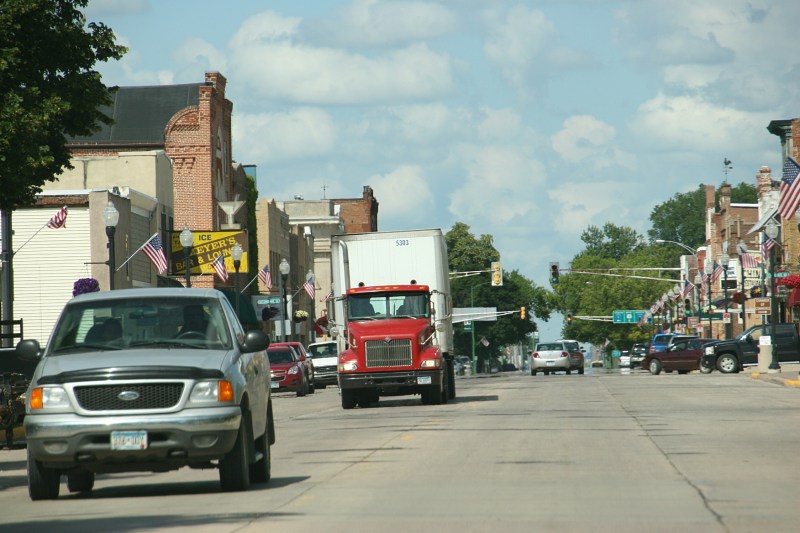
Downtown Sleepy Eye, Minnesota, photographed on July 2.

Downtown Sleepy Eye, Minnesota, photographed on July 2.

While searching online for info about the July 8 Kraut Feed, I also read that the Servicemen’s Club hosted a Ring Bologna Feed in February and a Bullhead Feed in March. I’m not surprised. I grew up in the county next to Sleepy Eye and my mom cooked both. I wasn’t fond of either ring bologna or bullheads. But those locally-sourced (from our farm and nearby School Grove Lake) cheap foods fed our family of eight.

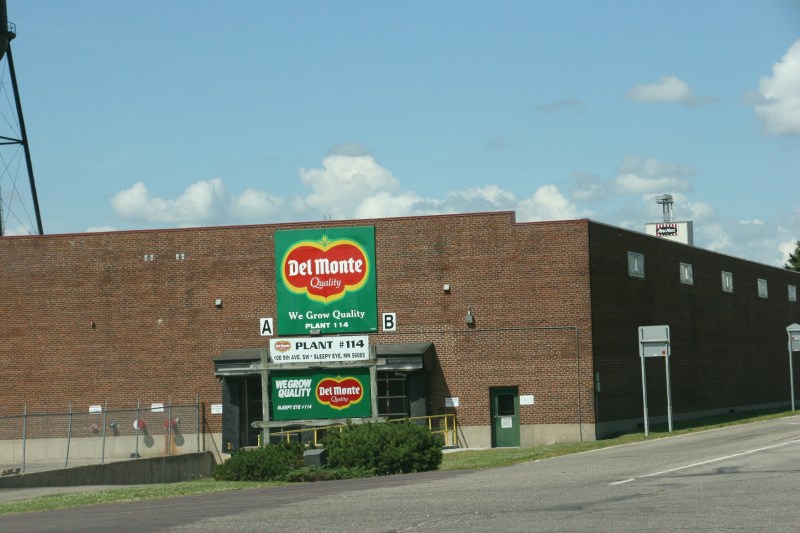
Sleepy Eye's Del Monte plant, located on the west edge of town along U.S. Highway 14.

Sleepy Eye’s Del Monte plant, located on the west edge of town along U.S. Highway 14.

In August, Sleepy Eye will serve free buttered sweet corn at its annual Buttered Corn Days. That event connects to the local Del Monte company, a community fixture since 1920. According to the Del Monte website, the Sleepy Eye plant “produces the largest case quantities of peas and corn for the company, planted by over 300 different growers on more than 26,000 acres.” That and the employment of up to 400 seasonal employees are good enough reasons to host a free community sweet corn feed.

TELL ME: What types of feeds are popular in your area? Or what is the most unusual feed you’ve come across and/or attended?

© Copyright 2016 Audrey Kletscher Helbling


A rural Minnesota teacher takes action when her students need books May 12, 2016

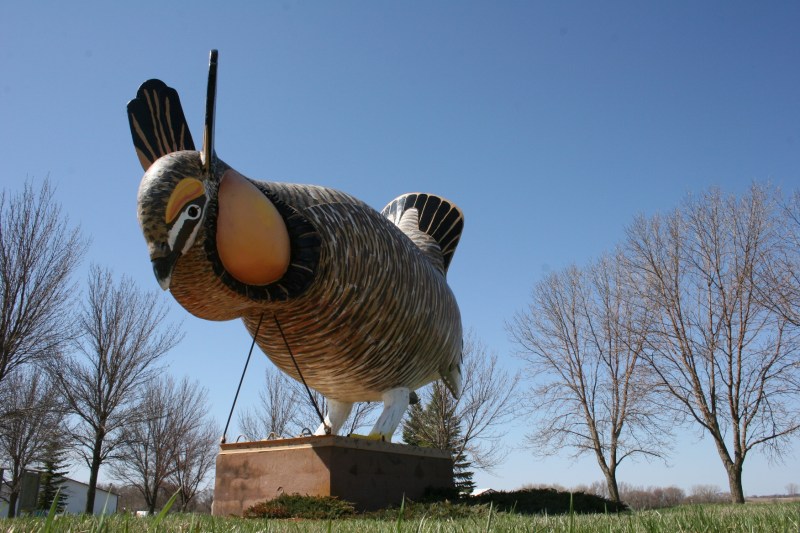
This prairie chicken statue celebrates the real prairie chickens which reside in the Rothsay area.

This prairie chicken statue celebrates the real prairie chickens which reside in the Rothsay area. Minnesota Prairie Roots file photo, May 2013.

FORTY MILES EAST of Fargo, an 18-foot tall, 9,000-pound statue marks Rothsay as The Prairie Chicken Capital of Minnesota. Without the kitschy roadside attraction, travelers likely would consider this just another small town along Interstate 94.

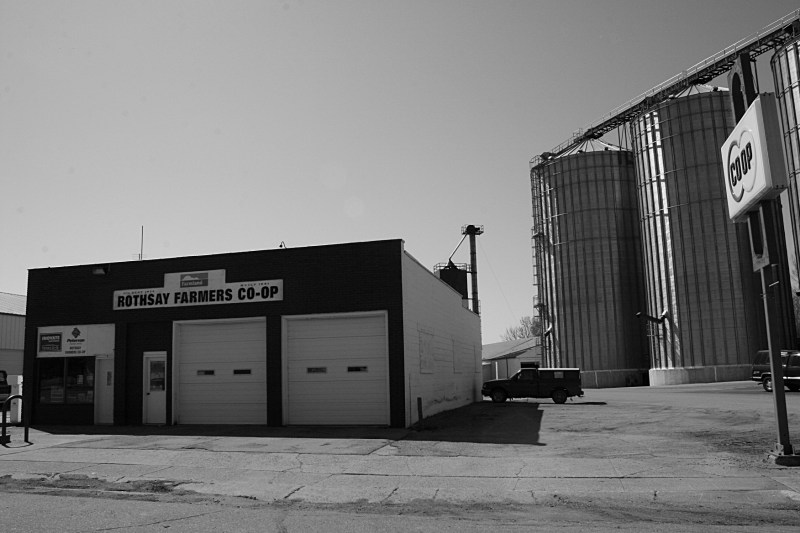
Downtown Rothsay is ag-oriented. Minnesota Prairie Roots file photo 2013.

Downtown Rothsay is ag-oriented. Minnesota Prairie Roots file photo, May 2013.

A few years ago, I popped into Rothsay. It’s your typical Minnesota farming community with a farmers co-op, hardware store, a bank, automotive body and repair shop, and such. And, if it’s lucky, as Rothsay is, a still surviving public school.

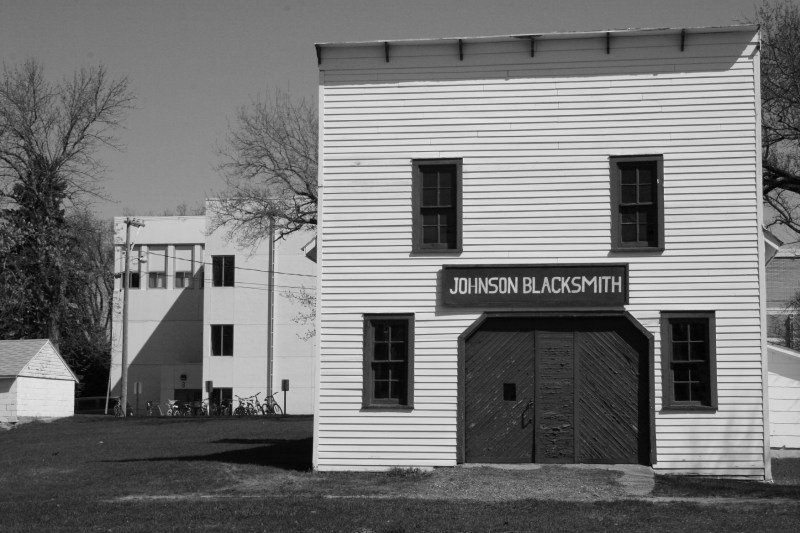
From what I observed, this is an historic blacksmith shop, not a working one. Note the bikes in the background parked outside the public school.

When I visited Rothsay three years ago, the school sat behind this historic blacksmith shop. Minnesota Prairie Roots file photo, May 2013.

In the three years since I visited this Wilkin County community, a new school has been built. But there’s a problem, specifically in the Media Center. A shortage of books exists for high school students.

This graphic comes from the gofundme page.

This graphic of book covers comes from the gofundme page.

Now Kristie Sullivan, an English Language Arts teacher who returned to her hometown to teach, has established a gofundme page to fund the purchase of books for high schoolers. She’s seeking $5,000 for titles ranging from classics like The Catcher in the Rye to the current-day popular The Hunger Games.

I can’t think of anything in education more important than books. They are the foundation tool of learning. If you can read, you can learn.

I understand the situation Ms. Sullivan faces. Years ago, when my children were attending a Christian day school in Faribault, I volunteered in the library. There was no funding for library books. So I had to get creative. New books came through cash gifts, a birthday book program, rewards from an annual book sale and from a used book drive. I also purchased many books at garage sales. I’d like to think I made a difference in getting books to students.

Kudos to this young teacher for caring so much about her students that she set up this gofundme page. Such action shows me she is passionate about teaching. And when a teacher is passionate, kids learn. Really learn.

FYI: If you are interested in supporting this gofundme project to buy books for Rothsay High School students, click here.

(h/t Fargo Forum)

© Copyright 2016 Audrey Kletscher Helbling


Part V from Wanamingo: Landmarks & oddities March 28, 2016

Filed under: Uncategorized — Audrey Kletscher Helbling @ 5:00 AM
Tags: , , , , , , ,
Some of the airport luggage carts still remaining in Wanamingo.

Some of the airport luggage carts still remaining in Wanamingo.

MOST SMALL TOWNS possess oddities and landmarks unique to the community. Wanamingo in Goodhue County is no exception.

A few years back, I spotted row upon row of airport luggage carts parked outdoors in a lot on the north edge of town. It was the oddest sight. Only a small cluster of carts remains now. They’re still a mystery to me.


Small town Wanamingo, 47 elementary school


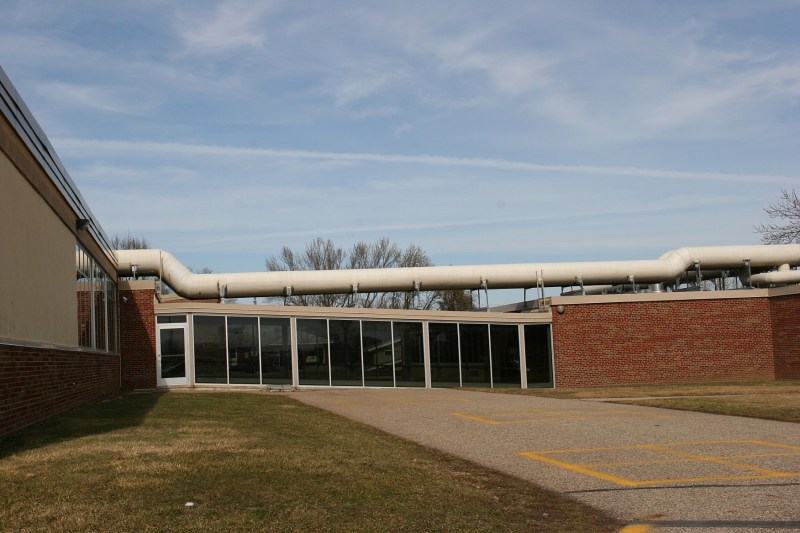
I am also intrigued by the massive pipes winding along the roofline of Kenyon-Wanamingo Elementary School. Typically, these heating (I presume) pipes run underground. Why are these atop the roof?


Small town Wanamingo, 44 butcher shop sign


At Wanamingo Meats and Catering, a hot pink sign and hot pink shutters draw attention to this downtown business owned by two sisters. That explains the pink. Butcher shops aren’t typically owned by women. Customers sing the praises of this business on its Facebook page.


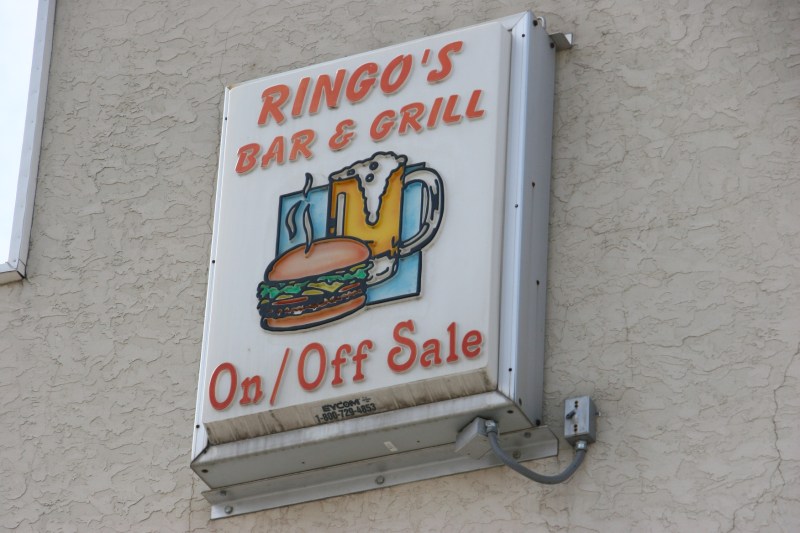
Small town Wanamingo, 38 Ringo's sign above bar


Downtown, I noticed a bar and grill with a seeming identity crisis. A sign high on the building identifies the business as Ringo’s Bar & Grill. But an over-the-door sign banners J B’s Tavern.

I would love to get inside this aged house, to know its story.

I would love to get inside this aged house, to know its story.

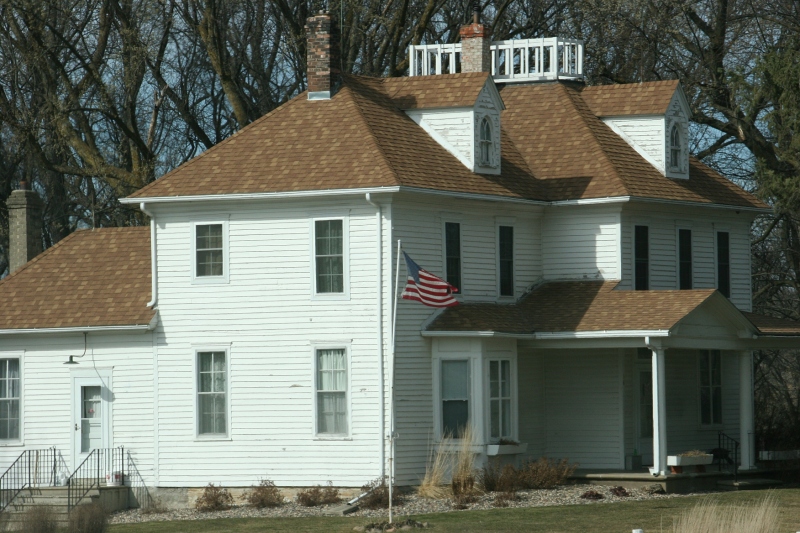
On the north end of Main Street, I photographed a hulking old house with a widow’s walk. Surely there’s a story here. I expect the original owner may have been someone of great importance in Wanamingo.

That this portion of the old creamery was saved and posted on a highly-visible corner impresses me.

That this portion of the old creamery was saved and posted on a highly-visible corner along Minnesota State Highway 57 impresses me.

Finally, on the corner of Riverside Park, angles signage for Minneola Creamery. A quick google search tells me the creamery, organized in December 1893, was one of the most successful in Minnesota. In 1908, according to information in History of Goodhue County, Minnesota by Franklyn Curtiss-Wedge, the creamery manufactured 550,00 pounds of butter selling for $125,000. Oh, the things I learn because I notice and photograph. And because I delight in touring small town Minnesota.

WHAT ODDITIES OR LANDMARKS would I find in your town/city? Let’s hear.

FYI: Check back tomorrow as I conclude my “from Wanamingo” series. To read the first four posts in this series, check last week’s archives.

© Copyright 2016 Audrey Kletscher Helbling


Part III from Wanamingo: The connection to a beloved hymn March 23, 2016

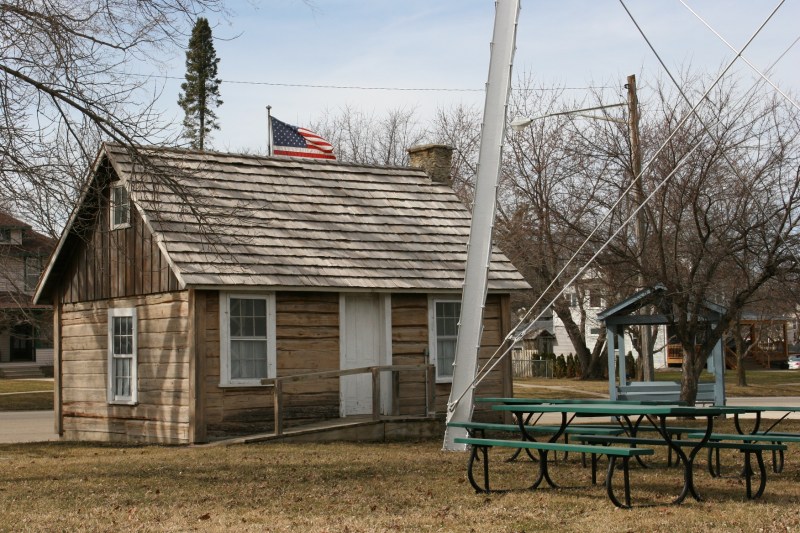
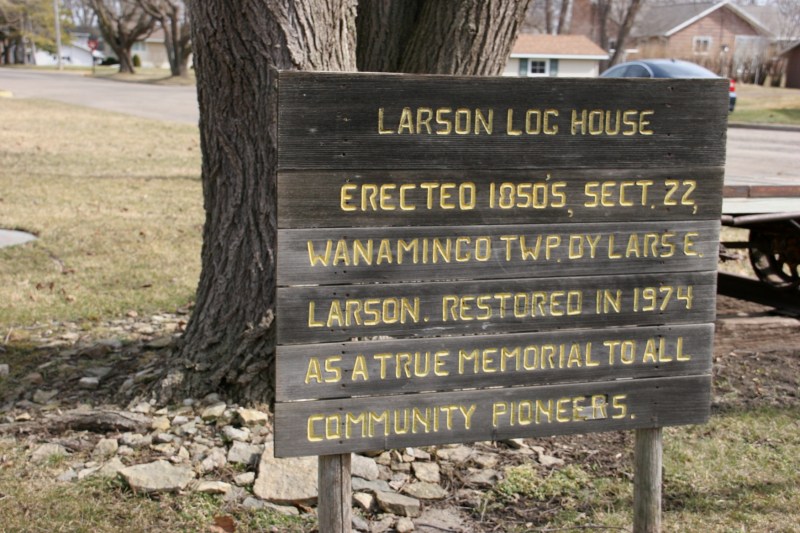
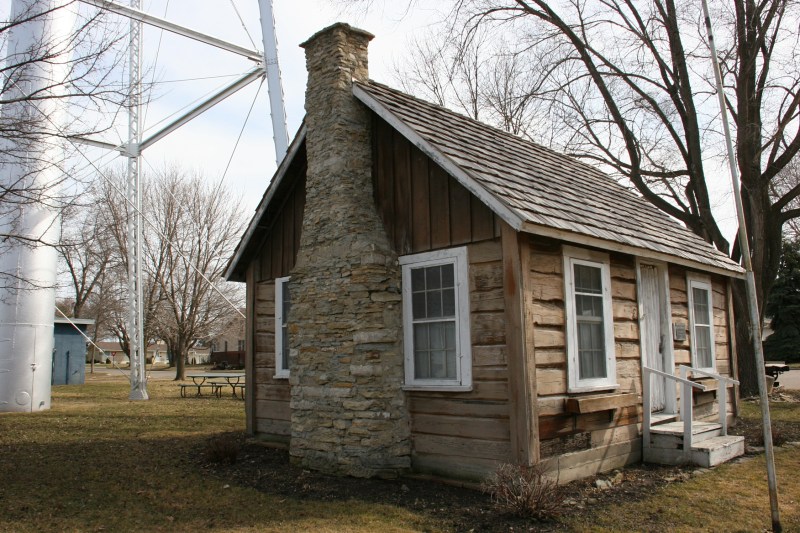
The Lars Larson log cabin sits next to the water tower in Wanamingo. The information center can be seen to the right

The Lars Larson log cabin sits next to the water tower in Wanamingo. The blue grey structure to the right is the information center.

IN THE UNLIKELIEST OF PLACES, beneath an aged water tower and next to an historic log cabin, an unexpected bit of Wanamingo’s history is revealed. It is typed on sheets of paper sandwiched under Plexiglas in a handcrafted case labeled Information Center.

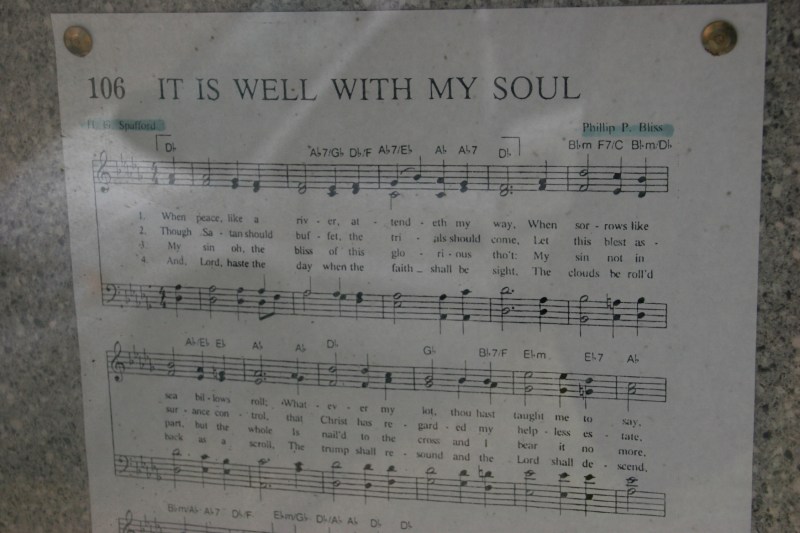
The song: It Is Well With My Soul.

The song: It Is Well With My Soul. The writer and composer’s names are highlighted in blue.

It is the story of the beloved hymn, It Is Well With My Soul, and its link to this Southeastern Minnesota farming community of nearly 1,100.

When peace, like a river, attendeth my way, When sorrows like sea billows roll; Whatever my lot, thou hast taught me to say, It is well, it is well with my soul.

My lips move in silence as I read the familiar words, the familiar melody chorusing comfort. It is well, it is well with my soul.

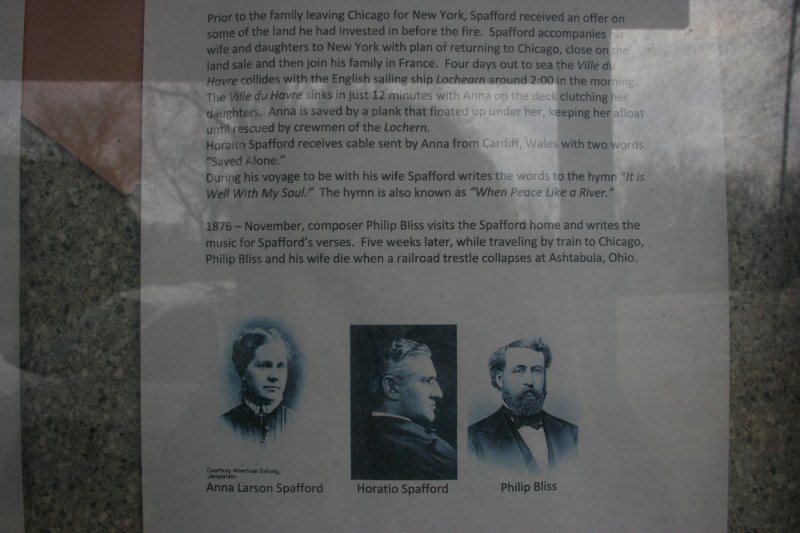
The story of the Spaffords and the hymn, along with images, is posted.

The story of the Spaffords and the hymn, along with images, is posted.

I’d never considered the story behind the words. But now that I’m reading about Horatio and Anna Spafford’s personal tragedy, I am deeply moved. The couple lost their four oldest daughters at sea when the Ville du Haure collided with an English sailing ship en route to Europe in 1873. Only Anna survived, cabling her husband, who remained back home on business, with two words: Saved Alone.

During his voyage to see his grieving wife, Horatio penned It Is Well With My Soul. Three years later, Philip Bliss composed the accompanying music.

This sign marks the log cabin.

This sign marks the log cabin.

But what does any of this have to do with Wanamingo? The connection begins about two decades earlier when 14-year-old Anna Larson journeys to Wanamingo Township from Chicago to be with her ill father. Lars E. Larson moved to Minnesota the year prior in hopes farming would improve his health. He died in the spring of 1857, within a year of Anna’s arrival. That same year, Anna, 15, met her Sunday School teacher, 29-year-old Horatio Spafford. In 1861, she married Horatio, a then successful Chicago attorney.

Within 10 years, the Spaffords have four daughters. And then those girls are dead, drowned at sea. Their mother, Anna, survives, kept afloat by a plank until she is rescued.

How many people drive by this log cabin on Main Street in Wanamingo and never stop? We were tipped off by a local to the story I've shared here, thus my husband and I stopped.

How many people drive by this log cabin on Main Street in Wanamingo and never stop? I was tipped off by a local to the story I’ve shared here, thus I stopped.

Having read this story behind the familiar hymn while standing in the shadow of the Wanamingo water tower next to the Larson log cabin, I am moved. I am moved by the faith of Horatio Spafford who, in sorrow rolling like sea billows, penned such profound and comforting words. It is well, it is well with my soul.

FYI: Check back tomorrow for another post in my “from Wanamingo” series. I will take you inside Trinity Lutheran Church.

© Copyright 2016 Audrey Kletscher Helbling


Part II from Wanamingo: Lunching at Area 57 March 22, 2016

Filed under: Uncategorized — Audrey Kletscher Helbling @ 5:00 AM
Tags: , , , , , , ,
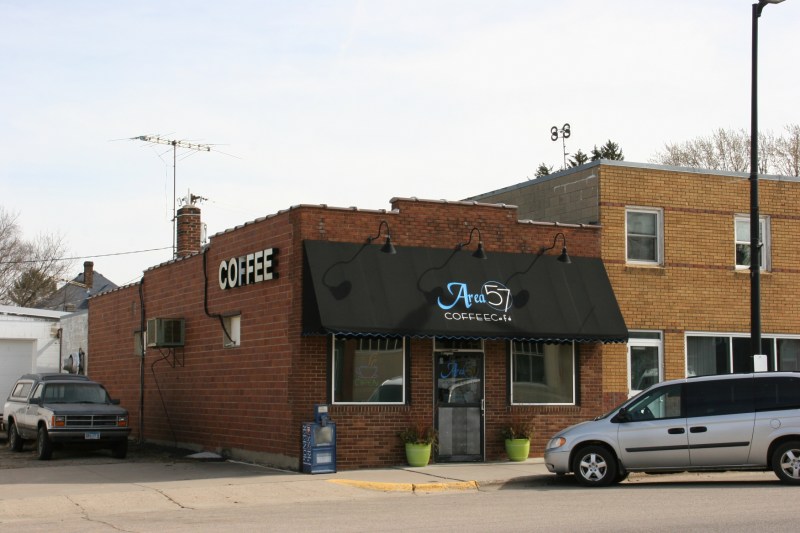
A signature classy black awning showed us we'd found Area 57.

Area 57 Coffee Cafe lies in downtown Wanamingo, Minnesota, population around 1,100.

“JUST GET THERE BY 2,” Peggy Ryland advised.

There is Area 57 Coffee Cafe, an eatery that is anything but your typical small town Minnesota restaurant.

Located in the heart of Wanamingo, which sits along State Highways 60 and 57 (thus the name), Area 57 possesses a hip and urban feel. It’s totally unexpected in a farming community with a sprawling John Deere dealership on the west edge of town and grain bins at the north end of Main Street.

Ryland, who is from nearby Cannon Falls and who runs a custom embroidery, design and printing business in Kenyon, recommended the eatery when my husband and I stopped by her shop on a Saturday morning. We were on a day trip to wherever and were seeking a good place for lunch. Peggy assured us Area 57 fit our requirement of great homemade food as she praised the soup and sandwiches, the coffee selections and the pie.
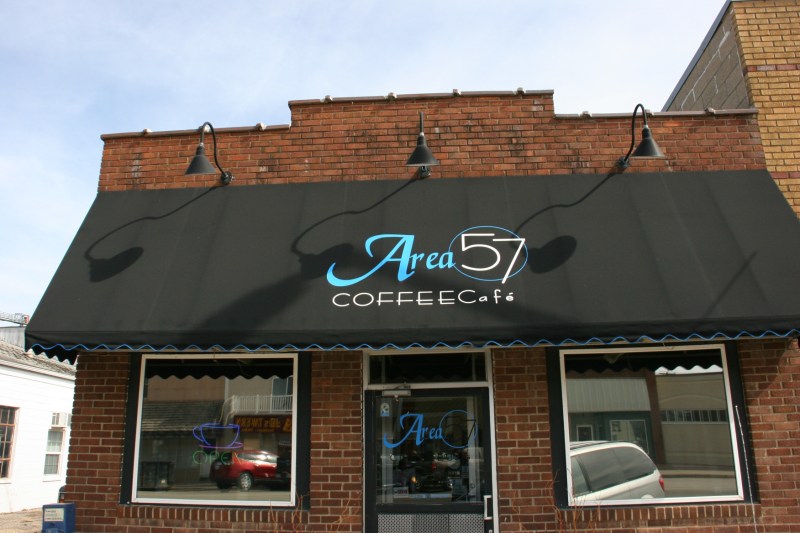
A signature black awning and classy lighting grace Area 57.

A signature black awning and classy lighting grace Area 57.

With Peggy’s notations that the restaurant is small, busy and closes at 2 p.m. on Saturdays, we hurried through two thrift stores in Kenyon and then aimed east 10 miles to Wanamingo. Once downtown, we easily found the non-descript brick Area 57 building with the black awning, just as Peggy described.
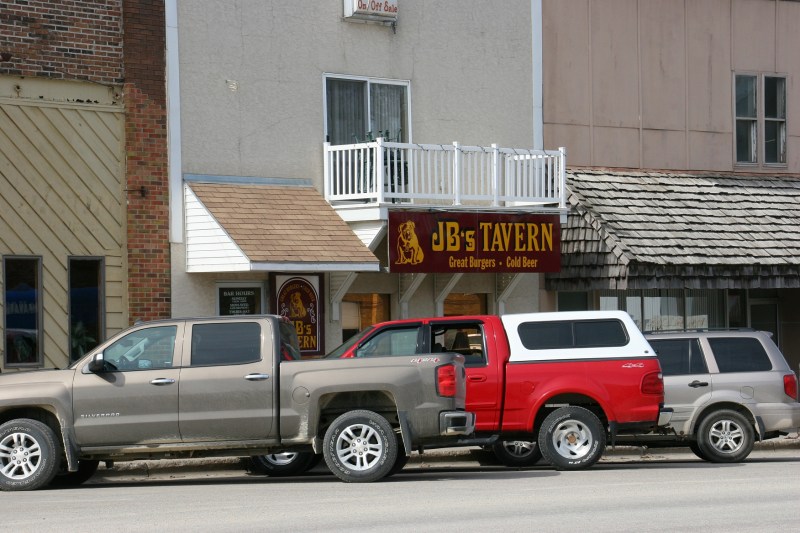
Wanamingo's source for a burger and a beer.

Wanamingo’s source for a burger and a beer. This eatery rates good reviews on Trip Advisor.

Across the street we simultaneously spotted JB’s Tavern’s sign advertising Great Burgers and Cold Beer. I observed Randy’s hesitation as we walked toward the place with soup and sandwiches. I knew he was thinking burgers and beer. I suggested perhaps we’d need to dine separately. We did so years ago while in Henderson. But this time he obliged and accompanied me to Area 57.
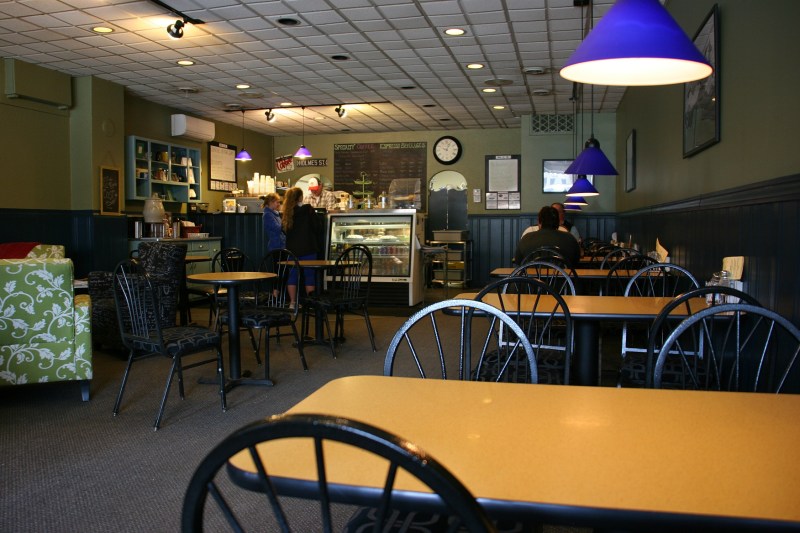
Although a small eatery, Area 57 had plenty of space when we dined there on a Saturday around noon.

Although a small eatery, Area 57 had plenty of space available for us around noon on a recent Saturday.

Once inside, I knew we’d made the right choice. I liked the setting—the sage walls accented by black wainscoting, the comfortable cluster of cozy chairs around a free-standing fireplace, the chalkboard beverage board, the artful travel décor…
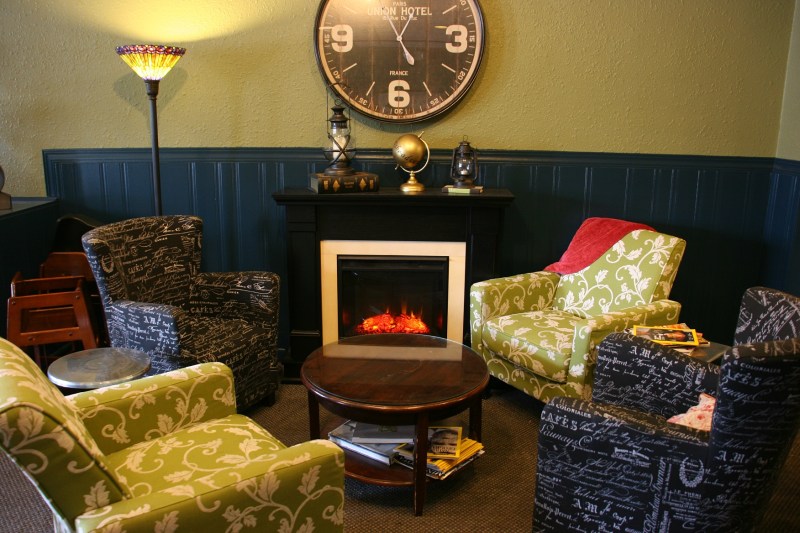
A welcoming spot inside the cafe to read, visit and/or relax.

A welcoming spot inside the cafe to read, visit and/or relax over a cup of specialty coffee.

I felt welcomed here. At home.
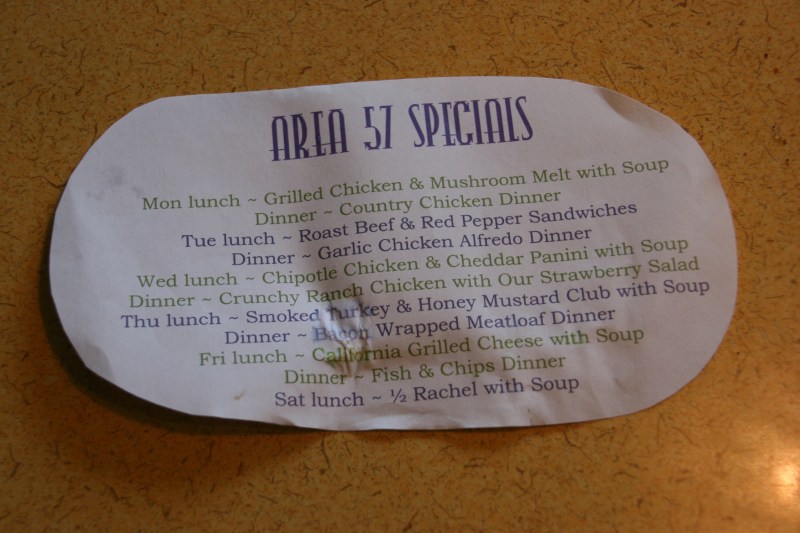
The daily specials are posted at each table.

The daily specials are posted at each table.

Perusing the menu before ordering at the counter, I eventually settled on the special of the day, half a Rachel sandwich with a cup of soup. I chose tomato soup with roasted red pepper and Gouda over beer cheese soup. Randy ordered a Philly Beef and Cheese sandwich, an atypical choice for him given the sauteed green peppers and onions. He assured me he could eat green peppers.
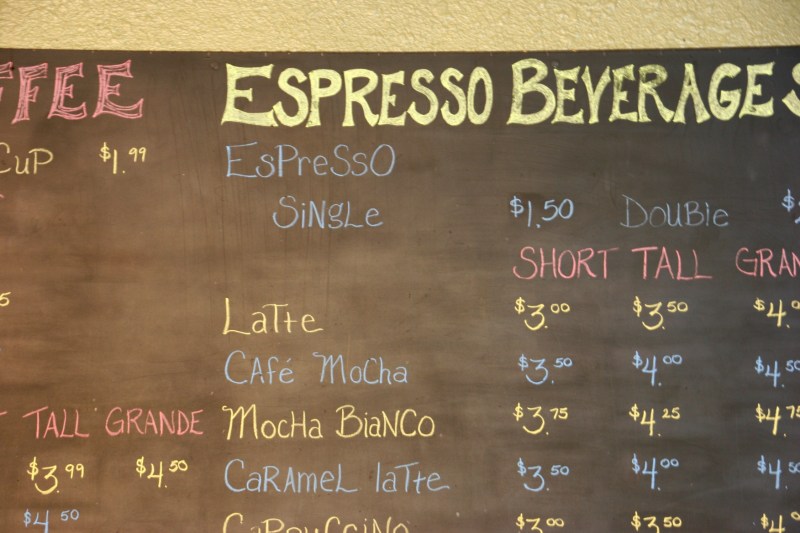
There are plenty of specialty coffee choices.

There are plenty of specialty coffee choices.

There isn’t a single burger on the menu. I later learned that Area 57 doesn’t want to compete with the bar and grill across the street in serving burgers. That’s small town nice.
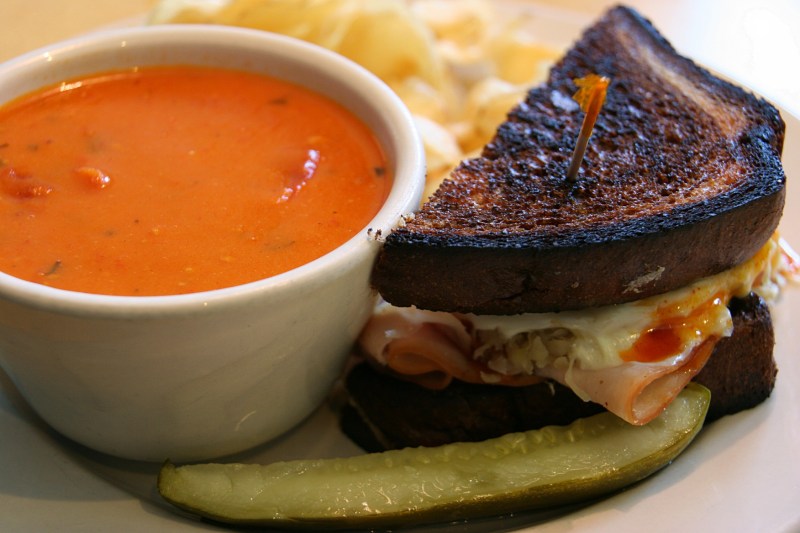
My Rachel sandwich served with red pepper tomato soup, chips and a pickle.

My Rachel sandwich served with red pepper tomato soup, chips and a pickle.

Service was quick. My smoked turkey and sauerkraut sandwich oozed with melted Swiss cheese, the flavors blending well with the house dressing. It paired nicely with the tomato soup, a customer favorite. Randy liked his Philly sandwich and the accompanying chips. He didn’t even pick off the peppers or onions.
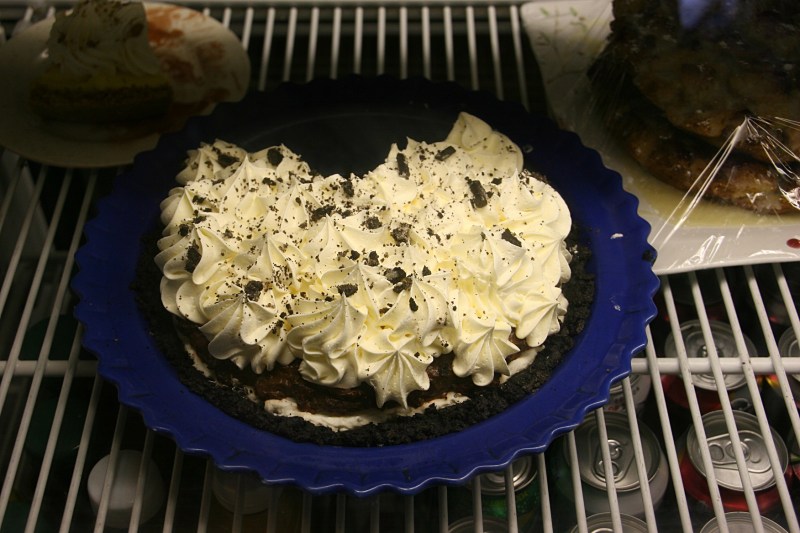
The homemade pies, like this Oreo cream, were mighty tempting.

The homemade pies, like this Oreo cream, were mighty tempting.

I contemplated dessert, eying pie choices like Oreo, coconut and banana cream in addition to mint chip and other over-sized cookies and Area 57’s bestselling homemade dessert, raspberry bread pudding with whiskey sauce. In the end, I decided I was just too full for a sweet treat. Next time.

A few doors away sits Wanamingo Meats.

A few doors away sits Wanamingo Meats & Catering.

Other menu items such as Crunchy Ranch Chicken with Strawberry Salad, Chipotle Chicken and Cheddar Panini with soup and more sound tasty. Area 57 is also known for breakfast. Omelette selections include a Farmer’s Omelette made from three eggs, cheese and fresh vegetables. That’s fitting for a community centered around agriculture, with Wanamingo Meats and Catering and grain bins within eyesight of Area 57 Coffee Cafe.

Area 57 is open 12 hours on weekdays. This artsy travel and time-themed setting is staged inside Area 57.

Area 57 is open 12 hours on weekdays. This artsy travel and time-themed setting is staged inside Area 57.

FYI: Area 57 is open from 7:30 a.m. – 7:30 p.m. Monday – Friday and from 7 a.m. – 2 p.m. on Saturday.

Check back tomorrow for my third post in this six-part “from Wanamingo” series. I’ll tell you about this community’s connection to a well-known hymn.

© Copyright 2016 Audrey Kletscher Helbling


Part I from Wanamingo, a classic small town in Minnesota March 21, 2016

Filed under: Uncategorized — Audrey Kletscher Helbling @ 5:00 AM
Tags: , , , , , ,
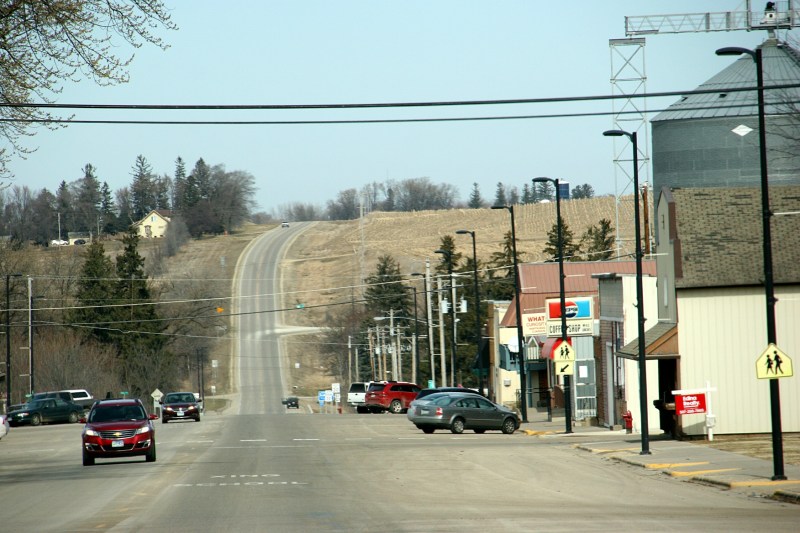
Driving into downtown Wanamingo along Minnesota State Highway 57 on a Saturday afternoon.

Driving into downtown Wanamingo along Minnesota State Highway 57 on a recent Saturday afternoon.

ON THE CITY WEBSITE, Wanamingo is described as a classic small Midwestern town in Southeastern Minnesota. That seems accurate.

What then is a classic small Midwestern town?

Visiting early Saturday afternoon in downtown Wanamingo.

Visiting early on a Saturday afternoon in downtown Wanamingo.

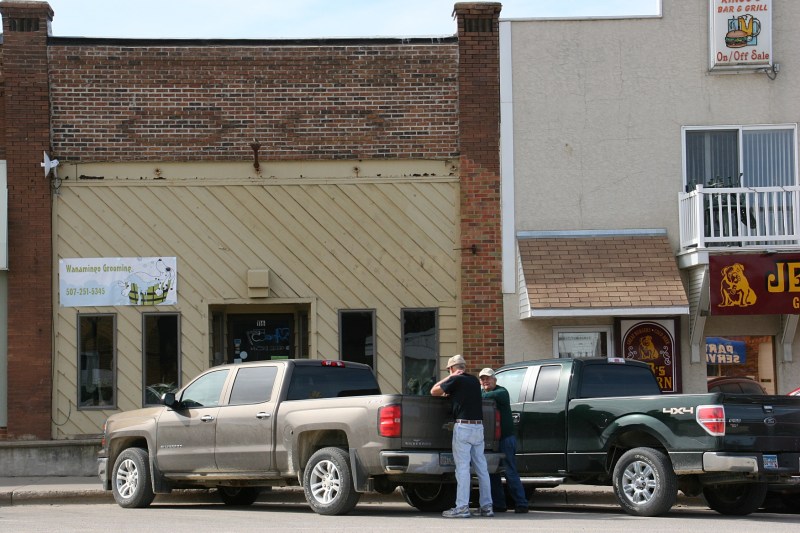
It is a place where, on a Saturday afternoon in March, two guys lean on the back of a pick-up truck and converse outside a bar and grill.

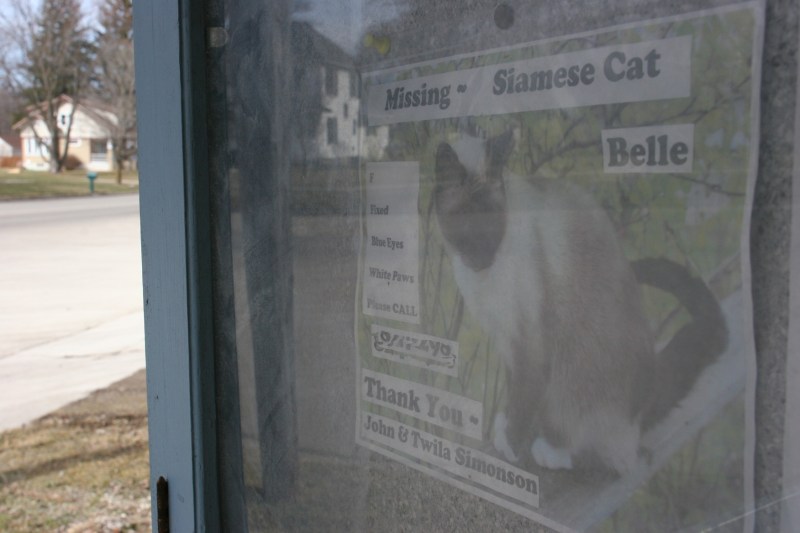
Posted at a local park. I edited the phone number from the photo.

Posted at a local park. I edited the phone number from the photo.

It’s a place where a notice in the park information center requests help in finding Belle, a missing Siamese cat.

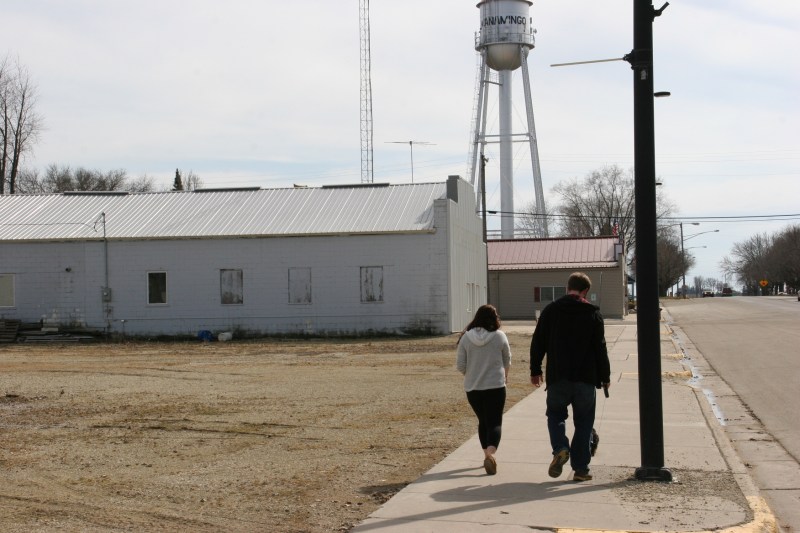
Walking the puppy downtown. Wanamingo still has an old style water tower.

Walking the puppy downtown. Wanamingo still has an old style water tower.

It’s a place where a friendly young couple walks their curly-haired puppy, allows a visitor to pet him and then wishes the out-of-towner a good afternoon.


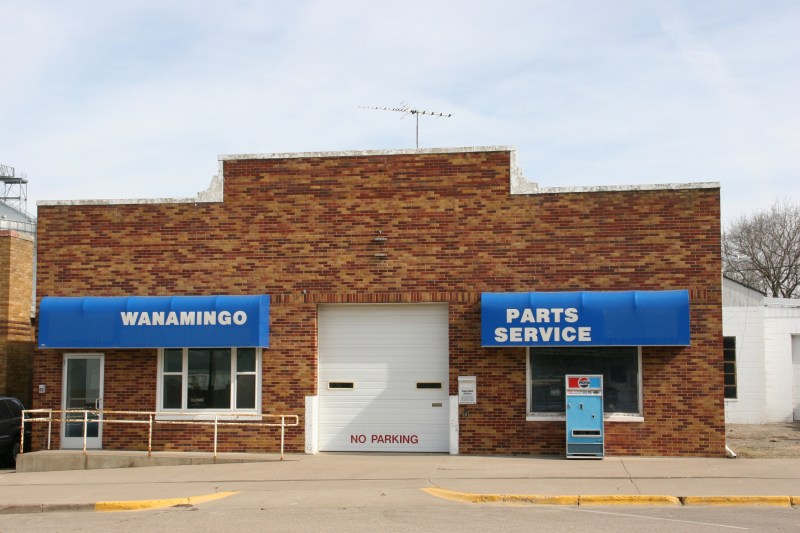
Small town Wanamingo, 37 parts service


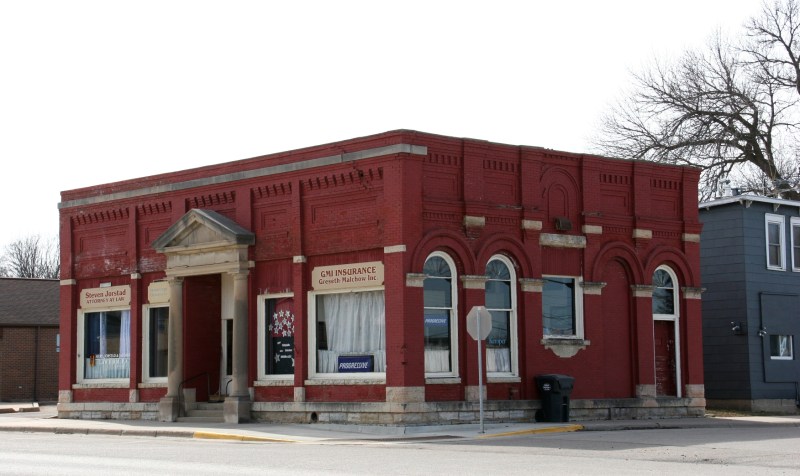
Small town Wanamingo, 40 insurance building


Small town Wanamingo, 36 grain bins


It’s a place with solid brick buildings in a downtown occupied by businesses like a meat market, a bar, a cafe, a garage, law and insurance offices, and grain bins banking the north end of Main Street.


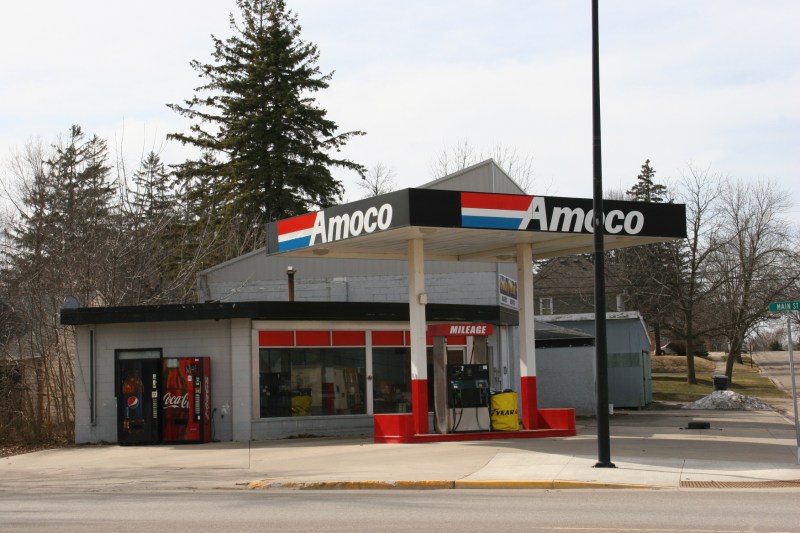
I love the classic corner angled gas station.

I love the classic corner angled gas station.

Wanamingo has that small town rural feel, that sense of life moving at a slower pace. Traffic is minimal downtown, even though Minnesota State Highway 57 doubles as Main Street. And, yes, the main street is named Main Street.


Small town Wanamingo, 46 bike in yard


In this classic small Midwestern town, kids drop bikes in yards.


Beautiful Trinity Lutheran Church. I'll take you on a tour of the church in an upcoming post.

I’ll take you inside Trinity Lutheran Church in an upcoming post.

A life-long resident tinkers with a light post outside Trinity Lutheran, a stalwart brick corner church that holds the histories of so many local families. Births, marriages, deaths.

Wanamingo, platted in 1904, is not Utopia. No place is. But it is a community of about 1,100 that seems, from outward appearances, to care, to want to look its best, to be the kind of place folks want to visit or call home. It is a classic small Midwestern town.

FYI: Check back tomorrow for the second post in my “from Wanamingo” series. I’ll take you inside the Area 57 Coffee Cafe.

© Copyright 2016 Audrey Kletscher Helbling
 

Utica, not New York, but Minnesota February 23, 2016

Filed under: Uncategorized — Audrey Kletscher Helbling @ 5:00 AM
Tags: , , , , , ,
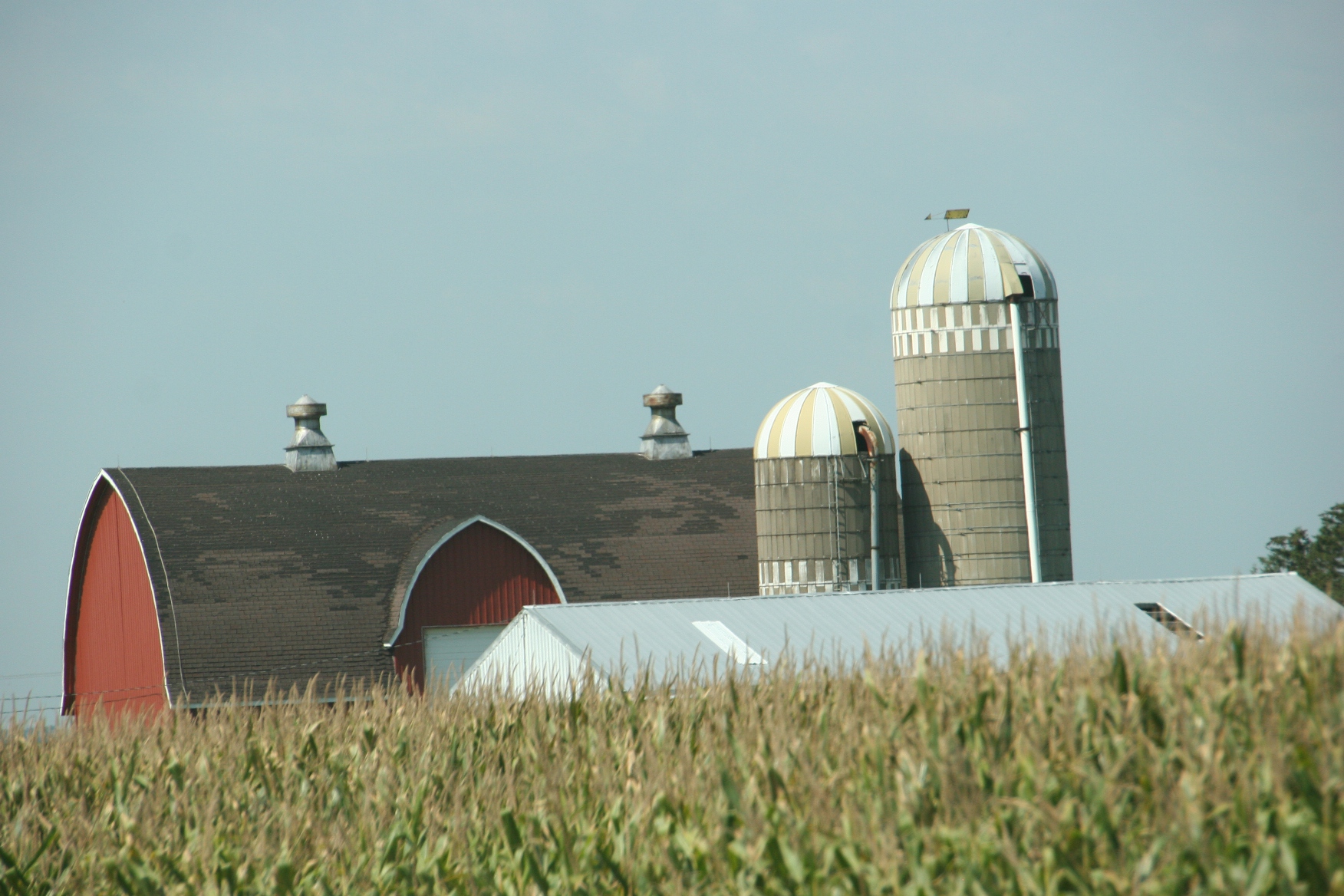
A farm site just minutes east of Utica.

A farm site just minutes east of Utica in southeastern Minnesota.

YOU NEVER KNOW what oddities will surprise you in a small town, which is precisely why I delight in exploring rural communities.

Utica, a town of about 300 located along U.S. Highway 14 between Rochester and Winona, definitely presented some attractions worth photographing this past September. I use the word “attractions” loosely. What I find interesting may go unnoticed by others.

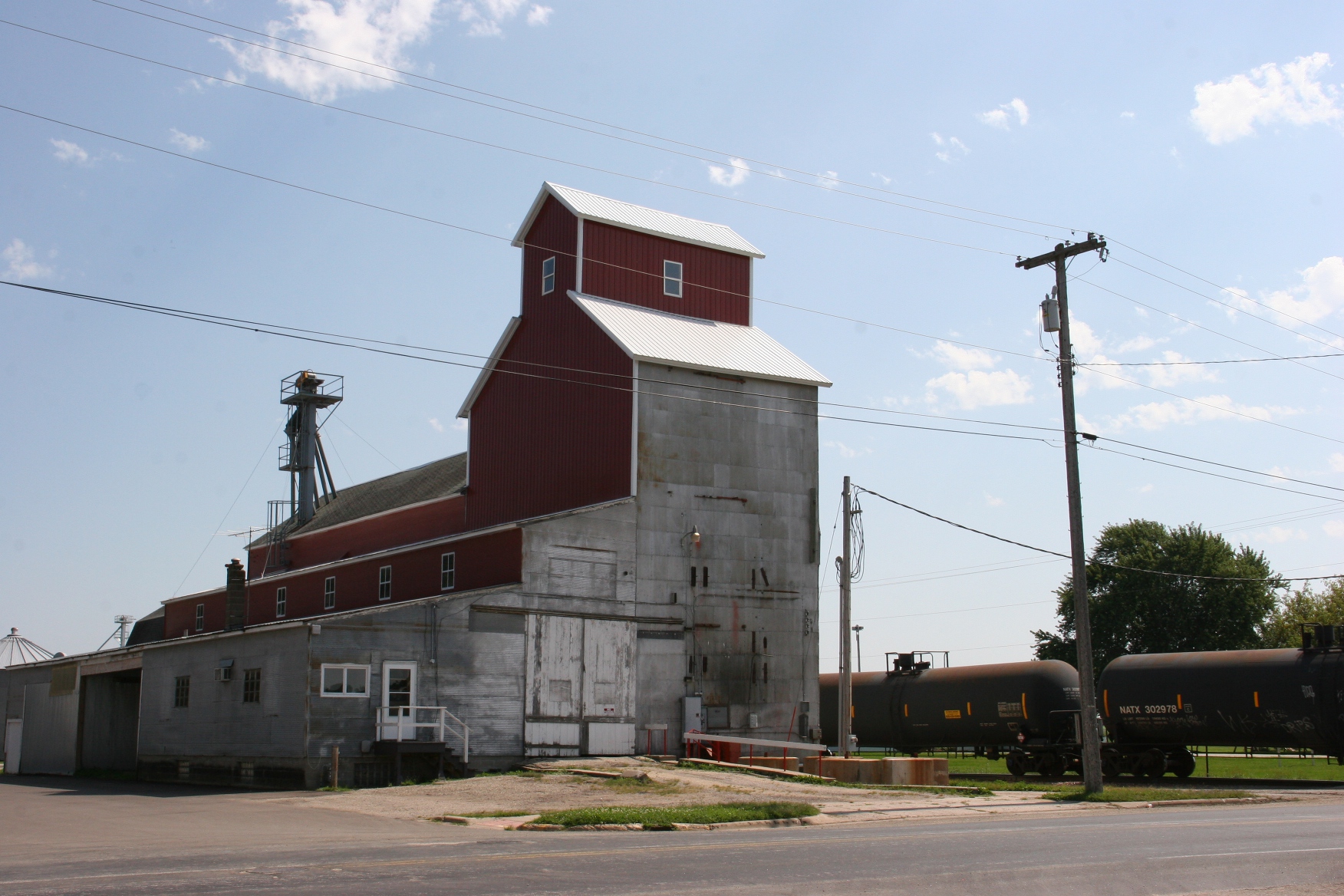
I'm always happy to see a grain elevator that has been maintained and is appreciated.

I’m always happy to see a grain elevator that has been maintained and is appreciated. These are small town treasures.

It was the red and grey grain elevator jutting above Utica that drew my husband and me off the highway and into this community as a freight train roared through town.

Utica may not have a website, but it has this sign to tell you a bit about the town.

Utica may not have a website, but it has this sign to tell you a bit about the town.

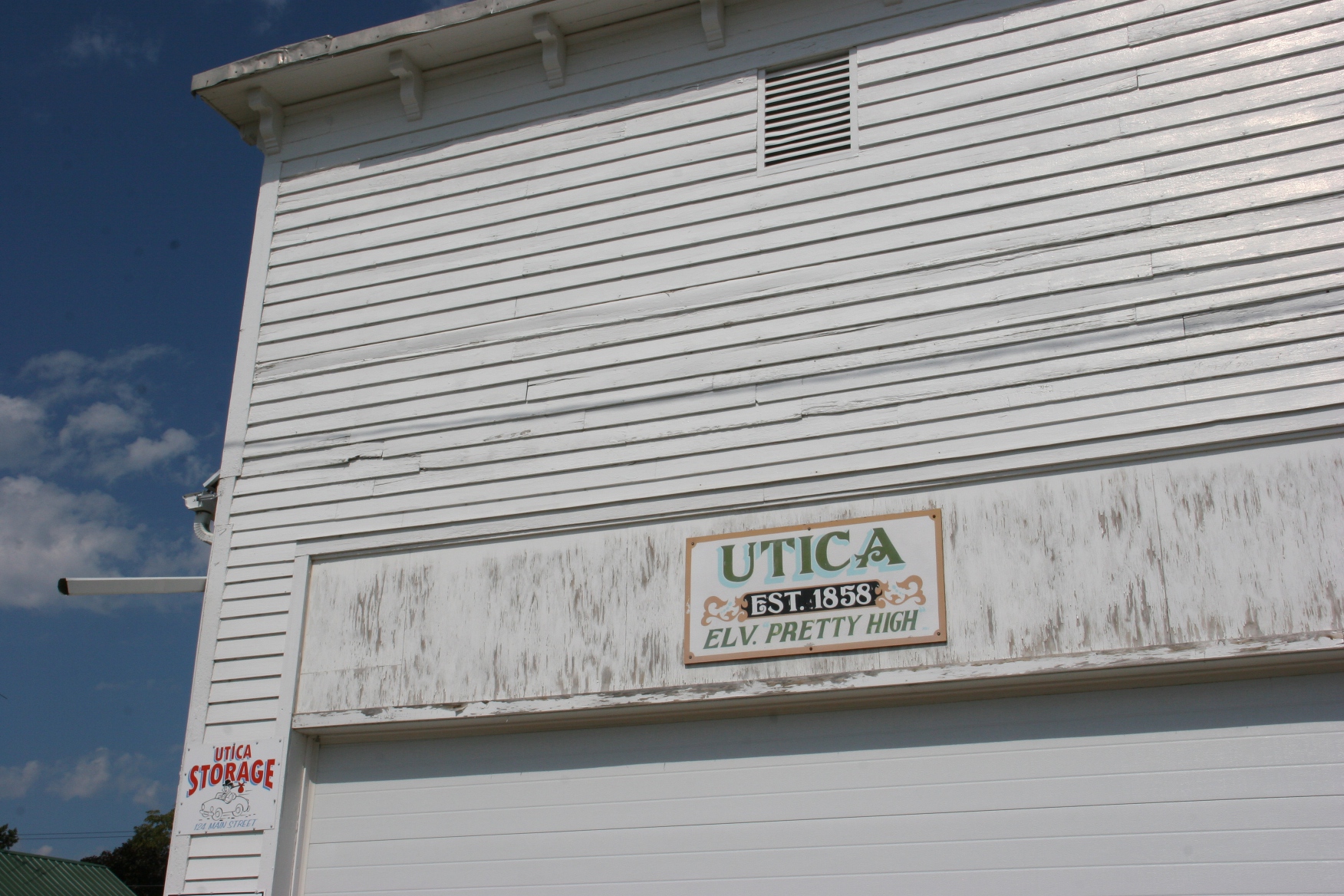
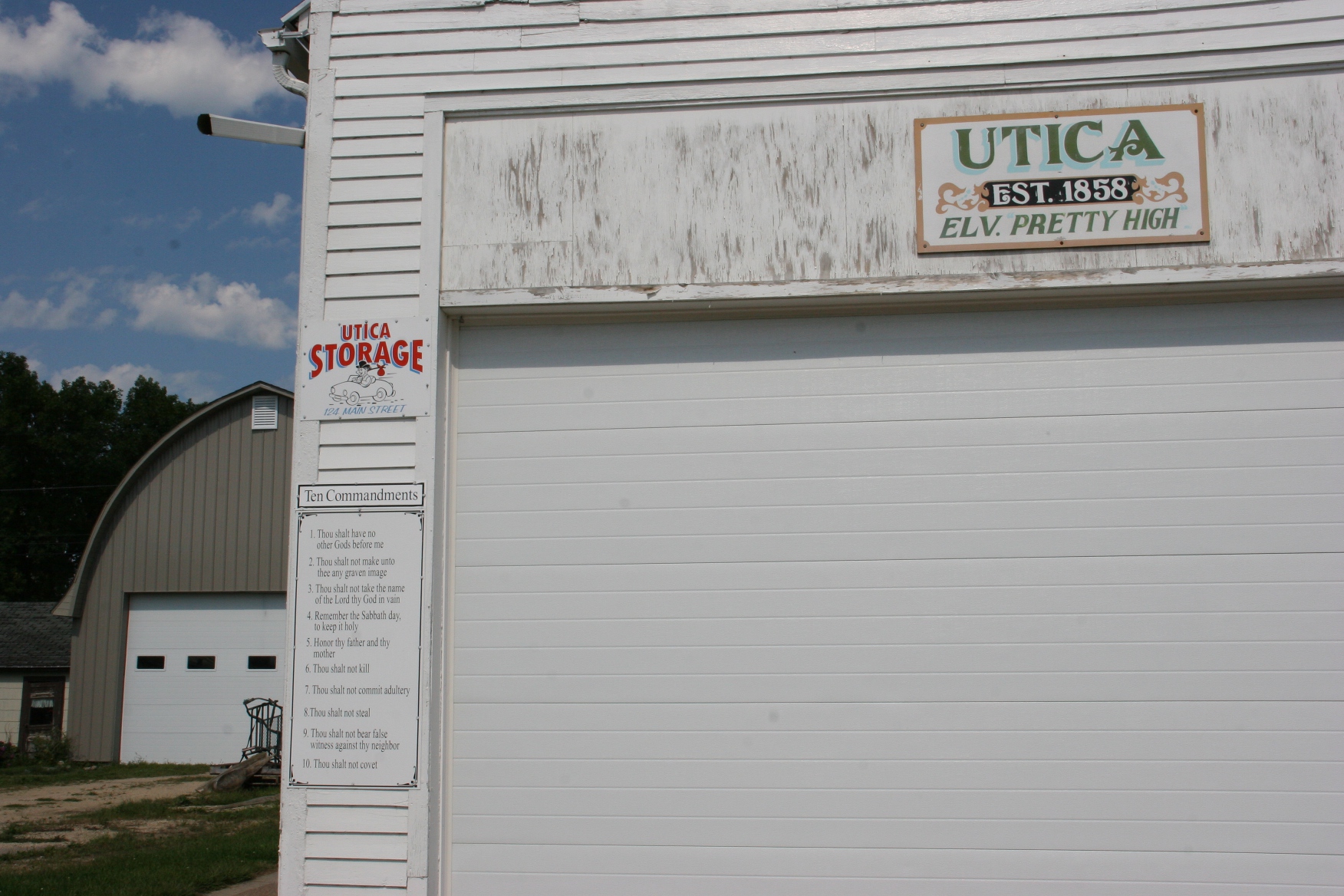
From there we swung onto Main Street and noted that Utica was founded in 1858, if the signage on Utica Storage is accurate. We laughed at the “ELV. PRETTY HIGH” notation.

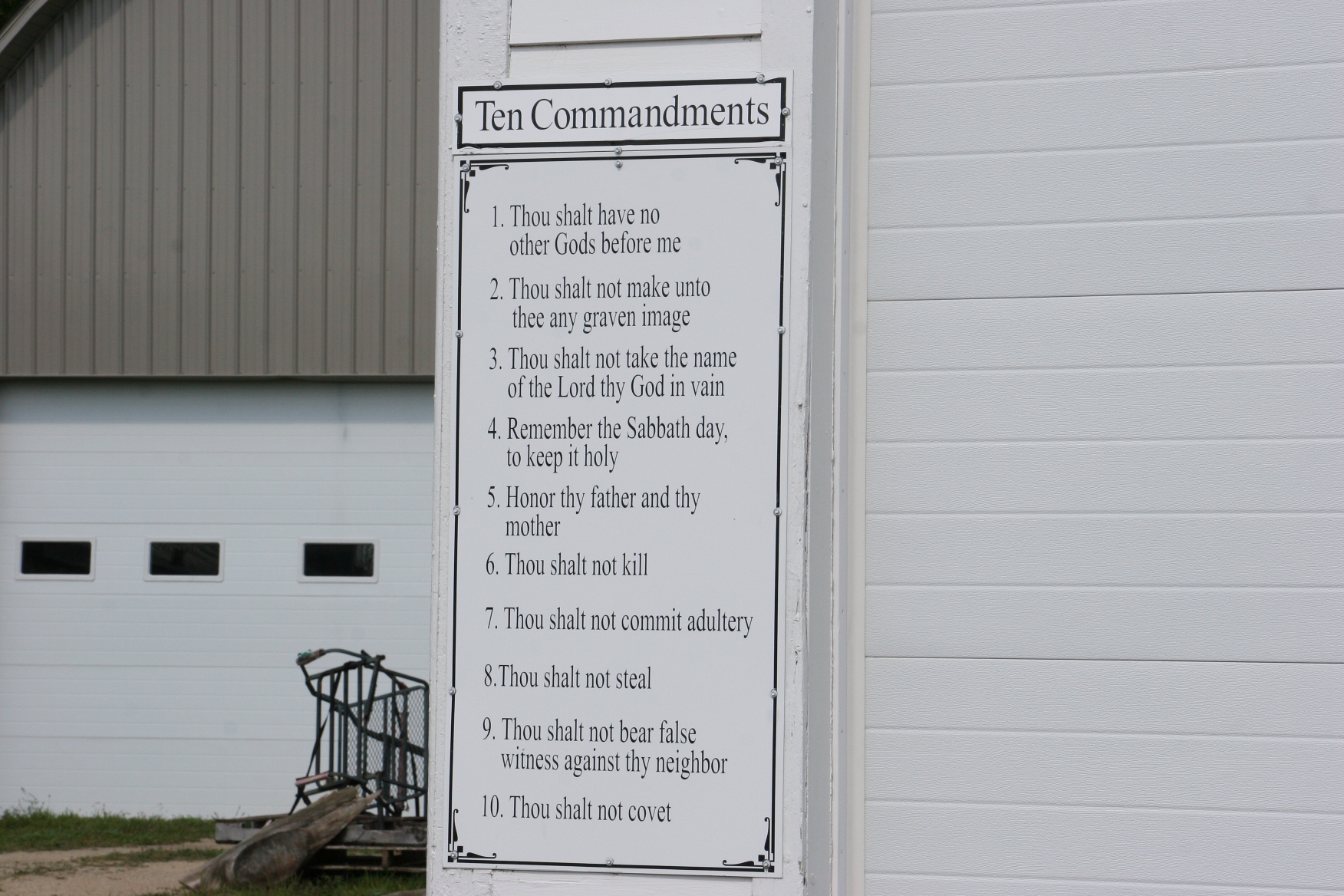
The law.

The law…

...up close.

…up close.

And, if not for Randy, I would have missed the 10 Commandments posted on the front of the building.

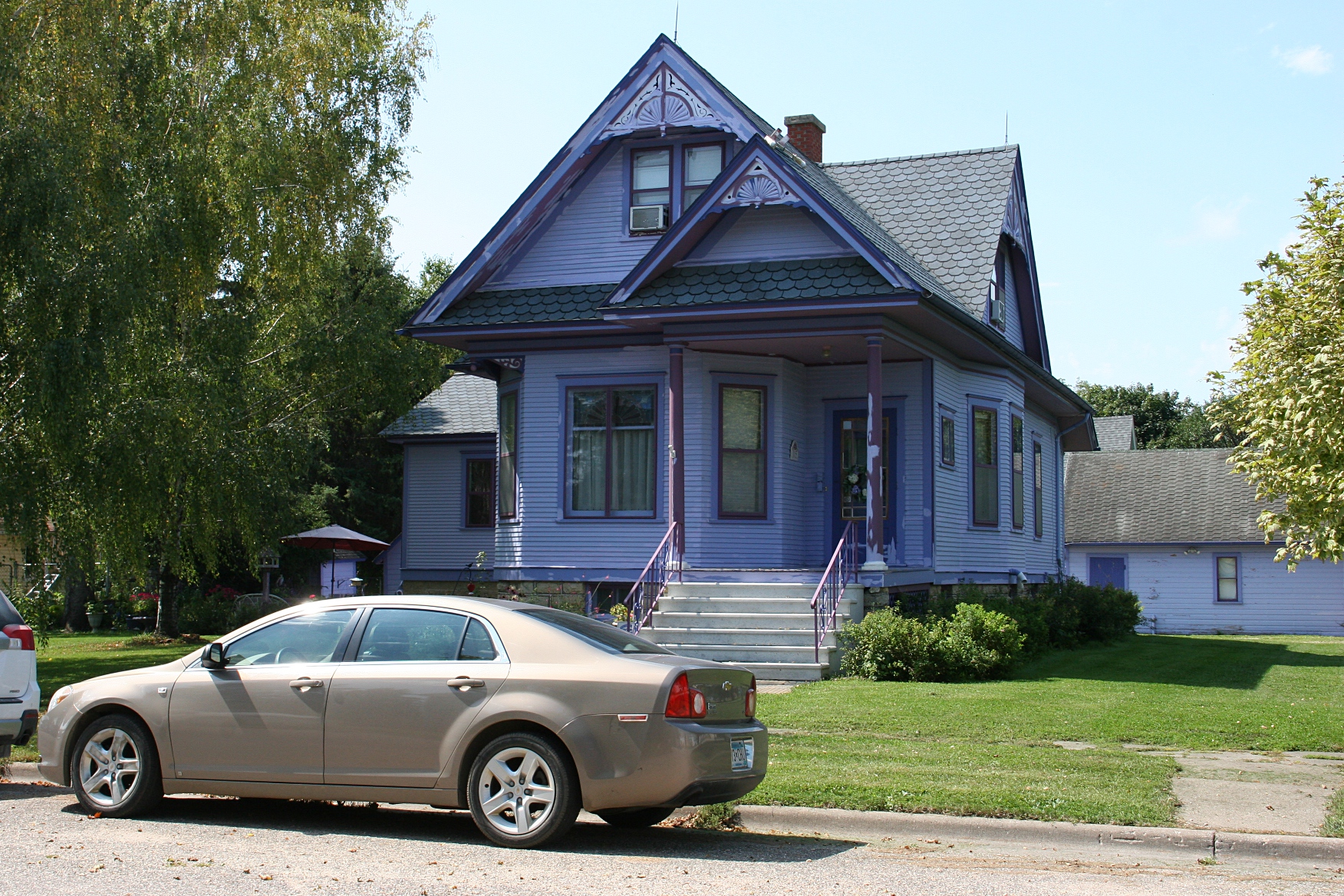
The "can't miss it" house.

The “can’t miss it” house.

Then, in a residential area, a Victorian house painted in lavender hues presided on a corner. I wondered for a second if it might be a tea house, but saw no such signage. Apparently the owner just really likes this hue given the outbuildings are also painted lavender.

This reminded me of my Aunt Marilyn, whose house is not lavender, but who loves the color. And I once worked with legendary Northfield News editor Maggie Lee, who wore only lavender.

Utica is definitely a farming community.

Utica is definitely a farming community.

Utica’s final attractions were two tractors—a wonderfully restored John Deere and a rusting Farmall—staged for sale outside a shed.

Now, if we’d taken the fast route home via Interstate 90, we would have missed all of this. Utica would remain just a sign along the interstate. I would know nothing of its character, its individuality, its colors.

© Copyright 2015 Audrey Kletscher Helbling
 

Oh, the lovely historic buildings of Weaver, Minnesota February 19, 2016

Another view of Carl and Marie Noble's studio and galleries.

The former Weaver Mercantile anchors Weaver.

MY KNOWLEDGE OF WEAVER is limited mostly to visual impressions. Digital images taken during a brief stop last September document an unincorporated Mississippi River settlement rich in history. That history reveals itself in aged buildings, like Weaver Mercantile.
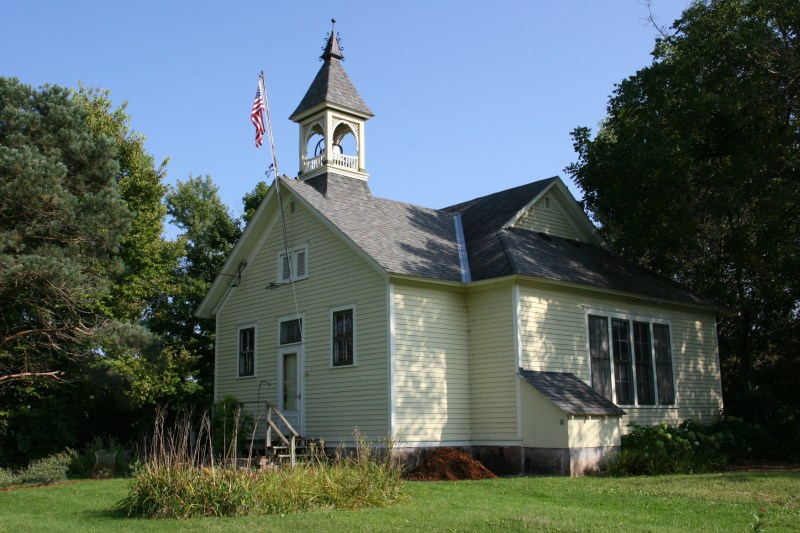
Weaver United Methodist Church with the historic former schoolhouse next door.

Weaver United Methodist Church with an historic former schoolhouse next door.

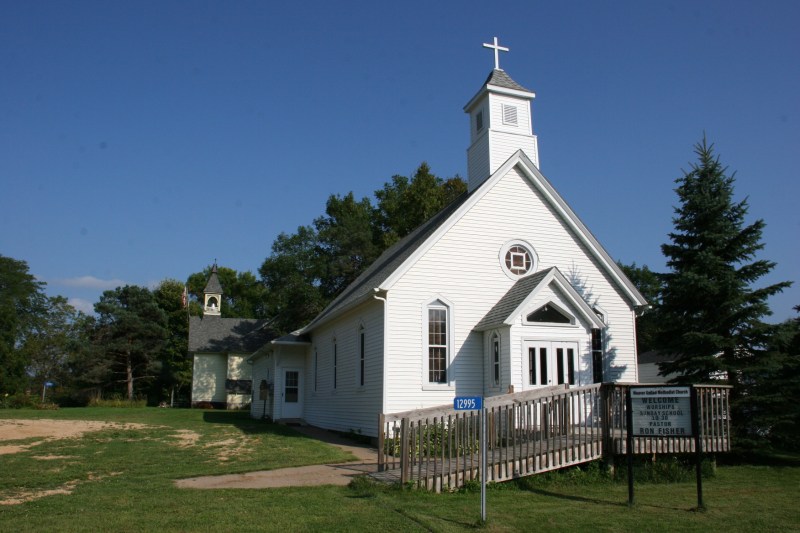
A block or so away, Weaver United Methodist Church still welcomes the faithful into the congregation’s original house of worship. Except on Sundays when the temperature plummets to 10 degrees below zero or colder. The church building maintains its historic charm with modern touches, according to the church website. Indoor plumbing was only just installed in 2008.
The old schoolhouse is painted a lovely buttery yellow.

The old schoolhouse is painted a lovely buttery yellow.

Next to the church rests a lovely 1910 one-room schoolhouse, restored in 2008 by a couple for use as a get-away cottage and a weaving studio.

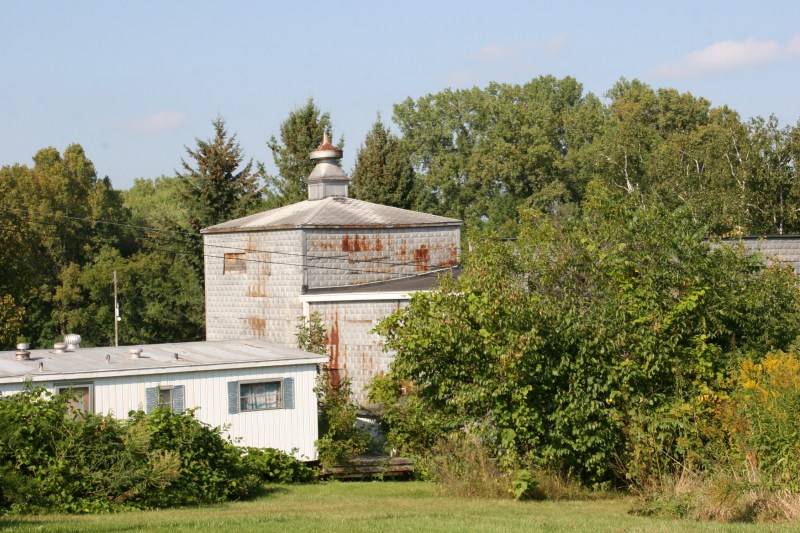
An unidentified building near the schoolhouse.

An unidentified building near the schoolhouse.

And then there’s an aged boxy building topped by a cupola. Perhaps a former creamery?

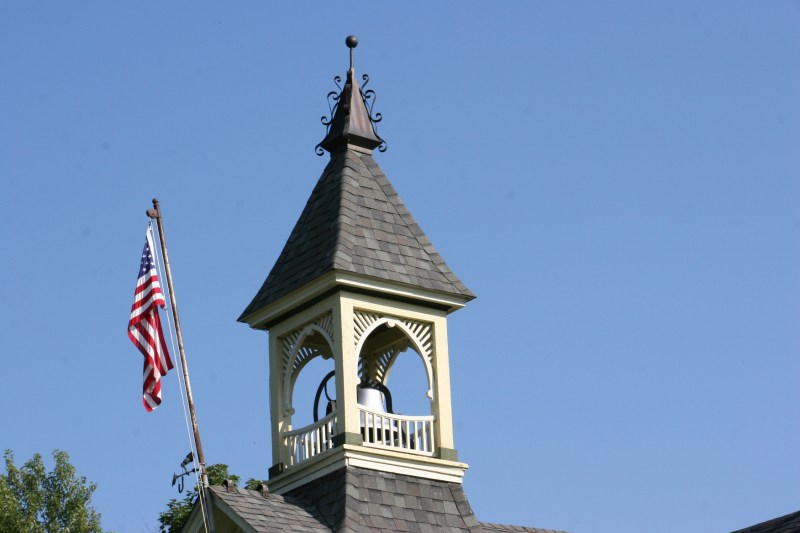
Even the schoolhouse bell tower was restored.

Even the schoolhouse bell tower was restored.

Places like Weaver—home to about 50 residents along U.S. Highway 61 north of Winona—intrigue me. I am always pleased to discover such settlements where remnants of history remain in aged buildings. I long to step inside these buildings, to open front doors like I am opening a book of stories.

© Copyright 2016 Audrey Kletscher Helbling