Minnesota Prairie Roots

Writing and photography by Audrey Kletscher Helbling

The joys & revelations of a Sunday afternoon drive in rural Minnesota September 1, 2015

Filed under: Uncategorized — Audrey Kletscher Helbling @ 5:00 AM
Tags: , , , , ,

THERE IS SOMETHING about late August and early September in Minnesota that is comforting, yet tinged with melancholy. Comforting in the hope of harvest. Melancholy in that summer is all but a closed chapter in our book of seasons.

In the morning, fog lingers after nights that necessitate the closing of windows, the pulling on of blankets. But then, as the day progresses, the chill gives way to heat and humidity. It’s as if summer and autumn are tugging at the weather blanket.

Somewhere east of Northfield.

Somewhere east of Northfield.

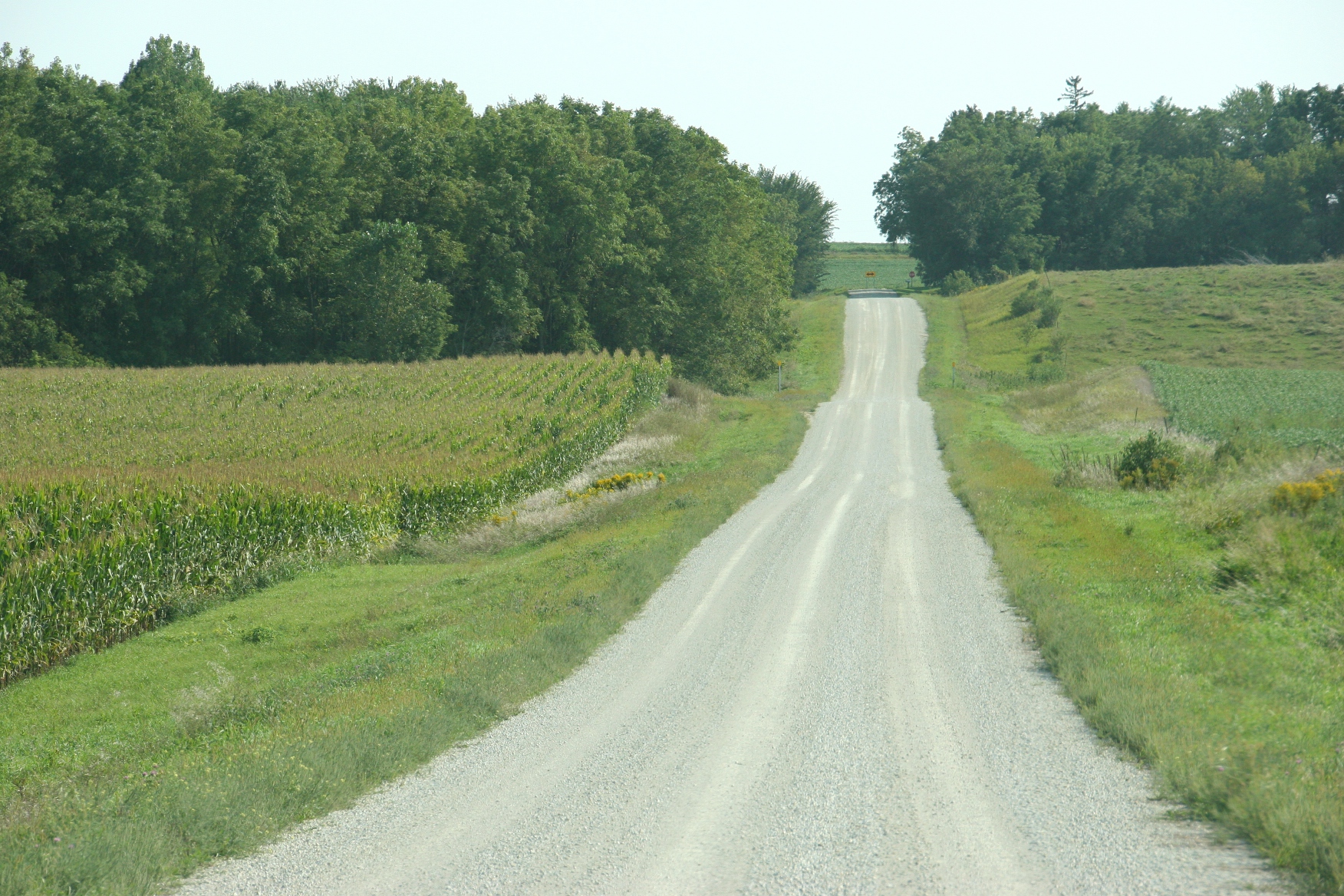
Beyond the weather, there exist undeniable visuals of the seasonal changes, best observed during a drive in the countryside. I am a firm believer in the value of a Sunday afternoon drive to notice that which all too often passes unseen and unappreciated. So this past Sunday, my husband and I followed blacktop county and back gravel roads through the up-and-down terrain of rural Rice County.

We have neither smart phones or a GPS, thus rely on our over-sized 1994 Minnesota Atlas & Gazetteer and our sense of direction (the husband’s, not mine) to navigate when necessary. Mostly we just drive, turning when we please.

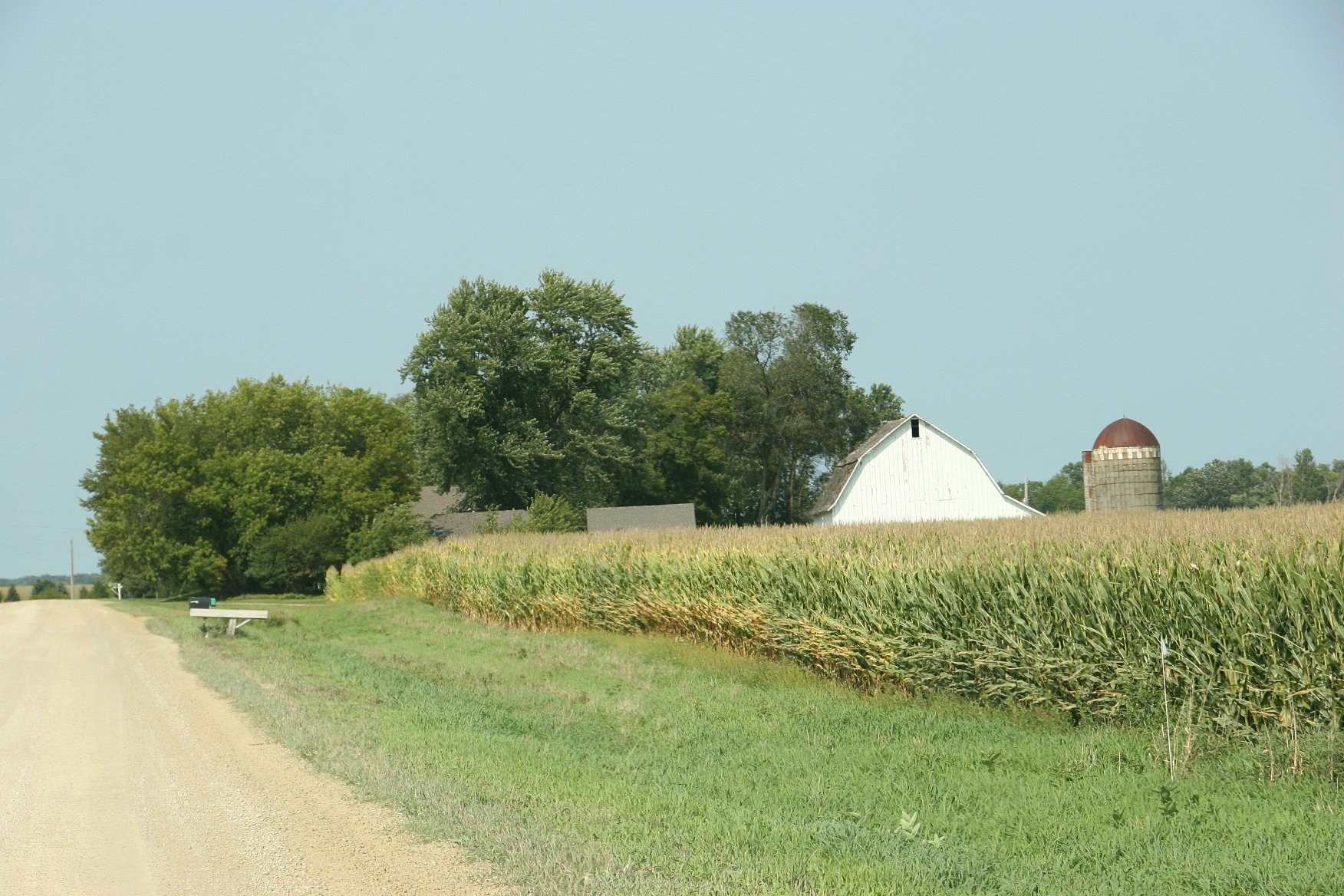
On the edges of fields, corn leaves are drying.

On the edges of fields, corn leaves are drying. This scene is along a road between Faribault and Dundas.

It doesn’t take much to please me. Simply by being in the country, I experience a sense of peace. All is well in the world as I notice the seasonal changes of corn leaves morphing from green to parched. I can visualize combines roaring across the land, golden kernels spilling into grain trucks.

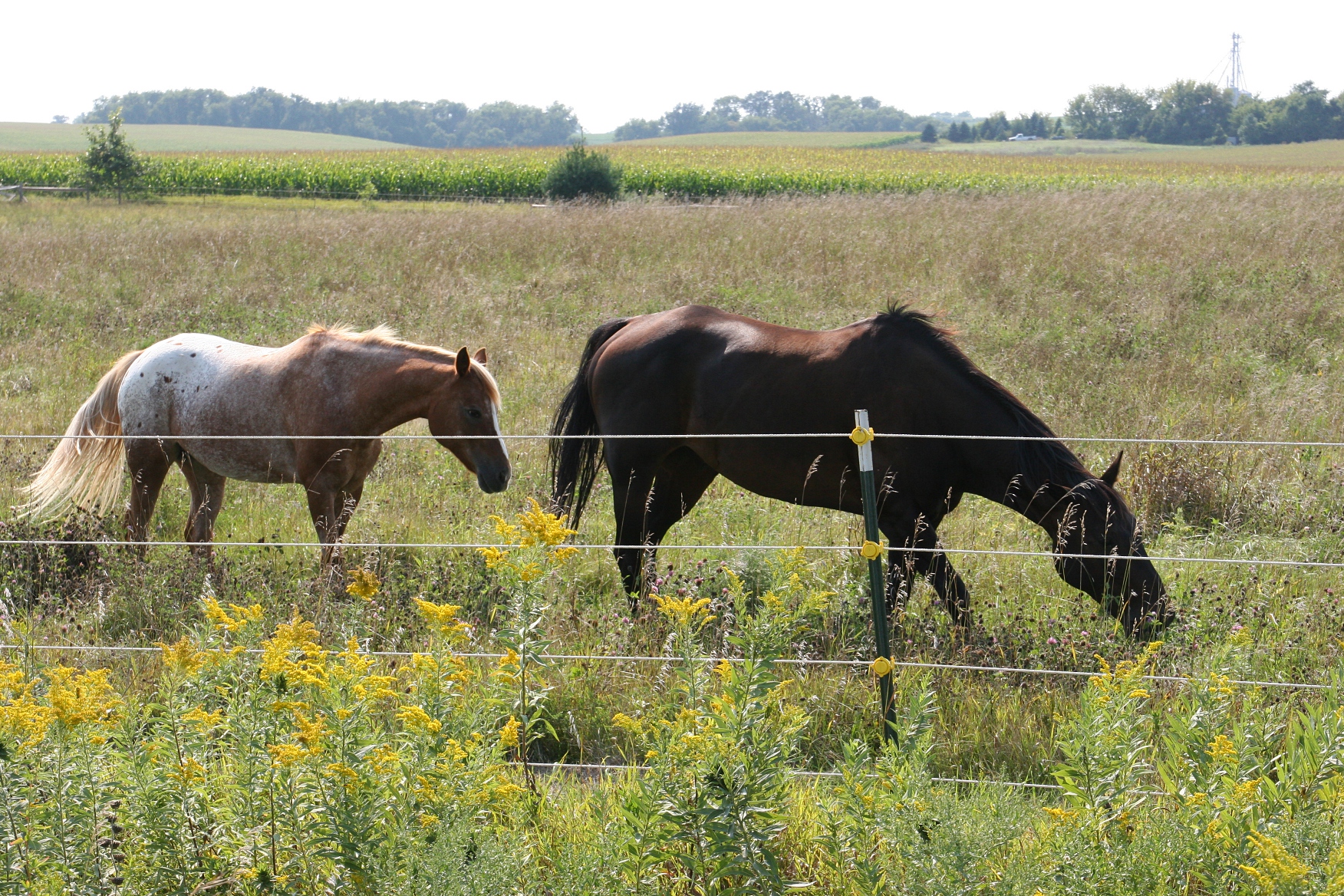
Beautiful horses and beautiful goldenrod somewhere east of Northfield.

Beautiful horses and beautiful goldenrod somewhere east of Northfield.

In and along road ditches, clusters of goldenrod bloom.

Flowers are past their prime, but still lovely, in this vintage Ford pick-up truck parked on the Fossum farm along Rice County Road 28 east of Northfield.

Flowers are past their prime, but still lovely, in this vintage Ford pick-up truck parked on the Fossum farm along Rice County Road 28 east of Northfield.

And when I look across the landscape, I see that tinge of color creeping into trees, the browning of the green that teases autumn into our days. Flowers are fading. A red barn seems redder in a land that is growing more subdued and muted. Grain bins stand at the ready.

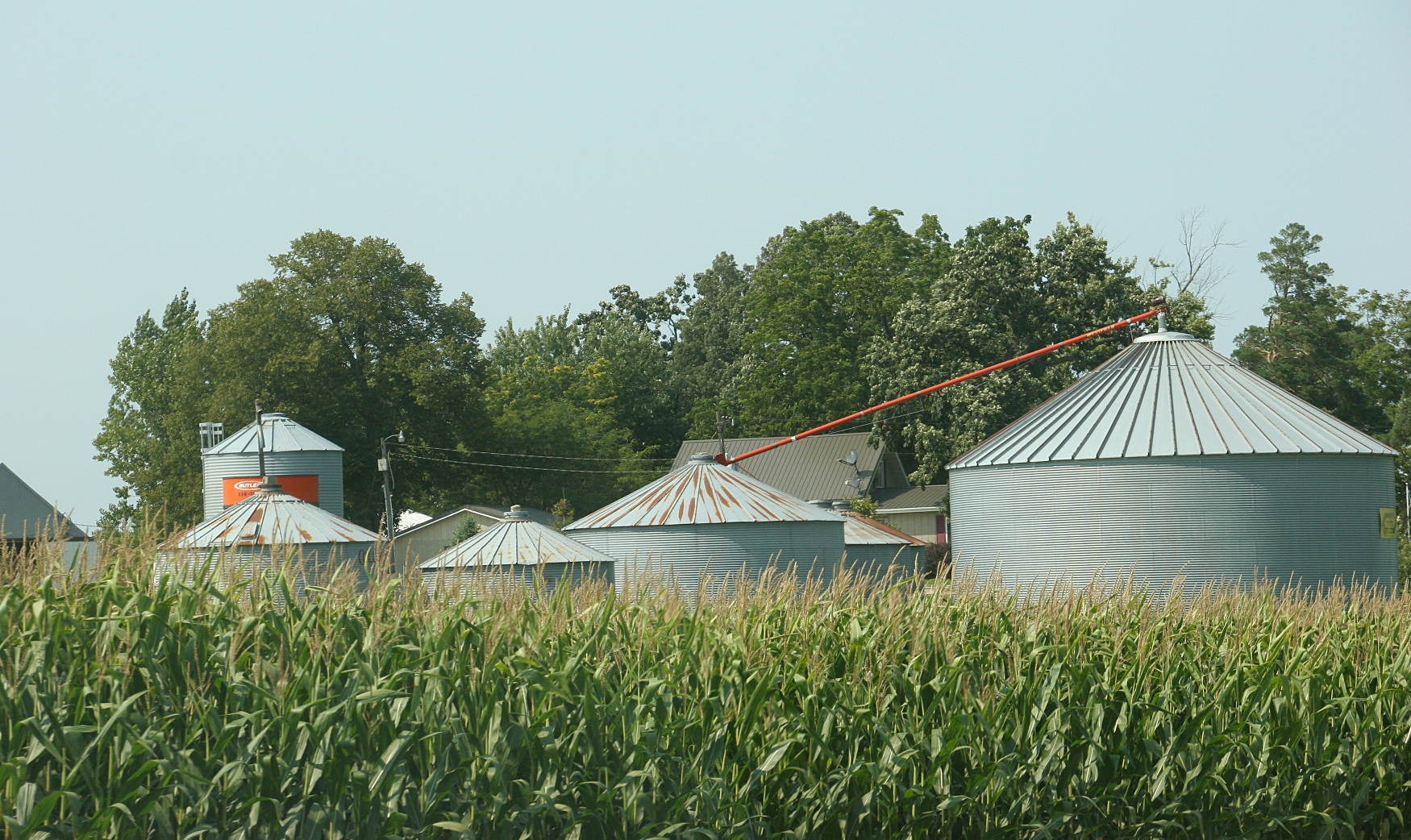
Bins peek above a cornfield between Faribault and Dundas.

Bins peek above a cornfield between Faribault and Dundas.

I love autumn. It is my favorite season. Yet, I am reluctant for the chapter of summer to end. For I know that all too soon, I will be immersed in the chapters (plural) of winter.

© Copyright 2015 Audrey Kletscher Helbling


Refuse to remain silent August 26, 2015

Filed under: Uncategorized — Audrey Kletscher Helbling @ 7:00 PM
Tags: , , , ,

I AM SO TIRED of it. The headlines. Another woman murdered. The court records. Another man charged with domestic assault. The close-up personal experiences that twist my gut.

An edited snipped of a Minnesota Coalition for Battered Women banner.

An edited snippet of a Minnesota Coalition for Battered Women banner photographed during a recent The Clothesline Project display in Owatonna.

Earlier today my heart raced when I heard the raised voices, the “let me go,” watched the young woman pull away from the young man’s grasp.

I hesitated for a moment. And then I was at the front door in a flash, yelling across my busy street, “Hey!” Her head pivoted toward me. “Are you alright?”

“Yes.”

“Are you sure?”

“Yes.”

Her response seemed genuine.

Yet, I continued to watch as she crossed the street and headed up the hill, barefoot, shoes in hand.

I’ll likely never know her story. But the behavior and words were enough to concern me, to pull me into action, to speak up.

It’s not the first time I’ve refused to remain silent. Twice before I’ve phoned the police when women were being abused. In my neighborhood, in the open, along a busy busy street. Once I should have called 911, but didn’t. I won’t make that mistake again.

It’s been an interesting day, one which started with a “pop” that sounded like gunfire, followed by a second pop around 8 a.m. That got my attention. It is unnerving to look out your window to see police vehicles parked across the street and two policemen standing in a neighbor’s yard. Turns out they had been dispatched to shoot a sick raccoon.

Shooting. A TV reporter and cameraman in Virginia are dead today. Shot while doing a live broadcast. Just doing their jobs.

I am tired of it all. The violence. The craziness. I don’t blame the media for reporting these stories. It is their job to report the news. They don’t make the news. But sometimes they do.

On days like this—when shots are fired in your neighborhood and at Smith Mountain Lake in Virginia—it is easy to feel unsettled and to despair.

But then the opportunity arises to speak up, to yell across the street and ask, “Are you alright?” And you feel the power in your voice, in perhaps making a difference because you chose not to remain silent.

© Copyright 2015 Audrey Kletscher Helbling
 

Minnesota Faces: Faribault friends August 21, 2015

Filed under: Uncategorized — Audrey Kletscher Helbling @ 5:00 AM
Tags: , , , , , ,

Portrait #36: Friends, Shukri and Khadra

Friends and then Faribault High School seniors Shukri Aden, left, and Khadra Muhumed photographed at the International Festival Faribault 2012.

Friends and then Faribault High School seniors Shukri, left, and Khadra photographed at the International Festival Faribault 2012.

These young women represent the relatively new faces of my community. Beyond French and German and Irish and the blood of other long ago immigrants, we are now also Somali, Sudanese, Hispanic, Cambodian and more. So much more.

Faribault is a diverse southern Minnesota city. We are richer for our differences, although that is not always recognized or appreciated.

Rather than focus on that which separates, let us bridge that which divides.

FYI: Faribault celebrates its cultural diversity this Saturday, August 22, at International Festival Faribault scheduled from 10 a.m. – 4 p.m. in Central Park. Click here for more information.

#

Minnesota Faces is featured every Friday on Minnesota Prairie Roots.

© Copyright 2015 Audrey Kletscher Helbling
 

Hold onto hope August 16, 2015

Filed under: Uncategorized — Audrey Kletscher Helbling @ 5:00 AM
Tags: , , ,
My great niece Kiera painted this stone, which I got at a recent family reunion.

My great niece Kiera painted this stone, which I got at a recent family reunion. It now sits on my office desk as a treasured reminder of hope.

HOPE.

It is sometimes an elusive word, missing from the sentences of our days, deleted from our lives, absence from our thoughts.

Life situations and difficulties and challenges overtake us. Stress and worry weigh upon us, squashing hope. Peace vanishes.

But then something changes. A friend encourages. You read uplifting words. A song—what if your blessings come through raindropsstrikes a chord of hope.

Hope begins to ease back into your days, into your thoughts, into your outlook. You see, read and hear hope: Be joyful in hope, patient in affliction, faithful in prayer. (Romans 12:12).

The stressors may remain. But now you hold hope, sweet sweet hope.

© Copyright 2015 Audrey Kletscher Helbling
 

Rooted in the land, still August 4, 2015

Filed under: Uncategorized — Audrey Kletscher Helbling @ 5:00 AM
Tags: , , , , , , , ,
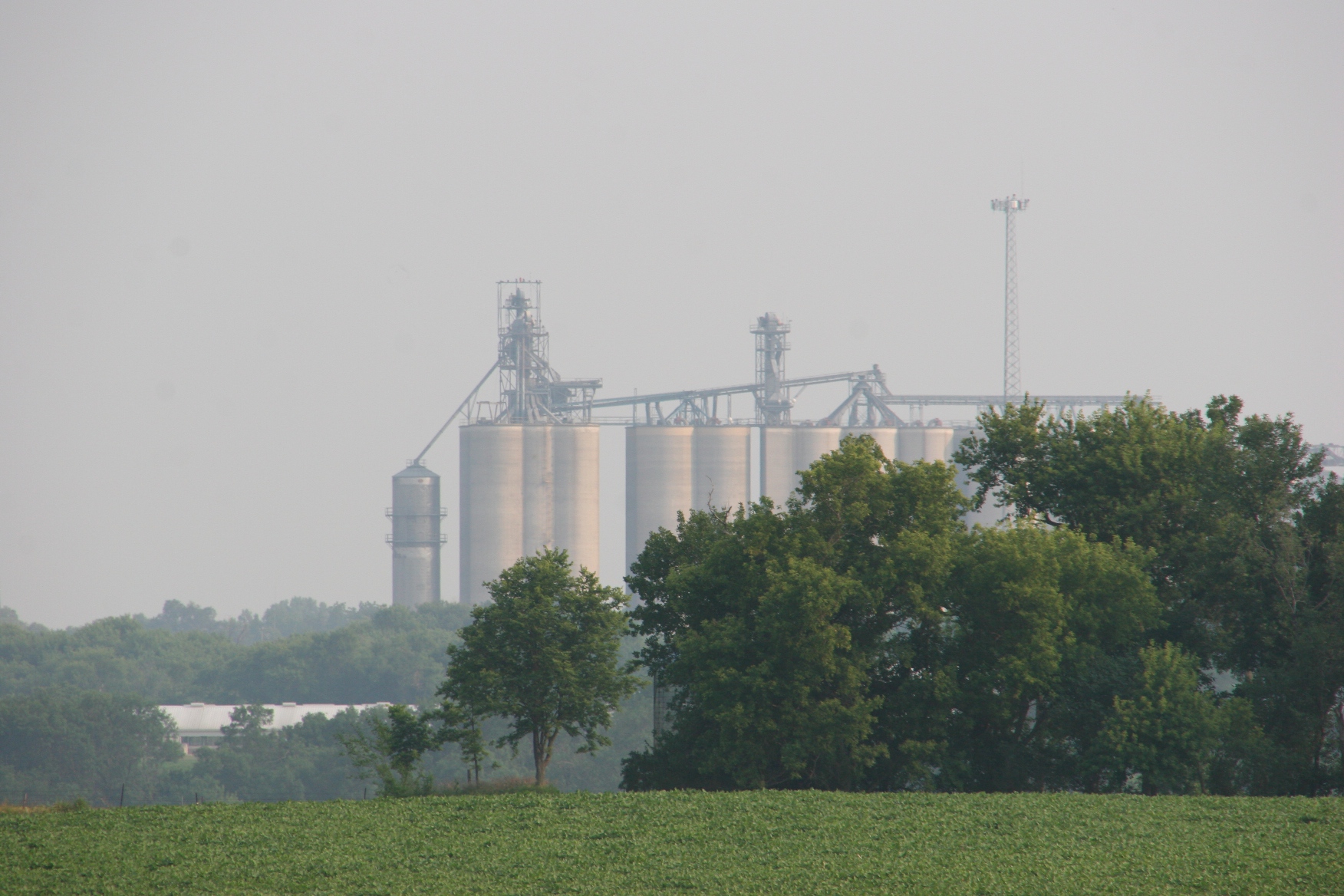
The elevator in Lamberton, Minnesota, just to the south of my brother's place.

Grain elevators, like this one in Lamberton to the south of my brother’s place, define rural small town Minnesota skylines.

THERE ARE DAYS, even now after forty years away from the farm, that I yearn to permanently return, to plant my feet upon the land, to follow a gravel road, to breathe in deeply the scent of freshly-mown alfalfa, to step into the blackness of a summer night under a sky pinpointed with an infinity of stars. On land that is mine. It will never happen.

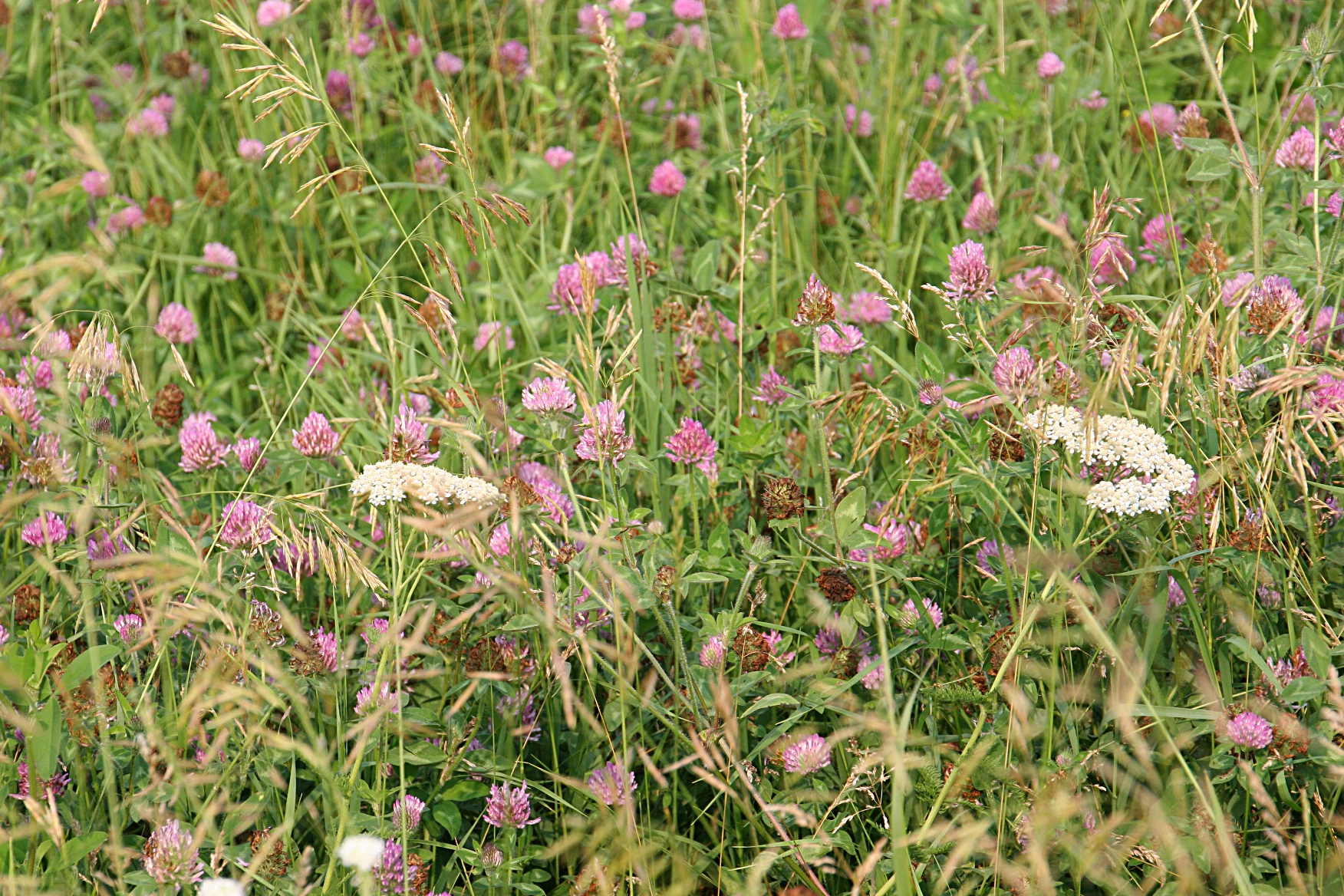
Clover on the edge of a field.

Clover on the edge of a field.

But I am fortunate that my middle brother and his wife live on my native prairie on a rural acreage that they share. It has become the extended family gathering spot, the site that reconnects me to southwestern Minnesota, my childhood home.

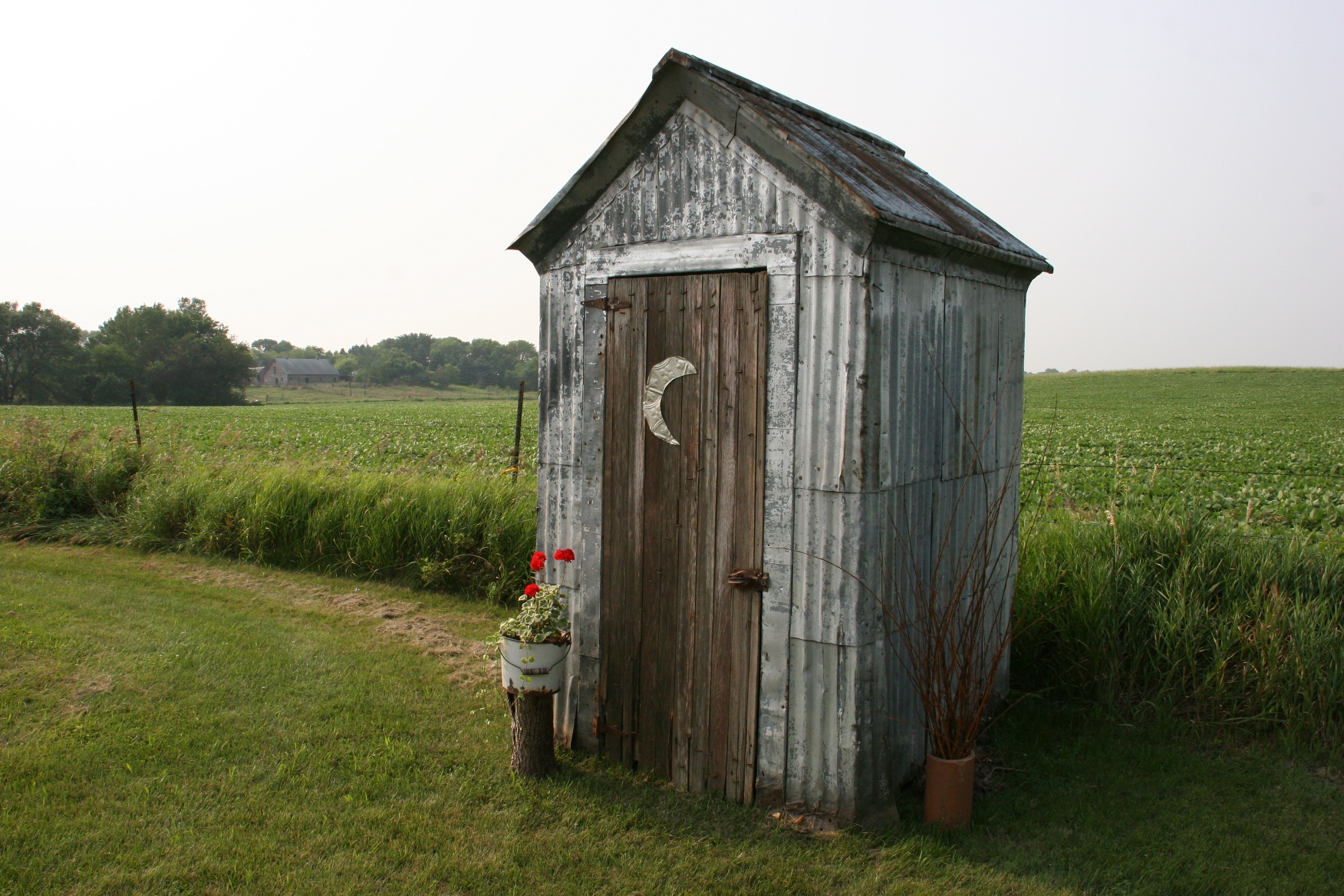
Brian and Vicki recently added an outhouse (used for storage) to their property. This reminds me of the first 11 years of my life, living in a house without a bathroom and using a two-holer outhouse.

Brian and Vicki recently added an outhouse (used for storage) to their property. This reminds me of the first 11 years of my life, living in a house without a bathroom and using a two-holer outhouse.

Each time I visit Brian and Vicki’s home 120 miles distant from Faribault, I wander their land with my camera, photographing rural scenes, capturing memories with my lens.

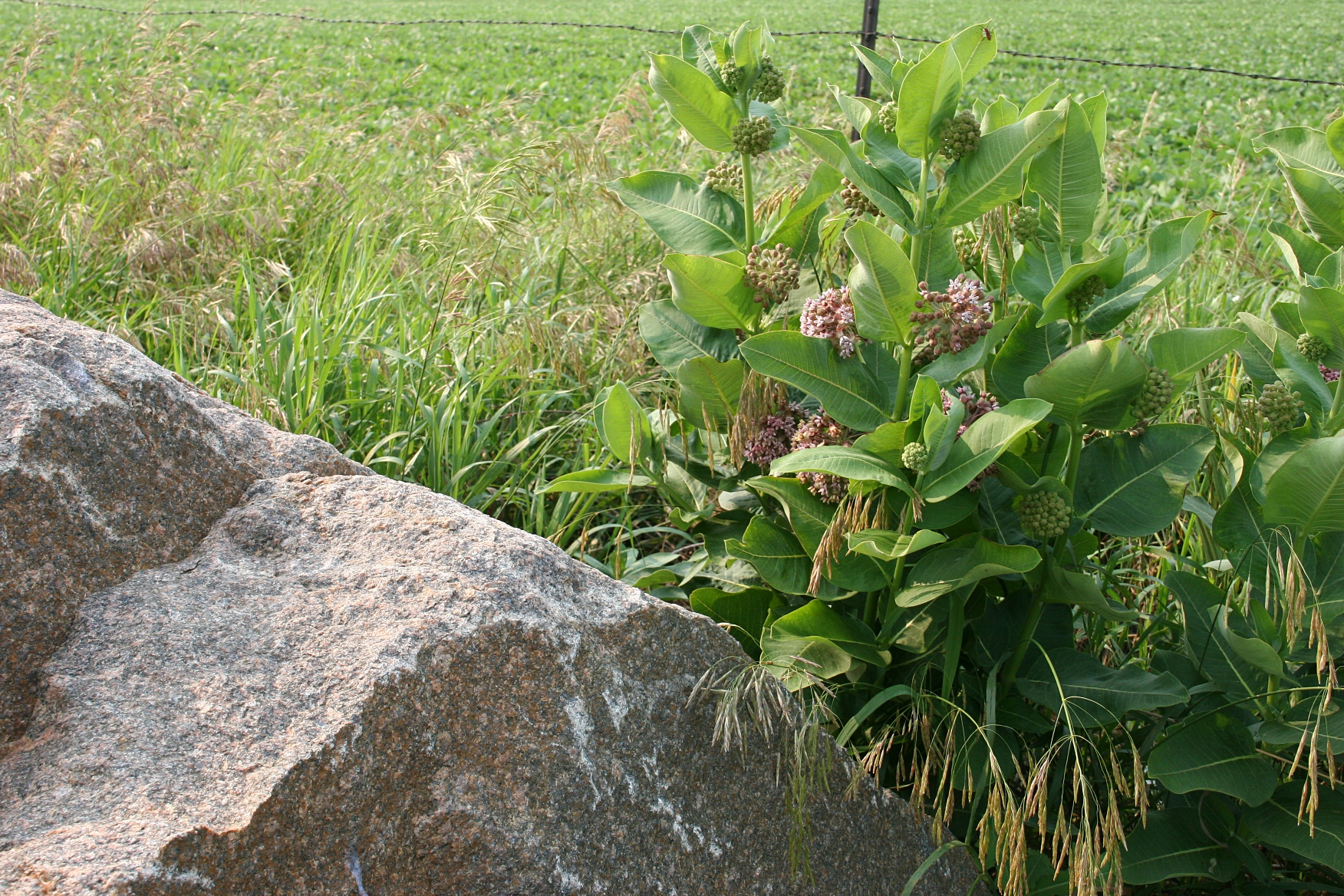
Monarch attracting milkweed grows next to a soybean field.

Monarch attracting milkweed grows along the fence line next to a soybean field.

Scents of clover and of milkweed.

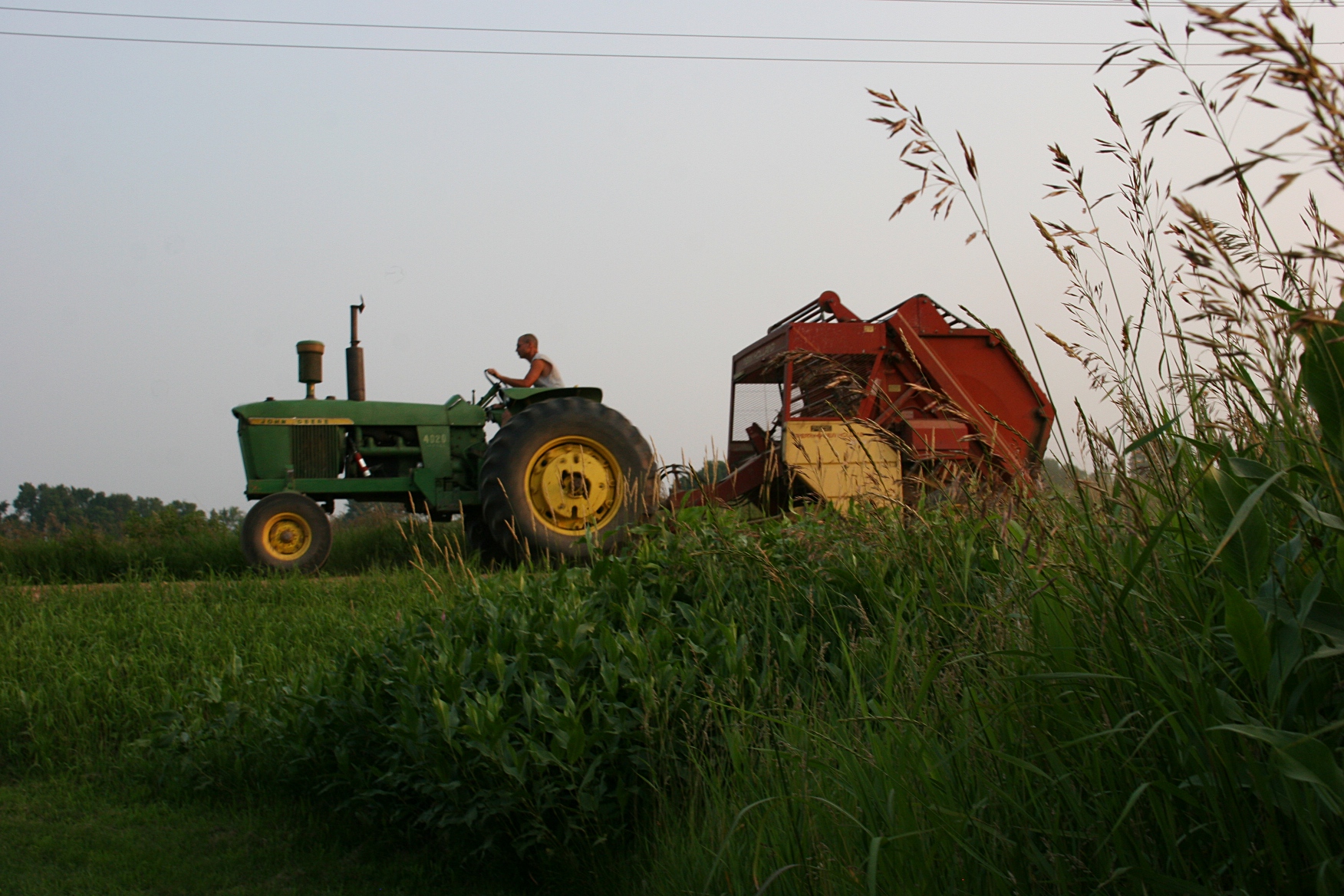
The John Deere tractor roared by my brother's place much of the afternoon

The John Deere tractor roared by my brother’s place much of the afternoon as the farmer baled hay.

Roar of a tractor.

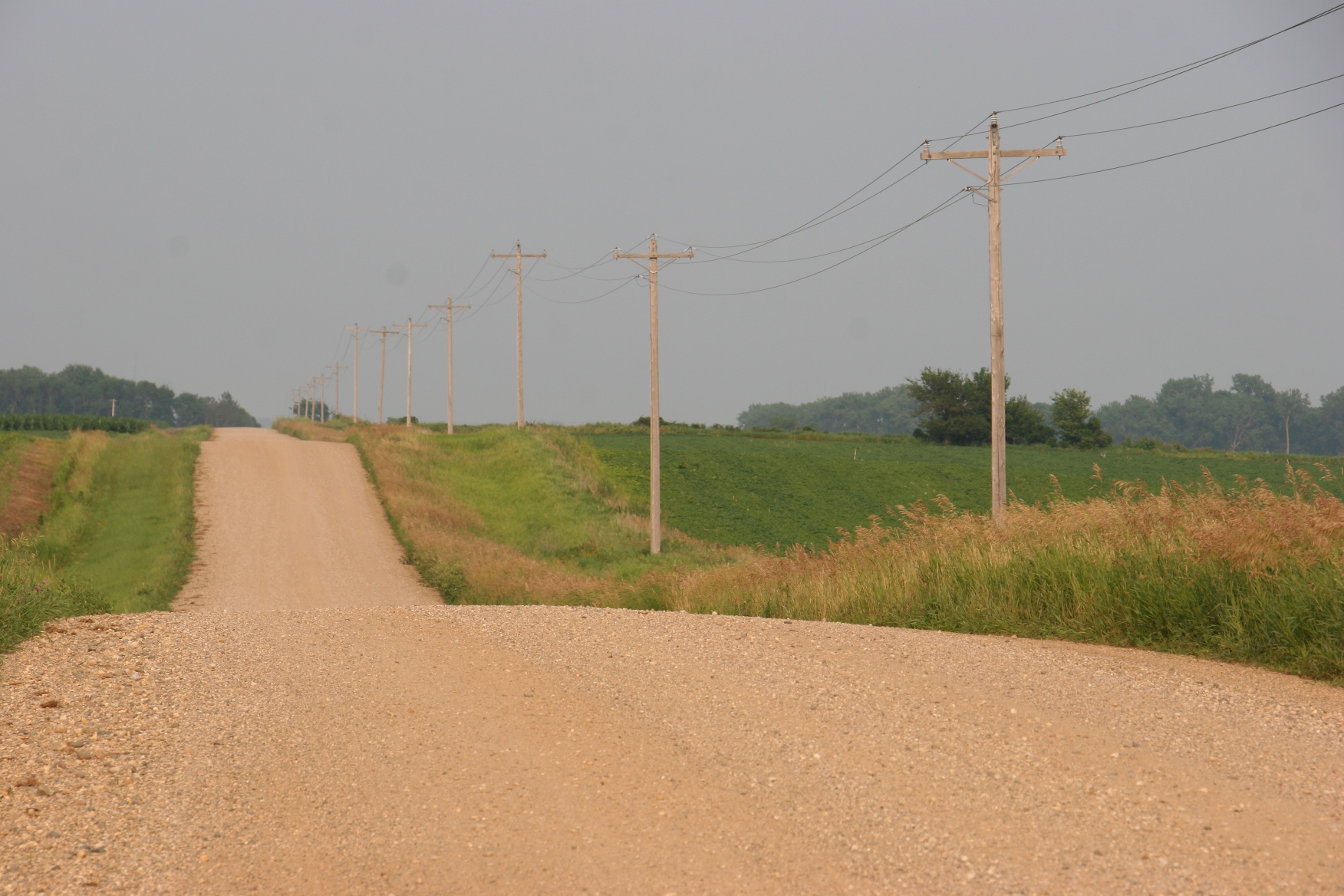
The gravel road that runs past my middle brother's rural acreage just north of Lamberton, Minnesota.

The gravel road that runs past my middle brother’s rural acreage just north of Lamberton.

Crunching of gravel beneath feet.

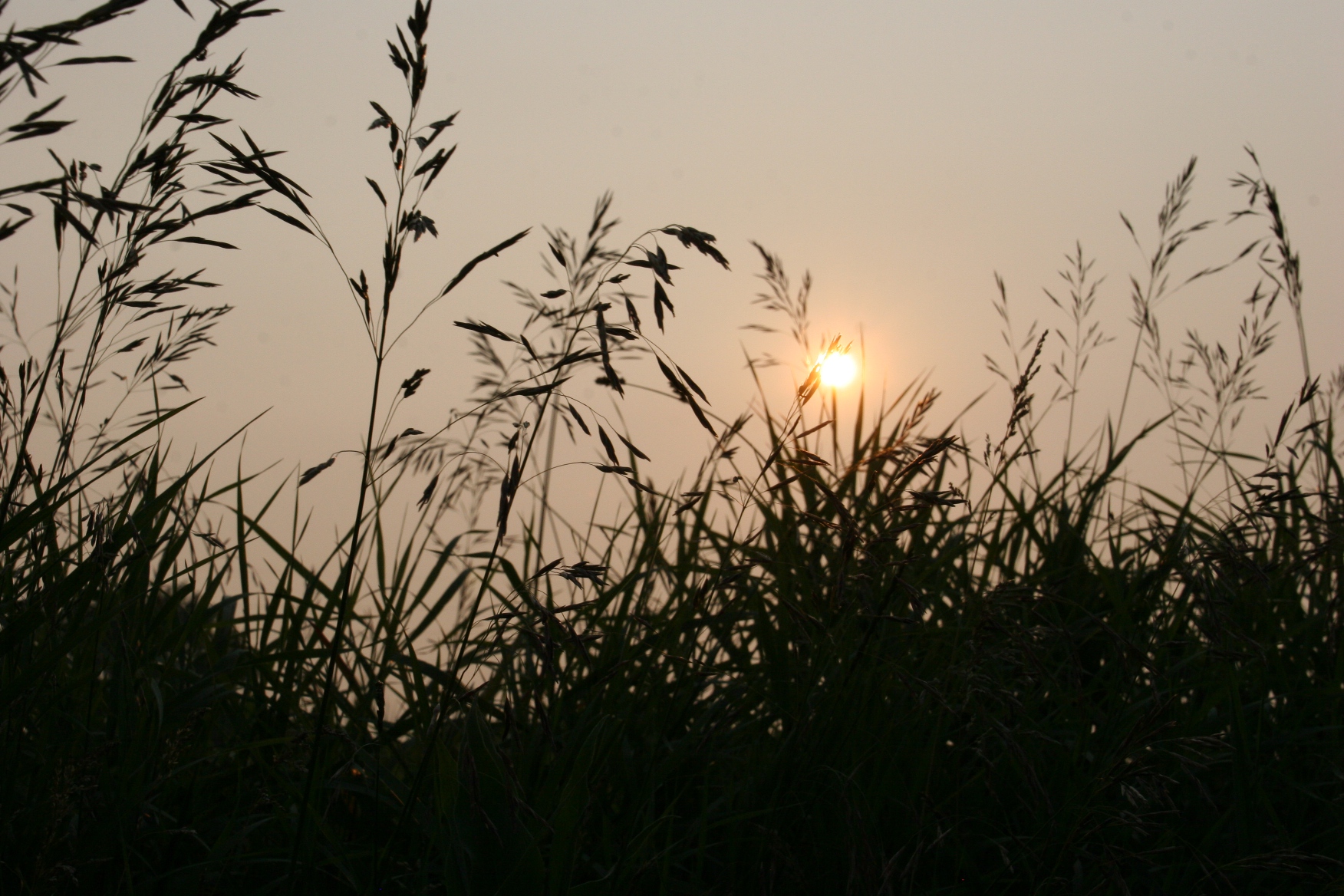
The sun begins to set.

The sun begins to set.

The undeniable serenity that descends with daylight’s impending departure.

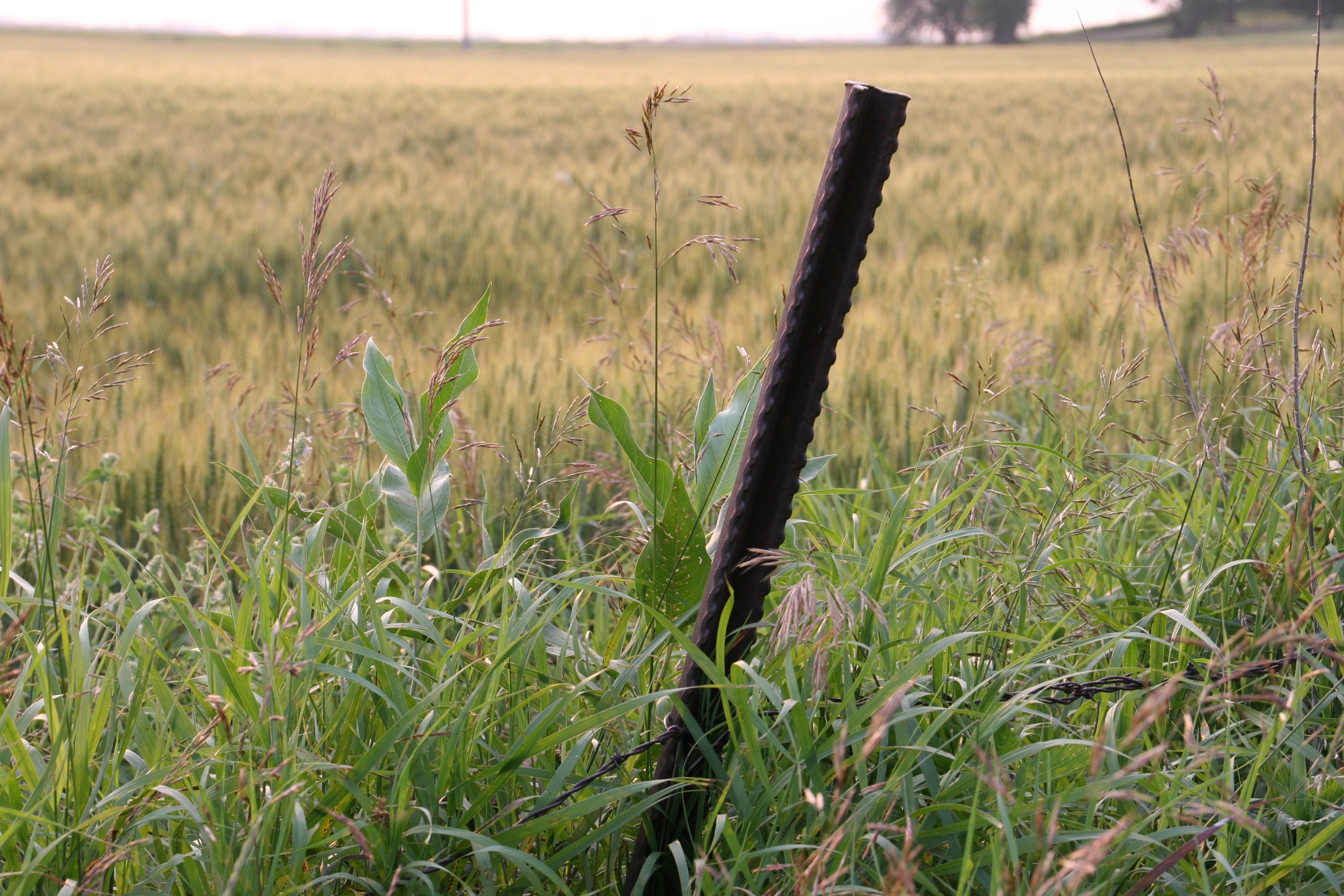
There's something about a leaning fence post that is authentically rural.

There’s something about a leaning fence post that is authentically rural.

Fence posts leaning, sun setting, crops growing. Absence of noise.

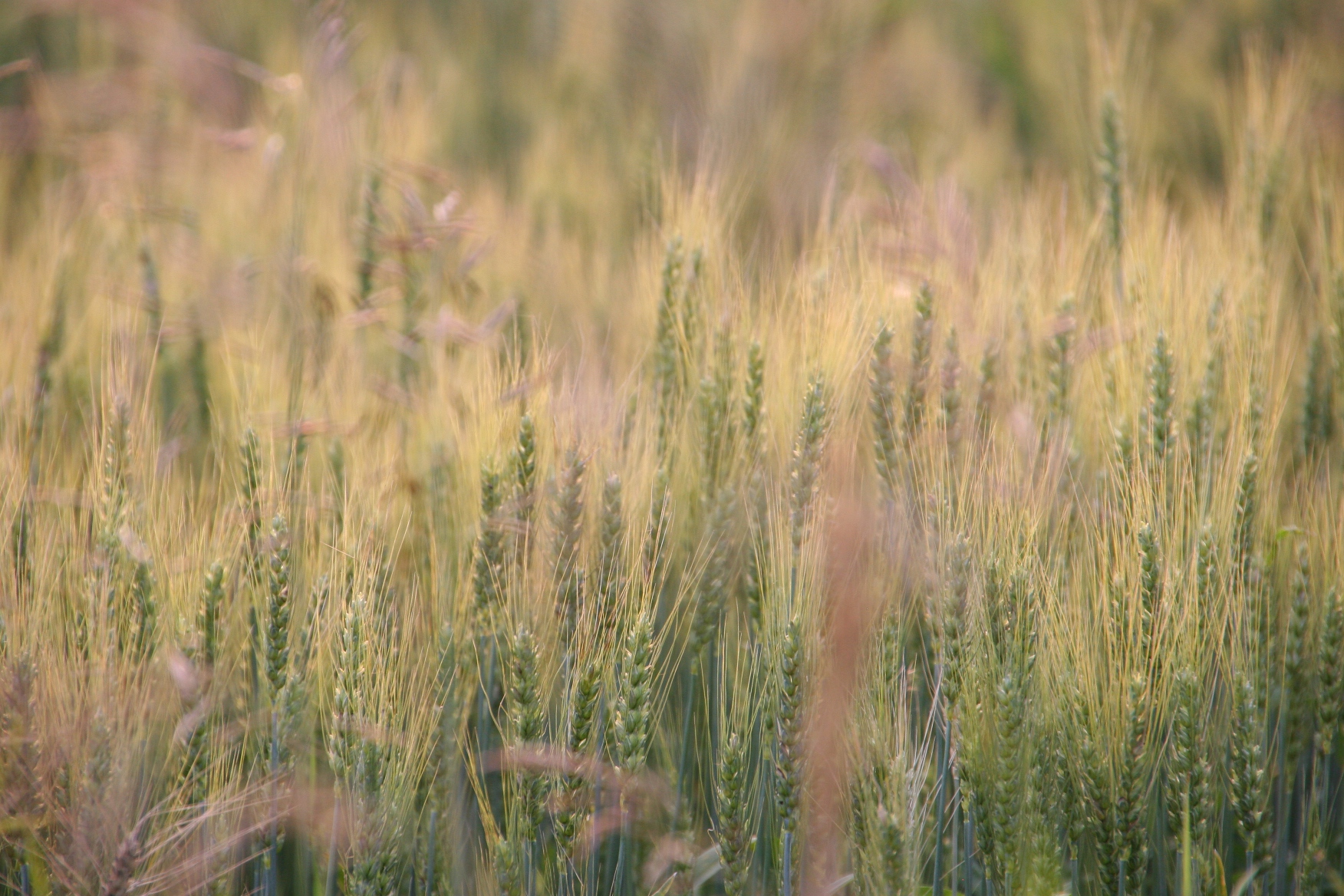
Wheat in the field just across the fence line.

Wheat in the field just across the fence line.

This is enough to hold me, to remind me of my roots, to imprint the poetry of the land upon my soul.

BONUS PHOTOS:

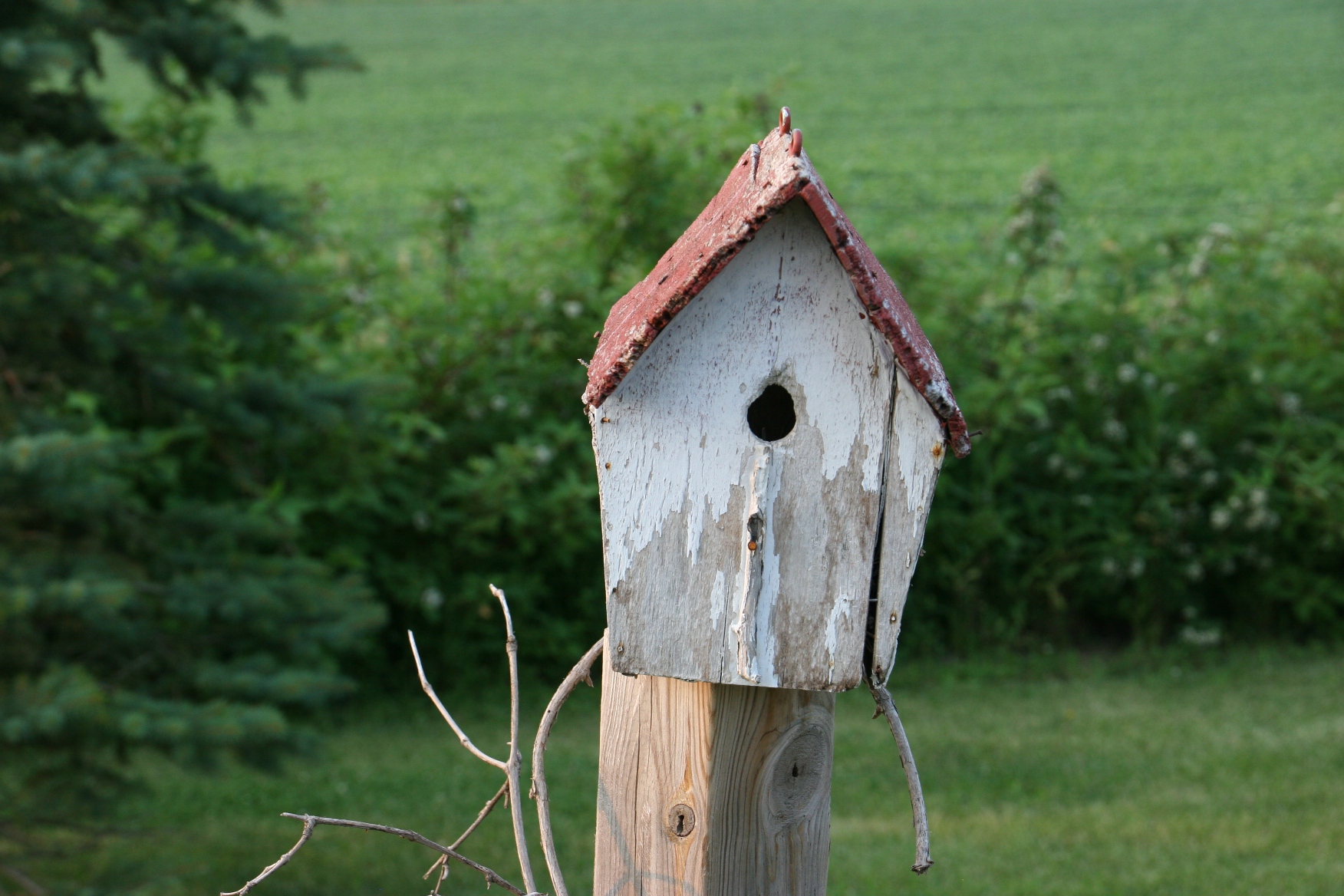
A rural home for the birds.

A rural home for the birds.

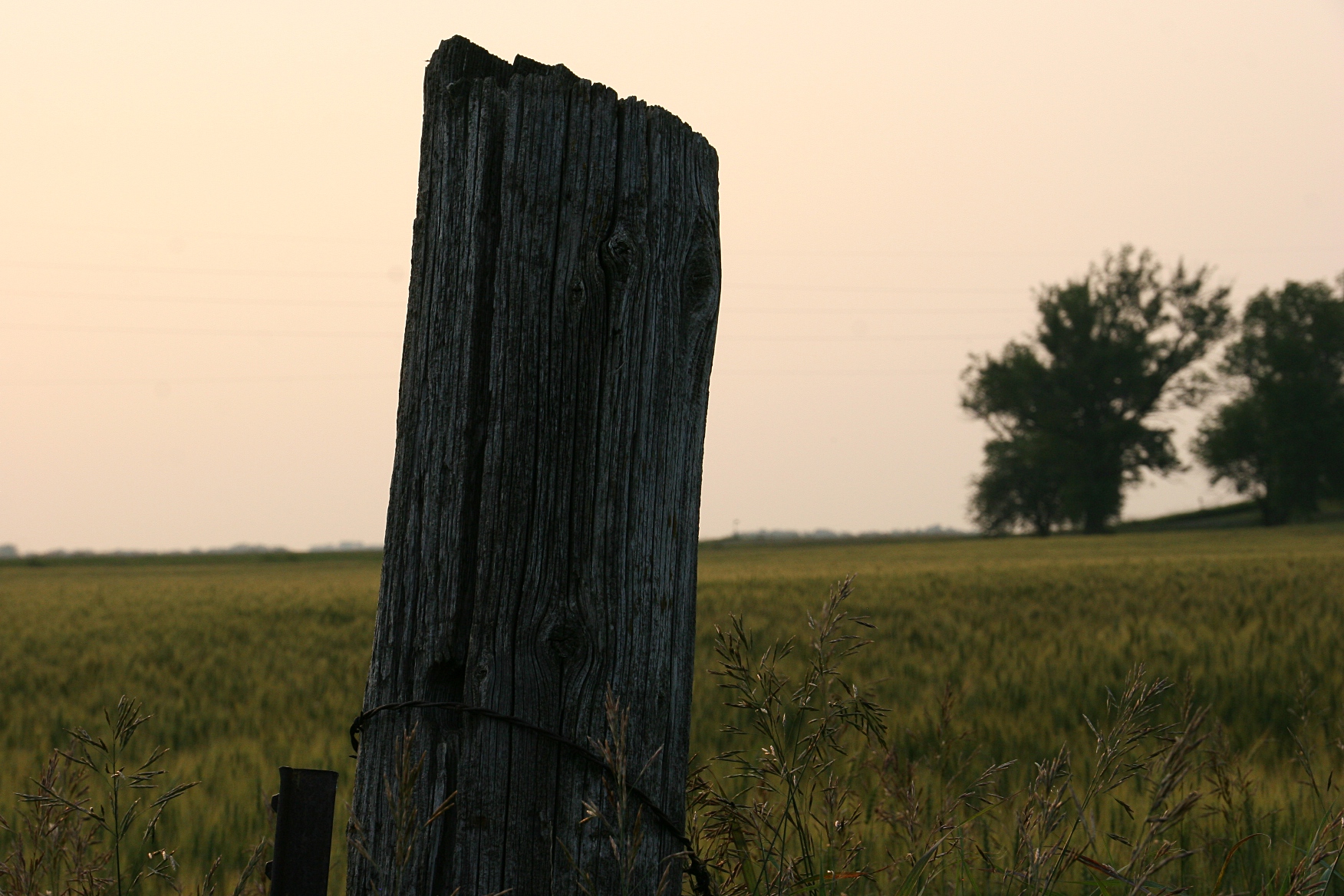
There's something poetic about an old wooden fence post.

There’s something poetic about an old wooden fence post at dusk.

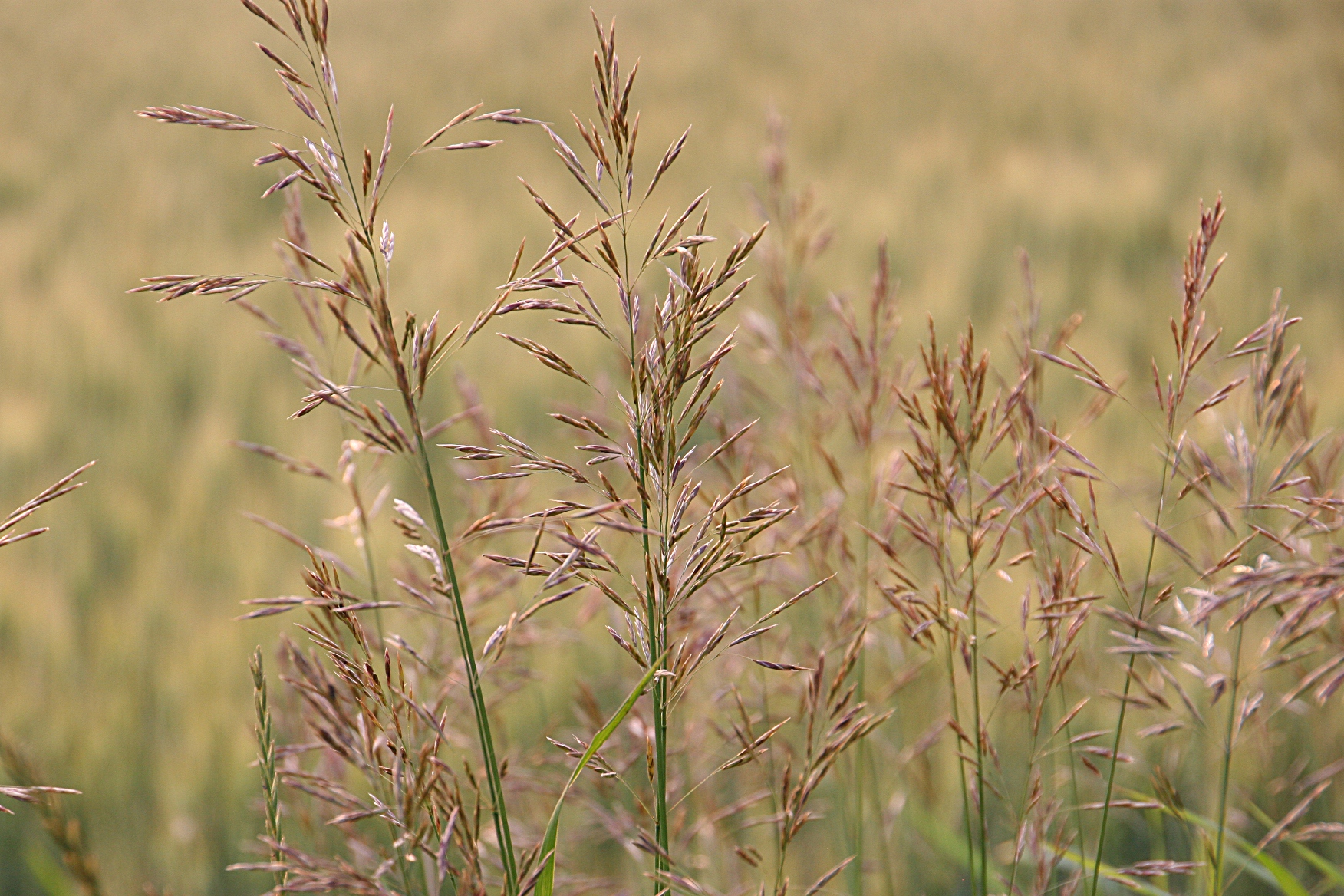
Beautiful brohm grass. As a child, my siblings and I would play make-believe in the tall grass on our farm.

Beautiful brohm grass. As children, my siblings and I would play make-believe in the tall grass on our farm near Vesta.

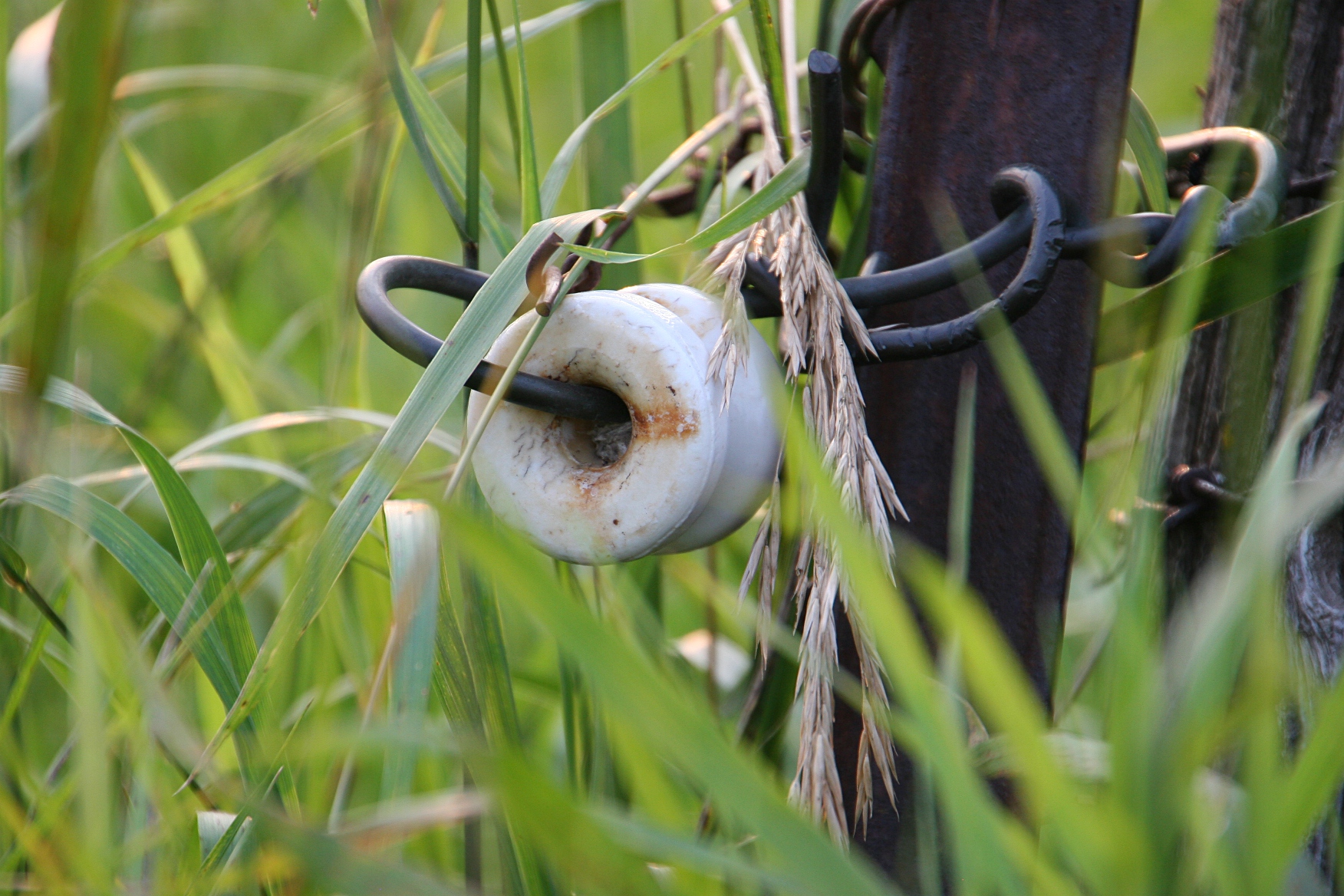
Even the sight of this aged insulator sparks memories.

Even the sight of this aged insulator sparks memories.

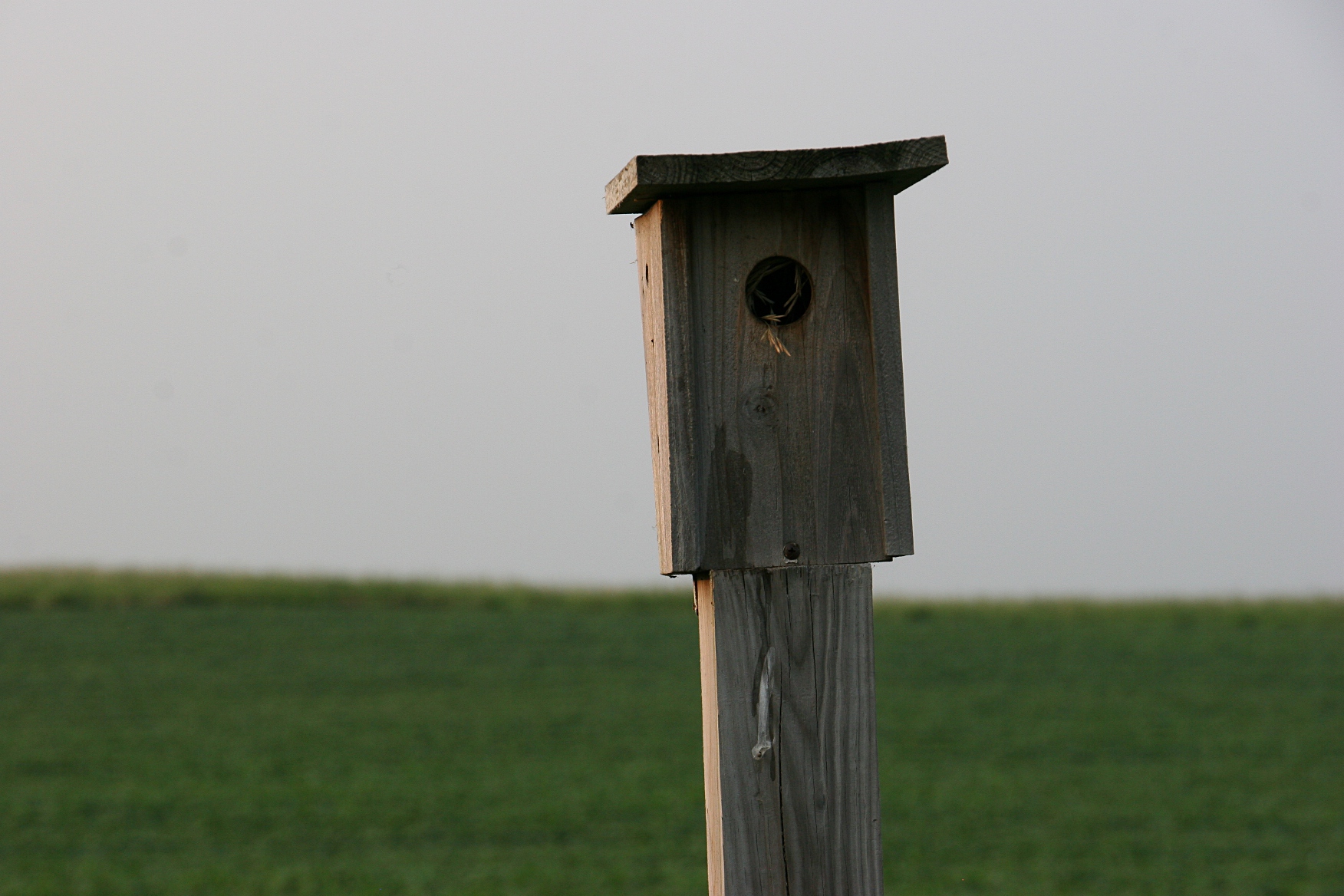
A birdhouse, perfect in its simplicity.

A birdhouse, perfect in its simplicity.

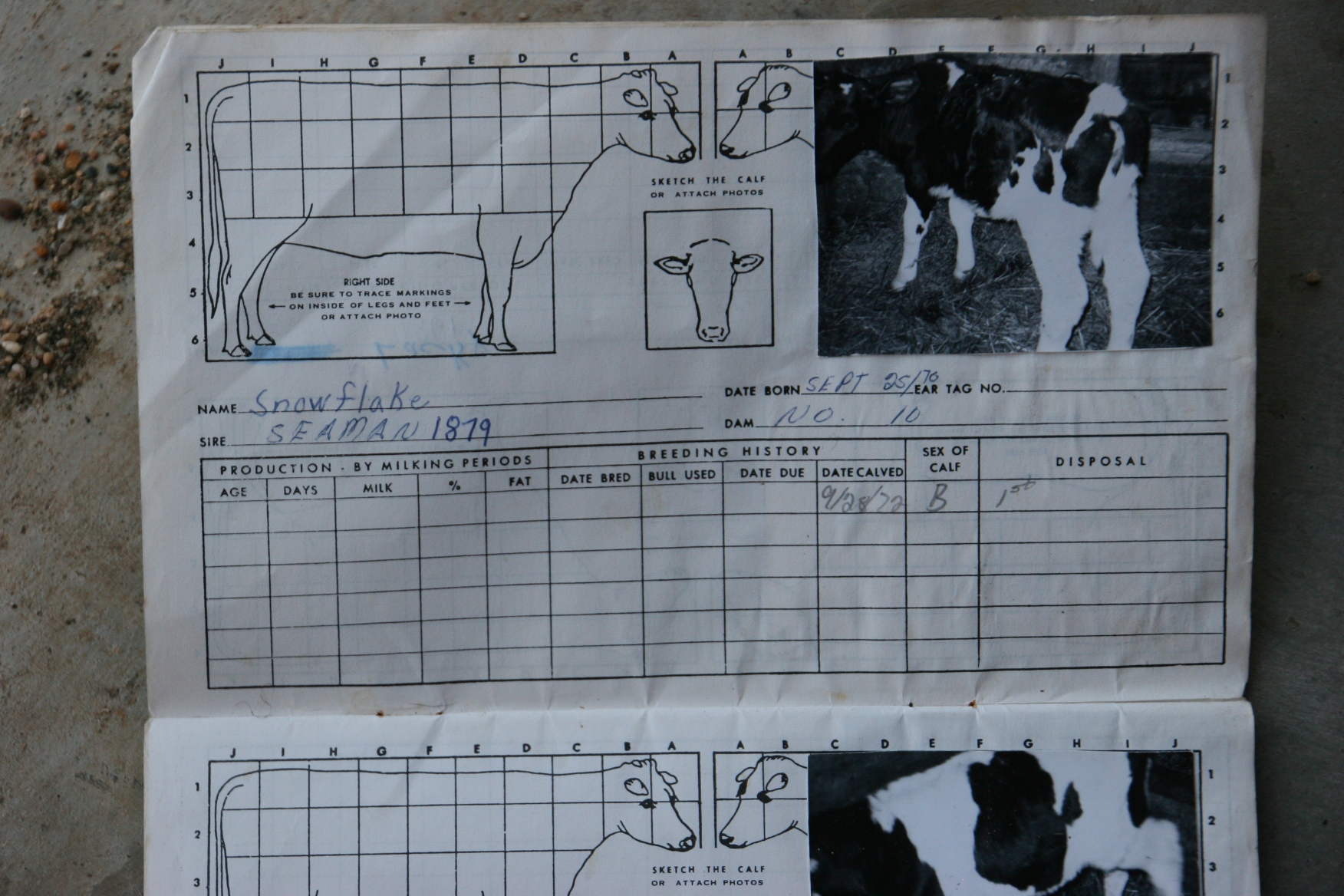
Growing up on our crop and dairy farm, my eldest brother, Doug, photographed the cows and recorded details about them. My middle brother treasures this compilation of information from our farm. And so do I. Memories...

Growing up on our crop and dairy farm, my eldest brother, Doug, photographed the cows and recorded details about them. My middle brother treasures this compilation of information from our farm. And so do I. Memories… Brian showed this to us on our last visit and I considered it important enough to photograph. It is a piece of rural, and family, history.

FYI: All of these photos were taken on the July Fourth weekend.

© Copyright 2015 Audrey Kletscher Helbling

 

Minnesota Faces: Camp counselors July 24, 2015

Portrait #32: Counselors at Camp Omega, rural Waterville, Minnesota

Camp Omega counselors at July Fourth North Morristown celebration. Minnesota Prairie Roots file photo 2013

Camp Omega counselors at July Fourth North Morristown celebration. Minnesota Prairie Roots file photo 2013

They are the faces of enthusiasm, of adventure, of leadership, energy and a passion for the outdoors. They are summer camp counselors in Minnesota. Friends, surrogate moms/dads, teachers—they are all of these and none of these. They are young people. Who care.

I never had the opportunity to attend summer camp while growing up—there was no money for such extras. But my younger siblings did. When I had children of my own, I determined they would go to summer bible camp no matter the financial sacrifice.

My girls, from kindergarten age on, every summer, went to Camp Omega near Waterville. The first time I sent my eldest away for a weekend, I wondered how I would make it through camp. Me. Not her. I survived her absence and she thrived in the serene setting of woods and water in the care of faith-focused counselors.

Amber loved Camp Omega so much that she eventually volunteered there during high school and then worked two summers as a counselor. The friendships she forged and the confidence and faith-growth she experienced were immeasurable.

Some things cannot be taught by parents at home. Some must be learned in a canoe, in a raucous competition, on a climbing wall, around a campfire roasting marshmallows, in a circle of new friends with a counselor strumming a guitar, in the top bunk of a lumpy bed with whispers in the dark and the brush of branches against roof.

Mosquito bites and sunburn. Raccoon eyes and bounce of a flashlight. Rousting out of bed and falling asleep exhausted from a day of running and screaming and breathing in all that fresh air.

Camp. Counselors. Summertime in Minnesota.

#

Minnesota Faces is a series featured nearly every Friday on Minnesota Prairie Roots.

© Copyright 2015 Audrey Kletscher Helbling
 

The clothesline beyond laundry July 23, 2015

STORY UPDATED at 4:15 p.m. Thursday.

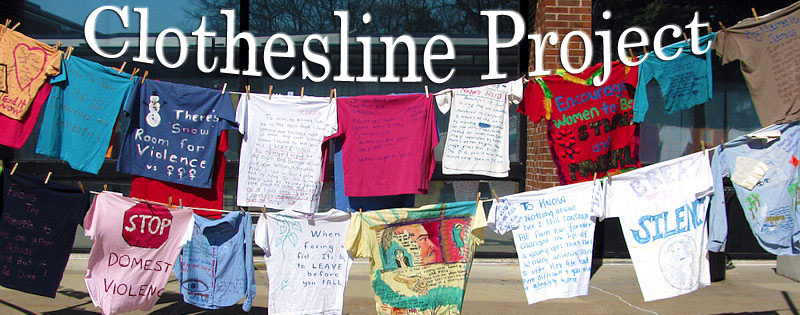
A display from The Clothesline Project. Image from The Clothesline Project website.

A display from The Clothesline Project. Image from The Clothesline Project website.

ON SUNDAY, JULY 26, a clothesline takes on an entirely different purpose than drying laundry as the Crisis Resource Center of Steele County and Redeemer Lutheran Church of Owatonna bring The Clothesline Project to Central Park in Owatonna. Begun in Cape Cod in 1990, the national art project raises awareness about violence against women. Those impacted by such violence express their emotions by writing on t-shirts. The shirts are then strung on a clothesline.

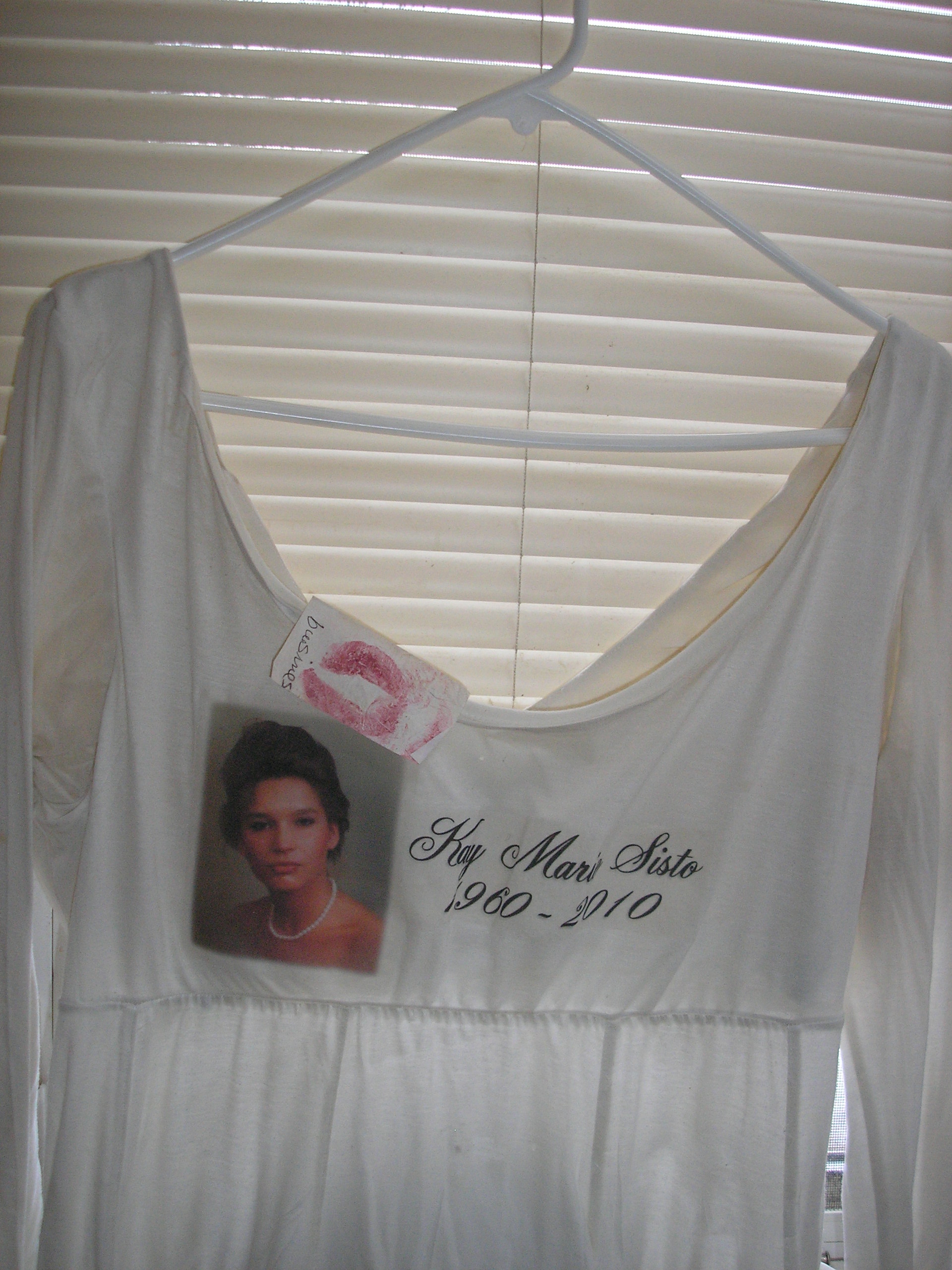
This shirt was added to The Clothesline Project four years ago by Kim Sisto-Robinson of Duluth. It honors her sister Kay, who was murdered by her husband in 2010.

This shirt was added to The Clothesline Project four years ago by Kim Sisto-Robinson of Duluth. It honors her sister Kay, who was murdered by her husband in 2010.

The Minnesota Coalition for Battered Women manages The Clothesline Project traveling exhibit in Minnesota. Eighty decorated shirts representing the 80 individuals killed through domestic violence in Minnesota during the past three years are part of the display coming to Owatonna.

From 3 p.m. – 7 p.m. Sunday, attendees can create and view t-shirts honoring victims and survivors of domestic violence. A ceremony begins at 4 p.m. with remarks by the Rev. Kirk Griebel, pastor of Redeemer Lutheran; reading of a mayoral proclamation declaring July 26 as Domestic Violence and Abuse Awareness Day in Owatonna; and remarks from Crisis Resource Center and law enforcement representatives.

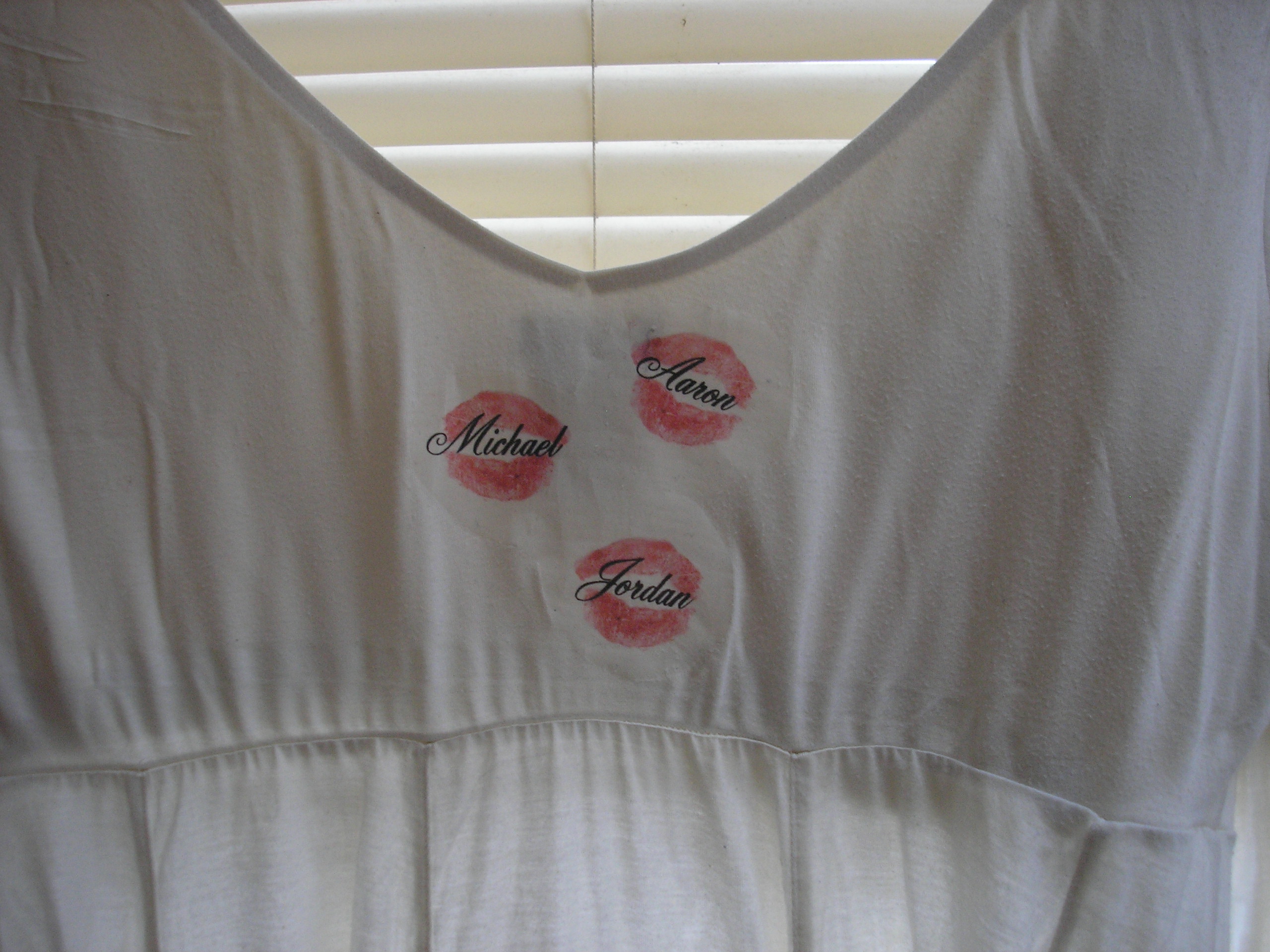
The back of the shirt includes the names of Kay's three children. Kim found the lips blotted on a piece of paper in one of Kay's books. A Duluth printed printed them on the shirt. Kay kissed everything with her big pink lips, says her sister.

The back of the shirt includes the names of Kay’s three children. Kim found the lips blotted on a piece of paper in one of Kay’s books. A Duluth printer printed them on the shirt. Kay kissed everything with her big pink lips, says her sister.

The Clothesline Project promises to be a powerful visual focused on raising awareness about domestic abuse and violence. I encourage you to attend. I expect every single one of you knows a woman and/or family that has been impacted by this. I do. Many.

According to the National Coalition Against Domestic Violence, one in every three women will suffer some form of physical violence by an intimate partner within their lifetime. For men, that number is one in four. Remember also that domestic abuse is not always physical. It can also be emotional, mental, spiritual and social.

Do all you can as an individual to stand strong against domestic abuse and violence. Refuse to remain silent.

As Pastor Griebel said in remarks at the Owatonna City Council meeting Tuesday evening, “Silence provides a cover for those who perpetrate domestic violence and abuse, while breaking the silence of domestic violence and abuse allows healing to begin.”

Powerful words.

Come on Sunday. Create a t-shirt. Join those who are choosing to break the silence.

#

FYI: If you are currently in an abusive relationship, seek help. Call a local safe haven/resource center or the National Domestic Violence hotline at 1-800-799-7233. If you are in immediate danger, call 911.

Leaving an abuser is an especially dangerous time. Seek help and have a safe plan to leave. You will need a protection plan for a year or longer after leaving your abuser. There are people willing to help. You are worth it. You deserve to live free of abuse of any form.

#

Kim has made it her mission to speak out against domestic violence. She is the voice of her sister Kay, pictured here.

Kim Sisto-Robinson has made it her mission to speak out against domestic violence. She is the voice of her sister Kay, pictured here. The shirt Kay is wearing is now part of The Clothesline Project.

I would also encourage you, dear readers, to click here and read My Inner Chick, a blog written by Kim Sisto-Robinson of Duluth, Minnesota. Kim’s sister, Kay, was murdered by her husband in 2010. This blog is one of the most powerful I’ve read on the subject of domestic abuse and violence. Kim’s words will empower you and give you hope. She writes: “Kay was silenced, but her voice lives through me.”

© Copyright 2013 Audrey Kletscher Helbling

Thank you to Kim Sisto-Robinson for sharing the photos of her sister and of The Clothesline Project shirt honoring Kay.


Honoring the clothesline July 22, 2015

Filed under: Uncategorized — Audrey Kletscher Helbling @ 5:00 AM
Tags: , , , , ,

ON A RECENT AFTERNOON, I hustled outside to pull laundry from the line during an unanticipated downpour.

I rushed along three lengths of clothesline, unclipping clothing I’d hung hours earlier when the sun shone with the promise of a good drying day despite the intense humidity. Now I was hauling everything inside to dry in the dryer or on a clothes drying rack. In the process, I was soaked.

I am a clothesline drying devotee, choosing to hang laundry outdoors any day, even in the cold of a 30-degree Minnesota winter morning. It’s therapeutic—the methodical lifting of wet laundry, of clipping it to the line. I delight in the shifting light of morning, of being outside, of solo time to think, of an aged rite that celebrates the beginning of a day.

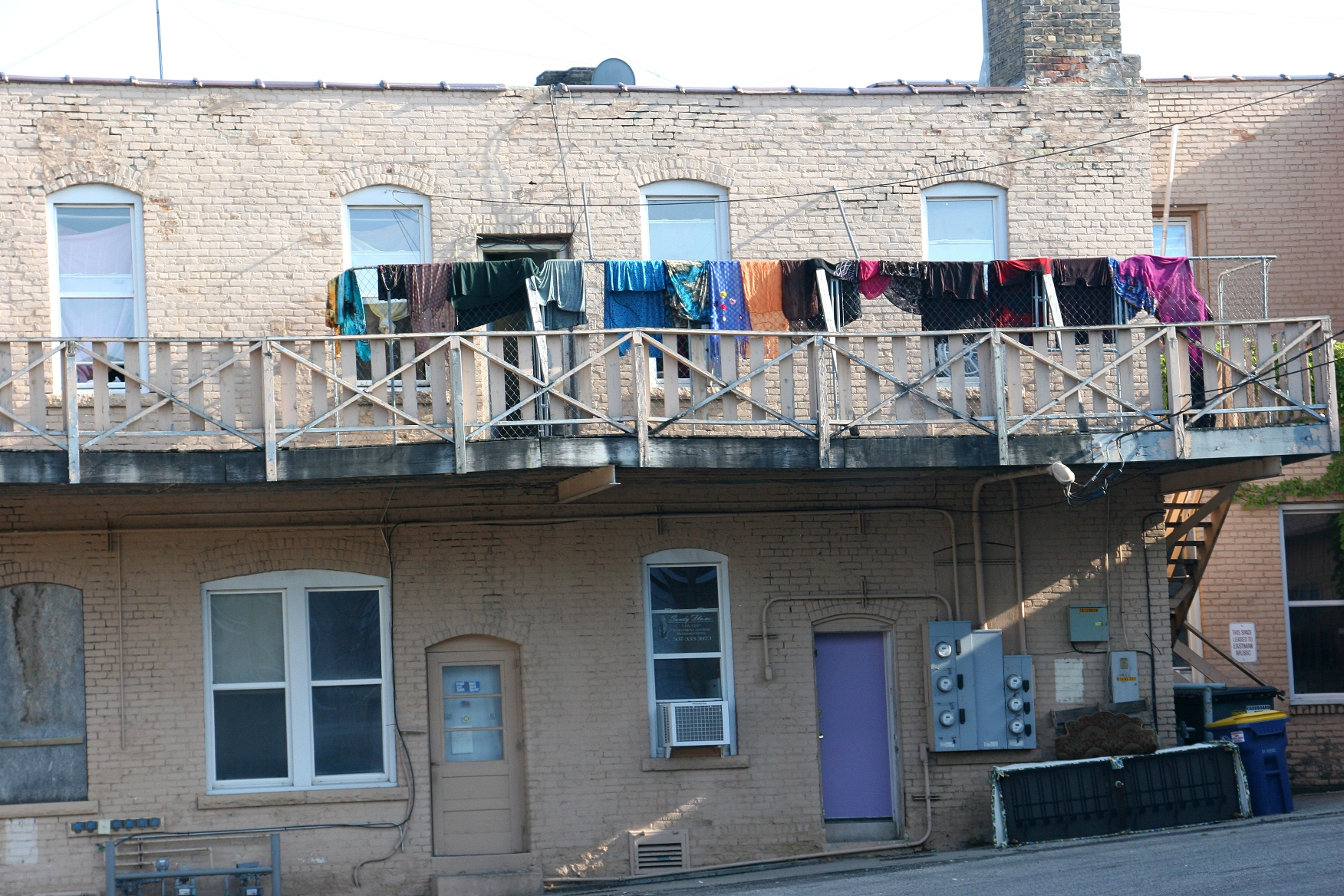
The scene along a balcony on the back side of a building along Third Street N.E. in downtown Faribault, just across the alley from the post office.

The scene along a balcony on the back side of a building along Third Street N.E. in downtown Faribault, just across the alley from the post office.

So I wondered, when I spotted colorful laundry draped over a second story railing behind an historic building in downtown Faribault, whether the immigrant woman I saw there felt the same as me. Does she delight in hanging out laundry? Or is this, for her, a matter of simple practicality, of saving money?

Whatever the reason, I was pleased to see her hanging laundry outdoors, in the heart of my community, making this place her home.

FYI: Check back tomorrow for a second clothesline post, this one about an entirely different purpose.

Copyright 2015 Audrey Kletscher Helbling


Iowa, rooted in rural July 16, 2015

Filed under: Uncategorized — Audrey Kletscher Helbling @ 5:00 AM
Tags: , , , , , , , ,

THE PEOPLE OF IOWA WELCOME YOU. Fields of Opportunities. Thus reads the sign welcoming southbound travelers crossing into Iowa from Minnesota along Interstate 35.

A farm site just across the Minnesota-Iowa border on the west side of Interstate 35.

A farm site just across the Minnesota-Iowa border on the west side of Interstate 35.

It seems a fitting slogan for a state that’s rural in nature, that stretches fields across the landscape. Sure, larger cities like Des Moines, Dubuque, Ames and Iowa City exist. But it is the small towns and farm sites and the people who live therein which best define this agricultural based state.

I expect all too many travelers have dismissed Iowa, failed to explore her Main Streets and backroads as they zoom along the Interstate, focused only on making good time to reach a destination. I have been guilty of that myself.

Between Iowa's northern border and Clear Lake, west side of I-35.

Between Iowa’s northern border and Clear Lake, west side of I-35.

On a mid-May trip to Clear Lake in northern Iowa, my husband and I traveled I-35 there, but then took backroads home. We drove through small towns and through the countryside, sometimes stopping, sometimes not. Randy has reminded me if we stopped everywhere I wanted to stop, we would never get anywhere. He is right.

So here are some snapshots from northern Iowa taken through dirty and rain-spotted car windows:

The tornado shelter sign caught my eye in Ventura, a small town just west of Clear Lake.

The tornado shelter sign caught my eye in Ventura, a small town just west of Clear Lake.


Along U.S. Highway 18 in the Ventura/Garner area.

Along U.S. Highway 18 in the Ventura/Garner area.


The Red Elevator, restored in 2009, gloriously graces the entry to Garner's Main Street. Garner is located west of Ventura.

The Red Elevator, restored in 2009, gloriously graces the entry to Garner’s Main Street. Garner is located west of Ventura.


Just another view of the historic elevator. We should have stopped to inquire about its current usage and history.

Just another view of the historic elevator. We should have stopped to inquire about its current usage and history.


Garner's downtown.

Garner’s downtown with some lovely historic buildings. I would love to see the old corner building, and the clock hanging from it, restored.


A perfect place for an antique shop in Garner.

A perfect place for an antique shop in Garner.


Iowa is known for its barn quilts and I spotted several, including this one near Garner.

Iowa is known for its barn quilts and I spotted several, including this one near Garner.


A century farm marker near Forest City.

A century farm marker near Forest City.

© Copyright 2015 Audrey Kletscher Helbling
 

Feeling blue about the iconic Sugardale barn along Interstate 35 July 14, 2015
The front section of the barn was being painted as we drove along Interstate 35 Monday morning.

The front section of the barn was being painted as we drove along Interstate 35 Monday morning. In the center section, you can see a faint oval shape wherein Sugardale was painted.
“THEY’RE PAINTING THE BARN BLUE!” I gasped as I swung my camera lens toward the front passenger side window. So surprised was I by the in-process flashy hue application to the Sugardale barn along Interstate 35 north of the Northfield exit that I could barely compose a photo.

You can see how the barn looked before it was painted blue.

On the left side of the barn, you can see the as yet unpainted section. The barn needed paint. But blue?

“It’s NAPA blue,” I hissed to my driver husband, who works as an automotive machinist at the NAPA store in Northfield. He knows how much I dislike the shade of blue that represents this automotive business.

I continued to rant. “Why would anyone paint a barn blue? And they’re covering up that sugar sign.”

All of this I spewed as I shot several quick frames while our car traveled at 70 mph along the interstate.

How the barn looked when I photographed it in February.

How the barn looked when I photographed it in February. (This was before I had a telephoto lens.) Click on the image to enlarge.

I don’t understand why blue, rather than red, was selected for this landmark barn. Before the blue, you could see the fading advertisement for Ohio-based Sugardale Foods, “a leading provider of quality meats and premium foods.” The lettering has been there for years and has made this barn iconic to I-35 travelers in southern Minnesota.

Now the Sugardale sign has been obliterated by that, that, blue. Why?

In February 2011, I published a winter image of the barn. That fall, reader Sara G. commented on the post:

This is my grandparents’ barn. Grandpa, a retired NW Orient pilot, purchased the land in about 65, moved out there in about 74. The barn is post and beam and was built by a guy who would walk around the land and point to trees to chop down for the various posts and beams. Most still have remnants of bark on them. It is an amazing structure. We played in there every chance we got as kids.

Sadly, it will most likely hit the market in the next few years. I cannot imagine driving down 35w and having someone else live there. Or Christmas anywhere else for that matter. Thanks for the pics. You need to go back and shoot it now before the corn comes down while the color is so strong.

I expect Sara’s grandparents no longer own this property. I understand that the current owner can choose any color he/she wishes for the barn. But a vivid blue? And why destroy the memorable Sugardale signage? I feel just plain blue about this piece of rural barn history vanishing under a coat of blue paint.

#

UPDATE 1:30 PM: Bob Collins, who pens an online column, NewsCut, at Minnesota Public Radio, followed up on my post after a reader (Faith, Farming & Cowboy Boots) tipped me off that the blue barn might be a project of the Midwestern restaurant chain, Culver’s. Bob contacted Culvers and learned that the I-35 Sugardale barn is, indeed, part of the company’s campaign to thank farmers and financially assist young people going into agriculture. You can read Bob’s post at this link:  http://blogs.mprnews.org/newscut/2015/07/a-barn-turns-blue/

Also, be sure to scroll through the comments section on my post to read an explanation from Paul Pitas, Director of Public Relations and Communications for Culver’s.

#
© Copyright 2015 Audrey Kletscher Helbling