Minnesota Prairie Roots

Writing and photography by Audrey Kletscher Helbling

On-the-road prairie photos December 29, 2011

Filed under: Uncategorized — Audrey Kletscher Helbling @ 11:01 PM
Tags: , , , , , , , ,

Somewhere along a back county road between New Ulm and Morgan.

SORTING THROUGH the on-the-road photos I shot while traveling to and from southwestern Minnesota a week ago, I noticed a similarity in many of my images—pops of red in an otherwise mostly grey landscape.

I didn’t consciously swing my camera lens toward the jolts of red. It just happened. My eye would catch a scene and I would press the shutter button. Traveling at highway speeds allows a mere flick of an instant to frame and shoot through the front and passenger side windows of our family van or car.

I’ve practiced this type of traveling photography long enough that I’m now photographing some of the same sites along roadways. Yet, even the same subject, photographed at a different time of day, in another season, under changing skies, can result in a distinct image that tells a story or captures a mood.

This December, the Minnesota prairie, devoid of snow, appears drab and dreary against iron grey skies. Often only the occasional farm site or small town breaks the bleak blackness of tilled fields that can quickly depress the visual sense.

Perhaps for that reason, my eye is naturally drawn to the red barns and other bursts of red that contrast with the black and white and grey. My eyes are seeking color.

A red barn pop of color in the distance while driving toward Morgan last Friday morning.
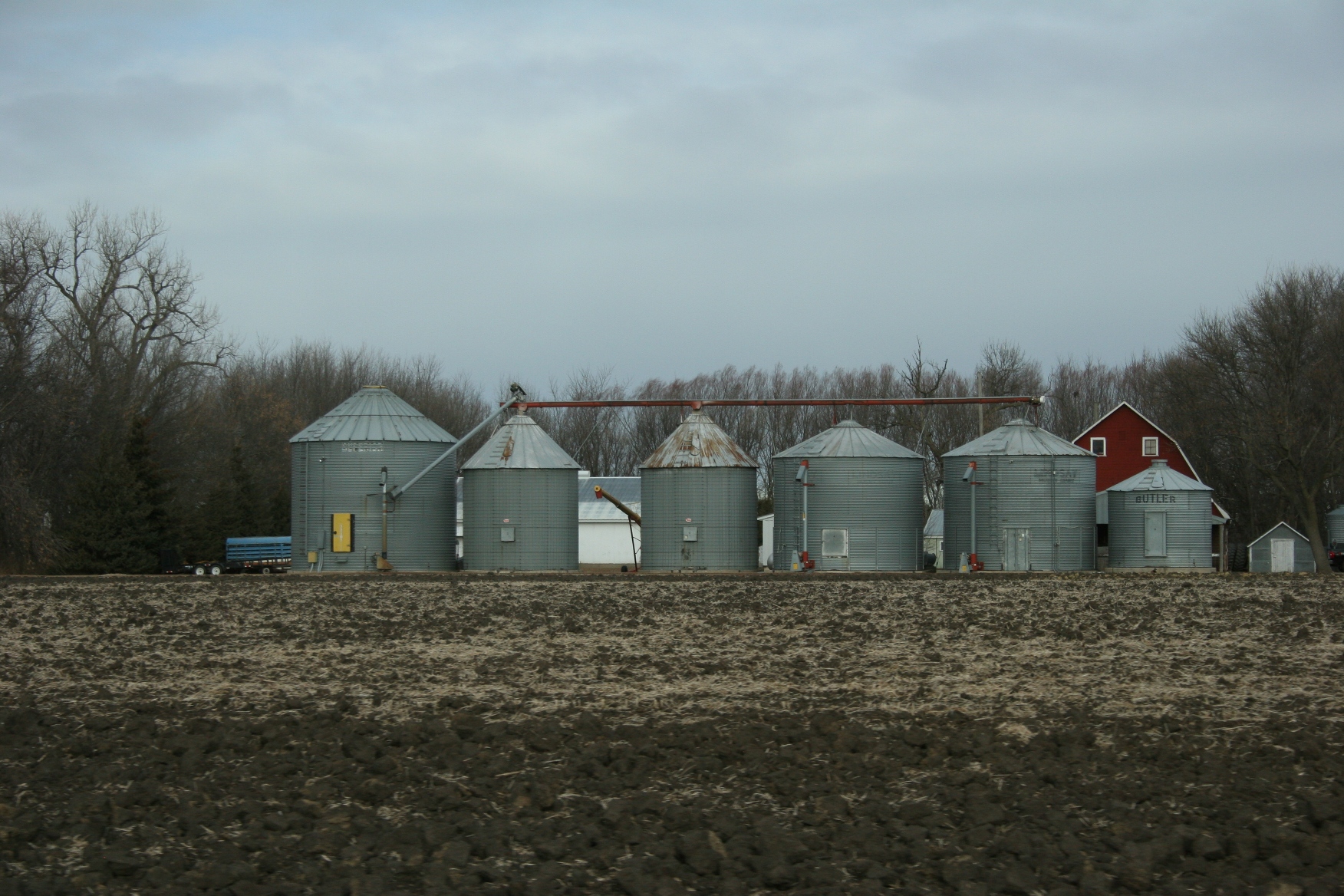
Along the same road, I caught just a snippet of the red barn peeking from behind the row of grey grain bins.
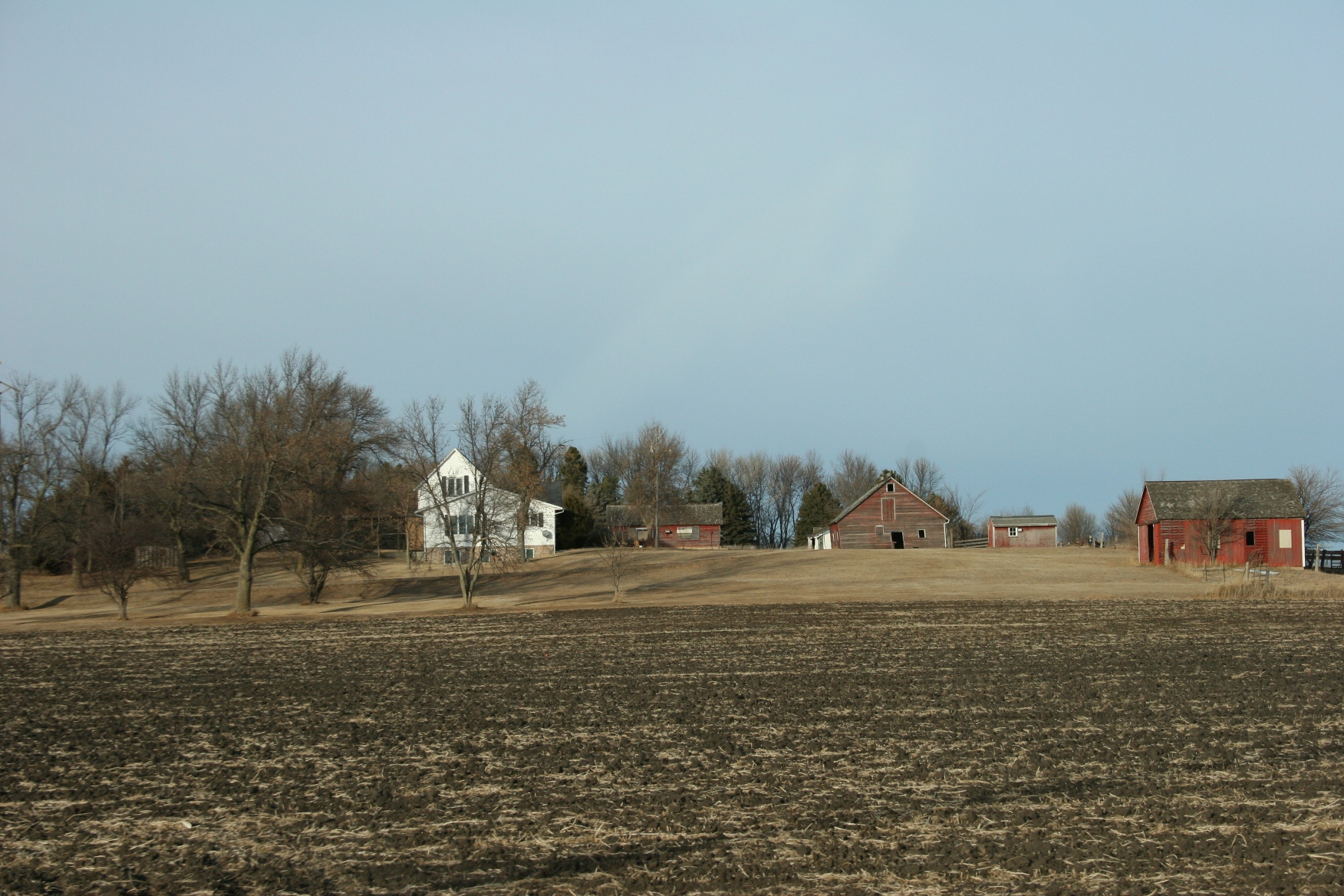
Sunnier skies prevailed Saturday afternoon at this farm site just north of Lamberton.

Allow your eyes to wander over my images, to take in the stark essence of the southwestern Minnesota prairie on two days in late December. This is my land, the place that shaped me as an individual and as a writer. It is a land where details are noticed without the distracting visual clutter of traffic congestion and buildings clumped together and lights and signs and crowds.

Not everyone appreciates the prairie, dismissing this land as boring and plain and unexciting. I am not among those who wish only to flash across the prairie like a bolt of lightning. Via my roadside photos, you will see how this infinite space of sky and land has claimed my heart, defining my work as a photographer and a writer.
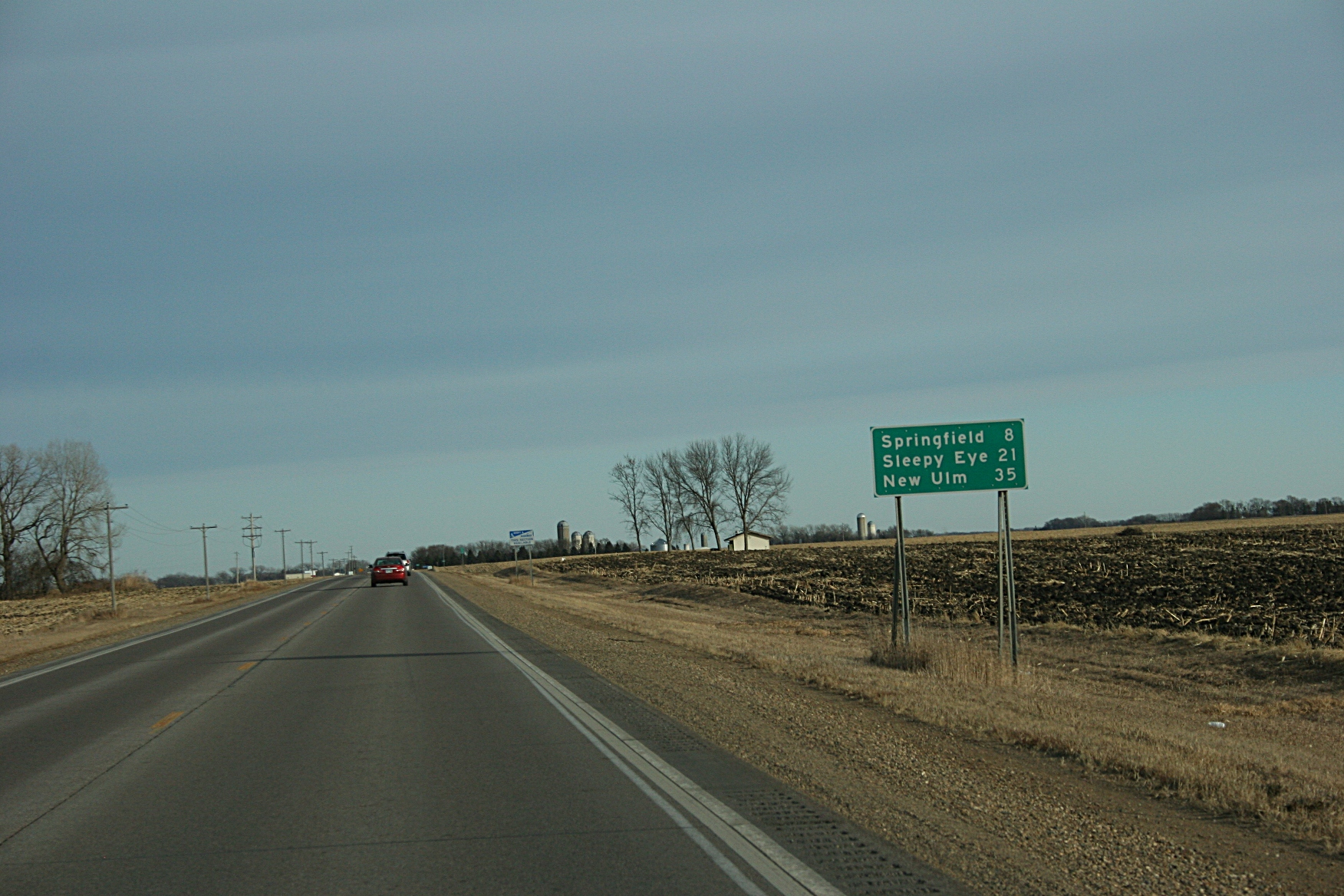
A red car infuses color into this prairie landscape near Lamberton, heading east toward New Ulm along U.S. Highway 14, the Laura Ingalls Wilder Historic Highway.
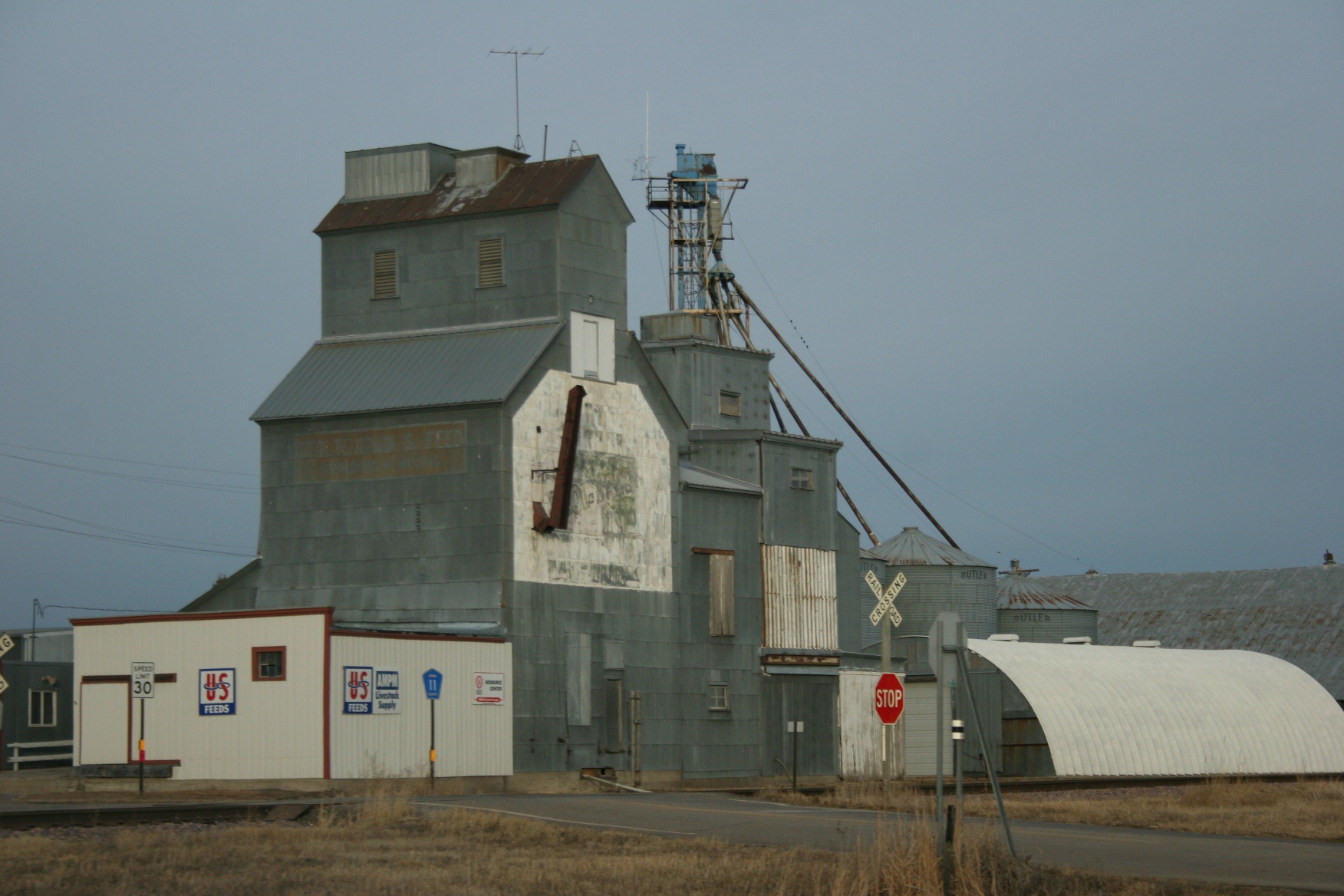
A stop sign adds color to an otherwise grey image of the elevator in Essig, along Highway 14 west of New Ulm.
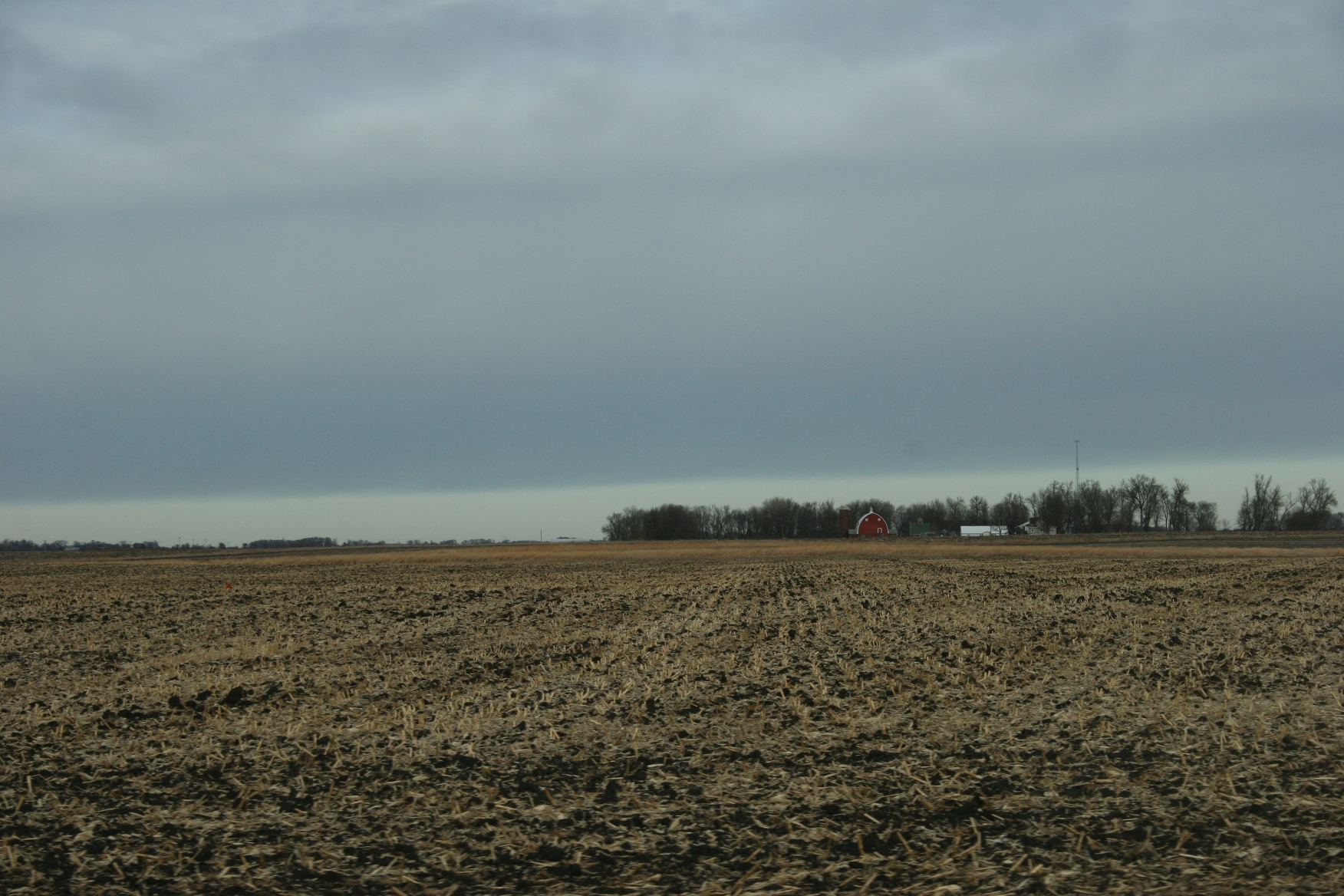
Fields like this one between New Ulm and Morgan define the southwestern Minnesota prairie.

AS I FINISHED this post, I wondered why most barns are painted red. Did the color choice come from a desire for a spot of red to brighten dreary days? I found one answer here, in Farmers Almanac Trivia. Click to read.

© Copyright 2011 Audrey Kletscher Helbling


In praise of old, familiar Christmas hymns December 25, 2011

The doll representing the Christ Child during the Trinity Lutheran Sunday School program on December 17.

FOR THE FIRST TIME in as long as I can remember, I missed Christmas Eve worship services. We were traveling home from a family gathering in southwestern Minnesota.

So this morning, back in Faribault, my husband, eldest daughter, son and I attended Christmas Day services at Trinity Lutheran Church in Faribault.

While a morning worship service doesn’t hold quite the mood-setting anticipation of worshiping on Christmas Eve with candles glowing soft and white holiday lights sparkling bright in the fading daylight and kids restless with excitement, I appreciated the contentment of singing old, familiar hymns on Christmas morning.

From the opening “Oh, Come, All Ye Faithful” to the recessional “Joy to the World,” and many songs in between, I was reminded of all those childhood Christmas Eve worship services at St. John’s Lutheran in Vesta.

Dad hurried to finish the milking early so we could get to church, to participate in the Sunday School program and sing the same old, familiar hymns we sang today: “Hark! The Herald Angels Sing,” “It Came Upon a Midnight Clear,” “From Heaven Above to Earth I Come,” and “Angels We Have Heard on High.”

Although we didn’t sing “Silent Night, Holy Night” this morning, we listened to a teenage girl coo a sweet, lovely rendition. And we heard another teen strum “What Child Is This?” on his guitar.

It was a lovely service of praise, voices uplifted in the joyful comfort of aged hymns to celebrate Christ’s birth.

From my family to yours, we wish you a most blessed Christmas.

© Copyright 2011 Audrey Kletscher Helbling


My Christmas gift wish list December 22, 2011

Filed under: Uncategorized — Audrey Kletscher Helbling @ 11:27 PM
Tags: , , , , , , ,

IS MINE THE ONLY husband who leaves his Christmas gift shopping until nearly the last minute? I mean, there it was Wednesday evening and he was asking what I want for Christmas.

Honey, if you’re reading this, maybe just click off the computer screen right now. Or, go ahead, keep reading. I simply find it amusing how you dally and dawdle with this Christmas gift buying nearly every year.

I suppose, in your defense, I should tell my readers that you asked several weeks ago for a wish list from me and I failed to deliver.

So Wednesday night I pulled my list from the e-mails I’d sent our daughters and then scratched a few more items onto the bottom: a telephoto or macro lens for my camera and that thing like the professional photographers have with the cord that you can attach to your camera to click the shutter button when you have your camera on a tripod.

I handed the list to the husband and explained about the camera items and other stuff I really want like a new living room chair, a different kitchen sink to replace the vintage 70s brown one (or an entire kitchen re-do), a new boxspring and mattress, new kettles to replace the vintage 70s brown ones and, oh, maybe earrings.

I then qualified that I really didn’t expect him to buy me anything for my Canon EOS 20-D SLR camera because that would kind of be like me walking into an auto parts store and trying to purchase a tool he wants for Christmas (which I did because he wrote down precisely, exactly, what he wanted; he knows because he saw my entry in the checkbook—I am not sneaky, not at all).

By the looks of the small, flat, wrapped box the spouse slid under the Christmas tree, it appears I am not getting a camera lens, chair, sink, mattress, kettles or kitchen re-do.

I’d put my money on earrings.

However, Santa (not my husband), if you’re reading this, I have one other wish: for families everywhere to truly appreciate, value, respect, listen to and love each other this Christmas and into the new year. Amen.

READERS, WHAT’S your wish for Christmas this year whether practical and personal or more of a prayer?

© Copyright 2011 Audrey Kletscher Helbling
 

Appreciating historic downtown Faribault, especially in her holiday finery December 21, 2011

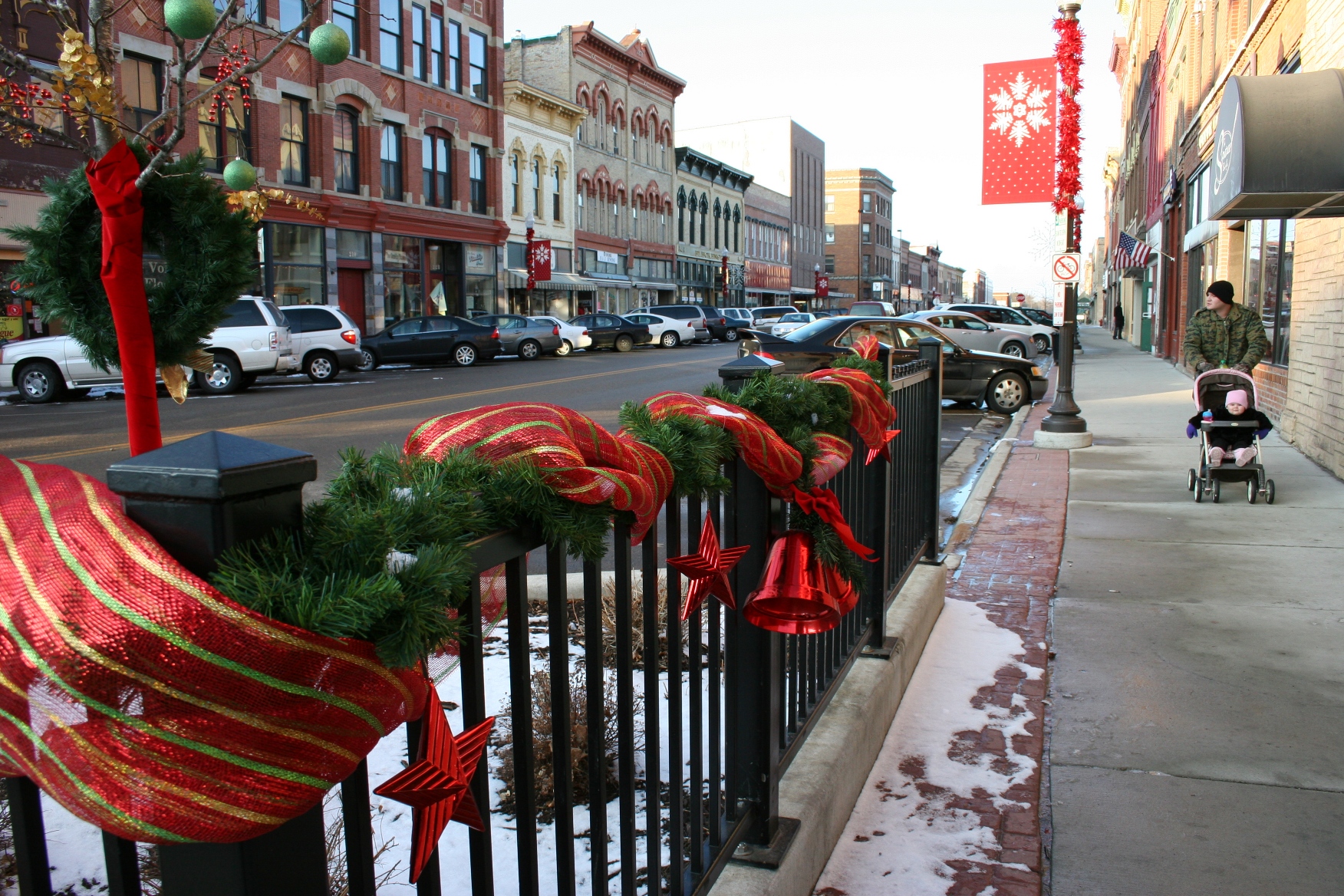
Strolling along Central Avenue in historic downtown Faribault late on a Saturday afternoon in December.

SATURDAY AFTERNOON, while my husband shopped for dress shoes at Burkhartzmeyer Shoes in historic downtown Faribault, I meandered a block north to view Central Avenue dressed in holiday finery.

She’s stunning with sparkles and ribbons and Christmas reds and greens befitting any holiday party.

Keepers Antique Store decorated the wrought iron fencing on a downtown street corner as part of a "Winter Wonderland" themed decorating contest.

Honestly, I love the look and feel of my downtown. Even without the glitz and glamour of the holiday season, Faribault shines. The old brick buildings, the comforting small-town vibe, the ease of parking, the slow pace and the friendliness of shopkeepers appeal to me.

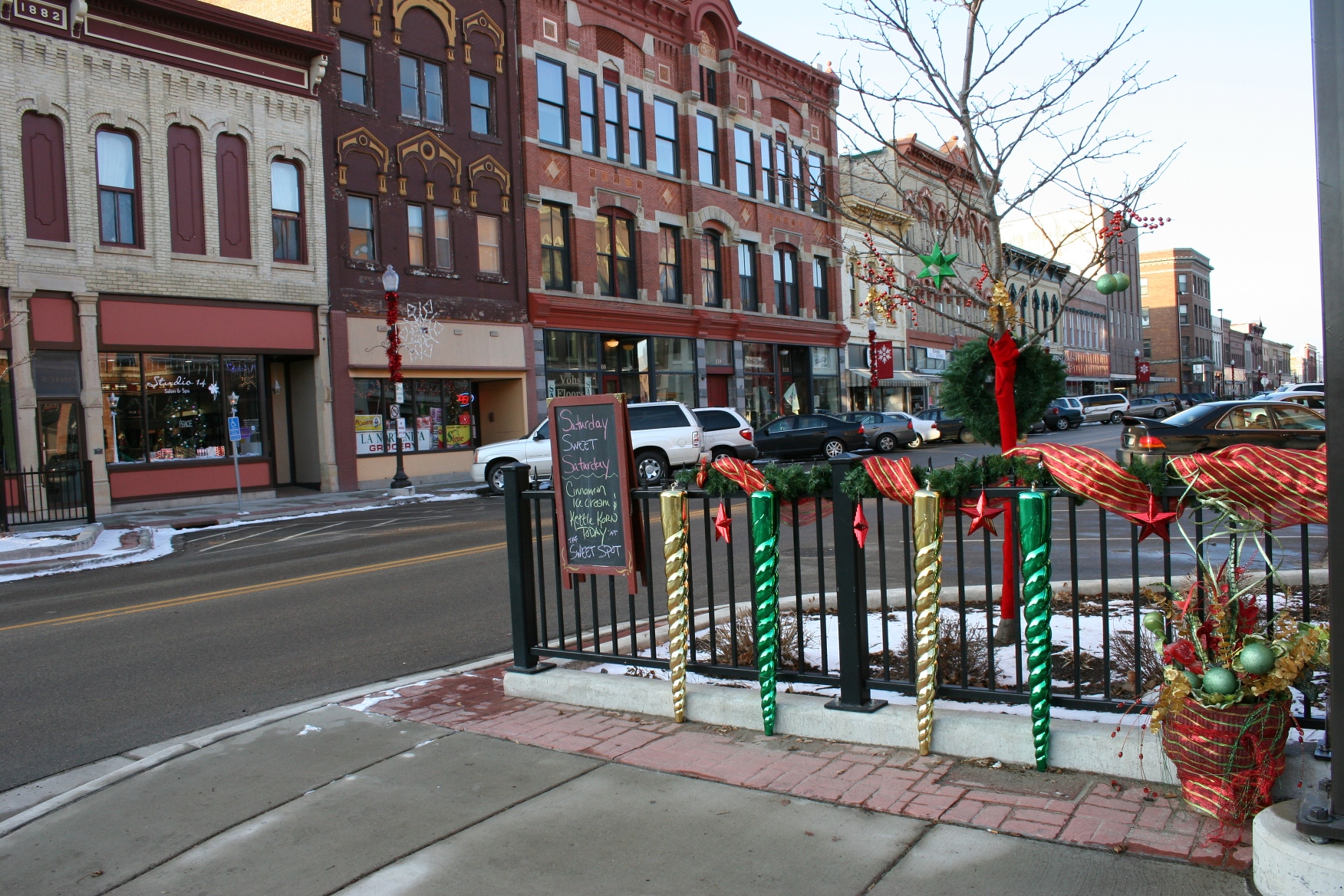
Next to the Signature Bar & Grill, a lovely holiday-bedecked street corner.

An elf outside The Crafty Maven, "featuring a unique mix of new and vintage items."

Quotes from Charles Dickens' "A Christmas Carol" portrayed in store-front windows.

I am always surprised when locals fail to appreciate downtown. How can you not value this treasure of a business district with arched windows, decorative trim and more on vintage buildings that impart an historic and homey feel to our town? Perhaps because I didn’t grow up here, I can truly see the beauty that native residents often overlook.

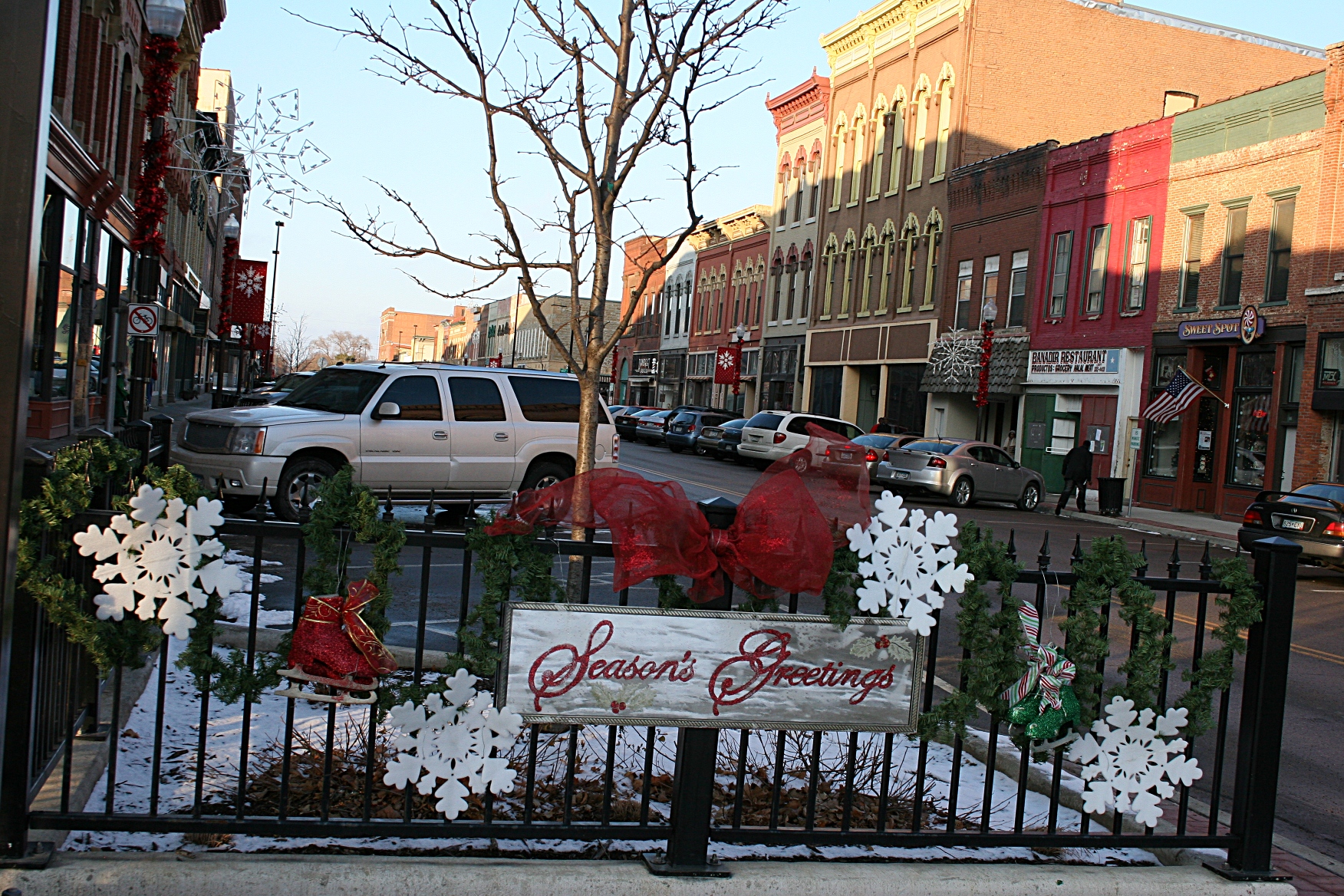
Another seasonally-decorated street corner charms visitors to Central Avenue.

I am always surprised, too, that Faribault hasn’t been discovered—like Red Wing or Stillwater or Wabasha or neighboring Northfield—as a destination city. The potential exists to draw tourists here into our specialty shops and arts scene. It’s not for a lack of effort, but…we’re not there yet.

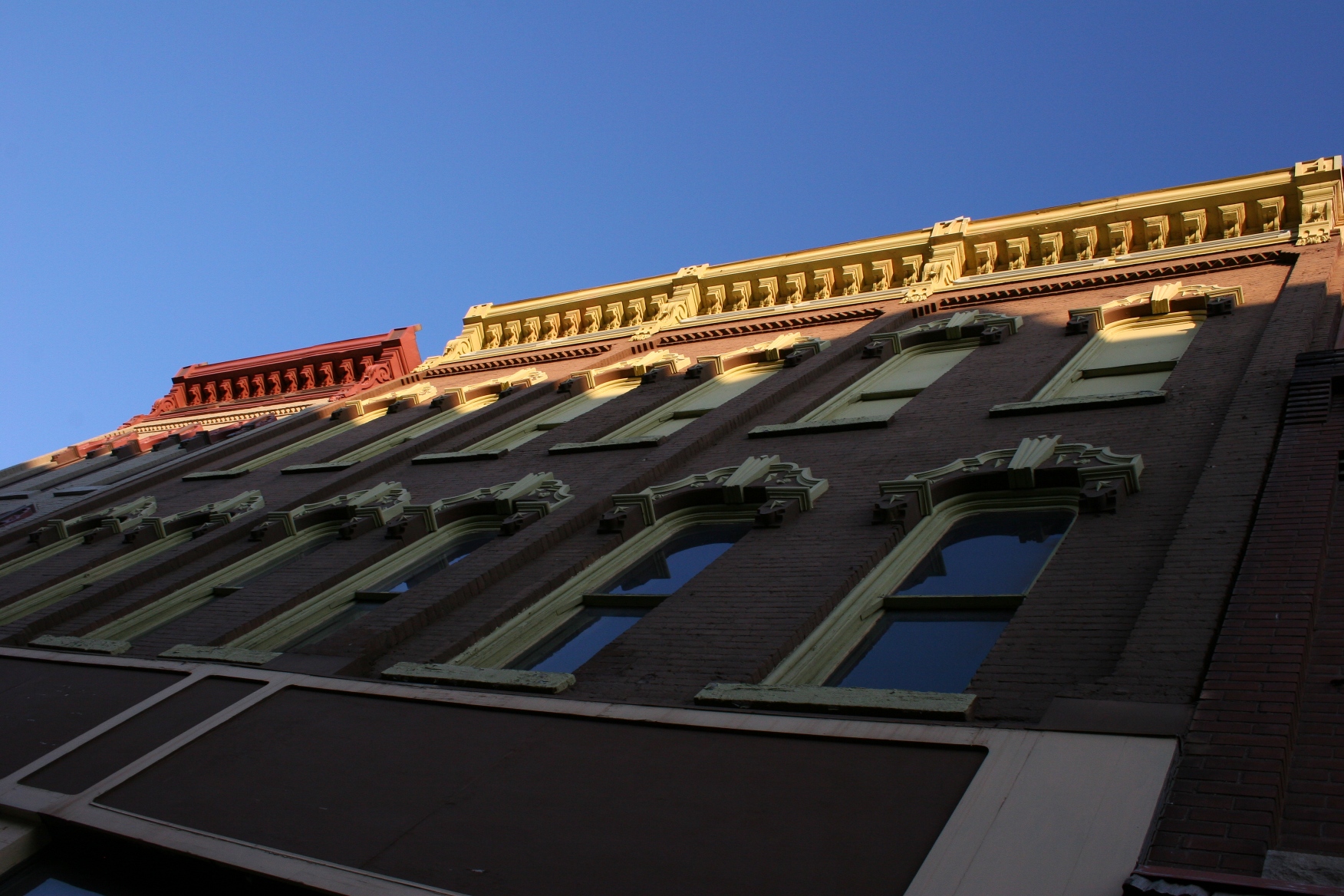
I aimed my camera skyward as the setting sun caught the tops of historic buildings along Central Avenue.

First, we need to sell our own residents on the value of Central Avenue, our Main Street. Do we truly realize how fortunate we are to have a solid, core downtown like ours with a deep history and an inviting character?

Mega malls and strip malls and Big Box retailers—and I shop at those places, too—have nothing on Main Street.

Yes, I grew up in the 1960s and 1970s, meaning my perspective evolves from memories of shopping in a downtown, not a mall.

When I stroll along Central Avenue in Faribault, nostalgia accompanies me. And she’s a mighty fine friend to walk with, especially during the holiday season.

Outside Keepers Antique Store, a rustic vignette charms.

Across the street at That Scrapbooking Place, a punch of color on the front window backed by a holiday display and reflections of historic buildings.

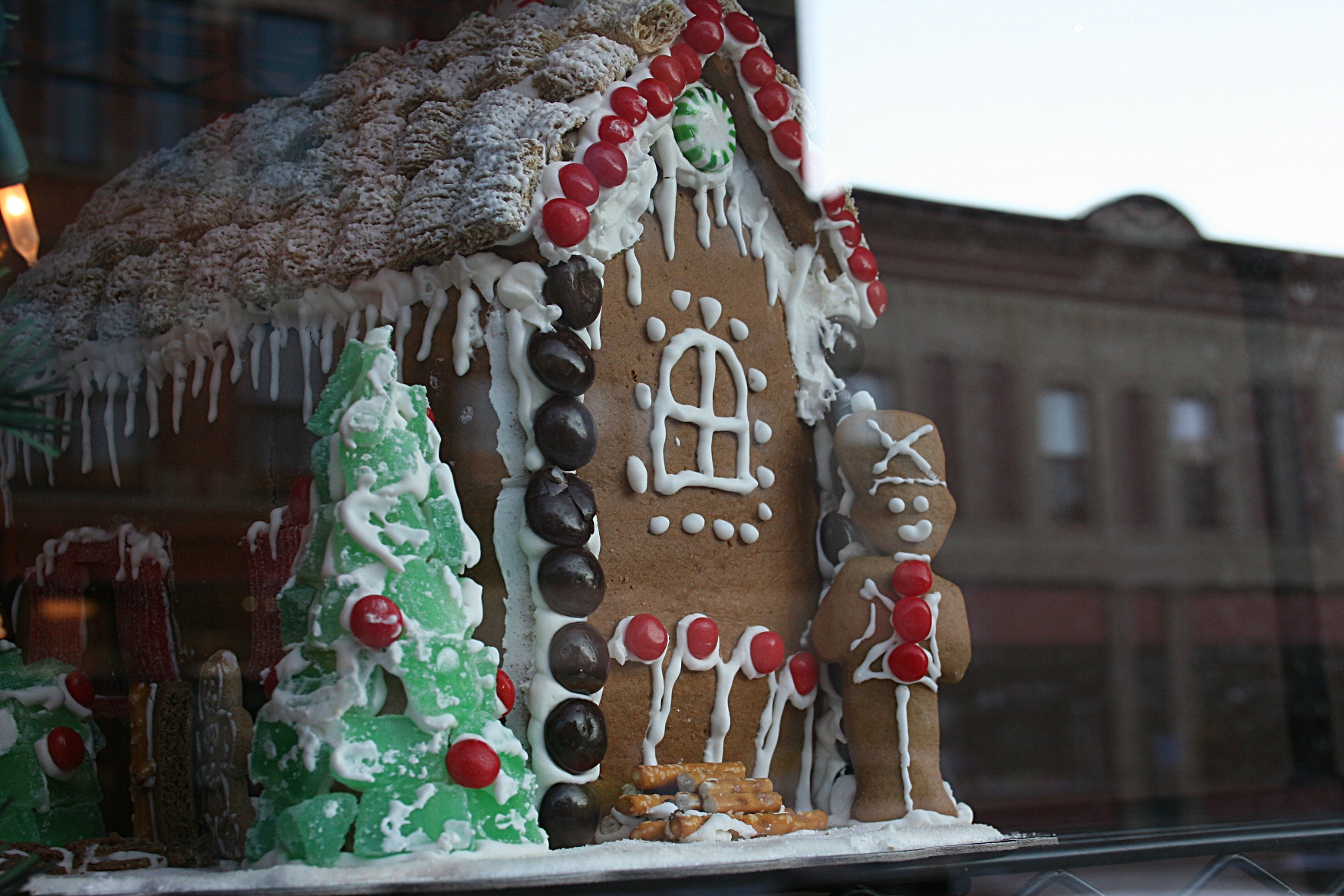
Sweet, dreamy gingerbread houses fill the display window at Sweet Spot, a Central Avenue candy and ice cream shop. I love how the reflection of an old building across the street melds with the gingerbread house.

IF YOU’VE NEVER been to Faribault, consider a trip here. We’re located along Interstate 35, just an hour south of Minneapolis. You’ll find antique, craft, candy, cheese and many other specialty shops and businesses, hometown eateries, as well as an arts center, along Central Avenue. If you have a specific question about Faribault, ask and I’ll answer.

LOCALS,  if you haven’t been downtown in awhile, I’d encourage you to park your vehicle, walk and appreciate your town. She’s all glammed up right now and a wonder to behold.

READERS, PLEASE CHECK back on Thursday for more Central Avenue holiday-themed images.

© Copyright 2011 Audrey Kletscher Helbling

 

Part II: Life as an orphan in Owatonna December 20, 2011

The main building at the orphanage, built in 1886, housed offices, a reception room, chapel/auditorium, boys' cottage, living quarters for employees, a sewing room, attic and linen storage. This main portion today serves as the Owatonna city administration building.

THE TOWERING BRICK building with the enchanting turret represents no fairy tale. Not at all.

Within the confines of this place and the outlying cottages, some 12,000 – 15,000 children spent their formative childhood and teenage years institutionalized in the Minnesota State Public School for Dependent and Neglected Children. They were the orphaned, the abused, the abandoned, the unwanted.

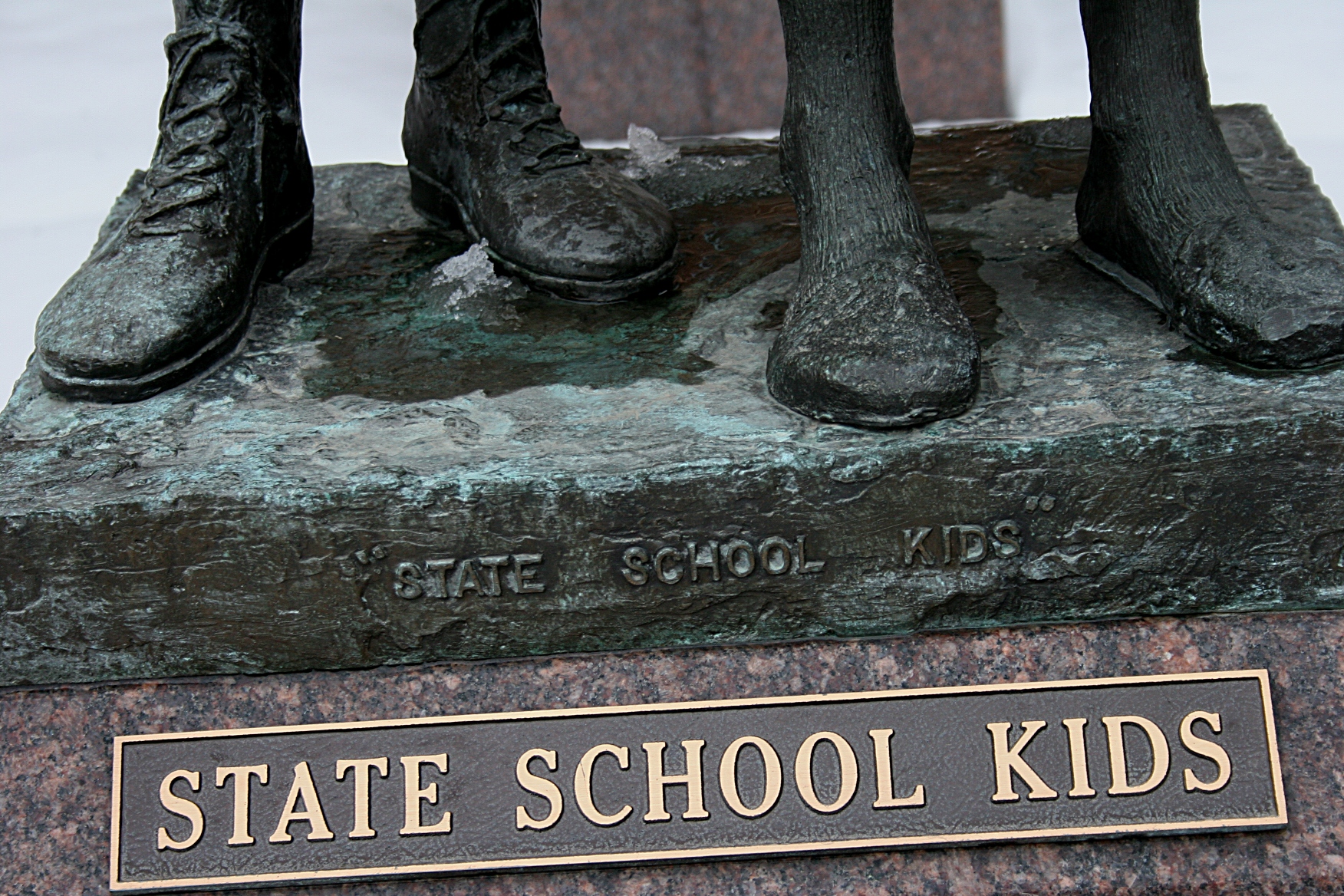
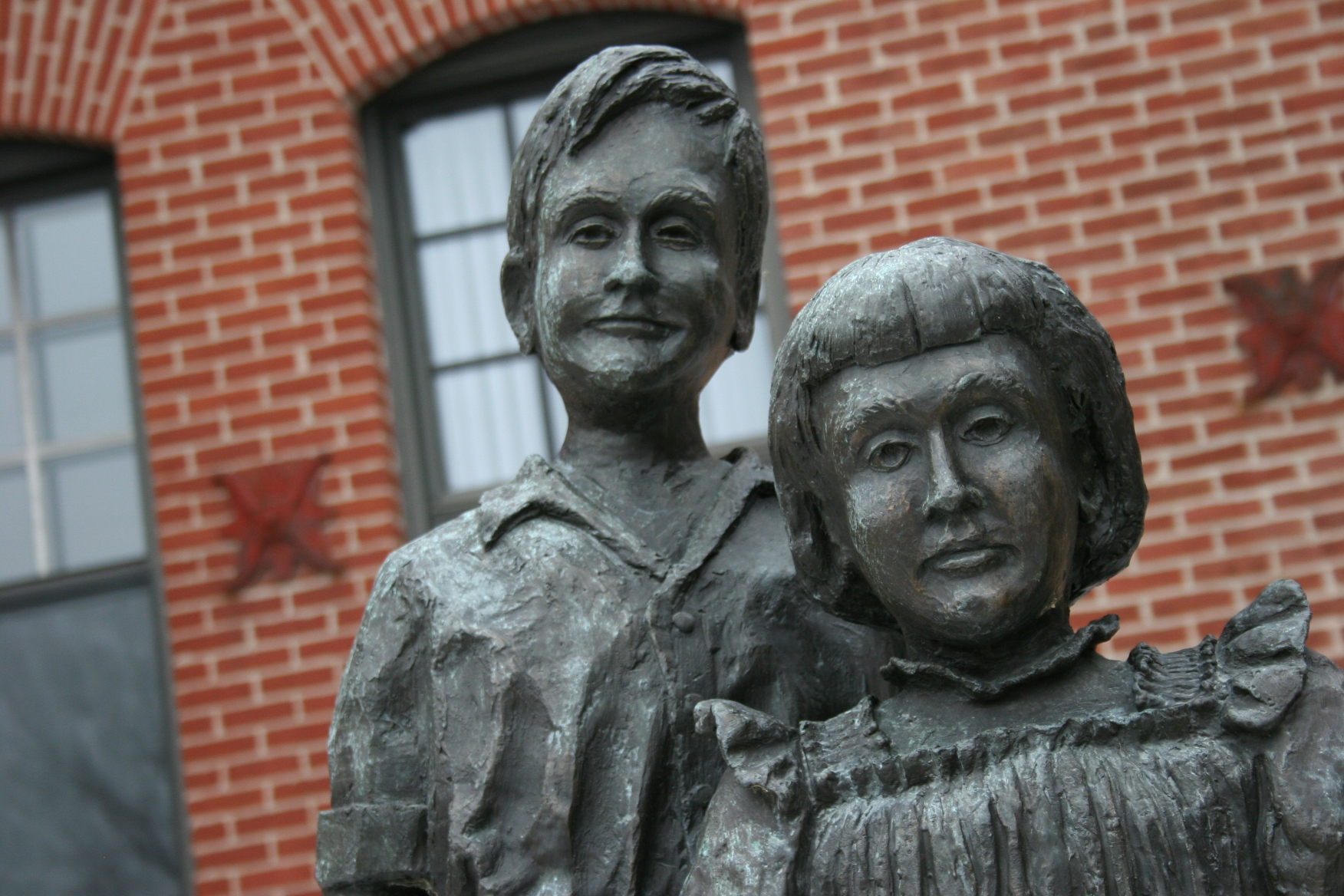
The "State School Kids" memorial stands in front of the main building and was dedicated in 1993.

Information in a brochure I picked up on a recent visit to this 1886- 1945 orphanage in Owatonna reads:

Such children became wards of the state and, in most instances, all parental rights were cancelled. Parents did not always realize they were relinquishing all rights to their children when they signed the State School commitment papers. Some parents returned to try to regain custody of their children and were refused.

Can you imagine?

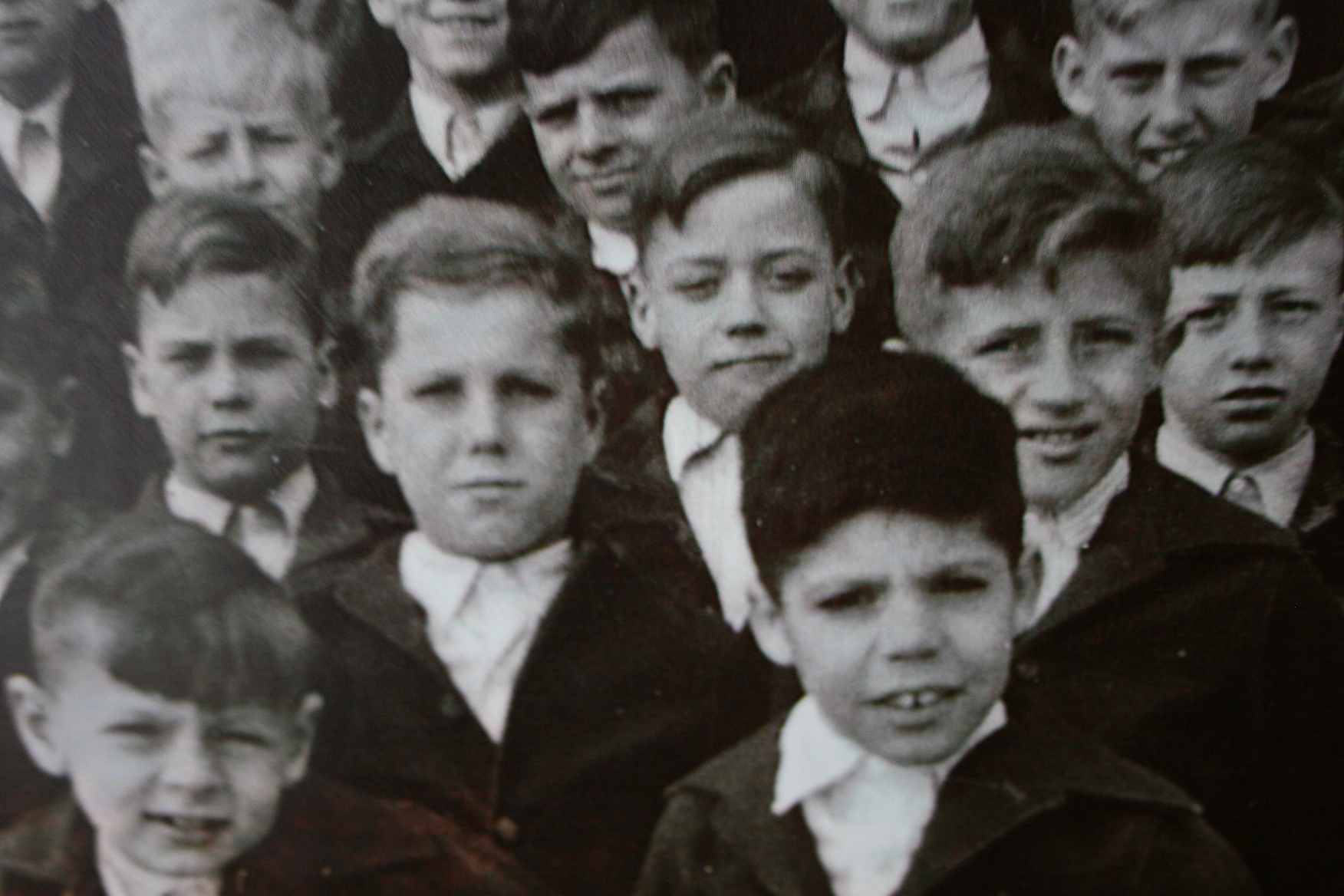
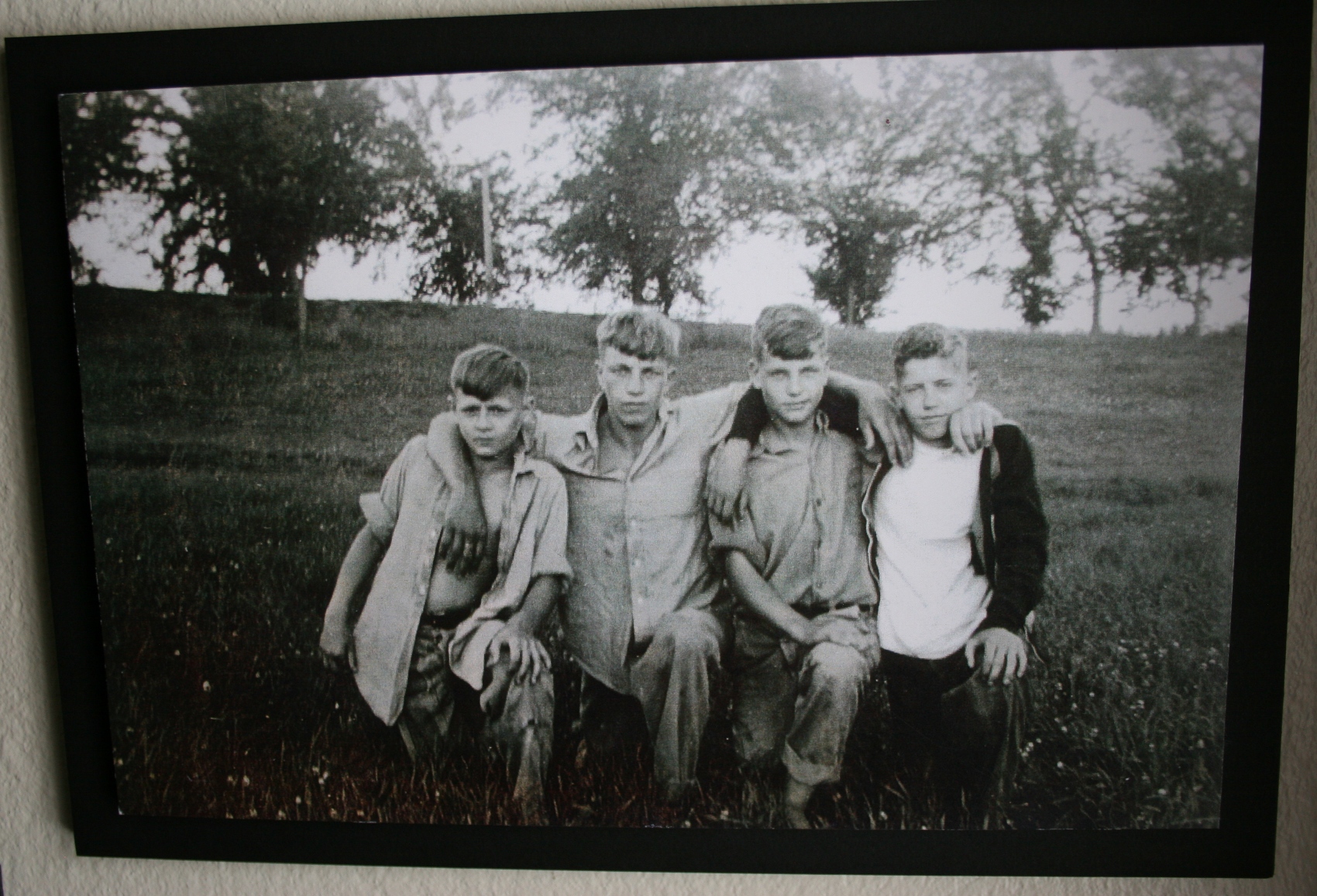
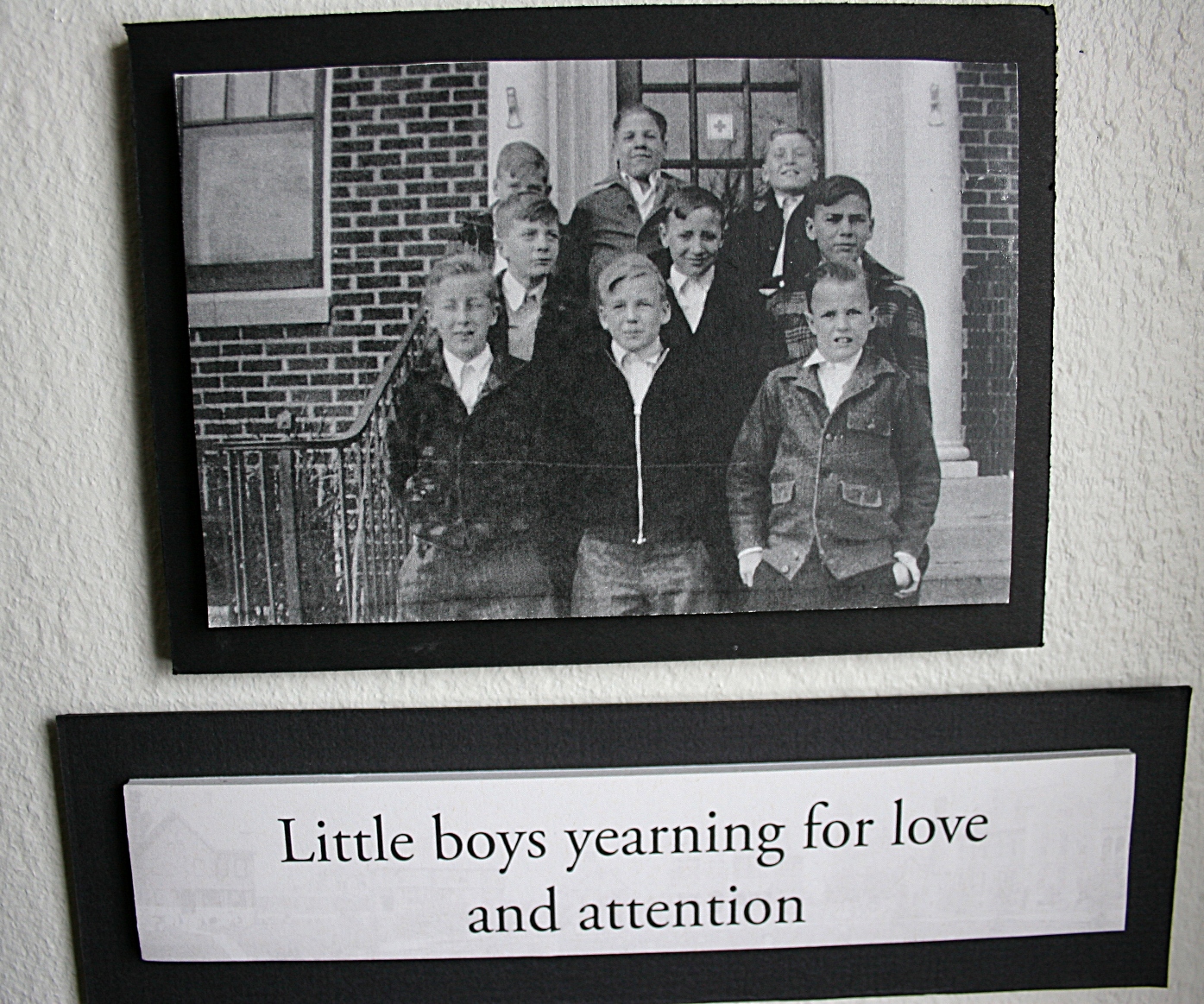
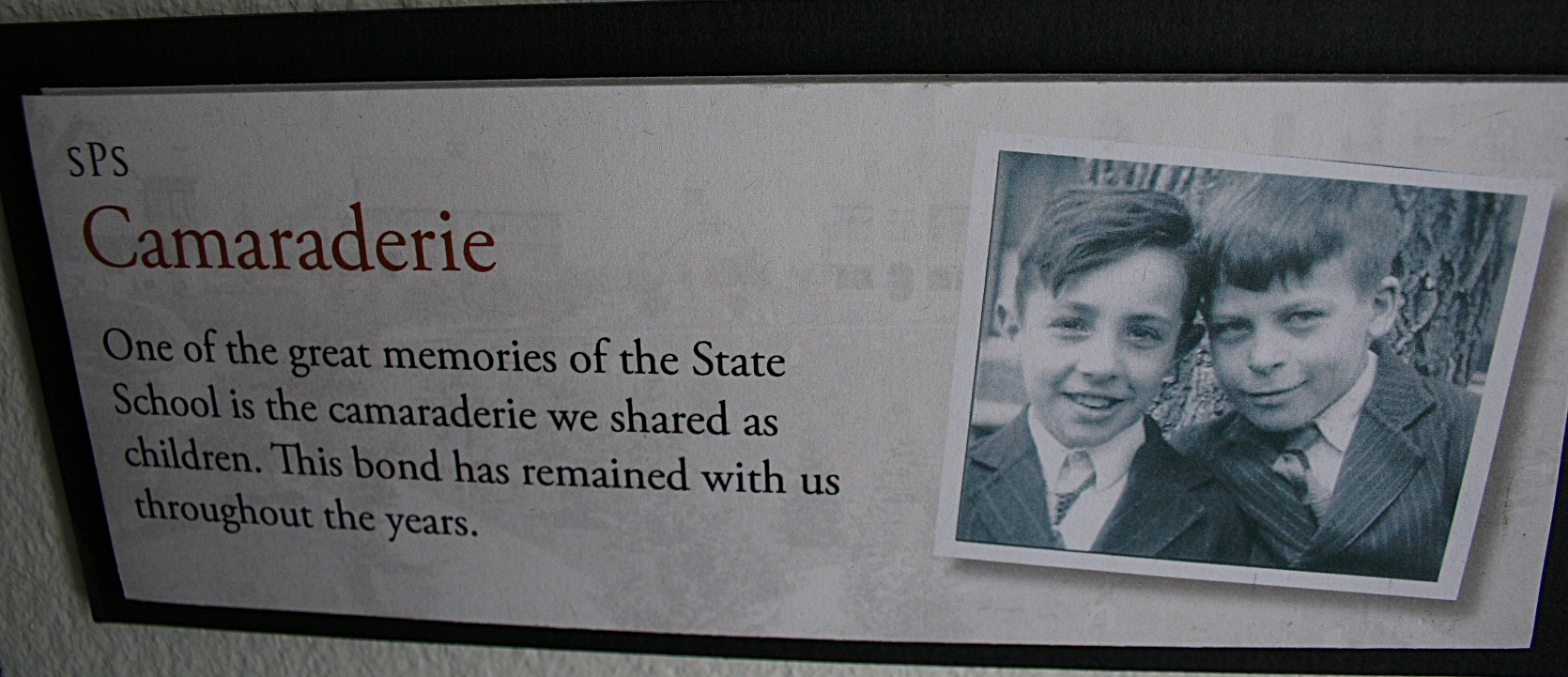
Residents of Cottage 11, which housed boys ages 6 - 13, pose for a photo now on exhibit at the museum.

While some children adjusted to living within the strict regiment and rules of the school, many did not. You will hear and read their tragic memories when you visit the orphanage museum. Be forewarned: These stories are difficult to hear.

A room in cottage 11 features the photos and memories of the boys who lived there.

Cottage 11 residents

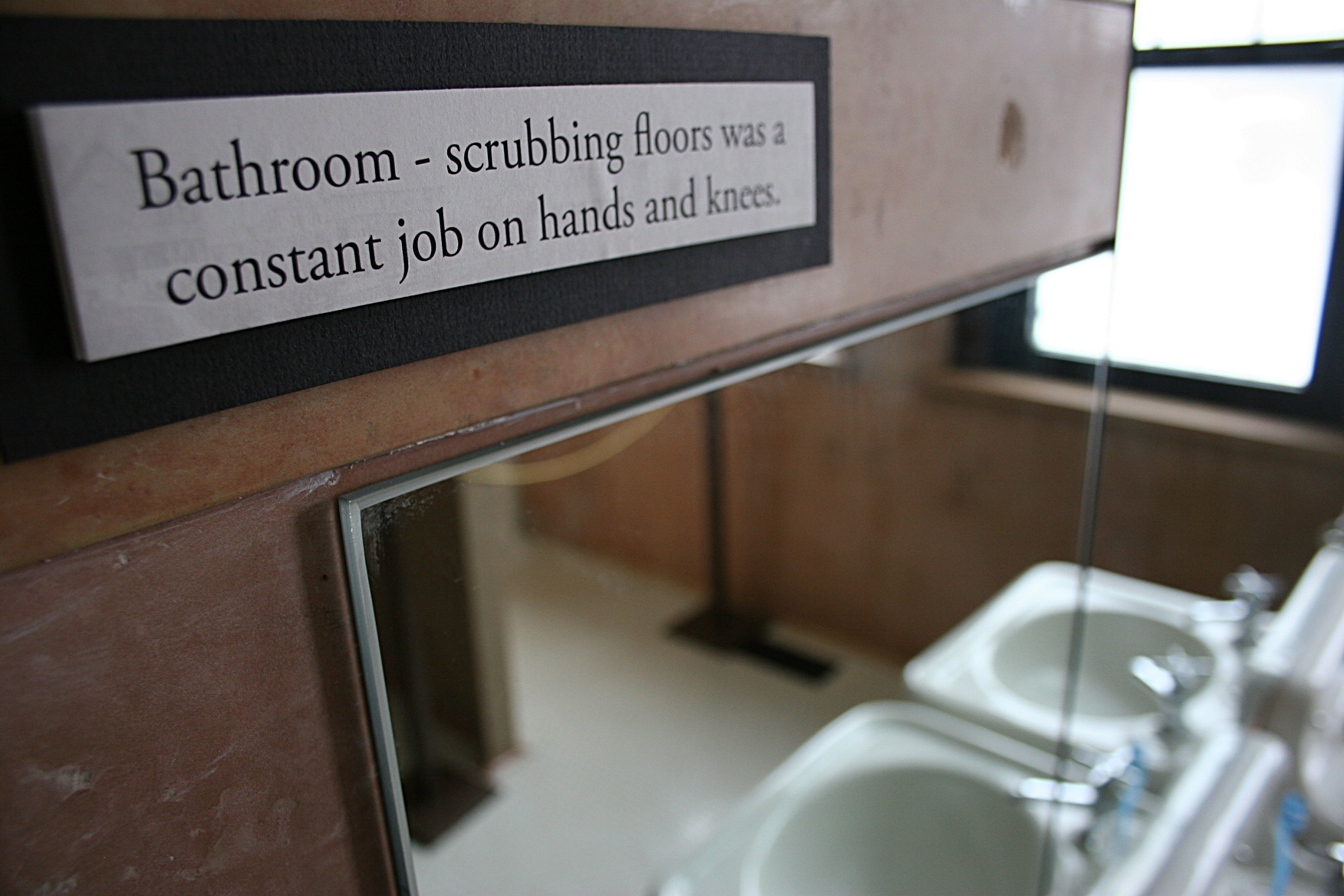
The boys remember scrubbing floors throughout the cottage, including in the bathroom..

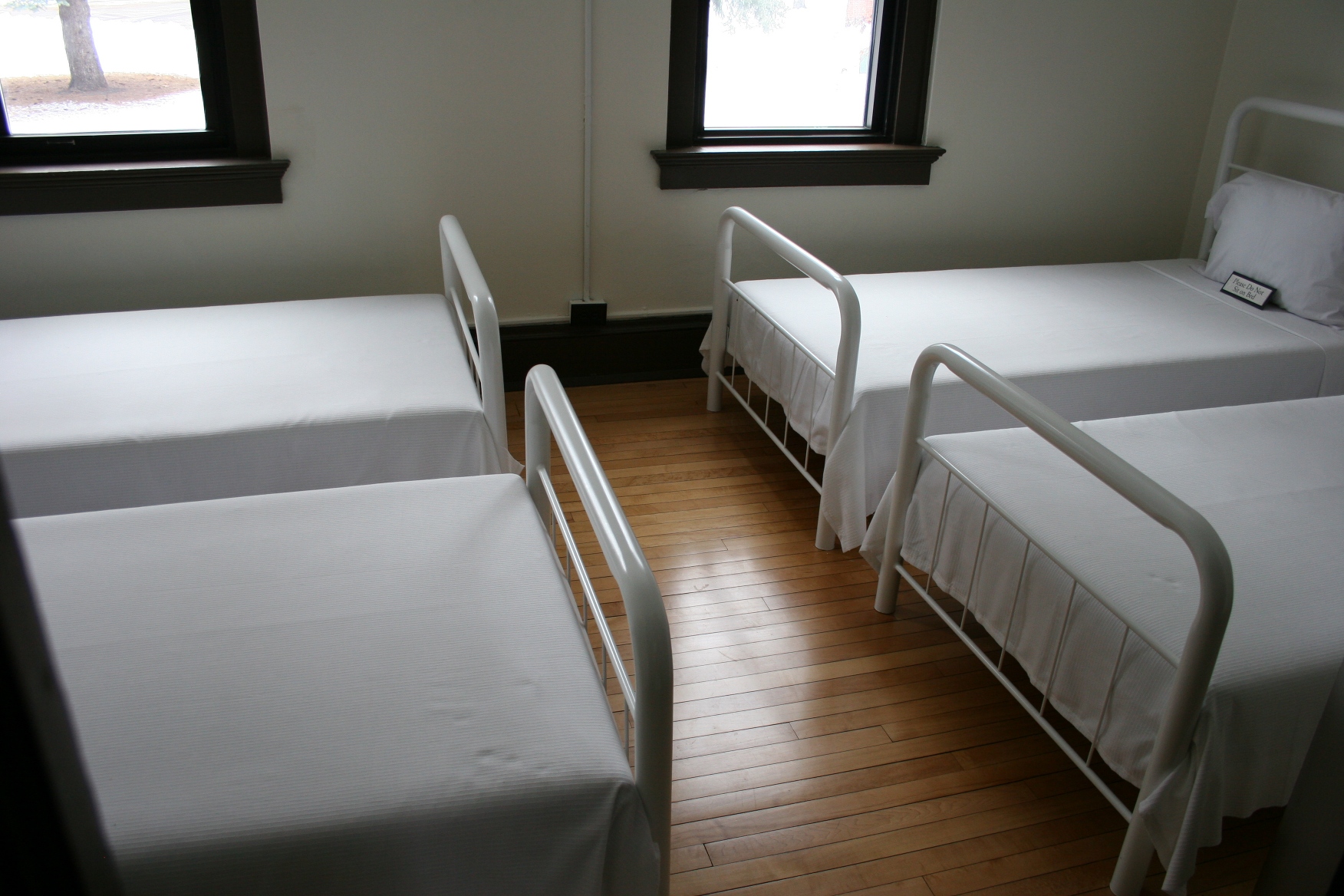
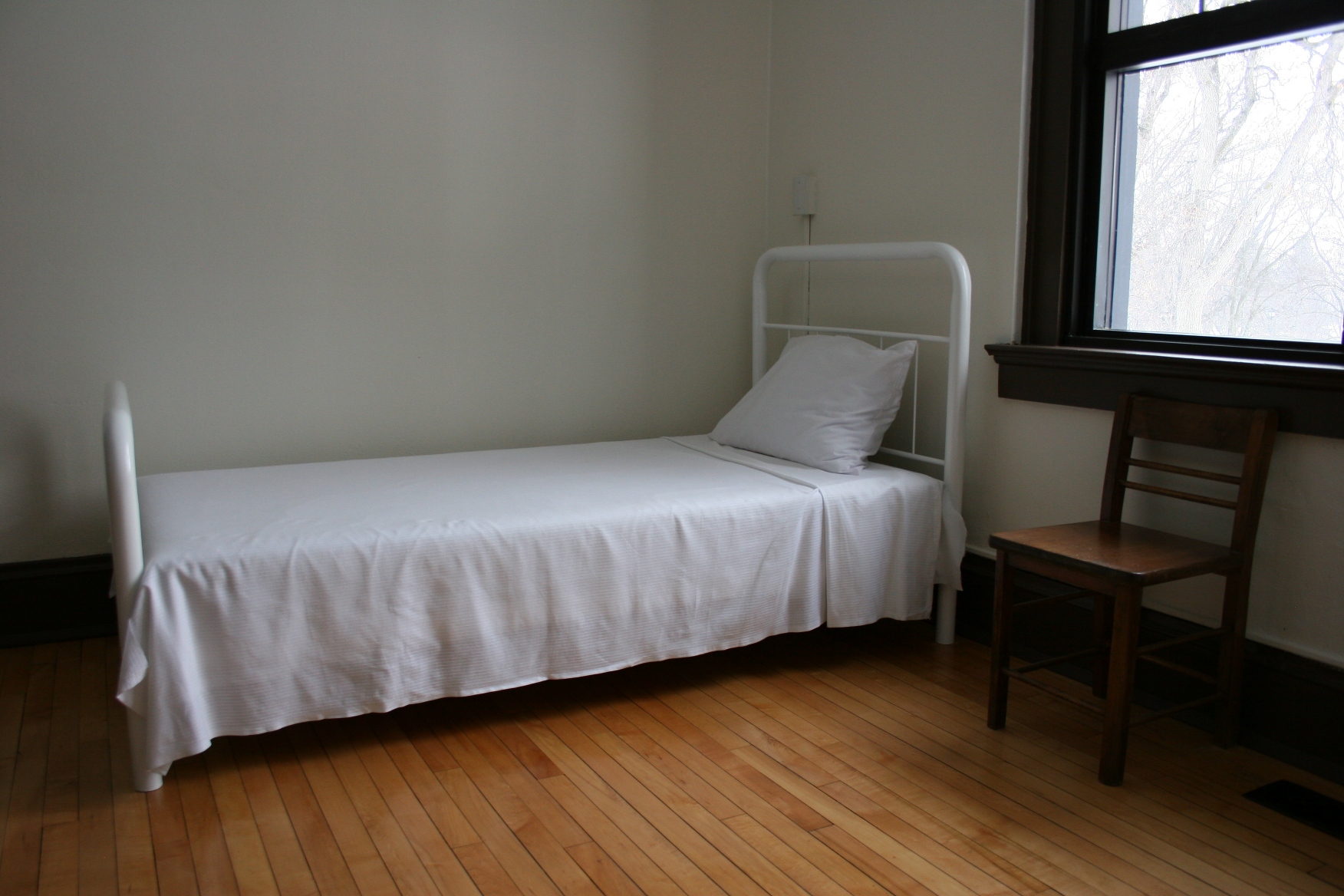
Beds were packed tight into sparse bedrooms in the cottage.

I’ve read several books written by former “state schoolers,” as they were called. Harvey Ronglien, who was the motivator behind the museum and the orphan’s memorial, wrote A Boy from C11, Case #9164, A Memoir. Peter Razor wrote While the Locust Slept, winner of a Minnesota Book Award. I read both books, as well as Crackers & Milk by Arlene Nelson, many years ago and still can’t shake the haunting memories of neglect and abuse and struggle.

Particularly troubling are the reports of abusive, neglectful and unloving matrons. Equally disturbing are the stories of children who were indentured to farm families and then treated like slaves.

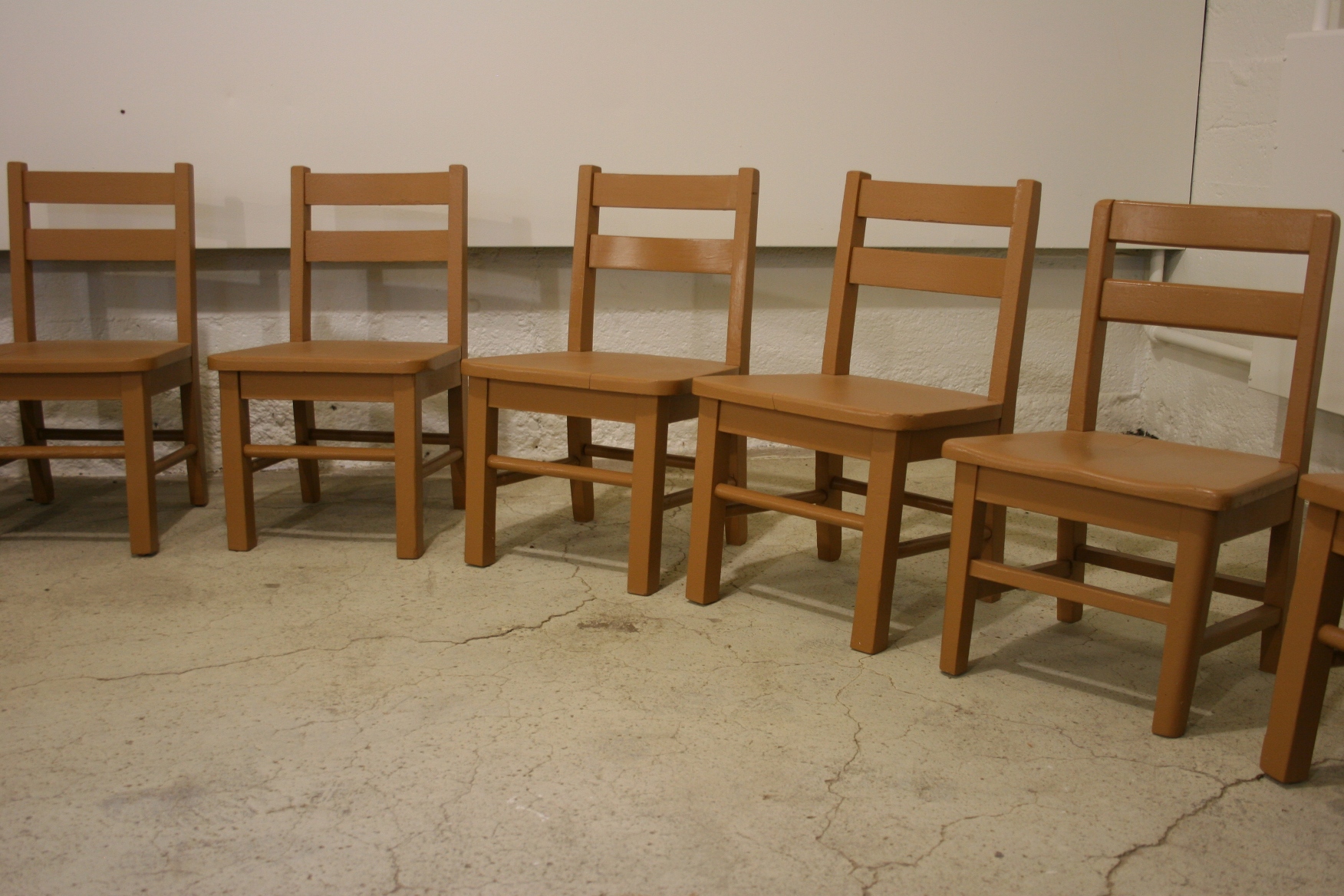
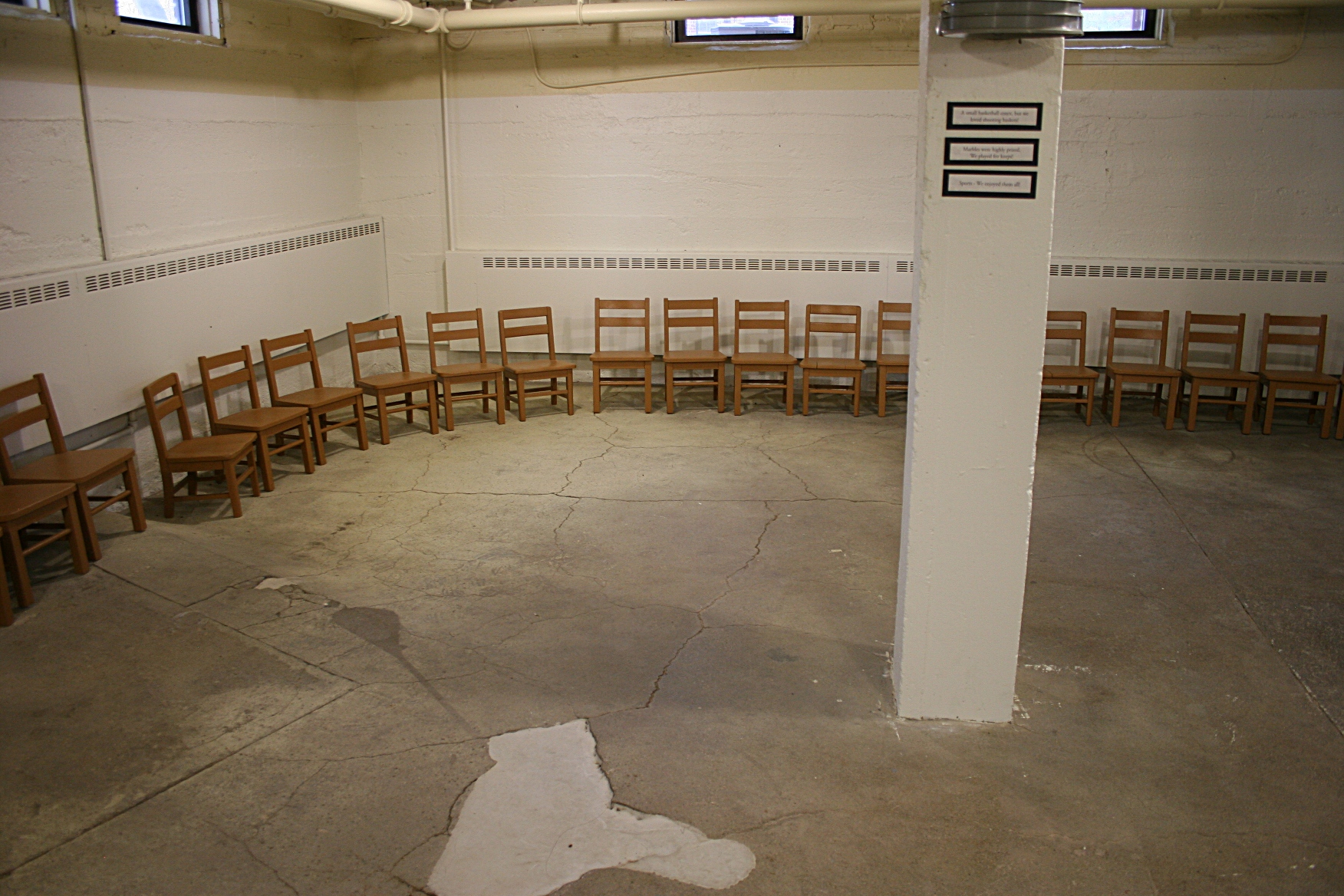
Each boy was assigned to a chair in the basement and could not leave the Cottage 11 basement without permission. This was a method used to keep order and control over the children.

Within the confines of the basement, the boys played with marbles, puzzles, checkers and other toys.

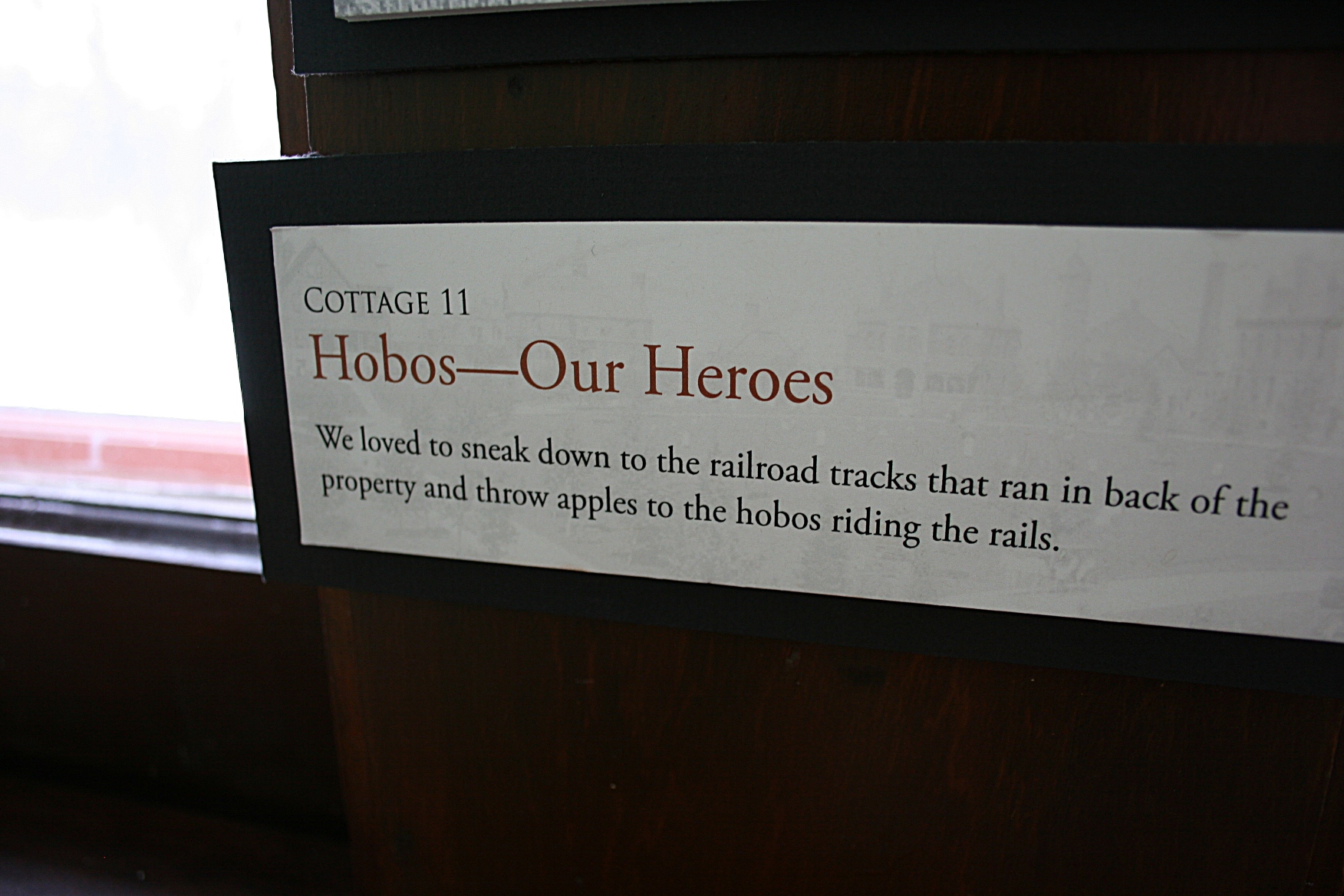
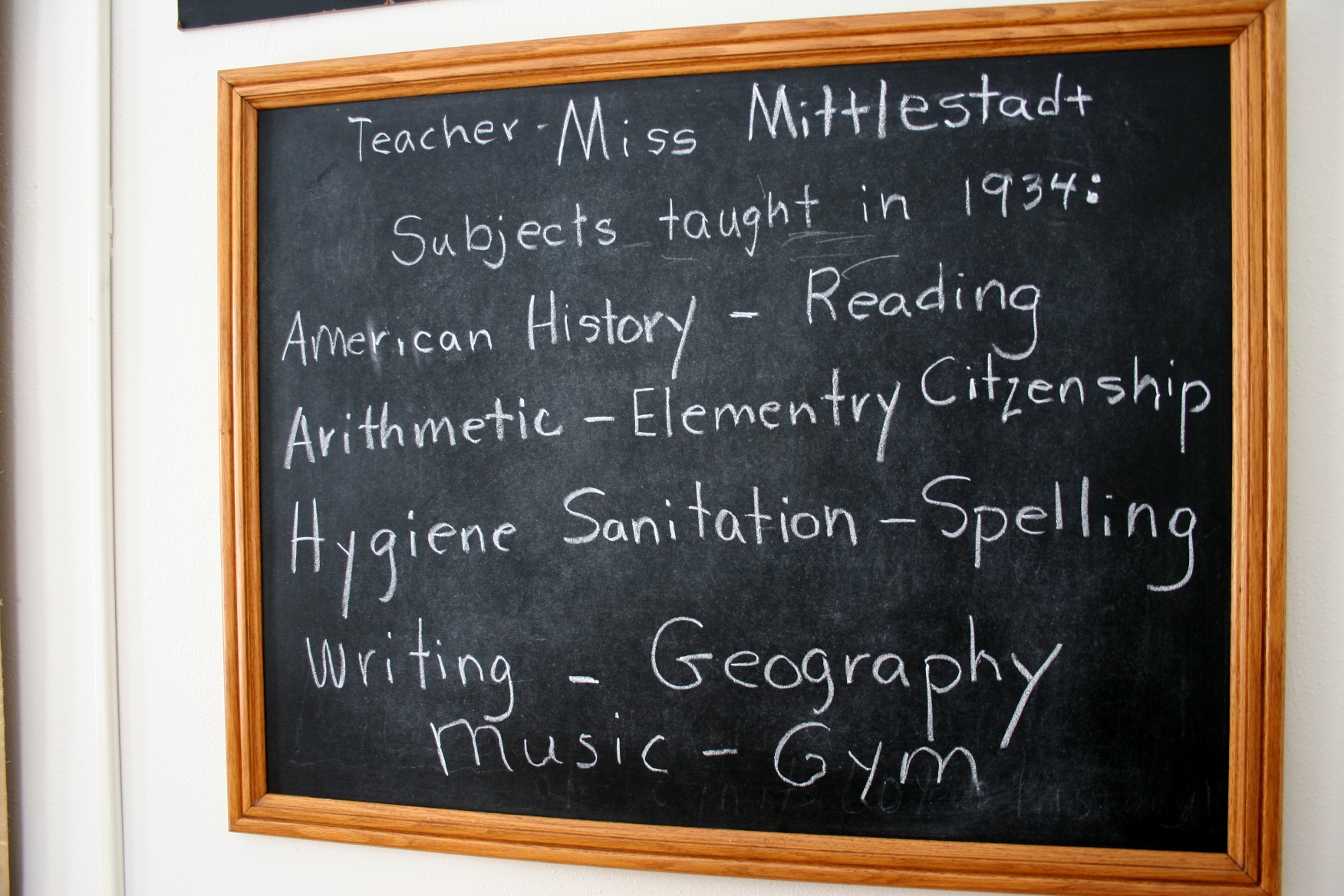
A sign on a stairway landing tells visitors about the boys' dreams of escaping via rail and of their admiration for hobos. Some boys did hop trains and ran away.

Children were educated through the eighth grade, with some selected during the early years to attend Owatonna High School. In later years, all students were allowed to attend high school.

If you’ve never visited the Minnesota State Public School Orphanage Museum, I’d encourage you to do so.

This exists as part of our state’s history. We need to know and understand life here.

Considering the thousands of children who lived in the orphanage during its 60-year span, I expect many Minnesotans are still carrying the emotional scars whether directly or indirectly passed through the generations.

IF YOU LIVED in the orphanage or have a family member who did, I’d like to hear from you. What’s your story? Good or bad.

The feet of the children in the memorial statue on the orphanage grounds.

CLICK HERE to read a previous blog post I published about Christmas in the orphanage.

© Copyright 2011 Audrey Kletscher Helbling
 

In Owatonna: Stories of an orphan’s Christmas December 19, 2011

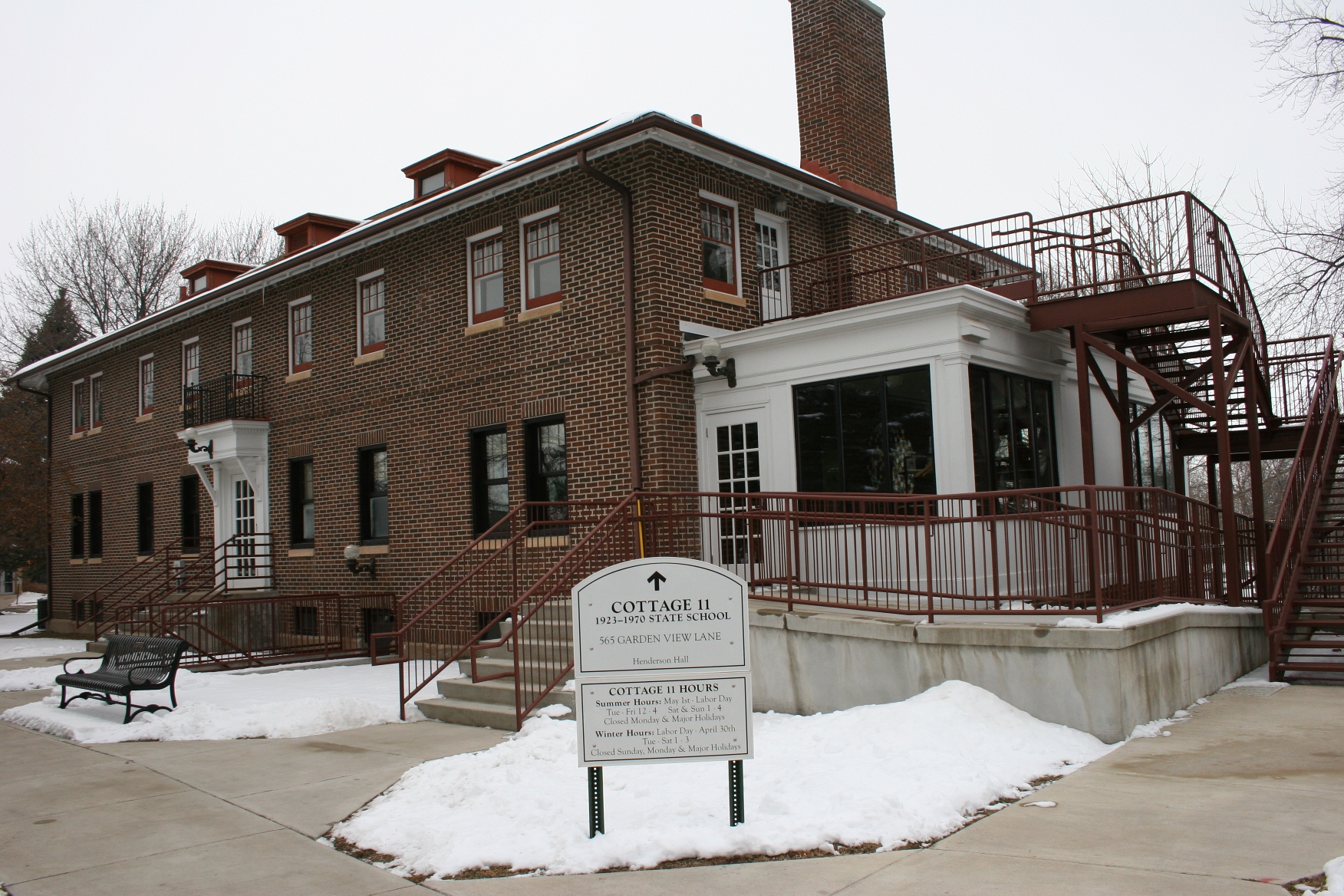
Cottage 11, built in 1923, as one of 16 cottages at the former Minnesota State Public School for Dependent and Neglected Children. Designed to house 25 boys ages 6 - 13, this cottage typically was home to 30 - 35 youth.

AS WE HURRY ACROSS the hilltop campus toward Cottage 11 at the former Minnesota State Public School for Dependent and Neglected Children, the raw wind slapping our cheeks, Silvan Durben advises us to refrain from jumping on the beds.

He’s a character, that Silvan, energetic and flamboyant and passionate. And truthful. This director of art at the Owatonna Arts Center, which is housed in the main building of the former orphanage, shares a tidbit of truth. The children who once lived here weren’t allowed to sleep on their pillows. So if my husband and I slid the for-show-only pillows off the beds and onto the floor, we’d have it right.

The boys' bedrooms are stark, devoid of anything homey. This small room slept three.

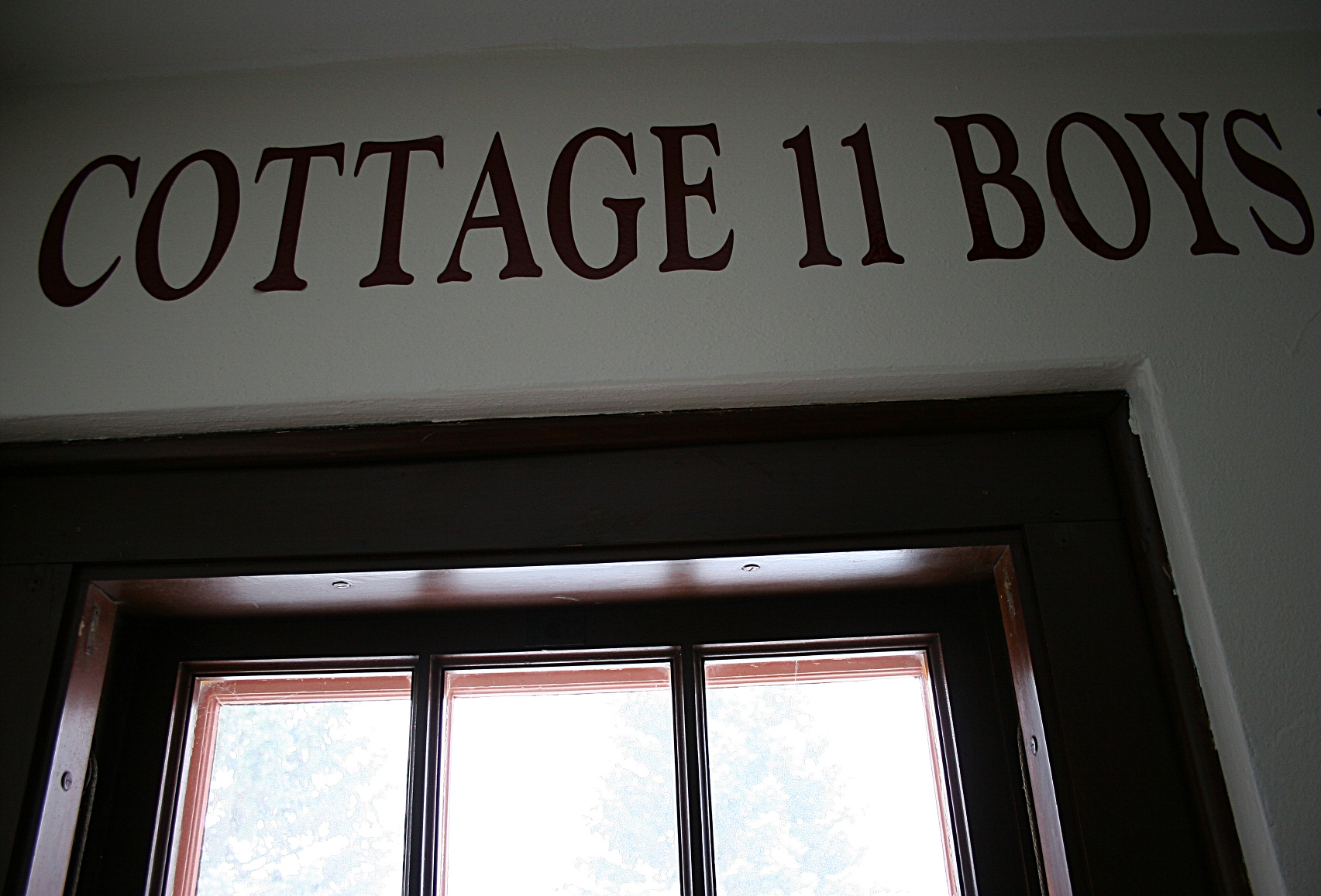
With that piece of information imparted, Silvan unlocks the door into Cottage 11, today preserved as part of the Minnesota State Public School Orphanage Museum complex in Owatonna.

Within these walls, which housed boys ages 6 – 13 from 1923 – 1945 in the state school orphanage, we will learn more of the unsettling truths during a self-guided tour. Typically, the cottage is staffed, but on this Sunday afternoon it is not and Silvan has allowed us inside, on our own, to explore. He trusts us, he says, and I am grateful for this opportunity to wander.

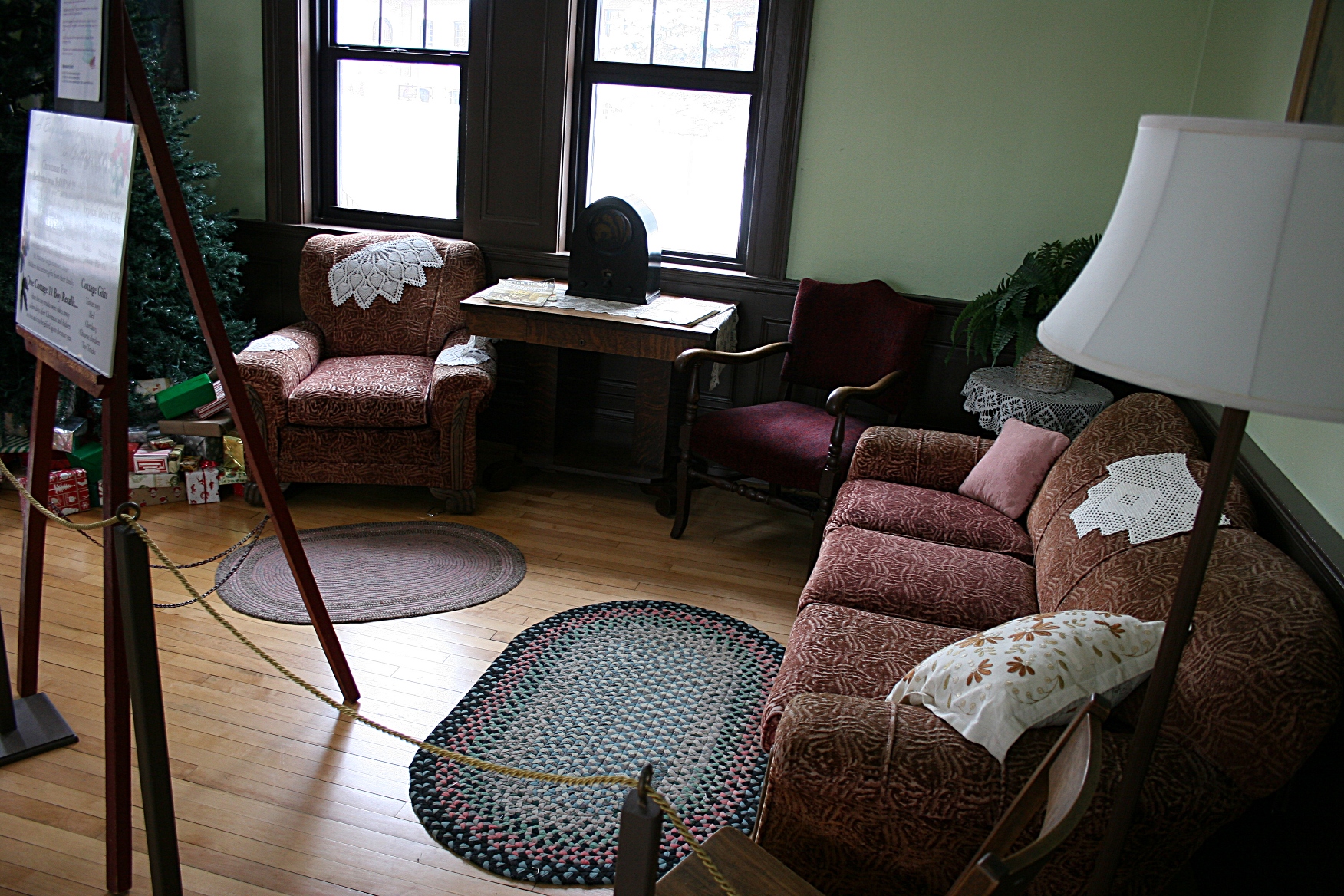
Entering a now-enclosed porch that serves as a gift shop and then stepping into the adjoining living room, I am surprised that I feel, initially, impressed by my surroundings. Visually, I am pleased by the natural light flooding this room through the abundant windows, by the dark woodwork, by the fireplace, by the narrow wood-slat floor, by the cozy cluster of vintage furniture grouped near the Christmas tree surrounded by piles of presents.

But looks, as I immediately learn, can be deceiving.

The living room was off limits to the boys except on special occasions.

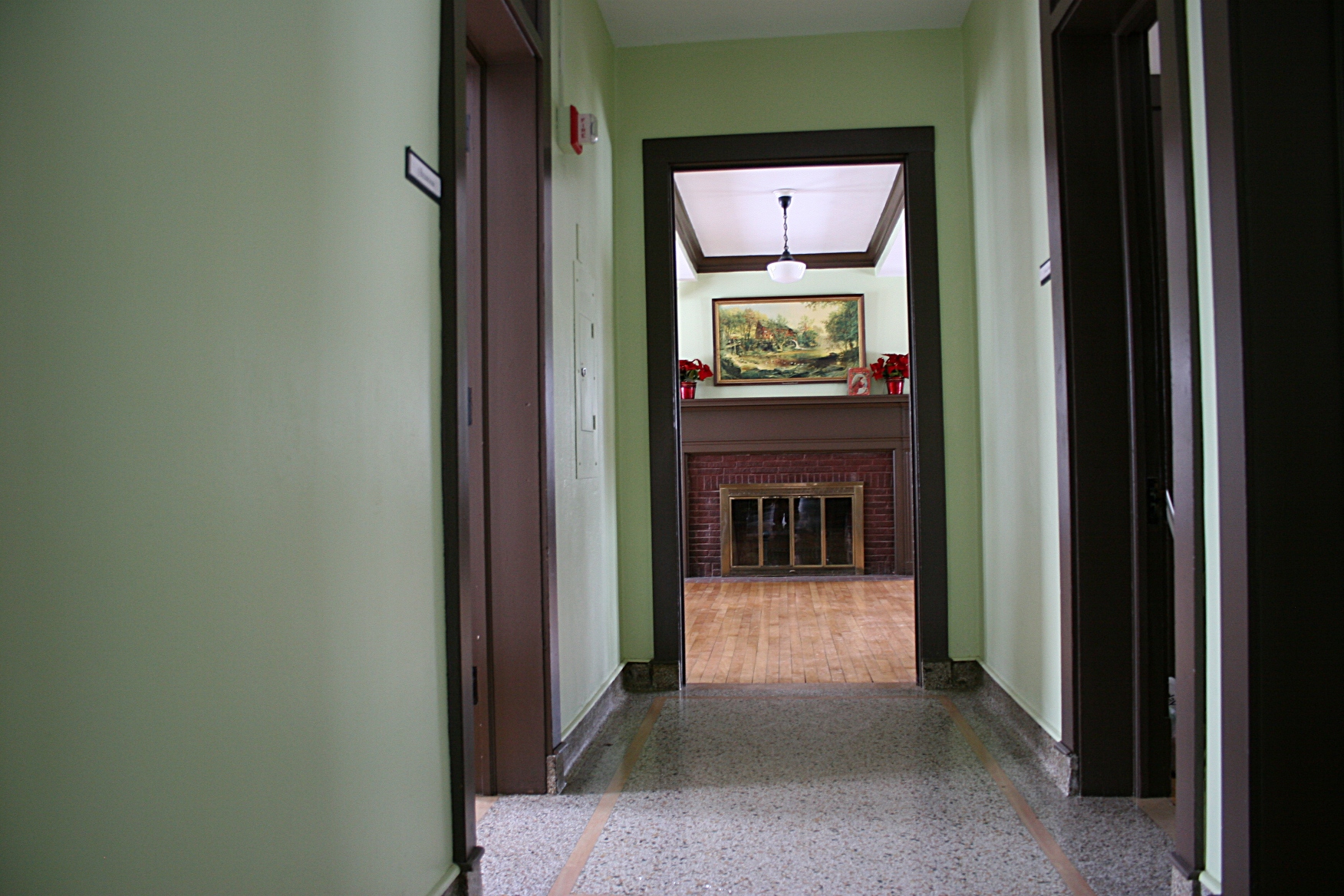
A view from the hallway looking toward the living room fireplace. Each week the boys polished the floor and furniture in this forbidden space. They also scrubbed floors throughout the cottage.

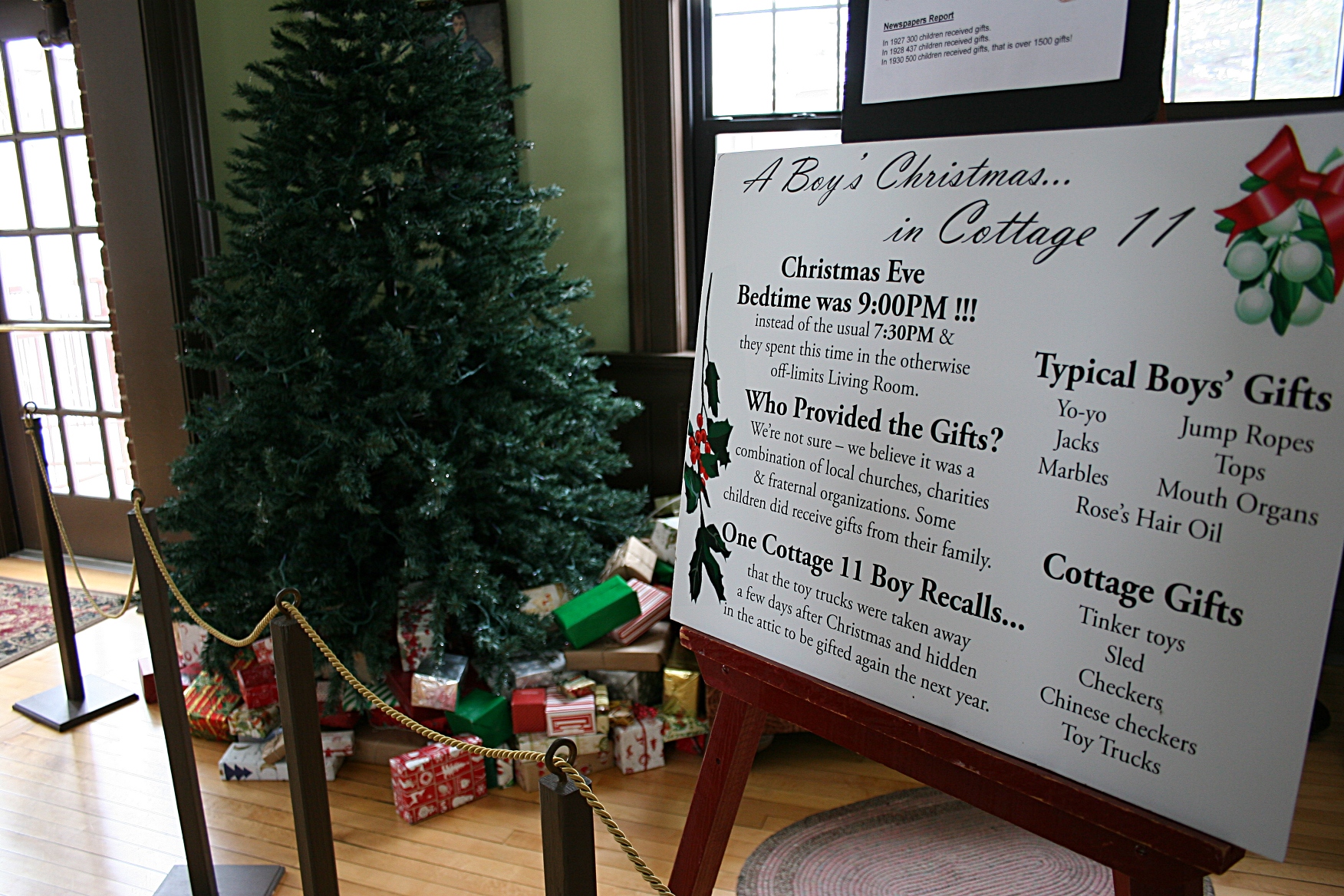
The posted words of the orphan boys reveal the truth:

…the toy trucks were taken away a few days after Christmas and hidden in the attic to be gifted again the next year.—Cottage 11 Boy

The truth revealed about Christmas from the memories of the Cottage 11 boys.

And the lovely living room? Apparently just for show, too, except on special occasions like Christmas Eve when the boys gathered here around the tree and were allowed to stay up past their usual 7:30 p.m. bedtime until 9 p.m.

Christmas brought but a moment of happiness to these children who otherwise lived under rigid rules and the domination of mostly uncaring matrons. (Arguably, some of these children may have lived equally difficult, or worse, lives had they remained in their previous circumstances/environments.)

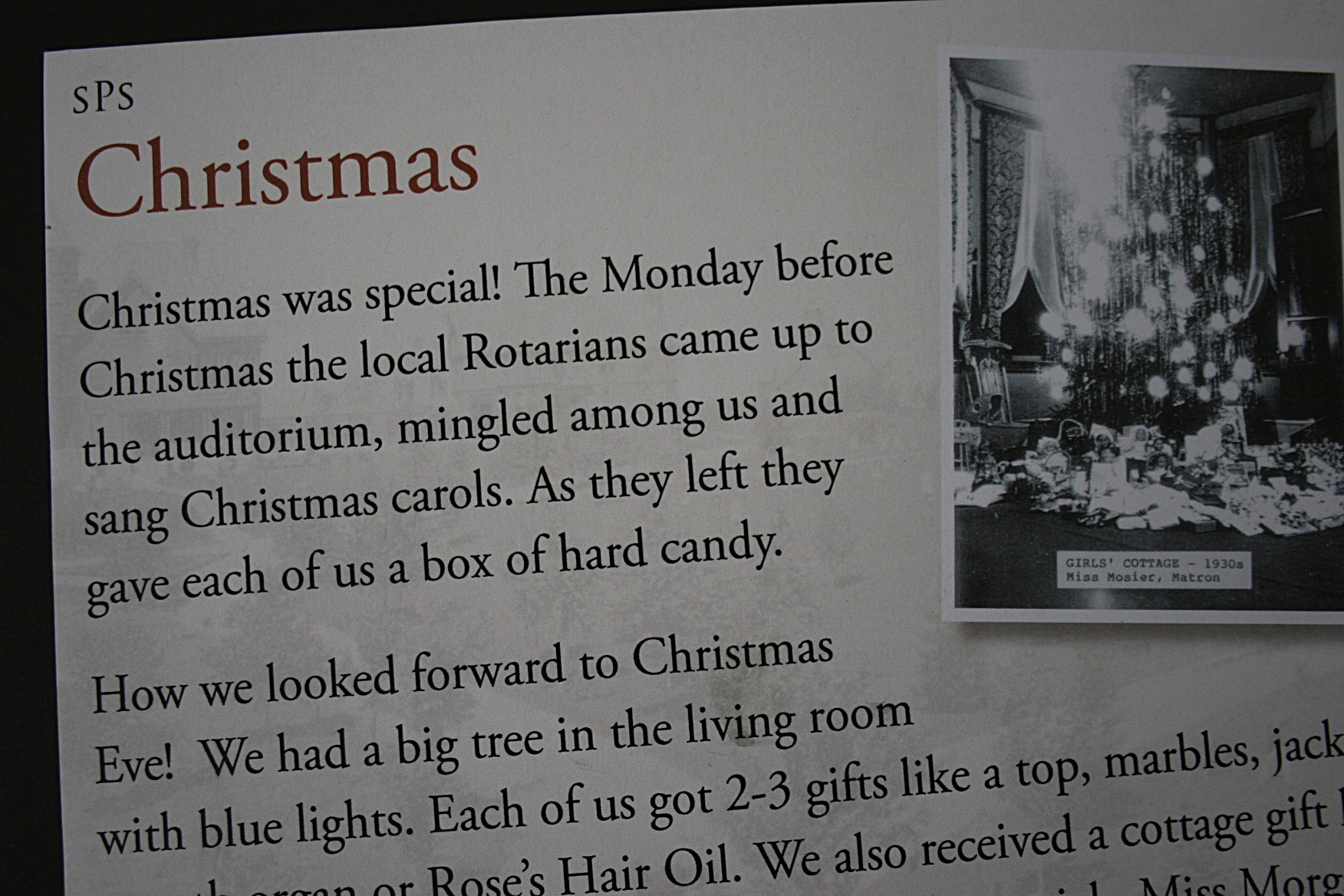
Some happy Christmas memories from the boys.

Christmas brought the local Rotarians into the school auditorium to sing carols and pass out boxes of hard candy. Christmas brought several gifts—perhaps Tinker Toys, or marbles or puzzles—for each child.

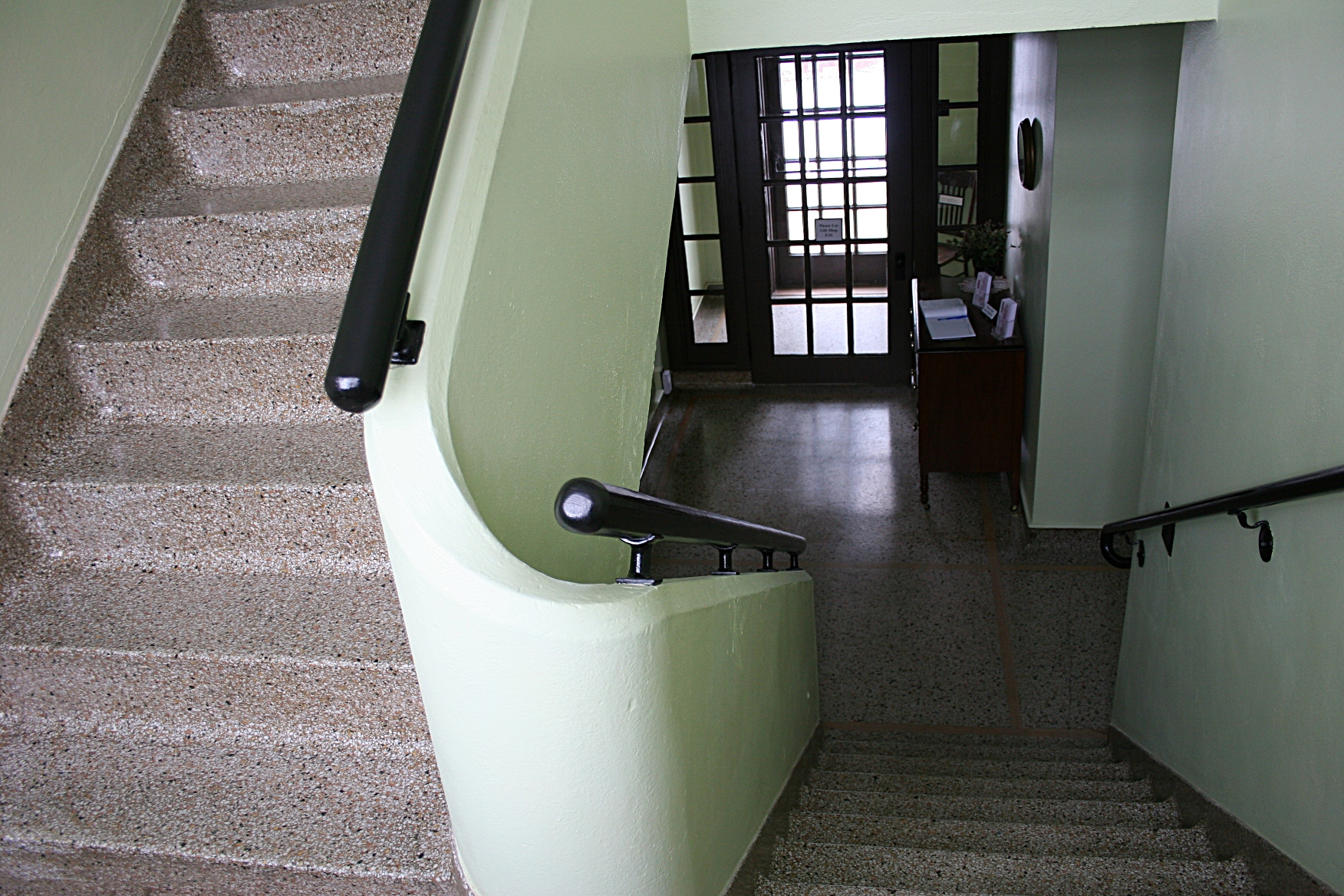
The stairway between the first and second floors and a shot of the cottage's front door at the bottom of the frame. The boys were never allowed to use the front door. They entered and exited through the basement.

I cannot even begin to fathom living here under unforgiving discipline, sleeping in stark bedrooms crammed with kids, missing out on the love of family.

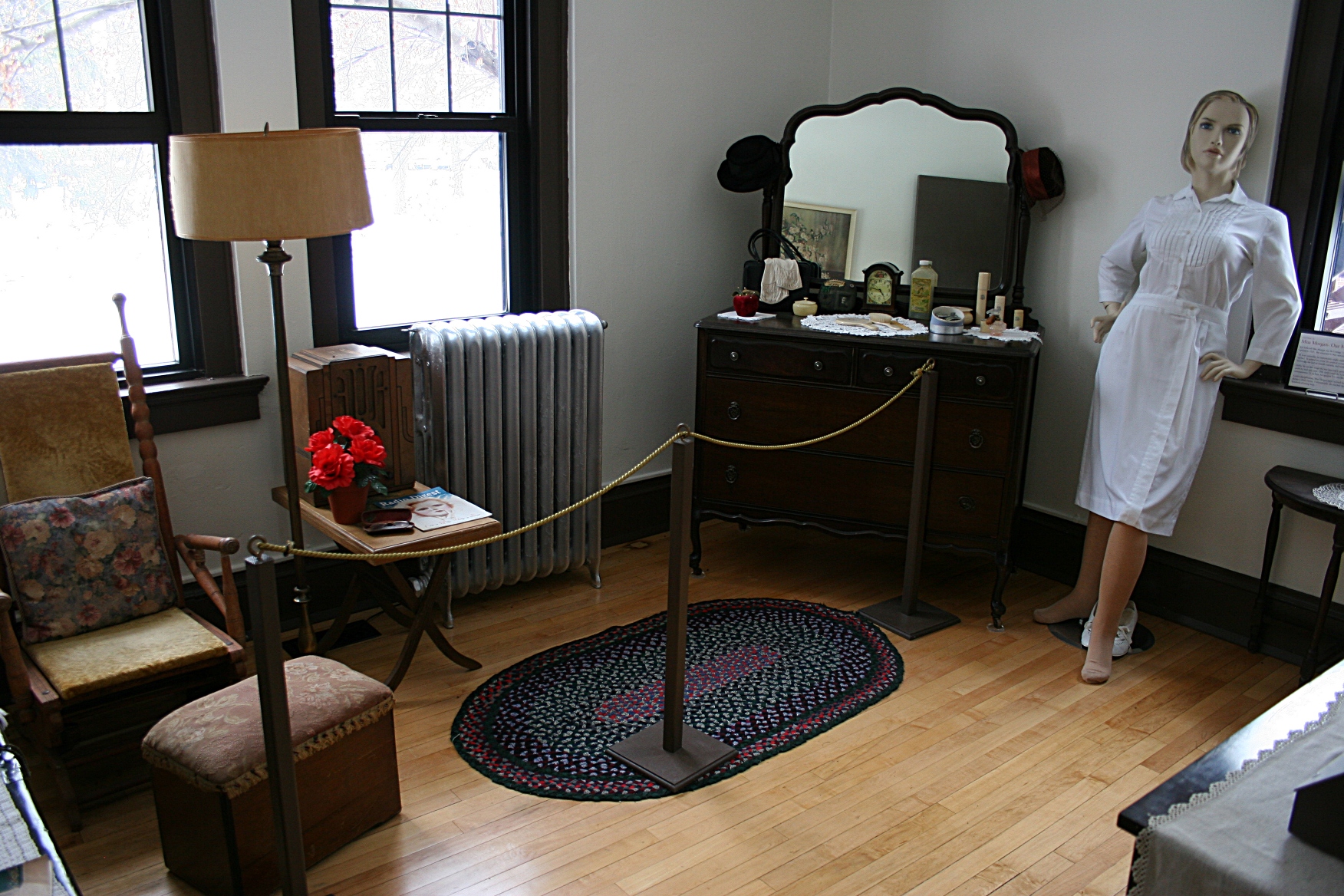
Unlike the mother image she was expected to portray, Miss Morgan (the matron) could be hard and cruel. Only rarely could she be kind and compassionate.

As I meander through the rooms peering at the black-and-white photos of mostly unsmiling boys and reading about their fears of scoldings and spankings and of scrubbing floors on their hands and knees and being confined primarily to the basement, my heart hurts. Truly.

You can see it in the boys' faces, the desperate need to be loved.

On signage titled “The Basement,” I read of  the prevailing authoritarian attitude:

Permission was always required to leave the basement.

Each boy was assigned a chair in the basement. "The chair kept order and accountability" to the matron.

Listening to a recording of a man who as a boy had his head slammed into a wall for prematurely removing a tie and cuffing a matron, I can still hear the hurt in his voice.

I can almost feel the pain experienced by cottage resident Arlend “Buzz” Wilson who slipped and scalded himself with hot water while scrubbing the basement steps. He ended up hospitalized for his burns.

In the first floor matron's quarters, a young boy was placed in the rocking chair to the left and his head slammed into the wall for disobedience. He removed his tie too soon and cuffed the matron.

But for all the awful stories shared here, occasionally glimmers of hope slip through—of boys who admired hobos and hopped the nearby train to escape and of “Wednesday Night at the Movies,” when movies were shown in the school auditorium. Those “brought great joy to us children.”

And then, the single gem I found among all the stones:

FYI: Cottage 11 is open from1 p.m. – 3 p.m. Tuesday – Sunday. However, I advise calling in advance (507-774-7369) as it was not open when we arrived on a Sunday afternoon. Hours at the main museum, 540 West Hills Circle, Owatonna, are from 8 a.m. – 5 p.m. Monday – Friday and from 1 p.m. – 5 p.m. on weekends. I have previously toured the museum, but did not do so again on this most recent visit.

PLEASE CHECK BACK for additional photos of Cottage 11.

© Copyright 2011 Audrey Kletscher Helbling


Dispelling a Mayberry myth in rural Minnesota December 16, 2011

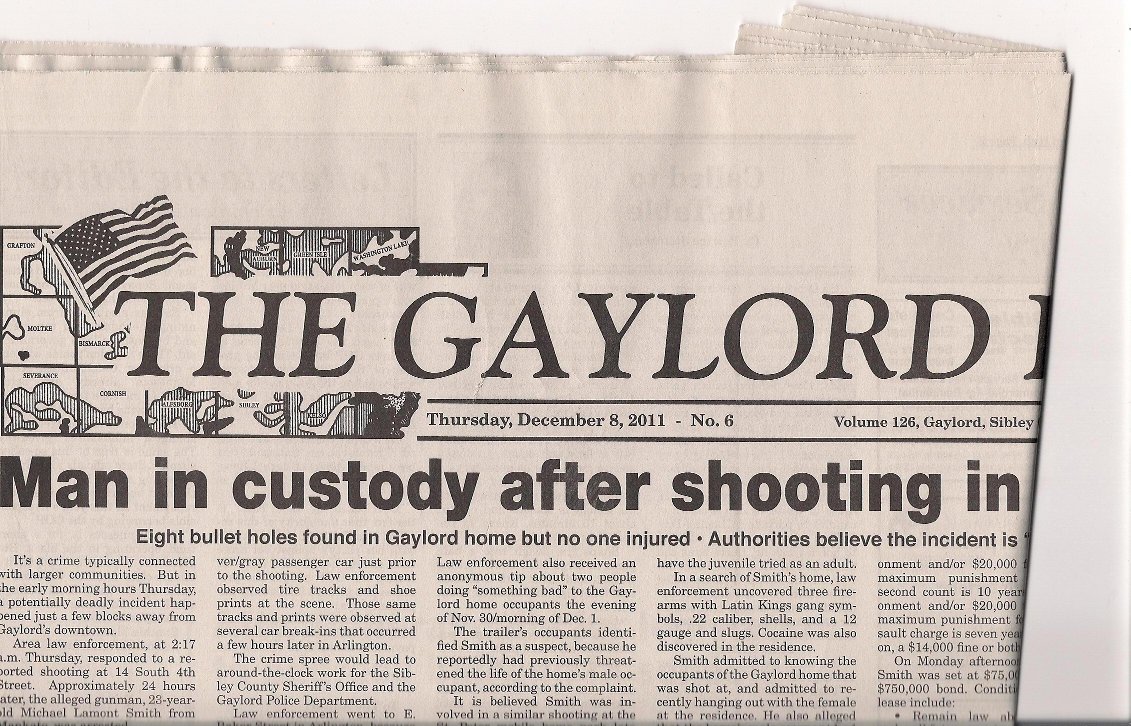
Man in custody after shooting in Gaylord

Two men arrested after incident with police officers in Winthrop

Three years since rural Green Isle homicide

These disturbing headlines all published recently in a single issue of a 10-page small-town Minnesota weekly newspaper.

How life has changed in the 31 years since I pounded out news articles there, for The Gaylord Hub, on a vintage manual typewriter. The biggest news stories during my 1978 – 1980 tenure as a reporter were fires and motor vehicle crashes and the controversy over the expansion of local chicken barns.

I didn’t write about eight bullets fired into a Gaylord home in an alleged gang-related shooting or a scuffle between police and a suspect or a three-year unsolved homicide.

And I didn’t have to report on a courthouse shootings like the one which occurred Thursday in quiet Grand Marais, an artsy get-away destination along the shores of Lake Superior.

Thirty years ago, small towns were still relatively untouched by violent, drug-related or other crime. Not so anymore. One need only pick up any weekly newspaper to read about major crimes that rock even the most rural regions.

Just this week in Redwood County in rural southwestern Minnesota, warrants were issued for 31 individuals on felony drug charges following a year-long, five-county investigation, according to information published in The Redwood Falls Gazette. Most suspects have been arrested and charged.

That’s my home county you’re talking about here, a place of small towns, grain elevators, farm sites, and corn and soybean fields—about as rural as you can get.

This isn’t Mayberry anymore.

While I can wax nostalgic about how things “used to be,” the reality of life is this: Times have changed. People have changed. Respect for parents and authority and laws have eroded.

Crime, once considered a big-city problem, reaches deep into the most rural of locations.

It is sad.

But it is the truth.

IF YOU LIVE in a rural area, have you see increases in crime? Explain. How have you, personally, or your community been impacted? How is your community dealing with crime? Please submit a comment and share.

© Copyright 2011 Audrey Kletscher Helbling


Beyond just a holiday art exhibit at the former Owatonna orphanage December 15, 2011

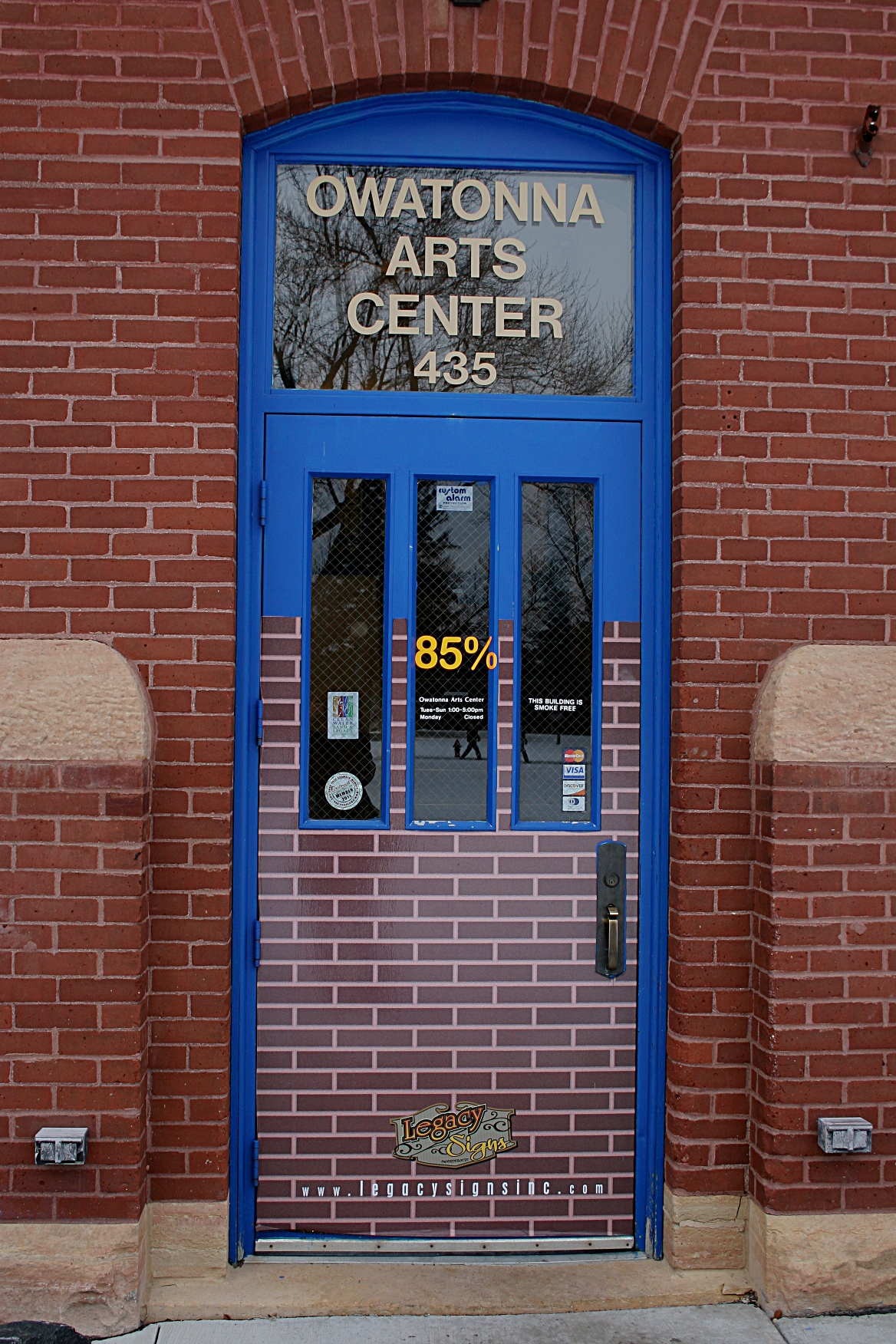
A door into the Owatonna Arts Center in southern Minnesota.

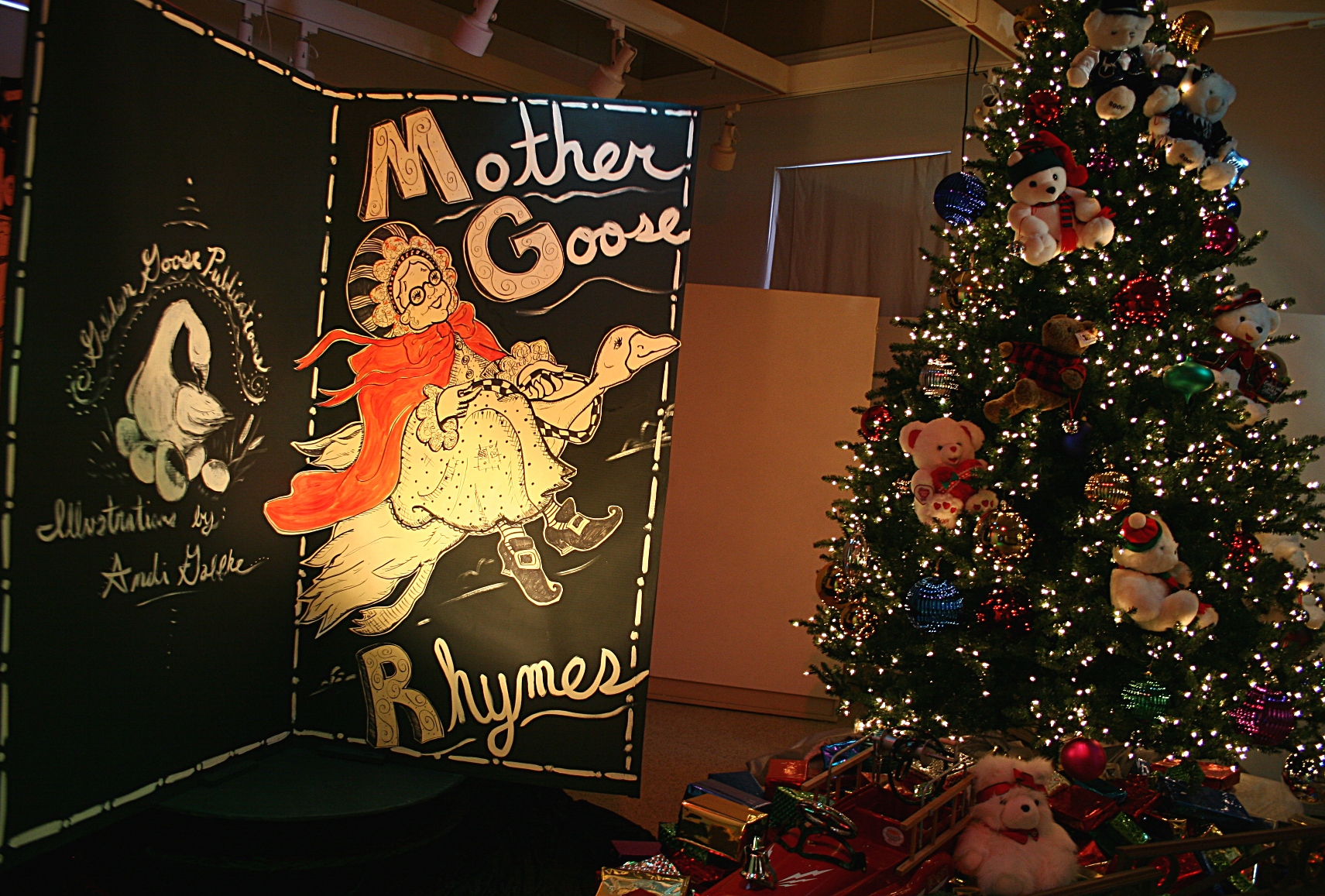
BEHIND THE BACK BLUE DOOR of the Owatonna Arts Center, housed in a former orphanage, past the guardian nutcracker, up the stairs and just to your left, you’ll discover a sprinkling of holiday magic and realism in “The Story Books of Christmas” exhibit.

As OAC Art Director Silvan Durben tells me, the exhibit doesn’t specifically emphasize Christmas books—although two are holiday-themed—but rather impresses the sharing of a storybook with a child and the warm memories that evokes.

You’ll experience that bonding over books in a rotating display of Mother Goose tales crafted onto cardboard and placed next to a Christmas tree embraced by teddy bears tucked among branches.

Who among us doesn’t remember with fondness the recitation of nursery rhymes?

Jack be nimble, Jack be quick, Jack jump over the candlestick.

Hickory, dickory, dock, the mouse ran up the clock. The clock struck one. The mouse ran down. Hickory, dickory, dock.

Or the story of the “Old Man in the Moon?”

It was not lost on me, though, that the orphaned children who once tread these floors did not experience the closeness of clutching a teddy bear or cuddling on a lap while listening to nursery rhymes as they drifted into sleep.

A rotating exhibit of several Mother Goose nursery rhymes.

A close-up of art in the Hickory, dickory, dock rhyme.

Many dreamed of escaping—and some did via rail—the drudgery and abuse at the former Minnesota State Public School for Dependent and Neglected Children.

That reality struck me as I viewed an over-sized silver jingle bell and the word “BELIEVE” punched into an equally-large golden ticket at The Polar Express display. In that children’s picture book by Chris Van Allsburg, a young boy boards a train to the North Pole as the story unfolds to reveal the magic of Christmas.

The large, magical silver bell in The Polar Express display.

Although I did not ask, I wonder if the creators of “The Story Books of Christmas” considered the double-meaning of selecting The Polar Express to highlight in this place where so many children wished for a ticket out.

I found the selection fitting, touching and sad. And a wee bit hopeful.

FYI: “The Story Books of Christmas” exhibit runs through December 29 at the OAC, 435 Garden View Lane. OAC hours are from1 p.m. – 5 p.m. Tuesday – Sunday, closed Mondays. The OAC will also be closed December 23 – 26.

The display highlighting the book, Nestor, the Long-Eared Christmas Donkey.

CHECK BACK for another blog post from the art center and for a photographic tour of Cottage 11, once home to orphaned boys.

© Copyright 2011 Audrey Kletscher Helbling
 

Feeling like a Grinch December 8, 2011

Filed under: Uncategorized — Audrey Kletscher Helbling @ 8:05 AM
Tags: , , , , , , , ,

WITH LESS THAN three weeks until Christmas, I truly need to pull myself out of my pre-holiday funk.

Here’s the deal. I haven’t sent out a single Christmas card, although the annual holiday letter has been drafted and awaits final editing.

I haven’t baked Christmas cookies. I don’t need the sweets and the guys in the house don’t have a sweet tooth. Eventually I’ll bake the cream cheese roll-out cookies that have been part of my Christmas since childhood. And I’ll pull together some date pinwheels for my husband, part of his childhood tradition.

No presents in my sleigh yet.

As for shopping, the lists have been compiled. But since I dislike shopping, the task looms before me.

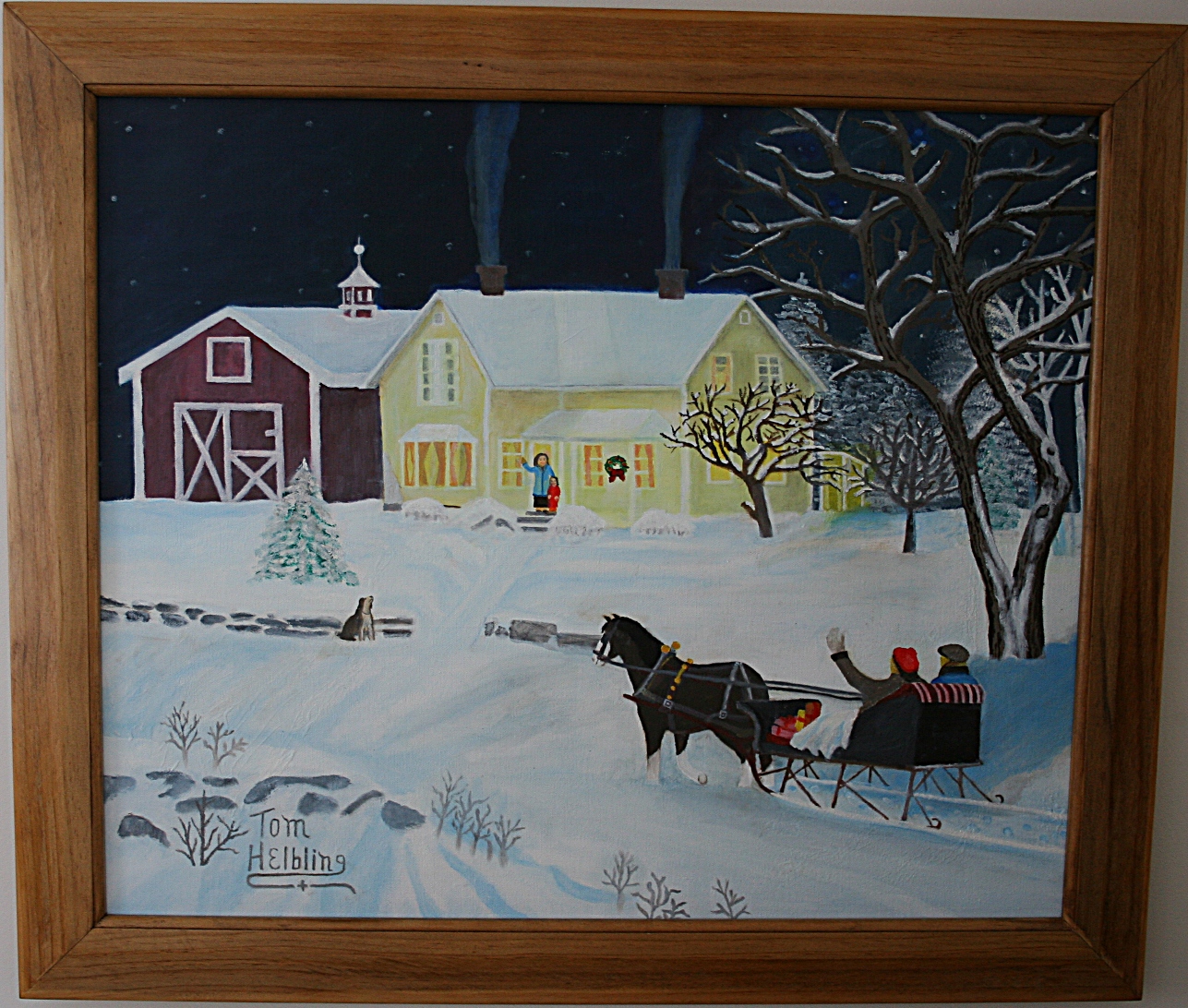
Decorations? If you count the holiday painting by my father-in-law hanging in the dining room, the six Christmas cards we’ve received and the peppermint candies in a dish, then, yes, I’ve started my decorating.

I’m not the type who goes all out with holiday decorating because, visually, I dislike clutter. I also live in a relatively small house.

Then there’s my husband, who worries about the Christmas tree drying out and creating a fire hazard (a legitimate concern) if we buy it “too early”. Once we waited so long to purchase a tree that we had five pathetic choices in the tree lot. We got a heckuva deal, though, by buying only days before Christmas. True story.

So there you have it. I am feeling more Grinch-like than holiday-ish. For me, the important part of Christmas lies in celebrating Christ’s birth and in gathering with family.

Gathering with family...one of the most important aspects of Christmas for me.

I expect therein exists the partial reason for my melancholy. My second daughter, who lives in eastern Wisconsin, will not be home for Christmas. She’s on-call both holiday weekends at her job as a Spanish medical interpreter. She has missed Christmas before, while living in Argentina. So I should be used to this. I am not.

I have no right to complain. None. Many families are separated by greater distances or war or illness or death, or even by choice.

Eventually I’ll pull myself out of my holiday blues. Perhaps I’ll start with addressing Christmas cards and work my way up to mixing cookie dough. The shopping, though, I never have been able to embrace no matter how hard I try.

Although I'm struggling right now to pull everything together for Christmas, I will. Here's the complete holiday painting by my father-in-law, Tom Helbling of St. Cloud, MN.

SO…WHERE ARE YOU at with your holiday preparations? Do you struggle with any aspect of preparing for Christmas? Submit a comment and share.

© Copyright 2011 Audrey Kletscher Helbling
 

More than a collection of vintage drinking glasses December 7, 2011

Filed under: Uncategorized — Audrey Kletscher Helbling @ 8:06 AM
Tags: , , , , , , , , , ,

Vintage glasses stashed in my kitchen cupboard.

THE BOTTOM CUPBOARD SHELF to the upper right of my kitchen sink is crammed so full of drinking glasses that they threaten to tumble out and onto the counter.

But I have not the heart to stash a single one away in storage.

These glasses serve as more than practical vessels for the milk my 17-year-old son gulps by the gallon or the cranberry juice I favor to quench my thirst.

Rather, these glasses represent my appreciation of the past. All 27 drinking glasses are vintage, culled from family and friends, from thrift stores and garage sales.

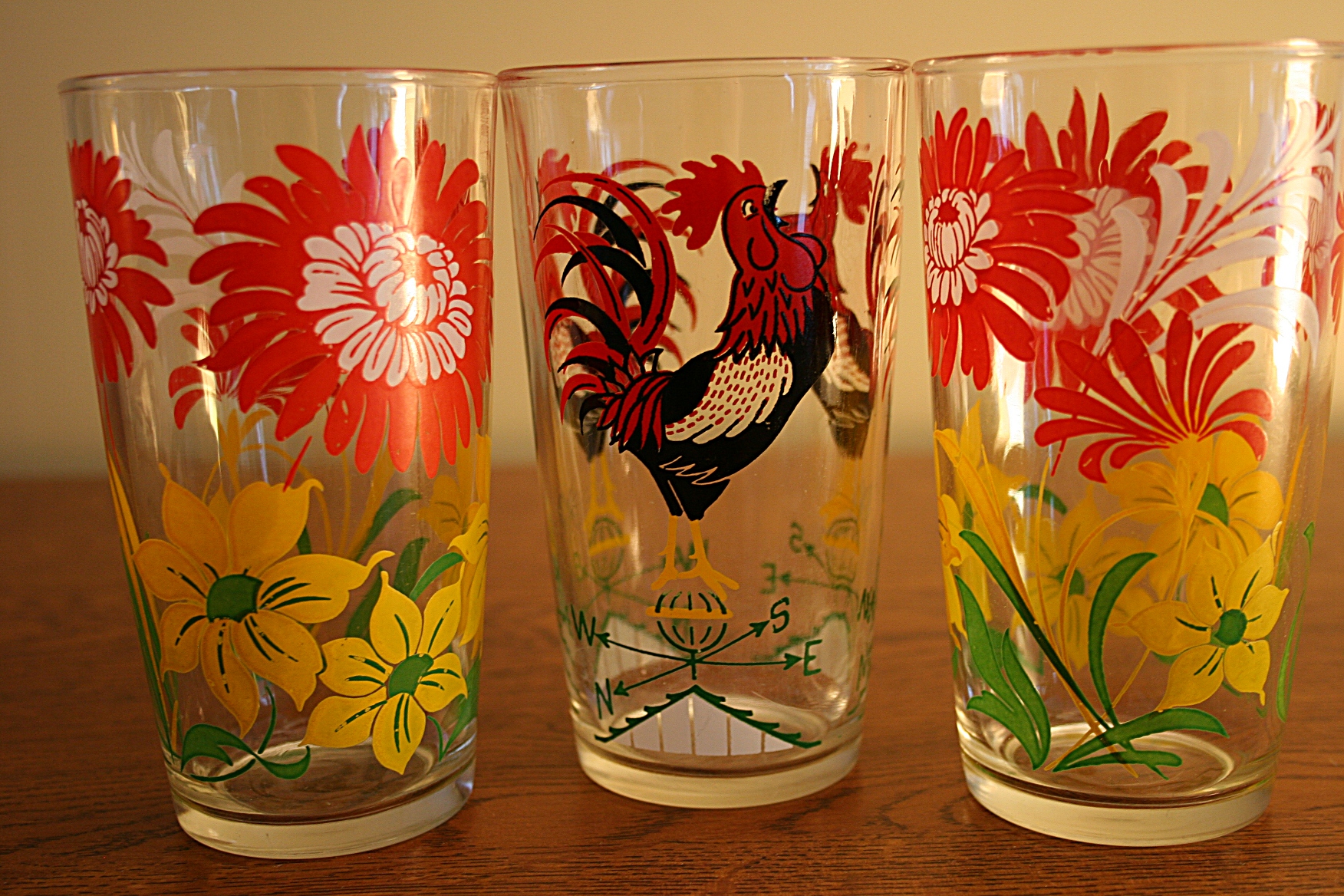
I uncovered these glasses in the attic of the home where my friend Joy grew up. After her parents died, Joy invited friends to shop for treasures. These glasses always remind me of Joy, whose spirit matches her name.

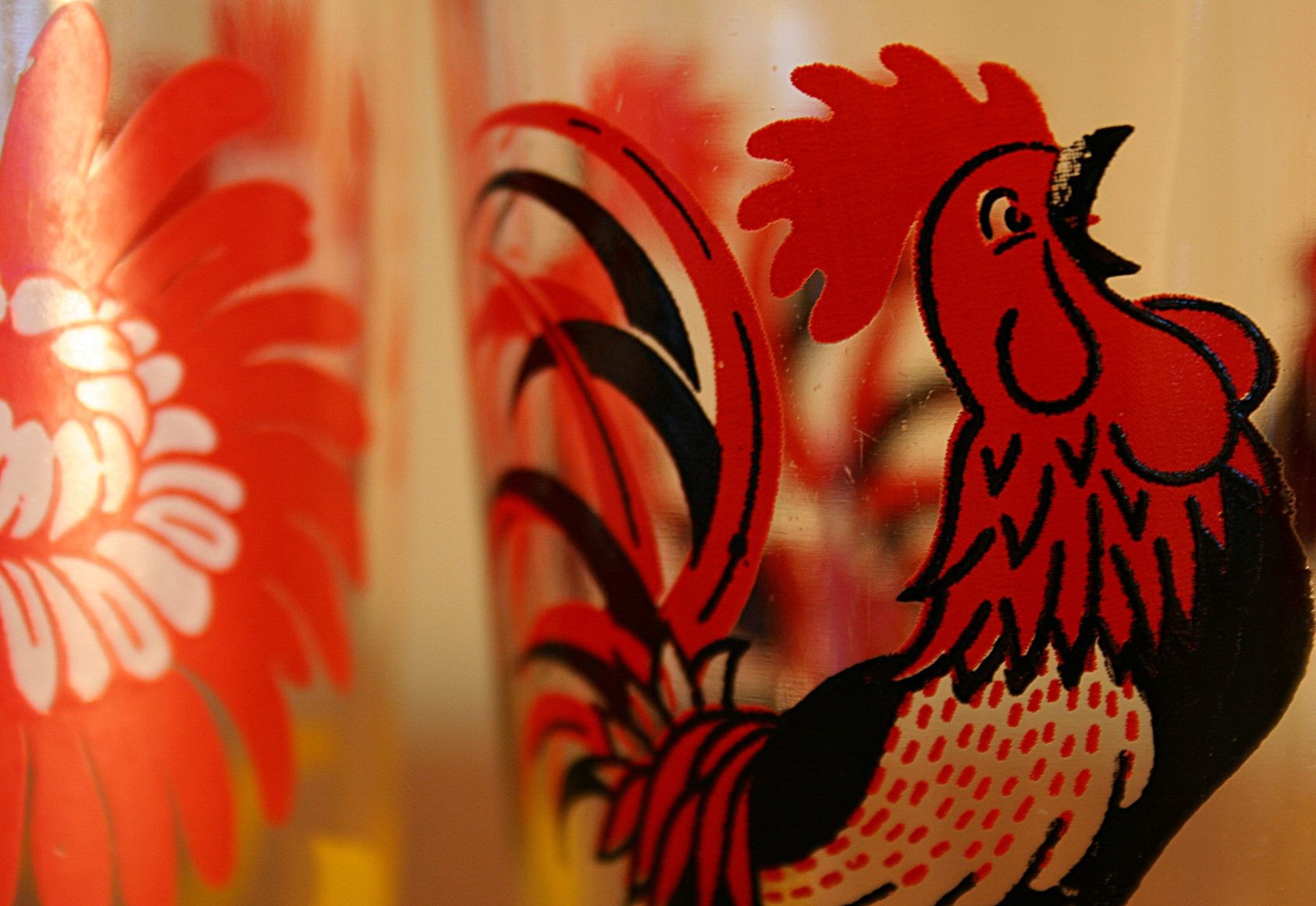
Details on the glasses from Joy. Fun fact: I don't like roosters.

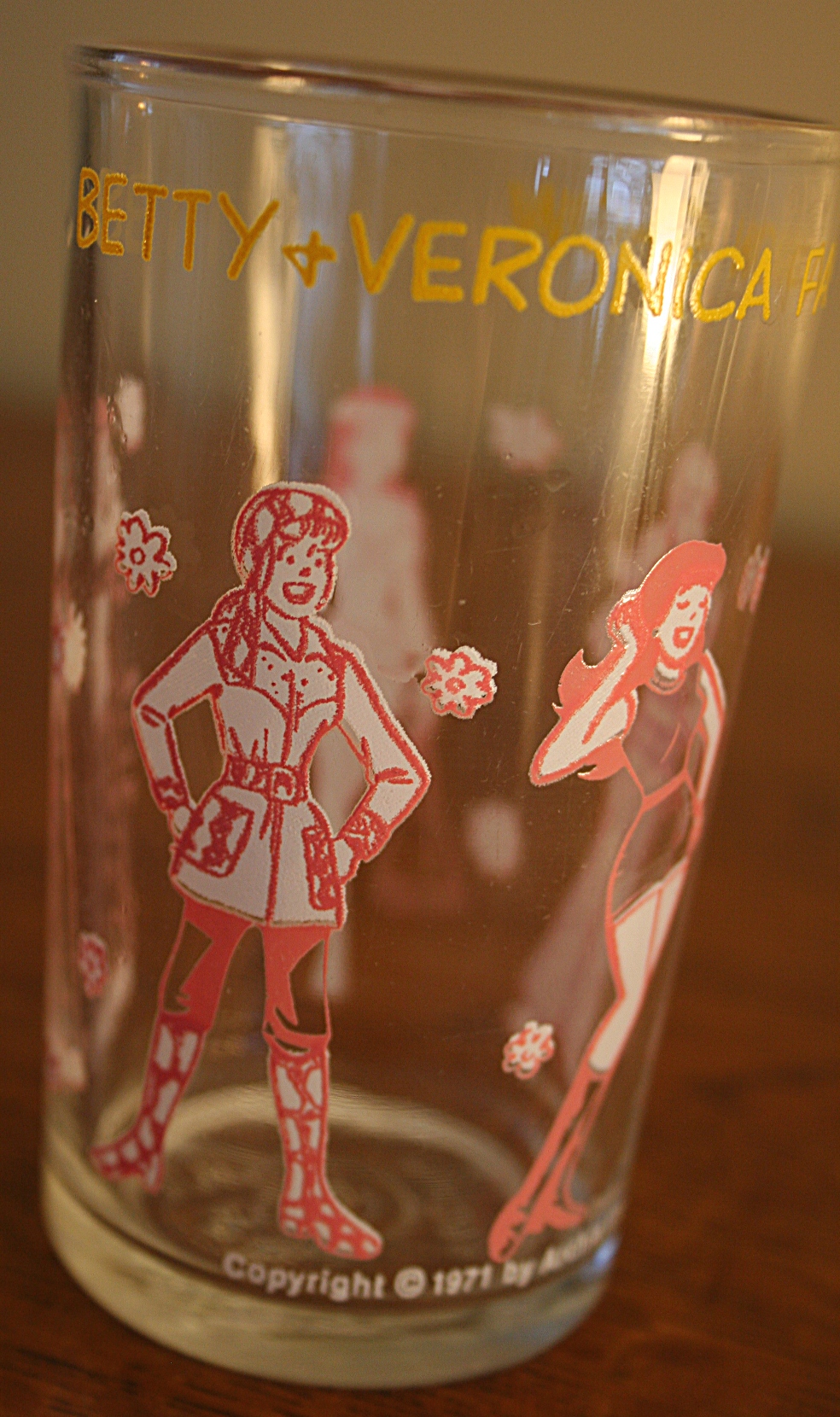
An Archie Comic "Betty and Veronica Fashion Show" 1971 jelly jar/juice glass from my maternal grandfather.

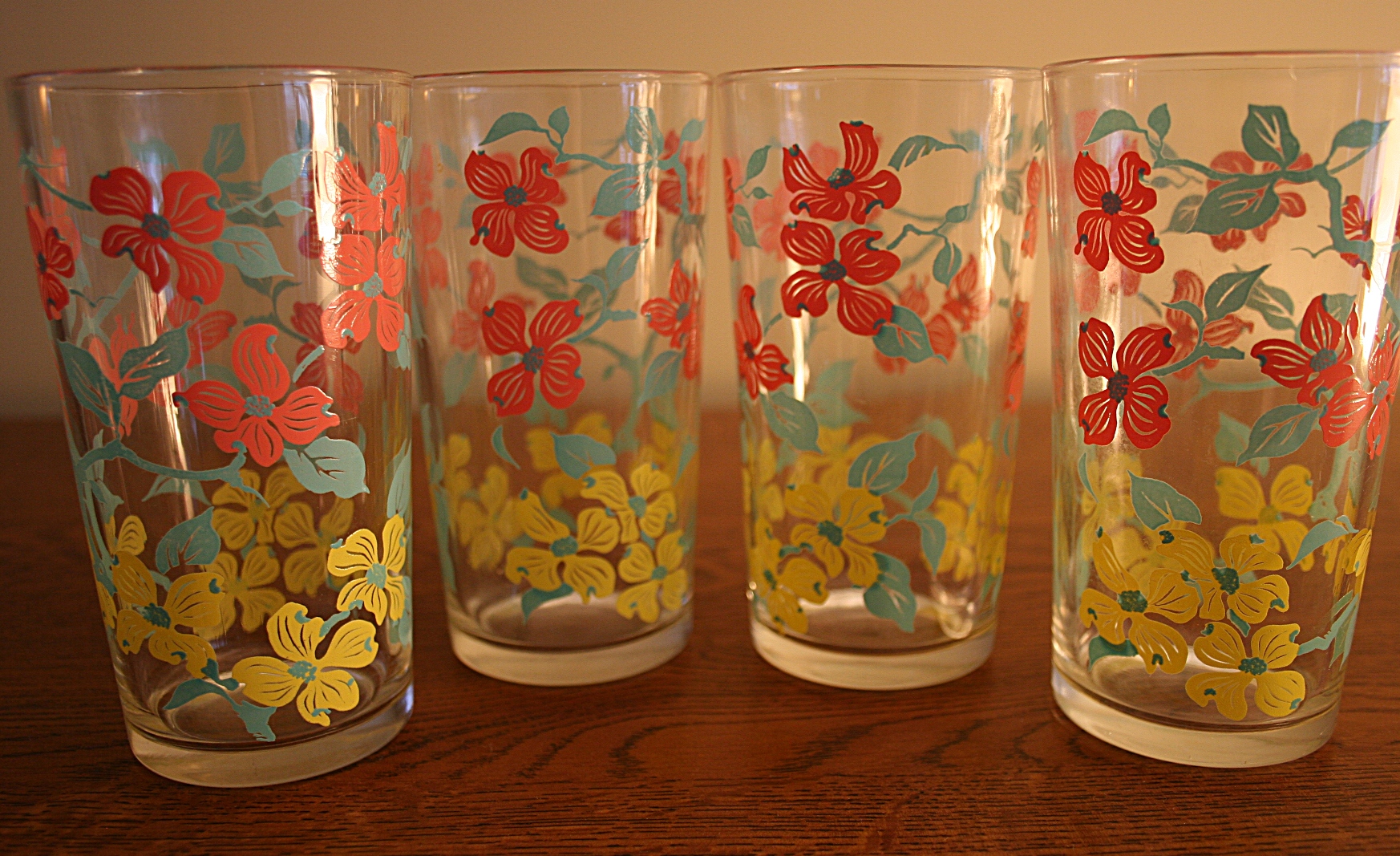
These glasses belonged to my bachelor uncle, Mike, who farmed with my dad and was like a second father to me. He passed away in 2001 and these remind me of him and his love for me.

You could rightfully say that I collect vintage drinking glasses.

Like most collectors, my collection is rooted deep in the past. I can trace my glassware obsession back to the day I walked into Marquardt’s Hardware Store on the corner of Main Street in Vesta and selected four amber-colored glasses for my mother as a Mother’s Day gift. I can’t recall which siblings were with me, how much we spent or the year we purchased the glasses. But the simple act of us pooling our coins to buy Mom this gift remains as one of my sweetest childhood memories.
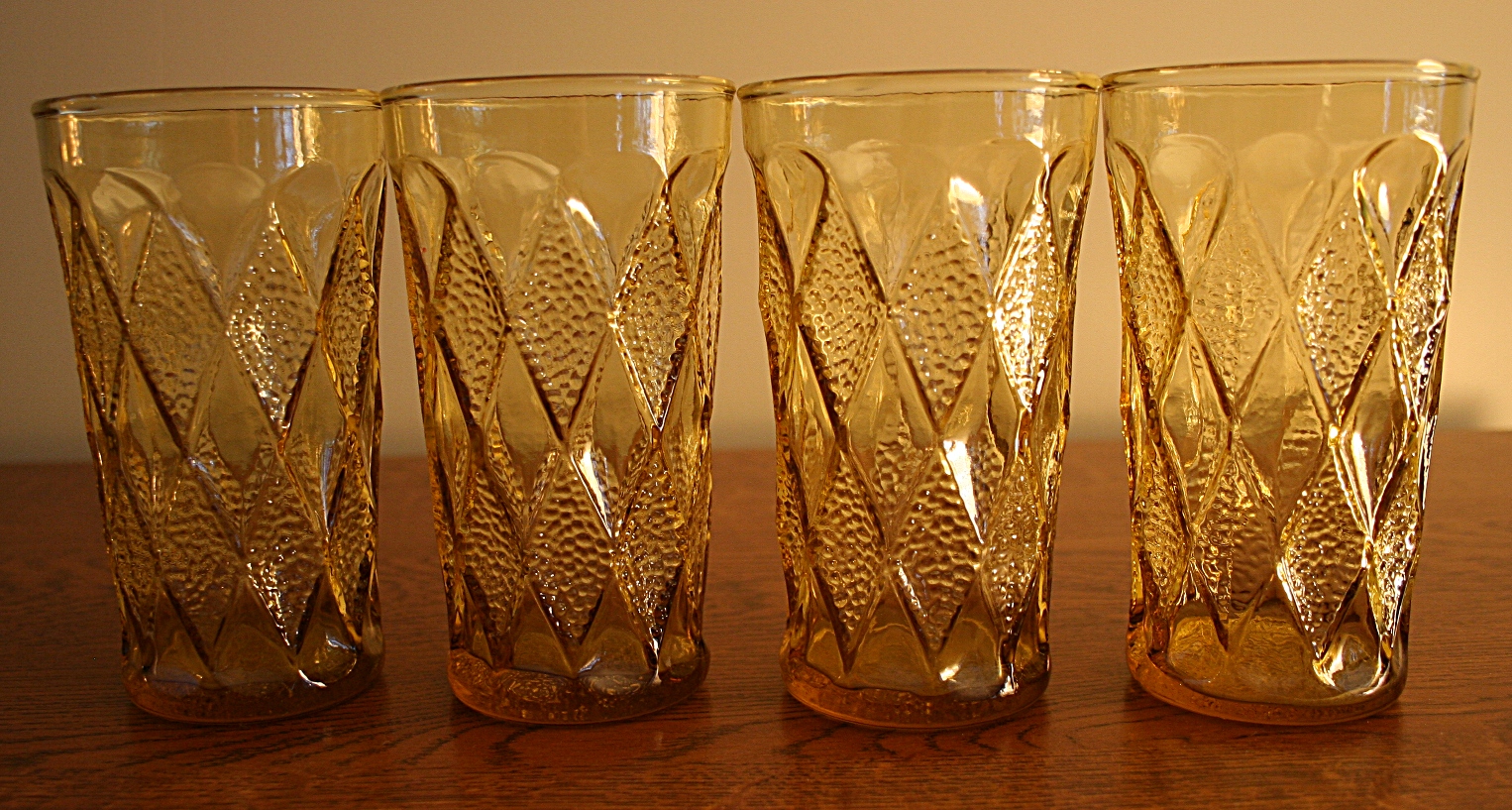
The amber glasses my siblings and I purchased for our mother more than 40 years ago.

Recently my mother gifted me with these glasses. I pulled them from the china cabinet where she’s always stored them—reserving them only for special occasions—snugged paper padding around them and carted them back to my home 120 miles away in Faribault.
Her gift to me is bittersweet. While I certainly appreciate having these memorable glasses, the fact that my mom has begun dispersing of her possessions makes me all too cognizant of her failing health and mortality. She is a wise woman, though, to part with belongings now, gifting children and grandchildren with items she knows hold special meaning.
Each time I reach into the cupboard for a glass, I find myself choosing an amber-colored one from Marquardt’s Hardware. It is the glass that reminds me of my mother and of her deep love for me. I want to drink deeply of her love. Today. Forever.

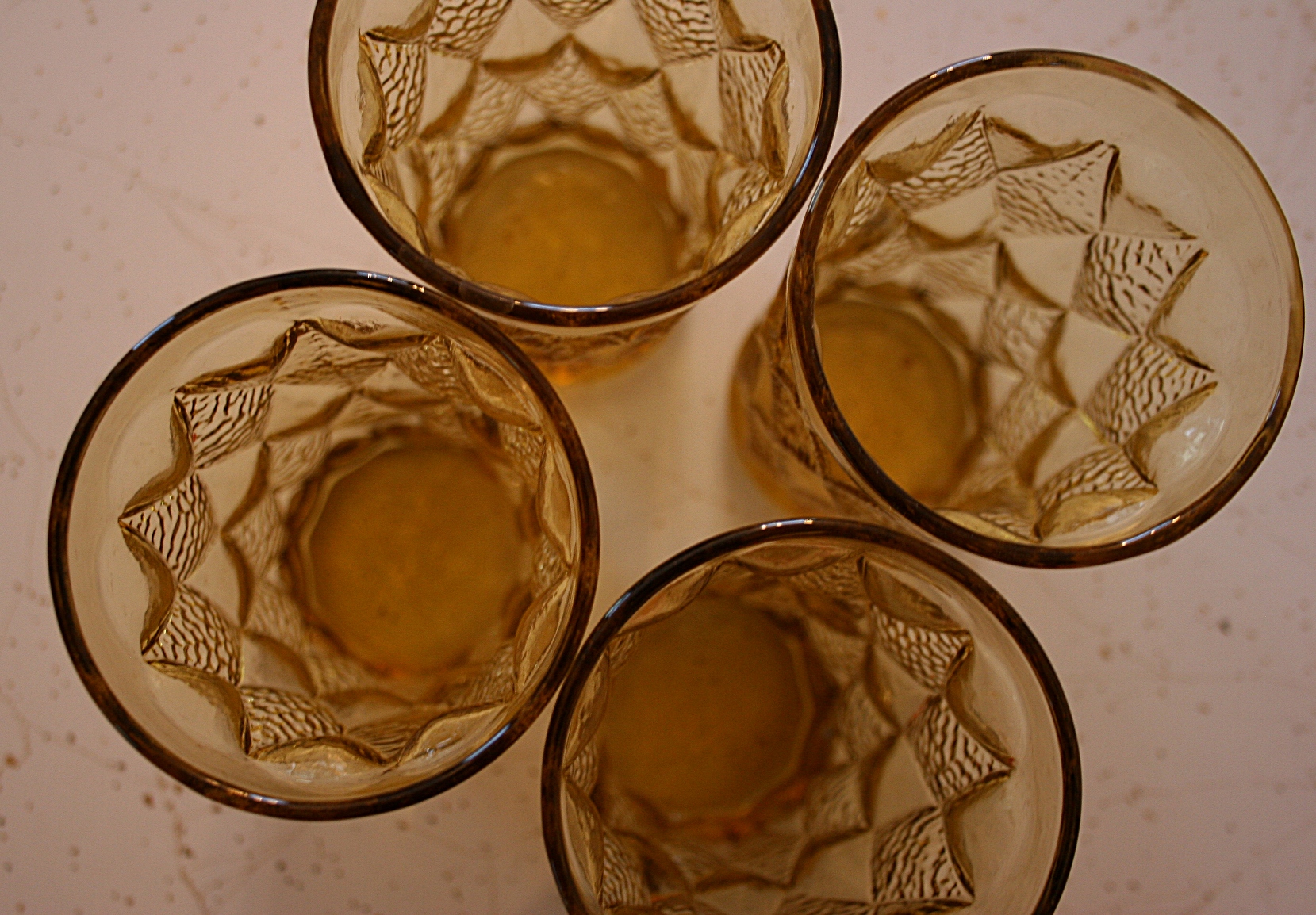
The four glasses that remind me of the love my mother and I share.

DO YOU HAVE a collection or a single item that means as much to you as my vintage drinking glasses mean to me? I’d like to hear. Please submit a comment.

© Copyright 2011 Audrey Kletscher Helbling