Minnesota Prairie Roots

Writing and photography by Audrey Kletscher Helbling

Part II: Life as an orphan in Owatonna December 20, 2011

The main building at the orphanage, built in 1886, housed offices, a reception room, chapel/auditorium, boys' cottage, living quarters for employees, a sewing room, attic and linen storage. This main portion today serves as the Owatonna city administration building.

THE TOWERING BRICK building with the enchanting turret represents no fairy tale. Not at all.

Within the confines of this place and the outlying cottages, some 12,000 – 15,000 children spent their formative childhood and teenage years institutionalized in the Minnesota State Public School for Dependent and Neglected Children. They were the orphaned, the abused, the abandoned, the unwanted.
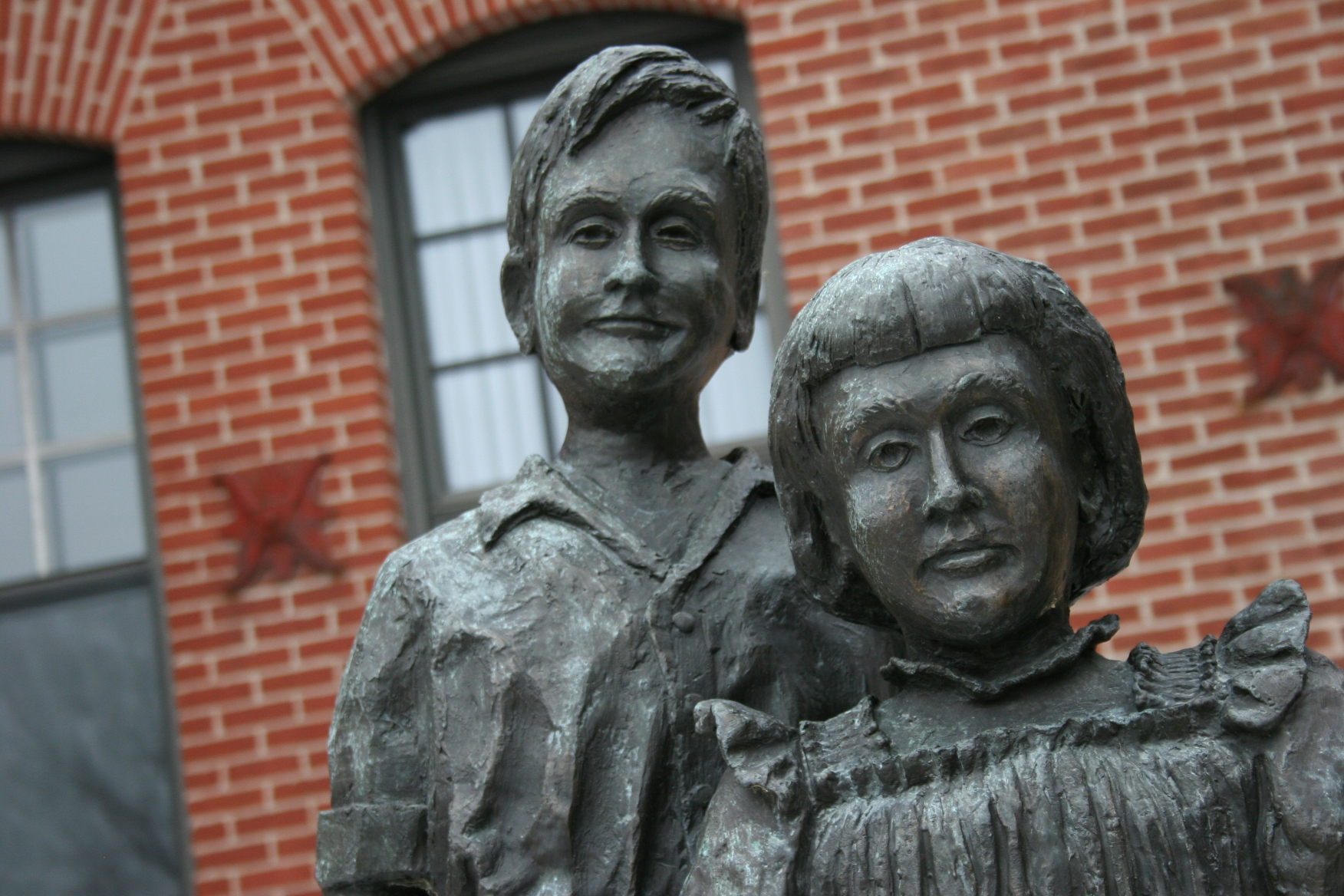
The "State School Kids" memorial stands in front of the main building and was dedicated in 1993.

Information in a brochure I picked up on a recent visit to this 1886- 1945 orphanage in Owatonna reads:

Such children became wards of the state and, in most instances, all parental rights were cancelled. Parents did not always realize they were relinquishing all rights to their children when they signed the State School commitment papers. Some parents returned to try to regain custody of their children and were refused.

Can you imagine?
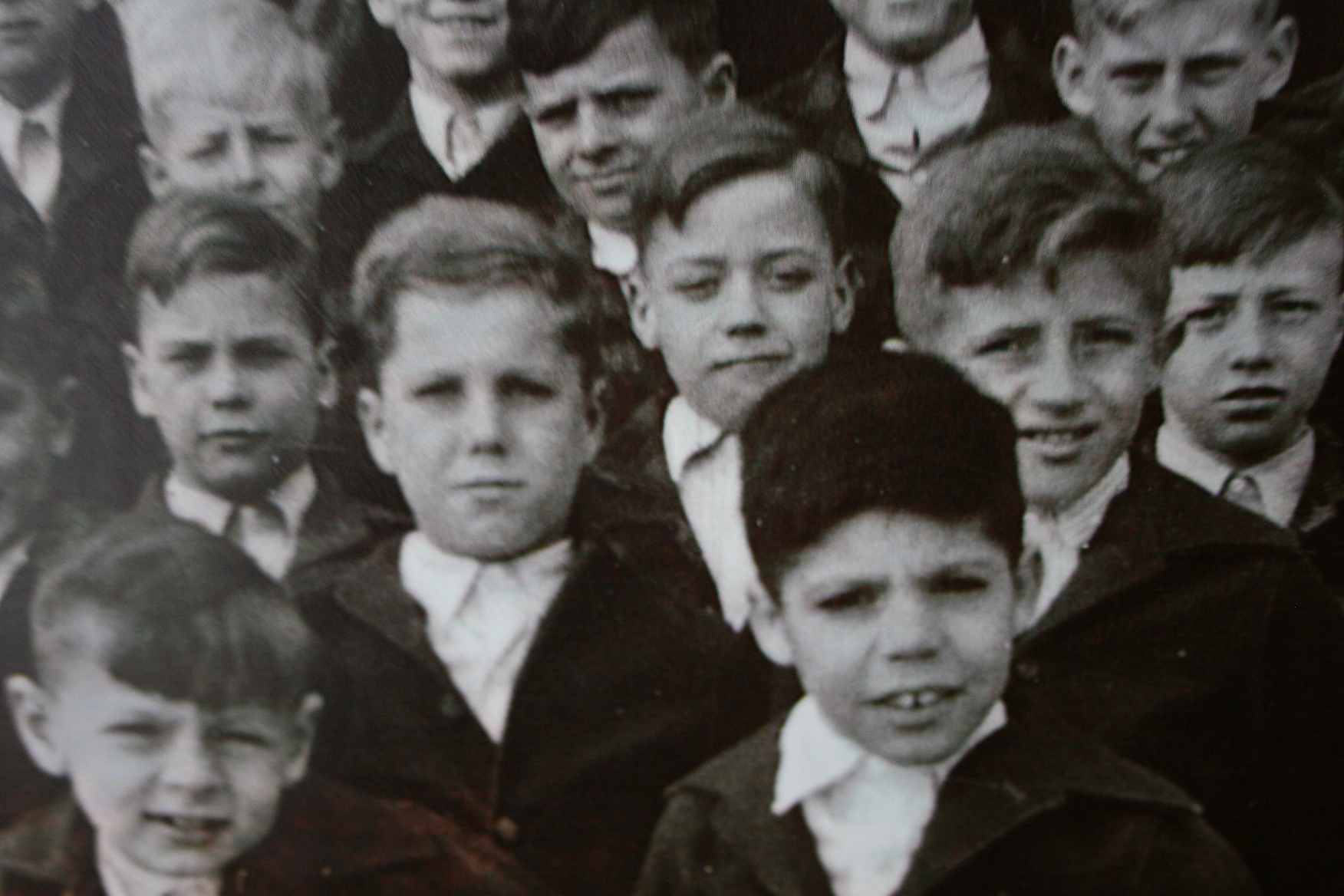
Residents of Cottage 11, which housed boys ages 6 - 13, pose for a photo now on exhibit at the museum.

While some children adjusted to living within the strict regiment and rules of the school, many did not. You will hear and read their tragic memories when you visit the orphanage museum. Be forewarned: These stories are difficult to hear.
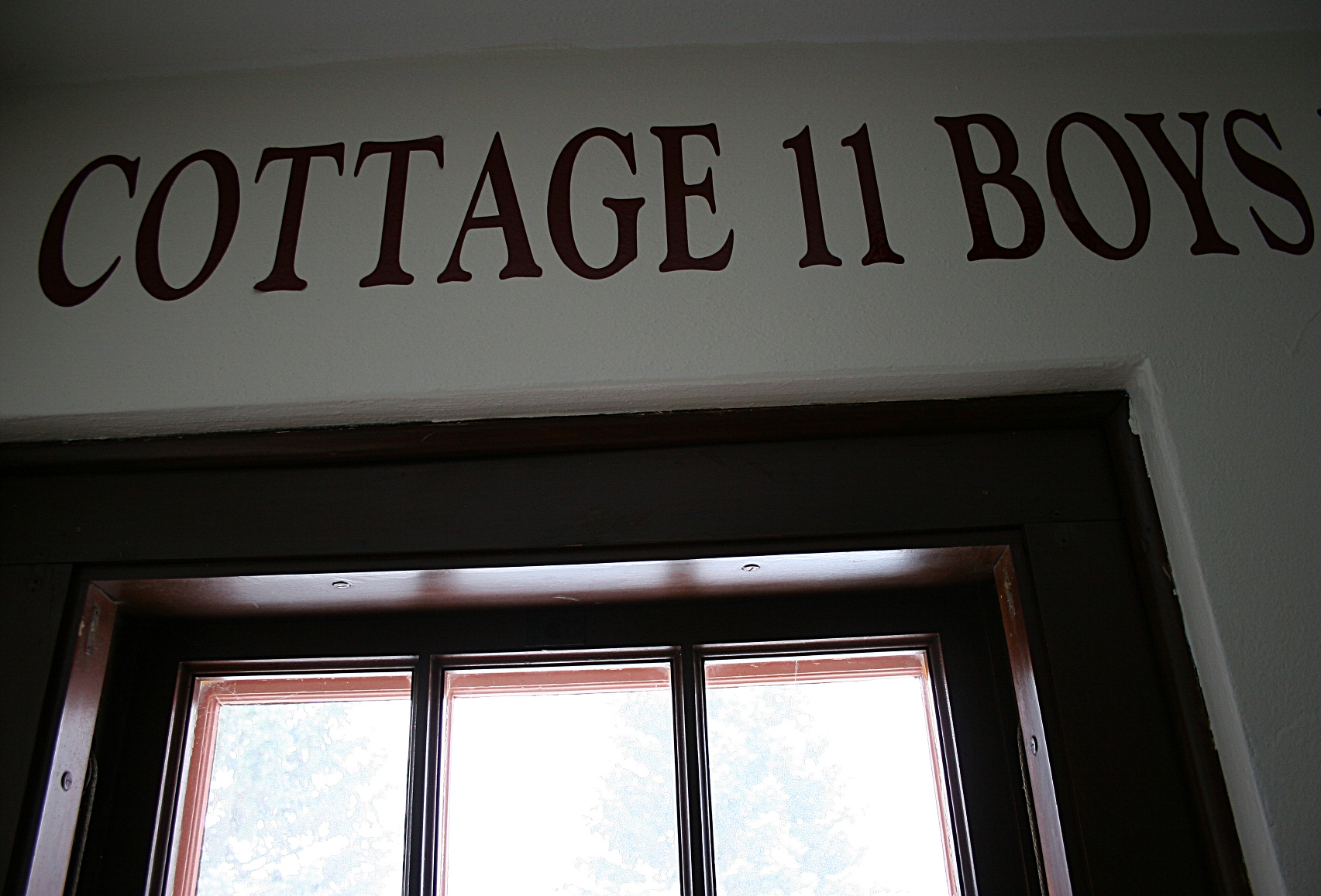
A room in cottage 11 features the photos and memories of the boys who lived there.
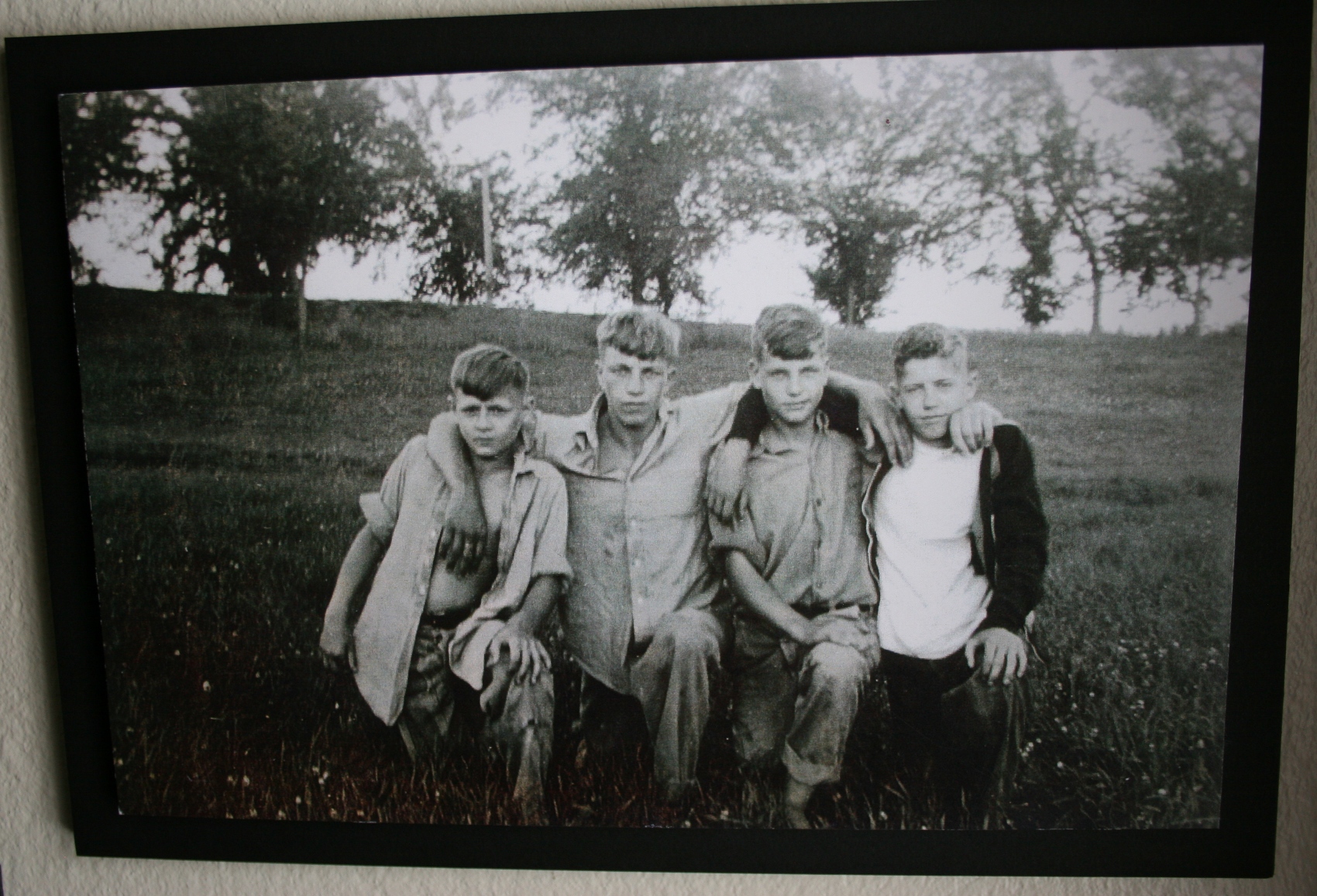
Cottage 11 residents
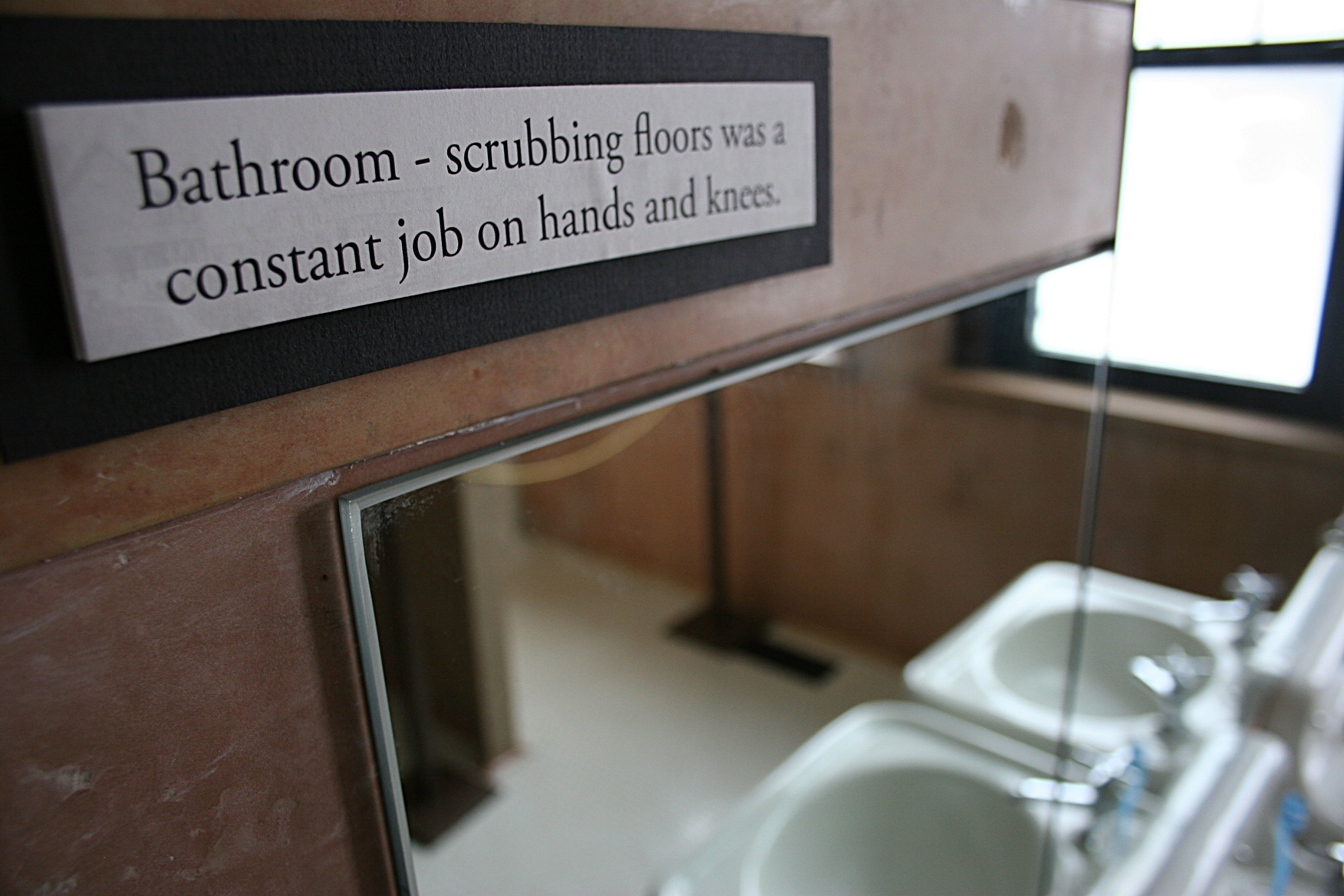
The boys remember scrubbing floors throughout the cottage, including in the bathroom..
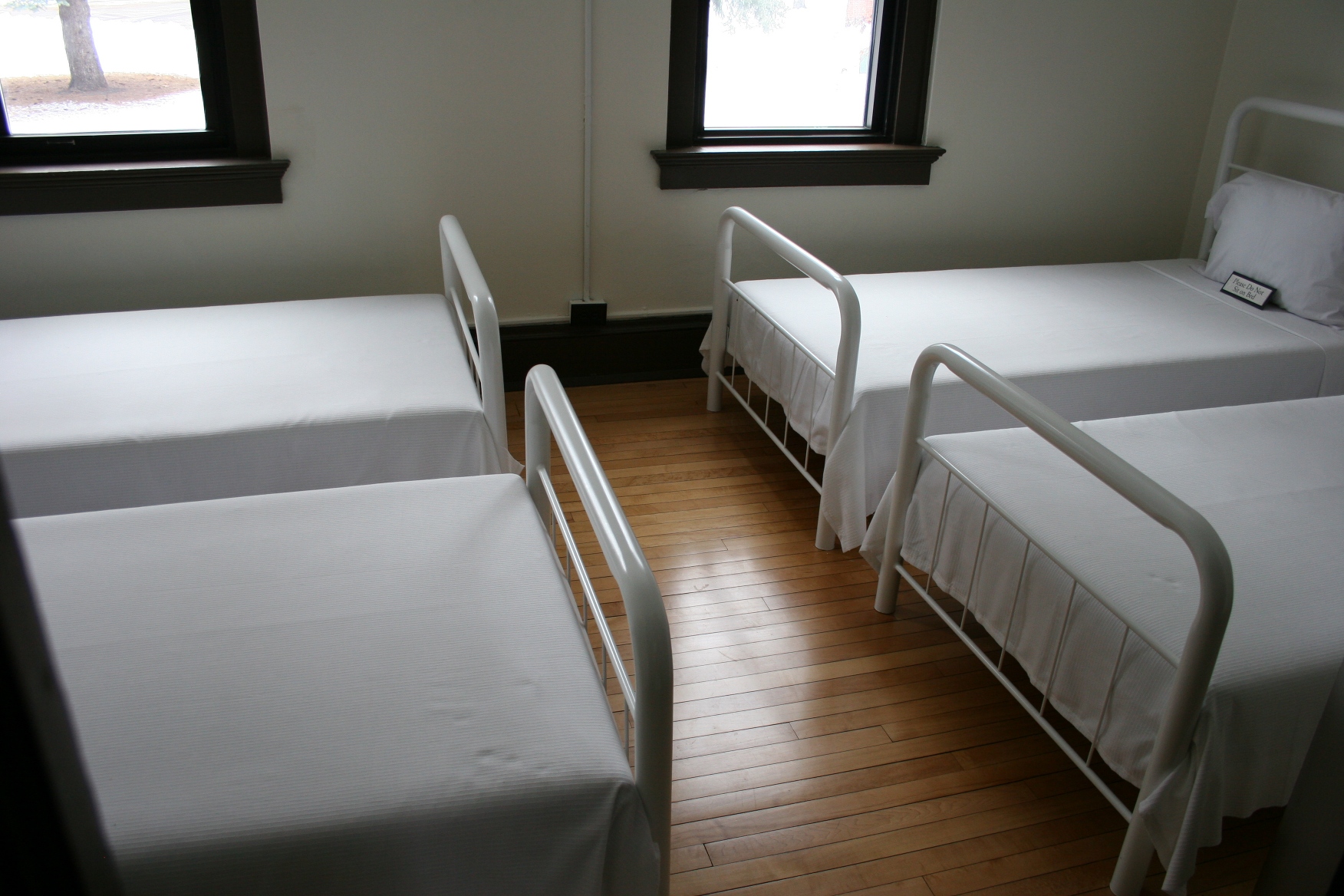
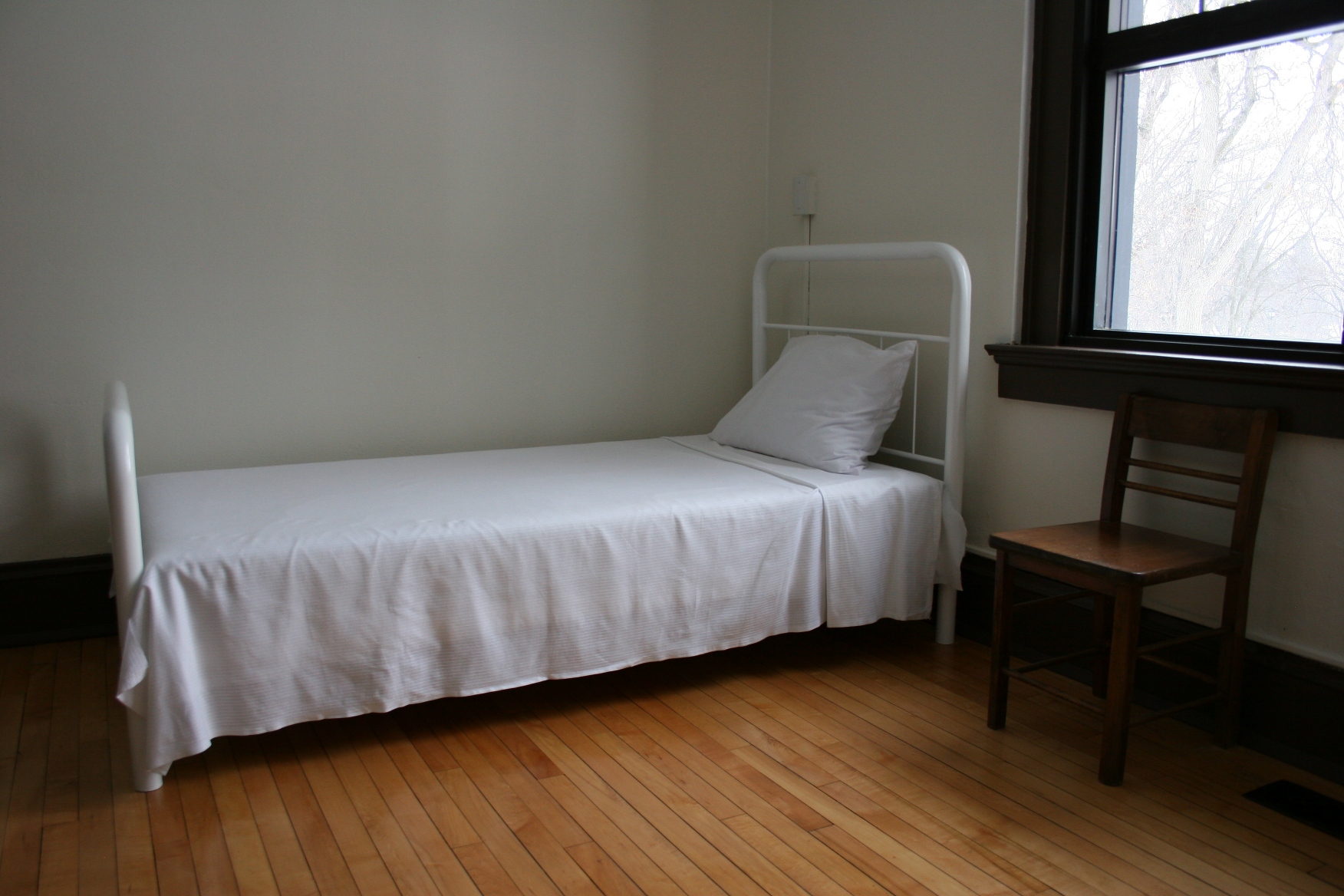
Beds were packed tight into sparse bedrooms in the cottage.

I’ve read several books written by former “state schoolers,” as they were called. Harvey Ronglien, who was the motivator behind the museum and the orphan’s memorial, wrote A Boy from C11, Case #9164, A Memoir. Peter Razor wrote While the Locust Slept, winner of a Minnesota Book Award. I read both books, as well as Crackers & Milk by Arlene Nelson, many years ago and still can’t shake the haunting memories of neglect and abuse and struggle.

Particularly troubling are the reports of abusive, neglectful and unloving matrons. Equally disturbing are the stories of children who were indentured to farm families and then treated like slaves.
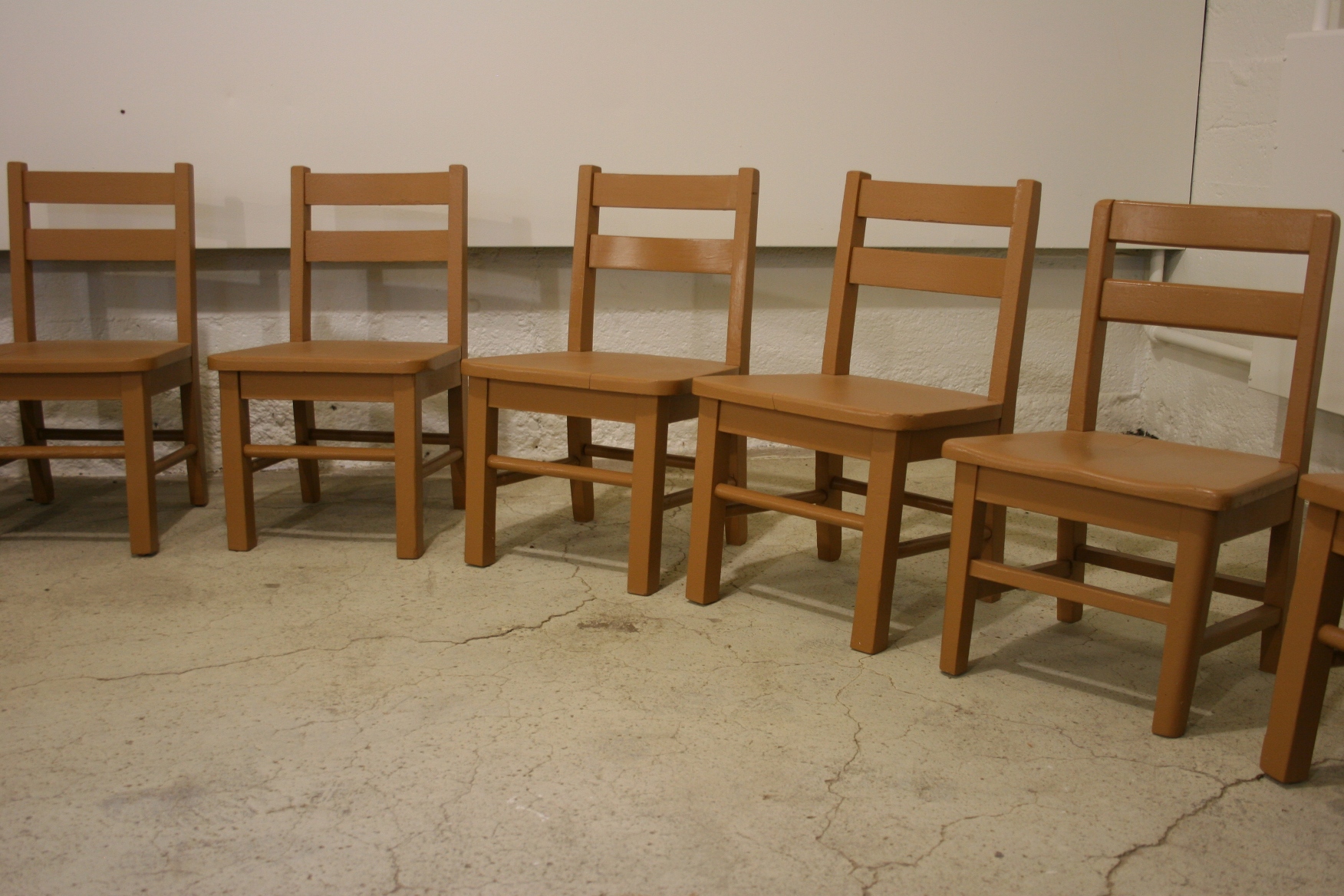
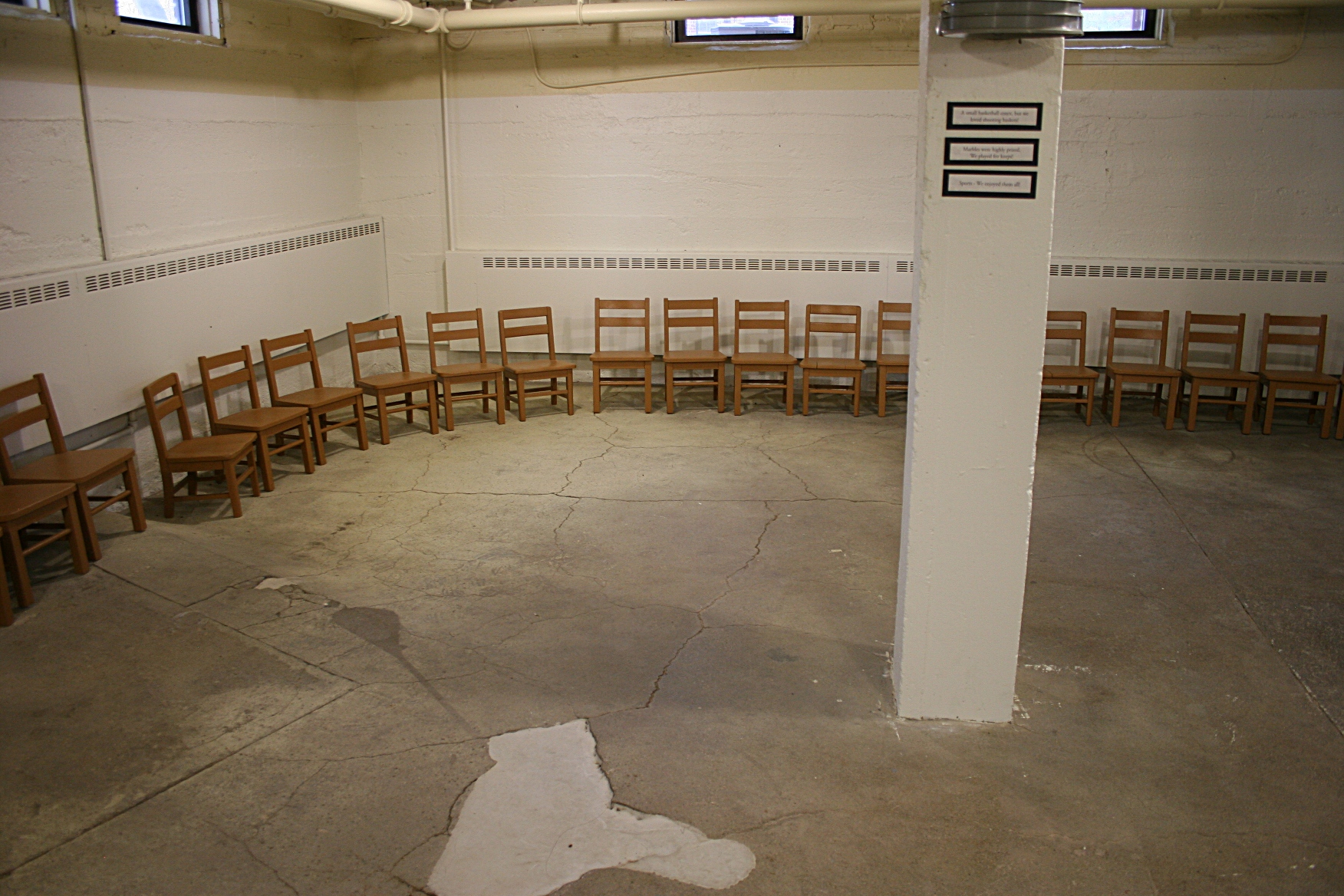
Each boy was assigned to a chair in the basement and could not leave the Cottage 11 basement without permission. This was a method used to keep order and control over the children.

Within the confines of the basement, the boys played with marbles, puzzles, checkers and other toys.
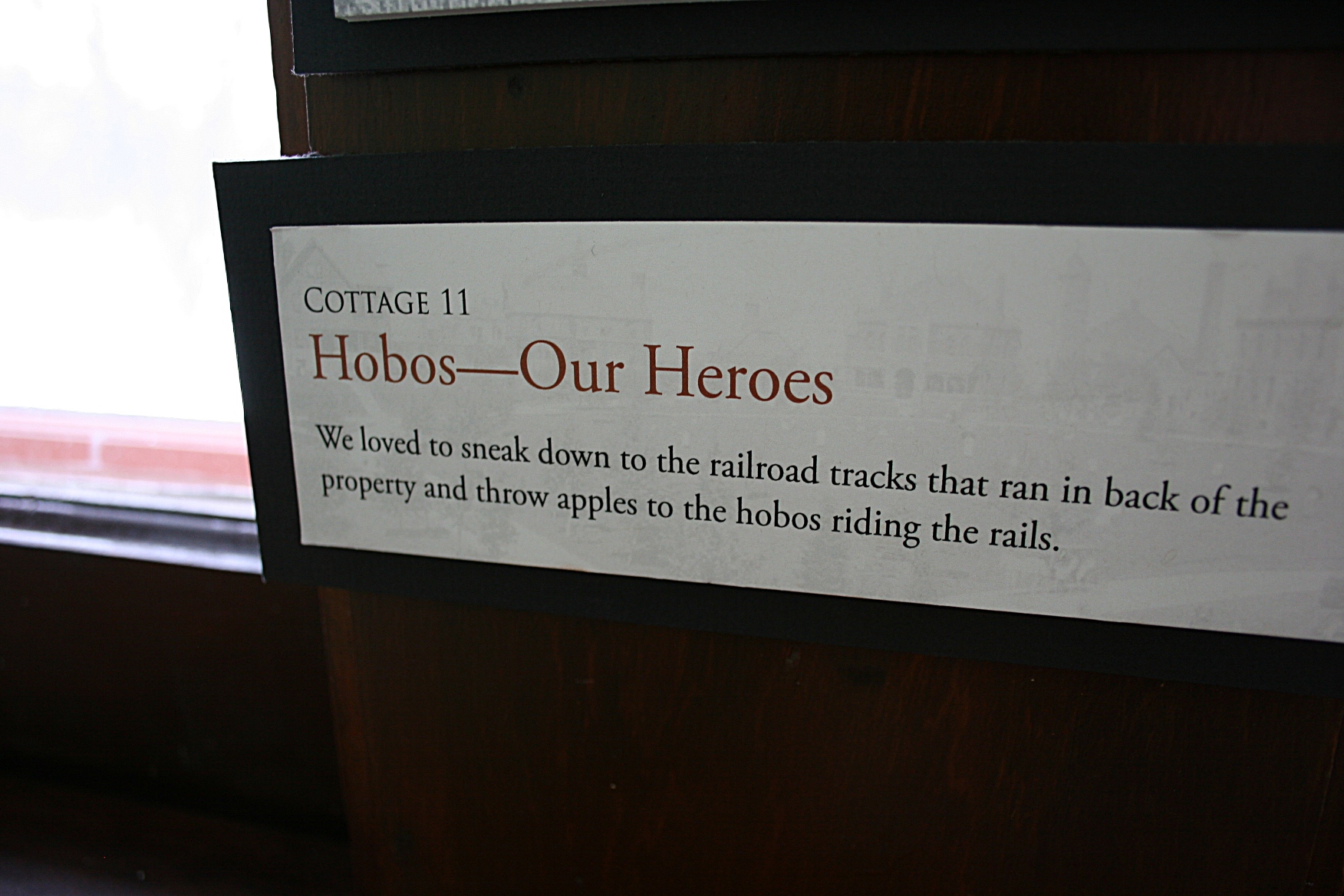
A sign on a stairway landing tells visitors about the boys' dreams of escaping via rail and of their admiration for hobos. Some boys did hop trains and ran away.
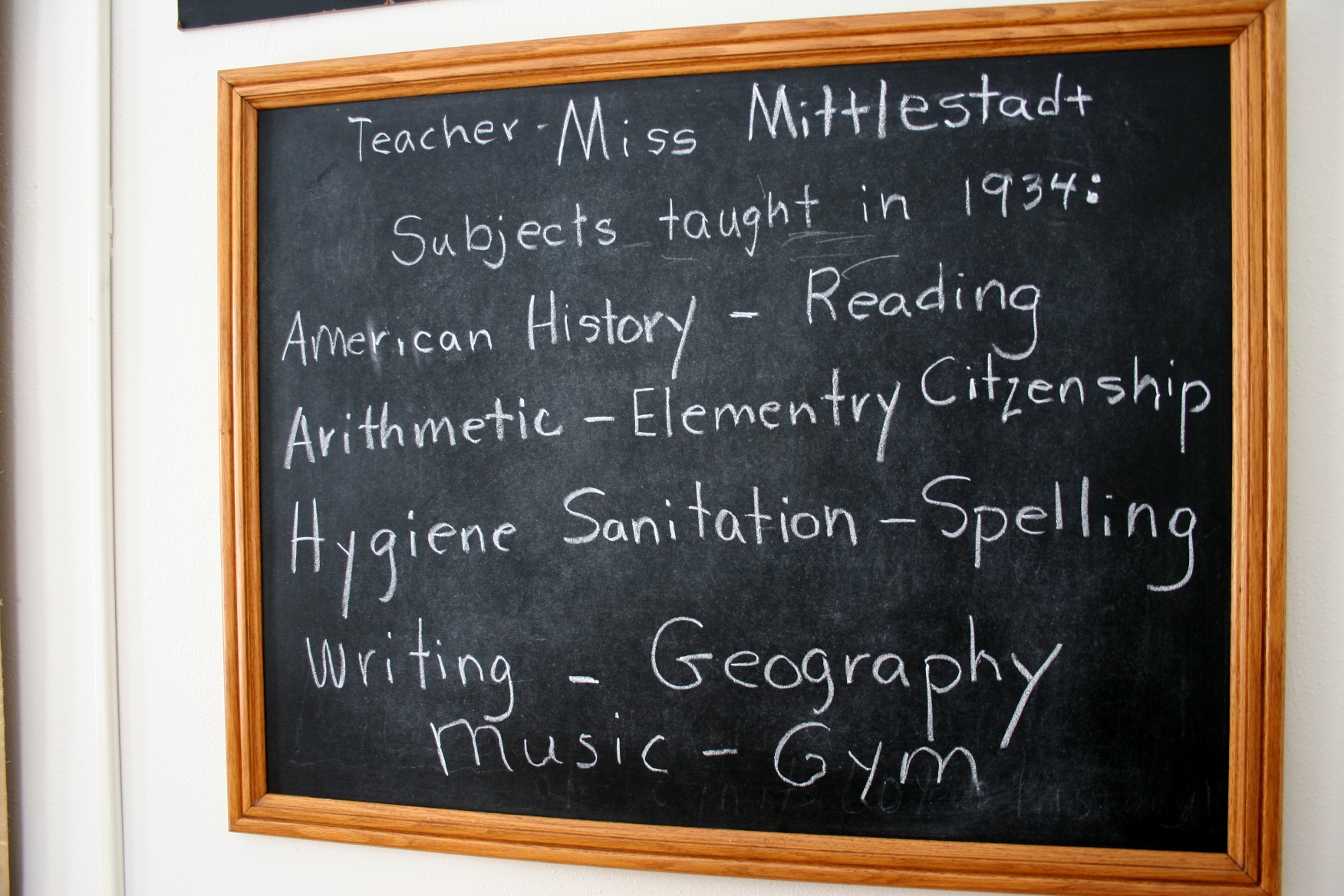
Children were educated through the eighth grade, with some selected during the early years to attend Owatonna High School. In later years, all students were allowed to attend high school.

If you’ve never visited the Minnesota State Public School Orphanage Museum, I’d encourage you to do so.

This exists as part of our state’s history. We need to know and understand life here.

Considering the thousands of children who lived in the orphanage during its 60-year span, I expect many Minnesotans are still carrying the emotional scars whether directly or indirectly passed through the generations.

IF YOU LIVED in the orphanage or have a family member who did, I’d like to hear from you. What’s your story? Good or bad.
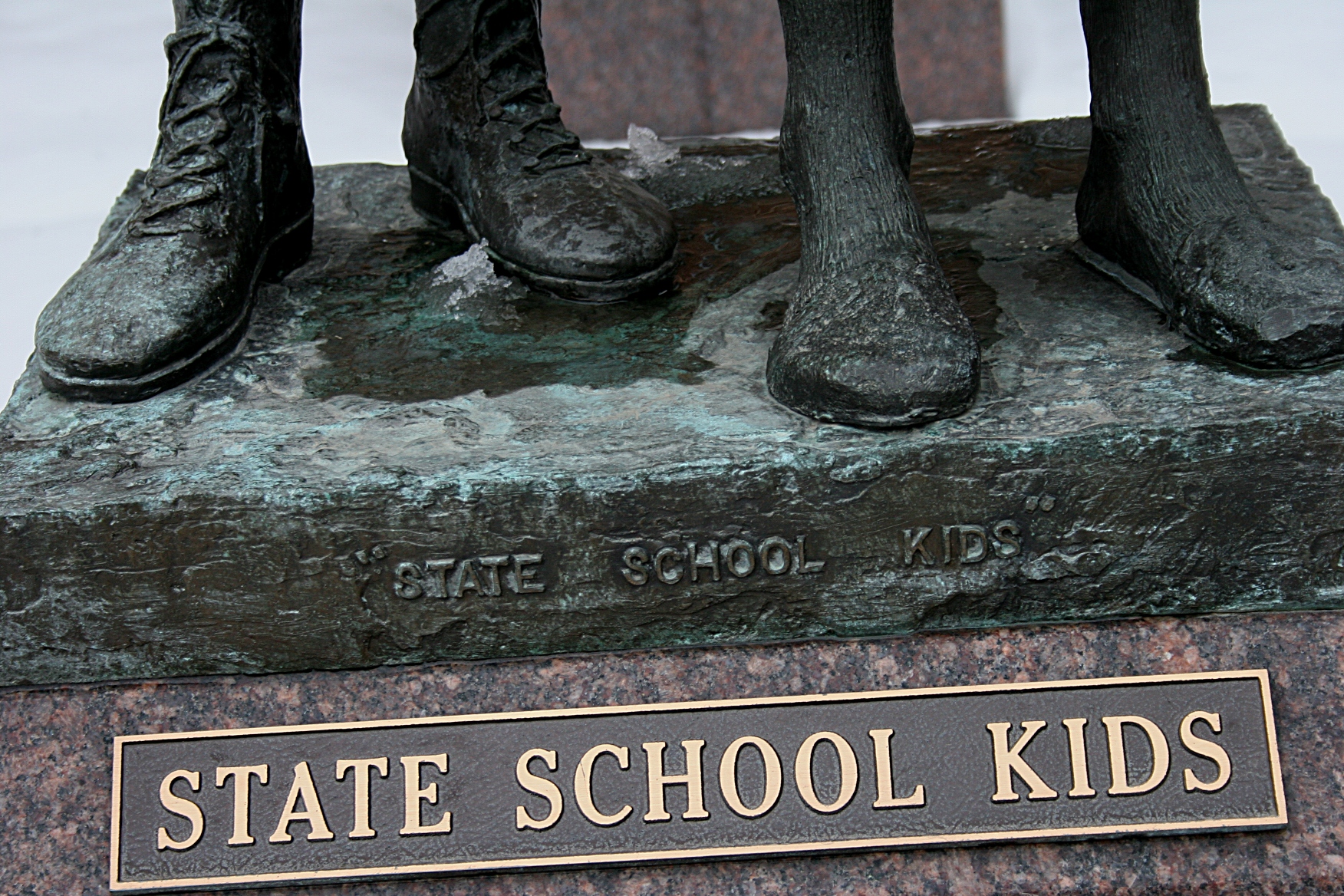
The feet of the children in the memorial statue on the orphanage grounds.

CLICK HERE to read a previous blog post I published about Christmas in the orphanage.

© Copyright 2011 Audrey Kletscher Helbling


In Owatonna: Stories of an orphan’s Christmas December 19, 2011

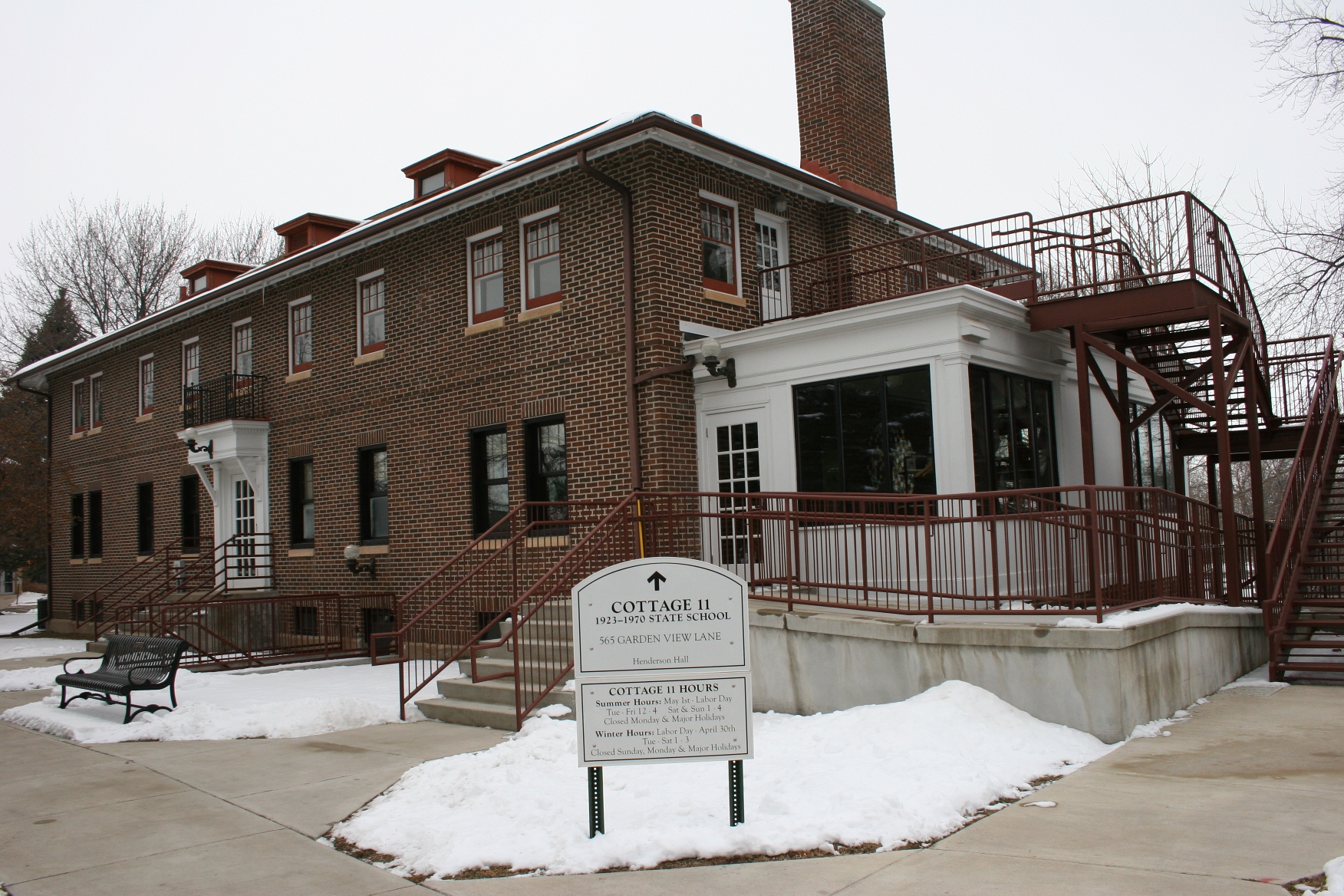
Cottage 11, built in 1923, as one of 16 cottages at the former Minnesota State Public School for Dependent and Neglected Children. Designed to house 25 boys ages 6 - 13, this cottage typically was home to 30 - 35 youth.

AS WE HURRY ACROSS the hilltop campus toward Cottage 11 at the former Minnesota State Public School for Dependent and Neglected Children, the raw wind slapping our cheeks, Silvan Durben advises us to refrain from jumping on the beds.

He’s a character, that Silvan, energetic and flamboyant and passionate. And truthful. This director of art at the Owatonna Arts Center, which is housed in the main building of the former orphanage, shares a tidbit of truth. The children who once lived here weren’t allowed to sleep on their pillows. So if my husband and I slid the for-show-only pillows off the beds and onto the floor, we’d have it right.

The boys' bedrooms are stark, devoid of anything homey. This small room slept three.

With that piece of information imparted, Silvan unlocks the door into Cottage 11, today preserved as part of the Minnesota State Public School Orphanage Museum complex in Owatonna.

Within these walls, which housed boys ages 6 – 13 from 1923 – 1945 in the state school orphanage, we will learn more of the unsettling truths during a self-guided tour. Typically, the cottage is staffed, but on this Sunday afternoon it is not and Silvan has allowed us inside, on our own, to explore. He trusts us, he says, and I am grateful for this opportunity to wander.

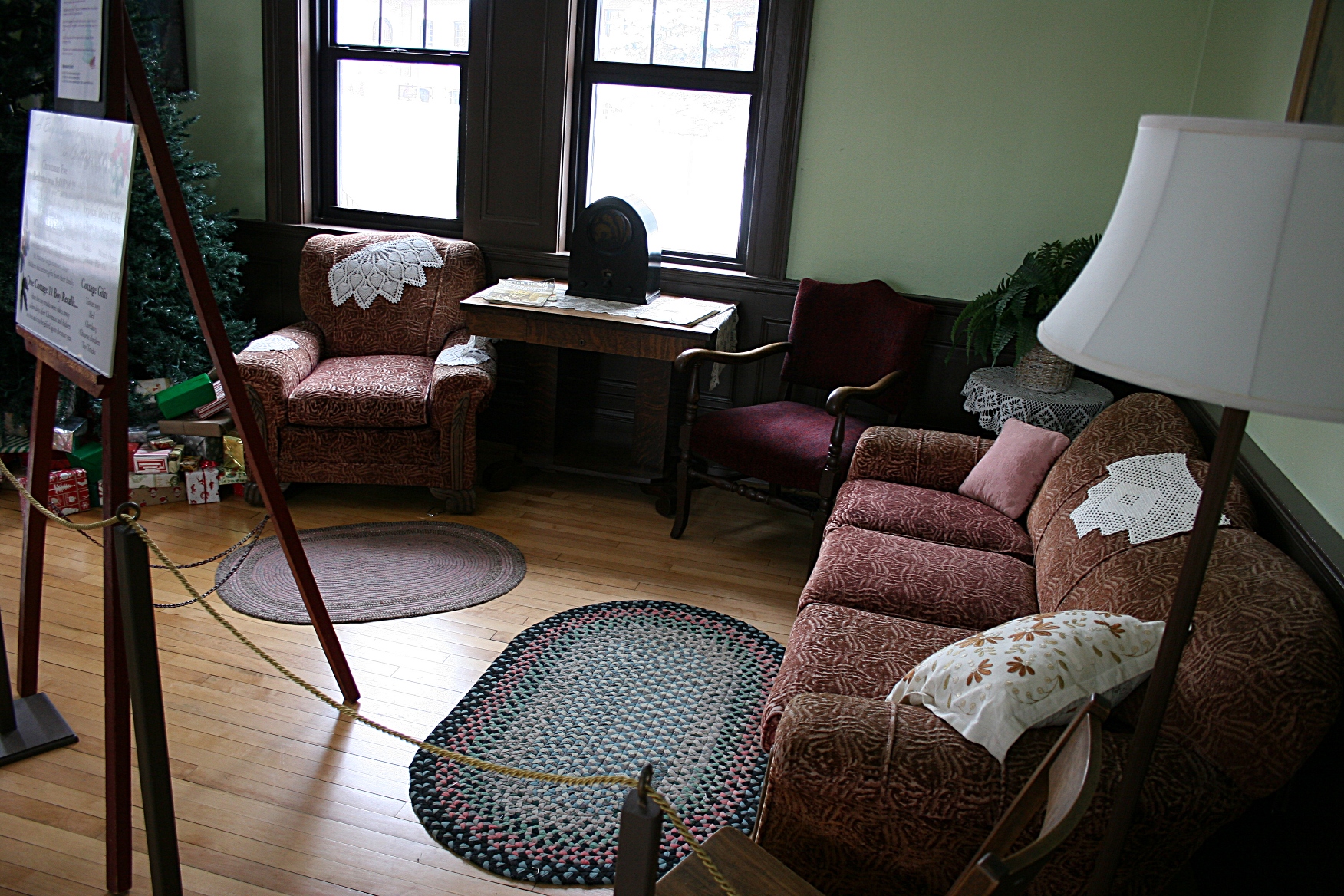
Entering a now-enclosed porch that serves as a gift shop and then stepping into the adjoining living room, I am surprised that I feel, initially, impressed by my surroundings. Visually, I am pleased by the natural light flooding this room through the abundant windows, by the dark woodwork, by the fireplace, by the narrow wood-slat floor, by the cozy cluster of vintage furniture grouped near the Christmas tree surrounded by piles of presents.

But looks, as I immediately learn, can be deceiving.

The living room was off limits to the boys except on special occasions.

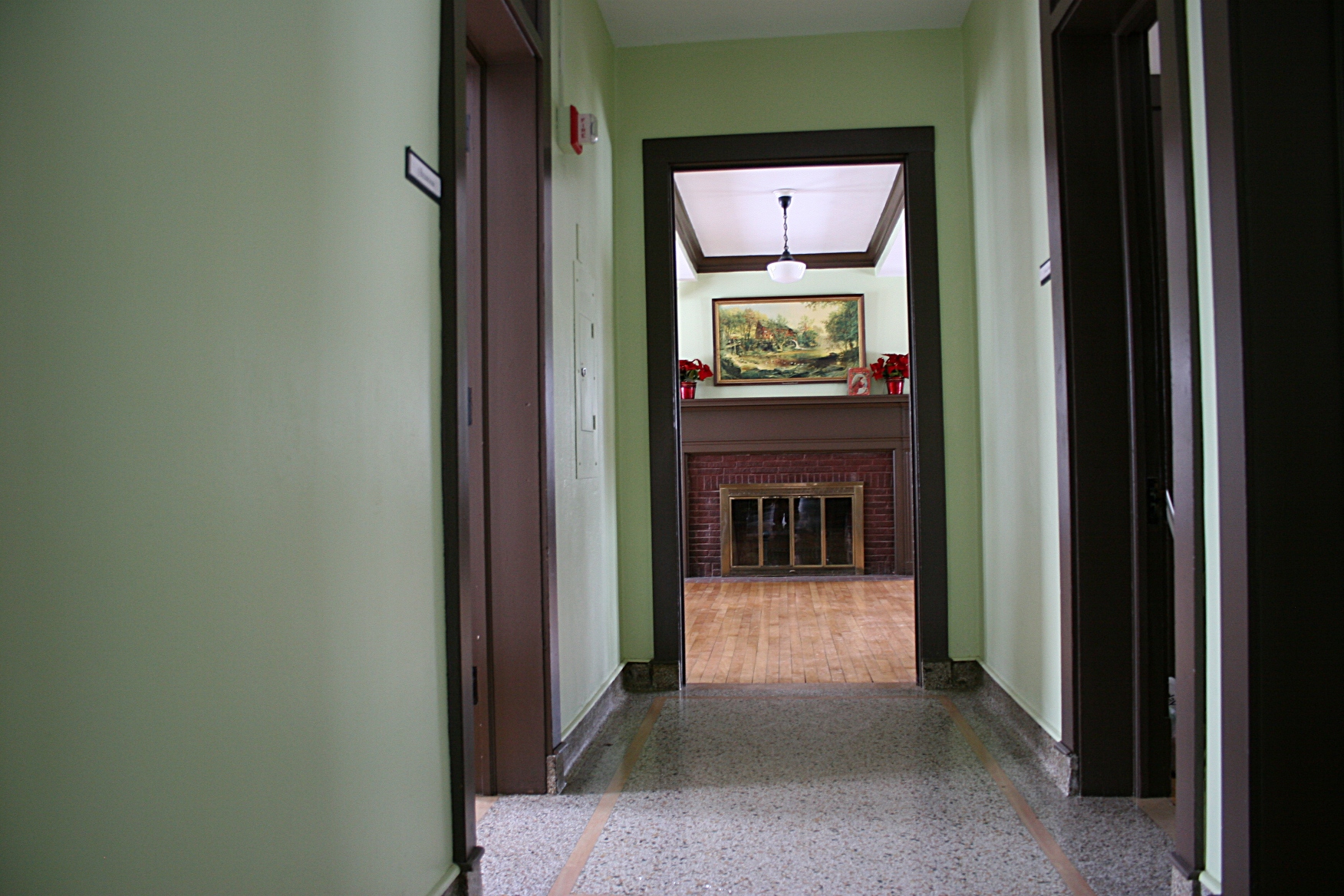
A view from the hallway looking toward the living room fireplace. Each week the boys polished the floor and furniture in this forbidden space. They also scrubbed floors throughout the cottage.

The posted words of the orphan boys reveal the truth:

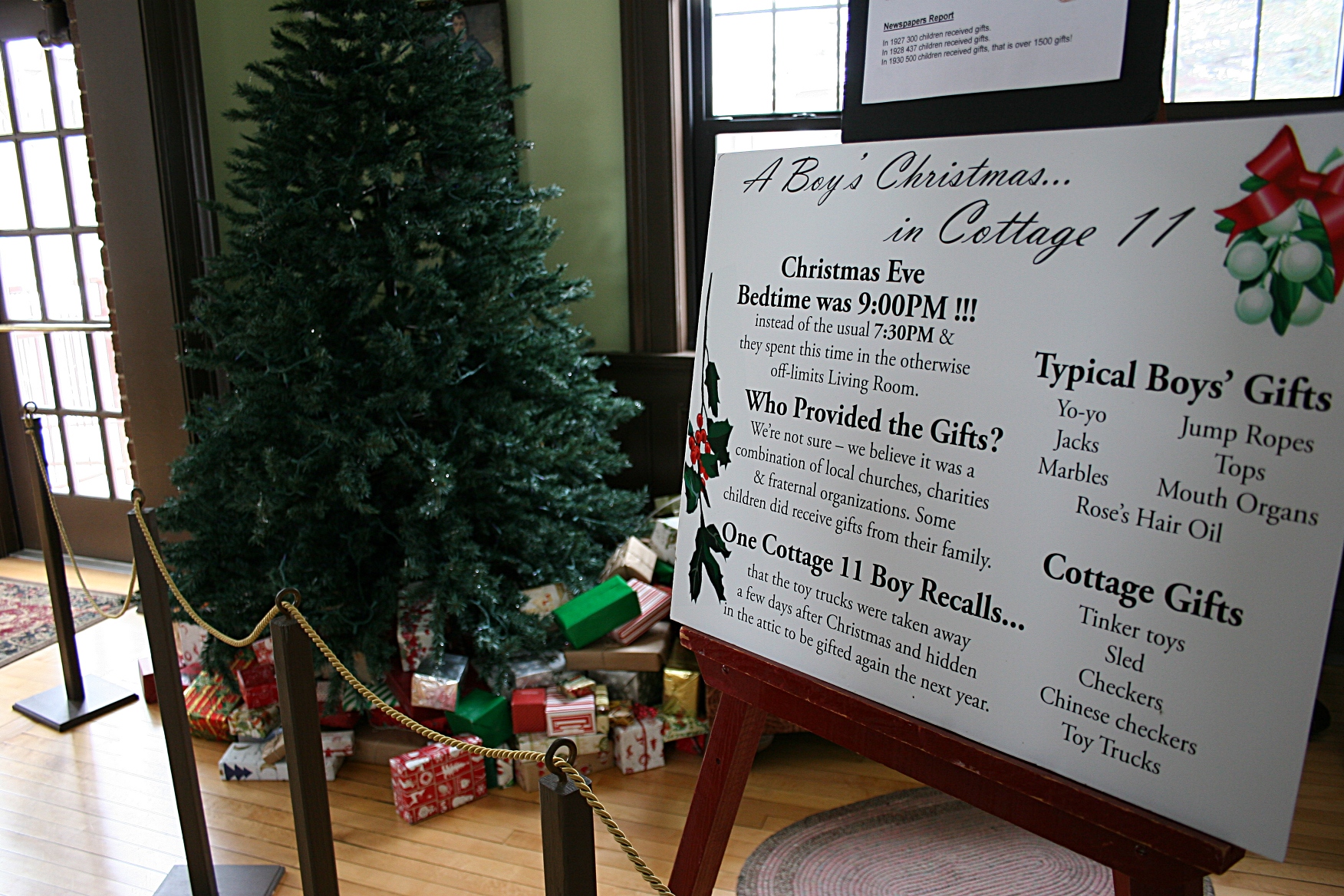
…the toy trucks were taken away a few days after Christmas and hidden in the attic to be gifted again the next year.—Cottage 11 Boy

The truth revealed about Christmas from the memories of the Cottage 11 boys.

And the lovely living room? Apparently just for show, too, except on special occasions like Christmas Eve when the boys gathered here around the tree and were allowed to stay up past their usual 7:30 p.m. bedtime until 9 p.m.

Christmas brought but a moment of happiness to these children who otherwise lived under rigid rules and the domination of mostly uncaring matrons. (Arguably, some of these children may have lived equally difficult, or worse, lives had they remained in their previous circumstances/environments.)

Some happy Christmas memories from the boys.

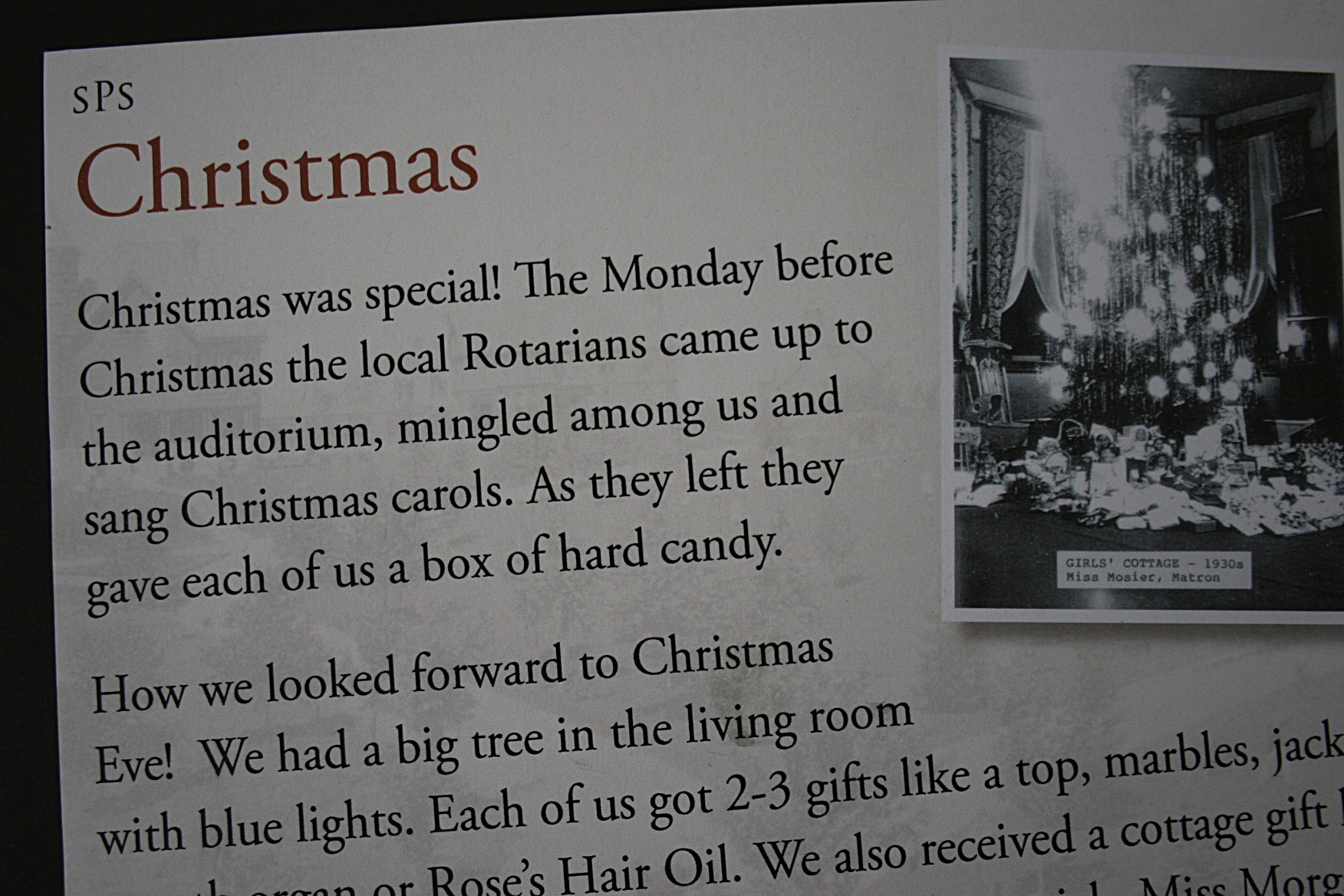
Christmas brought the local Rotarians into the school auditorium to sing carols and pass out boxes of hard candy. Christmas brought several gifts—perhaps Tinker Toys, or marbles or puzzles—for each child.

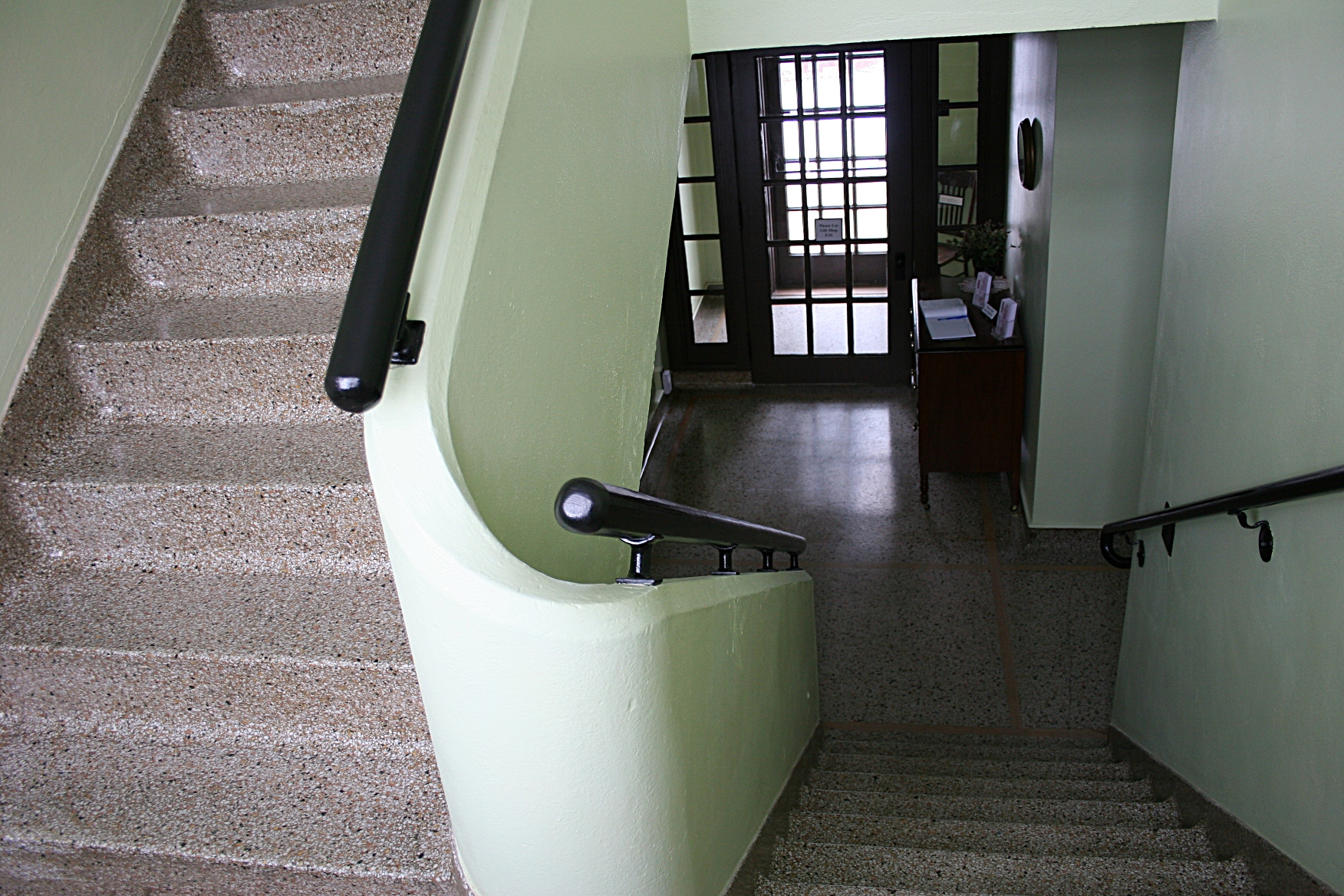
The stairway between the first and second floors and a shot of the cottage's front door at the bottom of the frame. The boys were never allowed to use the front door. They entered and exited through the basement.

I cannot even begin to fathom living here under unforgiving discipline, sleeping in stark bedrooms crammed with kids, missing out on the love of family.

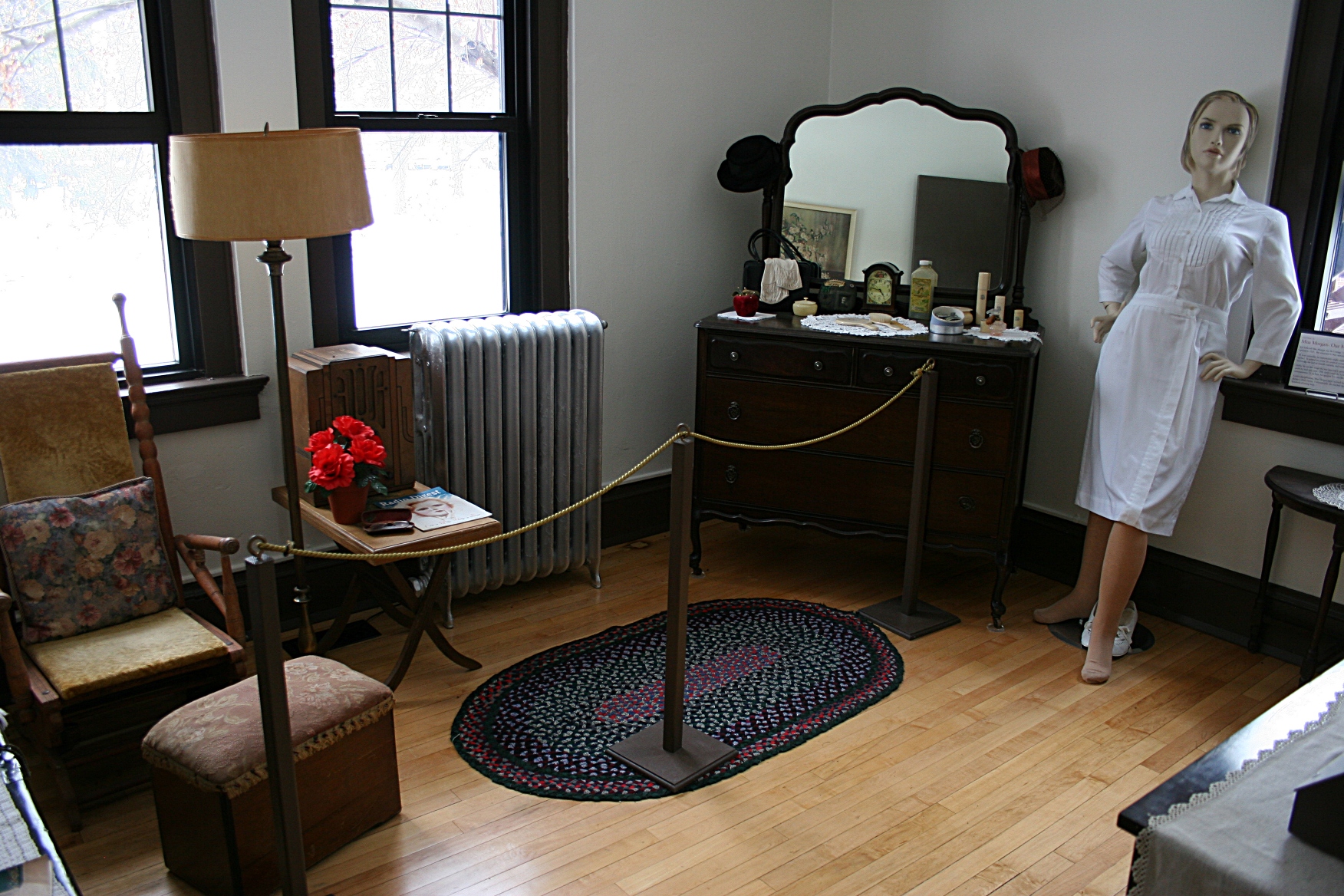
Unlike the mother image she was expected to portray, Miss Morgan (the matron) could be hard and cruel. Only rarely could she be kind and compassionate.

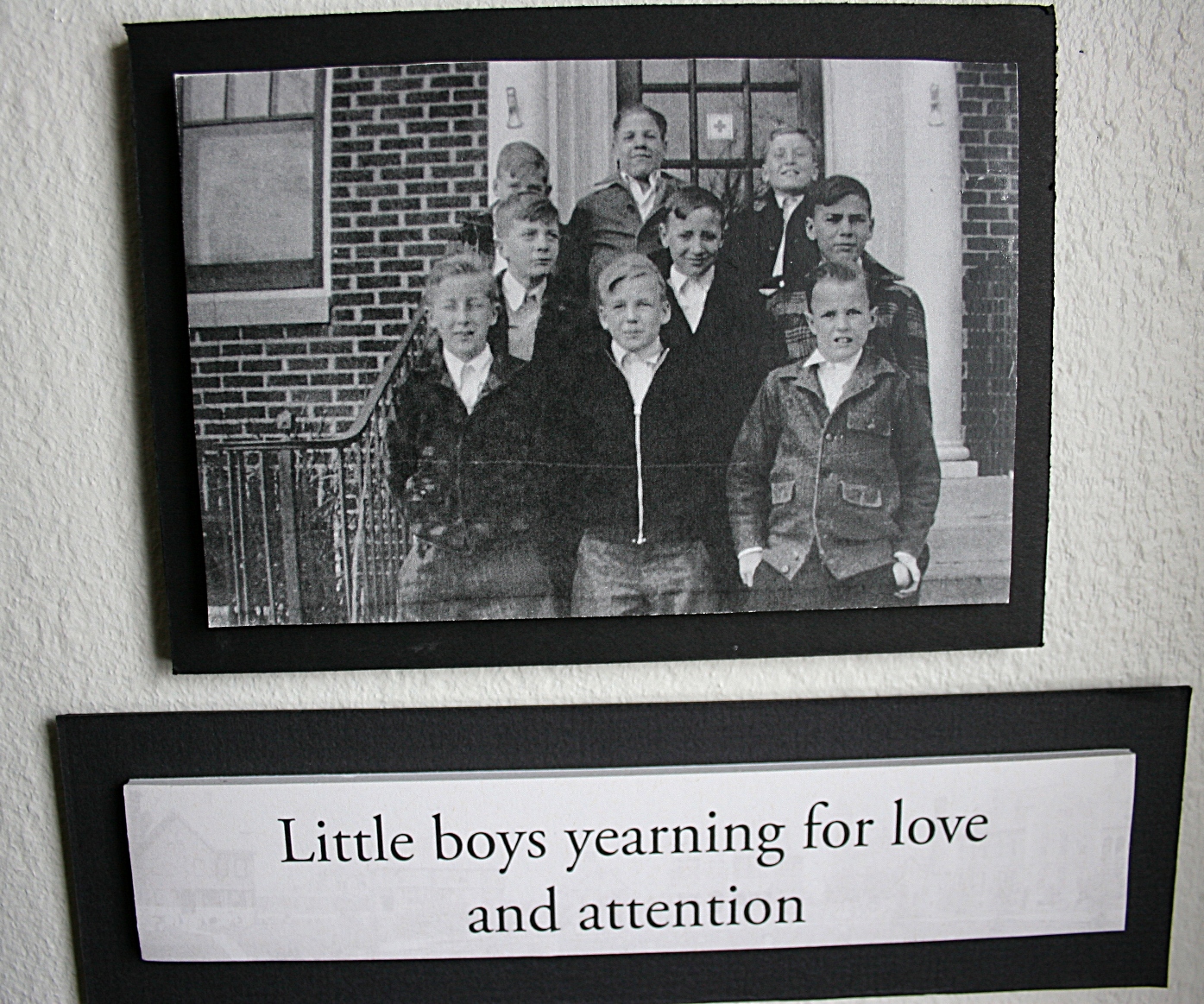
As I meander through the rooms peering at the black-and-white photos of mostly unsmiling boys and reading about their fears of scoldings and spankings and of scrubbing floors on their hands and knees and being confined primarily to the basement, my heart hurts. Truly.

You can see it in the boys' faces, the desperate need to be loved.

On signage titled “The Basement,” I read of  the prevailing authoritarian attitude:

Permission was always required to leave the basement.

Each boy was assigned a chair in the basement. "The chair kept order and accountability" to the matron.

Listening to a recording of a man who as a boy had his head slammed into a wall for prematurely removing a tie and cuffing a matron, I can still hear the hurt in his voice.

I can almost feel the pain experienced by cottage resident Arlend “Buzz” Wilson who slipped and scalded himself with hot water while scrubbing the basement steps. He ended up hospitalized for his burns.

In the first floor matron's quarters, a young boy was placed in the rocking chair to the left and his head slammed into the wall for disobedience. He removed his tie too soon and cuffed the matron.

But for all the awful stories shared here, occasionally glimmers of hope slip through—of boys who admired hobos and hopped the nearby train to escape and of “Wednesday Night at the Movies,” when movies were shown in the school auditorium. Those “brought great joy to us children.”

And then, the single gem I found among all the stones:

FYI: Cottage 11 is open from1 p.m. – 3 p.m. Tuesday – Sunday. However, I advise calling in advance (507-774-7369) as it was not open when we arrived on a Sunday afternoon. Hours at the main museum, 540 West Hills Circle, Owatonna, are from 8 a.m. – 5 p.m. Monday – Friday and from 1 p.m. – 5 p.m. on weekends. I have previously toured the museum, but did not do so again on this most recent visit.

PLEASE CHECK BACK for additional photos of Cottage 11.

© Copyright 2011 Audrey Kletscher Helbling
 

The Sunday School Christmas program December 18, 2011

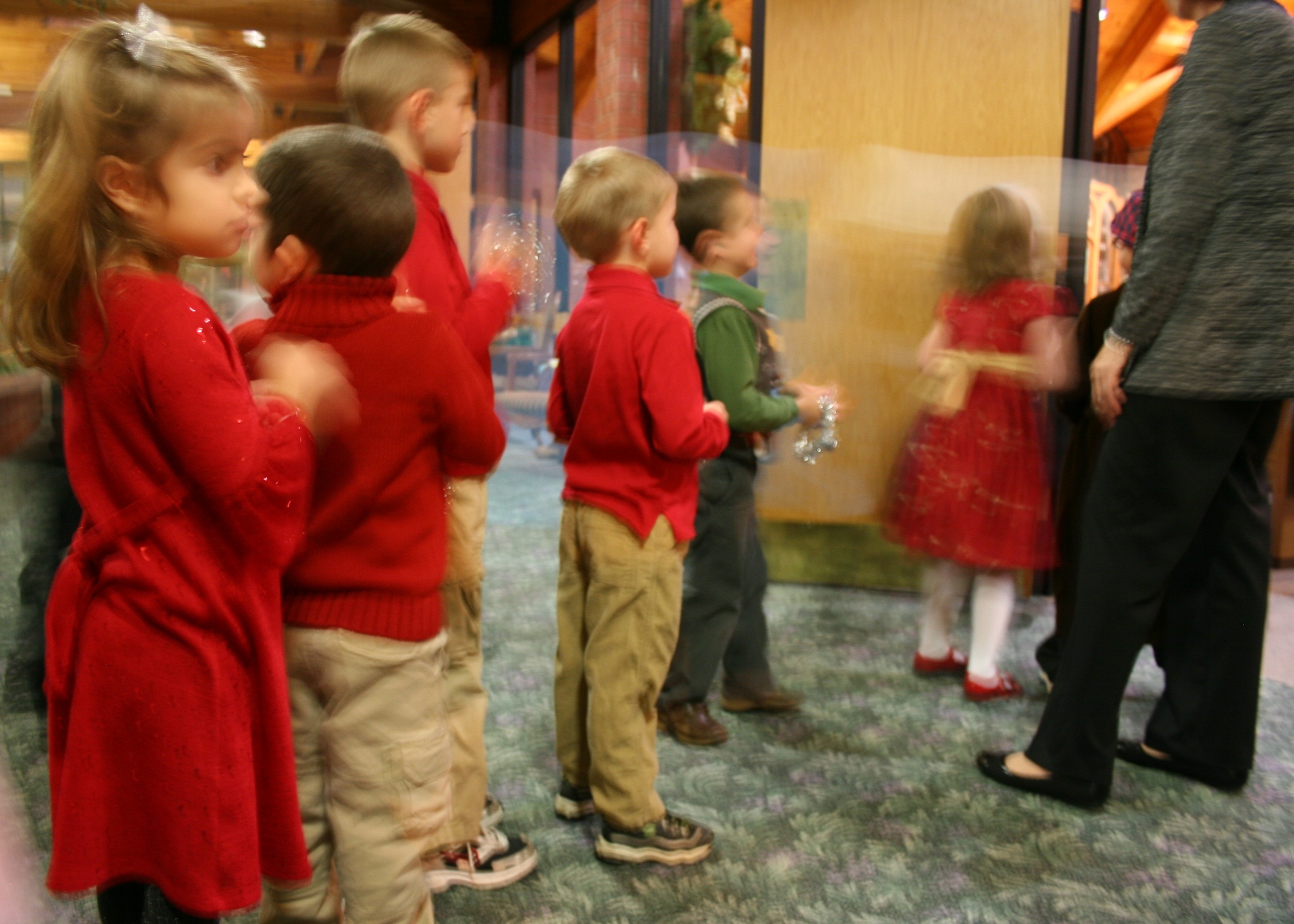
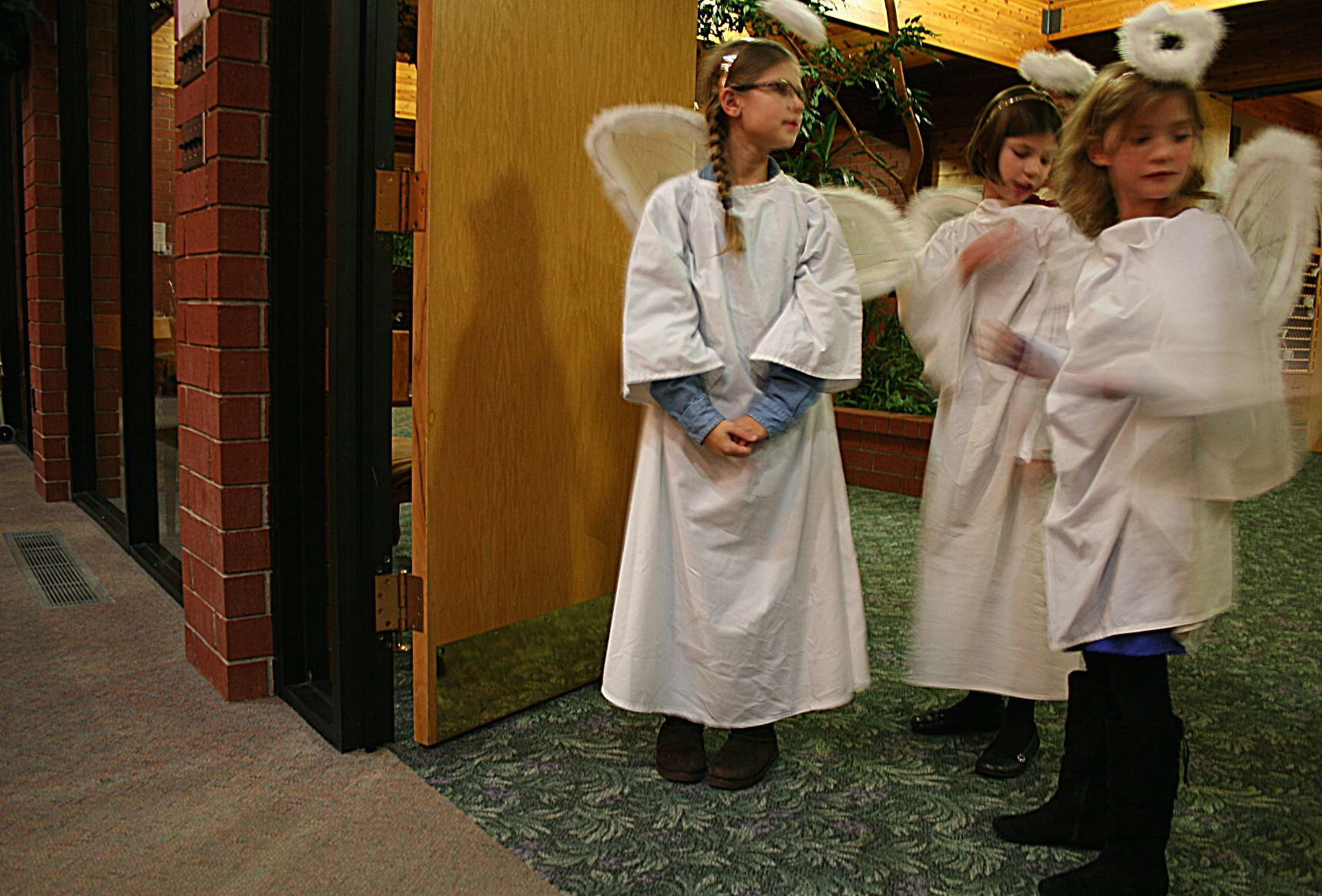
KIds wait in the narthex of Trinity Lutheran Church, Faribault, for the processional into the sanctuary during the Sunday School Christmas program. I shot with natural light, meaning a slow shutter speed, perfect for capturing the "can't stand still" action of these little ones who were so excited.

CHRISTMAS IS NOT Christmas to me without the Sunday School Christmas program.

From little on—when  I recited my “piece” at the St. John’s Evangelical Lutheran Sunday School Christmas Eve program, hoping I wouldn’t get a long bible verse with a word like “Nazareth” to trip my tongue—to today, when I can simply sit and observe, I’ve always treasured this part of celebrating Christ’s birth.

Through the years, my own three children participated at Trinity Lutheran in Faribault, playing the roles of Mary and an angel and Joseph and maybe even a shepherd. I have forgotten.

I do remember, though, the year I was 7 ½ months pregnant with my son and waddled into church feeling like the Blessed Mother herself. That was 18 years ago.

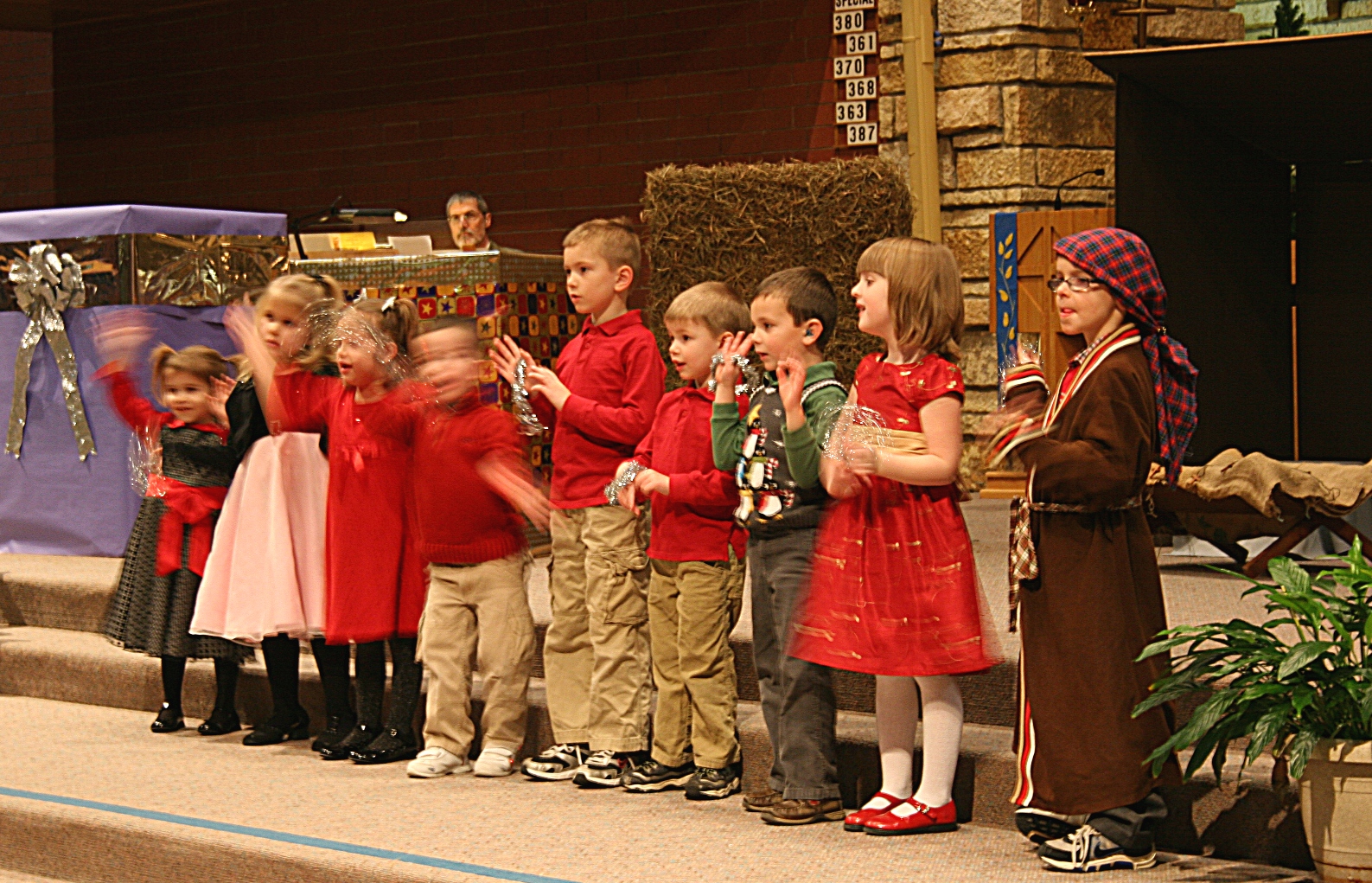
Saturday night I grabbed my camera and attempted to capture those moments that have always endeared me to this special children’s worship service—the red Christmas dresses, the bathrobe shepherd’s garb, the fluttering of angel’s wings, the joyful singing of familiar Christmas hymns, the kids who can’t stand still no matter how hard they try or don’t try, the goodie bags…

At Trinity in Faribault, a new generation of children sang and I remembered those Christmases so many years ago back on the prairie, waiting in the basement of  St. John’s, inching up the stairway, walking in pairs down the church aisle singing “Oh, Come All Ye Faithful…”

Such memories. Such joy at Christmas time.

The beginning of the children's Christmas program at Trinity on Saturday evening.

Children, ages 3 through kindergarten, sing. Lots of action here.

The angels wait just outside the sanctuary for their cue to enter.

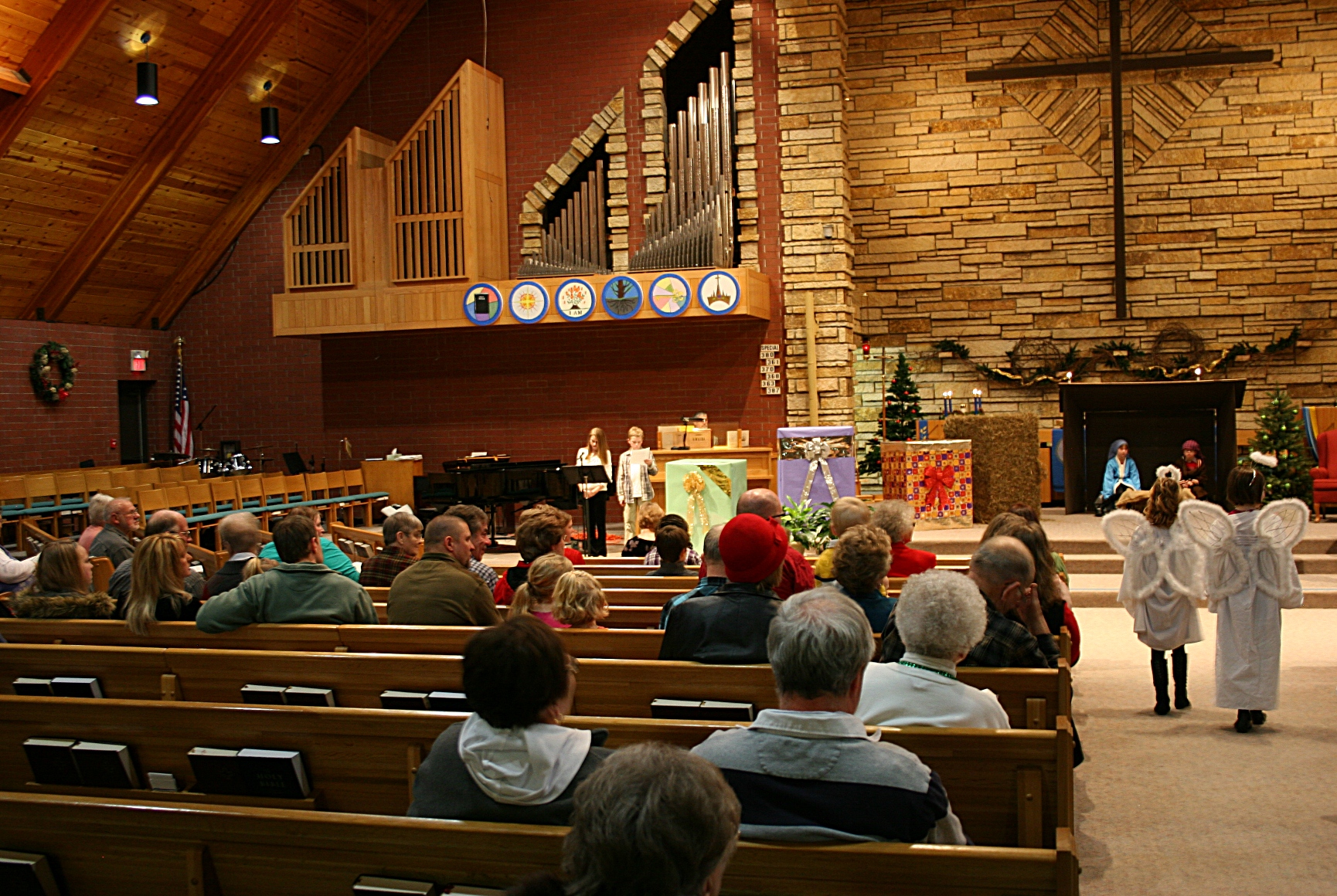
The angels approach the manger at the front of the church.

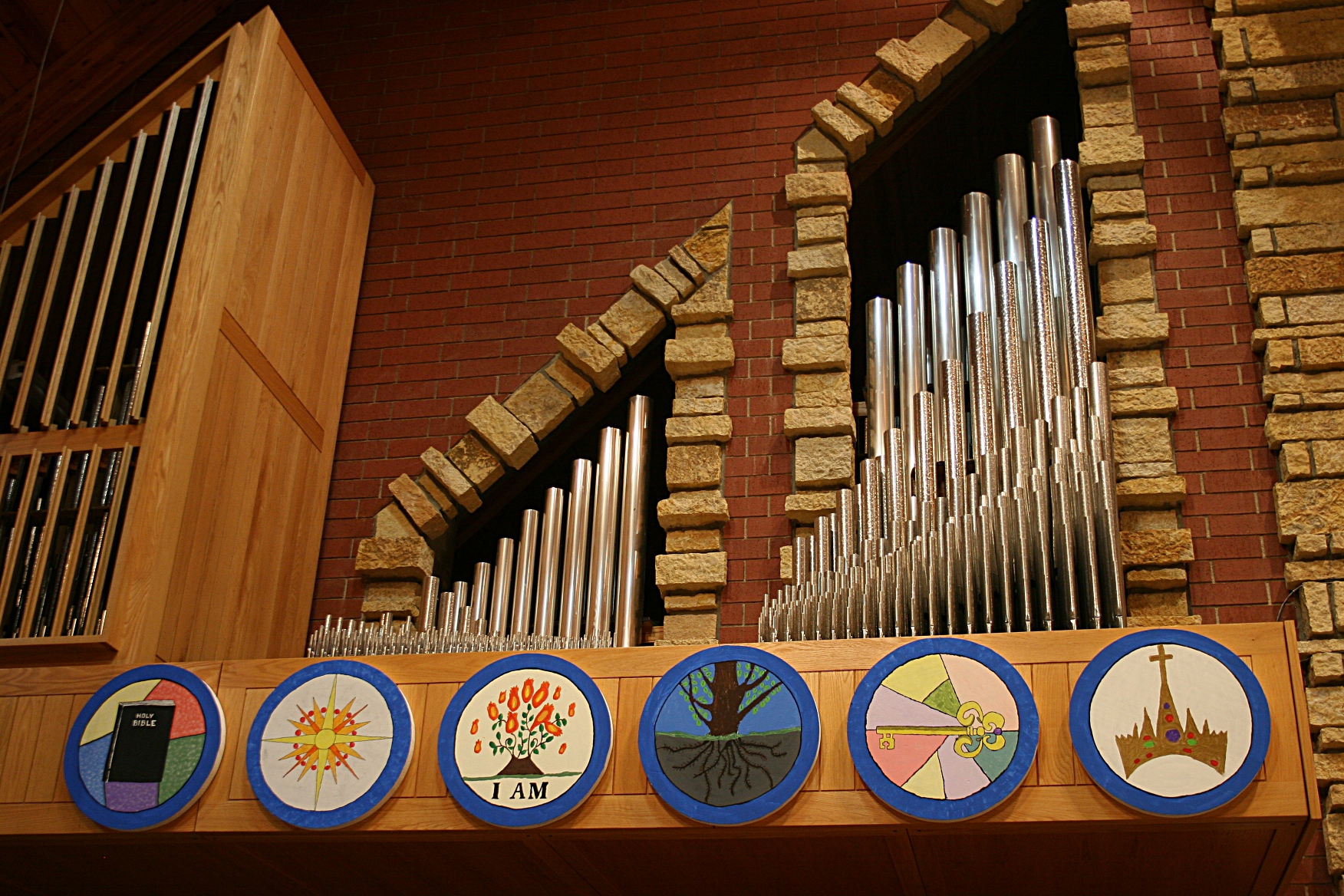
"O Antiphons," lined up below the pipes of the organ, were used during Advent services to symbolize the names or titles given to the coming Messiah, Jesus Christ, in many Old Testament prophecies.

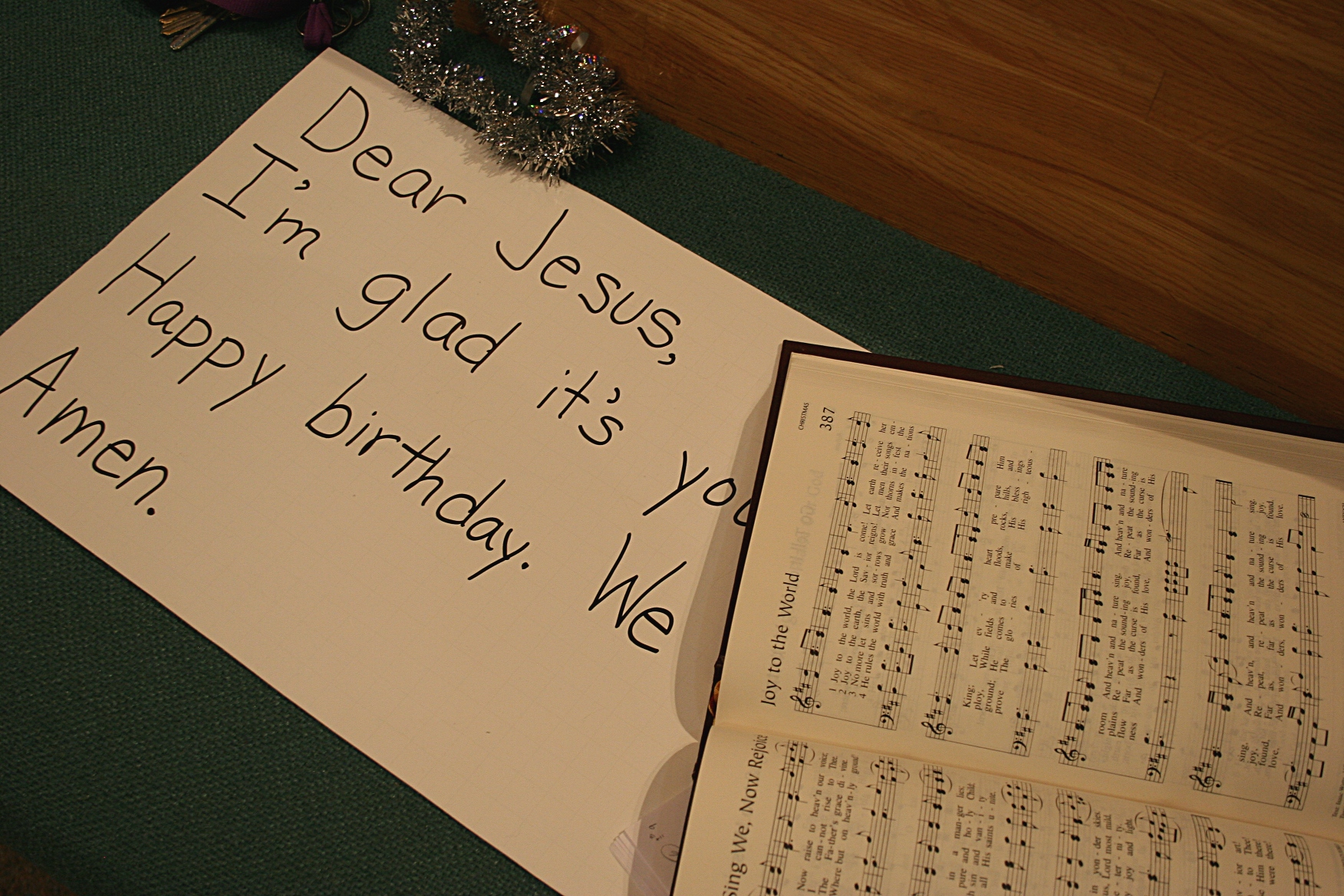
After the service, I found this cue card for the children and this hymnal, open to "Joy to the World," on a front pew.

DO YOU HAVE special memories of a Sunday School Christmas program?

© Copyright 2011 Audrey Kletscher Helbling
 

Dispelling a Mayberry myth in rural Minnesota December 16, 2011

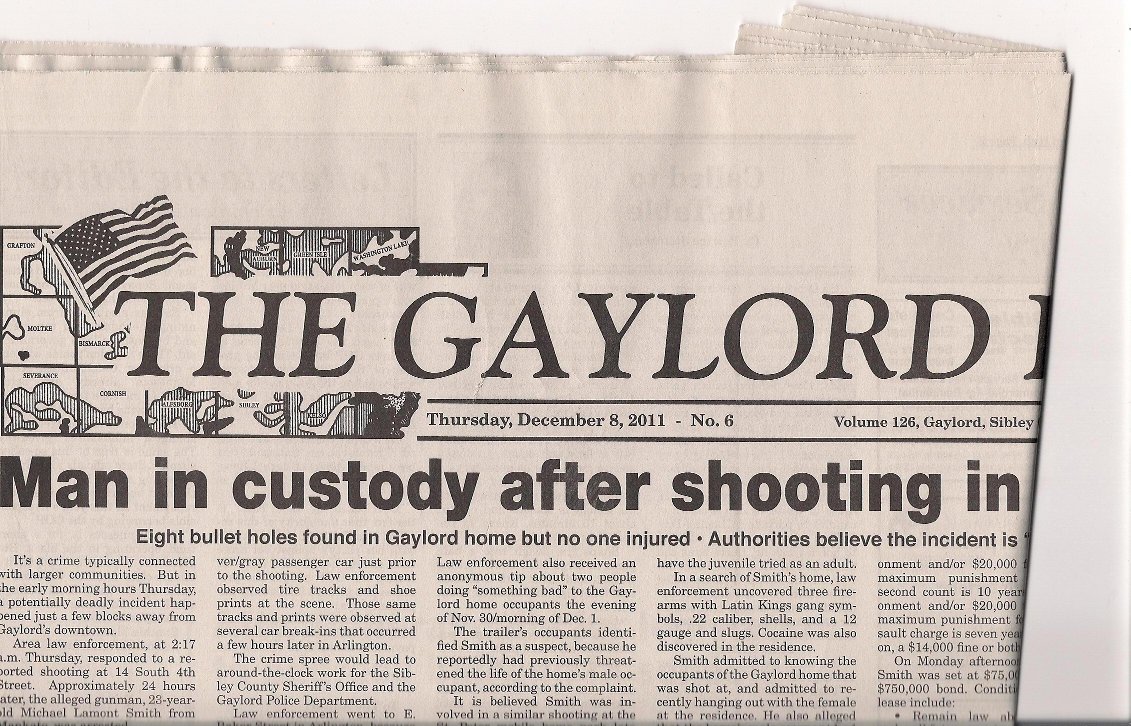
Man in custody after shooting in Gaylord

Two men arrested after incident with police officers in Winthrop

Three years since rural Green Isle homicide

These disturbing headlines all published recently in a single issue of a 10-page small-town Minnesota weekly newspaper.

How life has changed in the 31 years since I pounded out news articles there, for The Gaylord Hub, on a vintage manual typewriter. The biggest news stories during my 1978 – 1980 tenure as a reporter were fires and motor vehicle crashes and the controversy over the expansion of local chicken barns.

I didn’t write about eight bullets fired into a Gaylord home in an alleged gang-related shooting or a scuffle between police and a suspect or a three-year unsolved homicide.

And I didn’t have to report on a courthouse shootings like the one which occurred Thursday in quiet Grand Marais, an artsy get-away destination along the shores of Lake Superior.

Thirty years ago, small towns were still relatively untouched by violent, drug-related or other crime. Not so anymore. One need only pick up any weekly newspaper to read about major crimes that rock even the most rural regions.

Just this week in Redwood County in rural southwestern Minnesota, warrants were issued for 31 individuals on felony drug charges following a year-long, five-county investigation, according to information published in The Redwood Falls Gazette. Most suspects have been arrested and charged.

That’s my home county you’re talking about here, a place of small towns, grain elevators, farm sites, and corn and soybean fields—about as rural as you can get.

This isn’t Mayberry anymore.

While I can wax nostalgic about how things “used to be,” the reality of life is this: Times have changed. People have changed. Respect for parents and authority and laws have eroded.

Crime, once considered a big-city problem, reaches deep into the most rural of locations.

It is sad.

But it is the truth.

IF YOU LIVE in a rural area, have you see increases in crime? Explain. How have you, personally, or your community been impacted? How is your community dealing with crime? Please submit a comment and share.

© Copyright 2011 Audrey Kletscher Helbling
 

Laugh away holiday stress at FHS one-act plays December 15, 2011

Filed under: Uncategorized — Audrey Kletscher Helbling @ 10:30 PM
Tags: , , , , , , ,

NEED A BREAK from the stress of preparing for the holidays?

Well, Faribault area residents, I’d recommend taking in Faribault High School’s student-directed one-act plays Friday or Saturday night.

For only $3 and about an hour of your time, you can escape your holiday busyness, relax and laugh. That’s a dollar for each benefit you reap. A bargain, I’d say.

And you will laugh, or maybe snort like the girl sitting behind me, at the humor in “Bad Auditions By Bad Actors,” directed by FHS student Lorelei Tinaglia, and “It’s Not You, It’s Me,” directed by Jeremiah Kuehne.

The content of the first play is self-explanatory by the title. The second play is about relationships.

These teens can entertain. They’re confident, poised, talented and funny. But, more importantly, they’re having fun. You can see that.

Eke out an hour of your time to support these theater students who will gift you with laughter.

Be there. Black Box Theatre. At 7 p.m. Friday or Saturday. Faribault High School.

© Copyright 2011 Audrey Kletscher Helbling
 

Beyond just a holiday art exhibit at the former Owatonna orphanage

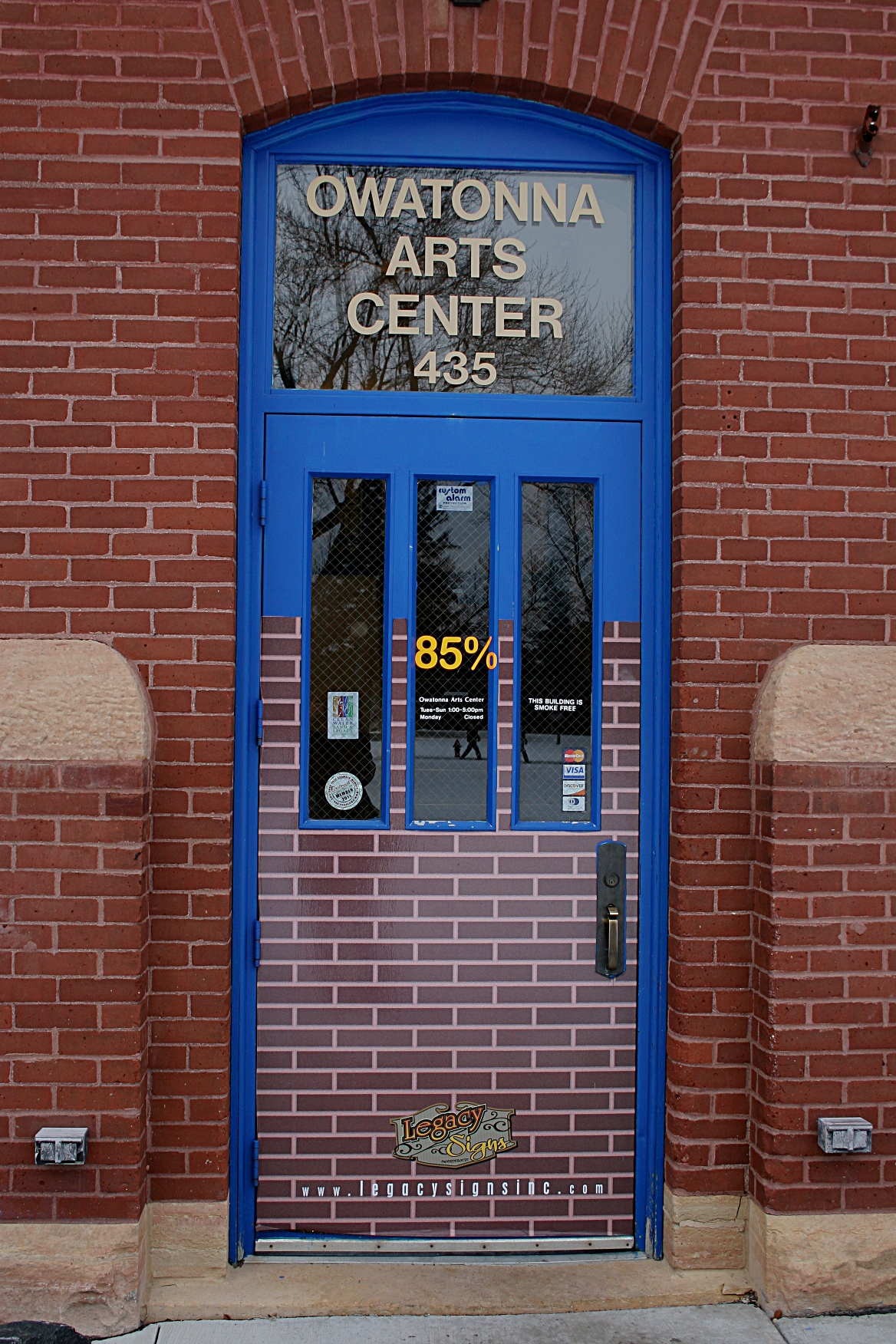
A door into the Owatonna Arts Center in southern Minnesota.

BEHIND THE BACK BLUE DOOR of the Owatonna Arts Center, housed in a former orphanage, past the guardian nutcracker, up the stairs and just to your left, you’ll discover a sprinkling of holiday magic and realism in “The Story Books of Christmas” exhibit.

As OAC Art Director Silvan Durben tells me, the exhibit doesn’t specifically emphasize Christmas books—although two are holiday-themed—but rather impresses the sharing of a storybook with a child and the warm memories that evokes.

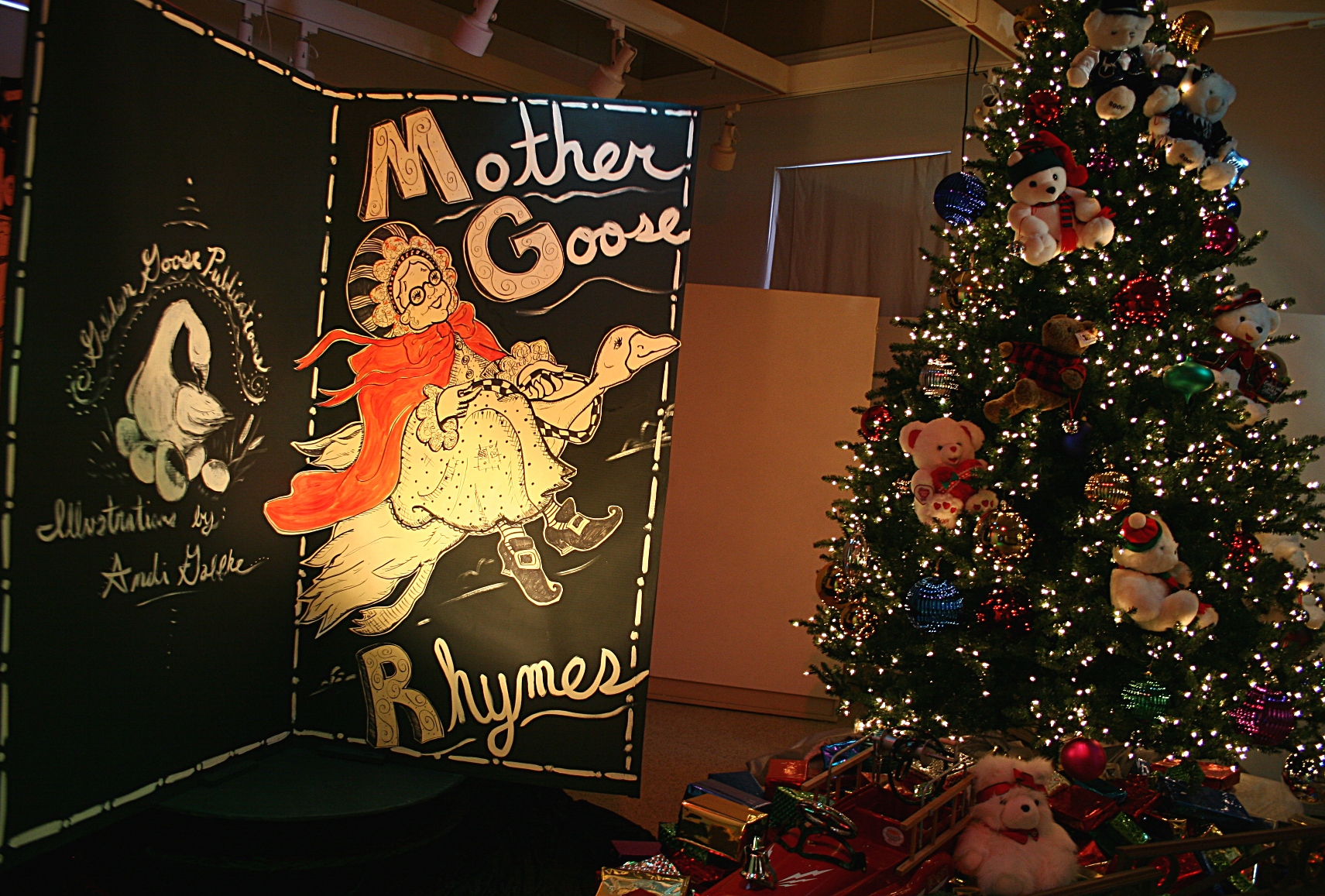
You’ll experience that bonding over books in a rotating display of Mother Goose tales crafted onto cardboard and placed next to a Christmas tree embraced by teddy bears tucked among branches.

Who among us doesn’t remember with fondness the recitation of nursery rhymes?

Jack be nimble, Jack be quick, Jack jump over the candlestick.

Hickory, dickory, dock, the mouse ran up the clock. The clock struck one. The mouse ran down. Hickory, dickory, dock.

Or the story of the “Old Man in the Moon?”

It was not lost on me, though, that the orphaned children who once tread these floors did not experience the closeness of clutching a teddy bear or cuddling on a lap while listening to nursery rhymes as they drifted into sleep.

A rotating exhibit of several Mother Goose nursery rhymes.

A close-up of art in the Hickory, dickory, dock rhyme.

Many dreamed of escaping—and some did via rail—the drudgery and abuse at the former Minnesota State Public School for Dependent and Neglected Children.

That reality struck me as I viewed an over-sized silver jingle bell and the word “BELIEVE” punched into an equally-large golden ticket at The Polar Express display. In that children’s picture book by Chris Van Allsburg, a young boy boards a train to the North Pole as the story unfolds to reveal the magic of Christmas.

The large, magical silver bell in The Polar Express display.

Although I did not ask, I wonder if the creators of “The Story Books of Christmas” considered the double-meaning of selecting The Polar Express to highlight in this place where so many children wished for a ticket out.

I found the selection fitting, touching and sad. And a wee bit hopeful.

FYI: “The Story Books of Christmas” exhibit runs through December 29 at the OAC, 435 Garden View Lane. OAC hours are from1 p.m. – 5 p.m. Tuesday – Sunday, closed Mondays. The OAC will also be closed December 23 – 26.

The display highlighting the book, Nestor, the Long-Eared Christmas Donkey.

CHECK BACK for another blog post from the art center and for a photographic tour of Cottage 11, once home to orphaned boys.

© Copyright 2011 Audrey Kletscher Helbling
 

An affordable college option for Minnesotans: Canada December 14, 2011

MY 17-YEAR-OLD BOUNDED down the stairs Tuesday morning, uncharacteristically cheerful. He’s not a morning person. I’ve learned that the less interaction with him any time before 10 a.m., the better.

So his upbeat attitude and engaging me in conversation before 8 a.m. surprised me.

While I don’t recall his exact words, they went something like this: “You know, Mom, how I sometimes listen to Minnesota Public Radio? Well, they were talking about colleges in Canada and reciprocity with Minnesota and how much cheaper it is to go to school there.”

I could see exactly where this was leading. He wanted to apply to a Canadian college.

However, I was in no mood to hear any of this. After months of attempting to persuade him to apply to shoe-in, affordable Minnesota, Wisconsin or Dakota colleges, I didn’t want him to pursue a dead-end. We’re getting to crunch time here on college apps. (He’s applied to four out-of-state colleges, three of them highly-competitive and totally unaffordable at $40K – $55K annually for tuition, room and board. My son, BTW, is academically-gifted and scored exceptionally well on his ACT test.)

I should have heard him out. But, instead, I spouted rather ridiculous responses like: “Your dad and I don’t even have passports.” And “Do you know how much it would cost to fly to and from a Canadian college?”

He slammed out the door on his way to high school classes without even a goodbye hug. I don’t blame him. I had failed as a mother to listen to my son.

Later Tuesday morning, I checked out the MPR news story, which you can read by clicking here. In summary, Minnesota and Canada, specifically the province of Manitoba, have had a tuition reciprocity agreement for 20 years. Who knew? Not me.

"Canada is closer than Colorado," my son told me.

Tuition at a Manitoban university, for example, will cost a Minnesota student around $4,000 annually. That’s less than tuition at a Minnesota community college, state-run university or the University of Minnesota, according to the MPR article.

The most recent enrollment statistics listed on the Minnesota Office of Higher Education website show 31 Minnesotans attending post secondary institutions in Canada during the 2009-2010 school year. Click here to check out information on that website.

Will my son head north across the border to the University of Winnipeg or one of six other Manitoban colleges?

I don’t know. But it’s certainly worth investigating as he considers his college options.

All of this brings me full circle to two questions raised in recent weeks by several friends:

  • Is it even worth going to college any more?
  • Does it matter where you attend college? One friend tells me her son, who went to a state-run South Dakota university, earns just as much as co-workers who graduated from more elite and expensive private colleges.

I’ve considered these same questions.

WHAT’S YOUR TAKE on going to college? Is it worth the investment? Does attending a prestigious private college give you an employment advantage? I’d like to hear your thoughts. Please submit a comment.

© Copyright 2011 Audrey Kletscher Helbling
 

The disturbing truths revealed in “Why I Left the Amish” December 13, 2011

ANY ILLUSION I’VE HELD of the Amish living Utopian existences has been shattered into a million shards after reading Why I Left the Amish: A Memoir.

Written by Saloma Miller Furlong, a woman raised in an Amish community in Ohio, this rates as one of the most disturbing books I’ve read given my preconceived notions about an idyllic Amish world.

Certainly, all Amish should not be pigeonholed by this single book.

Yet, the truths shared by Furlong cannot be ignored. The Amish, like none of us, live pastoral, simple, uncomplicated lives.

In Furlong’s situation, she lived a living hell. I can think of no other way to describe the horrific stories of abuse within her family shared in her memoir.

As I read her book, I began to understand how living within the confines of rigid rules and beliefs within a closed community can allow such abuse to continue without intervention.

According to Furlong:

Individuality is squelched in the name of “community.”

Women/girls are to be subservient to men/boys.

Obedience is demanded.

Rules rule.

Humbleness of spirit prevails and not always in a positive way.

Don’t get me wrong here. I am not condemning the Amish or their chosen beliefs or lifestyle. But I have, through Furlong’s memoir, come to understand how ideologies can keep the issues of abuse hidden and ignored deep within the community.

In Furlong’s case, she writes of the shame heaped upon her family by the Amish community aware of dysfunction within her family. Her father was mentally ill, her mother unwilling to protect her daughters, her brother abusive.

Her words hurt your heart. Simple as that.

Furlong writes:

“Our fear of Datt’s violence kept us trapped so that we could not even imagine freedom.”

Eventually that fear of violence also gave Furlong the courage to plan her escape and flee in 1977 at the age of 20.

But can you imagine how difficult that decision must have been, knowing this:

“It is a belief system that a child inherits, in which one believes one is damned if one leaves the Amish.”

FURLONG IS CURRENTLY co-writing a sequel, When We Were Young and She Was Amish, with her husband, David. After that initial escape, where Why I Left the Amish ends, Furlong was tracked by her family and the bishop and returned to her Amish community. Later she would flee for a second, and final, time.

Why I Left the Amish was published in 2011 by Michigan State University Press.

This is a must-read book, even if you’re not interested in the Amish. Furlong’s memoir addresses abuse and we can all learn from it, no matter our beliefs.

© Review text copyright 2011 Audrey Kletscher Helbling
 

The white elephant gift no one wants December 12, 2011

KUDOS TO MY FRIEND Jesse.

He truly outdid himself at the annual Family Game Night Christmas party at Trinity Lutheran Church in Faribault this weekend. And he wasn’t even there. Rather, Jesse was hermited away in his grandpa’s farmhouse near Barrett, without internet or more than four television stations, writing his dissertation.

Jesse left his wife, Tammy, behind to carry out his mission. Initially, it couldn’t have gone any better had he been there himself to execute his plan.

But he missed the moment when my husband selected the gaudy holiday picture frame from among the wrapped white elephant gifts. From the shape of the package, I knew immediately that Randy had chosen the wrong gift—the garish Christmas-themed frame which each year is returned to the exchange pile. No one wants the darned thing. It’s that ugly.

Last year, Jesse took the frame home after I brought it back for the exchange. Apparently since then, my friend has been plotting his revenge.

He got it Saturday. Randy opened the gift to find my face smiling back at him. Jesse had taken my outdated 2005 photo from this blog, enlarged it and tucked it into the frame underneath mini photos of his family, another family and my family. It’s tradition that whoever gets the frame must tuck a photo into it. Jesse started this by placing Tammy’s high school graduation picture into the frame. That image has mysteriously disappeared.

This year, though, Jesse tweaked the tradition by blowing up my image. (BTW, I don’t look much like this anymore, readers. My hair is shorter and graying and my glasses are rectangular, not oval.)

The frame no one wants.

Anyway, party-goers doubled over in laughter when they saw my framed photo in the hands of my loving husband. I waited to see if he would keep my picture or trade it away in a snap.

But Randy hung onto the photo until the very end, when he traded Tammy for a decorative rolling pin (equally as ugly as the frame).

I can only imagine the look of surprise on Jesse’s face when he arrived home from Barrett to see my lovely face staring at him from that gaudy picture frame.

DO YOU HAVE a tradition like this, where you keep passing the same unwanted gift around to family or friends? I’d love to hear about your shenanigans via a comment.

© Copyright 2011 Audrey Kletscher Helbling
 

Expecting better customer service December 9, 2011

Filed under: Uncategorized — Audrey Kletscher Helbling @ 8:55 AM
Tags: , , , , ,

EVERY FOUR TO SIX WEEKS, my husband and I make a major grocery shopping trip with a divide and conquer plan. It’s easier that way.

With two lists and two carts, we work the store. He handles most of the meat and fruit selection, the snack aisle and dairy products. I take the rest. The tag team approach gets us in and out of the store faster. Less time in the store, less money spent.

Wednesday evening, however, after all 68 items had been scanned, my husband slid a gift card through the payment system and our plan disintegrated. The computer locked up. We wouldn’t be leaving anytime soon.

I realize these things happen. But the manager, rather than deal with the situation in a calm, professional manner, became visibly and verbally flustered. His agitation only added to my frustration.

I didn’t need to hear that this lock-up has happened previously on this computer with gift cards. Fix the darned thing then, alright.

While we stood there, the check-out clerk and two other employees moved, unbagged, rescanned and repacked all 68 items at an adjacent check-out lane.

Meanwhile, the manager directed other shoppers away from the “bad” lane and simultaneously paged for assistance. He finally realized that flicking off the lane light would effectively steer shoppers away from the malfunctioning computer.

When the final grocery bill of $118.02 was rung up for the second time, I expected perhaps a discount or a gift card as a good will expression of apology. That didn’t happen. We were simply reminded, for about the umpteenth time, that this problem has previously occurred and that, had we waited for the frozen computer to be fixed, we would have stood there at least 10 minutes.

Like we weren’t anyway. Waiting for more than 10 minutes.

Let’s all repeat these two words together umpteen times: “Good customer service.”

SHOULD THE MANAGER have responded differently? Tell me about an experience with customer service–good, bad or otherwise. Just keep your comments family-friendly and libel-free.

© Copyright 2011 Audrey Kletscher Helbling