
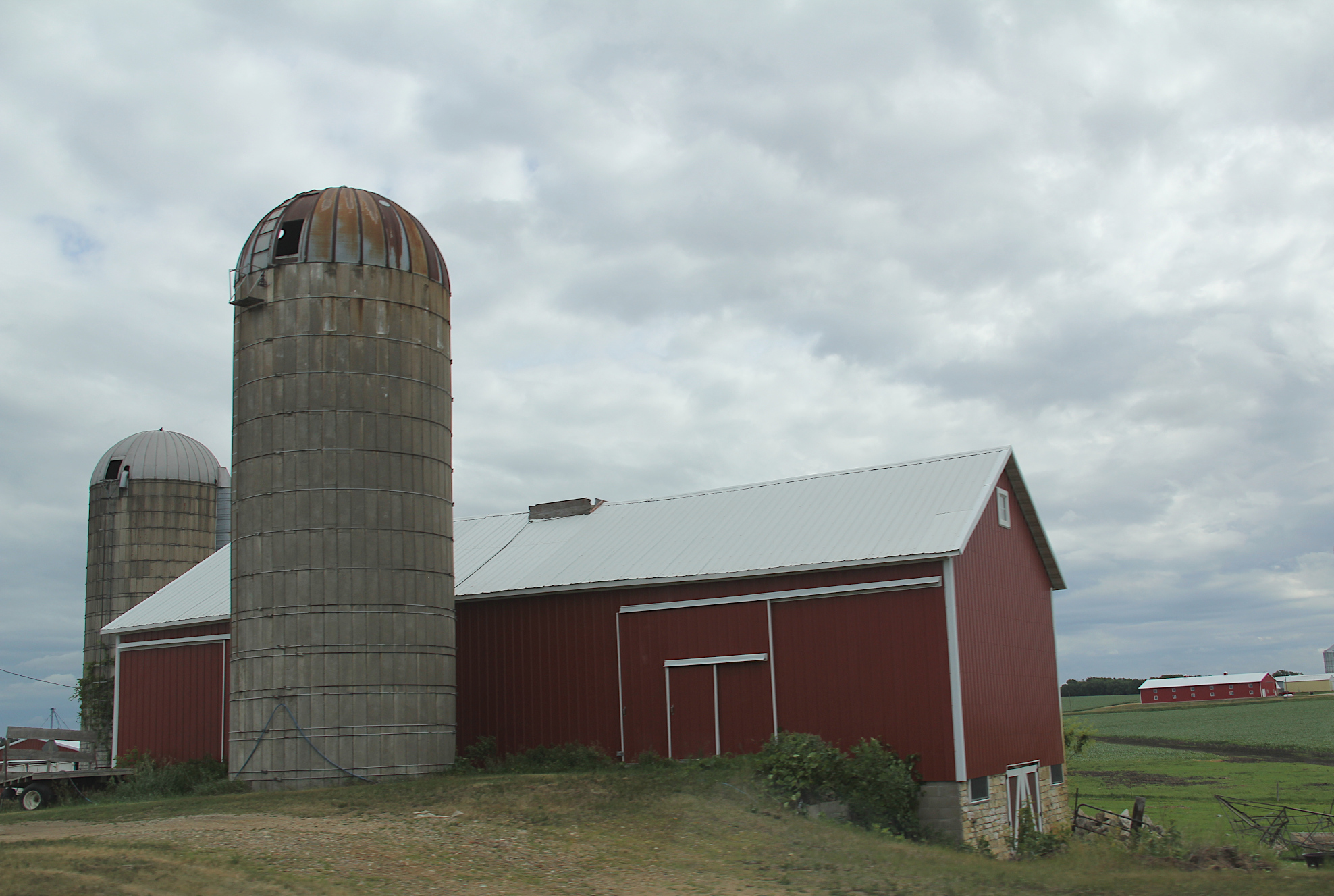
IF A SINGLE BUILDING symbolizes agriculture in Minnesota, it is a barn.
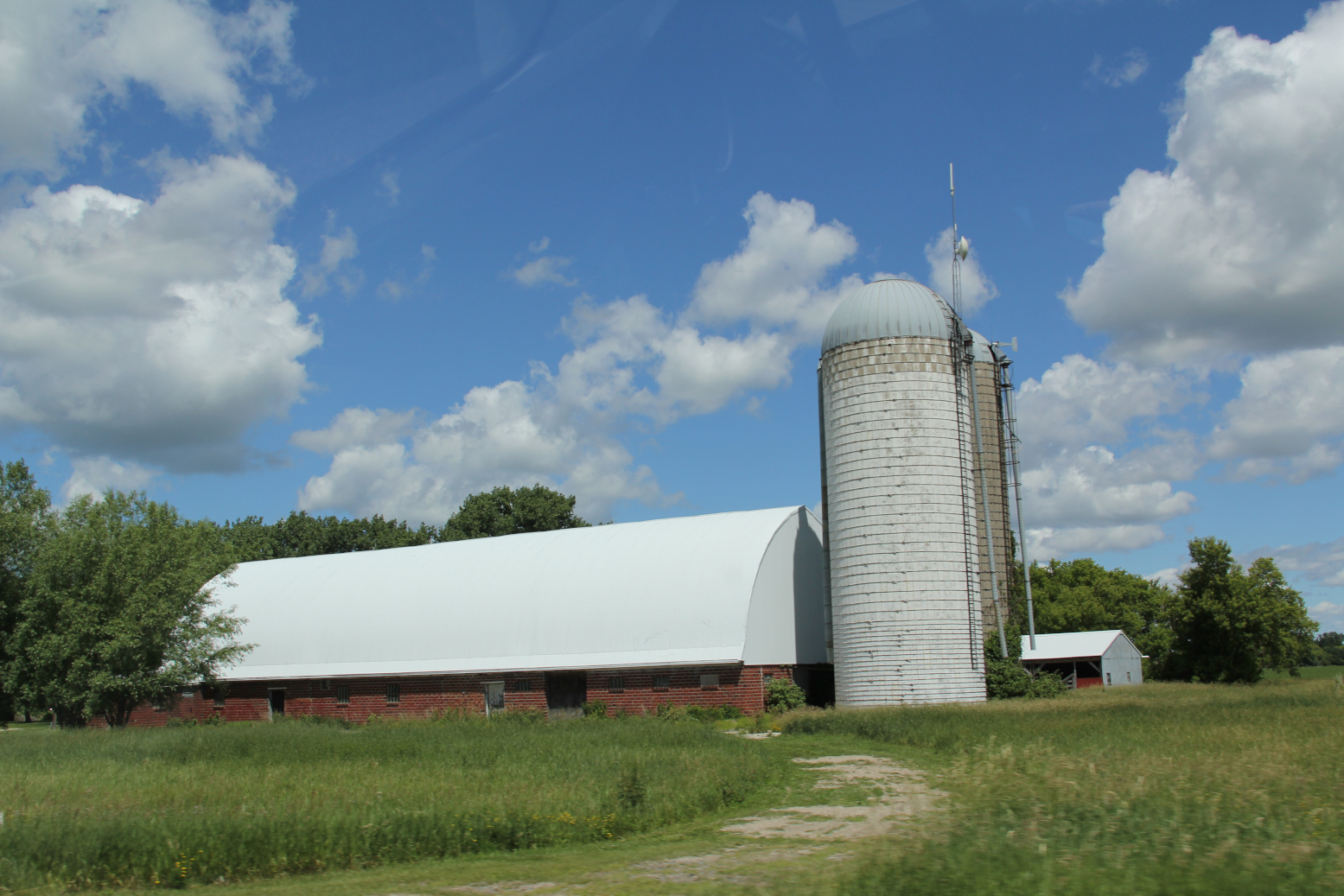
Barns hold the history of farming within their walls. They hold the stories of farm families who labored therein. They hold memories—the heat of cattle, the lingering scent of manure, the pulse of milking machines, the scurrying of barn cats and much more.
Barns also hold heartaches and challenges and the satisfaction and rewards that come with farming.
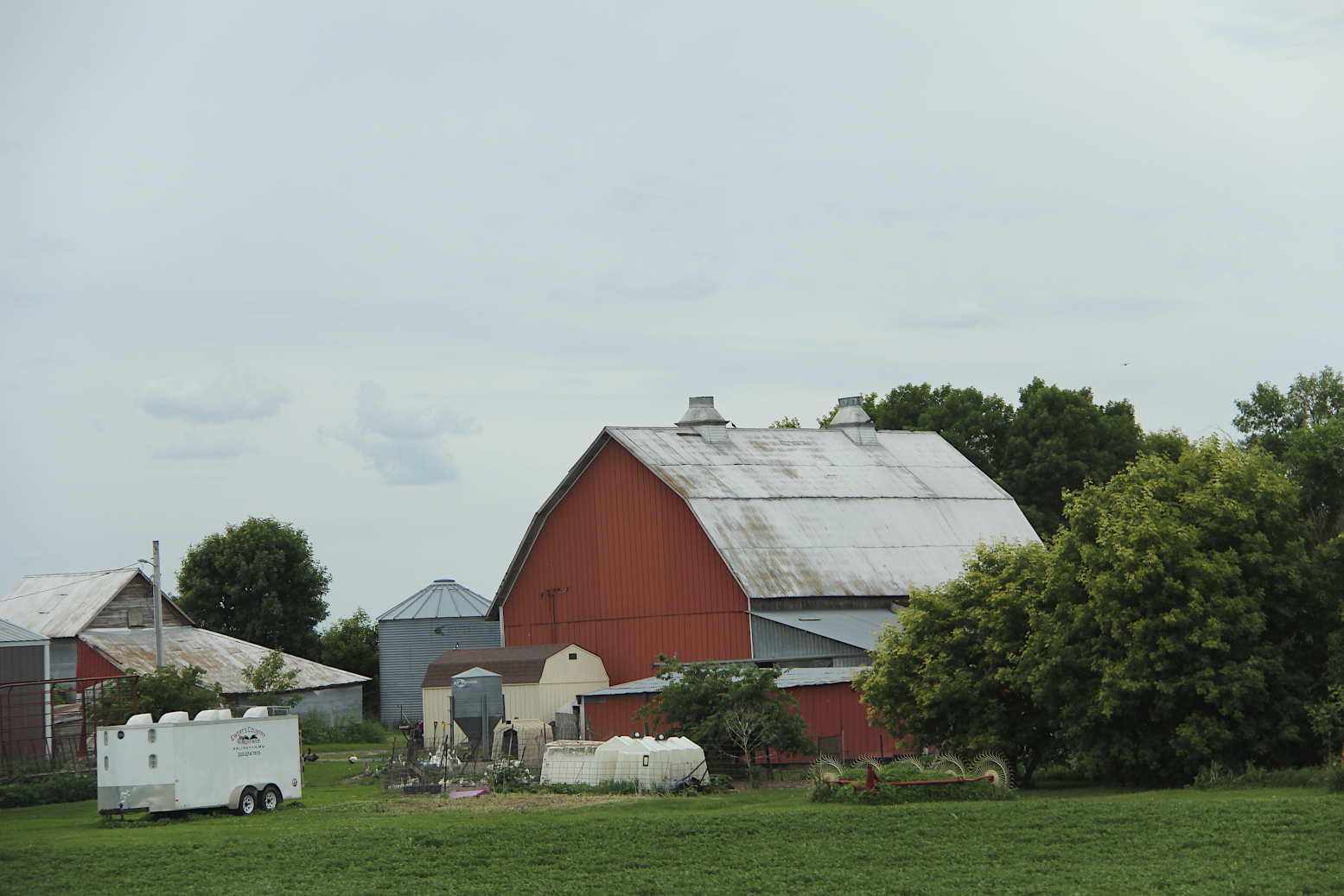
To step inside a barn, or even to observe one from a distance as I did on recent trips out and about in rural Minnesota, is to understand the importance agriculture plays in this state.
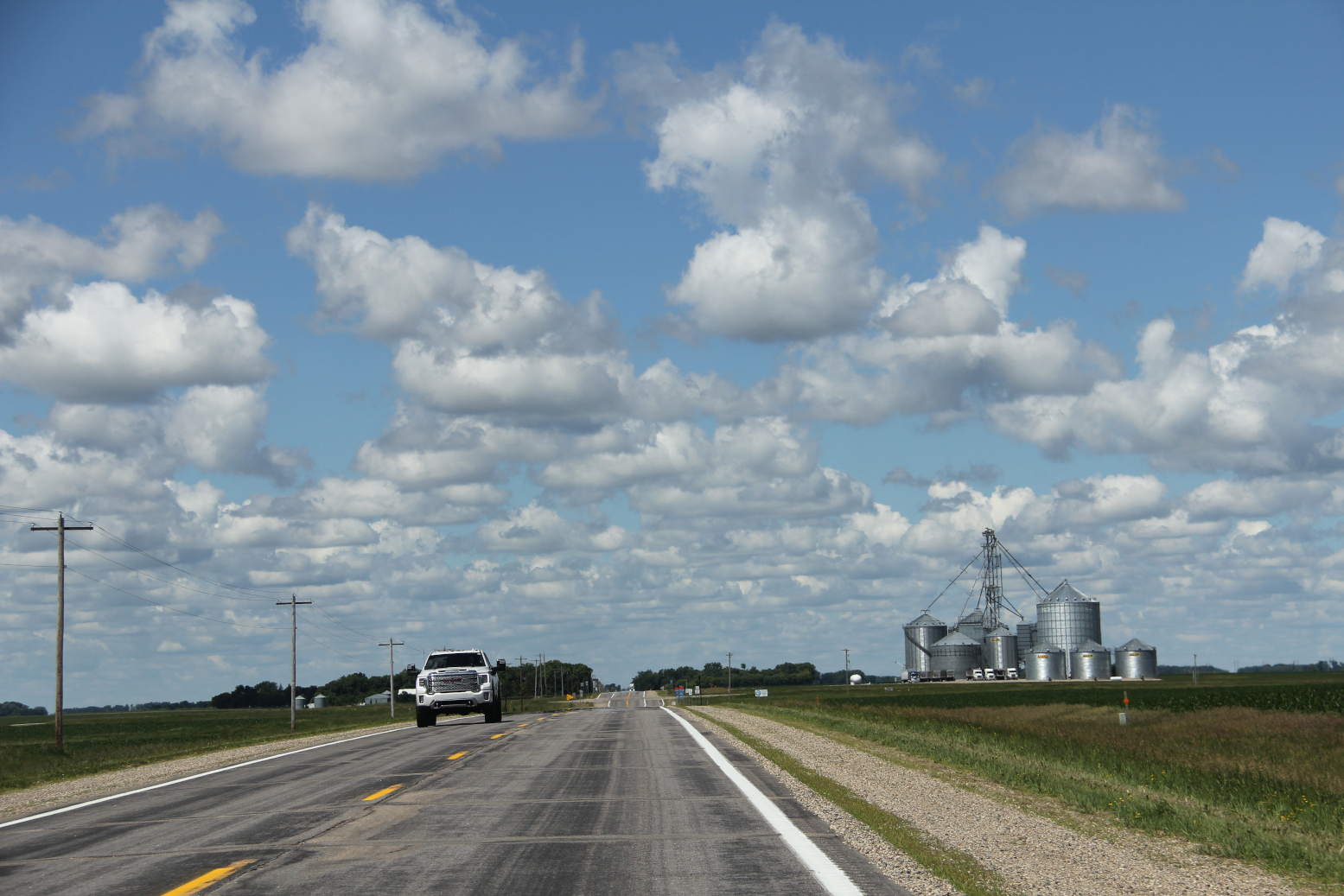
Sure, farming has changed. Many barns no longer house animals, once a farm staple, as ag has shifted to crop farming. But at its core, this profession, this way of life, still centers rural parts of Minnesota, keeps small towns going. I saw that, from Mantorville to Faribault and from Faribault to Morris and back home.
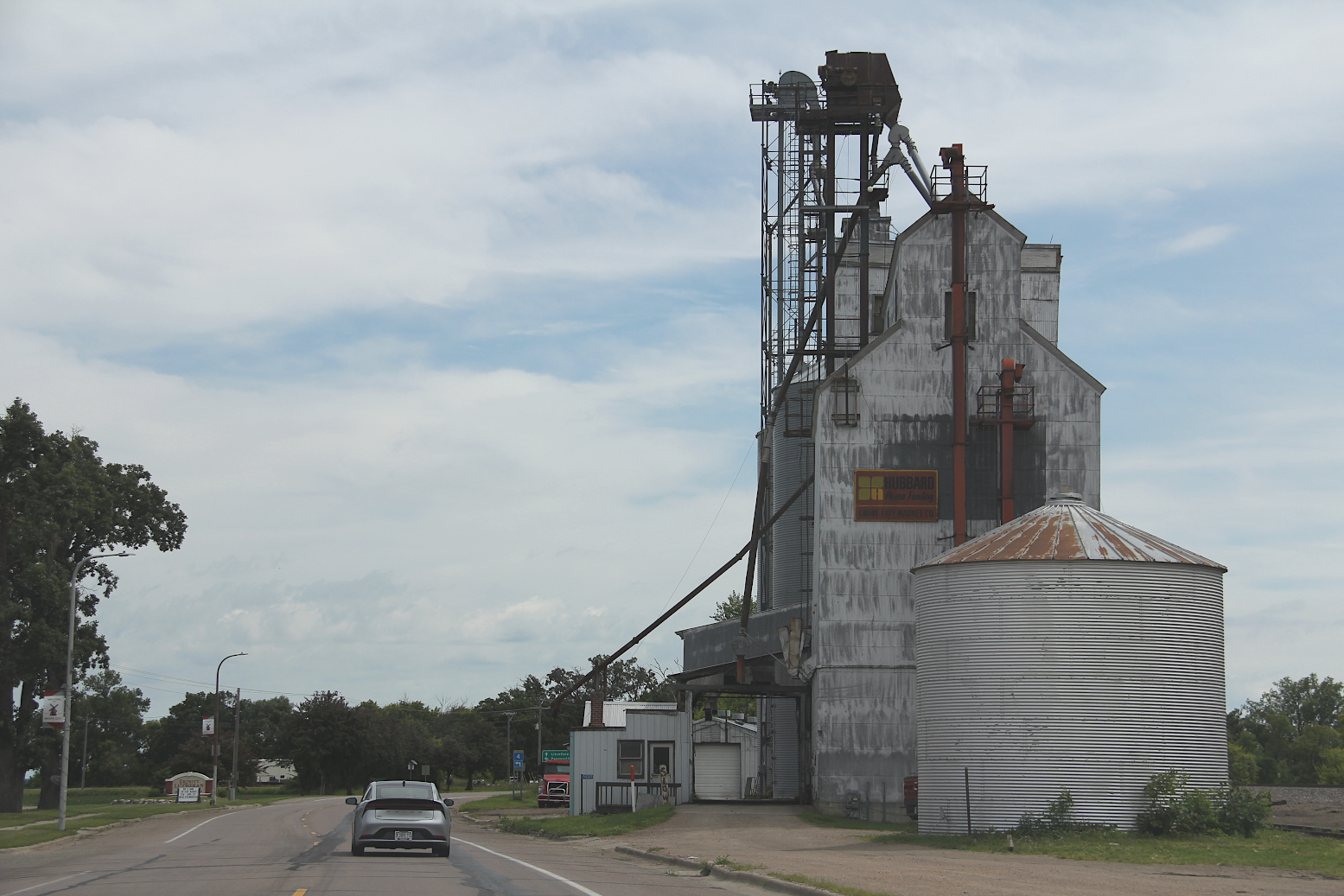
Barns dominate farm sites just like grain elevators landmark many small rural communities.
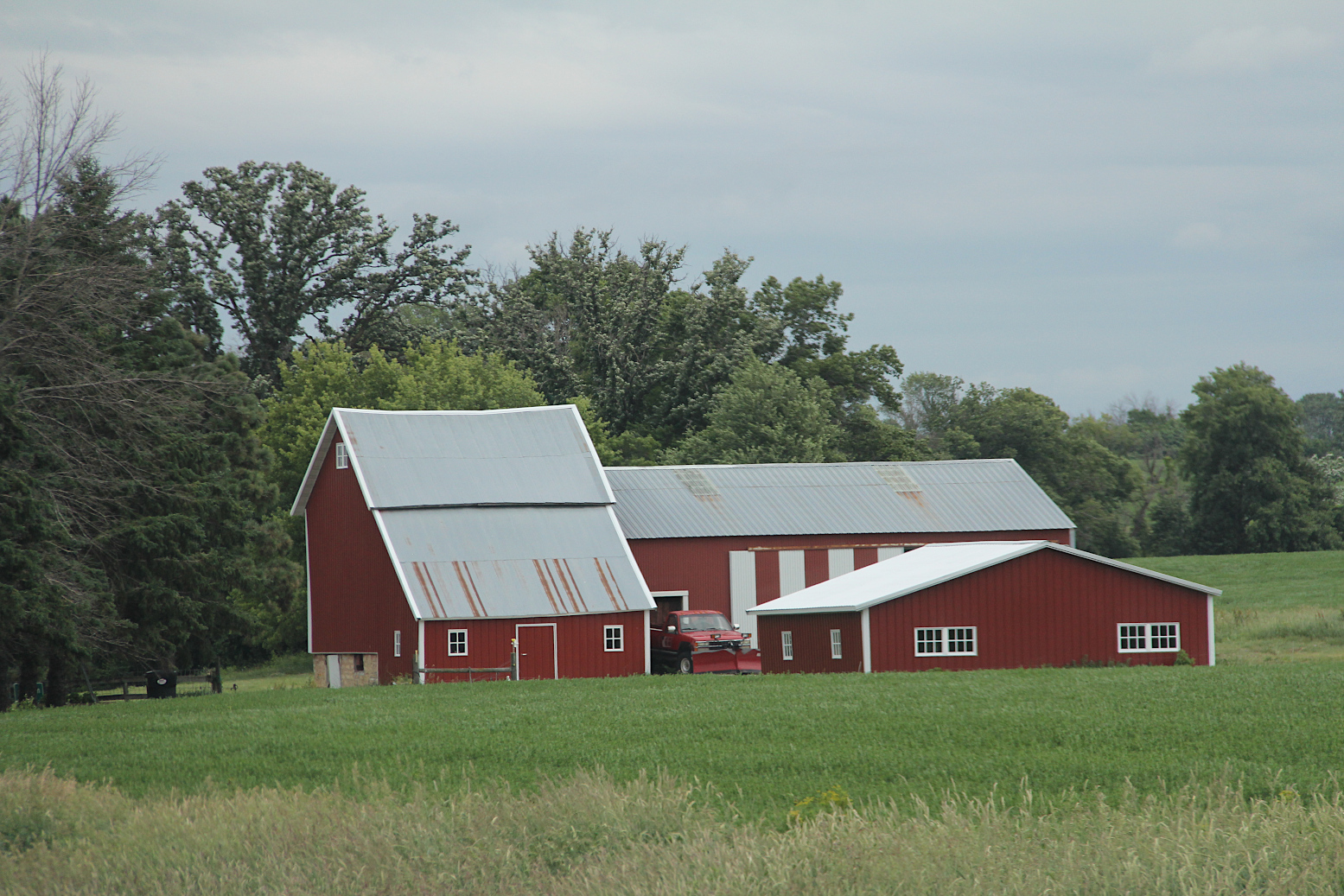
While I see too many dilapidated barns fallen into heaps of rotting wood, I also see those that are well-cared for, still standing strong against the ravages of time and weather. I know that comes at a cost to the landowner. Keeping a barn properly roofed and painted is a major expense. I appreciate efforts to preserve barns built by generations past.
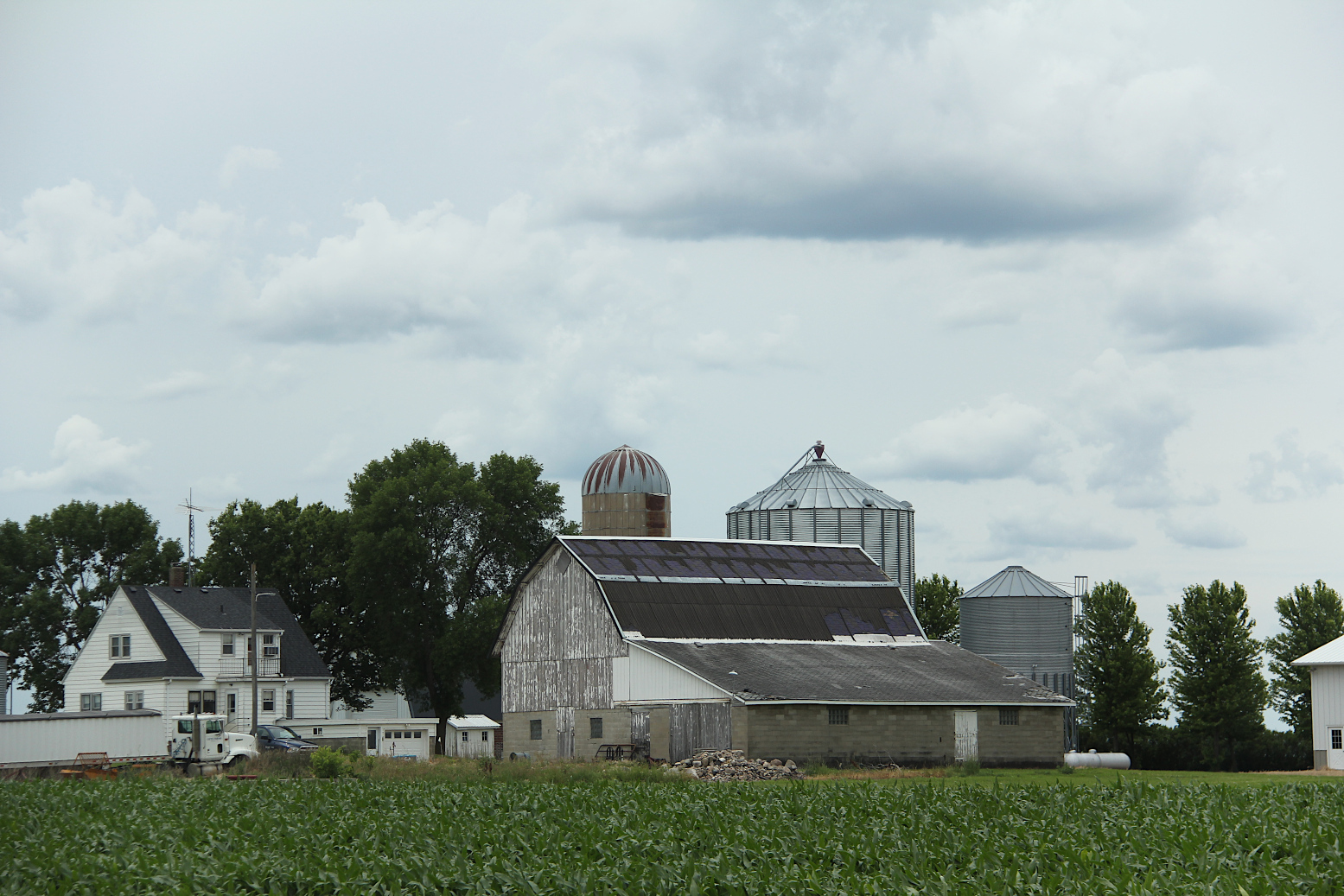
My ancestry traces to farming, to German immigrants who arrived in America, eventually making their way to southwestern Minnesota. There they found rich dark soil in which to plant seeds. Land upon which to build farmhouses, barns and other buildings necessary to the operation of a farm.
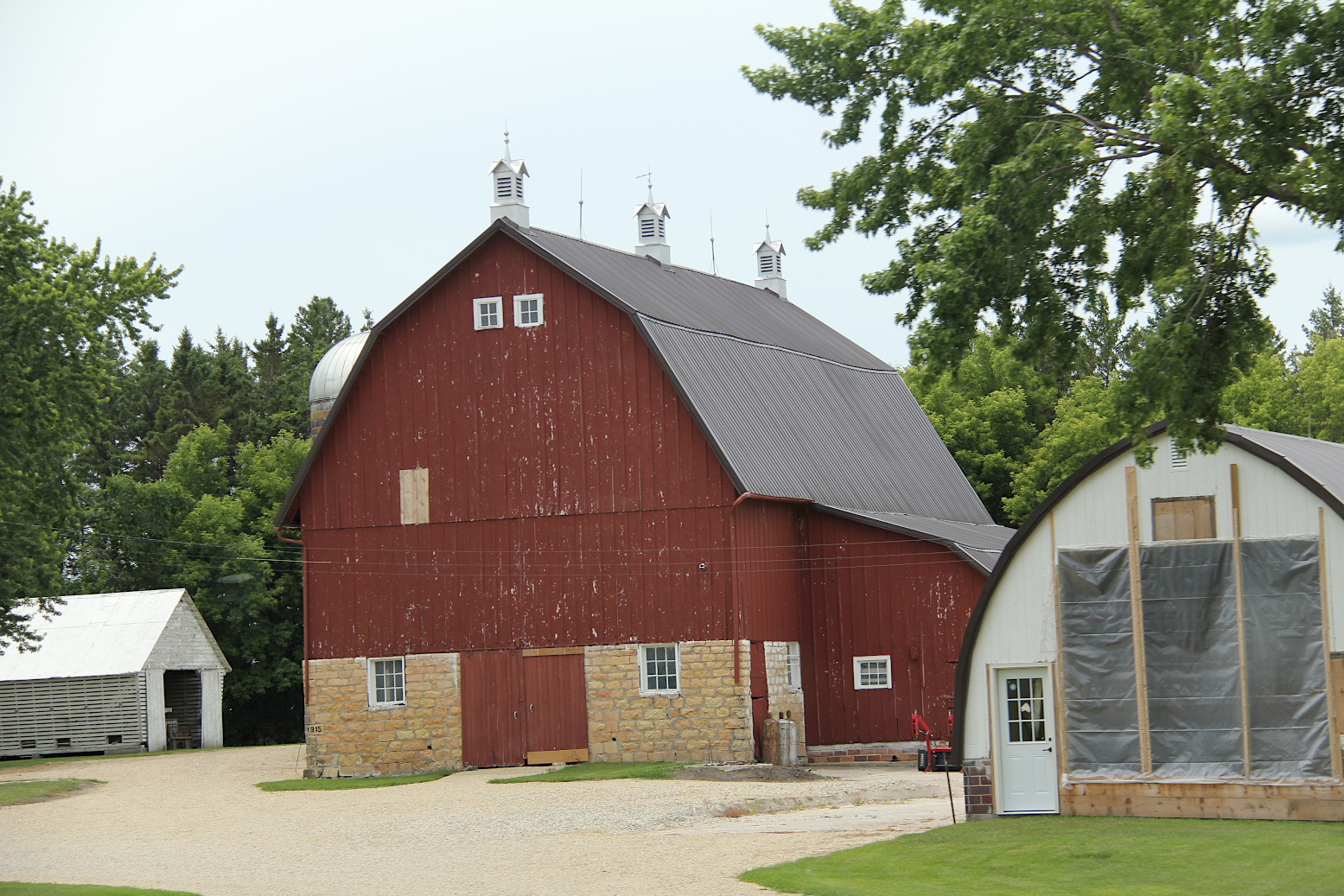
I am rooted in farming. I worked inside the barn my father built. I shoveled manure, scooped silage, pushed a wheelbarrow heaping with ground feed, carried pails brimming with milk, bedded straw, tossed hay bales from the hayloft, fed calves… I worked the land, too, picking rock and pulling cockleburrs. I carried lunch to my dad and uncles on hot summer days of baling hay.
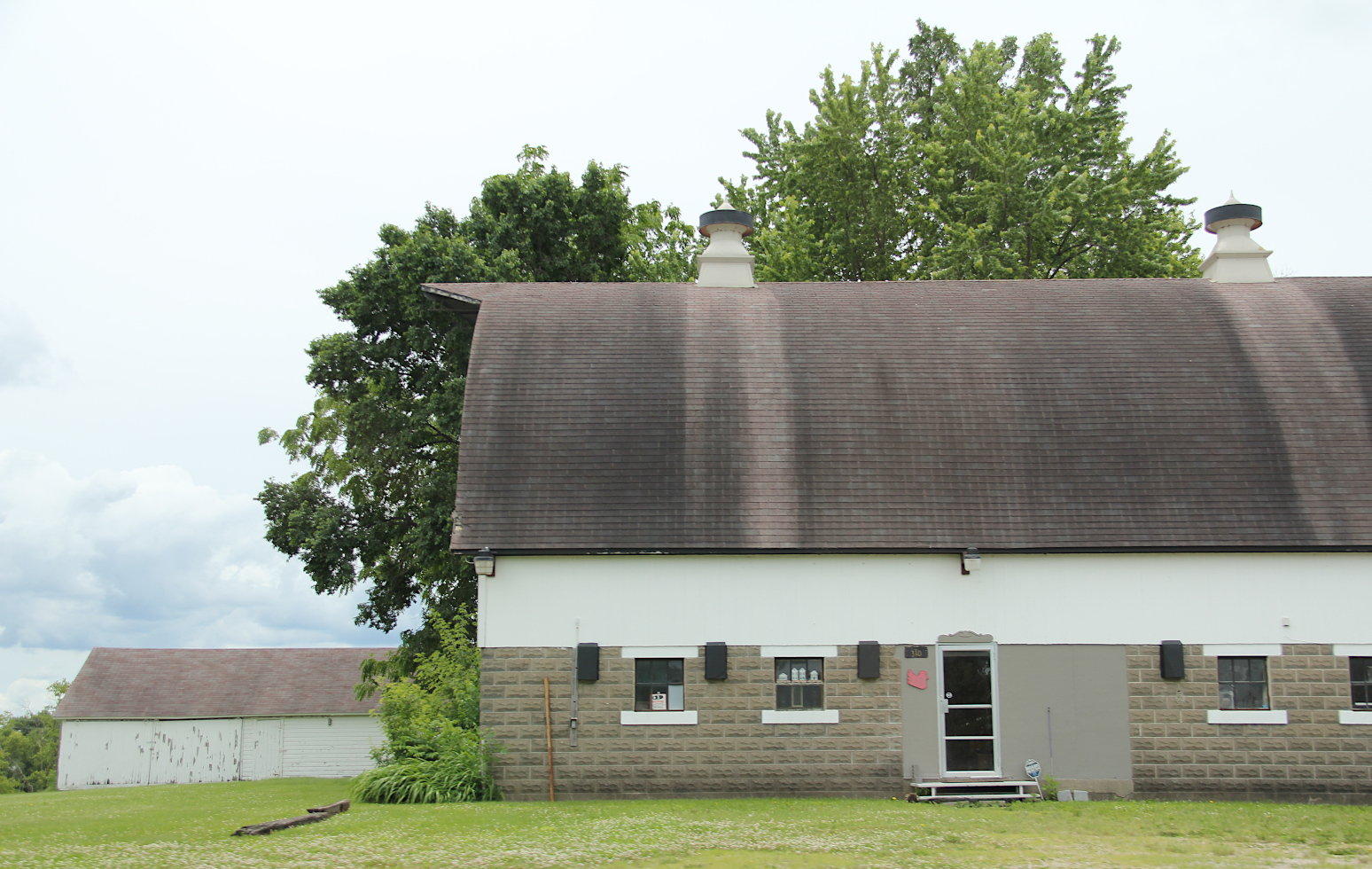
There is nothing romantic about farming. It is hard work. It is a risky business affected by weather, markets, prices, too many factors out of a farmer’s control.
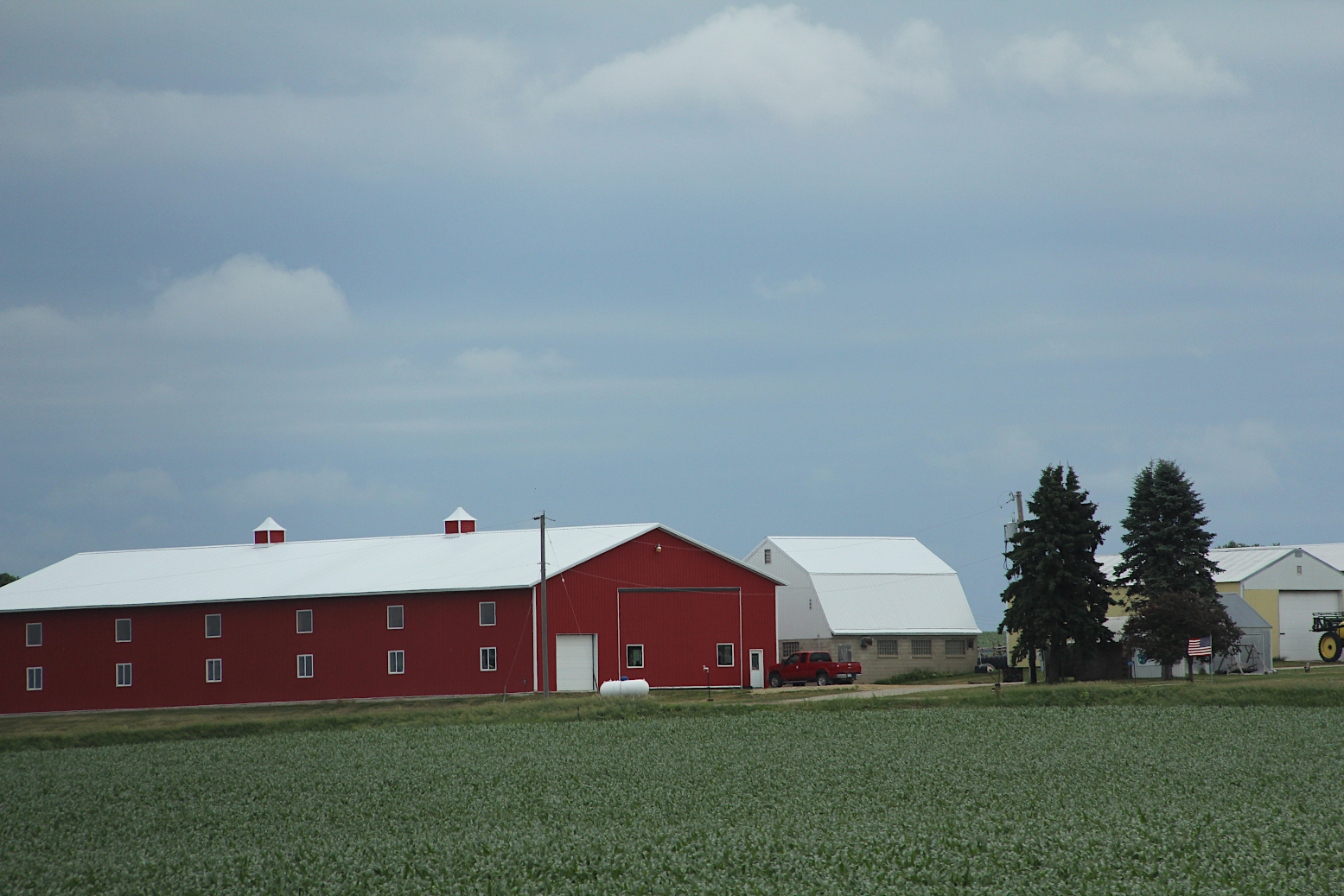
Yet, I will unequivocally state that I am incredibly thankful I grew up on a working farm. The lessons learned there about working together, about forging forward despite setbacks, about standing independent and strong are ingrained in me.
My dad laughed when I told him I wanted to be a farmer when I grew up. He knew better. There was nothing to keep me on the farm. And so I left, went to college, became a journalist. But even though physically-removed from the farm, I’ve always carried my ruralness within me, reflected in my writing and photography.
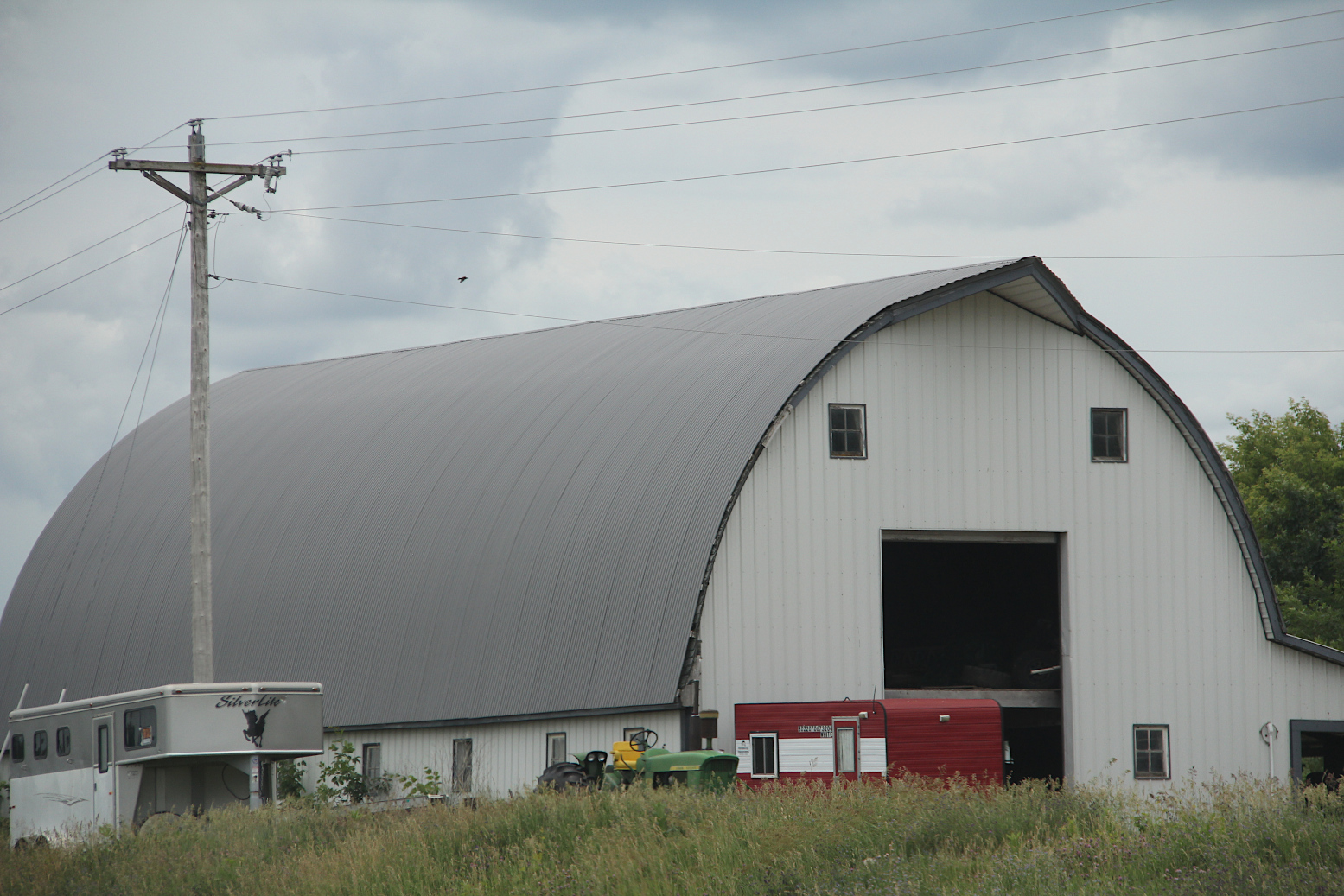
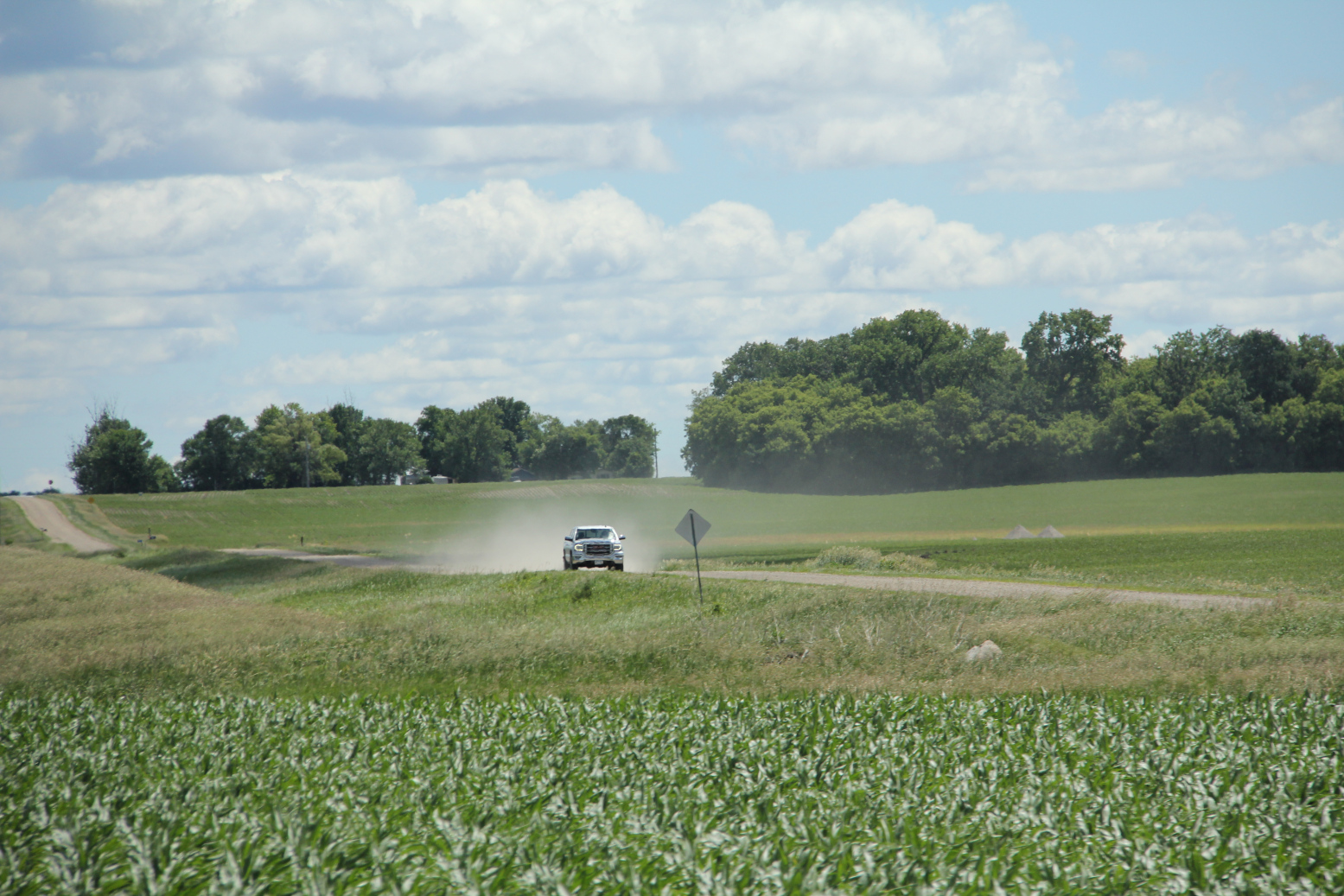
I find myself still drawn to rural scenes. A farm site. A grain elevator. A gravel road. Cattle grazing. Farm machinery, especially tractors, traversing fields. These all define agriculture. But it is the barn which symbolizes farming and the enduring strength and hope of a farmer.
#
NOTE: I took these photos from the front passenger seat, either through the windshield or side window while traveling at highway speeds. Locations of several photos are not noted as I don’t recall the exact locations.
© Copyright 2026 Audrey Kletscher Helbling


once a farmer, always a farmer. it sounds like a wonderful part of your life, and one that has never totally left you. the life lessons, the work ethic…., all of it. what a lucky beginning.
Yes, I feel fortunate to have been raised on a farm.
Good job capturing the great photos from a moving vehicle.
There is nothing like a well kept-up barn…so picturesque…but so difficult and expensive to maintain. Barns are a Minnesota icon, for sure.
Thank you for appreciating barns as much as I do. They are definitely a Minnesota icon.
Barns are beautiful, Audrey, I agree! I didn’t grow up on a farm, but I always loved barns and white houses and fields of crops and apple trees… the scenes that appeared so idyllic. I know now much more about the harsh aspects—still, there is so much to admire and be grateful for. Bless the farmers!
Yes, bless our farmers.