
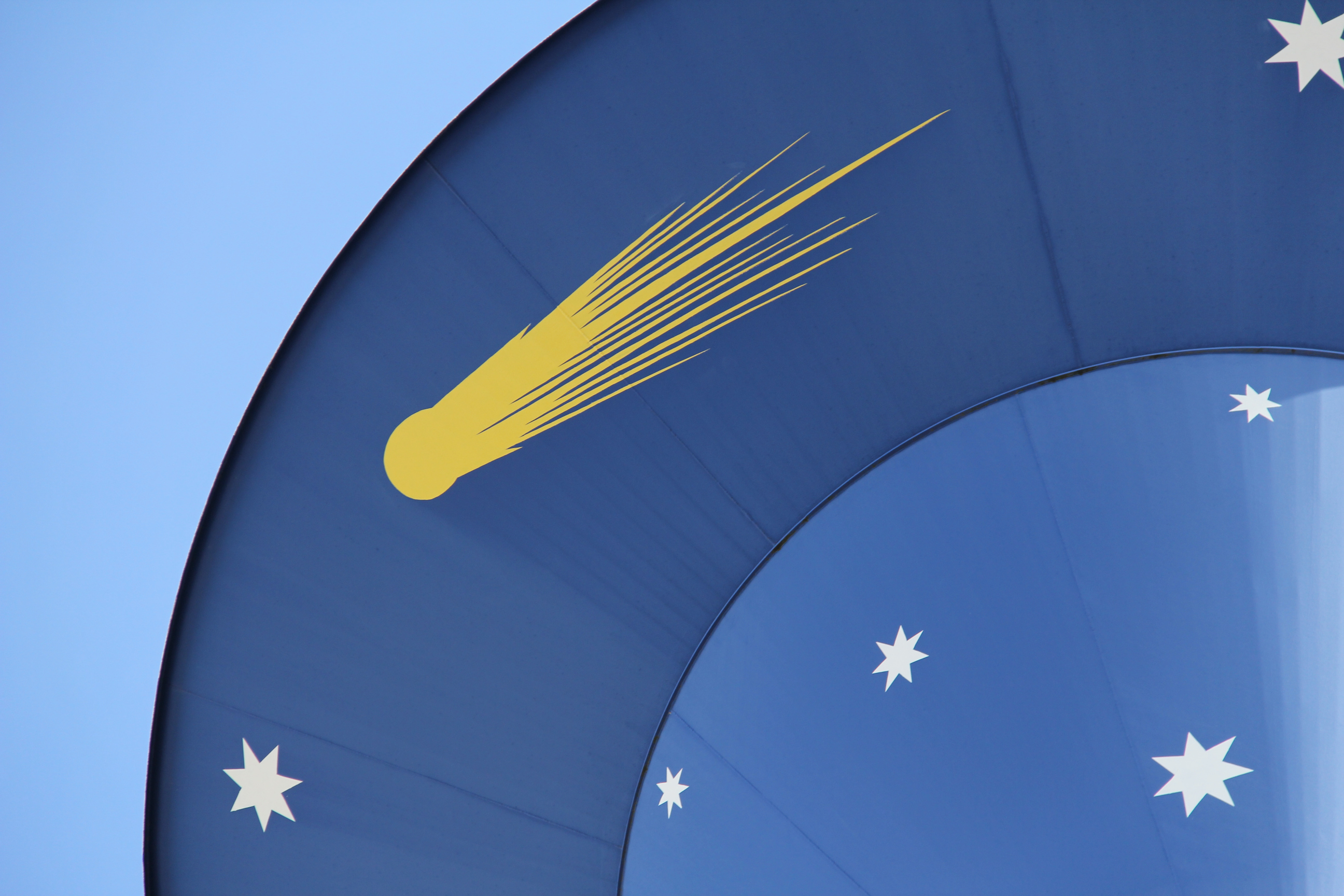
THE NIGHT SKY HOLDS a vastness that makes me feel small. It’s mysterious and dark and, in some ways, intimidating. Yet, it possesses an alluring beauty that draws me to gaze heavenward. To imagine. To delight. To stand in awe of its infinity.
Fascination with the night sky seems universal. Kids, like my kindergartner grandson and, years ago, my own son, fixated on the solar system and all the night sky encompasses. I, too, find it interesting, although not to the degree of learning everything I can about the expanse above me.
Rather, if I learn of a newsworthy event in the night sky, I may step out after dark to look. Right now, that’s a seven-unit “planet parade” of Mercury, Venus, Jupiter, Mars and Saturn visible to the naked eye after sunset and Uranus and Neptune visible via a visual aid.
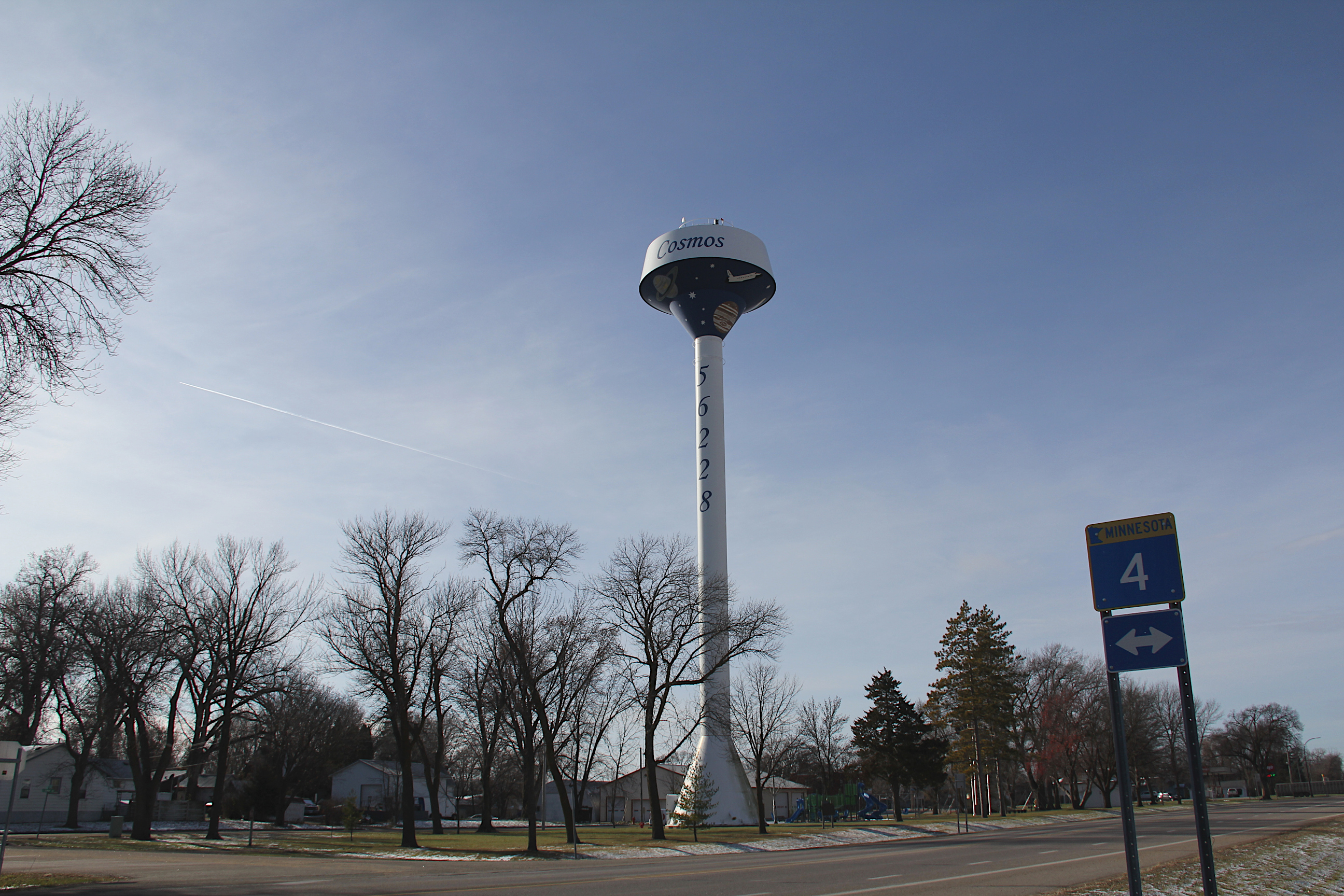
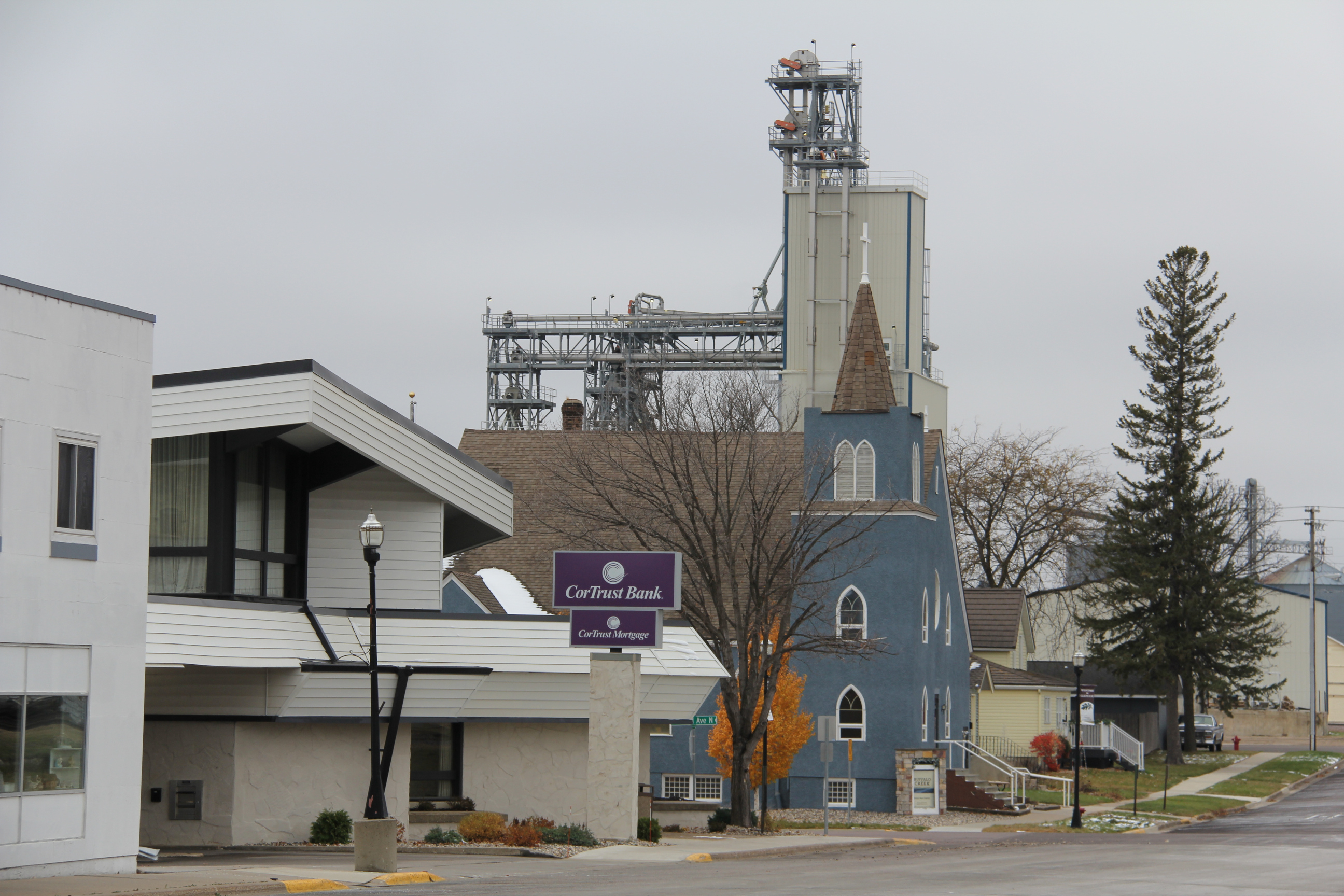
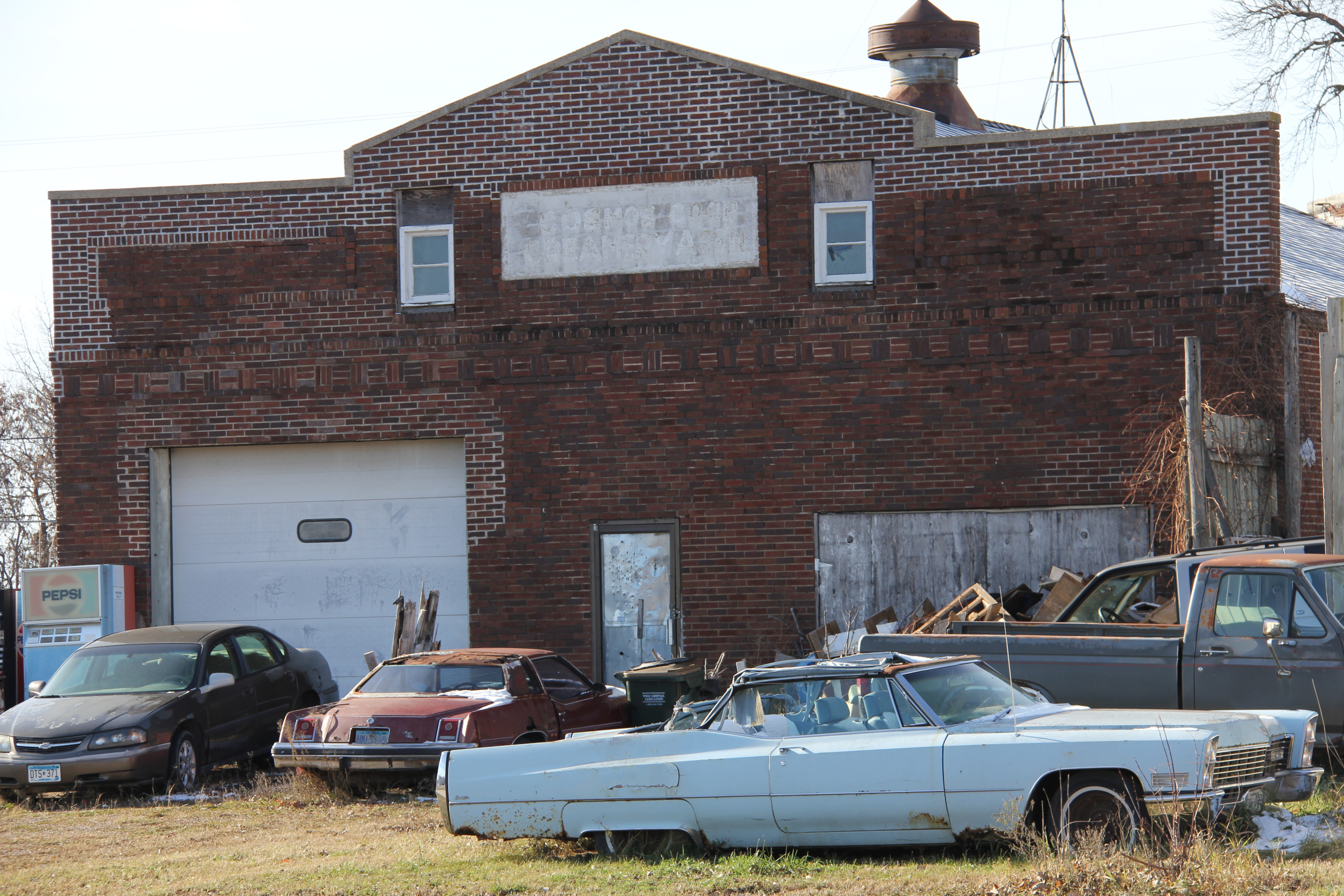
All of this reminds me of a cosmic discovery I made this past fall while on the back roads to Morris in far western Minnesota. In the small town of Cosmos, population around 500, in southwestern Meeker County, I discovered a unique space-themed water tower and community event, the Cosmos Space Festival.
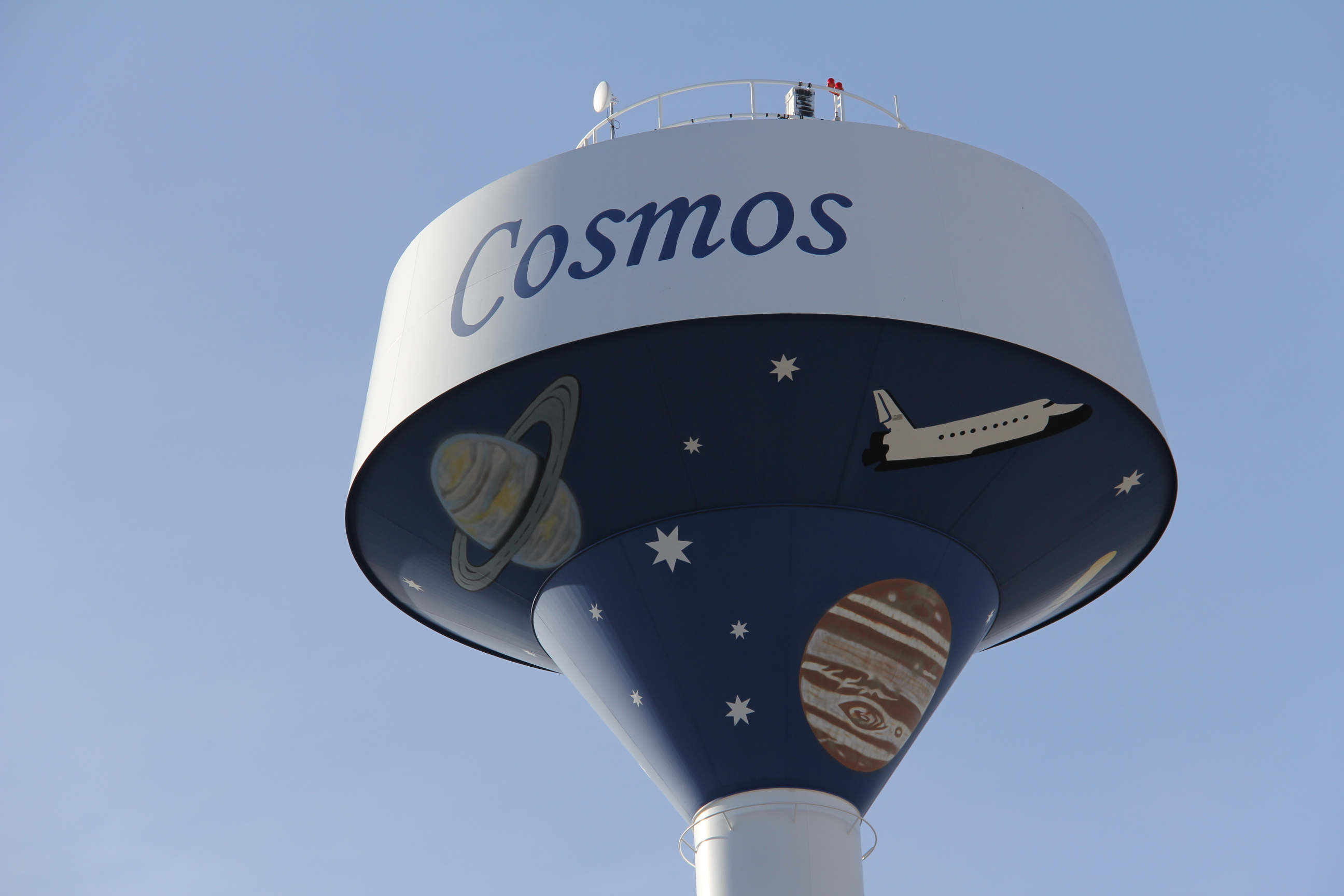
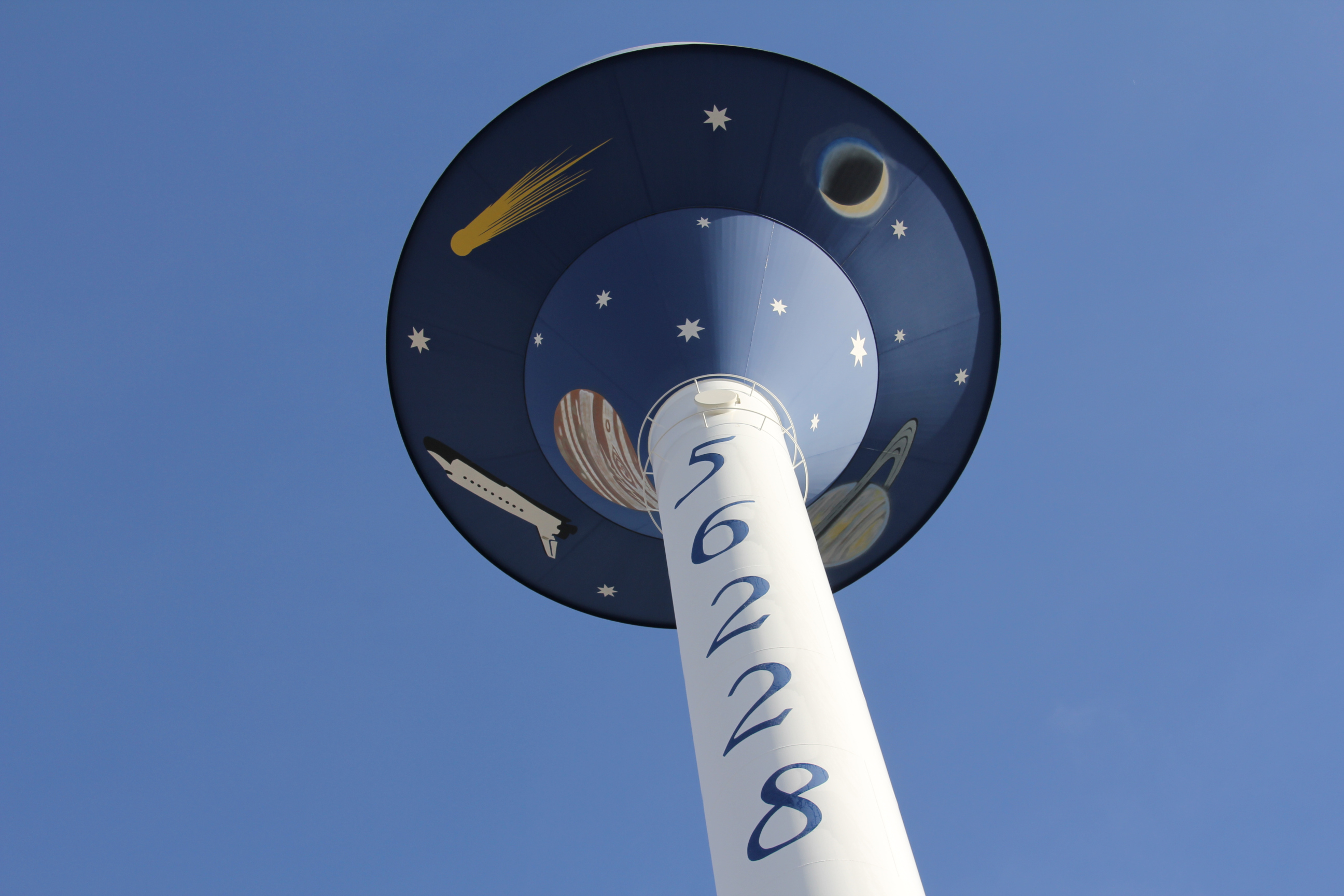
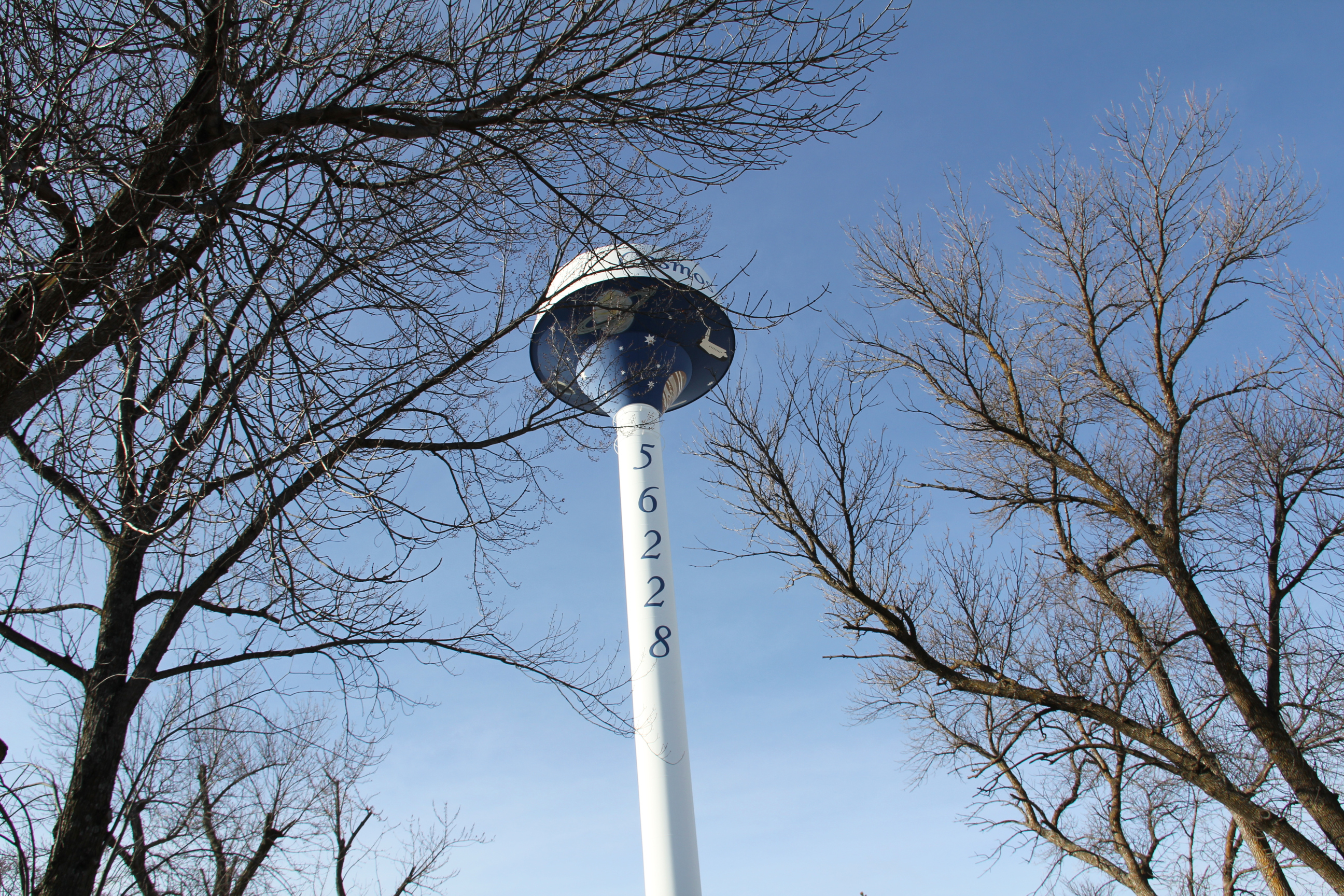
With a town name like Cosmos (originally called Nelson), it should come as no surprise that the community would build on the Greek word meaning “order and harmony.” The cosmic focus makes this place along Minnesota State Highways 7 and 4 stand out among all the other little towns in this part of the state. When I spotted the water tower with a space shuttle, planets, stars and more painted on its underbelly, I immediately wanted to stop and photograph this work of art, this town identifier.
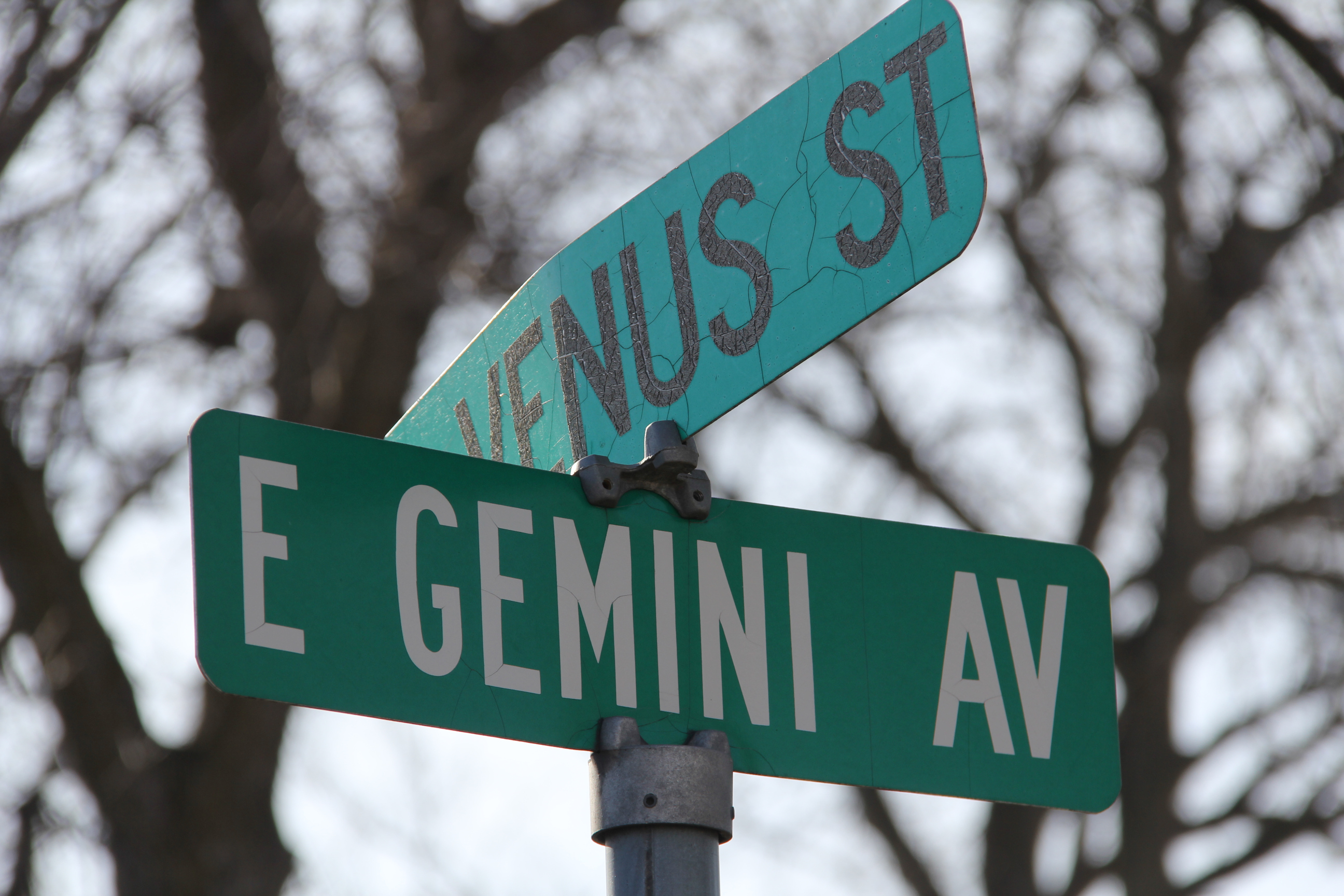
In the process, I discovered that all the streets are named after planets and constellations and that the town celebrates the Cosmos Space Festival annually on the third weekend of July. That started in 1969 as a celebration of man’s (Neil Armstrong and Buzz Aldrin in Apollo 11) first moon landing. I’m old enough to have watched that monumental moment in history on a black-and-white television.
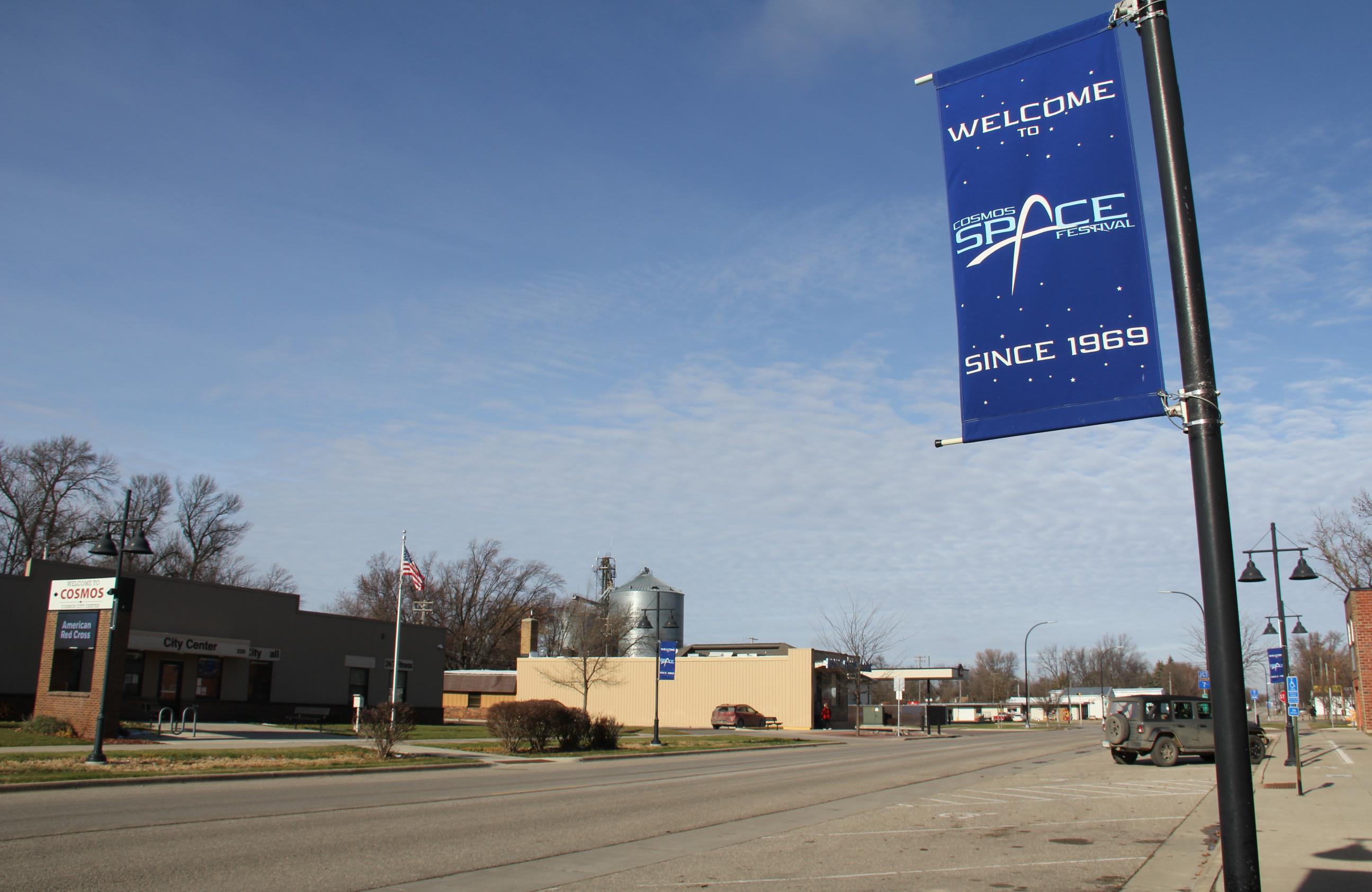
The Cosmos space fest has been going strong ever since, marking its 57th year on July 17-20, 2025. The festival features your usual small town celebration activities like street dances, softball tournaments, city-wide garage sales, a hog roast, pedal tractor pull, pony rides, beer garden, fireworks, parade and much more. That includes the crowning of fest royalty—Little Miss Universe and Man on the Moon. Gotta love those cosmic titles.
And you gotta love how kids (and adults) get excited about the night sky. Locally, River Bend Nature Center is hosting its annual Minnesota Starwatch Party from 8-10 p.m. on Thursday, March 27, with retired meteorologist, amateur astronomer, stargazing columnist and author Mike Lynch. I attended the starwatch party with my husband and son many years ago. Lynch brings telescopes and vast knowledge, so this is a hands-on educational program.
Another opportunity to view the night sky through telescopes happens more frequently, from 8-10 p.m. the first Friday of every month inside and outside Goodsell Observatory on the campus of Carleton College in neighboring Northfield. I’ve been to this free monthly activity twice, again years ago with my husband and son. The next open house is on Friday, March 7. But only if the night sky is clear for viewing.
Whatever your interest level in the night sky, it’s fascinating. Vast. Dark. The subject of poetry and song and science. And above all, it’s a cosmic wonder, whether viewed from Cosmos, Faribault, Northfield or your little place in the big wide universe.
© Copyright 2025 Audrey Kletscher Helbling








Barns, an enduring symbol of farming June 25, 2026
Tags: agricultural symbol, agriculture, barns, childhood memories, commentary, cosmos, farm sites, farming, Hutchinson, Mantorville, Minnesota, photography, road trip, rural life, rural Minnesota, southern Minnesota, travel
IF A SINGLE BUILDING symbolizes agriculture in Minnesota, it is a barn.
Barns hold the history of farming within their walls. They hold the stories of farm families who labored therein. They hold memories—the heat of cattle, the lingering scent of manure, the pulse of milking machines, the scurrying of barn cats and much more.
Barns also hold heartaches and challenges and the satisfaction and rewards that come with farming.
To step inside a barn, or even to observe one from a distance as I did on recent trips out and about in rural Minnesota, is to understand the importance agriculture plays in this state.
Sure, farming has changed. Many barns no longer house animals, once a farm staple, as ag has shifted to crop farming. But at its core, this profession, this way of life, still centers rural parts of Minnesota, keeps small towns going. I saw that, from Mantorville to Faribault and from Faribault to Morris and back home.
Barns dominate farm sites just like grain elevators landmark many small rural communities.
While I see too many dilapidated barns fallen into heaps of rotting wood, I also see those that are well-cared for, still standing strong against the ravages of time and weather. I know that comes at a cost to the landowner. Keeping a barn properly roofed and painted is a major expense. I appreciate efforts to preserve barns built by generations past.
My ancestry traces to farming, to German immigrants who arrived in America, eventually making their way to southwestern Minnesota. There they found rich dark soil in which to plant seeds. Land upon which to build farmhouses, barns and other buildings necessary to the operation of a farm.
I am rooted in farming. I worked inside the barn my father built. I shoveled manure, scooped silage, pushed a wheelbarrow heaping with ground feed, carried pails brimming with milk, bedded straw, tossed hay bales from the hayloft, fed calves… I worked the land, too, picking rock and pulling cockleburrs. I carried lunch to my dad and uncles on hot summer days of baling hay.
There is nothing romantic about farming. It is hard work. It is a risky business affected by weather, markets, prices, too many factors out of a farmer’s control.
Yet, I will unequivocally state that I am incredibly thankful I grew up on a working farm. The lessons learned there about working together, about forging forward despite setbacks, about standing independent and strong are ingrained in me.
My dad laughed when I told him I wanted to be a farmer when I grew up. He knew better. There was nothing to keep me on the farm. And so I left, went to college, became a journalist. But even though physically-removed from the farm, I’ve always carried my ruralness within me, reflected in my writing and photography.
I find myself still drawn to rural scenes. A farm site. A grain elevator. A gravel road. Cattle grazing. Farm machinery, especially tractors, traversing fields. These all define agriculture. But it is the barn which symbolizes farming and the enduring strength and hope of a farmer.
#
NOTE: I took these photos from the front passenger seat, either through the windshield or side window while traveling at highway speeds. Locations of several photos are not noted as I don’t recall the exact locations.
© Copyright 2026 Audrey Kletscher Helbling