Minnesota Prairie Roots

Writing and photography by Audrey Kletscher Helbling

A 1979 interview with Mike Max & reflections on community journalism June 12, 2020

A CARDBOARD BOX, stacked in an under-the-roof storage space on the second floor of my house, holds layers of yellowed newspaper clippings. Not stories of personal value because they are about me or my family. But rather stories I wrote, as a community journalist.

In March 1978, newly-graduated with a mass communications degree from Mankato State (now Minnesota State University, Mankato), I started my multi-faceted job at The Gaylord Hub. I was the first-ever journalist hired at the small rural weekly in Gaylord, the county seat of Sibley County. Prior to that, family at the then second-generation family-owned paper covered all the editorial work.

I did everything from writing news stories and features to taking and printing photos to writing headlines to going to the printing plant and then swinging canvas bags full of newspapers into the back of a van for delivery to the post office. I learned nearly every aspect of community newspapers except selling and designing ads and covering sports. Under the guidance of a supportive, encouraging and kind editor and publisher, Jim Deis, I grew my skills and my passion for small town community journalism.
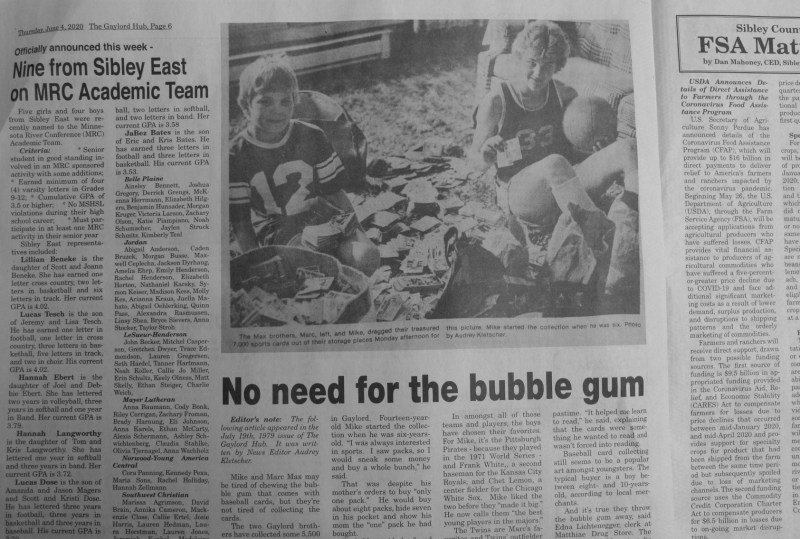
 

A feature I wrote in 1979 republished in the June 4, 2020, issue of The Gaylord Hub.


Forty years after I left The Hub, the newspaper still arrives weekly in my mailbox. Jim passed many years ago. His son, Joe, just a kid when I worked at the paper, now serves as the third-generation editor and publisher. And last week he republished a feature, No need for the bubble gum, I wrote in July 1979. Perhaps my one and only sports story. I interviewed the Max brothers—Mike and Marc—for a feature about their sports card collection.

I recall going to the brothers’ home in Lakeside Acres and the piles and piles of bagged, boxed and loose cards numbering some 7,000. But I didn’t remember details of that interview with the 9 and 14-year-olds. So rereading that story I wrote 41 years ago proved entertaining, especially considering where one of those boys landed. Mike Max went on to become the sports director for WCCO-TV in the Twin Cities. And more recently, he expanded to hard news by covering the protests surrounding the death of George Floyd in Minneapolis.
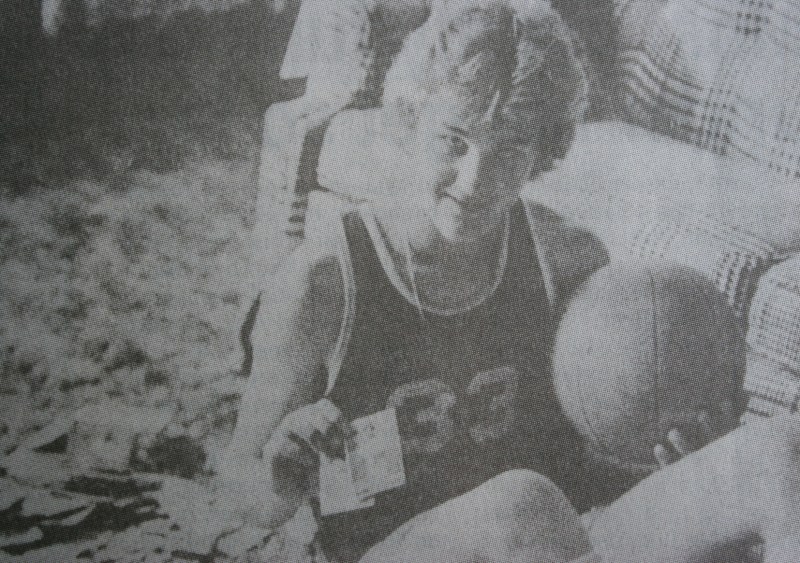
 

WCCO personality Mike Max, up close in a photo I took in 1979. Photo by Audrey Kletscher from The Gaylord Hub.


But back to that 1979 feature I wrote. Here’s my favorite quote from Mike:

“I was always interested in sports. I saw packs (of collector cards and bubble gum), so I would sneak some money and buy a whole bunch,” he said.

That was despite his mother’s orders to buy “only one pack.” He would buy about eight packs, hide seven in his pocket and show his mom the “one pack” he had bought.

Barb Max said she found out about her son’s tricks, but years later.

I love that part of the story.

But I find equally humorous this paragraph from my feature:

The two plan on keeping their cards, but speculate on selling some of them if the price is right. “I’ll save them until I get real old,” Marc said. “I’ll save them until they’re worth more and more, but maybe someday sell them if I need money real bad.”
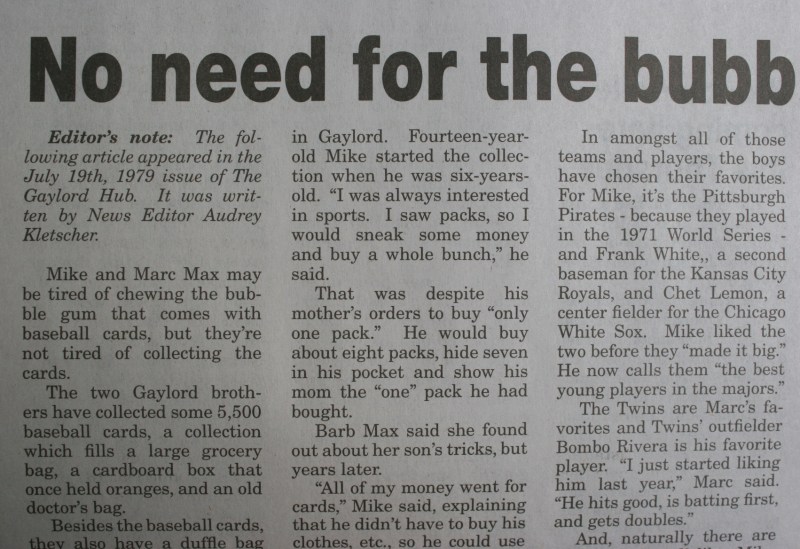
 

A section of the republished story from 1979.


Reflecting on that feature of four decades ago, I am reminded of the importance of community newspapers. These are the stories we are losing as more and more small town weekly newspapers, and even some dailies, are folding. Declines in advertising revenue and subscribers, rising expenses and the growth of online media alternatives have all factored into the demise of print journalism. I can’t even begin to tell you how much that saddens me. We are losing such a valuable part of our communities. The watchdogs. The storytellers. The historians. The source of information about public meetings, community events, deaths—news in general. The media is too often under attack, blamed for reporting too much bad news. Don’t kill the messenger, I say.

I will always remain grateful for the two years I worked as The Cub from the Hub, a name tagged to me while in Gaylord. There I learned and grew as a writer, always striving for integrity, honesty and balanced reporting. By far, feature writing proved the most enjoyable aspect of my work. From Gaylord, I would go on to report for The Sleepy Eye Herald-Dispatch, The Mankato Free Press (St. James bureau), The Owatonna People’s Press and The Northfield News. Some were temporary fill-in jobs, others full-time. But no matter where I worked, I worked long, hard hours at low pay to cover the community. I reported the hard news and attended endless city council/school board/county board meetings into the late hours of the night. And sometimes I wrote, too, about kids who collect sports cards. Kids like Mike Max and his younger brother, Marc.

© Copyright 2020 Audrey Kletscher Helbling


From Kenyon: An historic train depot up close June 11, 2020

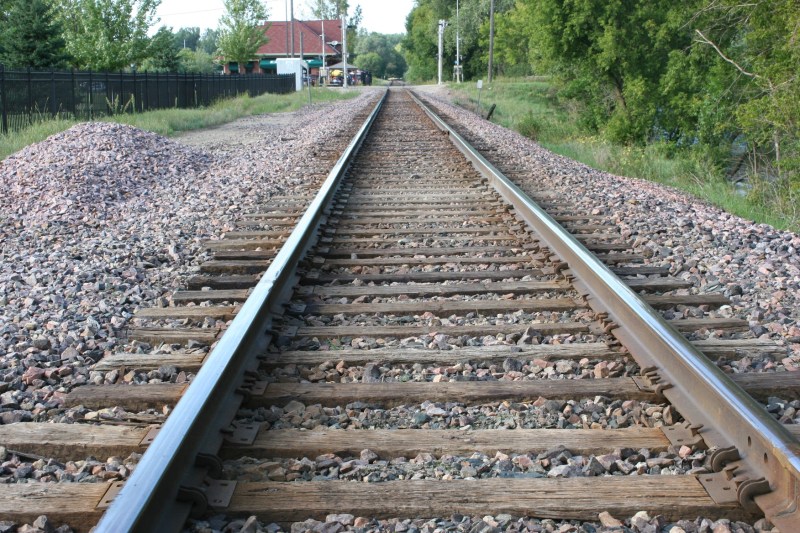
These tracks run past The Depot Bar & Grill (in the background) in my community of Faribault, Minnesota. I can hear these trains from my home. Minnesota Prairie Roots file photo.


SOMETIMES IN THE EVENING, when the traffic lessens on my busy street, I hear the train, horn blasting, wheels rumbling from the tracks just blocks away.


Railroad art created by John Cartwright. The Shoreview artist was selling copies of his ink drawings during the 2012 Railroad Swap Meet in Randolph, Minnesota. Visit his website at ArtRail.com for more information. Minnesota Prairie Roots file photo 2012.


There was a time, decades ago, when railroads connected communities, carrying passengers and freight, grain, coal… Bringing mail and goods like lumber and much more. But those days are long gone, those versatile trains all but a memory for many rural Minnesota communities.

Sure, trains still run, but along main routes and without the diverse economic importance of decades past.


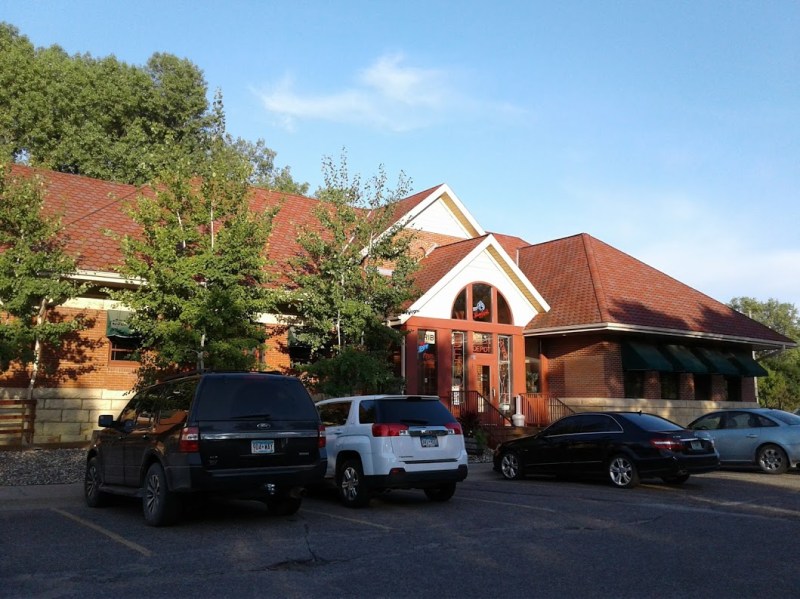
The Depot Bar & Grill, Faribault. Minnesota Prairie Roots file photo 2017.


With the railroad’s demise in the late 1960s and early 1970s, also came the abandonment of train depots. Many of those hubs of commerce were torn down or left to decay. But some remain. In Faribault, a former depot houses The Depot Bar & Grill, among my favorite local dining spots. Another historic depot serves as a business center.


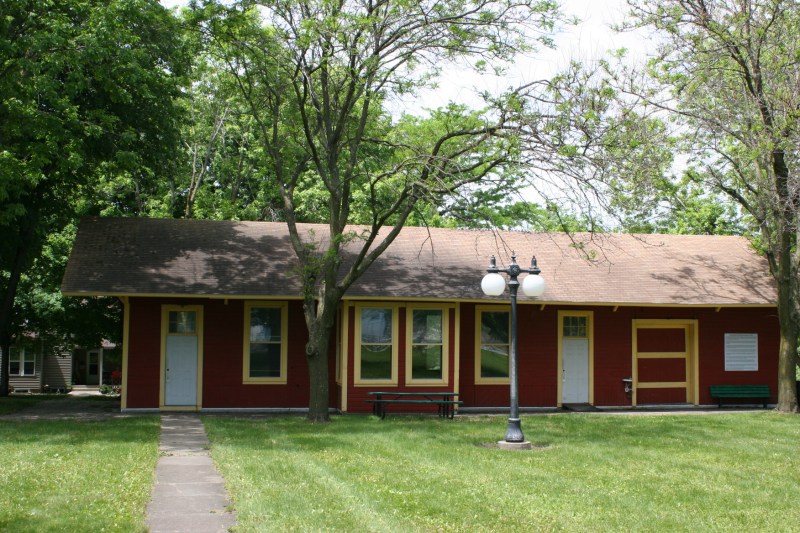
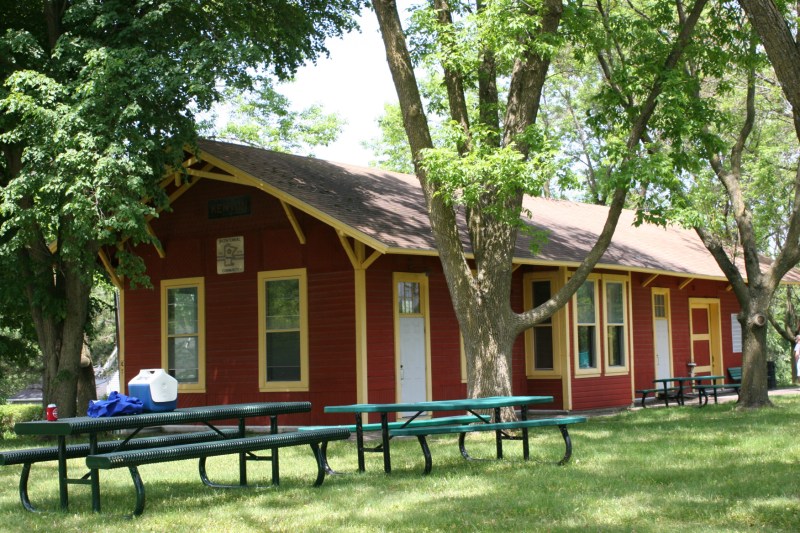
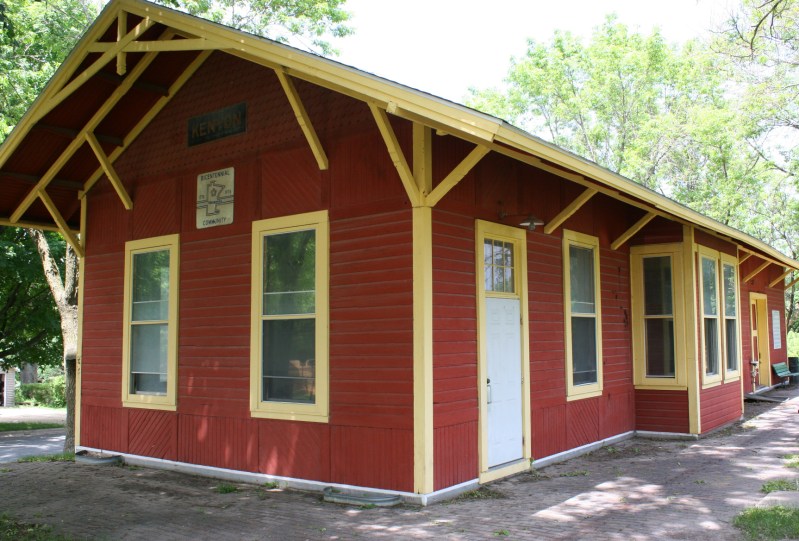
The old train depot, repurposed as a shelter/gathering spot, sits in Depot Park, Kenyon.


And in the nearby small town of Kenyon, the once busy Chicago Great Western Railroad depot serves as a gathering spot at Depot Park. You can rent the building—with amenities of refrigerator, stove, sink, restroom, 29 chairs and eight tables—for $30 weekdays or for $40 on a Saturday or Sunday.


A back and side view of the Kenyon Depot.


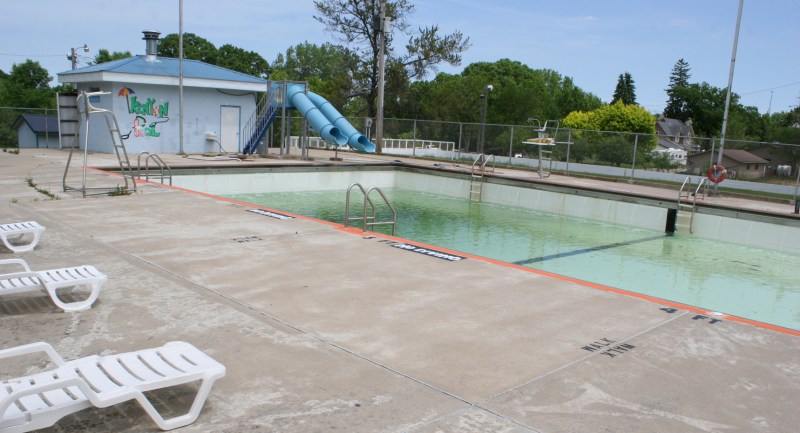
On a recent day trip to Aspelund Peony Gardens & Winery, Randy and I stopped first at Kenyon’s Depot Park for a picnic lunch. It’s a lovely spot, centered by that depot, a playground and a swimming pool.


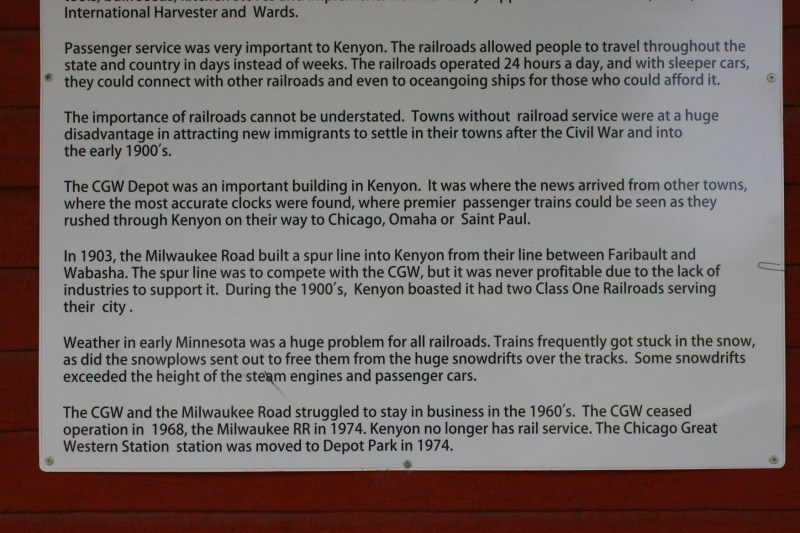
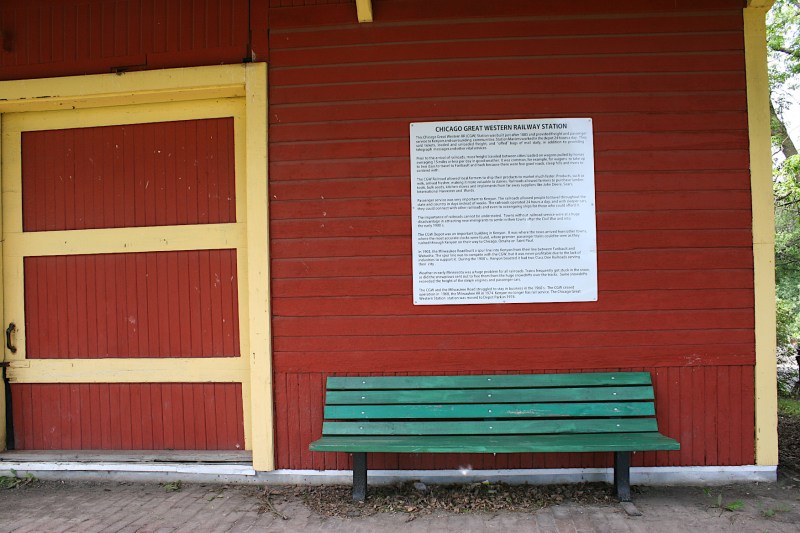
The history of the Kenyon Depot is summarized in an on-site sign.


The sign is posted prominently on the depot.


The bottom portion of that informational sign.


After finishing my turkey sandwich, grapes and strawberries, I grabbed my camera and walked over for a closer look at the old depot, built around 1885. I peered inside the windows, studied the roof-line, read the signage. The railroad once held an important place in Kenyon and the surrounding area by providing freight and passenger service. Immigrants arrived here by train. Farmers shipped milk, awaited the arrival of seed and tools and farm implements. And mail.


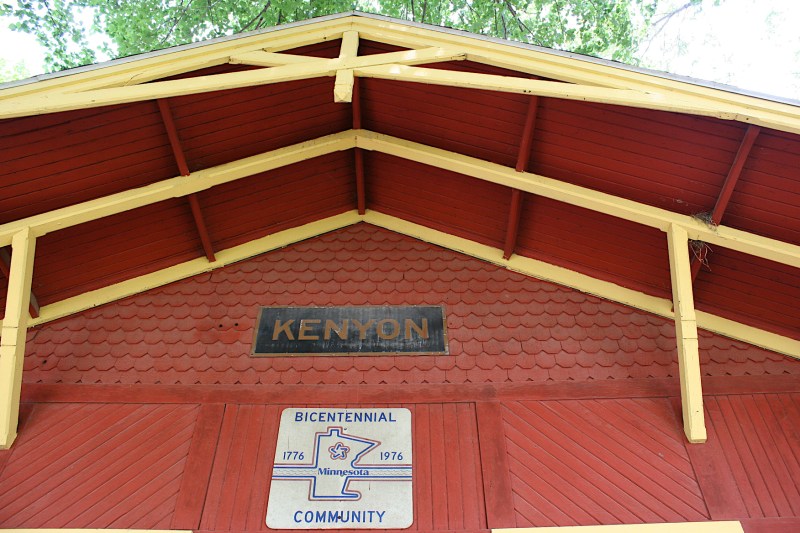
Identifying signage on the front of the Kenyon Depot.


Posted next to the old depot.


This side of the depot faces the park space.


When rail service shut down here in the late 1960s or early 70s (I read conflicting information online), a local house mover bought the depot. And in 1974, he, upon approval of the city, moved the depot to the park.


A vintage light.


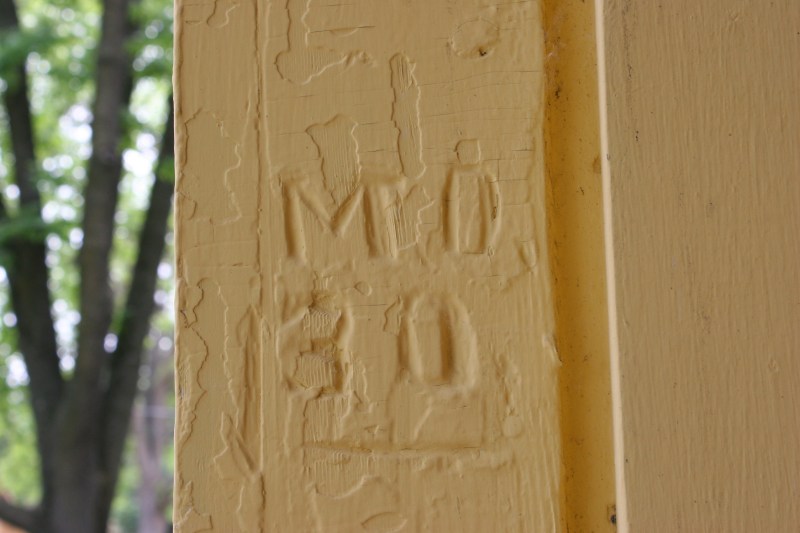
I noticed these letters/numbers on a corner of the depot. Anyone know what they signify?


Tape on window trim.


But there’s one more interesting piece of history about this building, a story shared in a 2012 letter to The Kenyon Leader written by former Mayor John L. Cole. According to Cole, the Kenyon High School Class of 1975 was tasked with painting the depot after “getting into trouble” during a class trip to Grandview Lodge in Brainerd. Now he doesn’t explain what that “trouble” may have been. But Cole thanks the class, emphasizing that something good came out of the bad.


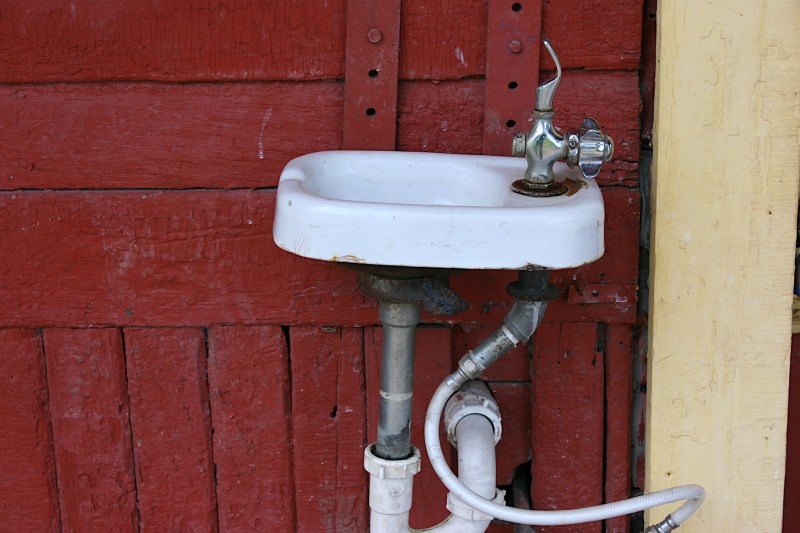
This drinking fountain next to the depot has been around for awhile.


As a 1974 high school graduate (from a school nowhere near Kenyon), I can only guess. We were on the tail end of the Vietnam War, a bit vocal and determined and rebellious. My class got into trouble for choosing “Dead Skunk in the Middle of the Road” as our class song. Not exactly fitting for a high school graduation ceremony. I expect had we gone on a trip like the teens from Kenyon, we, too, would have gotten into trouble.


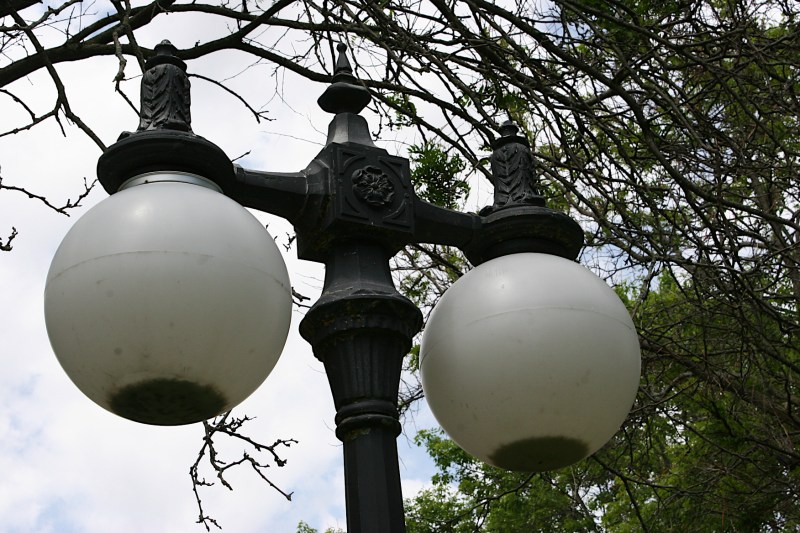
This street lamp, I’m guessing vintage, stands near the depot.


I digress. But history has a way of connecting us. Through stories. Through places. Like depots that hold the history of a community and its people.

© Copyright 2020 Audrey Kletscher Helbling
 

Pool ready to open in Kenyon as COVID-19 restrictions ease June 10, 2020

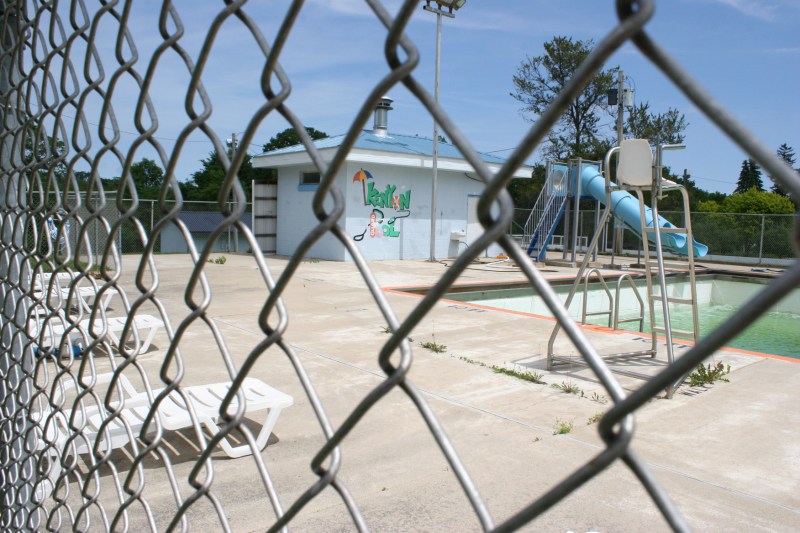
The Kenyon, Minnesota, swimming pool opens on June 12.


SUMMER IN MINNESOTA. It’s synonymous with water and the outdoors and community events. County fairs and small town celebrations. Parades. Summer camps and trips to the lake cabin. Hiking and camping and anything that takes us into the woods, to lakes and pools. Family reunions. Togetherness. Because our winters are so harsh and long, we Minnesotans delight in summer.


Picnicking at Depot Park in Kenyon on Saturday.


But this summer looks much different due to COVID-19 and the restrictions in place. Most celebrations are canceled, camps closed, etc. I’m of the cautionary camp, recognizing the very real risks of the virus and the need to protect not only myself but others. I’m careful, avoiding situations that raise the risk of exposure or that aren’t, by health standards, particularly safe. There will be no attending family reunions or similar at-home gatherings for me. (Such gatherings are currently limited to 25 anyway.) I’m closing in on the high risk age, just barely under it. And I have friends who’ve had family members with COVID-19, including one death.

All of that said, I can only imagine the difficulty right now of parenting children from preschool age to teen. Most kids by nature are social creatures. Preschoolers play together, grab toys from one another. Grade schoolers and teens just want to hang together. Play sports. I’ve seen plenty of teens congregating at parks in my community and nearby towns, including crammed onto basketball courts. I understand their innate need to connect. And that includes hanging out at the lake, pool or aquatic center. COVID-19 doesn’t top their list of concerns.


Behind the fence, the Kenyon Pool fills with water on Saturday for opening on June 12.


Today, June 10, indoor and outdoor pools in Minnesota are allowed to reopen to the general public at 50 percent capacity with a COVID-19 Preparedness Plan in place. That includes social distancing, encouraged use of cloth face masks when not in the pool, employee health screening and much more. The State of Minnesota details requirements and recommendations at Stay Safe Minnesota.


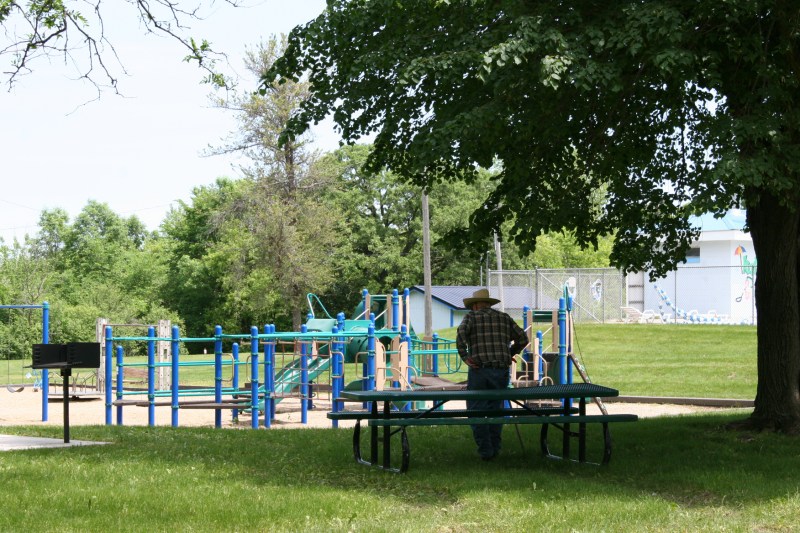
The Kenyon man who tipped us off to the pool opening, pictured near a playground and the pool in Depot Park.


Quite by happenstance, I learned last Saturday that the city swimming pool in Kenyon is reopening. We were picnicking at Depot Park, a park complex that includes the pool and Randy chatted it up with an elderly gentleman who lives nearby. He mentioned the city was filling the pool and, sure enough, water funneled into the larger of the two pools. The filling process, he noted, would take several days. A check of the city Facebook page shows the pool opens on Friday. That includes for open swim, swimming lessons, lap swimming and water aerobics.


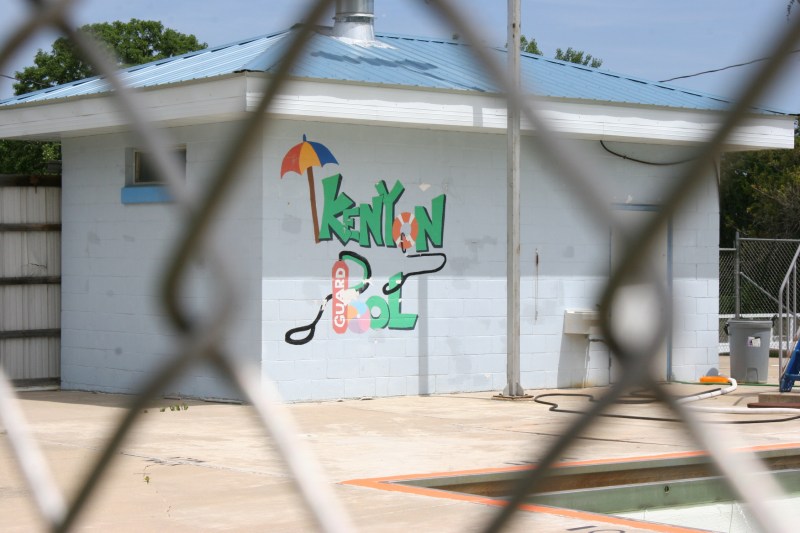
A building at the Kenyon Municipal Swimming Pool.


It will be interesting to see how this works in practice. Will pool users social-distance and will (mostly) teen employees “enforce” rules? Will parents watch and monitor their kids? Or will kids be kids and mingle and play together as usual, pandemic or not? I think it will be tough, really tough, to assure safe practices to prevent the spread of COVID-19 in such a setting. But if individuals, families, and cities, are willing to take the risk, then that’s their choice.


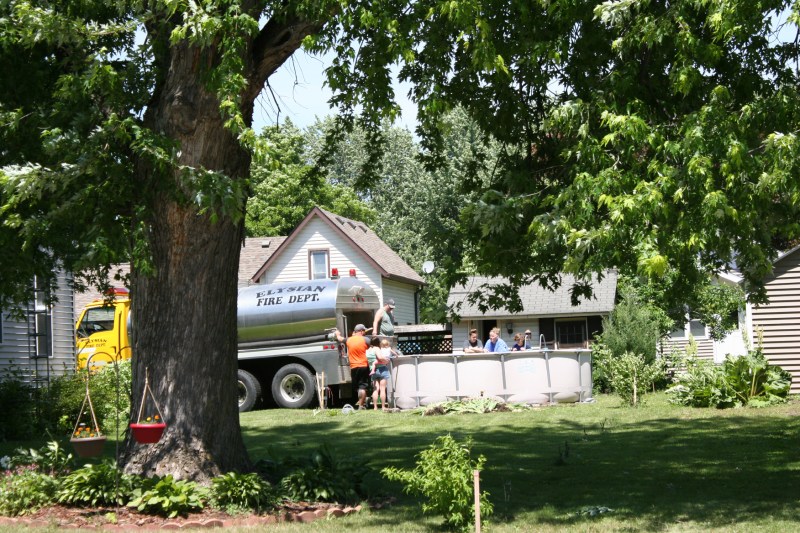
Filling an above ground pool in Elysian on Sunday afternoon.


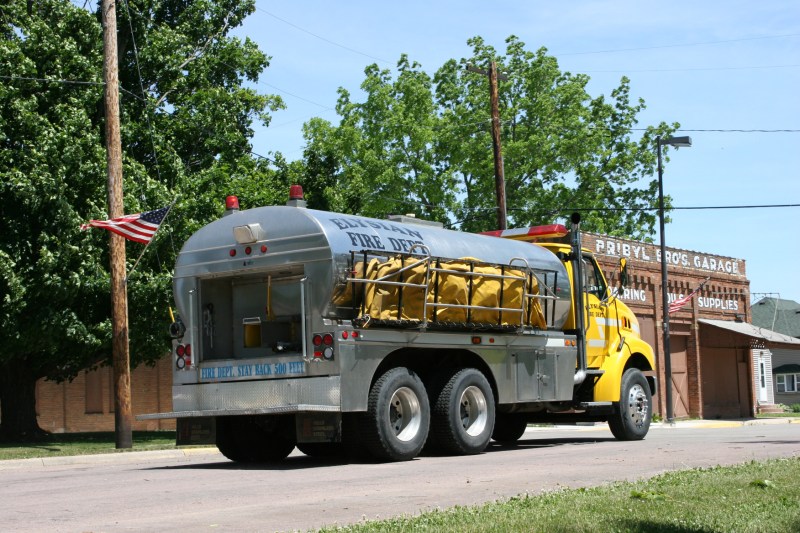
The following day, I saw a family in the community of Elysian exercising another option. Randy and I, out for a Sunday picnic and drive, had just pulled up to the recreational trailside center when we noticed a water tanker truck from the Elysian Fire Department in a yard across the street. The “firefighters” were filling a backyard above-ground pool with water. It was so small town iconic. And a reason to pause and smile in the middle of a global pandemic. Ah, summer fun in Minnesota…


The water tanker drives toward downtown Elysian.


TELL ME: How do you feel about the reopening of swimming pools and aquatic centers to the general public? Please be respectful in your comments. Do not make this political. I monitor all comments and reserve the right, as author of this personal blog, to not publish comments. Thank you.

© Copyright 2020 Audrey Kletscher Helbling


At Aspelund: Peonies & wine June 9, 2020

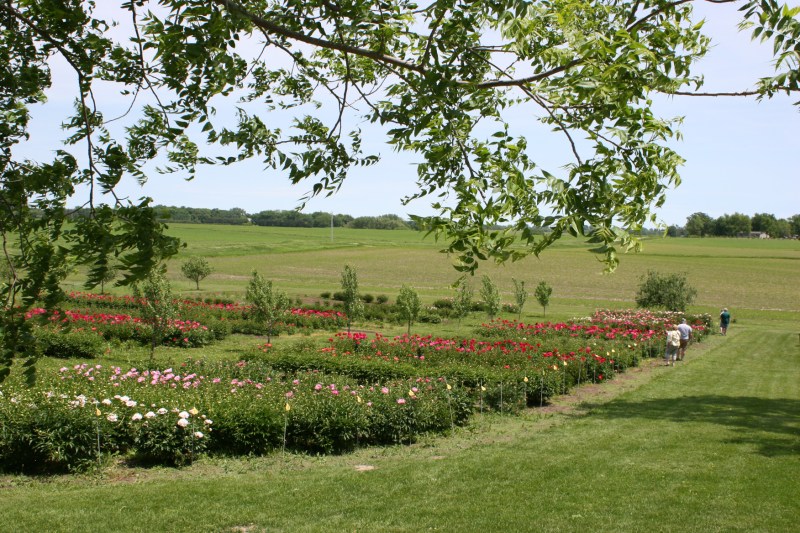
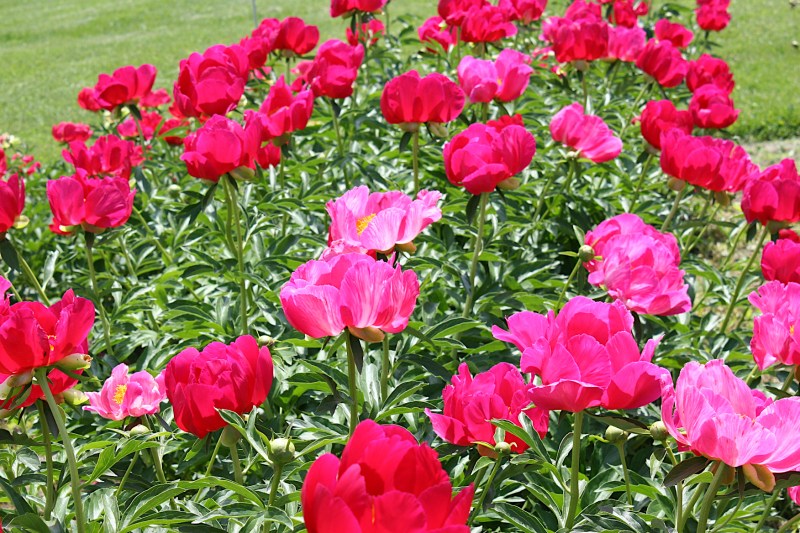
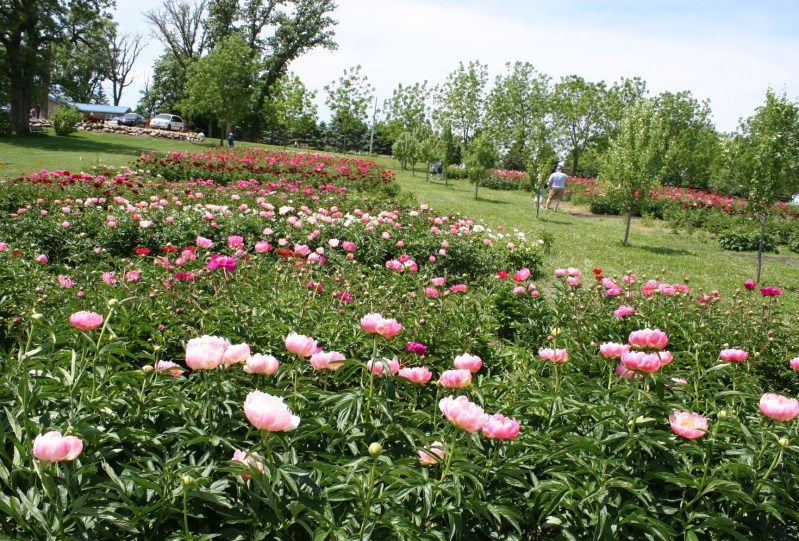
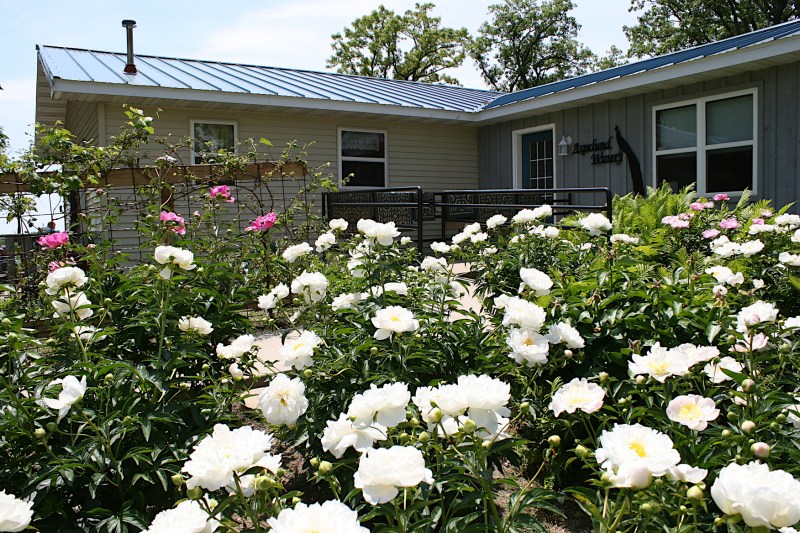
Fields of peonies are currently in bloom at Aspelund Peony Gardens, rural Wanamingo.


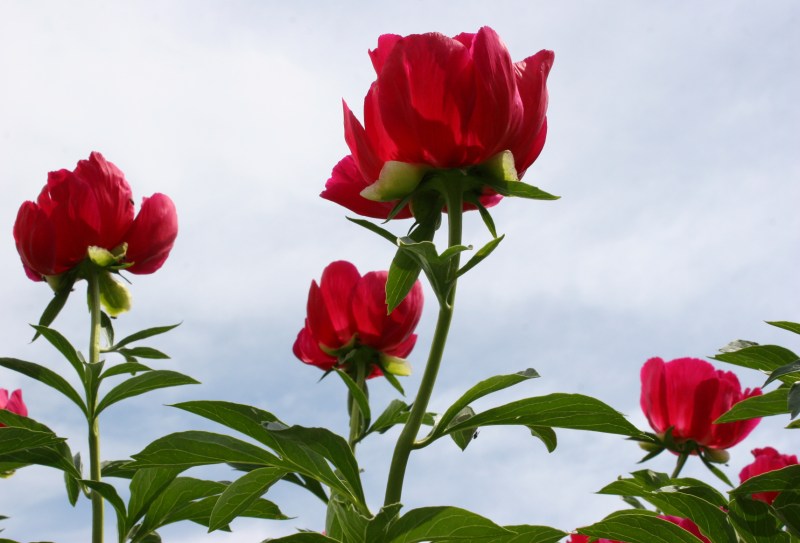
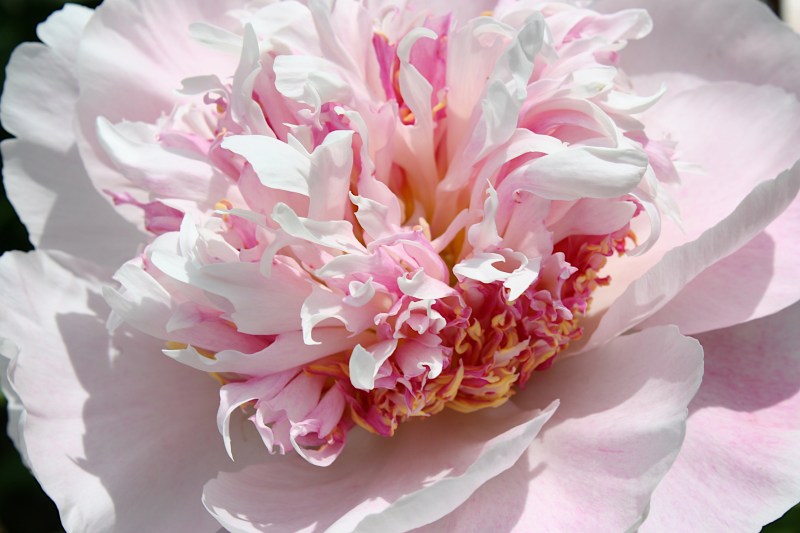
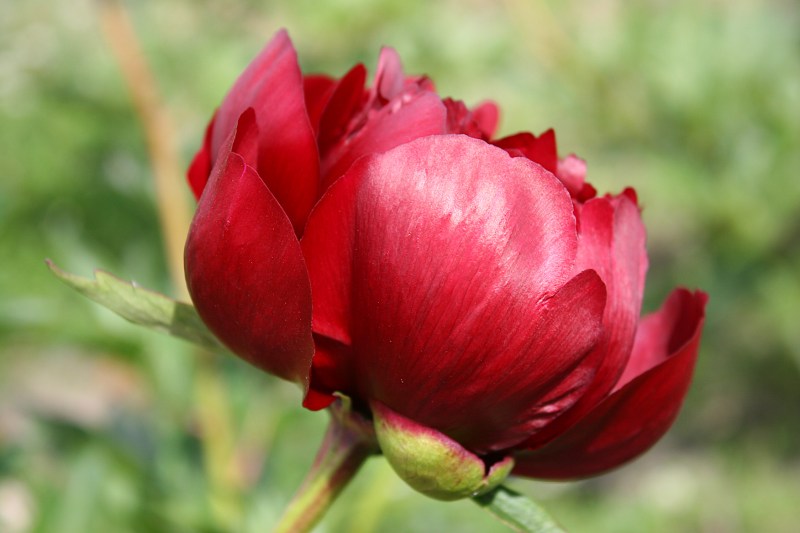
JUNE IN MINNESOTA BLOOMS peonies in shades of pink, burgundy and crimson, others white, bending, swaying in the wind, perfuming the air.


Such beauty in the many hues and fragrances.


Layered blossoms open to the warm sun, their beauty unsurpassed in the book of old-fashioned flowers, the bouquets of long ago brides—our grandmothers, our great grandmothers.


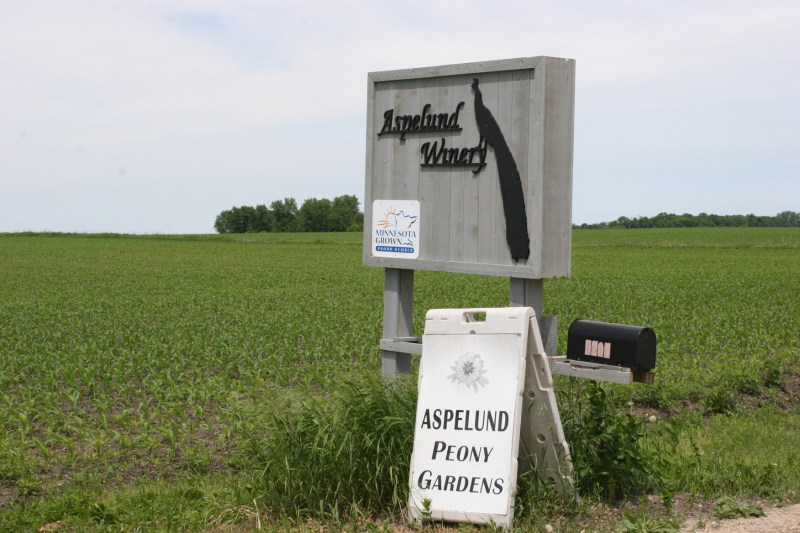
This sign along the gravel road marks Aspelund Peony Gardens & Winery.


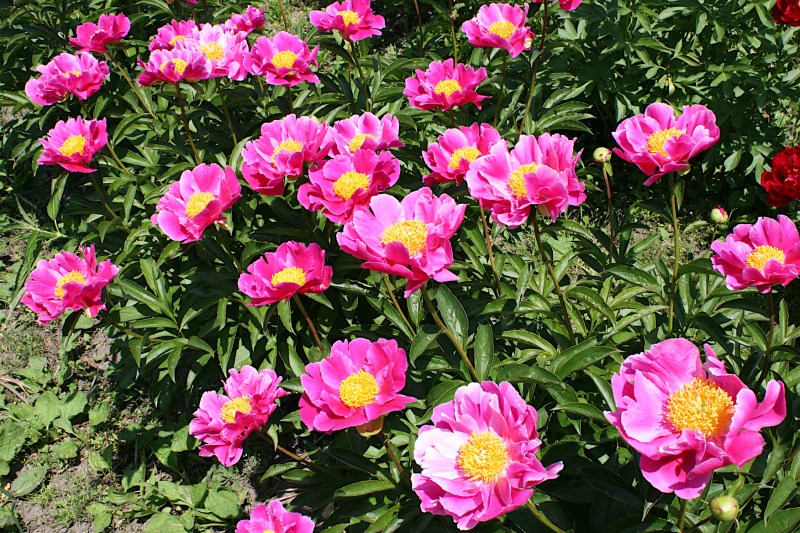
A lovely pink peony up close.


At the bottom of the hill, rows and rows of peonies grow against a country backdrop.


In southeastern Minnesota, I’ve found a place where fields of peonies grow. Lovely in their beauty against a rural landscape. Aspelund Peony Gardens and Winery northwest of Wanamingo.


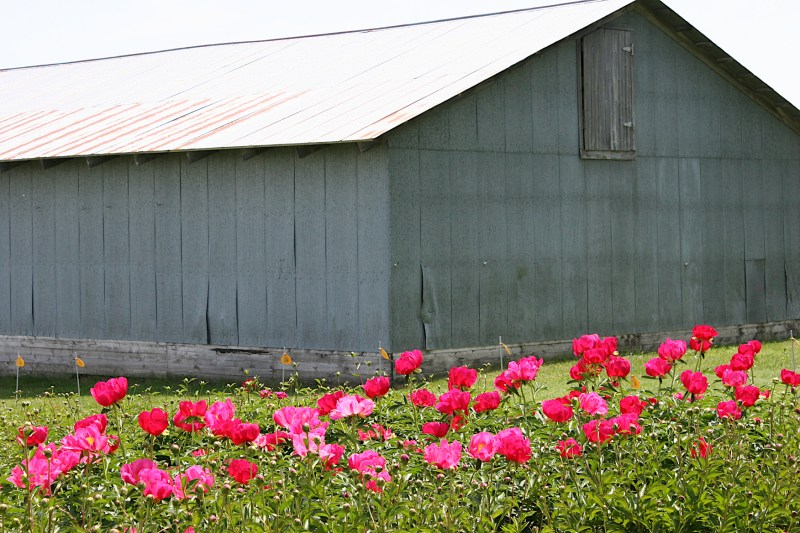
I love how this grey shed provides a blank canvas for the vivid peonies to pop.


Each June, Randy and I drive there to take in the loveliness. To enjoy and smell these flowers that once defined our community of Faribault as The Peony Capital of the World. No more. That title long ago gone, we now find fields of peonies a half hour away.


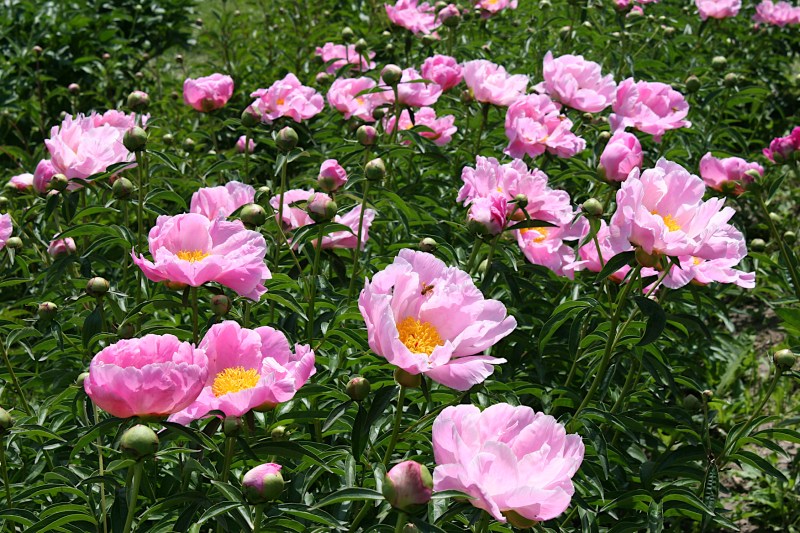
So many peonies…


I like to study the peonies from sweeps of flowers to single blooms.


Love these vivid shades…


Aspelund Peony Gardens sells peonies to the public, in the form of peony plants ordered now and tubers picked up in the fall for planting then. While meandering between the peony rows, I overheard many serious conversations about peonies. I come for the beauty and tranquility found in these acres of flowers.


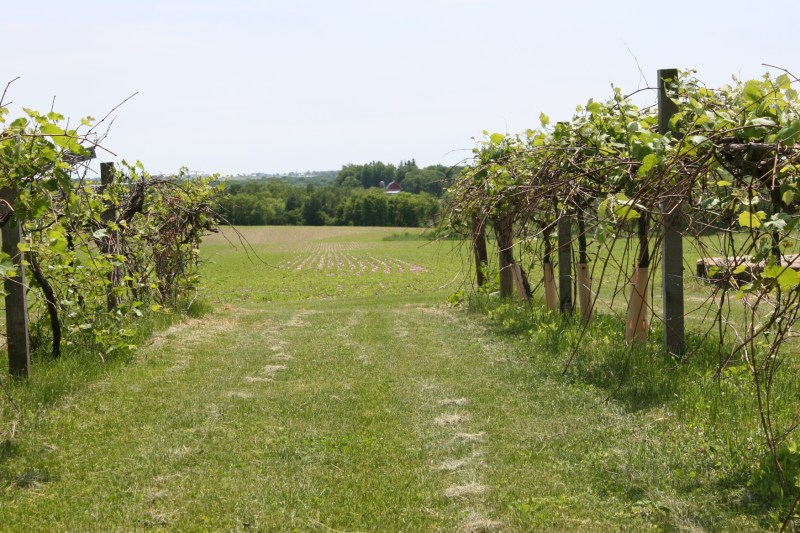
The hilltop vineyard offers a grand view of the surrounding countryside.


In this rural setting I find a certain peacefulness in sweeping vistas of the countryside, especially from the hilltop vineyard.


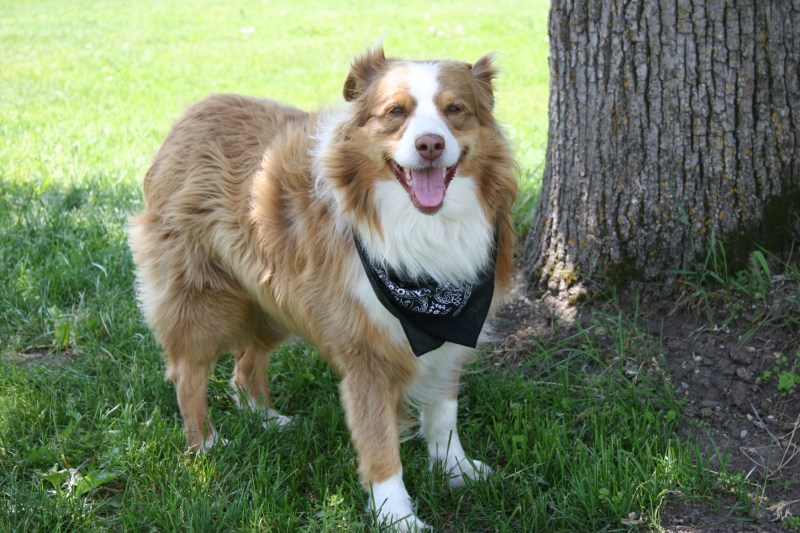
Rascal, left, roams among those visiting the gardens and winery.


Look at that face. Rascal just makes me smile.


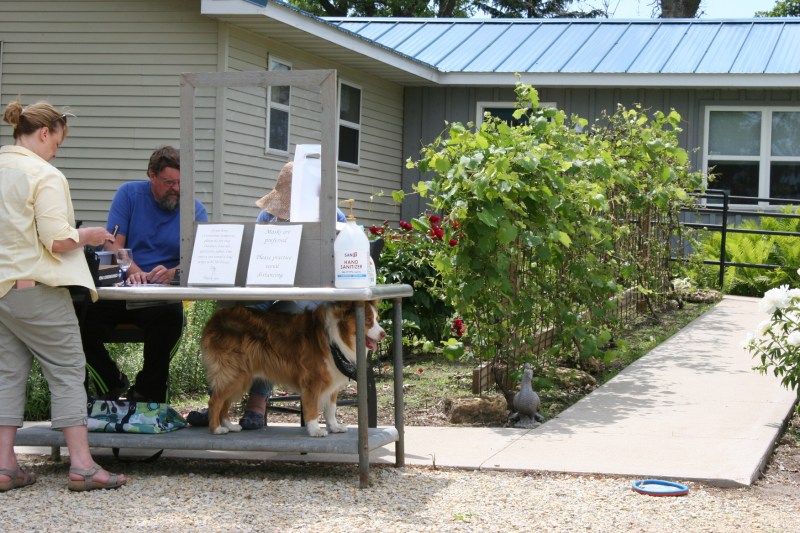
Rascal helps Bruce and Dawn Rohl at the check-out/peony ordering station.


Rascal the dog greets visitors by barking upon their arrival and then wandering among guests. He adds another layer of back-on-the-farm friendliness.


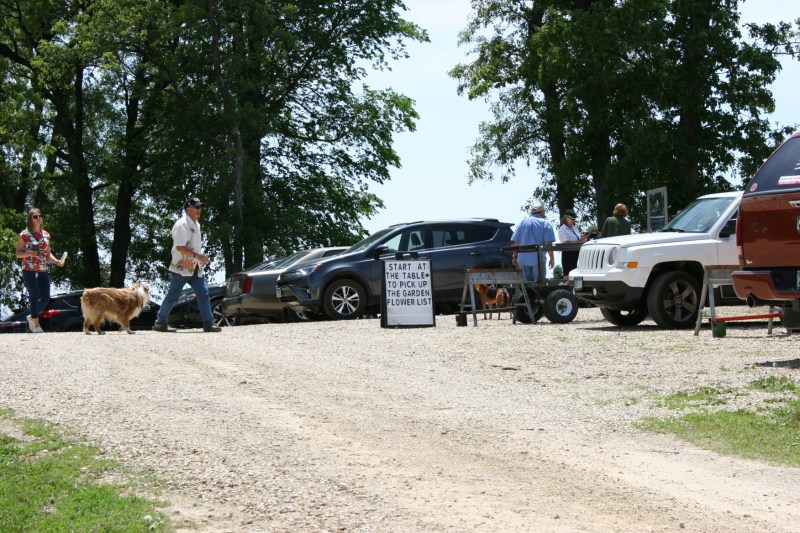
From the bottom of the hill, looking across the peony gardens toward the parking area and winery.


On this acreage, at this business, gardeners Bruce and Dawn Rohl—a couple as friendly and welcoming as you’ll ever meet—also craft wine. Randy and I wove our way from the peony gardens onto the tiered deck to order flights of wine, mine tasting of elderberries, raspberries, caramel, apples and cinnamon.


The tasting room, far right, opens soon, per allowances under COVID-19 rules.


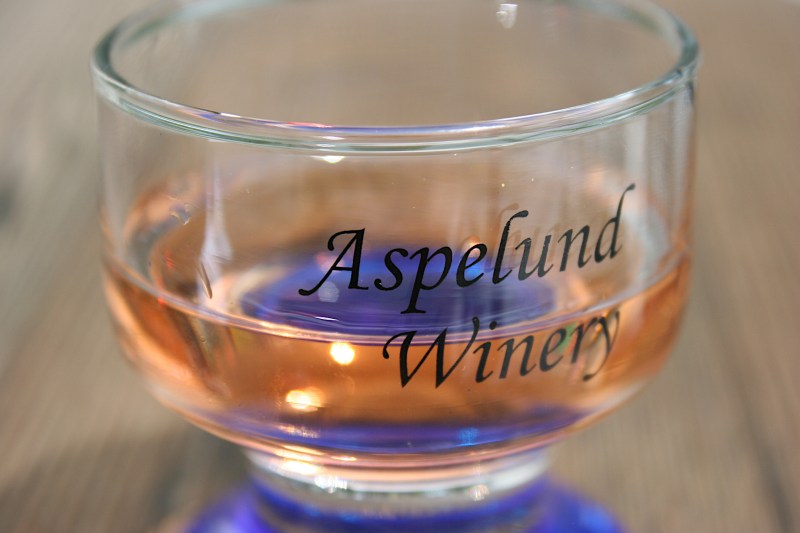
One of my wine samples in a flight of four.


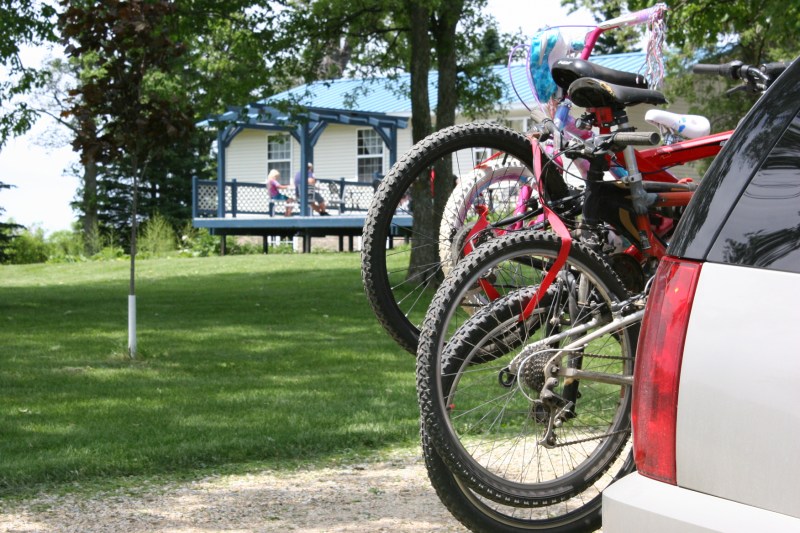
In the background you can see part of the tiered deck where guests can enjoy Aspelund wine at tables allowing for social distancing.


During our June 6 visit, only outdoor service was available due to COVID-19 restrictions. The small indoor tasting room reopens soon. I’d still recommend sitting outside to experience the rural beauty of this place. I’d also recommend wearing masks when passing near others and when ordering and getting your wine. The Rohls encourage masks. It’s the right thing to do for a couple who so graciously open their rural acreage (yes, they live here, too, in the attached house) and business to others.


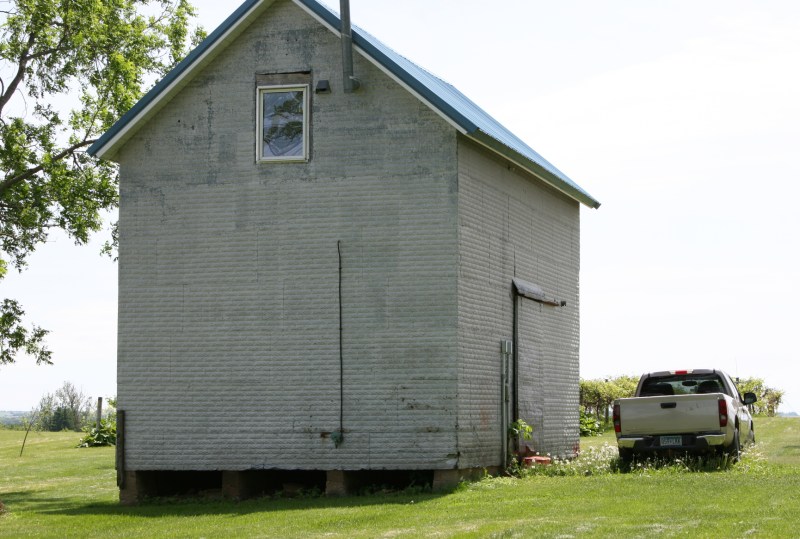
An aged shed near the vineyard.


The next week, probably two, depending on weather, promises to offer excellent viewing of peonies in bloom. The garden is open from 4-7 pm weekdays and from 10 am – 4 pm weekends. The winery is open from noon to 5 pm weekends only. Check the Facebook page for any changes to those times. Above, all, delight in the flowers and savor the wine at Aspelund Peony Gardens and Winery, one of my favorite spots to visit each June in southeastern Minnesota.

© Copyright 2020 Audrey Kletscher Helbling
 

Photographic perspective June 8, 2020

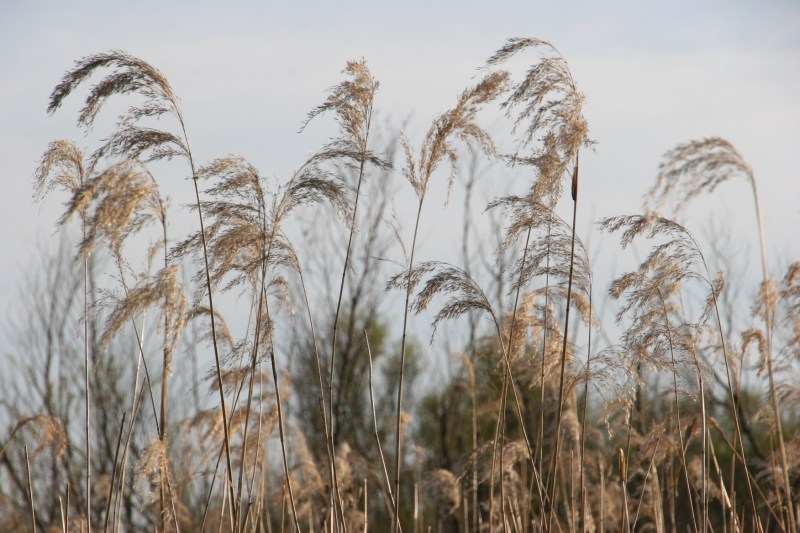
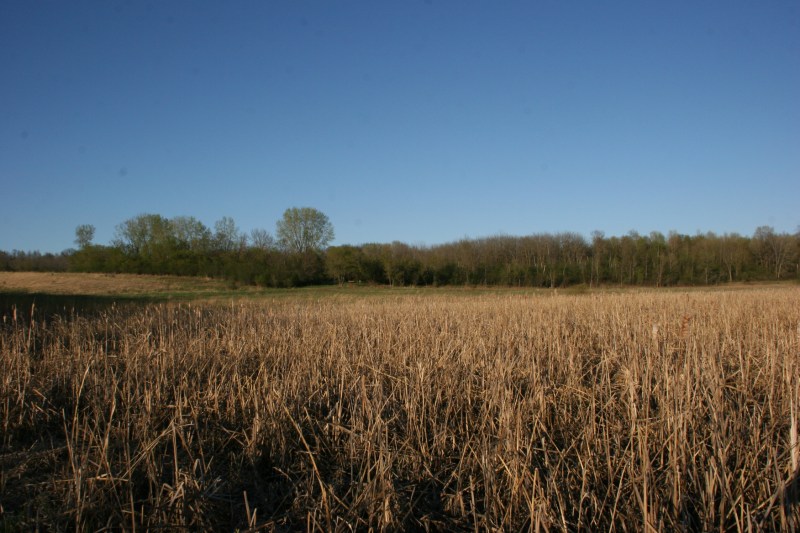
I delight in dried grasses dancing in the wind at sunset at River Bend Nature Center.


A MONTH AGO, as spring broke in Minnesota, Randy and I headed to one of our favorite local outdoor places—River Bend Nature Center in Faribault.


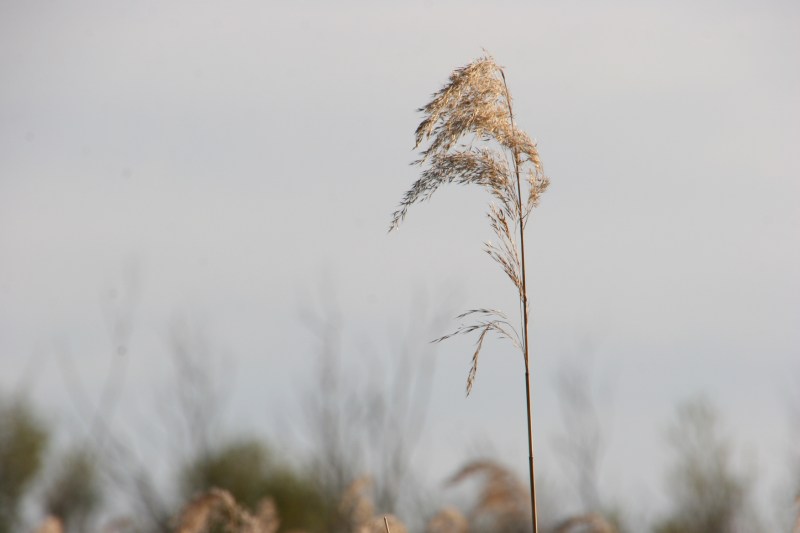
Beauty in a single grass stem.


As usual, I carried my camera. My camera invites me to see the world in a different and more detailed way. I look through the viewfinder with an artist’s eye and with an intent, creative focus.


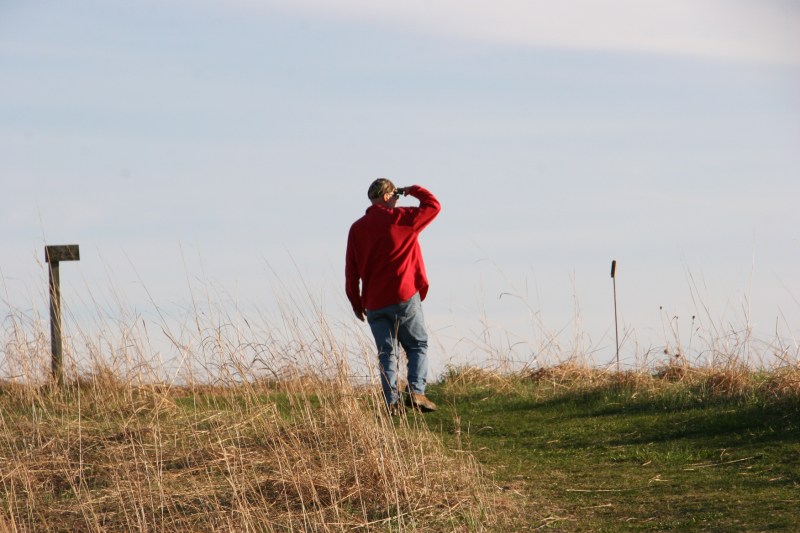
Randy surveys the prairie below.


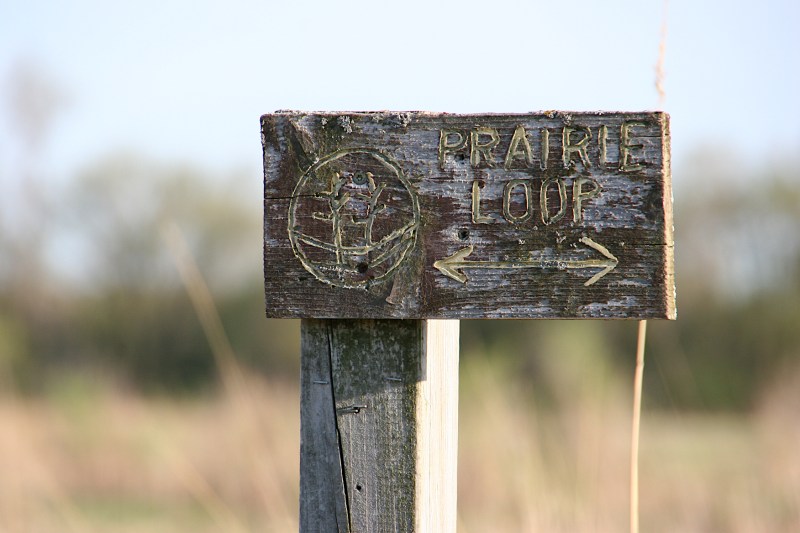
Directions to the prairie route.


An overview of the land.


I use photography to create and to document. And in the process, I find joy. If you’re a photographer, you understand that moment when everything—the light, the subject, the composition—comes together. It’s, to be somewhat trite, magical.


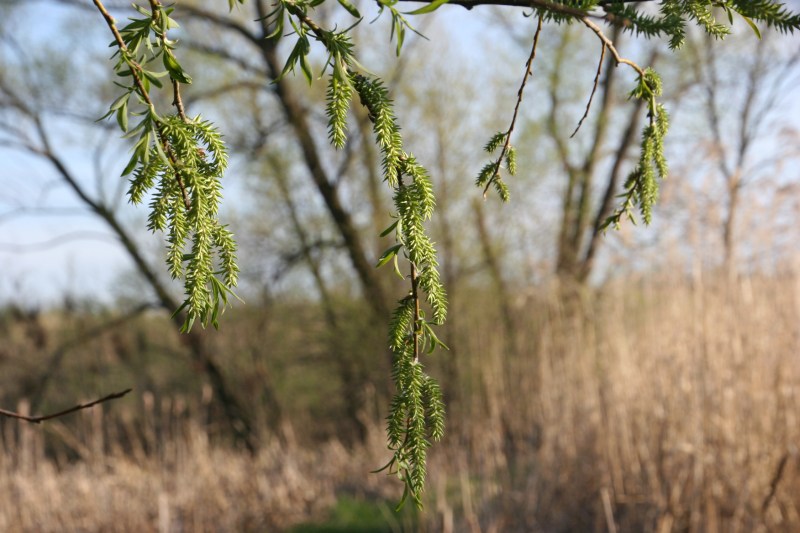
Greenery dangles from a tree, looking lovely in the evening light.


People often comment that I must have a “really good camera.” I don’t. It’s second-hand, an EOS 20D Canon, old by today’s standards. It doesn’t perform especially well in low light. But I love this camera; it’s my second 20D.


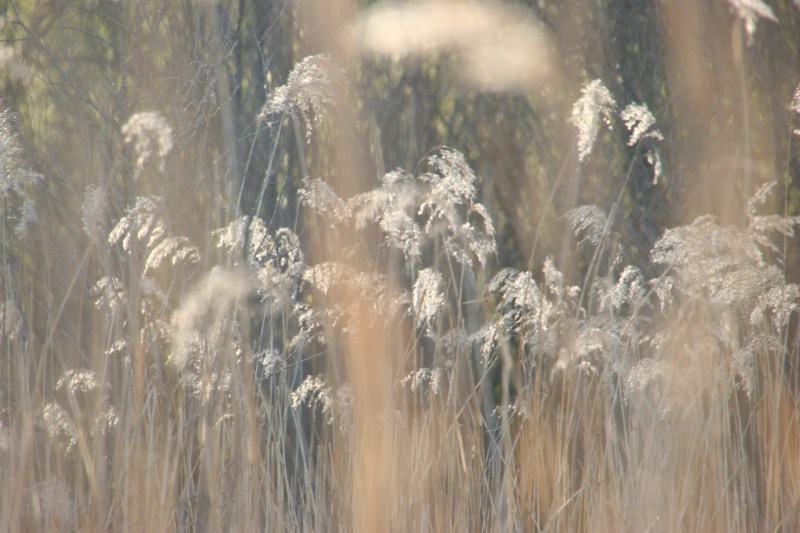
I love the muted, dreamy tone of this image, the softness in the light of a setting sun as I shot through the field of dried grasses.


Today’s smartphone cameras can technically surpass the quality of my aging DSLR. But there’s one thing technology can’t replace. And that’s the photographer’s skill-set, talent, experience and creativity.


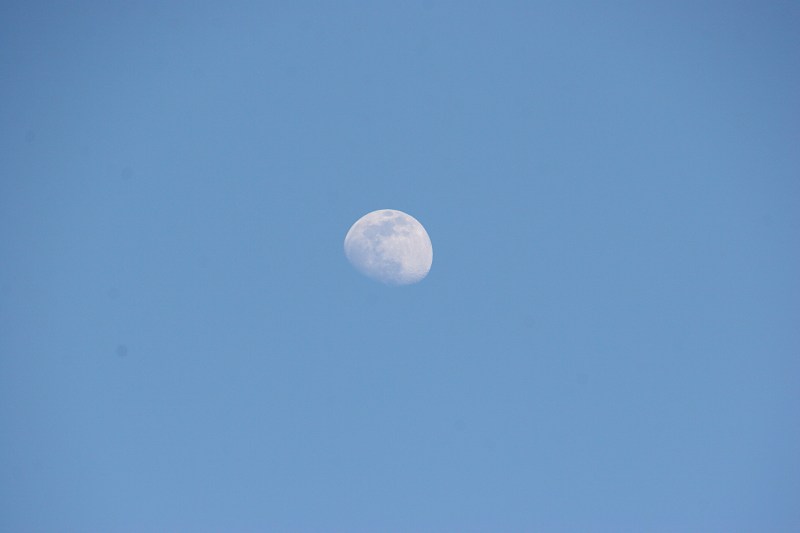
The moon rises while the sun sets.


I understand the basics of photography—of lighting, composition, focus… But even more, I recognize the importance of perspective and storytelling. Of thinking outside the box. Of creating art with my photography.


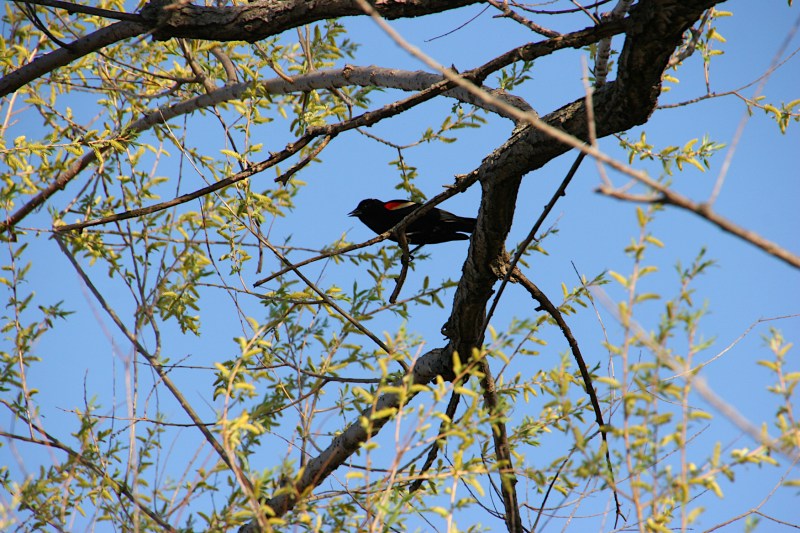
A red-winged blackbird catches my eye.


When you see my photos, I want you to feel immersed in a sense of place. In that moment when I stand or squat or kneel to frame an image, I want you there. Or when I set my camera on the ground and aim the lens upward without looking through the viewfinder.


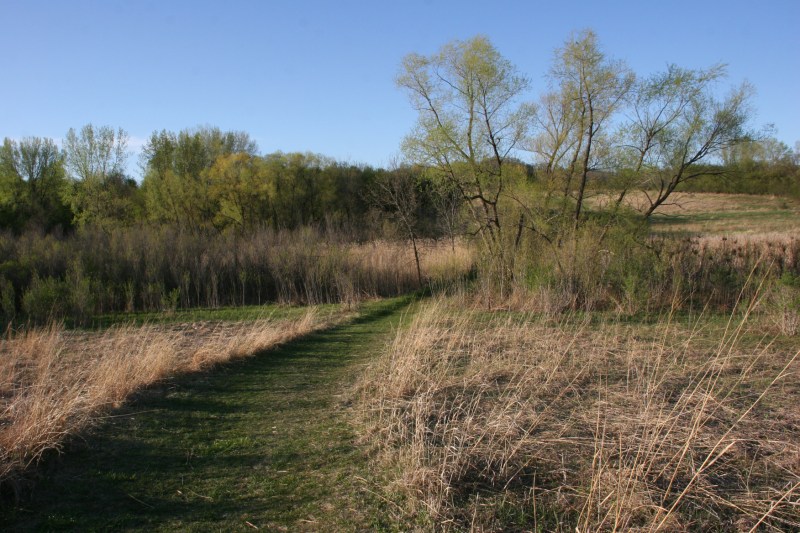
A prairie path…


I strive to tell stories, to introduce you to people and take you to places and events you may not otherwise see. To show you my little corner of the world and beyond, through my life lens.

© Copyright 2020 Audrey Kletscher Helbling
 

8 minutes and 46 seconds June 5, 2020

Filed under: Uncategorized — Audrey Kletscher Helbling @ 5:00 AM
Tags: , , , , ,

Minnesota Prairie Roots file photo.


TIME. For two hours Thursday afternoon, I watched the memorial service for George Floyd in Minneapolis broadcast on TV. Singing. Praying. Sharing of memories. Laughing. Crying. Calls for justice. And in the end, at the end, it was the 8 minutes and 46 seconds that mourners stood in silence which felt the most intensely and emotionally powerful. The length of time a former Minneapolis police officer, now charged with second-degree murder, third-degree murder and second-degree manslaughter, was shown in a video kneeling on Floyd’s neck. It seemed an interminably long time.


Garden art given to me by my mom many years ago. Minnesota Prairie Roots file photo.


TIME. The Rev. Al Sharpton, who spoke at the service, quoted Ecclesiastes 3, which references time. “Time is out for empty words and empty promises,” the reverend said, as he called for lasting change. For equality. For justice. The time is now.


Minnesota Prairie Roots file photo.


TIME. Hope is rising. Not as a wish, but as an action, as a movement toward lasting change.


Reflections from Minnesota, in images & words June 4, 2020

Filed under: Uncategorized — Audrey Kletscher Helbling @ 5:00 AM
Tags: , ,

This photo of a 1960s print can represent chaos. Or it can also represent diversity and how we are all connected by our human-ness. Minnesota Prairie Roots file photo.


AS I CONSIDER THE EVENTS of the past week, thoughts and images flash. There’s so much to take in. The death of a black man in the hands of Minneapolis police. The protests that followed, initially violent but now mostly peaceful. At least in Minnesota. Scenes of buildings burning, looting, destruction. Crowds pulsing along streets and interstates. Police and National Guard massing.


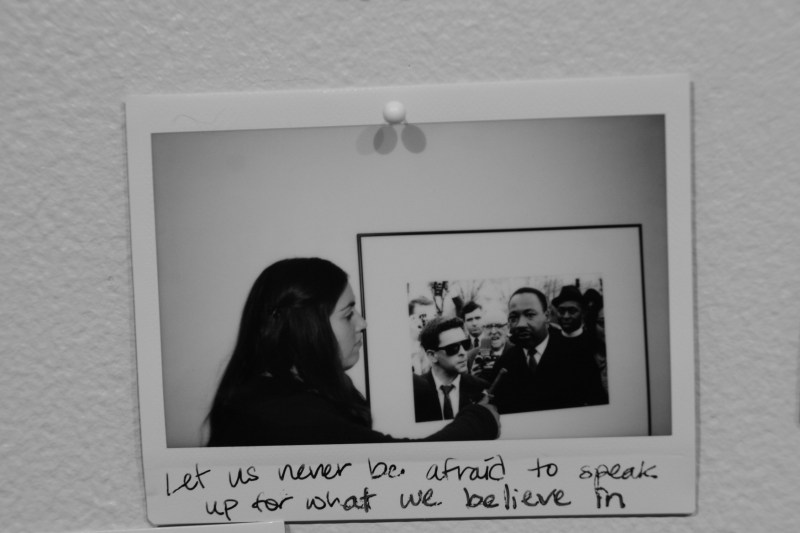
I photographed this photo at an exhibit, “Selma to Montgomery: Marching Along the Voting Rights Trail,” at St. Olaf College in 2015. Those viewing the exhibit were invited to take Polaroid shots of the exhibit and add their thoughts. Minnesota Prairie Roots file photo 2015.


And in all of it, the voices. Rising.


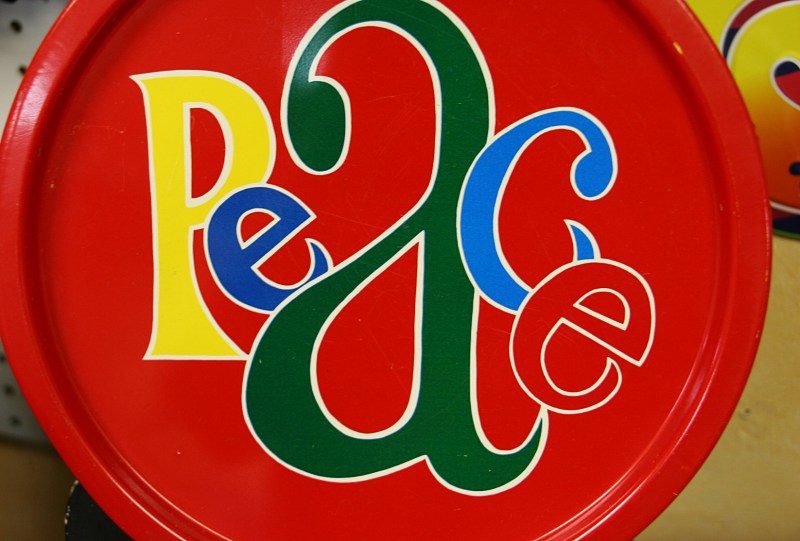
A vintage tray with a simple message. Peace. Minnesota Prairie Roots file photo November 2015.


As I reflect on this, I think about the thousands of photos I’ve taken through the years that relate to the issues of today. And so I gathered a few of those to create a photo cloud of sorts.


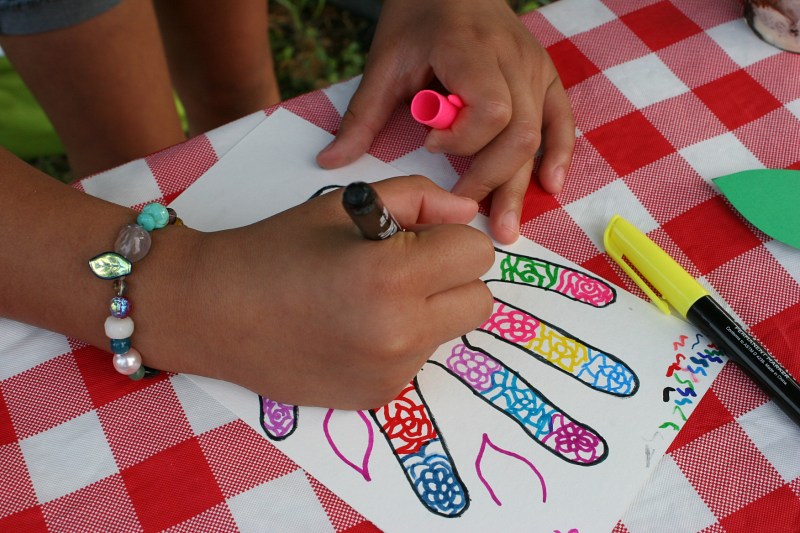
Hands-on art created at July Family Night in Faribault to me symbolizes our diversity in the colors and patterns created by this young artist. Minnesota Prairie Roots file photo July 2019.


I share these in the spirit of humanity. Not to invite discord or to stir up political debate. I dislike conflict. Rather, let’s consider words like community, togetherness, positive change, peaceful dialogue, respect, justice, peace… Healing.


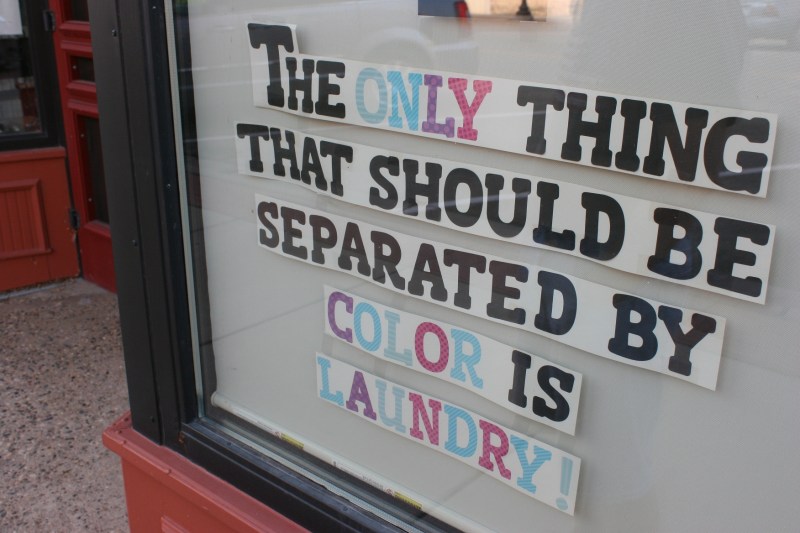
Photographed in August 2018 in a storefront window of a business in downtown Faribault, I appreciated this message showcased in my diverse community. Minnesota Prairie Roots file photo 2018.


No matter our skin color, our faith (or not), our education, our backgrounds, we each have the ability to be decent and kind and loving.


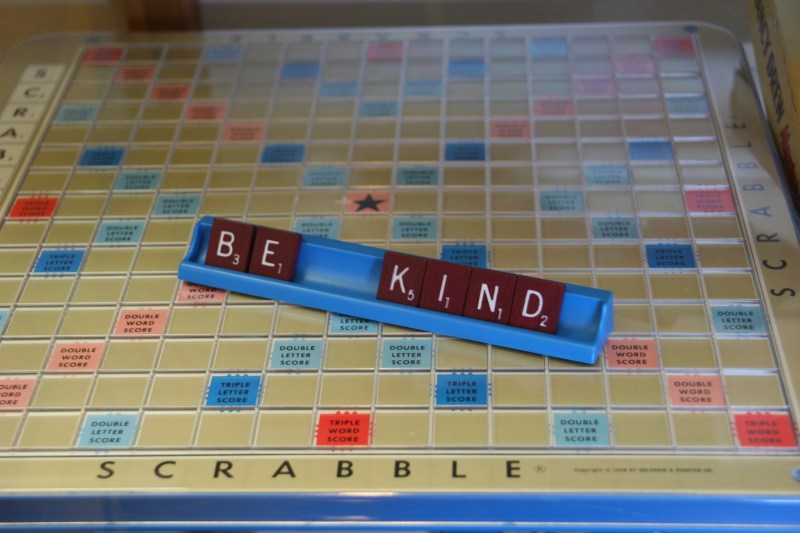
Photographed at LARK Toys in Kellogg, these two words resonate with me. Be kind. Minnesota Prairie Roots file photo.


I recognize the issues are much more complex and deeply rooted. But we must start somewhere.


© Copyright 2020 Audrey Kletscher Helbling


Thoughts from Minnesota June 1, 2020

Filed under: Uncategorized — Audrey Kletscher Helbling @ 4:26 PM
Tags: , ,


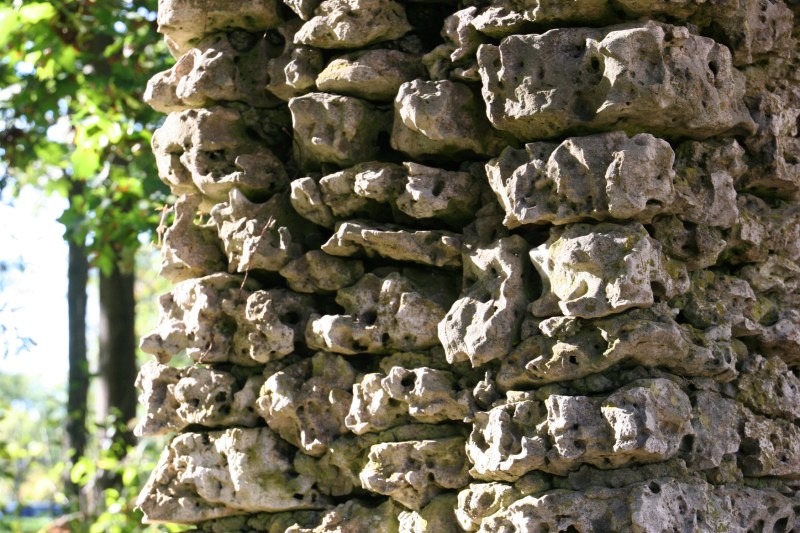
These porous stacked rocks represent the heaviness layered upon my heart. Minnesota Prairie Roots file photo.


A HEAVINESS RESTS upon my heart.

I feel unsettled, overwhelmed, sad, heartbroken. As if pain and angst and worry have collectively landed. Upon the people in this place I call home. Minnesota.

Certainly, I am physically removed from the epicenter of unrest in the Twin Cities metro. But many friends and loved ones live there. And the reason for the protests—the death of a black man, George Floyd, at the hands of police—touches me in a profoundly human way. The senselessness of his death… I understand the outrage, the anger, the desire for justice and change. I don’t understand the looting, the rioting, the destruction, the burning of businesses and government buildings, the threats…


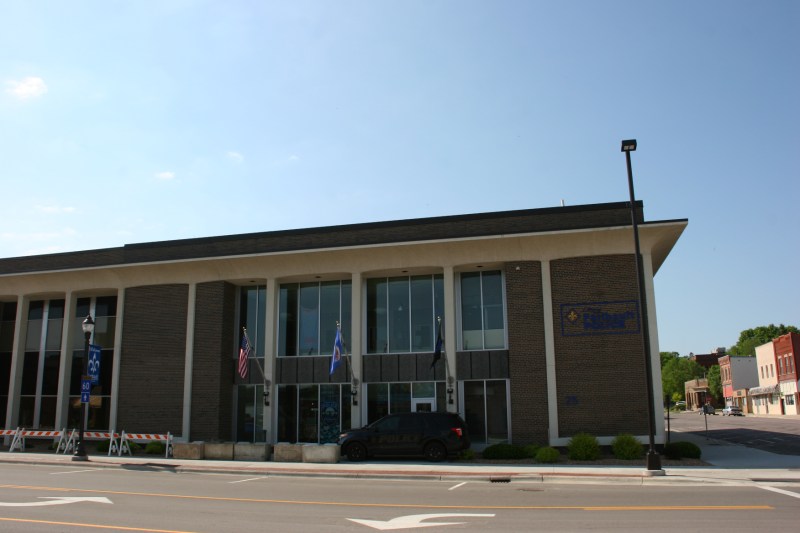
The Faribault Police Department building photographed Saturday morning.


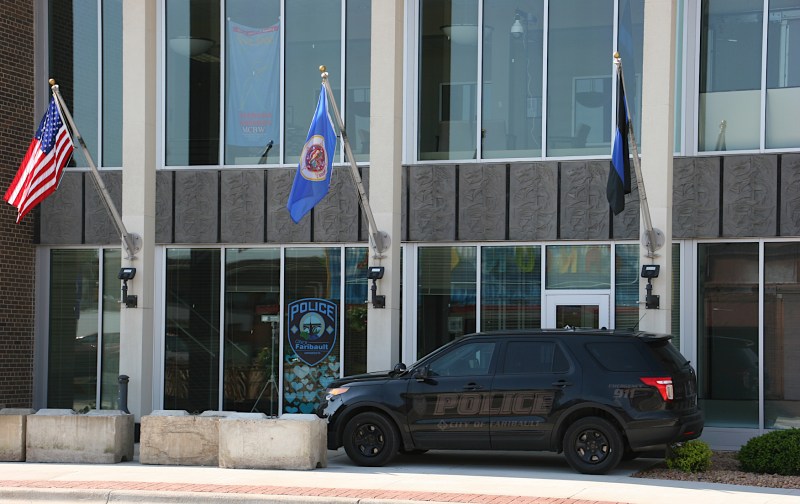
My community of Faribault has not gone untouched. Protesters gathered outside the police station Friday evening. Peaceful by media accounts, for which I am thankful. Still, it’s unsettling to see concrete and other barriers and a police vehicle protecting the local law enforcement headquarters.

Sunday evening Faribault joined other Minnesota communities in implementing a curfew beginning at 8 pm and continuing until 6 am Monday. The typically busy street past my house grew eerily quiet by 8:30 pm. I awoke several times during the night to silence.

Thankfully this past weekend I had the distraction of grandchildren to focus my attention, to love on, to hold close. I blew bubbles, chalked hearts on the sidewalk, read books, cuddled, played hide-and-seek. And when my eldest daughter, my son-in-law and those two precious grandchildren left at 5:30 pm Sunday with plenty of time to reach home in the north metro before curfew, Randy and I stood in the driveway waving the long Minnesota goodbye.


A protected police department, up close, on Saturday morning.


Minutes later, the daughter texted, “Better stay home tonight” with a screen shot about curfews in Faribault, Northfield and Dakota County.

Twenty minutes later, she texted, “They closed the freeways at 5 tonight. So we have to go a longer way.” Then the worry kicked in as I prayed for my loved ones to get safely home. We had no idea the interstate closings were moved ahead three hours.

But they found their usual route open and arrived home without delay. And this mother and grandma breathed again, although a heaviness still presses upon my heart.

© Copyright 2020 Audrey Kletscher Helbling


A child’s perspective on face masks with notes from Grandma May 28, 2020

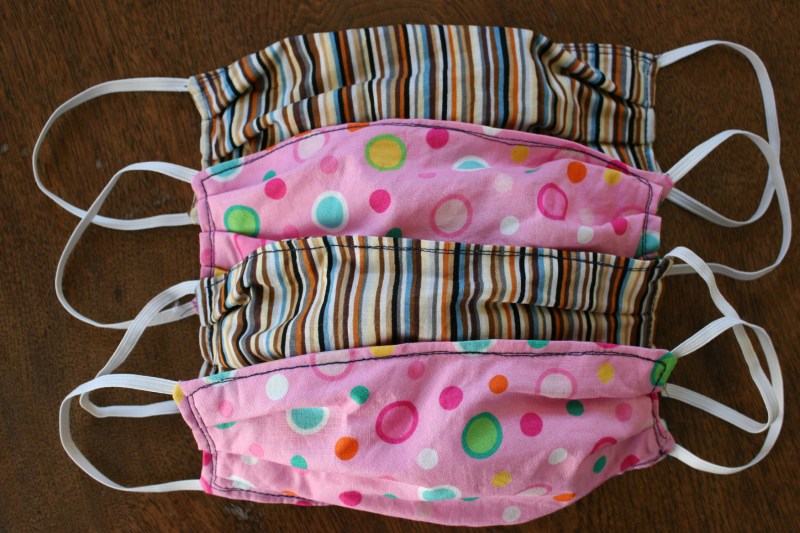
Some of our face masks, crafted by a friend in Texas.


“I like your face mask, Grandma.”

Her words nearly broke my heart. But I didn’t let on to 4-year-old Isabelle who sat behind me, buckled in her car seat, waiting for Grandpa to exit the convenience store with a gallon of milk.

My cotton print mask, dangling from the cup holder, was in her favorite color, pink. I grabbed the mask and pointed to the colored circles thereon—yellow, green, white, pink, blue, orange.

“Mine has lady bugs,” Izzy said. “And the other is brown.”

I knew about the masks, which had just arrived in the mail from my granddaughter’s great aunt in New Jersey. I was grateful for that gift. But, still, the thought of a preschooler aware of face coverings made me profoundly sad. Her parents had already talked to Izzy about COVID-19 in terms she could understand—that people are sick. She accepts that as the reason she can’t see her friends, go to the library, visit Como Park or the Minnesota Zoo and much more.


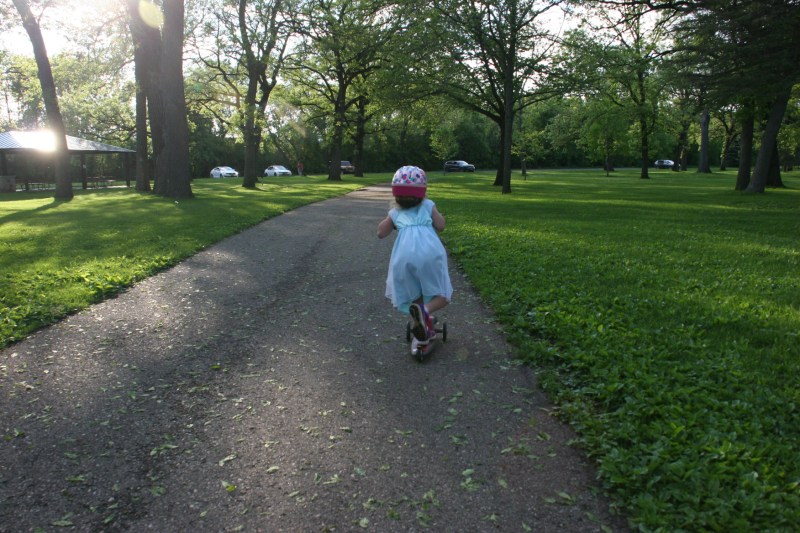
Izzy rides her scooter along the trail in North Alexander Park in Faribault.


I followed that same simple explanation when we were at a Faribault park with Izzy. I kept a watchful eye as she zoomed ahead of Randy and me on her scooter. When I saw others approaching on the trail, I called for her to stop. She listened. We moved to the side and I formed a barrier between myself and passersby. I feel an overwhelming need to protect my sweet granddaughter.

Isabelle never once asked to play on the playground. She understands that, for now, for her safety, she can’t.


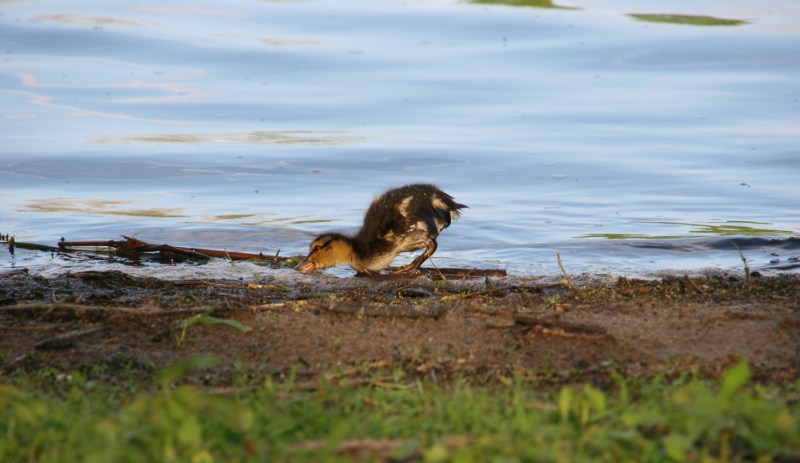
Baby ducks are so so cute.


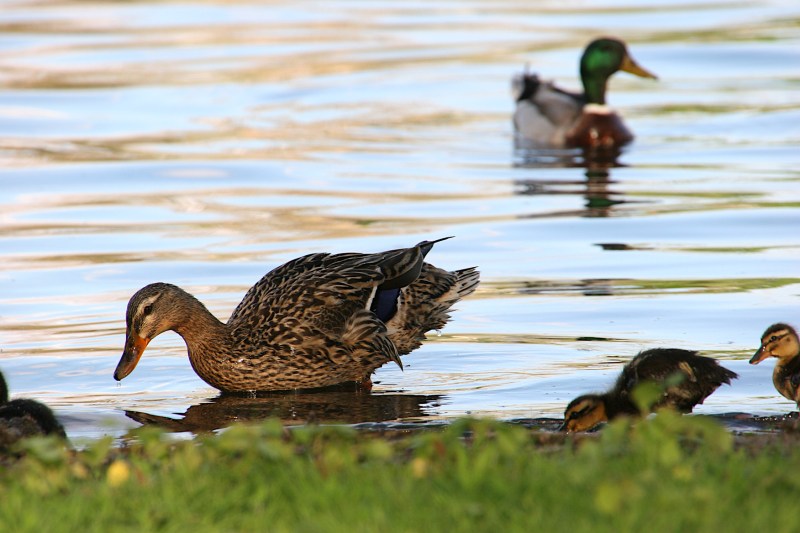
Mama duck watches her babies.


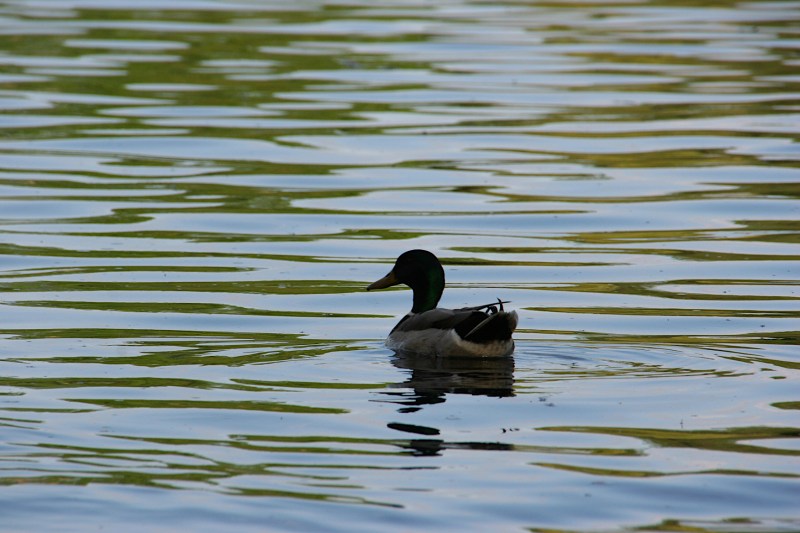
The drake swims nearby.


We tried to make our park visit as ordinary as possible, pausing to watch a family of ducks along the shoreline. It was a moment of grace, observing downy ducklings guarded by their mother. Not unlike me with Izzy. We listened to their incessant cheeping and I wondered what they were communicating to one another. Warnings perhaps.


A long row of lilacs in various shades grows in North Alexander Park.


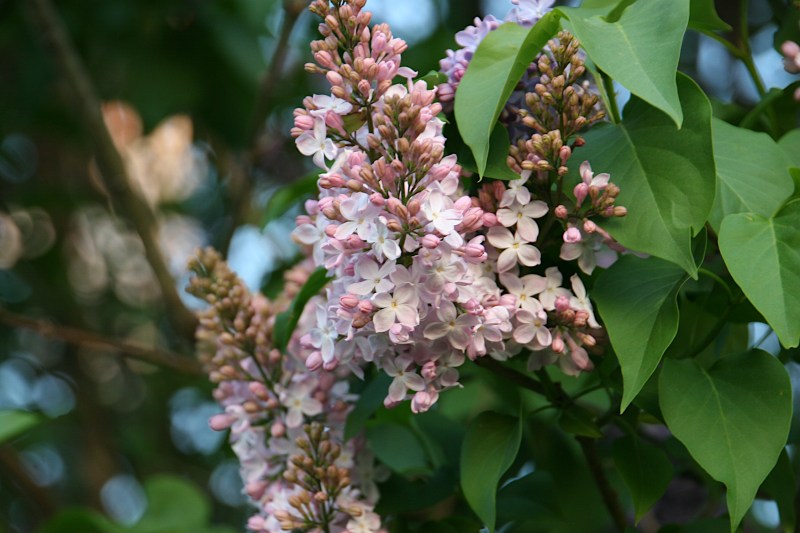
We stopped also so Grandpa could clip a spray of lilacs.


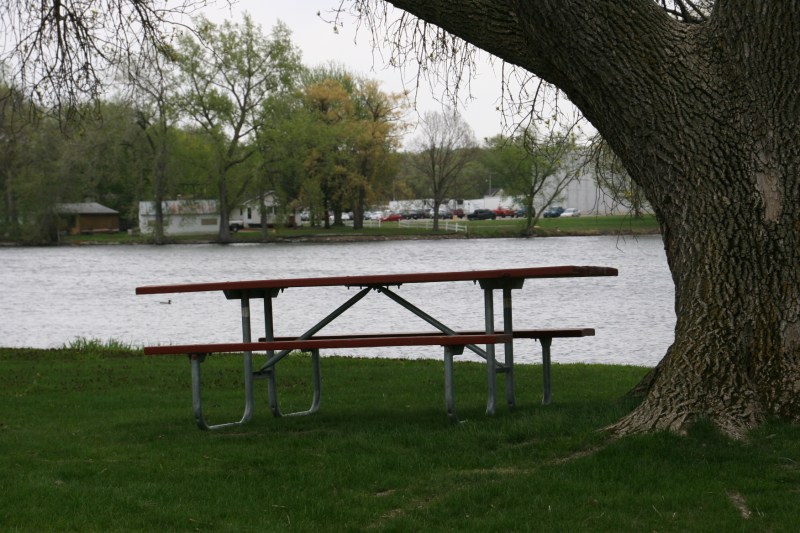
There are plenty of picnic tables alongside the Cannon River.


And we picnicked beside the Cannon River, listening to the noisy chirp of birds. Izzy nibbled at her turkey sandwich, ate too many grapes, tried a few of Grandpa’s chips and enjoyed a chocolate chip cookie we’d baked the day prior. When she was done, I wet a napkin with an ice cube pulled from the cooler and wiped away the melting chocolate circling her lips. I love that sweet little face.

On our way home, we stopped at the convenience store. And had that conversation about face masks. When Grandpa pulled open the van door to set the jug of milk and bananas inside, Izzy watched as I squirted hand sanitizer into his open palm. “I don’t like your face mask, Grandpa,” she said. His is black-and-white checkered like a racing flag. No pink anywhere on the fabric.

Preschoolers are, if anything, honest.

And they need us to protect them and those they love. Like their parents. Their siblings. Their grandparents. Their aunts and uncles and cousins. Their friends. They need us to wear face masks.

© Copyright 2020 Audrey Kletscher Helbling
 

Memorial Day 2020, adapted, from southern Minnesota May 26, 2020

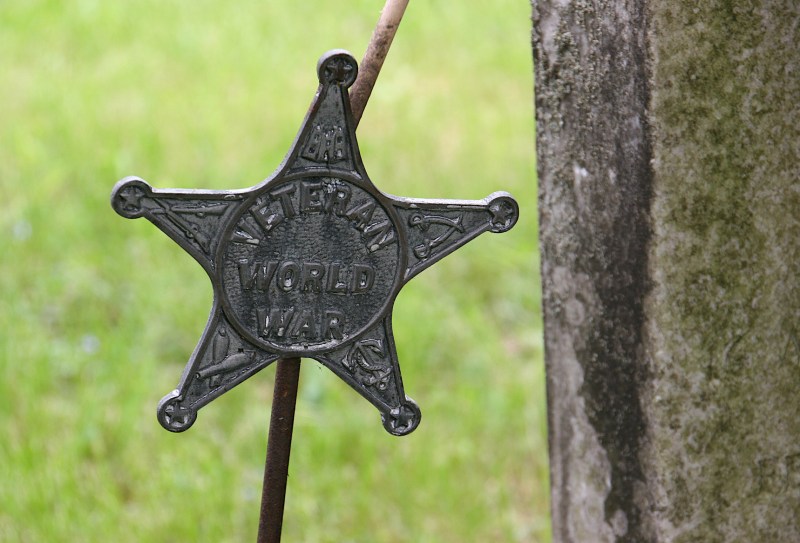
A star marks a veteran’s grave in the Cannon City Cemetery, rural Faribault.


THE RADIO PLAYED in the background as I washed dishes Memorial Day morning. I listened to honored veterans speak of the war dead and freedom and why the American flag is folded 13 times. I listened to the local Legion leader read the names of all county veterans who died in the past year. Well over one hundred. And I heard, too, the honking of horns as attendees at my community’s annual Memorial Day program in Central Park “applauded.”
 

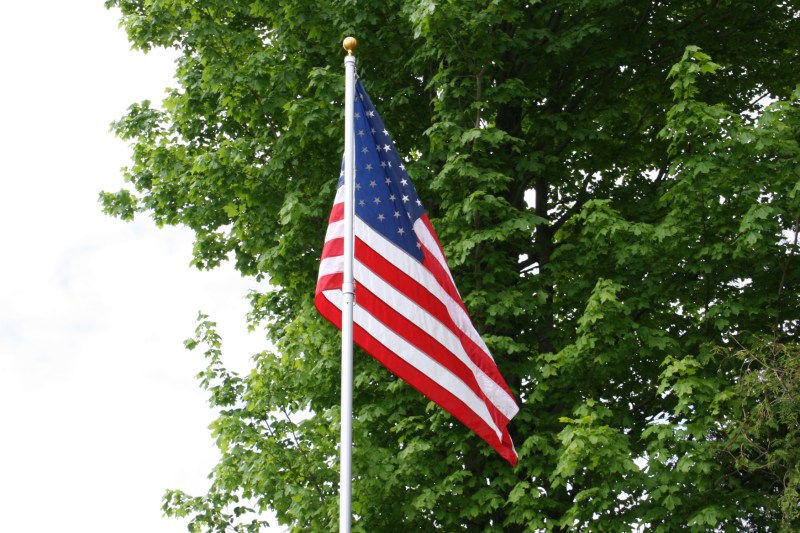
This flag pole sits just inside the entrance to the Cannon City Cemetery.


COVID-19 changed so many traditions this year—including here in Faribault. There was no parade, no ceremony at the Rice County Veterans’ Memorial, no lunch at the Legion. Only the traditional program continued in the park, but with attendees sheltered inside their vehicles. Others, like me, listened at home to the live broadcast on KDHL radio.
 

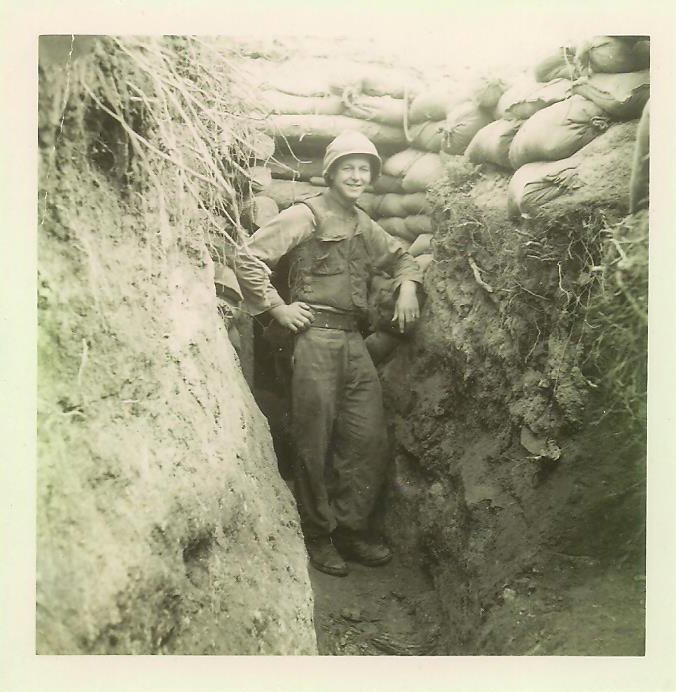
U.S. Army Cpl. Elvern Kletscher, my father, in the trenches in Korea, Minnesota Prairie Roots photo 1952.


And, as I listened, I thought of my dad, an infantryman in the Korean War. I thought, too, of his buddy Ray, killed by a mortar. Dad saw his friend die. Dad, who died 17 years ago, carried that grief and the horrors of war with him. He suffered from Post Traumatic Stress Disorder, undiagnosed until decades after he left Korea.


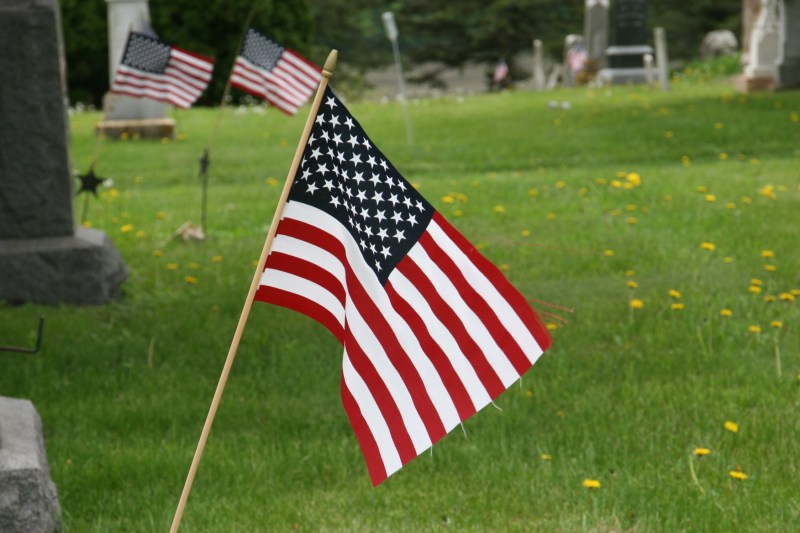
Flags decorate veterans’ graves in Cannon City.


I continued washing dishes while the radio played. But when taps sounded, I stopped. To cry. Thinking of my dad. Missing him. The playing of taps often moves me into a place of grief for all the lives lost in war.
 

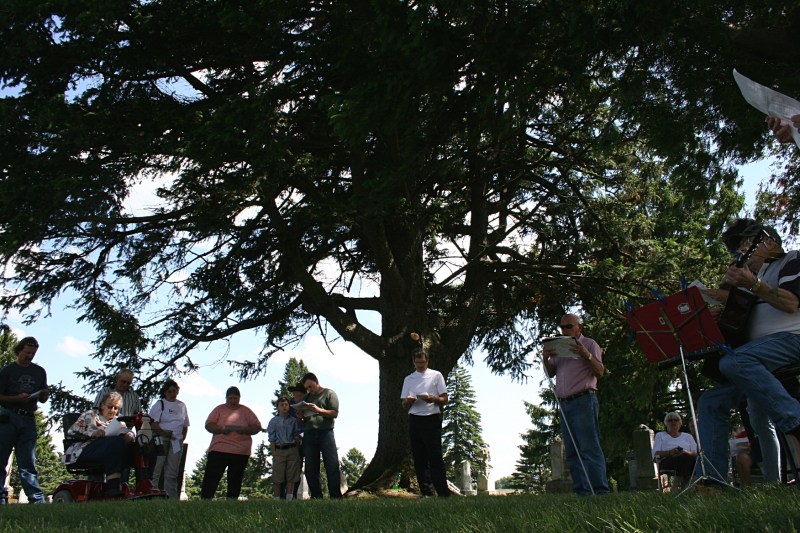
A past Memorial Day gathering at the Cannon City Cemetery. Minnesota Prairie Roots file photo.


Later, Randy and I drove to the Cannon City Cemetery where, on a typical Memorial Day, we would attend a program under the cedar trees. We’ve grown to love this grassroots gathering of rural folks who honor the war dead with music and poetry and inspirational readings. But, because of COVID-19, that event was canceled, too.


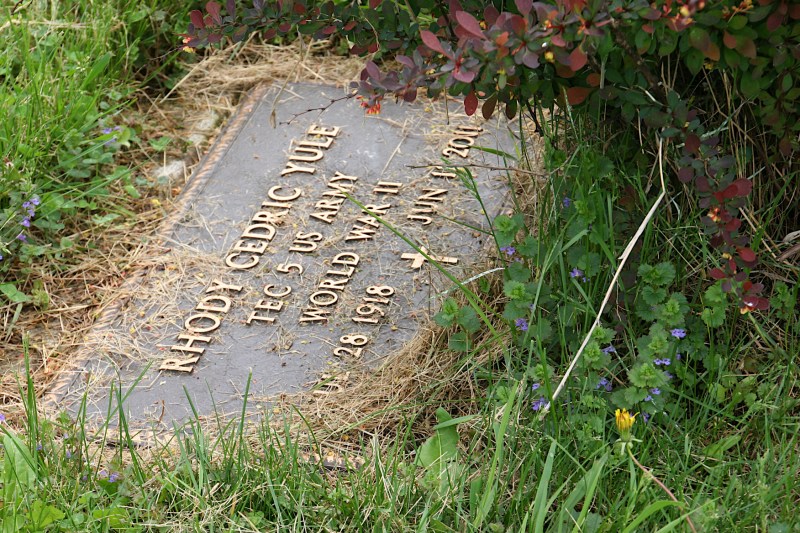
Rhody Yule’s grave marker.


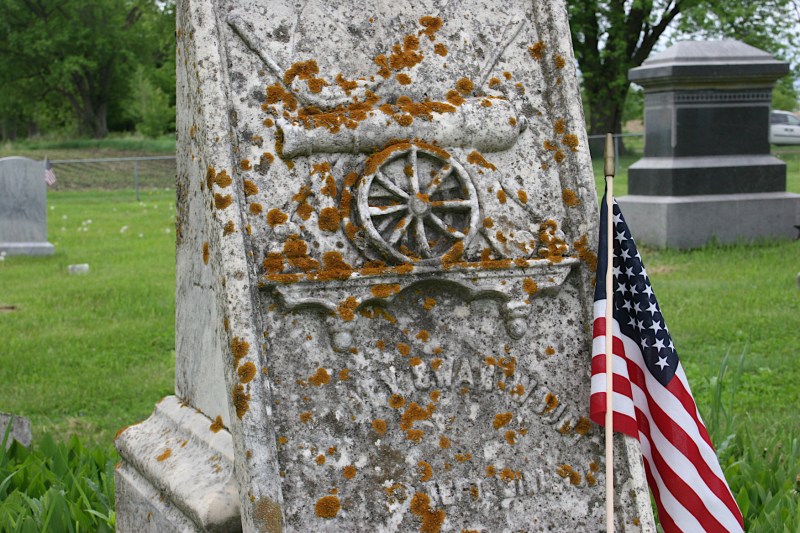
The tombstone of a Civil War soldier buried in the Cannon City Cemetery.


And so we roamed among the tombstones, pausing at the flag-marked graves of soldiers, including that of our friend Rhody.


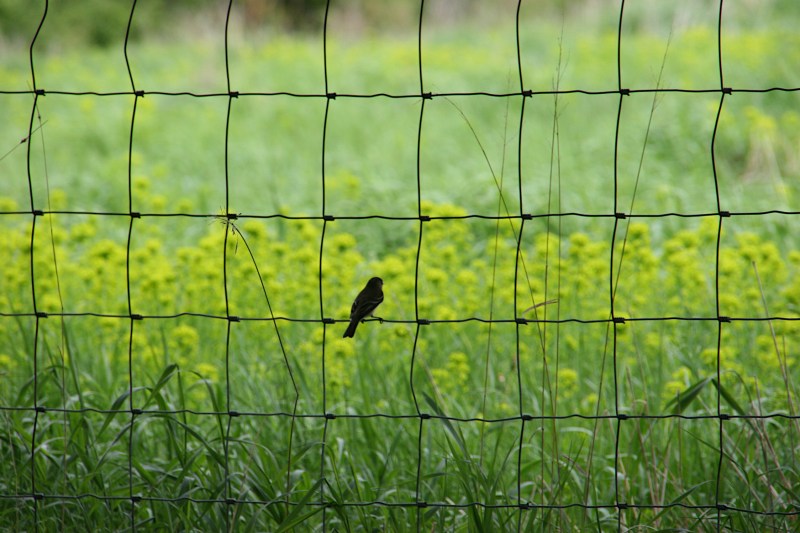
I love this serene scene of a bird on a simple woven fence edging the cemetery.


Birds chirped.


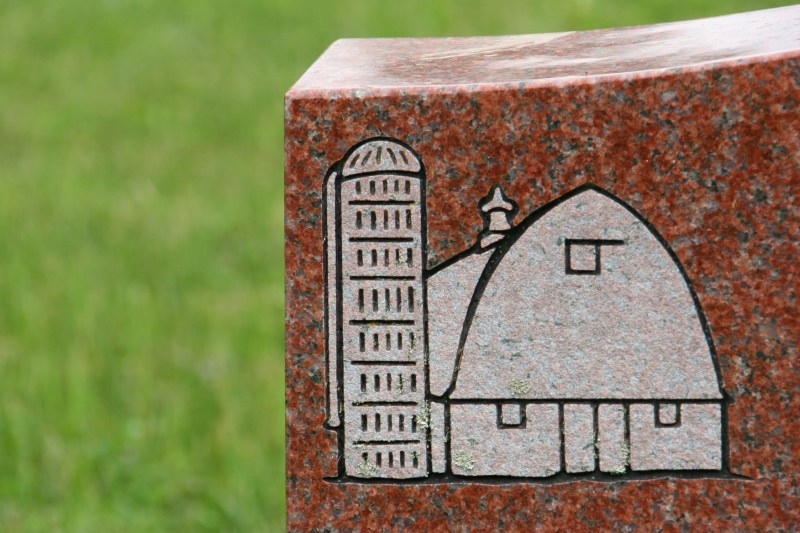
One tombstone features a barn on one side, a tractor on the other.


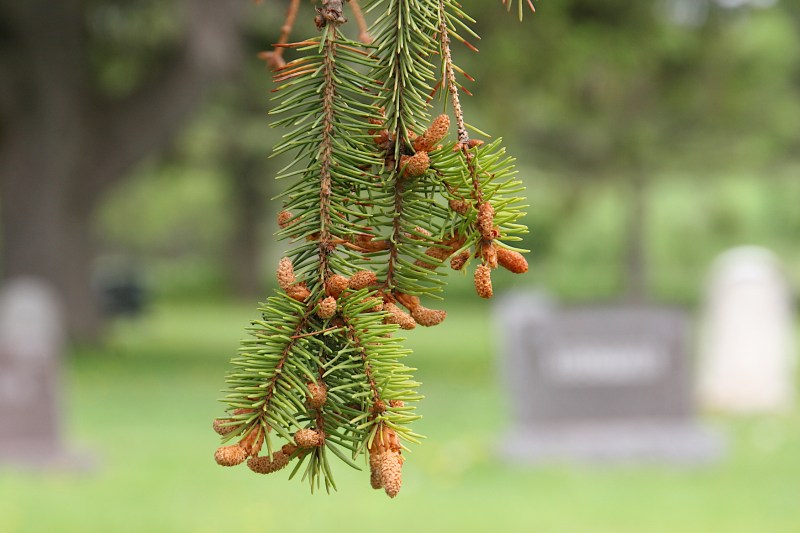
Such beauty in this rural cemetery, from setting to nature’s details.


Inside and outside cemetery boundaries, the rural-ness of this place prevails in art. Natural and man-made. I delighted in that.


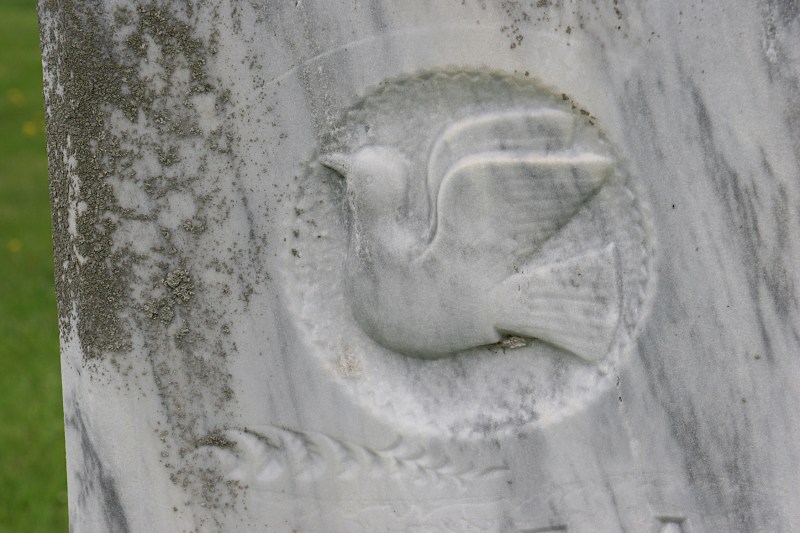
A dove on an aged tombstone brings thoughts of peace.


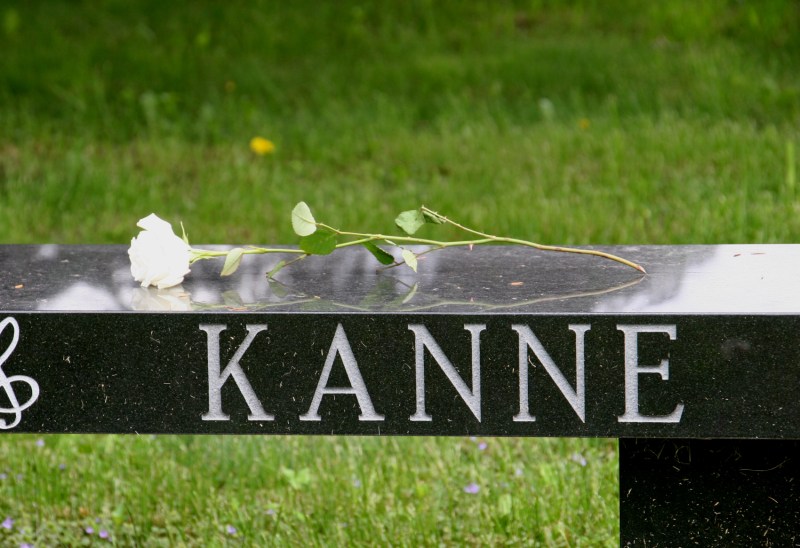
A single white rose, signifying everlasting love, lies on the bench marker for Kevin Kanne. Beautiful.


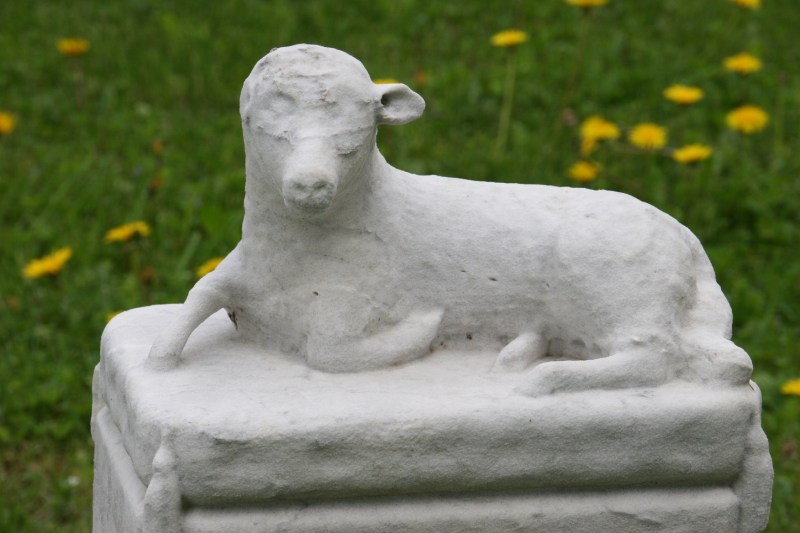
Tombstone art that drew my eye and reminded me of Psalm 23.


And the wind, which typically whips on this hillside cemetery, remained still, as if it also understood the need for calm, for reflection, for peace in the storm of COVID-19.

© Copyright 2020 Audrey Kletscher Helbling