Minnesota Prairie Roots

Writing and photography by Audrey Kletscher Helbling

Part II: A close-up look at the International Festival Faribault August 25, 2015

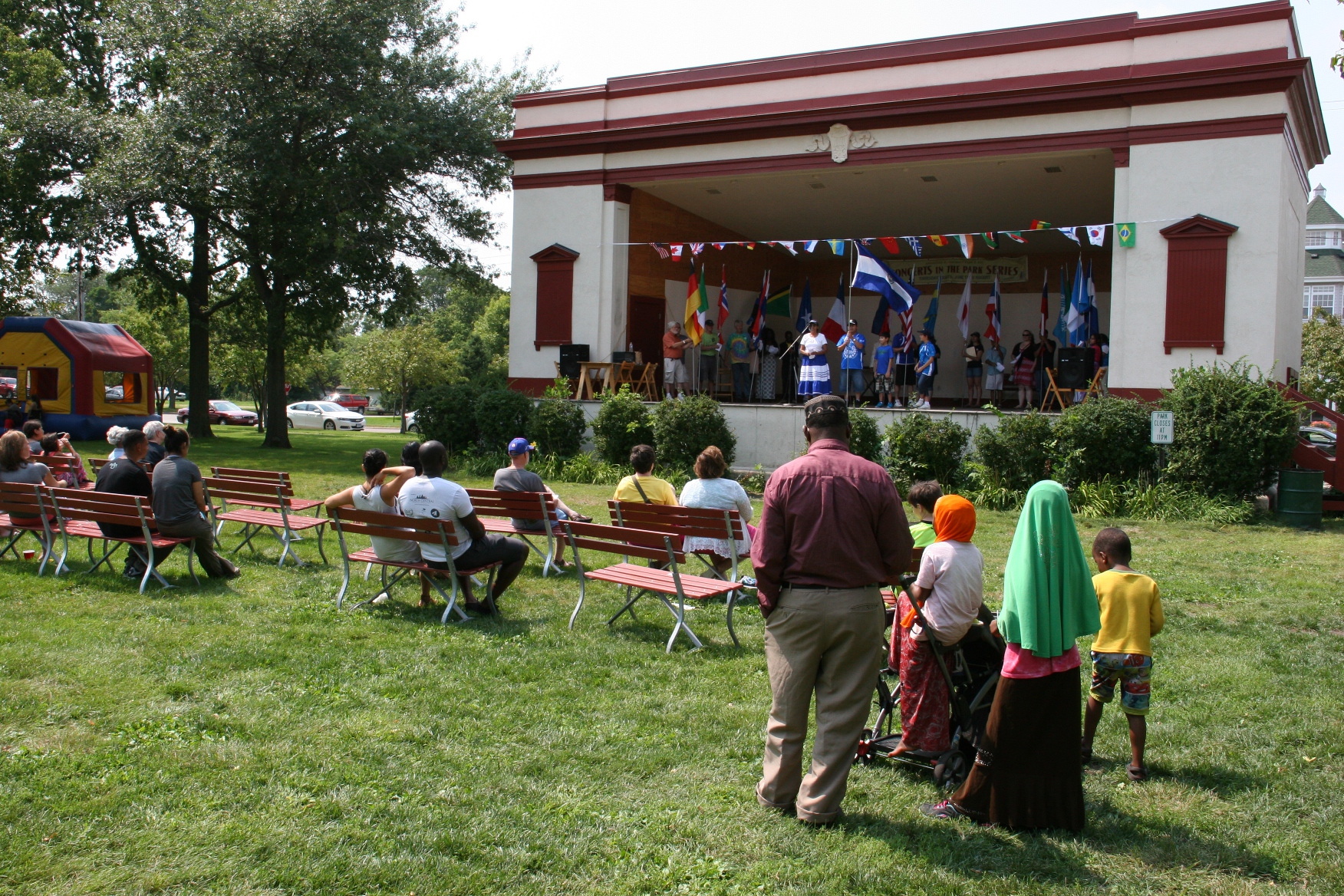
Attendees watch the flag ceremony staged in the Central Park Bandshell.

Attendees watch the flag ceremony staged in the Central Park Bandshell.

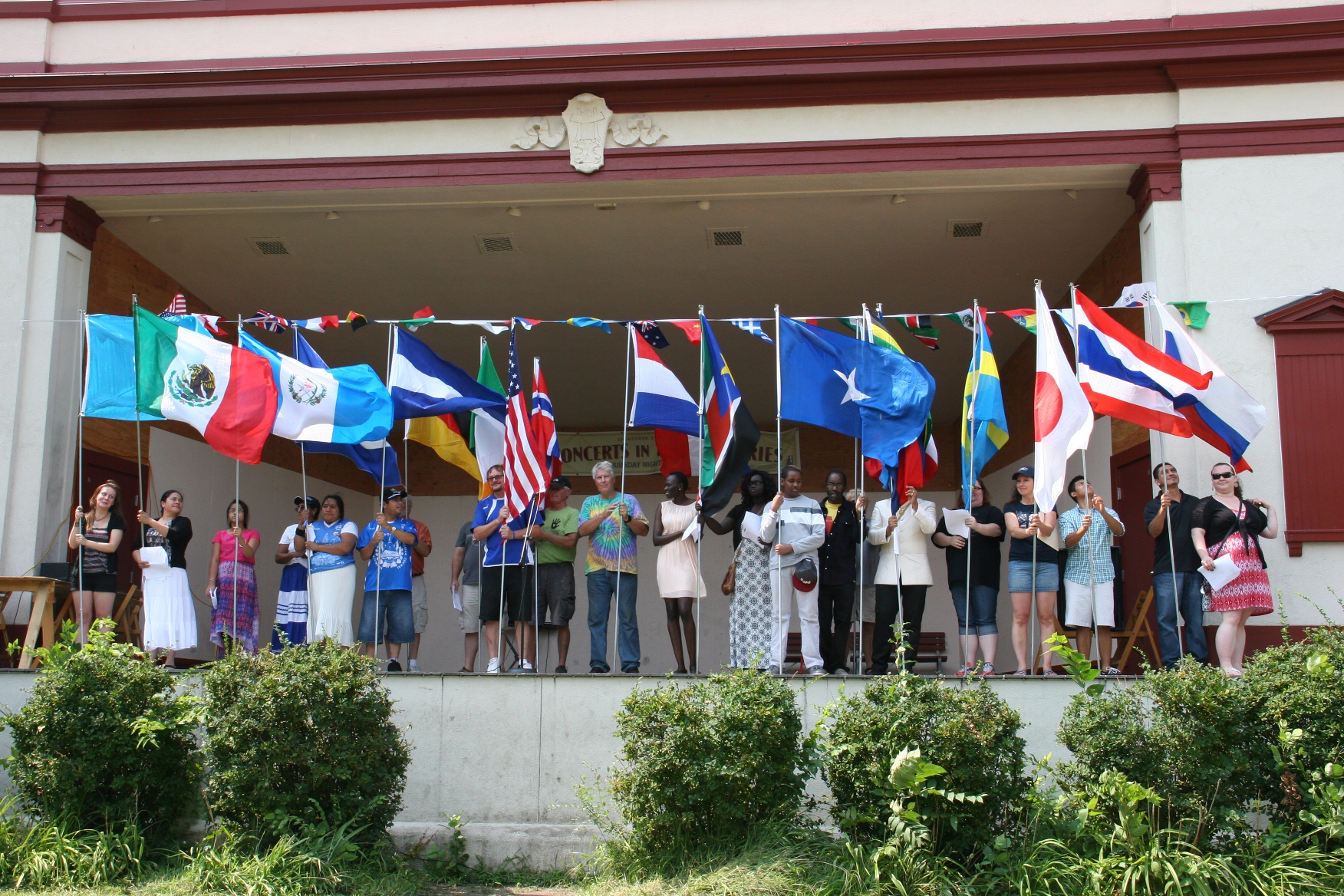
THE FLAGS OF AMERICA, Sudan, Honduras, Ireland, Norway and 13 other countries, plus the United Nations, whipped in the wind Saturday afternoon at Faribault’s Central Park as folks gathered to celebrate my community’s cultural diversity.

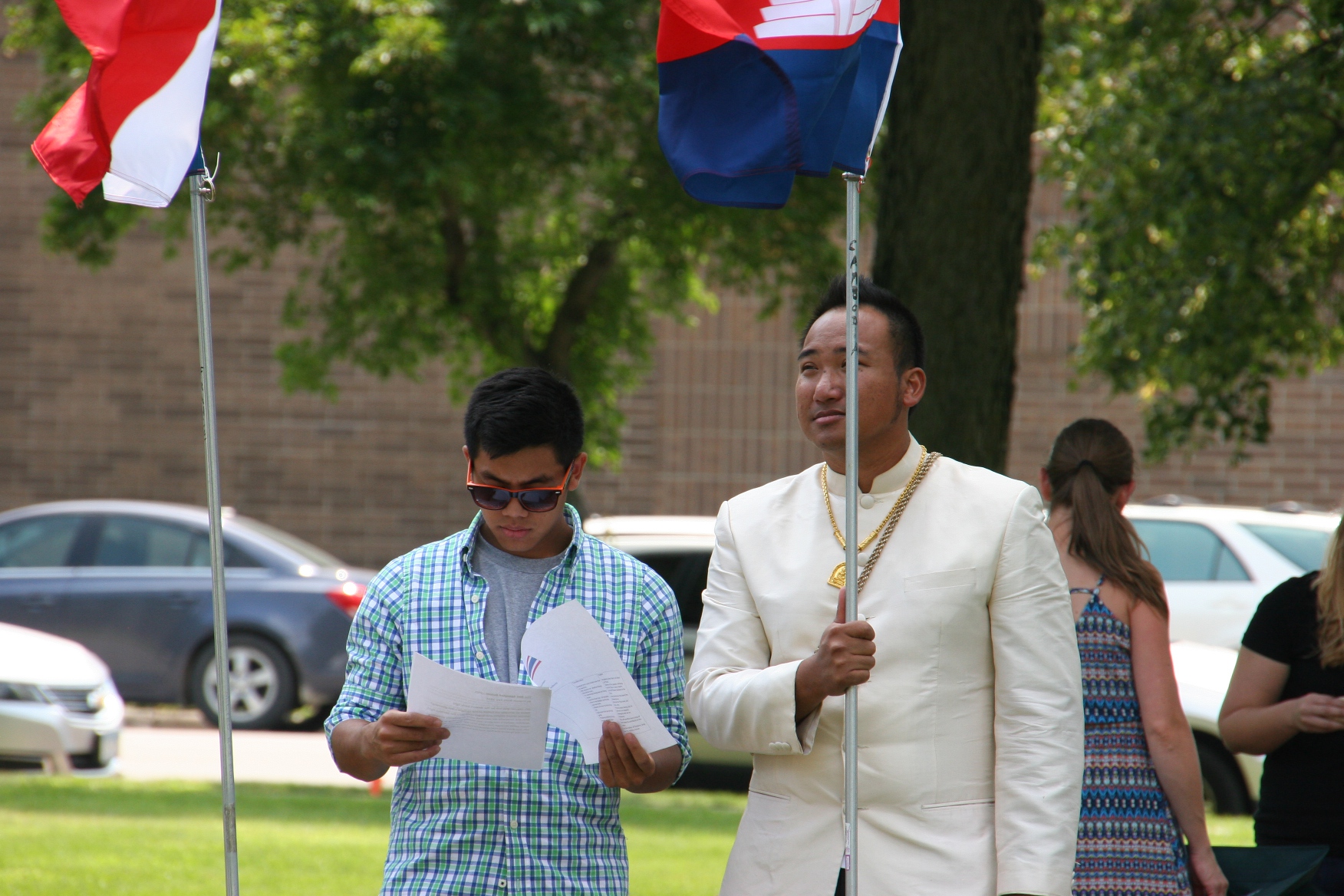
A Cambodian

Cambodian refugee Sam Ouk, right, holds his country’s flag.

It was a day of connecting cultures through the International Festival Faribault.

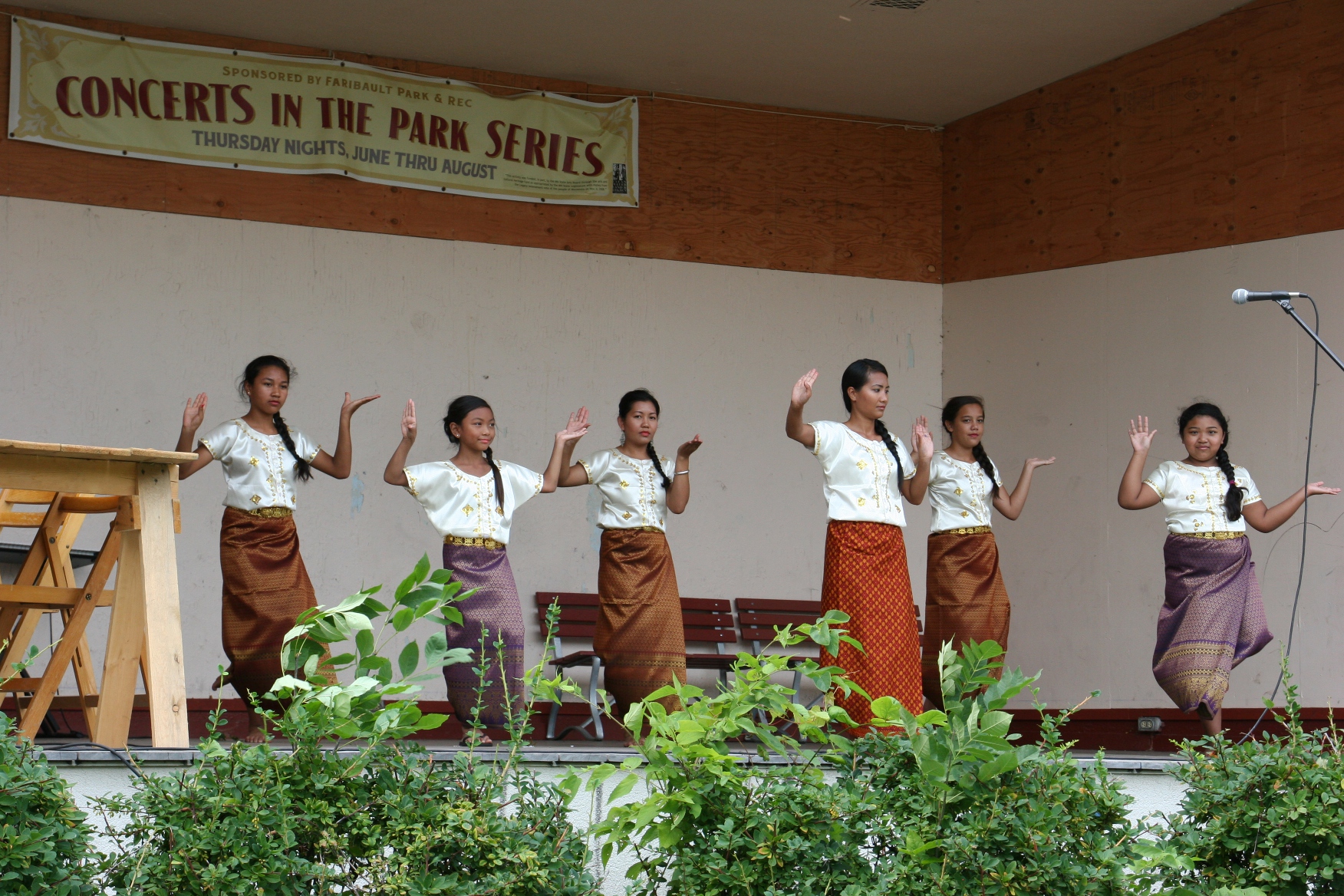
Cambodian dancers.

Cambodian dancers.

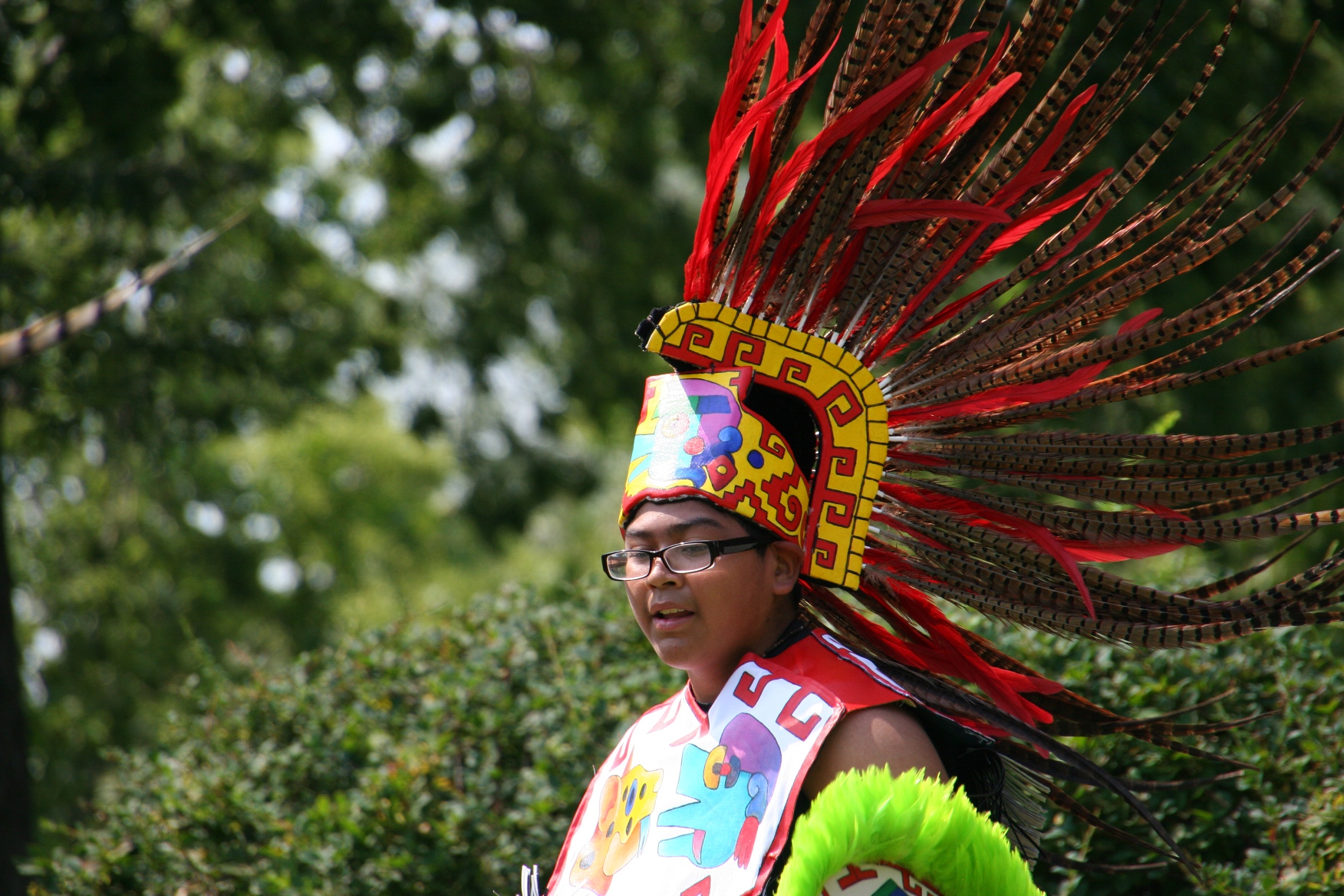
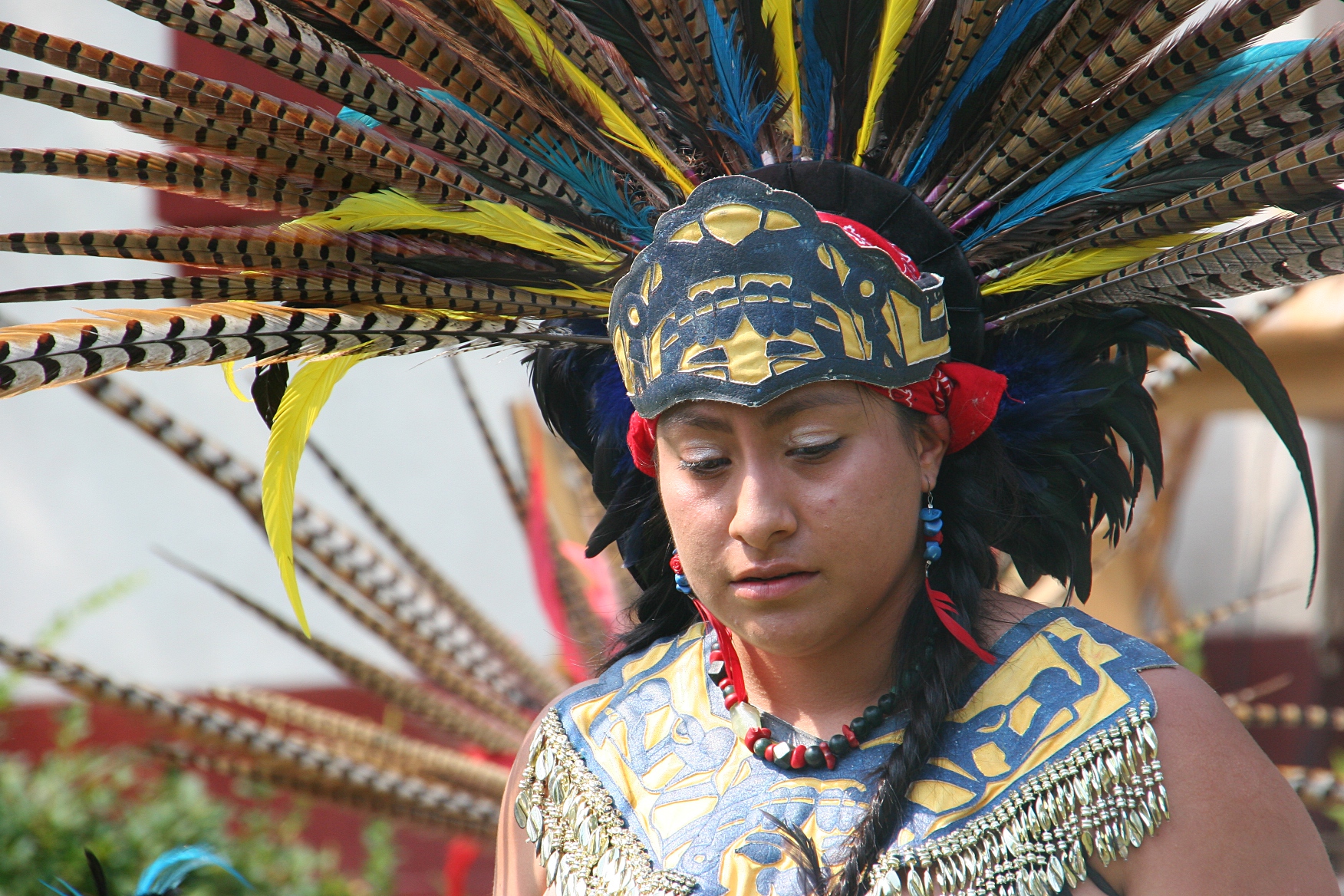
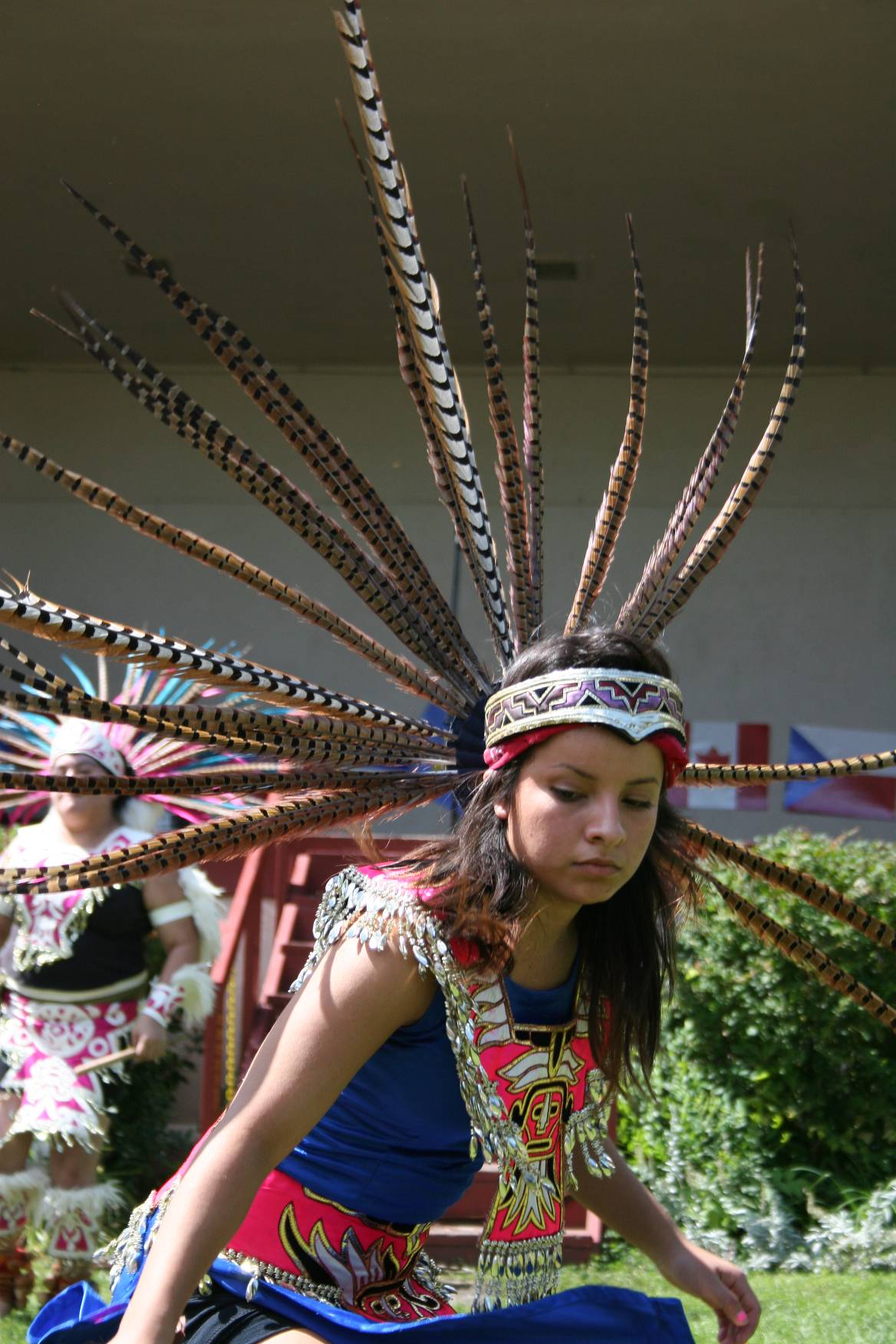
An Aztec dancer

An Ollin Ayacaxtly Aztec Dancer.

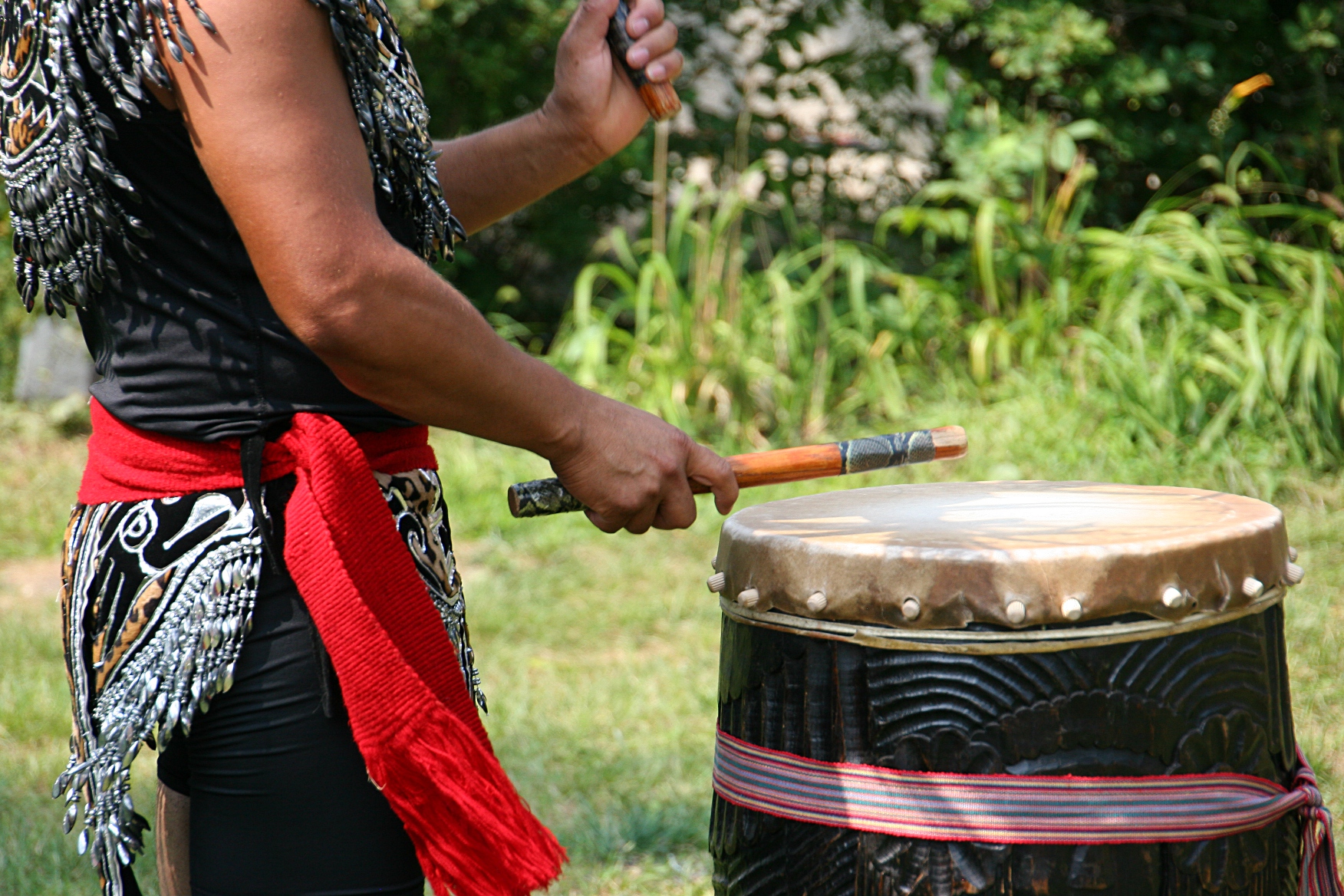
An Aztec drummer.

An Aztec drummer.

Connecting through music and dance,

KIds (and some adults) created flags.

Kids (and some adults) created flags.

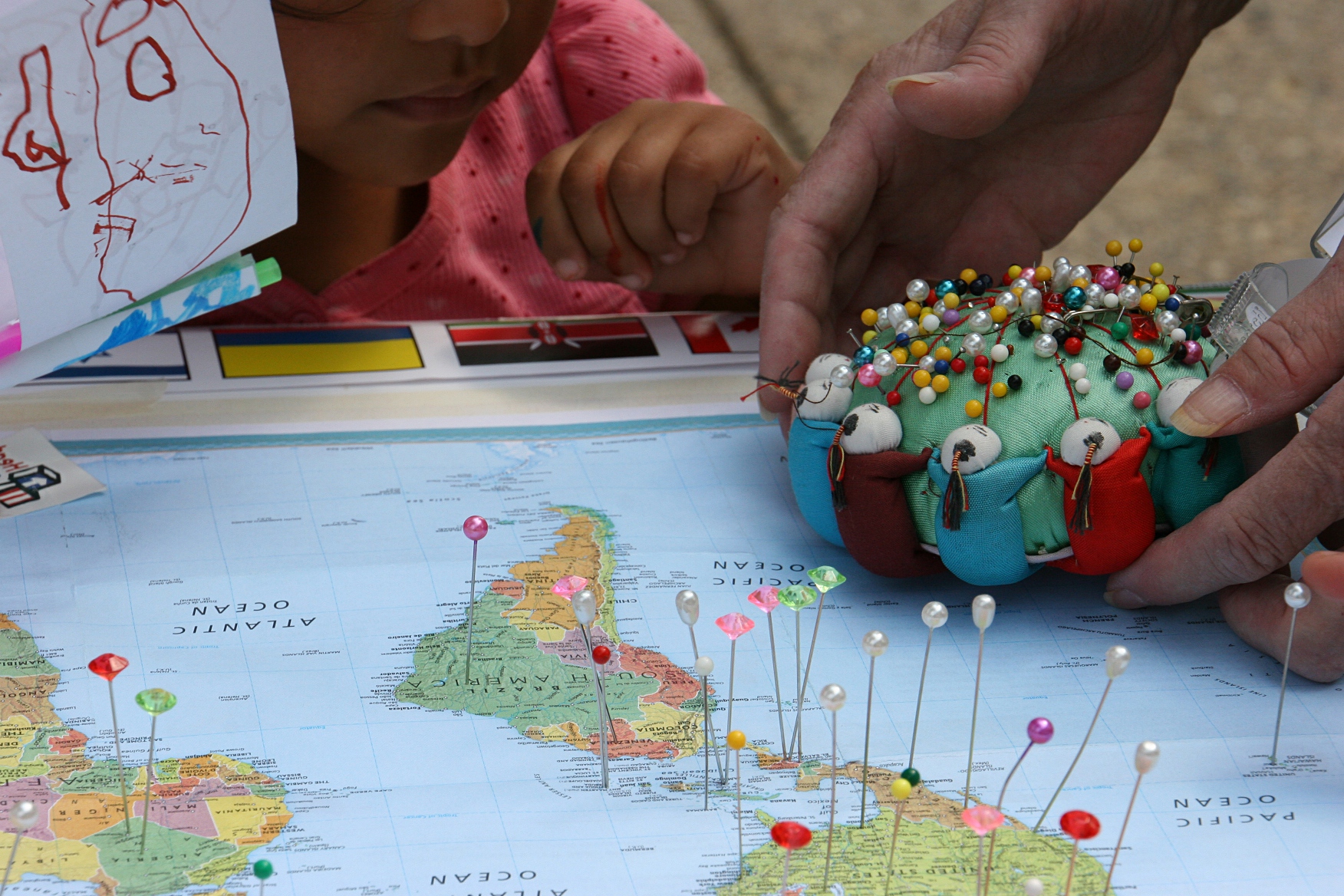
Attendees marked a world map with their countries of origin.

Attendees marked a world map with their countries of origin.

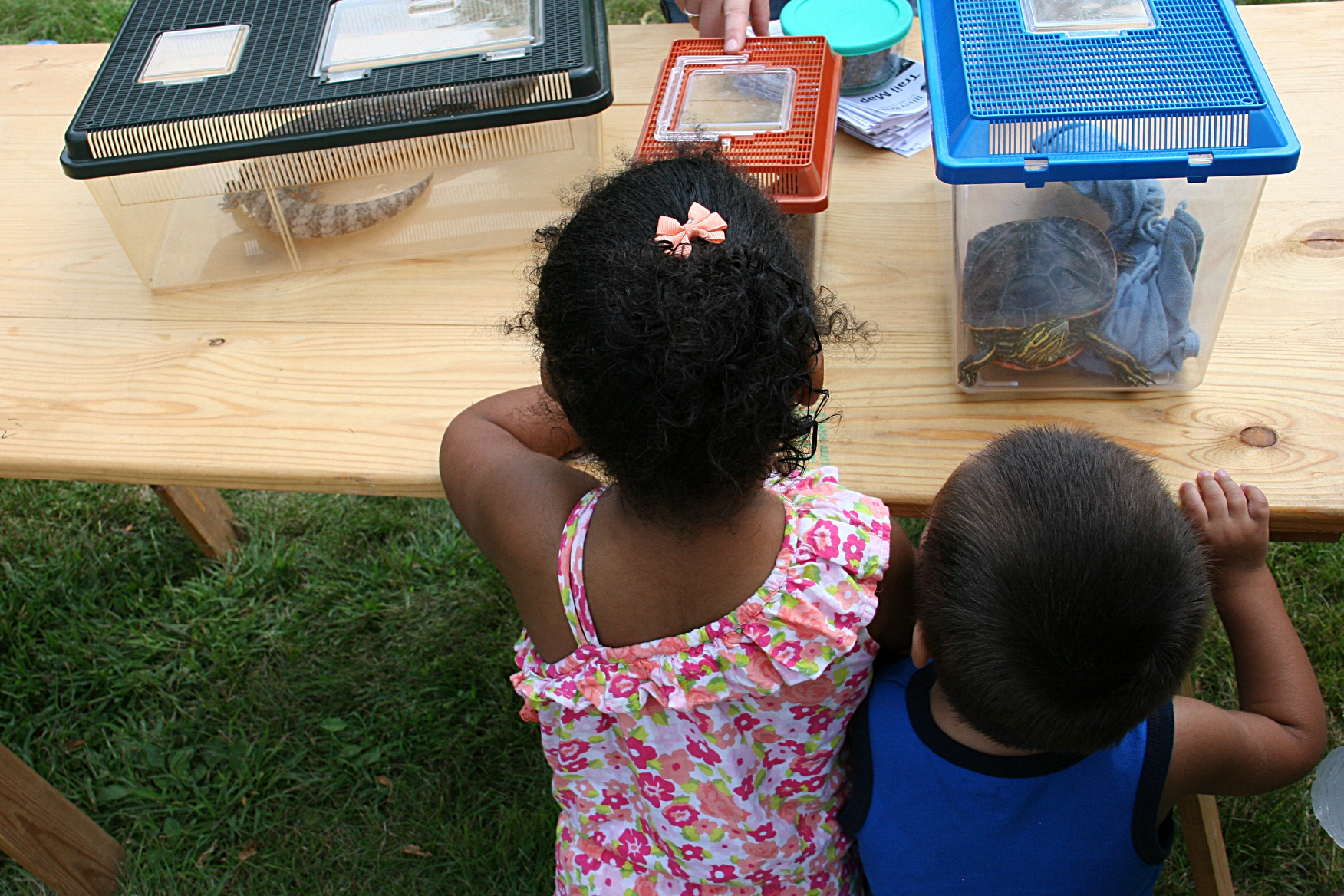
River Bend Nature Center showed up with several critters, including a snake and turtle.

River Bend Nature Center showed up with several critters, including a snake and turtle.

hands-on activities,

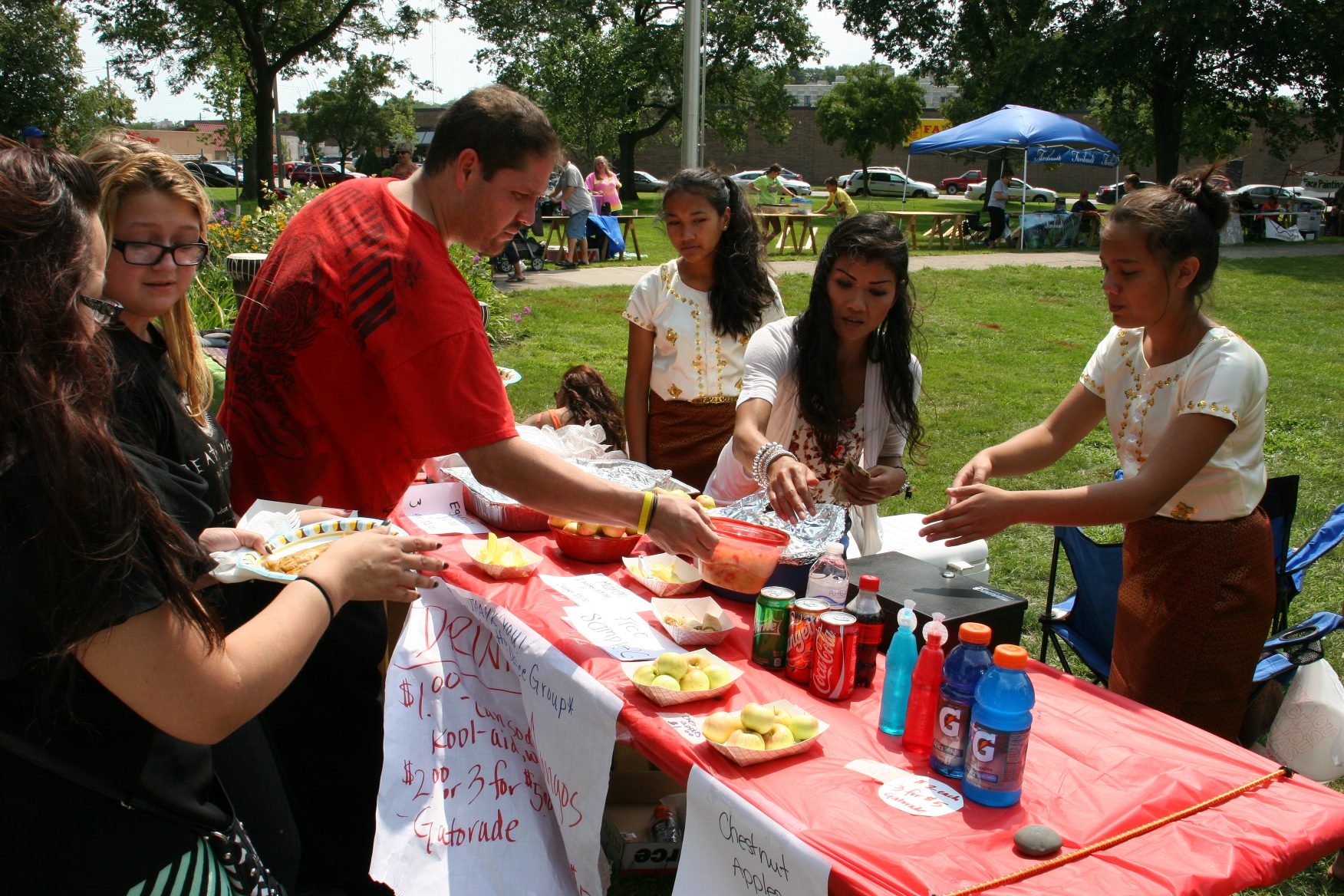
One of many vendors offering ethnic foods.

One of many vendors offering ethnic foods.

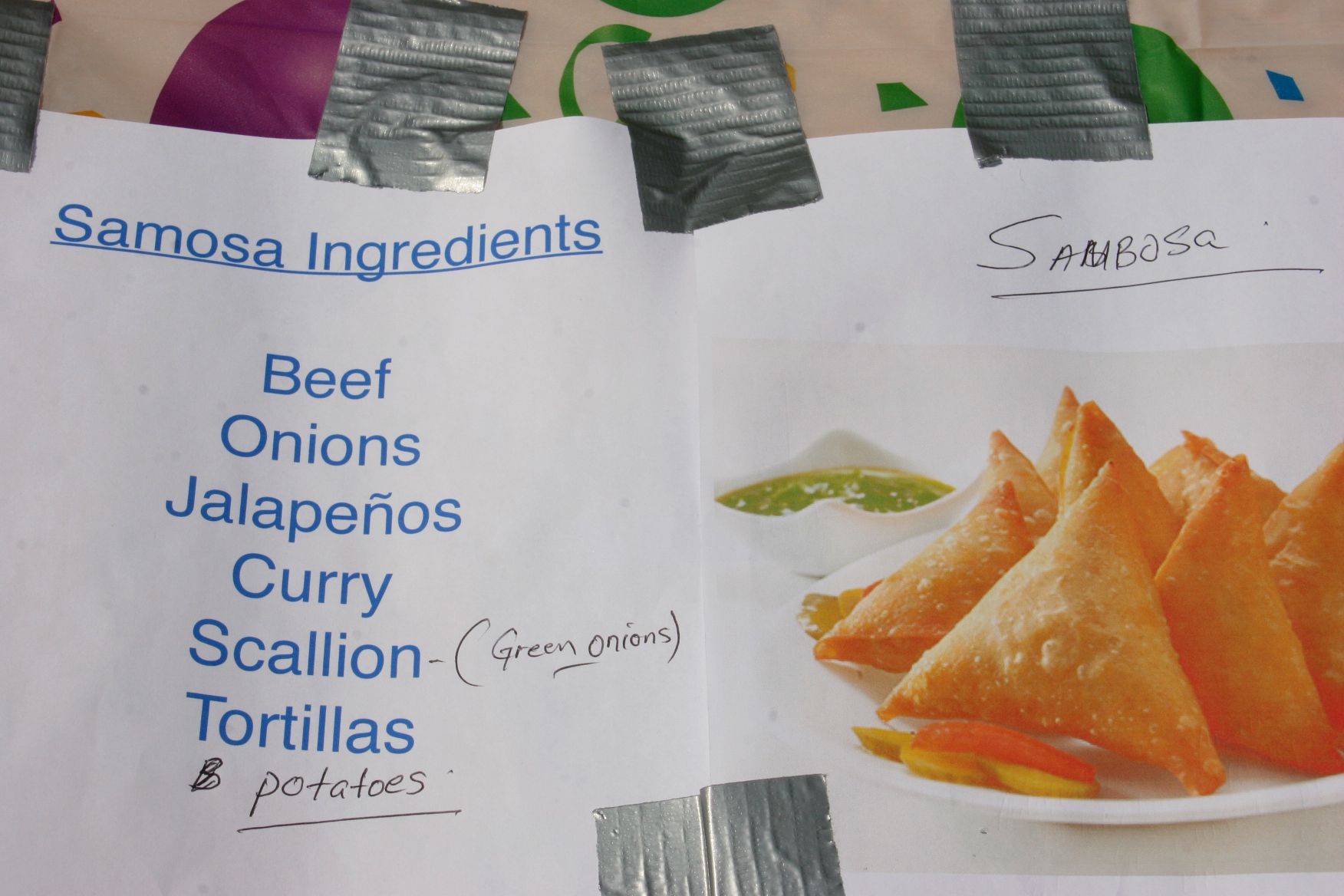
One of my favorite foods, a spicy wrapped Somali

One of my favorite foods, a spicy Somalian Samosa.

Vendors of Cambodian food.

Vendors of Cambodian food.

sampling of ethnic foods,

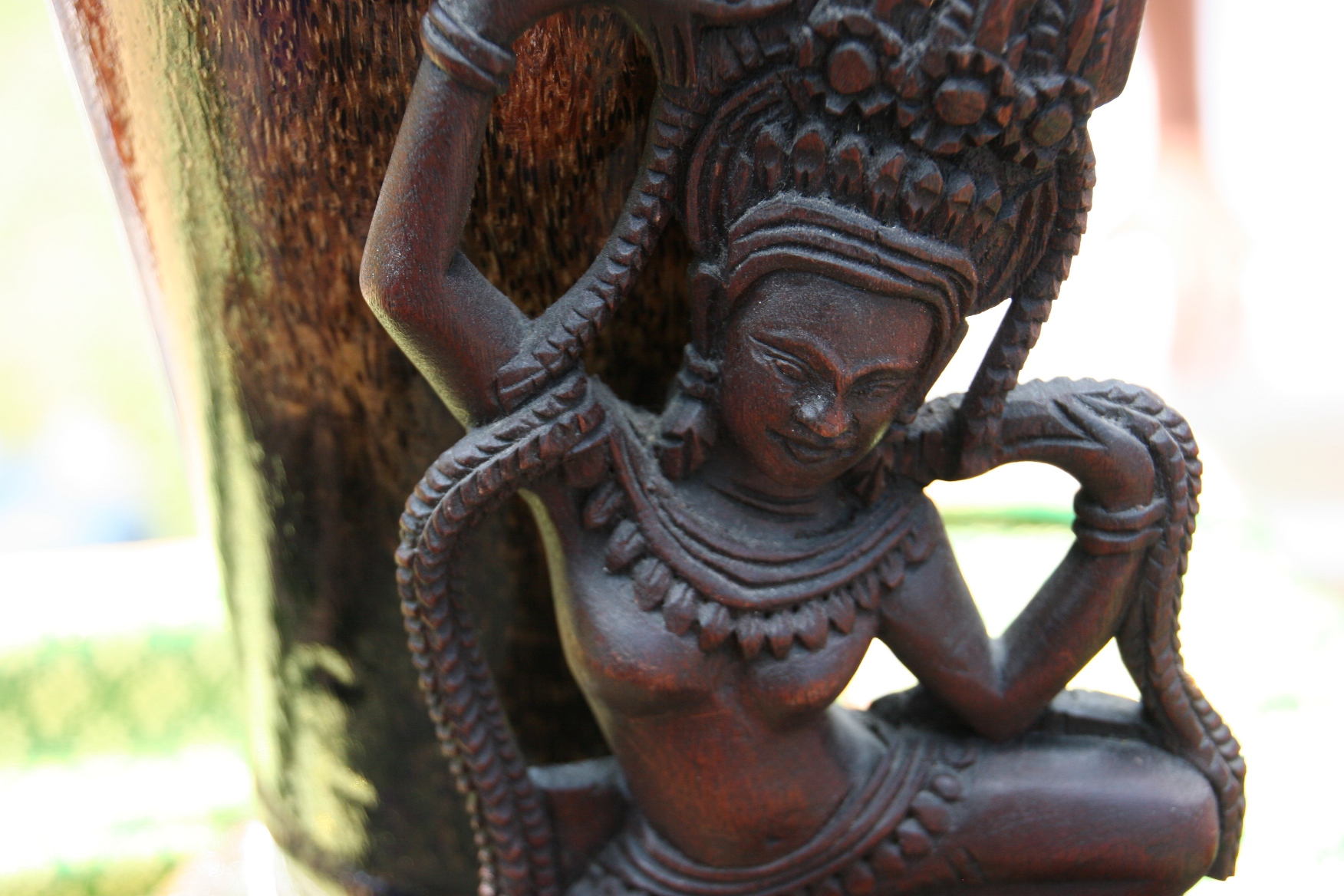
Cambodian art.

Cambodian art.

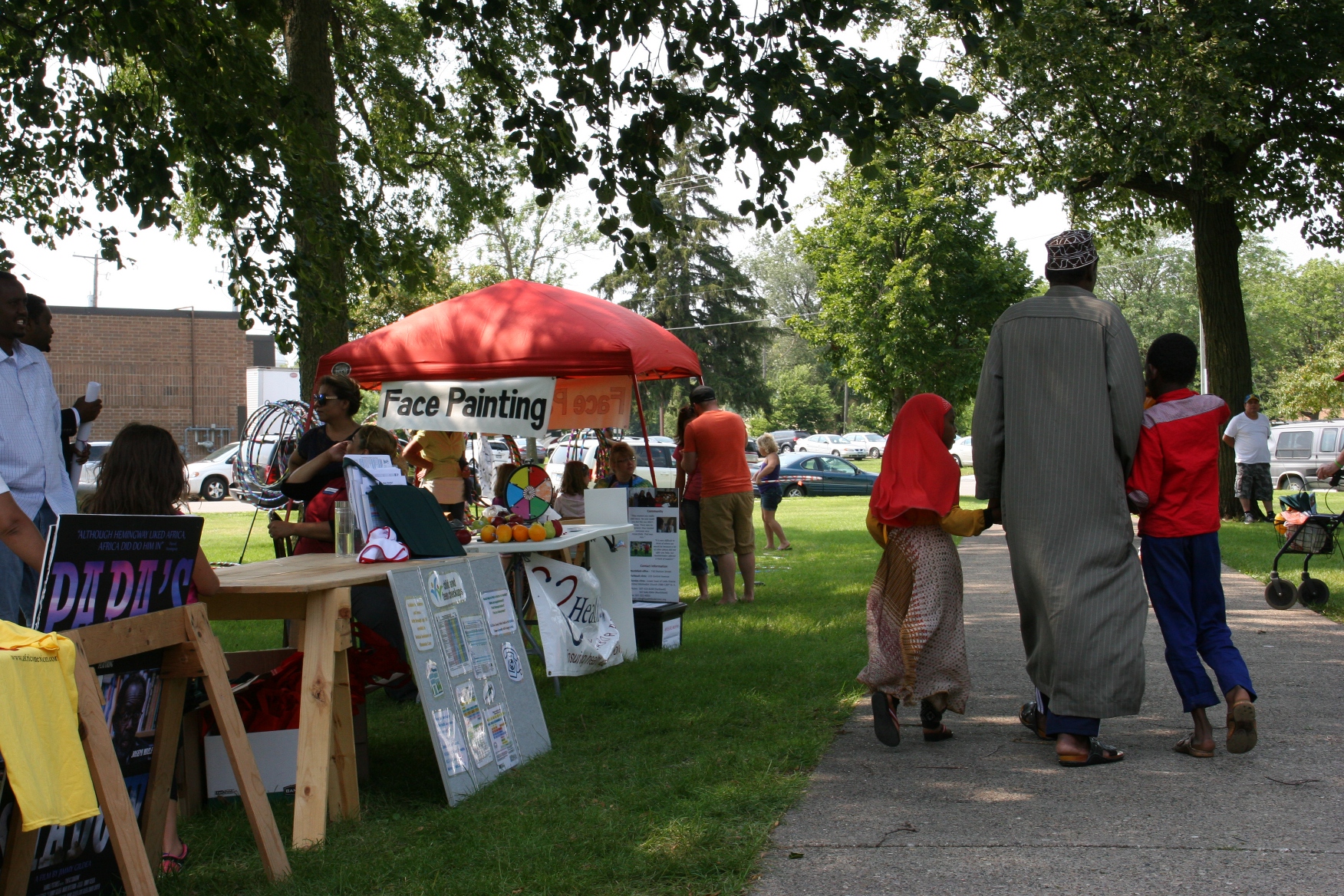
Supplies for face painting.

Supplies for face painting.

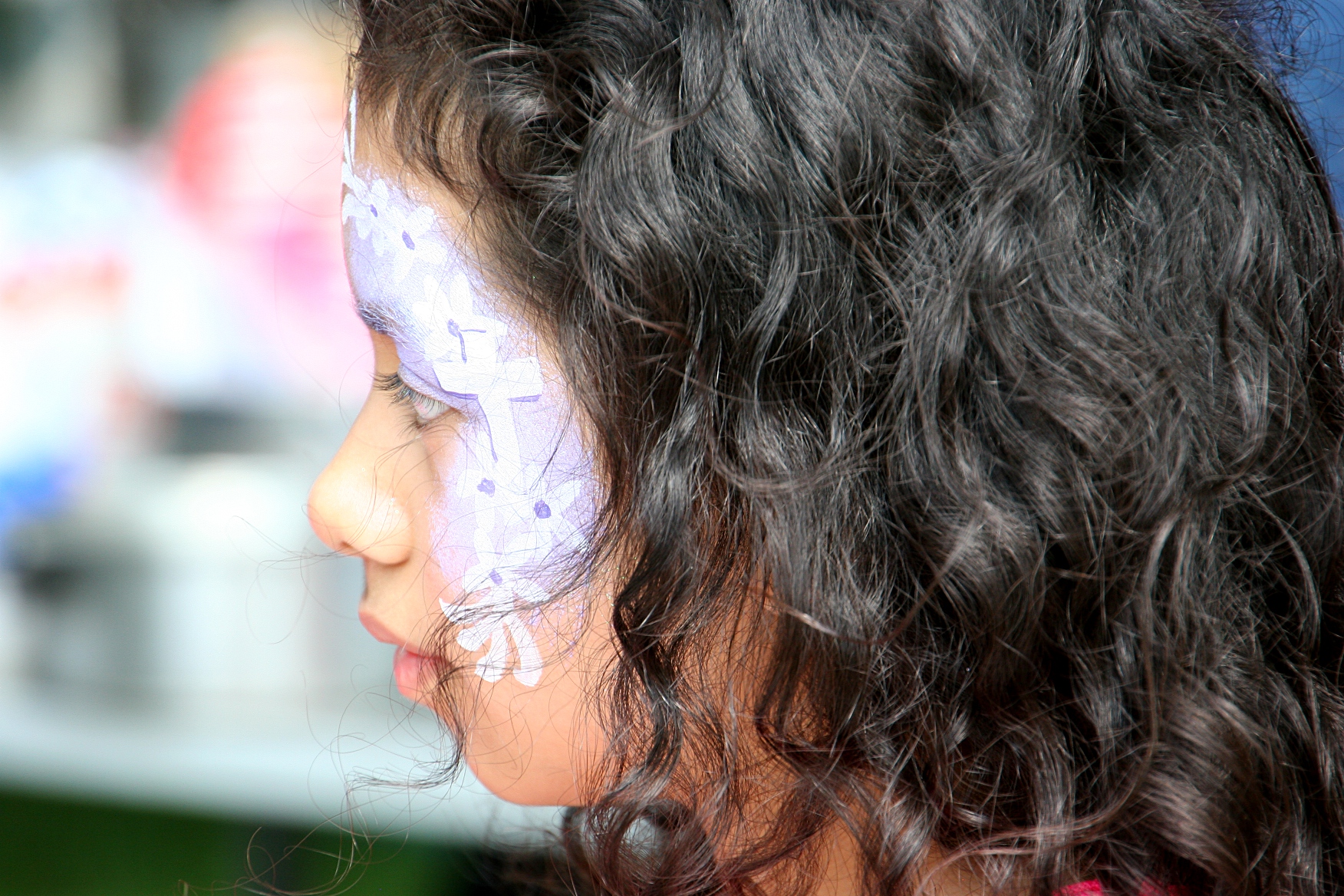
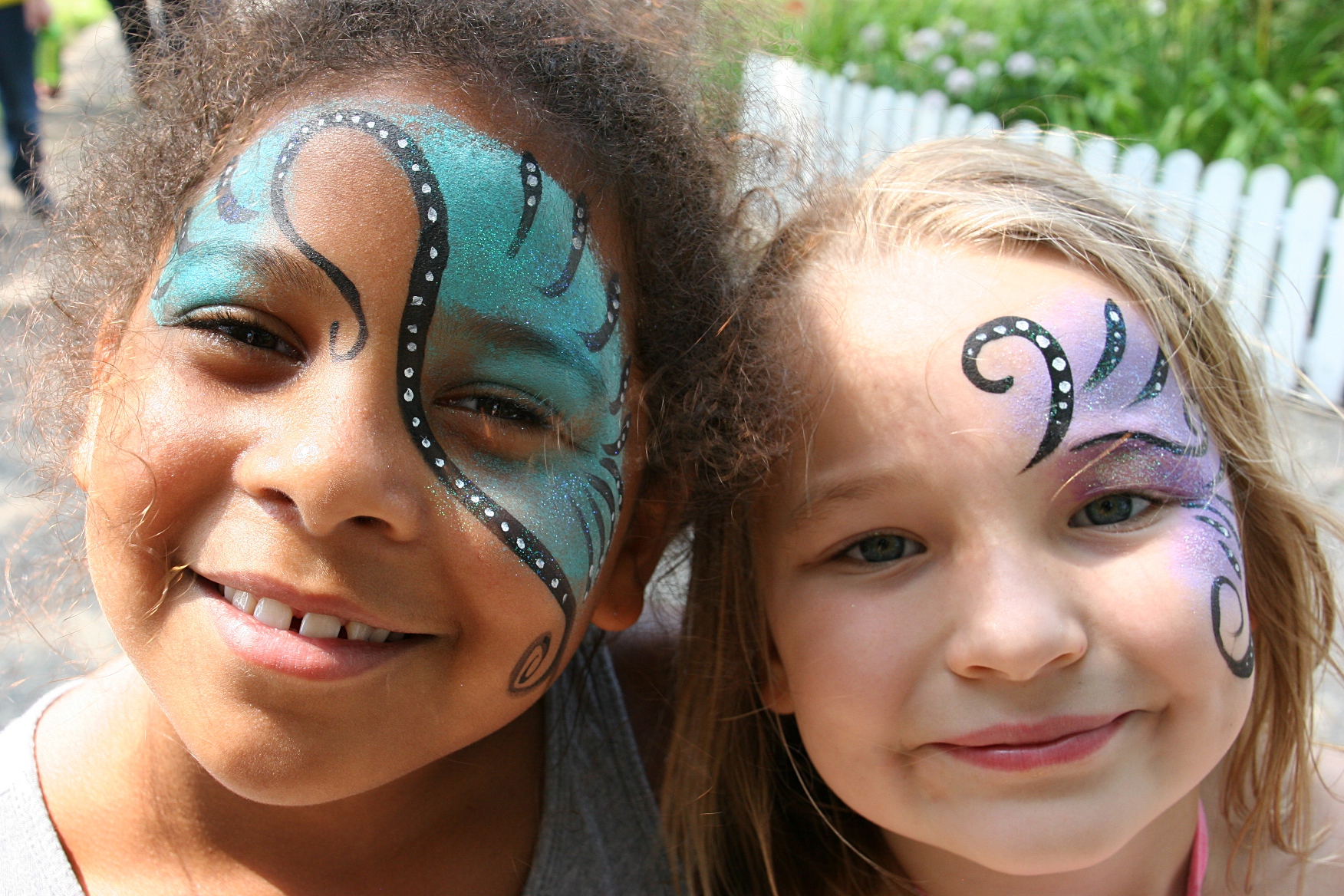
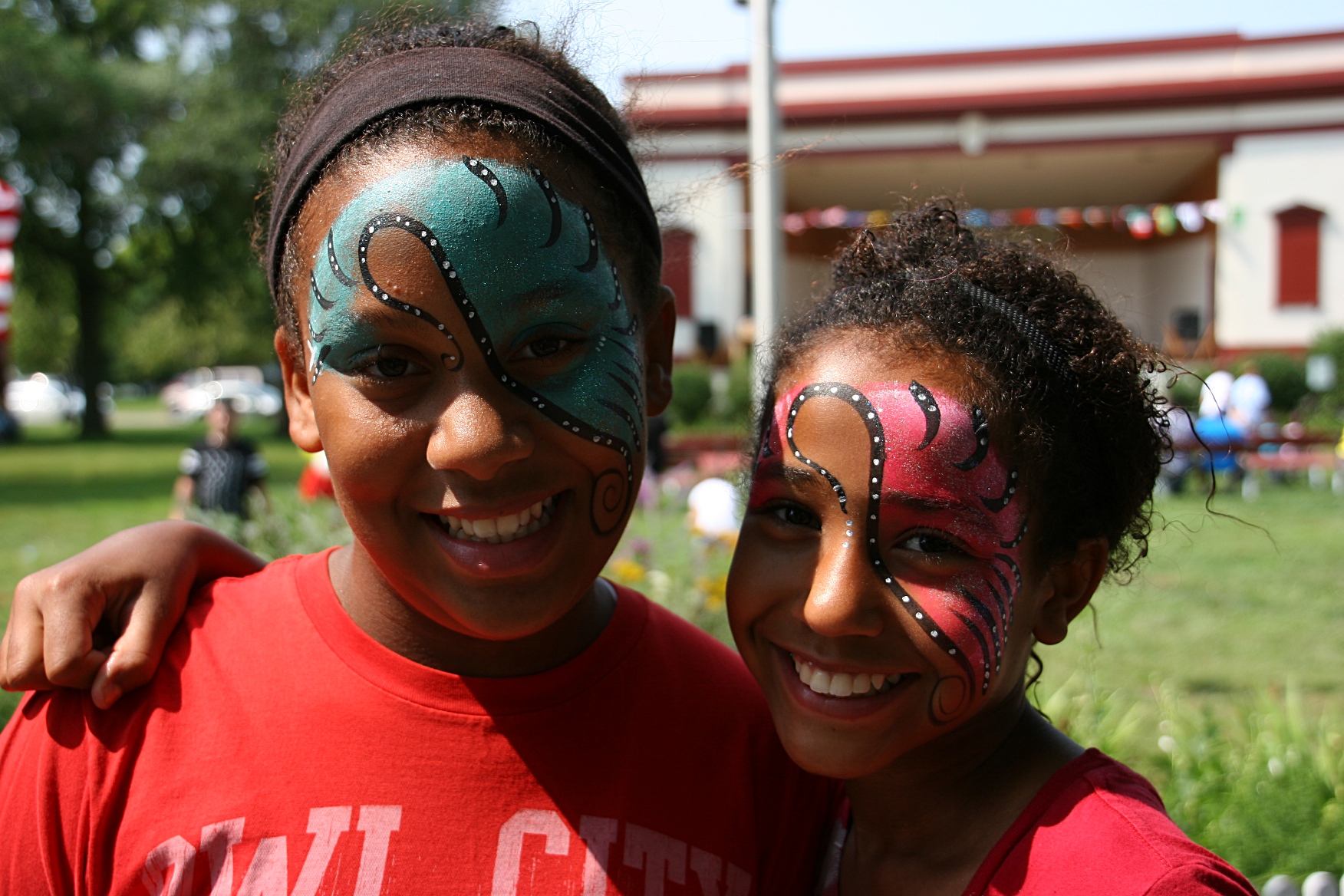
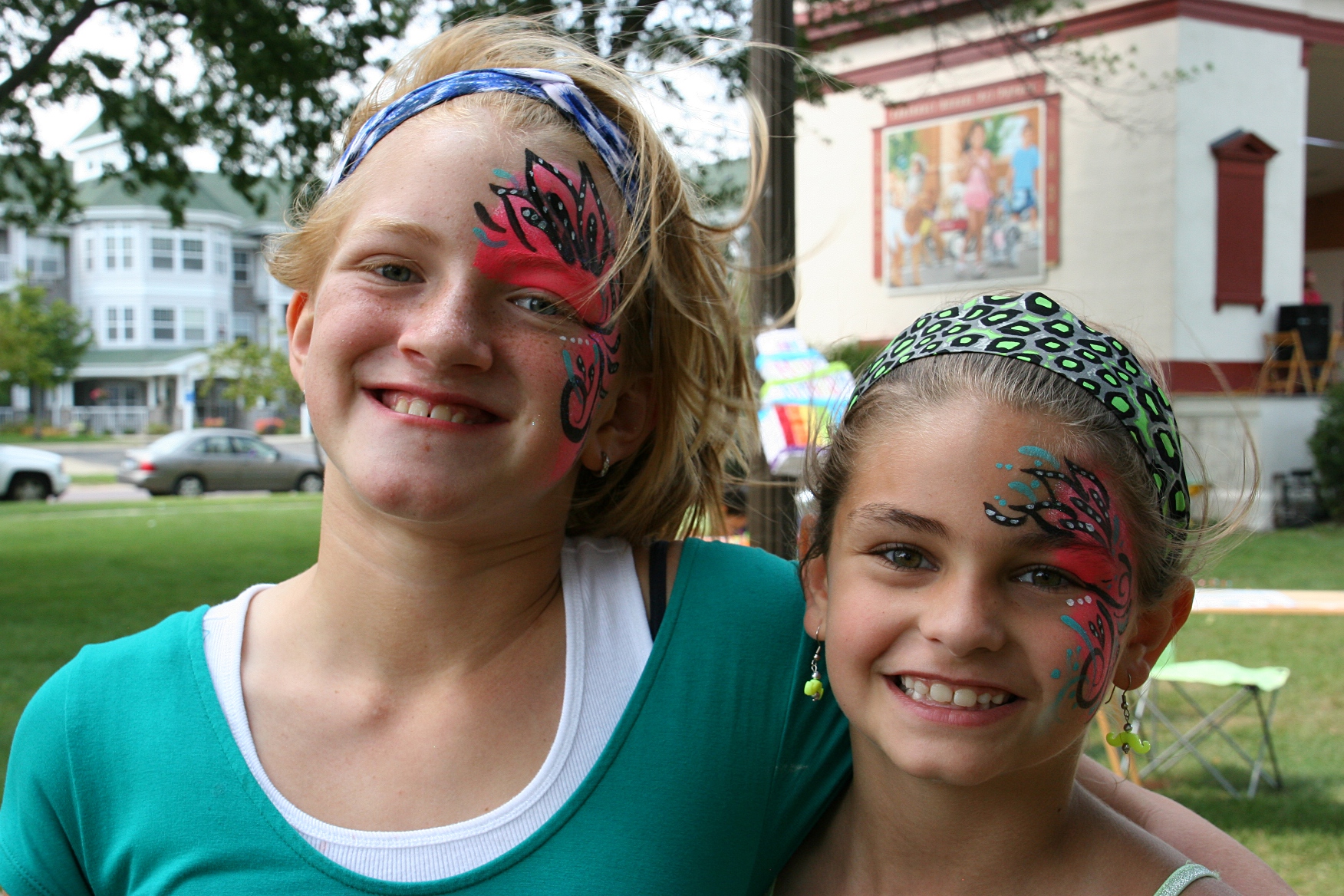
Lots of kids got their faces painted.

Lots of kids got their faces painted.

Cambodian art.

Cambodian art.

art,

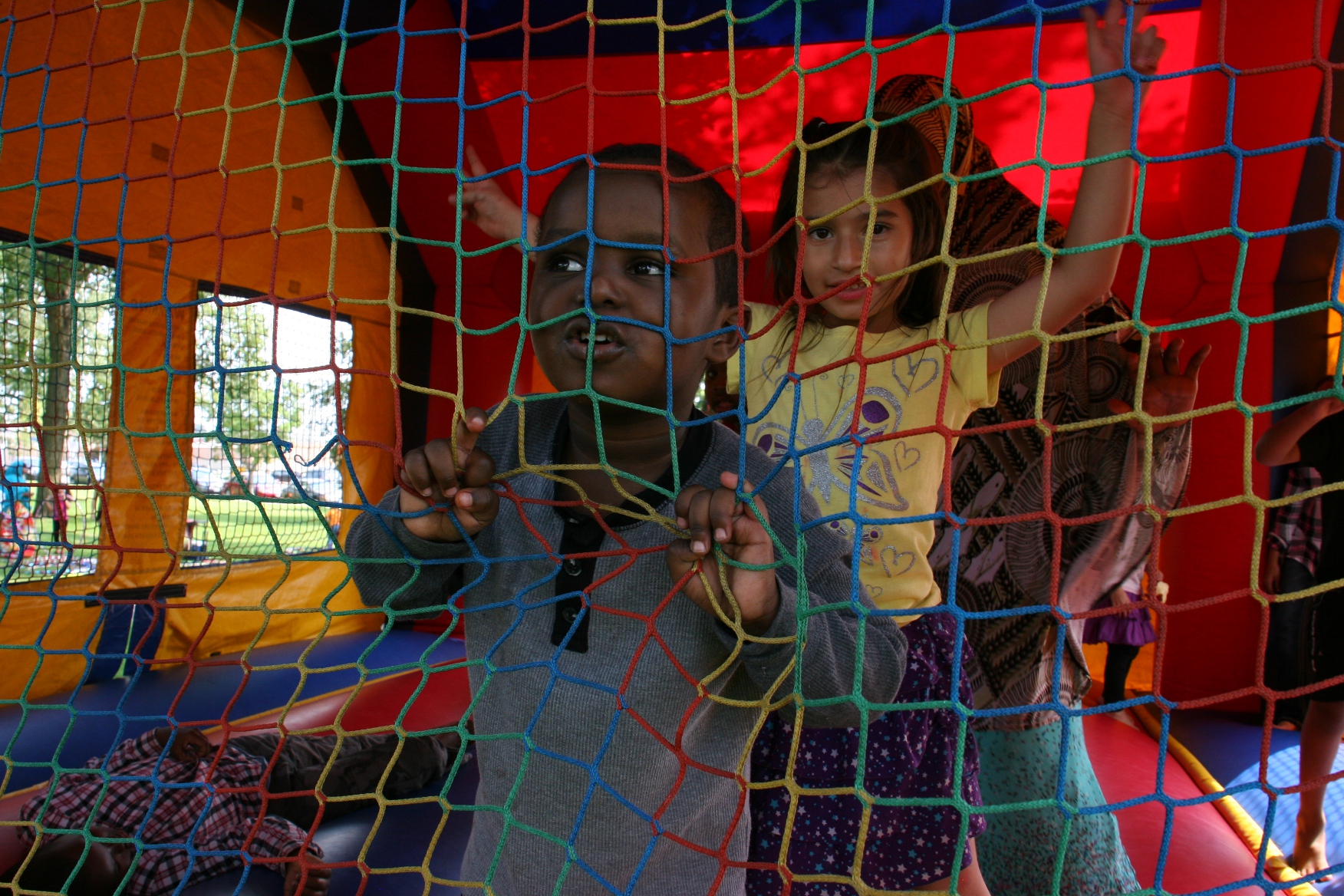
The bouncy house, a popular place for kids.

The bouncy house, a popular place for kids.

The bouncy house was a popular spot for the youngsters.

Inside the bouncy house.

An impromptu dance.

An impromptu dance.

play

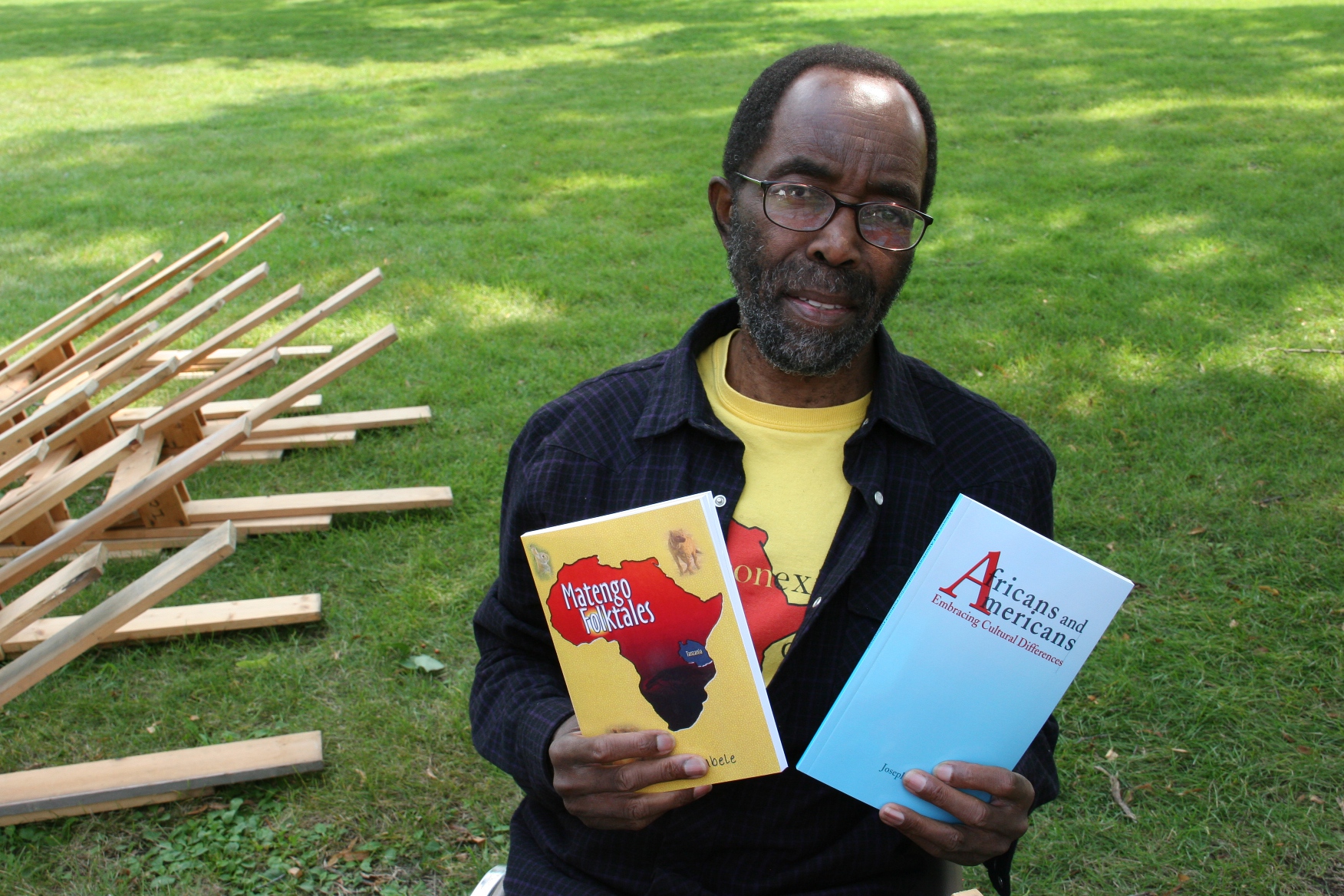
Author Joseph L. Mbele

Joseph L. Mbele, author and Associate Professor of English at St. Olaf College in Northfield, marketed his books and represented Tanzania at the festival.

and more.

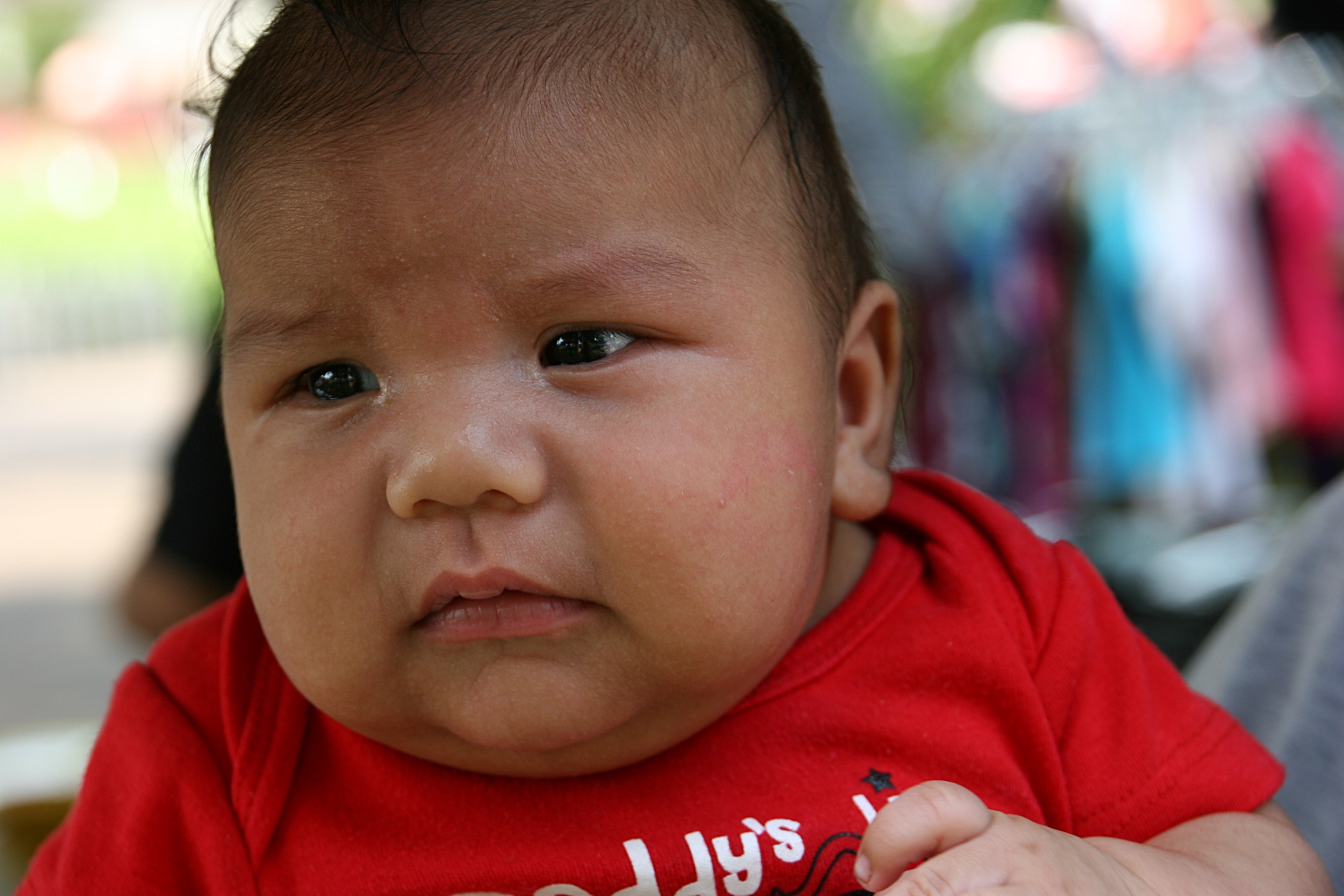
Months-old Santiago was there with his family.

Months-old Santiago was there with his family.

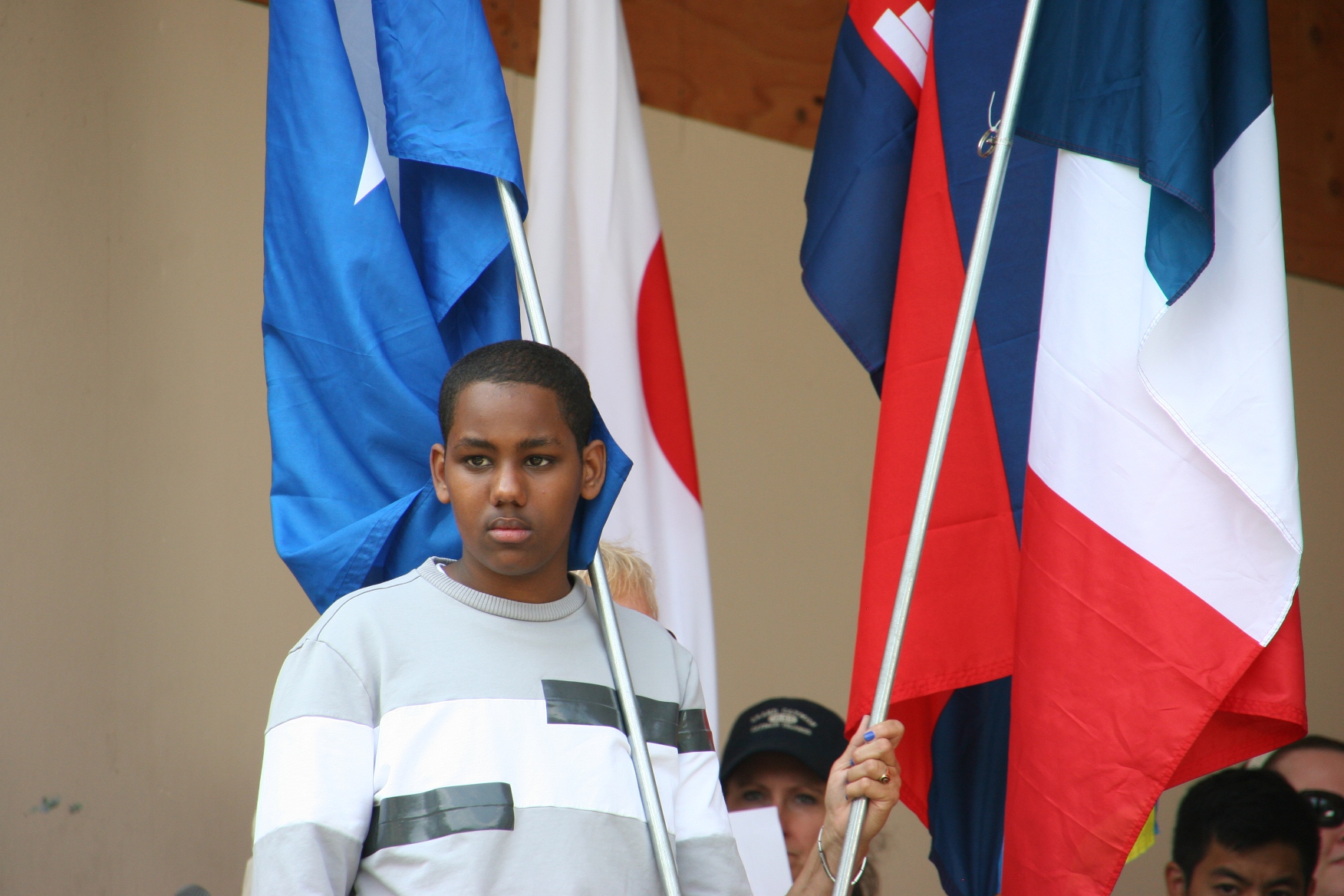
This teen represented Somalia.

This teen represented Somalia.

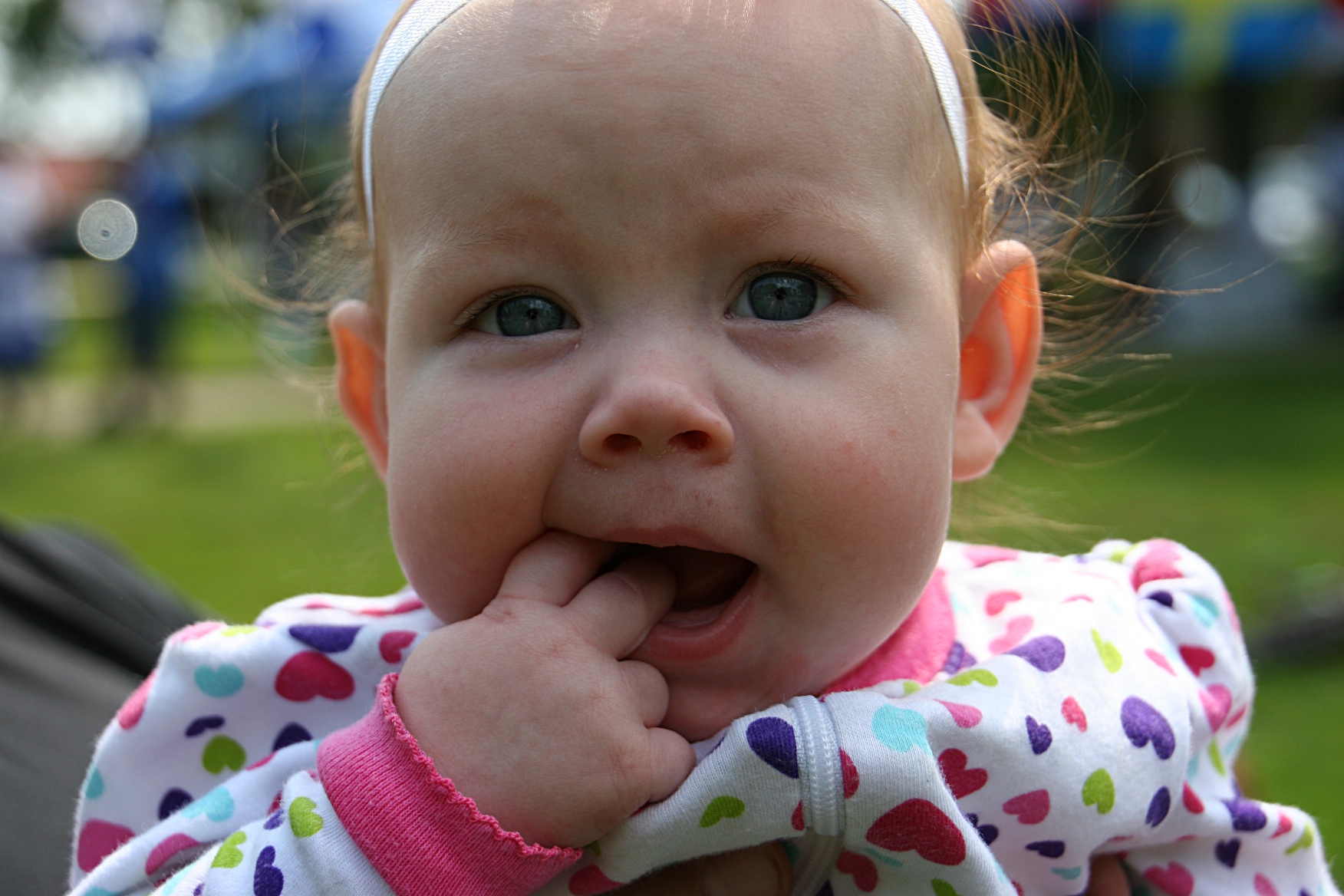
Five-month-old Audrianna was at the fest with her parents and siblings.

Five-month-old Audrianna was at the fest with her parents and siblings.

From babes only months old to elders, this event drew all ages interested in meeting those people who call my southeastern Minnesota community home.

Kids run, adults mingle and all learn about each other.

Kids run, adults mingle and all learn about each other.

We are no longer mostly just the descendants of European immigrants. But rather, we are a mix of peoples—some from war-torn lands—who have settled here. Saturday’s festival offered the opportunity to learn more about one another.

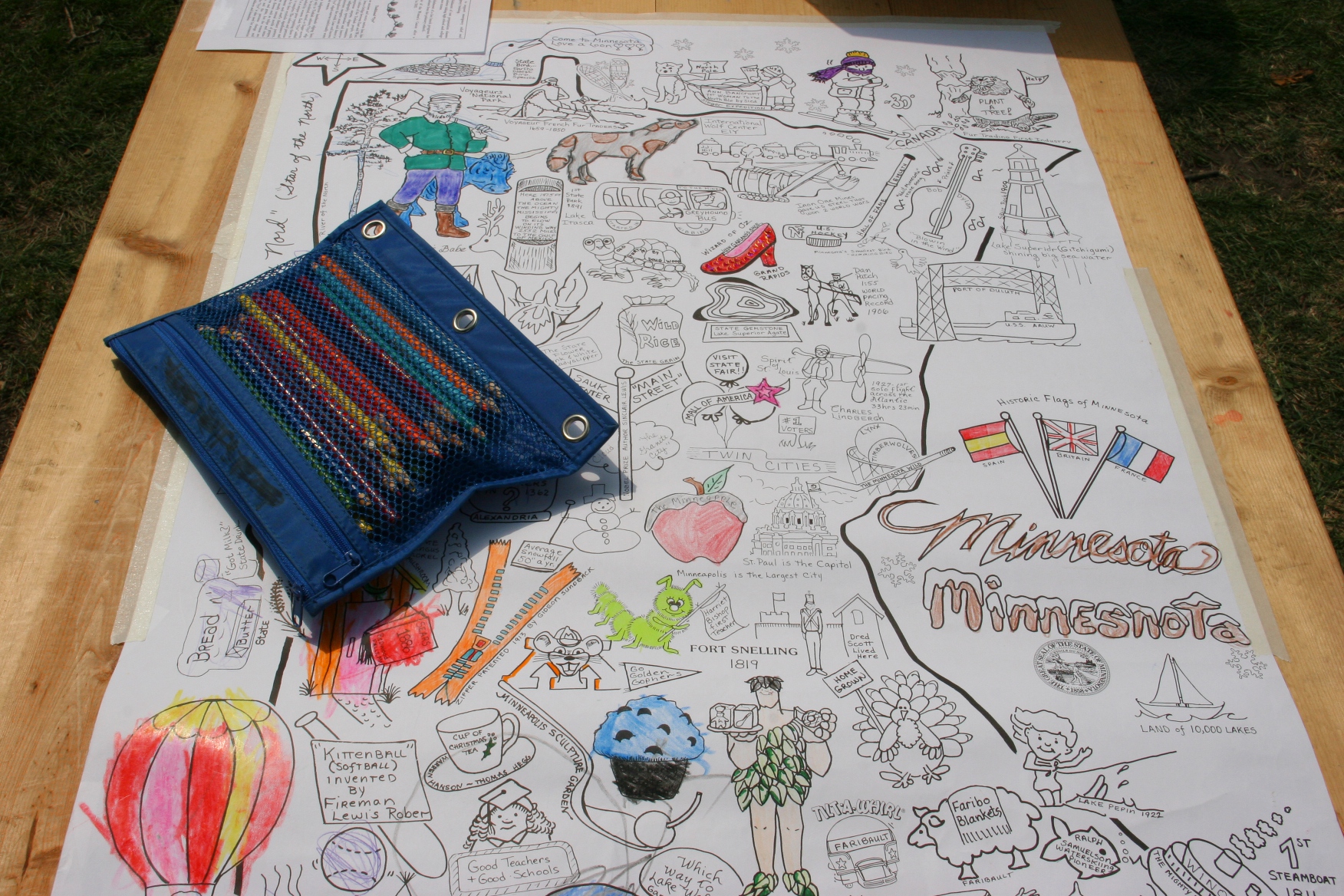
Kids could color graphics on a map of Minnesota that highlights points of interest.

Kids could color graphics on a map of Minnesota that highlights points of interest.

And that is good. For when we learn, we begin to understand each other. We begin to see each other as neighbors living in this place called Faribault, Minnesota.

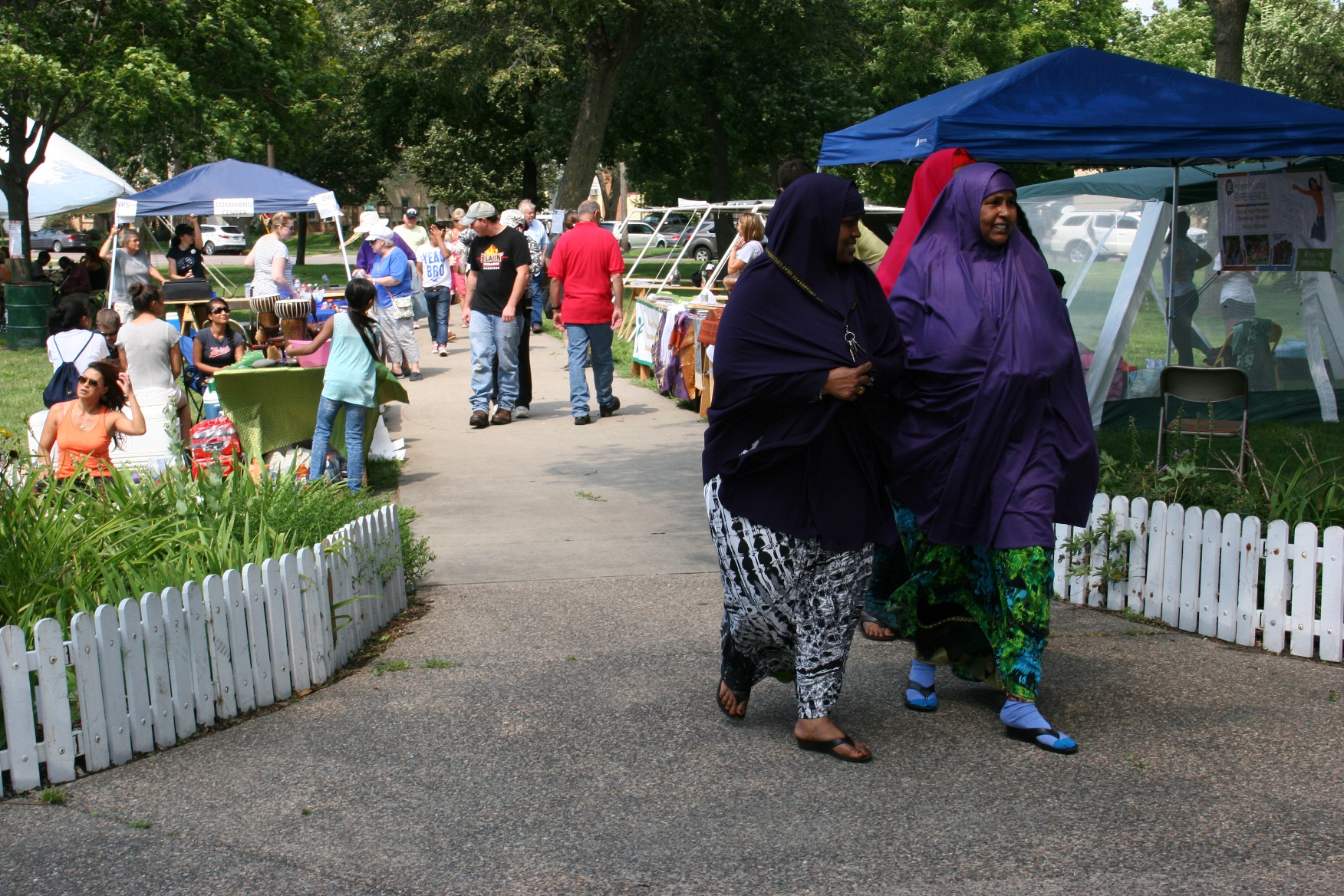
A steady flow of attendees

A steady flow of attendees browsed the merchandise, sampled food and more.

FYI: Please click here to read my first post about the 10th annual International Festival Faribault.

© Copyright 2015 Audrey Kletscher Helbling


How Faribault celebrated its cultural diversity on one day in August August 22, 2015

The flag ceremony featured national anthems and information about the countries from which Faribault residents have originated.

The flag ceremony featured national anthems and information about the countries from which Faribault residents have originated.

FRIENDS, FLAGS, FOOD, FUN…all melded in Faribault Saturday for the 10th annual International Festival Faribault.

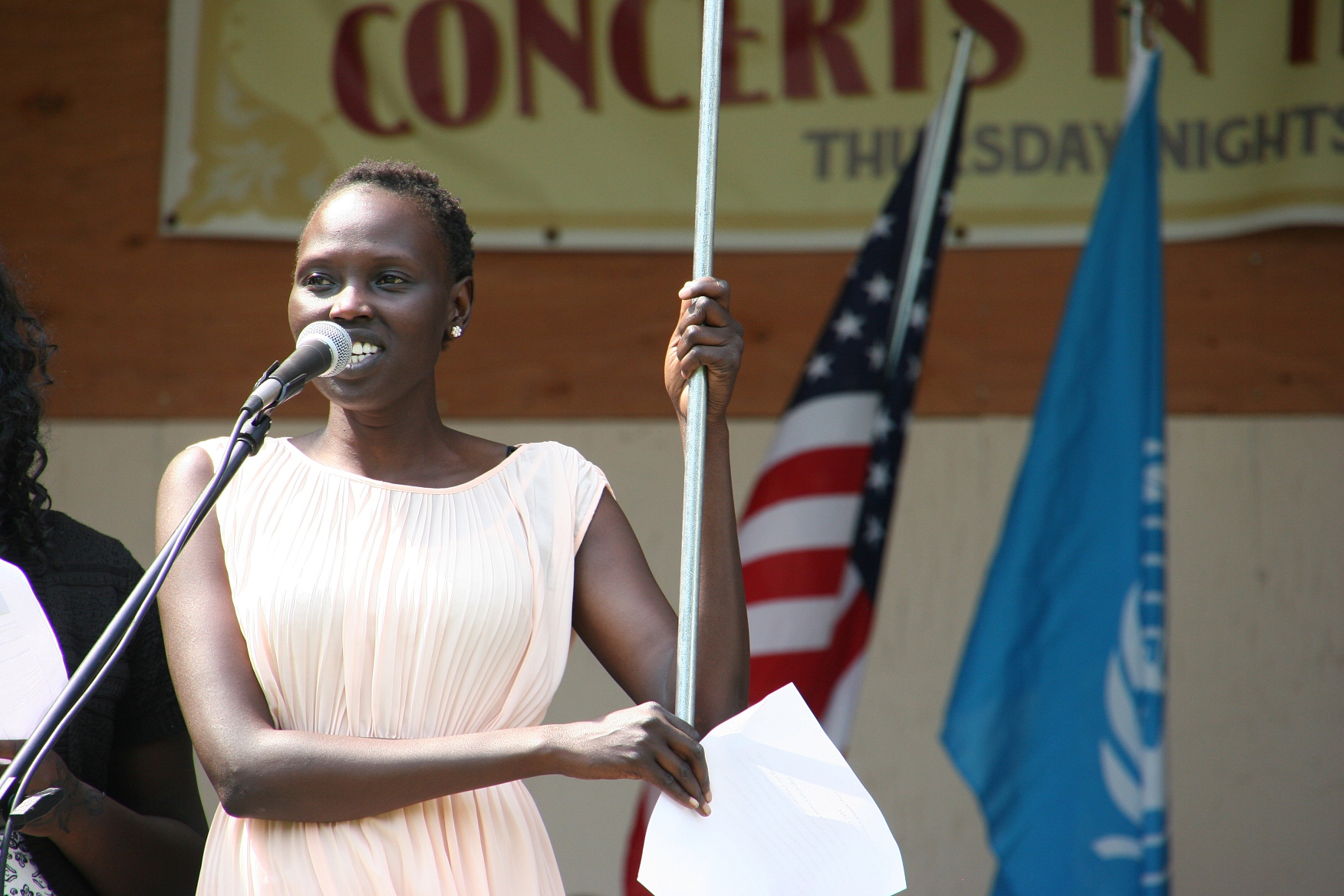
Representing the country of Sudan.

Representing the country of Sudan.

Despite a fierce wind that ripped tent poles from the ground and hastened events along under a forecast of stormy weather, nothing could quell the enthusiasm for this gathering.

Friends

Friends

Friends

Friends

Festival, friends 3

Friends

Smiles abounded. Everywhere.

The festival was truly a family event for all cultures.

The festival was truly a family event for all cultures.

It was a feel-good family event,

Pork and plenty of cilantro.

Pork and plenty of cilantro.

an opportunity to try ethnic foods,

An Aztec dancer

A dancer from Ollin Ayacaxtly Aztec Dancers.

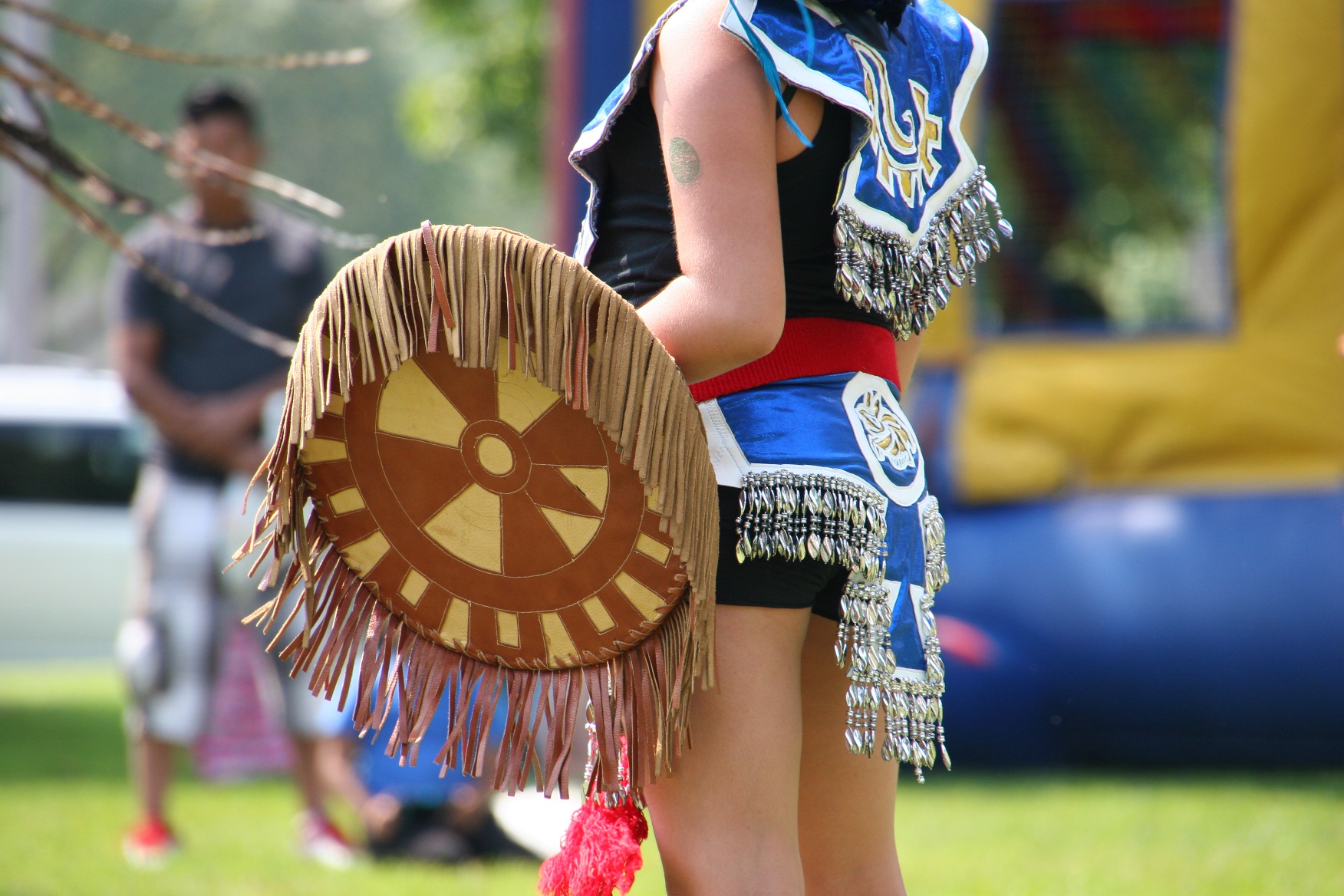
An Aztec dancer's costume details.

An Aztec dancer’s costume details.

Aztec dancers

Aztec dancers

a place to be entertained by skillful dancers,

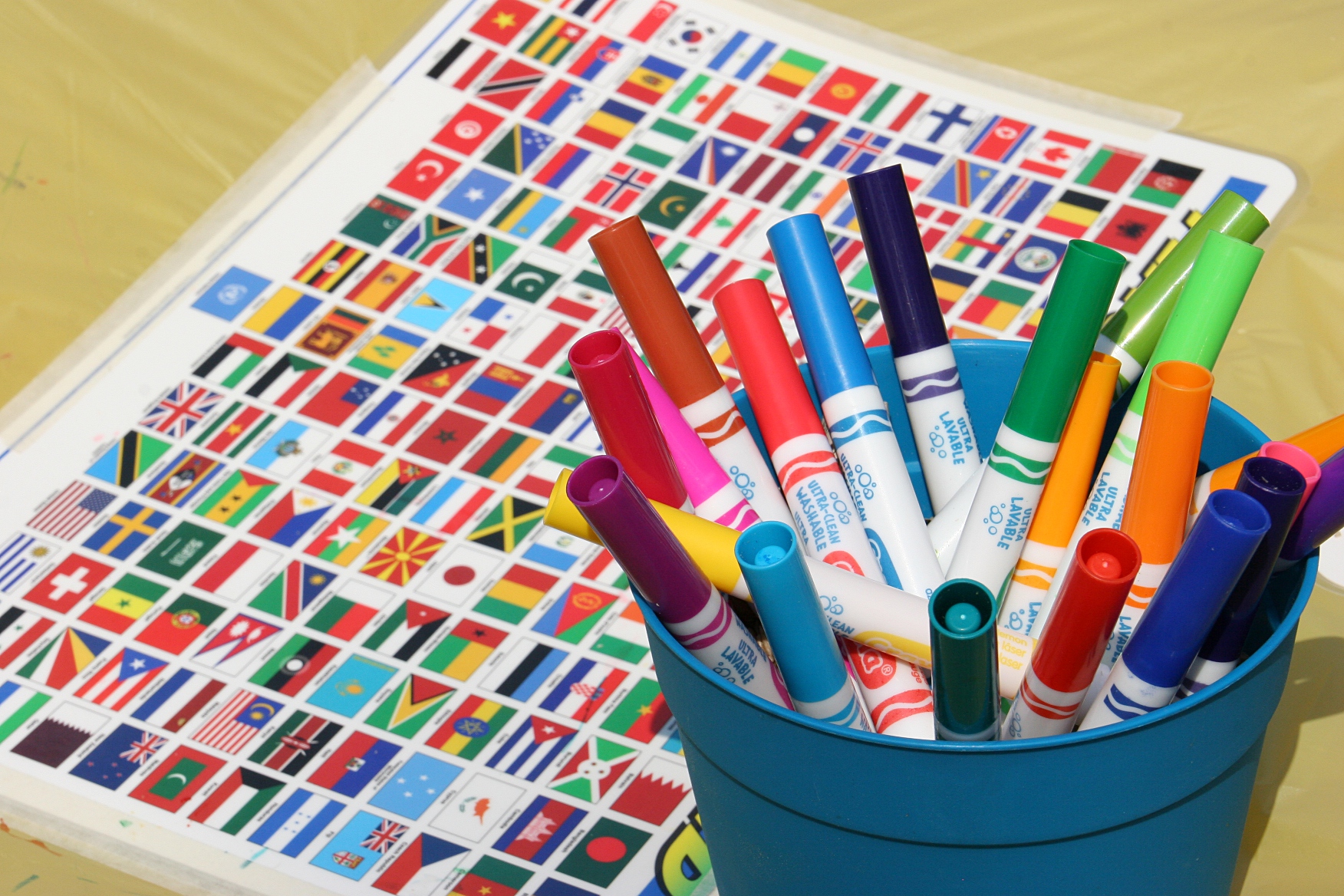
Kids used markers to create flags from their native countries.

Kids used markers to create flags from their native countries.

an educational day,

Flags representing Faribault residents lined the sidewalk.

Flags representing Faribault residents lined the sidewalk.

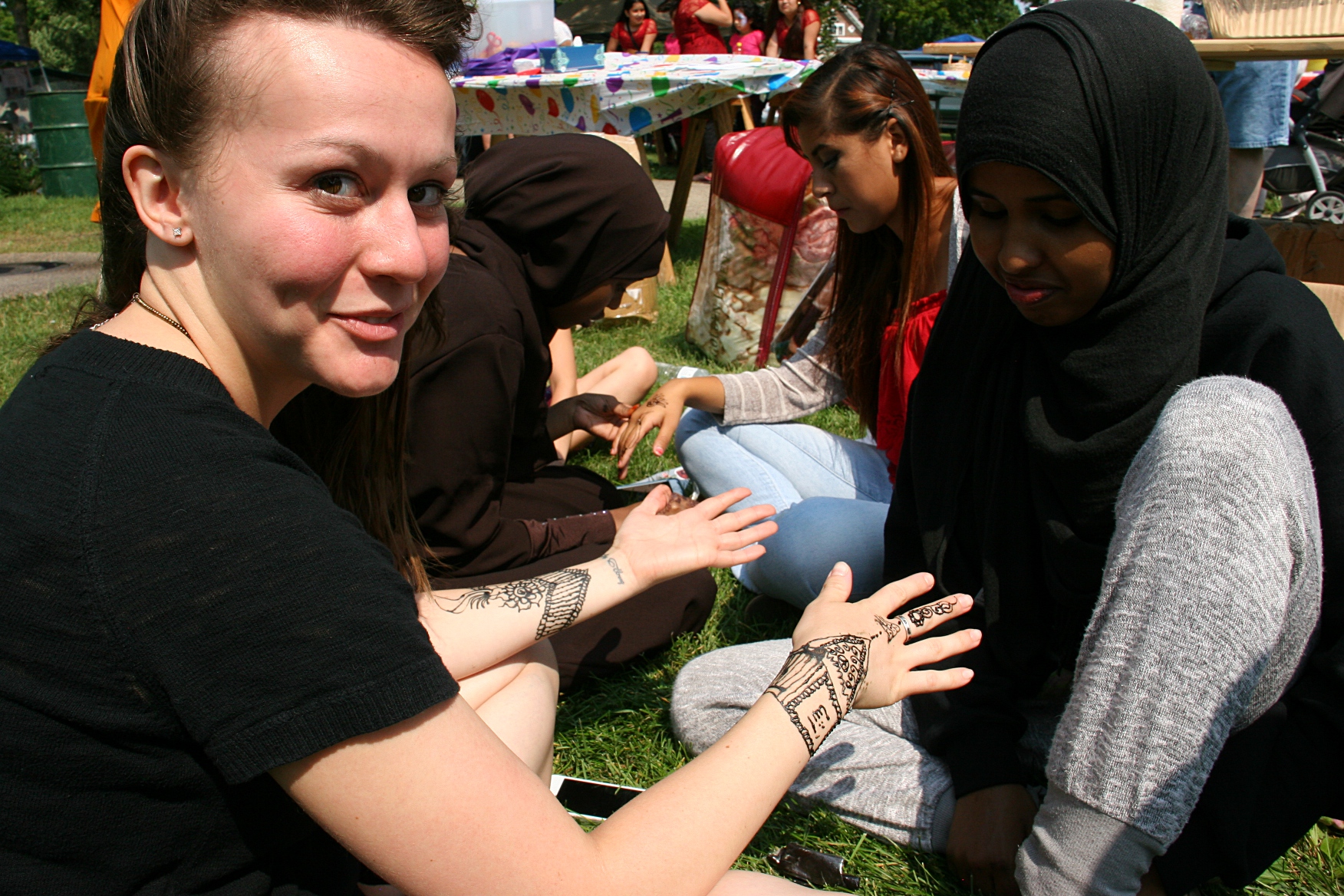
Henna art

Henna art

Attendees watch the flag ceremony.

On stage and off, cultures mingled.

a mingling of the many cultures that call Faribault home.

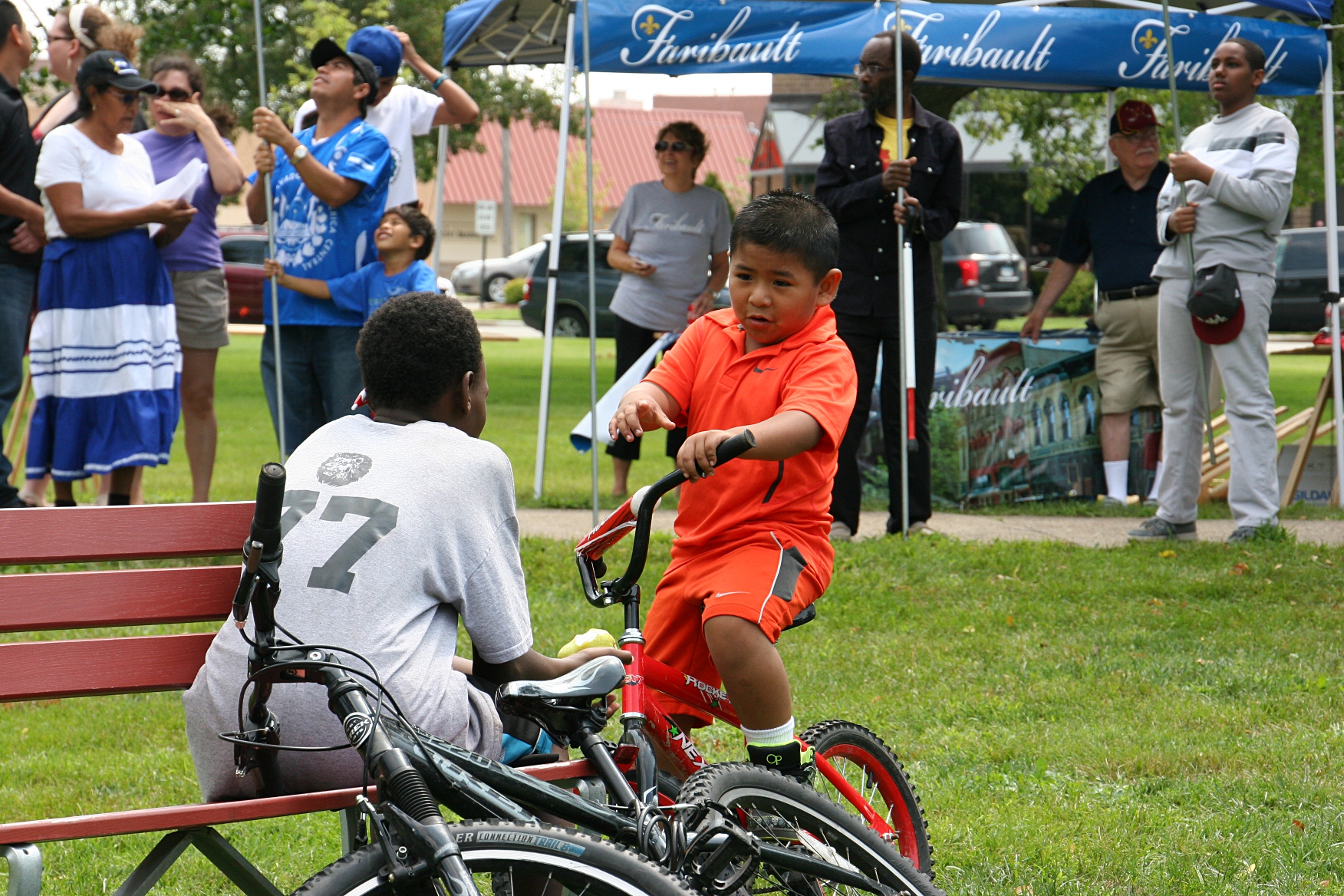
A candid moment: just two boys on bikes.

A candid moment: just two boys on bikes.

I am grateful for festivals like this in my southeastern Minnesota community. When I see the togetherness, especially among the children, I have hope.

Beautiful henna art.

Beautiful henna art.

Hope that we can see beyond the color of our skin,

Just a kid having fun.

Just a kid having fun.

beyond the differences in language and dress and food to that which unites us—the fact that we are all people, just people.

FYI: Please check back for more photos from the International Festival Faribault.

© Copyright 2015 Audrey Kletscher Helbling


Minnesota Faces: Faribault friends August 21, 2015

Filed under: Uncategorized — Audrey Kletscher Helbling @ 5:00 AM
Tags: , , , , , ,

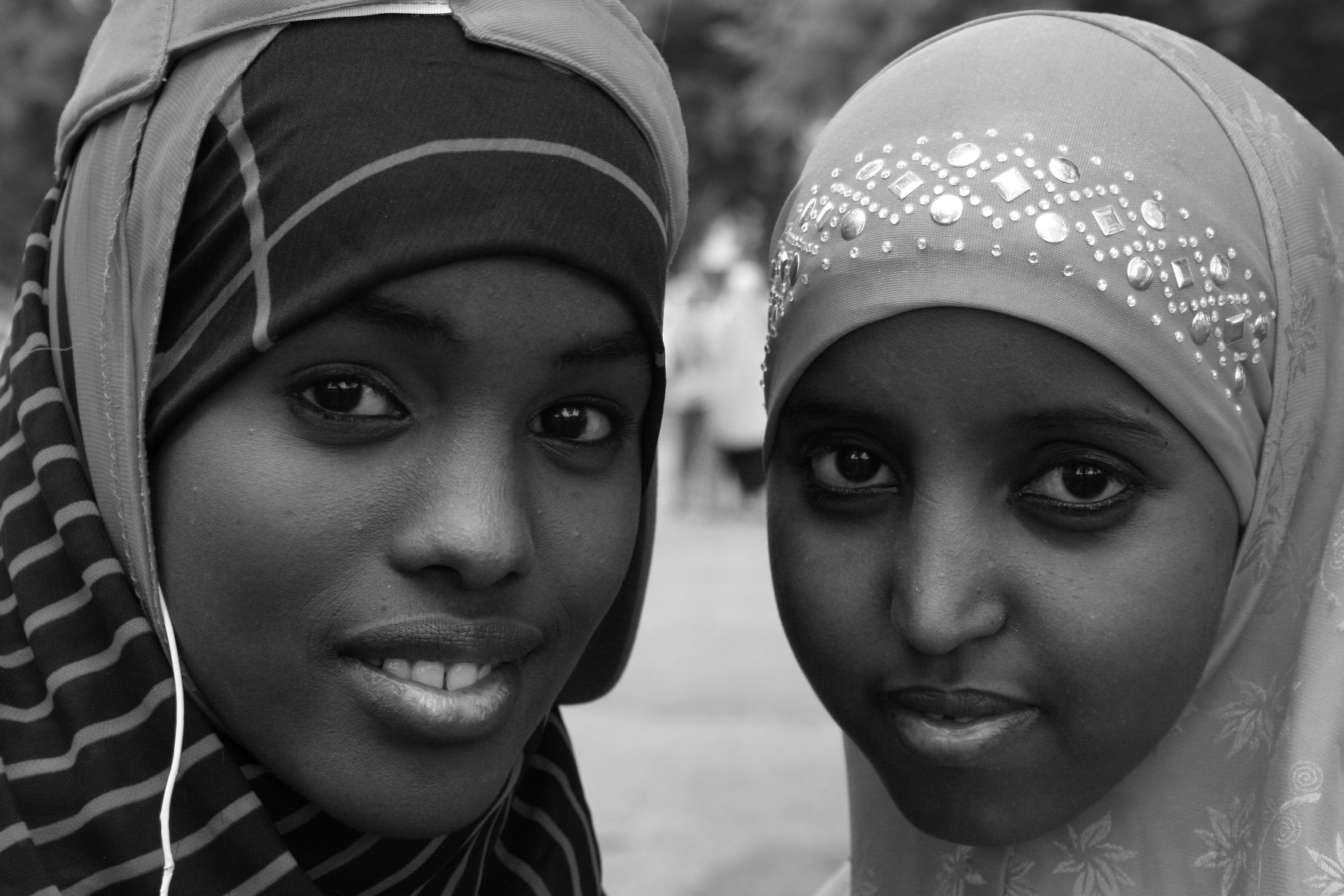
Portrait #36: Friends, Shukri and Khadra

Friends and then Faribault High School seniors Shukri Aden, left, and Khadra Muhumed photographed at the International Festival Faribault 2012.

Friends and then Faribault High School seniors Shukri, left, and Khadra photographed at the International Festival Faribault 2012.

These young women represent the relatively new faces of my community. Beyond French and German and Irish and the blood of other long ago immigrants, we are now also Somali, Sudanese, Hispanic, Cambodian and more. So much more.

Faribault is a diverse southern Minnesota city. We are richer for our differences, although that is not always recognized or appreciated.

Rather than focus on that which separates, let us bridge that which divides.

FYI: Faribault celebrates its cultural diversity this Saturday, August 22, at International Festival Faribault scheduled from 10 a.m. – 4 p.m. in Central Park. Click here for more information.

#

Minnesota Faces is featured every Friday on Minnesota Prairie Roots.

© Copyright 2015 Audrey Kletscher Helbling


Festival celebrates Faribault’s cultural diversity August 20, 2015

Adding to the artsy aspect of Car Cruise Night, was this colorful attire worn by Faribault

Faribault is becoming an ever diverse community as shown in this photo from a recent Friday evening Car Cruise Night. Minnesota Prairie Roots file photo July 2015.

Neighbor meeting neighbor.

I like that phrase tagged by the International Festival Faribault planning committee to an event celebrating my community’s cultural diversity.

Conversation and connecting..., no other words necessary.

Conversation and connecting…, no other words necessary for this photo taken at a previous fest. Minnesota Prairie Roots file photo.

When we personalize, then we begin to see beyond the differences. We see individuals rather than skin color or clothing. We hear the person and not the language. We connect. We become neighbors.

A member of Ollin Ayacaxtli dances at Faribault's International Market Day celebration.

A member of Ollin Ayacaxtly Aztec Dancers performs at a previous International Festival Faribault, Minnesota Prairie Roots file photo.

From 10 a.m. to 4 p.m. this Saturday, August 22, the Faribault community comes together in Central Park for this 10th annual celebration of diversity. International Festival Faribault aims to promote an understanding between cultures and to unite the community with music, dance, art, ethnic foods and merchandise.

A little girl stands on the opposite side of the group of children waiting to swing at the pinata.

A little girl stands on the opposite side of the group of children waiting to swing at the pinata during the 2012 festival. Minnesota Prairie Roots file photo. I won first place for this image in the “personal heritage” category of the 2014 Faribault Heritage Days Photo Contest.

I’ve attended the festival numerous times and delight in this opportunity to meet others, to sample ethnic foods, to listen to music, to check out the art and more. My favorite has always been observing children gathered to break pińatas. It is then that I see the possibilities for Faribault. We can learn from these kids who care not about differences but rather are focused as one on a single goal.

On Saturday, let that goal be neighbor meeting neighbor.

A woman, without my prompting, took this mask from the table manned by Bashir Omar and Asher Ali and asked me to photograph her.

Art showcased by a vendor at the 2012 festival. Minnesota Prairie Roots file photo.

Here’s the International Festival Faribault entertainment schedule:

  • 10 a.m. – 11 a.m. – Steve Huber on acoustic guitar
  • 11 a.m. – 11:30 a.m.- Otto & Celia – Guatemalan singers on keyboard; Patti Letona – Guatemalan singer; and Eliana Tobar – El Salvadorian singer
  • 11:30 a.m. – 11:45 a.m. – Selvin – Guatemalan dancer
  • 11:45 a.m. – noon – Children’s Dance Performance by Florecitas de Dios
  • noon – 1 p.m. – Ollin Ayacaxtly Aztec Dancers
  • 1 p.m. – 2 p.m. – Flag Ceremonies (national anthems and salutes)
  • 2 p.m. – 2:30 p.m. – South Sudanese music and dancers
  • 2:30 p.m. – 3 p.m. – Cambodian dancers
  • 3 p.m. – 3:30 p.m. – Hula Hoop Performance by Adrienne Lee
  • 3:30 p.m. – 4 p.m. – Breaking of piñatas

FYI: Admittance to International Festival Faribault is free.


An innovative plan to promote literacy at a rural Minnesota library August 19, 2015

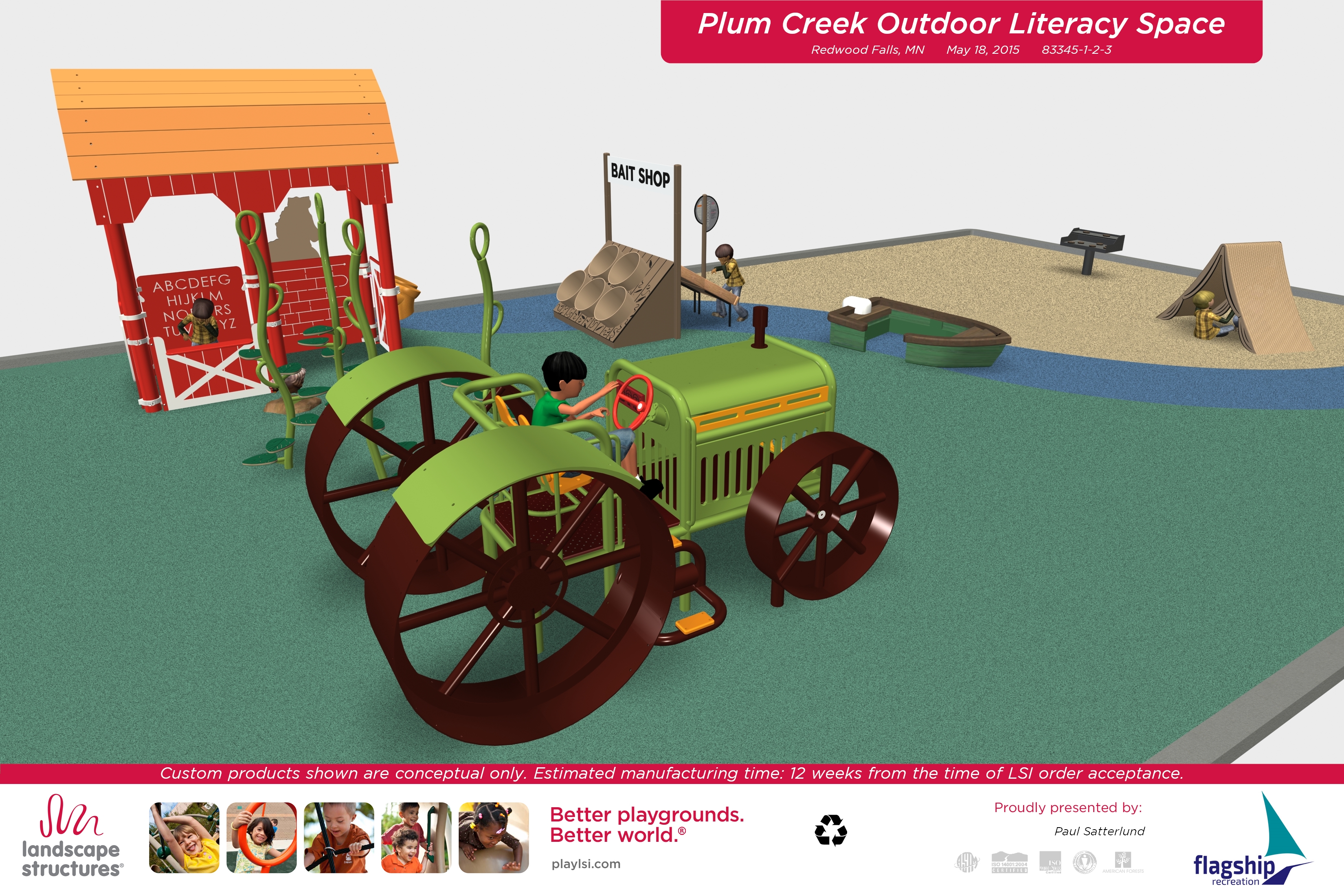
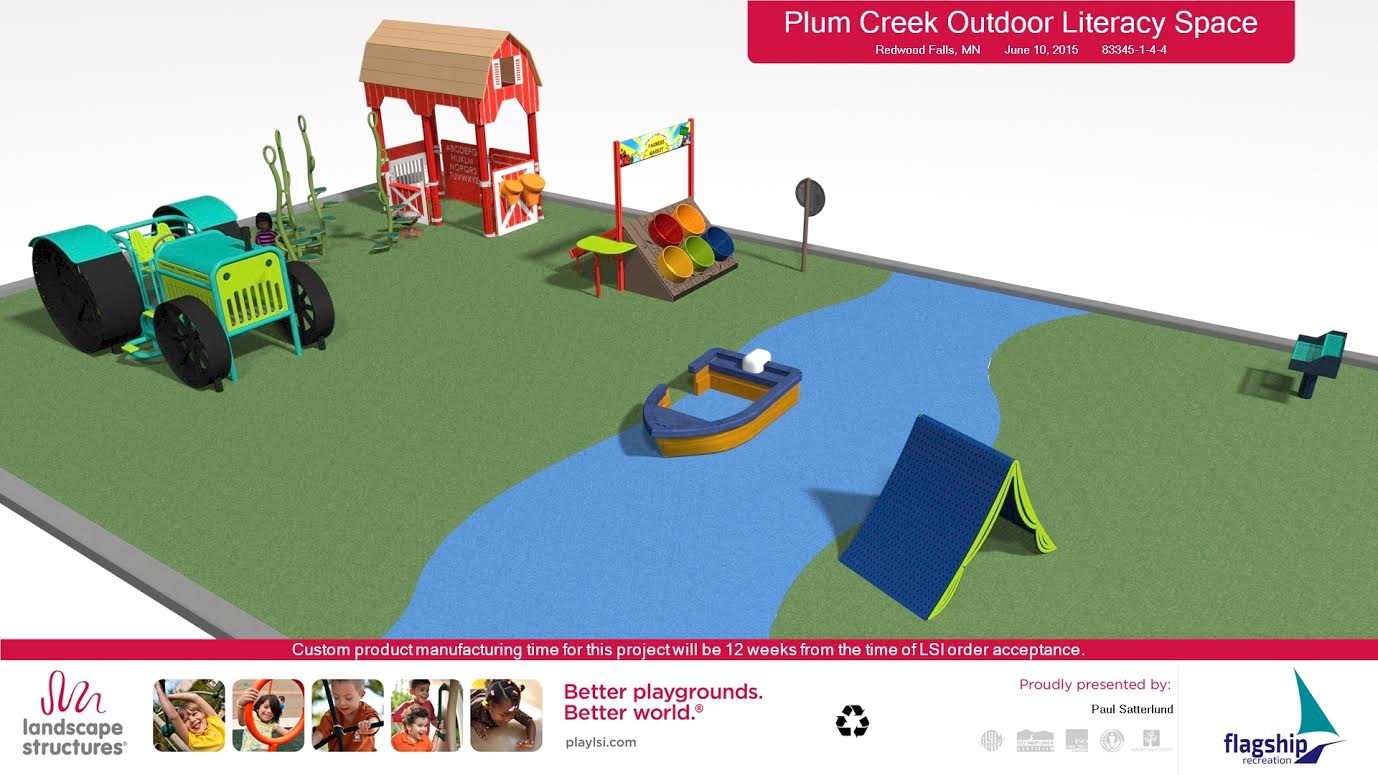
This shows plans for the custom-designed Outdoor Early Literacy Area planned for the Redwood Falls Public Library. The playground equipment will be custom made and themed to agriculture and camping. Image courtesy of the Redwood Falls Public Library.

This shows plans for the Outdoor Early Literacy Area planned for the Redwood Falls Public Library. The playground equipment will be custom made and themed to agriculture and camping. Image courtesy of the Redwood Falls Public Library.

IN MY HOME COUNTY OF REDWOOD on the southwestern Minnesota prairie, the Redwood Falls Public Library is planning to construct an Outdoor Early Literacy Area themed to agriculture and camping.

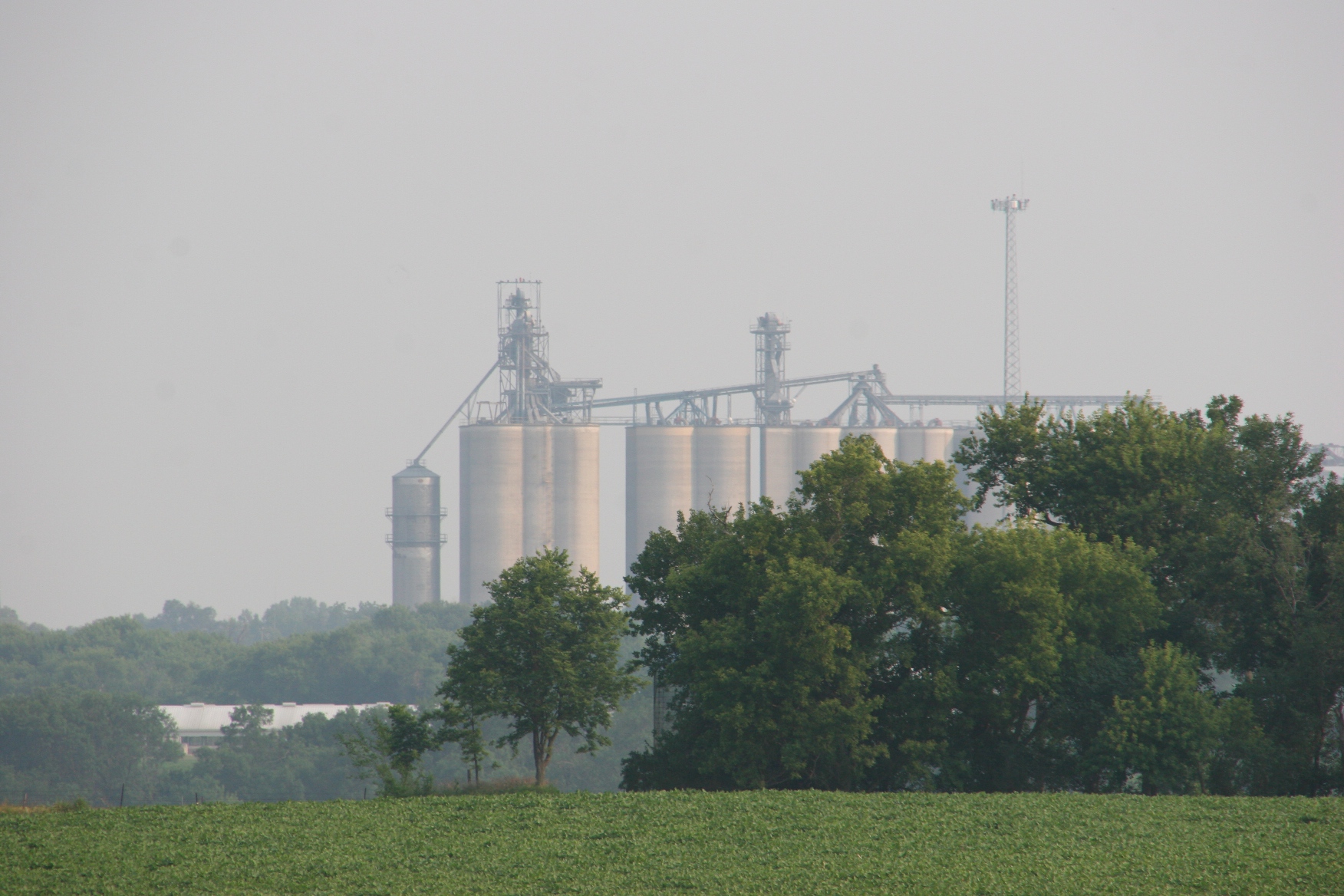
The elevator in Lamberton, Minnesota, just to the south of my brother's place.

A soybean field and the grain elevator in Lamberton, Minnesota, in southern Redwood County. Minnesota Prairie Roots file photo July 2015.

I love this idea of combining literacy and outdoor play. And the themes are perfect for this community. Even though kids in Redwood County live in the heart of Minnesota farm country, that doesn’t mean they are familiar with farming. This is just one more way to keep Minnesota’s farm heritage strong, by teaching youngsters the importance of agriculture in a way that’s hands-on creative.

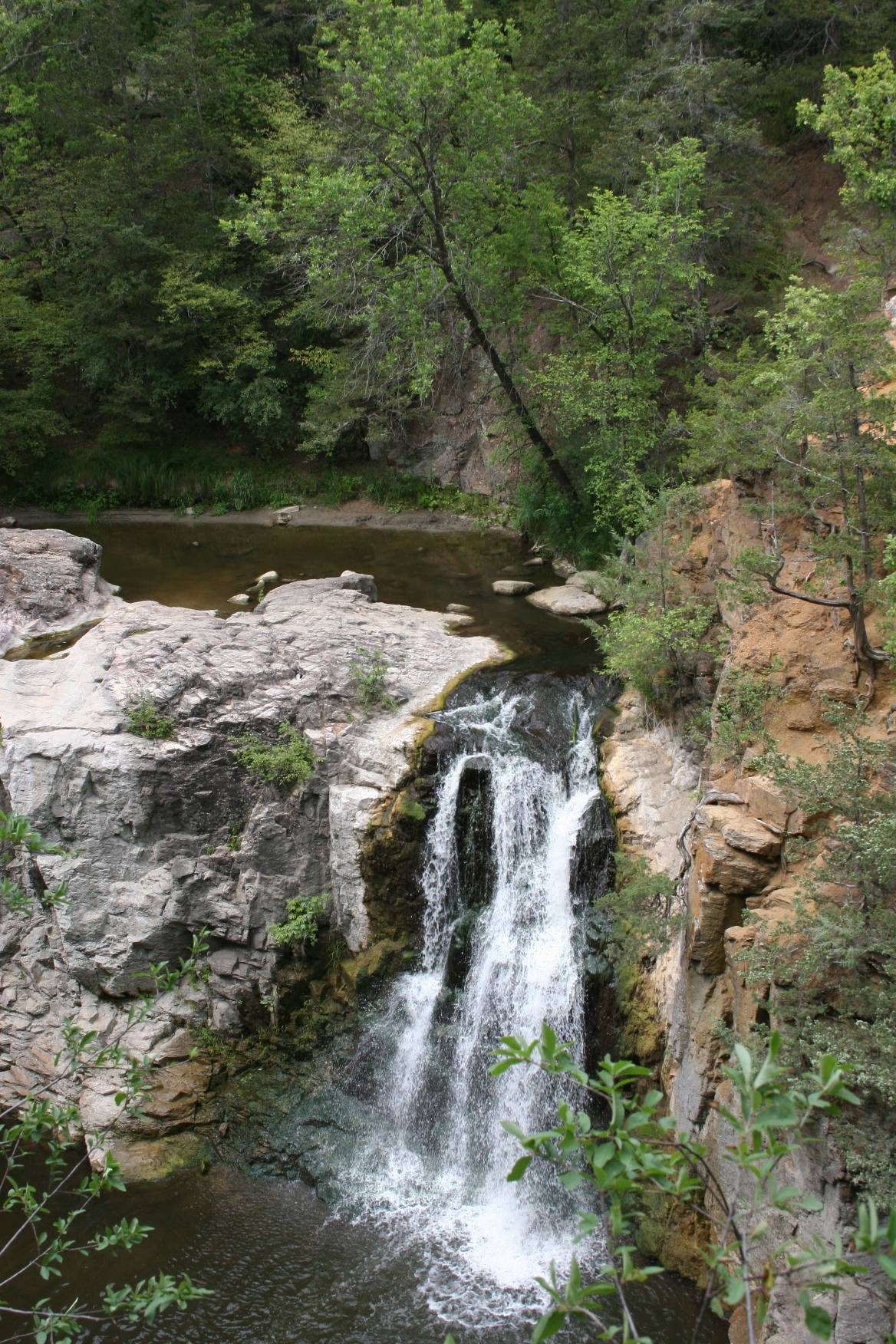
Ramsey Falls in Alexander Ramsey Park. Minnesota Prairie Roots file photo.

Ramsey Falls in Alexander Ramsey Park. Minnesota Prairie Roots file photo.

Redwood Falls is also a camping oasis of sorts with Alexander Ramsey Park, known as the “Little Yellowstone of Minnesota.” The park is a surprise of woods, hills, river valley and waterfalls in this county of small towns and cropland. The camping aspect will instill an appreciation of the outdoors and recreation in this place of prairie and sky.

Geared for children up to age seven, the outdoor literary area aims to achieve seven goals, Library Director Teri Smith shares in an email:

  • Encourage a love of literacy in a developmentally appropriate environment.
  • Incorporate a love of reading, print awareness, letter knowledge, sound awareness, vocabulary, and narrative skills and comprehension in joyful play.
  • Cultivate literacy in a relevant way (using known objects and activities relevant to southwestern Minnesota).
  • Encourage families and young children to spend more time at the library.
  • Encourage play in learning.
  • Encourage play in nature.
  • Encourage a love of learning at an early age and throughout a lifetime.
Just another view of the planned literacy area. Image courtesy of the Redwood Falls Public Library.

Just another view of the planned literacy area. Image courtesy of the Redwood Falls Public Library.

So how, exactly, will that happen? Young families can check out pretend produce, eggs, fishing equipment and even numbered and lettered fish from the library to use outdoors. And, as they play, the kids will learn about healthy living and agriculture and acquire literacy skills. The children’s librarian will model play and interactions in the outdoor space, Smith says. The library also hopes to tap into Reading Corps volunteers.

A place like this is needed, says Smith, because few areas exist in this rural community for young families to gather and enjoy one another’s company while learning valuable literacy and social skills.

Already, the library has raised some two-thirds of the $100,000 needed for the outdoor literacy area. An astounding nearly $51,000 has come in the form of 12 grants (one is a materials donation of fencing) ranging from $250 – $20,000, all sought by Smith. The largest of the grants came from the Otto Bremer Foundation. Two $10,000 grants also were awarded by the Schmidt Foundation and the Minnesota Legacy fund. Smith is awaiting word on several other grants and donations.

A serene country scene just north of Lamberton in southern Redwood County.

A serene country scene just north of Lamberton in southern Redwood County. Minnesota Prairie Roots file photo October 2013.

And, as I would expect in a rural area, local individuals, organizations and businesses have also given their generous financial support to the project.

Smith has also established an online fundraising site at YouCaring. About a month remains to meet that $10,000 fundraising goal.

The popularity of a Minnesota Children’s Museum traveling Storyland exhibit which came to Redwood Falls inspired library staff to consider a permanent outdoor literacy-based play space. If all goes as planned, the custom-designed farming and camping themed play area should be under construction in the spring of 2016.

FYI: If you missed my post yesterday on Sibley Farm inside Mankato’s Sibley Park, click here. It’s another great example of how southern Minnesota is connecting kids to the region’s strong agricultural heritage and base.

© Copyright 2015 Audrey Kletscher Helbling


An Old MacDonald style park in Mankato August 18, 2015

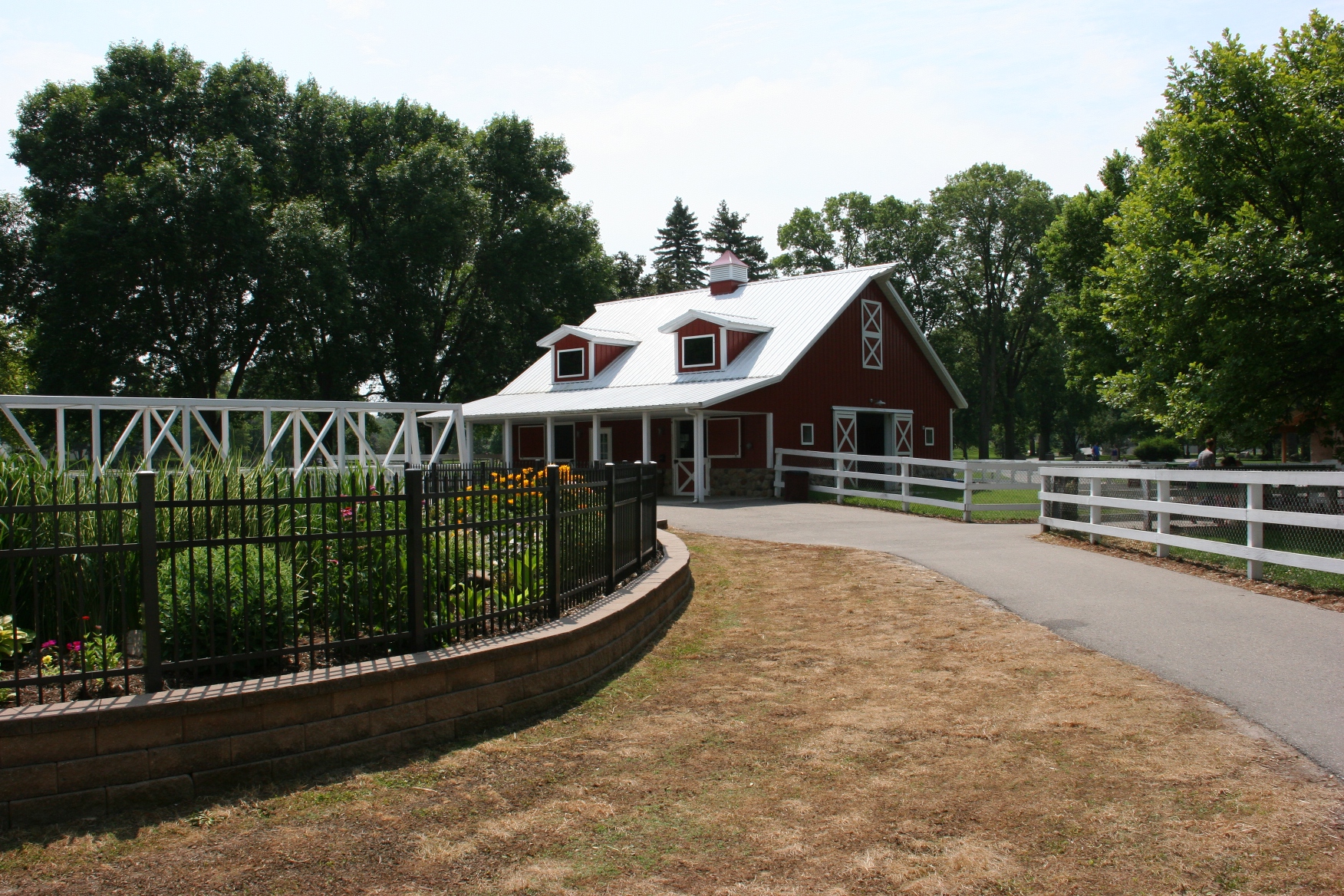
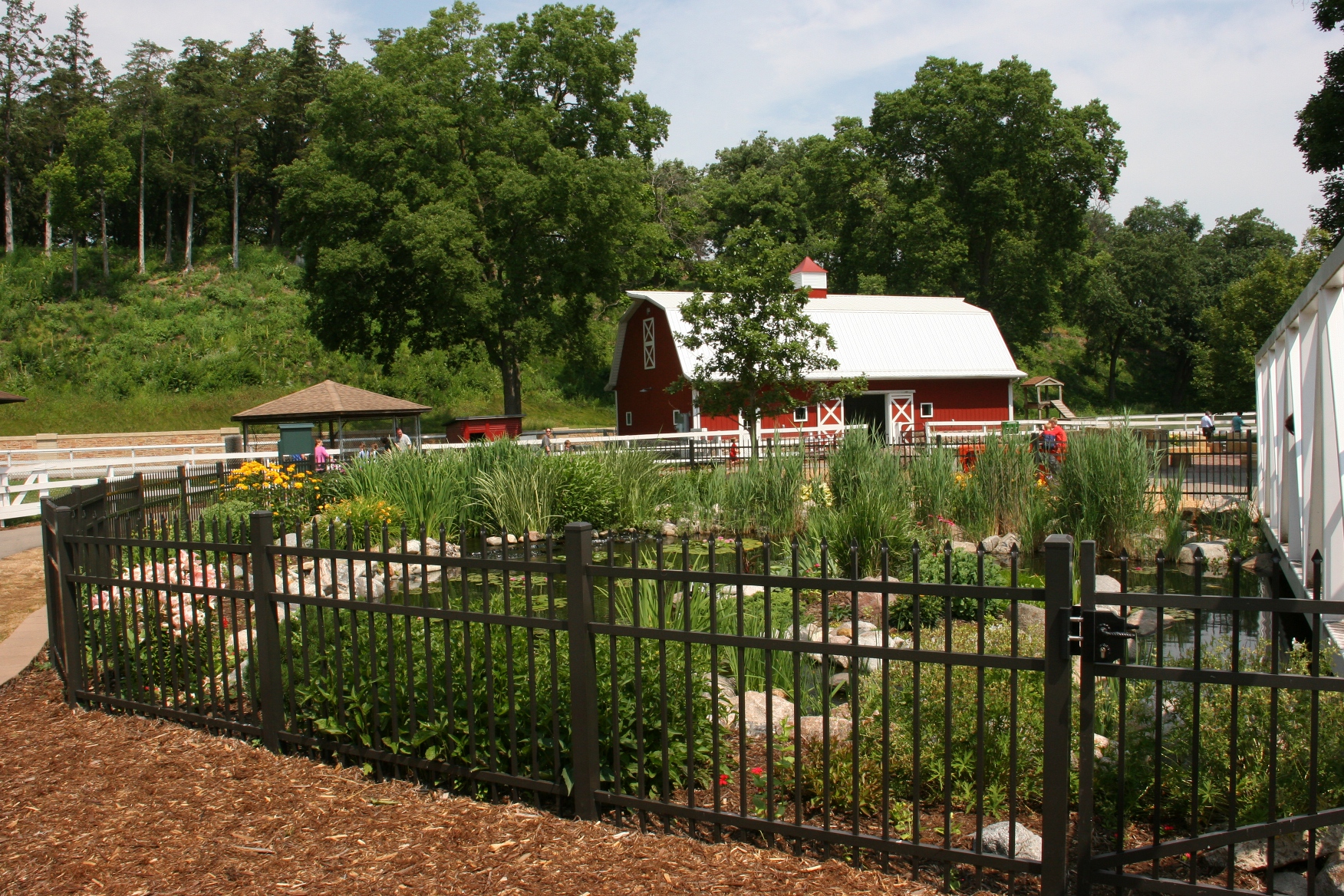
One of two barn style buildings at Sibley Park in Mankato, Minnesota.

The barn style stable at Sibley Farm in Mankato, Minnesota.

GROWING UP, MY DAUGHTERS had a Fisher Price barn that, when the doors opened, “mooed.” For hours they would play with this toy farm. Being a rather unwise mom who determined that everything from their childhood could not be kept, I gave the barn, silo, Little People, tractor and animals to friends with little ones. My eldest once reminded me that was a mistake. I agree.

A fenced pond is in the foreground and a second barn type pole shed in the background.

A fenced pond is in the foreground and the farm’s barn in the background.

But now she, and other twenty-somethings who hold fond memories of the Fischer Price barn, can see a similar real-life barn at Sibley Farm in Mankato’s sprawling Sibley Park.

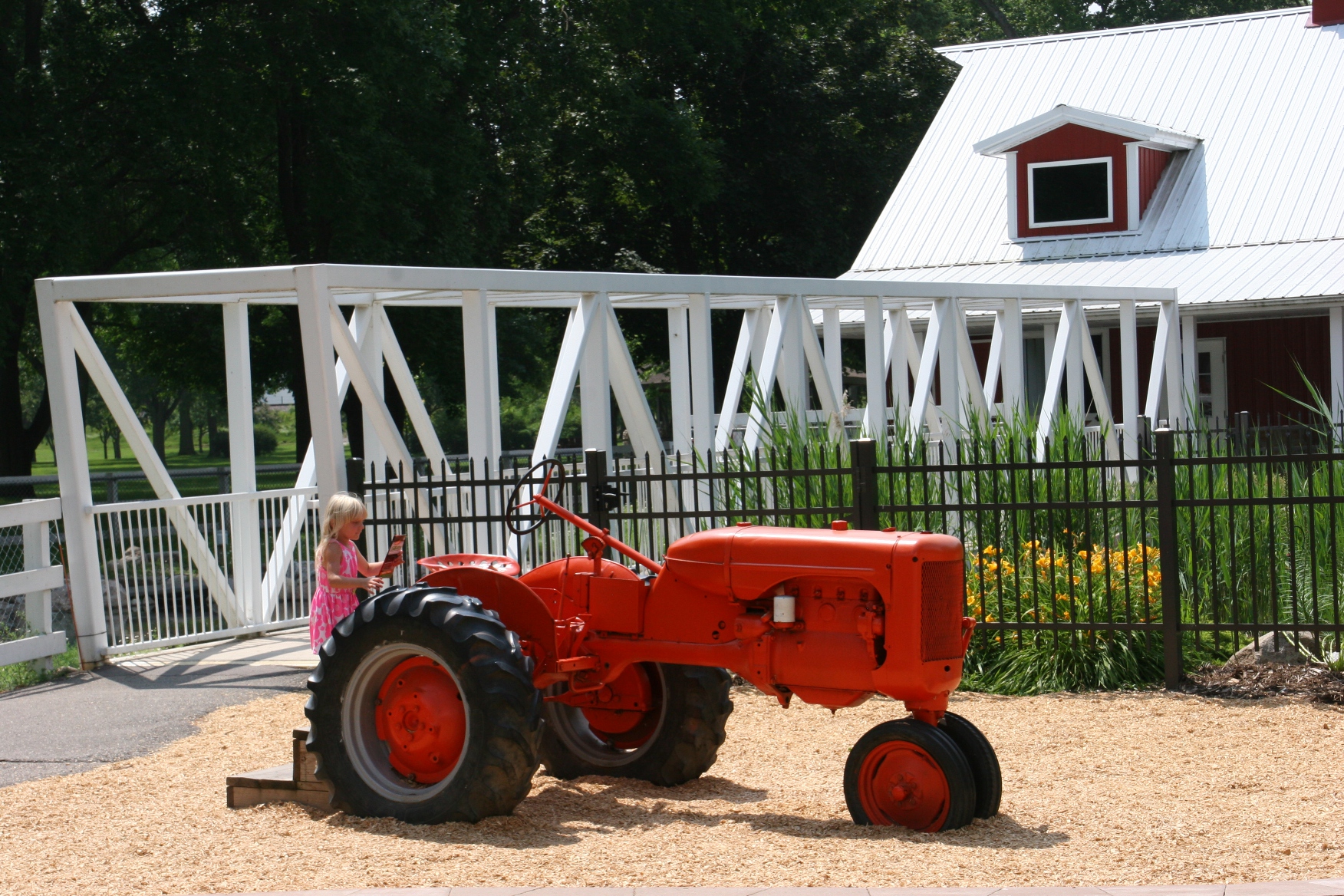
Kids love the tractors, this one located next to the bridge spanning the pond stocked with fish and dotted with water lilies.

Kids love the tractors, this one located next to the bridge spanning the pond stocked with koi and dotted with water lilies.

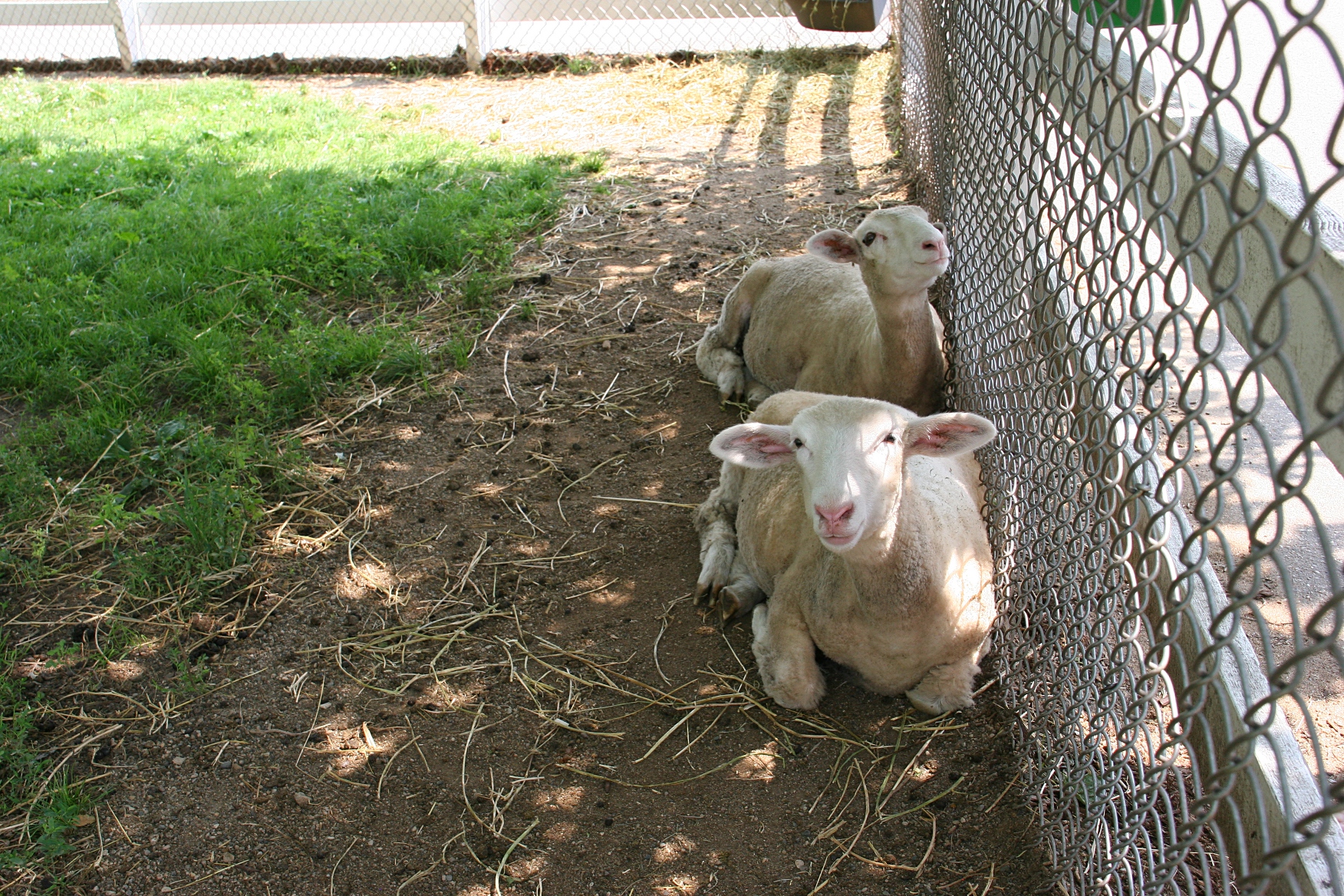
Friendly sheep are a favorite.

Friendly sheep are a favorite.

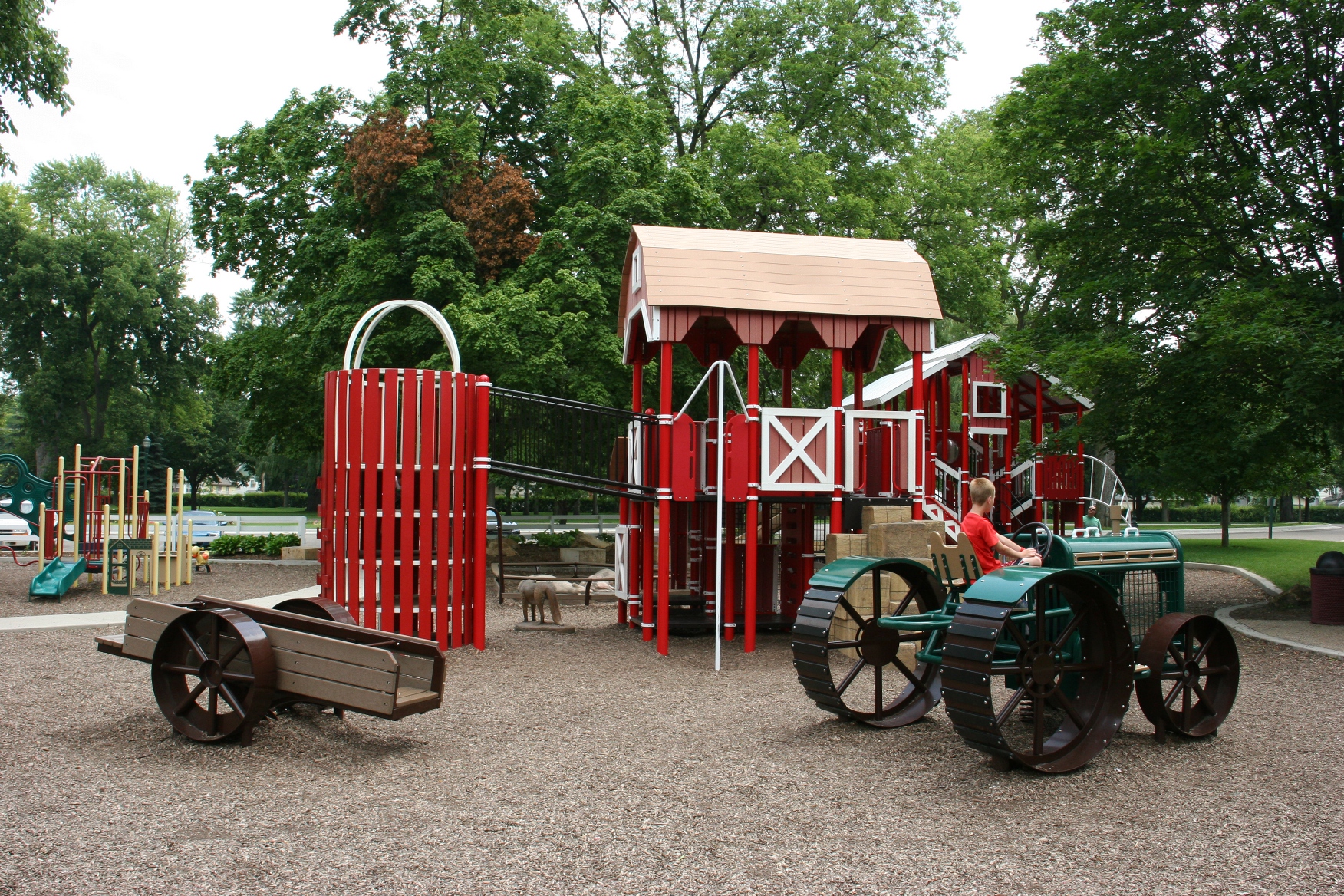
The fabulous farm-themed playground.

The fabulous farm-themed playground. There’s also a traditional playground, shown in the background.

I explored the farm on a recent Sunday afternoon, delighting in the animals, the pond, and the agricultural-themed playground. What a brilliant idea, to create this educational and engaging tribute to the region’s rural roots in the heart of southern Minnesota farm country. The farm park opened in 2008 and was partially funded by a $200,000 gift from the Al and Erla Fallenstein fund through the Mankato Area Foundation.

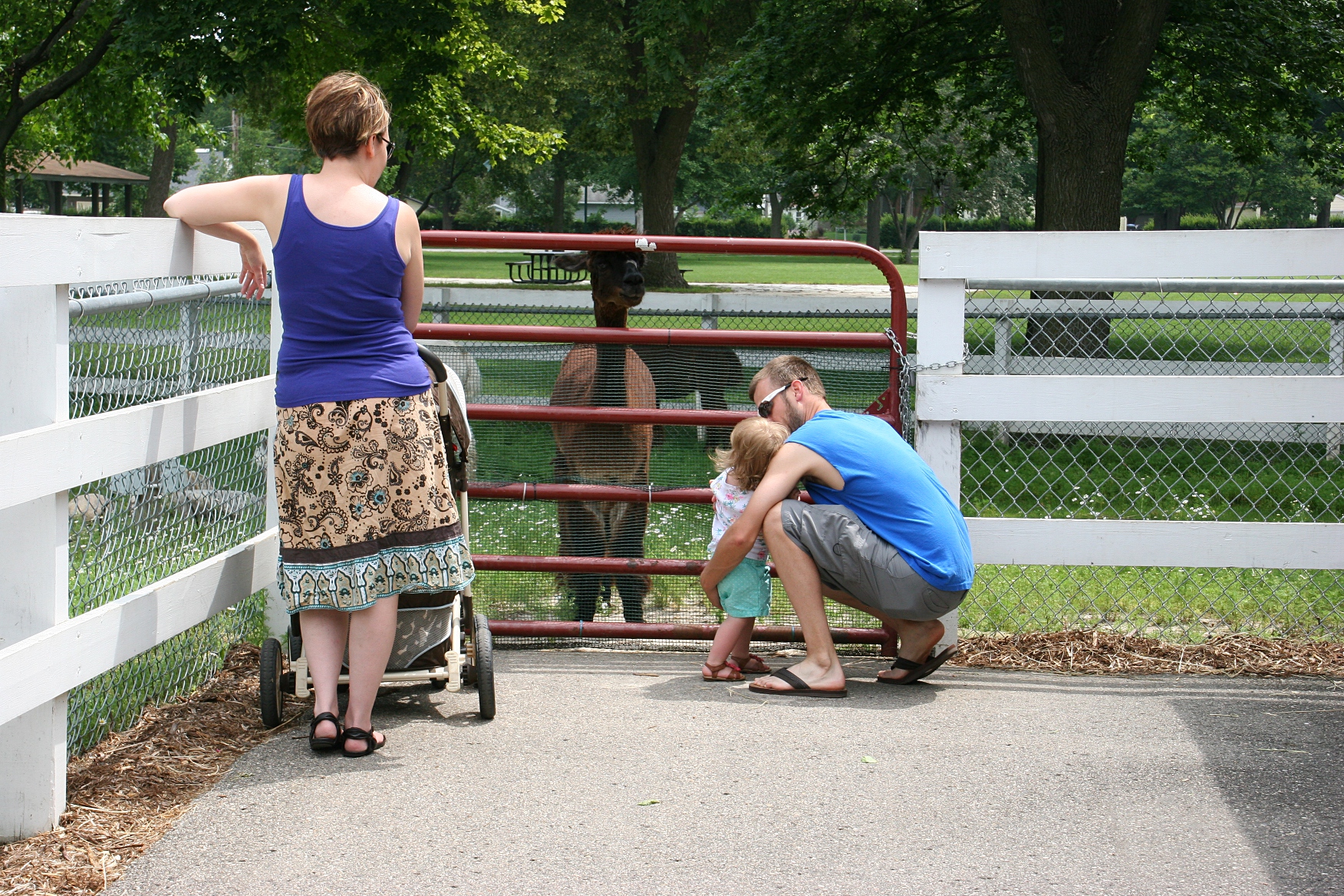
A young family checks out the alpacas.

A young family checks out the alpacas.

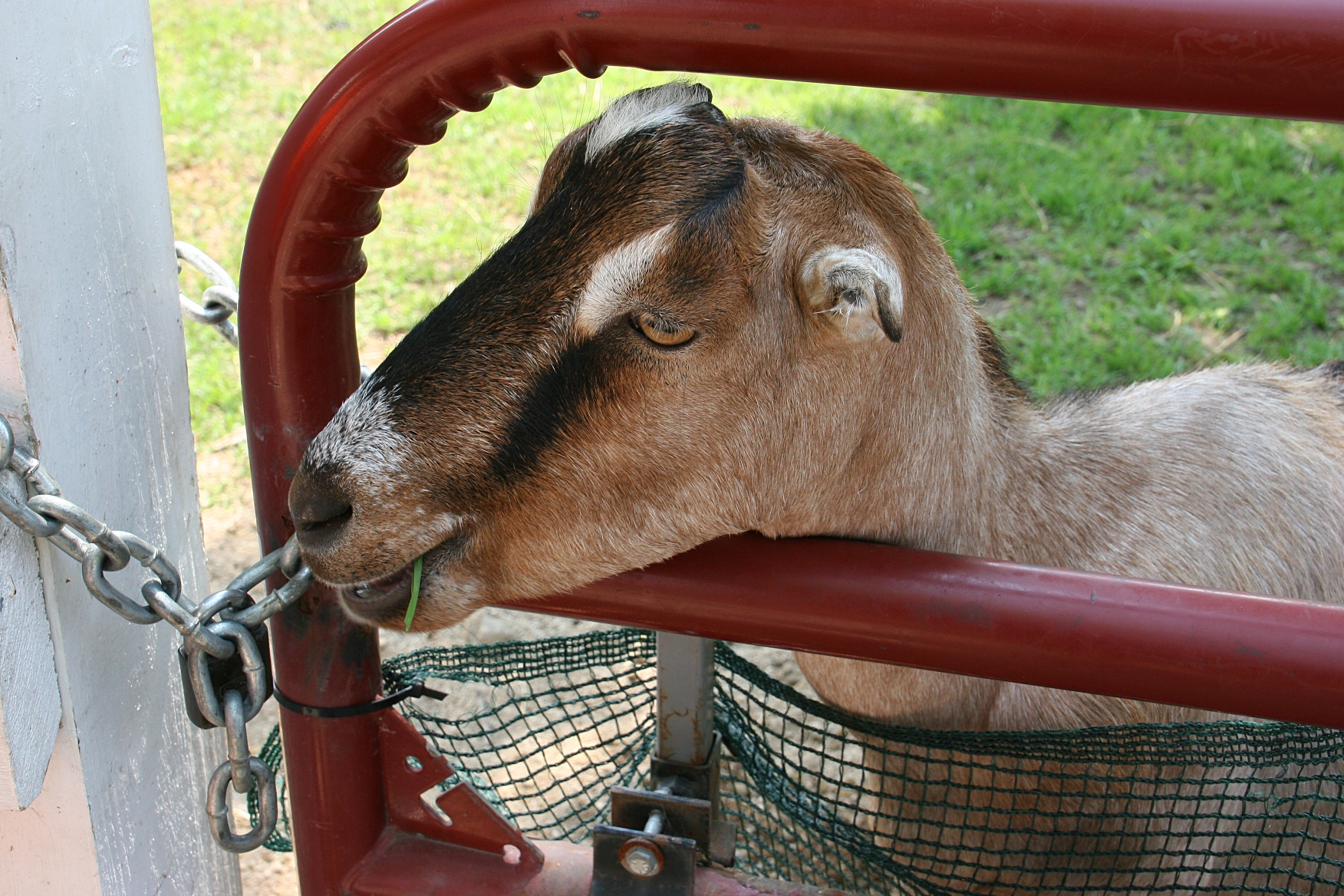
When I got to the pygmy goats, a young boy was feeding them grass.

When I got to the pygmy goats, a young boy was feeding them grass.

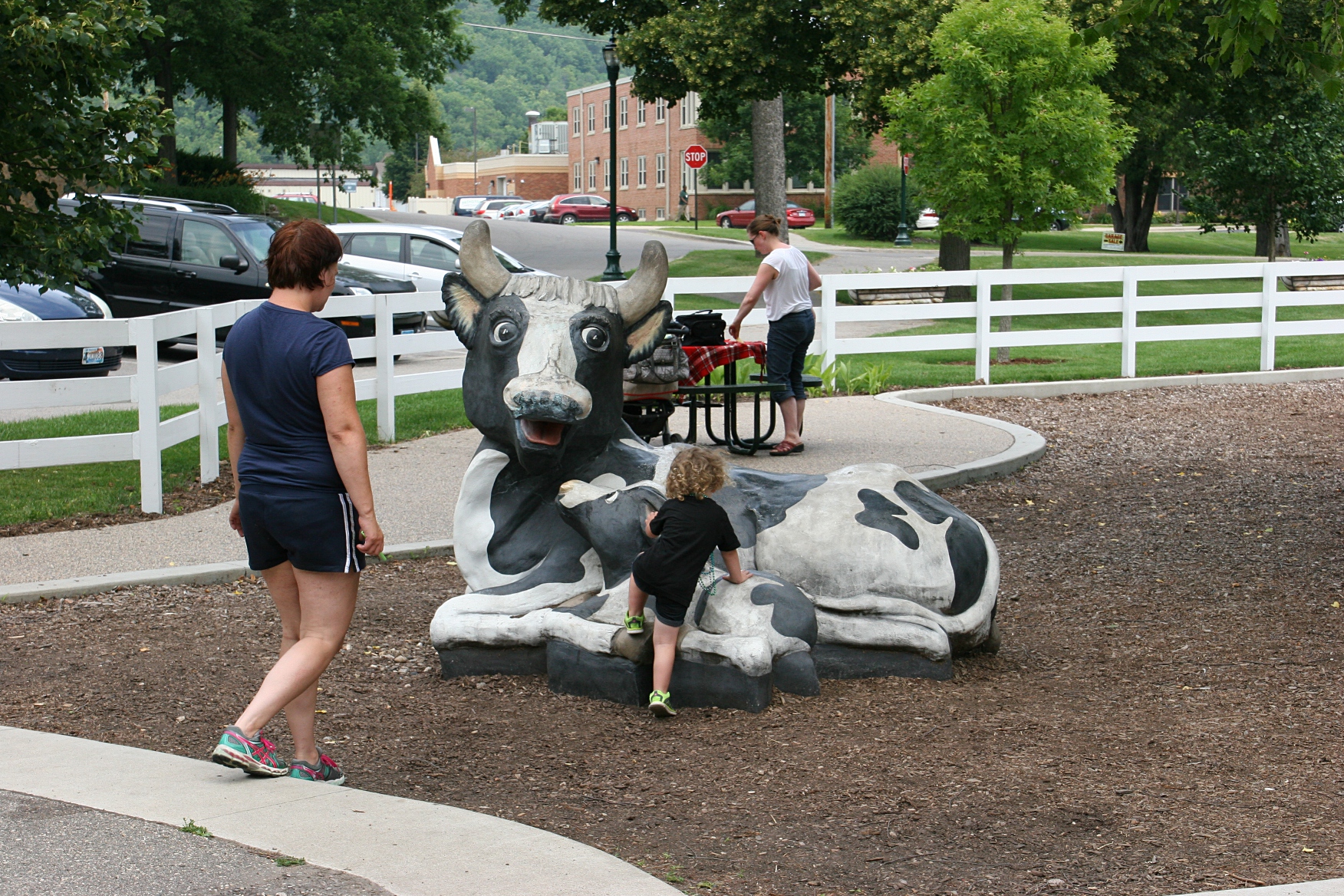
The farm animal sculptures provide perfect photo opportunities.

The farm animal sculptures provide perfect photo opportunities.

This agricultural-themed park makes my farm girl heart happy—to see kids petting farm critters, posing with farm animal statues, racing to tractors, and clamoring onto barn, silo, straw bale and even cornstalk playground equipment. This is a place for families, for anyone who grew up on a farm, and for those who didn’t.

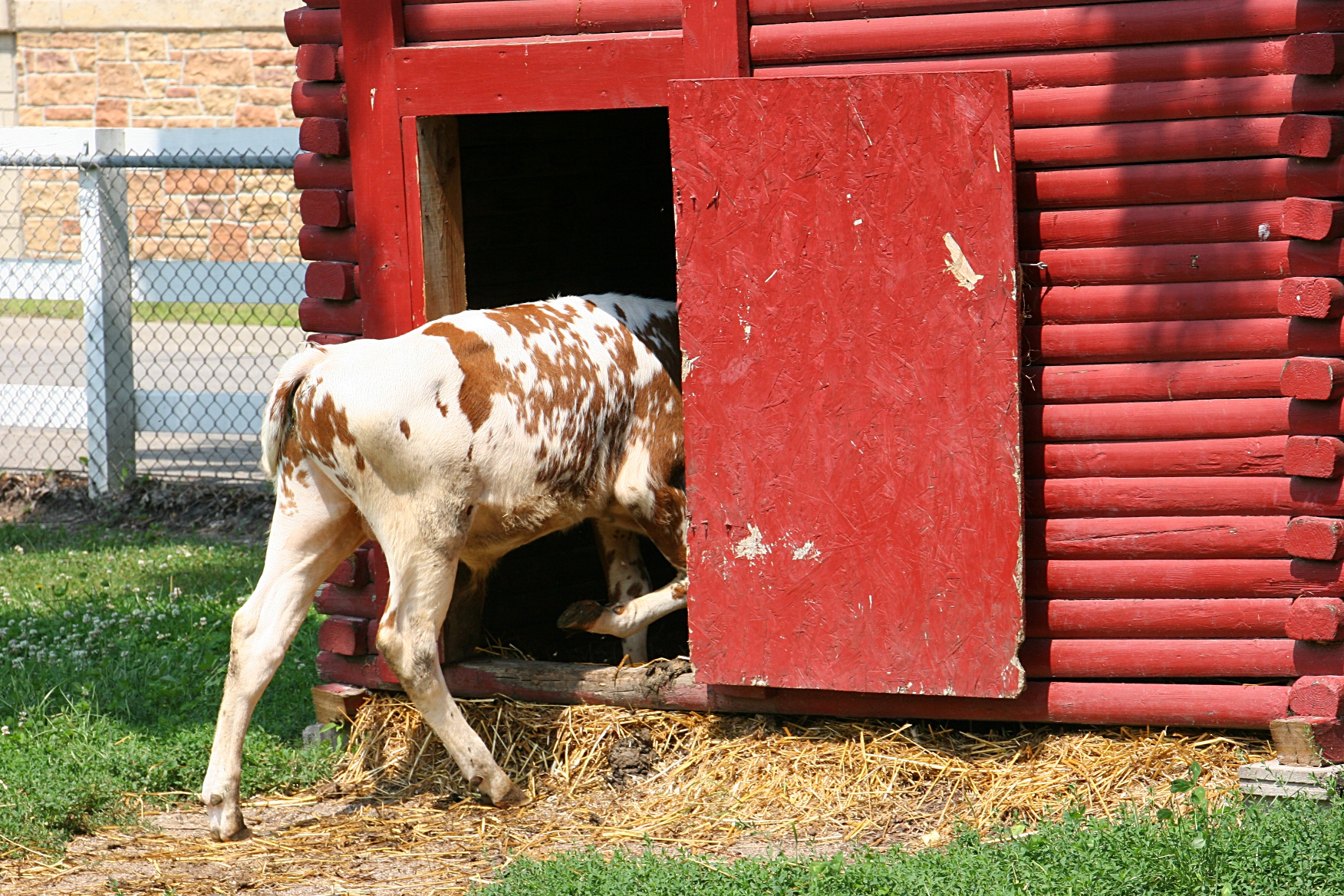
The farm features Ayrshire cattle like this one seeking shelter in the heat of a summer afternoon.

The farm features Ayrshire cattle like this one seeking shelter in the heat of a summer afternoon.

We need to hold onto our rural heritage. And one way to do that is through parks like Sibley Farm.

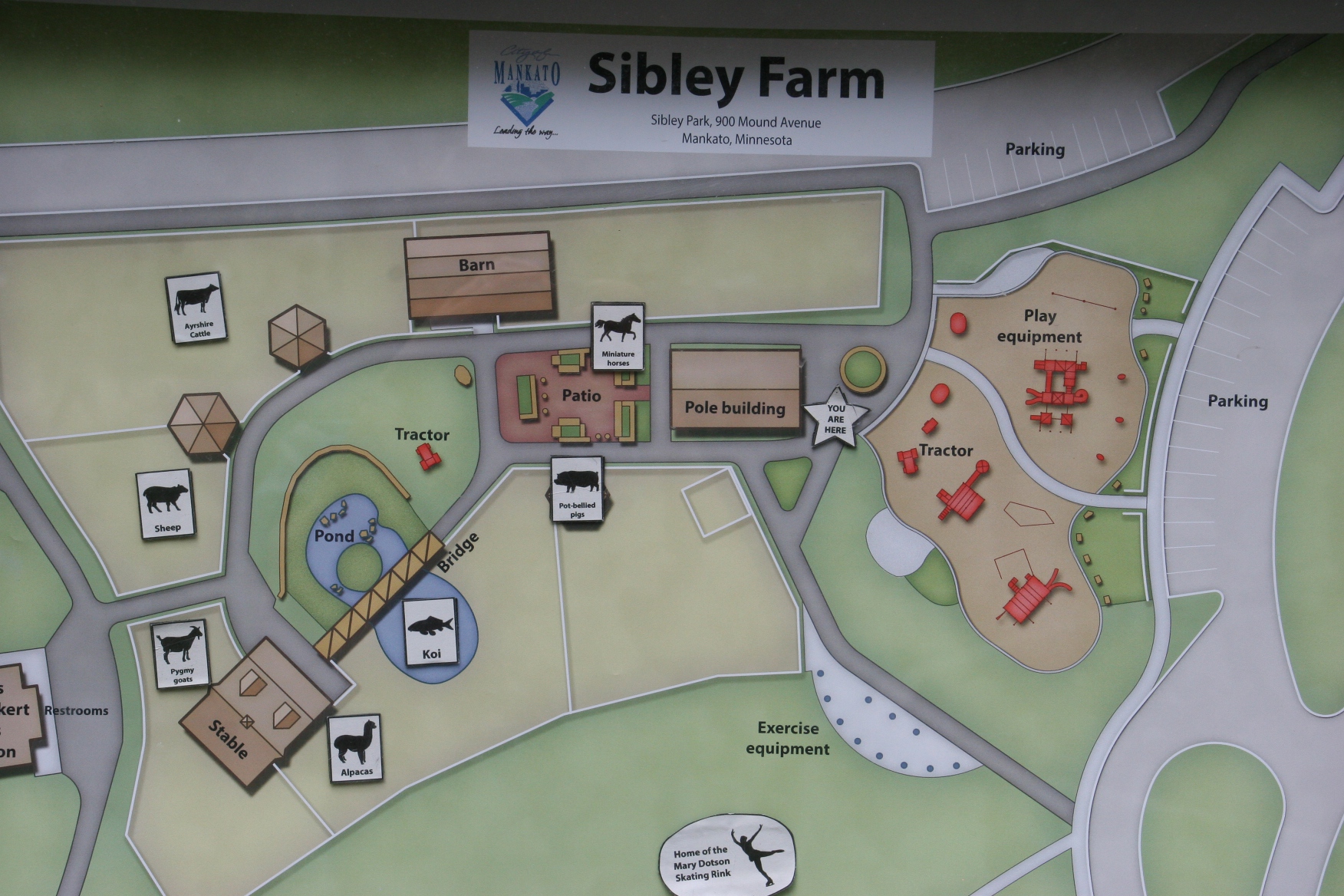
Your guide to Sibley Farm in Mankato.

Sibley Farm’s lay-out.

FYI: Sibley Farm is located at 900 Mound Avenue and is open daily from 6:30 a.m. – 10:30 p.m. mid-spring, summer and early fall. Admission is free. Click here to read a 2011 post I wrote about a goat-napping caper at this very park.

BONUS PHOTOS:

A sign at the playground.

A sign at the playground.

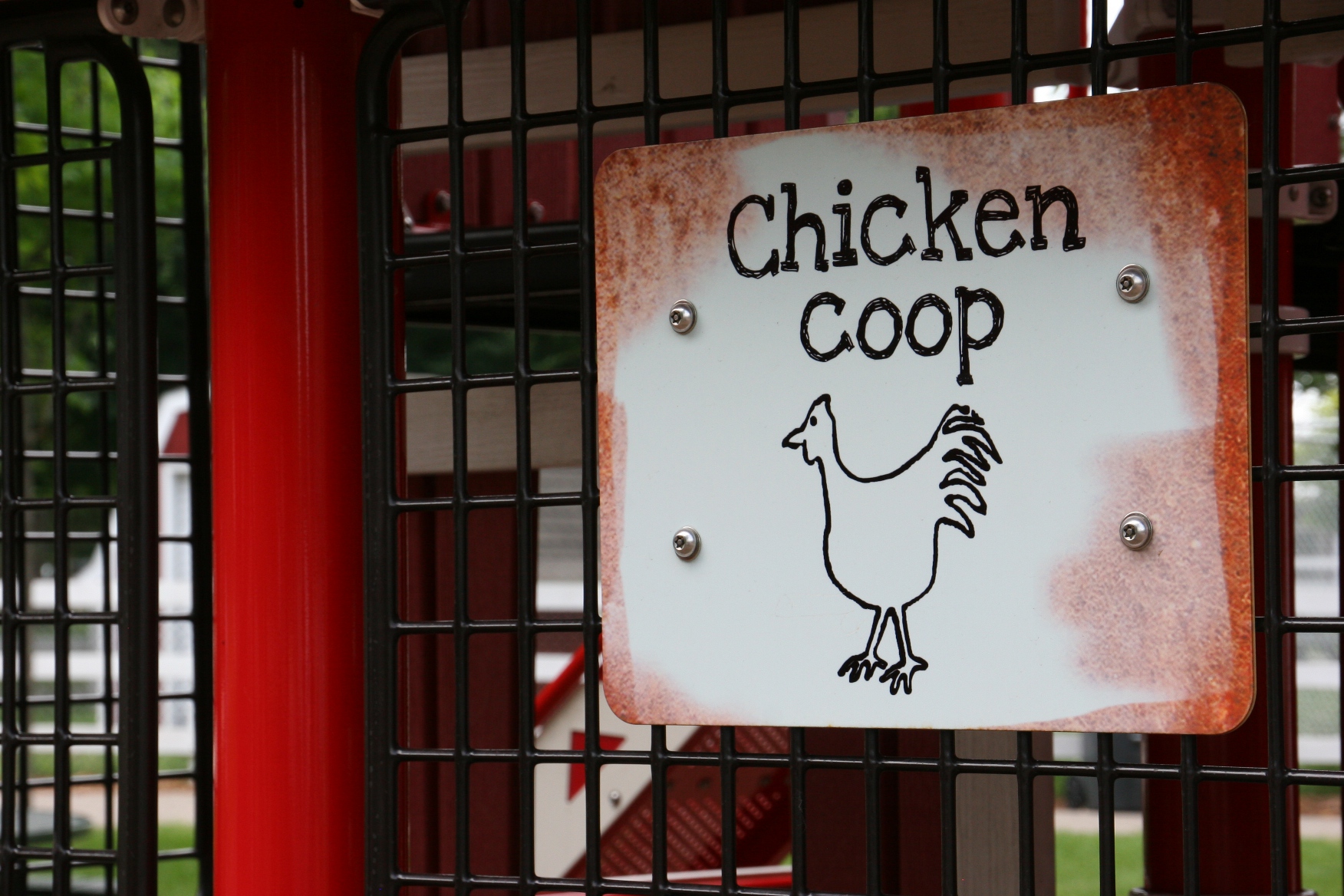
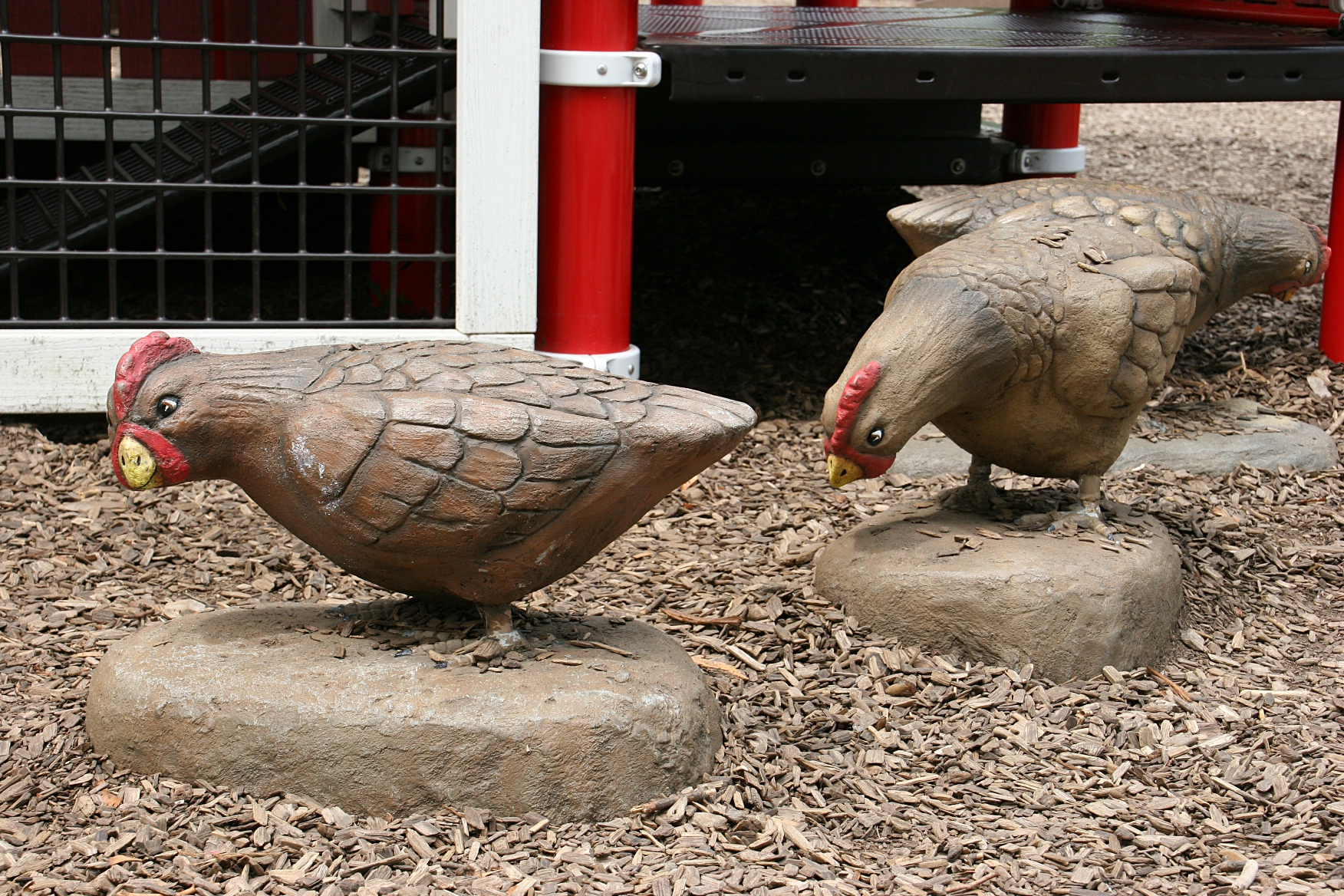
And the chickens.

The playground chickens.

I absolutely love the creativity of the playground cornstalks.

I absolutely love the creativity of the climbing apparatus designed to look like cornstalks.

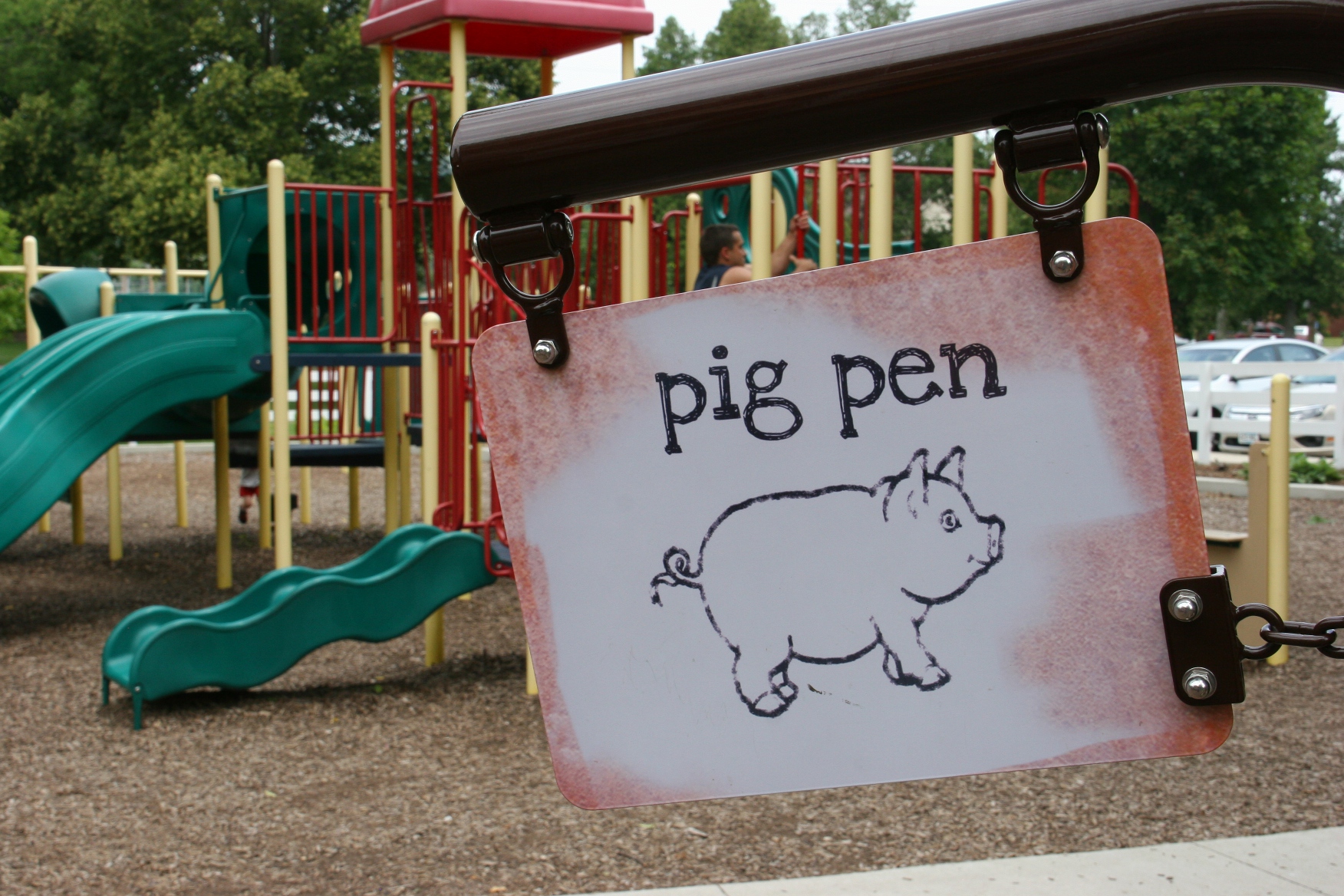
Love the signage at the farm-themed playground. There's also traditional playground equipment, background.

Love the signage at the farm-themed playground. There’s also traditional playground equipment, background.

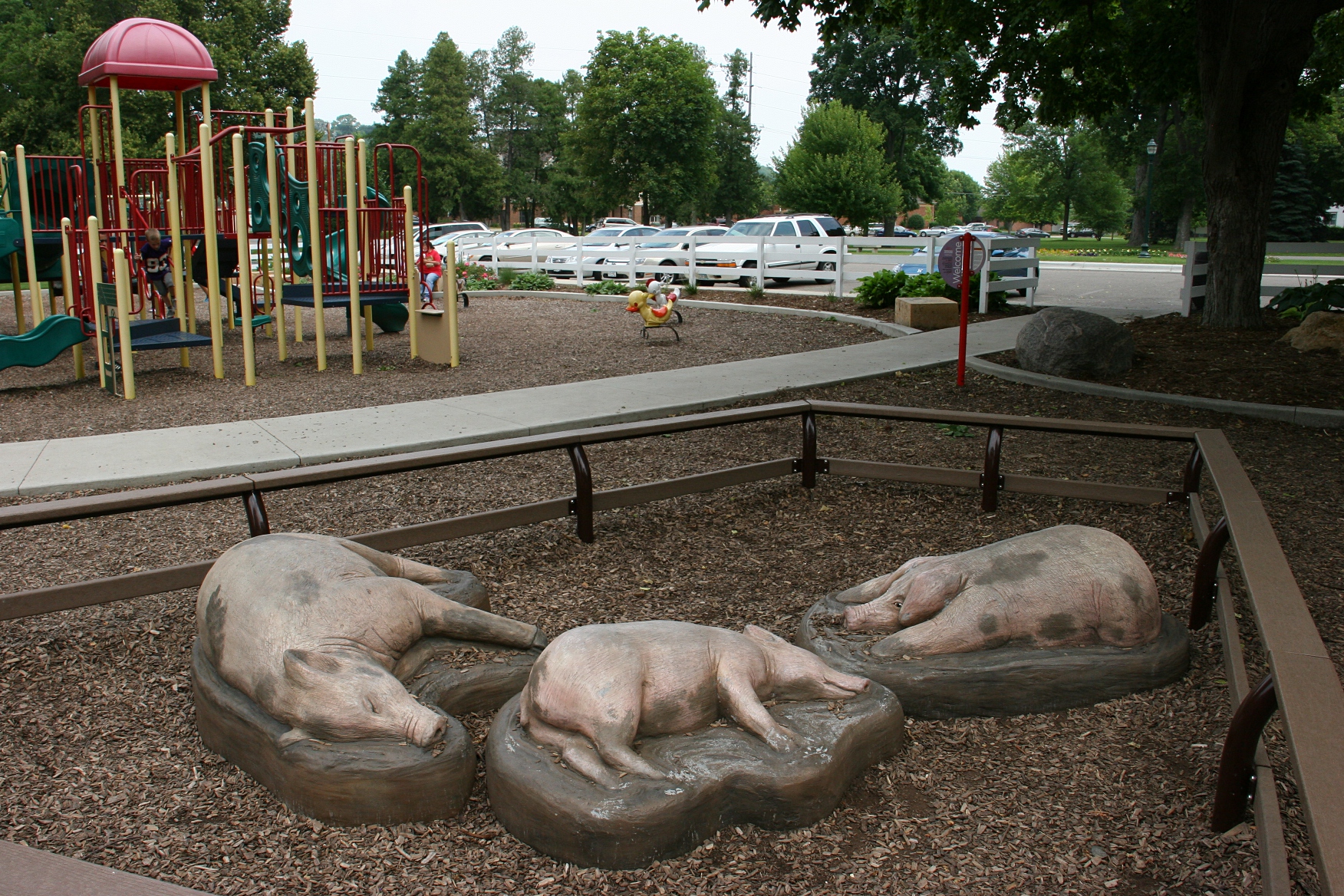
Playground pig sculptures.

Playground pig sculptures.

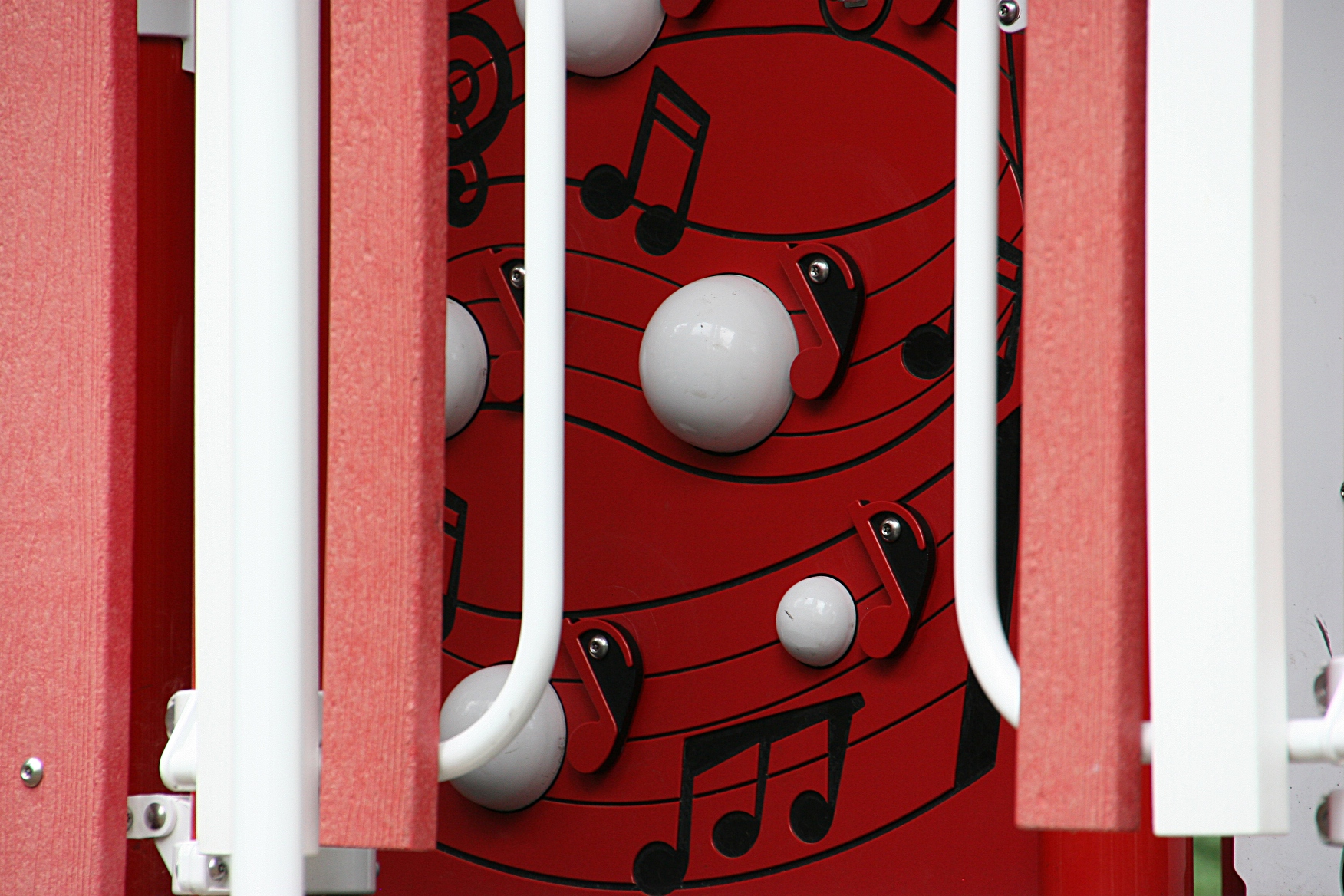
A musical detail on the playground.

A musical detail on the playground.

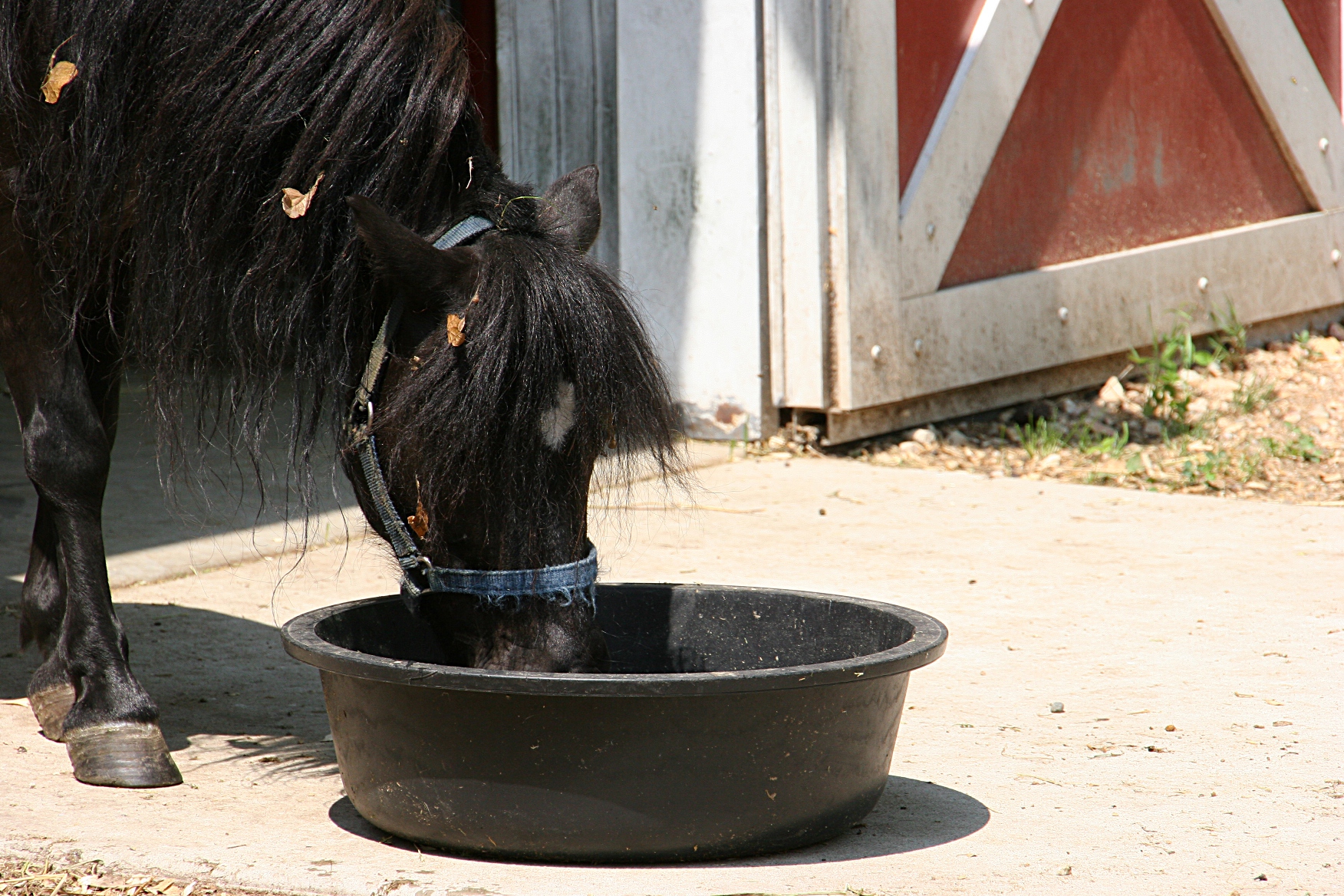
The miniature ponies are kid-sized friendly.

The miniature horses are kid-sized friendly.

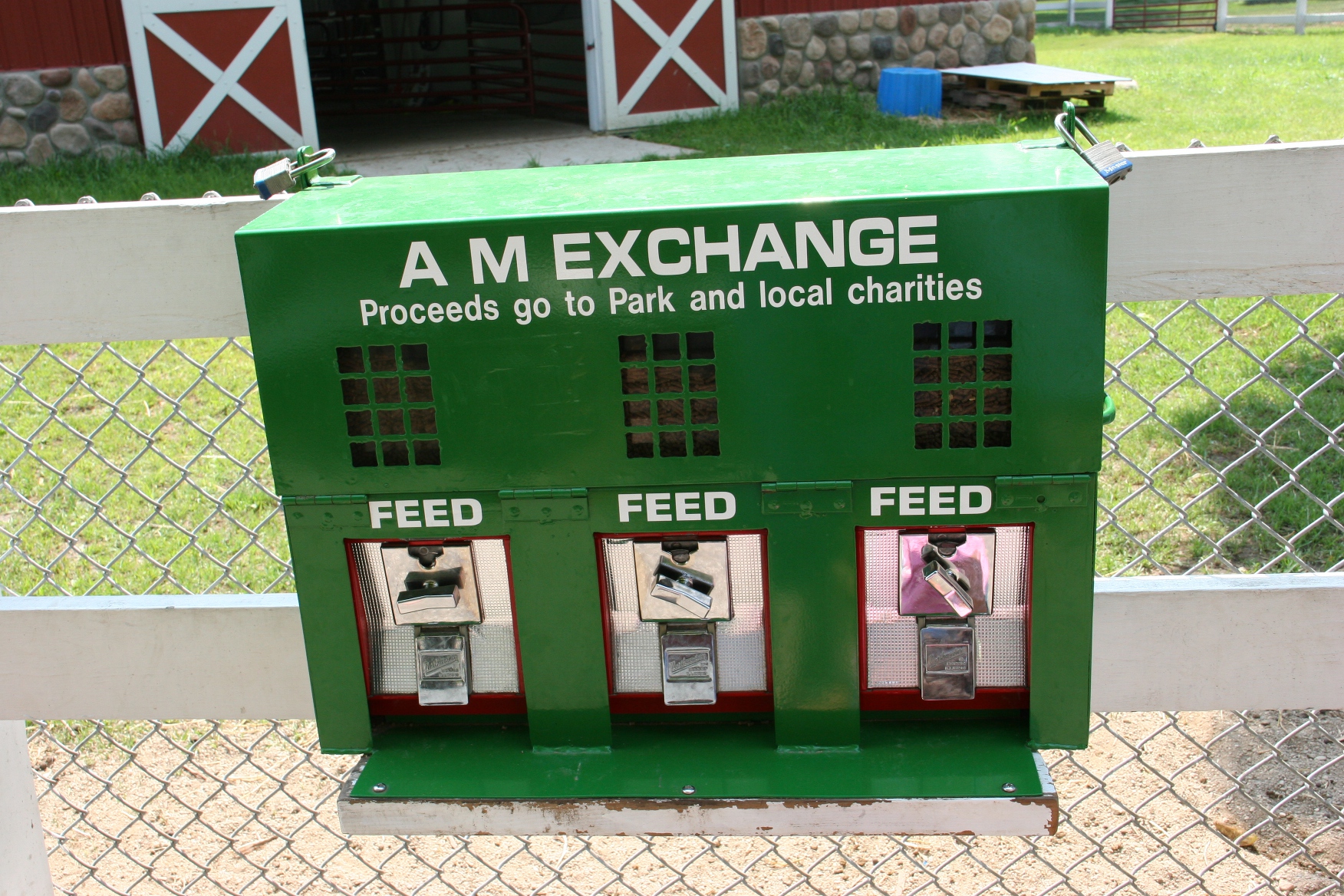
Bring coins so kids can feed the animals.

Bring coins so kids can feed the animals.

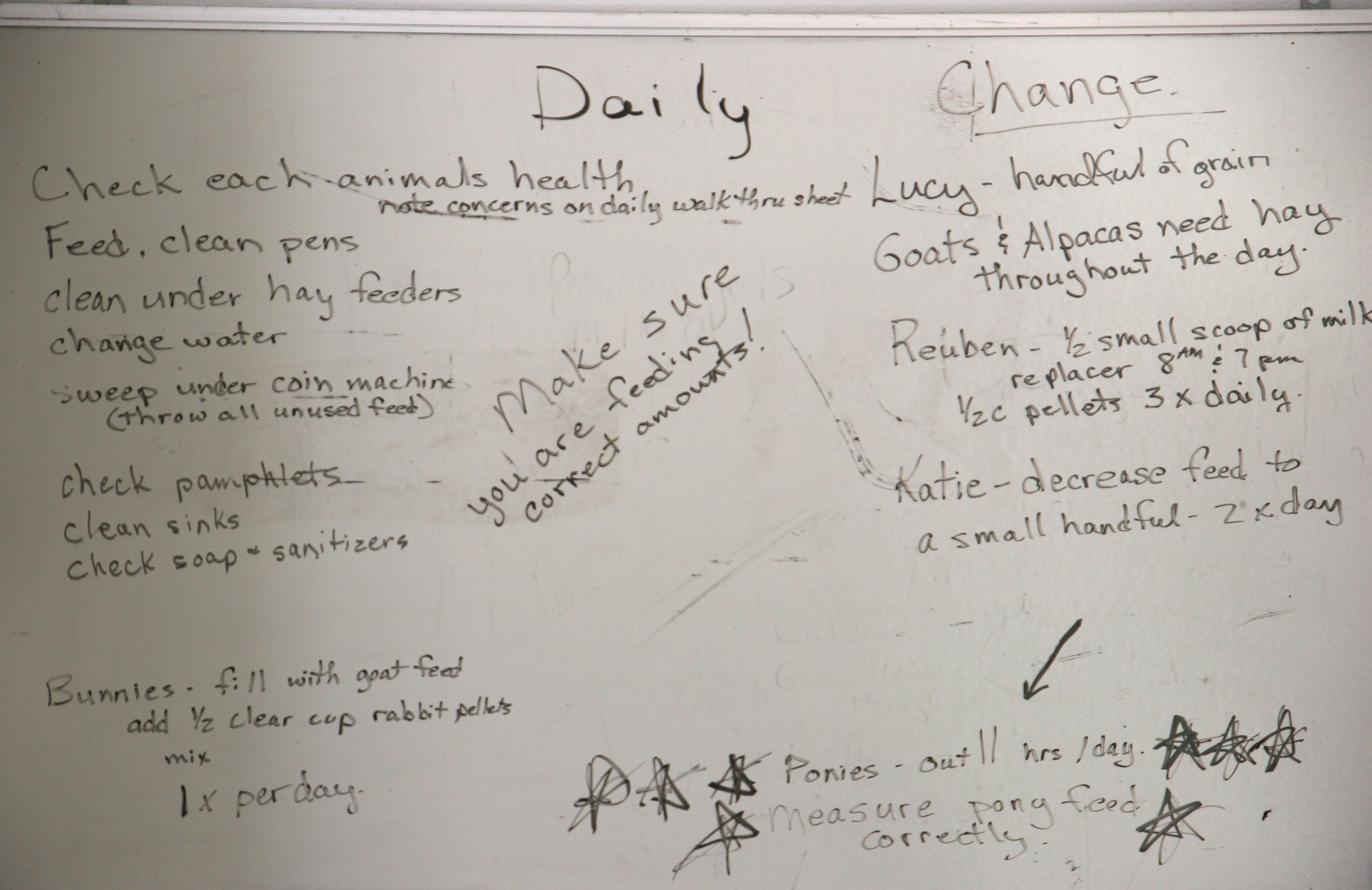
Daily instructions posted inside the barn for employees.

Daily instructions posted inside the barn.

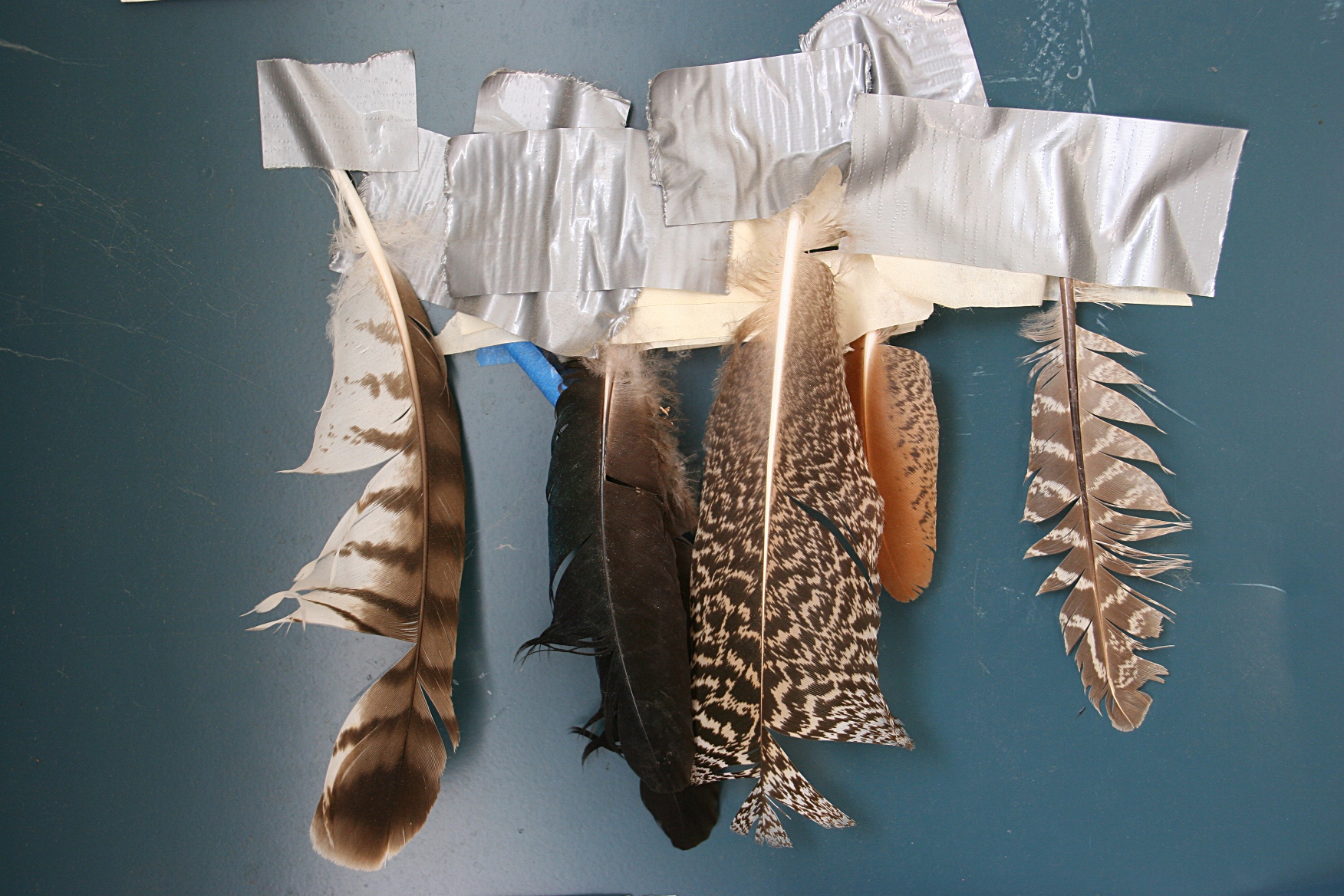
Found feathers displayed in the barn.

Found feathers displayed in the barn.

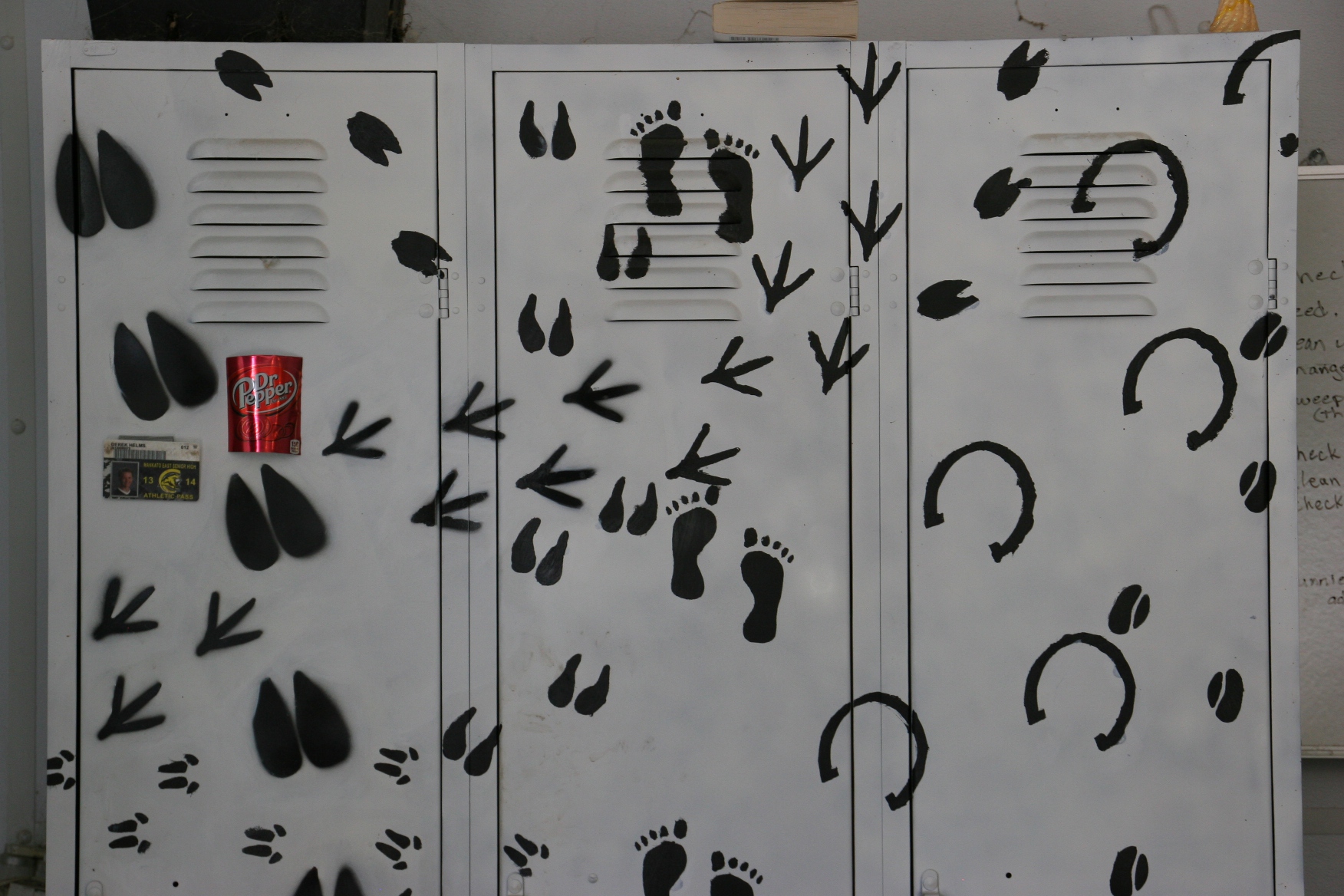
Appropriately printed lockers.

Appropriately printed lockers.

CHECK BACK TOMORROW for a similar, but much smaller, project proposed for the Redwood Falls Public Library.

© Copyright 2015 Audrey Kletscher Helbling


From Colorado to Minnesota: Peaches, peaches & more peaches August 17, 2015

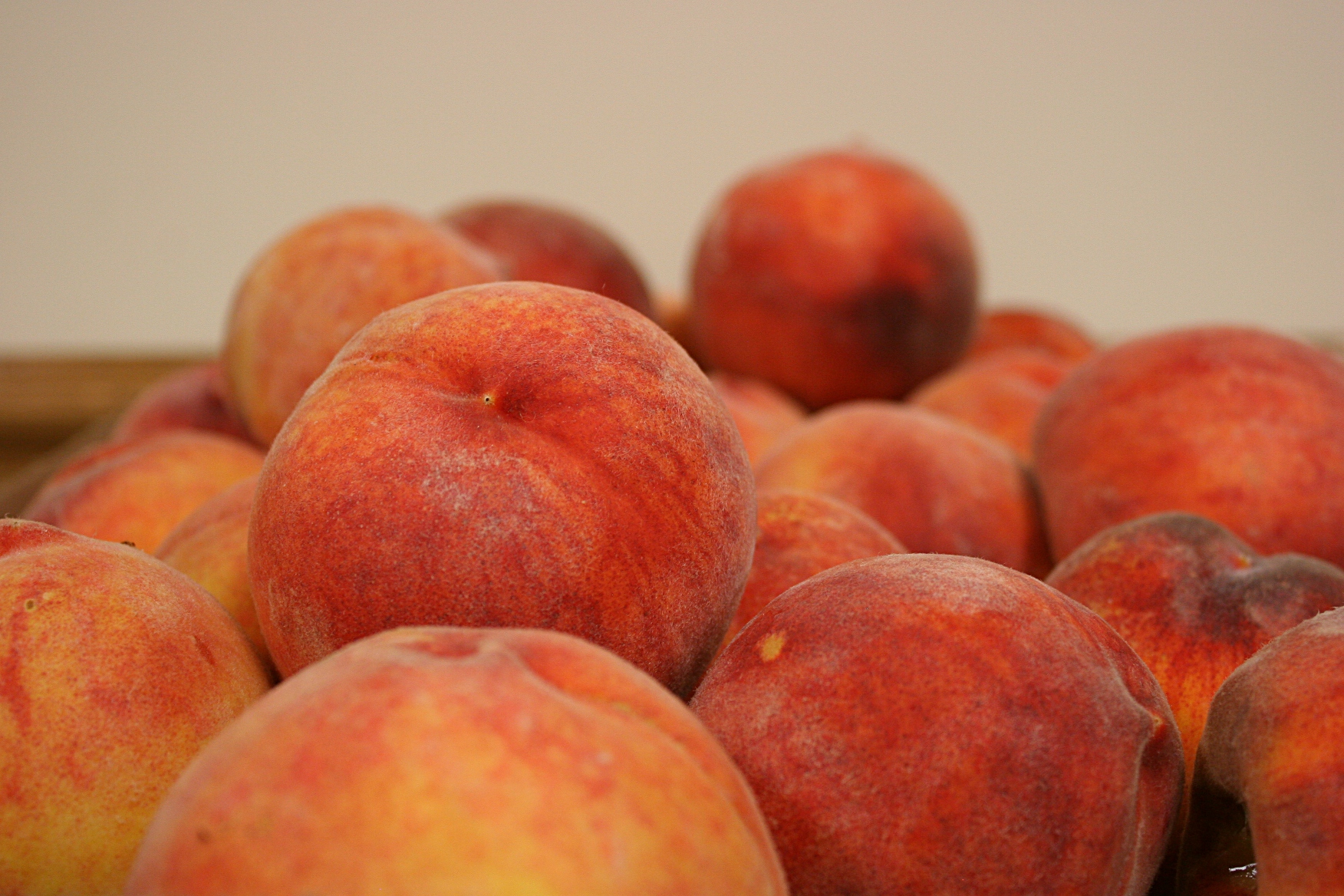
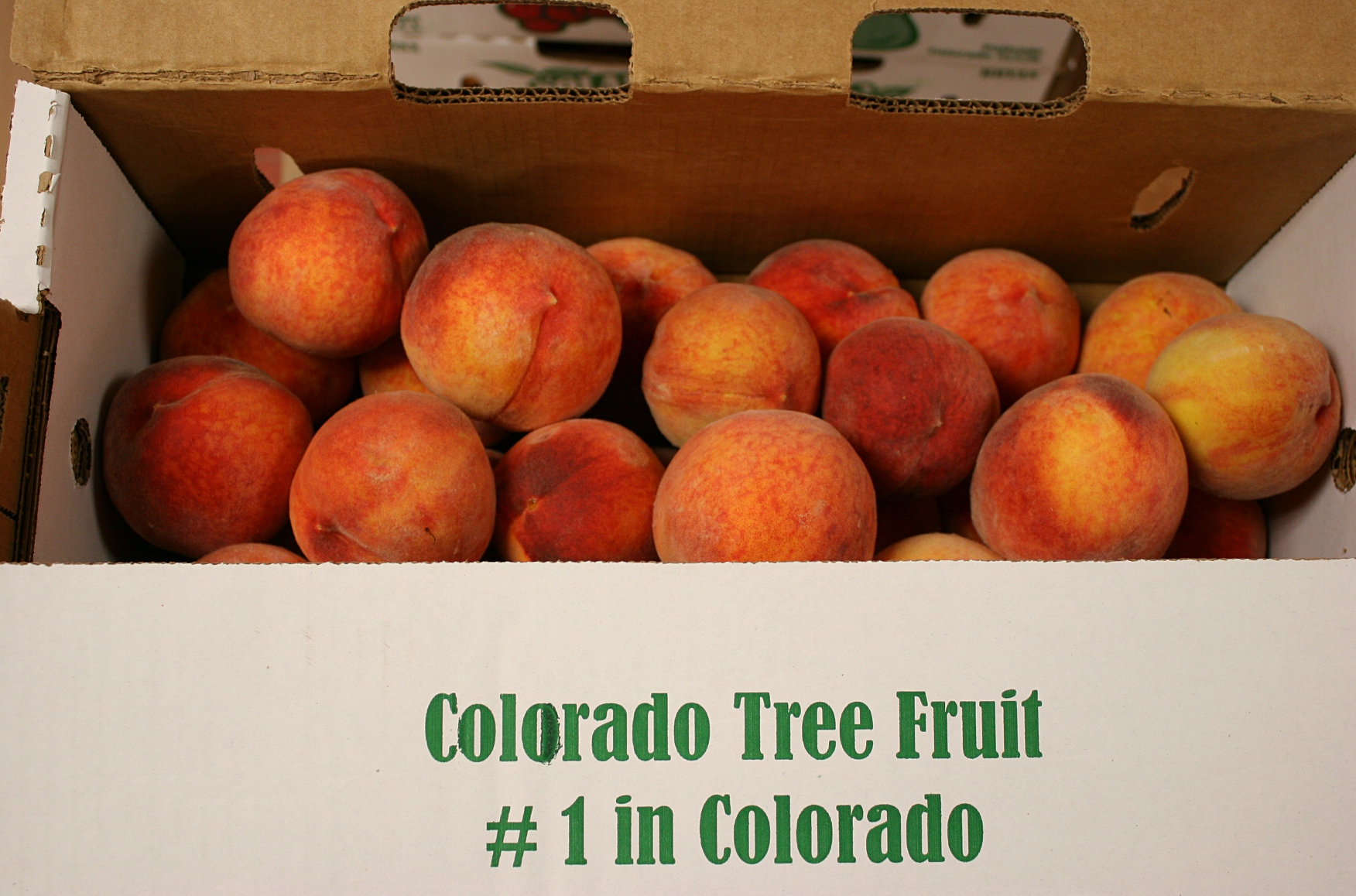
Colorado peaches

Colorado peaches

PEACHES AND CREAM. It is how I ate fresh peaches as a Minnesota farm kid. Chunked peaches drenched with cream in a bowl. To this day they remain one of my favorite fruits, as much for the taste as for the memories.

Today's peaches are packed in cardboard boxes rather than wooden crates.

Today’s peaches are packed in cardboard boxes rather than wooden crates.

Every summer Mom would pick up a slated wooden crate of peaches from the local grocer. She pried the lid open and then we carefully unwrapped the peaches from pinkish tissue, setting the tissue squares aside for use later in the outhouse. Next we slid the peaches into boiled water to loosen the skins. Soon Mom was slipping sliced peaches into Mason and Ball jars and packing the jars into a pressure cooker. When the jars had cooled, the lids sealed, she gathered the preserved fruit to store in the cellar.

Then, on the coldest of winter evenings, Mom lifted a door hidden in the red-and-white checked linoleum kitchen floor and sent me to the cellar. Down the wooden stairs I clomped to the dirt-floored cellar lit by a single bare bulb. There, in the earthy shadows, I searched for a quart of golden peaches. Thin-sliced peaches if the fruit was to serve as a dessert. Half-slices of peaches if Mom planned to serve the fruit as a salad, halves turned up to cup cottage cheese nested upon a leaf of iceberg lettuce.

Today I neither eat peaches with cream or cottage cheese, or even preserved. I prefer mine fresh. And right now I have 39 fresh Colorado peaches—20 pounds—in my refrigerator. That is a lot of peaches for two people to eat. But my husband insists we can do it. He’s right. Several years ago we managed to consume an entire crate of peaches without any spoiling.

Buyers could choose whichever box of peaches they wanted.

Buyers could choose whichever box of peaches they wanted.

I love peaches. And I like supporting a good cause, which is partially why we ordered a box of Colorado peaches. The Community Cathedral Cafe, a coalition of Faribault churches providing a free meal in Faribault every Tuesday evening, sold the peaches as a fundraiser. So did the youth at First English Lutheran Church.

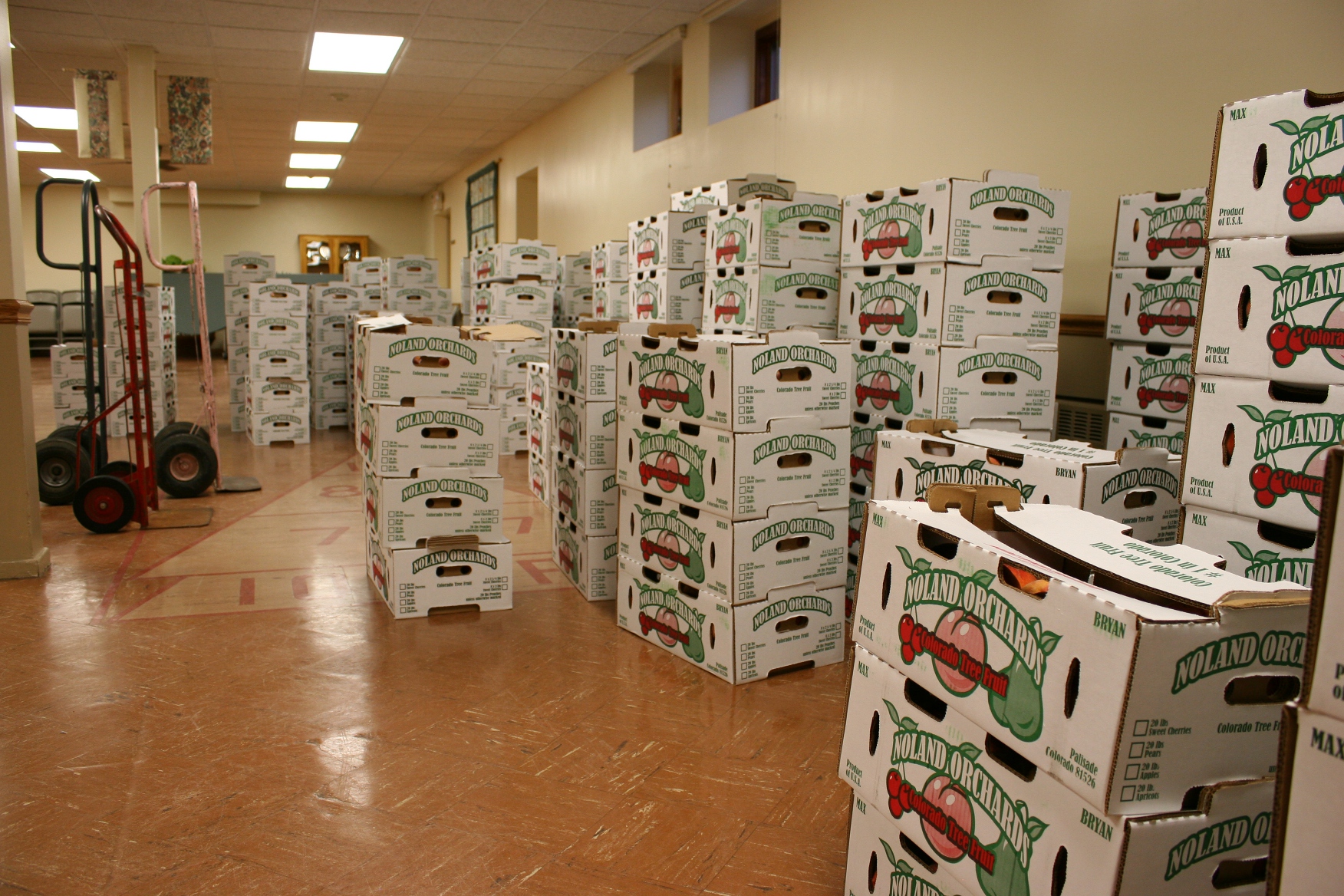
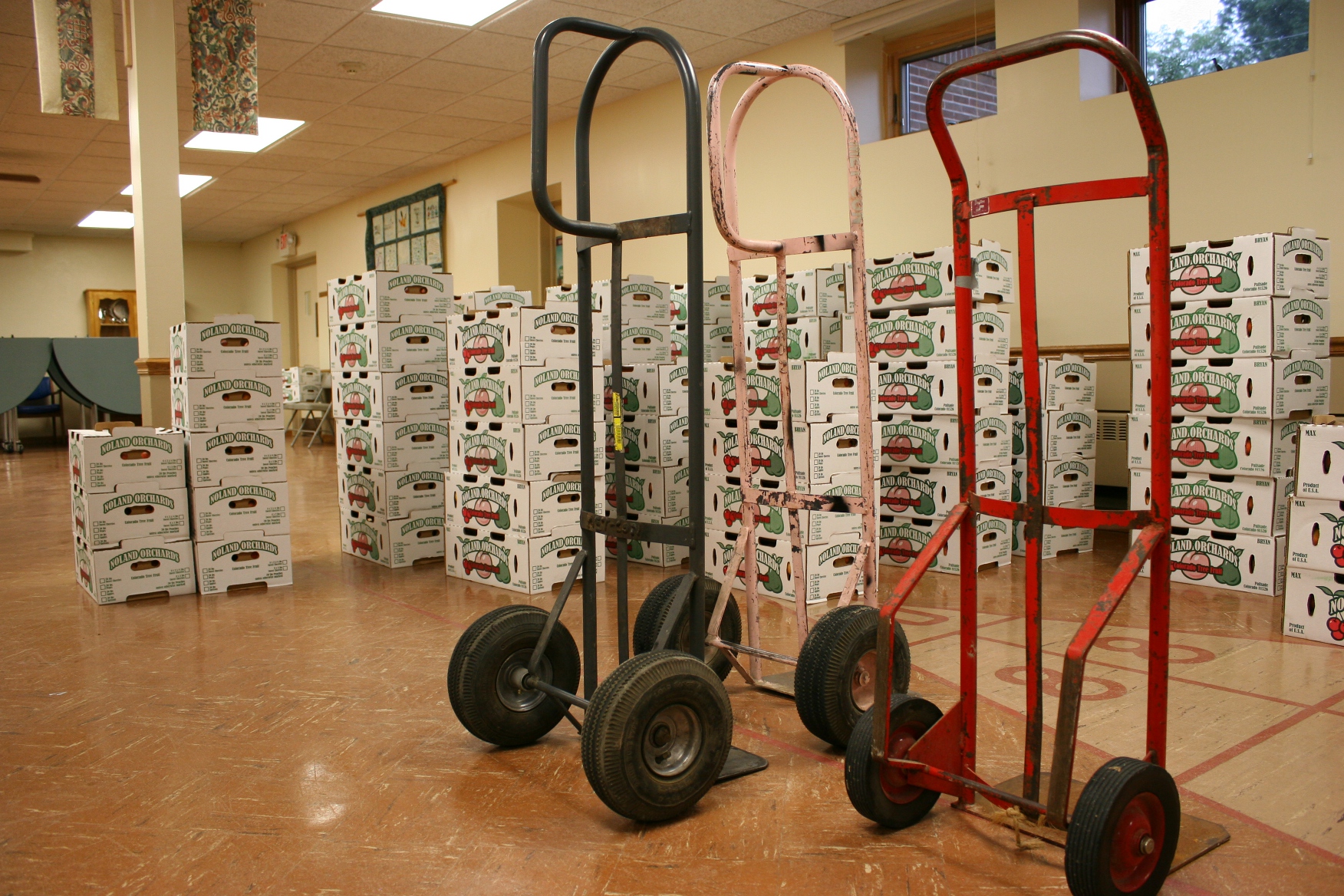
Boxes of peaches await pick-up in the basement of First English Lutheran Church.

Boxes of peaches await pick-up in the basement of First English Lutheran Church.

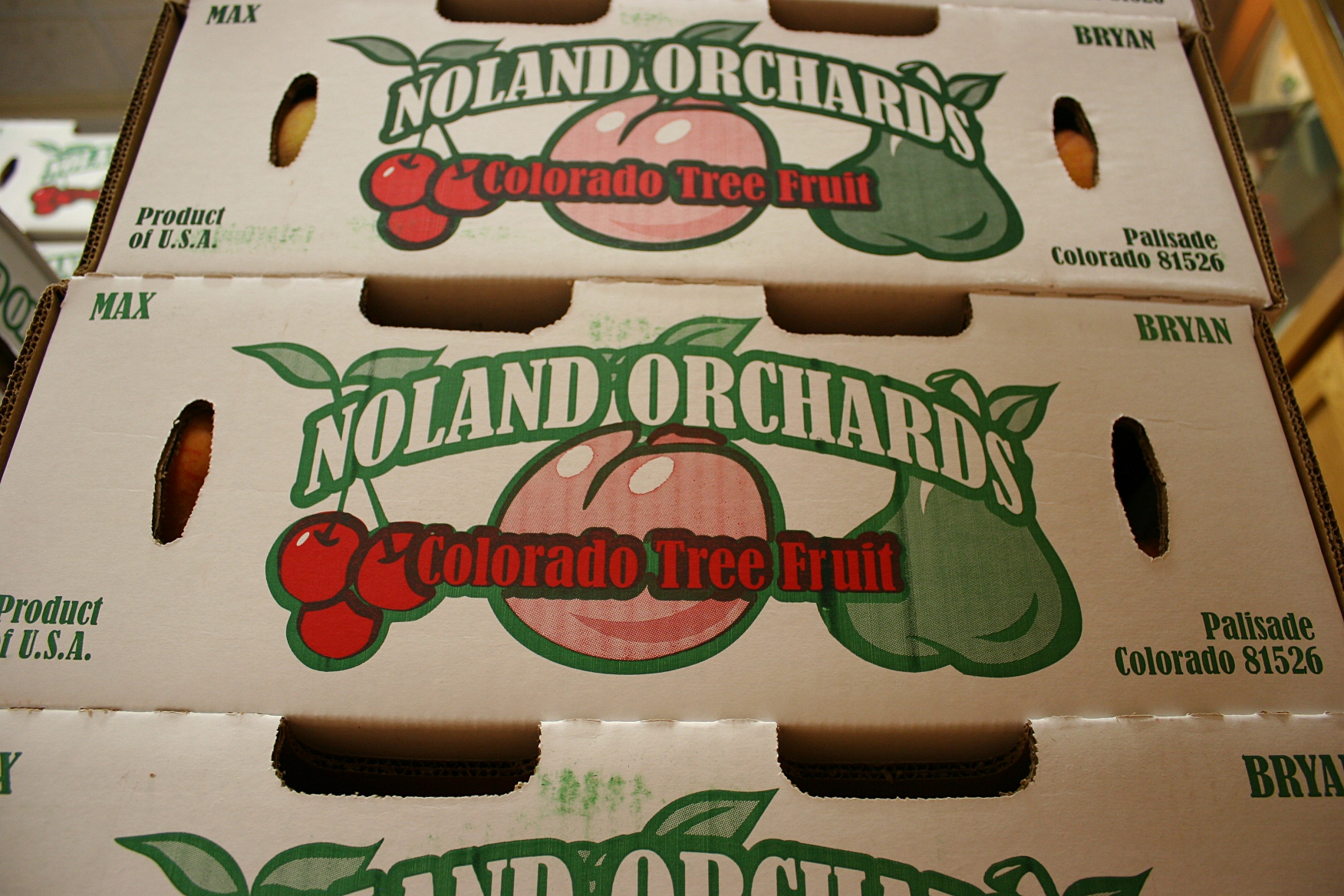
When we picked up our 20-pound box of peaches, I was impressed by the sheer volume of boxes stacked in the refrigerator cold basement of First English. The two groups teamed up to order five pallets of peaches from Noland Orchards, a family fruit farm near “The Peach Capital” of Palisade, Colorado. That’s 400 boxes or 8,000 pounds of peaches, selling for a grand total of $12,800.

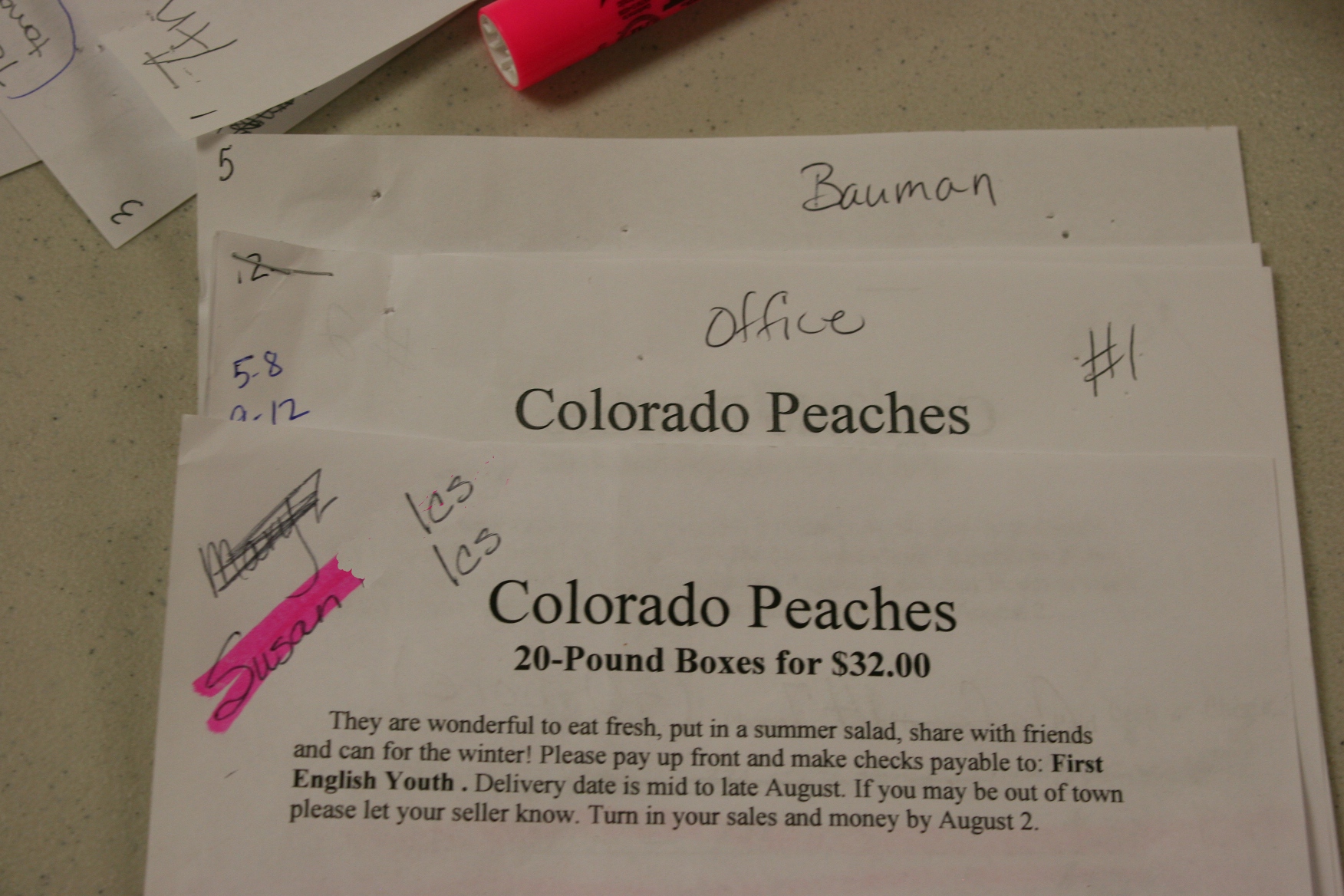
Peach paperwork and suggestions on how to eat peaches.

Peach paperwork and suggestions on how to use the peaches.

So now I’m looking for recipes to use these peaches. If you have a favorite, pass it on. That’d be mighty peachy of you.

BONUS PHOTOS:

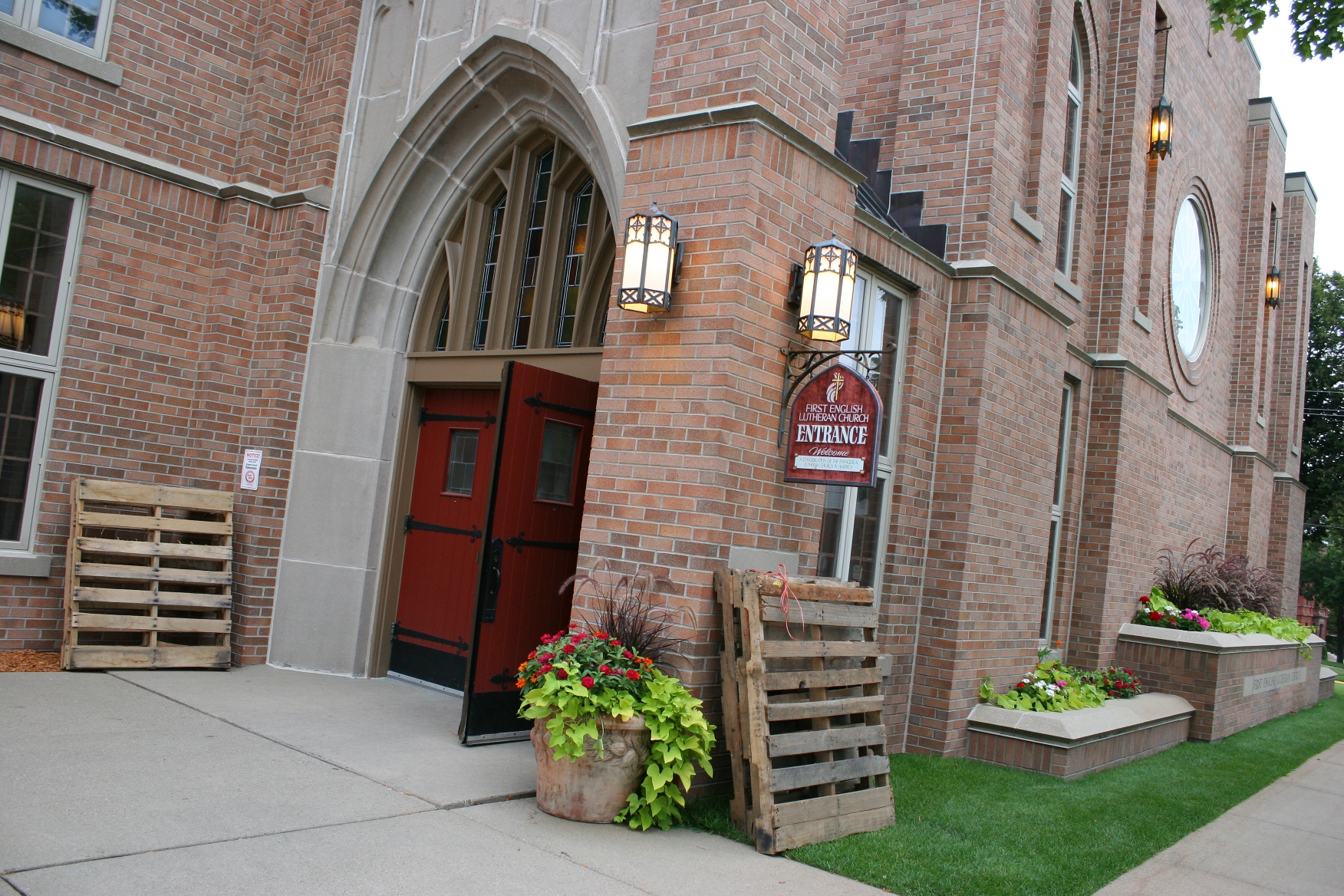
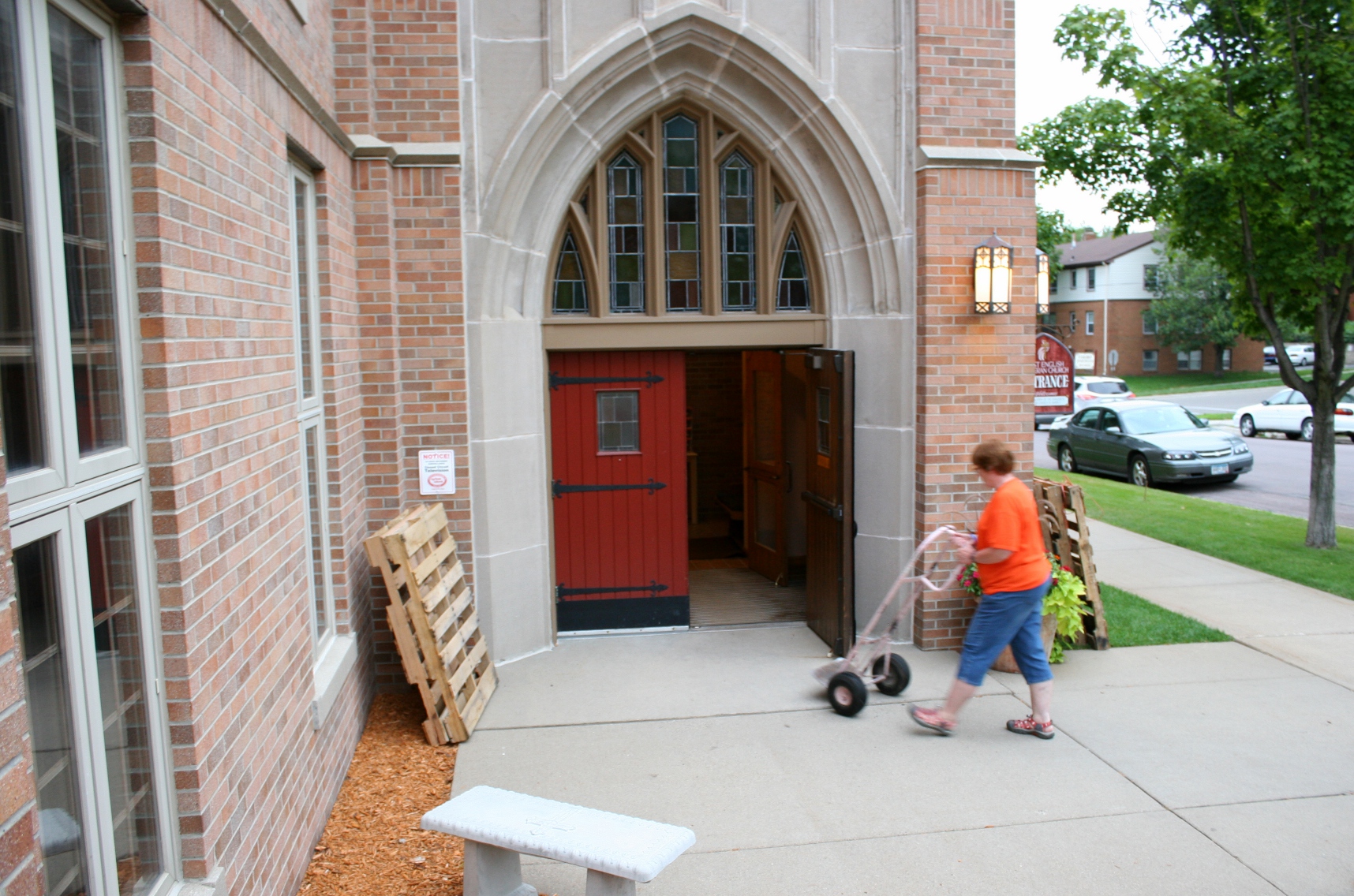
Entry to the peach pick-up site at First English Lutheran Church in Faribault.

Entry to the peach pick-up site at First English Lutheran Church in Faribault. The pallets have already been claimed for repurposing into artwork and more.

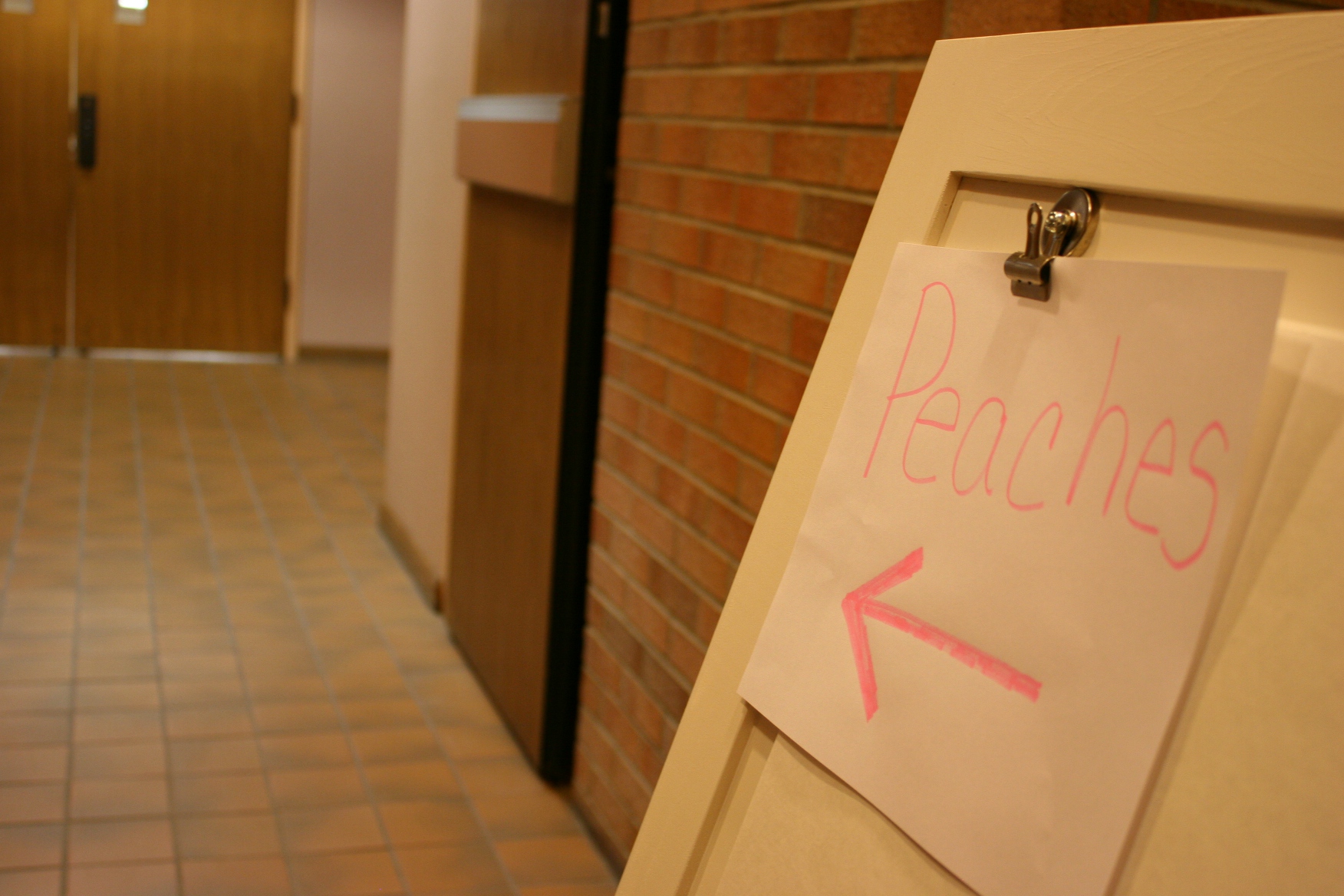
Simple directions once inside.

Simple directions once inside.

Carts are on hand to transport boxes from basement to vehicle.

Carts are on hand to transport boxes from basement to vehicle.

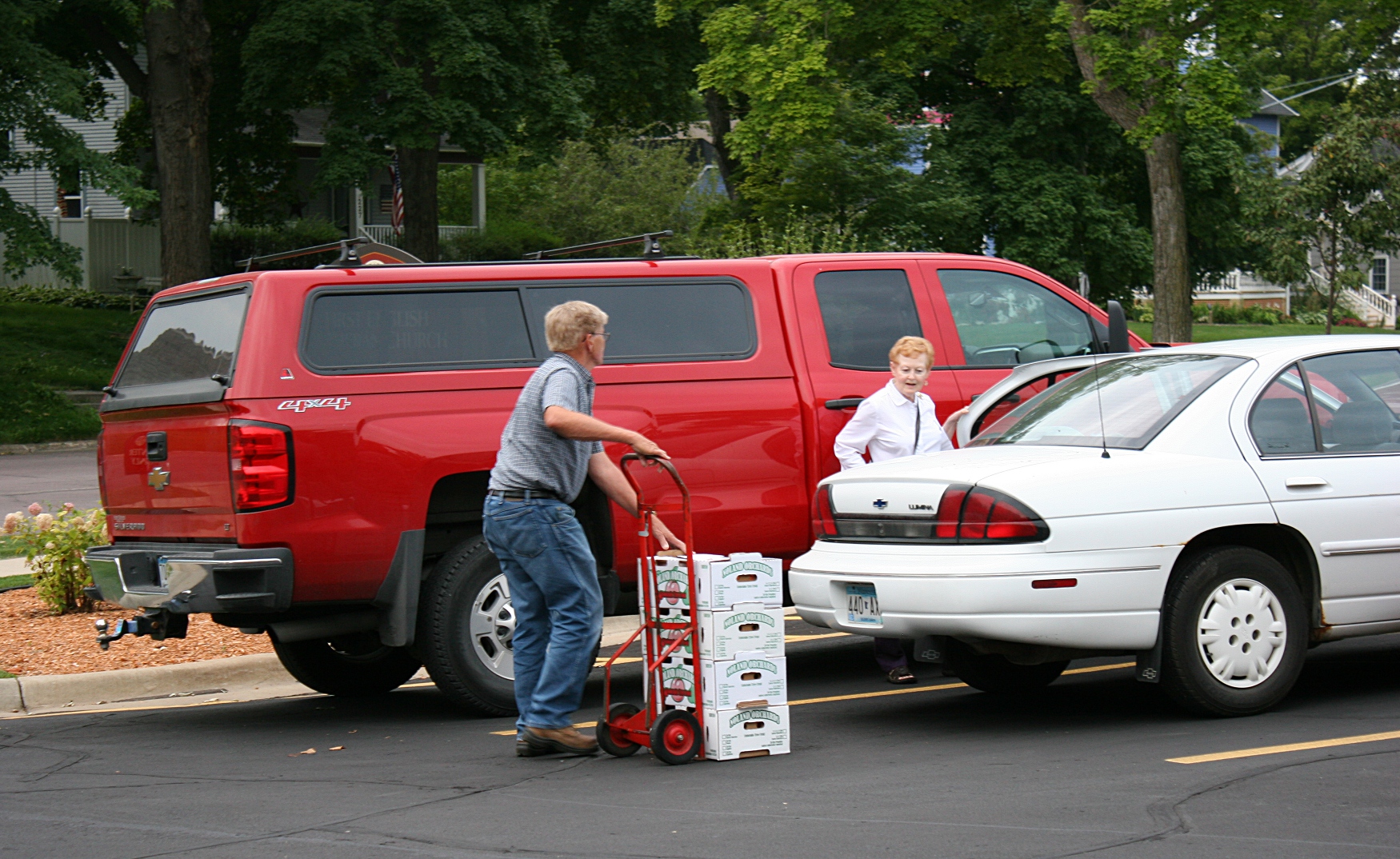
Volunteers are available to wheel peaches outside and load into vehicles.

Volunteers are available to wheel peaches outside and load into vehicles.

And when that task is done, back inside the volunteers go to await the next customer who has preordered a box of peaches.

And when that task is done, back inside the volunteers go to await the next customer who has preordered a box of peaches.

© Copyright 2015 Audrey Kletscher Helbling


Hold onto hope August 16, 2015

Filed under: Uncategorized — Audrey Kletscher Helbling @ 5:00 AM
Tags: , , ,
My great niece Kiera painted this stone, which I got at a recent family reunion.

My great niece Kiera painted this stone, which I got at a recent family reunion. It now sits on my office desk as a treasured reminder of hope.

HOPE.

It is sometimes an elusive word, missing from the sentences of our days, deleted from our lives, absence from our thoughts.

Life situations and difficulties and challenges overtake us. Stress and worry weigh upon us, squashing hope. Peace vanishes.

But then something changes. A friend encourages. You read uplifting words. A song—what if your blessings come through raindropsstrikes a chord of hope.

Hope begins to ease back into your days, into your thoughts, into your outlook. You see, read and hear hope: Be joyful in hope, patient in affliction, faithful in prayer. (Romans 12:12).

The stressors may remain. But now you hold hope, sweet sweet hope.

© Copyright 2015 Audrey Kletscher Helbling


Minnesota Faces: The Kool-Aid Kids August 14, 2015

Filed under: Uncategorized — Audrey Kletscher Helbling @ 5:00 AM
Tags: , , , , ,

Portrait #35: Kool-Aid vendors Quinlan, Jazmyn and William

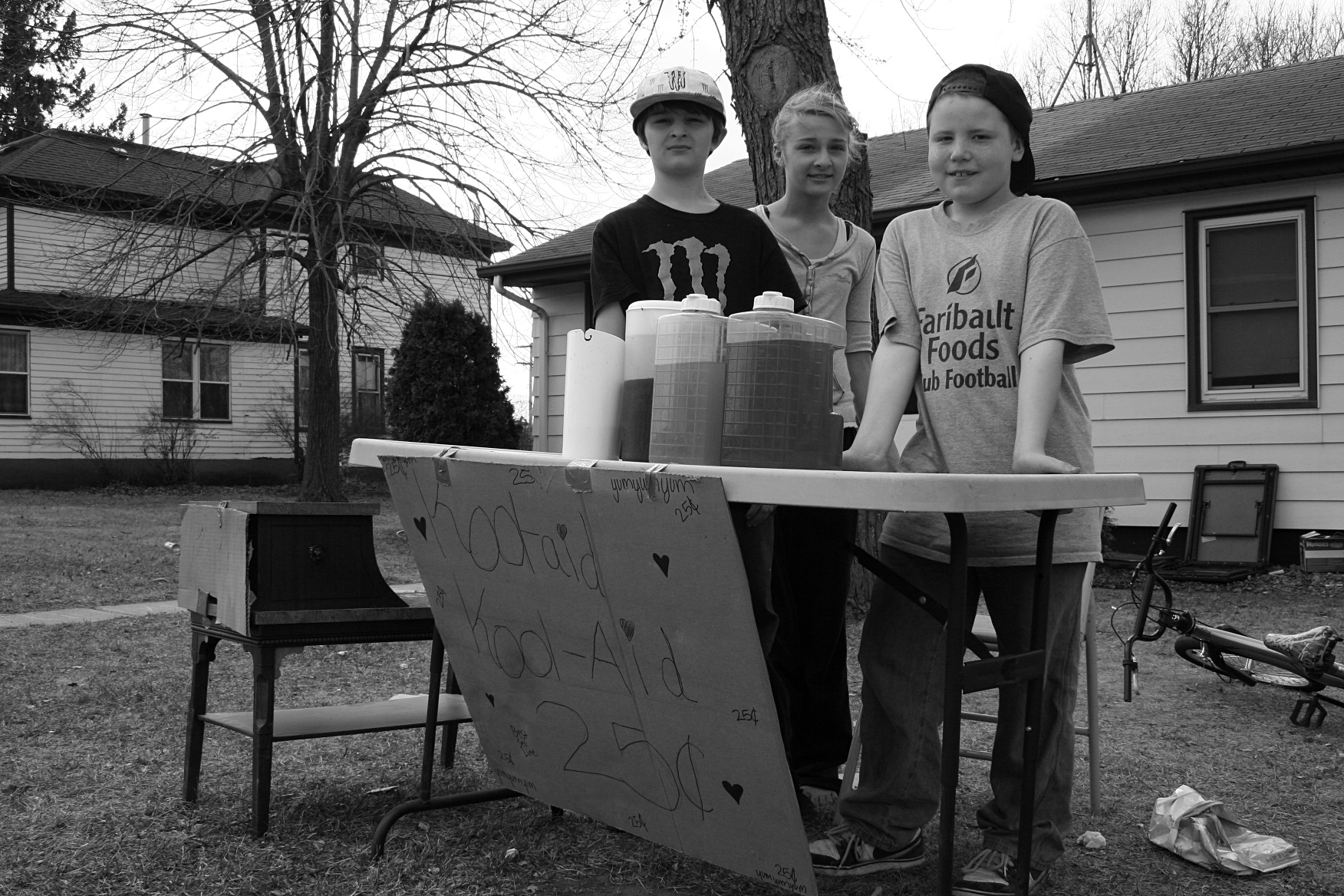
Quinlan, left; his sister, Jazmyn; and friend William sell lemonade on March 17, 2012. The boys were the primary sellers. Jazmyn assisted occasionally and popped in for the photo.

Quinlan, left; his sister, Jazmyn; and friend William sell Kool-Aid on March 17, 2012. The boys were the primary sellers. Jazmyn assisted occasionally and popped in for the photo.

They—youth selling Kool-Aid or lemonade—settle into the landscape of a Minnesota summer, drawing us like moths to a porch light. We can’t resist cute and industrious kids and the offer of an icy beverage on a sweltering summer day.

The kids photographed here, though, were peddling Kool-Aid on St. Patrick’s Day 2012, when the temperature soared to an unbelievable 80 degrees in southern Minnesota. Kind of like the weather we’re experiencing now, minus the humidity.

Friends Quinlan, then 12, and William, then 10, were experienced entrepreneurs having sold Kool-Aid the previous year on the same busy street corner in Faribault. Sometimes it’s all about location, location, location.

Usually, it seems, these pop-up business owners have a plan for their profits. The summer prior, the boys had reinvested their money in the business and then spent the rest at the local Aquatic Center and Rice County Fair and on video games. They had yet to allocate the new season’s funds, although some had already been spent on Hot Wheels at the next-door garage sale.

I hope you’ve stopped at a kid’s lemonade or Kool-Aid stand this summer and dropped a quarter or more. Kids who take the initiative to set up a stand and then sit for hours vending beverages show determination and gumption. They’re also learning the value of working for their money. That I’ll support.
#

The Minnesota Faces series is featured every Friday on Minnesota Prairie Roots.

© Copyright 2015 Audrey Kletscher Helbling


Faribault Woolen Mill celebrates 150th anniversary August 13, 2015

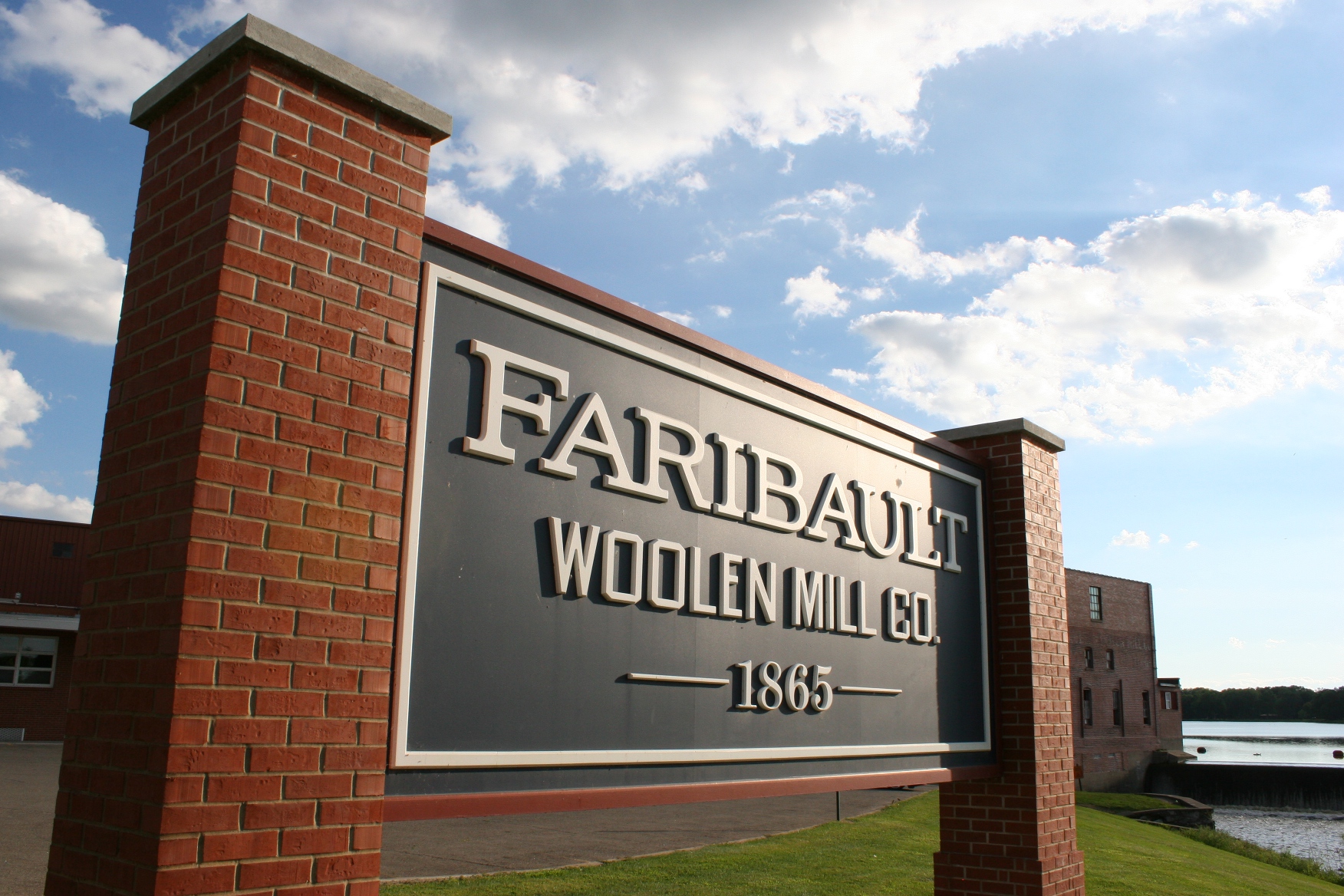
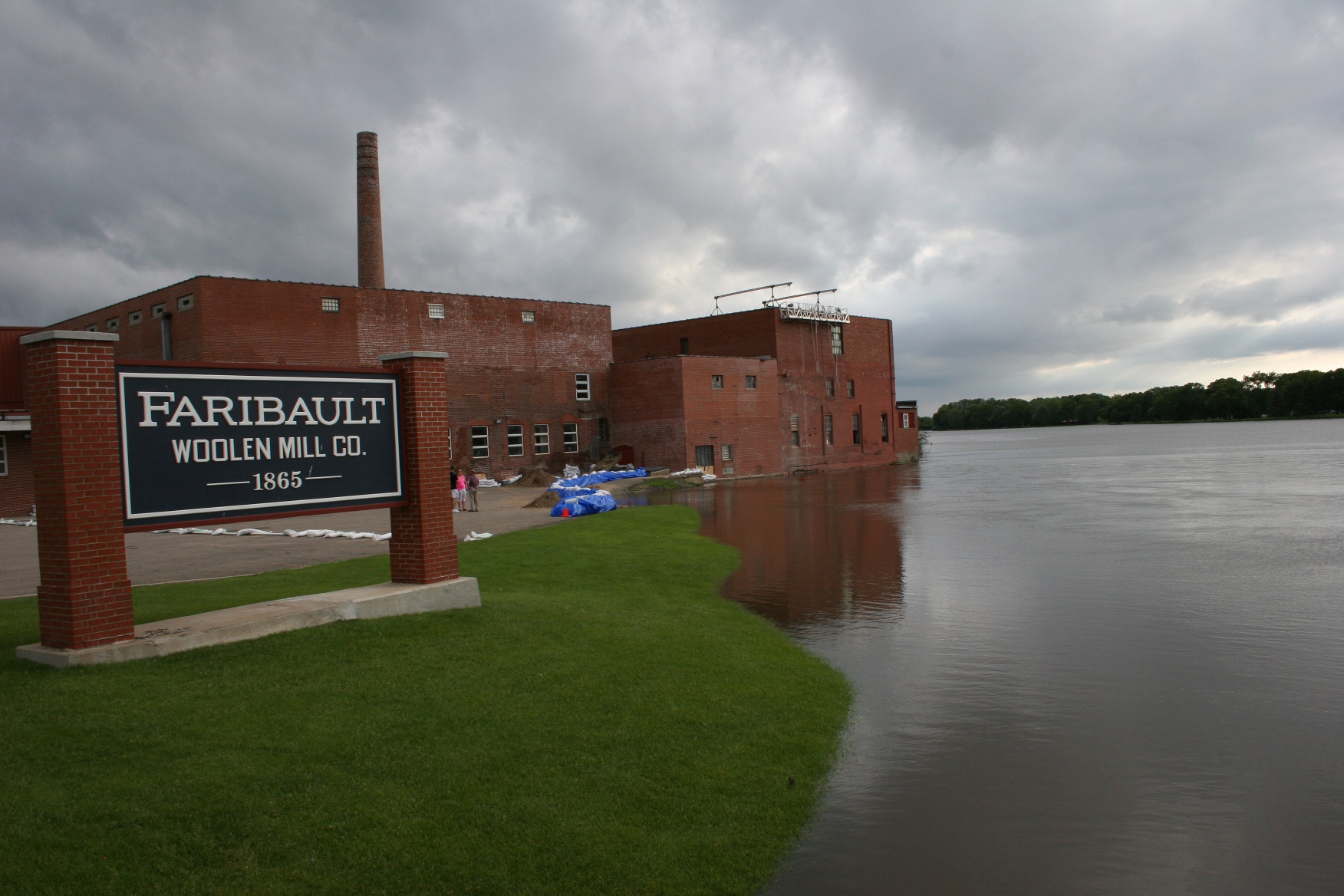
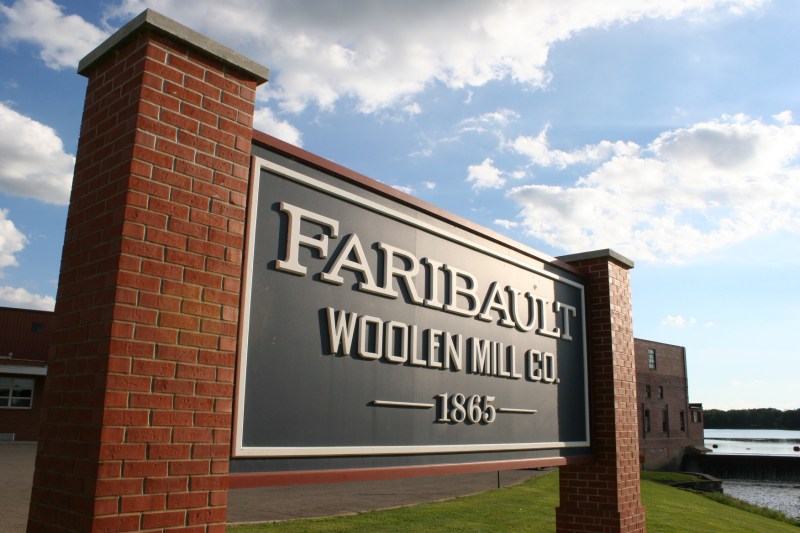
This sign marks The Faribault Woolen Mill, which sits along the banks of the Cannon River in Faribault, Minnesota.

This sign marks the Faribault Woolen Mill, which sits along the banks of the Cannon River in Faribault, Minnesota.

STASHED IN MY BEDROOM CLOSET are two blankets from the Faribault Woolen Mill—one a baby blanket in muted pink and aqua, the other a full-sized pink blanket. Both were gifts from a neighbor who once worked in the mill’s retail store.
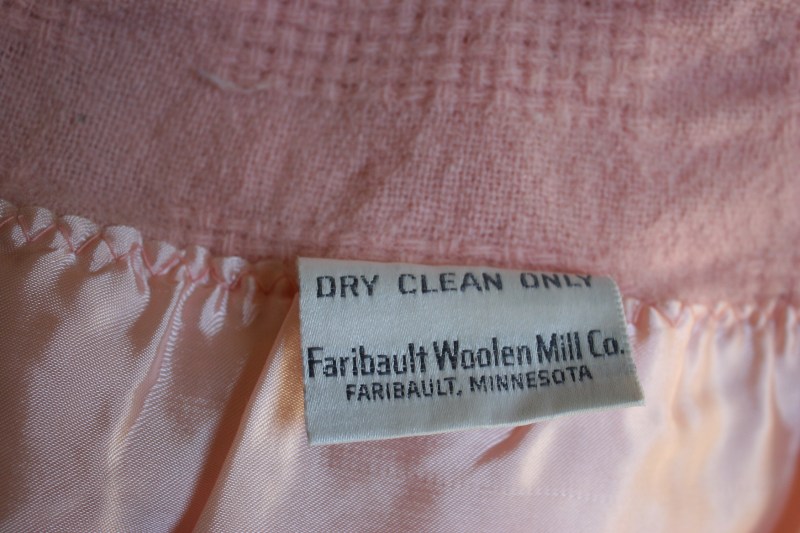
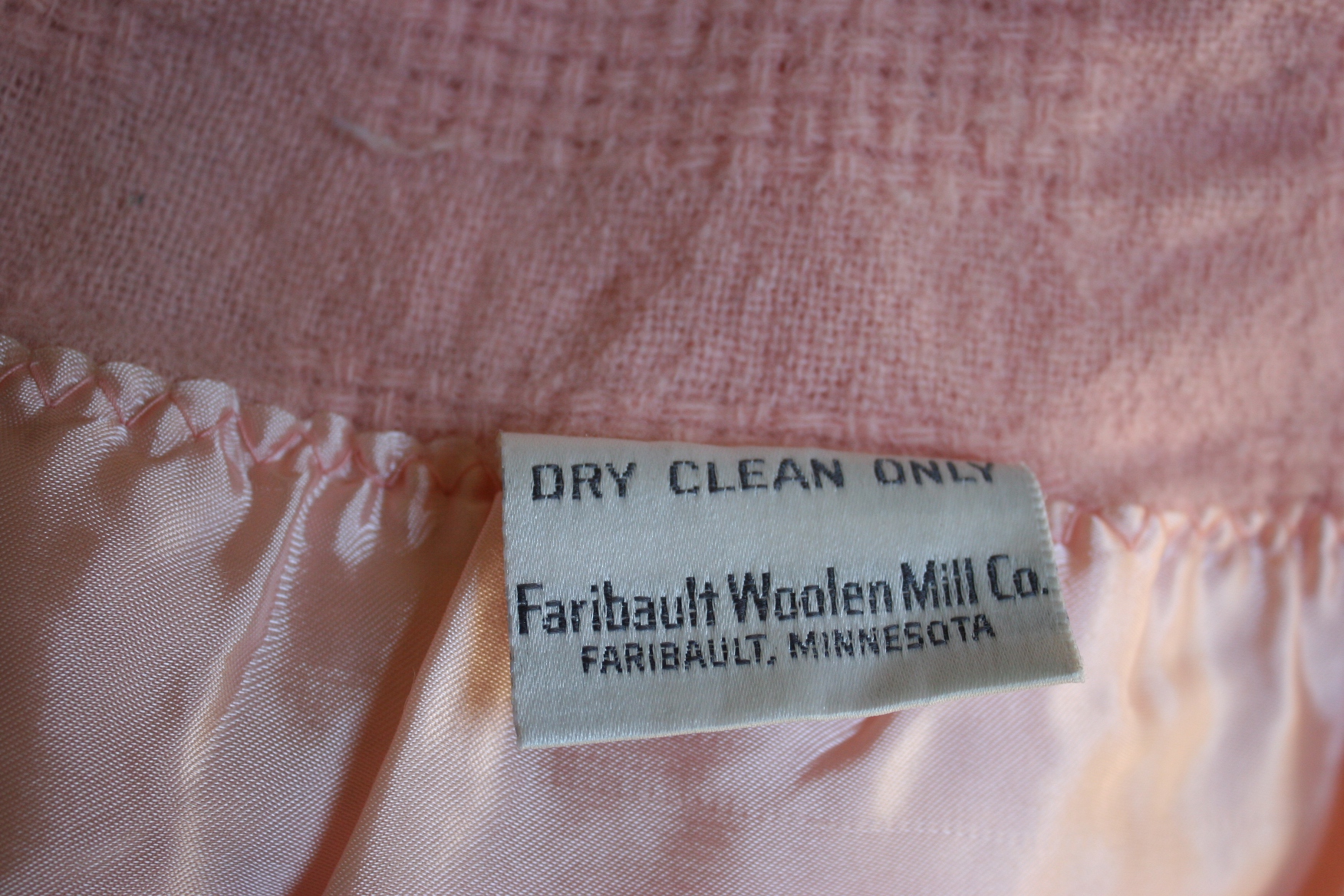
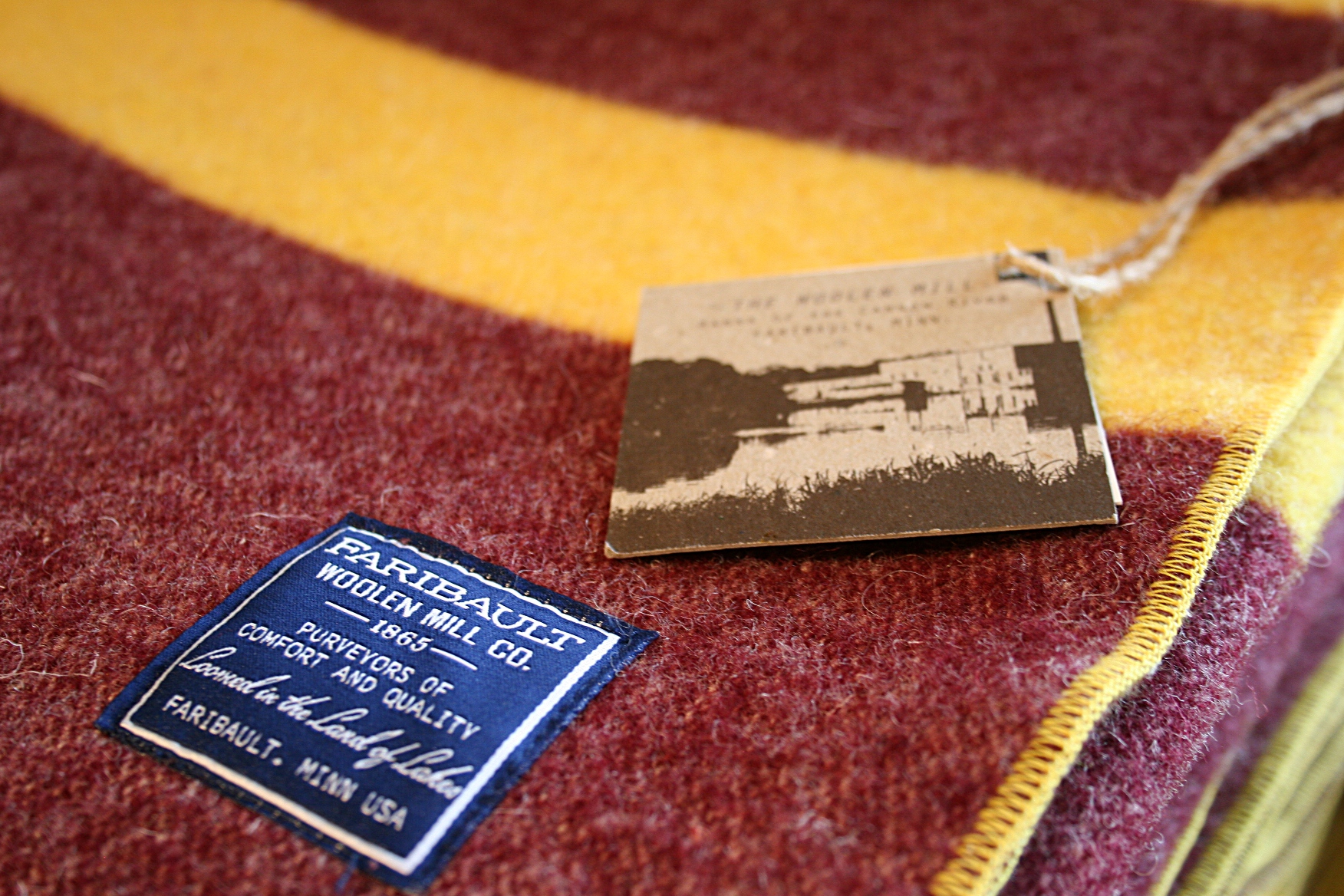
A label on a Faribault Woolen Mill blanket I own.

A label on a Faribault Woolen Mill blanket I own.

I expect in many homes throughout my community, locally-loomed blankets, throws, scarves and more cover beds, warm laps and wrap around necks on the coldest of Minnesota winter days and nights.
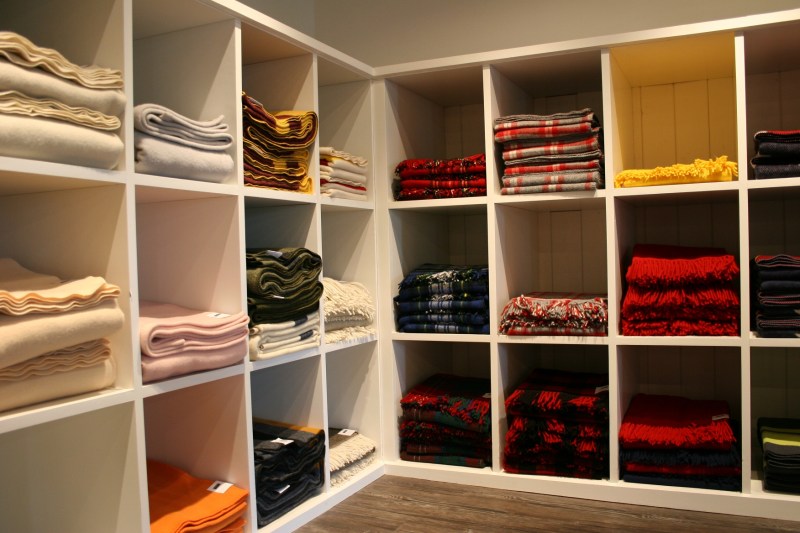
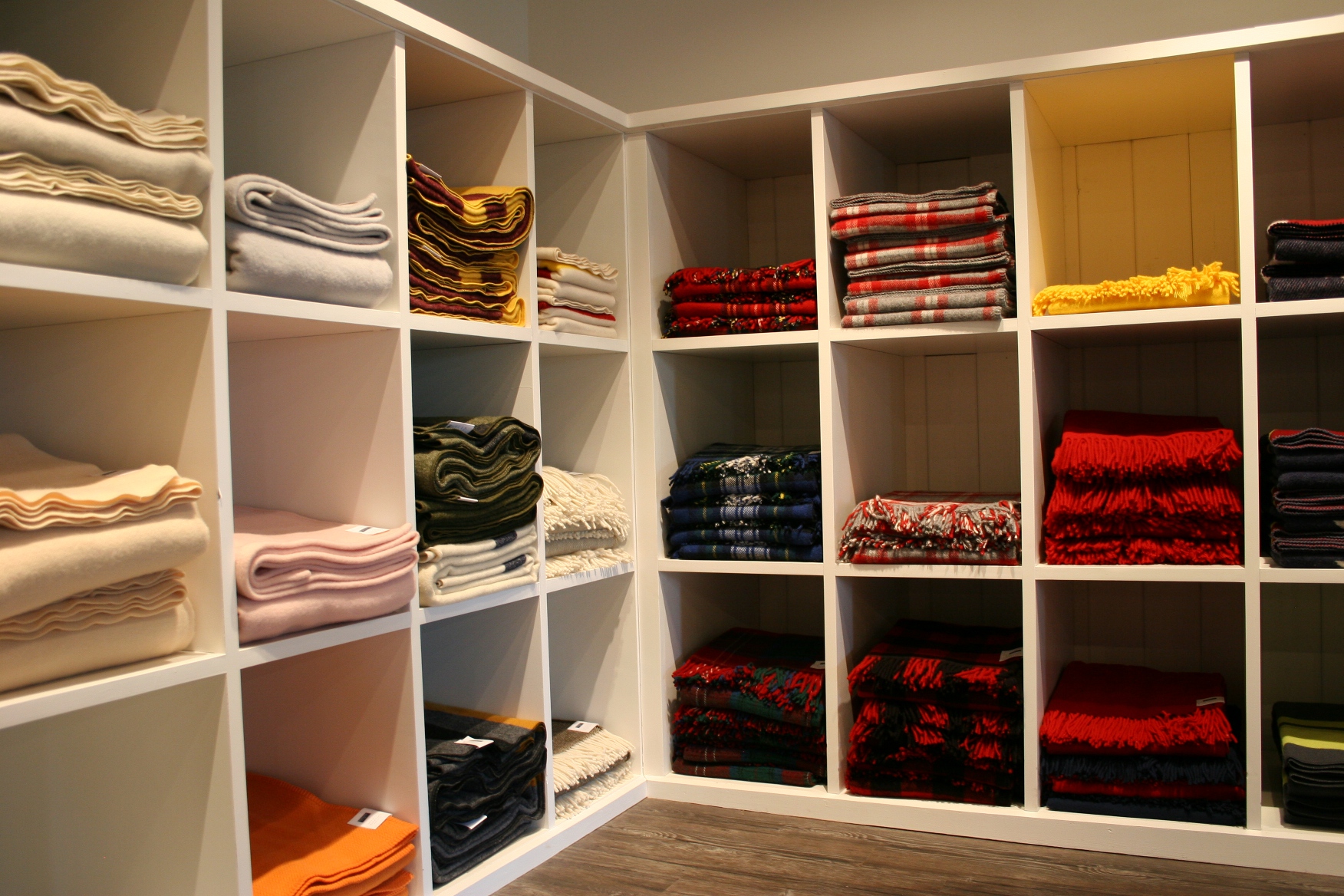
Crisp white cubbies, ever so perfect for showing off blankets/throws.

Crisp white cubbies, ever so perfect for showing off blankets/throws at the Faribault Woolen Mill retail store. Minnesota Prairie Roots file photo June 2012.

While the temperature isn’t exactly wool-worthy here in southern Minnesota in mid-August, autumn is tinging our days with cool nights and the subtlest of color changes in foliage. We realize that summer is waning and, once again, we’ll soon pull out the wool and the flannel.
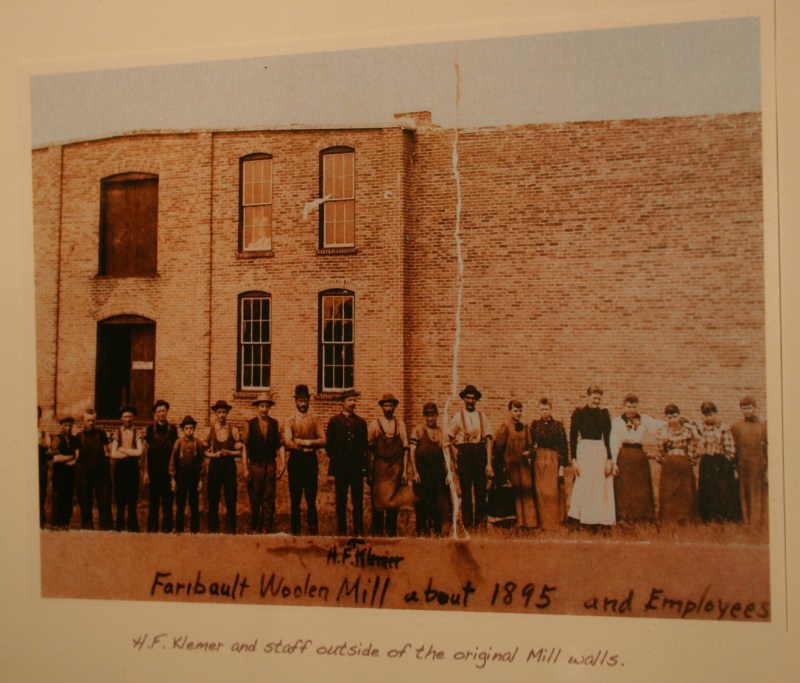
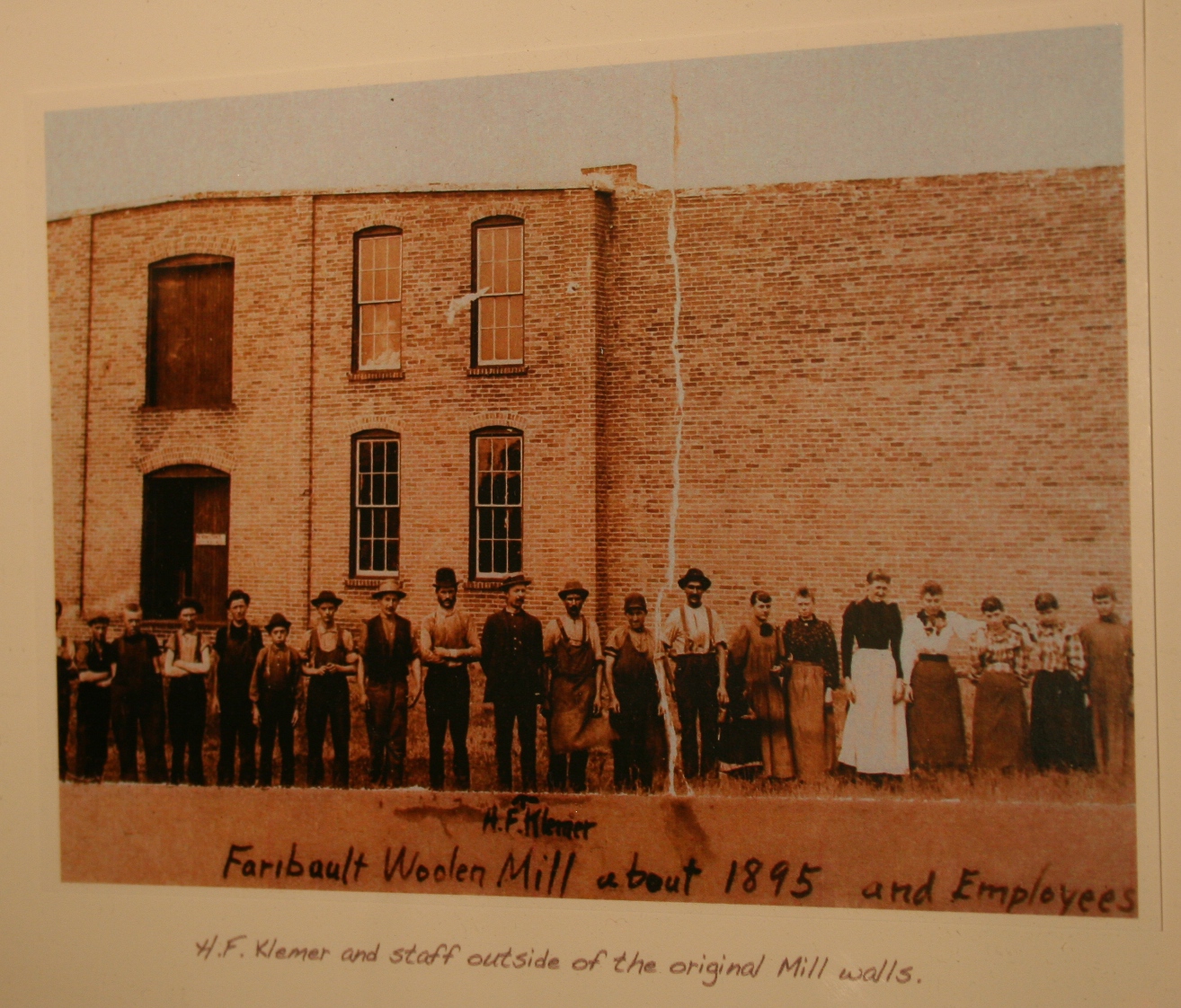
An historic photo from the mill, among those showcased in a mini wall of Woolen Mill history.

An historic photo from the mill is among those showcased in a mini wall of Woolen Mill history inside the retail store. Minnesota Prairie Roots file photo 2012.

This Saturday the Faribault Woolen Mill is pulling out its collection of locally-loomed products to sell in the 150th Marketplace, all in celebration of the mill’s 150th anniversary. Among Marketplace merchandise are the mill’s new 2015 line and special anniversary items, including a limited edition reissue of the 1949 plaid stadium blanket, Faribo Pak-A-Robe. The blanket comes in a carrying case that converts to a seat pad.
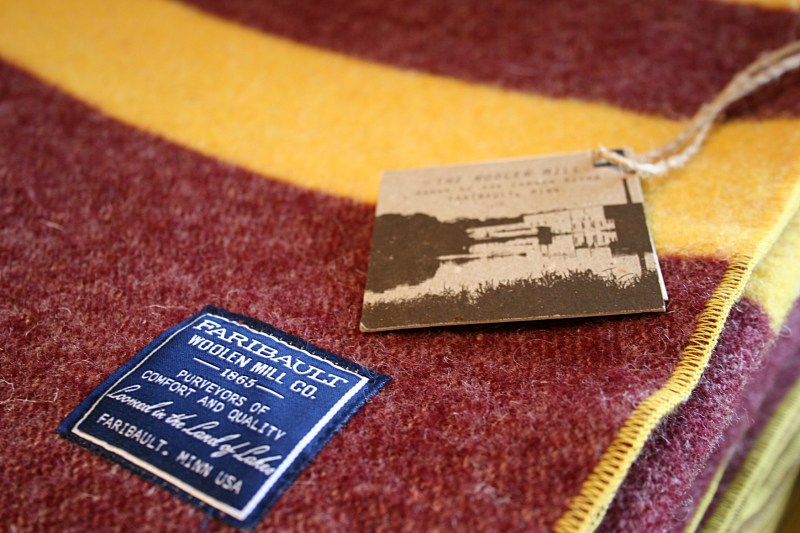
The mill's products are labeled as "Loomed in the Land of Lakes" by "Purveyors of Comfort and Quality." Minnesota Prairie Roots file photo 2012.

The mill’s products are labeled as “Loomed in the Land of Lakes” by “Purveyors of Comfort and Quality.” Minnesota Prairie Roots file photo 2012.

I’ve been to enough Woolen Mill sales to know the outdoor Marketplace will be crowded with those who appreciate the mill’s authentic products. Made in America and craftsmanship appeal to folks. And that’s a good thing for the mill, founded in 1865. One hundred fifty years. That says something about tenacity. This business, which provided blankets for American troops during both World Wars, supplied blankets to airlines in the early 1970s, and, from the late 60s to early 90s, produced more than half of the blankets made each year in the U.S., has survived the ebbs and flows of the economy.
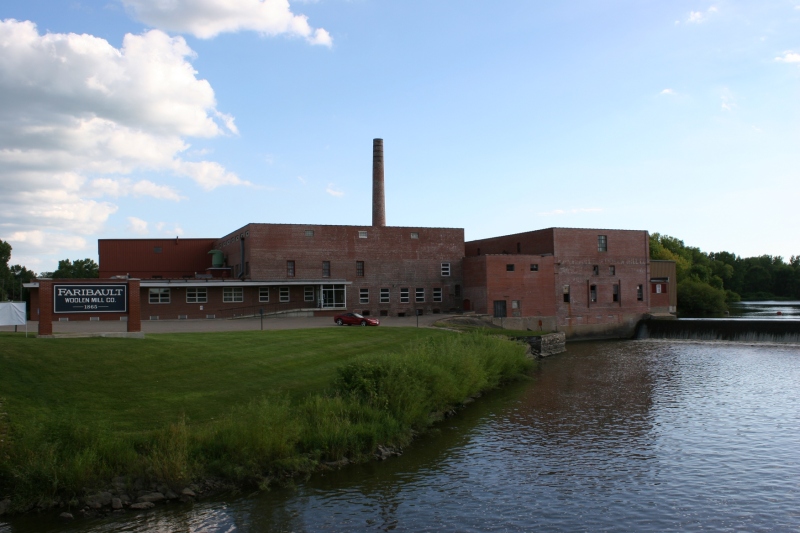
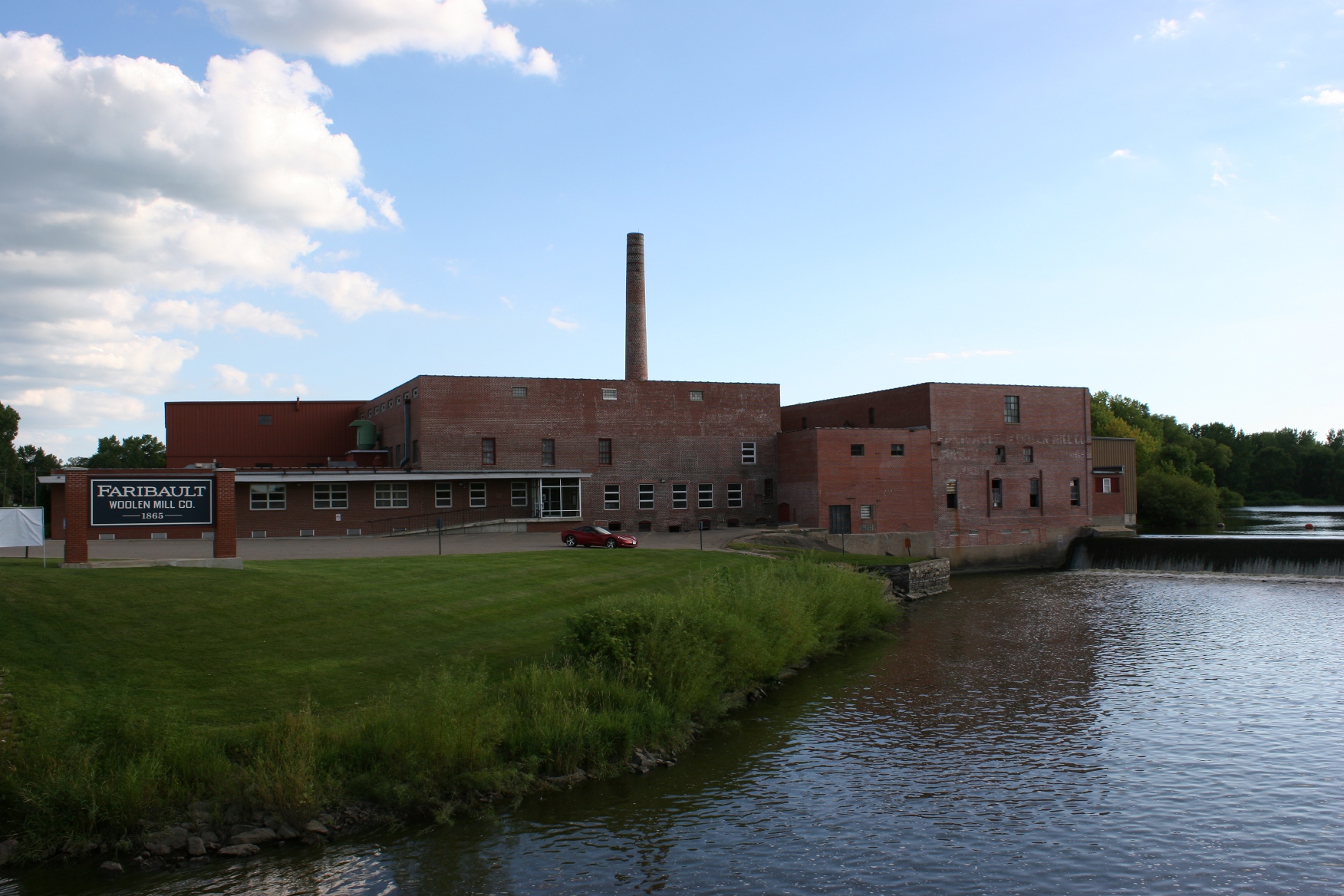
The Faribault Woolen Mill sits on the bank of the Cannon River.

The Faribault Woolen Mill sits on the bank of the Cannon River.

Yet, despite world-wide business success, the Faribault Woolen Mill almost didn’t make it to its sesquicentennial. The mill was shuttered in 2009 due to financial problems. Two years later Minnesota businessmen and cousins, Chuck and Paul Mooty, purchased the mill, revived it and the rest is history.
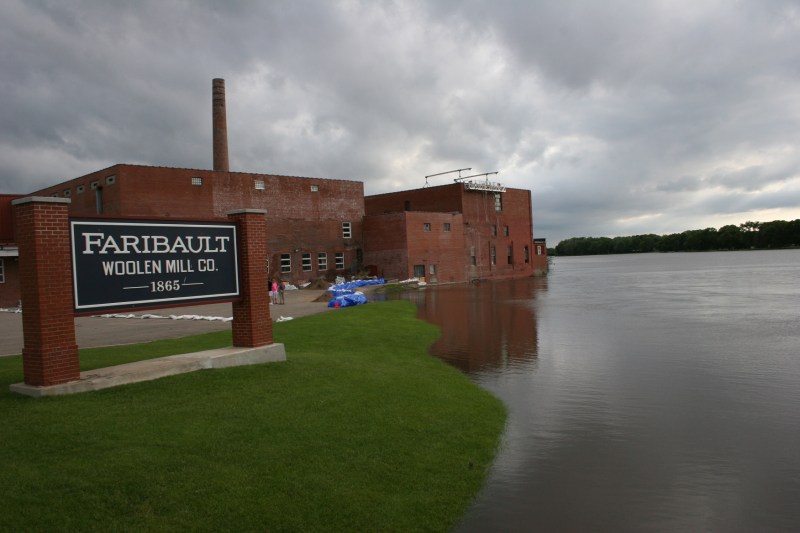
Sandbags protect the Faribault Woolen Mill from the rising Cannon River.

Sandbags protect the Faribault Woolen Mill from the rising Cannon River in June 2014. Minnesota Prairie Roots file photo.

The mill was also threatened twice in recent years by flooding of the Cannon River.
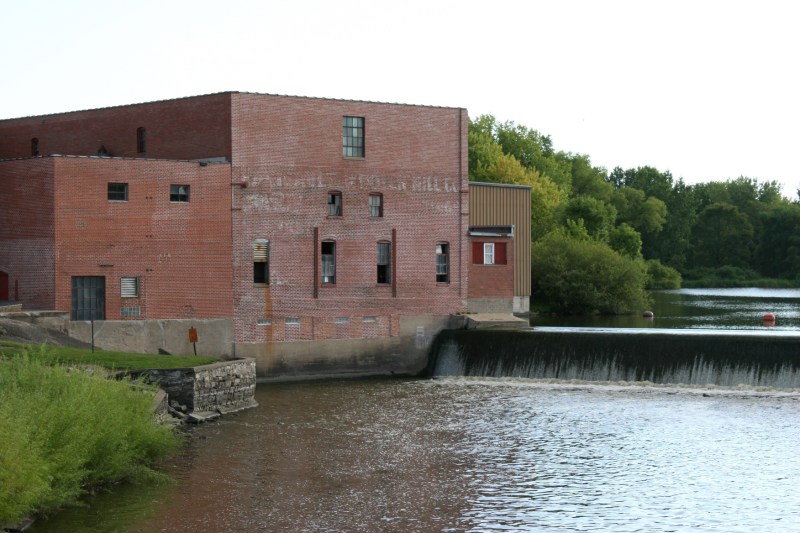
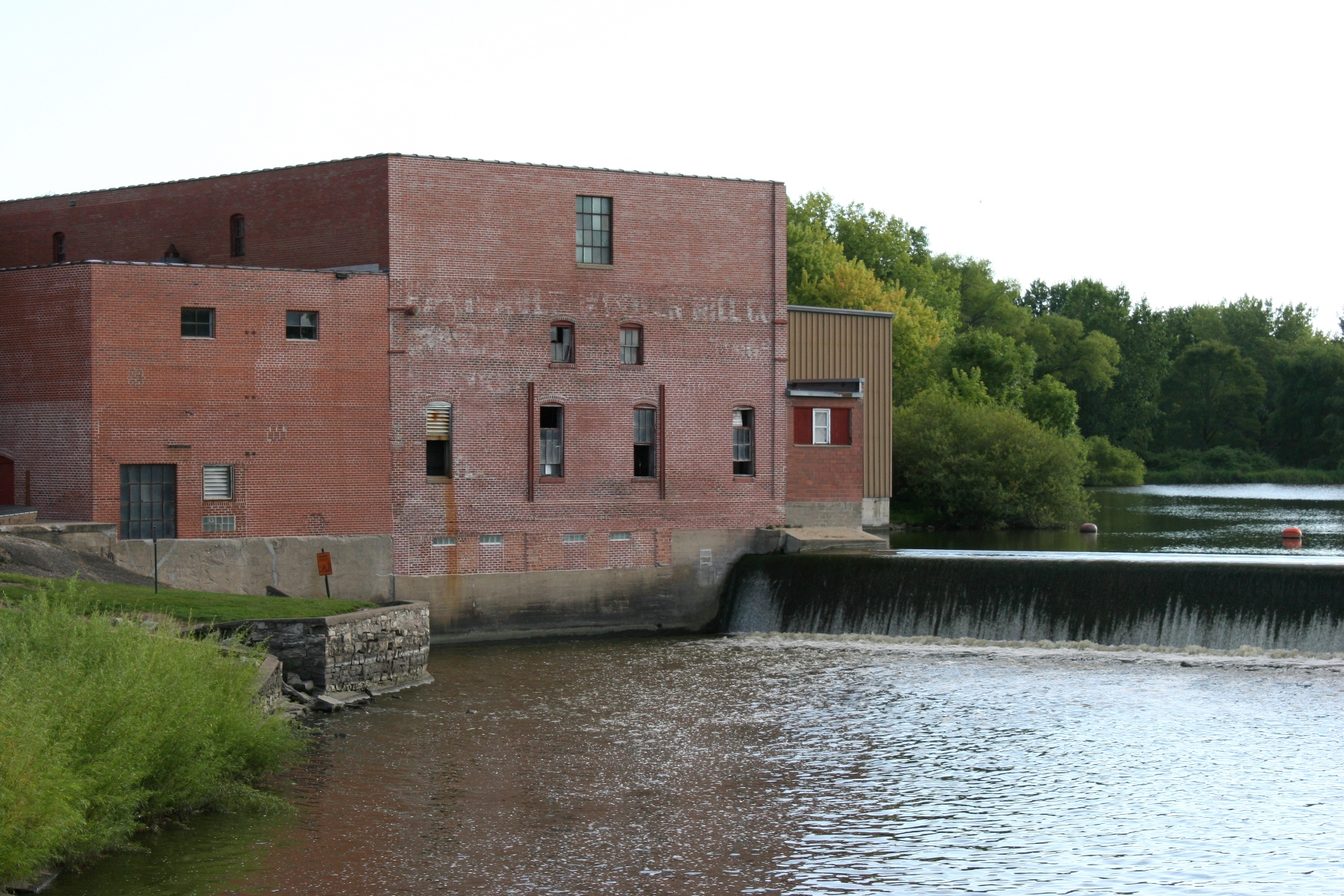
Faint Faribault Woolen Mill lettering remains on the old section of the mill complex.

Faint Faribault Woolen Mill lettering remains on the old section of the mill complex.

For my community, the mill is an important tourism draw and an equally important part of Faribault’s history. The mill, the oldest manufacturing entity in Minnesota, is on the National Register of Historic Places. But it’s likely not the aged building as much as the fine craftsmanship of mill products that brings shoppers here looking for quality and American authenticity.
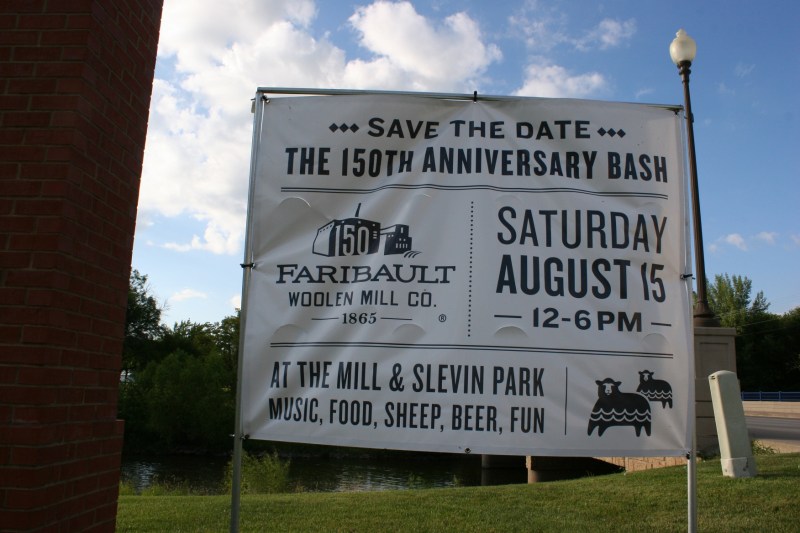
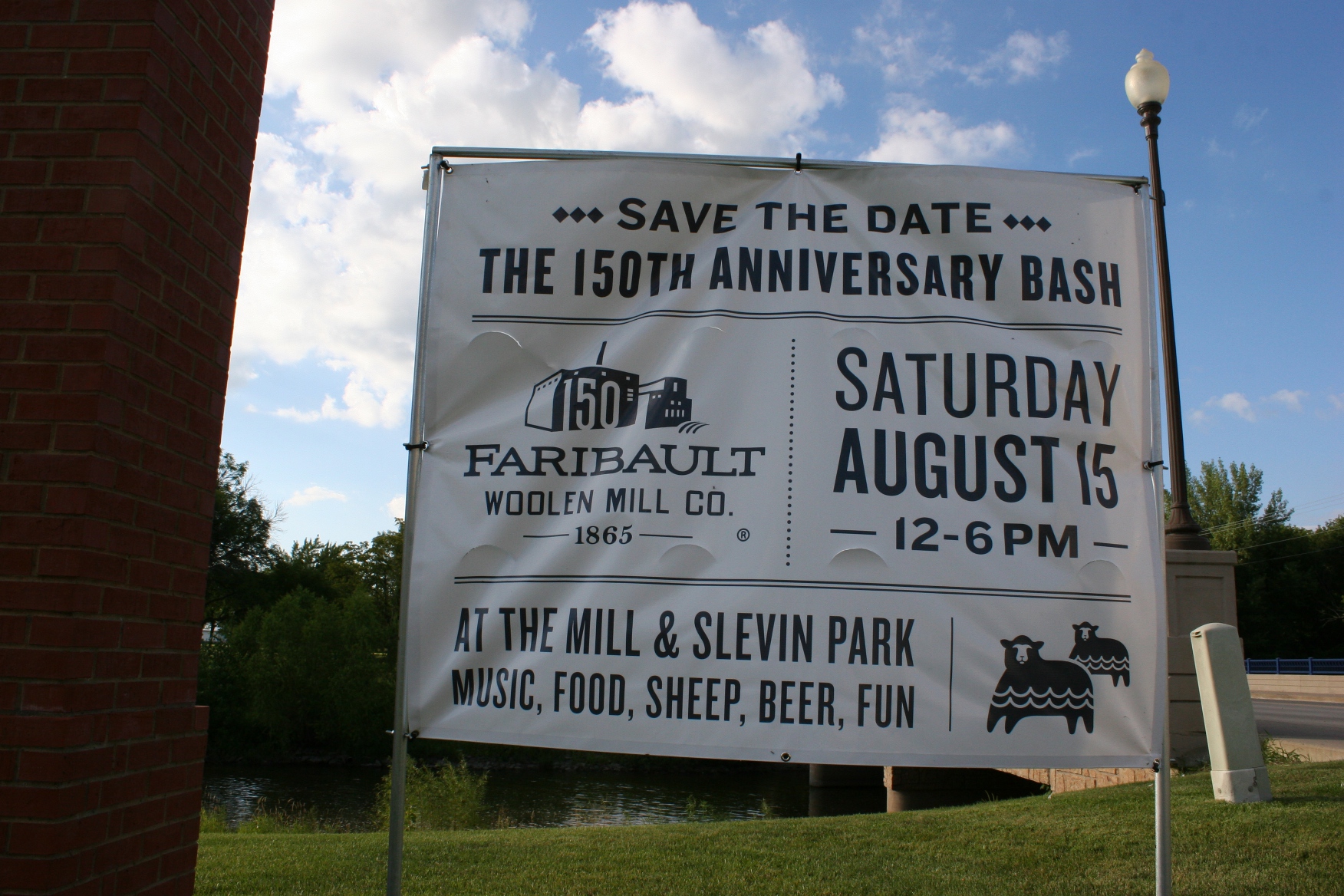
This sign outside the mill advertises Saturday's 150th anniversary festivities.

This sign outside the mill advertises Saturday’s 150th anniversary bash.

Saturday’s celebration will provide a great opportunity for all of Faribault to showcase itself, starting with food vendors at the mill’s outdoor anniversary celebration along the banks of the Cannon River. I’m happy to see a line-up of locals—The Cheese Cave, Uncle B’s Last Chance BBQ Shack, Bashers Bar & Grill/J & J Bowling Center, Lyons Meats and F-Town Brewing. Several other vendors from the Twin Cities metro will be there, too, with brats, cheesecake, coffee and ice cream.

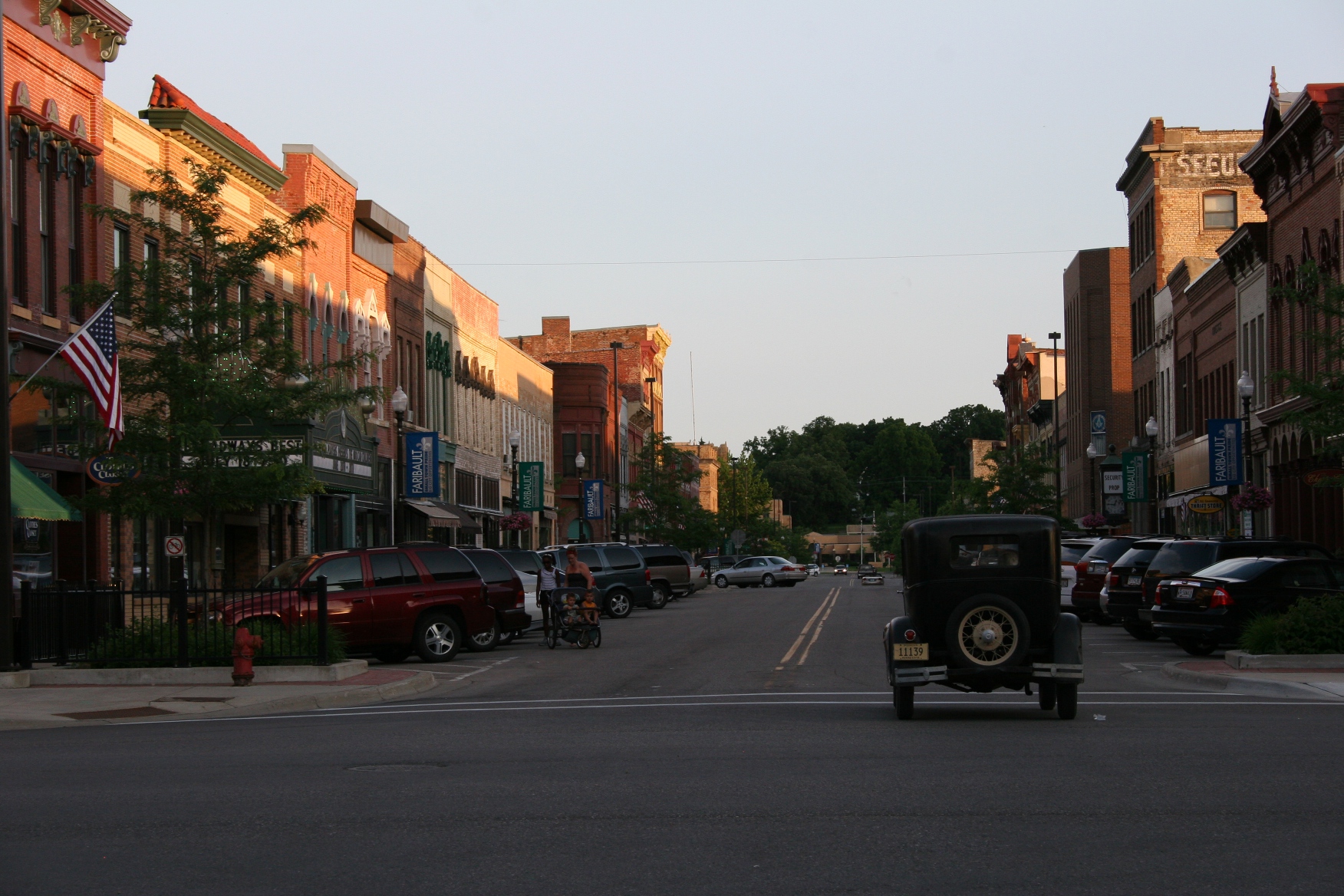
Leaving the show and driving southbound on Central Avenue through historic downtown Faribault.

A section of Faribault’s historic downtown, along Central Avenue. Minnesota Prairie Roots file photo 2014.

I hope visitors will also follow Second Avenue from the mill to Fourth Street and then to Central Avenue to check out our historic downtown and all the local shops. (Click here for a list of downtown shops and their locations.) Located near downtown at 739 Willow Street, Annie Belle Creations crafts Faribault Woolen Mill blankets into capes, coats and other clothing. Owner Lu Ann Heyer started in 1989 as a designer of stuffed animals for the Faribault Woolen Mill.
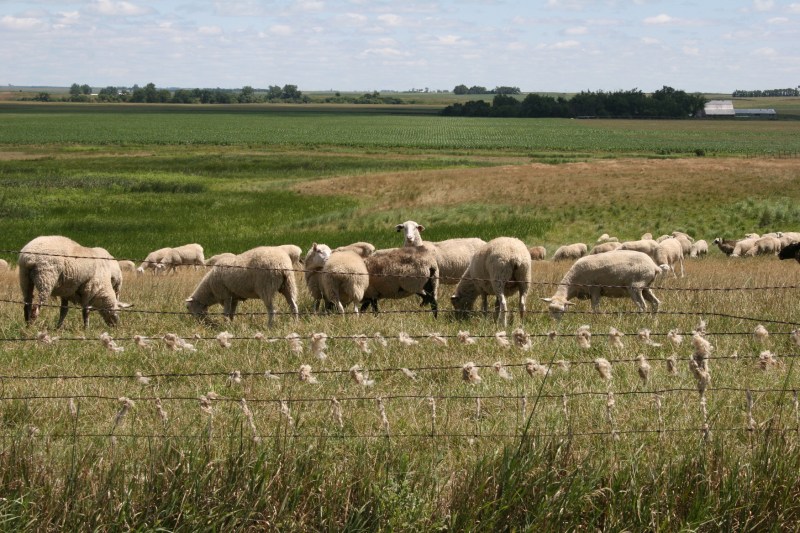
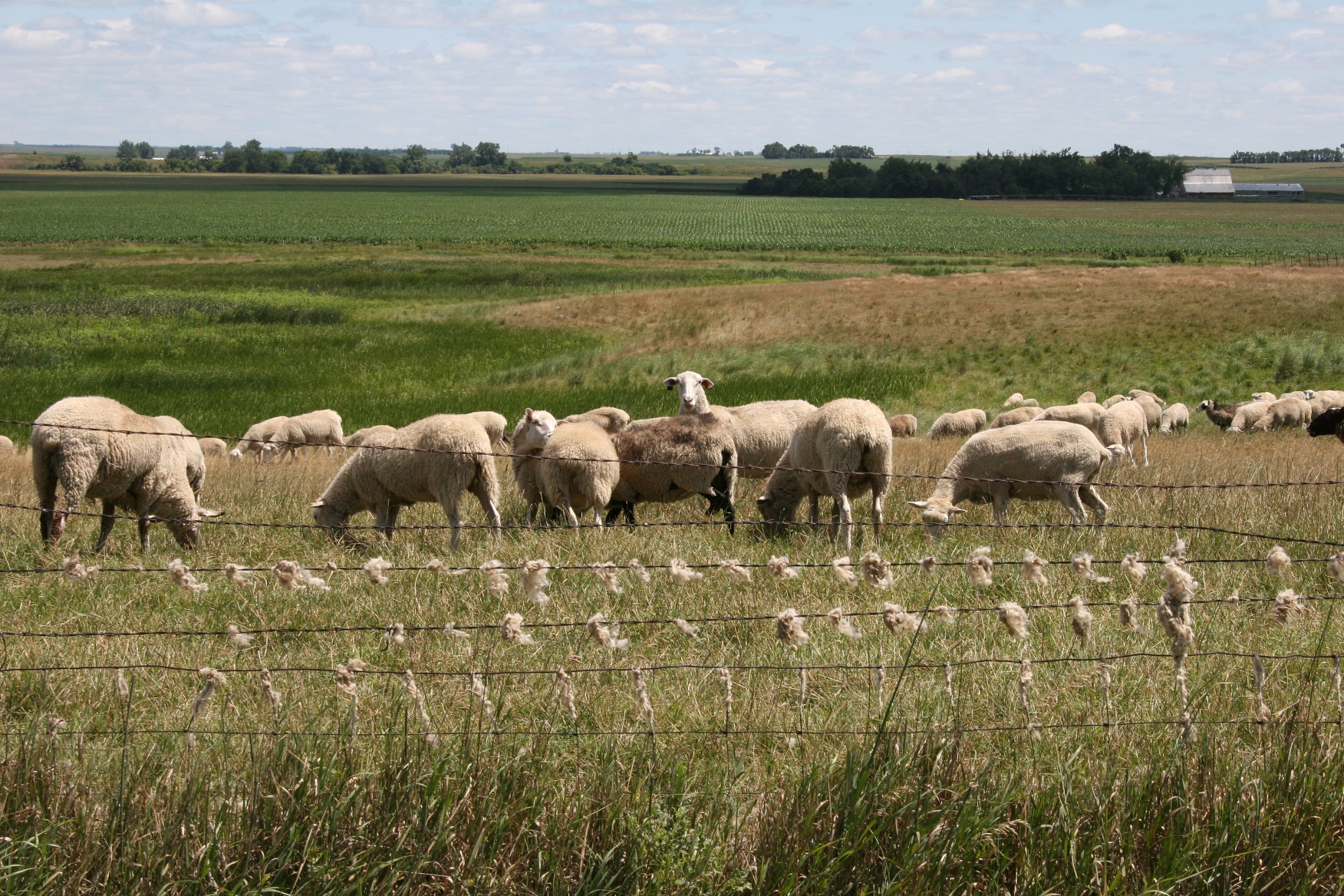
Pasture land near the park for these grazing sheep. Note their wool clinging to the fence.

Sheep graze near Blue Mounds State Park in southwestern Minnesota. Minnesota Prairie Roots file photo used for illustration purposes only.

Back at the mill and Father Slevin Park, there’ll be plenty to do. “The Running of the Sheep,” an event which is exactly as its name suggests, happens at 1 p.m. Other attractions include a petting zoo, games, raffles and more. Between 3 p.m. – 6 p.m. the folk/roots/indie rock group The Pines will perform as will Abracadabra,  a group of musicians who have traveled with the likes of Bob Dylan and The Beach Boys.
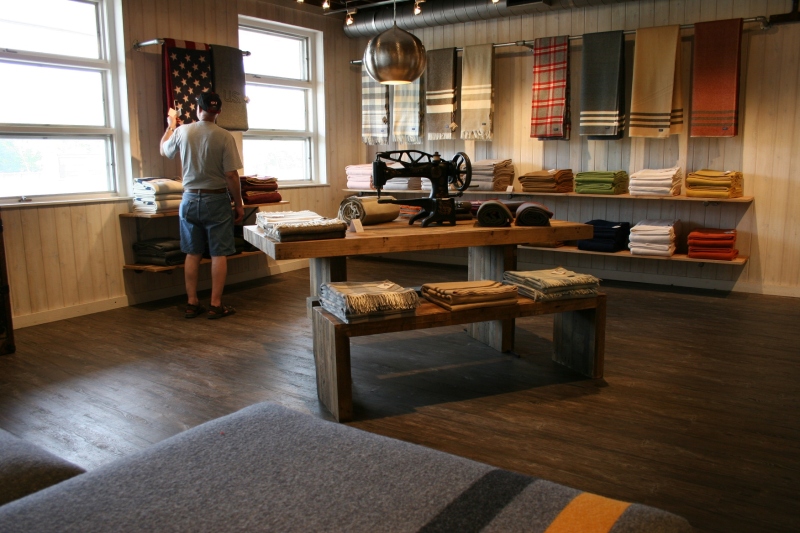
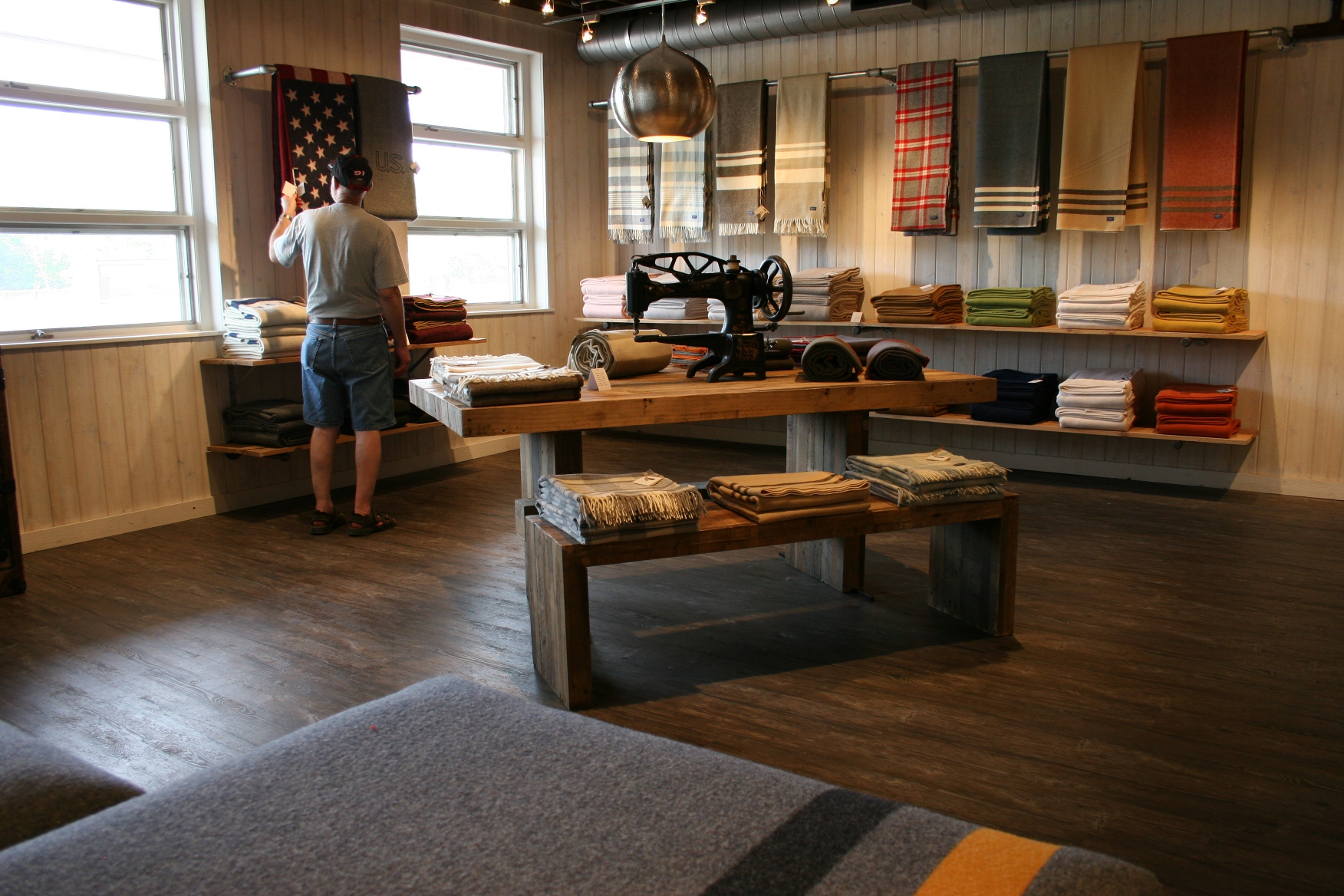
Perusing merchandise at the recently reopened Faribault Woolen Mill retail store.

A view inside the Faribault Woolen Mill retail store shortly after it opened under new ownership in 2012. Minnesota Prairie Roots file photo.

Visitors are encouraged to bring blankets to spread on the lawn while enjoying festivities. I expect Faribault Woolen Mill blankets, in particular, would be appreciated. You can even share your Faribault Woolen Mill blanket stories online at Memory Mill.
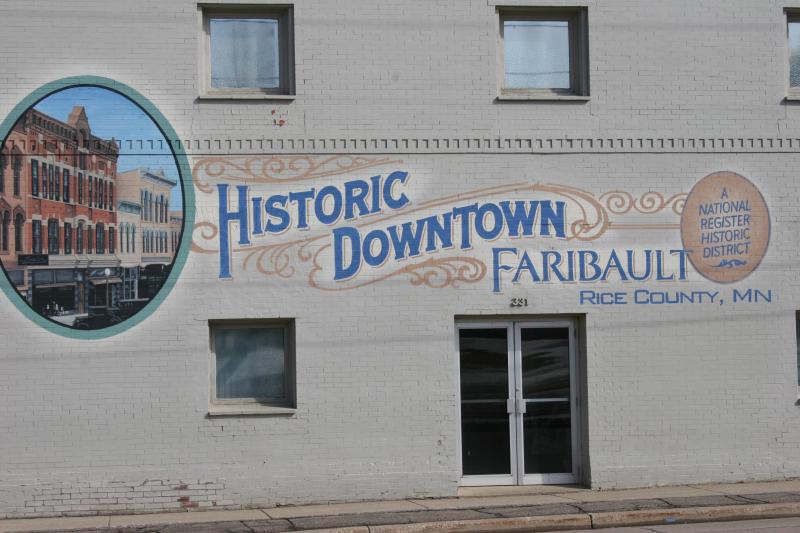
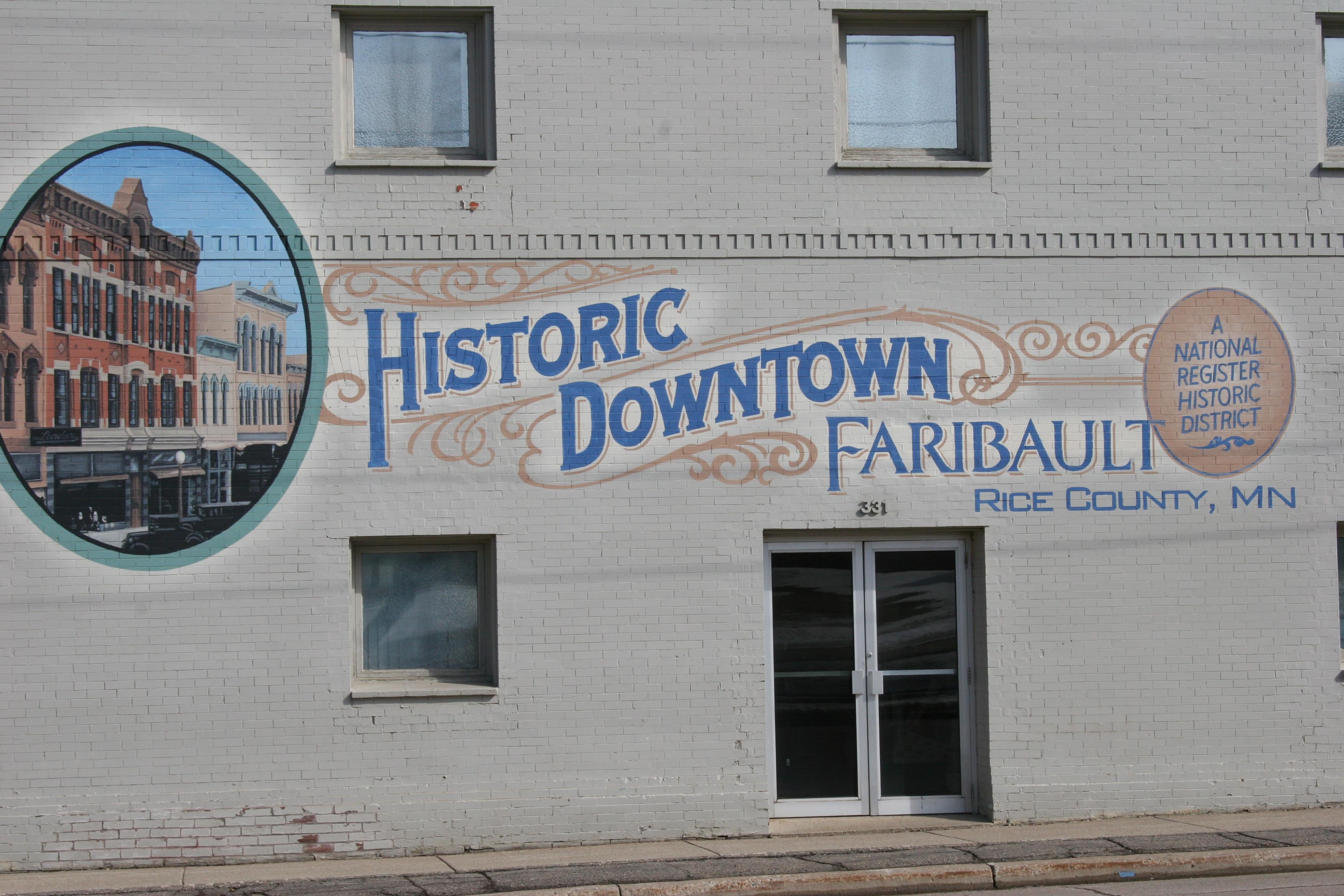
A mural, one of several in the downtown area, promotes historic Faribault.

A mural, one of several in the downtown area, promotes Faribault’s downtown as a National Register Historic District. Minnesota Prairie Roots file photo.

If you’ve never been to Faribault, come early, before the mill party, to poke around town. We’re just a short drive down Interstate 35 from the Twin Cities. Then at noon, join the mill as its celebration begins and continues for six hours.
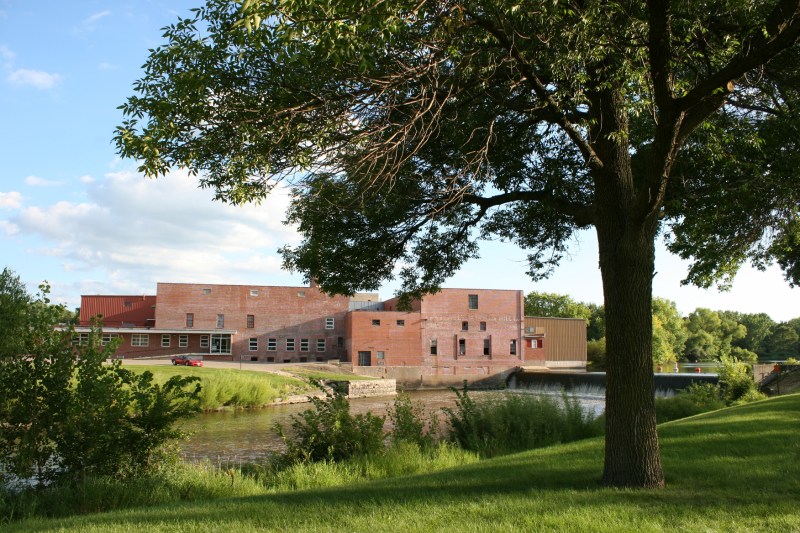
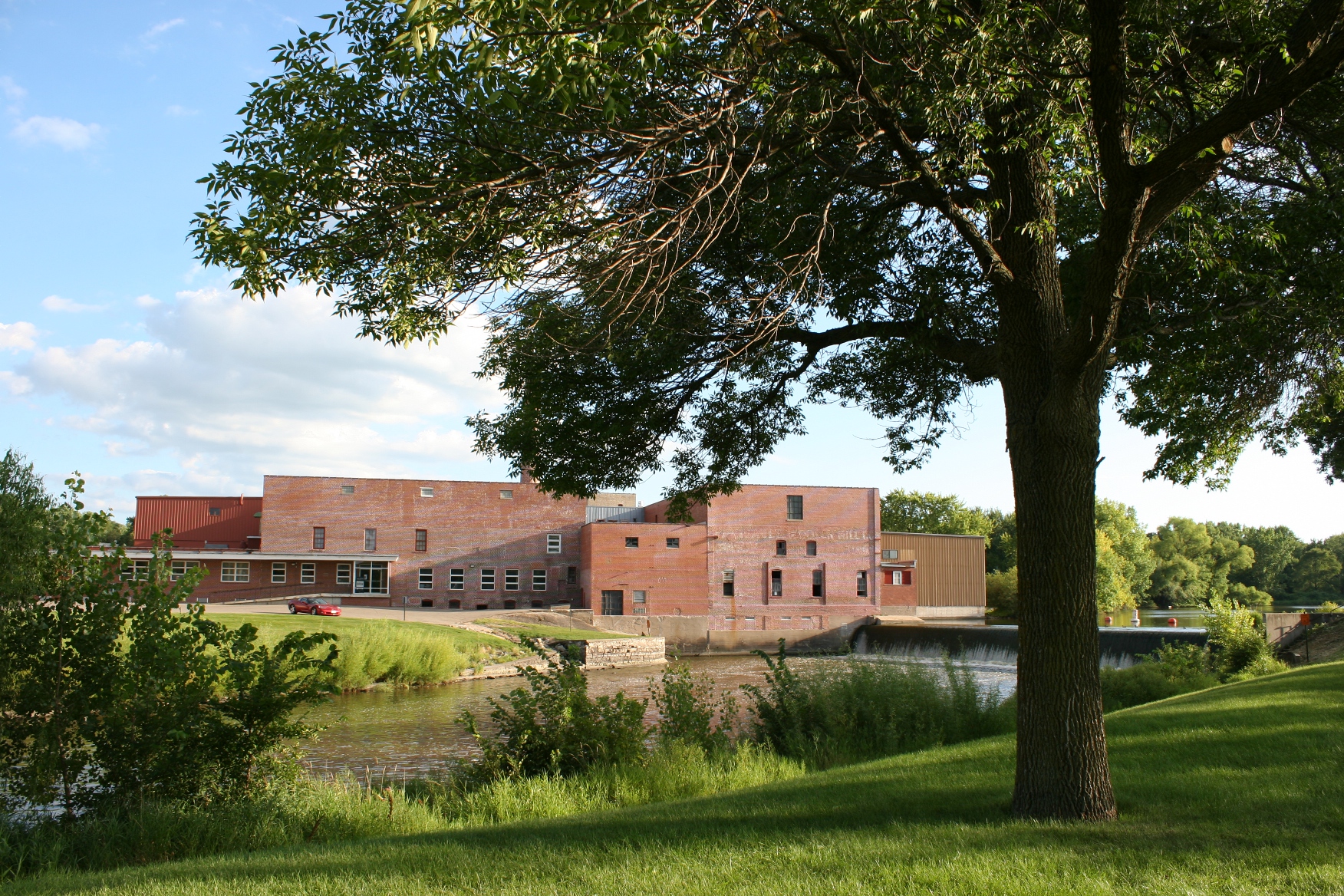
A view of the Faribault Woolen Mill from Father Slevin Park across the Cannon River.

A view of the Faribault Woolen Mill from Father Slevin Park across the Cannon River.

FYI: The Faribault Woolen Mill is located at 1500 Northwest Second Avenue, near the Rice County Fairgrounds and the Rice County Historical Society Museum. The mill’s retail store will be closed on Friday and Saturday, with merchandise sold in the special anniversary Marketplace on Saturday.
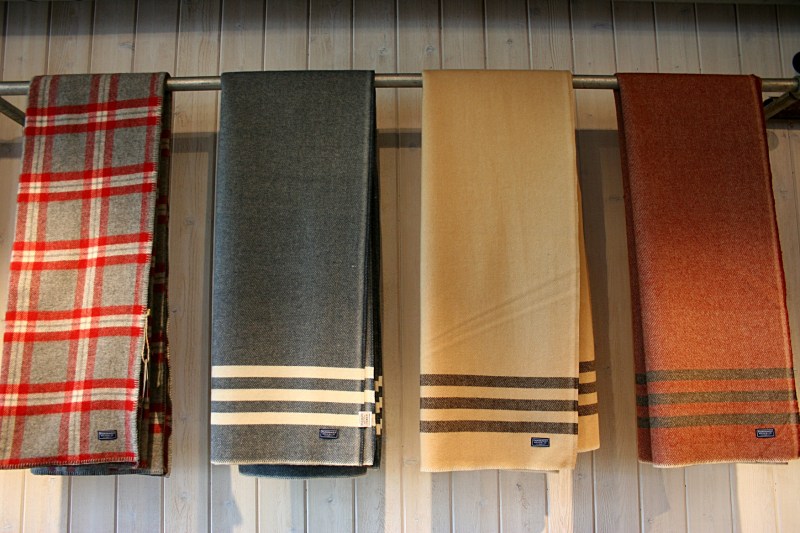
Faribault Woolen Mill blankets/throws are artfully hung on a simple pipe.
Faribault Woolen Mill blankets/throws are artfully hung on a simple pipe in the retail store. Minnesota Prairie Roots file photo 2012.

Small group tours of the mill are offered at 11 a.m. and 1 p.m. on Thursdays. Note that these fill quickly and that you should schedule in advance.

© Copyright 2015 Audrey Kletscher Helbling