Minnesota Prairie Roots

Writing and photography by Audrey Kletscher Helbling

Celebrating family & the Fourth in rural Minnesota July 7, 2013

Filed under: Uncategorized — Audrey Kletscher Helbling @ 11:23 AM
Tags: , , , , ,

I LOVE MY EXTENDED family and our annual tradition of gathering around the Fourth of July.
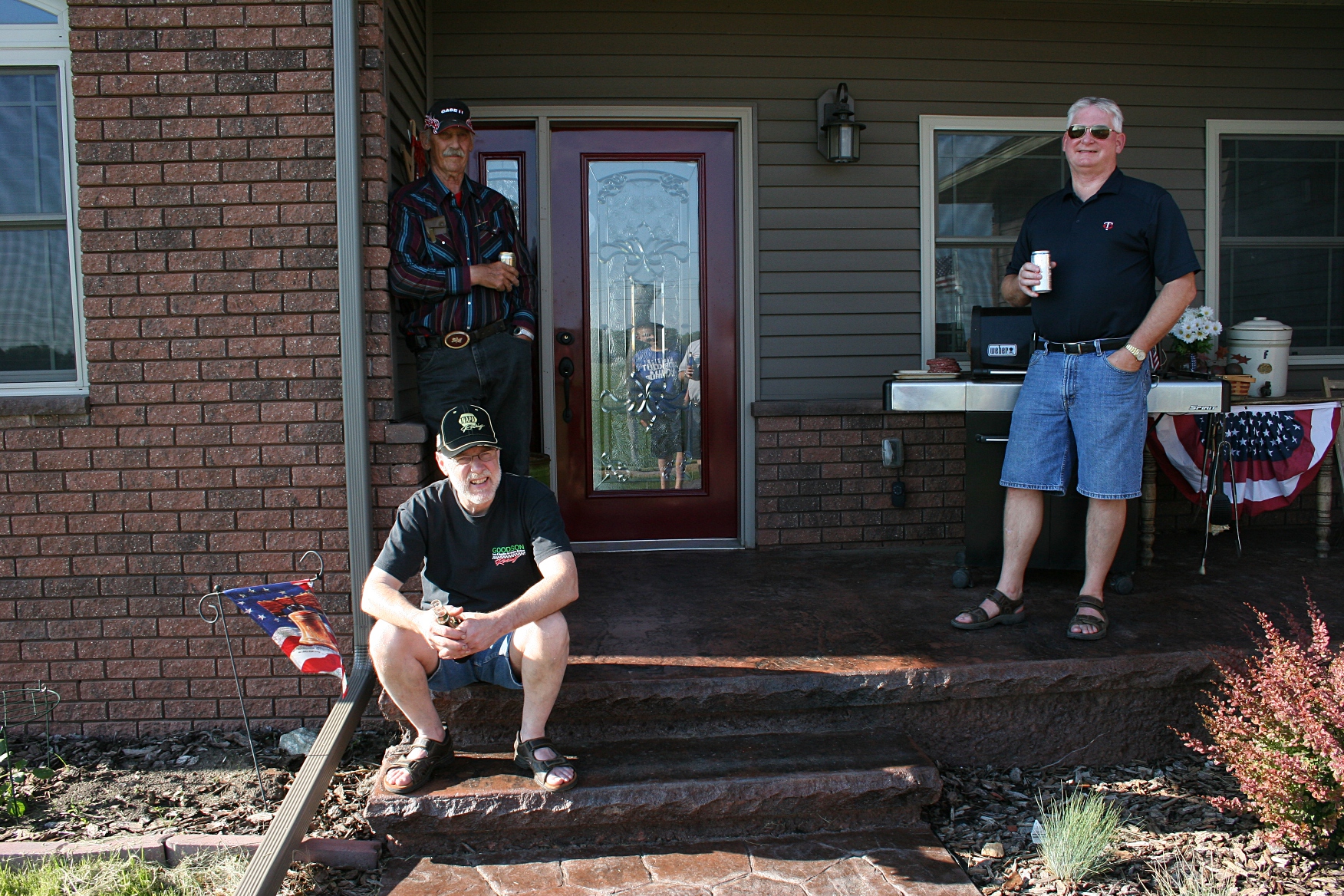
The men gathered to grill burgers and brats and...

How many men does it take to grill burgers and brats? These three plus two more.

There’s plenty of food and drink, laughter, smart talk, and displays of patriotism. We end the evening with most of us bunking out on the basement floor or in spare bedrooms, arising the next morning for egg bake and accompanying breakfast foods, and coffee, before heading back to our homes.
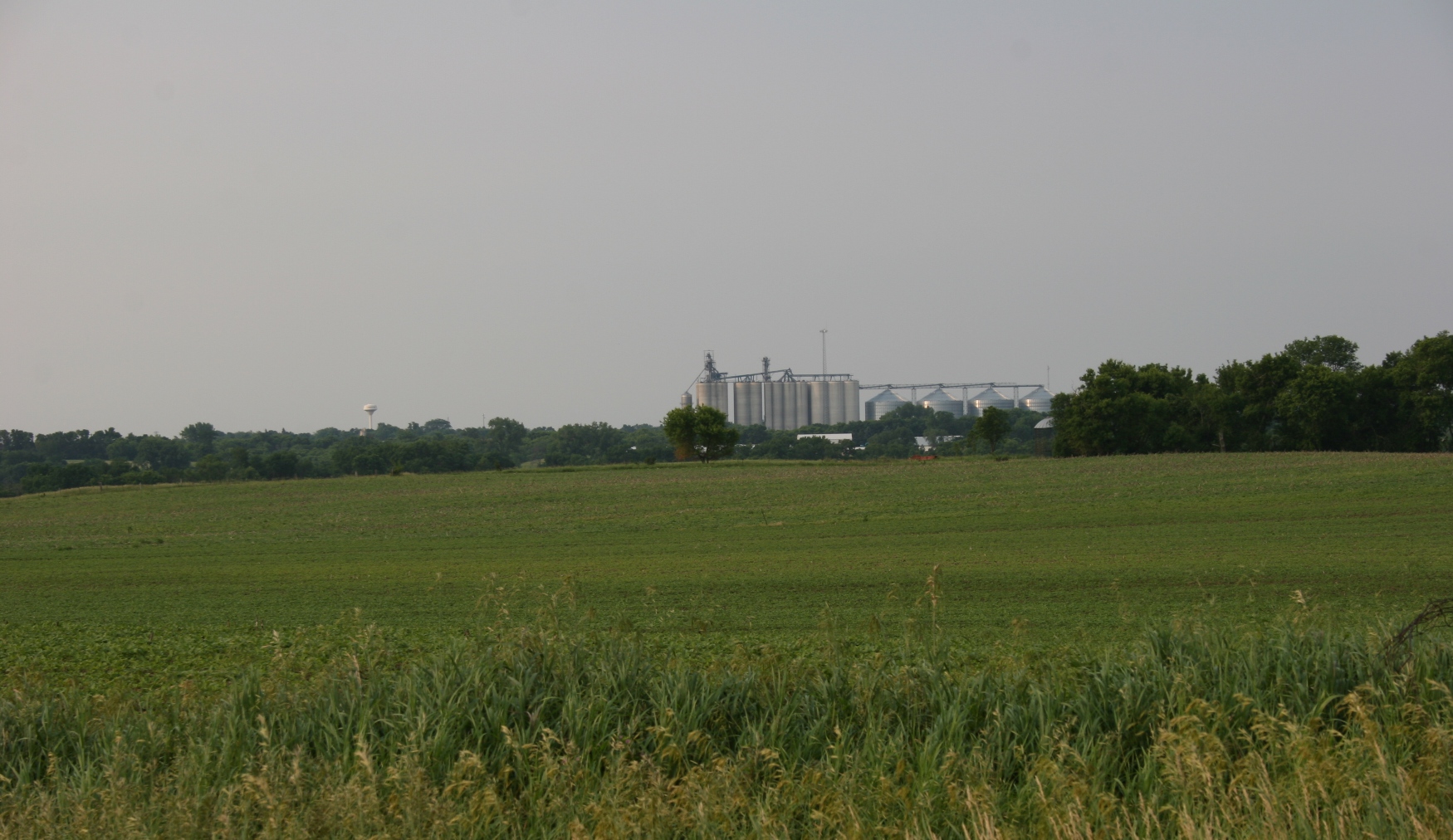
A view of Lamberton, Minnesota, just to the south of my brother's rural acreage.

A view of Lamberton, Minnesota, just to the south of my brother’s rural acreage.

This year all of my adult children joined my husband and me for the trek to Lamberton in southwestern Minnesota. That, in itself, is cause enough to celebrate as seldom are my three all together. With one daughter five hours away in northeastern Wisconsin and the son soon moving to Boston, I treasure these family times.
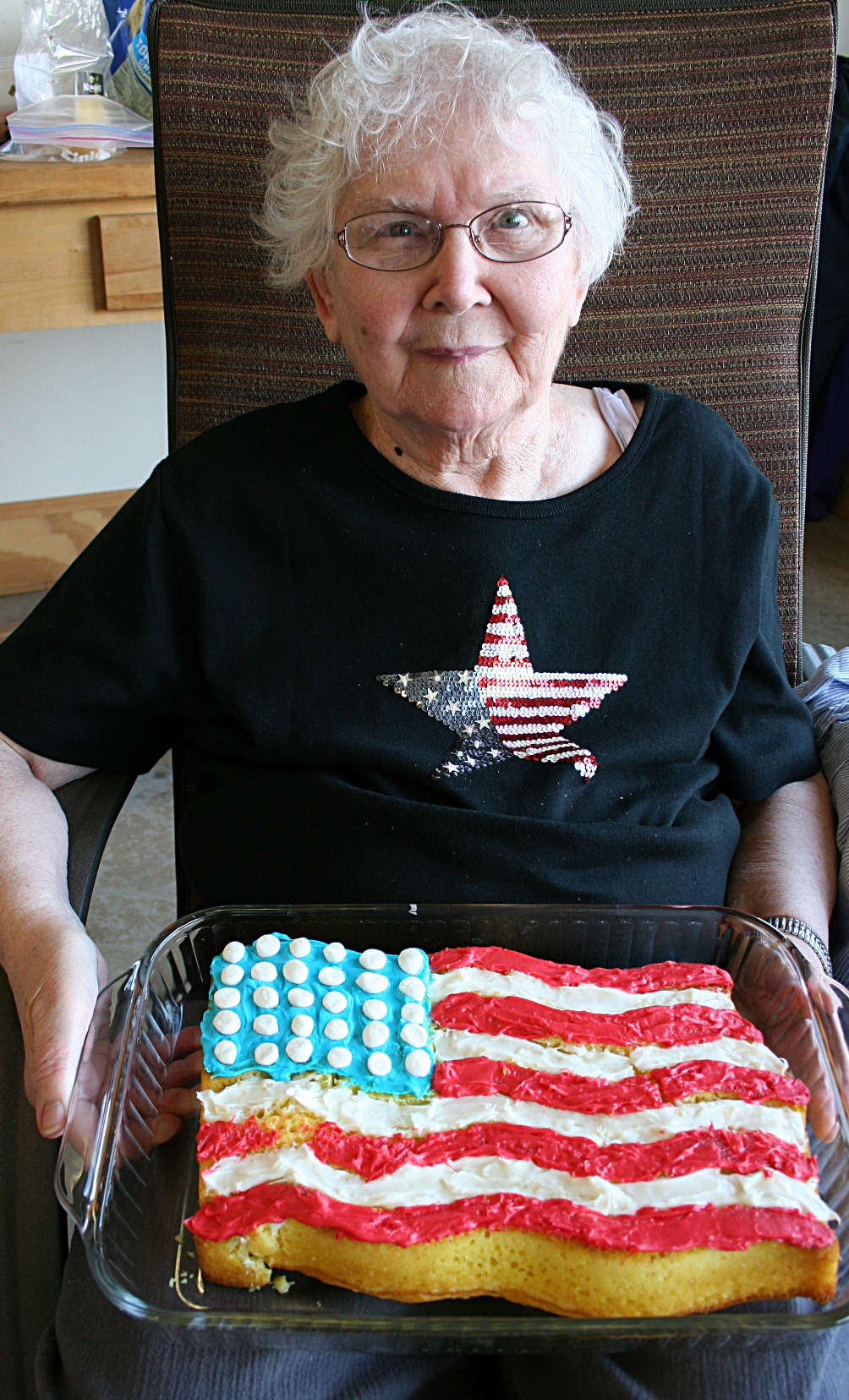
My mom, Arlene, made this flag cake. Impressive, huh?

My mom, Arlene, made this flag cake. Impressive, huh?

I expect my 82-year-old mom felt the same—happy that five of her six kids and their families could attend.
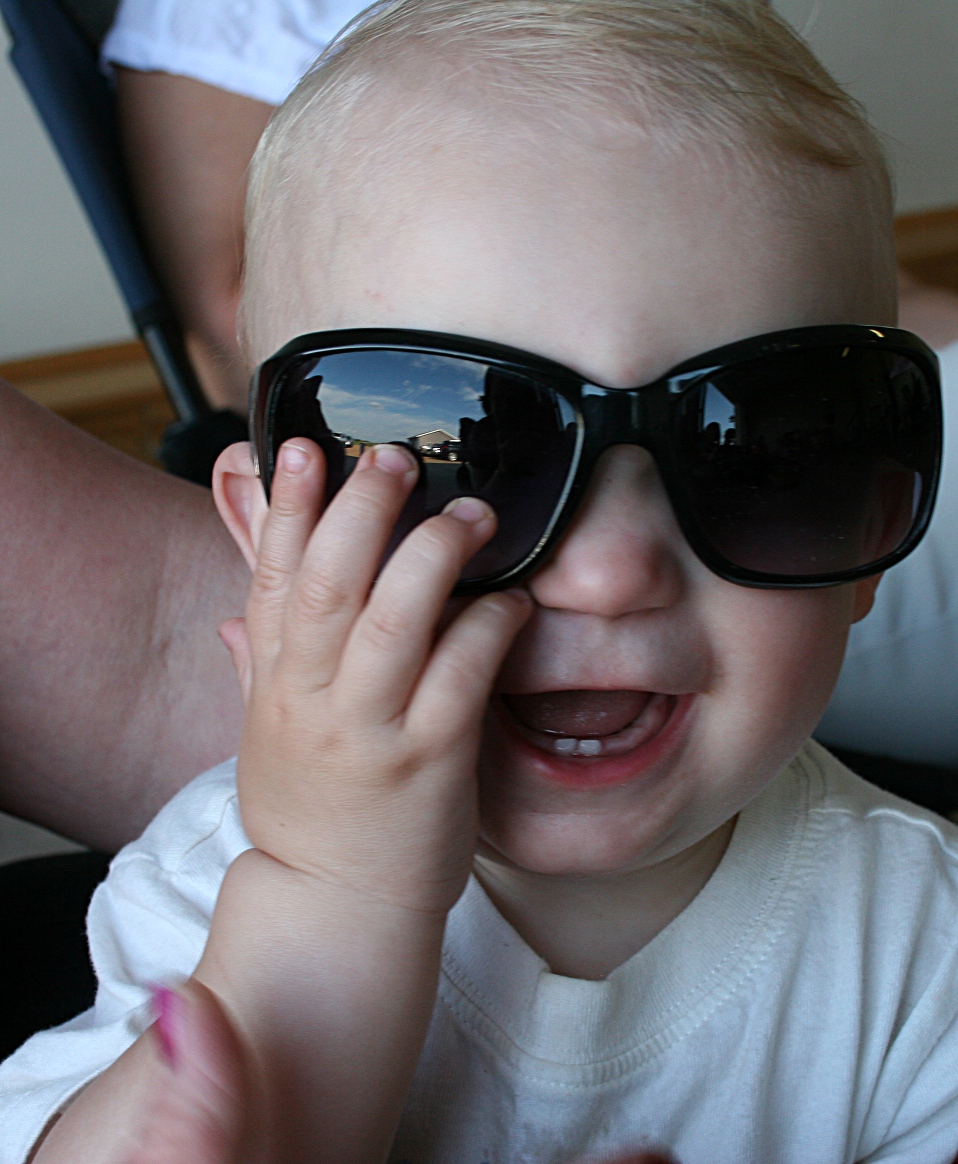
The youngest attendee, my great nephew Hank, who recently turned one.

The youngest attendee, my great nephew Hank, who recently turned one.

Nothing compares to the embracing love of family with whom you share a common bond of memories.
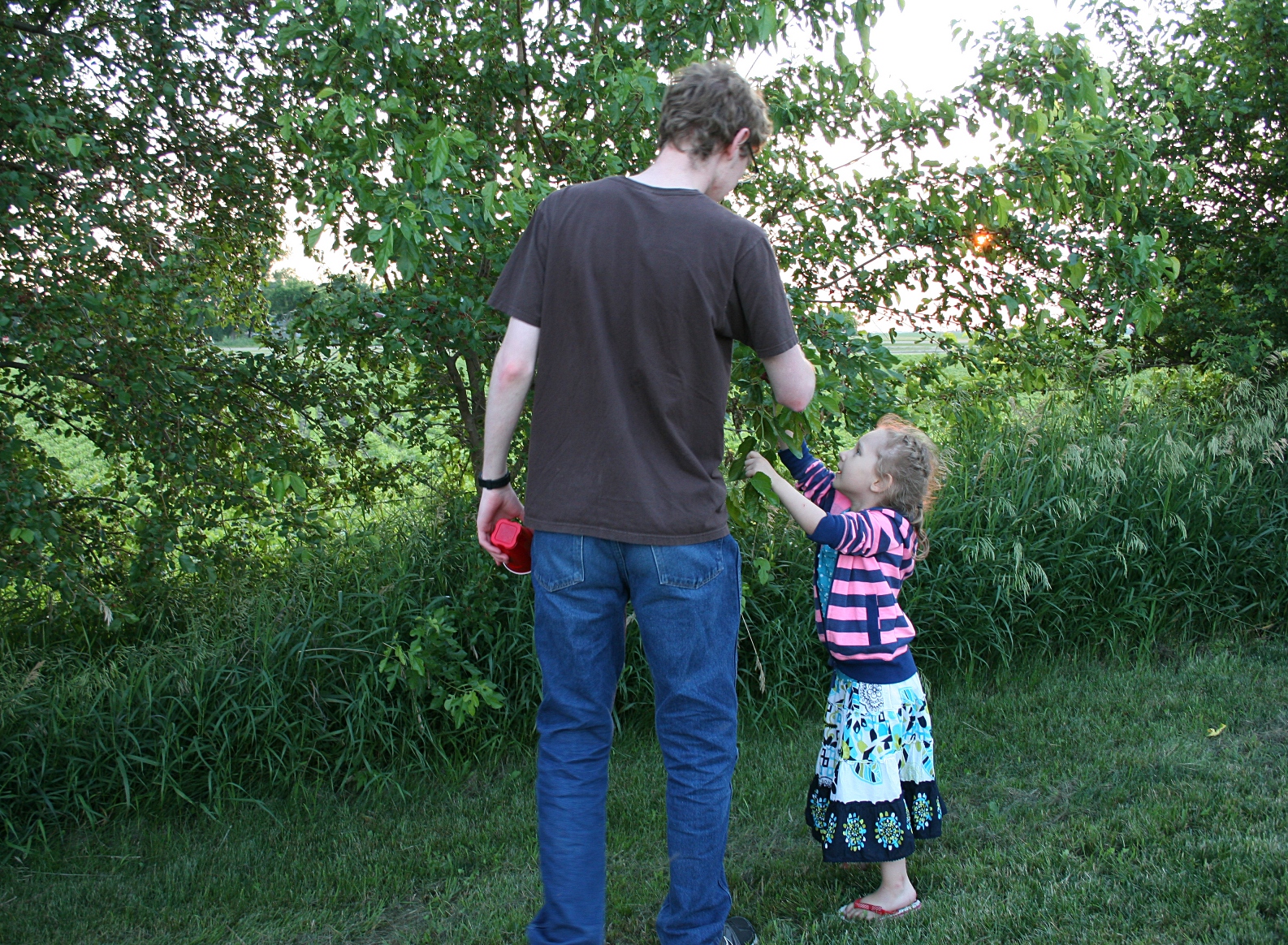
I love this photo of my 19-year-old son, Caleb, picking berries with Ari.

I love this photo of my 19-year-old son, Caleb, picking mullberries with Ari, my great niece.
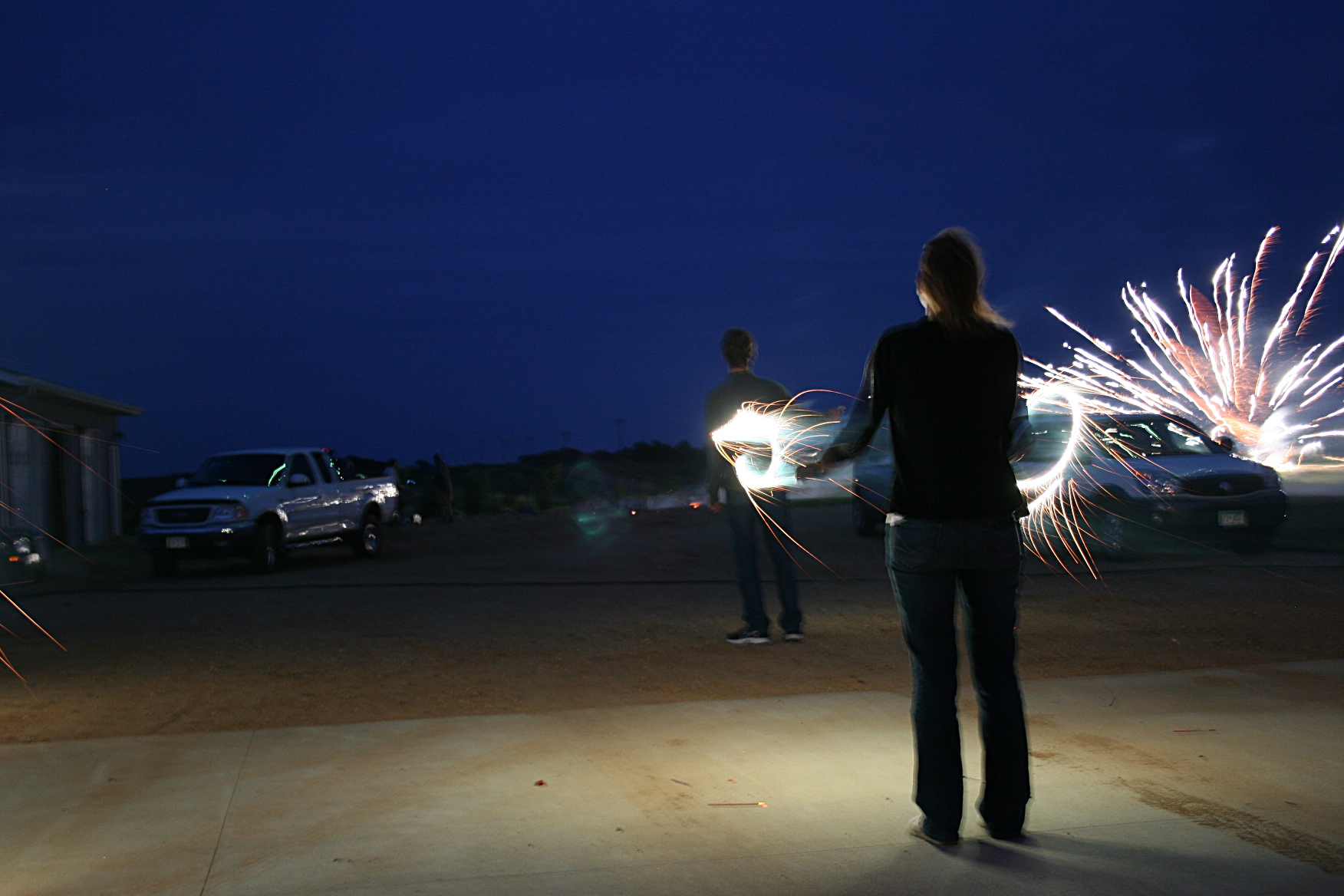
Sparklers are part of our annual tradition.

When the sun disappears from the prairie sky, the sparklers come out, part of the tradition.

© Copyright 2013 Audrey Kletscher Helbling


In North Morristown: A photo essay of Minnesota’s oldest July 4th celebration July 4, 2013

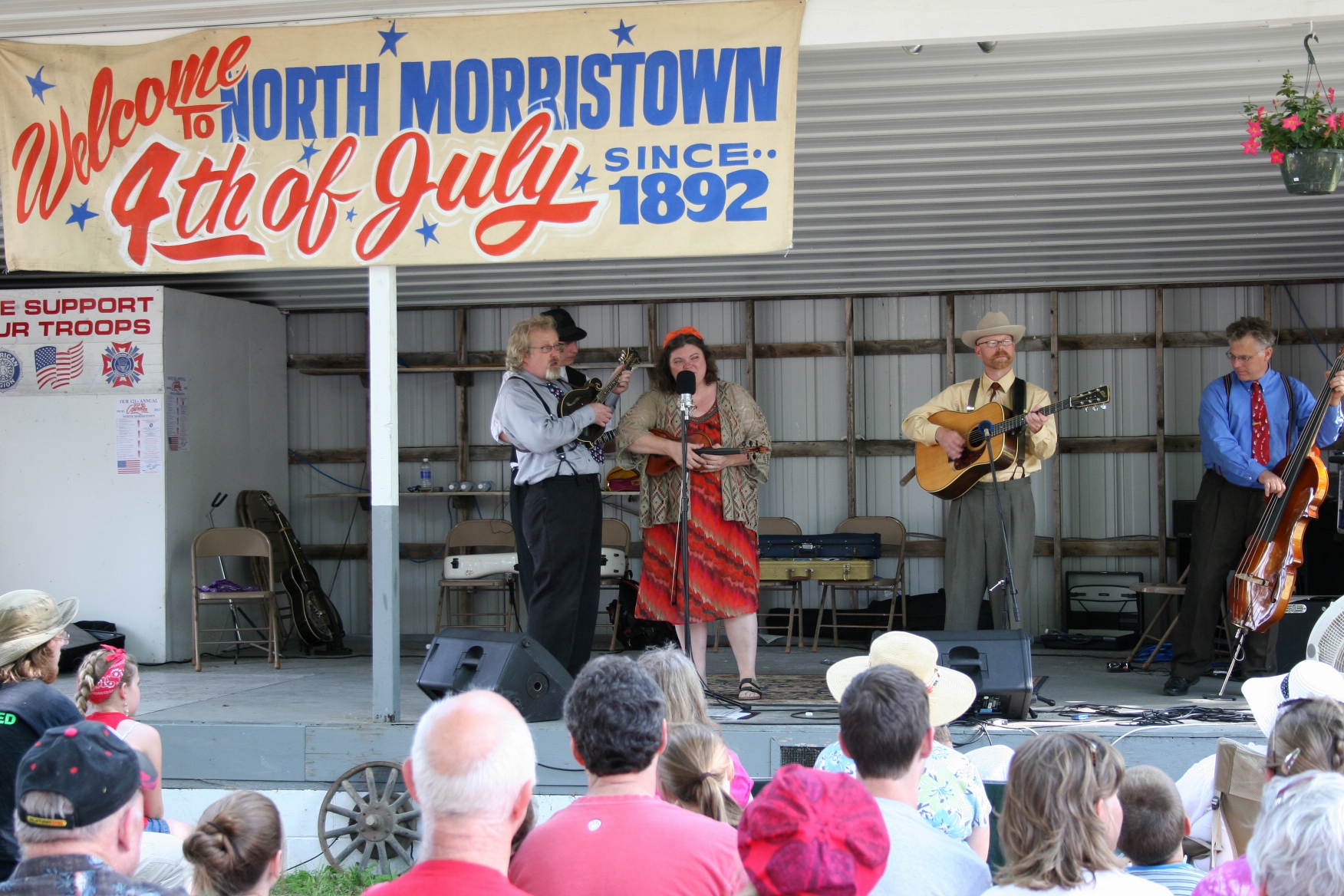
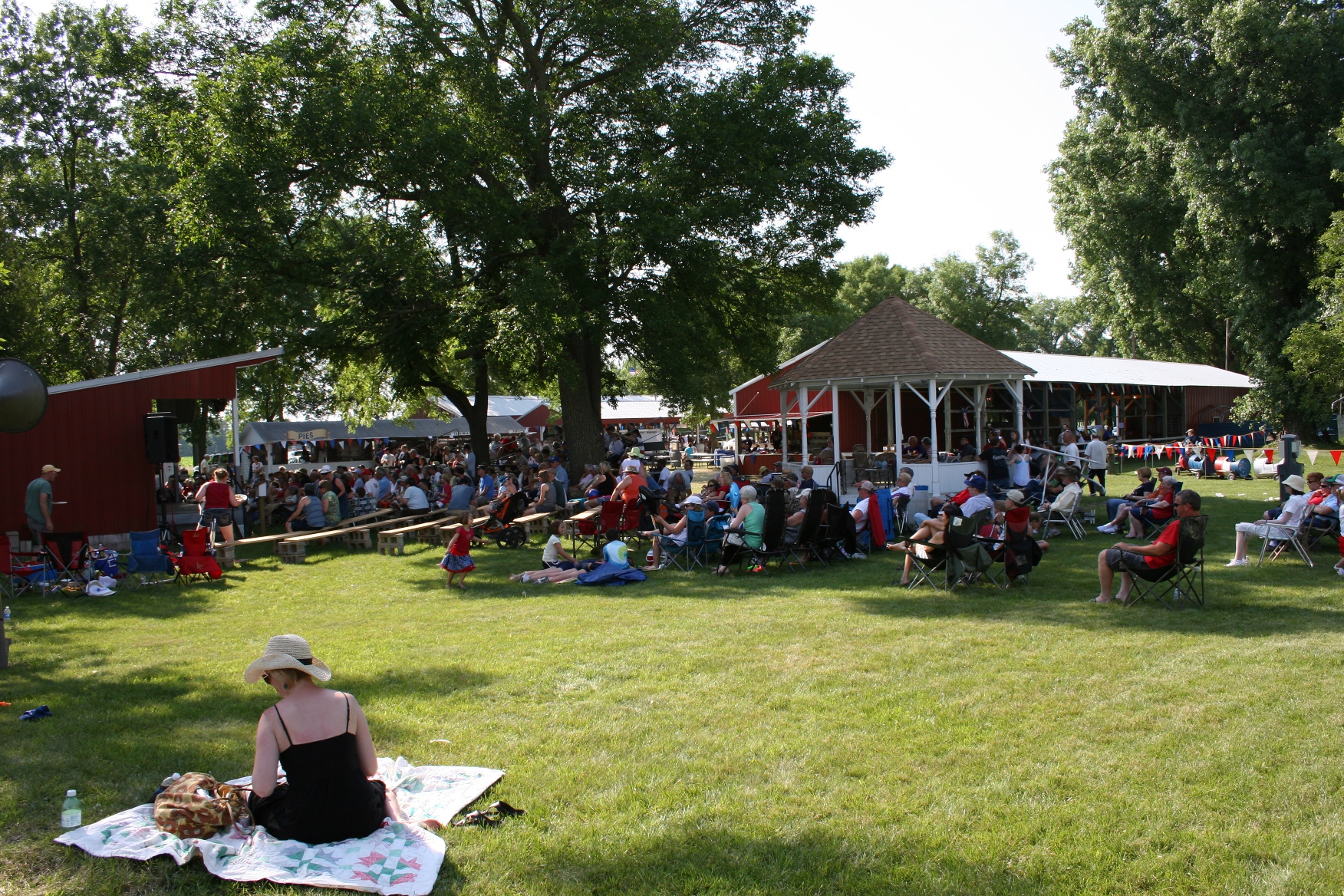
The bluegrass band, Monroe Crossing, has performed at North Morristown the past seven years, presenting two concerts at the celebration.

The bluegrass band, Monroe Crossing, has performed at North Morristown the past seven years, presenting two concerts at the celebration this year.

NORTH MORRISTOWN, MINNESOTA, is about as rural Americana as you’ll find anywhere in these United States of America on the Fourth of July.

The event is held at the North Morristown picnic grounds in southwestern Rice County.

The event is held at the North Morristown picnic grounds in southwestern Rice County.

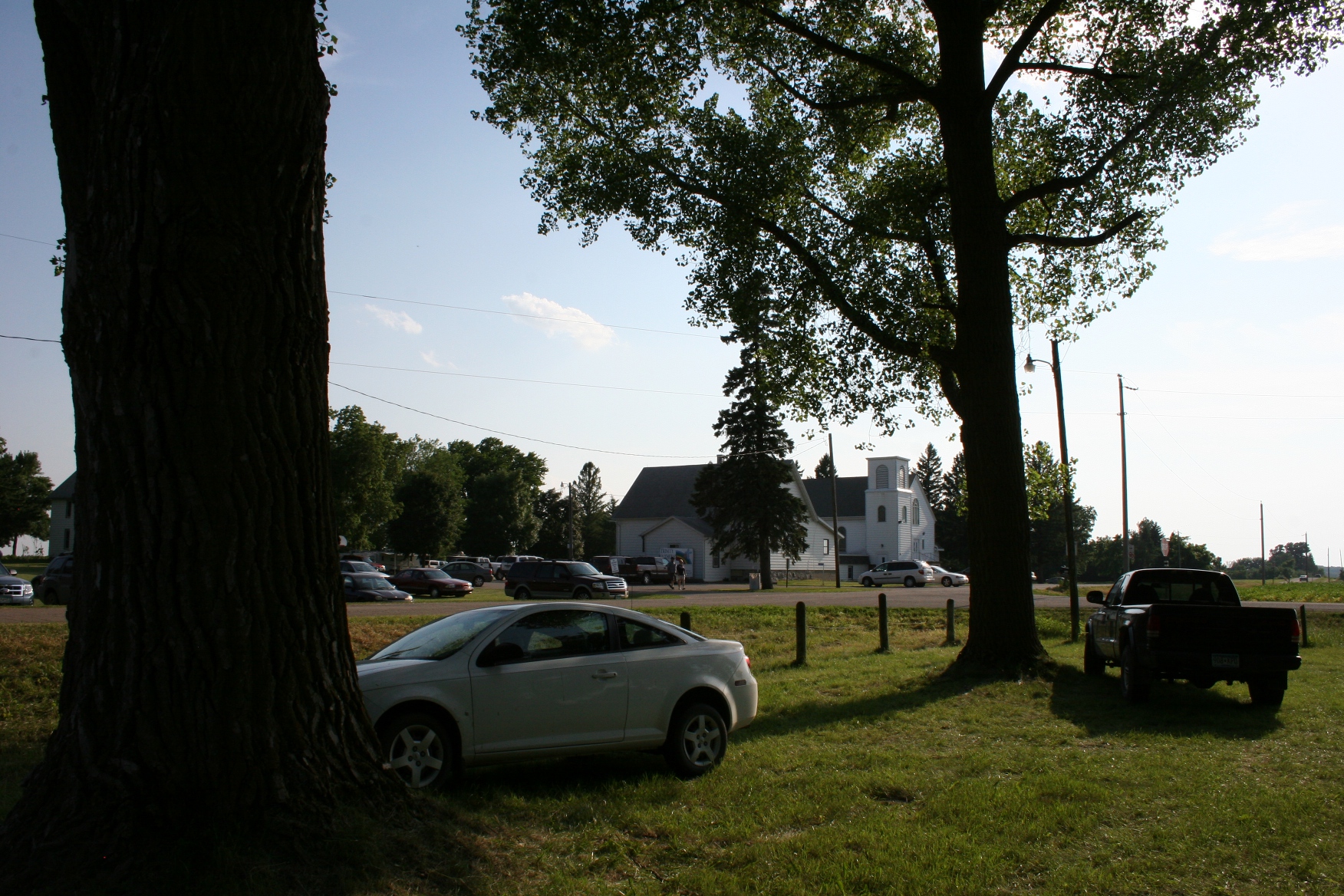
Trinity Lutheran Church and School sit across the road from the picnic grounds.

Trinity Lutheran Church and School sit across the road from the picnic grounds.

Here, on the picnic grounds of Trinity Lutheran Church and School, generations of families have gathered for 121 years to celebrate our nation’s birthday with family and friends at our state’s oldest Independence Day celebration, begun in 1892.

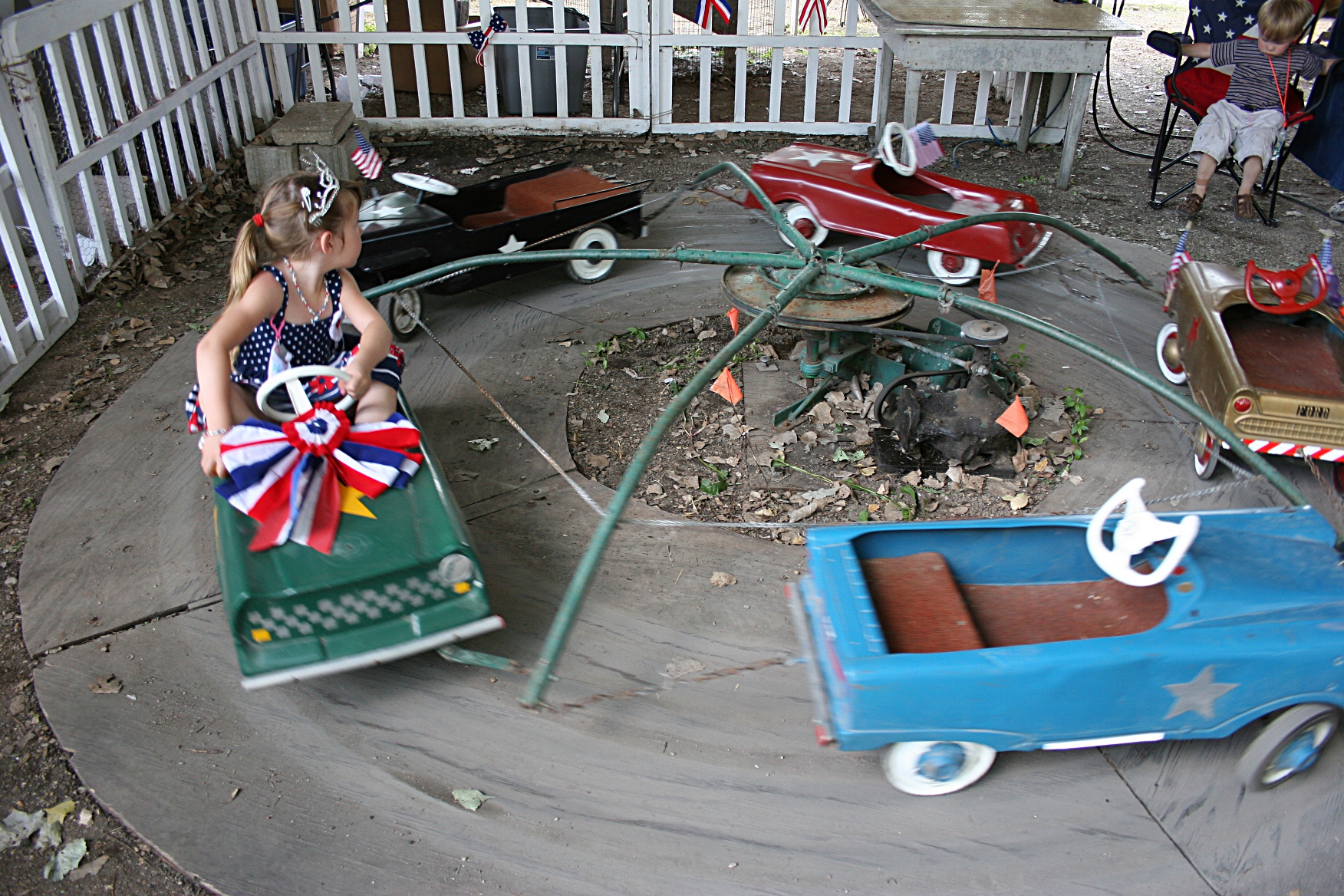
The vintage car ride for kids.

The vintage car ride for kids.

The day brings old-fashioned games and rides for the kids, bingo, music, a scavenger hunt, a parade, a patriotic program and more. Fireworks shot over farm fields cap the day’s festivities.

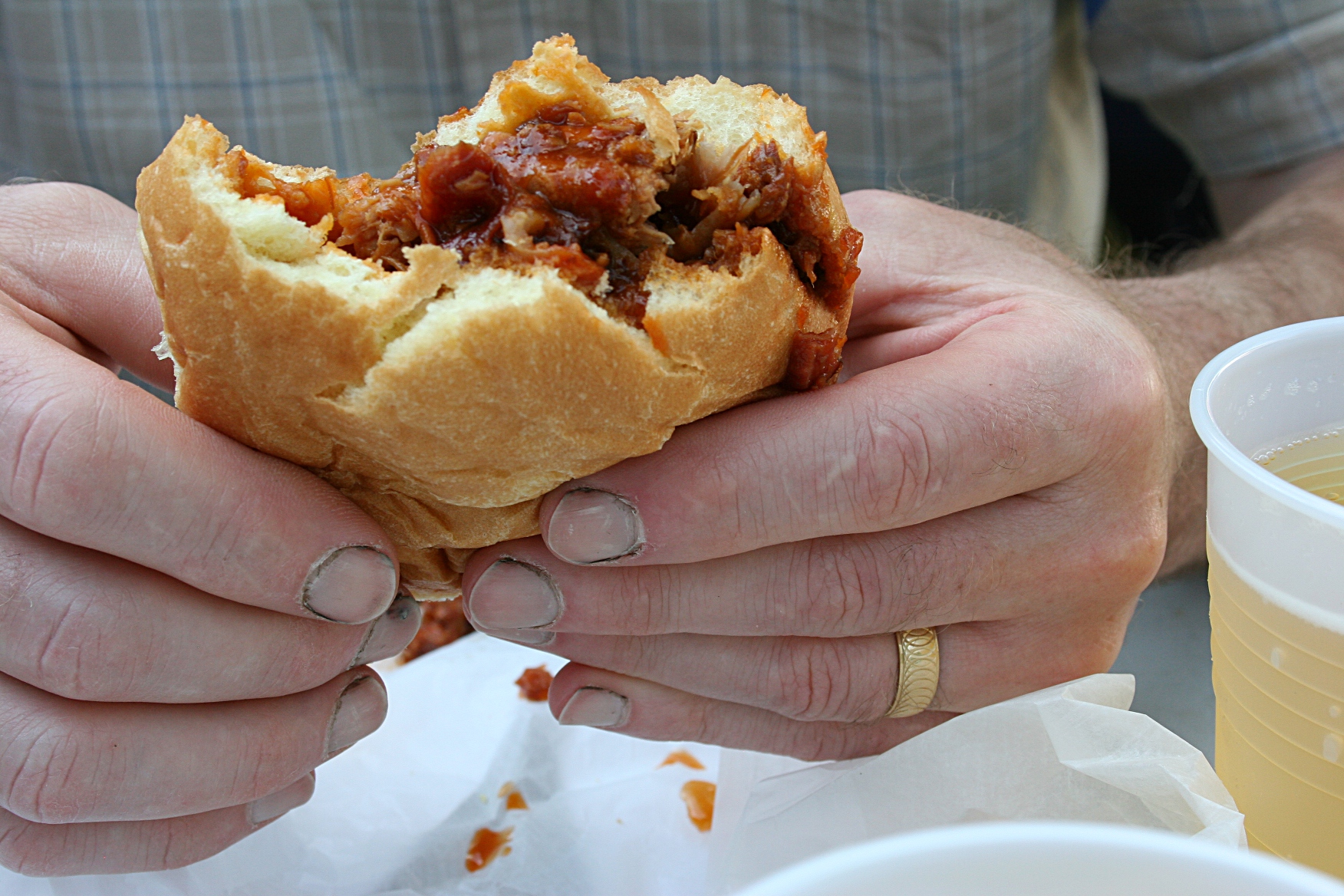
Enjoying a pork sandwich and a beer.

Enjoying a pork sandwich and a beer.

And the food, oh, the food. Homemade pies. Savory hot pork and beef sandwiches, burgers, thick onion rings, and more.

A large crowd enjoys a free afternoon concert by Monroe Crossing.

A large crowd enjoys a free afternoon concert by Monroe Crossing.

What a day. What a celebration.

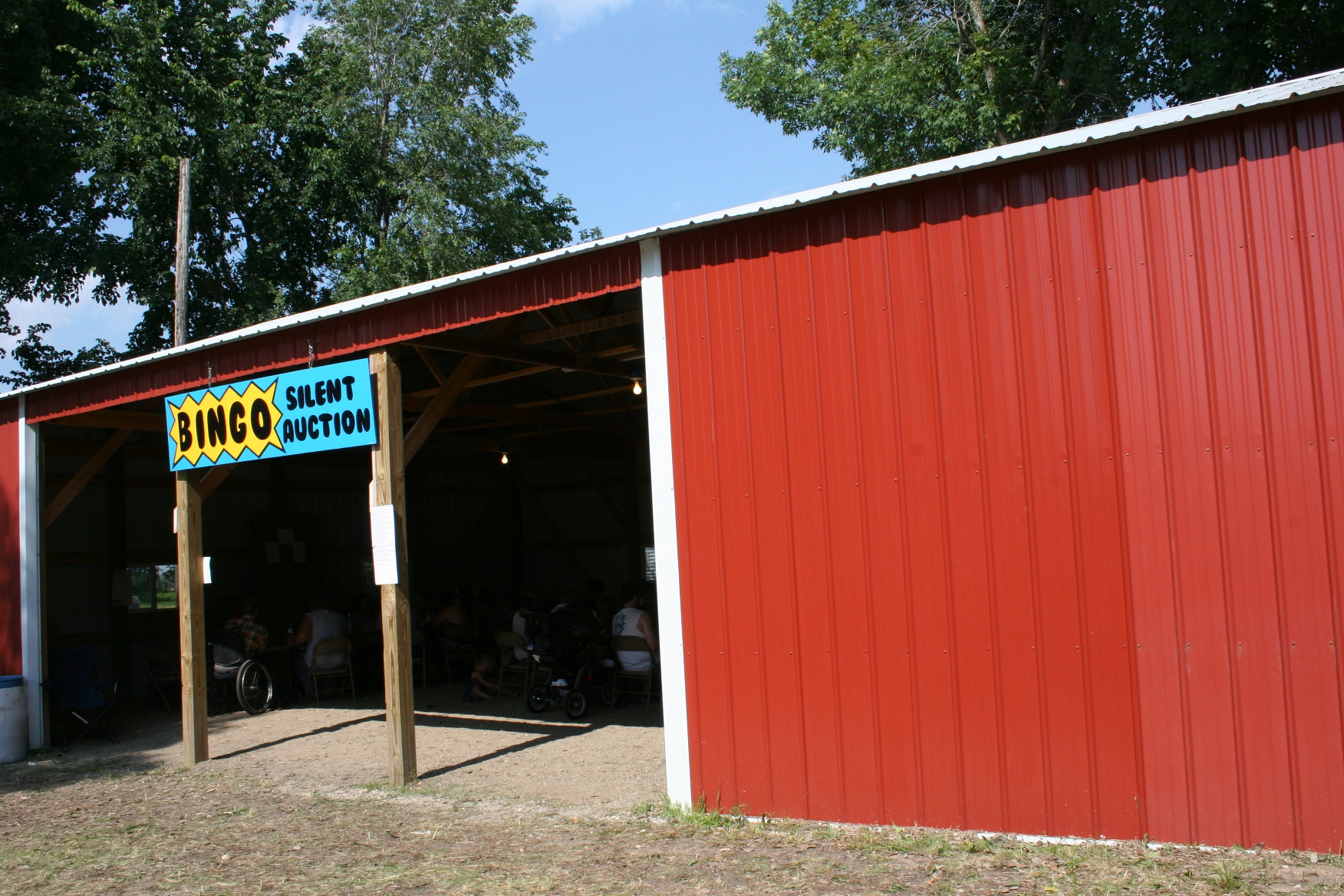
One pole shed is dedicated to bingo.

One section of a pole shed is dedicated to bingo and a silent auction.

The bingo callers.

The bingo callers.

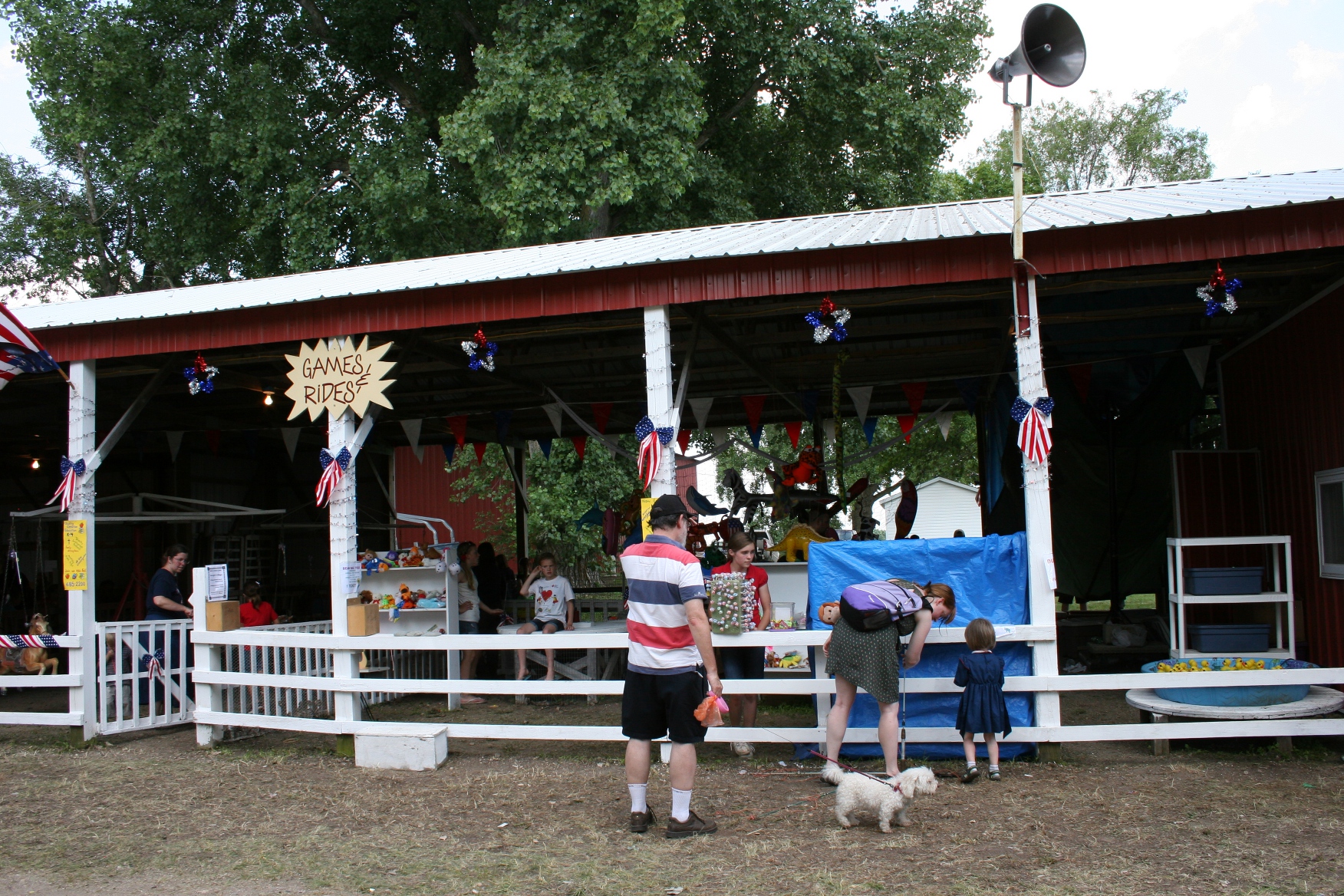
Fun for the kids in the games and rides building.

Fun for the kids in the games and rides building.

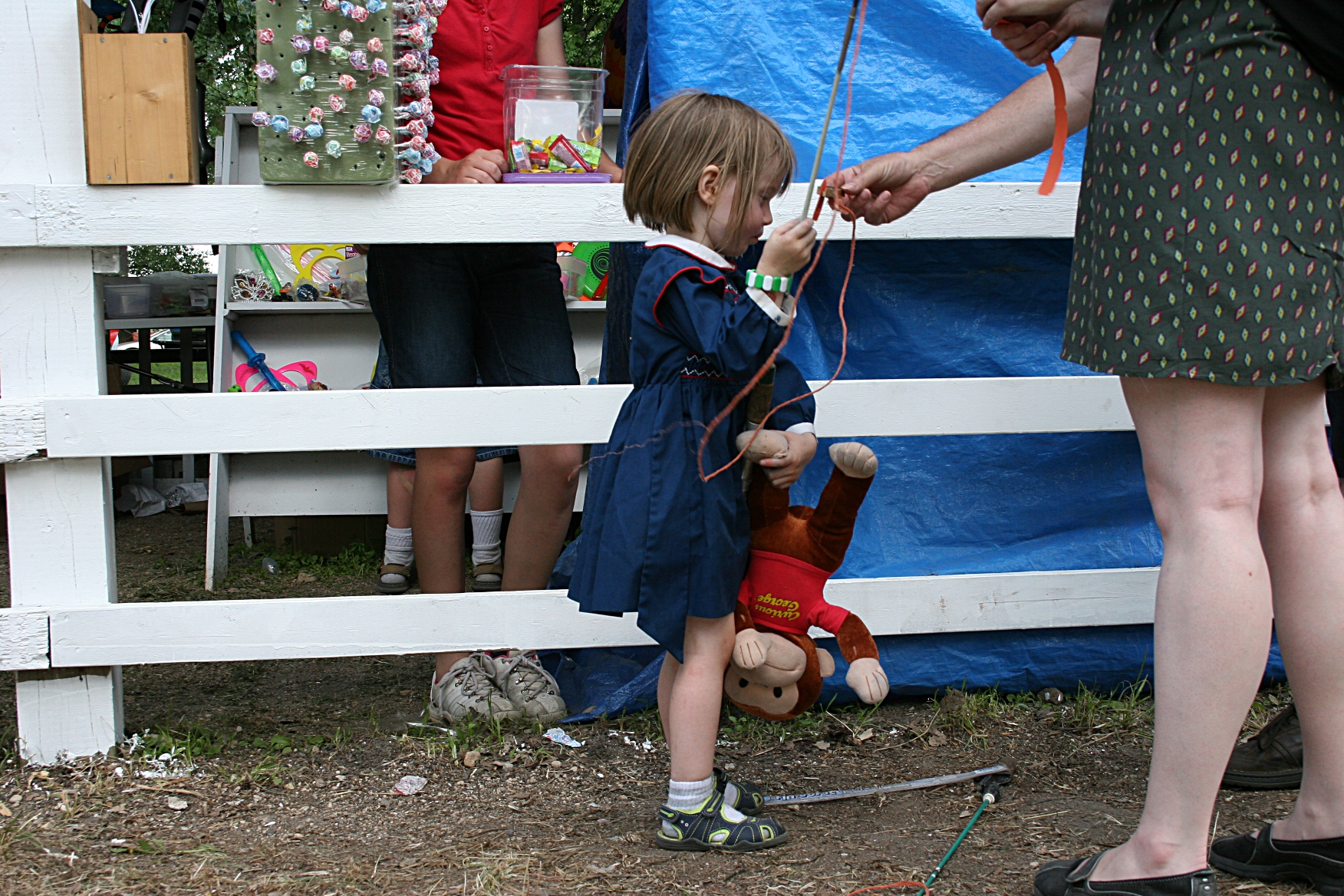
A ticket for the fish pond.

A ticket for the fish pond.

Filling the squirt gun in the duck pond.

Filling the squirt gun in the duck pond.

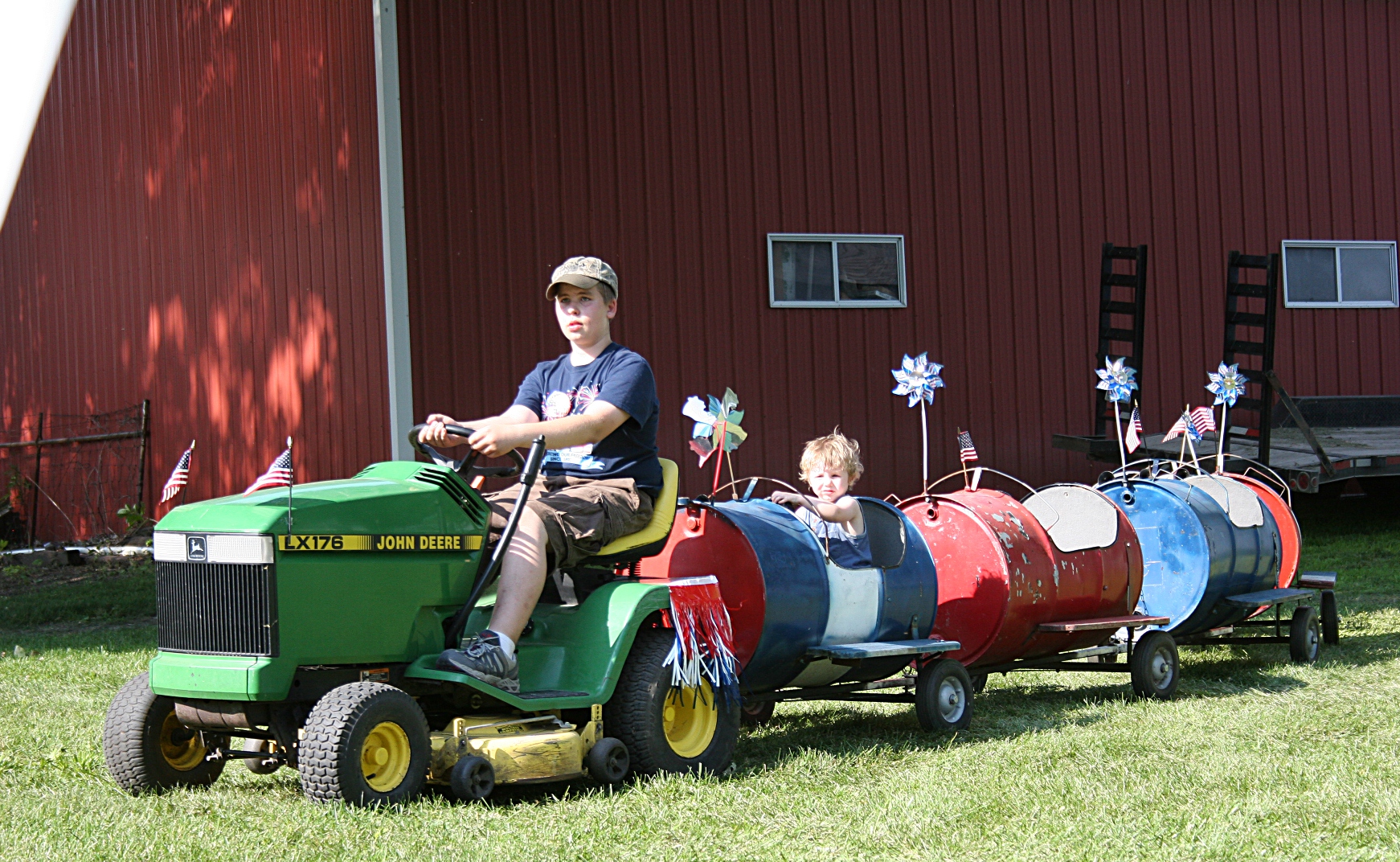
Riding the old-fashioned barrel train.

Riding the old-fashioned barrel train.

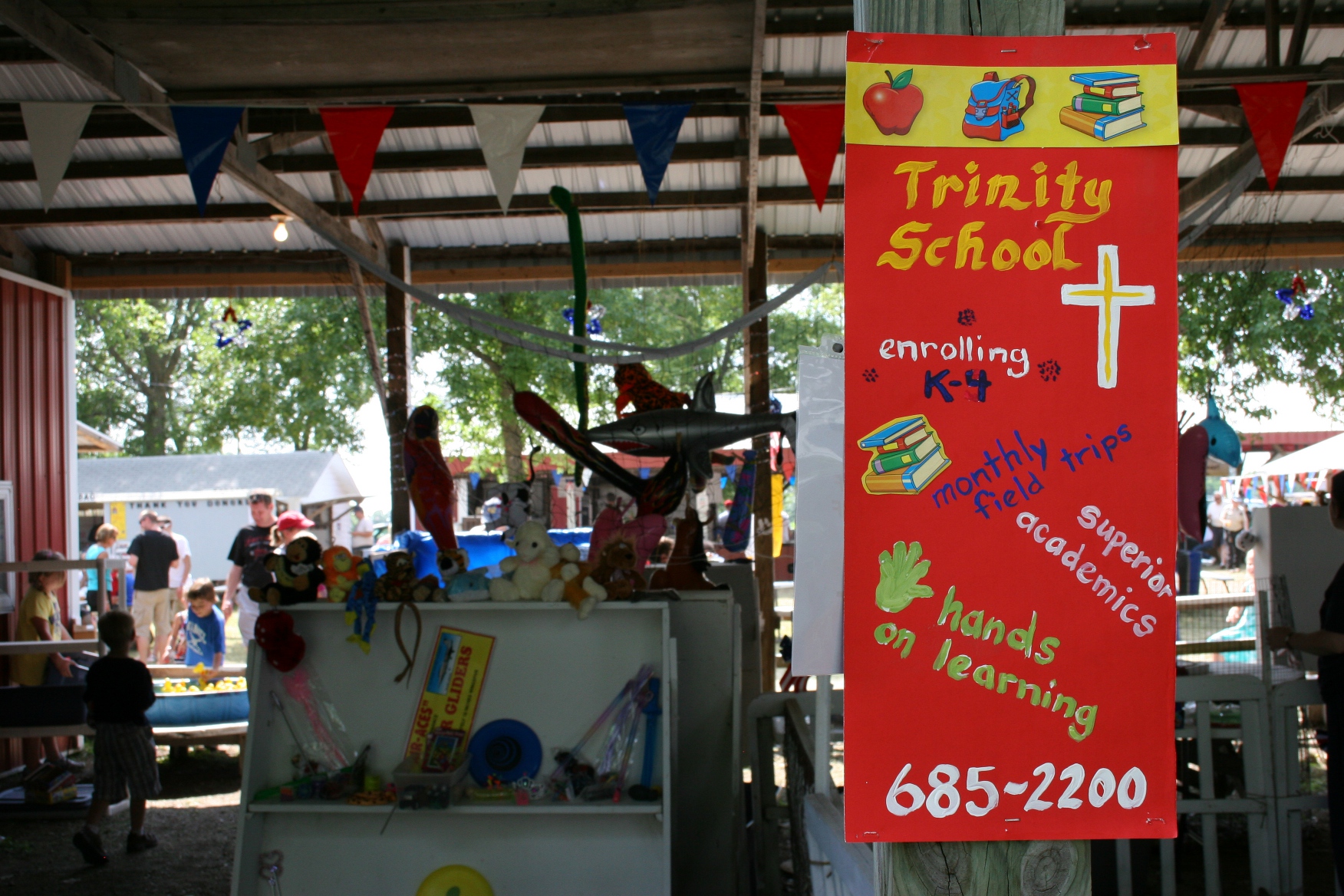
The day's proceeds benefit Trinity Lutheran School.

The day’s proceeds benefit Trinity Lutheran School.

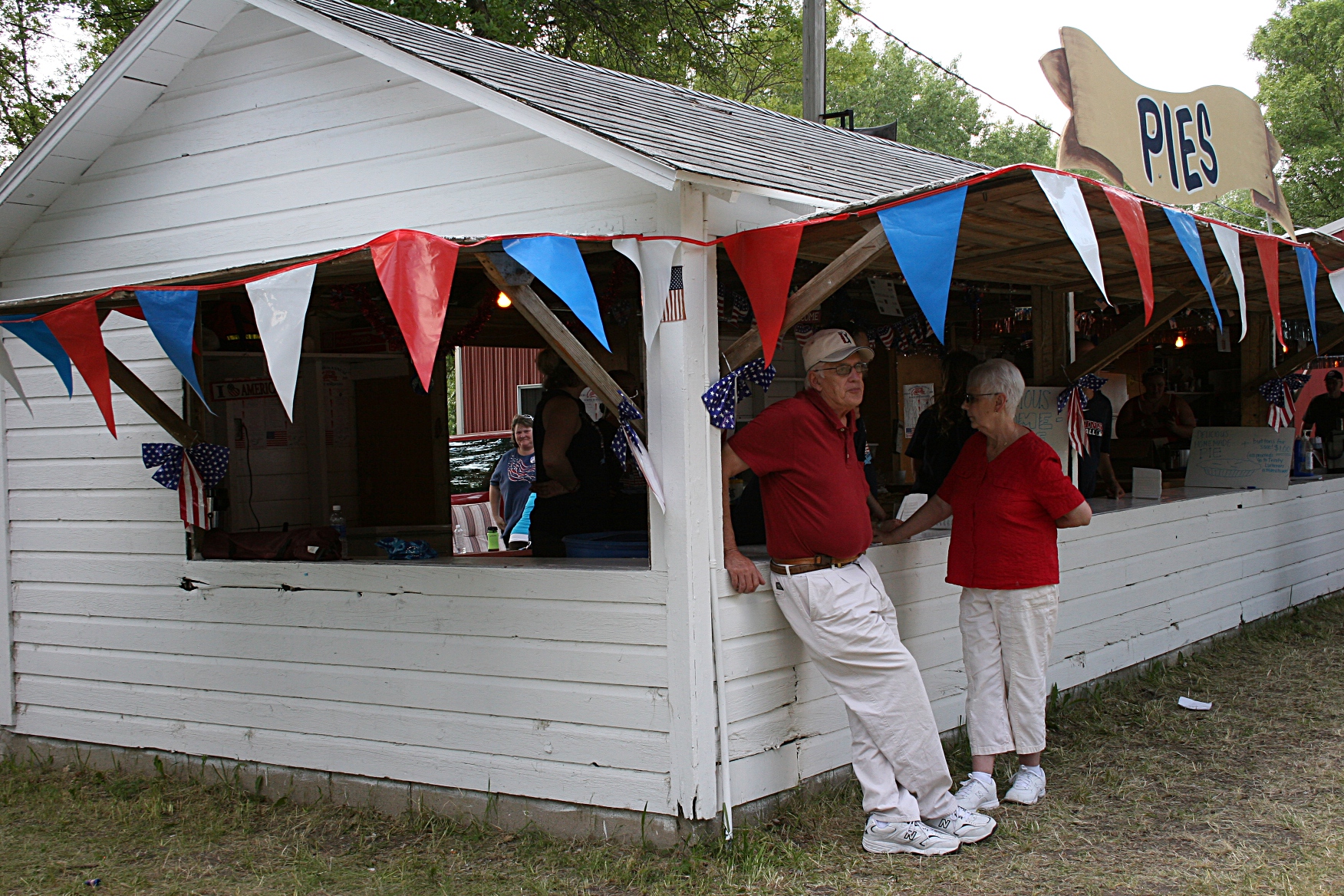
Homemade pies and ice cream are served from the pie building.

Homemade pies and ice cream are served from the pie building.

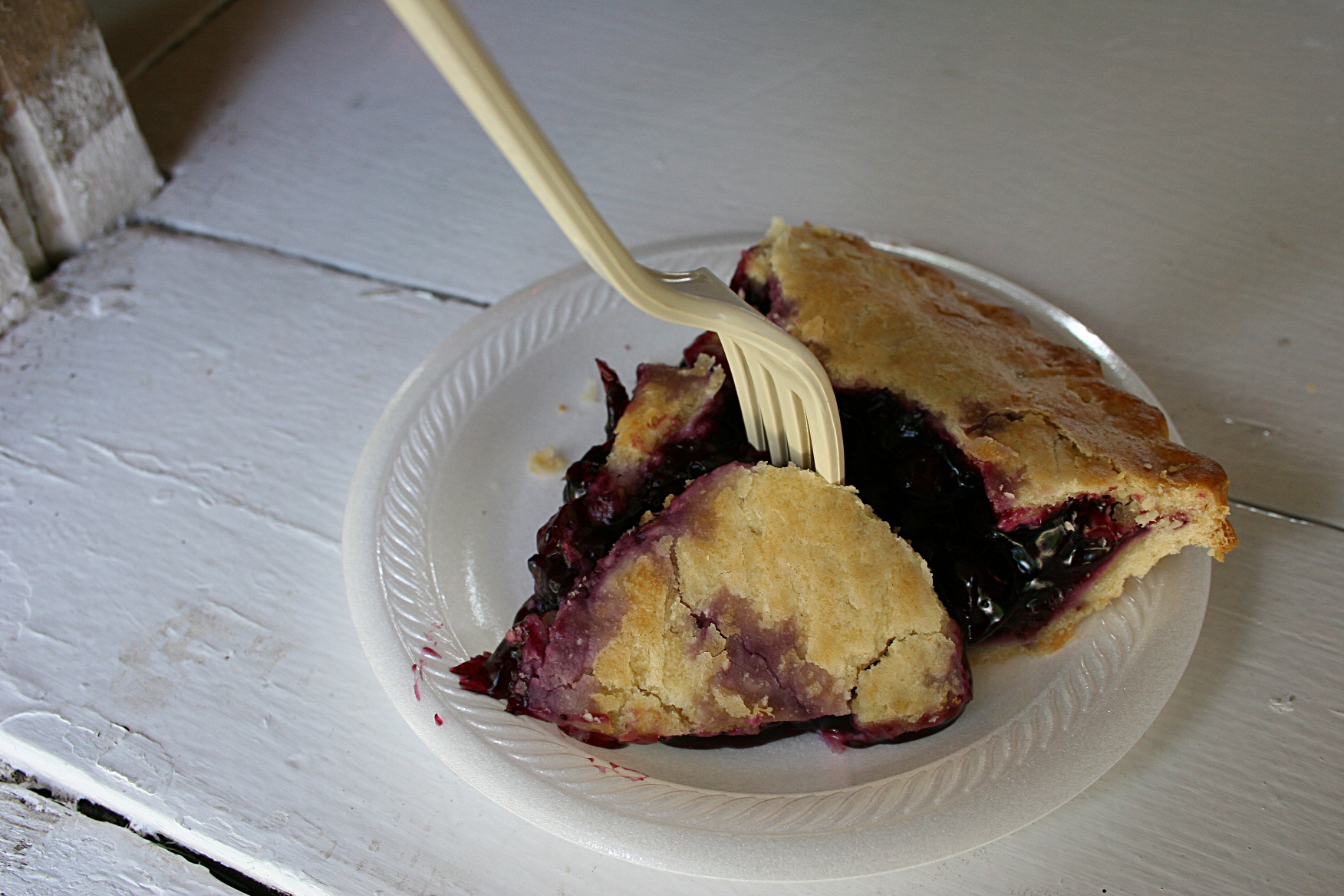
Blueberry pie.

Blueberry pie.

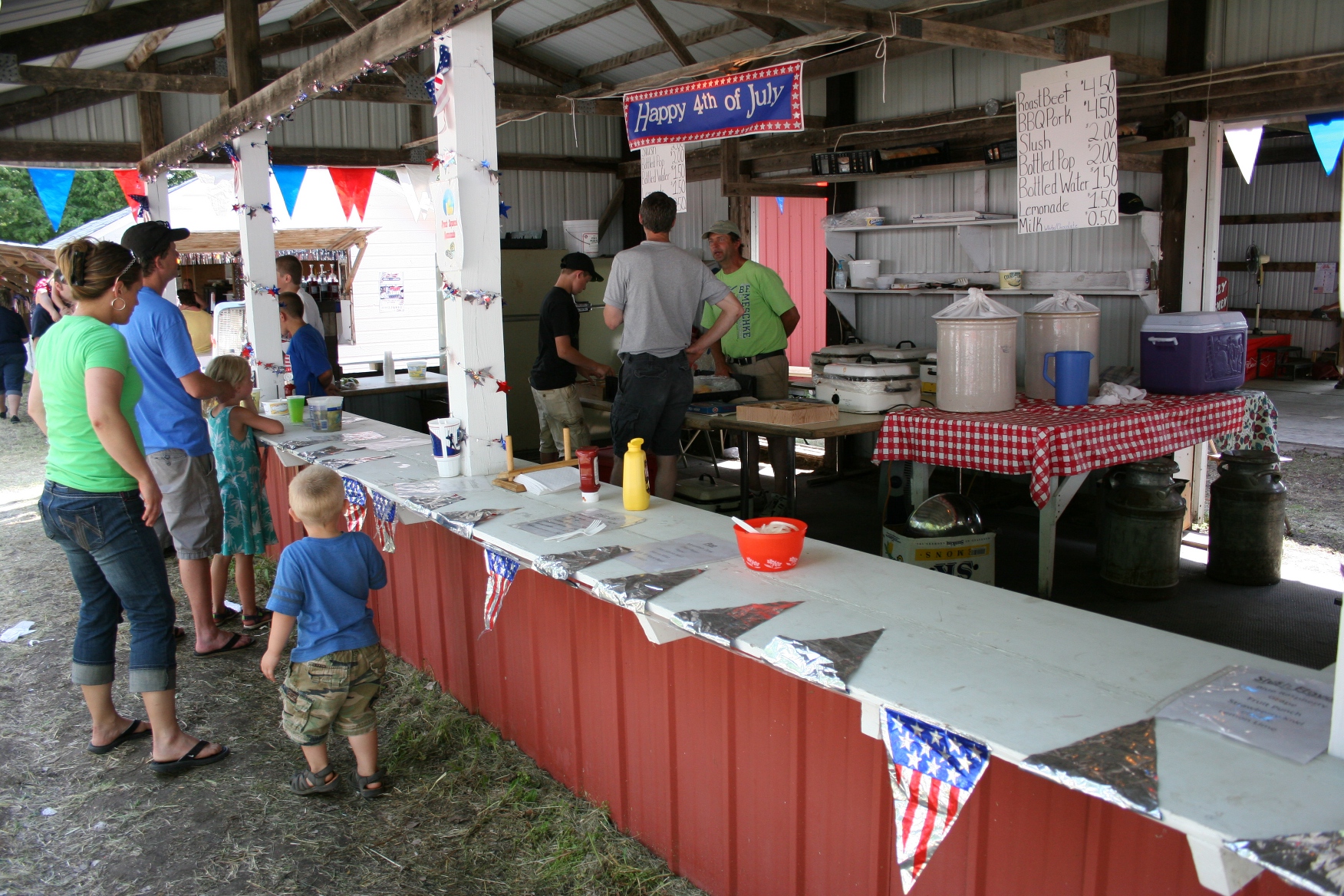
Hot pork and beef sandwiches and cold beverages are served from this stand.

Hot pork and beef sandwiches and cold beverages are served from this stand.

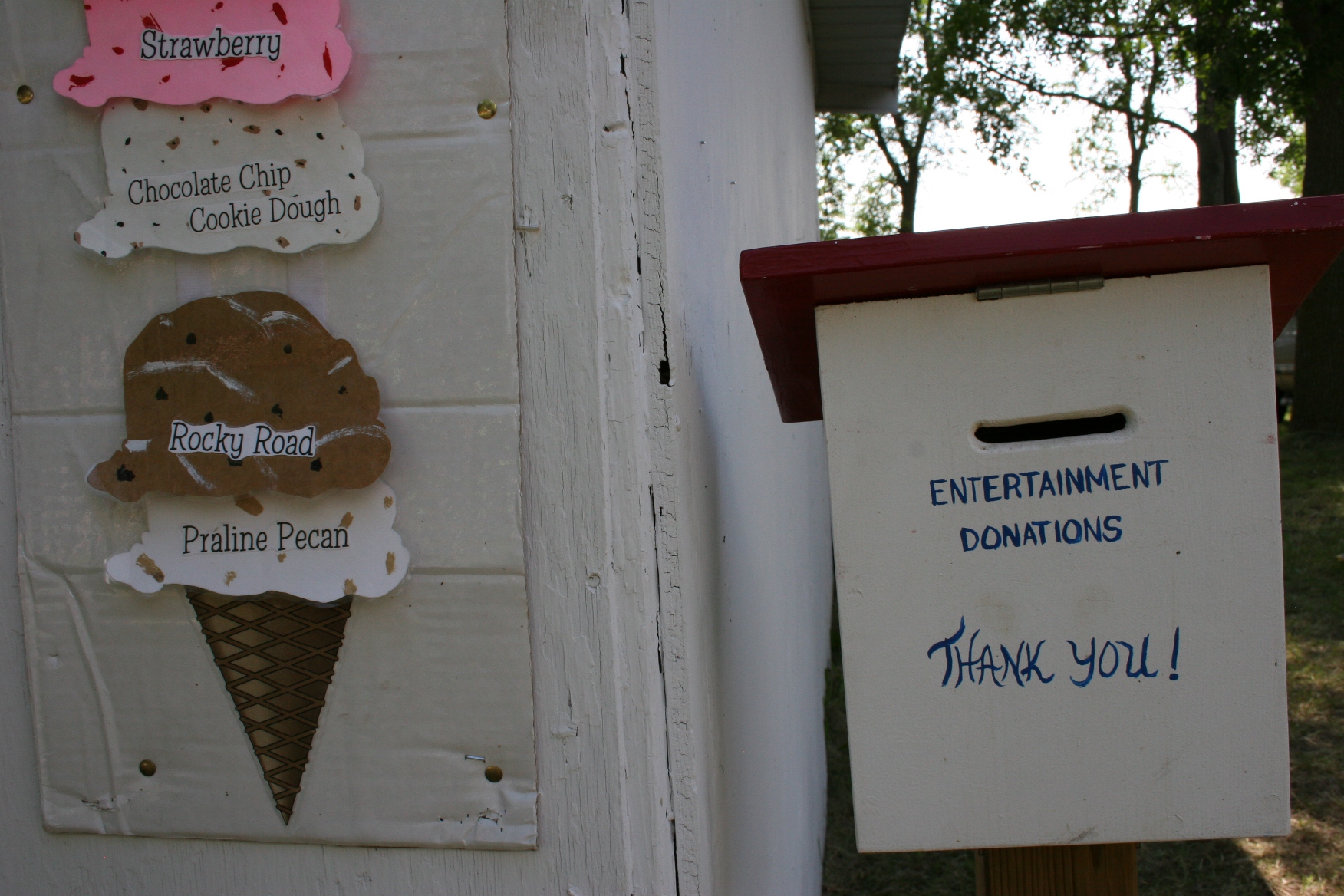
Visitors stopping by the ice cream shop can drop donations for the entertainment into a drop box.

Visitors stopping by the ice cream shoppe can drop donations for the entertainment into a drop box.

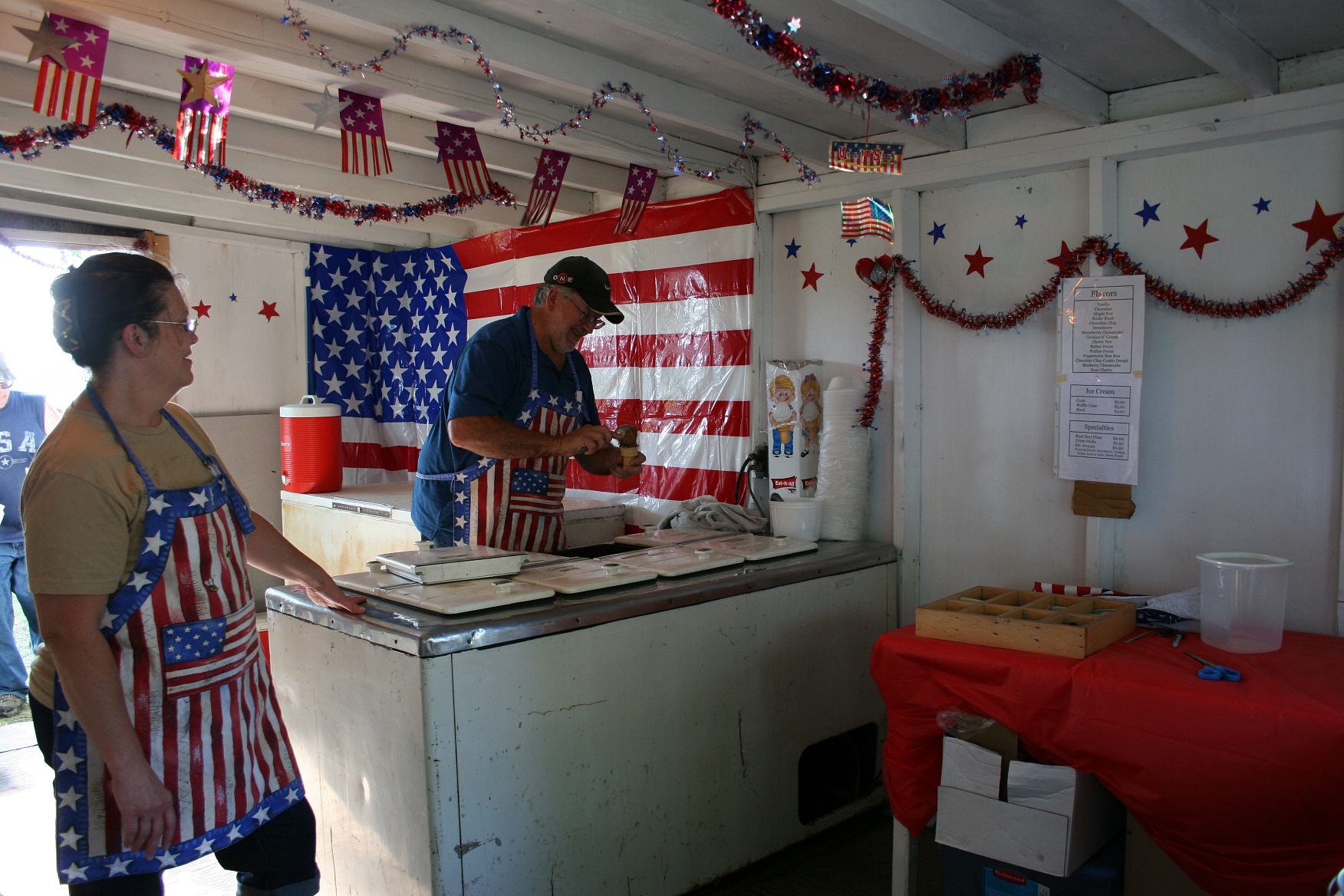
A peek inside the ice cream shoppe.

A peek inside the ice cream shoppe.

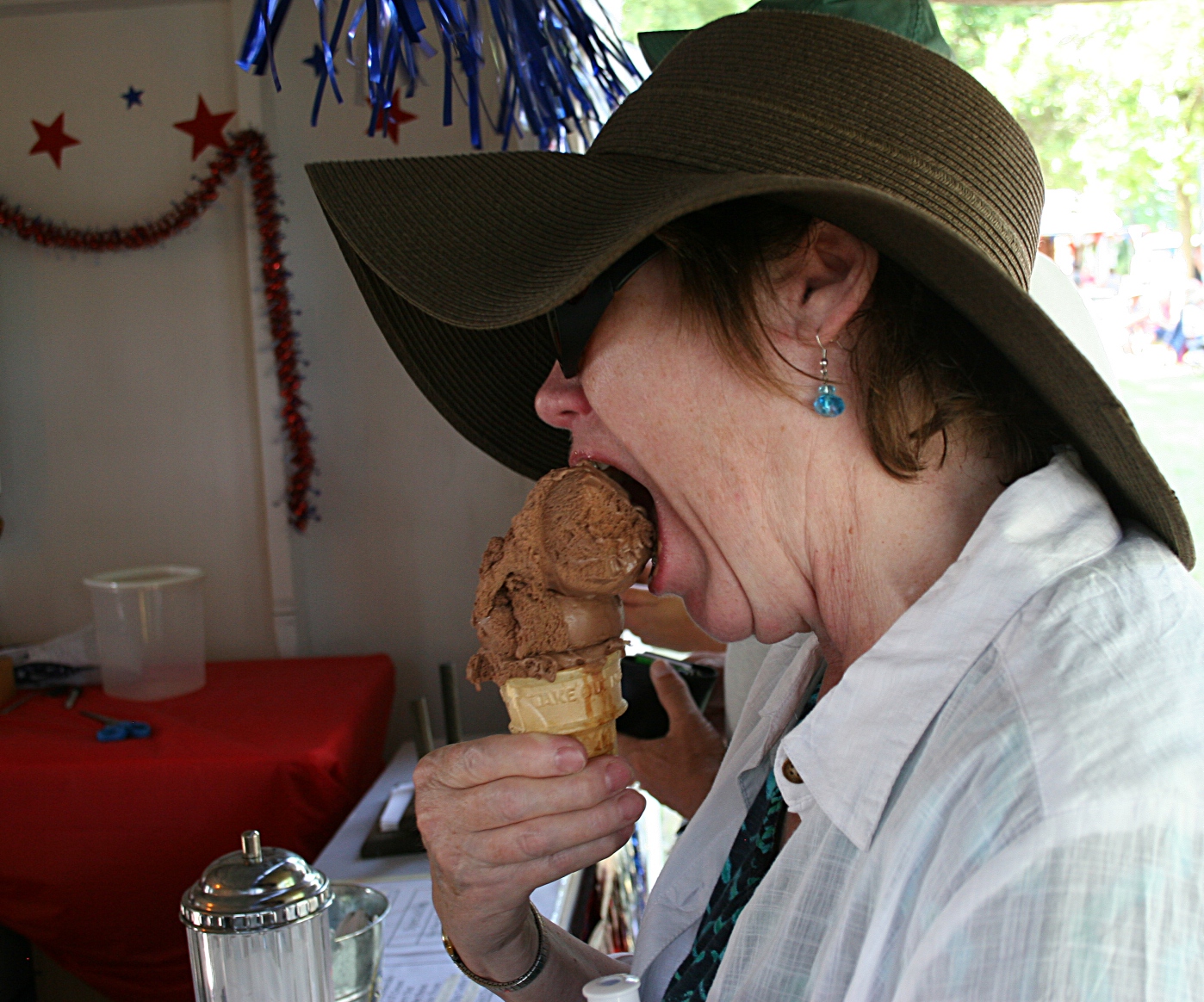
Enjoying an ice cream cone.

Enjoying an ice cream cone.

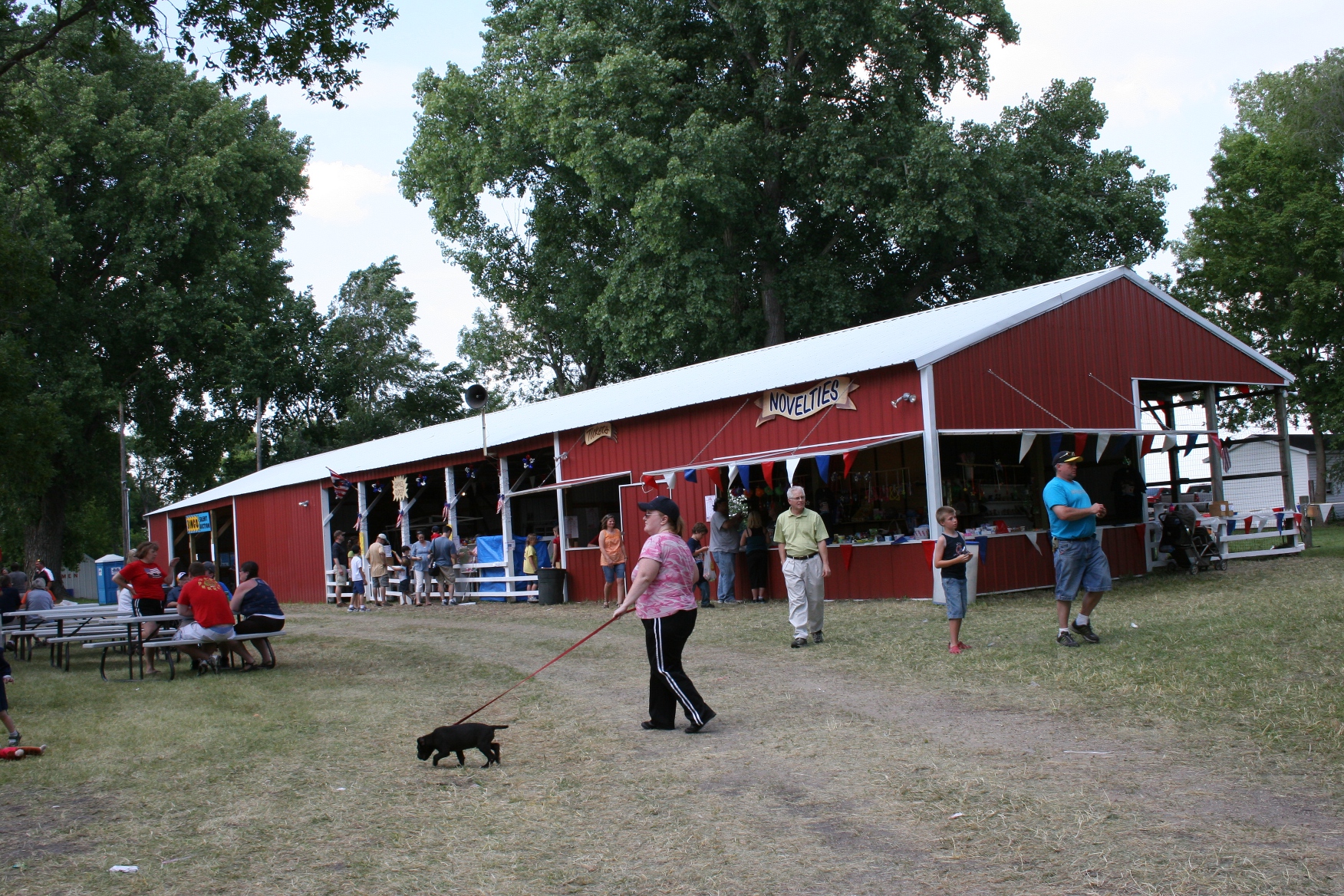
An overview of the novelties shoppe and games and rides building.

An overview of the novelties shoppe and games and rides and bingo building.

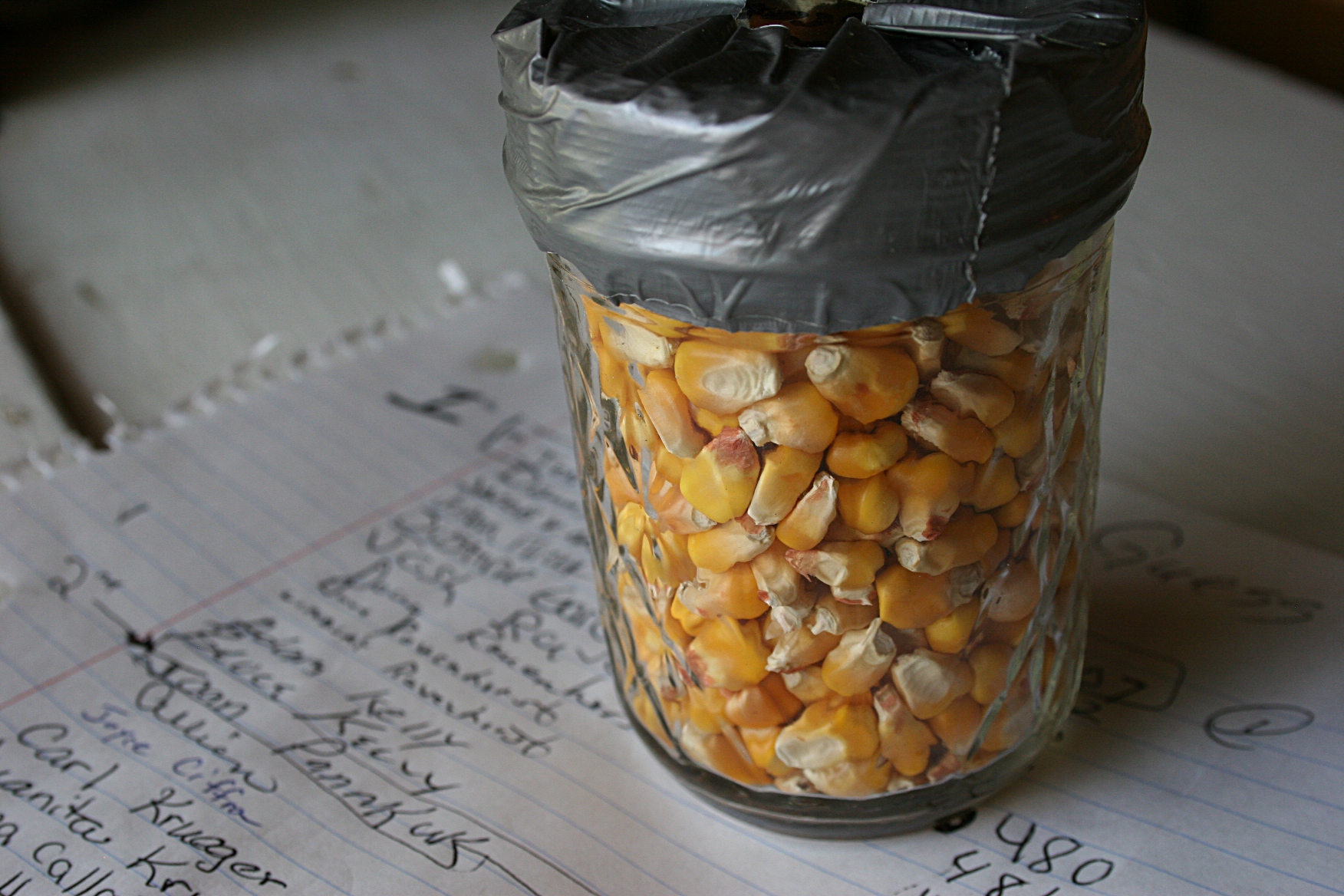
Guess the number of corn kernels in the duct taped jar and win a prize.

Guess the number of corn kernels in the duct taped jar and win a prize.

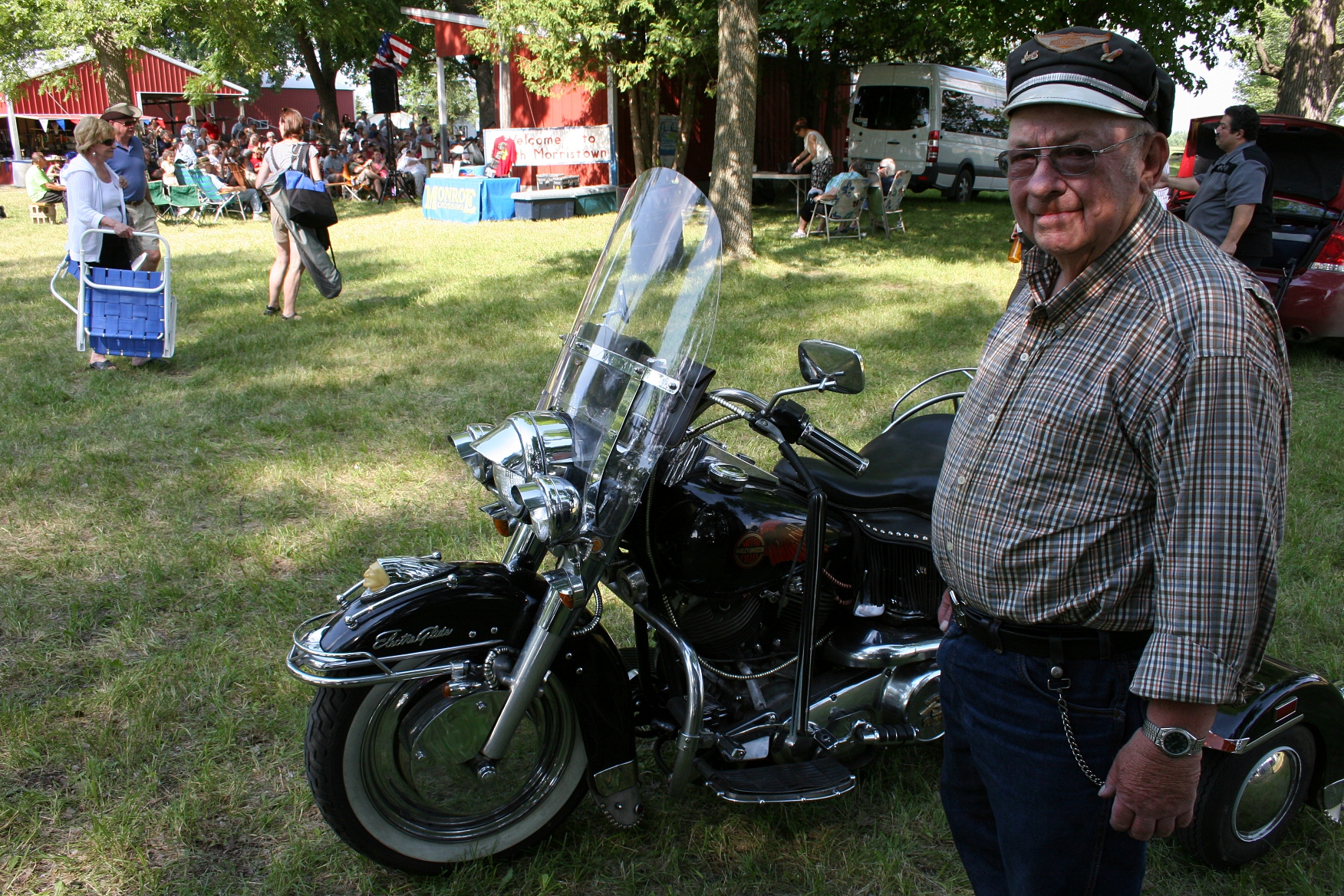
A 75-year-old Harley rider arrives at the celebration late in the afternoon.

A 75-year-old biker arrives at the celebration late in the afternoon on his 1977 Harley.

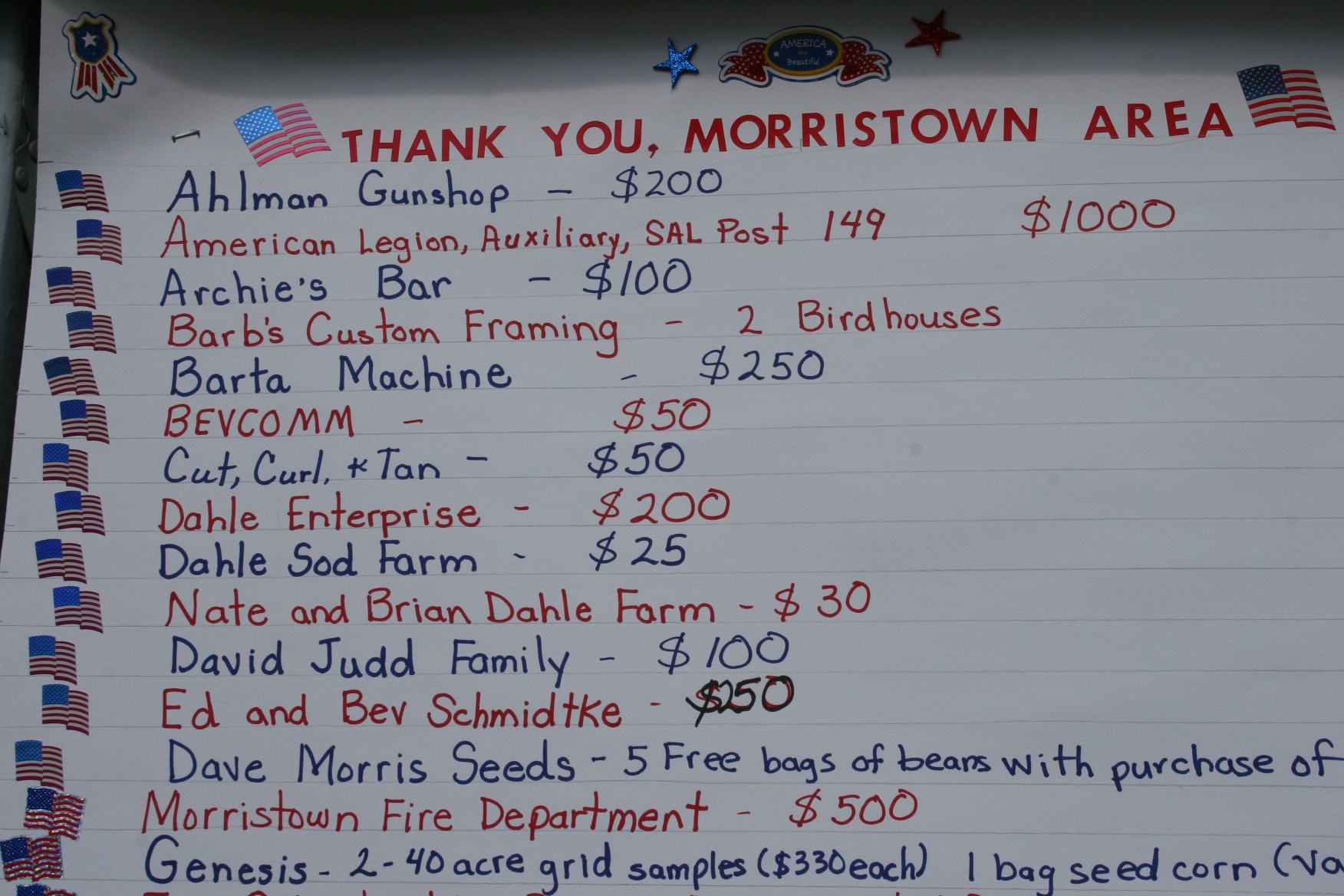
One of several lists thanking supporters.

One of several lists thanking supporters.

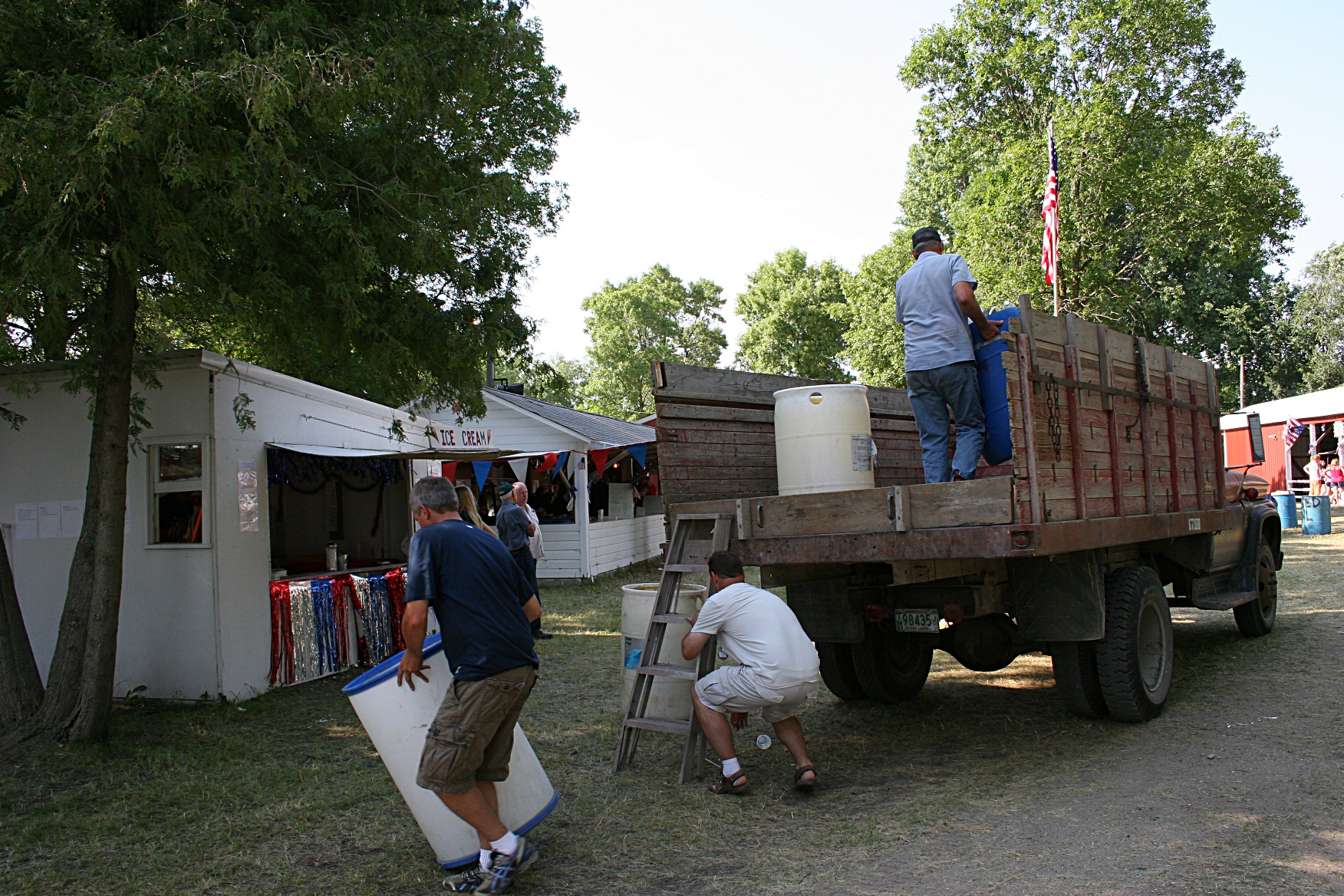
Garbage pick up in a 1964 grain truck.

Garbage pick up by a 1964 grain truck.

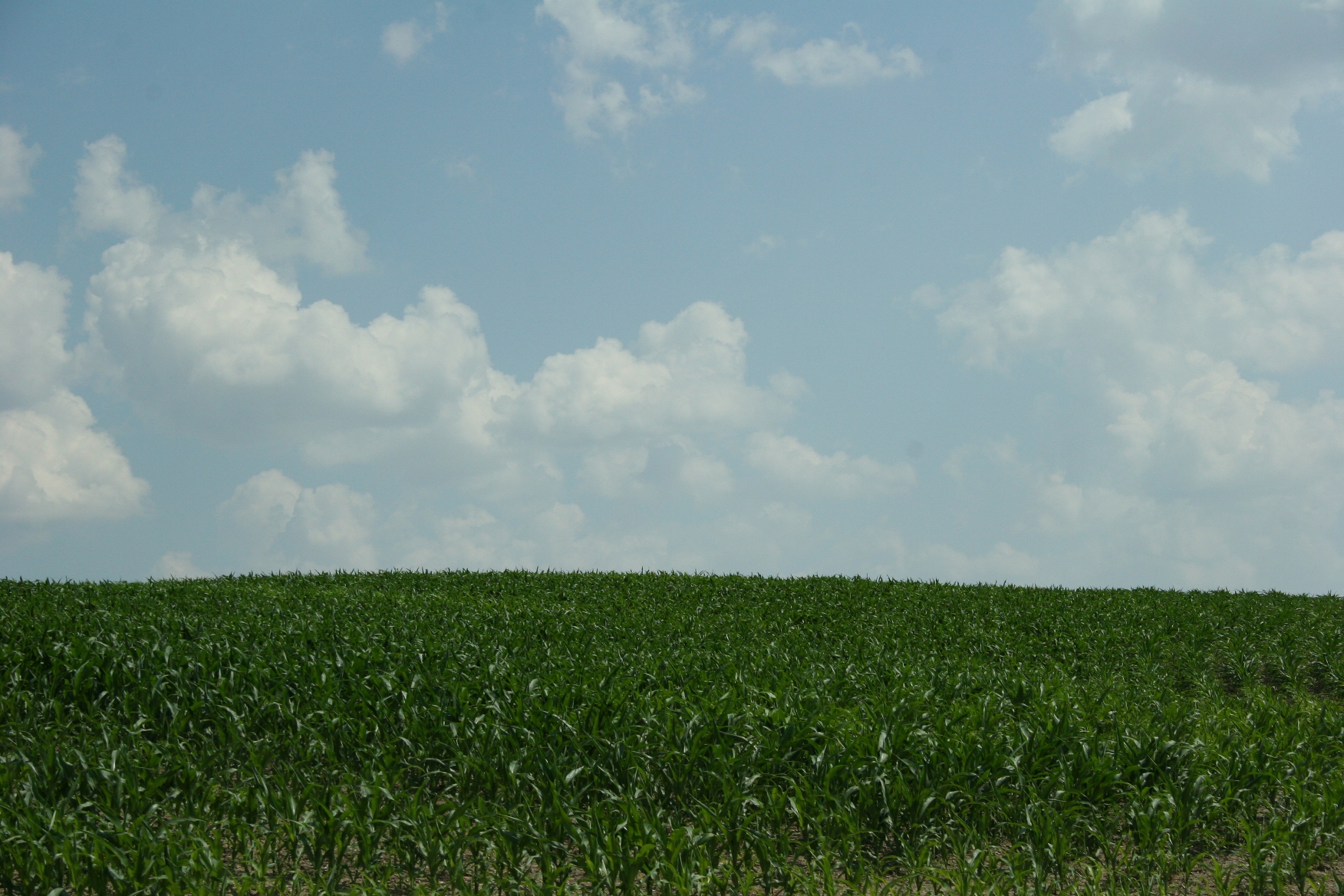
North Morristown is set in the middle of farm fields.

North Morristown is set in the middle of farm fields.

© Copyright 2013 Audrey Kletscher Helbling
 

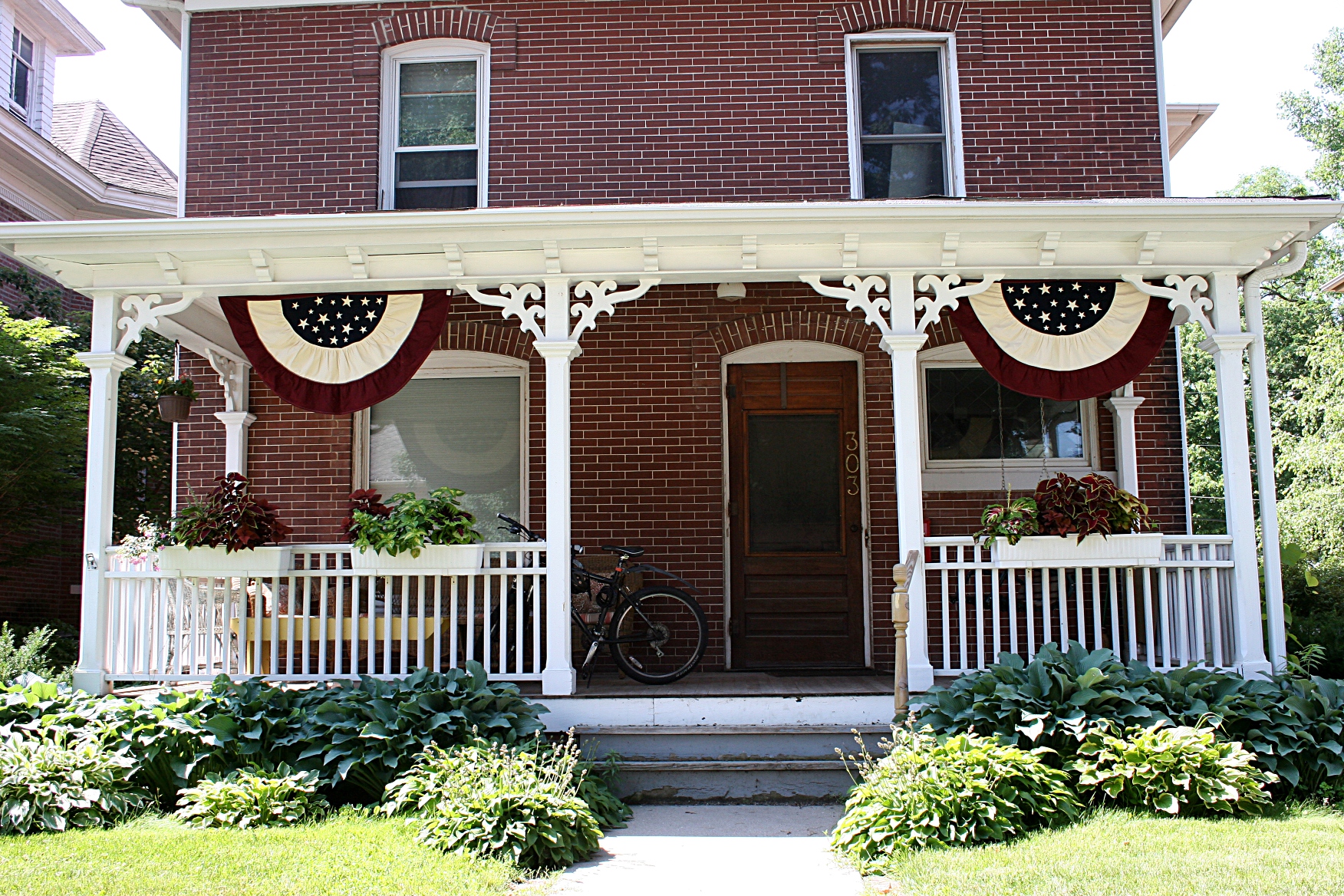
Displaying the red, white & blue in small town America

Flag buntings decorate an historic home in the beautiful river town of Decorah, Iowa.

Flag buntings decorate an historic home in the beautiful river town of Decorah, Iowa.

SIGNS OF U.S. PRIDE/patriotism/love of country are evident everywhere this week in small town Midwestern America.

Here are a few examples from a recent short trip into southeastern Minnesota, western Wisconsin and northeastern Iowa.

Enjoy.

And Happy Fourth of July, dear readers.

Chalk art at St. Feriole Island Gardens in Prairie du Chien, Wisconsin, along the Mississippi River.

Chalk art at St. Feriole Island Gardens in Prairie du Chien, Wisconsin, along the Mississippi River.

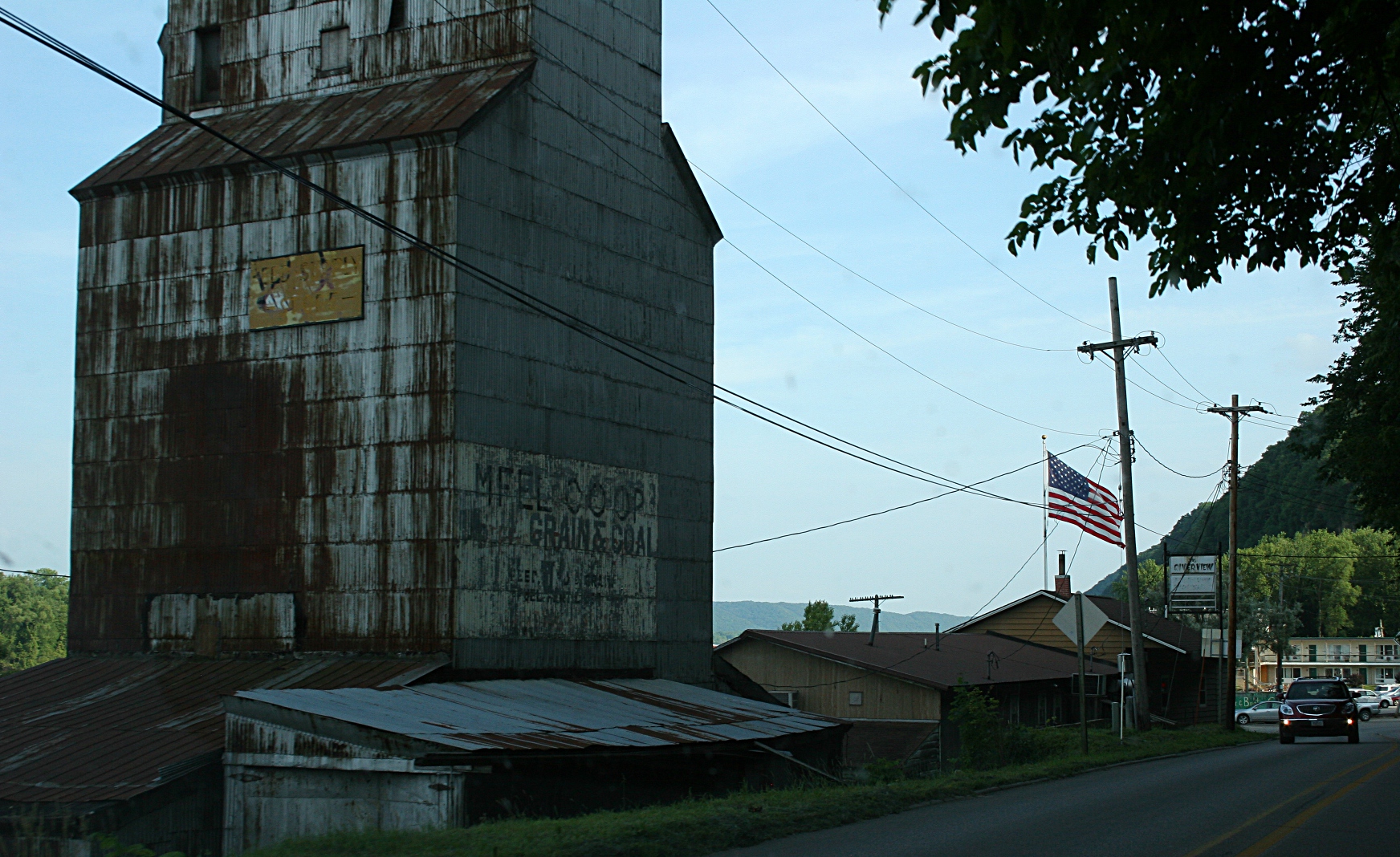
Snapped through the windshield of the van, this aged elevator and flag to the right, entering the Mississippi River town of Marquette, Iowa, from the north.

Snapped through the windshield of the van, this aged elevator and flag, to the right, entering the Mississippi River town of Marquette, Iowa, from the north.

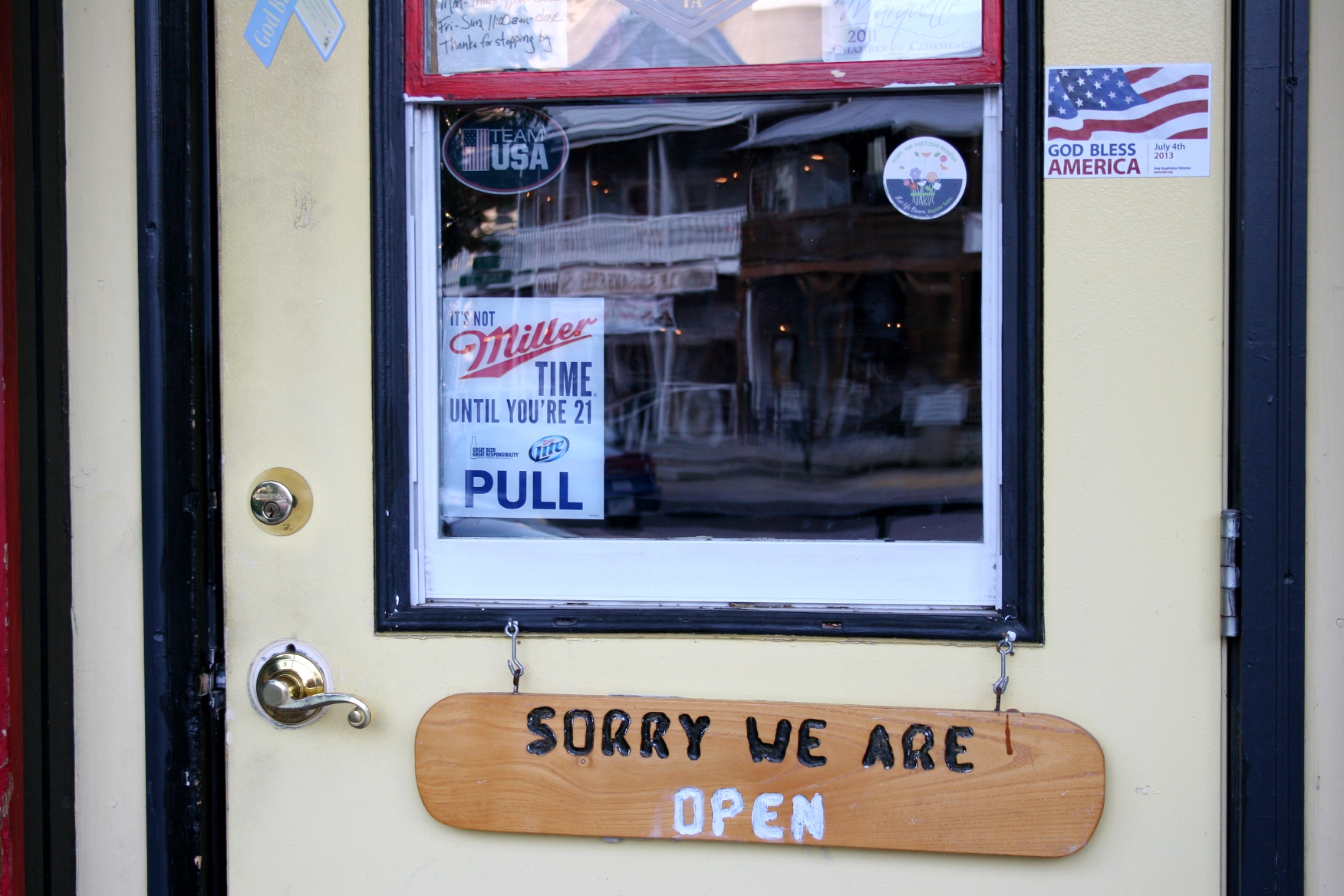
A few miles to the south in McGregor, Iowa, I found this "God bless America" sticker and humorous welcome on the door of a bar.

A few miles to the south in McGregor, Iowa, I found this “God bless America” sticker and humorous welcome on the door of a bar.

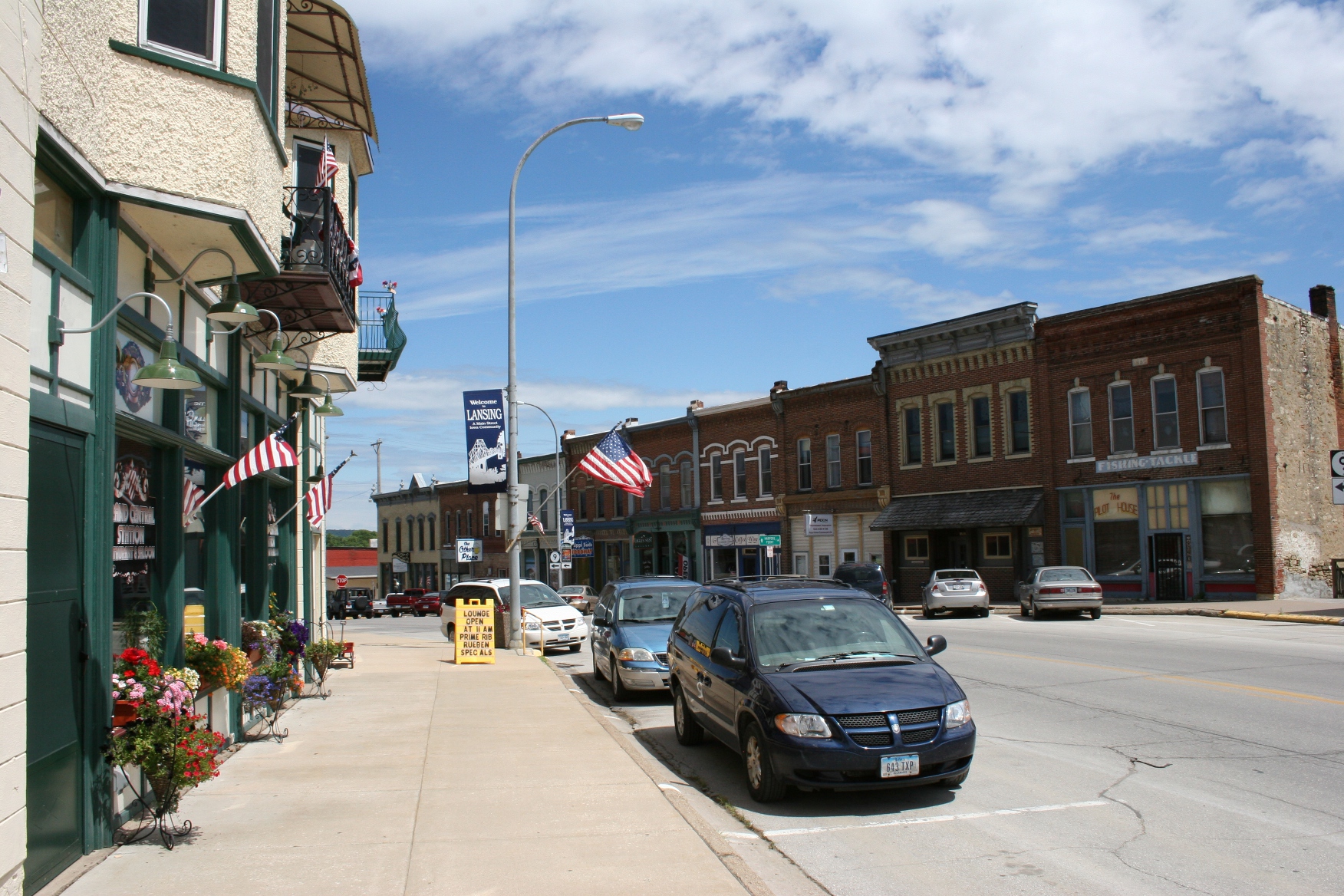
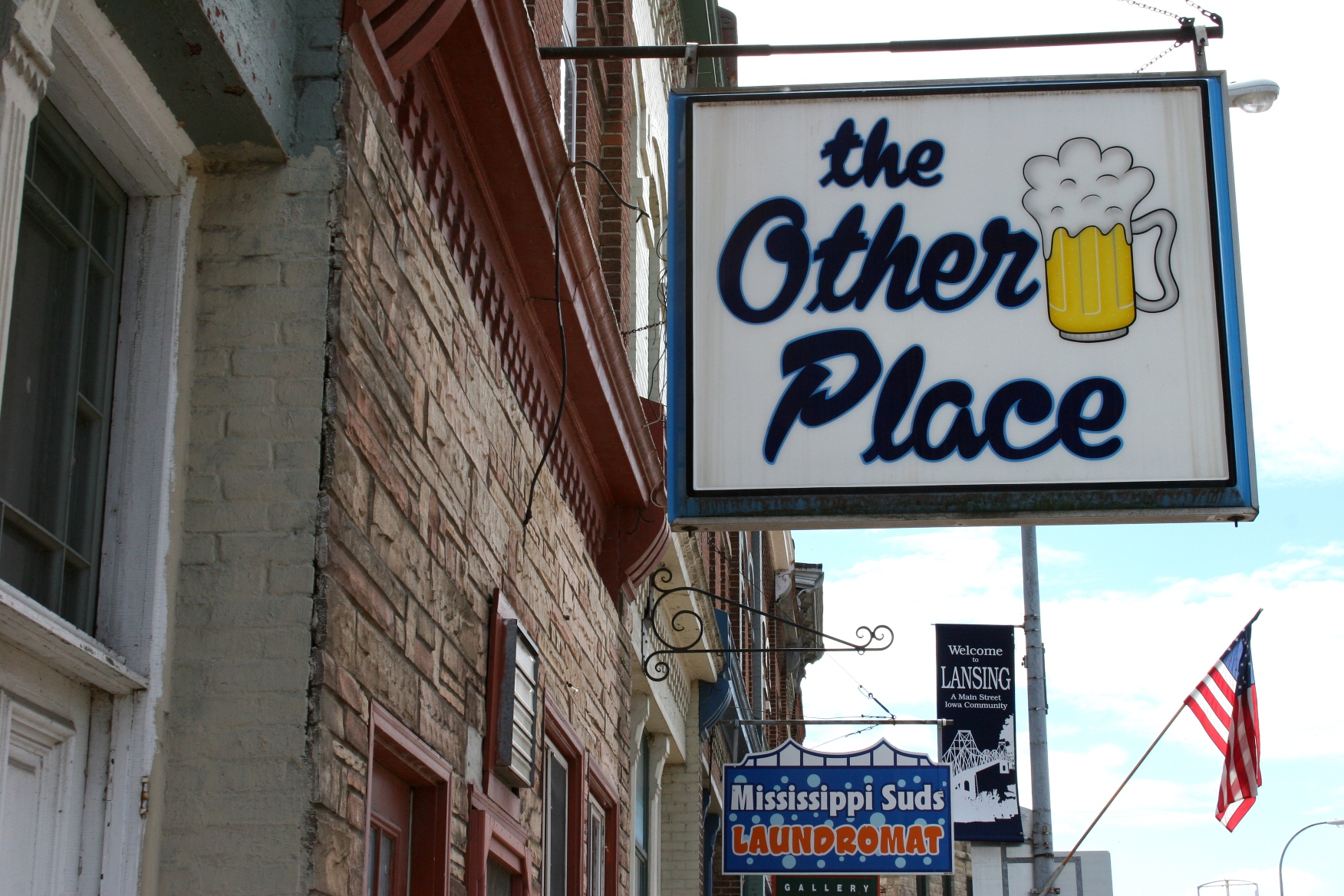
I spotted plenty of American flags in the Mississippi River town of Lansing, Iowa.

I spotted plenty of American flags in the historic Mississippi River town of Lansing, Iowa.

Signs and a flag in Lansing, Iowa.

Signs and a flag in Lansing, Iowa.

Copyright 2013 Audrey Kletscher Helbling


Happy birthday, America

Filed under: Uncategorized — Audrey Kletscher Helbling @ 6:30 AM
Tags: , , , , , , , ,
Photographed in downtown Henderson, Minnesota, in October 2012.

Photographed in downtown Henderson, Minnesota.

TODAY, WHILE YOU’RE picnicking, gathering with family, drinking beer or sipping lemonade, boating,  taking in fireworks… pause to consider the significance of this day.

Freedom.

Liberty.

The pursuit of happiness.

Even though the state of our nation may not always be as we would like, it’s still a pretty sweet country to call home.

Copyright 2013 Audrey Kletscher Helbling
 

Quilt art celebrates rural Faribault woman’s passion for quilting July 3, 2013

Filed under: Uncategorized — Audrey Kletscher Helbling @ 6:30 AM
Tags: , , , , , , , , , , , ,
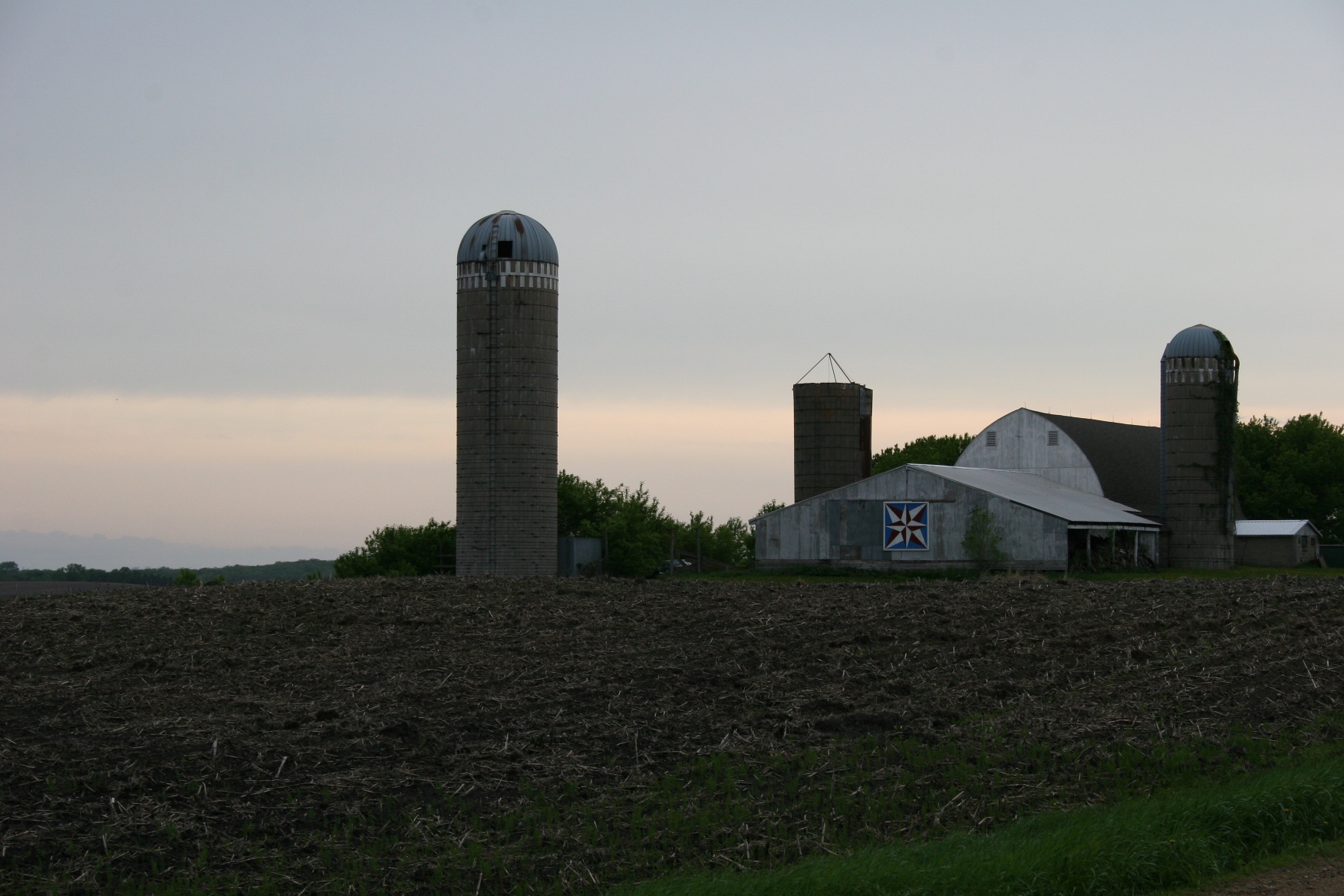
The sun sets as I approach Barb and Bob's farm east of Faribault.

The sun sets as I approach Barb and Bob’s farm east of Faribault.

ON A RECENT RURAL OUTING to forage rhubarb from my friend Barb’s abundant patch, I noticed a work of art I hadn’t previously seen displayed on her farm east of Faribault.

A a display of Americana art.

A display of Americana art.

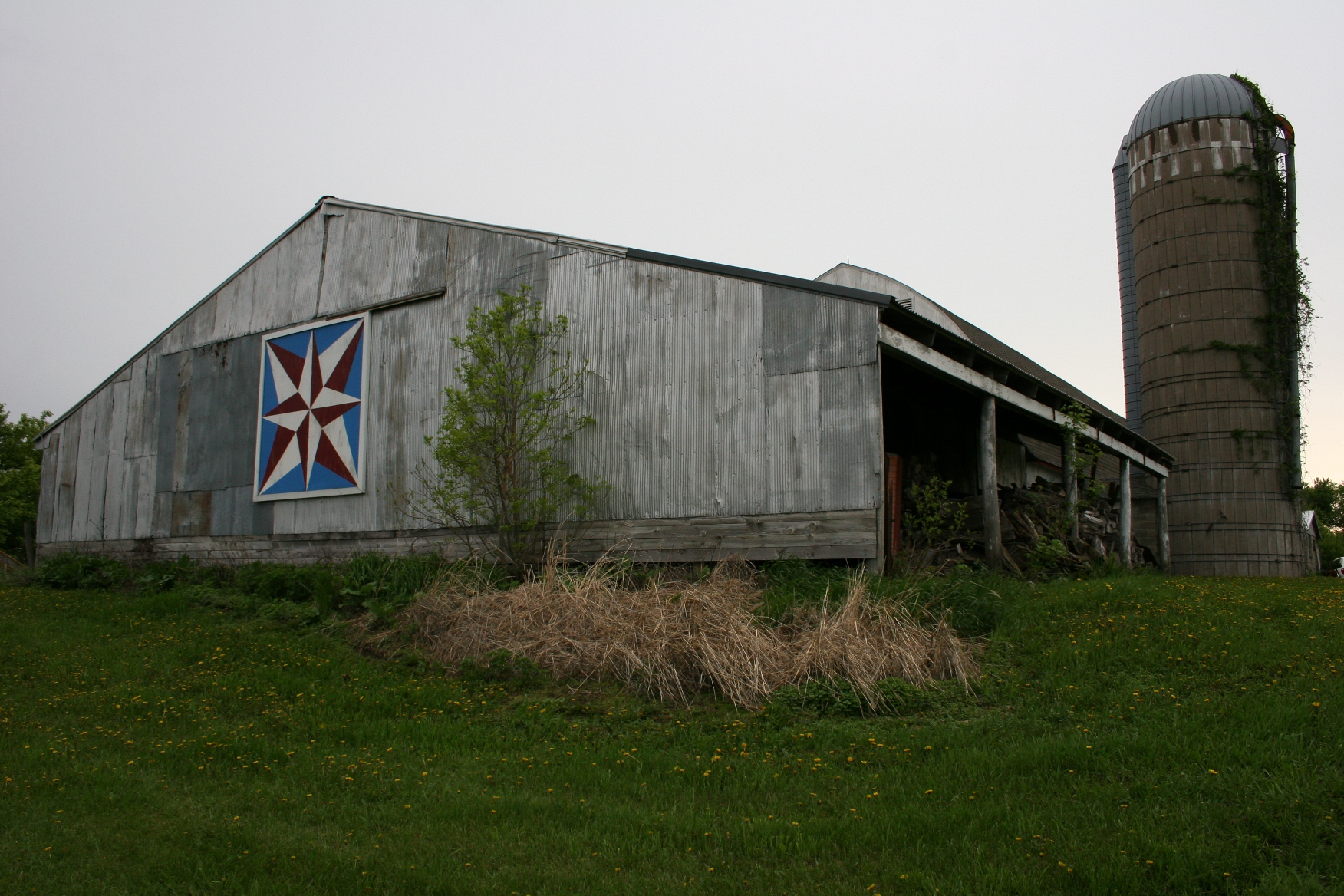
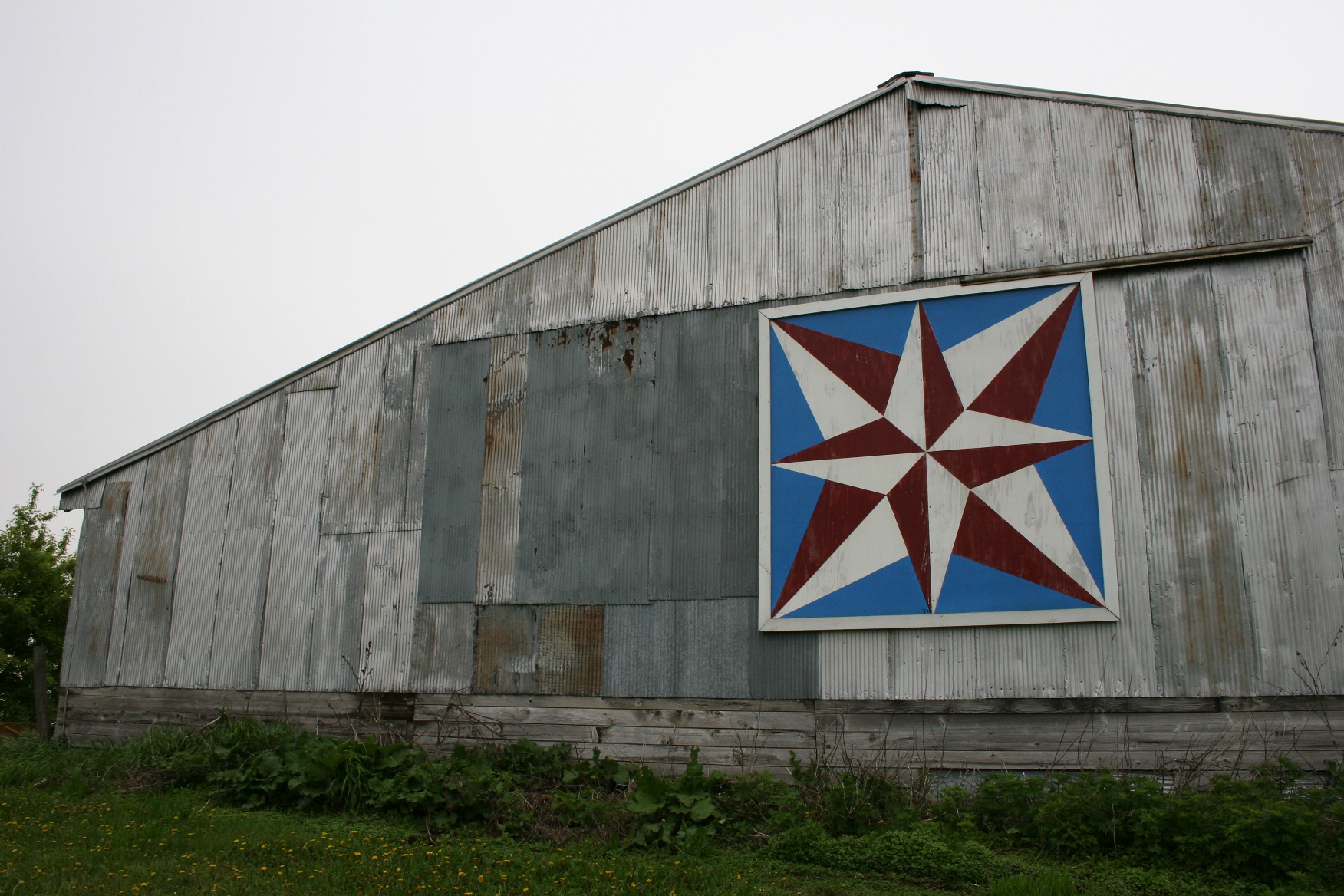
Attached to weathered tin on the end of a pole shed hangs a red, white and blue “Star Shadow” quilt block painted on an eight-foot square of plywood.

The barn quilt is tied to Barb’s passion for quilting, something she’d do all day if only she didn’t have to cook or clean or…

"Star Shadow."

“Star Shadow.”

She’d seen similar painted quilts on barns, always wanted one and a few years ago, along with husband Bob, chose the Star Shadow design for their quilt art. No particular reason for the design—just one they both liked, although they knew the paint hues would be in the trio of patriotic colors.

Barb’s a long-time seamstress who once sewed her own clothes, embroidered and then began making simple block quilts before attempting a tulip quilt. She struggled with the tulip quilt, finishing it in the early 1990s, some 40 years after beginning the project.

Since that quilting success, Barb’s emerged as an avid quilter, stitching countless bed-sized quilts, wall hangings, placemats, table runners and more. She keeps her work or gives it away, including to charities. As a member of the Blue Chicks, a local quilting group that meets monthly, Barb has sewn quilts for the Ronald McDonald House. She also quilts with her sisters once a month and recently joined the quilting circle at her church, Trinity Lutheran in Faribault. That church group donates most of its quilts to charity.

“I’m infected with the pox,” Barb says of her quilting passion. She collects fabric, goes on fabric-shopping road trips with fellow quilters…

Although my friend doesn’t design her own quilt patterns, she enjoys the creative aspect that comes in selecting designs and colors, pulling it all together in a work of art—whether stitched or painted.

BONUS FARM PHOTOS:

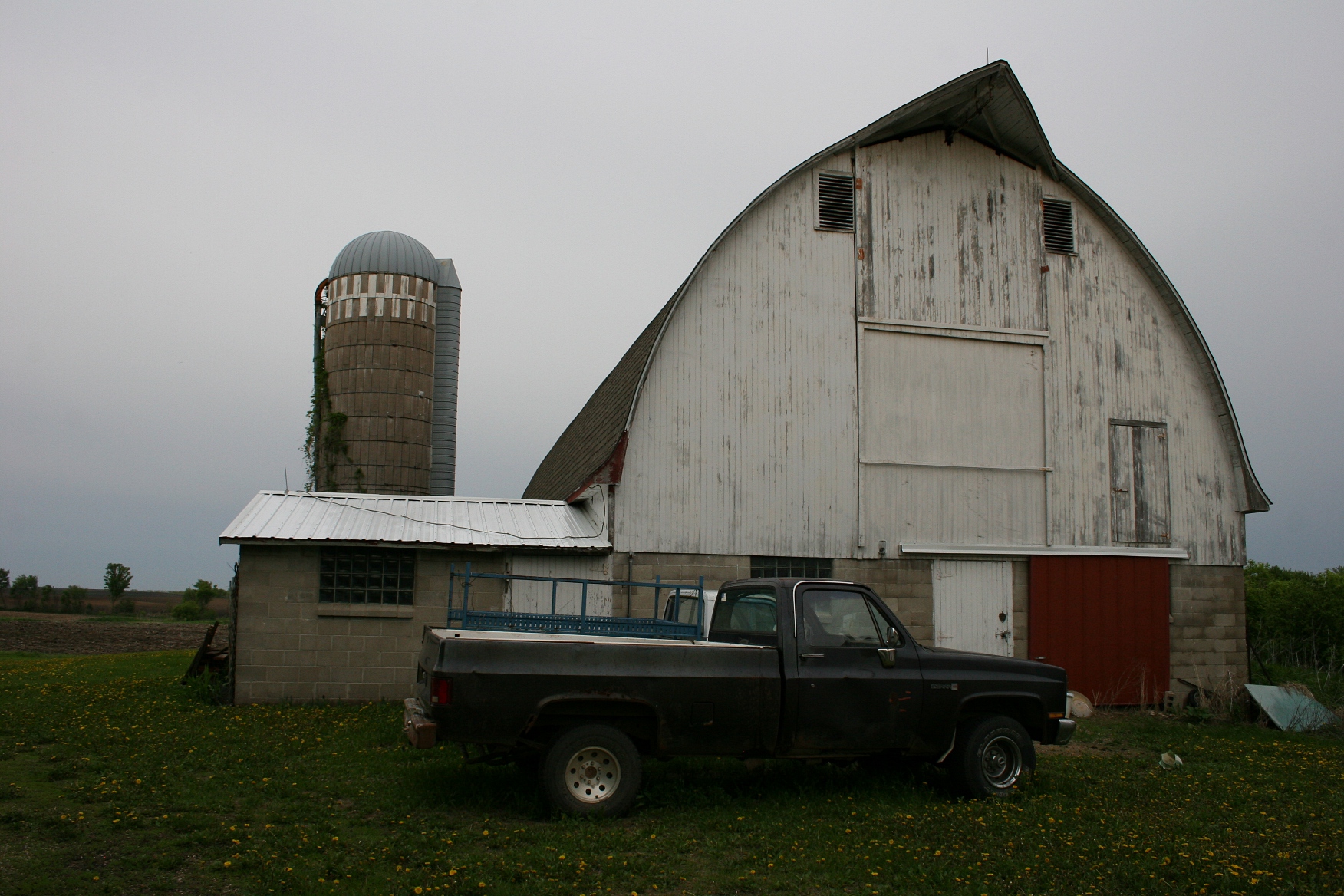
The beautiful barn on Barb and Bob's 100-year-old plus family farm.

The beautiful barn on Barb and Bob’s 100-year-old plus family farm.

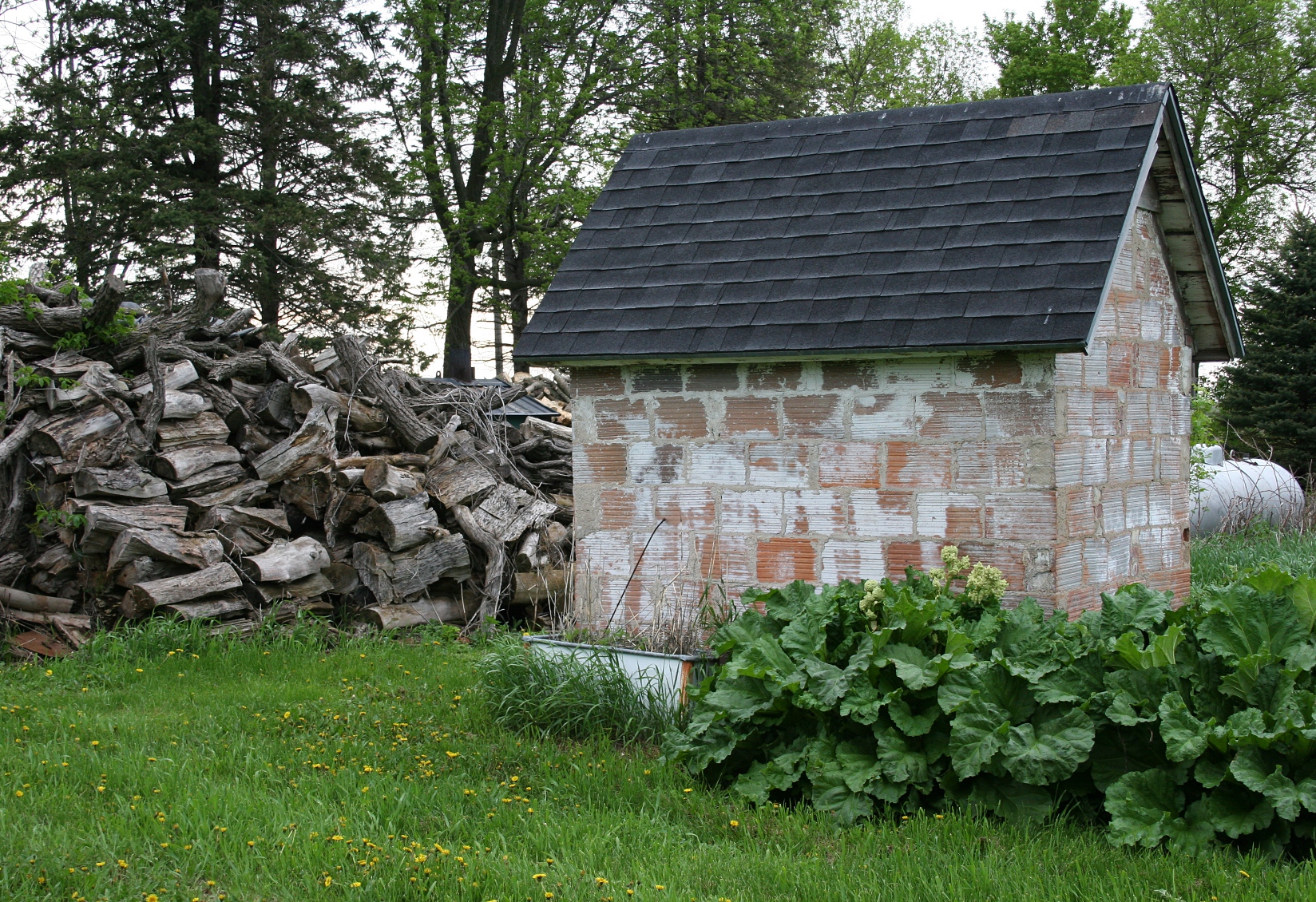
Rhubarb grows by the old smokehouse, which now houses garden tools.

Rhubarb nudges the old smokehouse, which now houses garden tools.

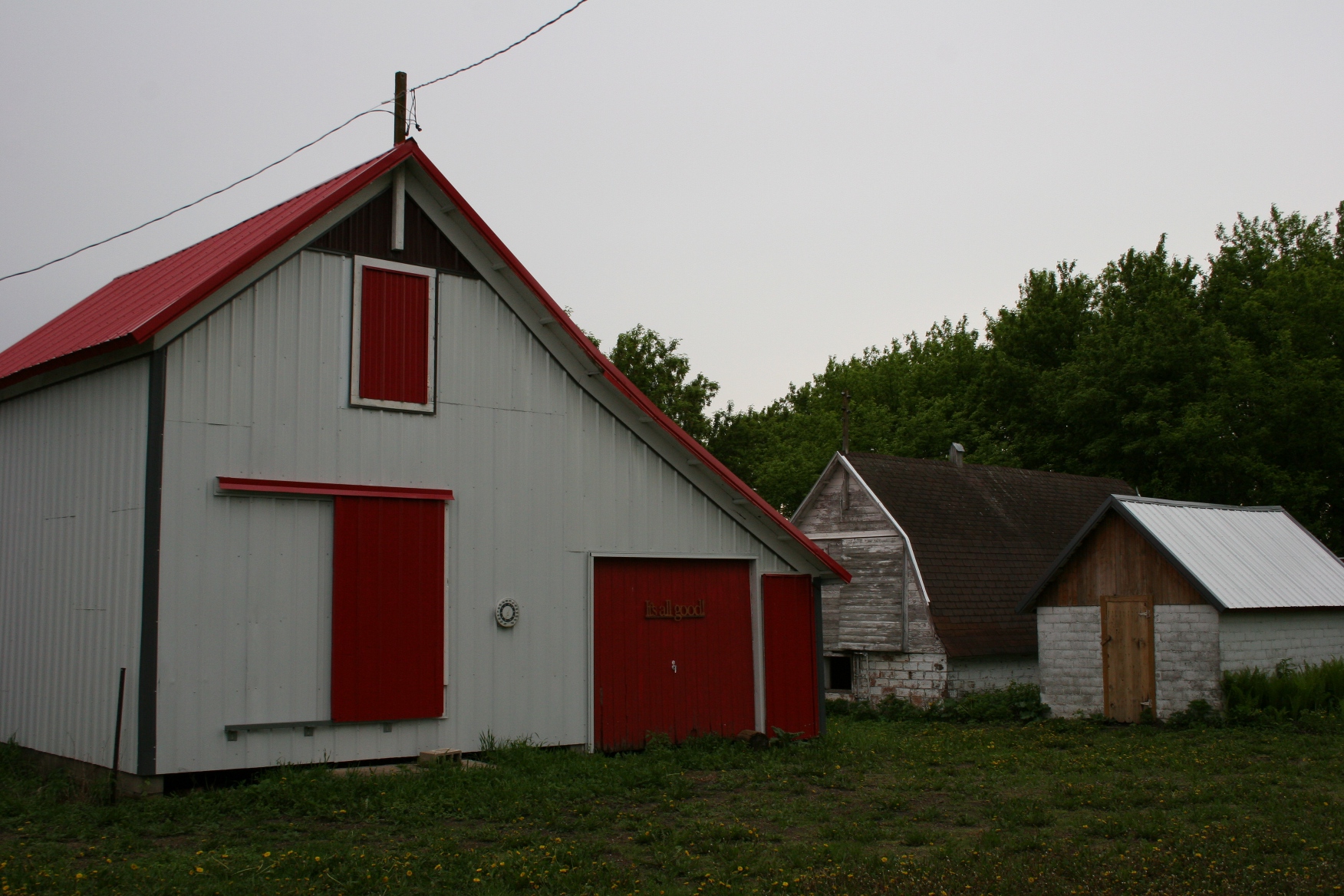
This farm is typical old style farmplace with lots of outbuildings, including the granery on the left, one of the oldest buildings on the farm.

This farm is typical old style farm place with lots of outbuildings, including the updated granery on the left, one of the oldest structures on the farm.

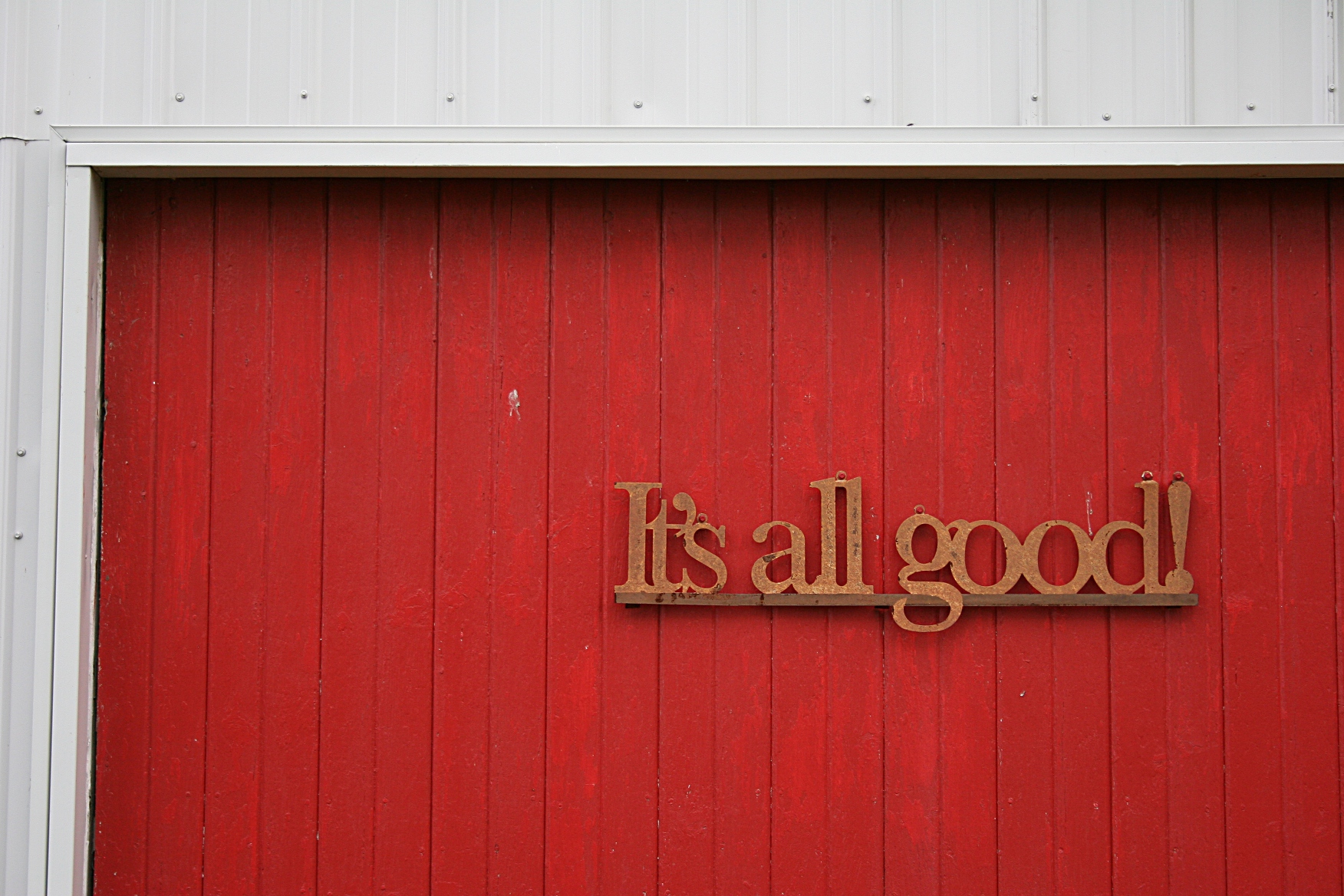
The message on the granery door reflects Barb's attitude: "The sheds are full of stuff and it's all good."

The message on the granery door reflects Barb’s attitude: “The sheds are full of stuff and it’s all good.”

© Copyright 2013 Audrey Kletscher Helbling
 

Oh, the vehicles that pull up to the gas pumps July 2, 2013

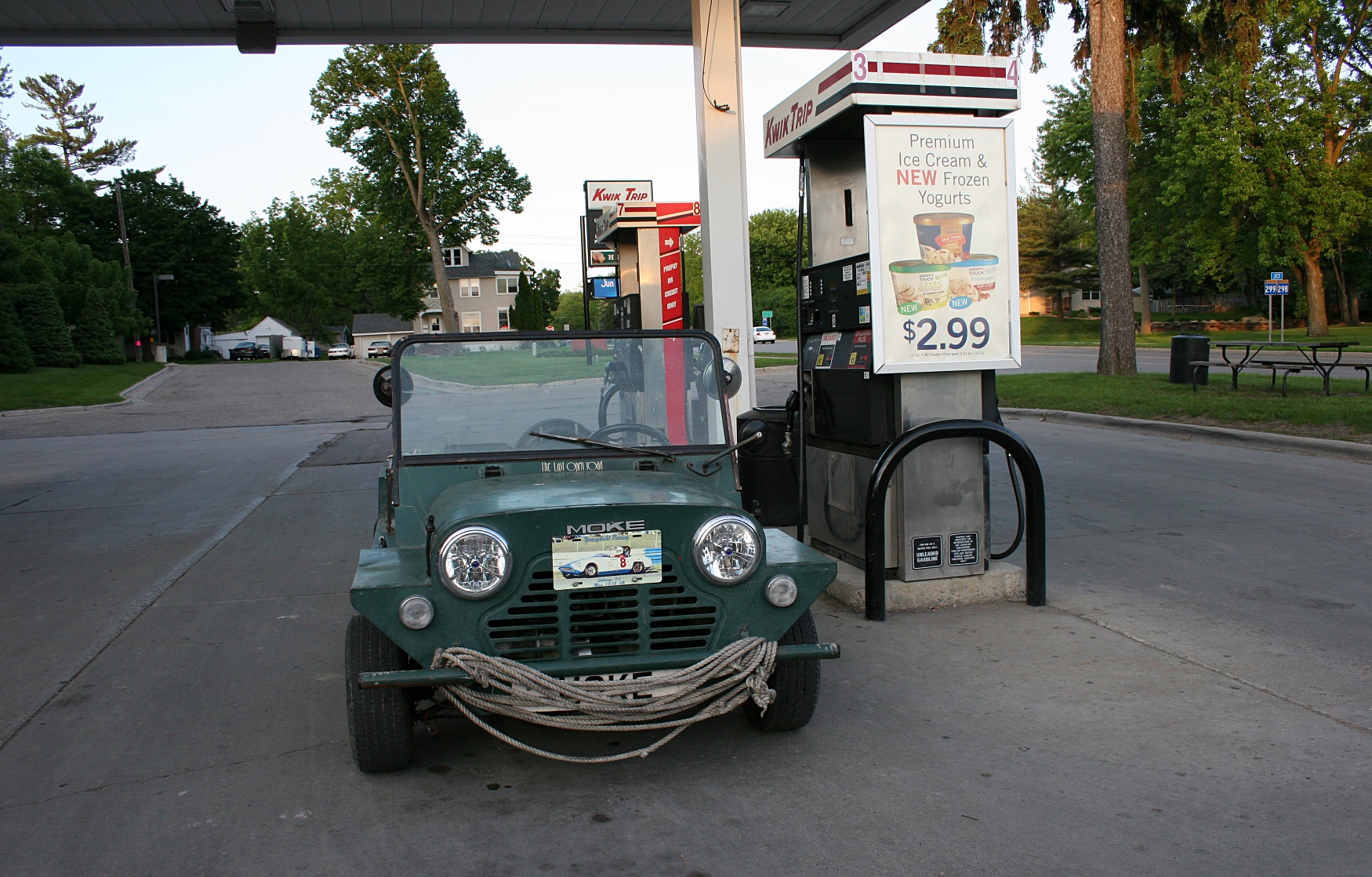
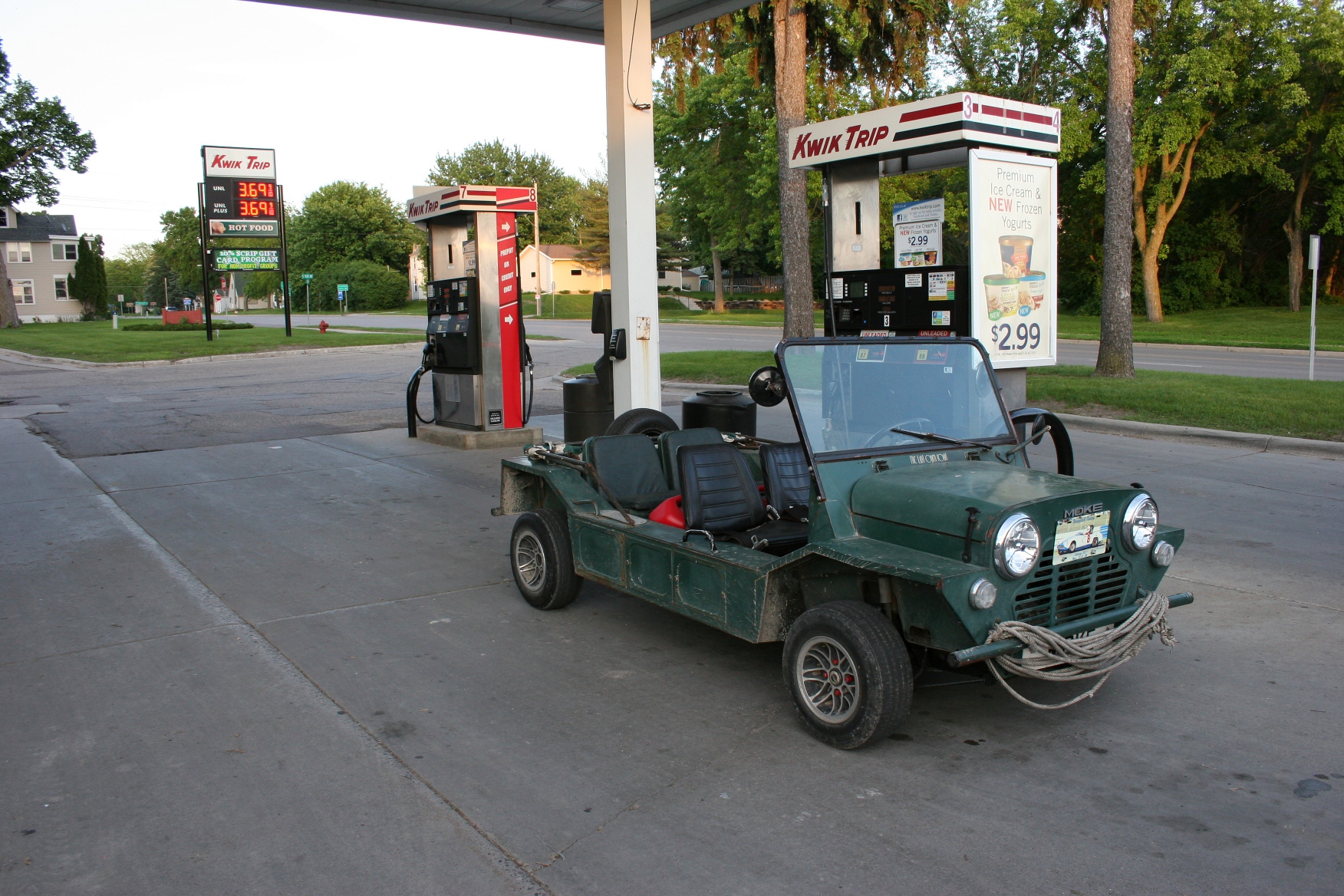
A 1969 Mini Moke

A 1969 Mini Moke

EVEN MY HUSBAND, an automotive machinist of more than 30 years, had never seen a Mini Moke. And he knows dates and years and makes and models and what’s under the hood and what problems are common with certain vehicles like I understand adjectives and adverbs and all the components of the English language.

The low-riding Mini Moke isn't exactly an open road vehicle.

The low-riding Mini Moke isn’t exactly an open road vehicle.

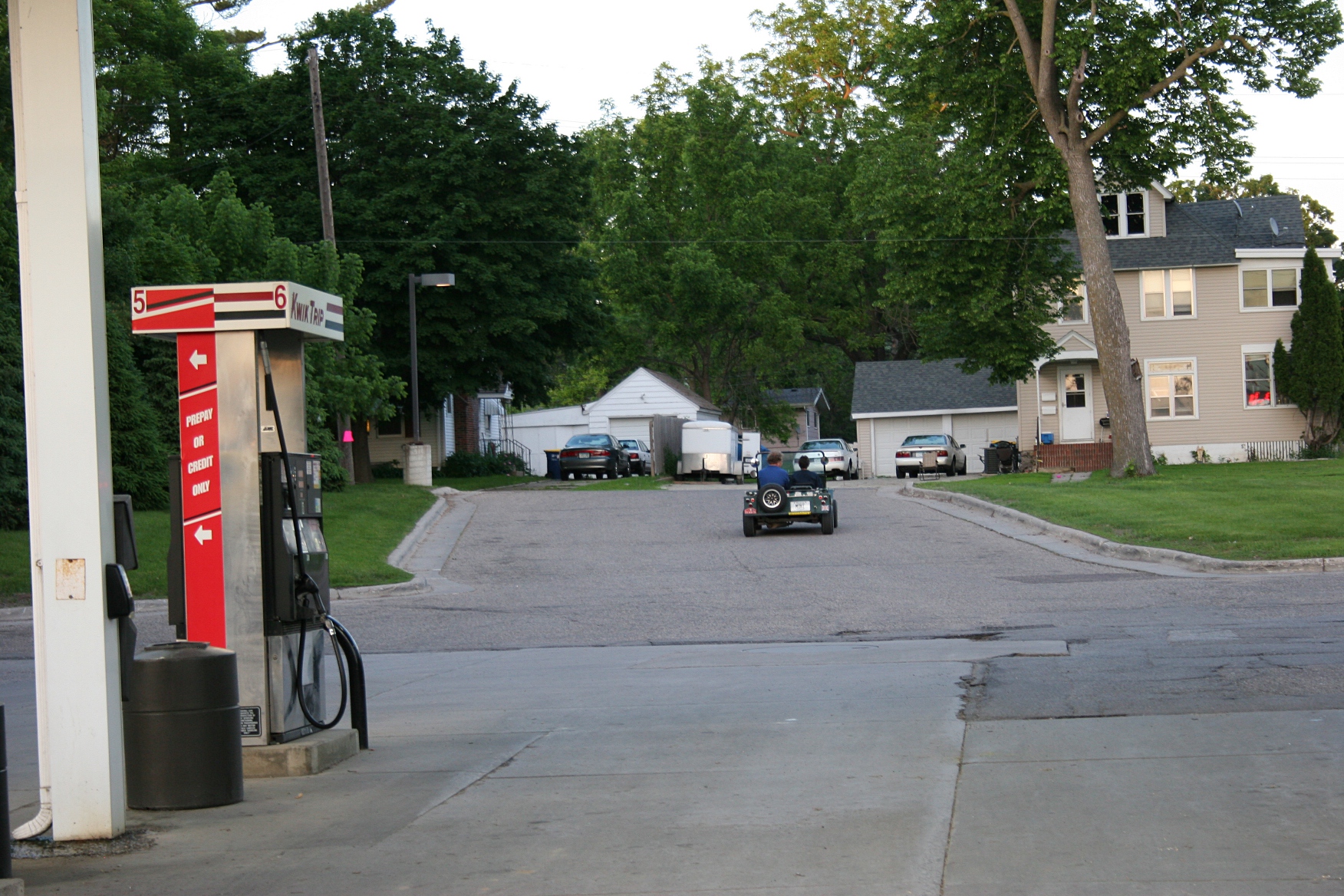
Thus, given his absence of Moke knowledge, Randy was just as intrigued as me by the mini British utility vehicle that pulled up to the gas pumps at a Faribault convenience store on a recent weekday evening.

I happened to have my camera with me, as I happen to have most of the time. And, after seeking permission from Faribault resident Greg Youngdahl, I photographed his 1969 Mini Moke, which he’s owned some 10 -15 years.

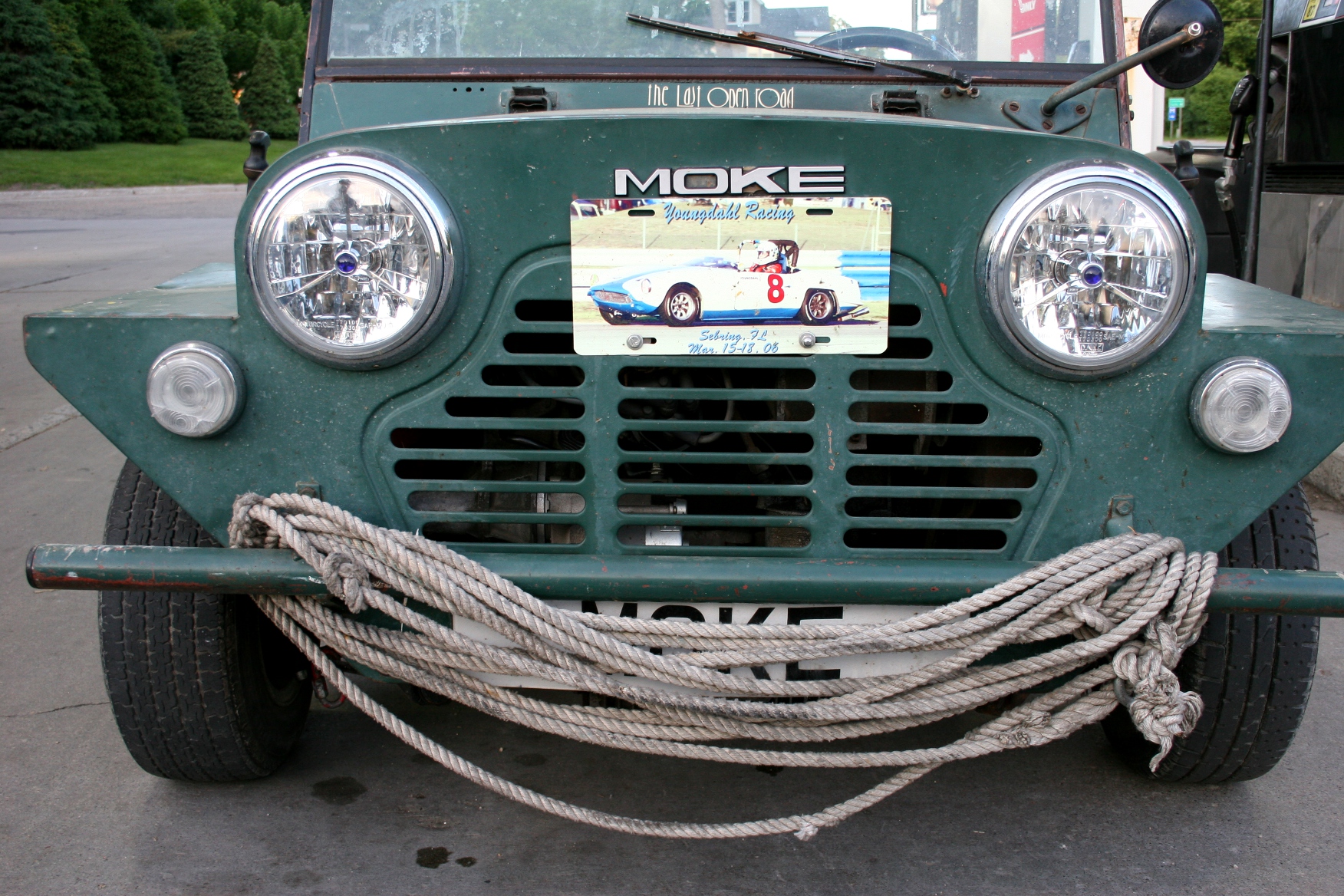
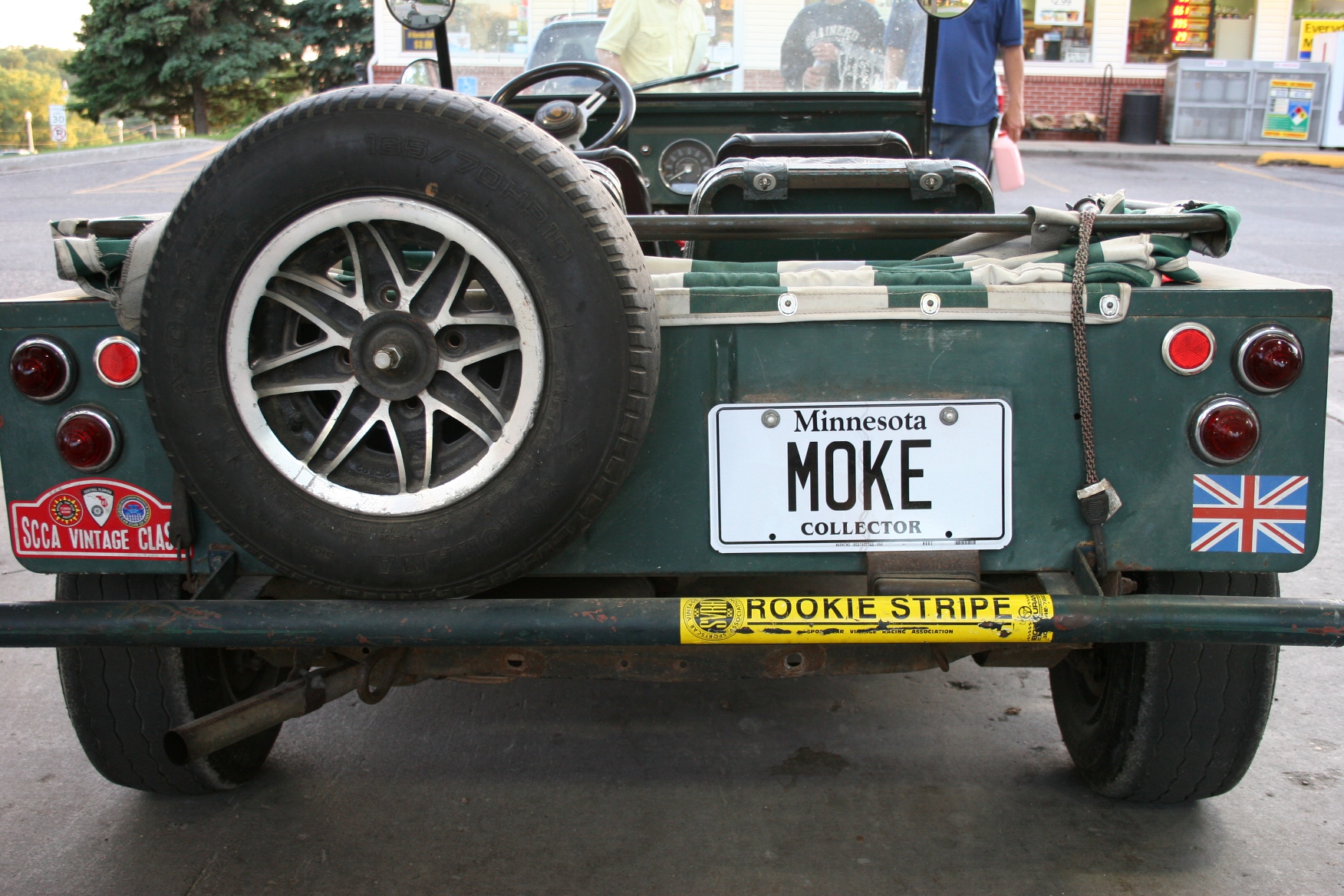
The race car photo on the front is of Robert Youngdahl. The rope? It's always been there.

The race car photo on the front is of Robert Youngdahl. The rope? It’s always been there.

The jeep-like vehicle originally belonged to his father, Robert Youngdahl, who died several years ago and who used the Moke as a pit vehicle when racing his vintage race cars in Brainerd. The younger Youngdahl also races at Brainerd International Raceway and competes with his Miata. He often hauls the Moke north and laps around the track.

Rear view.

Rear view.

But, mostly, he drives the jeep around town—to pick up gas for the lawnmower, as he was on this Thursday evening, or to visit a neighbor.

Youngdahl plans to keep his father's Moke 'as is."

Youngdahl plans to keep his father’s Moke “as is.”

As a tribute to his dad, Youngdahl’s keeping the Moke original, with no plans to restore it like the other two Mokes he owns.

This photo really emphasizes the smallness of the Mini Moke.

This photo really emphasizes the smallness of the Mini Moke.

And as an aside, if his Mini Moke seems vaguely familiar, perhaps you remember seeing a Moke on the 1978-1984 television series Fantasy Island. Actor Herve Villechaize, who was just under four feet tall and played the role of Tattoo (of “De plane! De plane! “fame), drove a Mini Moke.

BONUS PHOTOS:

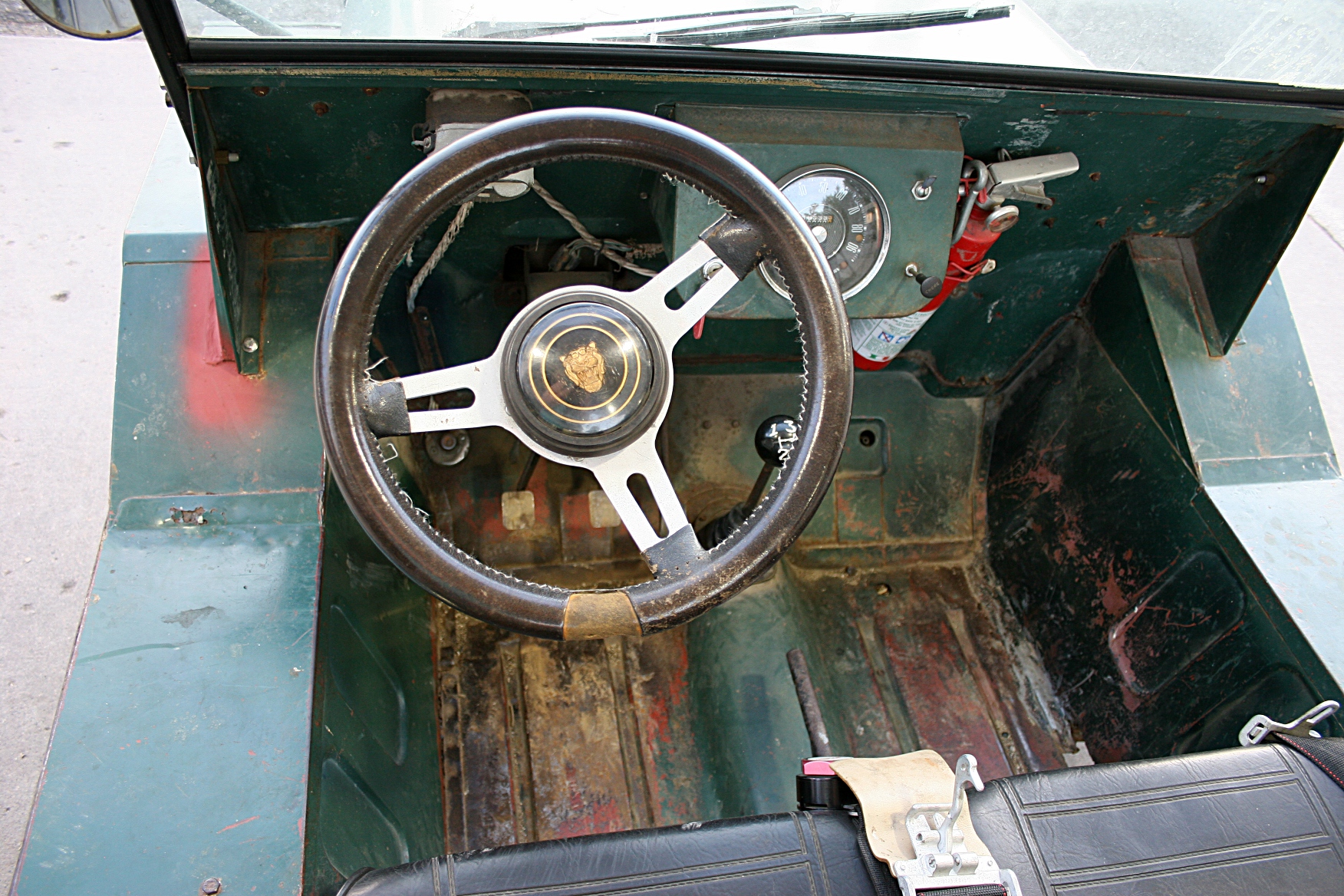
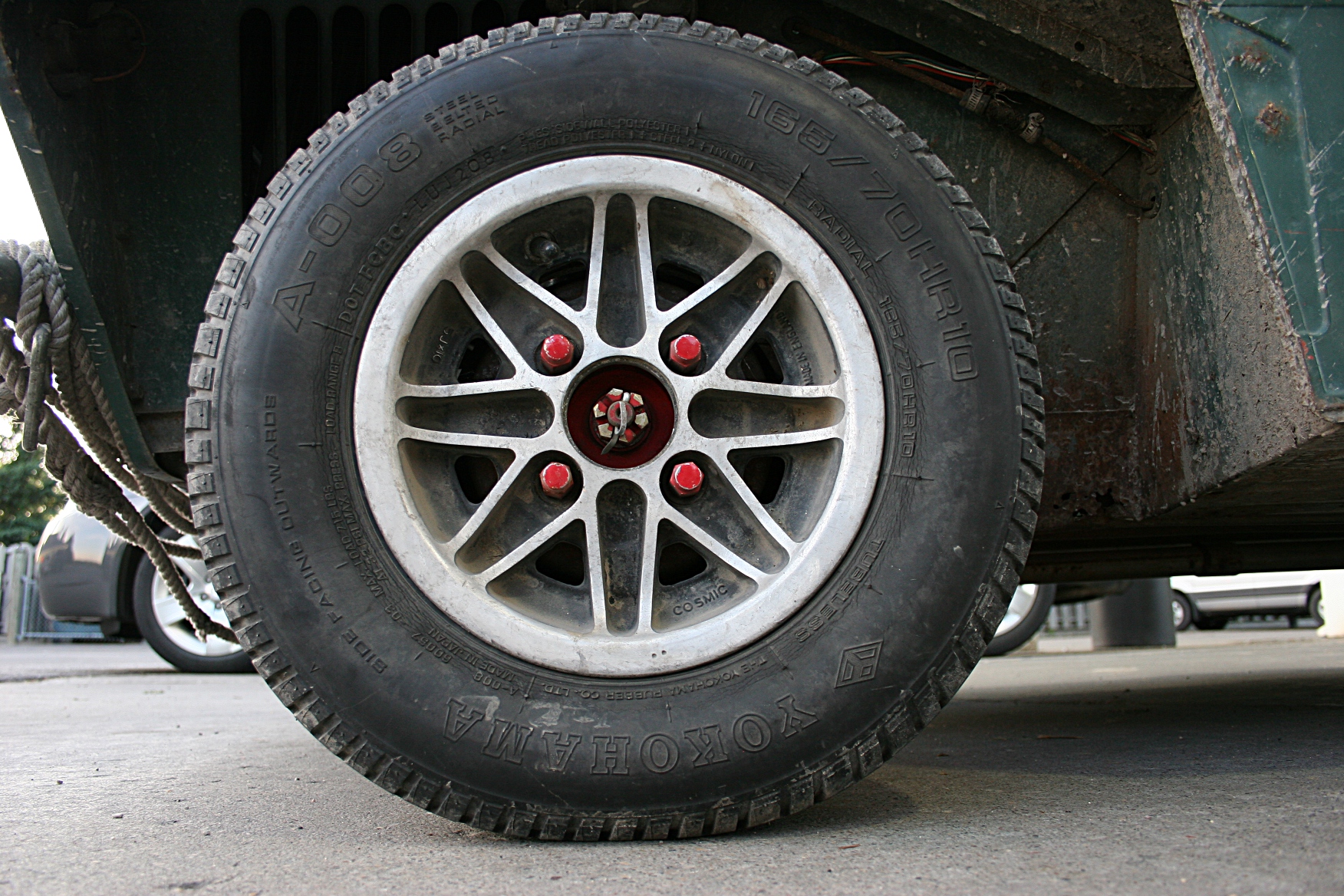
Because I like showing you details...

Because I like showing you details…

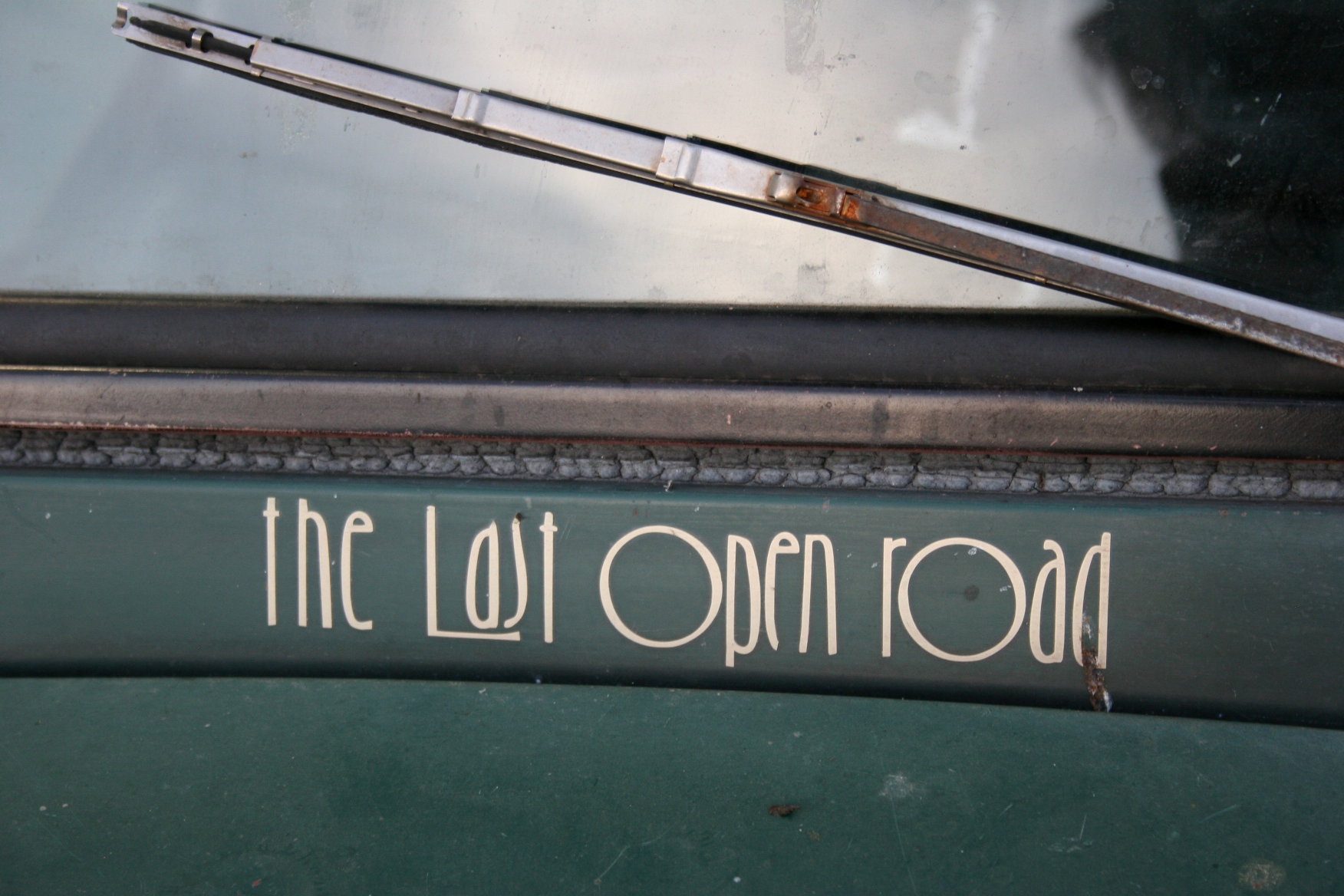
These words, the title of a book by Bert Levee, are imprinted below the windshield.

These words, the title of a book by Burt S. Levy, are imprinted below the windshield. The book focuses on one year in the life of racers on the open road race car circuit.

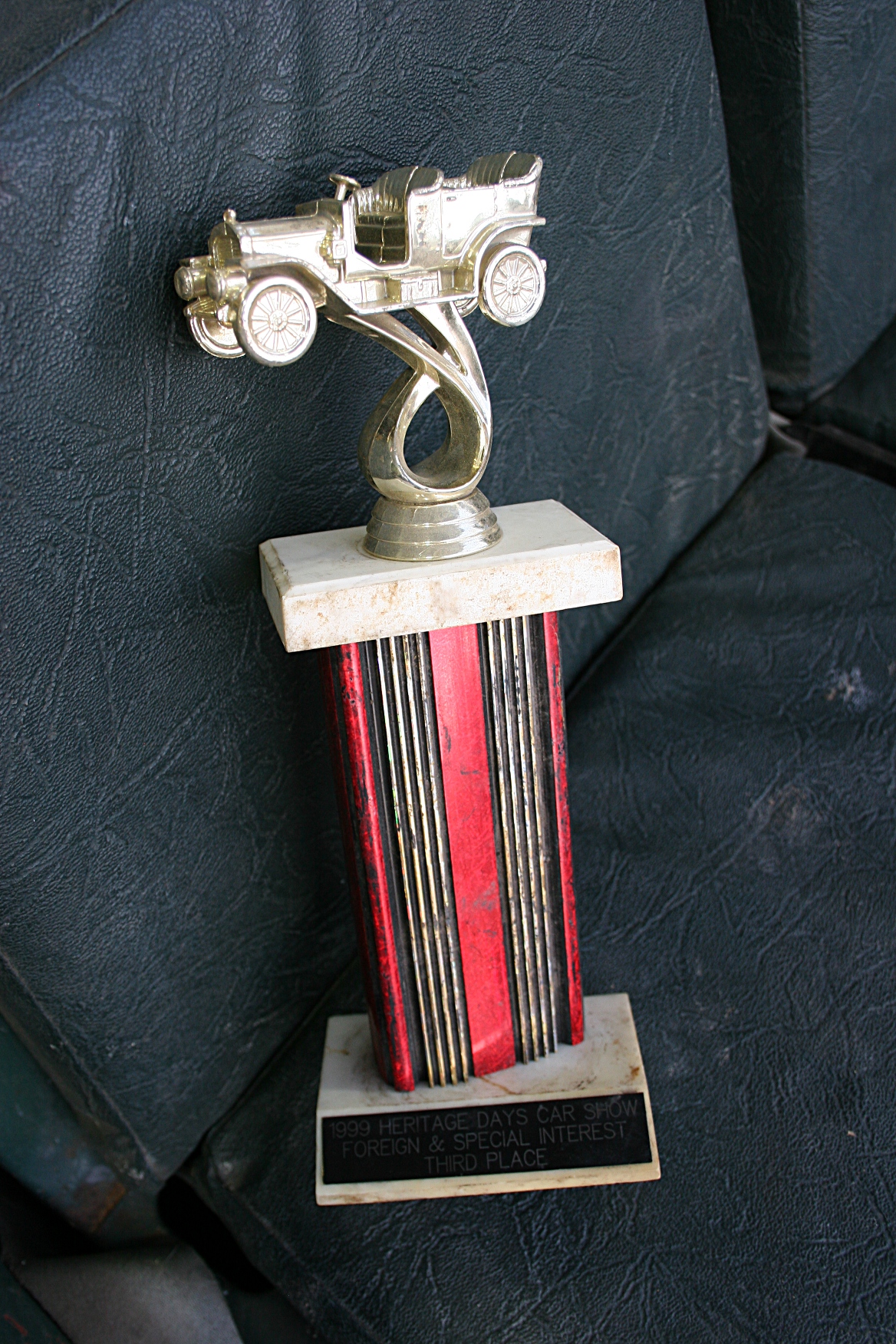
A 1999 Faribault Heritage Days car show trophy awarded

A 1999 Faribault Heritage Days Car Show third place trophy awarded to the Youngdahls’ Moke in the Foreign & Special Interest class. The trophy was stashed in the back of the Moke and dug out for this photo.

© Copyright 2013 Audrey Kletscher Helbling
 

You know you’re in a small town when… July 1, 2013

Filed under: Uncategorized — Audrey Kletscher Helbling @ 6:30 AM
Tags: , , , , ,

I HONESTLY DID NOT THINK that small town folks were still so trusting. But, apparently I am wrong. Let me show you.

Example 1:

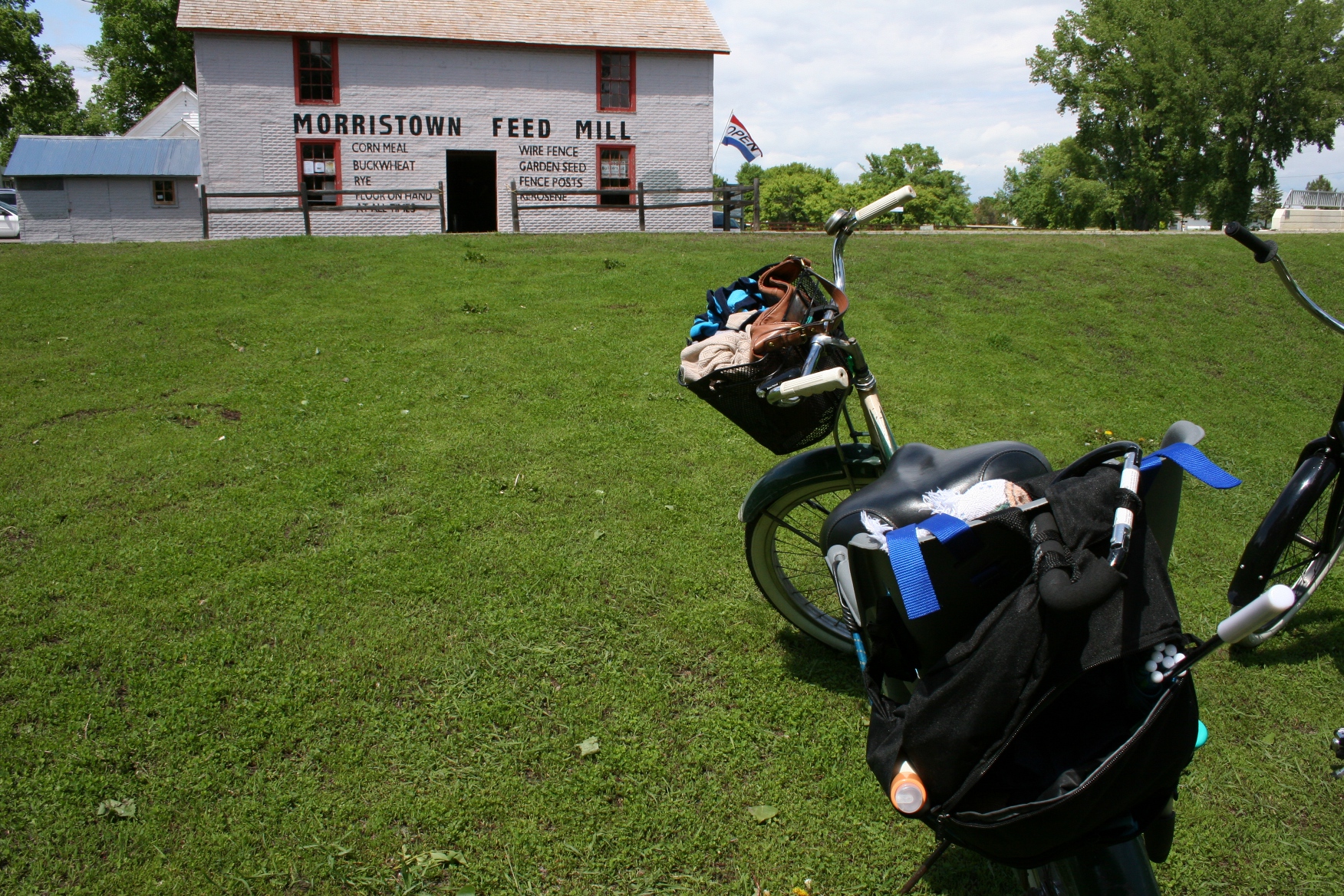
Mill, bikes

These bikes were left unattended and unlocked in a Morristown city park while the cyclists, a young couple and their son, walked across the street to the historic Morristown Feed Mill during a community celebration earlier this summer. They listened to music and hung out for awhile before returning to their unattended, unlocked and untouched bikes.

Example 2:

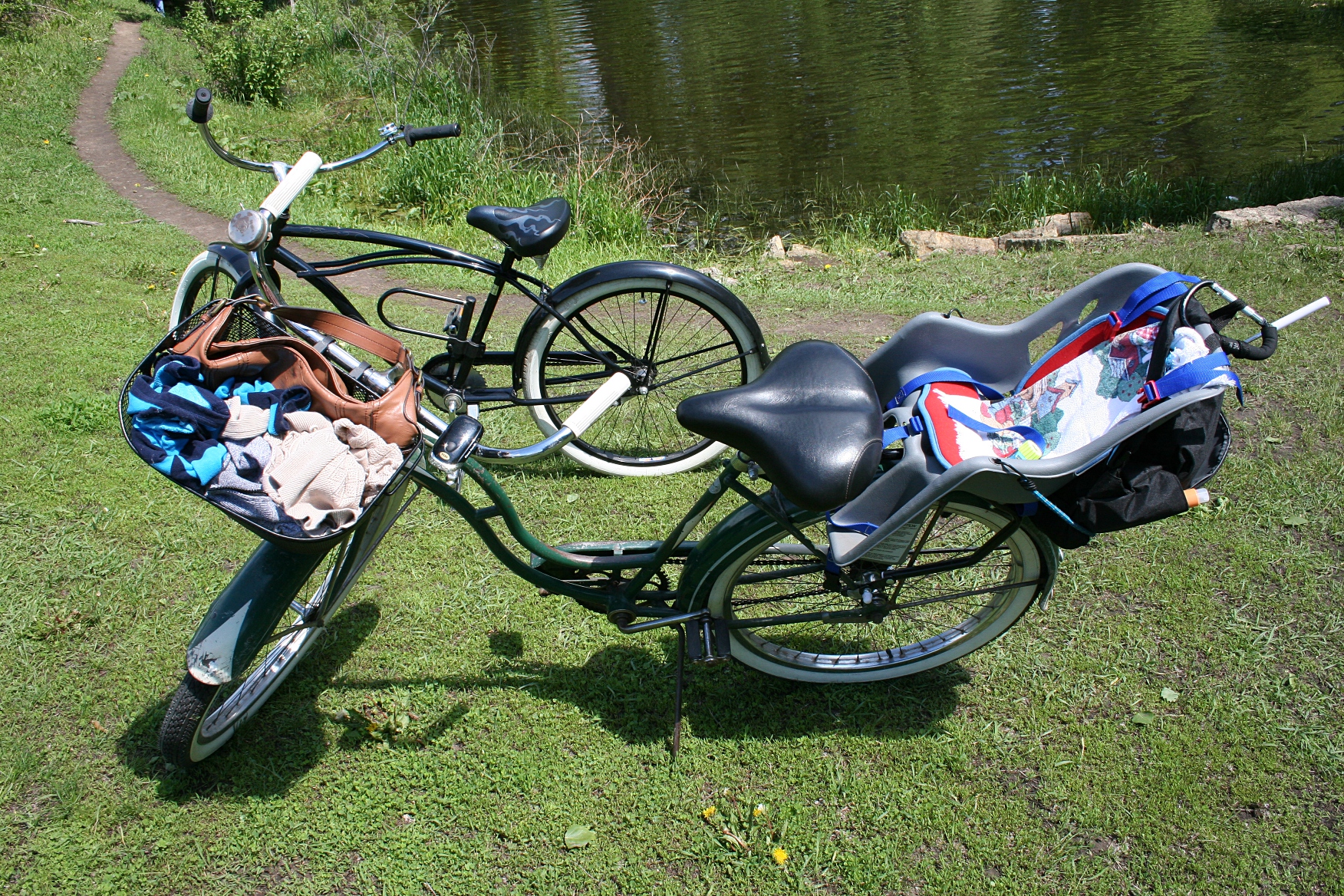
Mill, bike close-up

Now you’re probably thinking, Audrey, you just showed us those unattended, unlocked and untouched bikes. Yes, I did. But look closer at the contents of the bike basket. Do you see what I see? Yes, the young mom left her purse while she walked across the street to the mill.

Now, if I were the criminal type, instead of the photographing type, I could have stolen that purse right then and there.

Maybe the purse held nothing of value. But, if the contents are like the contents of my bag, plenty of valuable information and stuff I would not want stolen could be found therein.

Would you be so trusting?

Copyright 2013 Audrey Kletscher Helbling
 

Reflections on a prairie sunset June 30, 2013

Filed under: Uncategorized — Audrey Kletscher Helbling @ 2:59 PM
Tags: , , , , , , , , ,

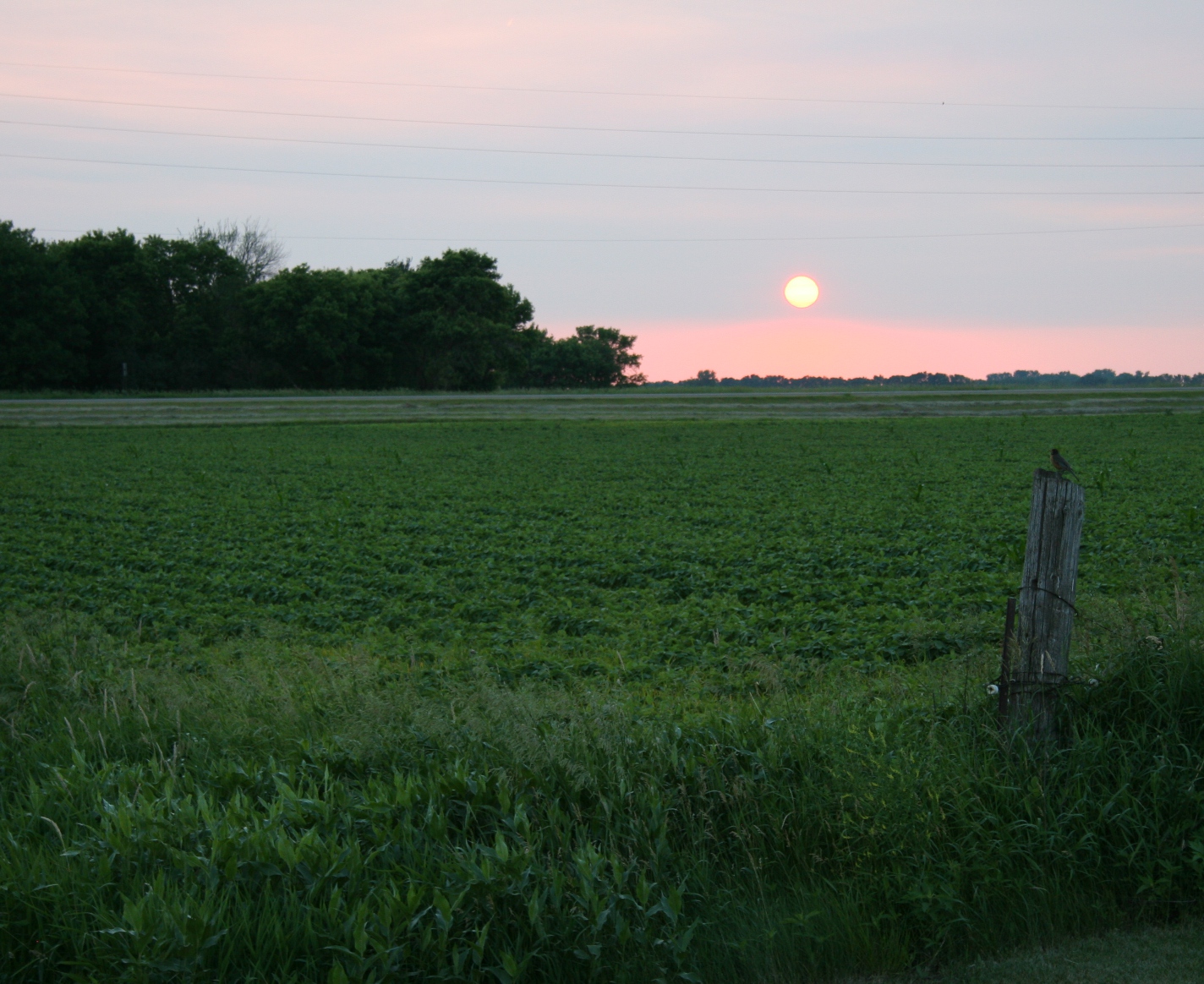
Sunset on the prairie

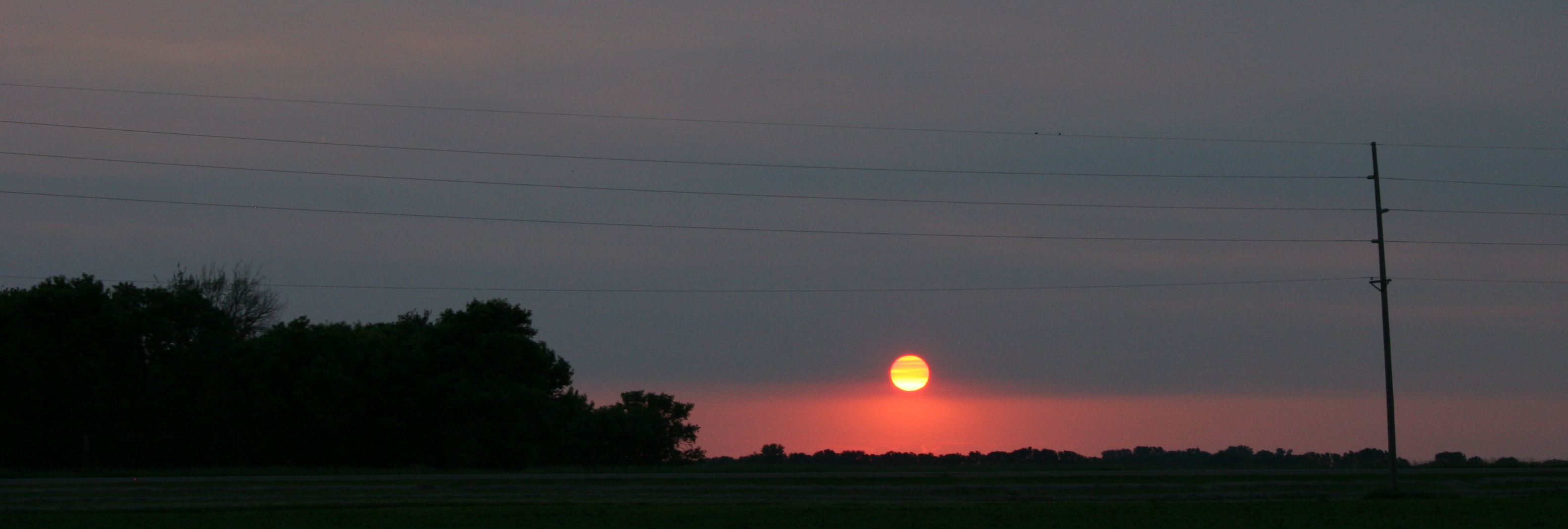
WE STOOD ALONG THE EDGE of the gravel road Saturday evening, my 13-year-old nephew and I, mesmerized by the glorious golden sun pinking the sky above and below a layer of blue grey.

I raised my camera. He lifted his phone. We snapped several photos, compared, wished for better zooms to photograph the prairie sky north of Lamberton in southwestern Minnesota.

Sunset on the prairie 2

“It’s what I miss most about this place, the sunrise and the sunset,” I said.

“And the stars,” Stephen added.

Sun and stars.

He was right. The stars, too.

Copyright 2013 Audrey Kletscher Helbling
 

Appreciating the Sunday afternoon drive June 29, 2013

Filed under: Uncategorized — Audrey Kletscher Helbling @ 6:30 AM
Tags: , , , , , , , ,
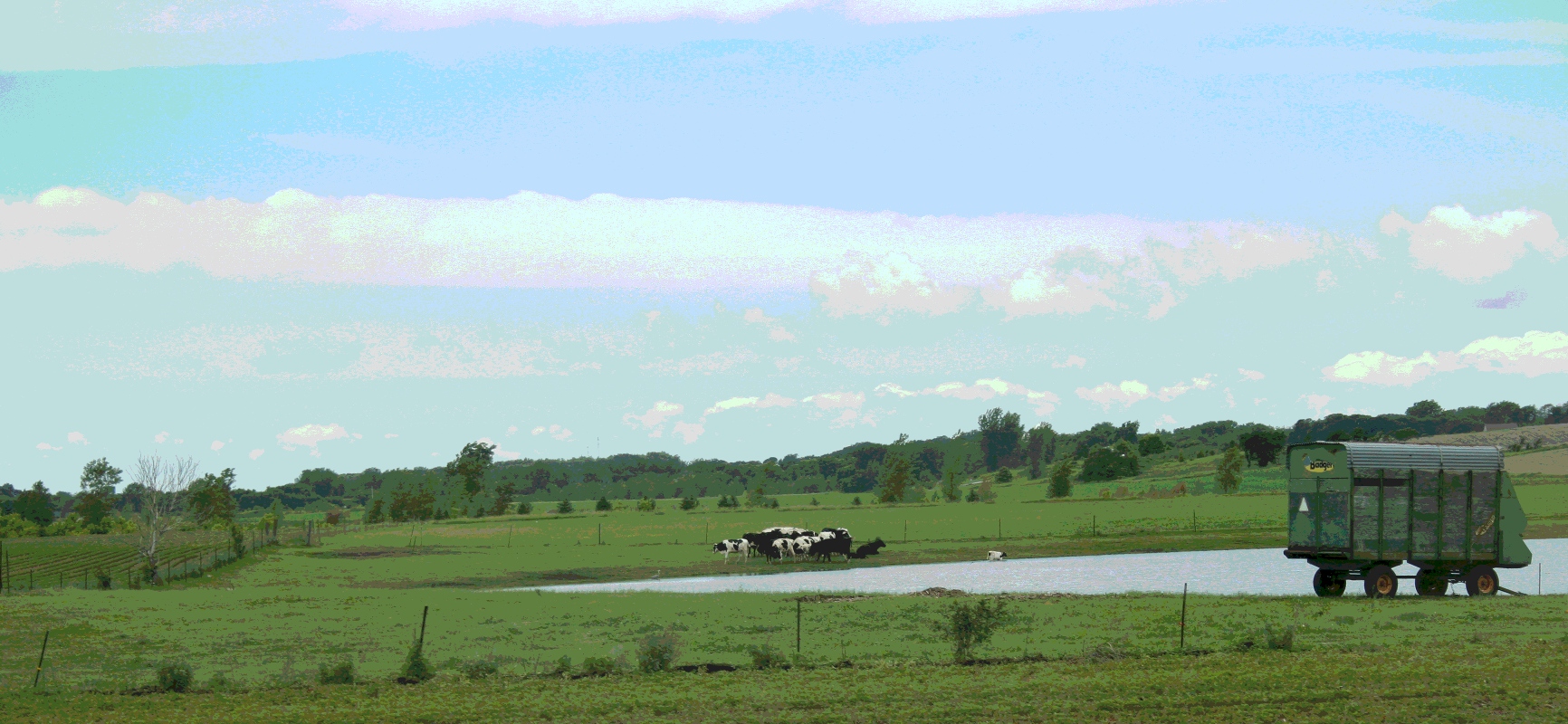
Checking out the crops near Moland Lutheran Church in Steele County, Minnesota.

Checking out the crops near Moland Lutheran Church in Steele County, Minnesota.

ONCE UPON A TIME, I thought Sunday afternoon drives were reserved for farmers checking out the crops or for old people with nothing more important to do.

In Merton Township, Steele County, Minnesota.

In Merton Township, Steele County, Minnesota.

No longer do I think that. I now welcome these day trips into the country for the solace, the beauty, the discovery, the photo ops, the joy of whiling away an afternoon with no specific destination.

Along Rice County Road 21 south of Faribault.

Along Rice County Road 21 south of Faribault.

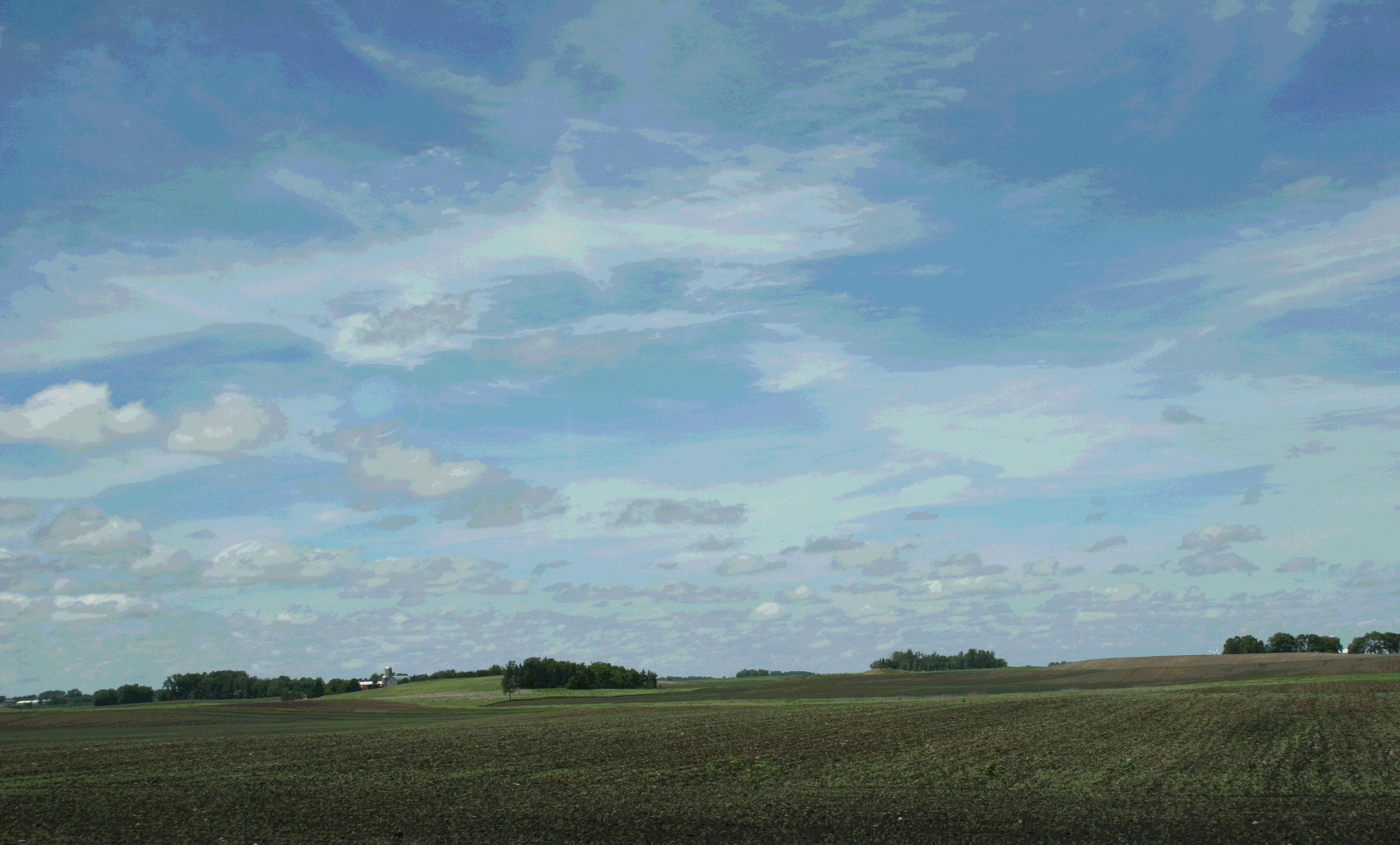
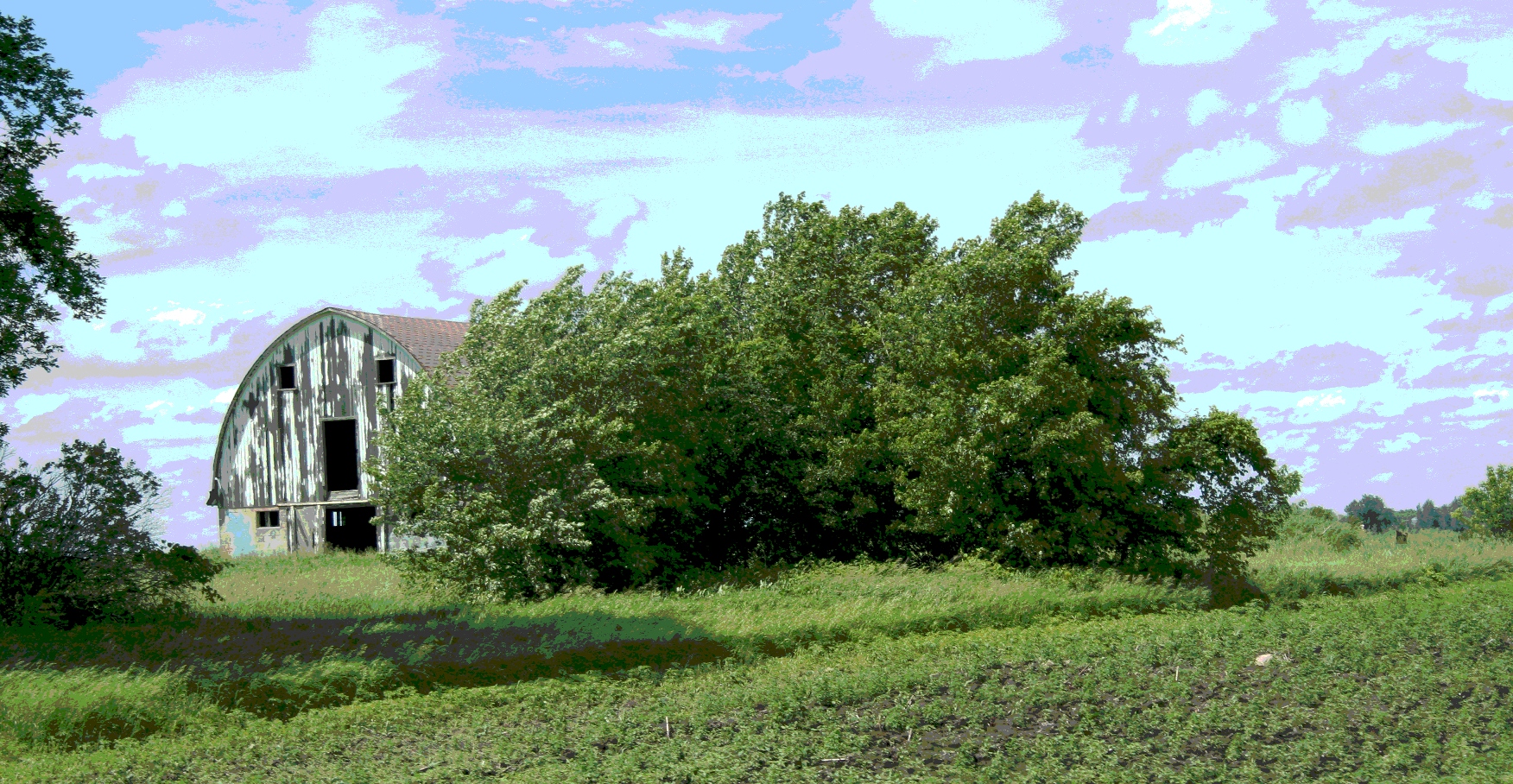
I love wide skies and open fields. I love old barns and gravel roads and cows grazing and tidy rows of corn. I love country.

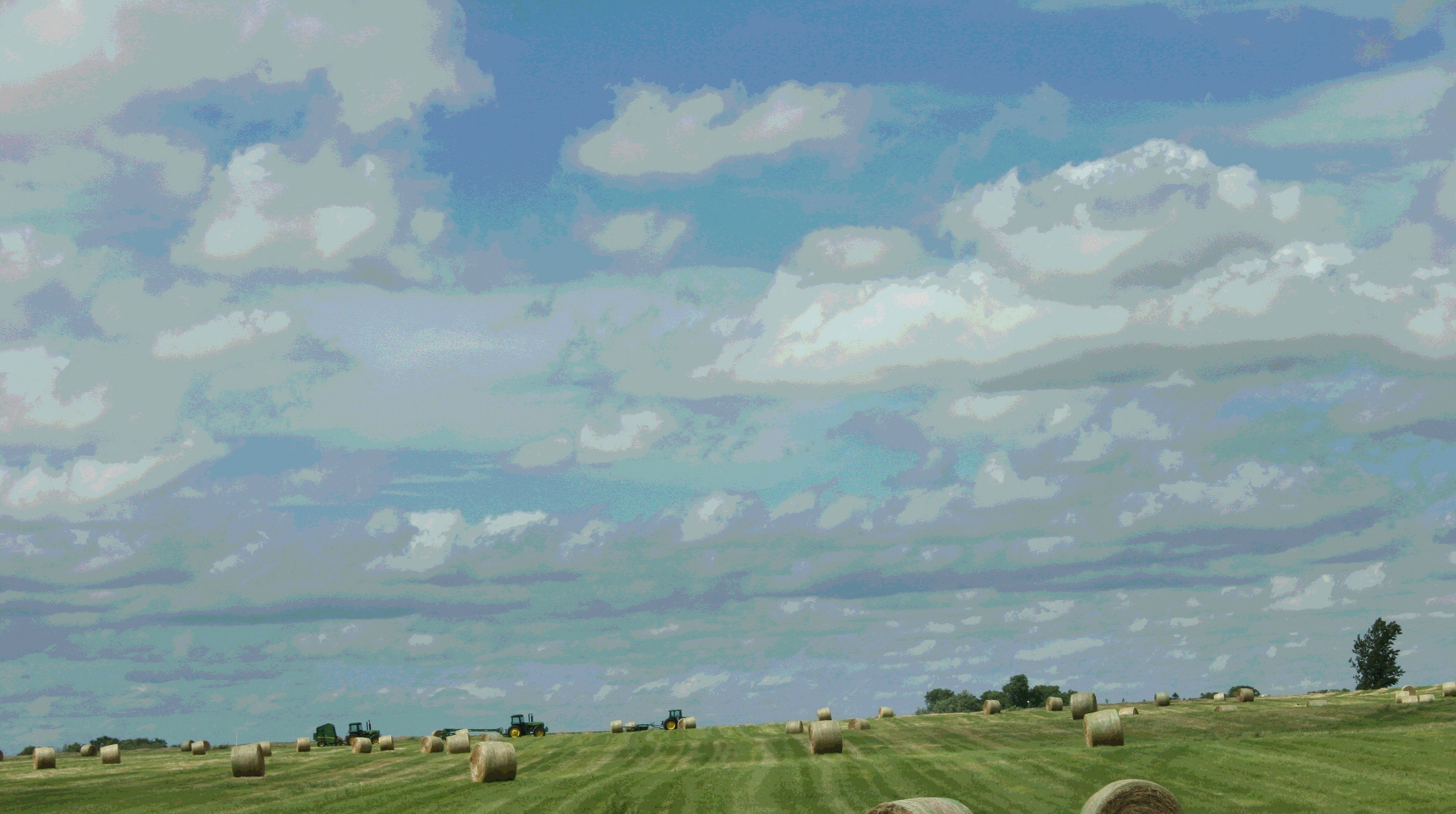
Making hay, along old U.S. Highway 14 west of Owatonna.

Making hay, along old U.S. Highway 14 west of Owatonna.

In this crazy fast-paced world of scheduled activities and rare free time, such impromptu rural jaunts are to be embraced.

Near Clinton Falls in Steele County, Minnesota.

Near Clinton Falls in Steele County, Minnesota.

If you have not discovered the Sunday afternoon drive, you are missing out on one of life’s simplest and most soul satisfying pleasures.

Northwest of Owatonna along Steele County Road 17.

Northwest of Owatonna along Steele County Road 17.

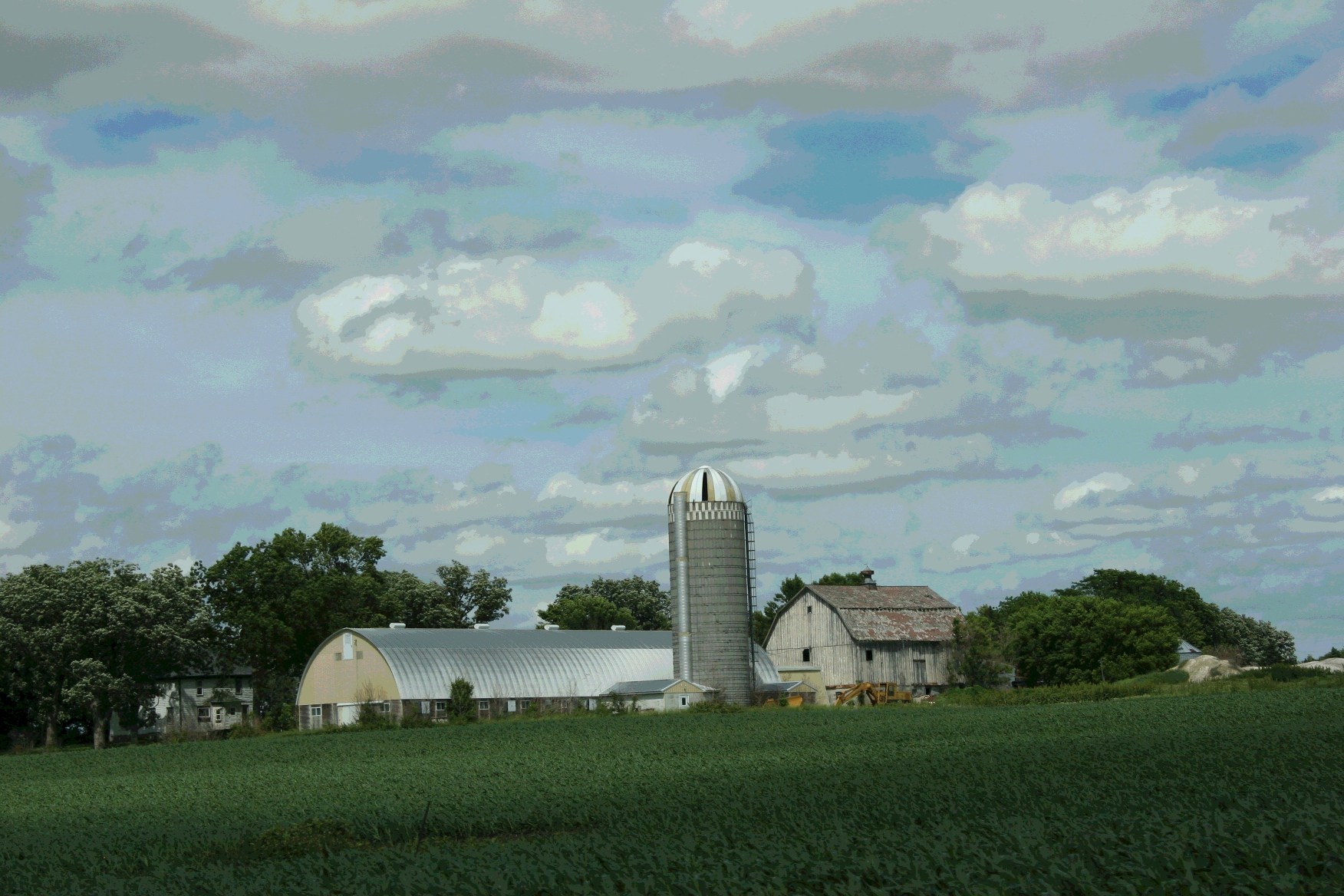
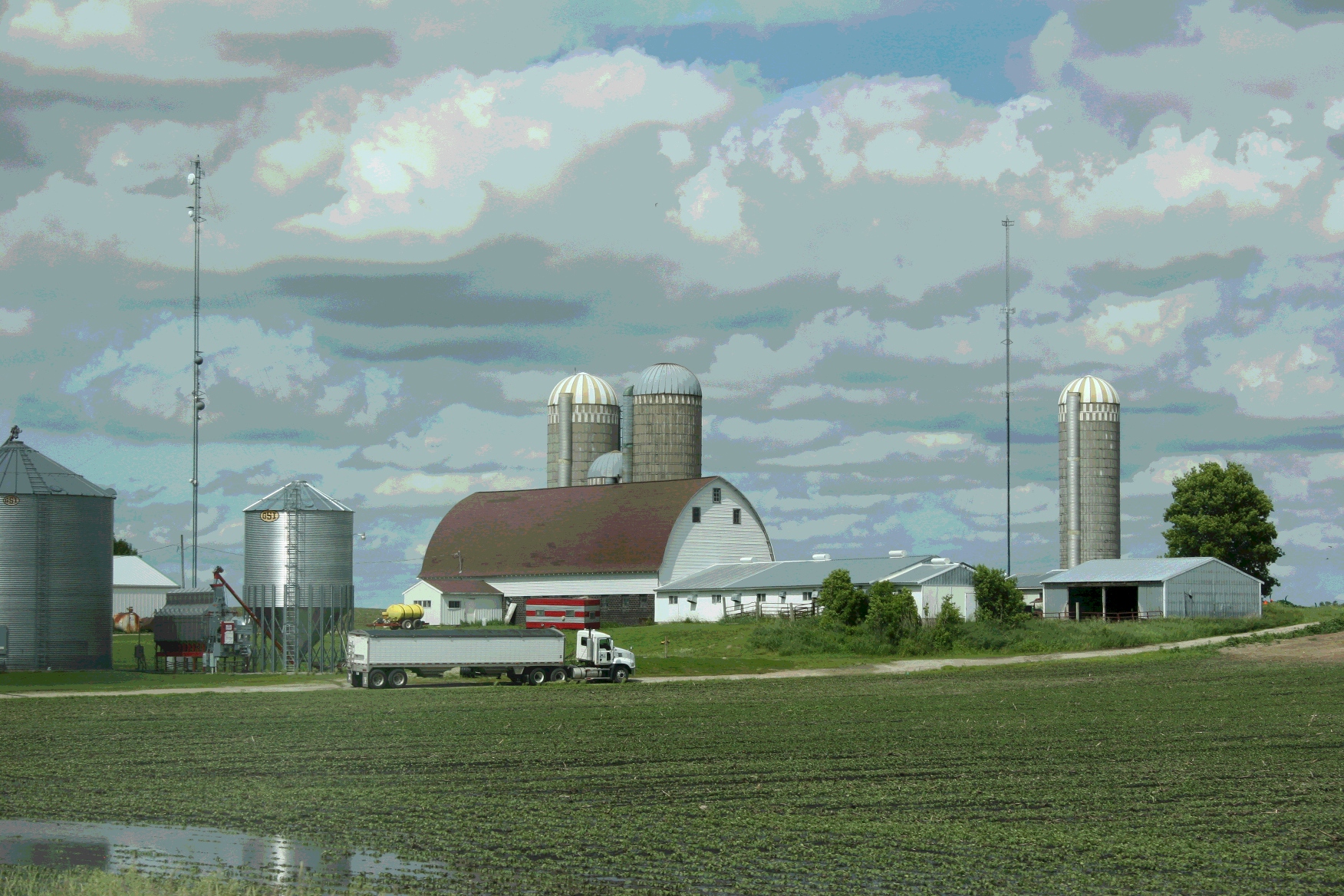
On a farm site west of Owatonna.

On a farm site west of Owatonna.

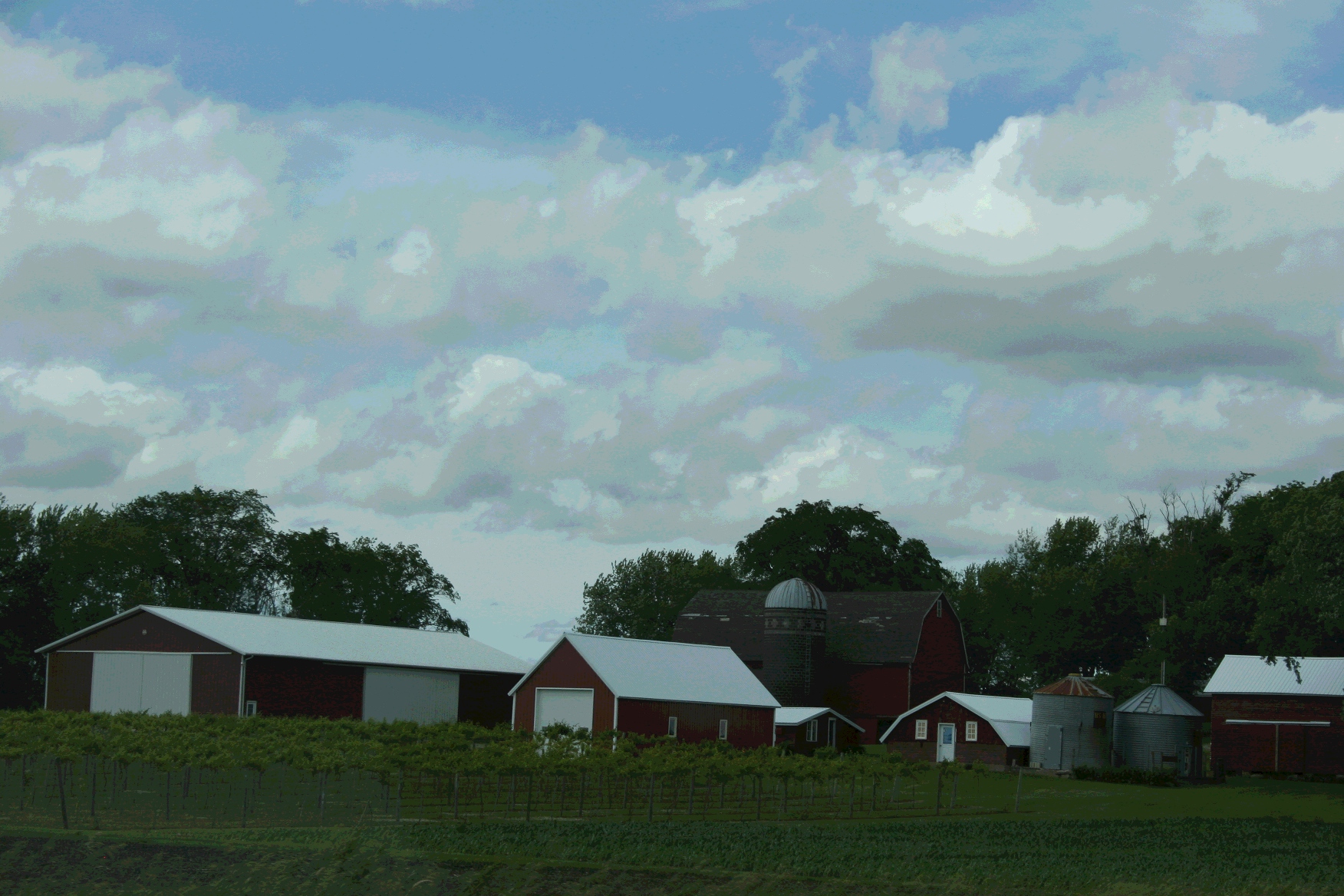
A vineyard along Steele County Road 17.

A vineyard along Steele County Road 17.

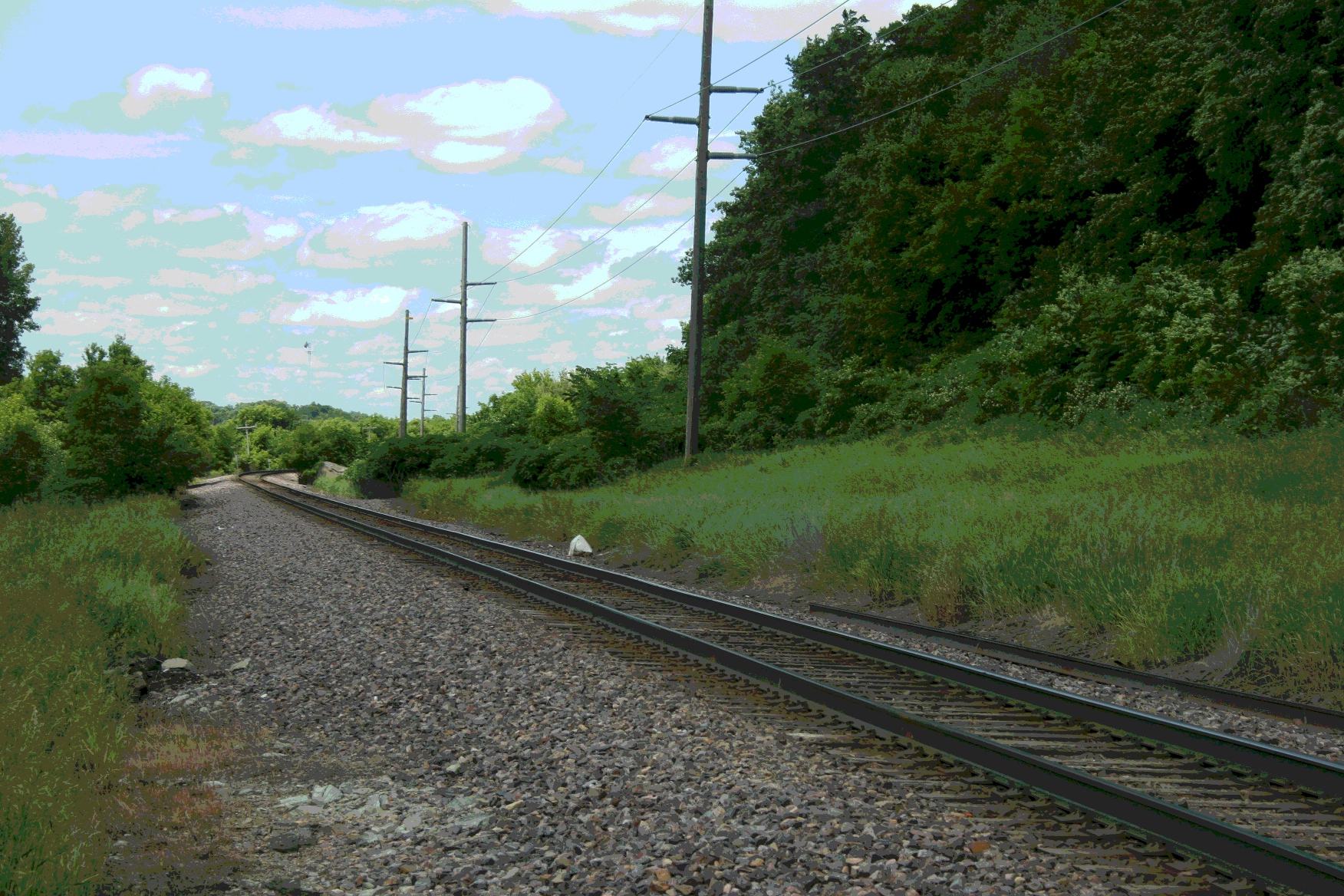
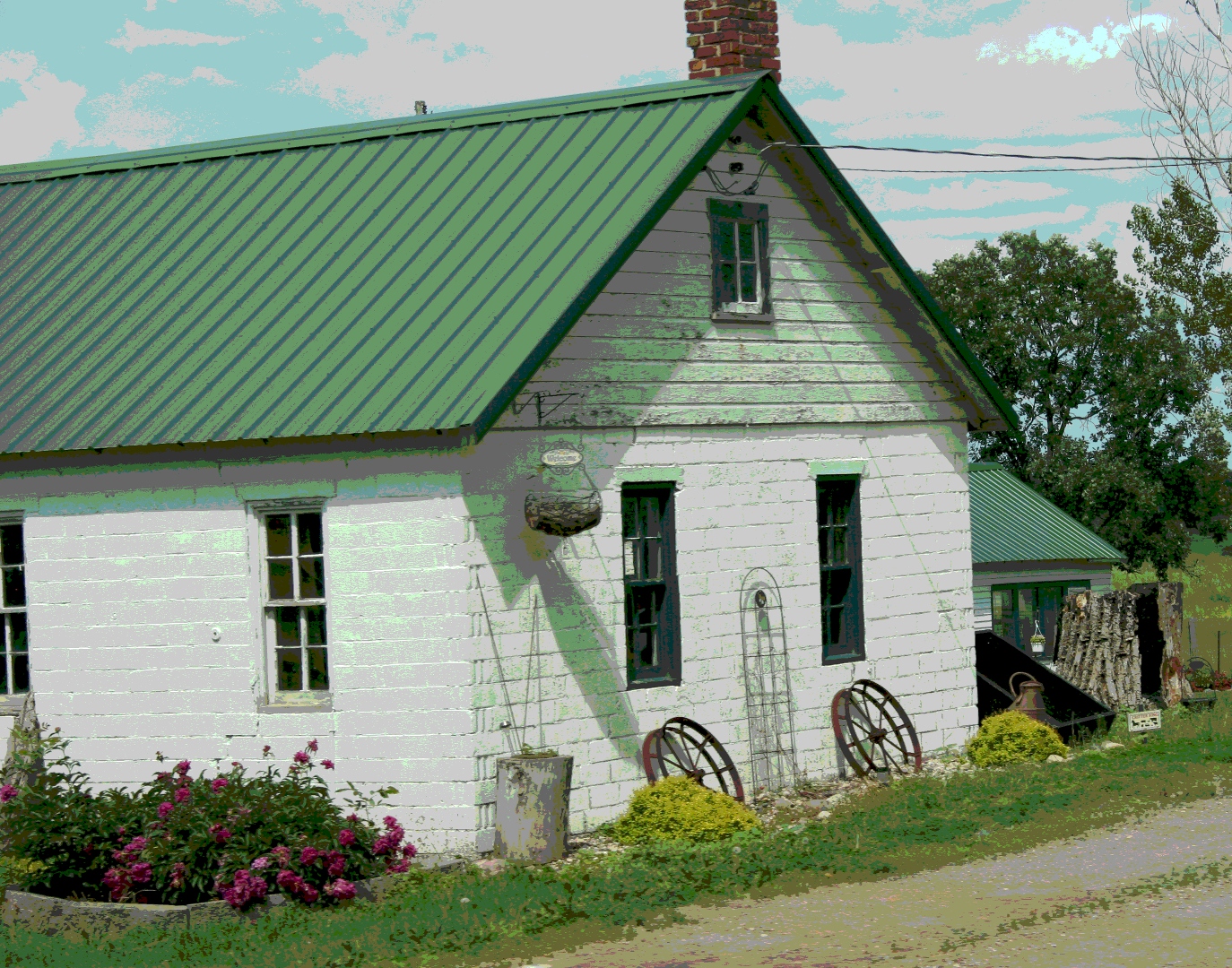
Southwest of Faribault.

Southwest of Faribault.

FYI: The edited photos featured here are from a recent Sunday afternoon drive south and east of Faribault and then west and north of Owatonna looping back to Faribault. All images were shot from the passenger seat of our van at highway speeds, or slightly under.

Copyright 2013 Audrey Kletscher Helbling


Why NDSU research into growing human bones interests me June 28, 2013

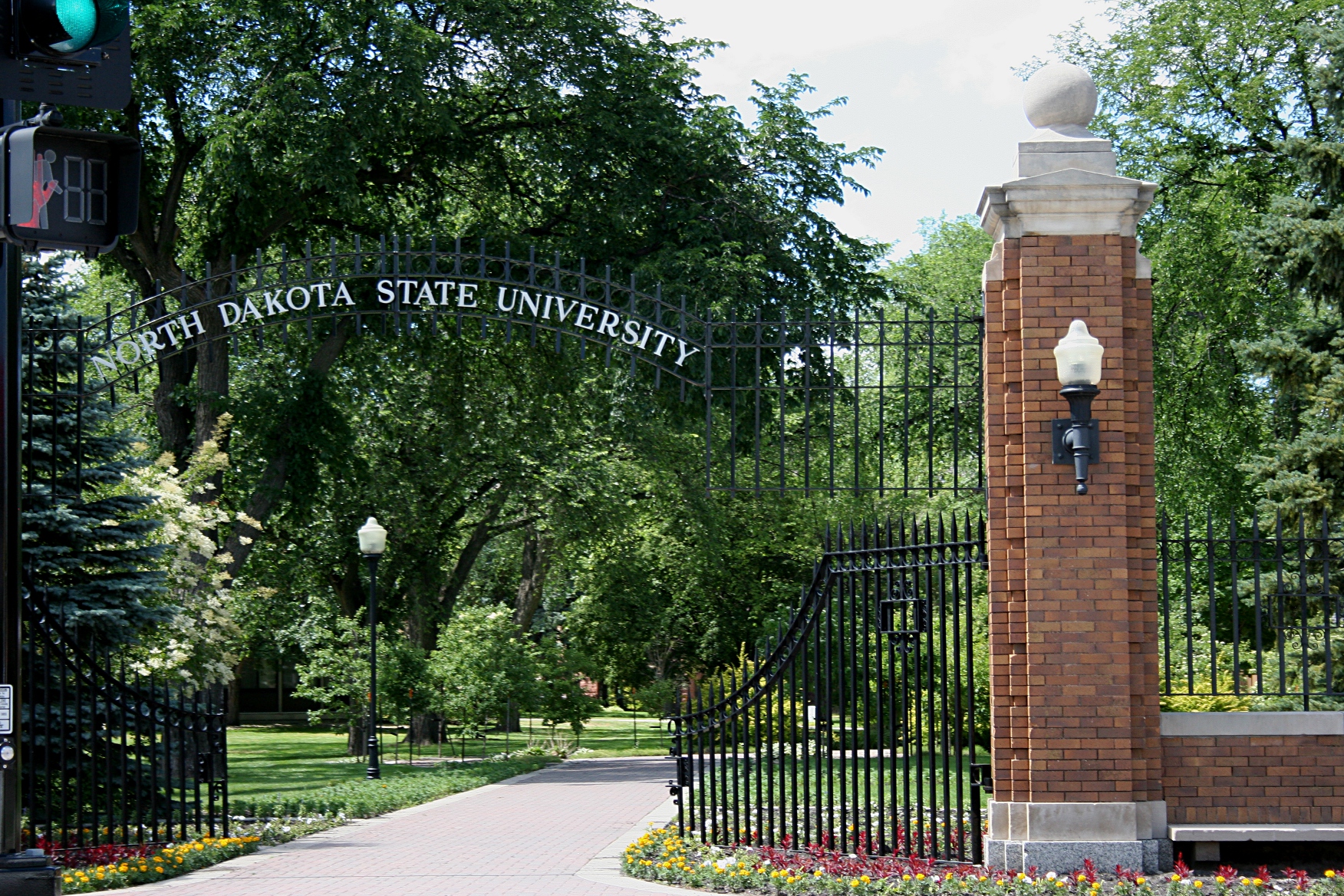
File photo from June of the main entrance to North Dakota State University in Fargo.

File photo from June 2012 shows the main entrance to North Dakota State University in Fargo.

FOR THE MOST PART, I ignore the mass emails sent by whomever, including North Dakota State University, where my son attended his first year of college. He’s transferring to Tufts University in Medford, MA., outside of Boston, this fall.

But this head in a recent NDSU Alumni (I’m not an NDSU alumni) mailing caught my attention:
Researchers Coax Clays to Make Human Bone: Weak bones, broken bones, damaged bones, arthritic bones. Researchers at North Dakota State University, Fargo, are making strides in tissue engineering, designing scaffolds that may lead to ways to regenerate bone.
Arthritic bone.

Up until some seven years ago, I’d never considered arthritic bone, not even thought about arthritis or its debilitating impact on the body and spirit and on mobility.
But then, at age 48 ½, I developed back and hip pain which, initially diagnosed as a pinched sciatic nerve, was eventually correctly diagnosed as arthritis in my right hip. For 2 ½ years I lived with the constant pain until near immobility and an inability to tolerate the pain led me to undergo total right hip replacement five years ago. Given my age, 51, I wanted to put off the surgery as long as possible.

I likely will outlive my hip, which has a life expectancy of 15 – 20 years. That means hip surgery. Again. And that scares the heck out of me because I will be much older, the recovery more challenging.

When I read news about research like that being conducted at NDSU, I am encouraged—hopeful for a better alternative to the current implant system. There have been too many recalls on hip implants. Thus far, mine has not been among them. But pity those people who need to have their defective implants removed and replaced.

To the NDSU researchers who created the system of “3-D mesh scaffold composed of degradable materials compatible to human tissue” in which “cells generate bone and the scaffold deteriorates,” thank you for working on this project.

Do you think you could perfect the process and have it on the market in 10 years?

FYI: Learn more about this NDSU research project by clicking here.

© Copyright 2013 Audrey Kletscher Helbling