Minnesota Prairie Roots

Writing and photography by Audrey Kletscher Helbling

Deciding the future of the historic Blue Earth County fairgrounds January 8, 2014

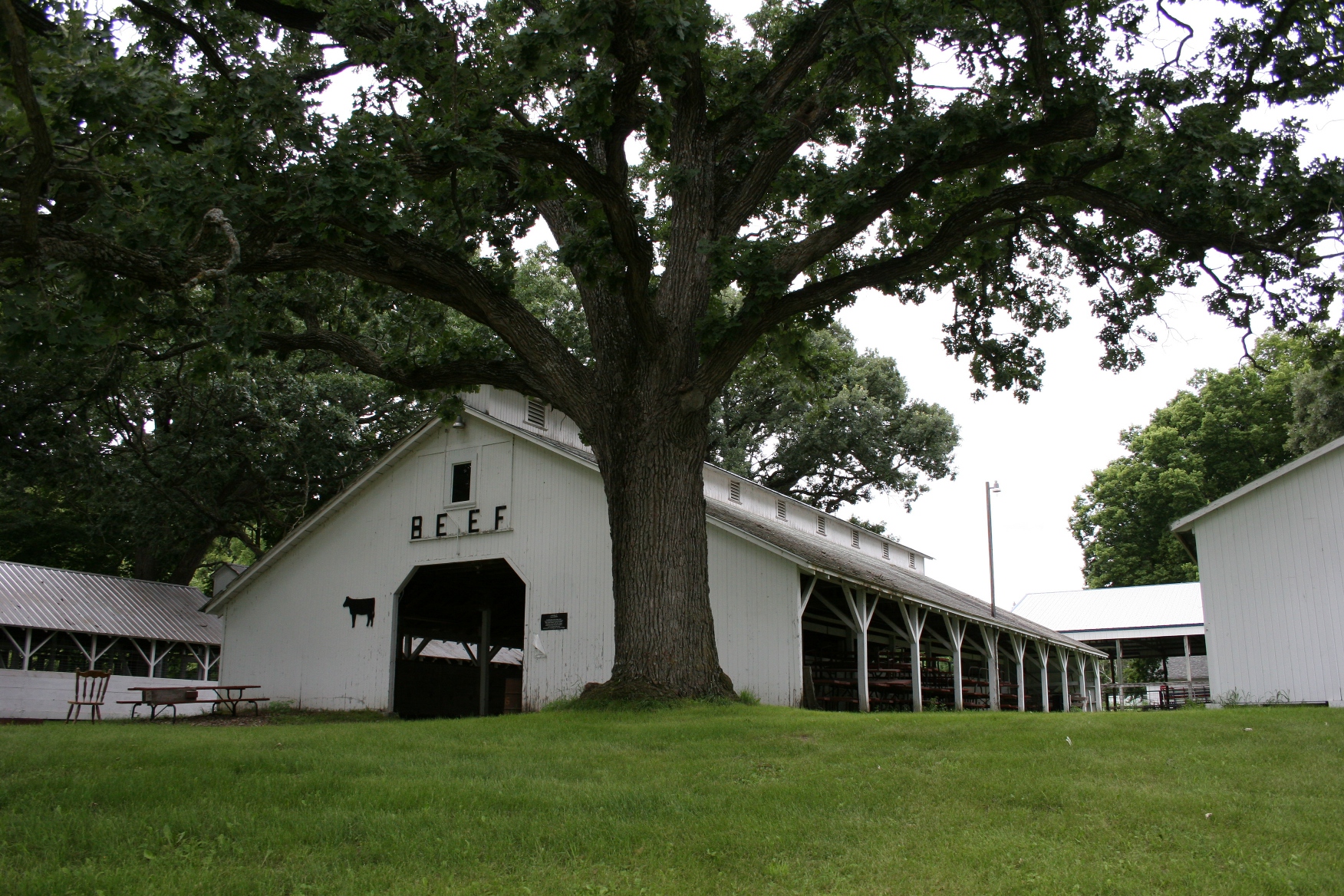
The beef barn, shaded by an oak tree.

The beef and other barns are circled by aged oaks.

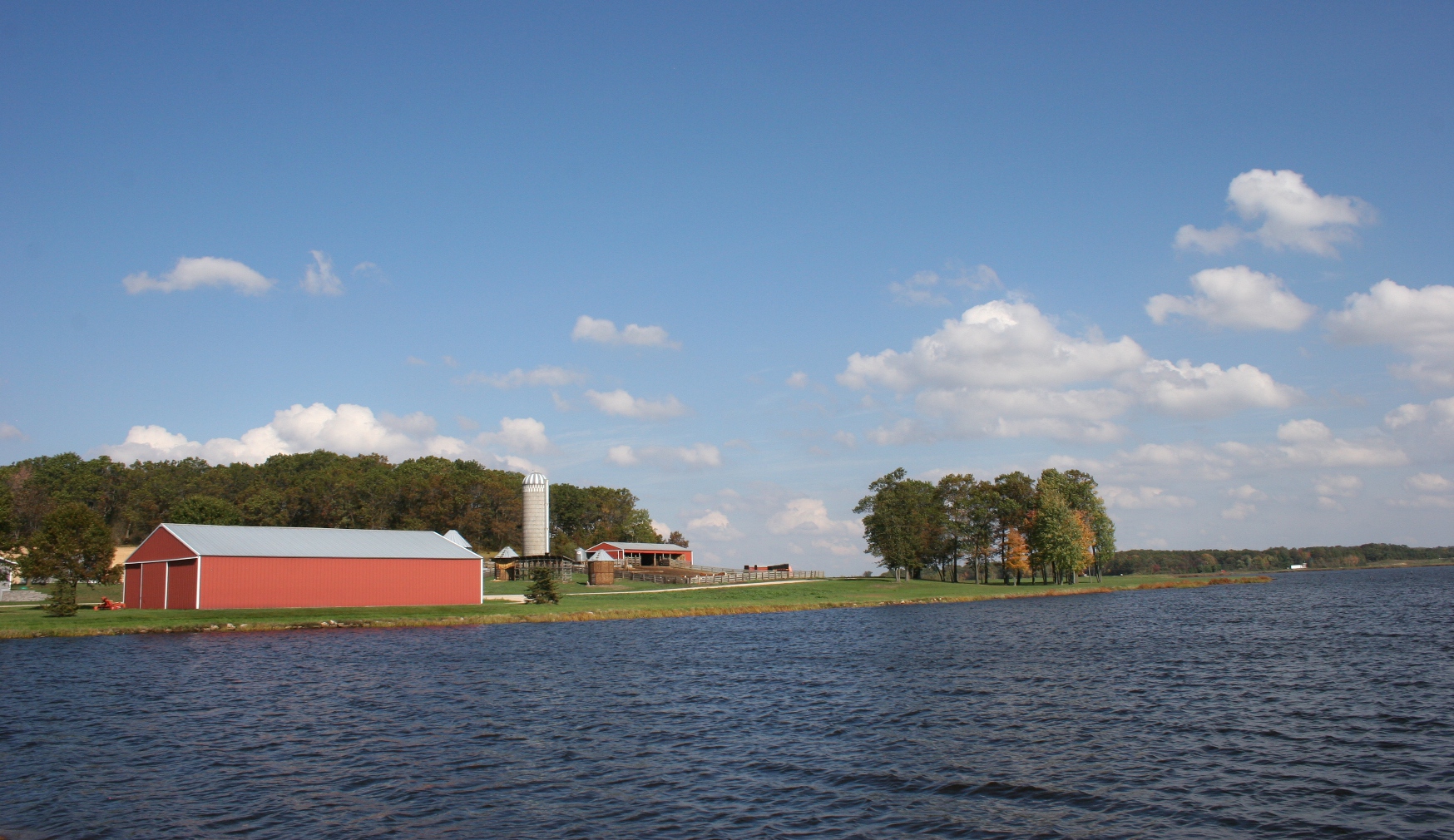
IN THE SHADE OF AGED OAKS sprawling along the banks of the Watonwan River in Garden City, agricultural buildings stretched long and lean as my husband and I drove through the Blue Earth County Fairgrounds on a July morning.

I was enamored with this charming and historic place, where buildings are labeled BEEF, SHEEP, POULTRY, FFA, 4-H EXHIBITS…
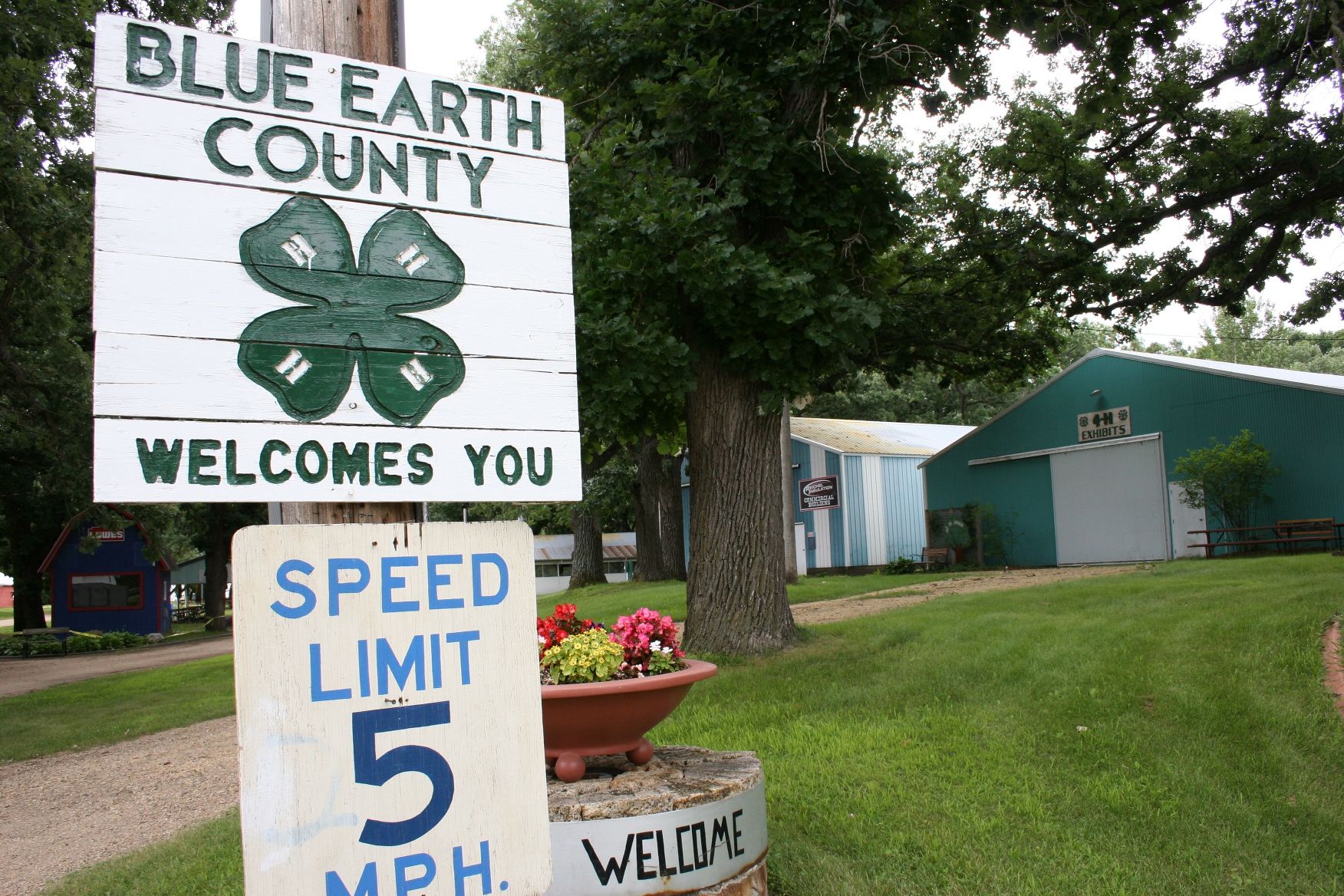
Just inside the entry to the Blue Earth County Fairgrounds.

Just inside the entry to the Blue Earth County Fairgrounds.

For 154 years, folks have come here each summer to celebrate the area’s agricultural roots.

But now this bucolic spot, which so charmed me during that brief drive-through this past July, may no longer serve as the site for Blue Earth County’s fair. The fair board is looking to move the fair within a two-mile radius of nearby Mankato, according to information on the fair website.
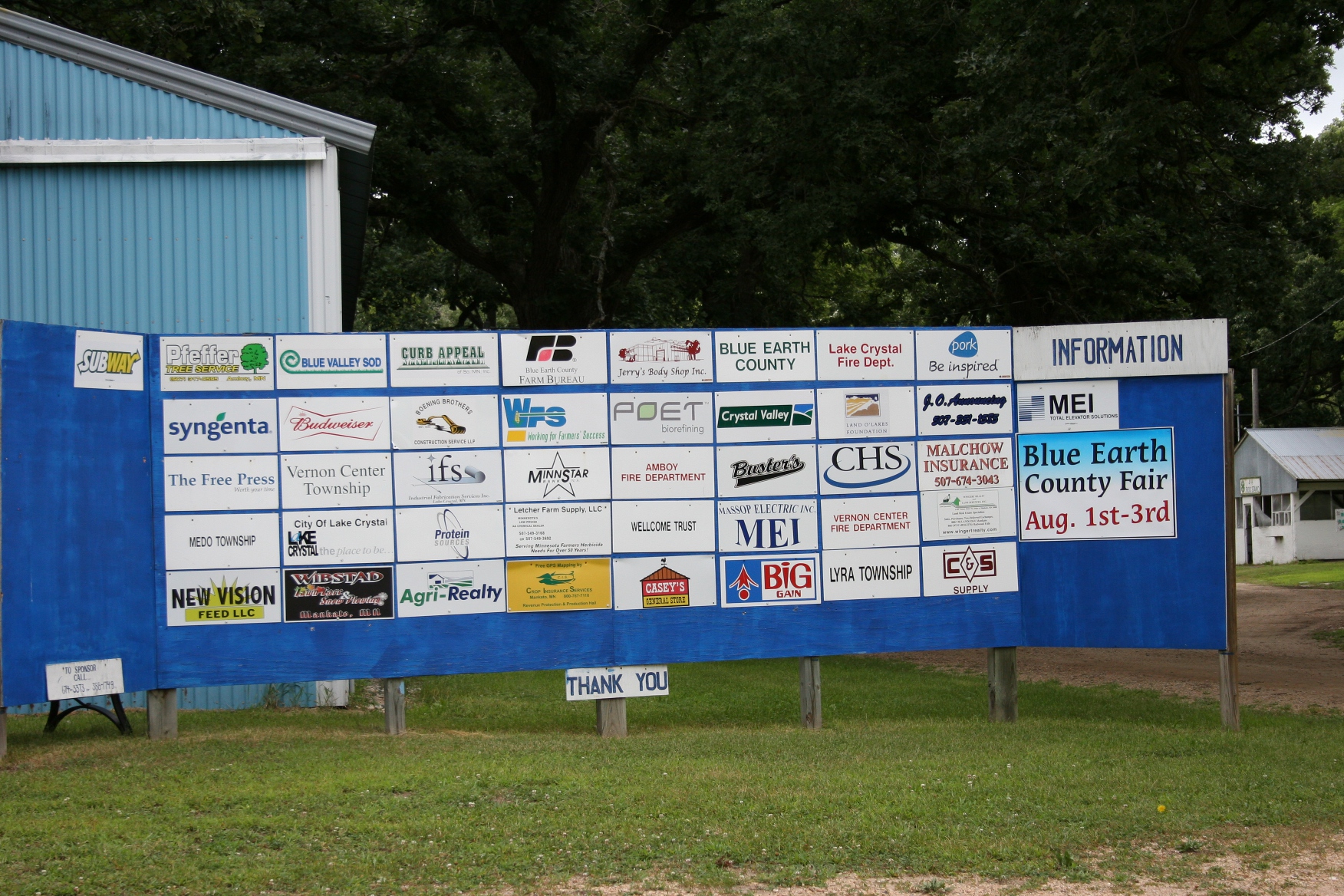
 A posting of fair sponsors just inside the front gate.

A posting of fair sponsors just inside the front gate.

Thursday evening, Blue Earth County Fair Association shareholders meet at Bethany Lutheran College in Mankato to discuss the future of the fair, supported in the past by rural sponsors like Crystal Valley Coop, Watonwan Farm Service and the Blue Earth County Farm Bureau.

Shareholders will vote, beginning at 6:20 p.m., on whether to sell the Garden City fairgrounds. I’m not privy to financial details but, according to a story in the Mankato Free Press, the fair has consistently lost money in recent years. The thought is that moving the fair nearer the county’s center of population (Mankato) and adding amenities will increase attendance and better tell the story of agriculture. Click here to read the document, BLUE EARTH COUNTY FAIR: GROUNDS FOR GROWTH.

I expect this membership meeting may be a heated one pitting historians and preservationists against those favoring change, and country folks against city residents. I might be wrong.

If you buy a $5 share, you can vote. Once. There’s no buying multiple shares for multiple votes. Shares are available for purchase yet today (from 11 a.m. – 1 p.m. and from 5-7 p.m.) at Busters on Madison Avenue in Mankato. And shares will be sold before the meeting, from 4:45-5:45 p.m. Thursday.
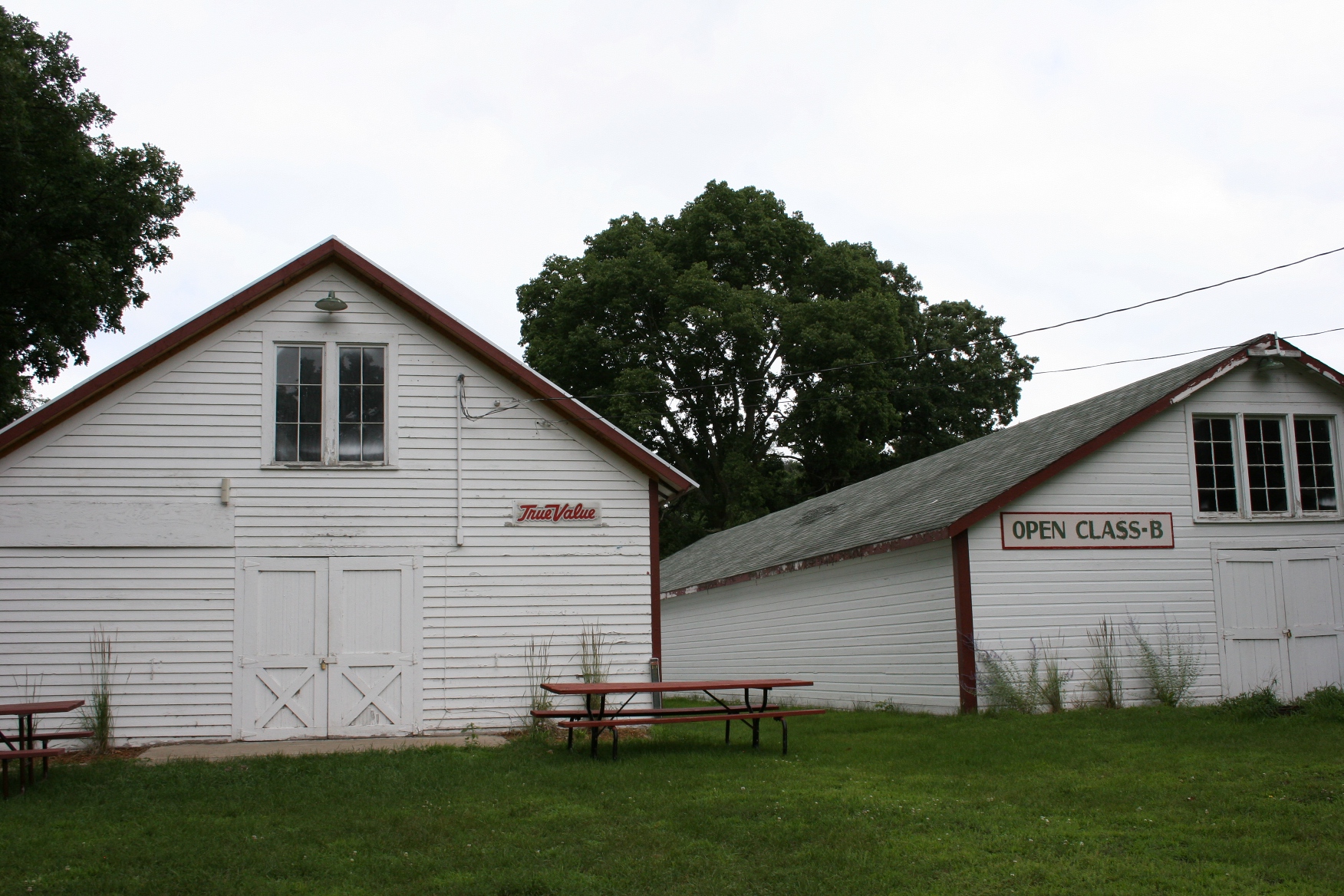
The open class exhibit buildings.

Open class exhibit buildings.

I’m not fully-informed on all sides of the issue. Yet I do know this: When my husband and I wove our way through the fairgrounds in Garden City, I was impressed by the historic character, the nostalgic charm, the quaint old buildings in the beautiful natural setting and the fact that a place like this still exists. There is something to be said for that, for the time-honored tradition of this fair and the pastoral appeal of this land. It is, undeniably, a picturesque place along the Watonwan River, a lovely gathering spot for the generations who have come here each summer to celebrate rural life.

LET’S HEAR YOUR THOUGHTS on the future of the Blue Earth County Fairgrounds. How would you vote? Move the fair to a site closer to Mankato or keep it here, in Garden City?

© Copyright 2014 Audrey Kletscher Helbling


My enduring appreciation of barns January 6, 2014

Filed under: Uncategorized — Audrey Kletscher Helbling @ 6:00 AM
Tags: , , , , , ,

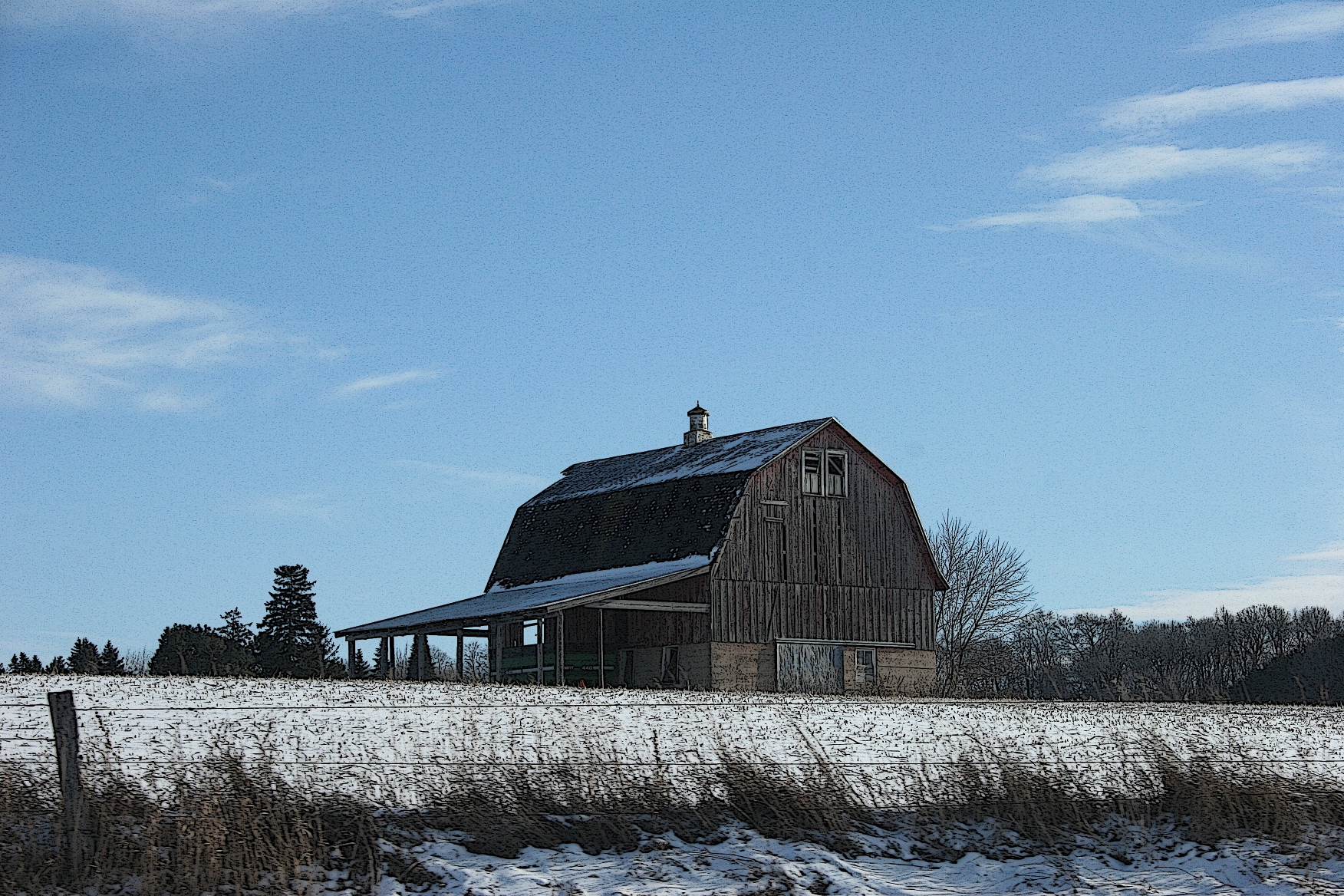
Barn on the way to Northfield

OLD BARNS ALWAYS TURN my head, including this one along Minnesota Highway 3 between Faribault and Northfield.

Weathered wood, a strong roof line, the physical bulk of the barn, the work once done therein, the stories this agrarian building could tell all cause me to notice and ponder.

It is my own rural roots, my years of laboring in a barn—scooping manure, pushing wheelbarrows heaped with ground corn, shoveling scoops of smelly silage, lugging tall cans of frothy milk—which connect me to this anchor farm building.

Though decades have passed, those memories remain strong, unweathered by time or age.

© Copyright 2014 Audrey Kletscher Helbling
 

An essay of barn photos & memories November 25, 2013

Filed under: Uncategorized — Audrey Kletscher Helbling @ 6:00 AM
Tags: , , , , , , , ,
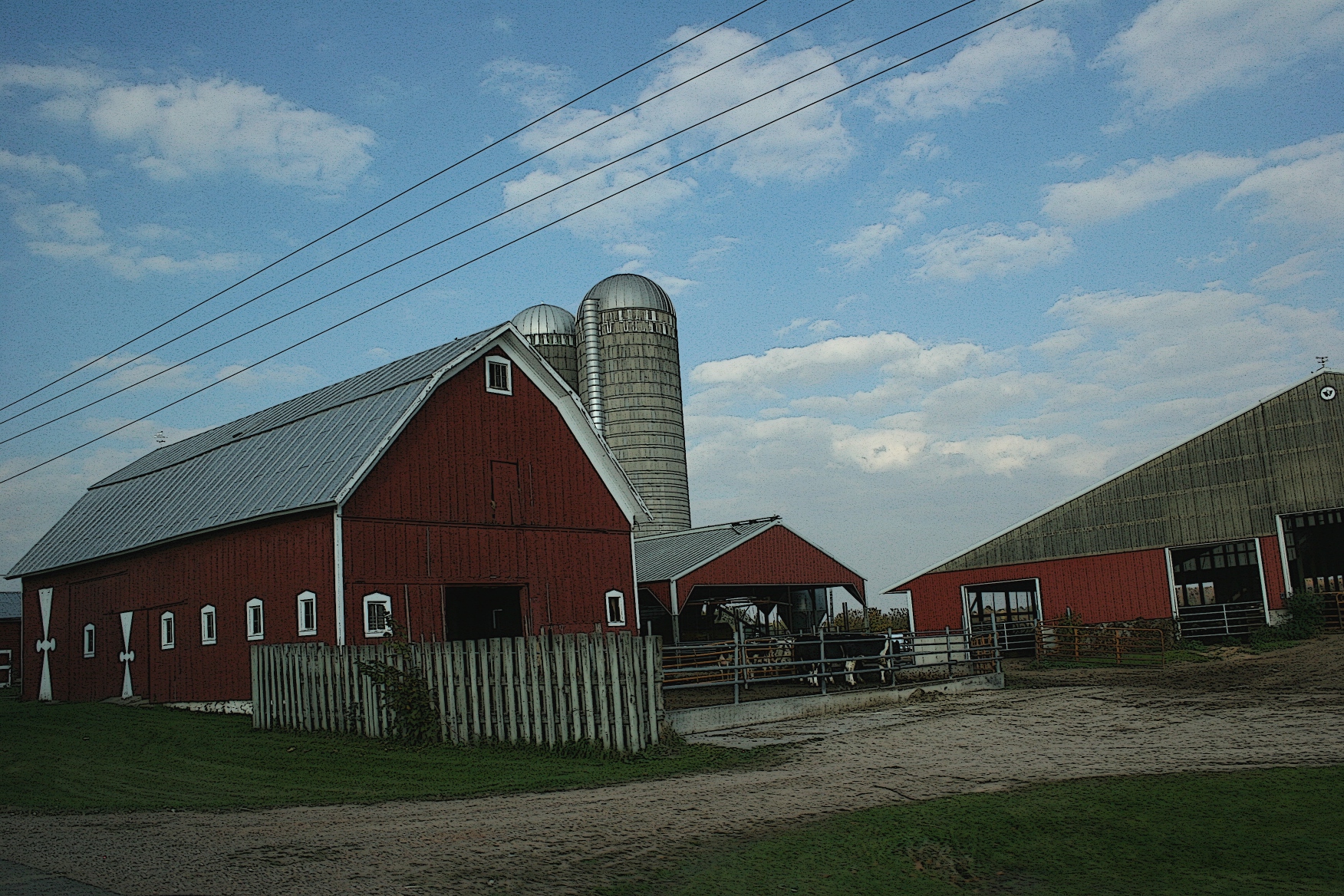
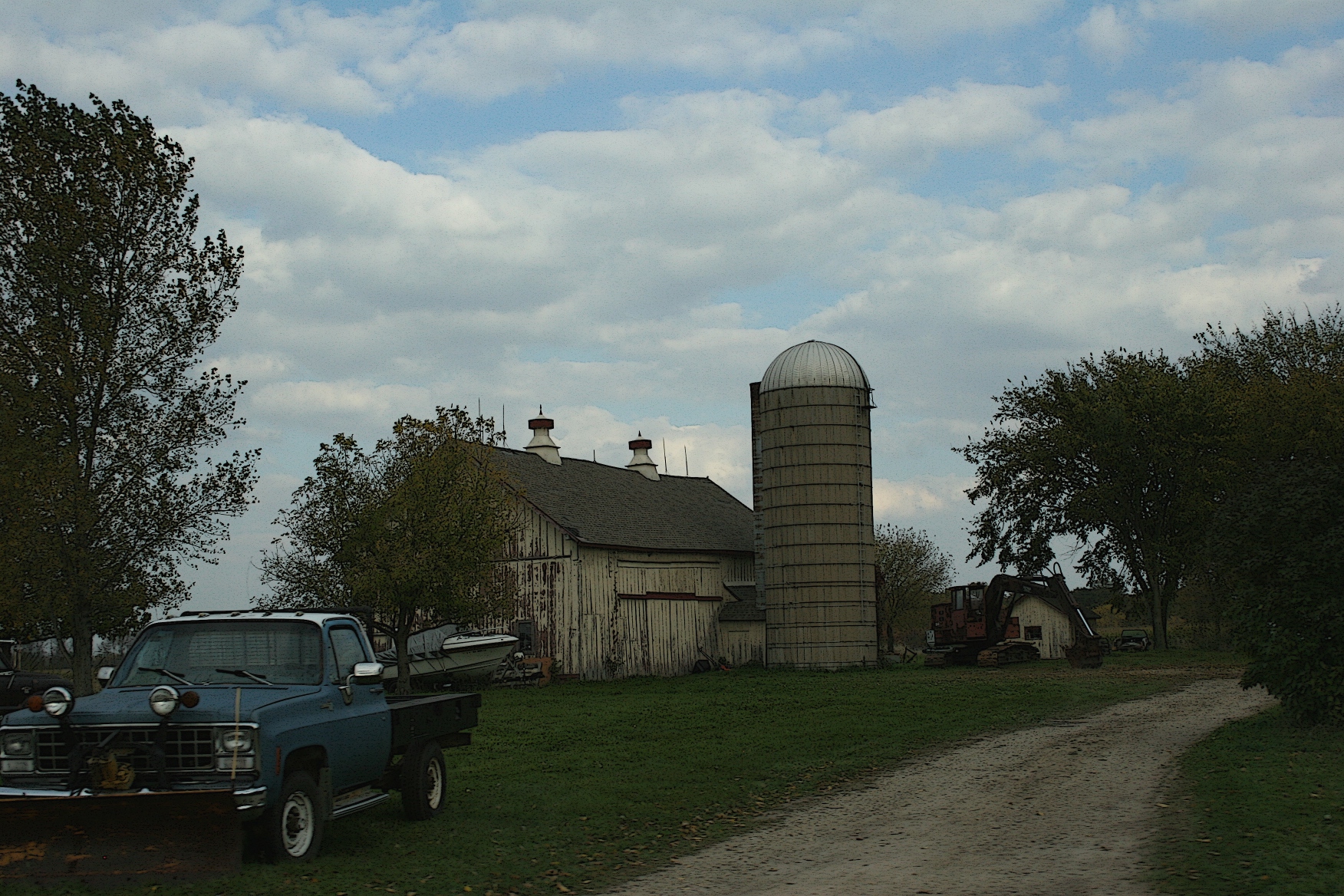
Near Poy Sippi, Wisconsin.

Near Poy Sippi, Wisconsin.

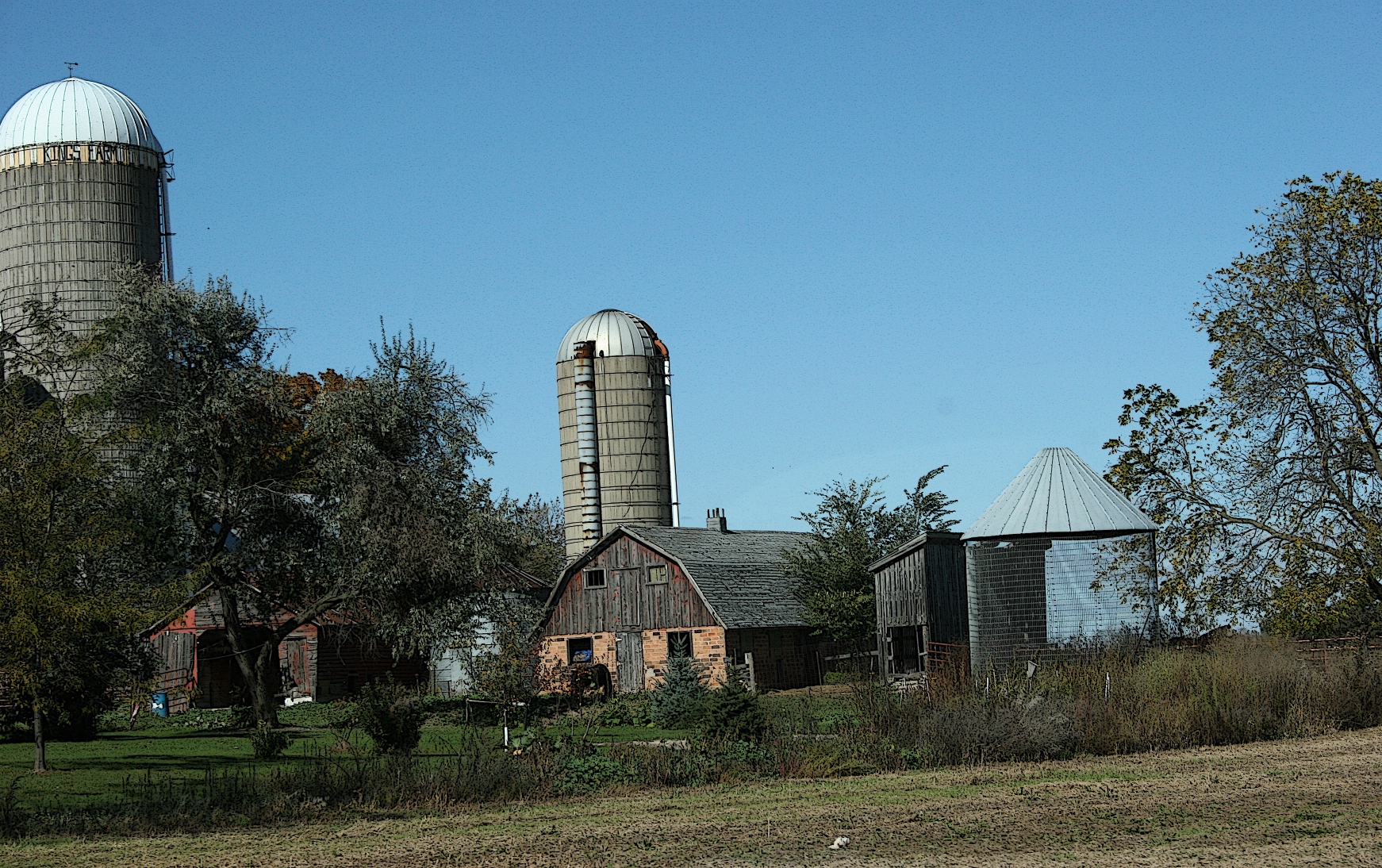
MY FONDNESS FOR BARNS, for photographing them, never wanes.

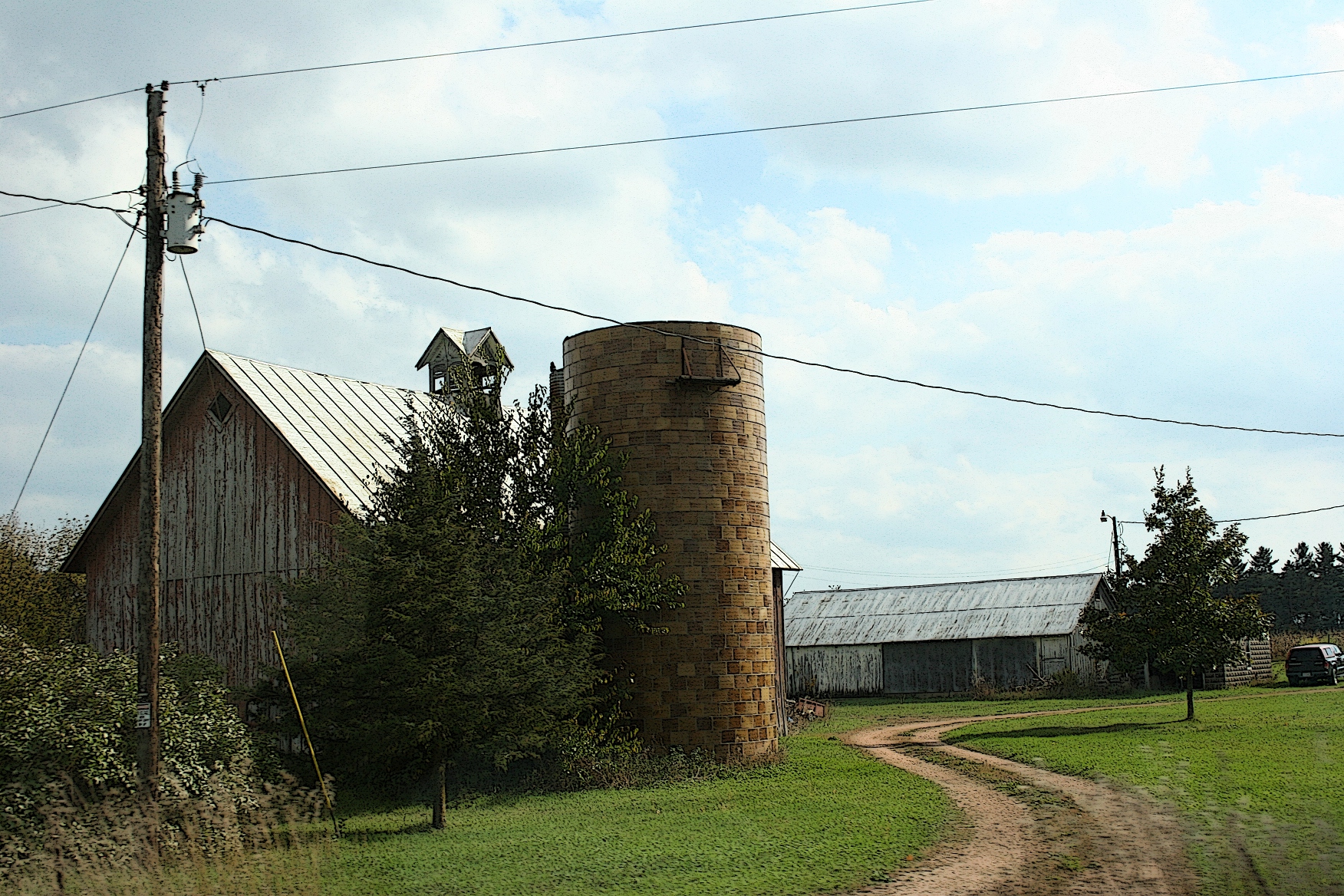
Along Wisconsin State Highway 21.

Along Wisconsin State Highway 21.

When I fit my eye to the viewfinder, swing my camera lens toward a barn and click, it’s as if I’m clicking my heels together and flying into my past.

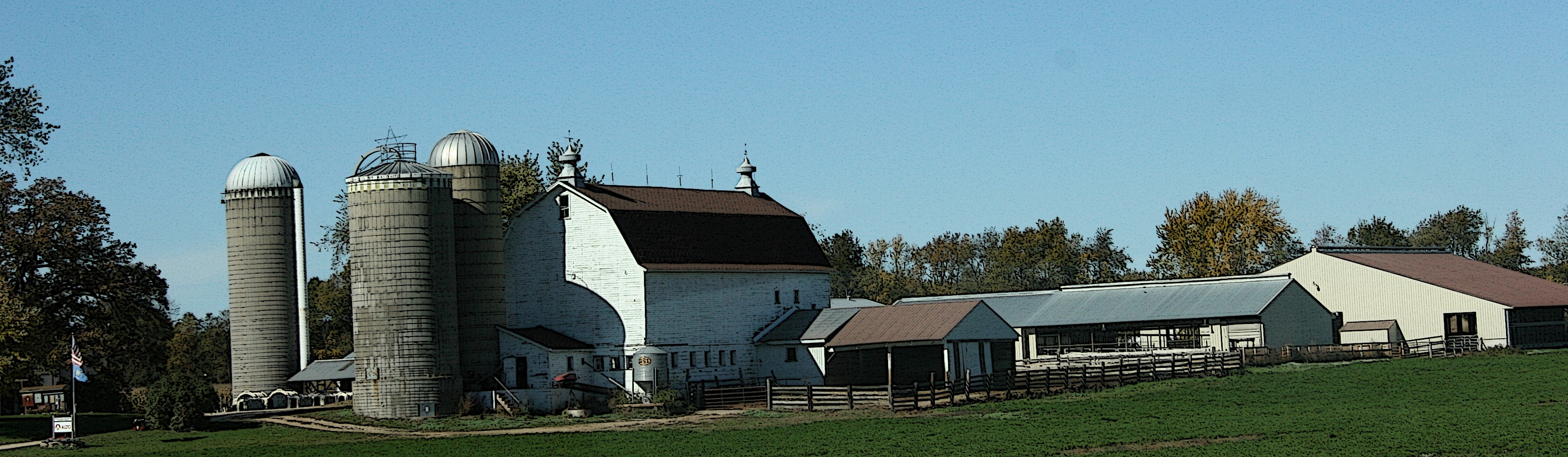
Also along Wisconsin Highway 21.

Also along Wisconsin Highway 21.

I am trudging down the barn aisle, leaning into the wheelbarrow heaped with ground corn. I am scooping that feed by the shovelful to top silage pitched from the silo and parceled before the Holsteins’ empty stanchions.

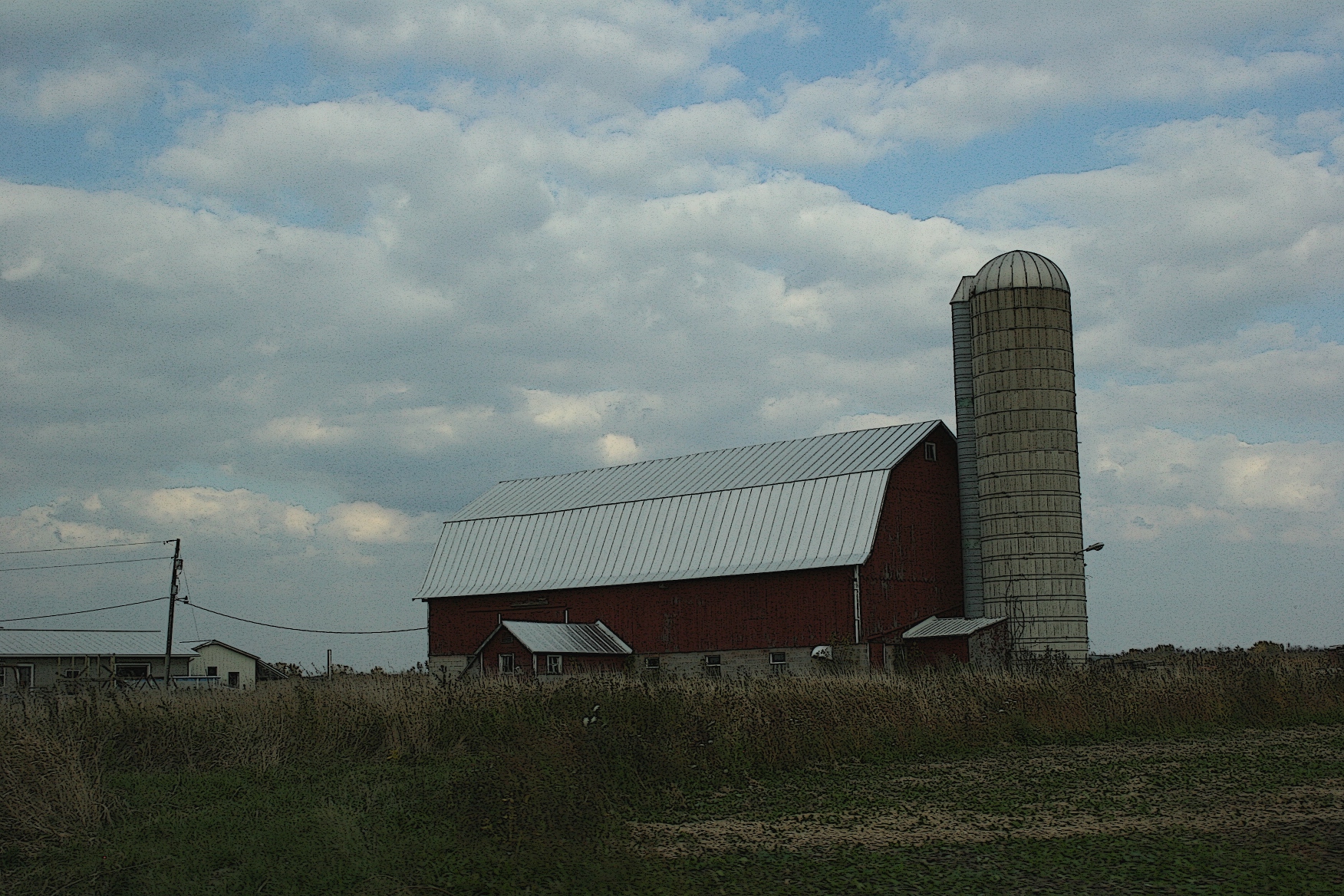
Near Poy Sippi, Wisconsin.

Near Poy Sippi, Wisconsin.

Later, as milk pulsates into milking machines and Dad has poured the milk into a tall thin pail, I am lugging the precious liquid to the milkhouse, handle biting into my chore-gloved hand.

Another farm near Poy Sippi.

Another farm near Poy Sippi.

Memories come into focus—the golden booming radio voices from ‘CCO, the slap of a cow’s tail, hot urine splattering into gutters, cats swarming around a battered hubcap, the stench of manure, taut twine snapped with my yellow jackknife and prickly alfalfa itching my exposed wrists.

An old-fashioned farm along Wisconsin Highway 21.

An old-fashioned farm along Wisconsin Highway 21.

But, mostly, I see my farmer dad in those barns I photograph.

© Copyright 2013 Audrey Kletscher Helbling
 

Fifties flashback in a Wisconsin cornfield November 14, 2013

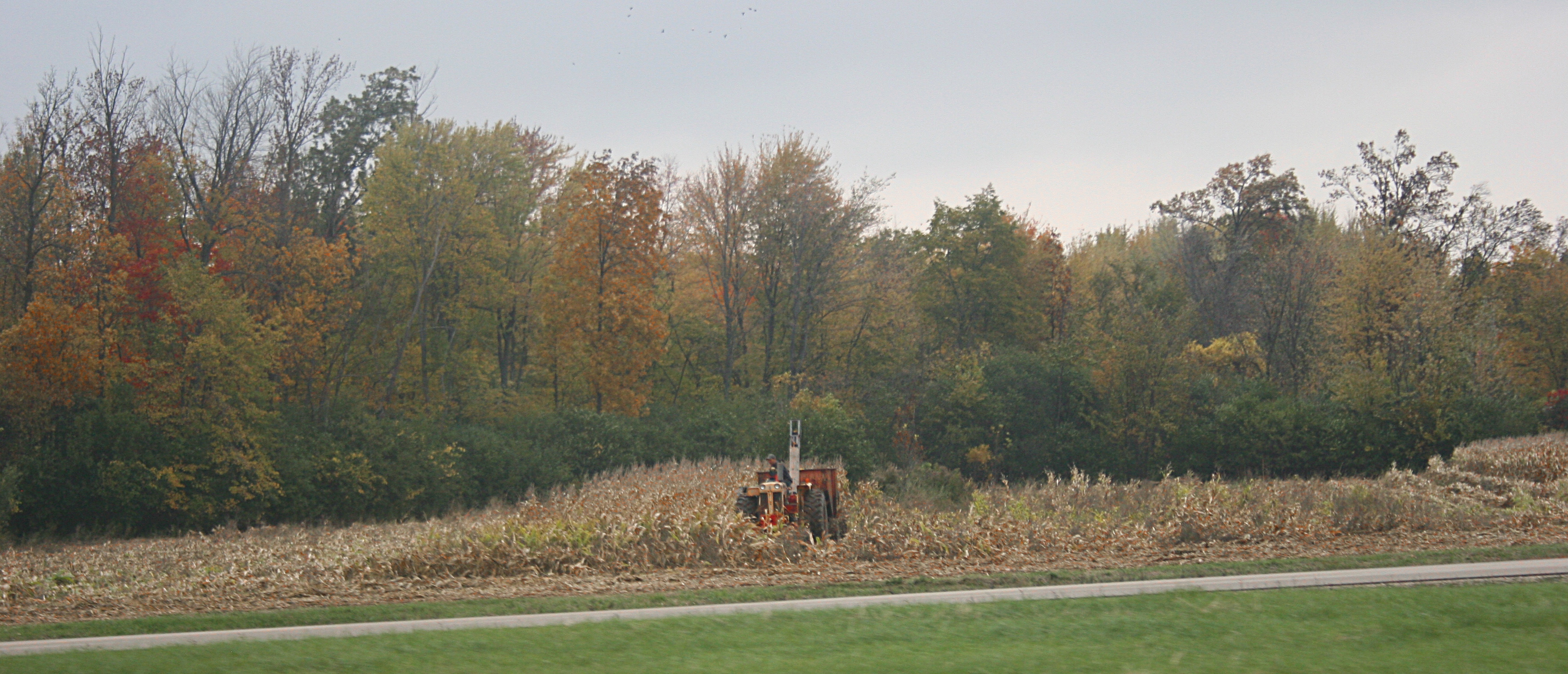
Back in the day, picking corn

IF NOT FOR THE TRAFFIC that surrounds me on this four-lane on a Saturday afternoon, I might be traveling directly into a rural scene from the fifties or sixties.

For there, over to the right along this Appleton, Wisconsin, area roadway, a farmer works the field with his Case tractor towing a pull-behind corn picker that drops ears of corn into a wagon.

I get one chance to photograph the scene, but plenty of time to ponder why this farmer chose to harvest his crop with vintage farm machinery.

Is he simply trying to reclaim an era when farmers worked with the wind at their backs, the sun upon their faces, the scent of plant and earth in the air, embracing harvest from the seat of an open air tractor?

(NOTE: This photo was taken in mid-October.)

© Copyright 2013 Audrey Kletscher Helbling
 

Country meets city in northeastern Wisconsin November 8, 2013

Filed under: Uncategorized — Audrey Kletscher Helbling @ 6:00 AM
Tags: , , , , , , , , ,
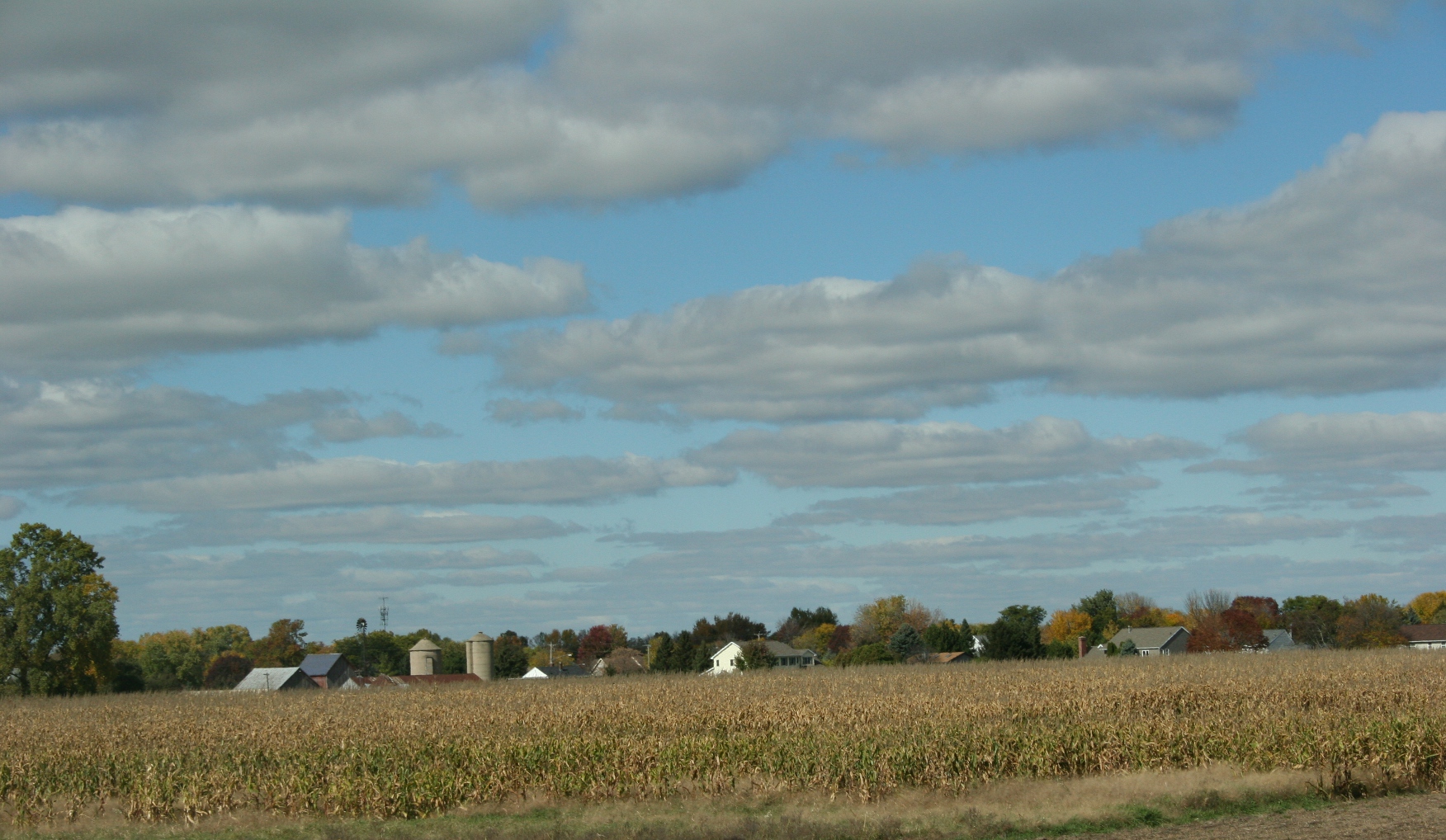
A farm just off Northland Avenue in Appleton, Wisconsin.

A farm, left, just off Northland Avenue.

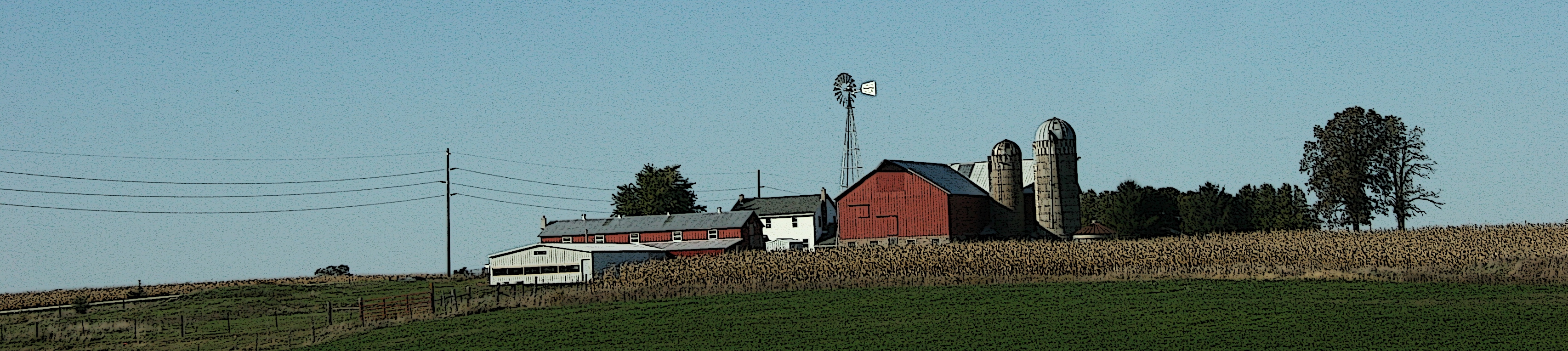
ON THE NORTHERN EDGE of Appleton or maybe its the southern edge of Grand Chute, Wisconsin (I examined maps and cannot determine which), lies a farm place with two vintage silos, a barn, a collection of aging outbuildings and even an old windmill.

The place, a rural oasis separated from busy commercial Northland Avenue by a cornfield, has intrigued me since I first spotted it three years ago.

What I hadn’t noticed, though, until my last trip to Appleton, were the cows grazing in a pasture just across the street from a residential area.

This is the thing I love about Wisconsin. This state appreciates rural. You’ll find barns and silos, corn and cows seamlessly blending into urban settings. And the mix doesn’t feel awkward or patronizing or out of place.

It feels, oh, so right in this state tagged America’s Dairyland.

© Copyright 2013 Audrey Kletscher Helbling
 

On ARTour: Inside an old milkhouse October 23, 2013

I FEEL COMFORTABLY AT HOME in the old milkhouse, Kittens underfoot. The smokey scent of a wood burning stove warming a kettle of apple cider. Pipelines, that once carried fresh milk, poking through the wall.

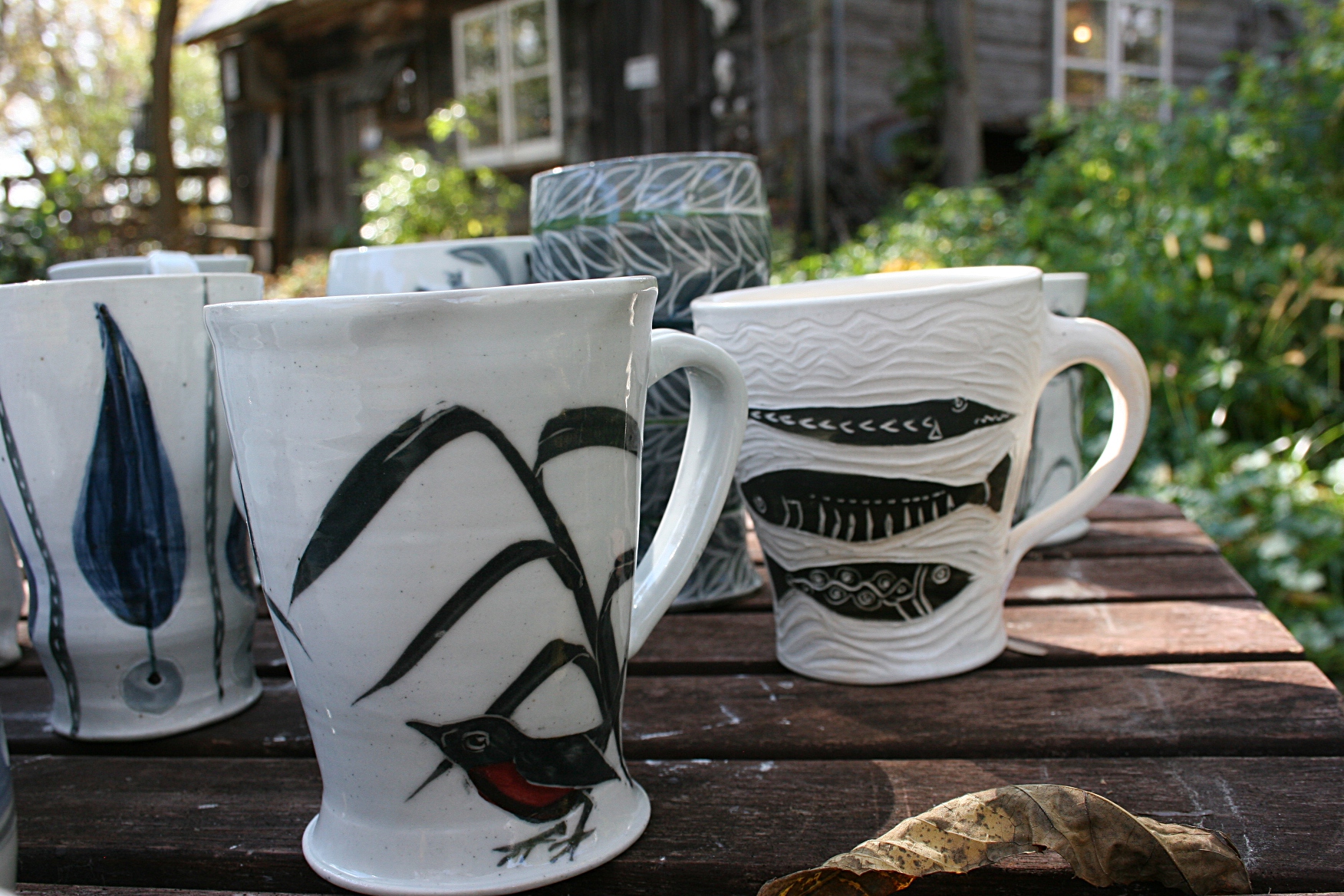
Some of Lessing's ceramics displayed outside The Milkhouse Studio.

Some of Glynnis Lessing’s ceramics displayed outside The Milkhouse Studio.

This is the studio of ceramics artist Glynnis Lessing. This weathered building forked off a circular farm drive along Minnesota Highway 3 just north of Northfield. This land the artist’s home since relocating from Chicago with her family about a year ago.

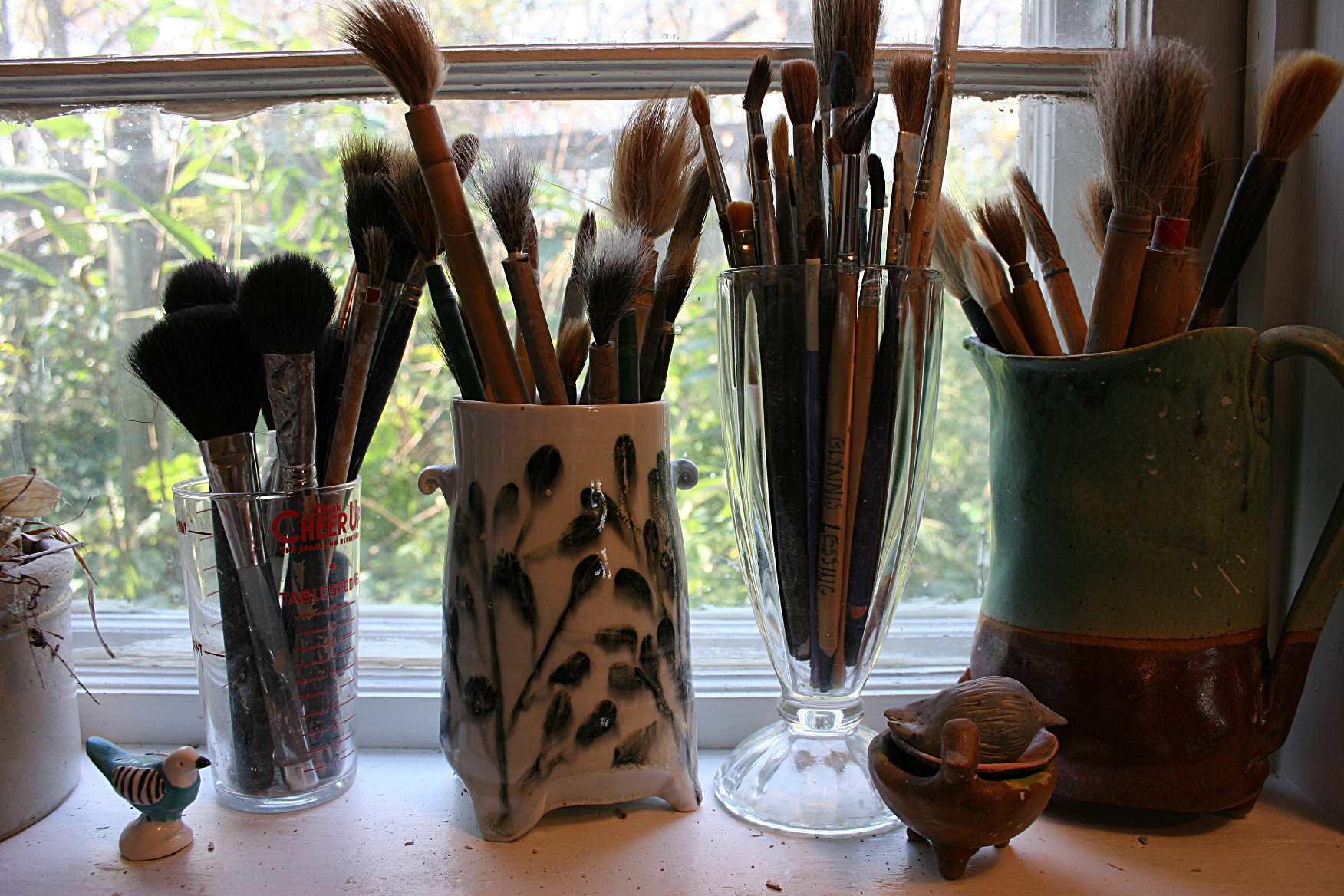
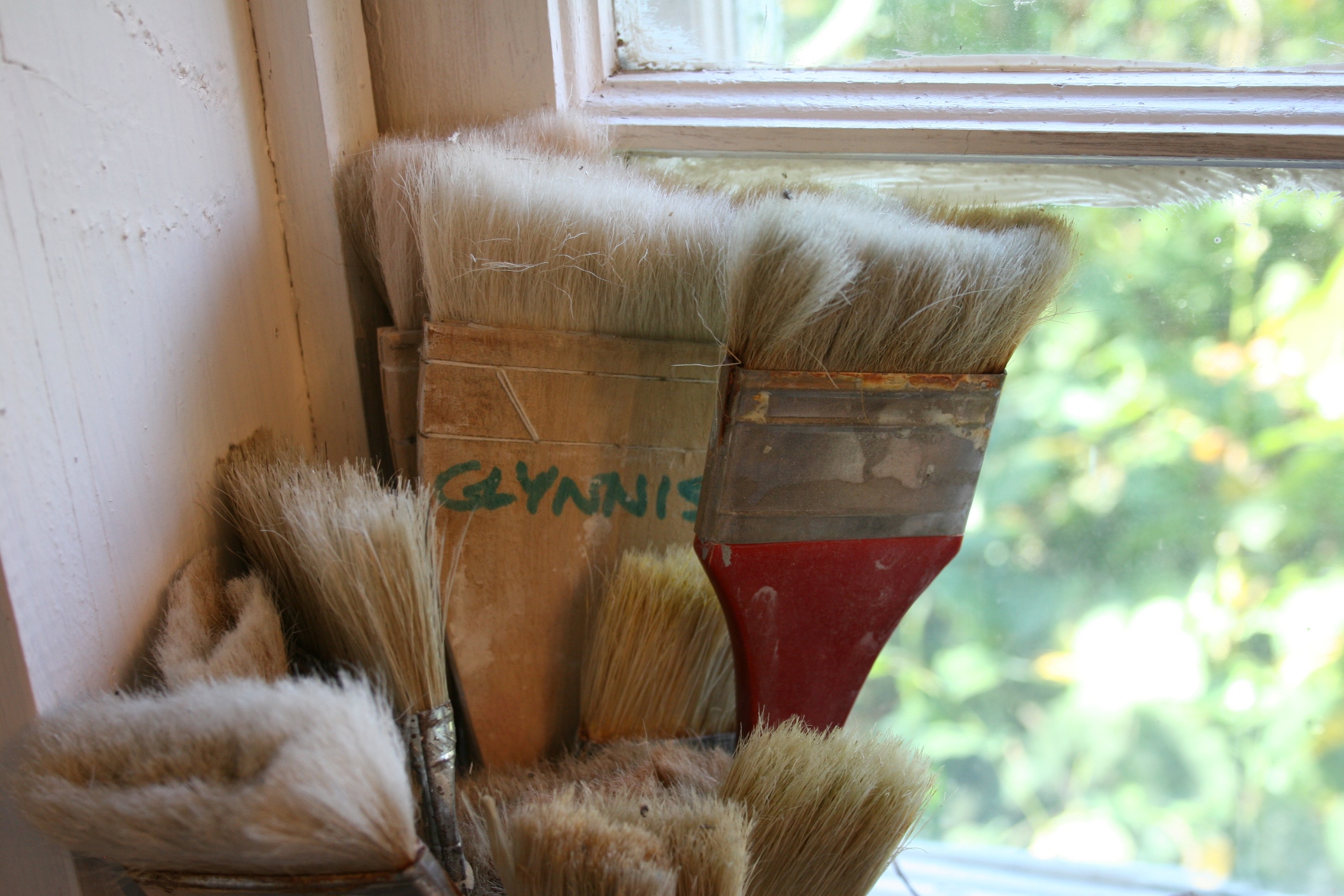
Tools of the trade on a milkhouse windowsill.

Tools of the trade on a milkhouse windowsill.

I have come here, to The Milkhouse Studio, on a Sunday afternoon for the South Central Minnesota Studio ARTour, a once-a-year opportunity to meet local artists where they create.

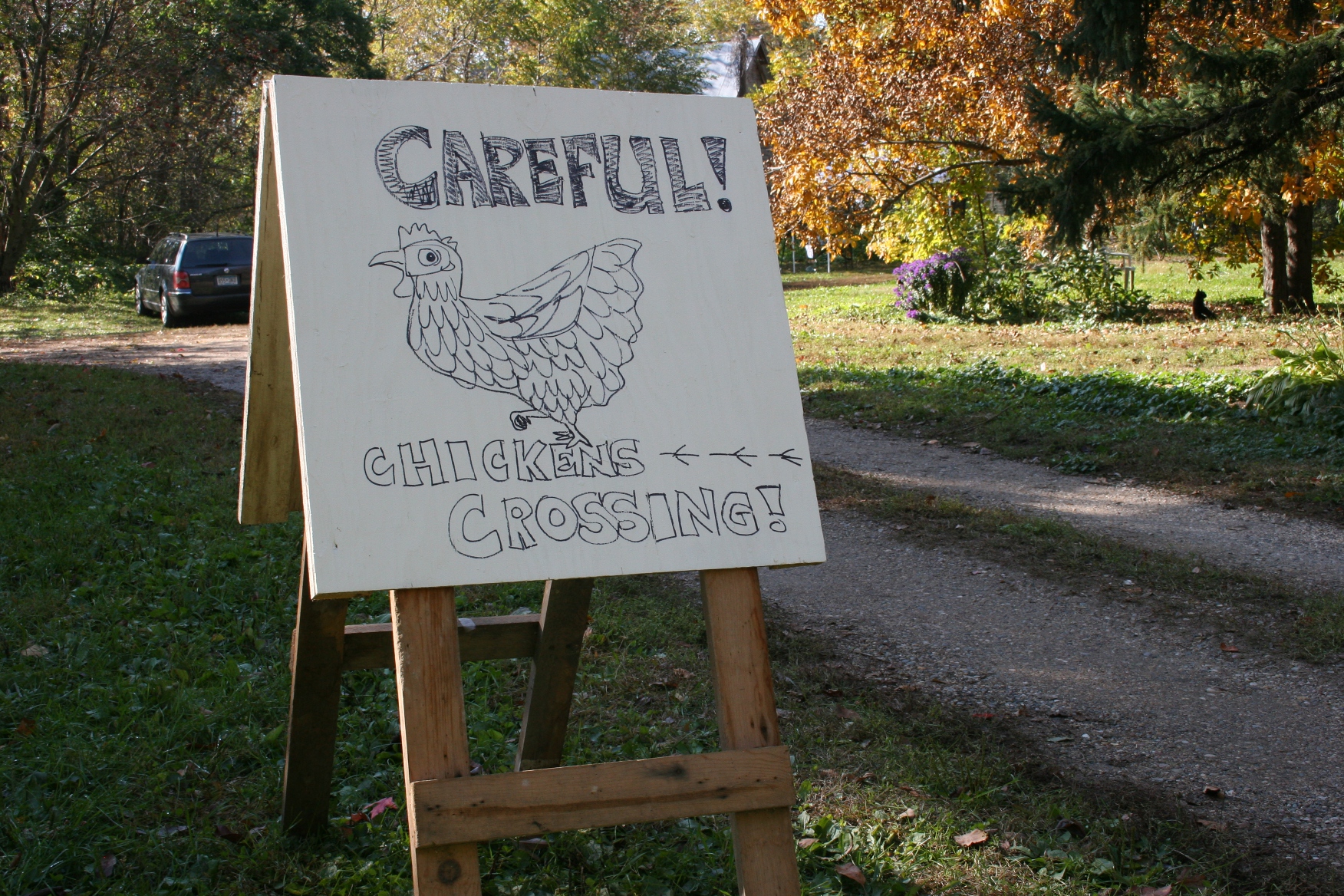
A sign advises visitors of chickens on the farm.

A sign advises visitors of chickens on the farm.

This rural setting reminds me of my childhood, growing up on a southwestern Minnesota dairy farm where I labored many hours in the milkhouse and barn.

Milking equipment remains in the milkhouse.

Milking equipment, right, remains in the milkhouse next to Lessing’s creations.

Although I never imagined a milkhouse as an artist’s studio, for Lessing it seems the perfect fit—creating in this place where her grandfather milked cows in the adjoining barn. Worked with his hands, just like her. In these aged buildings, on the land.

Love these nature-themed mugs.

Love these nature-themed mugs.

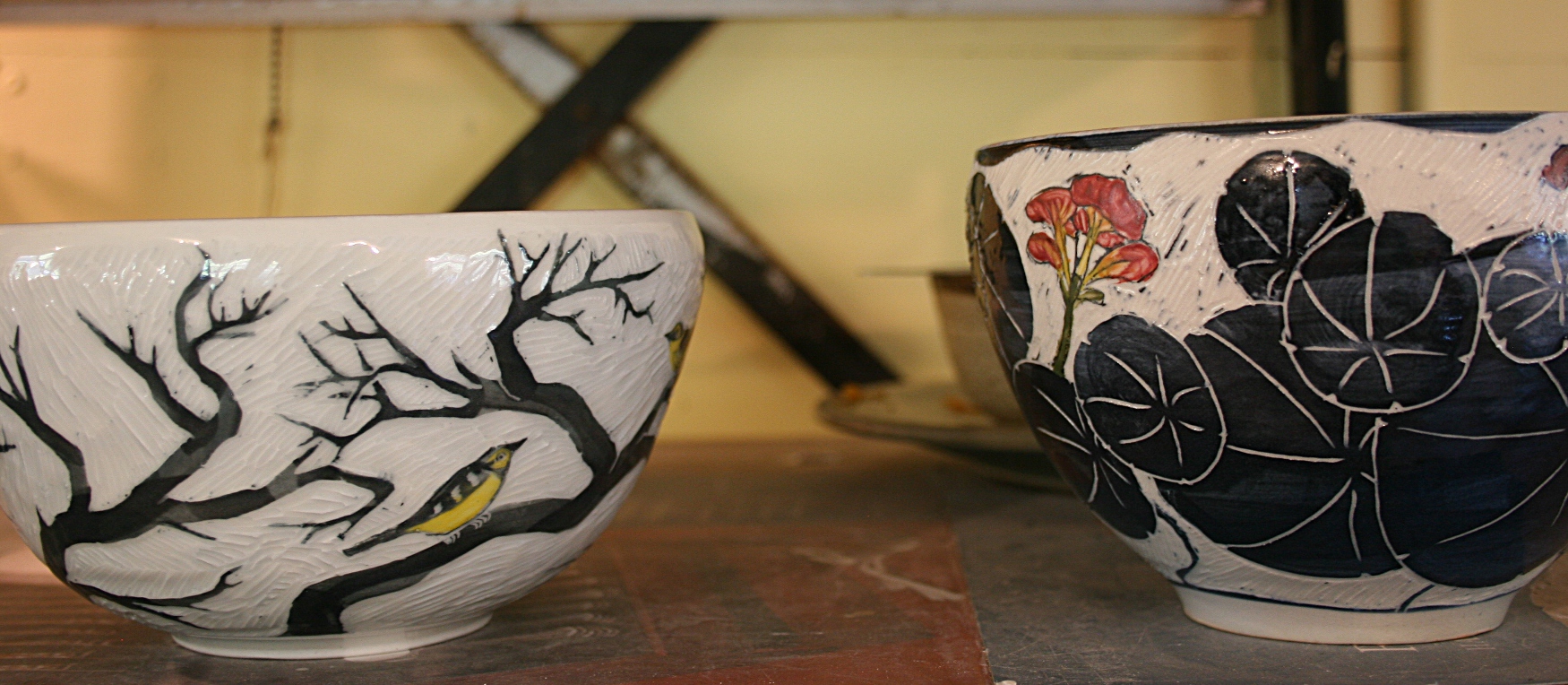
Love these bowls, too.

Love these bowls, too.

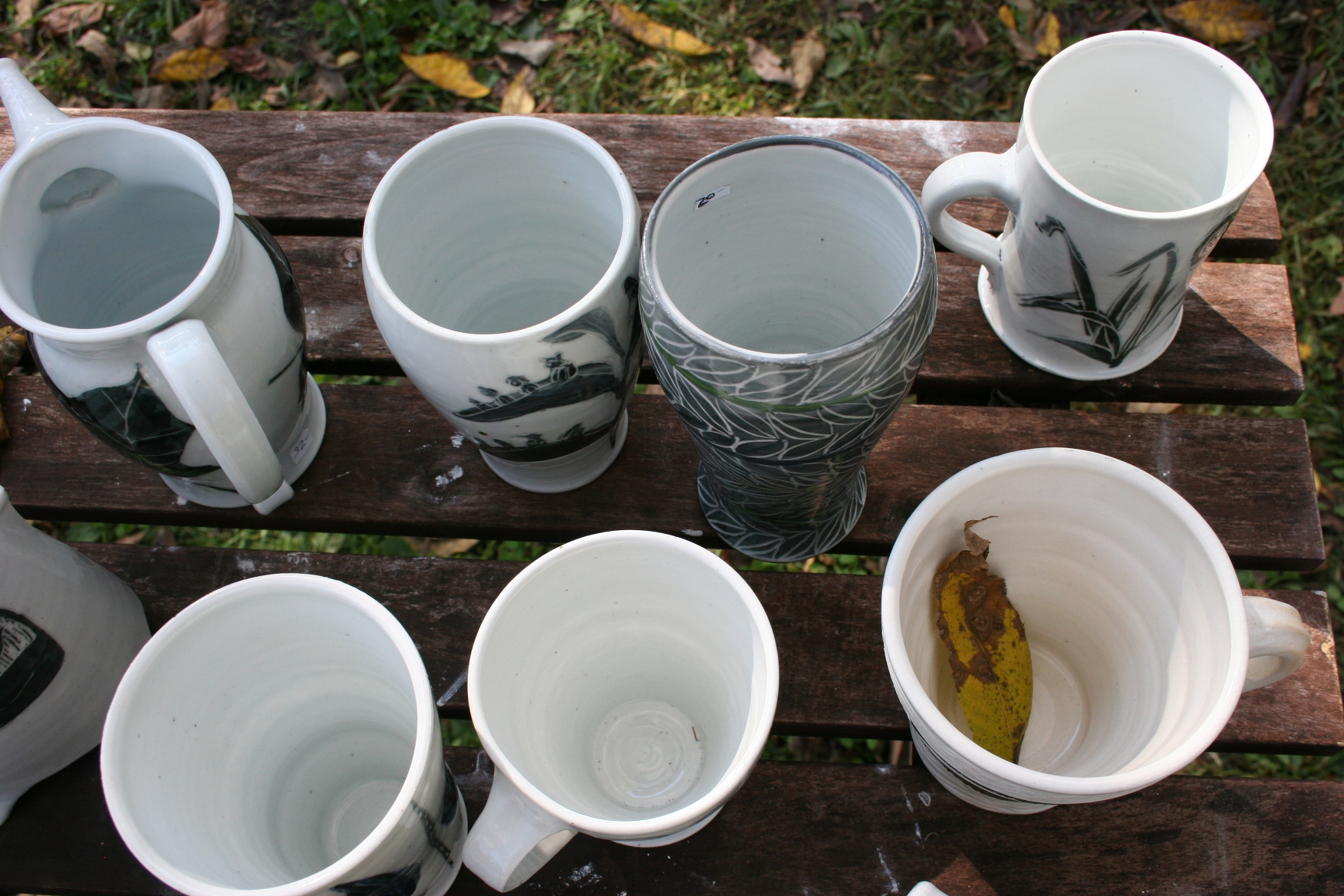
And then I noticed the leaf that had settled inside the mug. So fitting.

And then I noticed the leaf that had settled inside the mug. So fitting.

I can see the influence of rural life in Lessing’s pieces. Branches and birds. Leaves and blades of grass. An earthy quality that appeals to me and causes me to reflect on my rural roots.

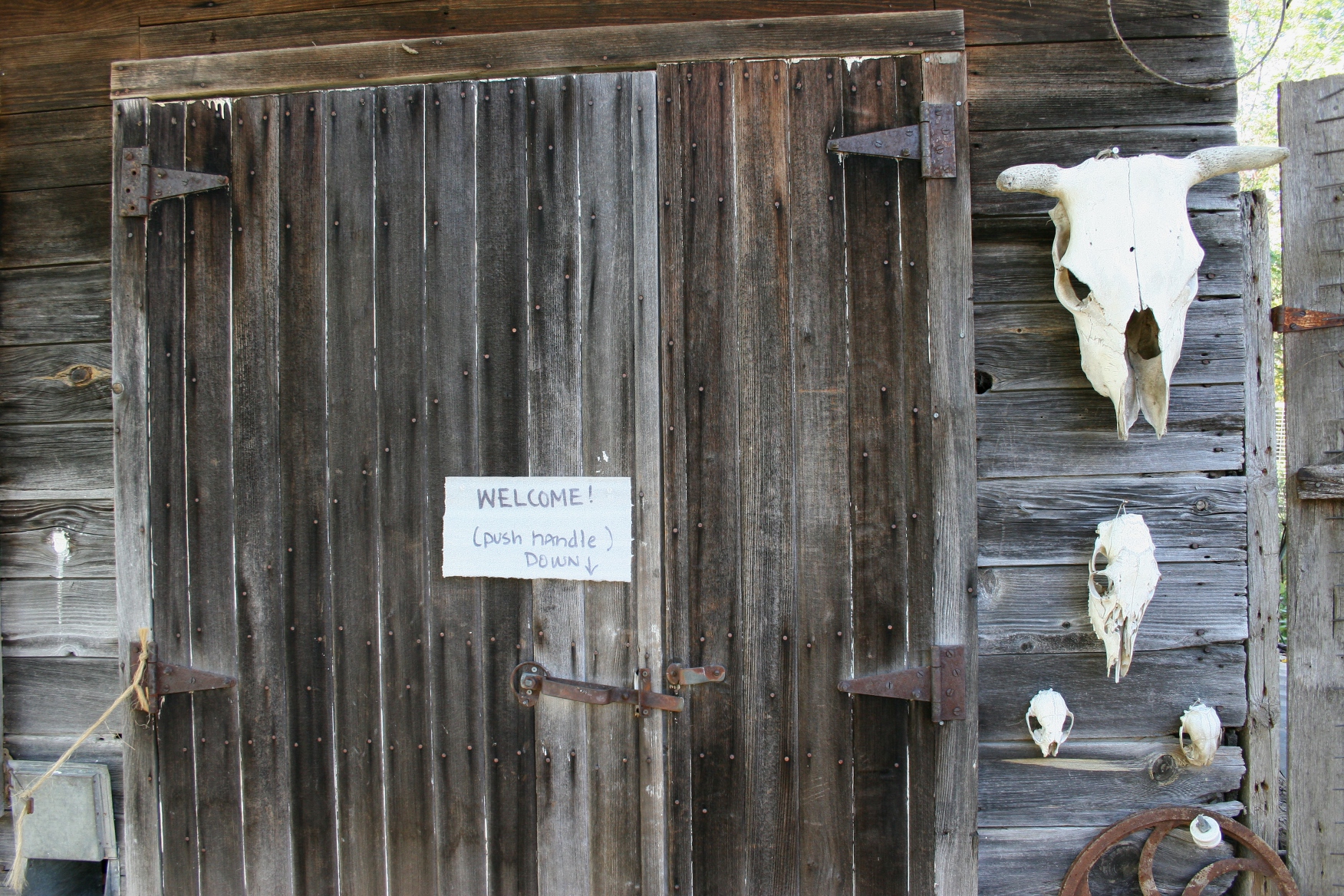
The Milkhouse Studio front door. Lots of history and memories here.

The Milkhouse Studio front door. Lots of history and memories here.

My memories: Felines circling around a battered hubcap to lap warm milk fresh from the cows. Frothy milk dumped, through a strainer, into the bulk tank. Sudsy water swished inside a milk bucket with a stiff brush. Yellow chore gloves drying atop an oil burning stove in the milkhouse…

Tucked into a corner of a milkhouse windowsill.

Tucked into a corner of a milkhouse windowsill.

FYI: To learn more about the history of the old milkhouse, click here to read Lessing’s blog post on the subject.

And for more info about Lessing the artist, click here.

To read my first post about the South Central Minnesota Studio ARTour, click here. Please check back for more posts from artists’ studios.

© Copyright 2013 Audrey Kletscher Helbling
 

In Wisconsin: A quick stop at a Tomah cranberry farm October 17, 2013

Filed under: Uncategorized — Audrey Kletscher Helbling @ 6:00 AM
Tags: , , , , , , , , ,
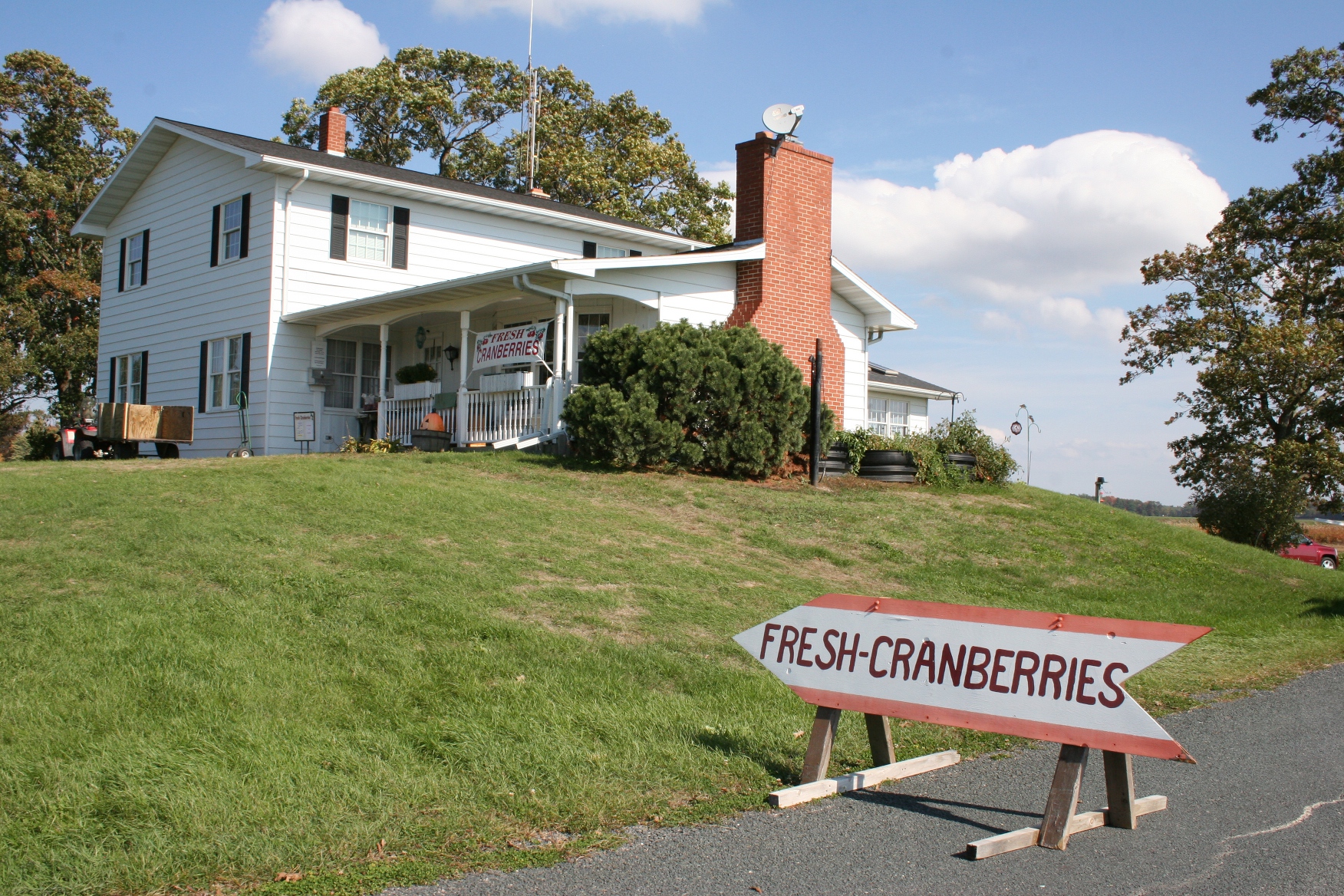
A sign at the Rezin farm points to the cranberries on the porch.

At the end of the road, a sign points to cranberries on the porch at the Rezin farm.

THE “FRESH CRANBERRIES” SIGN grabbed our attention along State Highway 21 just east of Tomah in the heart of Wisconsin cranberry country.

So my husband slowed the van in a flash and turned onto a side road to North Tomah Cranberry Co. operated by John Rezin & Sons. Randy loves cranberries. Me, too. As juice or in pie. You won’t see me scooping cranberries onto my plate at Thanksgiving.

We’d never been on a cranberry farm nor purchased just harvested cranberries. So we were excited—or at least I was to photograph a true Wisconsin cranberry farm.

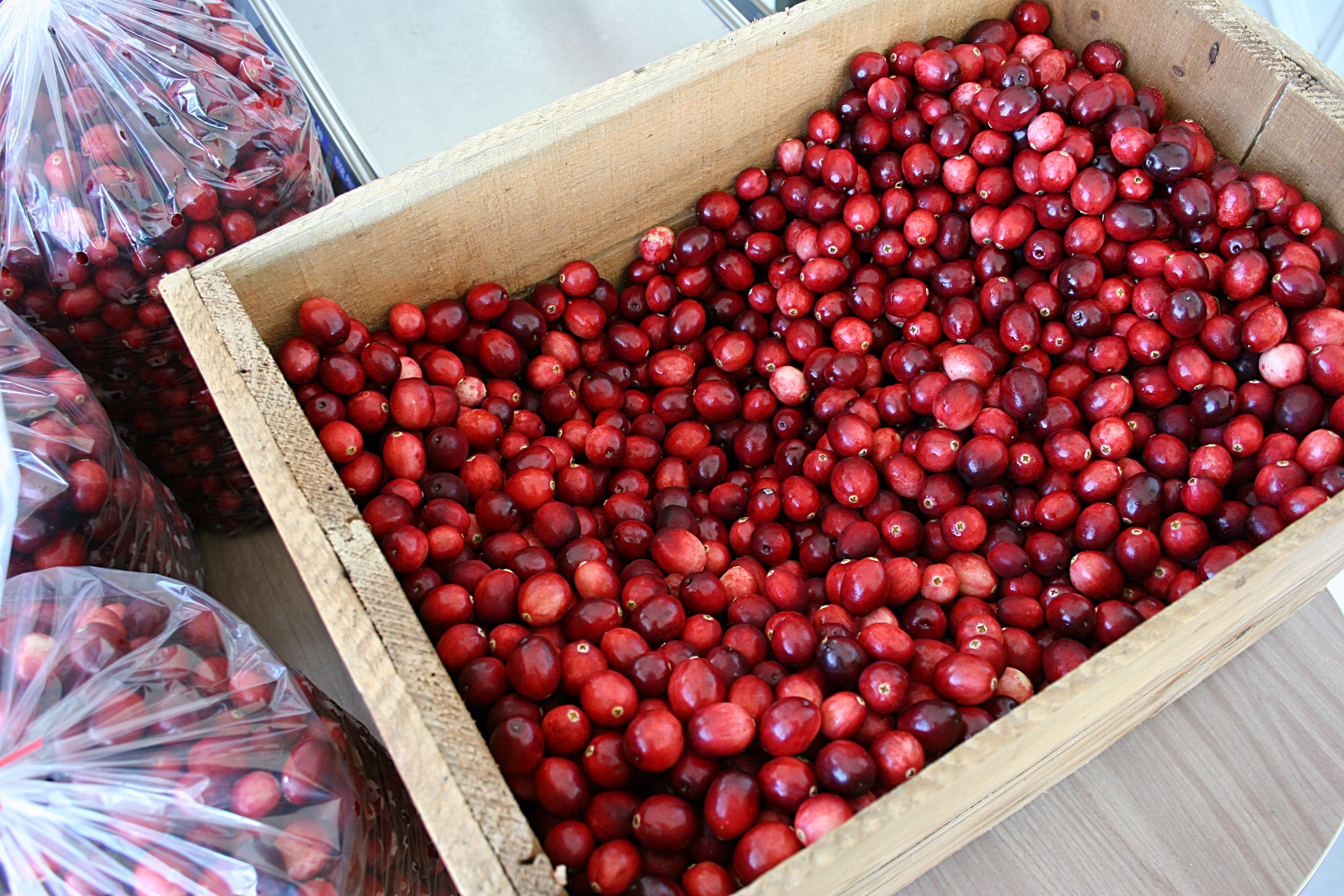
Fresh cranberries direct from the bogs.

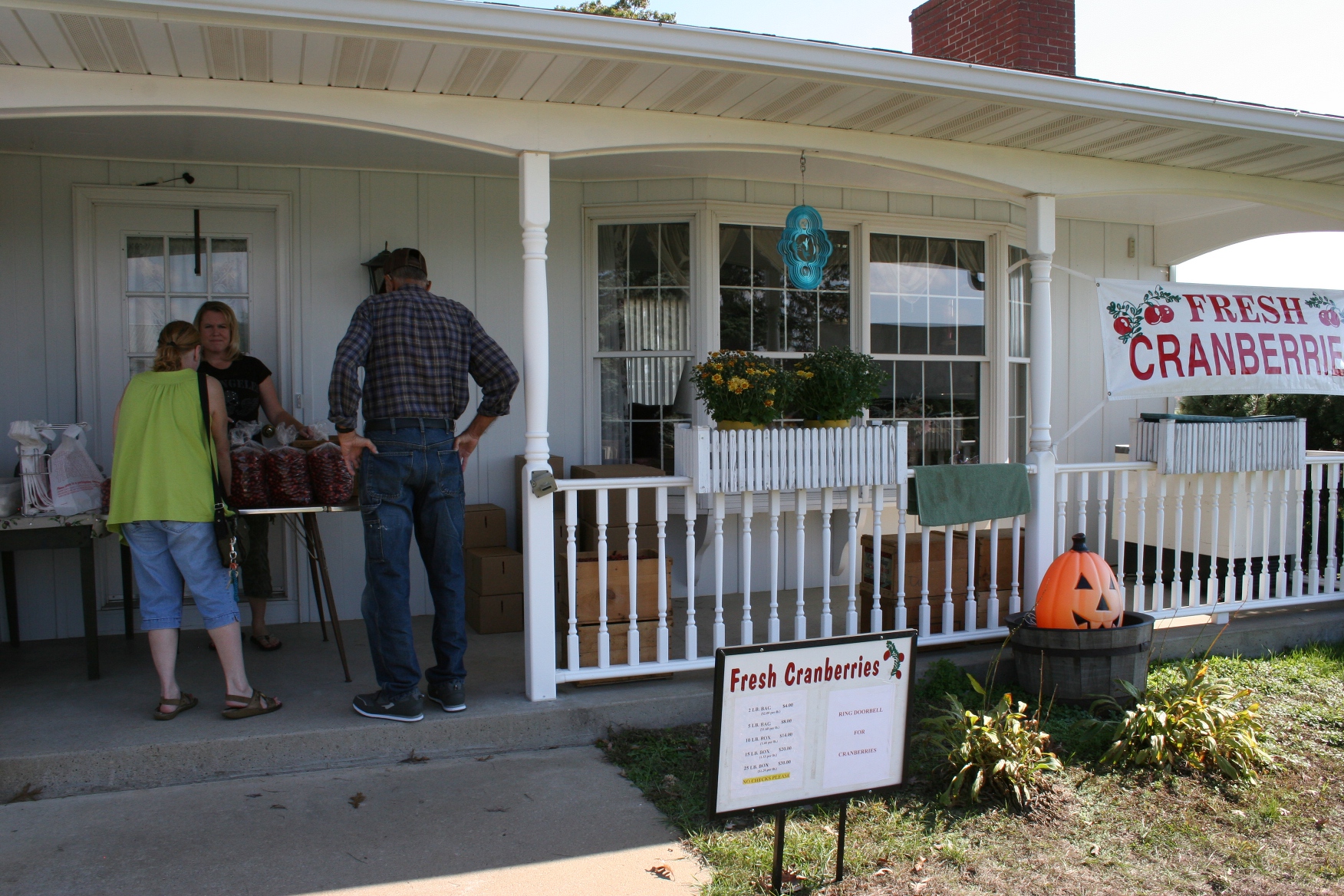
Farm fresh cranberry pricing

Teresa Rezin waits on customers.

Teresa Rezin waits on customers.

Teresa Rezin met us on the farmhouse side porch before we could follow the “RING DOORBELL FOR CRANBERRIES” signage.

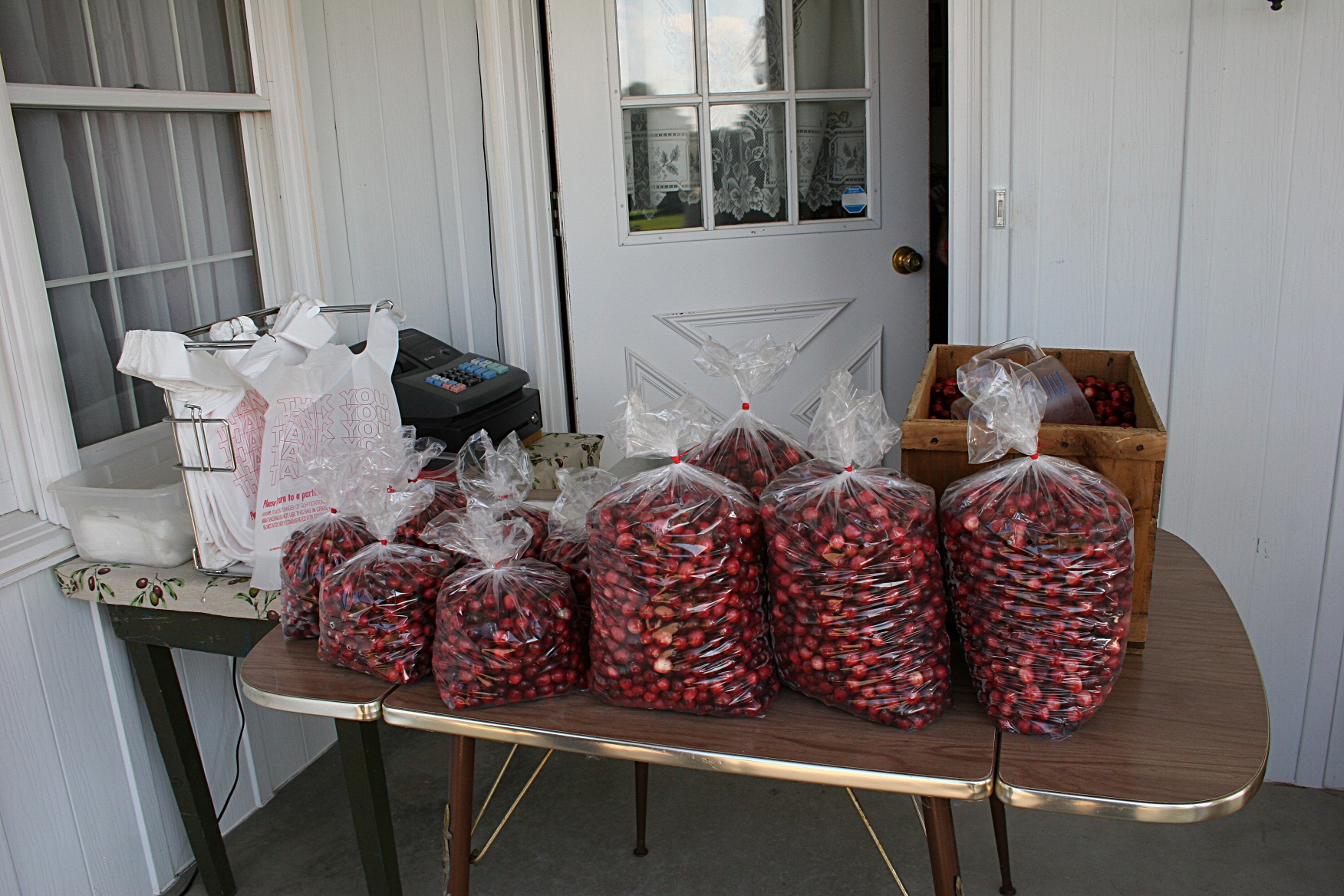
Cranberries bagged in various sizes await purchase.

Cranberries bagged in various sizes await purchase.

Randy snapped up two pounds of berries for $4, later wishing he’d bought five.

Beautiful fresh cranberries for sale.

Beautiful fresh cranberries for sale.

The next customer purchased 30 pounds—for cranberry wine. I wish I could have followed that woman home to learn about cranberry wine making. I’ve sipped and savored cranberry wine from Wisconsin.

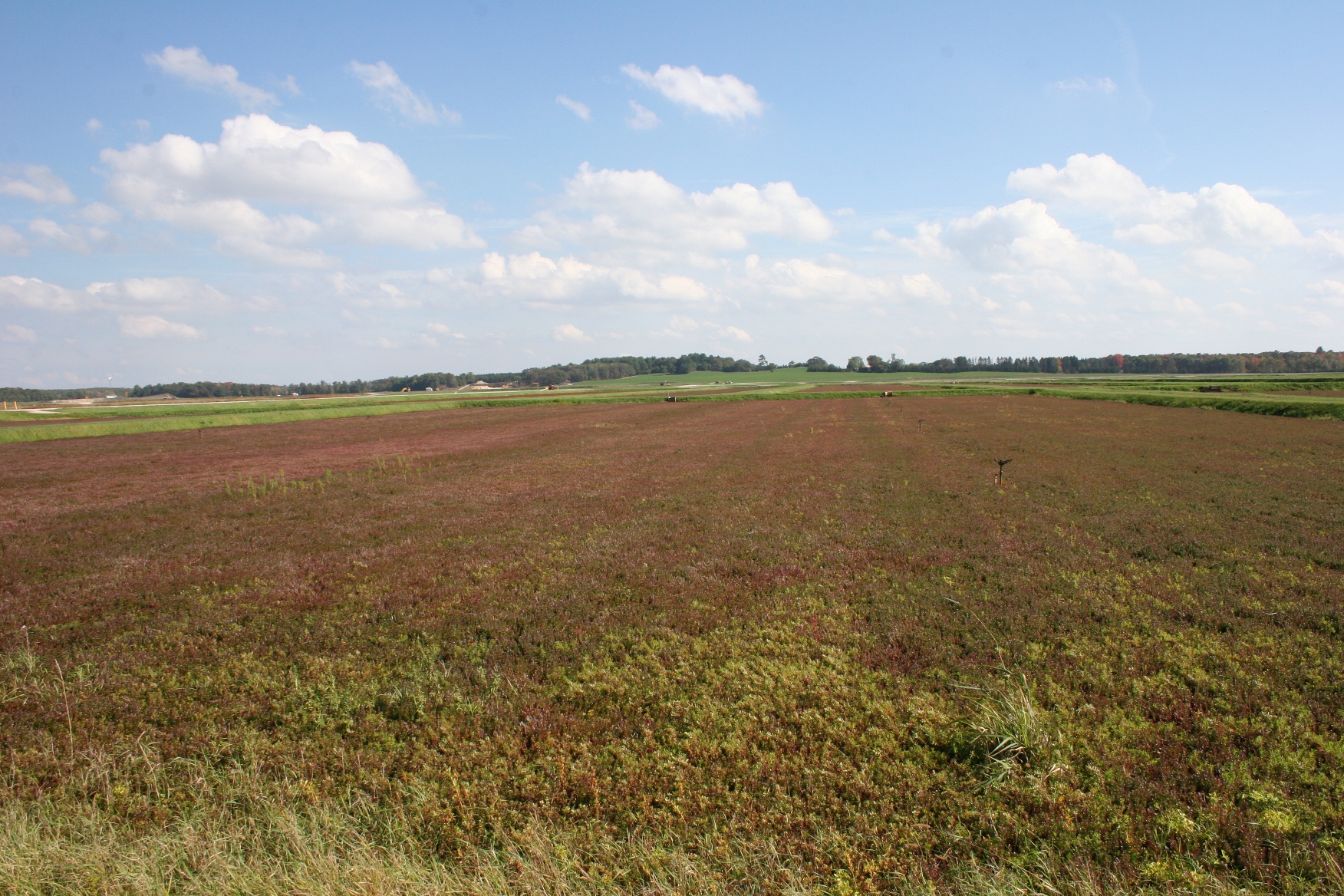
One of the many cranberry fields.

One of the many cranberry fields.

Randy pushes aside leaves and stems to reveal the cranberries on the low-lying plants.

Randy pushes aside leaves and stems to reveal the cranberries on the low-lying plants.

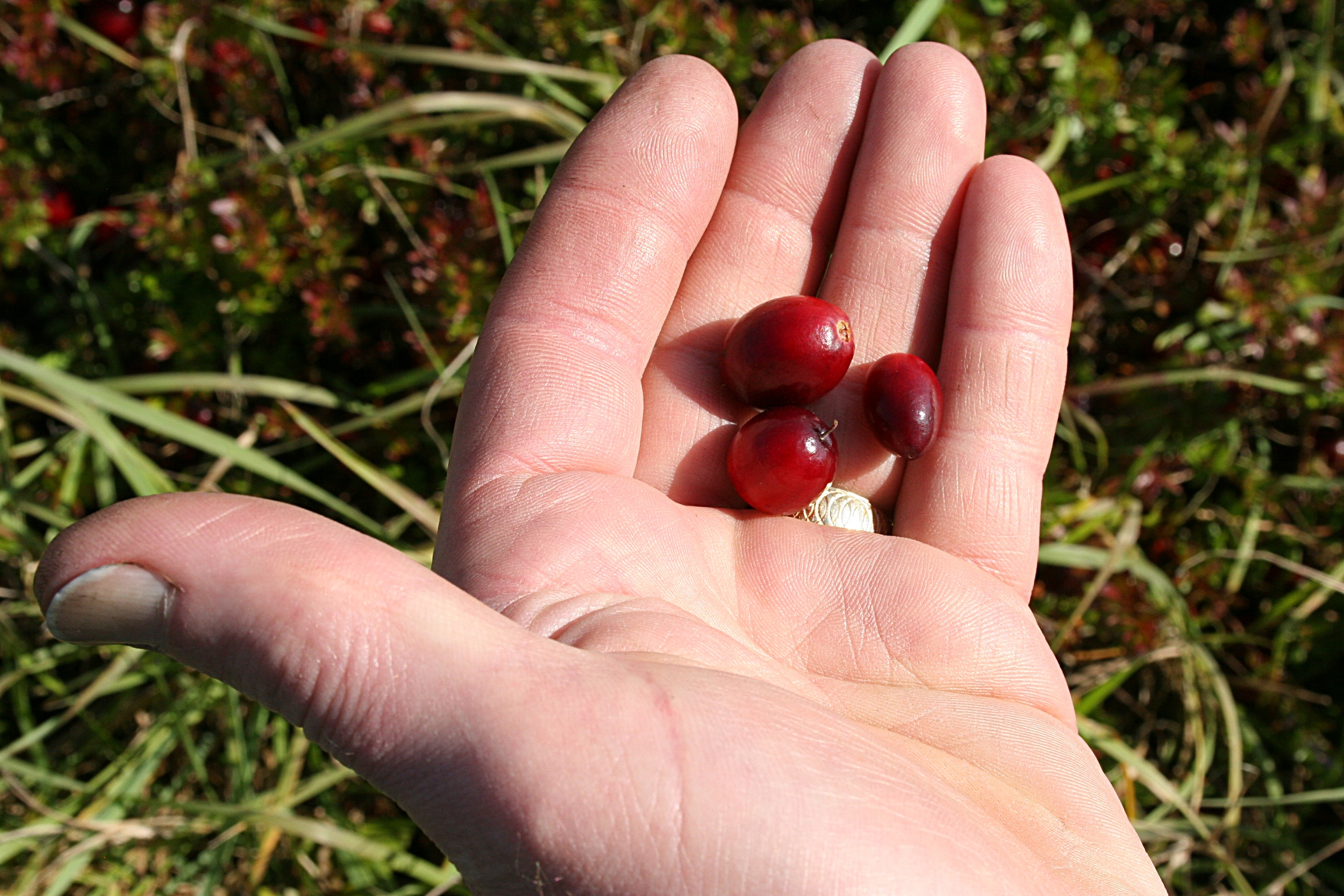
Just-picked cranberries.

Just-picked cranberries.

Instead, under Teresa’s direction and welcome, Randy and I headed over to the cranberry fields for a quick look at how cranberries grow. I had no idea. None. I expected waist high bushes ripe with red orbs. Instead, we discovered cranberries clinging to earth-hugging plants.

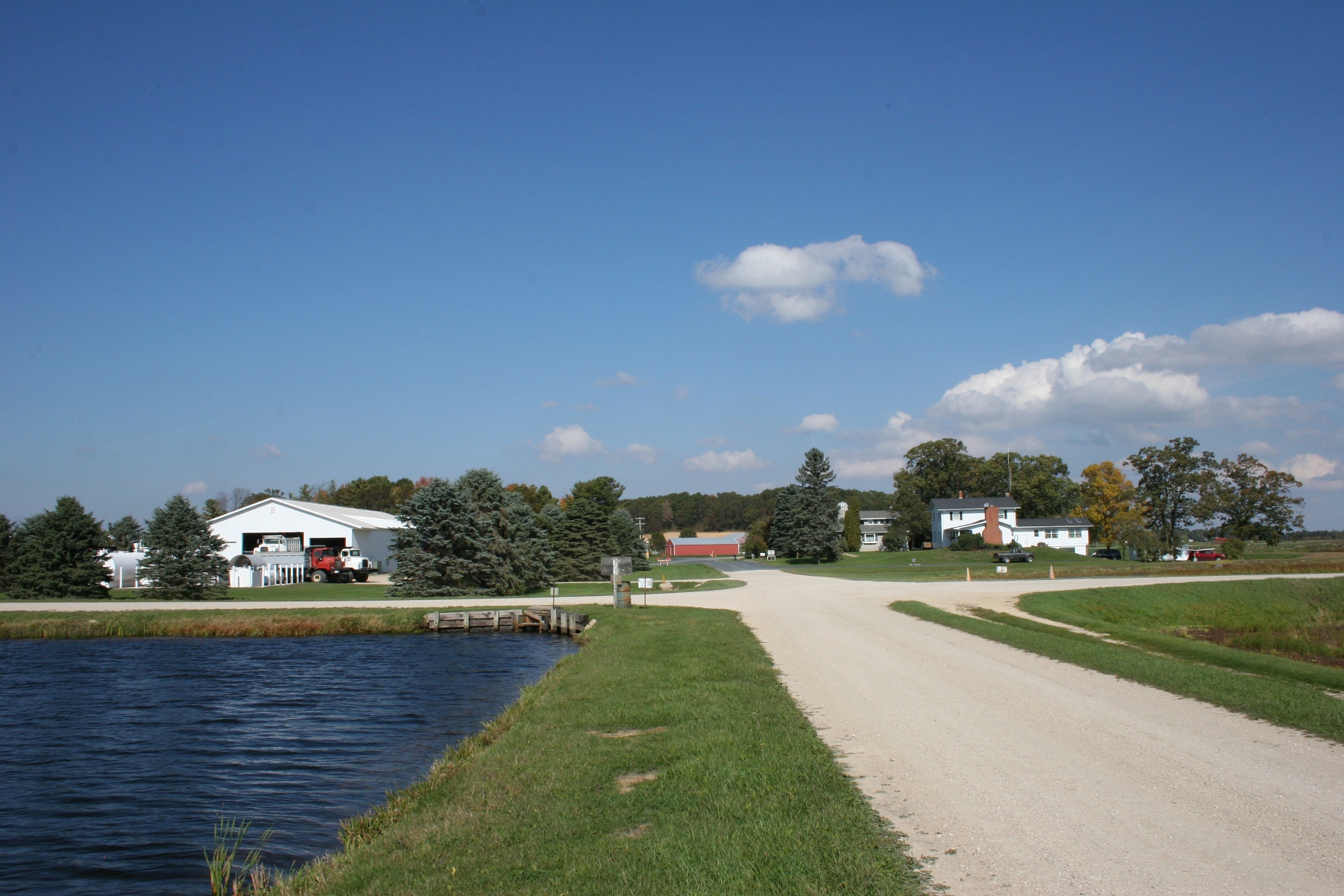
In the distance lies the farm site; to the right the cranberry fields; and to the left, the lake/water for flooding the fields.

In the distance lies the farm site; to the right the cranberry fields; and to the left, the lake/water for flooding the fields.

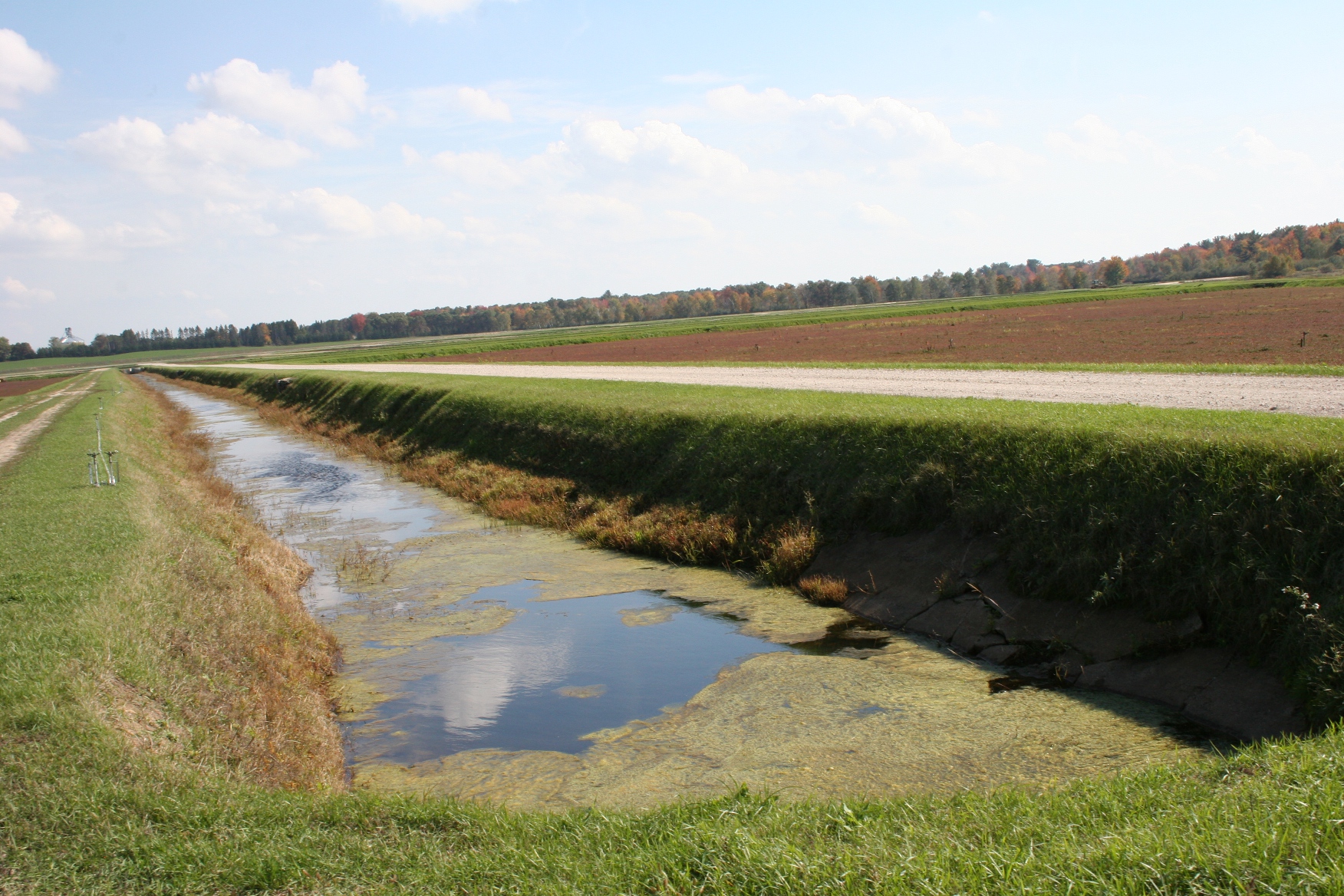
A water channel.

A water channel and cranberry fields to the right.

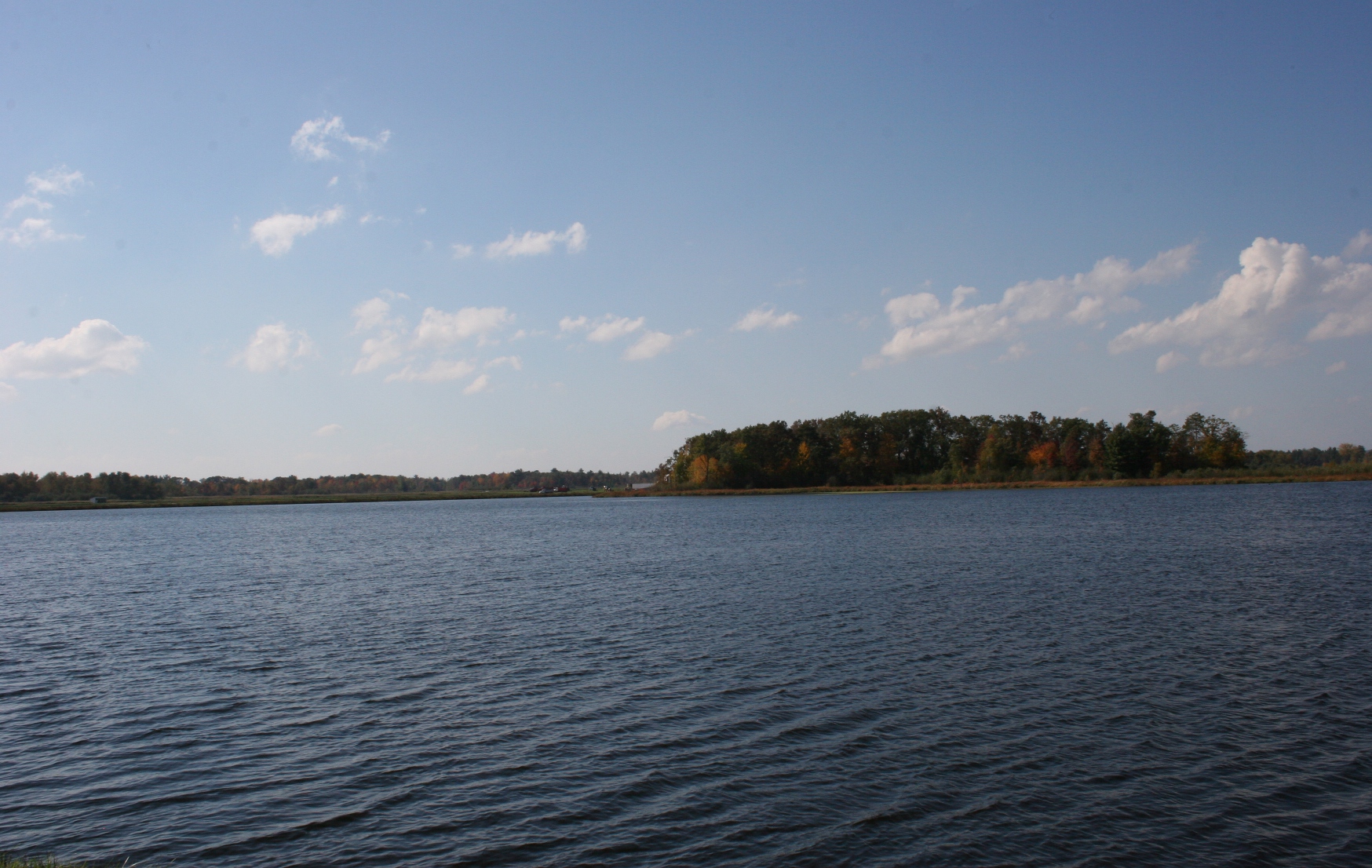
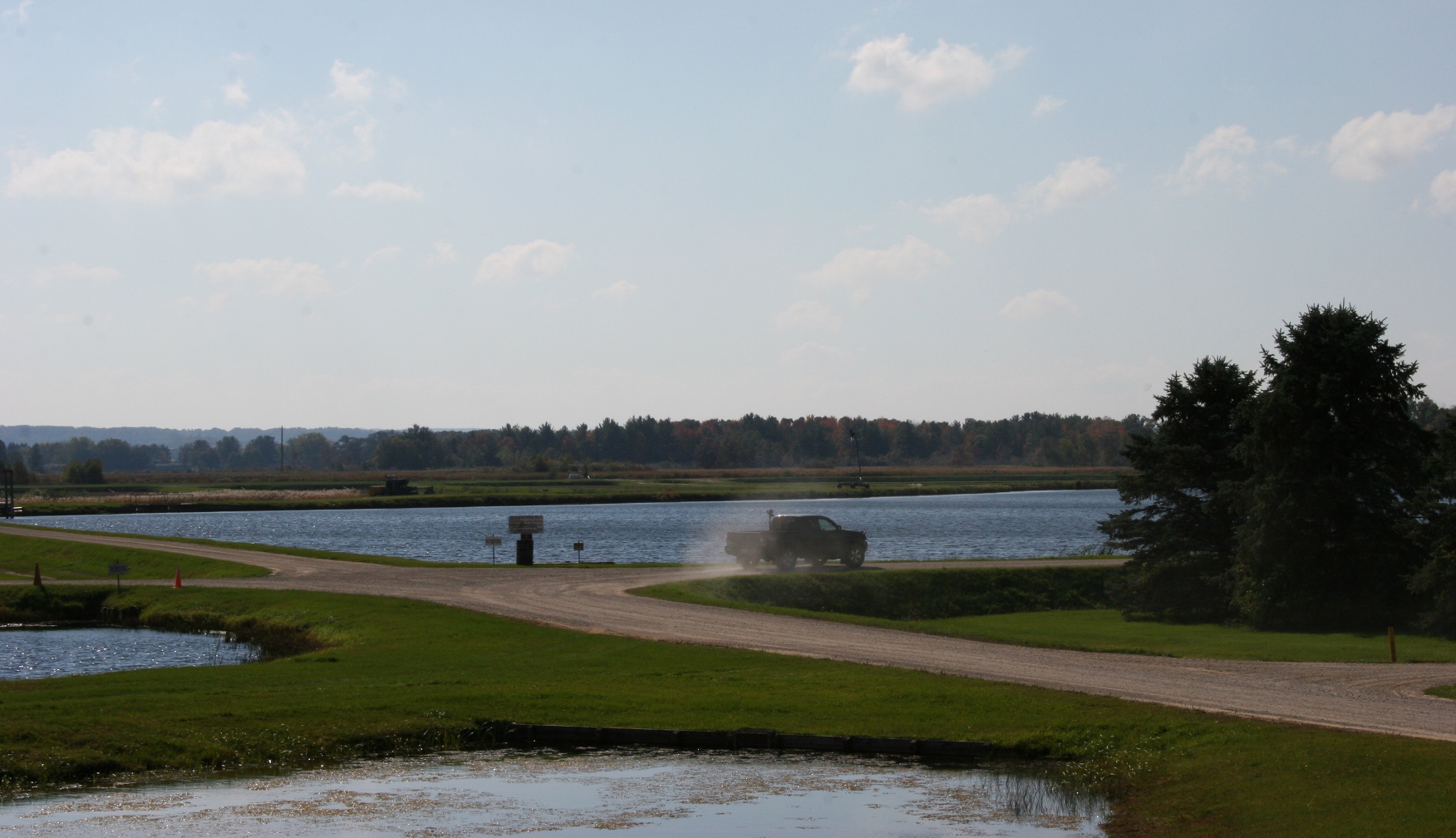
The "lake" across the road from the cranberry fields.

The “lake” across the road from the cranberry fields.

A gravel road separated the cranberry field from a small lake size body of water used to flood the cranberries at harvest. This we deduced on our self-guided quick tour.

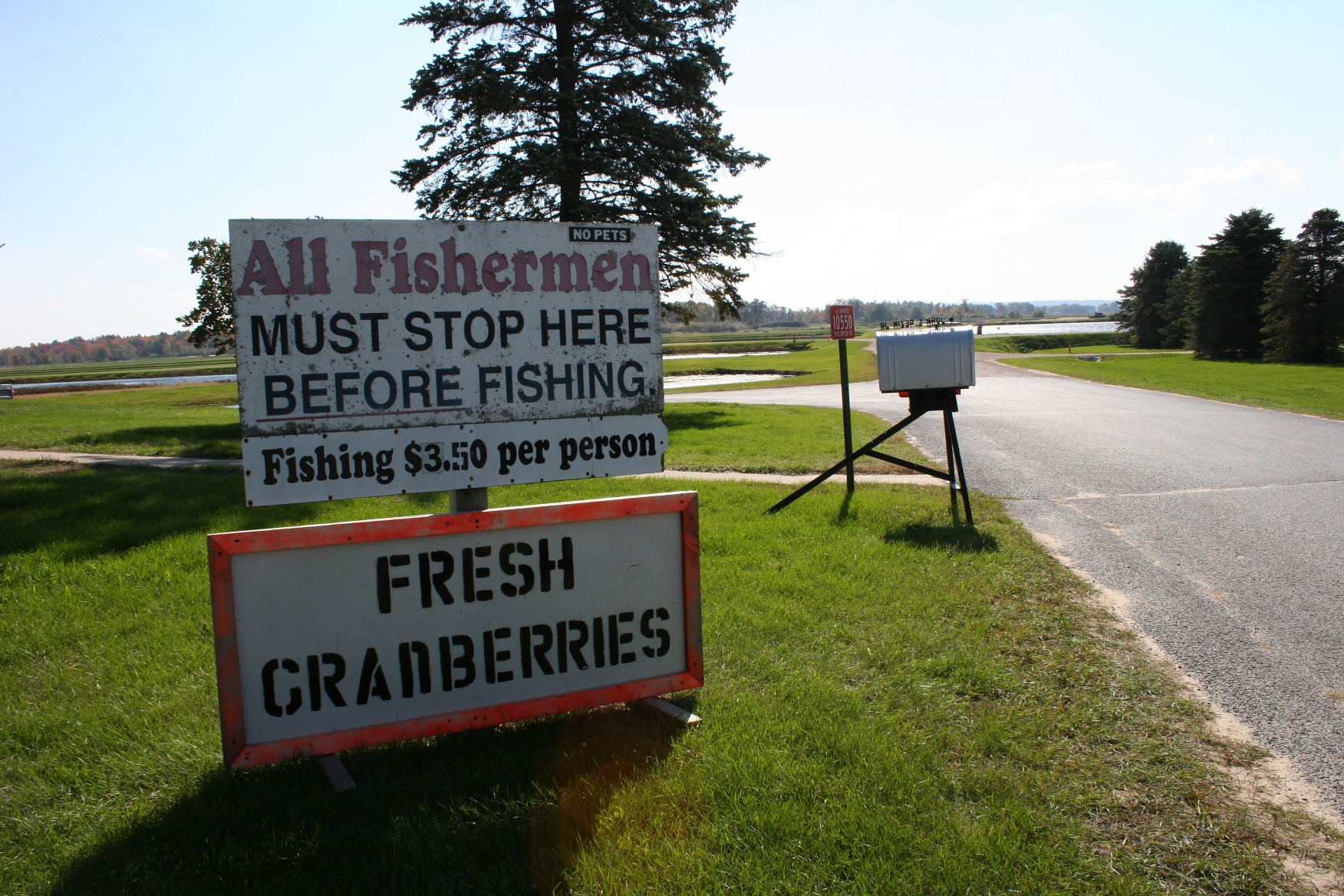
Cranberries and fish.

Cranberries and fish.

For $3.50 a day, fishermen/women can fish here, too. Northerns and bass, maybe more. I didn’t ask. What a smart dual usage of water.

We didn’t press Teresa for an educational tour. So our knowledge of how a cranberry farm operates is still minimal.

But at least now I know cranberry plants grow close to the ground.

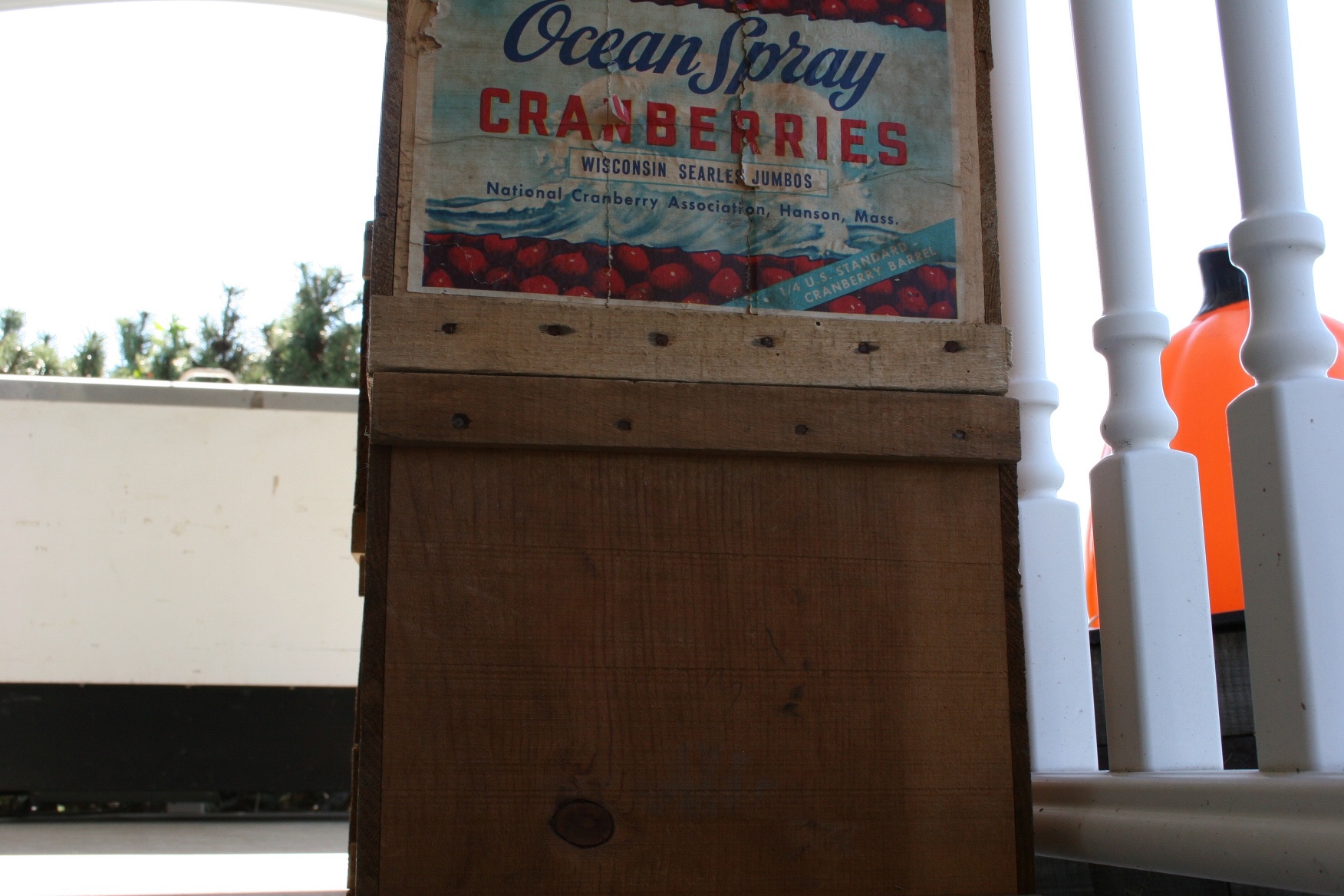
Loved these cranberry crates on the farmhouse porch.

Loved these cranberry crates on the farmhouse porch.

FYI: North Tomah Cranberry Co. berries go to grower-owned Ocean Spray, located just down the highway from the farm. The Tomah processing plant produces 31 million pounds of sweetened dried cranberries and concentrate annually, according to Ocean Spray.

BONUS PHOTOS:

The direction Teresa pointed us for our brief tour.

The direction Teresa pointed us for our brief tour.

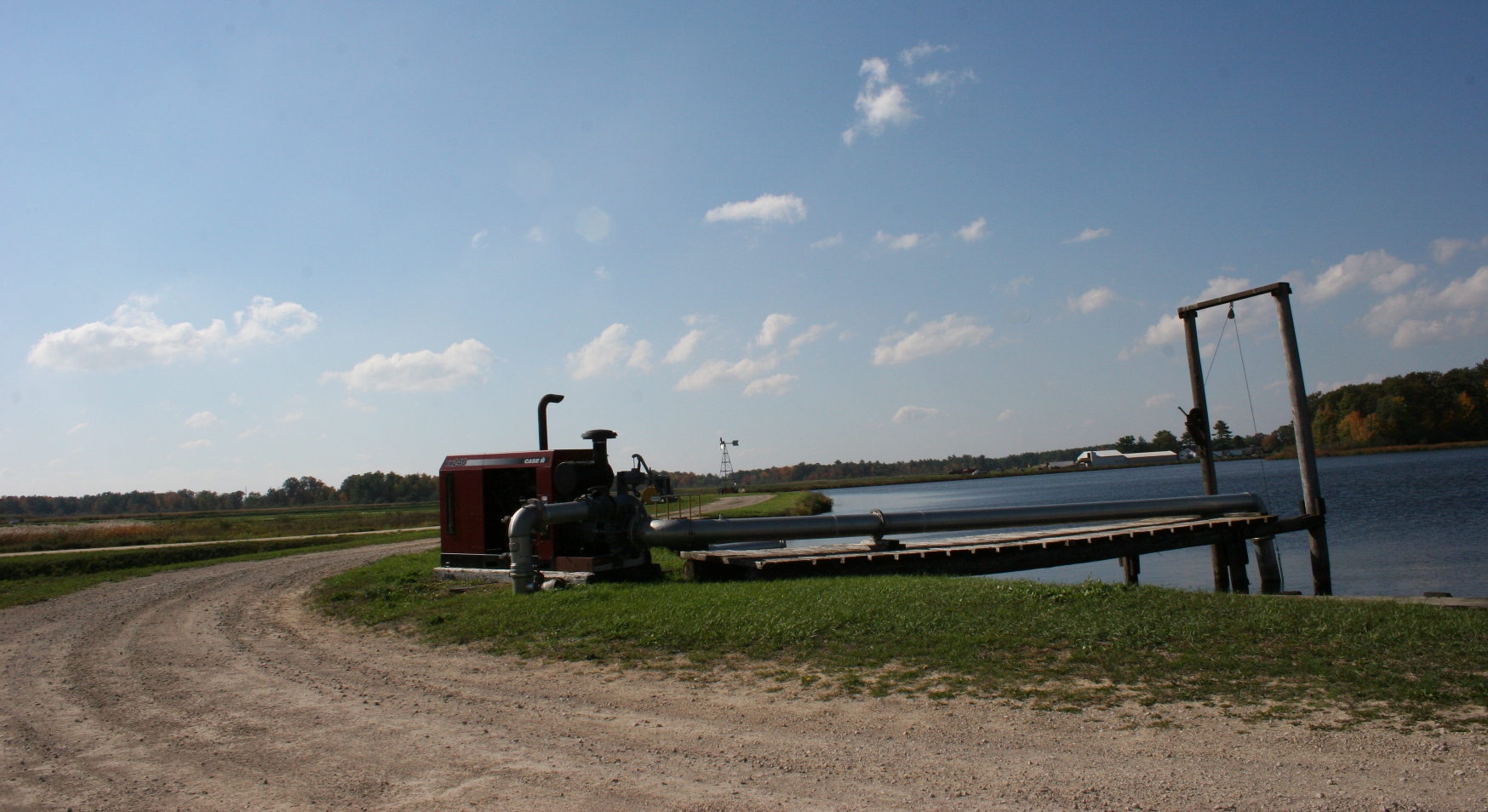
A water pump.

A water pump.

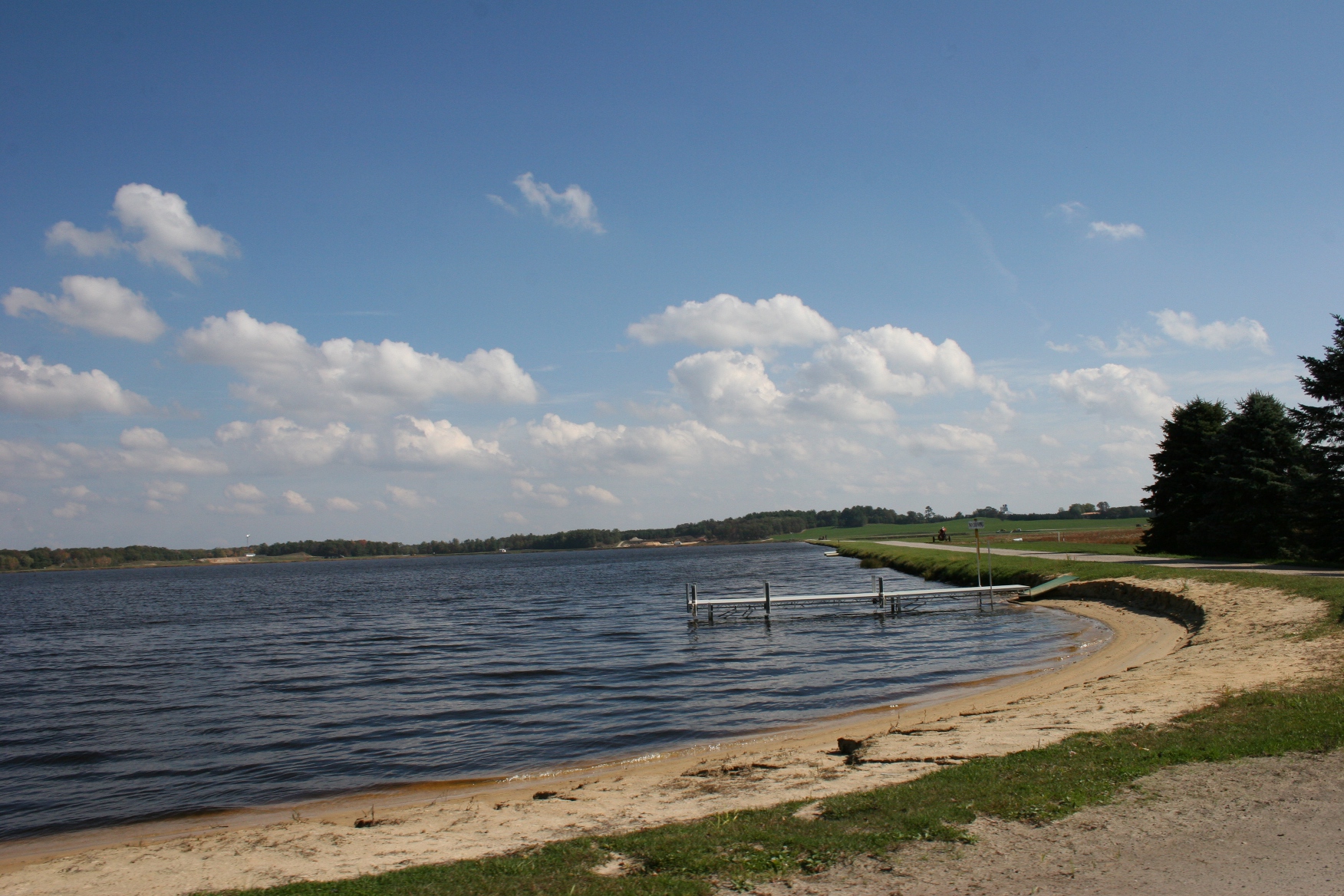
Another "lake," this one with a beach.

Another “lake” by the cranberry farm, this one with a beach.

The farm site just to the north of the "lake" pictured above.

The farm site just to the north of the “lake” pictured above.

© Copyright 2013 Audrey Kletscher Helbling


Harvesting photo ops in rural Minnesota and rural Wisconsin October 16, 2013

A rural scene along Minnesota State Highway 60 between Faribault and Zumbrota.

A cornfield awaits complete harvest along Minnesota State Highway 60 between Faribault and Zumbrota, Minnesota.

IT IS THE FORMER FARM GIRL that drives me to turn my camera toward the fields this time of year, to the harvest of corn and soybeans.

Harvest in progress near U.S. Highway 10 east of Appleton, Wisconsin.

Harvest in progress along U.S. Highway 10 east of Appleton, Wisconsin.

This past weekend provided the perfect opportunity to scope out the harvest on a 600-mile round trip through southeastern Minnesota across central Wisconsin to Appleton (just south of Green Bay) and back. Lots of windshield time with the husband. And lots of time to observe rural Wisconsin and rural Minnesota and capture those scenes with the quick click of my shutter button while passing by at highway speeds.

A scenic

A cornfield awaits harvest along Interstate 90 in southeastern Minnesota.

In most areas, corn fields have faded from green to a golden hue. Soybean fields likewise are transforming to the muted browns of autumn.

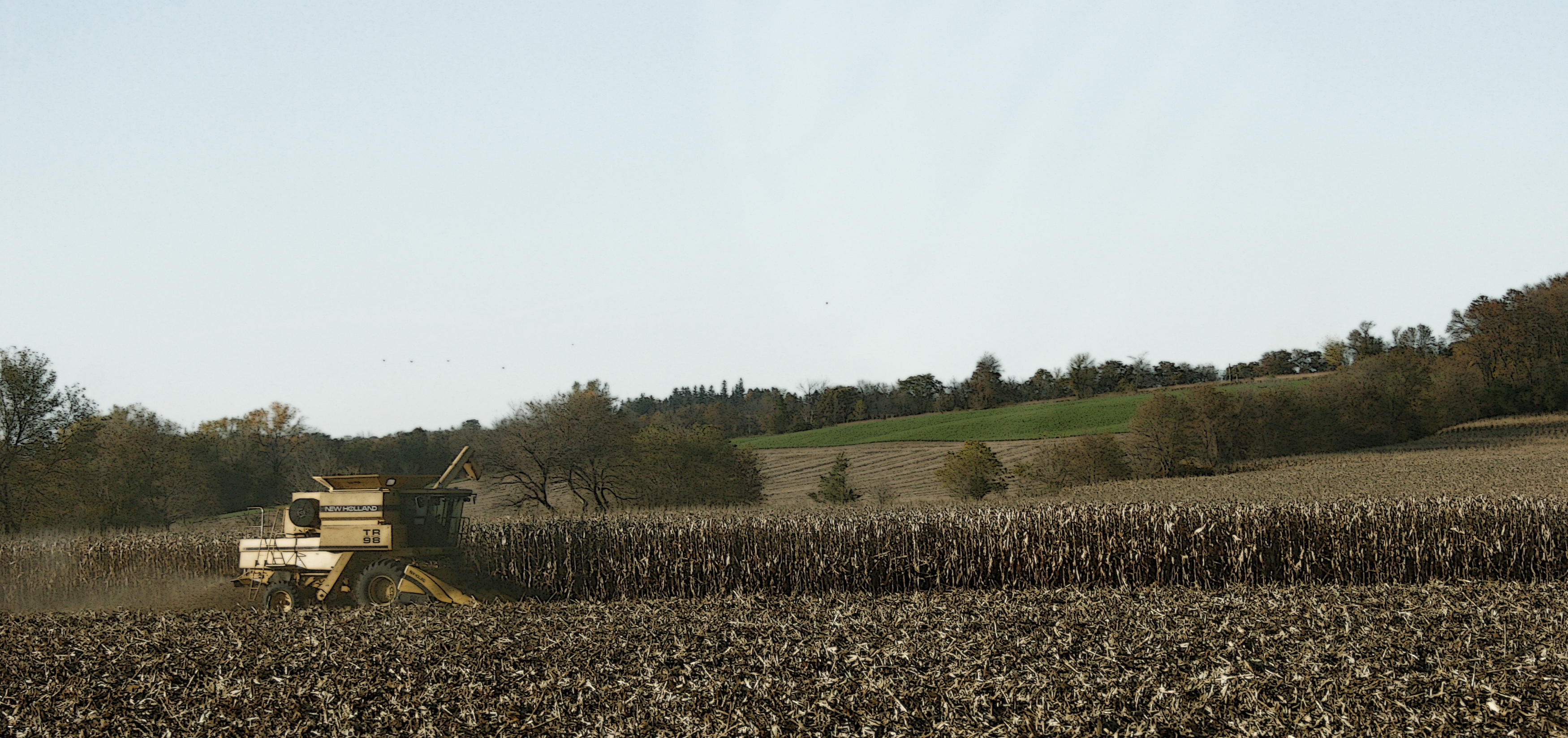
A combine works the land along U.S. Highway 52 north of Rochester.

A combine works the land along U.S. Highway 52 north of Rochester, Minnesota.

Combines kick up dust.

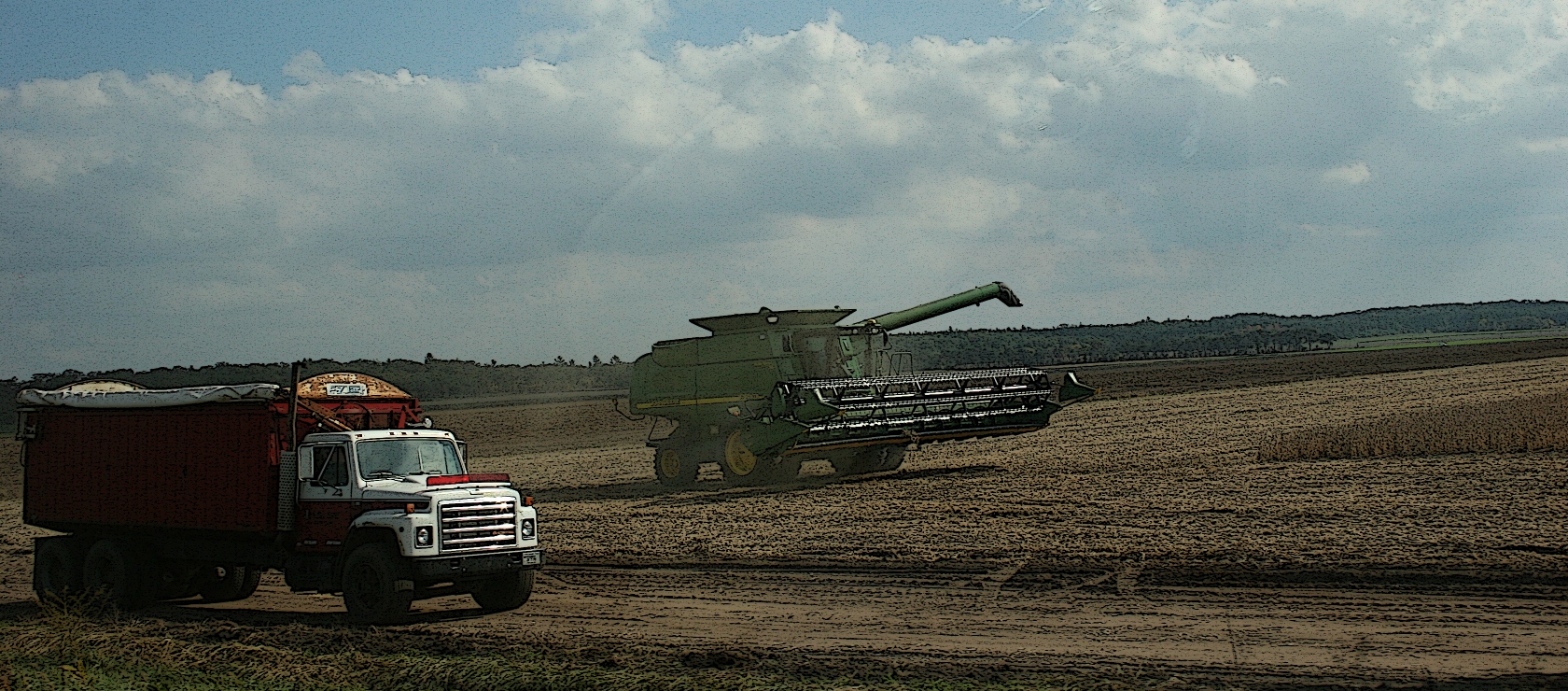
A vintage grain truck rolled out of storage and parked along side a southeastern Minnesota field.

A vintage grain truck parked along side a southeastern Minnesota field.

Grain trucks rumble out of storage.

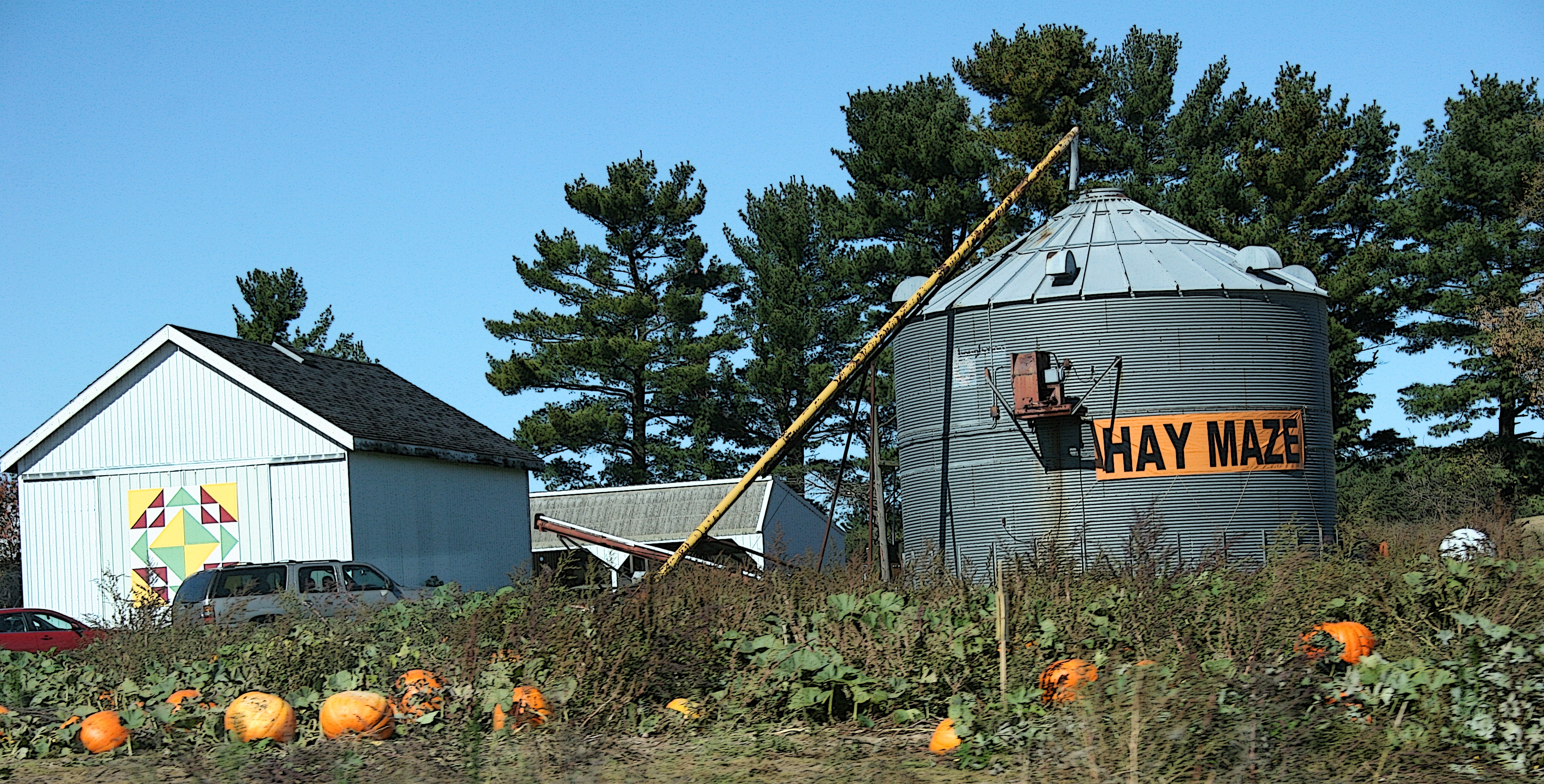
Lots of pumpkins harvested also and for sale, these along Wisconsin State Highway 21.

Lots of pumpkins harvested also and for sale, these along Wisconsin State Highway 21.

Hurry hangs heavy.

Bringing in the crop along Wisconsin State Highway 21.

Bringing in the crop along Wisconsin State Highway 21.

There’s that anticipation, that sense of urgency, that hustle to get the crop out. Before the snow flies.

FYI: Here are a few photo tips for all you on-the-road wannabe photographers out there: Clean your vehicle windows. Make sure you are the passenger and not the driver; safety first. Set your camera at a fast shutter speed. Anticipate. Watch the glare on your windows. Then shoot, shoot, shoot.

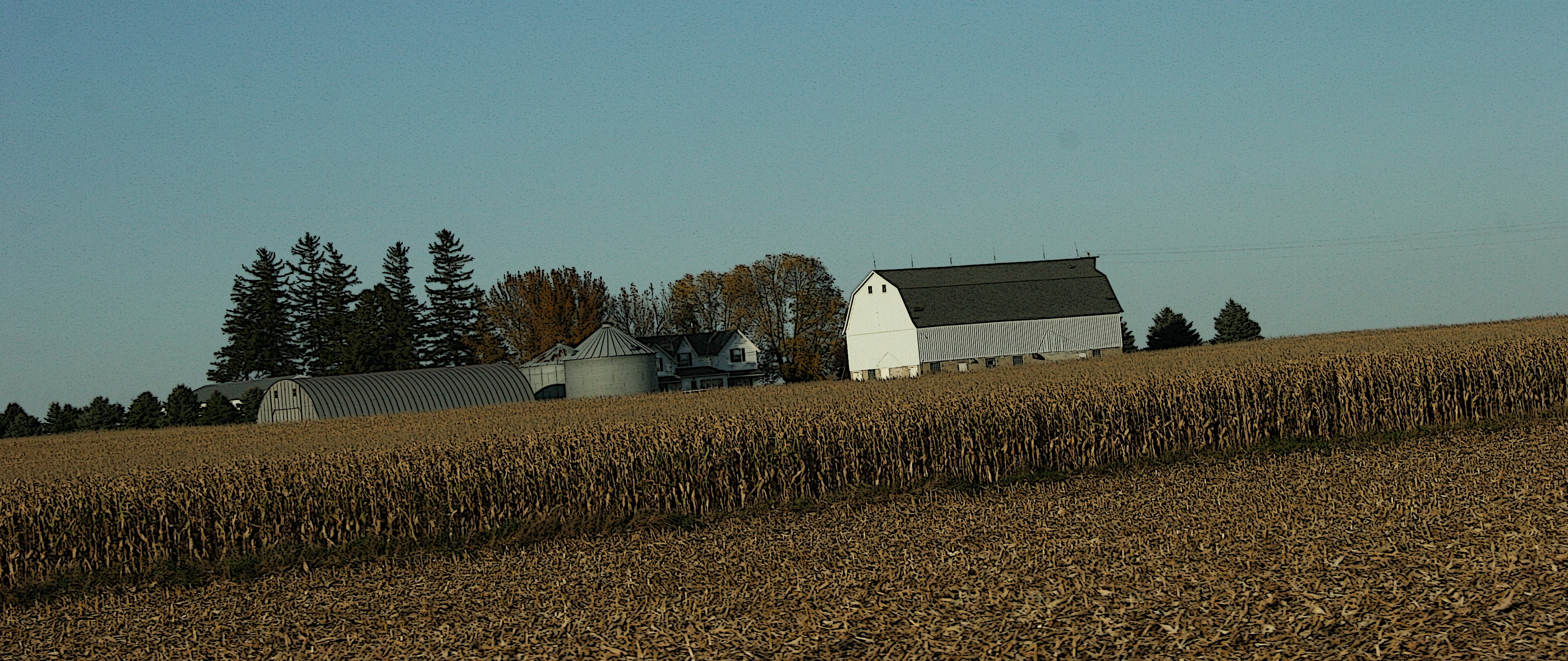
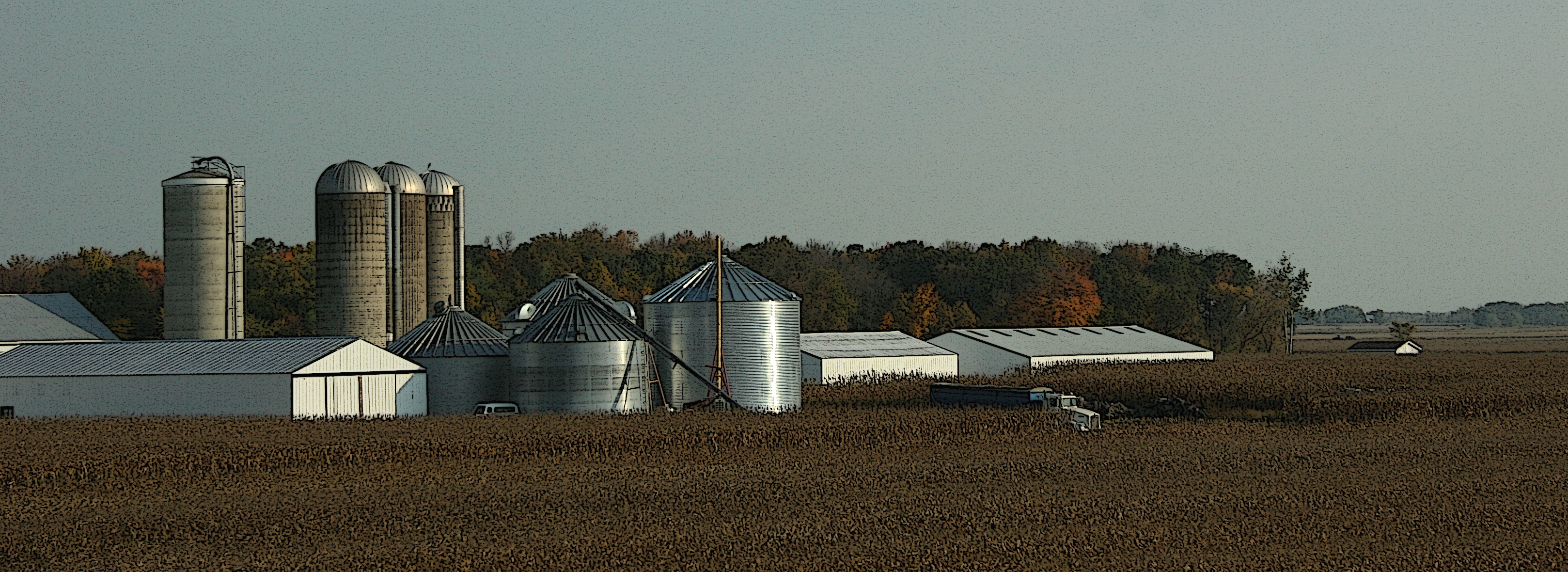
If results are not perfect, and they likely will not be due to bugs, sun, and a myriad of other issues, use photo editing tools. Crop. Change the contrast. Sharpen if necessary. Get creative as I did here with usage of the artistic “cartoonify” editing tool. And, if all else fails to produce a pleasing image with the impact you desire, hover and delete.

PLEASE CHECK BACK tomorrow, when I take you on a tour of a Tomah, Wisconsin, cranberry farm.

© Copyright 2013 Audrey Kletscher Helbling
 

Owatonna exhibit celebrates Steele County: Butter Capitol of the World October 8, 2013

MILK COURSES through my veins, for I am the daughter of a dairy farmer.

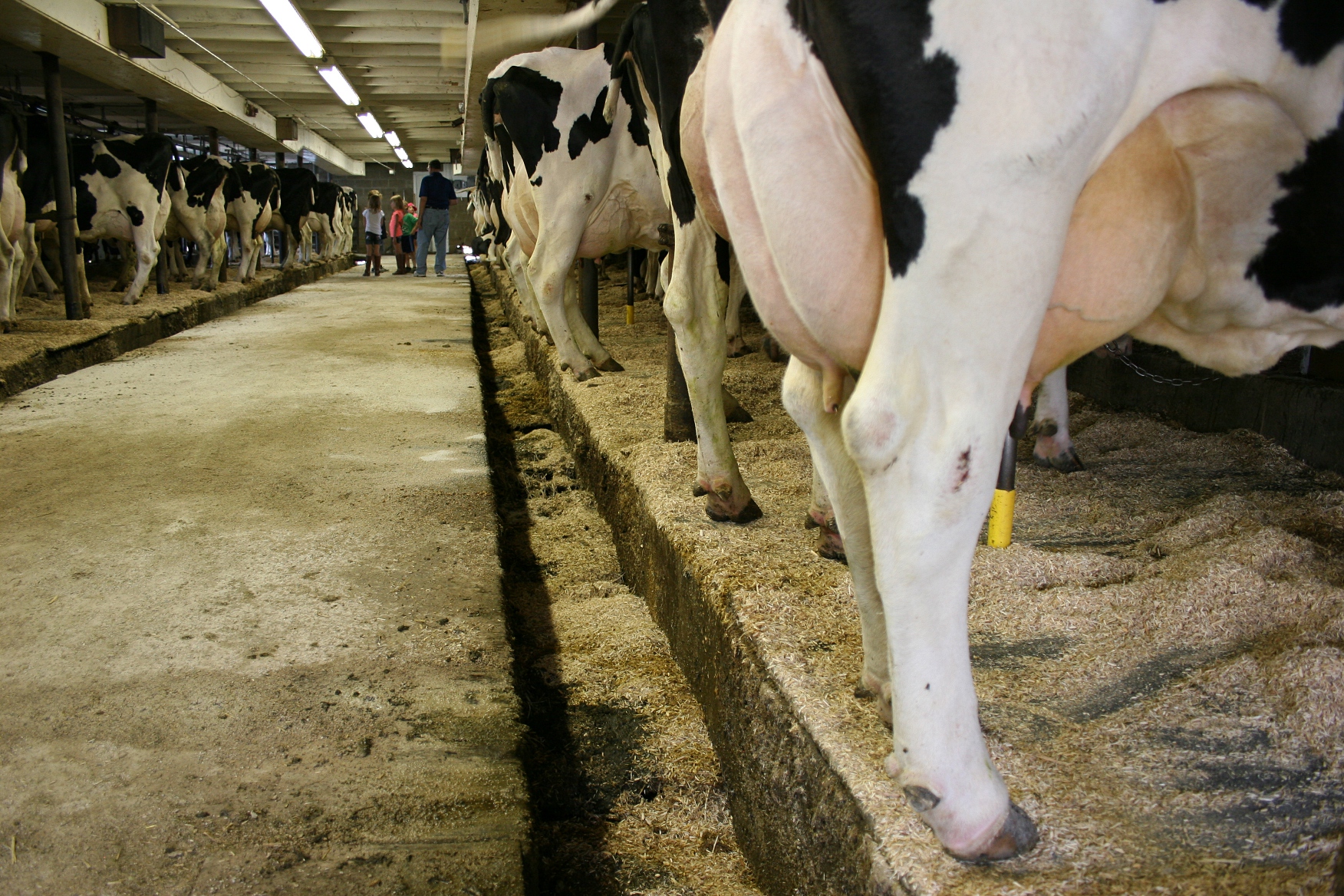
Inside the Wegners' barn, where dairy products come from.

Minnesota Prairie Roots file photo from Ron and Diane Wegner’s rural Faribault dairy barn.

Growing up, I labored in the barn beside my dad and siblings—feeding cows, bedding straw, lugging pails of milk to the bulk tank, washing milking machines, scraping manure and more.

I smelled of cow, watched bovines’ tails flick flies and rise to release streams of splashing hot pee into barn gutters.

Sandpaper rough tongues sometimes grated across my skin. Cold, wet noses dampened the sleeves of my chore coat.

I carried gallons of frothy fresh milk to the house for pasteurization and consumption.

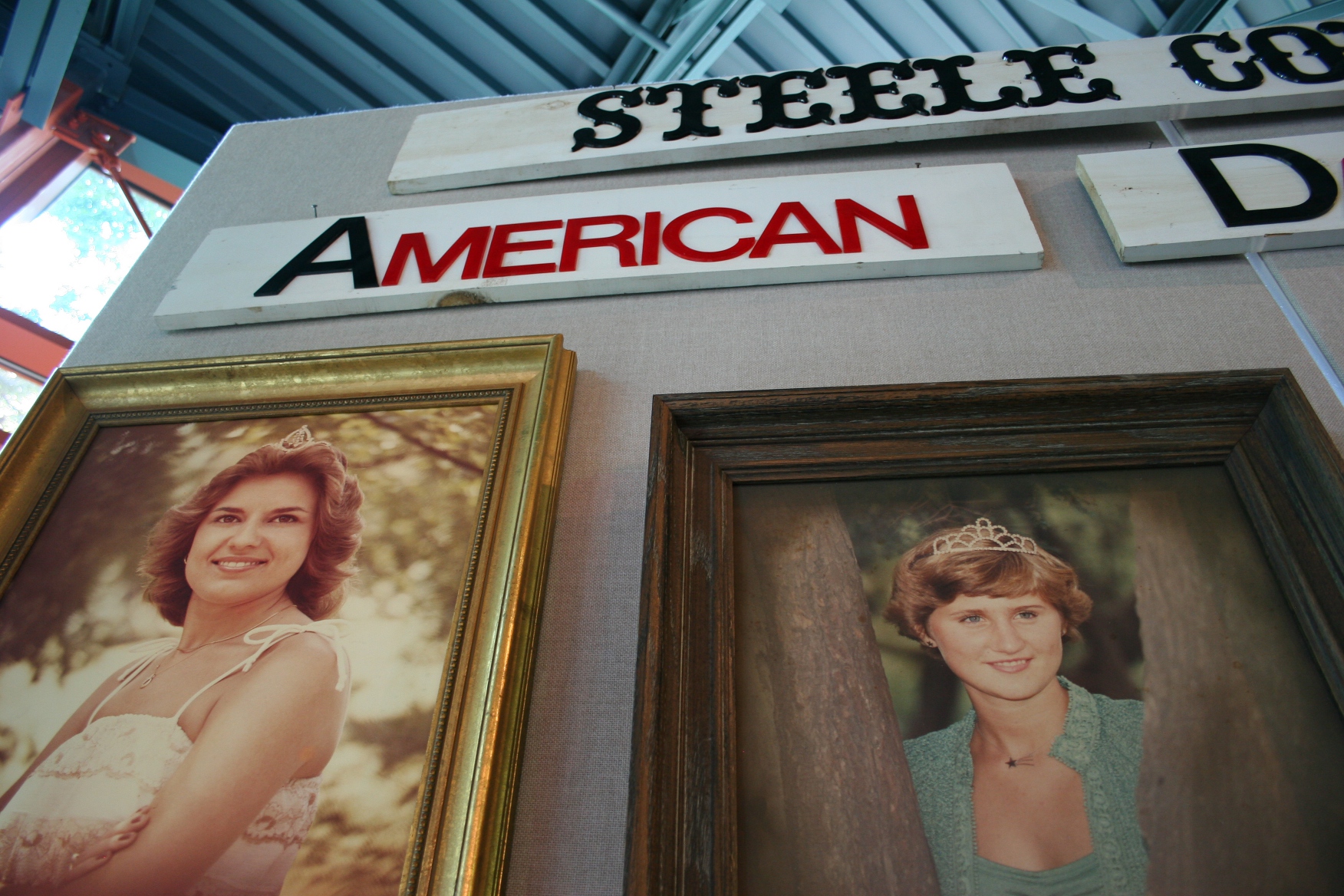
The Princess Kay of the Milky Way competition is a part of Minnesota culture. The Steele County exhibit features  photos of past county dairy royalty, including 1978 princess Kari Schroht, left, and 1976 princess Kathy Zeman, right. Earlier carved butter heads from past princesses were displayed in borrowed glass door freezers at the history center.

The Princess Kay of the Milky Way competition is a part of Minnesota culture. A current exhibit at the Steele County History Center features photos of past county dairy royalty, including 1978 princess Kari Schroht, left, and 1976 princess Kathy Zeman, right. Earlier this year, carved butter heads from recent past princesses were displayed in borrowed glass door freezers at the history center.

I knew cows and milk and once competed for Redwood County, Minnesota, dairy princess, a title I coveted but could not win because I lacked the poise and confidence and beauty to represent the industry.

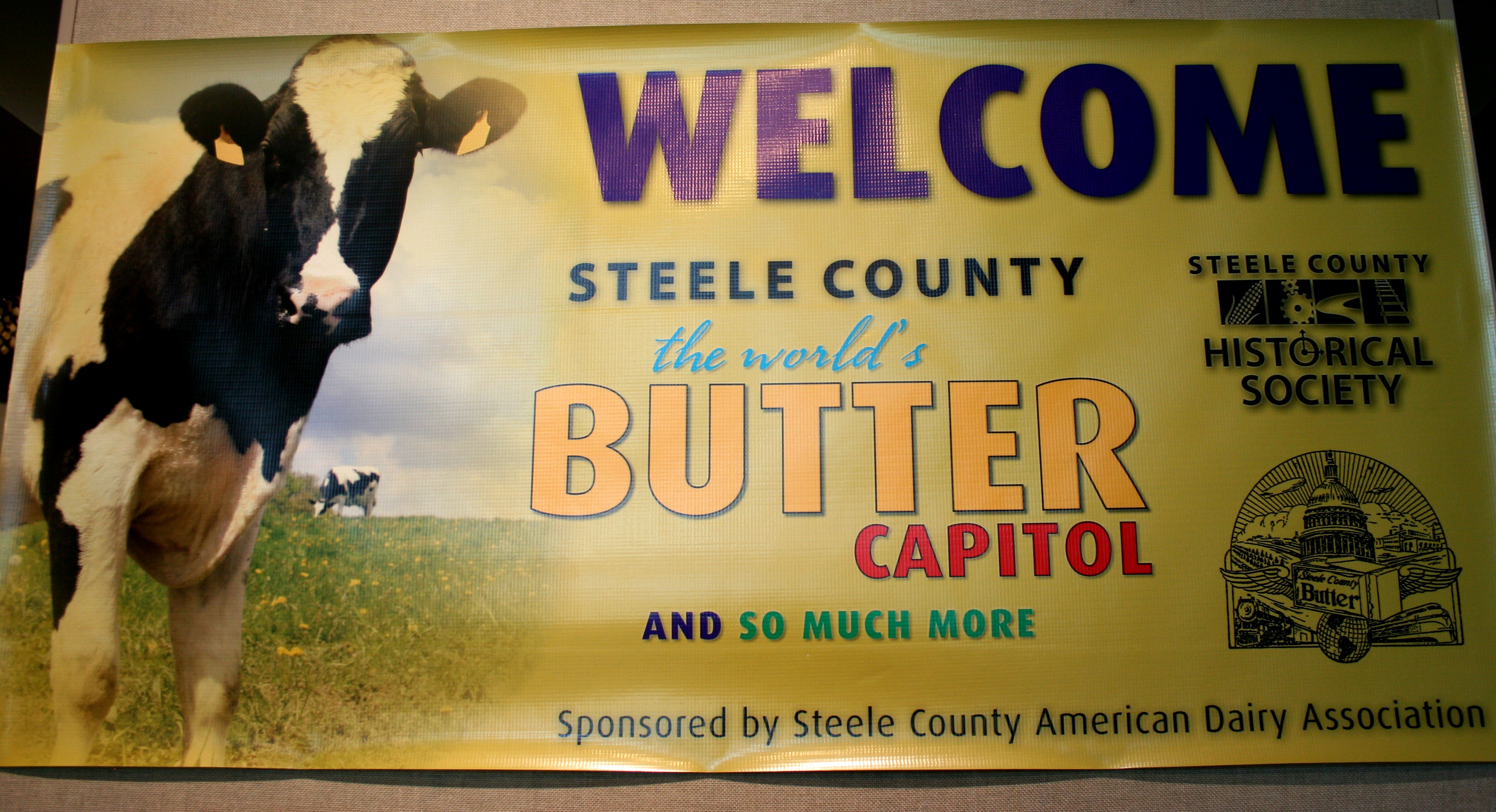
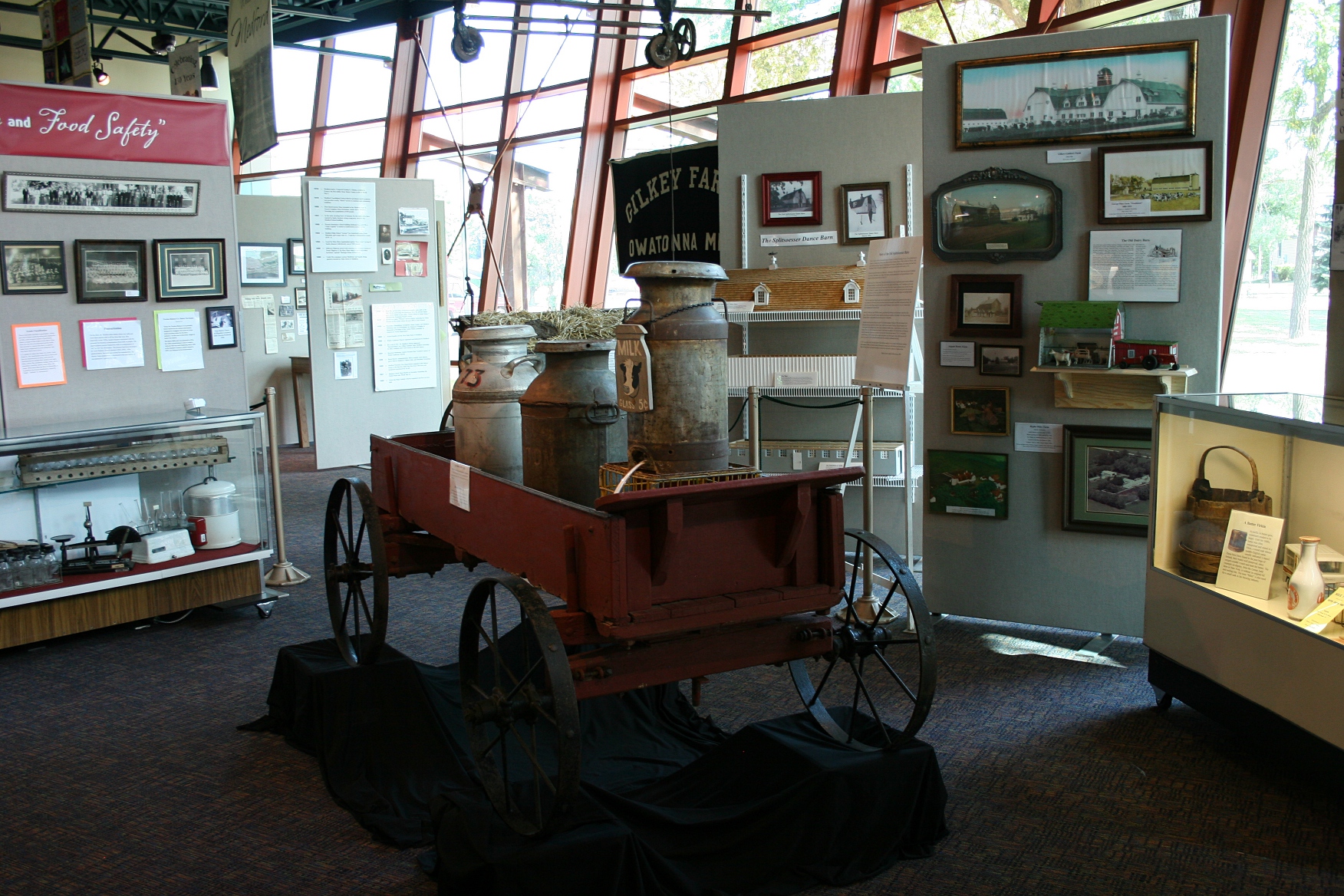
A banner welcomes visitors to the Steele County: Butter Capitol of the World exhibit at the Steele County History Center in Owatonna.

A banner welcomes visitors to the Steele County: Butter Capitol of the World exhibit at the Steele County History Center in Owatonna.

These memories flit through my mind as I consider a recent visit to the Steele County History Center in Owatonna to tour the featured exhibit, Steele County: Butter Capitol of the World.

The exhibit is interesting and educational.

The exhibit is interesting and educational.

It’s a must-see exhibit which will trigger memories for those who grew up on dairy farms and educate those who didn’t. And, even with my dairying background, I learned a lot about the history of dairy farming in Steele County.

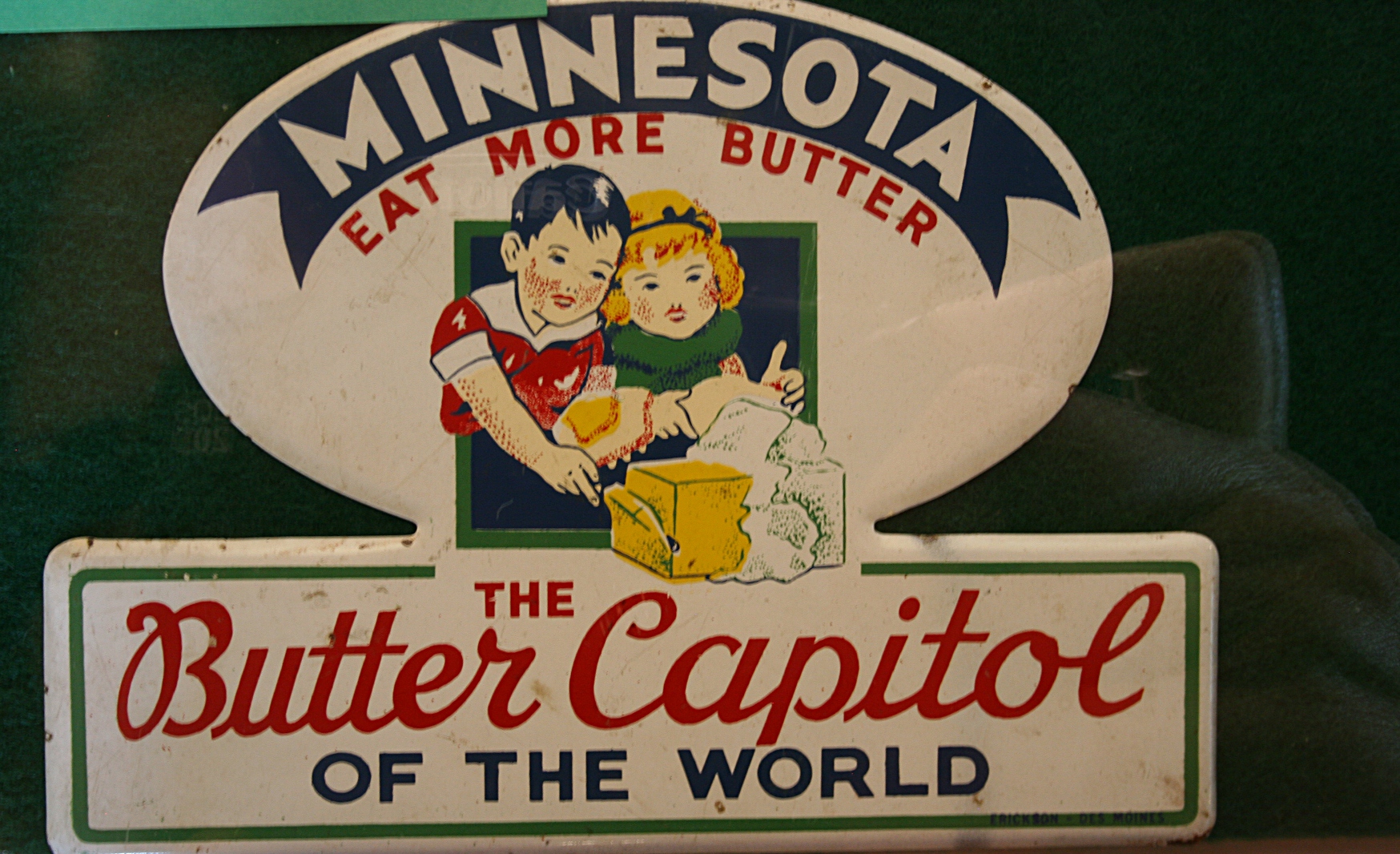
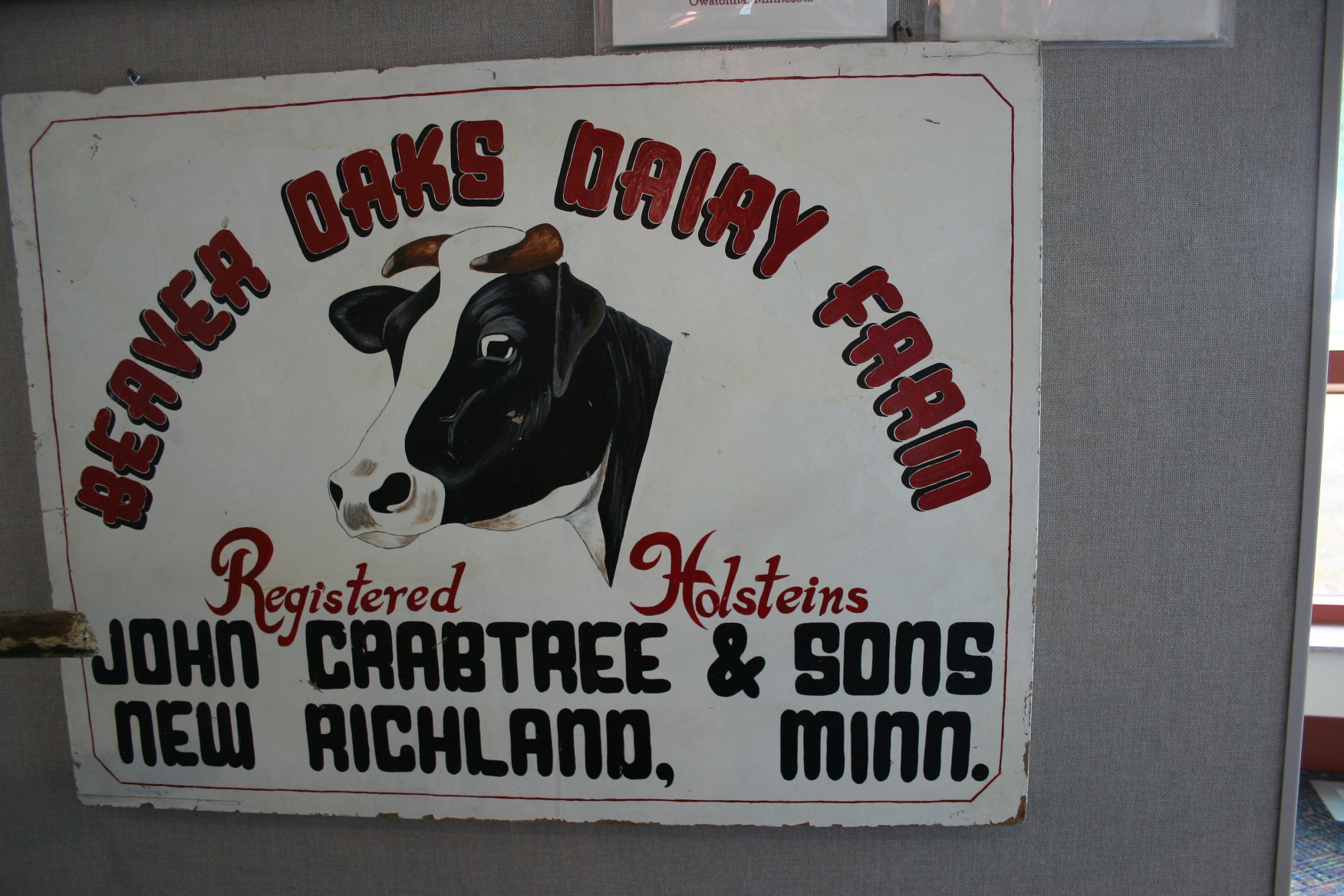
A vintage sign promoting butter in Minnesota.

A vintage sign promoting butter in Minnesota.

For example, Steele County gained its world-wide Butter Capitol reputation after Owatonna Manufacturing Company invented the mechanized butter churn in 1893, revolutionizing the dairy industry.

But two decades prior, in 1873, the county was well on its way to establishing a strong dairy reputation with four local cheese factories producing 150,000 pounds of cheese, more than any other Minnesota county.

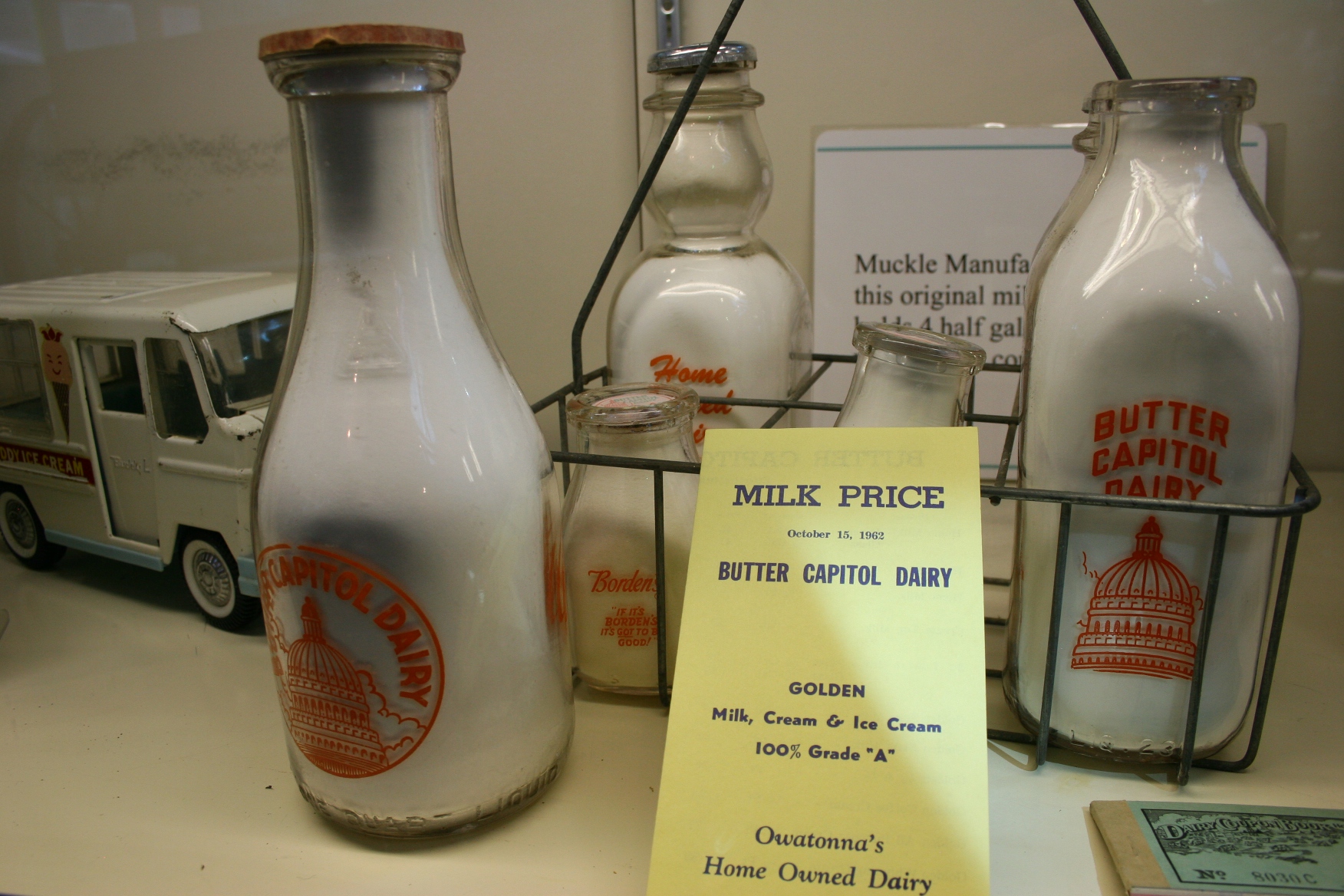
Information and artifacts from the days of bottled milk delivery.

Information and artifacts from the days of bottled milk delivery.

At one point, Steele County boasted two dozen-plus creameries.

Coveted butter

Hope Creamery, south of Owatonna, still produces coveted, award-winning Grade A butter in small batches. Butter boxes from Steele County creameries are displayed behind glass in the exhibit.

In December 1926, thieves stole 19 tubs of butter valued at $700 from the Steele Center Creamery.

Two Steele County women, Mina Holmes and Marianne McRostie, won numerous national awards for their hand-churned butter.

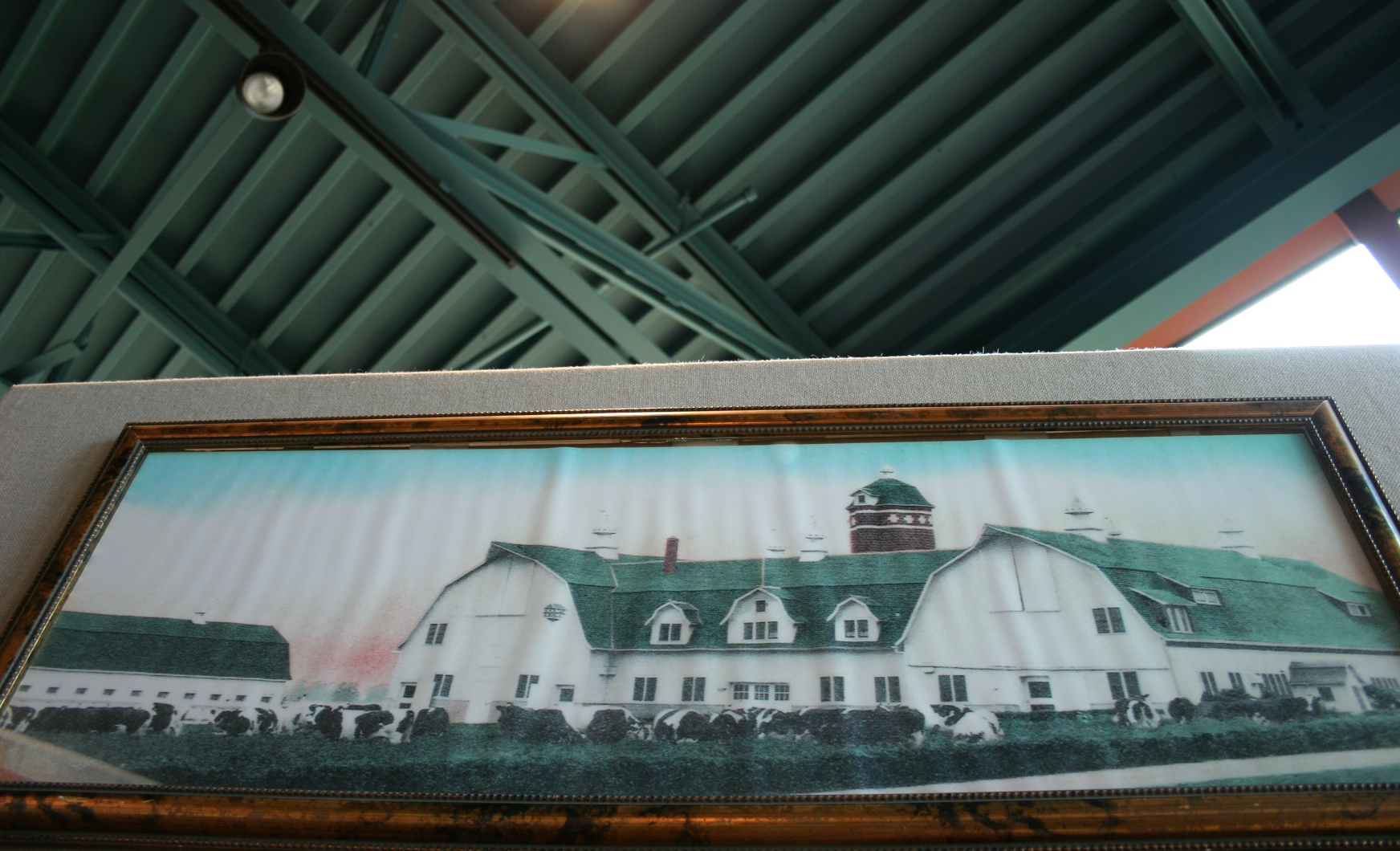
Photos of some spectacular Steele County barns are showcased.

Images of some spectacular Steele County barns are showcased.

Yes, so many accomplishments led to this southern Minnesota county holding the title of Butter Capitol of the World from 1898 – 1940, says Jerry Ganfield, who along with a committee of four women involved in the dairy industry, created this remarkable exhibit. Ganfield, holds a background in communications and marketing, grew up in Iowa and worked one summer during college as a milkhouse operator. Today he lives in a barn turned house near Bixsby and volunteers with the Steele County Historical Society, serving on its board of directors.

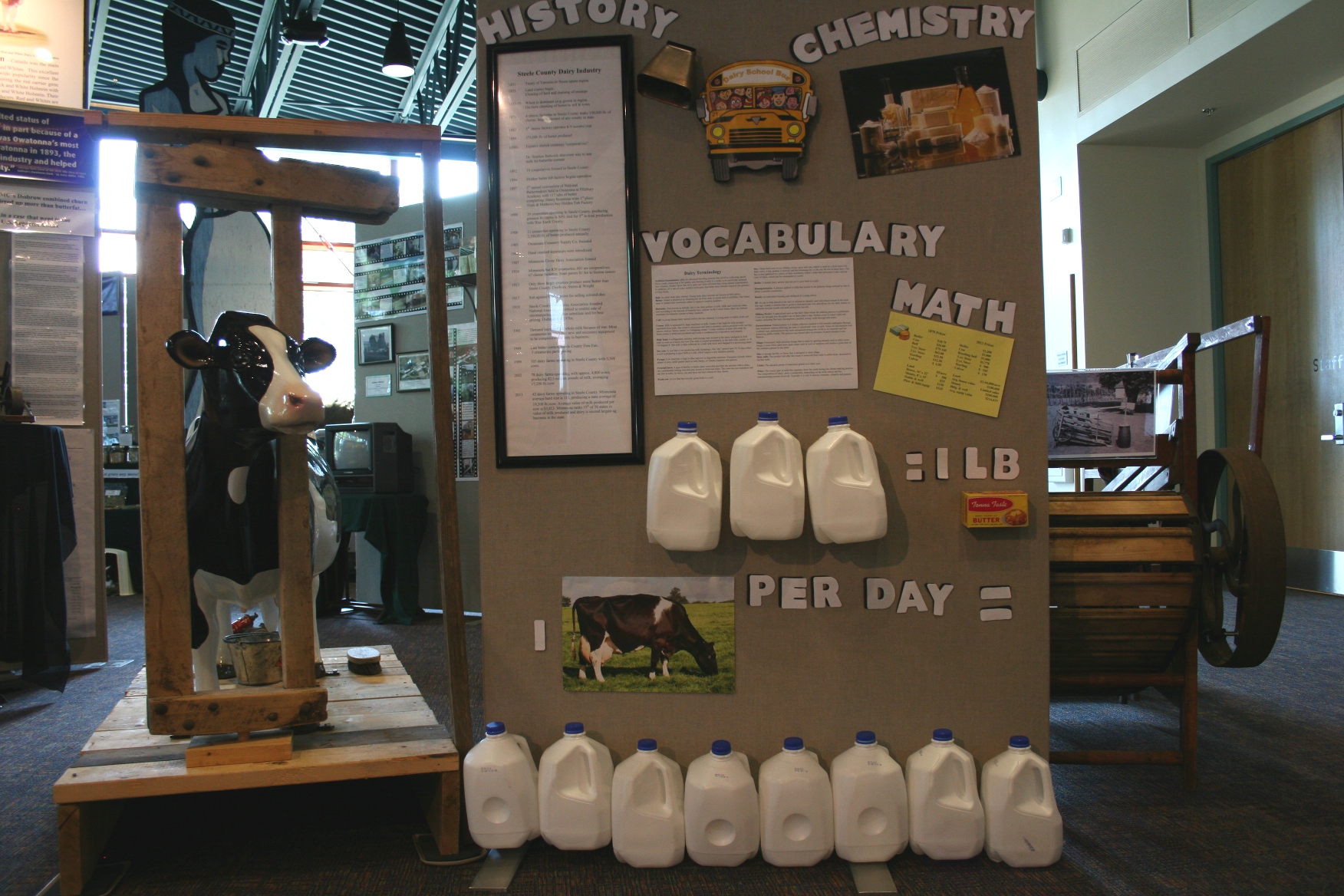
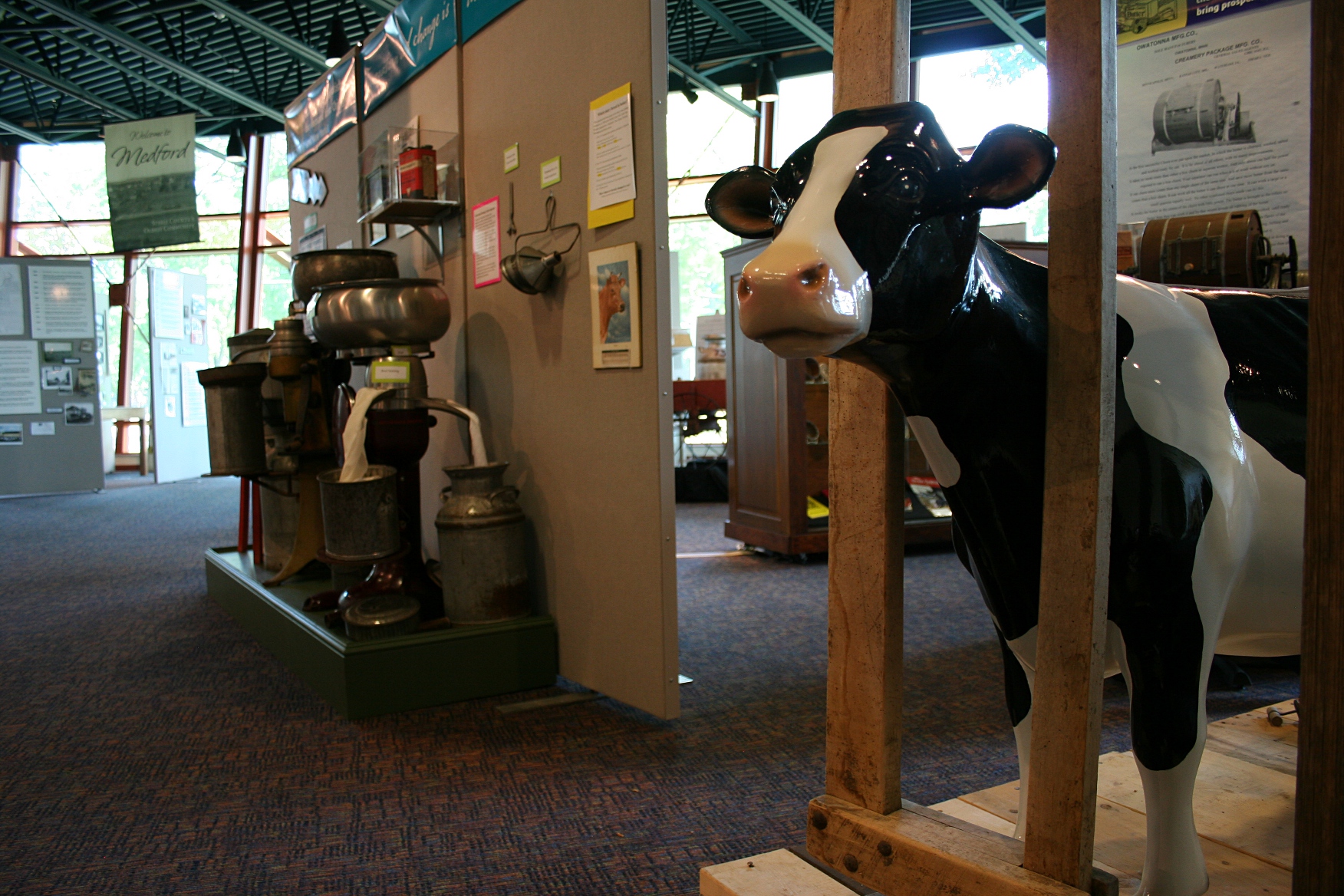
A portion of the expansive exhibit on Steele County's dairy industry.

A portion of the expansive exhibit on Steele County’s dairy industry.

Work on the Butter Capitol exhibit began in January with the historic display debuting in mid-July. It runs through November 10. Eventually, many of the items will be returned to the farm machinery building in the Village of Yesteryear (next to the Steele County History Center) where most were previously displayed.

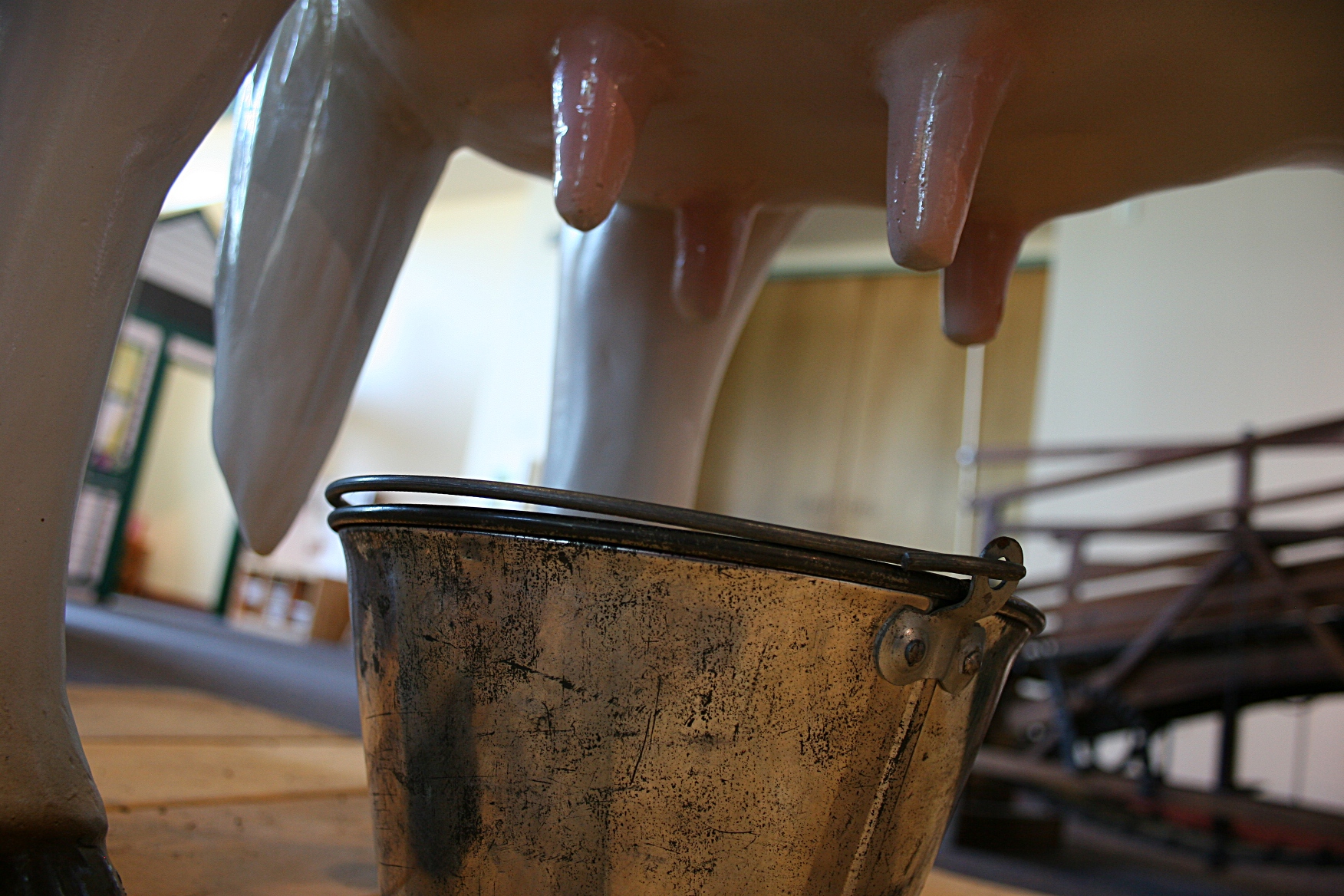
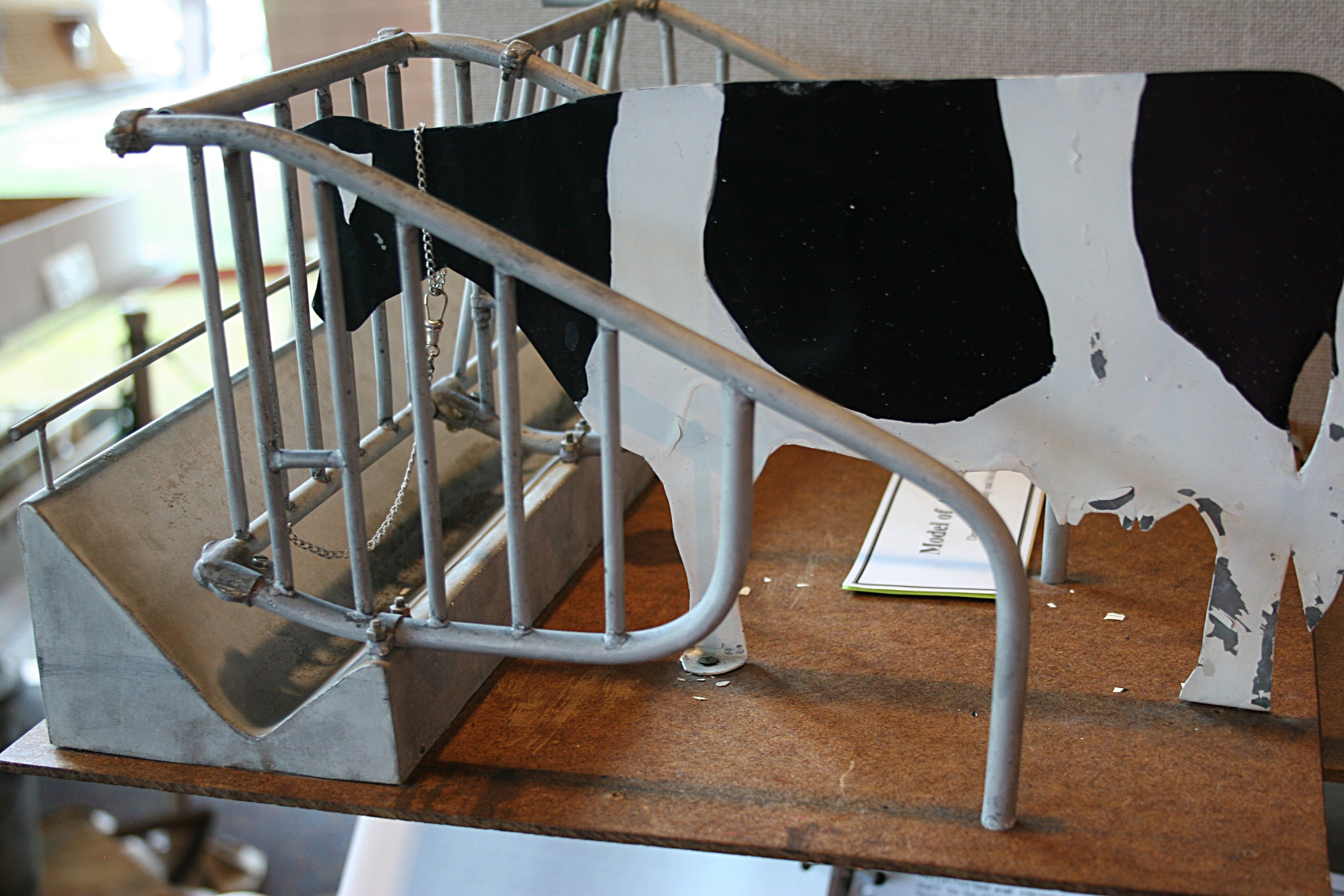
Visitors can get down low and check out the udder on the model cow in the photo above.

Visitors can get down low and check out the udder on a model cow.

Perhaps I am a bit biased being a dairy farmer’s daughter and all. But this exhibit is one of the most impressive, thorough, detailed and interesting I’ve seen in a county history center.

Just another view of a portion of the exhibit.

Just another view of a portion of the exhibit.

Steele County: Butter Capitol of the World is well worth a drive to Owatonna to peruse.  Just give yourself two hours, minimum, to tour the display.

#

BONUS PHOTOS:

Vintage signs are abundant in the exhibit.

Vintage signs are abundant in the exhibit.

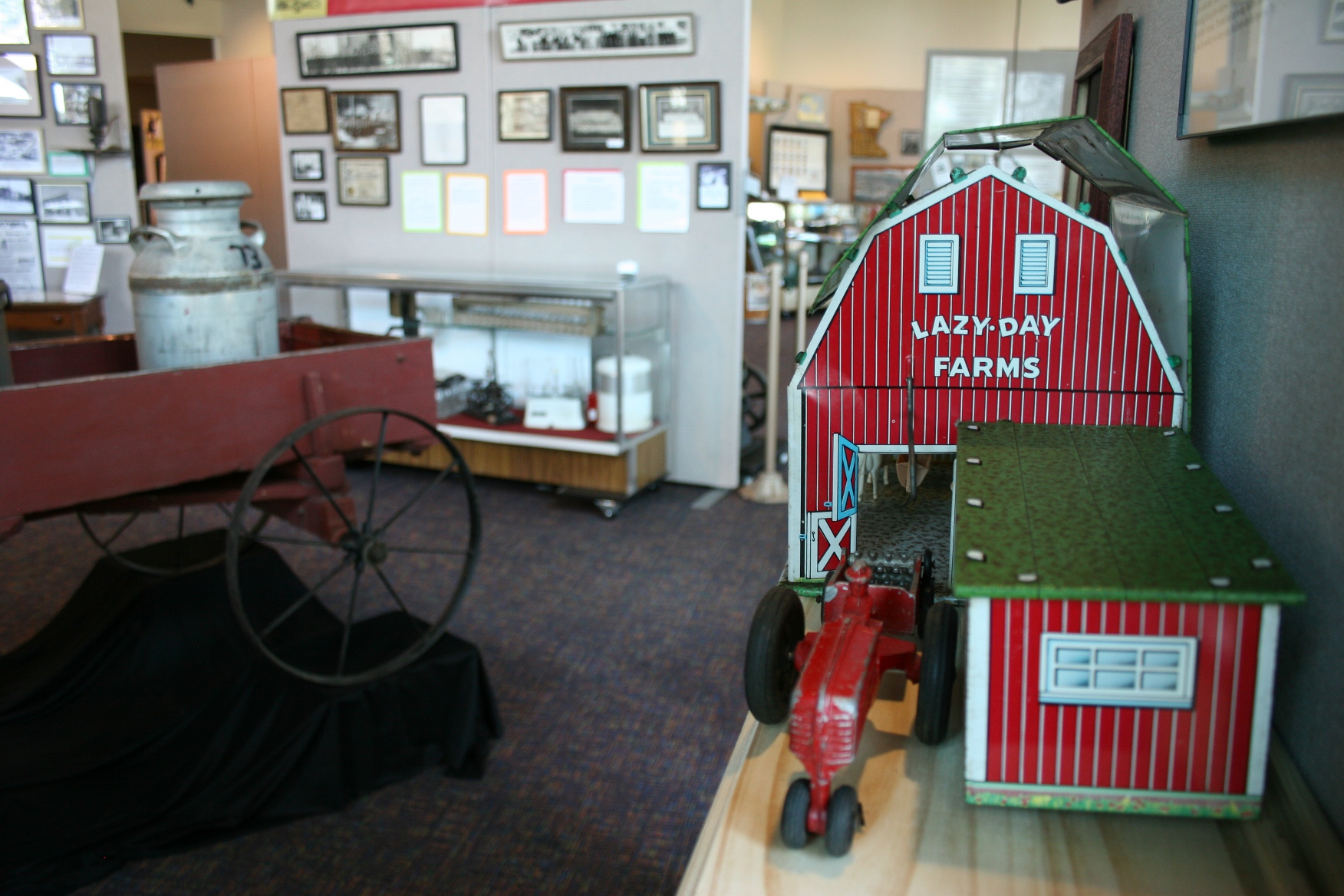
This tin toy barn, right, caught my eye. I've never seen one prior to this. The exhibit also features an incredible handcrafted replica of a barn.

This tin toy barn, right, caught my eye. The exhibit also features a handcrafted replica of a barn.

A familiar site to me, a cow in a stantion.

A familiar site to me, a cow in a stantion.

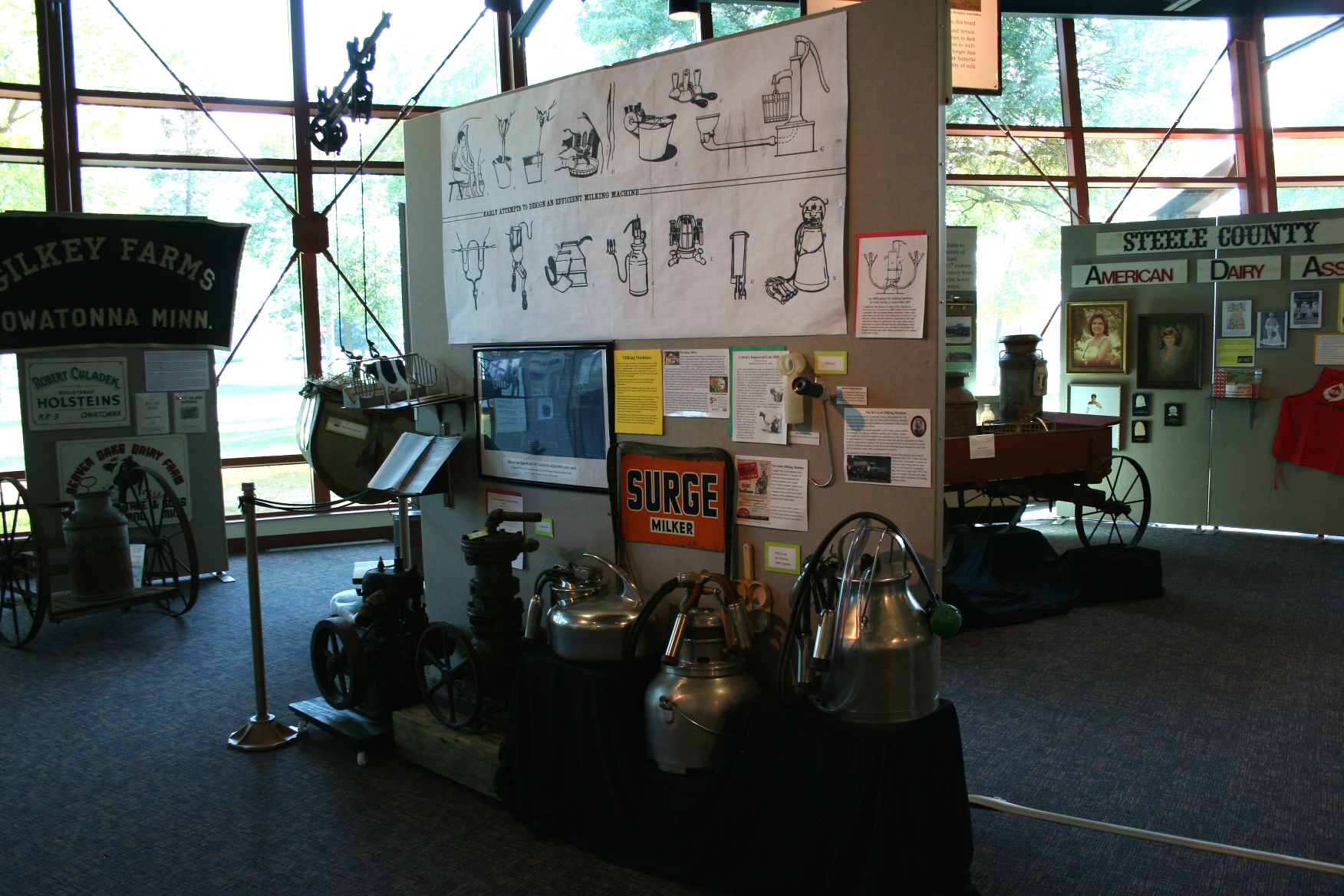
Also familiar, those Surger milkers in the background display.

Also familiar, those Surger milkers in this display. My dad used these before he installed a pipeline.

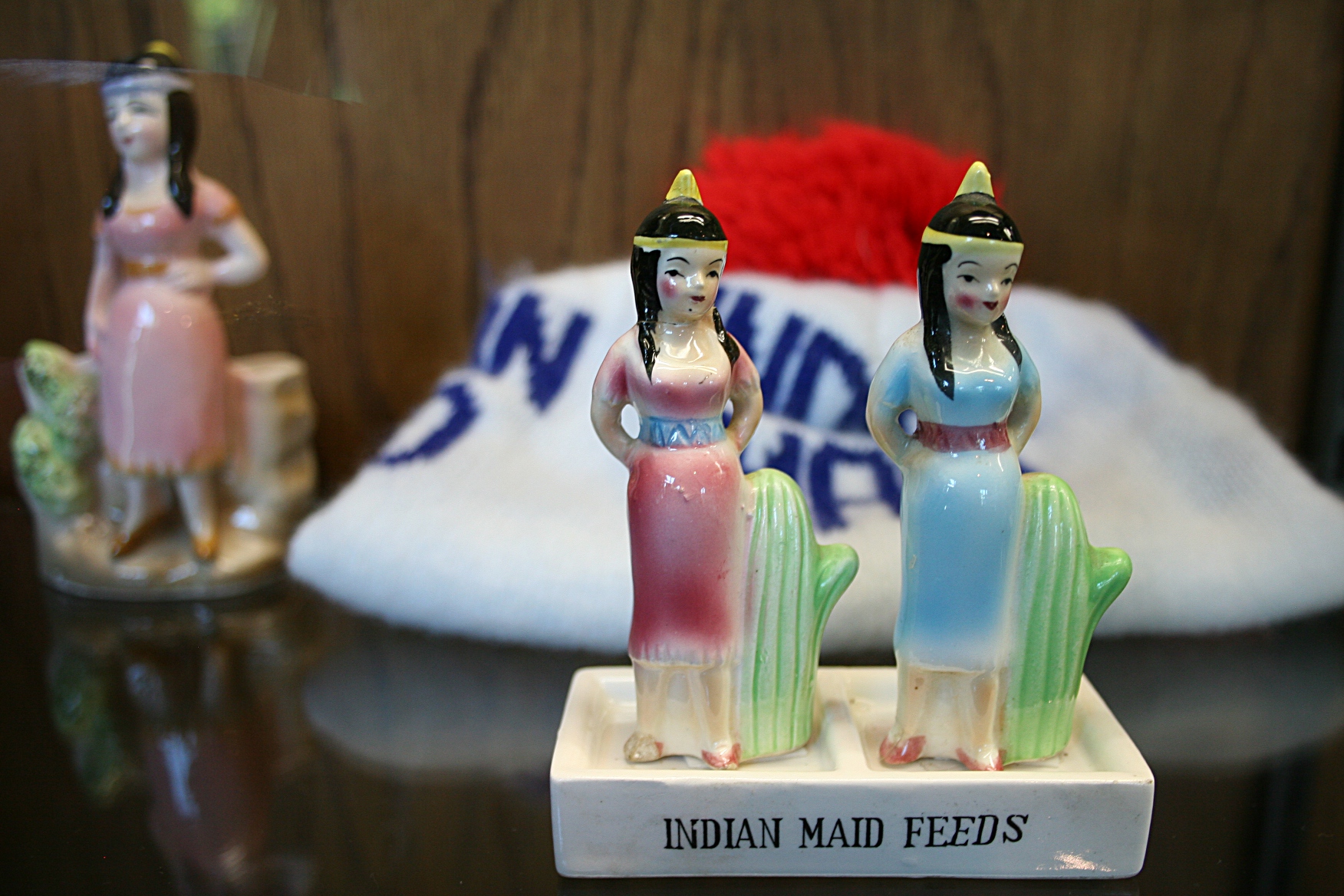
Indian Maid Feeds memorabilia is displayed in glass cases along with an impressive collection of butter molds and other items.

Indian Maid Feeds memorabilia is displayed in glass cases along with an impressive collection of butter molds and other items. Indian Maid Feeds was sold from the late 1950s – 1984 by Owatonna Elevator Company. The brand pictured an Indian maiden to recall the legend of Princess Owatonna, whose health was restored by drinking the mineral spring waters of the area. The exhibit also features a large wooden logo of the princess that once rested atop the elevator. You’ll need to visit the exhibit to see that vintage art.

FYI: To learn more about the Steele County History Center/Historical Society, housed in a fabulous new building opened in April 2012, click here.

The Steele County History Center encourages kids to join its Time Travelers Club and History Detectives. The detectives meet at 10:15 a.m. and the travelers at 6:30 p.m. the first Thursday of each month at the History Center, 1700 Austin Road, Owatonna.

Click here to read a Minnesota Public Radio story about Hope Creamery.

© Copyright 2013 Audrey Kletscher Helbling
 

A prairie island October 6, 2013

Filed under: Uncategorized — Audrey Kletscher Helbling @ 10:06 AM
Tags: , , , , , , , ,

Rural, farm behind corn field

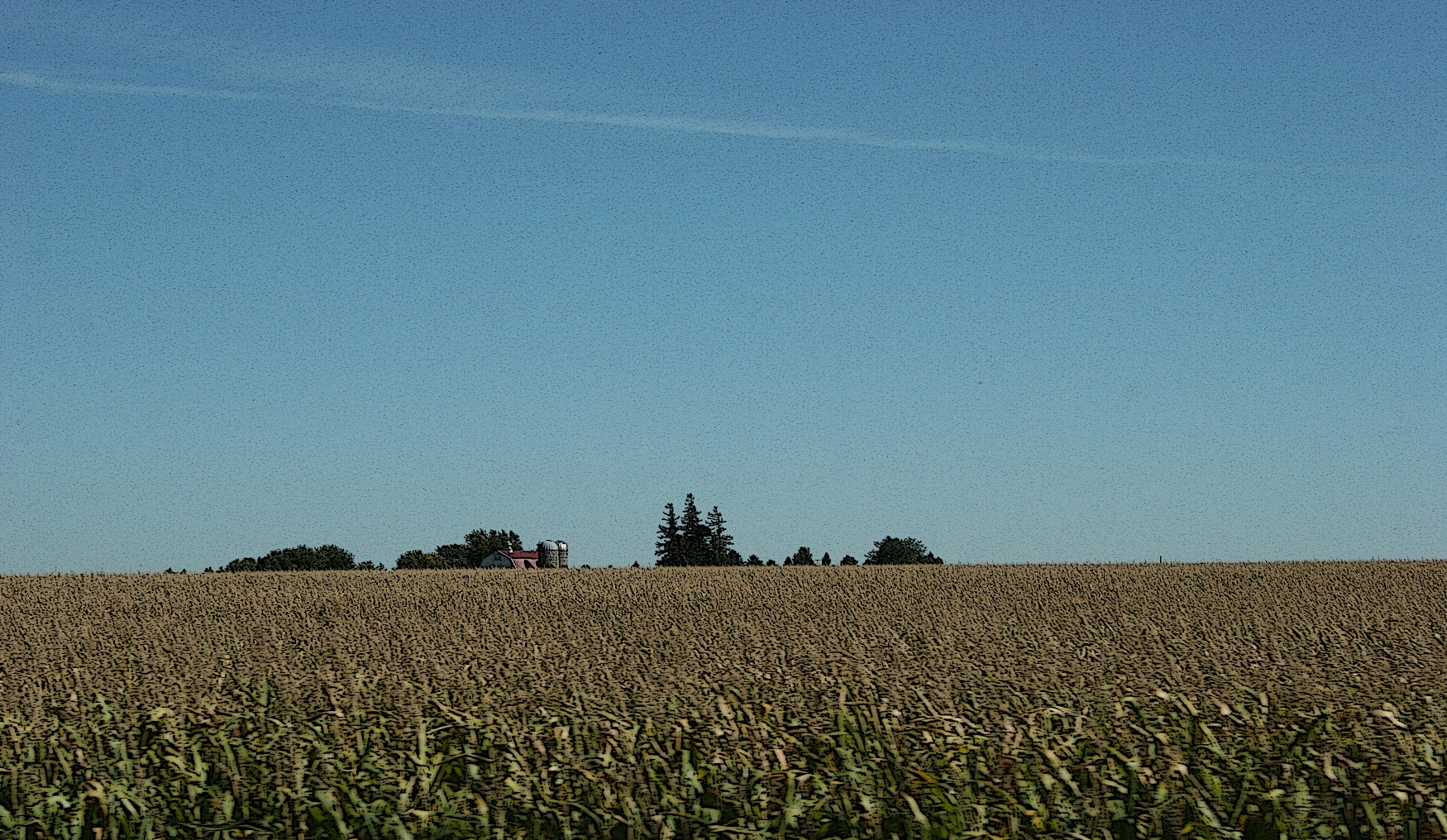
IN THE SEA OF CORN which defines southwestern Minnesota, an island emerges.

Copyright 2013 Audrey Kletscher Helbling