Minnesota Prairie Roots

Writing and photography by Audrey Kletscher Helbling

Raising funds to preserve priceless paintings in Park Rapids August 27, 2012

BETWEEN NORTHWESTERN MINNESOTA and Chicago, you won’t find another art collection like the Gabor and Edith Nemeth Study Collection dating from the 15th to 19th centuries.

Now that “Old Masters” collection of 42 European paintings owned by the Nemeth Art Center in Park Rapids is in need of a permanent storage unit to preserve the valued art for future generations.

A campaign is currently underway to raise $1,200 for materials to construct a modular custom storage unit that will keep the paintings separated and vertical, thus preventing further damage. As of August 23, the NAC had raised $600 via an online campaign and direct contributions, according to NAC Executive Director Meredith Lynn.

Brian Stieler of the Minneapolis Institute of Arts has volunteered to design and build the storage structure. And representatives of the Midwest Art Conservation Center in Minneapolis have already been to Park Rapids to assess the collection and lay out plans for restoration.

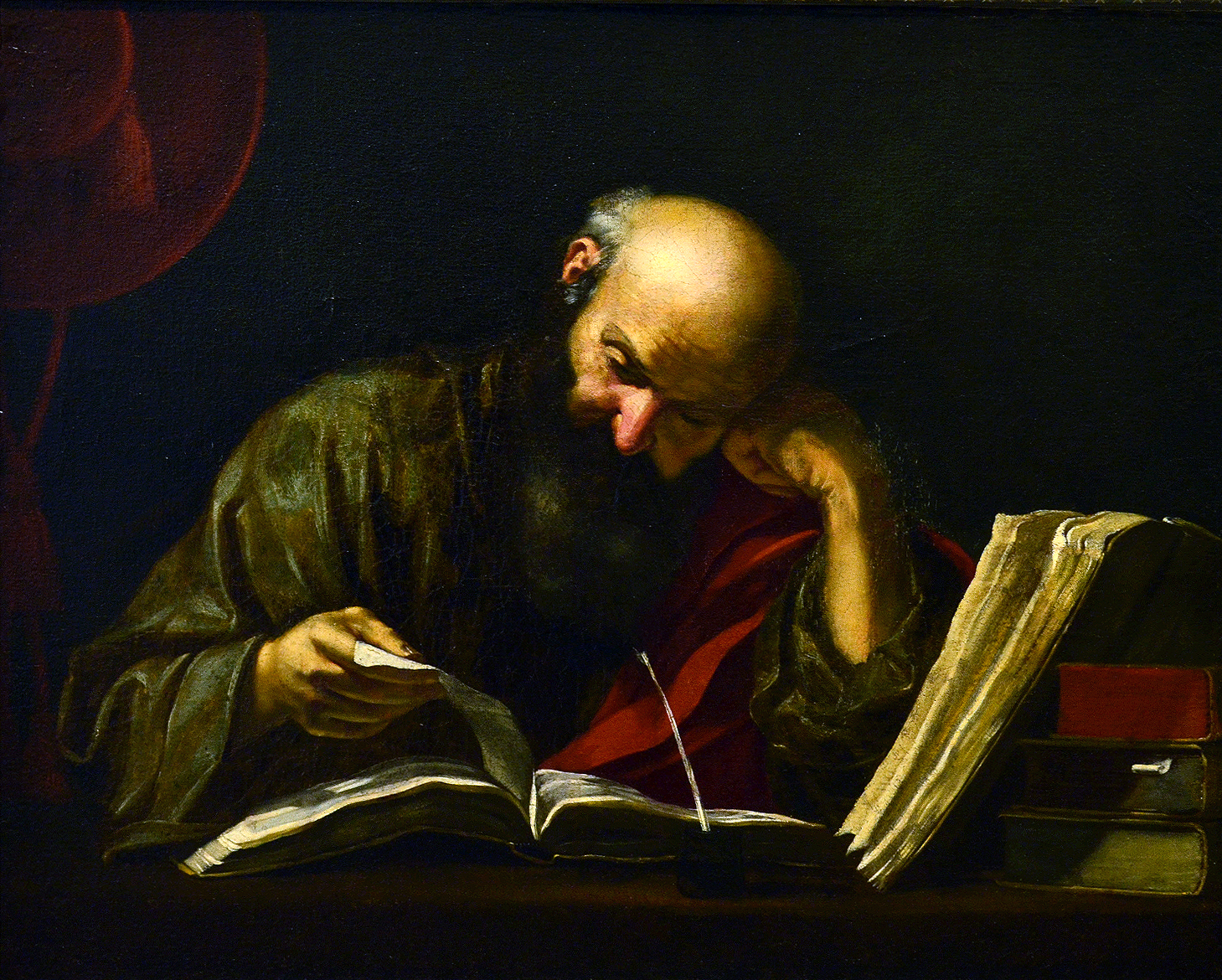
“St. Jerome,” painted by a 17th century follower of Hendrik van Somer, and part of the collection.

About a third of the paintings require restoration, Lynn says, with several in such condition that they can no longer be exhibited. More than 30 of the pieces are continually on display (during the center’s open months from May – September) in the 1900 Victorian style brick courthouse turned art center which opened in 1977.

That was the year the historic and priceless collection of paintings, by students who studied well-known masters like Rembrandt, Rubens and Bosch, came to be owned by the then newly-established North Country Museum of Arts.

European born art restorer and dealer Gabor Nemeth, who came to the U.S. in the 1940s and worked thereafter primarily in Los Angeles, also maintained a home in the Park Rapids area (his primary residence now) and brought his collection to Minnesota in the mid 1970s.

After a three-day January 1977 exhibit of his collection in Park Rapids—a show which drew long lines of some 4,000 people total in the then town of 2,700, according to newspaper reports—Nemeth decided to offer the art to Park Rapids. Conjecture had long been that St. John’s University would be the recipient of the collection (for a reason unknown to Lynn; I asked).

In an article published in the May 2, 1977, issue of the Bemidji-based newspaper, The Pioneer, Nemeth is quoted: “There is really nothing up here as far as art goes. People will appreciate it (the collection) if they are given the chance to see it.”

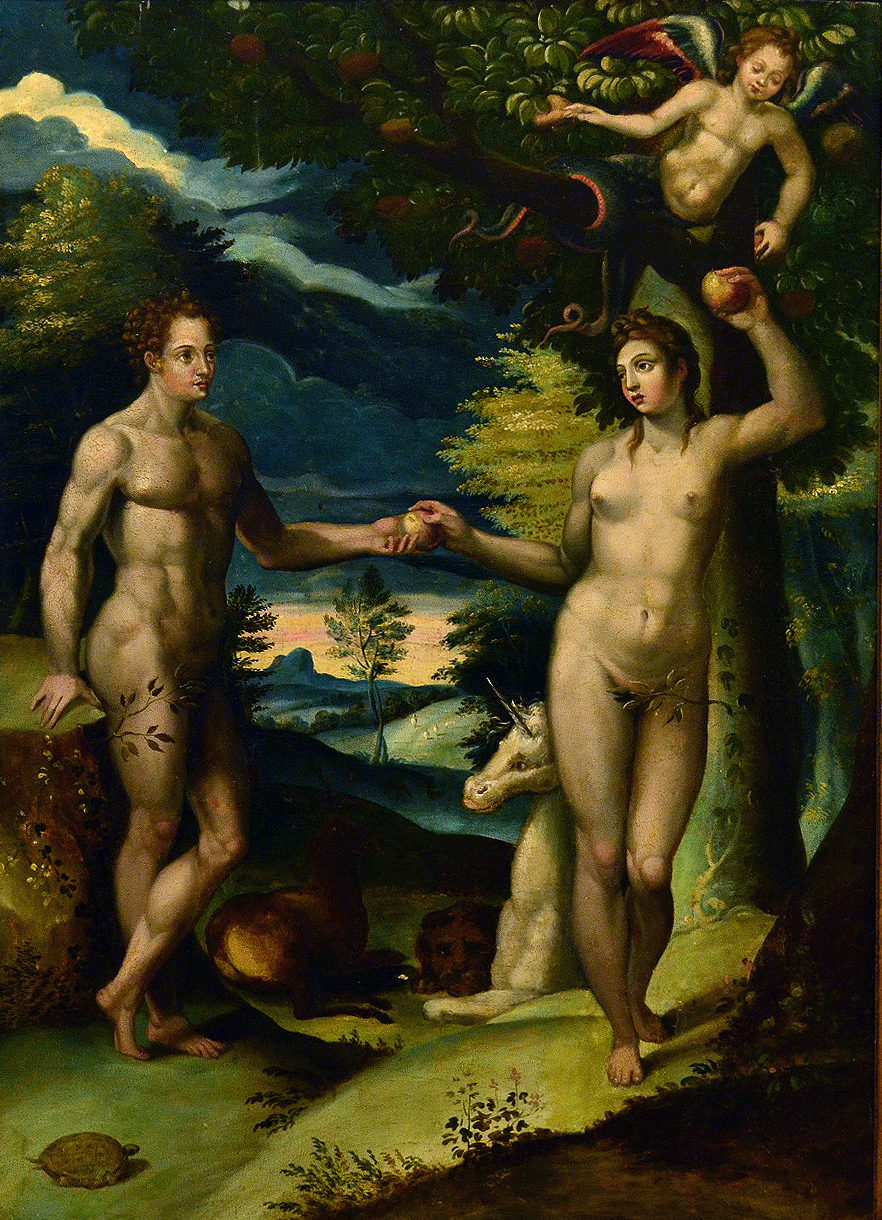
“Adam and Eve,” a 17th century painting by a student of Cornelisz.

Clearly the people of Park Rapids realized the significance of Nemeth’s offer as 30 families borrowed $35,000 to purchase the paintings, a price “significantly less than the appraised value,” Lynn notes.

She won’t put a value on the paintings today other than to assess it’s “quite high.” Beyond the monetary value, the art center director calls the collection “historic and unique paintings with priceless cultural value.”

Speculation has existed that perhaps the masters themselves may have dipped their brushes into oil or tempera to work on paintings in the collection. The art center lays no official claim to that suggestion, although Lynn says, “…it’s possible that painters such as Rembrandt painted on several of the canvases that we own.”

The identities of whose who painted the pieces as part of a greater studio study setting are primarily lost to history, according to Lynn.

Many of the paintings were originally acquired for Lois Warschaw, an art collector and prominent political figure in Los Angeles, prior to ownership by Gabor Nemeth and his wife, Edith.

Today, as it always has, the Gabor and Edith Nemeth Study Collection centers the Nemeth Art Center, which opened in August 1977 after the Park Rapids community pulled together to purchase the paintings and remodel the courthouse into a center for the arts.

Says Lynn:

New visitors to the Nemeth Art Center are always pleasantly surprised by the beauty and historical relevance of our paintings. Park Rapids is a small town, but the arts community here is growing and hopefully our collection will help raise awareness of the town as an arts destination.

That’s exactly what Gabor Nemeth hoped for 35 years ago—that his collection of Old Masters paintings would draw tourists to this community in northwestern Minnesota. And it does. The collection includes works of biblical scenes like “Madonna and Child,” “Madonna of the Harpies,” “The Holy Family,” “Christ in the Garden of Gethsemane,” “Christ in the Wilderness,” and several genre paintings such as “Kitchen Scene” and “The Card Players.”

Today efforts also focus on preserving the collection via construction of the custom storage unit. With $600 more in contributions (as of August 23), the project can proceed.

But the art center’s goals go well beyond a storage fix. Options are under consideration to move into a handicapped accessible building with more consistent climate control. The center is also working on a seven-year plan to restore the study collection paintings.

Executive director Lynn summarizes the situation and needs:

The Nemeth Art Center is a unique institution, and this collection forms its backbone. Maintaining historic items is important and costly, and the NAC cannot provide the community with something so special without continued help.

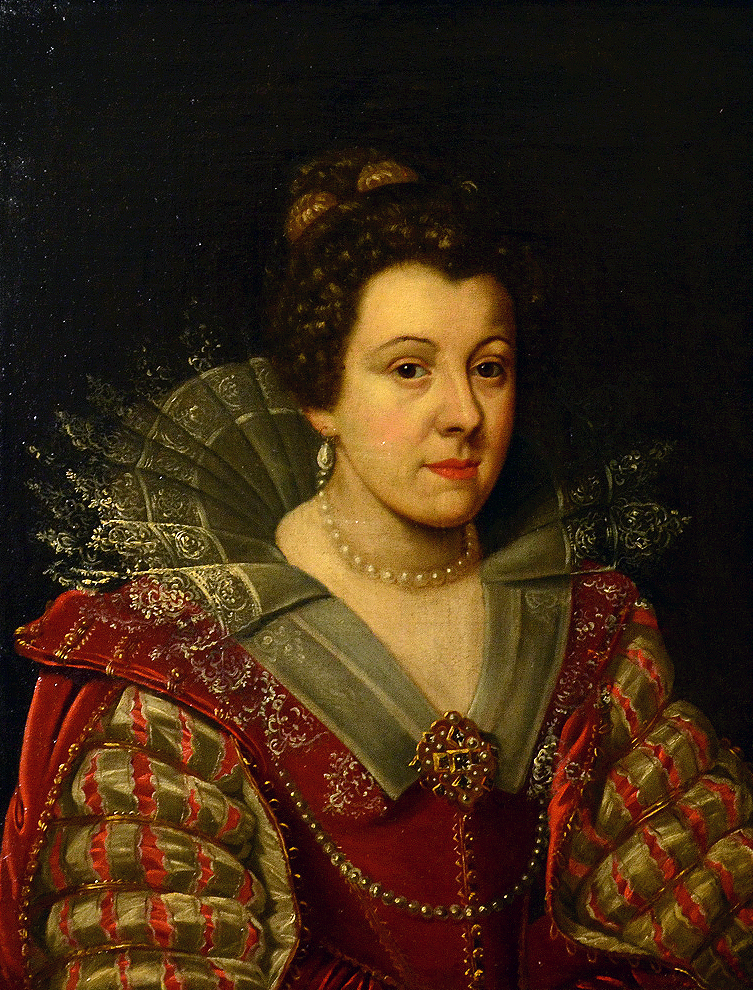
“Portrait of a Noblewoman,” an 18th century painting by a follower of Rubens.

IF YOU’D LIKE to contribute to the storage unit fundraising effort, click here to reach the NAC storage unit project campaign on indiegogo.

Or visit the NAC website, by clicking here, for details and contact information.

To read a detailed history on The Gabor and Edith Nemeth Study Collection, click here to a presentation prepared by Steven R. Peterson with grant funding from the Region 2 Arts Council. Thanks to LouAnn Muhm, chairperson of the NAC Board of Directors, for directing me to this presentation, the source for some of the information cited in this post.

Special thanks to NAC Executive Director Meredith Lynn for answering my lengthy list of questions via email.

If you wish to view the Gabor and Edith Nemeth Study Collection, art center hours are from 10:30 a.m. – 4:30 p.m. Tuesday, Thursday and Saturday, May – September. Each month the NAC also features a curated exhibit of contemporary art in addition to pieces from its permanent collection.

Finally, check out the current “Rembrandt in America” exhibit now showing at the Minneapolis Institute of Arts by clicking here. Perhaps viewing that will inspire you to support efforts to preserve the priceless paintings in Park Rapids.

Images of paintings are courtesy of the Nemeth Art Center


From shy teen to confident artist, entertainer & business woman August 21, 2012

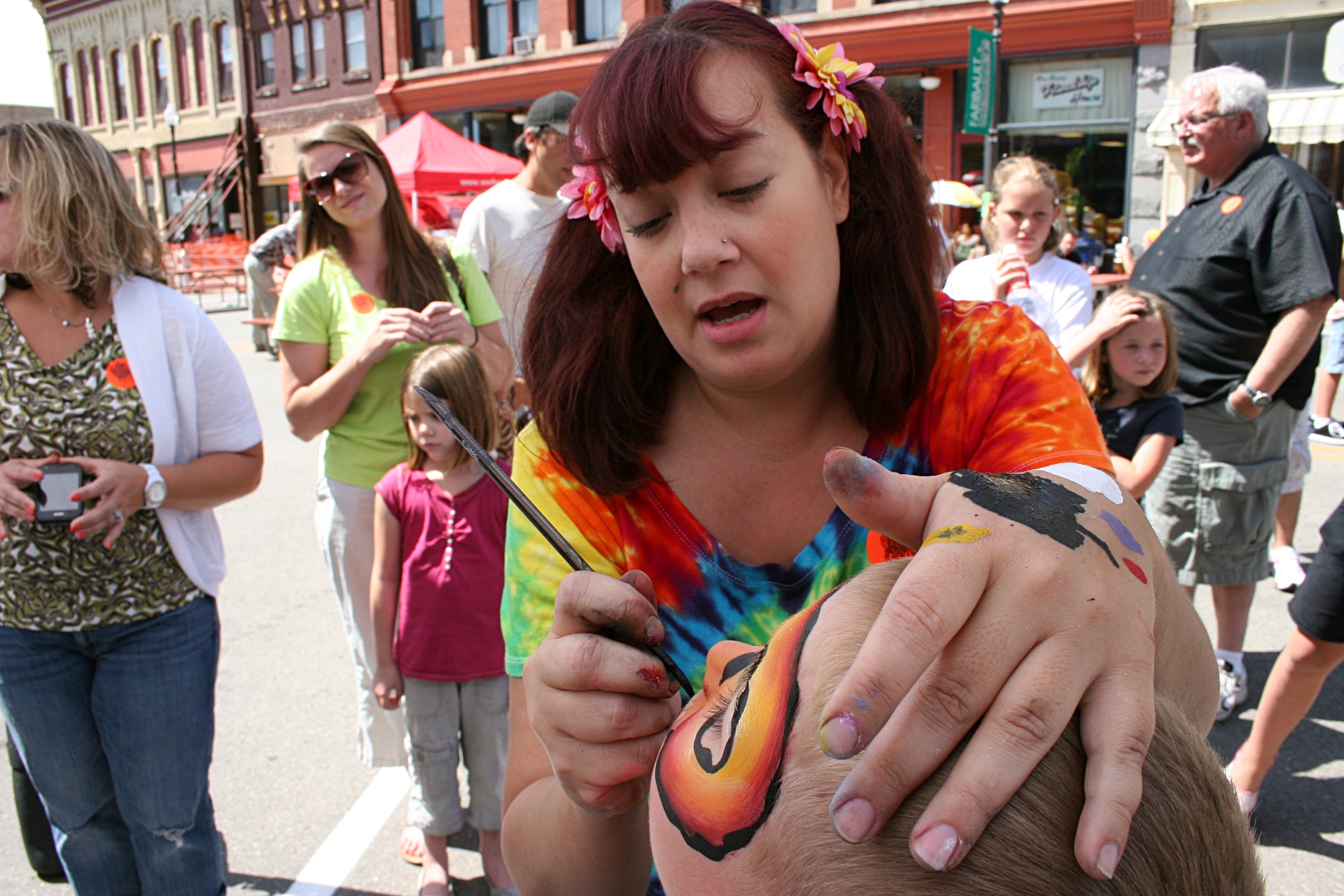
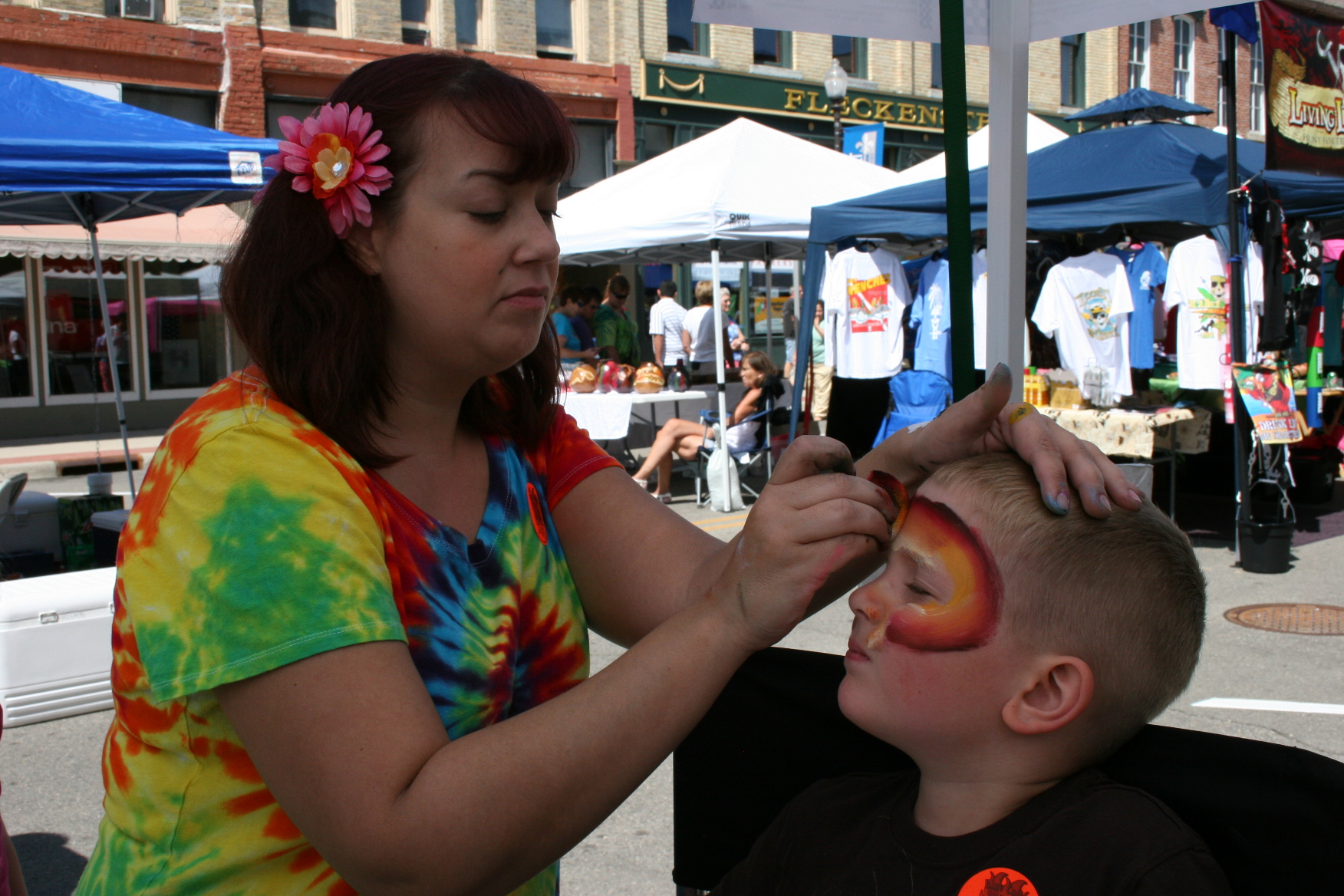
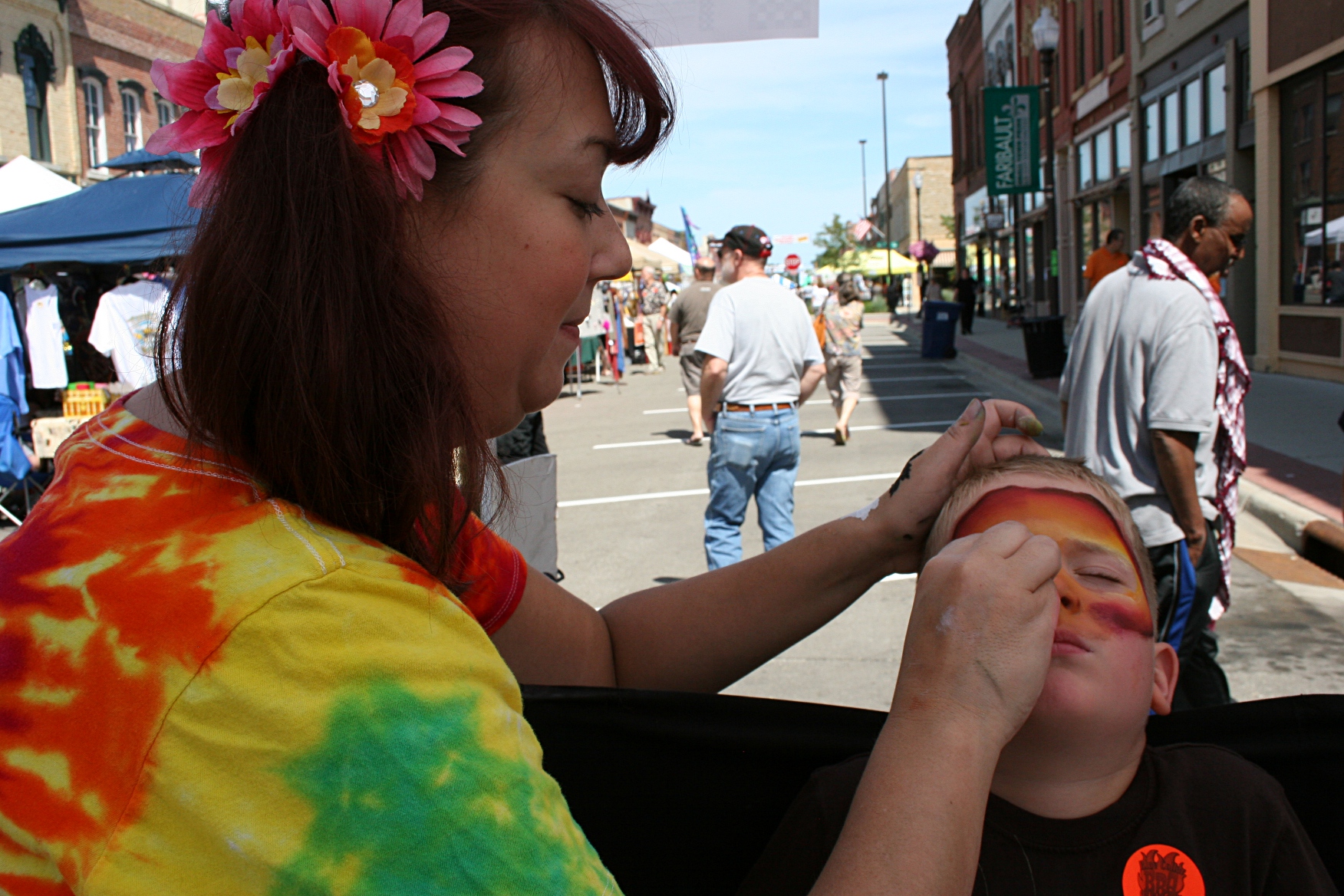
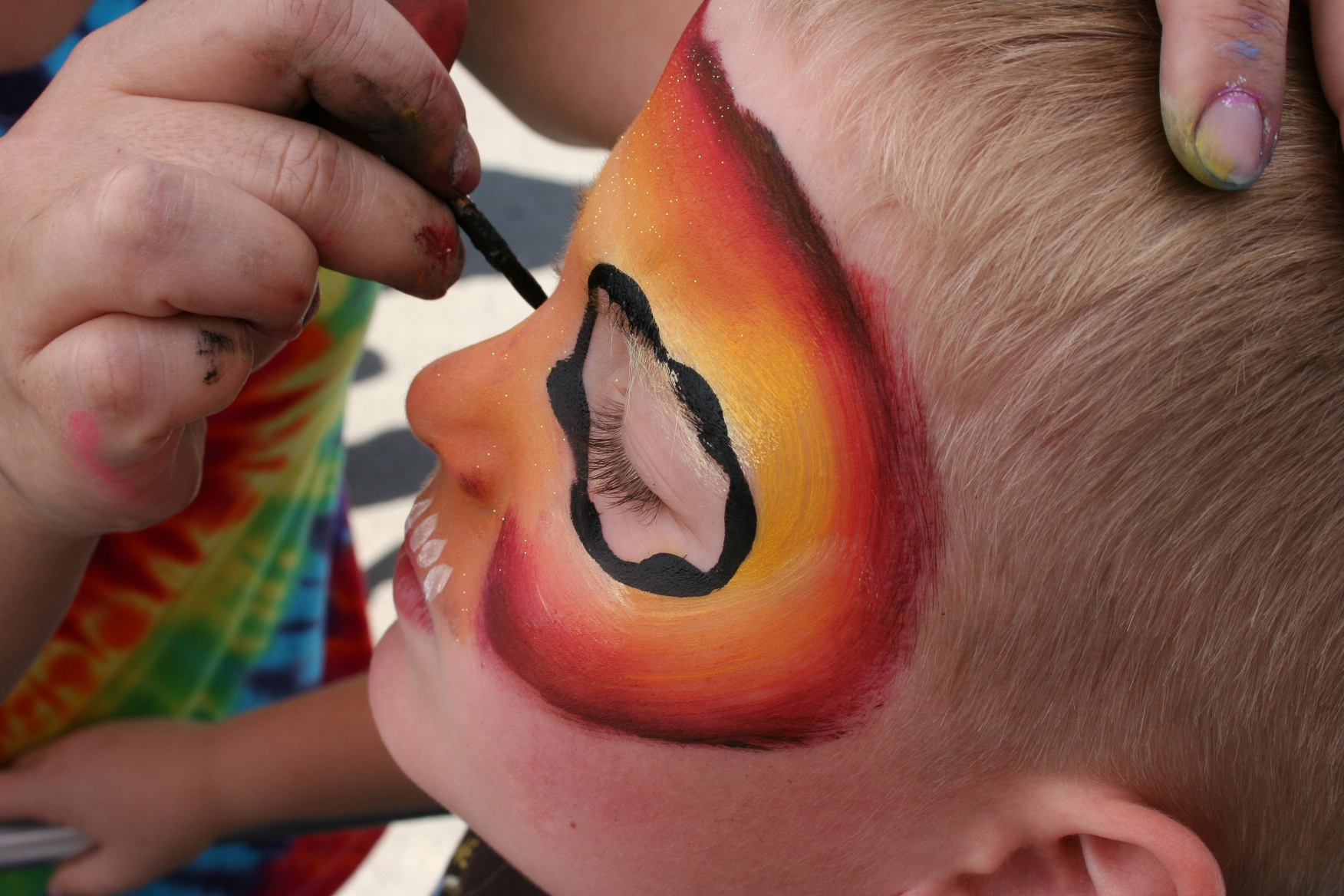
Jodi Gustafson of Big Shoe Entertainment begins transforming young Owen’s face into a Ghost Rider’s skull mask at the recent Blue Collar BBQ & Arts Fest in Faribault.

IMAGINING 37-YEAR-OLD JODI GUSTAFSON—also known as Lollipop the Clown, Jenius Strangeways or the proprietor of Big Shoe Entertainment and Jodelle’s Finery—as a once shy teen weaving down the hallways of Richfield and Coon Rapids high schools seems an impossibility.

But this vivacious and confident small business owner, whom I met at the recent Blue Collar BBQ & Arts Fest in Faribault where she was transforming faces through her stunning full face painting, reveals an adolescent timidness that contradicts her very public professions.

“I hated being shy,” said Gustafson, who recalls turning red if anyone so much as said “hi” to her. Determined to overcome that shyness, she eventually, and purposefully, chose a job with the United Way which involved public speaking.

“I knew I would never change if I didn’t get out of my comfort zone.”

That decision proved pivotal for Gustafson when a company wanted a carnival theme for its campaign but couldn’t afford to hire a clown. Gustafson volunteered, thinking clowning couldn’t be all that difficult. She was wrong, but continued anyway with the clowning which led to painting cheek art and then, with the encouragement of Cindy Trusty of Cindy’s Creative Celebrations, to full face painting and finally the official formation of Big Shoe Entertainment in the early 2000s.

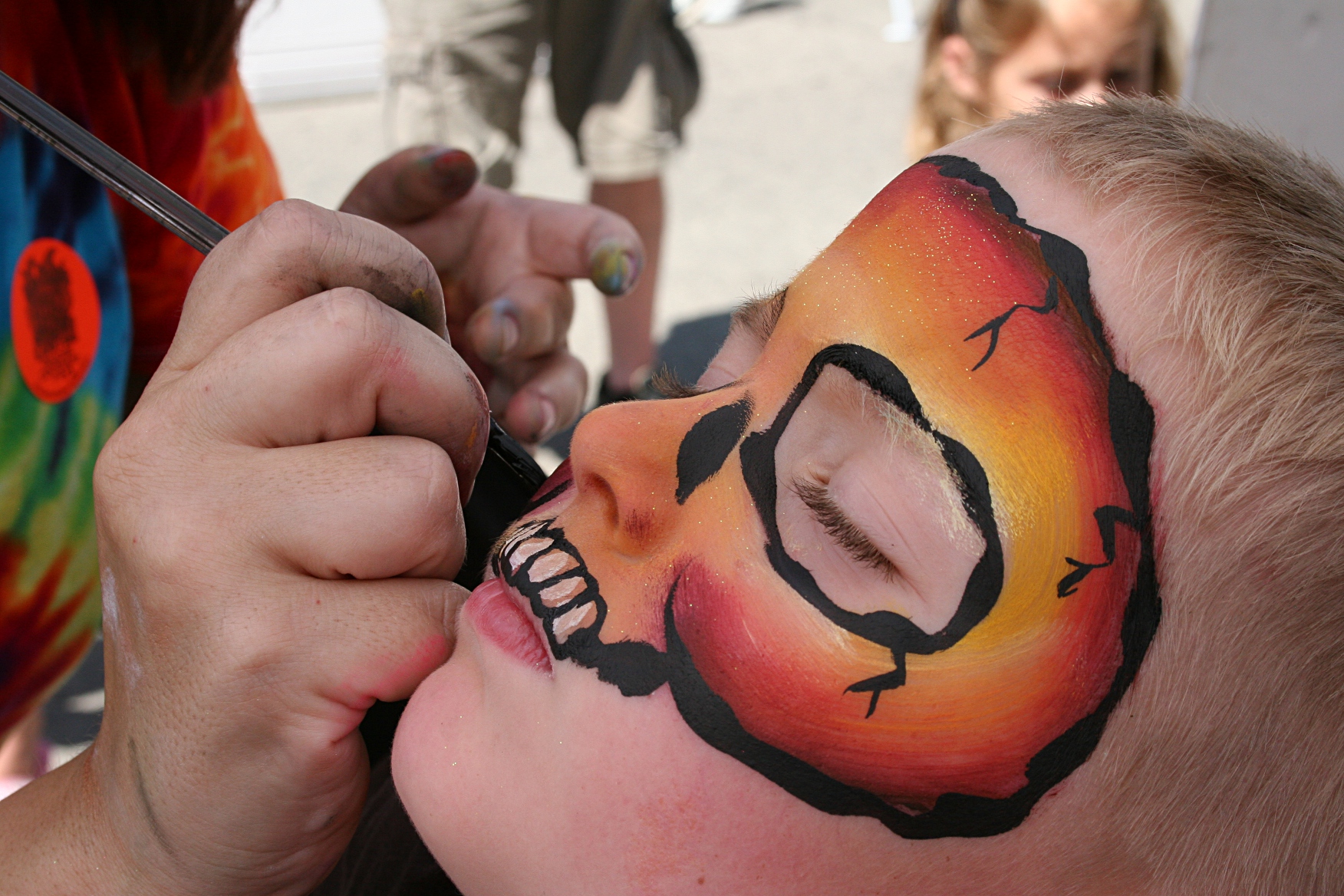
Owen’s half-mask skull evolves under Gustafson’s skillful hands. She contracts her work for community and private events (such as birthday parties) and with corporations (such as for company picnics).

Today this mother of three (ages three to 17) operates two successful small businesses from her Bloomington home. Big Shoe Entertainment, encompassing clowning, balloon twisting, airbrushed and glitter tattoos, henna and crazy hair, but primarily full face painting, keeps her crazy busy, especially during the summer, with gigs throughout Minnesota, Iowa and Wisconsin. The pace slows during the other seasons.

An assortment of the make-up, all with FDA-approved ingredients and meant to be used on the body and face, which Gustafson uses for face painting.

In anywhere from one to five minutes Gustafson, with brushes and make-up pads and an array of colorful make-up, can transform a face into a work of art. She’s morphed five billion faces, she exaggerates, into butterflies, and also creates lots of flowers and princesses, and masks such as skull, dragon and Mardi Gras.

She especially enjoys painting “gore” faces, but seldom has the opportunity.

Owen sits perfectly still as Gustafson paints. Some kids squirm or won’t close their eyes, meaning she sometimes needs to adjust her work to eliminate painting around the eyes or needs to explain step by step what she is doing. Typically, Gustafson doesn’t talk while painting faces.

She’s always learning—from videos, books, classes and practice. That practice includes painting designs all over her arms and legs while relaxing at home in front of the television. Gustafson puts her own spin on existing patterns via color choices and painting style, defining her work as her own in a profession that’s becoming more saturated. Yet, most are not at her level of expertise, she says, in an honest, but not boastful, way.

Gustafson works with two agents and occasionally hires independent contractors to assist at events where she can’t handle the volume solo. She’s picky, though, and chooses only the best artists.

American Family Insurance of Faribault sponsored free full face painting by Gustafson at the recent Blue Collar BBQ & Arts Fest. Lines were long. Gustafson painted for five hours, averaging 20 – 25 faces per hour. If she returns next year, she’ll bring another painter, she says, to shorten those lines.

All of this is interesting given Gustafson early on was intimidated by full face painting. Clearly she’s not anymore as she works with the swiftness and assurance of a skilled artist. She always had an interest in art, she says, but not the confidence. She took art classes in high school and moved on to painting still lifes in acrylic on canvas, something she has no time for now.

Besides mothering and operating Big Shoe Entertainment, Gustafson also owns Jodelle’s Finery, specializing in Renaissance and Victorian “garb.” That’s her term, “garb,” referencing the durable period clothing she fashions, as opposed to “costumes,” for the Minnesota Renaissance Festival and steam punk events. (Steam punk fashion, since I didn’t know and perhaps you don’t either, is Victorian clothing with a technological, sci-fi twist.)

Even Jodelle’s Finery, in typical Gustafson fashion, has an interesting beginning. When pregnant with her middle child, Gustafson was feeling quite domestic and taught herself to sew. Her first project was a baby quilt. Today she’s advanced to sewing that garb for others and for her role as the street performer Jenius Strangeways at the Minnesota Renaissance Festival.

Yes, this once shy teen morphed into an actress too—role playing at the Renaissance and on the stages of community theaters in Faribault (where she lived until moving to Bloomington in June), Owatonna and Northfield.

“I don’t like to be still,” claims Gustafson, who before she took on the Renaissance acting gig two years ago, worked in shops at the Minnesota festival.

Owen’s skull face mask is almost done.

Yet, in the middle of all that public busyness of painting faces and clowning and acting, Gustafson says she still occasionally slips back in to the quiet, nervous and shy Jodi of years past. That happens, she explains, if she’s not role-playing and doesn’t know anyone at an event she’s working.

Mostly, though, she’s made a choice to get past her shyness, to be the strong and confident woman who paints faces, entertains and clothes entertainers via her two successful businesses.

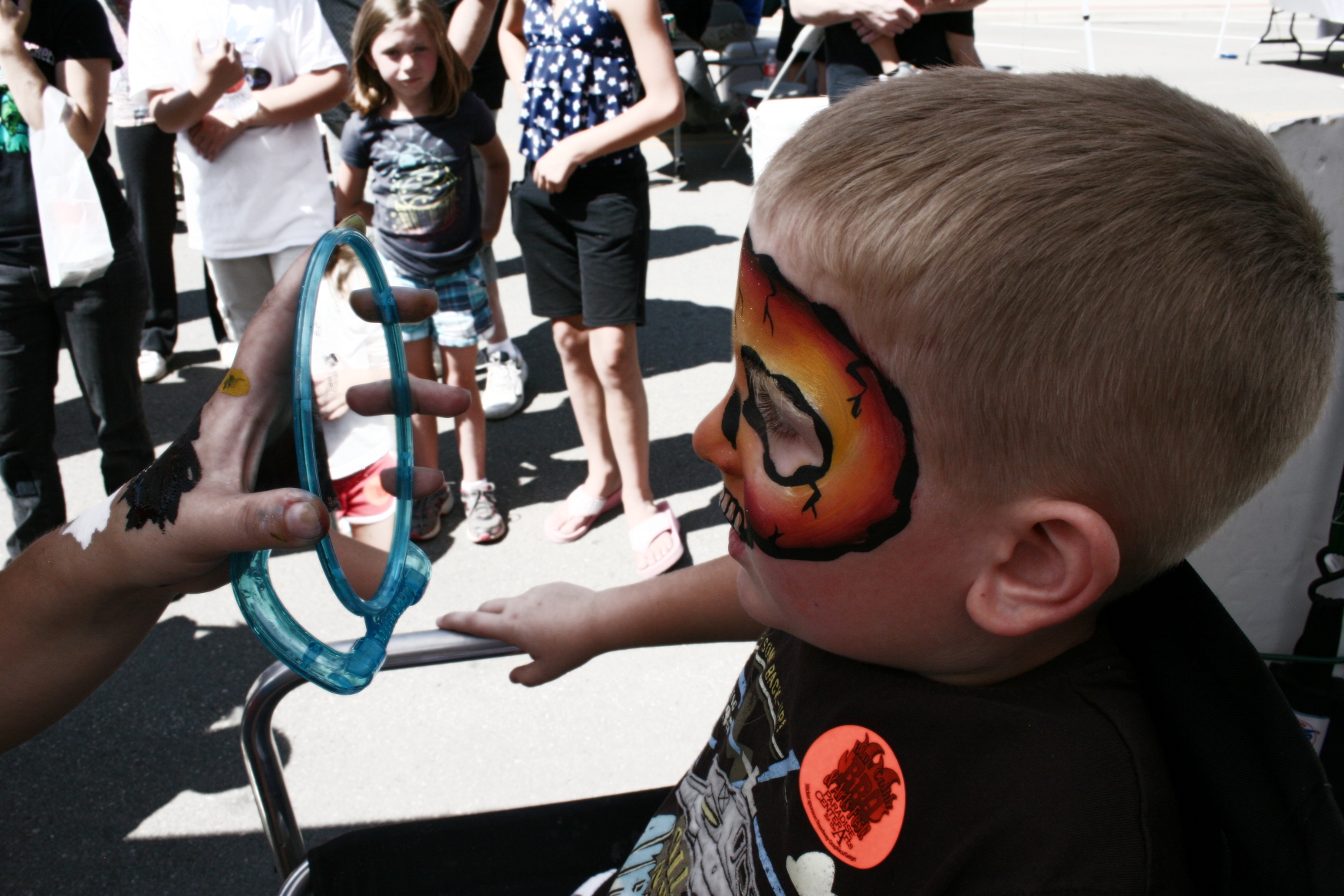
Owen opens his eyes for the great reveal.

FYI: Jodi Gustafson doesn’t have a website for Big Shoe Entertainment, so don’t bother trying to find one. You may contact her via email at gusjodi@gmail.com or call her at (952) 215-4544. You can also check out her Jodelle’s Finery Facebook page by clicking here.

I initially developed this post idea to showcase Gustafson’s full face painting because I was so impressed by her work. But when I interviewed her about a week later and learned how she overcame her shyness, that became the real story. I hope you will be inspired, as I am, by Gustafson’s determination to overcome an obstacle, change and pursue her passions in life as her professions.

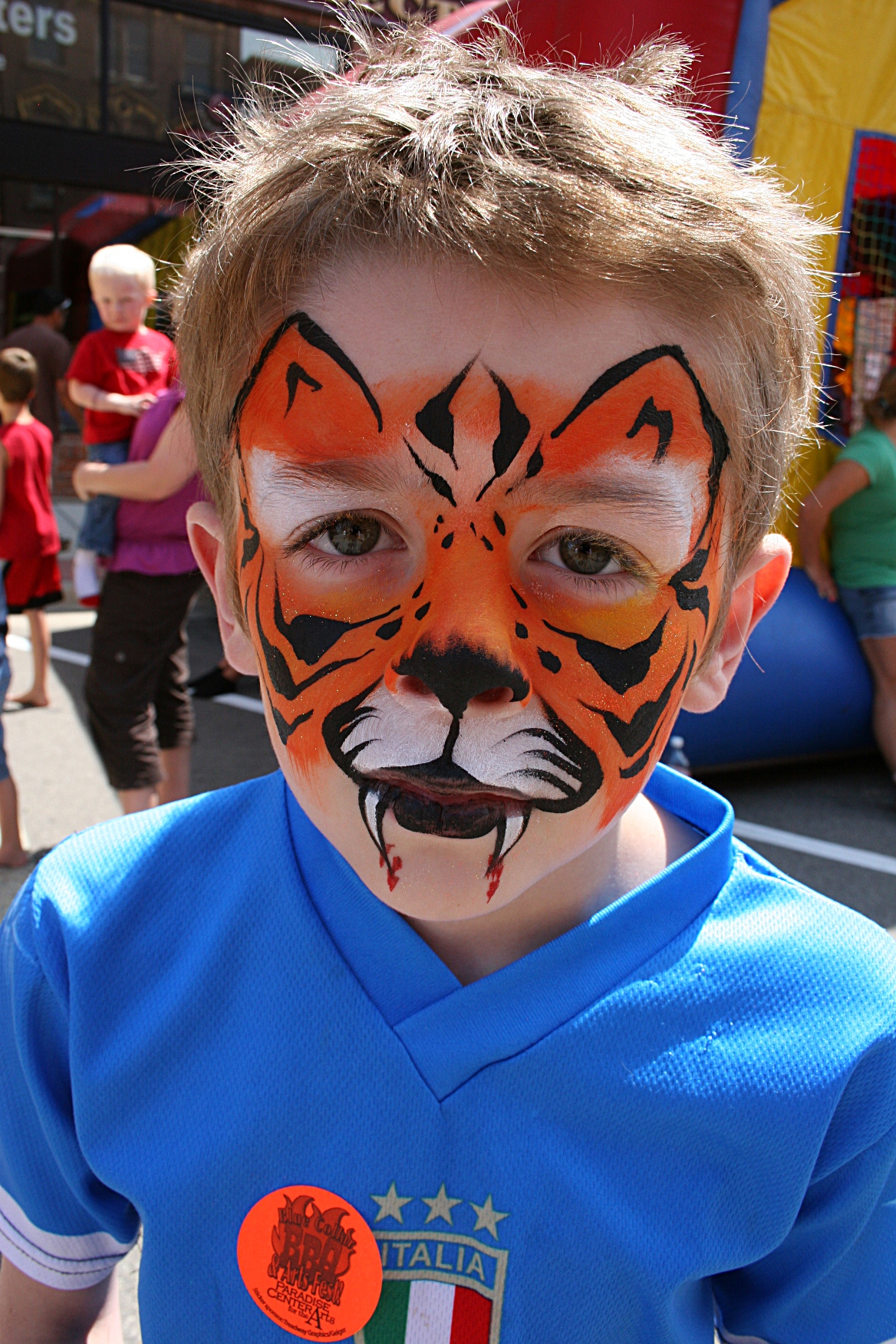
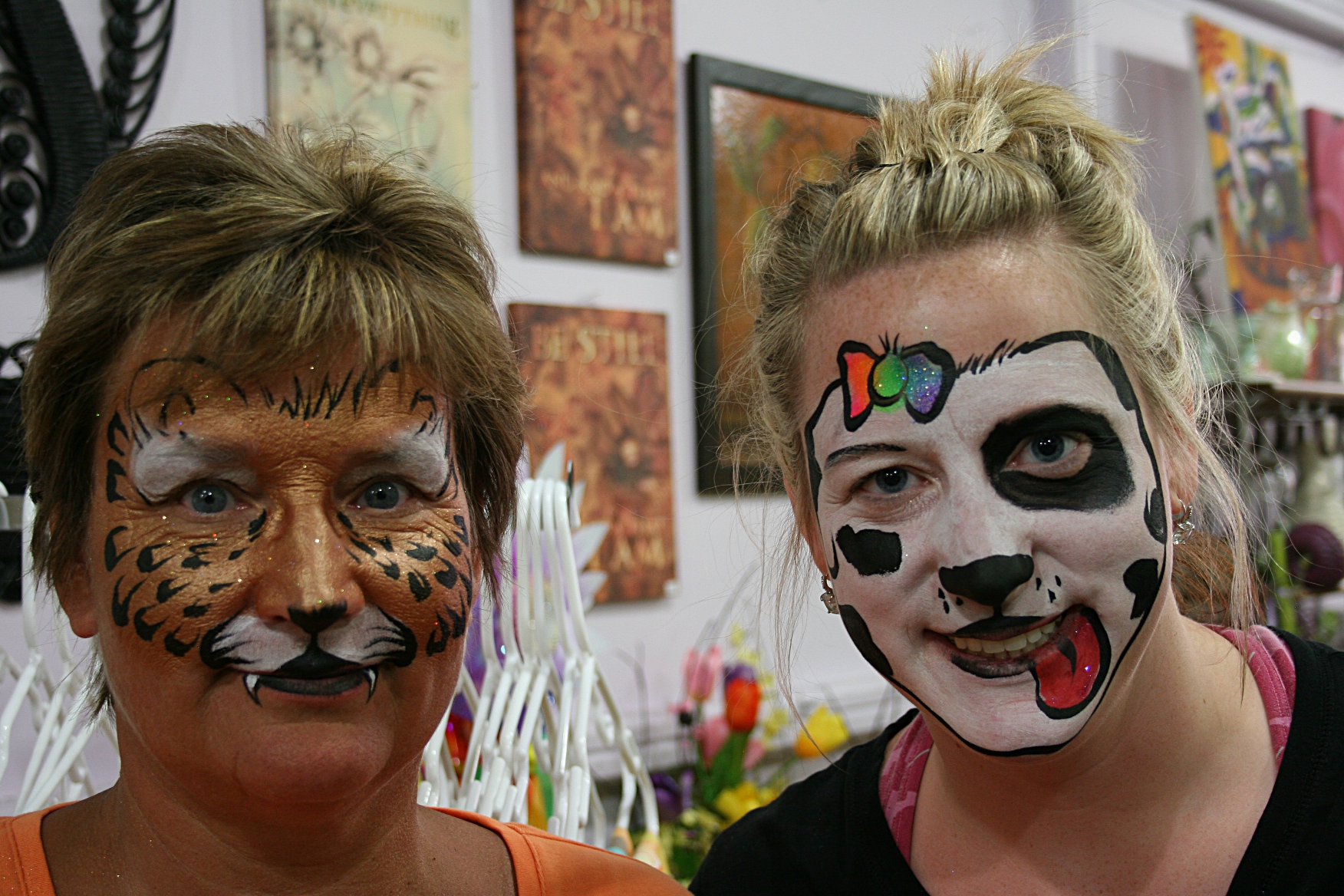
Gustafson transformed Isaac into a tiger at the Faribault festival.

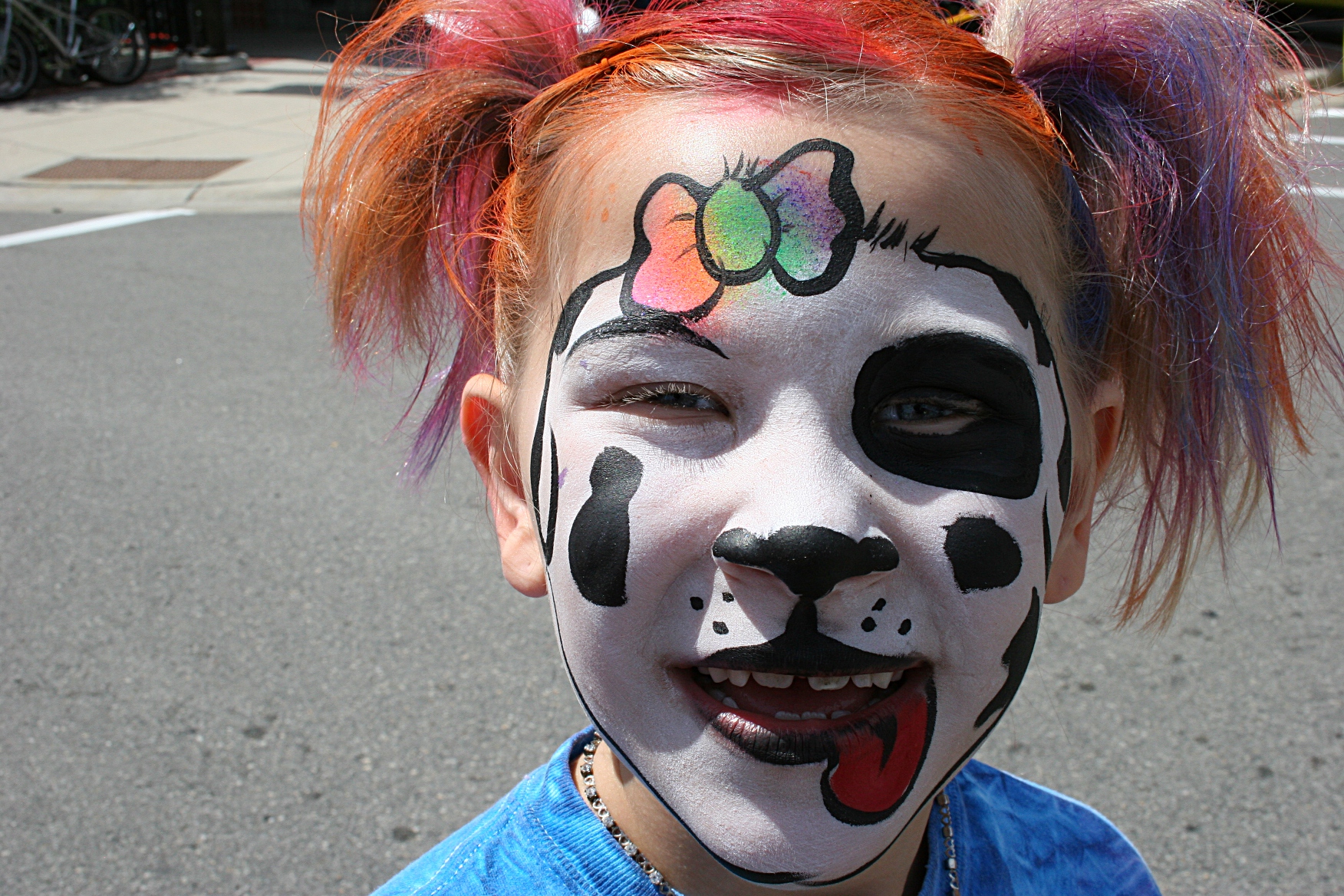
Isabella, 7, of Faribault, became a dalmatian under Gustafson’s crafting. Butterflies and dalmatians proved the most popular paintings chosen by attendees at the Faribault fest.

© Copyright 2012 Audrey Kletscher Helbling


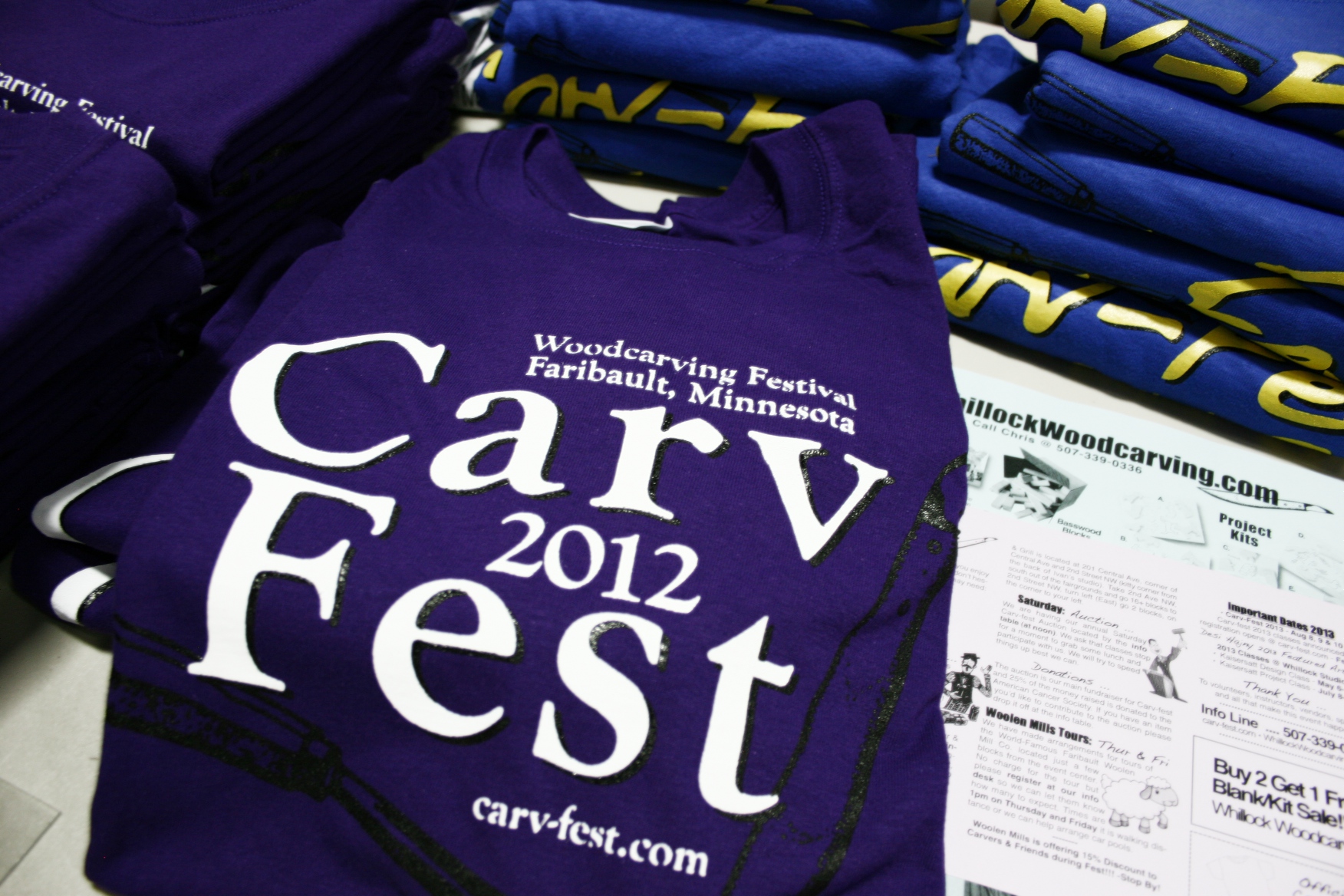
Carv-Fest brings together novices to pros in Faribault August 13, 2012

I WONDER WHAT THE ODDS ARE, that a community of some 22,000 would be home to two internationally-known, award-winning woodcarvers.

That would be Faribault. And they would be Marvin Kaisersatt and Ivan Whillock.

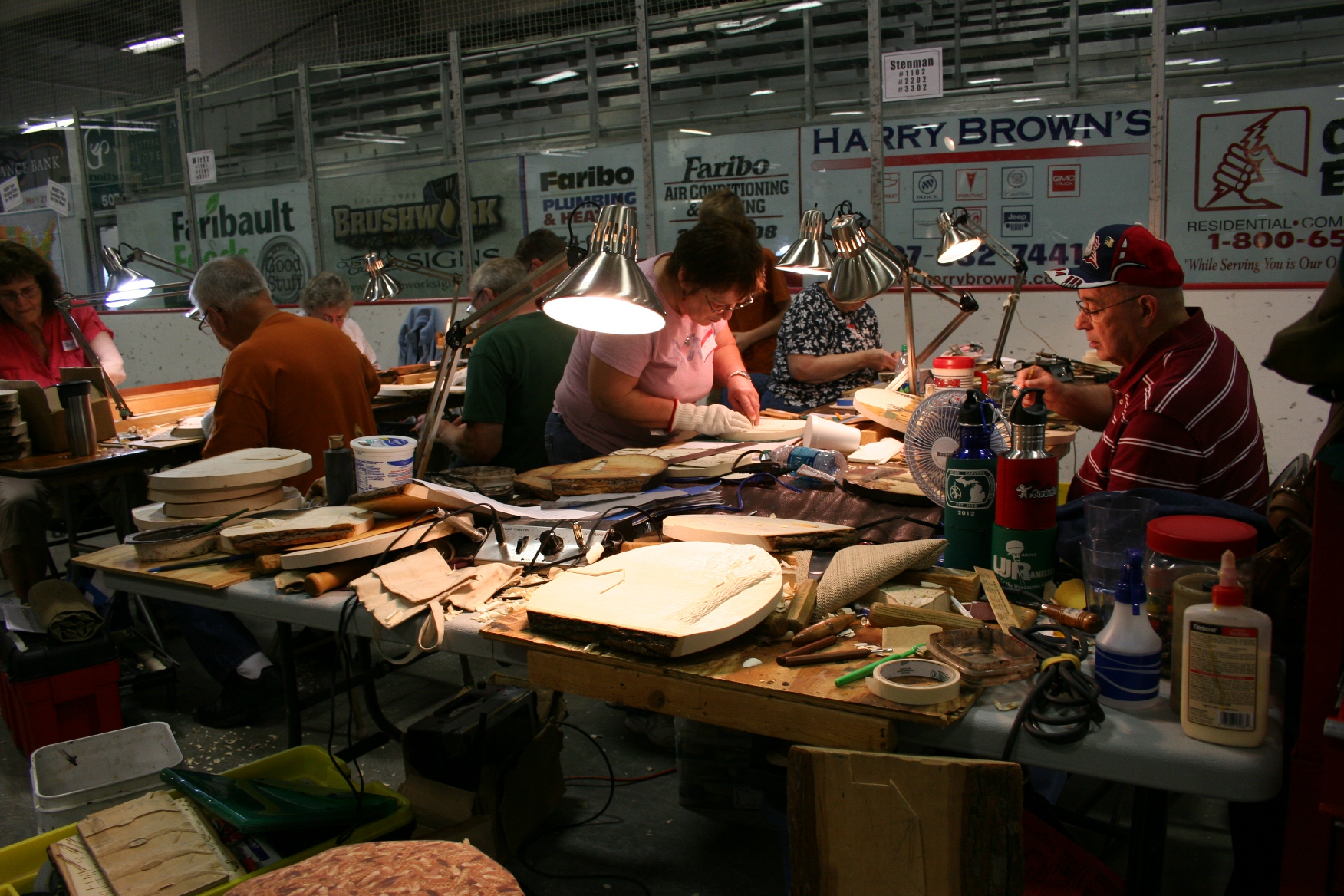
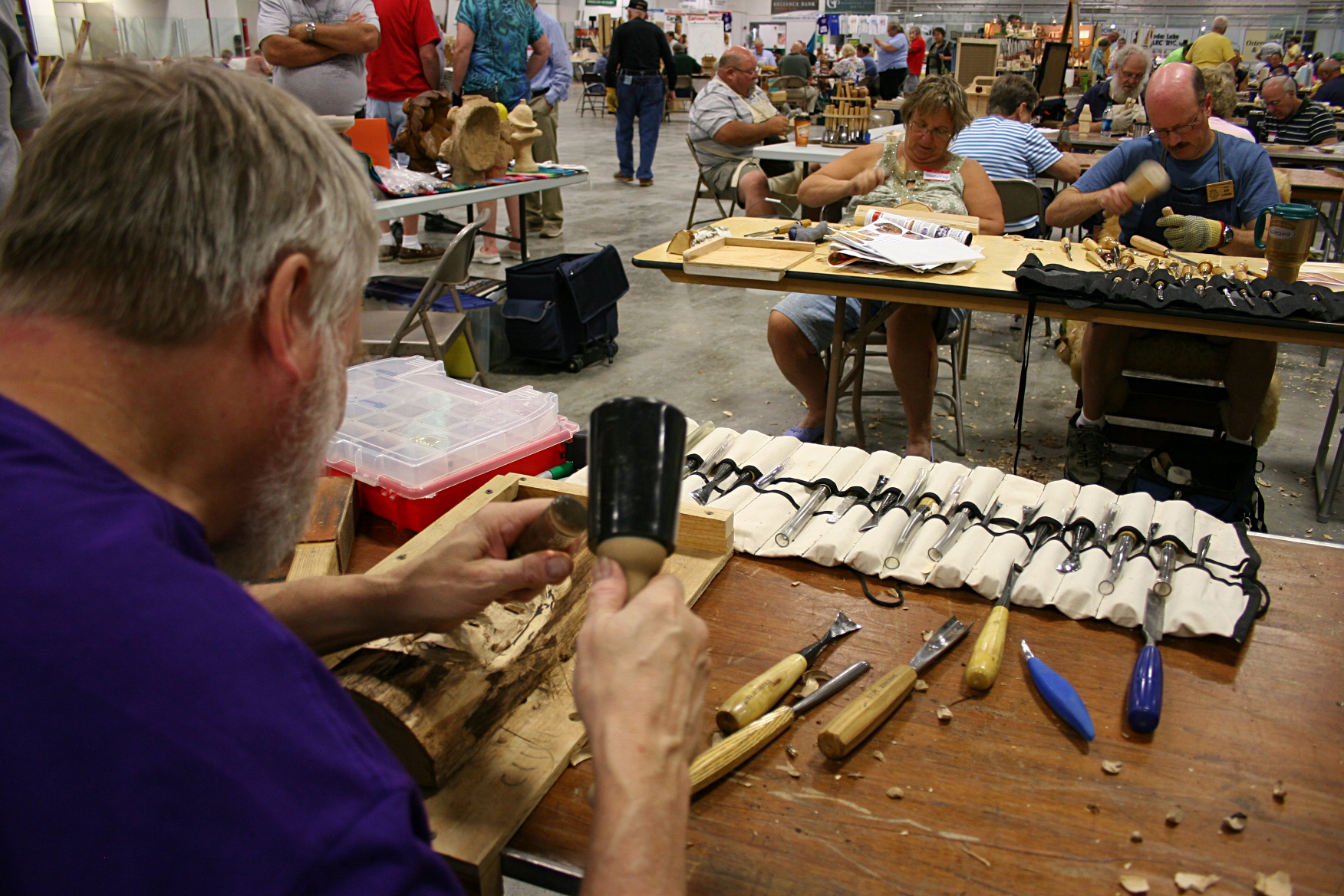
Woodcarvers, from novice to pros, participated in Carv-Fest 2012. Here are students and instructors in a Saturday morning session.

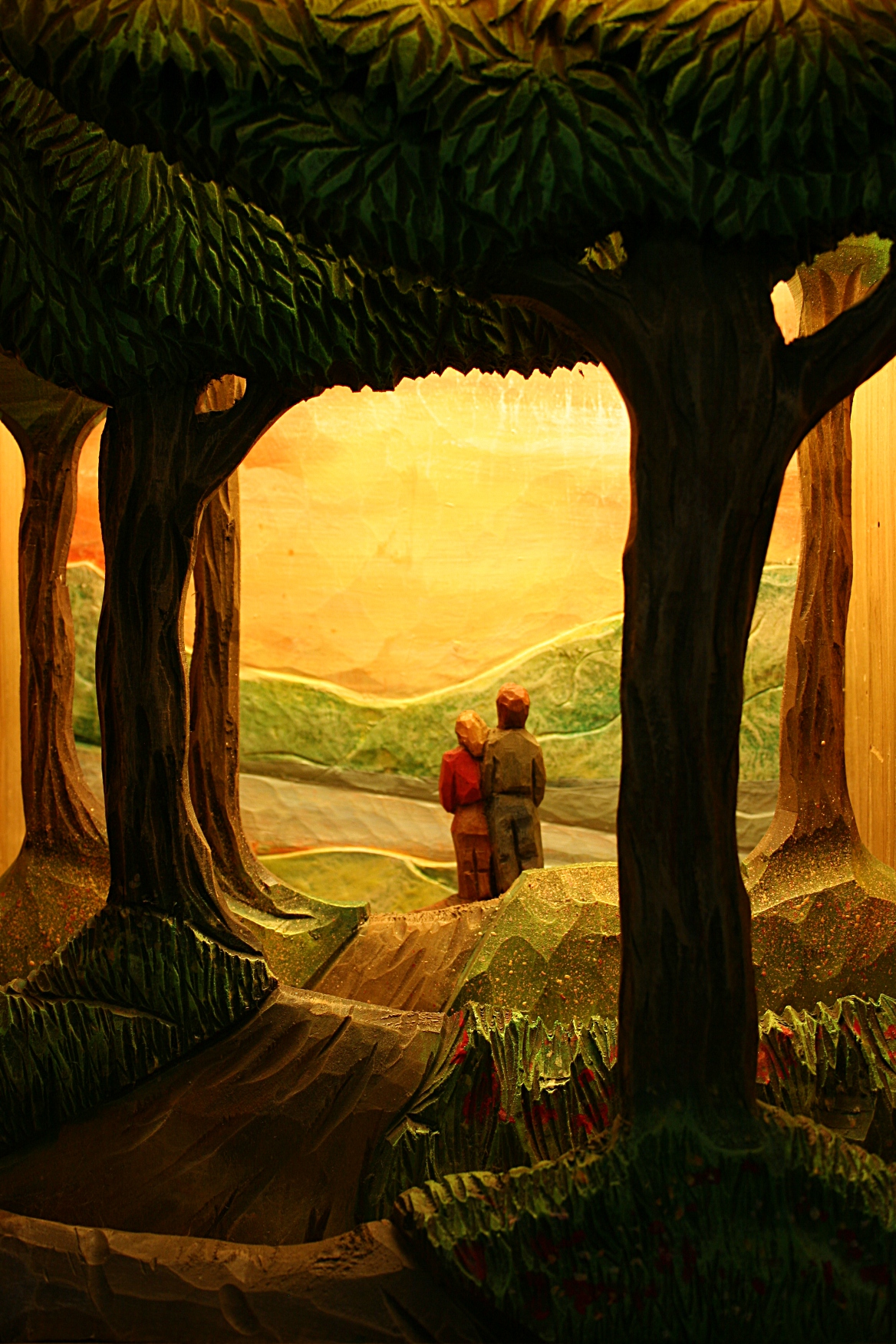
The carvings of these two gifted Minnesota artists, and gifted doesn’t even seem to begin to fit their talent, were among art displayed at the August 9 – 11 Carv-Fest 2012 which drew woodcarvers, from beginners to seasoned carvers, to Faribault.

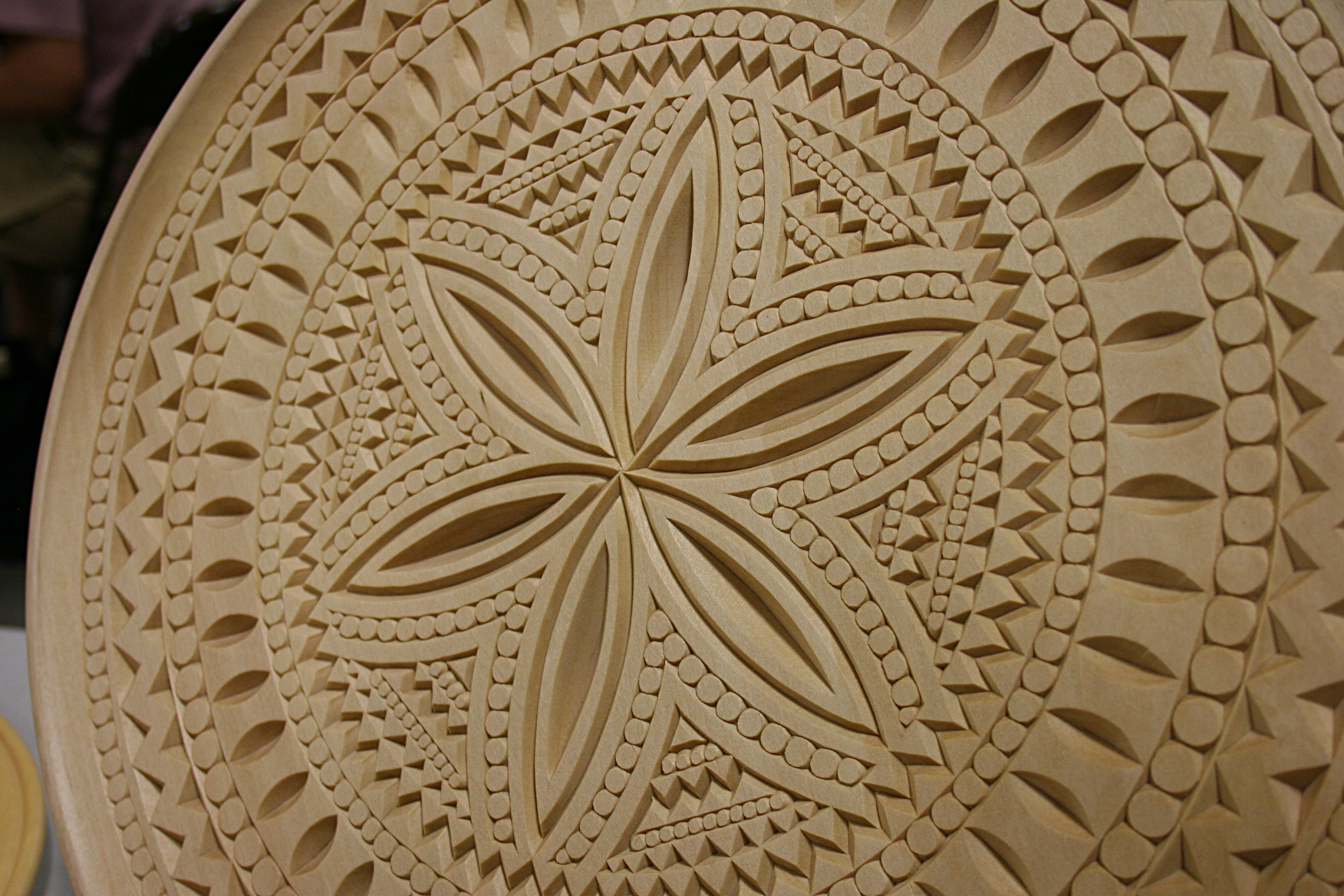
The intricate chip carving of Marty Leenhouts of Garden City, Minnesota.

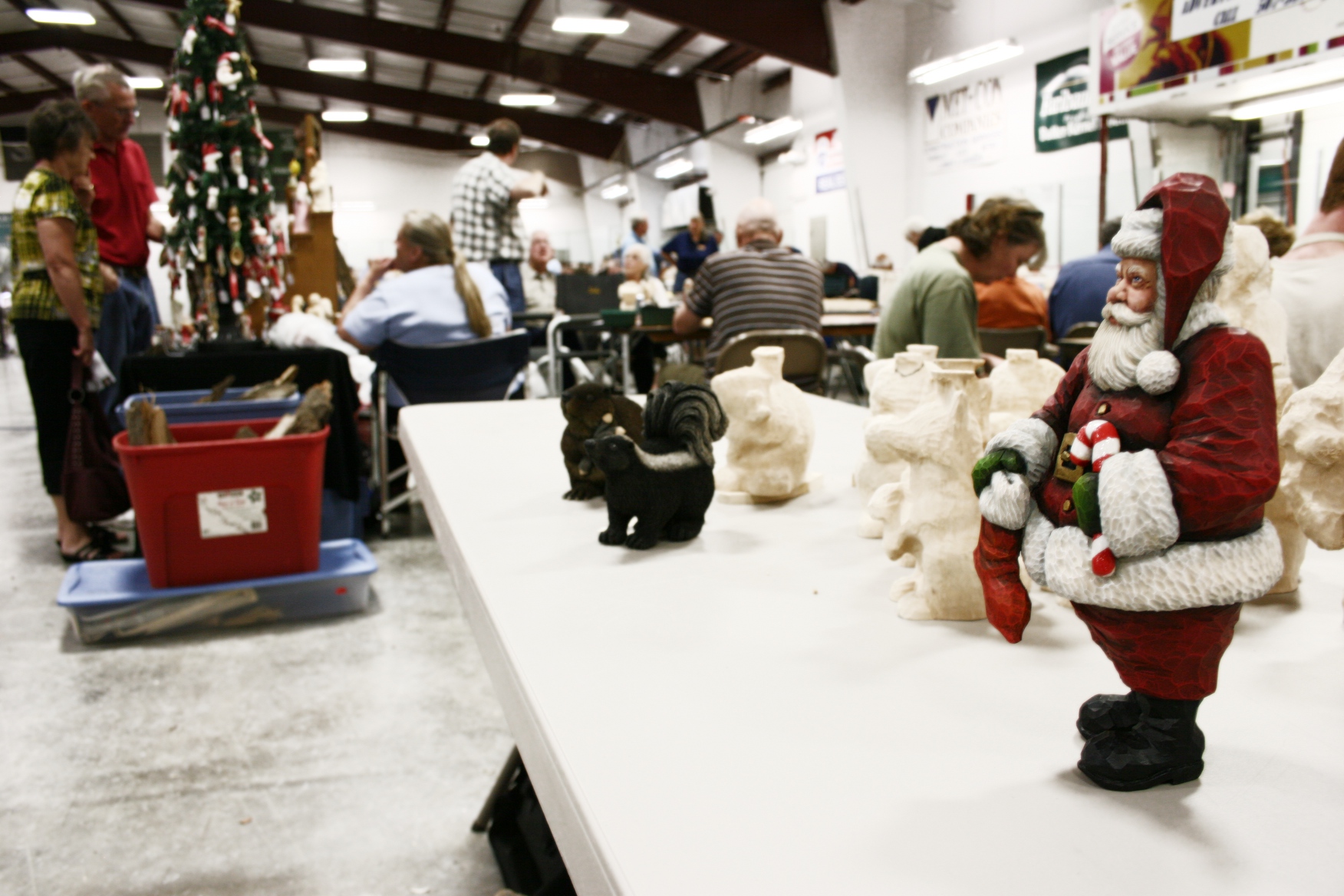
It may be summer, but Santa showed up in a woodcarving and classes at the festival.

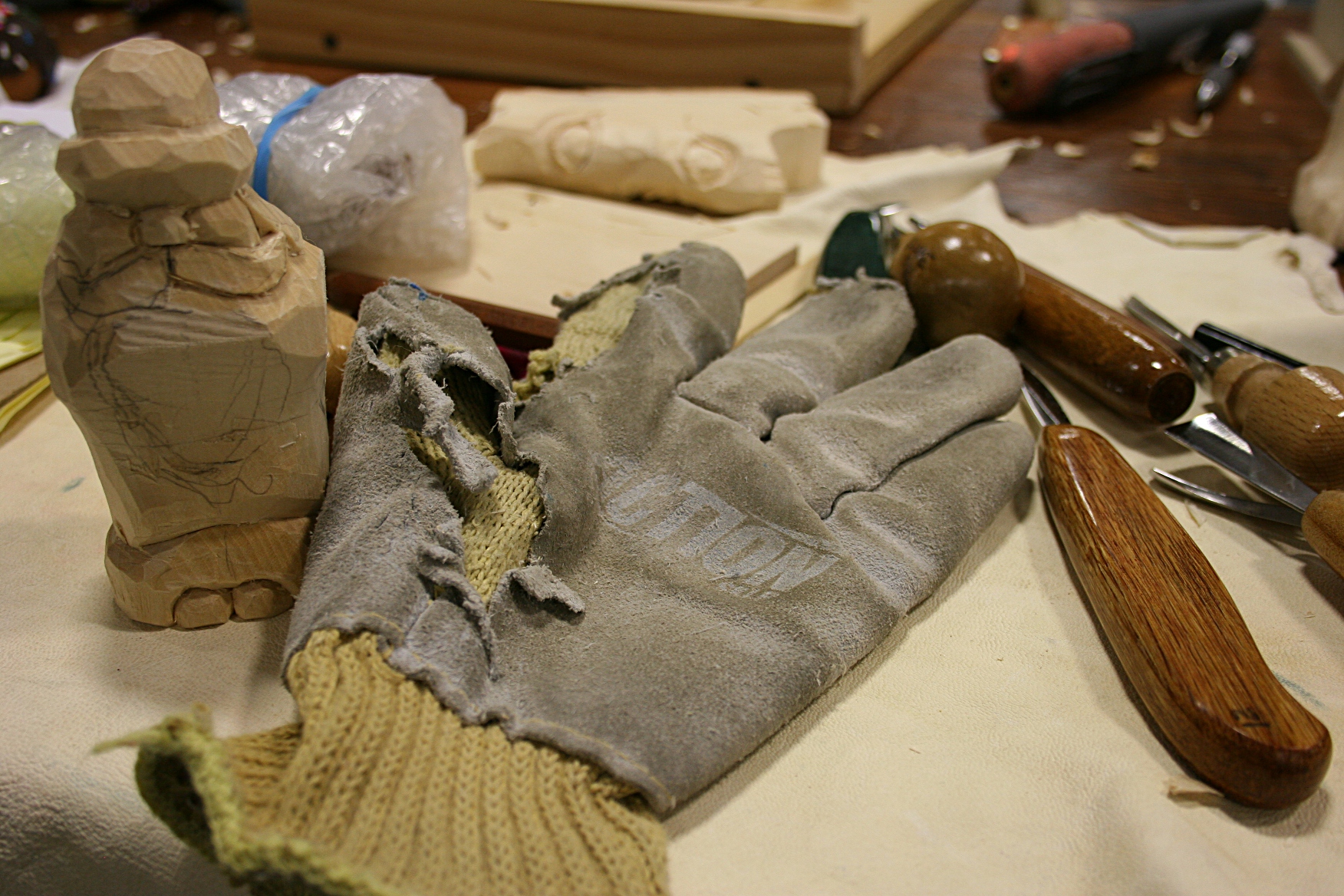
Imagine if this had been a hand instead of a glove…

I roamed the fest on Saturday, seriously impressed by the intent concentration of the attending woodcarvers, the intricacies of the carvings, the variety of art created and the fearlessness in putting sharp tools to wood. No wonder they wear gloves.

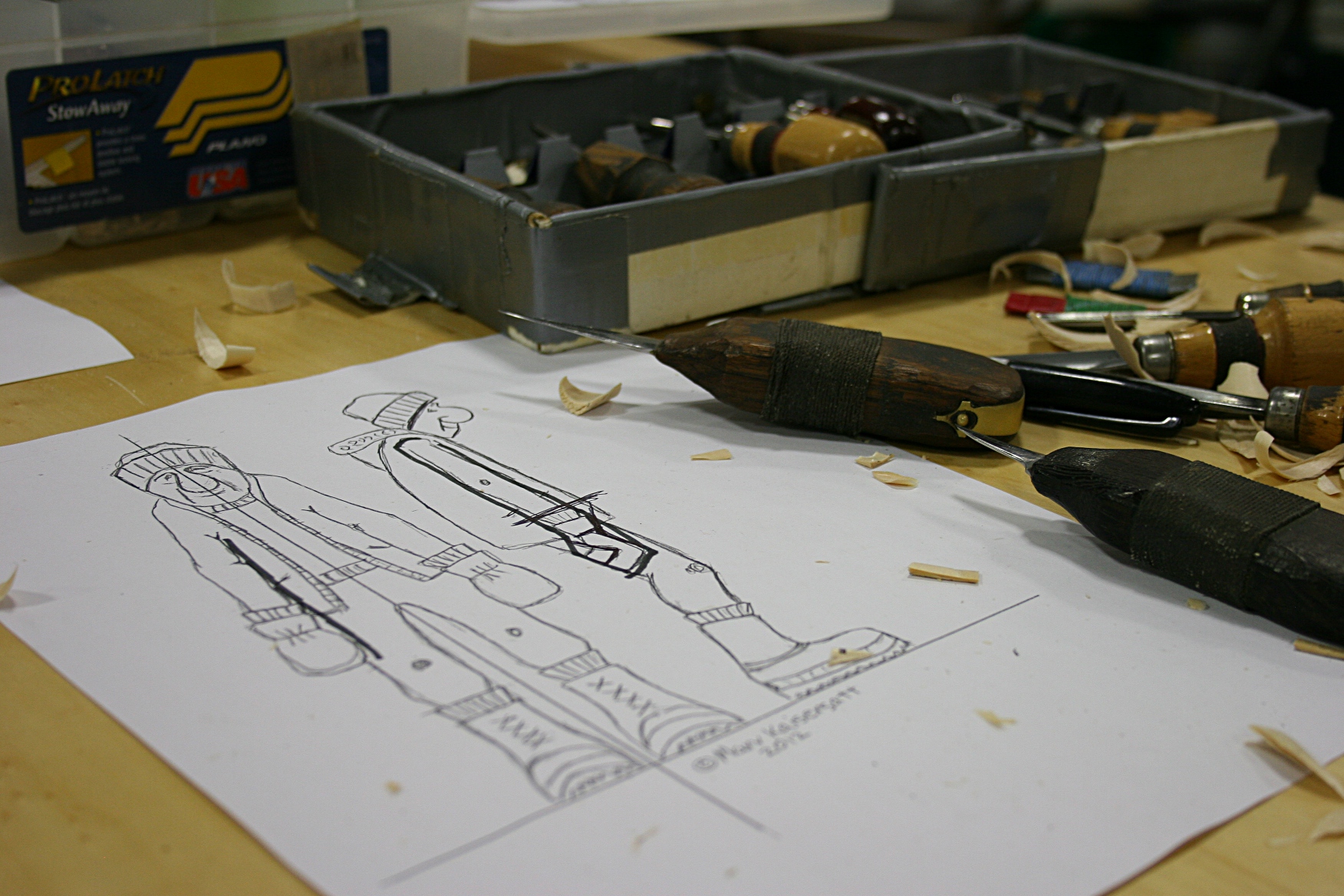
Marv Kaisersatt sketched out the character he was teaching his students to carve on Saturday.

I didn’t know any of the carvers, except Marv, whom I interviewed in 2009 for a short magazine article which certainly should have been much longer had space allowed. He impressed me then for the simple life he lives in an upstairs apartment in downtown Faribault, carving caricatures. I can’t even describe talent of his level. But I can describe a man who is humble and funny, engaging and content with the creative process of sketching, shaping clay models and carving.

This retired math teacher also impressed me in that interview with the fact that he doesn’t sell his woodcarvings, choosing instead to occasionally donate his caricatures, carved from blocks of basswood, to nonprofit fundraisers.

Marv Kaisersatt assists a student in his class.

On Saturday, Marv circulated among his students, advising them on carving a Minnesotan (I presume) dressed for winter in stocking cap and chopper mittens, oversized boots weighing down his feet.

Marv gave me a polite nod and then it was all business teaching the students lucky enough to learn under his guidance.

A snippet of Ivan Whillock’s incredible, detailed and realistic carving.

Whillock, whose woodcarvings are the polar opposite of Marv’s work, wasn’t teaching. But given his woodcarving family organizes Carv-Fest, I expect he had more than enough to keep him busy. He carves religious and secular sculptures and reliefs, works of art that grace places like churches (including mine, Trinity Lutheran) and libraries (including Buckham Memorial Library in Faribault).

Whillock and his family are the key organizers of Carv-Fest which draws woodcarvers from all over.

A stunning, three-dimensional carving by Ivan Whillock.

Both men teach at Ivan Whillock Studio. They’ve written books and created patterns and developed an appreciative following of admirers across the world.

And if you saw their work, you would understand why they are so beloved among woodcarvers and those of us who wouldn’t dare pick up a knife for fear of slicing away a fingertip.

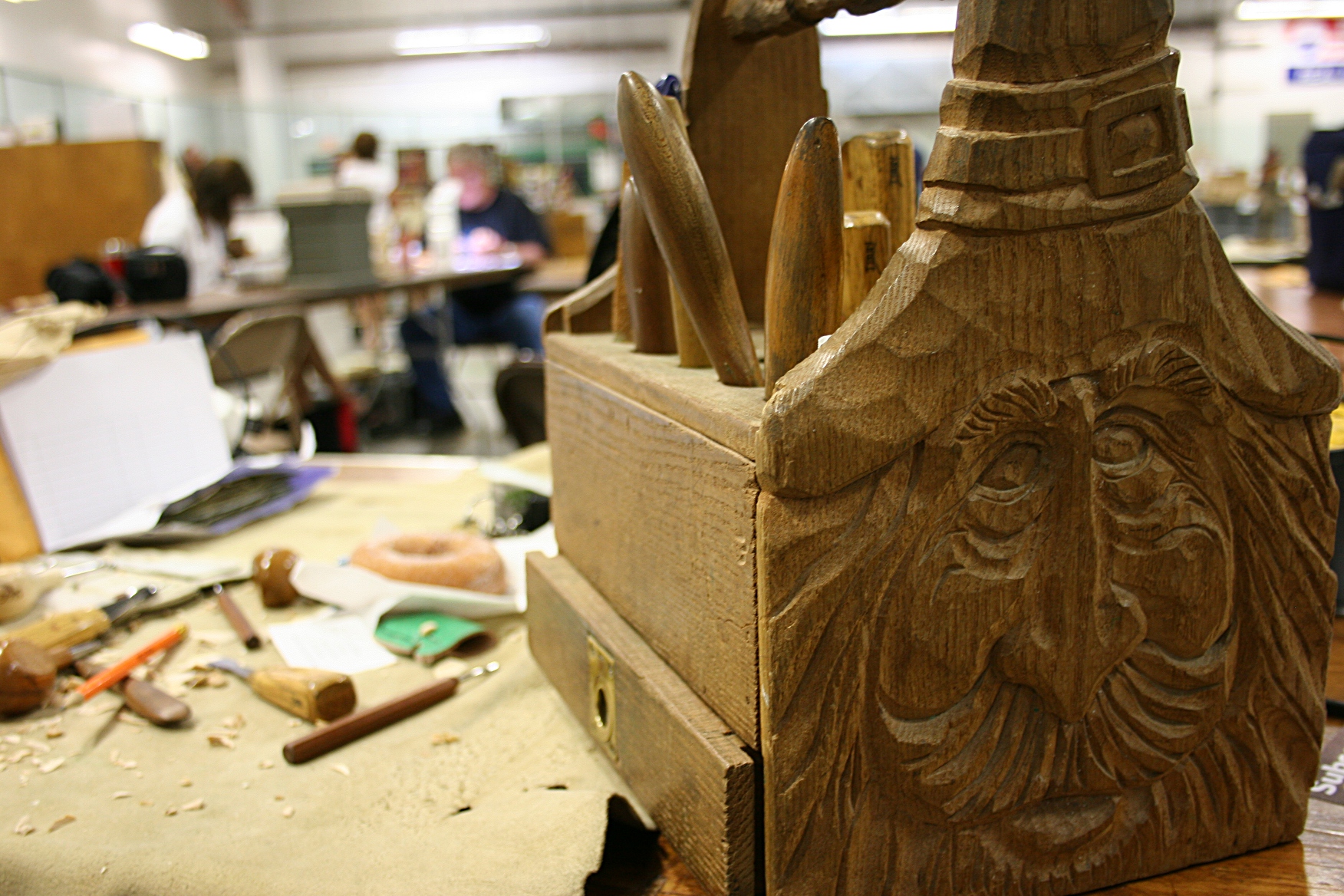
A carver brought his handcarved toolbox to a class on Saturday morning.

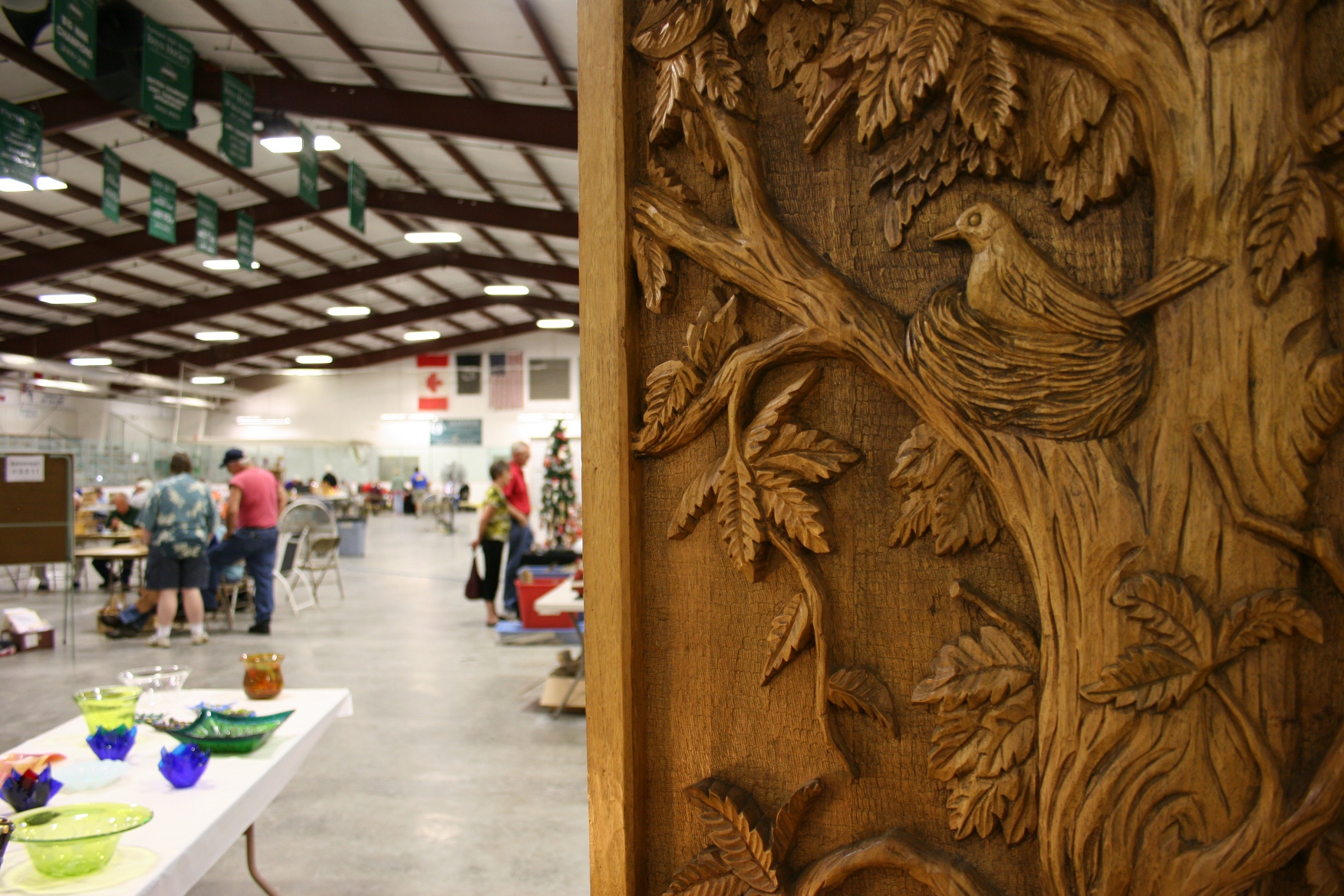
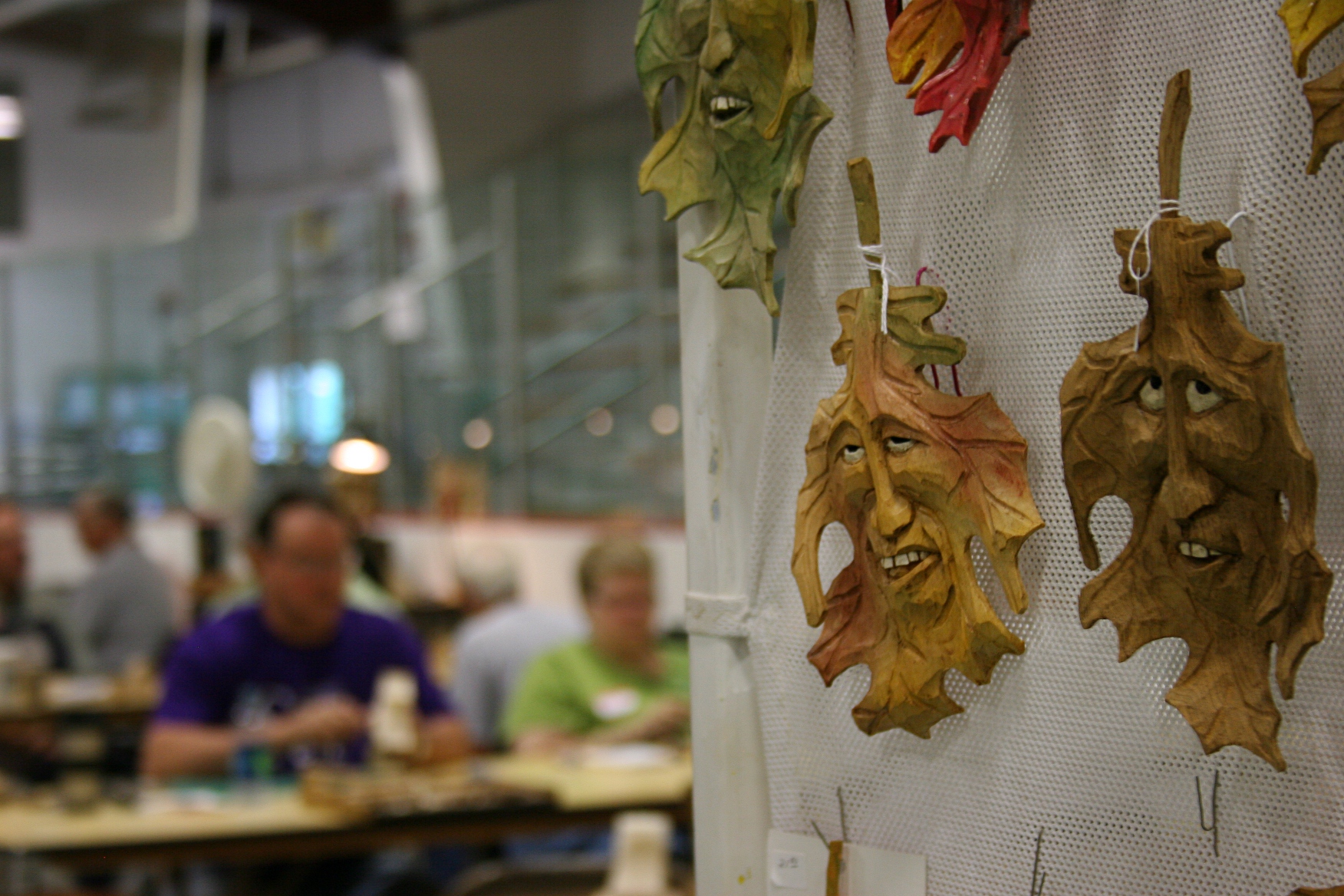
Just another example of the woodcarvings on display during the festival.

These students were hammering and chiseling away during a class, making quite a racket in the ice arena/fest site.

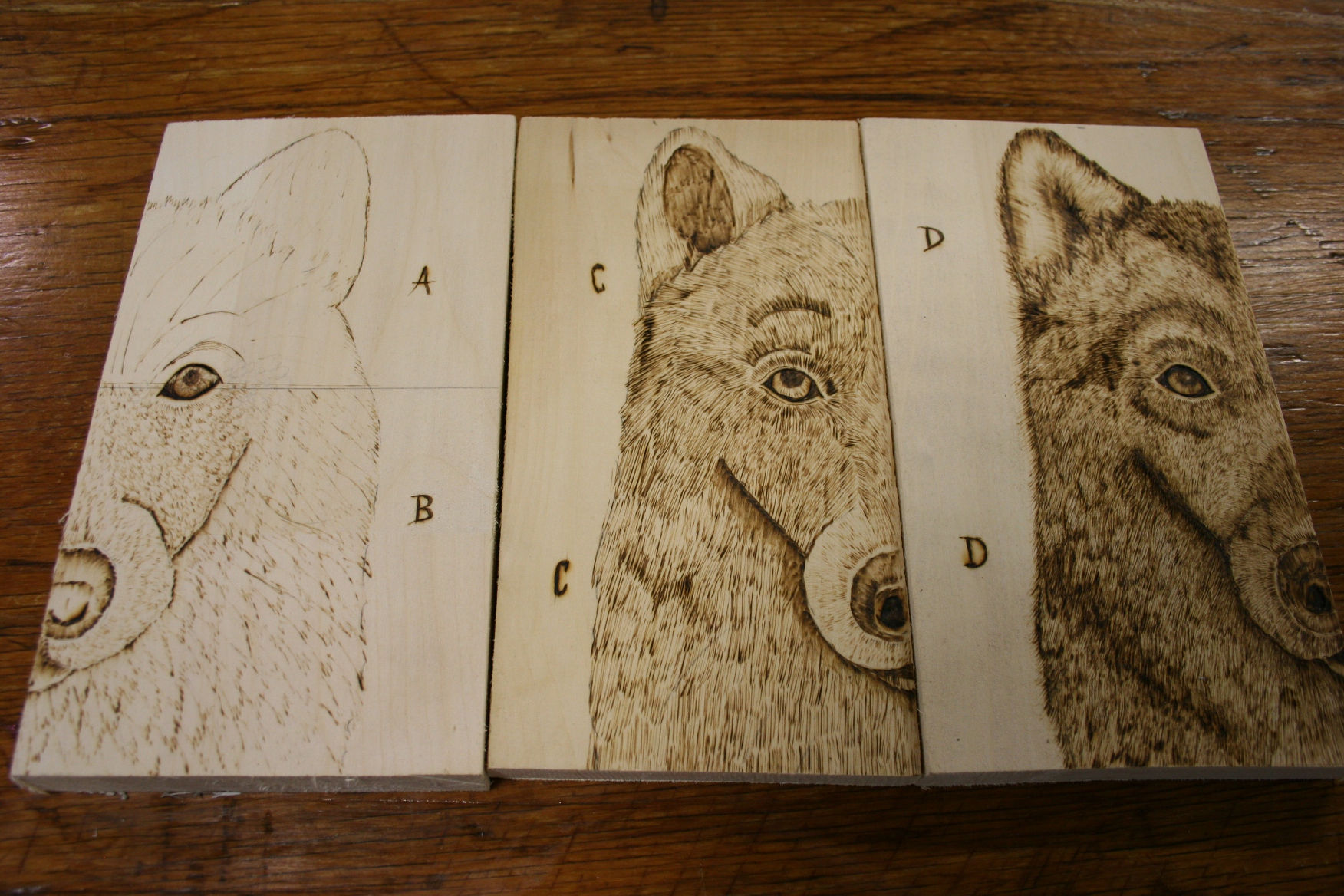
The step-by-step process to woodburn a wolf as taught by Nancy Dardis of  Dardis Designs, Bloomington.

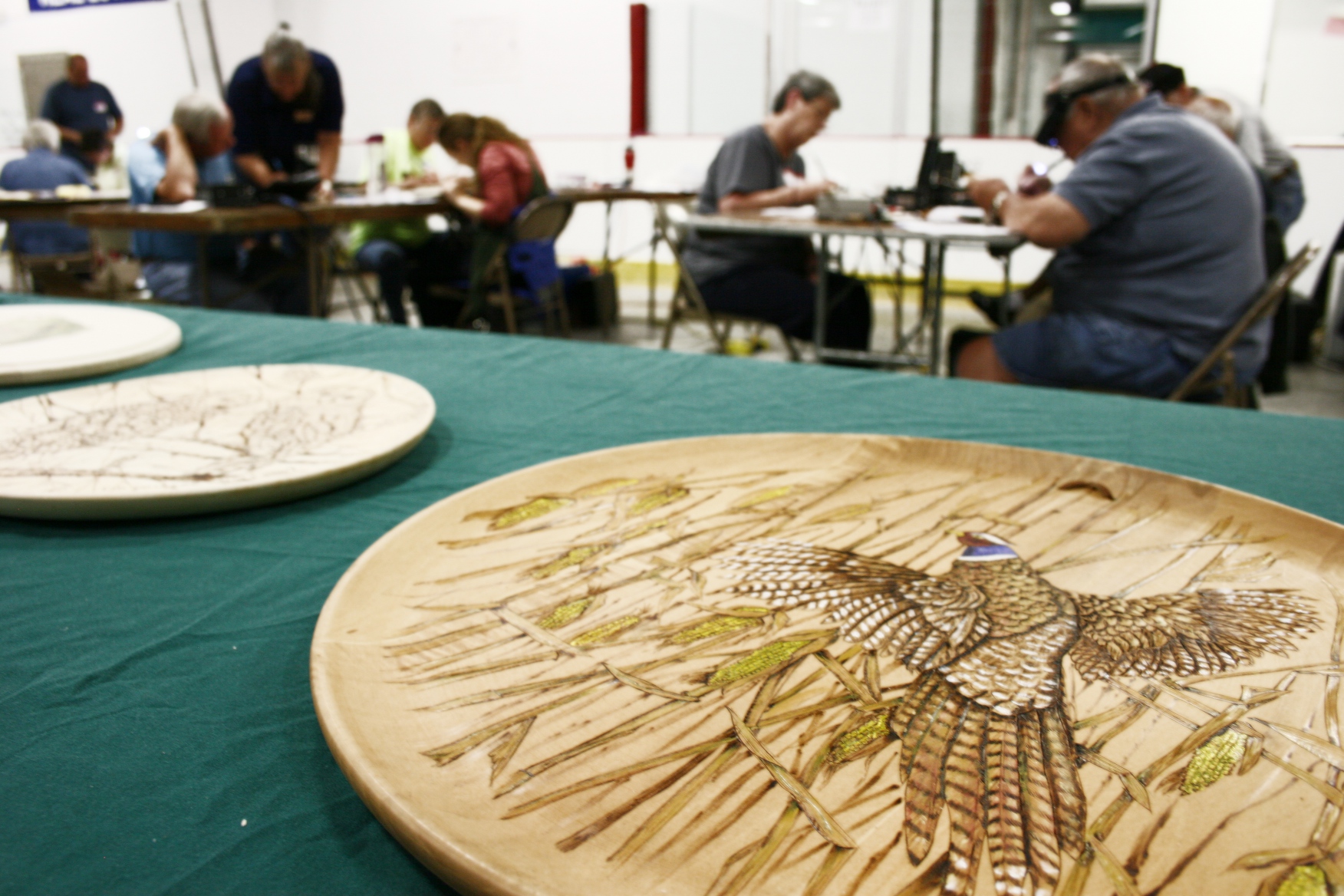
A pheasant in wood, foreground, and students in class, background.

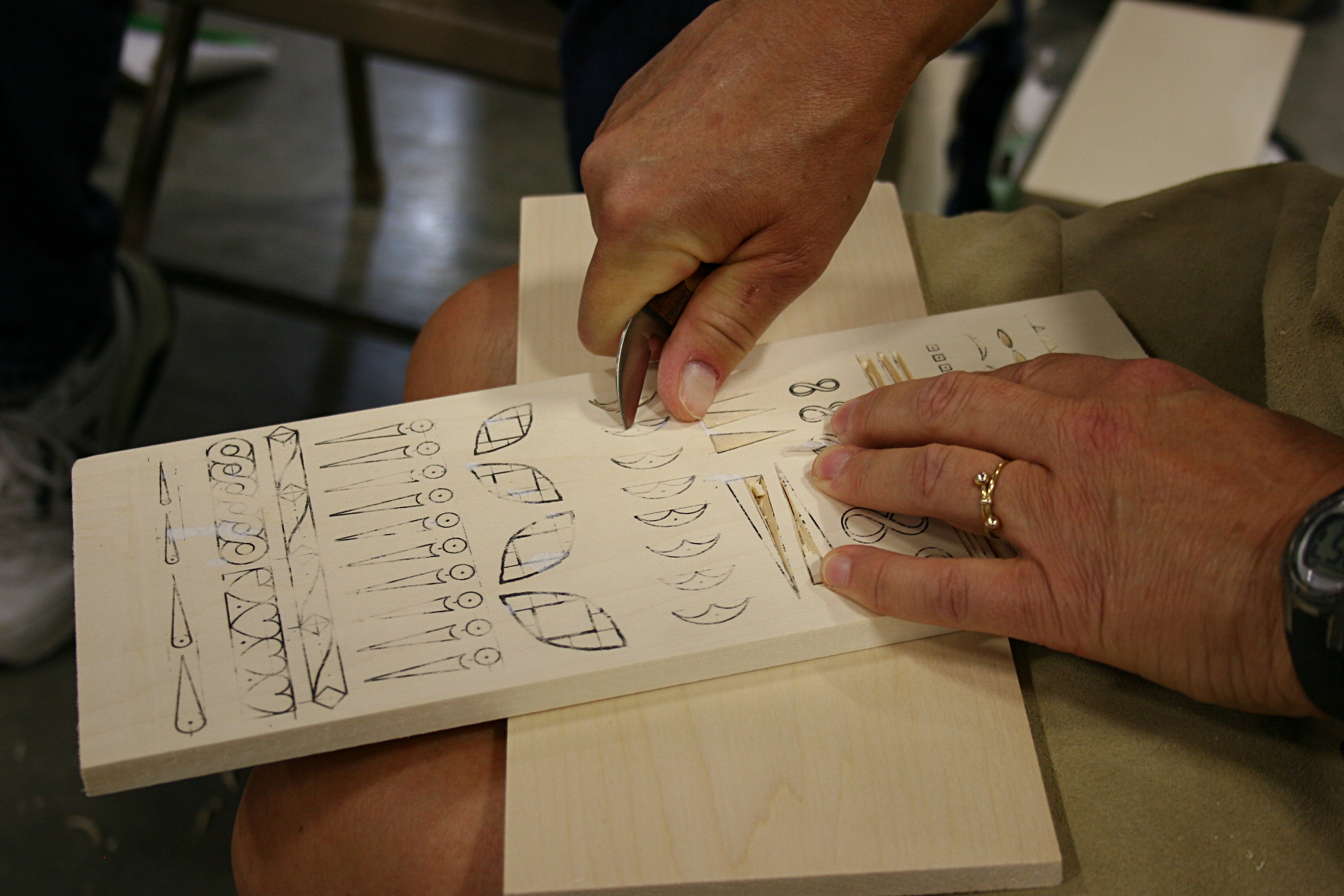
Learning the art of chip carving.

© Copyright 2012 Audrey Kletscher Helbling
 

Mixing art, music and BBQ at Faribault festival August 12, 2012

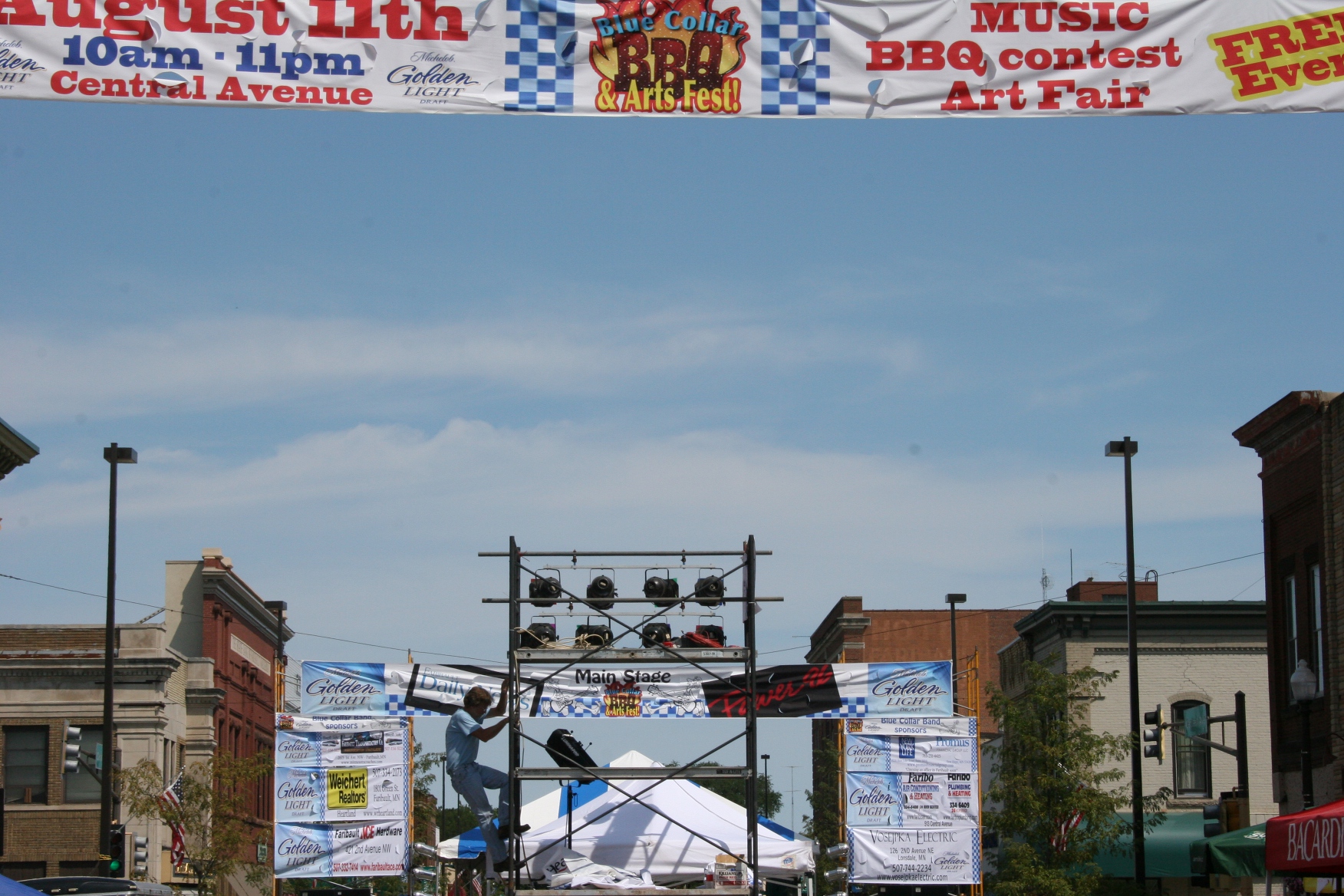
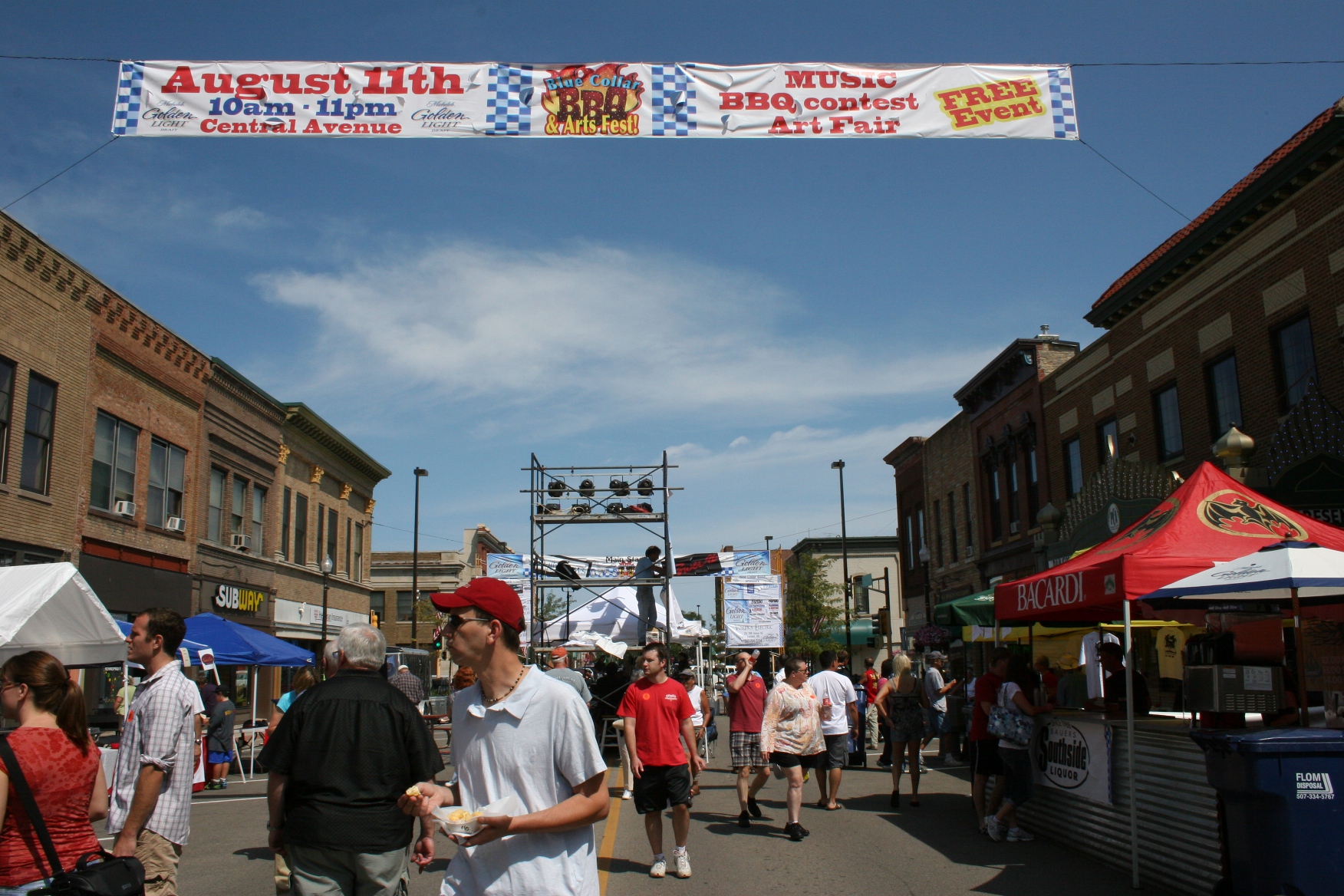
The banner and band scaffolding/set-up in the 300 block of Central Avenue during Saturday’s Blue Collar BBQ & Arts Fest in Faribault

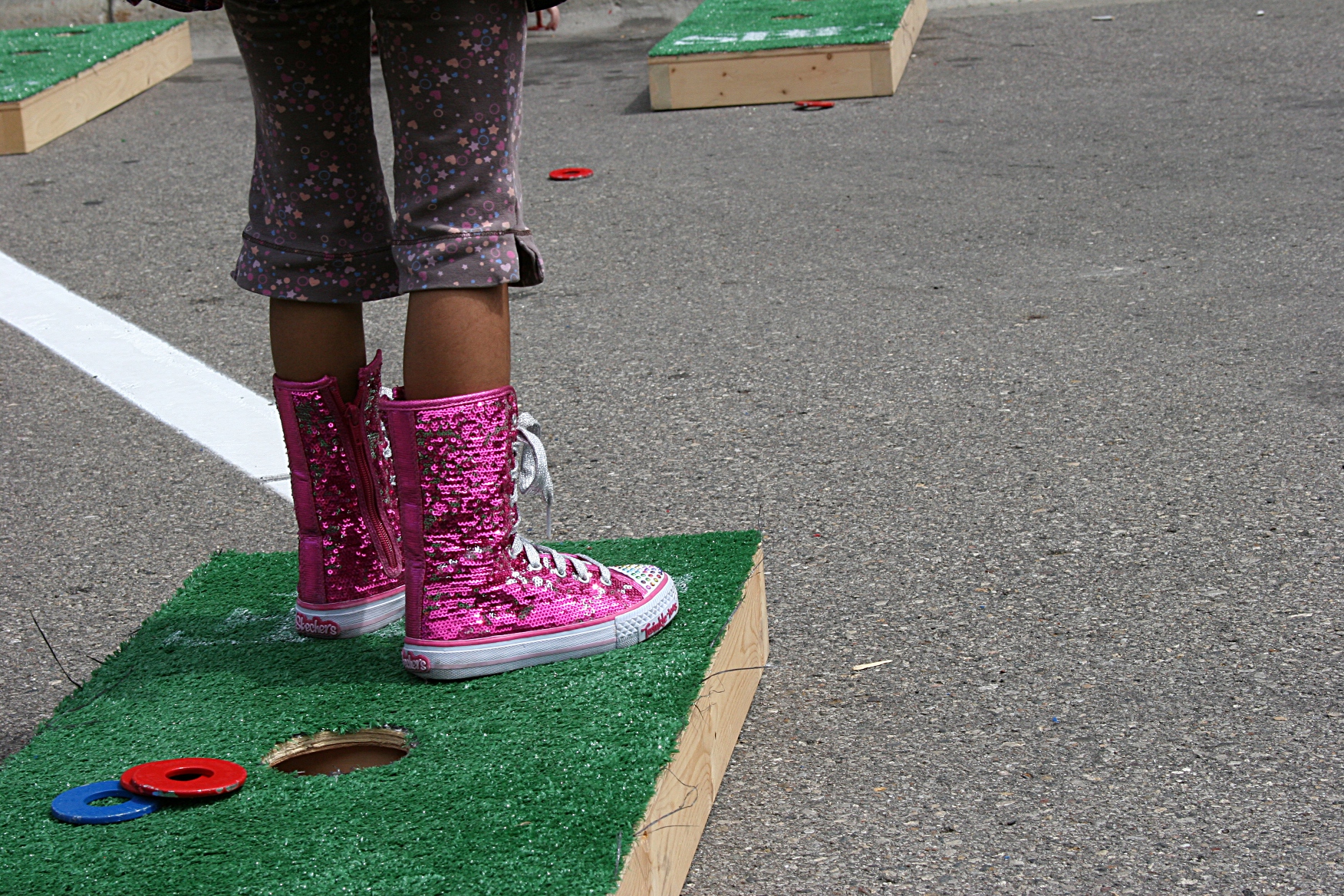
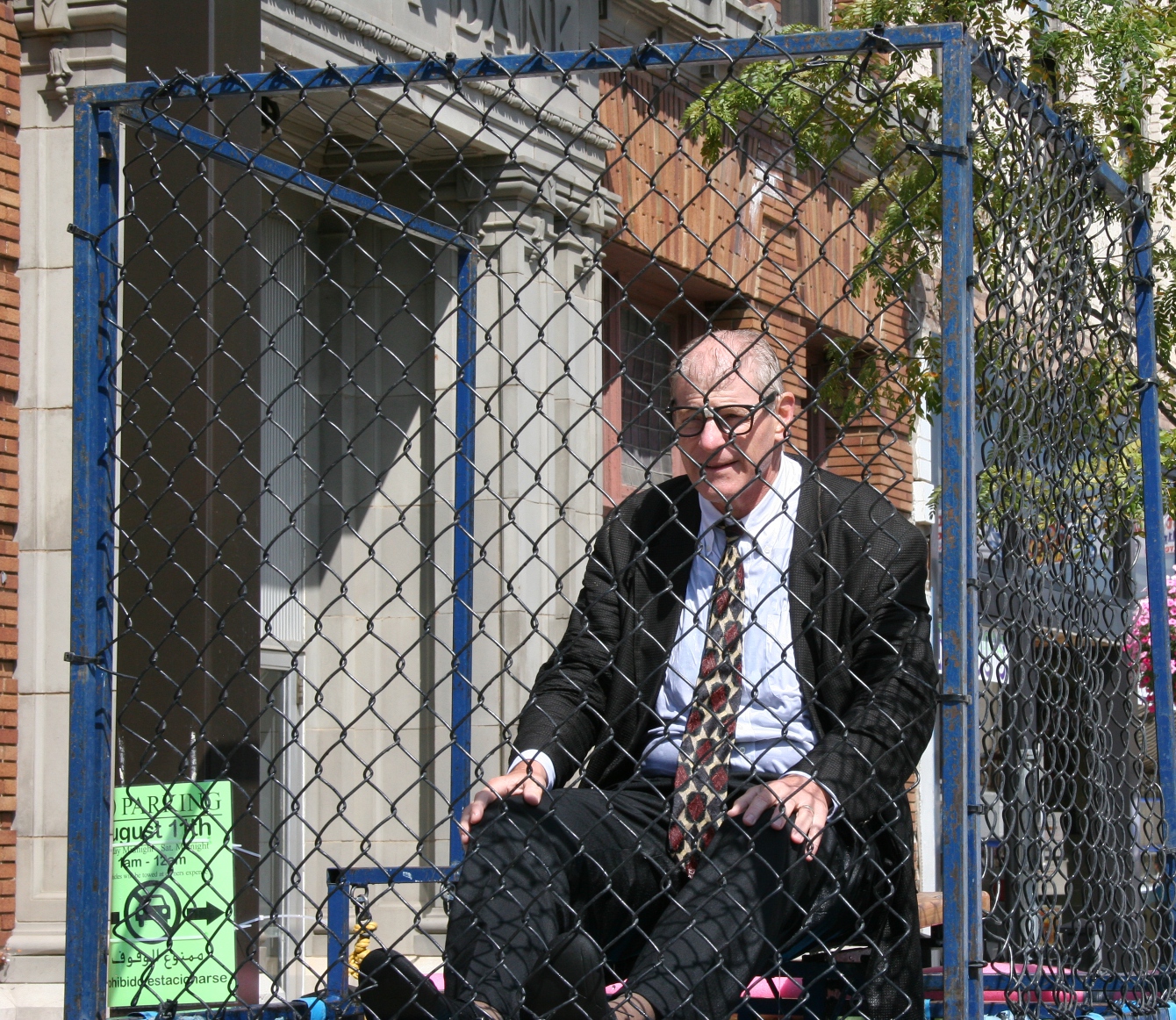
FROM DEAFENING MUSIC that bounced between historic buildings along Faribault’s Central Avenue, to the savory taste and tantalizing, smokey smell of barbecued meat to the cheers of onlookers when a local celebrity plunged into the dunk tank to the clink of washers against asphalt in the washer tournament to human faces morphing, via paint, into animal faces, offerings at the fourth annual Blue Collar BBQ & Arts Fest in Faribault drew crowds, and smiles, on a picture perfect Saturday.

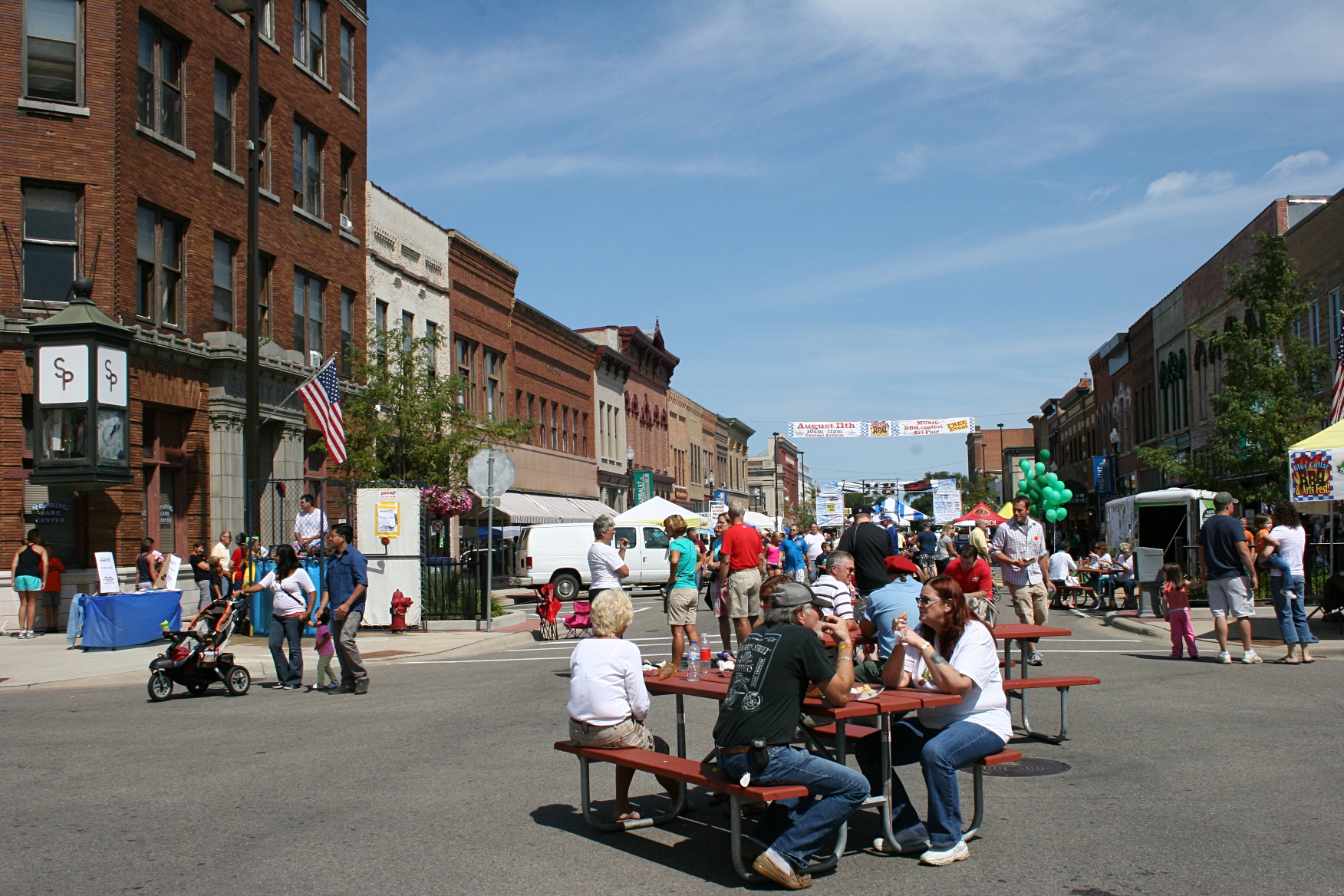
An overview of the crowd early into the event on Saturday, looking to the 300 block of historic downtown Farbault.

Coordinated by the Paradise Center for the Arts, the 13-hour free festival focused on bringing people into the historic downtown to enjoy/participate in the arts, music, food, a BBQ and homemade brew competition, and more.

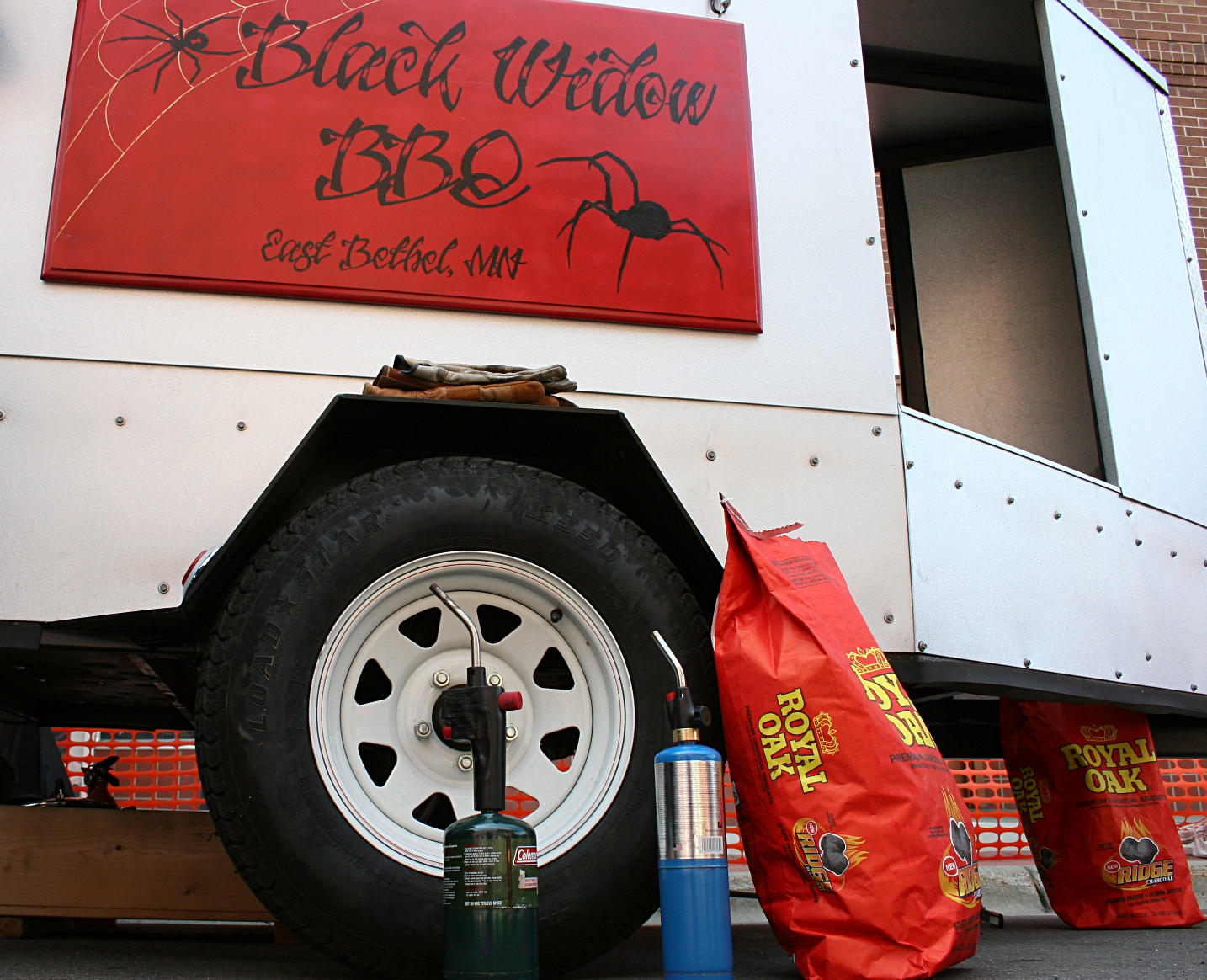
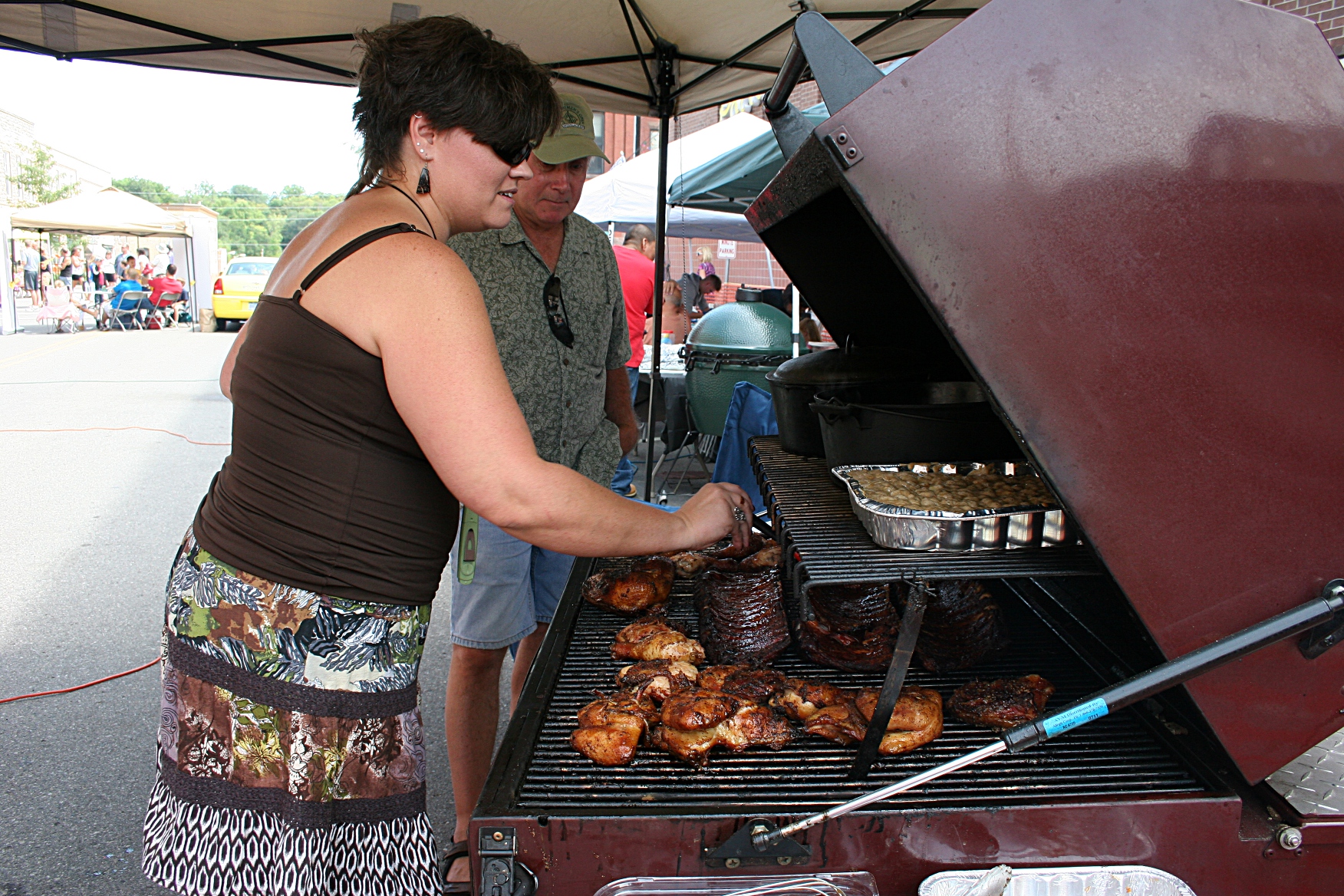
The Black Widow BBQ team, one of about a dozen competing for top prizes of $500 in several categories.

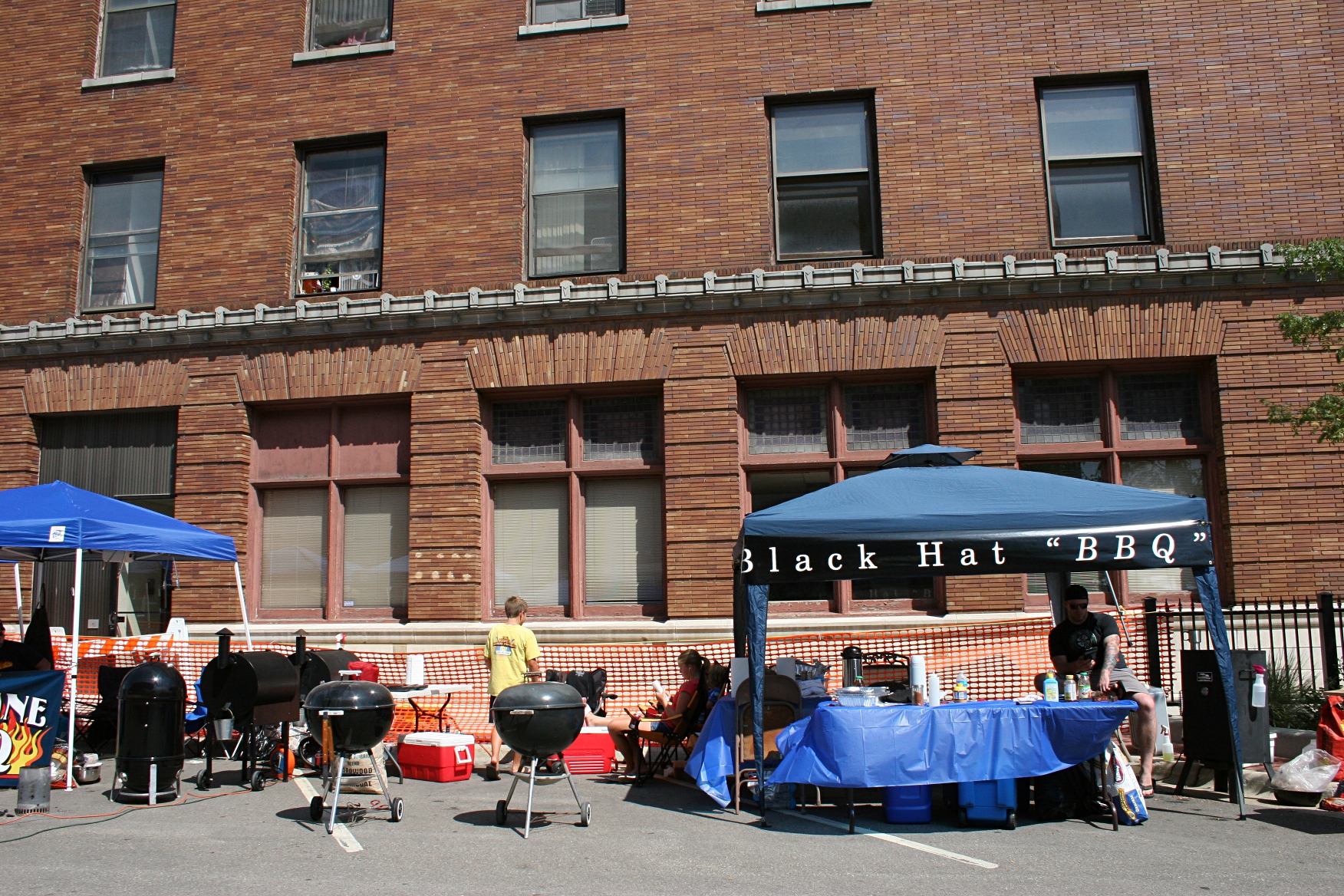
BBQ teams set up along a side street to cook their meats and desserts.

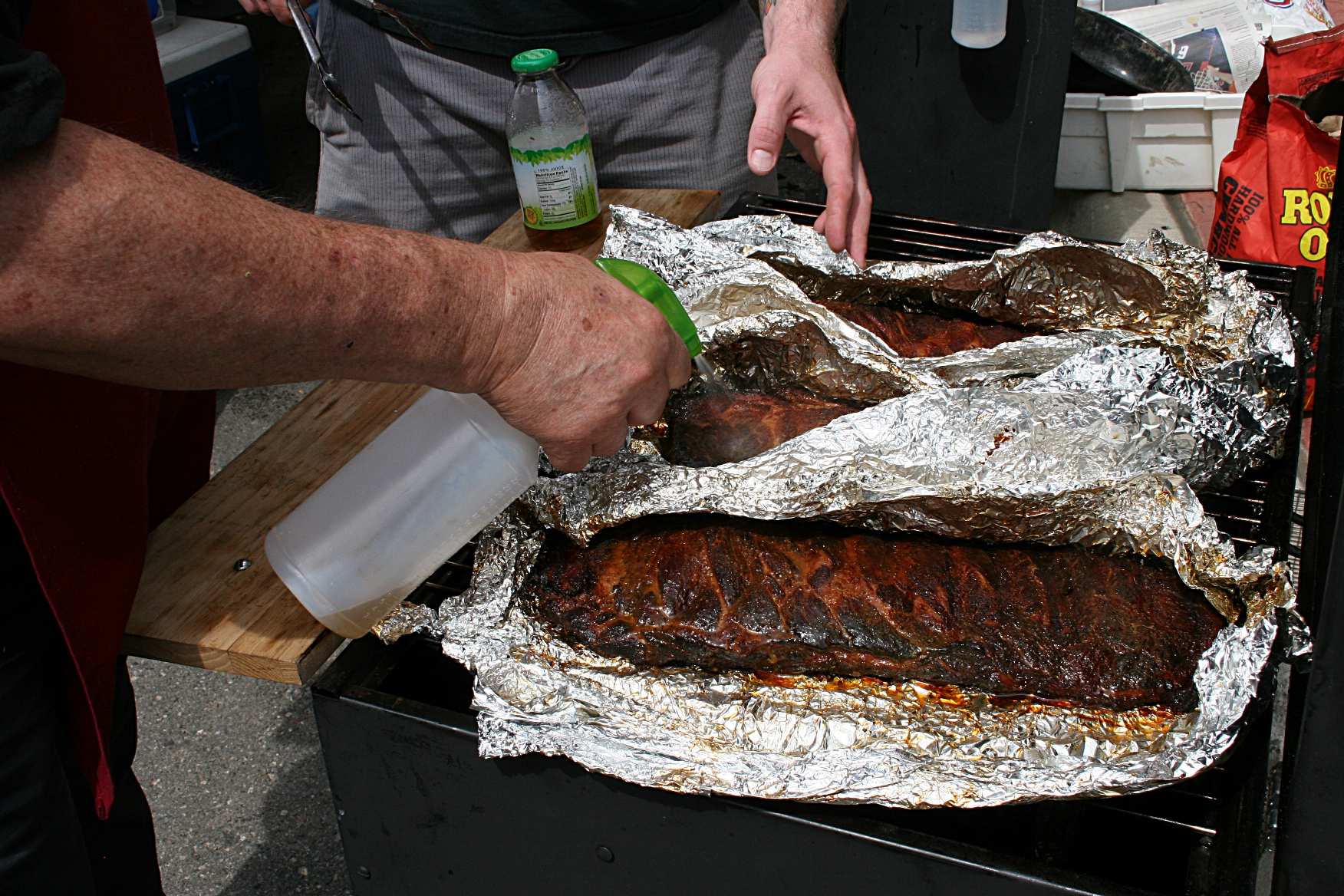
A Texas native, now living in Faribault and a member of The Black Hat “BBQ” team, sprays apple juice onto his St. Louis style pork ribs during the BBQ contest.

Grill Cabin team members, from New Prague, prepare entries in the BBQ competition.

Retail stores like The Crafty Maven, 212 Central Avenue, at the heart of the arts and crafts fair and kids’ activities, expected an increase in business with an influx of an anticipated 5,000 people into the downtown for the festival. And that’s part of the plan, to celebrate downtown businesses, many of them event supporters. Other businesses in the community also sponsored parts of the festival.

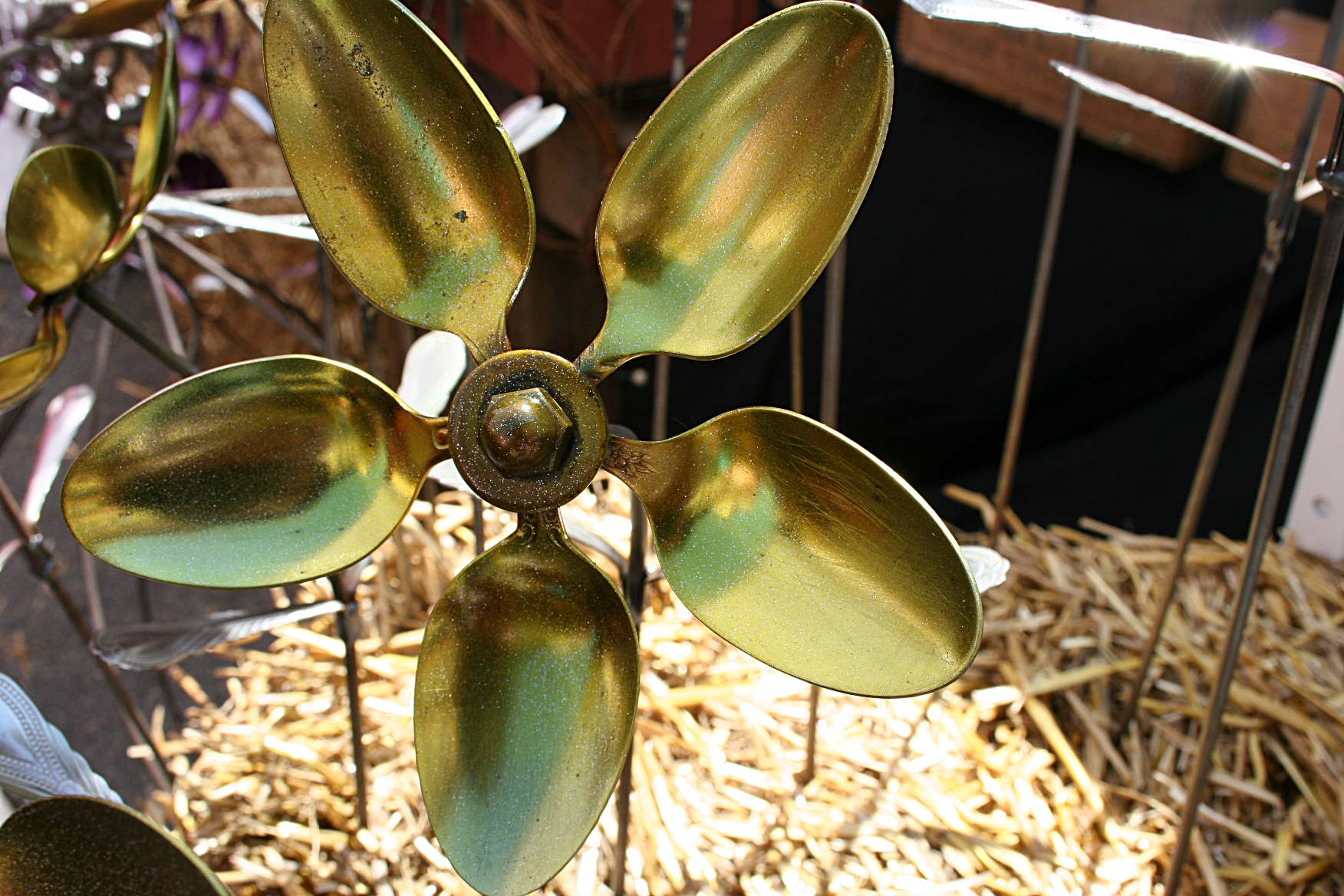
Flower art and more, shaped and welded from old silverware, etc. is helping the DeWall brothers of DeWall Bros Metal Creations of Grand Meadow finance their college educations. Their art was for sale at the arts fest.

While the DeWall men were peddling their metal art, the women–mom/wife, Cindy, and girlfriend, Allison– were shopping and getting their faces painted by Jodi Gustafson of Big Shoe Entertainment.

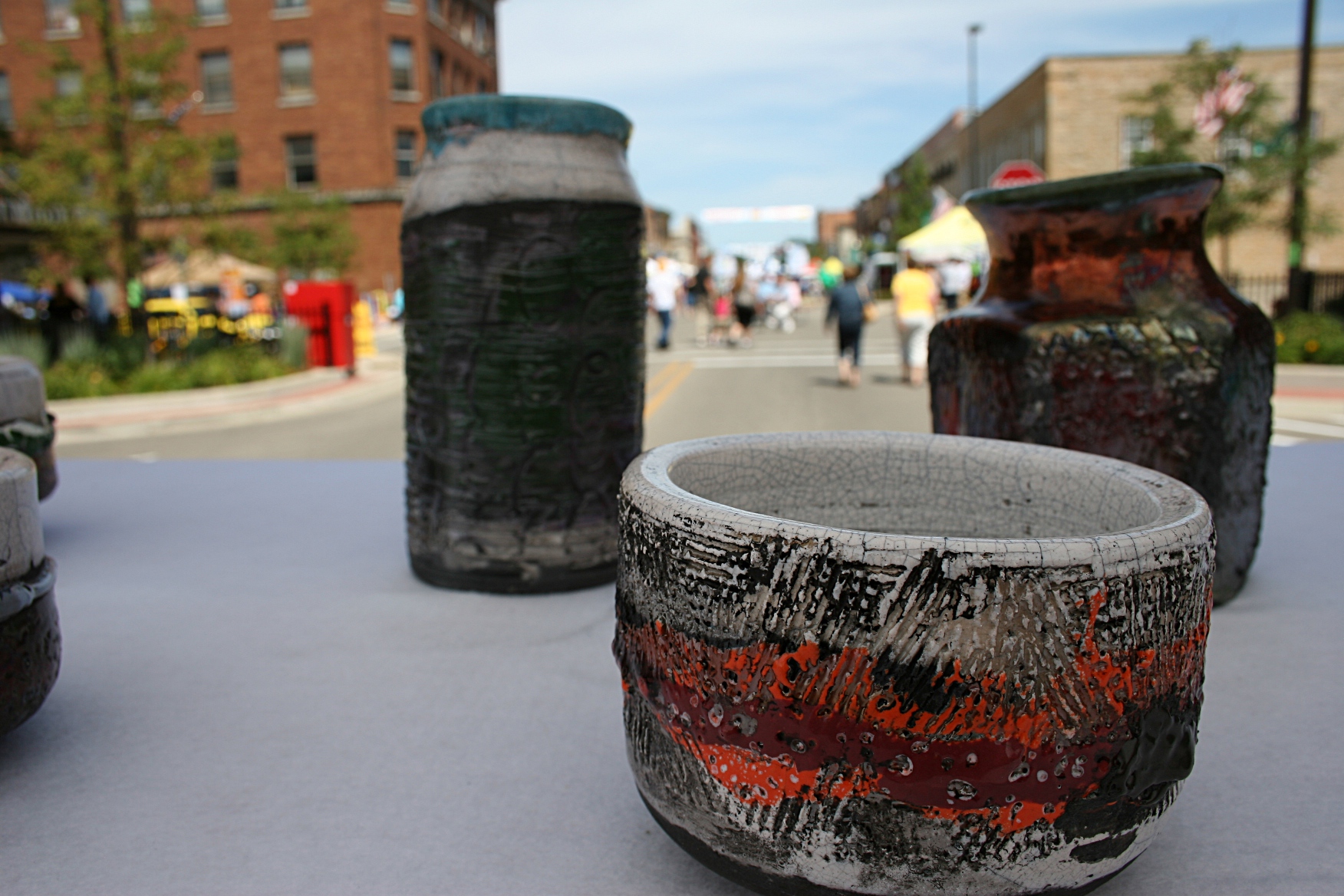
Bob Maegerlein of Rochester, specializing in Raku ware, sold his pottery at the arts fair.

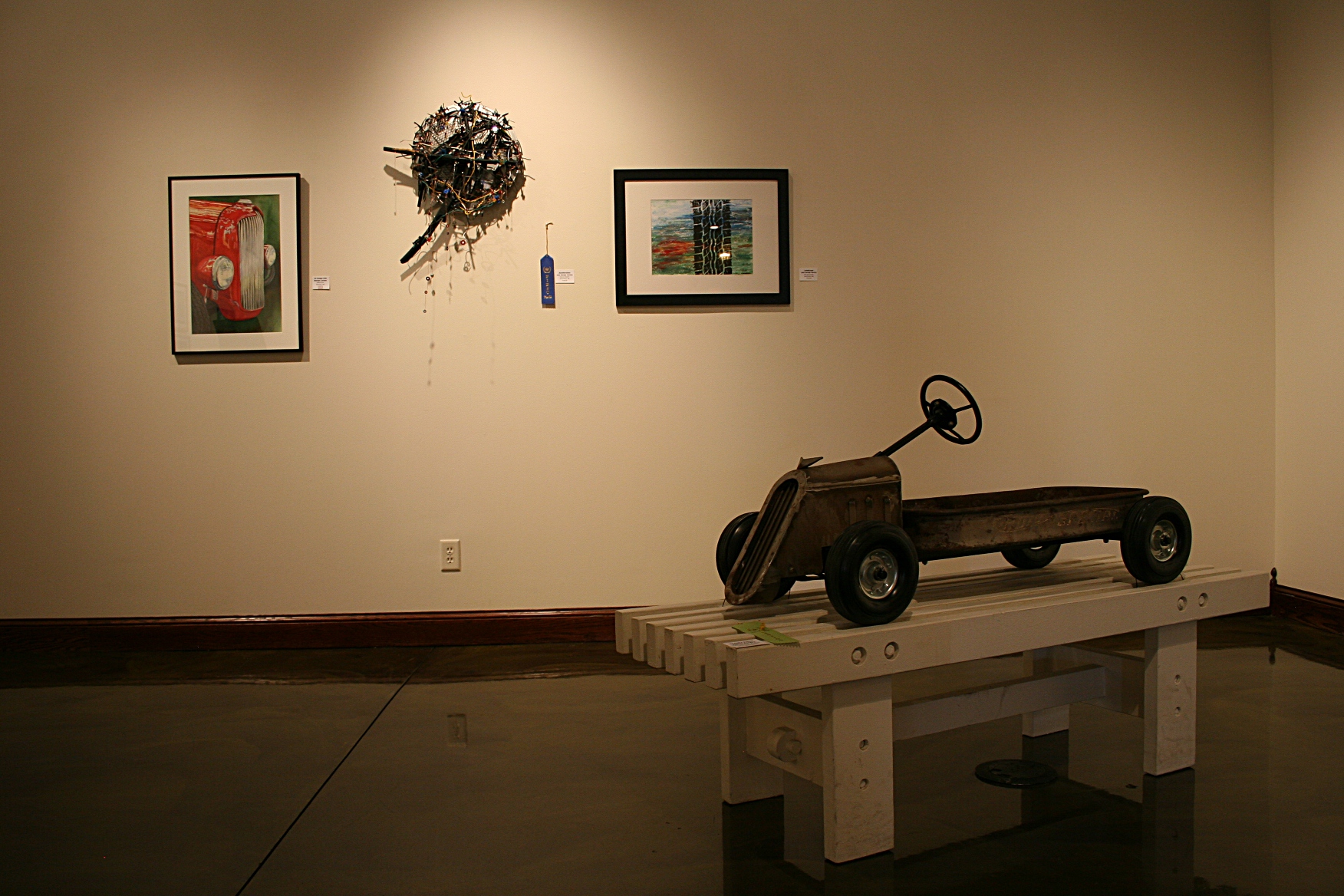
I arrived late morning and wandered for several hours past vendors—wishing I could sample the meat smoking in BBQ contestants’ grills; admiring the artistic creations of artists and a gifted face painter; ducking into the Paradise Center for the Arts to photograph the current art show, Car pARTS; steering mostly clear of the north end of the 300 block of Central because I couldn’t tolerate the volume of the live band music; trying a vendor’s delicious BBQed meat trio sampler that was way overpriced for the quantity (plus, no forks included); and, finally, stopping at Pawn Minnesota and then a Somali clothing shop on my way to the car.

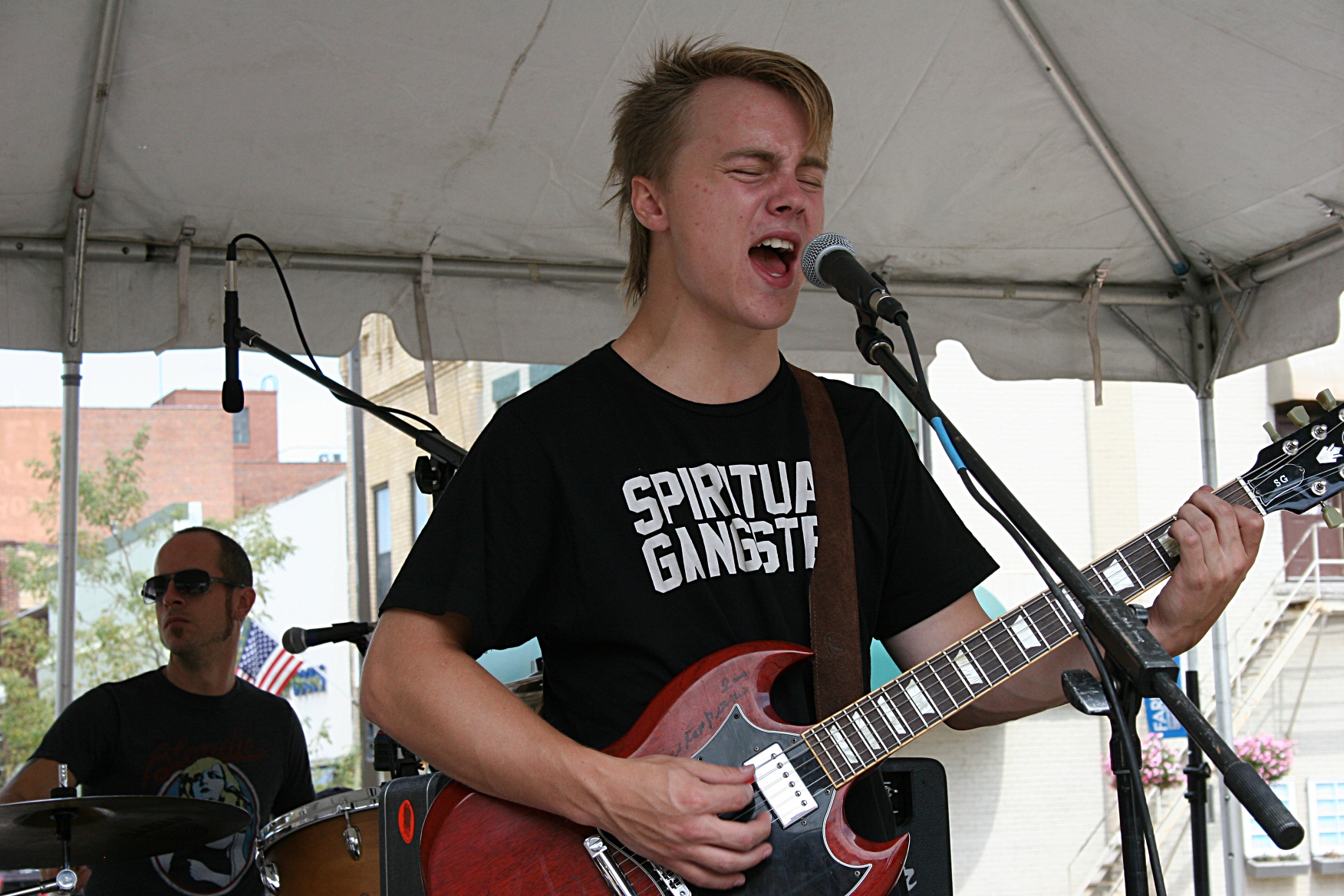
Blues-rock guitarist/musician Trent Romens was among six featured musical acts.

Did the festival accomplish for me what I expected? Yes. I was entertained, although I would have appreciated a much lower volume on the music. Ditto for the price on the meat sampler. And I would have liked access to the home brew competition, which was tucked into the Paradise somewhere.

But all in all, the festival provided a fun way to while away part of a Saturday. And, for those downtown business owners who hoped the event would draw shoppers into stores, it worked for me. I’d never been into the pawn store and wasn’t even aware of the Somali shop or another ethnic business across the street (which wasn’t open).

If you’re from Faribault, I hope you took  time on Saturday to attend the Blue Collar BBQ & Arts Fest and appreciate what we have, right here in our own community.

With the weather about as good as it gets on a summer day, attendance was high at the Blue Collar BBQ & Arts Fest.

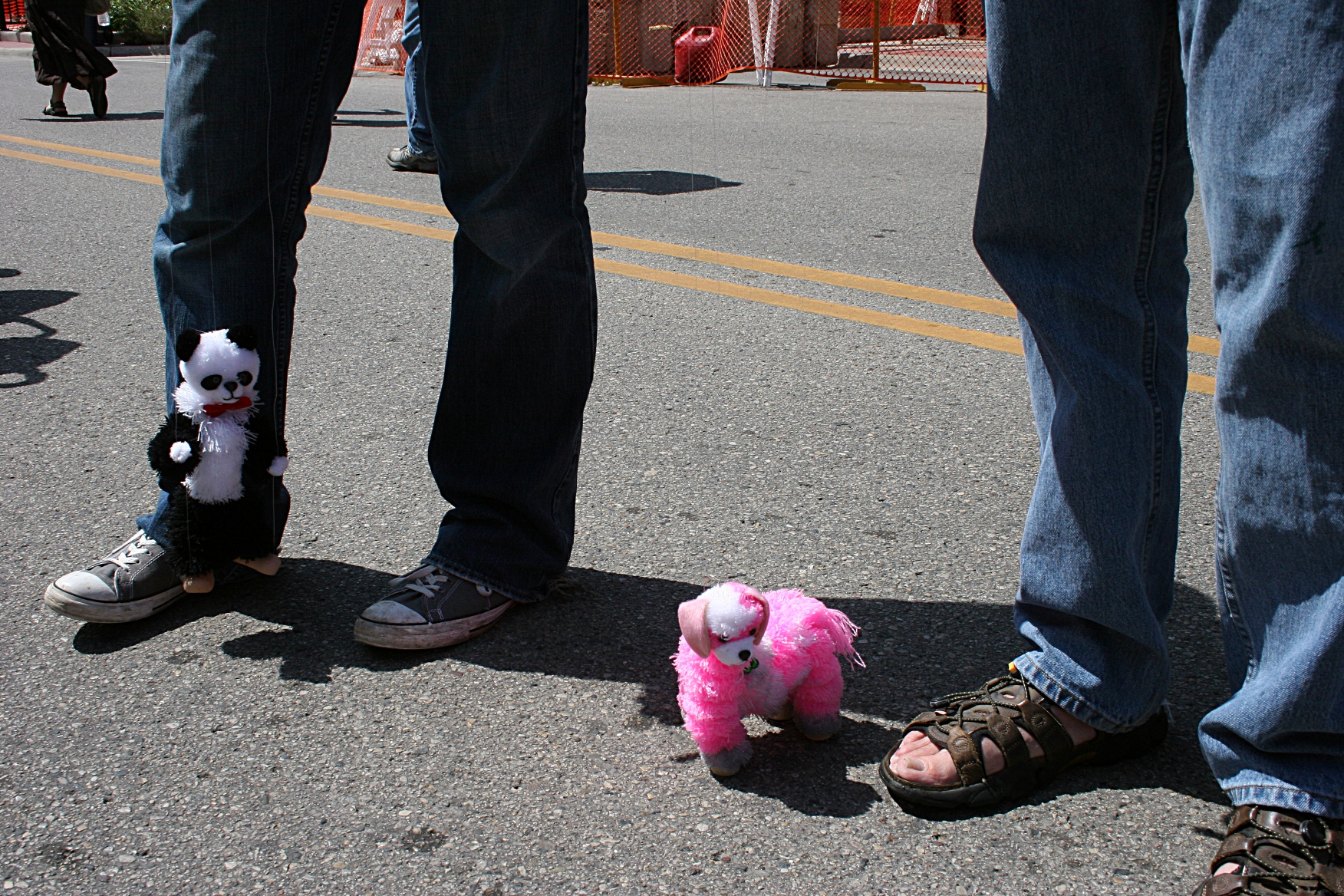
Dad and grandpa watched the pets while the kids played in the bouncy inflatables. These pom pom pets were a popular item sold at the arts fair.

Kids practiced for the washer tournament. I was not convinced by a tournament organizer to participate. “She would throw the washer through a store window,” my husband told him. He would be right. Either that or I would have struck a passerby. We walked away, for the safety of those in attendance.

Isabella, 7, of Faribault, one of the many kids who lined up for the free face painting. Check back for an additional post featuring the artwork of professional face painter Jodi Gustafson of Big Shoe Entertainment.

Taking a turn in the dunk tank…

© Copyright 2012 Audrey Kletscher Helbling
 

Pets on parade in Faribault August 8, 2012

Filed under: Uncategorized — Audrey Kletscher Helbling @ 7:34 AM
Tags: , , , , , , , , , ,

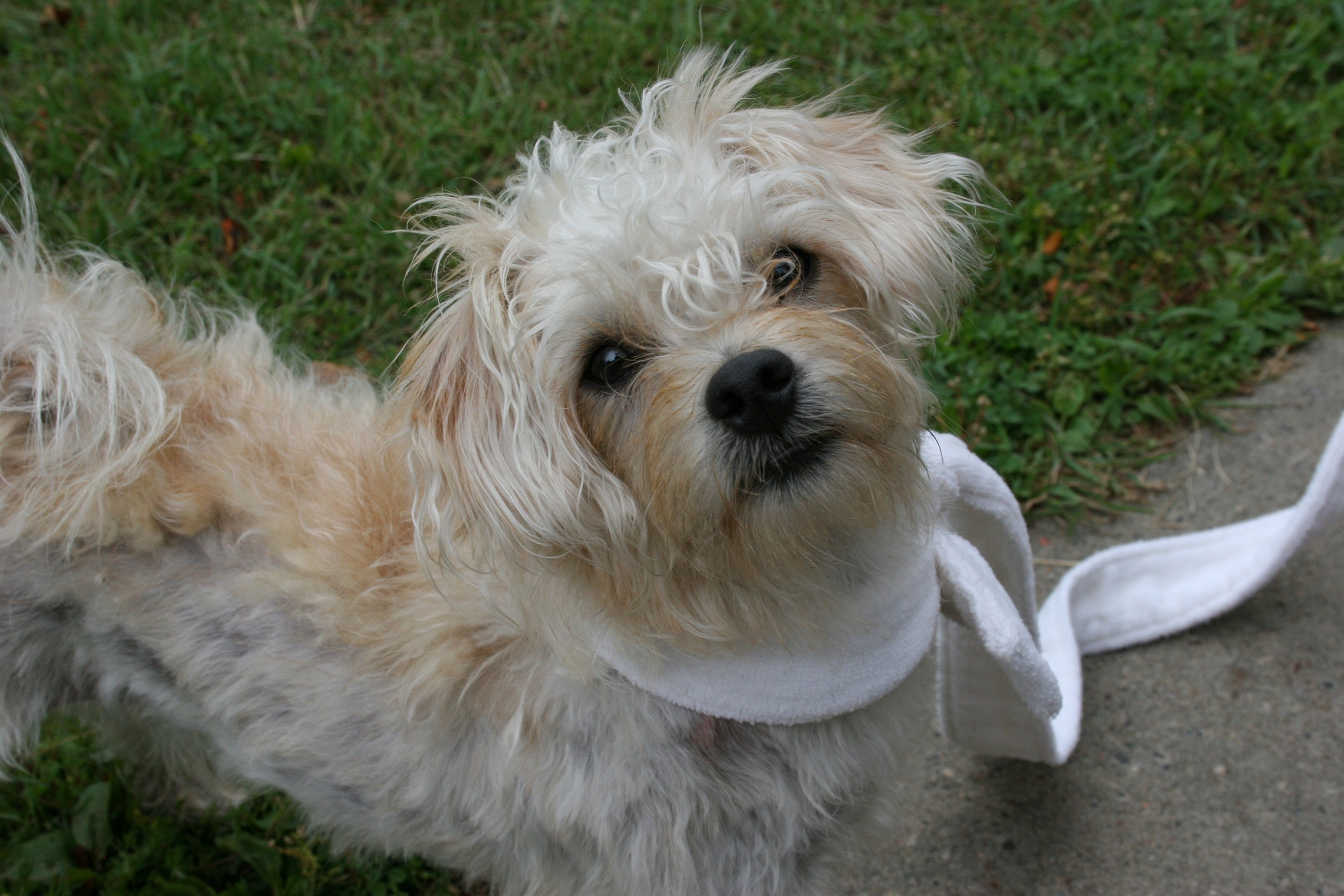
Taco the dog, photographed earlier this summer on a Saturday morning at the Faribault Farmers’ Market in Central Park.

PETS AND KIDS equal cuteness, wouldn’t you agree?

Thursday evening the cuteness combination commands several city streets during my community’s Pet Parade—the 76th annual according to information published by the Faribault Parks & Recreation Department.

The kids and their animals will line up in categories like little dogs, big dogs, rabbits, kittens and cats, unusual pets, farm animals, and, at the tail end, horses, of course.

In between, there will be floats and kids in strollers and on bikes, trikes, scooters, skateboards and roller blades. There will be clowns and costumes and perhaps even chaos in this “It’s a Zoo Around Here!” themed event.

I haven’t been to the Pet Parade in many years, mostly because my kids are all grown up and they were the reason I attended.

We never participated in the parade. Our only pets were goldfish. And I probably never told my three they could walk in the parade without a pet. Sometimes parents are smart like that and don’t share details. Just let the kids think that because they don’t own a cat or dog or snake or some other animal, they must simply watch.

I expect I never told them either about the free freeze pops and music in Central Park after the parade. I don’t know if treats are still part of the parade. But the parade still ends in Central Park. This year’s entertainment features zoo animal dances by girls ages 5 – 9 who participated in a Spirit Team summer camp. More cuteness, for sure.

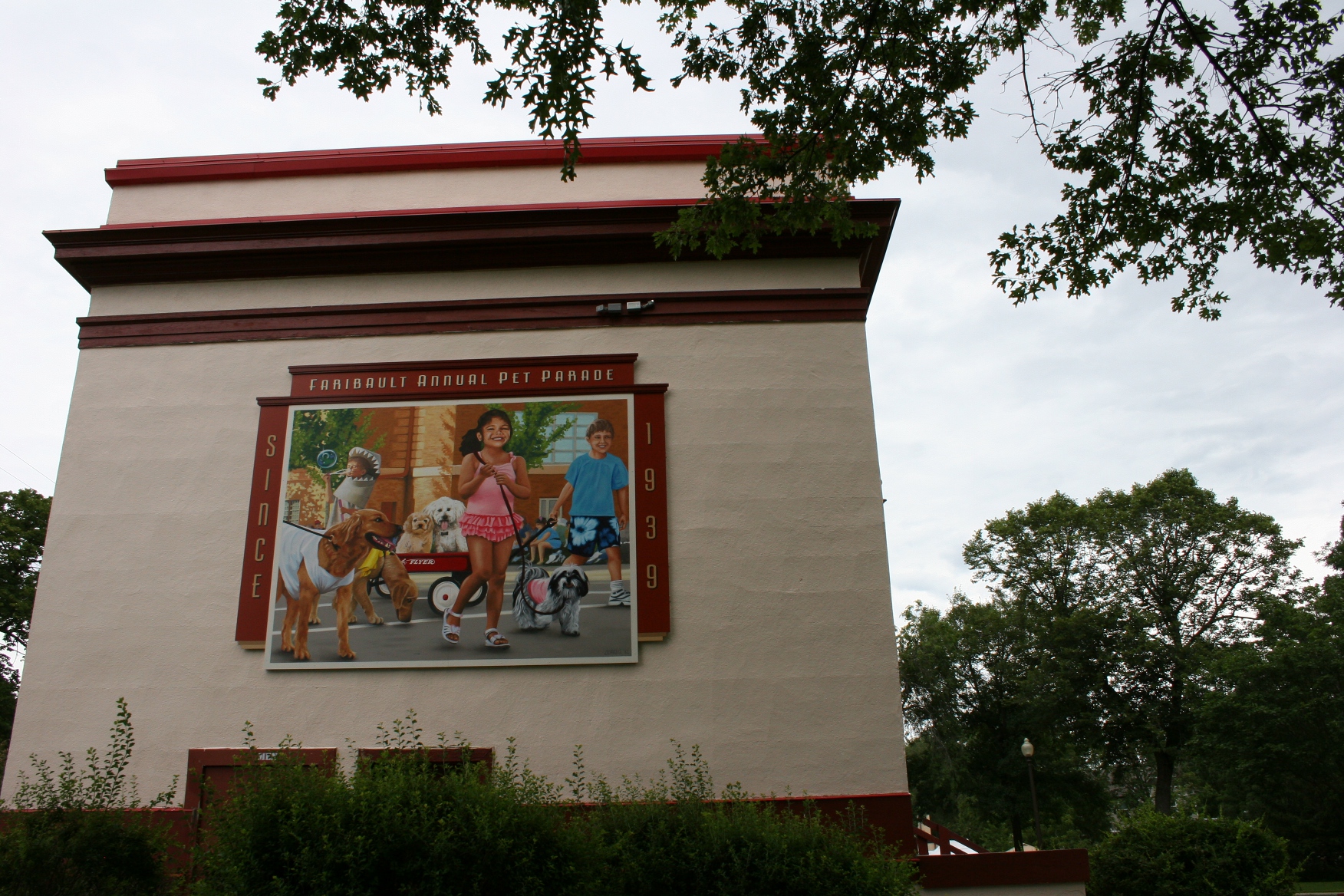
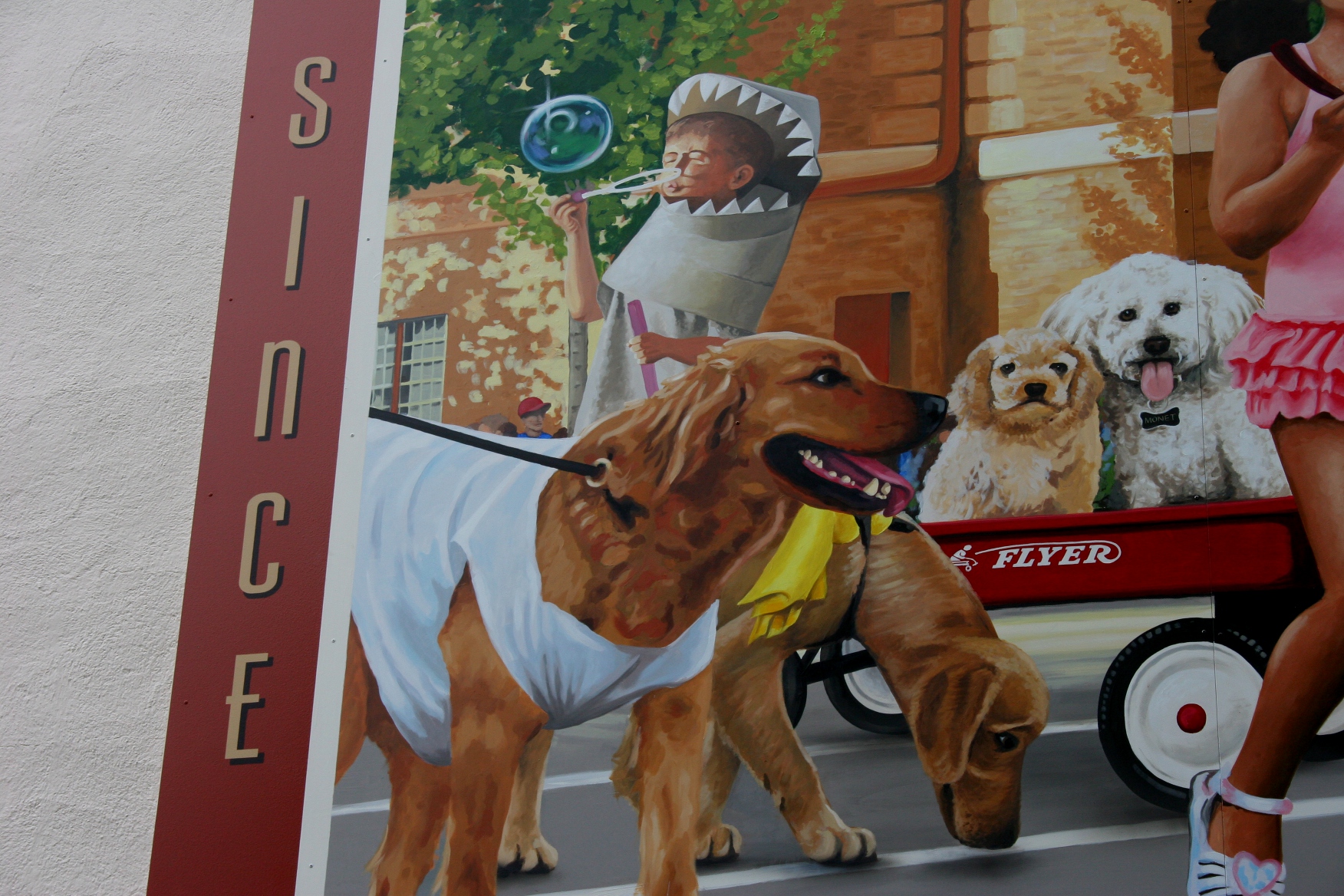
The Pet Parade mural installed on the Central Park band shell.

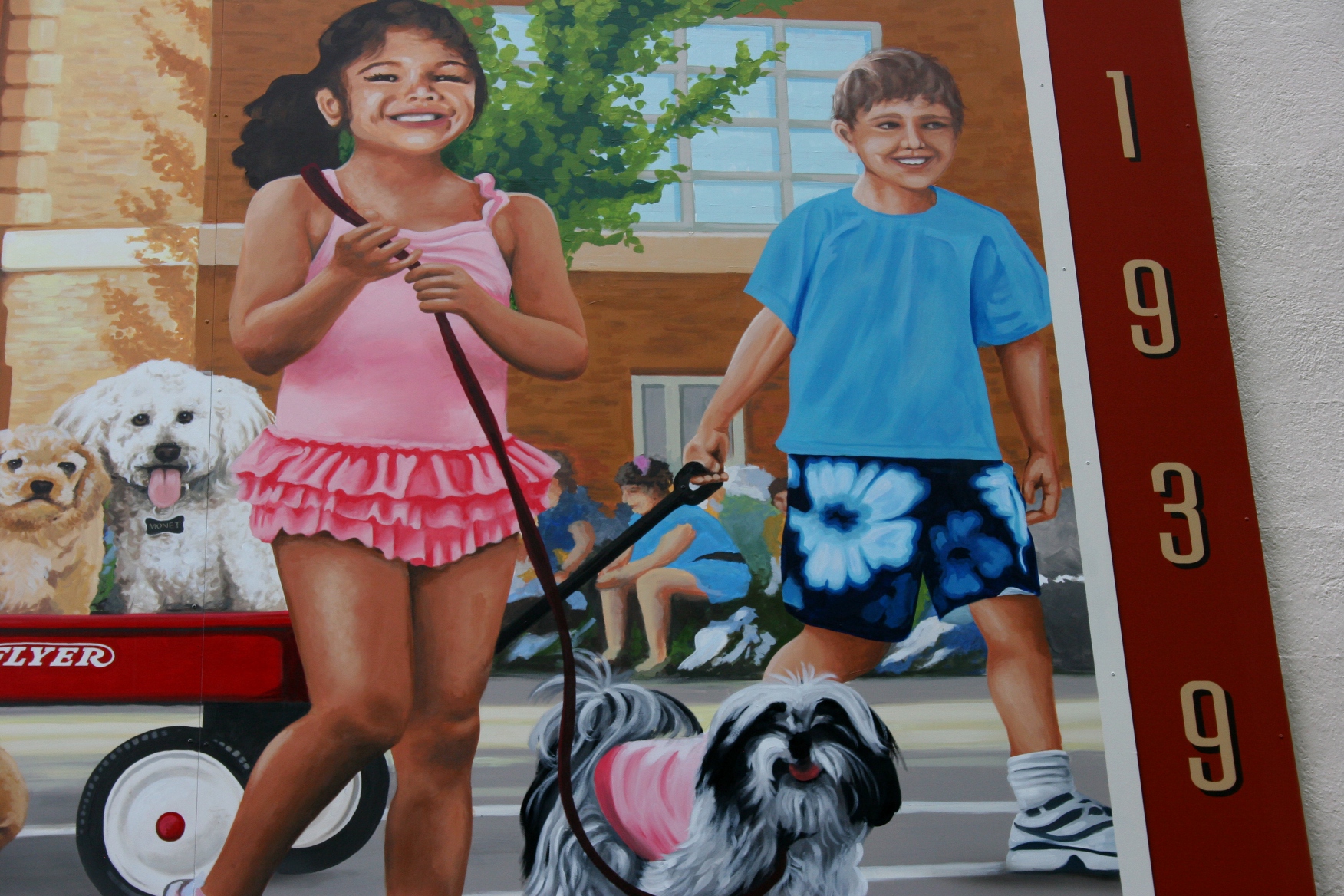
Central Park is also the site of an artistic tribute to Faribault’s long-running Pet Parade. In May the Mural Society of Faribault installed a Pet Parade mural on the park’s historic band shell, making it the seventh mural the group has placed in Faribault.

Lots of dogs on the left side of the mural…

The artwork definitely possesses that cuteness factor although I wish a few animals besides dogs were featured in the mural.

And what about that date, “since 1939?”

Lots of dogs and that 1939 date on the right side of the mural.

If that date is right, then the 2012 Pet Parade would not be the 76th, but the 73rd annual. Correct? I’m not really all that good at math. And, yes, my kids know that.

FYI: The Pet Parade begins at 7 p.m. on Thursday, August 9, at Ninth Street Northwest and Second Avenue Northwest, proceeds south on Second Avenue, turns west on Fifth Street and ends in Central Park.

© Copyright 2012 Audrey Kletscher Helbling
 

Land of the FREE July 30, 2012

Filed under: Uncategorized — Audrey Kletscher Helbling @ 7:28 AM
Tags: , , , , , , ,

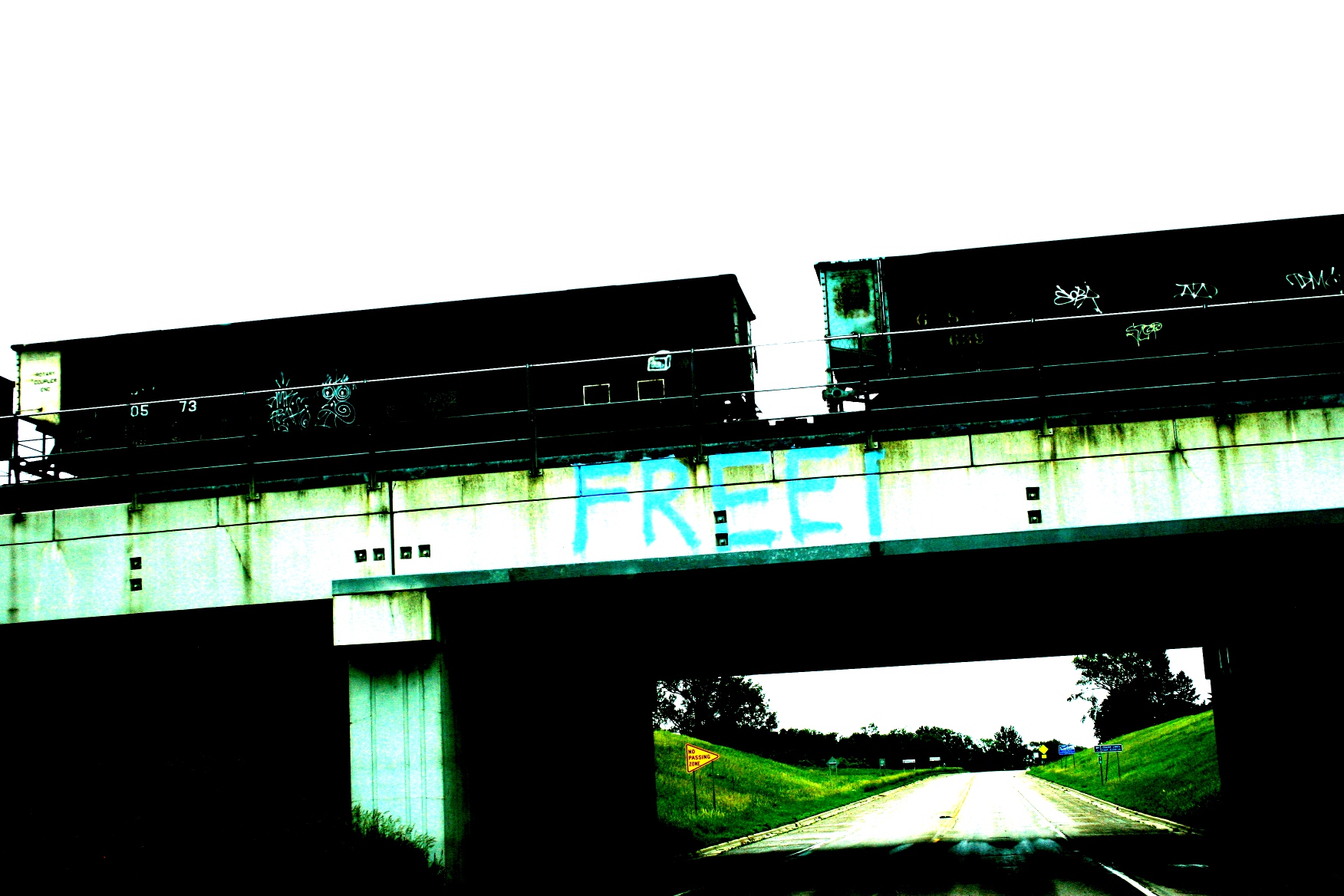
Bridge graffiti along Minnesota Highway 28.

DO YOU EVER WONDER—because I do—how, when and why graffiti is spray painted onto bridges, buildings, boxcars and elsewhere?

Do these artists/vandals/rebels/criminals (choose the noun that fits) plot and then sneak, in the cover of darkness, to scrawl their messages and art upon these very public canvases?

Why?

Who are these defiers of rules?

Did they scribble with crayons on walls while growing up? Did they doodle in notebooks when they should have been doing homework? Are they reckless and wild or the girl/boy next door accepting a dare?

I’ve never known a graffiti artist, although I’d like to meet the one who block-letter-printed “FREE” on this train overpass along Minnesota State Highway 28 between Morris and Sauke Centre.

I’d ask him/her, “Why did you choose that word, ‘FREE?’”

Have you freed yourself from something? Have you set someone free? Or do you simply appreciate what it means to live in the land of the free?

© Copyright 2012 Audrey Kletscher Helbling
 

For your entertainment: Two perspectives on Faribault’s Car Cruise Night July 24, 2012

Filed under: Uncategorized — Audrey Kletscher Helbling @ 7:26 AM
Tags: , , , , , , ,

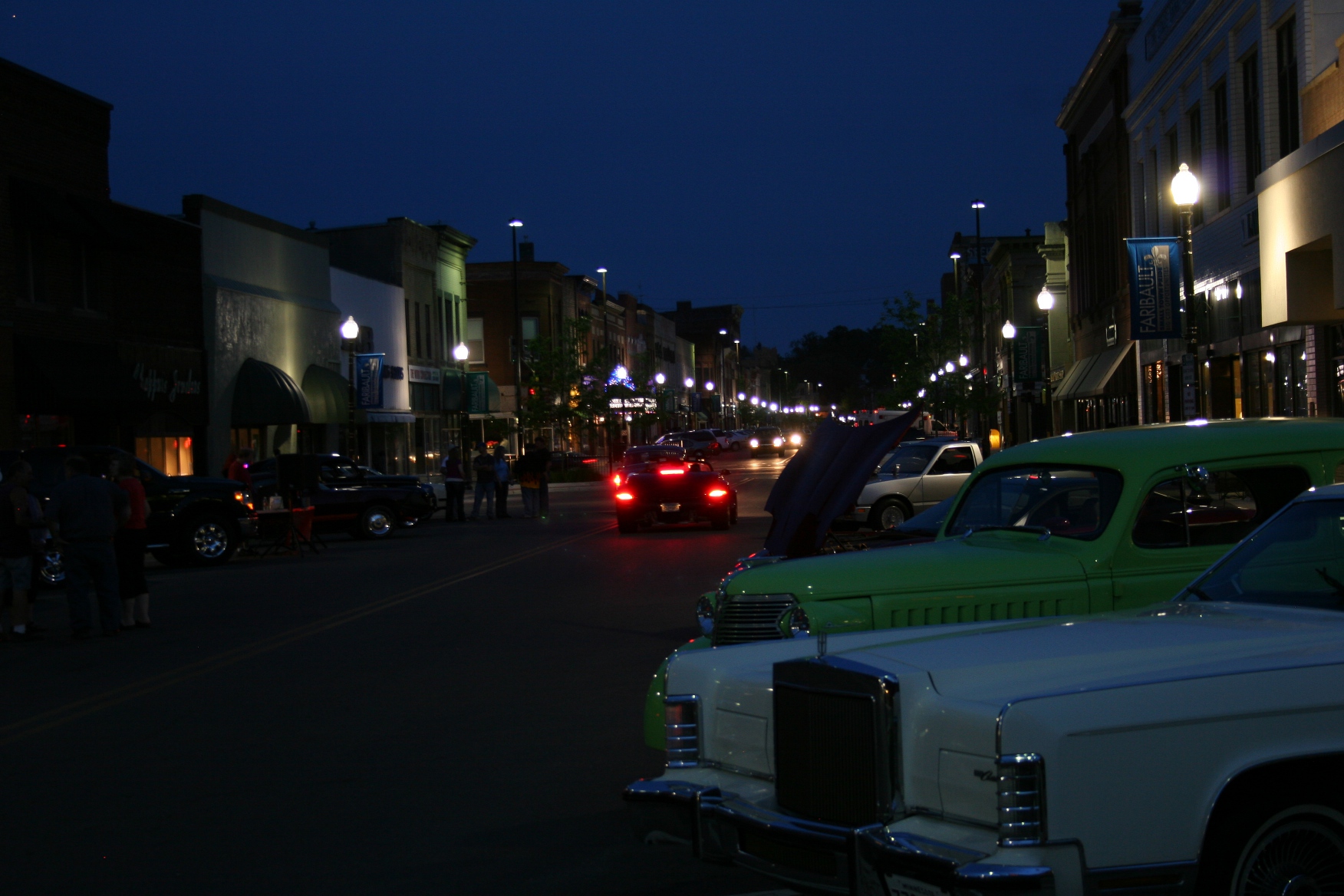
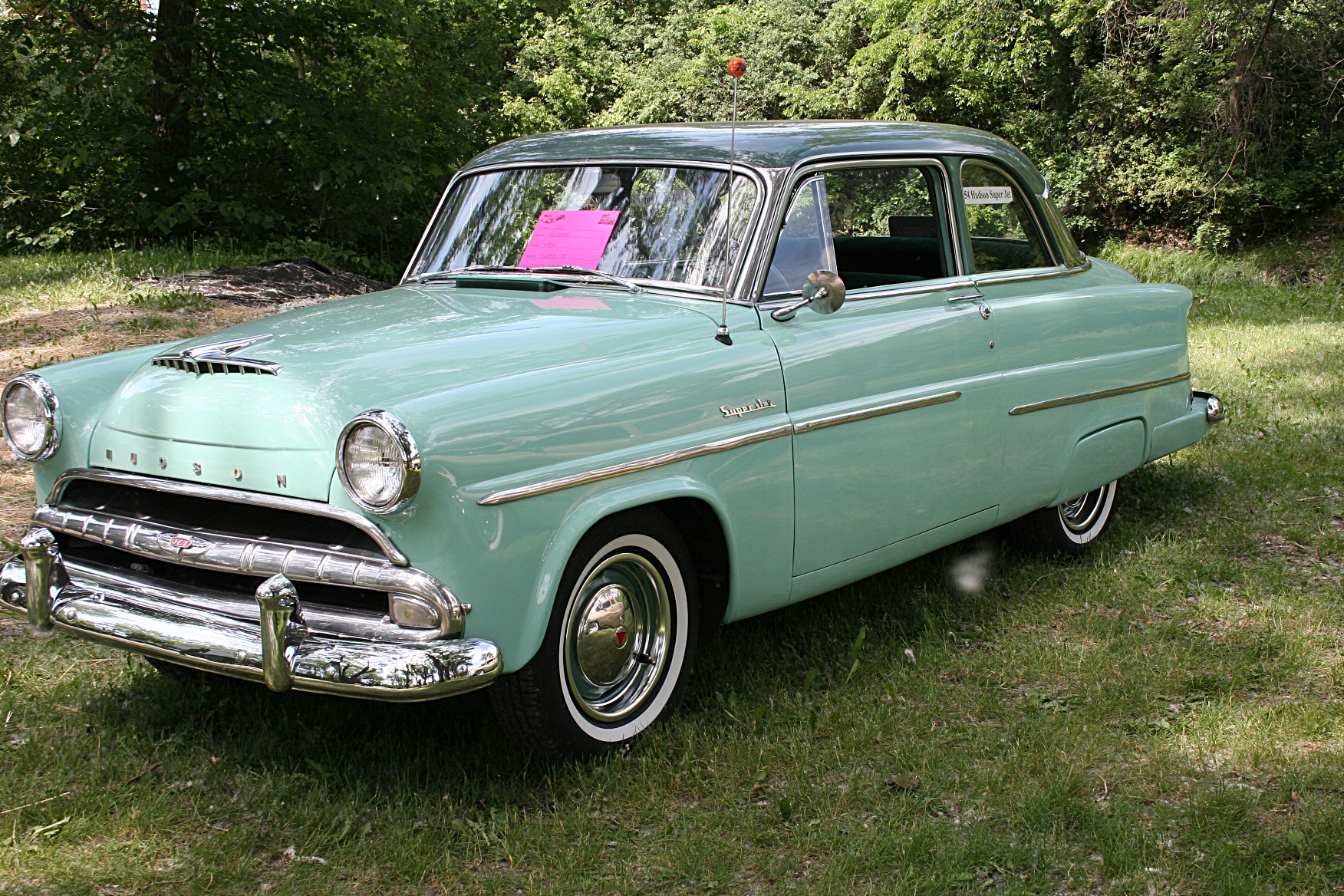
A Ford Model A drives into downtown Faribault on Central Avenue during the July 20 Faribault Car Cruise Night.

I NEVER THOUGHT I would find old cars and trucks interesting. Not in a million years.

But I’ve acquired, in recent years, an appreciation for the vehicles of yesterday displayed at local car shows. I credit my smart and talented automotive machinist husband, who is like a walking Wikipedia when it comes to knowledge of vehicles, for my interest. Randy finally convinced me to tag along once to a car show and that was it.

HIS VIEW: Not my color, not at all.  MY VIEW: The graceful curves of a swan hood ornament draw my eye to this street rod.

Our reasons, though, for appreciating these cars and trucks of the past differ. He’ll peer under the open hoods and such while I’m admiring hood ornaments and emblems, the curve and sweep of metal, paint colors and more.

HIS VIEW: Lotta teeth there.  MY VIEW: Can you see my reflections in the shiny, curvy bumper art on this car?

My interest springs from an artistic and photographic perspective. His is more mechanical and practical.

And as a bonus, if I overhear or discover a story or two at these shows, I value the displayed vehicles even more. Watch in upcoming days for several interesting stories from the July 20 Faribault Car Cruise Night. It was quite a night for stories, as you will read. Until then, enjoy these photos.

HIS VIEW: Let’s buy one, but not a yellow one.

MY VIEW: Look how the setting sun glints across the hood as I photograph those magnificent, detailed wheels.

HIS VIEW: That would be a nice old pickup to own.  MY VIEW: Loving the stylish sweep of the front end.

HIS VIEW: Why are you photographing that taillight?  MY VIEW: Just look at those shimmering reds, the honeycomb effect and that royal art.

HIS VIEW: A good cruisin’ car.  MY VIEW: It’s the stripes, the stripes, oh, yes, the stripes that lead my eye across the trunk and beyond.

HIS VIEW: I’d love to own that 1930s vintage Chevy truck.  MY VIEW: I know you would, dear. It is pretty sweet.

HIS VIEW: I didn’t know grasshoppers grew that big.  MY VIEW:  Thanks for making me laugh and bringing back memories, for me at least, of all those grasshoppers on the farm when I was growing up.

HIS VIEW: That’s the inside of a 1967 Chevy Impala Super Sport.  MY VIEW: Look at all those circles, circles, circles.

HIS VIEW: A good looking Pontiac Firebird.  MY VIEW: Art.

HIS VIEW: Insert key here.  MY VIEW: I’ve never noticed a rocket emblem before on a car (Oldsmobile Ninety Eight).

HIS VIEW: Check out the motor.  MY VIEW: One sweet Chevy.

HIS VIEW: Just the front of a Buick.  MY VIEW: Vertical lines on the front of the car and the building behind create a pattern.

MY VIEW and maybe HIS VIEW, too: Nice curves.

MY VIEW: A fancy, schmancy MG with a royal air. HIS VIEW: I never cared too much for British cars.

OUR VIEW: Lost in the 50s, 60s, 70s…on a Friday evening in downtown Faribault.

© Copyright 2012 Audrey Kletscher Helbling
 

Join efforts to connect neighbors in a celebration of cultural diversity July 14, 2012

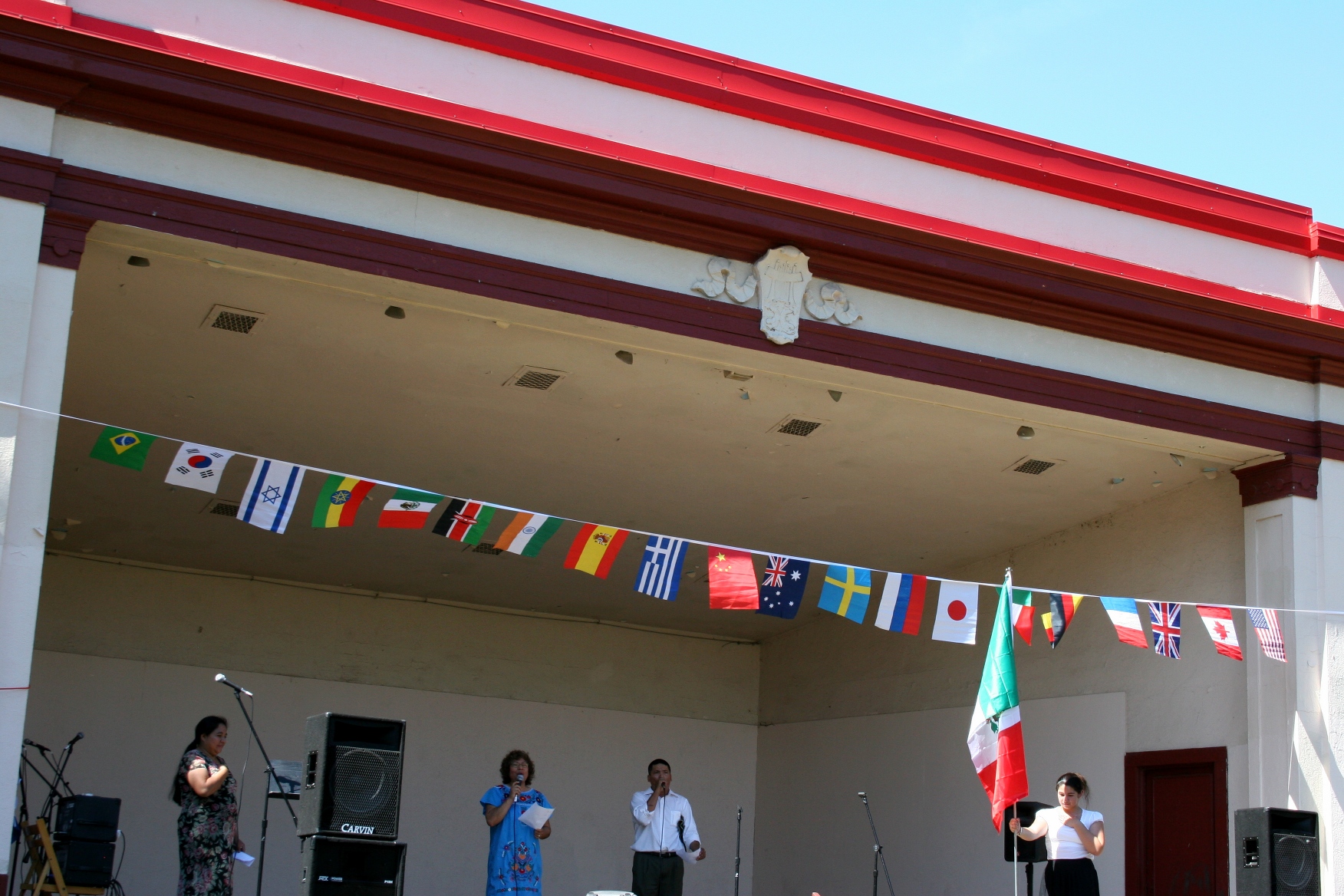
Several Latinos lead in singing of Mexico’s national anthem last September during the International Festival Faribault at Faribault’s Central Park.

ORGANIZERS OF THE SEVENTH ANNUAL international festival celebrating the cultural diversity of Faribault are looking for participants, help and donations for the Saturday, August 25 event.

Can you help?

And when I say “you,” I mean anyone, whether you live in or near Faribault or not.

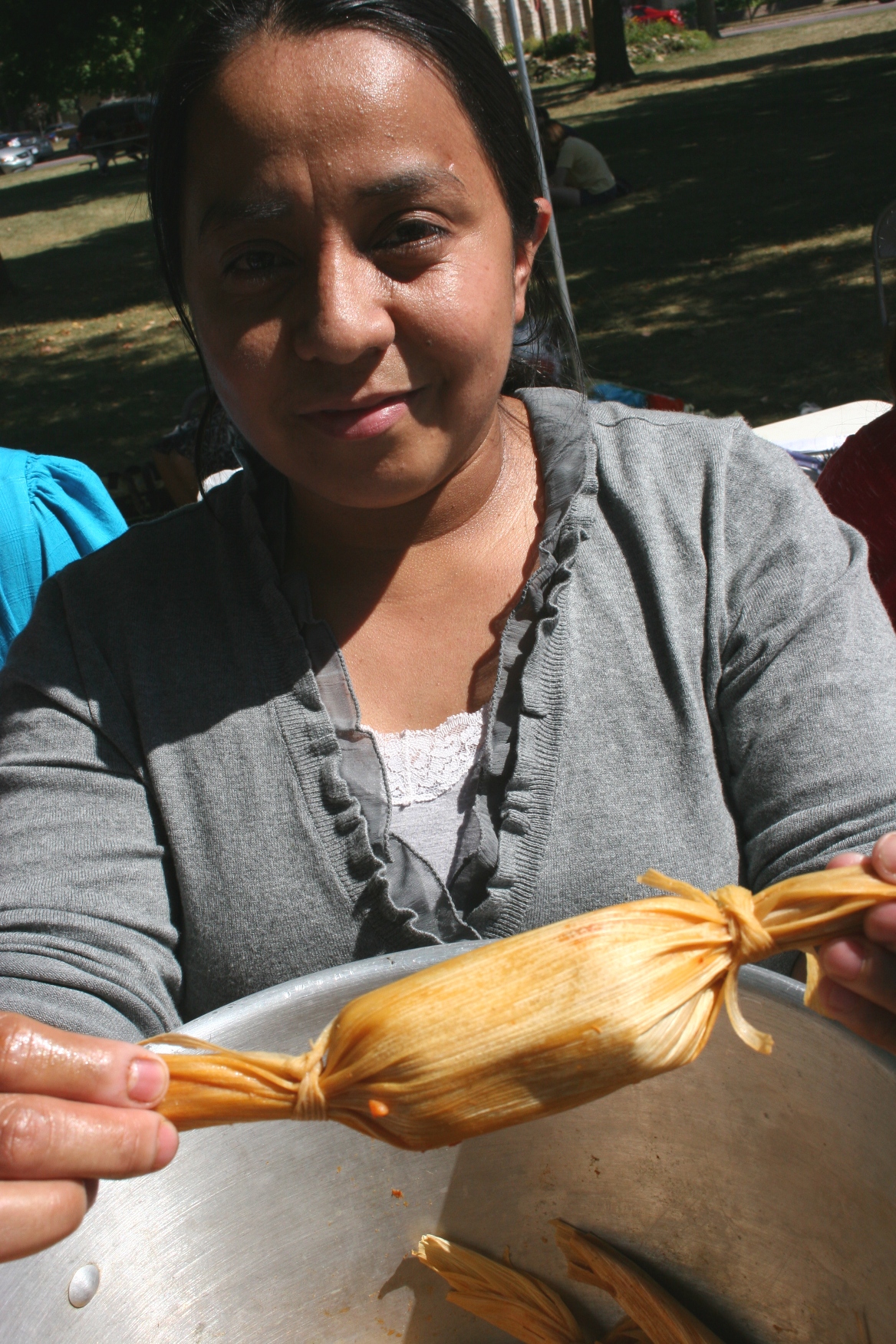
Served at the 2011 fest: Guatemalan chuchitos– chicken, corn and salsa wrapped in a corn husk.

Drive on down from the Cities; we’re only an hour from downtown Minneapolis. Or drive across town to set up a booth showcasing your culture at International Festival Faribault. Sell ethnic cuisine. Pedal your ethnic arts and crafts or other merchandise. Show and tell and educate the public about your culture in this event pegged as “neighbor meeting neighbor.”

I like that neighborly phrase, for it is when we meet face-to-face and engage in conversation and sample each others food and learn each others customs that the cultural barriers begin to fall and friendships (or at least understanding) form.

Vendors, like this Somali woman, peddled their wares at the 2011 festival.

Table and booth space at the 10 a.m. – 4 p.m. festival are currently available to the public for a $20 fee. But get this: You keep all profits earned. Non-profit organizations get free space.

Now if that isn’t enough incentive to book a spot in Faribault’s Central Park for the day, consider how you will help advance the mission of the non-profit International Festival Faribault. Here’s the organization’s mission:

…to promote understanding between diverse cultures within Faribault, MN; uniting the community with music, dance, ethnic foods and merchandise which is experienced at a once a year festival organized by the committee.

Hoop maker, performer and teacher Adrienne Lee teaches a Girl Scout the art of hoop dancing. The Girl Scouts were among the non-profit groups with booths at the 2011 fest.

Already, Spanish and Somali singers, a local dance academy and several small bands have committed to providing on-stage entertainment. A hula hooper and jugglers are signed on to wander through the crowd.

The scramble for candy after the pinata is broken at last year’s festival.

What can you contribute? Dancing, singing or other musical entertainment from your culture? On-site ethnic art/crafts demonstrations? Are you willing to sing your country’s National Anthem on the Central Park Bandshell stage? How about presenting a mini drama or storytelling focused on your ethnicity? Can you plan and lead ethnic activities for kids?

The group also needs volunteers to assist with set-up and clean-up, help throughout the day, etc.

Monetary and silent auction donations are also needed. Do you have a tent and/or tables the group can borrow? Can you help with banners or flyers? Donate food items?

Yes, the list of needs is lengthy. But remember the “neighbor” part of this festival? Neighbors help neighbors.

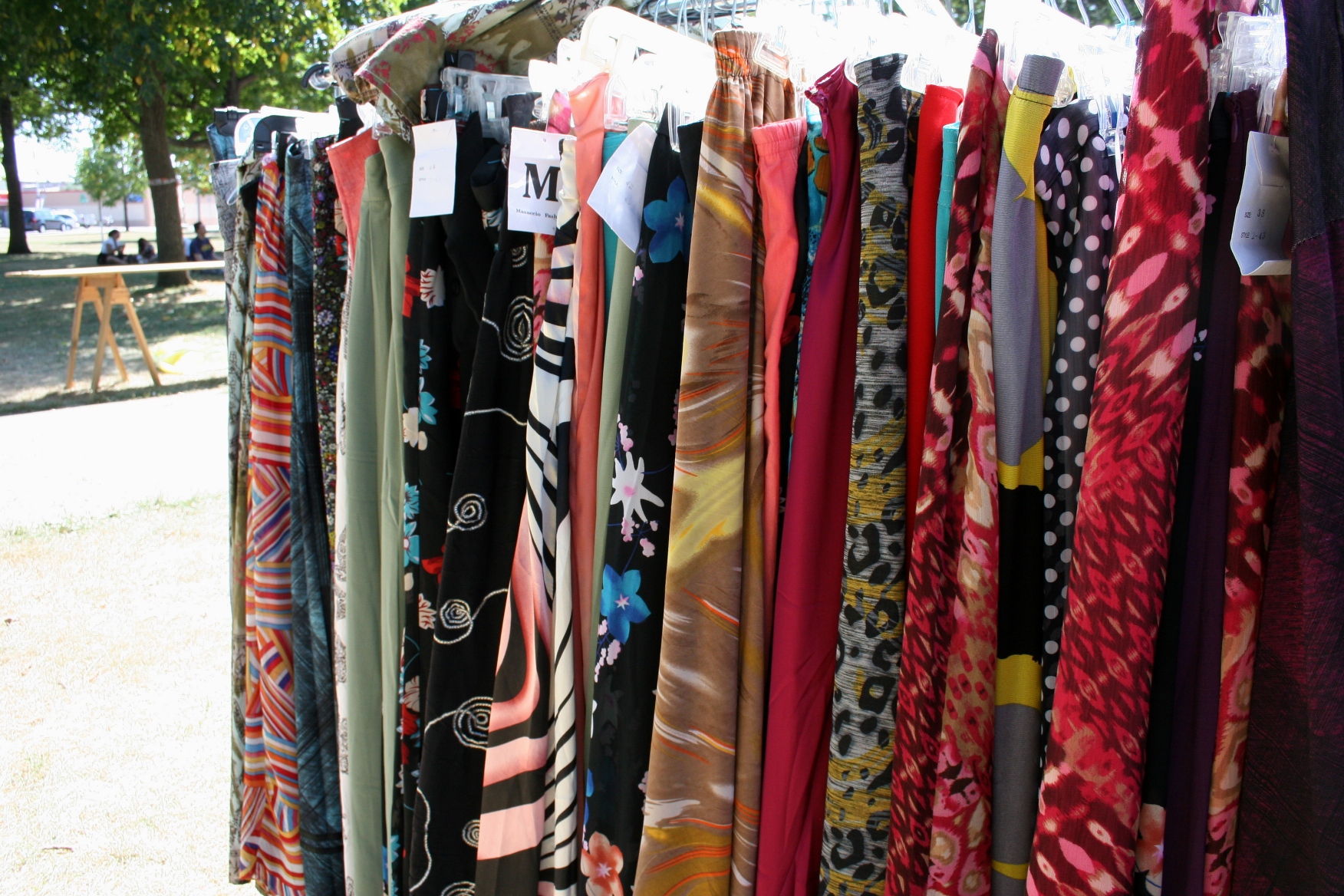
Colorful skirts for sale at Riyaam’s booth during the 2011 celebration.

If you are interested in participating, contributing or helping in any way, email internationalfestivalfaribault@gmail.com or call (507) 412-9139. You must complete an application form and submit the $20 payment in advance to reserve a booth/table space.

Also, click here to visit the festival website at http://internationalfestivalfaribault.blogspot.com.

Finally, even if you’re unable to participate or donate, mark your calendar for 10 a.m. – 4 p.m., Saturday, August 25, for the International Festival Faribault. Admission is free and I promise, you’ll come one step closer to understanding your neighbors.

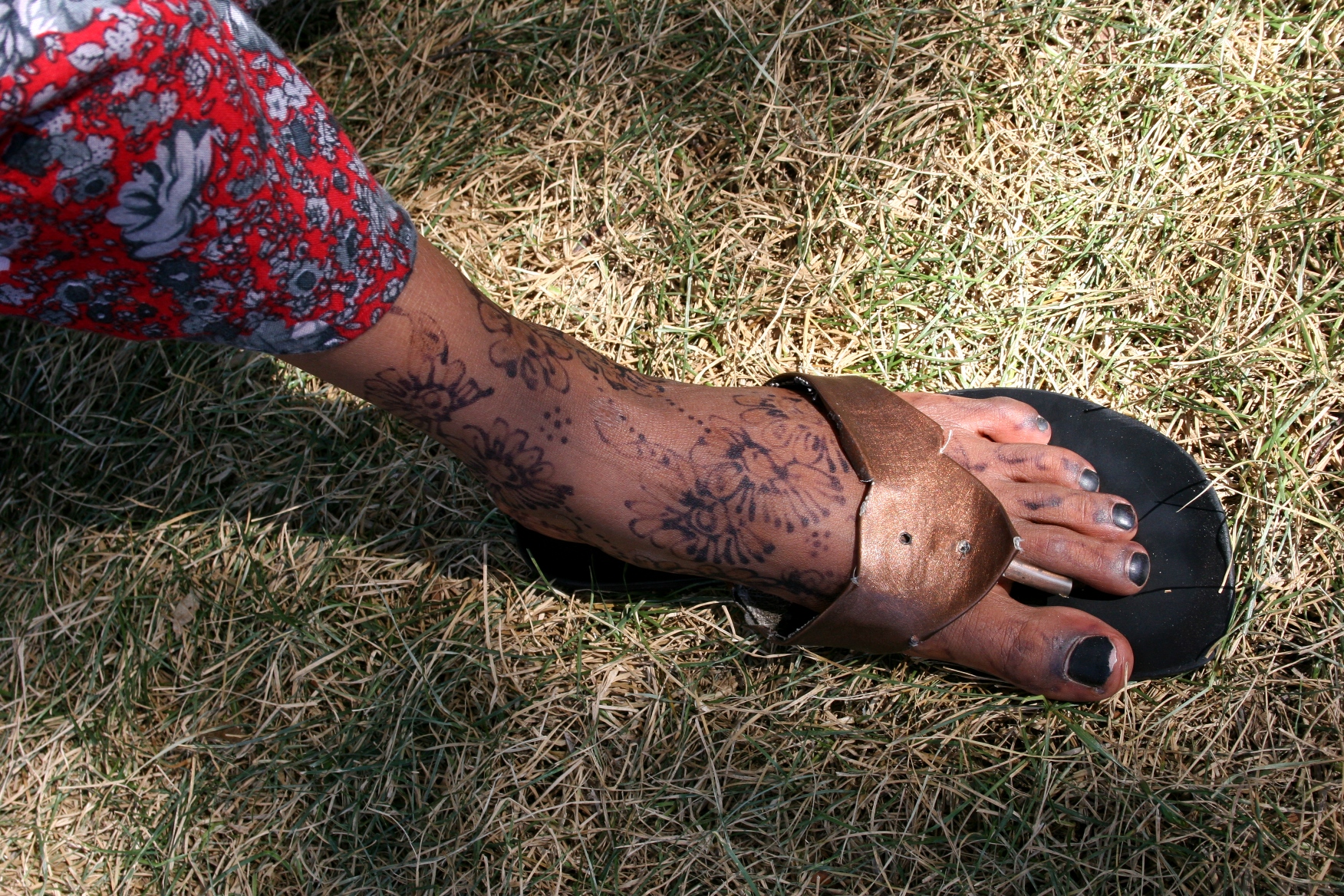
A young girl’s henna stained foot, photographed at the 2011 fest..

© Copyright 2012 Audrey Kletscher Helbling

 

St. Paul artist connects art to geocaching via her GeoNiche Project July 11, 2012

A ST. PAUL ARTIST and educator with roots in the southwestern Minnesota prairie is bringing her art to the public via a project that links art to geocaching.

Felice Amato, who grew up in Cottonwood and Marshall, has hidden about 15 original works of ceramic art in St. Paul and in southeastern Minnesota through her GeoNiche Project, funded by a Minnesota State Arts Board Artist Initiative Grant awarded in 2011. To date, she’s stashed her sculptures at Swede Hollow, a St. Paul Park, and in or near Faribault, Red Wing and Winona. She’s created pieces for the Red River Valley area, too, but has yet to install them. And she would also like to sculpt GeoNiche art for her native prairie.

Amato follows the geocaching model wherein geocachers use GPS devices or smart phones to find her art based on geographic coordinates and clues. Her caches are listed on Geocaching.com as felice.amato and on Opencaching.com as felice1.

The project evolved as Amato considered a unique way to get the ceramic niches and tableaus she’s made for years out to the public. “My sister, brother and aunt are avid geocachers and it just struck me that this could be an interesting way to make my work public,” she explains.

Finding no one out there doing exactly what she proposed, Amato moved forward with the GeoNiche Project and her unifying theme of women’s lives.

“I wanted to create secular niches that spoke to a sense of place, history and continuity—and that honored the important life moments that we all experience,” she says.

“Under the Arbor,” one of the GeoNiches placed in Swede Hollow. Photo courtesy of Felice Amato.

She placed her first GeoNiche close to home, a mile away in Swede Hollow, a St. Paul valley originally settled in the mid 1800s by Swedish immigrants and thereafter by Polish, Italians and Spanish Americans. “The rhythm of settlement in Swede Hollow made that especially rich,” Amato says. “Flooding, impermanence and the piecing together of community shanty by shanty—the thriving, the dispersal, the abandoning, the reclaiming—it all inspires my imagination.”

This photo, courtesy of Felice Amato, shows houses and quilters in progress for Swede Hollow.

Amato was inspired to shape pieces like “Mother and Child by the ‘Hobo’s Washroom’,” “Little Girl with birds,” “Bread house” and three other larger works for Swede Hollow. Those GeoNiches hint at folktales based on the experiences of the immigrants who once called this place home. A hand-drawn map to those artworks can be found inside a GeoNiche by Swede Hollow Cafe (coordinates N 44° 57.551’ W093° 04.330’) as Amato awaits approval of official Geocaching.com listings for Swede Hollow.

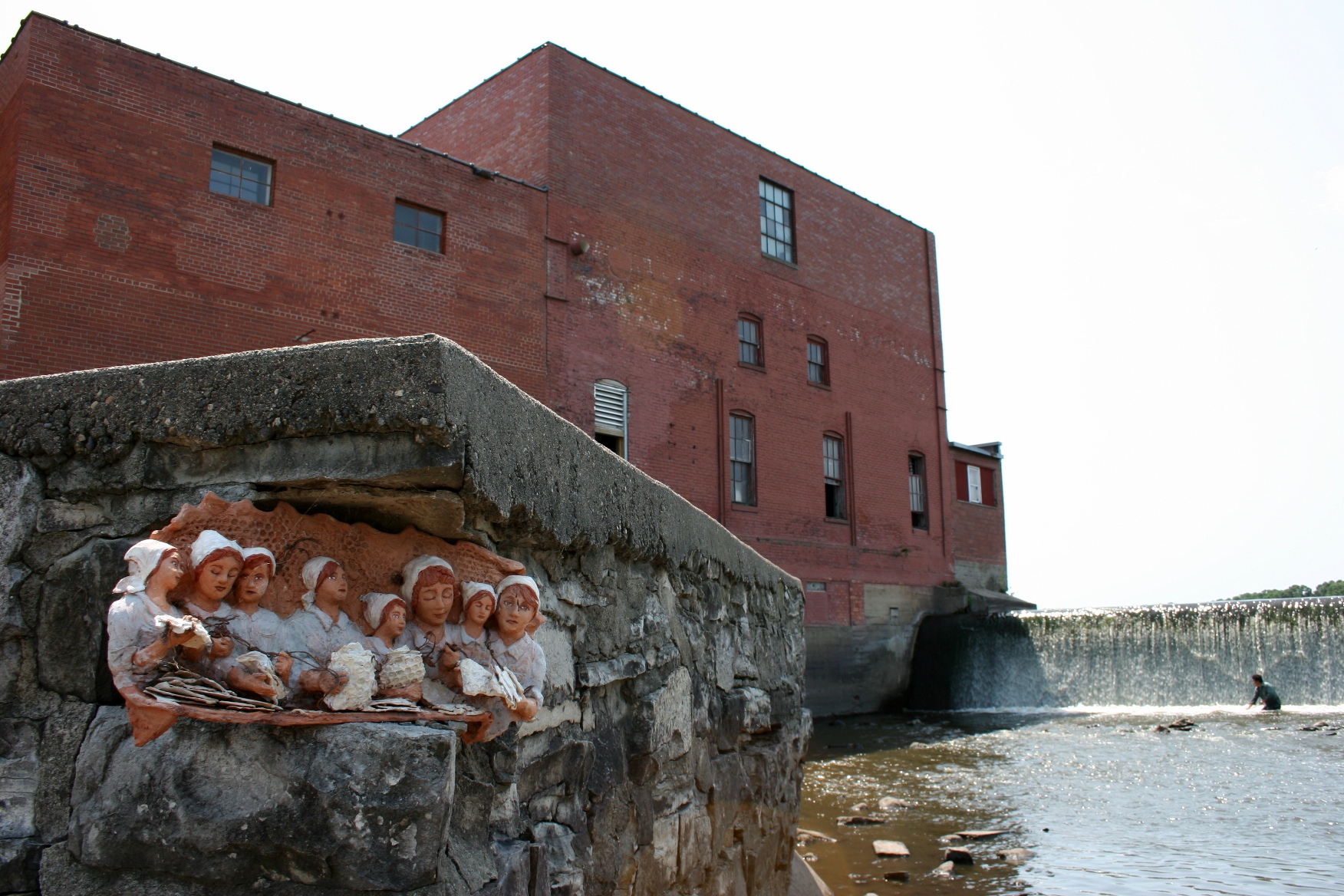
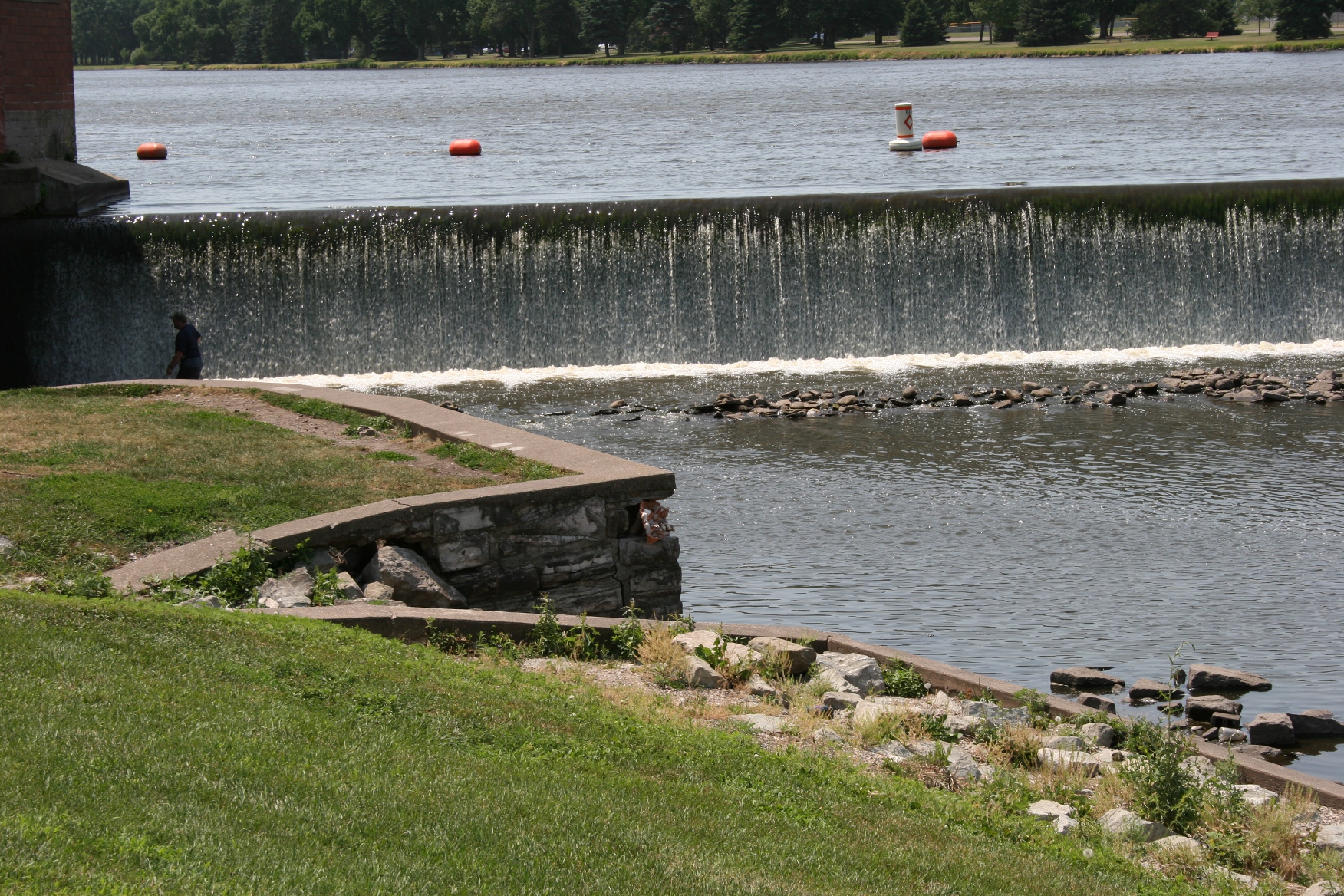
“Seamstresses” in place at the historic Faribault Woolen Mill along the Cannon River blends seamlessly into its environment. Photo by Audrey Kletscher Helbling.

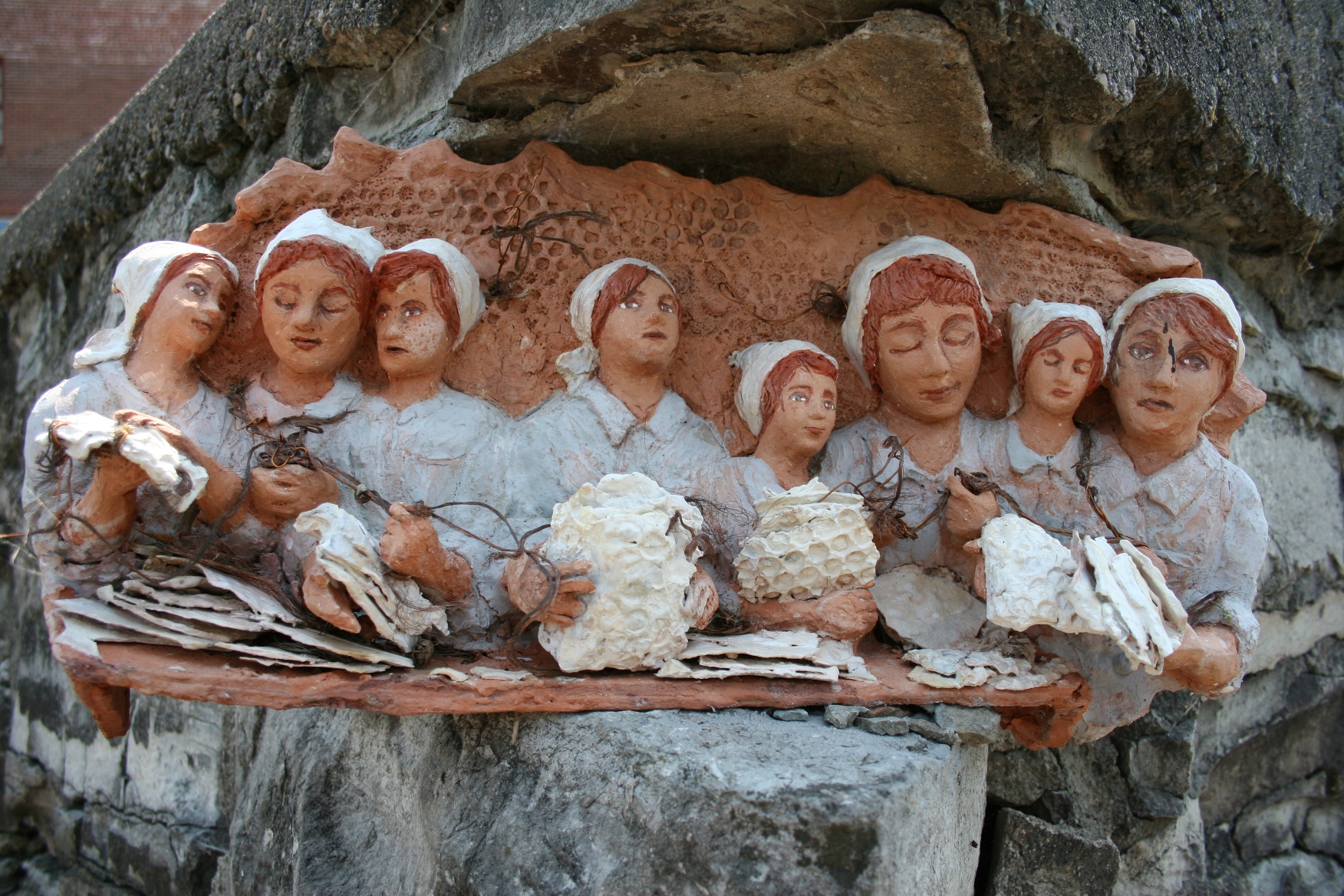
In Faribault, she was naturally drawn to the Faribault Woolen Mill, she says, because of an art series initiated several years ago on women in factory settings. Amato created “Seamstresses” and tucked it into a niche along a retaining wall at the mill next to the Cannon River.

Amato’s sculptures tell a story as seen in this close-up of woolen mill factory workers. Her sculptures are made from paperclay with wire details. Photo by Audrey Kletscher Helbling

Explains Amato of her women in factory art:

The metaphorical potential of women and labor—especially manual and repetitive labor—is enormous with so many different layers it makes my mind explode. To what did/do women give their lives? What other inner lives (maybe as poets or artists, or dreamers) did they have especially at times where realizing those passions was even more difficult than it is today? I wanted to speak to a sense of honor and even sacredness in the making, the plodding, the rote quality of manual tasks—often just a part of an end product. Sewing and weaving itself is rich with metaphor as is the factory setting: the balance of isolation and comradery.

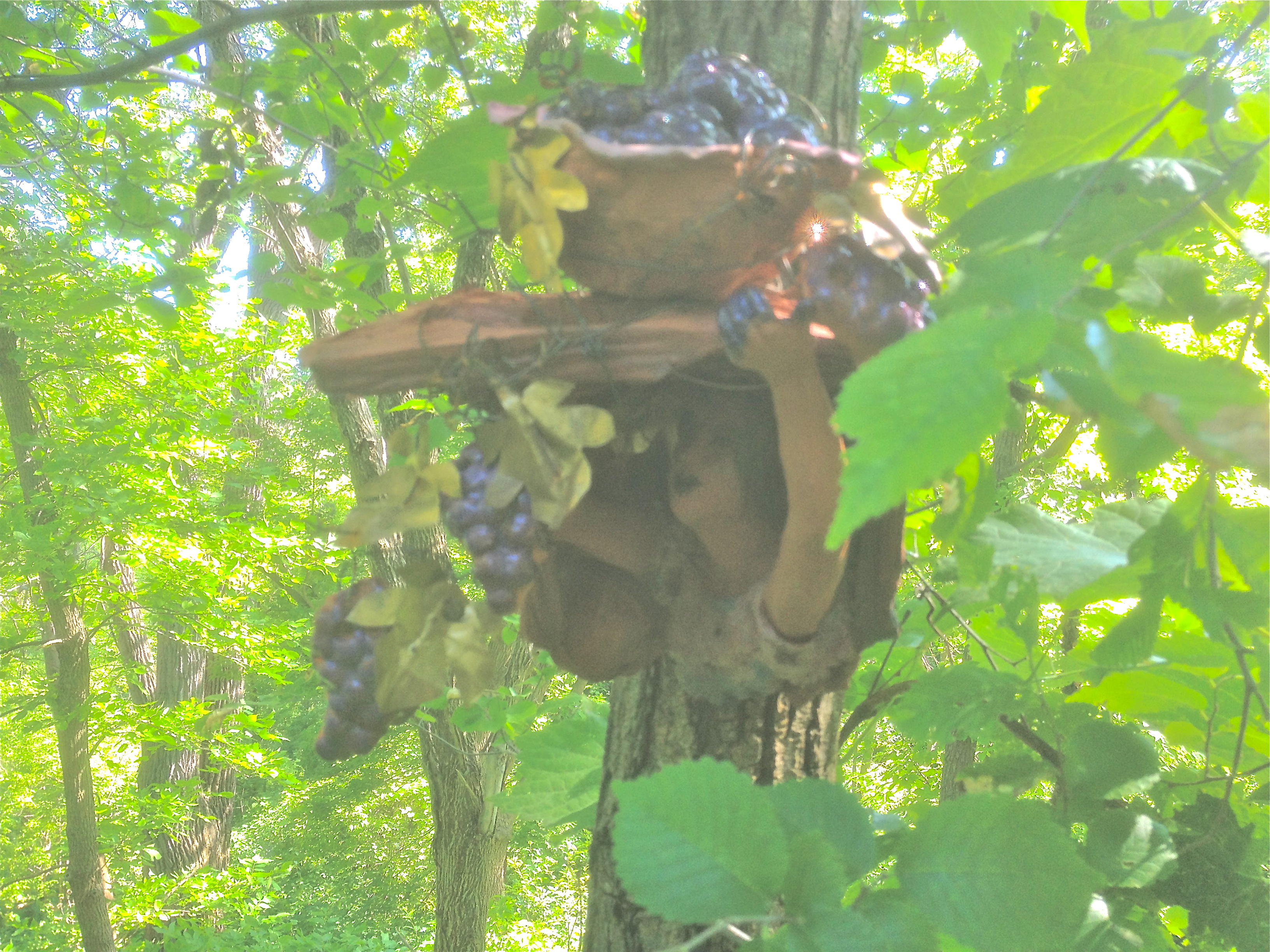
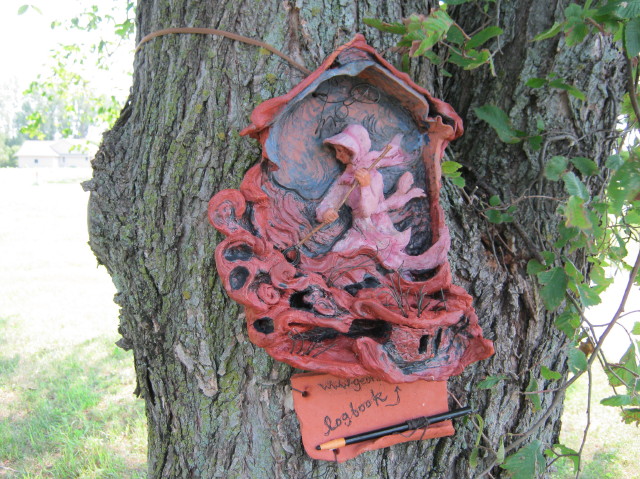
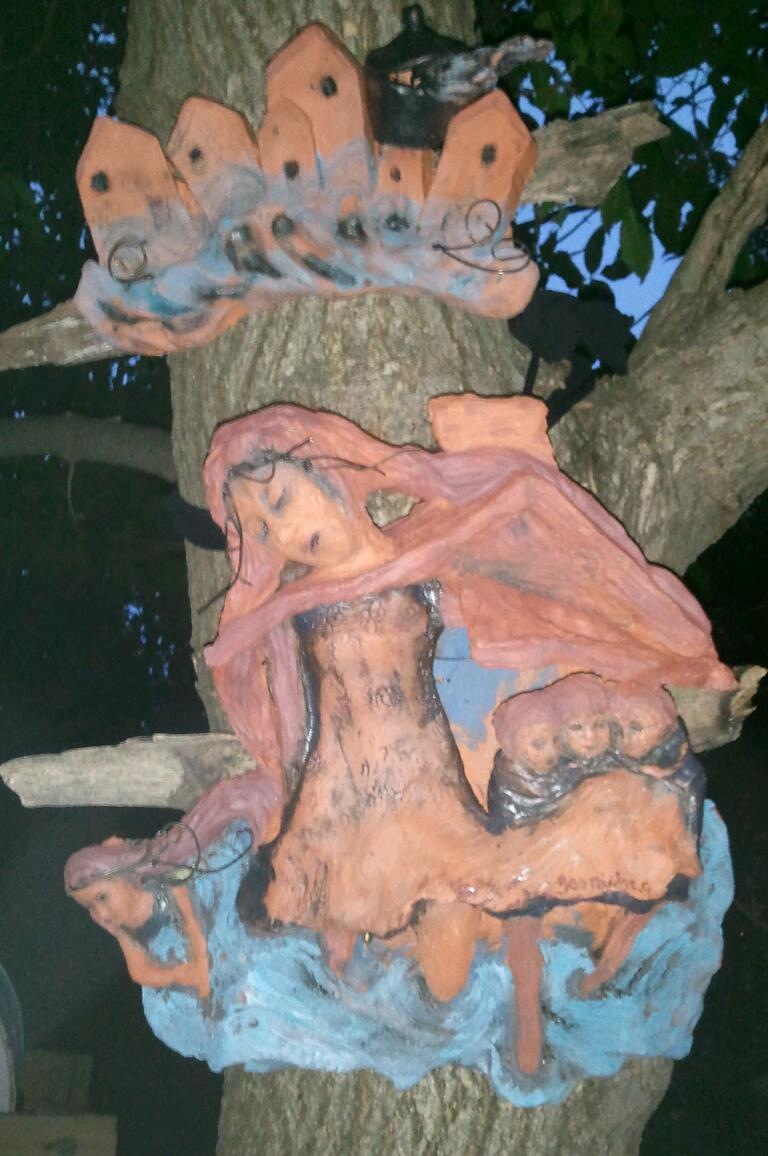
Amato secured “Prairie” onto a tree near a bike trail west of Faribault. Photo by Kevin Kreger.

Outside of Faribault, lashed onto a tree along a bike trail, Amato switches to a rural theme in “Prairie,” a definitive piece which connects to her prairie roots. The sculpture was partially-influenced, she says, by “the solitude and perseverance of the prairie woman in her battles with so many forces—the soil, the wind, the grasshoppers, the fires.”

Geocacher Kevin Kreger of Faribault, who sought out both Faribault area GeoNiche art pieces, says he was drawn in by “Prairie” and found the placement of “Seamstresses” at the Woolen Mill a fitting location.

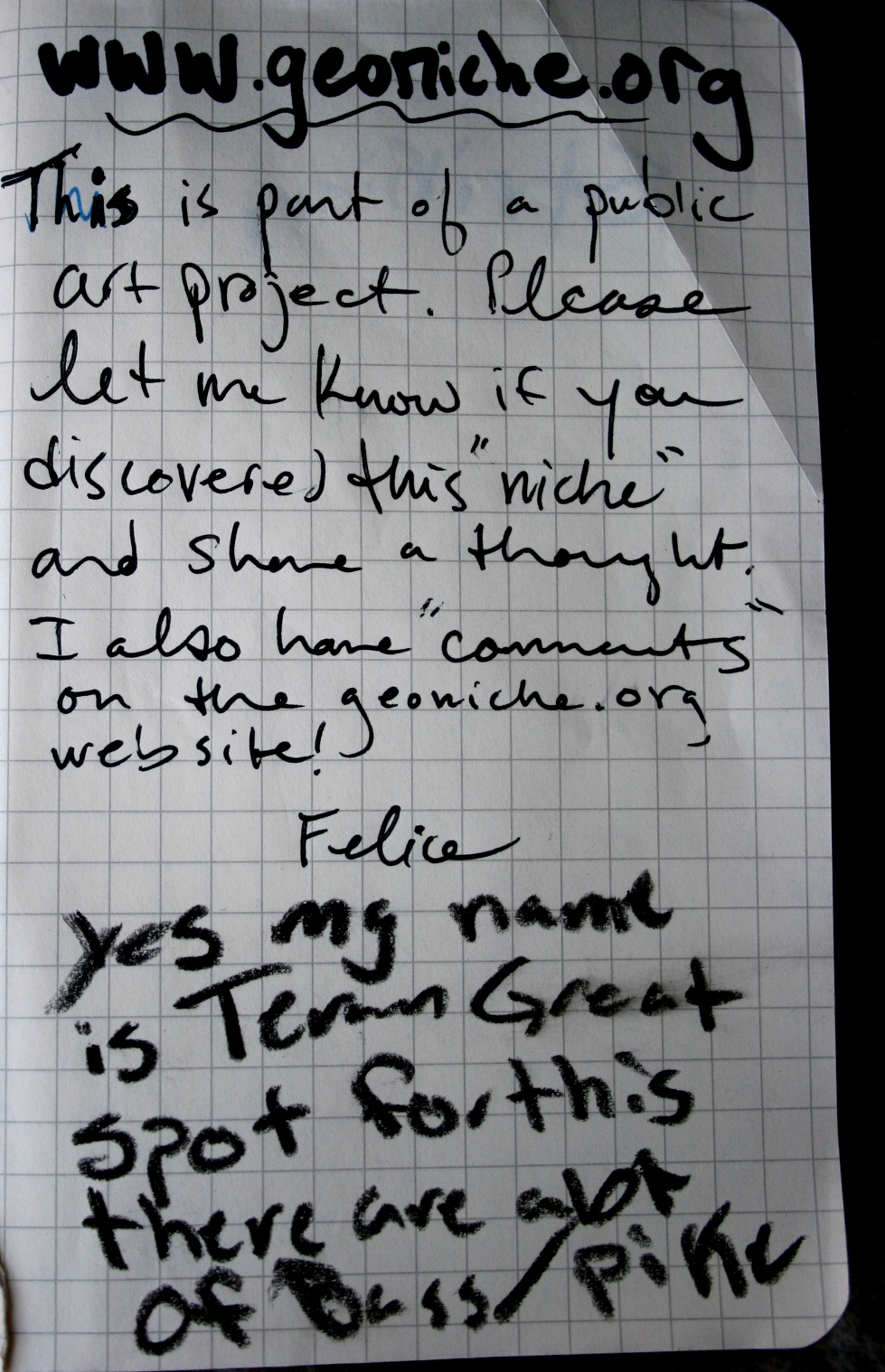
The sweet surprise GeoNiche at the Faribault Woolen Mill. Wear solid walking shoes as you will need to walk over rocks (not the ones photographed here) to reach this art treasure. Amato encourages finders to sign the logbook tucked into a plastic bag behind “Seamstresses.” Photo by Audrey Kletscher Helbling

“The idea (GeoNiche) delights me,” says Kreger who has been geocaching for half a dozen years everywhere from New York City to the Oregon coast and as near as a local county and city parks. “Turning the corner, seeing another’s idea of beauty in an unexpected spot, it’s one of those unanticipated sweet spots in life.”

The first entry in the “Seamstresses” logbook. Photo by Audrey Kletscher Helbling

Amato hopes for that type of positive reaction from those who discover her public art hidden in niches. “Many people seem to really experience my work, seeing it as meaningful to them and that it is meaningful to me,” she says. “It evokes stories of memories or hooks people’s imagination and emotions.” She wants finders of her art to interact with her, to share their thoughts in her on-site logbooks and/or online.

Kreger appreciates the time and skill Amato has invested in creating her art, made from “paperclay,” a method of mixing paper pulp into recycled clay. He wonders, though, how long the GeoNiches will stay in place, comparing them to performance art and as a gift the artist must be willing to give up.

Another sculpture hidden in Swede Hollow Park. Photo courtesy of Felice Amato.

While one of her Swede Hollow GeoNiche sculptures was smashed, the rest have remained intact with one even moved to a more logical and visible location. Amato’s considered taking the pieces down for the winter or sealing them to protect the vulnerable clay from the elements. But she’s unsure. “When I installed “The Potter” in the pottery dump at Red Wing and looked at all the shards of broken ceramic work, I thought eventually she will be among that and it felt OK,” Amato says.

An overview of the location for “Seamstresses.” Look and you will find her sculpture in this image. The positive responses from the people of Faribault have been a huge incentive, Amato says, to explore the area more. Photo by Audrey Kletscher Helbling

Exact placement of her art is most successful, she adds, when the spot is discovered as though it was waiting.

Even though the grant period for her GeoNiche Project has ended, this St. Paul artist intends to seek additional funding to continue creating and hiding her art for geocachers and others who may happen upon it. She plans to work, also, with artist friends interested in GeoNiche. And she’s contemplating offering a GeoNiche workshop.

While she’ll seek out funding for her innovative project of connecting art and geocaching, Amato says she’s not a geocacher or a seeker.

“I would imagine,” she says, “most people are primarily either seekers or hiders. I am a hider.”

Artist Felice Amato. Photo courtesy of Felice Amato.

FYI: Felice Amato, the mother of two daughters, has been a public school teacher for nearly 20 years (teaching first Spanish and then art) and has also taught summer art classes and camps for children through the St. Paul non-profit, Art Start. She is an artist specializing in clay and tile making. Her artwork has been exhibited in numerous shows and in several galleries during the past 10 years with an upcoming show set for October 18 – November 17 at The Phipps Center for the Arts in Hudson, Wisconsin. For more information about Amato, click here to link to her Facebook page and here to link to her website.

Click here to link to Amato’s GeoNiche website.

And click here to check out her GeoNiche Project Facebook page.

© Copyright 2012 Audrey Kletscher Helbling
Photos by Audrey Kletscher Helbling, Felice Amato and Kevin Kreger


Embracing everyday & public art, plus a new sculpture in Northfield June 28, 2012

GROWING UP, I DIDN’T have all that much formal exposure to the arts. Not at home. Not in school. Not outside of either.

Life was different back then, in the 1960s and early 1970s, with families in my southwestern Minnesota farming community simply working long, hard hours to survive. We didn’t, for the most part, have art galleries and live theatre, concerts or art shows or any of those cultural centers and events that today are an assumed aspect of life, even in the most rural of areas.

Despite that absence of organized art opportunities, I was not deprived of art. Rather, its presence was subtle—found in the flower gardens of Great Aunt Dora, in the dance of corn tassels on a breezy summer afternoon, in the patchwork symphony of quilts my Grandma Ida stitched, in the blazing orange of a prairie sunset painted across the wide sky, in the distinguishable cadence of a John Deere tractor, in the stones my great uncle rockhounds collected, sculpted and polished to shiny perfection.

Those exposures to art were so much a natural part of my life that I never realized their significance as artful influences.

Today I can find organized art anywhere, including right here in my community of Faribault. I embrace (most of) it with exuberance.

And to the north, in neighboring Northfield, the arts scene is even more vibrant.

The recently-installed “Tree of Knowledge and Delight” at the Northfield Public Library.

At 4:30 p.m. this Friday, June 29, Northfield celebrates its latest addition to downtown art at the official unveiling of the “Tree of Knowledge and Delight,” a sculpture created by 10 Northfield High School students and installed in the Northfield Public Library plaza.
A St. Olaf College emeritus professor of art and a St. Olaf art apprentice guided the students in their non-credit, extra-curricular public art course which resulted in the sculpture. Funding for the Northfield Young Sculptors Project came via a $4,150 Legacy grant approved by the Southeastern Minnesota Arts Council.
I viewed the sculpture for the first time Sunday evening. I’ll admit that I didn’t study the sculpture like I should have. But oftentimes it takes me awhile to warm up to abstract art.

Eight branches comprise the tree sculpture.

But if you take the time to examine the tree, you will see the visual themes related to learning and individual artistic expressions—the book, the faces, the snake, the harmony of colors and more.
That students would have this opportunity to create such a sizable piece of public art seems exceptional. What an encouragement to them as young artists.

The “Tree of Knowledge and Delight” will remain at the library plaza for a year before relocating to a permanent home at Northfield High School. Plans call for a public sculpture to become an annual project for NHS students and their professional mentors. And that is good.

Yet, aside from this organized project, I hope students will not overlook the art in their everyday lives. For that is the art which, as I see it, defines the artistic world in its simplest, purest, most grassroots form.

FYI: This project was also supported by the Northfield Arts and Culture Commission, the Northfield Public Library, Northfield High School and the City of Northfield.

Right next to the Northfield Young Sculptors Project you’ll see this knit art wrapped around a “Do not enter” sign post. An attached tag, which includes a photo of a young woman, reads: “It’s immortality, my darlings.– Alison.” This is apparently a memorable line by character Alison DiLaurentis from the teen drama television series, “Pretty Little Liars.” Never heard of it. Any idea who placed this quote and knit art on the Northfield street sign? And what does that message mean anyway?

© Copyright 2012 Audrey Kletscher Helbling