A gift to me, with a note written in clearly disguised handwriting. (Minnesota Prairie Roots copyrighted photo May 2023)
THIS MORNING A PACKAGE landed on my front steps. Unexpected. A sweet surprise on this first day of May, a day typically reserved for May baskets left by someone who rings the doorbell, then runs away. I’ve previously received such May Day drops of treats and lovely wishes. But today, oh, today, I got a book dropped by the United States Postal Service.
Fed Up! A Feast of Frazzled Foods by Rex Barron was exactly what I needed. This ABC children’s picture book, which is really for any age, made me laugh. Laugh because it fits how I feel right now. Fed up. Not with anyone, but rather with my recent diagnosis of vestibular neuronitis. The nerve which controls balance in my right ear has been inflamed, leaving me with multi-layered issues. Basically, because of a roadblock in the interconnected pathways in my brain, I need to retrain my brain to navigate along different paths. I’m doing that via vestibular rehab therapy.
Someone among my blog readers latched onto that and found Fed Up!, a vivid and humorous book so fitting of how I feel and what I am attempting to accomplish—retraining of my brain. I have no idea who sent this to me. But thank you!
I also want to take a moment to thank all of my readers. When I started blogging in July 2009, I did so because I am passionate about writing and photography. I’d just ended a blogging gig with a Minnesota magazine, no longer in circulation, and wanted to continue blogging. So I launched Minnesota Prairie Roots. But blogging grew into much more than an outlet for my creativity. It grew into a community. A community that I’ve found incredibly kind, caring, compassionate and more. Friendships have formed. I’ve always felt encouraged, supported and appreciated, whether I’m writing about a day trip discovery, a new book or personal challenges. Likewise, I appreciate that readers share their stories so that I can reciprocate. We are, after all, all part of this family of humanity that ought to care about one another.
Fed Up!, the ABC book gifted to me today is just one of many examples of the kindnesses extended to me through my years of blogging. That an anonymous reader took the time to find this fitting book and then pen an appropriate note touched me deeply and reaffirms my belief that much good still exists in this chaotic world.
How could I not laugh at “Cabbage Crying over Coleslaw” or “Impatient Ice Cream” (with a graphic of a melting ice cream cone) or “Radishes Relax by a Radio”? I laughed in the humor of it all—images and word. But, even more than that, I feel gratitude on this May Day to this anonymous friend and to my wider community of caring readers. Thank you!
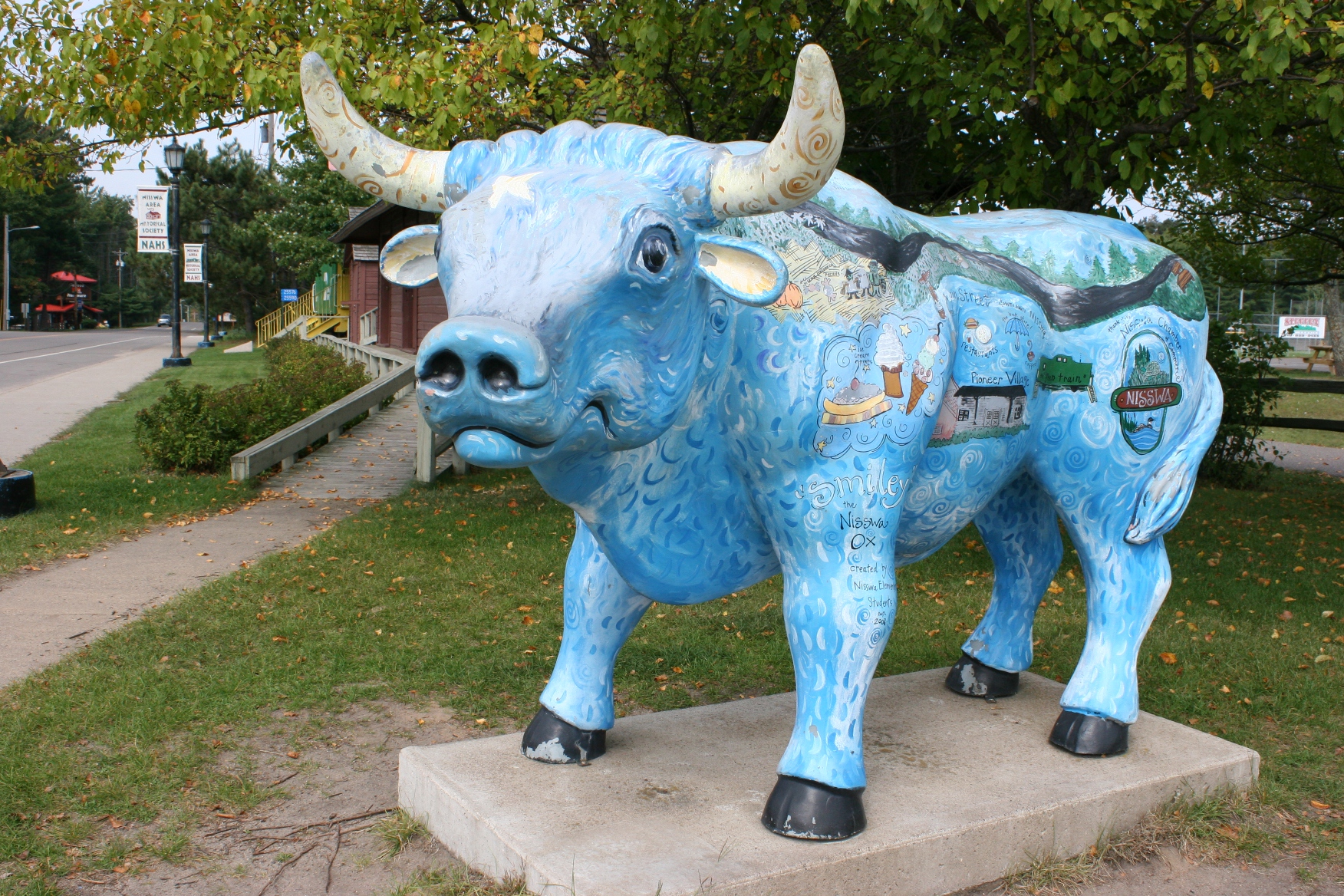
Babe the Blue Ox of Paul Bunyan legend stands along Nisswa’s Main Street. In her book, Larson encourages readers to seek out the many Minnesota-centric statues found throughout our state. (Minnesota Prairie Roots copyrighted file photo 2017)
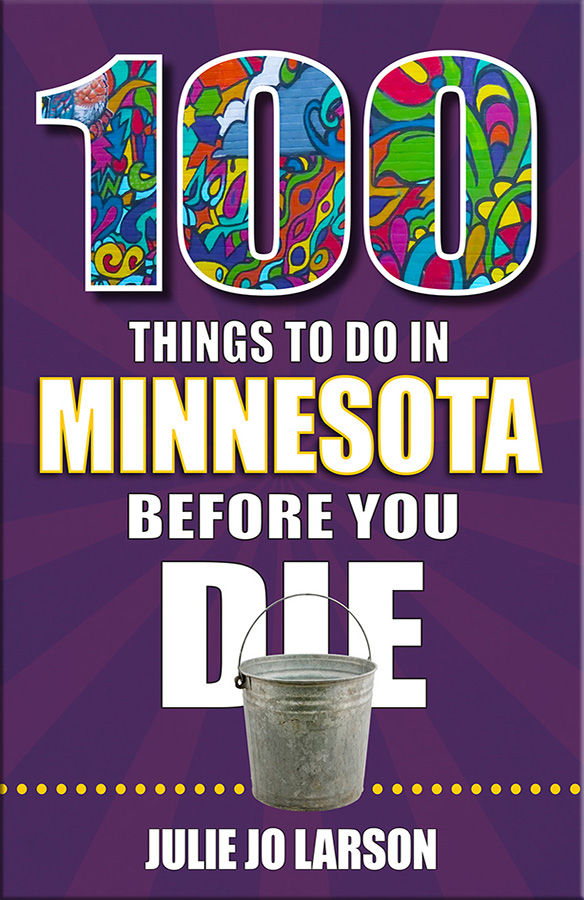
Minnesota is an expansive state, spanning 400 miles from north to south and 350 miles from east to west. So there’s lots to see and do from prairie to woodland, from lakes to rivers, from bluffs to valleys, from small towns to bigger cities. Larson offers a good mix of destinations and activities.
Domeier’s German Store, nestled in a residential neighborhood for decades, is a must-see German import shop in New Ulm. (Minnesota Prairie Roots copyrighted file photo)
I should note that I feel a kinship with Larson in a commonality of roots. She was born in New Ulm, in Brown County next to my home county of Redwood in southwestern Minnesota. New Ulm, situated in the Minnesota River Valley and rich in German heritage and culture, has long been a favorite community of mine. There’s so much to see and do from touring and sampling beer at August Schell Brewing Company; shopping at compact German import store, Domeier’s; exploring Flandrau State Park along the Cottonwood River; watching the Glockenspiel; and lots more. Larson now lives in rural Brainerd and has already written a guide on the Minnesota Northwoods. Her love for Minnesota shines.
Craft beer flights are served on old movie reels at Sleepy Eye Brewing, housed in a former movie theater. While not included in Larson’s book, I recommend a stop at this unique southwestern Minnesota brewery. (Minnesota Prairie Roots copyrighted file photo)
In creating this travel book, Larson divides her suggested “things to do” into five categories: Food and Drink, Music and Entertainment, Sports and Recreation, Culture and History, and Shopping and Fashion.
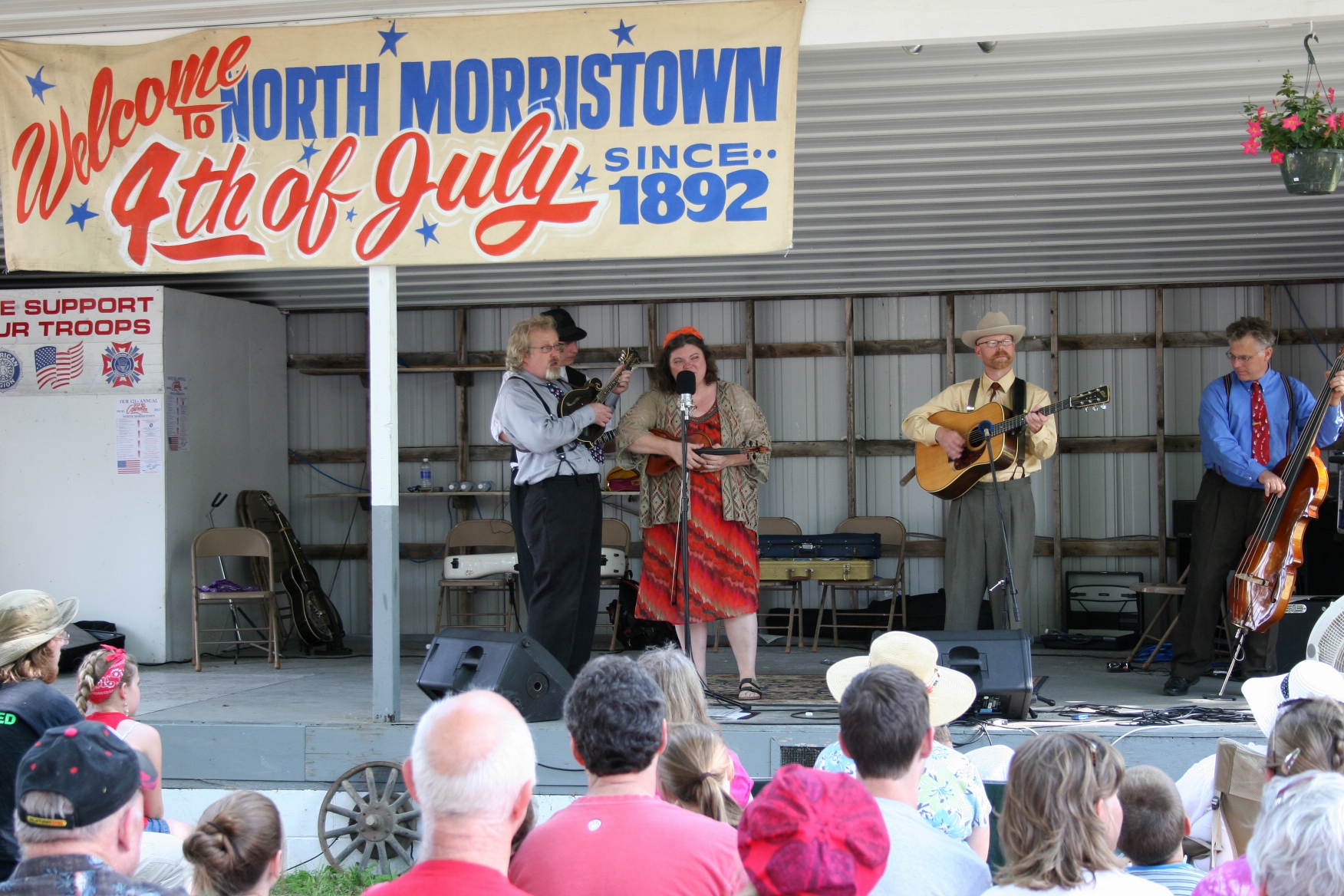
The bluegrass band, Monroe Crossing, performs every July 4 in North Morristown. (Minnesota Prairie Roots copyrighted file photo)
I so now want to try the chicken wild rice pizza at Poor Guy’s Pizza in Moose Lake. That—the wild rice part—sounds incredibly Minnesotan. I want to tour the Minnesota Music Hall of Fame in New Ulm to learn more about musicians and bands like Monroe Crossing, which performs each July Fourth in North Morristown. I want to wander among the 50 metal sculptures crafted by Ken Nyberg in Vining simply because I love outdoor public art. I want to tour the Mille Lacs Indian Museum and Trading Post in Onamia to learn more about that region’s Indigenous peoples. I want to peruse the handcrafted goods at The Shoppes of Little Falls. I want to…
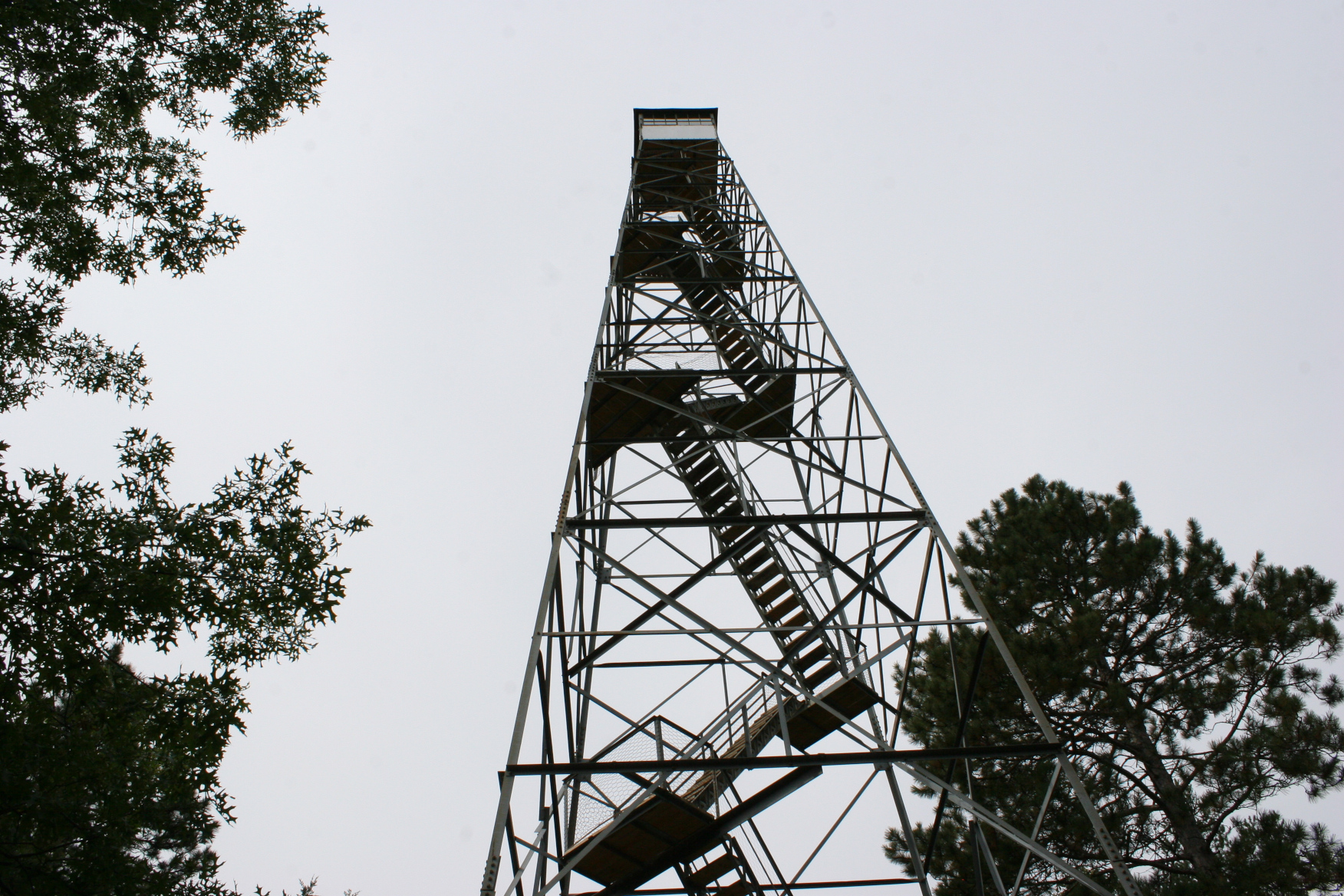
I climbed up to the tower, but not up the Paul M. Thiede Fire Tower. I’d suggest combining a stop here with Pequot Lakes’ annual Bean Hole Days in July.(Minnesota Prairie Roots copyrighted file photo 2021)
Yes, there’s a lot to do in Minnesota. Some things on Larson’s list, though, I won’t do. I won’t travel into the depths of the earth at the Soudan iron ore mine. I won’t climb to the top of a fire tower at Pequot Lakes, although I’ve hiked to it. I won’t zip through the trees 175 feet off the ground on a Kerfoot Canopy Tour in the Minnesota River Valley at Henderson. But other readers of Larson’s guidebook will and that’s good. Her “100 things to do” offers a variety of experiences and places that appeal to diverse interests.
At Minneopa State Park, Mankato, visitors can get up close with a bison herd on a drive-through across the prairie. (Minnesota Prairie Roots copyrighted file photo August 2019)
As a life-long southern Minnesotan who has explored this region extensively, I especially appreciate Larson’s tips from other areas of this vast state. She even breaks down her list to activities by seasons and suggested itineraries. Black-and-white photos scattered through the pages and a centerfold of color images only further entice readers to get out and explore.
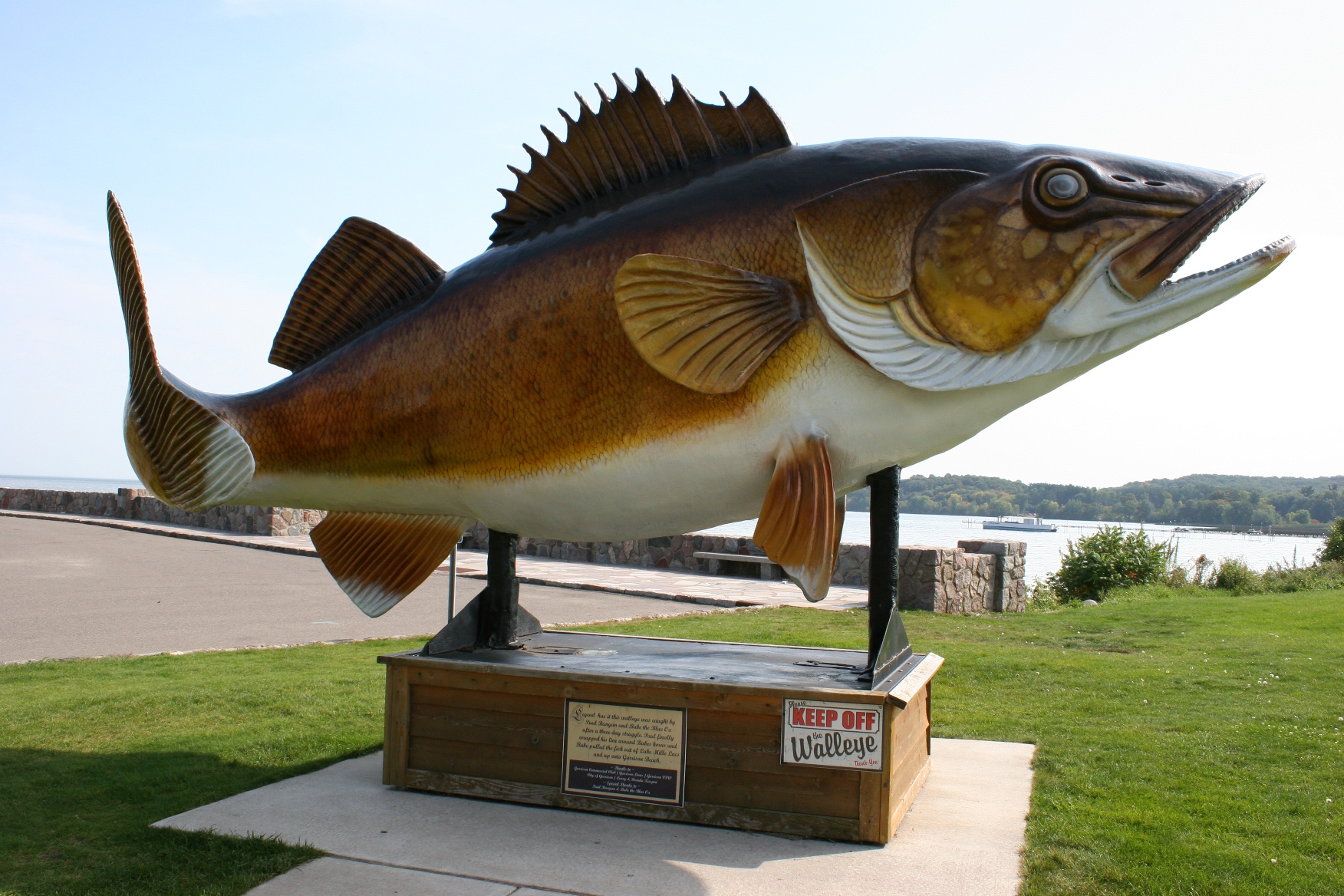
A walleye statue fronts Lake Mille Lacs in Garrison. The walleye is Minnesota’s state fish. (Minnesota Prairie Roots copyrighted file photo)
Bottom line, 100 Things to Do in Minnesota Before You Die rates as an excellent resource for anyone planning a road trip, looking for something to do/see while in a specific area of Minnesota or even just seeking to learn more about the North Star State.
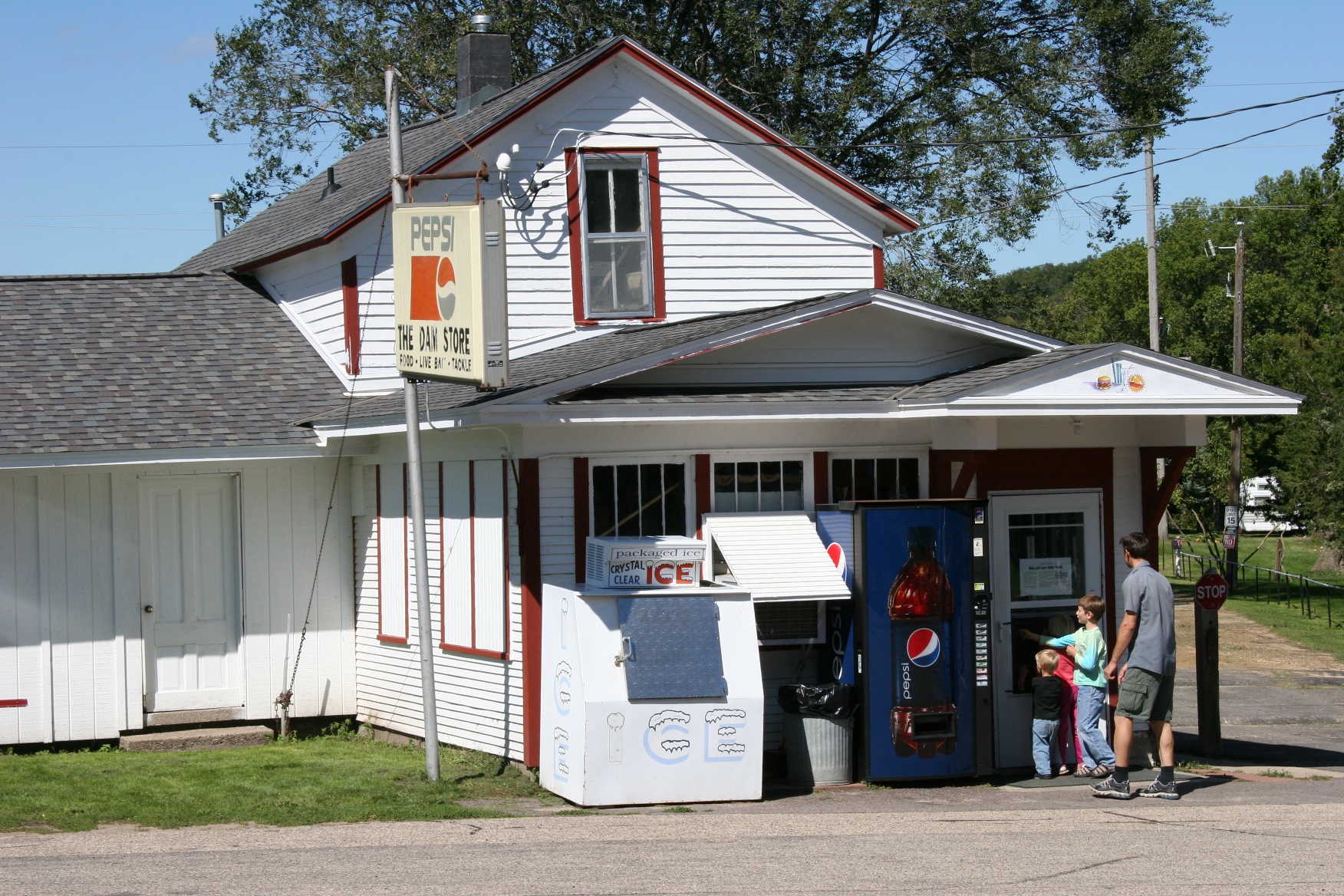
You’ll find great hamburgers and homemade piesat The Dam Store. (Minnesota Prairie Roots copyrighted file photo 2010)
Looking for a great slice of pie? Larson recommends (and so do I) the Rapidan Dam Store, yes, by the dam at Rapidan (which is near Mankato). Want to enjoy art in a top-notch museum along the Mississippi River? Visit the Minnesota Marine Art Museum in Winona. Interested in a cave tour? Head to Niagra Cave near Harmony. Wanna see a replica Viking ship? The Hjemkost Center in Moorhead features one. Need a book fix? Visit any one of Minnesota’s independent bookstores.
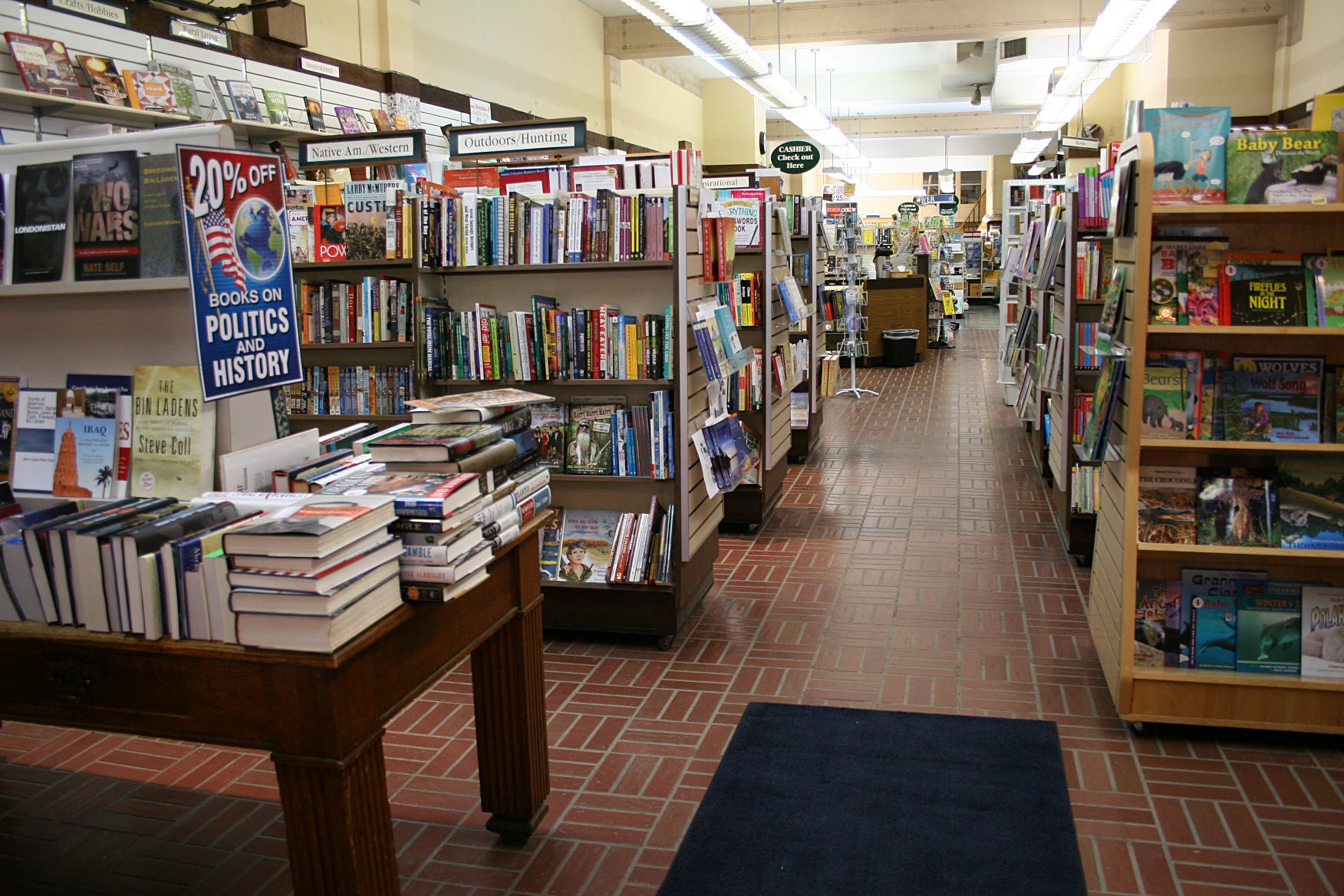
The independent bookstore portion of Victor Lundeen Company in Fergus Falls. (Minnesota Prairie Roots copyrighted file photo)
The team that worked to bring a Little Free Library to Vesta includes Dorothy Marquardt, left, and Karen Lemcke, representing the sponsoring Vesta Commercial Club, LFL co-founder Todd Bol and me (holding a copy of a poetry anthology I donated). (Minnesota Prairie Roots copyrighted file photo July 2012)
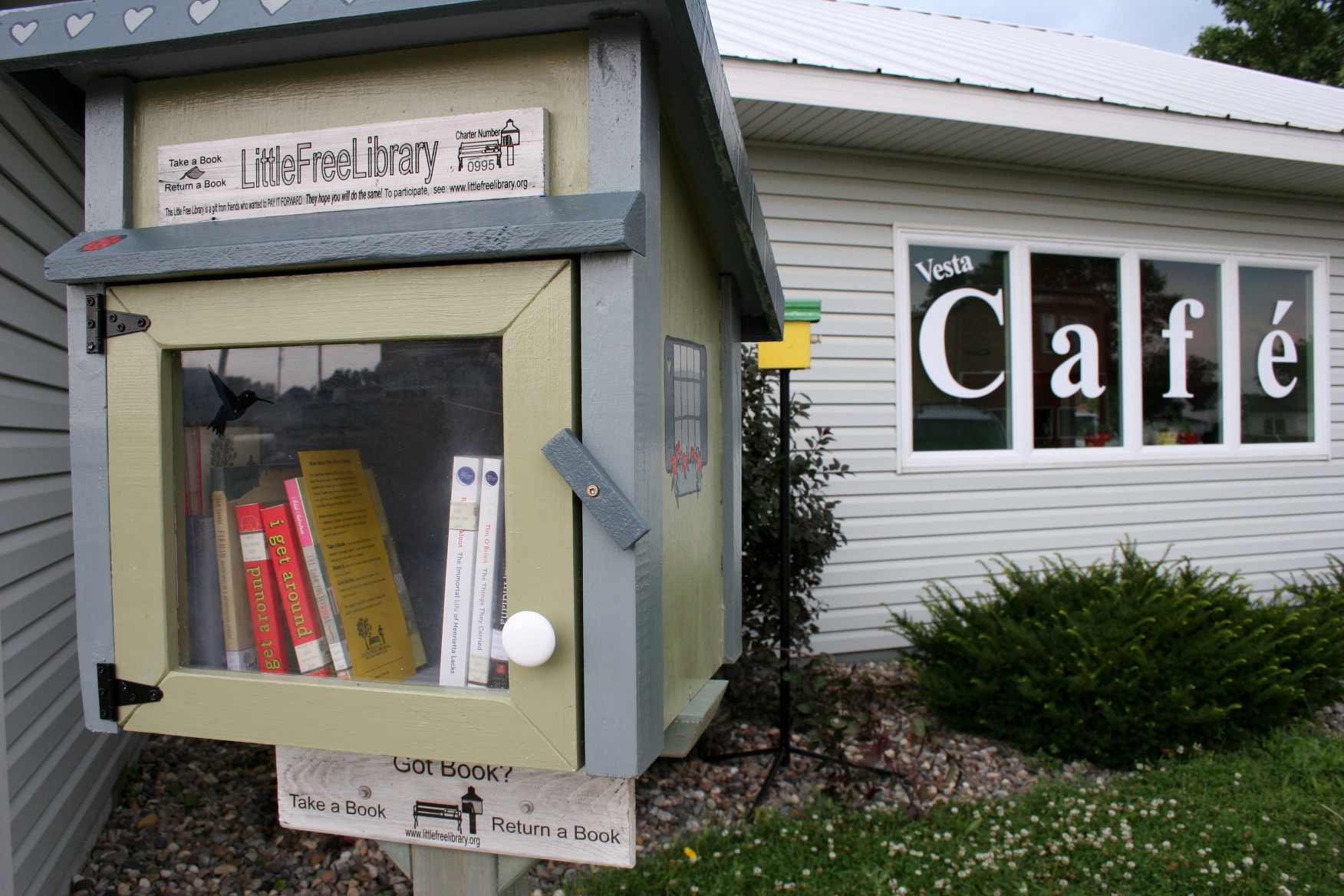
On a July afternoon in 2012, the Bols, a local newspaper reporter, two community leaders and I gathered outside the Vesta Cafe for the library planting. Todd and I then shelved the books we brought. From there the project grew with the cafe operators adding shelving inside for more books, and magazines. A librarian from nearby Wabasso contributed eight bags of books. And I brought more whenever I visited my mom. Community members embraced the LFL. Today the library has expanded into the City Hall/Community Center with a library based there. That’s inside the former Vesta Elementary School where all those years ago I learned to love books from teachers who read The Little House and other chapter books aloud each day after lunch. That compensated for the lack of an in-school library.
The books Todd Bol and I placed inside Vesta’s LFL. (Minnesota Prairie Roots copyrighted file photo July 2012)
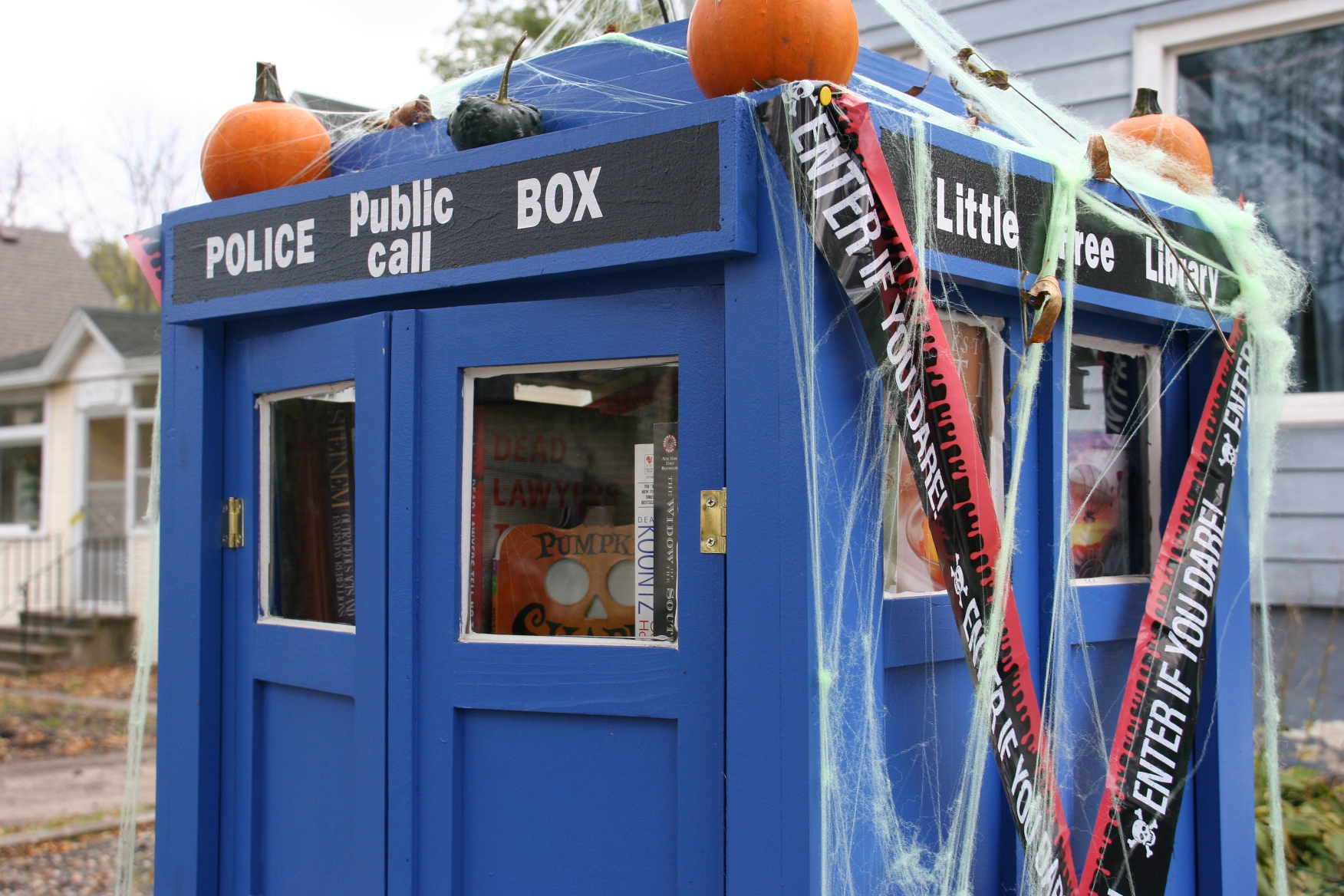
A Tardis LFL in a front yard in Waseca. (Minnesota Prairie Roots copyrighted file photo October 2018)
Thus far, the St. Paul-based nonprofit has donated more than 1,500 LFLs filled with books via the Impact Library Program. That includes 14 in Minnesota. One went to the small town of Goodridge in northwestern Minnesota near the Canadian border. The closest library is 20 miles away. I can relate to that geographical distance given I also lived 20 miles from a library as a child.
Buckham Memorial Library in Faribault. (Minnesota Prairie Roots copyrighted file photo December 2022)
Today I live several blocks from the public library in Faribault, a city of nearly 25,000 about 120 miles from my hometown. I’ve spotted many LFLs in Faribault neighborhoods. And I’ve also seen many others in Minnesota and beyond, most placed and maintained by individuals or organizations. I have easy access to books.
A LFL in an east-side Faribault neighborhood. (Minnesota Prairie Roots copyrighted file photo)
Yet, even with a public library nearby, a library may not be accessible to all. For example, in Le Center, a small town about 30 miles west of Faribault, a LFL was still needed, according to Christine. She applied for a free LFL and got one. In her application to the Impact Library Program, Christine noted the many low income families (including migrants) who live in this rural community and who have limited access to books. Now they have one more book source in a LFL. Also in southern Minnesota, the cities of Austin and Winona (both with public libraries), have LFLs as part of the Impact Library Program.
A LFL in downtown Decorah, Iowa. (Minnesota Prairie Roots copyrighted file photo)
When I think back to the July day Todd Bol arrived in my hometown 10 years ago with a LFL and books donated by participating publishers, I feel such gratitude. He told me at the time how much he loved books. And he showed that by bringing a little library to a town without a library. From there, the library in Vesta became so much more than little. It became big. Bigger than I ever dreamed.
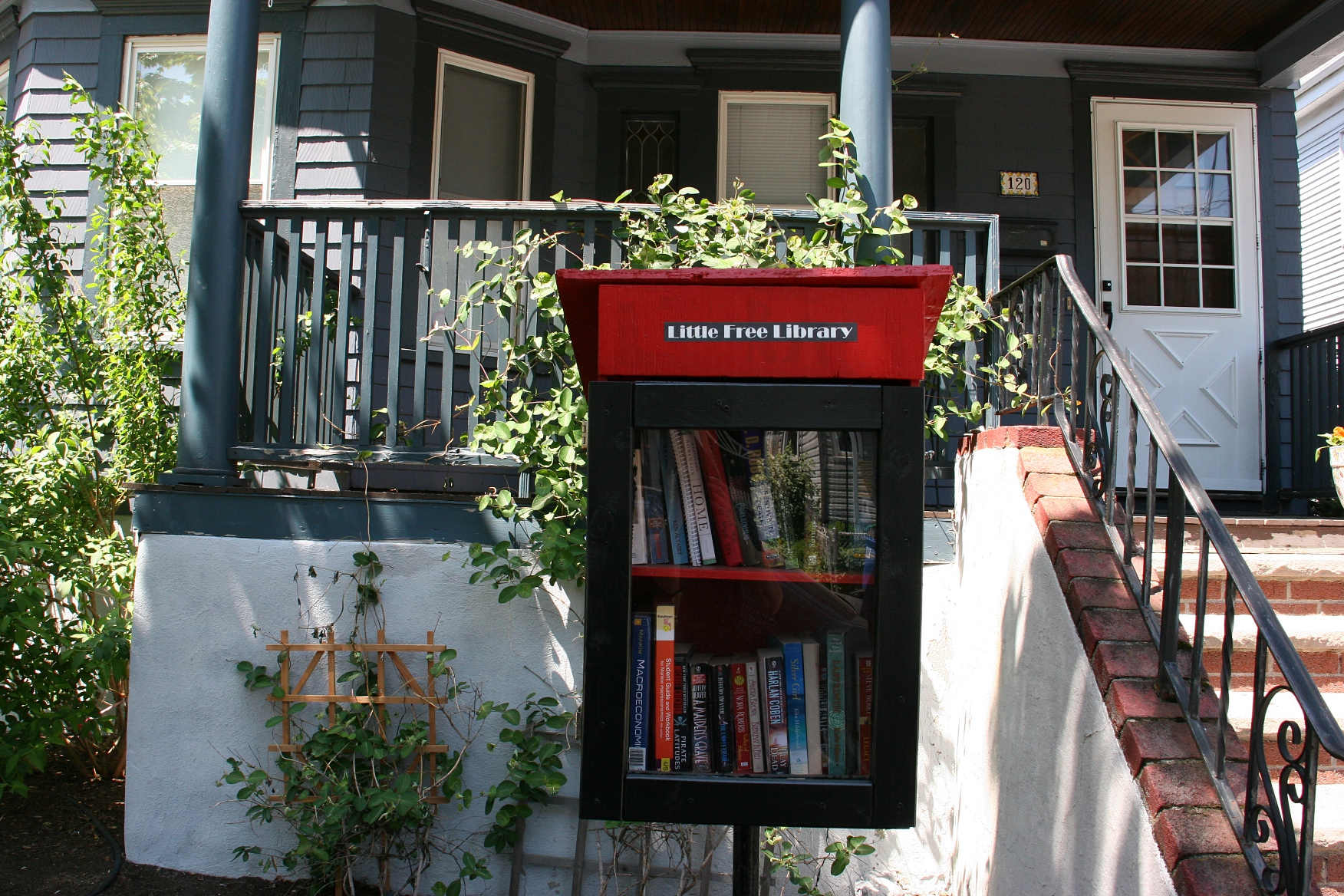
Photographed in a front yard in Somerville, MA., in 2016. (Minnesota Prairie Roots copyrighted file photo May 2016)
Books opened, still open, the world for me. They took, still take, me on adventures to places I will never visit, experiences I will never experience. Books grew, still grow, my love of words. And that love of words evolved into a love of writing. That’s powerful.
A LFL in downtown Plainview, a small southeastern Minnesota town. (Minnesota Prairie Roots copyrighted file photo June 2022)
FYI: If you’re in need of a LFL in your community or neighborhood, apply to the Impact Library Program. There are requirements such as maintaining and stocking the LFL, hosting a community event and more.
TELL ME: Are you the sponsor of a LFL or do you have one near you? I’d like to hear your stories.
I NEARLY STOPPED READING the book several chapters in. The content weighed on me, so emotionally heavy that I wondered if I could continue. But then the story line began to unfold in a more hopeful way. And I read on.
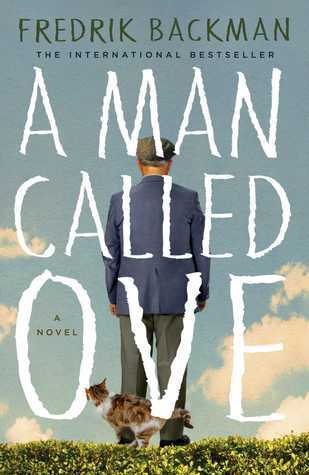
By the time I reached the final chapter of A Man Called Ove, I was so invested in this book, the characters and relationships that formed, the way lives intertwined to save a life, that I wondered why I ever considered not finishing.
This 2014 international bestselling novel by Swedish blogger and columnist Fredrik Backman now ranks as a favorite book of mine. It made me cry. Correction. Sob. I struggled to read the final pages as tears blurred my vision. It’s been awhile since a work of fiction has spawned such a heart-wrenching emotional reaction.
I challenge you to pick up this book and read about aging Ove and his grief and grumpiness and outspokenness and how the edges of his hardness begin to soften. I laughed. I cried. I worried. I felt hopeful. I cheered. I wanted to give Ove a kick in the pants. I pondered. I related.
The mix of emotions elicited by A Man Called Ove tells me one thing. This is a remarkable book. The writing. The way mental health weaves into the story. There’s no avoidance of hard topics—of bullying and trauma and loss and grief and obsessive compulsive behavior and suicide and the way the mind wraps and detours and struggles and copes.
Into all of this, the author brings hope. In new neighbors. In a mangy cat. In a teen with sooty eyes and a determined journalist and a friend with dementia. I appreciate how, in the end, differences matter not. It’s that kind of book. Real. Honest. Heart-breaking.
I did not see the American movie, “A Man Called Otto,” based on the book. I’ve been told it’s good by some, advised by others to watch the Swedish version instead. Usually I’m disappointed in film adaptations. I haven’t seen a movie on the big screen in many years.
This Sunday evening, movies will be front and center in Los Angeles as “best of” awards are presented at The Oscars. I didn’t find “A Man Called Otto” (or any of the actors/actresses) on a quick scroll through The Academy Awards nominees list. Tom Hanks stars as Otto. I’m not into Hollywood events like this, although certainly they are important to honor those who do outstanding work in their craft. Rather, I prefer books, where I can read and then visualize people, scenes, interactions. My imagination unleashes, prompted by the writing of creatives passionate about the written word.
TELL ME: Have you read A Man Called Ove and/or seen the Swedish or American film based on the novel? I’d like to hear your reactions to either or both.
Thank you to readers Ken and Colleen who suggested I read this book.
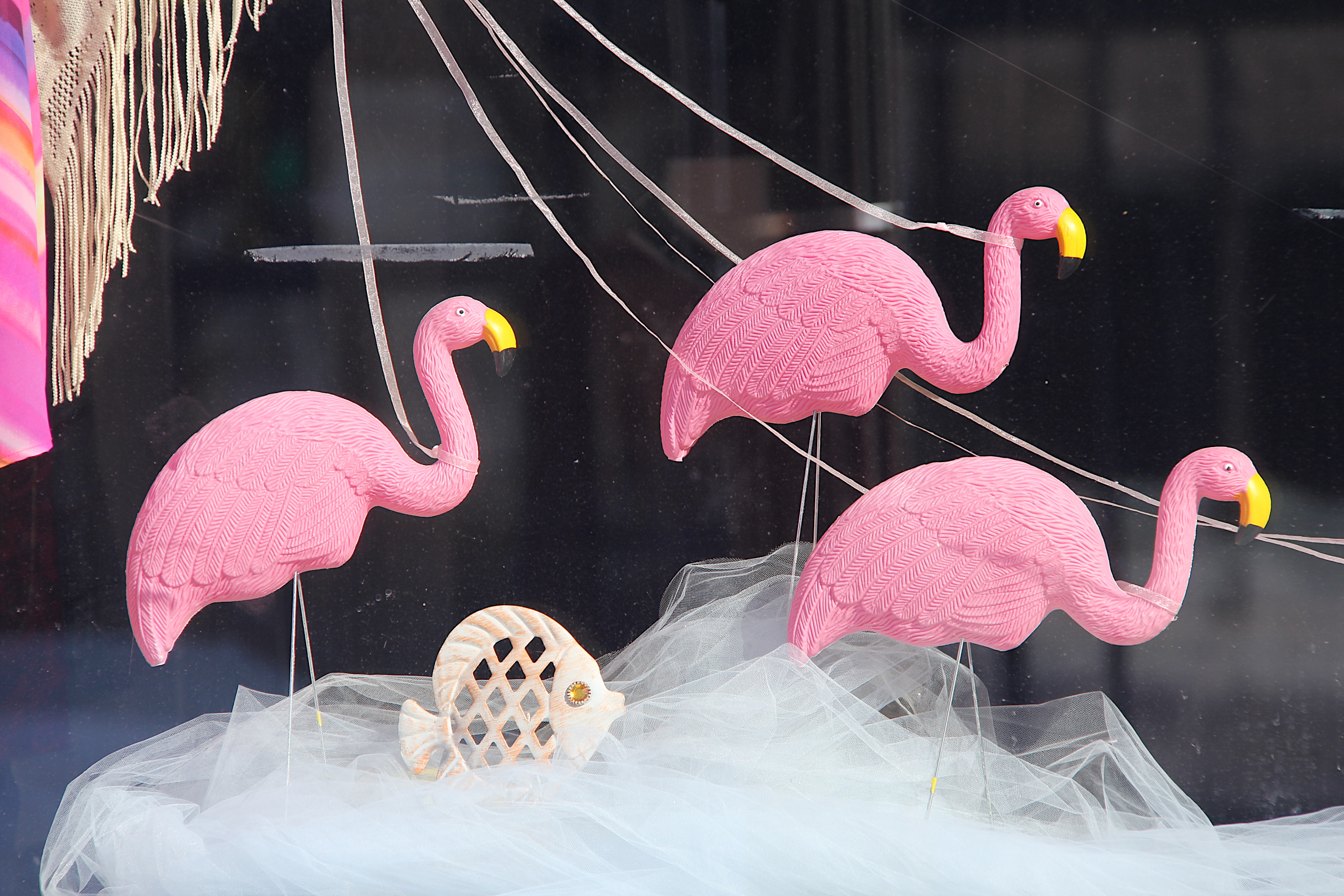
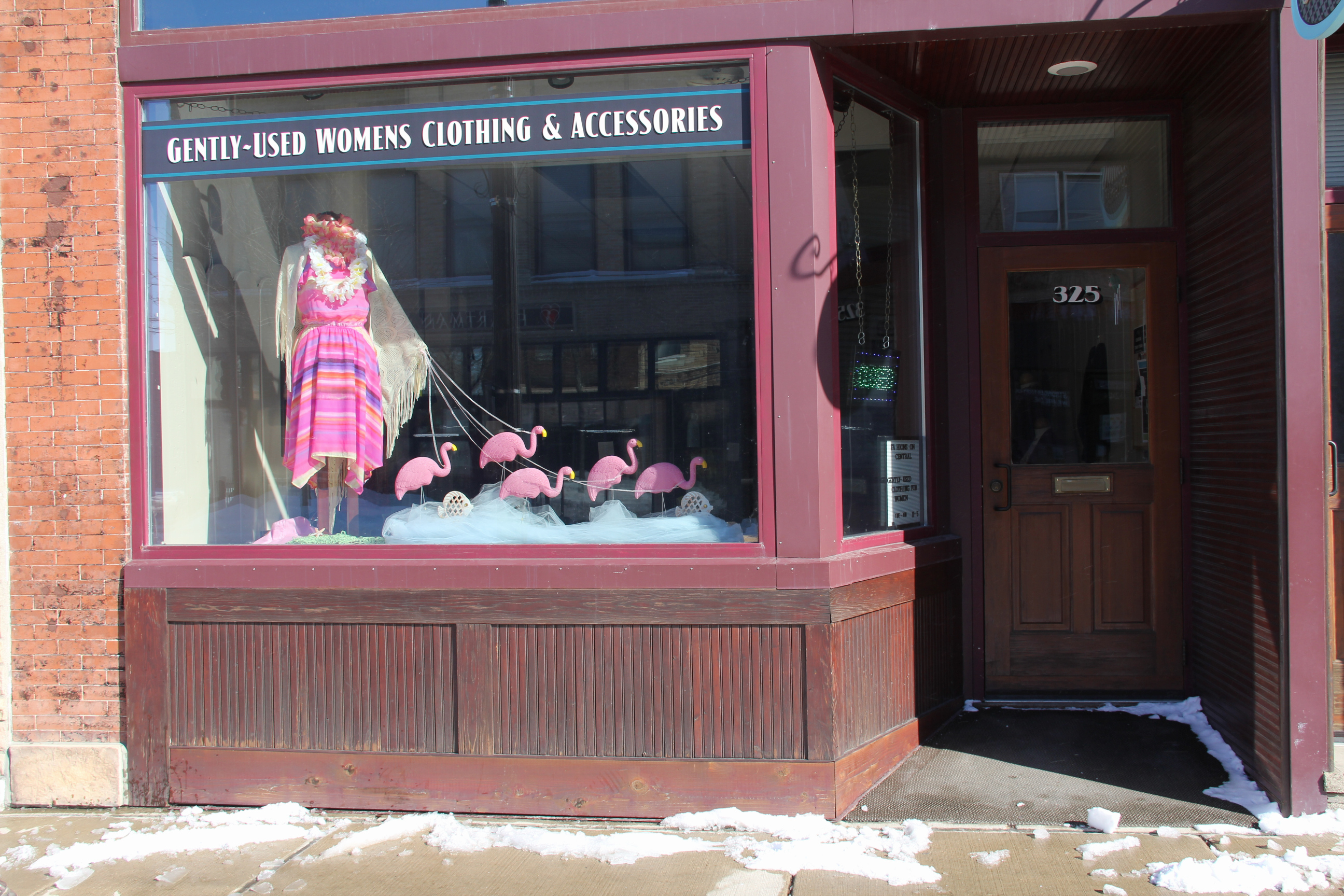
Framed in the front window of Fashions on Central, this tropical display was created by volunteer Ann Meillier for the Buckham West (senior center) retail store. Ann also crafts displays inside this primarily volunteer-run business. (Minnesota Prairie Roots copyrighted photo February 2023)
DECIDEDLY NONTROPICAL MINNESOTA seems an unlikely place to find wild or captive flamingos. And it is…with the exception of the Minnesota Zoo in Apple Valley and Como Park Zoo in St. Paul and their resident flamingos. While those two zoos are not all that far from Faribault, we have our own flock right here. Not real, of course, but fake flamingos, which are good enough for me in the midst of a particularly long and snowy Minnesota winter.
The Fashions on Central Facebook page features this post about its flamingos: Walk like a flamingo! Walk WITH flamingos! YOU ARE FLAMAZING! (Minnesota Prairie Roots copyrighted photo February 2023)
In the storefront window of Fashions on Central, a fashionably-dressed headless mannequin grips the leashes of five plastic flamingos wading in a sea of gauzy fabric. With two fish among them and a starfish to the far left, I recognize this as a tropical scene. Yet my imaginative snowbanked mind drifts to snowdrifts enveloping those warm weather birds.
Enough of that thinking.
Fashions on Central, located at 325 Central Ave. N. in downtown Faribault, is open from 11 am – 5 pm Tuesday through Friday. (Minnesota Prairie Roots copyrighted photo February 2023)
I appreciate the creative efforts at Fashions on Central, a women’s clothing store owned and operated by Buckham West. Proceeds from the sales of gently-used clothing, shoes and accessories go directly back to the local senior center. I love this environmentally-friendly mission of recycling donated, used clothing. I’ve shopped here and, in fact, found a like-new gray wool pea coat for a bargain $7. It’s kept me warm for multiple Minnesota winters already.
While I’m not in the market for beach clothes like those worn by the store-front mannequin, I know others may be as they plan spring break vacations. No matter, this tropical scene gives me a visual respite. If I focus hard enough and long enough, I can imagine myself ocean-side, hot sun warming my skin, leis layered around my sweaty neck, fish swimming, flamingos flaunting.
This streetscape scene shows snow along the sidewalk and street curbs, a contrast to the tropical scene at Fashions on Central. (Minnesota Prairie Roots copyrighted photo February 2023)
And then, if I walk several blocks south from Fashions on Central to Division Street and aim straight ahead rather than turn right to Buckham West, I can escape, too. Inside Buckham Memorial Library, books set in tropical locations await me. Yes, there’s always a way to flee winter in Minnesota, even when you can’t leave.
IT’S NOT ENOUGH. I recognize that. It’s not enough to simply read books about black history and racism in America and call it good. But reading is a step toward widening my knowledge and understanding and then my compassion. So I will continue to read, and learn.
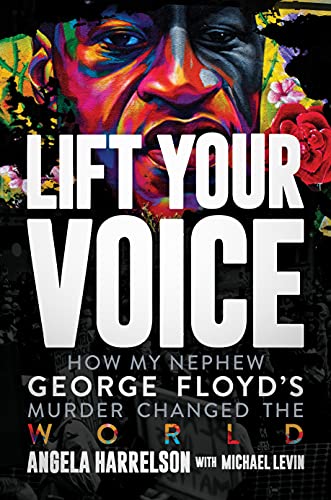
I recently finished Lift Your Voice—How My Nephew George Floyd’s Murder Changed the World. Angela Harrelson—who is Floyd’s aunt, lives in Minneapolis and works as a registered nurse—wrote this book with Michael Levin. Floyd, known as “Perry” to his family, died on May 25, 2020, at the hands of Minneapolis police officers, three now serving prison time in Floyd’s death, the fourth awaiting a judge’s decision on charges.
On the day I turned the last pages of Lift Your Voice, family, friends and activists were raising their voices at the funeral of Tyre Nichols, who was brutally beaten by police during a traffic stop in Memphis and died three days later. Listening to a portion of that service, a speaker called the young black man a “son, father, brother, friend and human being.” Human being. Those two words emerge in Harrelson’s book when she writes of (those) white people who don’t see black people as human beings. She traces that back to slavery (when slaves were viewed as property), sharing her own family history of slavery and lynchings.
Harrelson specifically cites Minneapolis Police Officer Derek Chauvin as failing to view her nephew as a human being. Chauvin kneeled/pressed on Floyd’s neck for more than nine minutes as the young man lay handcuffed and face down on the street pleading for his life, “I can’t breathe.”
It’s a lot, this book. To read about Floyd’s tragic death and the deeply personal stories of Harrelson and her family and all they’ve endured simply because of the color of their skin is difficult. But stories resonate and make an impact. When she writes of “white privilege” as something held simply because of white skin color and unrelated to wealth and status, that clicked for me. Unlike Harrelson, I don’t have to think about being watched in public, suspected of something, anything, because of my skin color. Harrelson does and she shares specifics.
Her book covers topics of systemic racism, a police culture that needs to change (she’s not anti-police), the emotional exhaustion and trauma she feels, the importance of faith in her life, her role as an activist. But she doesn’t stop there. Harrelson calls for each of us, individually, to call out racism, to speak up when we see injustices, to treat each other with respect.
In my own community, I’ve, on more than one occasion, found myself responding to racist comments related to housing, employment, even the way people dress or their scent. It’s hard to hear this stereotyping, this obvious disrespect and racism. So I speak up, or as George “Perry” Floyd’s aunt encourages, I lift my voice. Lifting voices and being heard is how, Harrelson writes, the world will heal.
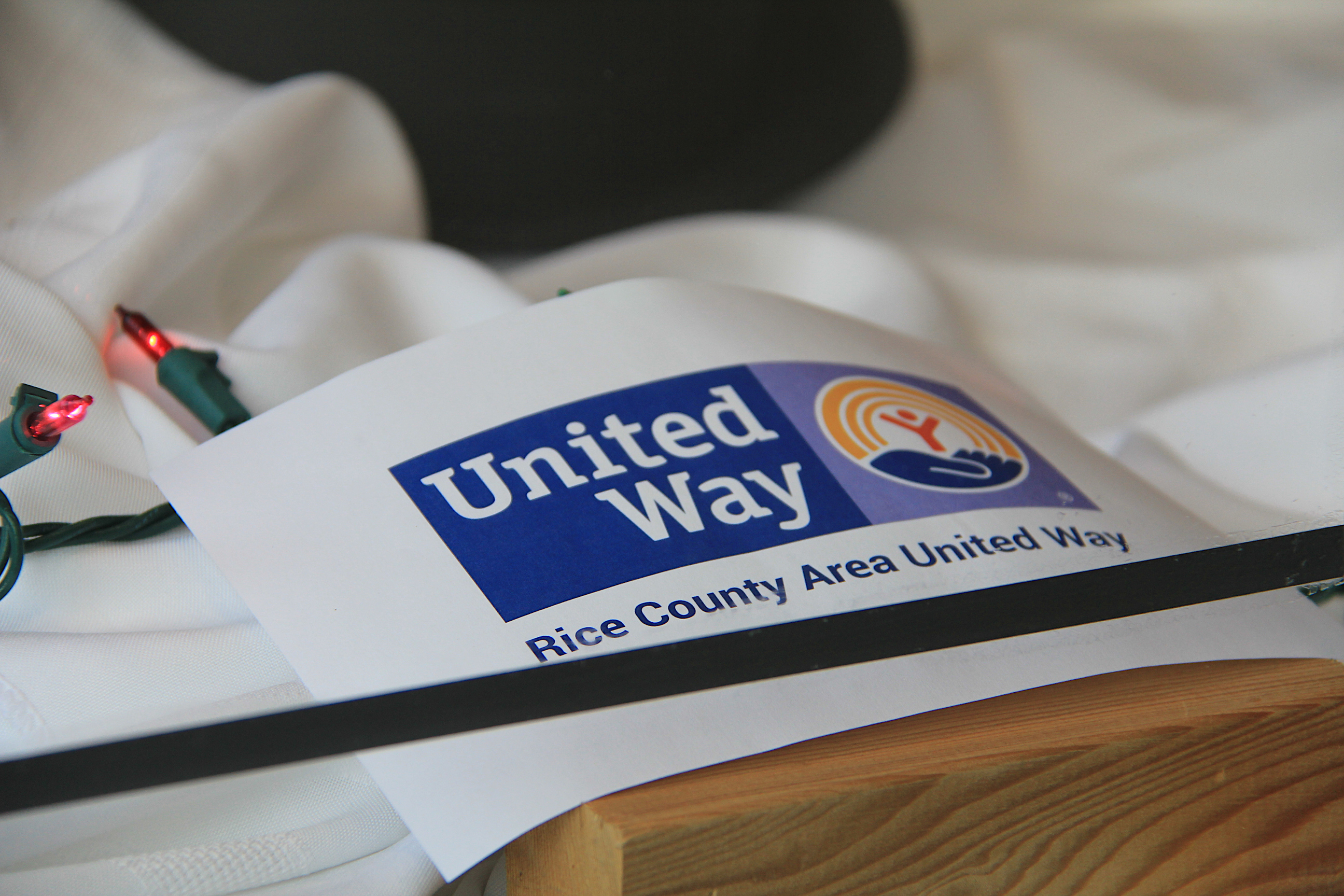
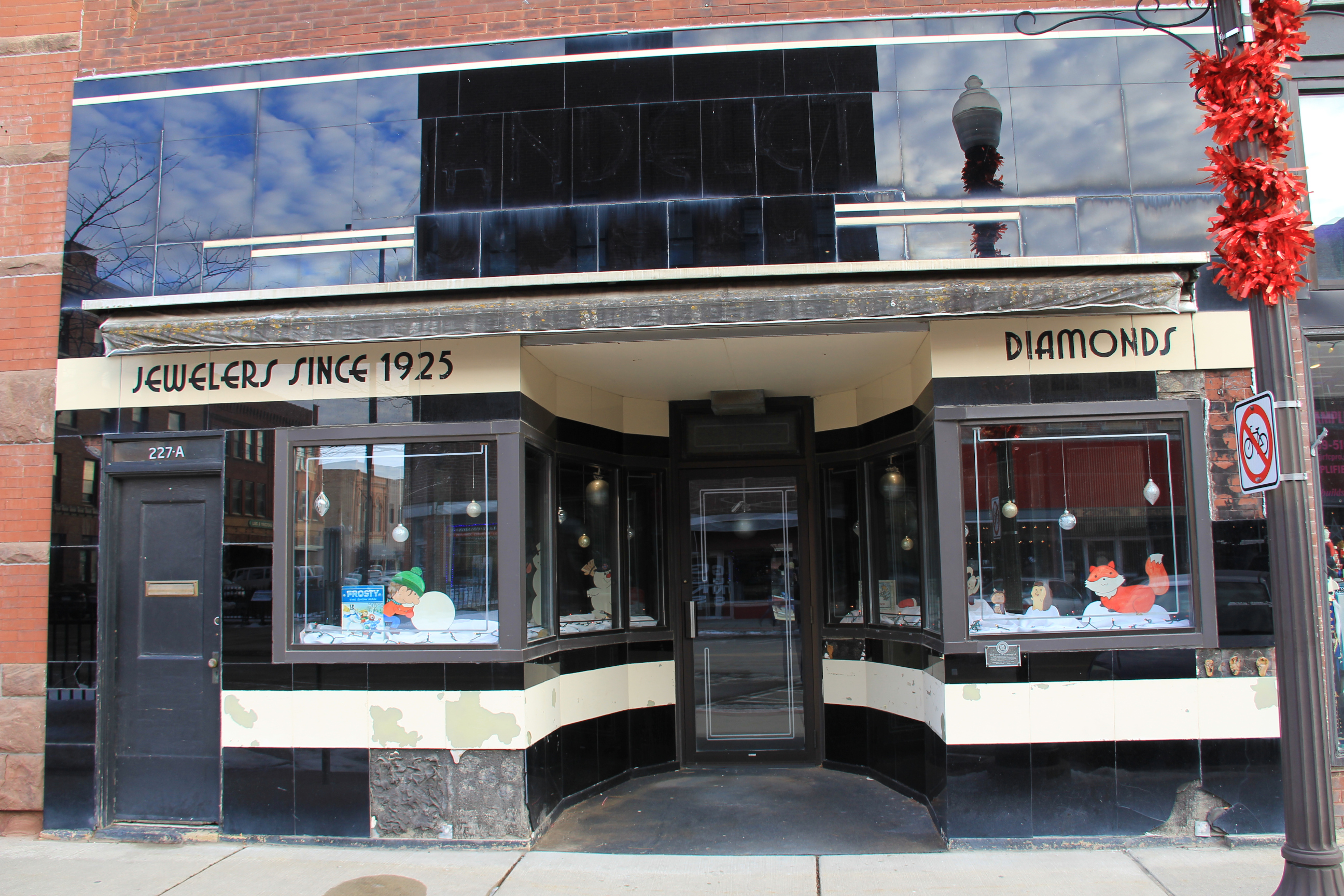
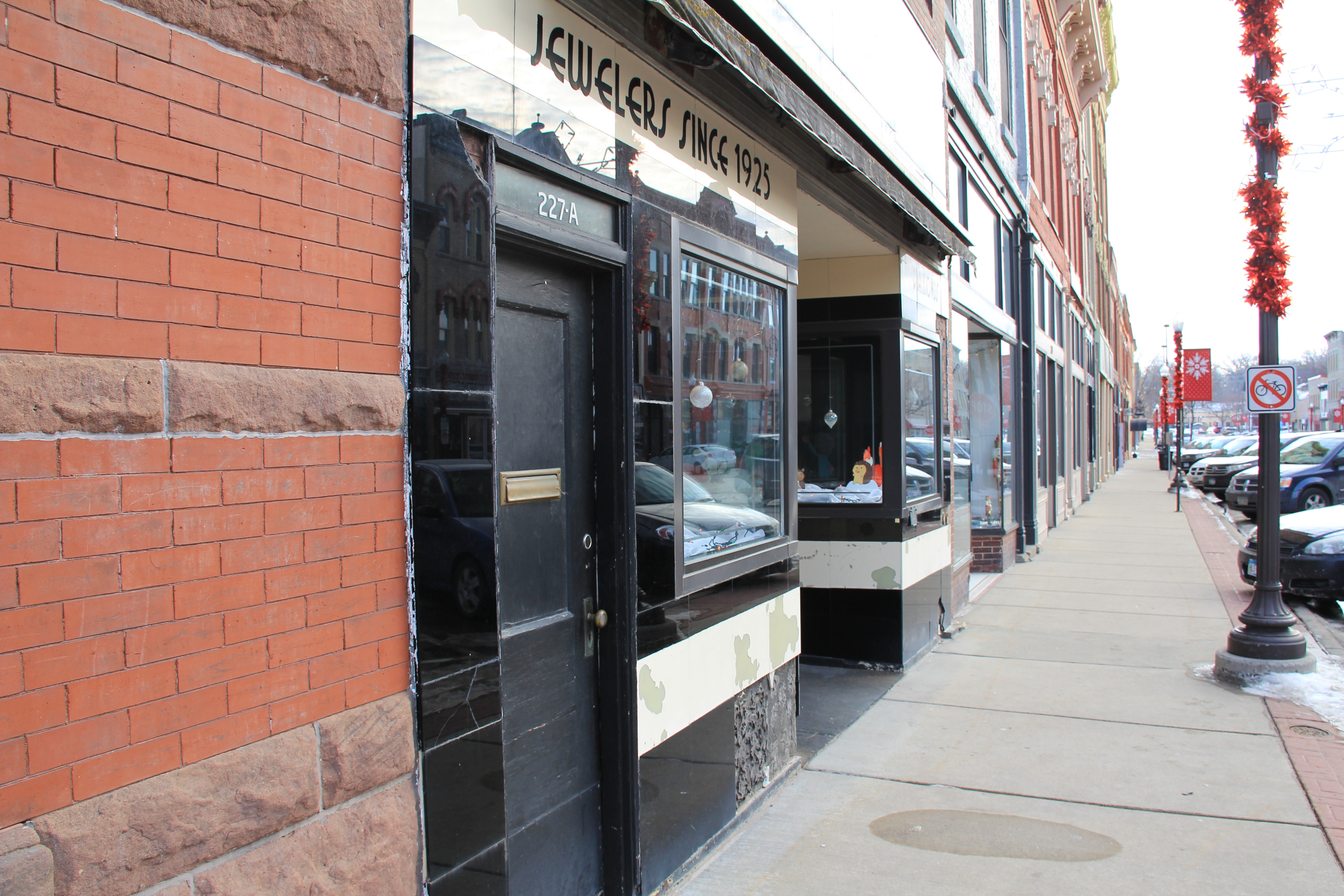
Rice County Area United Way is opening a used bookstore in the vacant Dandelet Jewelry building. A bookstore was once located in the corner building. (Minnesota Prairie Roots copyrighted photo January 2023)
ONCE UPON A TIME, Faribault was home to bookstores, the first inside the mall, the second downtown on Central Avenue. Both closed years ago. But soon we’ll have a bookshop back in town, located in the former Dandelet Jewelry store, right next to the corner building that once housed Central Avenue Books.
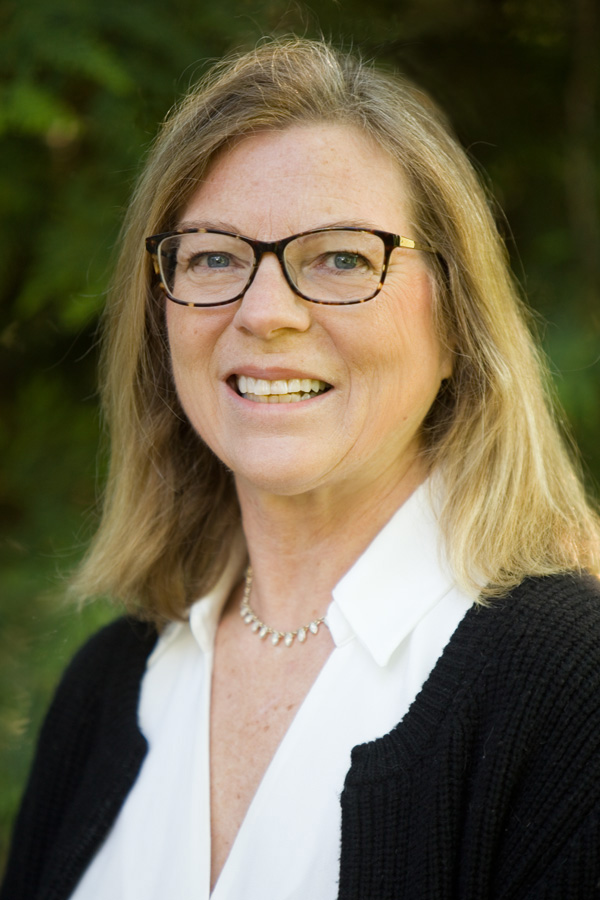
Elizabeth Child (Photo source: E. Child)
This new as yet unnamed bookstore, though, will be decidedly different. The bookshop, a project of Rice County Area United Way, aims to do more than simply provide the community with a place to purchase gently-used books. It will also become a welcoming community gathering space, according to United Way Executive Director Elizabeth Child. She envisions a colorful children’s area in the back of the store where kids can mingle and read. She envisions adults dropping in, coffee in hand, to browse bookshelves and engage in conversation. She envisions local art displayed and perhaps events featuring artists and writers.
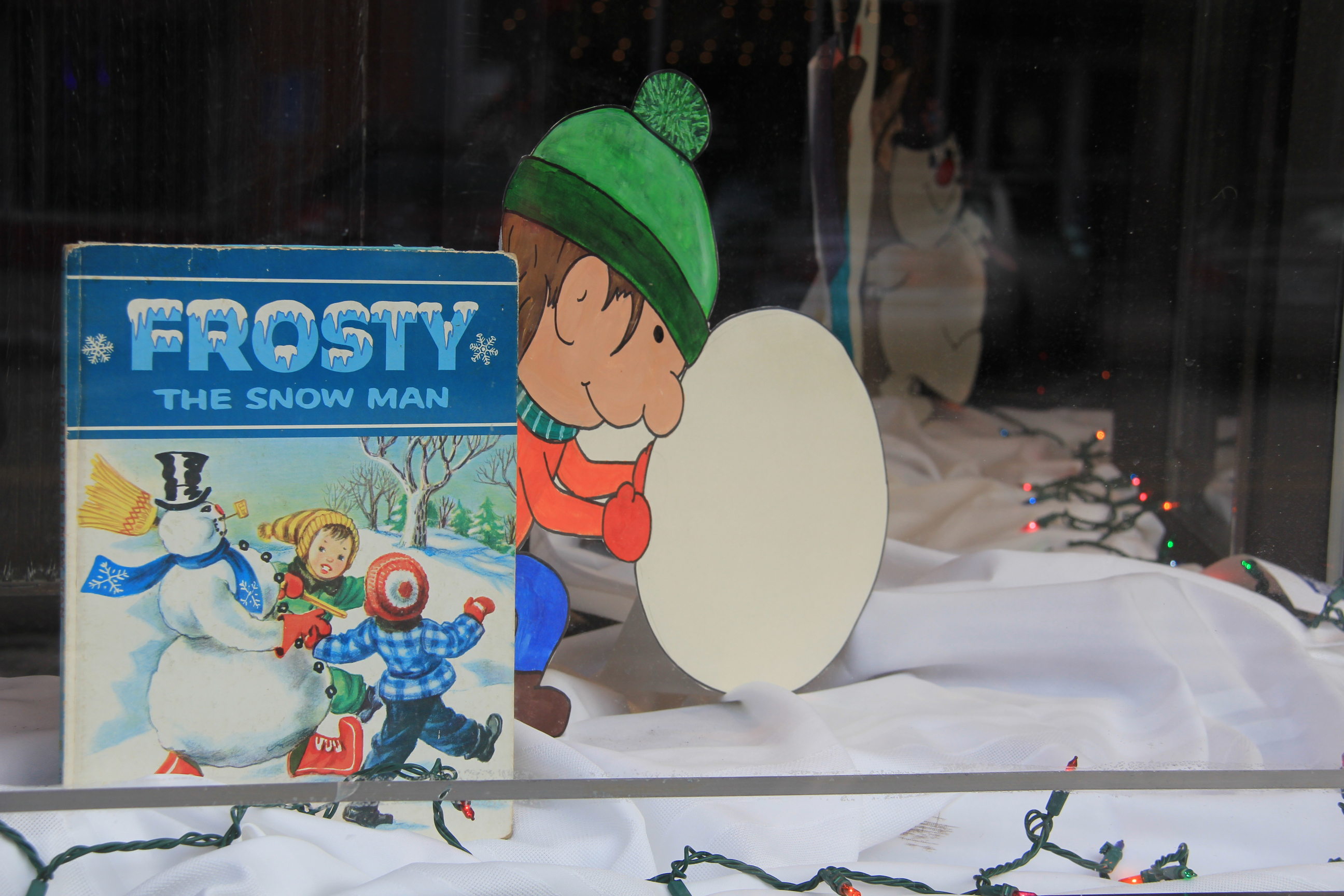
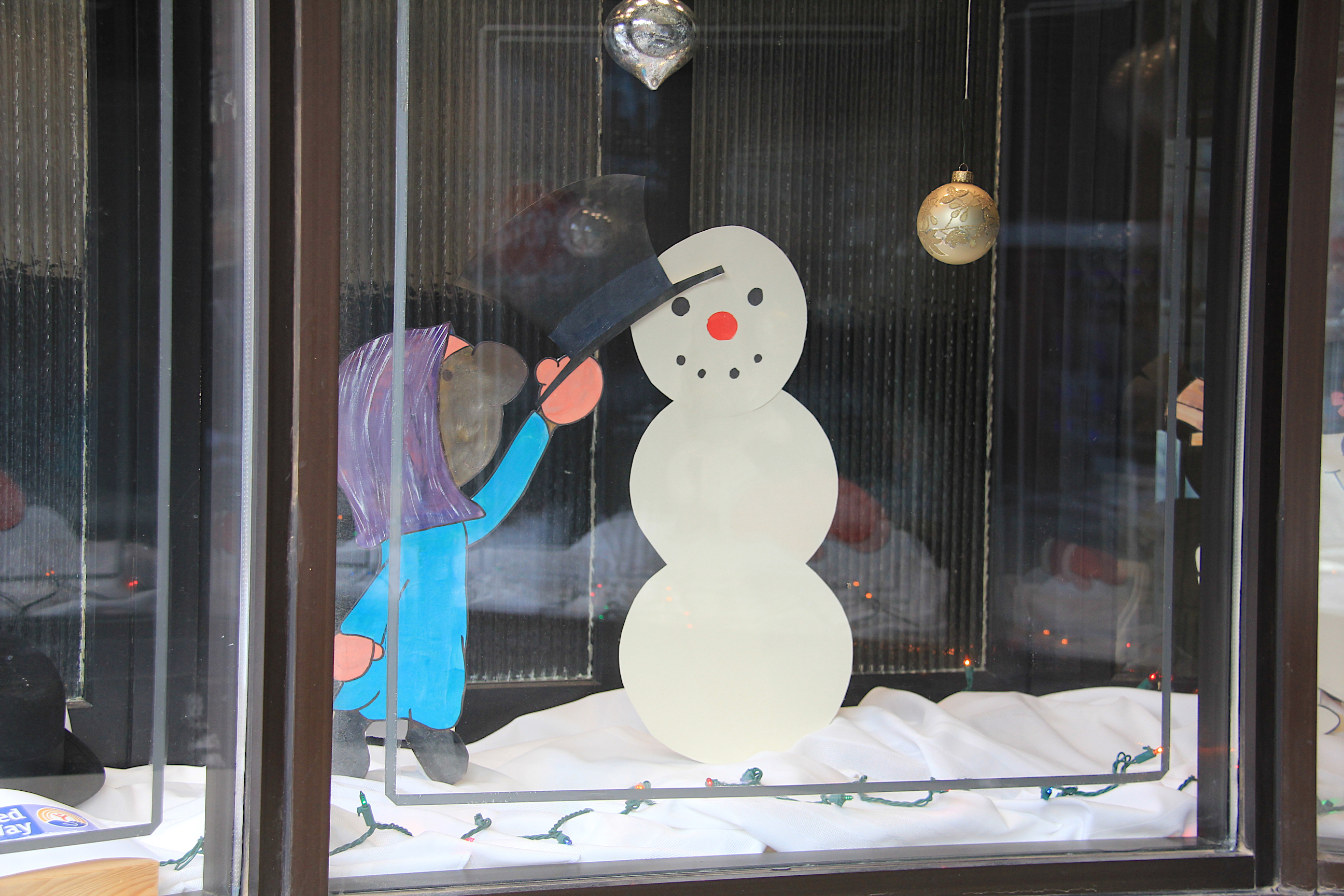
Gordon Liu, board chair of the United Way, created a book-themed display for the Faribault Winterfest holiday window decorating contest. It reflects the bookstore plan for the Dandelet building and Liu’s love of books and reading. He was recently reappointed to the Library Advisory Board. (Minnesota Prairie Roots copyrighted photo January 2023)
A sense of community involvement defines the vision for this used bookshop. Child and her board of directors are open to ideas and possibilities and are actively seeking community input. They want this gathering place to reflect Faribault’s multi-cultural population; to add value to the downtown; to promote literacy via access to books; to inspire people to read; and to increase the United Way’s visibility in Faribault. The United Way currently has an office in Northfield following the merging of the Faribault and Northfield United Ways into a county-wide entity in 2019.
A small United Way signlies atop “snow” in a window display inside the former Dandelet Jewelry building. (Minnesota Prairie Roots copyrighted photo January 2023)
The nonprofit, funded primarily by workplace partner and individual donations, aims “to mobilize caring resources to improve lives,” Child said. That’s further defined on the website: Our focus is on education, health and financial stability—the building blocks for a good quality of life.
Faribault is a diverse community, shown here in Gordon Liu’s “Frosty the Snowman” window display. (Minnesota Prairie Roots copyrighted photo January 2023)
A bookstore fits within that mission with a focus on literacy, bringing people together and providing affordable books. The United Way is already collecting books, with an emphasis on “gently-used” in all genres. No textbooks, encyclopedias, business or outdated books needed.
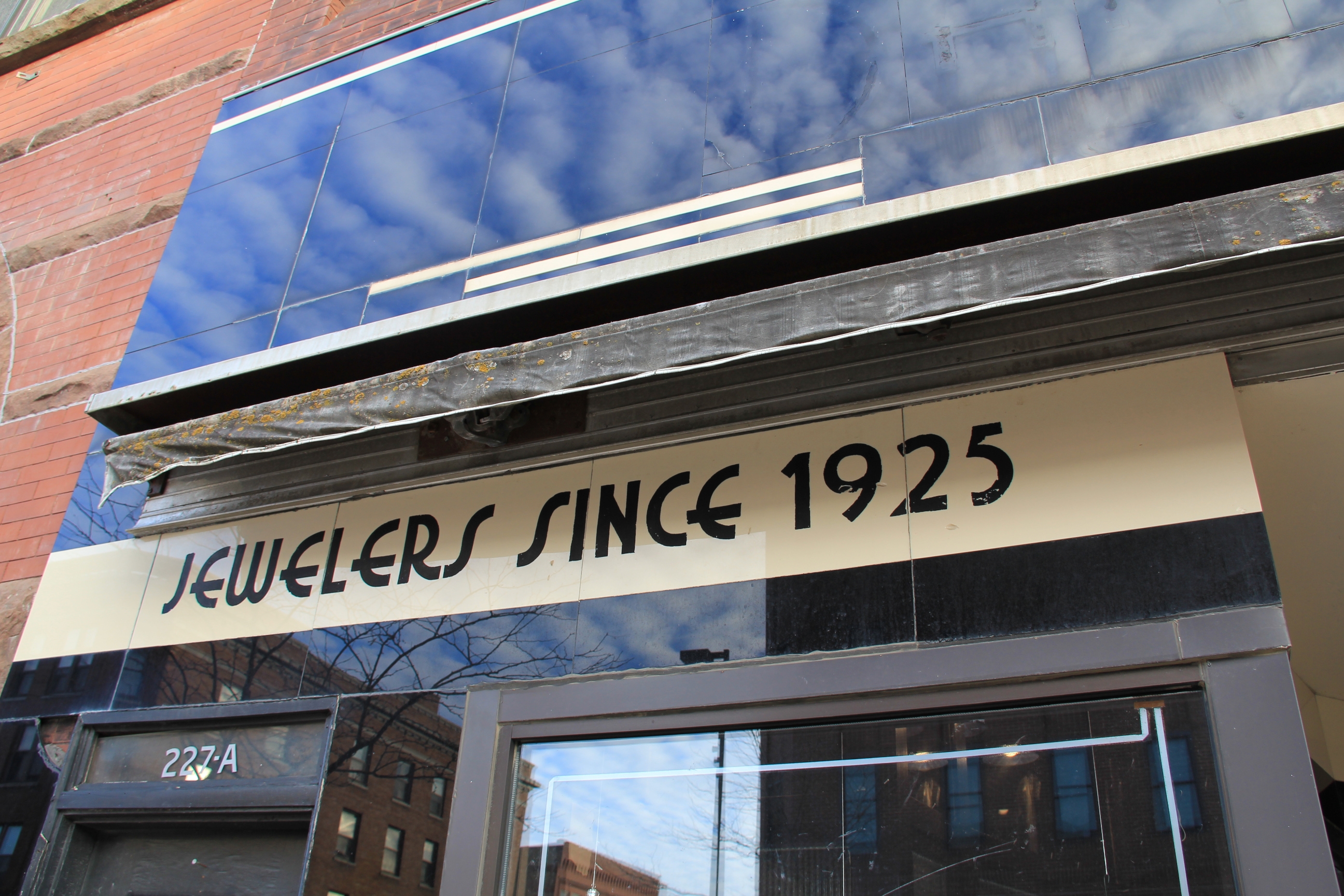
The Art Deco style can be seen in the black and cream colors and the strong lines. (Minnesota Prairie Roots copyrighted photo January 2023)
Planning and work continue on the bookstore with an anticipated spring opening at 227 Central Avenue North, hours to be determined. The 1882 building, which is in Faribault’s Historic Commercial District and on the National Register of Historic Places, is one of 13 purchased by a local investment group in an effort to revitalize downtown. Originally, the structure housed Dandelet Dry Goods. It became a jewelry store and watch repair business in 1925 with the Dandelet family modernizing the original Italianate facade in the Art Deco style during the 1930s. Child noted the vacant building retains Art Deco elements inside, including a chandelier. Built-in shelves, which once displayed jewelry, remain. Those will be repurposed for books as the United Way readies the space with mostly cosmetic changes like painting, adding display tables and more. A first floor bathroom will be installed. Any exterior changes/improvements will be made by the building’s owners.
From jewelry to books, both gems… (Minnesota Prairie Roots copyrighted photo January 2023)
Volunteers will run the bookshop with United Way board member Dave Campbell overseeing the operation. There’s already a sense of excitement within the community about the bookstore, Child said. She expects that interest to grow once the shop opens.
Faribault boasts a downtown brimming with aged, historic buildings. Revitalization and renovation are ongoing. (Minnesota Prairie Roots copyrighted photo January 2023)
Child’s efforts to open a United Way bookstore began seven months ago in a most unexpected way—in a conversation during a three-hour ride from North Carolina to the Atlanta airport. Her friend Florence, whom she first connected with via an online pandemic-inspired poetry group, mentioned how much she enjoyed volunteering in her small town nonprofit bookstore. That proved an enlightening moment for Child, who took the nonprofit bookstore idea and ran with it…to her board. And now, in a few months, Faribault will have a new, welcoming place to gather, a place to buy gently-used books, to engage in conversation, to connect as community.
#
FYI: If you have gently-used books to donate, contact Dave Campbell at 507-210-4066 or email him at Davec1953 at gmail.com
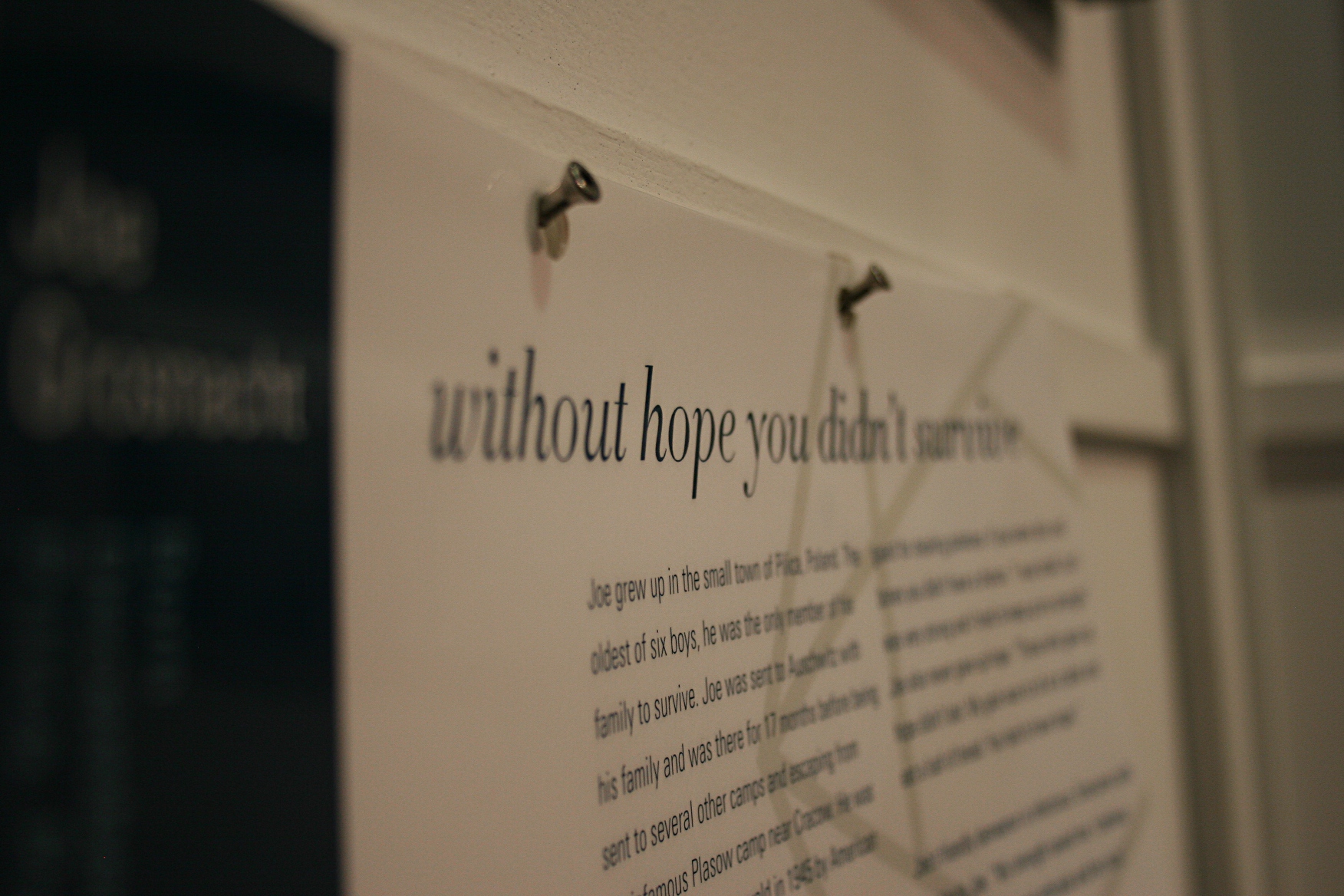
A quote and story in “Transfer of Memory.” (Minnesota Prairie Roots copyrighted file photo June 2014)
Without hope you didn’t survive…
I photographed that quote in the summer of 2014 while viewing a traveling exhibit on the Holocaust, “Transfer of Memory,” at the Steele County History Center in Owatonna. The singular summary word hope themes portraits and accompanying stories of Minnesota Holocaust survivors.
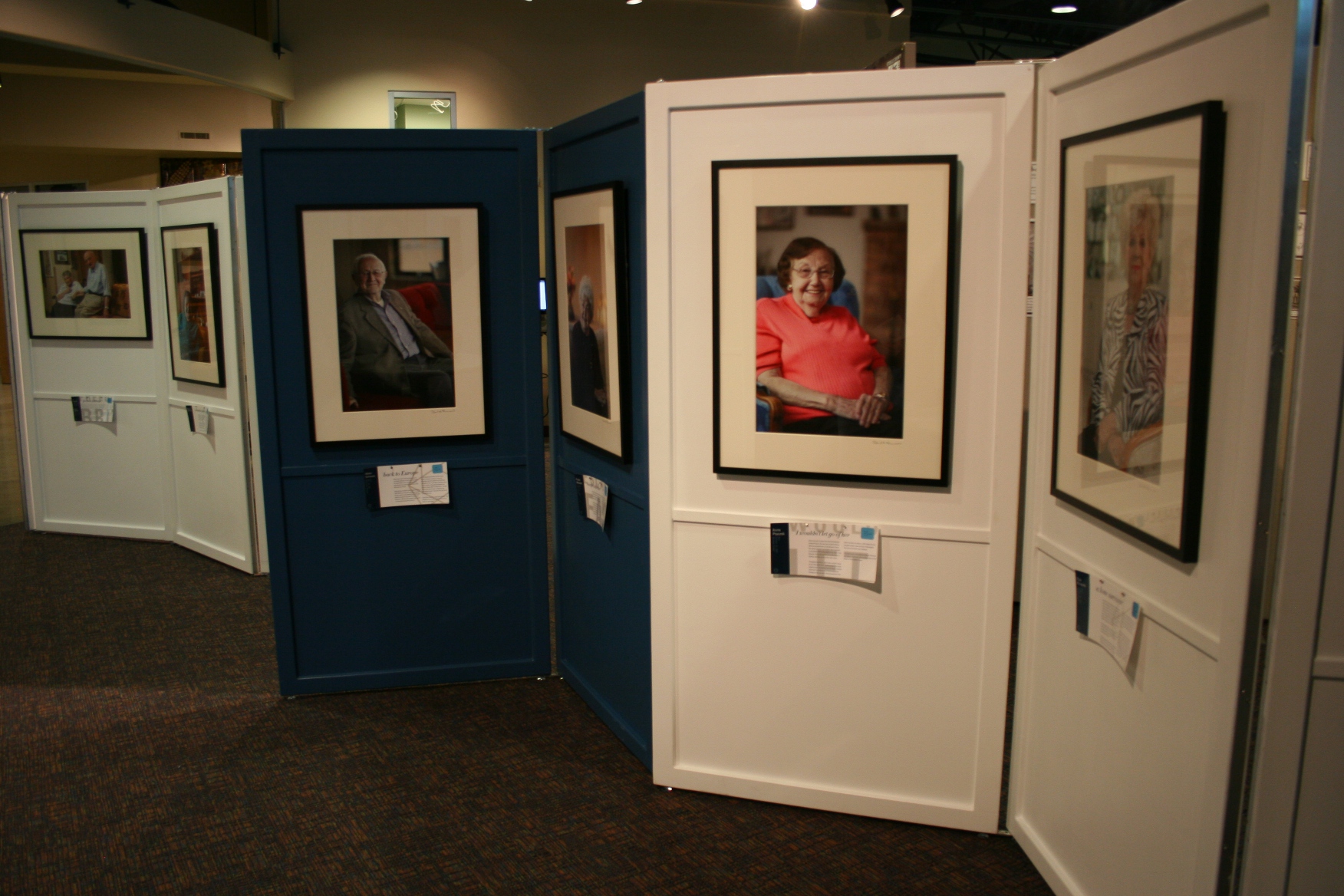
Panels showcase portraits and stories in “Transfer of Memory.” (Minnesota Prairie Roots copyrighted file photo June 2014)
“Transfer of Memory” was, and remains, one of the most powerful exhibits I’ve ever viewed. It is the personal stories, paired with portraits, which imprinted upon my heart and spirit the utter brutality, the unfathomable cruelty of the Nazis against Jewish people.
Today, just days after International Holocaust Remembrance Day on January 27, the date in 1945 marking the liberation of Auschwitz-Birkenau, the Nazi’s largest killing center and concentration camp, I am reminded of the survivors featured in that traveling exhibit.
I am reminded, too, of the 6 million Jewish victims of the Holocaust. Six. Million.
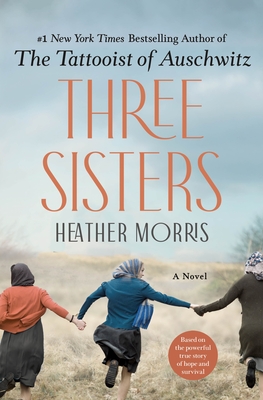
Cover image from Goodreads
Recently, I read three books of historical fiction about young men and women imprisoned in concentration camps. These books by Heather Morris—The Tatooist of Auschwitz, Cilka’s Journey and Three Sisters—are difficult to read. Heart-rending. Awful. Yet, with that underlying theme of hope accompanied by incredible strength. Like the “Transfer of Memory” exhibit, they imprinted upon my heart and spirit the utter brutality and unfathomable cruelty of humankind.
When I read of current day antisemitism and hatred directed towards other individuals because of their skin color, ethnicity, religion, etc., I find myself wondering, “Why?”
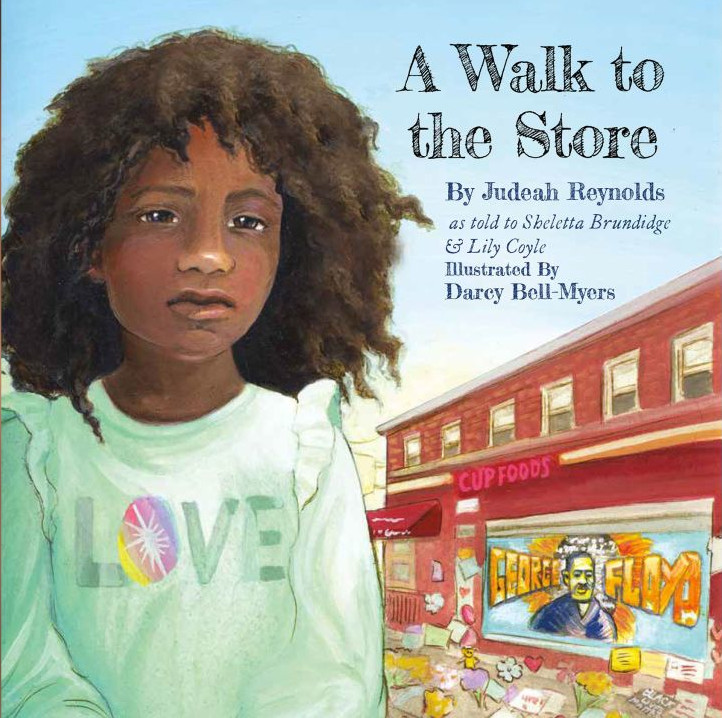
SHE WAS ONLY NINE YEARS OLD, too young to walk alone to the store to buy candy with the $3 clutched in her hand. Eventually, her 17-year-old cousin, Darnella Frazier, agreed to accompany Judeah Reynolds to Cup Foods. That decision on May 25, 2020, would forever change their lives. And the world.
When I learned of the book’s September 2022 release by St. Paul-based Beaver’s Pond Press, I knew immediately that I needed to read this recounting of Judeah’s witness to Floyd’s death. The cousins arrived on an unfolding scene outside Cup Foods where Floyd lay on the ground next to a squad car, a police officer pressing his knee into the 46-year-old’s neck. Judeah, Darnella and other bystanders pleaded with the police to stop while Darnella recorded the scene on her cellphone and then shared that video online. She won a 2021 Pulitzer Prize for that documentation.
While this book recounts the death of George Floyd from a child’s perspective, it is much more than a basic retelling. The story also reveals the trauma Judeah experienced. The sadness. The difficulty sleeping. The bad dreams. The replaying of Floyd’s killing in her mind.
But this is also a story of strength and hope and about being brave enough to speak up. To say something. To let your voice be heard. To effect change.
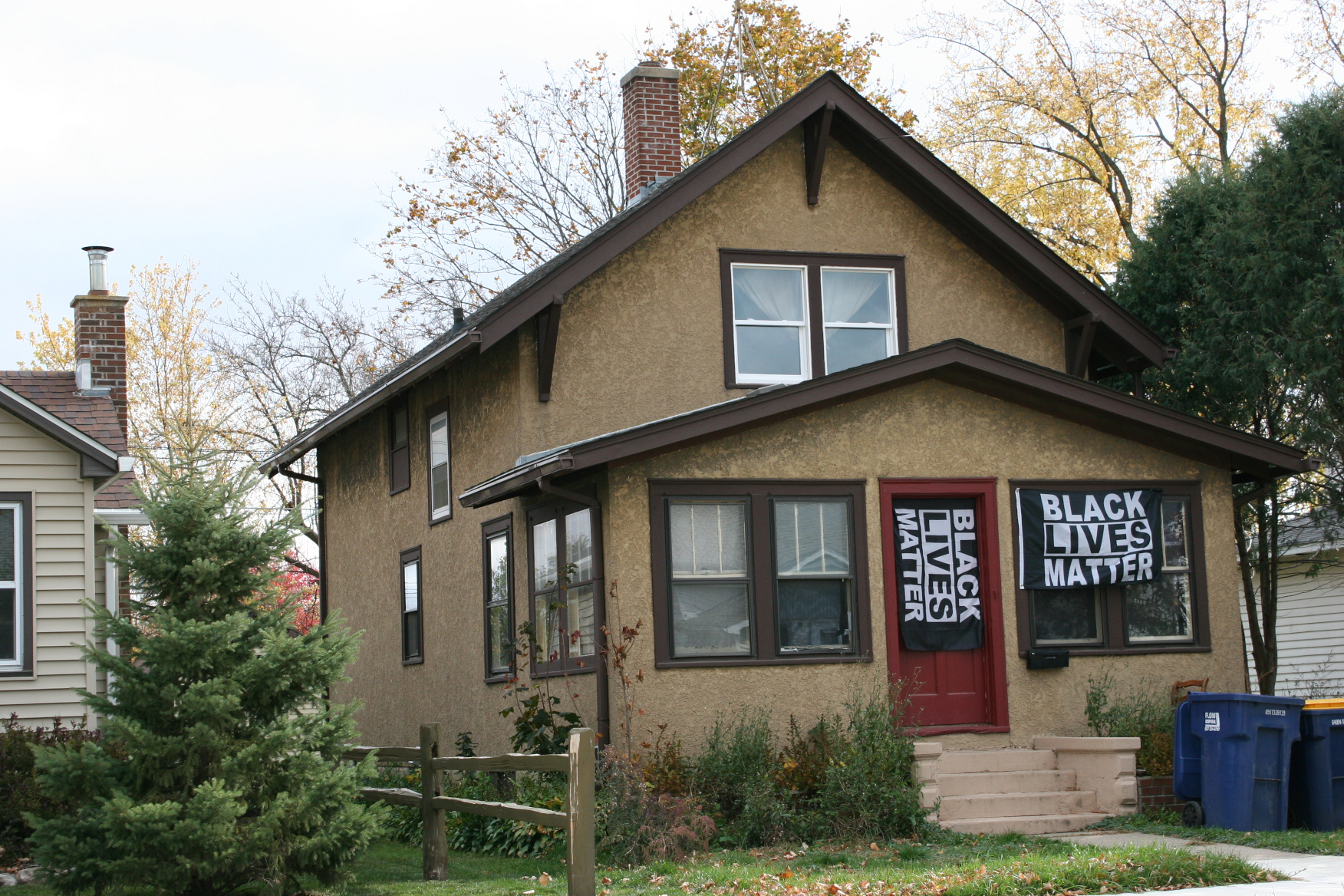
Messages like this are included in the book. I photographed this two years ago in small town Kenyon, MN. (Minnesota Prairie Roots copyrighted file photo 2020)
I heard Judeah’s determined voice in her words. I saw it, too, in Darcy Bell-Myers’ art, which reinforces the story with strong, message-filled illustrations. This book is empowering for children who read or hear this story. And it’s equally as impactful for adults.
At the end of the book is a list—How to Help Children Process a Traumatic Event. I appreciate the inclusion of those 10 suggestions given Judeah did, indeed, experience trauma. Her family even moved out of Minnesota.
This LOVE mural by Minneapolis artist Jordyn Brennan graces a building in the heart of historic downtown Faribault. The hands are signing LOVE. (Minnesota Prairie Roots copyrighted file photo June 2021)
As I finished reading A Walk to the Store, I considered how ironic that young Judeah wore a colorful shirt emblazoned with the word LOVE as she stood on the sidewalk outside Cup Foods, witness to George Floyd’s murder.
Buckham Memorial Library, Faribault. (Minnesota Prairie Roots copyrighted file photo November 2022)
I MET HER AT BUCKHAM Memorial Library on the final day of 2022 in front of the “Lucky Day” shelves. The two-unit section—one for fiction, one for nonfiction—features newly-released titles immediately available to library patrons. No reserving or waiting, just the luck of finding a new book on the shelves.
As I browsed the fiction, I noticed her approach from the right, pushing a walker. I scooted a tad to the left, giving her more space. I wanted her to feel comfortable as we stood side-by-side.
I don’t recall which of us spoke first, but I think I did. I rarely remain silent in the closeness of strangers. And she was close.
(Photo credit: Goodreads)
“Have you read that book?” I asked, pointing to Three Sisters by Heather Morris. She hadn’t. But she’d read The Tattooist of Auschwitz, also by Morris. I hadn’t. We talked about the books briefly, about the difficulty of reading these fictional stories of concentration camp atrocities. Yet, we agreed reading them was important, perhaps even necessary. She directed me toward the fiction section, strongly suggesting I check out The Tattooist. Now. I’d already learned this woman beside me was opinionated and strong.
I felt her eyes following me to the fiction shelves. “Did you find it?” she asked upon my return. When I shook my head no, my new book-loving friend called out to the reference desk librarian to find the missing book for me. The computer showed the book was lost. He ordered it from another library.
In the meantime, I indulged this older book lover as she handed me two novels pulled from the “Lucky Day” fiction shelves—Joy Fielding’s The Housekeeper and B.A. Paris’ The Prisoner. “Have you read these?” she asked. I hadn’t and accepted her choices. Turns out she likes thrillers and mysteries as much as I do, even referencing Nancy Drew as the books which long ago sparked her interest in mysteries. Those teen mysteries did the same for me. Her recommendation of The Prisoner, a psychological thriller, proved an excellent read. I finished it in three days. She also recommended New York Times bestselling author C.J. Box. I had too many books already, so tucked that name into my memory.
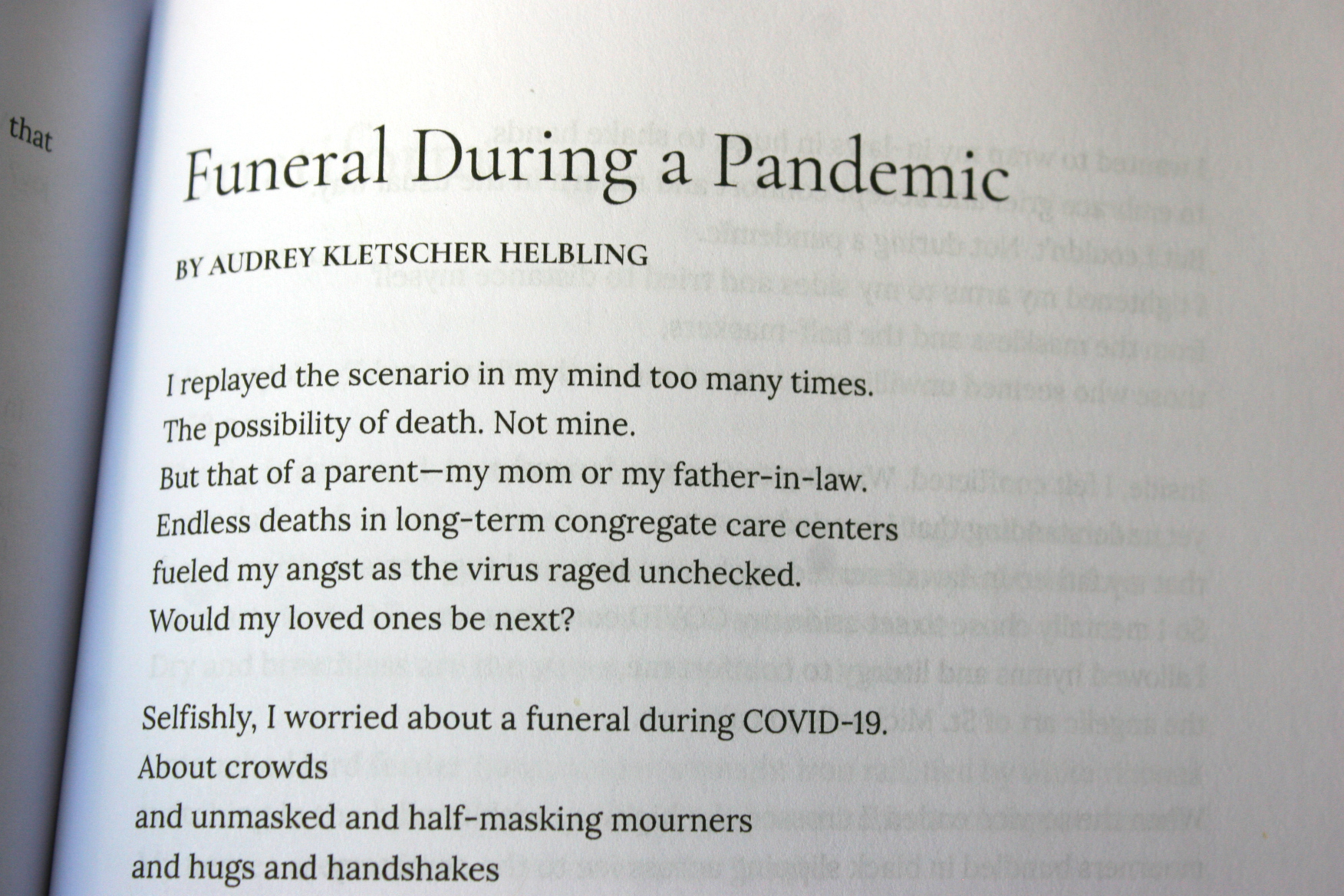
A section of my poem selected for publication in “This Was 2020…” (Minnesota Prairie Roots copyrighted file photo)
Next I’ll move on to The Housekeeper, the other psychological suspense novel she chose for me, ironically with a character named Audrey. I told the book enthusiast that I am a writer and that since she selected two books for me, I wanted her to read an anthology that includes a poem I wrote. I struggled to remember the lengthy name of This Was 2020—Minnesotans Write About Pandemics and Social Justice in a Historic Year, a collection of poems and short stories published by the Ramsey County Library. But I remembered enough for the reference librarian to find the book on his computer and then on the shelves. I thumbed through the pages until I found Funeral During a Pandemic. “That’s me, my poem,” I pointed. We conversed briefly about the difficulties of my father-in-law’s funeral during the COVID-19 pandemic. I didn’t tell her that my mom died in January 2022, at the height of omicron, in a time when most people were no longer masking and large funerals were allowed. I could have penned a sequel poem.
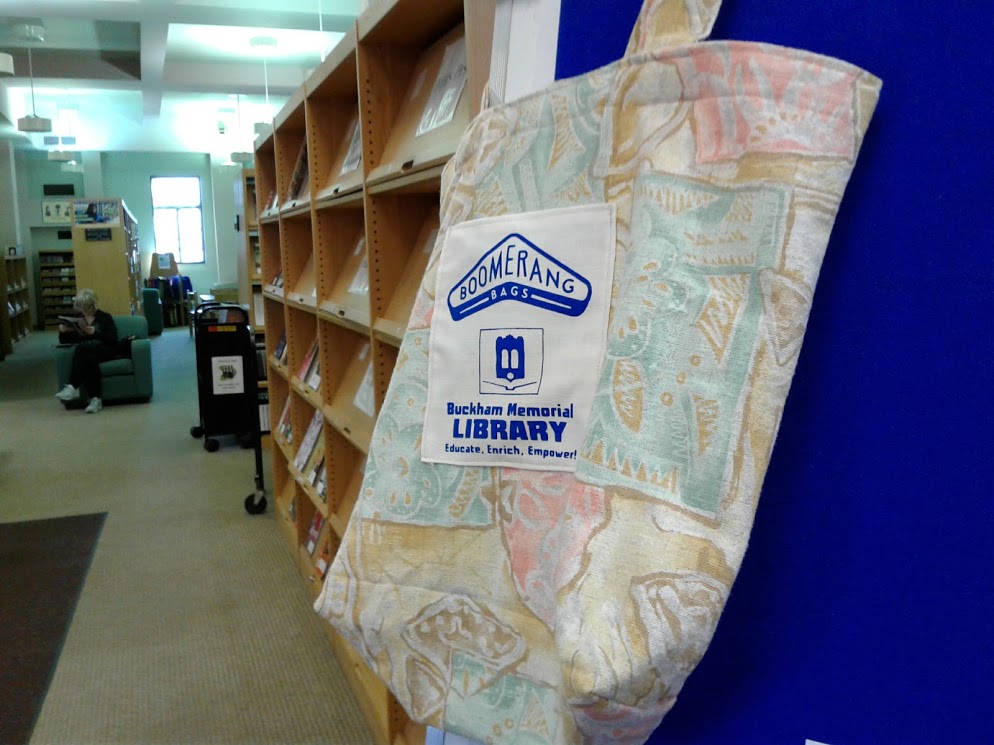
A Boomerang Bag available to patrons at Buckham Memorial Library. (Minnesota Prairie Roots copyrighted file photo May 2018)
Eventually we parted, me lugging a cloth Boomerang bag weighted by books, she shoving her walker with books inside a plastic bag. When I later aimed back toward the check out desk, she called out, “Can you mail this for me?” She thrust a bright yellow envelope toward my outstretched hand. I agreed to mail the get well card to her niece who’d fallen on the ice.
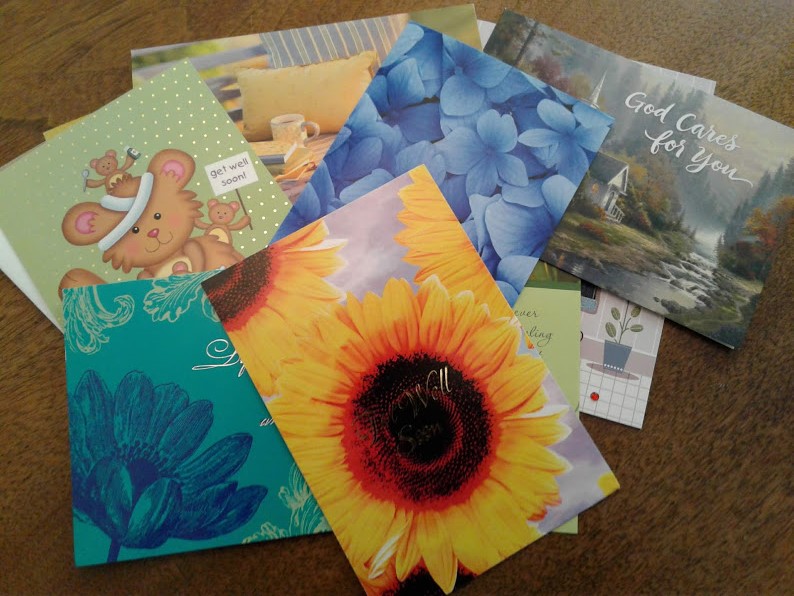
She left the library and I soon followed with my bag of books. She maneuvered beside a car parked in a handicap space. Even though offered assistance to wrangle her walker into a weathered white late 1980s K car, she refused. She had this. But she did express concern about navigating an icy patch of pavement leading to and next to her car. She feared falling and breaking bones, something that’s happened thrice already. I empathized, sharing that I’d also had a hip replacement and broken bones twice during falls. “We’re sisters,” I laughed. But I meant it. We share a broken bone history, a love of books and a habit of mailing greeting cards to those who are celebrating or grieving or in need of encouragement.
Some of the get well cards I received after a bone break. (Minnesota Prairie Roots copyrighted file photo)
“I love that you’re sending a get well card to your niece,” I said, waving the yellow envelope. I like to send cards, too. I’ll be sure to mail this.”
She replied, “I’m old school. I don’t even have a computer.”
“I need one to do my work—to write.”
“I always wanted to be a writer,” she blurted.
“It’s not too late,” I encouraged. A look flashed across her face, albeit briefly. A flash of possibility.
I had one final question. “What’s your name?”
“Noreen.” (Or maybe it’s Norene; I didn’t ask for the spelling.)
I don’t recall our parting words. But it doesn’t matter. I’d made a new book-loving, opinionated friend who dreamed of becoming a writer. It was, indeed, my lucky day at the library.













 Minnesota Prairie Roots
Recent Comments