Minnesota Prairie Roots

Writing and photography by Audrey Kletscher Helbling

A Minnesota winter day in photos December 7, 2010

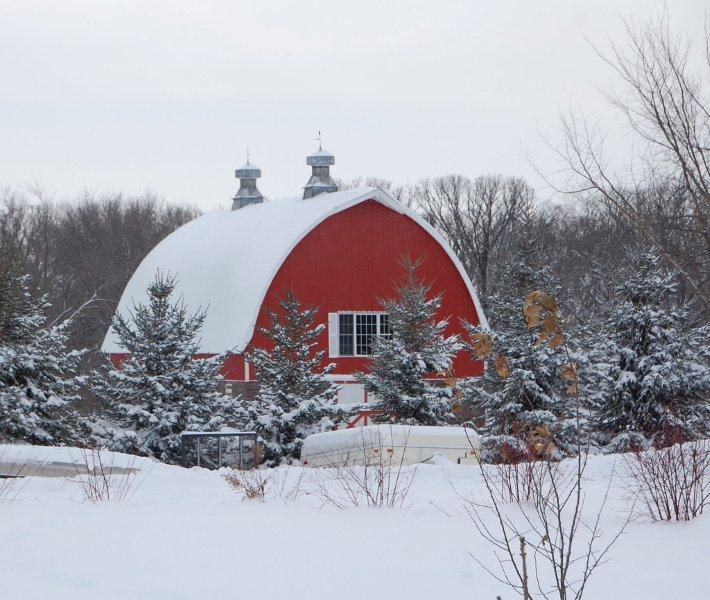
This refurbished barn overlooks the Minnesota River near Belle Plaine. The owners installed new windows, resided the barn and added a small deck off the hayloft, which has been remodeled into a party room. It was the site of a family member's July wedding.

YOU ARE IN FOR A TREAT today as I’m going to feature some guest photos by Harriet Traxler of Carver. I’ve never met Harriet and only recently began corresponding with her via e-mail.

But she has a wonderful little hobby that is near and dear to my heart. Harriet is a self-taught photographer who enjoys photographing everything from children to nature, animals and barns. Like me, she pretty much “wears” her Nikon D40 camera.

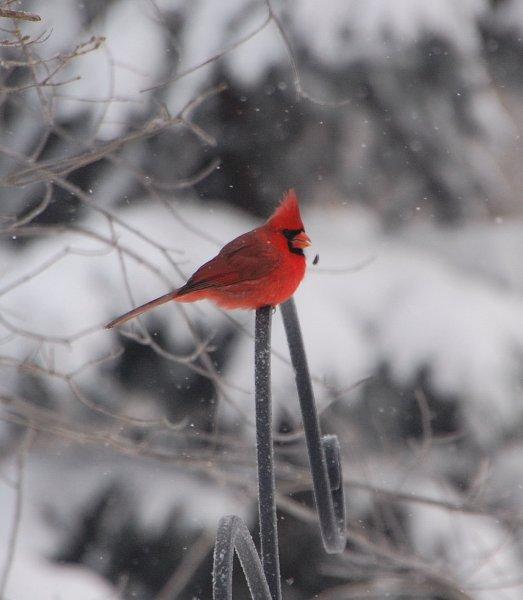
Next to photographing barns, Harriet most enjoys taking pictures of birds. Several years ago she took a photo that included 24 cardinals. Cardinals seem to especially like feeding on black oil sunflower seeds, she says.

It is her barn photos that first caught my attention. She has photographed more than 1,000 barns in Sibley County and compiled those images in 19 books which she prints and binds. If you’ve followed Minnesota Prairie Roots for awhile, you know that I also enjoy photographing old barns. In fact, right now, my camera is filled with barn (and other) images from a weekend trip to eastern Wisconsin.

But back to Harriet, if you’re interested in old barns and/or enjoy the photos posted here, stop by her website at barnsofsibleycounty.com. You may even want to consider purchasing one (or two or more) of Harriet’s barn books as a Christmas gift/gifts.

Even if you’re not from Sibley County where these barns were photographed, I promise you will enjoy these barn and other rural photos. One of my favorite images in Harriet’s books shows a herd of Holsteins gazing at her from behind a barbed wire fence with a farm site, including a red barn, in the background.

I’ll bring you some of Harriet’s stunning barn photos in the future.

But for today, this photographer is graciously allowing me to showcase several images taken on Saturday, after a major winter storm dumped up to a foot of snow on some parts of Minnesota. Harriet truly captures the beauty of this snowfall. And that is what we Minnesotans sometimes need—to see the beauty rather than all the hard work and inconveniences a major snowfall creates in our lives.

Enjoy and thank you, Harriet, for allowing me to share your photos on Minnesota Prairie Roots.

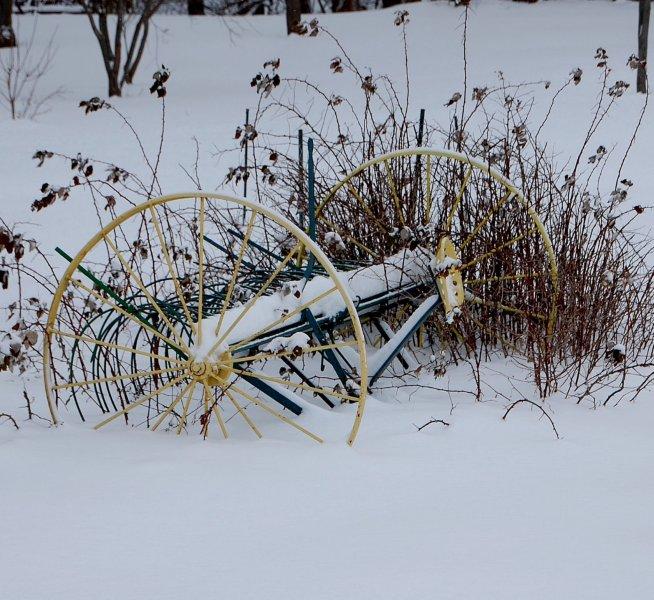
Farm equipment engulfed in snow makes for a scenic image.

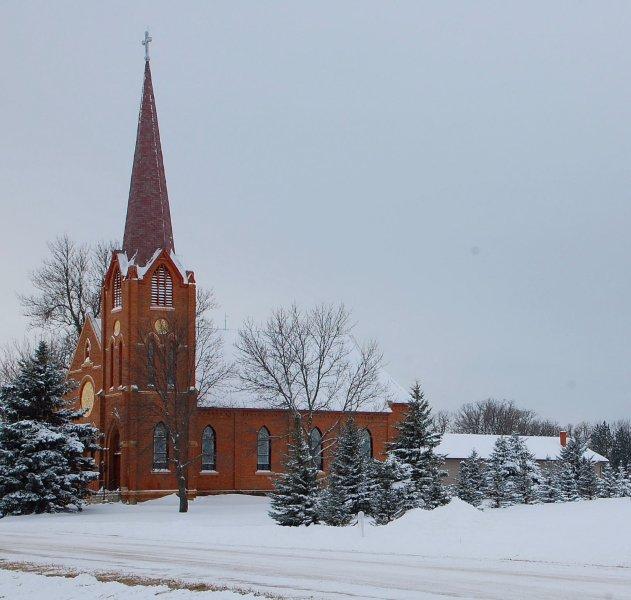
St. John's Catholic Church in Faxon Township, Sibley County, dates back to the 1870s. It is often called "St. John's in the cornfield," Harriet says, because cornfields typically surround the church during the growing season.

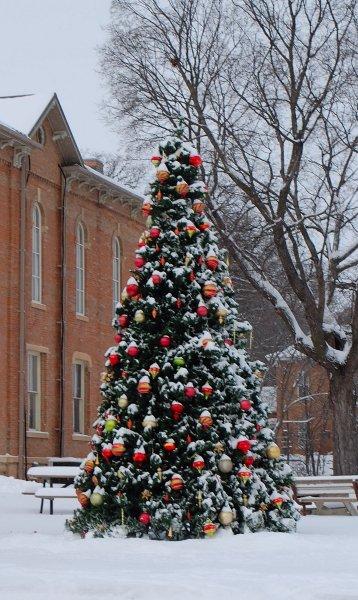
Harriet didn't tell me where she shot this outdoor Christmas tree. But isn't it beautiful?

Text © Copyright 2010 Audrey Kletscher Helbling

Photos © Copyright 2010 Harriet Traxler


Santa Claus is coming to town on a John Deere tractor November 29, 2010

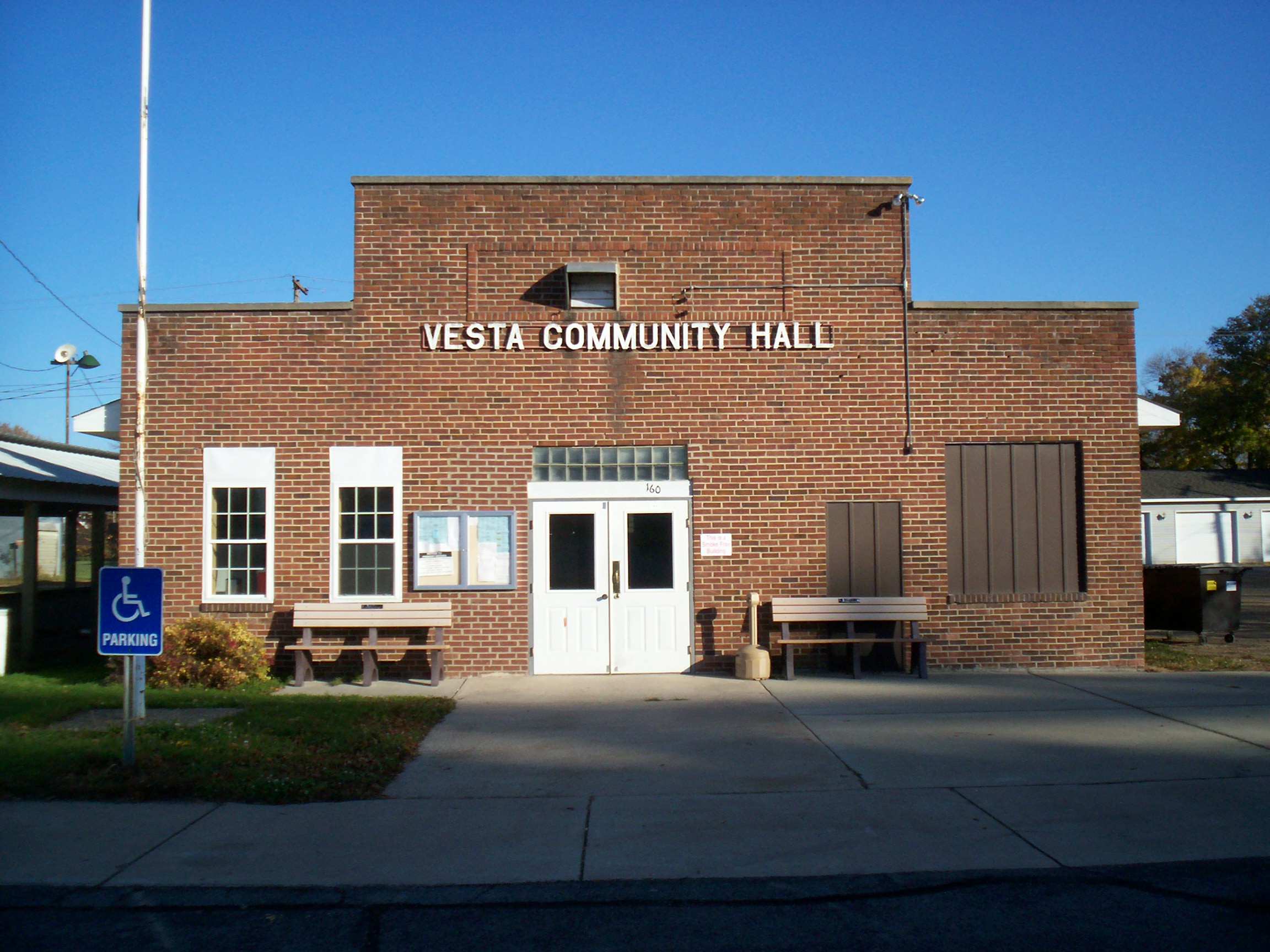
I HAVE FOND CHILDHOOD memories of Ham Day in my hometown of Vesta, a farming community of some 350 on the southwestern Minnesota prairie. When I was growing up, Vesta boasted a one-block main street lined with businesses. Today you’ll find a bank on one corner, the municipal liquor store on another, a café a stone’s throw away, the post office and that’s about it in the heart of town.

Back then, the Commercial Club sponsored an annual December Ham Day at the community hall. This offered an opportunity for local businesses to thank customers by giving away hams in a drawing.


The Vesta Community Hall, site of the annual Ham Day in December.

It also gave farm families an opportunity to socialize and, well, win a ham. You can bet my dad made sure his six kids signed up at as many businesses as possible for the ham give-away. Every year we went home with a ham.

But that’s not all. We kids also got goodie bags parceled out by Santa Claus, played by my Uncle Clarence. After the drawing, we would tromp outside and form a line into the Legion Hall. There Santa handed each kid a brown paper bag packed with peanuts, an apple, an orange, a marshmallow Santa and, best of all, a chocolate Hershey bar. Could life get any sweeter? Not for this farm girl.

With Ham Day forever a part of my cherished Christmas memories, I wondered what holiday happenings out there might hold special memories for today’s generation.

Here are a few upcoming events that seem suitable for memory-making:


John Deere tractors galore lined up at the 2009 Rice County Steam & Gas Engine Show. Santa will likely arrive on a newer model John Deere at this week's SEMA Equipment holiday open houses.

SANTAS ARRIVE IN JOHN DEERE tractors at SEMA Equipment, Inc. holiday open houses this week. From 5 p.m. – 7 p.m. Thursday, December 2, Santa will be at the ag implement dealership in Wanamingo. From 9 a.m. – noon on Saturday, December 4, Santa will simultaneously appear at SEMA in LeRoy, Plainview, Spring Valley, St. Charles and Austin. Don’t ask me how. But Santa is magical and I suppose he can be in five places at once.

I expect a lot of happy kids sharing cookies with the Jolly Old Man, riding in John Deere tractors, and bringing home Silly Bands and John Deere suckers. Even I would like a John Deere sucker. (I have fond memories of attending John Deere Day each year in Redwood Falls.)

IF YOU WANT TO ATTEND A TORCHLIGHT parade and dislike big city traffic and crowds (like me), take the kiddos over to Montgomery for the annual Torchlight Parade & Fireworks beginning at 6:30 p.m. on Thursday, December 2. Post parade you’ll be treated to a beautiful computer-choreographed fireworks display set to holiday music.


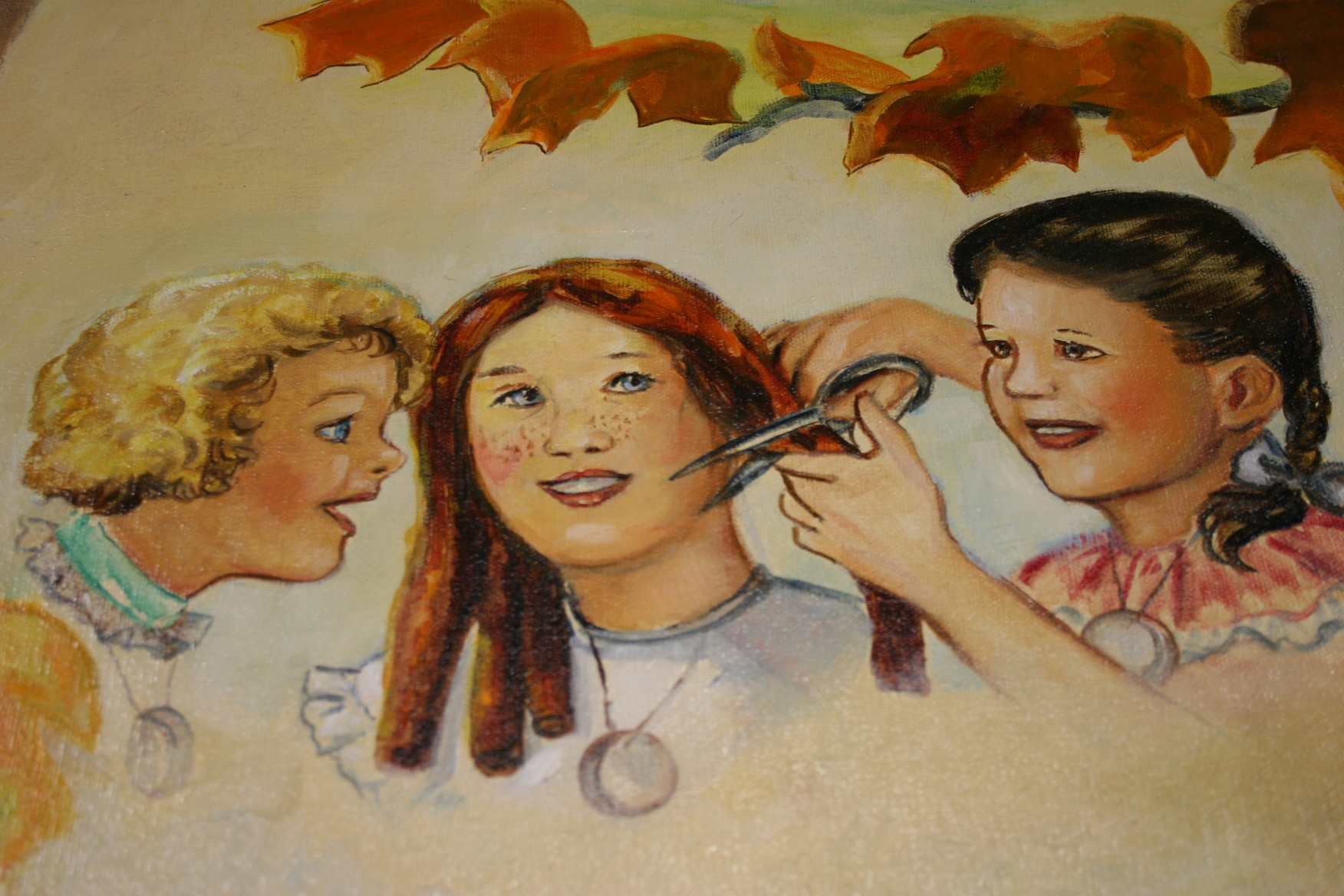
Book characters Tib, left, Tacy and Betsy, in a mural in the Maud Hart Lovelace Children's Wing at the Blue Earth County Library in Mankato. Marian Anderson painted scenes from the 10 Betsy-Tacy books.

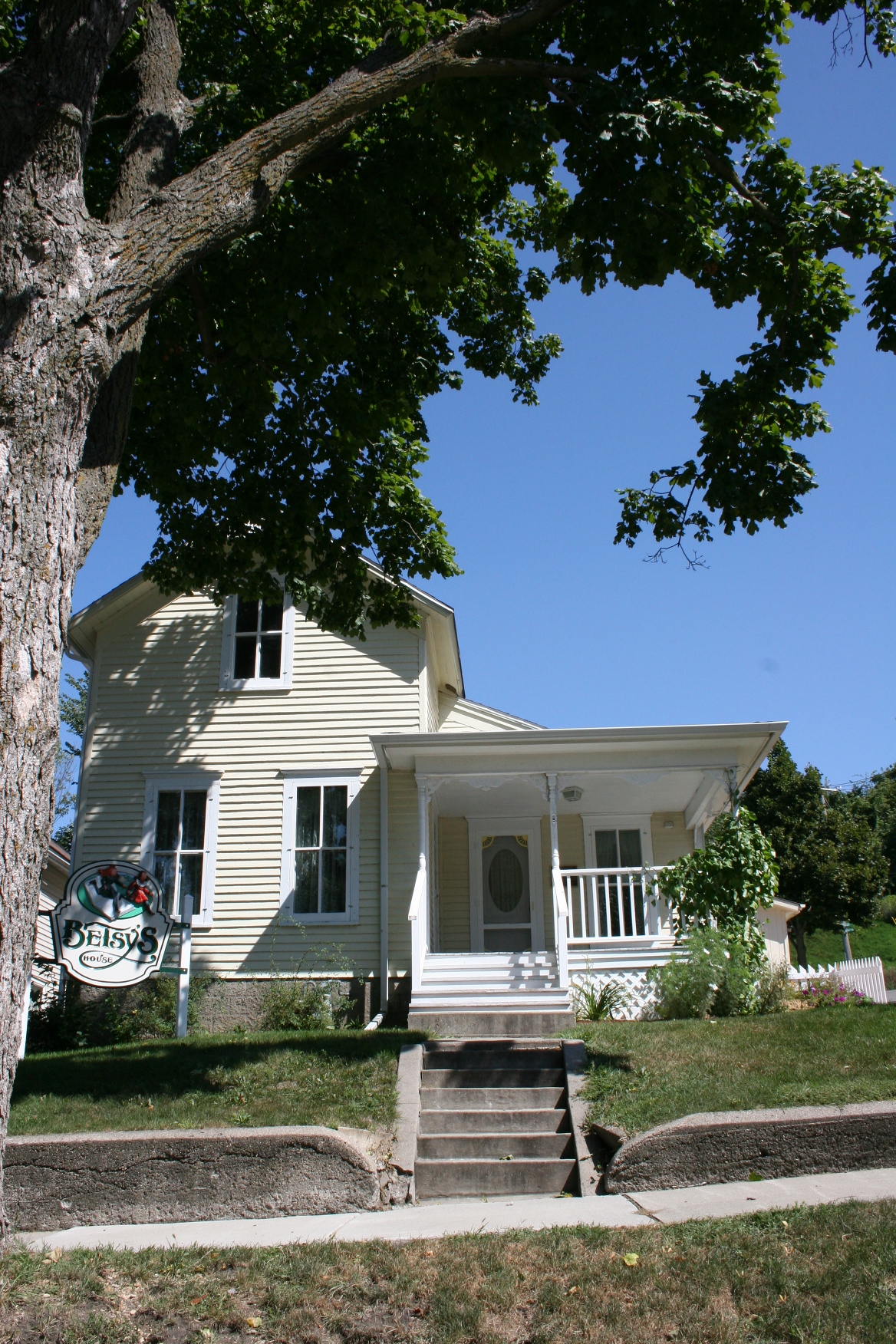
CHILDREN (AND ADULTS) who are fans of the Betsy-Tacy books by Maud Hart Lovelace can experience an old-fashioned Victorian Christmas from 1 p.m. – 4 p.m. Saturday, December 4, at the Betsy-Tacy houses in Mankato. Costumed characters will represent Betsy Ray and her family. Carolers will entertain. Refreshments will be served in the across-the-street houses decorated for the holidays.


Betsy Ray's (Maud Hart Lovelace) house along Center Street in Mankato, photographed this past summer.

UP NORTH IN HUBBARD, eight miles south of Park Rapids, you’ll find another interesting holiday happening which is likely more suited for adults than kids. The Long Lake Theater’s production of Ole & Lena’s It’s a Wonderful Life opens Thursday, December 2, for a two-week, eight-day run. The last show is December 12. Billed as a parody of the beloved Christmas classic with a Minnesota twist, the performance features those well-known Minnesota Scandinavians, Ole and Lena.


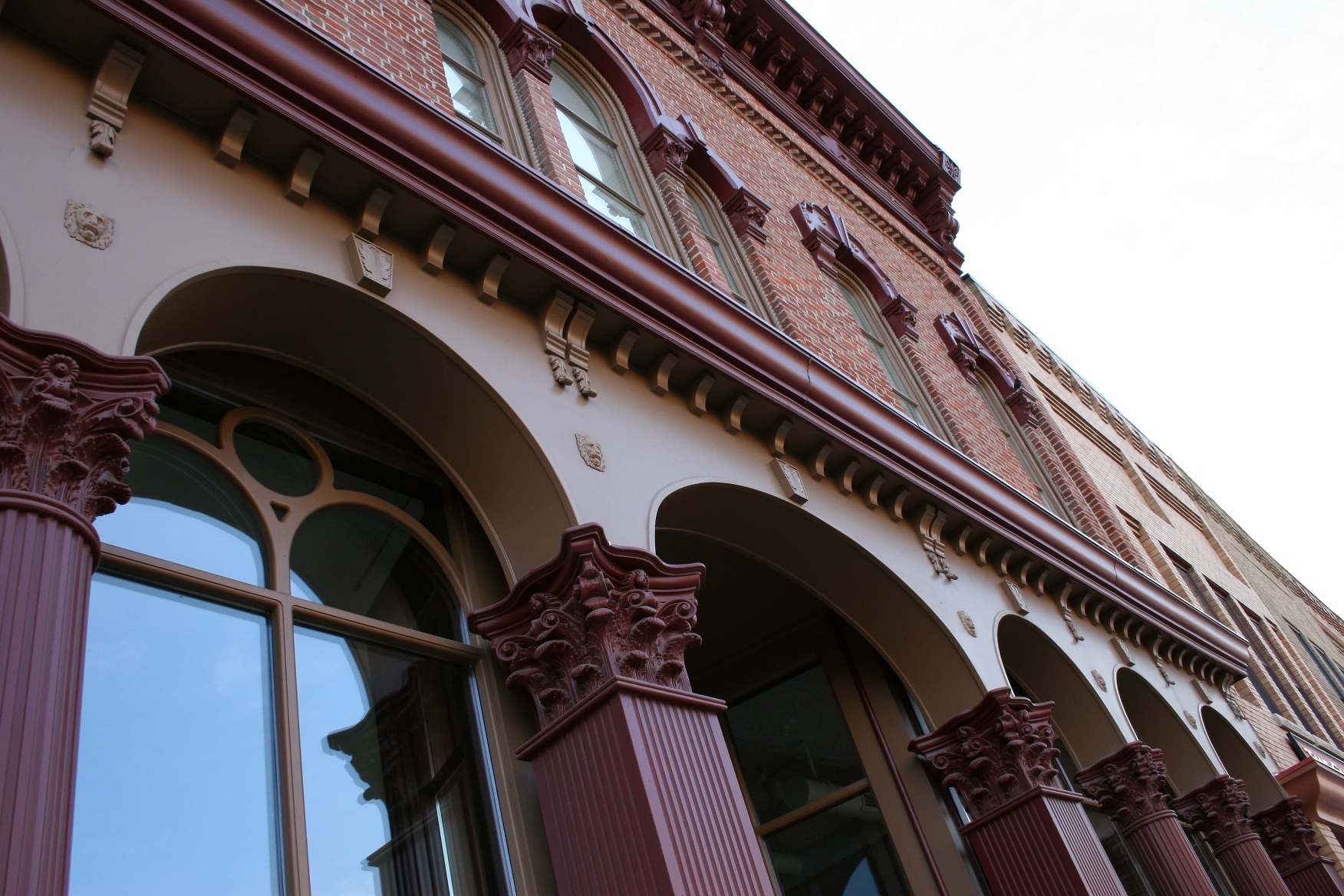
Santa stops at the beautifully-restored Bachrach Building in downtown Faribault on Saturday.

SANTA WILL POSE for pictures and visit with kids in Faribault during a Hometown Holidays event from 1 p.m. – 4 p.m. Saturday, December 4, in the Bachrach Building, 318 N. Central Avenue.  (No mention of goodie bags.) Other activities include cookie decorating and ornament making.

Across the street at the Paradise Center for the Arts, holiday storytime begins at 3 p.m. The Faribault High School Band the local Girl Scouts will also provide musical entertainment.

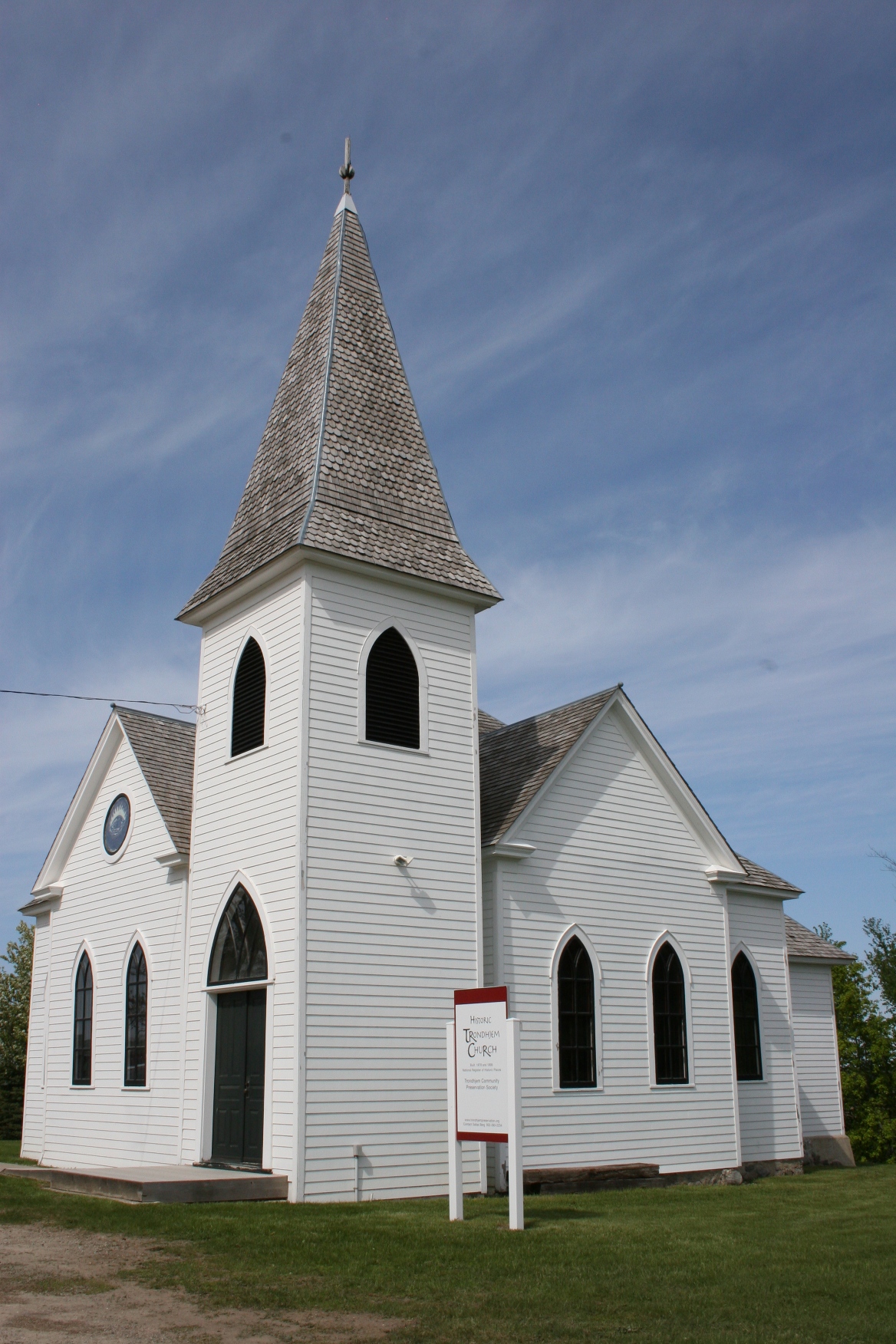
Old Trondhjem Church, photographed in the summer.

A CONCERT OF CHRISTMAS favorites will surely get you in the holiday spirit at a Norwegian country church near Lonsdale. The historic church presents “Sounds of Christmas at Old Trondhjem: Janet White and Friends” at 2 p.m. on Sunday, December 12.

IF YOU KNOW of an interesting holiday activity in your Minnesota neighborhood, submit the information in a comment or an email. I’ll start a list and share the information in an upcoming post/posts.

Likewise, if you have wonderful memories of a childhood Christmas event like Ham Day in Vesta, I’d like to hear those stories too.

© Copyright 2010 Audrey Kletscher Helbling
 

Sauerbraten and sauerkraut in Morristown November 15, 2010

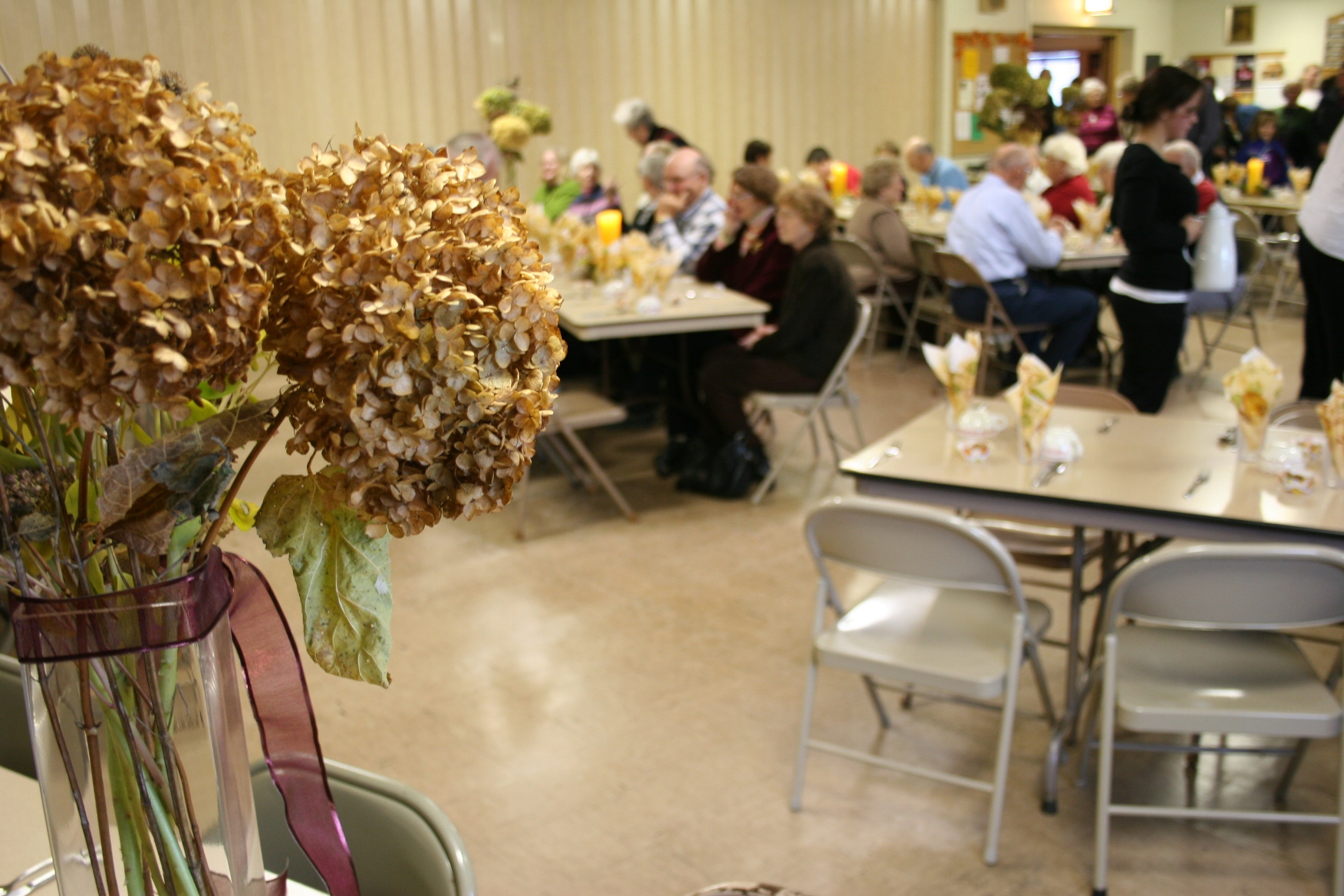
Diners gathered in the fellowship hall at Bethlehem Lutheran Church in Morristown for a German meal served by the Cannon Valley Lutheran High School German Club following a German Fest of Thanks & Praise.

THE LAST TIME I ATE an authentic German meal, I was in high school. The German Club, of which I was a member, was on a Christmas trip to New Ulm, that most Deutsch of all Minnesota cities.

After visiting Domeier’s German Store, a quaint import shop, and Christmas shopping downtown, we gathered at Eibner’s, a German restaurant. Of our ethnic meal there, I remember only the main dish, sauerbraten.

Fast forward nearly four decades to yesterday and a German meal served by the Cannon Valley Lutheran High School German Club at a fundraising dinner in Morristown. The group is traveling to Germany in February. The main dish sauerbraten, beef served atop spaetzle, tasted tangy and vinegary, exactly as I remembered. But then so did several of the other foods like the German potato salad and the purple cabbage, which my friend Mike claimed was transformed from green to purple in a sort of scientific experiment.

The plated portion of the meal included German potato salad, cabbage, brats with sauerkraut, sauerbraten served atop spaetzle (a German dumpling) and bread (rye may have been a more authentic choice).

Magic or not, the meal turned out by the kitchen crew (primarily German students’ parents and CVLHS board members) was worthy of any good German restaurant. I give it five stars.

That said, I honestly could not eat this food on a regular basis. Too much starch. Too heavy. Too all-one-boring blah white, except for that colorful dash of purple cabbage. I fear a steady diet of this would clog my arteries and cause me to gain weight more rapidly than I already am at my slowing metabolism mid-50s age.

In all fairness to the Germans, I’m certain they don’t eat this much or these types of foods daily just like I don’t eat pizza and potatoes every day. In fact, CVLHS language teacher Sabine Bill, who recently moved to Morristown from Germany, told me the German meal served on Sunday is representative of the food eaten in the Bavarian region of southern Germany, not the entire country.

Now I’m unsure where my German ancestors lived, but I know they liked their sauerkraut. My dad was the king of sauerkraut makers, a tradition carried on by my sister Lanae. We got sauerkraut on Sunday served with slices of brats.

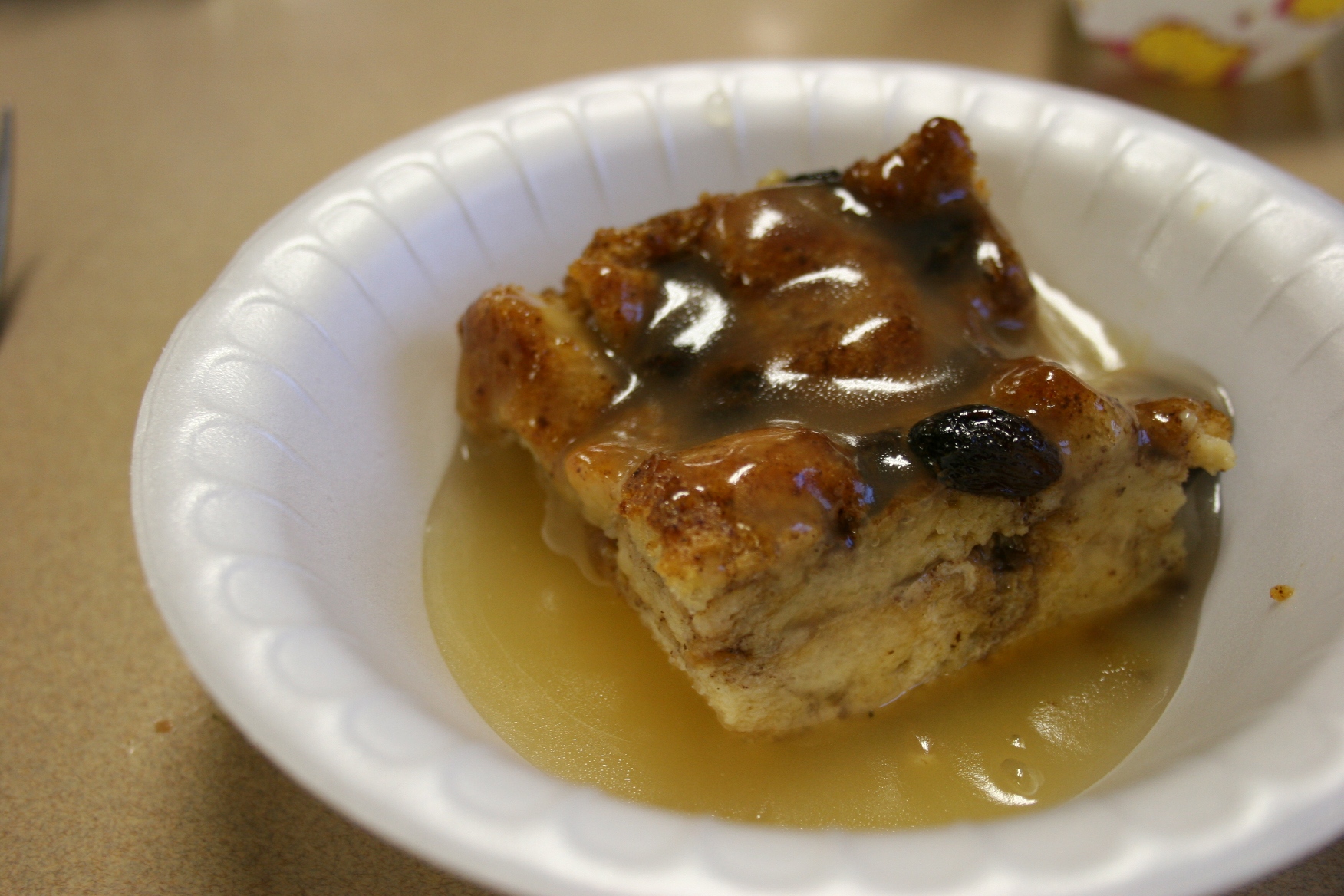
Just when I thought I couldn’t possibly eat another bite of anything, I was handed a bowl of bread pudding laced with raisins and immersed in a decadent, over-sweet buttery sauce. My husband complained that his piece was smaller than mine and I offered to share. But I didn’t, not one single bite. I could have. I should have…

The decadent bread pudding...

Typically I don't drink coffee. But it was decaff, went well with the bread pudding and pfeffernusse and was served in the prettiest, sturdiest cups.

Diane, a CVLHS board member, made more than 1,000 pfeffernusse, tiny hard cookies which include black pepper, black coffee and several spices. Each diner got five cookies, served in festive cupcake liners.

On the way out of the Bethlehem Lutheran Church fellowship hall, where the German meal was served, I told my friend Mike that his group had started something. They would have to host this German Fest of Thanks & Praise and the German meal annually.

I could eat this ethnic food once a year. To my several-generations-removed-from-Deutschland taste buds, this homemade meal rated as authentically delicious.

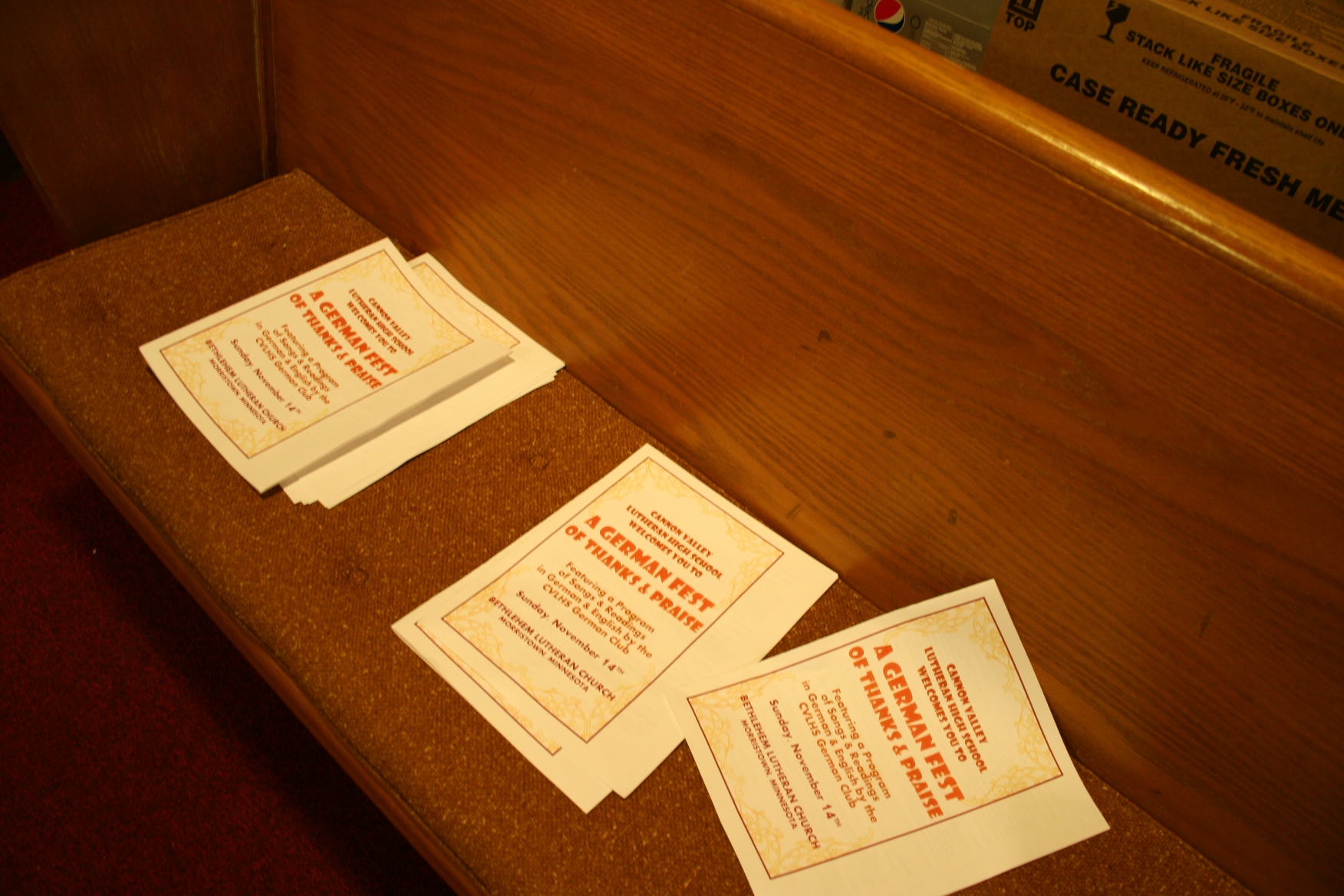
Programs from the pre-dinner German Fest of Thanks & Praise lie on a pew inside Bethlehem Lutheran Church. The fest included prayers, songs and Scripture readings in German.

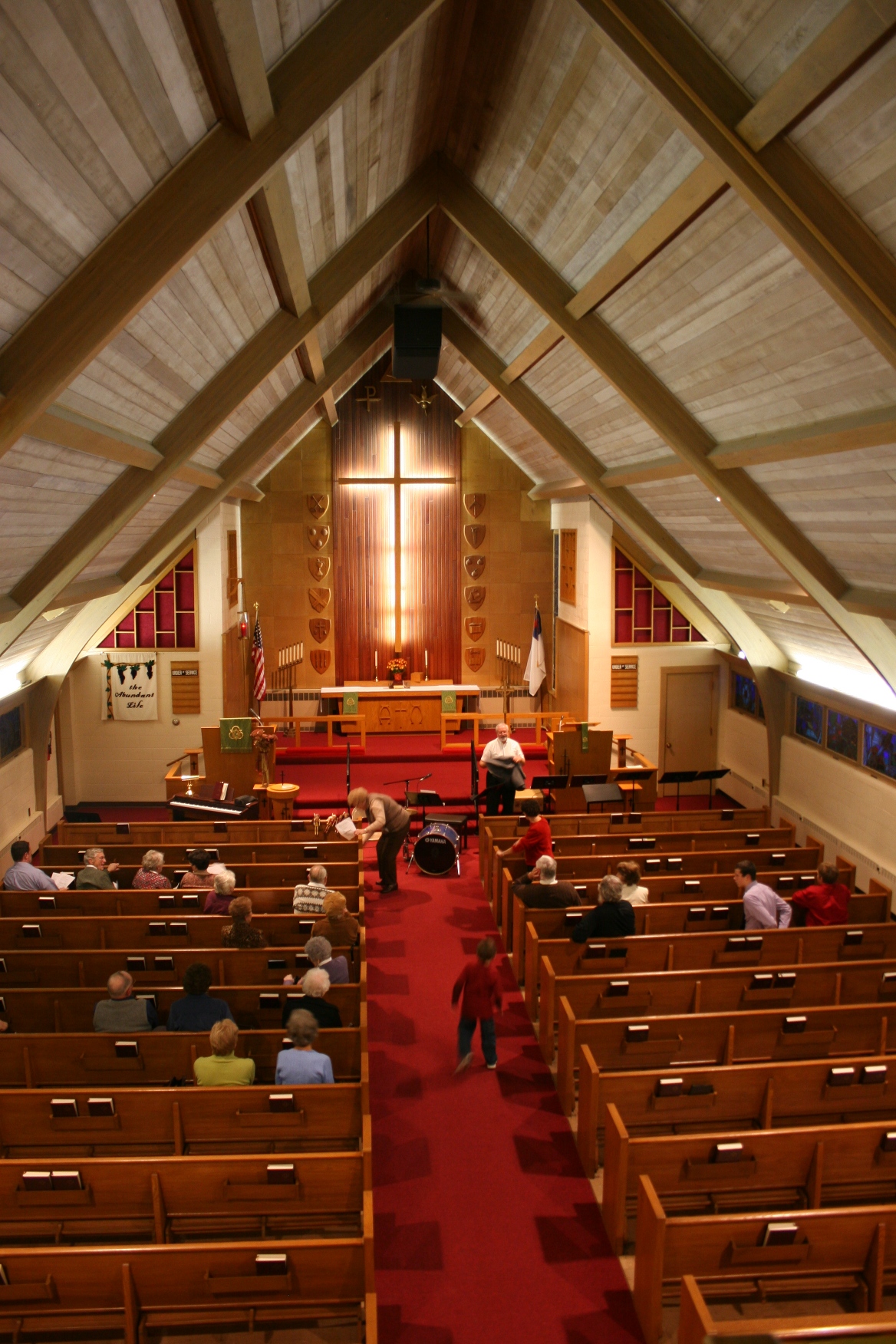
Between meal sittings, musicians entertained waiting diners inside the Bethlehem Lutheran Church sanctuary.

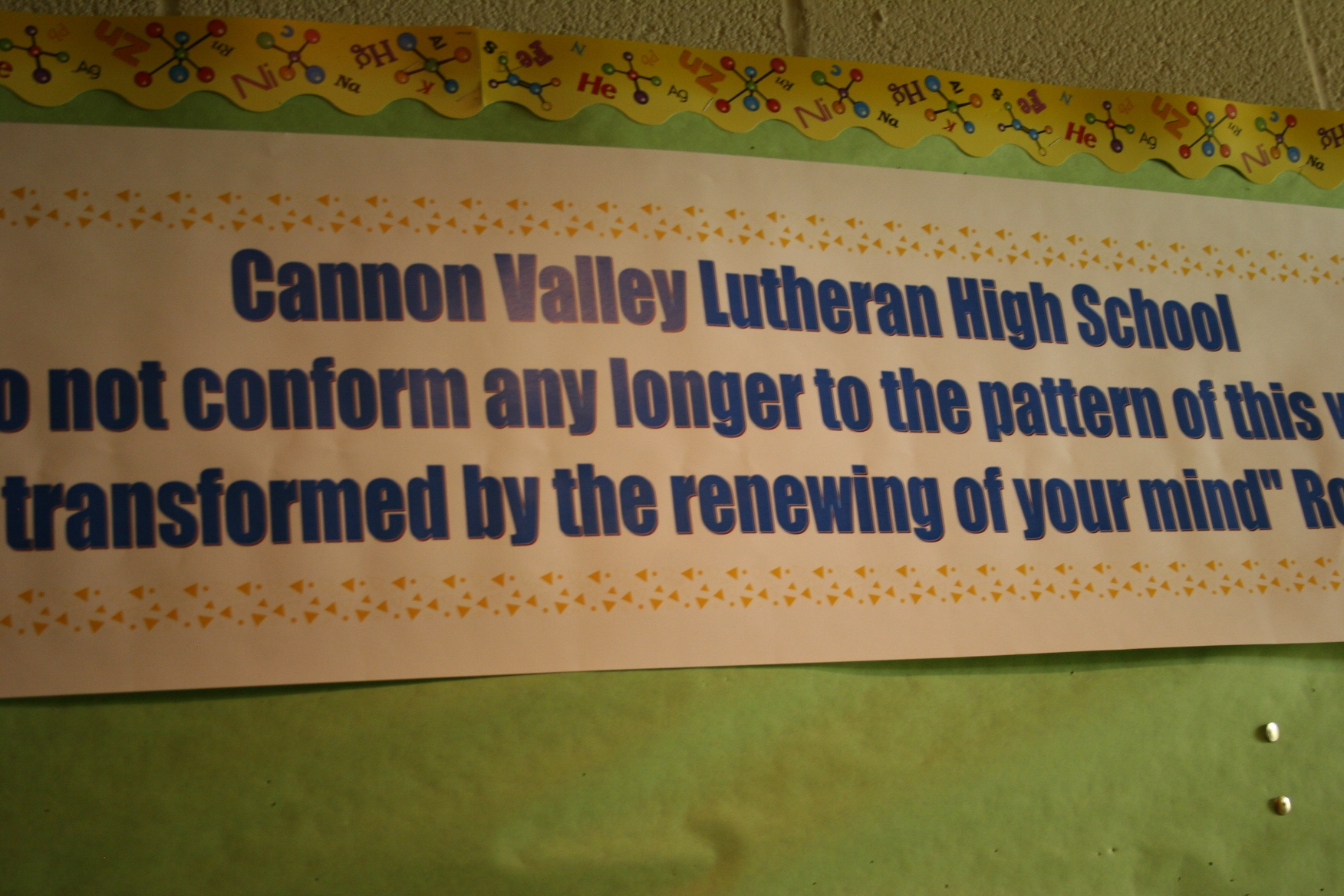
On my way to the church balcony, I found this CVLHS sign on a bulletin board.

© Copyright 2010 Audrey Kletscher Helbling
 

Seeking a book about Lutheran hymn writer Paul Gerhardt October 16, 2010

Filed under: Uncategorized — Audrey Kletscher Helbling @ 12:12 PM
Tags: , , , , , ,

SEVERAL WEEKS AGO I met a nice woman from Washington. Well, I didn’t actually meet, meet her. Rather she e-mailed regarding an article I wrote about homelessness in Faribault. That piece published in the September issue of The Lutheran Witness, the national magazine of The Lutheran Church, Missouri Synod.

Anyway, aside from the fact that Donna and I each attend LCMS churches, we also share a love of books.

“I am a book worm! I love books!” this West Concord, Minnesota, native wrote in one of many e-mails we exchanged. “I love to get books into people’s hands!”

Notice all those exclamation marks at the end of Donna’s sentences. That’s absolute proof to me that this retired library aide enjoys books.

Donna had a purpose for mentioning books to me. She wanted to buy an ad on Minnesota Prairie Roots seeking a specific book, Paul Gerhardt—His Life and His Hymns by William Dallman. Concordia Publishing House published the now out-of-print volume in 1921.

The problem: I haven’t yet reached the point of selling advertising on this blog. Believe me, I’d like to earn some money considering all of the time and effort I invest in blogging, but…for now it remains a passion of mine with no financial return.

But back to that book and Donna’s request. Although I’ve been a Lutheran all of my life, I’m not a musically-educated Lutheran. I cannot read a note nor do I know much about the Lutheran musical heritage. However, I can sing, from memory, all of the words to my favorite hymn, “Beautiful Savior.”

This, of course, does not help Donna. I offered to publish this post with the hope that someone out there—and you don’t even need to be Lutheran—has a copy of Paul Gerhardt—His Life and His Hymns. This musically-knowledgeable Lutheran wants to give the book to her pastor during October, Pastor Appreciation Month. If you can’t make that deadline, Donna’s fine with that. She has other ideas and can wait until next October.

Donna has already tracked down a few copies of the elusive 80-page rather plain brown book, so copies are out there. She found one for her church library and, after advertising elsewhere, located one in Great Britain. But the price is higher than she’s willing to pay. A retired pastor in Oregon also has the book, but it’s written in German. She wants English.

So, if you have an English copy of Paul Gerhardt—His Life and His Hymns e-mail your contact information in a comment (which I will not publish) and I’ll forward it to Donna in Washington.

I’m sure if you ask, Donna will tell you that Paul Gerhardt, born in 1607, was trained to be a Lutheran pastor at Wittenberg, Germany, where Martin Luther studied a century earlier. Gerhardt wrote more than 130 hymns including “Come Your Hearts and Voices Raising,” “Upon the Cross Extended,” “Awake My Heart With Gladness,” “Evening and Morning,” “I Will Sing My Maker’s Praises” and “Now Rest Beneath Night’s Shadow.”

Right off hand, I can’t say those hymns sound familiar to me. Remember, though, I’m no musician, simply a Sunday morning singing Lutheran.

Donna’s pastor, however, based his March 2010 Lenten sermons on Gerhardt’s life and hymns, using those as a window into the life of Christian devotion. That explains why Donna wants this certain book for her clergyman’s private collection.

So if you have a copy of Paul Gerhardt—His Life and His Hymns by William Dallman, in English, not German, e-mail me now.

Danke Schöen.

#

HERE’S ANOTHER INTERESTING story from my new Washington friend. Donna volunteers at her church library and her daughter, also a bookworm, gave her a book, Hymns of the Evangelical Lutheran Church for the Use of English Lutheran Missions, published in 1896 by Concordia Publishing House.

Said daughter bought the book for $1 at an American Association of University Women book sale.

But here’s the really odd, coincidental connection to me. Inside the book is the name Martha Schultz, Faribault, Minnesota, and the date, January 10, 1903.  So…, if anyone in Faribault, where I’ve lived since 1982, knows anything about Martha, Martha’s ownership of this book and how it ended up in Washington, Donna and I would very much like to know. Send me a comment.  Thank you.

© Copyright 2010 Audrey Kletscher Helbling
 

A trip to view the fall colors detours in Zumbro Falls October 11, 2010

DEAR READERS:

On Sunday afternoon my husband and I headed east on Minnesota Highway 60 to enjoy the fall colors. We intended to drive to Wabasha, then aim north toward Lake City and maybe Red Wing before returning home to Faribault.

Along the way, we stopped at Holden Lutheran Church near Kenyon so I could snap a few photos. We both appreciate old churches and would have lingered longer except the pastor was in the middle of his sermon and we didn’t want to enter the sanctuary and interrupt.


The Rev. Bernt Julius Muus, the founder of St. Olaf College in Northfield, was a pastor at Holden Lutheran Church near Kenyon. The congregation was organized in 1856 and this church was built in 1924.


From there, we drove to Zumbrota for a picnic lunch at the historic covered bridge.


The covered bridge in Zumbrota dates to 1869 and is promoted in Zumbrota as the only covered bridge in Minnesota. However, I am aware of another covered bridge, that one in Mantorville.


Then we resumed our Sunday afternoon drive, traveling briefly on U.S. Highway 52 before exiting onto Highway 60.

After passing through the town of Mazeppa, we reached Zumbro Falls, a community of less than 200 that was, just 2 ½ weeks ago, ravaged by the floodwaters of the Zumbro River.

We pulled our car a block off main street and parked. I grabbed my camera and notebook. And that was the beginning of the end of our planned afternoon to view the fall colors. Instead, we viewed homes and businesses extensively damaged by the flood. And we spoke to some of the people of Zumbro Falls before driving about five miles further to Hammond.

I am sharing their stories in a series of posts that I hope will help you better understand the devastation from a personal perspective. I could have spent many more hours talking to flood victims. I could have dug deeper. I could have taken more photos.

But I think my stories are emotional enough, deep enough, to convey the frustration, the anger, the resilience, the gratefulness of a community that is suffering.

Typically, I would publish these posts over a several-day span. However, these stories need to be told now. Not tomorrow. Not the day after. But today.

So, please, take time to walk with me through portions of Zumbro Falls and Hammond, where you’ll meet Tracy and Jackie and Susie and Katie. They are strong, opinionated women. I have no doubt they will overcome this present obstacle in their lives.

Yet, even though they are tough as nails, they still need our help, our prayers, our support.

Of all the questions I asked of them, I failed to ask the most important: “Is there anything I can do for you?”

#

PLEASE WATCH FOR these posts as I begin publishing them this afternoon. If you have thoughts to share, share them.

Although my Sunday afternoon did not go as I envisioned, I am thankful for the detour from the planned route. My eyes and heart were opened. I saw destruction and beauty—that beauty being the irrepressible strength of the human spirit.


Beautiful fall colors provided the backdrop for this pile of destroyed appliances and other debris in Hammond.


© Copyright 2010 Audrey Kletscher Helbling
 

Together let’s make this harvest season safe October 7, 2010

Filed under: Uncategorized — Audrey Kletscher Helbling @ 2:07 PM
Tags: , , , , , , , , , ,


Bishop Jon Anderson, Southwestern Minnesota Synod, Evangelical Lutheran Church of America, blesses the Prahl family.


SEVERAL WEEKS AGO I wrote about a Tractor Roll-in and Harvest Blessing Service at Trinity Lutheran Church in rural Gaylord.

Yesterday I received my September 30 issue of The Gaylord Hub, a community newspaper where I worked for two years right out of college. Even after three decades removed from Gaylord, I’m still interested in the happenings in this small town.

As I paged through the issue, I came across a photo on page four from the Trinity harvest blessing service. Pastor William Nelsen had e-mailed the same image, and several others, to me. But they were just sitting in my in-box and I wasn’t sure I would ever publish them on Minnesota Prairie Roots.

But then, yesterday, that blessing service photo in The Hub, followed by a story two pages later, prompted me to write this post. The news article shared information about an accident in which a farmer’s clothing became entangled in a power take off driven rotor shaft. The farmer sustained severe head, chest and arm injuries and was airlifted from the scene. The irony of the harvest blessing photo and the farm accident story publishing in the same issue of The Hub was not lost on me.

Yes, harvest season is well underway here in southern Minnesota. And with it comes the added danger of accidents on the farm and on roadways. Farmers are tired, stressed, overworked.

Motorists are impatient and in a hurry.

This time of year we all need to take great care as we’re out and about in rural Minnesota. If you get “stuck” behind a combine or a tractor or a slow-moving grain truck, exercise caution and don’t be in such an all-fired hurry to zoom around the farm machinery.

If you’re a farmer, please use proper signage, turn signals and flashing lights and stick to the edge of the roadway as much as you can. Bulky farm machinery limits a motorist’s ability to see around you, which can lead to accidents.

Together, with understanding and patience and, yes, even consideration, farmers and non-farmers can join in making this a safer harvest season.


Pastor Bill Nelsen blesses the Klaers family and their harvest during the service.


Pastor Bill Nelsen blesses the Kahle-Giefer family and their harvest. Farmers drove about 40 tractors and combines to the worship service attended by 200-plus worshipers.


I snapped this harvest photo along a rural road near Northfield on Sunday afternoon.


© Copyright 2010 Audrey Kletscher Helbling
Photos courtesy of Margie Nelsen


A country school preserved in Millersburg October 3, 2010

MY HUSBAND THRILLS in talking about the coyotes at Chimney Butte School.

You have to admit that just the name of the rural North Dakota school, which Randy attended for 14 months in the 1960s, draws you in to listen.

His tale is short. One day Randy and his classmates couldn’t go outside for recess because of coyotes in the schoolyard. That’s it. Yet, the story deserves telling. How many men in their early 50s attended a country school? Furthermore, how many of those students encountered coyotes on a school day?

Preserving such memories is important. So is preserving the actual school building. Last Sunday I stepped inside a one-room Minnesota country school that has been restored and transformed into a museum. That’s nothing new, really. Old schoolhouses have also become township halls, private residences and businesses, although some have been abandoned and simply fallen into heaps of rotting wood.

Members of The Christdala Preservation Association are assuring that doesn’t happen to the District 20 Millersburg School in rural Rice County. The association has acquired the former schoolhouse and is transitioning it into a museum for the Millersburg community.

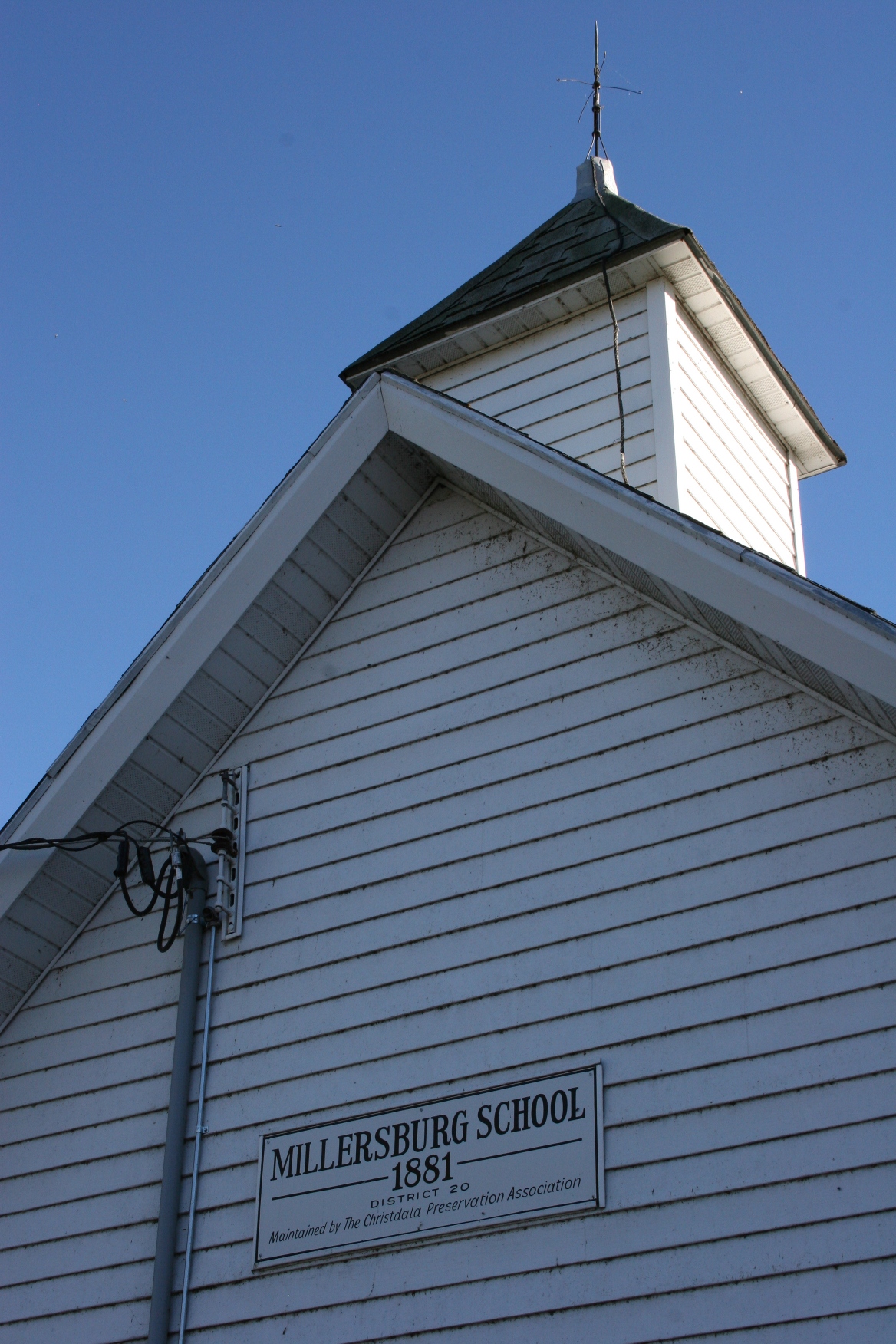
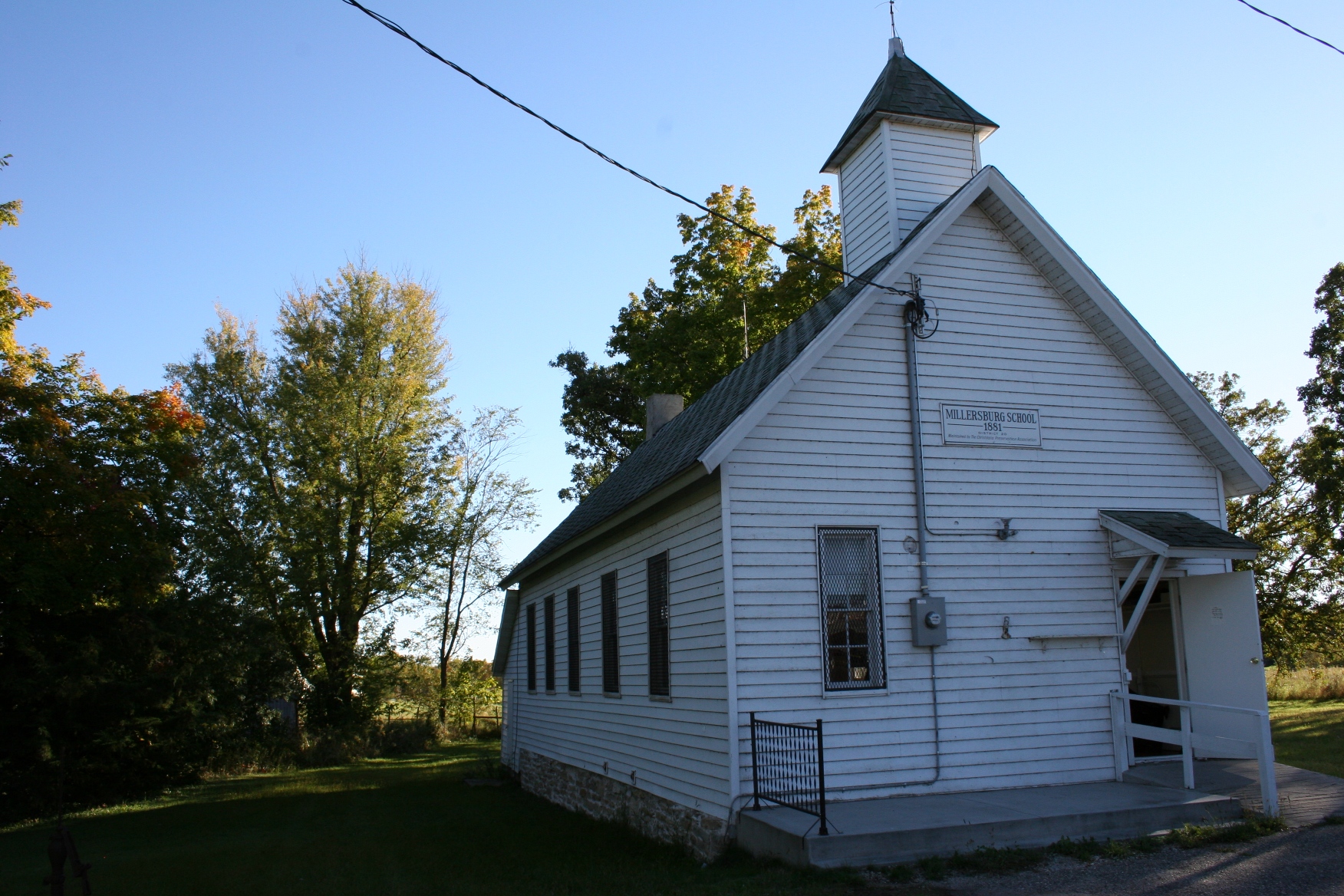
The 1881 Millersburg School is now a museum.

The old country school sits across the road from Boonie's restaurant and bar along Rice County Road 1.

Inside I discovered records and artifacts from the school and nearby Christdala Evangelical Swedish Lutheran Church, historic photos, an old buggy, military memorabilia and more.

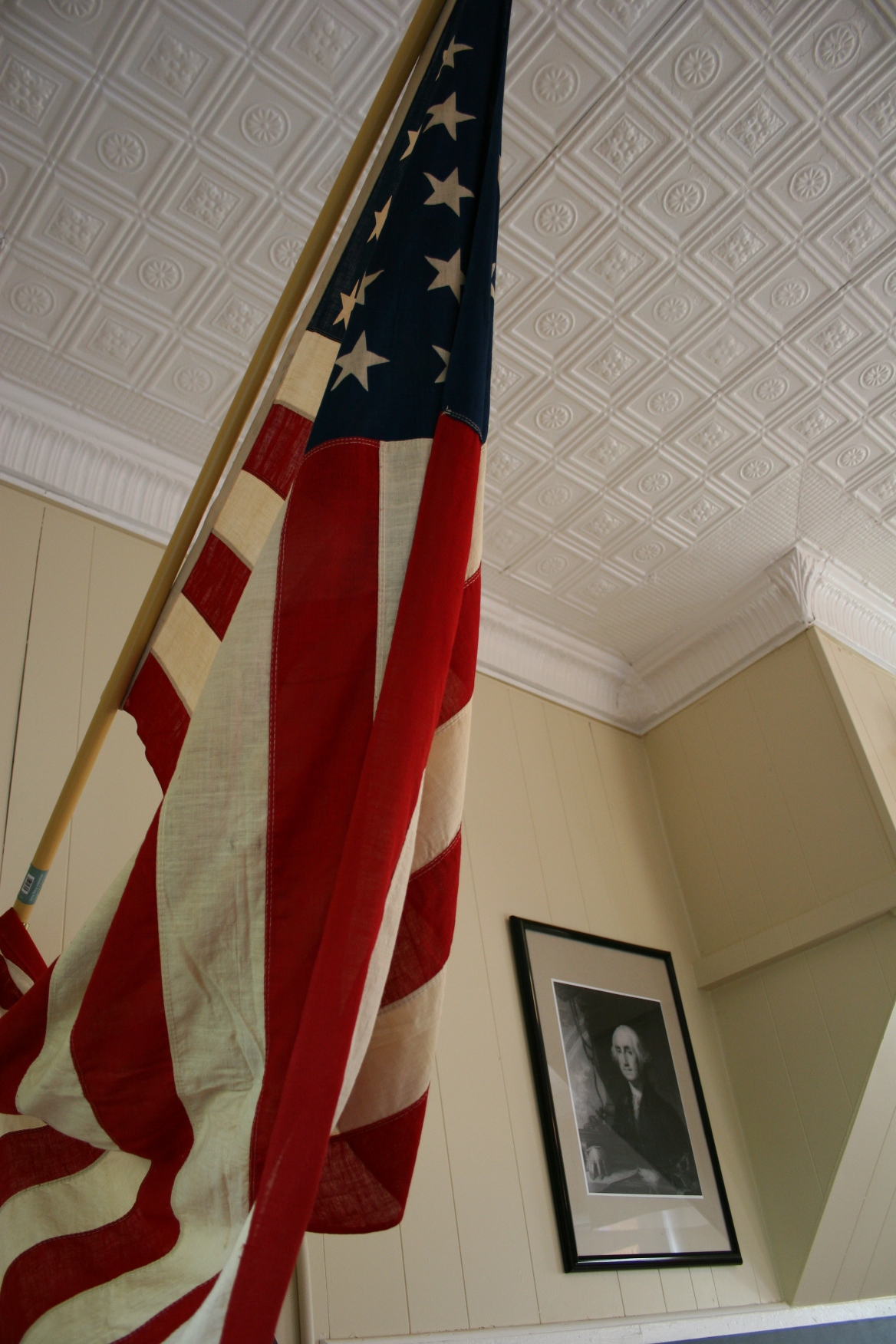
Mostly, though, I appreciated the care taken to restore the building. Gleaming wood floors made me want to push back the tables and chairs and host a square dance. These preservationists paid attention to detail, right down to the American flag and portrait of George Washington.

As this museum evolves, I expect, hope, that the preservation association will open the doors on a regular basis to the public. And I expect, hope, that those who gather there will exchange stories about their days in a country school, coyotes or not.

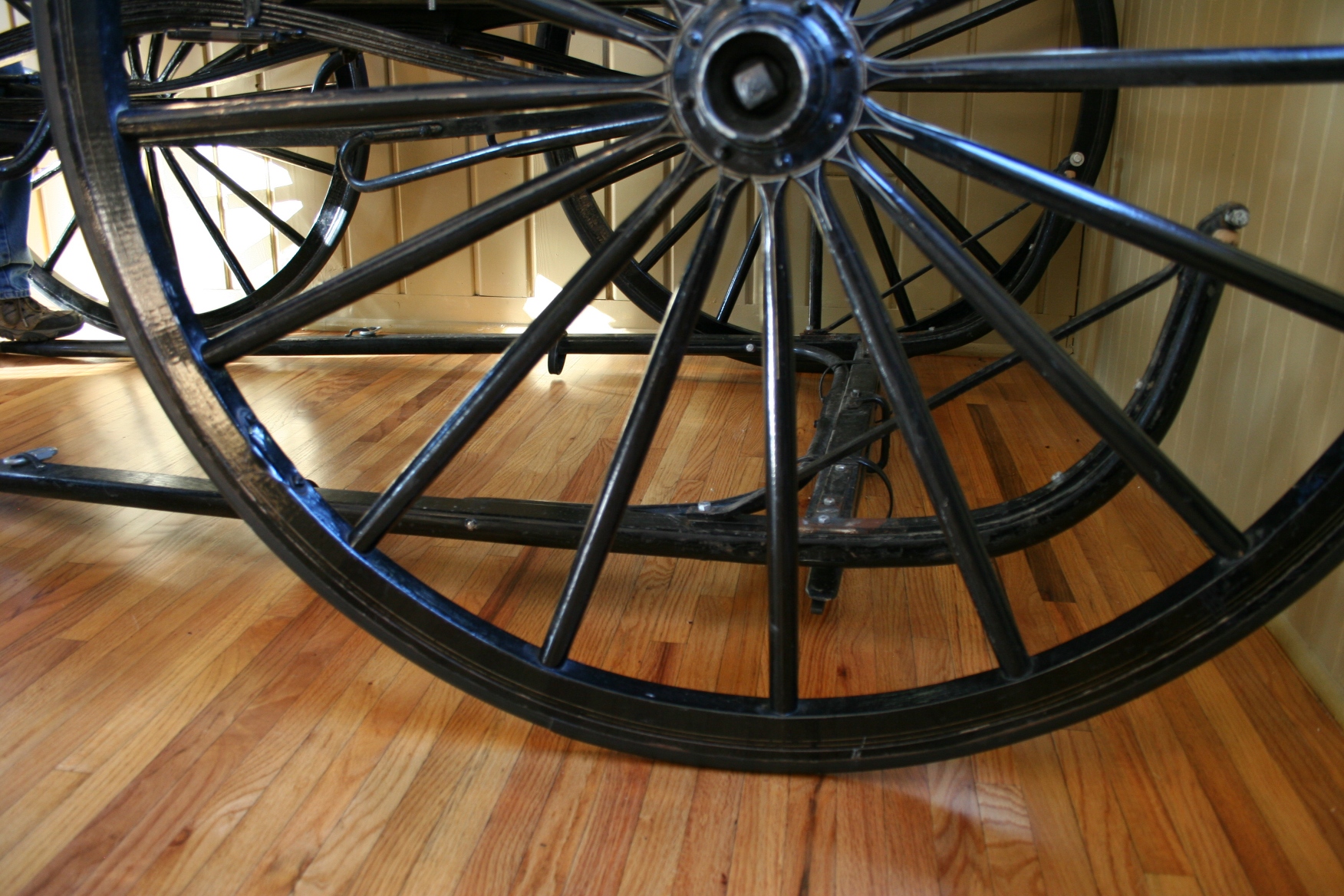
The refurbished wood floor shines under the wheels of an 1887 Michigan Buggy Company buggy which was taken apart and reassembled inside the schoolhouse museum.

At the front of the schoolroom hangs the American flag and a Presidential portrait below the period ceiling.

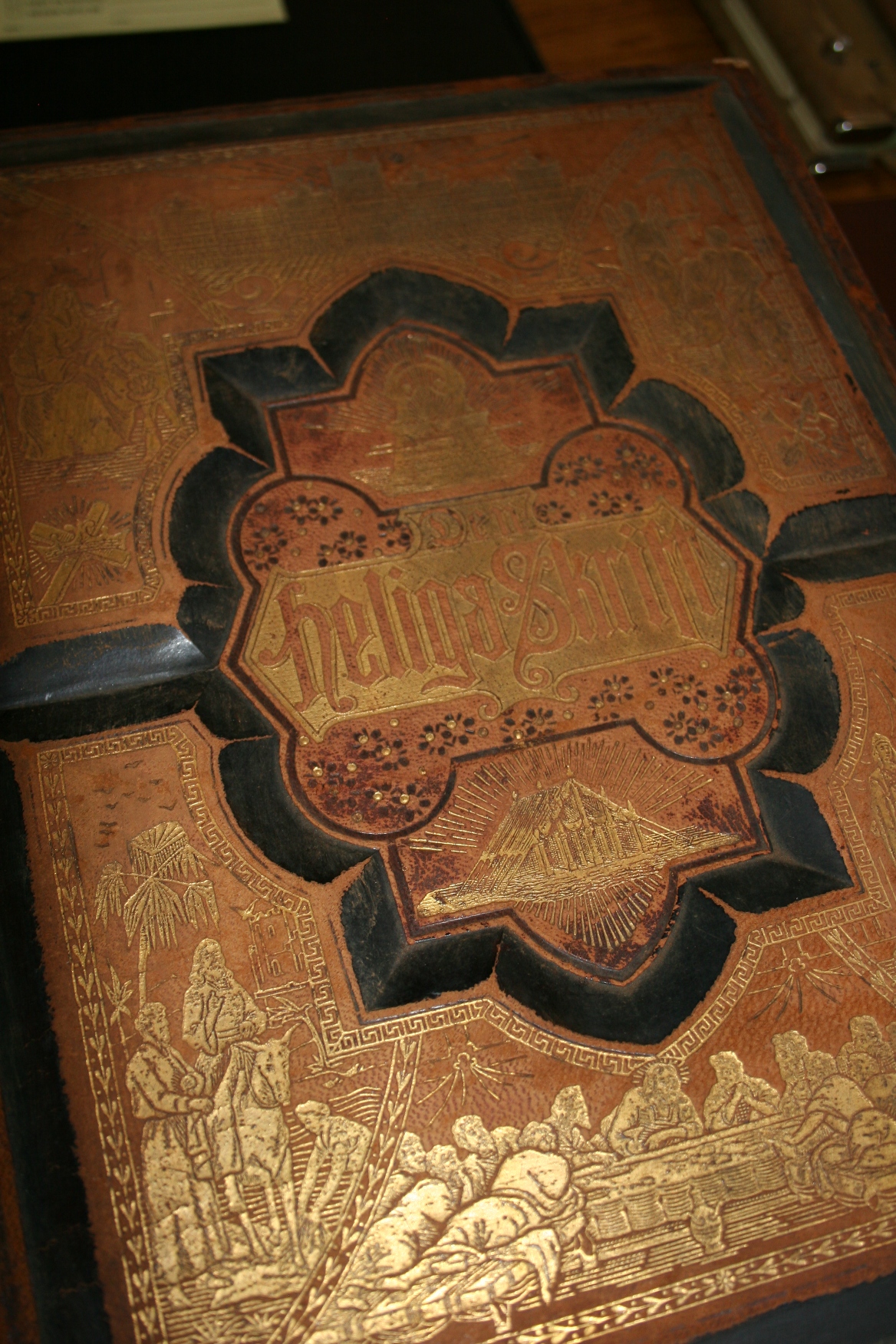
The 1889 Swedish bible used in worship services at Christdala Evangelical Swedish Lutheran Church, located just down the road from the school.

A page from the 1889 Swedish bible.

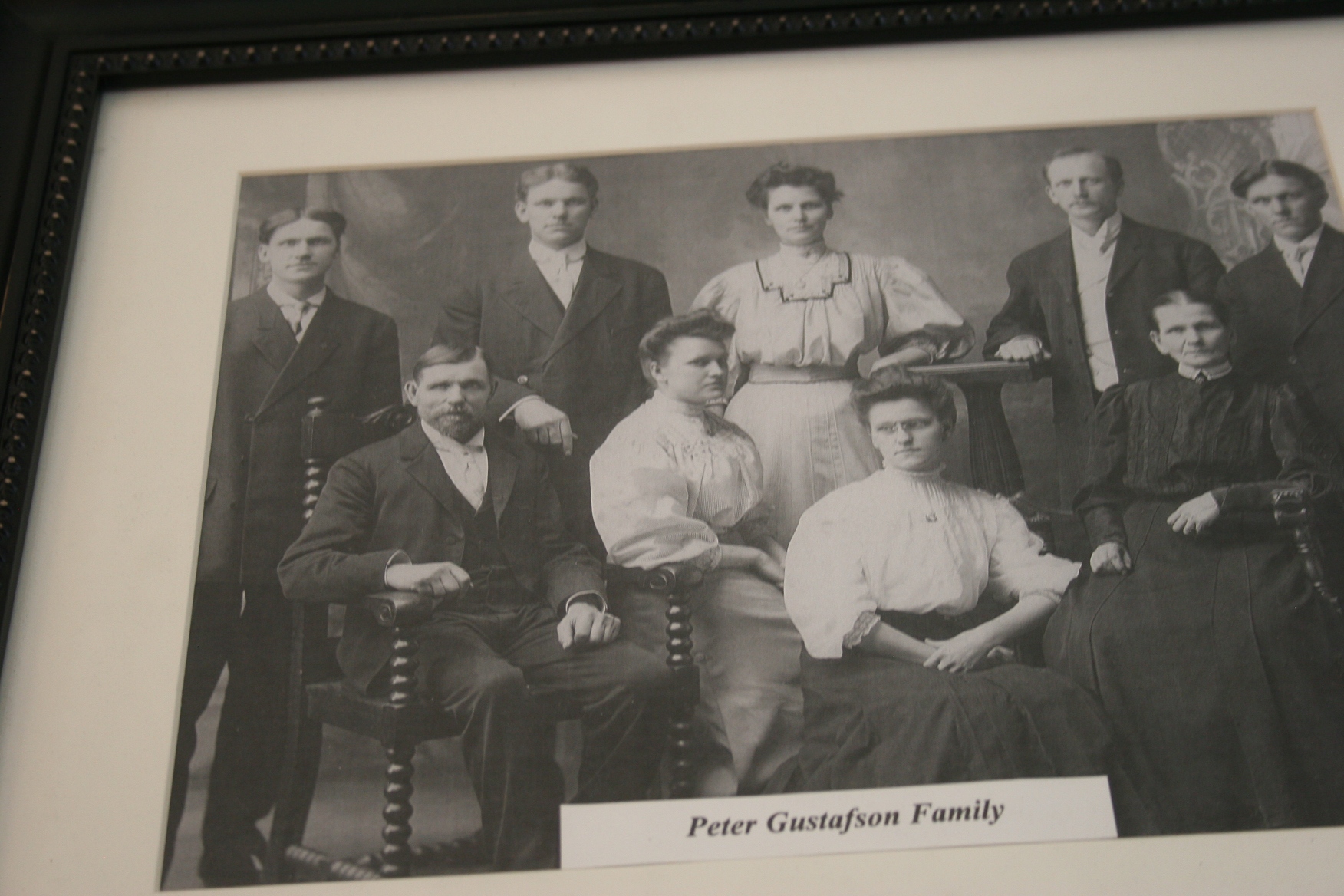
Among the museum photos is this portrait of the Peter Gustafson family. Peter was among the founding members of Christdala. He was also the brother of Nicolaus Gustafson who was murdered by outlaw Cole Younger during an attempted 1876 bank raid in nearby Northfield. At the time of Nicolaus' death, the Millersburg Swedish community had no church or cemetery. Nicolaus' untimely death prompted the Swedes to form Christdala. Peter Gustafson's 18-year-old twin son, Eugene, died tragically in March 1905 when a log rolled forward on a wagon and crushed him. This information is published in The History of the Christdala Evangelical Swedish Lutheran Church of Millersburg, Minnesota, written by B. Wayne Quist.

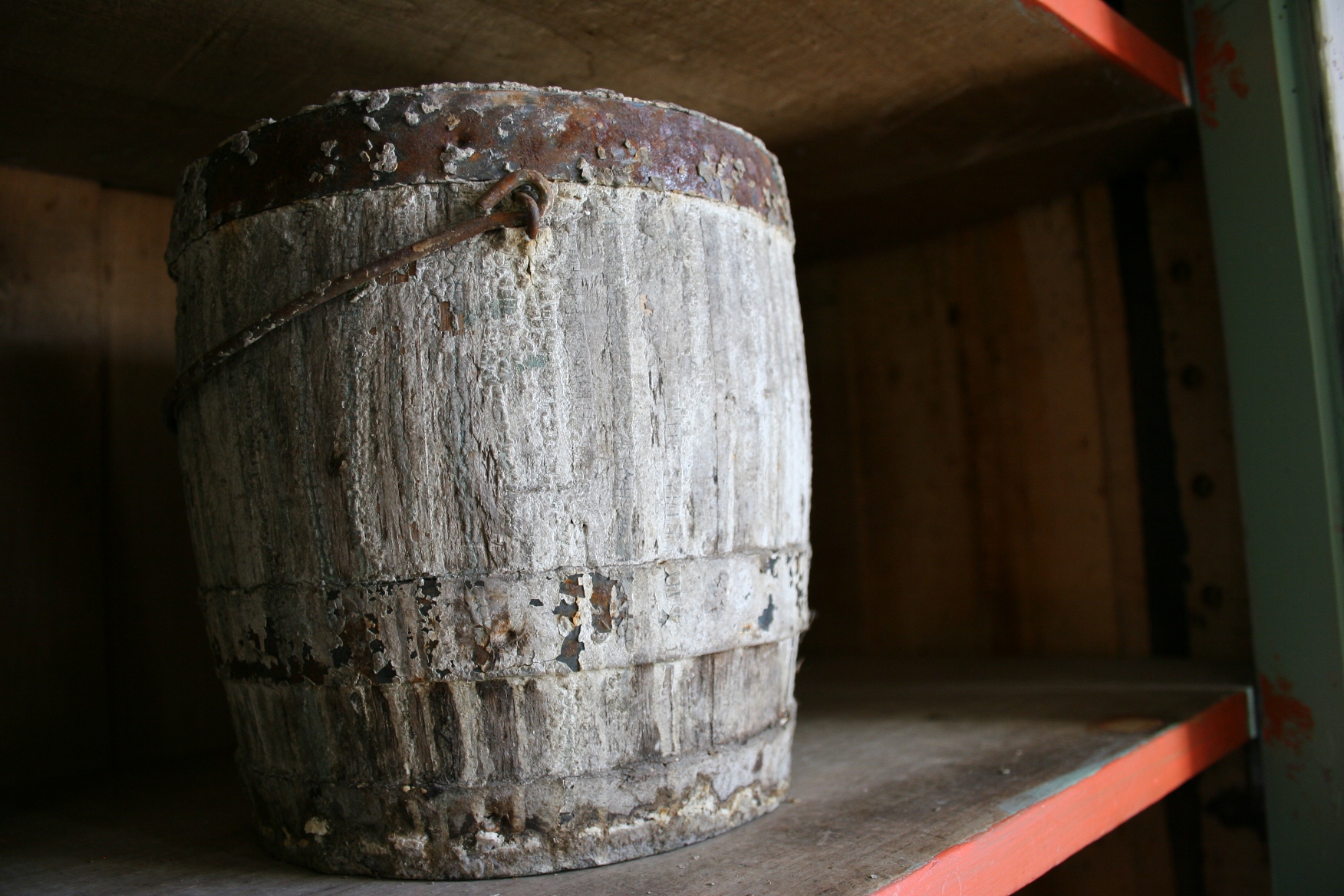
An old wooden pail rests inside a simple cupboard in a corner of the schoolhouse.

I spied this old piano stool tucked under a table. A museum visitor pulled the stool out and suggested perhaps naughty students sat on it in a corner.

Of all the historic photos I viewed in the museum, this one is my favorite. It's clear the boys really don't want to be there, with their mom's arms draped around them. But she appears to be a strong, determined woman.

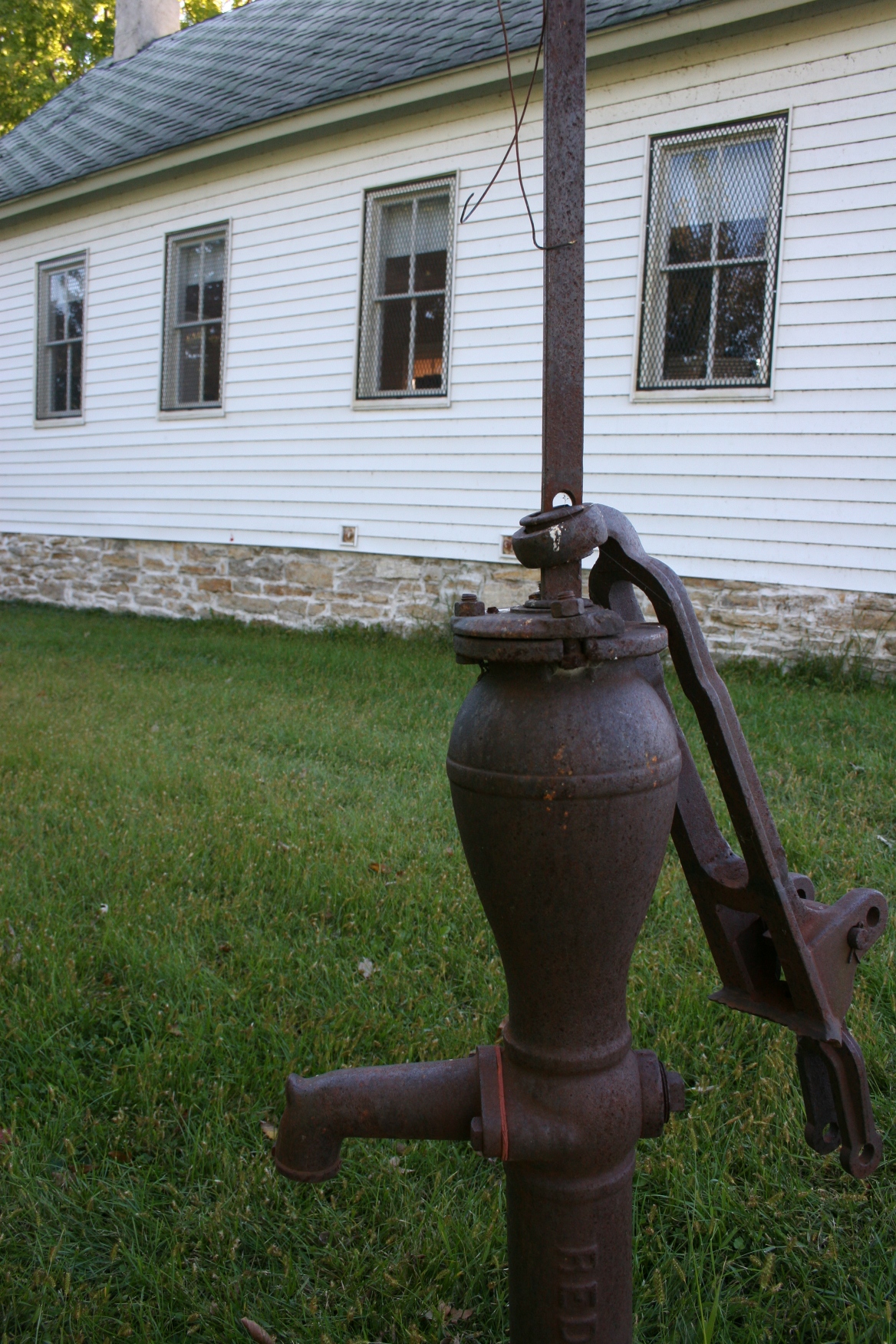
How many stories could this old water pump, next to the school, tell?

© Copyright 2010 Audrey Kletscher Helbling
 

Celebrating history and heritage at Christdala Church September 30, 2010

Filed under: Uncategorized — Audrey Kletscher Helbling @ 7:45 AM
Tags: , , , , ,

Christdala's 1880 altar and pulpit join at the front of the Swedish Lutheran church.

THEY COULD NOT HAVE KNOWN, but a hymn they/someone chose for the annual church celebration happened to be my favorite.

Beautiful Savior, King of creation,

Son of God and Son of Man!

Truly I’d love thee, truly I’d serve thee,

Light of my soul, my joy, my crown.

And so I sang, in verse two of fair meadows. Verse three, of bright the sparkling stars on high. And the final verse—glory and honor, praise, adoration.

Only occasionally did I glimpse at the service program, at the words I’d memorized in childhood, sung decades later at my wedding. Beautiful Savior.

Everything about Sunday afternoon at Christdala Evangelical Swedish Lutheran Church in rural Millersburg was beautiful. Sunshine. The pure, clear voice of the soloist singing of saints gathering at the beautiful river. The wisps of steam rising from a percolating coffee pot that I glimpsed through a church window while sitting in a front pew. Art on the lawn by my friend Rhody Yule.

On this September day, descendants of the Gustafsons and other Swedish immigrants who founded this church in 1877 gathered to celebrate their heritage and the 1878 Gothic Revival style wood-frame church that has been preserved.

Voices raised together in song, accompanied by the 1886 pump organ, the church’s second organ. Heads tilted to hear the pastor speak: “Jesus is all about setting us free. Today you are set free.”

The clunk of wood as worshipers settled into pews. Bread dipped into wine. Bowed heads and box elder bugs.

And outside, on the lawn, ham sandwiches and lefse and cake in a lunch spread out on tables, in an open stretch of grass between gravestones.

Hugs exchanged. Here, atop a hill, they gathered—friends and family—to worship, to honor the Swedish immigrants who established this congregation, Christdala, Christ’s Valley.

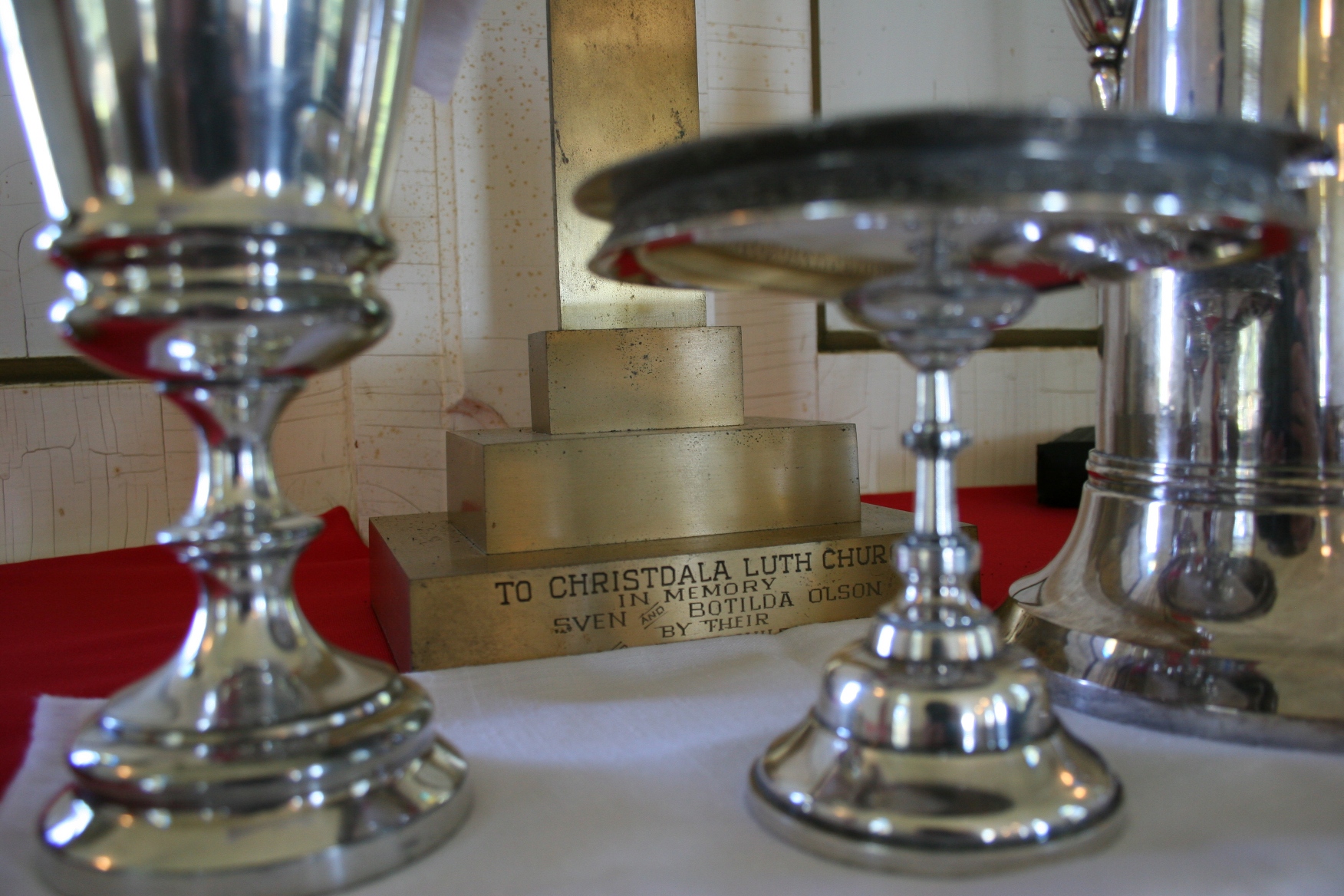
Communion ware at Christdala and a memorial inscription on the altar cross.

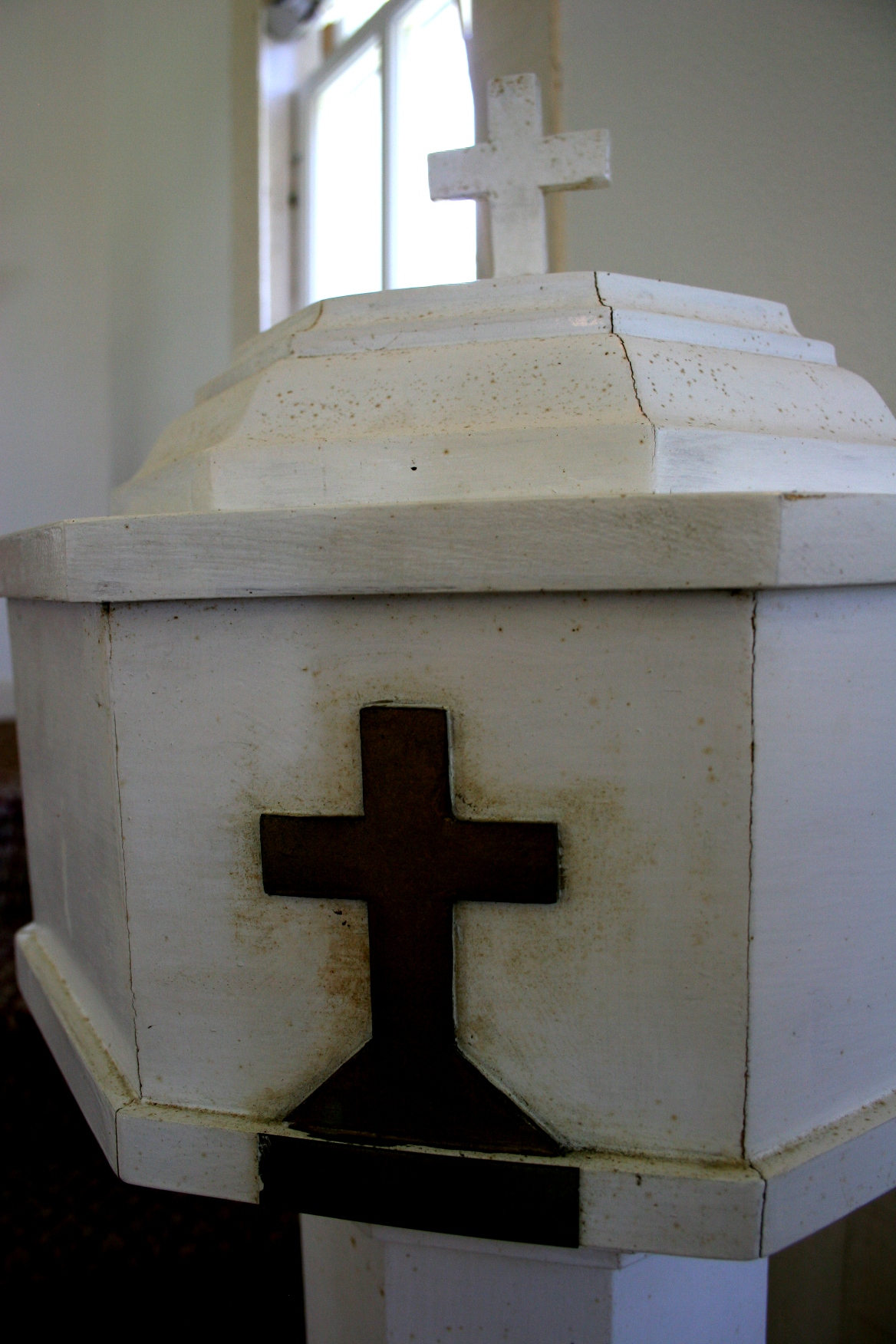
Christdala's baptismal font

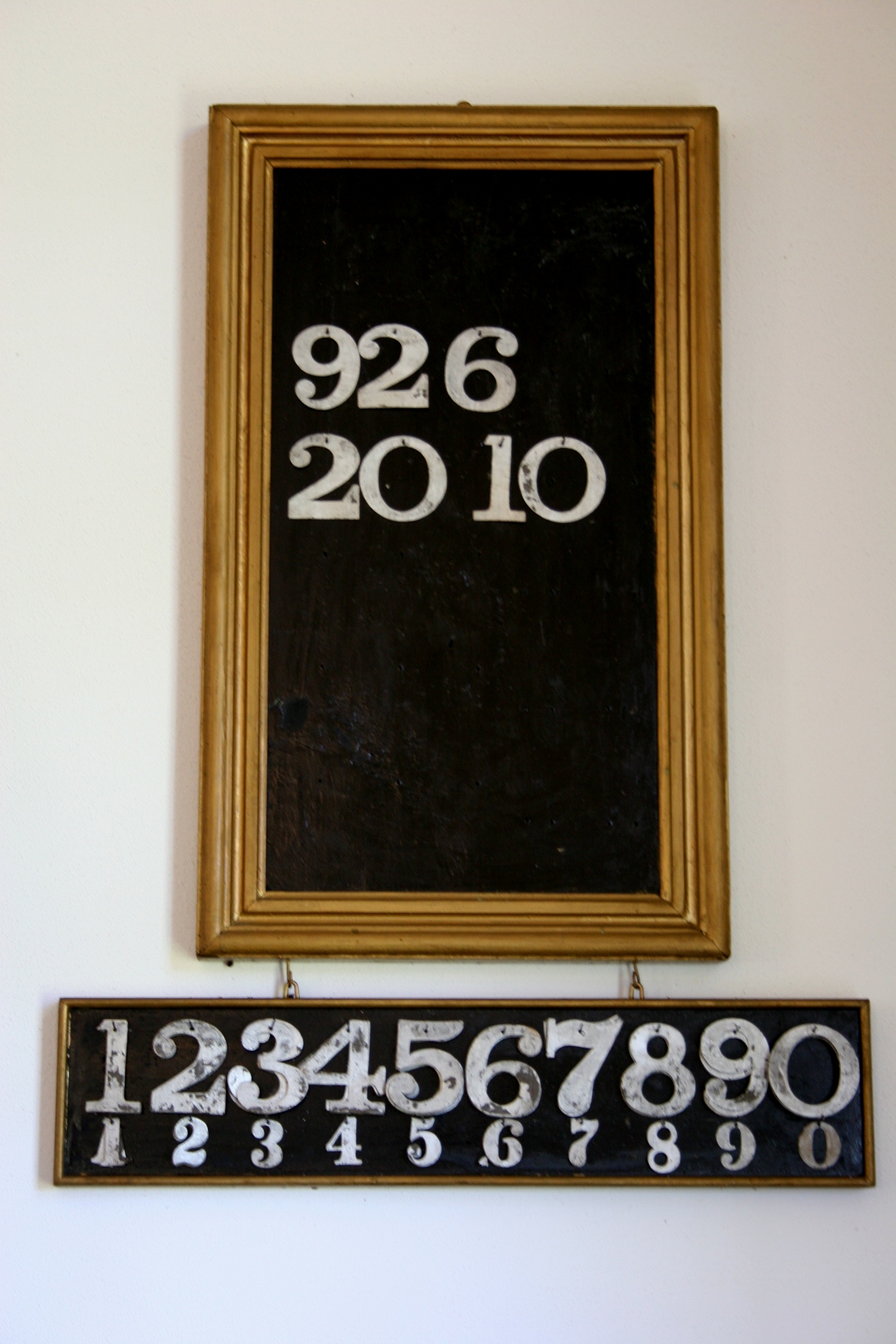
Numbers on the hymn board mark the celebration date, September 26, 2010.

Hymn board numbers are worn from years of use, reflecting the long history of this church.

Restoration and preservation of Christdala was detailed, right down to matching the replacement carpet, left in photo, to the original framed carpet sample at the right.

Reminders of the Swedish heritage rest atop a cupboard in a corner of the sanctuary.

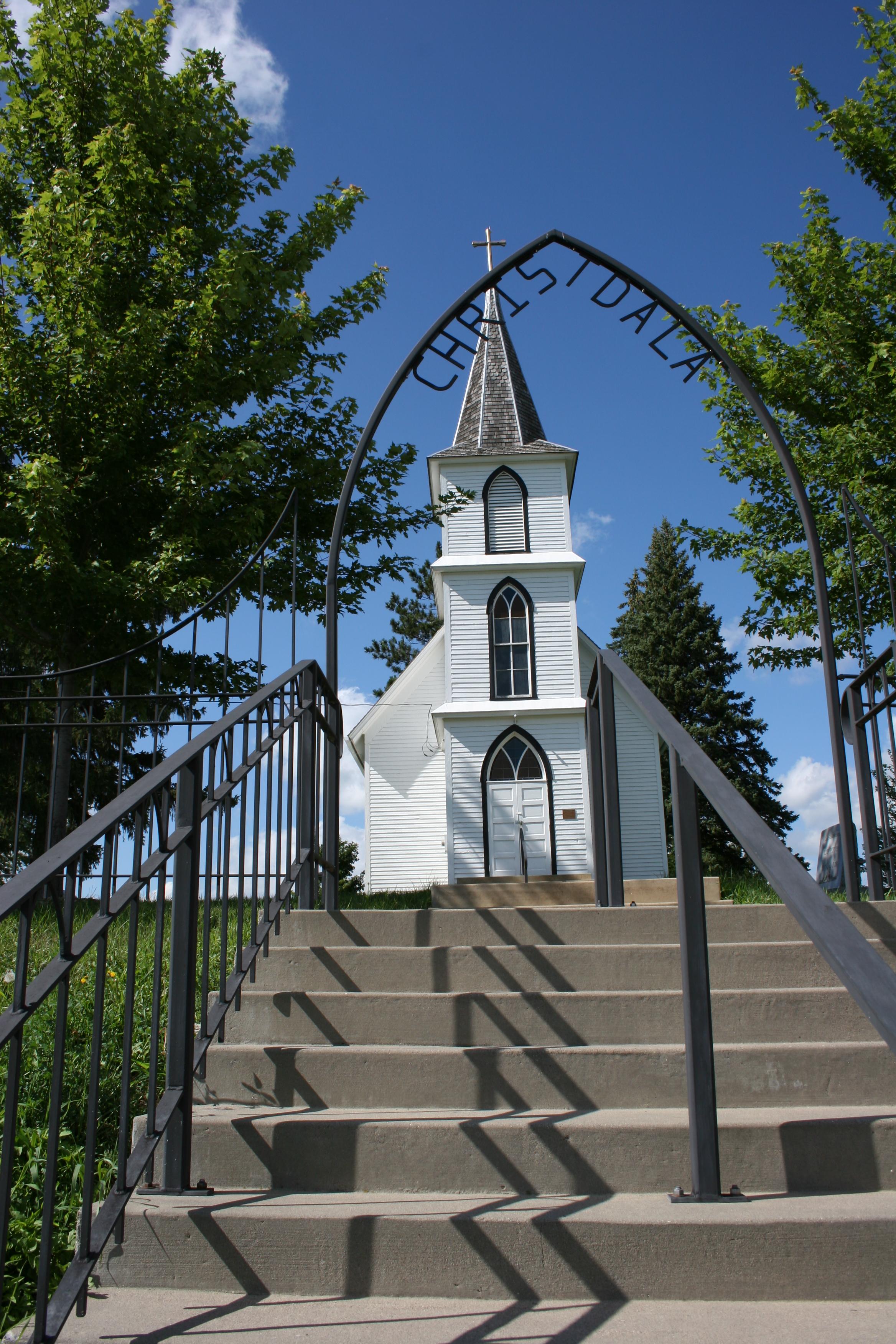
All of the windows in Christdala are tipped in blue and yellow, the colors of the Swedish flag. This shows the front door opening south to an archway that frames the valley below.

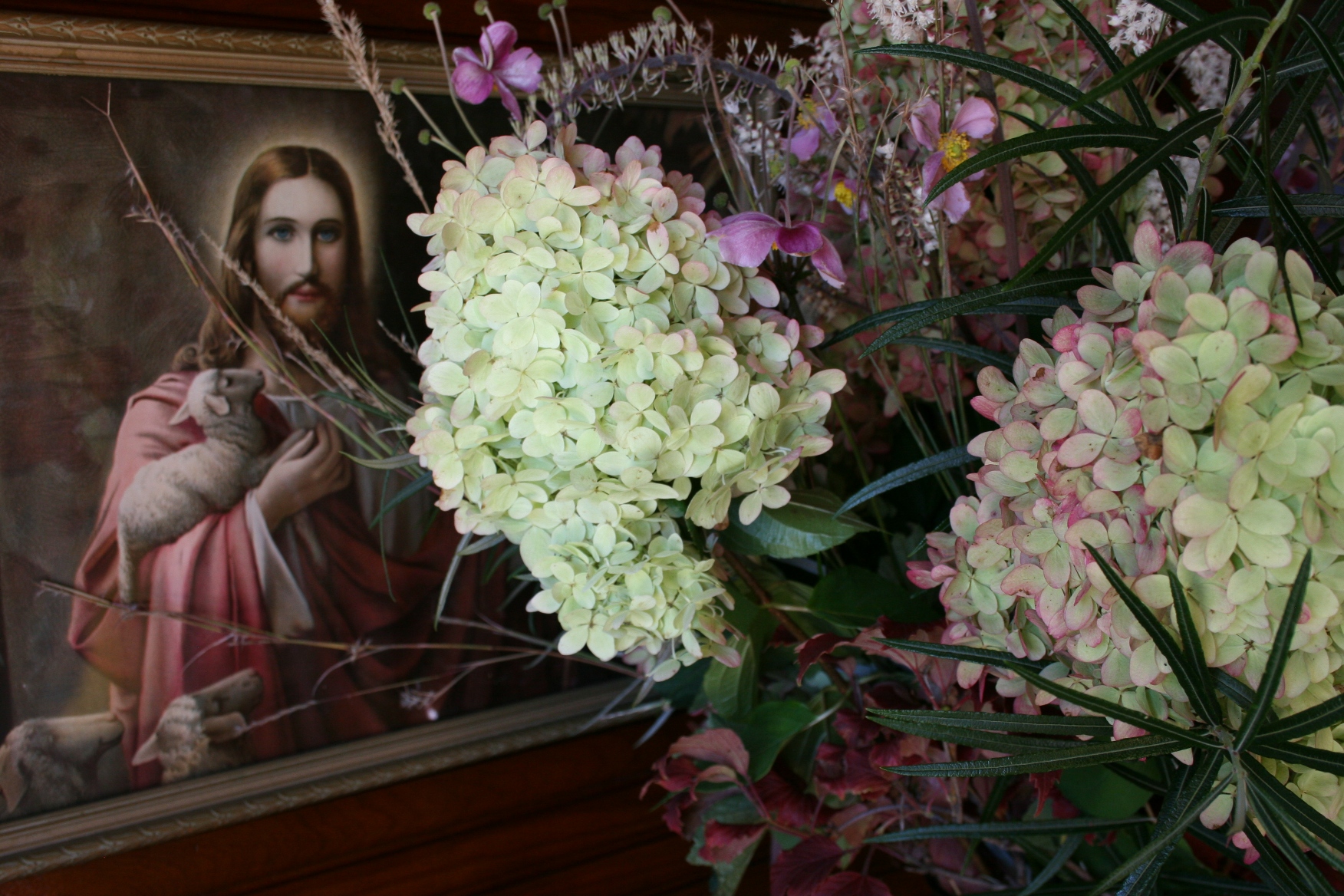
Inside the entry of Christdala, fresh fall flowers sit next to a print of Christ, the Good Shepherd.

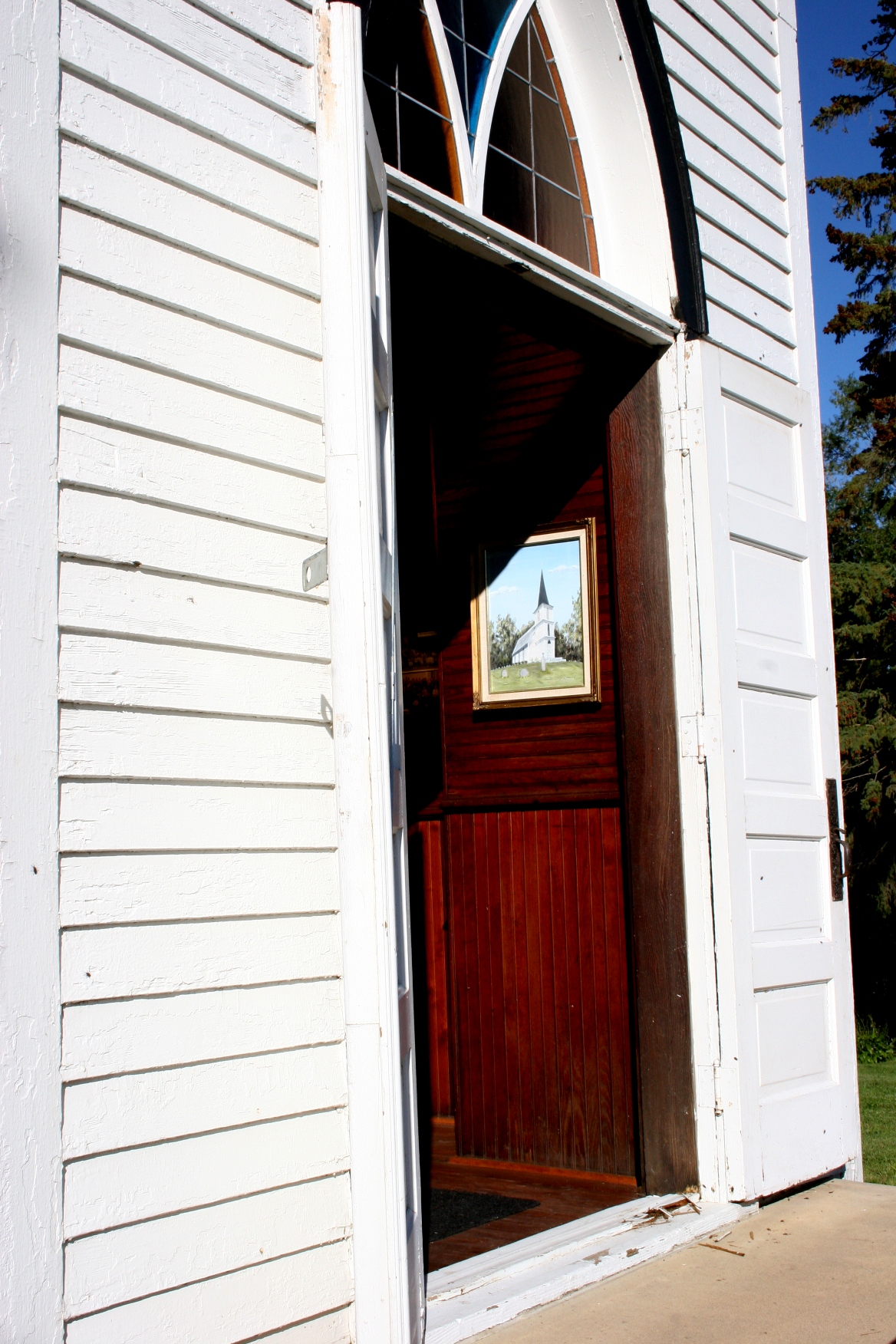
The front doors of Christdala open to reveal a painting of the church hanging inside the entry.

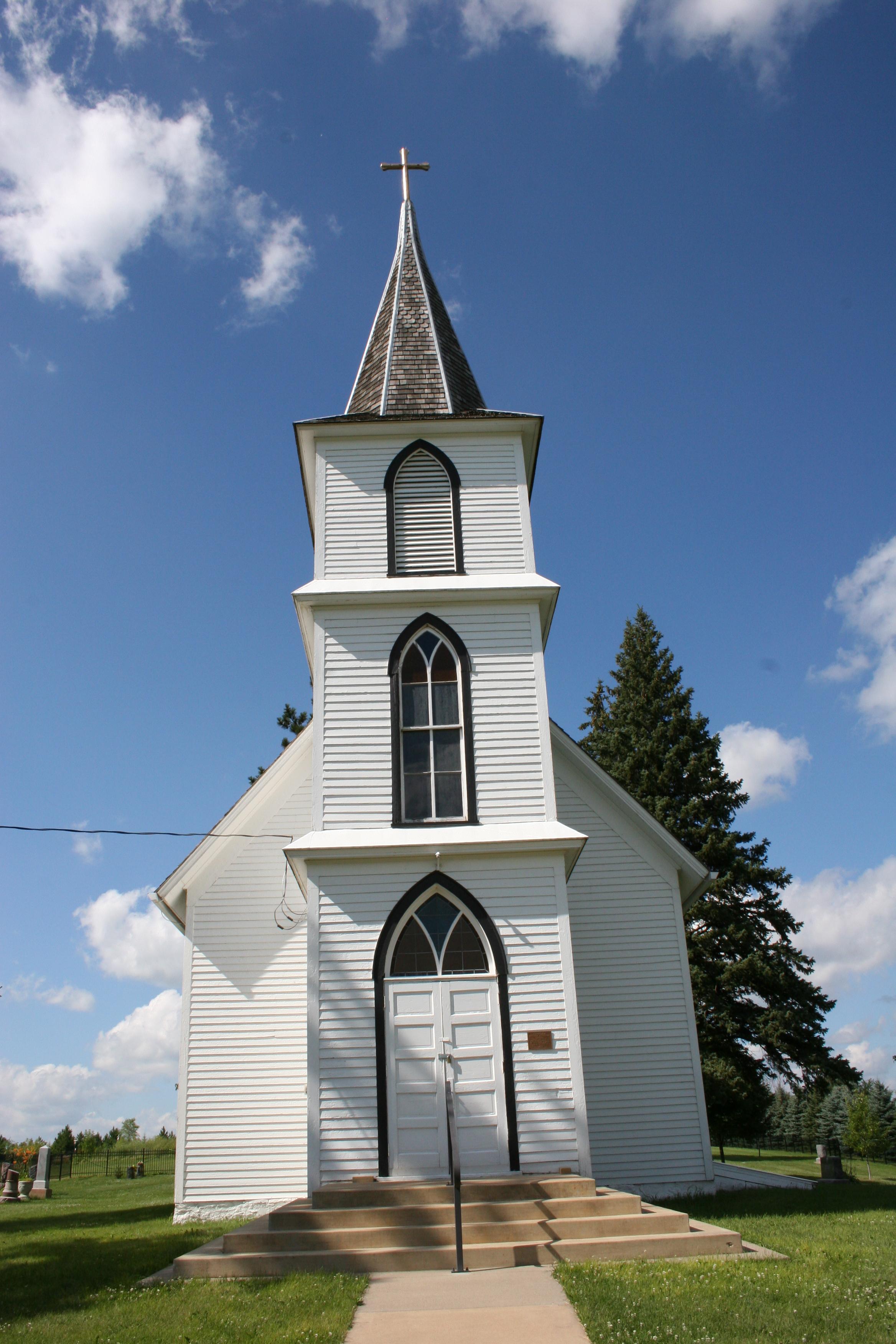
Christdala Swedish Lutheran Church sits atop a hill along Rice County Road 1 west of Millersburg.

© Copyright 2010 Audrey Kletscher Helbling


Praise for a 92-year-old artist September 28, 2010

Filed under: Uncategorized — Audrey Kletscher Helbling @ 10:17 AM
Tags: , , , , , ,

The historic Christdala Evangelical Swedish Lutheran Church.

INSIDE THE SMALL country church, I place my hand atop his, the coolness of his skin seeping into the warmth of my fingers. I feel the slight tremble of his hand, a hand that for some seven decades lifted brush to canvas and metal and wood as he painted.

He is cold, even though dressed in layers. I am warm in my short-sleeved shirt. We wait—me in the stiff-backed pew and him in a folding chair.

In just a few minutes, I will introduce my 92-year-old artist friend to a sanctuary full of worshipers, briefing them on his life as a painter. But how do you condense seven decades of painting into 180 seconds? I do, because I don’t enjoy public speaking and I have time constraints.

He is Rhody Yule, a former sign painter by day. And by night he painted to express himself in hundreds of portraits, landscapes, still-lifes and religious scenes created through the decades.

On this Sunday afternoon we have come by invitation of the Christdala Church Preservation and Cemetery Association of rural Millersburg to showcase nine of Rhody’s religious paintings, including one of Christdala Evangelical Swedish Lutheran Church which he painted in 1969.

This is his debut public art showing and I am thrilled at the opportunity for Rhody, first the subject of a magazine feature article I wrote and now, I am honored to say, my friend.

A humble man of faith, who on more than one occasion has claimed that his paintings “ain’t nothin’” or “aren’t much,” deserves this public display of his art.

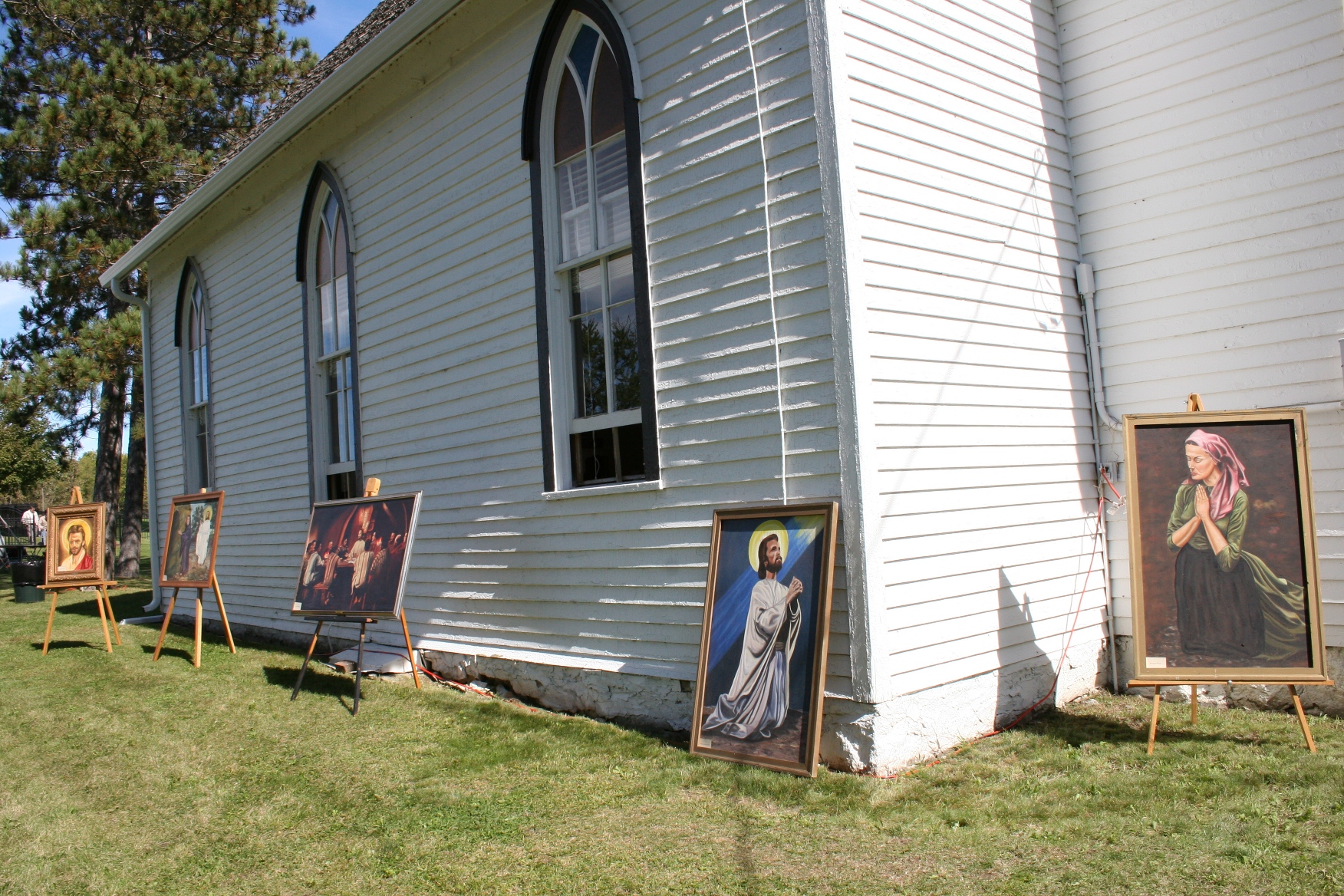
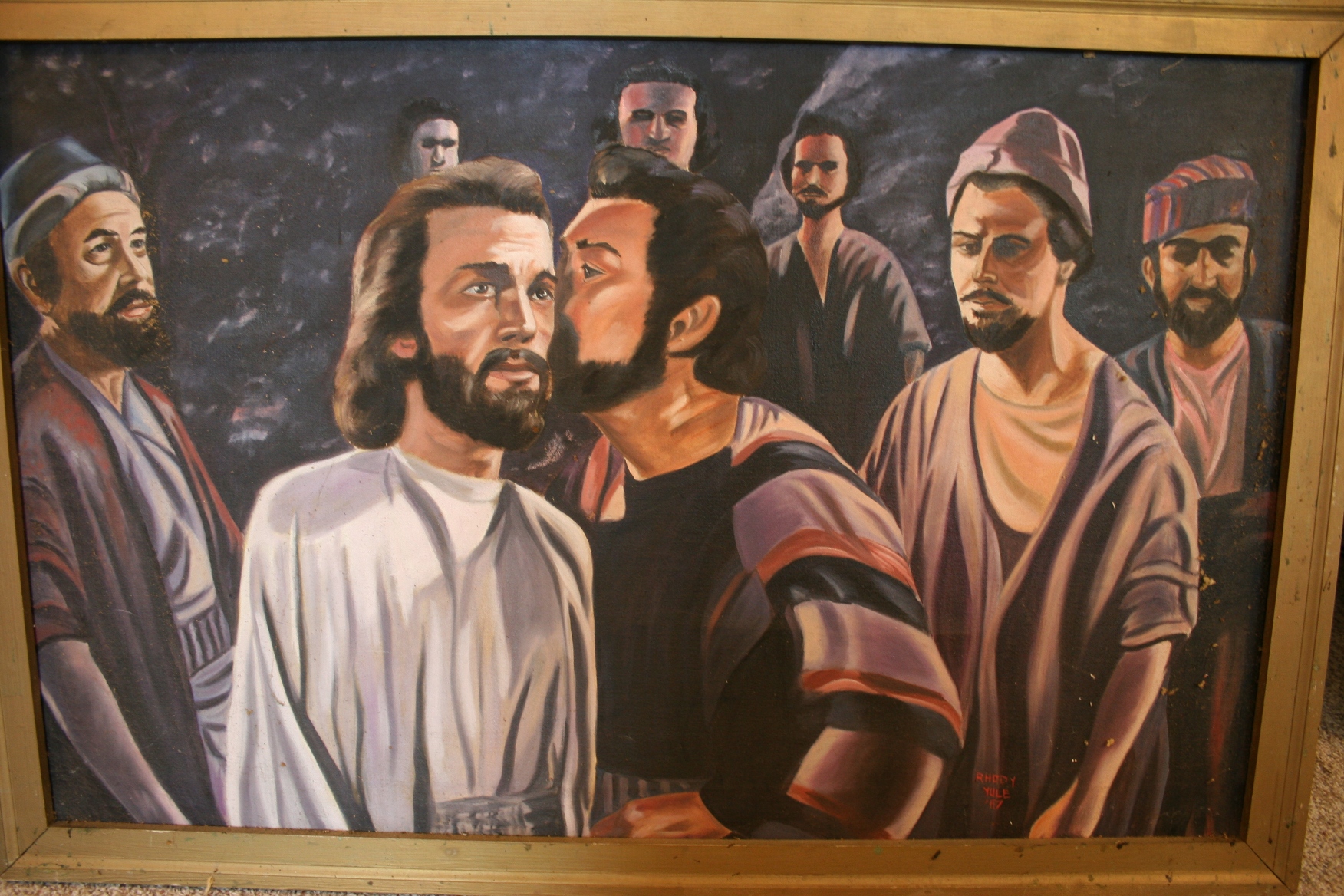
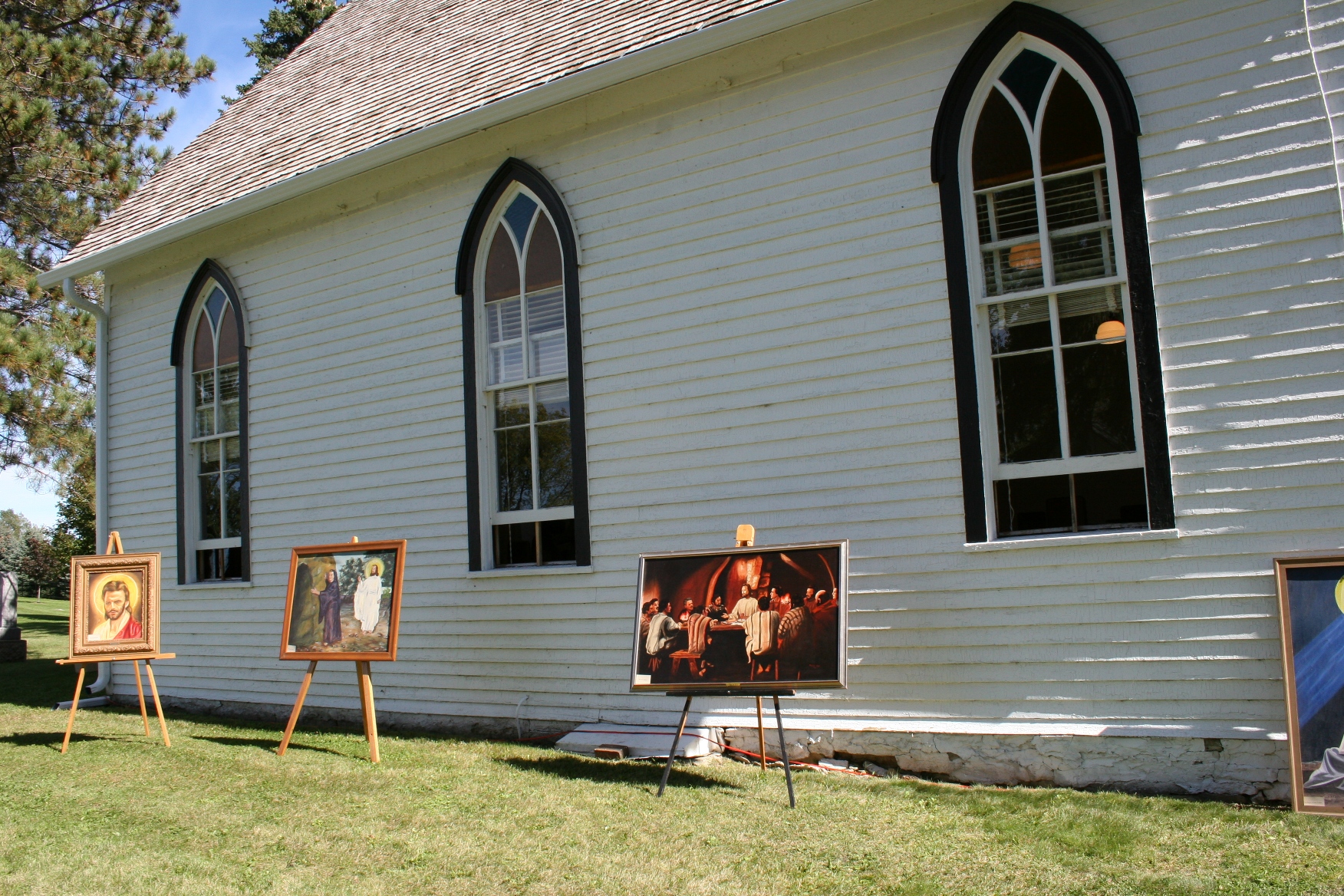
So on this perfect Sunday afternoon in September, when the sun filters through leaves tipped in red and golden hues, my husband and I have come to this hilltop site to set his paintings upon easels against the backdrop of the 1878 wood frame church. A woman in reverent prayer. Judas betraying Jesus. The Last Supper.

The simple lines of the church provide an ideal backdrop for Rhody's paintings.

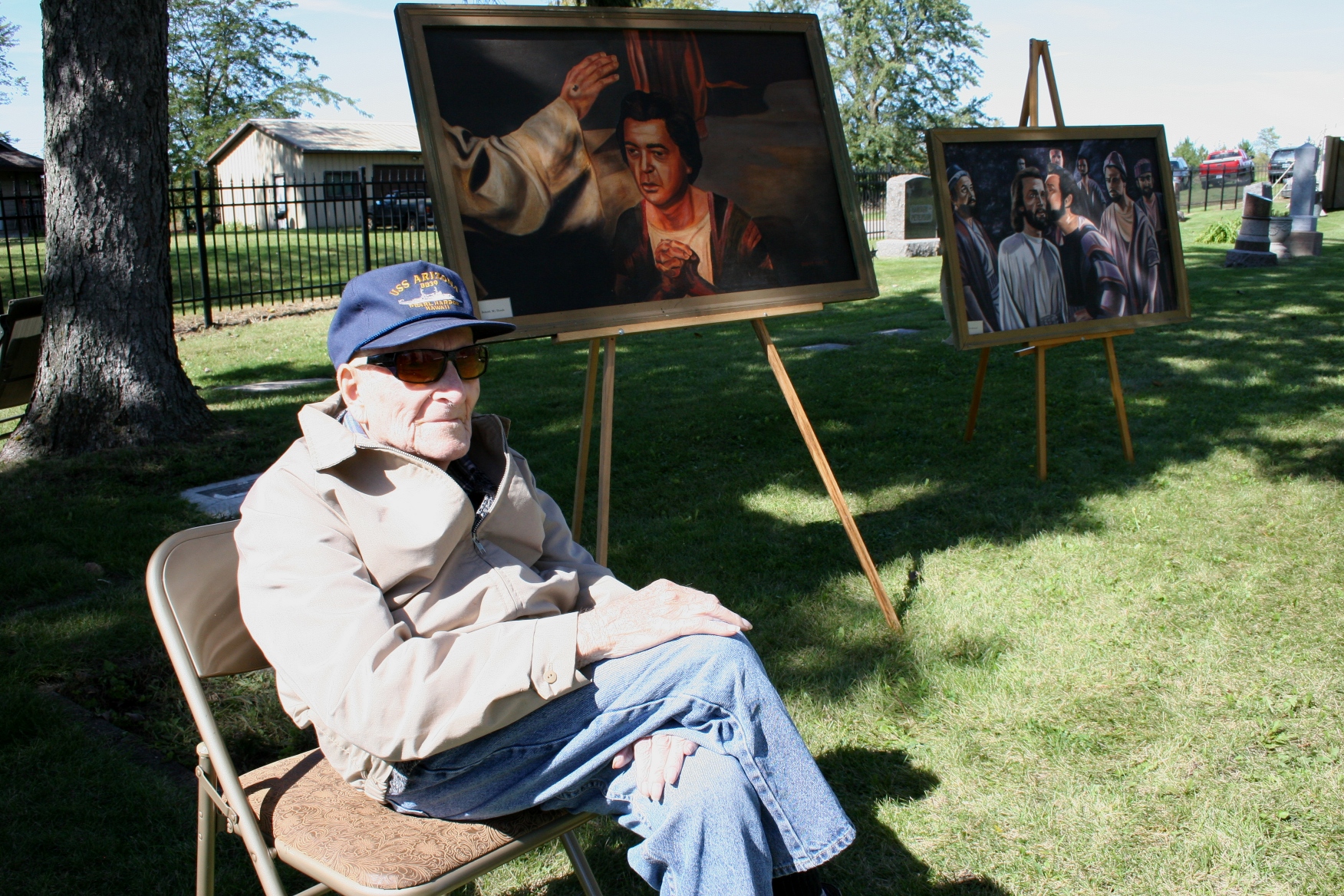
Rhody's depiction of Judas betraying Jesus is among the paintings displayed.

"Our Glorious Savior," "The Empty Tomb" and "The Last Supper" on exhibit.

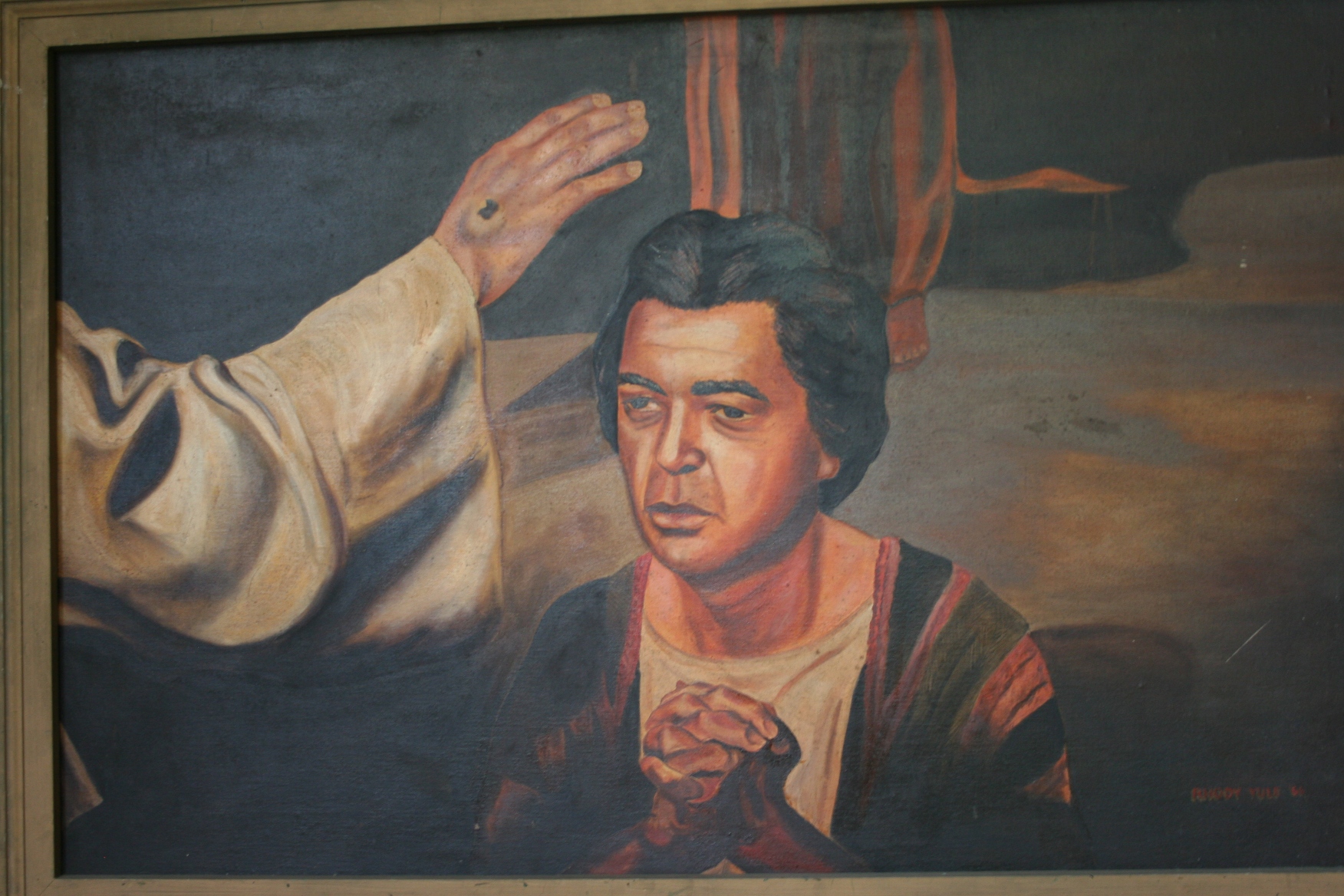
Jesus appears to, and blesses, doubting Thomas in Rhody's painting.

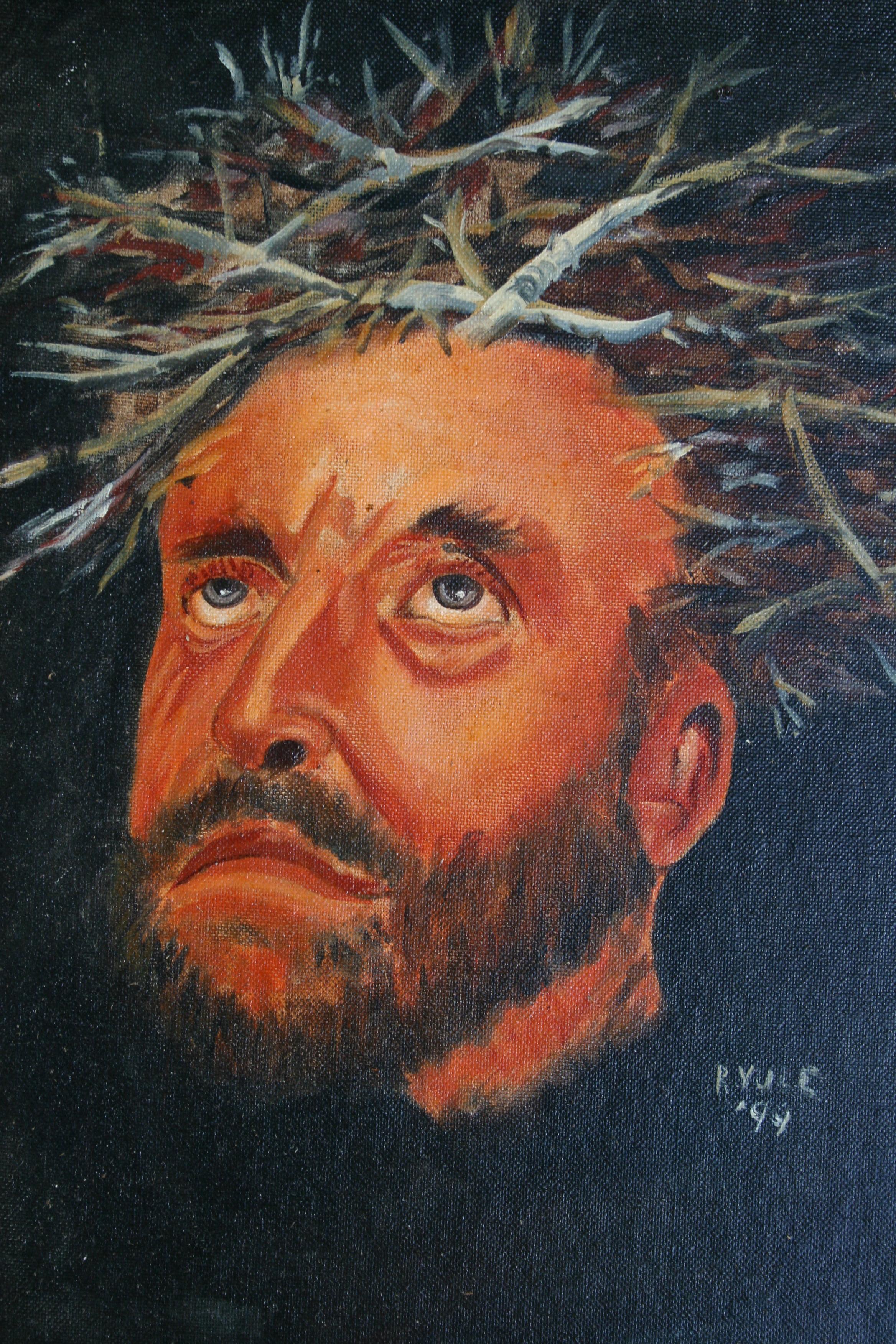
Rhody calls his painting of the suffering Christ, "Misery."

Here in the churchyard, on a strip of grass between the church and the gravestones of Swedish immigrants, those who have come for Christdala’s annual worship service/open house peruse the nine religious paintings, chat with Rhody, chat with me. They share their admiration for his art.

I am smiling. This is as it should be. Praise for the artist, the slight wisp of a man who, since age 16, has quietly sketched and drawn and painted for the joy of creating.

Artist Rhody Yule sits next to some of his paintings displayed at Christdala.

As the afternoon gathering draws to a close, Rhody gives his Christdala painting to the preservation society. I am unaware that he planned to do this. “It belongs here,” he tells me later. That is so Rhody, to quietly, without a big to-do, present his Christdala painting to those who will most appreciate it.

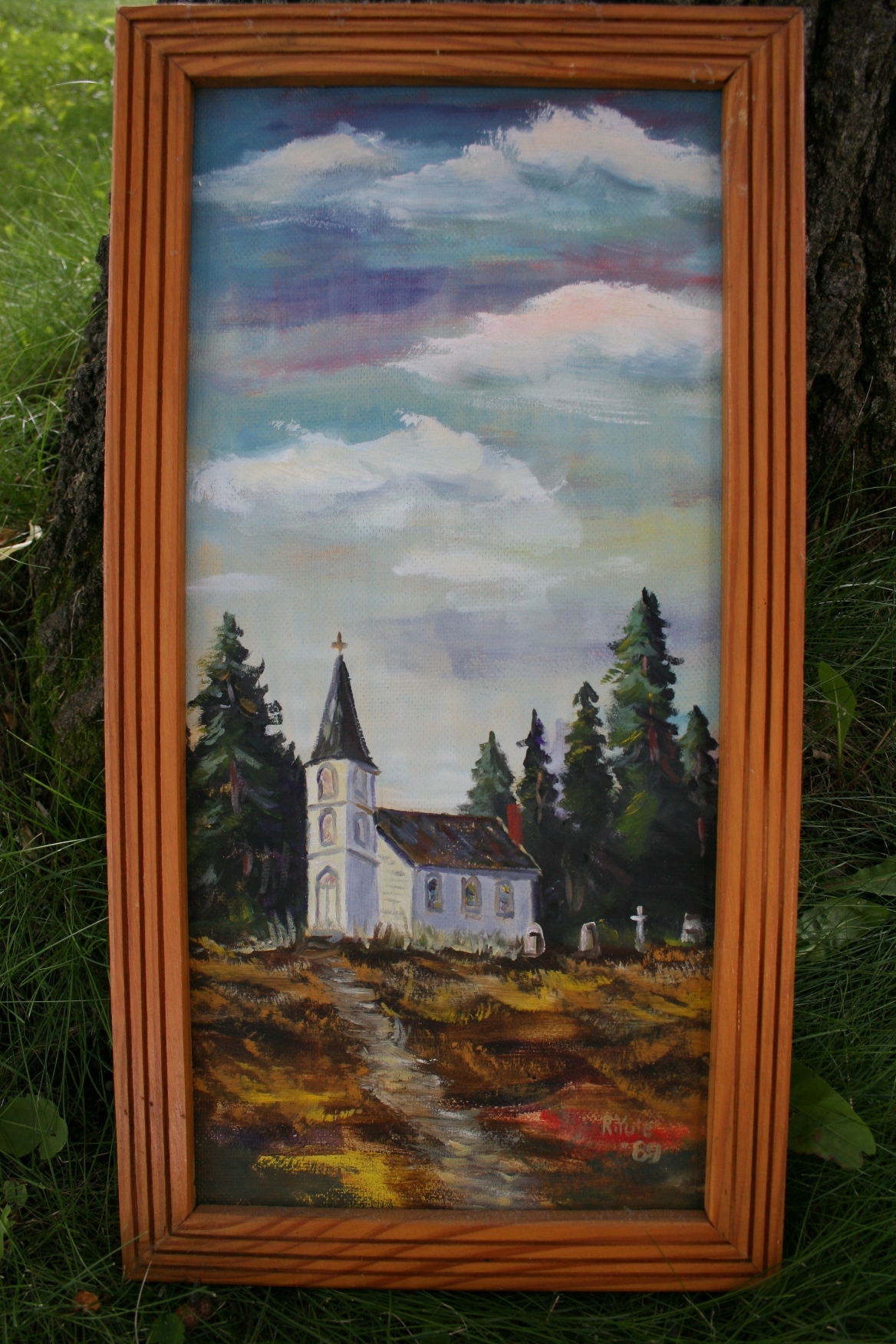
Rhody's 1969 painting of Christdala church.

THANK YOU to B. Wayne Quist for inviting Rhody and me to participate in Christdala’s annual open house. I am especially grateful for this opportunity to display Rhody’s art for the first time ever. He has also been accepted for a solo art show January 14 – February 26, 2011, in the Carlander Gallery at the Paradise Center for the Arts in Faribault.

PLEASE CHECK BACK for posts about historic Christdala, which closed in 1966.

© Copyright 2010 Audrey Kletscher Helbling
 

Visit Christdala Church for worship, art and a history tied to outlaws September 25, 2010

Steps lead from Rice County Road 1 to Christdala Swedish Lutheran Church.

I DOUBT ANY OTHER MINNESOTA church can claim roots in a notorious attempted bank robbery. But Christdala Evangelical Swedish Lutheran Church of rural Millersburg can.

The long-dissolved congregation traces its origins back to the September 7, 1876, attempted robbery of the First National Bank in nearby Northfield. During that failed crime, Nicolaus Gustafson, a Swedish immigrant from Millersburg, was shot point blank in the head by outlaw Cole Younger. He died four days later and was buried in Northfield because the Millersburg Swedish community didn’t have a graveyard, or a church.

The evening of the bank robbery, the Swedish immigrants met to talk about constructing a church and soon thereafter built Christdala.

This Sunday, September 26, the Christdala Church Preservation and Cemetery Association will open the doors to this historic church which sits high atop a hill overlooking Circle Lake just west of Millersburg along Rice County Road 1. On this roadway that passes by the 1878 country church, the James-Younger Gang fled after the botched Northfield raid.

The doors to Christdala, which is on the National Register of Historic Places.

I’ll be there Sunday for the 2 p.m. fall worship service led by the Rev. Ralph Baumgartner, pastor of Galilee Evangelical Lutheran Church in Roseville, who has family ties to Christdala. I’m anxious to get inside this sanctuary, which I’ve only viewed through the slats of Venetian blinds while photographing the locked building on a Sunday afternoon in July.

I've only peered through the blinds into the sanctuary.

This Sunday I’ll arrive well before worshipers and the curious and the families with a connection to Christdala. I’ll arrive with a van full of paintings by my 92-year-old artist friend, Rhody Yule of Faribault. Rhody, who has been creating art for 76 years, did an oil painting of the church in 1969. He’s showing that piece and eight other religious-themed works at Christdala’s open house.

He’ll talk a bit. I’ll talk a bit. But mostly, we welcome visitors to pause and study the paintings, to feel the emotions painted into the faces of the disciples, of Christ, of a woman in reverent prayer. Rhody paints with a heart of faith reflected in his art.

Christdala Swedish Lutheran Church painted in 1969 by Rhody Yule.

A snippet of Rhody Yule's painting, one of nine he will show at Christdala.

Christdala visitors can also pick up a copy of God’s Angry Man—The Incredible Journey of Private Joe Haan by B.Wayne Quist. The newly-released book tells the true, powerful life story of Haan (Quist’s uncle), who grew up in an Owatonna orphanage and who served in Patton’s Third Army during WW II. Quist, a member of the Christdala Preservation Association, will donate profits from Sunday’s book sales to Christdala.

Copies of the fall issue of Minnesota Moments magazine, featuring my photo essay on country churches, will also be on sale with a portion of the proceeds benefiting the church.

B. Wayne Quist will sell copies of his latest book, God's Angry Man.

Before and after the worship service, visitors can tour the 1881 Millersburg School, which the Christdala preservation group has refurbished and is transitioning into a community museum. Exhibits include church and school records, photos, military medals and records, Indian artifacts, an old doctor’s buggy and more. Faribault genealogist and preservation member John Dalby will be at the schoolhouse to answer questions.

The Millersburg School has been refurbished and will feature exhibits tied to local history.

Sunday promises to be an interesting day for those who gather at Christdala. It will be a day of history and of art, of worship, of thoughtful remembrances at gravesites, of families reuniting and of others simply coming together on this spot, this Christdala, this “Christ’s Valley,” here where the outlaws once escaped on their galloping horses.

A side view of the 1878 Christdala Swedish Lutheran Church.

© Copyright 2010 Audrey Kletscher Helbling
Book cover image courtesy of B. Wayne Quist and schoolhouse image courtesy of John Dalby.