Minnesota Prairie Roots

Writing and photography by Audrey Kletscher Helbling

Growing up with 21 siblings in rural Minnesota, a memoir June 10, 2025

This book is also packed with candid and posed photos of the Miller family, adding to the text. (Book cover sourced online)

THIS COULD BE MY STORY or that of any other Baby Boomer who grew up in rural southern Minnesota. With one primary exception. None of us had 21 siblings. Yes, twenty-one. I had only five—three brothers and two sisters.

But Helen Miller had seven brothers and 14 sisters, all single births, all born to the same parents, Lucille and Alvin Miller of rural Waseca, over a span on 26 years. She’s chronicled the family’s life in a self-published memoir, 21 Siblings—Cheaper by the Two Dozen.

I happened upon this book, printed in 2018, after visiting the Waseca County History Center and seeing an exhibit about this unusually large family. I knew then that I needed to read this story by Helen, 13th in line. She’s just a bit older than me. I expected my farm upbringing during the late 50s through the 60s and into the early 70s would be similar in many ways. I was right.

WHITE RICE & PANCAKES

This book proved a stroll down memory lane. I remember meals of mostly meat and potatoes with a side vegetable given that was the preferred meal of my farmer father. He, like Alvin Miller, was quite content to eat those basics and didn’t care for any deviations. Large gardens were the norm, no matter family size. Lucille Miller canned fruits and vegetables, just like my mom, except a whole lot more. And, when food supplies ran low, both our mothers cooked a meal of white rice and cinnamon. I detested that and to this day still don’t like plain white rice.

I also do not much like pancakes, although I have no particular reason to explain that dislike. Helen Miller should. She writes of the family receiving boxes and boxes of pancake mix following a railroad accident. Except they didn’t get the pancake mix until months later…when weevils had infested the food. The Millers simply sifted out the bugs, prepared and ate the pancakes. They weren’t about to turn down free food.

Specific stories like these point to the challenges of feeding a mega family, even with their own garden produce, chicken, pork and eggs. With that many people to feed and to shelter, you can only imagine the logistics of running the household. Older siblings were responsible for younger siblings. Everyone pitched in with chores. They shared a lot—clothes, shoes, a singular cup for drinking water (same as my family), rooms, a love of music and a strong faith.
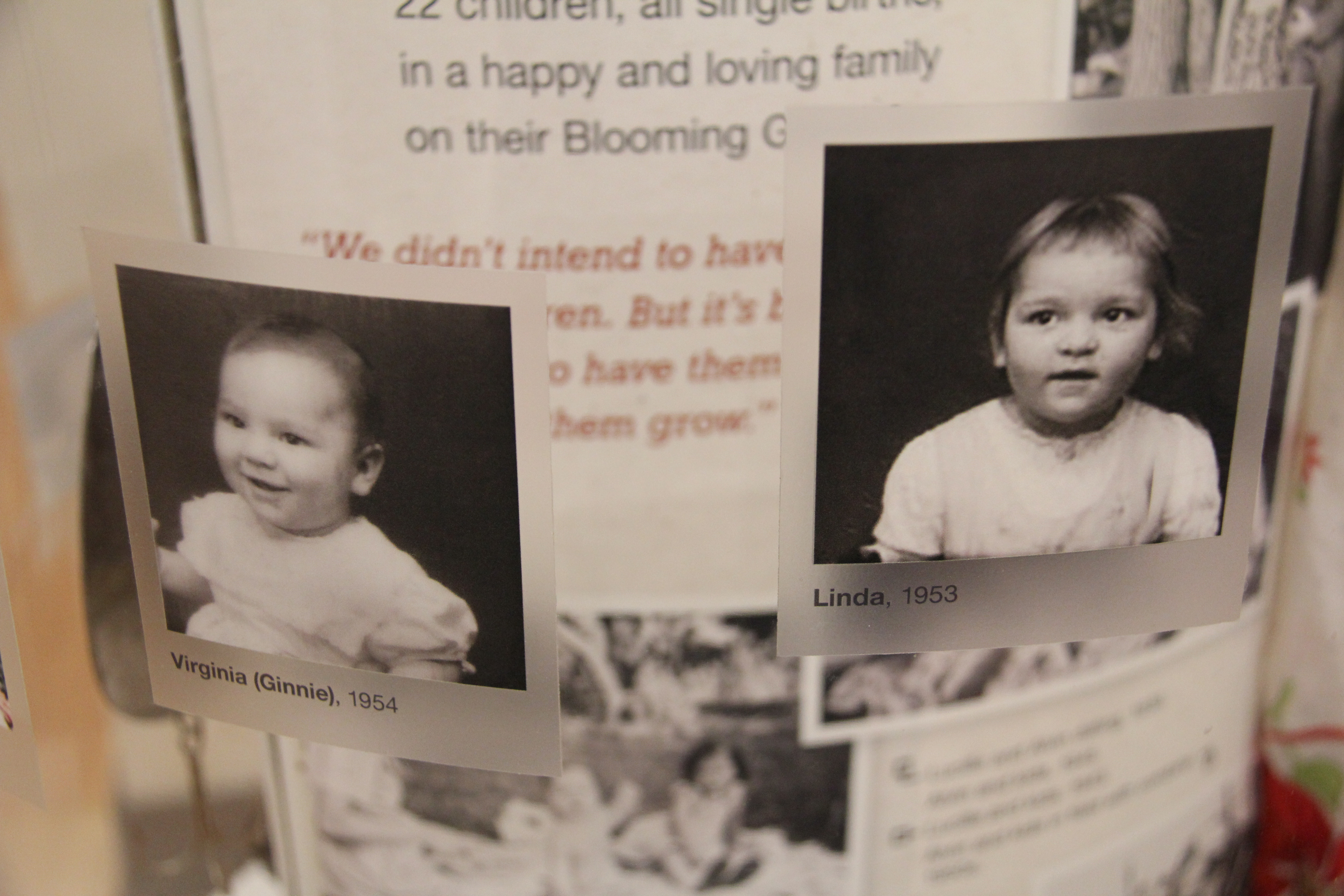
This shows part of the Miller family exhibit at the Waseca County History Center. (Minnesota Prairie Roots copyrighted file photo May 2025)

THE IMPORTANCE OF FAITH

The Millers’ Catholic faith centered their lives. Lutheranism centered mine. Faith carried the Millers through an especially tragic event—the deaths of their aunt, Irene Miller Zimmerman, and her six young children in 1959. An unseen train broadsided their station wagon just blocks from Sacred Heart School, the same school Helen and her siblings attended. She writes: It was under this veil of grief that I grew up a rather serious child. She was only four years old.

Amid the difficult moments, Helen documents light-hearted moments, too. One in particular caused me to burst into laughter. As a seven-year-old, Helen went to Confession for the first time, thinking she had not broken any of the Ten Commandments. But she had to confess something to the priest. Helen admitted to disobeying her parents twice, having false gods twice and then, and here’s the kicker, committing adultery three or four times. Now there’s nothing funny about that sin. But when an elementary-aged girl confesses to something she clearly doesn’t understand, well, I wonder how that priest kept from laughing aloud. He didn’t laugh, or correct her, according to Helen, who twice confessed to breaking the Sixth Commandment.

SEWING, FISHING & A WHOLE LOT OF PATIENCE

Story after story reveals a childhood upbringing that many times mimicked my own. Like Helen, I learned to sew because, if I wanted new clothes as a teen, I needed to stitch them. I babysat children for fifty cents an hour, just like Helen. I fished, occasionally, with my family. But the Millers fished often, usually at their rustic cabin along Reeds Lake a short drive from their farm. Vacations and dining out were not part of our youthful experiences. The list of similarities goes on and on among the many differences.

I can never fully relate to having 21 siblings. But this rural Waseca family managed and, by all accounts, well. With a whole lot of organization, love, strength and patience. And, Helen notes, with an eternally optimistic and patient mother. Just like my mom.

© Copyright 2025 Audrey Kletscher Helbling


Reconnecting with my rural roots at “A Day on the Farm” June 23, 2013

NEARLY FORTY YEARS AGO I left the family farm in southwestern Minnesota bound for college in Mankato.

All these decades later I still miss the farm, yearn for those days of country quiet, the soothing pulse of the milking machine, the bellow of a cow, the nudge of a calf, the unmistakable scent of freshly-baled alfalfa.

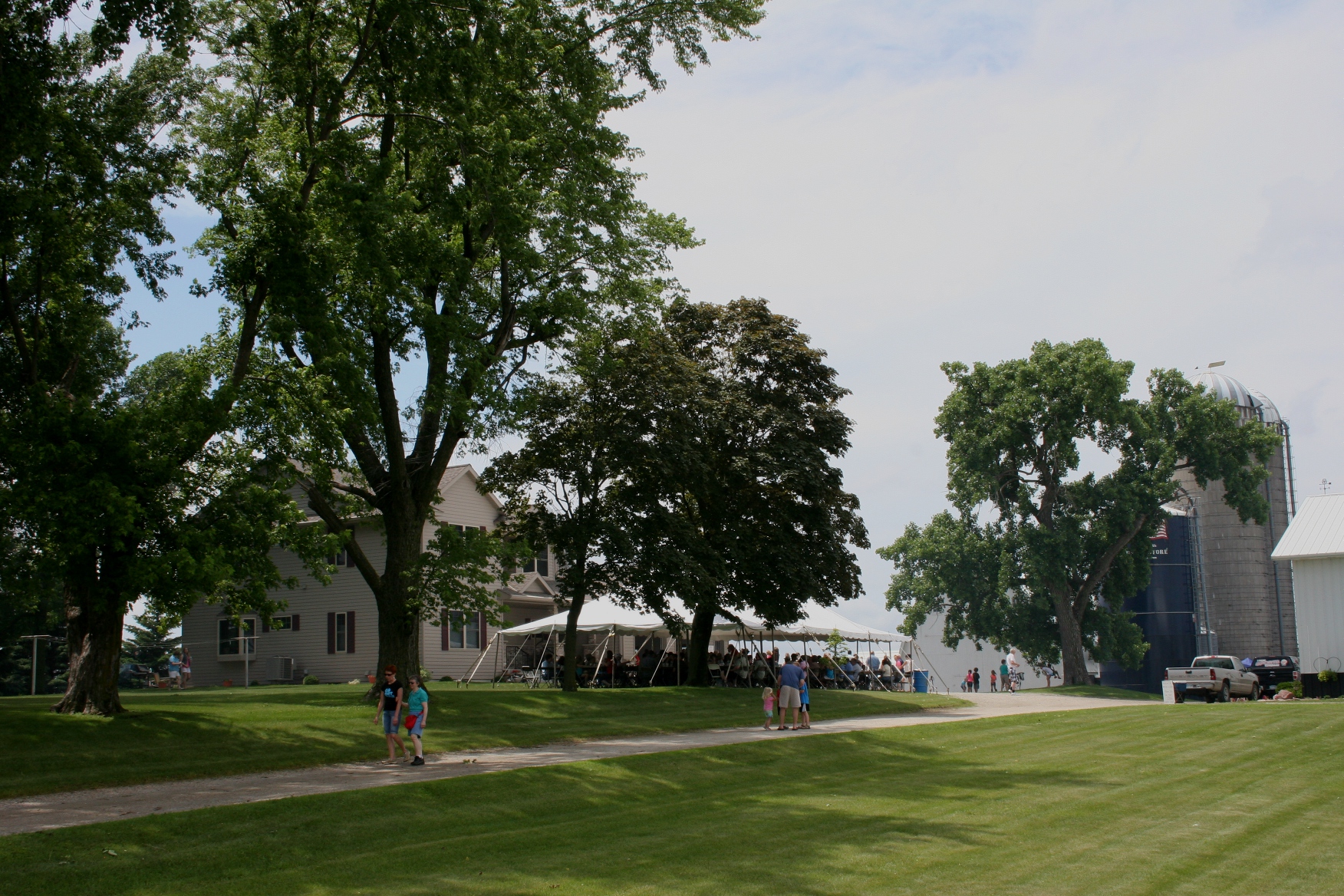
Walking toward the Wegners' farm south of Faribault.

My first glimpse of the Wegners’ farm south of Faribault.

Saturday afternoon I reconnected with my rural roots at “A Day on the Farm” hosted by Ron and Diane Wegner and their daughters, Brianna and Kaylee, and sponsored by the Rice County American Dairy Association and the Minnesota Beef Council.

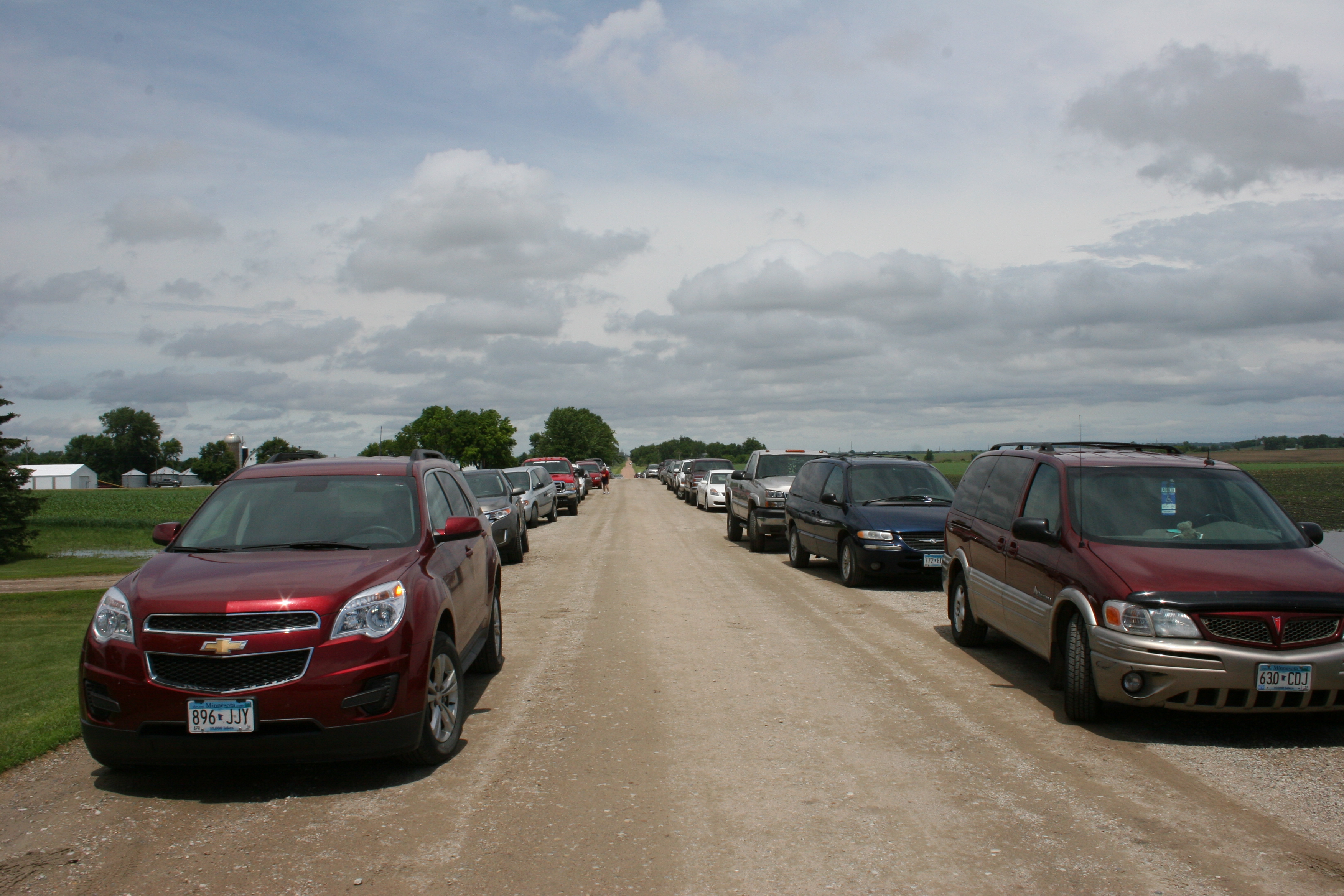
Vehicles lined both sides of Appleton Avenue near the Wegners' farm.

Vehicles lined both sides of Appleton Avenue near the Wegners’ farm.

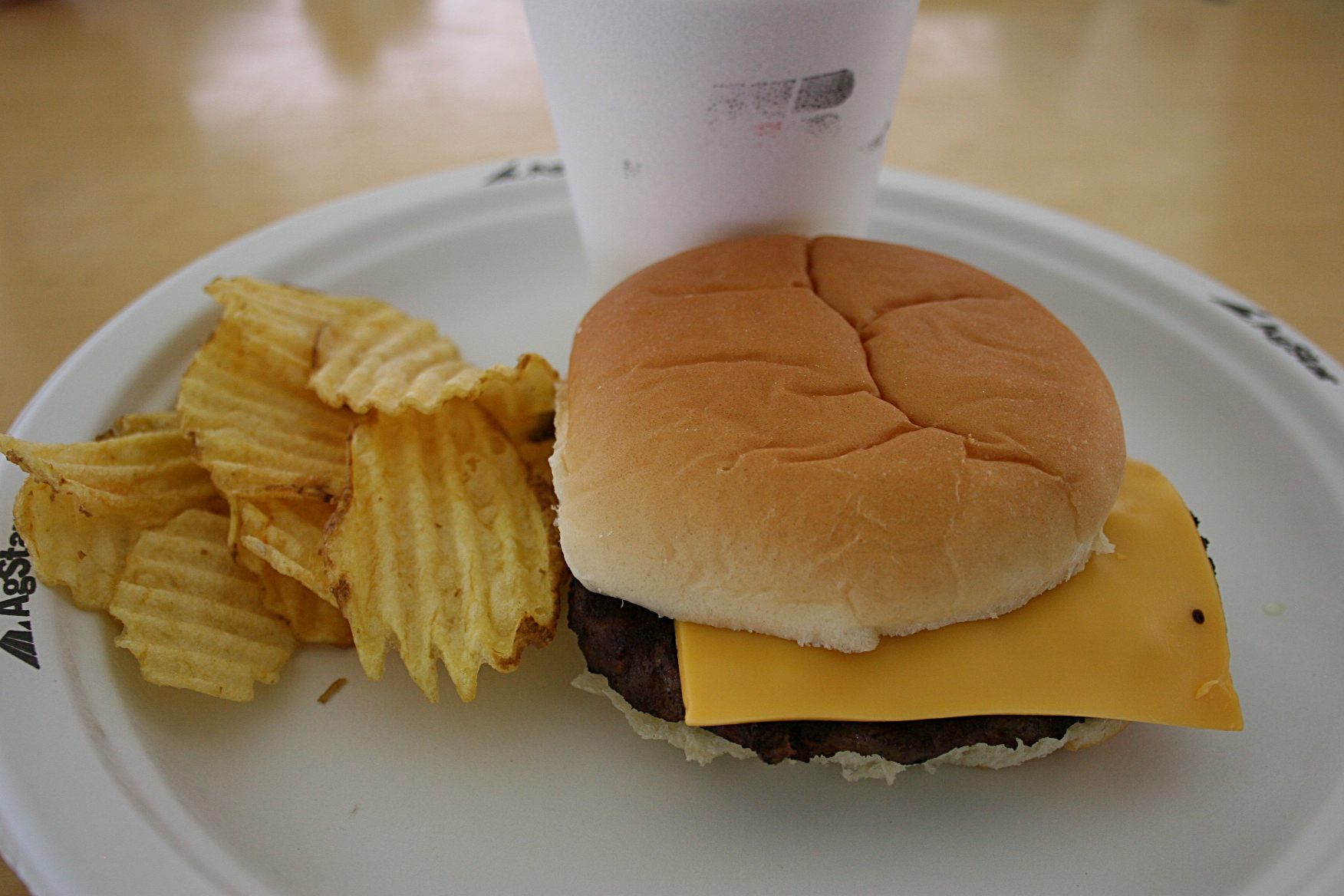
The free meal was provided by the Minnesota Beef Council, the Rice County American Dairy Association and Hastings Co-op Creamery (to which the Wegners sell their milk).

The free meal was provided by the Minnesota Beef Council, the Rice County American Dairy Association and Hastings Co-op Creamery (to which the Wegners sell their milk).

Vehicles lined the gravel road leading to the Wegners’ dairy and crop farm south of Faribault as skies cleared and almost 600 visitors lined up for free cheeseburgers, malts and milk and then wandered the farm site.

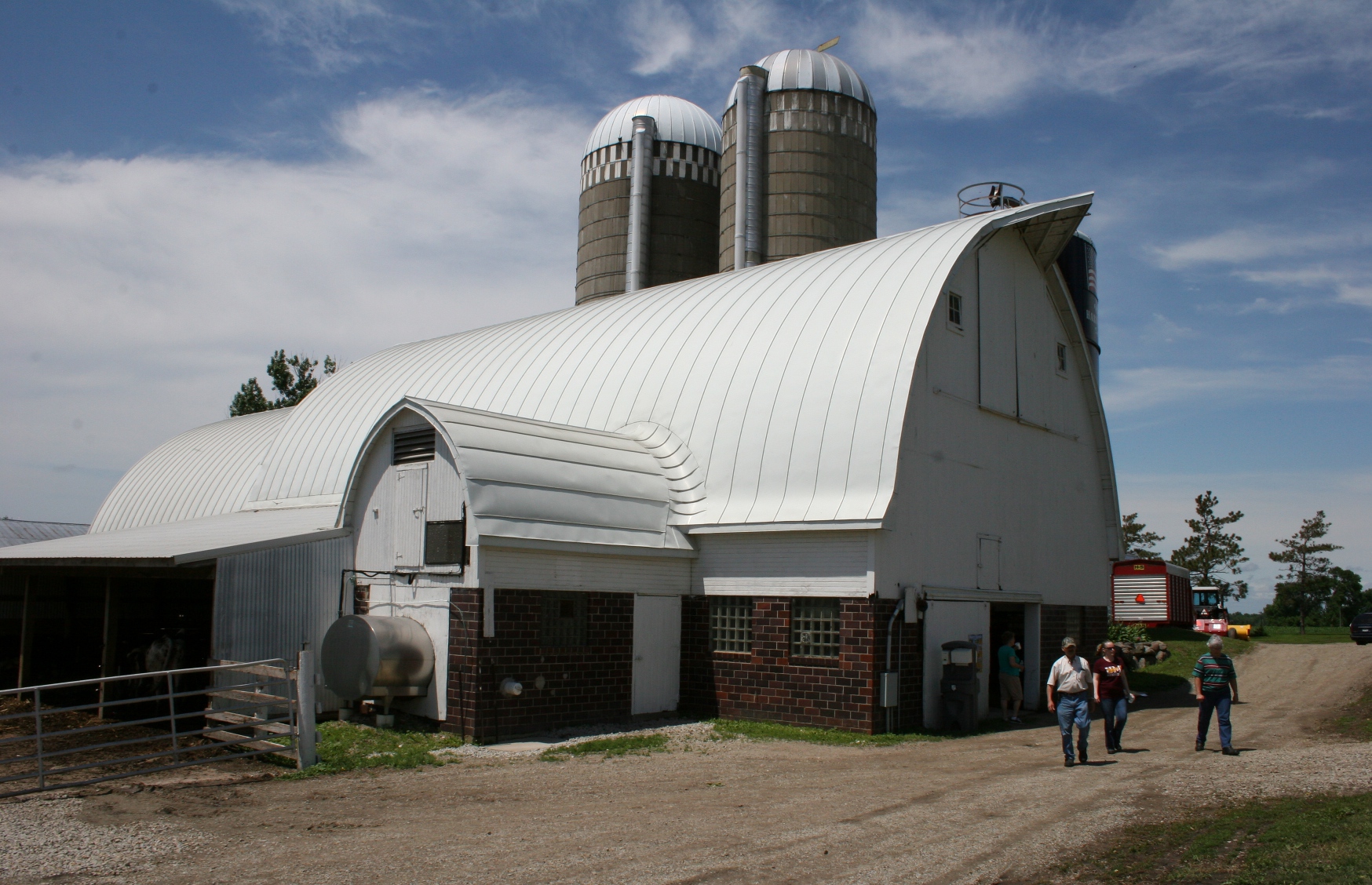
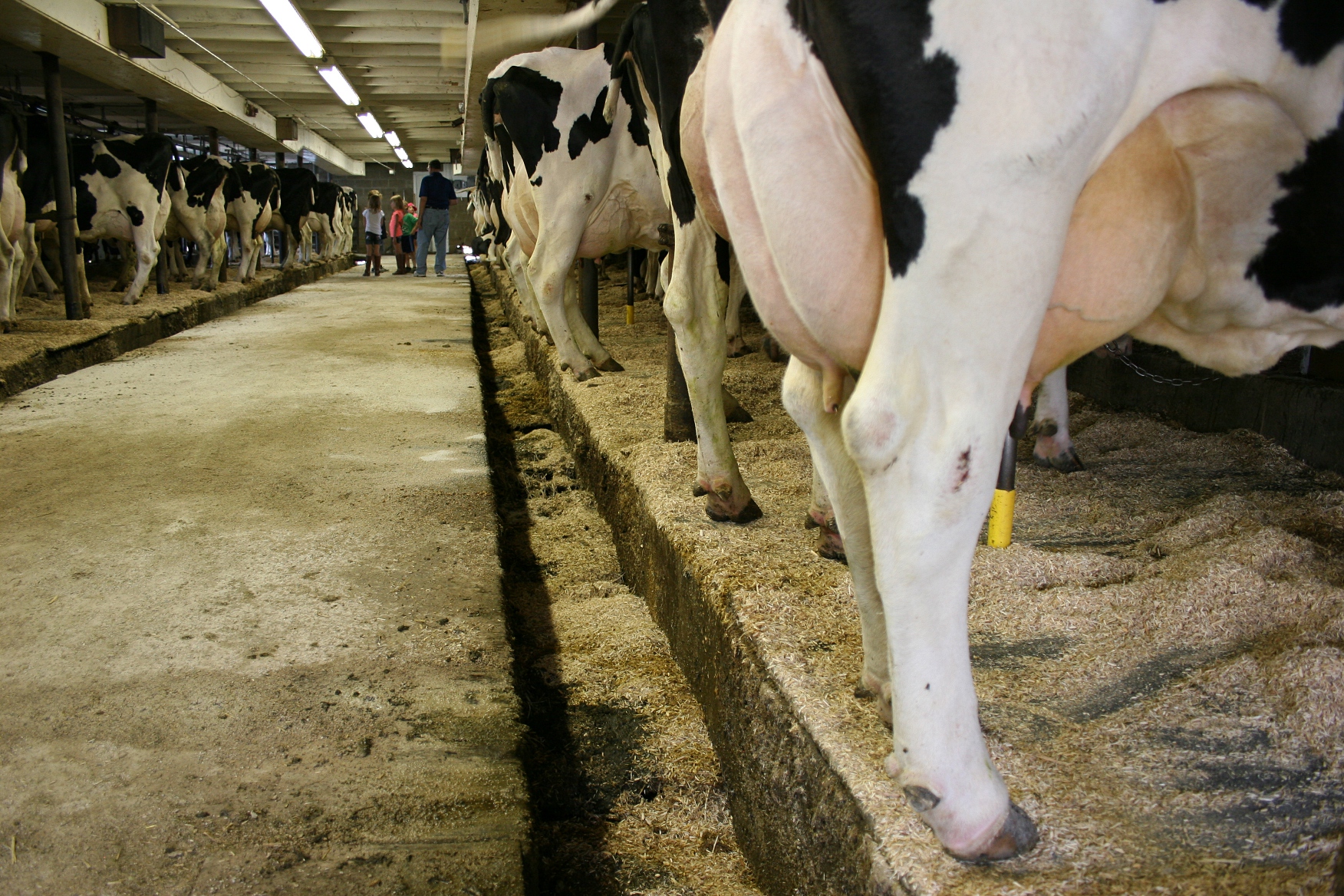
Visitors toured the barn to see the cows and calves.

Visitors toured the barn to see the cows and calves.

It was a near perfect day—albeit a bit sultry—to check out this dairy operation, which, with 50 registered Holstein milk cows, 50 head of young stock and 15 springing heifers, still fits the definition of a family farm.

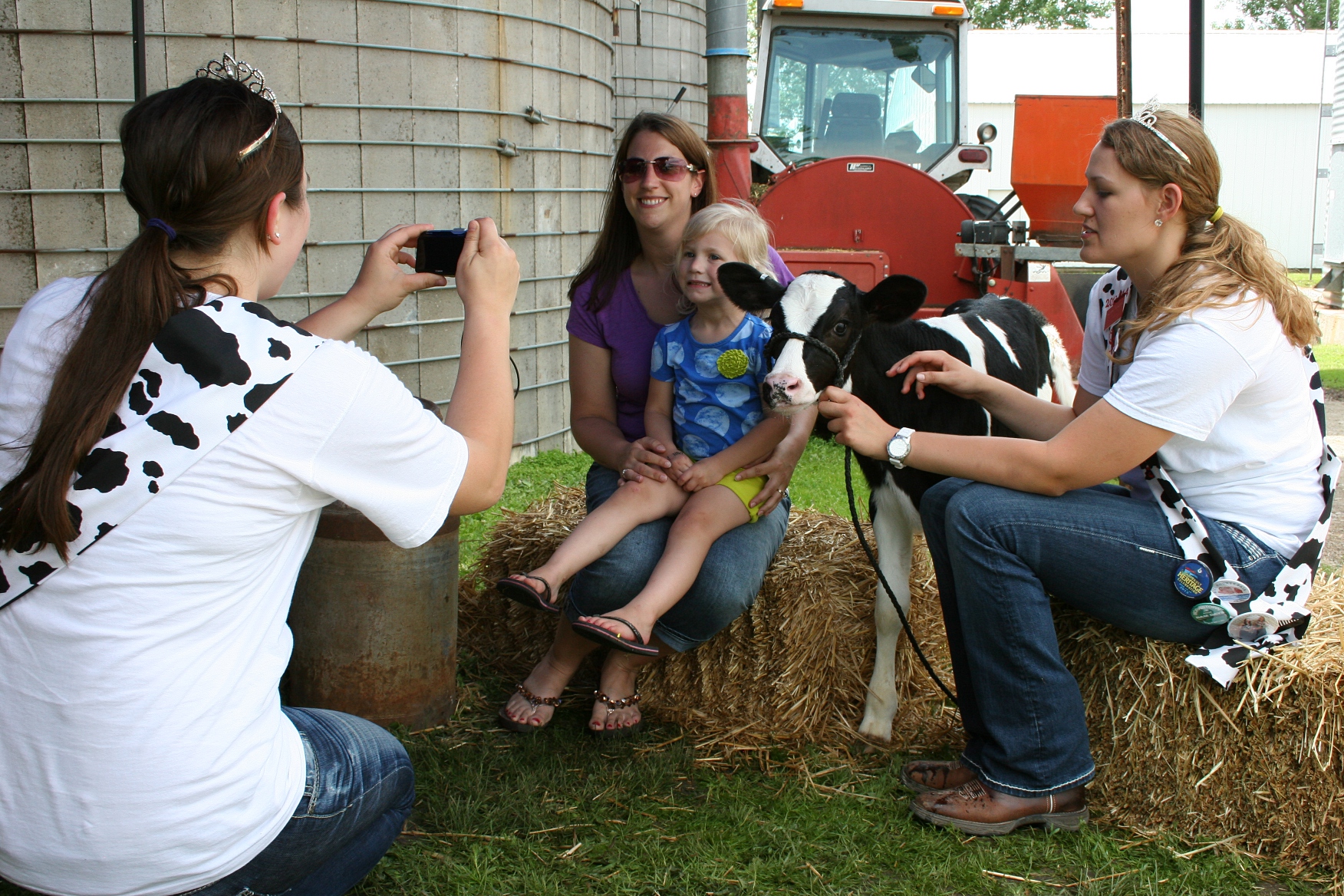
Rice County Dairy Princess Tracie Korbel takes photos while Dairy Princess Kaylee Wegner tends the calf.

Rice County Dairy Princess Tracie Korbel takes photos while Dairy Princess Kaylee Wegner tends the calf.

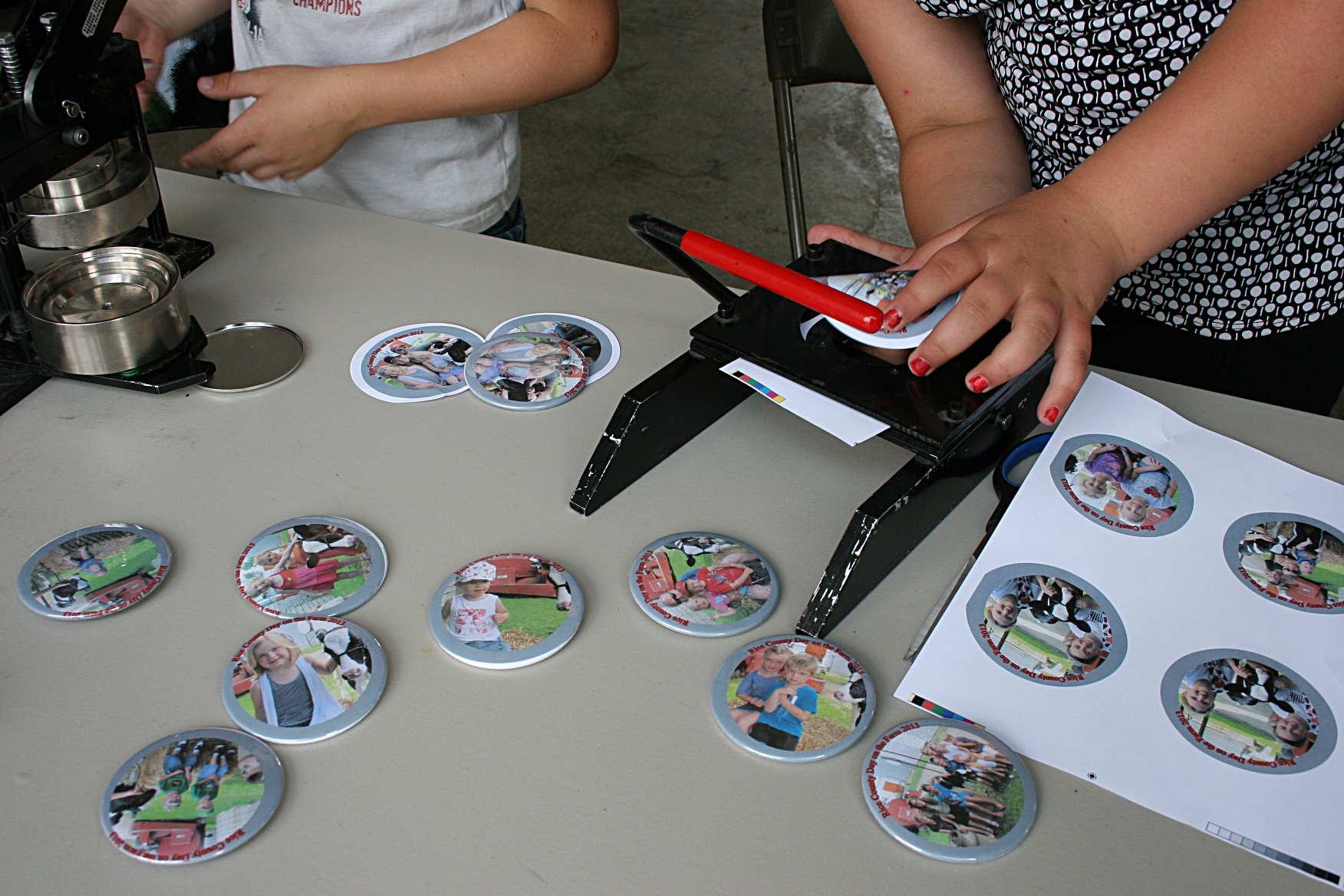
Turning the calf/kid photos into buttons.

Turning the calf/kid photos into buttons.

I felt comfortably at home here, remembering my years of feeding calves as I watched Rice County Dairy Princess Kaylee Wegner tend a calf while Princess Tracie Korbel photographed youngsters with the baby animal. The photos were then adhered to buttons.

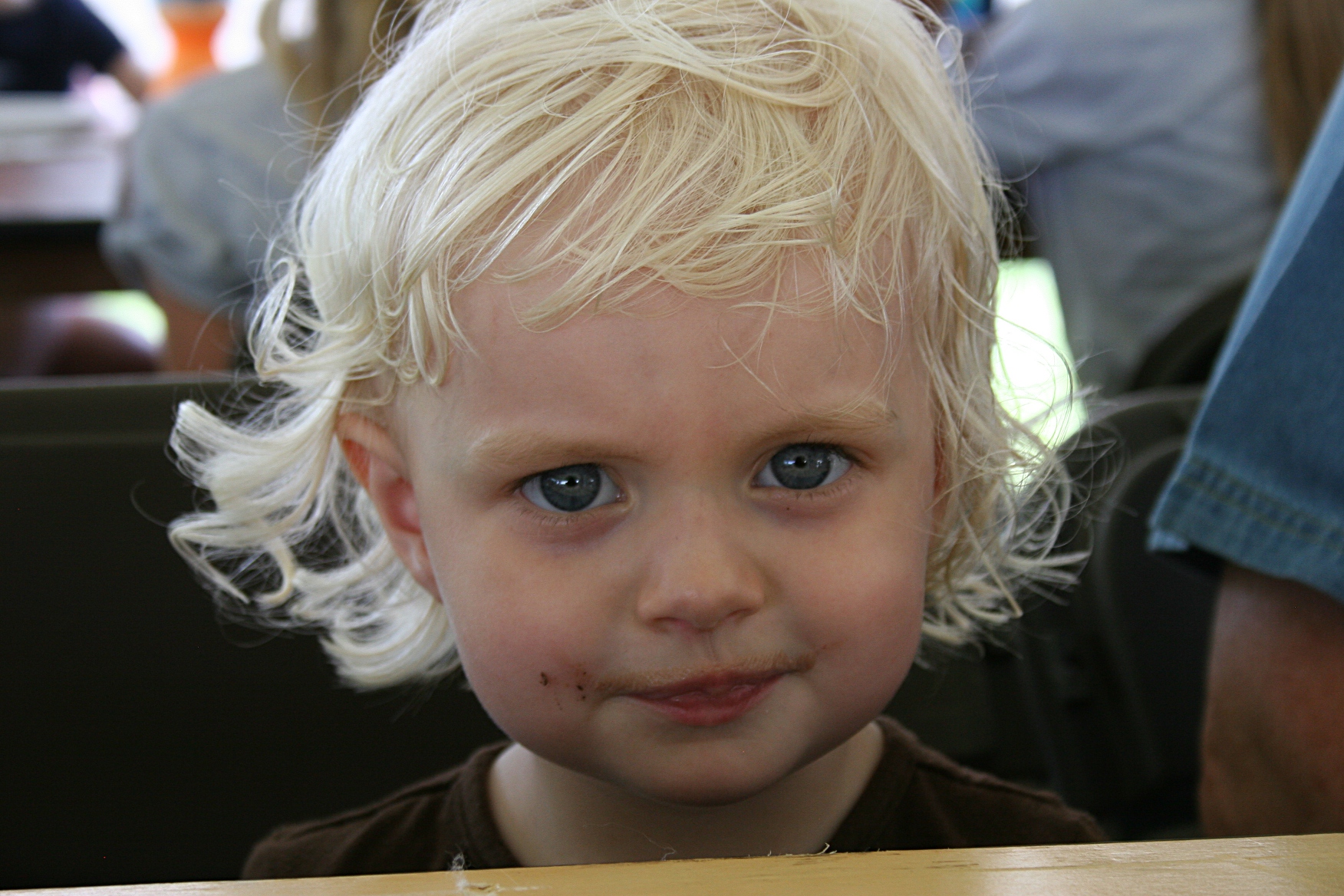
Two-year-old Benjamin points out his "Got milk?" tattoo.

Two-year-old Benjamin points out his “Got milk?” tattoo.

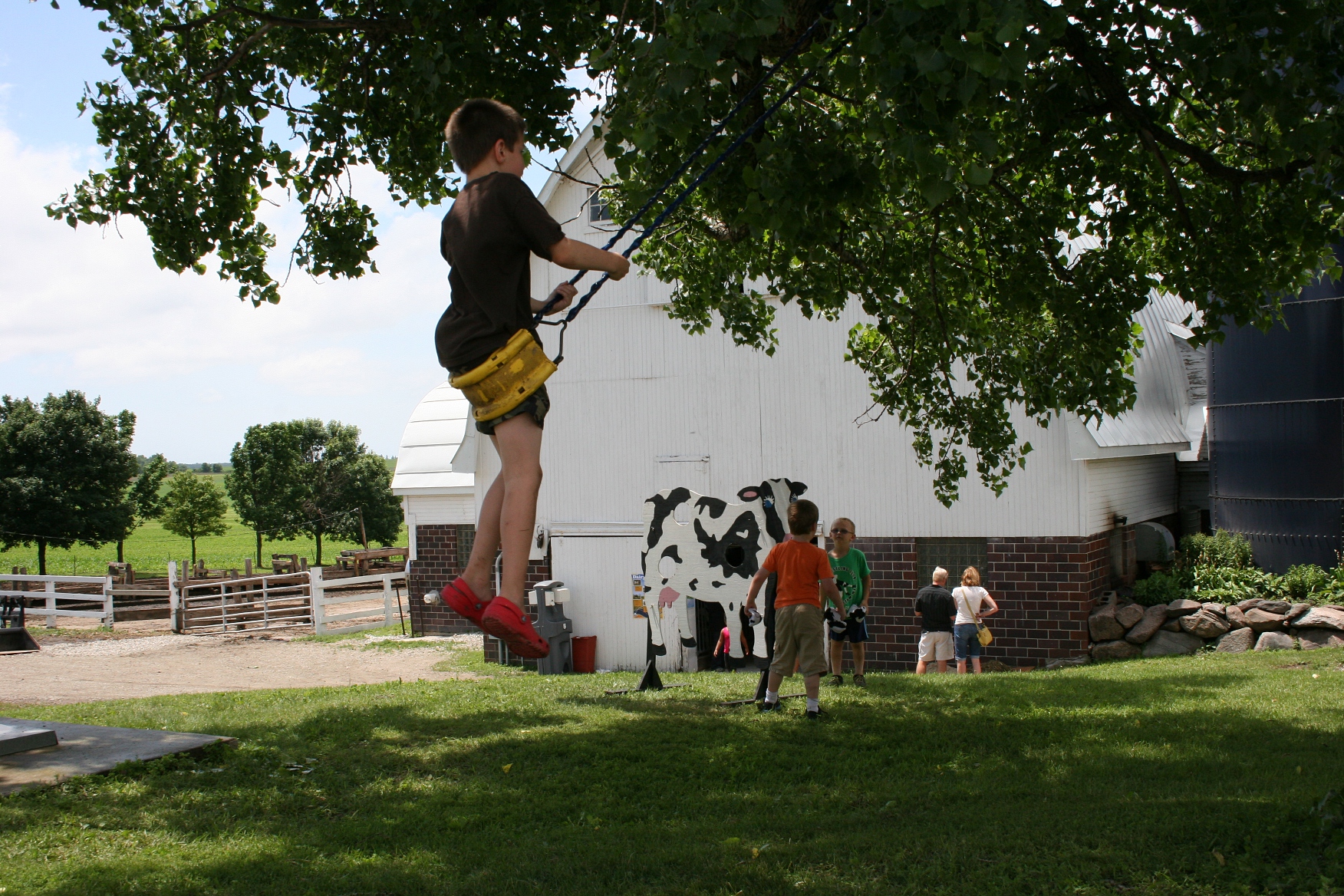
Simple country pleasures: swinging and playing cow bean bag toss.

Simple country pleasures: swinging and playing cow bean bag toss.

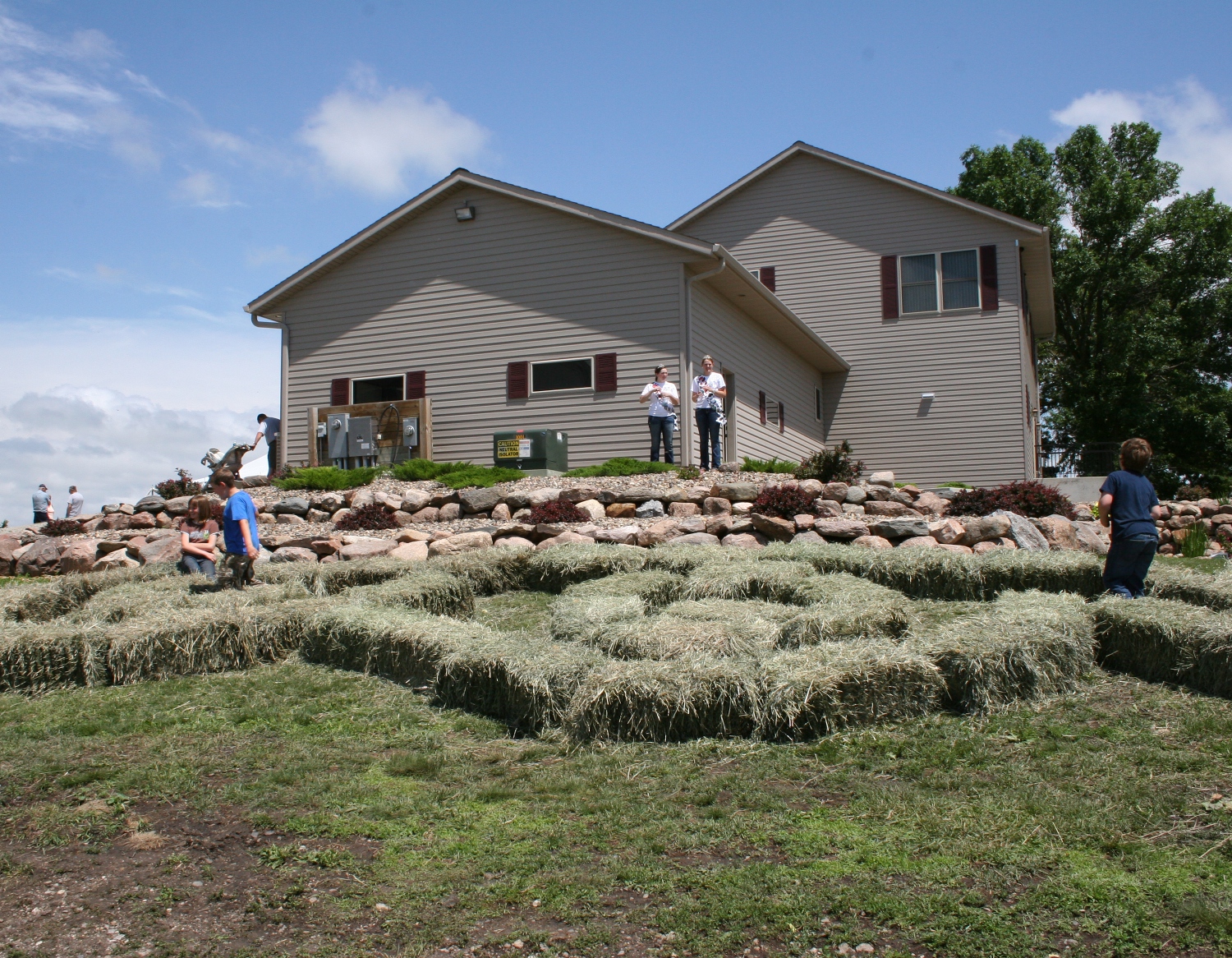
The hay bale maze between the barn and the house. The scent of freshly baled alfalfa caused me to linger here for awhile.

The hay bale maze between the barn and the house. The scent of freshly baled alfalfa caused me to linger here for awhile.

Other kids’ activities included a hay bale maze, cow bean bag toss, temporary tattoo applications and a ride on a swing tied to a tree. Fun stuff on a rare stunning summer afternoon.

Ava, 2 1/2, lives in the Twin Cities. Her grandparents, who live near Dundas, brought her to the farm because she loves animals.

Ava, 2 1/2, lives in the Twin Cities. Her grandparents, who live near Dundas, brought her to the farm because she loves animals. My husband and I dined with Ava and her grandparents.

Familiarizing kids with a farm seemed a common thread among many for coming to the farm, according to host Ron Wegner. He heard on Saturday from many grandparents who grew up on farms and brought their grandkids because “they don’t know what a cow is.”

Inside the Wegners' barn, where dairy products come from.

Inside the Wegners’ dairy barn.

But Ron was hoping to educate more than the younger generation. When I asked why he agreed to open his farm to strangers for three hours, he explained that he wanted “the town people to come to a dairy farm and see where milk products come from.”

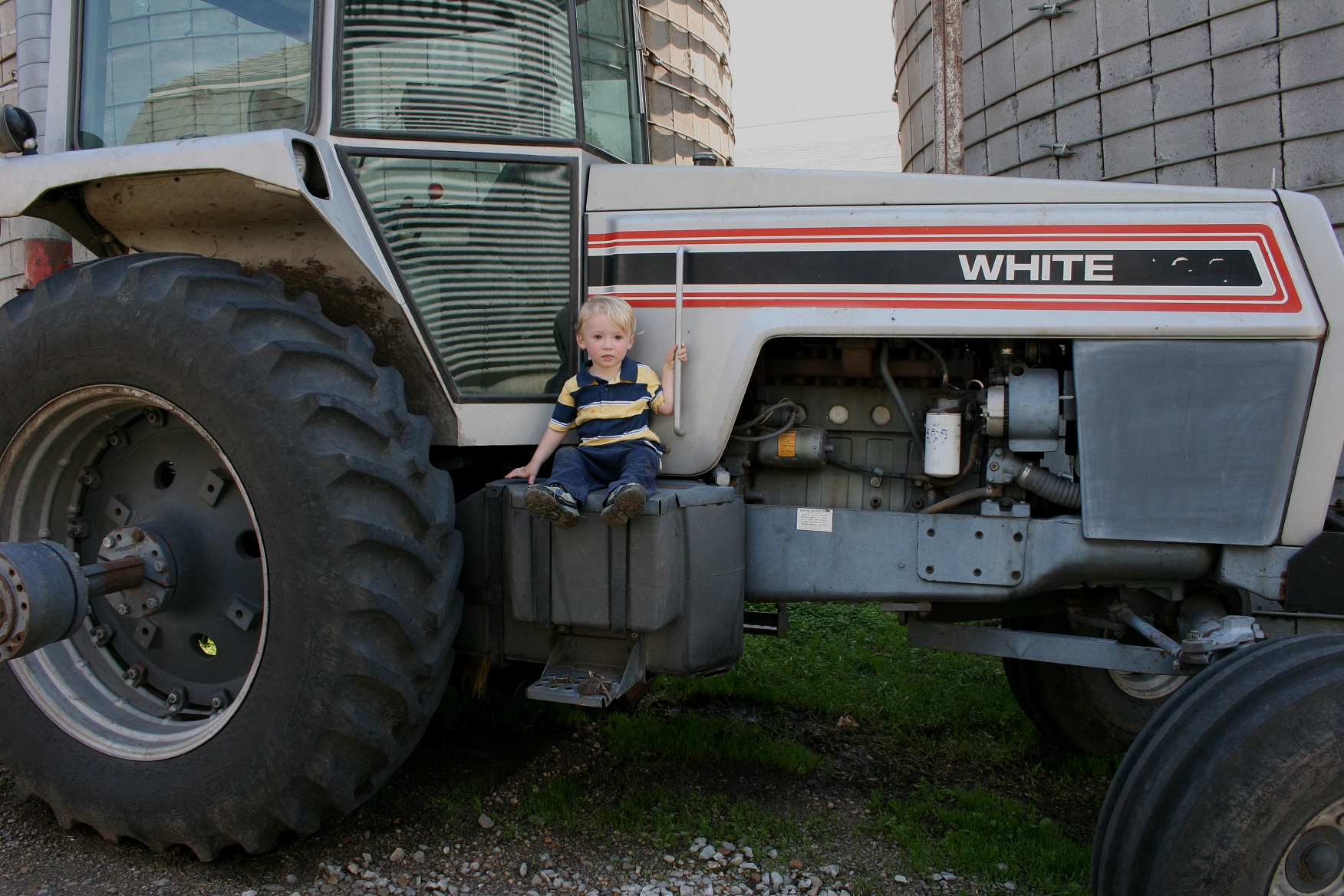
Benjamin, 2, lives on a buffalo farm near Lonsdale. His mom brought him to see a dairy farm. She was posing him for a photo on the tractor when I happened by.

Benjamin, 2, lives on a buffalo farm near Lonsdale. His mom brought him to see a dairy farm. She was posing him for a photo on the tractor when I happened by.

And that seemed as good a reason as any to someone like me, who grew up on a Minnesota dairy farm.

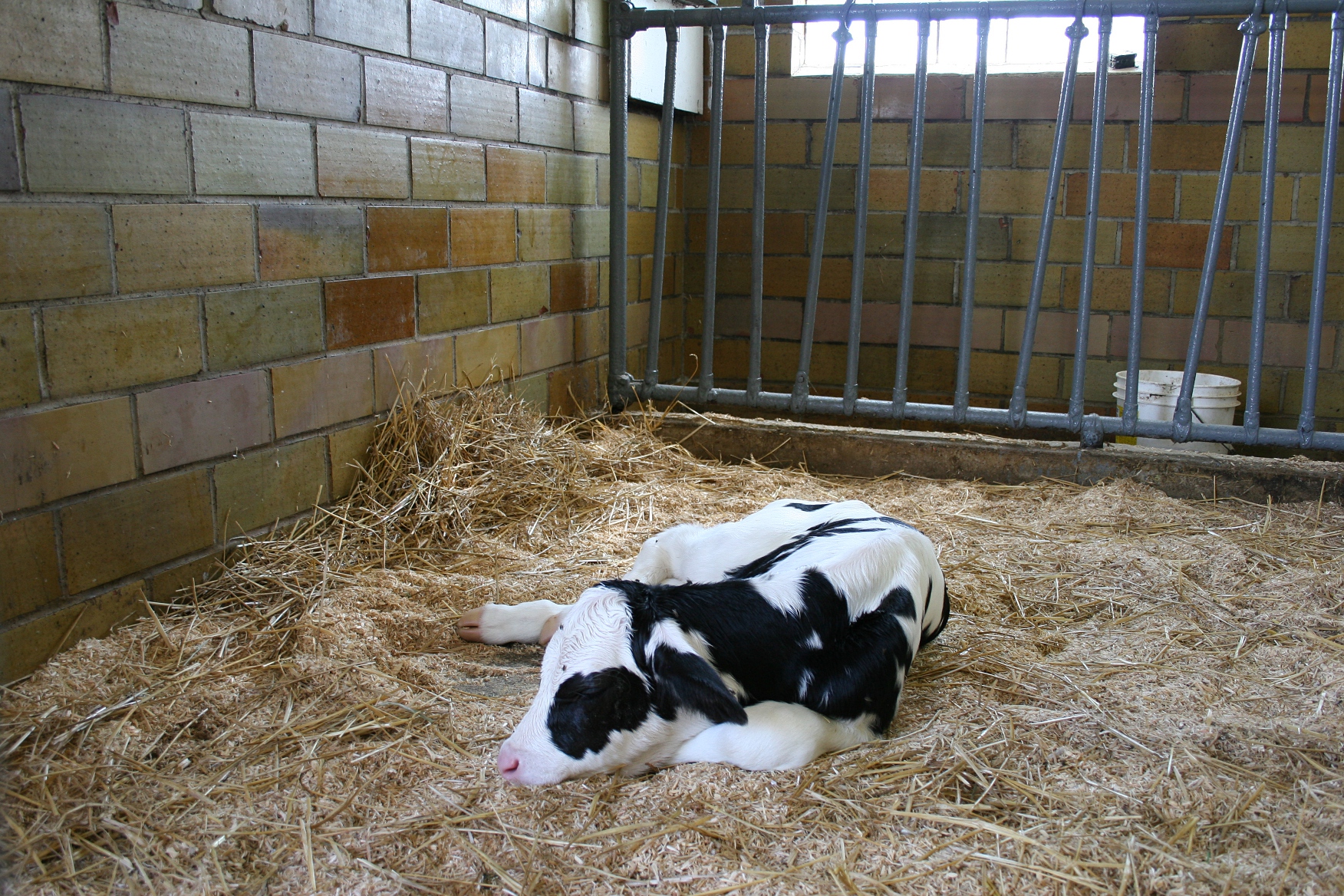
Several calves inside the barn were a hit among visitors.

Several calves inside the barn were a hit among visitors.

CHECK BACK for more photos from “A Day on the Farm” in rural Faribault.

© Copyright 2013 Audrey Kletscher Helbling
 

An almost-summer evening on the farm June 1, 2011

Filed under: Uncategorized — Audrey Kletscher Helbling @ 6:47 AM
Tags: , , , , , , , , , , ,

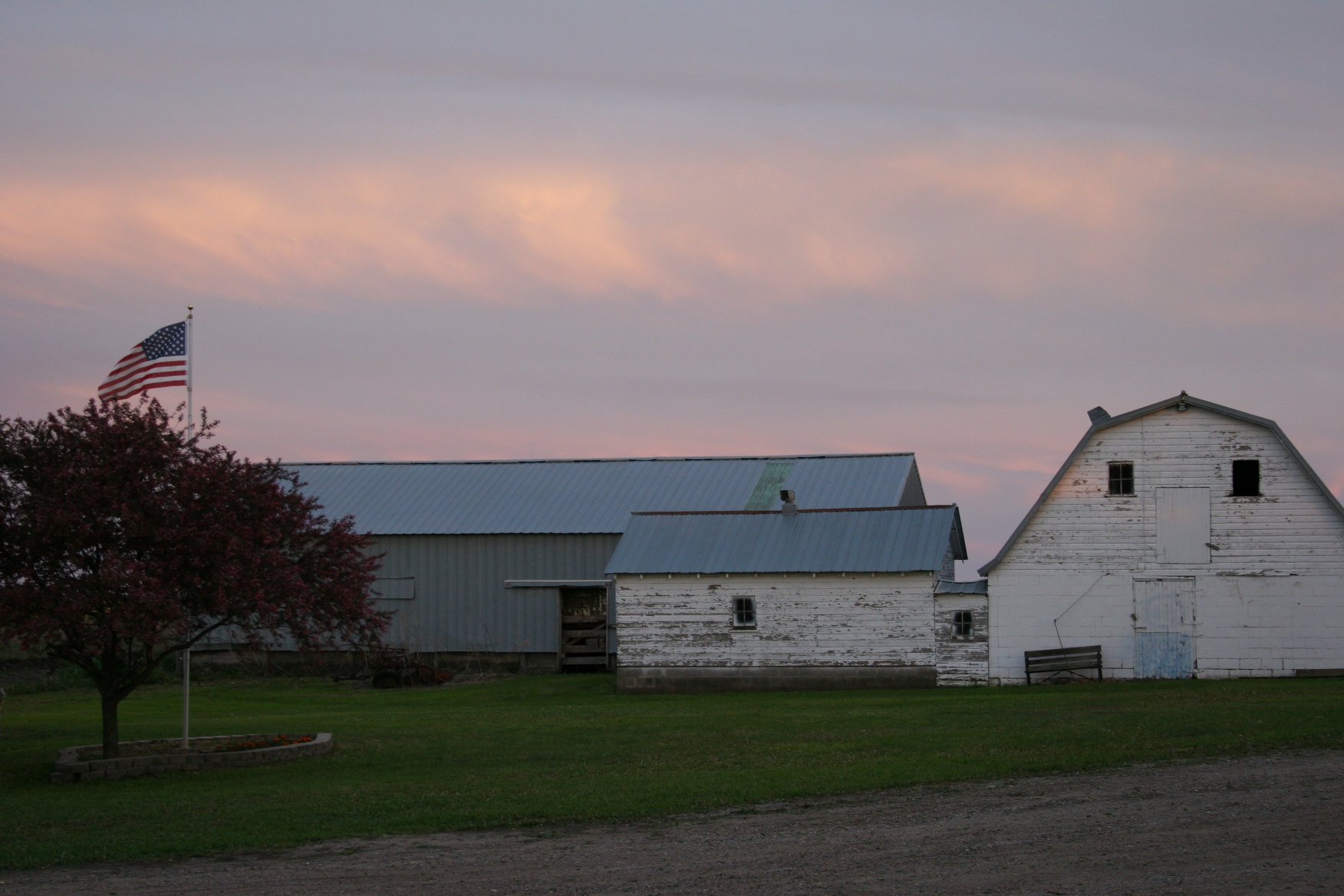
The sun sets on the farm site where I grew up in southwestern Minnesota.

OH, SWEET EVENING of almost-summer on my childhood farm. Daylight fades, washing the sky in the palest of prairie rose pink. Shadows sharpen before the last lingering rays of sunlight retire for the night.

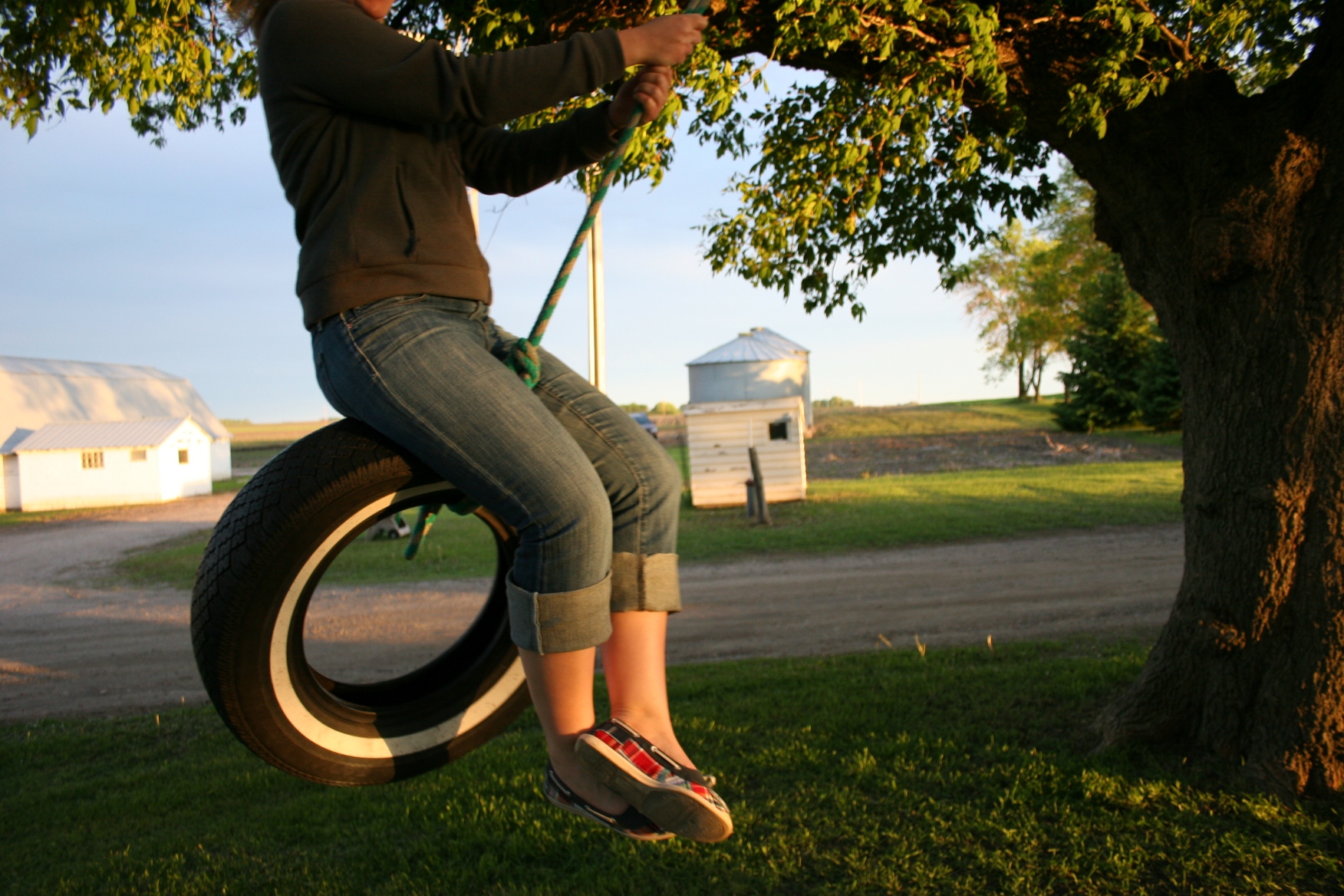
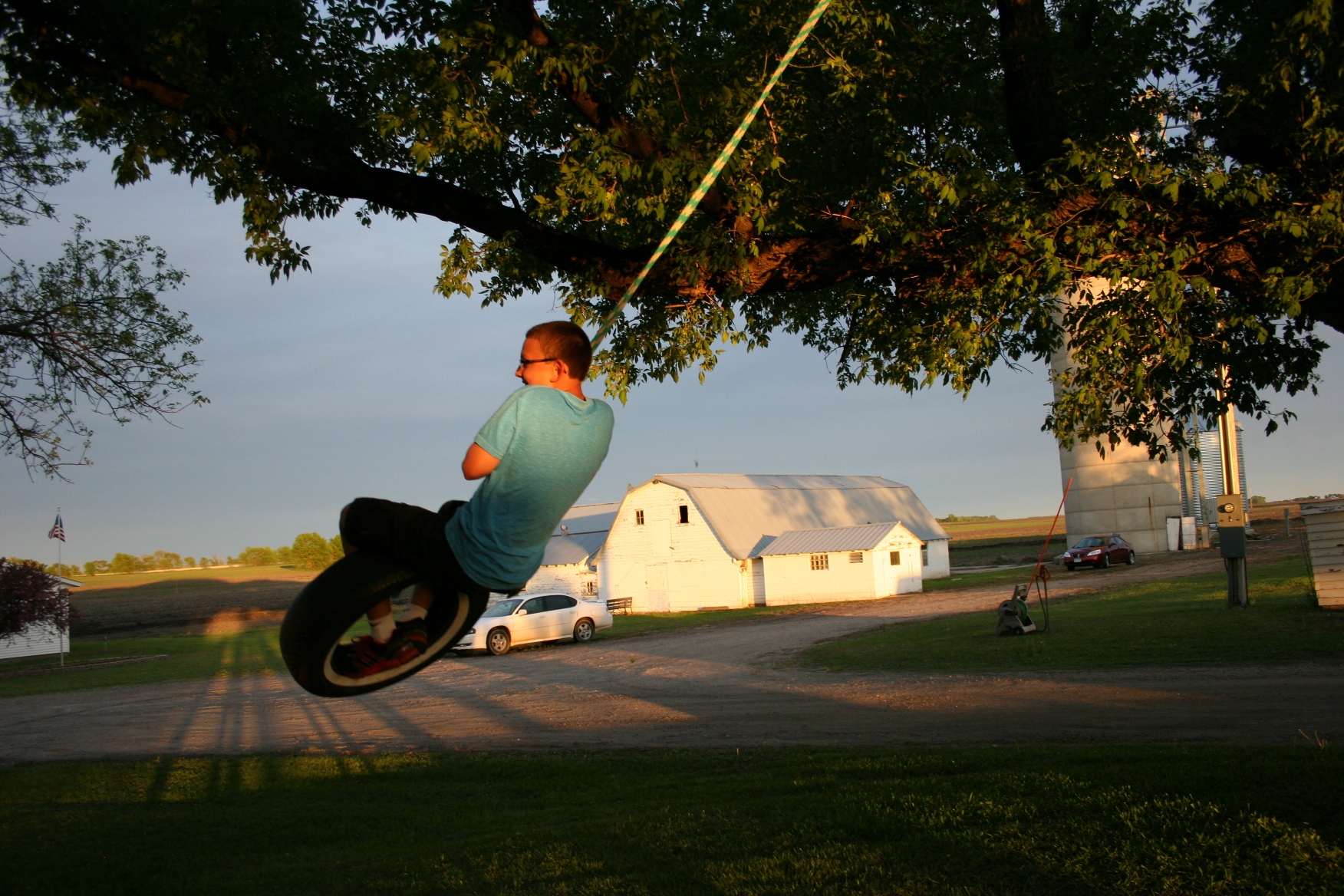
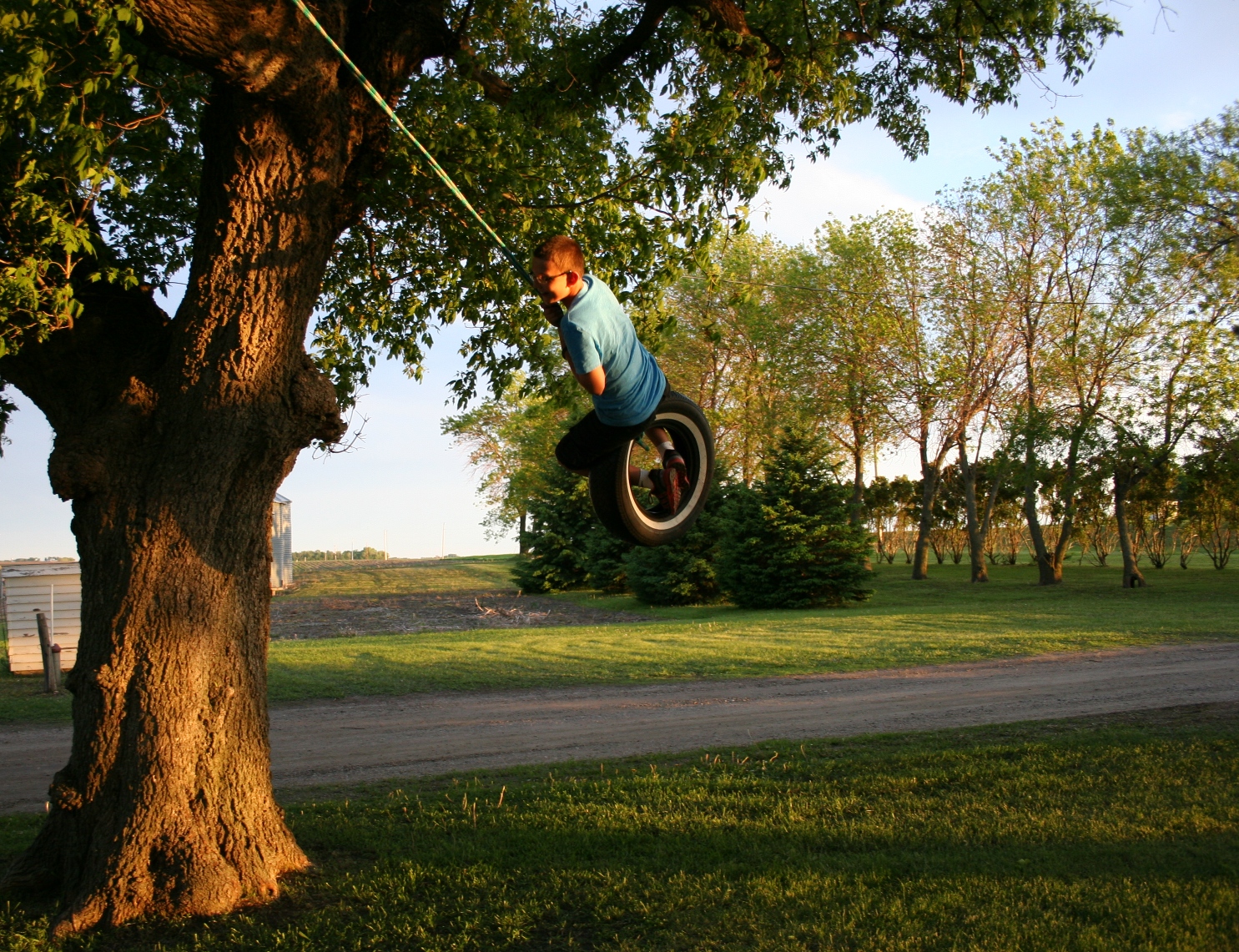
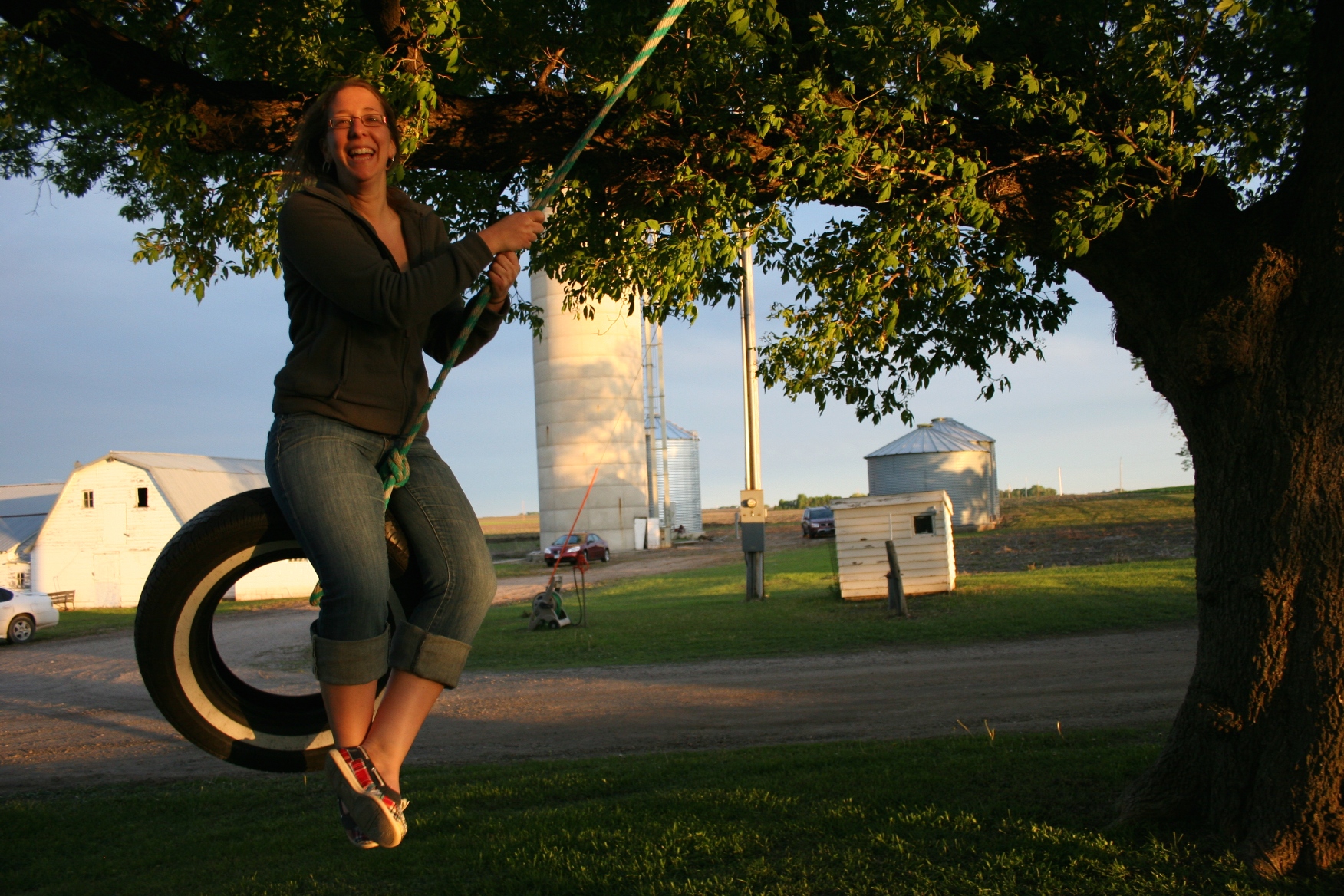
Underneath the branches of the sturdy old tree, which once sheltered a long-gone farmhouse and a tractor-tire sandbox, the cousins and siblings, ranging in age from 11 to 25, one-by-one grab double ropes, straddle a car tire and ask for a push.

My 11-year-old nephew and a tire swing...

And then they are swinging through the air, spinning nearly out of control, dodging danger in a tree trunk, wisps of hair flying, smiles as wide as the prairie sky, until, finally, they plead for someone, anyone, to stop the dizzy-inducing carnival ride.

My oldest daughter...

...discovers joy on a tire swing...

...far from her big city home, in the place she calls "the middle of nowhere..."

...and sometimes "nowhere" can be as much fun as Minneapolis on an almost-summer evening.

Oh, sweet evening of almost-summer on the farm, when I grip my camera, dodge the swaying tire to capture the moments, to vicariously relive the exuberance of tipping my head back, catching the wind as I ride the tire swing. I feel the twirling, dizzy oblivion through the lens of my camera, wishing I could grasp the ropes, straddle the tire, stretch my toes heavenward and tickle the belly of the sky.

© Copyright 2011 Audrey Kletscher Helbling
 

Winter storm on the prairie December 1, 2010

Filed under: Uncategorized — Audrey Kletscher Helbling @ 11:59 AM
Tags: , , , , , , , , , ,

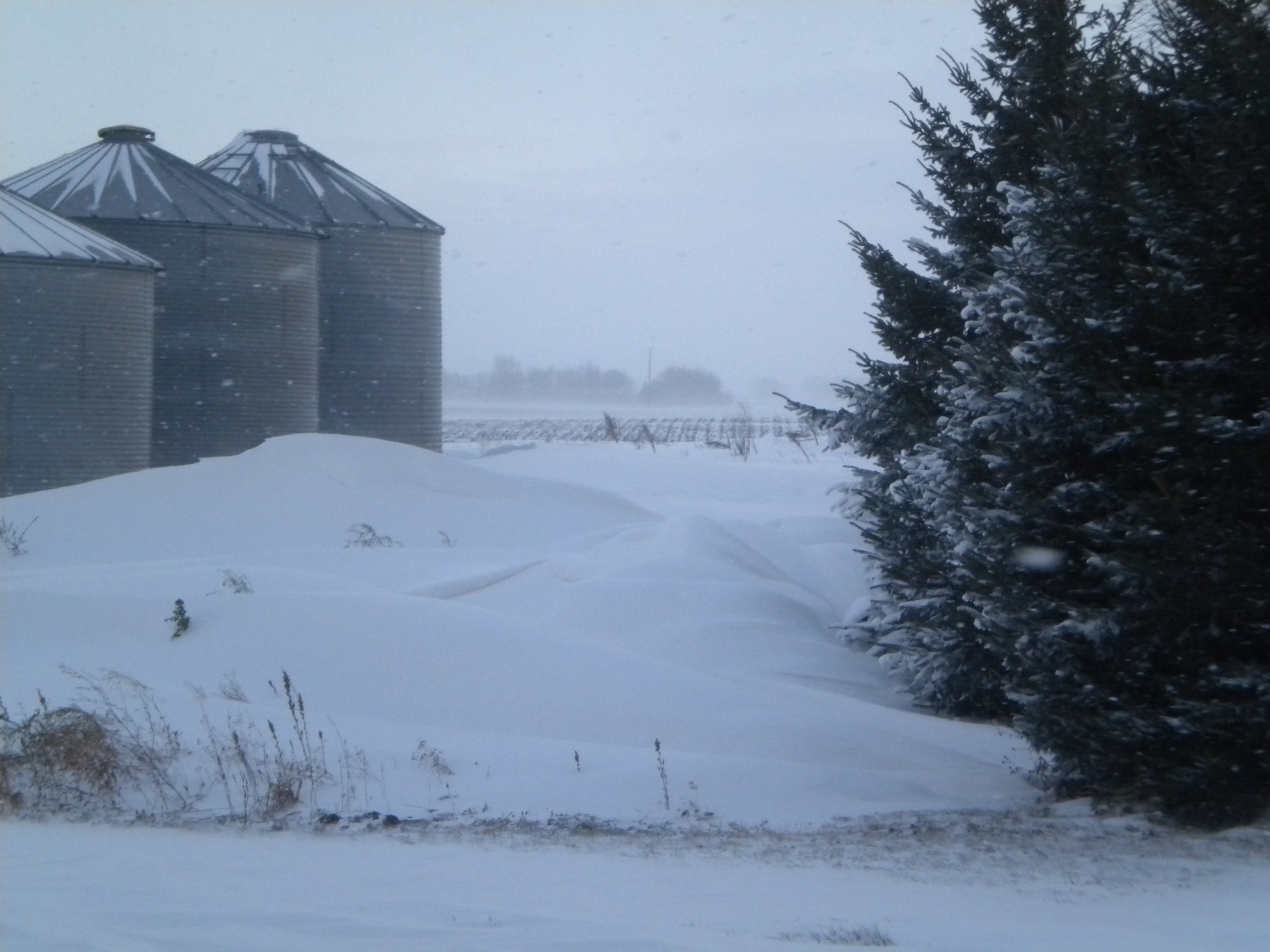
Snow blows across the driveway on the farm where I grew up near Vesta.

WHEN I HEARD yesterday of five-foot snowdrifts in the Springfield area, west of New Ulm, I simply had to get my hands on some photos from southwestern Minnesota. Honestly, unless you’ve lived on the flat, open, wind-swept prairie, you really can’t comprehend the ferocity of a Minnesota winter.

In that part of the state, November exited with a strong winter storm that whipped snow into hard, sculpted drifts, made roads nearly impassable if not impassable and closed schools on Monday and Tuesday.

Snowdrifts, some six feet high, sculpted around the grove and bins on the home place.

Although I have not lived on the prairie for nearly four decades, memories of winters there are as fresh as the five, up to 10, inches of snow that fell there.

I won’t tell you that I walked uphill two miles to school in snowdrifts eight feet deep. But I will tell you that when I attended junior high school in Redwood Falls some 20 miles from my farm home, we had a difficult time getting to school one winter. Because of all the snow and poor road conditions, buses would not make their rural routes. One bus left the cafe in my hometown of Vesta each morning bound for Redwood Falls. If you could get into town, then you could go to school. For my brother and me, that journey into Vesta was via an open cab John Deere tractor driven one mile down a county road by our dad. After school he would drive back in to town and bring us home.

I also recall during high school once riding home on a single school bus crammed with students who would normally fill two buses. The driver opted to take all of the Vesta area kids to Vesta (not home) in one bus as weather conditions were so poor. The bus crept along the highway with one student standing just inside the open bus door guiding the driver in near-visibility conditions.

The often brutal winters on the prairie also necessitated designated “snow homes,” homes in town where country kids could stay if snow stranded them in town. Although I had snow homes every year from junior high until I graduated in 1974, I never once had to stay at one. My siblings did.

Even though the prairie winters were harsh, as a kid, I loved winter. Rock-hard snowdrifts that circled the granary and the house and the barn and the snow piles formed by my dad with the bucket of his John Deere tractor became treacherous mountains to explore. We drove our imaginary dog sleds there, played King of the Mountain, dug snow tunnels, slid in our sleds…

Winters were fun back then.

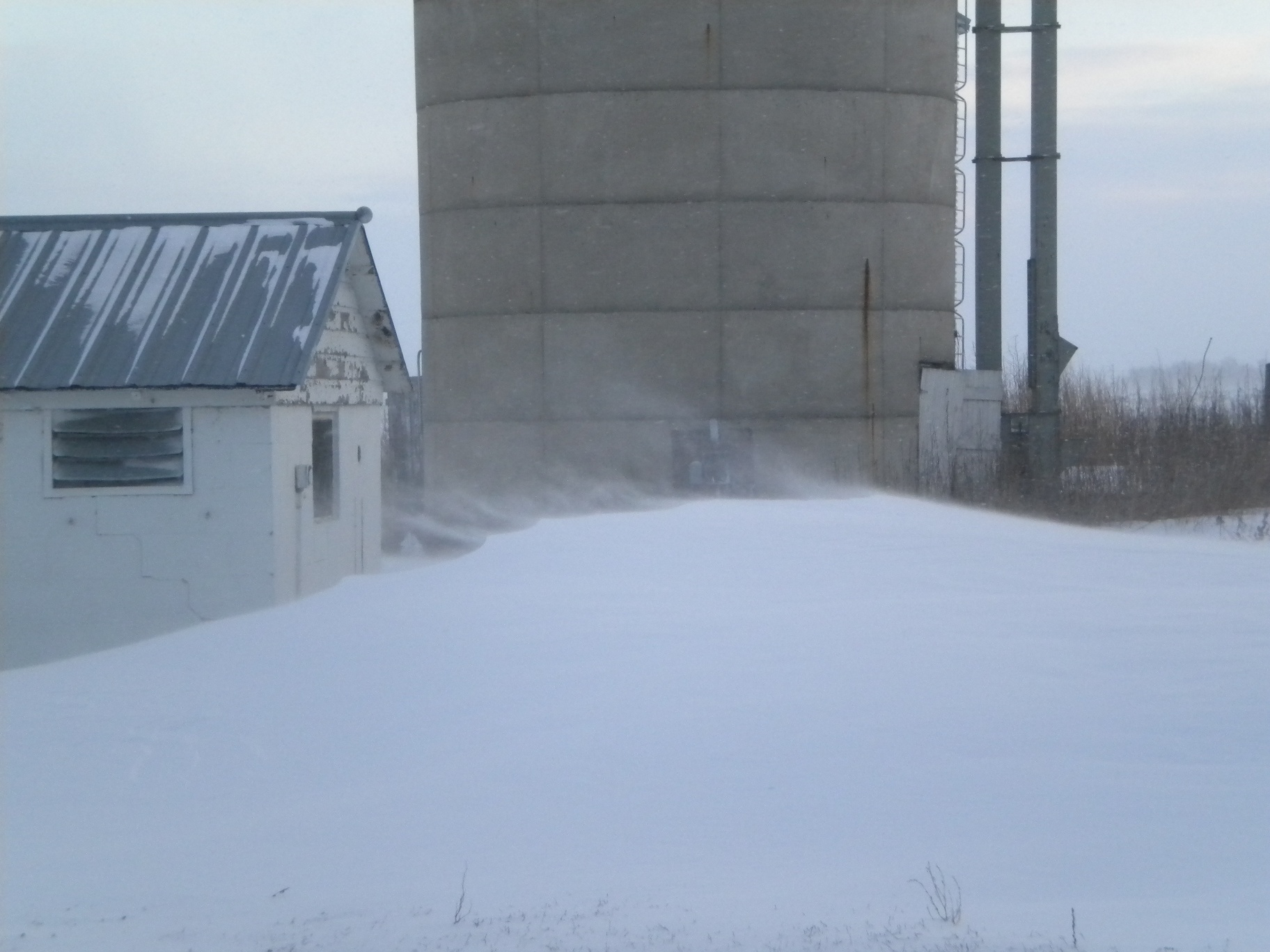
Wind-whipped snow drifts around the abandoned milkhouse and silo.

I’m certain, though, for my parents, winter must have been a lot of hard work—pushing all that snow from the driveway and yard to open a path for the milk truck, thawing frozen drinking cups and a frozen gutter cleaner, emptying the pot that served as our bathroom in the cold front porch…

All of these memories rushed back as I viewed the photos my niece Hillary took of this recent winter storm in southwestern Minnesota. Her images are from the farm where I grew up, the place of sweet memories and of long, cold, harsh winters.

Snow began falling Monday afternoon in the Vesta area, causing low visibility and poor driving conditions as snow covered roadways, according to my niece.

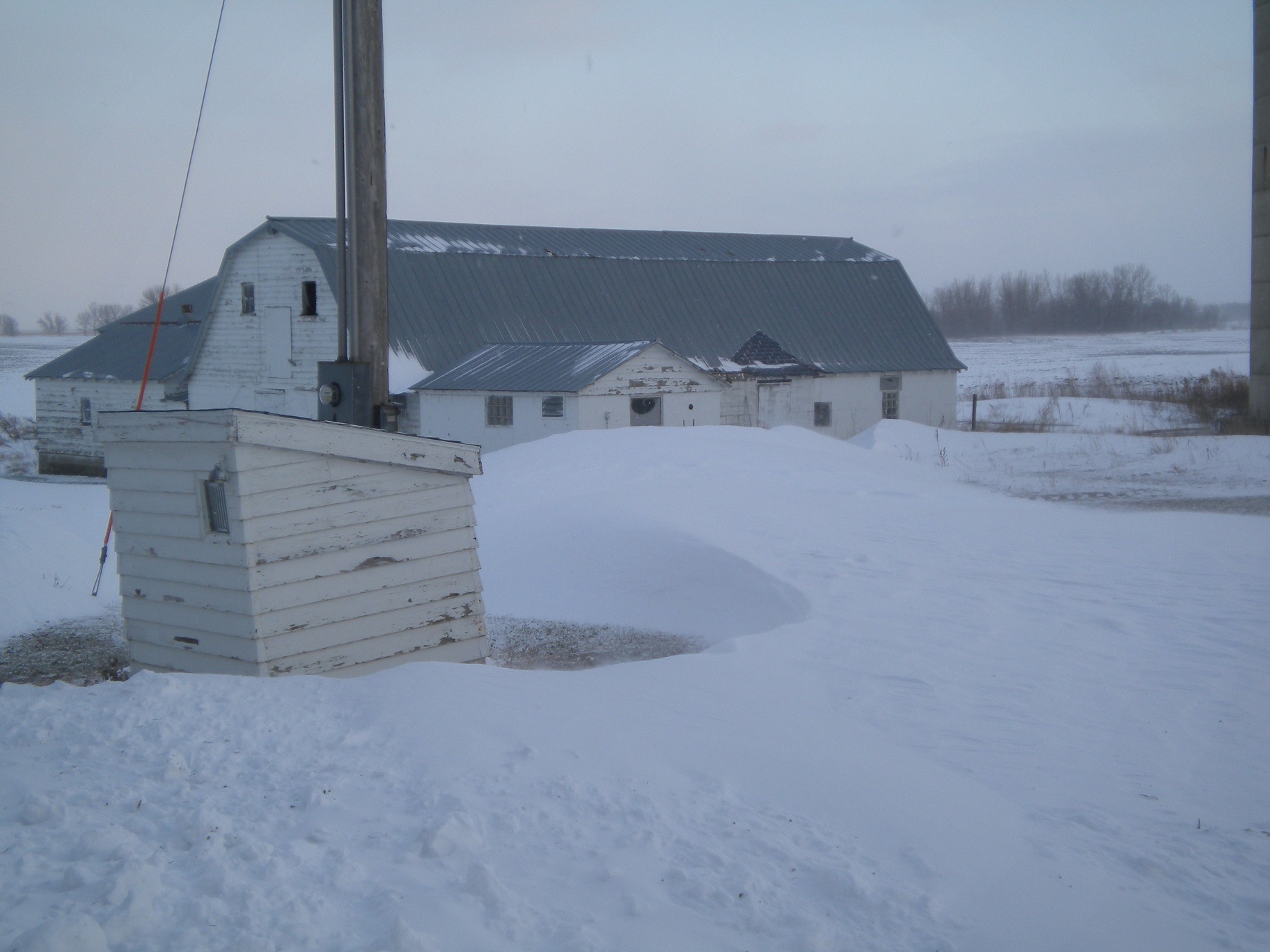
Snow swirled into drifts in the farmyard on the farm of my childhood.

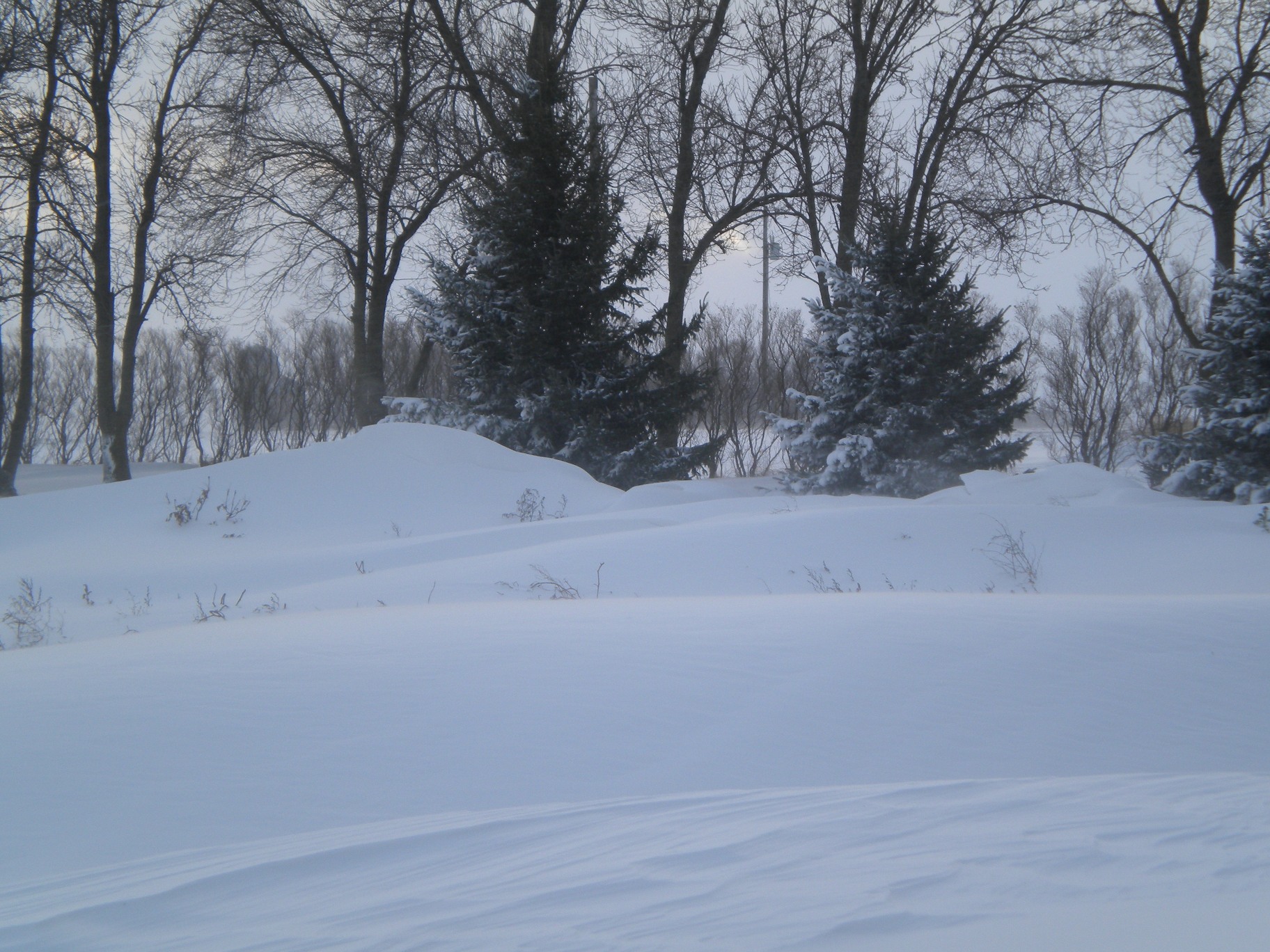
Snowdrifts formed at the edge of the yard, next to the grove.

IF YOU HAVE WINTER memories or stories to share, submit a comment to Minnesota Prairie Roots. I’d like to hear yours.

Text © Copyright 2010 Audrey Kletscher Helbling
Photos © Copyright 2010 Hillary Kletscher