Minnesota Prairie Roots

Writing and photography by Audrey Kletscher Helbling

Experience holiday festivities this weekend in Faribault December 8, 2016

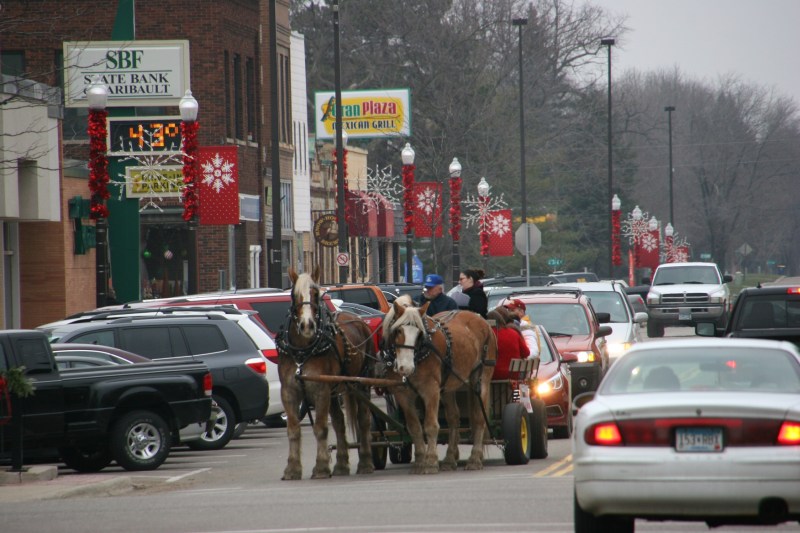
Mike Fuchs guides his team or horses southbound on Central Avenue in historic downtown Faribault late Saturday afternoon.

A scene along Central Avenue during the 2015 holiday season. Minnesota Prairie Roots file photo.

THE SPIRIT OF THE SEASON blankets Faribault this weekend with holiday events ranging from a figure skating show to a kids’ Christmas party to concerts to a home-grown theatrical production and much more.

Dark wood and stone define the cathedral interior.

Dark wood and stone define the sanctuary at The Cathedral of Our Merciful Saviour. Minnesota Prairie Roots file photo.

When I started jotting a list of events, even I was astounded. I could schedule my entire weekend around enjoying myself rather than focusing on holiday prep. If I wasn’t donating blood on Friday evening, I could kick my weekend off by attending Handel’s Messiah, presented at 7:30 p.m. by the Cannon Valley Regional Orchestra at The Cathedral of Our Merciful Saviour, 515 Second Avenue Northwest.

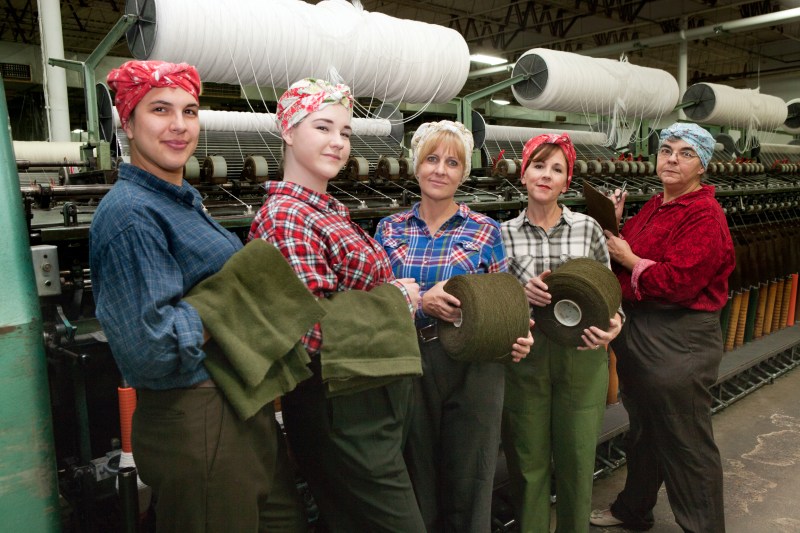
Some of the cast members of "Wrapped in Love & Glory" pose inside the Faribault Woolen Mill. Photo by Edward Brown.

Some of the cast members of “Wrapped in Love & Glory” pose inside the Faribault Woolen Mill. Photo by Edward Brown and courtesy of The Merlin Players.

I already have tickets for The Merlin Players performance of “Wrapped in Love & Glory,” an original play written by Faribault native Michael Lambert. “The show weaves together the letters, history and music of the women working in the Faribault Woolen Mill to make blankets for the troops fighting overseas during WW II,” according to a TMP press release. Twenty-six songs from that era are incorporated in to the production.

The show opens at 7:30 p.m. Friday at the Paradise Center for the Arts, 321 Central Avenue, with additional evening performances set for December 10 and 15 – 17. Sunday shows are at 2 p.m. on December 11 and 18. Click here for more information or call (507) 332-7372.

This jar of veggies carries the perfect name, "Summer in a Jar."

Canned produce sold at the summer Faribault Farmer’s Market. Minnesota Prairie Roots file photo.

Also at the Paradise are the creations of area artists. Perfect for holiday giving. Additionally, from 1 – 4 p.m. Saturday, the Winter Farmers’ Market opens inside the Paradise with local vendors selling everything from eggs to maple syrup to soap, baked goods and more.

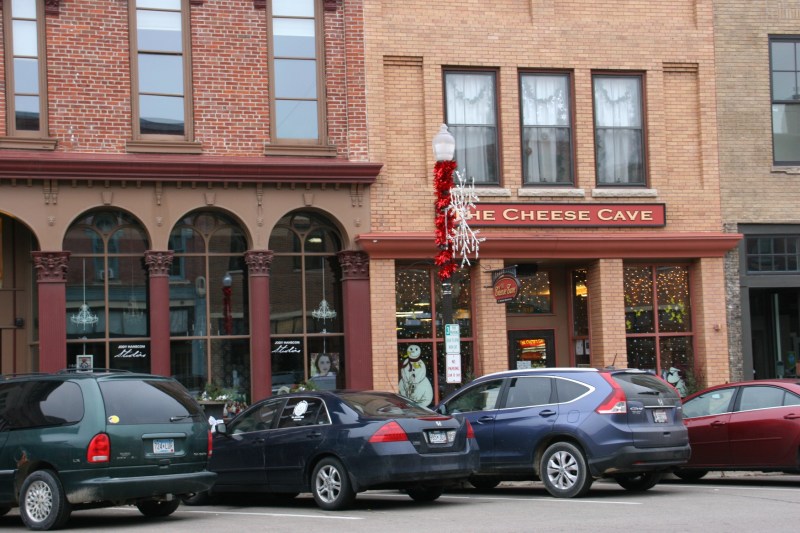
Historic buildings in downtown Faribault are decorated for the holiday season.

Historic downtown Faribault. Minnesota Prairie Roots file photo.

Historic downtown Faribault will be one busy place Saturday as Faribault Main Street also hosts its second annual Holiday Snack Contest from noon – 3 p.m. While you shop, you can sample tasty treats at local businesses. All through-out the downtown, local shopkeepers (and even a pop-up shop) offer a variety of goods—shoes, home décor, antiques, electronics, specialty gifts, baked goods, cheese

We wanted to sample all of the beers on tap, so we ordered a flight.

A sampling of flight offerings at F-Town. Minnesota Prairie Roots file photo.

And let’s not forget the beer. Drink it on-site at F-Town Brewing, just off Central, or purchase a growler to take home. Or check out a local liquor store for F-Town beers.

The cast, with the little Snowflakes on the right as audience favorites.

A scene from the 2012 ice skating show at Shattuck. Minnesota Prairie Roots file photo.

If you’re out and about with your family, drive to Faribault’s east side for Shattuck-St. Mary’s School’s annual Christmas Walk. The free community event begins with a “Christmas Spectacular on Ice” show at noon in the SSM Sports Complex. Festivities continue thereafter until 4 p.m. on the Shattuck campus with musical performances; activities for kids in Morgan Refectory; visits with Santa and Mrs. Claus (from 1:30 – 4 p.m.) in The Inn; and a 3:30 p.m. holiday concert in The Chapel of the Good Shepherd.

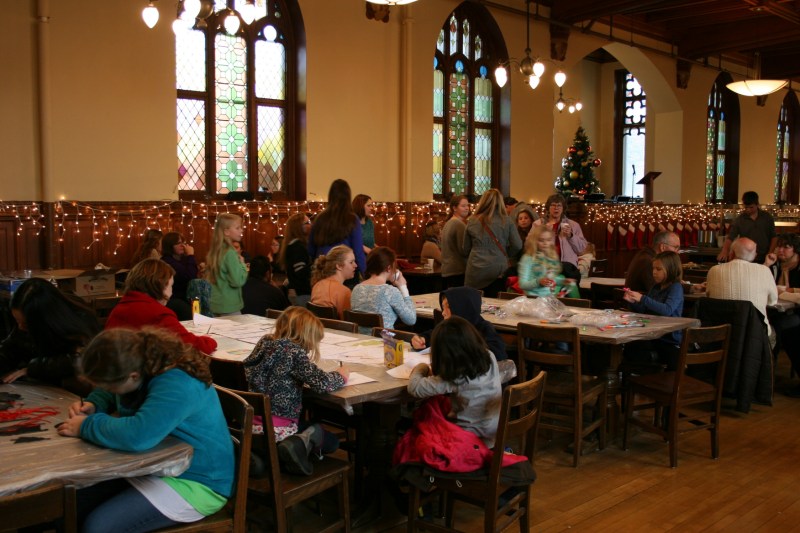
Kids worked on holiday crafts in the dining hall.

Kids worked on holiday crafts in the dining hall at Shattuck. Minnesota Prairie Roots file photo.

On Sunday, there’s more family-oriented fun, this time at the Faribault Eagles, 2027 Grant Street, as the club hosts its annual free Kids Christmas Party from noon to 3 p.m. for kids 12 and under accompanied by an adult.

Nearby at the Faribo West Mall, shoppers can take in a 3 – 3:30 p.m. Sunday concert by the Faribault High School Orchestra followed by the Faribault Area Community Band’s “A Christmas Concert for Busy People.” That concert title seems especially fitting given the season and all that’s happening in Faribault. These pre-Christmas weekends are busy ones in my southeastern Minnesota community.

© Copyright 2016 Audrey Kletscher Helbling


History, mystery & more along the Straight River November 30, 2016

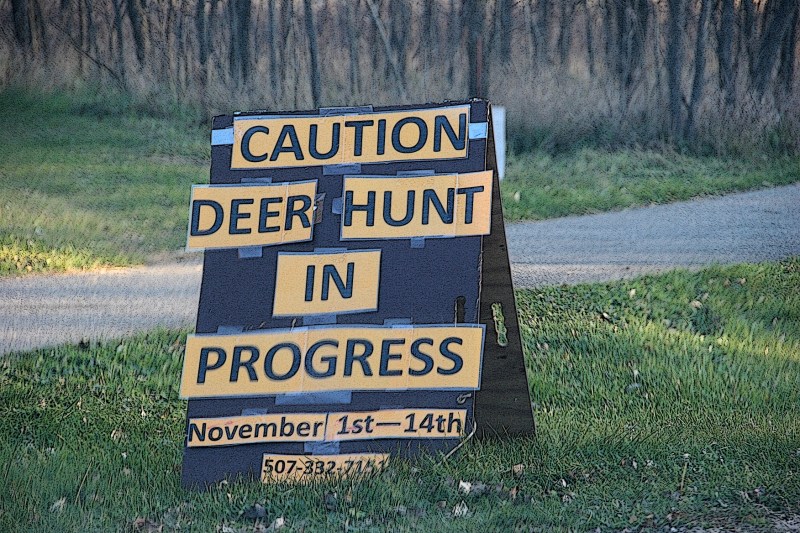
trail-1-deer-hunt-sign


THERE WOULD BE NO HIKING in the River Bend Nature Center as the sun shifted toward dusk on a recent Sunday afternoon.

The sign, “CAUTION DEER HUNT IN PROGRESS,” caused Randy to step on the brakes, back up the car and exit the entry road. “I don’t think I want to be in the woods this time of day,” he said, explaining that hunters prefer to hunt at dusk and dawn. I wasn’t about to disagree with him.


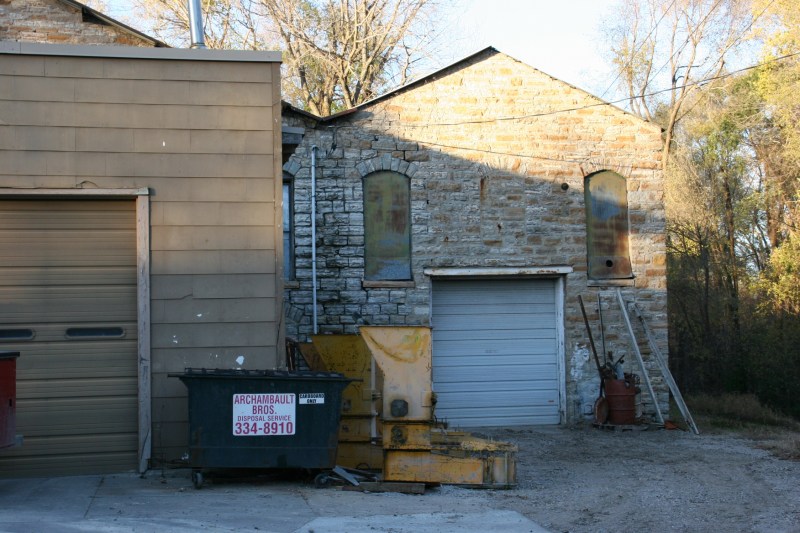
trail-3-limestone-buildings-up-close


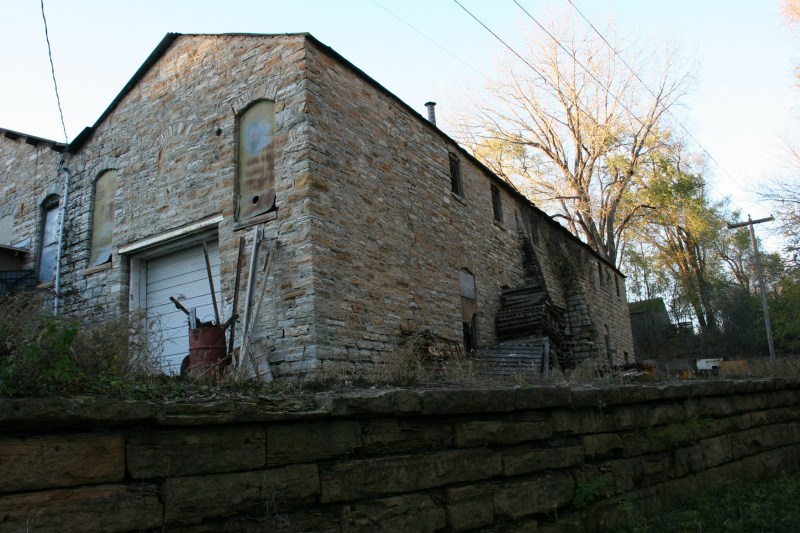
So off we drove to find another trail, parking on a dead end street near the Straight River Trail in the northern section of Faribault. Our entry point started near an aged limestone building. We wondered aloud about the history of the structure so in need of repair.


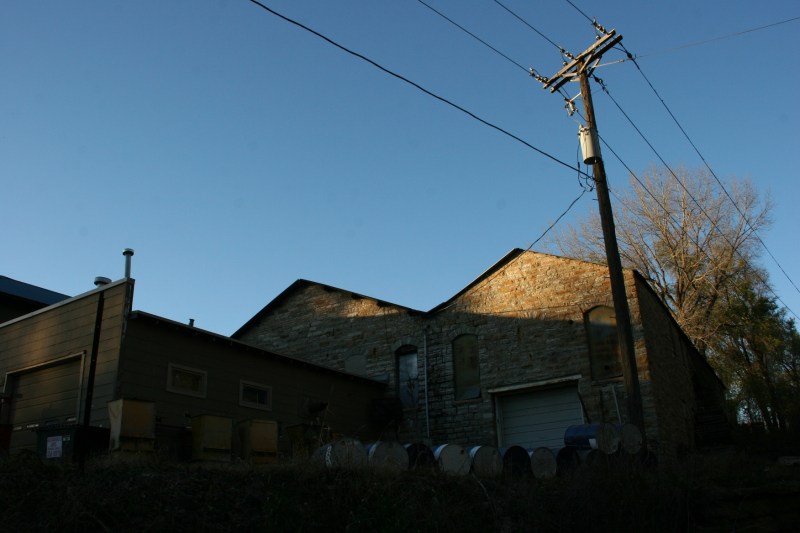
trail-4-side-of-limestone-building-with-barrels


I would later learn from Jeff Jarvis, local historian and community enrichment coordinator for the City of Faribault Parks and Recreation Department, that the building was constructed from local limestone in 1903 as the Faribault Gas and Electric Company. Electricity was transmitted by wire from the Cannon Falls hydroelectric facility to the Faribault plant and offered to Faribault customers, he said.


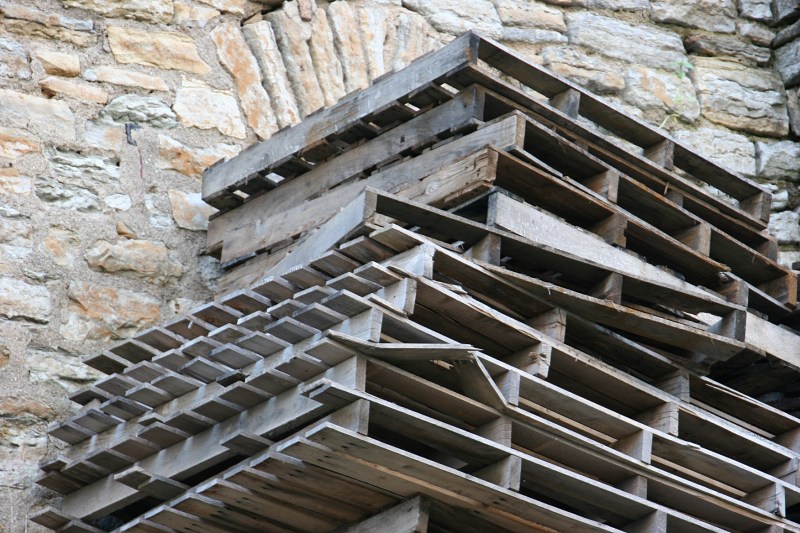
trail-10-pallets-stacked-by-limestone-building


I knew none of this as I studied the historic structure, noting the blocked window openings, the crumbling limestone, the detailed workmanship, the piled pallets, the empty barrels. Melancholy seeped into my thoughts. I’m always dismayed when buildings like this, an important part of local history, succumb to weather and near abandonment.

After snapping photos, I continued along the paved trail, stepping aside as a biker whizzed by. In the distance a trio of walkers approached, one gripping a dog. I am often wary of meeting canines. But this service dog posed no threat.


trail-8-tire-by-river


Eventually, Randy and I veered from the paved path to a dirt trail leading to the Straight River. A massive fallen tree blocked us from reaching the river bank. We could only surmise that September flooding or past floods uprooted the many fallen trees in this flood plain.


trail-9-single-leaf-on-tree


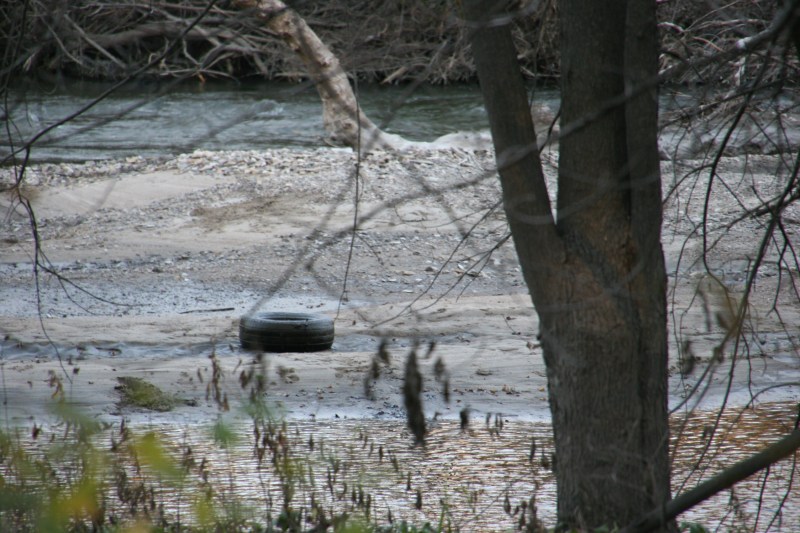
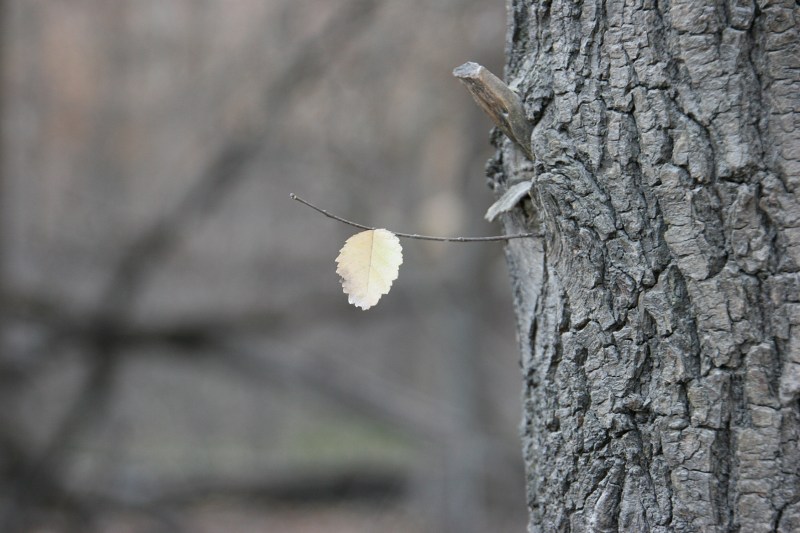
I noticed a tire on a sandbar, a man in a blue jacket walking his dog on the other side of the river, a single leaf clinging to a twig.


trail-12-limestone-wall-and-limestone-building


trail-22-posts-in-woods


trail-13-padlock-on-pipe


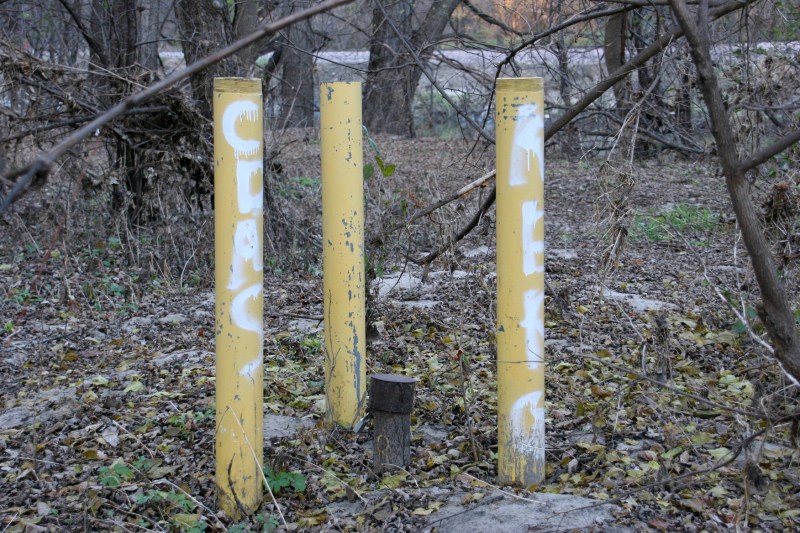
Pink edged into the day, the light softening. Ideal for photography. We hiked back to the paved path, back toward the aged limestone building and then down once again toward the river along a rock hard trail. Clusters of pipes pocked the woods. We wondered about those and the padlocks fastened to some. A mystery.


trail-17-dirt-bike-in-woods


trail-19-dirt-bike-spinning-wheels


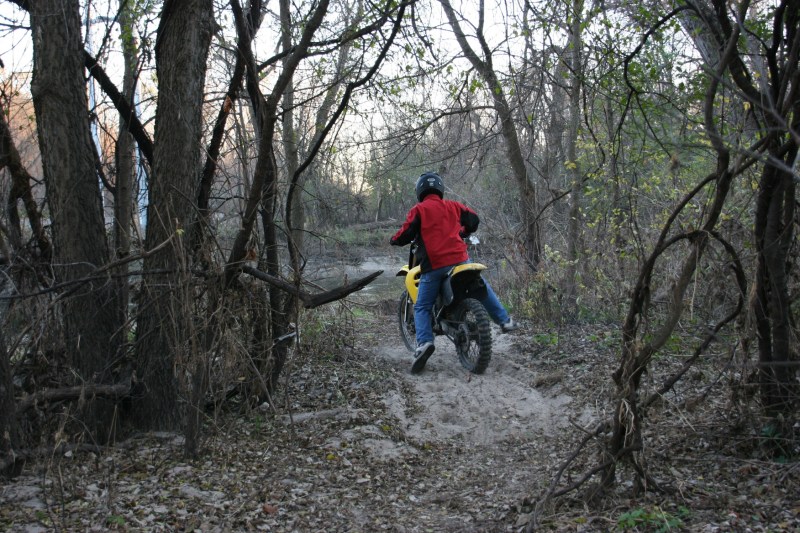
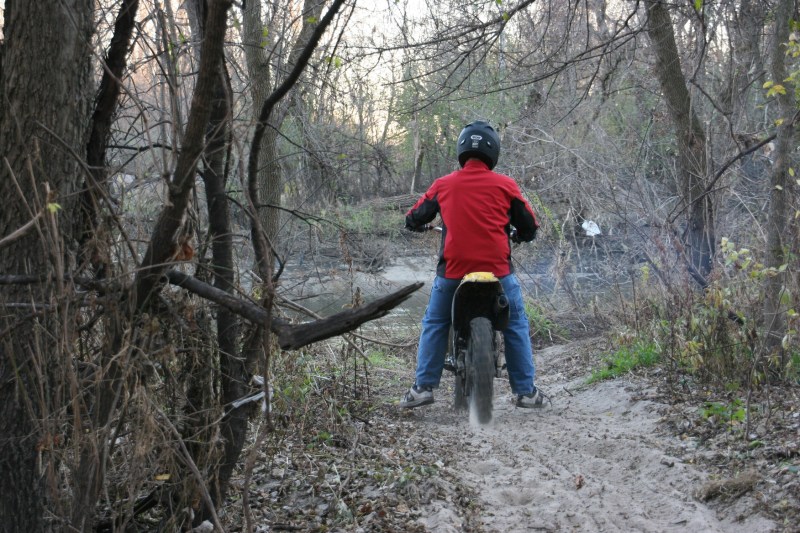
Soon the earth softened to river sand as the trail twisted. A buzz of noise cut through the silence, headlights flashing through the woods as an ATV approached, followed by a dirt bike. We stepped aside, allowing the vehicles to skirt us. And we wondered whether they should be there, near the river. Probably not.


trail-26-fishing


trail-30-faribault-woolen-mill


trail-32-sunset-over-the-cannon-river


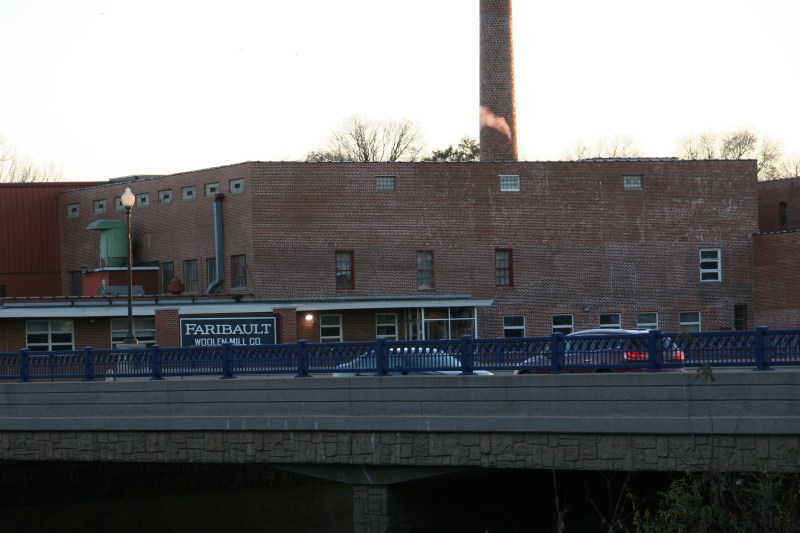
We ended our outing at Two Rivers Park, the convergence of the Cannon and Straight Rivers. Men fished. On a nearby path, another man pedaled a three-wheeler, his wheelchair strapped to the back. A woman walked her dog. And I paused on a bridge to photograph the Faribault Woolen Mill and the golden sky.


trail-41-duck-swimming-in-cannon-river


And then, after crossing under Second Avenue via a recreational trail, I photographed a duck rippling water and light in the Cannon River. Lovely in the gloaming of this November day.
© Copyright 2016 Audrey Kletscher Helbling


Documenting Faribault’s latest flood, the third since 2010 September 22, 2016

Filed under: Uncategorized — Audrey Kletscher Helbling @ 9:55 PM
Tags: , , , , , , ,
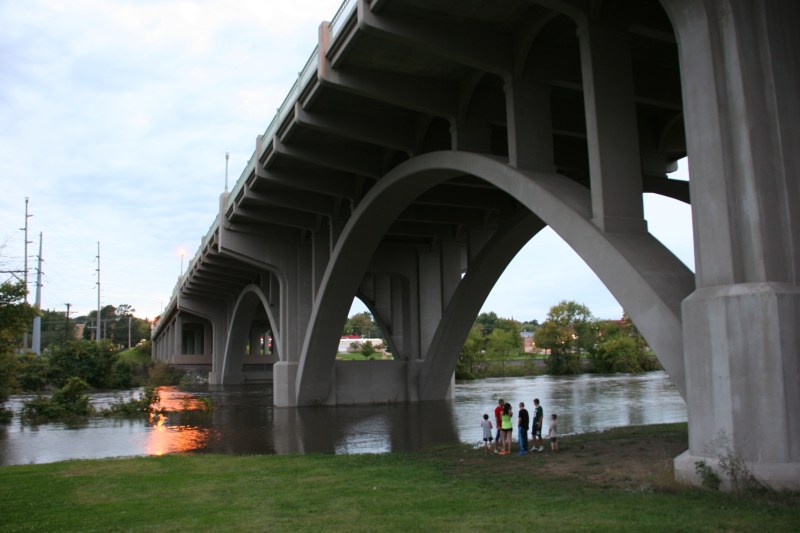
Locals are drawn under the viaduct that links the west and east side of Faribault during yet another flood in our community caused by excessive rainfall. Here the Straight River runs

Locals are drawn under the viaduct Thursday evening during yet another flood in our community caused by excessive rainfall. Here the Straight River runs over its banks. A flood warning continues until 5 a.m. Friday.


THE SCENES ARE ALL TOO FAMILIAR.


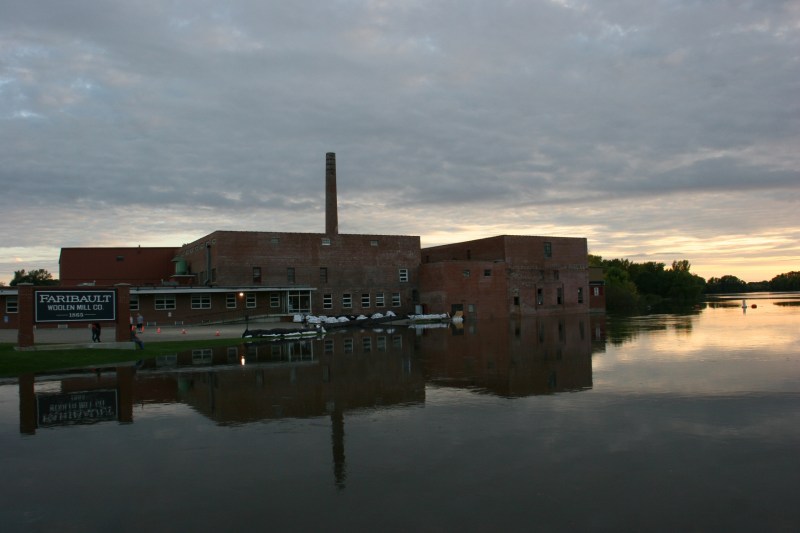
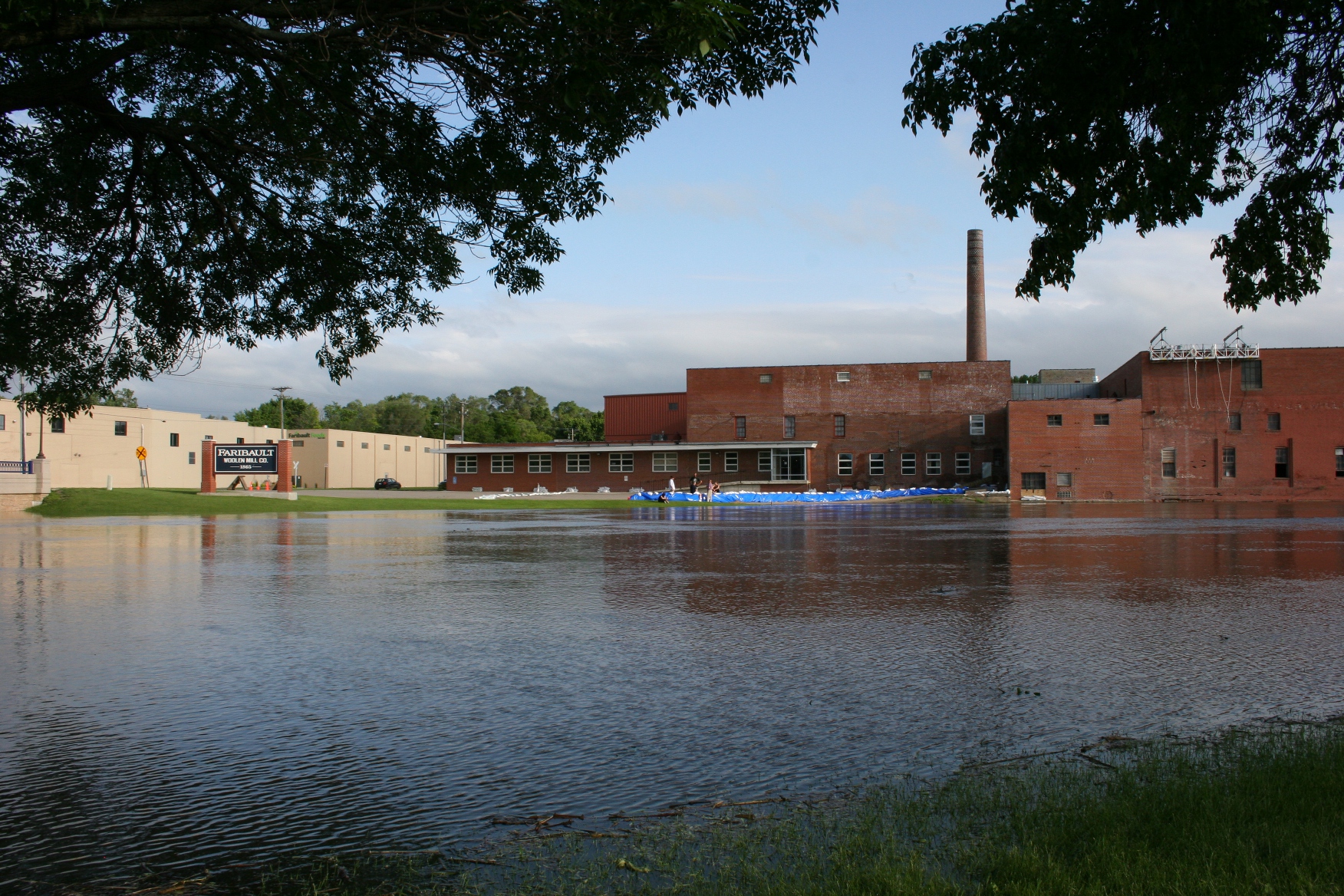
The water has risen so high that the Cannon River dam is no longer visible next to the Faribault Woolen Mill.


The dam no longer visible.


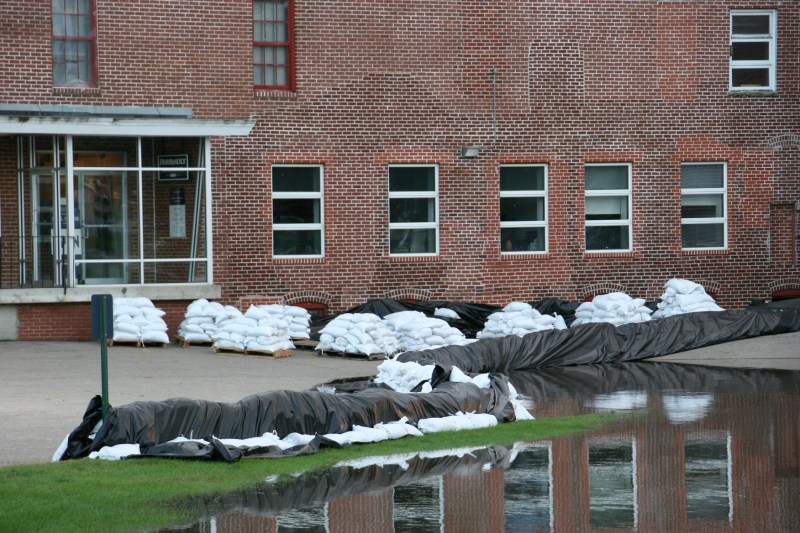
A line of sandbags protect the mill operation and retail store along the banks of the Cannon River.


Sandbags stacked outside the Faribault Woolen Mill.


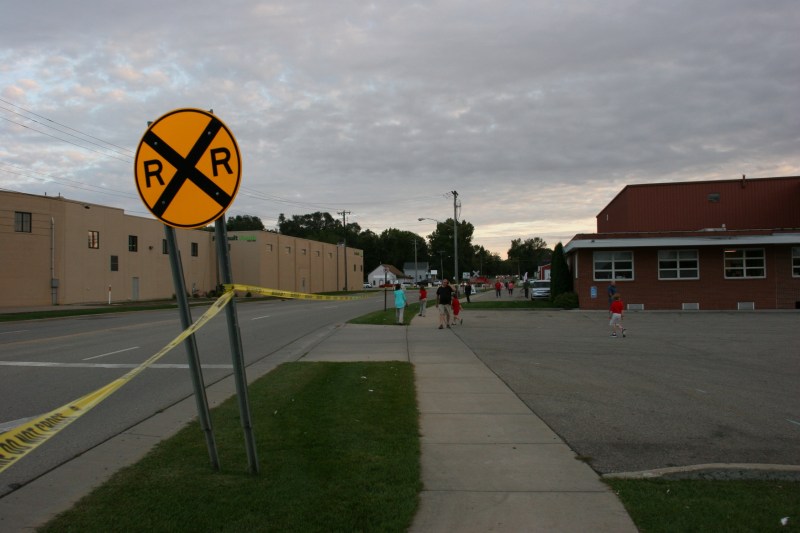
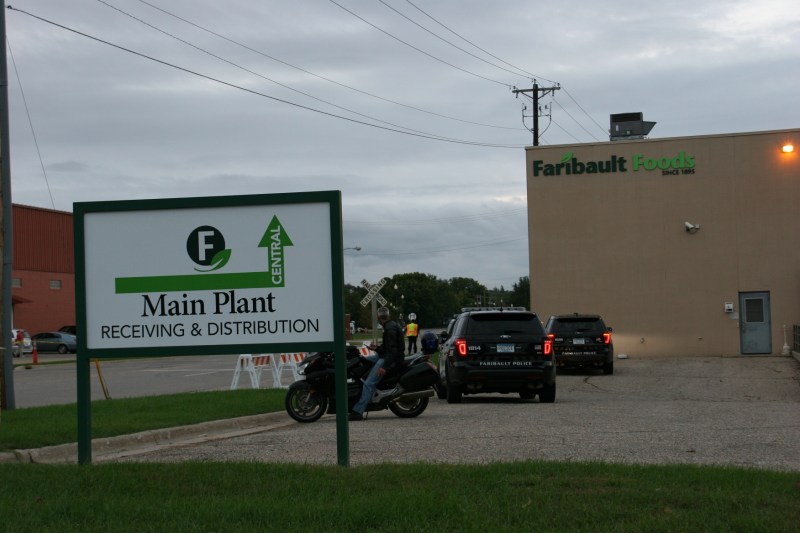
Police tape runs along the sidewalk on Second Avenue between the Faribault Woolen Mill and Faribault Foods.

Second Avenue between the Faribault Woolen Mill and Faribault Foods.

Police tape.

Several blocks of Second Avenue by the Cannon River are closed.

Several blocks of Second Avenue from Faribault Foods (left), past the Woolen Mill (right) to Caseys General Store were closed. The street runs past the Cannon River.

Roads barricaded.

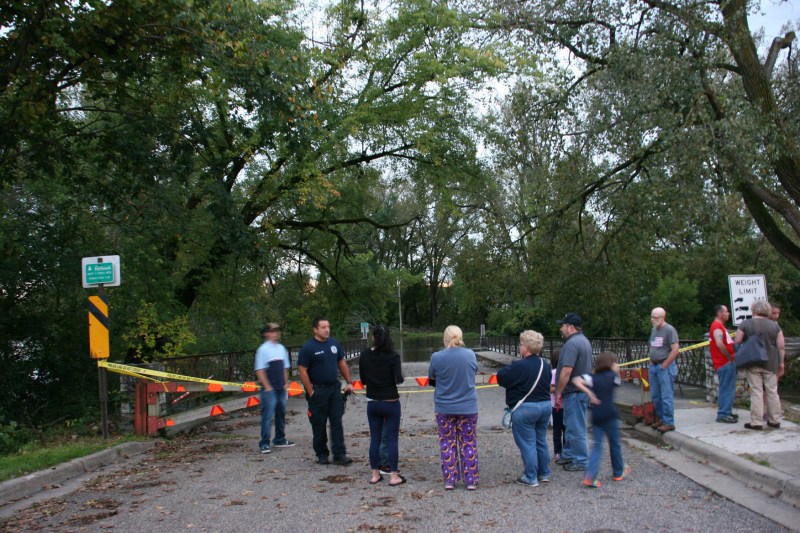
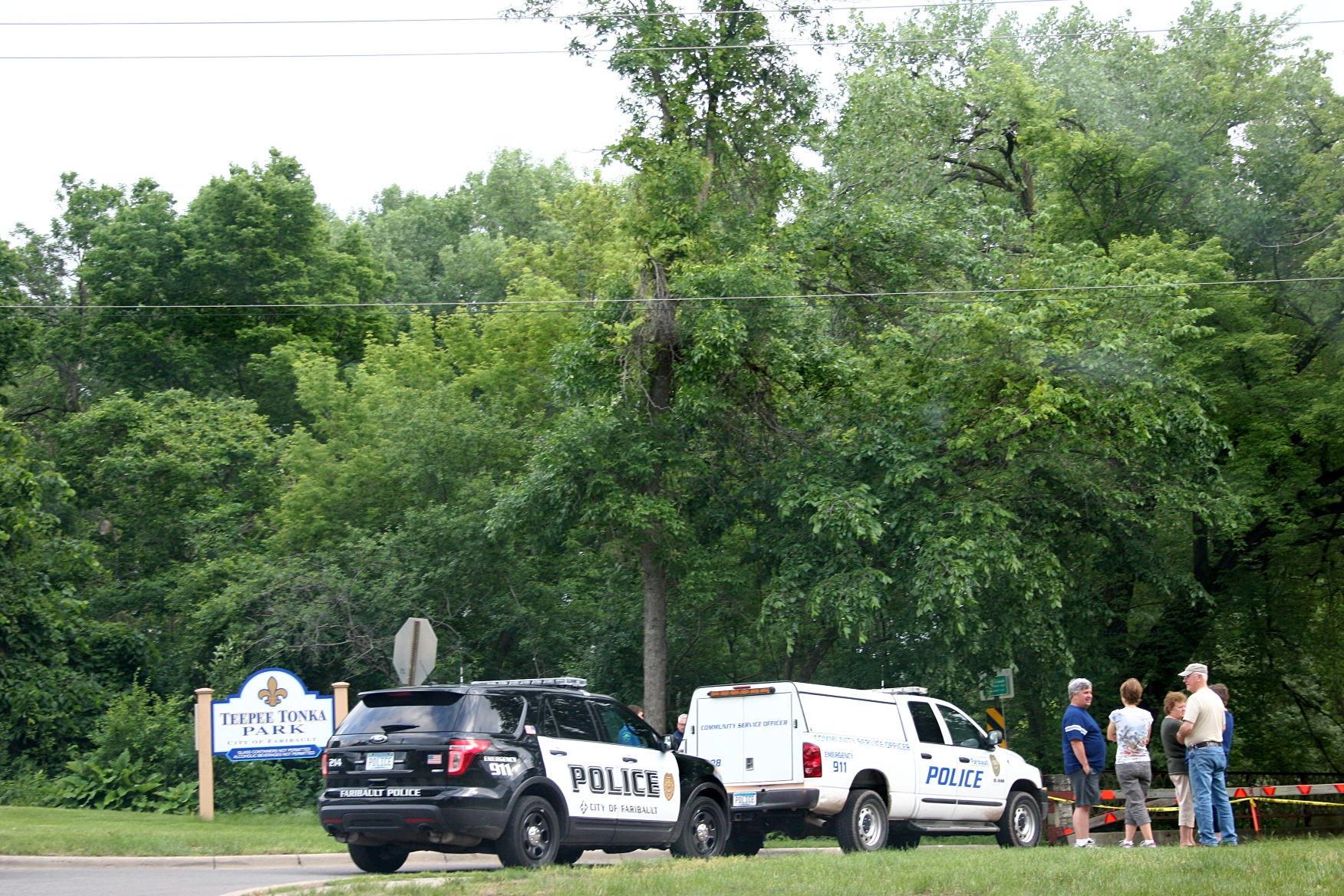
Onlookers gather at the bridge entry to Teepee Tonka Park, now flooded by the Straight River.

The bridge entry to Teepee Tonka Park, now flooded by the Straight River.

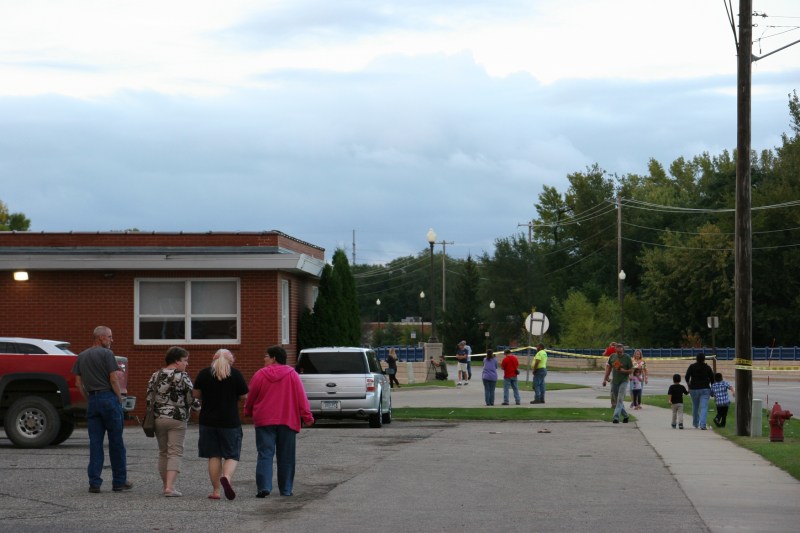
And locals gathered by the dozens to document the scenes, to see how the mighty Cannon and Straight Rivers have once again overflowed their banks.


This Twin Cities news crew, parked near the Rice County Fairgrounds entry Thursday evening, was filming at the Faribault Woolen Mill.


A Twin Cities TV crew comes, too, pulled by the current of a news story.


Locals headed across the Faribault Woolen Mill parking lot toward the rising Cannon River.

Locals head across the Faribault Woolen Mill parking lot toward the rising Cannon River.


While the gawkers gawk, the sun draws a slim line of gold between grey clouds and glassy water.


Three police vehicles pulled into the Faribault Foods parking lot to check on folks checking out the flooded river along Second Avenue.


Police and firefighters watch the river watchers.


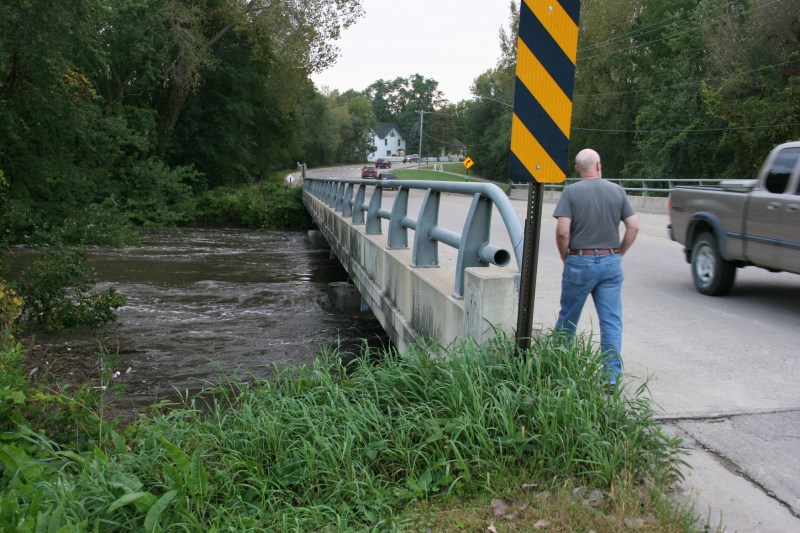
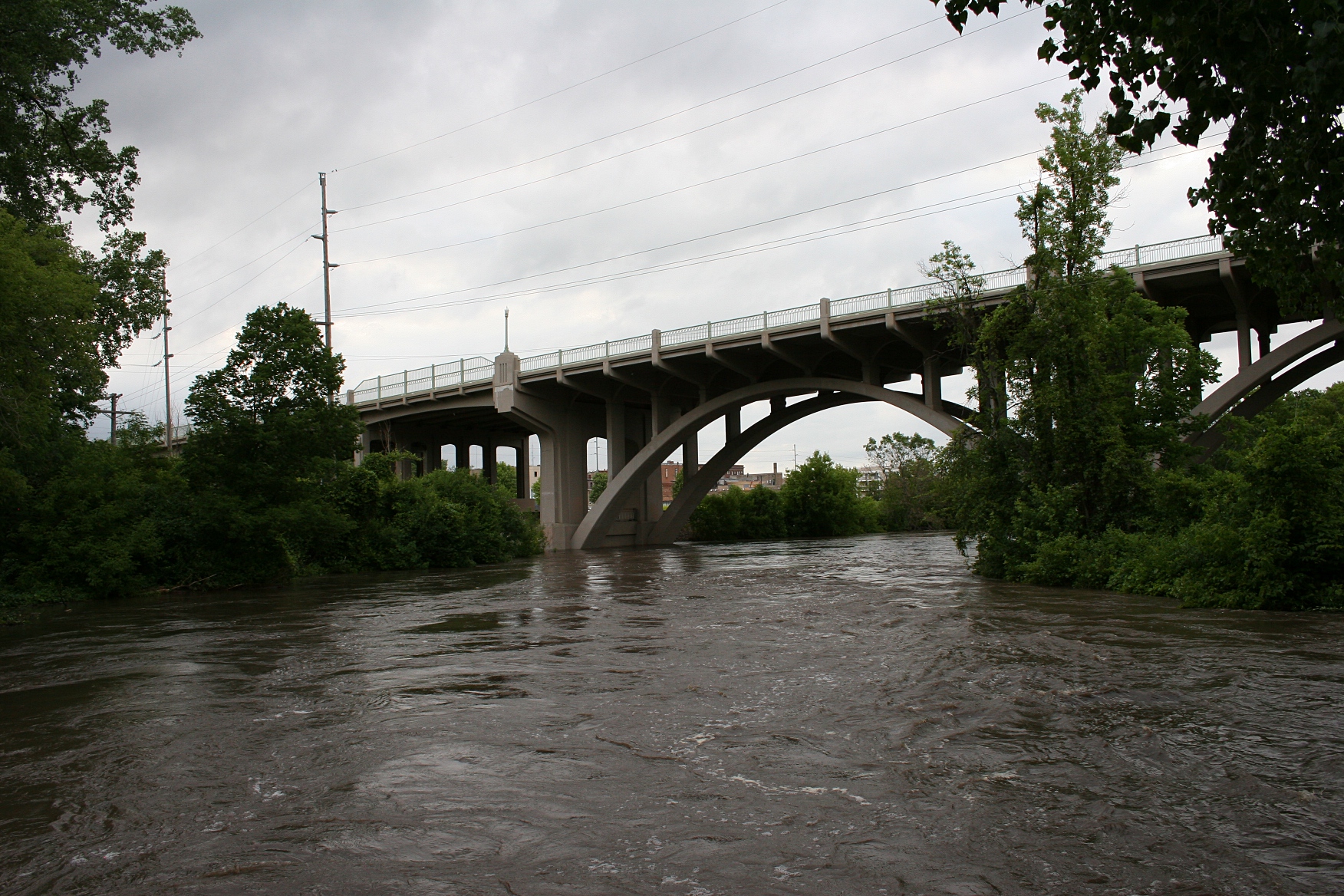
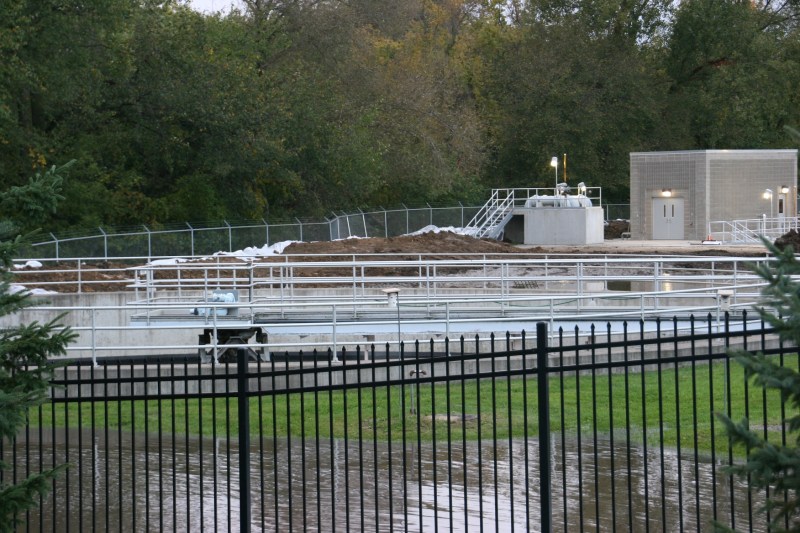
The Straight River rages toward the Faribault wastewater treatment plant.


Blocks away the Straight River churns muddy brown, raging under the bridge near the wastewater treatment plant.


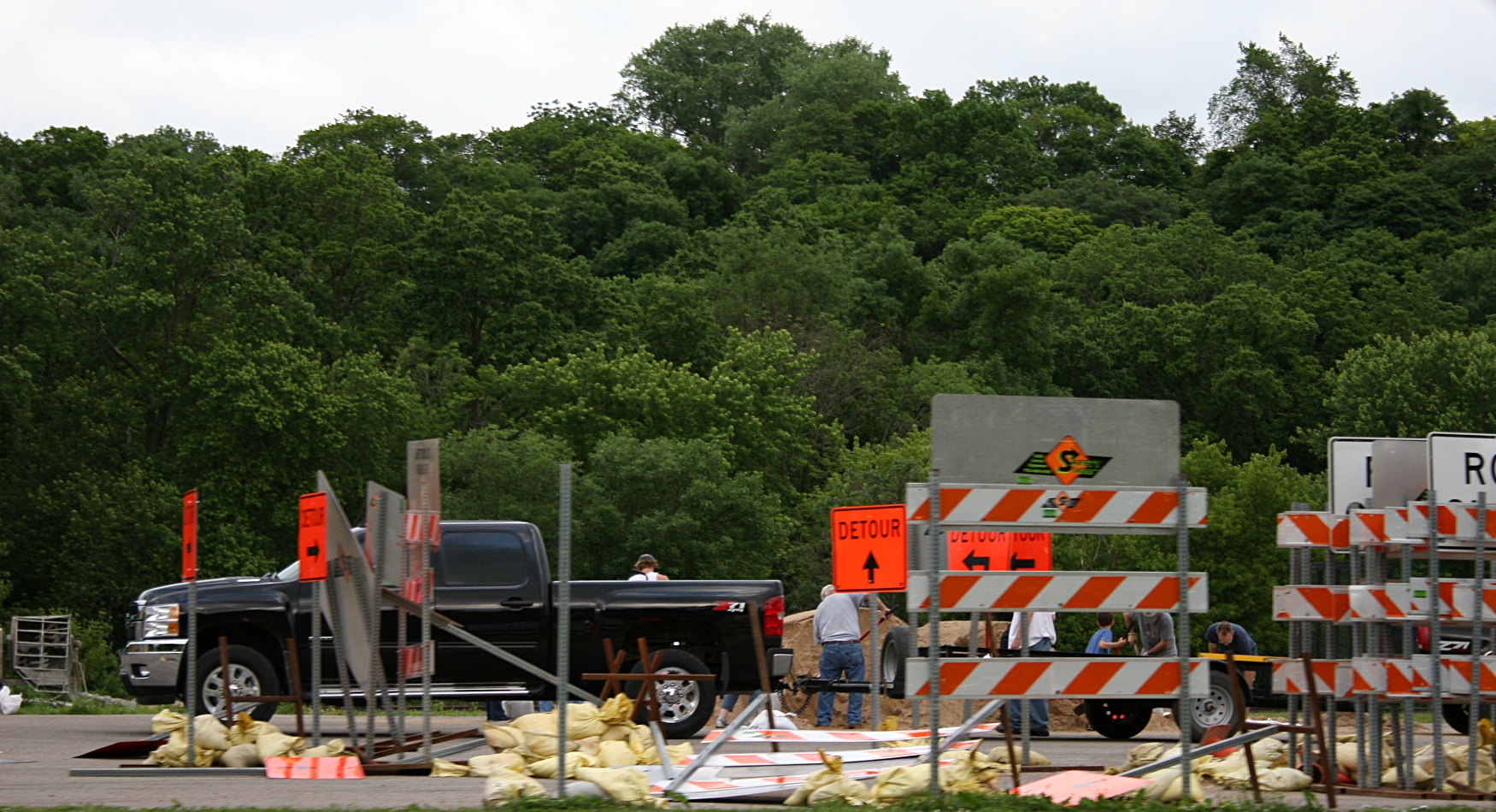
A hastily built berm and sandbags protect the treatment plant.


Truckers haul dirt to construct a make-shift temporary berm protecting this city infrastructure.


During past floods, there have been issues with the sewer system.

As in past floods, the city has had to deal with sewer issues. This scene is by South Alexander Park.

Memories of the September 2010 and June 2014 floods linger.


A flooded street by Heritage Park near the Straight river close to downtown.

A flooded street by Heritage Park near the Straight River close to downtown.

I’ve walked these roads, these sidewalks, these parking lots, this grass before, documenting the flooding.


In the midst of the flooding, beauty is reflected, here on the Cannon River.

In the midst of the flooding, beauty is reflected, here on the Cannon River near the Faribault Woolen Mill.

Still the scenes pull me here, into the quiet of an autumn night for the third flood in seven years.

© Copyright 2016 Audrey Kletscher Helbling


Faribault is about blankets, beer, blue cheese & a whole lot more April 28, 2016

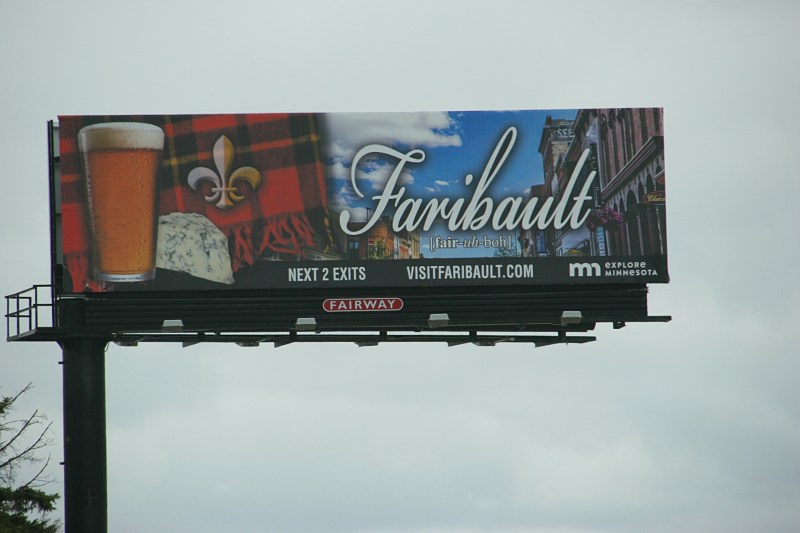
Faribault's new promotional billboard, visible while traveling southbound along Interstate 35 near the city. Faribault is about a half hour south of the Twin Cities metro.

Faribault’s new promotional billboard, visible while traveling southbound along Interstate 35 near the city. Faribault is about a half hour south of the Twin Cities metro and about an hour from the Iowa border. Perfect for a day trip.

MY COMMUNITY OF FARIBAULT could easily fall into that grey space of endless towns perched along Interstate 35 from the Texas-Mexico border to Duluth in northeastern Minnesota.

But Faribault, pronounced fair-uh-boh, because it’s a French name, isn’t just any other community. This is a city of some 23,000 with a strong sense of history. Drive a few miles off I-35 to see the aged buildings along and branching off Central Avenue and scattered throughout town. We have historic churches (like the Cathedral of Our Merciful Saviour) and the historic Shattuck-St. Mary’s School and wonderful old houses.

A new billboard along I-35 hints at what you’ll discover in this southeastern Minnesota community named after founder and fur trader Alexander Faribault.

Let’s zoom in on billboard details:
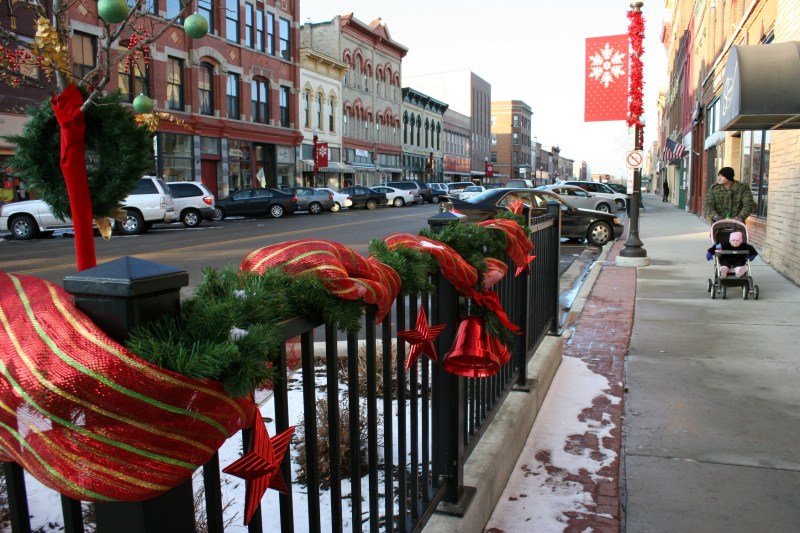
Strolling along Central Avenue in historic downtown Faribault late on a Saturday afternoon in December 2011.

This remains one of my all-time favorite shots of Faribault’s Central Avenue, our Main Street. It showcases the aged buildings and beauty of our historic downtown. Minnesota Prairie Roots file photo, December 2011.

HISTORIC DOWNTOWN: Aged buildings, most beautifully restored, border Central Avenue for several blocks. If you appreciate old architecture, history and home-grown businesses, then you’ll enjoy our downtown.
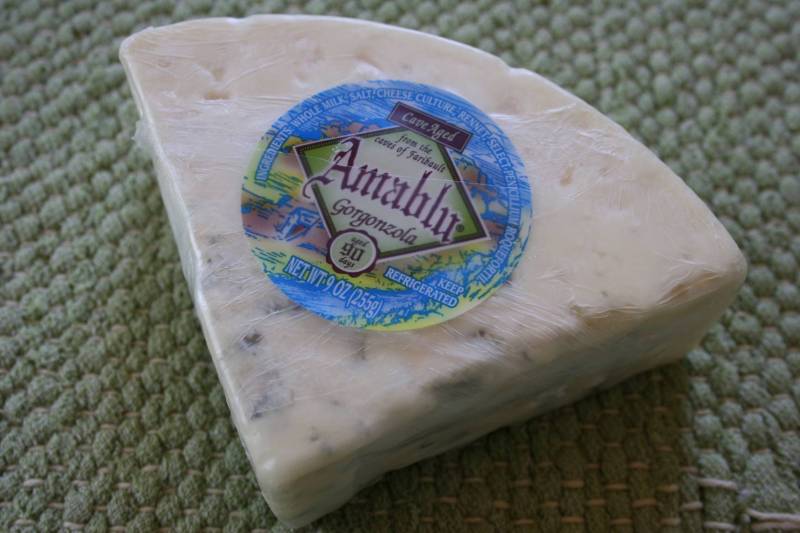
Award-winning Amablu Gorgonzola from Caves of Faribault.

Award-winning Amablu Gorgonzola from Caves of Faribault. Minnesota Prairie Roots file photo.

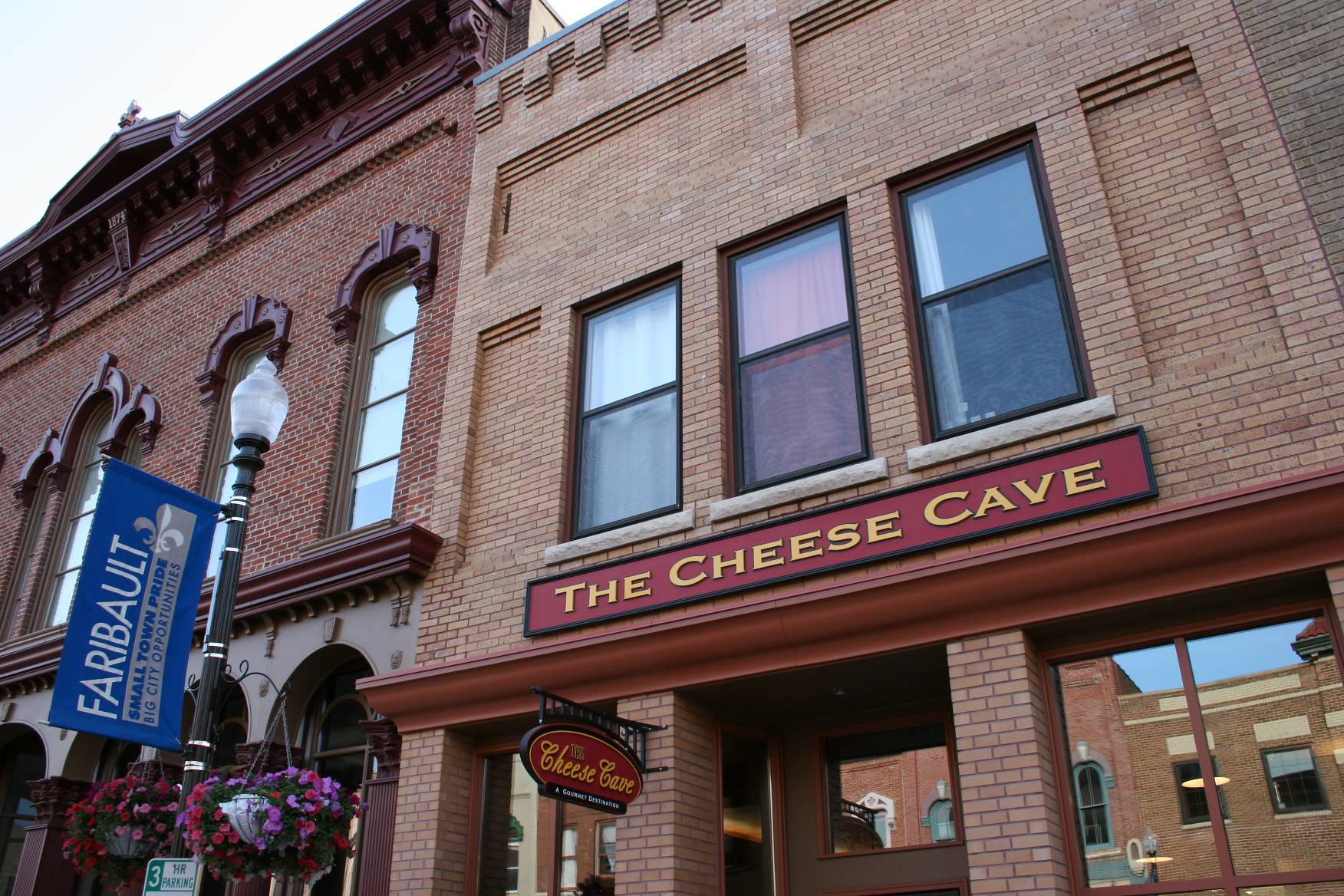
BLUE CHEESE: Award-winning blue and Gorgonzola cheeses are produced and aged in Faribault, in sandstone caves along the Straight River. I’m crazy about AmaBlu, St. Pete’s Select and AmaGorg cheeses. All are sold at The Cheese Cave, a Central Avenue retail shop that also serves up a limited menu of soup (seasonal), sandwiches, salads, pizza and more. The fresh cheese curds, flavored and plain, are a must-try. Iowa-based Swiss Valley Farms now owns the once locally-owned retail shop and cheese company.
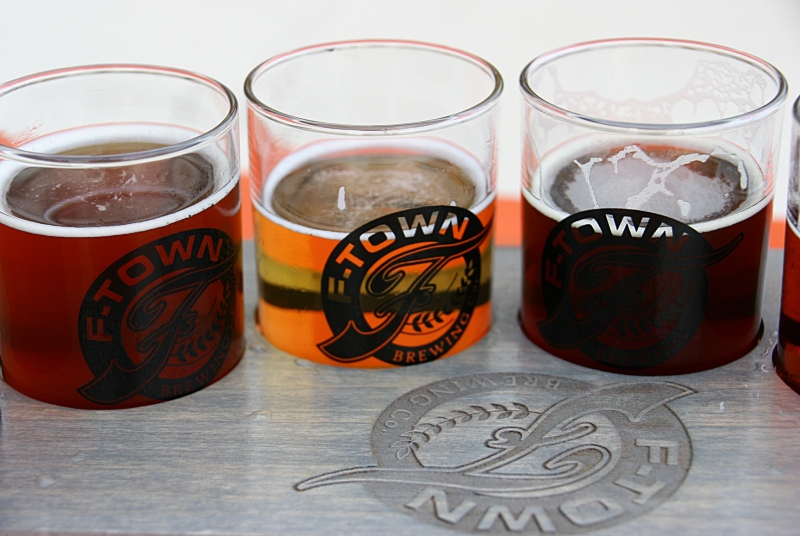
We wanted to sample all of the beers on tap, so we ordered a flight.

Samples from a flight of F-Town beer. Minnesota Prairie Roots file photo.

BEER: F-Town Brewing Company opened in the downtown historic district, just a half-block off Central Avenue, last summer. It’s a great addition to our community, continuing a tradition of early beer brewing in Faribault by the Fleckenstein brothers.
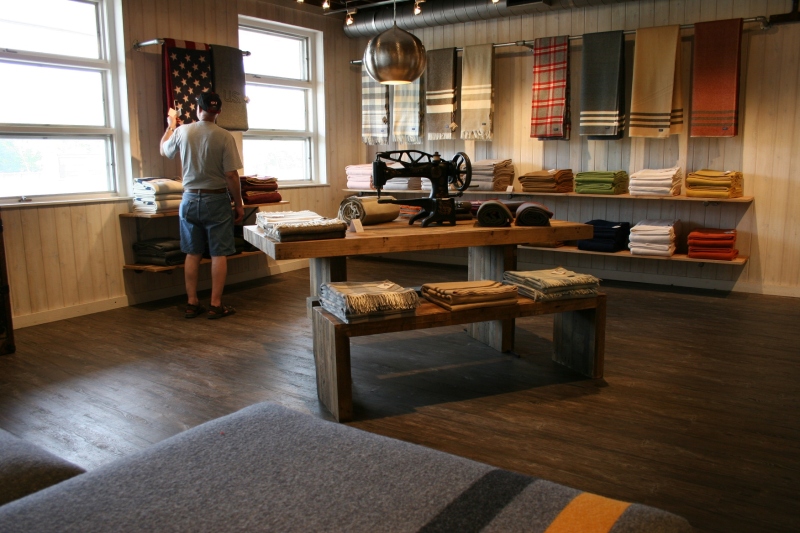
Perusing merchandise at the recently reopened Faribault Woolen Mill retail store.

Perusing merchandise at the Faribault Woolen Mill retail store. Minnesota Prairie Roots file photo.

BLANKETS: The historic Faribault Woolen Mill has been weaving blankets for some 150 years. Visit The Mill Store (open daily except Sunday) and/or tour the mill (every Friday or the second Saturday of the month) along the banks of the Cannon River. This business produces quality made blankets, throws, scarves, etc., in the time-honored tradition of hands-on looming by employees who’ve been around for a long time.

#

BILLBOARDS SHOWCASE only a quick visual of what any place offers. So here are additional personal recommendations from my favorites and must-see list of Faribault attractions:
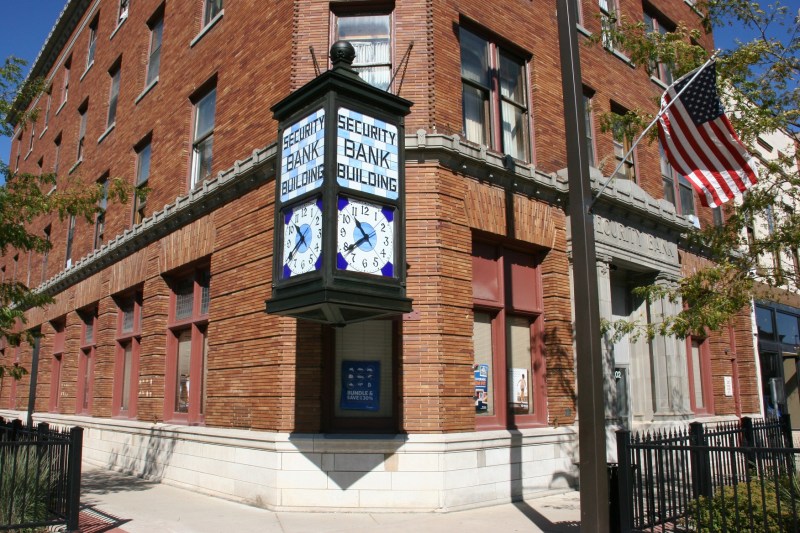
This restored 1915 clock was installed on the Security State Bank Building, 302 Central Avenue, on Saturday.

This restored 1915 clock was installed in 2015 on the Security State Bank Building, 302 Central Avenue. Minnesota Prairie Roots file photo.

ART: Stop at the Paradise Center for the Arts, a restored theater, to peruse the galleries and gift shops or to take in a show.

Admire the recently-restored Security Bank Building clock at 302 Central Avenue.

At the south end of Central Avenue, at its intersection with Division Street, admire the art throughout Buckham Memorial Library. Don’t miss the Charles Connick stained glass window, the Greek murals or the exterior clock tower.

Throughout the downtown area are numerous murals depicting scenes from Faribault history. I love this concept of combining art and history in such a highly-visible public way.

While I’ve never toured Whillock Studio, home to woodcarver Ivan Whillock, I’d suggest a visit. Locally, his work can be seen in churches, at the library and more. Noted woodcarver Marv Kaisersatt also calls Faribault home. Kaisersatt keeps a low profile. But I was lucky enough to visit his second floor downtown studio (not open to the public) several years ago when penning a magazine article.

Folks waited in line for these cupcakes.

Folks waited in line at last summer’s Faribault Farmers Market for these cupcakes from Bluebird Cakery. The business now has a storefront location at 318 Central Avenue, Suite 101. Minnesota Prairie Roots file photo.

FOOD: Hands-down, The Signature Bar & Grill serves the best thin crust (or any) pizza in town. I always order the Italian sausage. The old-fashioned bar area is reminiscent of Cheers.

The Depot Bar & Grill, housed in an old train depot, is always a good dining choice. Warm weather outdoor dining is available on a patio next to the railroad tracks. It’s a thrill to feel the power of a train roar past only feet away.

Faribault offers many ethnic dining choices ranging from Mexican to Somali to Chinese, Thai, etc. Gran Plaza Mexican Grill downtown is a local favorite.

Fairly new to downtown Faribault is Bluebird Cakery, specializing in cupcakes (plus other sweet treats) and assorted coffees, etc. I’ve been there several times and each time it’s been super busy. Choosing cupcakes proves difficult given all of the enticing flavors.

I’m not a fan of fast food or fast food chains. But for an authentic American fast food dining experience, Faribault’s A & W still offers car hop service during the warm months. And I do love a frosty mug of A & W root beer.

New to Faribault, and hidden away in the Faribo West Mall, is Smoqehouse Restaurant. I’ve been there once and will definitely be back as I love pulled pork and other savory smoked meats. The smokey smell alone is enough to draw me in. Take note that if you want to eat here after the mall closes on say a Saturday evening, you need to use the back entrance across from the Walmart Auto Center.
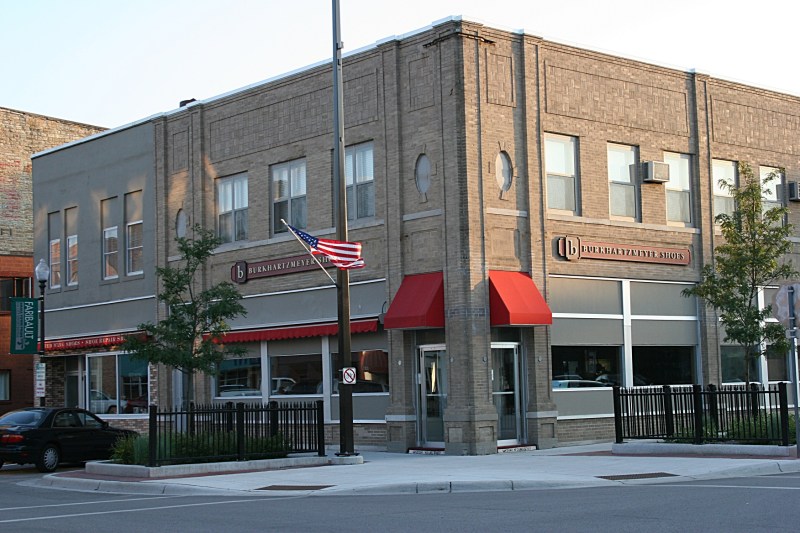
Burkhartzmeyer Shoes, a family-owned shoe store along Central Avenue in Faribault.

Burkhartzmeyer Shoes, a family-owned shoe store along Central Avenue in Faribault. Minnesota Prairie Roots file photo.

SHOPPING: I’m not much of a shopper. But I do like thrift stores–you’ll find Good Will, the Salvation Army, All Seasons Community Services Thrift and Jan’s Thrift Shop in Faribault along with some used clothing shops.

Third-generation family-owned Burkhartzmeyer Shoes is a Faribault staple offering full shoe-fitting services (yes, they measure your feet and put the shoe on your foot) and shoe repair. This place is reminiscent of a bygone era when outstanding personal customer service mattered. I know nearly everyone who works here and these are salt-of-the-earth wonderful people. Shoe boxes are tied with a cotton string and you’ll even get a sucker if you want one.

We also have gift shops, antique stores, an architectural salvage business and more in our historic downtown.
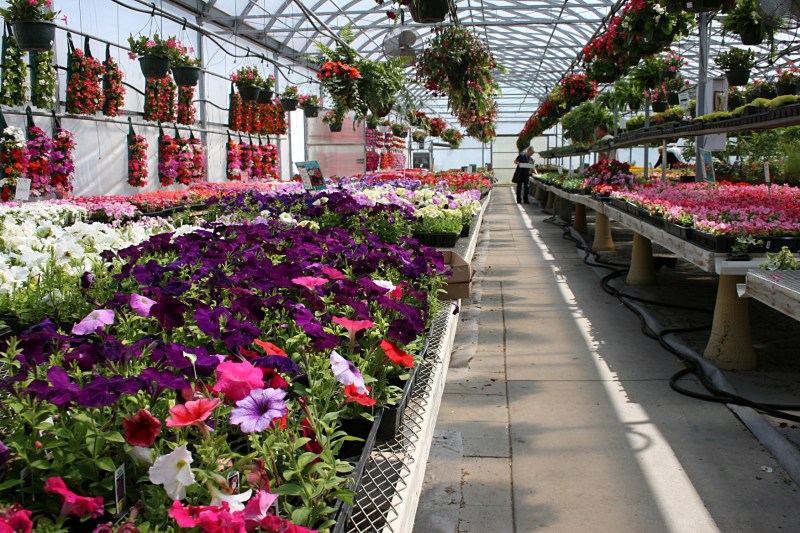
Tables packed with colorful flowers fill the Faribault Garden Center.

Tables packed with colorful flowers fill the Faribault Garden Center. Minnesota Prairie Roots file photo.

FOR THE GARDENER:

Farmer Seed and Nursery, in an aged building along Minnesota State Highway 60/Fourth Street, is a fun place to poke around for anything plant and garden related. This business has provided American gardeners with plants, bulbs, seeds, etc. for more than 120 years through its mail order catalog (also now online) business. It’s especially fun to tour during the holidays when themed Christmas trees pack the store.

Donahue’s Greenhouse is open for the season, drawing gardeners from all over to this massive family-owned greenhouse/retail shop at 420 SW Tenth Street. After a long winter, this feels like walking into summer. I get a bit overwhelmed with all of the choices at Donahue’s, thus I often shop at the smaller Faribault Garden Center or Northstar Seed & Nursery.

Twiehoff Garden & Nursery on the east side is another great choice for plants and then fresh produce throughout the growing season. Housed in a no-frills pole shed style building which lends an earthy authenticity, this 52-year-old business is operated by the friendly Twiehoff family. It’s one of my main sources for local fresh seasonal produce along with the Faribault Farmers Market.
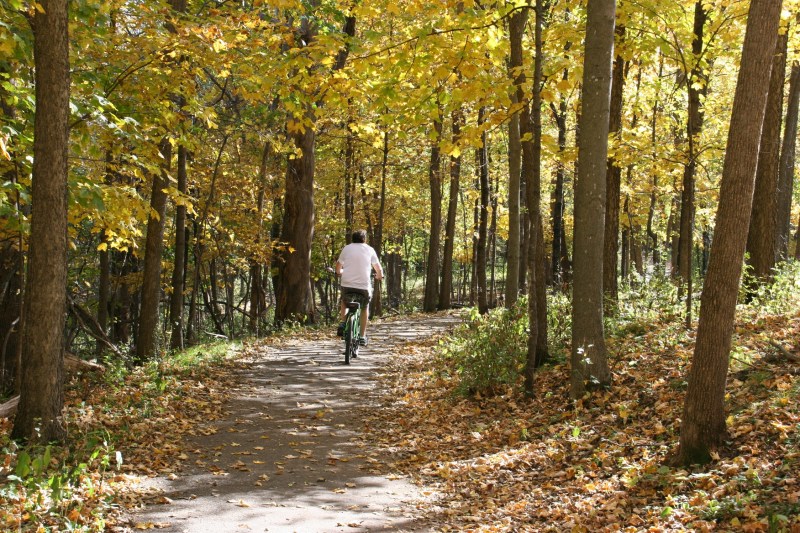
Biking through River Bend Nature Center.

Biking through River Bend Nature Center. Minnesota Prairie Roots file photo.

NATURE: One of my favorite places for an in-town get-away is River Bend Nature Center. Faribault also has an extensive trail system for biking and walking.

City View Park, on the east side by the water tower, offers a beautiful overlook of Faribault.

The restored Tilt-A-Whirl sits in downtown Faribault, just two blocks from Buckham Memorial Library.

The restored Tilt-A-Whirl sits in downtown Faribault next to Burkhartzmeyer Shoes, just two blocks from Buckham Memorial Library. Minnesota Prairie Roots file photo.

HISTORY: It’s everywhere in Faribault. In the architecture of old buildings. On murals. In the Rice County Historical Society Museum. In our churches, especially The Cathedral of Our Merciful Saviour. In the historic Hutchinson House Bed & Breakfast. Even in a restored Tilt-A-Whirl car located on the corner by Burkhartzmeyer Shoes. Yes, the Tilt-A-Whirl originated in Faribault and, up until a few years ago, was still made here.

I love Faribault. I’ve lived here more than half my life now. I don’t have the connection of family roots. But I do have the connection to place. Faribault is home.

DO YOU HAVE ANY QUESTIONS about Faribault? If so, ask away and I’ll try to answer.

FYI: Chambers of Commerce and tourism centers in Faribault, Owatonna and Northfield have joined in promoting visits to their communities through a Minne-Roadtrip venture. All three cities lie along the I-35 corridor, with Faribault in the middle. Click here to learn more about this promotion. I’ve explored all three communities; they are definitely worth your visit.

© Copyright 2016 Audrey Kletscher Helbling


Threads of tenacity, loyalty & quality weave through Faribault Woolen Mill book December 7, 2015

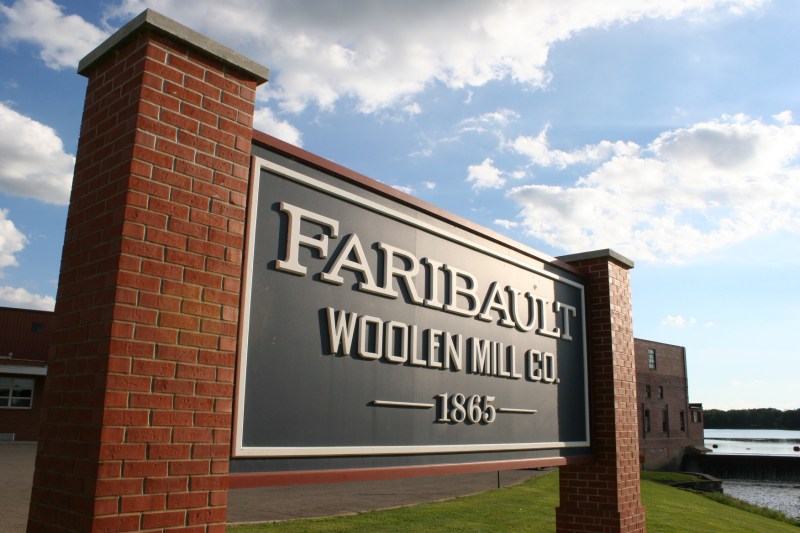
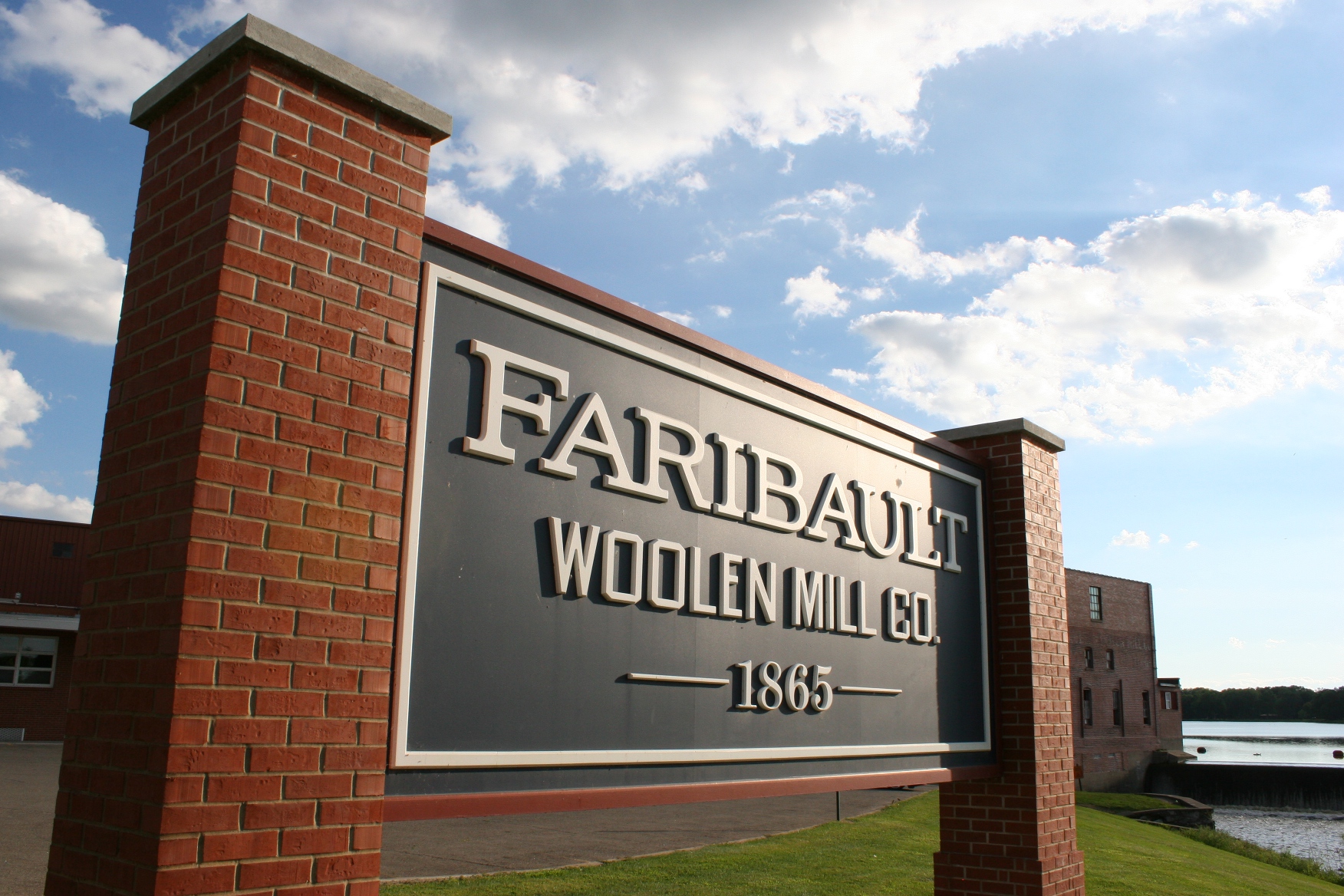
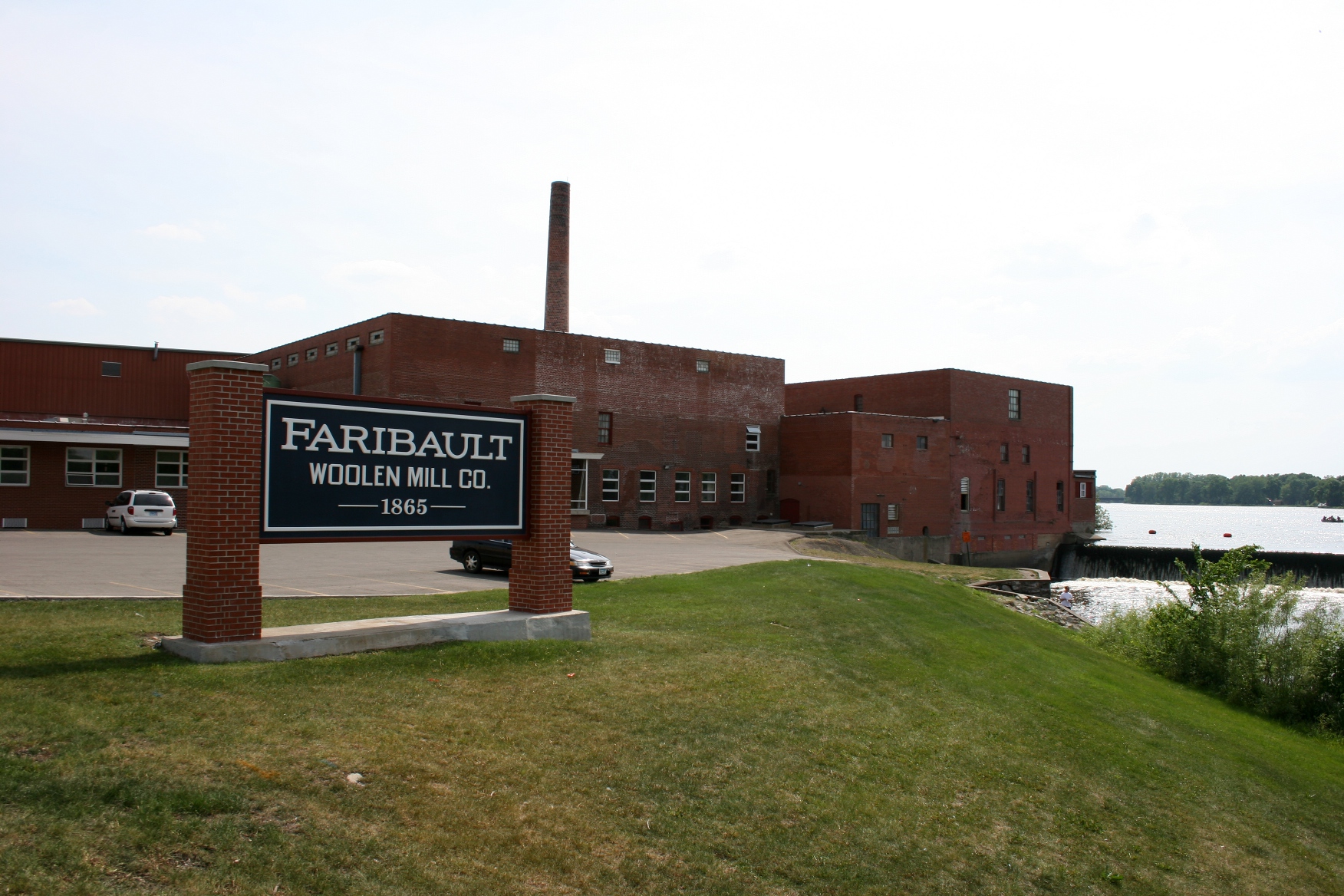
This sign marks The Faribault Woolen Mill, which sits along the banks of the Cannon River in Faribault, Minnesota.

This sign marks The Faribault Woolen Mill, which sits along the banks of the Cannon River in Faribault, Minnesota. Minnesota Prairie Roots file photo August 2015.

“DID YOU GUYS HAVE a tan mitten found yesterday?” customer Molly asked in a recent entry on the Faribault Woolen Mill Facebook page. She’d shopped at a mill overstock sale the day prior and lost a mitten knit by a family member. To Molly, it wasn’t about the mitten as much as the memory and love attached to it.

A mill employee asked Molly to send a photo to aid in the search. Whether the mitten has been found, I don’t know. But I view the mill’s response as a current day example of how this 150-year-old Faribault business cares like family.

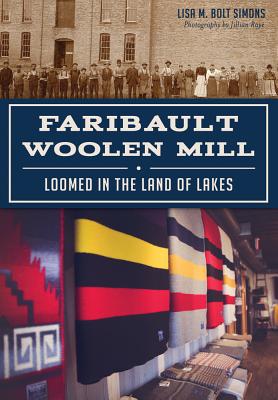
Book cover by The History Press

Book cover by The History Press

That’s a recurring theme in a just-published book, Faribault Woolen Mill—Loomed in the Land of Lakes, by my friend, Faribault author Lisa M. Bolt Simons. Lisa cites numerous cases of the mill’s loyalty to Faribault and its employees. In 1961, for example, mill owners purchased a cabin near Bemidji for use by employees, customers and others. That appreciation goes both ways. Community residents and employees have remained fiercely loyal to the woolen mill. Many employees returned to work after the mill briefly closed. Employment longevity reaches into decades, up to sixty years for one mill employee, spotlighting a strong work ethic.

Appreciative customers exist world-wide. Lisa found an August 1966 mill retail store guest book entry notation that The Beatles (yes, those Beatles) visited. That seems unlikely, though, given the Beatles only Minnesota concert, at Met Stadium, happened in August of 1965. However, during eight months in 1966, nearly 2,000 people from 45 states and nine countries signed the mill guest book.

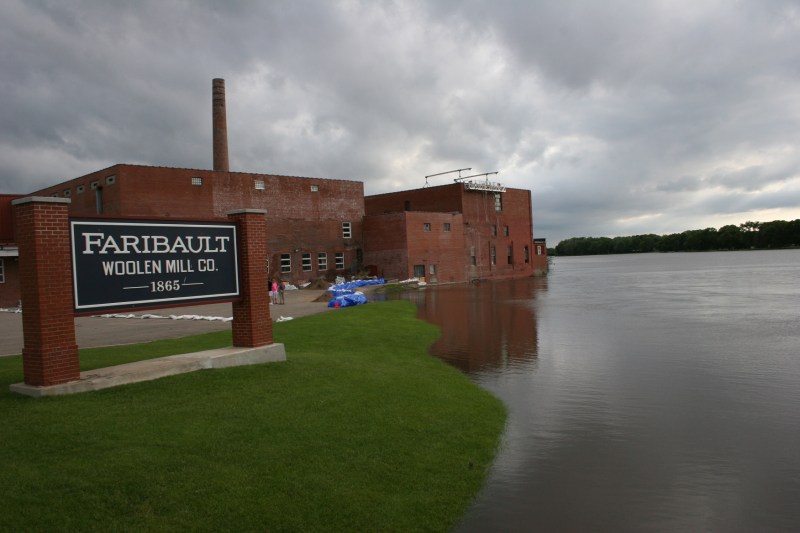
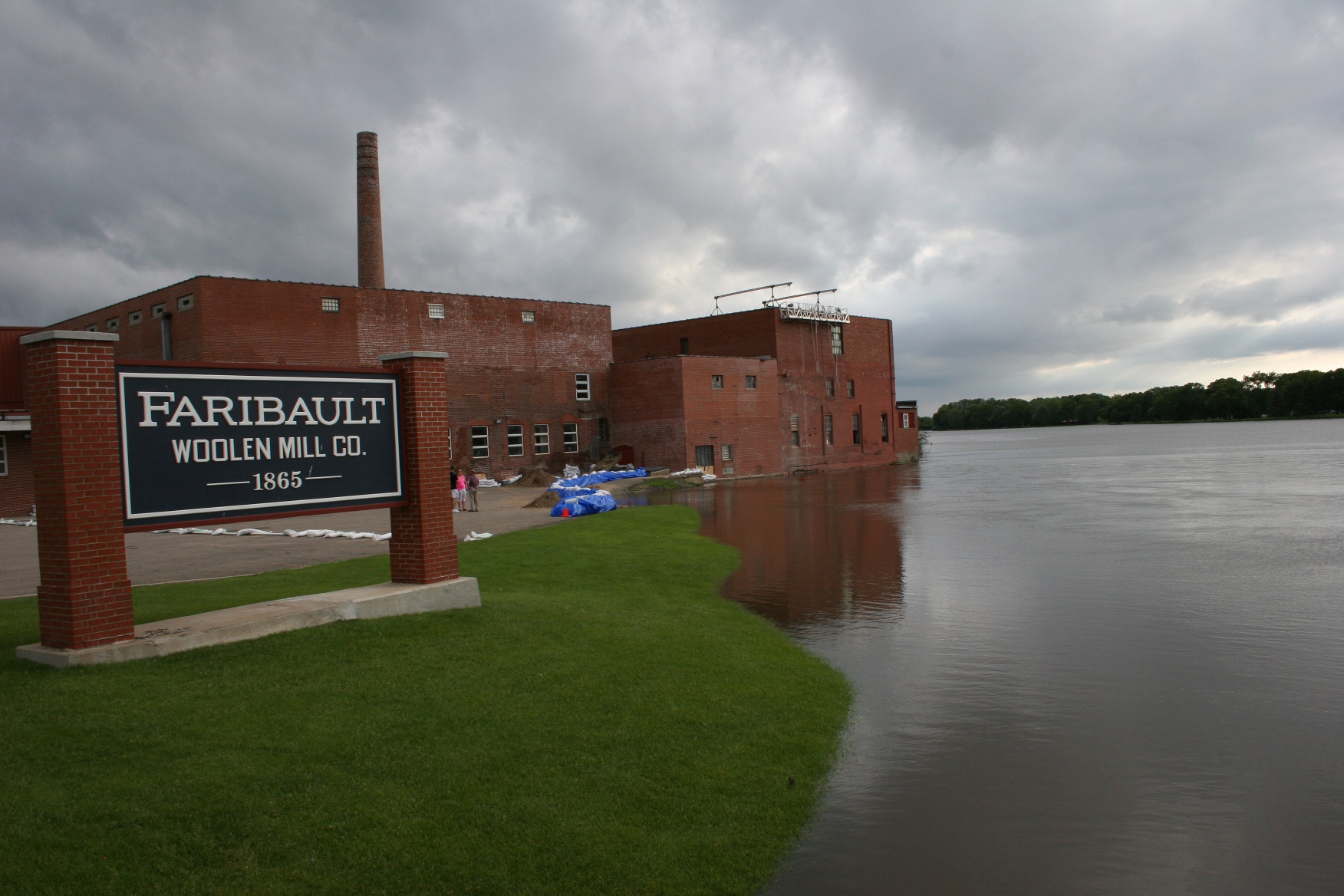
Sandbags protect the Faribault Woolen Mill from the rising Cannon River.

Sandbags protect the historic Faribault Woolen Mill from the rising Cannon River in June 2014. The mill is listed on the National Register of Historic Places. That designation in 2012 allowed the business to apply for, and receive, a $300,000 grant from the Minnesota Historical Society for mill restoration. This photo is published in black-and-white on page 96 of Lisa M. Bolt Simons’ book. Minnesota Prairie Roots file photo 2014.

Lisa’s 126-page book, published by The History Press, is packed with information that shows extensive research on her part to tell the complete story of Minnesota’s oldest manufacturer. Her bibliography runs four pages. I must note here that Lisa references my June 12, 2012, blog post, “Historic Faribault Woolen Mill Opens Store with Artsy Vibe,” in the preface. One of my photos is also published in her book.

Perusing merchandise at the recently reopened Faribault Woolen Mill retail store.

Perusing merchandise at The Mill Store shortly after it opened in 2012. Minnesota Prairie Roots file photo.

Typically, I do not enjoy reading history. But I finished Lisa’s book in just a few days. It was that interesting. I didn’t grow up in Faribault. So, unlike natives, I didn’t know the history of the mill which started with the Klemers, a family ownership that extended into five generations. I didn’t know about the mill’s multiple locations, about the five fires. I didn’t know how close the mill came to closing during several economic down-turns. I didn’t know why the family sold to outside investors, a move that eventually resulted in the mill’s closure in 2009.

Lisa references public court documents that offer insights into the short-term closure. She also quotes employees who dealt with bounced paychecks and unpaid health insurance premiums. Her information confirms what my neighbor, a retired mill retail store employee, told me years ago.

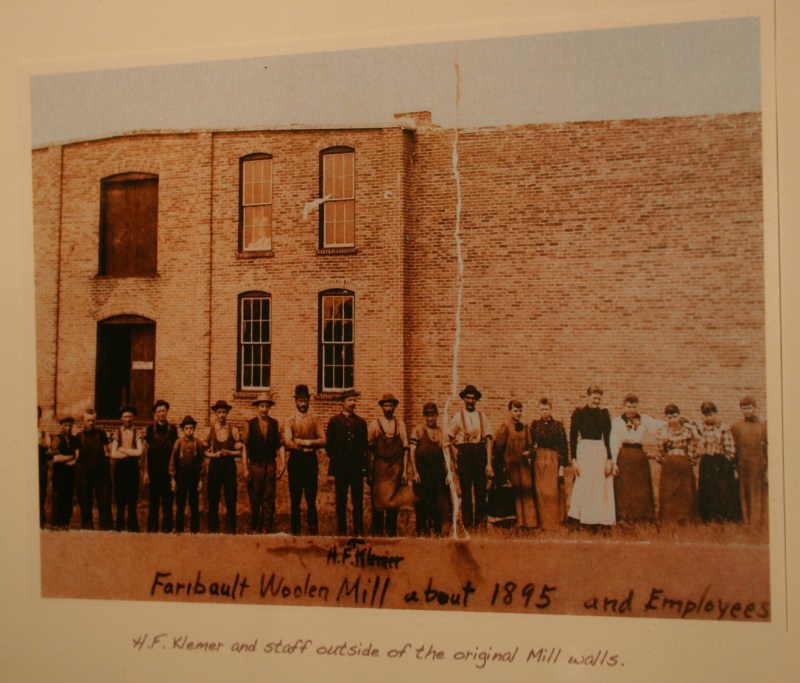
An historic photo from the mill, among those showcased in a mini wall of Woolen Mill history.

An historic photo from the mill, among those showcased in a mini wall of Woolen Mill history. Minnesota Prairie Roots file photo.

Through the challenges of fires, floods (in 2010 and 2014) and finances, the Faribault Woolen Mill survived with a tenacity that continues today under the ownership of Paul and Chuck Mooty and their leadership team. The cousins reopened the mill in 2011. A theme of endurance weaves throughout the book.

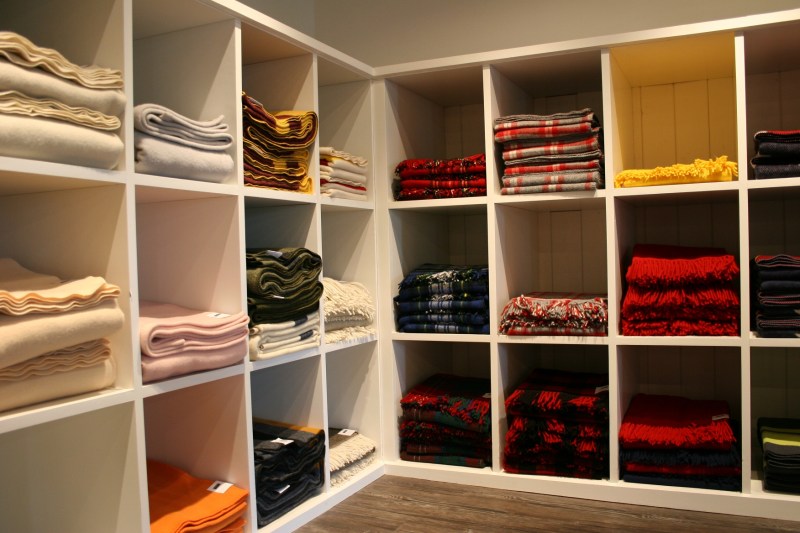
Crisp white cubbies, ever so perfect for showing off blankets/throws.

Crisp white cubbies, ever so perfect for showing off blankets/throws at The Mill Store. Minnesota Prairie Roots file photo 2012.

As it did from the beginning, the mill remains rooted in producing quality wool products, specializing in blankets that have warmed troops, hotel guests, airline passengers, newlyweds… Today you’ll find Faribault Woolen Mill products in boutiques and trendy places nation-wide, many of those notable locations listed in the book.

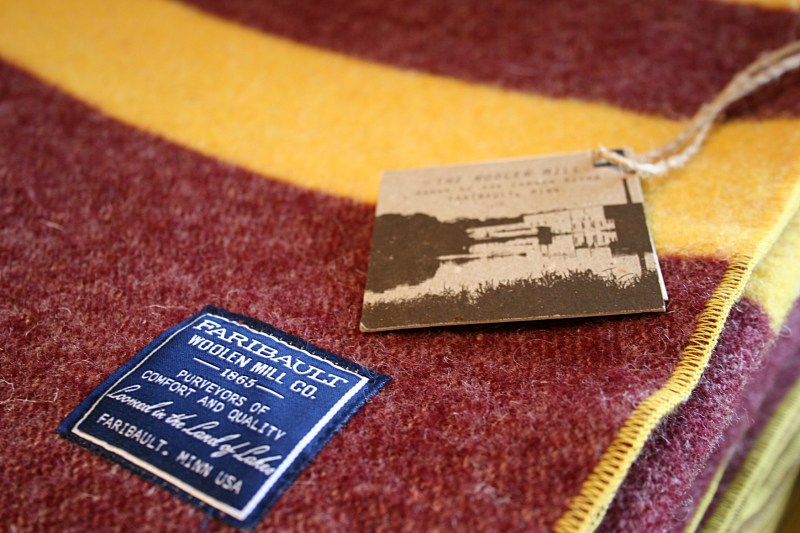
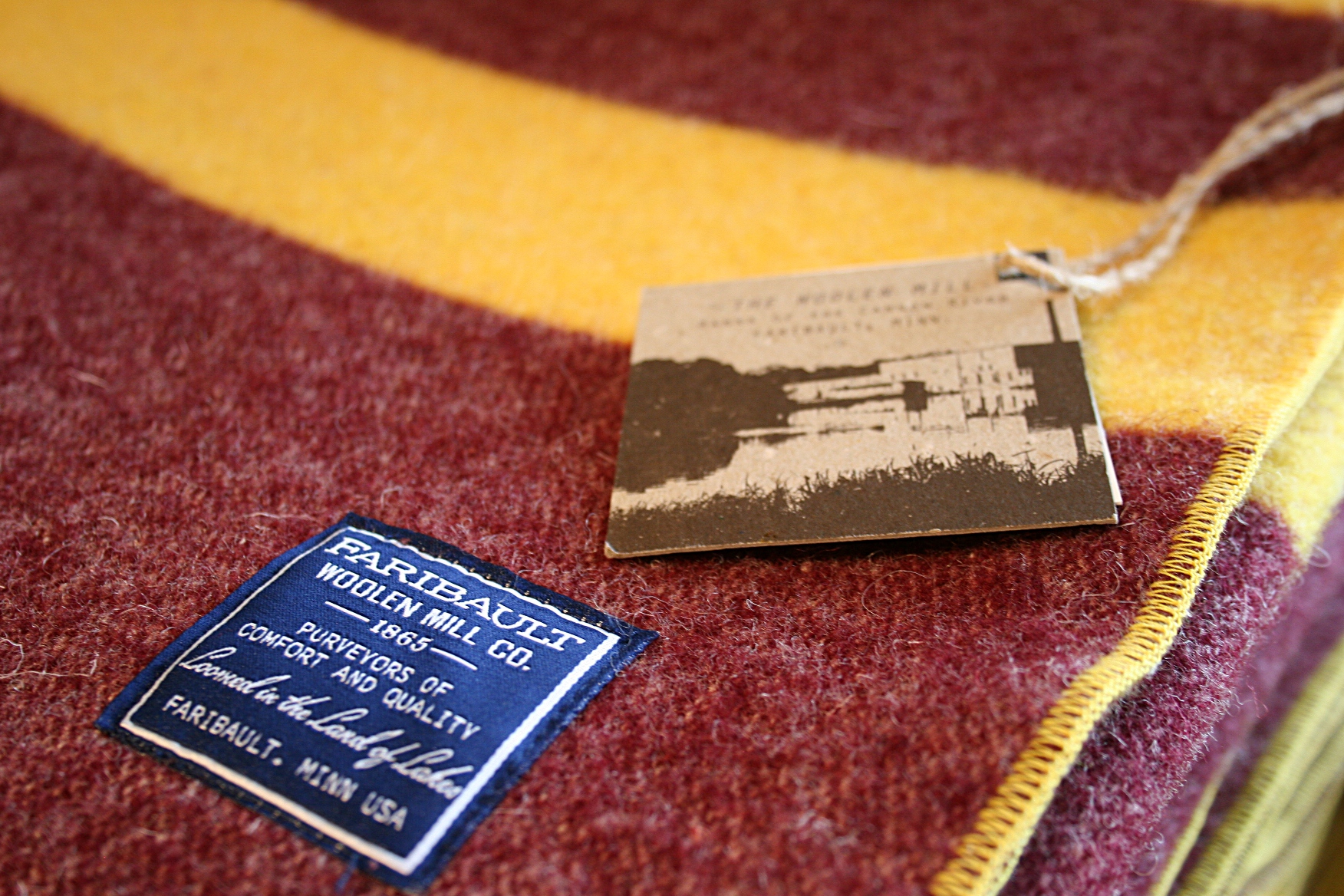
The mill's products are labeled as "Loomed in the Land of Lakes" by "Purveyors of Comfort and Quality." Minnesota Prairie Roots file photo 2012.

The mill’s products are labeled as “Loomed in the Land of Lakes” by “Purveyors of Comfort and Quality.” Minnesota Prairie Roots file photo 2012.

Because of Lisa’s book, I now hold a deeper appreciation of the Faribault Woolen Mill, one of the last vertical woolen mills in the U.S. I understand why locals value this business hugging the banks of the Cannon River. A quote from Jean Mooty, who restarted the retail store and is the wife of co-owner Paul Mooty, says it all: “The mill gets in your blood.”

Lisa M. Bolt Simons. Photo by Jillian Raye Photography.

Lisa M. Bolt Simons. Photo by Jillian Raye Photography.

FYI: The Mill Store, 1500 Second Avenue Northwest, will host “A Book, Beer + Blankets” book tour launch from 4 p.m. – 7 p.m. on Wednesday, December 9. Lisa will give a short presentation at 5:30 p.m. Faribault’s F-Town Brewery will offer beer tasting. And, of course, Faribault Woolen Mill products will be available for purchase.

(Note: I received a complimentary copy of Faribault Woolen Mill—Loomed in the Land of Lakes. The inclusion of my mill photo and references to me and my blog did not influence this unbiased and honest review of the book.)

© Copyright 2015 Audrey Kletscher Helbling
Book cover image by The History Press
Author portrait by Jillian Raye Photography


Faribault Woolen Mill celebrates 150th anniversary August 13, 2015

This sign marks The Faribault Woolen Mill, which sits along the banks of the Cannon River in Faribault, Minnesota.

This sign marks the Faribault Woolen Mill, which sits along the banks of the Cannon River in Faribault, Minnesota.

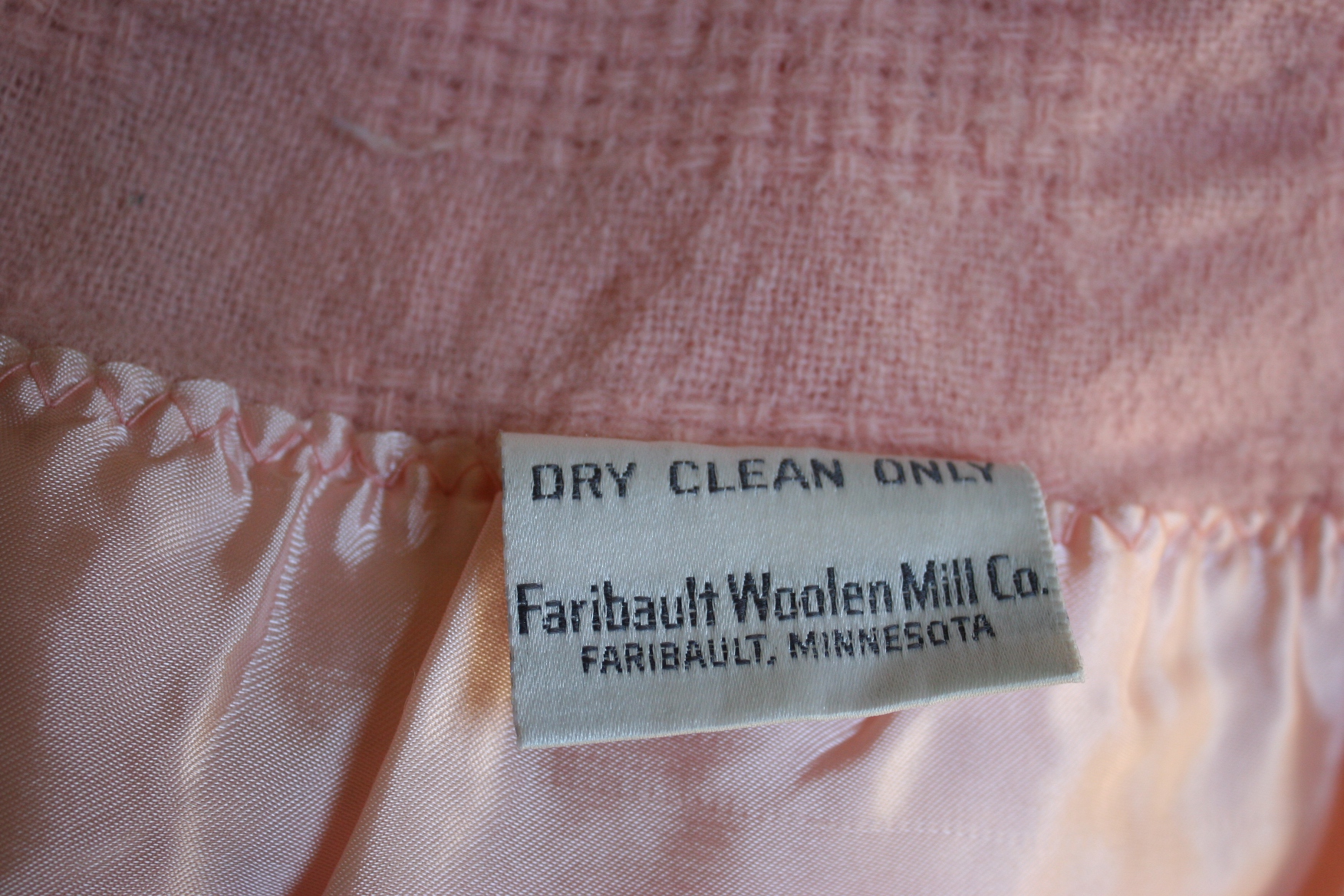
STASHED IN MY BEDROOM CLOSET are two blankets from the Faribault Woolen Mill—one a baby blanket in muted pink and aqua, the other a full-sized pink blanket. Both were gifts from a neighbor who once worked in the mill’s retail store.

A label on a Faribault Woolen Mill blanket I own.

A label on a Faribault Woolen Mill blanket I own.

I expect in many homes throughout my community, locally-loomed blankets, throws, scarves and more cover beds, warm laps and wrap around necks on the coldest of Minnesota winter days and nights.

Crisp white cubbies, ever so perfect for showing off blankets/throws.

Crisp white cubbies, ever so perfect for showing off blankets/throws at the Faribault Woolen Mill retail store. Minnesota Prairie Roots file photo June 2012.

While the temperature isn’t exactly wool-worthy here in southern Minnesota in mid-August, autumn is tinging our days with cool nights and the subtlest of color changes in foliage. We realize that summer is waning and, once again, we’ll soon pull out the wool and the flannel.

An historic photo from the mill, among those showcased in a mini wall of Woolen Mill history.

An historic photo from the mill is among those showcased in a mini wall of Woolen Mill history inside the retail store. Minnesota Prairie Roots file photo 2012.

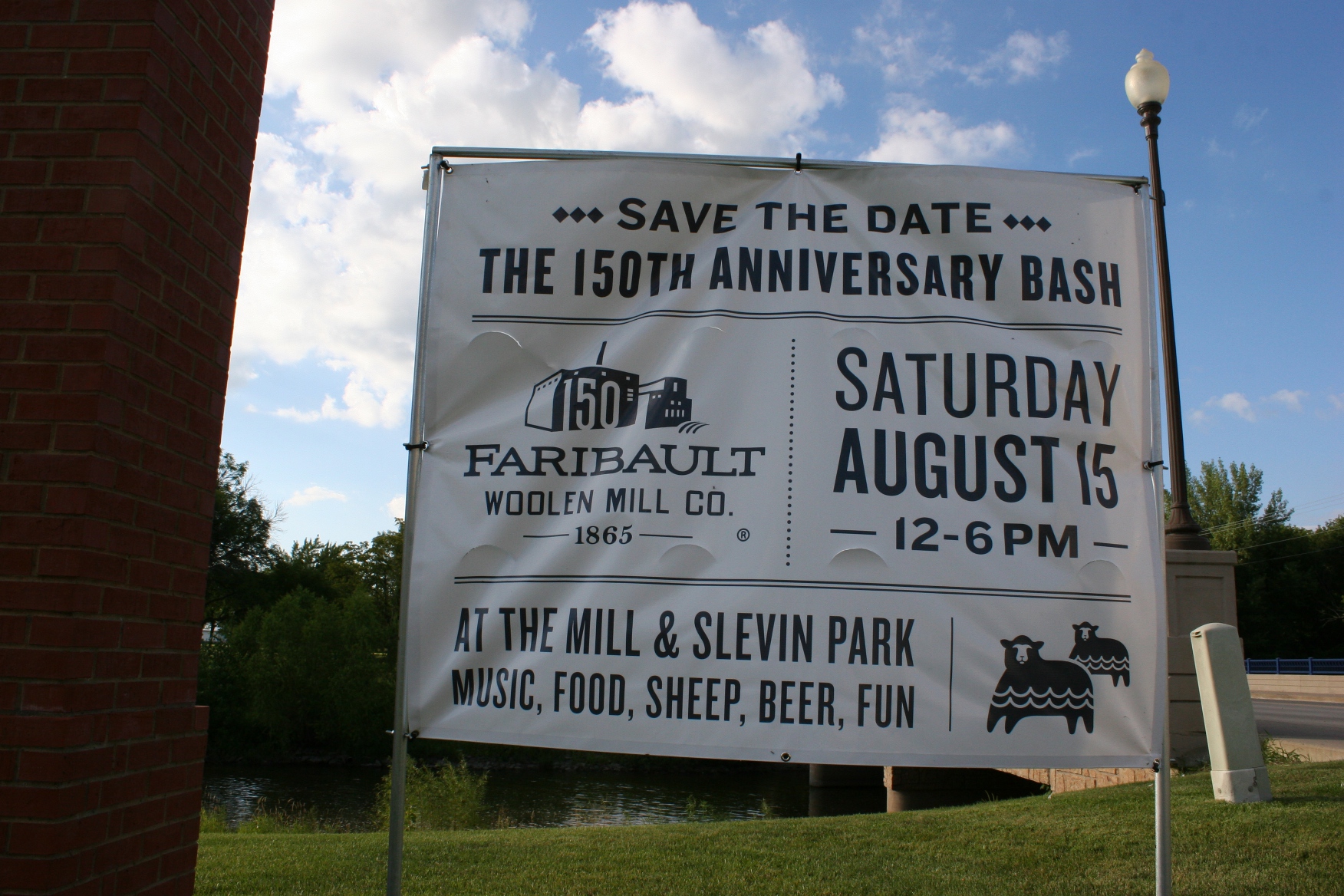
This Saturday the Faribault Woolen Mill is pulling out its collection of locally-loomed products to sell in the 150th Marketplace, all in celebration of the mill’s 150th anniversary. Among Marketplace merchandise are the mill’s new 2015 line and special anniversary items, including a limited edition reissue of the 1949 plaid stadium blanket, Faribo Pak-A-Robe. The blanket comes in a carrying case that converts to a seat pad.

The mill's products are labeled as "Loomed in the Land of Lakes" by "Purveyors of Comfort and Quality." Minnesota Prairie Roots file photo 2012.

The mill’s products are labeled as “Loomed in the Land of Lakes” by “Purveyors of Comfort and Quality.” Minnesota Prairie Roots file photo 2012.

I’ve been to enough Woolen Mill sales to know the outdoor Marketplace will be crowded with those who appreciate the mill’s authentic products. Made in America and craftsmanship appeal to folks. And that’s a good thing for the mill, founded in 1865. One hundred fifty years. That says something about tenacity. This business, which provided blankets for American troops during both World Wars, supplied blankets to airlines in the early 1970s, and, from the late 60s to early 90s, produced more than half of the blankets made each year in the U.S., has survived the ebbs and flows of the economy.

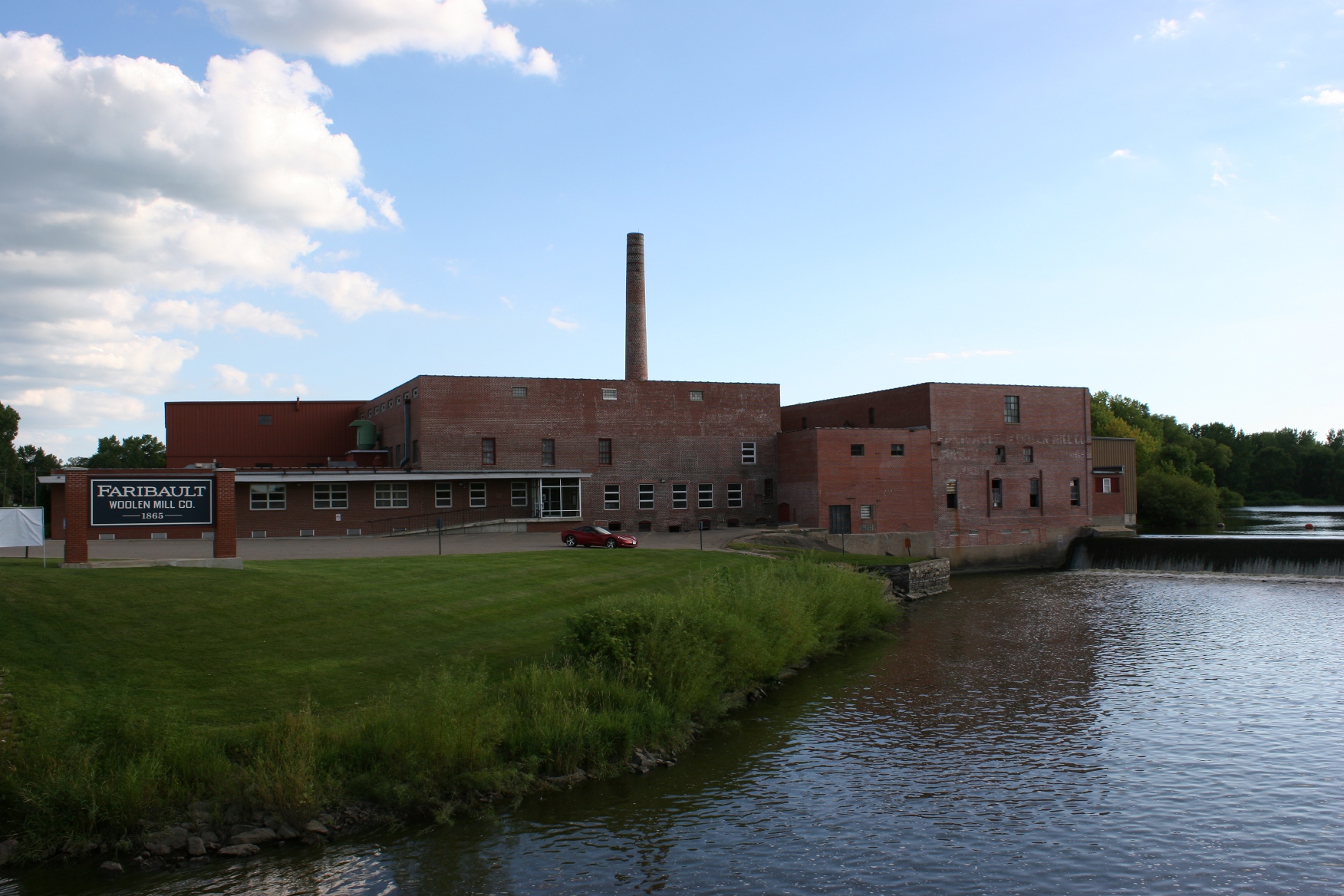
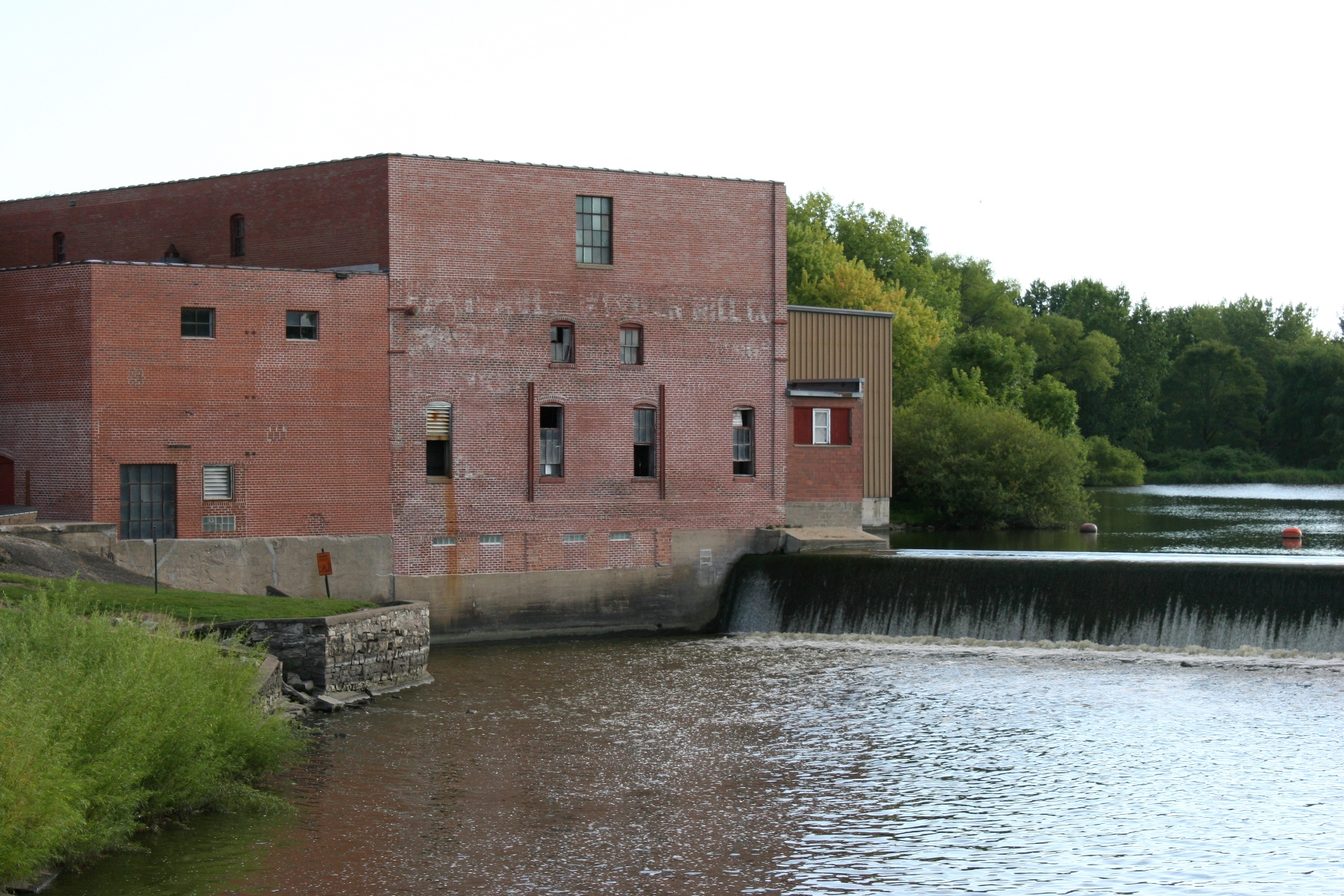
The Faribault Woolen Mill sits on the bank of the Cannon River.

The Faribault Woolen Mill sits on the bank of the Cannon River.

Yet, despite world-wide business success, the Faribault Woolen Mill almost didn’t make it to its sesquicentennial. The mill was shuttered in 2009 due to financial problems. Two years later Minnesota businessmen and cousins, Chuck and Paul Mooty, purchased the mill, revived it and the rest is history.

Sandbags protect the Faribault Woolen Mill from the rising Cannon River.

Sandbags protect the Faribault Woolen Mill from the rising Cannon River in June 2014. Minnesota Prairie Roots file photo.

The mill was also threatened twice in recent years by flooding of the Cannon River.

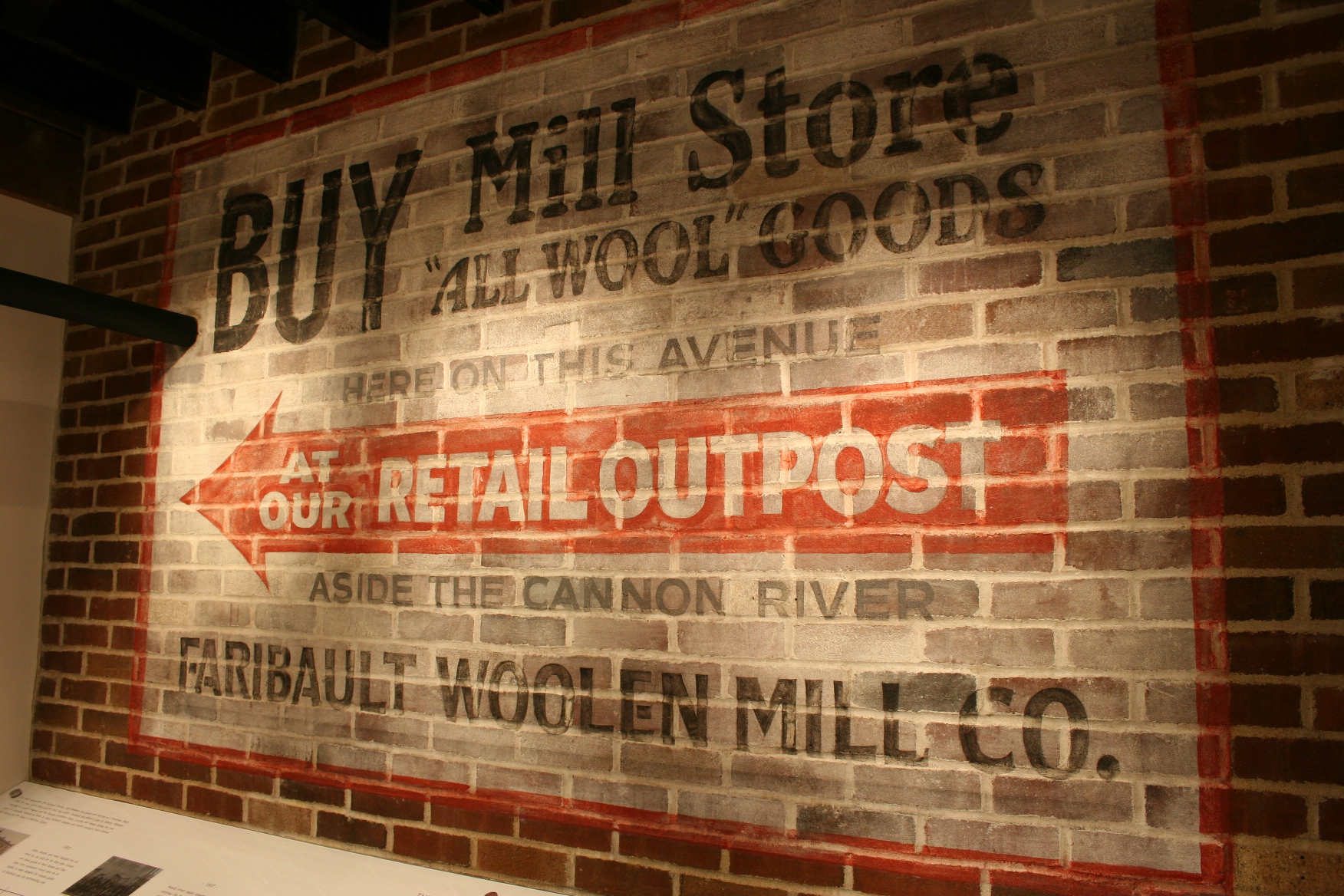
Faint Faribault Woolen Mill lettering remains on the old section of the mill complex.

Faint Faribault Woolen Mill lettering remains on the old section of the mill complex.

For my community, the mill is an important tourism draw and an equally important part of Faribault’s history. The mill, the oldest manufacturing entity in Minnesota, is on the National Register of Historic Places. But it’s likely not the aged building as much as the fine craftsmanship of mill products that brings shoppers here looking for quality and American authenticity.

This sign outside the mill advertises Saturday's 150th anniversary festivities.

This sign outside the mill advertises Saturday’s 150th anniversary bash.

Saturday’s celebration will provide a great opportunity for all of Faribault to showcase itself, starting with food vendors at the mill’s outdoor anniversary celebration along the banks of the Cannon River. I’m happy to see a line-up of locals—The Cheese Cave, Uncle B’s Last Chance BBQ Shack, Bashers Bar & Grill/J & J Bowling Center, Lyons Meats and F-Town Brewing. Several other vendors from the Twin Cities metro will be there, too, with brats, cheesecake, coffee and ice cream.

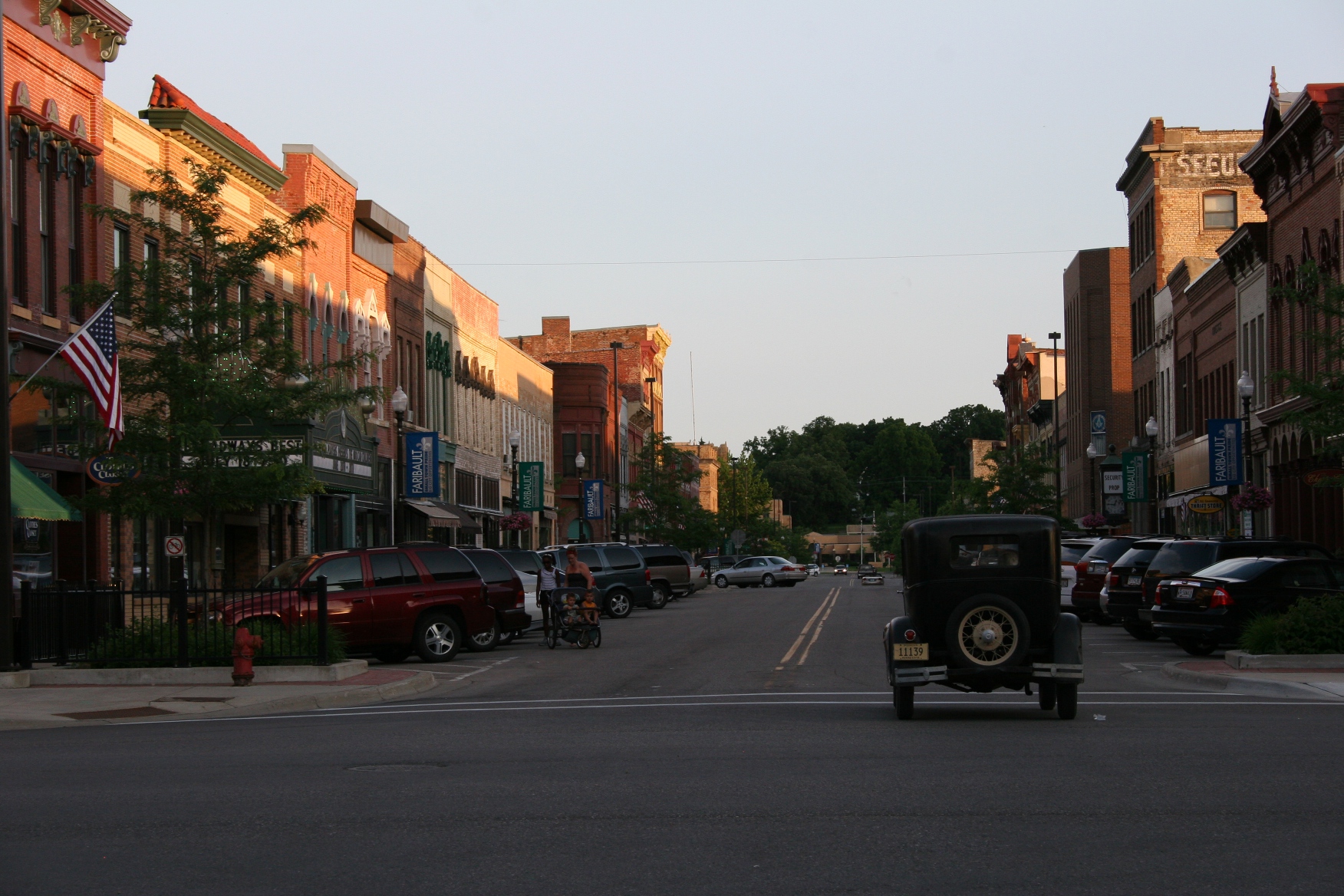
Leaving the show and driving southbound on Central Avenue through historic downtown Faribault.

A section of Faribault’s historic downtown, along Central Avenue. Minnesota Prairie Roots file photo 2014.

I hope visitors will also follow Second Avenue from the mill to Fourth Street and then to Central Avenue to check out our historic downtown and all the local shops. (Click here for a list of downtown shops and their locations.) Located near downtown at 739 Willow Street, Annie Belle Creations crafts Faribault Woolen Mill blankets into capes, coats and other clothing. Owner Lu Ann Heyer started in 1989 as a designer of stuffed animals for the Faribault Woolen Mill.

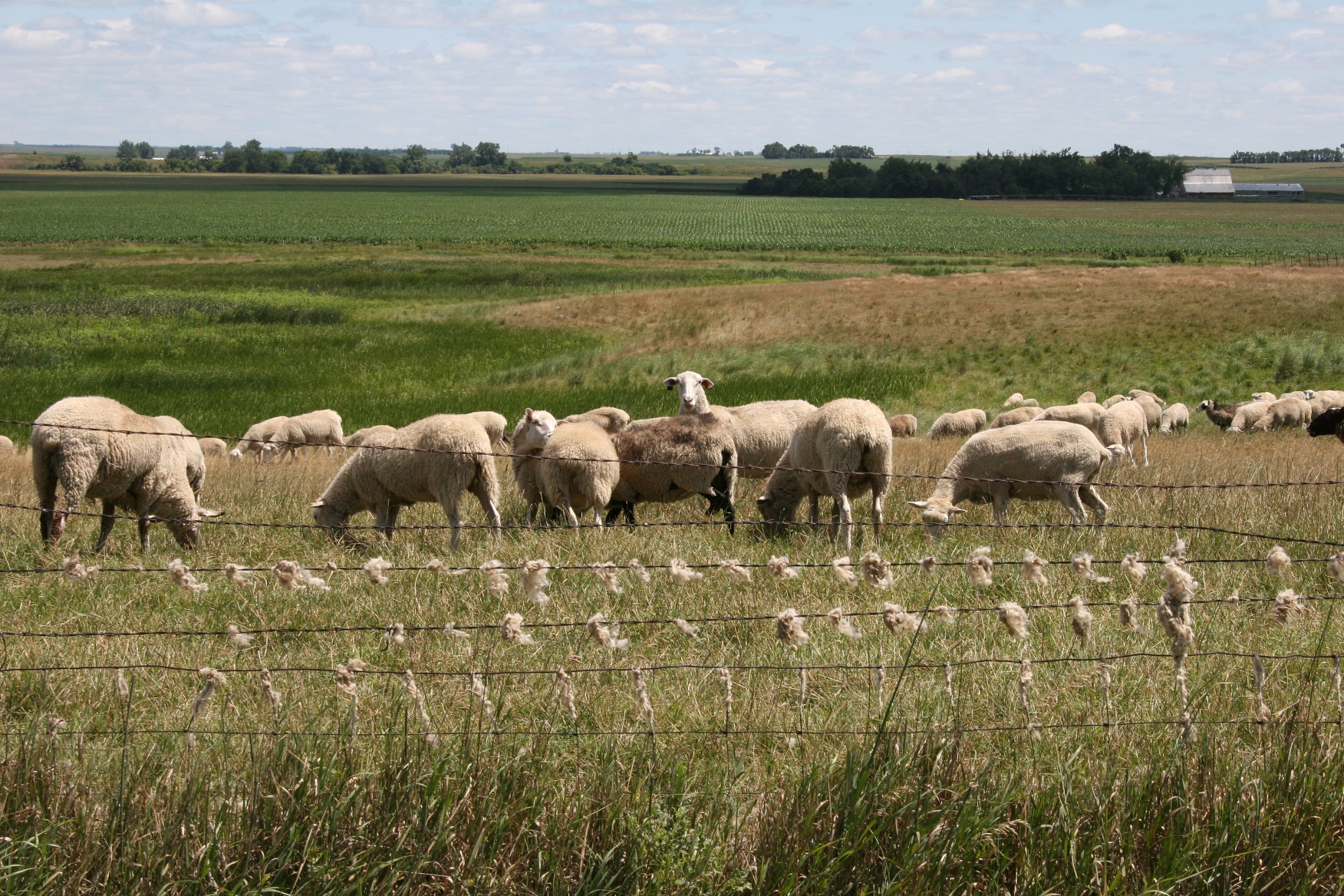
Pasture land near the park for these grazing sheep. Note their wool clinging to the fence.

Sheep graze near Blue Mounds State Park in southwestern Minnesota. Minnesota Prairie Roots file photo used for illustration purposes only.

Back at the mill and Father Slevin Park, there’ll be plenty to do. “The Running of the Sheep,” an event which is exactly as its name suggests, happens at 1 p.m. Other attractions include a petting zoo, games, raffles and more. Between 3 p.m. – 6 p.m. the folk/roots/indie rock group The Pines will perform as will Abracadabra,  a group of musicians who have traveled with the likes of Bob Dylan and The Beach Boys.

Perusing merchandise at the recently reopened Faribault Woolen Mill retail store.

A view inside the Faribault Woolen Mill retail store shortly after it opened under new ownership in 2012. Minnesota Prairie Roots file photo.

Visitors are encouraged to bring blankets to spread on the lawn while enjoying festivities. I expect Faribault Woolen Mill blankets, in particular, would be appreciated. You can even share your Faribault Woolen Mill blanket stories online at Memory Mill.

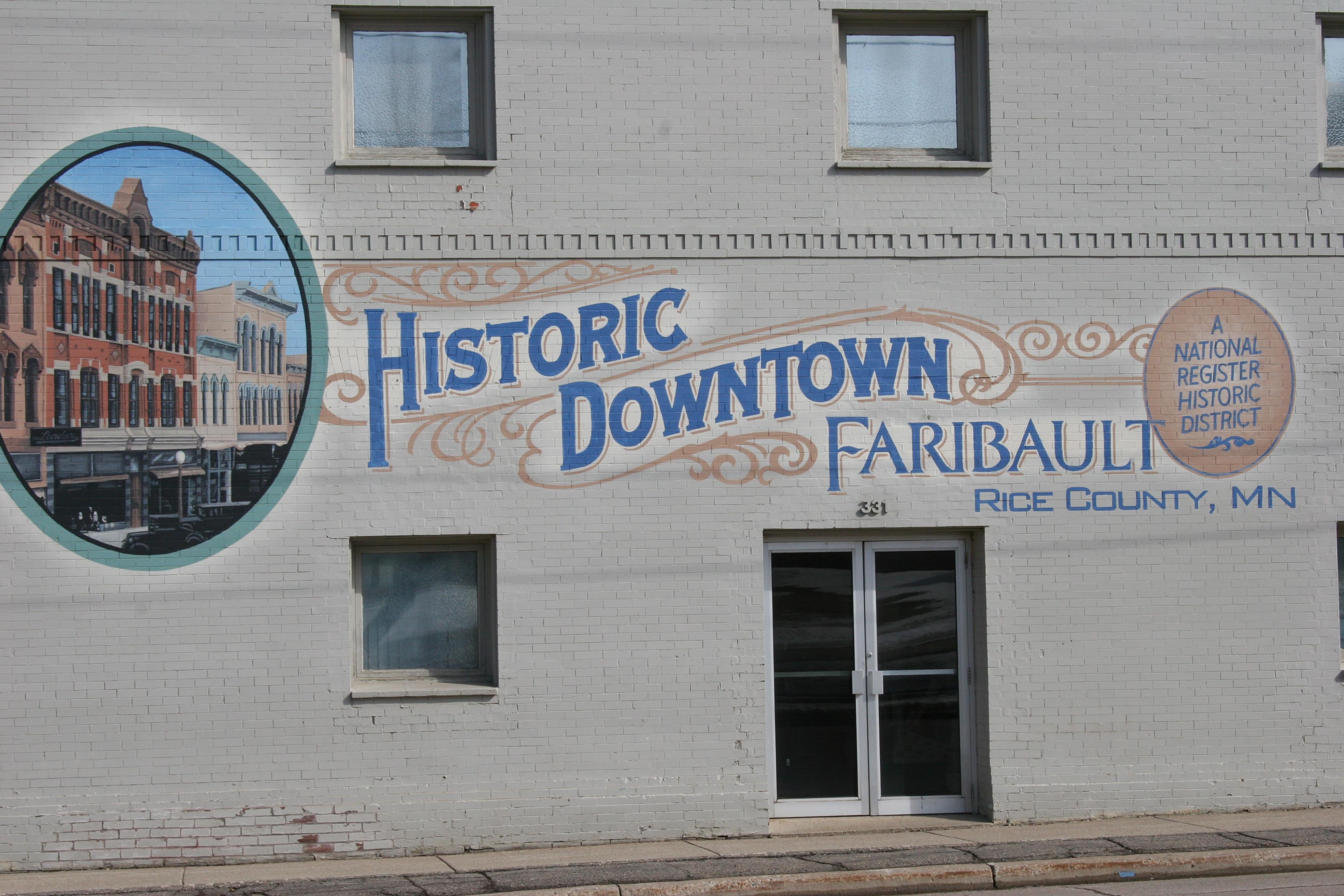
A mural, one of several in the downtown area, promotes historic Faribault.

A mural, one of several in the downtown area, promotes Faribault’s downtown as a National Register Historic District. Minnesota Prairie Roots file photo.

If you’ve never been to Faribault, come early, before the mill party, to poke around town. We’re just a short drive down Interstate 35 from the Twin Cities. Then at noon, join the mill as its celebration begins and continues for six hours.

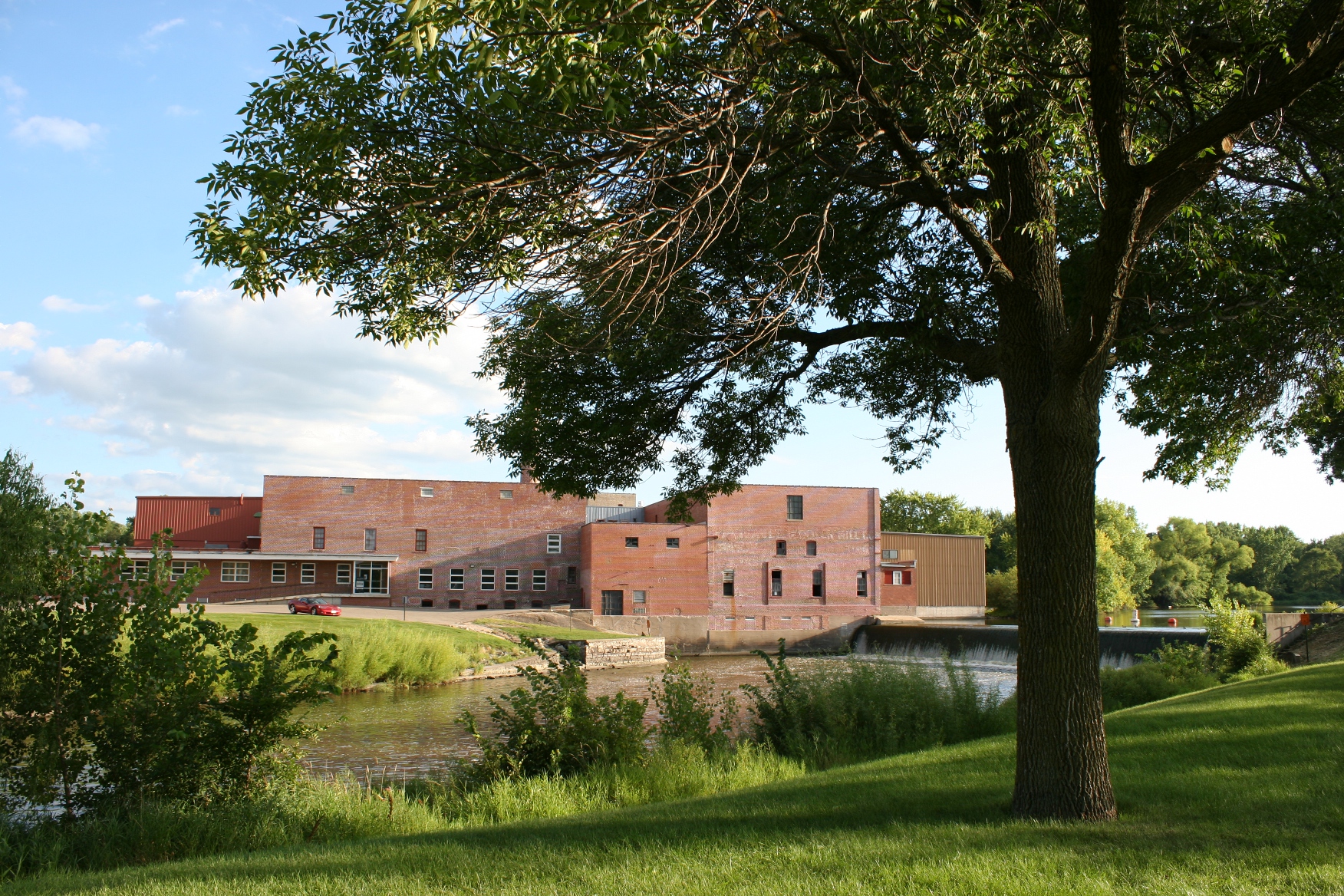
A view of the Faribault Woolen Mill from Father Slevin Park across the Cannon River.

A view of the Faribault Woolen Mill from Father Slevin Park across the Cannon River.

FYI: The Faribault Woolen Mill is located at 1500 Northwest Second Avenue, near the Rice County Fairgrounds and the Rice County Historical Society Museum. The mill’s retail store will be closed on Friday and Saturday, with merchandise sold in the special anniversary Marketplace on Saturday.

Faribault Woolen Mill blankets/throws are artfully hung on a simple pipe.

Faribault Woolen Mill blankets/throws are artfully hung on a simple pipe in the retail store. Minnesota Prairie Roots file photo 2012.

Small group tours of the mill are offered at 11 a.m. and 1 p.m. on Thursdays. Note that these fill quickly and that you should schedule in advance.

© Copyright 2015 Audrey Kletscher Helbling
 

Flood prep underway in Faribault June 18, 2014

Early Thursday evening along the banks of the Cannon River in Faribault, clouds build to the west.

Early Wednesday evening along the banks of the Cannon River in Faribault, rain clouds build to the west.

FARIBAULT HOLDS ITS COLLECTIVE breath Wednesday evening as grey clouds hang heavy over this southeastern Minnesota city, once again threatening rain.

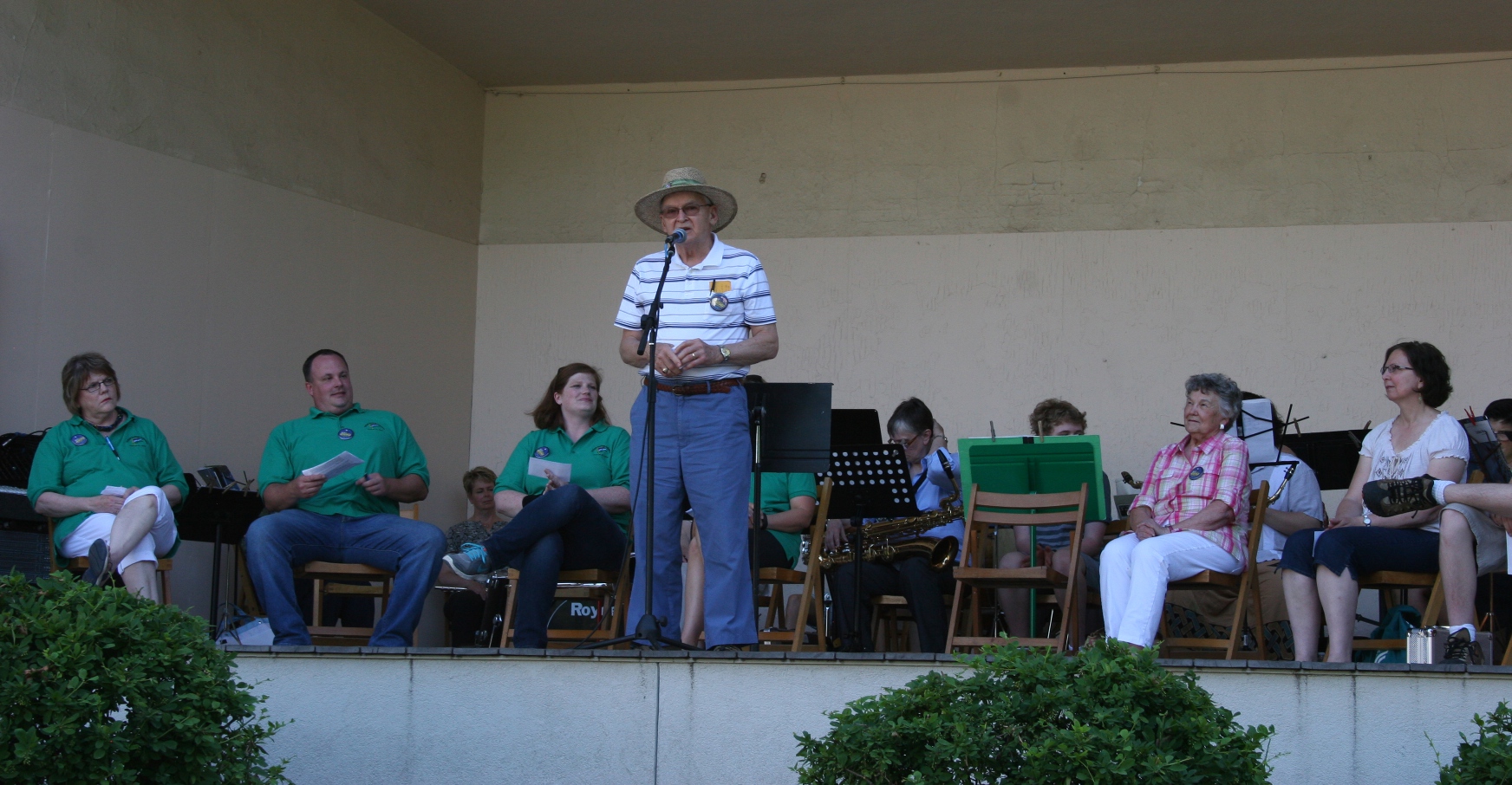
Co-honorary parade grand marshall Roy Anderson addresses the crowd at the opening of Heritage Days.

Co-honorary parade grand marshal Roy Anderson addresses the crowd at the opening of Heritage Days.

At Central Park, where the annual Heritage Days celebration kicks off with an opening ceremony, Mayor John Jasinski cuts short his welcome. He’s got more serious matters on his mind—tending to a community where a State of Emergency was declared Wednesday morning.

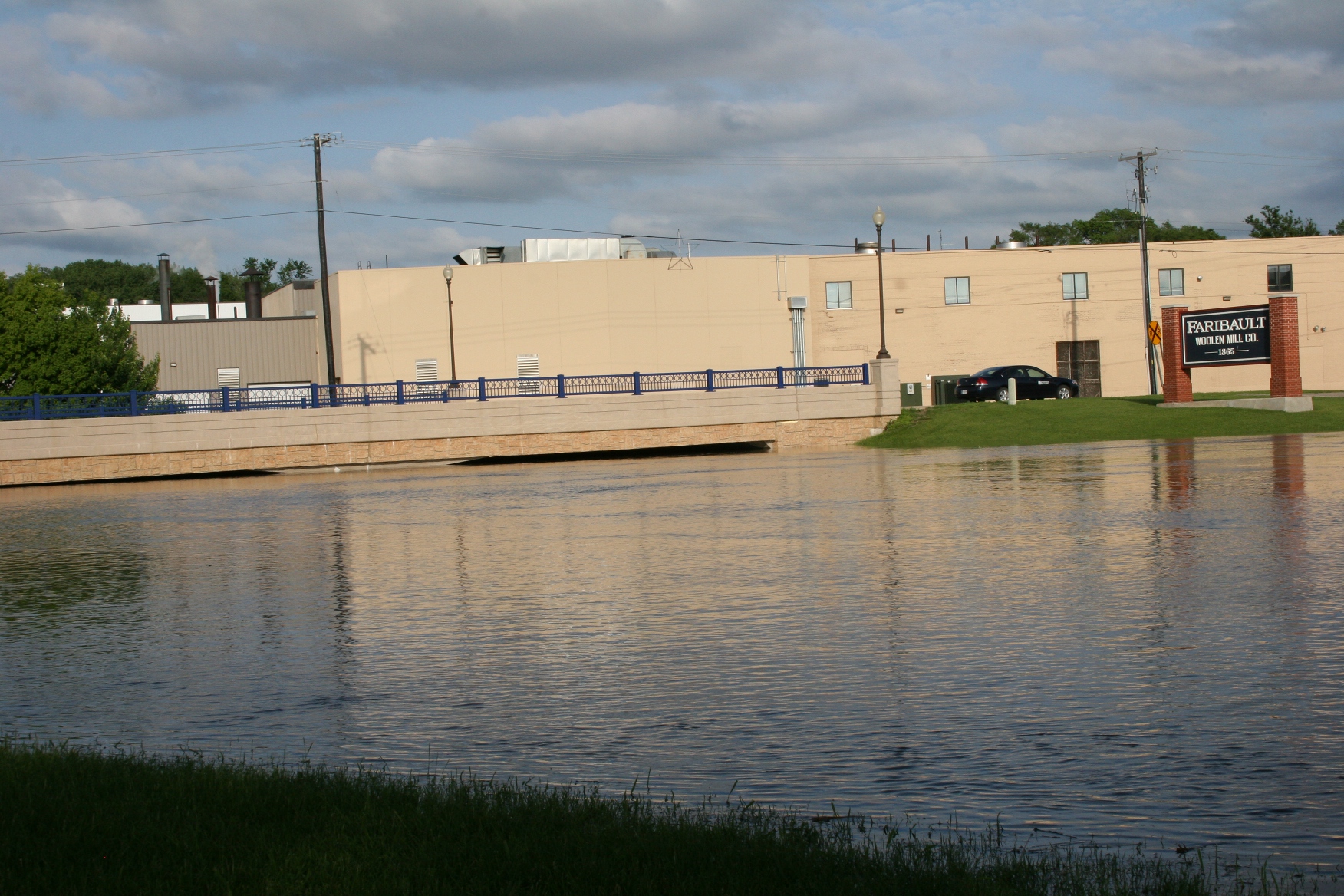
The rising Cannon River along Second Avenue nearly skims the bridge. Faribault Foods is in the background and the Faribault Woolen Mill is to the right.

The rising Cannon River along Second Avenue nearly skims the bridge. Faribault Foods is in the background and the Faribault Woolen Mill is to the right. This is near the Rice County Fairgrounds along a major roadway through the city.

The waters of the Straight and Cannon rivers, which run through town, are rising. And the city is preparing for possible flooding, with reminders of the September 2010 flash flood ever present.

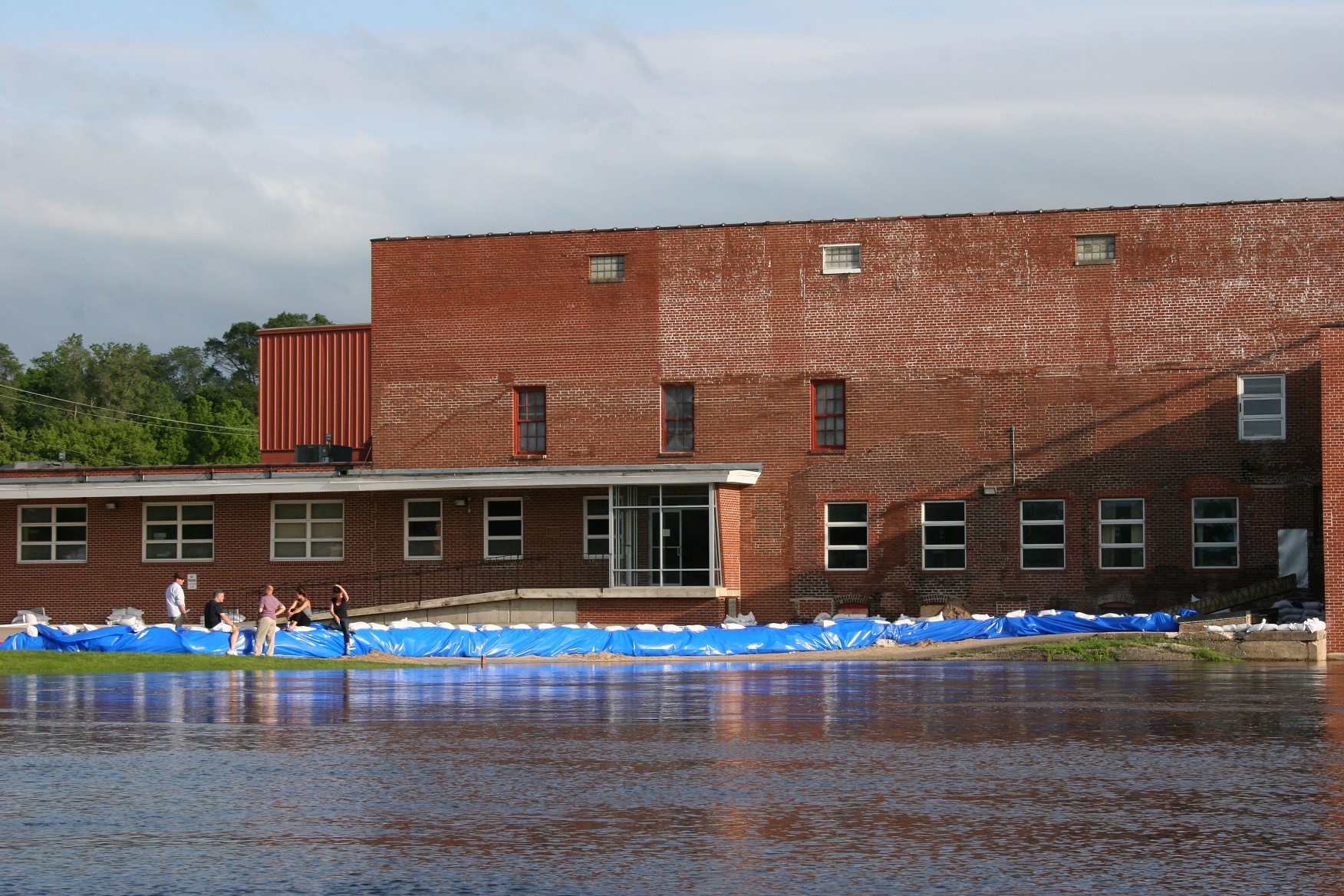
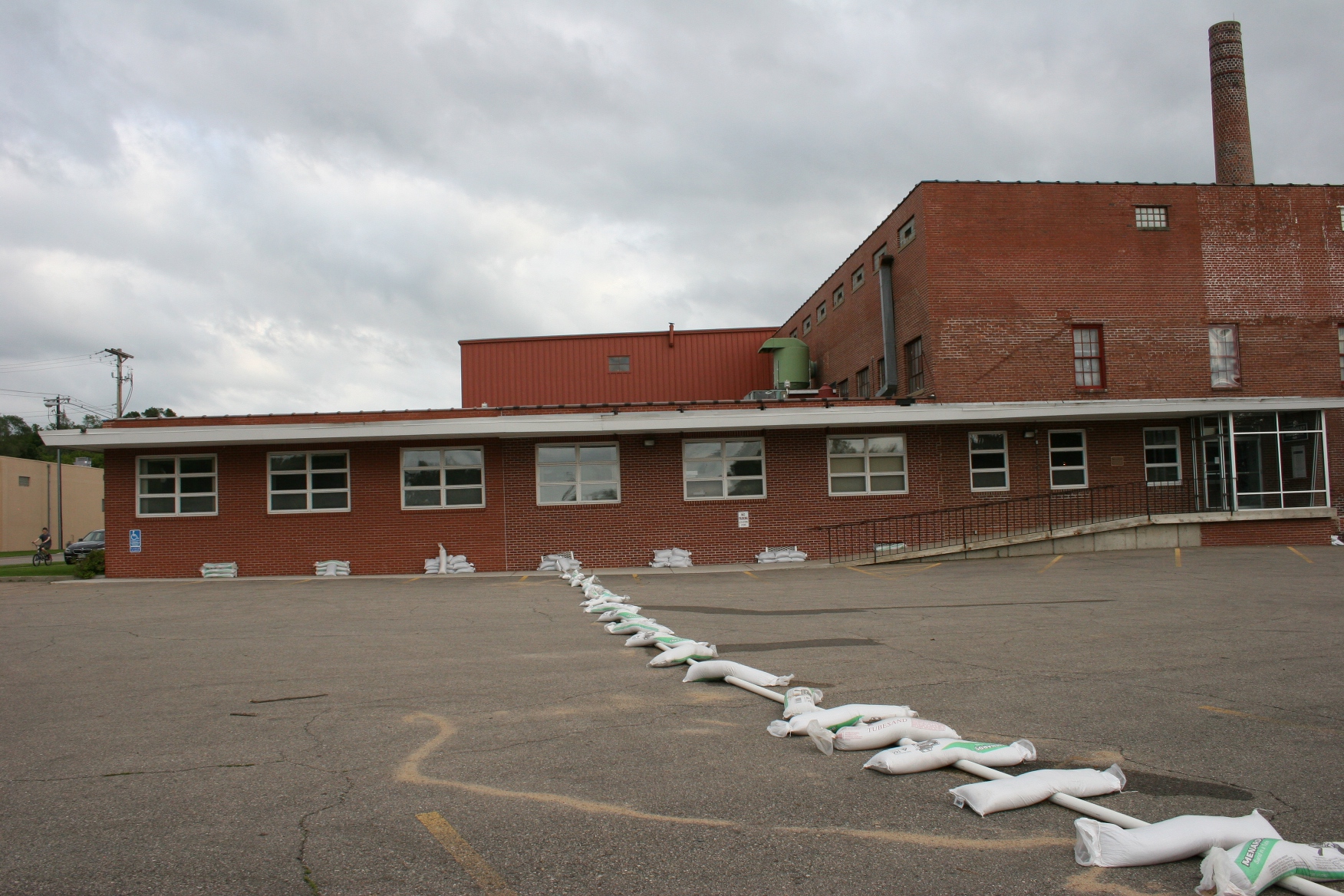
Sandbags have been placed in the mill parking lot next to the Cannon River.

Sandbags have been placed in the mill parking lot next to the Cannon River.

At the Faribault Woolen Mill, Heritage Days tours have been canceled with the focus instead on sandbagging and protecting the historic building that sits along the Cannon River.

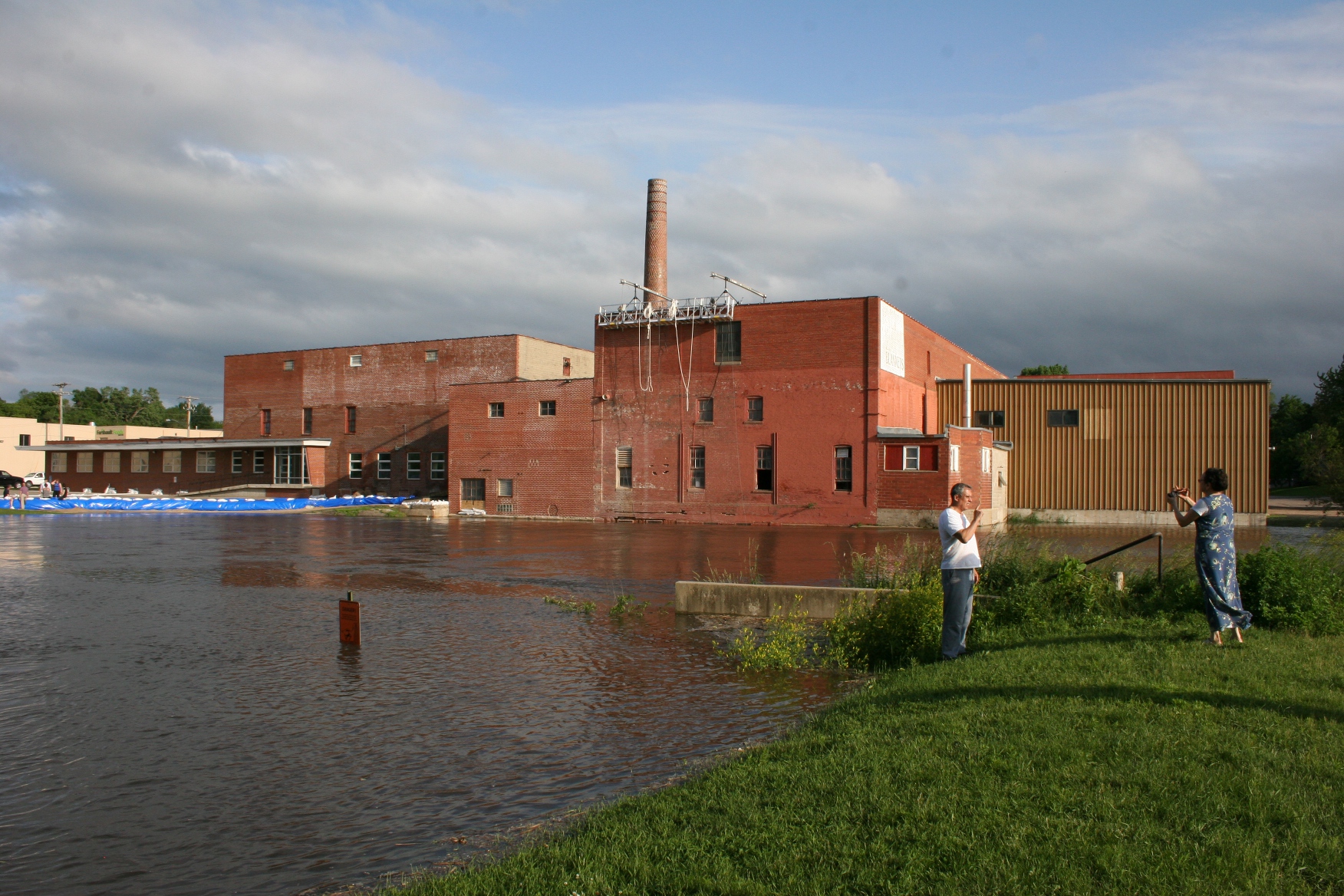
Photographing the rising Cannon River. The dam here is no longer visible.

Photographing the rising Cannon River. The dam here is no longer visible. Typically, the river does flow against the rear of the mill.

Locals flock to Father Slevin Park, next to the Cannon, next to the Woolen Mill, Wednesday evening to photograph the scene. The Cannon River dam is no longer visible.

Sandbags protect the Faribault Woolen Mill from the rising Cannon River.

Sandbags protect the Faribault Woolen Mill from the rising Cannon River.

Sandbags hold down a pipe at the Faribault Woolen Mill factory and retail store.

Sandbags hold down a pipe at the Faribault Woolen Mill factory and retail store.

An overview of the Cannon River, looking south from Father Slevin Park to the Faribault Woolen Mill.

An overview of the Cannon River, looking southeast from Father Slevin Park to the Faribault Woolen Mill and Faribault Foods.

Several layers of sandbags rim the parking lot next to the factory store.

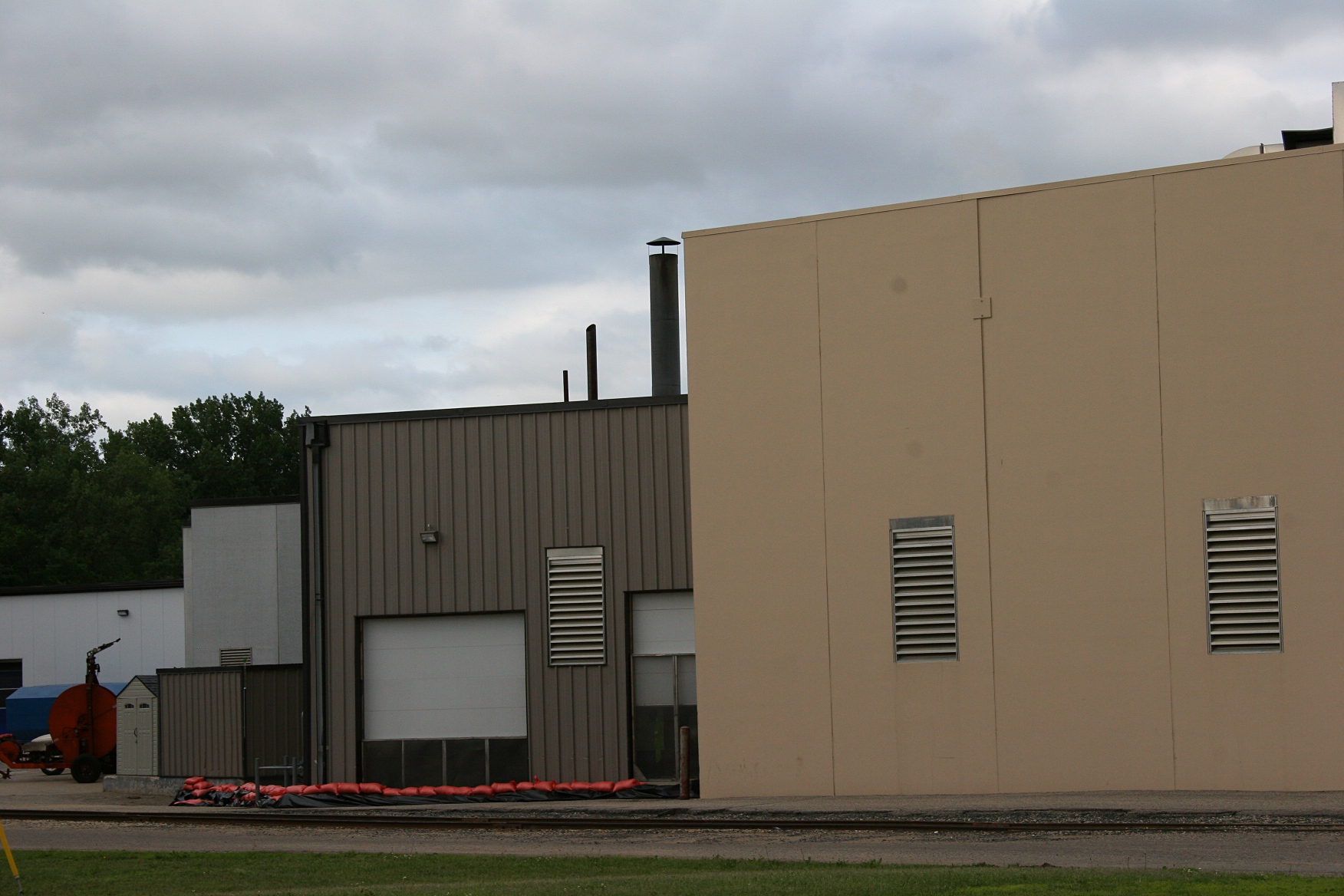
Sandbags also protect Faribault Foods.

Sandbags also protect Faribault Foods.

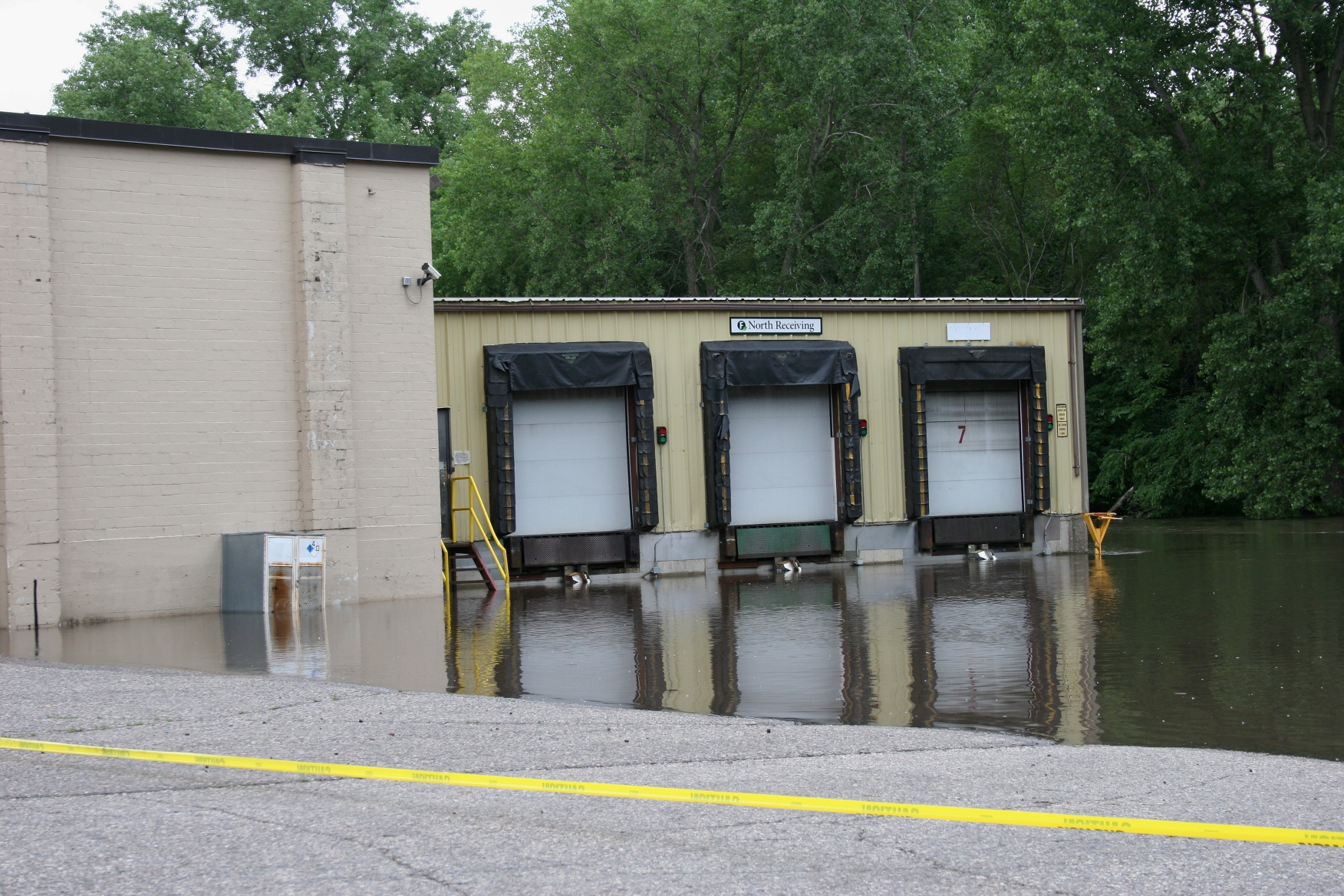
Straight River floodwaters block access to a Faribault Foods loading dock.

Straight River floodwaters block access to a Faribault Foods loading dock.

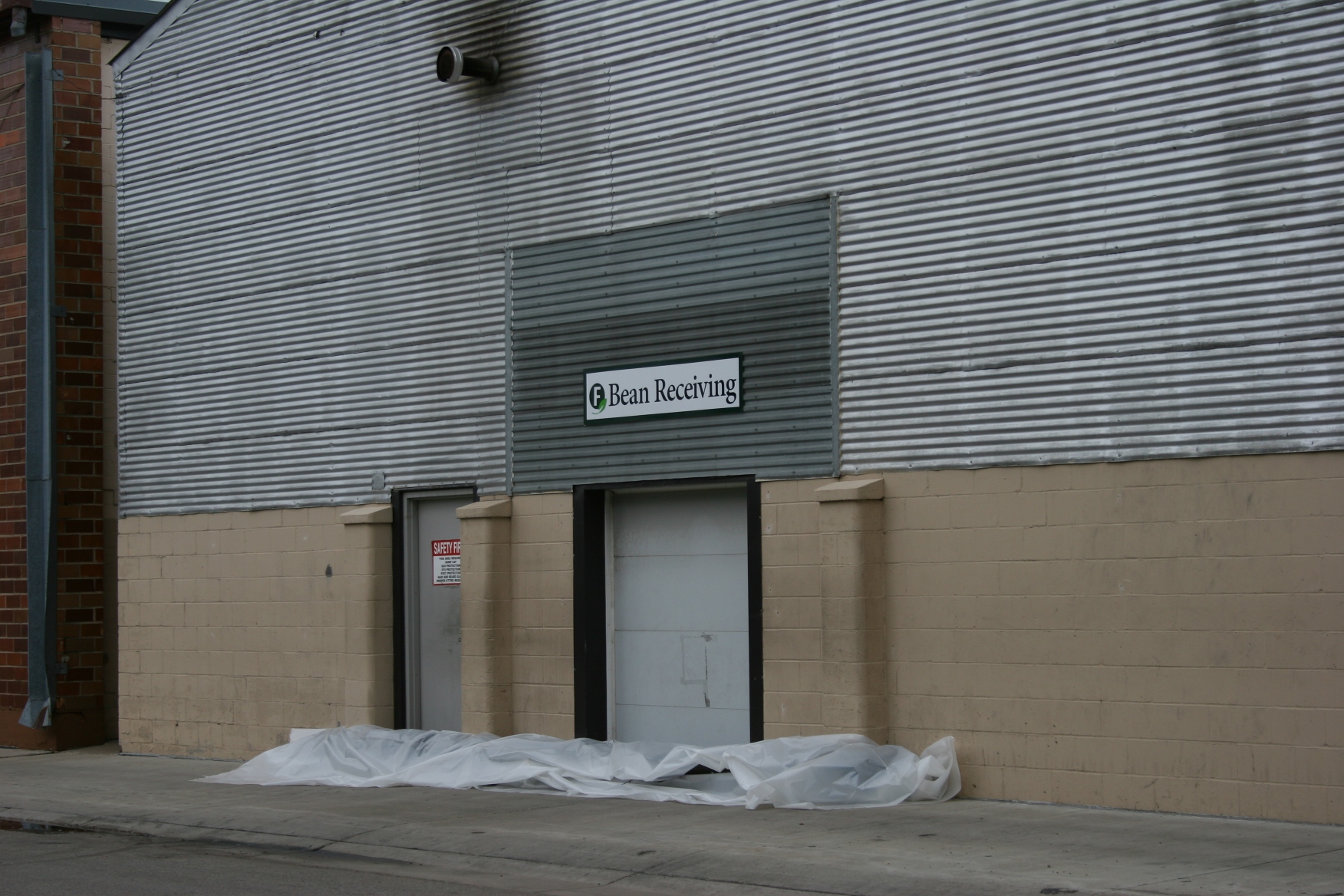
Sandbags border the door to bean receiving at Faribault Foods.

Sandbags border the door to bean receiving at Faribault Foods.

Directly across Second Avenue, sandbags likewise protect Faribault Foods. Behind the canning company, the rising Straight River has already blocked access to loading docks. Other doors are also barricaded with plastic-covered sandbags.

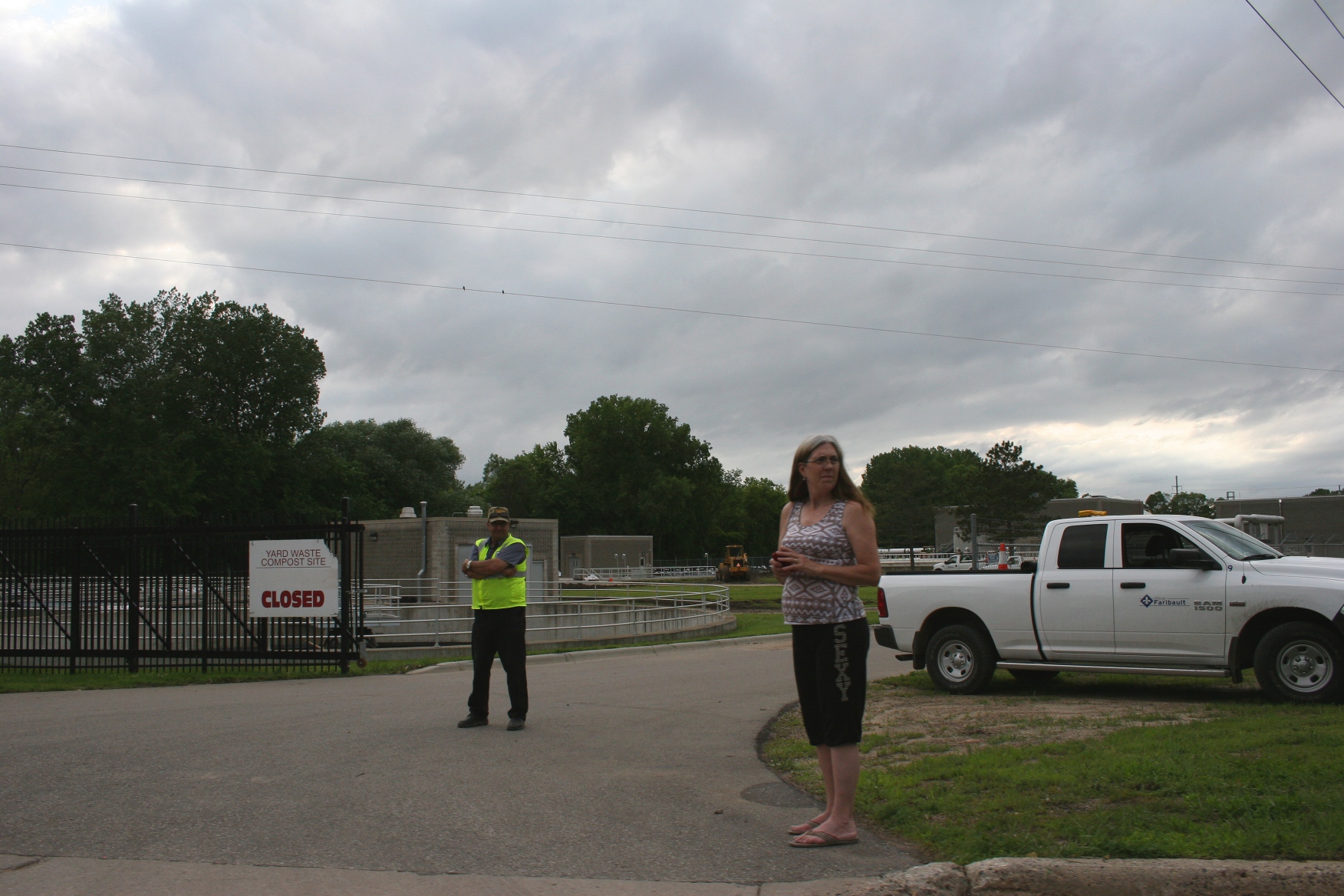
Working to protect the city's wastewater plant, which sits along the Straight River.

Working to protect the city’s wastewater plant, which sits along the Straight River.

The entry to the city's treatment plant.

The entry to the city’s treatment plant.

Just down the road, at the city’s wastewater treatment plant, a steady flow of dump trucks enter and exit the facility, presumably delivering sand. Sandbags are already in place here.

Sandbag central.

Sandbag central.

Near the Faribault American Legion, just a block off the historic downtown, workers shovel sand into bags at the city’s sandbag central. Road closed signs are at the ready.

The Straight River has flooded Teepee Tonka Park and churns here toward the Highway 60 viaduct connecting the east and west sides of Faribault.

The Straight River has flooded Teepee Tonka Park and churns here toward the Highway 60 viaduct connecting the east and west sides of Faribault.

Flooded Teepee Tonka Park.

Flooded Teepee Tonka Park.

Across the Straight River in Teepee Tonka Park, the bridge into the park is blocked and the river rushes in a frenzy.

The bridge into Teepee Tonka Park is partially flooded and thus closed.

The bridge into Teepee Tonka Park is partially flooded and thus closed.

Onlookers step across police tape to photograph the scene—until the cops cruise up and advise that “the tape is there for a reason.” They don’t want anyone tumbling into the muddy, raging waters.

Police arrive to protect the curious public at Teepee Tonka Park.

Police arrive to check out the situation at Teepee Tonka Park.

Darkness falls and Faribault waits.

© Copyright 2014 Audrey Kletscher Helbling
 

St. Paul artist connects art to geocaching via her GeoNiche Project July 11, 2012

A ST. PAUL ARTIST and educator with roots in the southwestern Minnesota prairie is bringing her art to the public via a project that links art to geocaching.

Felice Amato, who grew up in Cottonwood and Marshall, has hidden about 15 original works of ceramic art in St. Paul and in southeastern Minnesota through her GeoNiche Project, funded by a Minnesota State Arts Board Artist Initiative Grant awarded in 2011. To date, she’s stashed her sculptures at Swede Hollow, a St. Paul Park, and in or near Faribault, Red Wing and Winona. She’s created pieces for the Red River Valley area, too, but has yet to install them. And she would also like to sculpt GeoNiche art for her native prairie.

Amato follows the geocaching model wherein geocachers use GPS devices or smart phones to find her art based on geographic coordinates and clues. Her caches are listed on Geocaching.com as felice.amato and on Opencaching.com as felice1.

The project evolved as Amato considered a unique way to get the ceramic niches and tableaus she’s made for years out to the public. “My sister, brother and aunt are avid geocachers and it just struck me that this could be an interesting way to make my work public,” she explains.

Finding no one out there doing exactly what she proposed, Amato moved forward with the GeoNiche Project and her unifying theme of women’s lives.

“I wanted to create secular niches that spoke to a sense of place, history and continuity—and that honored the important life moments that we all experience,” she says.

“Under the Arbor,” one of the GeoNiches placed in Swede Hollow. Photo courtesy of Felice Amato.

She placed her first GeoNiche close to home, a mile away in Swede Hollow, a St. Paul valley originally settled in the mid 1800s by Swedish immigrants and thereafter by Polish, Italians and Spanish Americans. “The rhythm of settlement in Swede Hollow made that especially rich,” Amato says. “Flooding, impermanence and the piecing together of community shanty by shanty—the thriving, the dispersal, the abandoning, the reclaiming—it all inspires my imagination.”

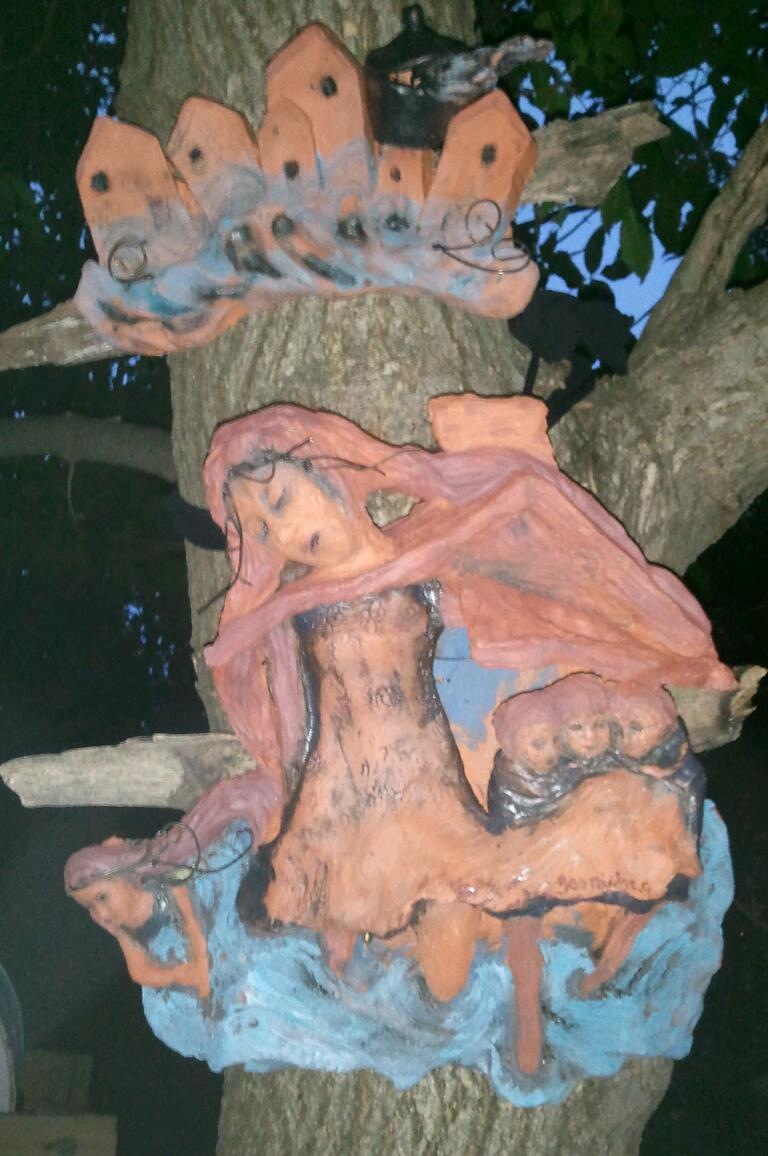
This photo, courtesy of Felice Amato, shows houses and quilters in progress for Swede Hollow.

Amato was inspired to shape pieces like “Mother and Child by the ‘Hobo’s Washroom’,” “Little Girl with birds,” “Bread house” and three other larger works for Swede Hollow. Those GeoNiches hint at folktales based on the experiences of the immigrants who once called this place home. A hand-drawn map to those artworks can be found inside a GeoNiche by Swede Hollow Cafe (coordinates N 44° 57.551’ W093° 04.330’) as Amato awaits approval of official Geocaching.com listings for Swede Hollow.

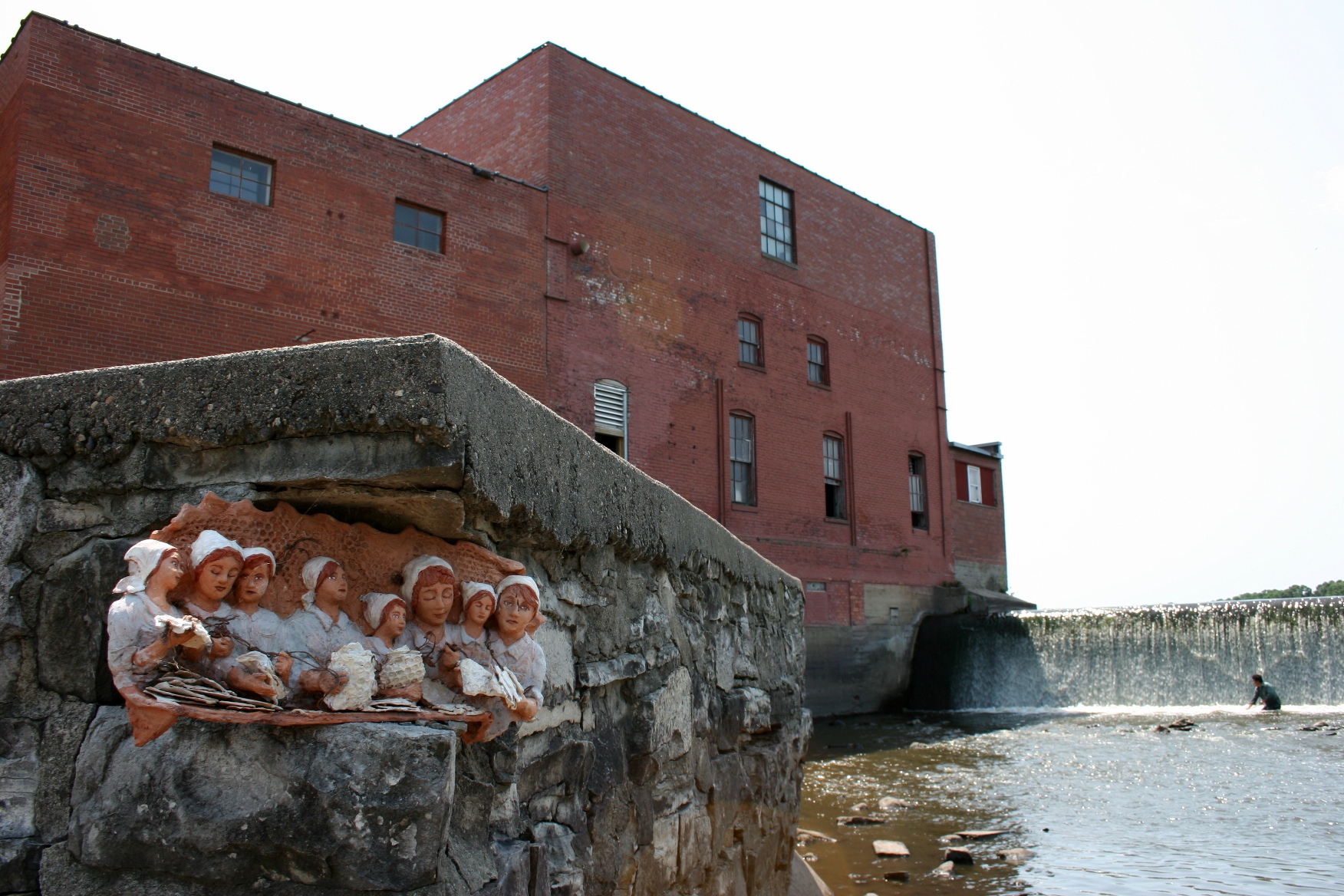
“Seamstresses” in place at the historic Faribault Woolen Mill along the Cannon River blends seamlessly into its environment. Photo by Audrey Kletscher Helbling.

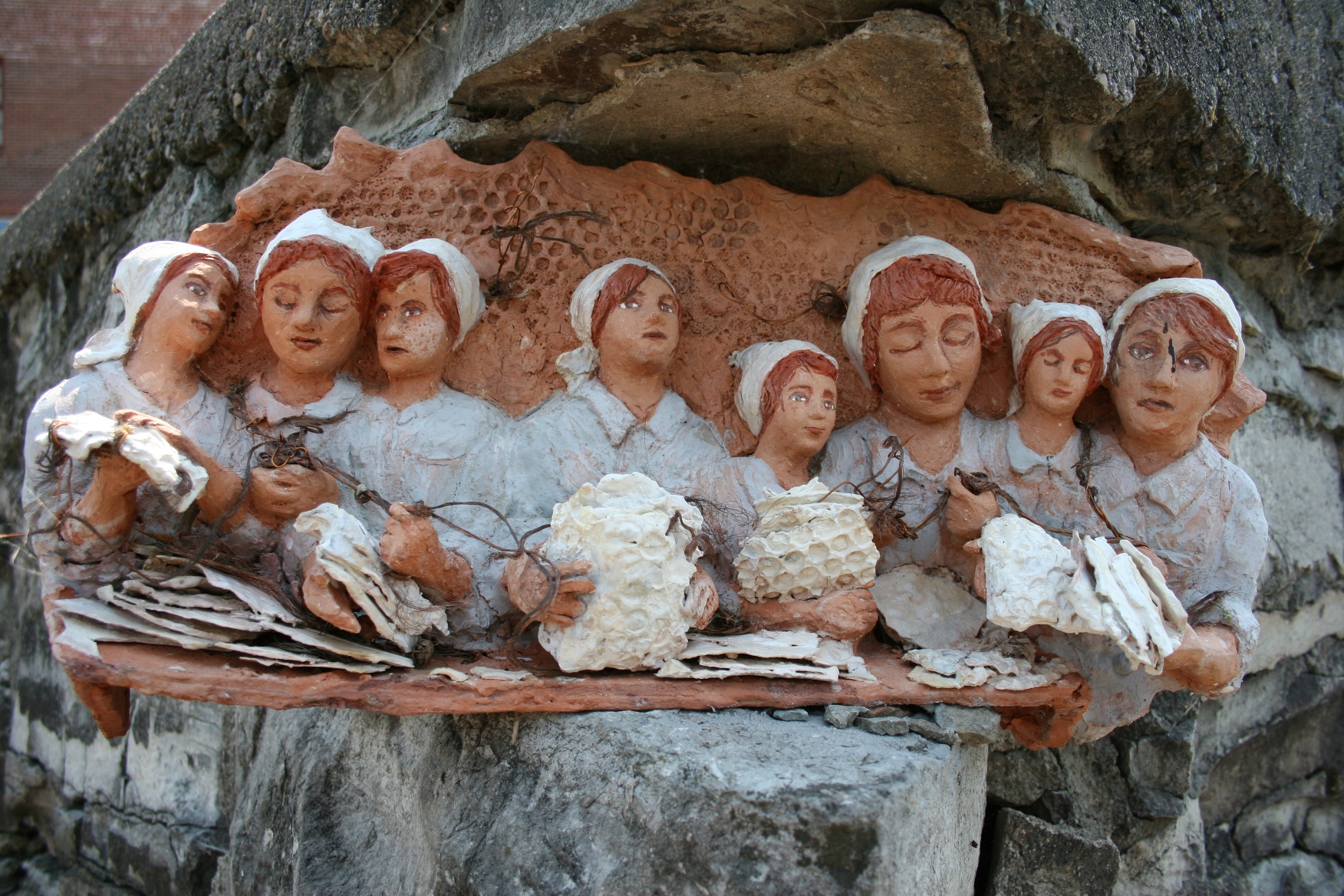
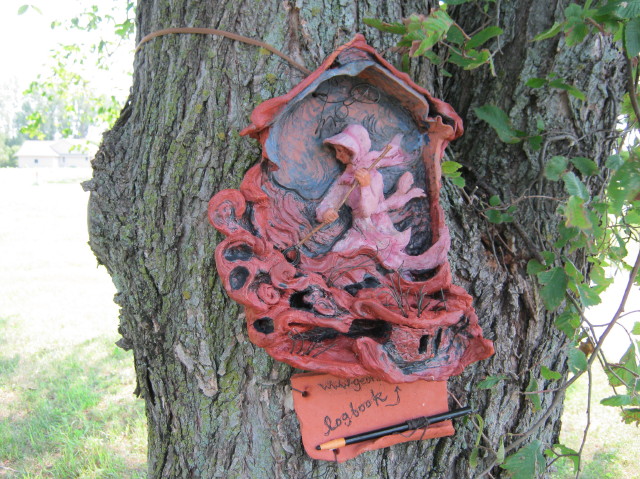
In Faribault, she was naturally drawn to the Faribault Woolen Mill, she says, because of an art series initiated several years ago on women in factory settings. Amato created “Seamstresses” and tucked it into a niche along a retaining wall at the mill next to the Cannon River.

Amato’s sculptures tell a story as seen in this close-up of woolen mill factory workers. Her sculptures are made from paperclay with wire details. Photo by Audrey Kletscher Helbling
Explains Amato of her women in factory art:

The metaphorical potential of women and labor—especially manual and repetitive labor—is enormous with so many different layers it makes my mind explode. To what did/do women give their lives? What other inner lives (maybe as poets or artists, or dreamers) did they have especially at times where realizing those passions was even more difficult than it is today? I wanted to speak to a sense of honor and even sacredness in the making, the plodding, the rote quality of manual tasks—often just a part of an end product. Sewing and weaving itself is rich with metaphor as is the factory setting: the balance of isolation and comradery.

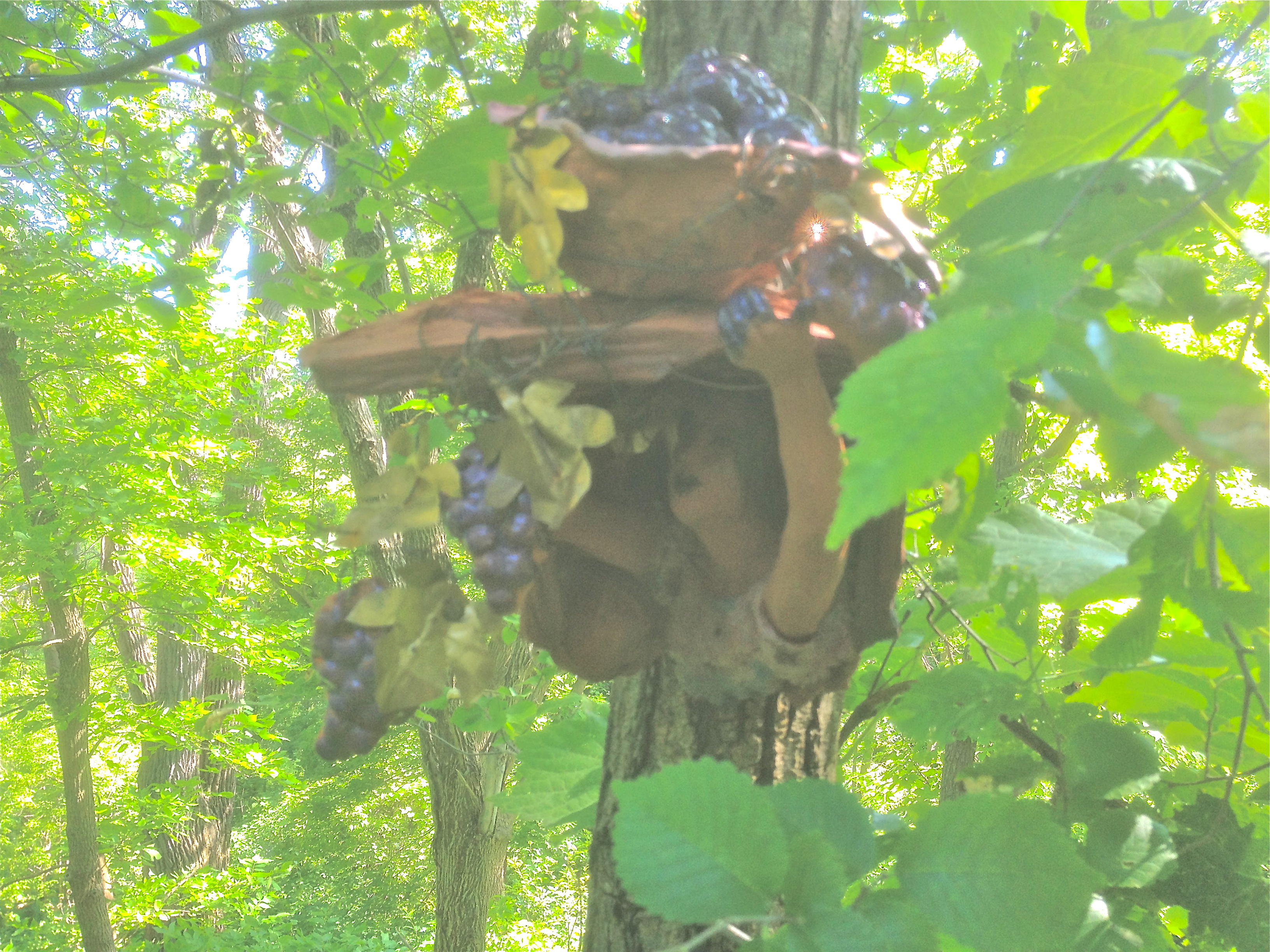
Amato secured “Prairie” onto a tree near a bike trail west of Faribault. Photo by Kevin Kreger.

Outside of Faribault, lashed onto a tree along a bike trail, Amato switches to a rural theme in “Prairie,” a definitive piece which connects to her prairie roots. The sculpture was partially-influenced, she says, by “the solitude and perseverance of the prairie woman in her battles with so many forces—the soil, the wind, the grasshoppers, the fires.”

Geocacher Kevin Kreger of Faribault, who sought out both Faribault area GeoNiche art pieces, says he was drawn in by “Prairie” and found the placement of “Seamstresses” at the Woolen Mill a fitting location.

The sweet surprise GeoNiche at the Faribault Woolen Mill. Wear solid walking shoes as you will need to walk over rocks (not the ones photographed here) to reach this art treasure. Amato encourages finders to sign the logbook tucked into a plastic bag behind “Seamstresses.” Photo by Audrey Kletscher Helbling

“The idea (GeoNiche) delights me,” says Kreger who has been geocaching for half a dozen years everywhere from New York City to the Oregon coast and as near as a local county and city parks. “Turning the corner, seeing another’s idea of beauty in an unexpected spot, it’s one of those unanticipated sweet spots in life.”

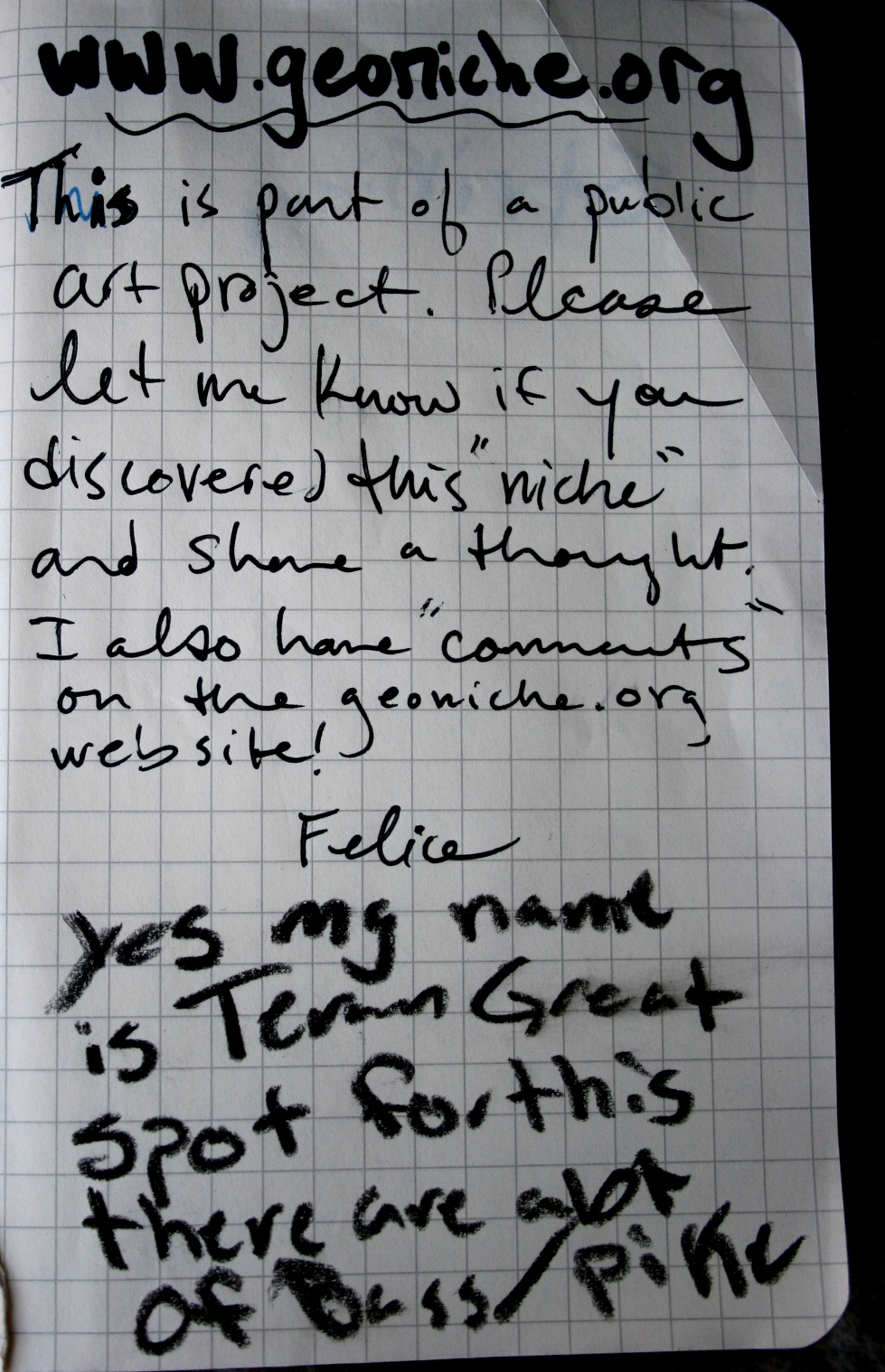
The first entry in the “Seamstresses” logbook. Photo by Audrey Kletscher Helbling
Amato hopes for that type of positive reaction from those who discover her public art hidden in niches. “Many people seem to really experience my work, seeing it as meaningful to them and that it is meaningful to me,” she says. “It evokes stories of memories or hooks people’s imagination and emotions.” She wants finders of her art to interact with her, to share their thoughts in her on-site logbooks and/or online.

Kreger appreciates the time and skill Amato has invested in creating her art, made from “paperclay,” a method of mixing paper pulp into recycled clay. He wonders, though, how long the GeoNiches will stay in place, comparing them to performance art and as a gift the artist must be willing to give up.

Another sculpture hidden in Swede Hollow Park. Photo courtesy of Felice Amato.

While one of her Swede Hollow GeoNiche sculptures was smashed, the rest have remained intact with one even moved to a more logical and visible location. Amato’s considered taking the pieces down for the winter or sealing them to protect the vulnerable clay from the elements. But she’s unsure. “When I installed “The Potter” in the pottery dump at Red Wing and looked at all the shards of broken ceramic work, I thought eventually she will be among that and it felt OK,” Amato says.

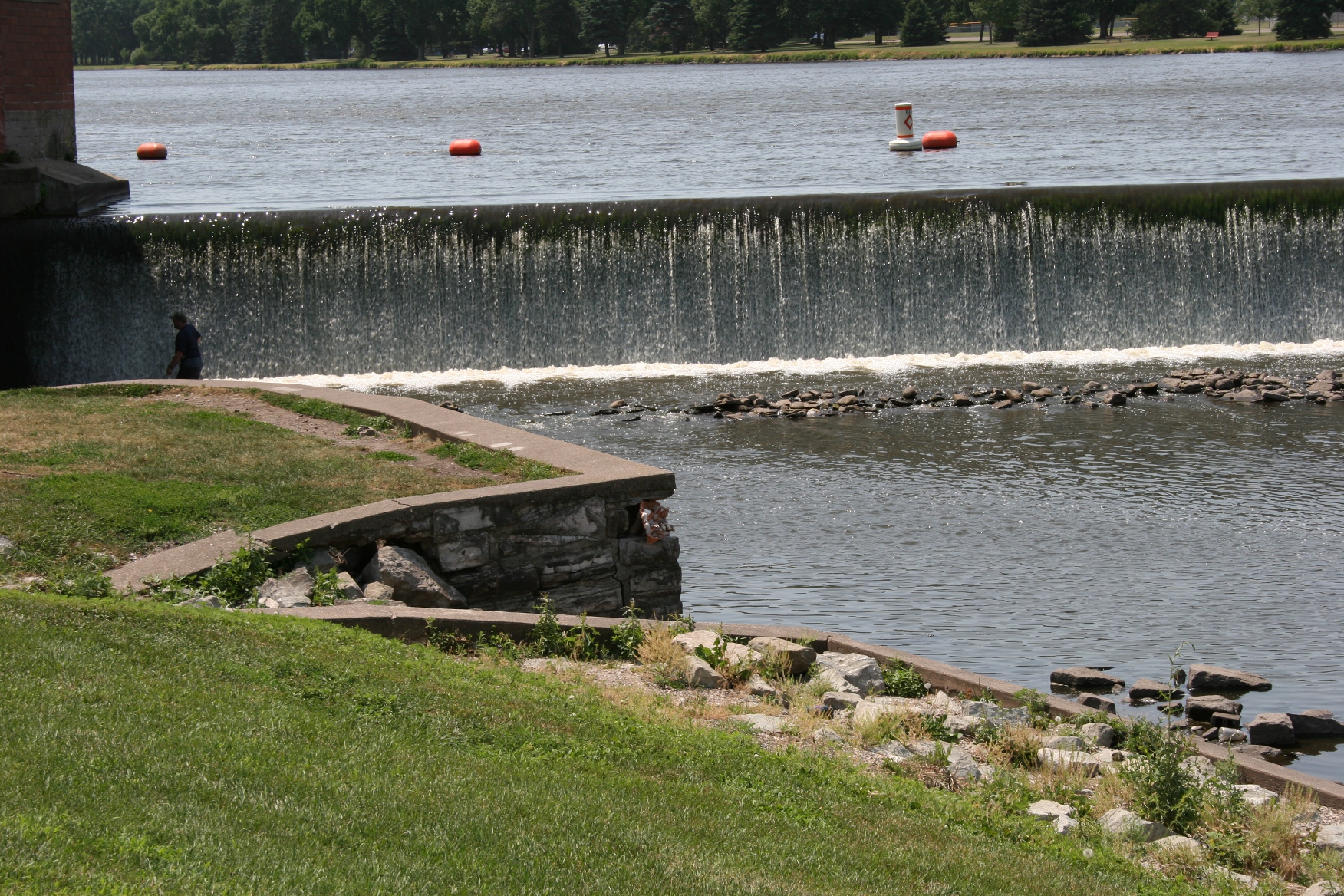
An overview of the location for “Seamstresses.” Look and you will find her sculpture in this image. The positive responses from the people of Faribault have been a huge incentive, Amato says, to explore the area more. Photo by Audrey Kletscher Helbling
Exact placement of her art is most successful, she adds, when the spot is discovered as though it was waiting.

Even though the grant period for her GeoNiche Project has ended, this St. Paul artist intends to seek additional funding to continue creating and hiding her art for geocachers and others who may happen upon it. She plans to work, also, with artist friends interested in GeoNiche. And she’s contemplating offering a GeoNiche workshop.

While she’ll seek out funding for her innovative project of connecting art and geocaching, Amato says she’s not a geocacher or a seeker.

“I would imagine,” she says, “most people are primarily either seekers or hiders. I am a hider.”

Artist Felice Amato. Photo courtesy of Felice Amato.

FYI: Felice Amato, the mother of two daughters, has been a public school teacher for nearly 20 years (teaching first Spanish and then art) and has also taught summer art classes and camps for children through the St. Paul non-profit, Art Start. She is an artist specializing in clay and tile making. Her artwork has been exhibited in numerous shows and in several galleries during the past 10 years with an upcoming show set for October 18 – November 17 at The Phipps Center for the Arts in Hudson, Wisconsin. For more information about Amato, click here to link to her Facebook page and here to link to her website.

Click here to link to Amato’s GeoNiche website.

And click here to check out her GeoNiche Project Facebook page.

© Copyright 2012 Audrey Kletscher Helbling
Photos by Audrey Kletscher Helbling, Felice Amato and Kevin Kreger


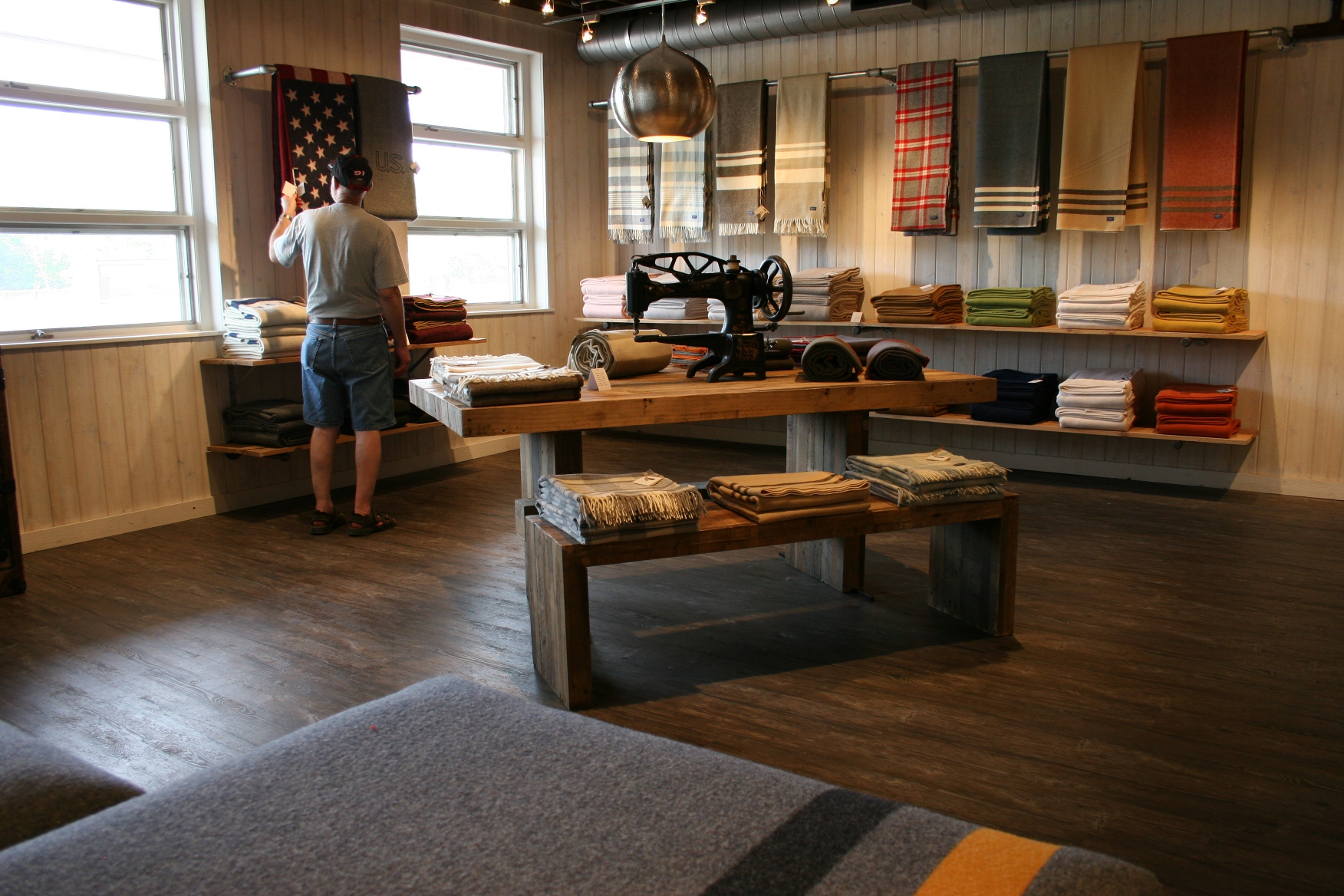
Historic Faribault Woolen Mill opens retail store with an artsy vibe June 12, 2012

Perusing merchandise at the recently reopened Faribault Woolen Mill retail store.

RUSTIC. SIMPLISTIC. MINIMALIST.

Those words wash over me as I step into the Faribault Woolen Mill Company’s recently re-opened retail store.

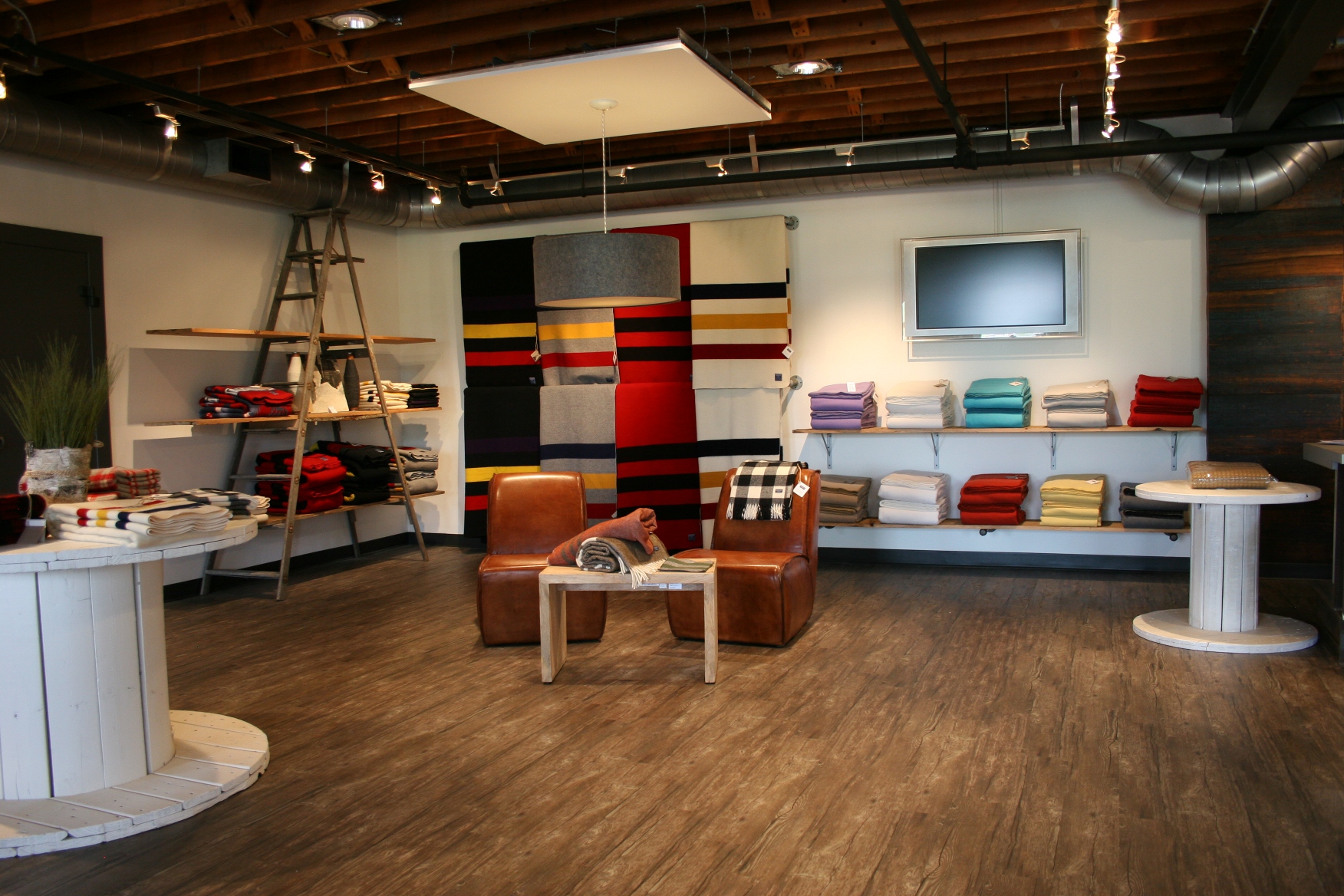
I could have strolled into an art gallery for the artsy vibe of this place. It has that feel, that sense of style and creative energy, which tells you this is no cookie-cutter retail outlet but someplace special.

The retail store has a comfy, relaxed and trendy feel.

From the white-washed paneled walls to the utility spools brushed in crisp white paint to the shelves leveled upon a ladder to the uniform white cubbies, the décor here is bare bones basic. It’s perfect for showing off the woolen blankets hung and folded ever so precisely in this historic woolen mill along the banks of the Cannon River in Faribault.

Faribault Woolen Mill blankets/throws are artfully hung on a simple pipe.

Crisp white cubbies, ever so perfect for showing off blankets/throws.

Jean Moody is tending the store on this recent hot and humid Saturday afternoon in May when the thought of purchasing a wool blanket seems not even a remote possibility. My curiosity draws me inside the store, into this building where I’ve never set foot even though I’ve lived in Faribault for nearly 30 years.

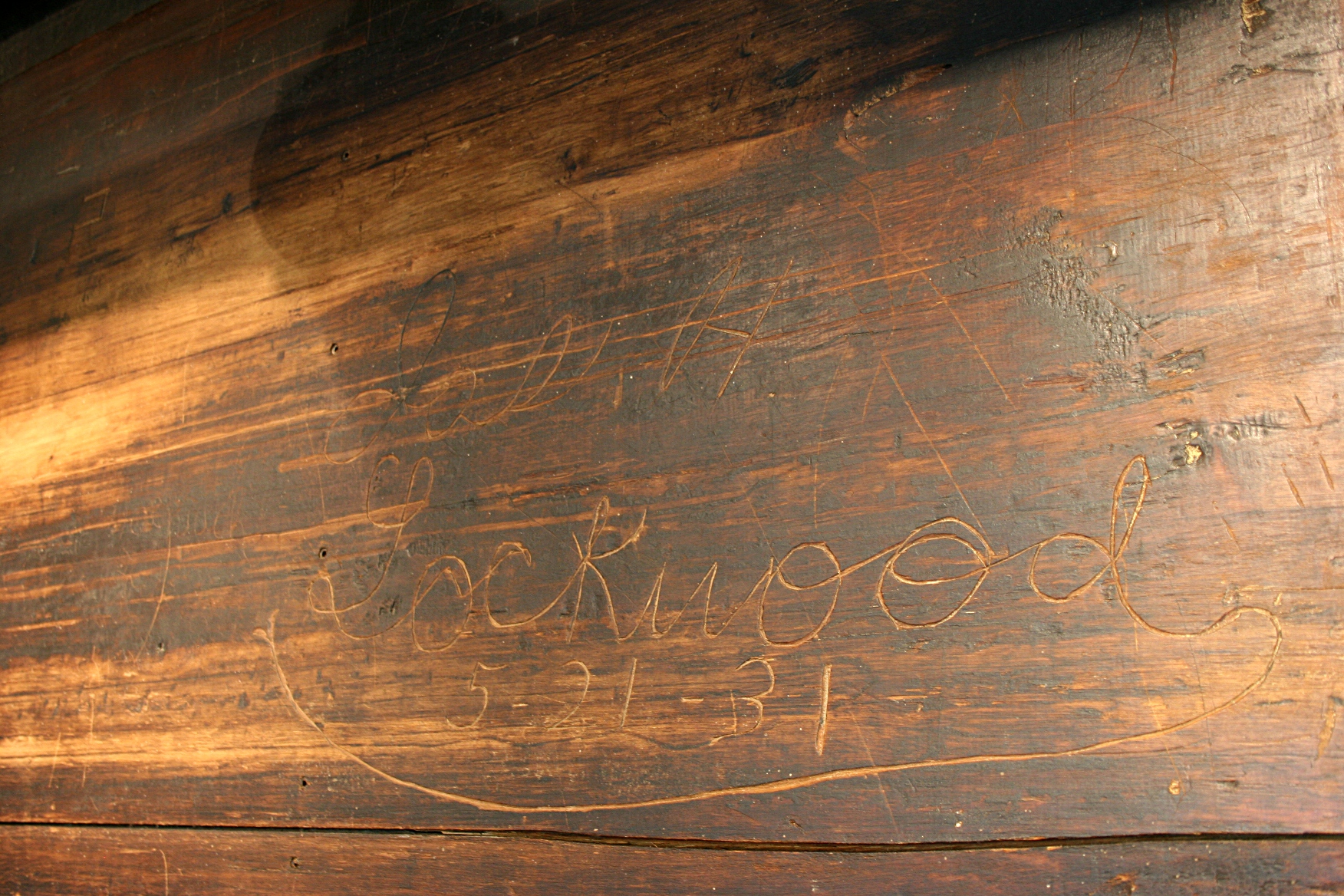
A wall once located near bathrooms has been incorporated into the retail store, behind the check-out counter, to showcase a name etched in wood in 1931.

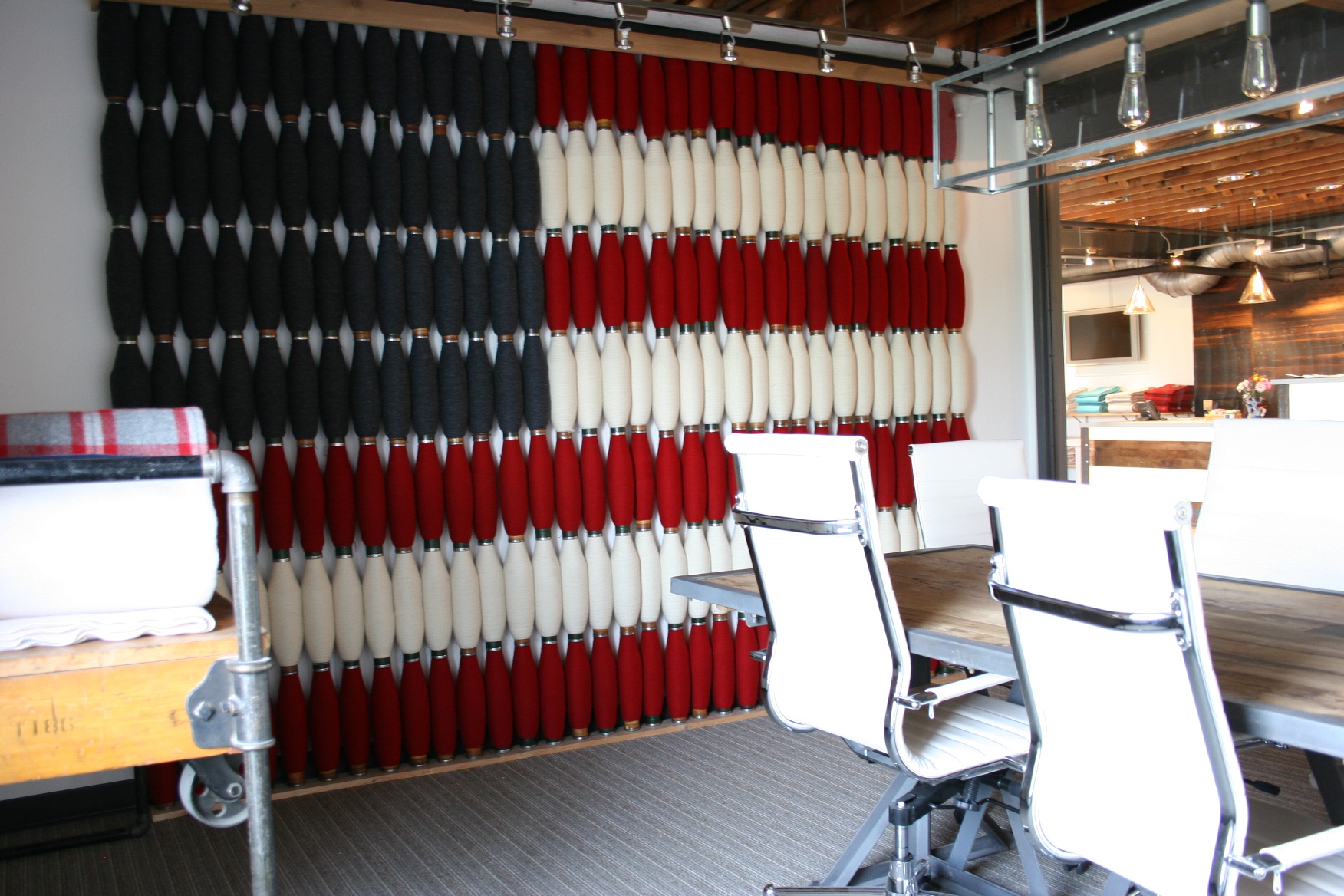
An American flag on a wall in a meeting room, visible through floor to ceiling glass in the retail store, emphasizes the Woolen Mill’s dedication to “American made” products.

On this afternoon, Jean welcomes me, obliging my request to photograph a meeting room and also a wall behind the retail counter. I have no idea she is the wife of Paul Mooty, who purchased the foreclosed mill and reopened it in 2011 with his cousin, Chuck Mooty, until she introduces herself later.

She’s friendly and engaging and genuinely interested in connecting with Faribault residents and grateful for the warm welcome given to her family.

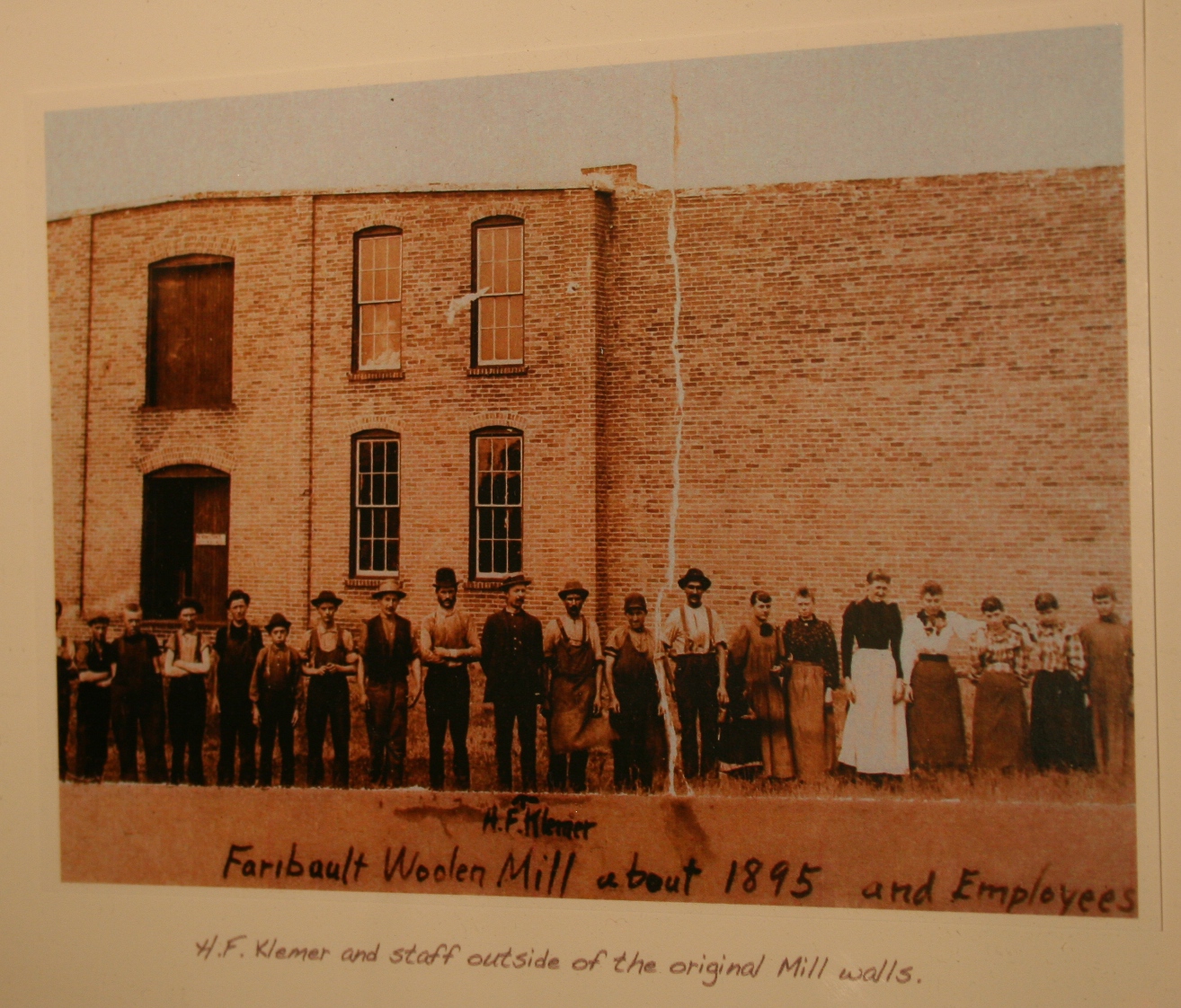
An historic 1895 circa photo from the mill, among those featured in a mini wall of Woolen Mill history.

After the sudden closure of the mill in 2009, locals seem delighted with the Mooty cousins’ revival of the mill which dates back to 1865.

In its labeling, the mill promotes itself as “Purveyors of Comfort and Quality” with its products “Loomed in the Land of Lakes.”

The Faribault Woolen Mill’s mission, according to the company website is “to provide the finest quality goods made only by American craftsmen here in Faribault, Minnesota.”

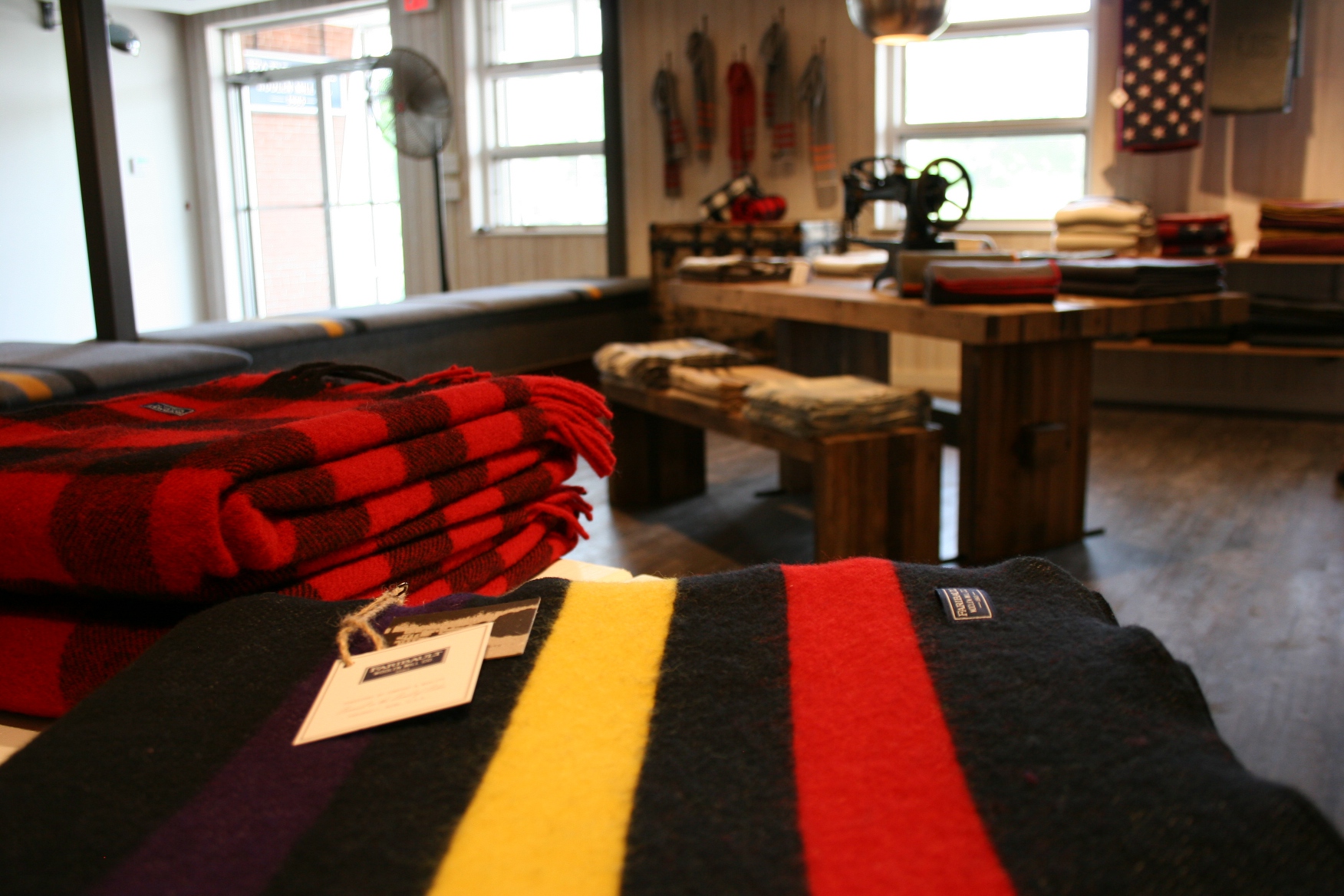
Wool blankets with a definite Northwoods feel are sold in the retail store.

Fine examples of that craftsmanship are presented to the public in the woolen blankets and throws so artfully displayed in the store which, according to Jean, has a Ralph Lauren/Northwoods look.

I’d agree. Comfort. Simplicity.  Americana. All qualities in Ralph Lauren’s signature fashion style exist in this mill store which seems destined to once again become a must-see destination for visitors to Faribault, one of Minnesota’s oldest and most historic cities.

The historic Faribault Woolen Mill sits along the banks of the Cannon River.

FYI: The Faribault Woolen Mill retail store holds its grand opening from 4:30 p.m. – 7 p.m. on Thursday, June 14. A ribbon-cutting is scheduled in conjunction with the Faribault Heritage Days Mayor’s Reception.

Tours of the Woolen Mill, located on the banks of the Cannon River at 1500 Second Avenue Northwest near the Rice County Fairgrounds, will be offered as part of the Heritage Days celebration at 2 p.m. and 2:30 p.m. on Wednesday, June 13, and again on Friday, June 15. Preregister by calling (507) 334-2064.

For more info about the Faribault Woolen Mill, click here to link to the company website.

A replica of an original sign is now in the Woolen Mill’s historic display area.

Even this Woolen Mill conference/meeting room possesses an inviting, rustic appeal.

© Copyright 2012 Audrey Kletscher Helbling
Note: These photographs were shot one month ago.


Come on over to Faribault for a BBQ & more May 17, 2012

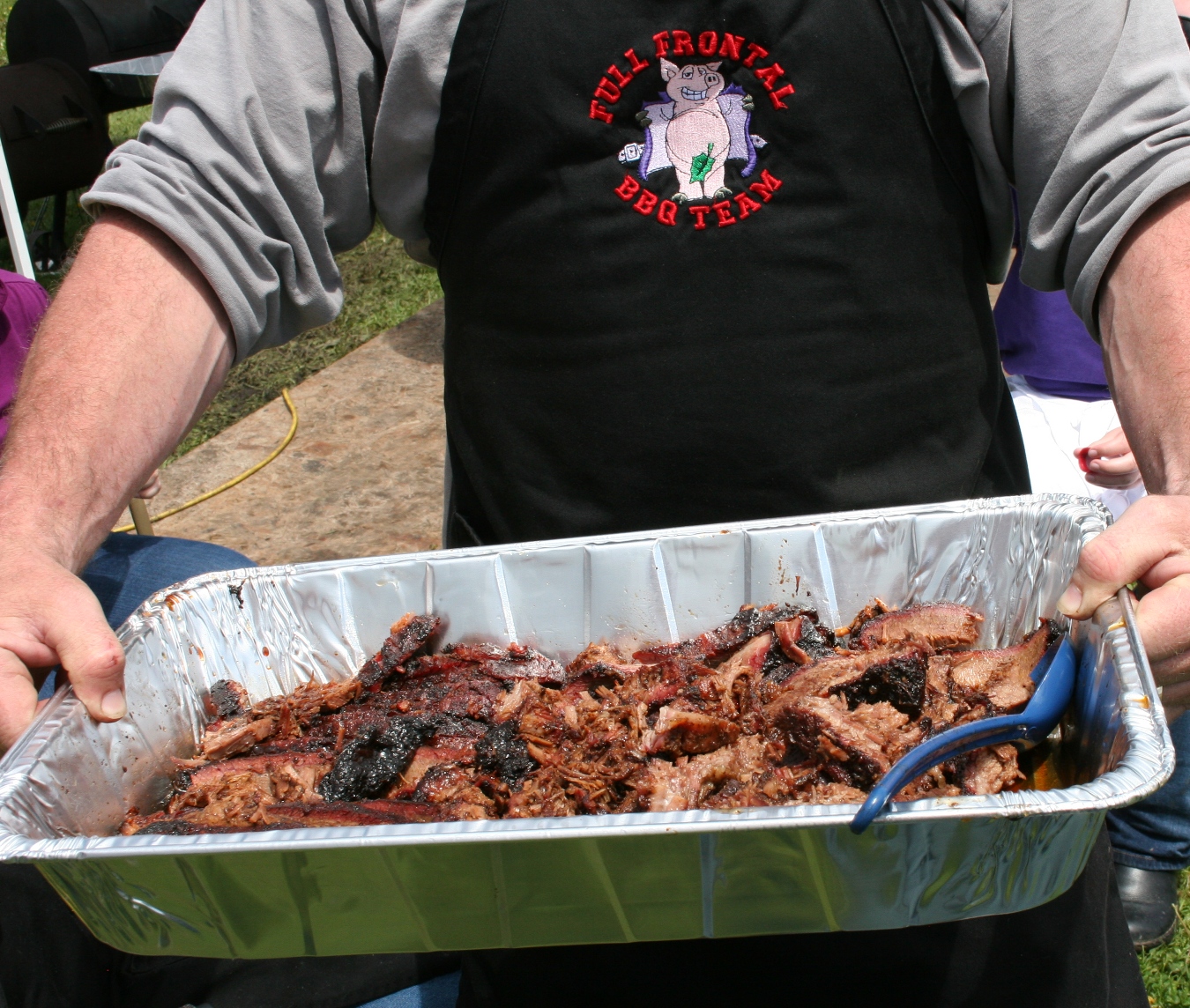
An example of the barbecued meat prepared for the 2011 Minnesota in May BBQ Contest.

MINNESOTA BARBEQUE LOVERS, this is your weekend.

The season’s first of six Kansas City Barbeque Society sanctioned competitions in our state kicks off this Friday, May 18, with the Minnesota in May BBQ & Cheese Festival at the Rice County Fairgrounds in Faribault.

And, folks, it’s free—unless you purchase food and/or beverages from vendors. And you’ll want to, once you smell the tantalizing aroma of BBQed meats. Vendors open to the public at 11 a.m. Saturday.

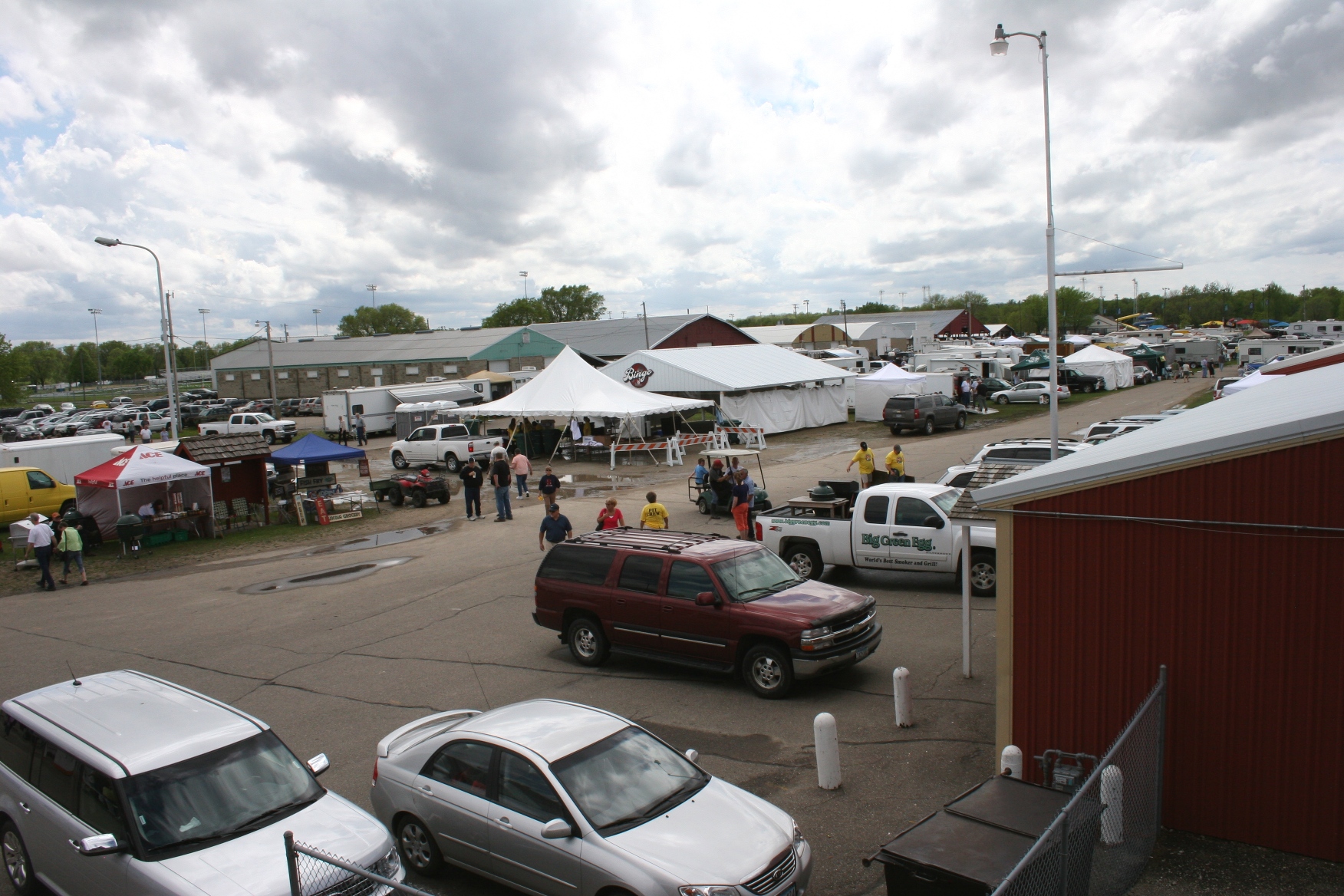
For the first time ever, Faribault hosted the Minnesota in May BBQ Contest at the Rice County Fairgrounds in 2011. Contestants cooked under tents during a morning downpour. By afternoon, the rain stopped.

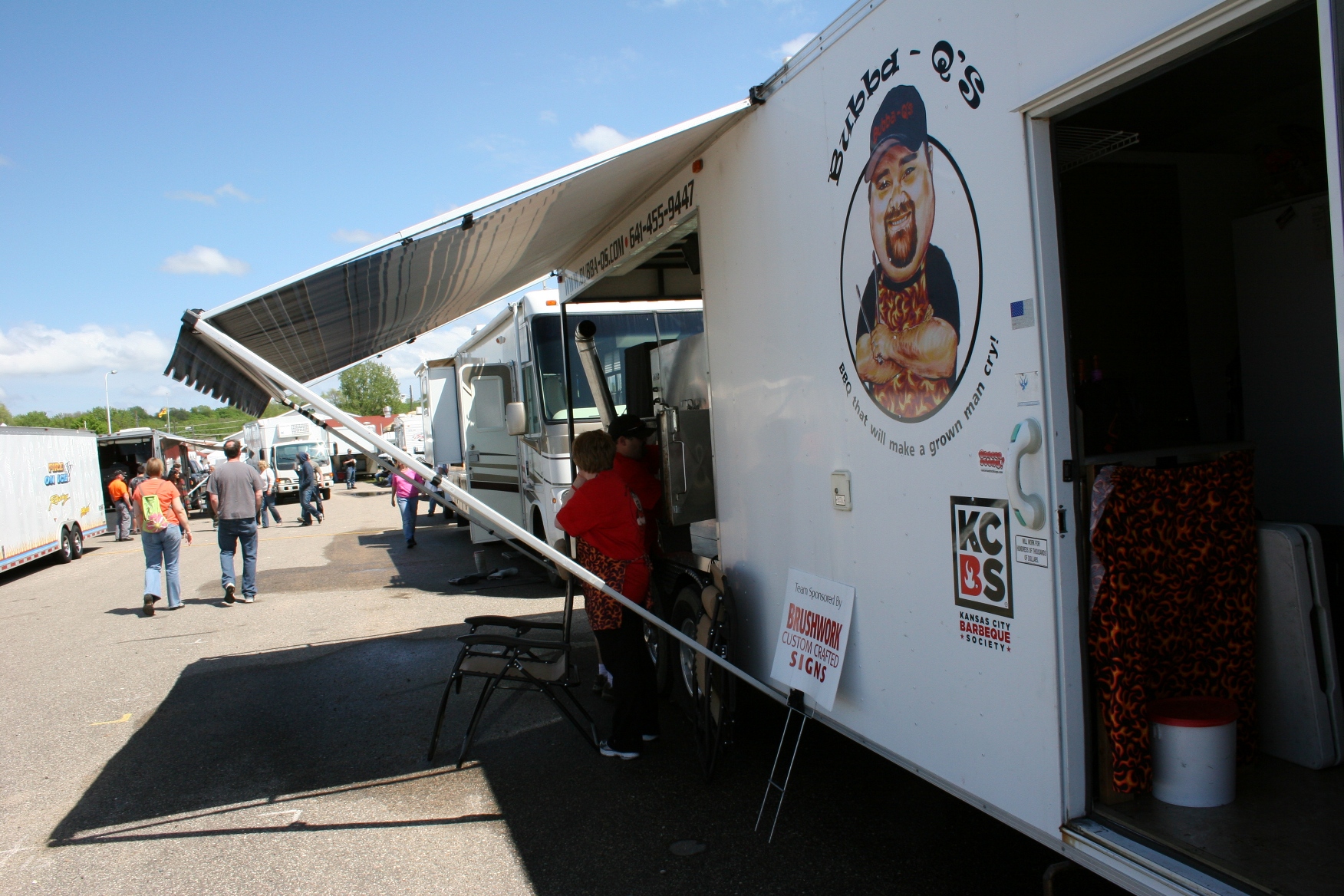
Bubba and Sabrina’s home on wheels and traveling BBQ central parked at the 2011 Minnesota in May BBQ Festival. The couple owns Bubba-Q’s, a restaurant in Ottumwa, Iowa.
Artfully displayed bacon-wrapped pheasant prepared by a BBQ team from Appleton, Wisconsin, during the 2011 competition at the Rice County Fairgrounds in Faribault.

With $10,000 in prize money up for grabs, you can expect some top contenders vying on Saturday for awards in these divisions: turkey product, chicken, ribs, pork, beef brisket, anything butt and dessert. Contestants will be cooking all morning and into the early afternoon with judging from 11:30 a.m. – 2 p.m.


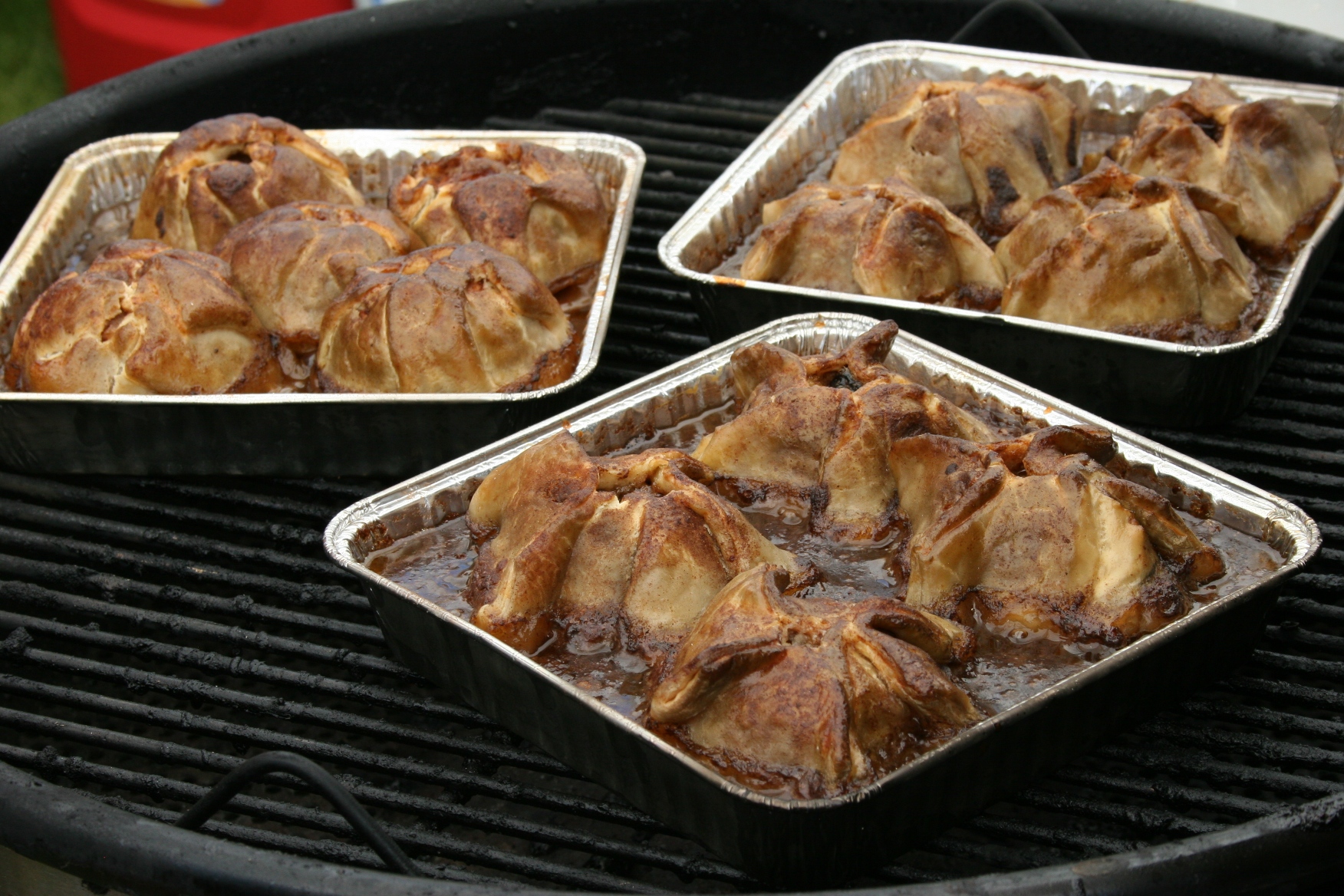
These delicious-looking apple dumplings were entered in the 2011 dessert division.

Ten cooks will also compete in a “grilling with blue cheese” contest featuring Caves of Faribault cheese. Yes, we have some savory blue cheese made right here in my community and aged in sandstone caves. That contest is set for 3 p.m. Saturday.
Award-winning Amablu Gorgonzola from Caves of Faribault.
The Cheese Cave is a gourmet destination along Central Avenue in historic downtown Faribault. Stop by on Friday or Saturday if you’re in town for the BBQ Festival.

The Friday events, running from 4:30 p.m. – 7 p.m. include a Kids BBQ Competition,  BBQ Cook-Off and live music.

Now I’m not promoting this BBQ fest simply because it’s the nice thing to do. I attended last year and thoroughly enjoyed the festival, including chatting with numerous contestants. You would not believe how far these people travel, how much money they spend and how passionate they are about barbecuing. Click here to link to a blog post about the 2011 Minnesota in May BBQ Festival, which did not include cheese. Click here to read a post about BBQers Bubba and Sabrina from Iowa. And click here to read a third story from the 2011 BBQ fest.

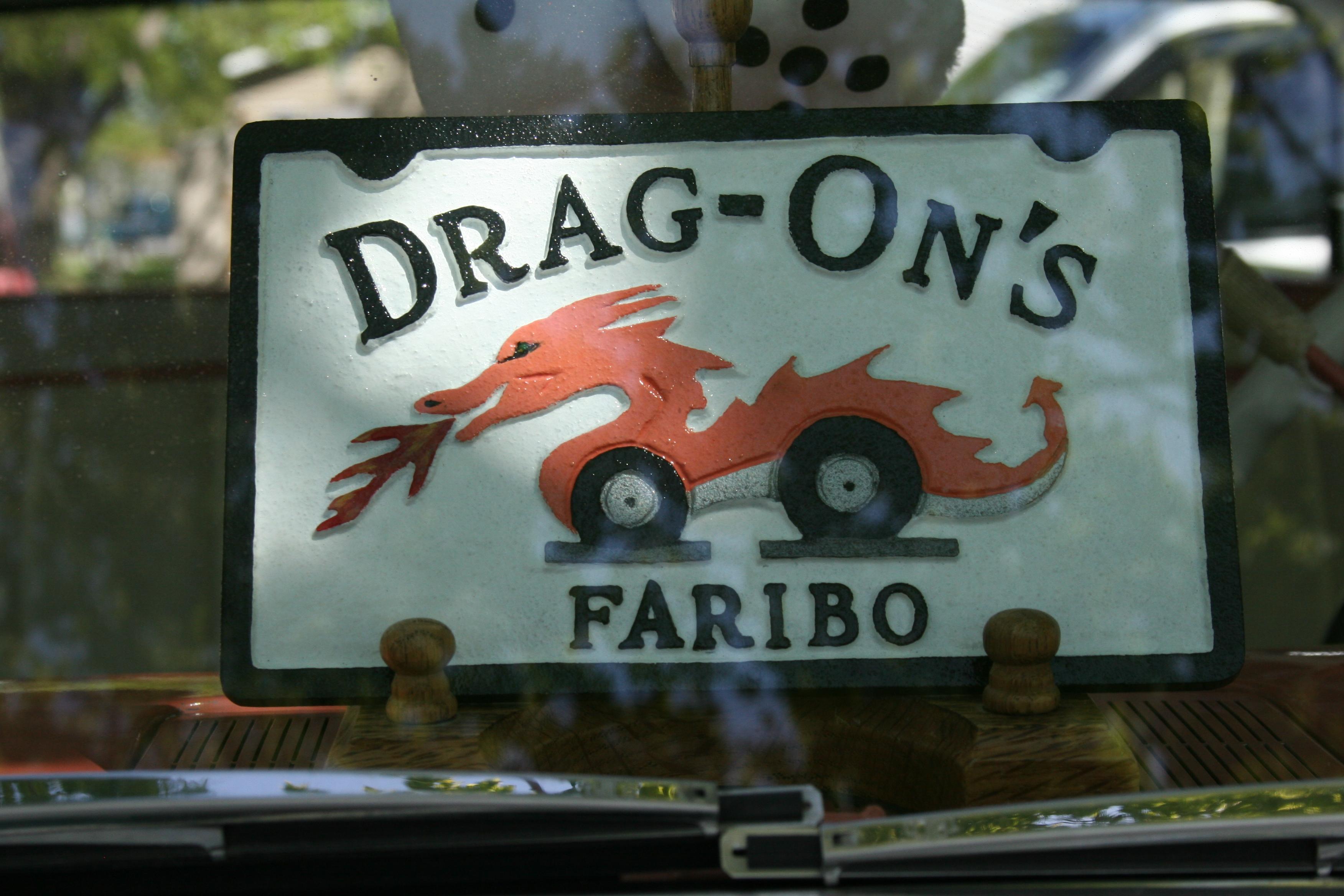
The logo for the Faribo Drag-On’s car club on a member’s vintage car.

This year a car show, hosted by the Faribo Drag-Ons from 9 a.m. – 3 p.m. Saturday, has been added to the festival.

Other draws include a Saturday pancake breakfast from 7 a.m. – 9 a.m. ($5 cost), live music, food and non-food vendors and more. Click here to read a promotional flier about the Minnesota in May BBQ & Cheese Festival.

Contest and festival proceeds will benefit IRIS (Infants Remembered in Silence) and The Faribo Drag-Ons. Two more good reasons to attend.

If you can’t make it to the Faribault BBQ festival, you’ll have more opportunities from June through September to attend Minnesota barbeque fests—in Owatonna, Rochester, Marshall, Albert Lea and/or Worthington. Click here to read details from the Minnesota Barbeque Society.

HAVE YOU EVER ATTENDED a barbeque festival? Please submit a comment and share your experience.

#

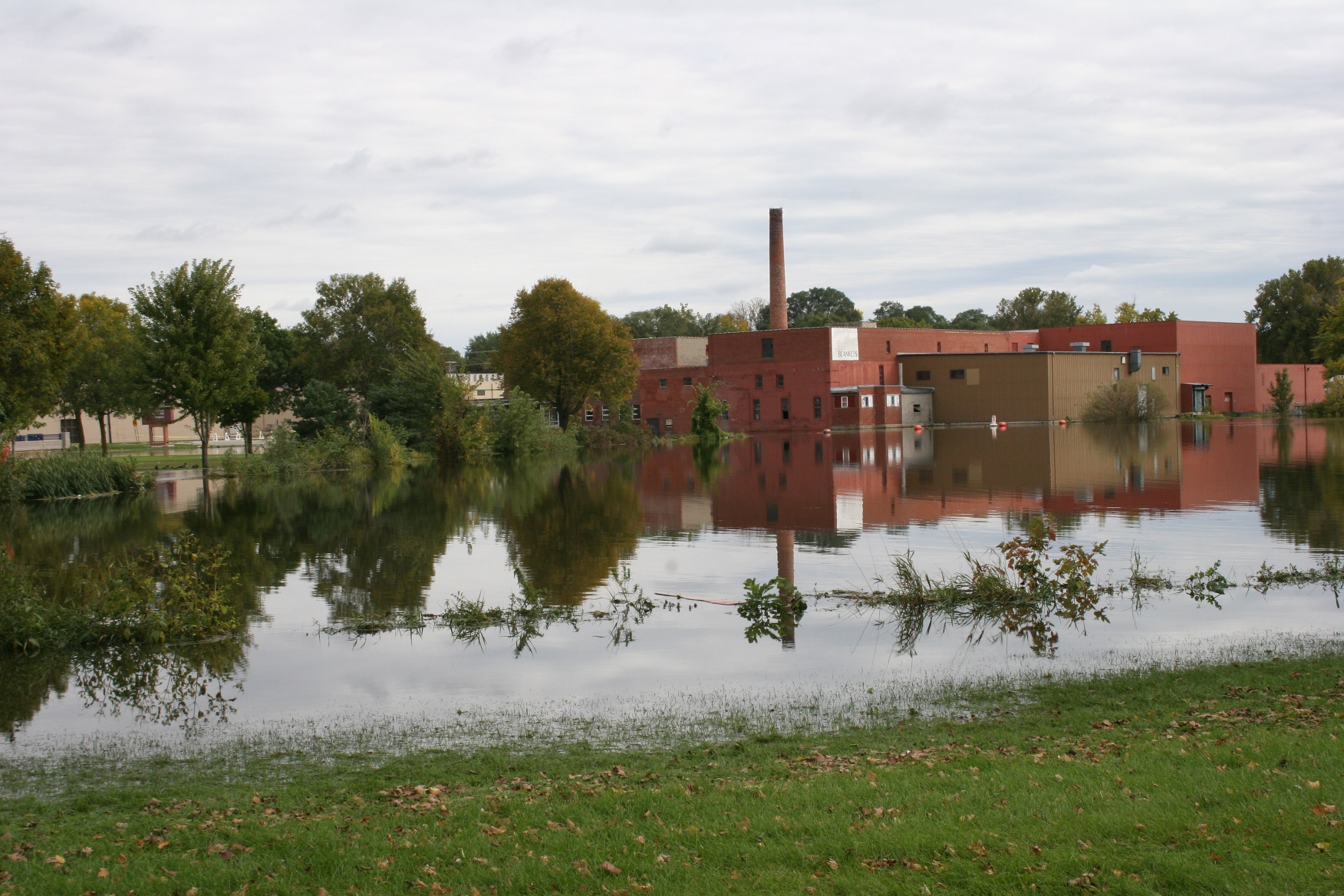
This file photo shows the Faribault Woolen Mill days after a flash flood in September 2010 and before the mill reopened a year later. The mill had closed in 2009 and was not in operation at the time of the flood.

P.S.  If you’re in town for the BBQ fest, take time also to check out the Faribault Woolen Mill retail store across the Cannon River just south of the fairgrounds. The store, in the recently reopened and revamped historic mill, opened Tuesday. Retail store hours are 10 a.m. – 4 p.m. Monday – Saturday.

© Copyright 2012 Audrey Kletscher Helbling