Minnesota Prairie Roots

Writing and photography by Audrey Kletscher Helbling

Celebrating the Irish from green beer to Mulligan stew, music, royalty, parades & more March 12, 2025

The Irish national flag flies outside an Irish pub in Wabasha. (Minnesota Prairie Roots copyrighted file photo)

I’VE NEVER ATTENDED a St. Patrick’s Day celebration. I’ve never eaten corned beef and cabbage. But I have eaten Irish stew at The Olde Triangle Pub in Wabasha, although not on St. Patty’s Day.

Green beer outside a bar in downtown La Crosse, Wisconsin. (Minnesota Prairie Roots copyrighted file photo)

I once spotted a partially-filled cup of green beer sitting outside a bar in La Crosse, Wisconsin, the day after St Patrick’s Day. I’m quite certain I’ve consumed an Irish lager or ale, although the beer was not colored green.

The Church of St. Patrick in St. Patrick. (Minnesota Prairie Roots copyrighted file photo)

I’ve never attended a St. Patrick’s Day Mass, although I’ve photographed the exterior of the Church of St. Patrick, Cedar Lake Township in the unincorporated village of St. Patrick.

A tombstone in the Church of St. Patrick Cemetery. (Minnesota Prairie Roots copyrighted file photo)

I am 100 percent German, although I had a full-blooded Irishman uncle (he died a year ago) from Belfast. He married into the family.

Now if any of this qualifies me to be an Irishwoman for a day, I will accept the luck of the Irish and don some green on March 17 or thereabouts.

The Olde Triangle’s hearty Irish stew. (Minnesota Prairie Roots copyrighted file photo)

We can all be Irish in mid-March as communities, churches, restaurants and bars, and more celebrate St. Patrick’s Day. In my region of southern Minnesota, you’ll find lots of ways to be Irish. Starting on Saturday, March 15, Sacred Heart Church in Waseca gets festivities underway with Irish music and Mass at 10:30 a.m. A Parade of Clans to The Mill Event Center follows at noon for an Irish rally. I take rally to mean a big party—food, including Mulligan Stew and corned beef and cabbage, served from a food truck; beer; music and entertainment; and more fun. At 7 p.m., Miss St. Patrick and Miss Irish Rose will be crowned. A dance follows. I should note here that Waseca is home to an Irish pub, Katie O’Leary’s Beef & Brew.

Signage on St. Patrick’s Tavern in St. Patrick. (Minnesota Prairie Roots copyrighted file photo)

The tiny, unincorporated Scott County burg of St. Patrick, basically a church, cemetery, baseball field and tavern, is, of course, honoring the patron saint (and its name) via food and music at St. Patrick’s Tavern. The bar and restaurant along Old State Highway 13 northeast of New Prague will serve corned beef, cabbage and red potatoes on March 15 with a green beer on tap. Food and beer specials continue on March 17. There will be music both evenings.

Shamrocks in my yard, planted by friends. (Minnesota Prairie Roots copyrighted file photo)

Over in Le Center, a full day of Irish-themed festivities begins at 11 a.m. March 15 with Mass at St. Mary’s Catholic Church. Over at the American Legion, Mulligan Stew will be served from 11 a.m. – 2 p.m. And then at 2 p.m., the big St. Patrick’s Day parade through downtown Le Center begins. Presiding over everything will be the newly-crowned royalty—Miss Shamrock, Miss Leprechaun and Miss Irish Rose. Dancing in the evening at the Legion wraps up the celebration.

A St. Pat’s Day decoration in a storefront window in Faribault. (Minnesota Prairie Roots copyrighted file photo)

In Owatonna, VFW Post 3723 is hosting a March 15 St. Paddy’s Day Dinner & Trivia party with dinner choices of corned beef and cabbage or Shepherd’s Pie, plus sides and dessert, served from 5-6:30 p.m. Irish Trivia follows at 7 p.m. with a chance to win a Pot of Gold. There will also be leprechaun races and other activities.

(Promo source: Paradise Center for the Arts Facebook page)

Music centers a high-energy show Saturday, March 15, at the Paradise Center for the Arts in Faribault as Twin Cities-based The Northerly Gales brings its spin on Celtic Folk and Americana to the stage at 7:30 p.m. And, yes, you can enjoy a beer while enjoying the music.

Patrick’s on Third anchors the corner on the left of this block in downtown St. Peter. (Minnesota Prairie Roots copyrighted file photo)

Over in St. Peter, St. Patrick’s Day is celebrated on the actual date, March 17. Paddlefish Brewing offers a special on its Leprechaun Lager. I expect the Irish and not-so-Irish will also gather at Patrick’s on Third for food and drink, including green beer. The Govenaires, the longest, continuously-operating drum and bugle corps in the U.S., performs in the 5:30 p.m. St. Patrick’s Day Parade and then briefly afterwards at Patrick’s on Third. The Governaires are traveling to Ireland in August to participate in the Rose of Tralee International Festival. They are encouraging donations of $17 on March 17 to help fund the trip.

Irish pride shows on the Kilkenny, Minnesota, water tower. (Minnesota Prairie Roots copyrighted file photo)

So there you go, a sampling of St. Patrick’s Day activities happening in my region. But I must mention one more thing. If you want to celebrate St. Patrick’s Day in Kilkenny, Minnesota, you’ll have to wait. The Le Sueur County town of some 150 with the Irish name shifted its annual Irish celebration to September. Halfway to St. Paddy’s Day is set this year for September 13 and 14. Mark your calendars for more Irish fun six months from now.

© Copyright 2025 Audrey Kletscher Helbling


Grieving Naomi & how you can help March 7, 2025

Filed under: Uncategorized — Audrey Kletscher Helbling @ 6:00 AM
Tags: , , , , , , , , , , , ,
Naomi Biel, December 10, 2024 – February 9, 2025

TO LOSE A CHILD of any age is heartbreaking. But that is reality for Nyakueth Biel, a young mother rooted in my community. She is grieving the February 9 passing of her baby girl, two-month-old Naomi, in Brooklyn, New York.

Nyakueth’s daughter will be remembered during a funeral service at 12:30 p.m. Saturday, March 8, at my church, Trinity Lutheran in Faribault, before she is laid to rest at Maple Lawn Cemetery. No mother should have to bury her child, especially an infant.

I think of my own newborn grandson, who will soon turn two months old. And then I think of darling Naomi and her grieving mom, grandma, aunt and uncle. Pain runs deep.

Naomi’s obituary describes her as a very happy and healthy baby who was deeply loved and brought immense joy to those around her. And then she died. Unexpectedly. Within nine weeks of her December 10, 2024, birth.

SUPPORT IN LAYING NAOMI TO REST

And now Nyakueth, who is facing unfathomable grief, is also facing financial challenges in paying for her daughter’s funeral expenses. And that’s how you can help. Nyakuan Daniel has started a GoFundMe fundraiser, “Support for Nyakueth Biel in Laying Baby Naomi to Rest.”

Nyakuan Daniel explains:

We are reaching out to our community for support during this incredibly difficult time. Any contribution, no matter how small, will go toward covering funeral expenses and ensuring that Nyakueth has the support she needs as she navigates this heartbreaking loss. Your generosity will help ease her financial burden so she can focus on healing and honoring the memory of her precious daughter.

What wonderfully loving, supportive, heartfelt and heartbreaking words.

If you are able and so moved, I encourage you to contribute anything you can to help Nyakueth. The fundraising goal is $16,000. Click here to reach the GoFundMe page.

SHOWING COMFORT, LOVE, COMPASSION…

I personally comforted Naomi’s grandmother shortly after her granddaughter died. She was waiting for her daughter to arrive in Faribault from New York. I wrapped Nyayual in a tight hug, held her hands, prayed with her. And then I organized with friends to help the family financially. While our gift is small compared to Nyakueth’s needs, it helps. But more so than the money, it is the love, compassion, care and support that matters the most. We want Nyakueth and her family to feel the love of their faith family and many others.

As Nyakuan Daniel writes in her GoFundMe letter: Let us come together to support Nyakueth and show her that she is not alone in her grief. And that, my friends, is within our power to do.

#

NOTE: If you prefer not to donate via GoFundMe but still wish to support Nyakueth with a financial gift, please reach out to me and perhaps I can help. I’m offering this option to those of you who know me personally and have my personal contact information.

© Copyright 2025 Audrey Kletscher Helbling
 

Marking time in Faribault March 6, 2025

I took this photo 10 years ago, when the refurbished Security Bank Building clock was reinstalled in downtown Faribault. (Minnesota Prairie Roots copyrighted file photo 2015)

THIS WEEK MARKED a week of time. Of deadlines and changes. Time to get the fish house off the lake by midnight Monday in the lower two-thirds of Minnesota or risk a fine or house removal. Time to pull out the snowblower, for some the first time this winter. Time to give up sweets, or whatever, in the penitent season of Lent. And now this weekend, time to move time forward an hour.

Looking from the bank clock south on Central Avenue. (Minnesota Prairie Roots copyrighted file photo 2015)

That got me thinking about some of the outdoor public clocks I’ve seen through the years. They are not only useful if you want to know the time. But they are also works of art and part of local history.

A 1950s scene along Faribault’s Central Avenue, with the Security Bank Building clock in the background, is depicted in this mural in our downtown district. (Minnesota Prairie Roots copyrighted file photo)

Take for example, four prominent clocks in Faribault. A refurbished 1915 box style clock graces the Security Bank Building at 302 Central Avenue in the heart of downtown. In 2015, a professional clock “doctor” and a local stained glass artist restored the clock with funding efforts led by the Faribault Rotary Club. The bank clock is truly an historic and artistic jewel in my community. I can only imagine how many people have walked beneath that clock in its 110-year history.

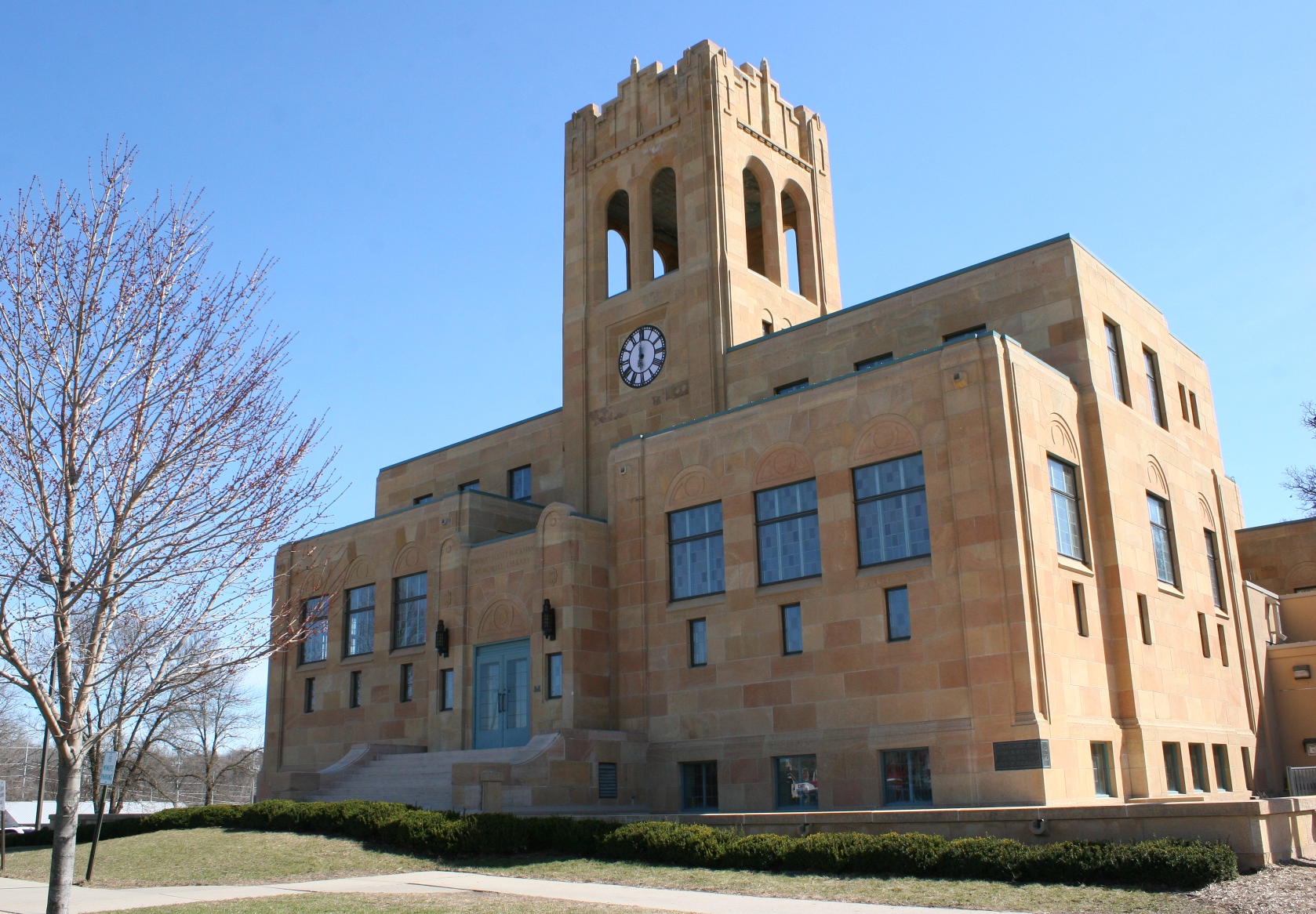
The 1929 section of Buckham Memorial Library with its signature central tower. (Minnesota Prairie Roots copyrighted file photo)

Several blocks to the south, a clock focuses the base of the central tower at Buckham Memorial Library, a lovely Moderne/Art Deco style limestone building constructed in 1929 and on the National Register of Historic Places. The stained glass window below the clock was designed by Charles Connick of Boston. This is a timeless classic building where generations of families have pulled books from the shelves to grow their knowledge and simply for the joy of reading.

A bagpiper plays outside the Rice County Courthouse topped by a clock. (Minnesota Prairie Roots copyrighted file photo)

Just blocks away, a clock fronts the Fourth Street side of the Rice County Courthouse, built in 1932, also in the Art Deco style. Each year, events honoring veterans happen at the Rice County Veterans Memorial within view of the courthouse clock. For a moment or an hour, time stands still as we remember the sacrifices made for country, for democracy, by our veterans.

A view of the Shumway Hall tower from City View Park. (Minnesota Prairie Roots copyrighted file photo)

And then across the Straight River on the east side of Faribault, the Shumway Hall clock tower rises on the campus of Shattuck-St. Mary’s School in a complex of buildings that looks more castle than private college prep school. City View Park atop a hill blocks from campus offers a bird’s eye view of the tower, a view that is especially stunning in autumn. Shumway’s tower is assuredly a Faribault landmark, with Shumway Hall built in 1887 and on the National Register of Historic Places. Thousands of students have passed beneath that clock tower as they learned, studied and grew. Time passages.

Each day we mark time. Just as these notable outdoor public clocks do in Faribault. I expect most locals take these historic clocks for granted, pass by them without a thought. Too often we do that in our personal lives also, thinking we have all the time in the world. Until we don’t.

© Copyright 2025 Audrey Kletscher Helbling
 

Rockin’ flannel & roasting doughnut holes February 27, 2025

(Promo sourced online)

TWO DECIDEDLY WINTER EVENTS are happening in my area of southern Minnesota this weekend. First up, the Faribault Flannel Formal from 5-10 p.m. Saturday, March 1, at the Craft Beverage Curve in Faribault. There is a cost to attend.

This mural based on an historic photo of skating on the Straight River hangs on the side of 10,000 Drops Distillery. (Minnesota Prairie Roots copyrighted file photo December 2019)

Minnesotans’ love of flannel will focus this fun gathering inside the complex housing 10,000 Drops Craft Distillers and Corks & Pints at 28 NE 4th Street. Although I’ve never attended, because a noisy, packed setting is difficult for me to manage, I know it’s a popular event.

So what’s on the schedule? Well, there’s a Best Dressed Lumber Jack and Jane contest. That means attendees should arrive dressed in their best Paul Bunyan style attire with plenty of buffalo plaid flannel. Minnesota embraces the legendary lumberjack and his sidekick, Babe the Blue Ox.

Tater Tot Hotdish advertised on a sandwich board outside an eatery in Belview in southwestern Minnesota. (Minnesota Prairie Roots copyrighted file photo 2019)

But the competition doesn’t stop there. A Hotdish (not casserole) Contest and sampling of hotdish entries is another Flannel Formal staple. Tater Tot Hotdish and Chicken Wild Rice Hotdish are Minnesota favorites, although certainly entries are not limited to those two.

I expect there will be other competitions, although those are not specifically listed in promotional information. Raffles are. And so is music by North Branch-based Buffalo Alice, a band that plays a unique blend of classic rock and country.

Pull out the original or updated (pictured here) version of “How to Talk Minnesotan” by Howard Mohr to brush up on the Minnesota Language Systems. (Book cover sourced online)

I’d encourage you, if you plan to attend, to brush up on your Minnesota Speak. Drag out your looooong o’s. Practice phrases like “that’s different” and “you betcha!” And, of course, say a long Minnesota goodbye when you leave the Formal.

(Promo courtesy of the Valley Grove Preservation Society)

On Sunday, March 2, head over to the Nerstrand area for a 1-3 p.m. free Doughnut Hole Roasting Party at the historic Valley Grove Churches. This hilltop setting, 9999 155th St. East, is perhaps my favorite rural location in Rice County because of its beautiful natural setting and peacefulness. Plus, I love the two historic churches there.

A favorite photo I took of the Valley Grove churches. (Minnesota Prairie Roots copyrighted file photo October 2024)

The Valley Grove Preservation Society Board will have a bonfire roaring for the doughnut holes they will provide along with roasting sticks. Just bring a chair, your own warm drinks and dress weather appropriately. I’d encourage wandering around the cemetery and walking on the prairie along with connecting with people passionate about preserving these Norwegian immigrant churches and the land surrounding them.

I’ve never attended this novel party, but would like to sometime.

There you go. Two places. Two events. Two reasons to get out of the house on the first two days of March in southern Minnesota.

© Copyright 2025 Audrey Kletscher Helbling

 

I just wanted a Peanut Buster Parfait February 25, 2025

Randy holds a Peanut Buster Parfait purchased during a previous visit to The Little DQ. (Minnesota Prairie Roots copyrighted file photo)

SPRING HAS UNOFFICIALLY ARRIVED in Faribault. The Little DQ opened this past weekend. And that, in my community, signals closing the door on winter and cracking it open to spring. Never mind that winter can continue well into April, sometimes even May, here in the North. But let’s not consider that possibility. There are enough other things to feel pessimistic about right now.

Sunday evening Randy and I drove across town to the local walk-up/drive-up Dairy Queen for the $2.49 Peanut Buster Parfait opening weekend special. That’s always the bargain treat when The Little DQ opens at the end of February and then closes in October.

Since these are typically the only two times we go to DQ in a year, I was excited to get this fudgy, salty, sweet treat. We pulled up around 8 pm, surprised not to see a line of vehicles. But then again it was the end of the weekend, the hours winding down to the 10 pm closing.

A friendly voice greeted us over the intercom as Randy ordered two Peanut Buster Parfaits. “We’re out of peanuts,” the teen on the other end told us. “You can substitute something else.”

Not a Peanut Buster Parfait, but an M & M Parfait. (Minnesota Prairie Roots copyrighted photo February 2025)

After some grumbling between us, we settled on M & Ms as a peanut replacement. I was too surprised to fully consider other options. My mind was fixated on peanuts because a Peanut Buster Parfait is simply not a Peanut Buster Parfait without the peanuts.

We both shared the thought that employees of The Little DQ could have sourced peanuts from the next door convenience store, a grocery store across the highway or even the other DQ down the road. Never mind. It was just an idea.

And so we ate our minimally fudgy M & M Parfaits and reminisced about the other time we arrived at The Little DQ to order Peanut Buster Parfaits on closing weekend. “We’re out of ice cream,” said the voice on the other end of the intercom. At least this time we got ice cream.

© Copyright 2025 Audrey Kletscher Helbling

 

An enlightening talk focuses on Minnesota’s “Hooded History” February 21, 2025

The audience settles in as Nancy Vaillancourt, center, is about to begin her presentation, “Minnesota’s Hooded History.” (Minnesota Prairie Roots copyrighted photo February 2025; all photos taken with my smartphone)

NOT MUCH HAS CHANGED in 100 years. That summarizes my thoughts after attending a talk, “Minnesota’s Hooded History—The Ku Klux Klan in 1920s Minnesota,” followed by a Q & A Thursday evening at my local library. Hate groups still exist in America, just with different names, different targets, different locations, different levels of participation.

But the core ideology of these groups, based on what I heard and what I’ve read, remains unchanged. The same in 1925 as in 2025. Historian and retired librarian Nancy Vaillancourt could have been talking about current day America when she shared her research into the KKK in Minnesota. The KKK professed a strong Christian faith, patriotism, Americanism, American ideals and more as they targeted first Blacks, then Catholics, Jews and others, including immigrants. Sound familiar? Today this hatred and intolerance is coming not only from organized hate groups, but also from individuals and from people in positions of power.

Faribault hosted the first state Klan convention, with details outlined in this slide presented by Nancy Vaillancourt. (Minnesota Prairie Roots copyrighted photo February 2025)

Back to Vaillancourt’s presentation Thursday evening. About 100 attendees packed the Great Hall meeting room at Buckham Memorial Library to capacity in a city which hosted Minnesota’s first state Klan convention in August 1924. Klan members from 69 cities and towns attended the event at the Rice County Fairgrounds in Faribault with the KKK claiming 2,500 in attendance. A publication noted fewer than half that number actually attended. Inflated crowd numbers. Sound familiar?

Nancy Vaillancourt displays an authentic Klan hood given to her by a woman from Blooming Prairie. She warned audience members that some items she would be showing may be disturbing and that they could step out if necessary. (Minnesota Prairie Roots copyrighted photo February 2025)

Certainly, hosting a state KKK convention is not a proud moment in a city’s history. But it is history none-the-less and important to know. We cannot deny our past, even if hurtful and painful and awful. And Vaillancourt revealed plenty of hurt and hate as she presented, focusing on the KKK in my region of southern Minnesota. She confirmed the presence of Klan chapters in nearly 60 Minnesota counties at one time. Groups of men, women and sometimes children who, in their hooded coverings, spewed hatred and intolerance while waving American flags and singing “Onward Christian Soldiers.”

Cross burnings occurred in Faribault, (including on the bluffs below St. Mary’s Hall), Stockton, Red Wing, Winona and other locations cited not only by Vaillancourt, but by audience members. Like Teresa, whose husband’s grandmother had a cross burned in her yard near Waterford (outside Northfield) because she was Catholic. Klan hatred toward Catholics was particularly strong in 1920s Minnesota.

A Catholic mother, who had just given birth, watched as the KKK paraded past the Owatonna hospital while en route from the Steele County Fairgrounds to Central Park during the state Klan convention in 1926. Can you imagine the fear she felt? Not unlike the fear targeted groups of people are experiencing today in this country.

Sounds like a deceptively wholesome gathering at the Klan Park in Owatonna. (Minnesota Prairie Roots copyrighted photo February 2025)

Because Vaillancourt is from Owatonna, much of her talk focused on that community just south of Faribault along Interstate 35. Owatonna, it seems, was a hotbed of Klan activity, hosting local and state gatherings. But the fact that stood out for me was the Klan’s purchase of 20 acres of land east of downtown Owatonna. That land became Klan Park, a place to gather, organize and socialize. The local chapter even constructed a meeting house there. While it is disheartening to hear this, it was uplifting to learn that the land was sold in 1945—to a man whose wife was Catholic. Attendee Bonnie shared that bit of information about her great uncle, who was invited to join the Klan, declined because of his wife’s Catholicism and then eventually bought the land. Today that former KKK park is the site of soccer practice fields, Vaillancourt noted, where a diverse group of youth play.

Vaillancourt covered a whole lot more in her presentation. Like how the Klan recruited from fraternal orders, Protestant churches, via fiery speeches, by invitation. Fear and social and economic pressure were used to draw people into the Klan. Sound familiar? In Virginia, in northern Minnesota, the entire school board claimed Klan membership and made Bible reading in school compulsory. The mayor of St. James was a major grand dragon of the KKK. The Northfield Klan hosted a KKK homecoming Labor Day parade in September 1926. The Klan was big on parades. That makes sense given the intimidation and fear a mass of hooded marchers can instill in the public. And Owatonna residents were afraid, Vaillancourt said.

A powerful editorial from a southeastern Minnesota newspaper. (Minnesota Prairie Roots copyrighted file photo February 2025)

Yet, there were individuals—like Bonnie’s great uncle—organizations and media who resisted and challenged the Klan. The NAACP, the National Vigilance Association, the Knights of Columbus… Vaillancourt specifically noted the Catholic-based KC group for effectively exposing Klan members in a community.

This gives me hope, when I hear of media, individuals and organizations that stood up and refused to accept hatred and intolerance. It gives me hope, too, when members of my community turn out in strong numbers to learn about “Minnesota’s Hooded History.” Knowledge is powerful. It gives me hope, too, when someone like Nancy Vaillancourt cares, researches and shares because, she says, she wants “to get the truth out.” Even while some still deny it.

#

FYI: To learn more about the Ku Klux Klan and about other hate groups in America, visit the Southern Poverty Law Center.

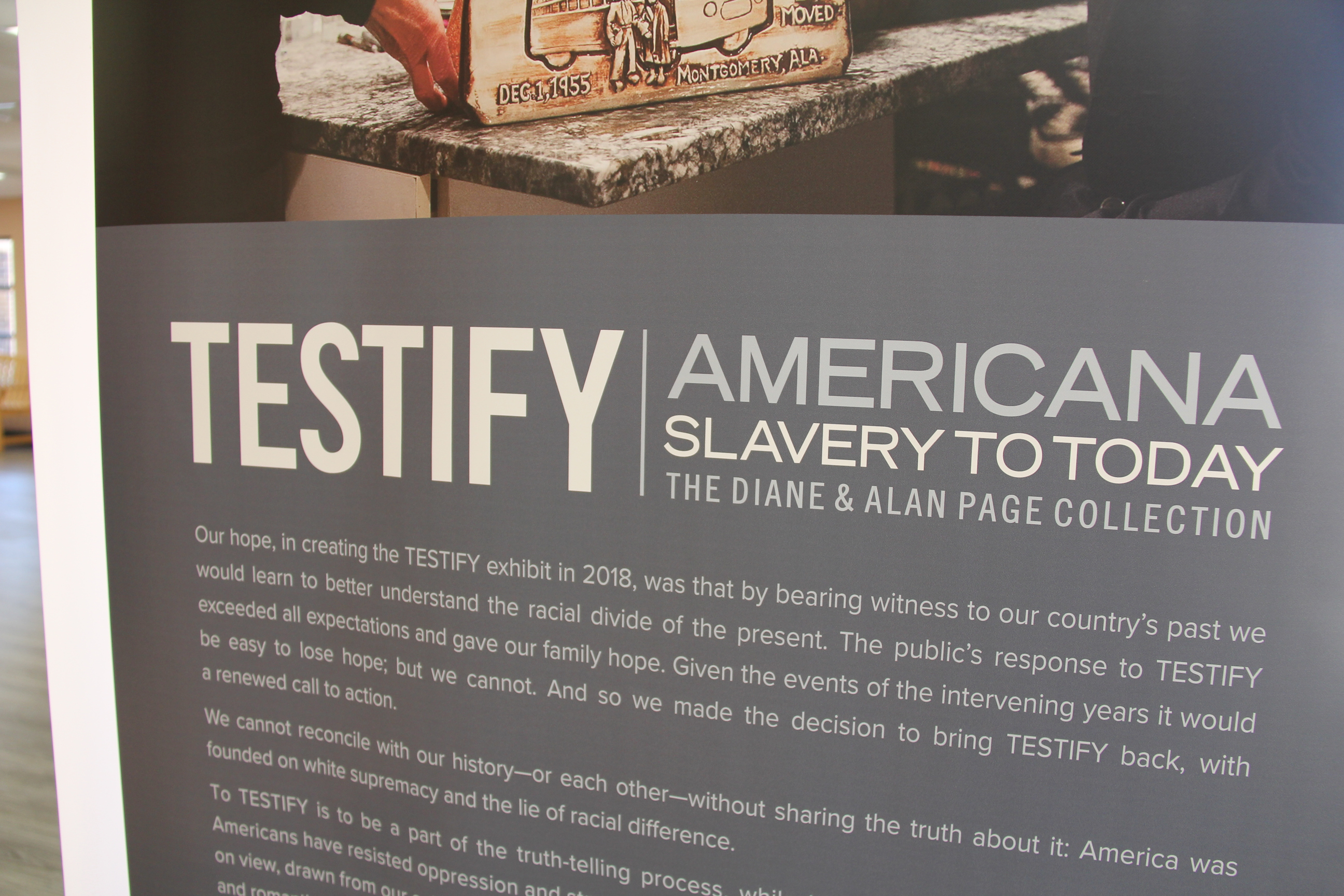
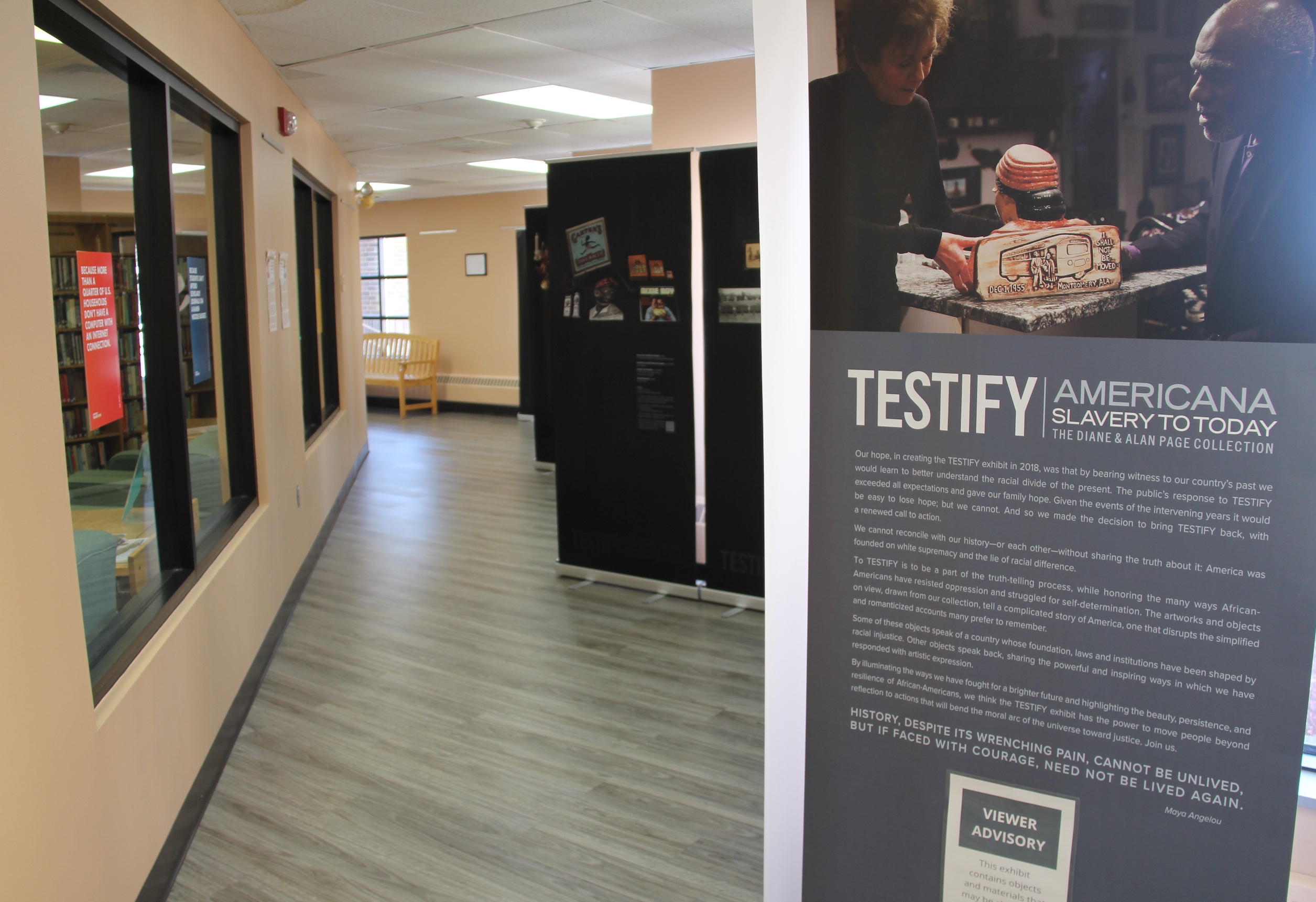
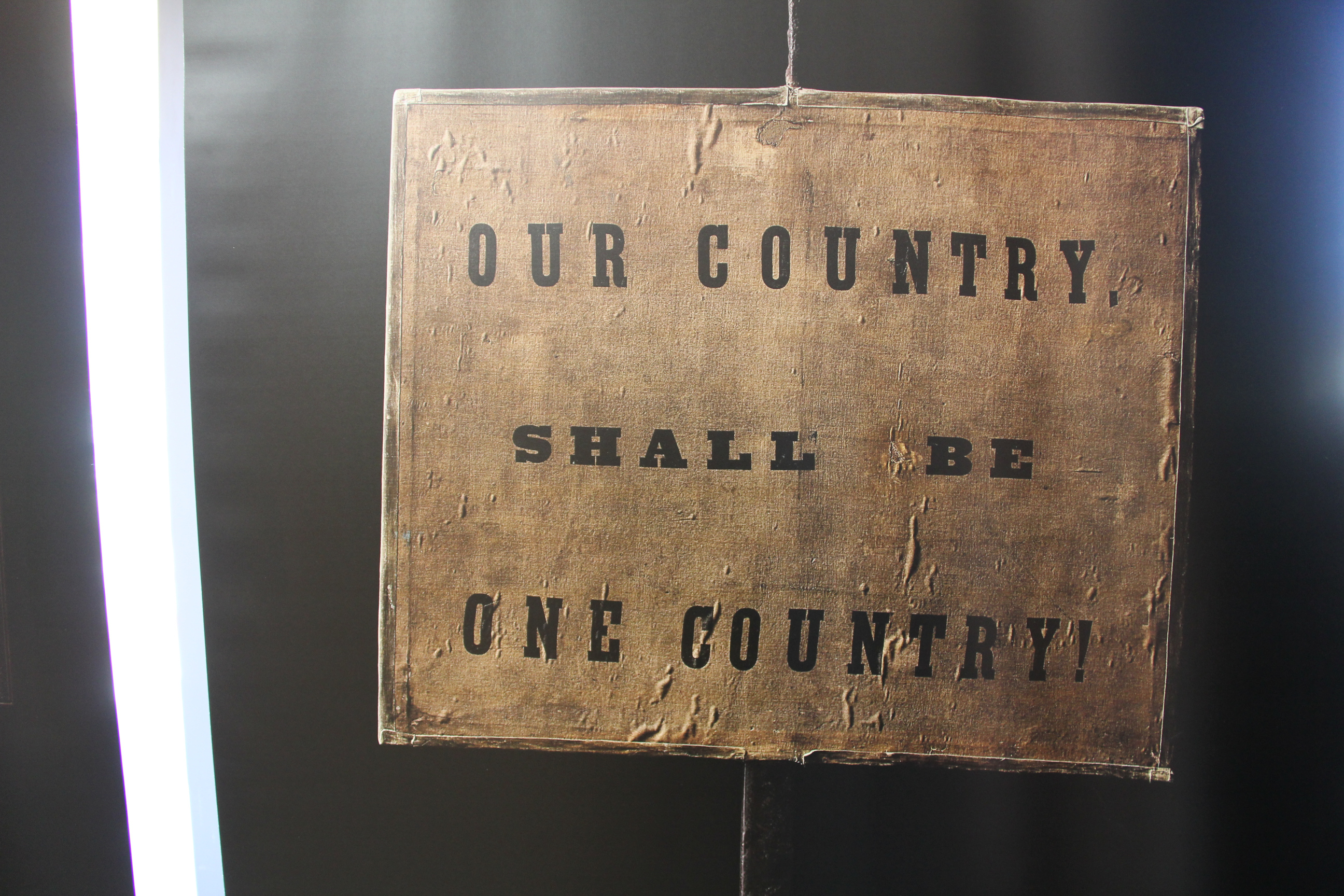
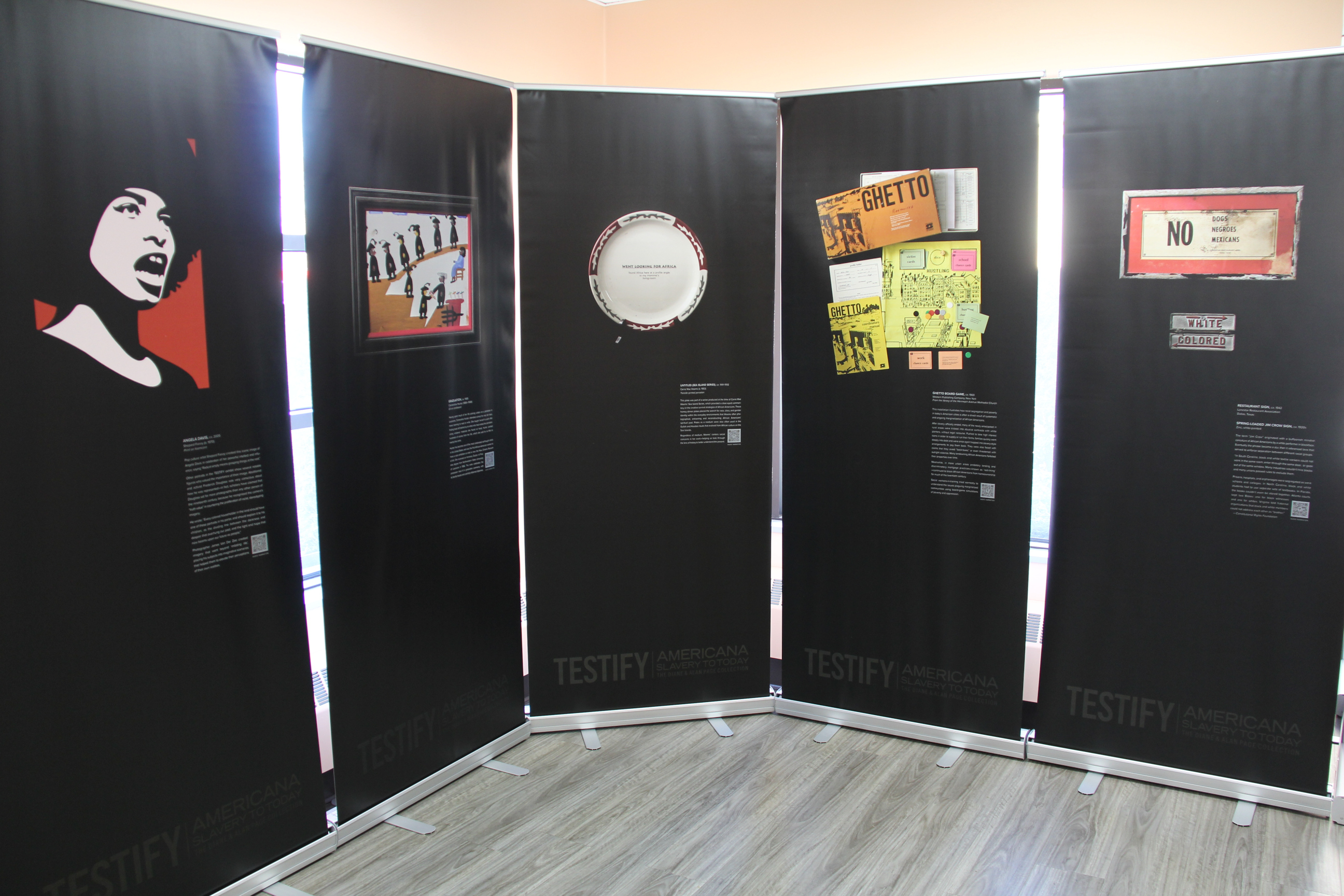
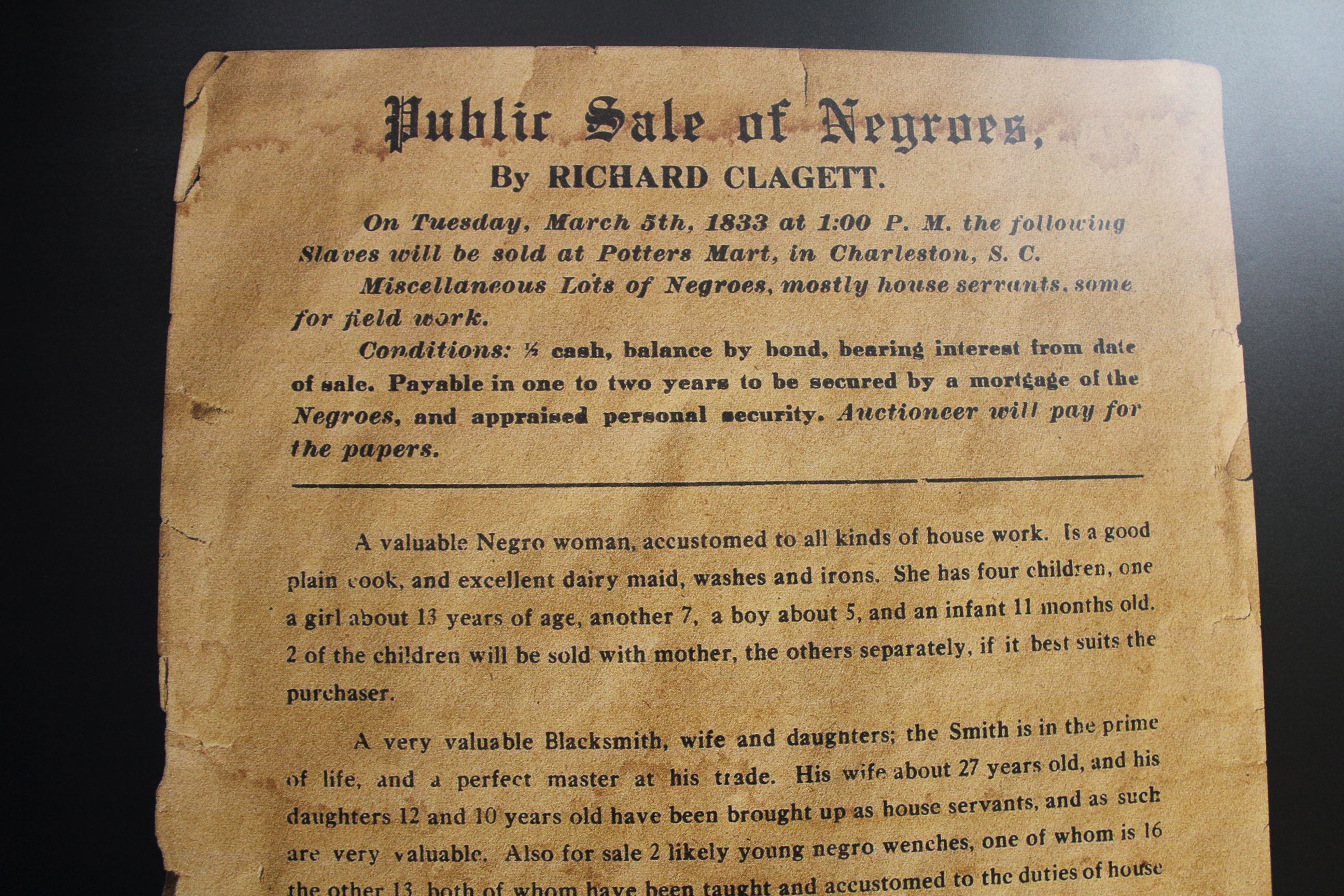
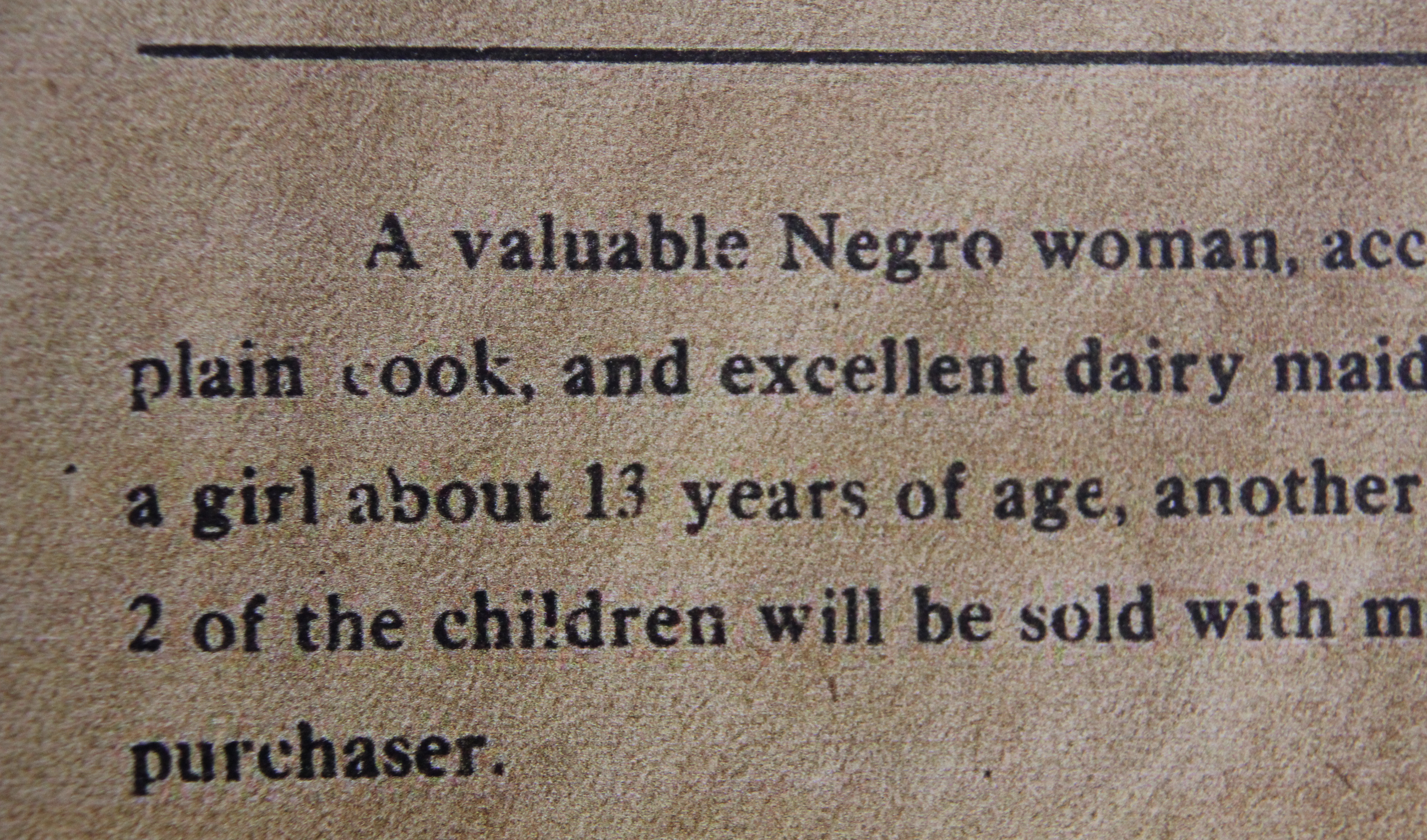
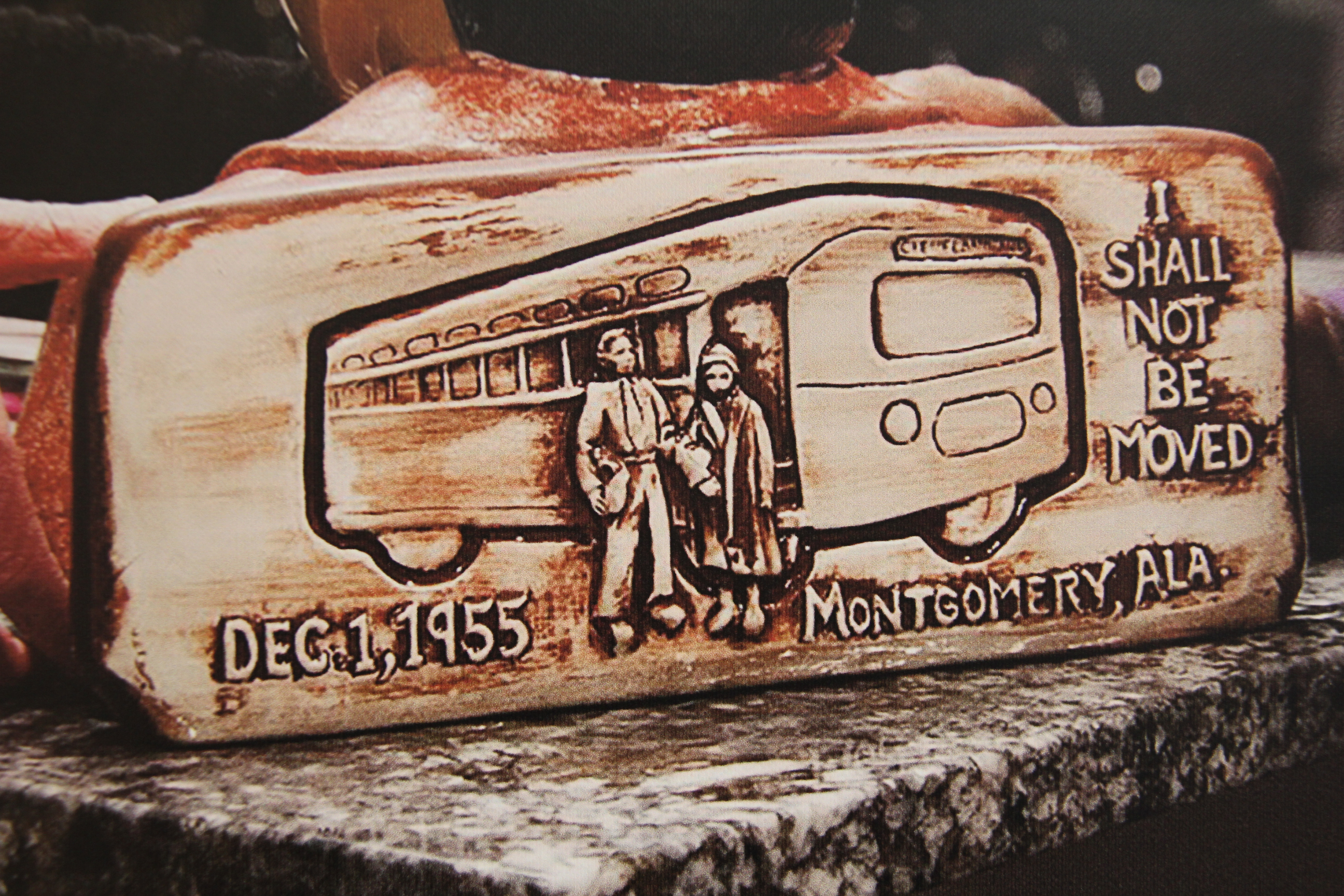
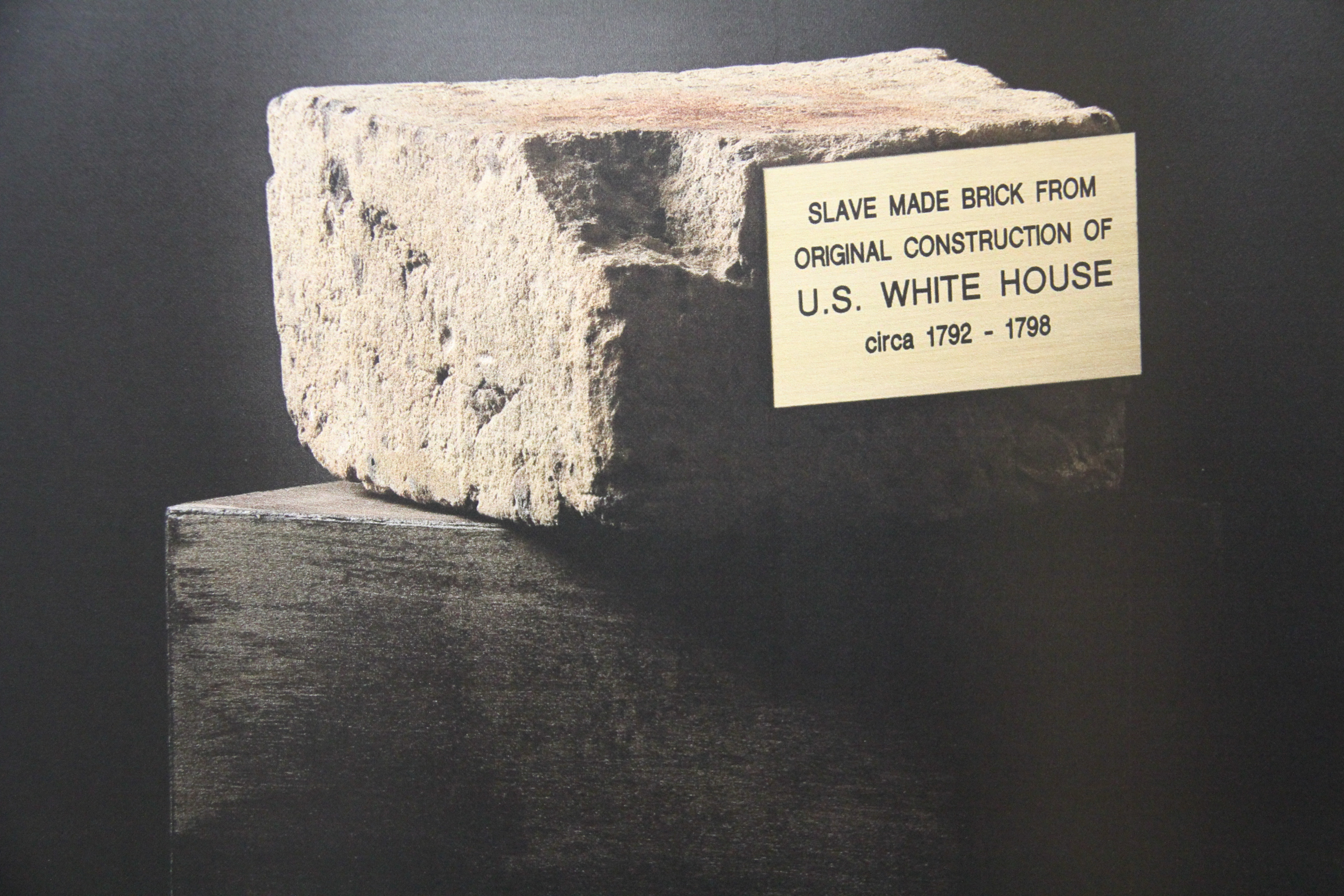
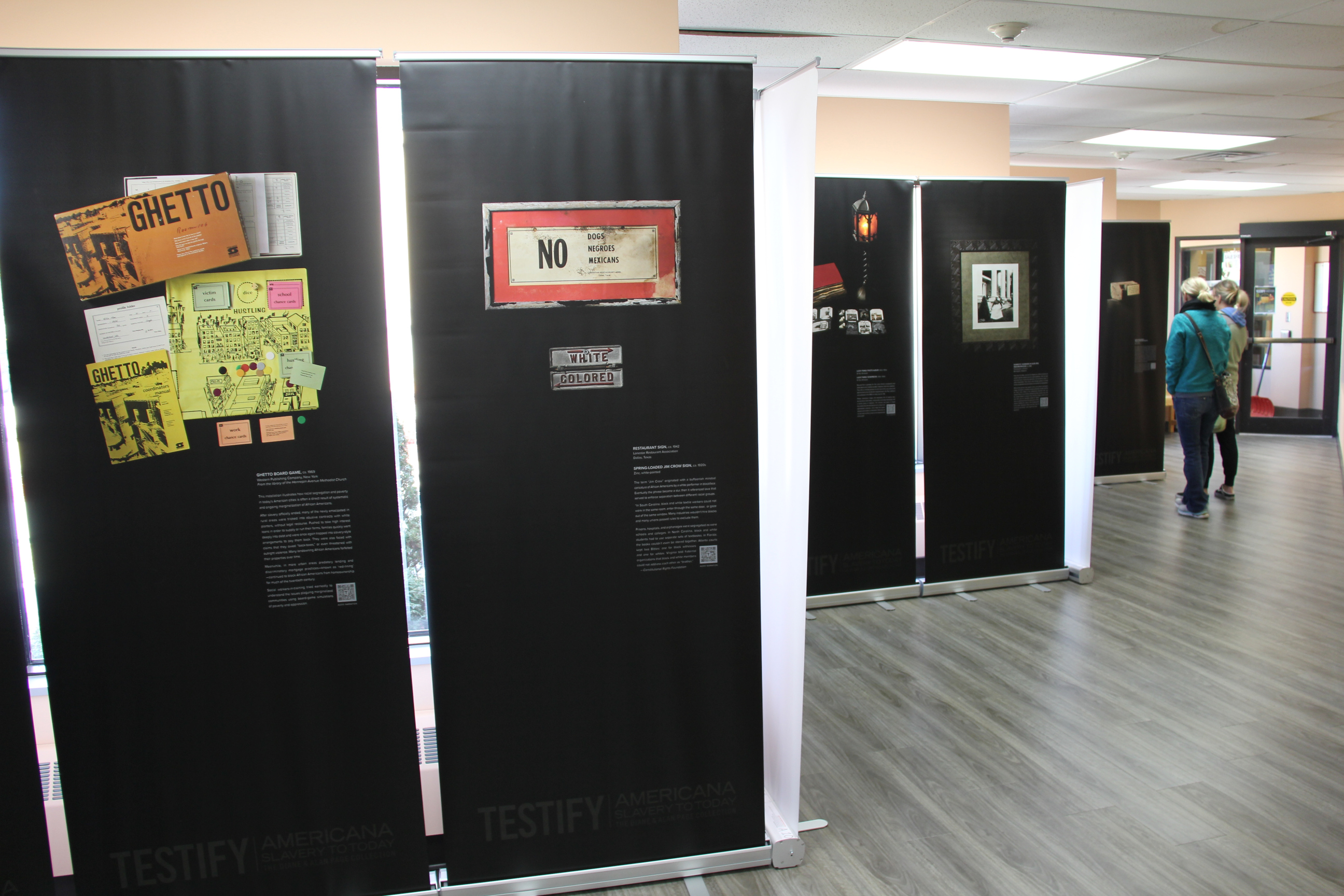
A photo gallery exhibit, “Testify—Americana Slavery to Today, The Diane and Alan Page Collection,” will be displayed in the hallway connecting Buckham Memorial Library and the Faribault Community Center from April 1-23. The exhibit will also be at other libraries throughout the Southeastern Libraries Cooperating (SELCO) system.

The “Minnesota’s Hooded History” program was made possible with support from Minnesota’s Arts and Cultural Heritage Library Legacy Fund and SELCO.

© Copyright 2025 Audrey Kletscher Helbling
 

“Beets,” a relevant play that bridges differences February 7, 2025

Former Faribault Daily News reporter Pauline Schreiber photographed these Faribault POW camp barracks shortly before they were torn down in 1990. (Photo courtesy of the Rice County Historical Society)

THE SETTING COULD BE FARIBAULT or any other Minnesota community which, in the latter part of World War II, housed German prisoners of war in POW camps. But the setting is at a camp in Greeley, Colorado, and on a farm site in nearby Berthoud. Locations matter not. The story does.

A promo for “Beets.” (Credit: Shattuck-St Mary’s School Facebook page)

Thursday evening, I sat in the sparse audience of the historic Newhall Auditorium on the campus of Shattuck-St. Mary’s School, a private college prep school on Faribault’s east side, watching a story unfold in the theatrical production, “Beets.” An incredibly talented nine-member student cast immersed themselves in the roles of a farm family, German POWs, guards and a family friend to share a bit of history. And much more.

This play about POWs working on the Hunt family’s sugarbeet farm is more than a retelling of history. It is also about relationships, fear, culture and love. It is about the perceived differences that divide us and about the commonalities that unite us.

This is a play for our times. In a nation today divided by politics, by fear, by hatred and animosity, “Beets” is absolutely relatable.

As the storyline evolves, conflicts arise. Farmer Fred Hunt spews his hatred of the Germans. His wife, Isabelle, exudes compassion and love. And their daughter, Anna, settles somewhere in between, leaning initially toward dislike and distrust of the German POWs who have come to work her father’s land. Anna’s thoughts often turn to her brother, Jake, fighting the Germans abroad.

A German meal: sauerbraten and spaetzle on the left, German potato salad, sweet and sour cabbage, dinner roll and sauerkraut and brats. (Minnesota Prairie Roots copyrighted file photo)

Slowly, interaction by interaction, things begin to change. The American farm family and the German prisoners realize they share a love of Bach. (Yes, a German composer.) And while the German POWs profess they will never eat corn, because that’s for pigs and cows—although Anna explains the difference between corn for livestock and sweetcorn—they all understand that they need to eat. The scenes in which Anna and Isabelle serve potatoes and cake to the POWs show how food brings people together. Trust grows. When Fred learns details about POW Dieter Meuhler’s family, he begins to understand the personal side of a man he saw only as an enemy. The walls of distrust, disdain and differences start crumbling, albeit slowly.

It is not lost on me that the Shattuck performers are themselves of diverse backgrounds. That only adds to the performance.

There are differences in beets (these are not sugarbeets), just like in people. (Minnesota Prairie Roots copyrighted file photo)

There are lessons to be learned from “Beets,” written by Rick Padden. First, we are all, at our core, just human beings with the same basic needs. Secondly, to overcome differences, we need to connect on a personal level. We need to open our hearts and minds, to embrace cultural and other differences. We need to show compassion and care, as farm wife Isabelle Hunt did on stage. We need to recognize that love is universal, as Anna and Dieter discovered.

“Beets” is one of those plays I wish everyone could see, especially now in these challenging days. I left the theater at Shattuck-St. Mary’s feeling a sense of hope. The fictional characters in “Beets” changed, for the better. They opened their hearts and minds to each other, despite their differences, or perceived differences. Perhaps we can do the same.

#

FYI: Two performances of “Beets” remain at Shattuck, one at 7 pm Friday, February 7, and the second at 2 pm Saturday, February 8. It’s a two-hour show (includes a 10-minute intermission) I highly recommend to anyone who enjoys well-done theater, history and a play with strong messages relevant to today.

© Copyright 2025 Audrey Kletscher Helbling

 

When a rock riffle replaces a traditional dam February 5, 2025

This rock riffle in Pine River replaced a traditional dam built in 1910 to hold back water flowing from Norway Lake into the Pine River. The old dam was designated as “high hazard,” thus in need of replacement. (Minnesota Prairie Roots copyrighted photo July 2024)

WIND AND WATER. Both prove soothing and calming elements of nature. Except when destructive.

Sandbagging along the flooding Cannon River in downtown Northfield last June. The traditional dam in Northfield was not compromised, unlike in some Minnesota locations. (Minnesota Prairie Roots copyrighted file photo June 2024)

Last June, excessive rainfall led to devastating floods in parts of southern Minnesota, especially in Waterville, a 20-minute drive southwest of Faribault. Farther to the west in Rapidan, the Blue Earth River raged, causing a partial dam collapse and erosion of the land. That led to loss of a house and of the much beloved The Dam Store. In Northfield, 20 minutes from Faribault, the Cannon River flooded the Riverwalk and threatened riverside businesses. In Faribault, the Cannon and Straight Rivers spilled from their banks, flooding parks and several city streets. The powerful river also eroded the shoreline near the Faribault Mill Dam. Boulders were hauled in and placed beside the dam to contain the river and prevent additional erosion.

The Dam Park, with a pavilion, is to the left of the tree-edged Pine River in this photo, private homes to the right. (Minnesota Prairie Roots copyrighted photo July 2024)

Now, many months later, Faribault city officials are considering options for the Faribault Mill Dam. And that got me thinking about Pine River. In this north central Minnesota community, a rock riffle/rock arch rapids replaces a 200-foot long by 13-foot high traditional dam built in 1910. The result is nothing short of stunning.

The concrete steps and platform remain from the original dam construction project. This image shows a view of the rock riffle looking downstream. (Minnesota Prairie Roots copyrighted photo July 2024)

Let me explain. Smaller rip-rap rocks, larger rocks and boulders were placed in sloping rows across the Pine River to replace the dam. Water spills over the rocks as the rows descend for several hundred feet. Except for the precise placement of the rock rows, the rapids appear almost natural. And that is much more visually pleasing than a wall of concrete.

It’s mesmerizing to watch and listen to the river spill over the man-made rock riffle in Pine River. (Minnesota Prairie Roots copyrighted photo July 2024)

The sound, too, is pleasing. I have always loved the sound of water rushing over rocks. It’s calming, soothing, mesmerizing. As is watching the water pour over and around rocks.

The traditional dam proved a significant fish barrier. Installation of the rock riffle has improved fish habitat in the river, which feeds into the Whitefish Chain of Lakes in north central Minnesota. (Minnesota Prairie Roots copyrighted photo July 2024)

But this award-winning rock riffle dam in Pine River offers much more than a place to sit riverside and relax. It’s also a popular recreational area. During my mid-week July 2024 visit, anglers fished the river from a pier and from shore downstream. Swimmers jumped from floating platforms into the water above the rock riffle. There’s a sandy beach, too. And although I didn’t see any, kayakers can also navigate the rapids. And anyone can cross the river on the rocks, but at their own risk.

On a summer day, swimmers jump off a swimming platform above the rock riffle into the river. Dam Park includes a sandy beach. (Minnesota Prairie Roots copyrighted photo July 2024)

This revamped area, as I viewed it, draws people outside to the river. To recreate. To gather. To enjoy nature. There’s even a playground and a pavilion with a kitchen in Dam Park. What Pine River has created with this rock riffle is a community centerpiece that is beautiful in every way.

Plantings of flowers and grasses protect the river shoreline by the rock riffle. (Minnesota Prairie Roots copyrighted photo July 2024)

Now, whether this will work at the Faribault Mill Dam, I don’t know. I’m no engineer. But rock riffles have been placed in some 75 rivers and lakes across Minnesota. The one in Pine River is the first I’ve seen. I’d like local city officials to consider a rock arch rapids, maybe take a field trip to Pine River or elsewhere and see (and hear) just how inviting and lovely, calming, soothing and mesmerizing a rock riffle is compared to a traditional dam. See how this dam removal and rock riffle replacement in Pine River creates a recreational oasis, a beautiful gathering spot that grows community.

© Copyright 2025 Audrey Kletscher Helbling

 

An African spiritual plus my thoughts during Black History Month February 3, 2025

This Nigerian-themed quilt art was created years ago by my friend Susan. The art reflects to me the joy of an African spiritual. The fabric came from Nigeria, where Susan’s father-in-law served as a Lutheran missionary. (Minnesota Prairie Roots copyrighted file photo)

THE SONG WAS UNEXPECTED during Sunday morning worship at the conservative Lutheran church I attend in Faribault. But it was fitting for the day and for my feelings, which have leaned deeply into discouragement recently.

The African American spiritual, “There Is a Balm in Gilead,” proved a temporary balm for my soul. The old school word “balm” holds a healing connotation. The song’s refrain encourages: There is a balm in Gilead to make the wounded whole. There is a balm in Gilead to heal the sin-sick soul.

As I sang the refrain, I wondered, what or where is Gilead? Later research revealed that, during Old Testament days, Gilead was a mountainous region east of the Jordan River and an important source of medicinal herbs. That makes sense as it relates to the lyrics.

Christ’s face in a stained glass window in the sanctuary of my church, Trinity Lutheran, Faribault. (Minnesota Prairie Roots copyrighted file photo)

In the New Testament, “balm of Gilead” refers not to an herb which heals physically, but to Jesus through whom spiritual healing comes. That also makes sense as it relates to lyrics of the song printed on page 749 of the Lutheran Service Book.

Events of recent weeks in this country have me feeling apprehensive, unsettled, worried, in need of a healing balm. I know I am not alone in these feelings as we face economic challenges, upheaval, chaos and uncertainties on endless levels. Each day seems to bring something of new concern. No matter where you stand politically or spiritually, you have to feel the tension and uncertainties in this country.

A snippet of a photo by Stephen Somerstein from the exhibit, “Selma to Montgomery: Marching Along the Voting Rights Trail,” which I saw at St. Olaf College in Northfield, Minnesota, in 2015. (Minnesota Prairie Roots copyrighted file photo)

On Sunday, as I sang the African American spiritual, I allowed myself to be swept into the healing words of hope and comfort. It was not lost on me that, sitting on the end of my pew, was a family of mixed race—an African American father, White mother and three biracial children, one a darling baby boy of ten months. I thought of my own newborn grandson, who is mixed race. What does the future hold for these two little boys? Will they face challenges simply because of their skin color? I’d like to think not. But…

And I thought, too, of the new calendar month of February, in which we celebrate Black History Month, focusing on Black history, culture and education. I reflect on slavery, on Civil Rights leaders, on racial disparities, diversity, equity and inclusion, wondering how I, personally, can educate myself and make a difference.

A message left by a visitor to the Selma exhibit at St. Olaf College. It’s so applicable to today. (Minnesota Prairie Roots copyrighted file photo)

It truly does start with each of us standing up for what is good and right and decent and not going along with what we know in our hearts, minds and souls to be wrong. And then, maybe then, we’ll find our balm in Gilead.

© Copyright 2025 Audrey Kletscher Helbling

 

An historic connection between Faribault and Benson January 22, 2025

A scene from downtown Benson, Minnesota. (Minnesota Prairie Roots copyrighted file photo November 2024)

SOME 170 MILES separate my community of Faribault from Benson, a small agricultural community in west central Minnesota near the South Dakota border. At first glance, it seems the two share little in common. But they do, a discovery I made following a brief stop in Benson in late November.

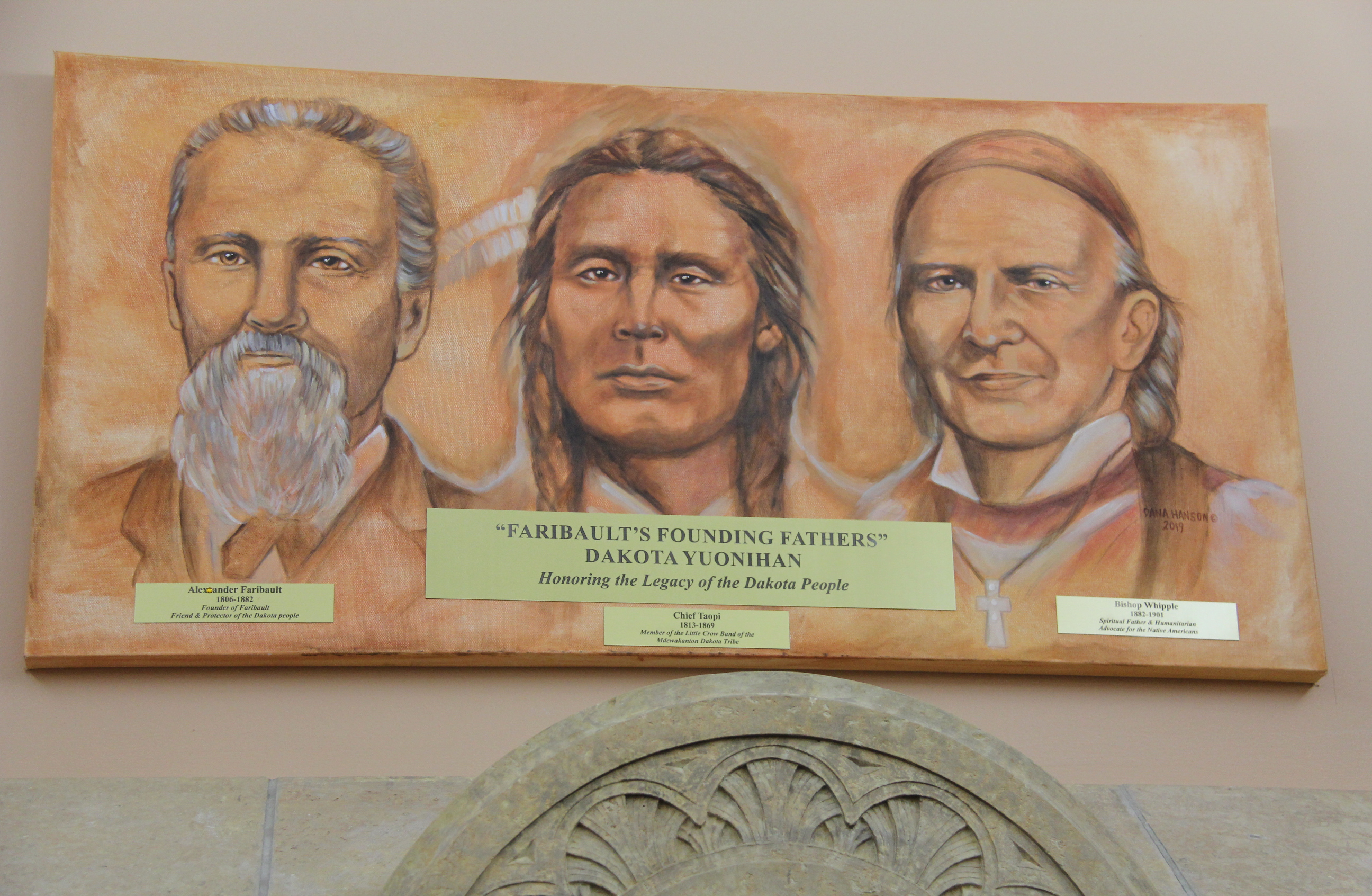
Bishop Henry Whipple, featured in a mural on the bandshell at Faribault’s Central Park, across the street from the Cathedral of Our Merciful Saviour. (Minnesota Prairie Roots copyrighted file photo)

Bishop Henry Whipple, the long ago Episcopal bishop of Minnesota, links Faribault and Benson. Whipple, a missionary based in Faribault, traveled around the Minnesota frontier in the early years of statehood in an effort to spread the Christian faith. That included visits to Benson where, in 1879, Christ Episcopal Church was built for $1,650 by local carpenters. Whipple visited occasionally to lead services and confirm new members.

Christ Episcopal Church, Benson. (Minnesota Prairie Roots copyrighted photo November 2024)

That early Gothic Revival style church with gray board and batten siding caught my eye during a brief drive around Benson’s downtown core. More accurately, the seven-story Parkview Manor apartment across the street from the church initially grabbed my attention. The 55-unit high-rise looks very much out of place in this prairie town. It dwarfs residential houses and the historic church. Typically grain elevators and church steeples mark small town skylines, not a towering 1967 apartment complex.

Parkview Manor, where the church was once located. (Minnesota Prairie Roots copyrighted photo November 2024)

Christ Episcopal Church once sat on the apartment land, but was moved across the street after the Housing and Redevelopment Authority bought the property in 1966. At some point the church, founded by English and Yankees (as New Englanders were once termed), closed due to dwindling membership. Today the building serves as the Swift County Drop In Center, “a safe haven for adults to go to experience life free of stigma.” I think Bishop Whipple would have liked that, knowing the former church serves as a gathering place, a safe spot to just be.



The church sits in a residential neighborhood near downtown. (Minnesota Prairie Roots copyrighted photo November 2024)

Some day I’d like to tour the aged church, which was added to the National Register of Historic Places in 1985. Perhaps I would feel the presence of Benson’s early settlers, hear the words of comfort, peace, hope and unity preached by Bishop Whipple.

While Whipple is primarily viewed as a man who befriended Indigenous Peoples, he was also part of the long ago mindset to assimilate and “civilize” them. That’s a side not often discussed when talking about a man, a missionary who shared his biblical teachings while also compassionately advocating for Native Americans. Whipple is highly-revered in Faribault, where he is buried beneath the Cathedral of Our Merciful Saviour, an historic cathedral worthy of visiting, too.

The Cathedral of Our Merciful Saviour, Faribault. (Minnesota Prairie Roots copyrighted file photo July 2024)

The immense Faribault cathedral differs vastly from the unassuming small church in Benson. Yet, history and a missionary link the two. To uncover that connection simply because I noticed an out-of-place apartment high-rise and then the old steepled church across the street reveals just how small this world really is if only we pause to notice, then uncover the connections.

© Copyright 2025 Audrey Kletscher Helbling