Minnesota Prairie Roots

Writing and photography by Audrey Kletscher Helbling

Flood prep underway in Faribault June 18, 2014

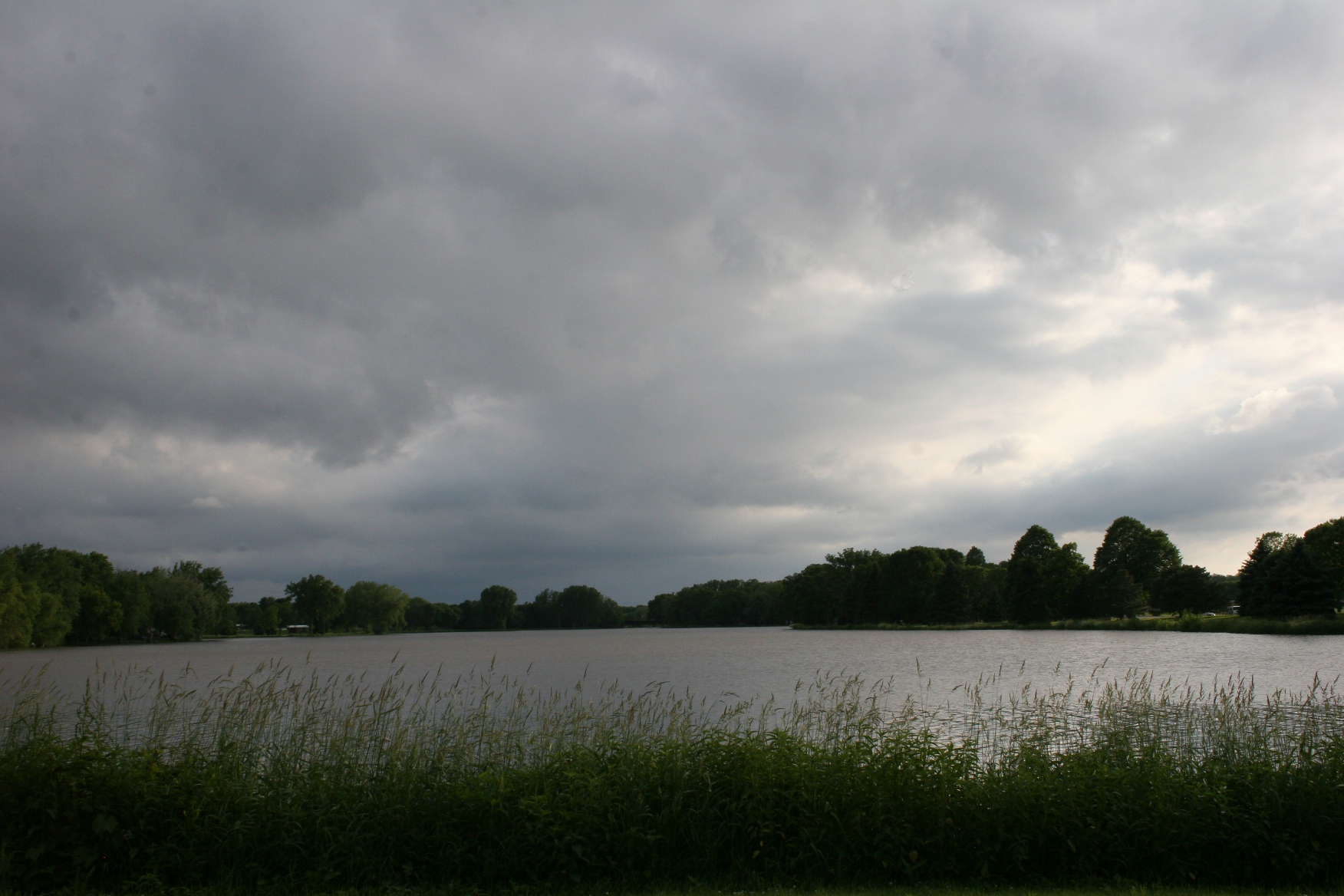
Early Thursday evening along the banks of the Cannon River in Faribault, clouds build to the west.

Early Wednesday evening along the banks of the Cannon River in Faribault, rain clouds build to the west.

FARIBAULT HOLDS ITS COLLECTIVE breath Wednesday evening as grey clouds hang heavy over this southeastern Minnesota city, once again threatening rain.
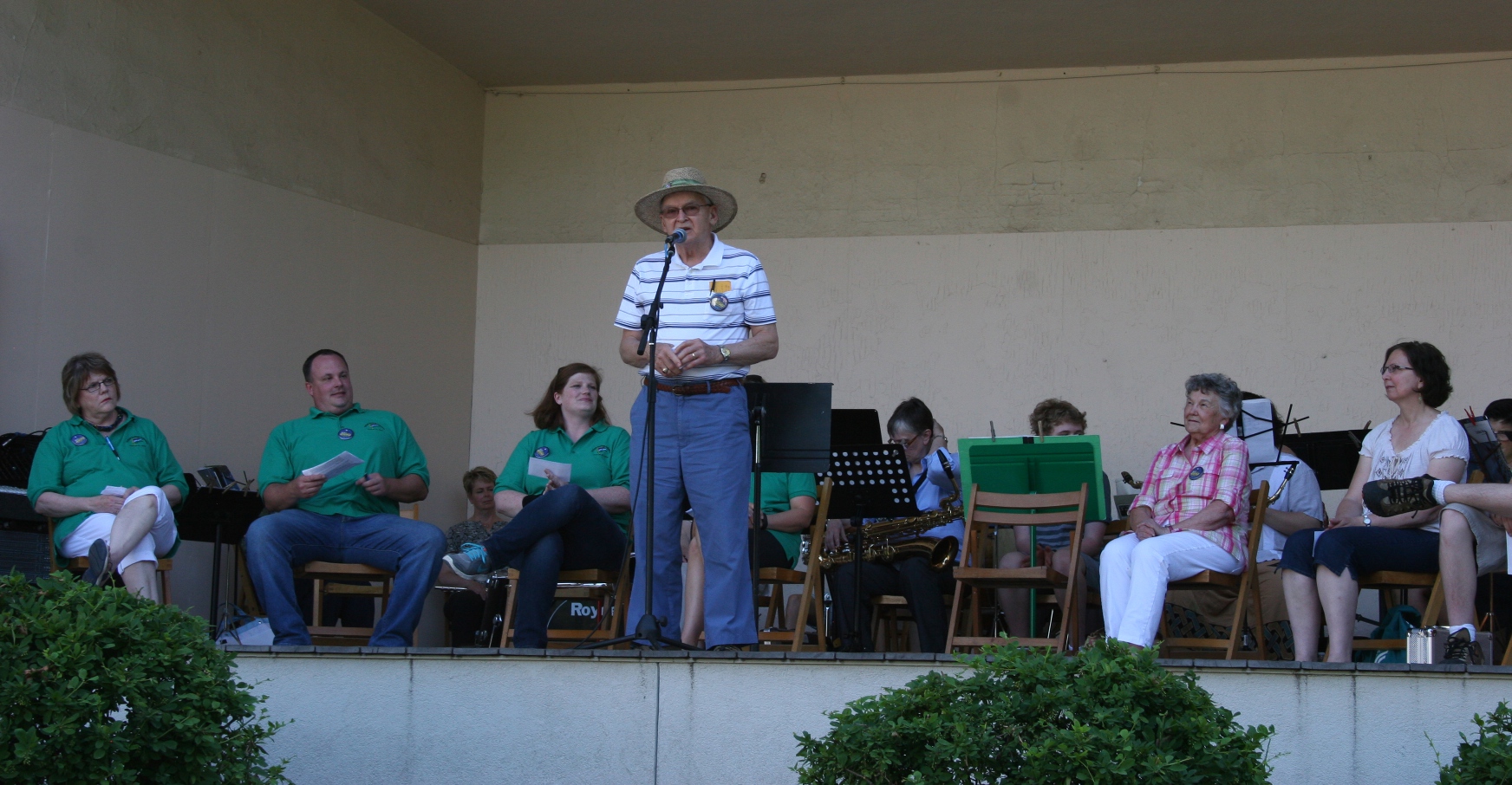
Co-honorary parade grand marshall Roy Anderson addresses the crowd at the opening of Heritage Days.

Co-honorary parade grand marshal Roy Anderson addresses the crowd at the opening of Heritage Days.

At Central Park, where the annual Heritage Days celebration kicks off with an opening ceremony, Mayor John Jasinski cuts short his welcome. He’s got more serious matters on his mind—tending to a community where a State of Emergency was declared Wednesday morning.
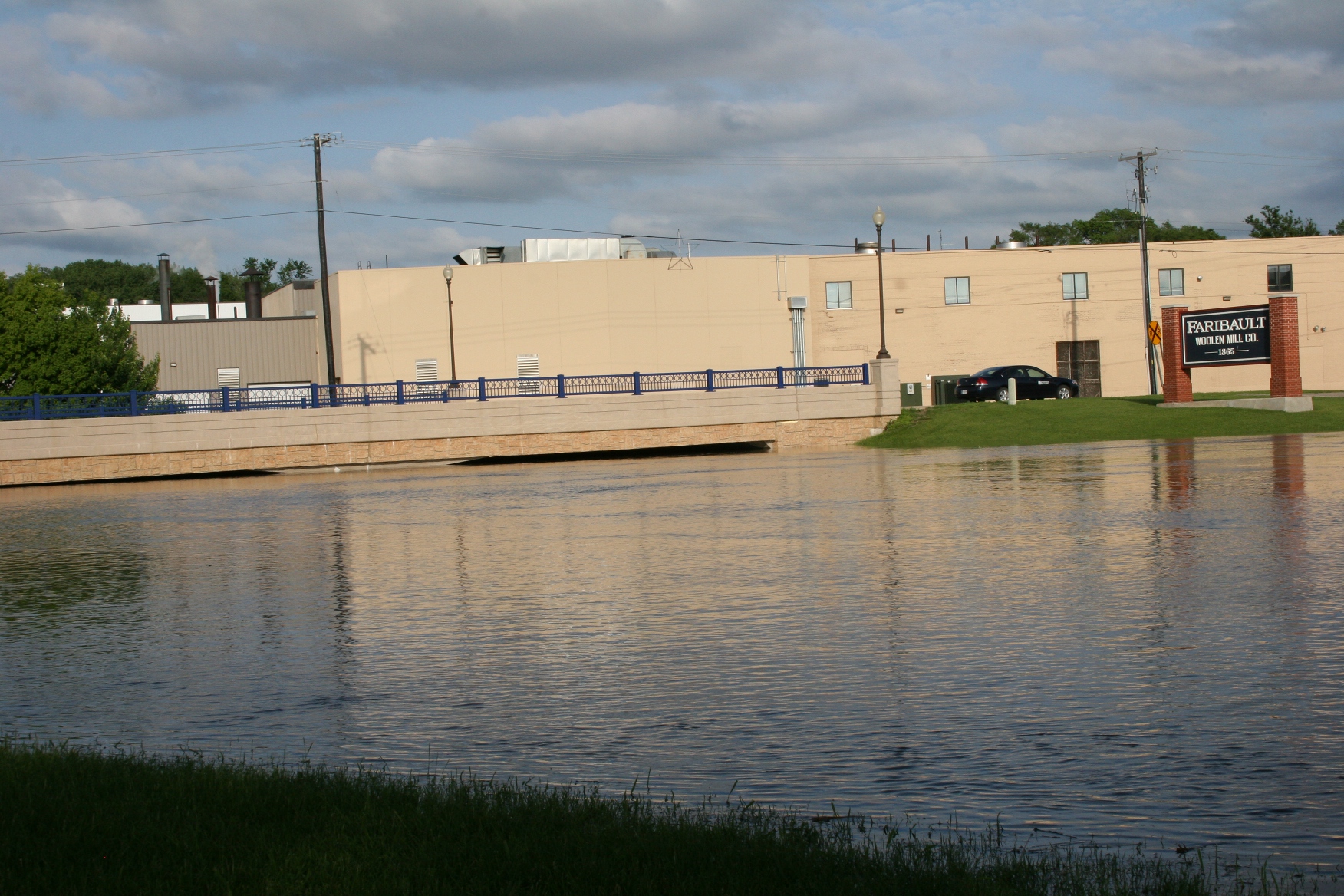
The rising Cannon River along Second Avenue nearly skims the bridge. Faribault Foods is in the background and the Faribault Woolen Mill is to the right.

The rising Cannon River along Second Avenue nearly skims the bridge. Faribault Foods is in the background and the Faribault Woolen Mill is to the right. This is near the Rice County Fairgrounds along a major roadway through the city.

The waters of the Straight and Cannon rivers, which run through town, are rising. And the city is preparing for possible flooding, with reminders of the September 2010 flash flood ever present.
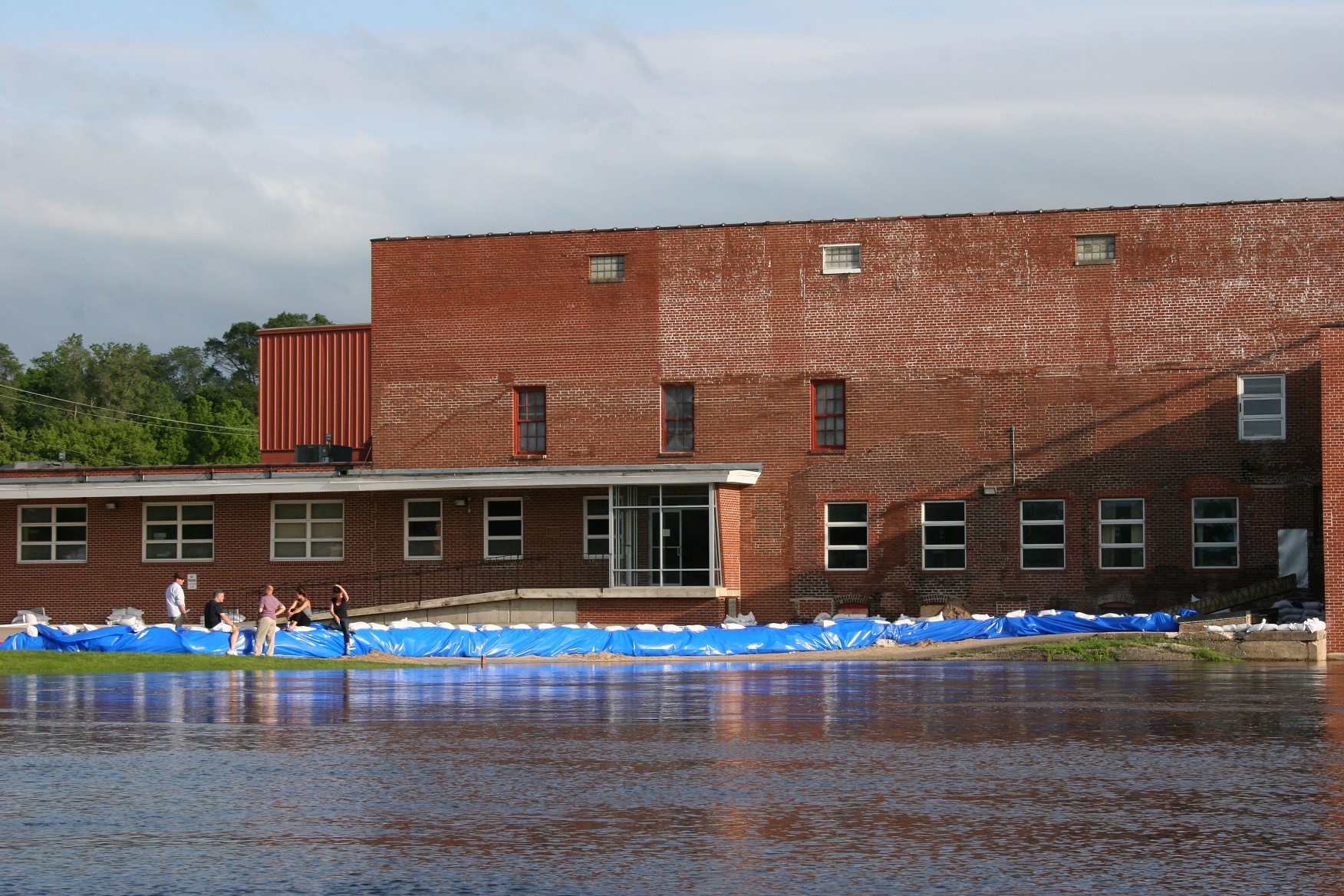
Sandbags have been placed in the mill parking lot next to the Cannon River.

Sandbags have been placed in the mill parking lot next to the Cannon River.

At the Faribault Woolen Mill, Heritage Days tours have been canceled with the focus instead on sandbagging and protecting the historic building that sits along the Cannon River.
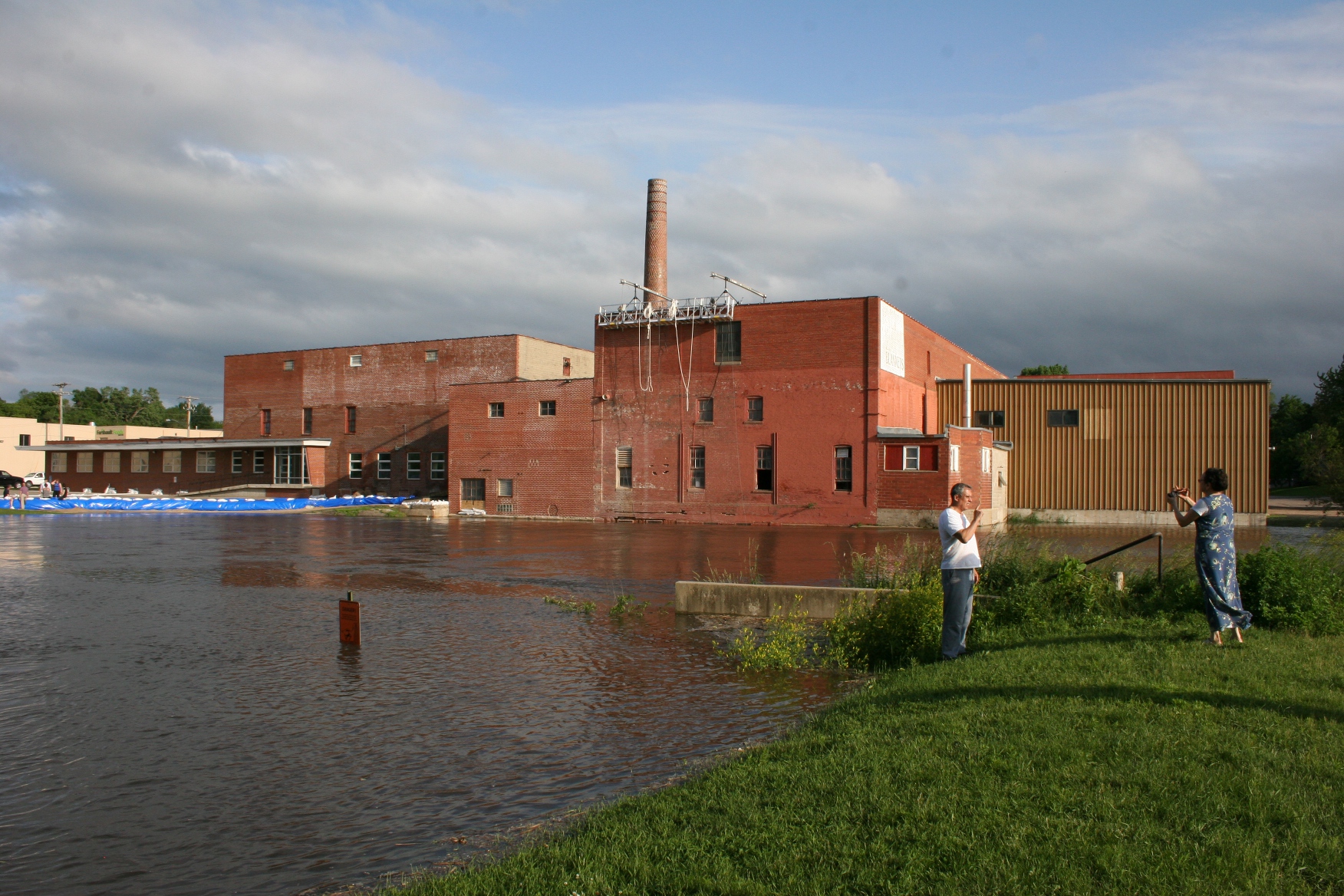
Photographing the rising Cannon River. The dam here is no longer visible.

Photographing the rising Cannon River. The dam here is no longer visible. Typically, the river does flow against the rear of the mill.

Locals flock to Father Slevin Park, next to the Cannon, next to the Woolen Mill, Wednesday evening to photograph the scene. The Cannon River dam is no longer visible.
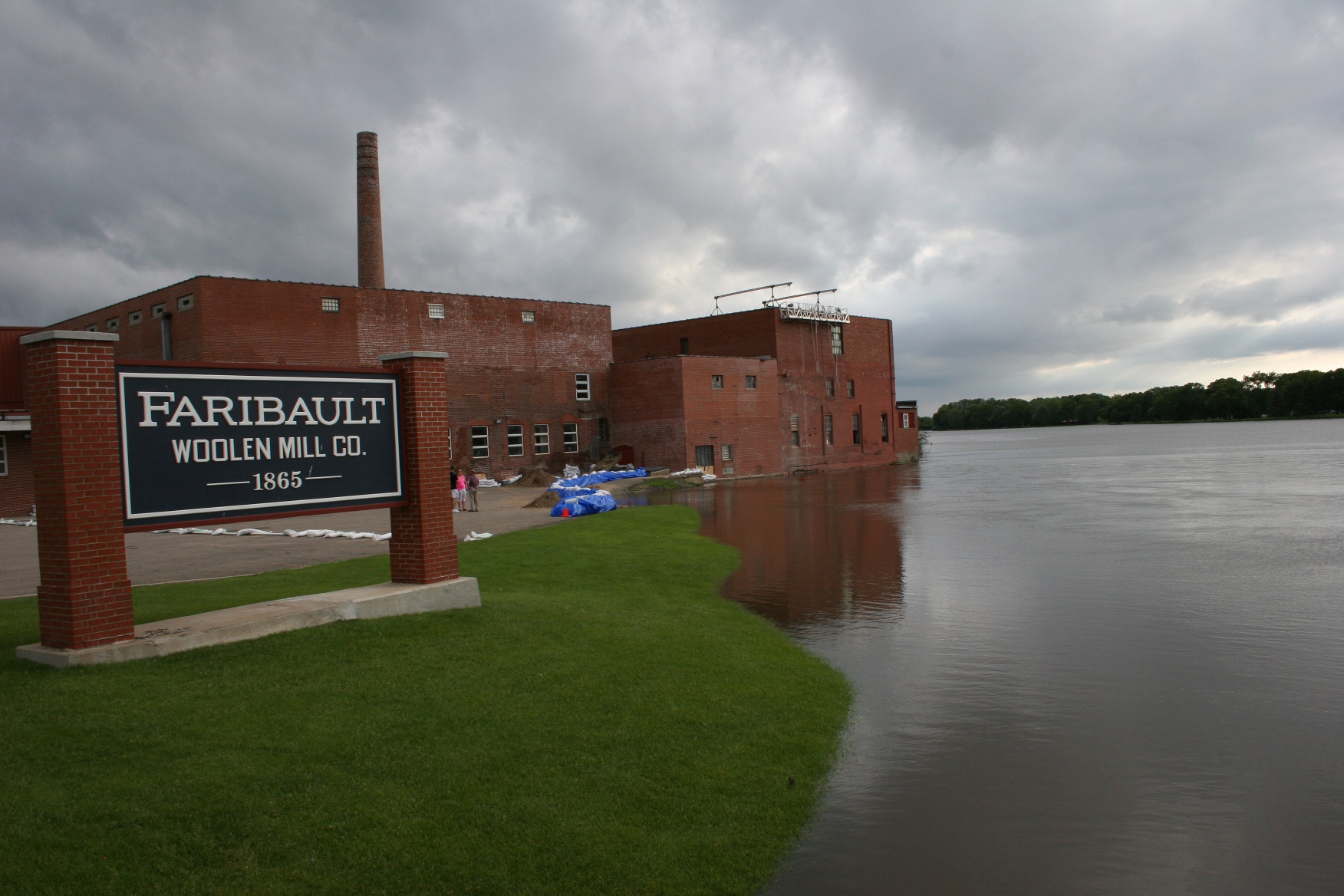
Sandbags protect the Faribault Woolen Mill from the rising Cannon River.
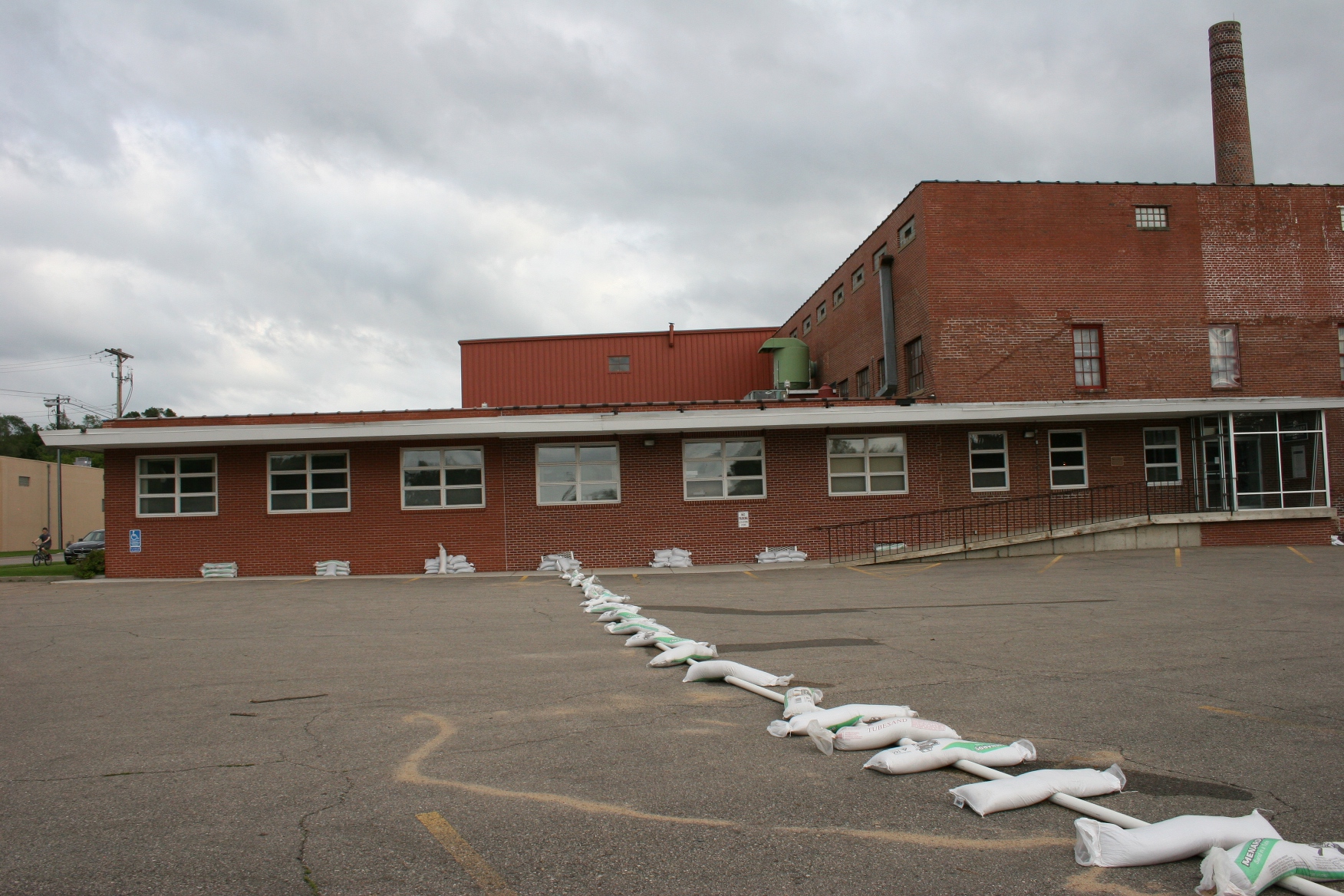
Sandbags protect the Faribault Woolen Mill from the rising Cannon River.

Sandbags hold down a pipe at the Faribault Woolen Mill factory and retail store.
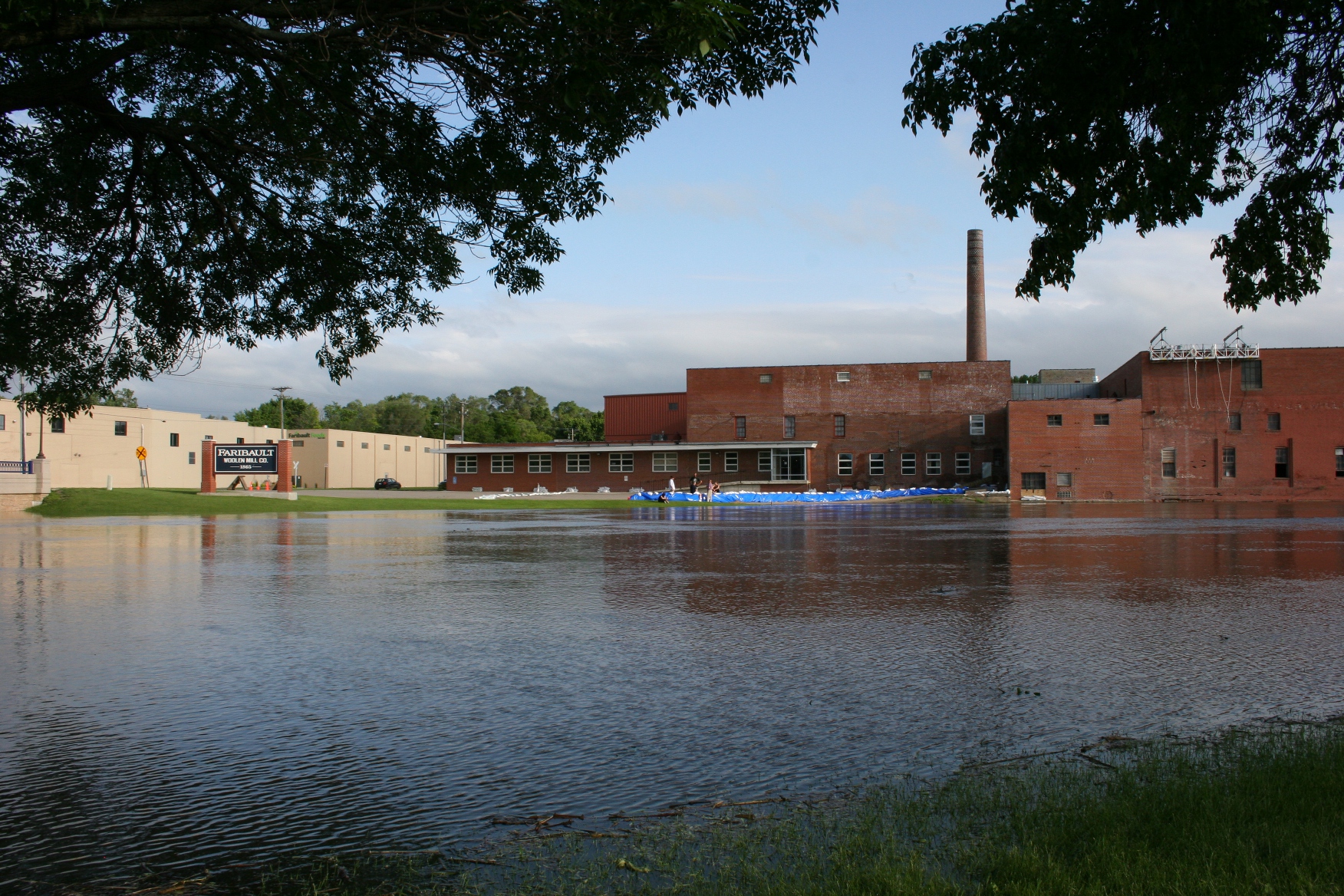
Sandbags hold down a pipe at the Faribault Woolen Mill factory and retail store.

An overview of the Cannon River, looking south from Father Slevin Park to the Faribault Woolen Mill.

An overview of the Cannon River, looking southeast from Father Slevin Park to the Faribault Woolen Mill and Faribault Foods.

Several layers of sandbags rim the parking lot next to the factory store.
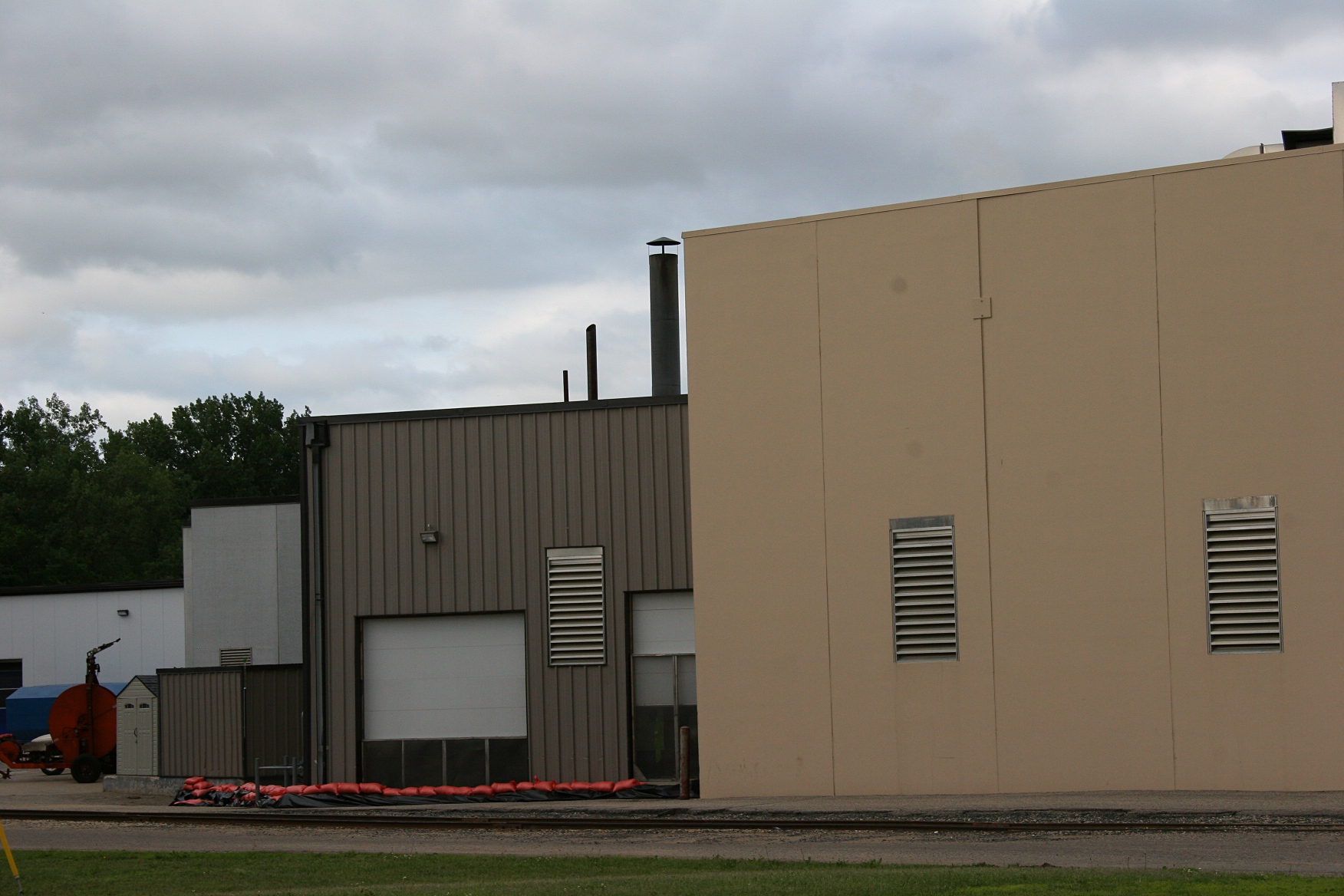
Sandbags also protect Faribault Foods.
Sandbags also protect Faribault Foods.

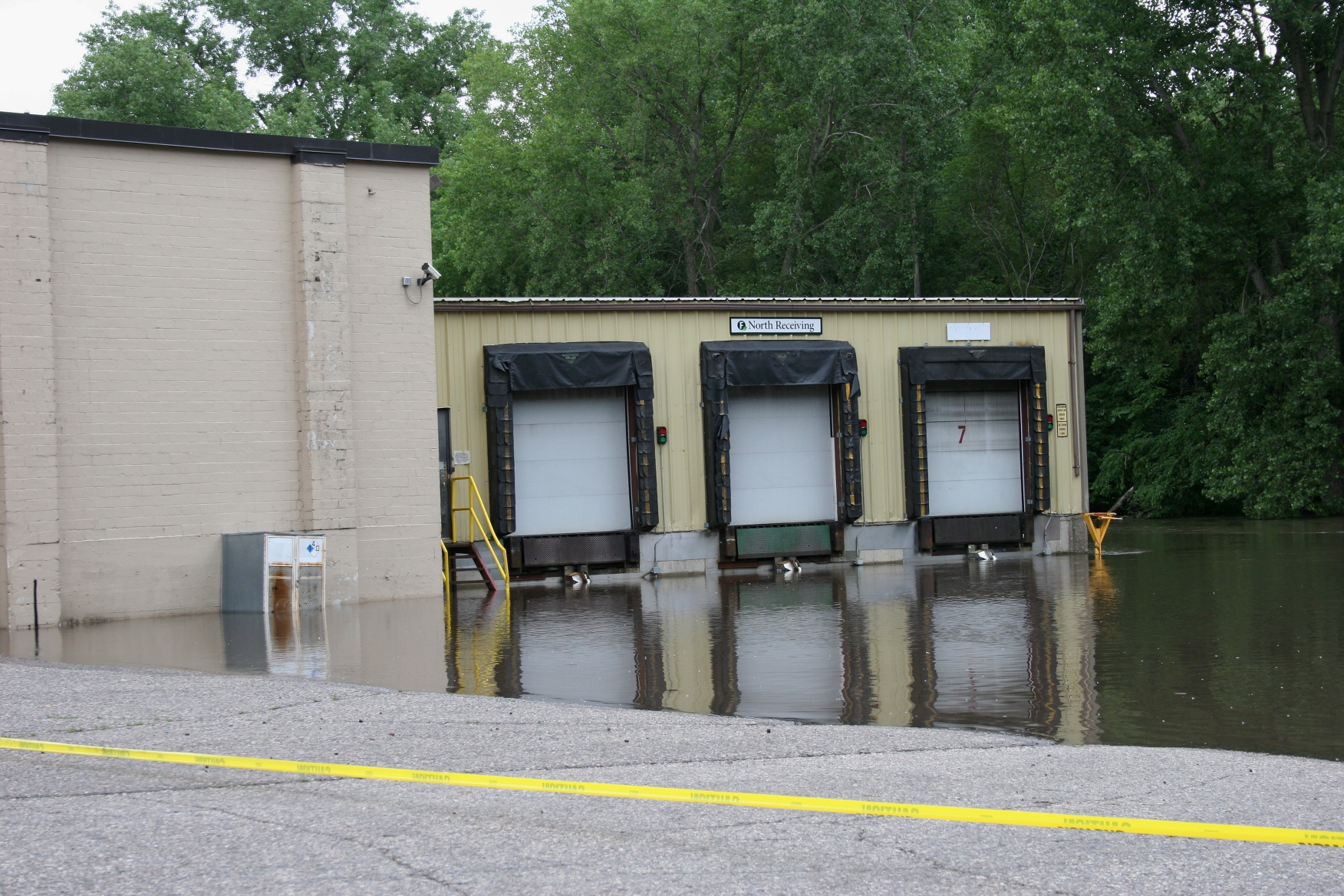
Straight River floodwaters block access to a Faribault Foods loading dock.
Straight River floodwaters block access to a Faribault Foods loading dock.

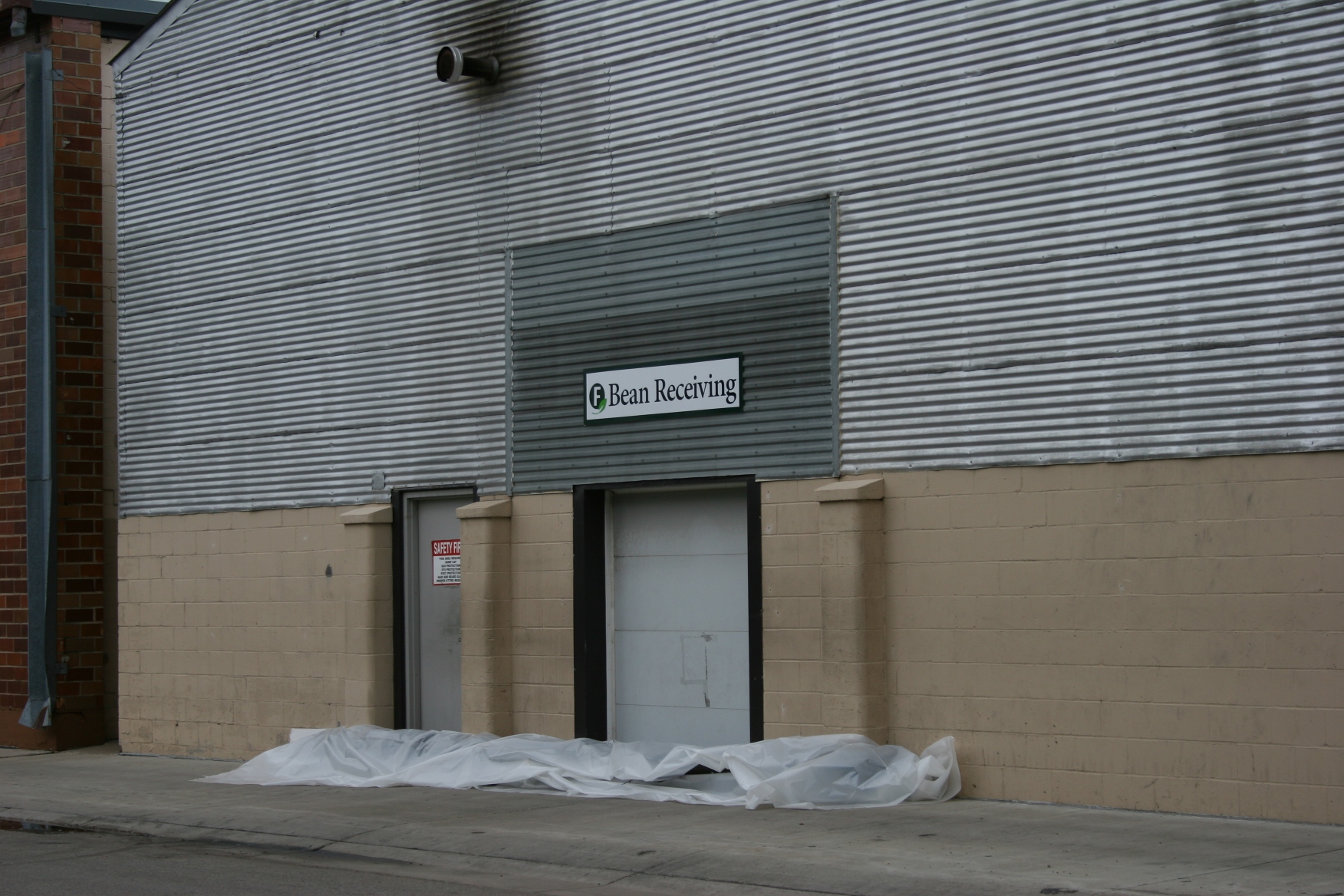
Sandbags border the door to bean receiving at Faribault Foods.

Sandbags border the door to bean receiving at Faribault Foods.

Directly across Second Avenue, sandbags likewise protect Faribault Foods. Behind the canning company, the rising Straight River has already blocked access to loading docks. Other doors are also barricaded with plastic-covered sandbags.
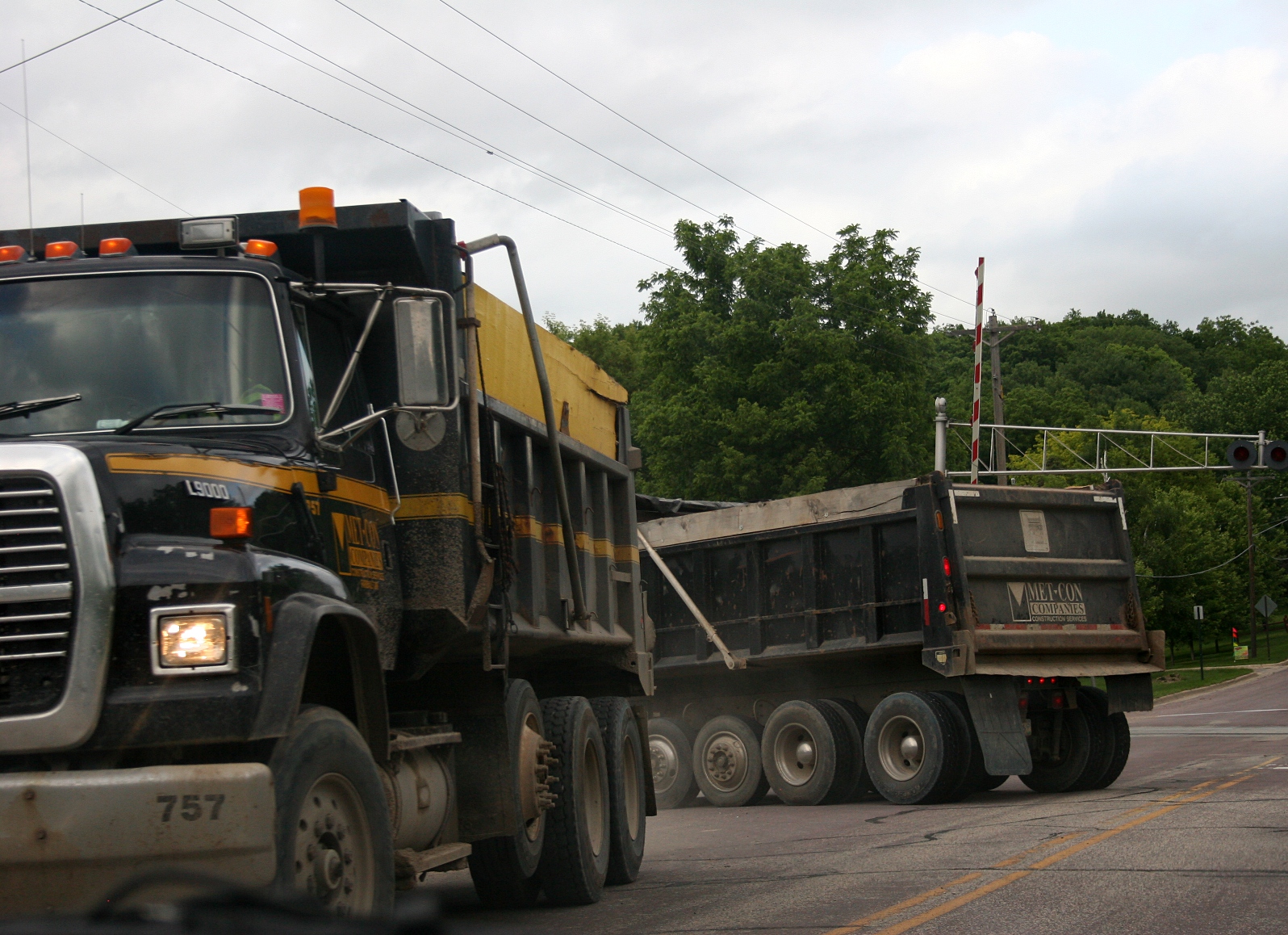
Working to protect the city's wastewater plant, which sits along the Straight River.
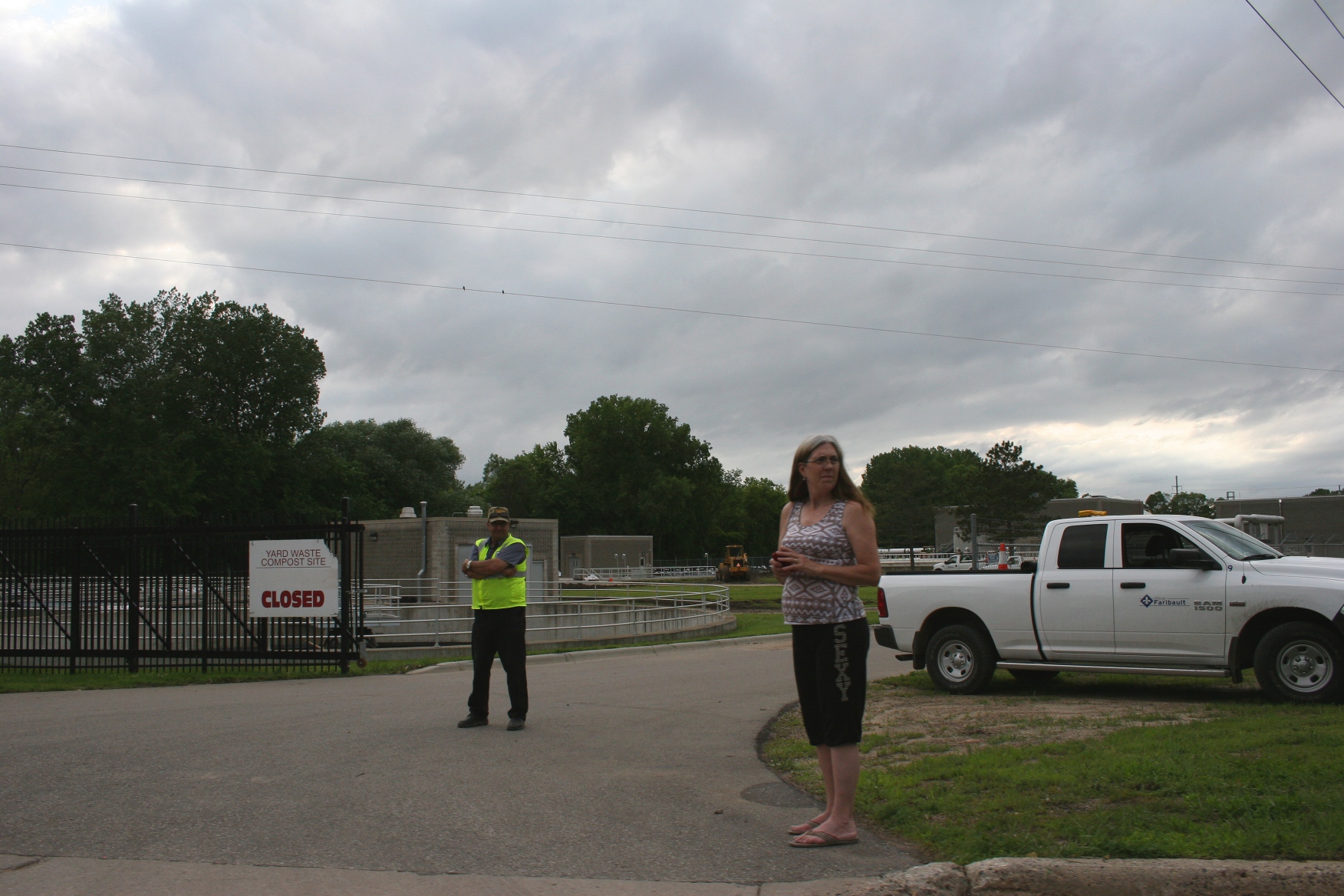
Working to protect the city’s wastewater plant, which sits along the Straight River.

The entry to the city's treatment plant.

The entry to the city’s treatment plant.

Just down the road, at the city’s wastewater treatment plant, a steady flow of dump trucks enter and exit the facility, presumably delivering sand. Sandbags are already in place here.
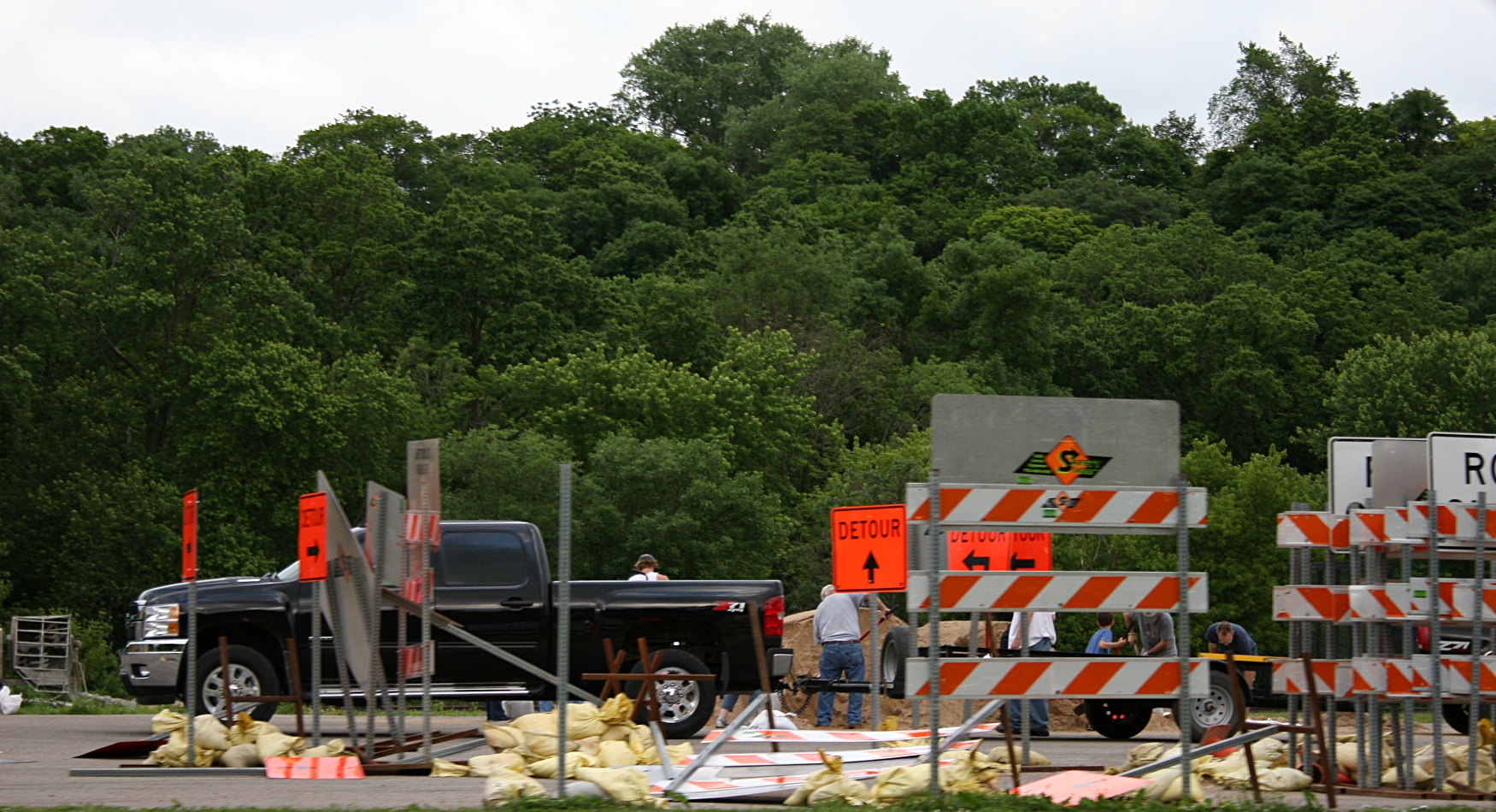
Sandbag central.

Sandbag central.

Near the Faribault American Legion, just a block off the historic downtown, workers shovel sand into bags at the city’s sandbag central. Road closed signs are at the ready.
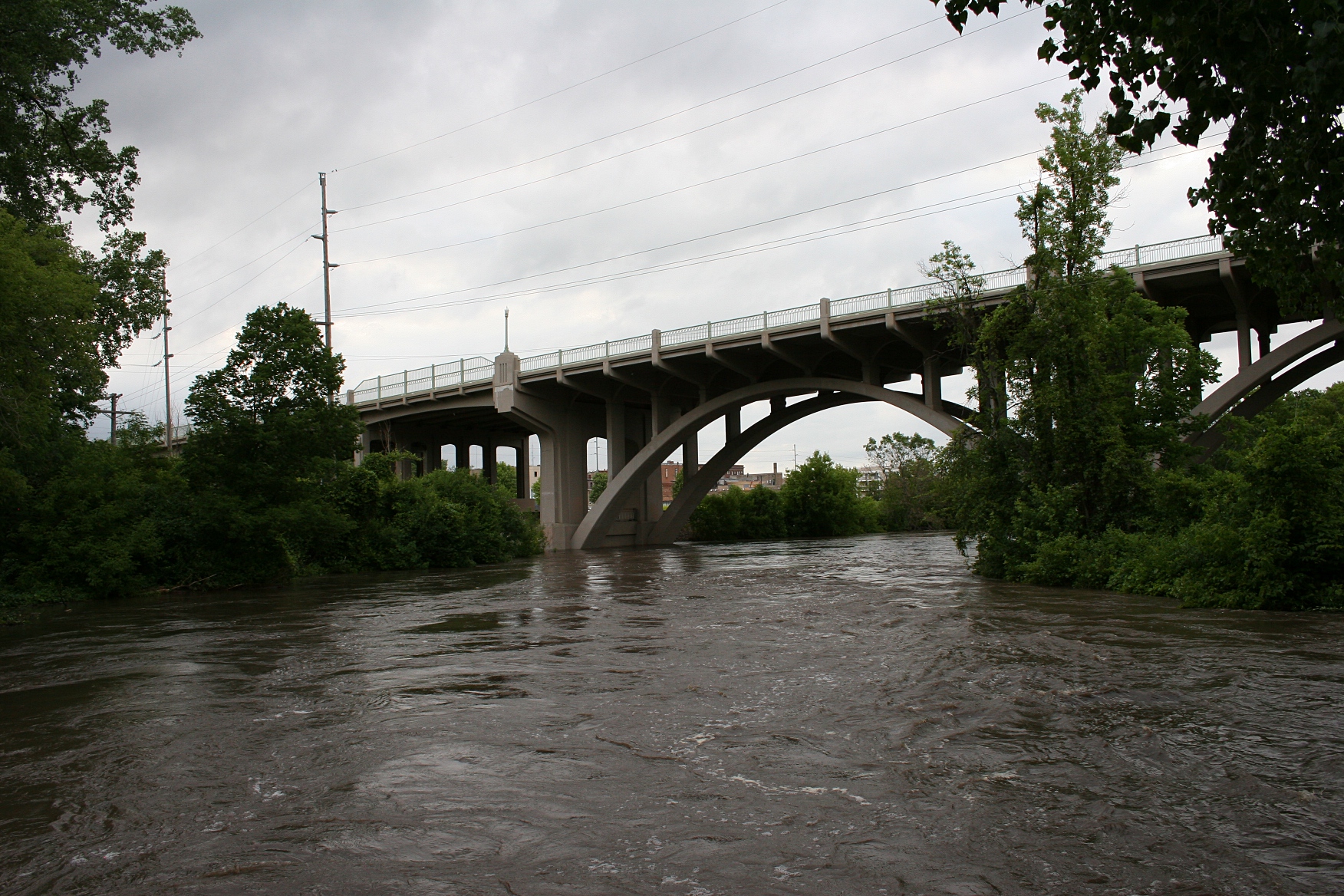
The Straight River has flooded Teepee Tonka Park and churns here toward the Highway 60 viaduct connecting the east and west sides of Faribault.
The Straight River has flooded Teepee Tonka Park and churns here toward the Highway 60 viaduct connecting the east and west sides of Faribault.

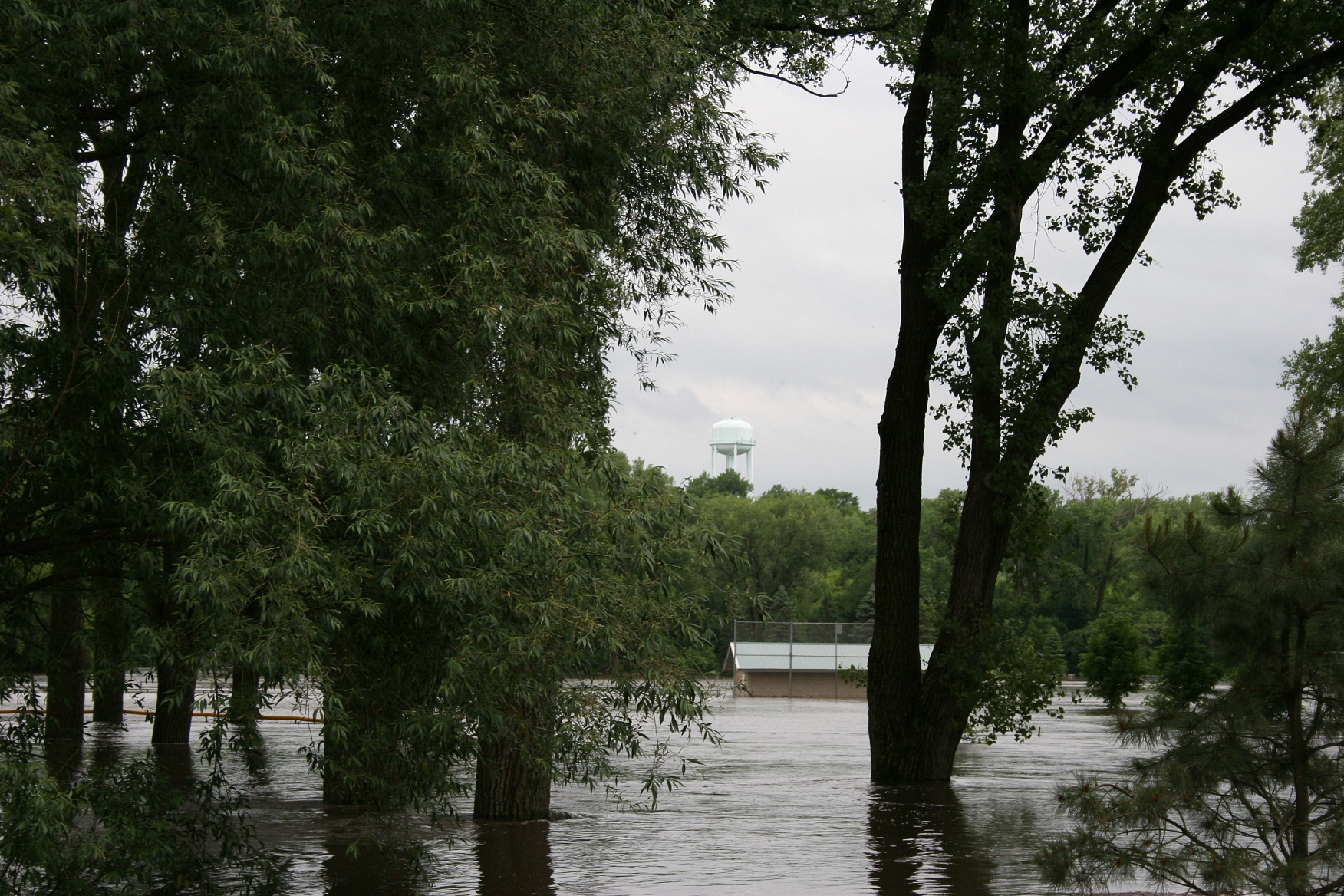
Flooded Teepee Tonka Park.

Flooded Teepee Tonka Park.

Across the Straight River in Teepee Tonka Park, the bridge into the park is blocked and the river rushes in a frenzy.
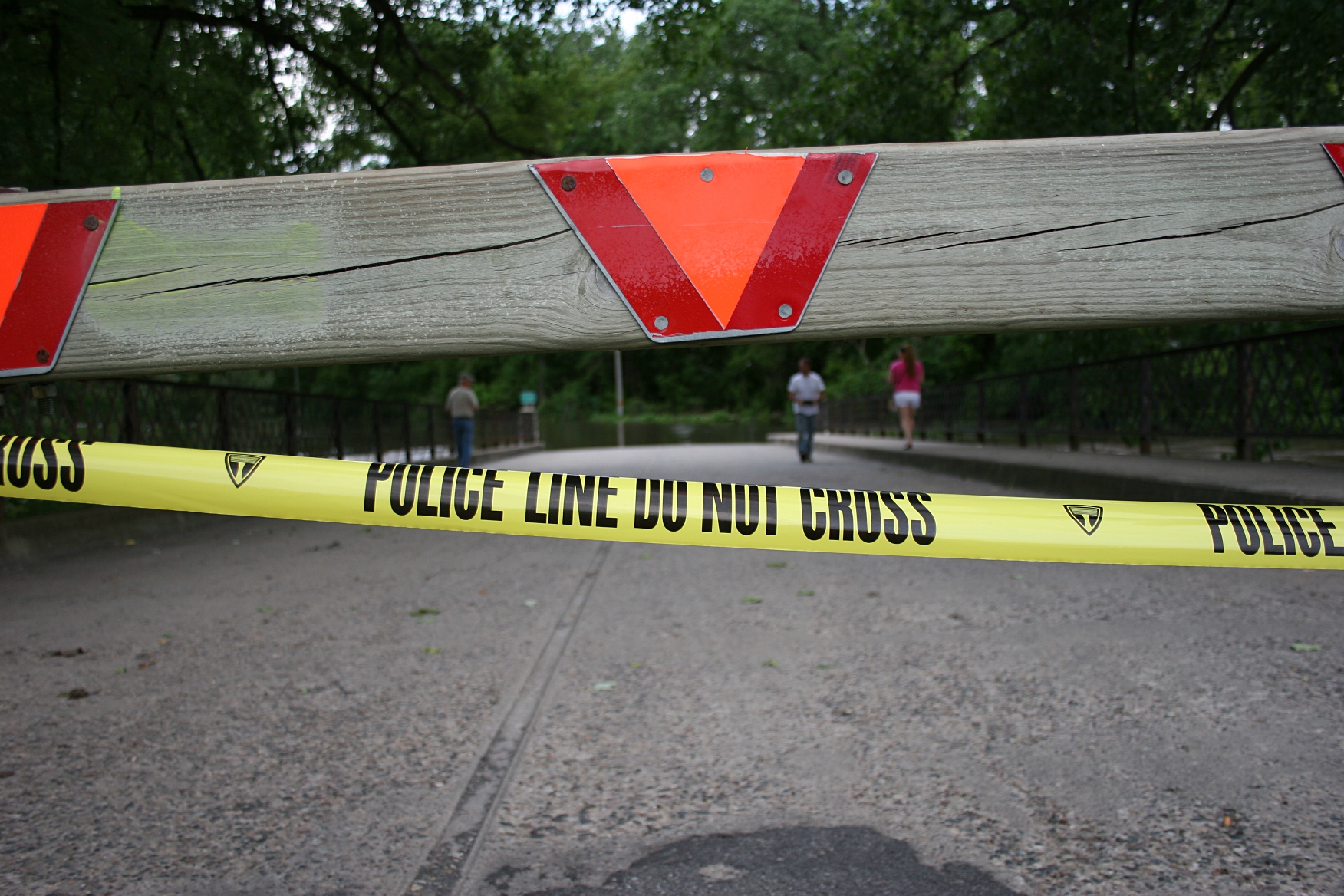
The bridge into Teepee Tonka Park is partially flooded and thus closed.

The bridge into Teepee Tonka Park is partially flooded and thus closed.

Onlookers step across police tape to photograph the scene—until the cops cruise up and advise that “the tape is there for a reason.” They don’t want anyone tumbling into the muddy, raging waters.
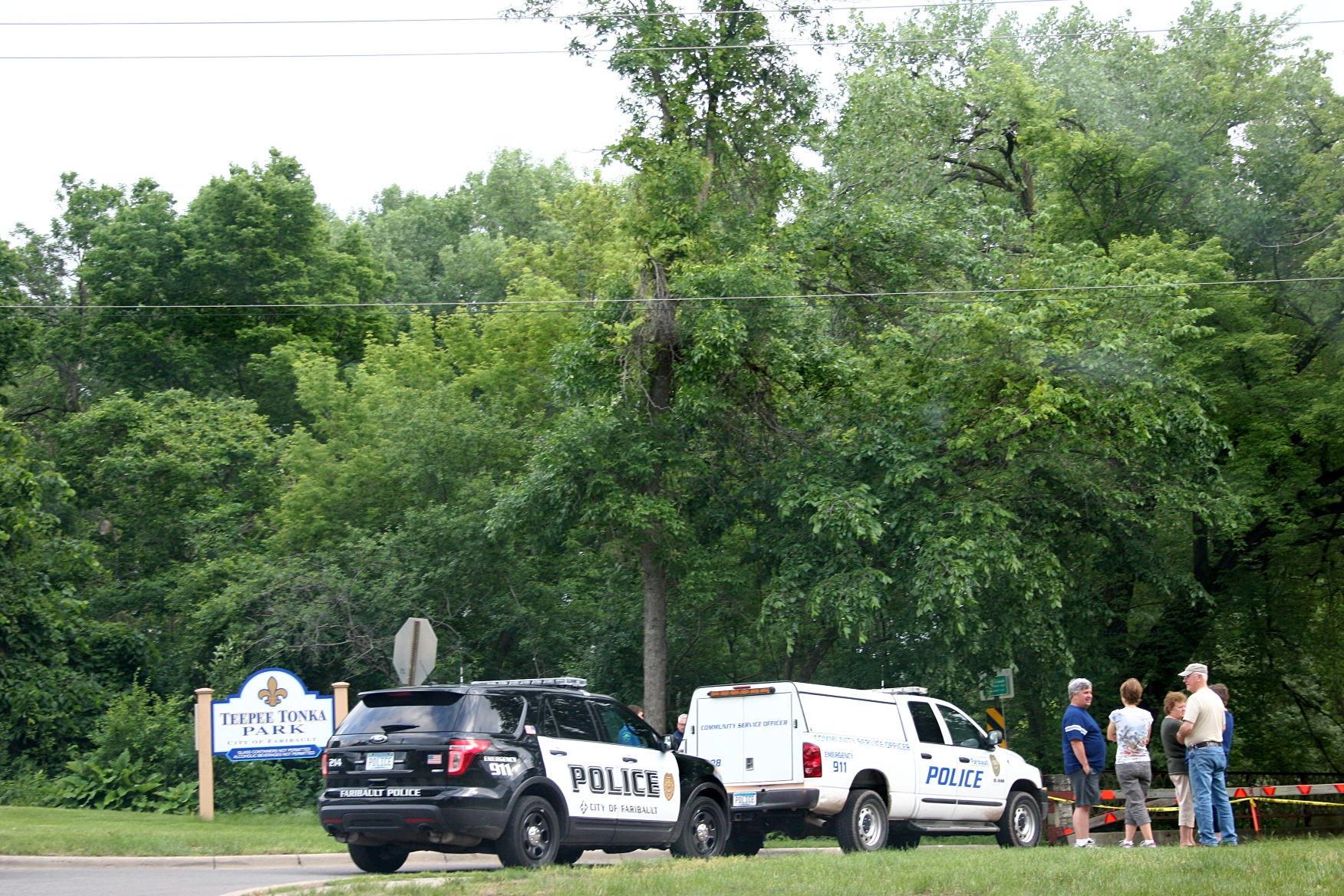
Police arrive to protect the curious public at Teepee Tonka Park.

Police arrive to check out the situation at Teepee Tonka Park.

Darkness falls and Faribault waits.

© Copyright 2014 Audrey Kletscher Helbling


In Faribault: Fabulous art finds at fantastic prices June 13, 2014

EVERY YEAR I LOOK forward to shopping this art sale.

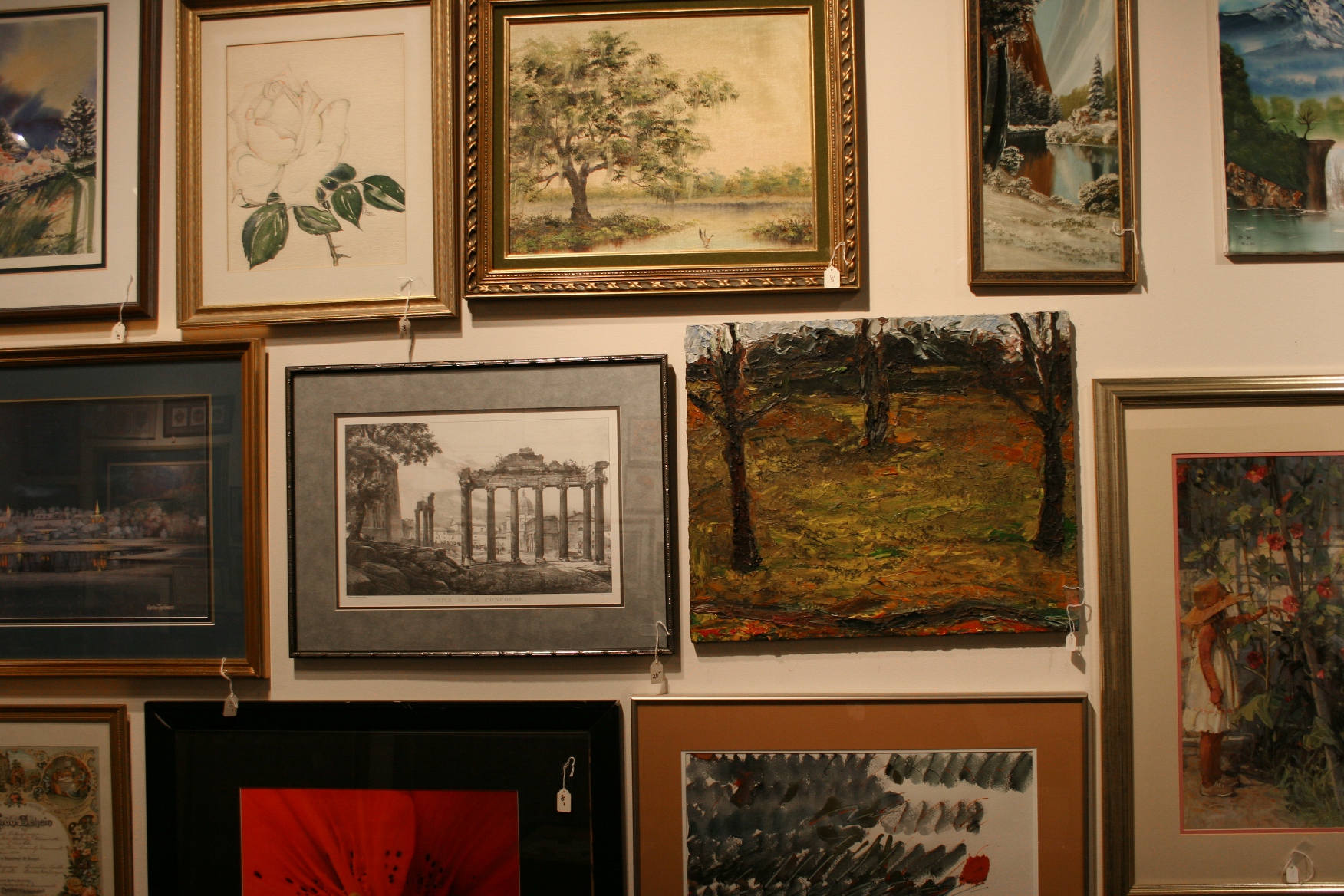
Originals and prints fill the gallery walls.

Originals and prints fill the gallery walls.

What others no longer want, and then donate to this fundraiser, may find a place on my walls, in my home.

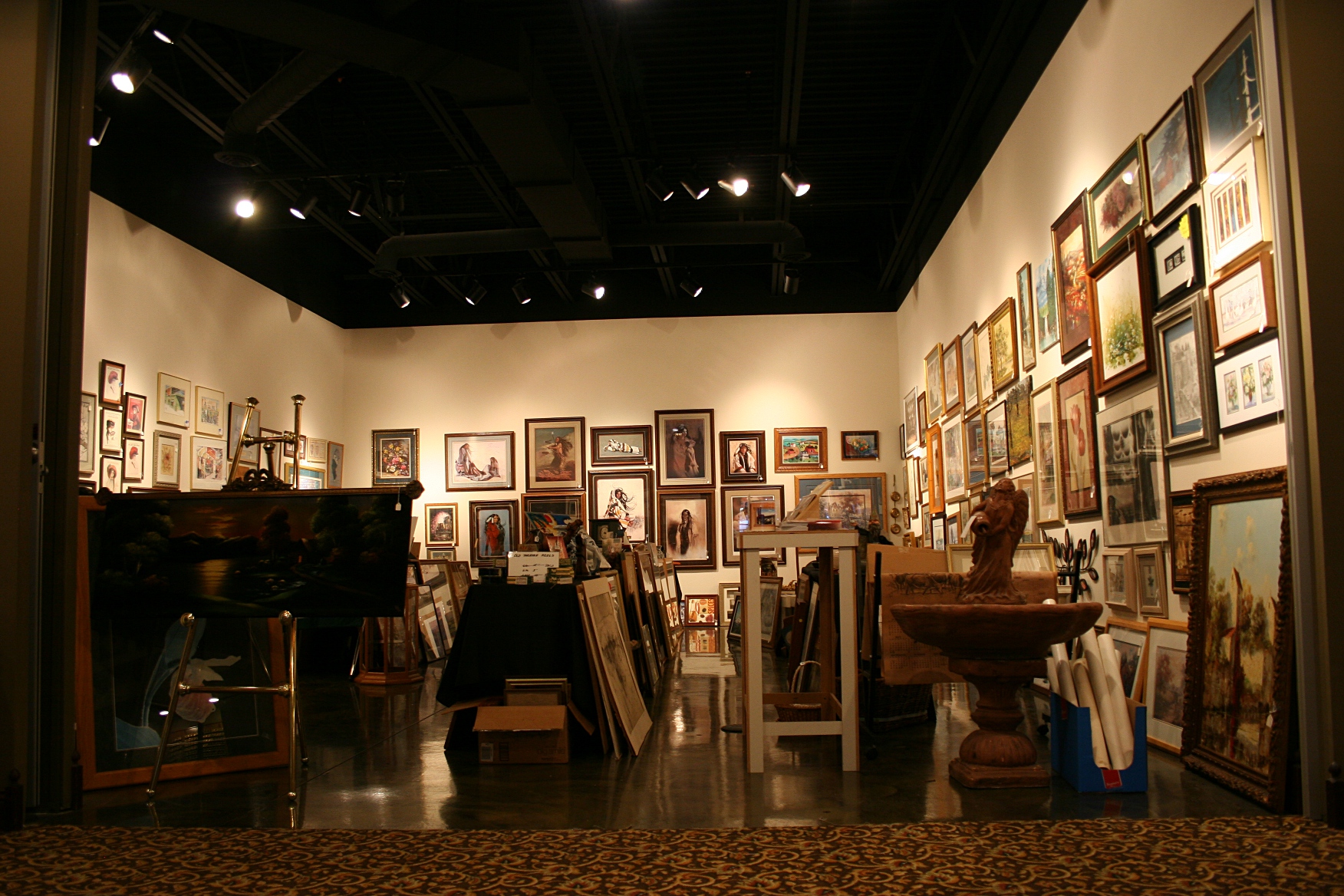
Thursday, opening day of the sale, the gallery was stuffed with art.

Thursday, opening day of the sale, the gallery was stuffed with art.

Today marks day two of the three-day Faribault Mural Society’s yearly Recycled Art Sale at the Paradise Center for the Arts in downtown Faribault. And the Carlander Family Gallery is overflowing with second-hand art from prints to originals.

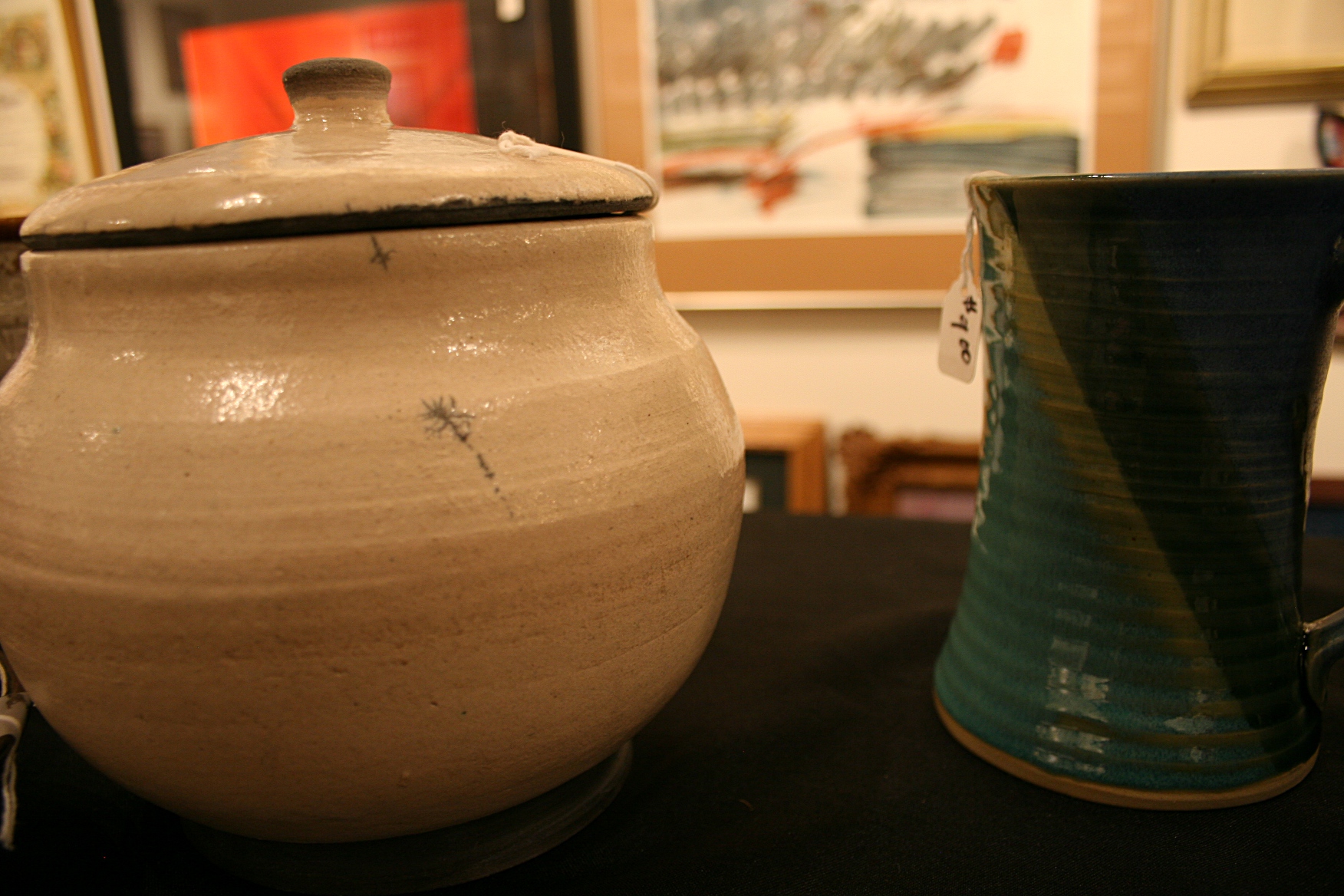
Even pottery is available for purchase.

Even pottery is available for purchase.

Plus, you’ll find pottery and glassware, garden art, frames, mirrors, art books and more.

Portraits are among the offerings.

Portraits are among the offerings. This is one of a pair.

I shopped for a half hour Thursday evening, but, much to my dismay, did not find a piece of art I simply had to have. Perhaps a second run-through is necessary.

In past years I’ve scored some really great finds, including an oil on burlap by noted Mexican artist Jose Maria de Servin; LathArt by Dutch artist Theodore de Groot; and two original floral paintings.

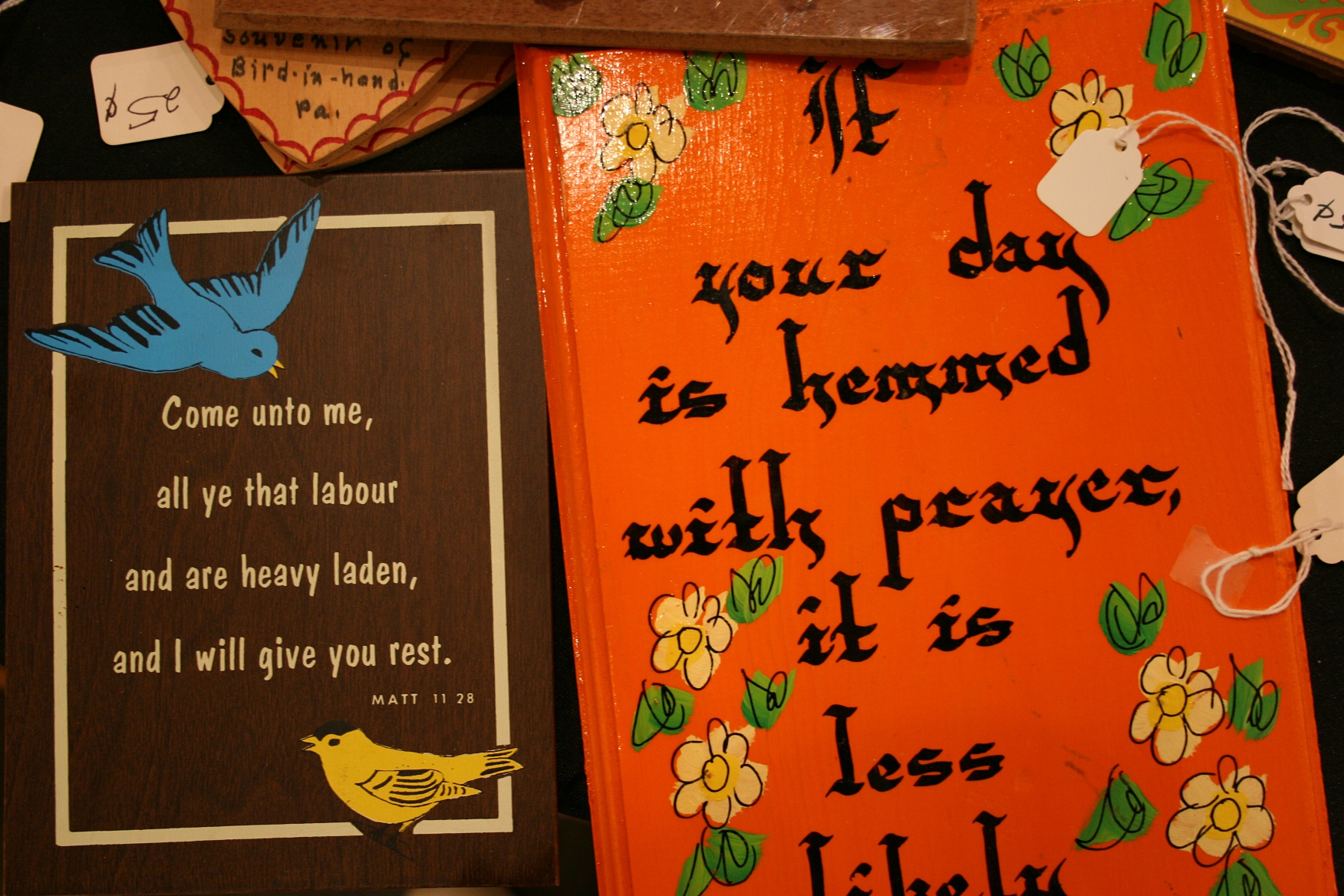
Kitschy bargain art plaques are among the art choices.

Kitschy bargain art plaques are among the art choices.

All were purchased at bargain prices ranging from $7 – $15. Other than a thrift store or an estate/garage/yard sale, I’ve not found fine original art this reasonably priced locally.

I’ve also bought art here for my daughter and son.

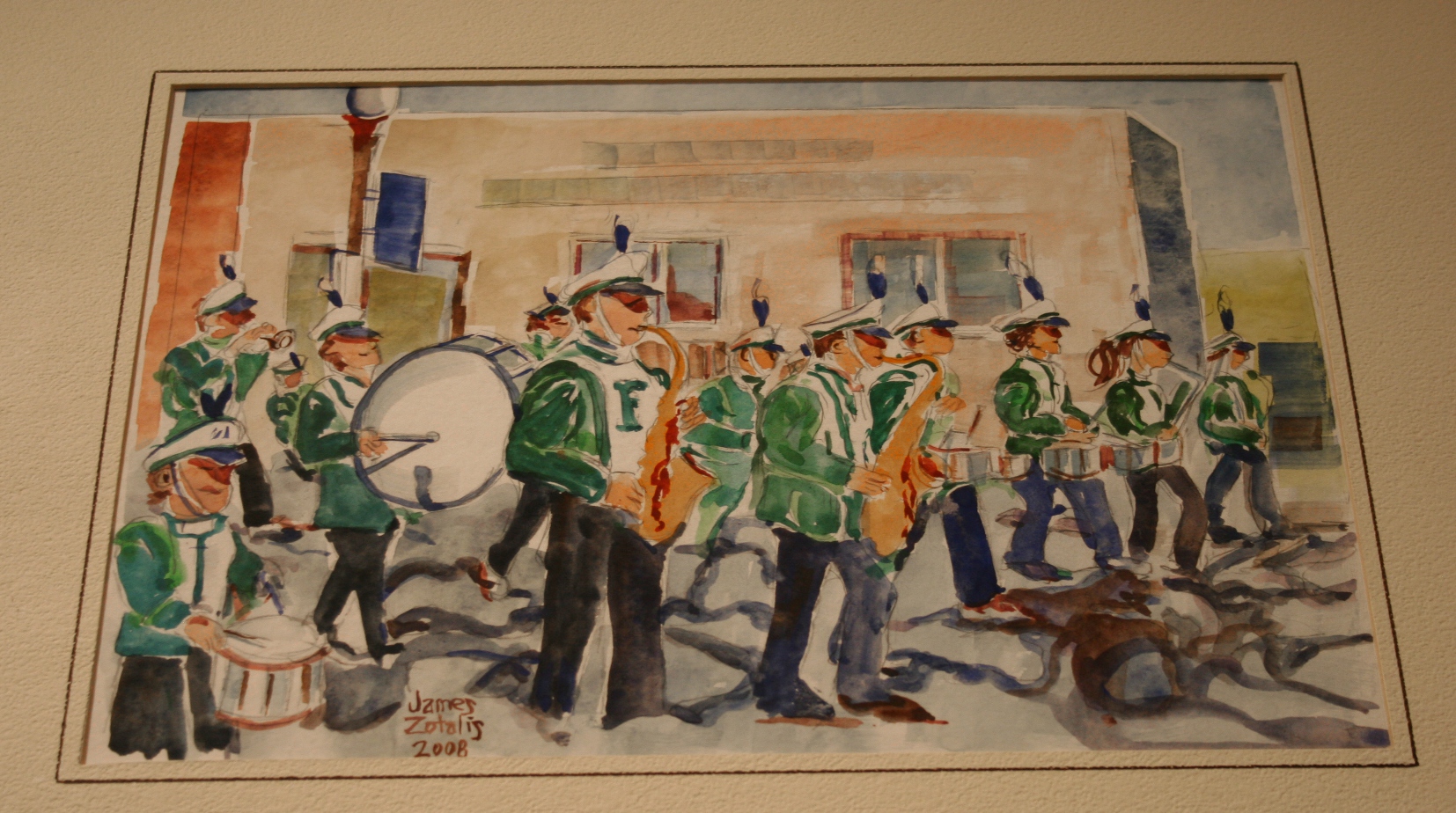
I expect this original watercolor of the Faribault High School marching band may interest a Faribault native.

I expect this original watercolor of the Faribault High School marching band by James Zotalis may interest a Faribault native.

So if you’re looking for a one-stop shopping place to possibly acquire recycled art, you’ve got time yet to browse this gallery from noon to 5 p.m. today (Friday) and Saturday at the Paradise, 321 Central Avenue North.

© Copyright 2014 Audrey Kletscher Helbling
 

What will you take in trade?

Filed under: Uncategorized — Audrey Kletscher Helbling @ 6:00 AM
Tags: , , , , , ,

OCCASIONALLY SOMETHING in an ad catches my eye and amuses me.

kkkklll

Read the ad directly under the 135 Garage Sales banner.

Take the Estate Sale on Sixth Avenue Southwest in Faribault.

Now let’s say I want to buy a John Deere collectible for my husband or perhaps that mink coat.

How am I supposed to pay for my purchases?

No checks, cash or credit cards are accepted.

So that leaves, uh, what? Bartering?


A Sunday afternoon of memories June 11, 2014

Filed under: Uncategorized — Audrey Kletscher Helbling @ 6:00 AM
Tags: , , , , , , , ,


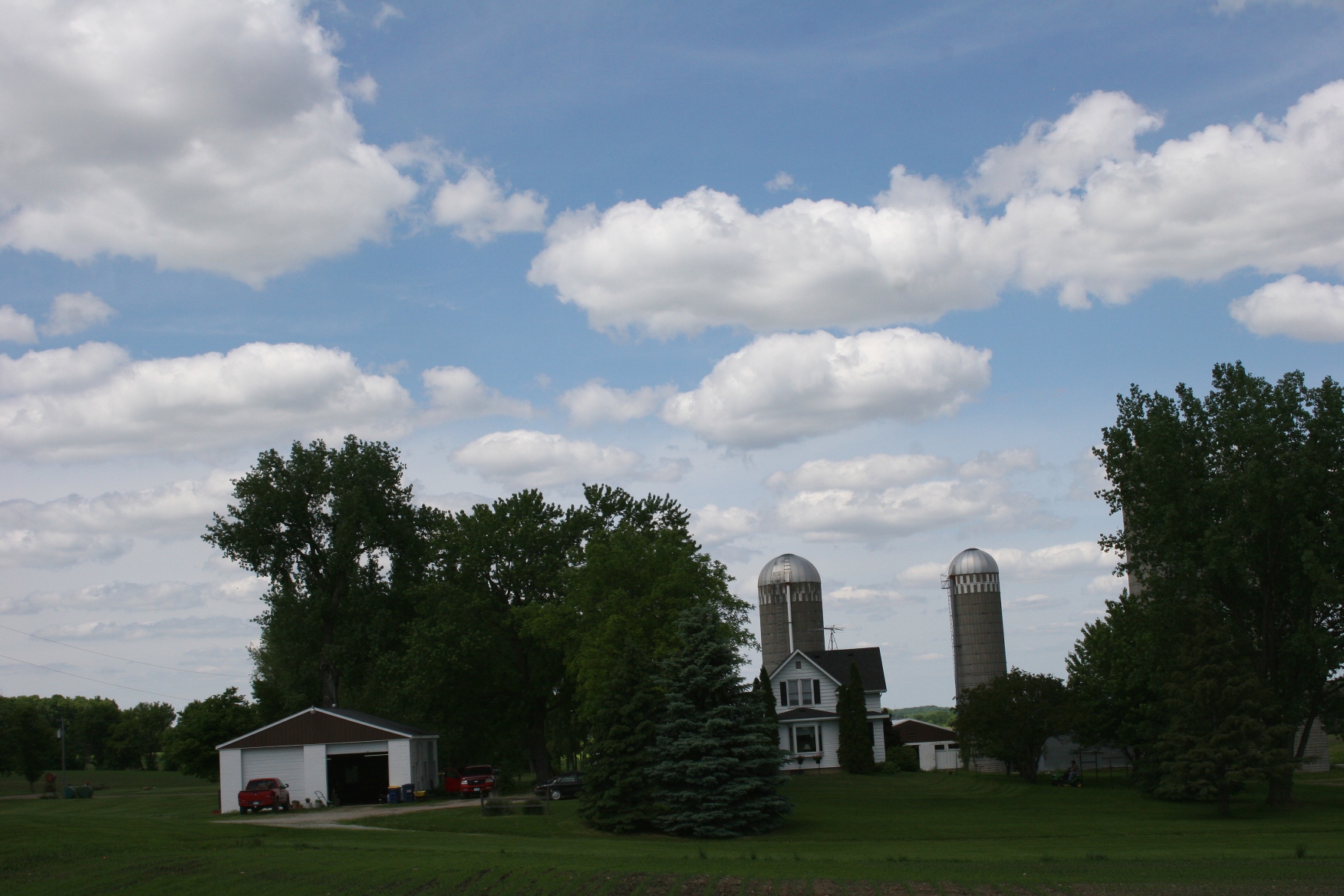
Sunday drive, farmsite with red trucks

IT IS THE TYPE OF DAY when clouds dodge in and out of the sky. Mostly in. The type of day when I wonder if I should grab a sweatshirt heading out the door. The type of day when, one minute my husband and I are riding with the vehicle windows rolled down, the next zipping them up as the sun ducks behind clouds and cold air rushes inside.

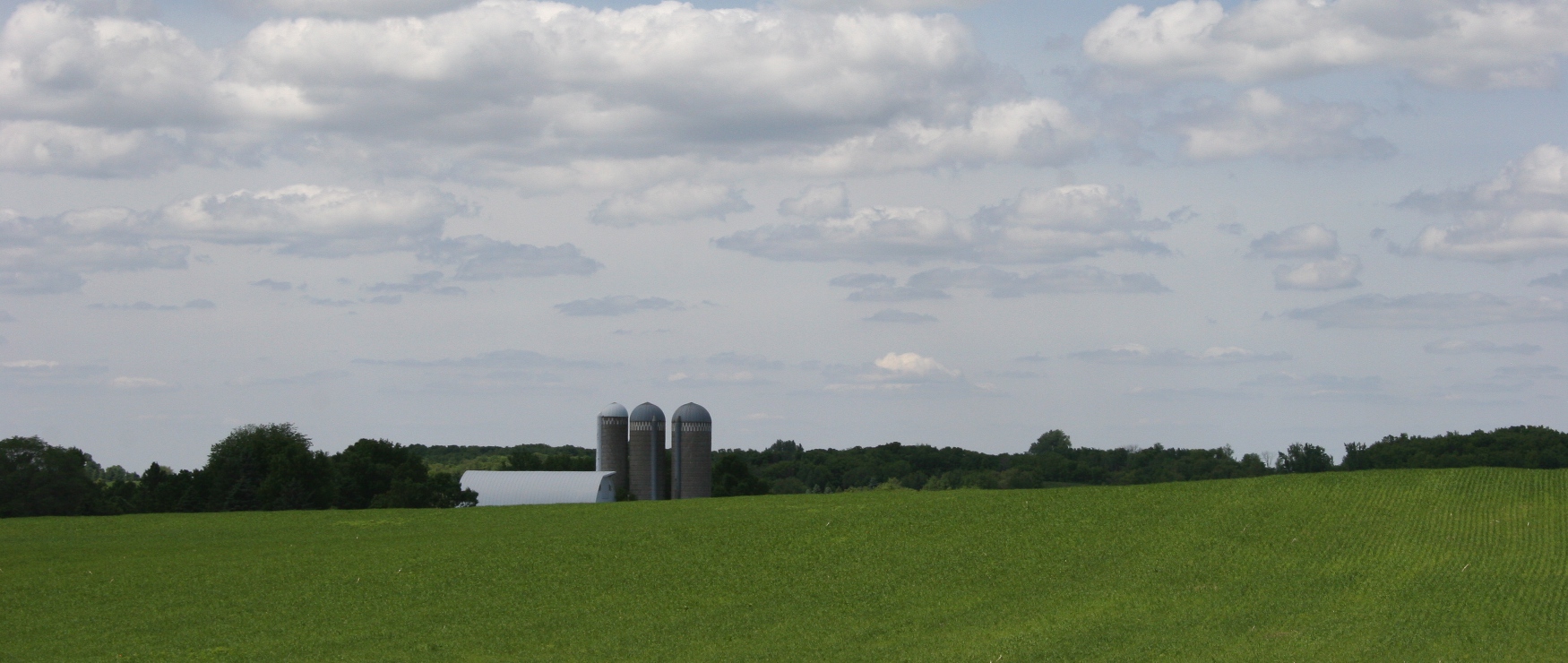
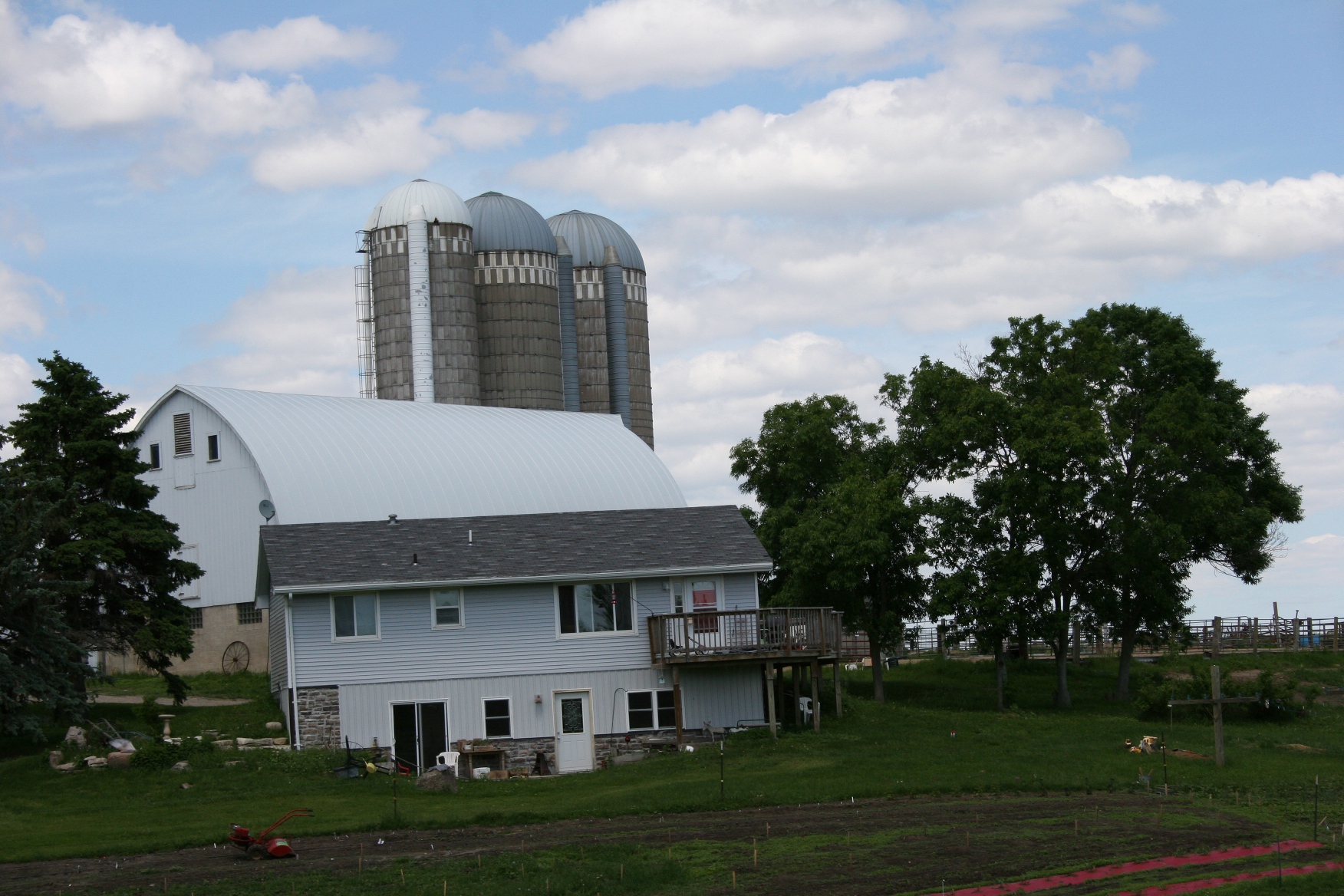
Sunday drive, barn and silos, distant

It is the type of day, early in June, when grass and foliage appear vibrant green in a season of excess moisture.

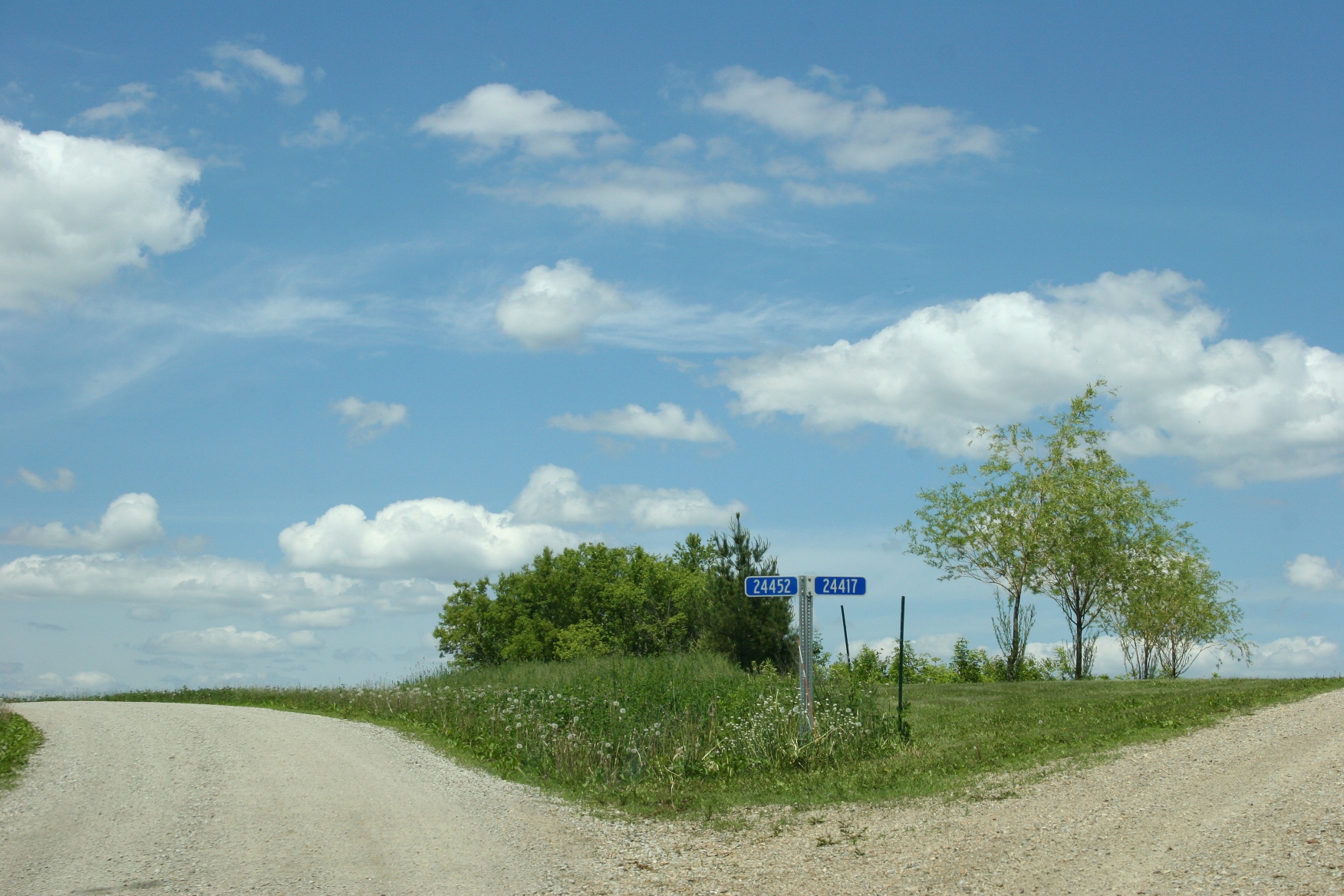
Sunday drive, fork in the road

And I wonder how, after a deluge of rain the day prior, cars can still kick up dust along gravel roads.

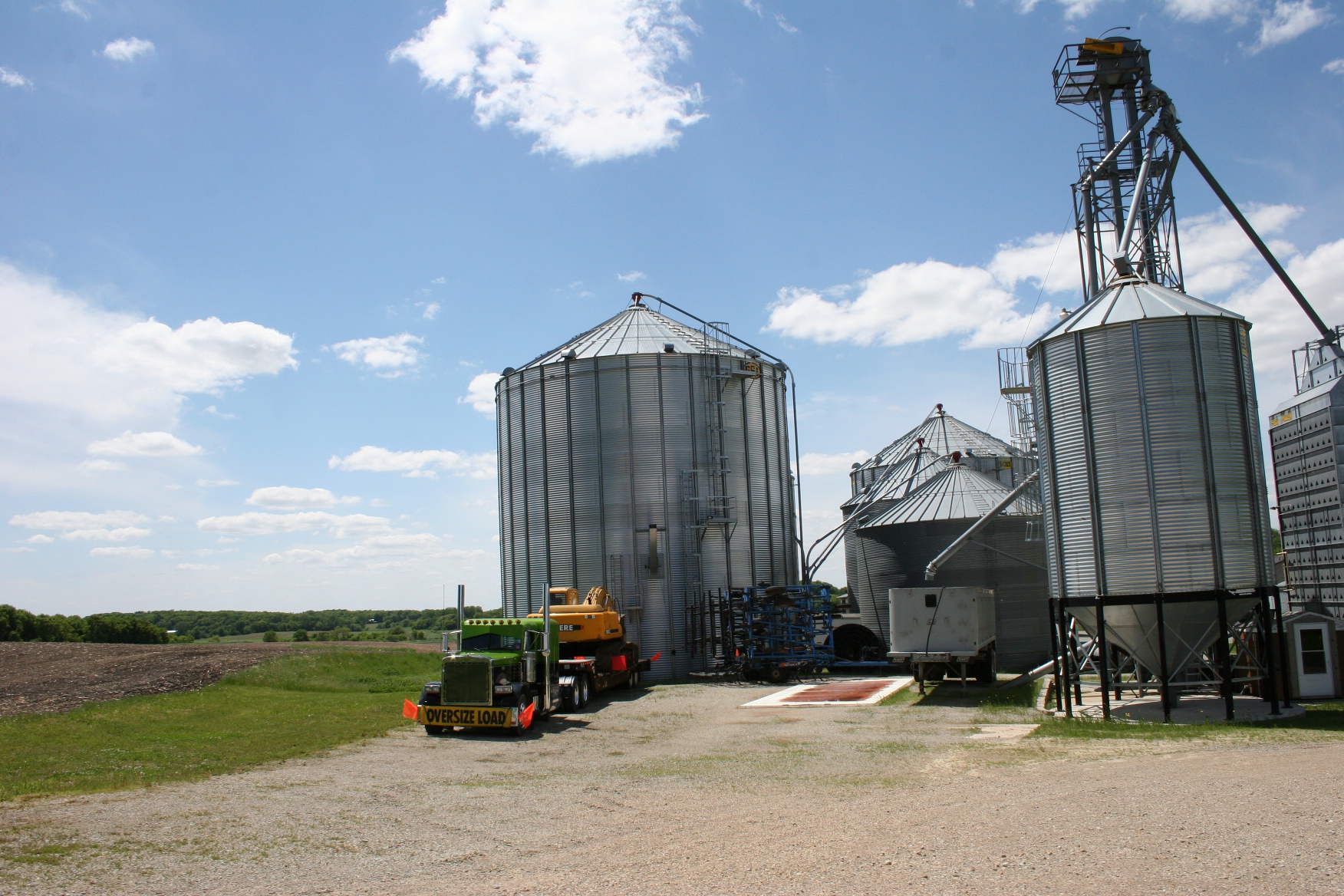
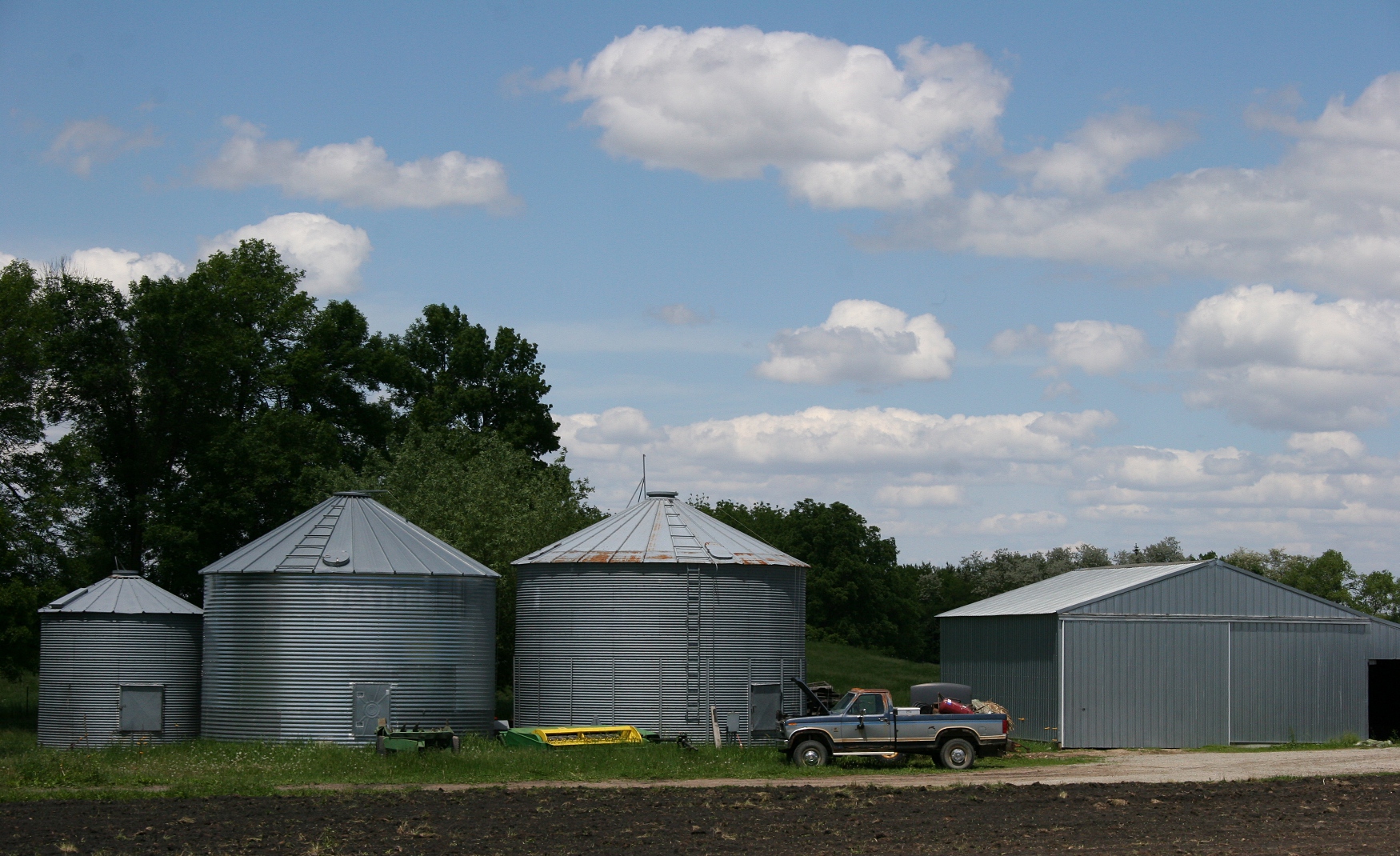
Sunday drive, grain complex

Everything seems sharp and new, as if I am seeing everything for the first time on this Sunday afternoon drive. And I am, after the longest of Minnesota winters.

Sunday drive, hillside farmsite

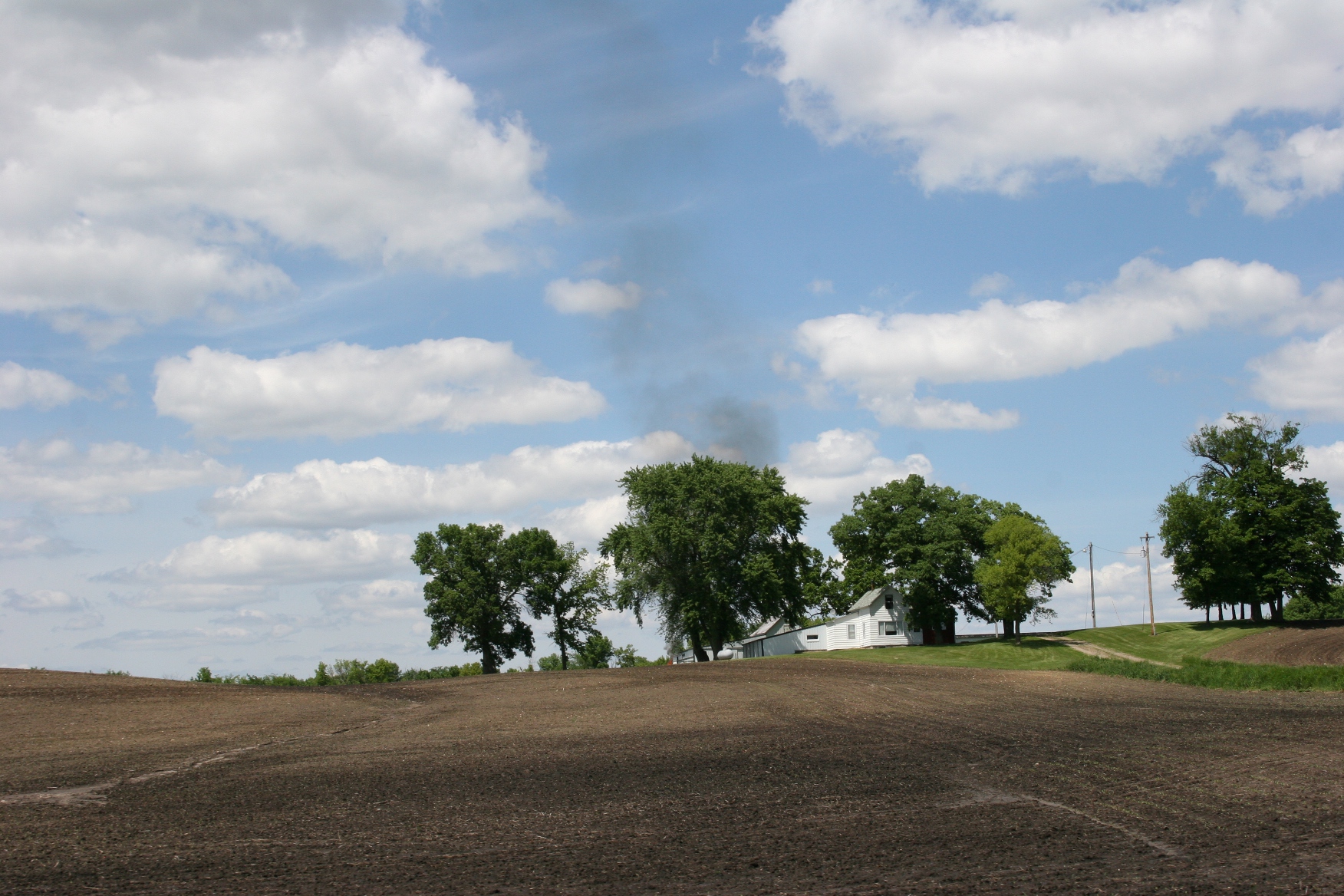
Barns and farmhouses scattered between fields hold memories that cause my very soul to ache for missing the farm.

I grasp snapshots of prairie memories from the scenes that unfold before me.

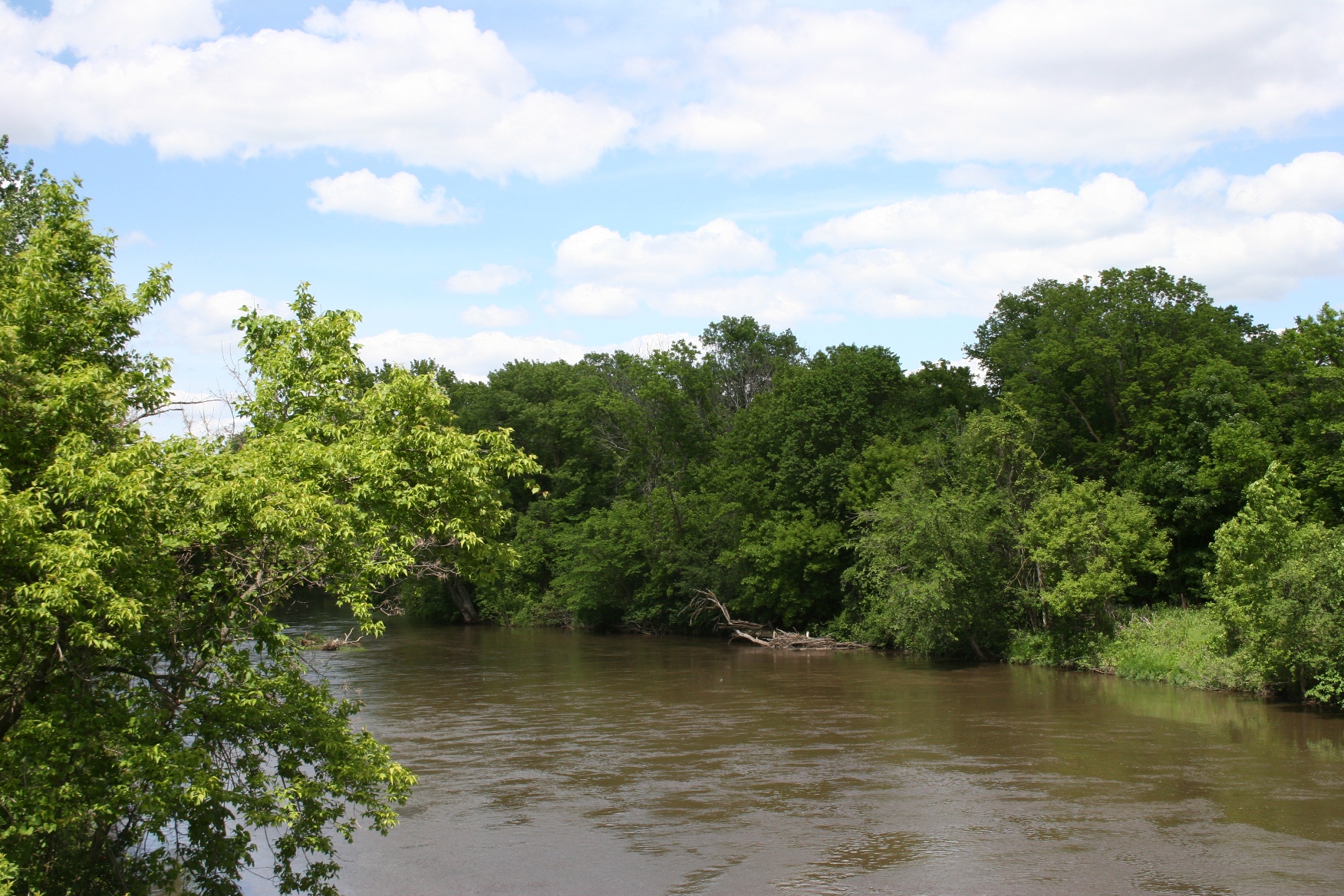
Crossing the Straight River southeast of Faribault.

Crossing the muddy Straight River southeast of Faribault.

Me pedaling my bike over the bridge across the muddy Redwood River.

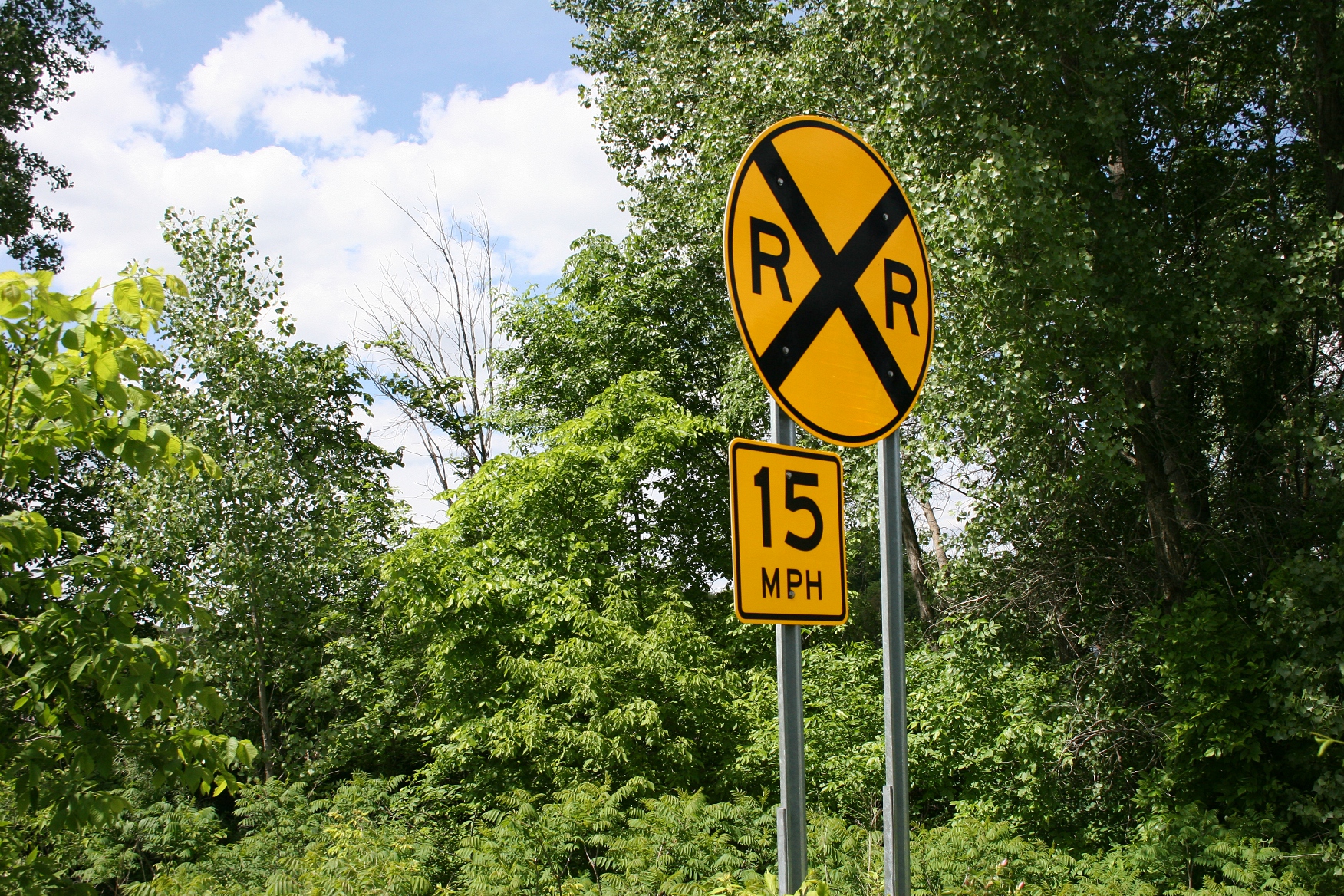
On the other side of the bridge, train tracks.

On the other side of the bridge, train tracks in rural Rice County, Minnesota.

Me scanning the tracks as I cross the rails into Vesta.

The pick-up truck, a rural necessity.

The pick-up truck, a rural necessity.

Me sitting beside my Dad in his red-and-white Chevy pick-up, bouncing across the stubbled alfalfa field.

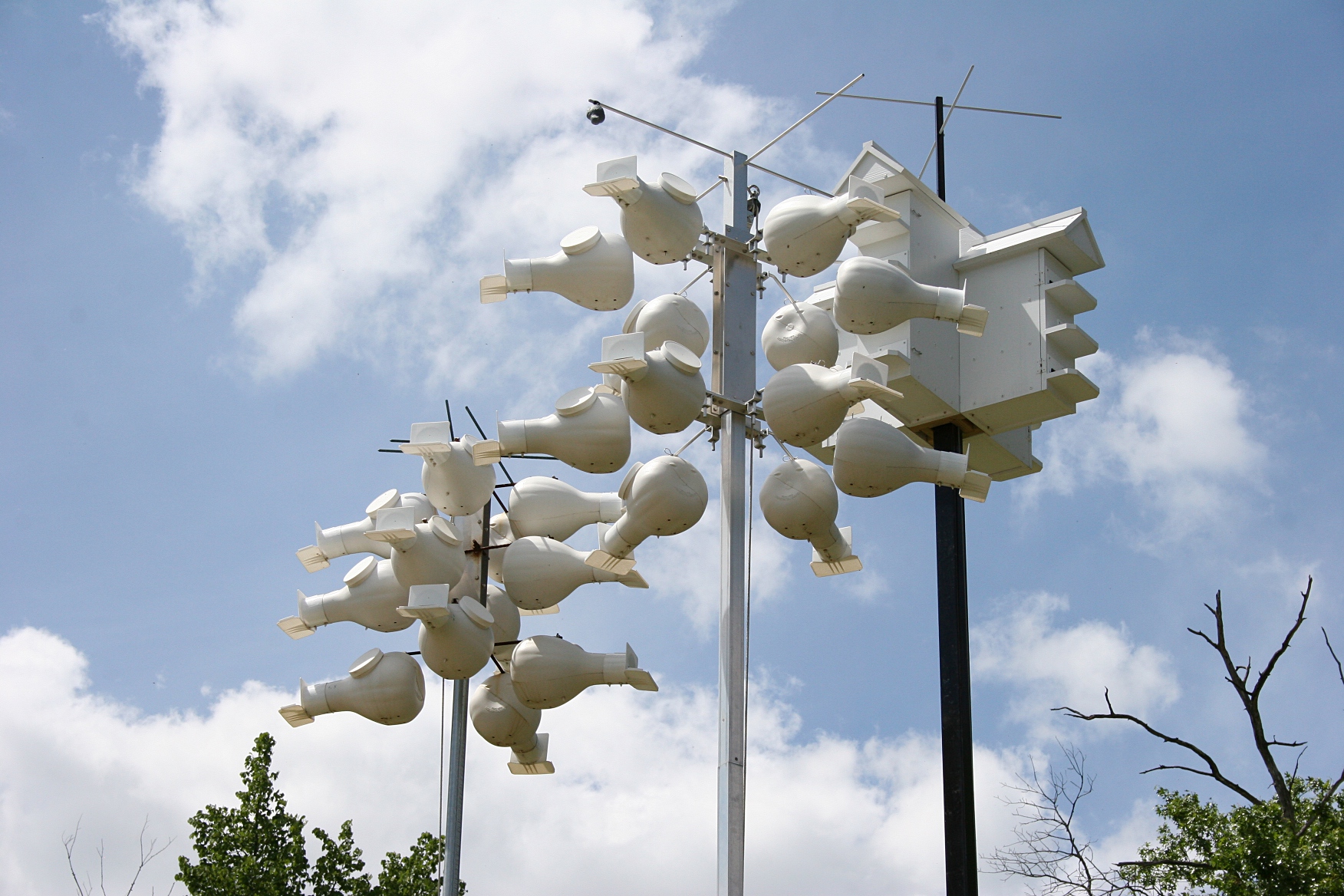
Birdhouse condominion perched atop a hill next to a building site in rural Rice County, Minnesota.

Birdhouse condo perched atop a hill next to a building site in rural Rice County, Minnesota.

Memories rise and fall like the hilly roads that twist and turn our van through the countryside southeast of Faribault.

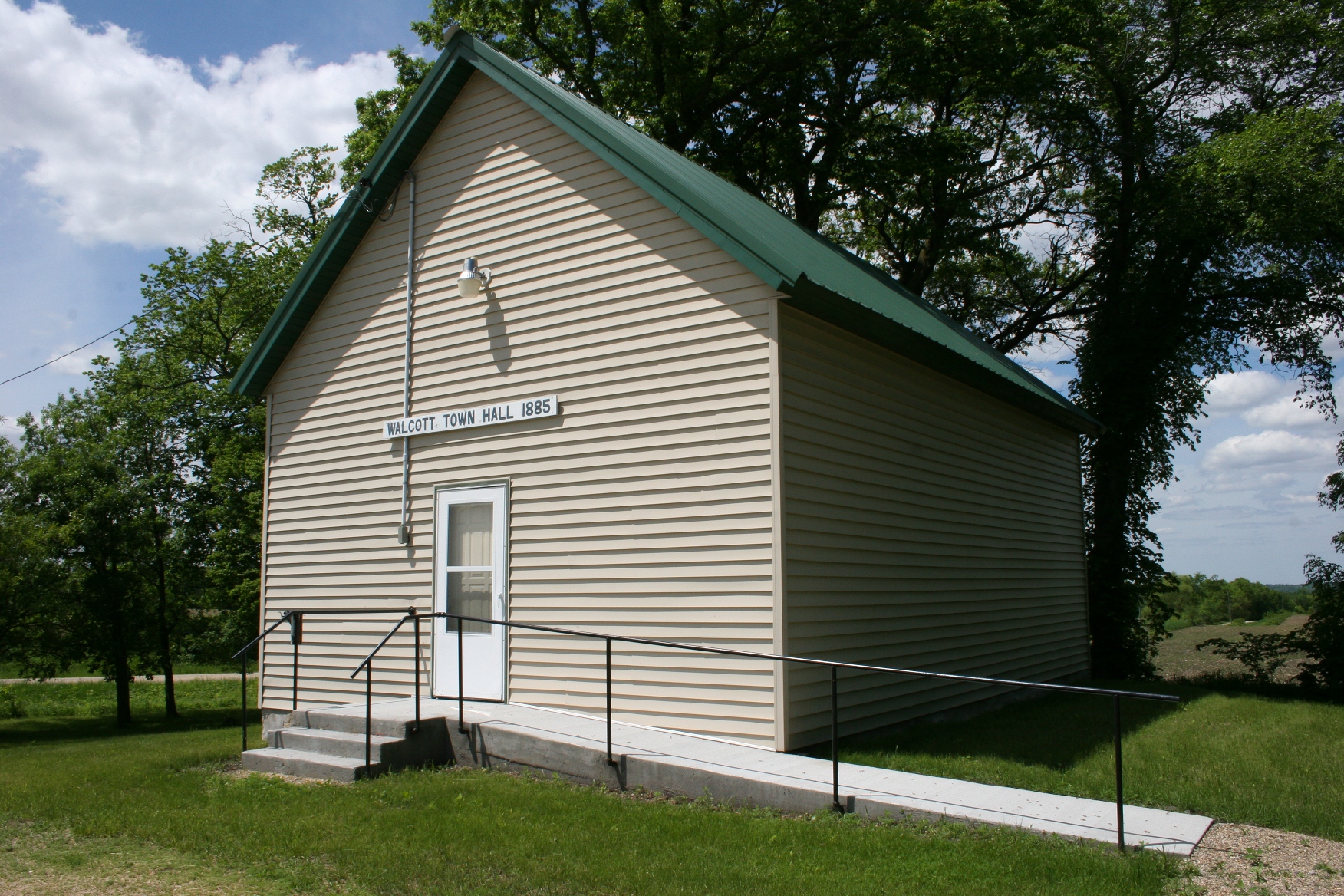
Our drive takes us through Walcott Township in Rice County. I grew up in Vesta Township 120 miles to the west in Redwood County.

Our drive takes us through Walcott Township in Rice County. I grew up in Vesta Township 120 miles to the west in Redwood County.

I’m unfamiliar with this place, yet familiar.

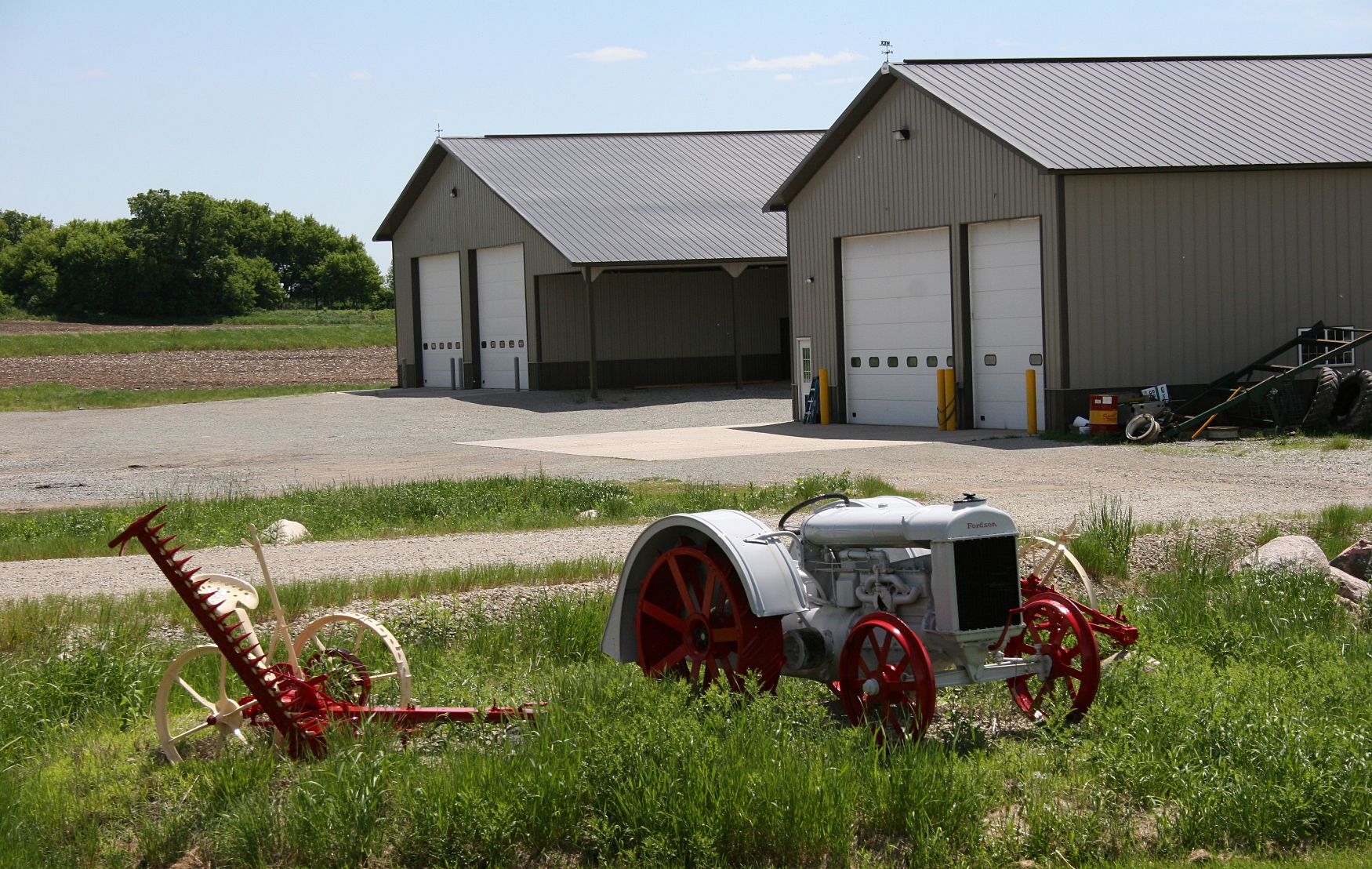
An aged Fordson parked alongside a road southeast of Faribault.

An aged Fordson parked alongside a road southeast of Faribault.

I know these barns, these farmhouses, these tractors, these fields. In another place, another time.

A farm upbringing imprinted them upon my soul 120 miles to the west of here.

FYI: To read my first post from this Sunday afternoon drive, click here.

© Copyright 2014 Audrey Kletscher Helbling
 

Delighting in the Sunday afternoon drive June 10, 2014

Filed under: Uncategorized — Audrey Kletscher Helbling @ 6:00 AM
Tags: , , , , , ,
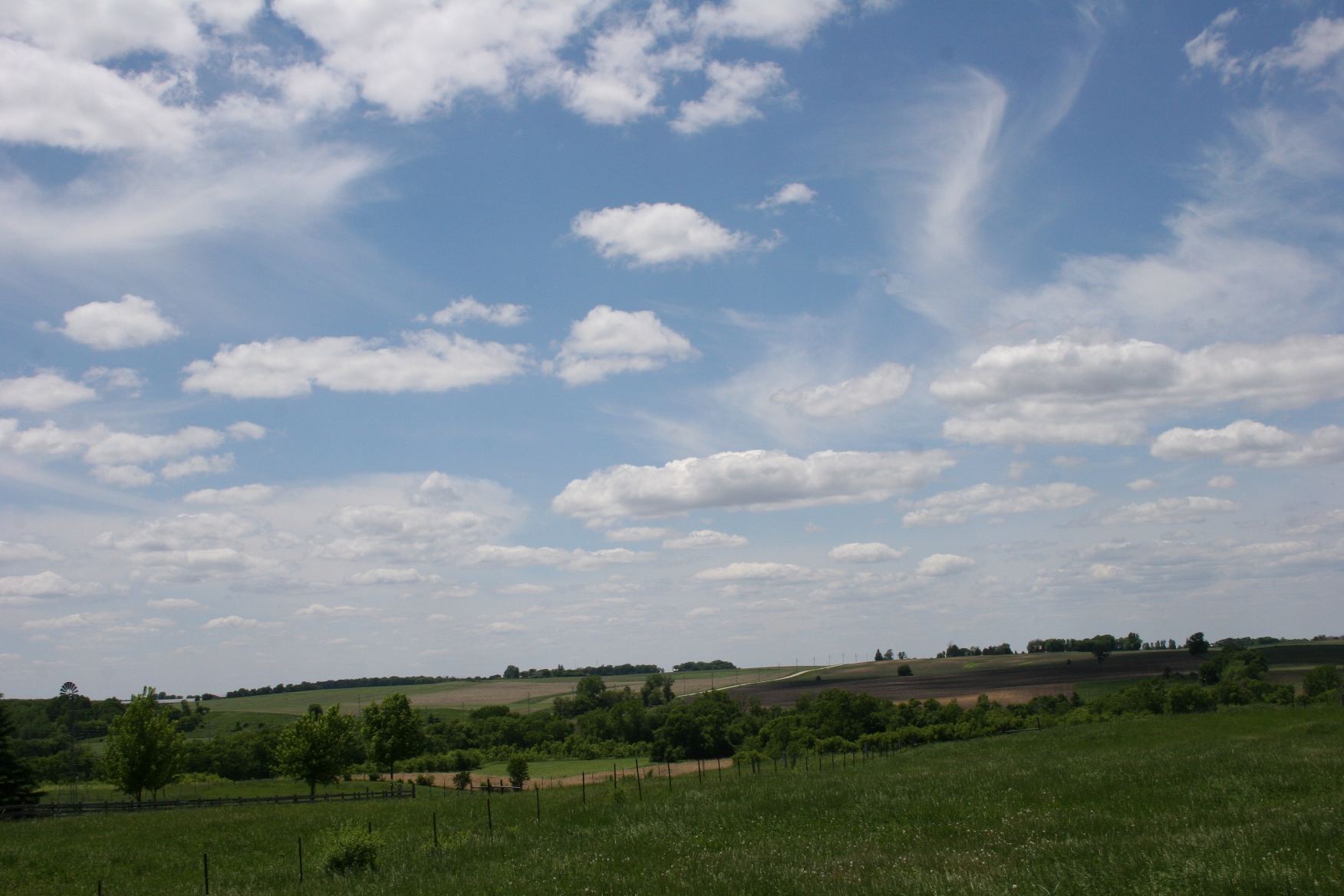
The countryside spreads out before us as we begin our drive.

The countryside spreads out before us as we begin our Sunday afternoon drive.

MINNESOTA ATLAS SANDWICHED between us on the van floor, my husband and I head southeast of Faribault for our first Sunday afternoon drive of the season. The directional guide is primarily for my benefit as I occasionally have this urge to know “where we are.” We own neither smart phone nor GPS.

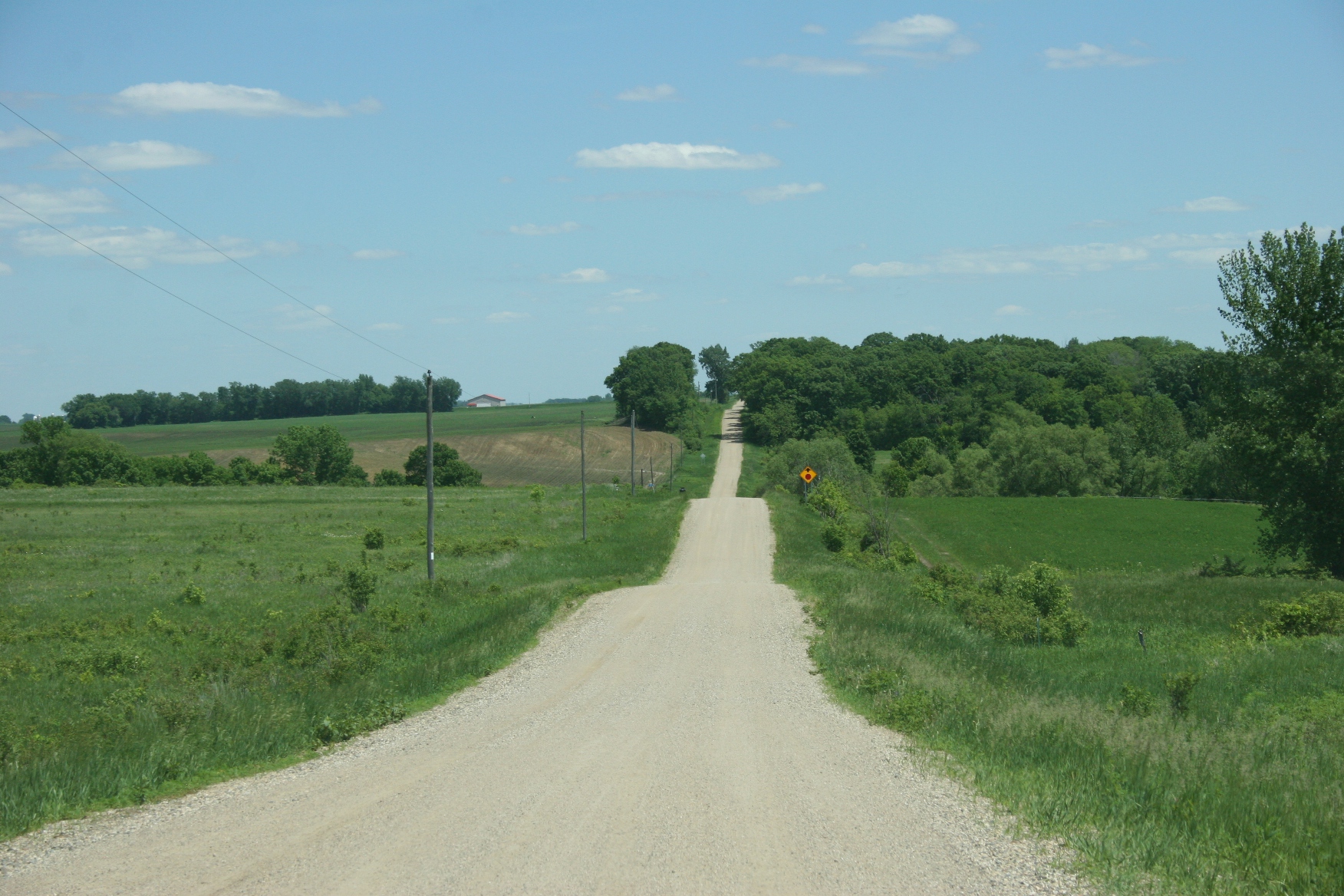
We prefer gravel roads over paved for the slower pace.

We prefer gravel roads over paved for the slower pace.

We have no specific destination, only aiming to follow back country roads to see what we can see.

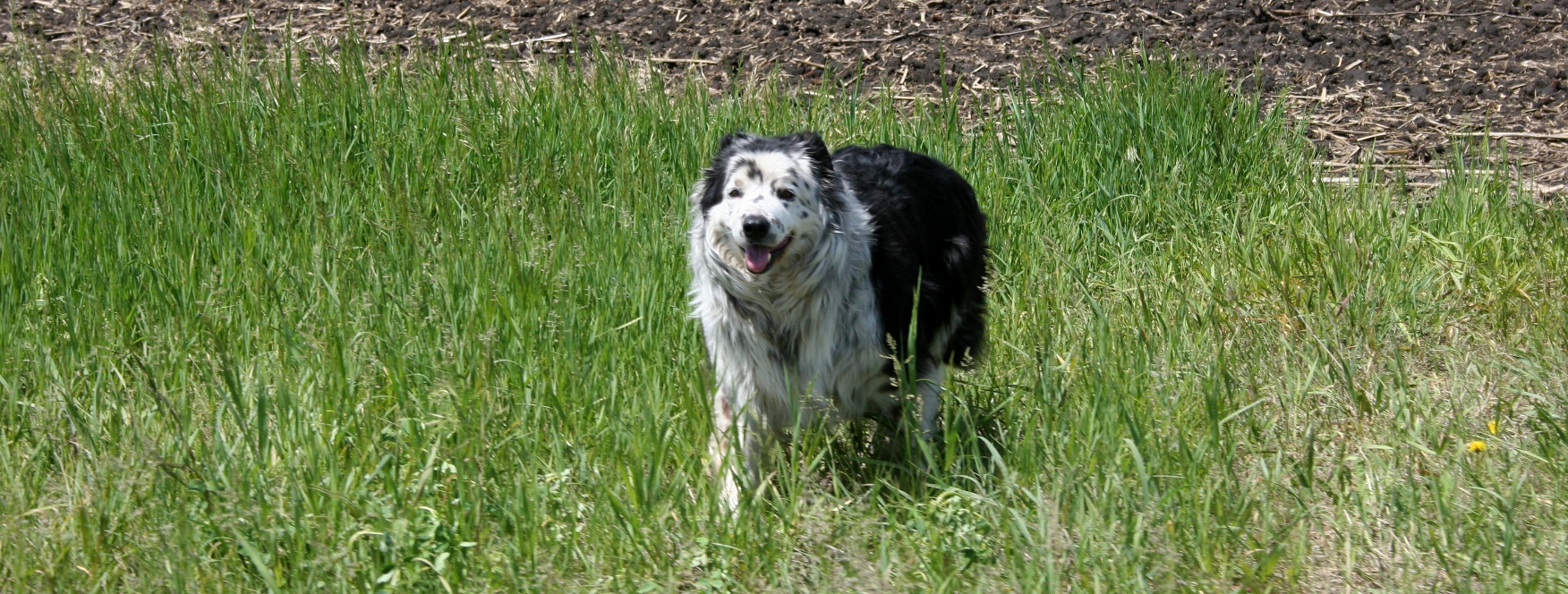
We miss nothing, including the dog bounding out of the ditch.

We miss nothing, including the dog bounding out of the ditch.

As simple as that.

ls

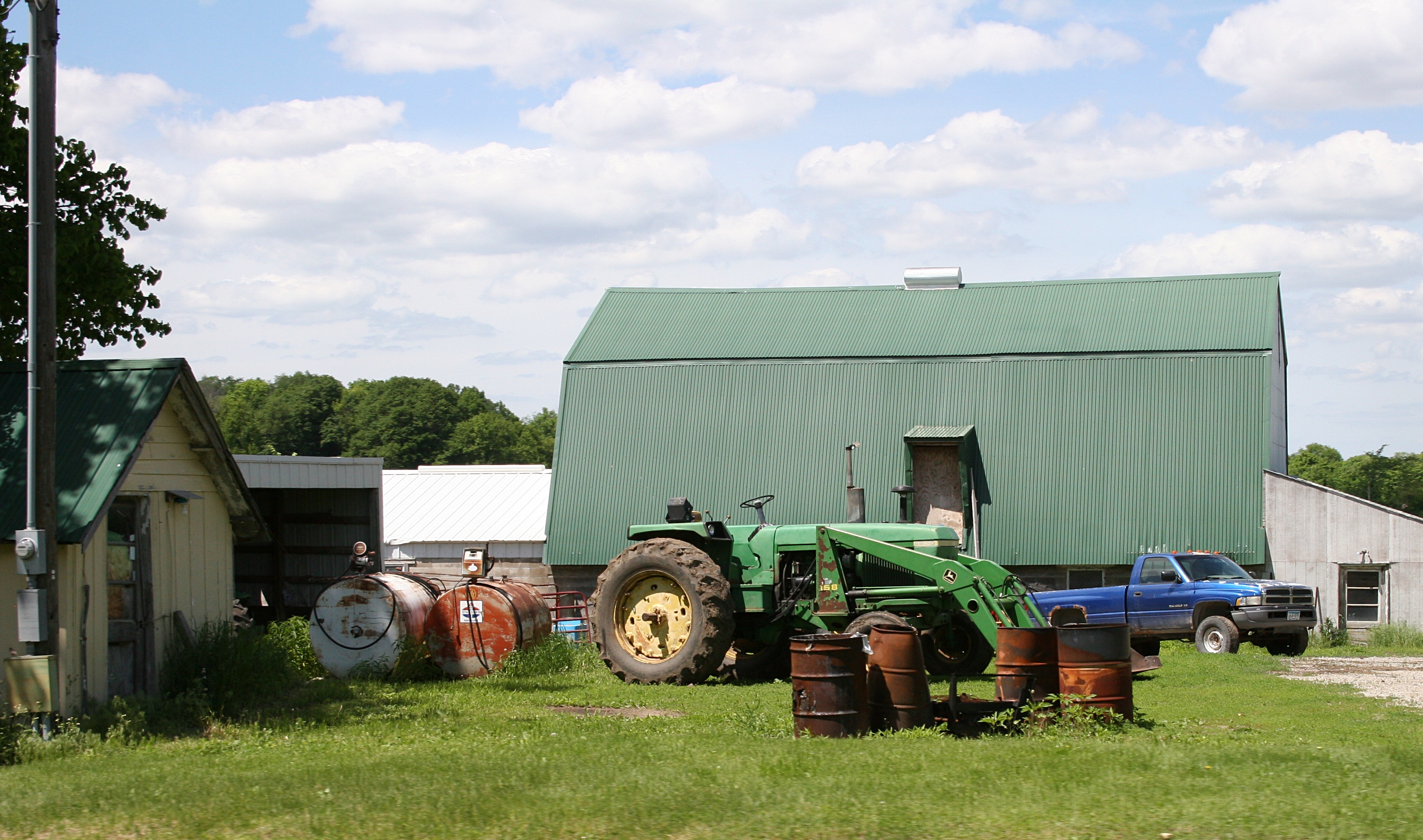
Barrels and a John Deere bring back farm memories of the burning barrel and the putt-putt-putt of the tractor.

We are those kind of folks, former farm kids who grew up understanding the value in a Sunday afternoon drive.

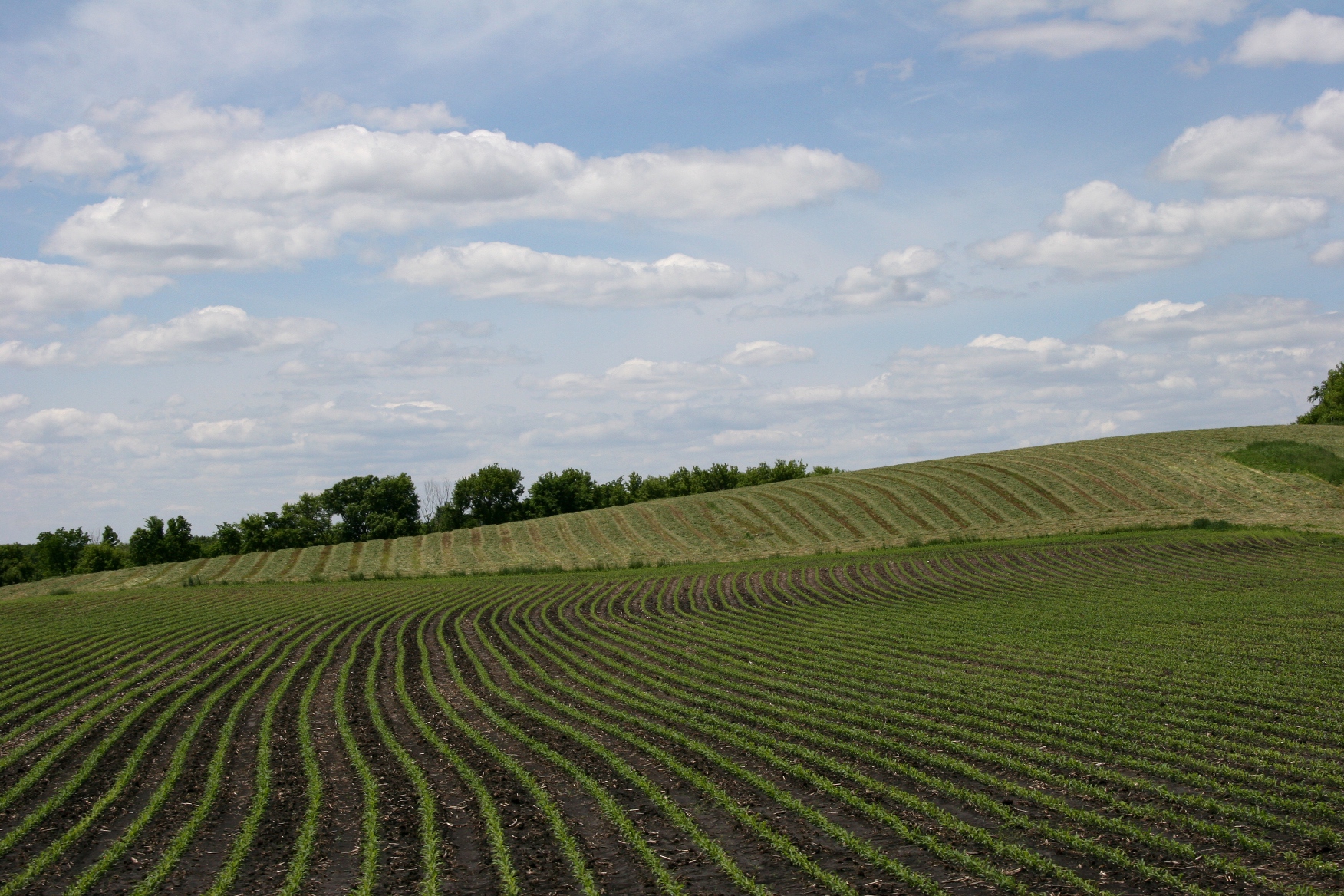
Emerging corn.

Emerging corn.

Check out the crops.

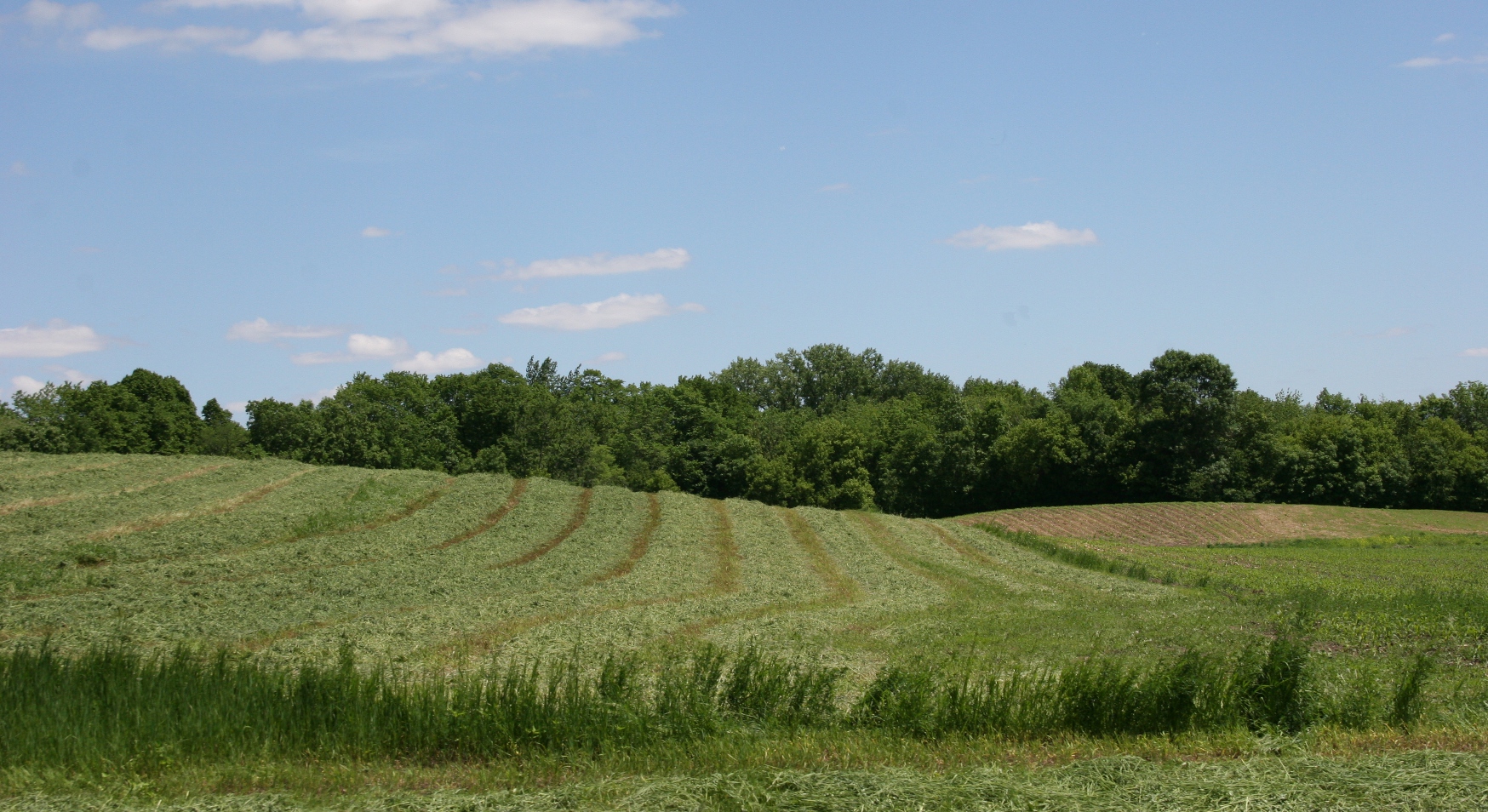
Of all the country smells, I think my favorite is that of freshly-cut alfalfa.

Of all the country smells, my favorite is that of freshly-cut alfalfa.

Breathe in the indescribably intoxicating smell of freshly-mown alfalfa.

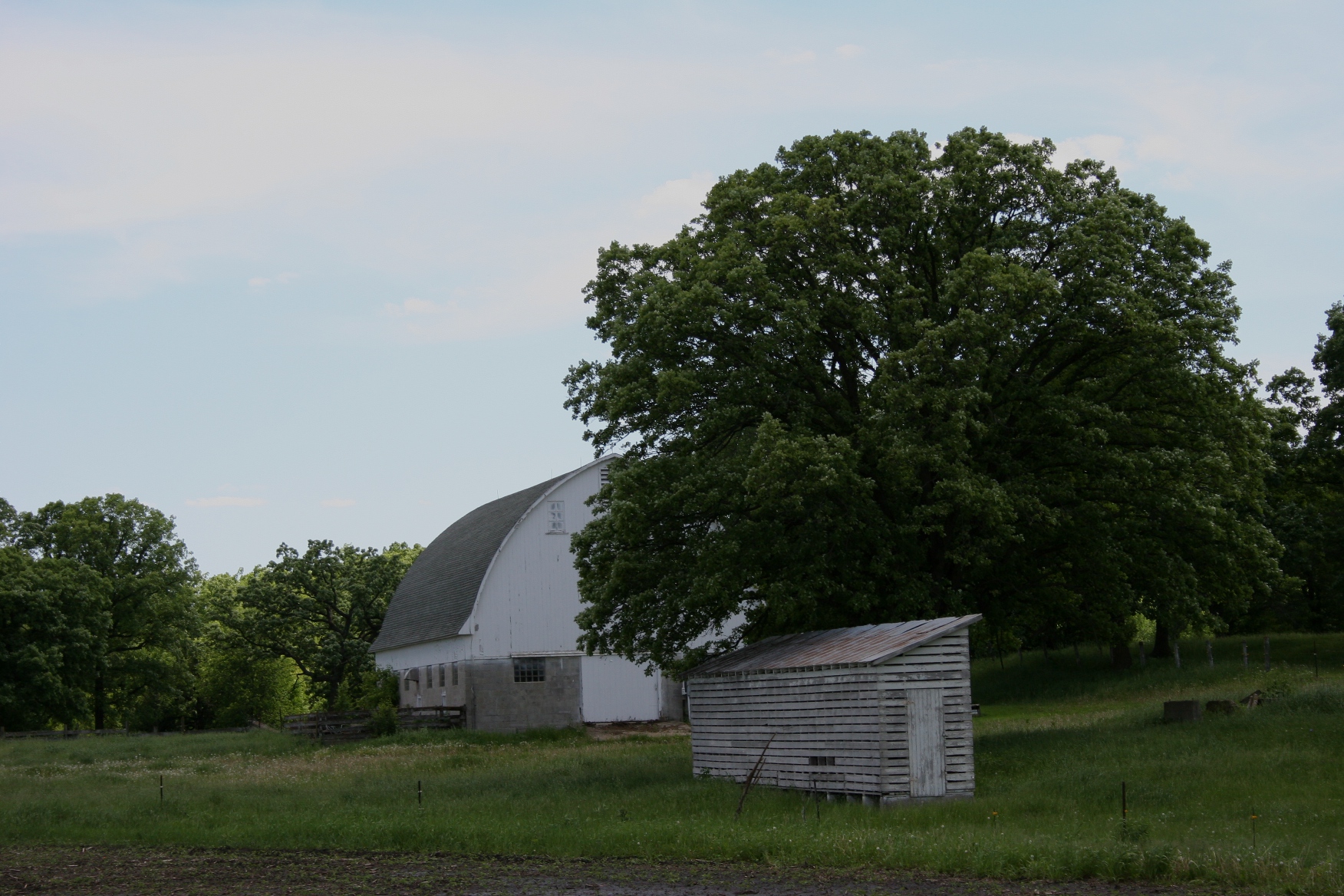
So many old barns and the sweet surprise of this old corn crib.

So many old barns and the sweet surprise of this old corn crib.

Wind along gravel roads past time-worn barns and vintage farm machinery, curve this way and that, windows rolled down, tires crunching, taking it all in.

From old farmhouses to new home hobby farms, we see them all.

From old farmhouses to new home hobby farms, we see them all.

Glorious countryside, oh, glorious countryside.

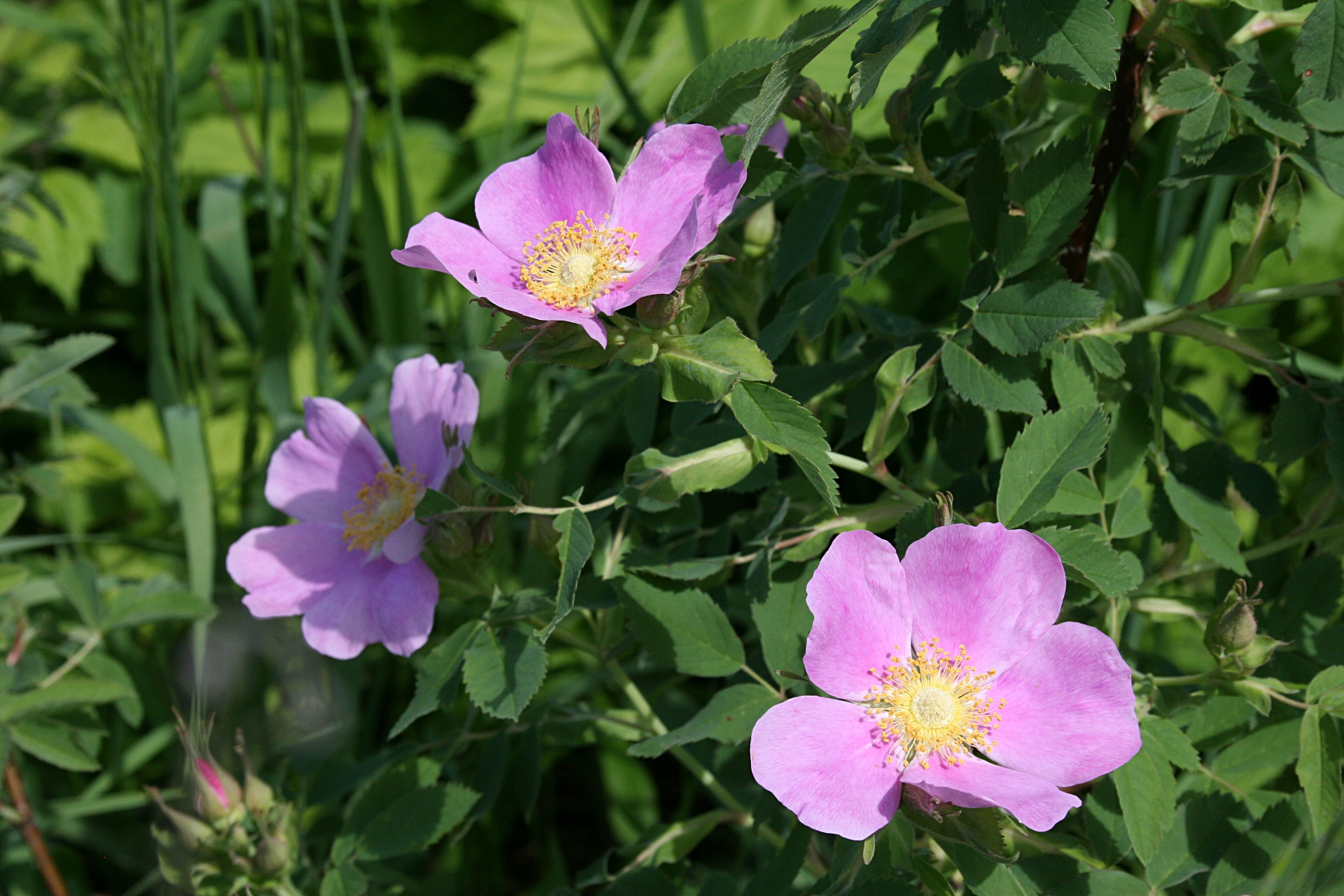
Lovely wild roses in the ditch.

Lovely wild roses in the ditch.

And then, an abrupt stop to smell the roses. Literally. Beautiful wild roses that filled the ditches of my youth spotted once again. I inhale their heady perfumed fragrance as I wade into tall ditch grass.

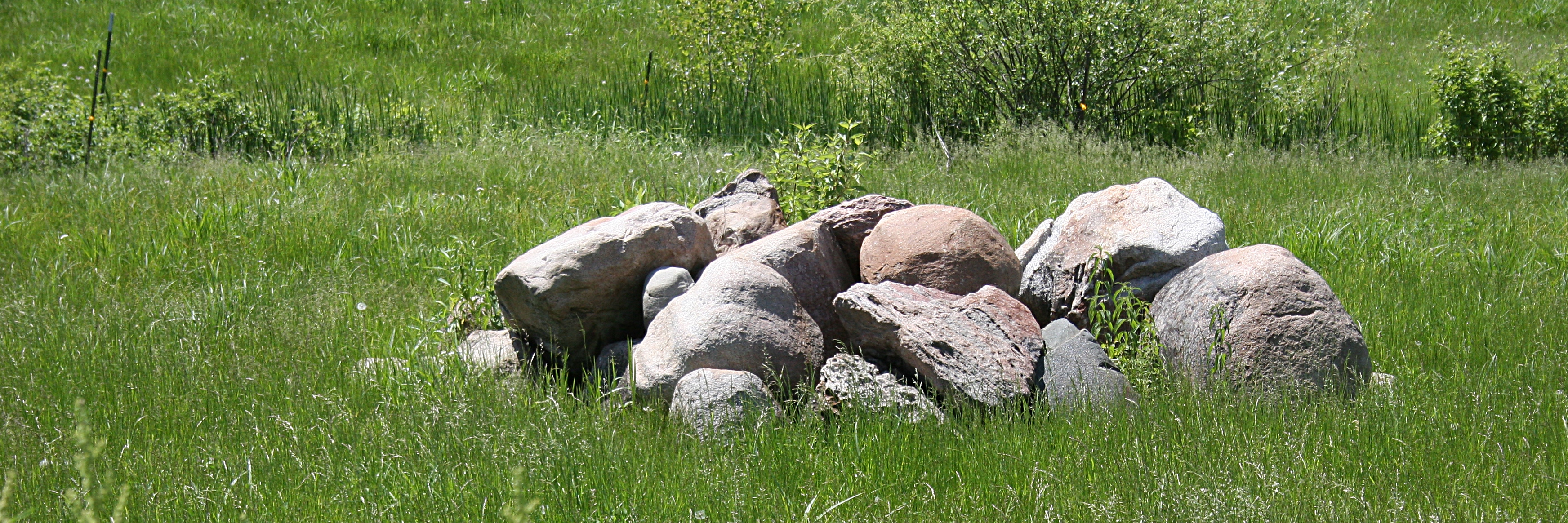
We even notice the rock piles and recall our days of picking rock.

We even notice the rock piles and recall our days of picking rock.

For an hour or so on this Sunday afternoon, the worries in my life cease. I am with the man I love, checking out the crops, smelling the roses, taking in every detail of the rural world that embraces us.

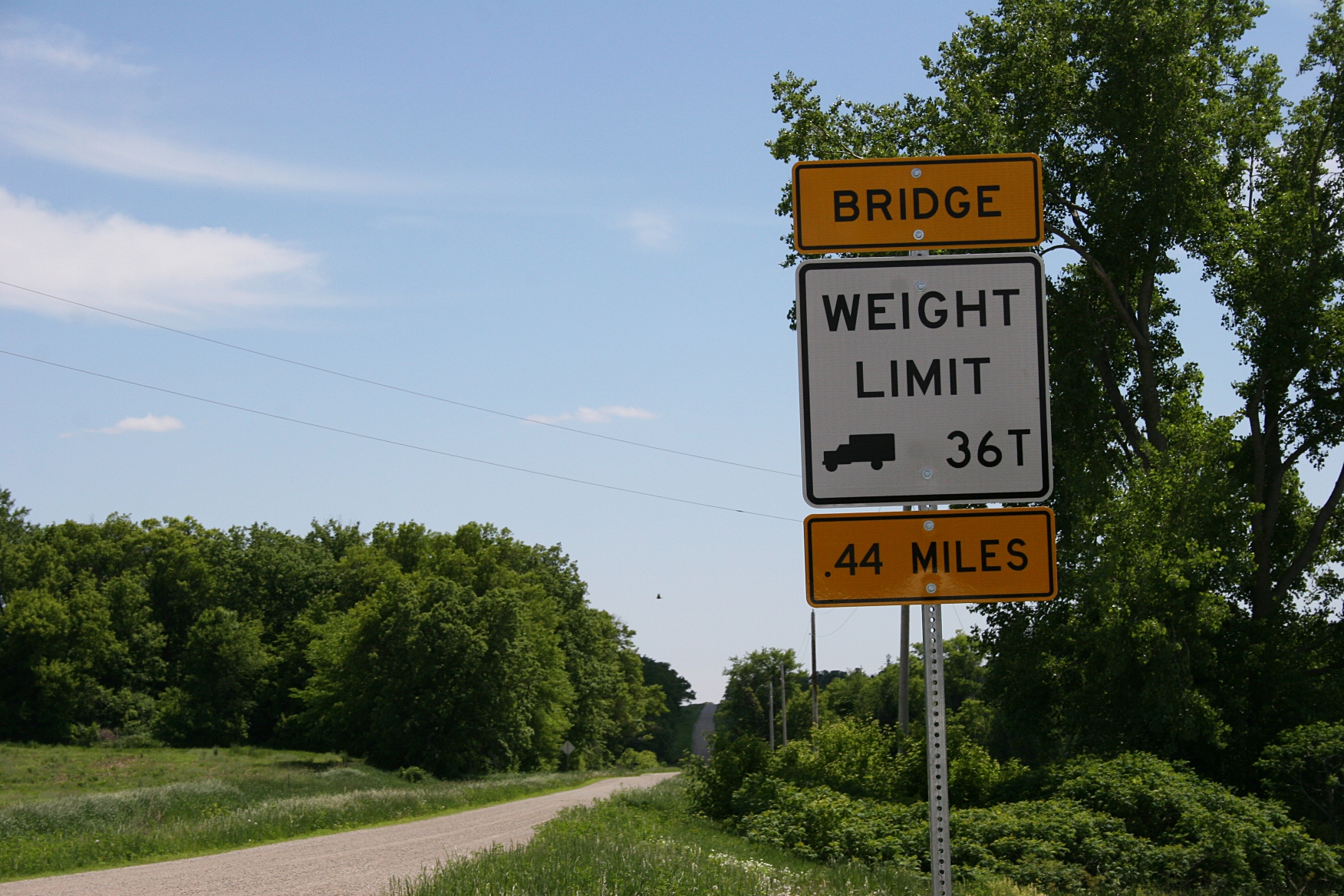
Even signage does not go unnoticed.

Even signage does not go unnoticed.

Life is good. In this moment. On this Sunday afternoon drive.

(Please check back for more photos from this Sunday afternoon drive just southeast of Faribault.)

© Copyright 2014 Audrey Kletscher Helbling
 

Light, oh glorious photographic light June 5, 2014

Corn sprouts along Minnesota Highway 60 east of Faribault. Photographed around 7:45 p.m.

Crops emerge in fields along Minnesota State Highway 60 east of Faribault. Photographed around 7:45 p.m.

LIGHT. Therein lies a factor that can make or break a photo.

Any student of photography covets the golden hour, that time around sunrise and sunset when light softens and sets a magical mood and tone.

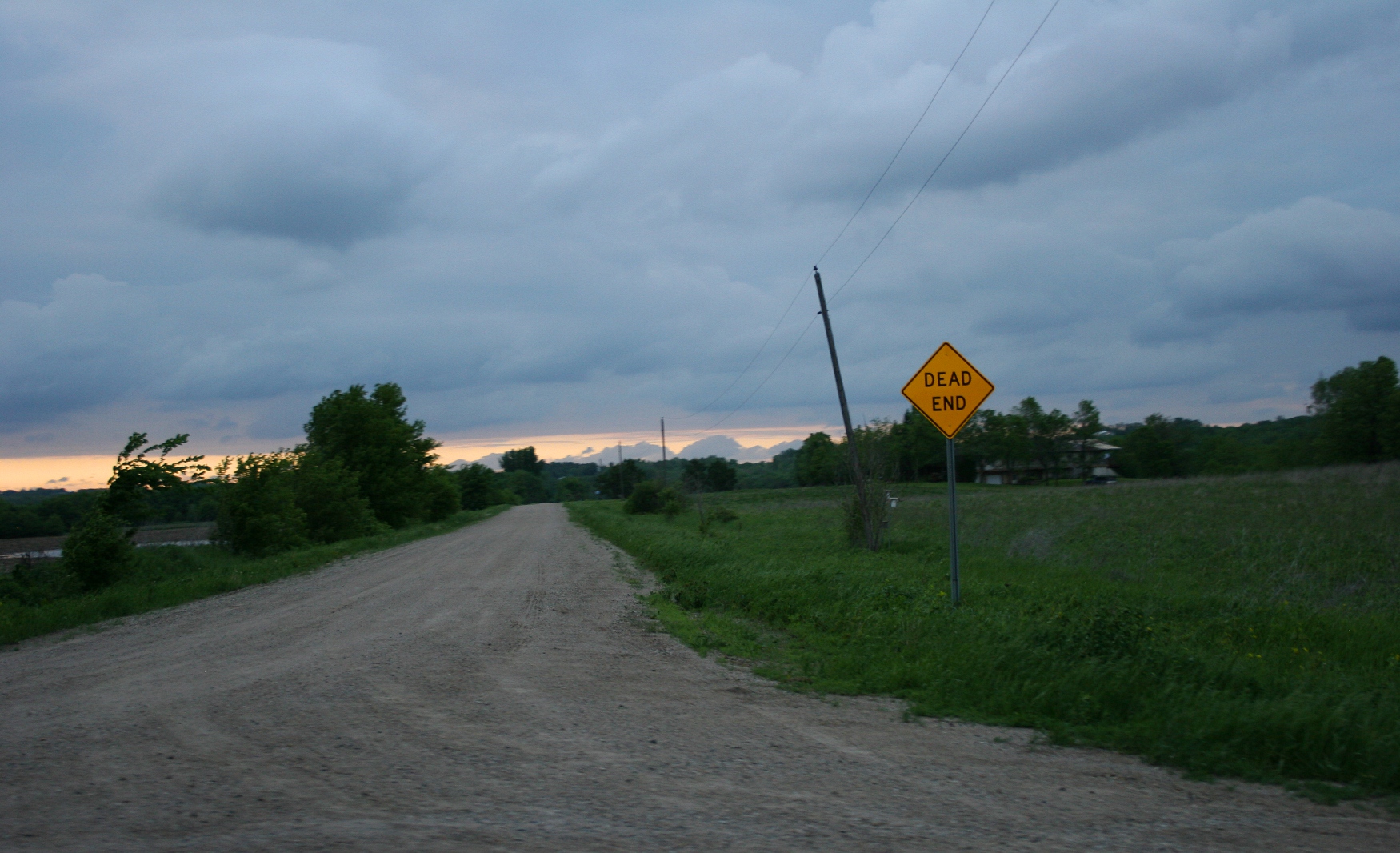
A gravel road shoots off

A gravel road shoots off 220th Street East southeast of Faribault.

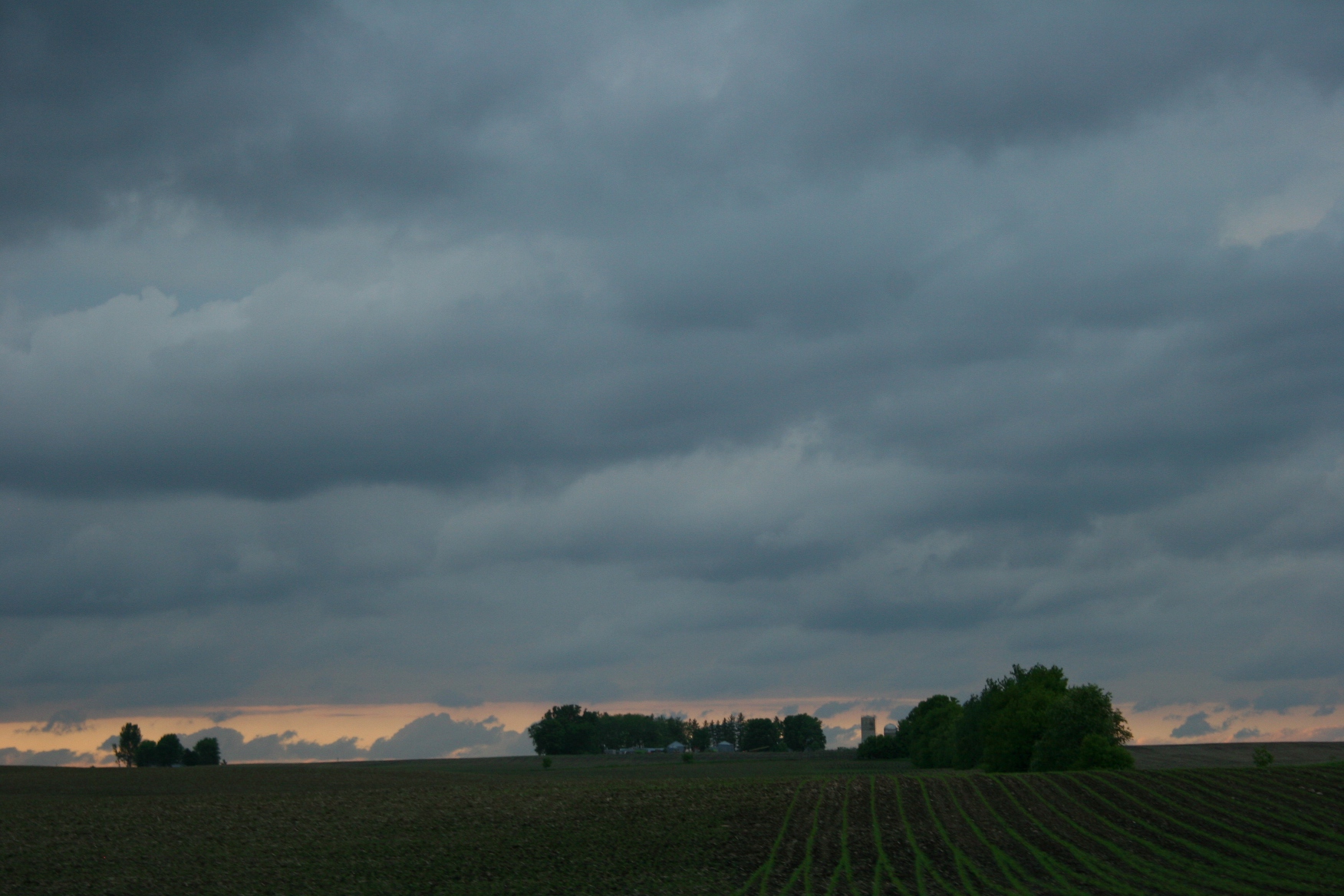
Monday evening, driving to and from a friend’s rural acreage east of Faribault to gather buckets of rhubarb, moody skies and light drew me to raise my camera, to fire off a few rapid shots of the landscape.

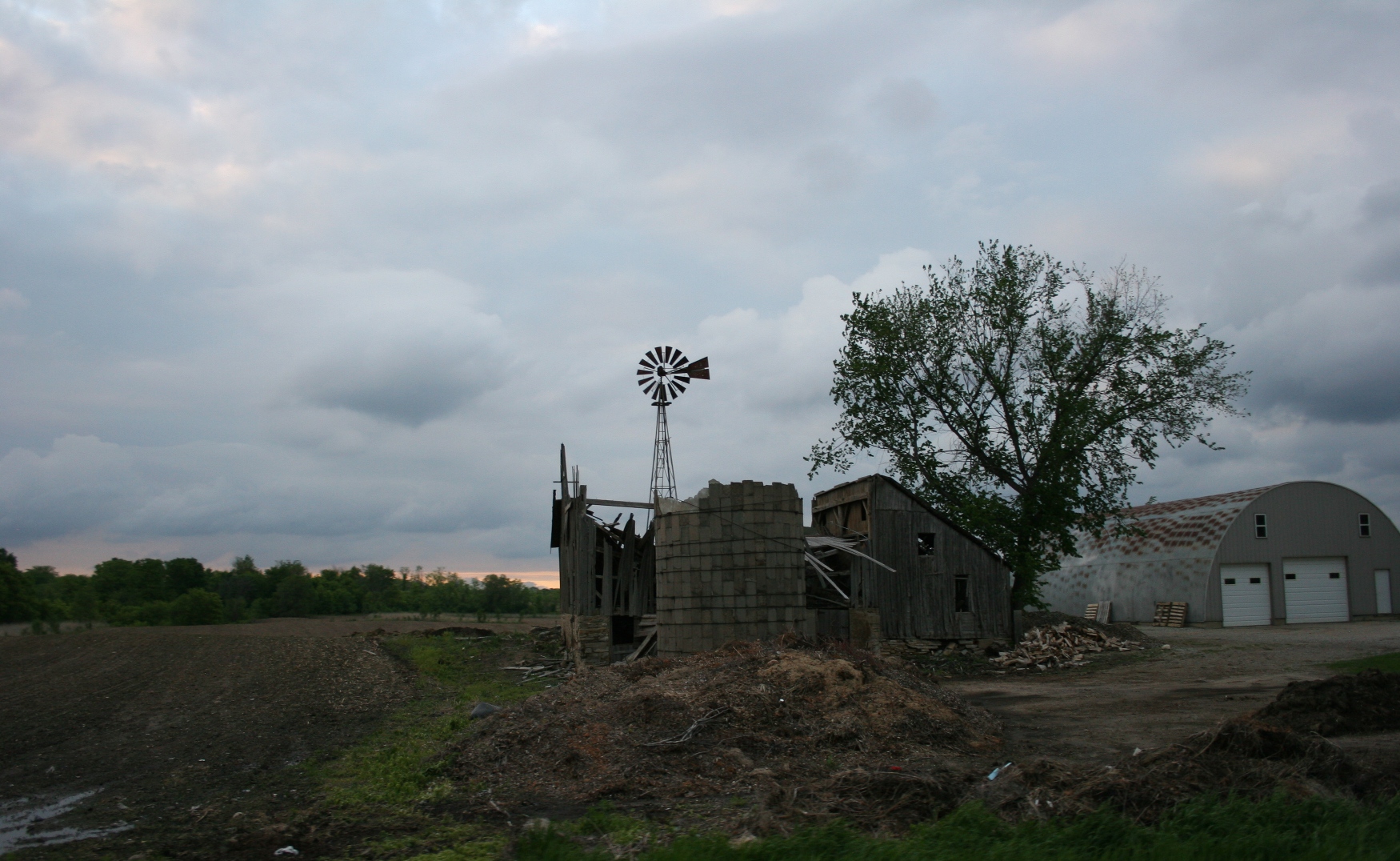
A decaying farm site along 220th Street East.

This windmill and decaying barn and silo caught my eye along 220th Street East.

There was no time to pause and compose, only snap through the rolled down passenger side window of the van.

Back in town, that sweet sweet light, although fading, still mingled with hovering grey skies that threatened more rain.

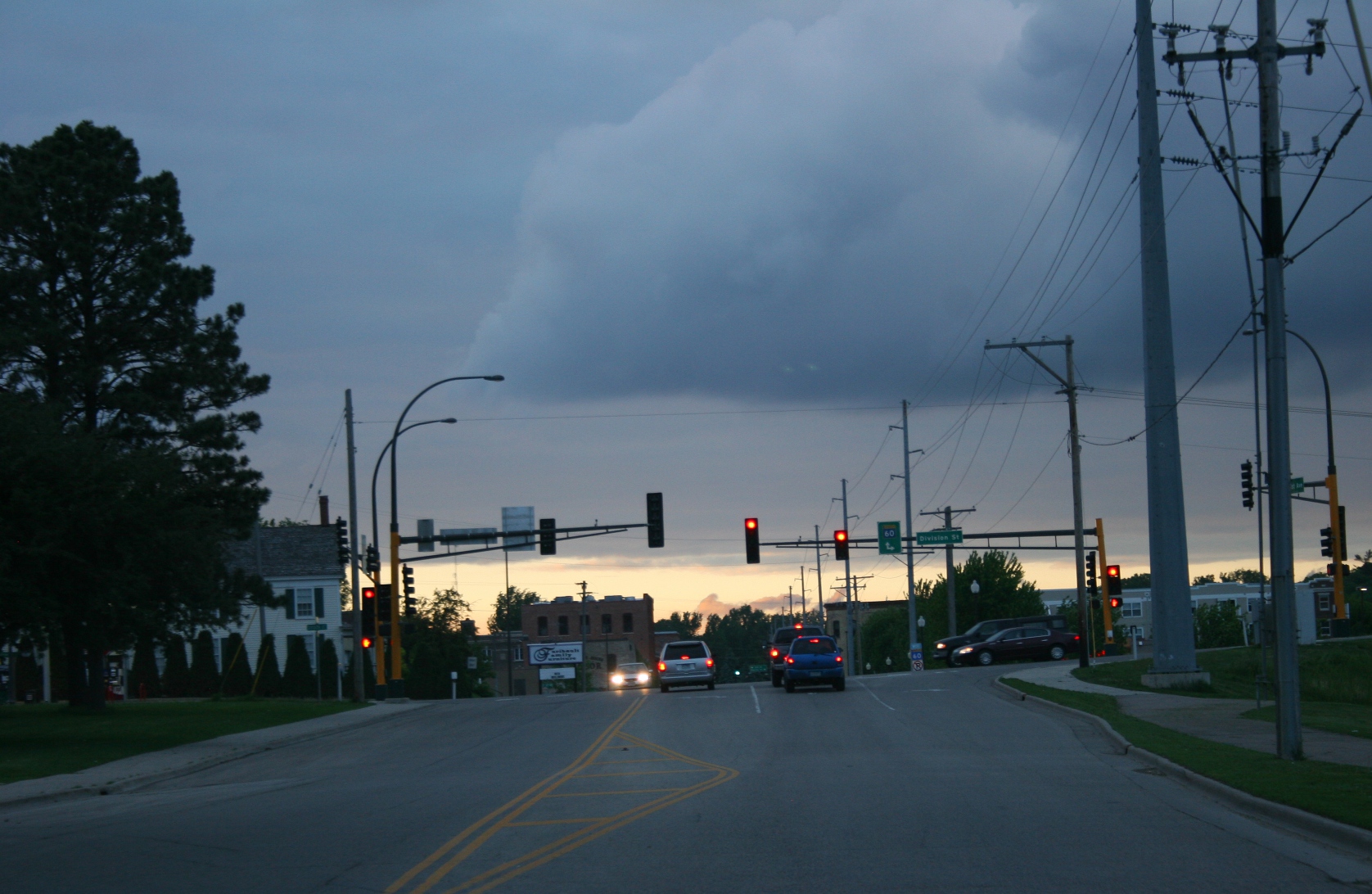
Several blocks from my home, Willow Street intersects with Minnesota State Highway 60. To the left is the home, now a museum, of founding father, Alexander Faribault.

Several blocks from my home, Willow Street intersects with Minnesota State Highway 60, right, and Division Street, left. To the left is the home, now a museum, of founding father, Alexander Faribault.

Again, I lifted my camera, this time shooting through the windshield, to capture a few images of this place I’ve called home for 32 years.

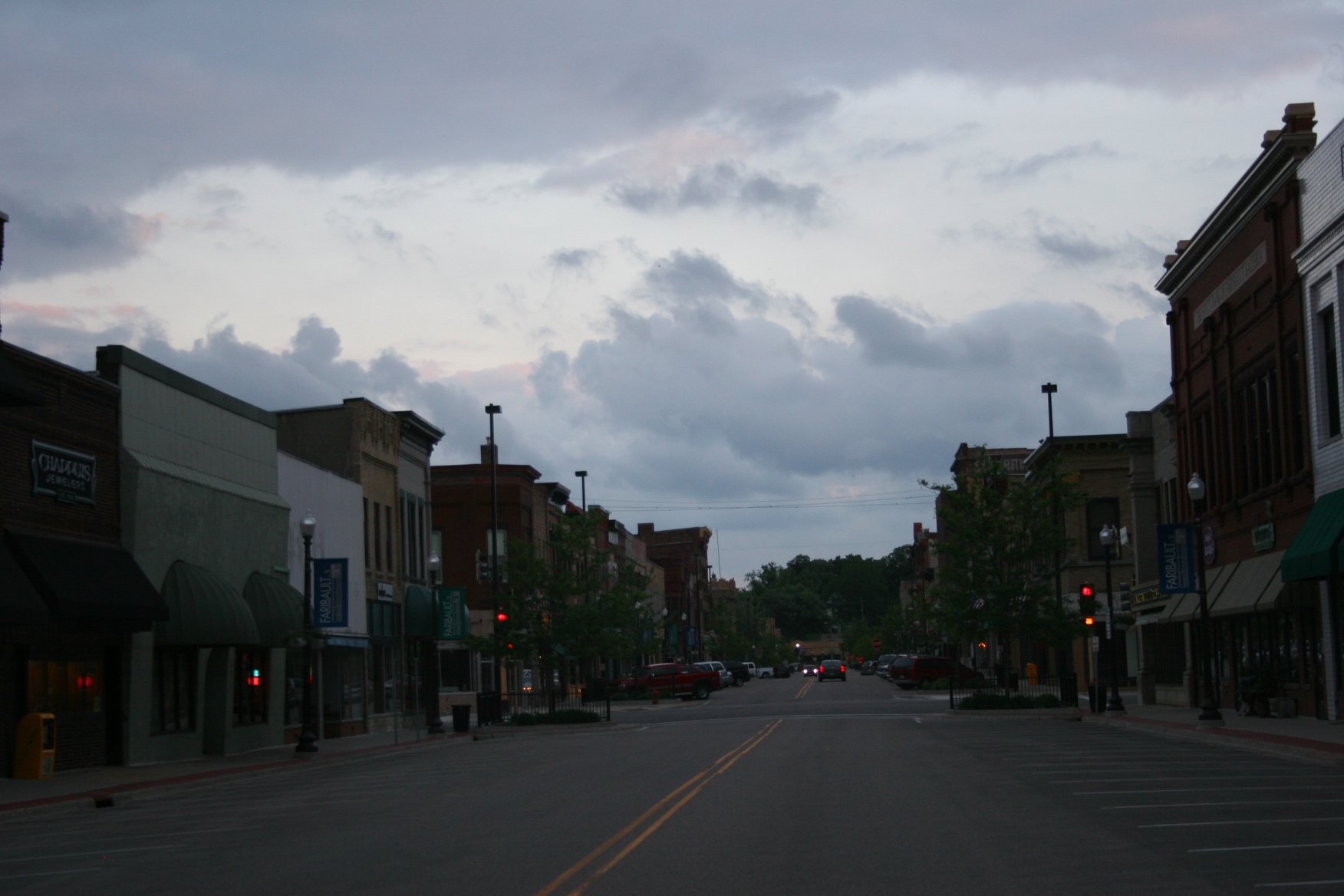
A portion of historic downtown Faribault in the fading light of day.

A portion of historic downtown Faribault in the fading light of day.

Historic buildings define downtown Faribault. I love this downtown for its quaintness, its history, its small town feel (although Faribault, in my opinion, is not a small town with nearly 30,000 residents).

Historic buildings define the downtown area.

Historic buildings define downtown Faribault.

I often wonder why locals and outsiders seem not to value this historic district with the same enthusiasm shown to similar historic Minnesota communities like Stillwater, Red Wing and Hastings, even neighboring Northfield.

Such were my thoughts during the golden hour of sunset.

© Copyright 2014 Audrey Kletscher Helbling

 

There’s something about a hardware store May 22, 2014

Filed under: Uncategorized — Audrey Kletscher Helbling @ 6:00 AM
Tags: , , , , , ,

PICTURE A SMALL TOWN hardware store and what image comes to mind?

Mine: Narrow aisles, wood floors, loose bolts and nails tucked into cubbies along the wall, and rolls of coiled, perforated caps for cap guns.

That was the 1960s.

Today most hardware stores don’t sell in bulk. Everything’s pre-packaged. I doubt you’ll find caps for a cap gun or wood floors either.

Jerry's ACE Hardware in the small town of Kenyon, Minnesota.

Jerry’s ACE Hardware in the small town of Kenyon (not Faribault), Minnesota.

Yet, the hardware store remains a small town staple, the go-to place for plumbing supplies, mouse traps, paint, other basic essentials of home repair and more.

I live in a community of nearly 25,000, no small town by my definition. Faribault has two hardware stores, one of them, ACE, in the downtown area. The place is busy, always busy. It’s not because prices are low. Rather it’s because of the service.

From the moment you walk in the door, an employee is there to answer your questions, lead you to whatever it is you need. And that worker sticks around until he/she is certain you have what you need. These folks are, for the most part, knowledgeable.

You can’t beat great customer service.

And then there’s that help-yourself-to-a-bag-of-popcorn popcorn machine…

© Copyright 2014 Audrey Kletscher Helbling
 

Speaking up against prejudice in my Minnesota community April 28, 2014

AWHILE AGO, I DECIDED I would no longer remain silent.

And Saturday afternoon, while purchasing a Betsy Bowen print and greeting cards at the Northfield Senior Center thrift store, Used A Bit Shoppe, I spoke up.

While I waited for my framed print to be wrapped in newspaper, I chatted with the friendly woman behind the counter. We talked about the spinning glasstop table crafted from three monkey statues—“hear no evil, see no evil, speak no evil”—and the other unique recycled merchandise in this jam-packed shoppe.

I’d never been here, I told her, didn’t even know that this place existed, that I didn’t live in Northfield. The business had moved not all that long ago, she said, to this larger location.

About that time a hulk of a man wedged in beside me and interrupted, adding that he remembered the old store, that he used to live in Northfield and now lived in neighboring Faribault.

A Somali family waits to cross a street in downtown Faribault. Minnesota Prairie Roots file photo 2010.

A Somali family waits to cross a street in downtown Faribault. Minnesota Prairie Roots file photo 2010.

But he wanted to return to Northfield, he said, “because of all the Somalis in Faribault.” Disdain colored his words.

He’d just said the wrong thing to me.

I turned, looked him in the eye, and told him I did not appreciate his disrespect for Somali people.

That set him off. I can’t recall every word spoken, but I do remember the bit about his grandmother being a war bride and speaking seven languages. Not once did he explain why he so disliked Somalis. Not that an explanation would have mattered.

As his agitation grew, I began to feel threatened.

“Sir, I don’t want to argue with you,” I said, attempting to diffuse the situation. “I’m just sharing my opinion.”

“I don’t like you forcing your opinion on me,” he responded, ever-growing anger tinging his voice. “When they (Somalis) respect me, I will respect them.”

He finally walked away, edging toward a cluster of other shoppers, including my husband, who’d overheard bits of the mostly one-sided conversation.

I turned back to the elderly clerk, picked up the four dollars and some odd cents change she’d laid on the counter.

“Welcome to Northfield,” I said. “Oh, that’s right, he’s from Faribault. I feel sorry for people like him who cannot respect others.”

Then I exited this shoppe where a “speak no evil” monkey hunches with a hand clamped across his mouth.

© Copyright 2014 Audrey Kletscher Helbling
 

Believe April 20, 2014

Filed under: Uncategorized — Audrey Kletscher Helbling @ 6:00 AM
Tags: , , , , , , , , , ,
"The Risen Lord," painted in by my artist friend, Rhody Yule of Faribault, who dies in June 2011 at the age of 92.

“The Risen Lord,” painted in 1951 by my artist friend, Rhody Yule of Faribault, who died in June 2011 at the age of 92.

When Jesus rose early on the first day of the week, he appeared first to Mary Magdalene… She went and told those who had been with him and who were mourning and weeping. When they heard that Jesus was alive and that she had seen him, they did not believe it.—  Mark 16: 9-11


How my poetry inspired a still life painting of lilacs April 10, 2014

POETRY INSPIRING ART. It’s a fabulous concept and even better when you are part of such a pairing.

A poem I penned has inspired art for Poet-Artist Collaboration XIII, which opened March 31 and runs through May 15 at Crossings at Carnegie, 320 East Avenue, Zumbrota.

"Lilacs on the Table" by Jeanne Licari

“Lilacs on the Table” by Jeanne Licari. Photo courtesy of Crossings at Carnegie.

I recently connected with “my” artist, Jeanne Licari, to learn how my poem, “Lilacs,” inspired her to paint “Lilacs on the Table,” an 11 x 14-inch still life oil on linen.

Twenty-six poems were chosen from nearly 210 submissions with 26 artists then selected via a juried process. This is Jeanne’s ninth time participating in the collaboration and my second.

Artist Jeanne Licari

Artist Jeanne Licari in her studio. Photo courtesy of Jeanne Licari.

A mostly self-taught artist who drew and painted as a child, this Rochester resident also furthered her talent through painting classes and workshops. She terms herself a representational oil painter who prefers to paint from life, whether a landscape or a still life.

Jeanne is both plein air—painting outdoors on location—and studio painter.

“My art reflects the beauty I see in mankind and nature,” she says. “My paintings are a direct response to what I see.”

Or, in the case of “Lilacs,” to what she read.

Lilacs

Breathing in the heady scent of lilacs each May,
I remember my bachelor uncle and the gnarled bushes,
heavy with purple blooms, that embraced his front porch
and held the promises of sweet love never experienced.

He invited his sister-in-law, my mother, to clip lilacs,
to enfold great sweeps of flowers into her arms,
to set a still life painting upon the Formica kitchen table,
romance perfuming our cow-scented farmhouse.

Such memories linger as my own love, decades later,
pulls a jackknife from the pocket of his stained jeans,
balances on the tips of his soiled Red Wing work shoes,
clips and gathers great sweeps of lilacs into his arms.

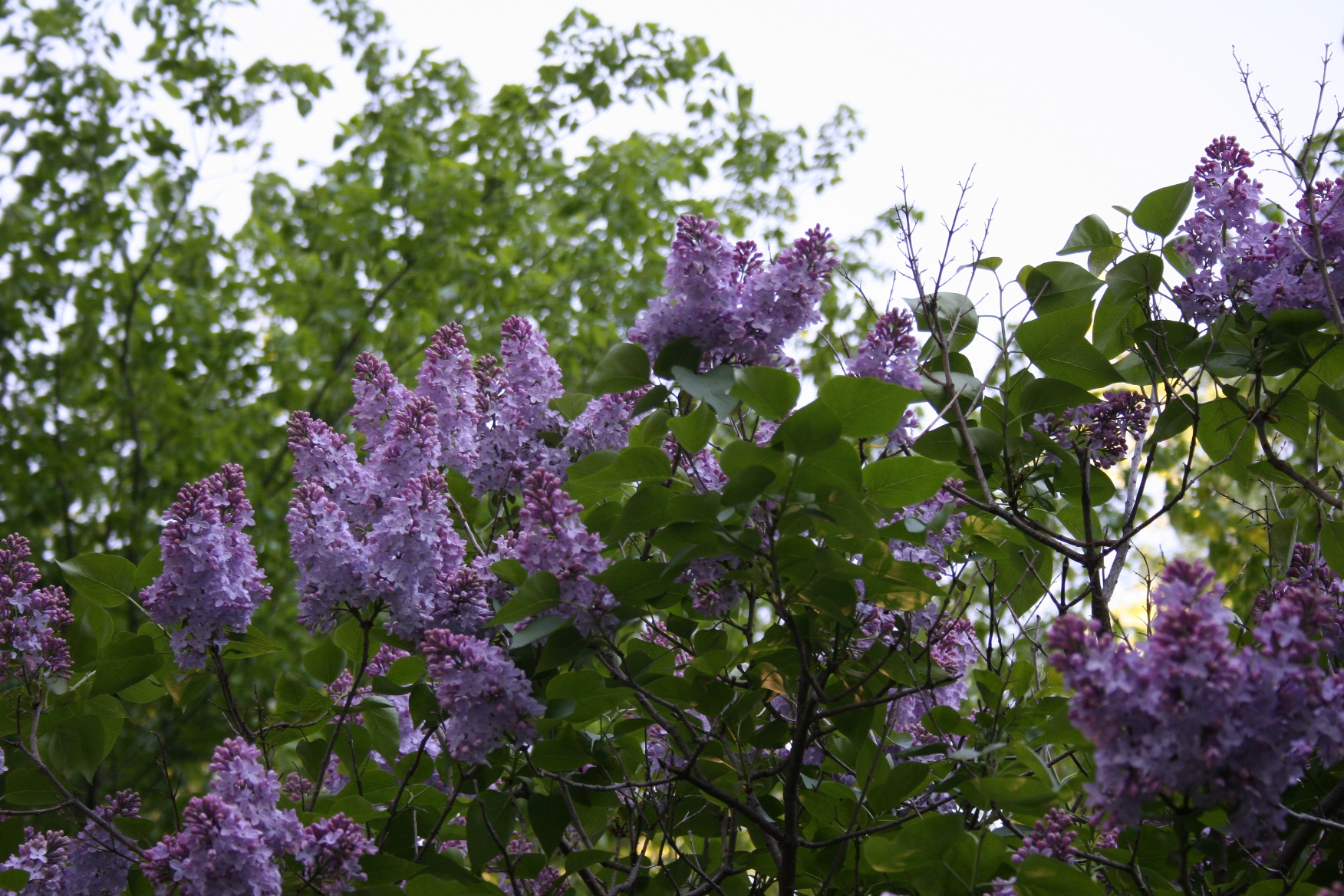
Plenty of lilacs to gather in the spring.

Minnesota Prairie Roots file photo of lilacs.

Jeanne explains how she created “Lilacs on the Table”:

“…I wanted to tell the viewer how I felt about lilacs. The poem triggered memories of many bouquets of lilacs in my lifetime. I love the dense bouquet of purple flowers, the beauty of the different pinks and purples against the green leaves, and the abundant fragrance of lilacs. Since there were no lilacs blooming in March, I painted them using memories of lilacs and how they grew, an oil study of lilacs painted from life, and photos.

I painted the lilacs on a table in response to the line, ‘to set a still life painting upon the Formica kitchen table.’ That line, plus the words about farming, made me remember many bouquets of lilacs on our Formica table in my childhood home on the farm.”

How fabulous to know that Jeanne comes, like me, from a rural background. Her words and oil painting show me that she understands and connects to my words in a deeply personal way.

And that is my hope as a poet—that those who read my poetry will connect to it.

A promotional for the collaboration features "Li Bai at the South Fork," art by Mike Schad inspired by a poem of the same name written by Justin Watkins for the 2013 Poet-Artist XII collaboration.

A promotional for the collaboration features “Li Bai at the South Fork,” art by Mike Schad inspired by a poem of the same name written by Justin Watkins for the 2013 Poet-Artist Collaboration XII.

FYI: A reception, poetry reading and slide show honoring the featured poets and artists is set for Saturday, May 10. Mingle and meet for an hour beginning at 6:30 p.m. in the Crossings gallery. Then, at 7:30 p.m., move next door to the historic State Theatre where poets will read their works and artists will also briefly discuss their art, shown on a screen.

Another poet from my community of Faribault, Larry Gavin, who has published several poetry collections and teaches English at Faribault High School, will read two of his selected poems, “Ashes” and “Two Cranes.”

Collaboration participants come from Minnesota, Iowa, North Dakota and Wisconsin.

The featured artwork is available for sale, including “Lilacs on the Table,” priced at $395. Jeanne Licari’s art is also sold at the SEMVA (South Eastern Minnesota Visual Arts) Gallery in downtown Rochester.

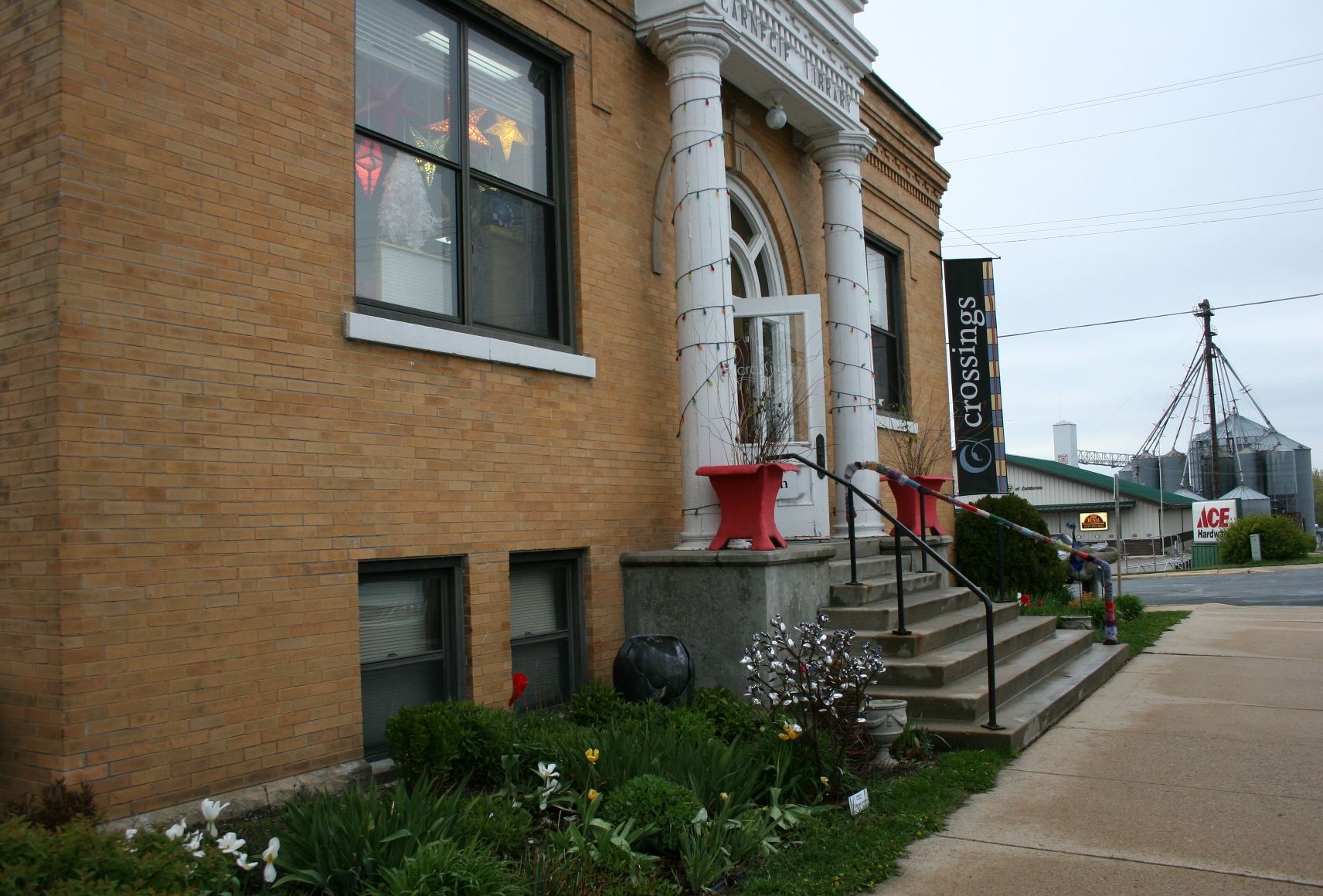
Crossings at Carnegie, housed in a former Carnegie library, is a privately-owned cultural visual and performing arts center in Zumbrota. I love the rural atmosphere with the hardware story and grain elevator just down the street.

Crossings at Carnegie, housed in a former Carnegie library, is a privately-owned cultural visual and performing arts center in Zumbrota. Minnesota Prairie Roots file photo 2012.

If you can’t attend the May 10 reception, you can view the exhibit during gallery hours from 10 a.m. – 5 p.m. Monday, Tuesday, Wednesday and Friday; from 10 a.m. – 8 p.m. Thursday; or from 10 a.m. – 4 p.m. Saturday.

Click here for more details about Poet-Artist Collaboration XIII.

Click here to see how my poem, “Her Treasure,” inspired Connie Ludwig to paint “Pantry Jewels” for the Poet-Artist Collaboration XI in 2012.

© Copyright 2014 Audrey Kletscher Helbling