Minnesota Prairie Roots

Writing and photography by Audrey Kletscher Helbling
Celebrating a Minnesota barn’s 100th birthday with an old-fashioned barn dance September 28, 2015

Filed under: Uncategorized — Audrey Kletscher Helbling @ 5:00 AM
Tags: , , , , , , , , , ,
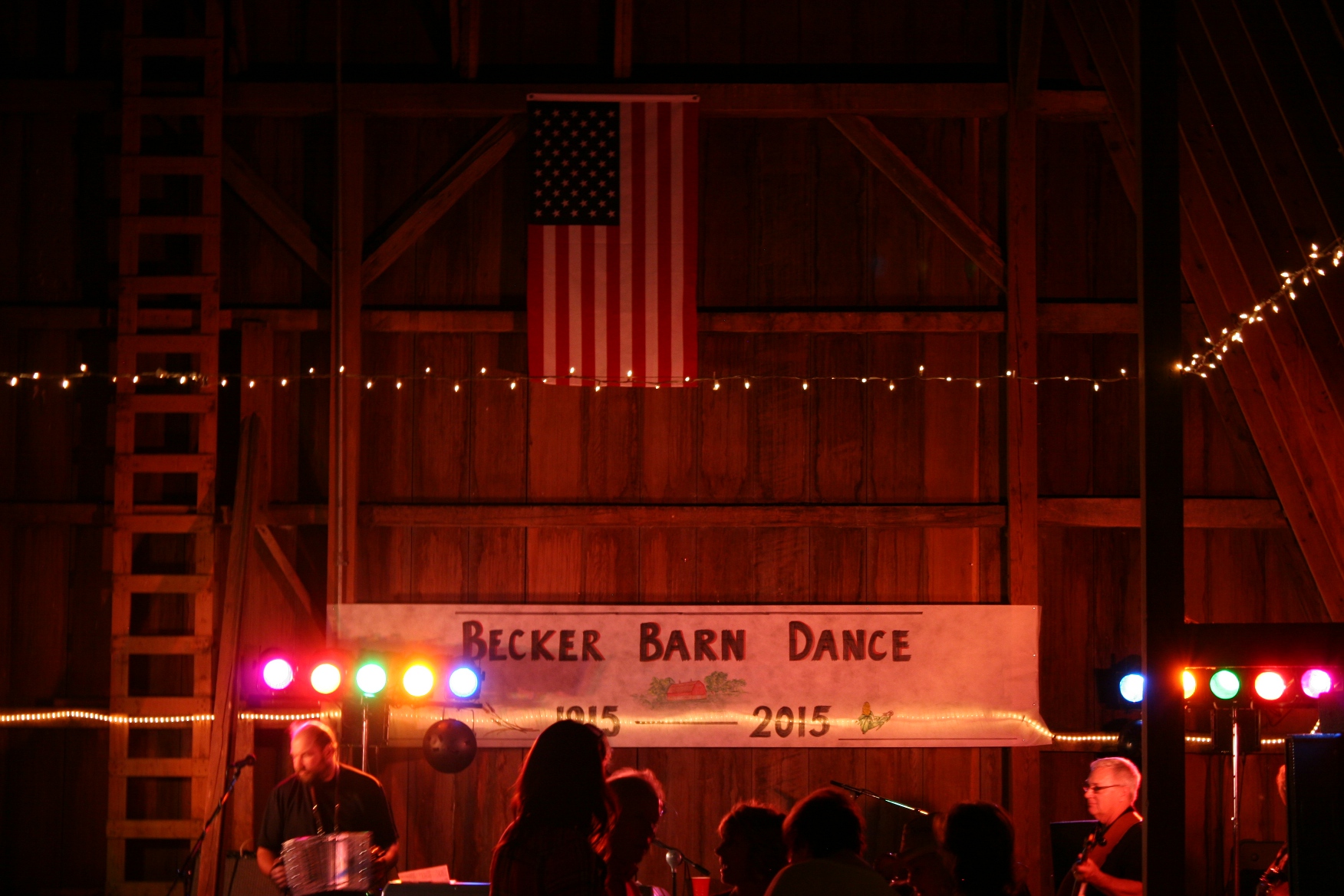
The band, Downtown Sound, sets up inside the Becker barn for a 10th birthday barn dance.

The band, Downtown Sound, sets up inside the Becker barn for a 100th birthday barn dance.

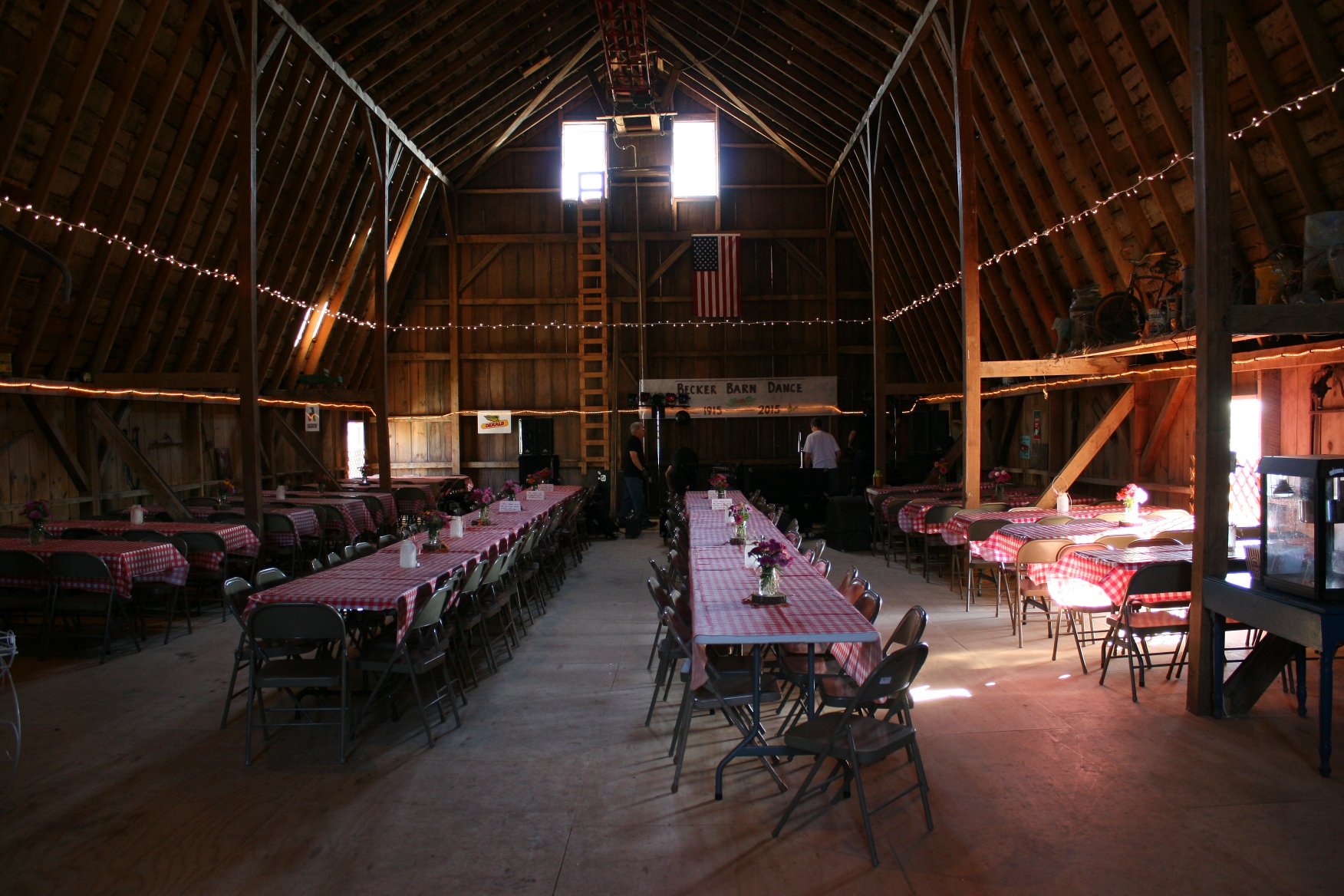
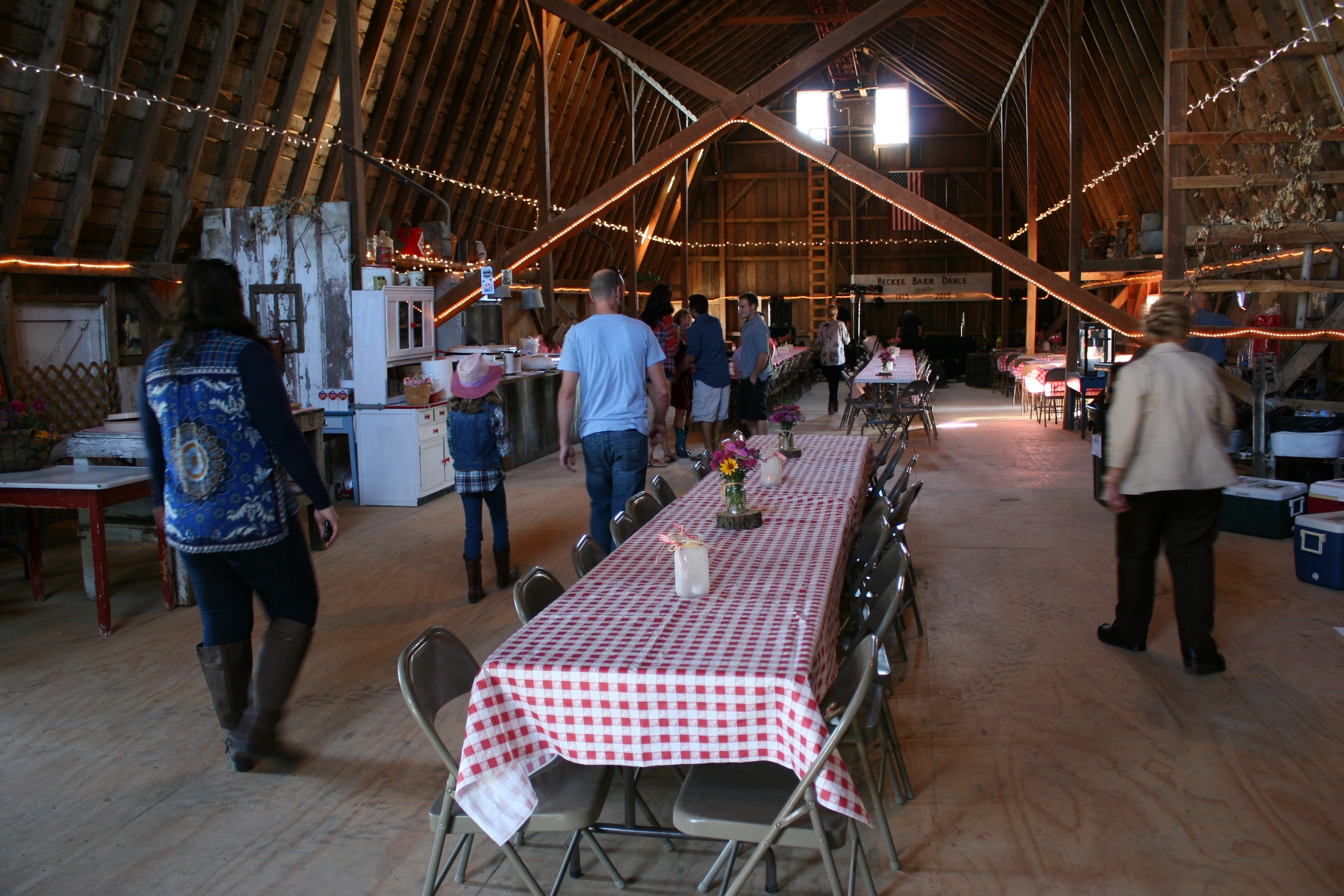
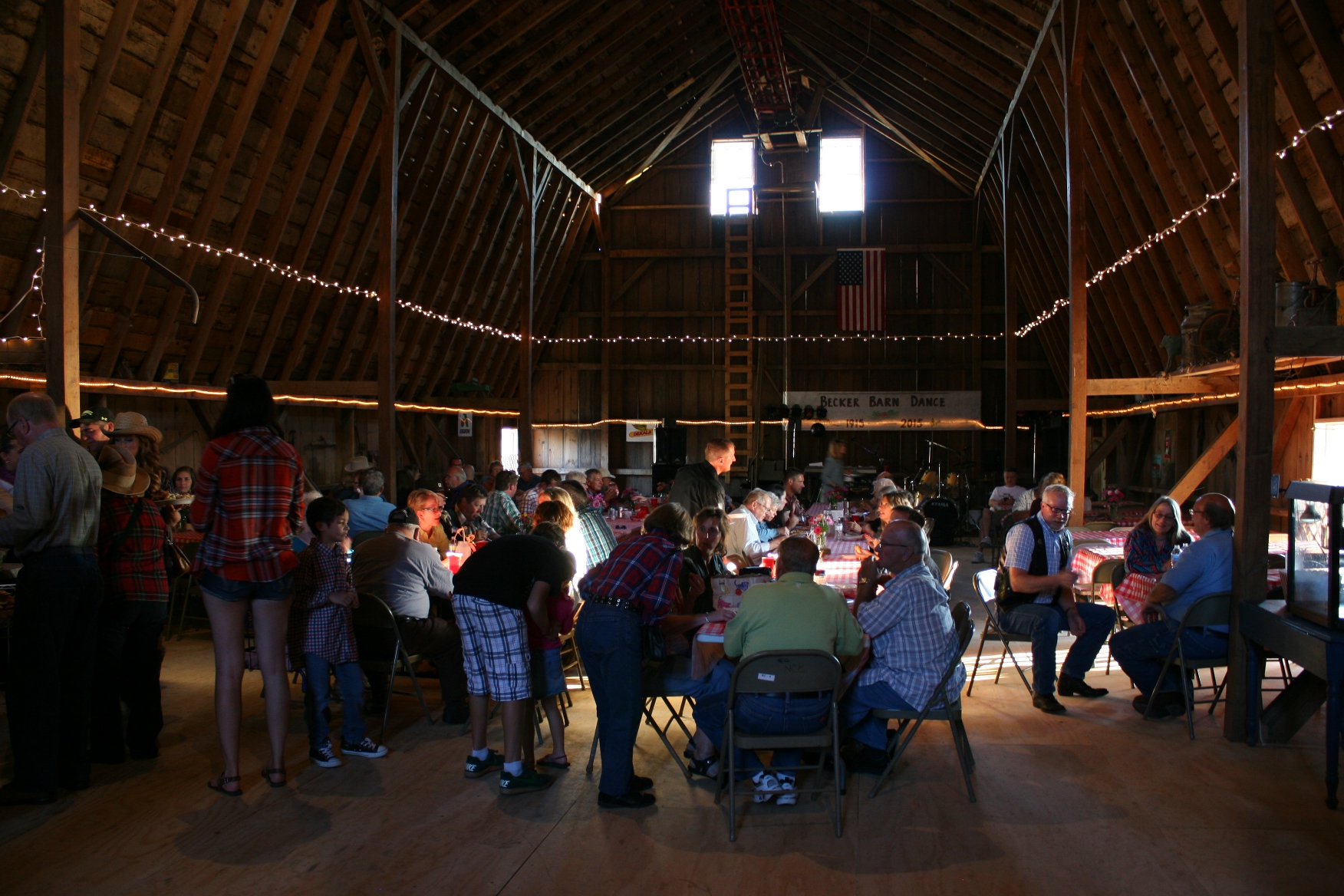
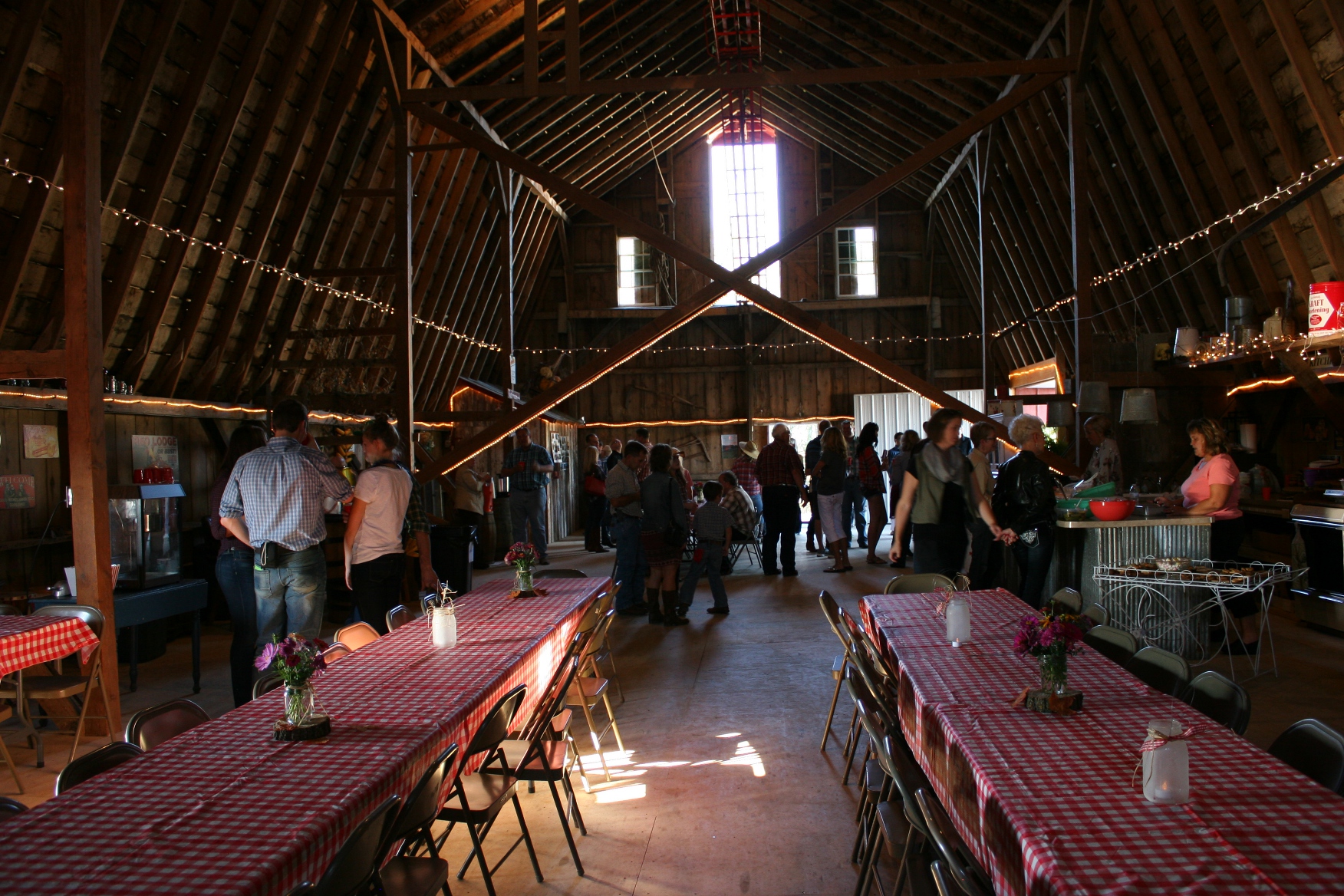
THE OLD BARN was all decked out with rural décor.


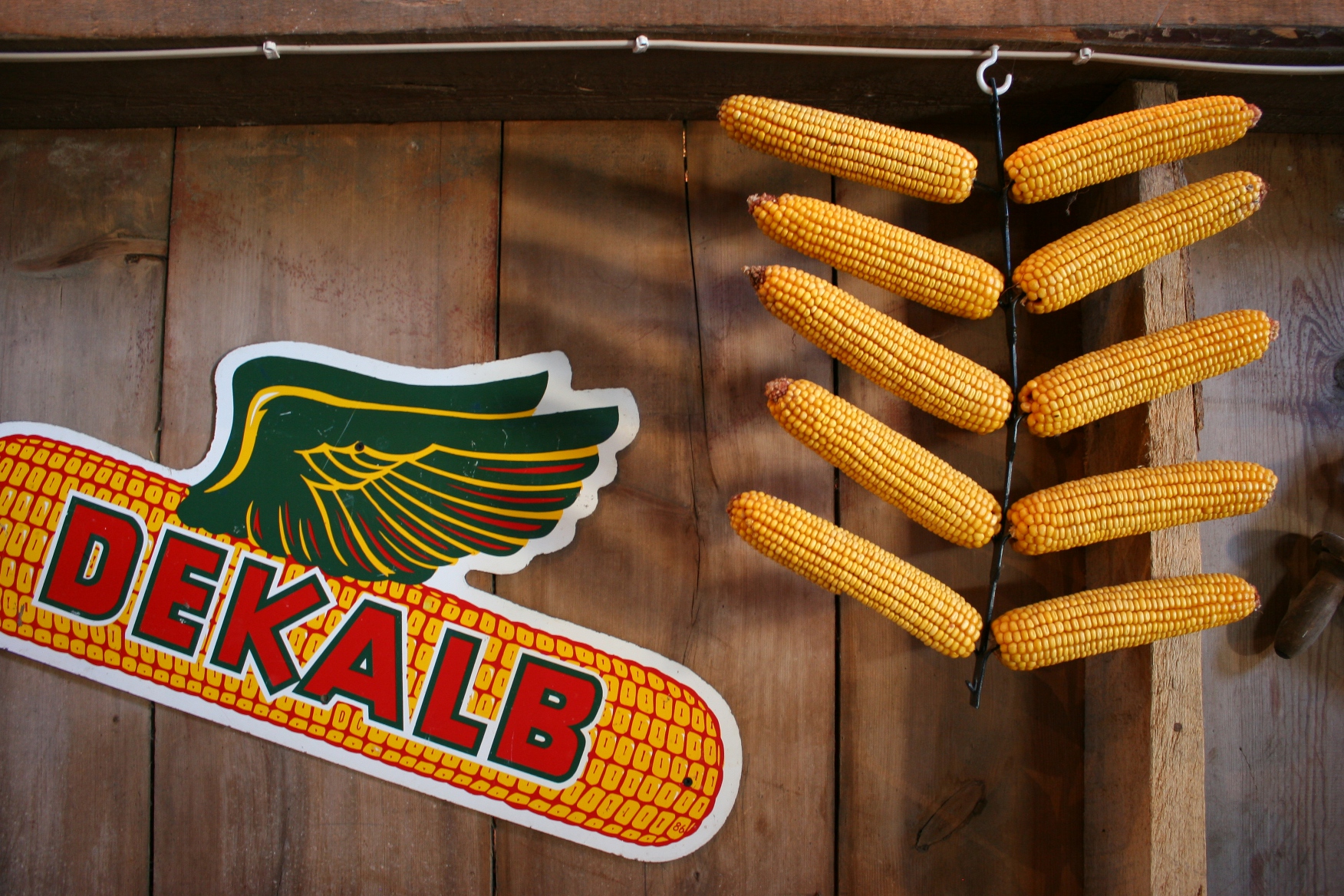
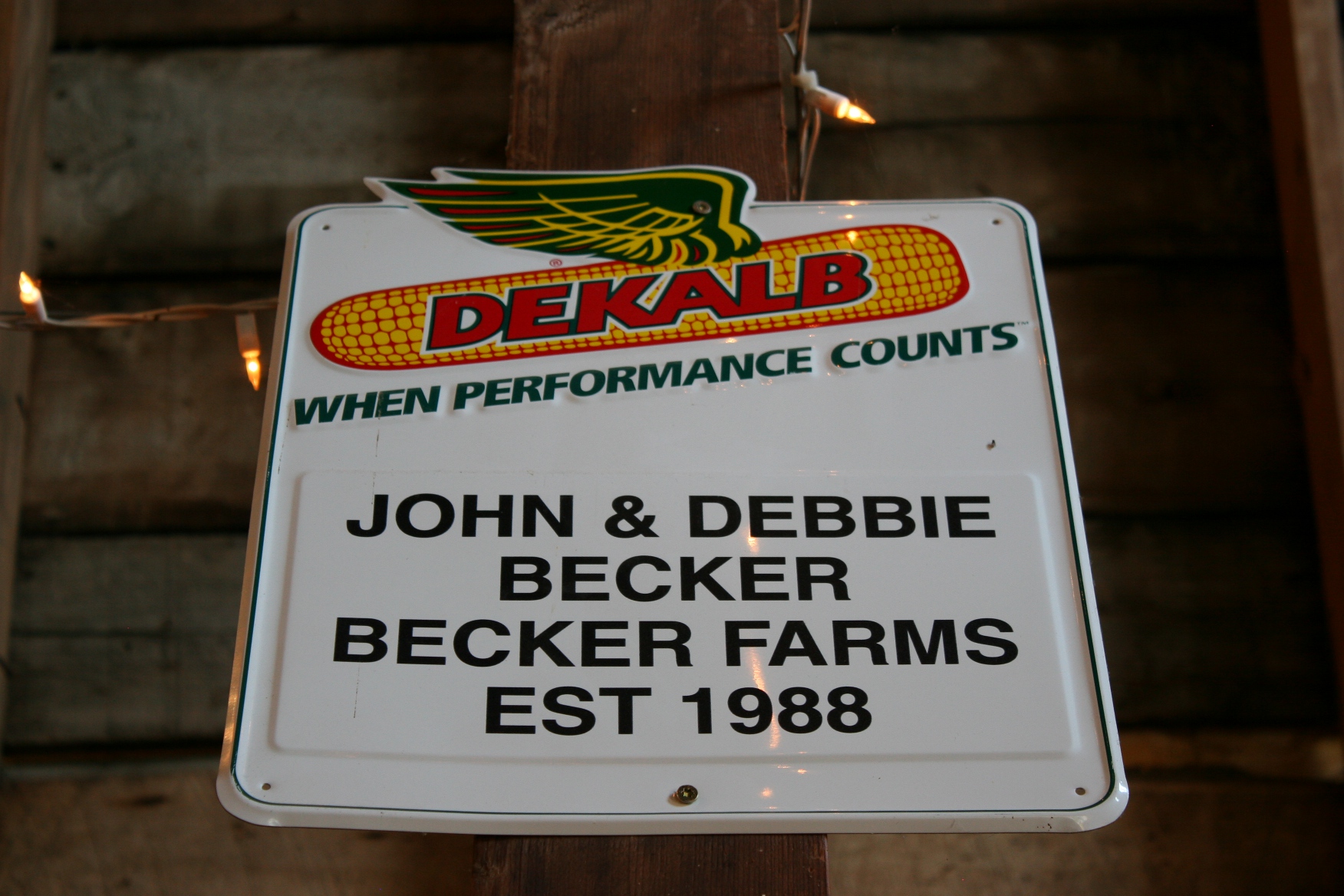
Barn dance, 24 Dekalb sign & corn


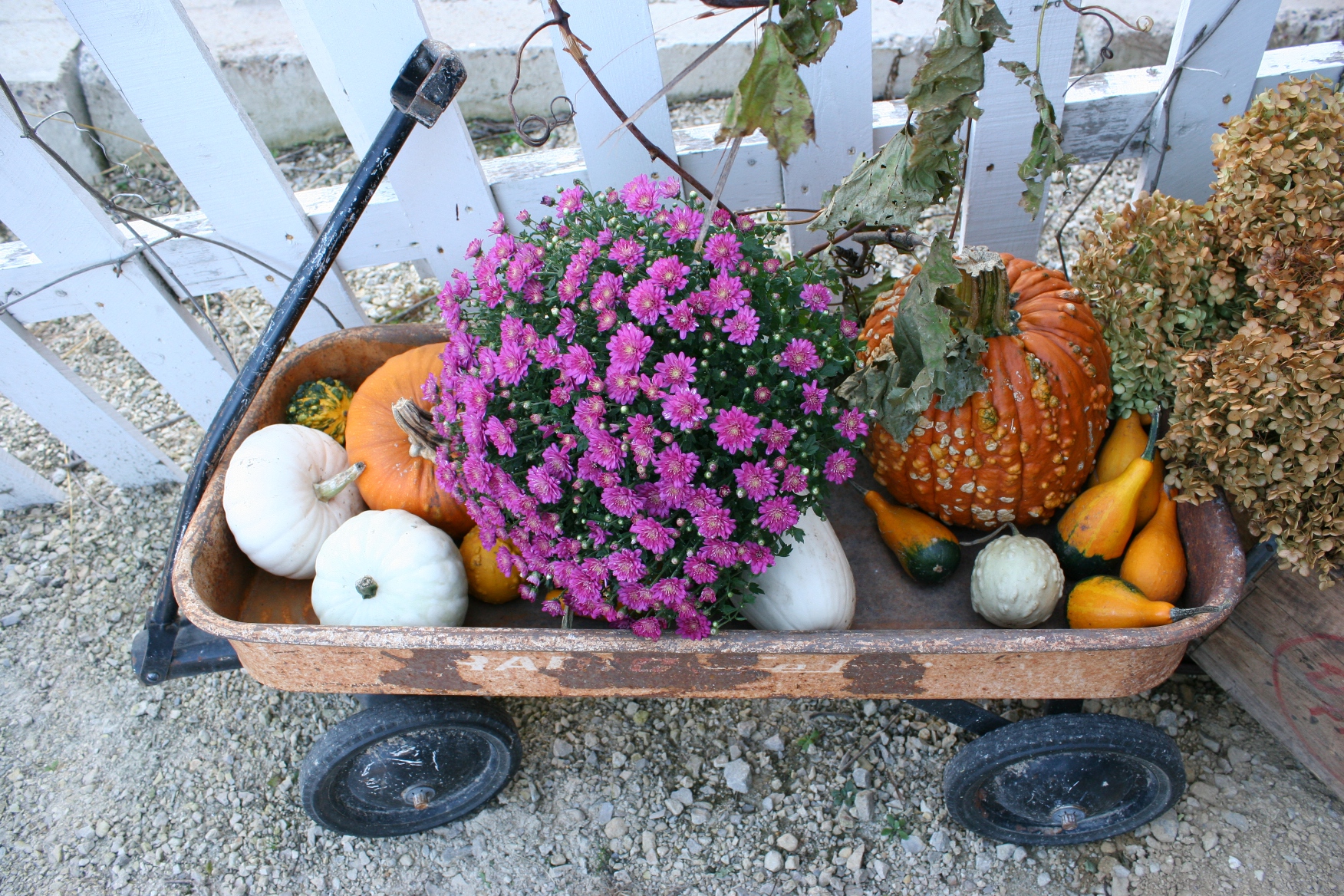
Barn dance, 84 wagon display


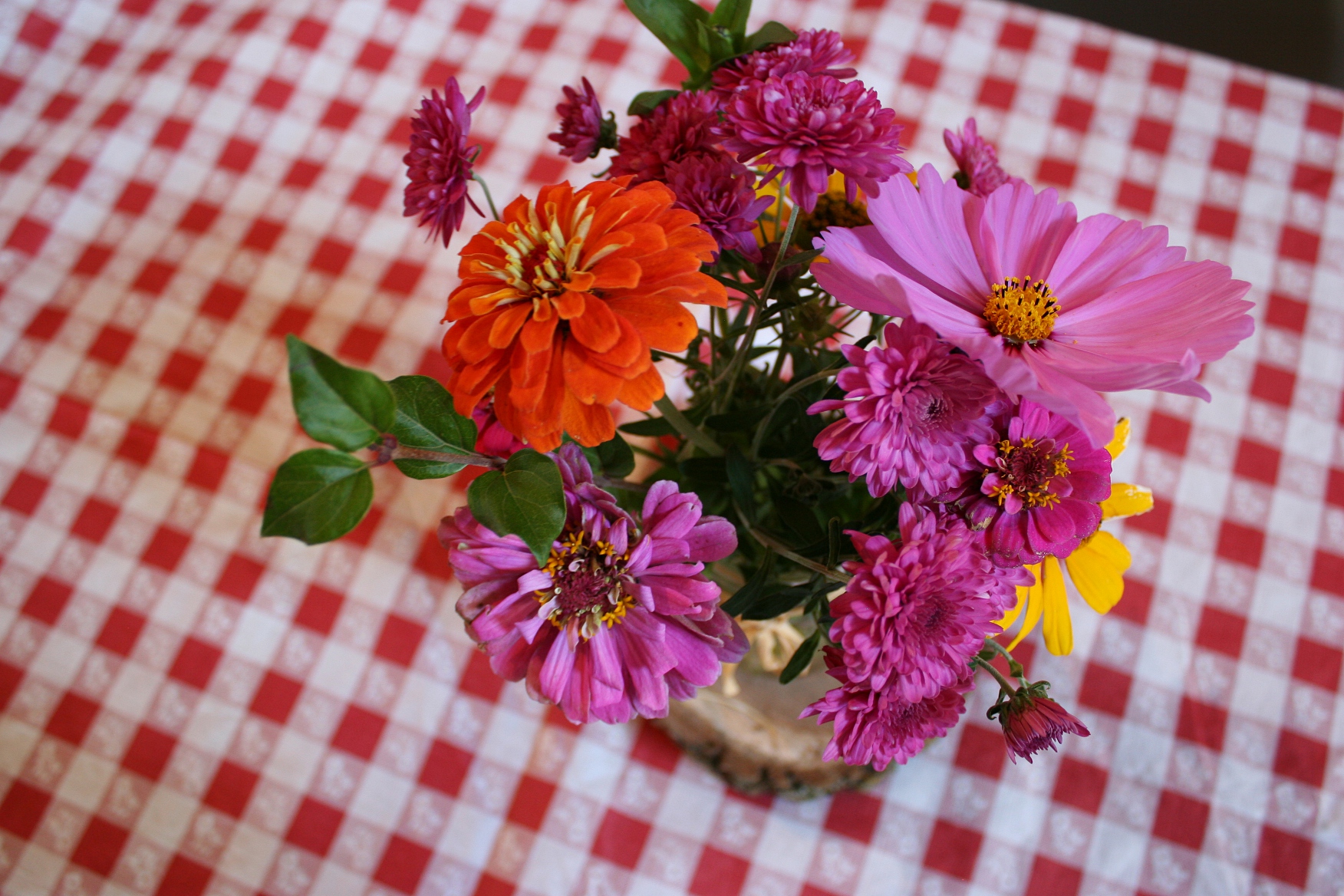
Barn dance, 30 bouquet


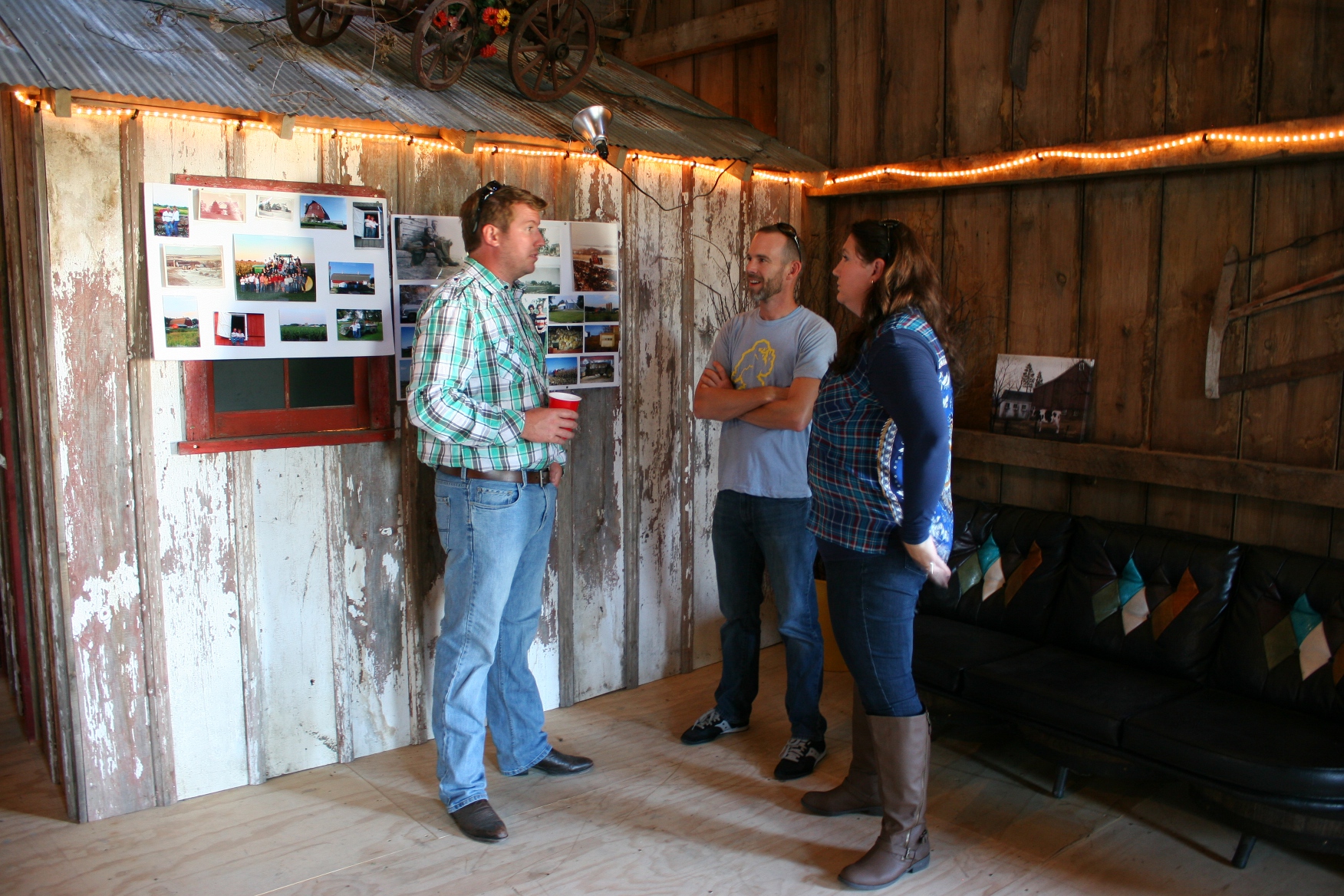
Guests gather in a corner near a display of Becker family farm photos.

Guests gather in a corner near a display of Becker family farm photos. The images are displayed on the exterior of the bathroom built into the barn.

Ear corn and seedcorn signs. Washboard and washtubs. Gourds and pumpkins. Fresh-cut zinnias, cosmos and other garden flowers in jars. Red-and-white checked gingham tablecloths. And in a corner, a collection of family and barn photos.


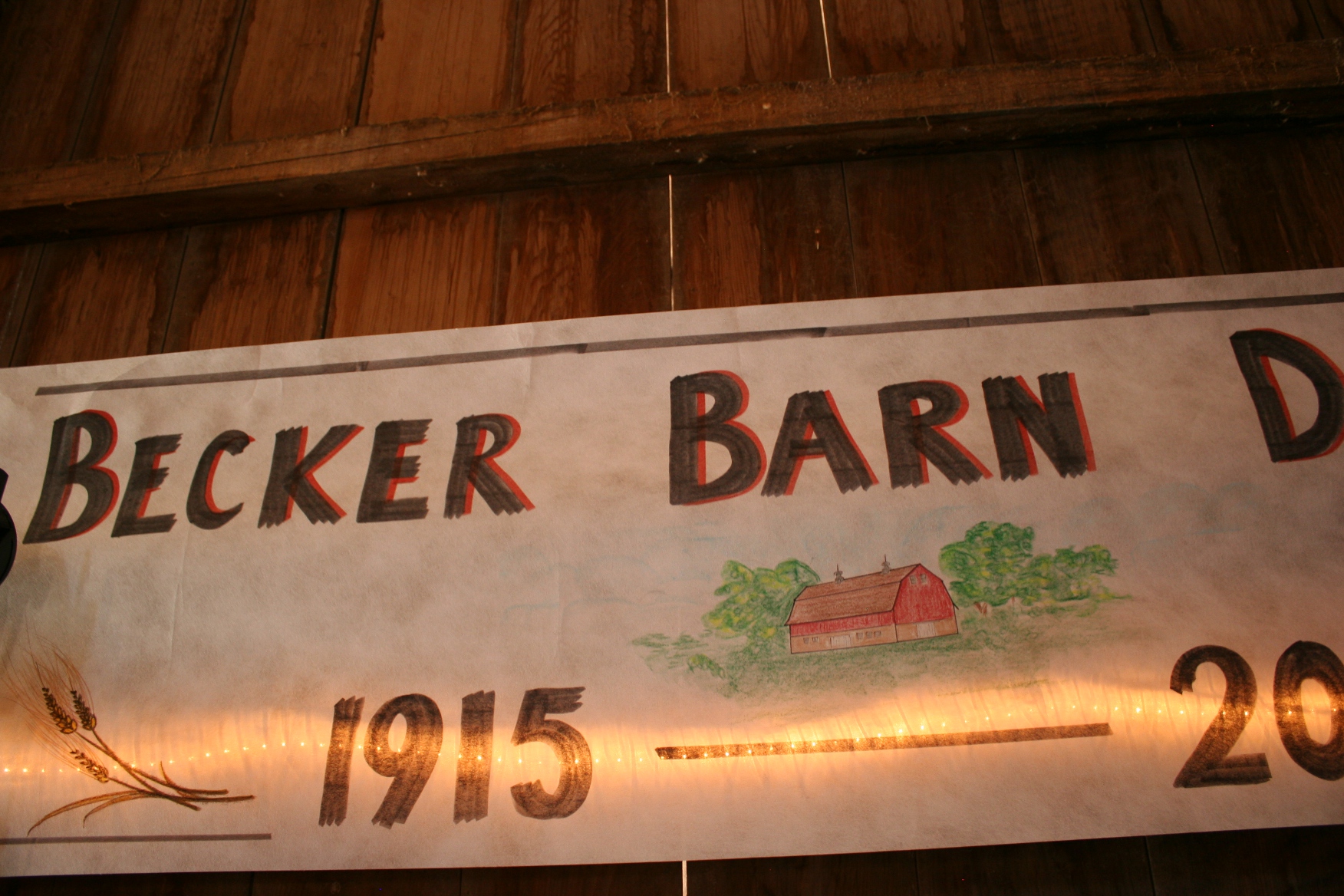
Barn dance, 127 Becker barn banner close-up


Across the end of the hayloft, just above the section where the band, Downtown Sound, was setting up, and below an American flag, a banner blazed Becker Barn Dance 1915 – 2015.

The sun sets on a perfect September evening on the Becker farm.

Guests gather on the hayloft deck as the sun sets Saturday evening.

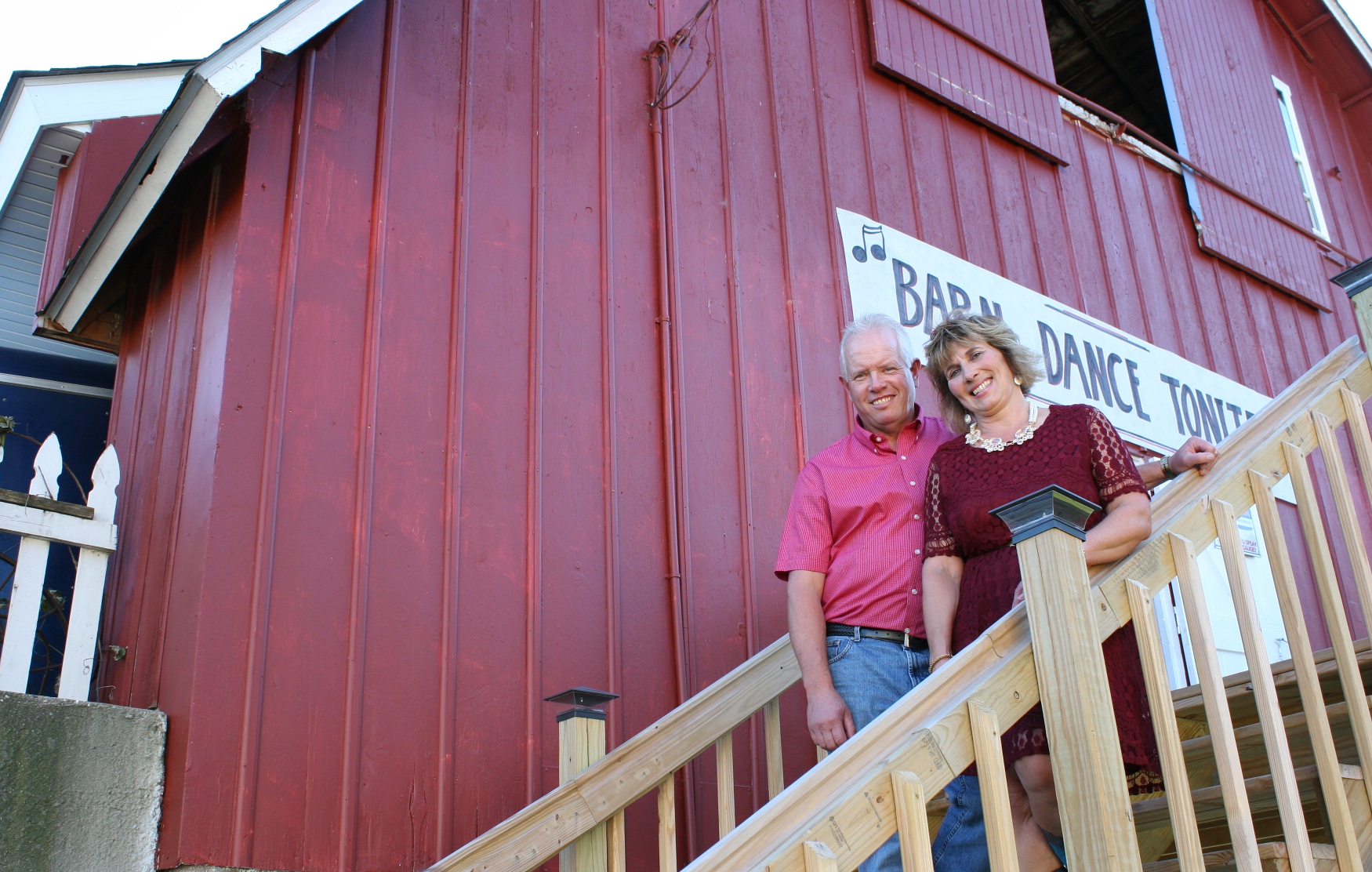
John and Debbie Becker purchased the farm from John's dad, Herb, in 1988.

John and Debbie Becker purchased the farm from John’s dad, Herb, in 1988.

John and Debbie Becker purchased the farm from John's dad, Herb, in 1988.

John and Debbie Becker


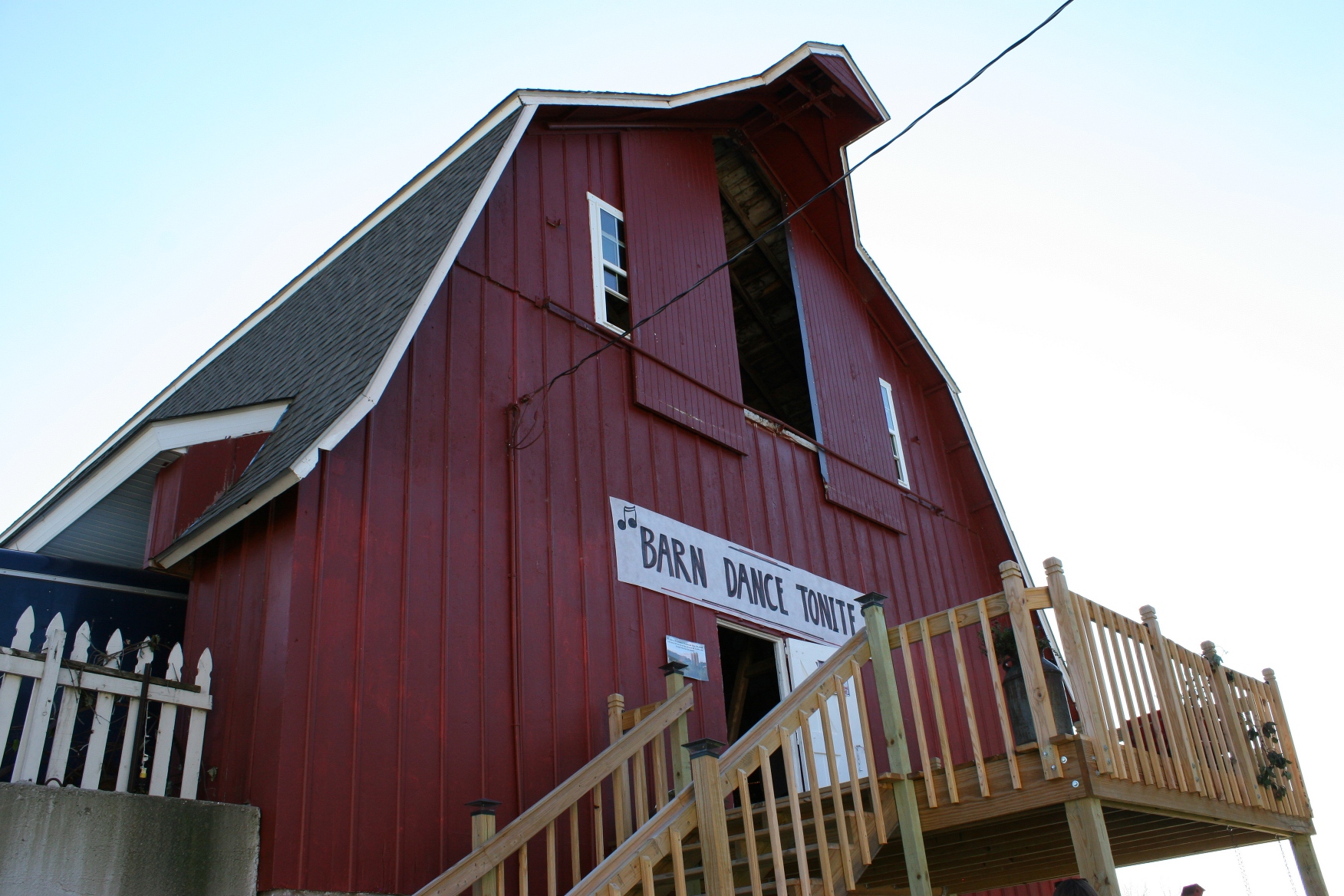
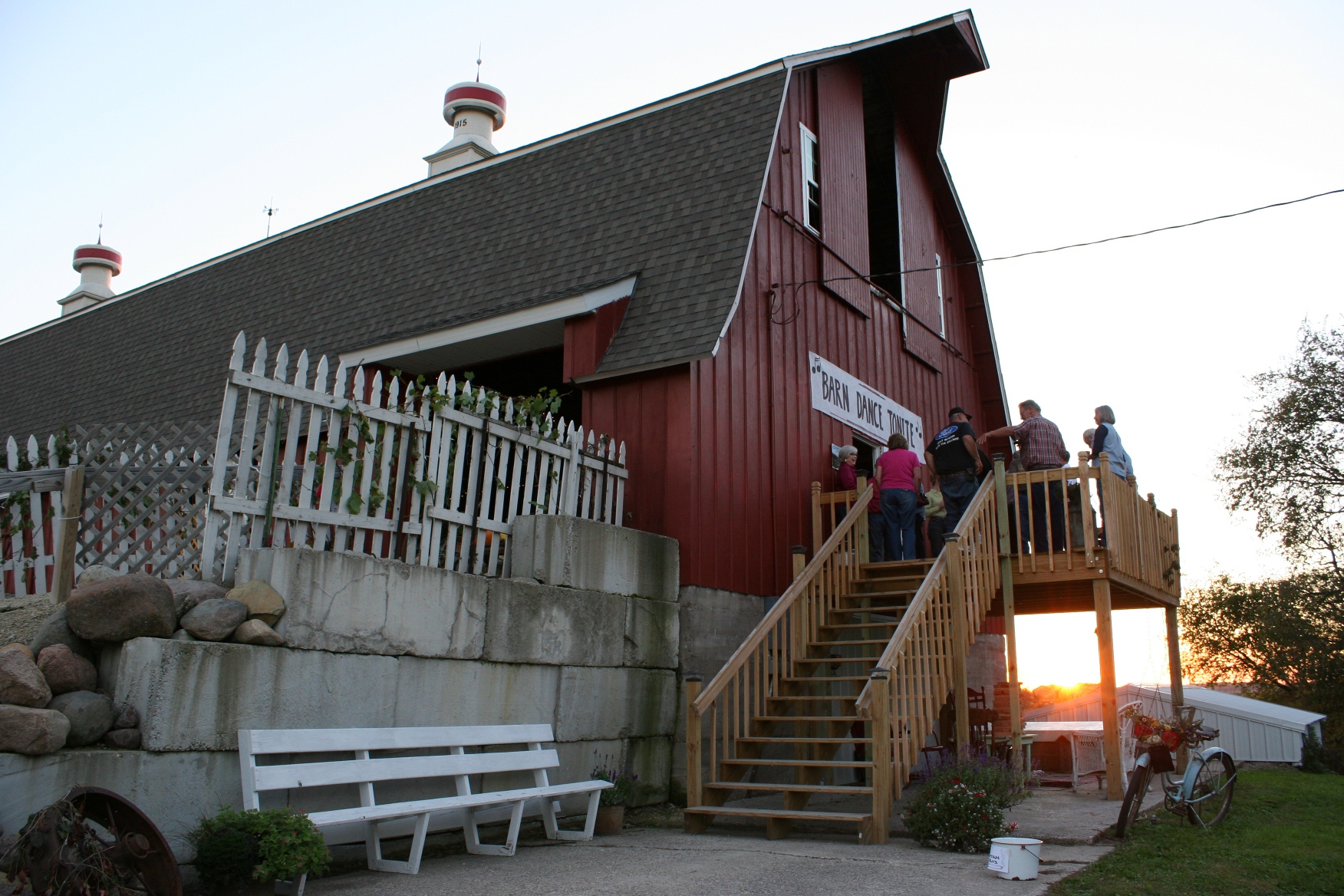
Hundreds gathered on a perfect September Saturday evening at the John and Debbie Becker farm just west of Dundas along Rice County Road 1 to celebrate the birthday of a sprawling 36-foot by 100-foot barn built in 1915. One hundred years ago.

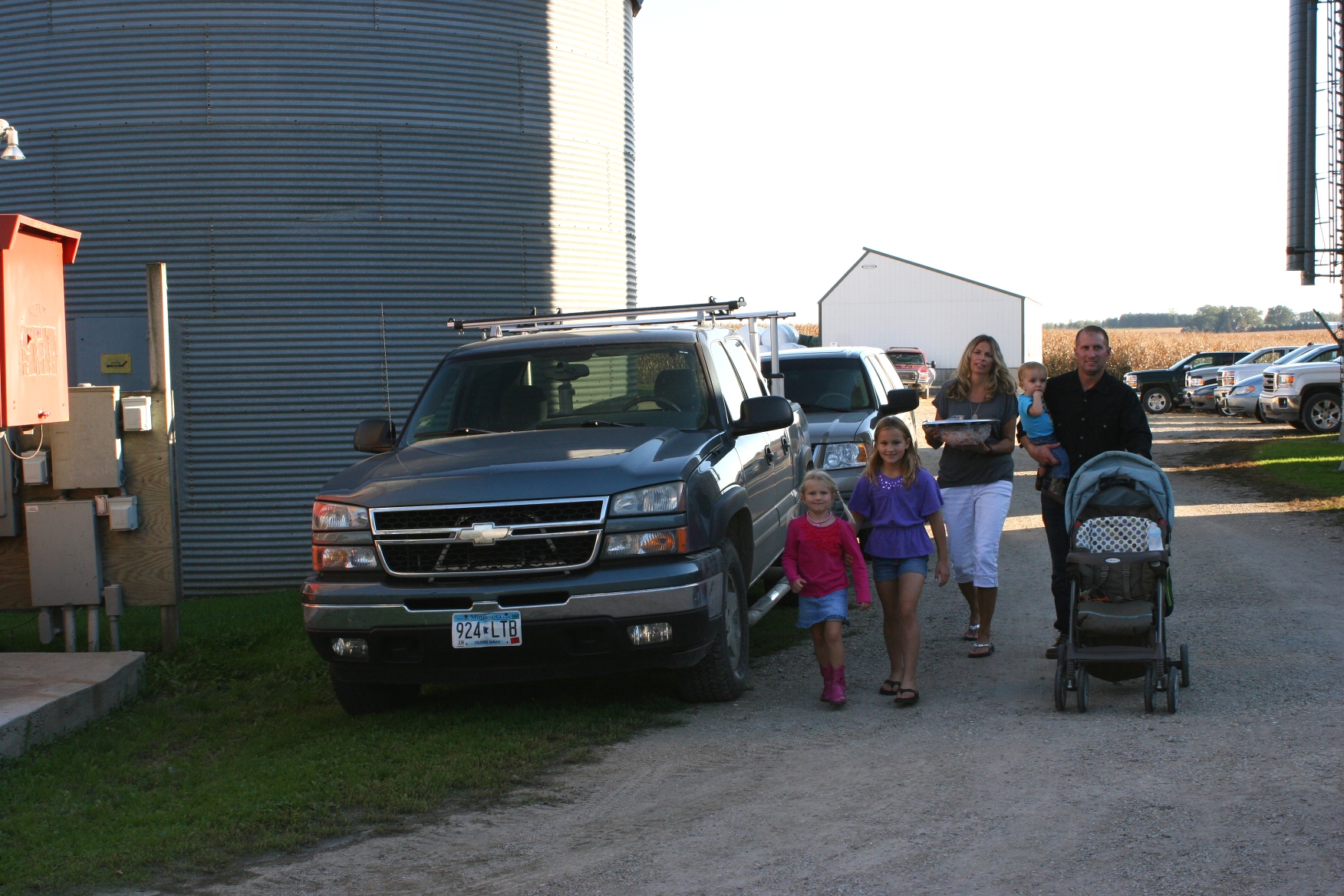
Family arrives for the barn dance and party.

Family arrives for the barn dance and party.

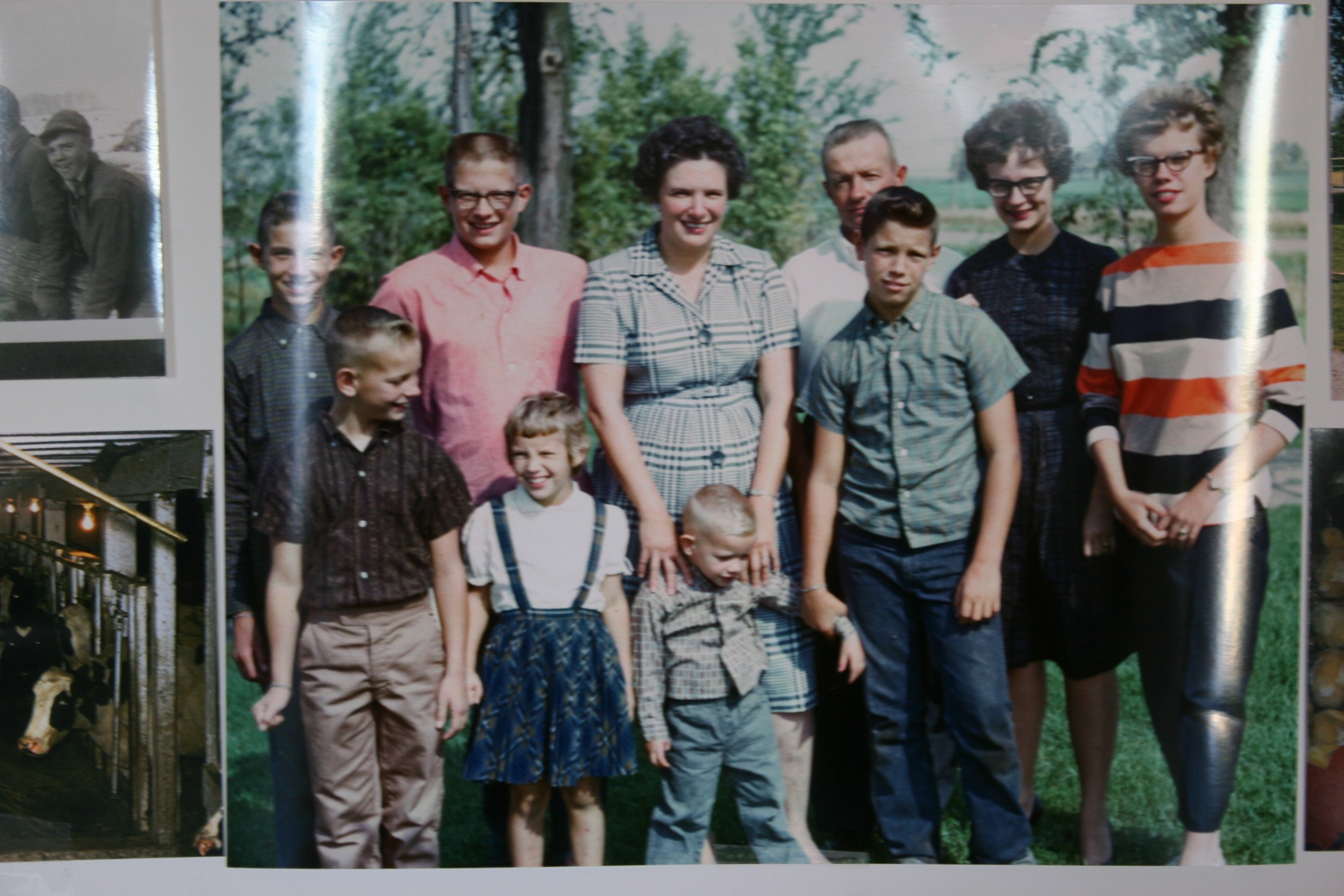
A vintage photo of the Herb and Dorothy Becker family. The current barn owner, John, is the youngest in the family.

A vintage photo of the Herb and Dorothy Becker family. The current barn owner, John, is the youngest in the family.

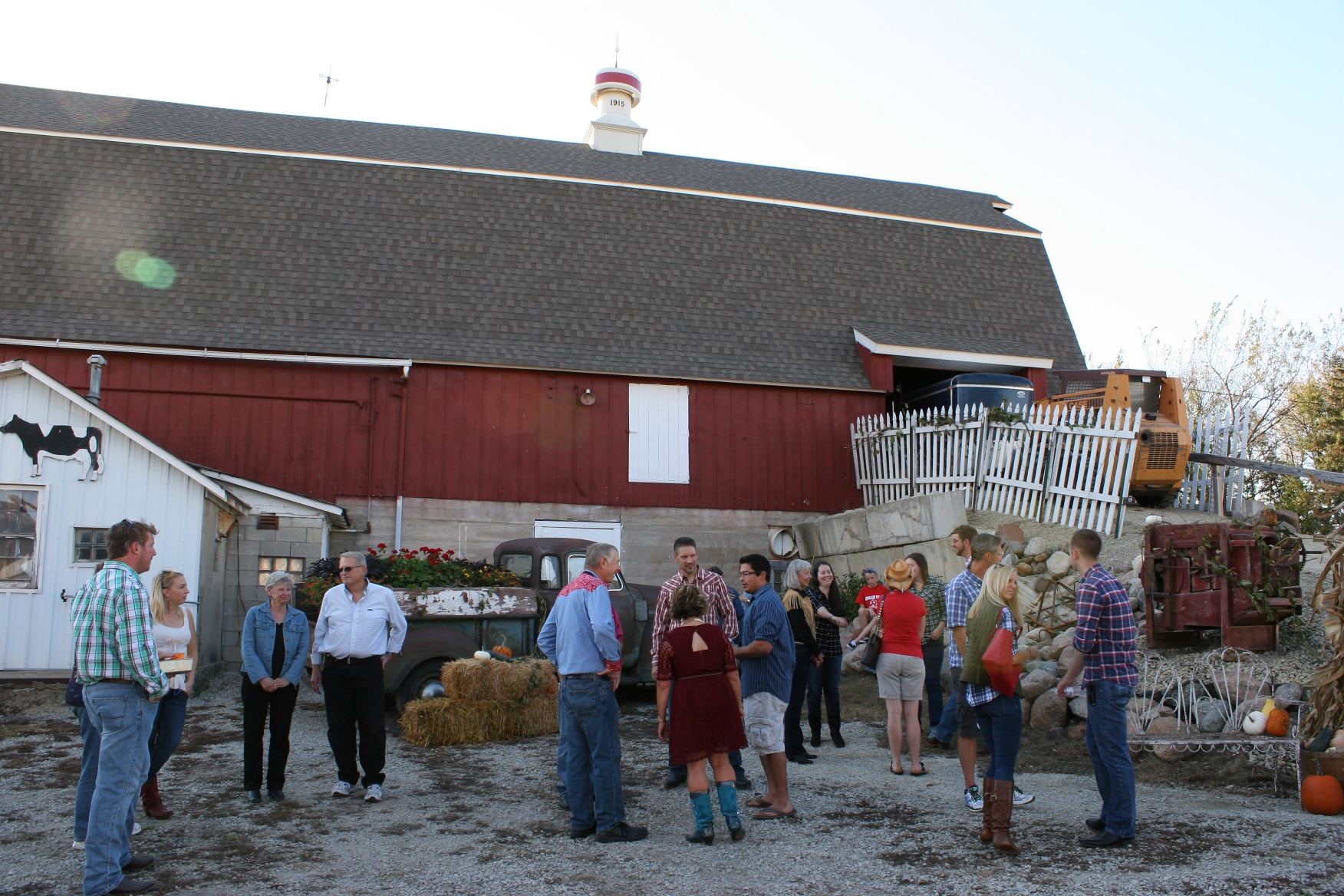
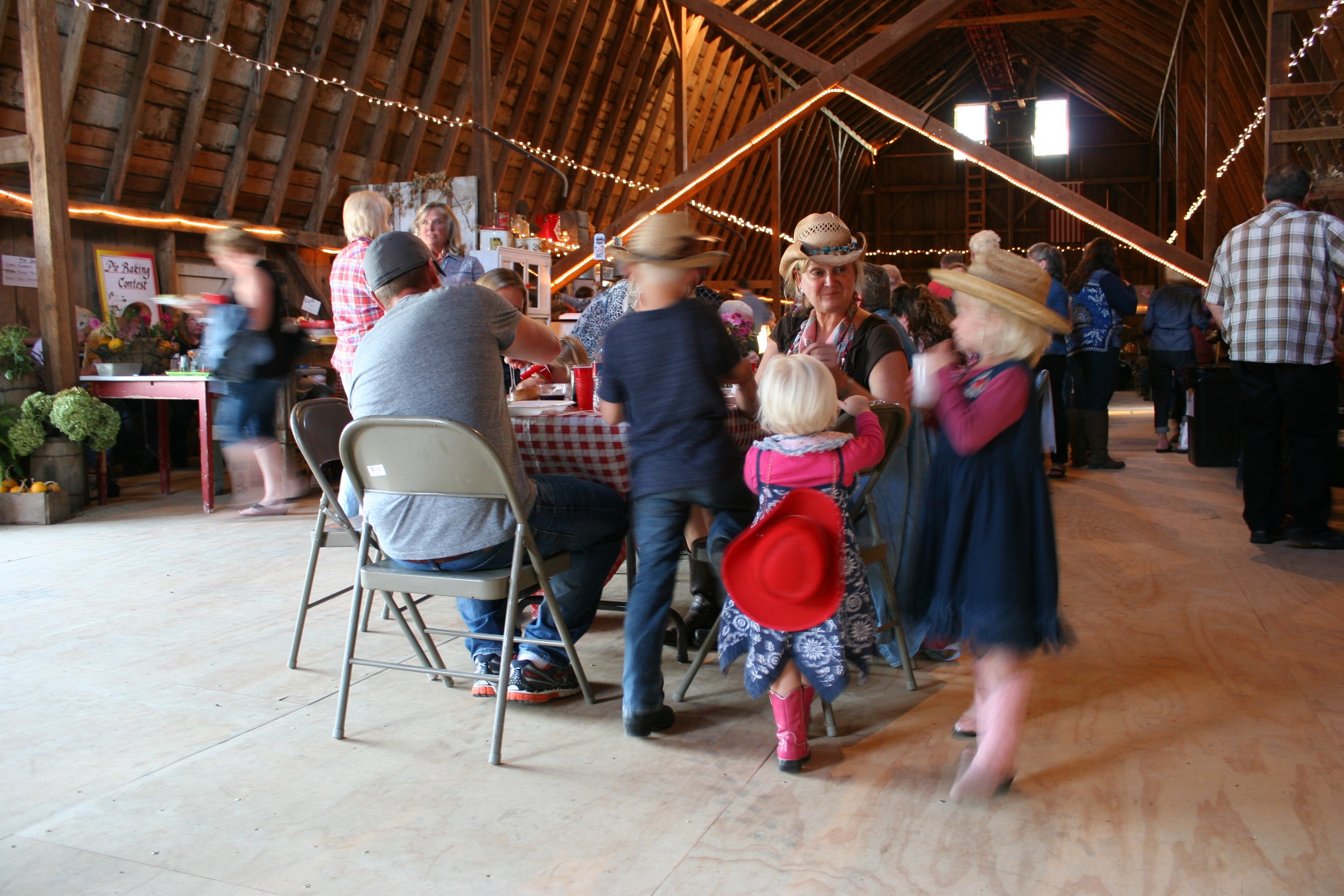
Family and friends visit before the meal and dance.

Family and friends visit before the meal and dance.

But this party was about more than commemorating this century-old massive barn in the Becker family since Herb and wife, Dorothy (both now deceased), purchased the farm in 1948. It was also about a coming together of family—only one of the elder Beckers’ descendants was missing—and friends to celebrate the land, farming and the rural way of life.

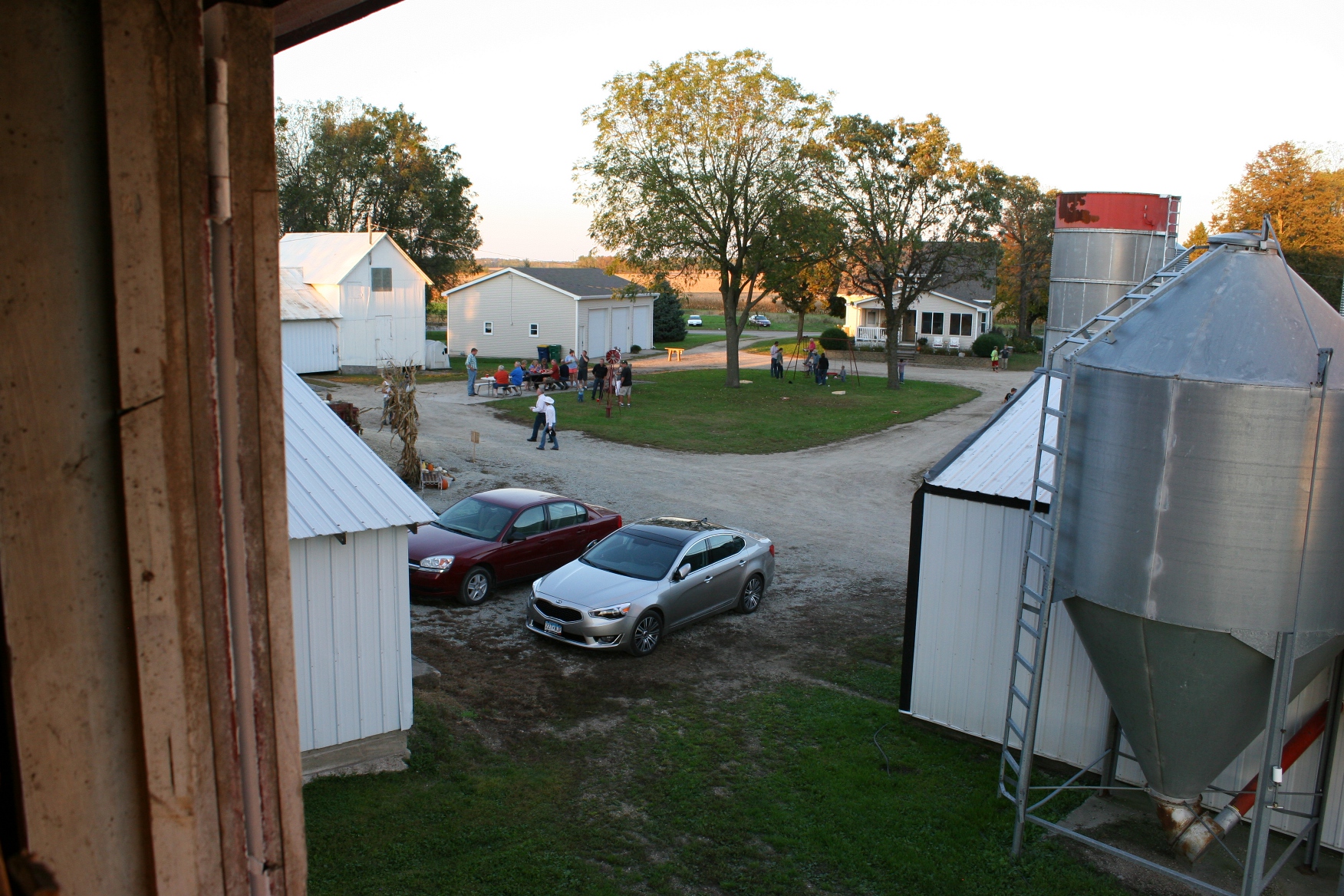
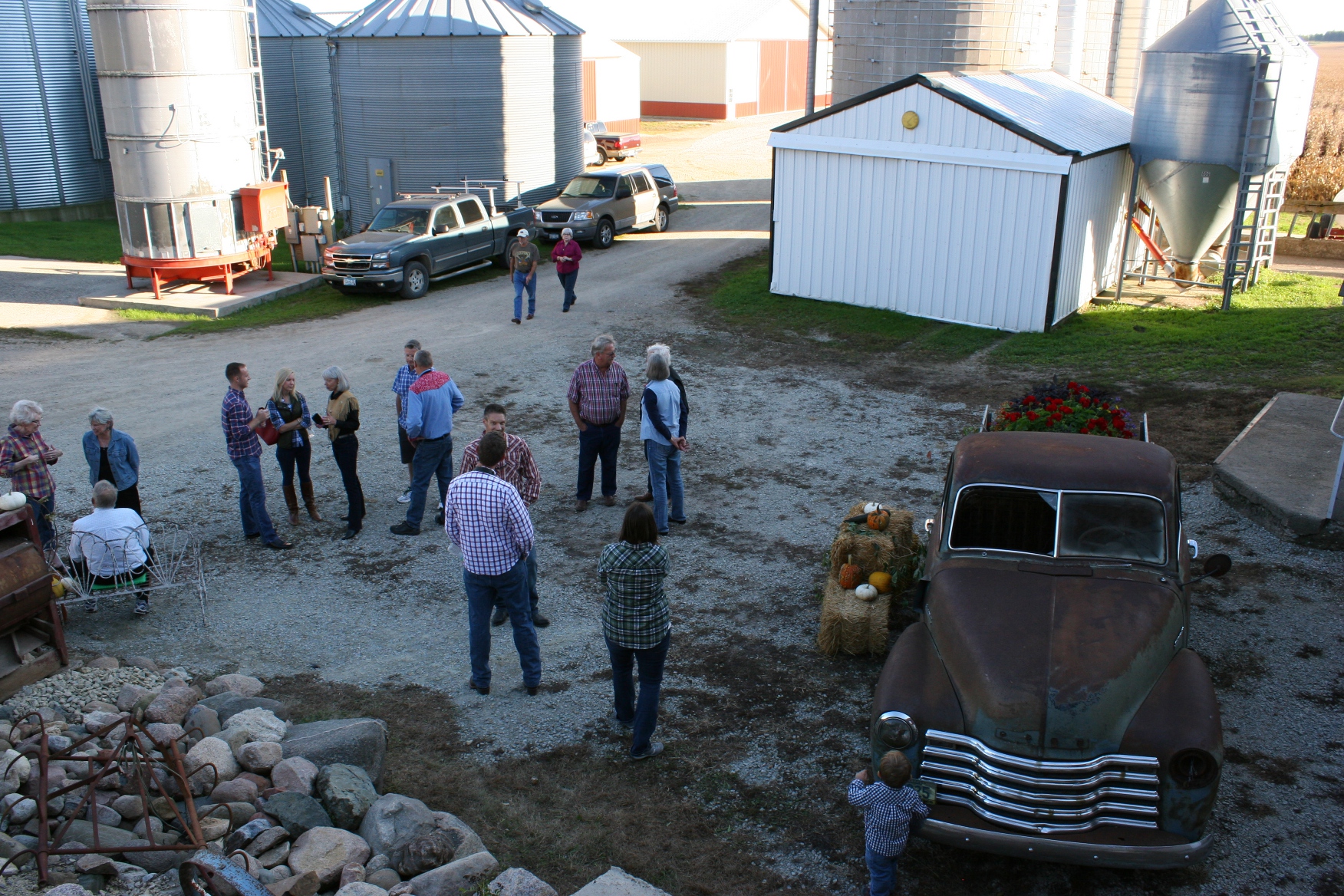
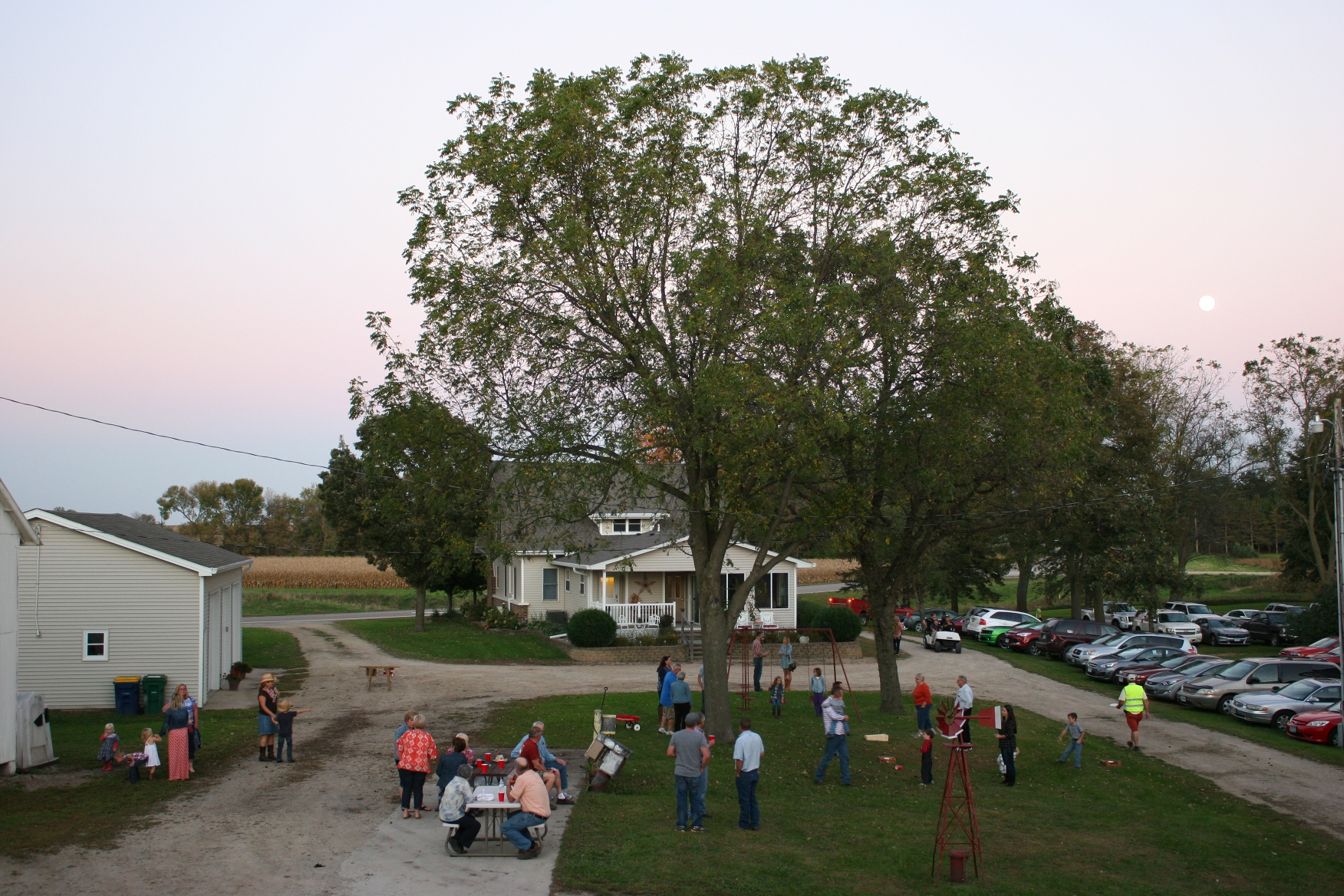
A view of the farmyard and barn dance guests from a hayloft window.

A view of the farmyard and barn dance guests from a hayloft window.

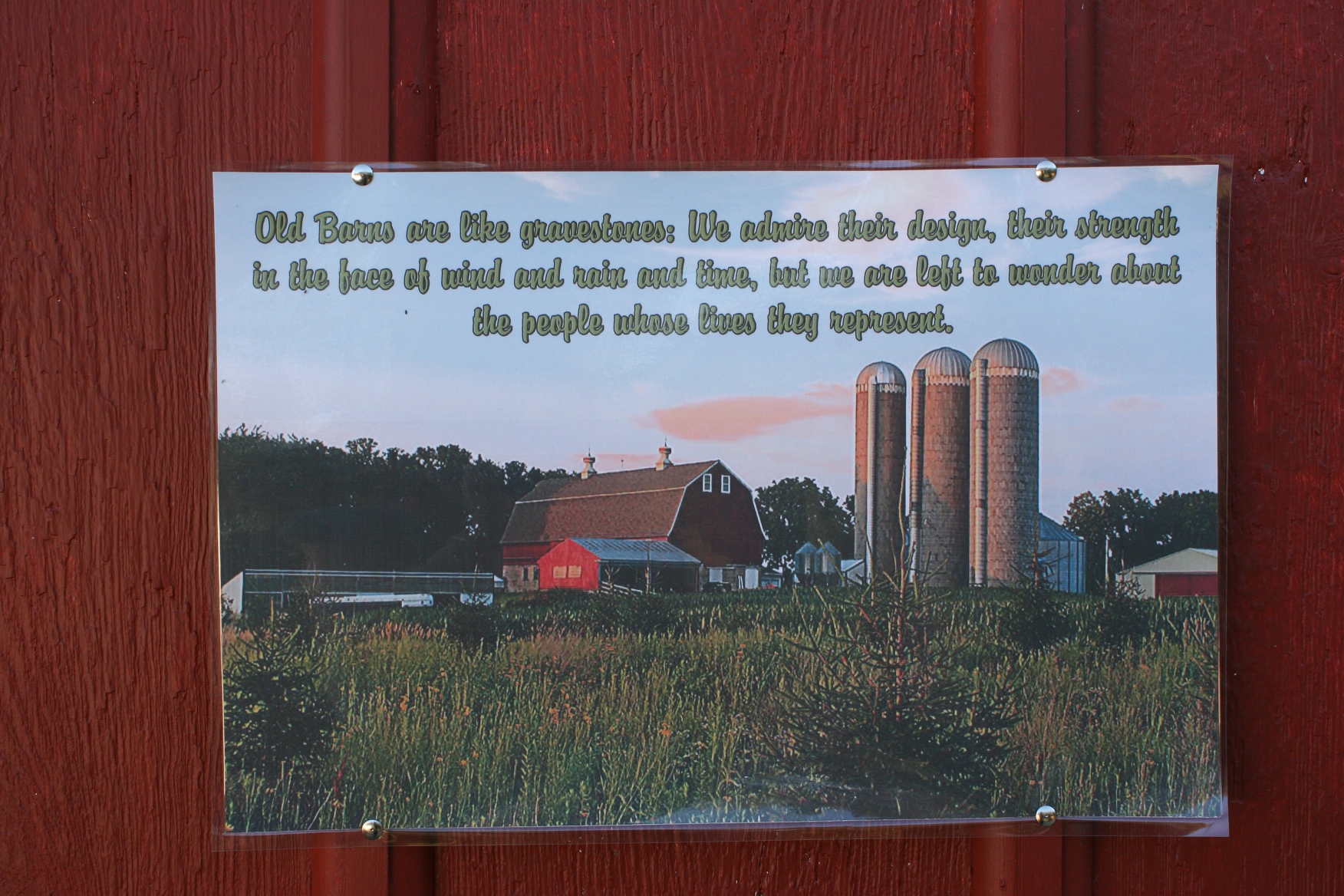
Posted in the barn

Posted in the barn, a photo of the Becker farm and an appropriate saying.

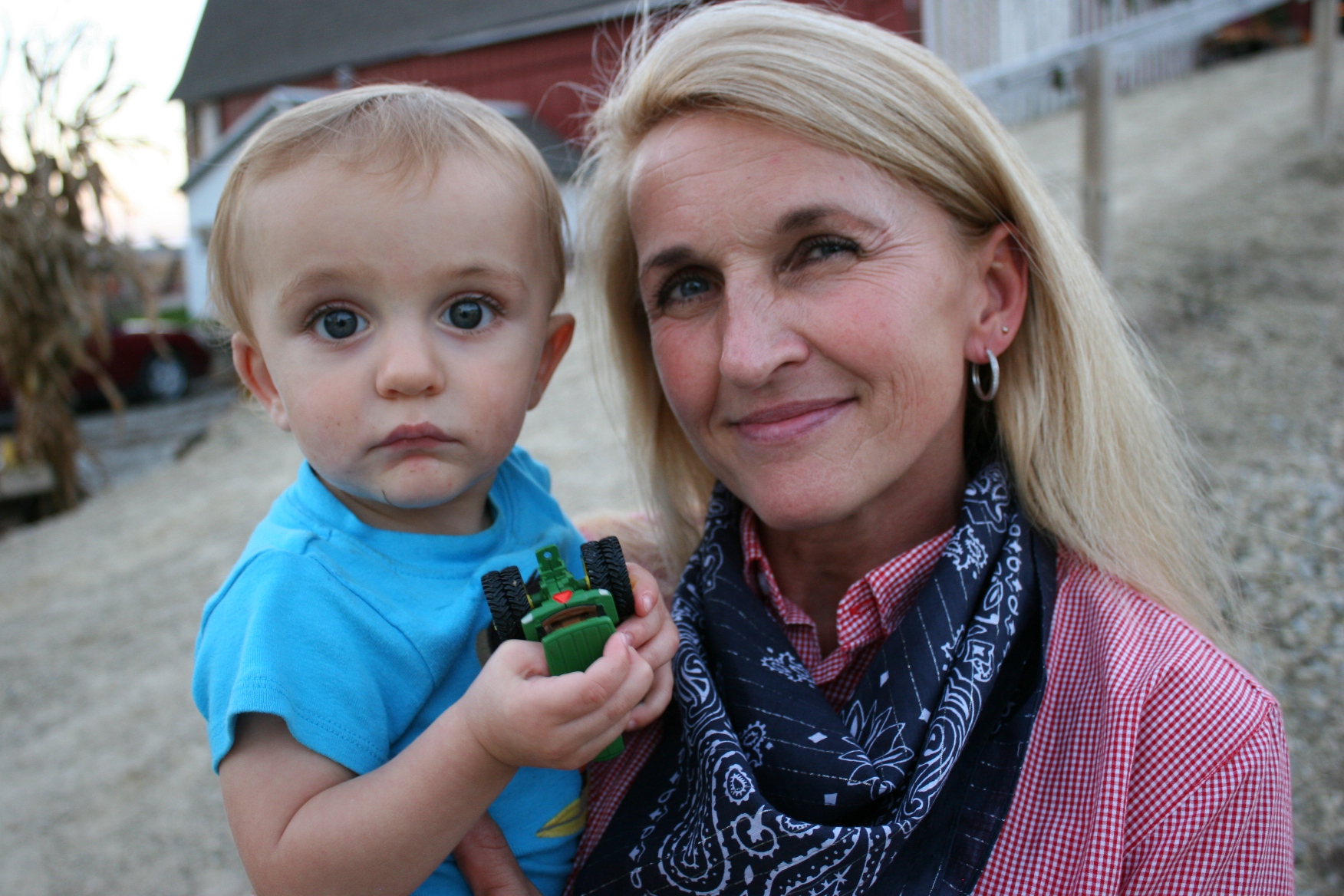
Aunt and nephew at the barn dance.

Aunt and nephew at the barn dance.

As I gazed through an open hayloft window at the crowd mingling in the farmyard below, I considered how thankful I am to have grown up in rural Minnesota, to have this close connection to the land and to extended family. Just like the Becker family.

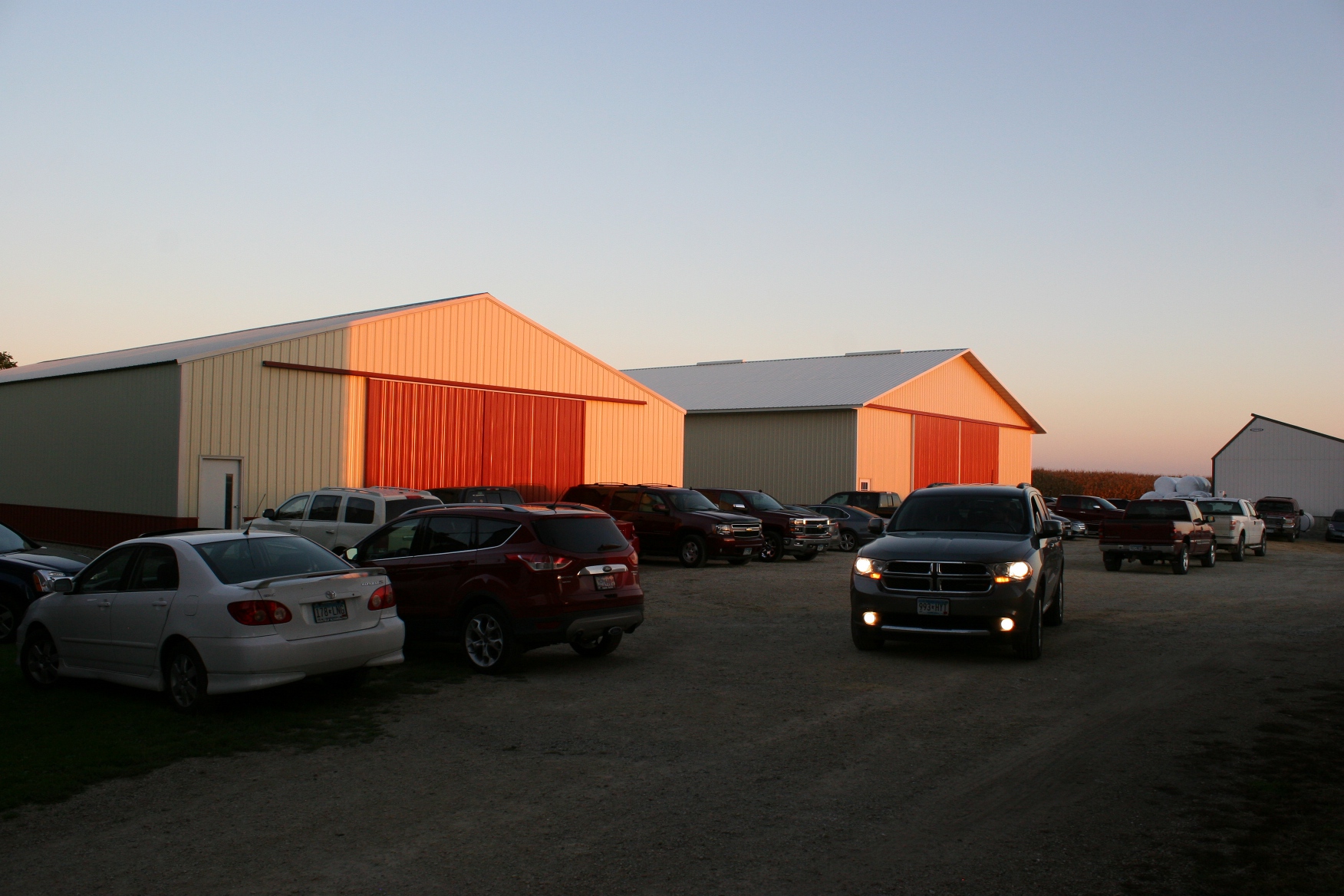
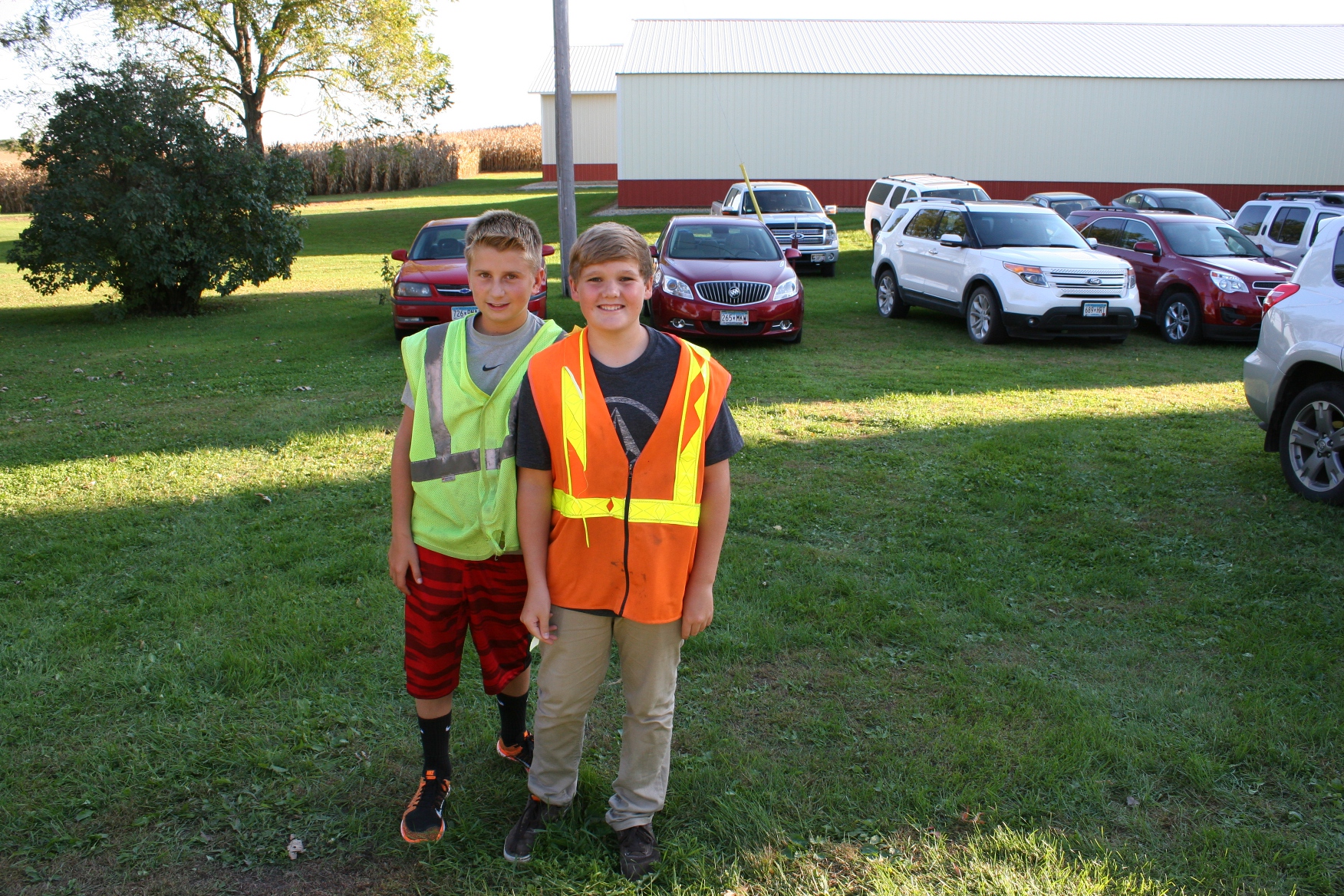
The sun spotlights machine sheds. Vehicles parked in every nook and cranny on the farm.

The sun spotlights machine sheds. Vehicles parked in every nook and cranny of the farm.

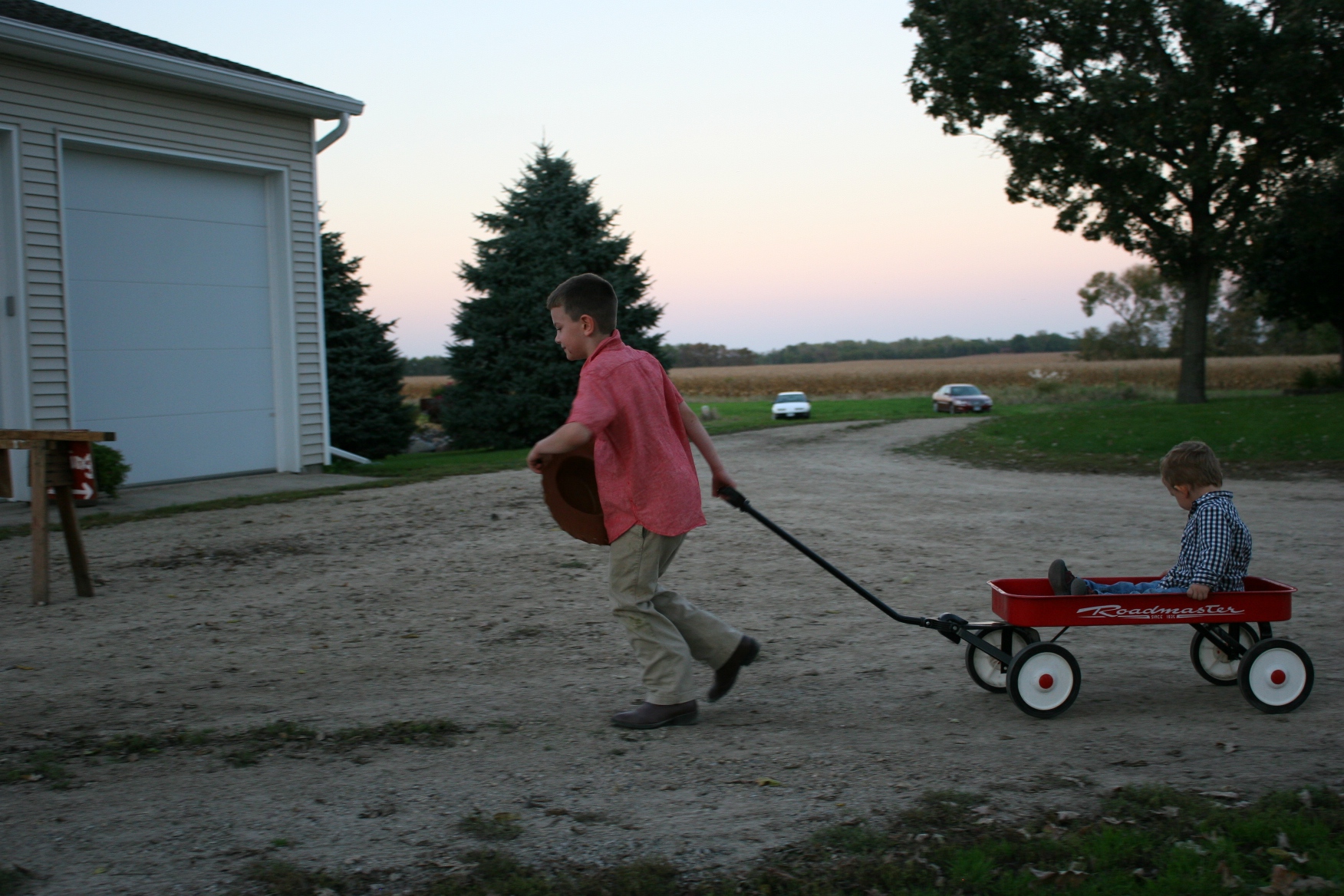
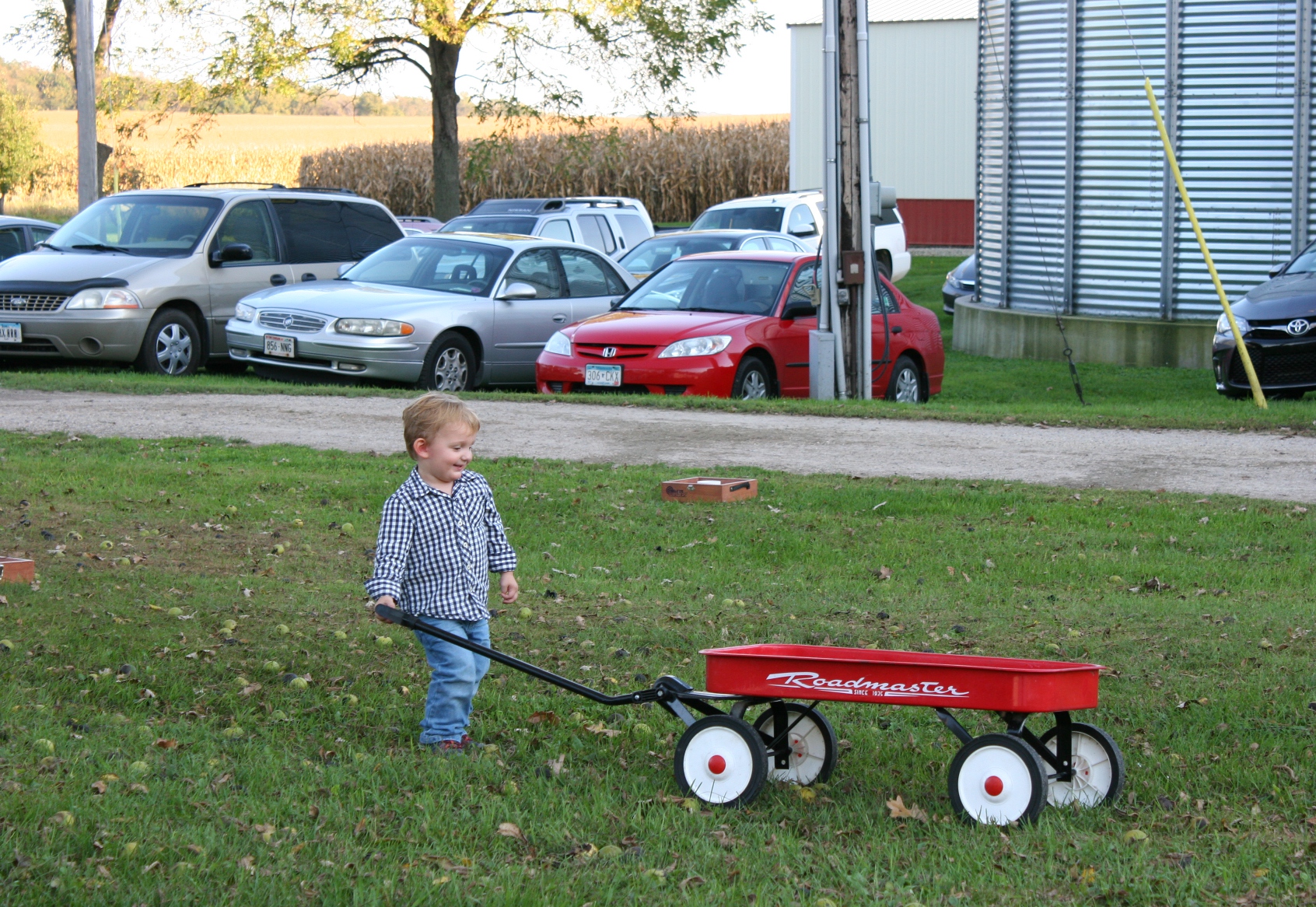
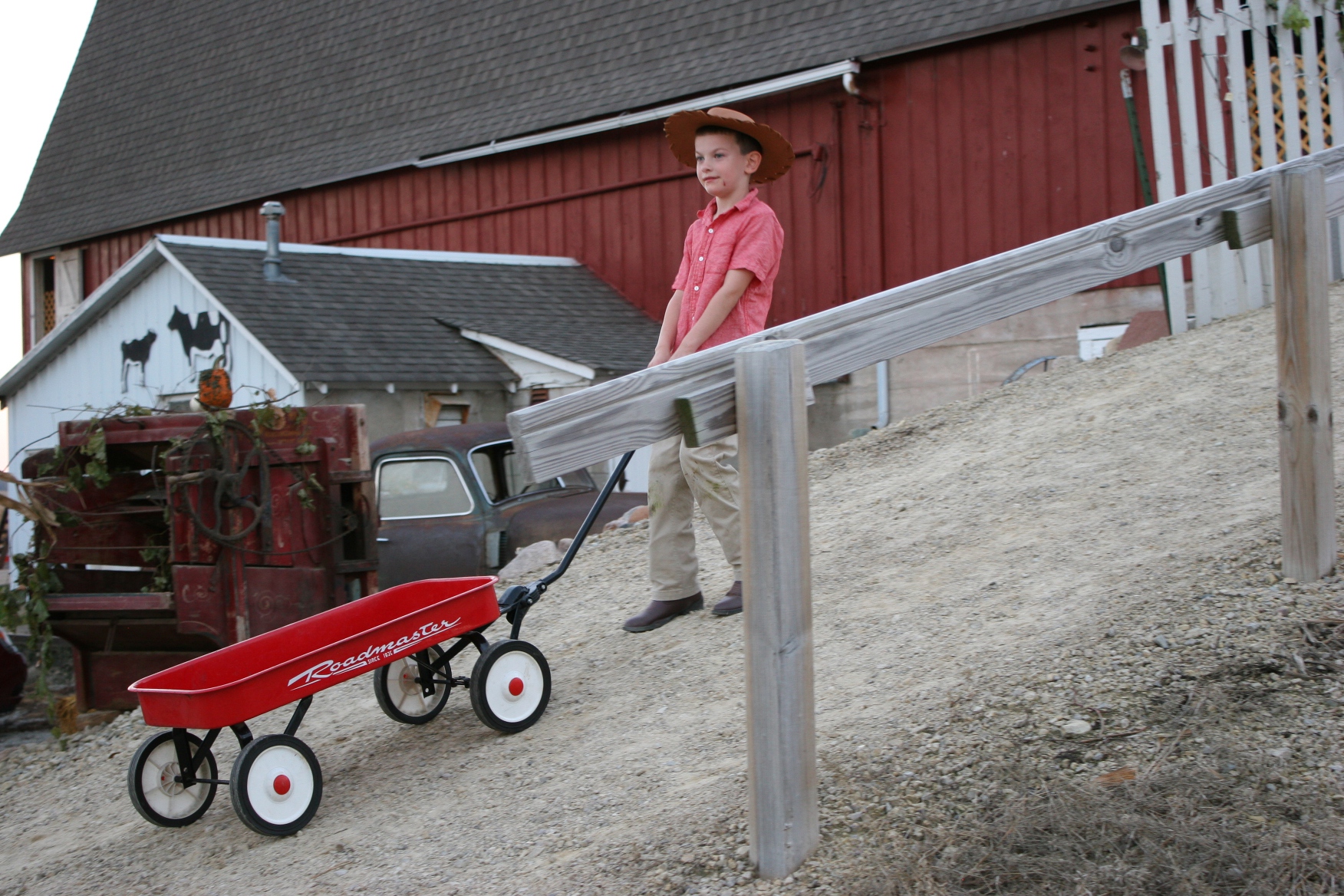
Wagons rolled.

Wagons rolled.

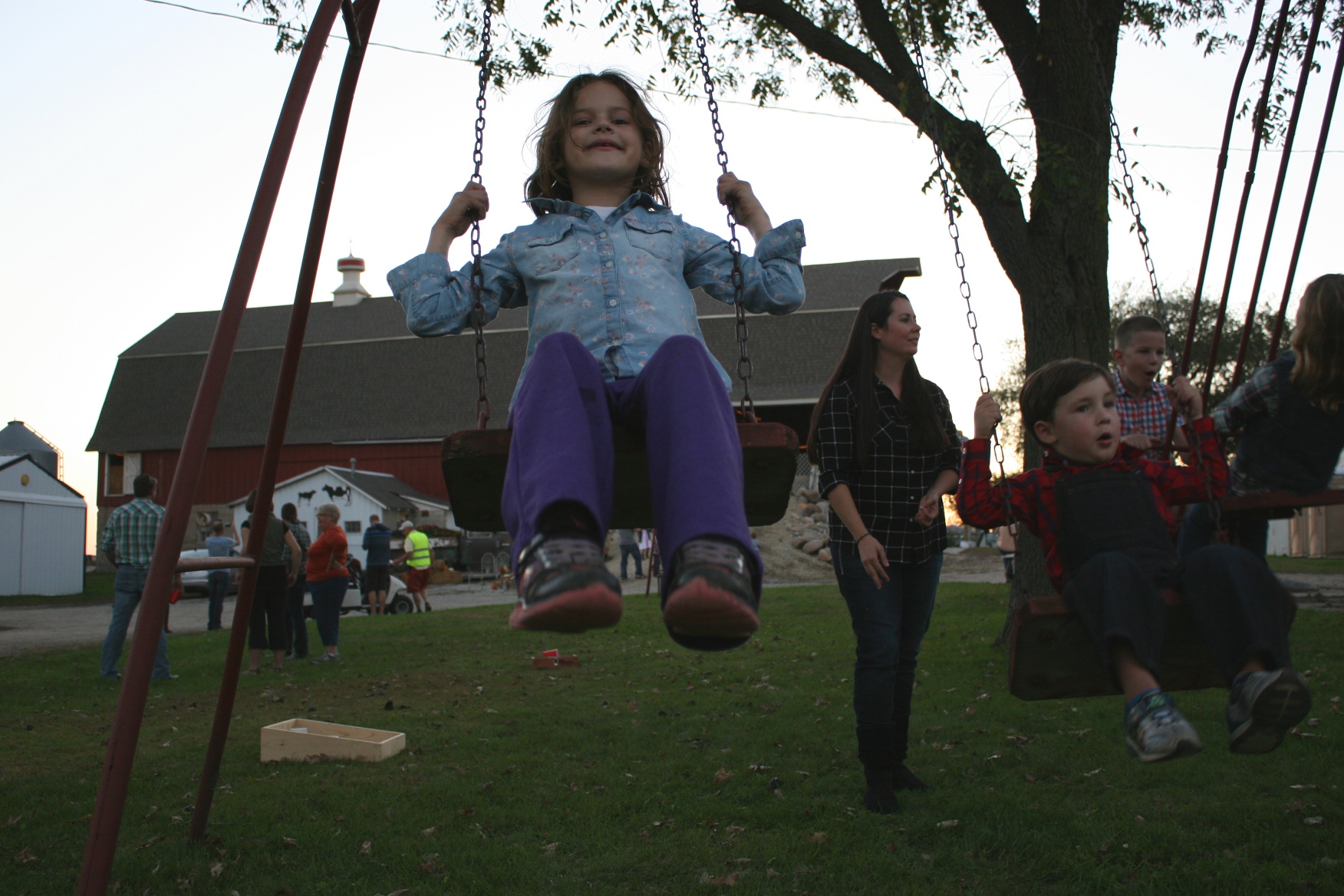
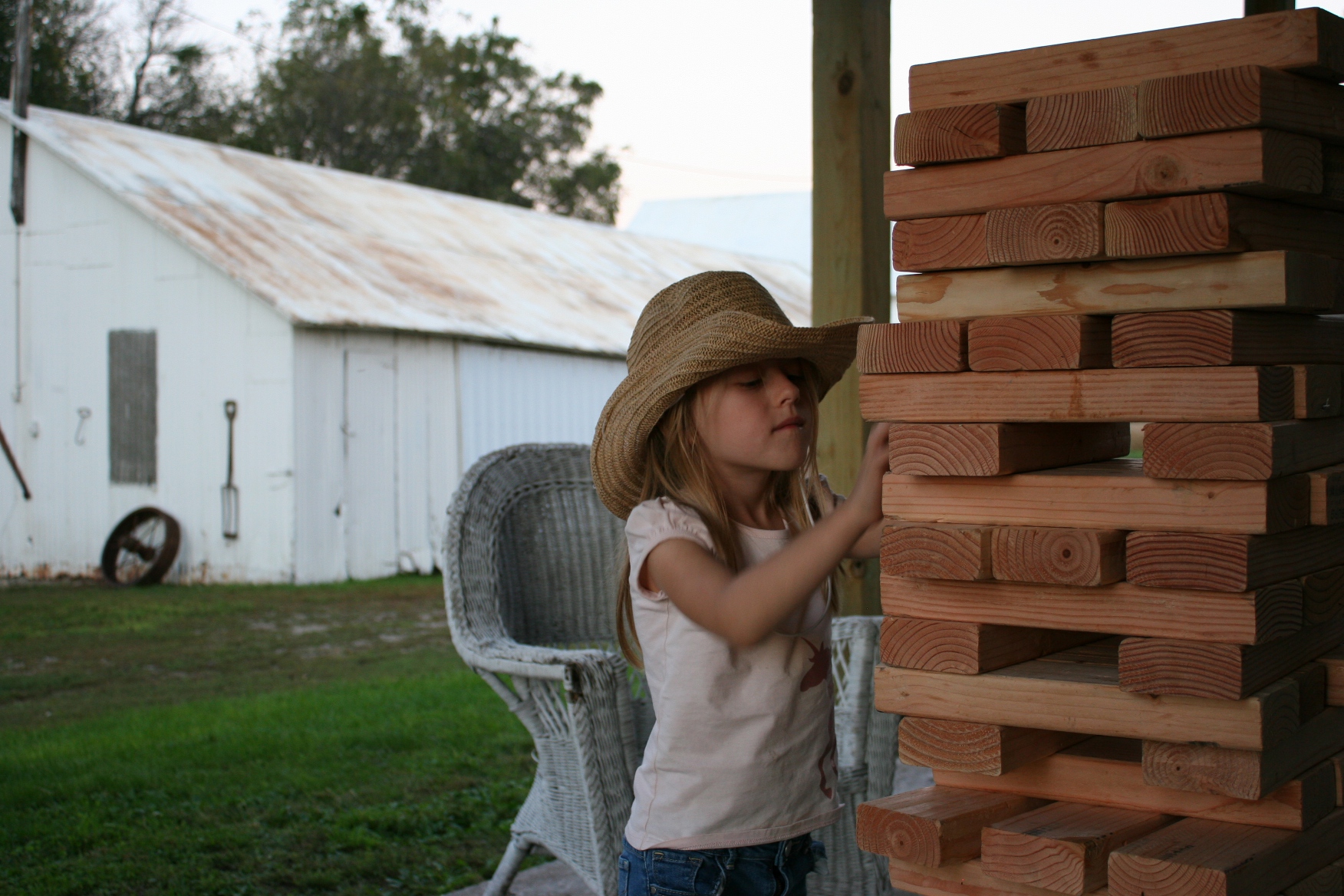
A vintage swingset proved a popular spot.

A vintage swingset proved a popular spot.

Playing games...

Playing games…

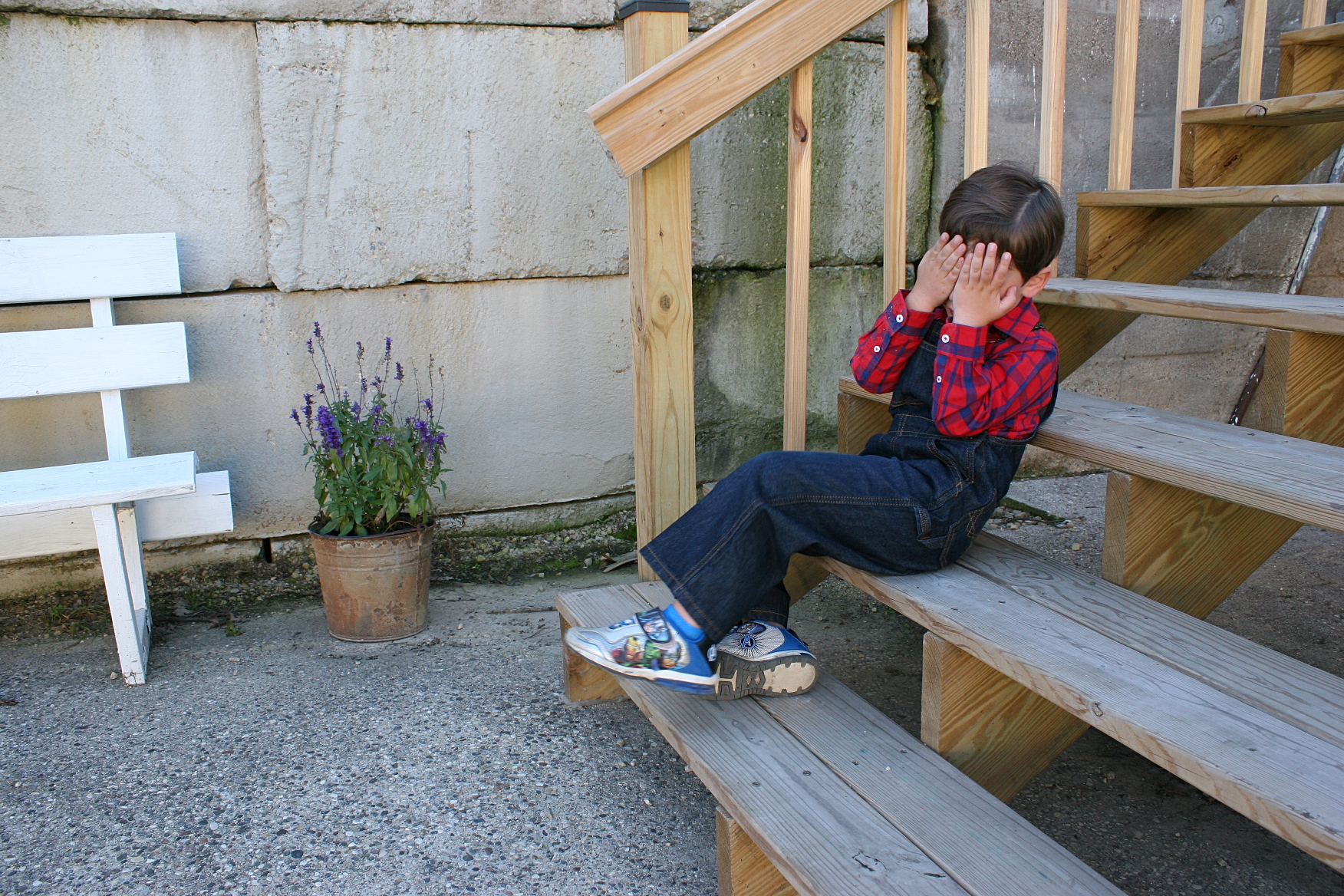
Here, on this evening when the sun set a brilliant gold across ripening corn fields and edged shadows around silos, kids rumbled wagons across gravel, pumped legs high on an aged swingset, covered eyes in an old-fashioned game of hide-and-seek. It was like a flashback to yesteryear for me, back to simpler days when kids played with imagination and folks took time to visit.


Barn dance, 28 interior barn overview 2


Nostalgia prevailed on this September evening of a near full moon. Host John Becker briefed guests on the history of the barn, known long ago for its neighborhood barn dances. In his youth, long before he bought this farm, John’s father attended dances here, where men sat on one side of the hayloft, women on the other. On this evening, all generations mingled in the hayloft and John reminded them to be thankful to the Lord for the harvest.


Barn dance, 36 barn dance sign outside barn


I was thankful to be here, sitting on a bench on the newly-constructed deck off the hayloft. Gazing at the peak of the barn toward the evening sky scattered with stars. Inside the band played Sweet Caroline as the autumn breeze cooled me.


Barn dance, 268 dark barn interior band area


Later I would twirl, in my husband’s arms, across the cornmeal slicked plywood floor to a polka, flap my elbows to the chicken dance and rock it out to I Fought the Law (and the law won) and many more tunes. I danced until my muscles ached. And I smiled, oh, how I smiled. It’s been a long time since I’ve had this much fun, since I’ve forgotten the worries of life and immersed myself in the joy of a memorable evening with friends.


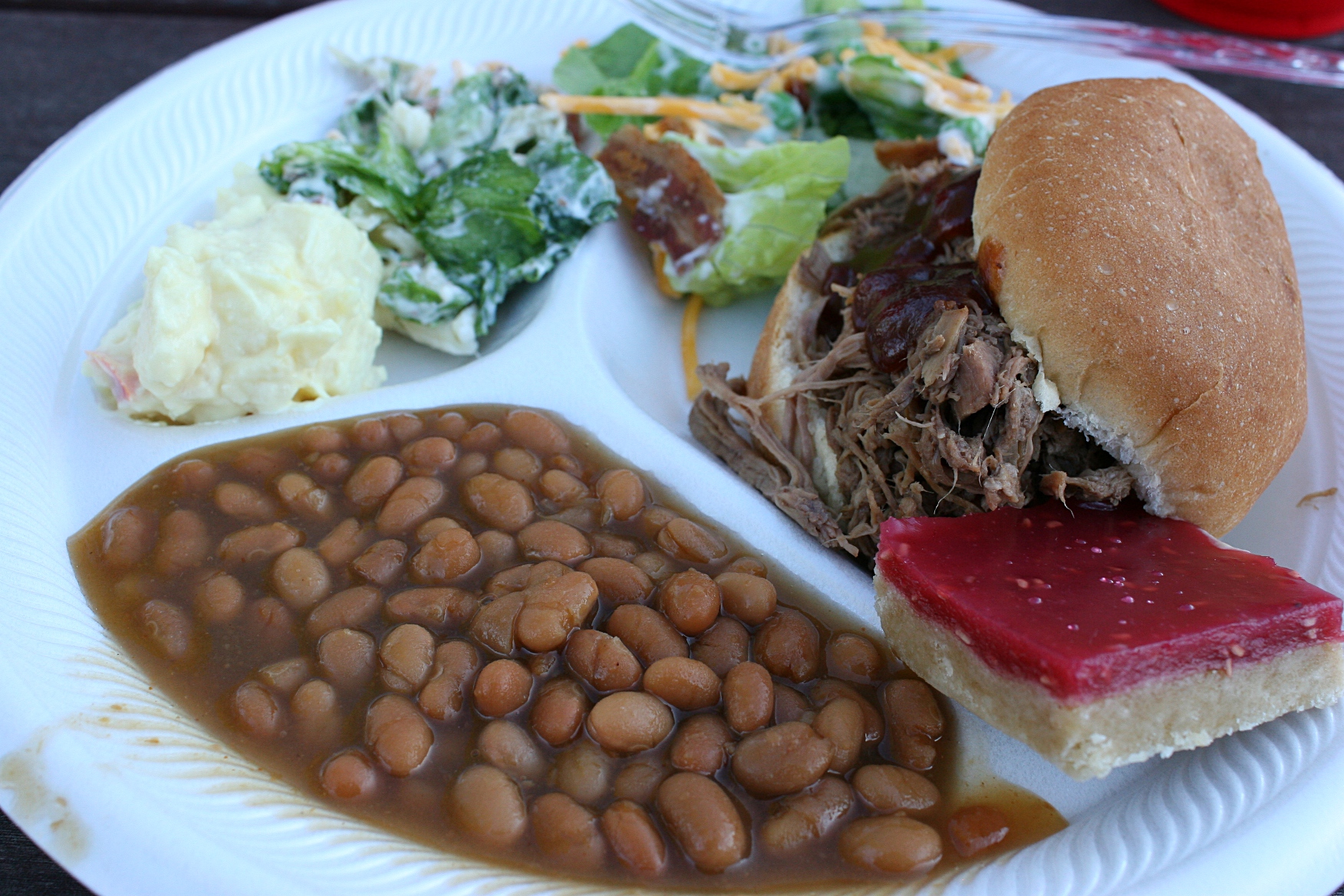
Barn dance, 131 plate of food


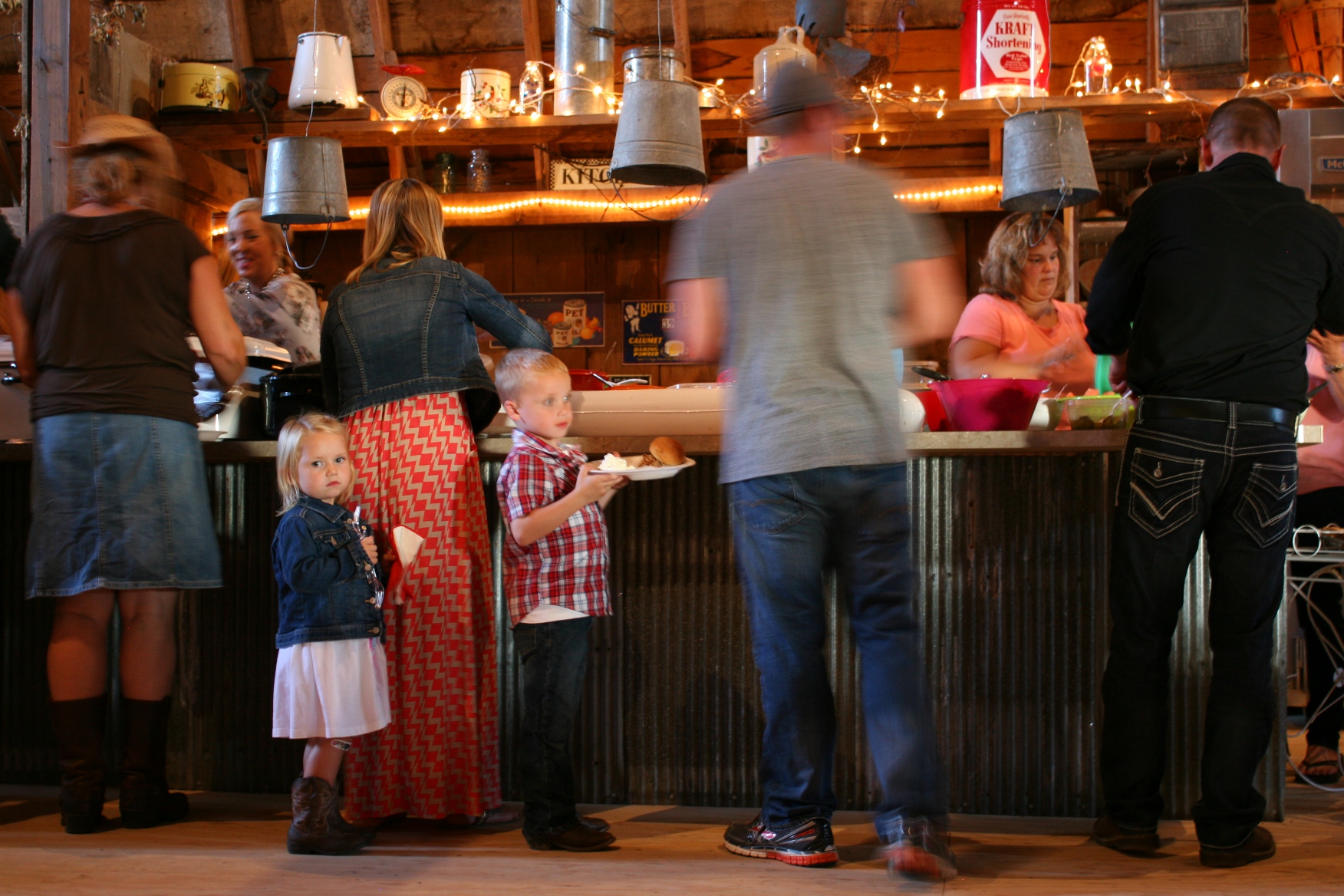
Barn dance, 148 family in food line


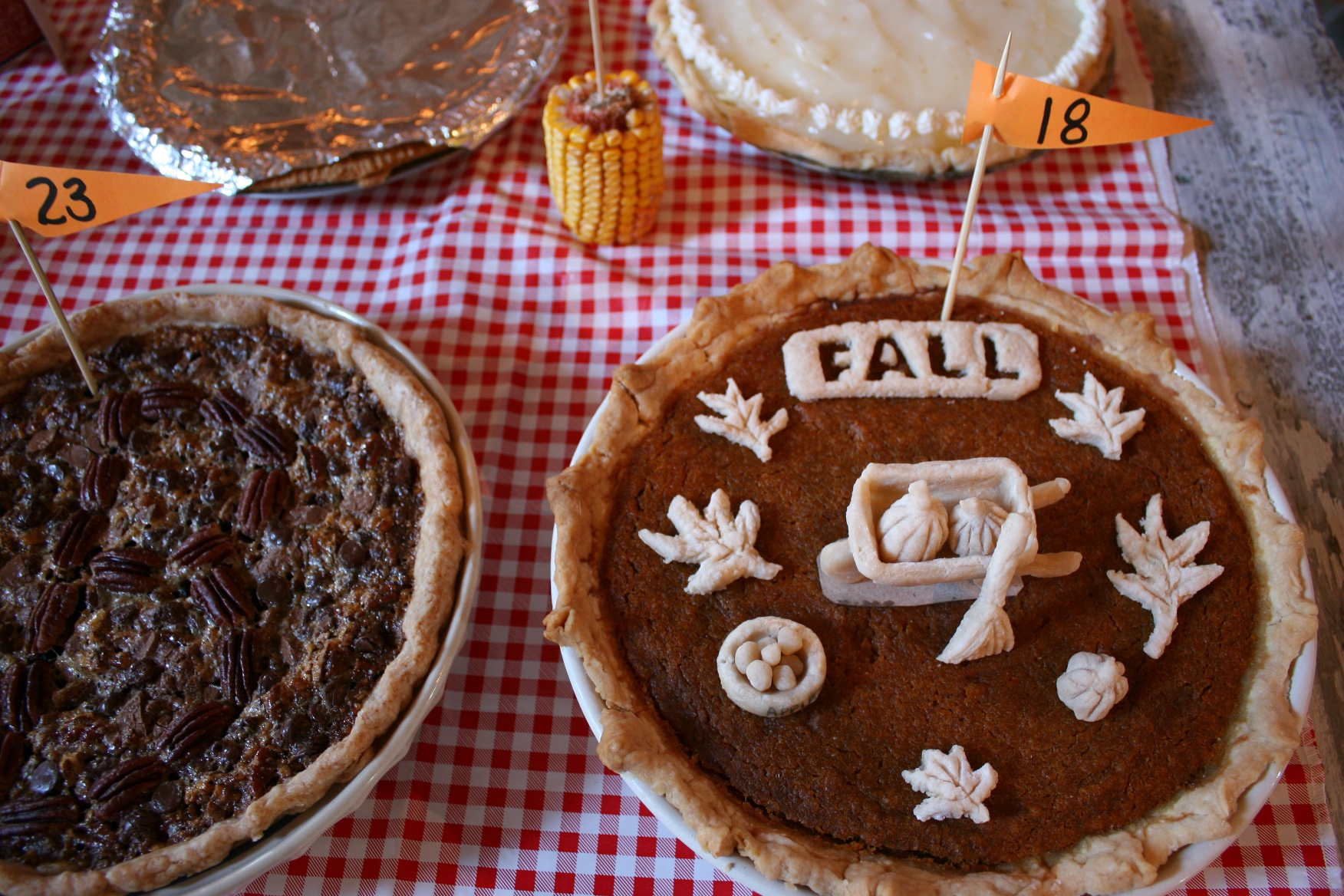
Barn dance, 118 fall themed pie close-up


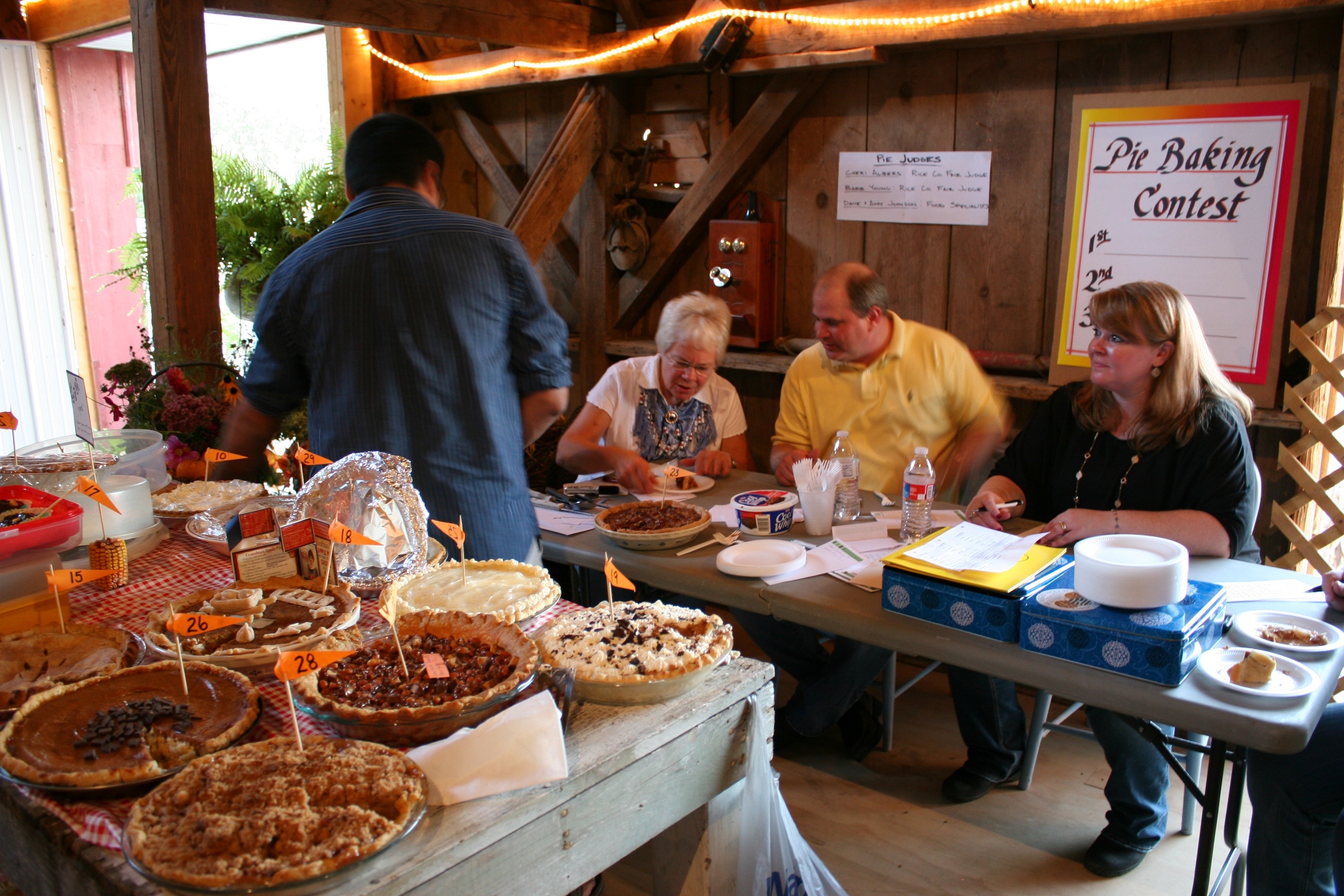
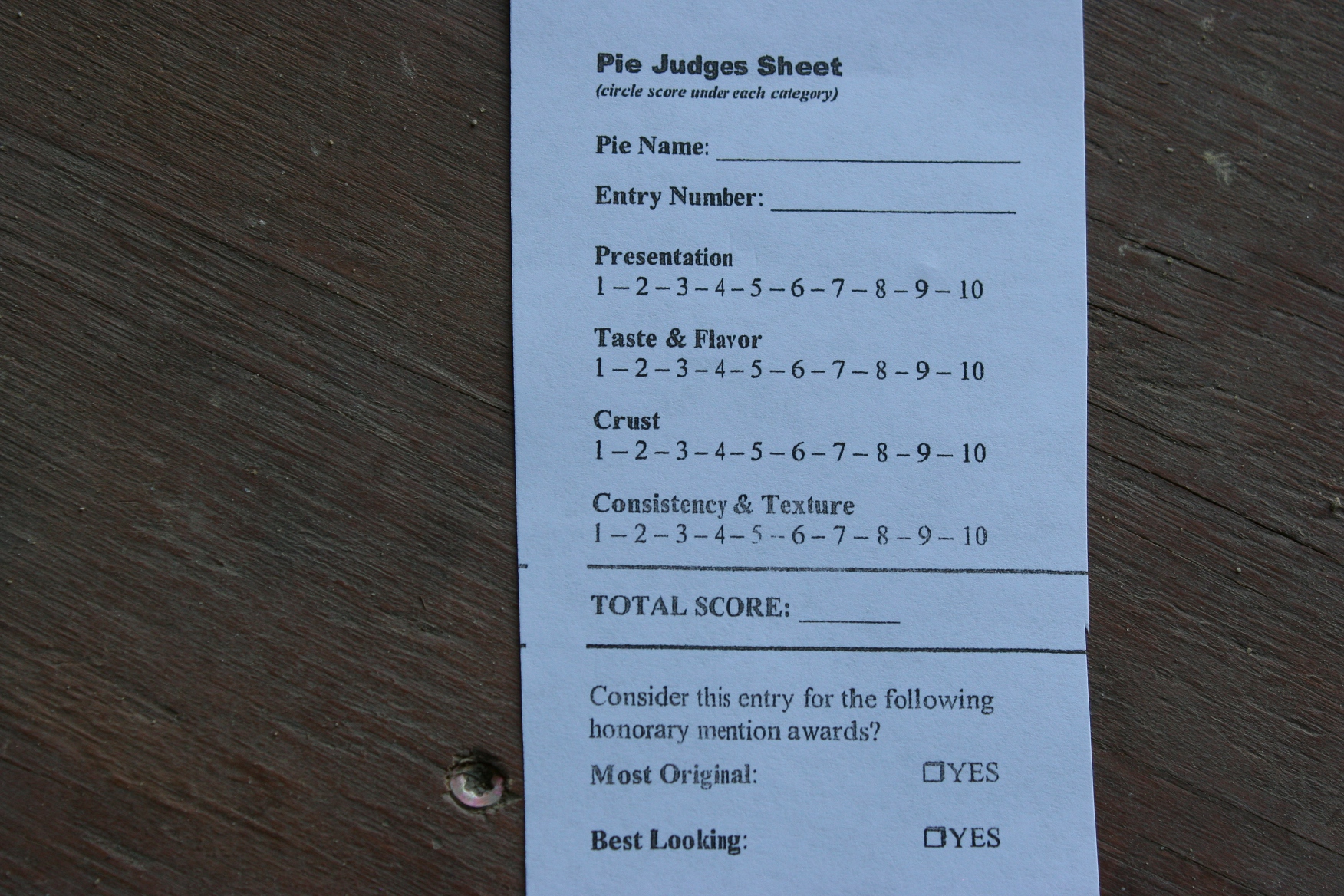
Judging pies.

Judging pies.

The food was equally as memorable with savory beef and pork sandwiches from Nerstrand Meats, baked beans and an assortment of salads and bars brought by guests. Later, after judges sampled pies in the pie-baking contest, plated pies presented a dessert smorgasbord. And if that wasn’t enough, sausage and cheese, chips and dip and other snack foods were available for grazing later.

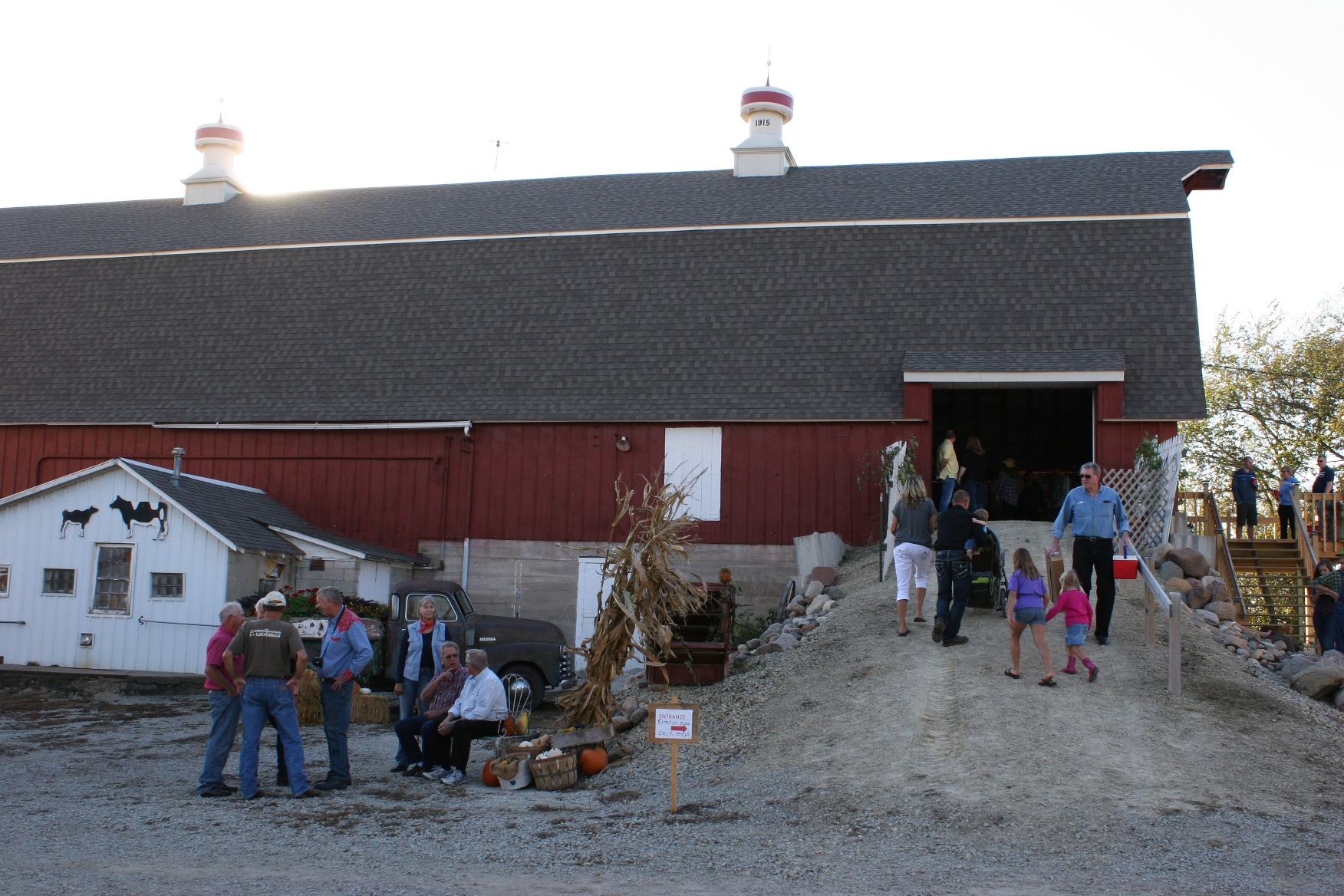
The side entry into the hayloft.

The side entry into the hayloft.

Some six hours after we arrived, Randy and I descended the steep walk-way into the hayloft and followed the gravel drive past the grain dryer (next to the yard light) toward vehicles parked on the lawn. We threaded our way toward our car, music fading as the distance widened between us and the 100-year-old barn.

FYI: Check back for more photos from the barn dance in additional posts tomorrow and thereafter.

© Copyright 2015 Audrey Kletscher Helbling
 

Rooted in the land, still August 4, 2015

Filed under: Uncategorized — Audrey Kletscher Helbling @ 5:00 AM
Tags: , , , , , , , ,
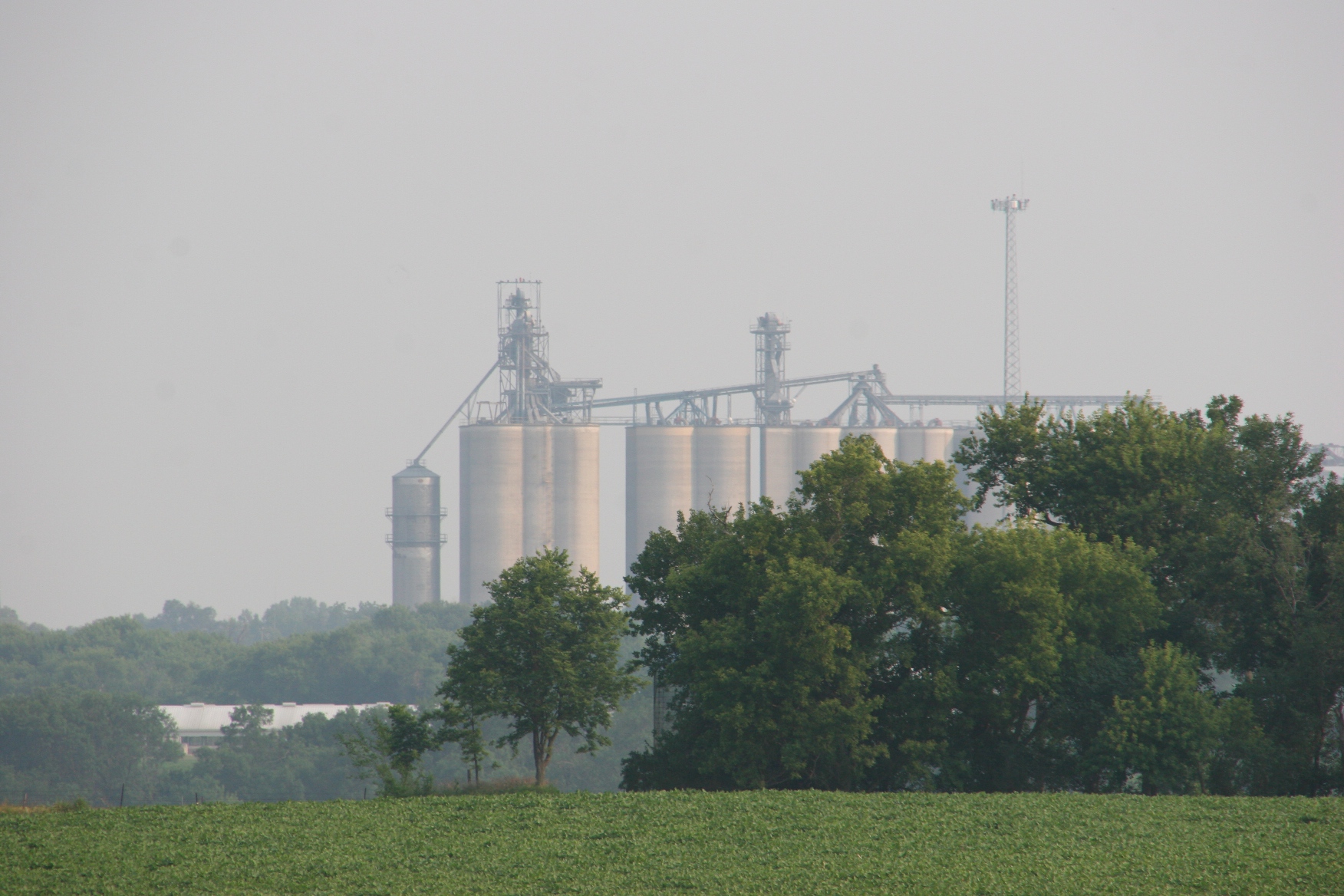
The elevator in Lamberton, Minnesota, just to the south of my brother's place.

Grain elevators, like this one in Lamberton to the south of my brother’s place, define rural small town Minnesota skylines.

THERE ARE DAYS, even now after forty years away from the farm, that I yearn to permanently return, to plant my feet upon the land, to follow a gravel road, to breathe in deeply the scent of freshly-mown alfalfa, to step into the blackness of a summer night under a sky pinpointed with an infinity of stars. On land that is mine. It will never happen.

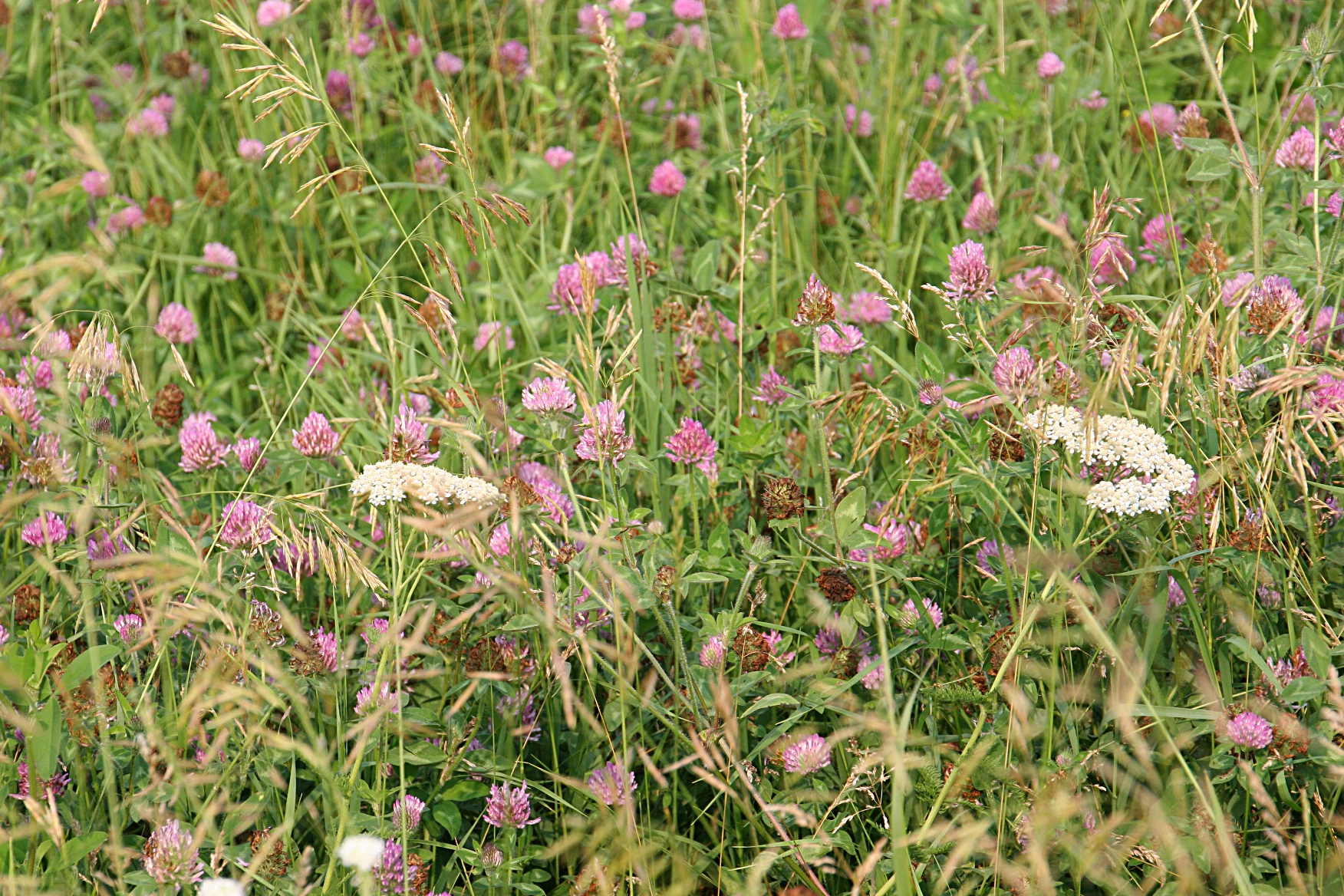
Clover on the edge of a field.

Clover on the edge of a field.

But I am fortunate that my middle brother and his wife live on my native prairie on a rural acreage that they share. It has become the extended family gathering spot, the site that reconnects me to southwestern Minnesota, my childhood home.

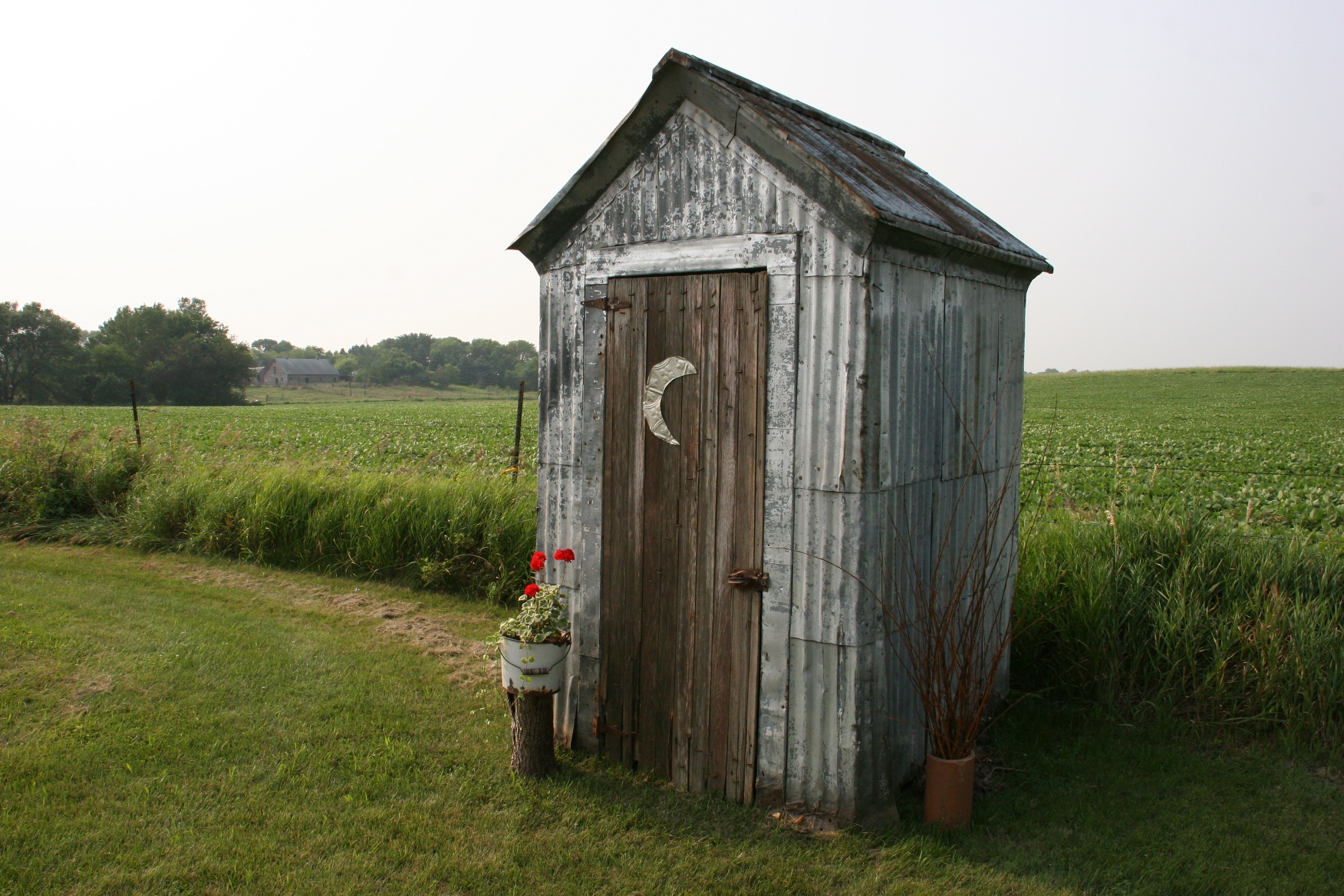
Brian and Vicki recently added an outhouse (used for storage) to their property. This reminds me of the first 11 years of my life, living in a house without a bathroom and using a two-holer outhouse.

Brian and Vicki recently added an outhouse (used for storage) to their property. This reminds me of the first 11 years of my life, living in a house without a bathroom and using a two-holer outhouse.

Each time I visit Brian and Vicki’s home 120 miles distant from Faribault, I wander their land with my camera, photographing rural scenes, capturing memories with my lens.

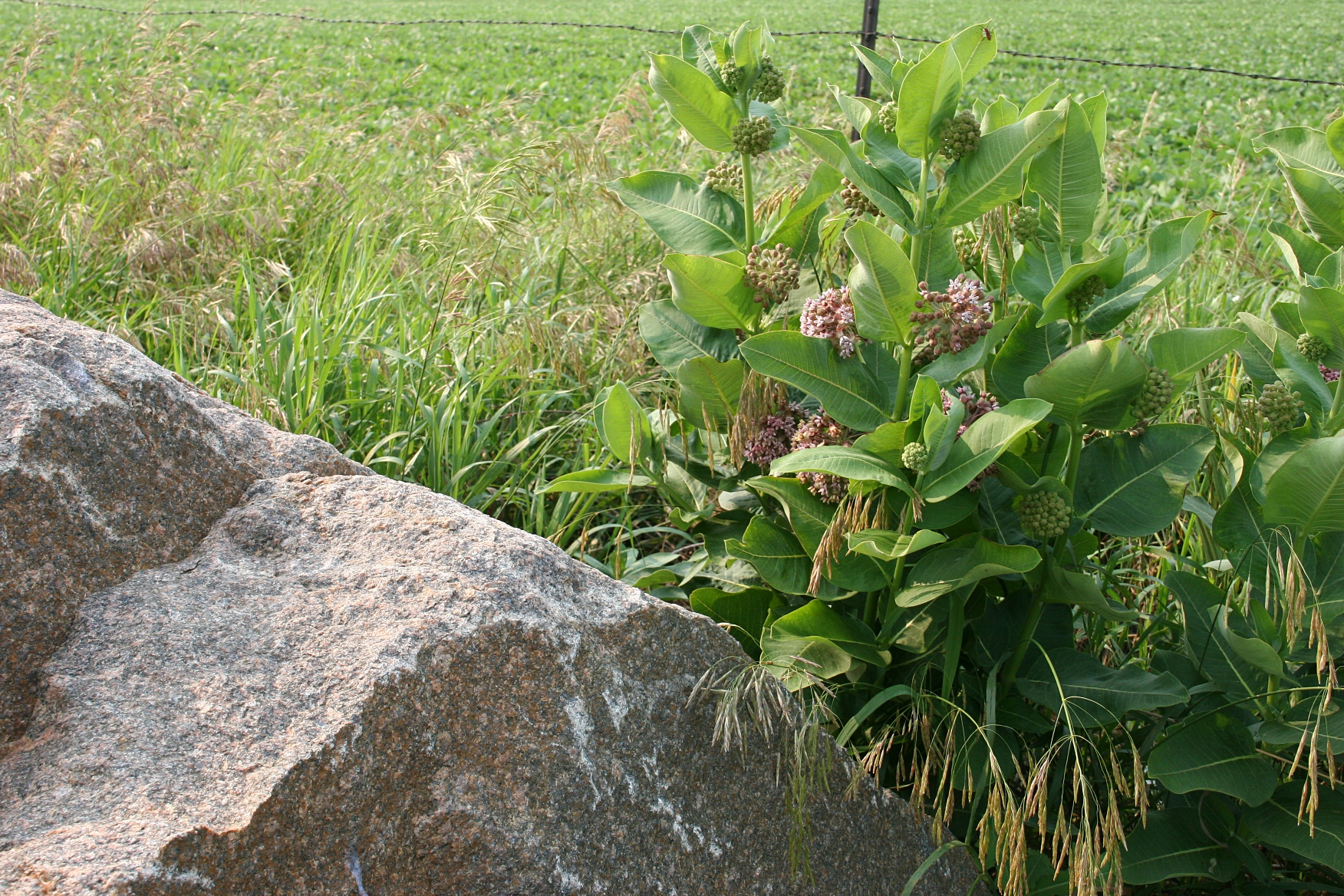
Monarch attracting milkweed grows next to a soybean field.

Monarch attracting milkweed grows along the fence line next to a soybean field.

Scents of clover and of milkweed.

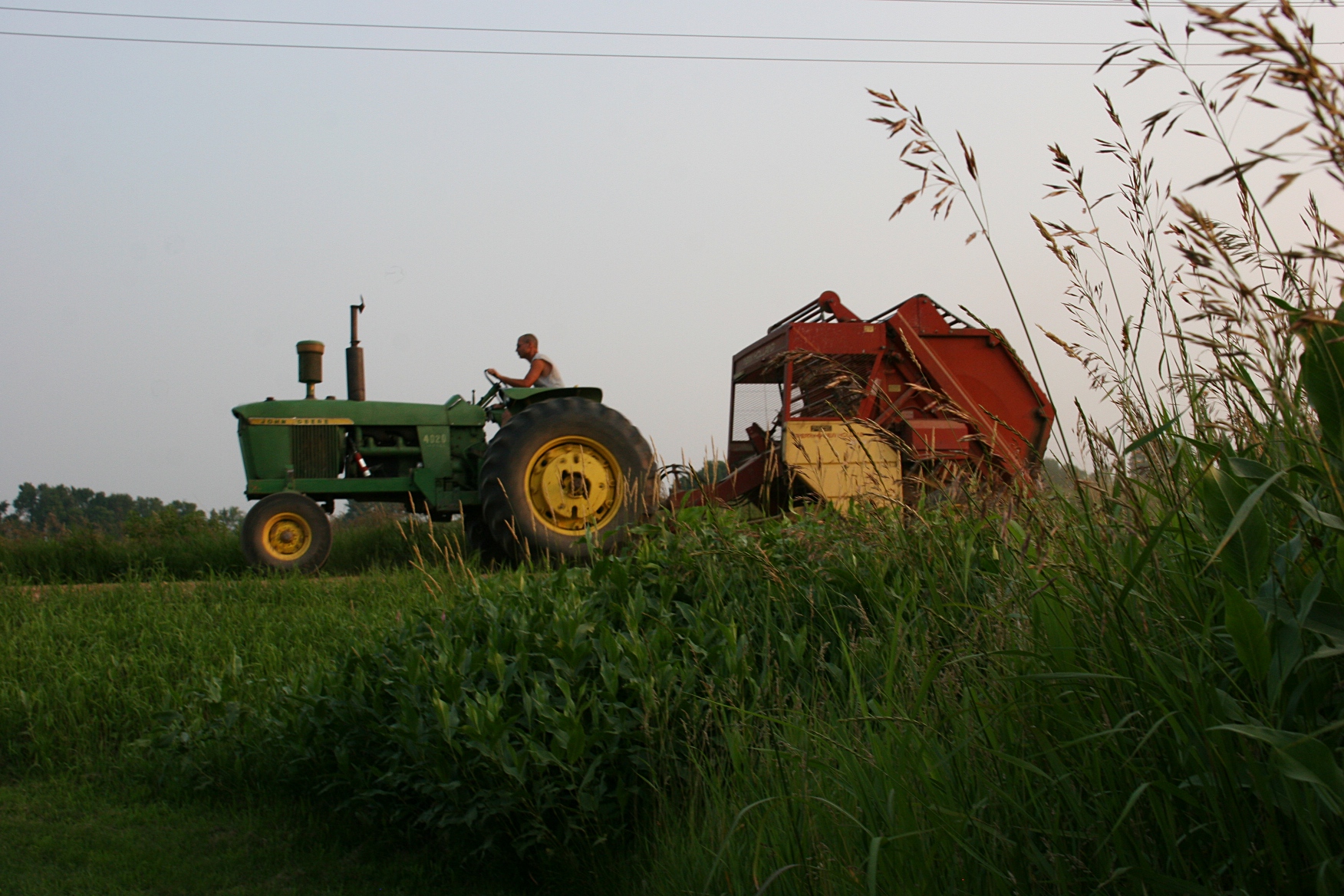
The John Deere tractor roared by my brother's place much of the afternoon

The John Deere tractor roared by my brother’s place much of the afternoon as the farmer baled hay.

Roar of a tractor.

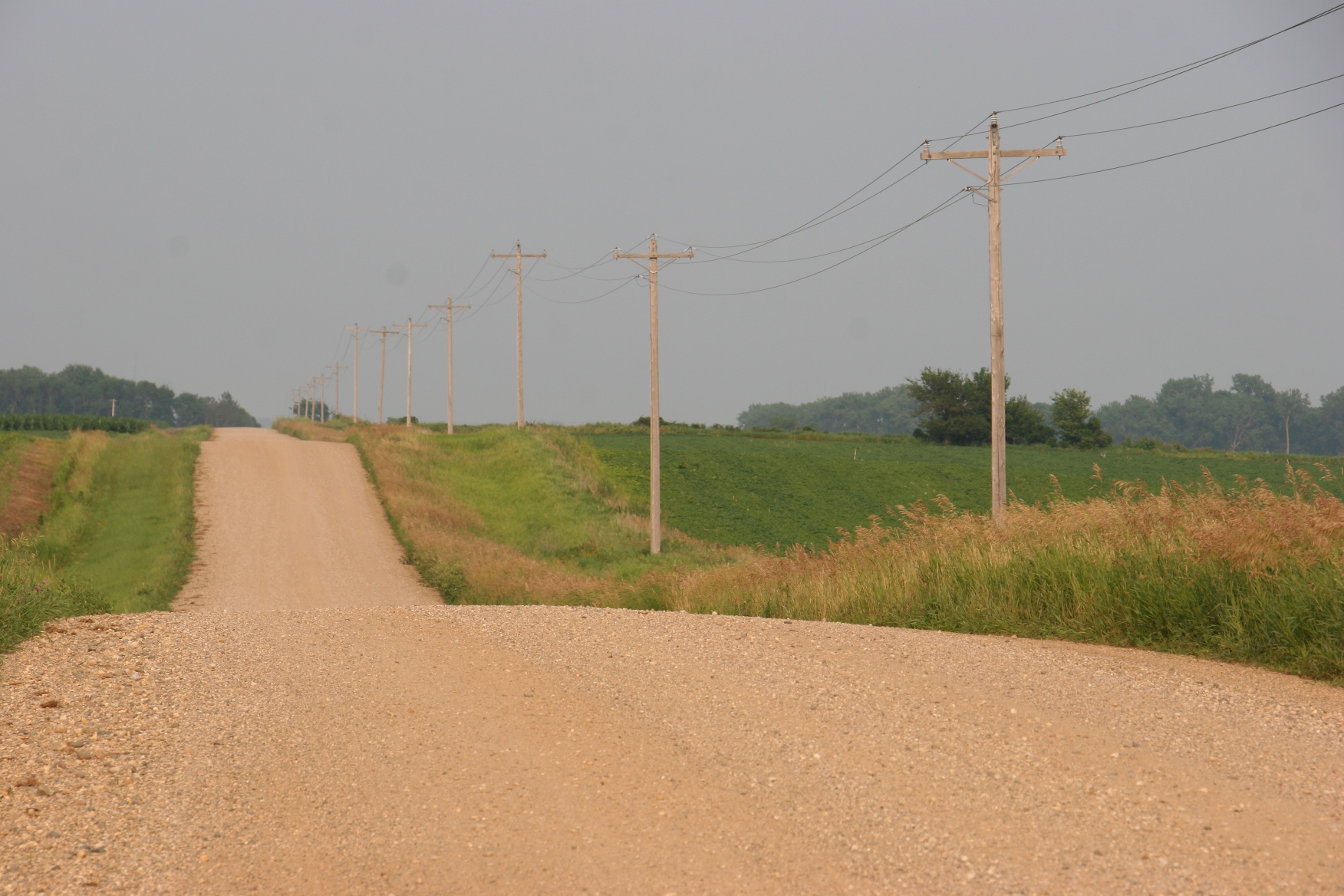
The gravel road that runs past my middle brother's rural acreage just north of Lamberton, Minnesota.

The gravel road that runs past my middle brother’s rural acreage just north of Lamberton.

Crunching of gravel beneath feet.

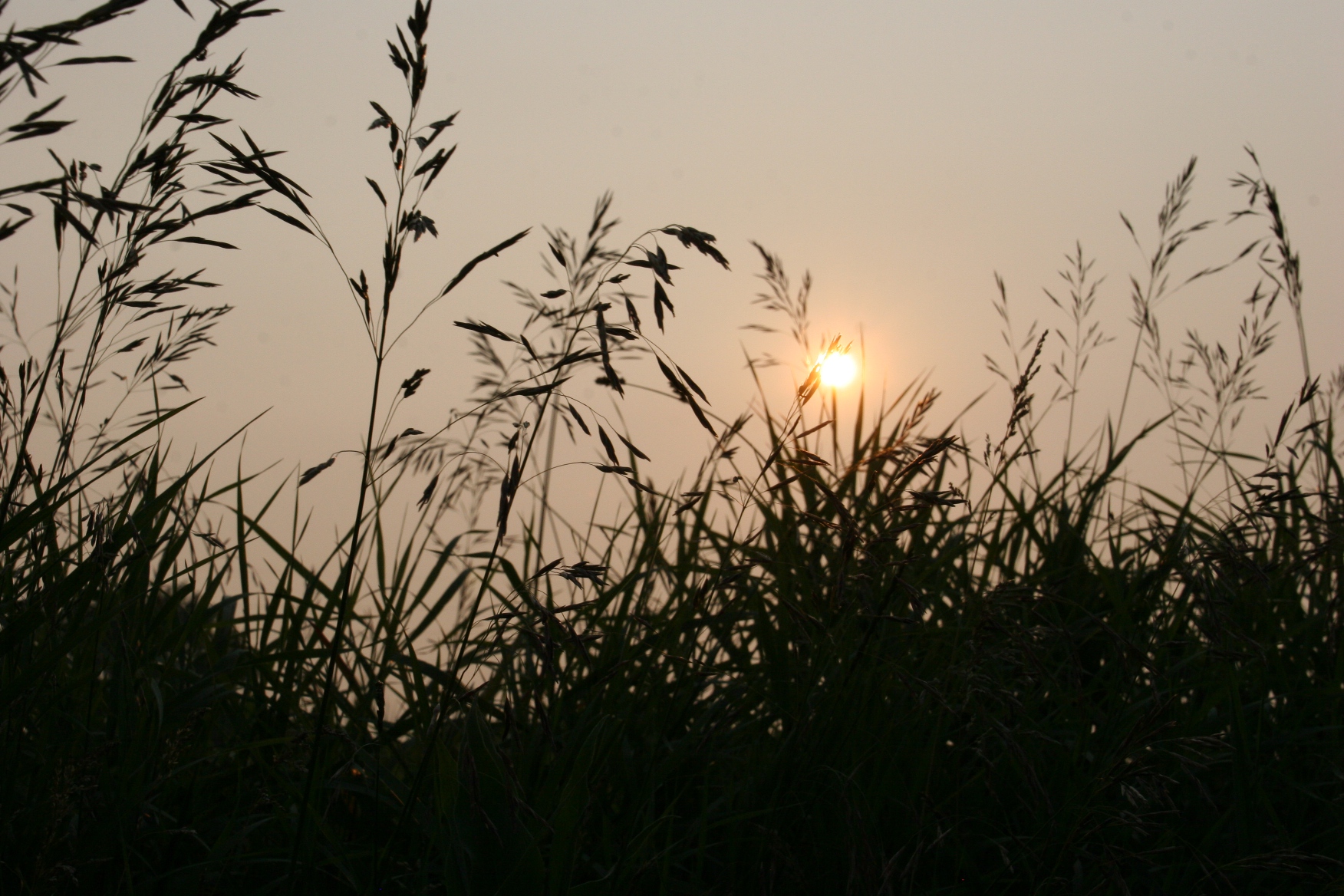
The sun begins to set.

The sun begins to set.

The undeniable serenity that descends with daylight’s impending departure.

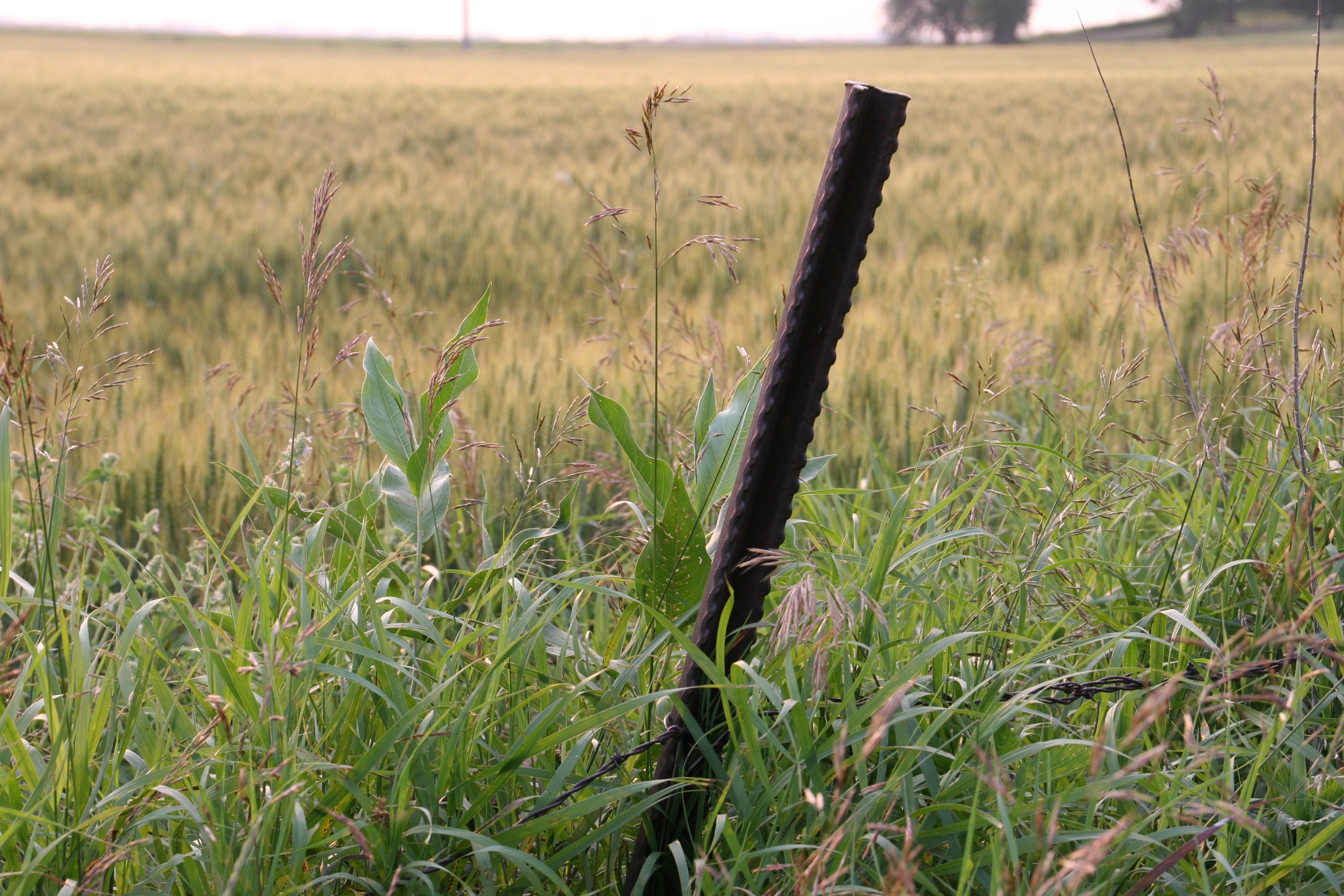
There's something about a leaning fence post that is authentically rural.

There’s something about a leaning fence post that is authentically rural.

Fence posts leaning, sun setting, crops growing. Absence of noise.

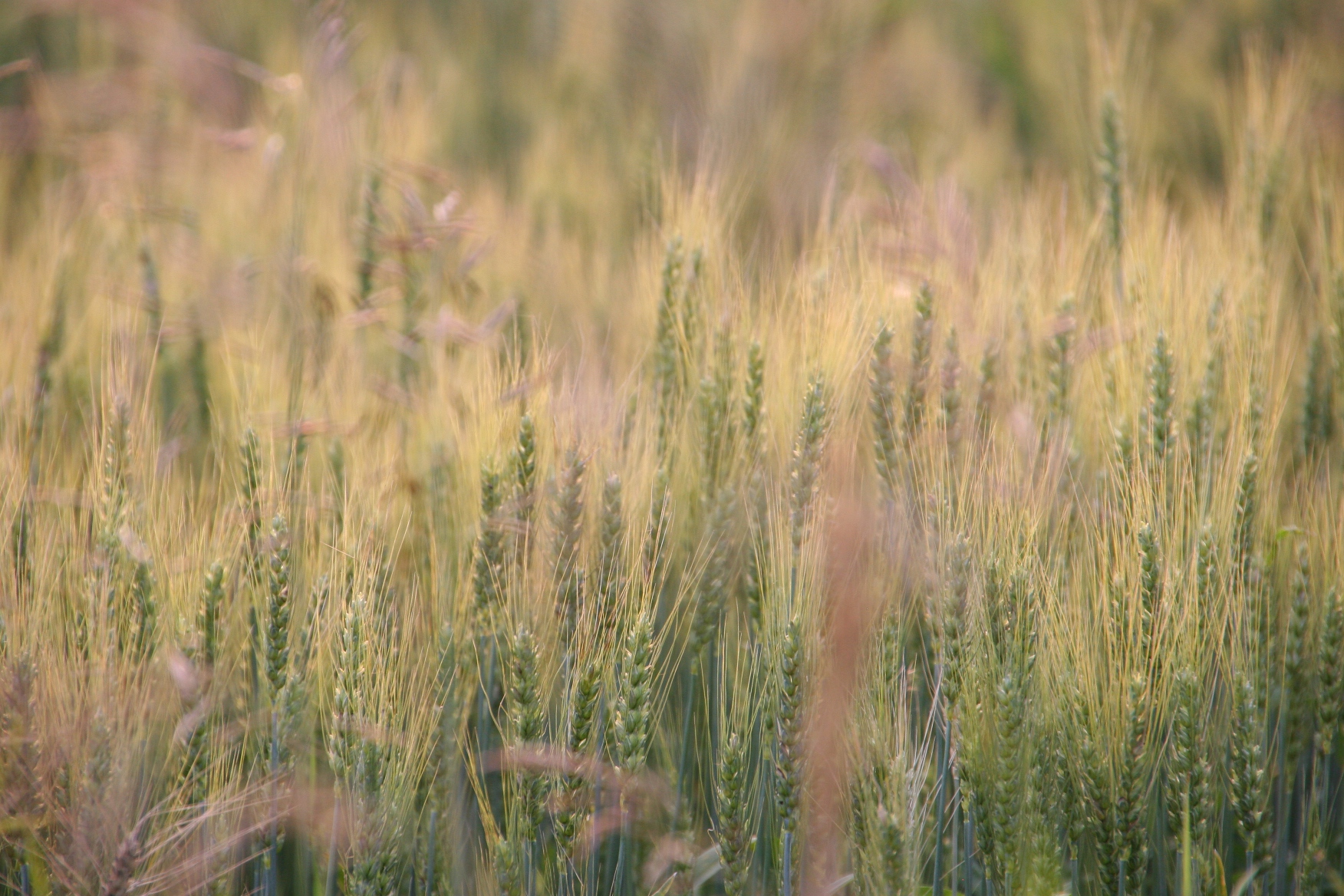
Wheat in the field just across the fence line.

Wheat in the field just across the fence line.

This is enough to hold me, to remind me of my roots, to imprint the poetry of the land upon my soul.

BONUS PHOTOS:

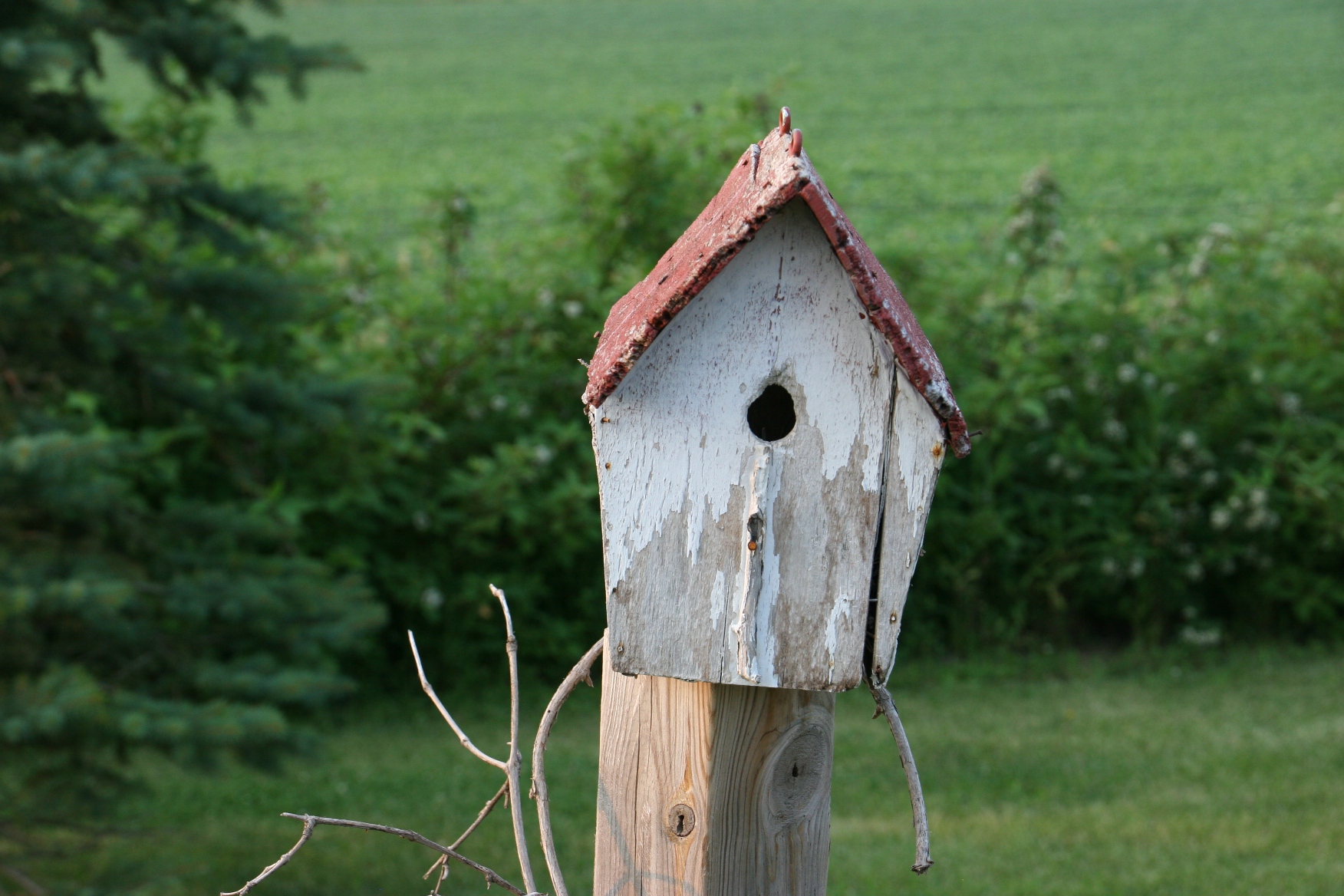
A rural home for the birds.

A rural home for the birds.

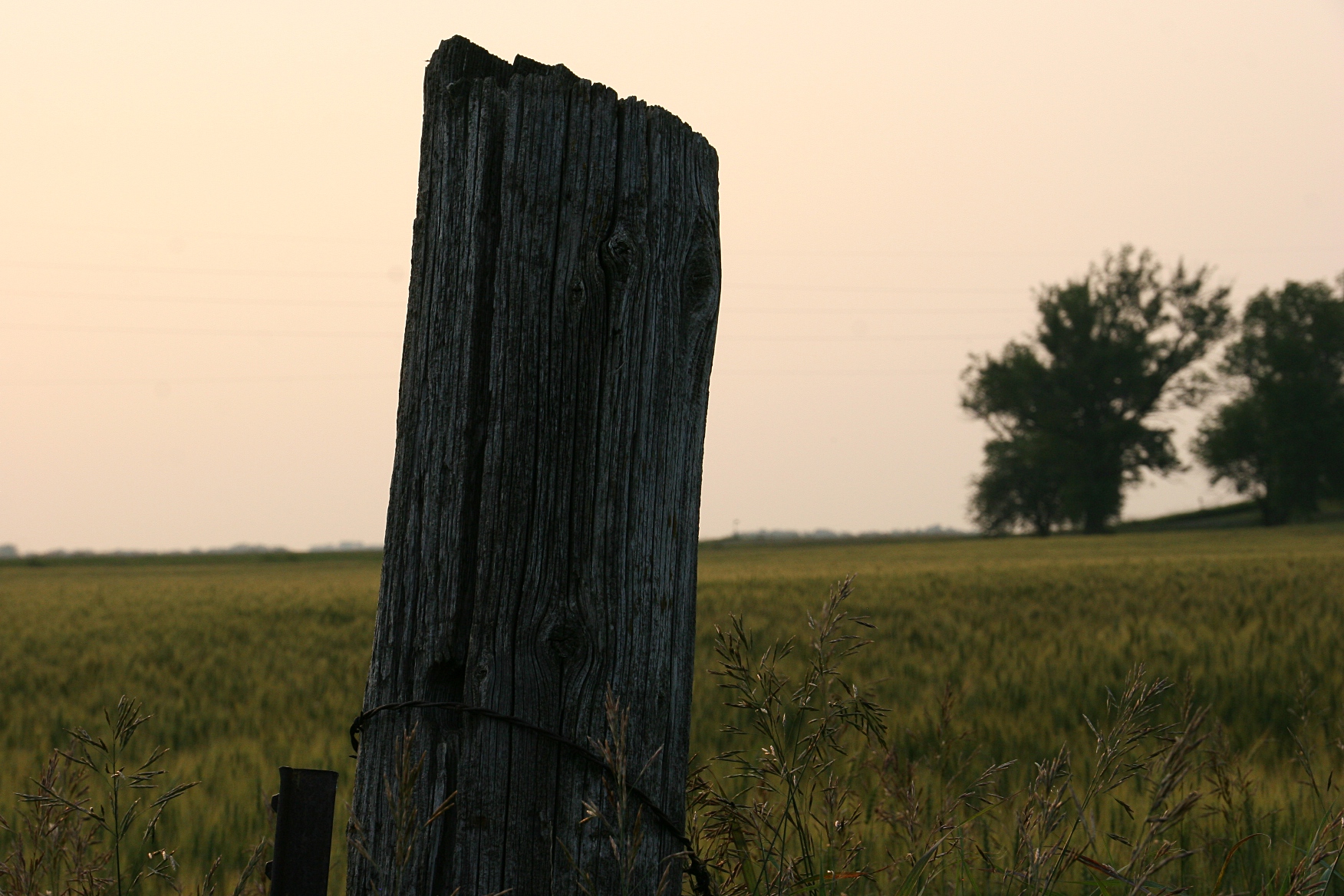
There's something poetic about an old wooden fence post.

There’s something poetic about an old wooden fence post at dusk.

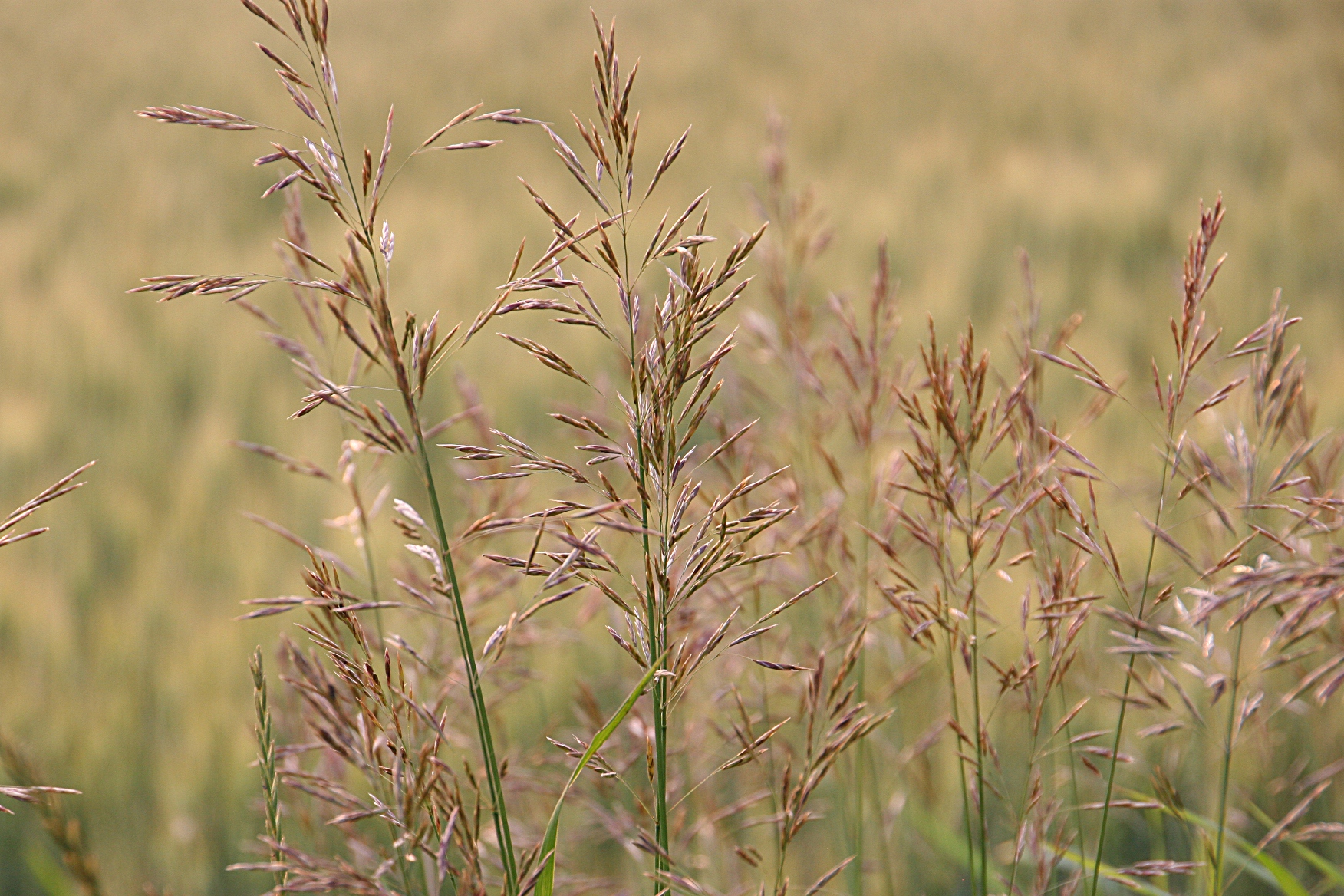
Beautiful brohm grass. As a child, my siblings and I would play make-believe in the tall grass on our farm.

Beautiful brohm grass. As children, my siblings and I would play make-believe in the tall grass on our farm near Vesta.

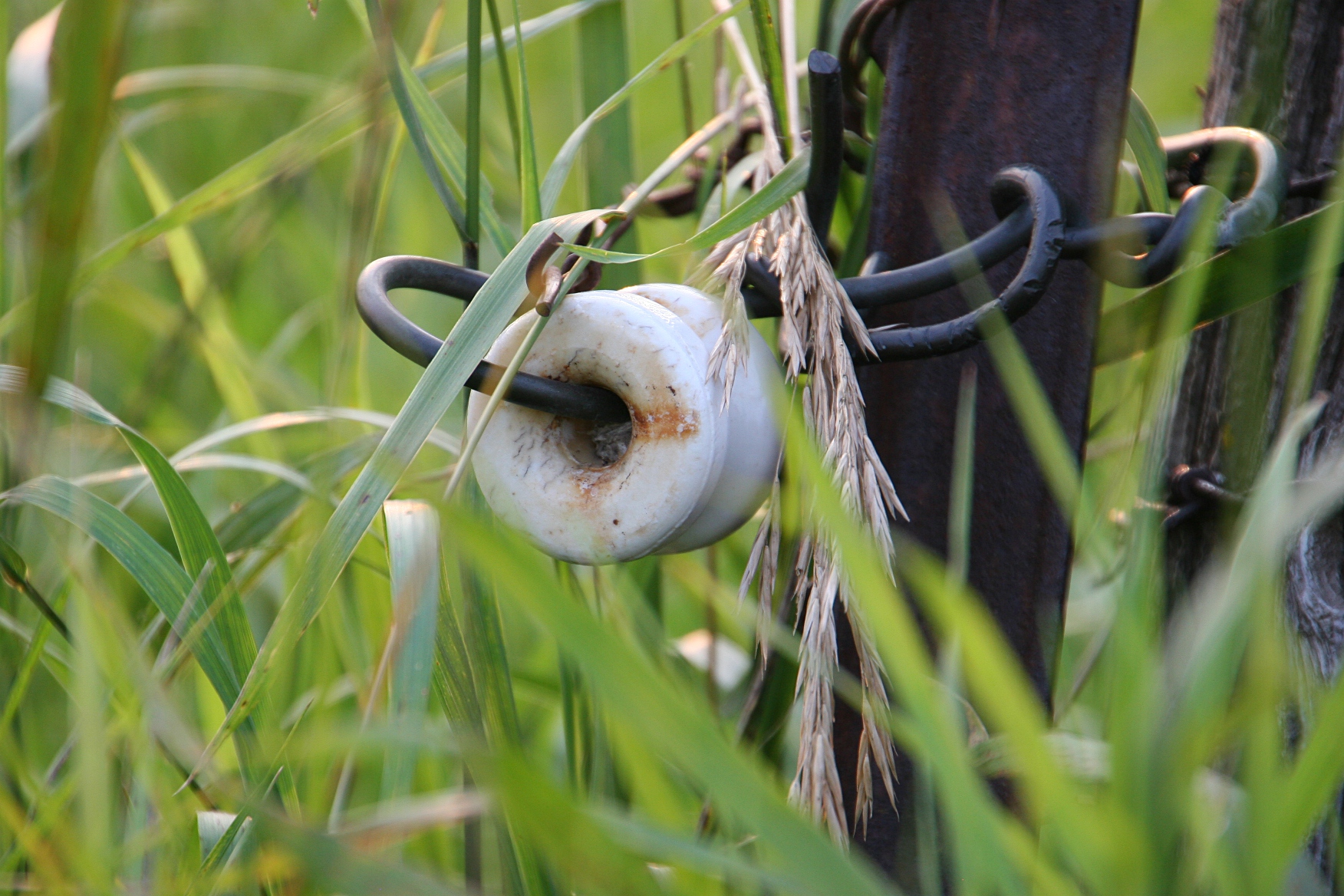
Even the sight of this aged insulator sparks memories.

Even the sight of this aged insulator sparks memories.

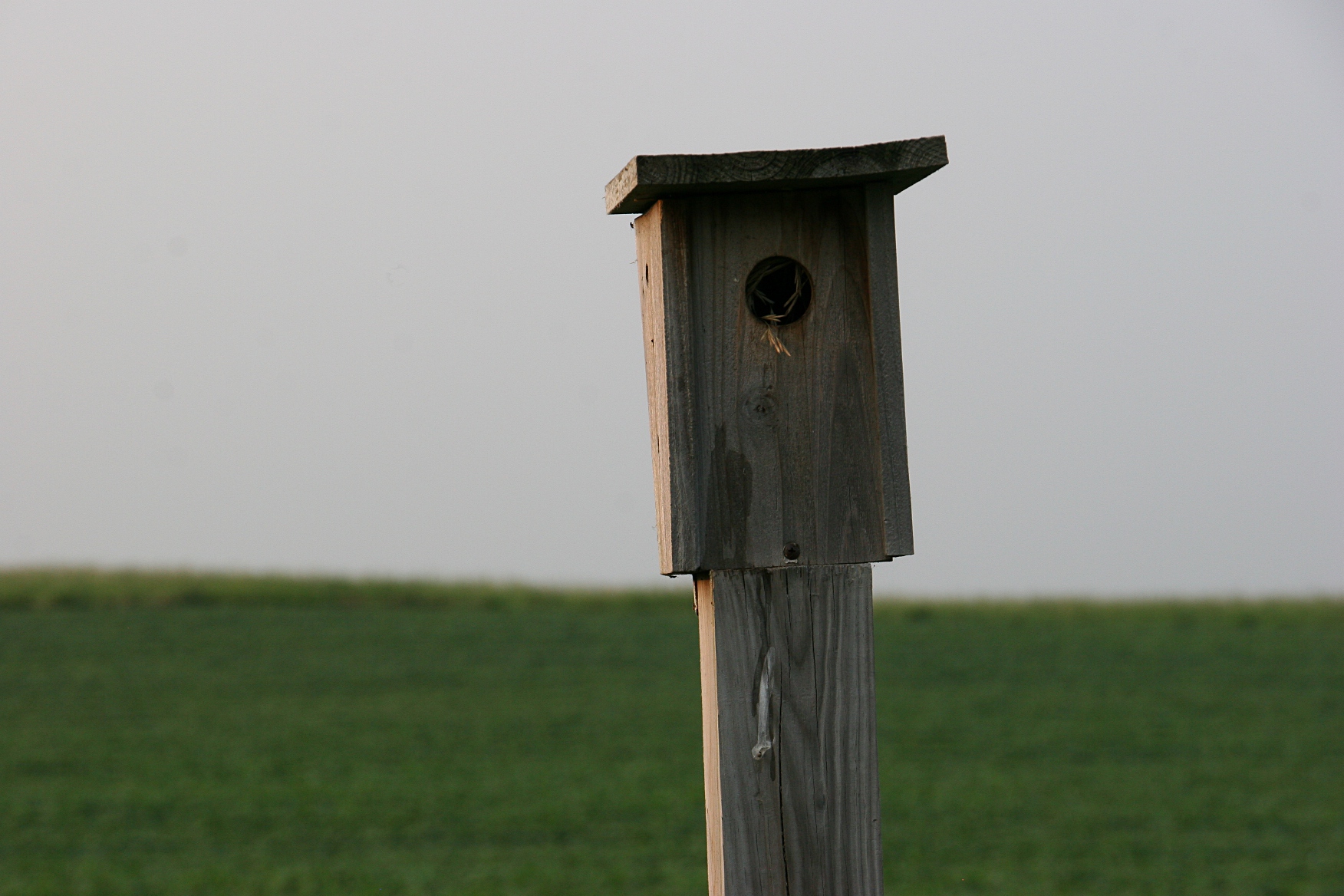
A birdhouse, perfect in its simplicity.

A birdhouse, perfect in its simplicity.

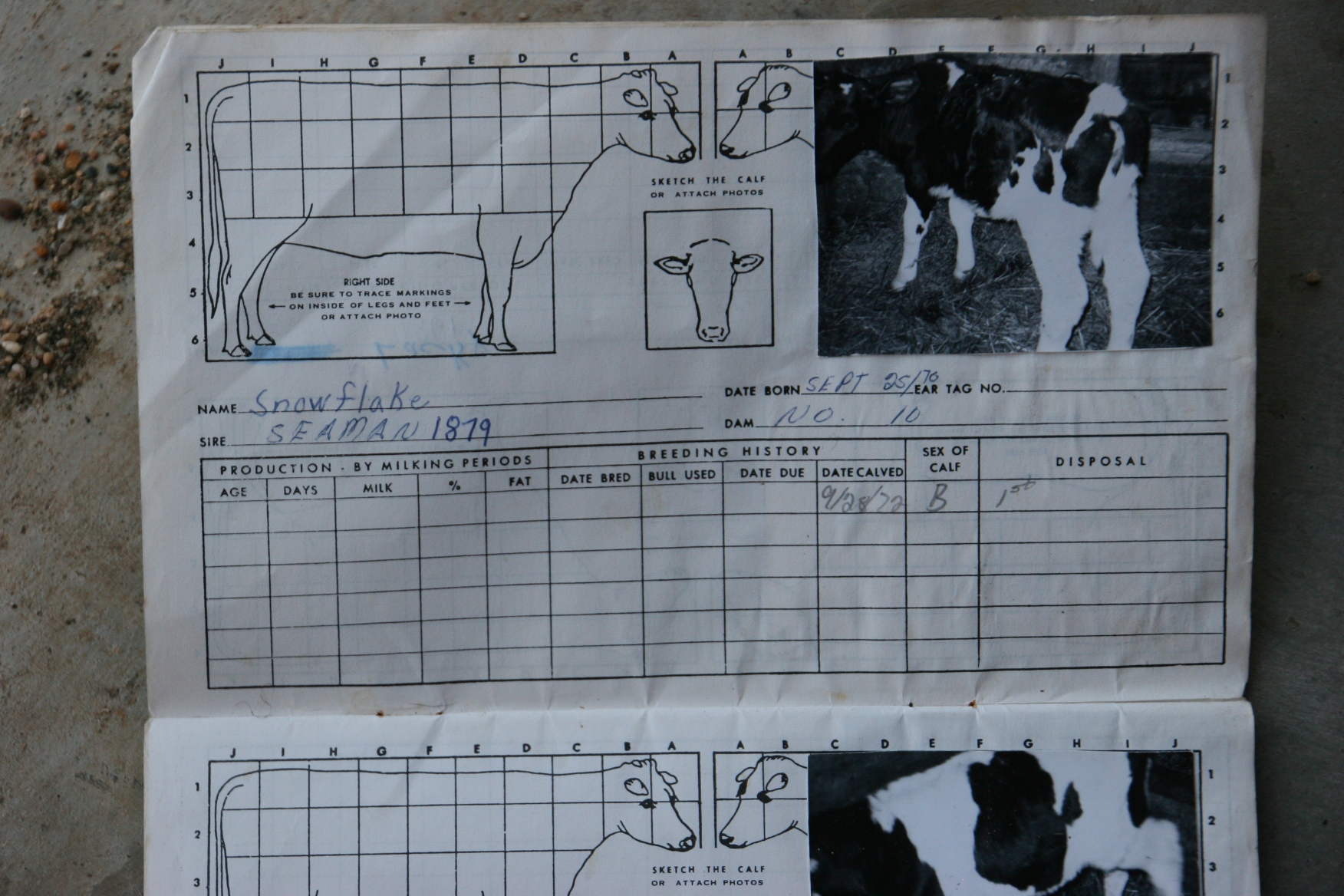
Growing up on our crop and dairy farm, my eldest brother, Doug, photographed the cows and recorded details about them. My middle brother treasures this compilation of information from our farm. And so do I. Memories...

Growing up on our crop and dairy farm, my eldest brother, Doug, photographed the cows and recorded details about them. My middle brother treasures this compilation of information from our farm. And so do I. Memories… Brian showed this to us on our last visit and I considered it important enough to photograph. It is a piece of rural, and family, history.

FYI: All of these photos were taken on the July Fourth weekend.

© Copyright 2015 Audrey Kletscher Helbling
 

Working the land in Shakopee July 13, 2015

Filed under: Uncategorized — Audrey Kletscher Helbling @ 5:00 AM
Tags: , , , , , ,

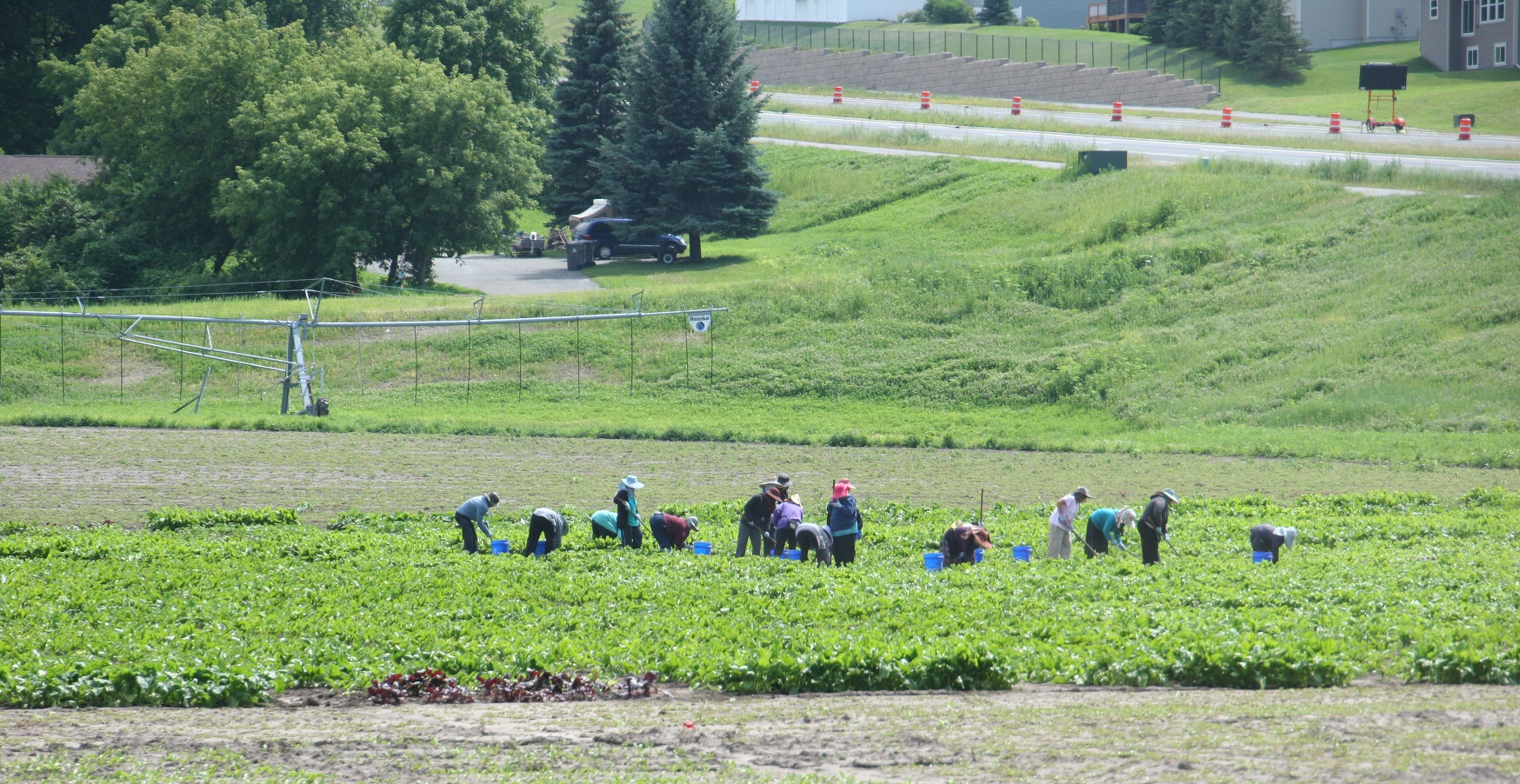
I AM AN IMPRINT OF THE LAND. Rich, black soil under fingernails. Corn stretching high. Cockleburs between soybean rows. Hoe in hand. Back bent, laboring under the sun as heat waves shimmer across fields. Sweat streaming dirt down my face. Relief in the shade of a cottonwood. Lemonade in a Mason jar.

Earth and sun and sky. Southwestern Minnesota.


Working the fields, Shakopee 1


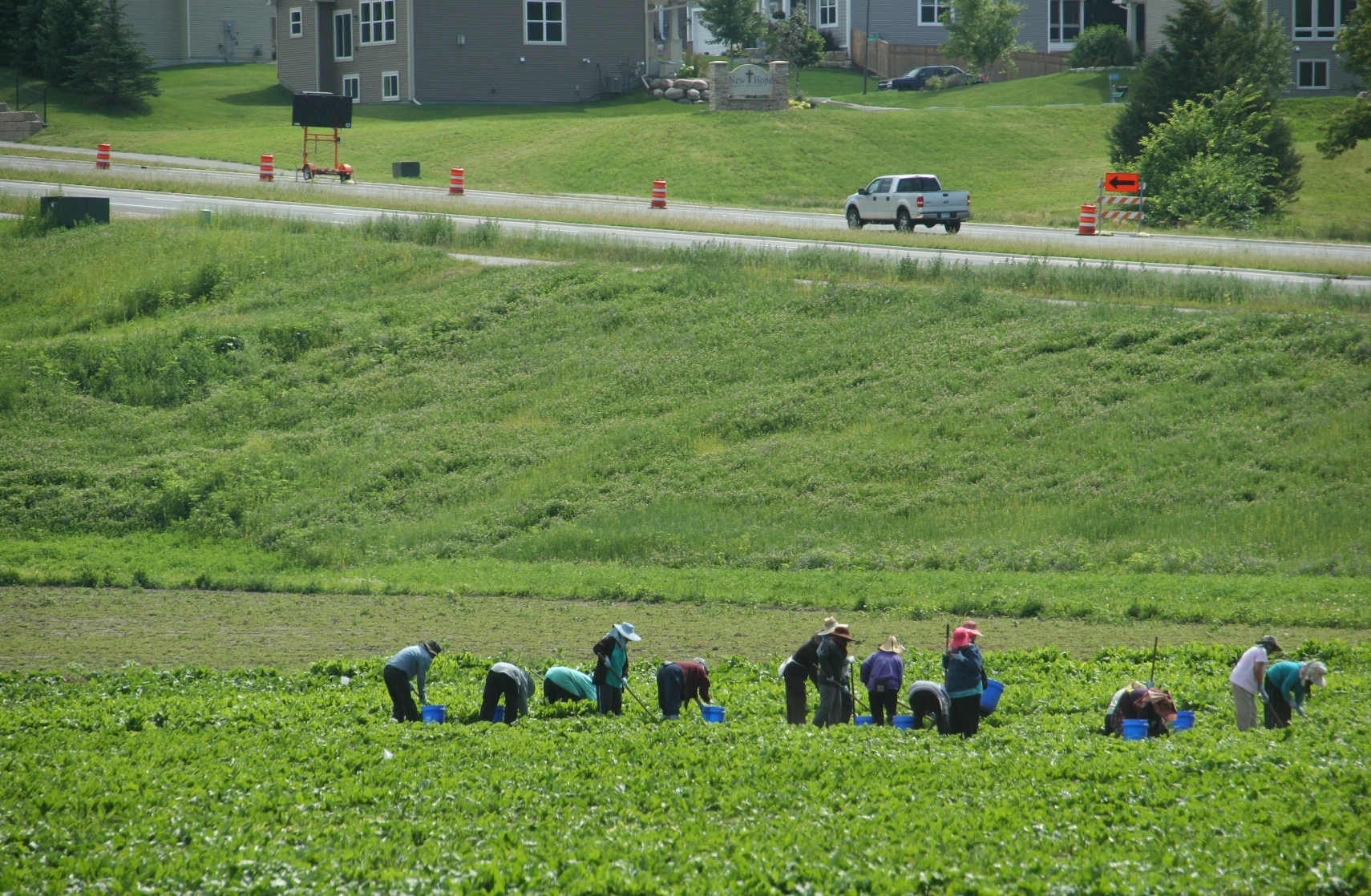
Those memories surfaced when I observed a crew working the land in Shakopee late on a Thursday afternoon in July. The juxtaposition of the field to a new housing development struck me. I didn’t know the identities of the laborers or what they were tending, whether they own this land or others do.


Working the fields in Shakopee 2


But I know this. We share a commonality of connection to the soil. Decades have passed since I detasseled corn, walked beans, hoed the sprawling family garden. Yet, if I look close enough, I see dirt still tracing the creases of my palms.

© Copyright 2015 Audrey Kletscher Helbling
 

Minnesota Faces: A Dairy Princess June 12, 2015

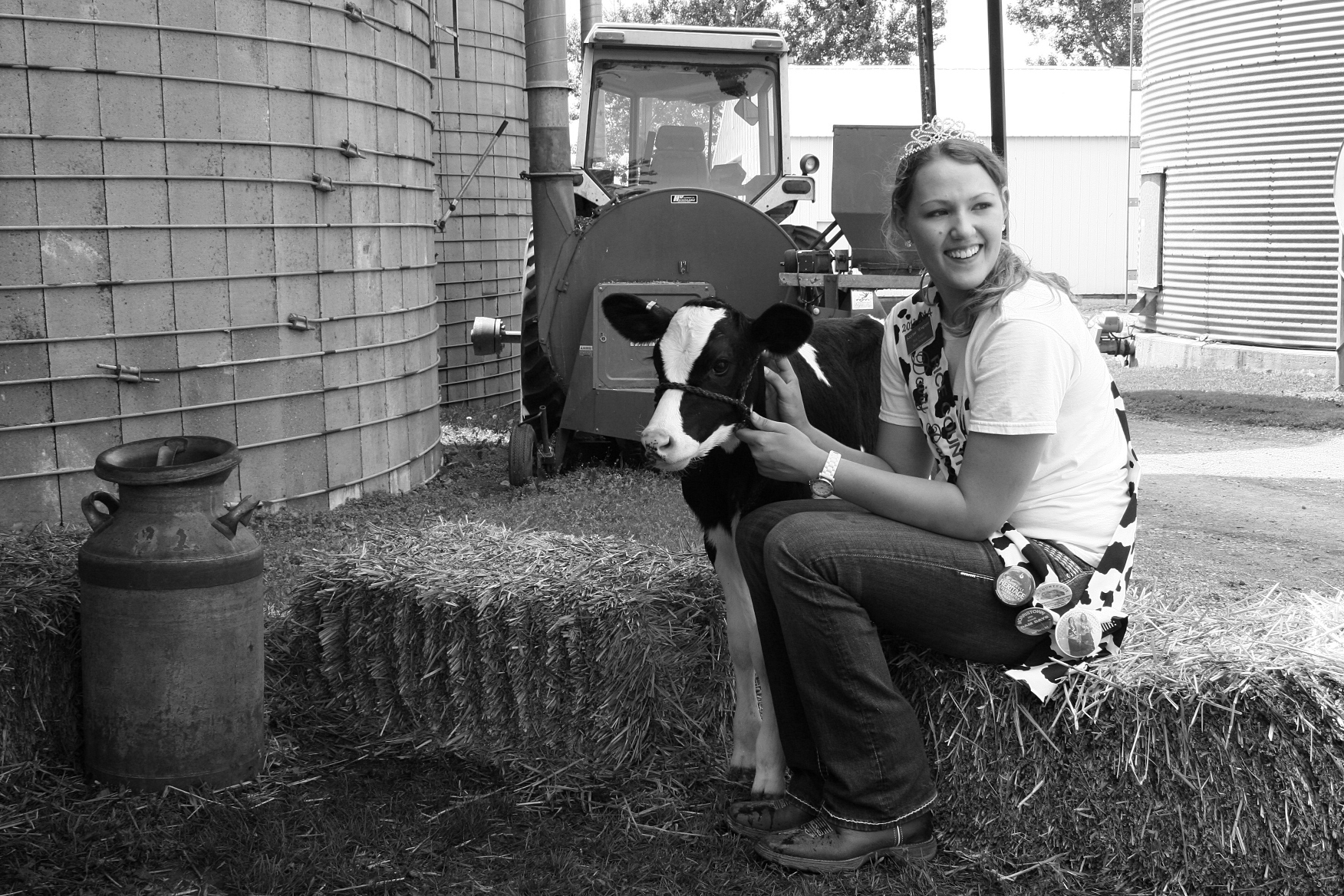
Portrait #27: Kaylee Wegner


Portrait 27, Kaylee Wegner


That young people are still interested in agriculture pleases me, for I grew up on a southwestern Minnesota dairy and crop farm.

While I left the farm for an education and career in journalism, youth like Kaylee Wegner have remained true to their rural roots. I’ve known Kaylee, a classmate of my son, for a long time. She’s smart, poised, confident, driven and passionate about agriculture. This fall she begins her senior year at South Dakota State University, pursuing a bachelor of science degree in dairy production.

I last spoke with Kaylee in June of 2013 when her parents, Ron and Diane (about as salt-of-the-earth wonderful people as you’ll ever meet), hosted “A Day on the Farm” at their rural Faribault acreage. Kaylee and her older sister, Brianna, were there, too, actively involved in the event that drew some 600 visitors. Kaylee, then a Rice County Dairy Princess, posed for photos with a calf and kids. I could see how much she loved promoting the dairy industry.

Since 1937, June Dairy Month has been an annual tradition celebrating all things dairy. When you pour yourself a glass of milk, order a cheeseburger or enjoy an ice cream cone, think of Kaylee and all the other young people who still care about, and are the future of, agriculture.

#

This is part of a series, Minnesota Faces, featured every Friday on Minnesota Prairie Roots.

© Copyright 2015 Audrey Kletscher Helbling
 

Spring in rural Minnesota: The greening of the grey May 7, 2015

Filed under: Uncategorized — Audrey Kletscher Helbling @ 5:00 AM
Tags: , , , , , , ,

I DON’T KNOW IF ANY GREEN is more vibrant than that of spring, especially here in rural Minnesota.

A scene photographed from Rice County Road 15 between Faribault and Morristown, Minnesota.

A rural scene photographed from Rice County Road 15 between Faribault and Morristown, Minnesota.

Green in the landscape after months of grey and white and black dances a visual delight. It’s as if our eyes cannot get enough of lush green grass and the tight buds of leaves unfurling in flashes of green that sway to the rhythm of the wind.

Farmers, such as this one near Wanamingo, are working the land and planting.

Farmers, such as this one near Wanamingo, are working the land and planting.

Soon seeds sown into black earth will erupt in rows of corn and soybeans like a precision marching band overtaking fields.

harvest

A dryer and bin on a rural Rice County, Minnesota, farm await the 2015 harvest about a half a year away.

The beat of the seasons begins. Planting into growing into harvest. A familiar rhythm in this land I love.

© Copyright 2015 Audrey Kletscher Helbling
 

A photo documentary of Minnesota barns & thoughts on their demise April 16, 2015

Barn, 7 se MN


BARNS ONCE SHELTERED cows, pigs, sheep, a farmer’s livelihood. Some still do. But most don’t.


Barn, 14 se MN


Today all too many barns stand empty of animals and are used instead for storage of recreational vehicles and other possessions. Others are simply slumping into heaps, like rotting carcasses with backbones exposed.


Barn, 10 se MN


I fear barns will soon become memories rather than strongholds, symbols, anchors of farm sites. Their demise has been steady, sure. I see it every time I drive through the Minnesota countryside. Empty barns. Weathered siding. Curling shingles. Boarded windows. Weeds overtaking former cow yards.


Barn, 15 se MN


I understand the financial burden of keeping up these massive structures. Sometimes it just is not in the budget to maintain a barn that provides zero income.


Barn, 11 se MN


Back in the day when I rolled a wheelbarrow brimming with ground feed down the barn aisle, forked straw onto cement for cow’s bedding, shoved manure into the gutter, dodged streams of hot cow pee, shoveled pungent silage before stanchions, the barn and associated source of revenue were more important than the house. Long before my childhood home had an indoor bathroom, the barn had a gutter cleaner.


Barn, 18 se MN


Times have changed. Many farmers no longer raise cattle or hogs or milk cows. They plant cash crops and work off the farm.


Barn, 19 se MN


And so days and weeks and months and years pass and the empty barns, without the humid warmth of animals, without the daily care of the farmer, without the heartbeat of life, begin to die.


Barn, 21 se MN


Except for those that are saved.


Barn, 9 se MN


FYI: All of these barns were photographed in southeastern Minnesota, mostly around Pine Island and Oronoco.

Click here to learn about Friends of Minnesota Barns, a non-profit dedicated to celebrating and preserving Minnesota’s rural heritage.

© Copyright 2015 Audrey Kletscher Helbling
 

The pick-up truck March 23, 2015

Filed under: Uncategorized — Audrey Kletscher Helbling @ 5:00 AM
Tags: , , , , , , , , ,
The pick-up truck that inspired this most, photographed Saturday afternoon in West Concord.

The pick-up truck that inspired this post, photographed Saturday afternoon in West Concord, Minnesota.

IT’S ICONIC SMALL TOWN. The pick-up truck parked along Main Street within view of the grain elevator.

By my definition, a pick-up serves as a farmer’s all-purpose vehicle. Bags of seed corn piled in the back. Squealing pigs penned for market. Fence posts slid across the bed. Must-have auction purchases tossed in the back.

My image is based upon memory. Yesteryear. My Dad’s red-and-white 1960s vintage pick-up, replaced later by a newer one.

This is a late 1960s Chevy.

This is a late 1960s Chevy.

You can have your shiny new hulking pick-up trucks. I’ll take those aged by history—by the weight of a farmer sliding onto a cracked seat, springs groaning, his seed corn cap nearly brushing the cab interior.

Farmer or not, I don't know. But I told this guy I liked his truck. He bellowed out a big, "Thank you" before firing up the truck.

Farmer or not, I don’t know. But I told this guy I liked his truck. He bellowed out a big, “Thank you” before firing up his unmuffled truck. And just as I shot this frame, a much newer pick-up truck rounded the corner behind him.

I’ll take muddy Red Wings planted on floorboards, grease-stained fingers gripping the steering wheel, smell of cows lingering.

Roll down the windows to the wind. Crank the radio to ‘CCO. Bounce along the gravel road, dust rolling behind in a cloud.

© Copyright 2015 Audrey Kletscher Helbling
 

The yellow barn January 7, 2015

Filed under: Uncategorized — Audrey Kletscher Helbling @ 5:00 AM
Tags: , , , , ,

INITIALLY, THE HUE caused me consternation. Who paints a barn yellow? Red, or perhaps grey or white, should define agrarian buildings.

Near Nerstrand, Minnesota.

Near Nerstrand, Minnesota. Minnesota Prairie Roots file photo.

But the more I study this photo, the more the color appeals to me. Creamy pale yellow, the shade of butter, seems fitting for a building which sheltered, maybe still does, cows and perhaps a myriad of other farm animals.

The hue, too, accents the foundation of locally-quarried limestone. There’s something about a stone barn foundation that portrays strength and history and hard work. Just imagine the time and effort invested and muscles used.

Duo silos flank the barn like soldiers in steely grey uniforms, always at the ready.

This scene pleases me. Every barn, no matter its color, deserves to stand, guarded against the assaults of time and weather and so-called progress.

Of that I am certain.

© Copyright 2014 Audrey Kletscher Helbling
 

Rural gratitude December 1, 2014

Filed under: Uncategorized — Audrey Kletscher Helbling @ 5:00 AM
Tags: , , , , , , ,

ON THANKSGIVING MORNING, between Zumbrota and Pine Island along U.S. Highway 52, I spotted this message:


Thank a farmer, along US Hwy 52


And I thought how good that this farmer would remind us of his labor, of the crops he grows and the animals he raises, and of the food that sustains us.

Copyright 2014 Audrey Kletscher Helbling


Abandoned November 10, 2014

Filed under: Uncategorized — Audrey Kletscher Helbling @ 6:00 AM
Tags: , , , , ,

DO YOU EVER WONDER, as I do, about the history of a place?

Look at this old farm site in the area of Ellsworth in western Wisconsin:


Rural, old farmstead


Imagine the farmer who settled here, proud to own a piece of land. Consider how he labored to build a barn and a house and then erected a windmill.

The windmill once stood proud, fins catching the wind, providing energy to pump water from the well. An old pump remains dwarfed in the presence of the now bladeless windmill.
The barn, with numerous additions, seemingly defies age in her strong, straight rooflines. But her windows are boarded, her roof rusted.

Mismatch of fence panels askew presents a certain disconnected visual chaos.

Was it illness or lack of money or a non-caring attitude or none of the above that caused this farm site to fall into disrepair and apparent abandonment?
What happened to the house? Who drove the vintage car? Where are the horses? So many questions and no answers.

The place is for sale, or maybe it’s just the car and/or manure spreader.

What is the story of this farm? Every place, every person, writes a story.

© Copyright 2014 Audrey Kletscher Helbling