Minnesota Prairie Roots

Writing and photography by Audrey Kletscher Helbling

From the strange, but true: Coyotes for a cause January 26, 2018

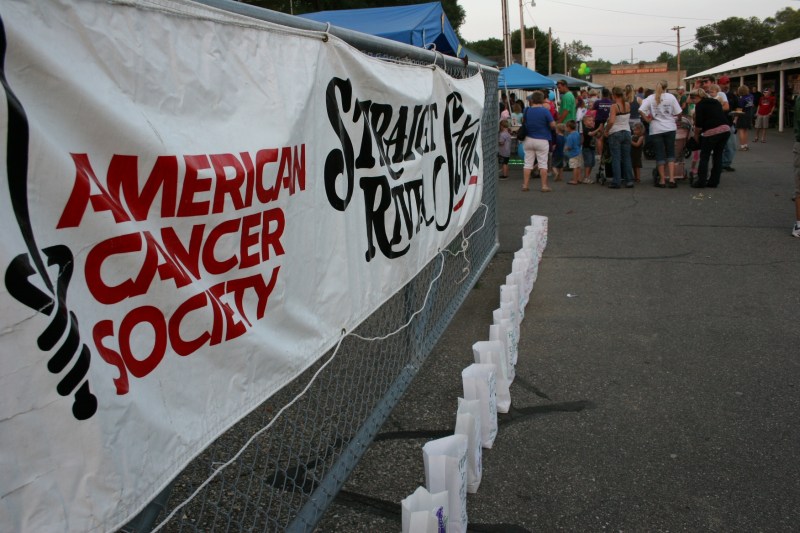
Thousands gather each summer in Faribault for the Straight River Stroll to raise funds for cancer research and to remember, celebrate and pray for those touched by cancer. Minnesota Prairie Roots file photo 2010.


WHEN IT COMES TO RAISING money for cancer research and cancer support groups, I typically think of a cancer walk, silent auction or such. Not a hunt.
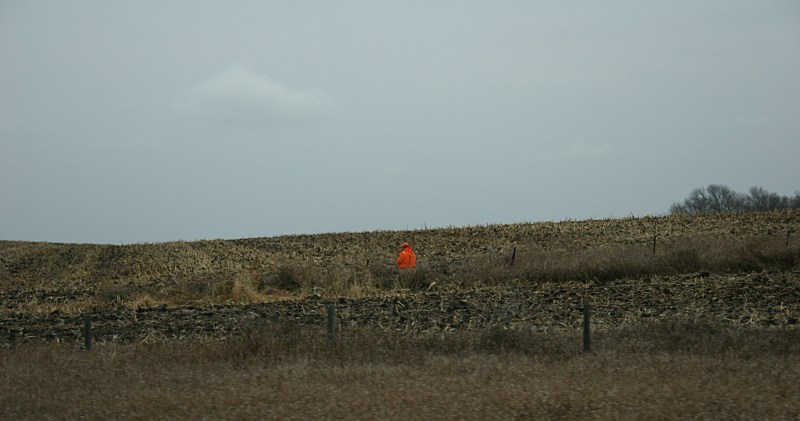
 

A hunter in a Minnesota field, used here for illustration purposes only. Minnesota Prairie Roots file photo.


But a group in Blooming Prairie—just south of Owatonna—has organized the 1st Annual Coyotes “Fur” Cancer Fundraiser for this Saturday, January 27. A coyote hunt (yes, you read that right) coupled with a chili and soup feed, and a raffle will raise monies to help locals dealing with cancer.

On its Facebook page, event host The Cue Company restaurant promotes the fundraiser:

Enjoy the day by hunting coyotes with your comrades in your personal favorite spots. At dark bring all your coyotes to the back parking lot of The Blooming Prairie Cue Company for a group hunting picture. All coyotes will be collected and sold to a fur buyer with the profits being donated to The Blooming Prairie Cancer Group.
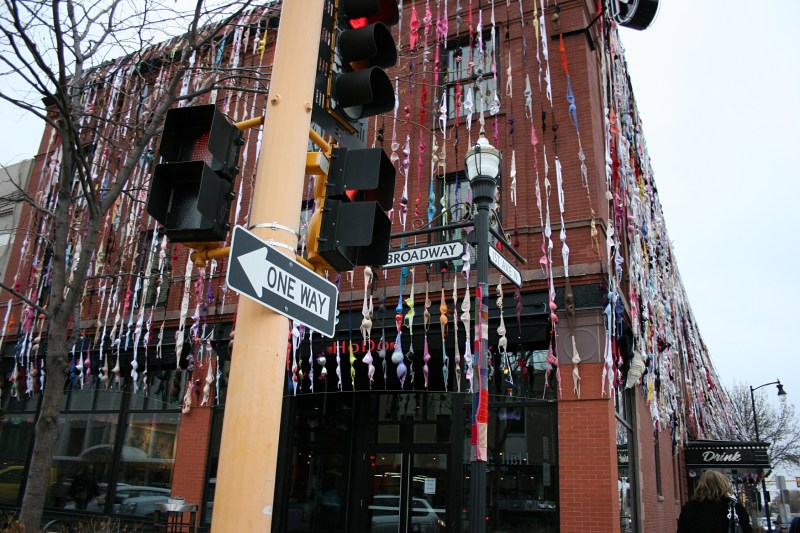
 

I photographed these bras dangling from Hotel Donaldson in downtown Fargo, North Dakota. “Bras on Broadway” raises funds for those fighting breast cancer and for the American Cancer Society. I like this creative idea to raise funds and awareness. Minnesota Prairie Roots file photo 2012.


Alright then. That’s certainly a creative idea, but not one which appeals to me personally. I do, though, appreciate the efforts of organizers and the end goal.
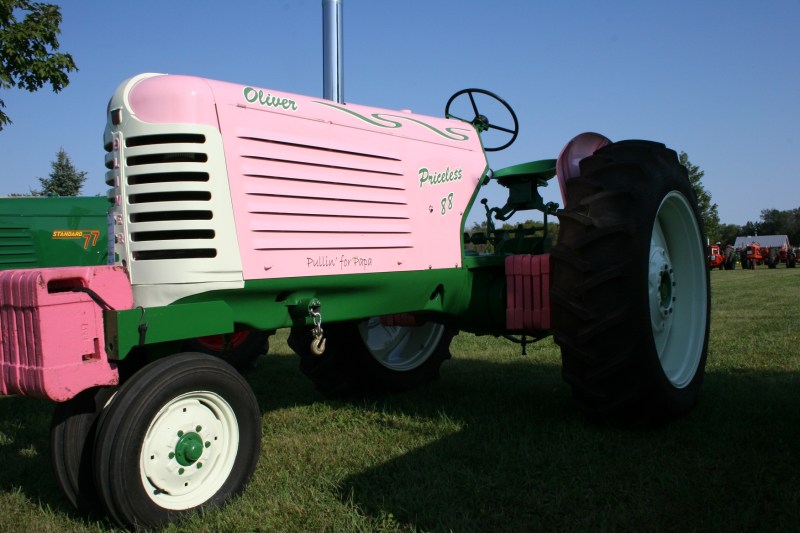
 

At the Rice County Steam and Gas Engines Show, this John Deere tractor helped raise cancer awareness. Minnesota Prairie Roots file photo 2011.


Coyotes, by the way, are not a protected animal in Minnesota. They are, according to the Minnesota Department of Natural Resources, our state’s most abundant large predator. About 4,000 are shot or trapped here annually for their fur, described by the DNR as soft, warm and luxurious.
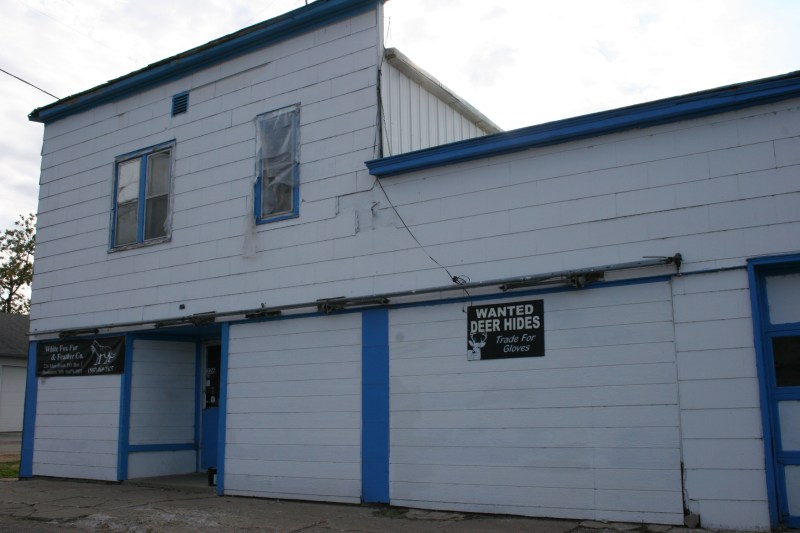
 

I’m uncertain whether White Fox Fur & Feather Company in Pemberton buys coyote pelts. But when I photographed the business in 2010, the company was looking for deer hides. Minnesota Prairie Roots file photo 2010.


I realize the threat coyotes pose to livestock and other animals. I’m struggling, though, with hunting coyotes as a fundraiser. It’s certainly a novel, attention-getting idea, but…

THOUGHTS?

UPDATE, 1:30 pm Wednesday, January 31, 2018: The Coyotes “Fur” Cancer Fundraiser raised $17,000 and counting, according to an article published in The Owatonna People’s Press. That far surpassed the goal of $2,000 – $5,000. Six hunting parties killed 24 coyotes. The animals’ fur will be sold with proceeds directed to The Blooming Prairie Cancer Group. Additional monies raised at the event came from a raffle, silent auction and chili and soup feed.

© Copyright 2018 Audrey Kletscher Helbling


Poster art showcases Faribault’s historic architecture December 9, 2016

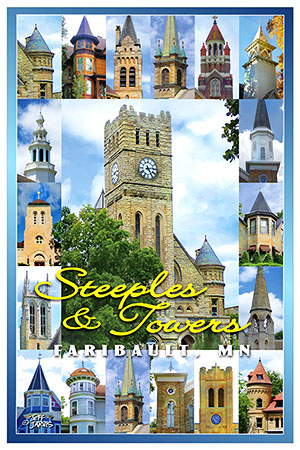
TRAVEL WEST ACROSS the Highway 60 viaduct toward downtown Faribault and you likely will notice the steeples and towers poking above the landscape. Just like on the eastern side of my Minnesota community, these punctuating structures mark numerous historic buildings.


Layout 1


Now Jeff Jarvis, a local historian and artist who works as the City of Faribault’s community enrichment coordinator, has created Steeples & Towers, a photo montage. For a donation to the Concerts in the Park fund, you can purchase this 12 x 18-inch poster featuring 18 spires on educational, religious and residential structures. Places like the Cathedral of Our Merciful Saviour, the Hutchinson House, Buckham Memorial Library.

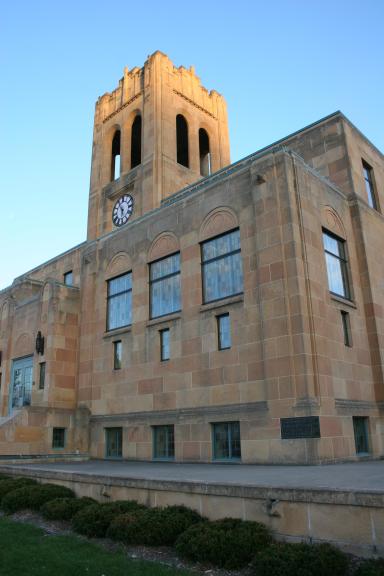
Buckham Memorial Library, Faribault, was built in 1929 with a Greek theme. Interior features include a Charles Connick stained glass window and Greek murals.

Buckham Memorial Library, Faribault, was built in 1929 with a Greek theme. Interior features include a Charles Connick stained glass window and Greek murals. Minnesota Prairie Roots file photo.

I’ve long valued the detailed architecture that defines so many aged buildings in Faribault. Jeff’s targeted and documented Steeples & Towers poster art heightens that appreciation and focuses awareness. “How dreary buildings would be if they were all square boxes,” he notes.

I agree.


Layout 1


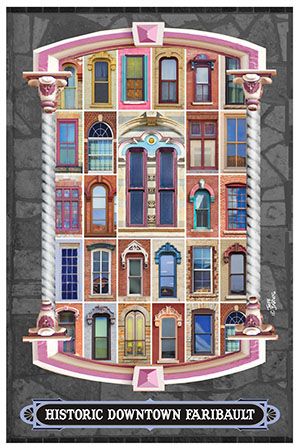
Likewise, Jeff’s artistic eye and historic awareness drew him to photograph 27 windows in historic downtown Faribault. Places like the Alexander Faribault House, the Fleckenstein Building, the post office. He’s created a Historic Downtown Faribault Windows poster, also available for purchase via a donation.

He writes:

The inspiration to do the windows downtown came initially from reading signs placed in the empty downtown buildings—“This building is not empty; it’s full of opportunity.” Reading these struck me as funny. From my point of view as an artist, I see the beauty of the intact architecture and the variety of exterior colors. It seems backward, but to me a full store is almost secondary.

The prize is being able to stroll about in respect and appreciation of the historic district. I see and imagine the stories hidden behind the facades—the limestone backsides, the alleyways with faded vintage lettering, and the add-ons that can be viewed if you look closely.

Of course, there are lots of metaphors or idioms about windows that are fun that could apply to the downtown situation like “God closes a door, then opens a window,” etc. The project itself was like seizing a window of opportunity to teach others to quit quibbling about downtown—to turn their focus instead to one of the lovelier features in town.

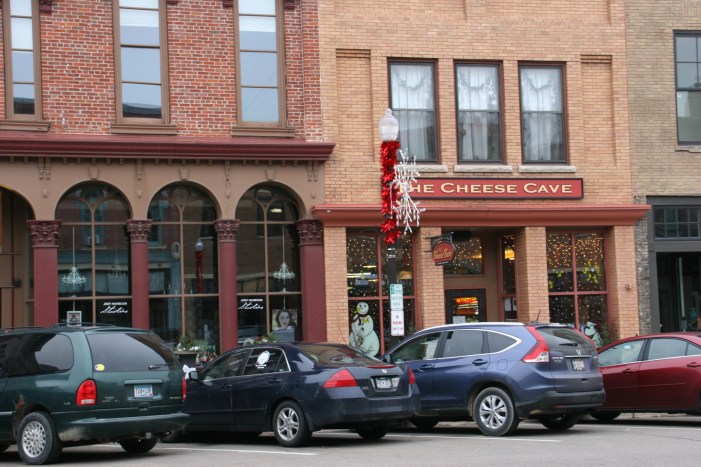
Historic buildings in downtown Faribault are decorated for the holiday season.

Restored historic buildings in downtown Faribault decorated during a past holiday season. Minnesota Prairie Roots file photo.

Jeff has it right. As a community, we need to seriously appreciate the aesthetic and historical value of the many old buildings that stand in and near the heart of the downtown and elsewhere throughout Faribault. I’m not saying that appreciation hasn’t existed. It has as evidenced in the restoration of many historic buildings, the existence of the Faribault Heritage Preservation Commission, the current interest in possible Artspace development and more. But sometimes we get sidetracked, too often complaining about perceived problems or what we don’t have rather than valuing what we do have.

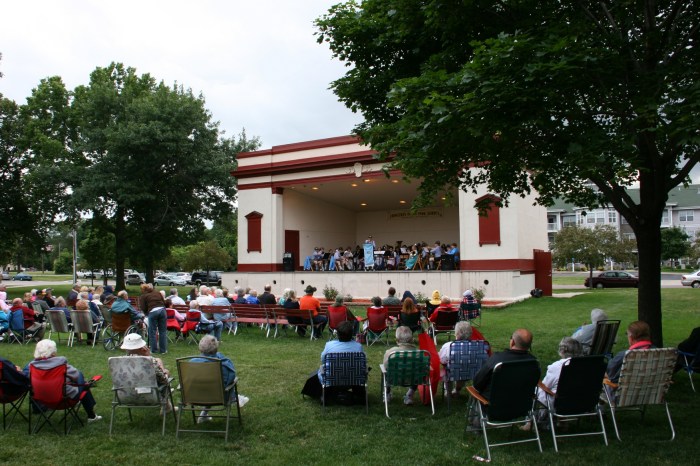
The Bavarian Musikmeisters, a 35-member band, perform on July 14 at Faribault's Central Park.

The Bavarian Musikmeisters, a 35-member band, perform on July 14 at Faribault’s Central Park. Minnesota Prairie Roots file photo.

And one of those assets—Concerts in the Park—is the benefactor of the historic posters sales. Those summer concerts are a 130-year tradition in Faribault. I’ve been attending these outdoor performances for more than 30 years, since relocating here. I’ve grown to love this Minnesota community. The traditions. The people. And, yes, the steeples, towers and windows, too.

FYI: If you are interested in purchasing these historic posters for a donation to the Concerts in the Park, stop at Faribault Park and Rec, 15 West Division Street, or email jjarvis@ci.faribault.mn.us. Donations will help underwrite concert costs.

© Copyright 2016 Audrey Kletscher Helbling
Art posters copyright of Jeff Jarvis


Garden tour V: A little bit of Eden on a corner lot in Faribault August 5, 2016

I’D LOVE TO HAVE THE YARD of Cindy and Dick Lawson.

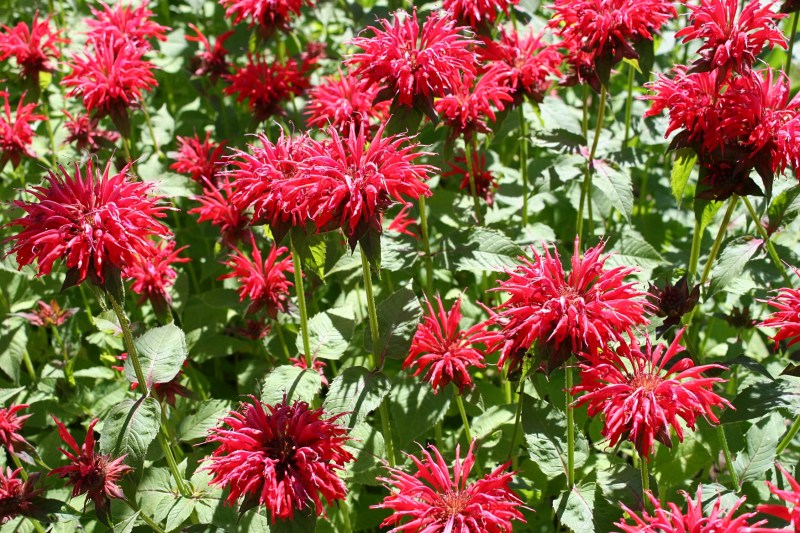
Bee balm jolts color into the front yard.

Bee balm jolts color into the front yard.

Sunny spaces bloom bright with flowers.

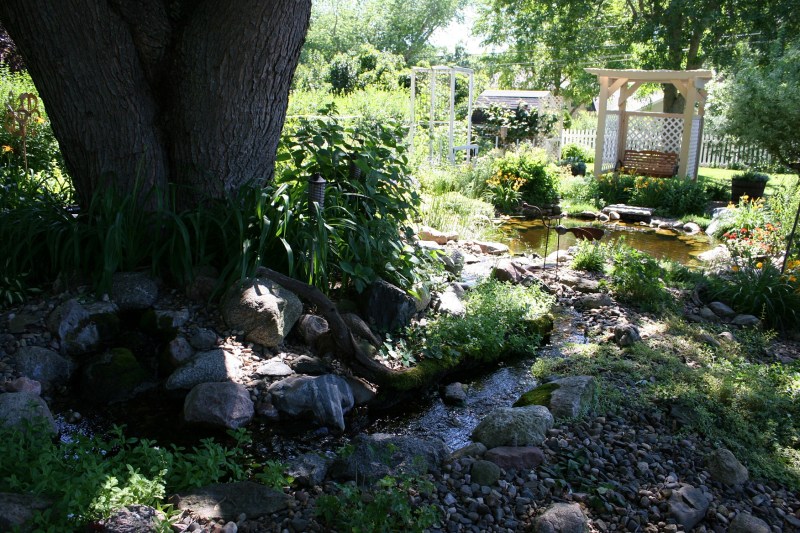
Shade loving plants thrive under a tree next to a stream.

Shade loving plants thrive under a tree next to a stream/waterfall.

Lush greenery fills shady spots.


Lawson garden, 138 garden


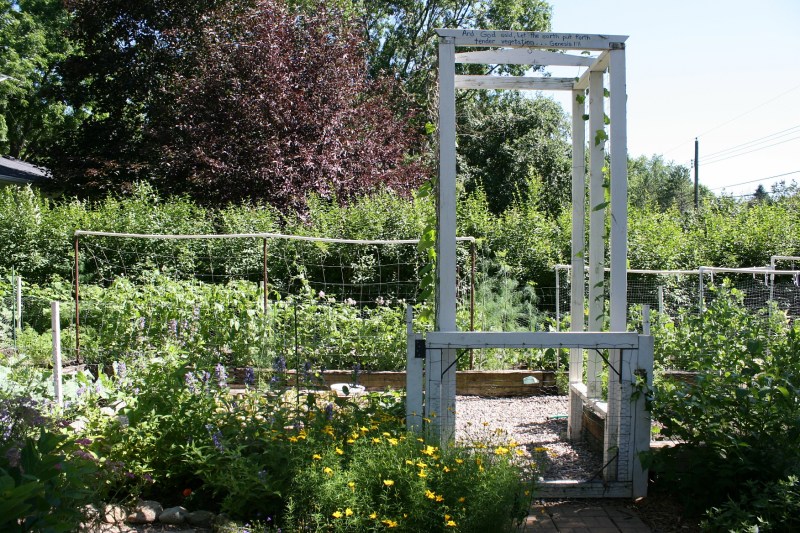
A garden grows thick with vegetables.


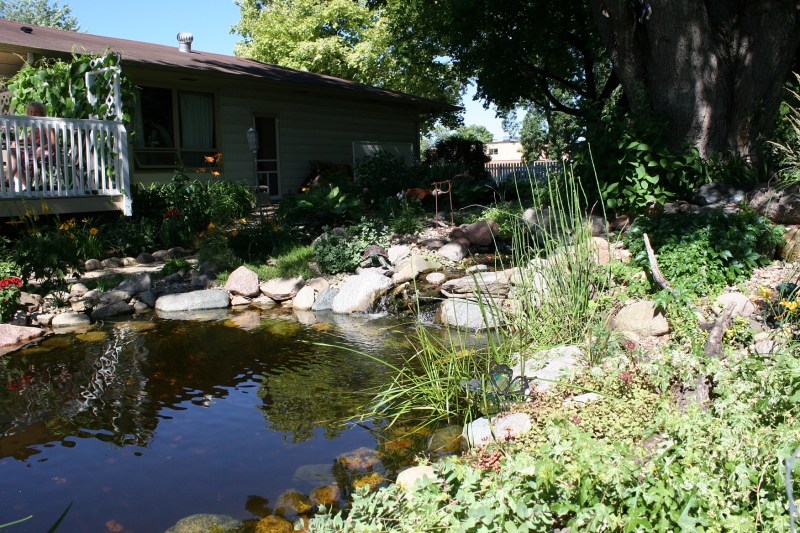
A stream/waterfall/pond is a backyard focal point.

A stream/waterfall/pond is a backyard focal point.

But, best of all, two water features—one in the front yard, the other in the back—soothe visually and mentally. Water has a way of doing that.

Situated on a busy street corner in southwest Faribault, this property seems miles away from the traffic that passes en route to and from Jefferson Elementary School and to other destinations along arterial Prairie Avenue. The Lawsons, with the help of family, have created this private oasis in the city using fencing, trees, plants and water. It’s a beautiful retreat with minimal lawn.

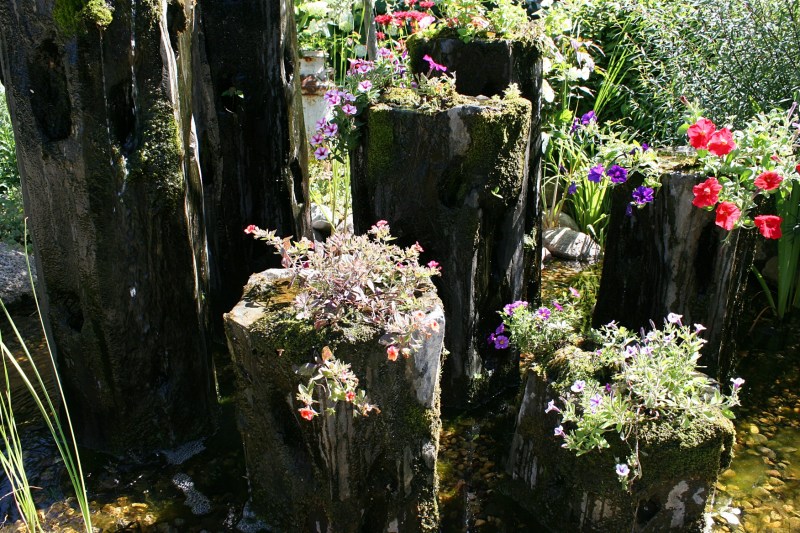
Annuals grow in rock water columns in the sunny front yard.

Annuals and water spill from rock columns in the sunny front yard.

Fortunately for the Lawsons, their son-in-law, Jake Langeslag, owns Aqua Eden, a Faribault-based waterscape company. Thus the backyard stream and pond and the front yard rock water columns.

Not until I met Cindy and Dick during the recent Cathedral of Our Merciful Saviour Garden and Landscape Tour benefiting Full Belly, a Faribault soup kitchen, did I know of the relationship to Jake and his wife, Amanda. The younger couple and their children attend my church. It was a delight to meet Amanda’s parents in their lovely backyard.


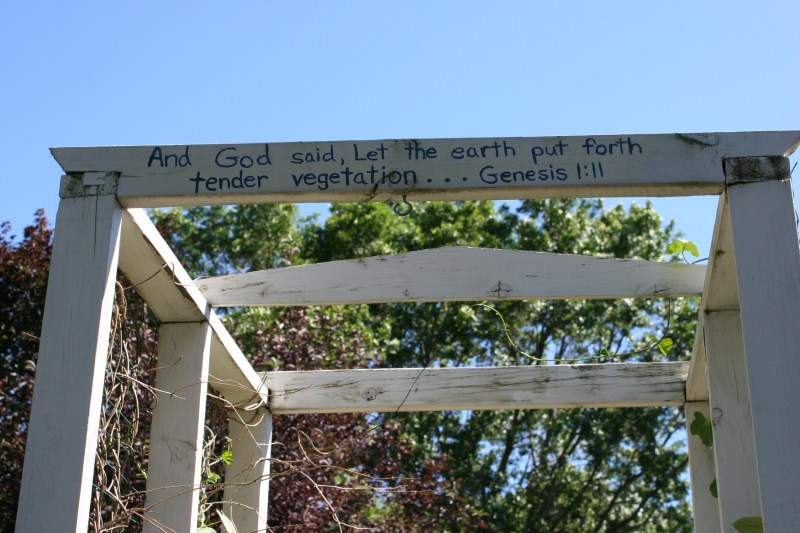
Lawson garden, 137 scripture on trellis


I especially appreciate the Scripture printed above the garden gate entry: “And God said, Let the earth put forth tender vegetation…” The bible verse seems fitting for this corner of paradise, this Garden of Eden.

FYI: This concludes my series from The Cathedral of Our Merciful Saviour Garden and Landscape Tour.

© Copyright 2016 Audrey Kletscher Helbling
 

Garden Tour III: A rural retreat in Cannon City July 11, 2016

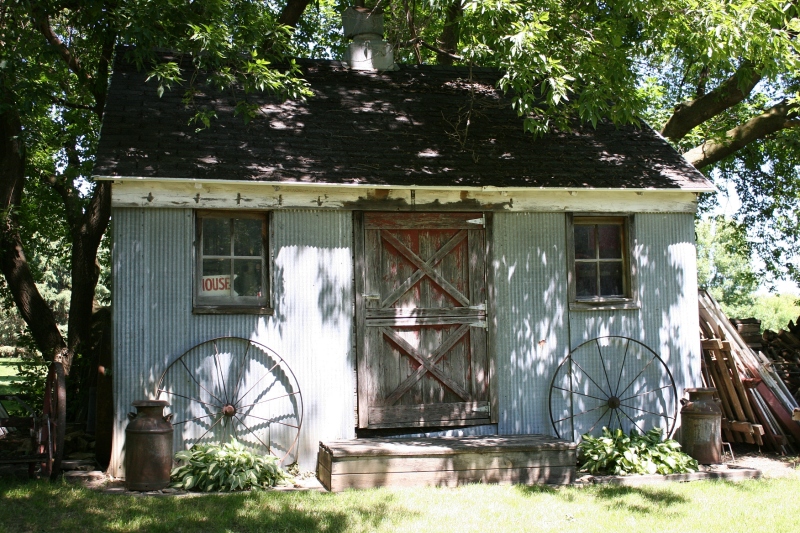
Outbuildings dot the Glendes' rural property.

Outbuildings dot the Glendes’ rural property.

I COULD BE SO HAPPY living on Debbie and Mike Glende’s property in Cannon City. It’s peaceful, lovely and tranquil in a definitive rural sense.

An electric fence keeps the donkeys penned in the pasture.

An electric fence keeps the donkeys penned in the pasture.

Not exactly a hobby farm, although there are donkeys, this seems more rural retreat.

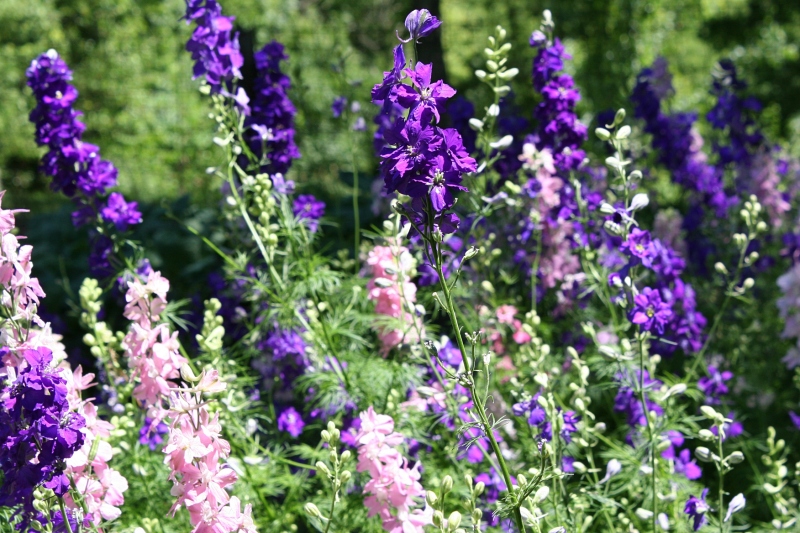
Delphiniums sway in the breeze inside a fenced vegetable garden.

Delphiniums sway in the breeze inside a fenced vegetable garden.

Lush green plants and flowers.

A pond, surrounded by lush plants, is situated under shade trees next to the house.

A pond, surrounded by lush plants, is situated under shade trees next to the house.

Pond.

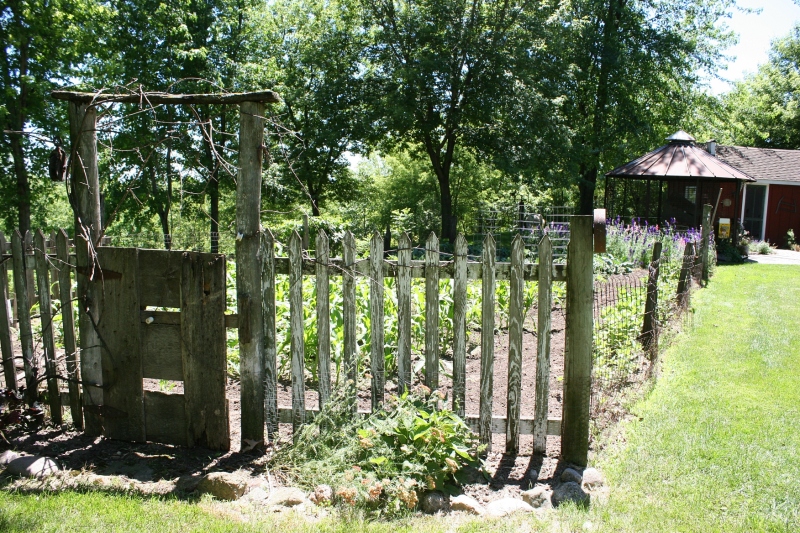
Rustic fencing surrounds the vegetable garden.

Rustic fencing surrounds the vegetable garden.

Garden surrounded by rustic weathered fencing.

I opened the aged screen door on an outbuilding to discover this 50s style retreat.

I opened the aged screen door on an outbuilding to discover this 50s style retreat.

An outbuilding styled in 1950s décor.

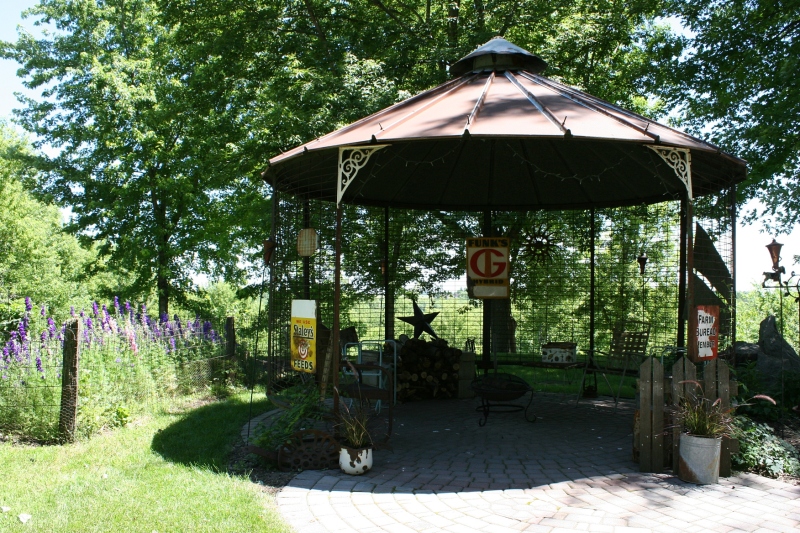
Farm themed decor fits this corn crib turned fire pit gathering area.

Farm themed decor fits this corn crib turned fire pit gathering area.

A wire grain bin converted into a comfortable gathering spot for an evening campfire.


Glende garden, 51 barn and windmill


An aged red barn and windmill.

Plants spill from a rustic piece of farm equipment.

Artfully arranged plants spill from a rustic piece of farm equipment.

I didn’t want to leave the Glendes’ place while on a recent Cathedral of Our Merciful Saviour Garden and Landscape Tour benefiting Fully Bell, a soup kitchen in nearby Faribault. Even the cat, a black stray that followed me, wrapping around my legs, seemed to want me to stay. I wish. Debbie offered the cat.

This building houses the 1950s style retreat.

This building houses the 1950s style retreat.

I could live here. I imagined the 50s retreat as a secluded place to write. My office.

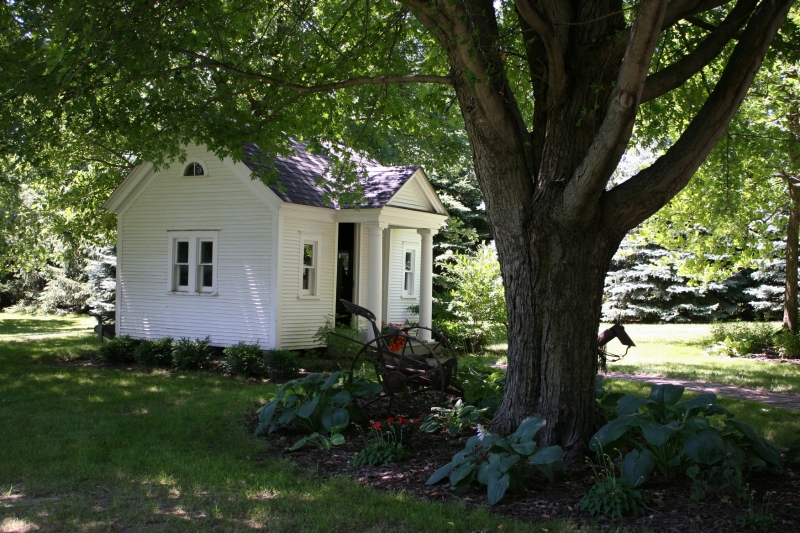
This sweet little building was moved here from the Minnesota State Academy for the Deaf campus in Faribault. For now, it's a storage space.

This sweet little building was moved here from the Minnesota State Academy for the Deaf campus in Faribault. For now, it’s a storage space.

Or the lovely columned white building moved here from the Minnesota State Academy for the Deaf in Faribault would work, too, for my writer’s retreat.

Rustic rural art near the MSAD building.

Rustic rural art near the MSAD building.

As I roamed the Glendes’ land, I was reminded of my rural roots. Vintage farm machinery and equipment are planted like works of art among the farm buildings. It takes an artist’s and gardener’s hands to make this all come together—to create this rural retreat that is more than visually appealing, but also everyday practical. This couple succeeded. I wanted to stay until the stars emerged and flames danced in the fire pit.

BONUS PHOTOS:

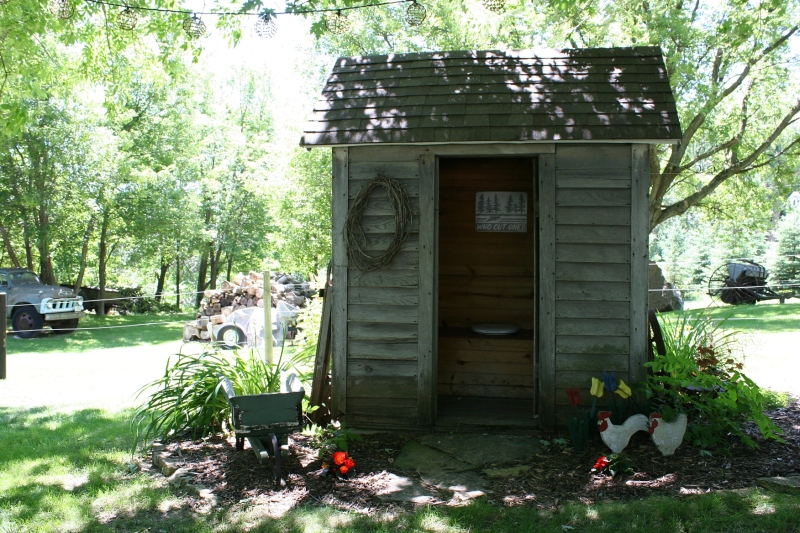
A sign inside the outhouse reads:

A sign inside the outhouse reads: “Who cut one?”

Flower art provides a jolt of color.

Flower art provides a jolt of color.

Another rustic style planting.

Another rustic style planting.

So poetically lovely this blue heron in the pond.

So poetically lovely this blue heron in the pond.

Even the bird feeder fits the rural theme.

Even the bird feeder fits the rural theme.

FYI: Please check back as I continue my garden tour series. Click here to read my first entry and then click here to read about another garden I toured.

© Copyright 2016 Audrey Kletscher Helbling


From Colorado to Minnesota: Peaches, peaches & more peaches August 17, 2015

Colorado peaches

Colorado peaches

PEACHES AND CREAM. It is how I ate fresh peaches as a Minnesota farm kid. Chunked peaches drenched with cream in a bowl. To this day they remain one of my favorite fruits, as much for the taste as for the memories.

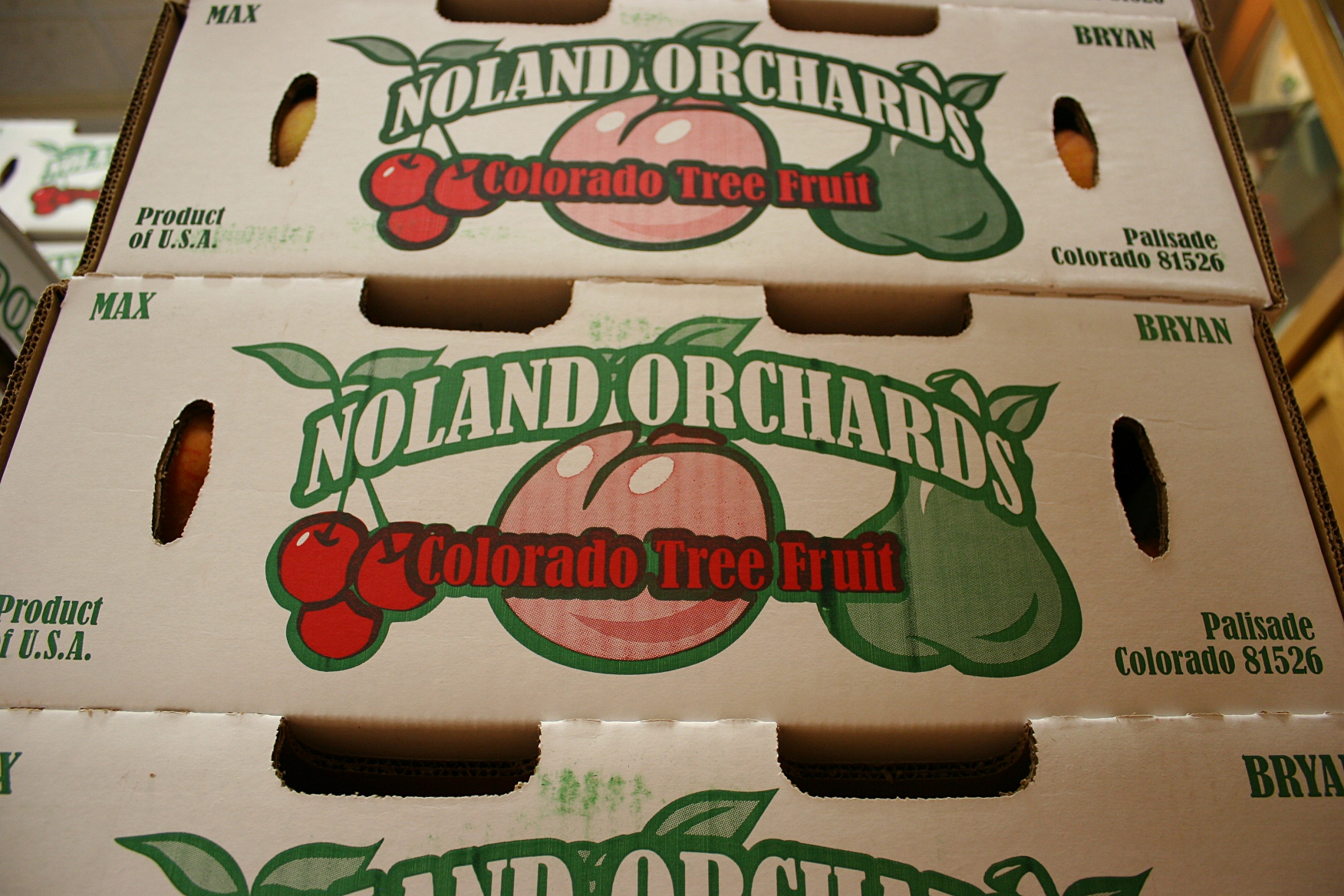
Today's peaches are packed in cardboard boxes rather than wooden crates.

Today’s peaches are packed in cardboard boxes rather than wooden crates.

Every summer Mom would pick up a slated wooden crate of peaches from the local grocer. She pried the lid open and then we carefully unwrapped the peaches from pinkish tissue, setting the tissue squares aside for use later in the outhouse. Next we slid the peaches into boiled water to loosen the skins. Soon Mom was slipping sliced peaches into Mason and Ball jars and packing the jars into a pressure cooker. When the jars had cooled, the lids sealed, she gathered the preserved fruit to store in the cellar.

Then, on the coldest of winter evenings, Mom lifted a door hidden in the red-and-white checked linoleum kitchen floor and sent me to the cellar. Down the wooden stairs I clomped to the dirt-floored cellar lit by a single bare bulb. There, in the earthy shadows, I searched for a quart of golden peaches. Thin-sliced peaches if the fruit was to serve as a dessert. Half-slices of peaches if Mom planned to serve the fruit as a salad, halves turned up to cup cottage cheese nested upon a leaf of iceberg lettuce.

Today I neither eat peaches with cream or cottage cheese, or even preserved. I prefer mine fresh. And right now I have 39 fresh Colorado peaches—20 pounds—in my refrigerator. That is a lot of peaches for two people to eat. But my husband insists we can do it. He’s right. Several years ago we managed to consume an entire crate of peaches without any spoiling.

Buyers could choose whichever box of peaches they wanted.

Buyers could choose whichever box of peaches they wanted.

I love peaches. And I like supporting a good cause, which is partially why we ordered a box of Colorado peaches. The Community Cathedral Cafe, a coalition of Faribault churches providing a free meal in Faribault every Tuesday evening, sold the peaches as a fundraiser. So did the youth at First English Lutheran Church.

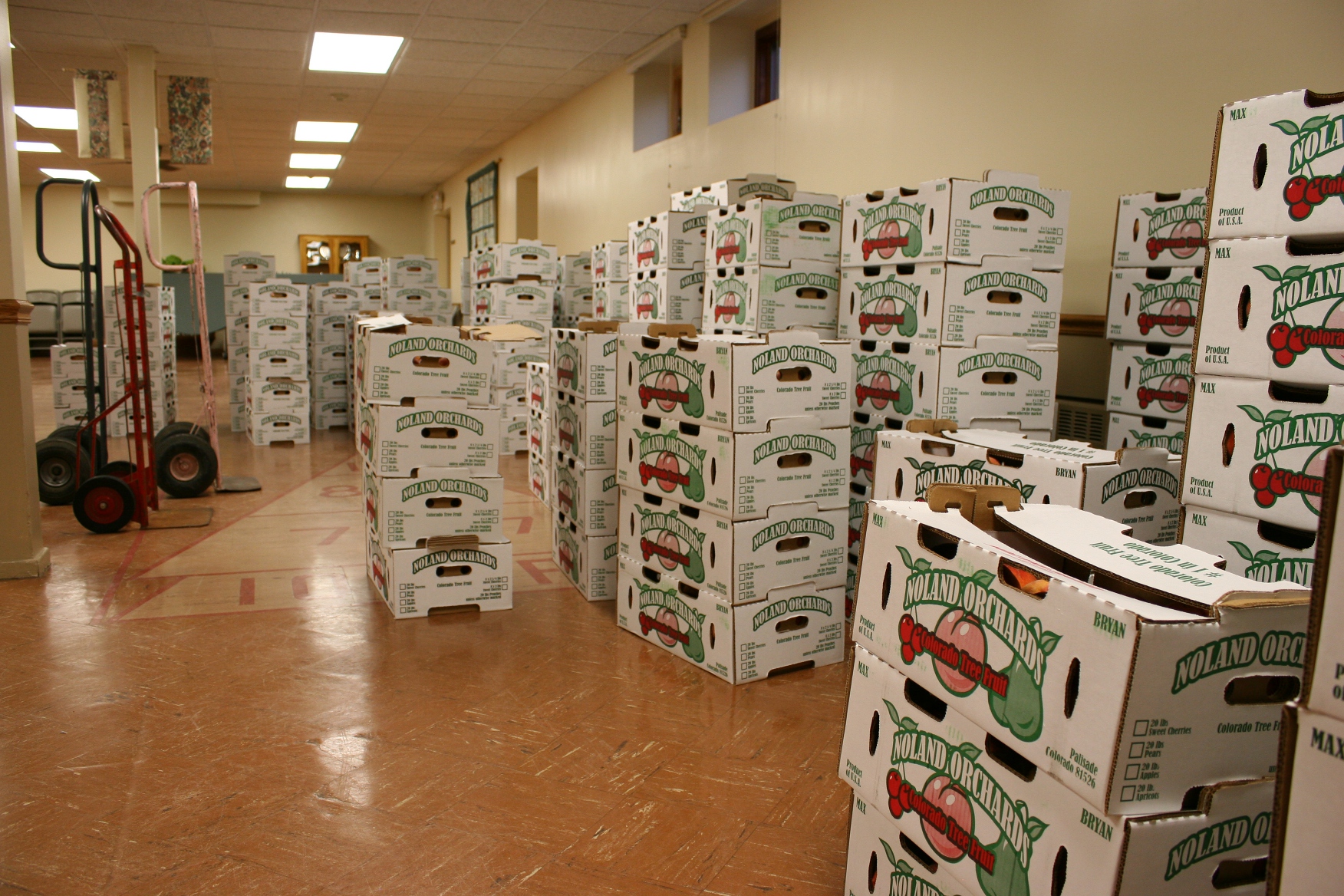
Boxes of peaches await pick-up in the basement of First English Lutheran Church.

Boxes of peaches await pick-up in the basement of First English Lutheran Church.

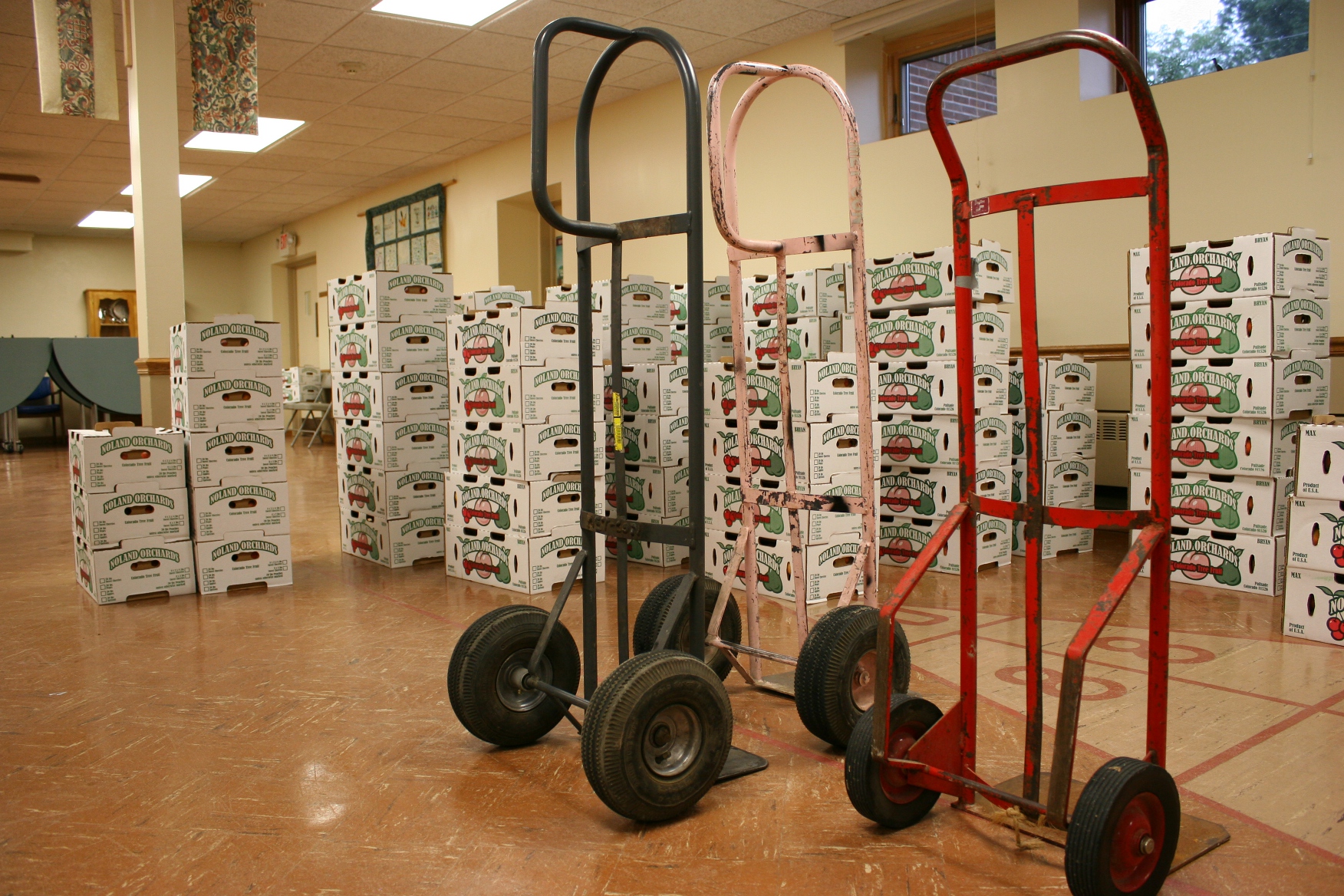
When we picked up our 20-pound box of peaches, I was impressed by the sheer volume of boxes stacked in the refrigerator cold basement of First English. The two groups teamed up to order five pallets of peaches from Noland Orchards, a family fruit farm near “The Peach Capital” of Palisade, Colorado. That’s 400 boxes or 8,000 pounds of peaches, selling for a grand total of $12,800.

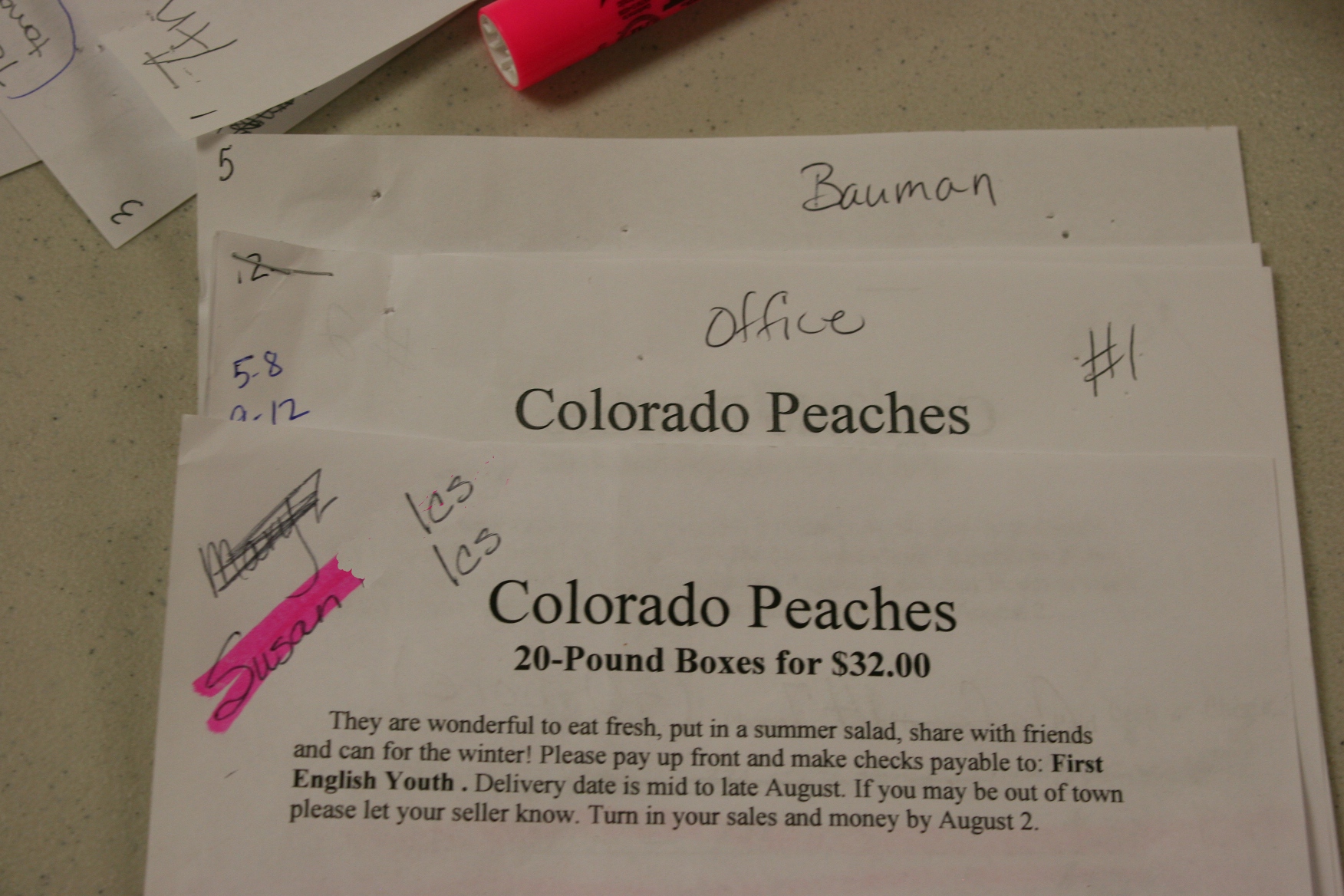
Peach paperwork and suggestions on how to eat peaches.

Peach paperwork and suggestions on how to use the peaches.

So now I’m looking for recipes to use these peaches. If you have a favorite, pass it on. That’d be mighty peachy of you.

BONUS PHOTOS:

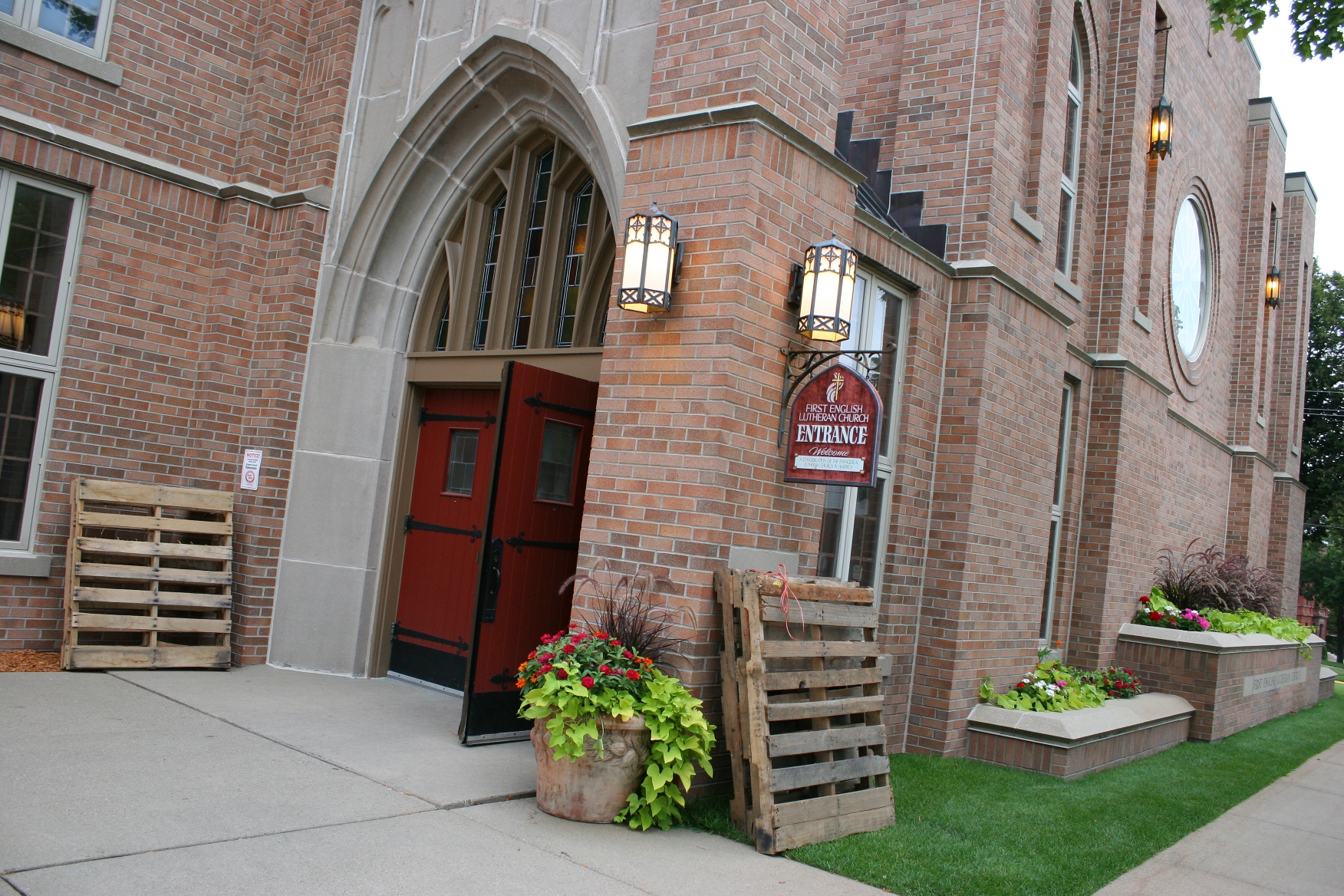
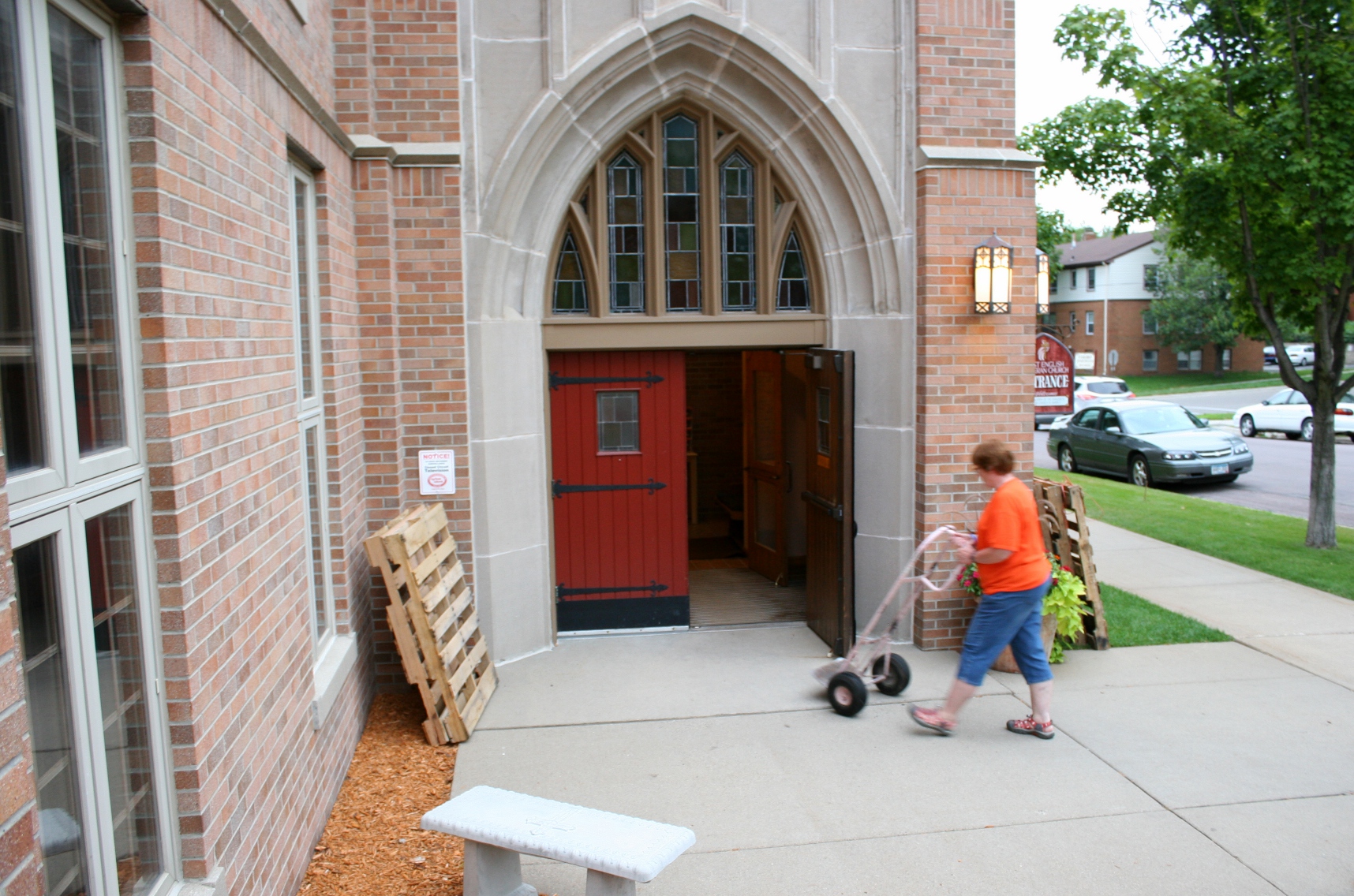
Entry to the peach pick-up site at First English Lutheran Church in Faribault.

Entry to the peach pick-up site at First English Lutheran Church in Faribault. The pallets have already been claimed for repurposing into artwork and more.

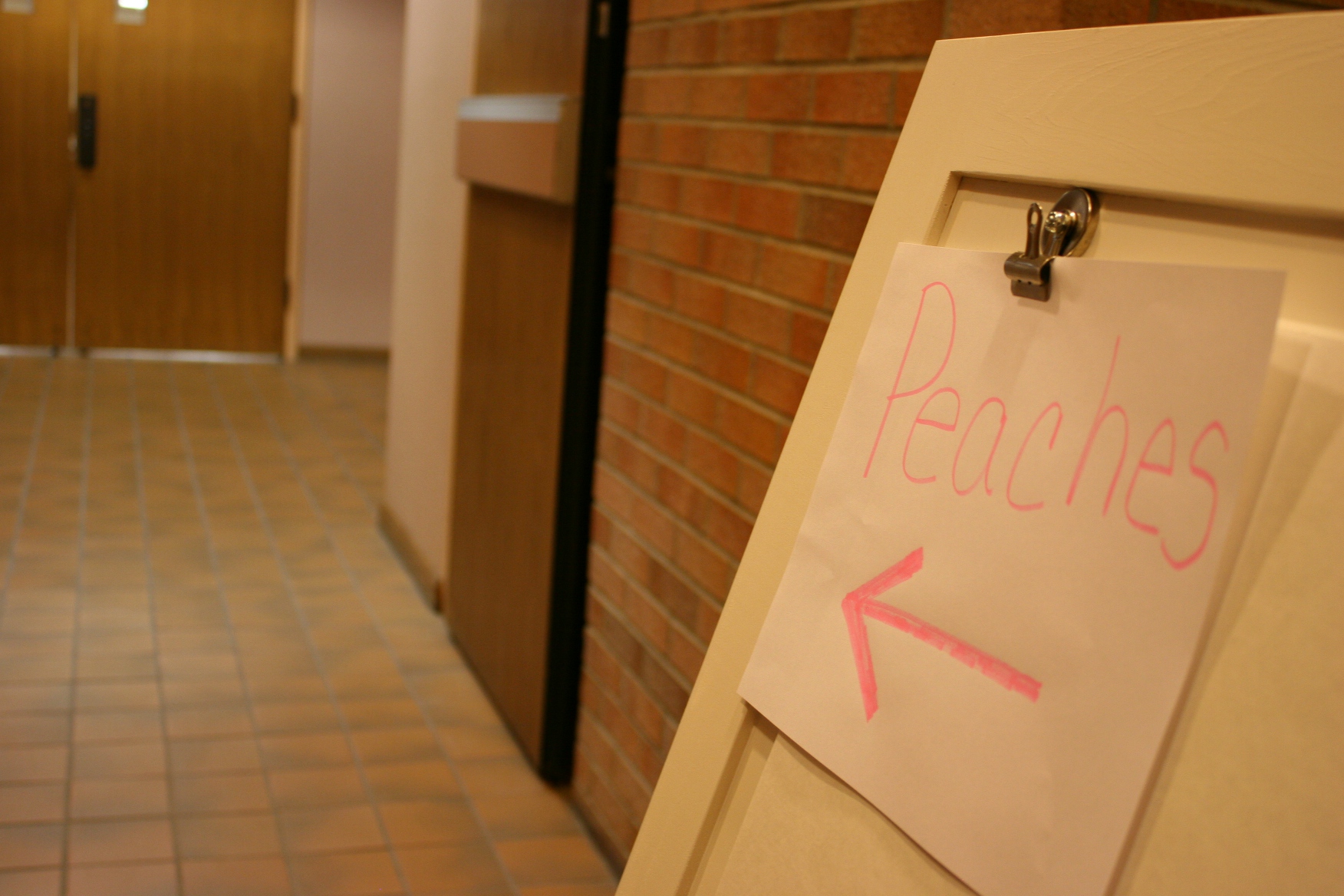
Simple directions once inside.

Simple directions once inside.

Carts are on hand to transport boxes from basement to vehicle.

Carts are on hand to transport boxes from basement to vehicle.

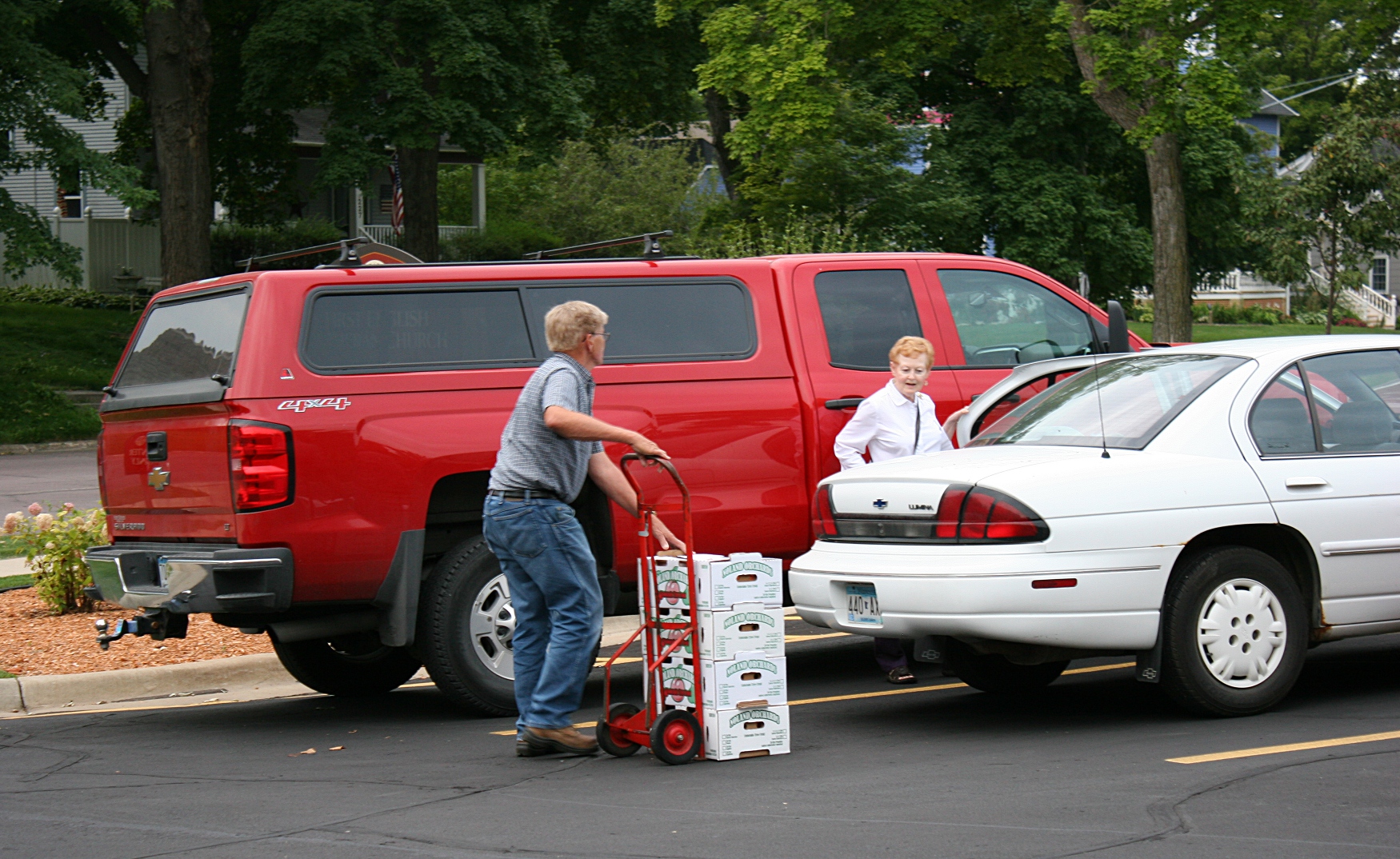
Volunteers are available to wheel peaches outside and load into vehicles.

Volunteers are available to wheel peaches outside and load into vehicles.

And when that task is done, back inside the volunteers go to await the next customer who has preordered a box of peaches.

And when that task is done, back inside the volunteers go to await the next customer who has preordered a box of peaches.

© Copyright 2015 Audrey Kletscher Helbling
 

Celebrating the Kentucky Derby, Minnesota style May 2, 2015

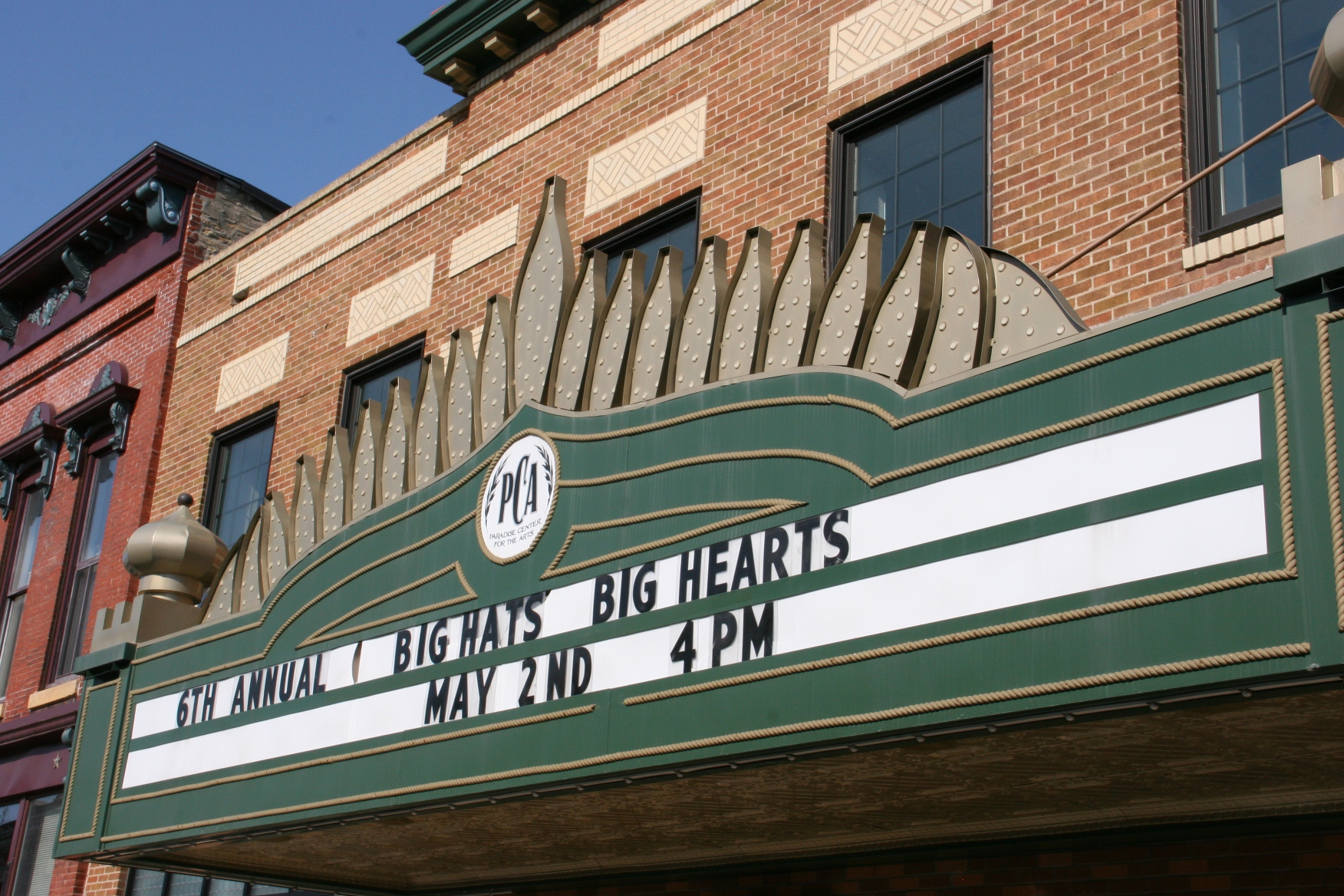
The marquee on the Paradise Center for the Arts announces the Kentucky Derby Party.

The marquee on the Paradise Center for the Arts announces the Kentucky Derby Party.

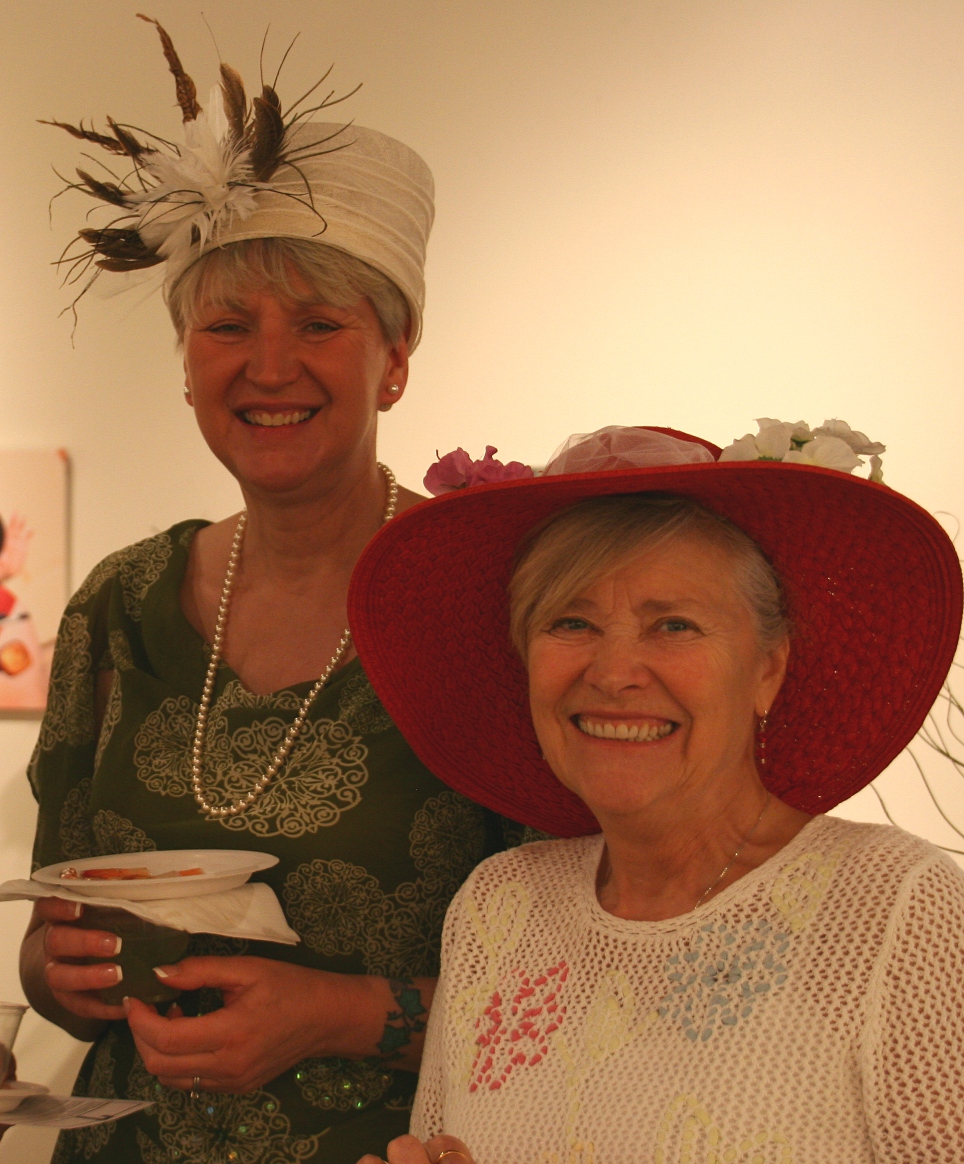
IT WASN’T CHURCHILL DOWNS. But the Paradise Center for the Arts in historic downtown Faribault drew a fashionable crowd to watch the greatest two minutes in sports Saturday afternoon.

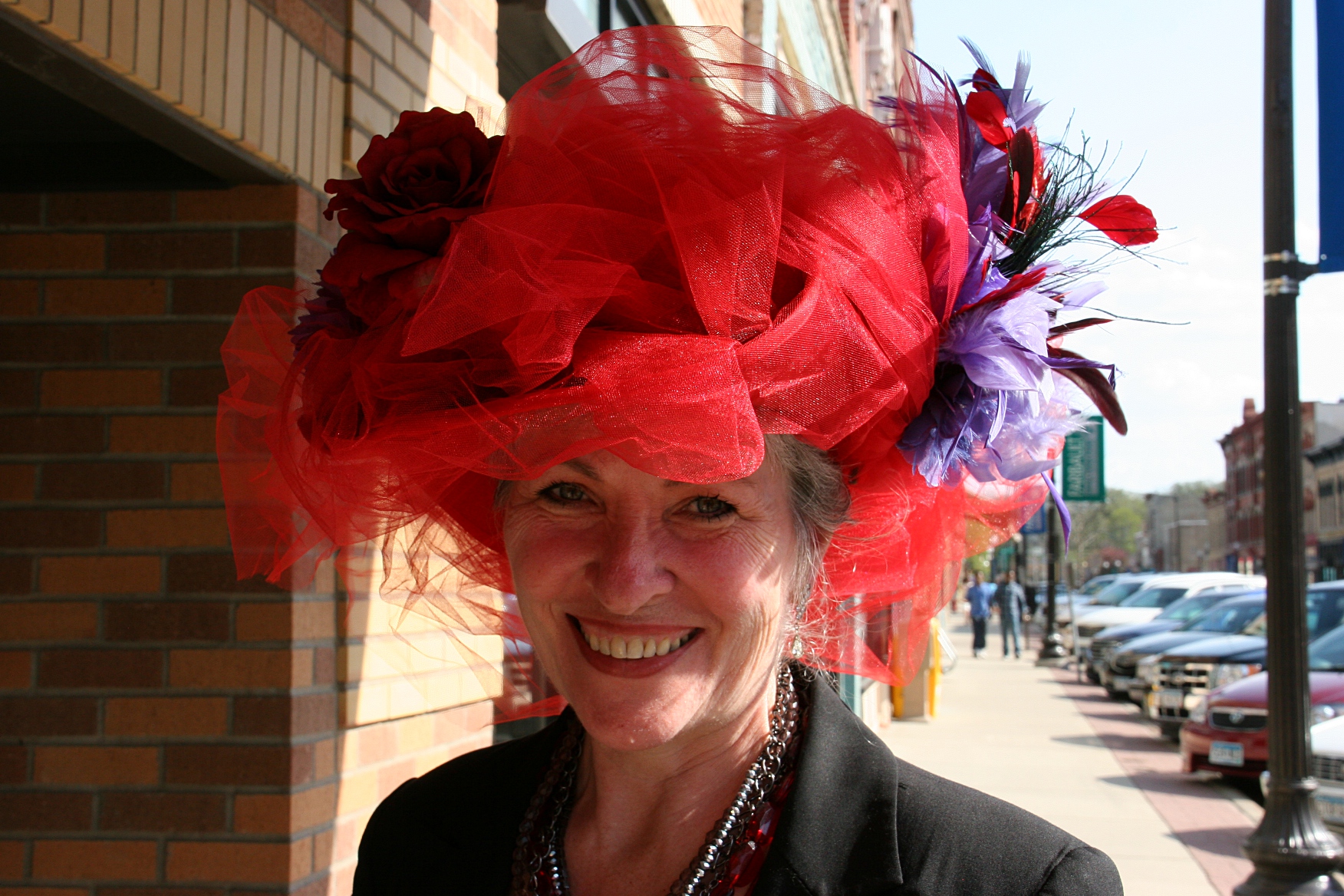
A guest arrives for the Derby party.

A guest arrives for the Kentucky Derby party in downtown Faribault.

Attendees view the hat-themed exhibit in the gallery.

Attendees view the hat-themed exhibit in the gallery.

More great hats.

More great hats.

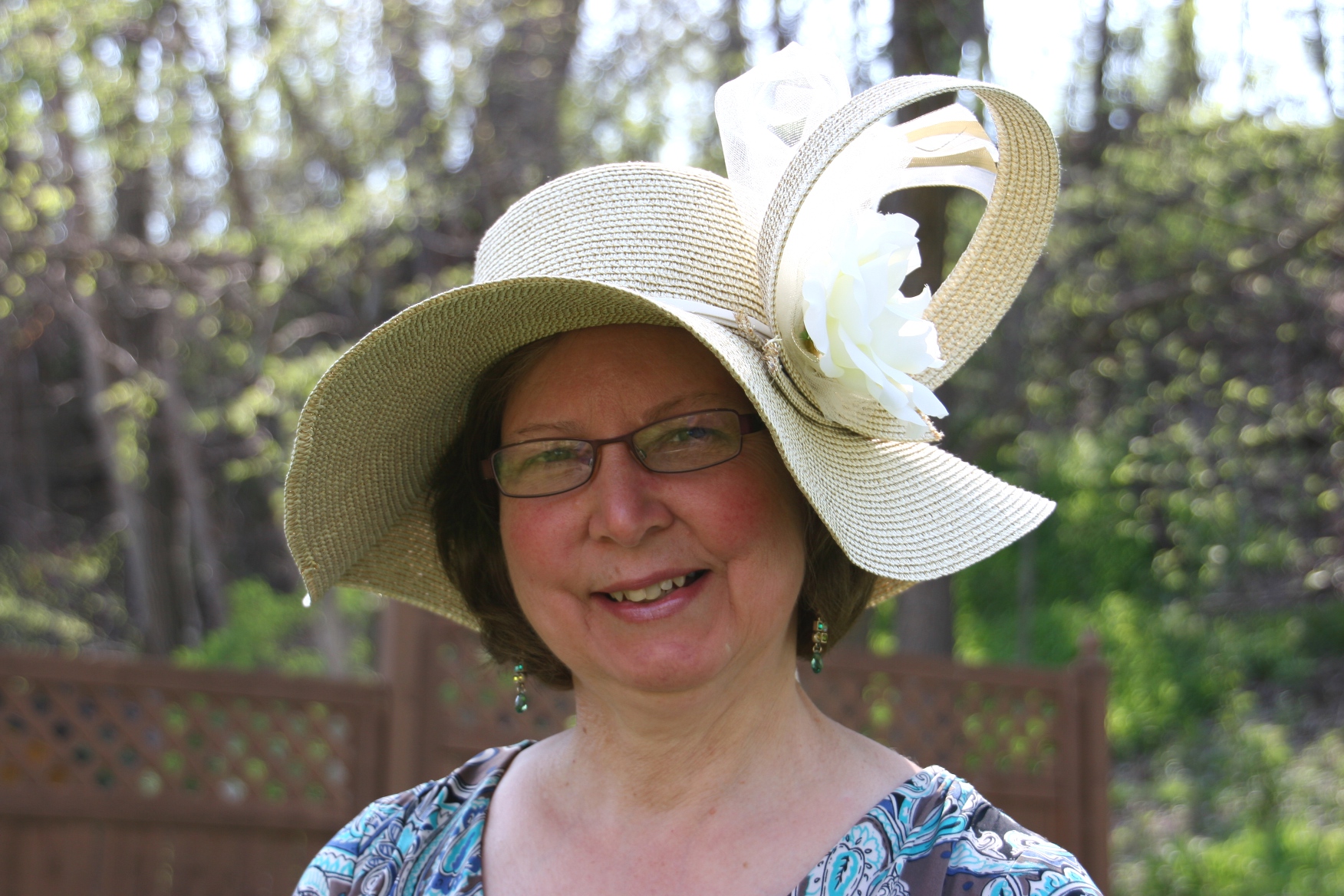
I was there, sporting a wide-brimmed hat that made me feel like a horse with blinders. I’ve concluded that I’m not comfortable wearing an over-sized hat. But I delighted in viewing all of the stylish Kentucky Derby attire.

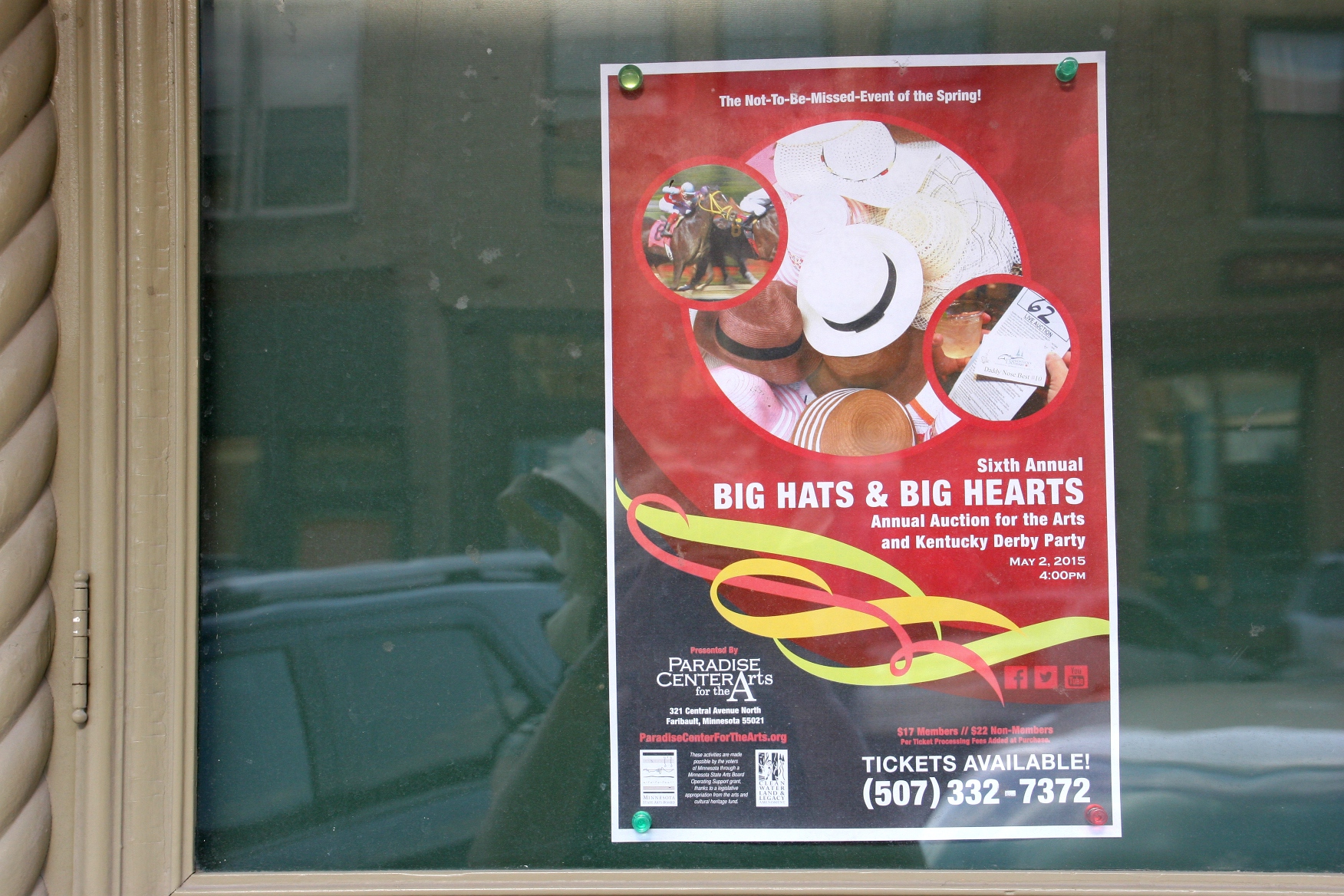
A poster in an exterior window promotes the Derby event.

A poster in an exterior window promotes the Derby event.

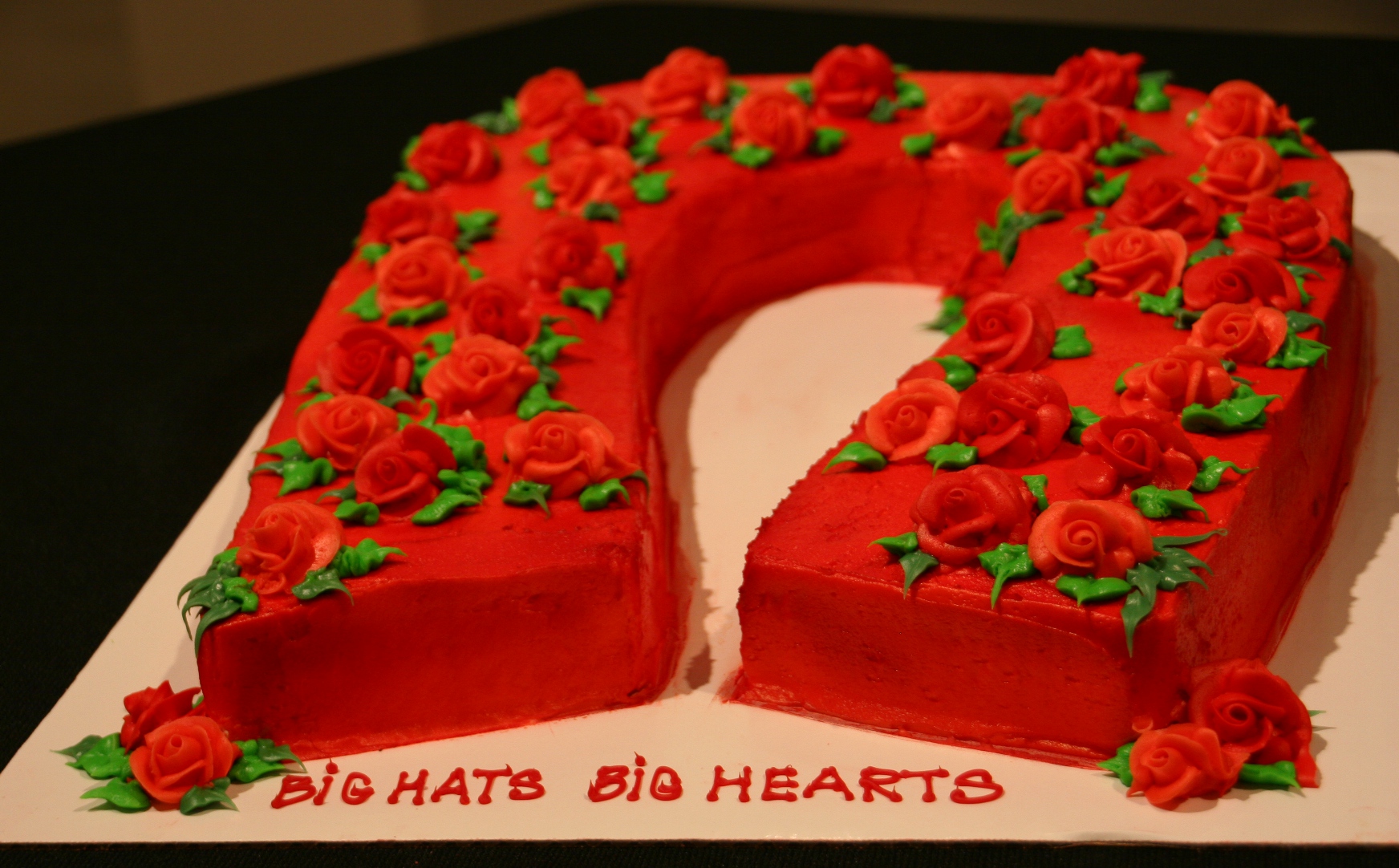
There was even a horseshoe shaped cake.

There was even a horseshoe shaped cake.

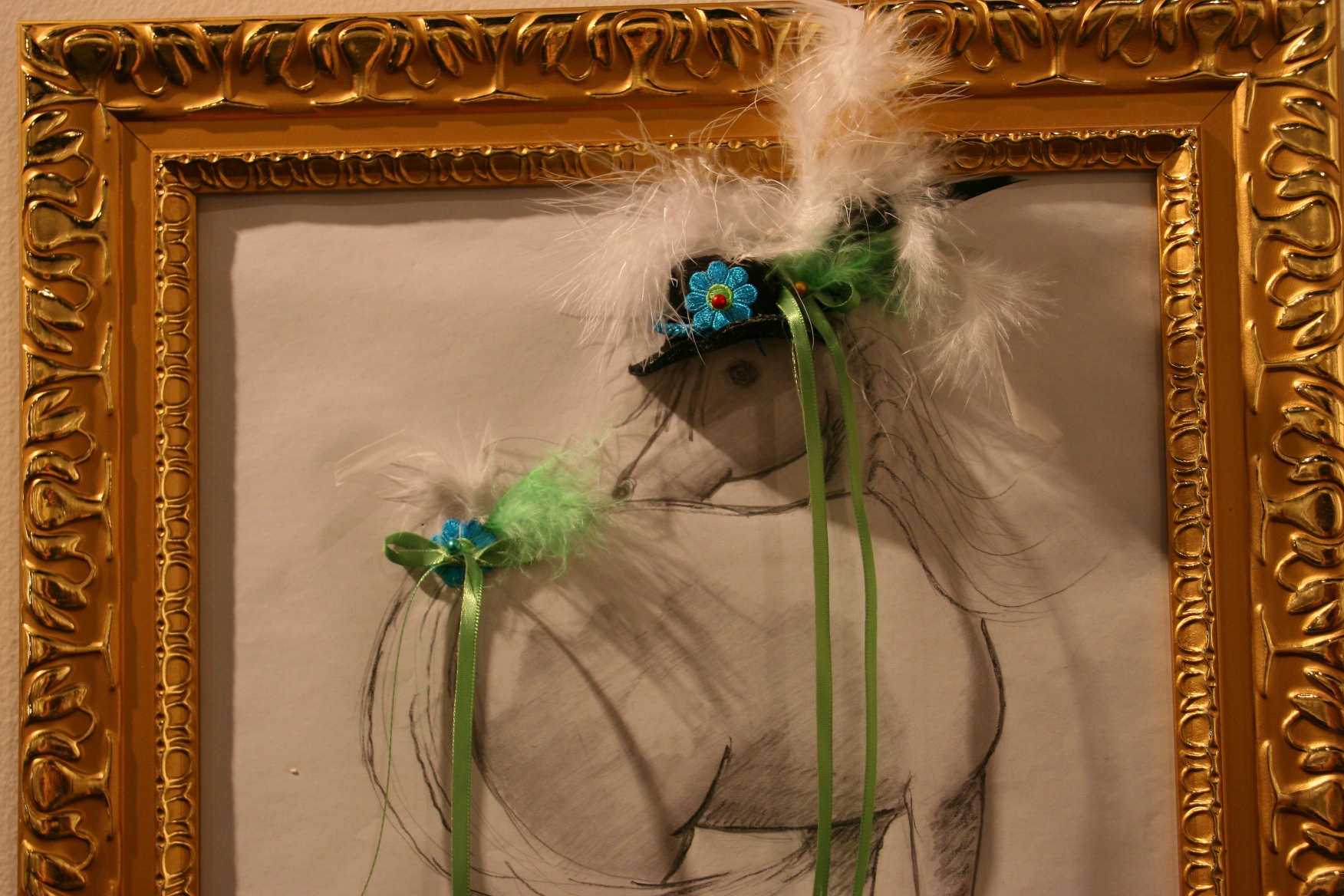
"Frilly Filly" by Audrey Sand, art in the gallery.

“Frilly Filly” by Audrey Sand, art in the gallery.

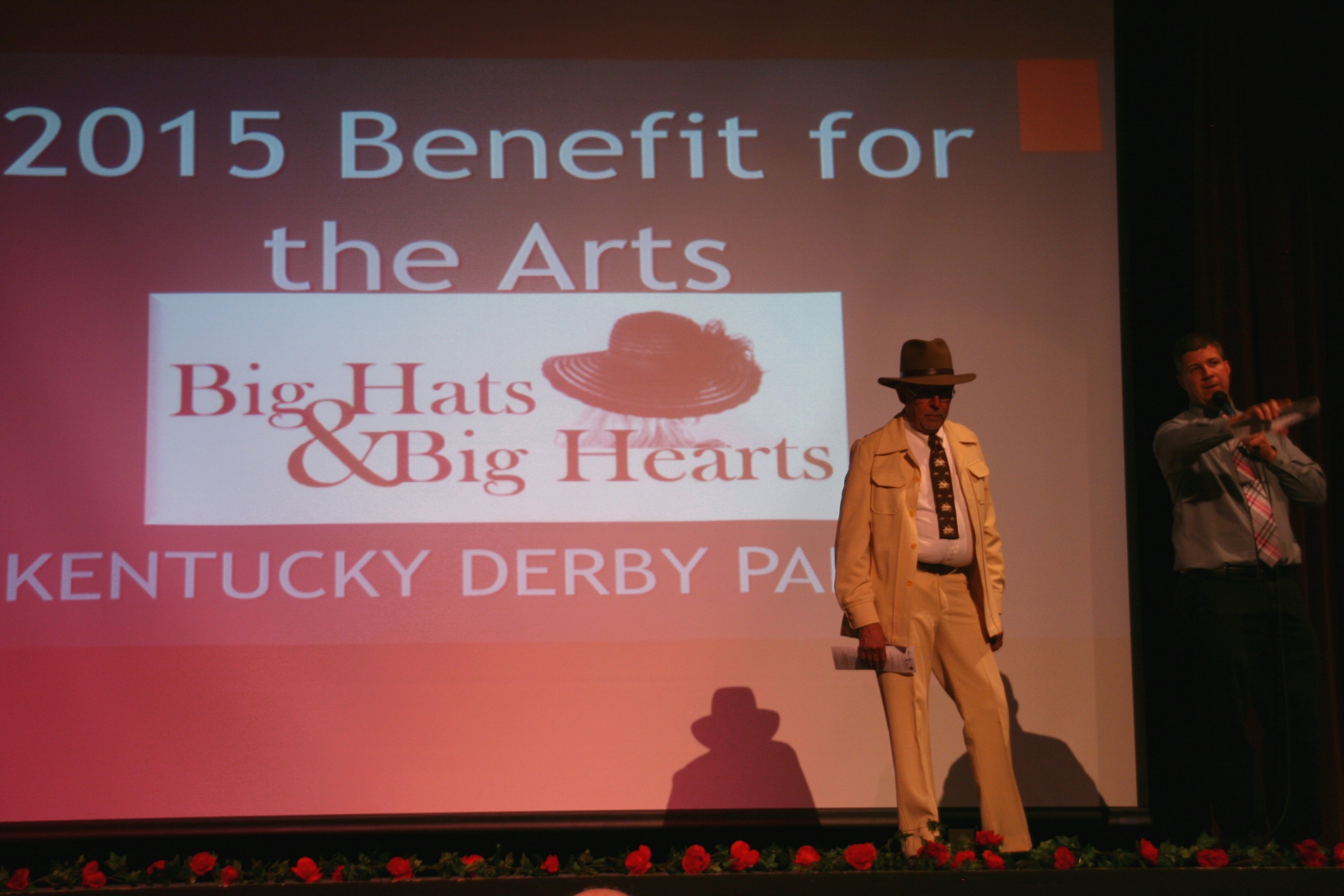
The Big Hats & Big Hearts Auction for the Arts and Derby Party featured fashion, food, a hat-themed gallery exhibit and live and silent auctions.

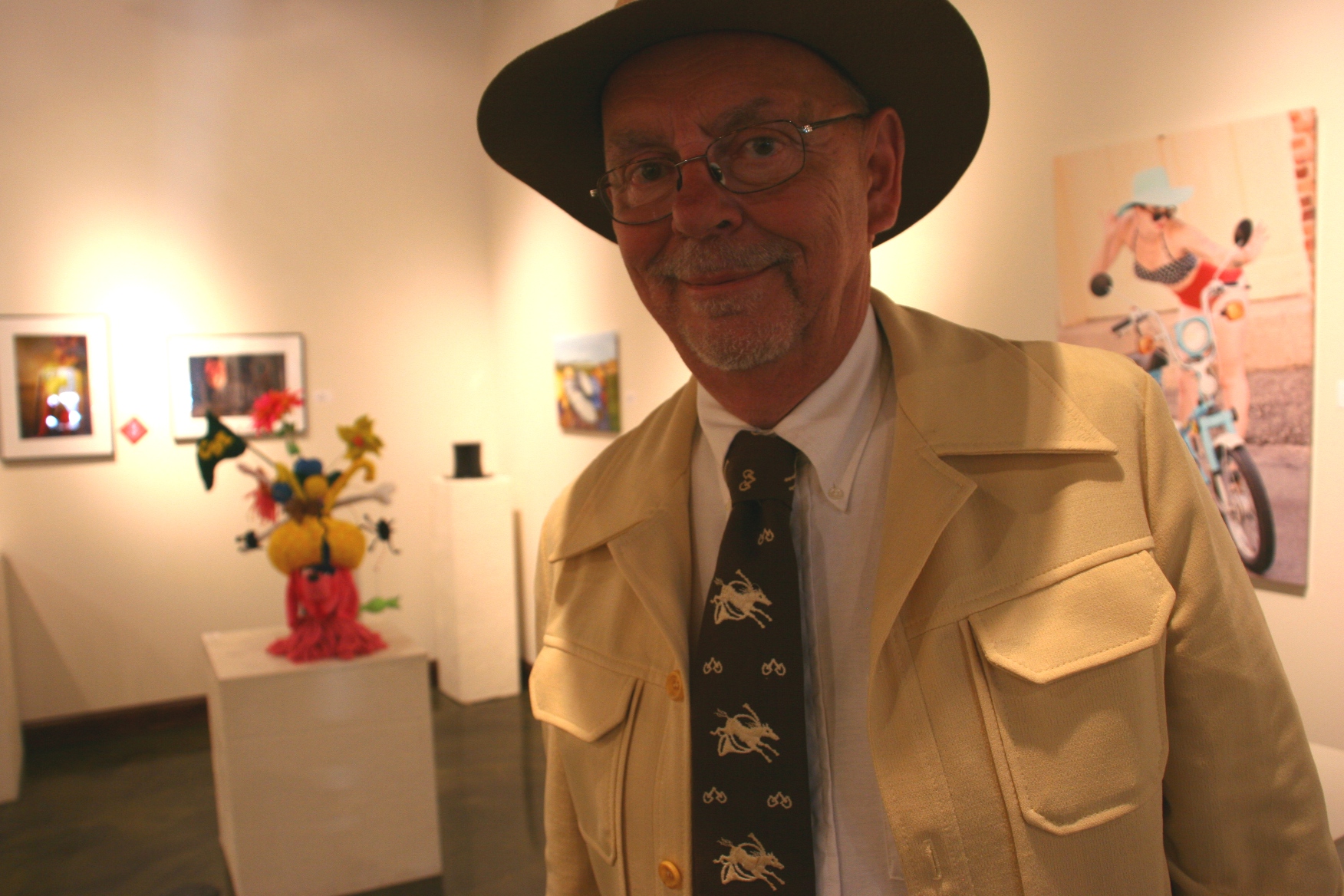
The auctioneer bought his yellow leisure suit in the early 1970s.

The auctioneer bought his yellow leisure suit in the early 1970s.

The auctioneer even arrived in a 1970s yellow leisure suit complete with horse print tie.

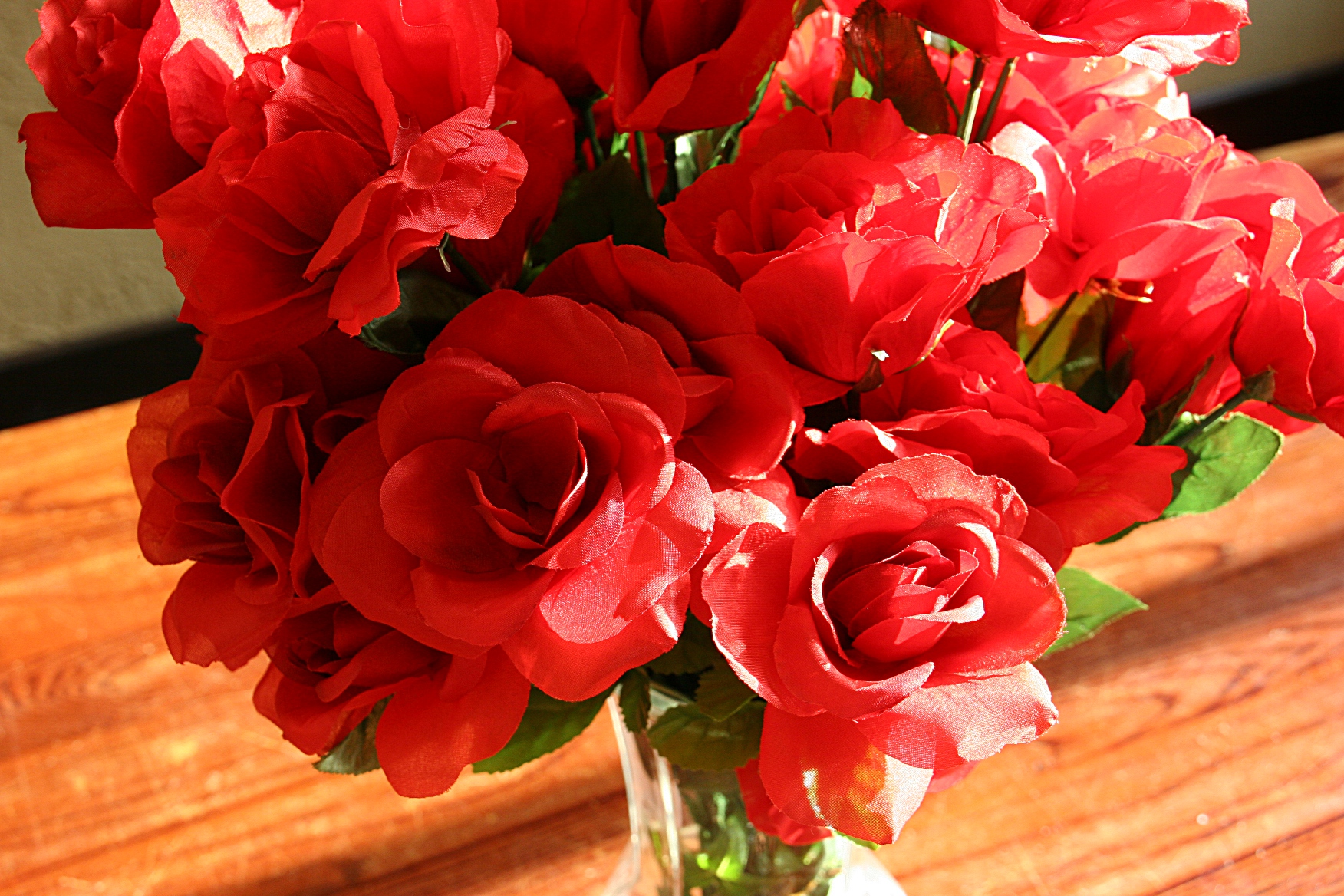
The Paradise Center for the Arts was decorated with lots of red roses.

The Paradise Center for the Arts was decorated with lots of red roses.

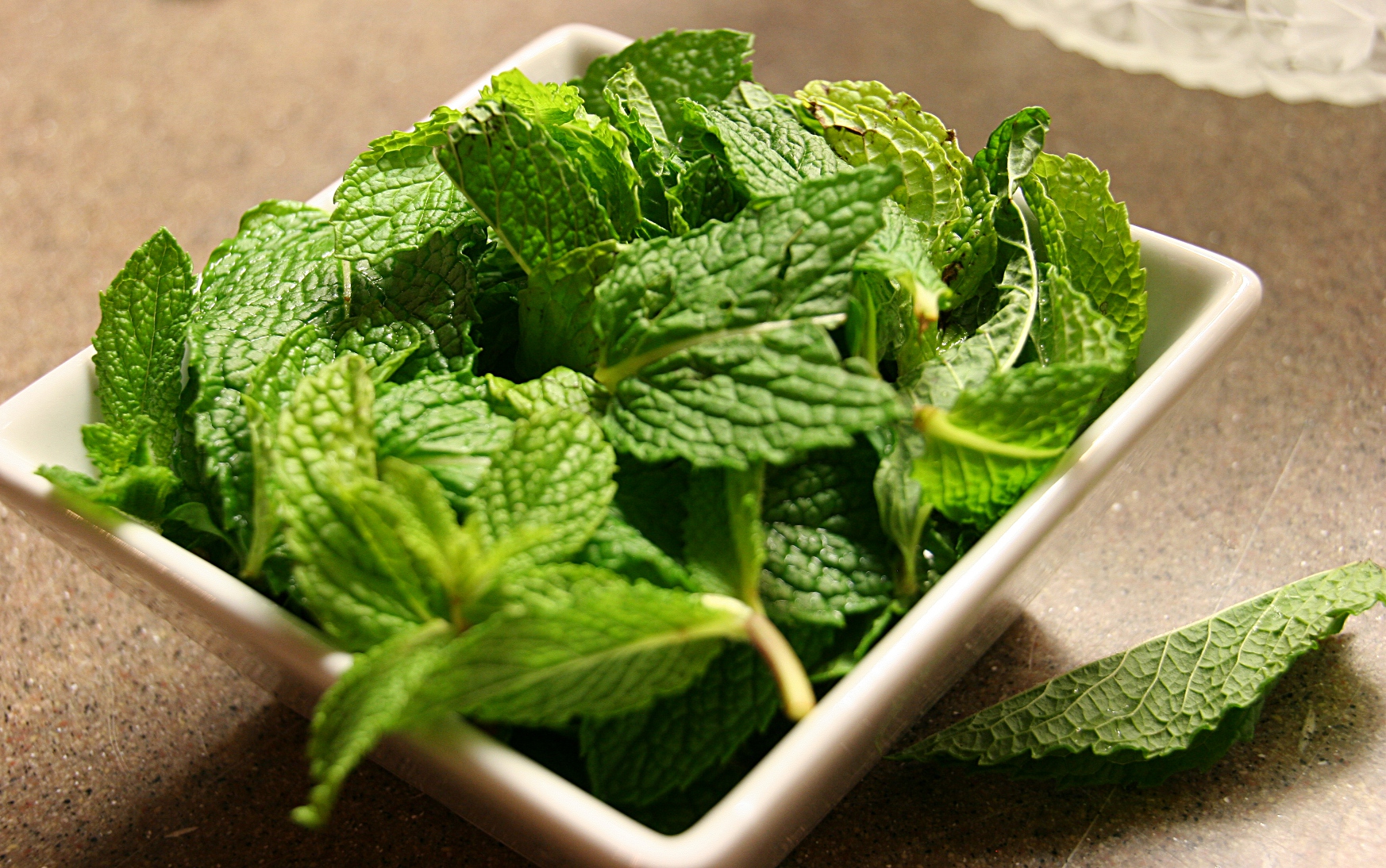
Fresh mint leaves for the mint juleps.

Fresh mint leaves for the mint juleps.

Fans watched the race on the big screen in the theatre.

Fans watched the race on the big screen in the theatre.

There were red roses and mint juleps and raucous roaring as American Pharaoh edged out Firing Line to win the 141st Kentucky Derby. Carpe Diem, the horse I chose, finished tenth. My husband’s finished second.

The live auction begins.

The live auction begins.

Me, ready for the Derby party.

Me, ready for the Derby party.

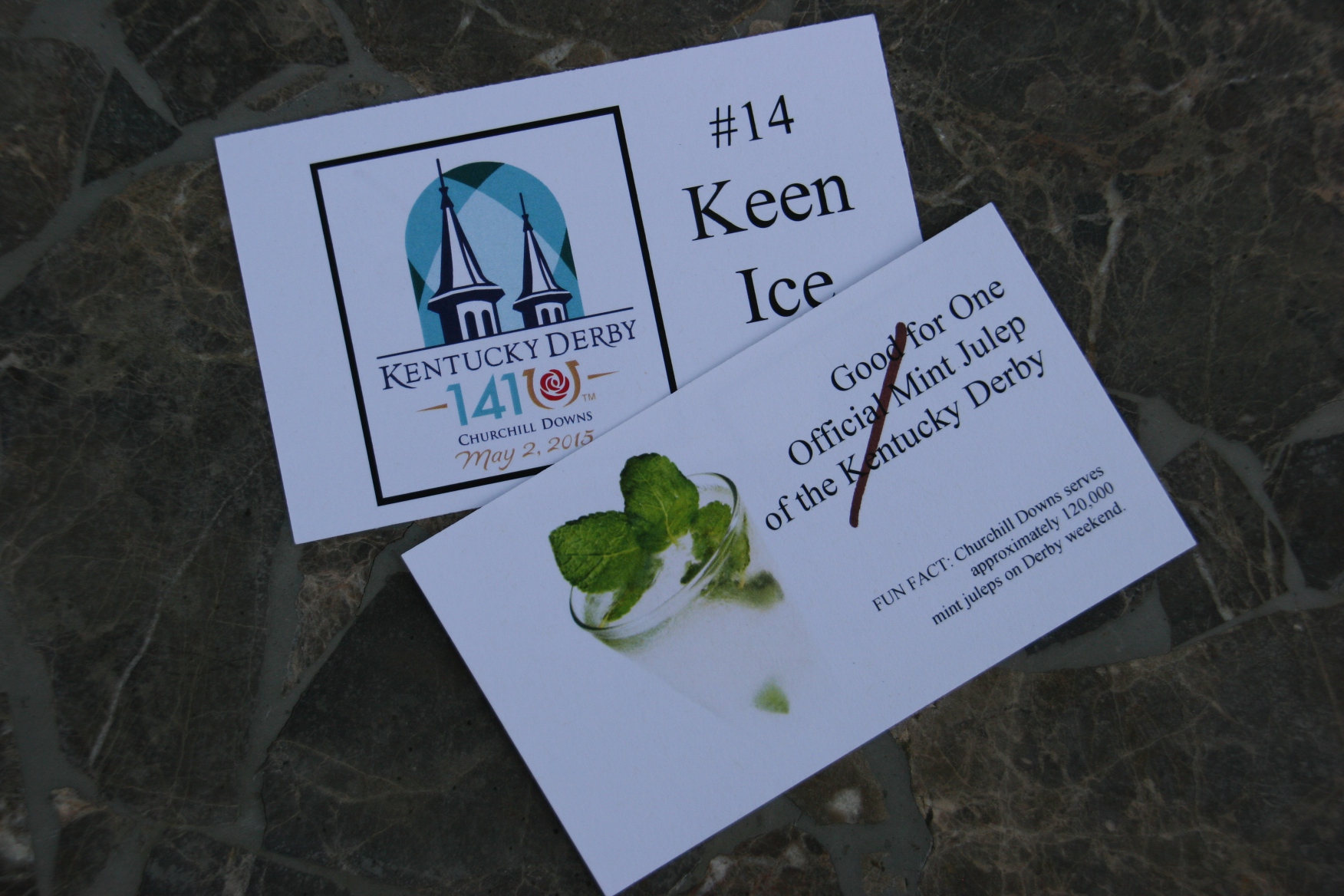
Tickets for mint juleps.

Tickets for mint juleps.

Win or lose, it didn’t matter to me. I was there to support the arts, view the fashions and try a mint julep for the first time.

© Copyright 2015 Audrey Kletscher Helbling


Raising awareness: Much more than “just a domestic” October 2, 2014

The Clothesline

The Clothesline Project, initiated in Cape Cod in 1990, addresses the issue of violence against women. Those impacted by violence against women express their emotions via decorating a t-shirt. Those are then hung on a clothesline as a way to raise awareness of domestic violence.

SHE MAY BE YOUR DAUGHTER, your sister, your niece, your next-door neighbor, your friend or co-worker’s daughter. She may even be you.

You likely know someone who has been in an abusive relationship. Except you may not realize it. These victims, mostly women, may not bear the bruises or other physical signs of abuse. The level of abuse may not have reached that stage of a slap or a push or a hand around the neck. Or a threat to kill or to kill one’s self, which spoken by an abuser should be taken as seriously as the threat of homicide.

Domestic abuse isn’t solely (and sometimes never) about the physical. It’s first about emotional and psychological control and manipulation—the lies, the deceit, the charm, the promises/proclamations of change, the “I’m sorry; I didn’t mean to do that,” the pleading, the “I won’t ever do that again,” the intimidation, the excuses, the justification for placing a hand upon a woman.

Do you know families who have lost loved ones to domestic violence? I do. The daughter of a former neighbor. The niece of a sister-in-law and brother-in-law.

Do you know families whose loved ones have been in relationships with domestic abusers? I do.

Let’s stop for a moment. I wish domestic violence/abuse wasn’t termed as such. The word choice minimizes the crime. If a woman is killed by her husband or partner, it’s murder. Murder. If she’s physically harmed, it’s assault or attempted murder. You can agree or disagree, but the words “domestic violence/abuse,” for me, minimize the act as if a relationship lessens the crime, putting blame upon the victim.

Blame. Don’t blame the victim. Ever. If you think a woman can simply leave the man she loves, or thinks she loves, then you do not understand the very basic premise of domestic abuse. Control. Manipulation. Power.

Equally as important is remembering that you cannot “make” a woman leave an abusive relationship. That must be her decision.

October marks Domestic Violence Awareness Month. We each hold a personal responsibility to understand and educate ourselves about this crime. You need look no further than the court report in your local newspaper or to sports figures held in such (undeserved) high esteem to see how domestic violence against (mostly) women permeates our society. Maybe you need only look next door or in the mirror.

This month, determine to understand and to educate yourself, to do something in whatever way you can to honor those women who have died, those women who have survived and, yes, even those women who have no clue they are in an abusive relationship.

Margie's VoiceDonate monies to a local support center that focuses on assisting victims and/or survivors of domestic abuse. In my community, Ruth’s House of Hope, a shelter for homeless women and children located several blocks from my house; HOPE Center, a site offering support to those dealing with sexual and domestic violence; and Whispers of Hope, a faith-based healing center for young women, are always in need of financial gifts.

All three of those resource centers will benefit from an a capella concert fundraiser set for 4 p.m. Saturday, October 4, at River Valley Church in Faribault.

Or participate in a domestic violence awareness fundraiser like Margie’s Voice 5K Walk/Run, beginning at 8 a.m. Saturday, October 4, at the River Bend Nature Center in Faribault. Margie’s Voice honors the memory of Margie (Brown) Holland and her unborn daughter, Olivia. Roger Holland was sentenced to two terms of life in prison for the 2013 murders of his wife and daughter. Margie’s dad once lived across the street from me.

Yes.

She may be your daughter, your sister, your niece, your next-door neighbor, your friend or co-worker’s daughter. She may even be you.

FYI: If you are in an abusive relationship, seek help now by calling a local resource center or the National Domestic Violence Hotline at 1-800-799-SAFE (7233). Click here to reach the national website for more information.

© Copyright 2014 Audrey Kletscher Helbling
 

“Dante’s inferno” chili & more in a Minnesota church basement February 18, 2014

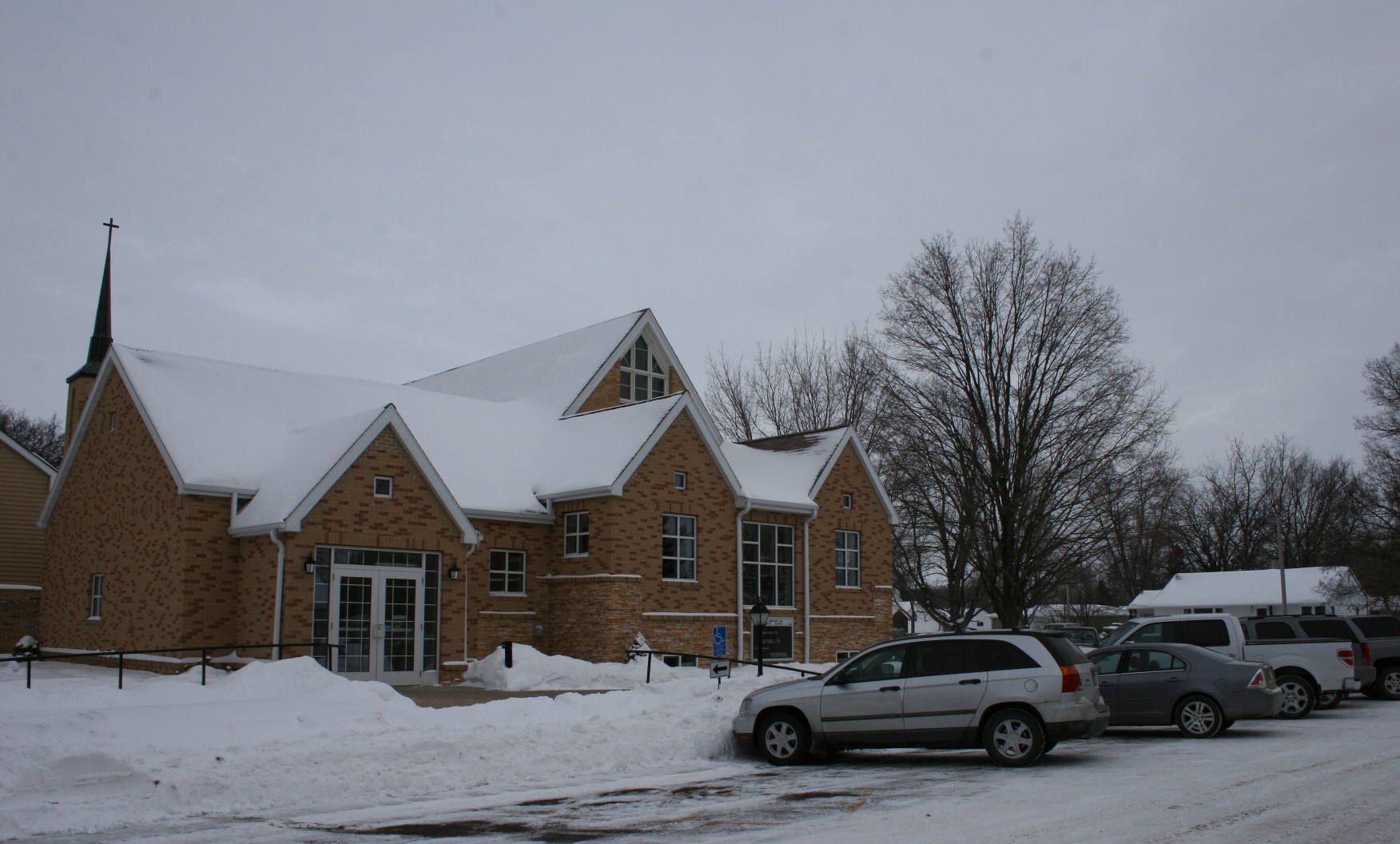
Trinity Lutheran Church, Medford, Minnesota.

Trinity Lutheran Church, Medford, Minnesota.

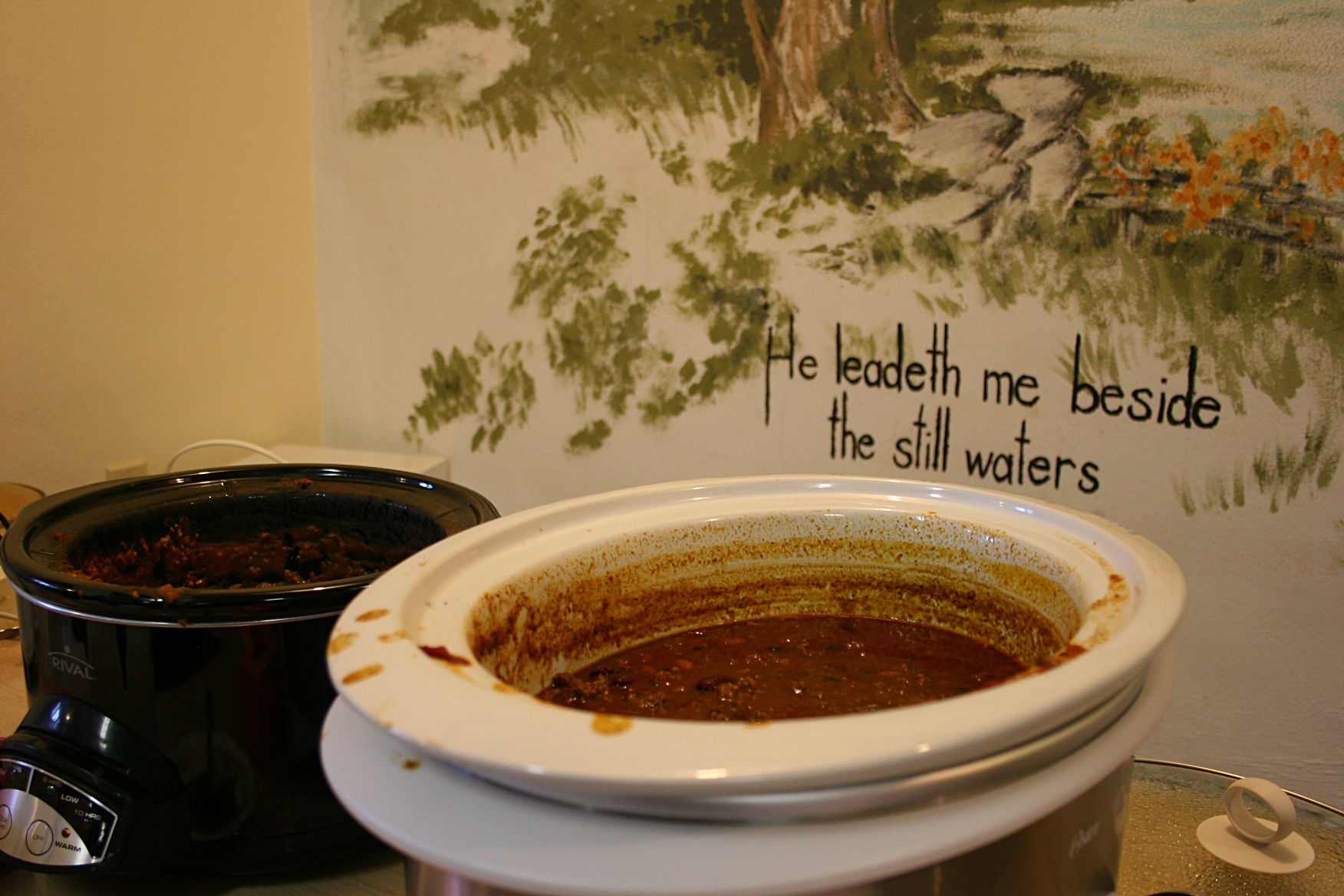
THE SPICY SCENT OF CHILI wafted up the stairs as I entered the church late Sunday afternoon for Trinity Lutheran, Medford’s, second annual Chili Cook-Off.

A sign directs diners to the church basement.

A sign directs diners to the church basement.

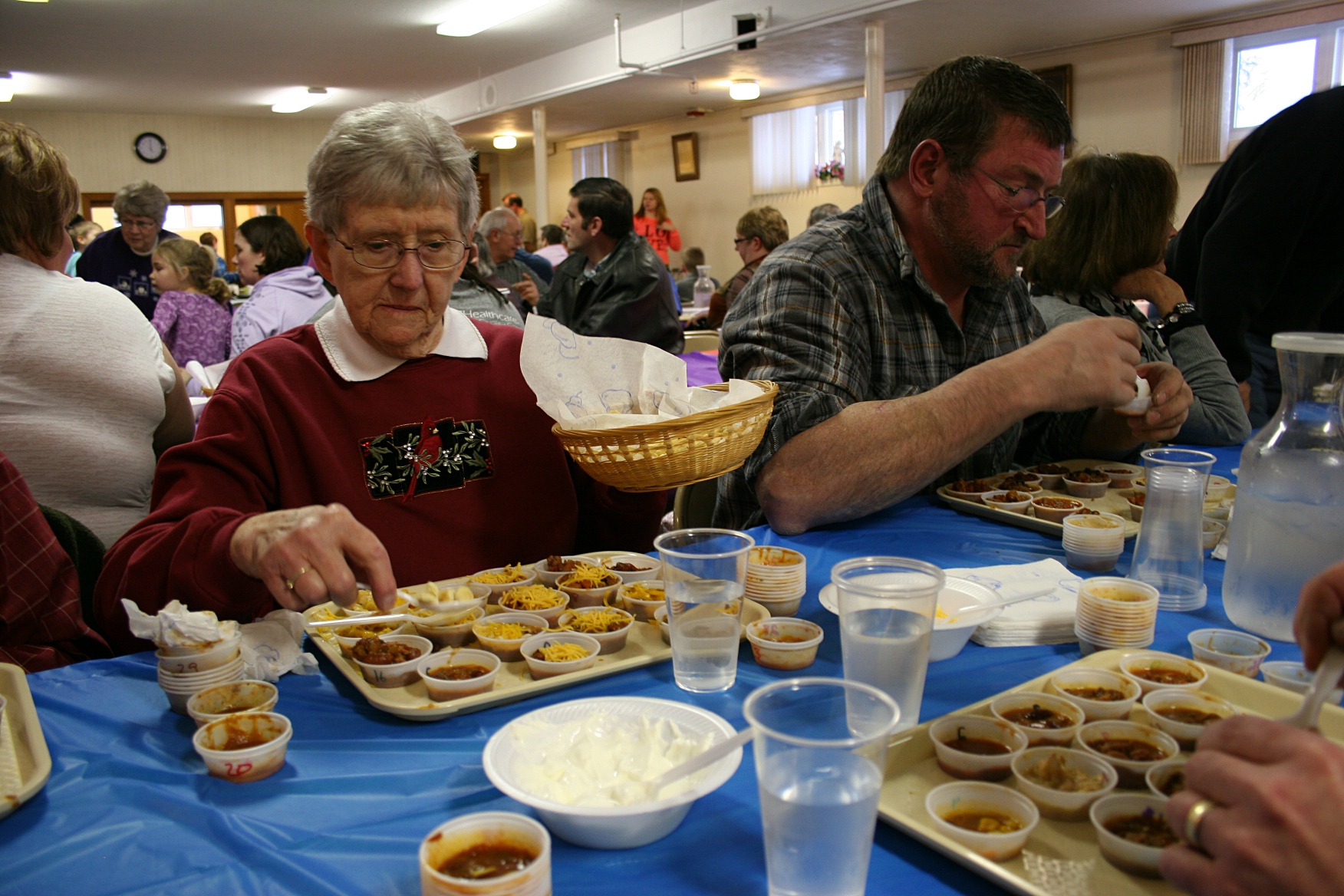
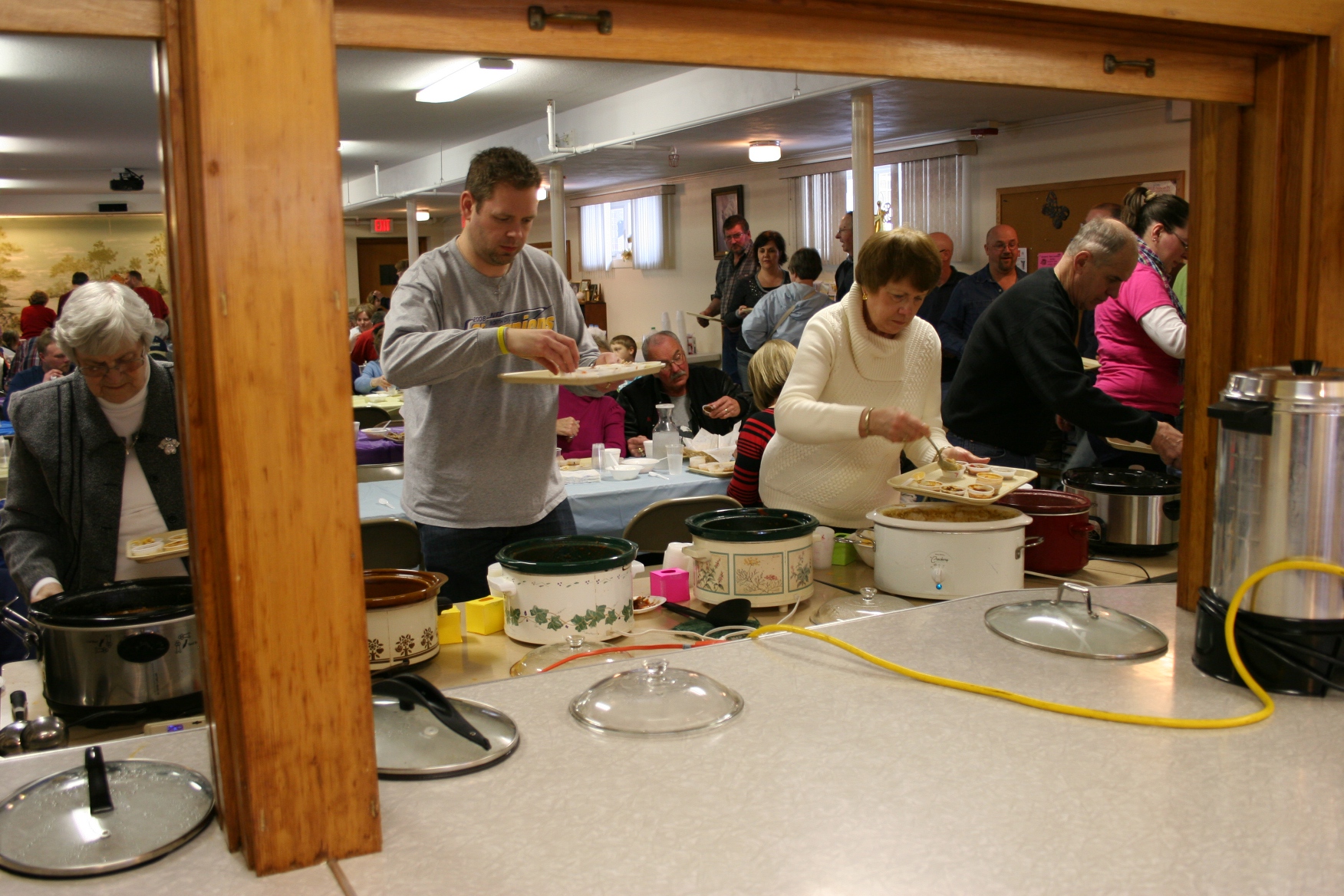
I shed my winter coat, got instructions on the chili sampling process and then headed downstairs to taste, and judge, 30 homemade chilis. Twas a nearly impossible task given the numbers and the home-cooked goodness.

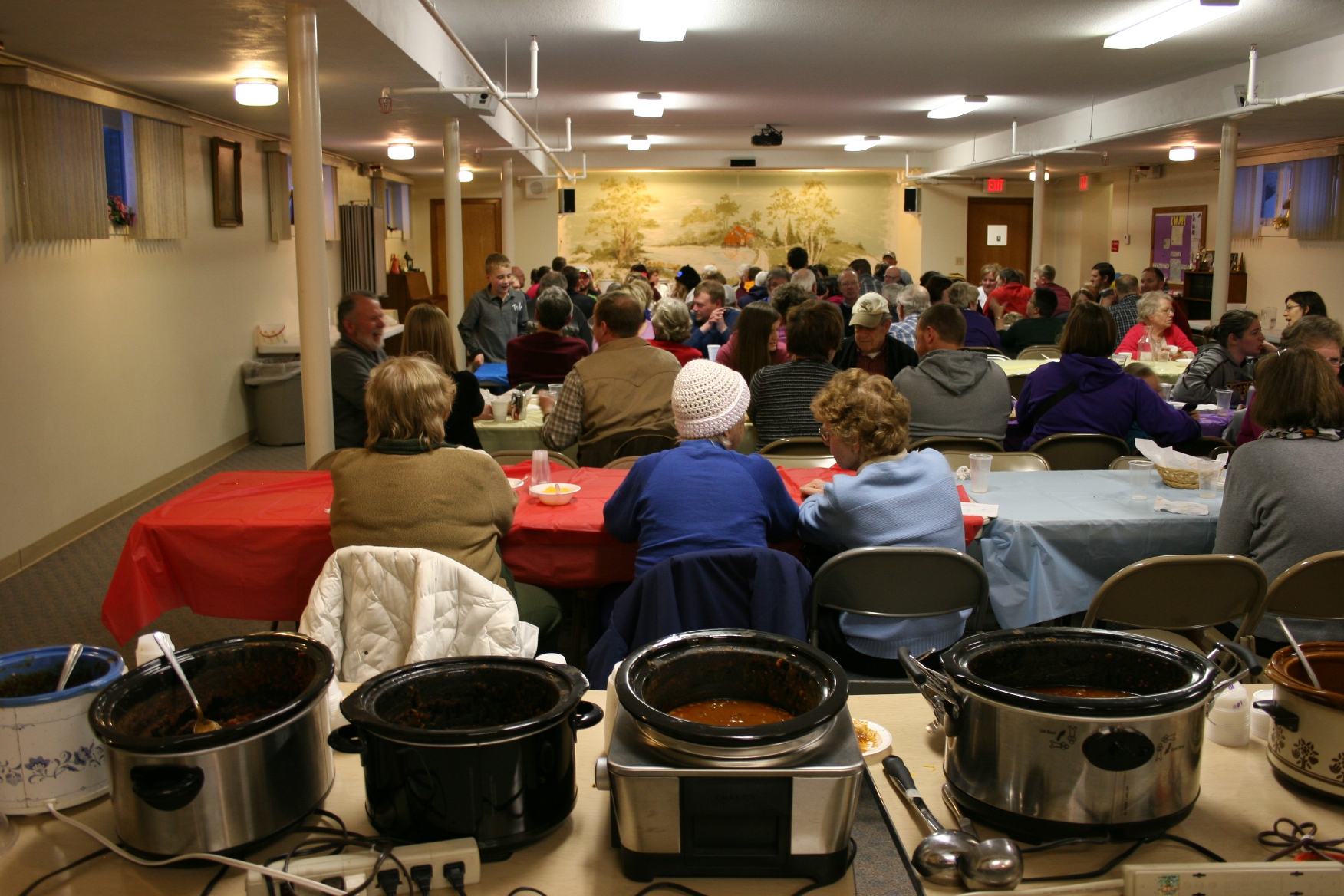
Trinity's basement was packed.

Dining in the church basement.

I’ve found church basement food events to be, with only one exception, superb dining experiences.

Randy and I dined with friends from our church, Trinity Lutheran, Faribault.

Randy and I dined with friends from our church, Trinity Lutheran, Faribault.

Here, in the fellowship of friends, I spooned chili into numbered plastic cups, ate and then attempted to choose my favorites. I had five tickets to cast five votes.

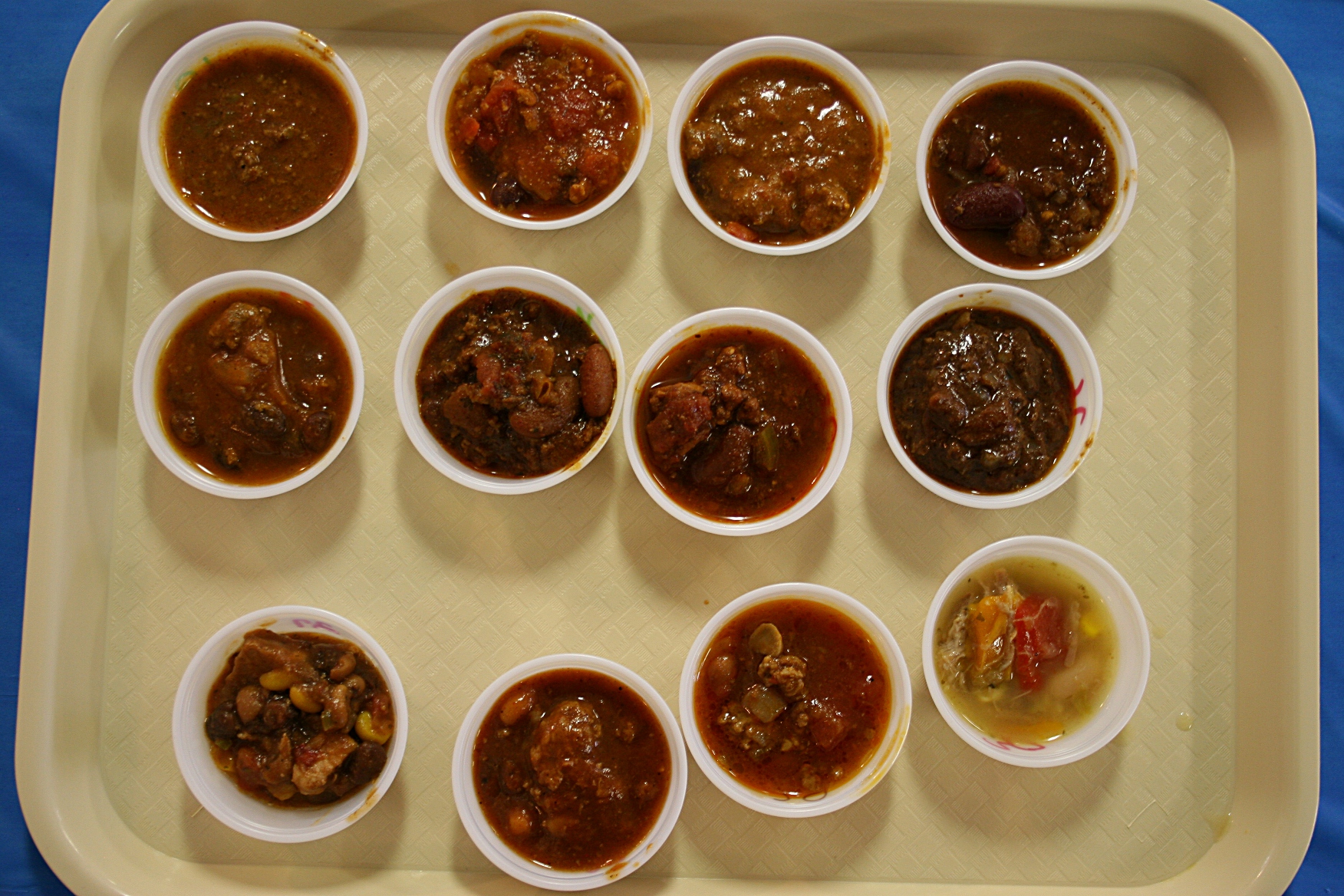
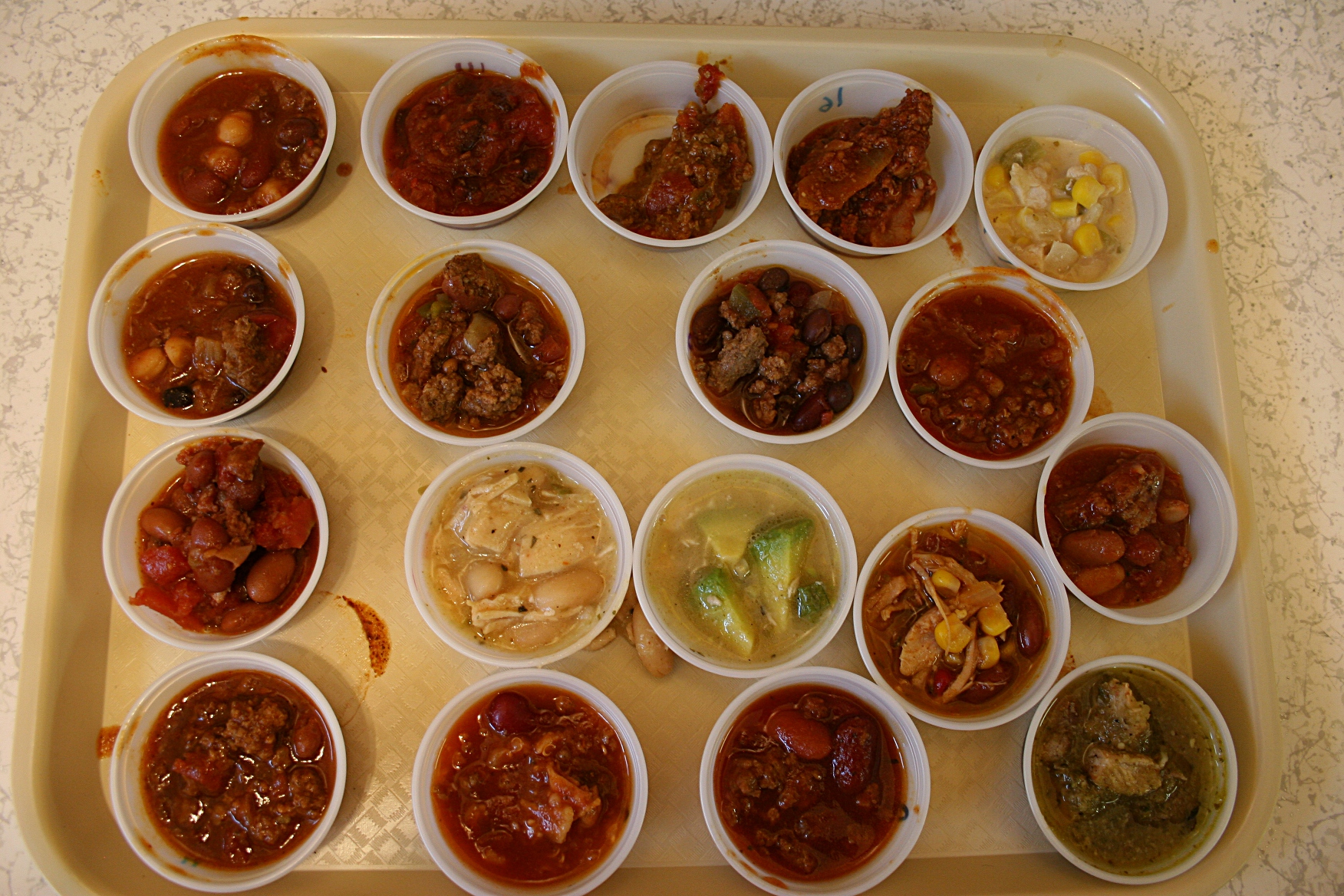
The first 12 of 30 chilies sampled.

The first 12 of 30 chilies sampled.

Some I quickly eliminated as too bland or too salty or too ordinary.

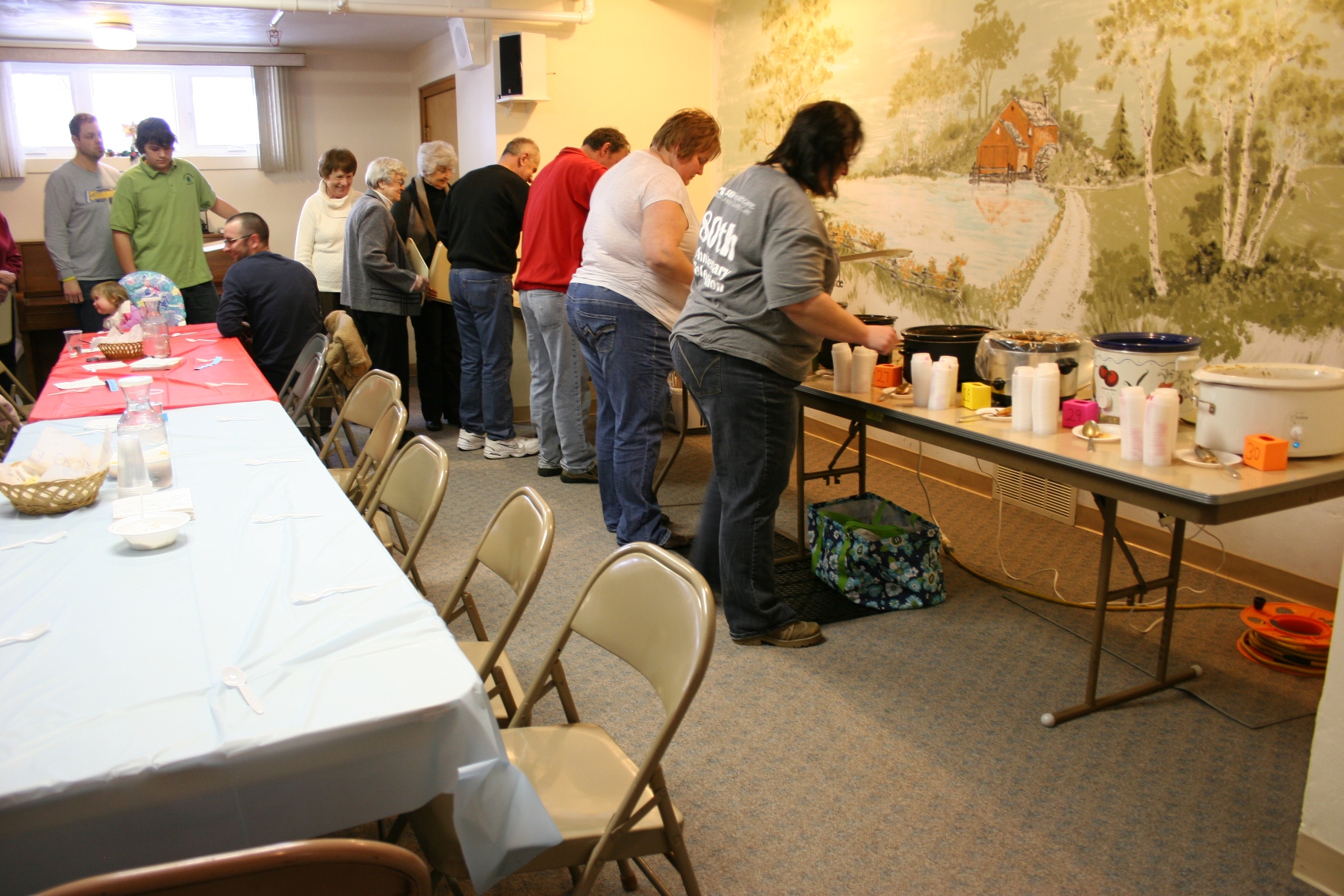
Diners spoon chili into cups.

Diners spoon chili into cups.

I was looking for something savory and different.

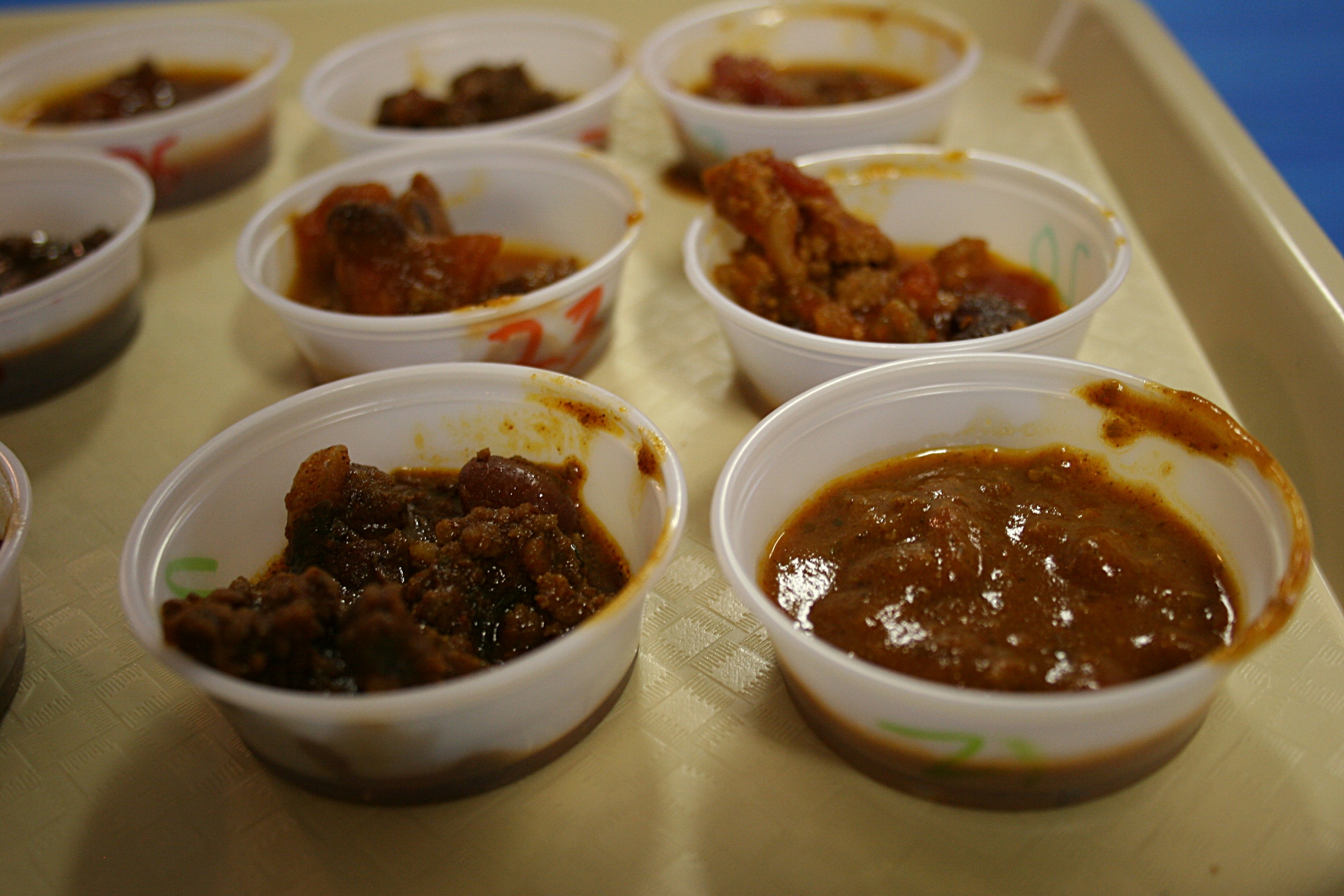
So many varieties to taste.

So many varieties to taste.

In one chili I detected a hint of cinnamon.

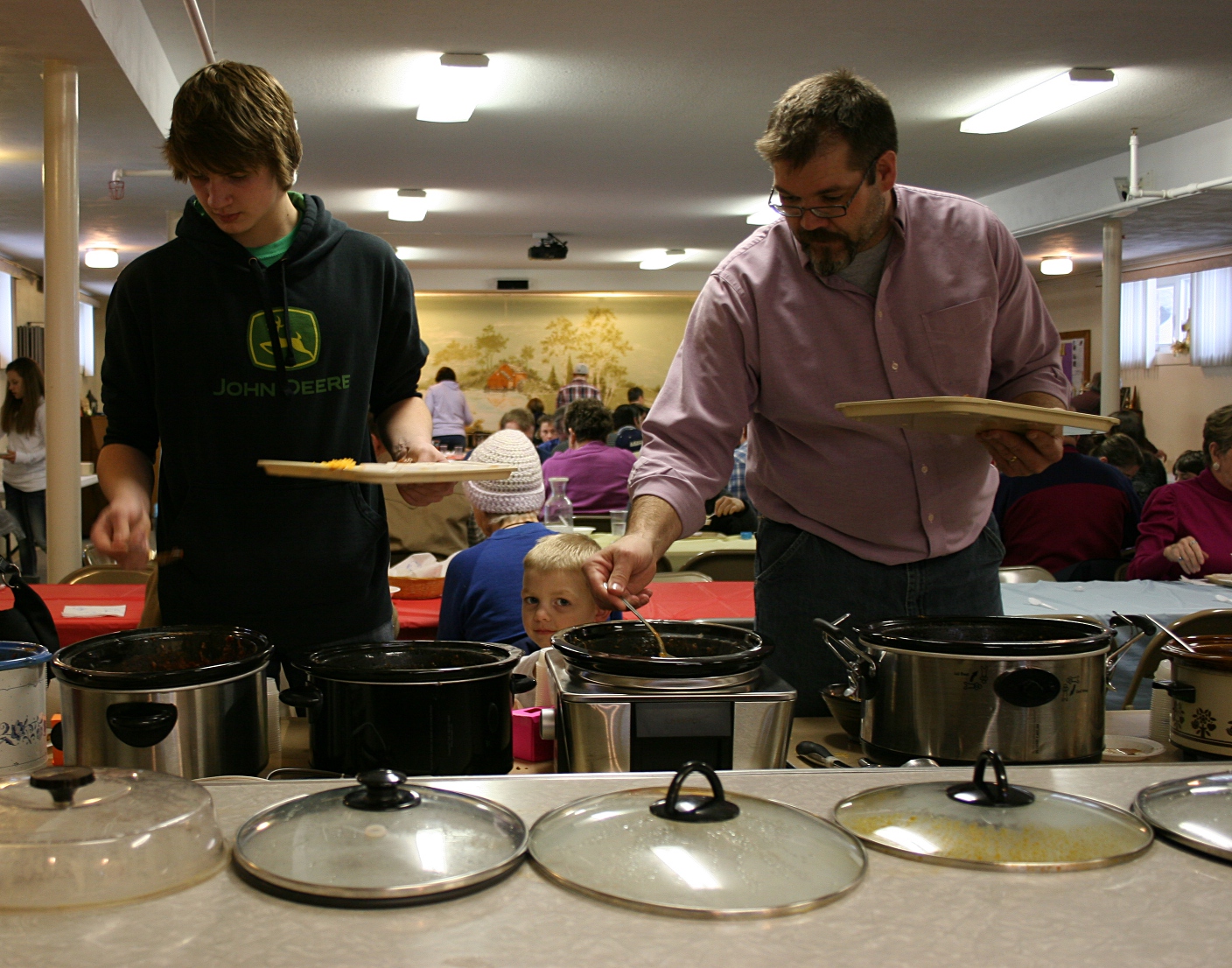
Crockpots of chili were set up on tables on opposite ends of the basement.

Crockpots of chili were set up on tables on opposite ends of the basement.

Many, as you would expect, tasted of tomato in varying degrees of intensity.

Each diner got five tickets with which to cast votes.

Lines formed to spoon up the chili.

Chocolate overwhelmed one. An attempt, perhaps, to woo the female vote?

Eighteen more chilis to try, including the (green) avocado one in the second row from the bottom.

Eighteen more chilis to try, including the (green) avocado one in the second row from the bottom.

A chili laced with chunks of avocado won my favor, while my husband, seeing the green veggies, wouldn’t even try it. His loss.

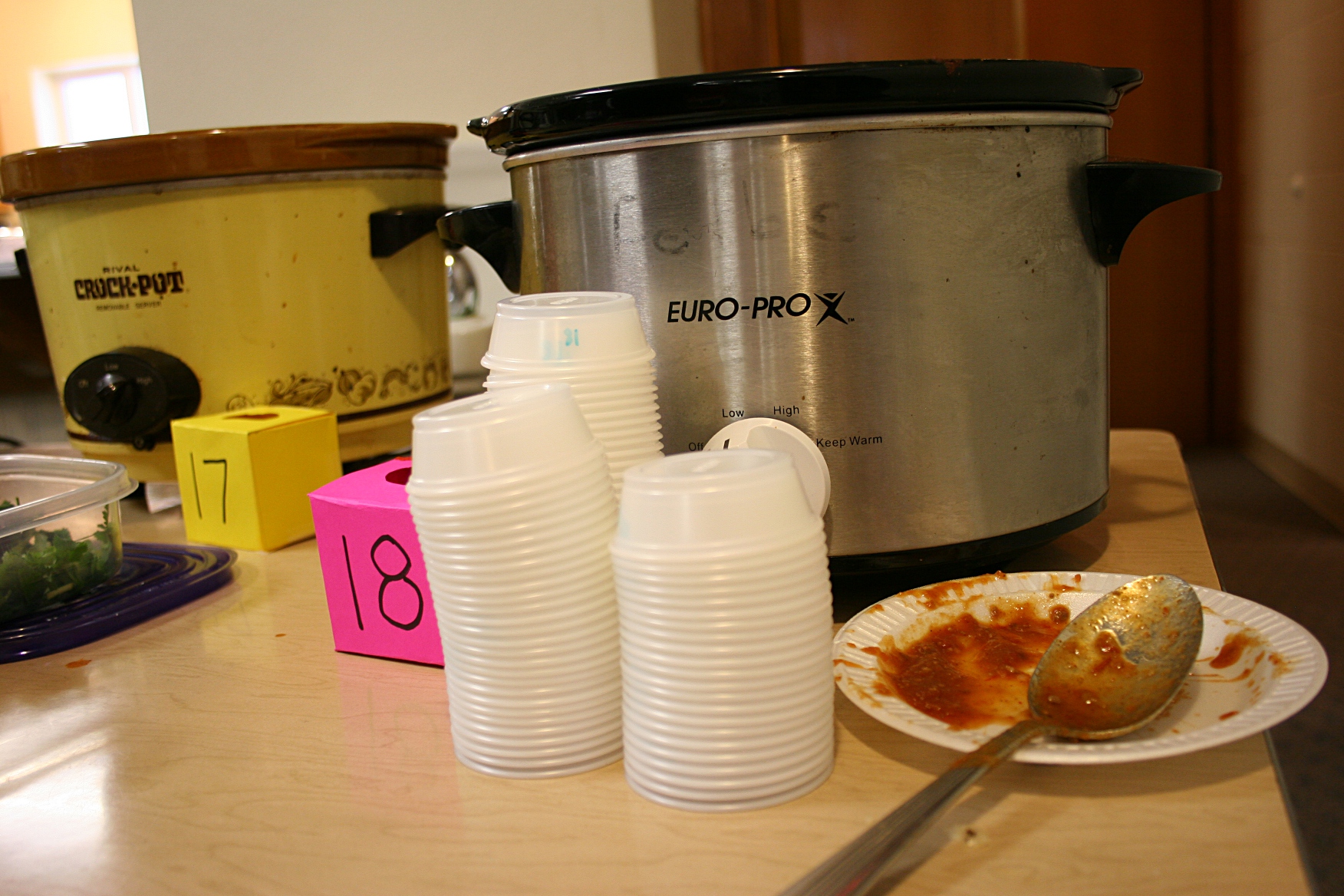
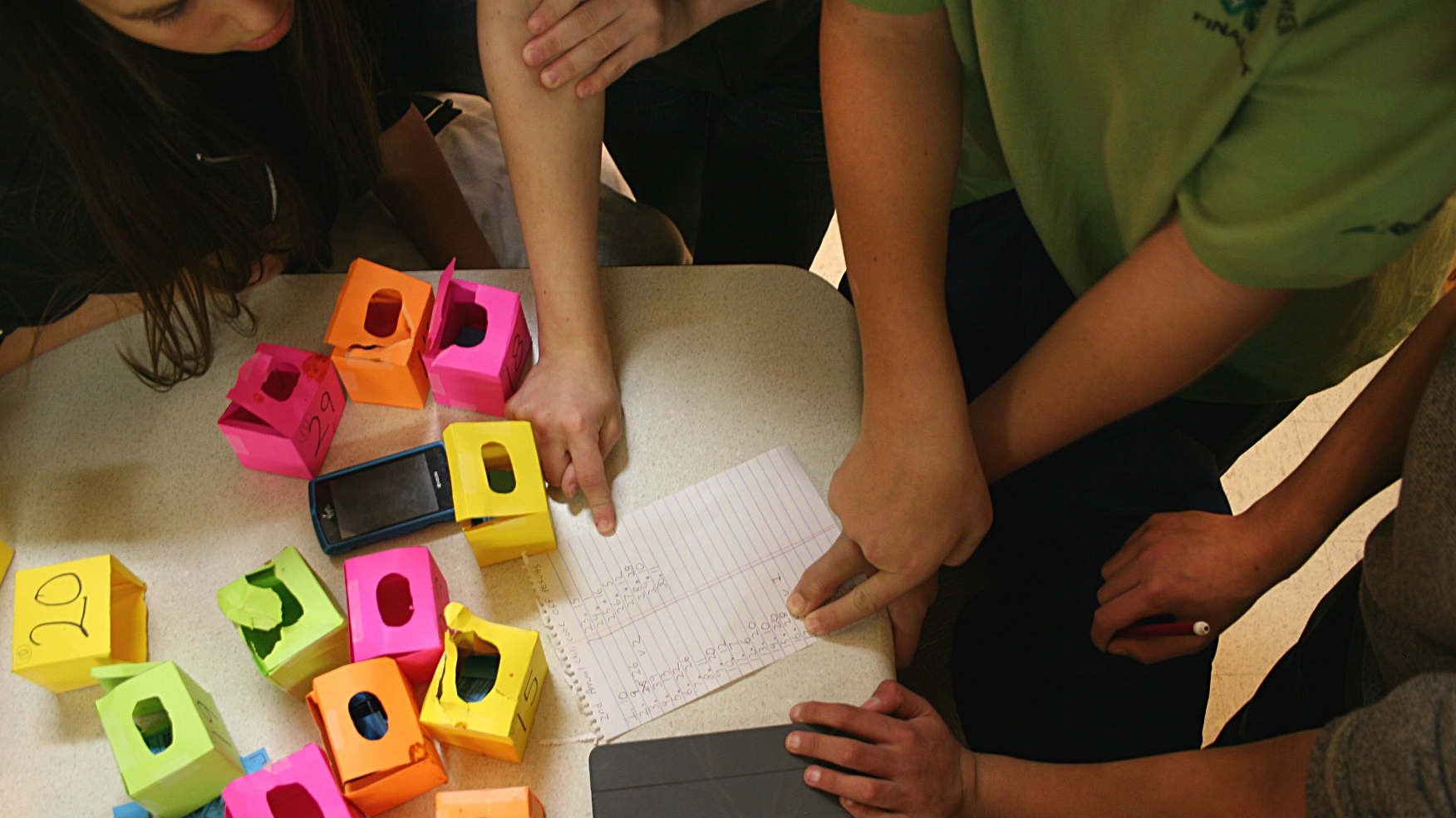
Numbered cups were stacked by the appropriately numbered chili.

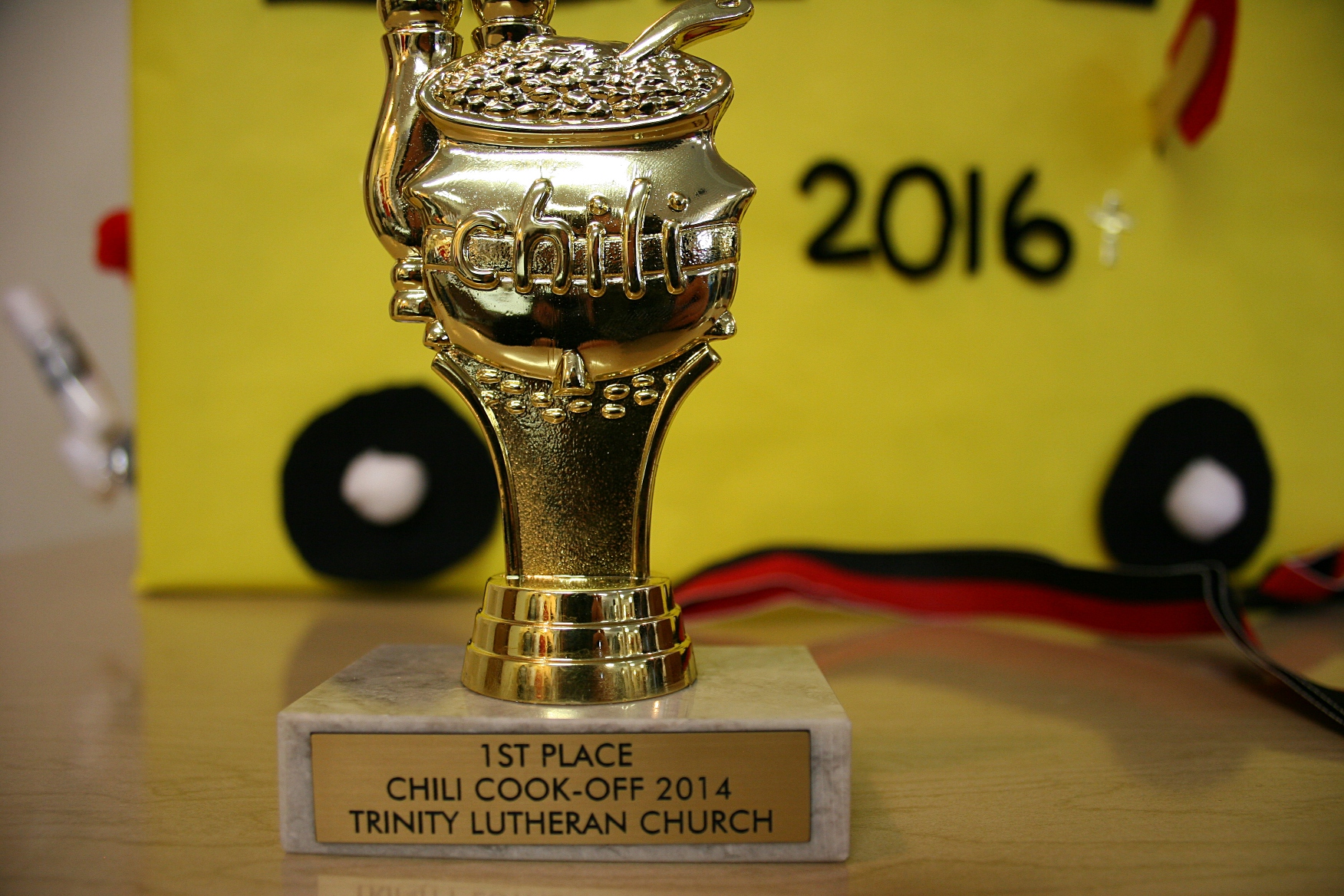
Numbered cups were stacked by the appropriately numbered chili. Diners placed tickets in the boxes to vote. Kari Yule’s chili, number 17, took the trophy. And, yes, I voted for Kari’s chili, among four others.

Of one chili, number 25, the opinion seemed unanimous. This chili packed some wicked heat, so hot I motioned for Randy to refill my water glass and, after a few gulps, to “please pass the crackers.”

A list of those who made chili.

A list of those who made chili.

Afterward I would find the chili sign-up sheet upstairs in the church narthex with “Dante’s Inferno” on the list.

A trophy and first and second place medals were awarded.

A trophy and first and second place medals were awarded.

In the end, Kari Yule claimed the trophy while Amy Grayson took second and Randy Lemke (with help from niece Brandi) came in third.

A line forms near the church kitchen.

A line forms near the church kitchen.

All were winners in my eyes—especially us 120 diners.

Trinity's youth count the votes.

Trinity’s youth count the votes.

Trinity youth also earned $803 through a free will offering for the 2016 Lutheran Church Missouri Synod National Youth Gathering in New Orleans.

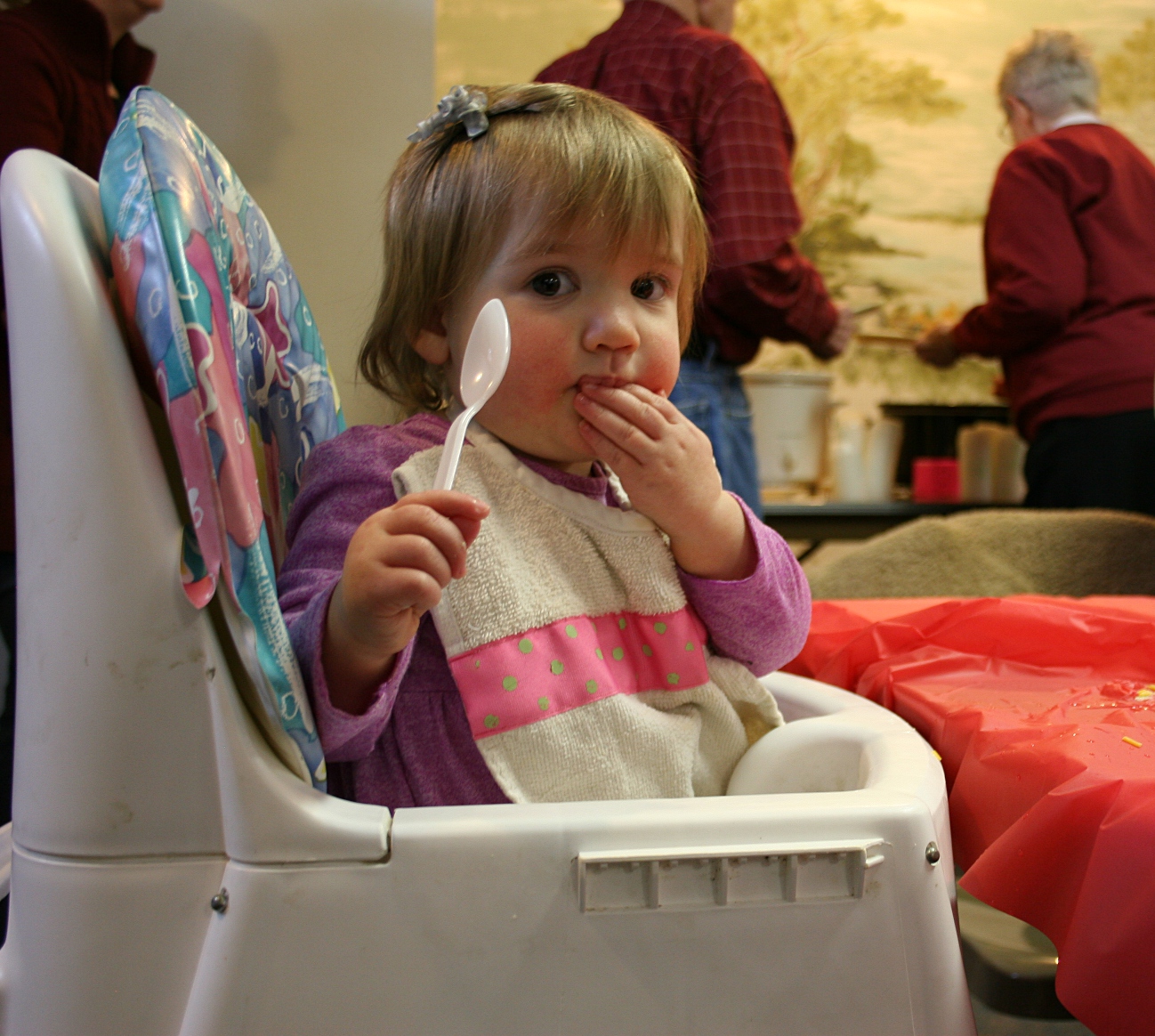
I'm not sure how much, if any, chili little Lauren ate. But she was there with her parents, Pastor Mark Biebighauser and his wife, Joni.

I’m not sure how much, if any, chili little Lauren ate. But she was there with her parents, Pastor Mark Biebighauser and his wife, Joni.

What a great event. If you haven’t attended a chili cook-off or partaken of food in a church basement, do. You’ll find delicious food, good company and, typically, will assist in funding a worthy cause.

© Copyright 2014 Audrey Kletscher Helbling


Faithful support of Christian education September 19, 2013

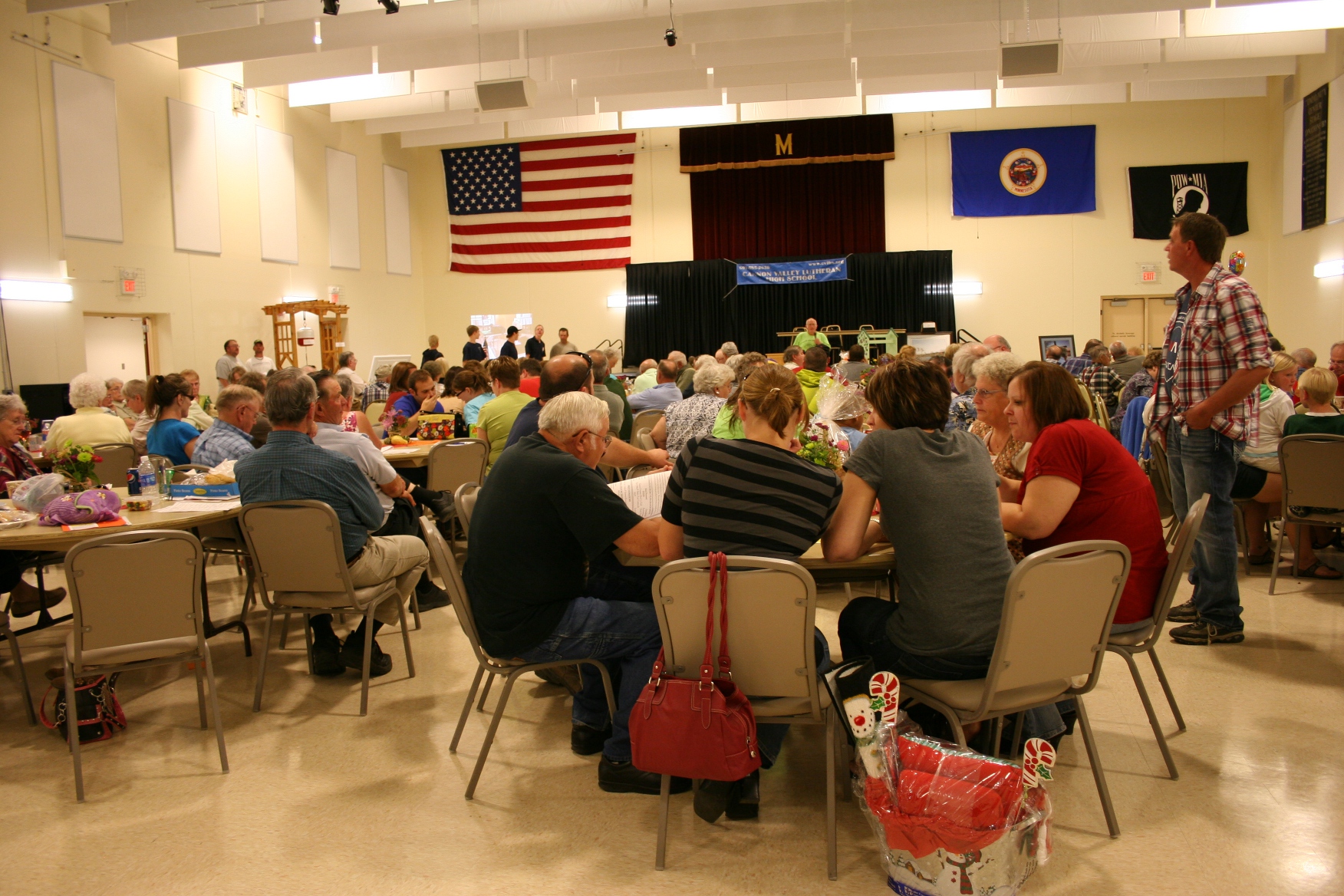
The crowd of bidders at the annual CVLHS auction.

The crowd of bidders at the annual Cannon Valley Lutheran High School auction. Minnesota Prairie Roots file photo.

THERE’S SOMETHING ABOUT AN AUCTION. Sure, the cause may be to empty the house, settle an estate, raise monies for a charity or cause.

But the beauty of an auction lies in the bringing together of folks in a sense of community to achieve a defined goal.

Never have I felt a deeper bonding of souls than at the annual Cannon Valley Lutheran High School Auction Fundraiser, which I’ve attended for many of its past six years. I feel like I’m among family at this auction in the Morristown Community Center. We’re all there to support young people desiring a Christian education.

This Saturday, September 21, CVLHS holds its seventh annual auction event beginning at 4:30 p.m. with a silent auction (that closes at 6 p.m.) followed by the live auction at 7 p.m.

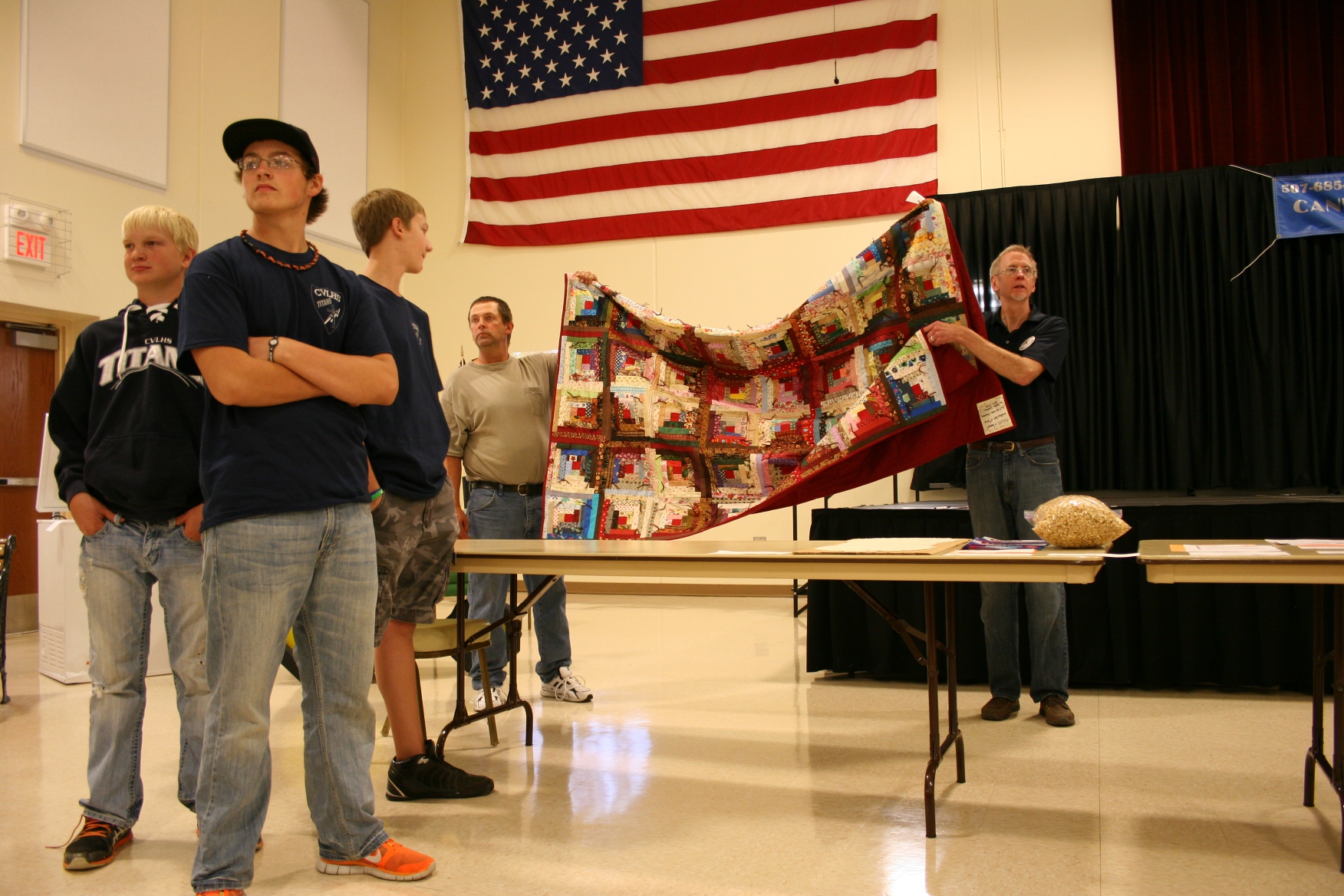
Auctioning of beautiful pieced quilt at the CVLHS live auction.

Auctioning of a beautiful pieced quilt at the CVLHS live auction. Volunteer Development Director Mike Young is pictured on the right. Minnesota Prairie Roots file photo.

Organizers—including my friend, volunteer Development Director Mike Young—work tirelessly to put this event together. Mike’s not going to like me singling him out. But sometimes that’s OK, to be publicly thanked for selfless dedication and hard work.

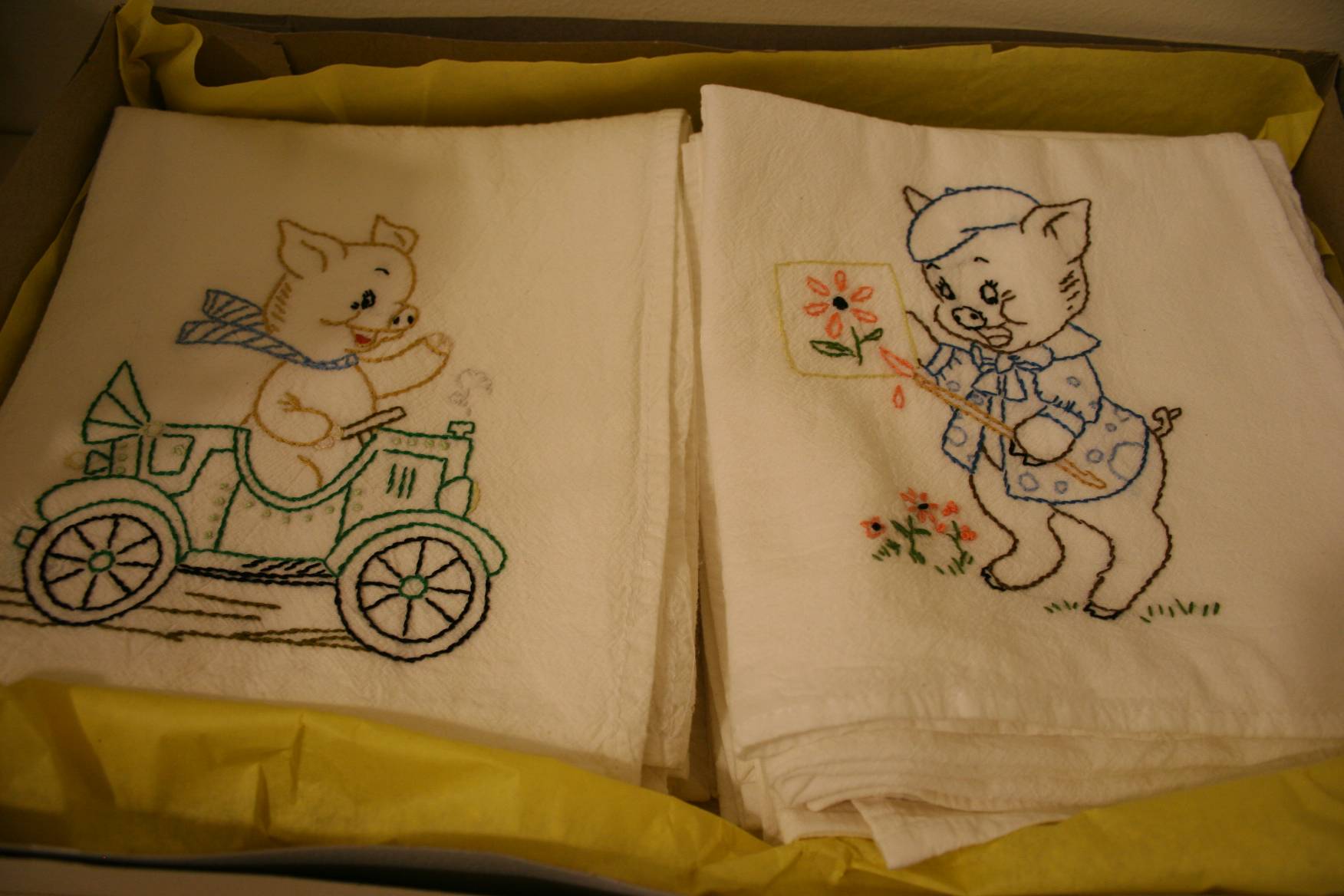
Embroidered dish towels were among silent auction offerings.

Embroidered dish towels were among silent auction offerings at a past auction. Minnesota Prairie Roots file photo.

Jars of pickled beets on display.

Jars of pickled beets and other fresh and canned produce and baked goods are available for purchase. Minnesota Prairie Roots file photo.

You can't beat the food served during the CVLHS auction, like this pork sandwich, potato salad and homemade apple pie.

You can’t beat the food served during the CVLHS auction, like this pork sandwich, potato salad and homemade apple pie. Minnesota Prairie Roots file photo.

So many individuals and businesses contribute to the success of this event with donations of handcrafted and new items, garden produce and baked goods, gift certificates and more, including their time.

They do it all for the students attending Cannon Valley, a grade 9 – 12 Christian high school located in Morristown.

Except this school year, classes have been temporarily suspended in order for CVLHS to repay debts, regroup and recruit more students. It’s not easy funding a private school—relying mostly on donations, gifts, congregational support, tuition and fundraisers to pay the bills. The plan is to reopen the school next fall.

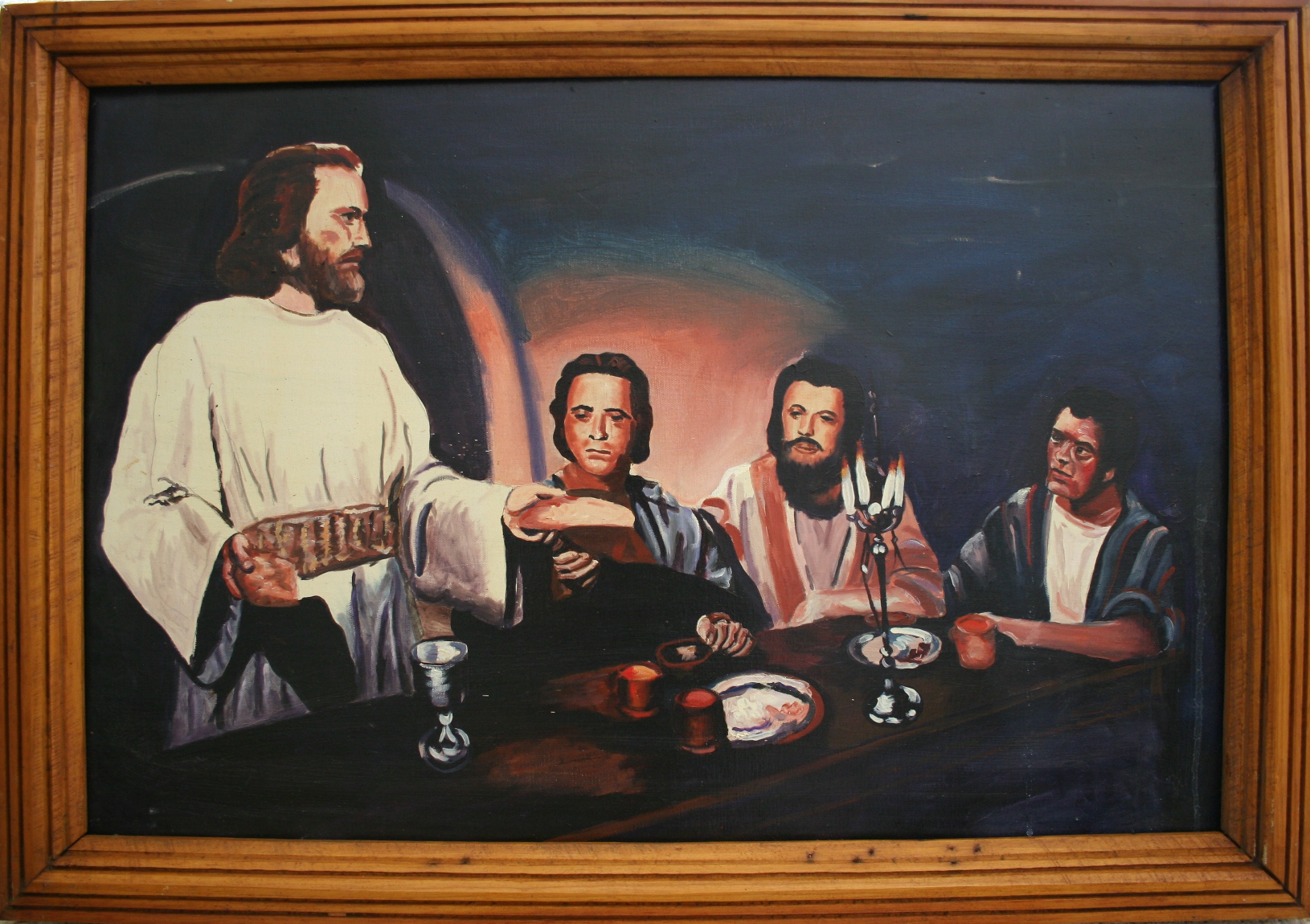
"Breaking Bread," an original painting by well-known Faribault artist Rhody Yule, will be sold during the live auction.

“Breaking Bread,” an original painting by well-known Faribault artist Rhody Yule, will be sold during the live auction.

Now the fine folks at Cannon Valley and their supporters could have easily tossed in the proverbial towel and said, “That’s it. We’re done.” But they didn’t. They are choosing to move forward despite the financial challenges. That’s faith, dear readers. Faith.

FYI: To learn more about Cannon Valley Lutheran High School, click here.

To learn more about artist Rhody Yule, click here.

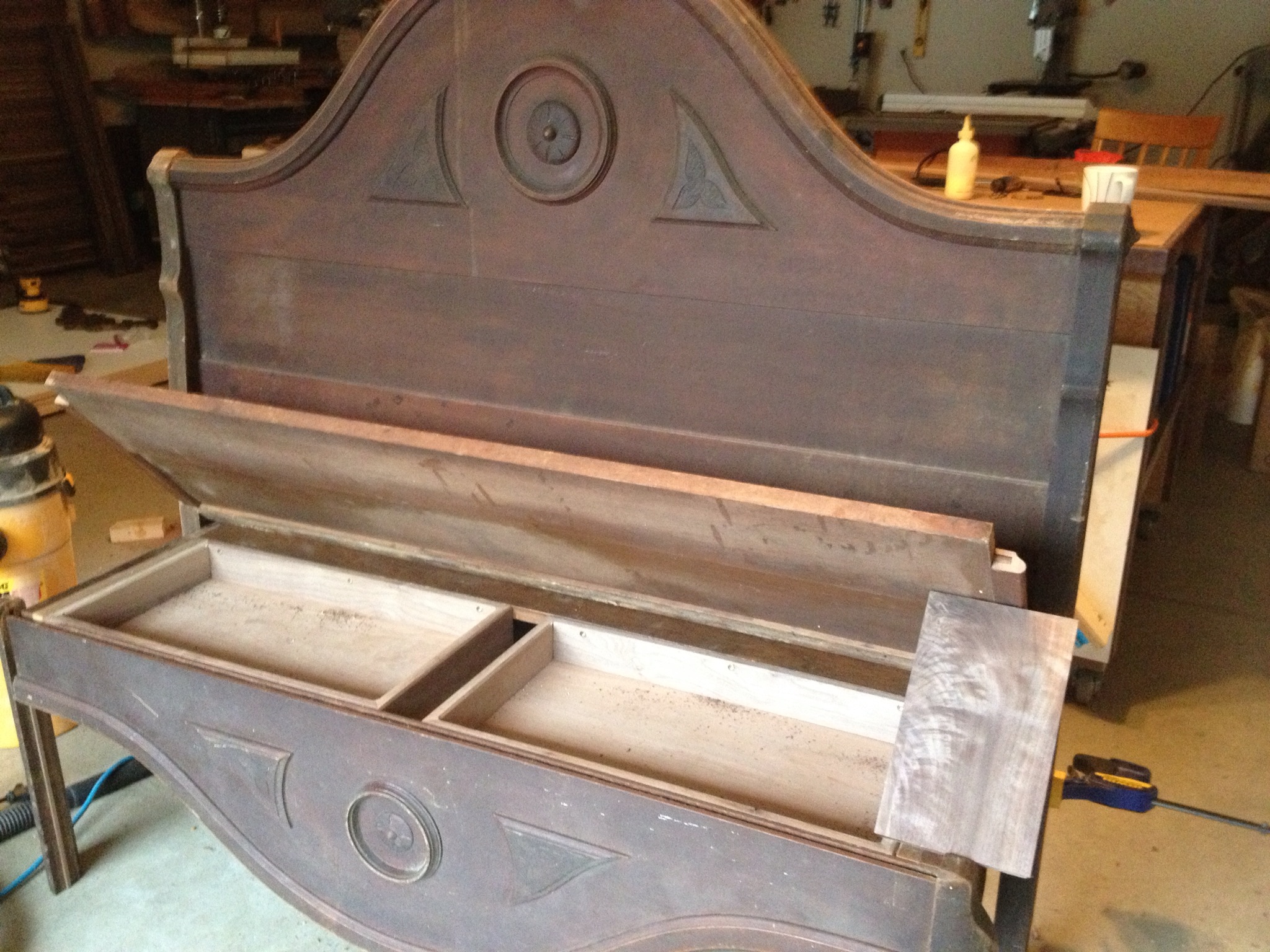
CVLHS supporter Kevin Becker repurposed this early 1900s headboard and bed frame in to a storage bench. The headboard was built by the grandfather of the Rev. Robert Snyder, a retired pastor at Trinity Lutheran Church, Faribault.

CVLHS supporter Kevin Becker repurposed this early 1900s headboard and bed frame in to a storage bench. The headboard/footboard was built by the grandfather of the Rev. Robert Snyder, a retired pastor at Trinity Lutheran Church, Faribault. Trinity congregation is a CVLHS association member/supporter. Photo courtesy of CVLHS.

Here are some of the items to be sold at the live auction beginning at 7 p.m.: farm fresh hamburger; a get-away for four to Branson, Missouri; tickets to the Minnesota Zoo and Chanhassen Dinner Theatre; a week’s stay at Lake Okoboji, Iowa; two half hogs; a Cedar Garden Arbor Electric organ; handcrafted Intarsia art; a Minnesota Twins print autographed by Tony Oliva; garden art; and more.

© Copyright 2013 Audrey Kletscher Helbling


In Luverne: “Go digital or go dark” August 29, 2013

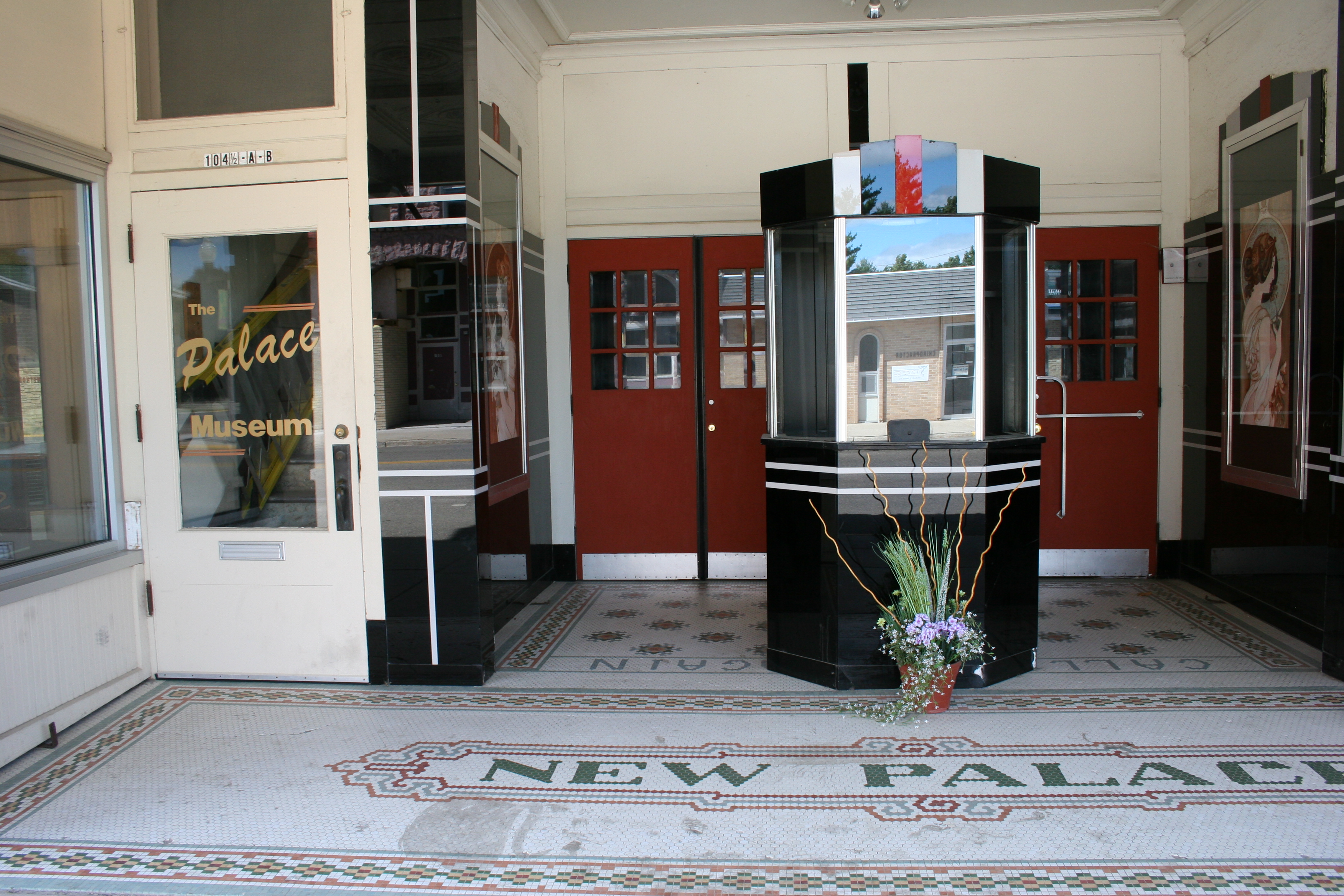
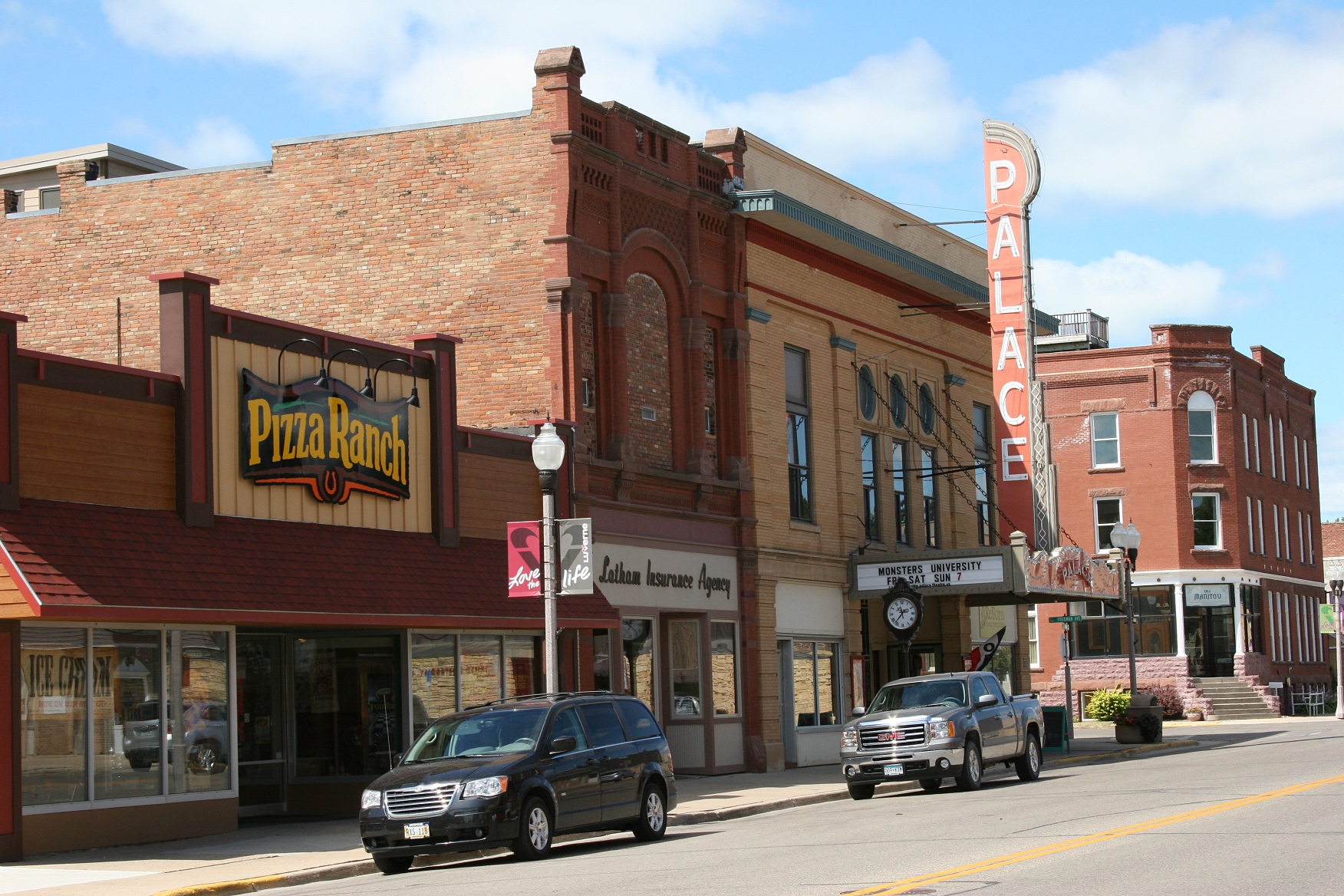
The entry to the historic Palace Theatre in downtown Luverne, Minnesota.

The entry to the historic Palace Theatre in downtown Luverne, Minnesota.

THE DOORS TO THE OLD THEATRE were locked, much to my dismay, on a recent Saturday visit to Luverne in extreme southwestern Minnesota.

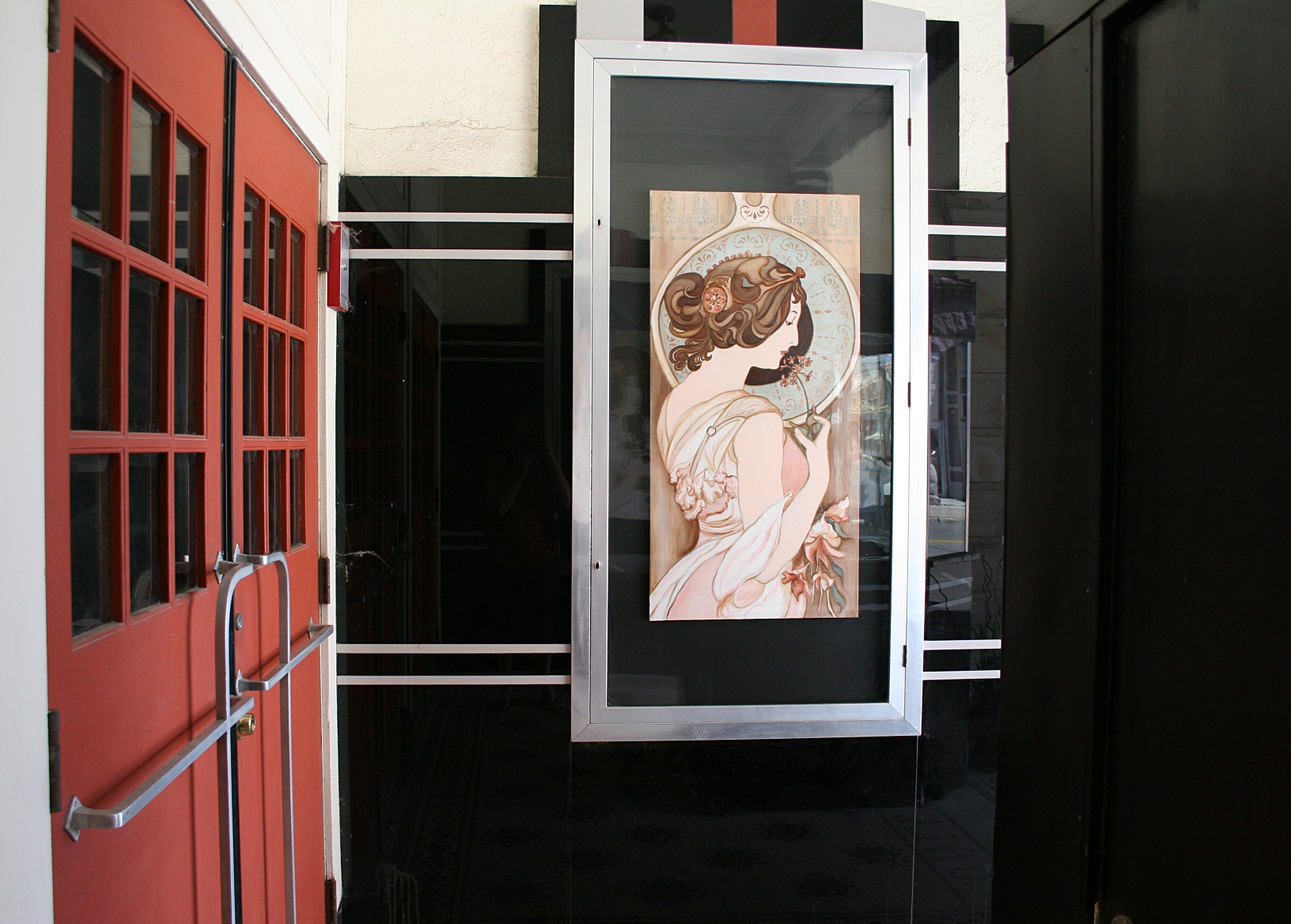
Charming exterior art.

Charming exterior art.

If only I could have gotten inside to view the original painted wall panels, stage curtains, pipe organ, and artistic wall and ceiling décor inside the 1915 Palace Theatre.
I am a fan of old theatres and of old buildings in general. But you know that if you’ve followed Minnesota Prairie Roots.

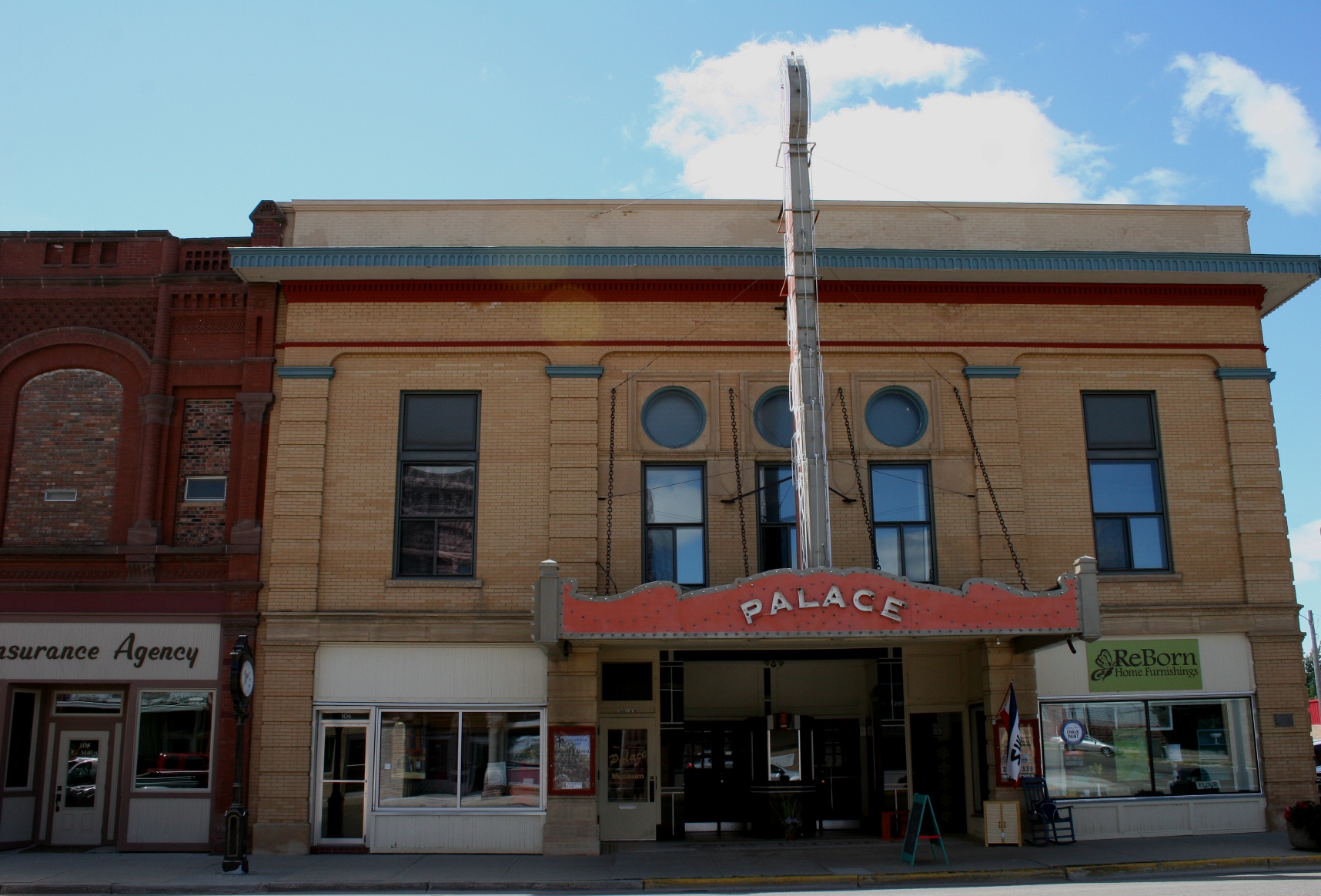
That's ReBorn, in the right corner of the city-owned theatre building at 102 E. Main Street.
The city-owned Palace Theatre at 102 E. Main Street, operated by the nonprofit Blue Mound Area Theatre.

That Luverne appreciates the value of its historic theatre enough to preserve the building, which hosts a variety of cultural and other events, pleases me. The building was placed on the National Register of Historic Places in 1978.
Theatre supporters are currently working to continue one aspect of the building’s use, that of showing movies. Through the “Go Digital or Go Dark” campaign, efforts are underway to raise $75,000 for the purchase of a digital projector. At the end of 2013, film companies will no longer produce 35mm film, necessitating the switch.
Now I’m not a big movie watcher, having last viewed an in-theatre movie several years ago. But I like the option of a local theatre, which my community of 23,000 no longer has. Sad. Truly sad.

I expect the good folks of Luverne would miss their movies, too, should funding not come through for the digital projector.

A notable sign draws the eye to the Palace.

A notable sign draws the eye to the Palace.

A special fundraising event, “A Night at the Palace,” slated for Saturday, September 7, will raise monies specifically for that projector. Click here to learn more.

There’s just one more bit of information you should know about the Palace Theatre. Six years ago, on September 6, the Palace Theatre hosted the world premiere of The War, a Ken Burns documentary on World War II. Luverne is one of four communities featured in the film.

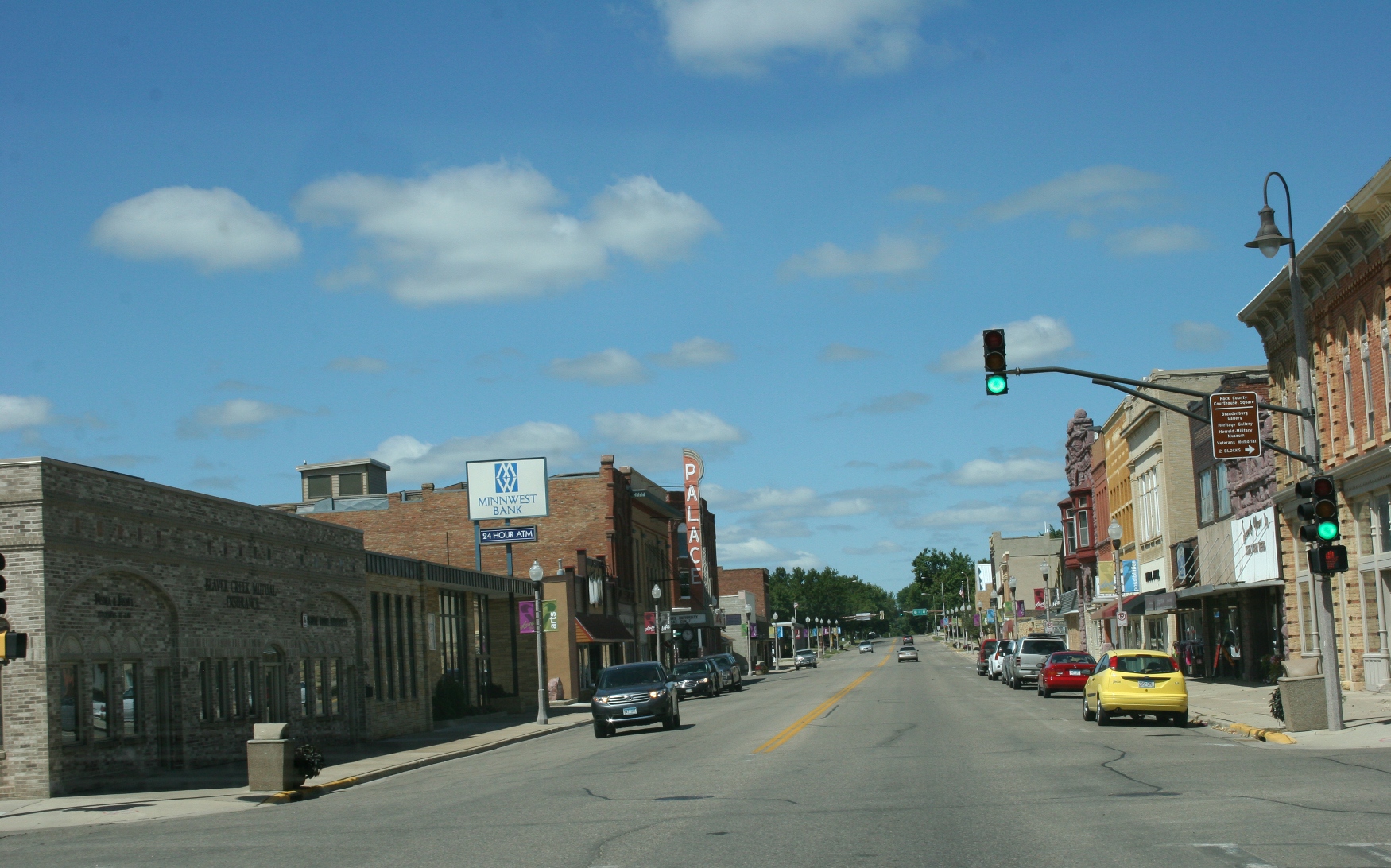
Downtown Luverne, Minnesota.

Downtown Luverne, Minnesota.

Of all the venues which could have been selected for the debut showing, the Palace Theatre was chosen. That, my friends, says a lot for the community of Luverne and the historic theatre.

FYI: To learn about another Luverne theatre in need of funding for a digital projector, click here and read about the Verne Drive-in.

If you wish to donate monies (via PayPal) toward purchasing a digital projector for the Palace Theatre, click here.

© Copyright 2013 Audrey Kletscher Helbling