Minnesota Prairie Roots

Writing and photography by Audrey Kletscher Helbling

Inspiring garden rocks kindness in Pine River January 28, 2025

The Damsite Supper Club in Pine River, Minnesota. (Minnesota Prairie Roots copyrighted photo July 2024)

SIX MONTHS AGO, Randy and I met friends, Sue and Charley, for lunch in Pine River while vacationing in the north central Minnesota lakes region. We enjoyed our meals and conversation at the Damsite Supper Club, which really isn’t a supper club by my definition, but which serves damn good food. It sits across the road from the Pine River Dam, thus the restaurant name.
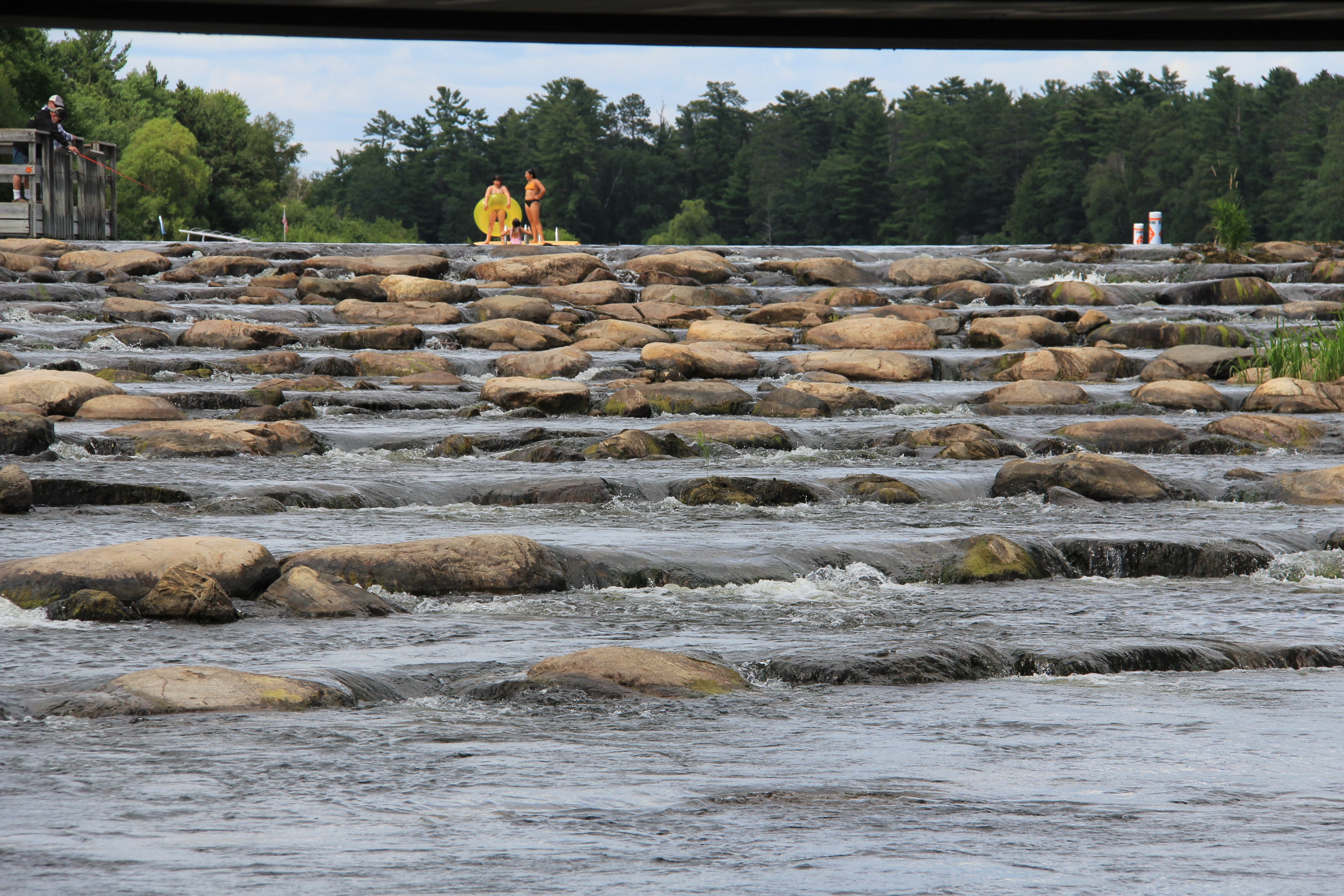
A section of the beautiful rock riffle dam on the Pine River. (Minnesota Prairie Roots copyrighted photo July 2024)

Afterwards, our friends headed back to their Hackensack home while we poked around Pine River. I love exploring small towns for all the treasures they hold. And Pine River holds many, starting with the Kindness Rocks Inspiration Garden, just across from the supper club and river bridge.
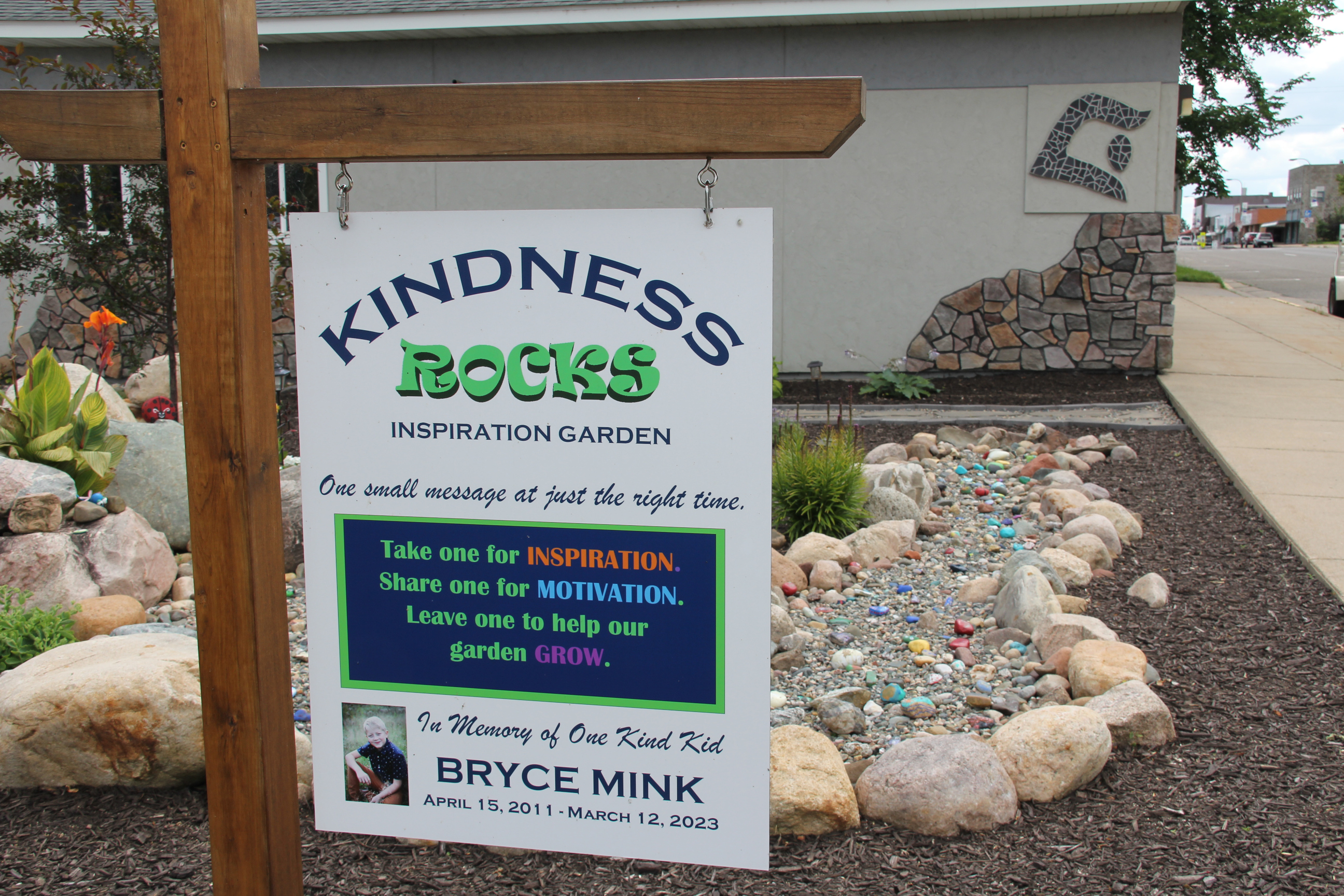

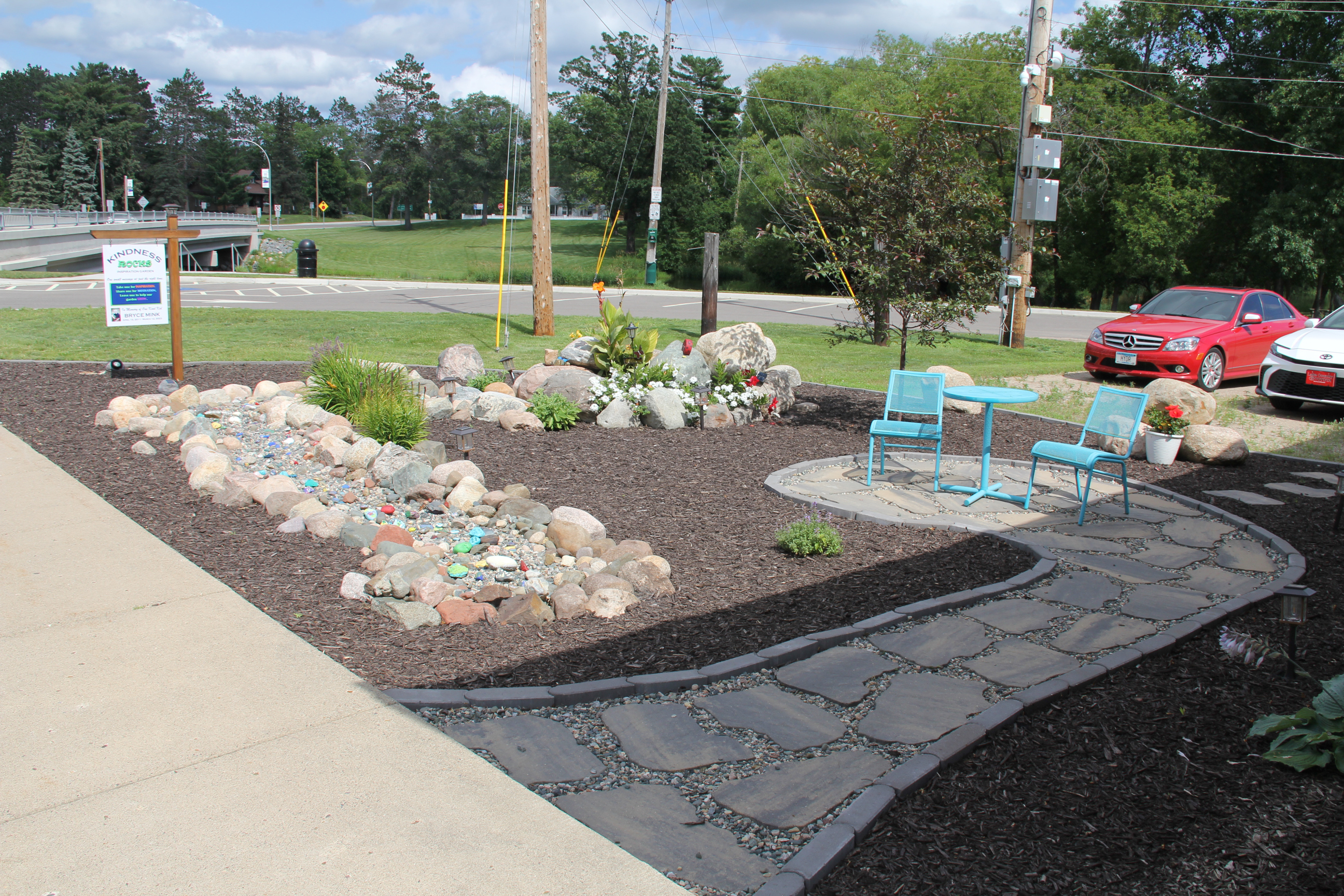
The kindness garden celebrates kindness and Bryce Mink. (Minnesota Prairie Roots copyrighted photo July 2024)
This is what it’s all about–love and loving one another. (Minnesota Prairie Roots copyrighted photo July 2024)
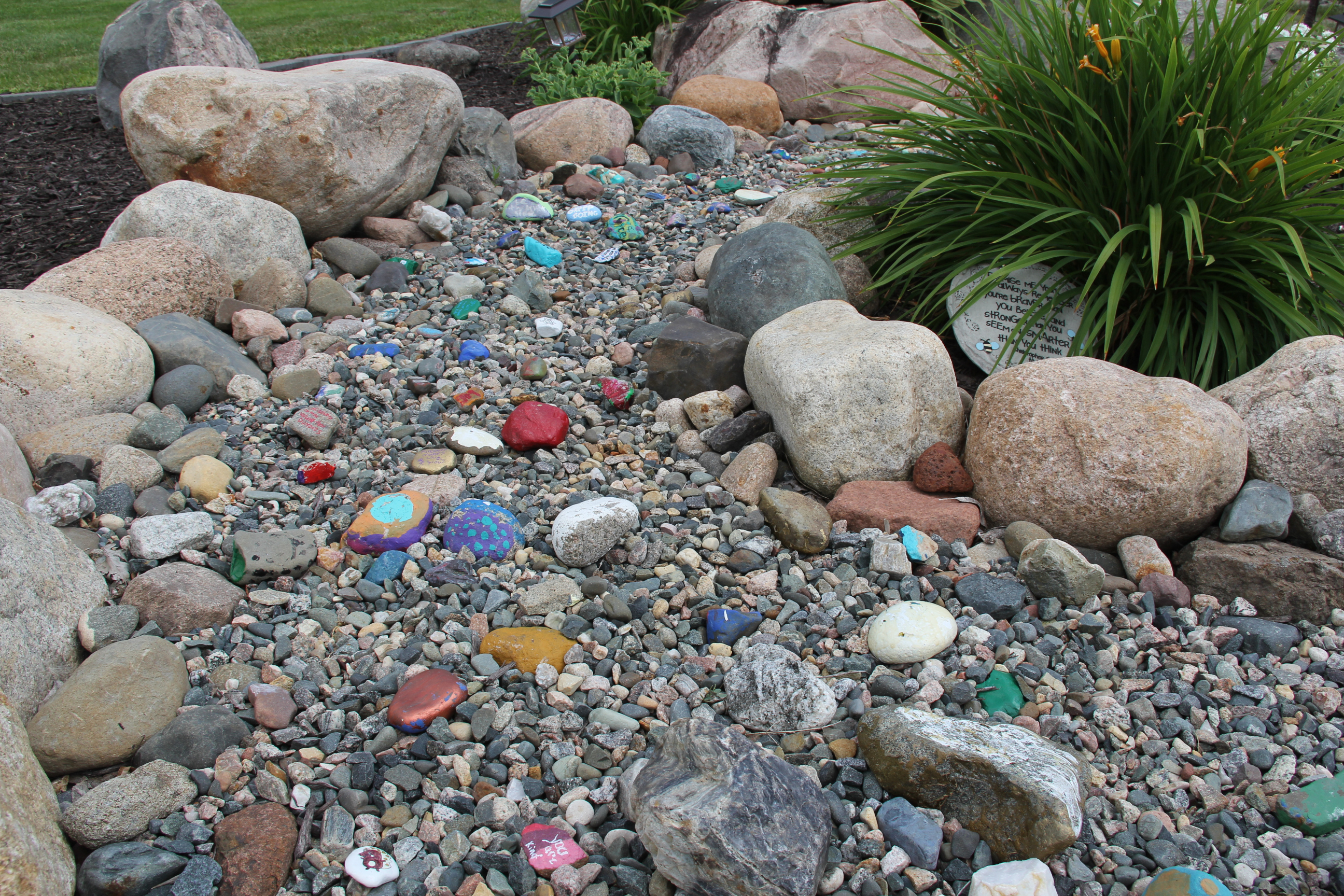
In a bend of the rock river by the lily, a memorial stone quotes Christopher Robin in A.A. Milne’s “Winnie the Pooh”: “Promise me that you’ll always remember that you’re braver than you believe, stronger than you seem and smarter than you think.” (Minnesota Prairie Roots copyrighted photo July 2024)

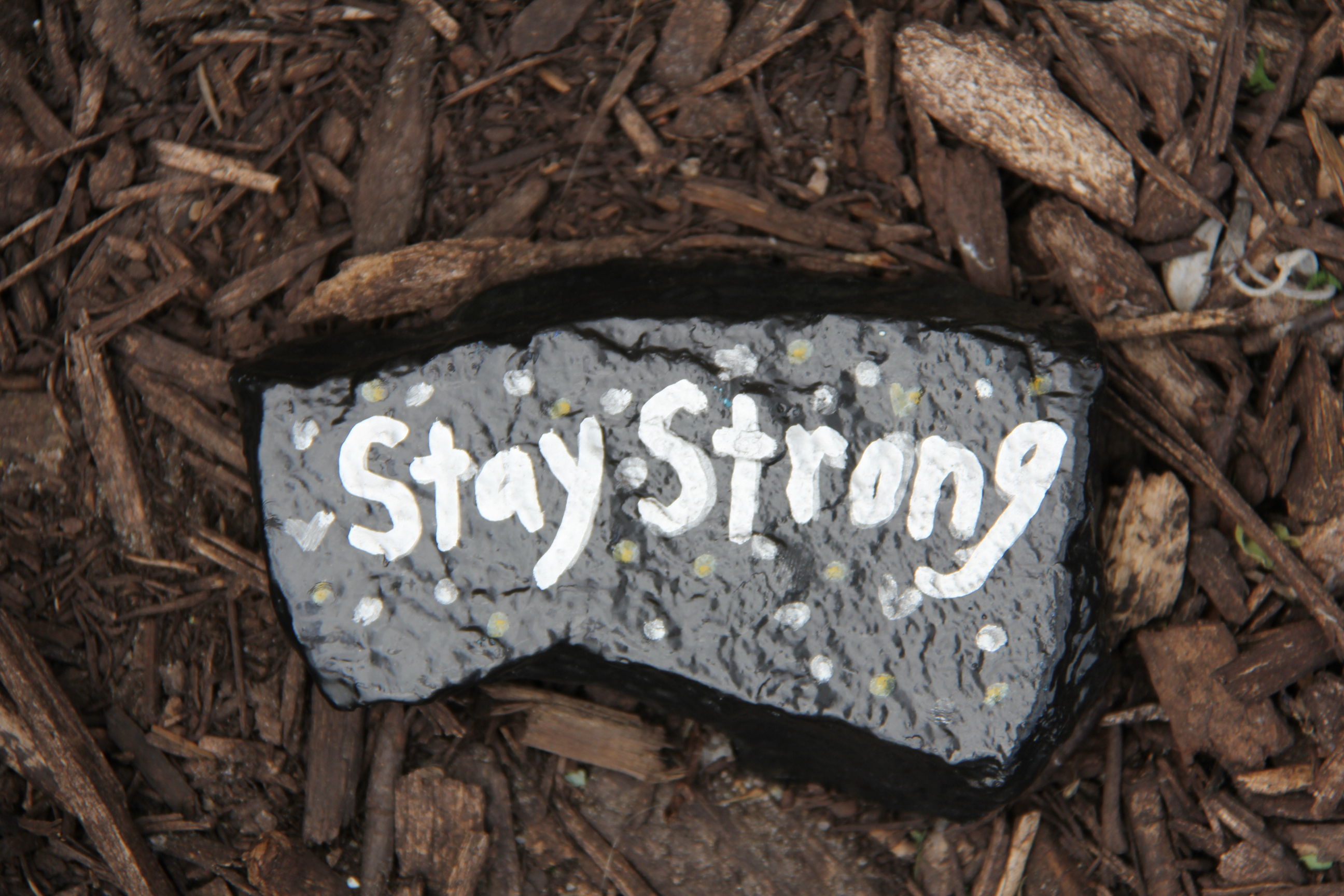
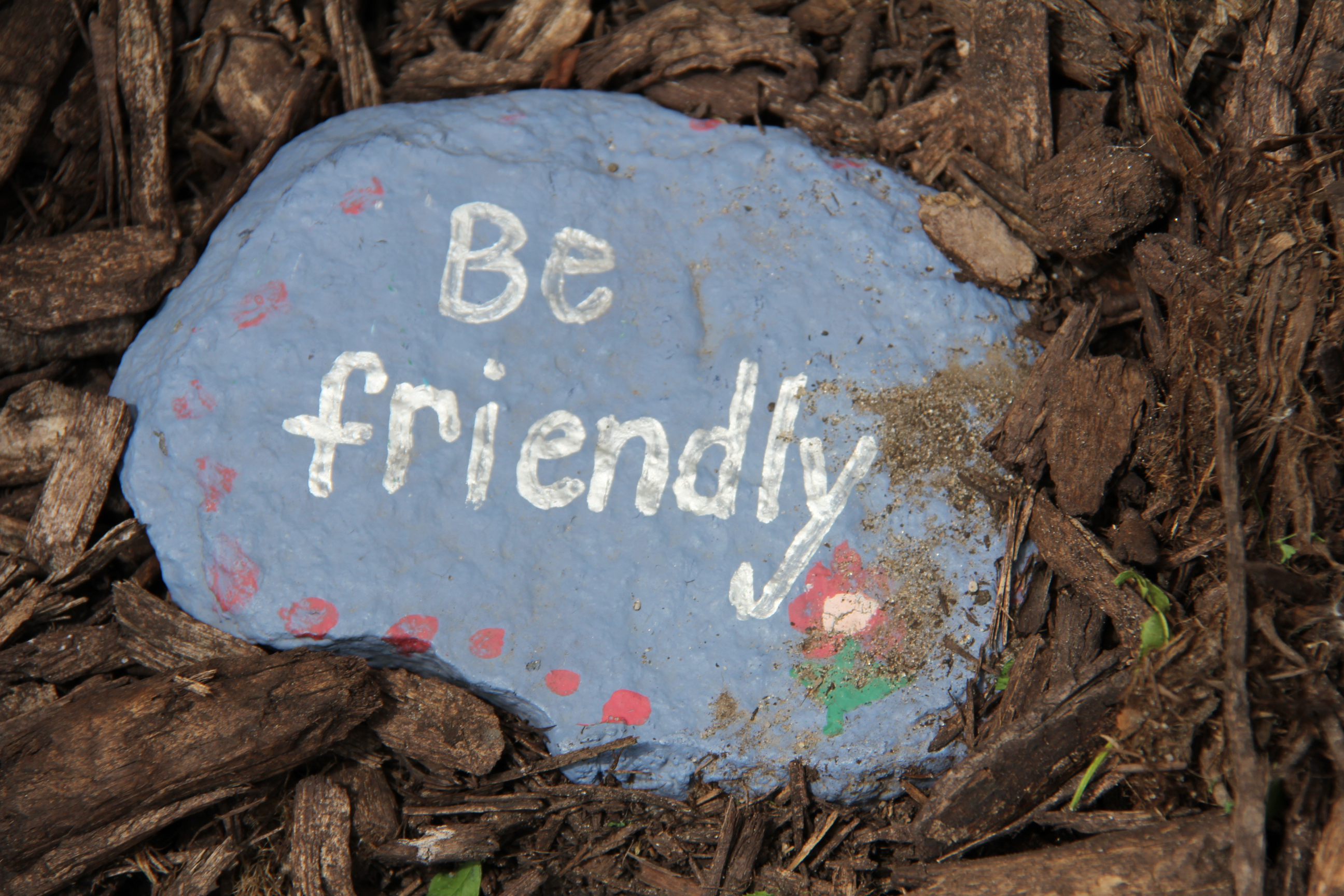
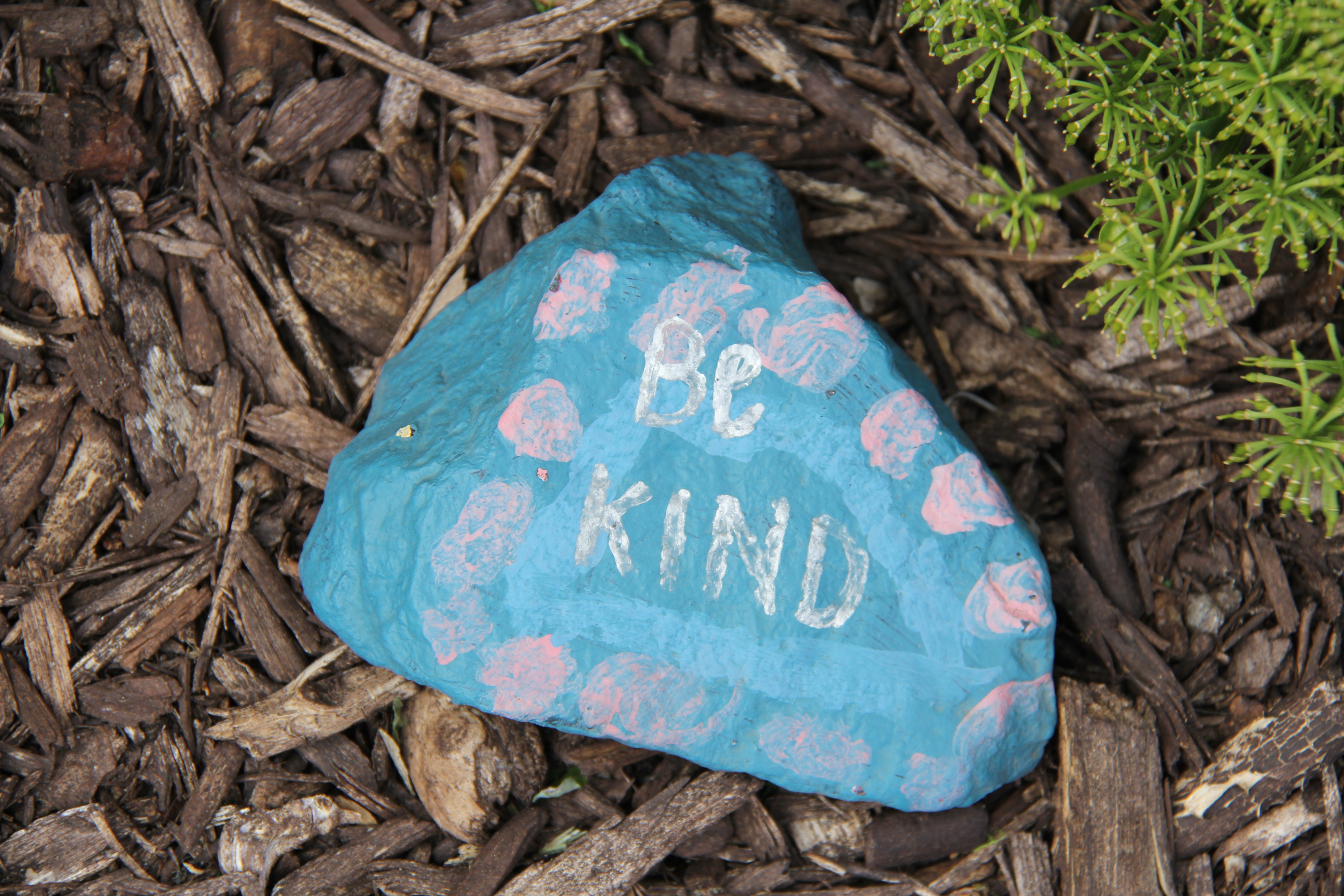
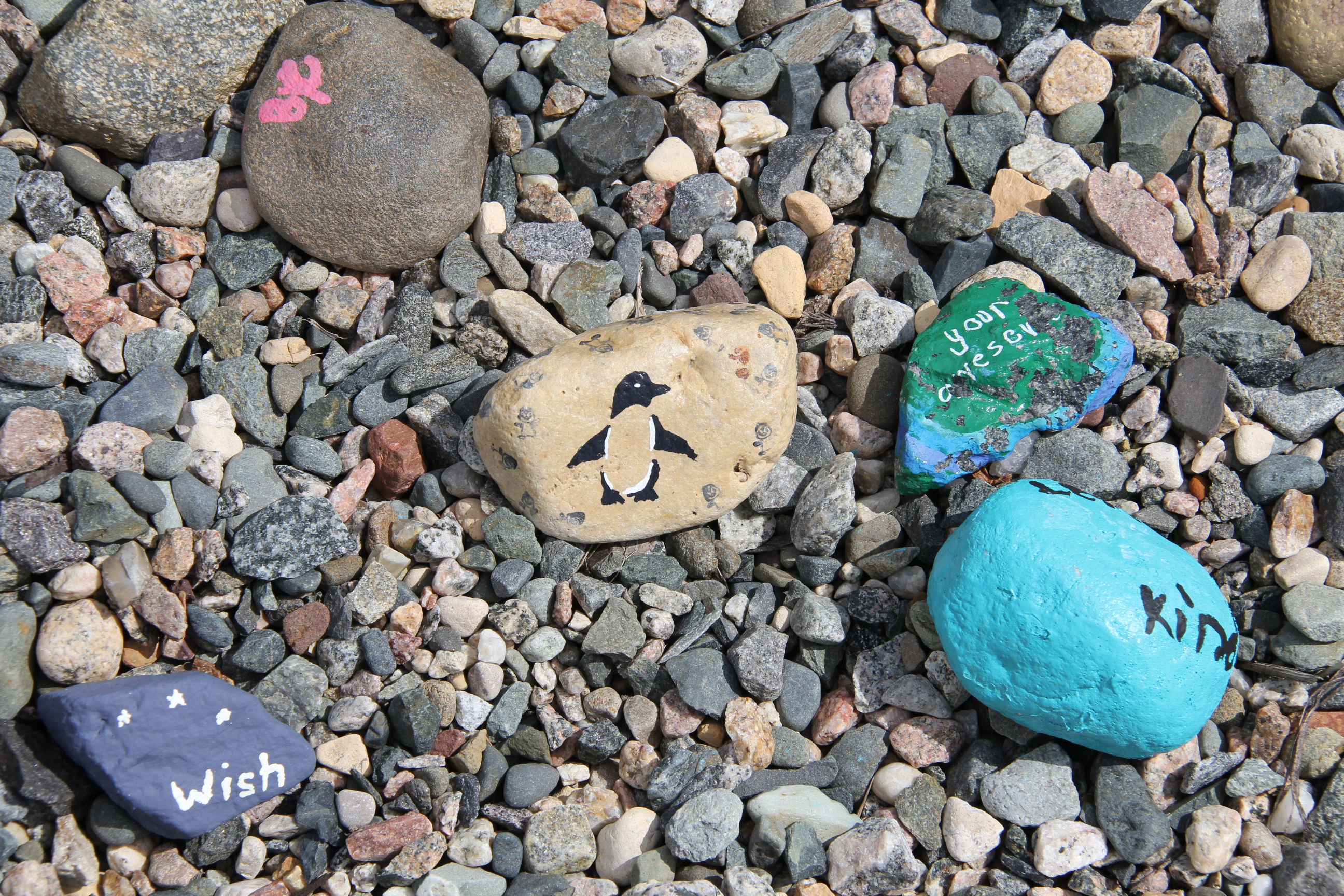
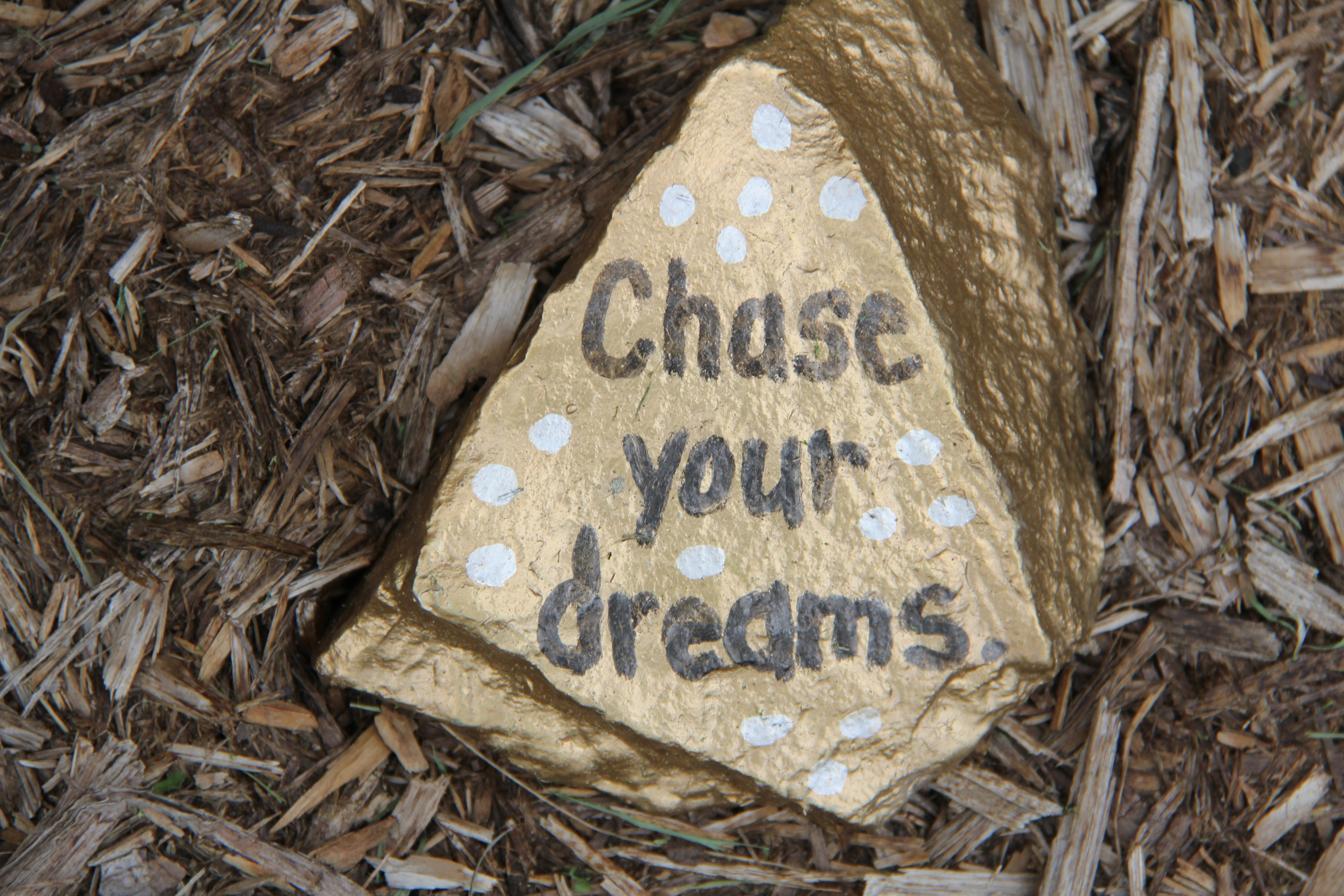
Kindness rock gardens, or simply scattered kindness rocks, are, in my opinion, an inspiring addition to any place. Every time I find kindness rocks, I feel a surge of happiness. The positive messages and art painted, written or drawn onto rocks (technically stones) always uplift me.
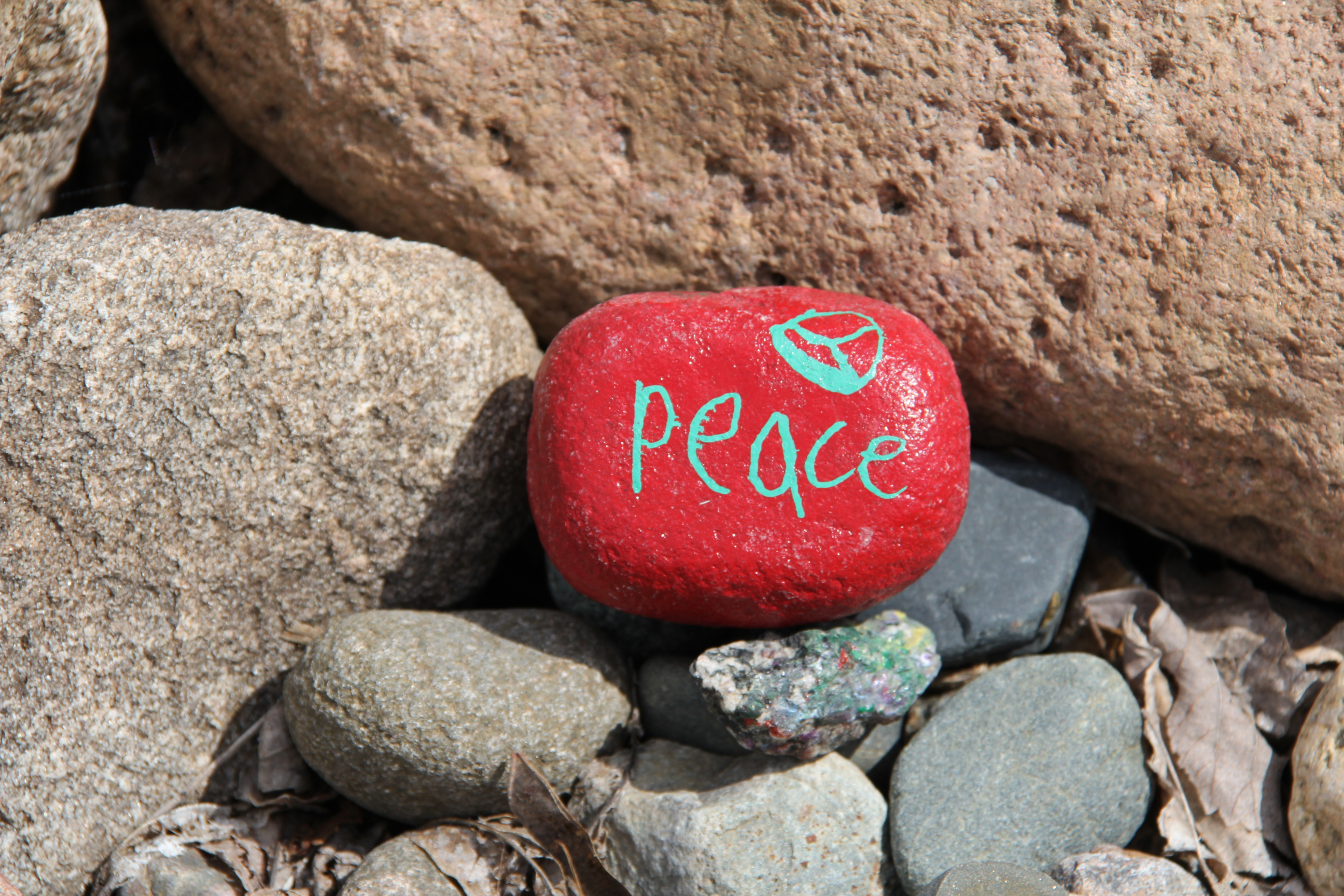
(Minnesota Prairie Roots copyrighted photo July 2024)
Peace, a universal message, a universal hope, a universal prayer. (Minnesota Prairie Roots copyrighted photo July 2024)
An overview of the kindness rock garden, which curves like a river. (Minnesota Prairie Roots copyrighted photo July 2024)

And right now I feel like we could use a whole lot of kindness rocks in this country. Boxcars full. Truckloads full. Cargo holds full. Dump them upon the land. Let them rise like mountains or flow like rivers. Let inspiring words, followed by acts of kindness, generosity, love, compassion and care, spill upon the soil and take root.
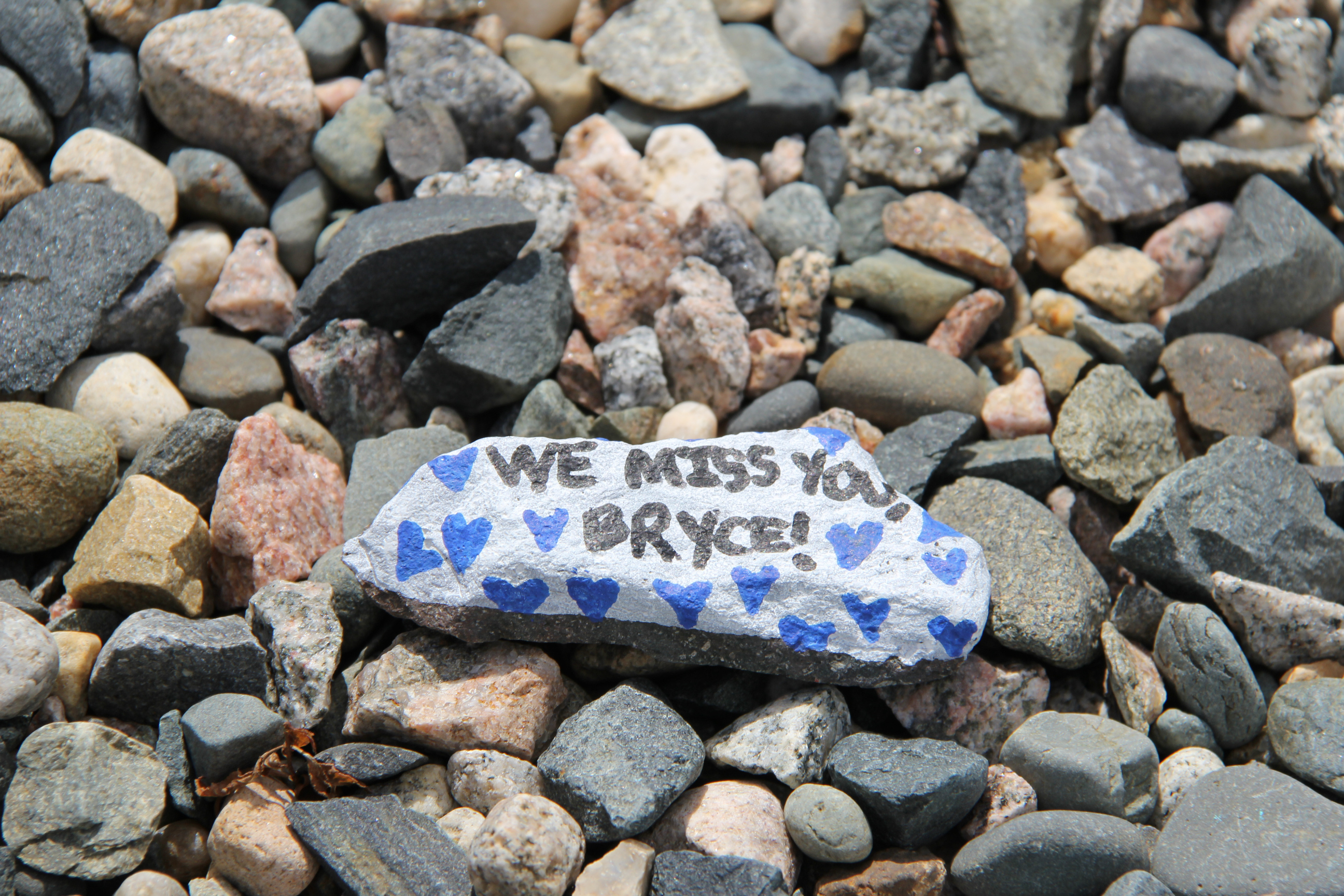
(Minnesota Prairie Roots copyrighted photo July 2024)
Bryce was known for his kindness. (Minnesota Prairie Roots copyrighted photo July 2024)
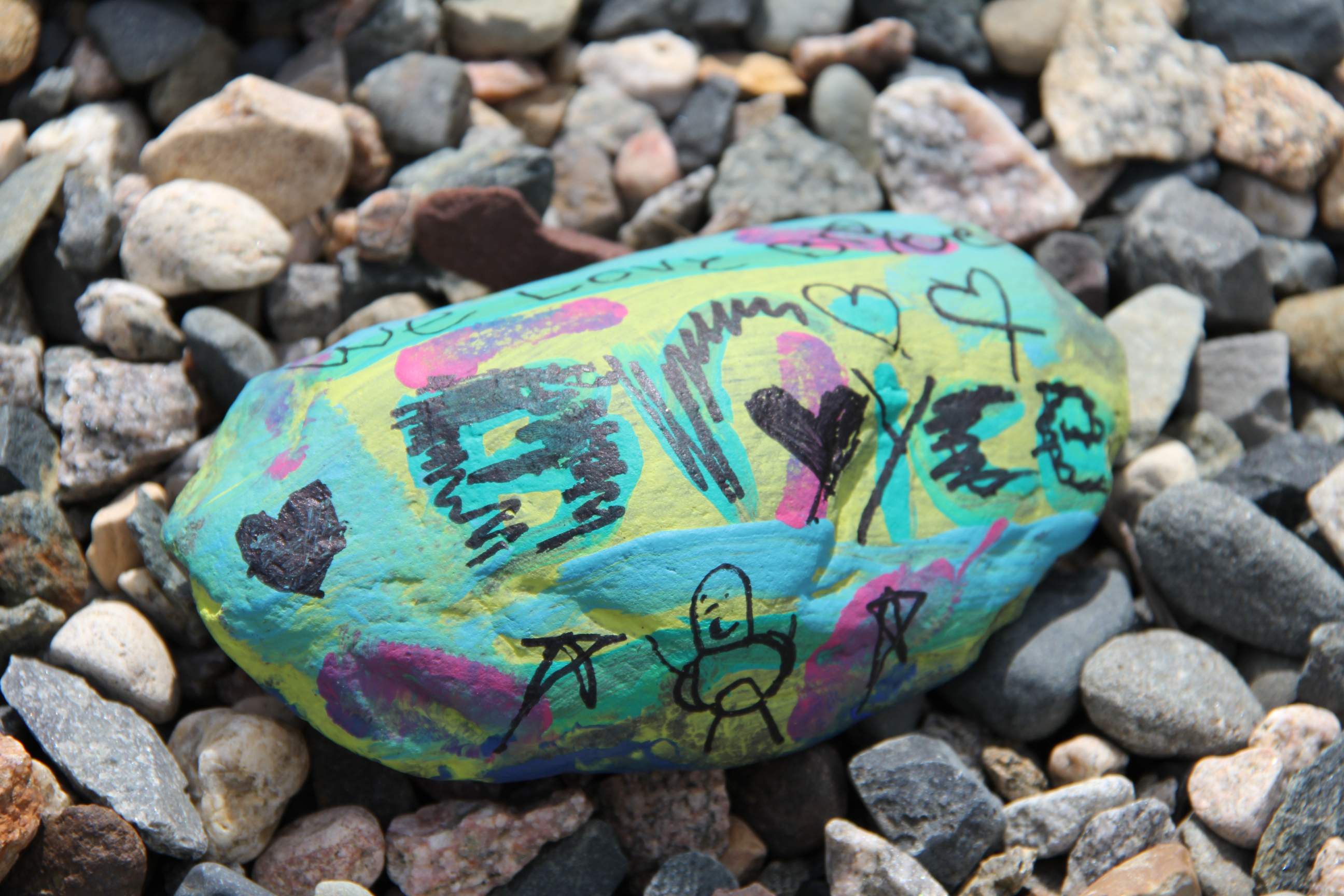
“We love Bryce” kindness rock. (Minnesota Prairie Roots copyrighted photo July 2024)

In Pine River, the Kindness Rocks Inspiration Garden grows from tragedy. The corner community garden honors the memory of 11-year-old Bryce Mink, who died nearly two years ago on March 12, 2023, a month shy of his 12th birthday. Bryce went into cardiac arrest, was airlifted to Children’s Hospital in Minneapolis and died two days later. He had undiagnosed lymphoma with a large mass pressing on his chest, restricting his airway, impeding CPR efforts by his mother and resulting in brain damage.
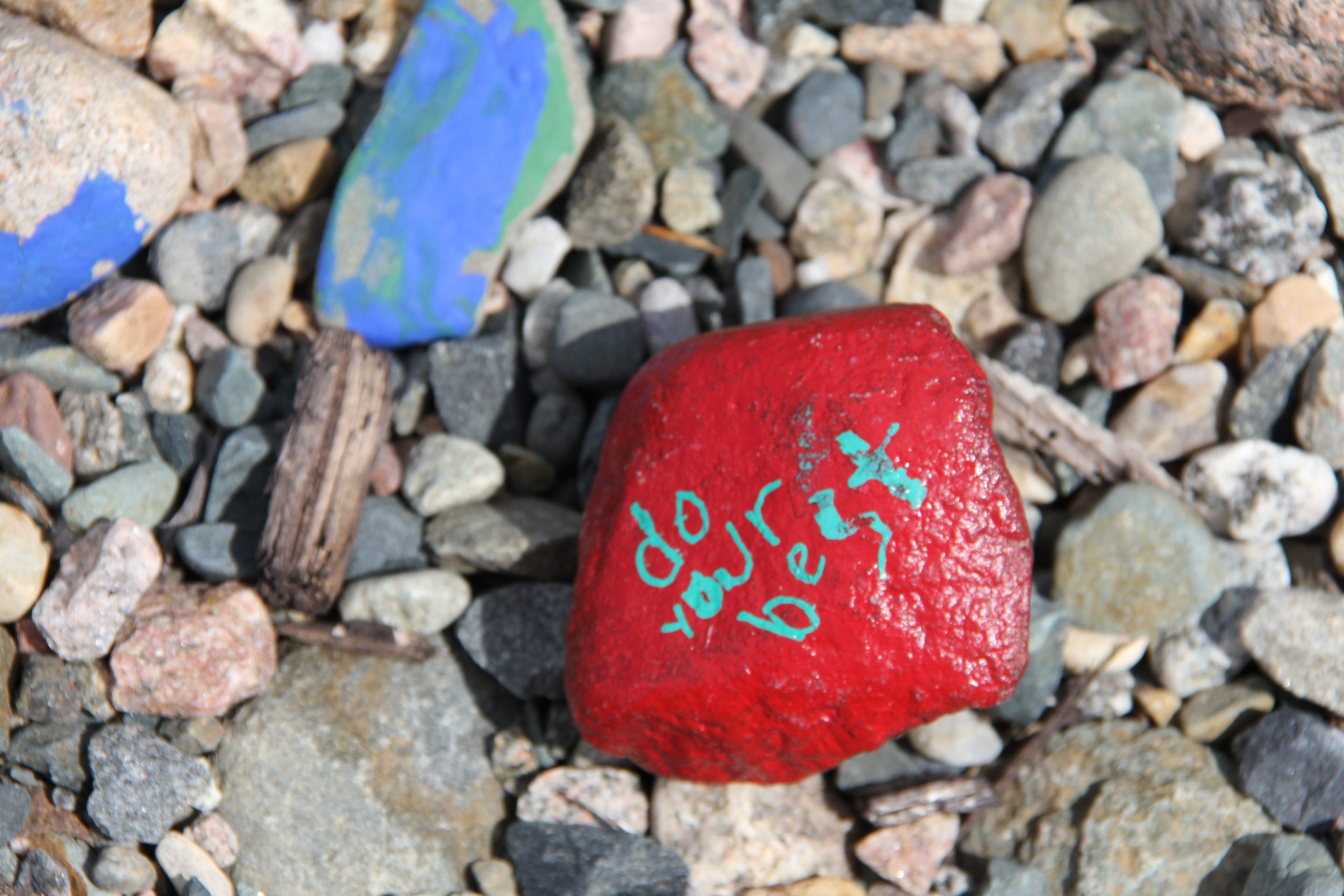
Not only DO your best, but BE your best. (Minnesota Prairie Roots copyrighted photo July 2024)

This is nothing short of tragic, to lose a child unexpectedly, so quickly, so young. But to see Bryce’s legacy of kindness continue in that public park, well, that says something about the impact he made on his community. Bryce was described as “a kind boy and a friend to all.” I believe it. Children, at that age, are often not yet tainted by the unkindness of adults. They live life unencumbered. Make friends easily with most anyone. Play. Learn. Smile and laugh and love and live with exuberance. It’s no wonder we often wish we could still be kids, free of the challenges that come with adulthood.
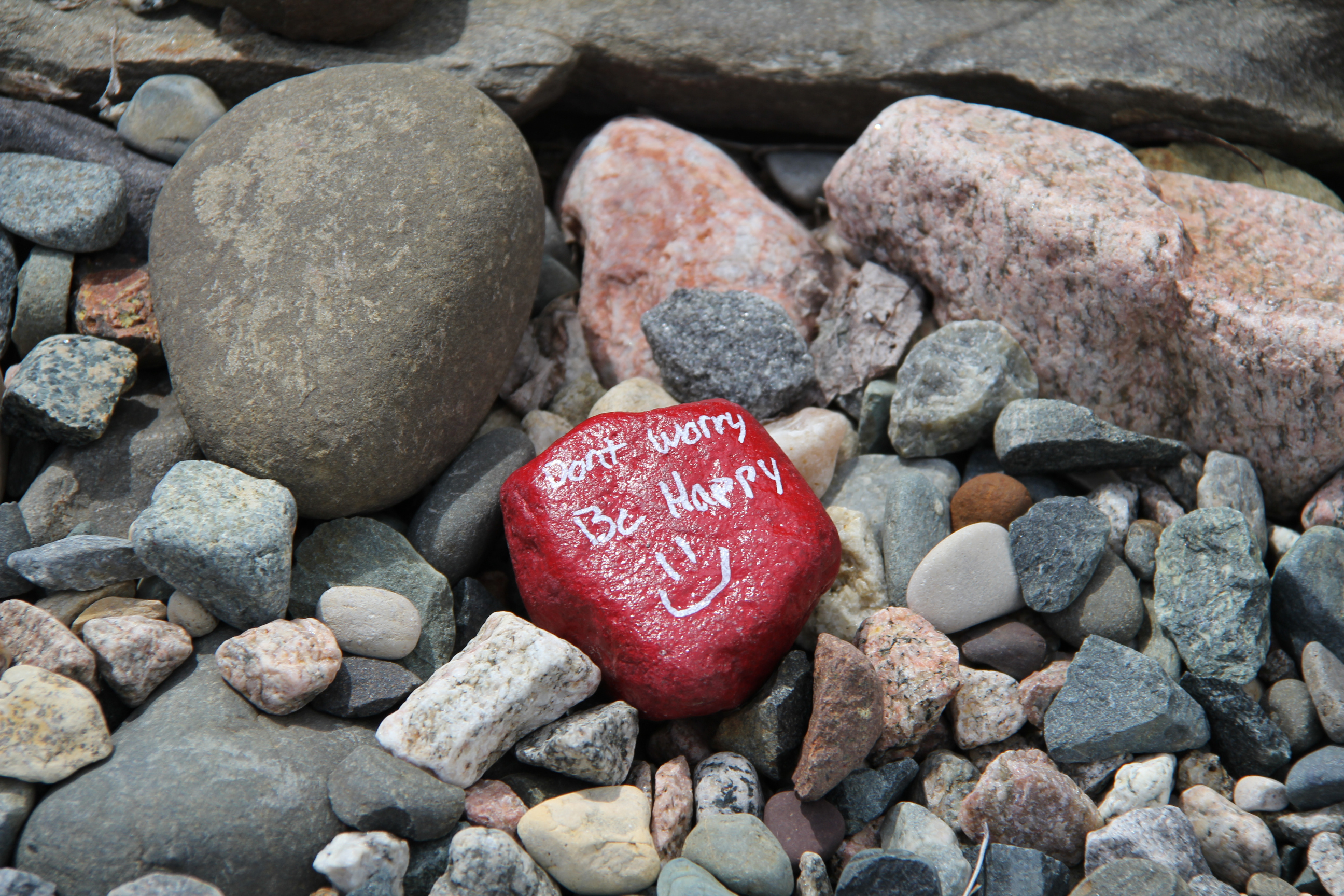
An encouraging message, even in the most difficult of days. (Minnesota Prairie Roots copyrighted photo July 2024)

It’s tough being a grown-up sometimes, especially now, in a country that seems lacking in the very basics of decency and kindness. Certainly not in everyone and not everywhere, but in too many people and places.

The essence of kindness rocks, to shine your light in a positive way. (Minnesota Prairie Roots copyrighted photo July 2024)

Perhaps it’s time we pick up a rock and, instead of hurling it, print a message of kindness upon it. Write of goodness, generosity, compassion and care: Peace. Do your best. Be kind. Shine your light. Then live those words. Like Bryce did.

© Copyright 2025 Audrey Kletscher Helbling


A rock snake in Faribault’s Garden of Eden August 27, 2024

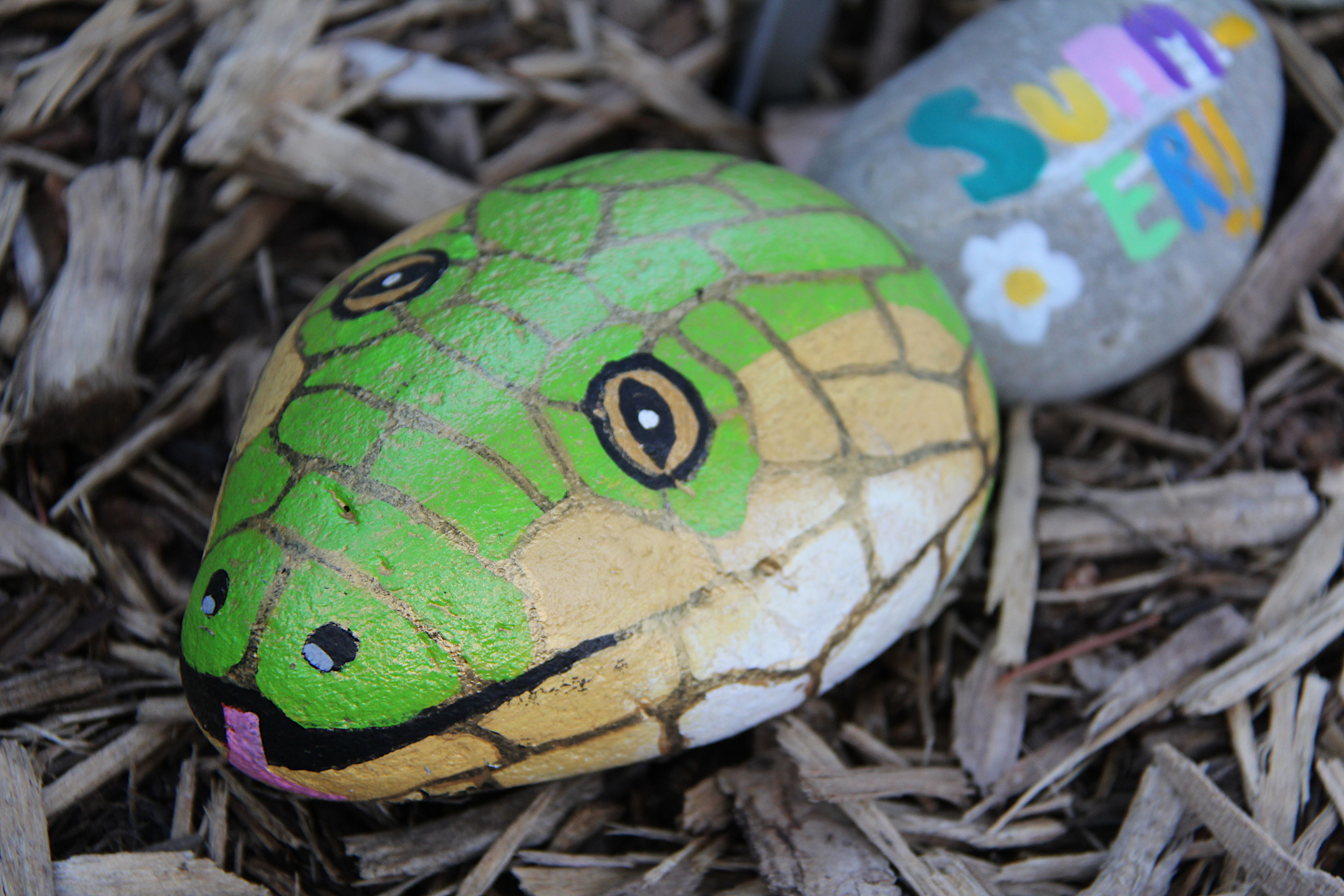
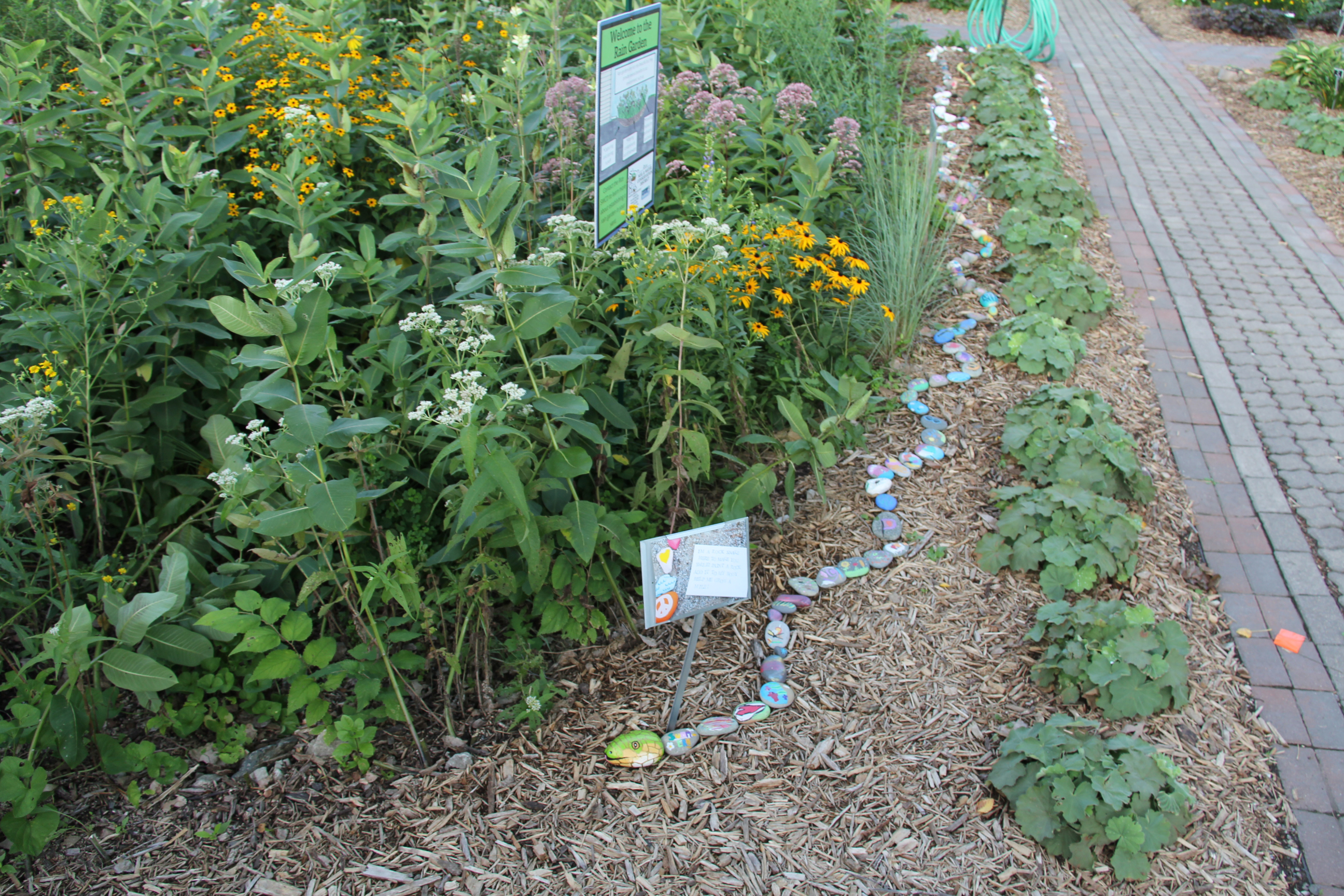
The snake I found in a Faribault garden. (Minnesota Prairie Roots copyrighted photo August 2024)

AS THE BIBLICAL STORY GOES, a cunning snake tempted Eve, convincing her that she could eat fruit from a tree growing in the middle of the Garden of Eden. She believed the snake’s claim of knowledge and immortality. Turns our he manipulated her. Things did not go so well after Eve ate the forbidden fruit and shared it with Adam.

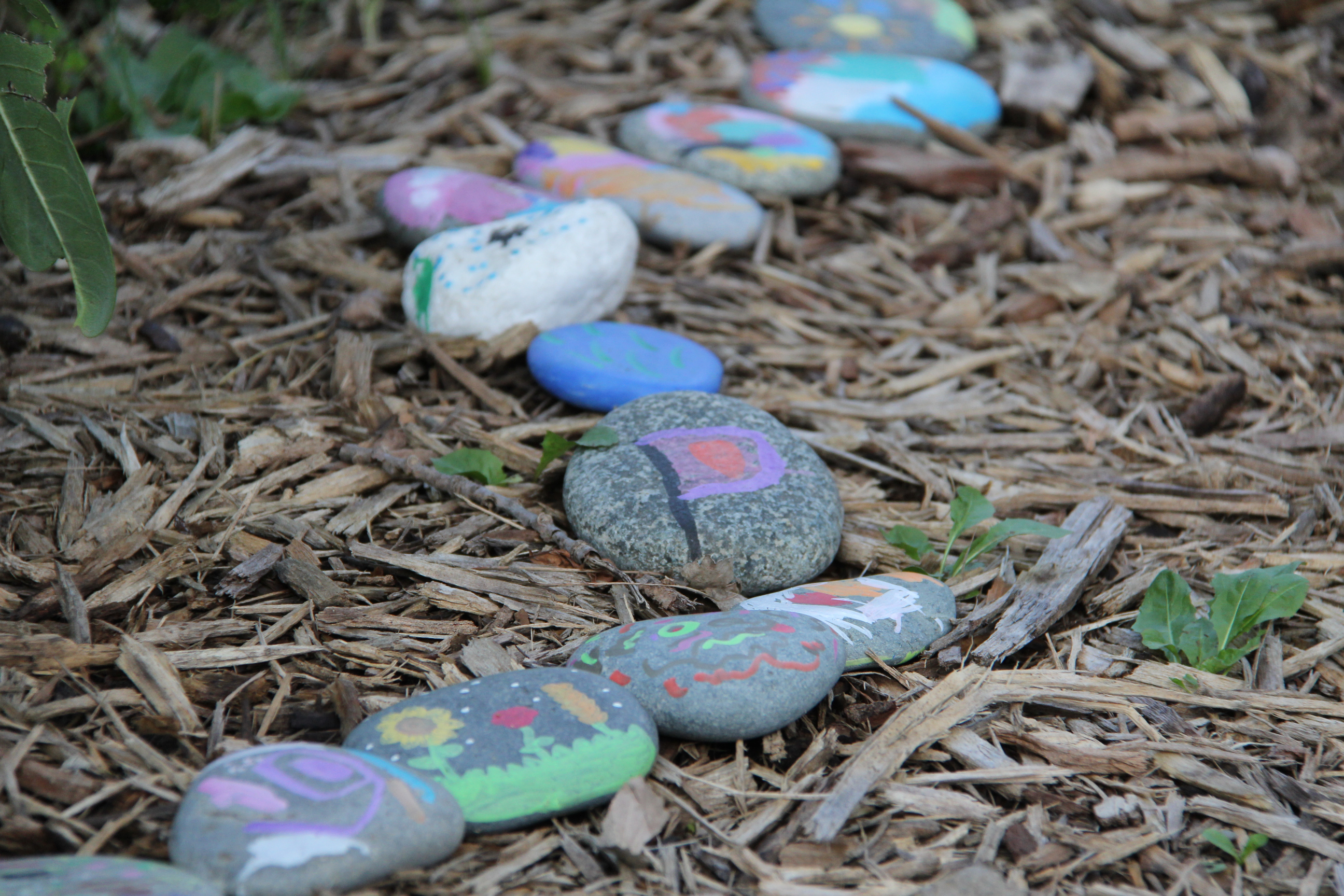
I stood atop a bench to get this photo of the long and winding Rock Snake. (Minnesota Prairie Roots copyrighted photo August 2024)

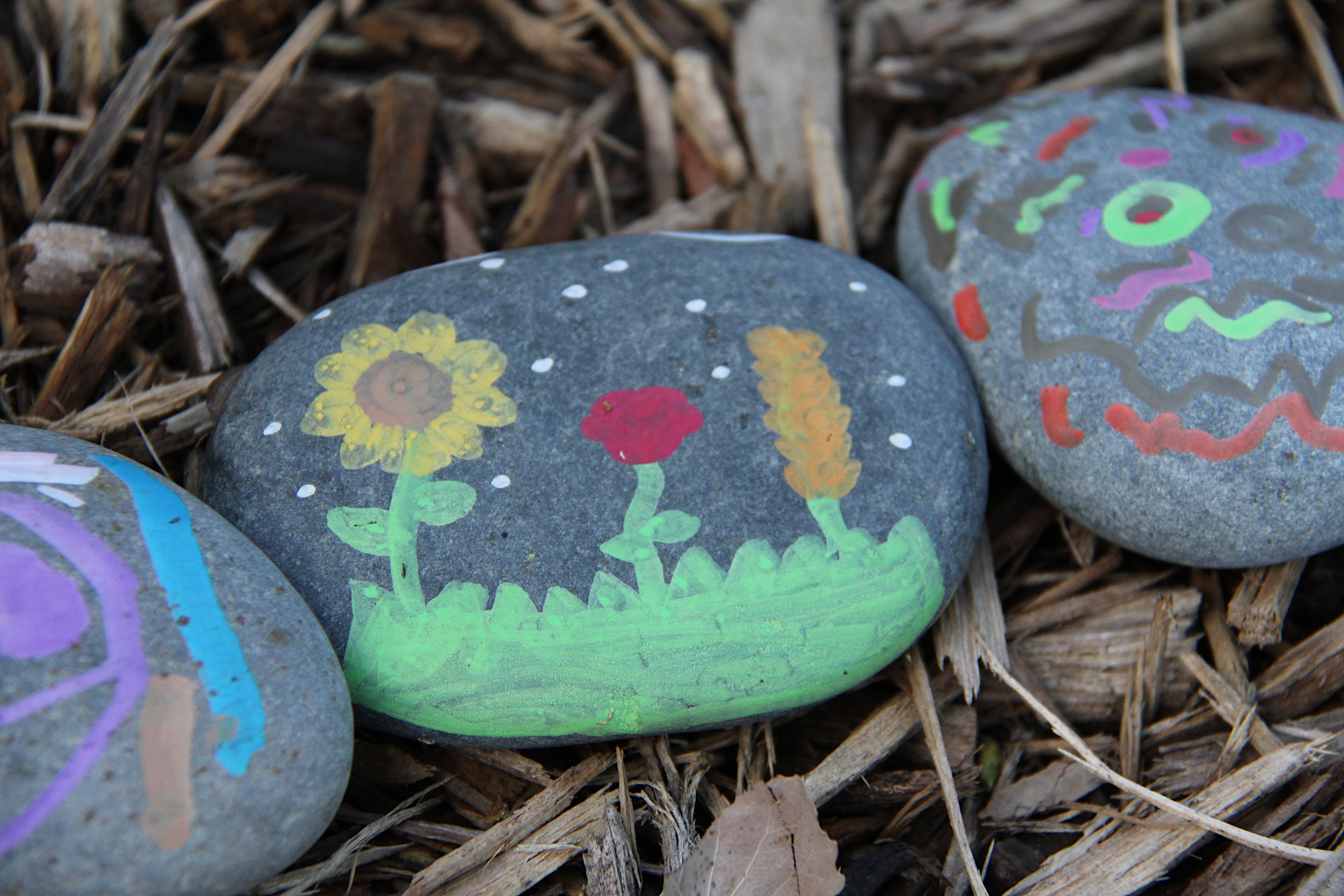
Not all snakes are liars and evildoers. Some, like the one I found recently in a Faribault garden, are quite the opposite. The Rock Snake that stretches an estimated 40 feet across wood chips between a brick pathway and a rain garden in the Rice County Master Gardeners’ Teaching Gardens exudes only goodness.

The Rock Snake slithers (well, not really) past the rain garden. (Minnesota Prairie Roots copyrighted photo August 2024)

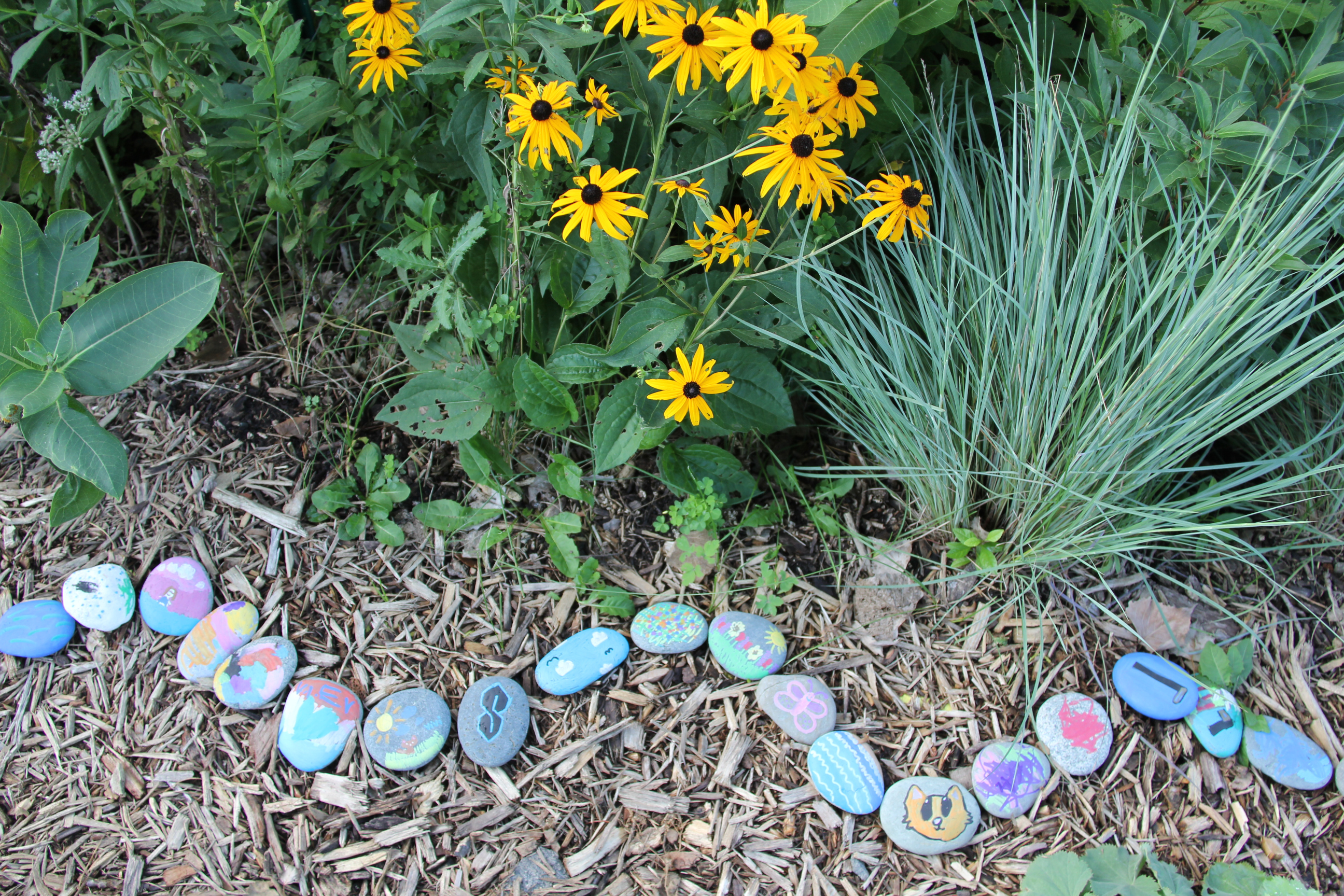
I resisted the temptation to snatch away a segment—a painted rock—of the snake. Some 220 painted stones comprise the serpent. I learned a lesson from Eve. Be strong. Don’t give in to those who would mislead you.

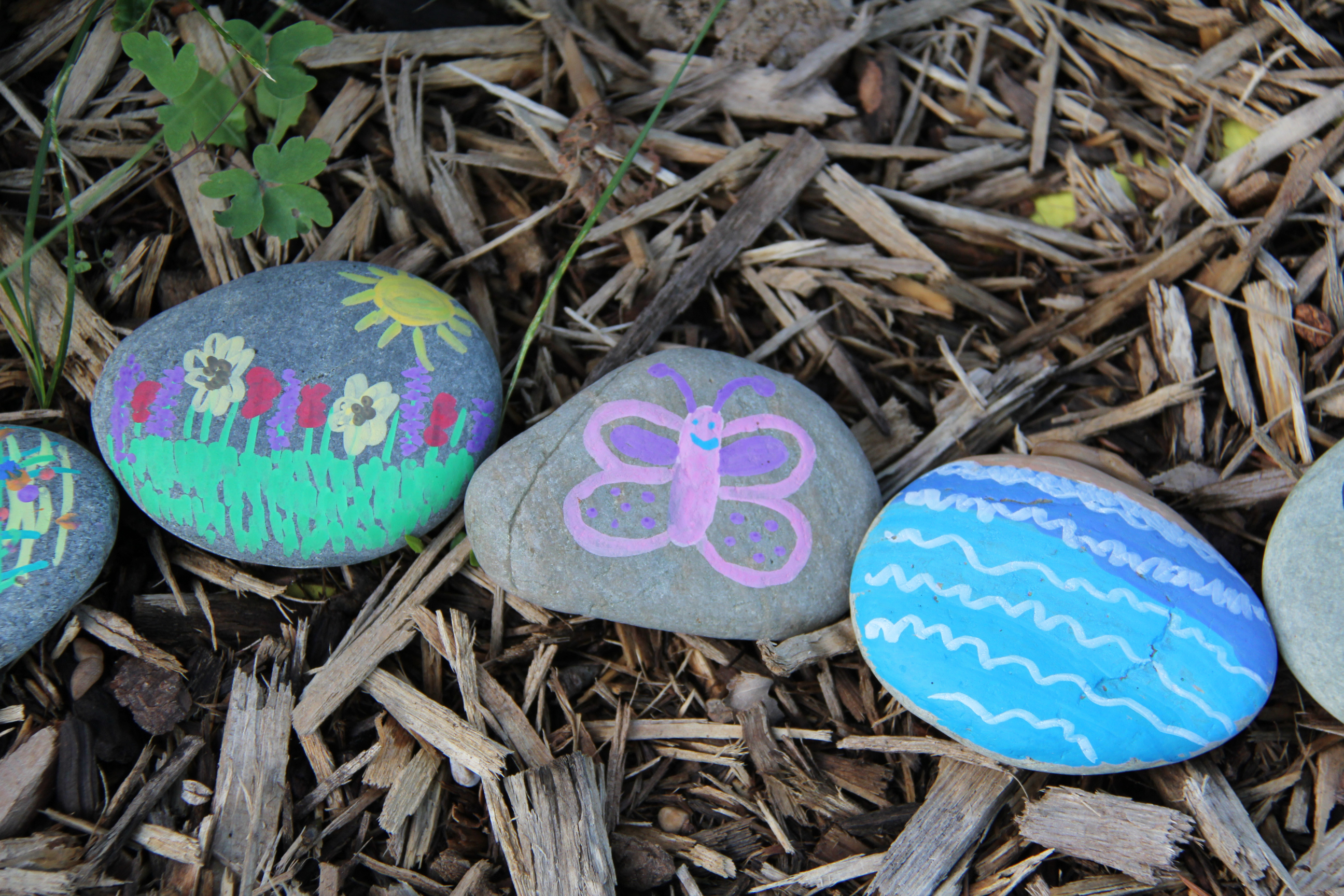
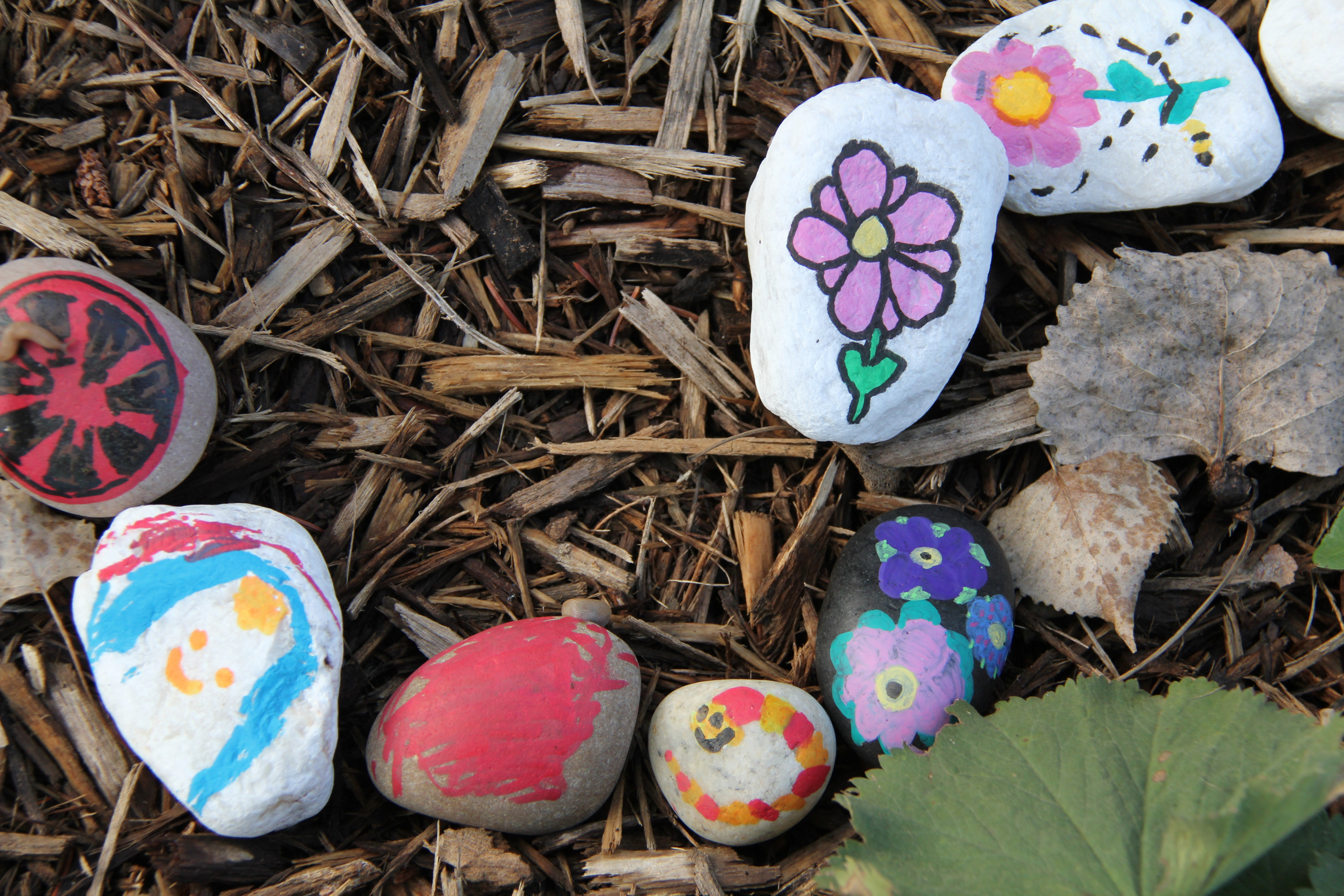
These painted rocks are themed to summer. (Minnesota Prairie Roots copyrighted photo August 2024)
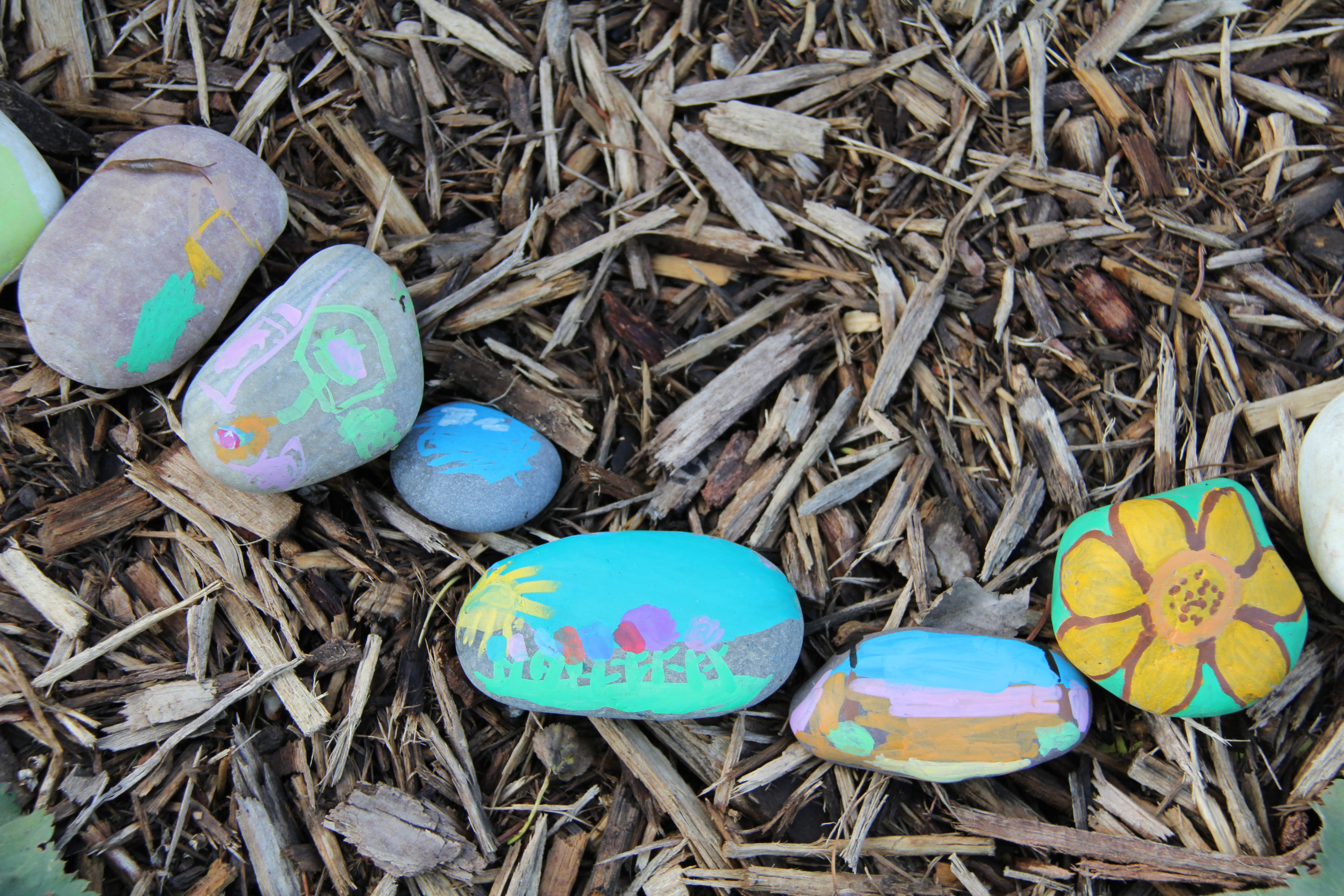
More sunshine and flowers on the snake’s body. (Minnesota Prairie Roots copyrighted photo August 2024)
And yet more flowers bloom on the Rock Snake. (Minnesota Prairie Roots copyrighted photo August 2024)

Rather, I opted to photograph and enjoy the Rock Snake with its inspiring, joyful messages, its colorful art. A posted sign invites people to add their own painted rocks, lengthening the snake designed to bring a smile.

(Minnesota Prairie Roots copyrighted photo August 2024)

And smile I did as I followed the snake’s winding body, bending low to study the art, the words. Many of the stones were painted at the Master Gardeners’ booth during the recent Rice County Fair.

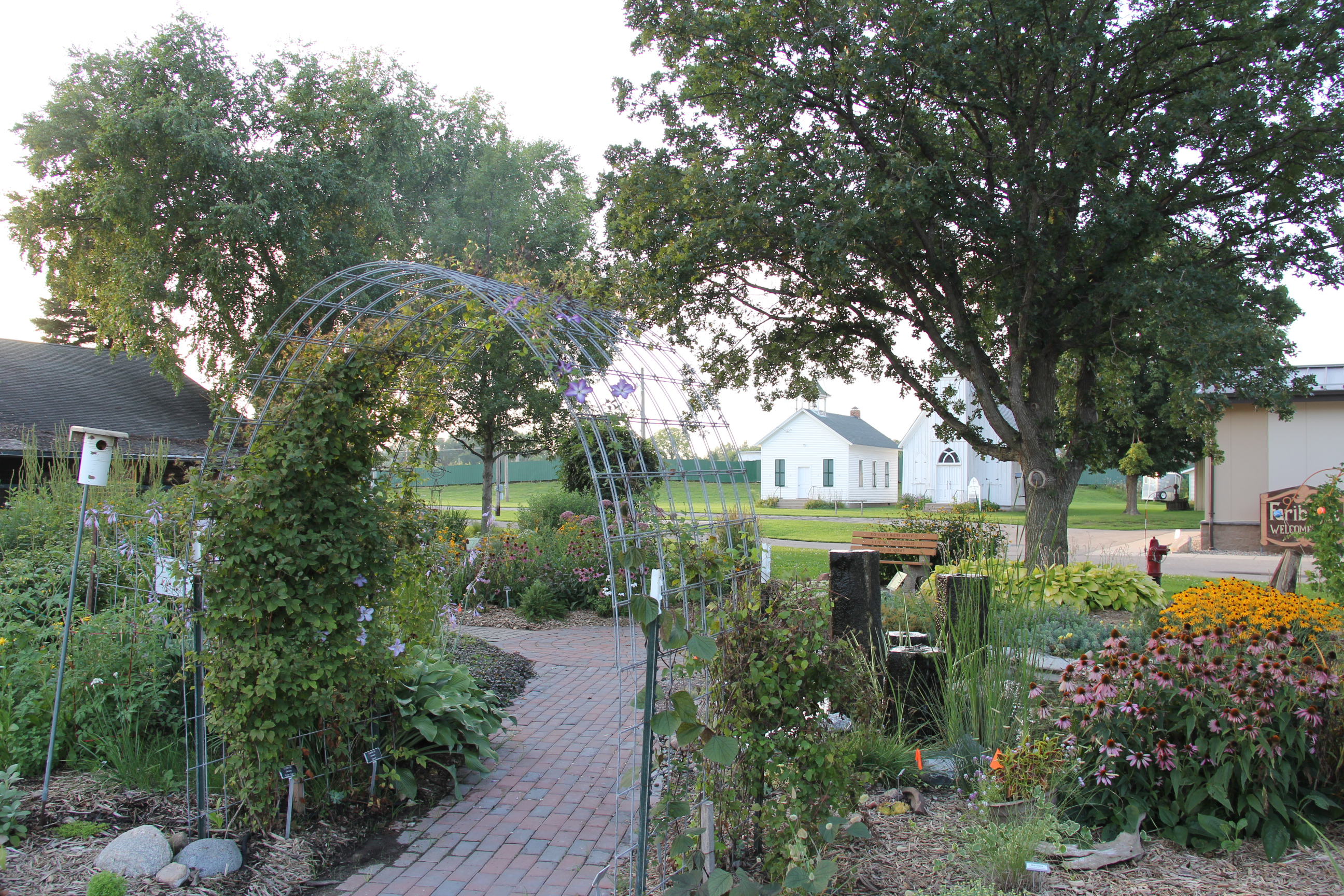
An overview of a small section of the gardens. (Minnesota Prairie Roots copyrighted photo August 2024)
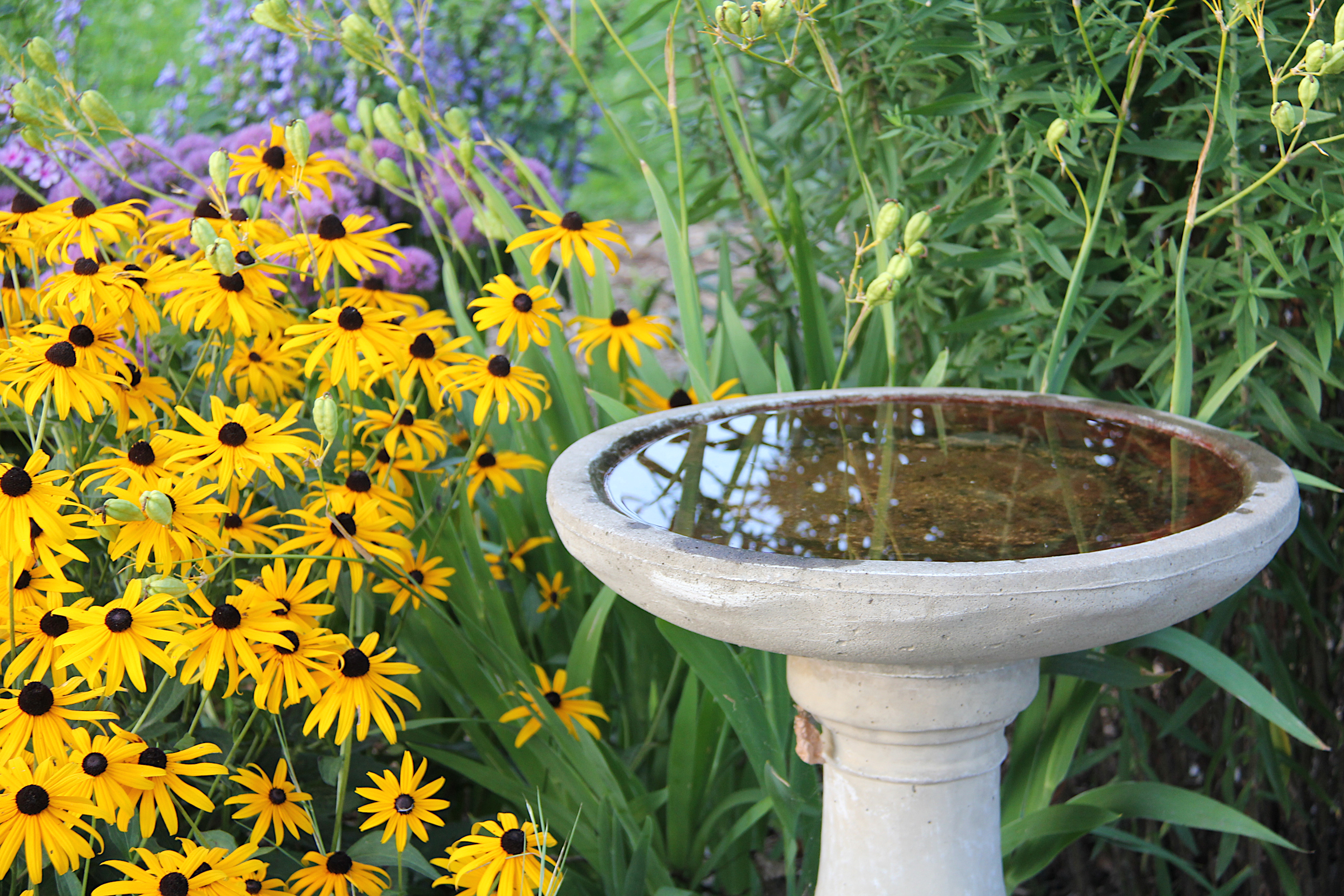
Water features include a bird bath, pond and fountains. (Minnesota Prairie Roots copyrighted photo August 2024)
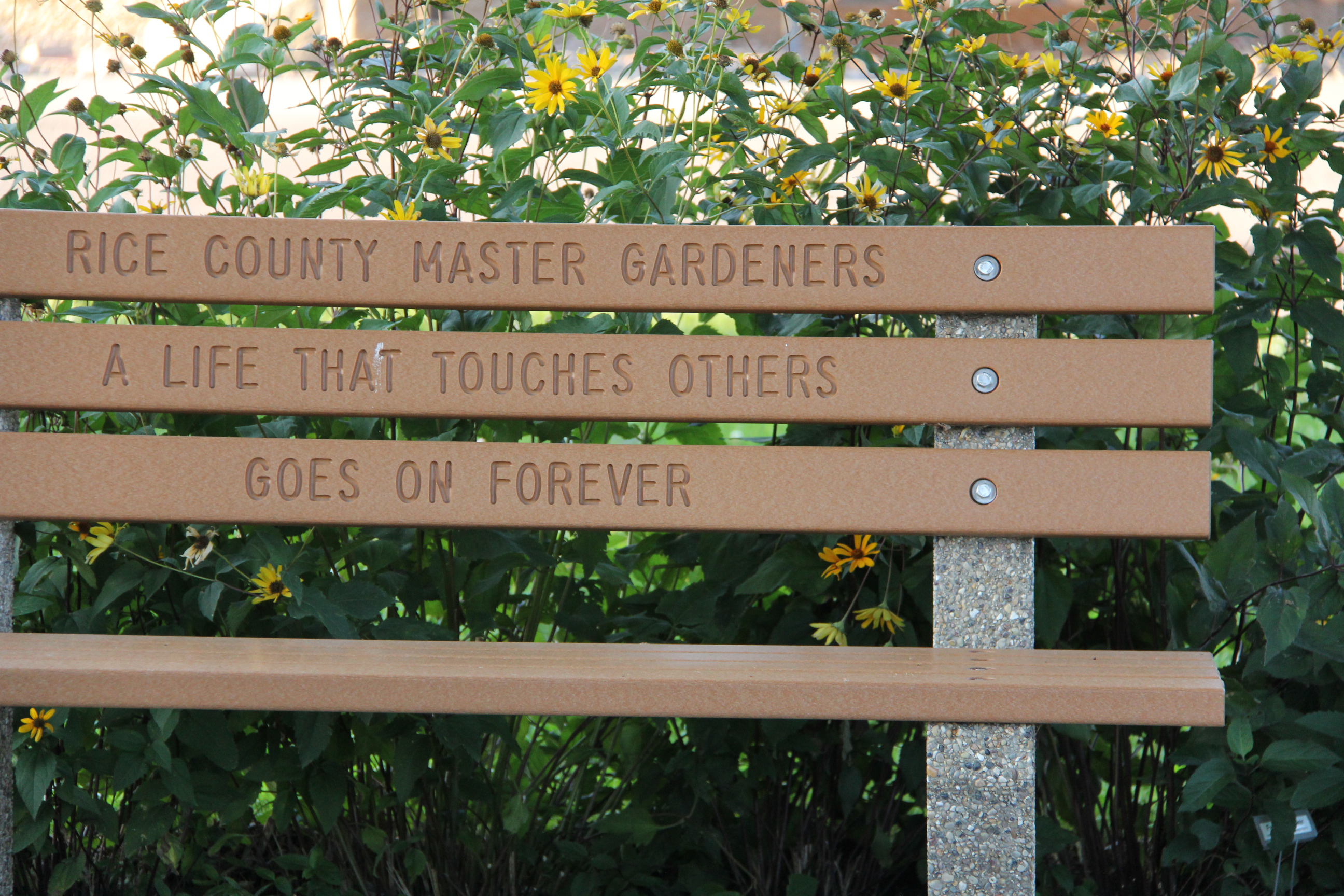
Several benches offer a place to rest, contemplate and enjoy the gardens. (Minnesota Prairie Roots copyrighted photo August 2024)

These gardeners, through their volunteer efforts, have created Faribault’s own Garden of Eden in a spacious area next to the conservation building and the Rice County Historical Society on the city’s north side. It’s taken years to get the garden to this lush, well-kept, welcoming space.

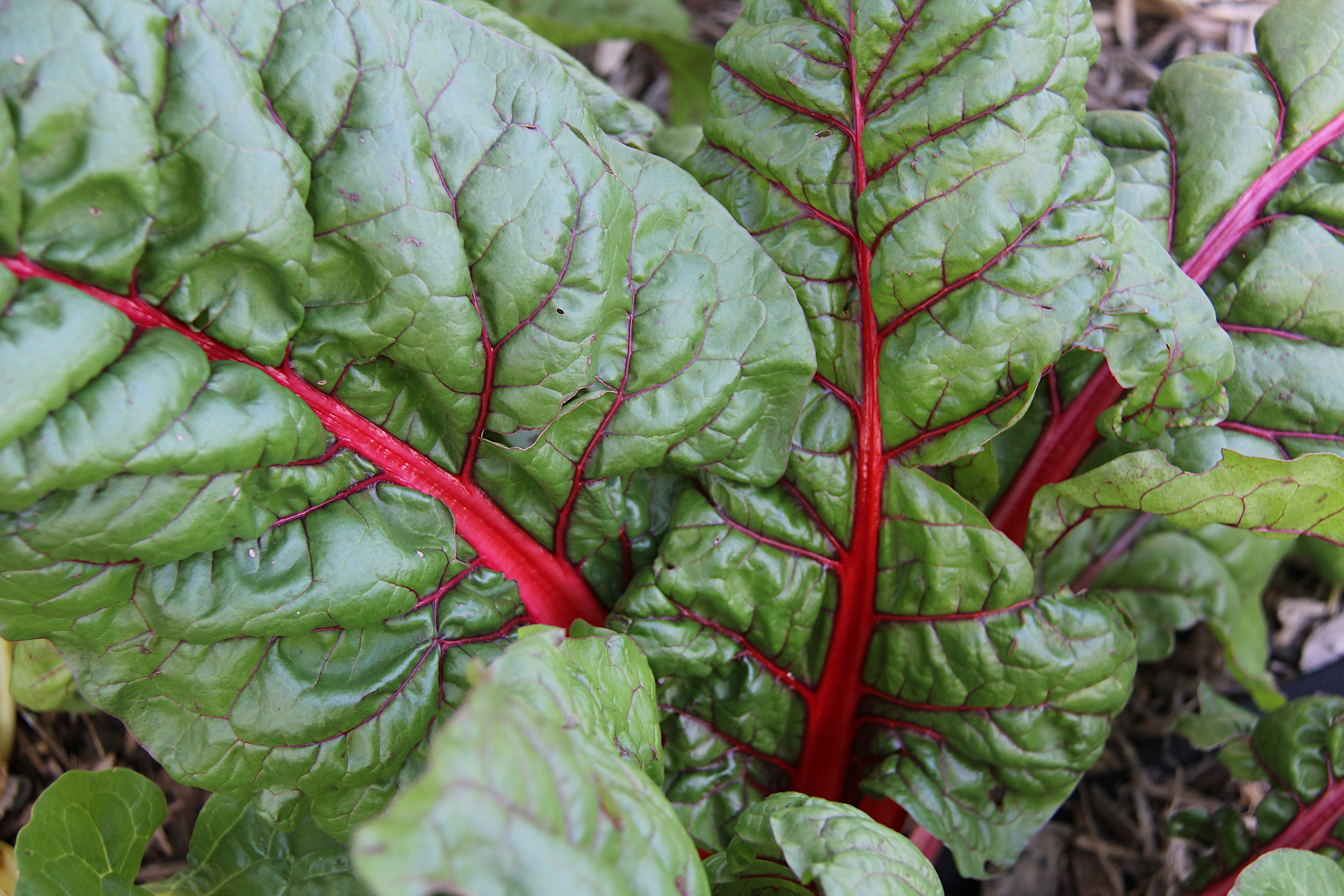
Swiss chard grows in the trial garden. (Minnesota Prairie Roots copyrighted photo August 2024)

I enjoy coming here, meandering among blooming flowers and plants, past the water features, pausing to examine the fairy garden. And now there’s more to see in the Rock Snake and a new bee lawn with habitat. There are trial gardens here and free seeds for the taking and benches for sitting. It is, indeed, a bit of paradise, a respite, a place to rest and contemplate and envelope one’s self in nature.

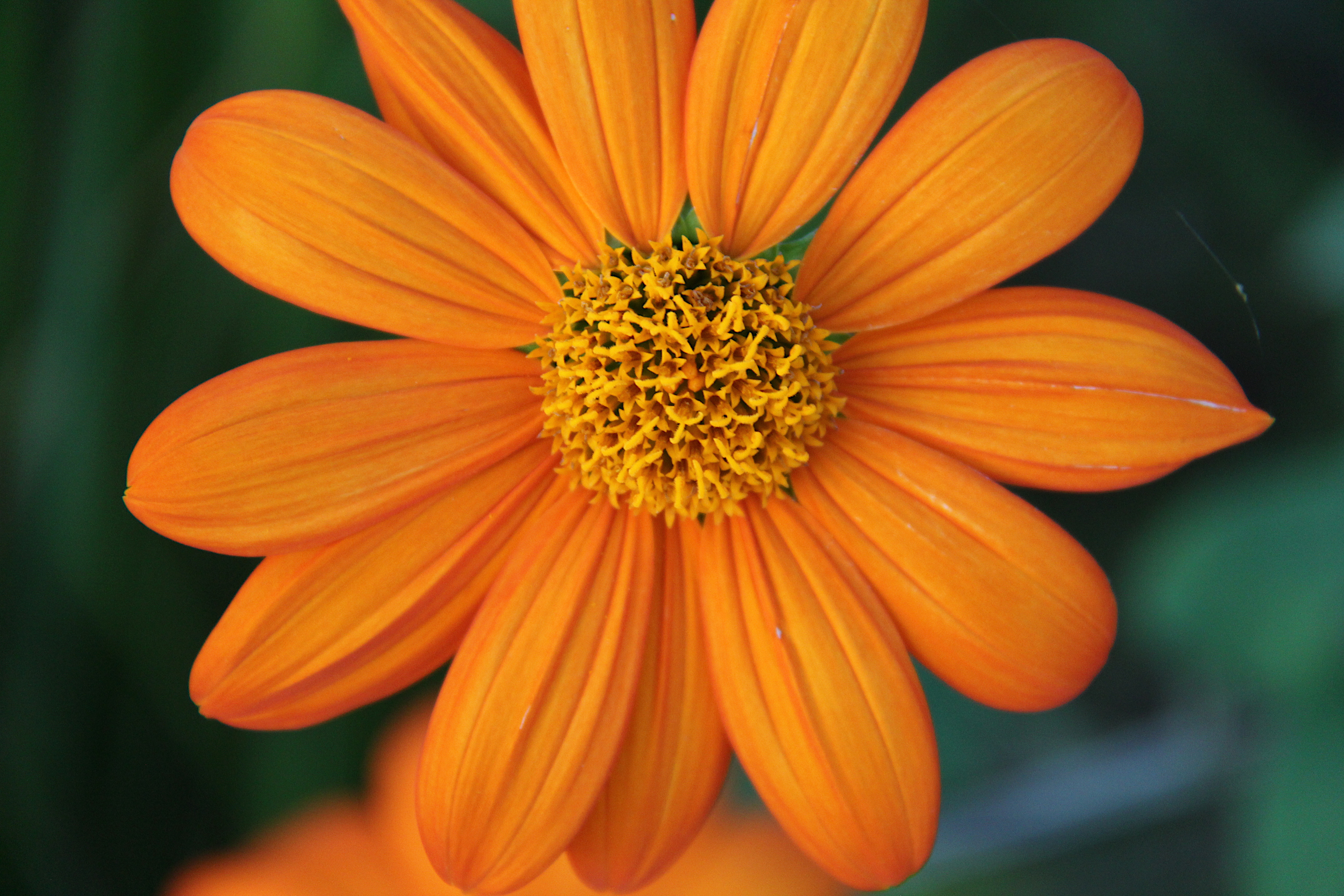
Flowers are always blooming. (Minnesota Prairie Roots copyrighted photo August 2024)
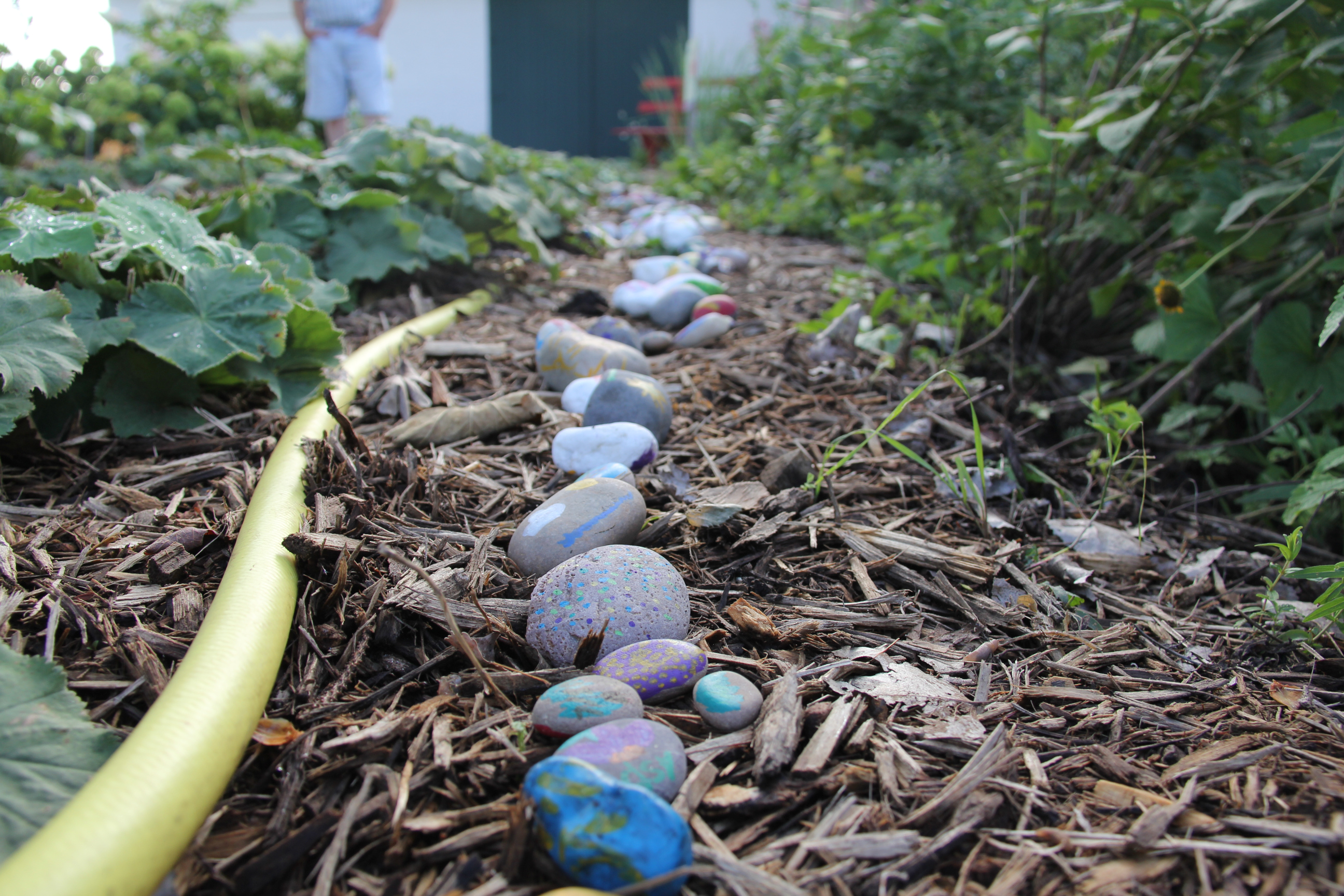
A garden hose runs alongside the Rock Snake. (Minnesota Prairie Roots copyrighted photo August 2024)
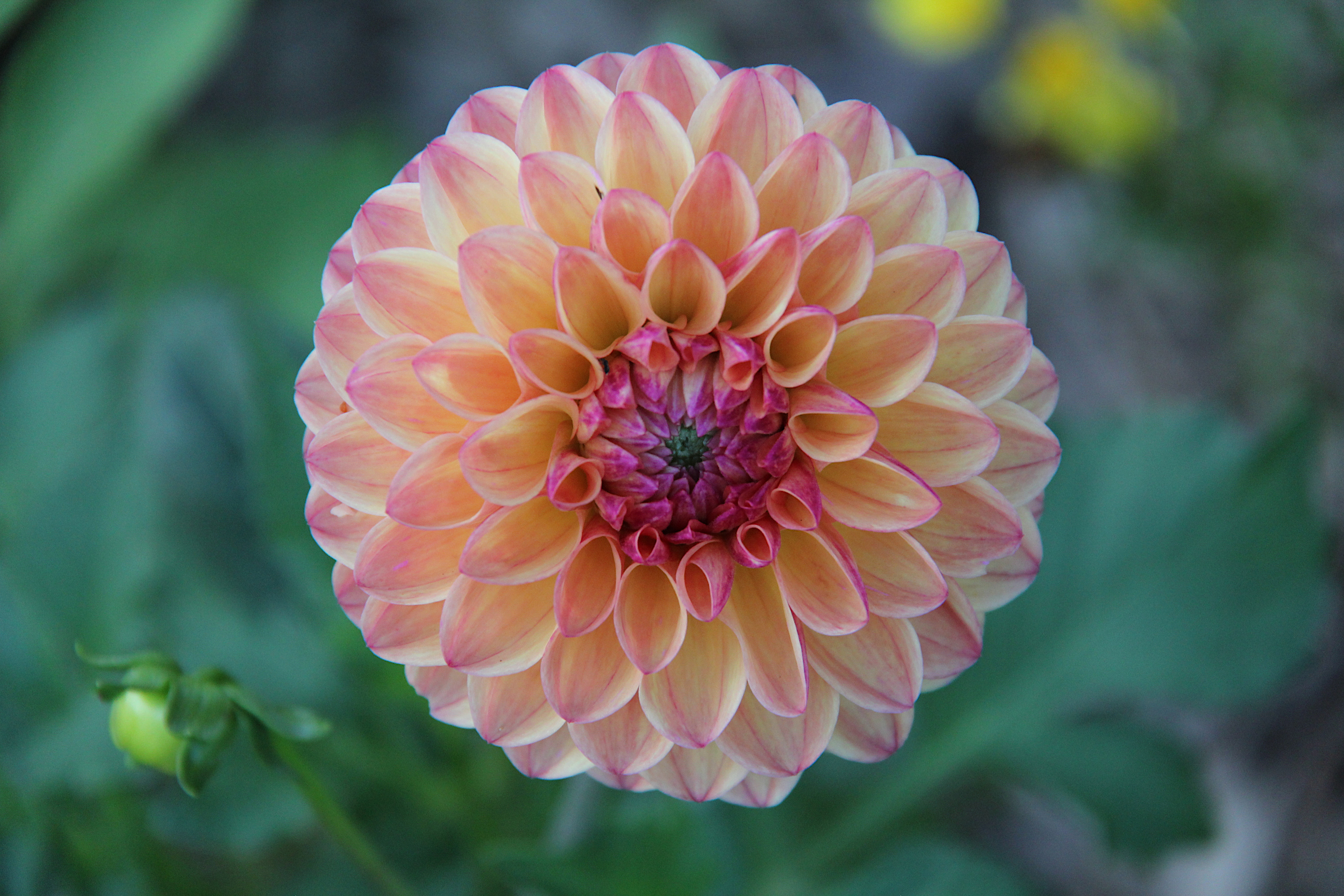
A sturdy dahlia blooms. (Minnesota Prairie Roots copyrighted photo August 2024)

Goodness thrives here. I experience it with my senses. My eyes take in the birds, blooms, bees, butterflies, the colorful Rock Snake. I smell the scent of blossoms. I hear water burbling in fountains, birds chirping. And if I could pluck vegetables from the trial gardens, I would assuredly taste goodness. But I won’t. I will not be tempted. Rather I will look and not touch. Leave and not take. I will leave this bit of Eden as I found it, beautiful and wondrous, a place of peace for anyone who visits.

© Copyright 2024 Audrey Kletscher Helbling
 

Prayer ribbons at the Cathedral July 16, 2024

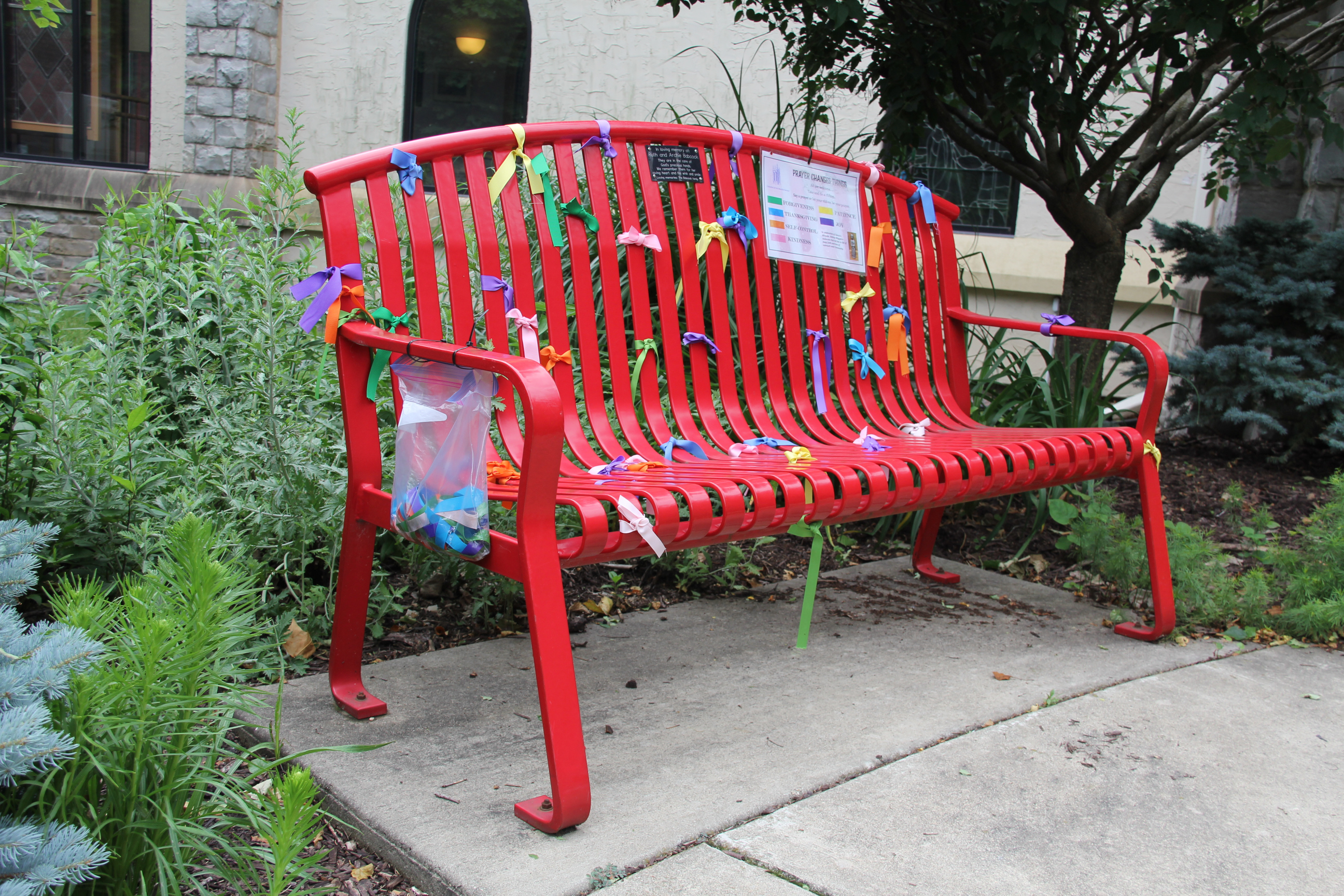
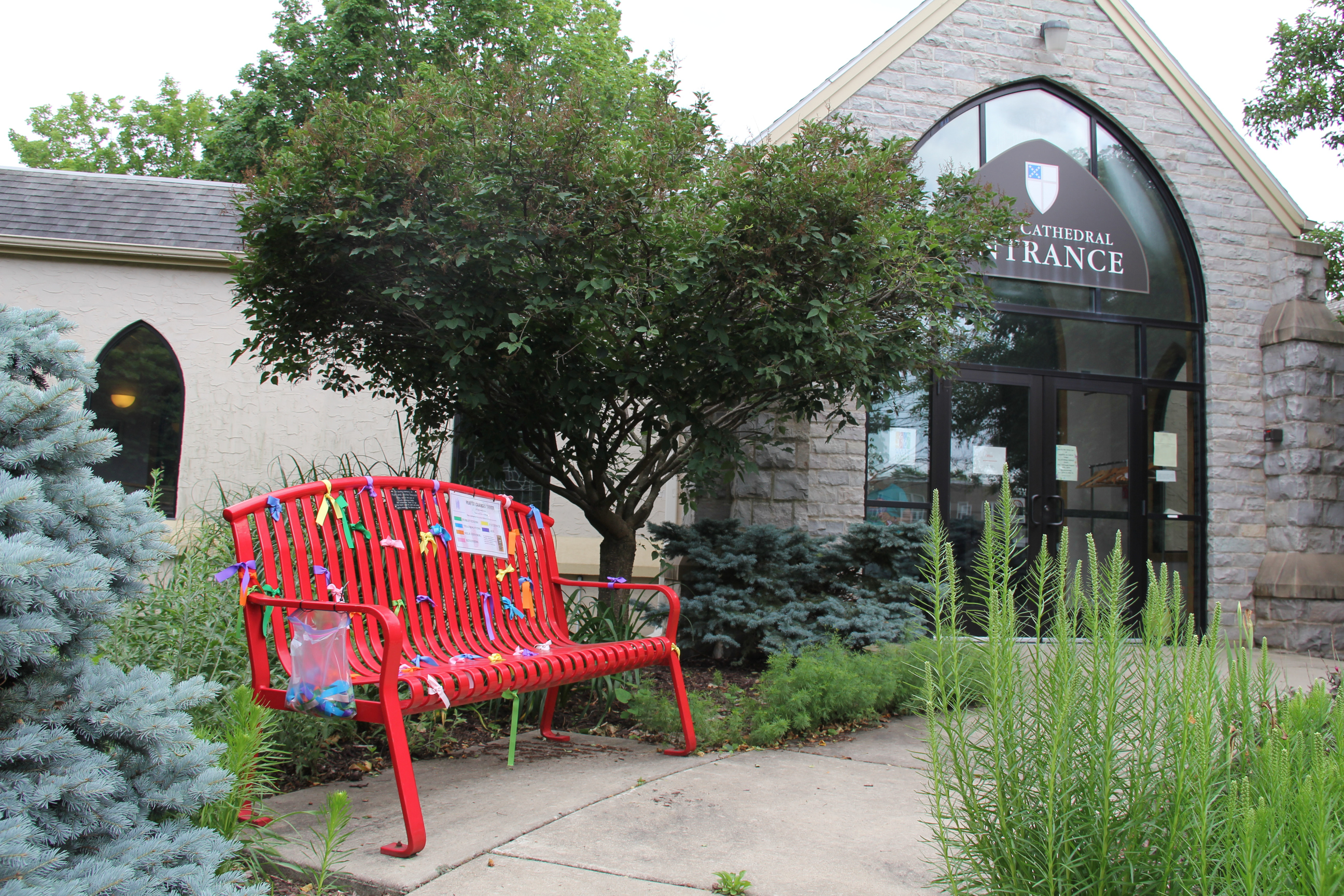
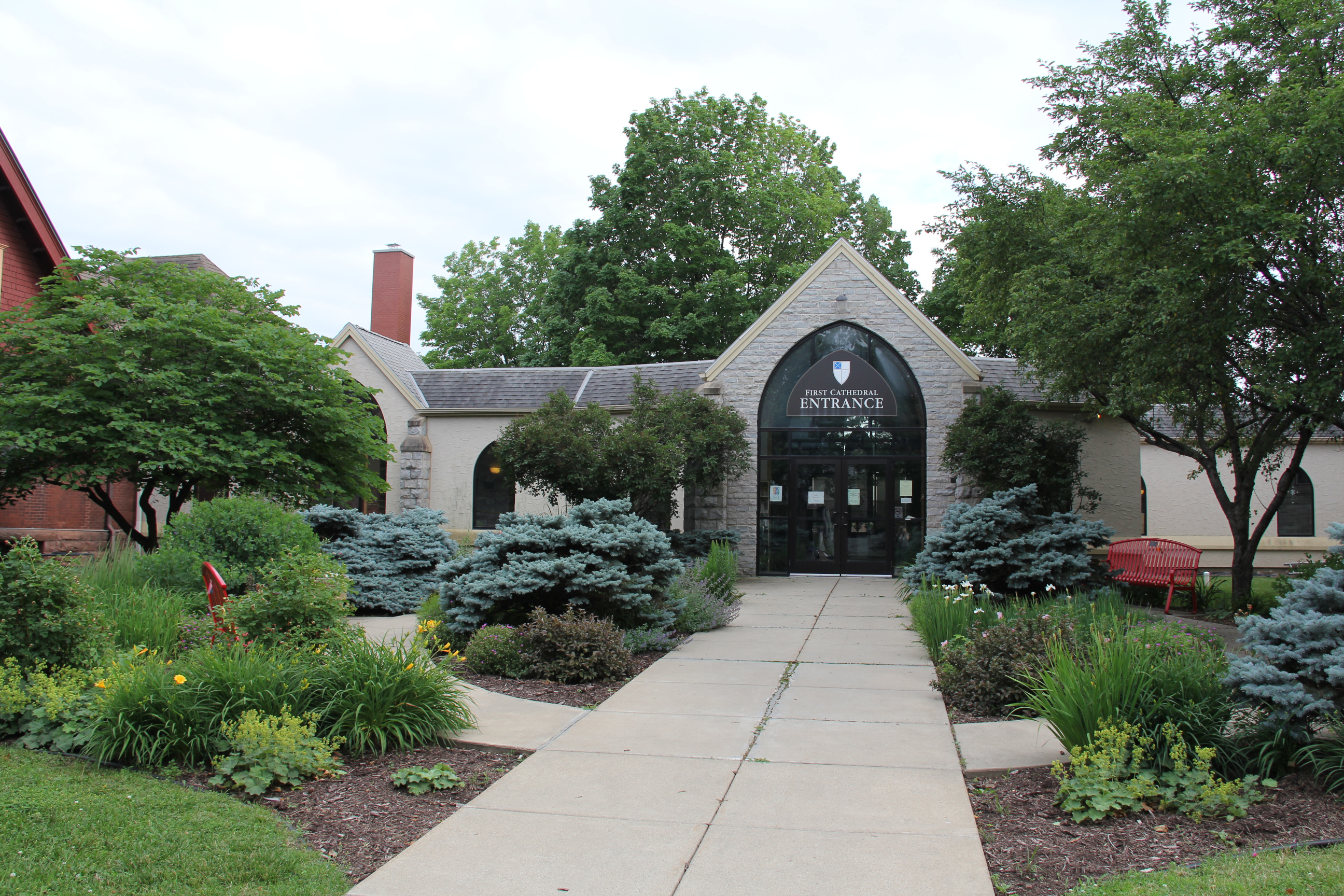
A garden graces a side entry to The Cathedral of Our Merciful Saviour in Faribault. (Minnesota Prairie Roots copyrighted photo June 2024)

AMONG THE FLOWERS, trees and shrubbery fronting a side entry to the space that connects church to guild house, three red benches nestle. Bold. Vibrant. Statement pieces in a garden at The Cathedral of Our Merciful Saviour.

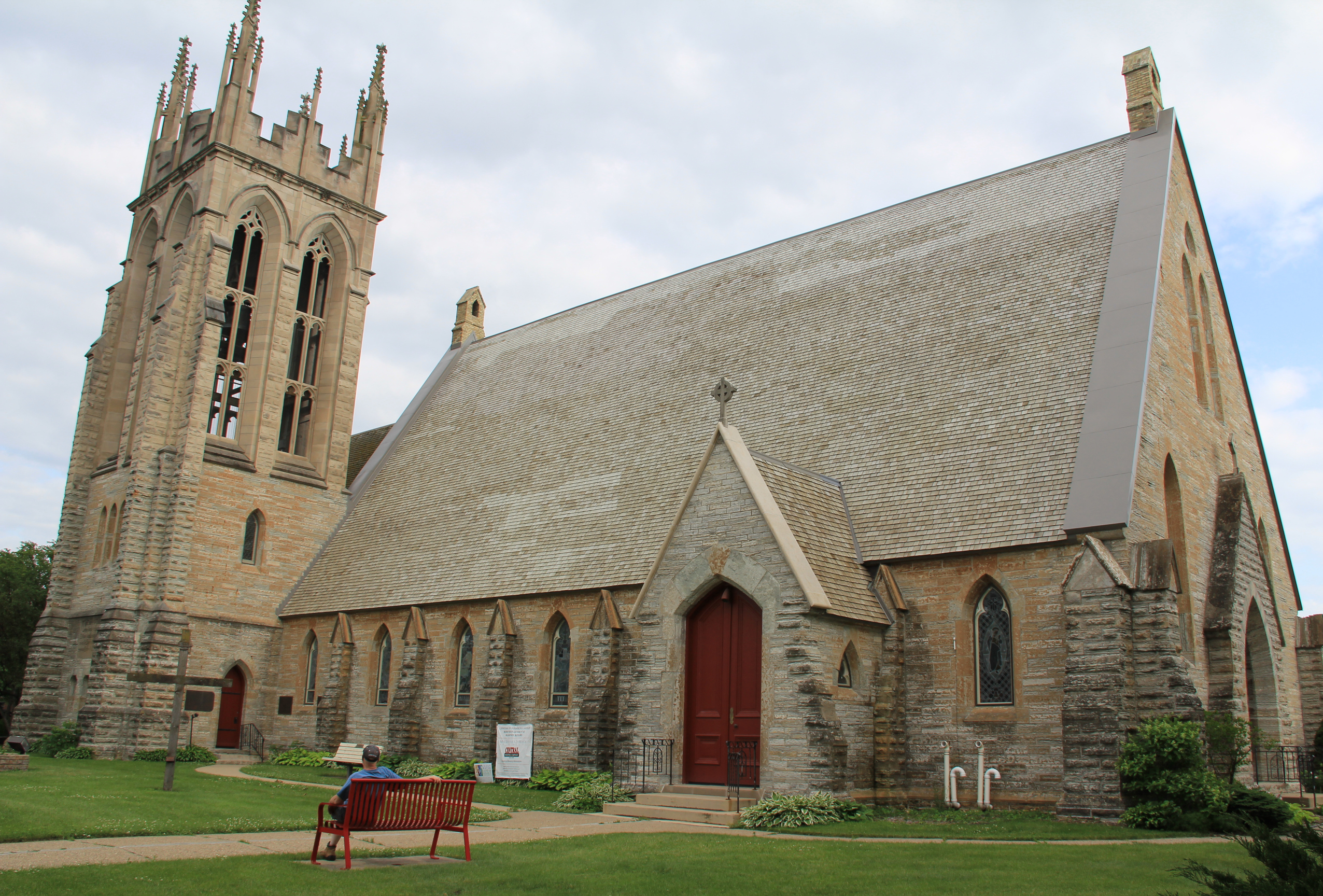
Construction on the original part of the Cathedral began in 1862 and was completed in 1869. It is listed on the National Register of Historic Places. (Minnesota Prairie Roots copyrighted photo June 2024)

But those benches outside the massive limestone church towering above the landscape along Second Avenue across from Central Park in Faribault serve as more than a place to rest. They are a place for prayers.

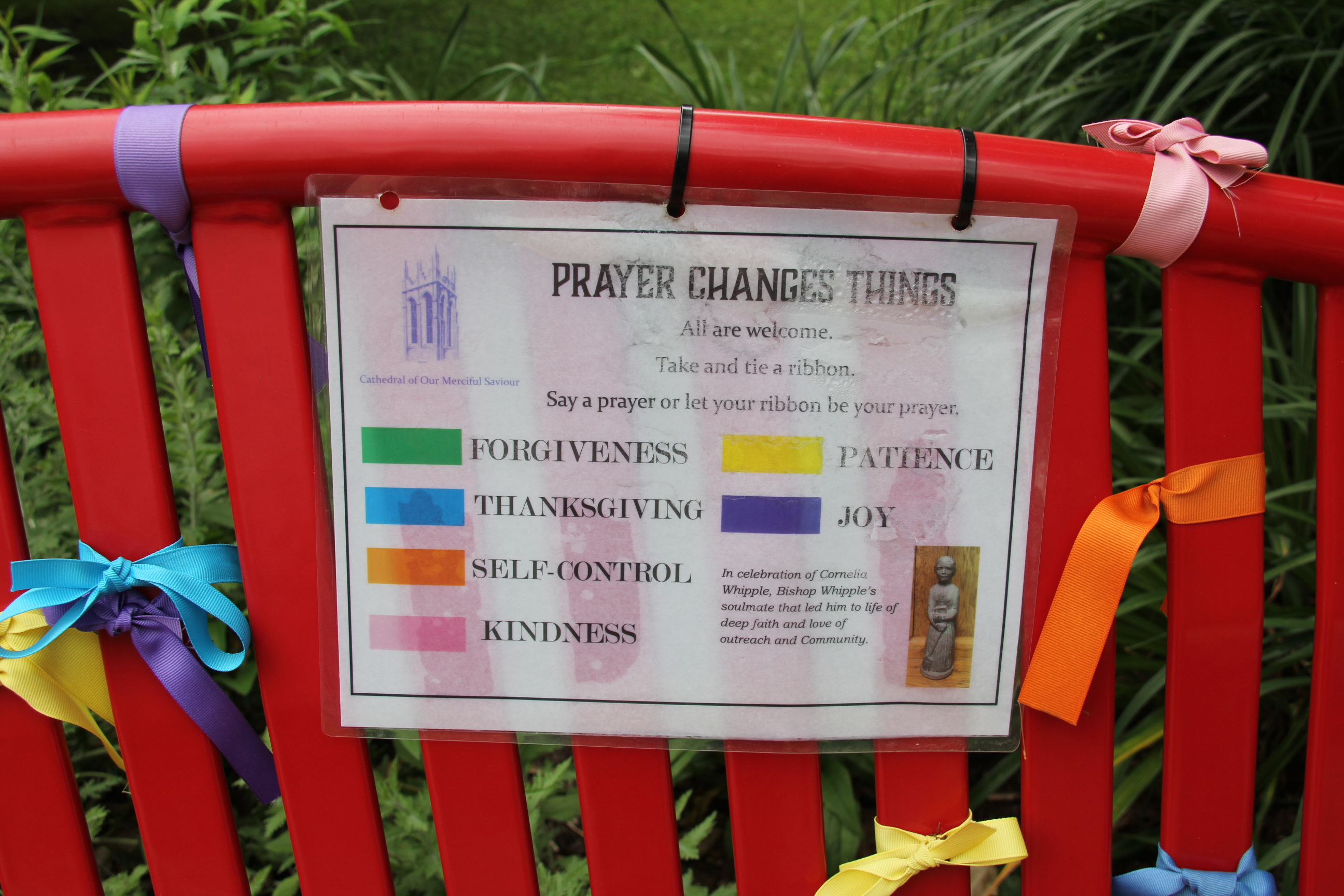
Prayer ribbon instructions posted on a bench. (Minnesota Prairie Roots copyrighted photo June 2024)

Ribbons, representing prayers, are tied to the slatted benches. A sign explains: PRAYER CHANGES THINGS. All are welcome. Take and tie a ribbon. Say a prayer or let your ribbon be your prayer.

Choose a ribbon from the bag. (Minnesota Prairie Roots copyrighted photo June 2024)

What a creative idea. A Ziploc bag of multi-colored ribbons hangs on one of the benches. Each hue represents a different prayer. Green for forgiveness. Blue for thanksgiving. Orange for self-control. Pink for kindness. Yellow for patience. Purple for joy.

One of the three garden benches is covered with prayer ribbons. (Minnesota Prairie Roots copyrighted photo June 2024)

These prompts prove soul-searching. Too often prayers focus on needs/wants/desires, not tough topics like forgiveness and self-control. And how often we forget to express gratitude and joy in prayer.

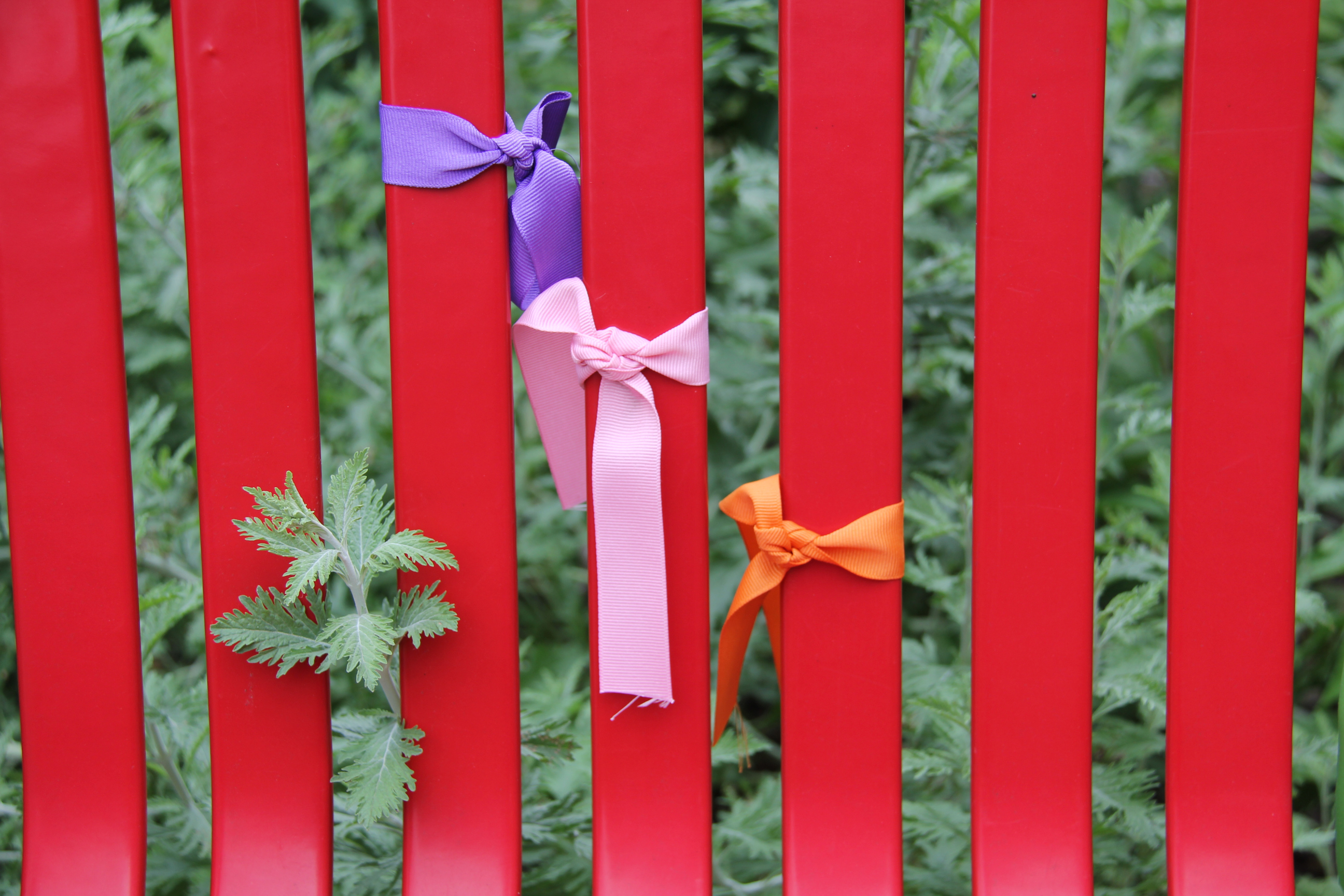
Ribbons representing prayers of joy, kindness and self-control. (Minnesota Prairie Roots copyrighted photo June 2024)

To be reminded of these traits, these feelings, these thoughts can only make us kinder, gentler, better people.

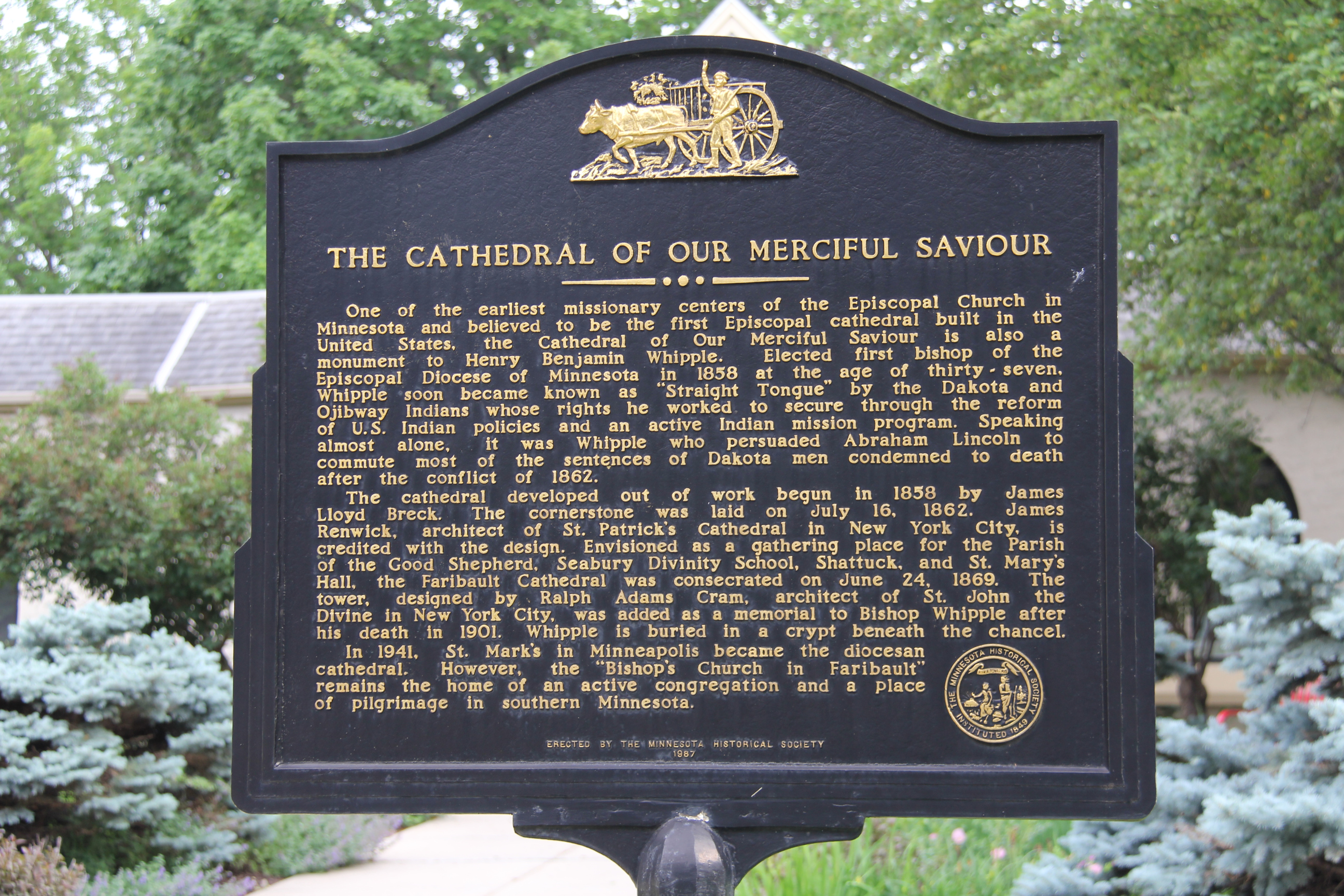
A historical marker at the Cathedral summarizes its history. (Minnesota Prairie Roots copyrighted photo June 2024)
The Cathedral sign lists community connections. (Minnesota Prairie Roots copyrighted photo June 2024)

That follows a guiding principle of the Cathedral as a place “where history meets heart.” The Cathedral, since it’s founding in the mid-1800s, has long centered on community. Bishop Henry Whipple befriended the Dakota people and many more. Today the church still opens its doors—as the site of the Community Cafe (serving free meals weekly to the community), as a venue for free concerts, as a historic site to tour, as an active participant in Faribault’s annual Heritage Days celebration, as a location for Red Cross blood drives…

Ribbons representing patience, thanksgiving and joy. (Minnesota Prairie Roots copyrighted photo June 2024)

And now this seemingly small, yet powerful thing, this beckoning to ponder and place prayers upon public benches. Prayer changes things. Just as a faith family can, when thoughts and ideas expand into actions. Actions that embrace community, providing a welcoming place to gather, to celebrate, to contemplate life.

An inviting entry garden…with prayer beribboned benches. (Minnesota Prairie Roots copyrighted photo June 2024)

We all hold the capacity to forgive, to thank, to control our thoughts, words and behavior, to practice kindness, to exercise patience, to express joy. If tying a ribbon to a red bench encourages self-reflection and positive change, then that is a good thing. We can always be better, do better, live better, in ways that improve our lives and the lives of those around us.

© Copyright 2024 Audrey Kletscher Helbling
 

Students plant kindness in Montgomery, Minnesota June 22, 2024

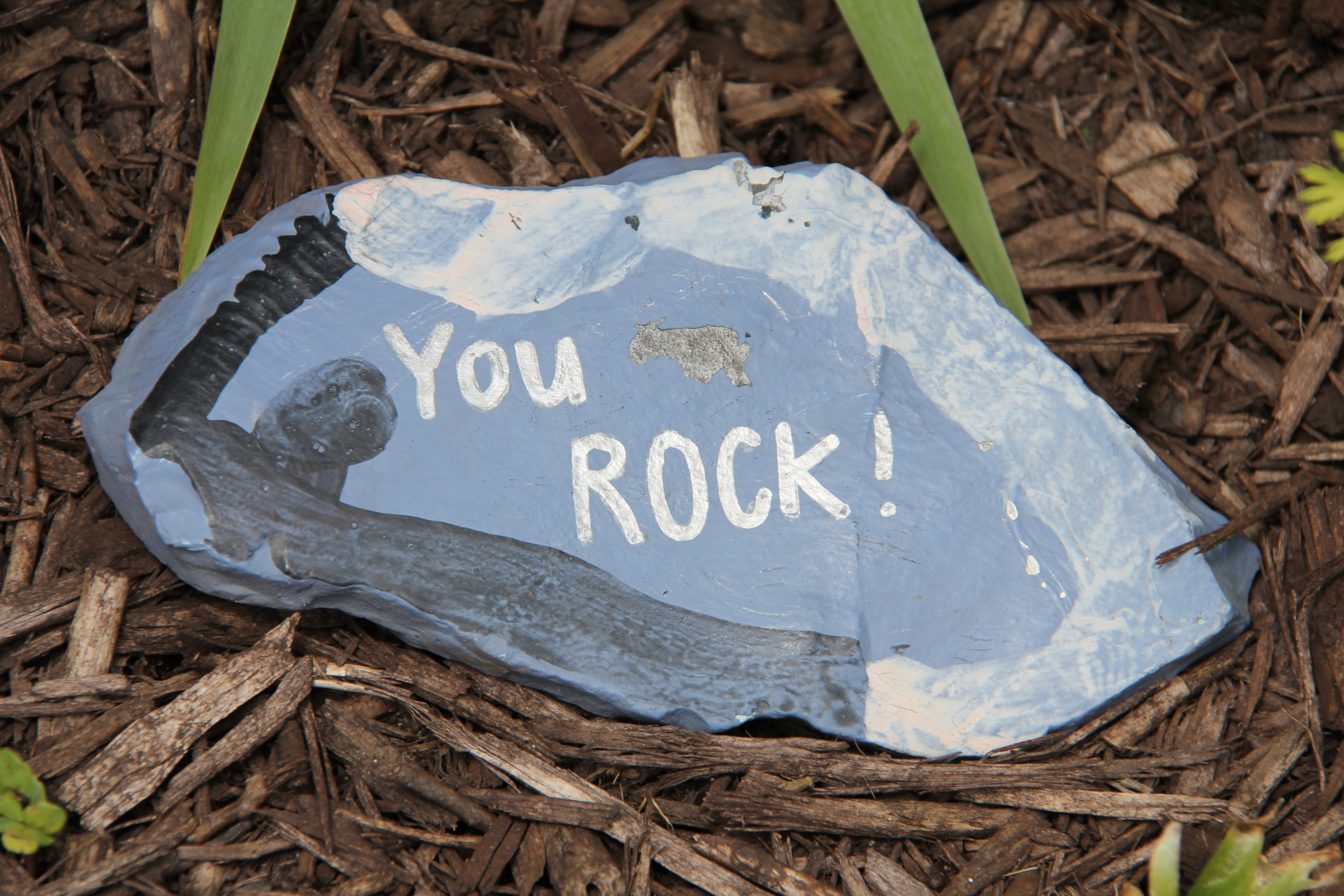
Among the many kindness rocks painted by students at a Catholic school in Montgomery. (Minnesota Prairie Roots copyrighted photo June 2024)

MOST HOLY REDEEMER Catholic School in Montgomery, you rock. I mean, really rock.

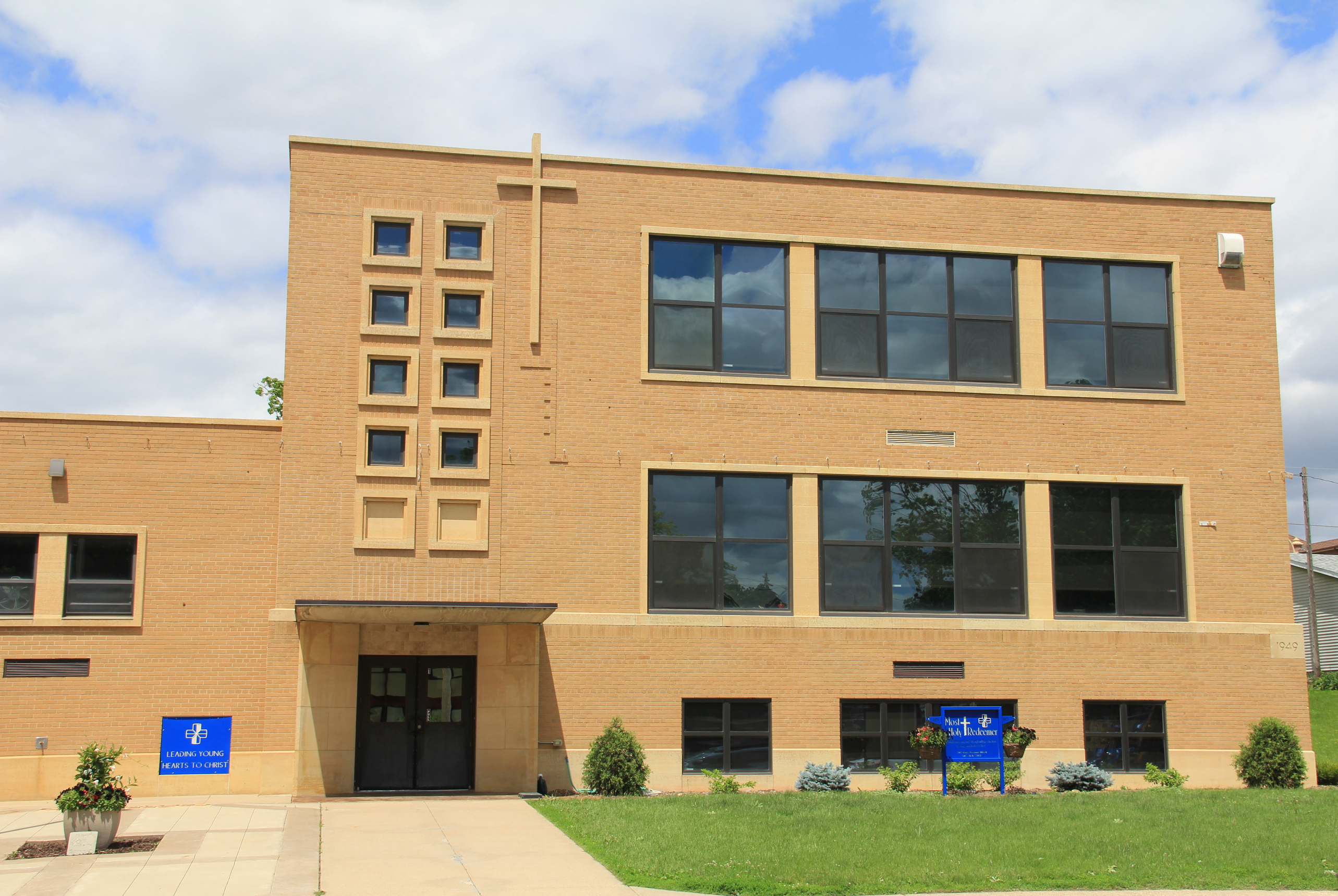
Kindness rocks have been planted in gardens outside Most Holy Redeemer Catholic School. (Minnesota Prairie Roots copyrighted photo June 2024)

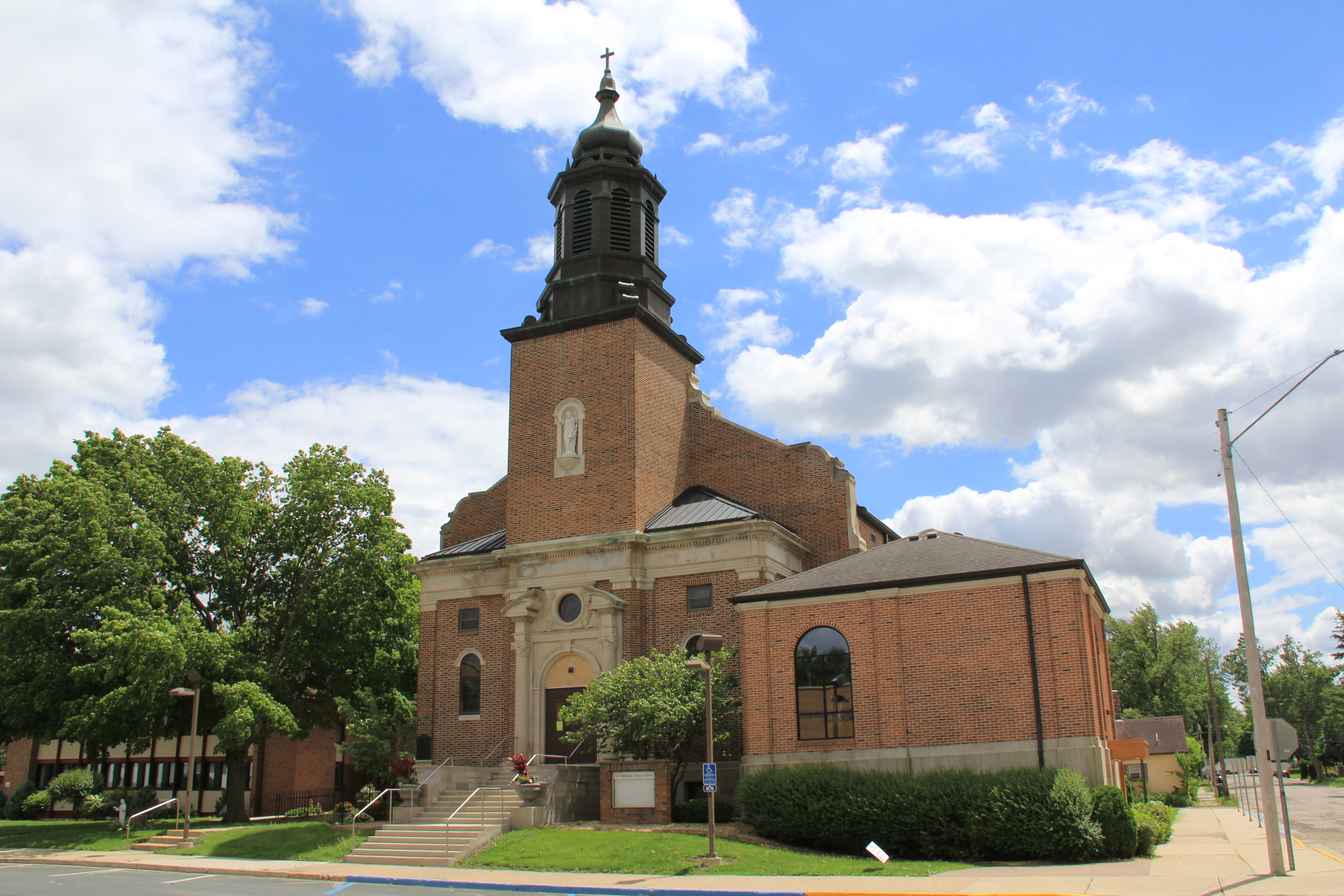
Recently I discovered an assortment of kindness rocks in flower gardens outside this small southern Minnesota school that educates preschoolers through eighth graders. The school sits across Vine Avenue West from a stunning Catholic church with the same name. I appreciate beautiful historic churches. And kindness rocks.

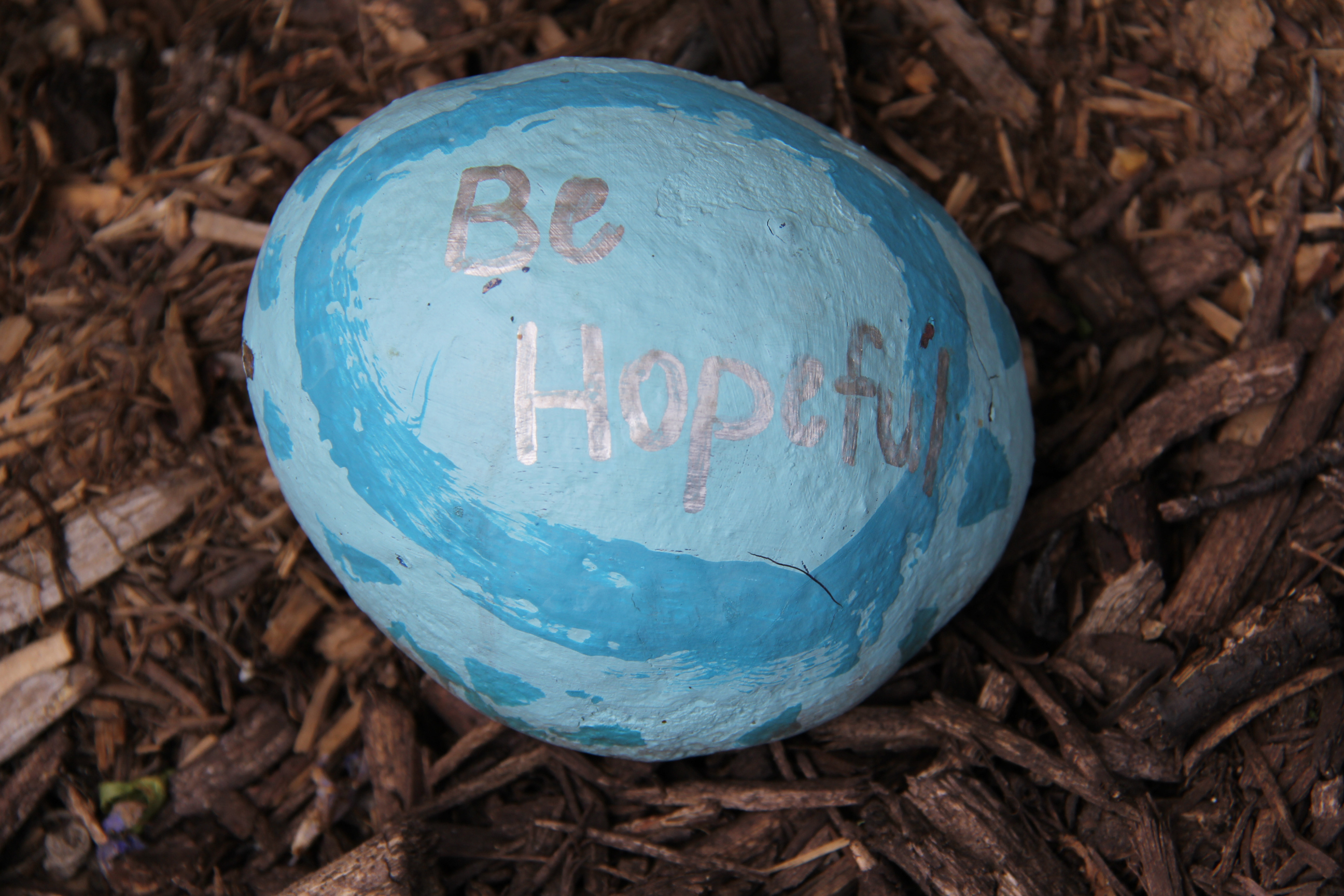
Hope, always hope, one of my favorite words. (Minnesota Prairie Roots copyrighted photo June 2024)
Most Holy Redeemer Catholic Church. (Minnesota Prairie Roots copyrighted photo June 2024)
You can feel the love that went into creating these kindness rocks. (Minnesota Prairie Roots copyrighted photo June 2024)

To say I felt excited about finding the church and rocks in Montgomery would be an understatement. Both inspire, offer hope, encourage. In today’s world, we need more of all three, along with compassion and plenty of kindness.

Words that need repeating. (Minnesota Prairie Roots copyrighted photo June 2024)

A while back, I began collecting kindness rocks, which are actually painted stones with inspirational words and/or art written/painted thereon. I collect these rocks with my camera, photographing them rather than taking them with me. Not all are meant to be taken.

Imagine reading these words when you are struggling. (Minnesota Prairie Roots copyrighted photo June 2024)

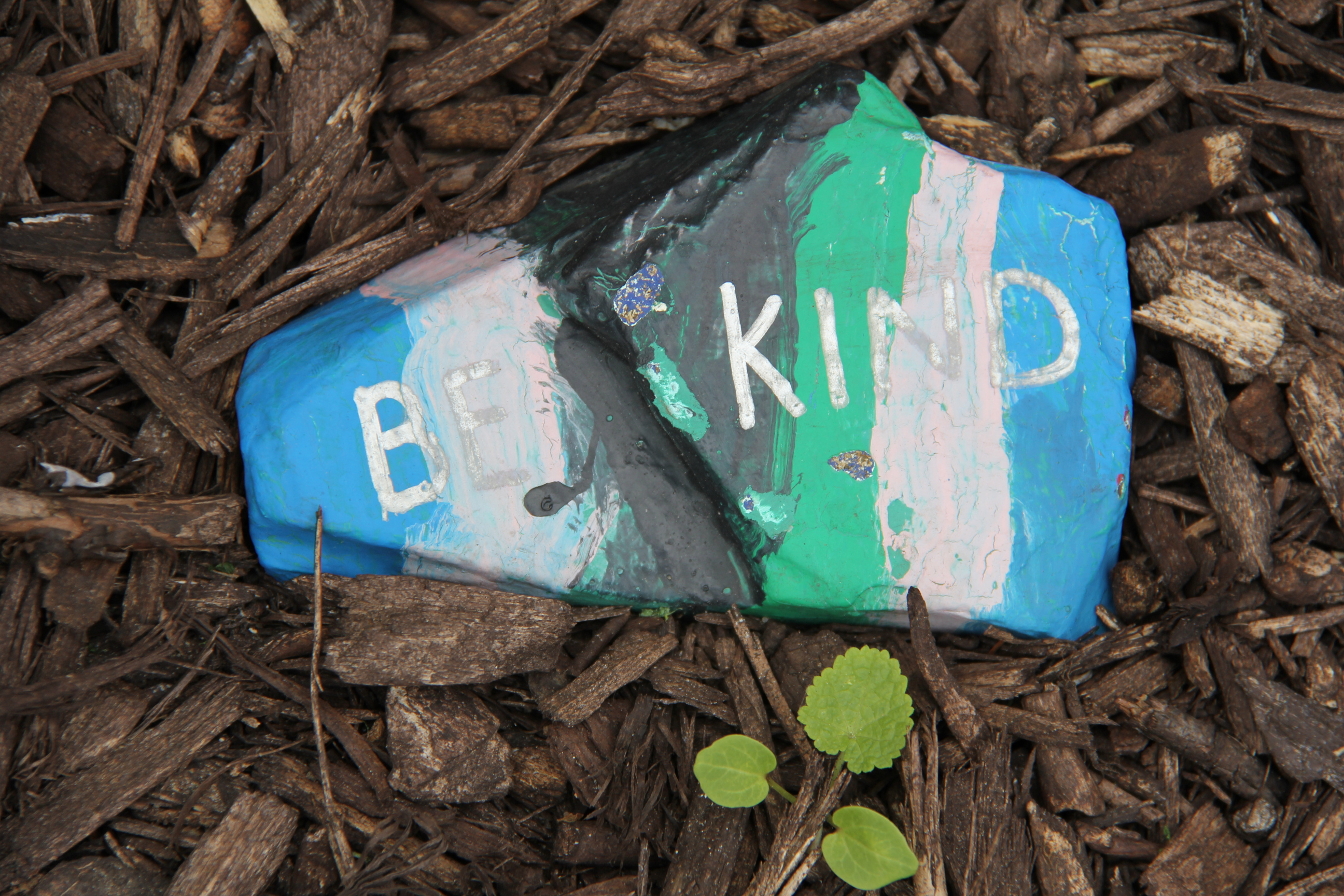
The students at Most Holy Redeemer filled my heart, mind and spirit with such positive thoughts via their artwork. Reminders to be kind, friendly, forgiving. Reminders to be hopeful and strong. Those words, especially, resonate with me as I’ve overcome much in the past year while dealing with long haul COVID and vision issues.

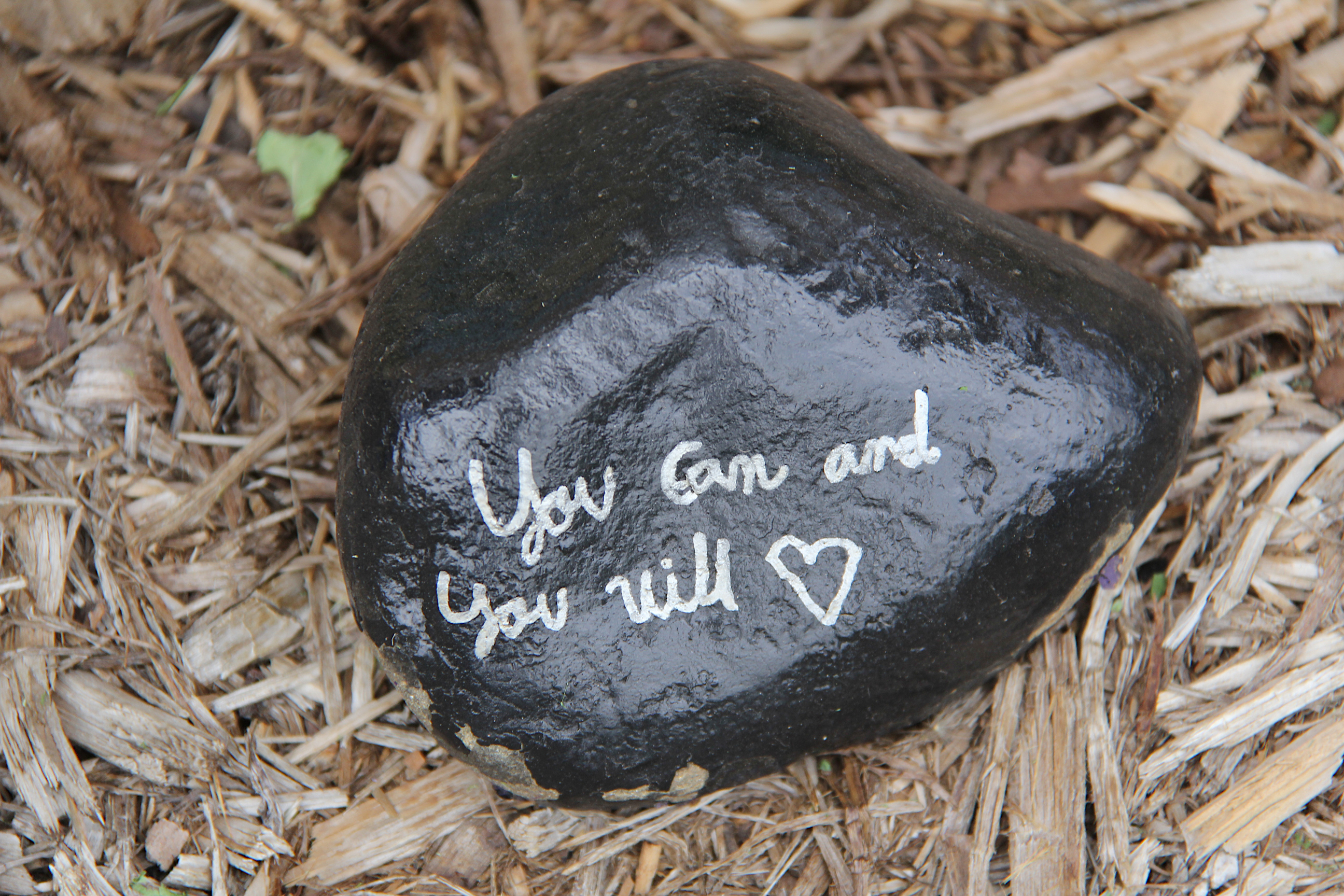
This encouraging message fits me perfectly right now. (Minnesota Prairie Roots copyrighted photo June 2024)

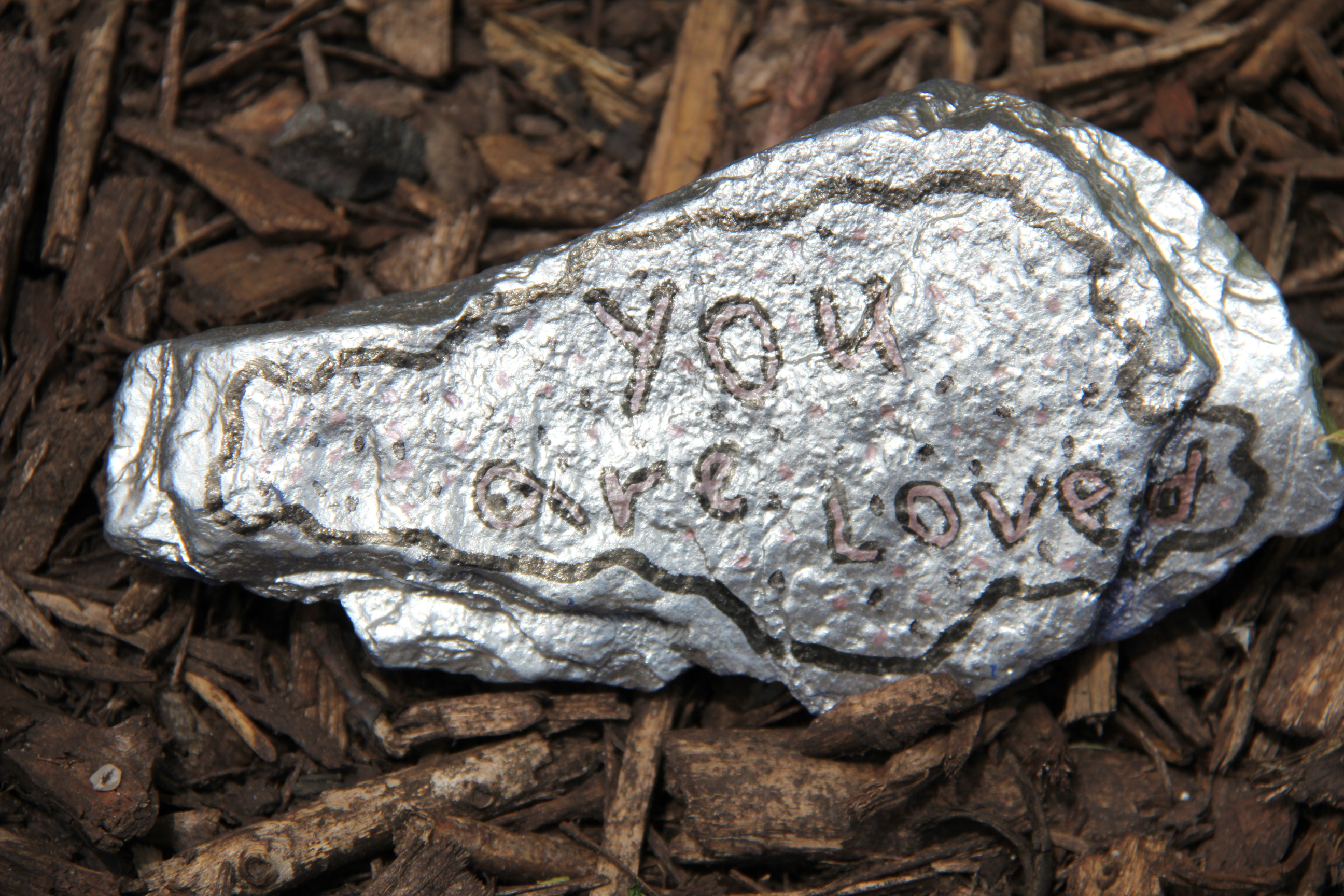
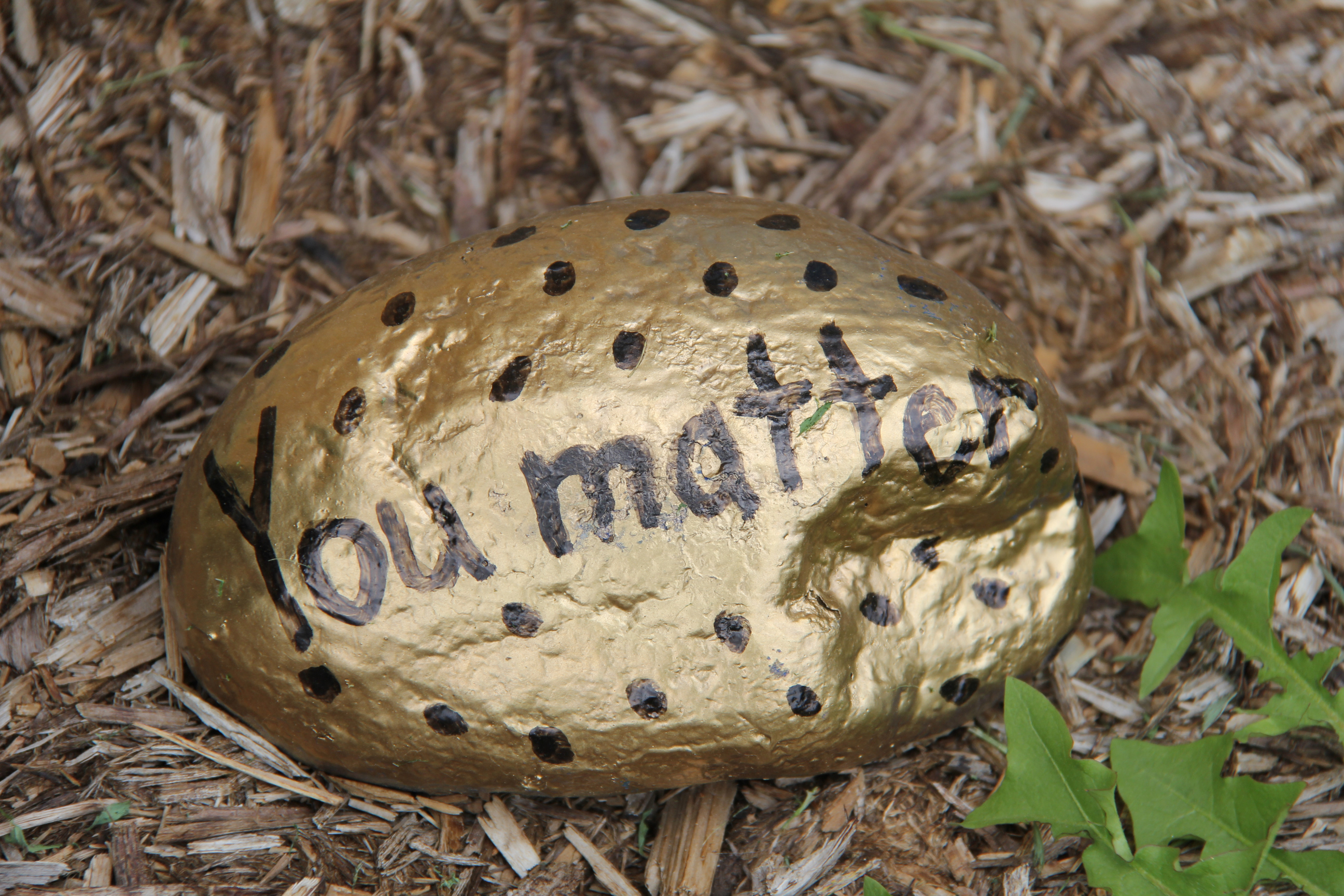
“You can and you will” read one message. That could have been/be my 2023-2024 mantra. I expect many others have been uplifted by short messages that grace these stones. “You matter.” “You are loved.” Even if you know that, to read those reaffirming words feels incredibly validating.

We all need to read these encouraging words. (Minnesota Prairie Roots copyrighted photo June 2024)
Life often isn’t fair. But we can all strive to be fair. (Minnesota Prairie Roots copyrighted photo June 2024)
Onward, fearlessly, never give up. (Minnesota Prairie Roots copyrighted photo June 2024)

I love that the students at Most Holy Redeemer are learning the value of positive thoughts and actions, sharing those in an artsy, public way on kindness rocks.

Inspirational signage in one of the gardens. (Minnesota Prairie Roots copyrighted photo June 2024)
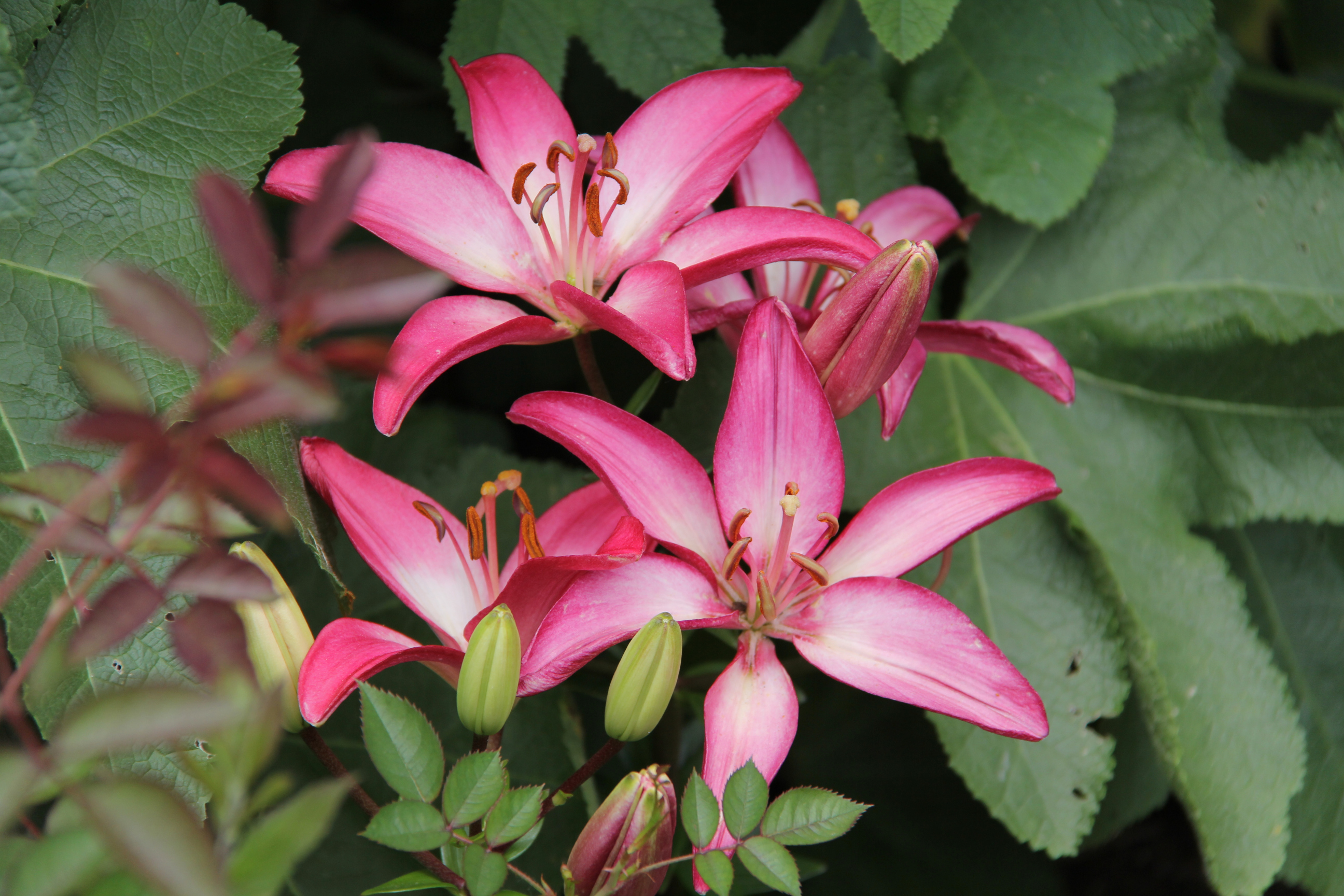
Lilies. (Minnesota Prairie Roots copyrighted photo June 2024)
Flowers found on a kindness rock. (Minnesota Prairie Roots copyrighted photo June 2024)

The rocks are spaced atop mulch among flowers and shrubbery alongside the school. I was so focused on the kindness rocks that I paid minimal attention to the plants. And I love flowers. But then again, I suppose you could say these kindness rocks are flowers. Beautiful. Lovely. Flourishing. Blooming in a space where weeds have no place.

It’s all about kindness… (Minnesota Prairie Roots copyrighted photo June 2024)

FYI: I was interviewed recently about kindness rocks by Katy Read, a writer for the Minneapolis Star Tribune. Her story about kindness rocks published online Friday morning and will be in print Saturday, June 22, in the Strib, on the Inspired page of the Variety section. She interviewed multiple sources, including those who create the rocks and why they do. Thank you, Katy, for spreading kindness with your wonderful feature story.

© Copyright 2024 Audrey Kletscher Helbling
 

Embracing the magic of fairy gardens August 2, 2023

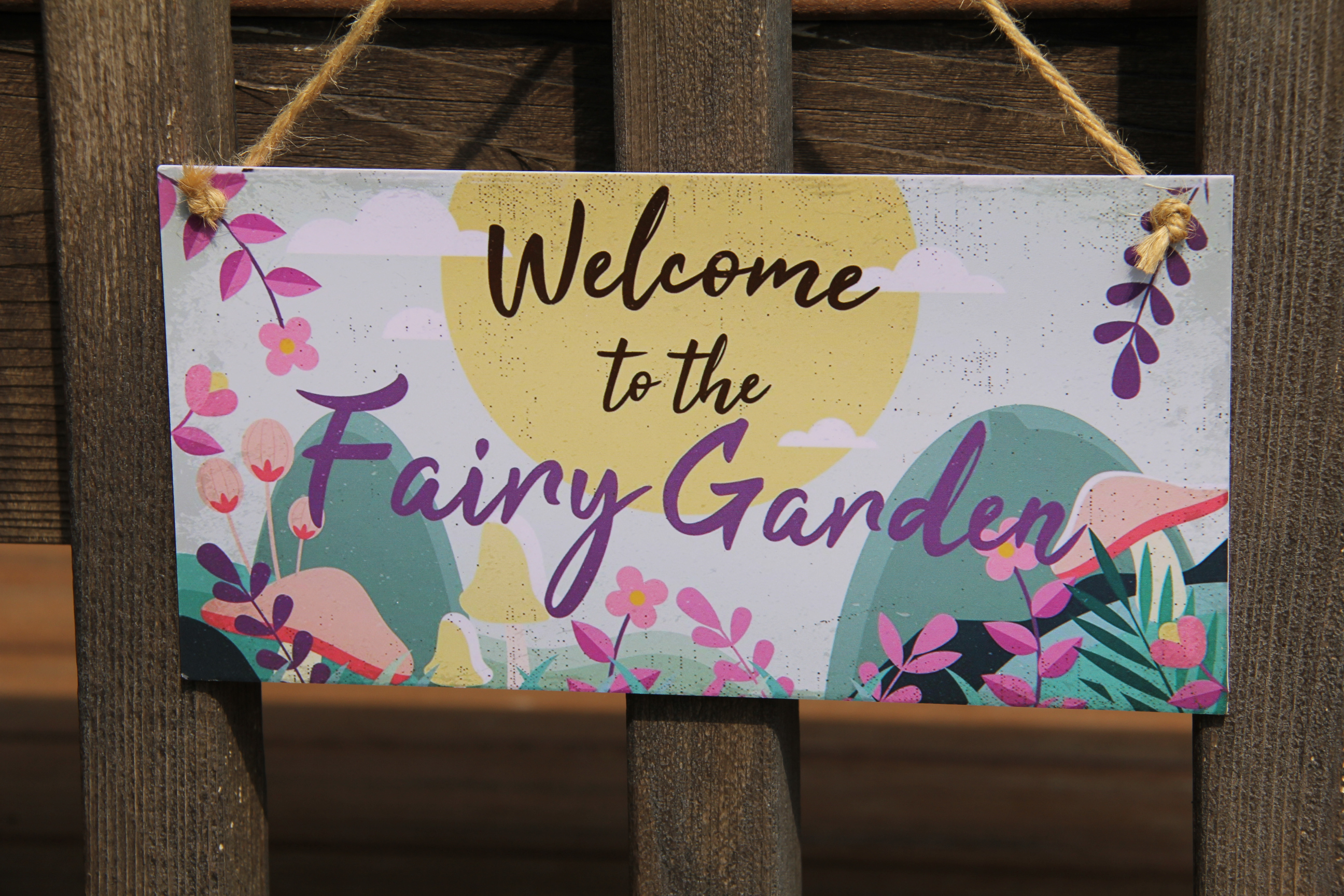
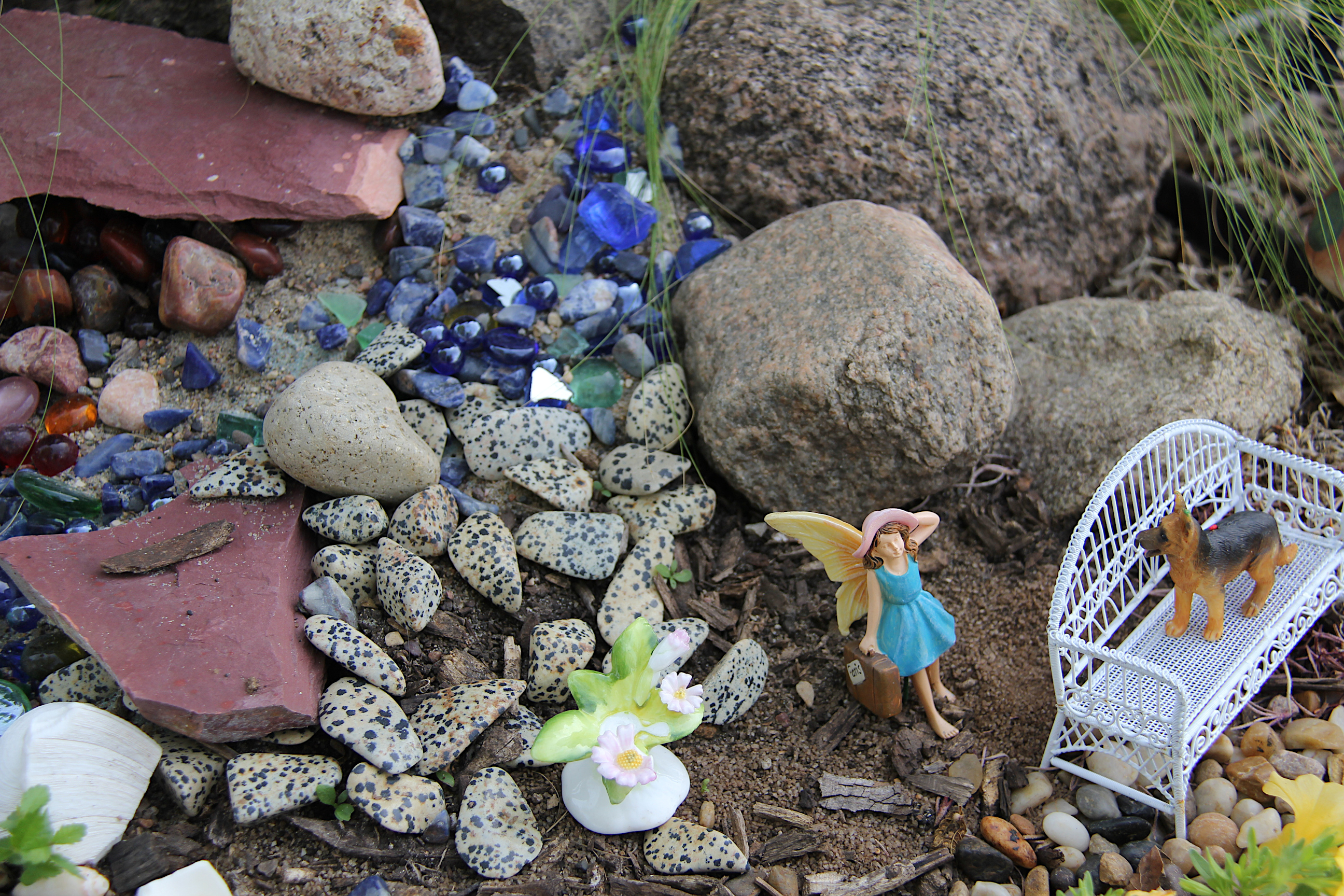
A sign marks the Fairy Garden at the Rice County Master Gardeners Teaching Gardens in Faribault. (Minnesota Prairie Roots copyrighted photo June 2023)

DECIDEDLY MAGICAL. Those words describe my reaction to fairy gardens, mini scenes created with small scale fairies, gnomes, animals and more in an unexpected spot within a flower garden.

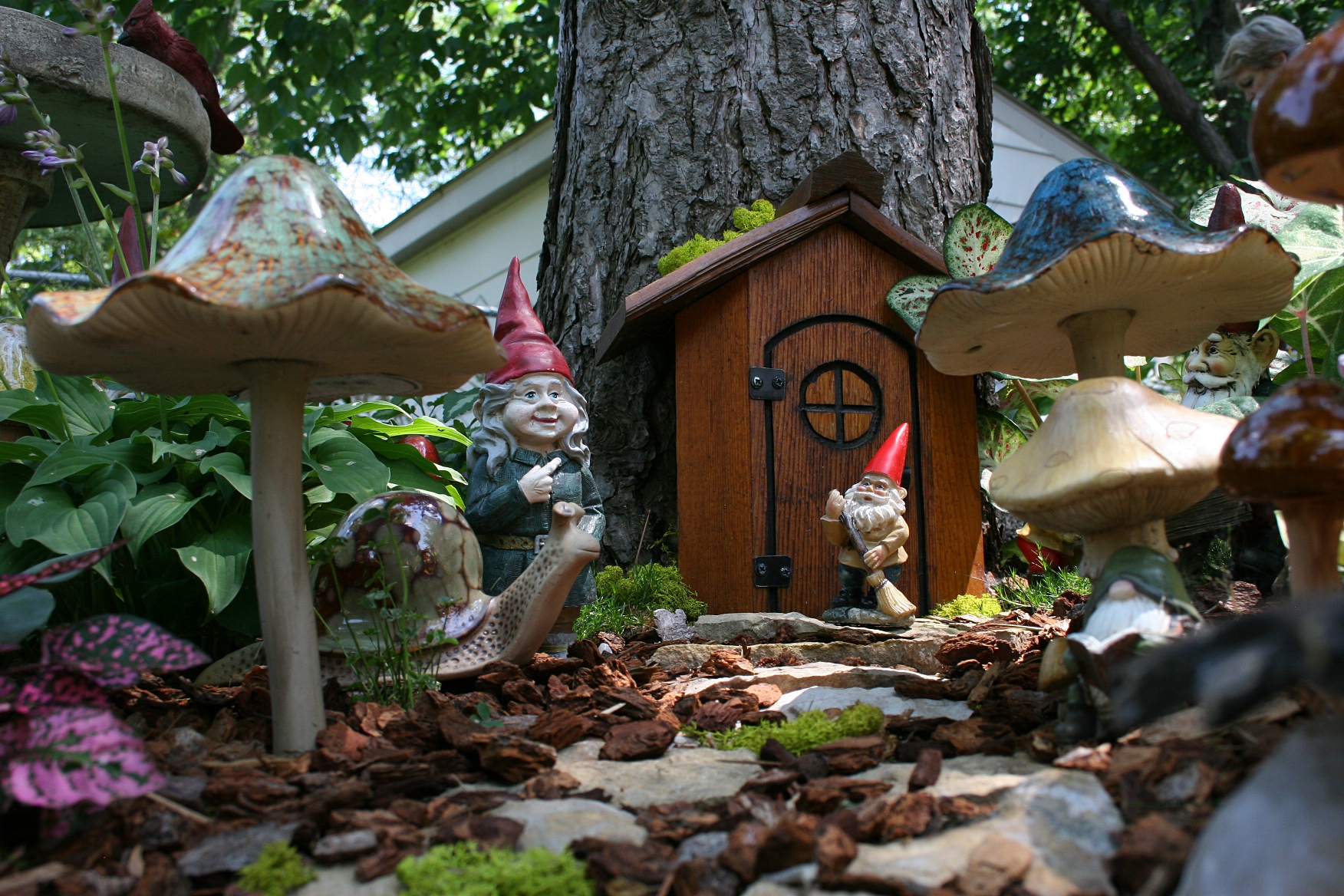
A ground level view of gnomes’ rocky woodland home in the gardens of Susan and Dale Kulsrud, featured in a 2014 garden tour. (Minnesota Prairie Roots copyrighted file photo July 2014)

I saw my first fairy gardens during the Northfield Garden Club 2014 Garden Tour and have loved them ever since.

A unicorn-hugging fairy in the Faribault garden. (Minnesota Prairie Roots copyrighted photo June 2023)

Maybe it’s the kid in me or perhaps the creative in me that appreciates these delightful scenes that transport me from reality into a storybook world. We all need to escape the chaos of life occasionally, even if but for a few minutes. Fairy gardens do just that for me.

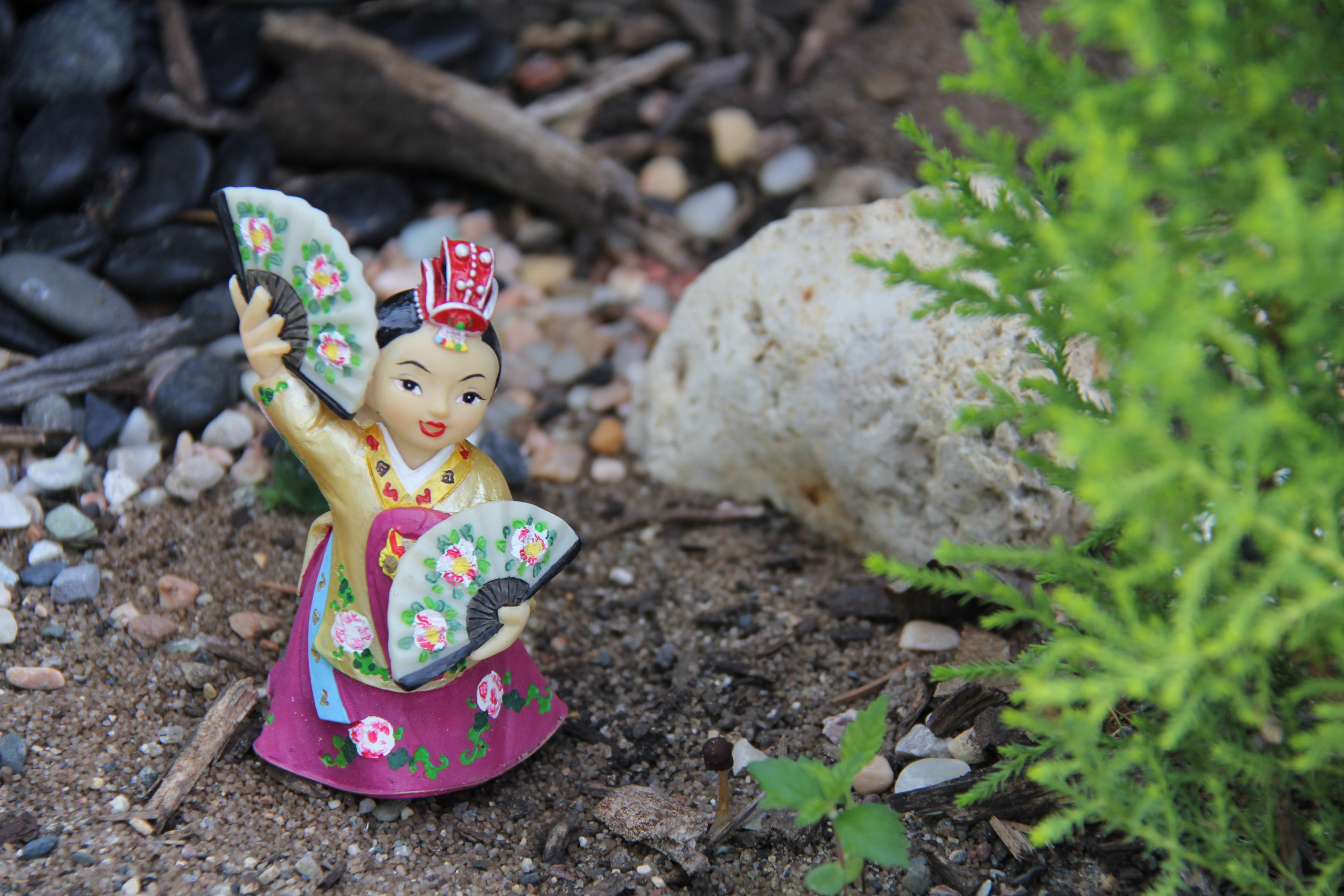
Love depicted in a bridal couple in the master gardeners’ garden. (Minnesota Prairie Roots copyrighted photo June 2023)

It’s OK to embrace the child within us, to imagine living in an enchanting place where goodness and kindness and love prevail and everyone gets along. I believe those truths when I spot a fairy garden in the tranquility of a flower garden.

An overview of a section of the master gardeners’ garden in Faribault. (Minnesota Prairie Roots copyrighted photo June 2023)
A variety of birds can be seen at the Faribault garden. (Minnesota Prairie Roots copyrighted photo June 2023)
Water bubbles from a stump water feature inside the pond. (Minnesota Prairie Roots copyrighted photo June 2023)

Recently I discovered a new fairy garden at the Rice County Master Gardeners Teaching Gardens located on the Rice County Fairgrounds in Faribault. This garden had already been a favorite spot to visit, to walk among the flowers and other plants, to observe butterflies and birds, and to watch water spilling from a water feature inside a pond.

Reflecting the cultural diversity of Faribault. (Minnesota Prairie Roots copyrighted photo June 2023)

A volunteer working there on the day I stopped mentioned that the fairy garden is especially popular with kids, who often move the figurines. I love that—envisioning children playing with the mini people and animals, rearranging the scene, stories spinning through their heads. Imaginative play is something we should all engage in, even as adults. We’re never too old, or too young, for that.

Stones imitate water in this bucolic scene. (Minnesota Prairie Roots copyrighted photo June 2023)

Unlike real life, fairy tales always have happy endings. The prince finds Cinderella. Little Red Riding Hood defeats the Big Bad Wolf. Jack climbs the beanstalk, outsmarts the giant, escapes, and saves the day to live happily ever after. Ah, if only happily ever after was always the ending.

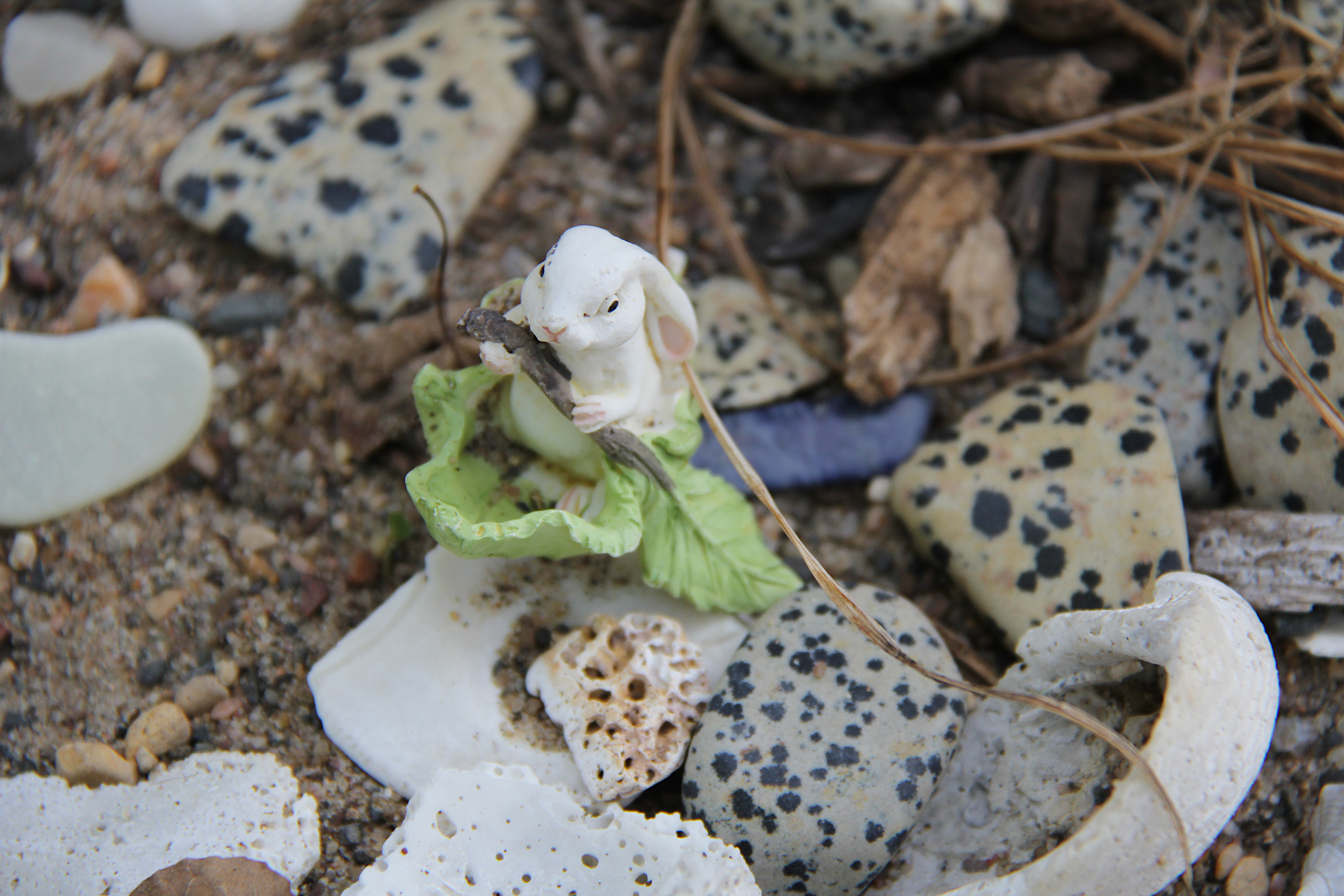
A bunny welcomed in the Faribault garden. (Minnesota Prairie Roots copyrighted photo June 2023)

Fairy gardens offer a respite, happiness, if we we choose to pause, bend low, see them. If we choose to believe in their magic.

© Copyright 2023 Audrey Kletscher Helbling
 

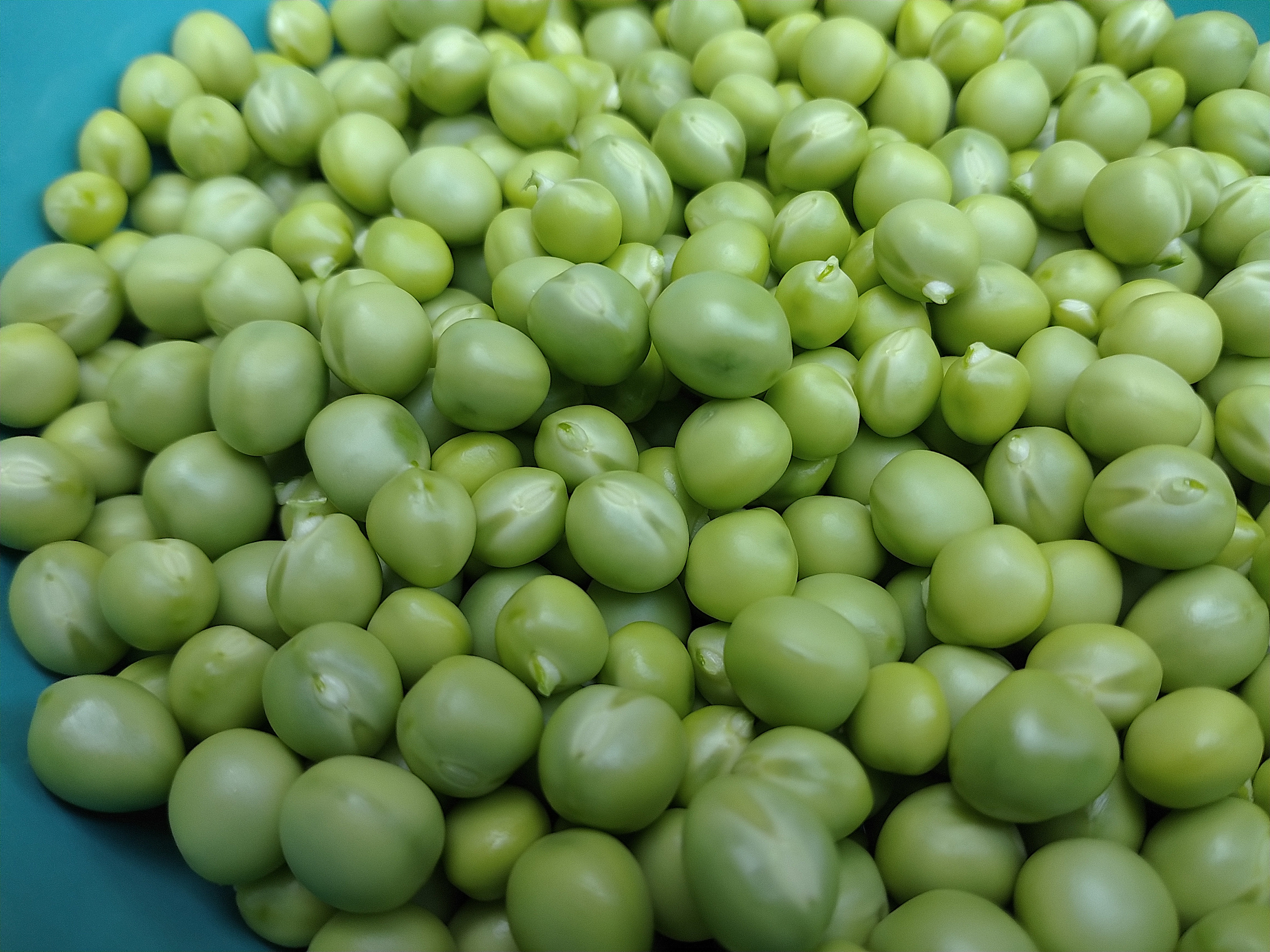
Garden fresh peas from the library July 17, 2023

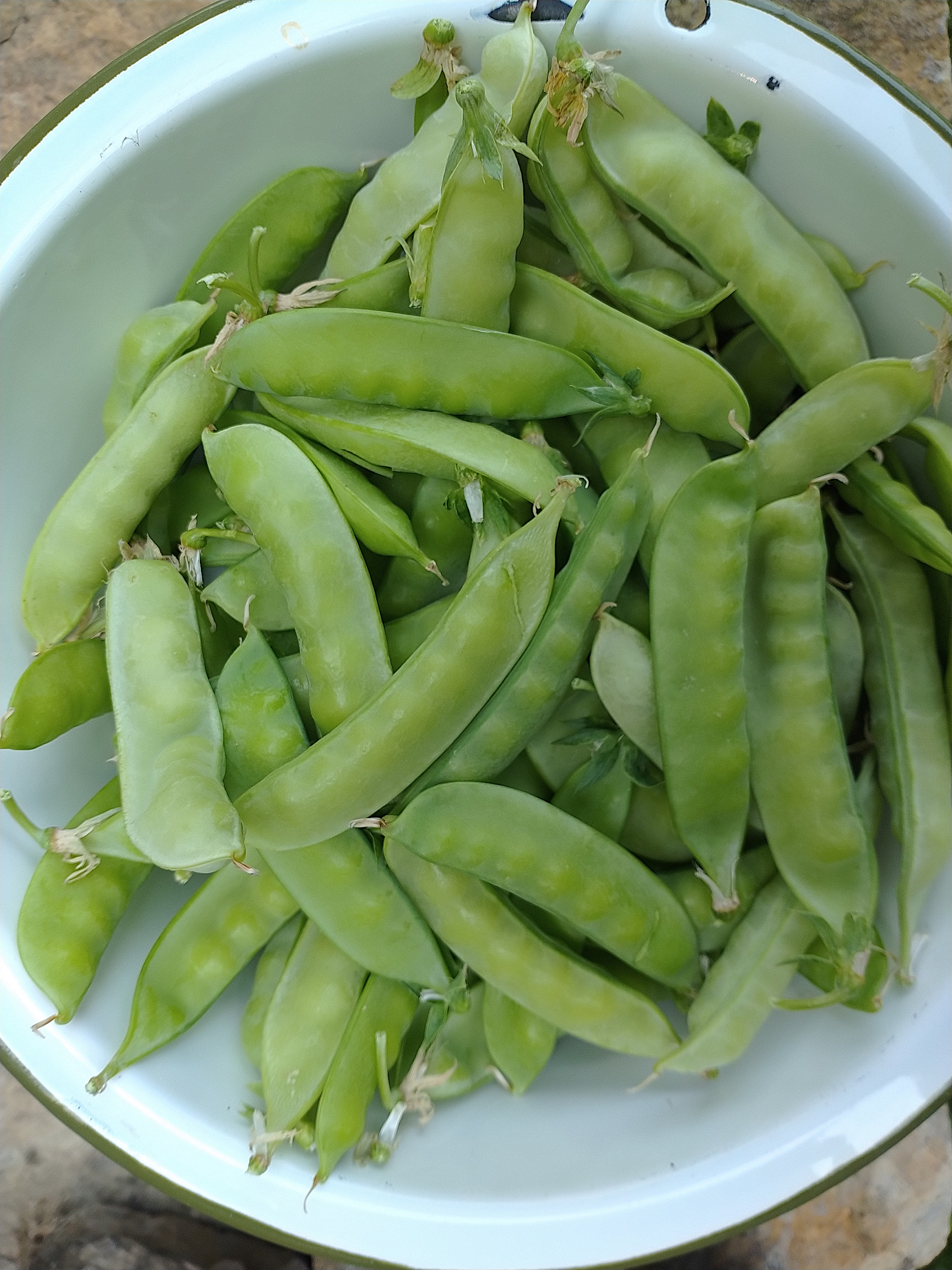
(Minnesota Prairie Roots copyrighted photo July 2023)

I FOLDED THE PILE of pea pods into the front of my Minnesota-themed tee, the one with two grain bin graphics. It seemed appropriate for the vegetable gathered from the Friends of Buckham Memorial Library Organic Learning Garden. Harvest of grain. Harvest of vegetables.

In the library window by the garden. (Minnesota Prairie Roots copyrighted photo 2020)

I hadn’t expected to pick peas when Randy and I stopped at our local library Saturday afternoon en route to the grocery store for meat to grill. But when we pulled into the parking lot, I decided to check out the garden while Randy looked for videos.

To my surprise, I found pea plants heavy with plump pea pods. I felt giddy. Garden fresh peas have always been a favorite. But it’s been a long time since I’ve had them.

(Minnesota Prairie Roots copyrighted photo July 2023)

I hold fond memories of picking and shelling peas from my childhood garden. I loved running my thumb down the seam of the pod, opening the shell to reveal a row of tiny green orbs. So perfect. And then I slid my thumb down that tidy row, peas dropping one by one into a metal pan. Plunk, plunk, plunk, plunk, plunk. There’s a certain satisfaction in the rhythmic process of shelling peas.

Once home, as I shelled those peas carried in my t-shirt to the van, I thought of all those summers back on the farm. I never realized then how lucky I was to eat mostly food grown or raised on our acreage. It was simply what everyone did in rural Minnesota. Planted a garden. Raised beef cattle, pigs and/or chickens.

That evening as we sat down to a grilled pork chop supper (not dinner) with sides of potatoes and peas, I dipped my spoon into those fresh peas covered with butter. I tasted the sun and sky and earth. But mostly, I tasted memories. Garden memories.

© Copyright 2023 Audrey Kletscher Helbling
 

Gardening: Passing along my rural heritage & much more May 2, 2023

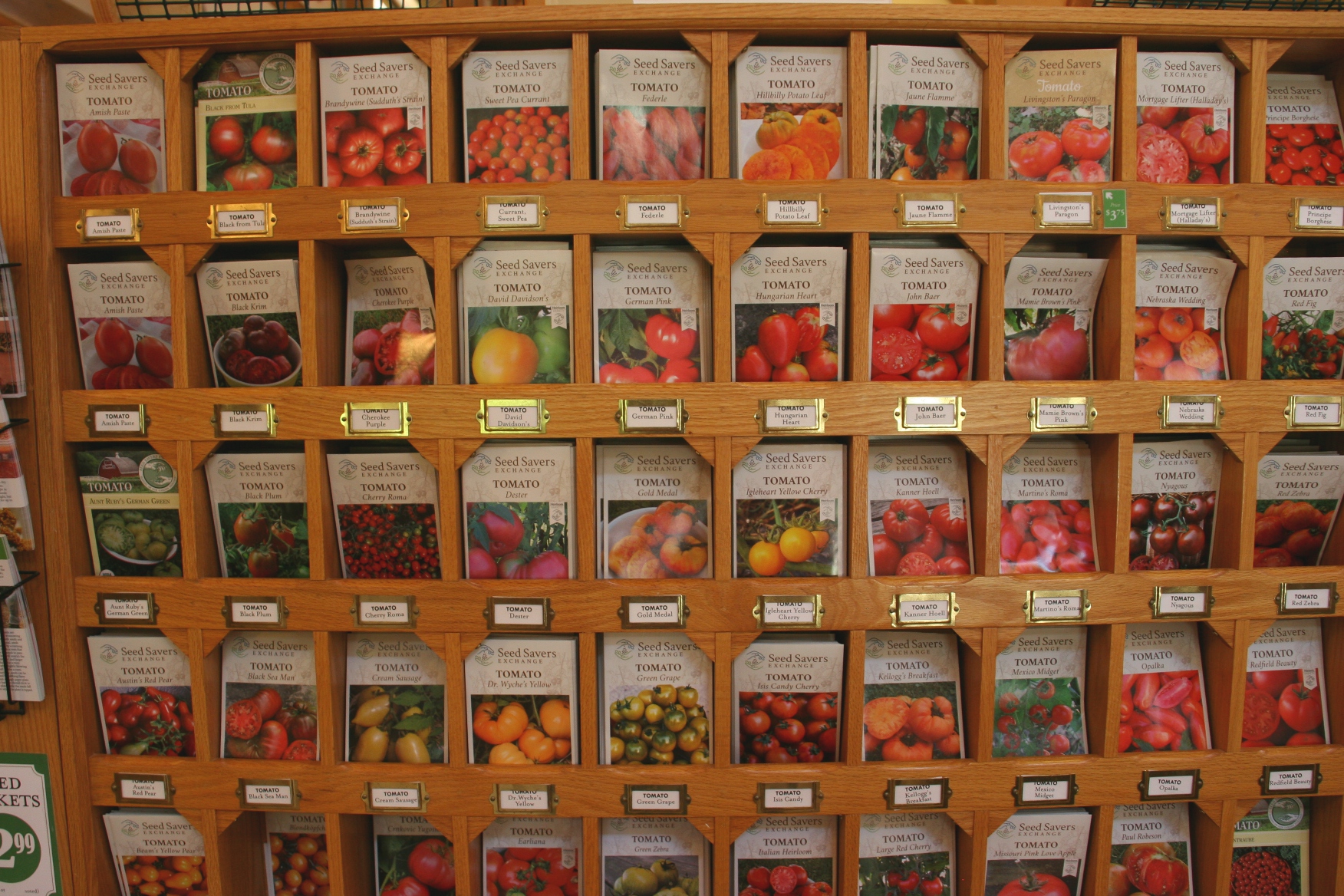
Seeds for sale at Seed Savers Exchange, Decorah, Iowa. (Minnesota Prairie Roots copyrighted file photo September 2018)

SEVERAL DAYS AGO, my 4-year-old grandson excitedly shared that his broccoli was growing. His mom, my eldest, clarified. Sixteen broccoli seeds and one carrot seed had sprouted, popping through potting soil in three days. That surprised even me, who grew up in a gardening family with most of our food from farm to table, long before that became a thing.

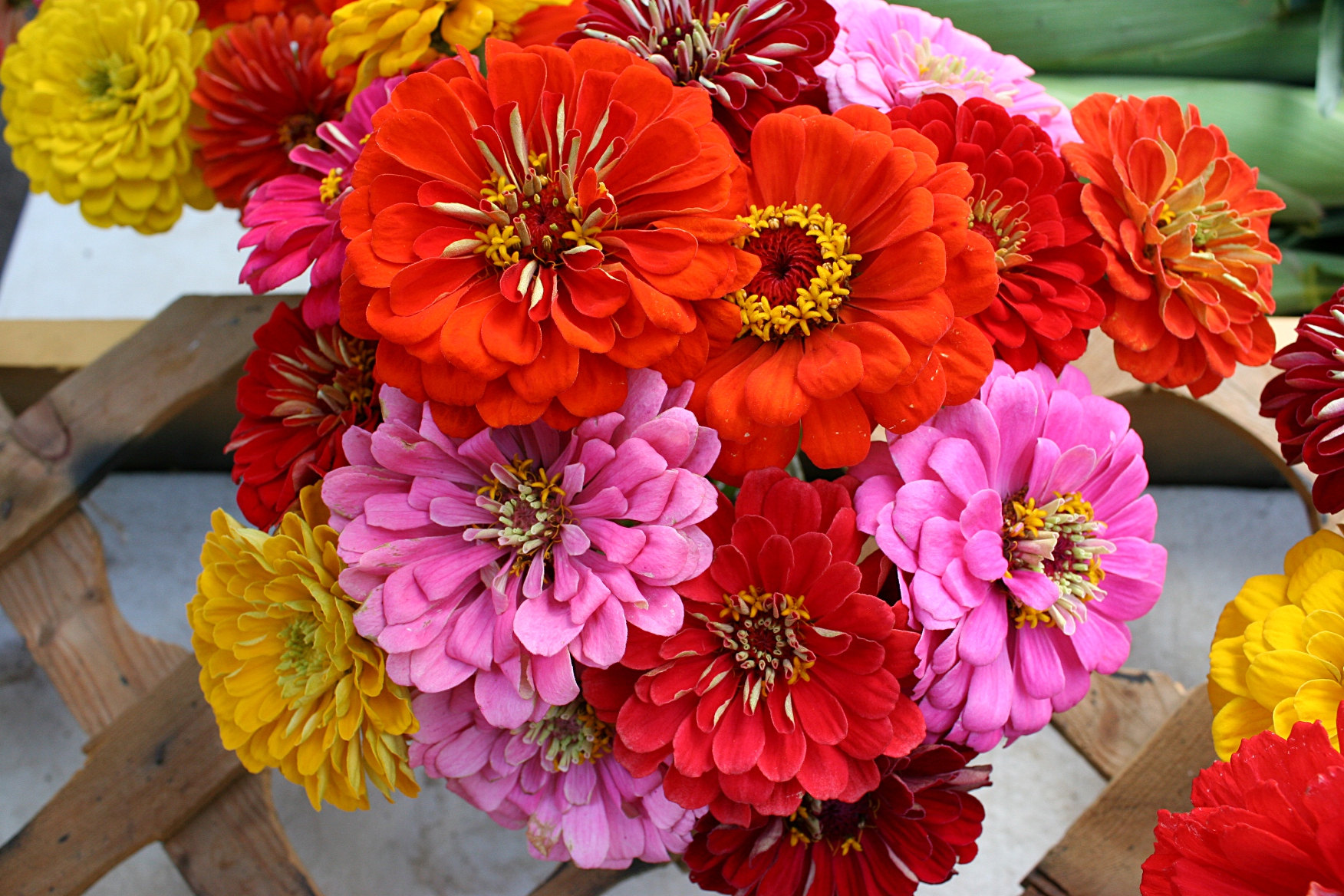
Annuals that are easy to grow from seed. (Minnesota Prairie Roots copyrighted file photo)

A year ago, I gifted my grandchildren with several packets of seeds. Flowers only. Zinnias and bachelor buttons, easy-to-grow-from-seed annuals that blossom throughout the summer. Isaac and his mom planted the seeds in flower pots. And then watched seeds emerge into tender plants that grew and bloomed in a jolt of color.

Old-fashioned zinnias grown by my friend Al and sold at the Faribault Farmers’ Market. (Minnesota Prairie Roots copyrighted file photo September 2019)

That was enough for the preschooler to get the gardening bug. This year, in selecting seeds for Isaac and his older sister, I added vegetables to the mix of flowers. Spinach because I knew it would grow quickly and flourish in Minnesota’s still cool weather. And carrots, because Isaac wanted to plant them. Later, he told his mom he also wanted to plant broccoli because he likes broccoli. I’m not sure that’s true. But Amber bought broccoli seeds for her son, whom she’s dubbed Farmer Isaac.

“Summer in a Jar,” sold at the Faribault Farmers’ Market. This photo published in the book “The World of Laura Ingalls Wilder, The Frontier Landscapes that Inspired The Little House Books” by Marta McDowell. (Minnesota Prairie Roots copyrighted file photo September 2015)

I can’t think of a better way to encourage kids to try vegetables. And to teach them about plants and that veggies don’t just come from the grocery store. With most families now a generation or two or three removed from the land, it’s more important than ever to initiate or maintain a connection rooted in the soil.

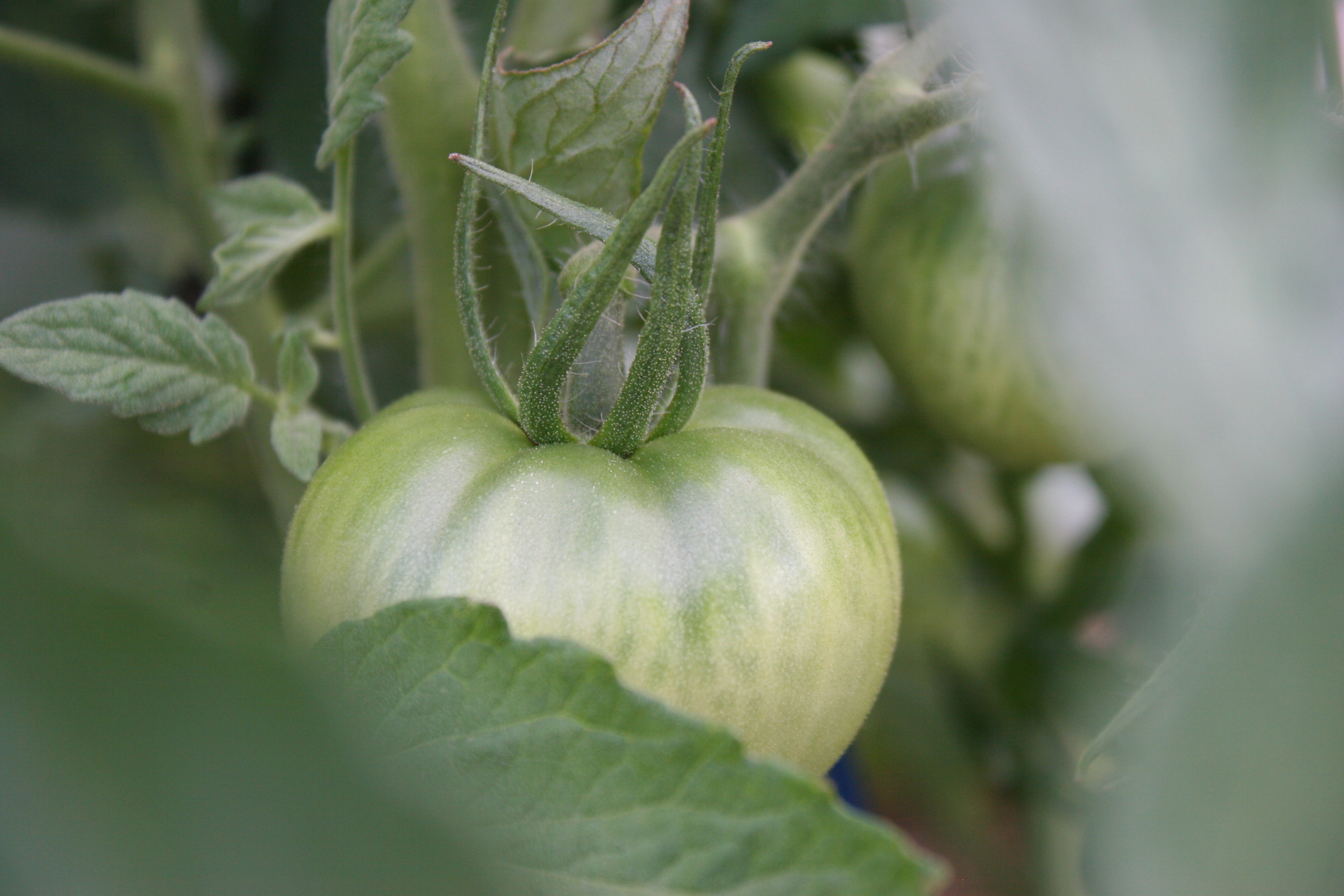
Several types of tomatoes grow in the garden outside Buckham Memorial Library, Faribault. (Minnesota Prairie Roots copyrighted file photo)

Soil was the gardening starting point for my grandchildren. Once when they stayed overnight, I got out the gardening shovels and directed them toward a corner flowerbed and a patch of dirt. The dirt flew as they dug and uncovered earthworms and half a walnut shell and bugs. I didn’t care if their hands got dirty. I simply wanted them to have fun, to feel the cold, damp earth, to appreciate the soil beneath and between their fingers.

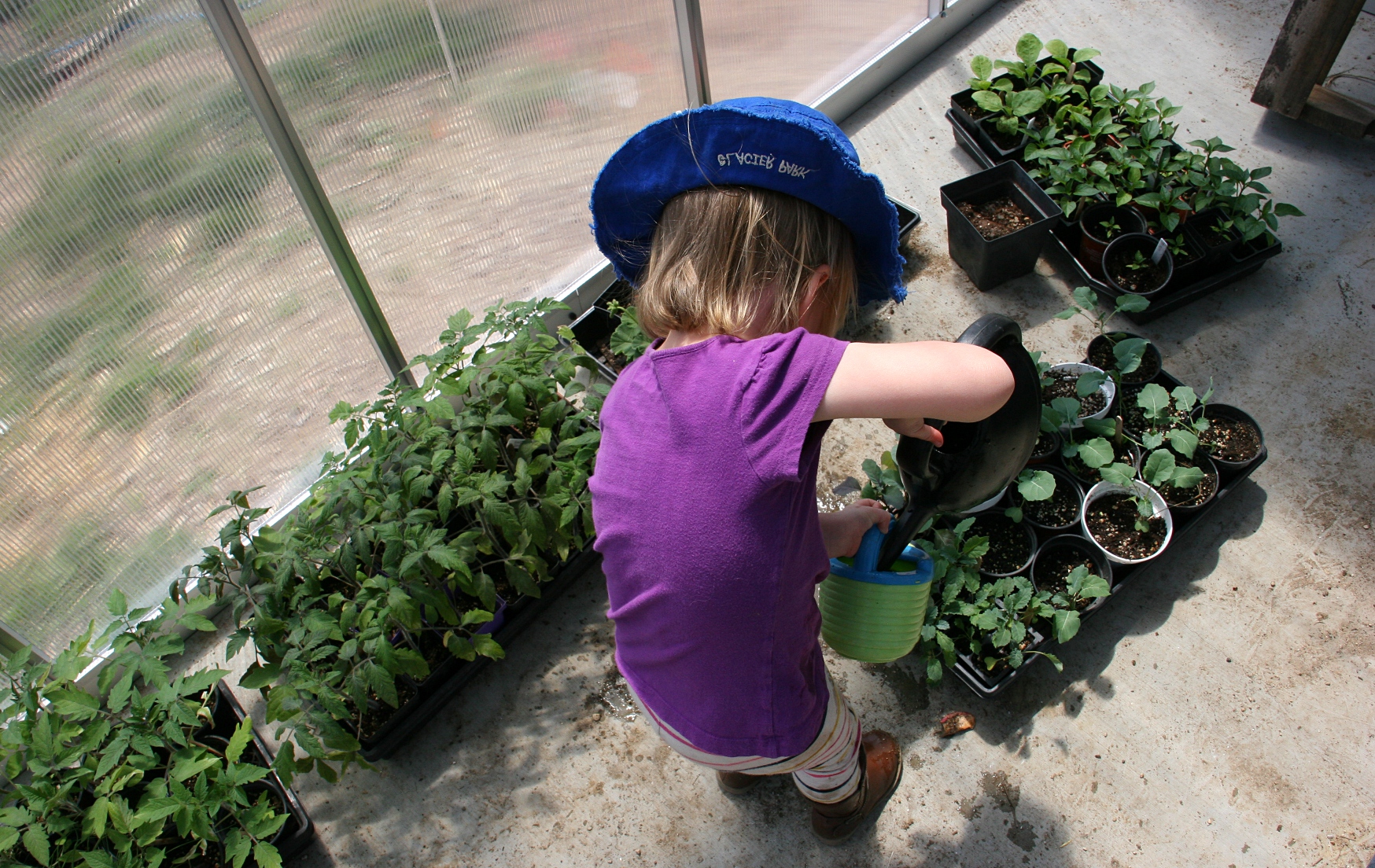
My great niece waters plants inside her family’s mini greenhouse. (Minnesota Prairie Roots copyrighted file photo May 2018)

I was a bit surprised when my eldest embraced gardening with her kids. But then again, she was the daughter who always watered flowers and observed that “the flowers are opening their mouths” (translation, “the tulips are blooming”) as a preschooler. I never had much of a garden due to lack of a sunny spot in my yard. But I usually grew tomatoes in pots and always had pots overflowing with flowers and flowers in beds. So Isaac and Isabelle’s mom did have a sort of gardening background.

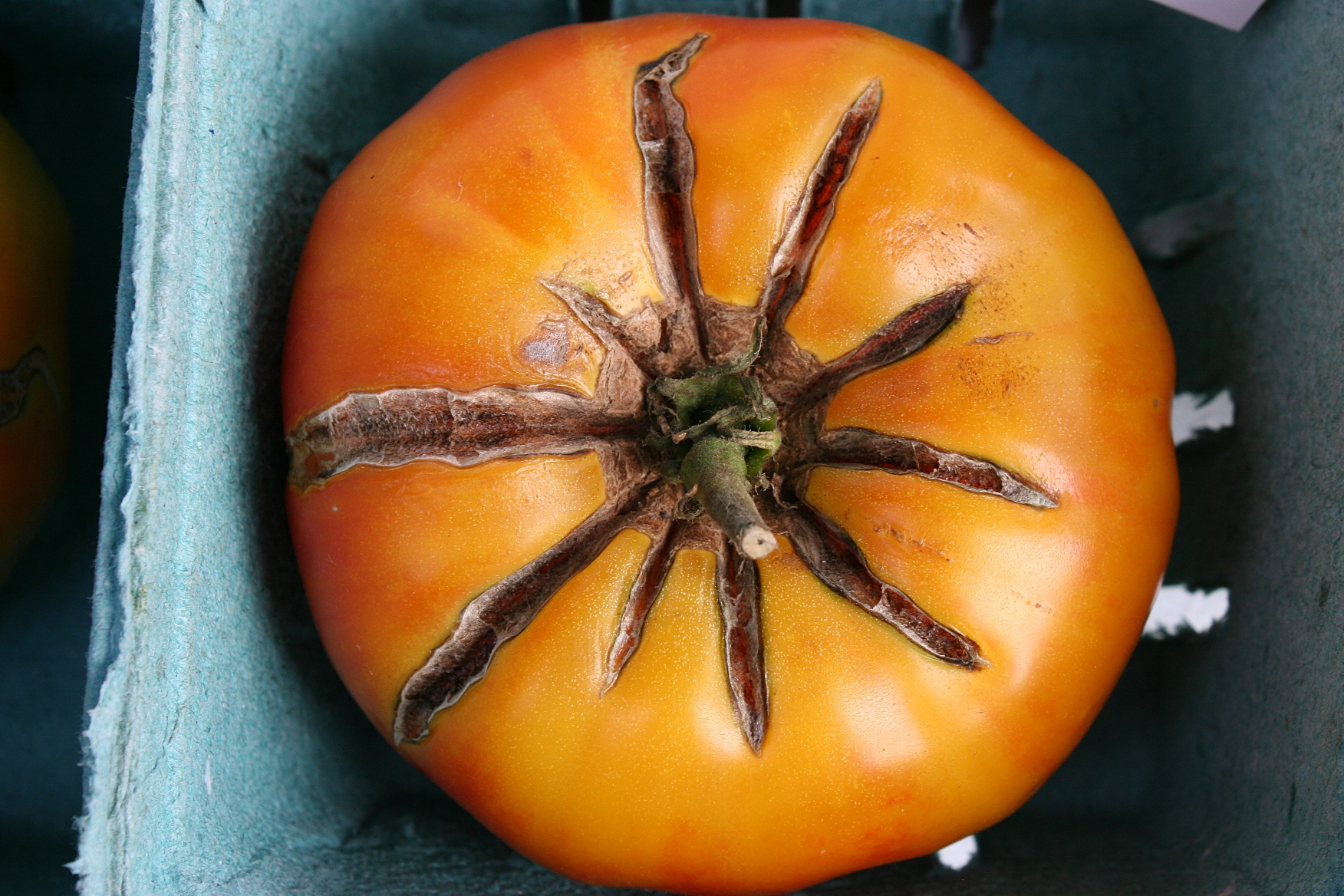
Heirloom tomato at the Faribault Farmers’ Market. (Minnesota Prairie Roots copyrighted file photo September 2019)

As a farmer’s daughter and a grandma, passing along something like gardening is like passing along part of my rural heritage. My Grandma Ida always had a big garden, an essential with a family of 10 kids. She continued to garden throughout her life, long after her kids were gone and she moved to town. Likewise, my mom planted a massive garden to feed her six kids. My siblings and I helped with the gardening—pulling weeds, picking vegetables… And shelling peas. Of all the garden-related tasks, the rhythmic act of running my thumb along an open pod to pop pearls of peas into a pan proved particularly satisfying. Plus, I loved the taste of fresh peas from the garden. There’s nothing like it except perhaps the juicy goodness of a sun-ripened tomato or leaf lettuce or a just-pulled carrot with dirt clinging to the root.

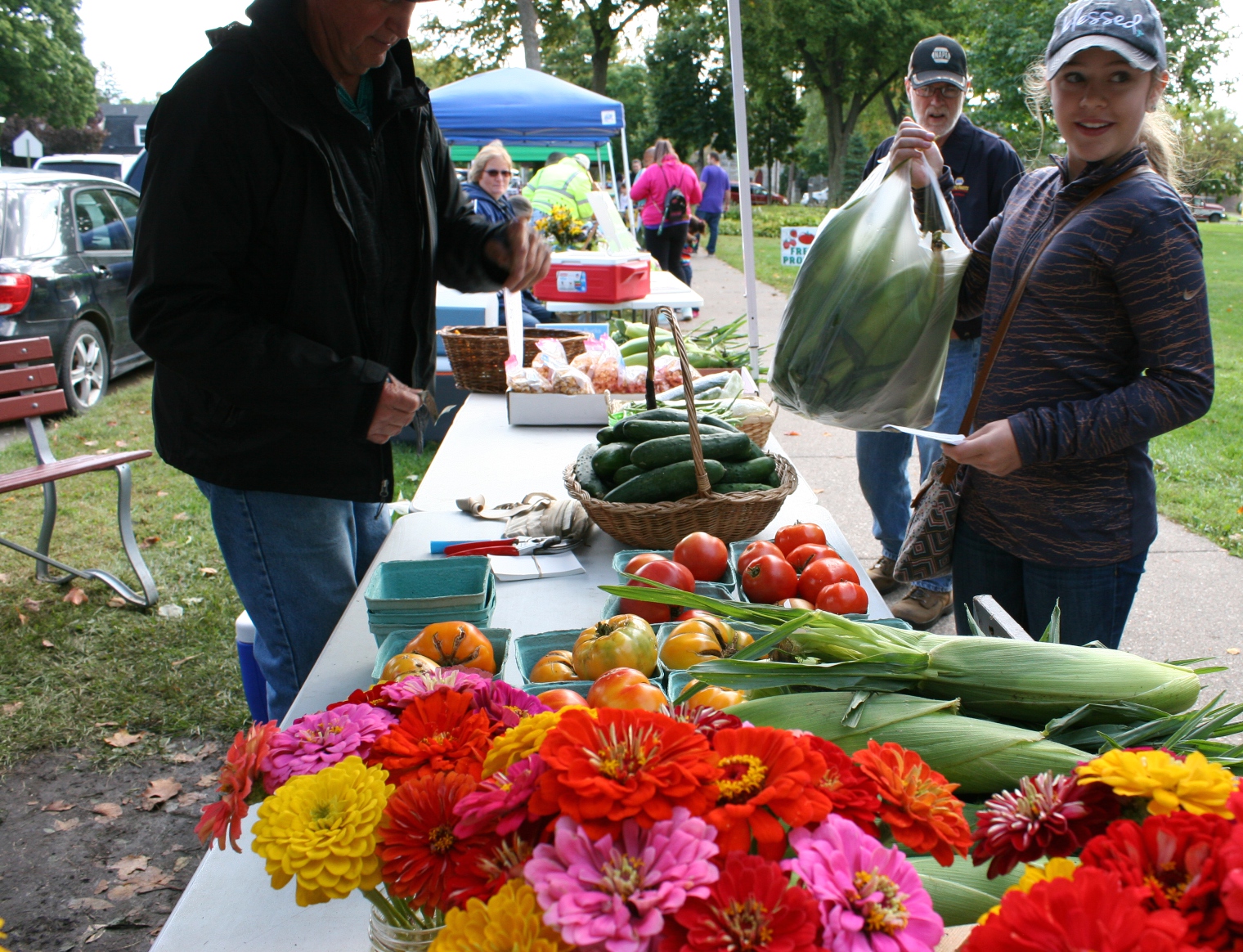
My friend Al vends flowers and vegetables at the Faribault Farmers’ Market. (Minnesota Prairie Roots copyrighted file photo September 2019)

I don’t expect my grandchildren will garden like their great great grandma or great grandma. But that’s OK. They’ve been introduced to gardening. They see now how seeds sprout and develop into plants that yield beauty or food. Hopefully they will gain an appreciation for garden-fresh, whether fresh from the pots on their patio or deck, or from a farmers’ market.

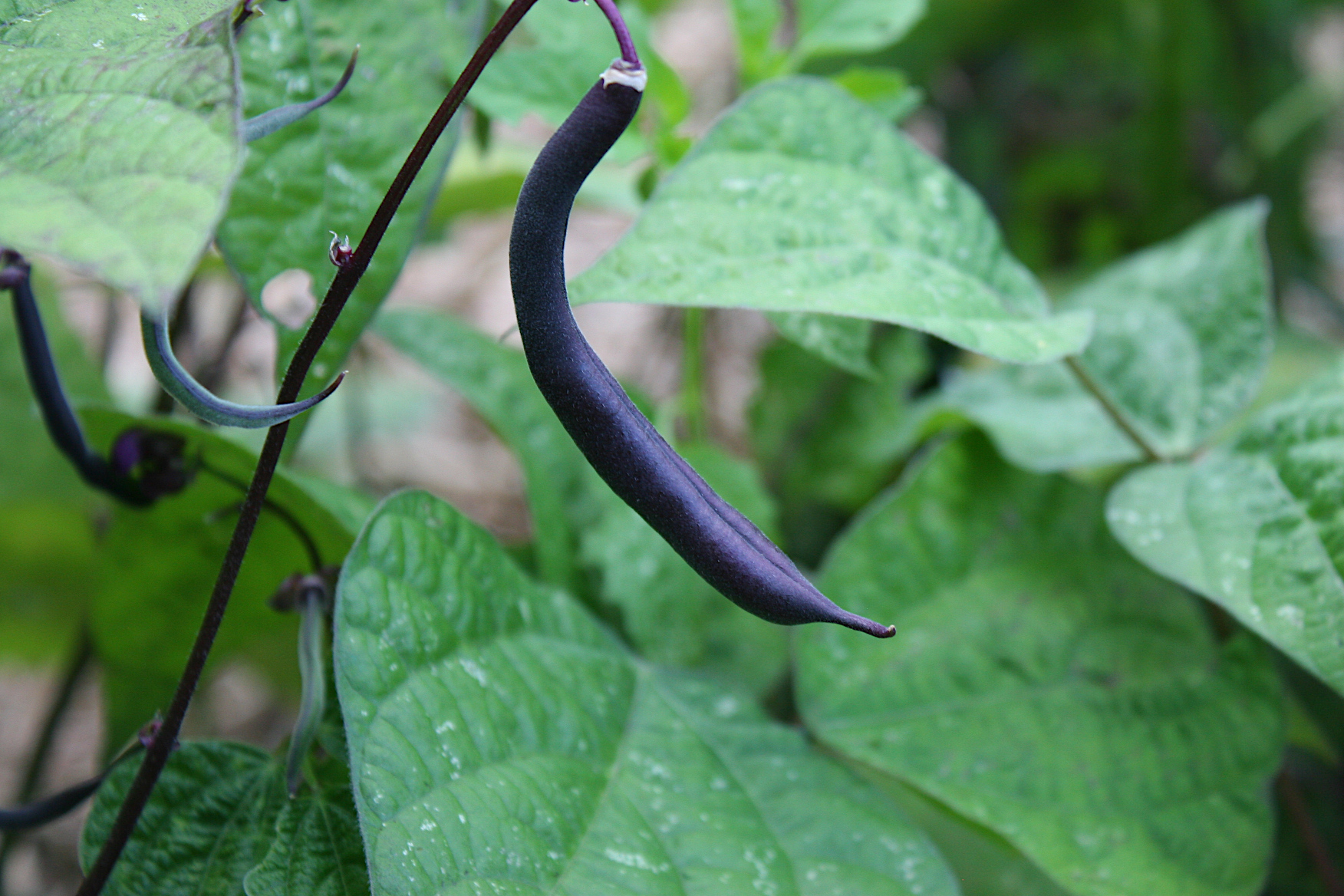
Purple beans grow in the library garden. (Minnesota Prairie Roots copyrighted file photo)

Even though they live in a south metro suburb, my grandkids remain close to the land with farm fields within view, not yet replaced by massive housing developments. It’s important to me that Isabelle and Isaac always feel connected to their rural heritage, that they value the land, that they grow up to remember the feel of cold, damp dirt on their hands. That they understand their food is not sourced from grocery stores, but rather from the earth.

© Copyright 2023 Audrey Kletscher Helbling
 

More than a garden…a place of peace & respite August 18, 2022

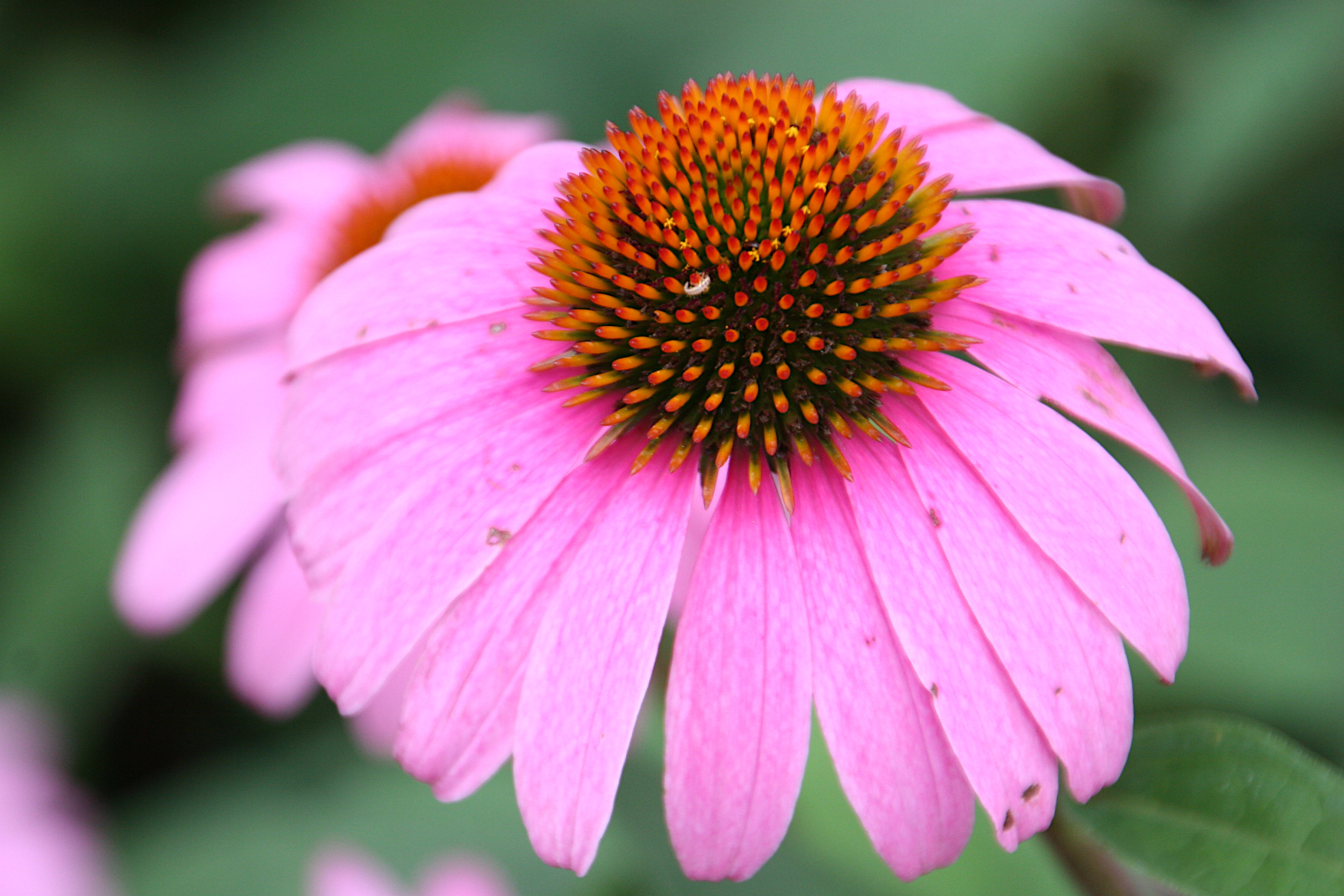
A coneflower up close in the Rice Country Master Gardeners Teaching Garden. (Minnesota Prairie Roots copyrighted photo August 2022)

ANYONE WHO GARDENS understands just how quickly plants can grow. Sunshine and rain make all the difference.

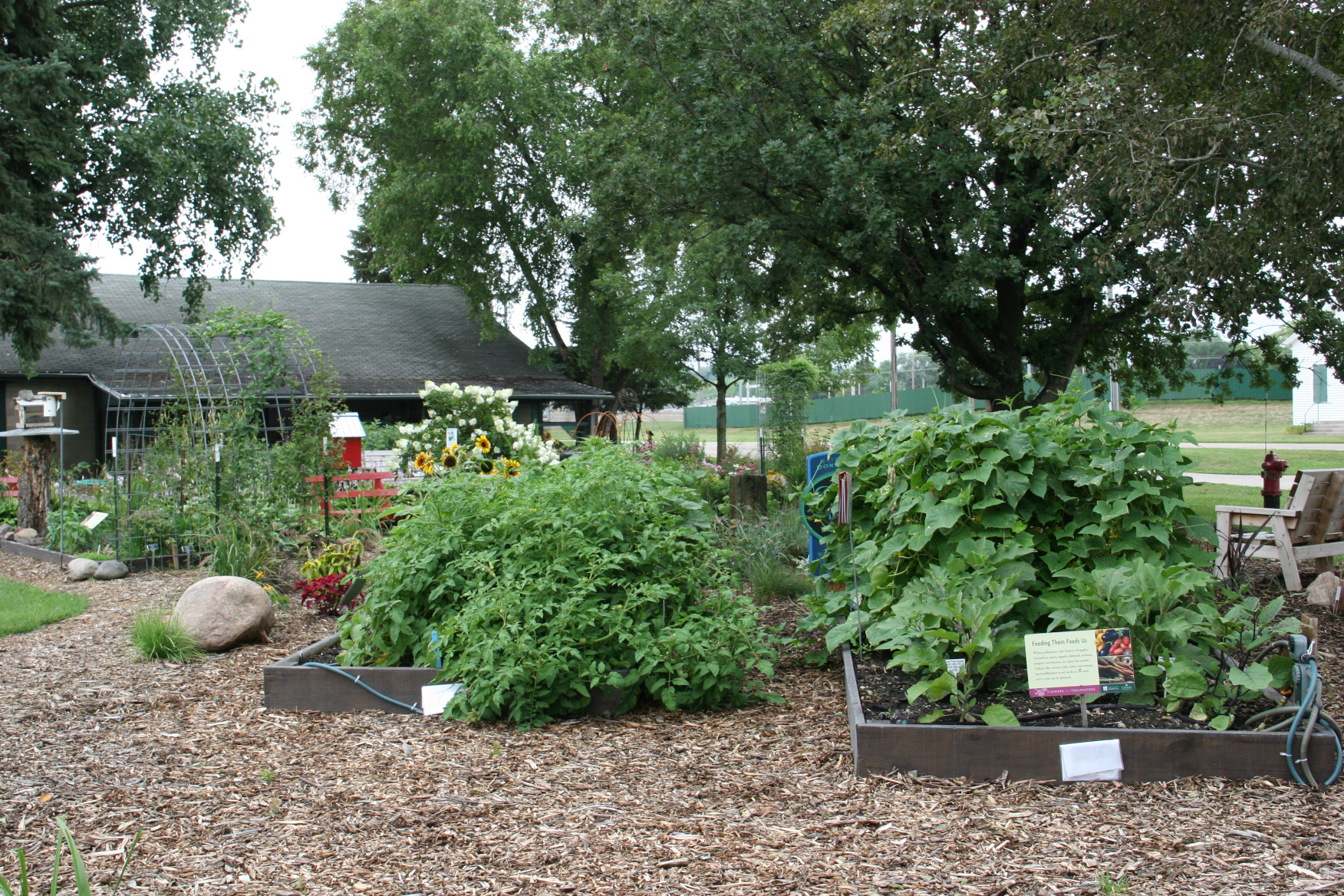
Vegetables grow in the foreground in this photo, other plants and flowers beyond. (Minnesota Prairie Roots copyrighted photo August 2022)

A month had passed between visits to the Rice County Master Gardeners Teaching Garden located at the Rice County Fairgrounds in Faribault. And in those few weeks, the vegetables, flowers and other plants grew in length, height and width, some blossoming, some with fruit emerging.

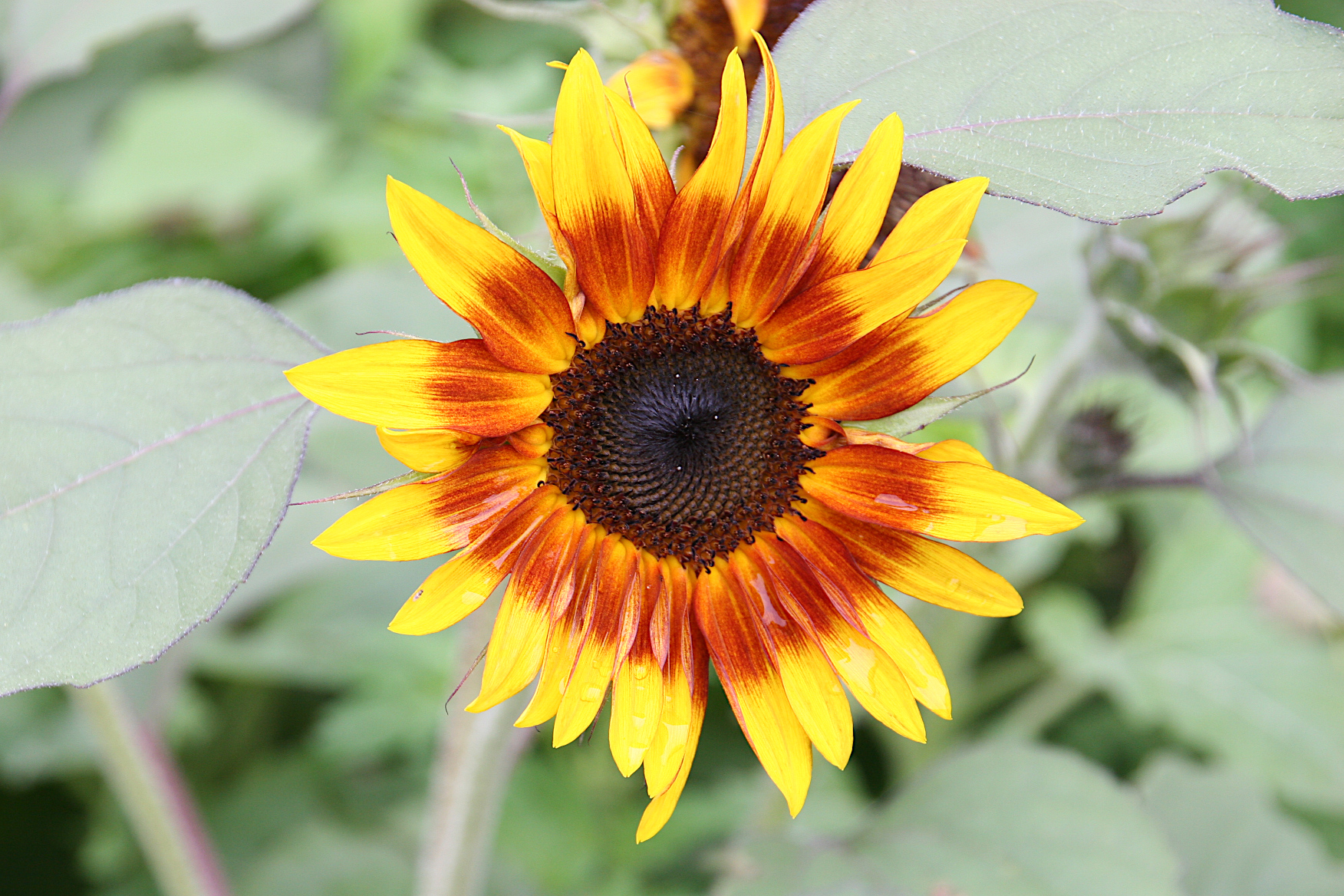
A mini sunflower of sorts (I think) bursts color into the garden. (Minnesota Prairie Roots copyrighted photo August 2022)

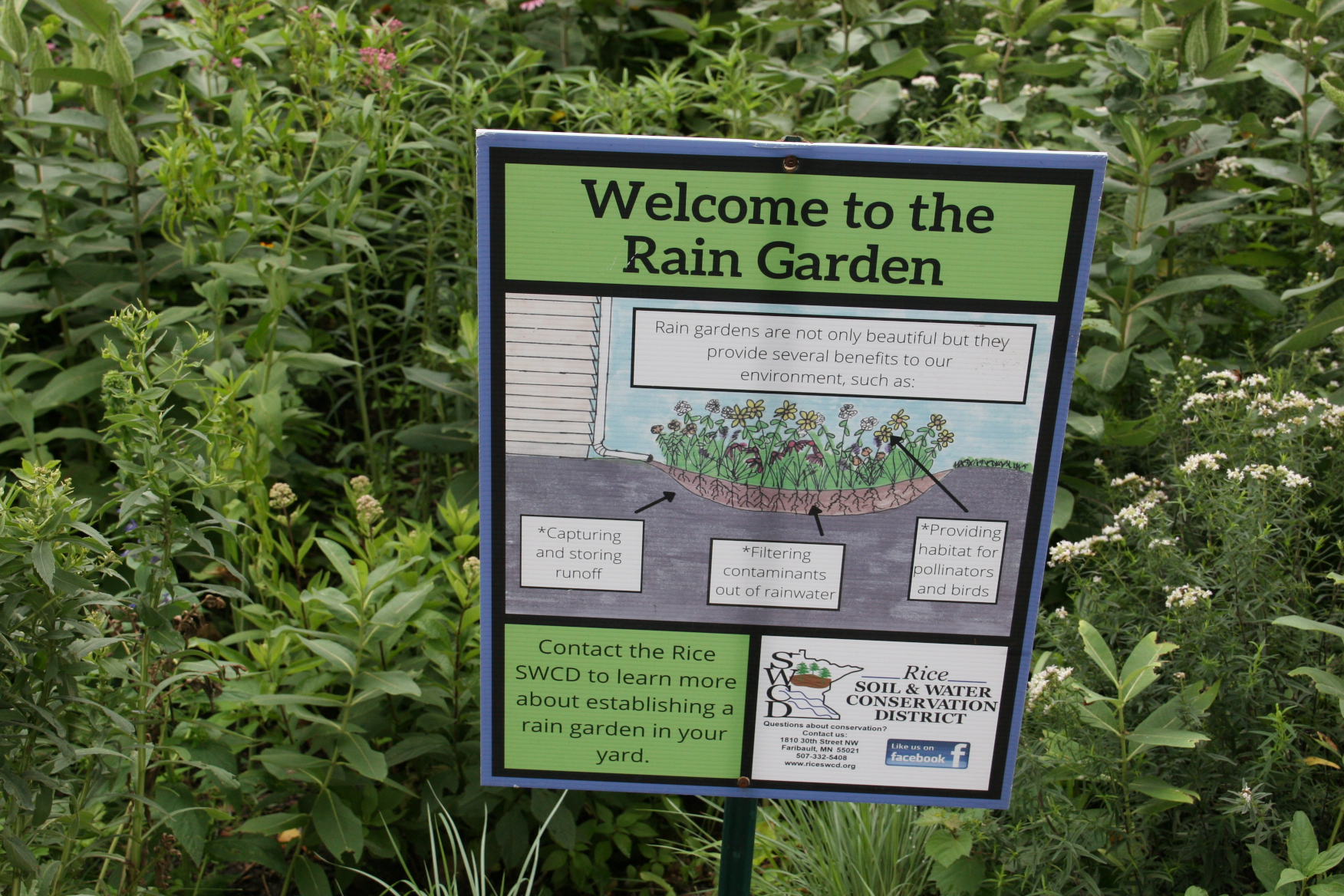
There are signs aplenty in this teaching garden. (Minnesota Prairie Roots copyrighted photo August 2022)

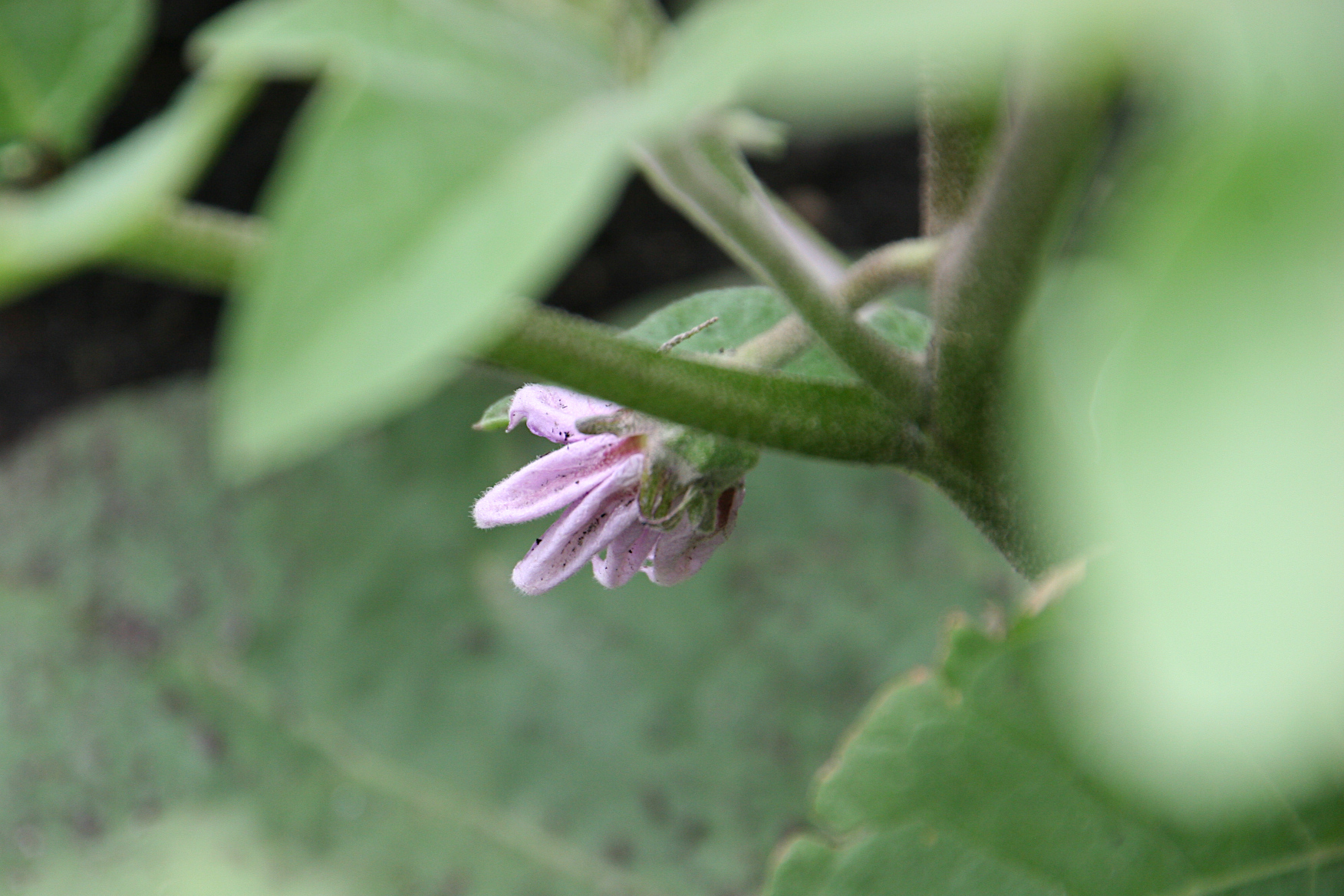
An eggplant blossom. (Minnesota Prairie Roots copyrighted photo August 2022)

To walk here again among the prairie flowers, the zinnias, the hydrangea and hosta, the burpless cucumbers, eggplants, tomatoes and much more is to feel a deep connection to the earth. For it is the soil which roots, which feeds these plants watered by the sky, energized by the sun.

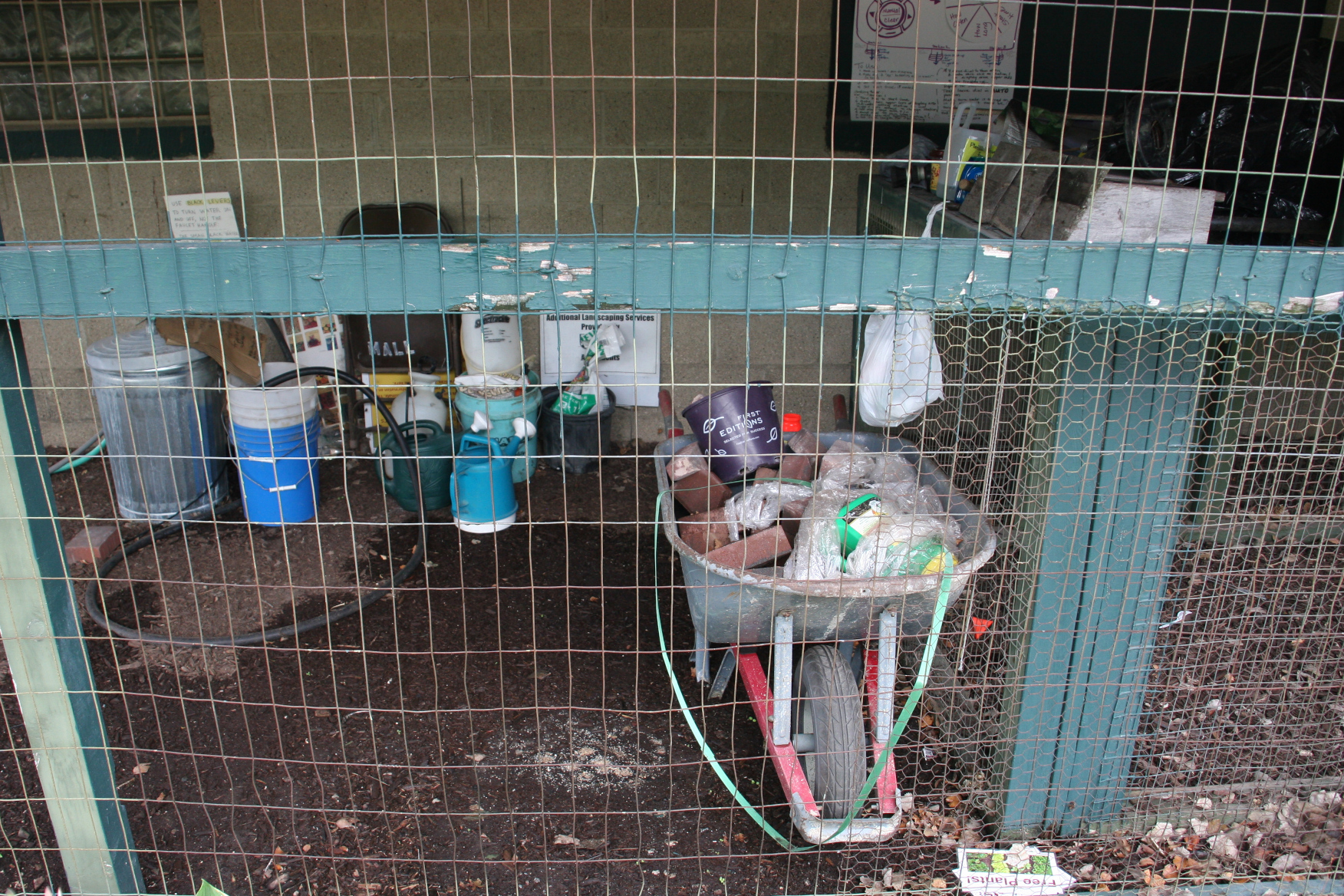
Gardening equipment stashed in a secure area next to the conservation building by the garden. (Minnesota Prairie Roots copyrighted photo August 2022)

And it is volunteer gardeners who plant and tend this beautiful garden for the enjoyment of many. Like me. I appreciate their time, their efforts, their desire to create this peaceful place in my community.

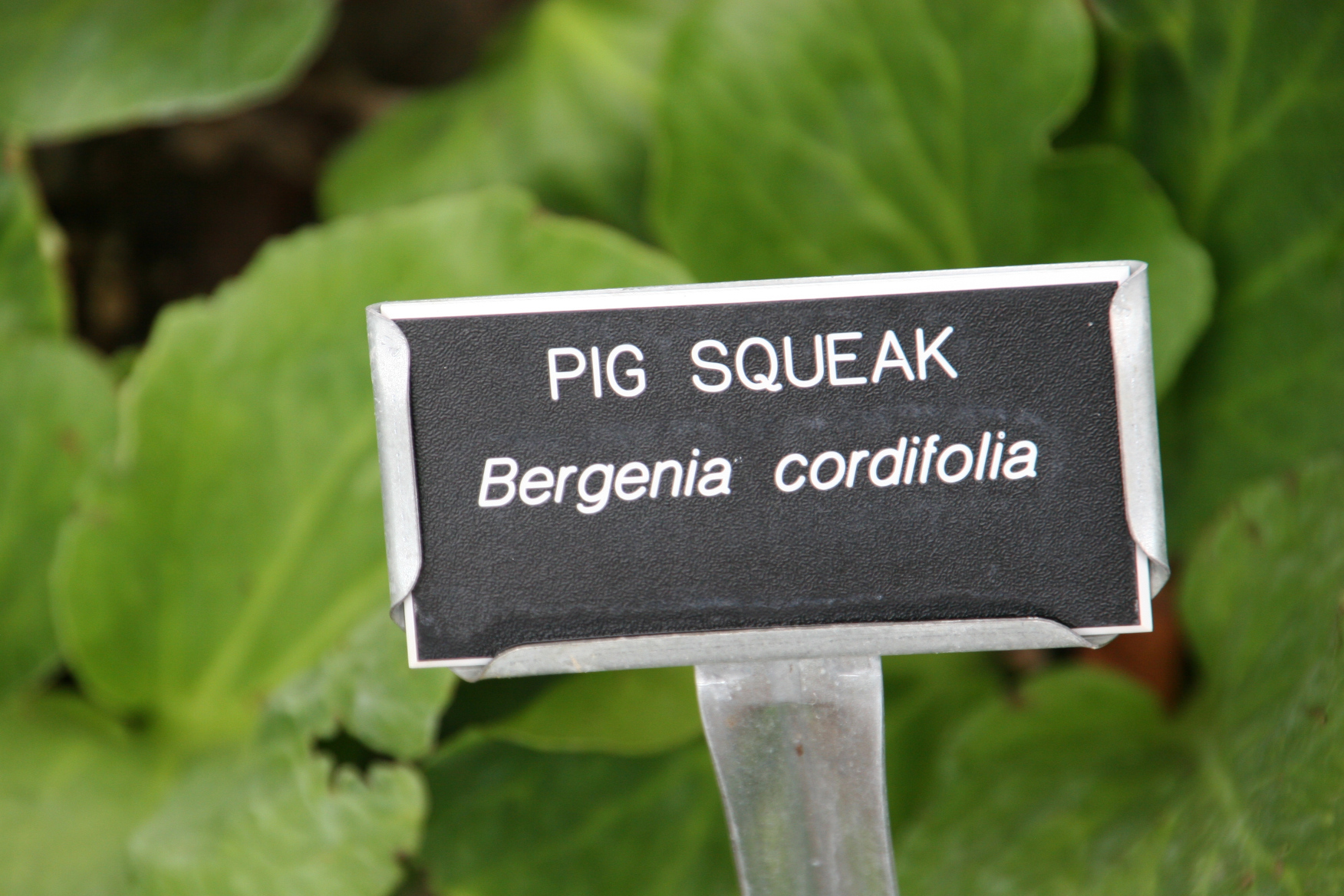
This broad-leafed plant name fascinates me. (Minnesota Prairie Roots copyrighted photo August 2022)

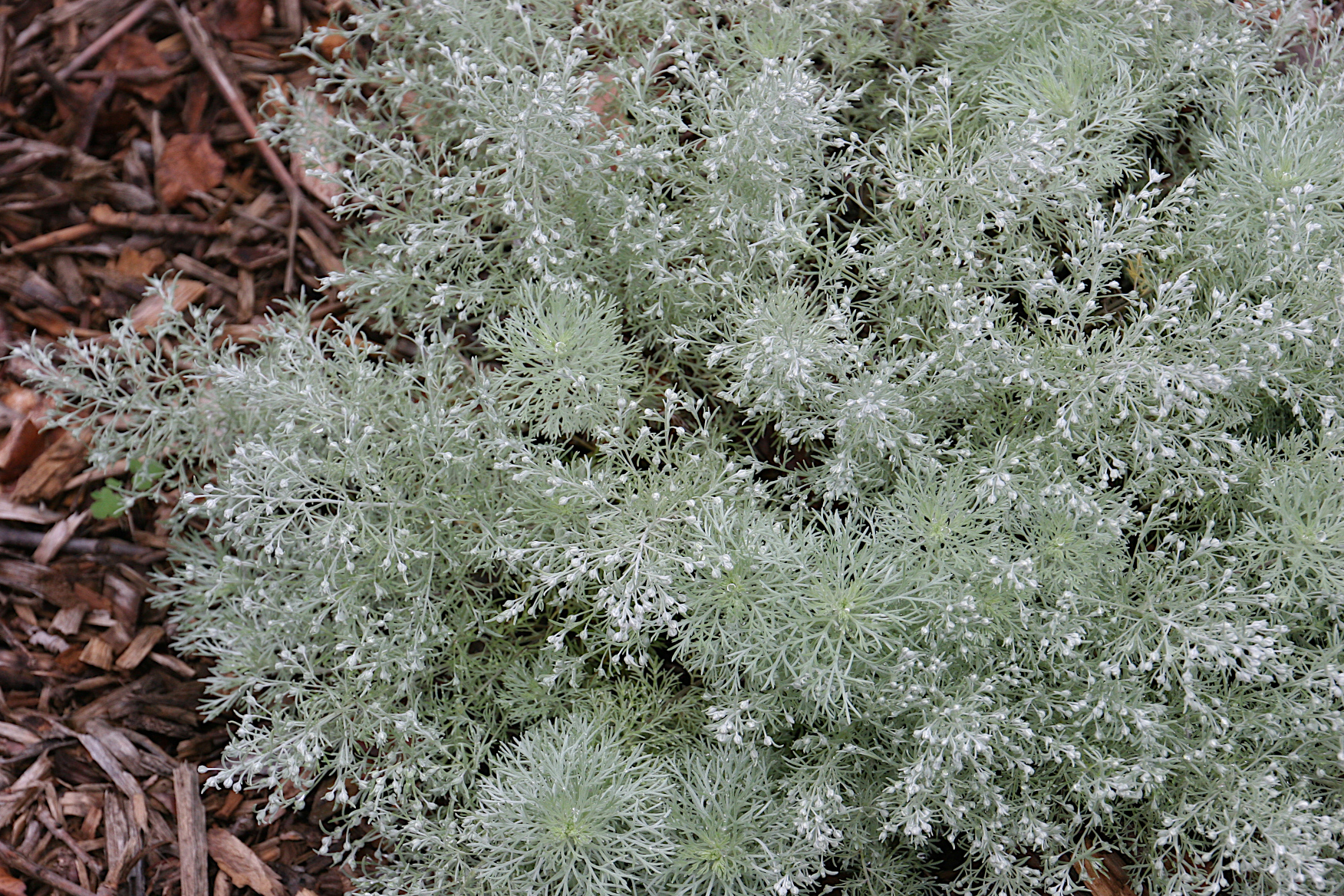
Aiming the camera down at Silver Mound, a wispy plant that I’ve never seen before. (Minnesota Prairie Roots copyrighted photo August 2022)

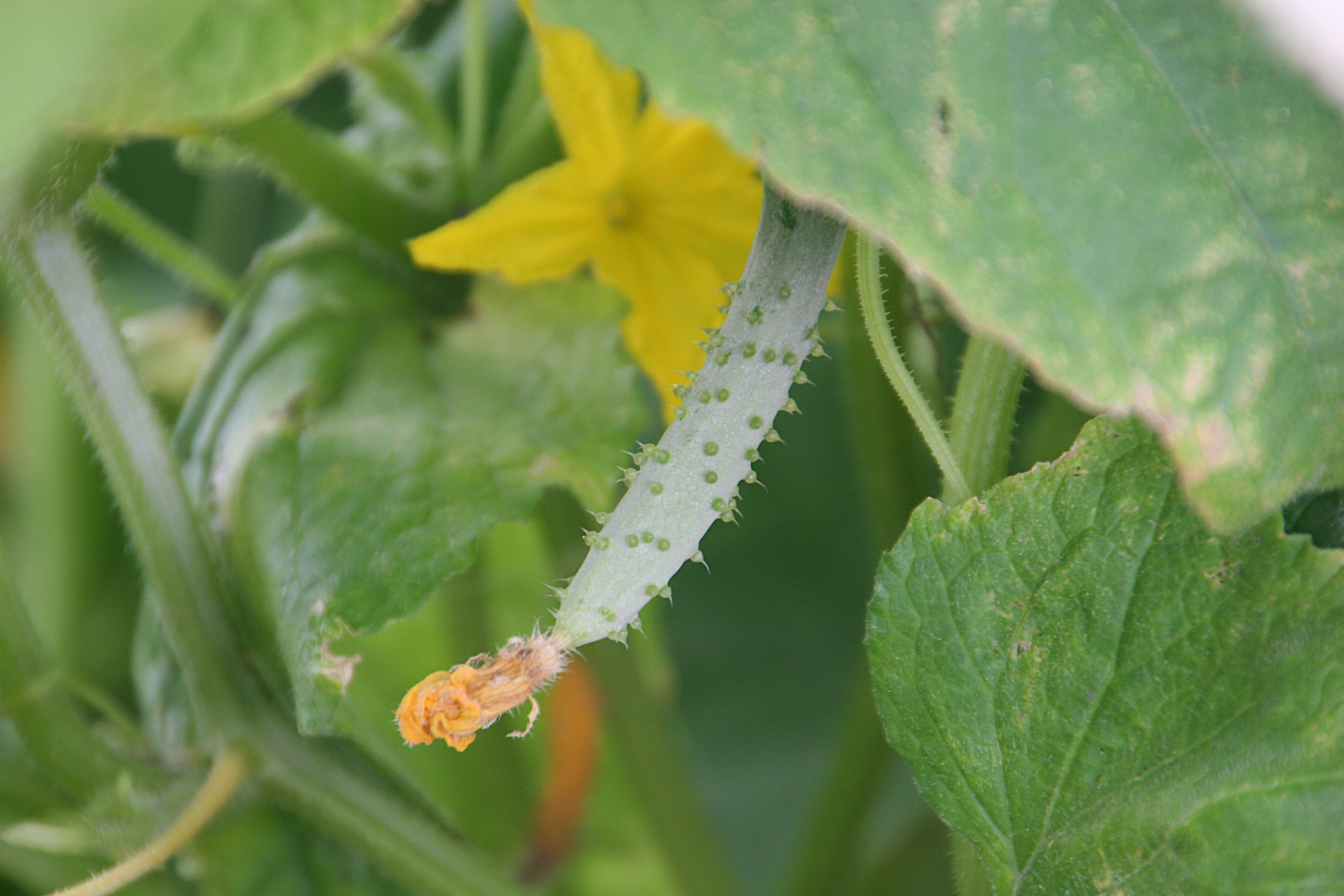
A cucumber forming. (Minnesota Prairie Roots copyrighted photo August 2022)

To visit this spot is to understand how much we each need such a contemplative place. A place simply to meander along wood chip or brick pathways, pausing to appreciate the likes of broad-leafed Pig Squeak or the silvery sheen of Silver Mound or a little-finger-sized prickly cucumber or a Prickly Pear Cactus. There’s a lot to take in among the vast plant varieties.

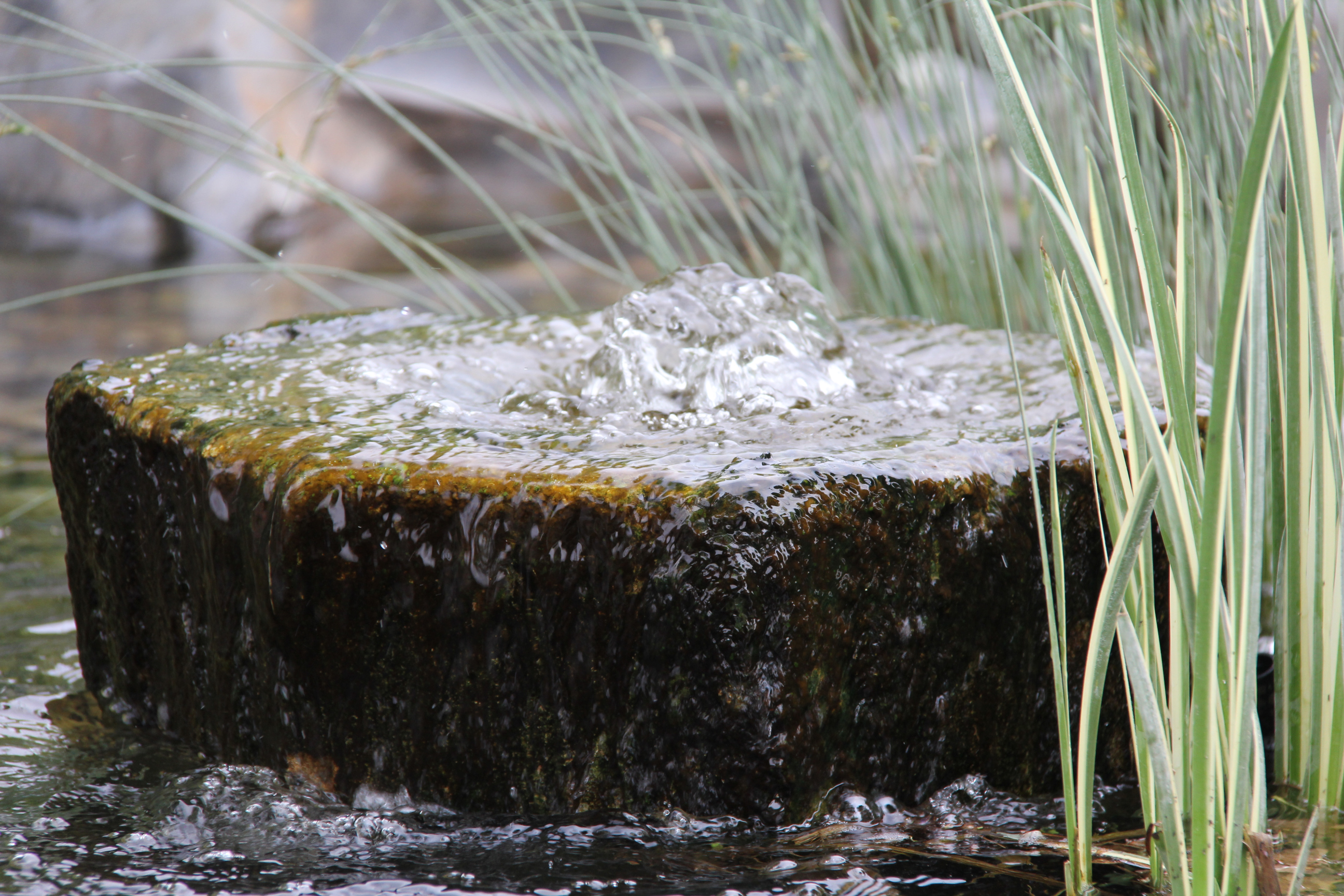
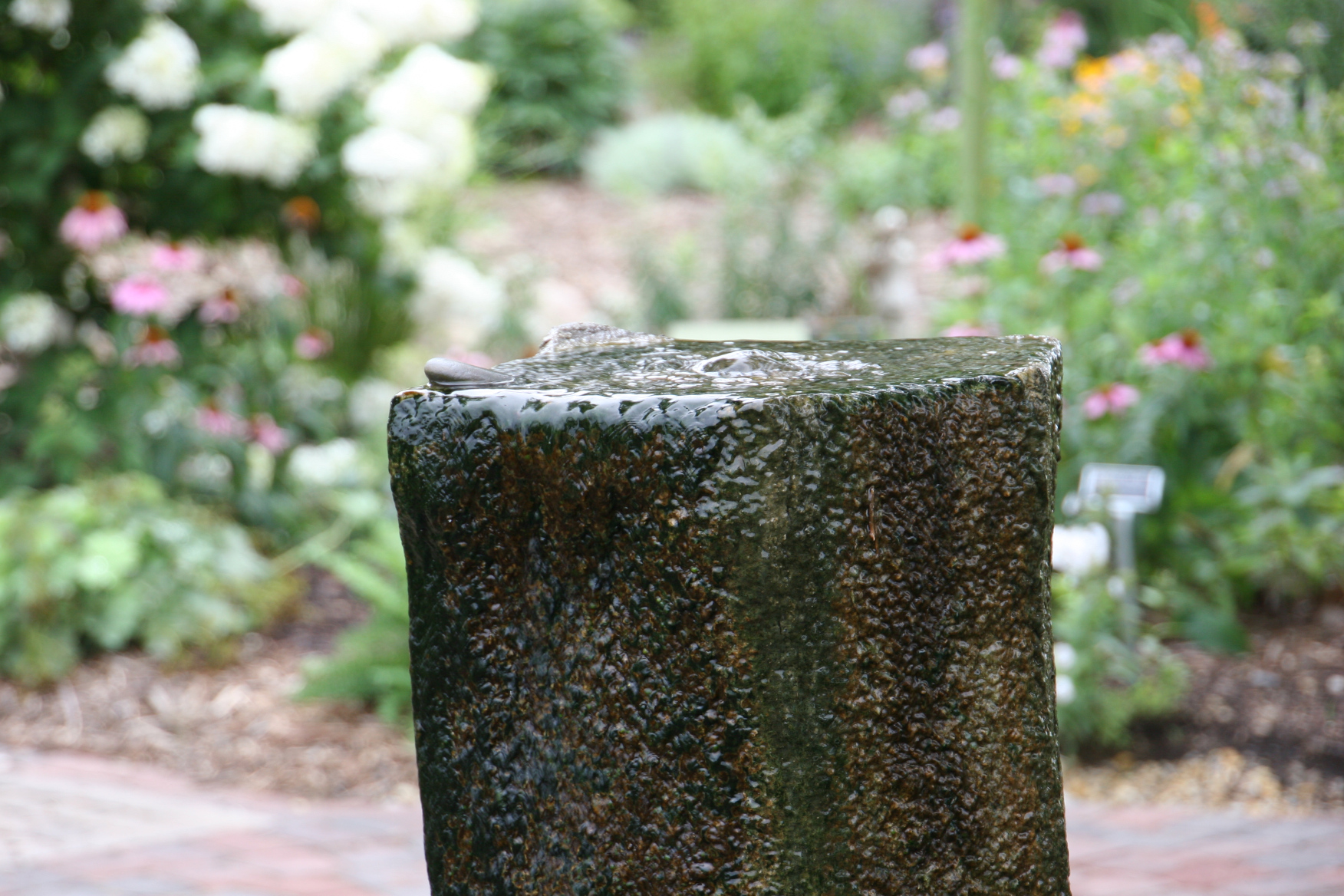
One of the man-made tree stumps gurgles water. (Minnesota Prairie Roots copyrighted photo August 2022)

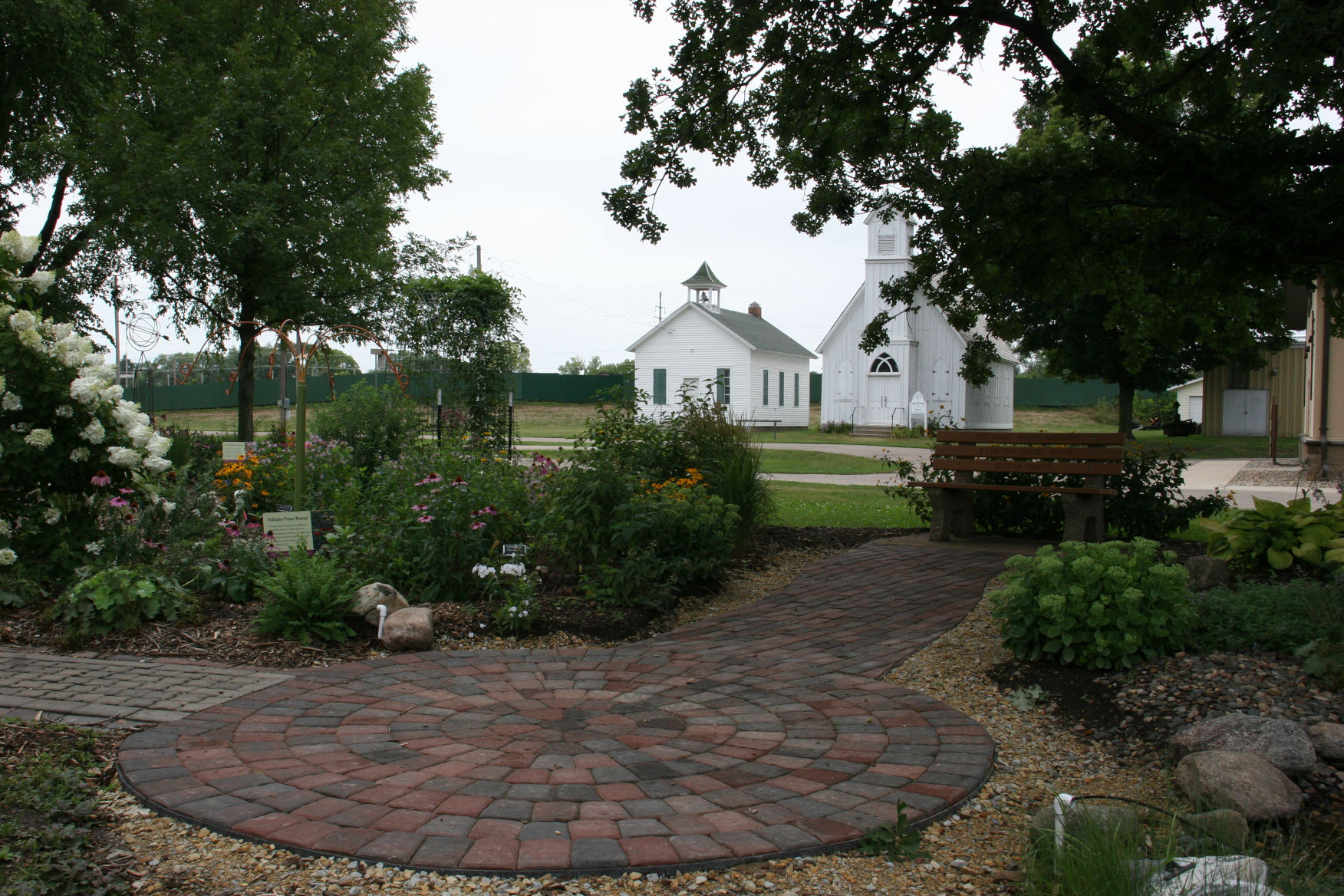
The water feature is to the right of this centering circle. Across the way are an historic church and school, part of the Rice County Historical Society. (Minnesota Prairie Roots copyrighted photo August 2022)

And then there’s the water, oh, the water. No garden feature soothes more than a fountain. Here five replica tree stumps spill water into a shallow pond, a focal point defined by a circle of bricks connected to brick paths.

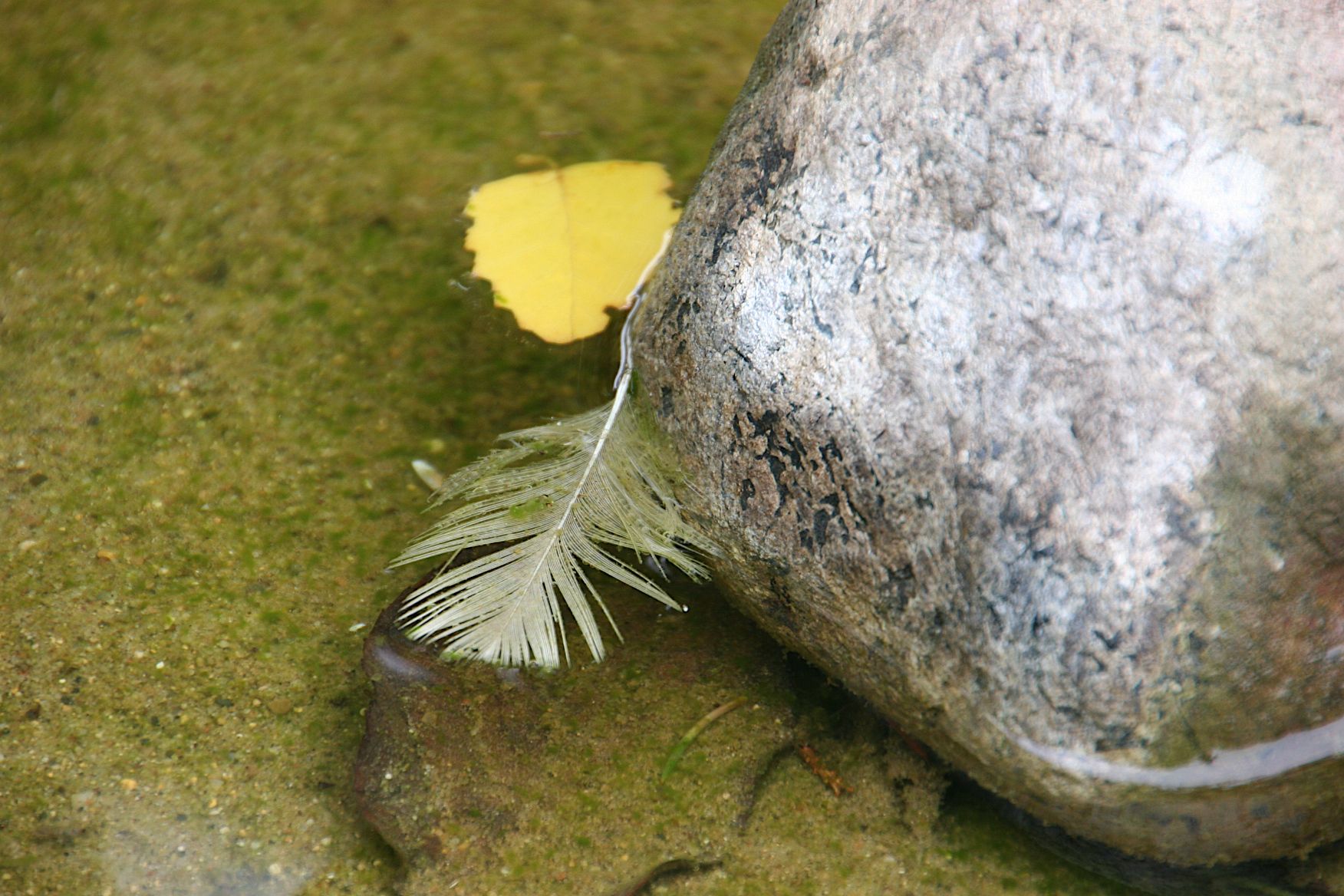
I notice details, like a feather in a bird bath. (Minnesota Prairie Roots copyrighted photo August 2022)

Even a bird bath drew my attention with a feather floating therein.

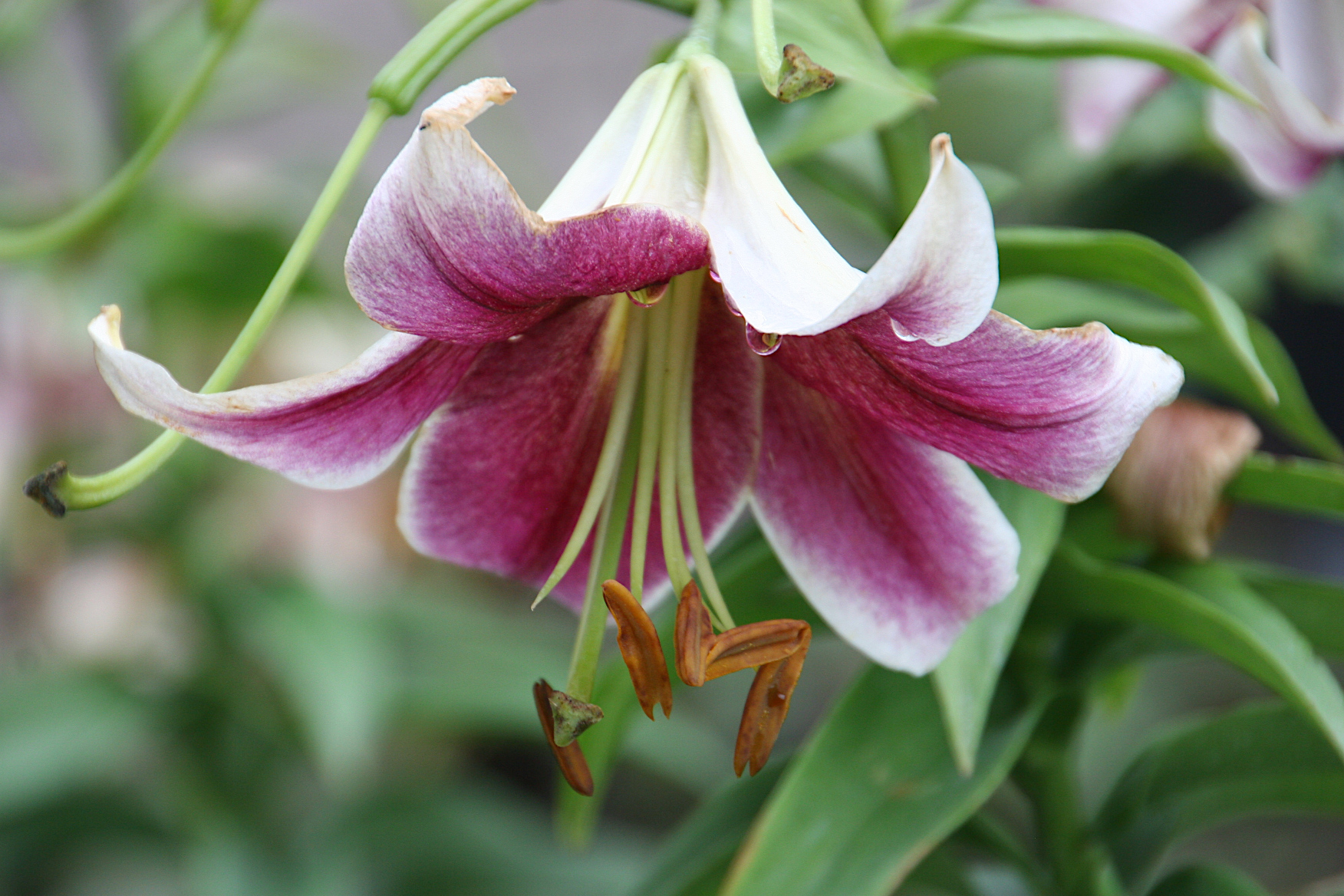
A lily blooms in early August. (Minnesota Prairie Roots copyrighted photo August 2022)

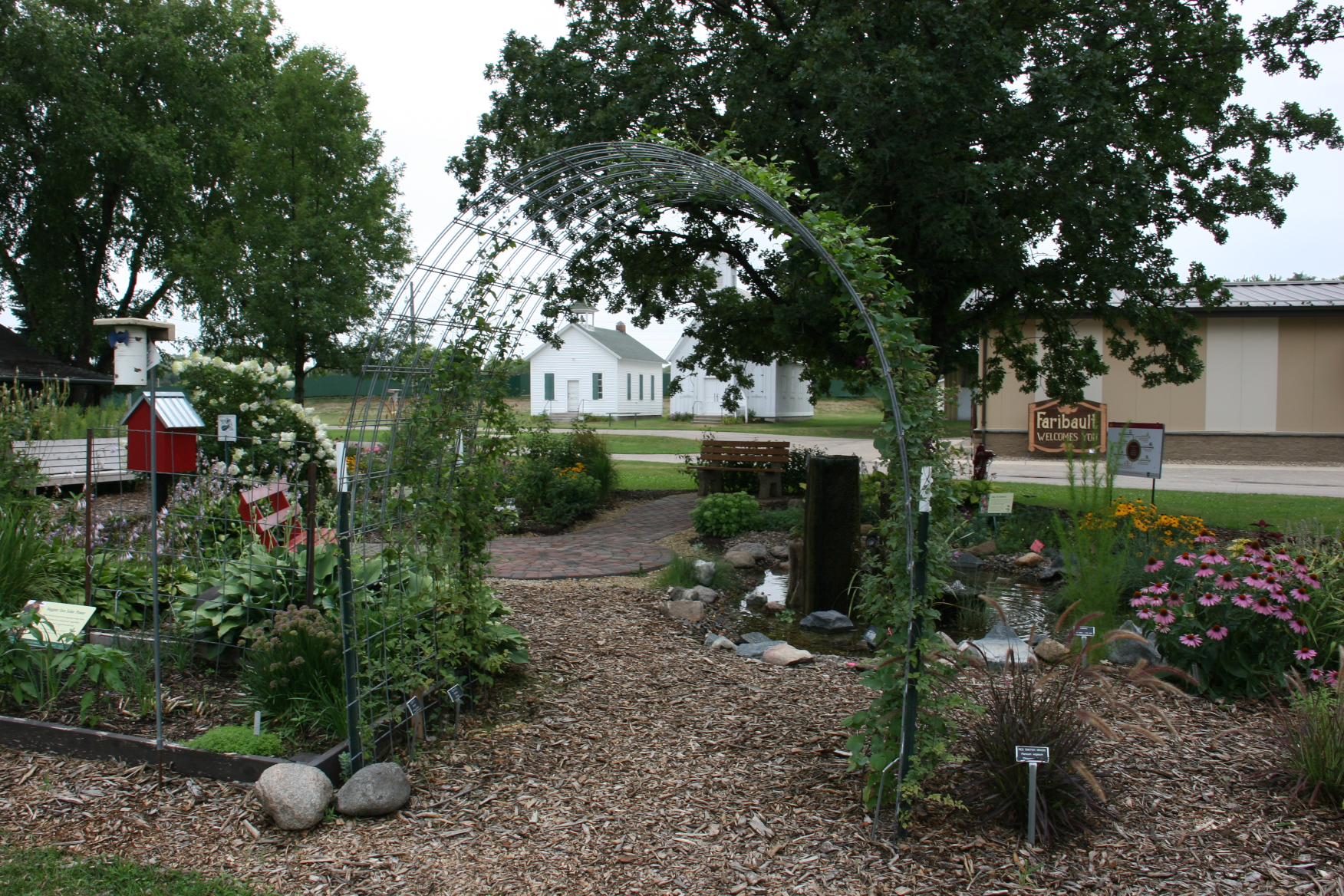
The garden also features an arch for climbing clematis, which bloomed profusely earlier in the summer. (Minnesota Prairie Roots copyrighted photo August 2022)

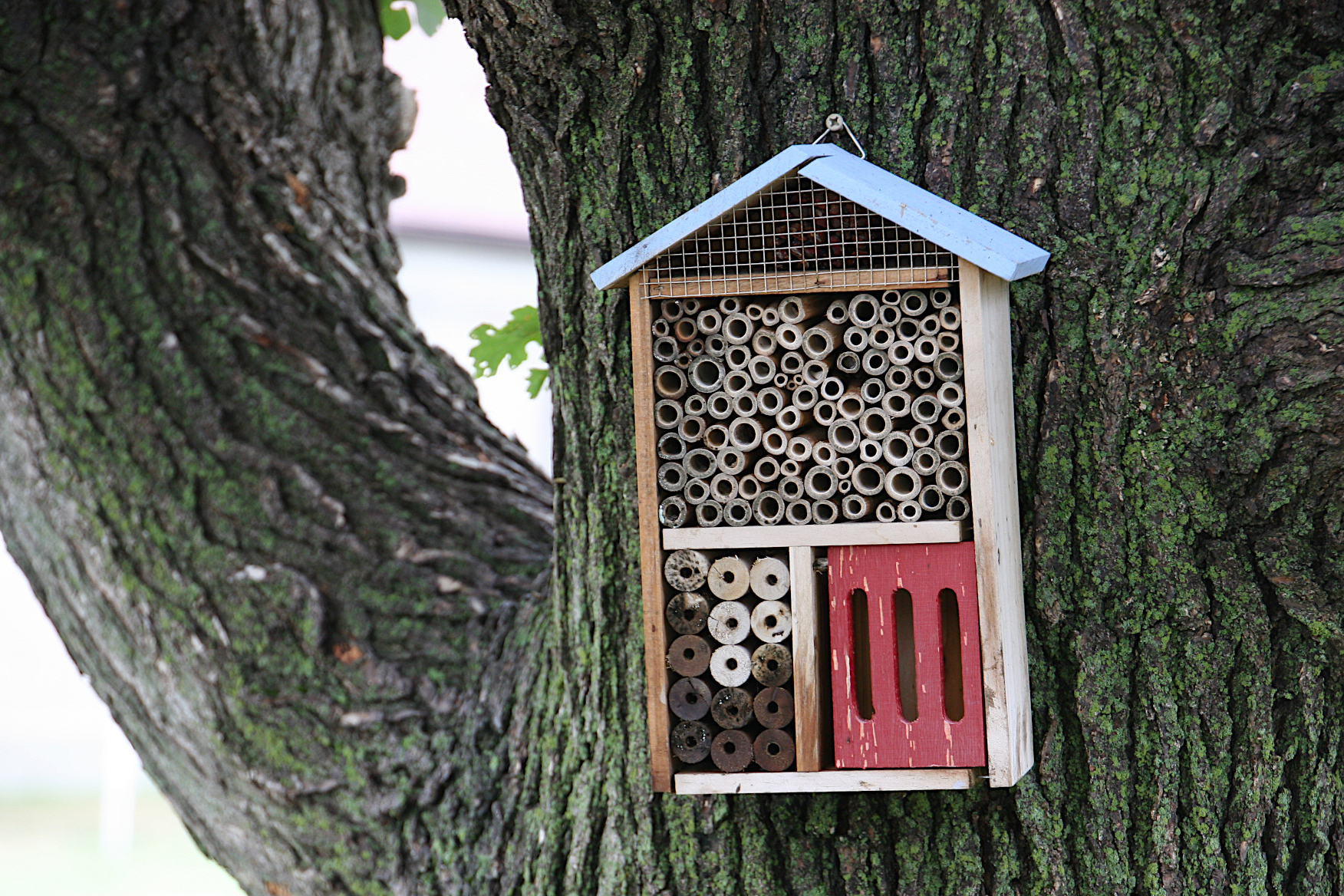
A bee house posted on a tree by the garden. (Minnesota Prairie Roots copyrighted photo August 2022)

Strategically situated benches offer sitting spots to pass the time, chat, read a book or simply take in the garden, the being outdoors, in nature. In this fast-paced world of technology and a deluge of news that is often awful and horrible and unsettling, this garden provides a respite. Nature has a way of working calm into our beings. Easing stress and anxiety. Lifting spirits.

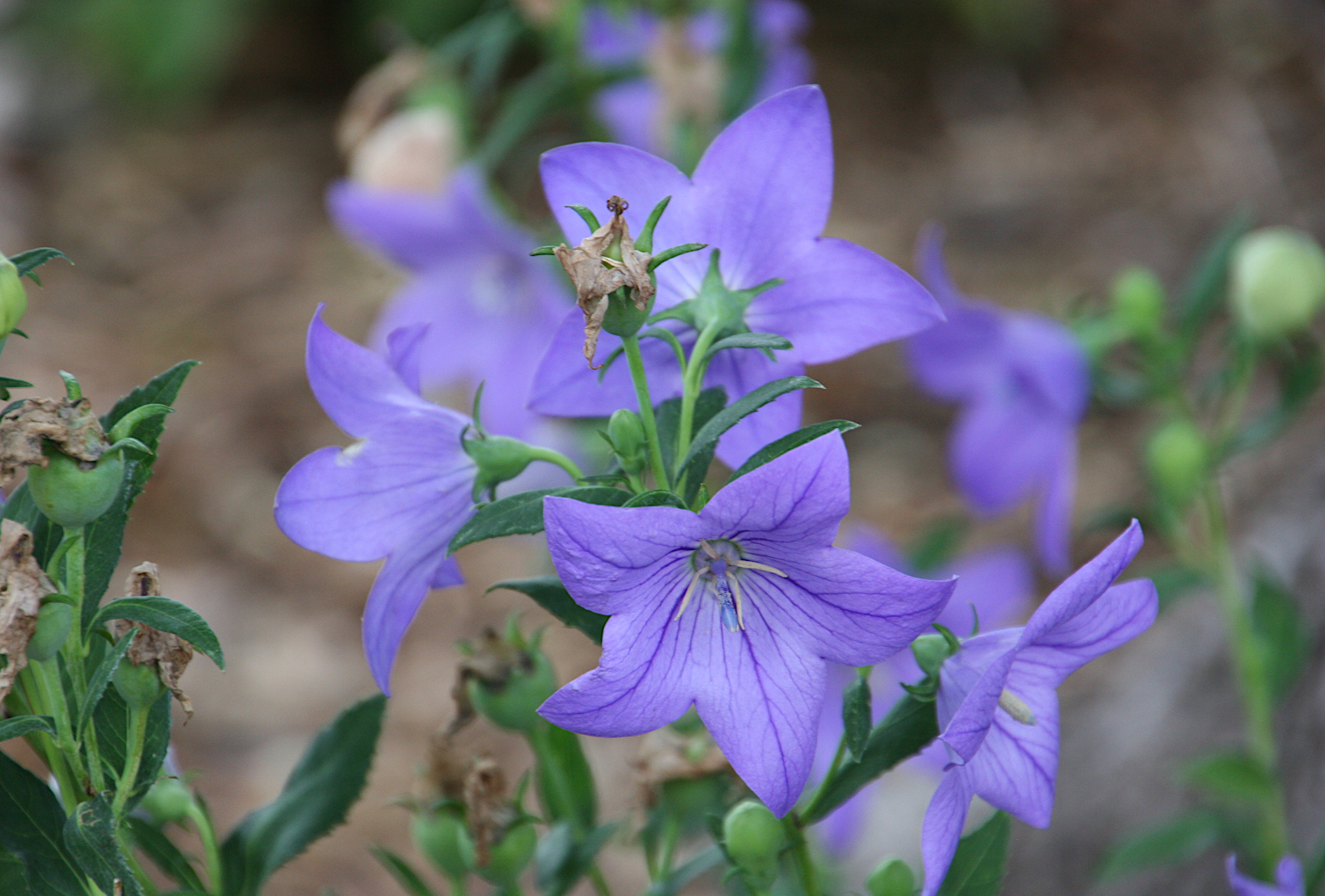
Lovely flowers fill the garden. (Minnesota Prairie Roots copyrighted photo August 2022)

In the challenges which have defined my life in 2022, I feel a deep sense of gratitude for this garden. I feel at peace here among the flowers and vegetables, the birds and butterflies, bushes and trees, here under the southern Minnesota sky.

© Copyright 2022 Audrey Kletscher Helbling
 

Southern Minnesota bird stories, past & present July 27, 2022

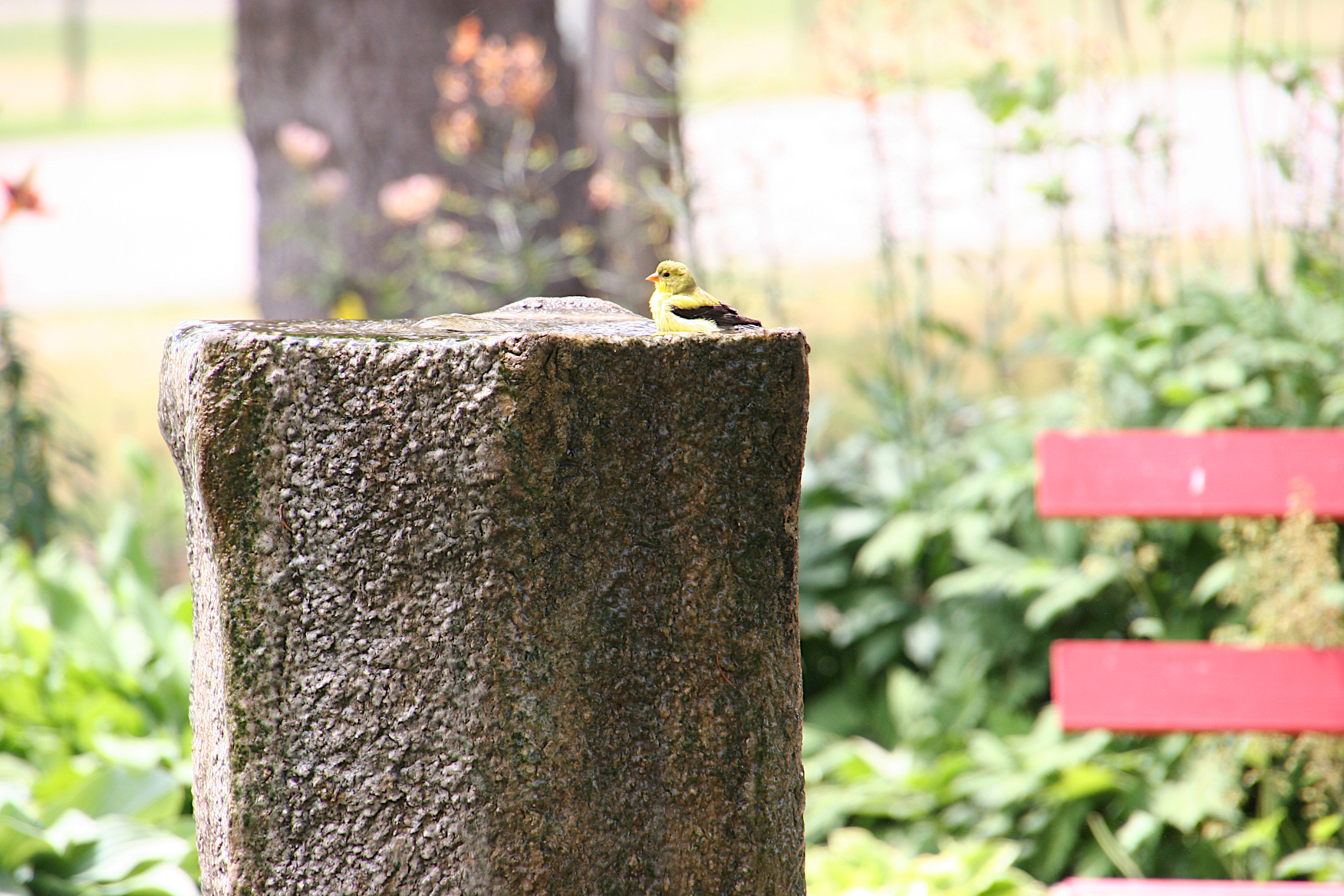
A tiny bird perches in a fountain at the Rice County Master Gardeners Garden, Faribault, Minnesota. (Minnesota Prairie Roots copyrighted file photo July 2022)

I HAVE A MIXED OPINION of birds. I appreciate them at a distance, but not necessarily up close, although I’ve grown more comfortable with their nearness as I’ve aged. Just don’t plunk me in an enclosed garage or other space with a trapped bird. Outdoors is mostly fine.

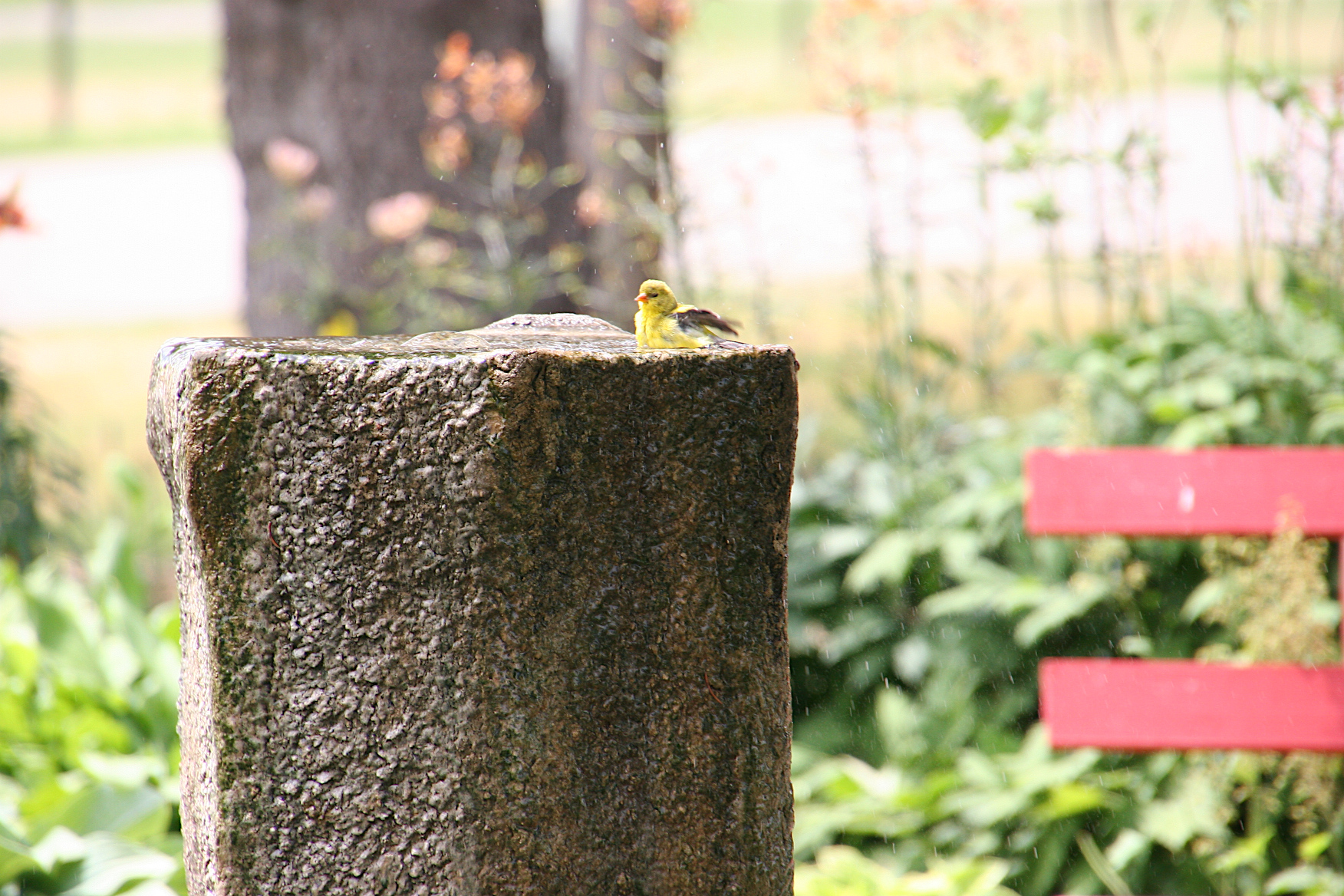
Unfolding of wings to splash in the fountain. (Minnesota Prairie Roots copyrighted photo July 2022)

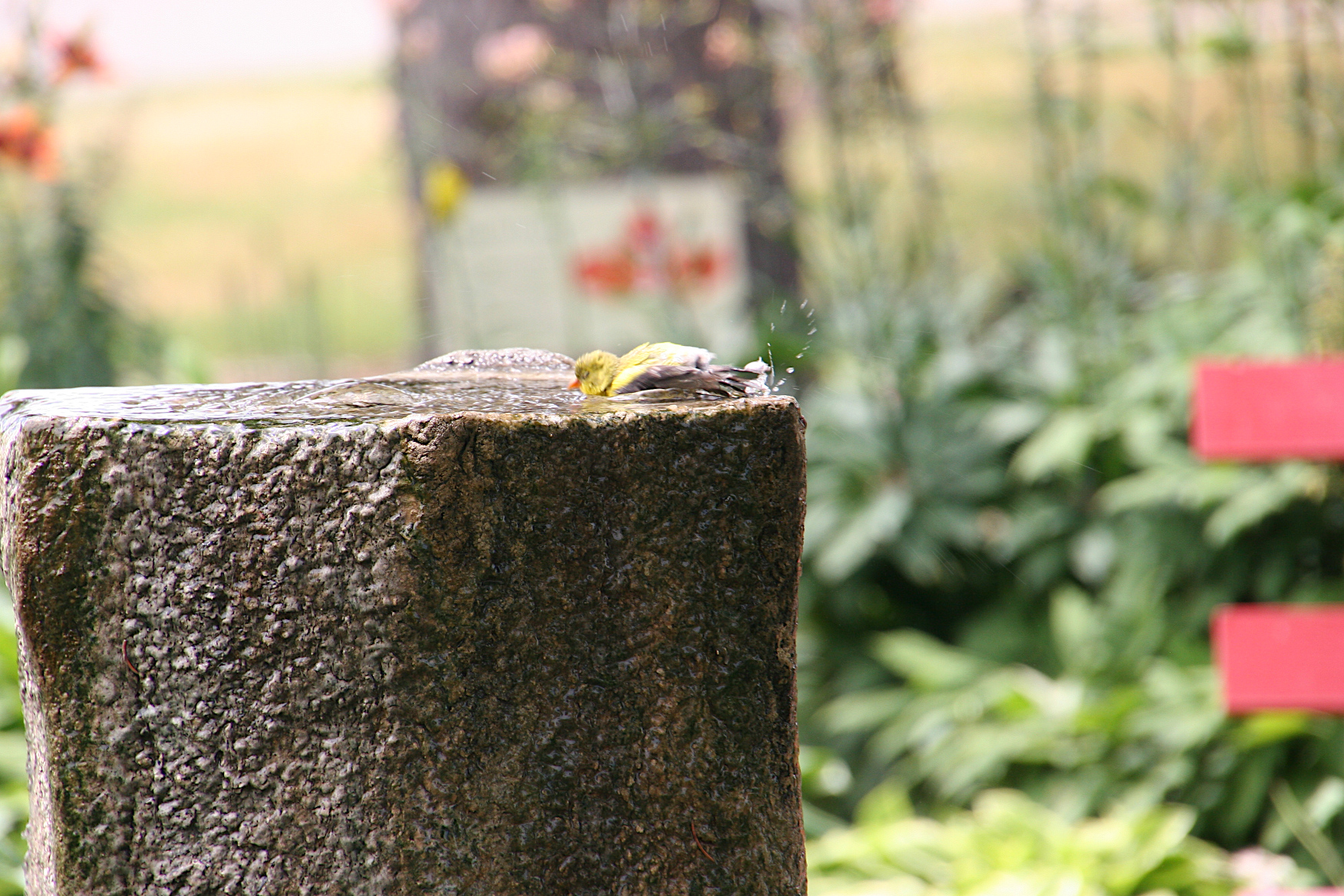
Recently I observed a cute little yellow bird, a finch, I think, dip into a tree stump water feature at the Rice County Master Gardeners Teaching Gardens at the county fairgrounds in Faribault. With a zoom lens on my 35 mm camera, I photographed the finch briefly splash in the water before flitting away. There was something joyful in that sole moment of focusing on a tiny winged creature.

Water droplets fly as this bird bathes in the fountain. (Minnesota Prairie Roots copyrighted photo July 2022)

We need such moments of simplicity. Of peace. Of birdsong, even if this bird isn’t singing. Moments to quiet our souls in the midst of too much busyness and too many distractions. And too much technology.

I remember how my mom loved the Baltimore orioles that one year, quite unexpectedly, showed up on my childhood farm in southwestern Minnesota flashing orange into the trees. She thrilled in their presence among all the blackbirds, sparrows and barn swallows. In her delight, Mom taught me that not all birds were like the swooping swallows I despised.

In my years of doing farm chores, I grew to dislike the swallows that dived as I pushed a wheelbarrow of ground feed down the barn aisle or shoved cow manure into gutters. That the barn ceiling was low only magnified their, to me, menacing presence. The swallows, I now acknowledge, were only protecting their territory, their young, in the mud nests they built inside the barn. And they ate mosquitoes, which I should have appreciated.

Yet I don’t miss the swallows or the rooster that terrorized my siblings and me, until the day Dad grabbed the axe and ended that.

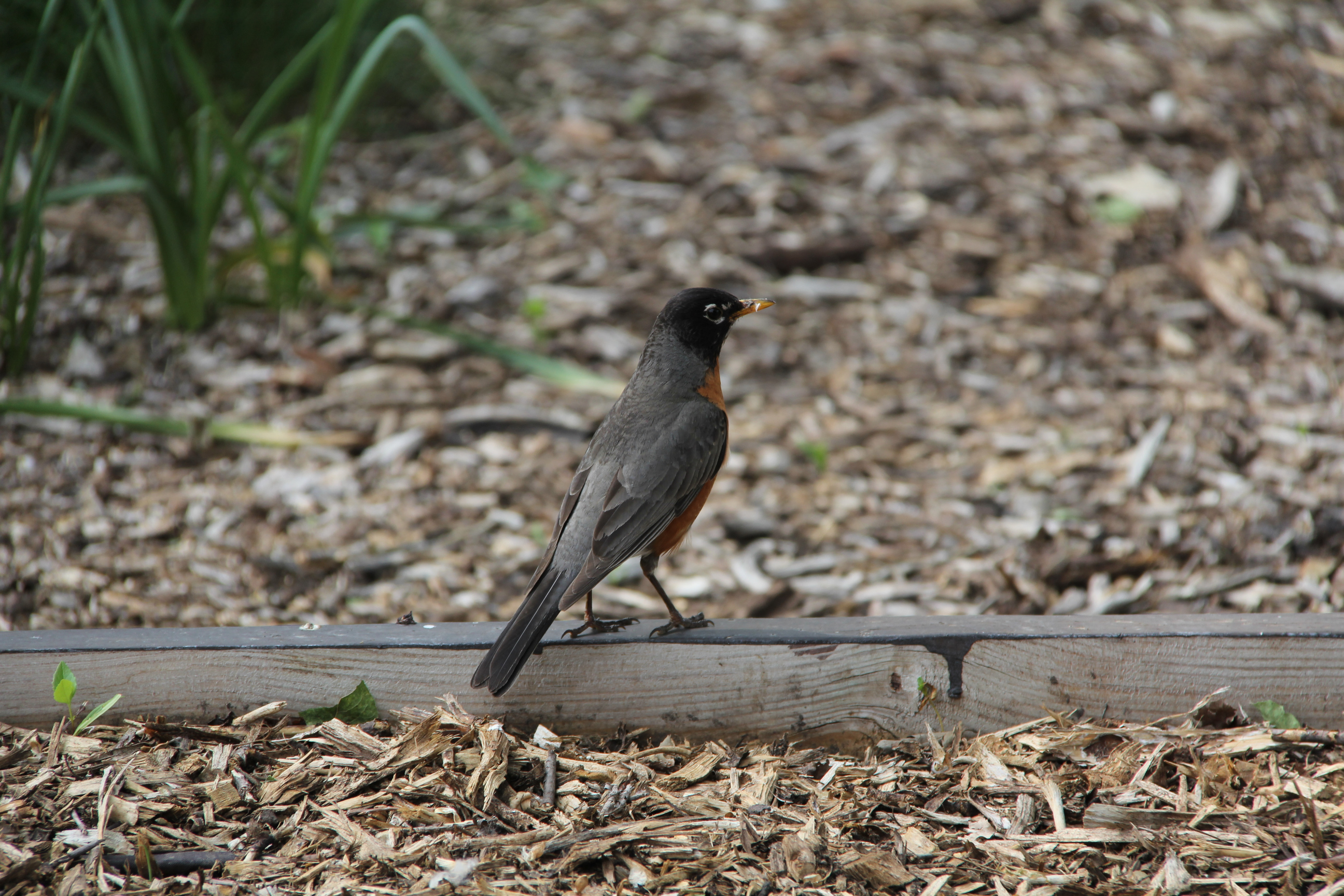
More than 40 years removed from the farm, I seldom see barn swallows. Rather, in my Faribault backyard, I spot cardinals, wrens, robins and occasionally a blue jay. The front and side yards, however, bring massive crows lunching on remnants of fast food tossed by inconsiderate motorists who find my property a convenient place to toss their trash. I’ll never understand that disrespectful mindset of throwing greasy wrappers and bags, food bits, empty bottles and cans, cigarette butts, and more out a vehicle window.

And so these are my evolving bird stories—of shifting from a long ago annoyance of swallows to understanding their behavior, of delighting in the definitive whistle of a cardinal flashing red into the wooded hillside behind my Faribault home, of observing the feeding habits of crows in my front and side yards drawn to garbage tossed by negligent humans.

TELL ME: I’d like to hear your bird stories, positive or negative.

© Copyright 2022 Audrey Kletscher Helbling

 

Garden connections in Faribault, Part II July 25, 2022

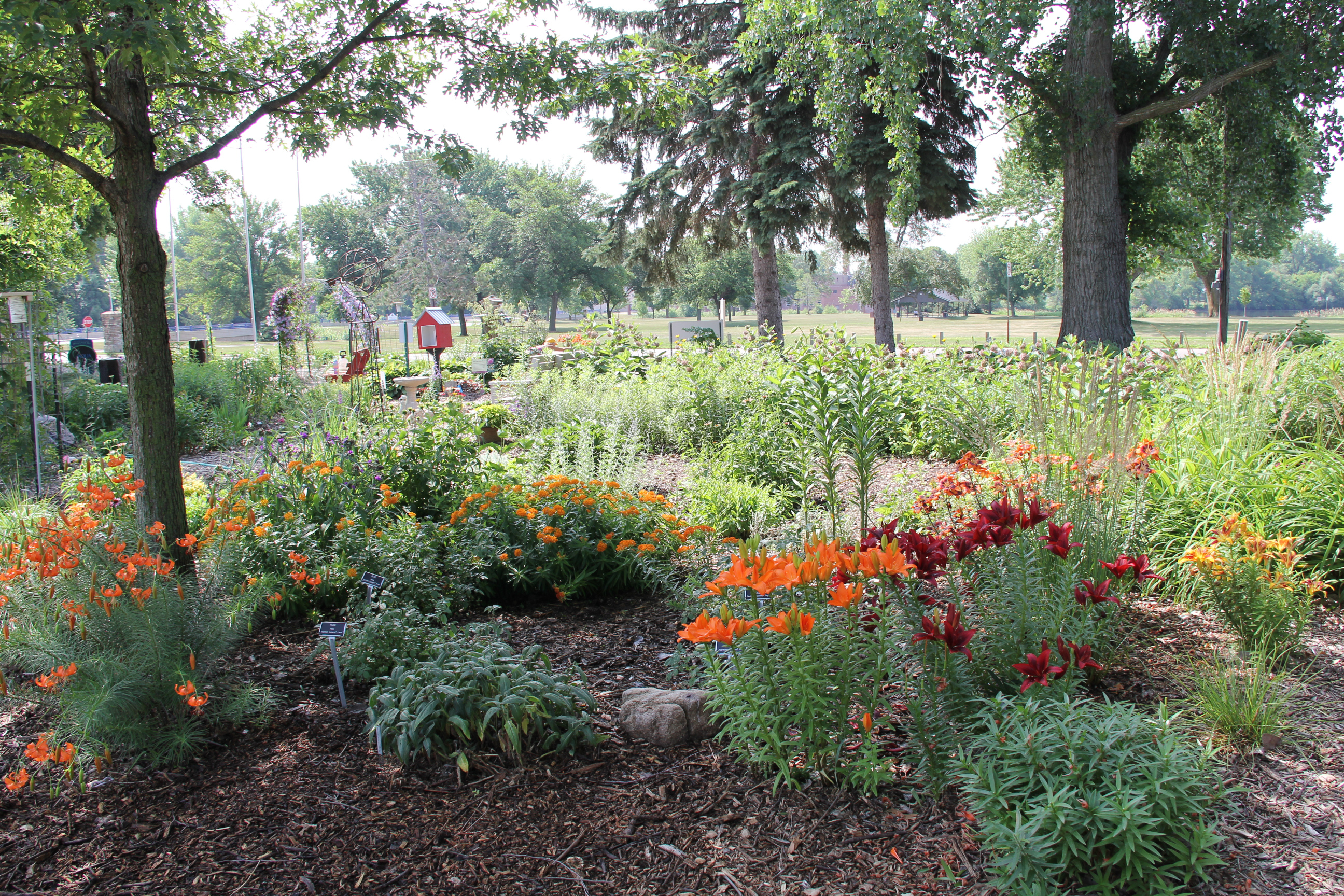
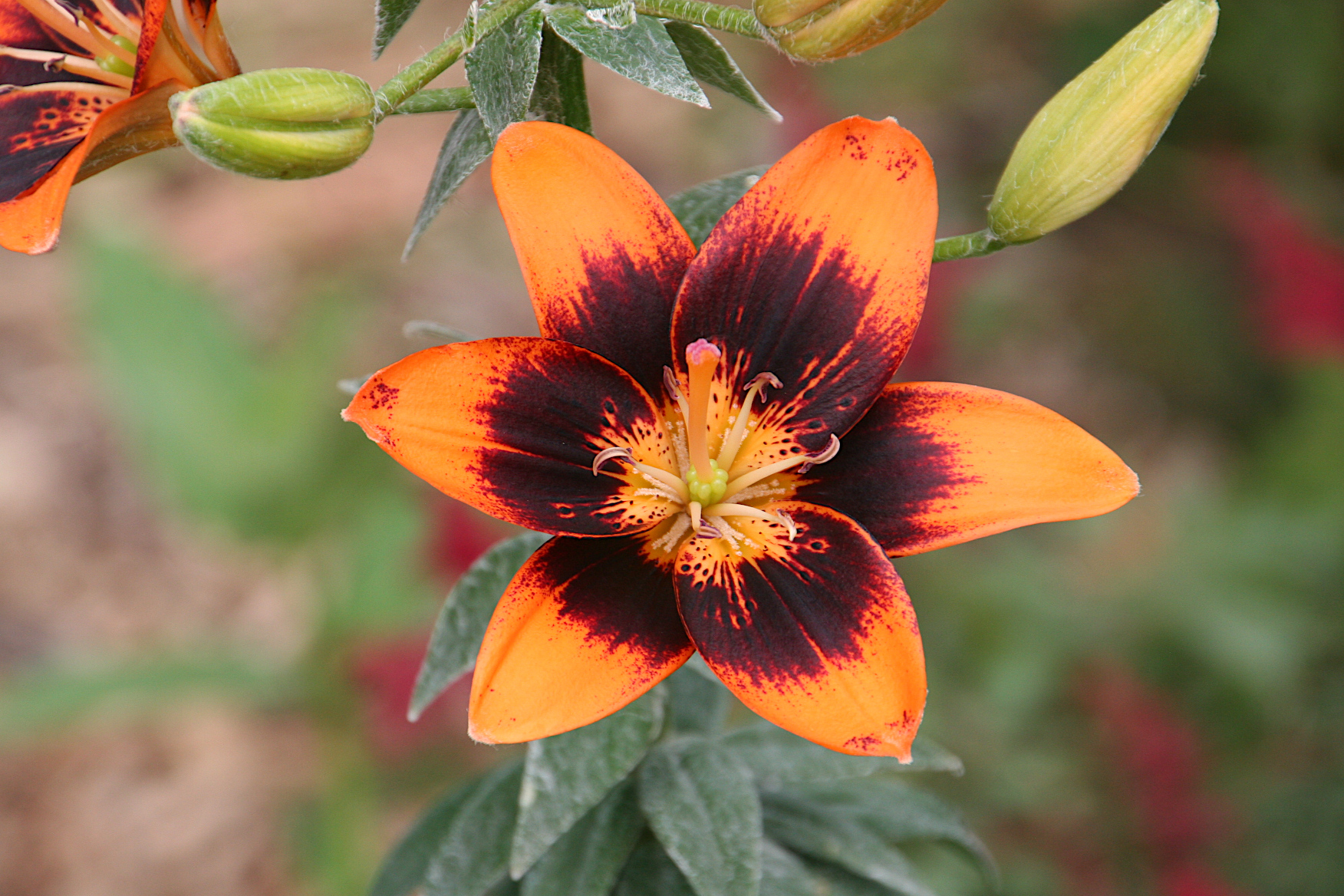
In early July, lilies bloomed in the Rice County Master Gardeners Teaching Garden. (Minnesota Prairie Roots copyrighted photo July 2022)

IN MY FARIBAULT BACKYARD, wild tiger lilies stretch above a tangled mess of greenery, popping orange into the hillside. On the other side of town, domesticated orange lilies grace the neatly-cultivated Rice County Master Gardeners Teaching Gardens at the Rice County Fairgrounds.
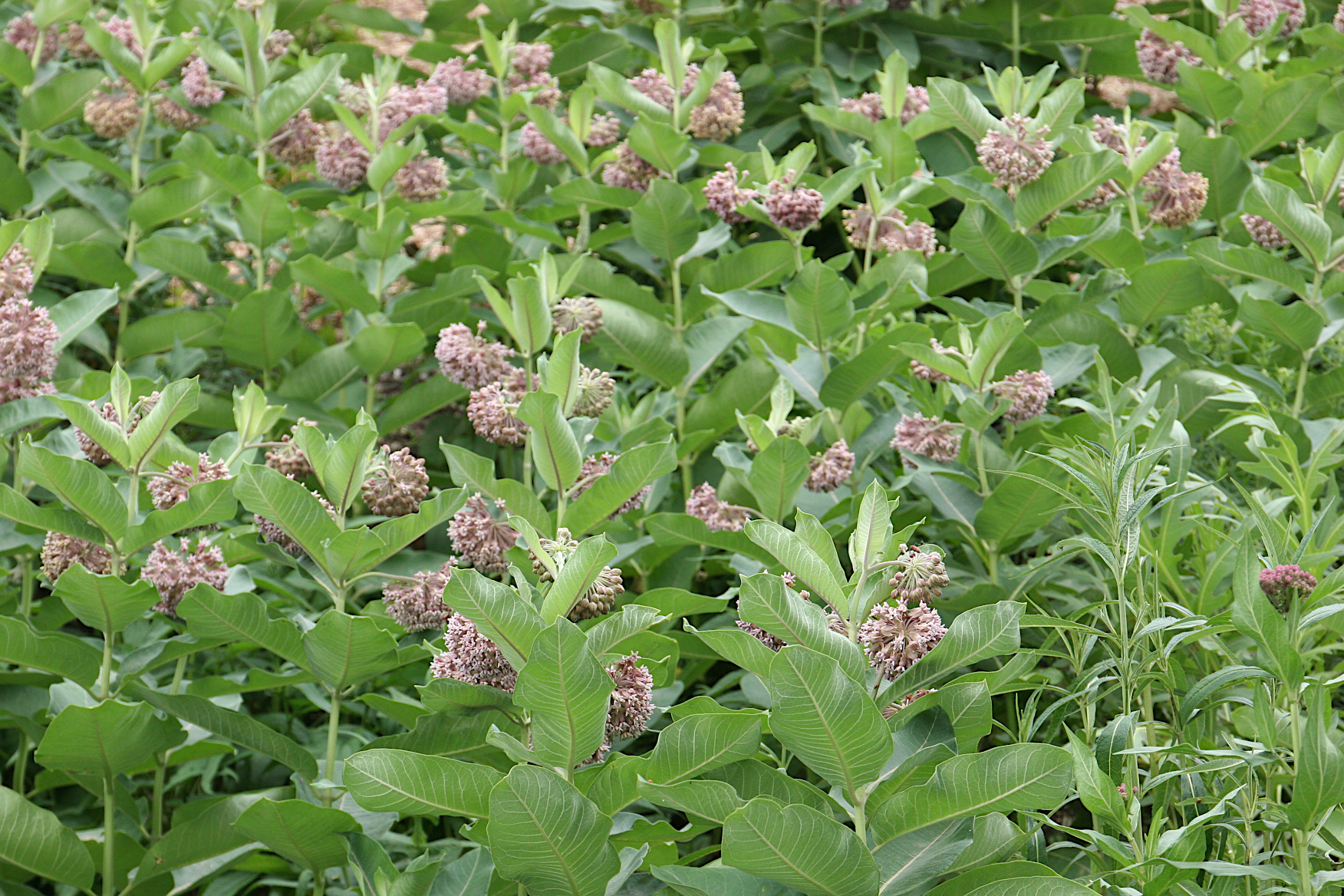
The master gardeners’ milkweed patch. (Minnesota Prairie Roots copyrighted photo July 2022)

Also in my yard are scattered milkweeds, food for Monarch caterpillars. In the gardens tended by the experts, a mass of intentionally-planted milkweeds flourishes.

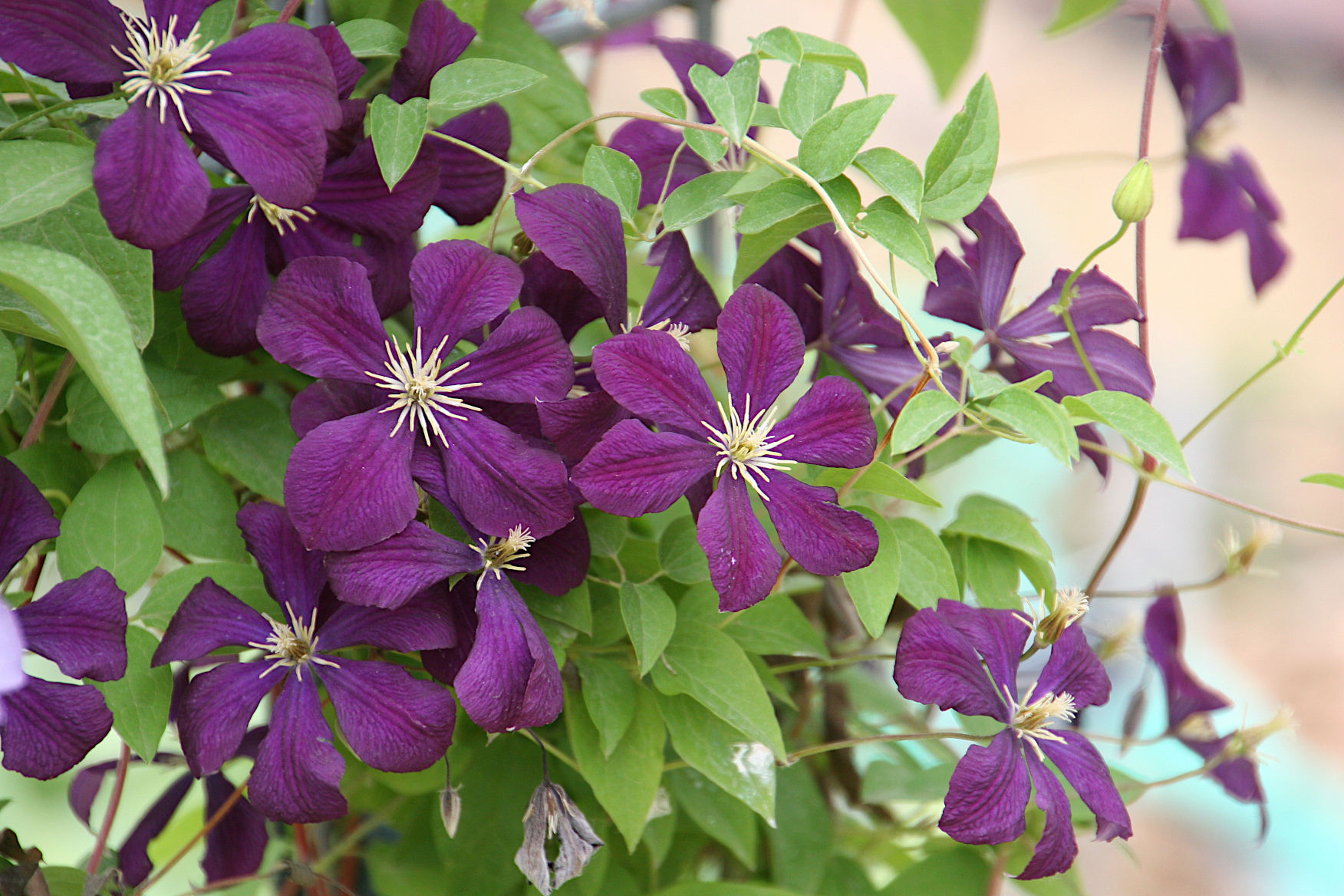
Clematis. (Minnesota Prairie Roots copyrighted photo July 2022)

Blocks away from my home, Donahue’s Greenhouse grows one of the largest selections of clematis in the U.S. That’s their specialty. Across town at the master gardeners’ garden, clematis climb an arbor, lovely blooms opening to the summer sky.

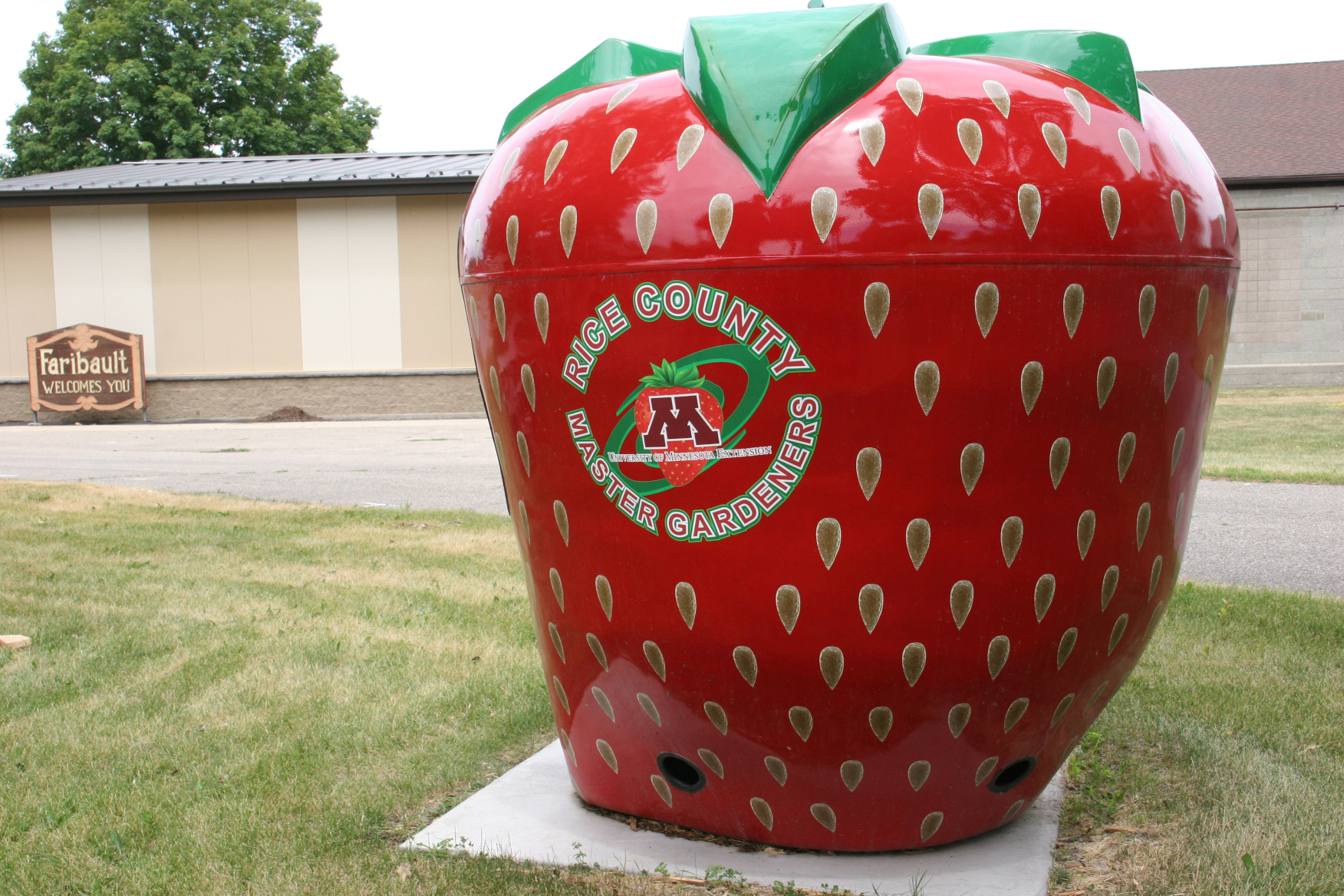
The Berry-Go-Round. (Minnesota Prairie Roots copyrighted photo July 2022)

Within a short distance of my home is the birthplace of the Tilt-A-Whirl, a carnival ride no longer made in Faribault but in Texas. On the edge of the master gardeners’ garden, a giant strawberry sits. It’s a Berry-Go-Round, a spin ride produced by Sellner Manufacturing beginning in 1987, before the company was sold.

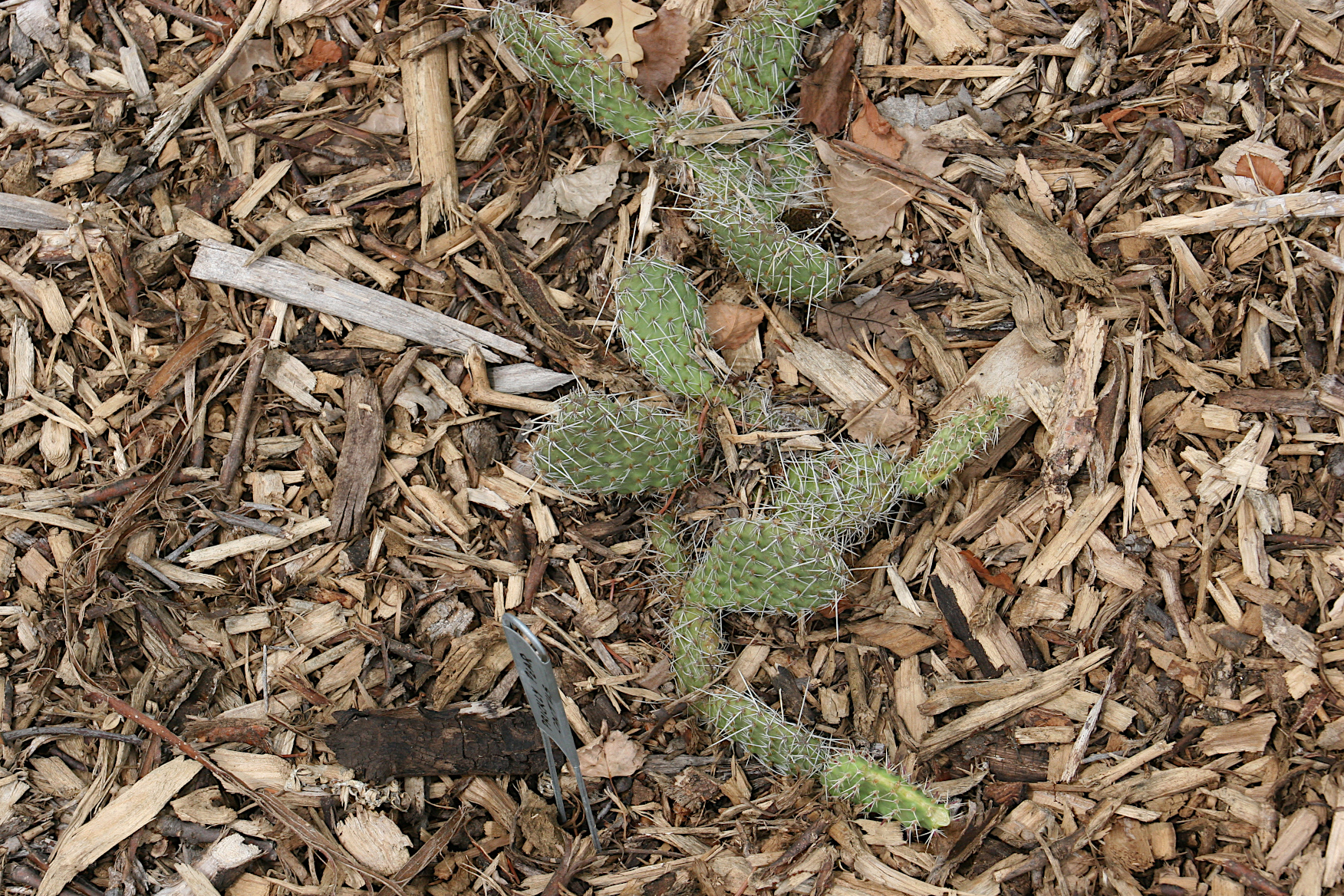
Prickly pear cactus. (Minnesota Prairie Roots copyrighted photo July 2022)

More than 150 miles to the southwest of Faribault near the South Dakota border, prickly pear cactus thrive in the rocky lands of the prairie. I’ve seen them at Blue Mounds State Park near Luverne. And now I’ve seen them in the gardens at the local fairgrounds.

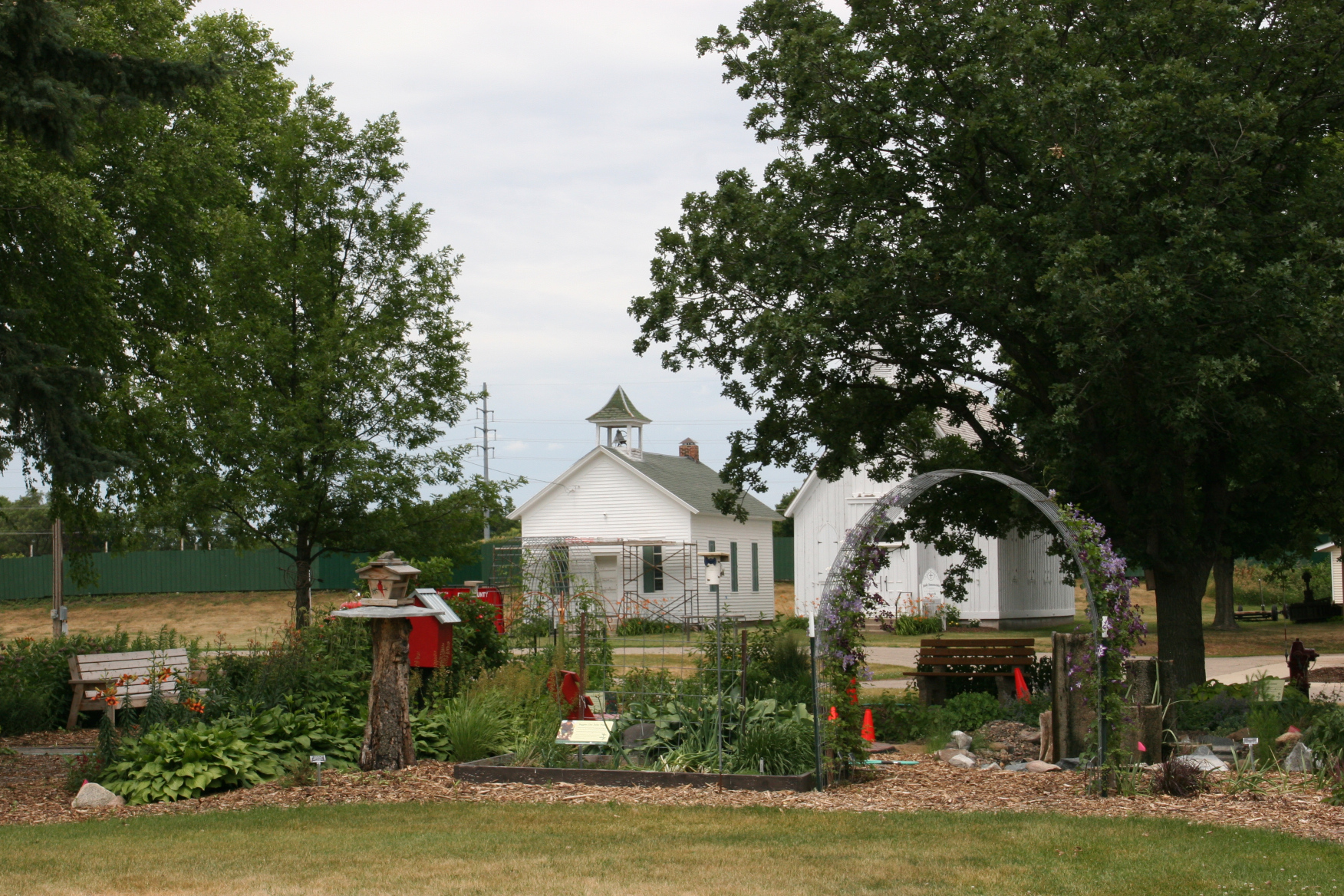
An overview of the Rice County Master Gardeners Teaching Gardens, photographed in early July, with an historic school and church (part of the county historical society) in the background. (Minnesota Prairie Roots copyrighted photo July 2022)

It’s interesting how, in life, so many connections exist. Even in a garden.

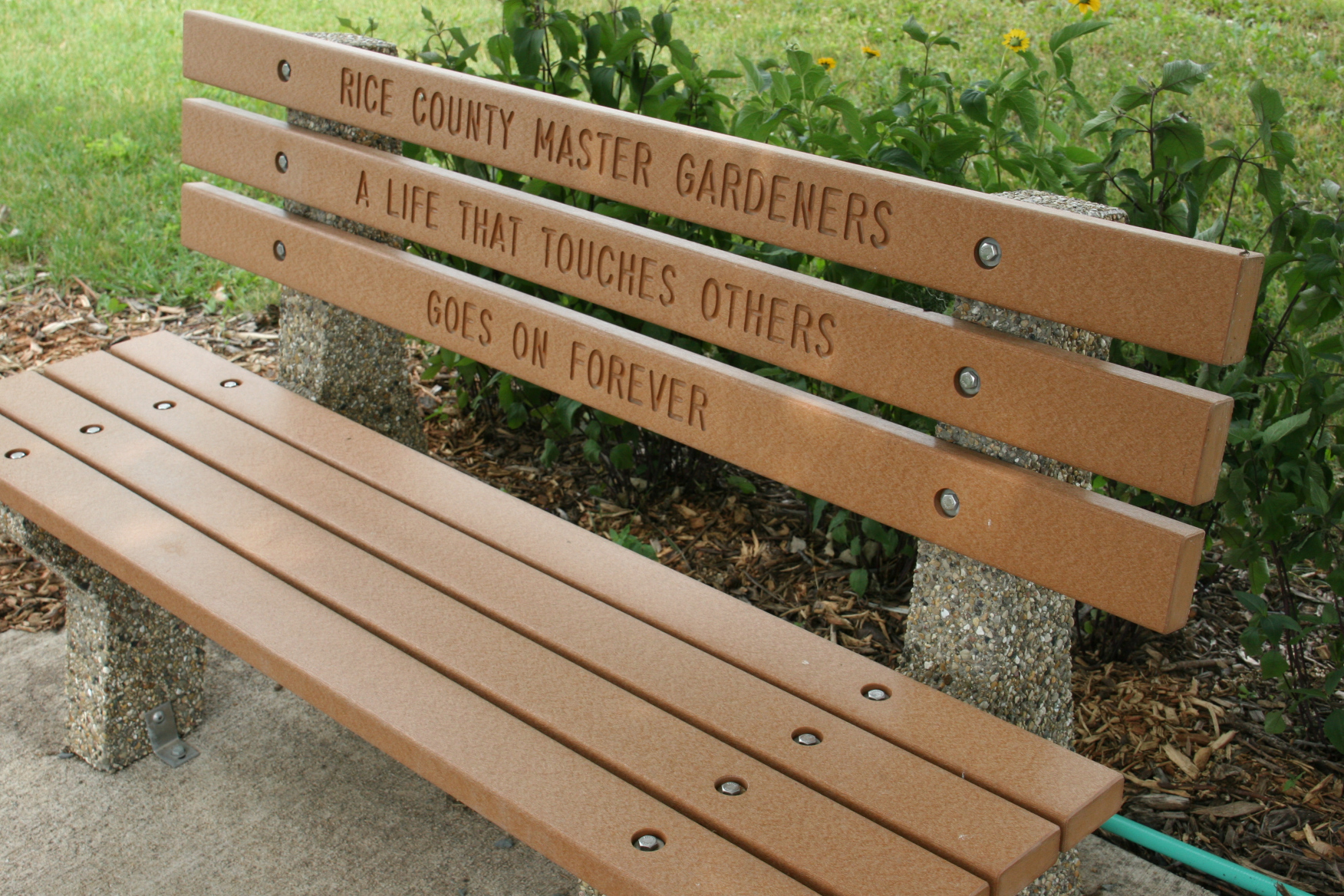
One of several benches in the master gardeners’ garden in Faribault. (Minnesota Prairie Roots copyrighted photo July 2022)

Gardens connect us to people, places, memories. A life that touches others goes on forever. I come from a family of gardeners tracing back generations. Vegetables grown in my mother’s massive garden fed me, and my family of origin, for the first 18 years of my life. I worked that garden with her, planting, weeding, tending, harvesting. I left gardening when I left southwestern Minnesota. But I still appreciate gardeners and gardens.

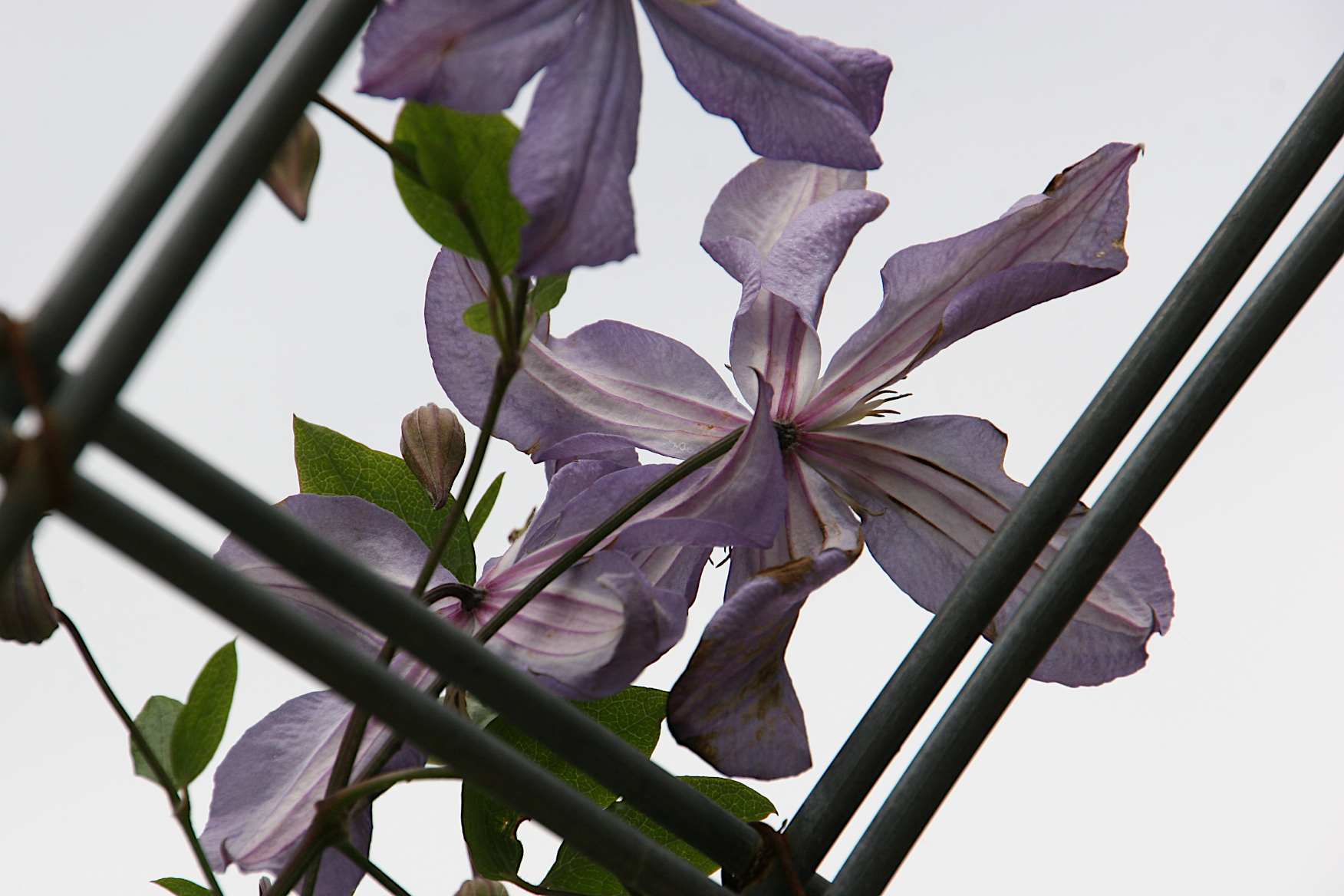
An artsy scene of clematis on arbor. (Minnesota Prairie Roots copyrighted photo July 2022)

I value the beauty of flower gardens, the purpose of vegetable gardens to feed. And I appreciate, too, the peace a garden brings. To sit among the blooms and plants in a garden oasis like the Rice County master gardeners created is to feel a calm, a sense of serenity in the midst of chaos and struggles and challenges.

The water feature is shaped like tree stumps. (Minnesota Prairie Roots copyrighted photo July 2022)

Water, especially, soothes me. The Rice County master gardeners understand that and added a water feature to their garden plot. I delighted in watching a tiny yellow bird (I think a goldfinch) splash in the water. Such a simple joy.

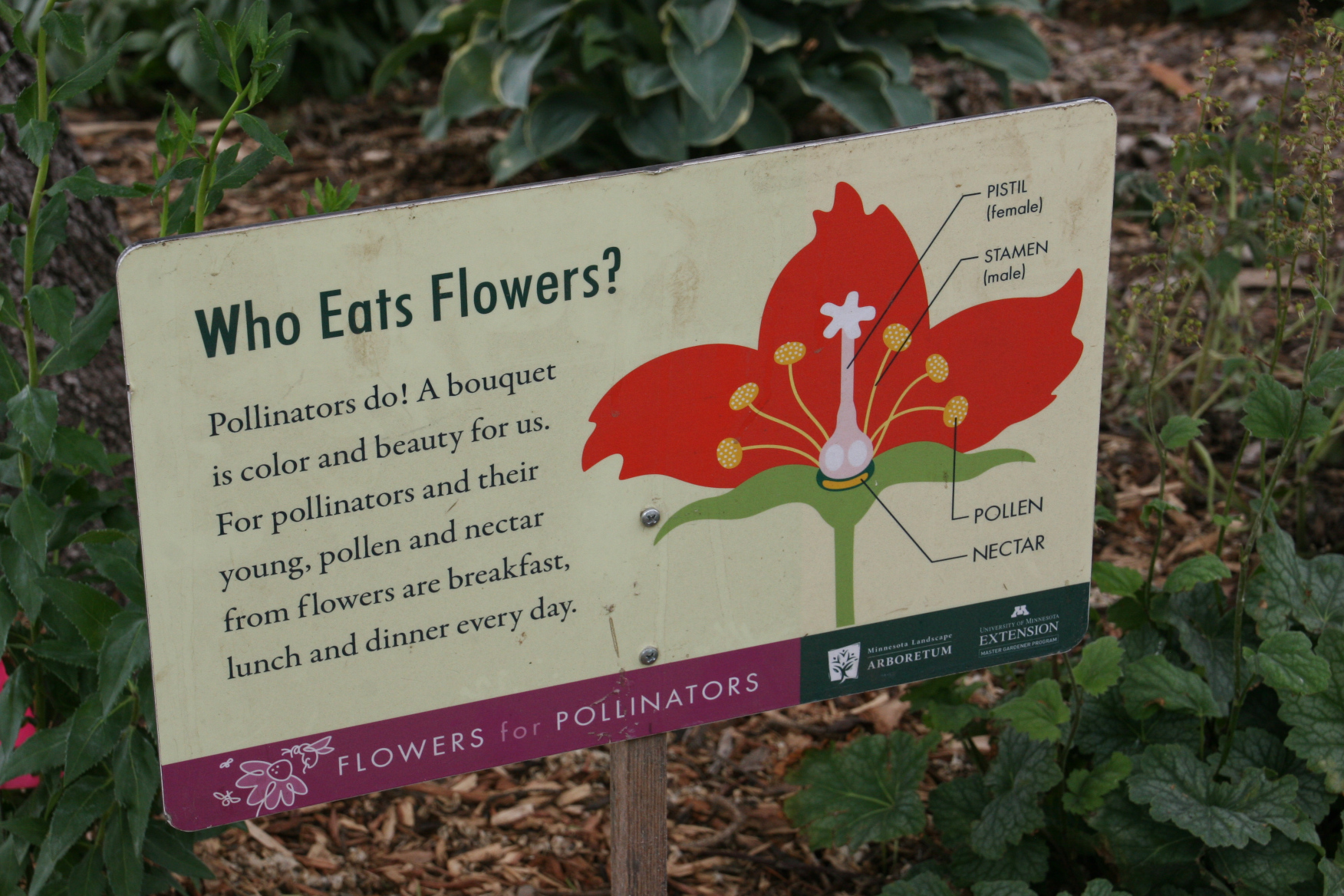
One of many educational signs in the Rice County Master Gardeners Teaching Gardens. (Minnesota Prairie Roots copyrighted photo July 2022)

And isn’t that part of a garden’s purpose—to bring joy? Joy to those who work the soil, seed or plant, tend and care for that which grows. Joy to those who delight in the all of it.

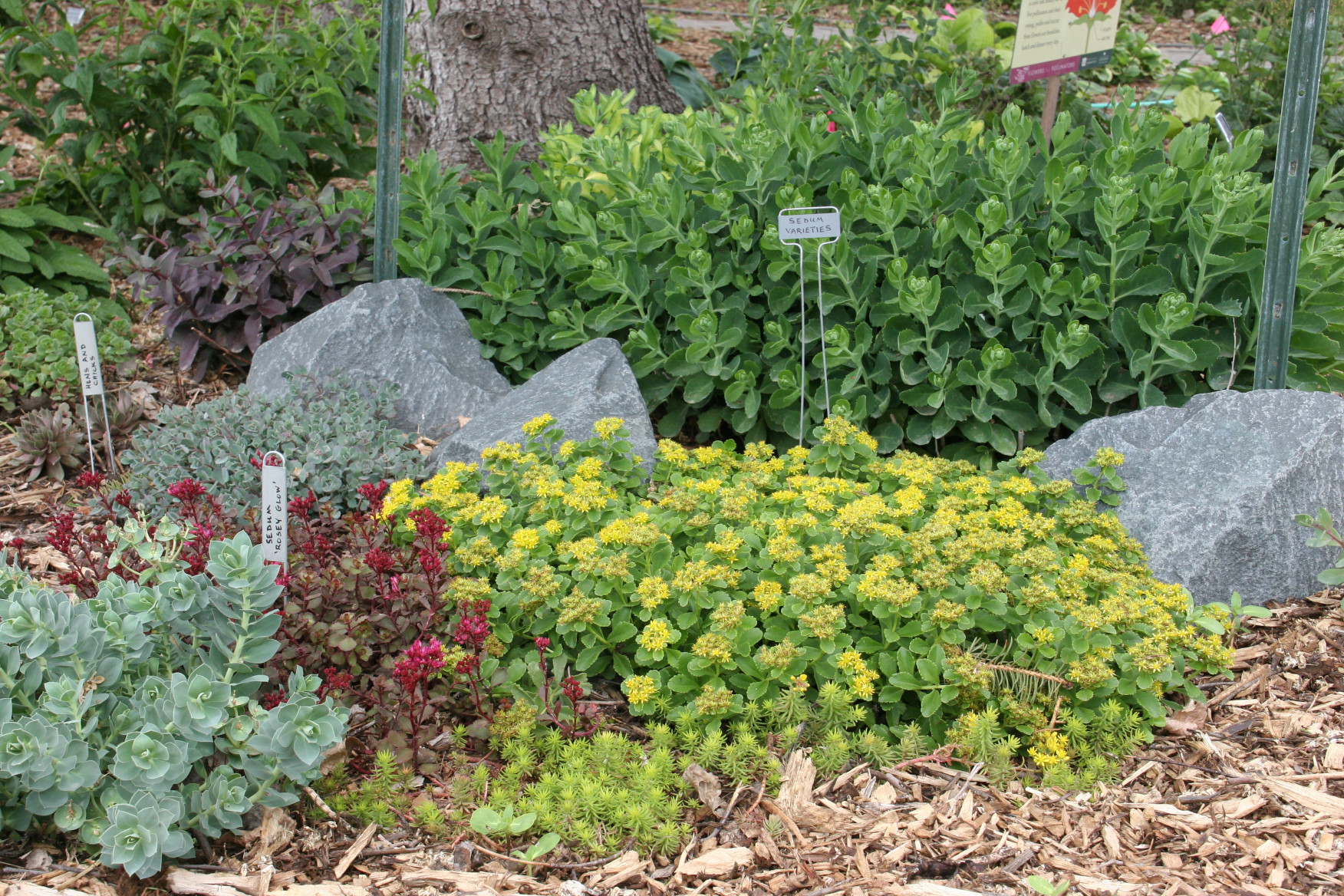
A sedum patch planted by the master gardeners. (Minnesota Prairie Roots copyrighted photo July 2022)

I feel such gratitude for gardeners, for the nurturing hands that link me to nature. It’s all about connecting to each other in this world we share, in the commonality of humanity.

#

Please click here to read my first post about the Rice County Master Gardeners Teaching Gardens. Watch for one final post in this three-part series.

© Copyright 2022 Audrey Kletscher Helbling